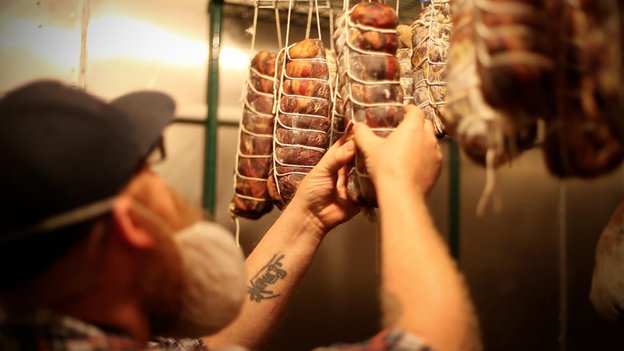
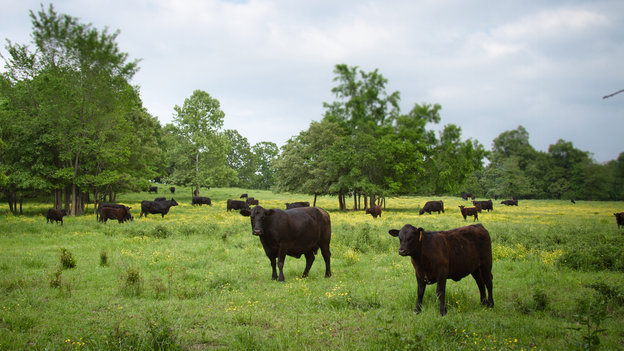
window.__IS_SSR__=true
window.__INITIAL_STATE__={
"attachmentsReducer": {
"audio_0": {
"type": "attachments",
"id": "audio_0",
"imgSizes": {
"kqedFullSize": {
"file": "https://ww2.kqed.org/news/wp-content/themes/KQED-unified/img/audio_bgs/background0.jpg"
}
}
},
"audio_1": {
"type": "attachments",
"id": "audio_1",
"imgSizes": {
"kqedFullSize": {
"file": "https://ww2.kqed.org/news/wp-content/themes/KQED-unified/img/audio_bgs/background1.jpg"
}
}
},
"audio_2": {
"type": "attachments",
"id": "audio_2",
"imgSizes": {
"kqedFullSize": {
"file": "https://ww2.kqed.org/news/wp-content/themes/KQED-unified/img/audio_bgs/background2.jpg"
}
}
},
"audio_3": {
"type": "attachments",
"id": "audio_3",
"imgSizes": {
"kqedFullSize": {
"file": "https://ww2.kqed.org/news/wp-content/themes/KQED-unified/img/audio_bgs/background3.jpg"
}
}
},
"audio_4": {
"type": "attachments",
"id": "audio_4",
"imgSizes": {
"kqedFullSize": {
"file": "https://ww2.kqed.org/news/wp-content/themes/KQED-unified/img/audio_bgs/background4.jpg"
}
}
},
"placeholder": {
"type": "attachments",
"id": "placeholder",
"imgSizes": {
"thumbnail": {
"file": "https://cdn.kqed.org/wp-content/uploads/2024/12/KQED-Default-Image-816638274-2000x1333-1-160x107.jpg",
"width": 160,
"height": 107,
"mimeType": "image/jpeg"
},
"medium": {
"file": "https://cdn.kqed.org/wp-content/uploads/2024/12/KQED-Default-Image-816638274-2000x1333-1-800x533.jpg",
"width": 800,
"height": 533,
"mimeType": "image/jpeg"
},
"medium_large": {
"file": "https://cdn.kqed.org/wp-content/uploads/2024/12/KQED-Default-Image-816638274-2000x1333-1-768x512.jpg",
"width": 768,
"height": 512,
"mimeType": "image/jpeg"
},
"large": {
"file": "https://cdn.kqed.org/wp-content/uploads/2024/12/KQED-Default-Image-816638274-2000x1333-1-1020x680.jpg",
"width": 1020,
"height": 680,
"mimeType": "image/jpeg"
},
"1536x1536": {
"file": "https://cdn.kqed.org/wp-content/uploads/2024/12/KQED-Default-Image-816638274-2000x1333-1-1536x1024.jpg",
"width": 1536,
"height": 1024,
"mimeType": "image/jpeg"
},
"fd-lrg": {
"file": "https://cdn.kqed.org/wp-content/uploads/2024/12/KQED-Default-Image-816638274-2000x1333-1-1536x1024.jpg",
"width": 1536,
"height": 1024,
"mimeType": "image/jpeg"
},
"fd-med": {
"file": "https://cdn.kqed.org/wp-content/uploads/2024/12/KQED-Default-Image-816638274-2000x1333-1-1020x680.jpg",
"width": 1020,
"height": 680,
"mimeType": "image/jpeg"
},
"fd-sm": {
"file": "https://cdn.kqed.org/wp-content/uploads/2024/12/KQED-Default-Image-816638274-2000x1333-1-800x533.jpg",
"width": 800,
"height": 533,
"mimeType": "image/jpeg"
},
"post-thumbnail": {
"file": "https://cdn.kqed.org/wp-content/uploads/2024/12/KQED-Default-Image-816638274-2000x1333-1-672x372.jpg",
"width": 672,
"height": 372,
"mimeType": "image/jpeg"
},
"twentyfourteen-full-width": {
"file": "https://cdn.kqed.org/wp-content/uploads/2024/12/KQED-Default-Image-816638274-2000x1333-1-1038x576.jpg",
"width": 1038,
"height": 576,
"mimeType": "image/jpeg"
},
"xxsmall": {
"file": "https://cdn.kqed.org/wp-content/uploads/2024/12/KQED-Default-Image-816638274-2000x1333-1-160x107.jpg",
"width": 160,
"height": 107,
"mimeType": "image/jpeg"
},
"xsmall": {
"file": "https://cdn.kqed.org/wp-content/uploads/2024/12/KQED-Default-Image-816638274-2000x1333-1-672x372.jpg",
"width": 672,
"height": 372,
"mimeType": "image/jpeg"
},
"small": {
"file": "https://cdn.kqed.org/wp-content/uploads/2024/12/KQED-Default-Image-816638274-2000x1333-1-672x372.jpg",
"width": 672,
"height": 372,
"mimeType": "image/jpeg"
},
"xlarge": {
"file": "https://cdn.kqed.org/wp-content/uploads/2024/12/KQED-Default-Image-816638274-2000x1333-1-1020x680.jpg",
"width": 1020,
"height": 680,
"mimeType": "image/jpeg"
},
"full-width": {
"file": "https://cdn.kqed.org/wp-content/uploads/2024/12/KQED-Default-Image-816638274-2000x1333-1-1920x1280.jpg",
"width": 1920,
"height": 1280,
"mimeType": "image/jpeg"
},
"guest-author-32": {
"file": "https://cdn.kqed.org/wp-content/uploads/2025/01/KQED-Default-Image-816638274-1333x1333-1-160x160.jpg",
"width": 32,
"height": 32,
"mimeType": "image/jpeg"
},
"guest-author-50": {
"file": "https://cdn.kqed.org/wp-content/uploads/2025/01/KQED-Default-Image-816638274-1333x1333-1-160x160.jpg",
"width": 50,
"height": 50,
"mimeType": "image/jpeg"
},
"guest-author-64": {
"file": "https://cdn.kqed.org/wp-content/uploads/2025/01/KQED-Default-Image-816638274-1333x1333-1-160x160.jpg",
"width": 64,
"height": 64,
"mimeType": "image/jpeg"
},
"guest-author-96": {
"file": "https://cdn.kqed.org/wp-content/uploads/2025/01/KQED-Default-Image-816638274-1333x1333-1-160x160.jpg",
"width": 96,
"height": 96,
"mimeType": "image/jpeg"
},
"guest-author-128": {
"file": "https://cdn.kqed.org/wp-content/uploads/2025/01/KQED-Default-Image-816638274-1333x1333-1-160x160.jpg",
"width": 128,
"height": 128,
"mimeType": "image/jpeg"
},
"detail": {
"file": "https://cdn.kqed.org/wp-content/uploads/2025/01/KQED-Default-Image-816638274-1333x1333-1-160x160.jpg",
"width": 160,
"height": 160,
"mimeType": "image/jpeg"
},
"kqedFullSize": {
"file": "https://cdn.kqed.org/wp-content/uploads/2024/12/KQED-Default-Image-816638274-2000x1333-1.jpg",
"width": 2000,
"height": 1333
}
}
},
"bayareabites_71730": {
"type": "attachments",
"id": "bayareabites_71730",
"meta": {
"index": "attachments_1716263798",
"site": "bayareabites",
"id": "71730",
"found": true
},
"parent": 71721,
"imgSizes": {
"kqedFullSize": {
"file": "https://ww2.kqed.org/app/uploads/sites/24/2013/10/pears-sm.jpg",
"width": 624,
"height": 467
}
},
"publishDate": 1381169209,
"modified": 1381169209,
"caption": null,
"description": "Some of this season's Comice pear harvest is rotting in Pacific Northwest orchards because there aren't enough workers to pick it.",
"title": "pears1",
"credit": null,
"status": "inherit",
"isLoading": false,
"fetchFailed": false
},
"bayareabites_71669": {
"type": "attachments",
"id": "bayareabites_71669",
"meta": {
"index": "attachments_1716263798",
"site": "bayareabites",
"id": "71669",
"found": true
},
"parent": 71660,
"imgSizes": {
"kqedFullSize": {
"file": "https://ww2.kqed.org/app/uploads/sites/24/2013/10/sausage-sm.jpg",
"width": 624,
"height": 351
}
},
"publishDate": 1380849276,
"modified": 1380849276,
"caption": null,
"description": null,
"title": "sausage-sm",
"credit": null,
"status": "inherit",
"isLoading": false,
"fetchFailed": false
},
"bayareabites_71656": {
"type": "attachments",
"id": "bayareabites_71656",
"meta": {
"index": "attachments_1716263798",
"site": "bayareabites",
"id": "71656",
"found": true
},
"parent": 71647,
"imgSizes": {
"kqedFullSize": {
"file": "https://ww2.kqed.org/app/uploads/sites/24/2013/10/grassfed-ranch-sm.jpg",
"width": 624,
"height": 351
}
},
"publishDate": 1380848658,
"modified": 1380848658,
"caption": null,
"description": null,
"title": "grassfed-ranch-sm",
"credit": null,
"status": "inherit",
"isLoading": false,
"fetchFailed": false
},
"bayareabites_71641": {
"type": "attachments",
"id": "bayareabites_71641",
"meta": {
"index": "attachments_1716263798",
"site": "bayareabites",
"id": "71641",
"found": true
},
"parent": 71634,
"imgSizes": {
"kqedFullSize": {
"file": "https://ww2.kqed.org/app/uploads/sites/24/2013/10/eggrecall-sm.jpg",
"width": 624,
"height": 351
}
},
"publishDate": 1380846918,
"modified": 1380846918,
"caption": null,
"description": null,
"title": "eggrecall-sm",
"credit": null,
"status": "inherit",
"isLoading": false,
"fetchFailed": false
},
"bayareabites_71583": {
"type": "attachments",
"id": "bayareabites_71583",
"meta": {
"index": "attachments_1716263798",
"site": "bayareabites",
"id": "71583",
"found": true
},
"parent": 71577,
"imgSizes": {
"kqedFullSize": {
"file": "https://ww2.kqed.org/app/uploads/sites/24/2013/10/kalepot-sm.jpg",
"width": 624,
"height": 351
}
},
"publishDate": 1380749916,
"modified": 1380749916,
"caption": null,
"description": null,
"title": "kalepot-sm",
"credit": null,
"status": "inherit",
"isLoading": false,
"fetchFailed": false
},
"bayareabites_71541": {
"type": "attachments",
"id": "bayareabites_71541",
"meta": {
"index": "attachments_1716263798",
"site": "bayareabites",
"id": "71541",
"found": true
},
"parent": 71535,
"imgSizes": {
"kqedFullSize": {
"file": "https://ww2.kqed.org/app/uploads/sites/24/2013/10/wic-market-sm.jpg",
"width": 624,
"height": 467
}
},
"publishDate": 1380679001,
"modified": 1380679001,
"caption": null,
"description": null,
"title": "wic-market-sm",
"credit": null,
"status": "inherit",
"isLoading": false,
"fetchFailed": false
},
"bayareabites_71423": {
"type": "attachments",
"id": "bayareabites_71423",
"meta": {
"index": "attachments_1716263798",
"site": "bayareabites",
"id": "71423",
"found": true
},
"parent": 71412,
"imgSizes": {
"kqedFullSize": {
"file": "https://ww2.kqed.org/app/uploads/sites/24/2013/10/veghomefounders-sm.jpg",
"width": 624,
"height": 350
}
},
"publishDate": 1380655142,
"modified": 1380655142,
"caption": null,
"description": null,
"title": "veghomefounders-sm",
"credit": null,
"status": "inherit",
"isLoading": false,
"fetchFailed": false
},
"bayareabites_71310": {
"type": "attachments",
"id": "bayareabites_71310",
"meta": {
"index": "attachments_1716263798",
"site": "bayareabites",
"id": "71310",
"found": true
},
"parent": 71298,
"imgSizes": {
"kqedFullSize": {
"file": "https://ww2.kqed.org/app/uploads/sites/24/2013/09/marcella-hazan-sm.jpg",
"width": 624,
"height": 415
}
},
"publishDate": 1380569425,
"modified": 1380569425,
"caption": null,
"description": null,
"title": "marcella-hazan-sm",
"credit": null,
"status": "inherit",
"isLoading": false,
"fetchFailed": false
},
"bayareabites_71290": {
"type": "attachments",
"id": "bayareabites_71290",
"meta": {
"index": "attachments_1716263798",
"site": "bayareabites",
"id": "71290",
"found": true
},
"parent": 71280,
"imgSizes": {
"kqedFullSize": {
"file": "https://ww2.kqed.org/app/uploads/sites/24/2013/09/kombucha-sm.jpg",
"width": 624,
"height": 467
}
},
"publishDate": 1380568041,
"modified": 1380568041,
"caption": null,
"description": null,
"title": "kombucha-sm",
"credit": null,
"status": "inherit",
"isLoading": false,
"fetchFailed": false
},
"bayareabites_71266": {
"type": "attachments",
"id": "bayareabites_71266",
"meta": {
"index": "attachments_1716263798",
"site": "bayareabites",
"id": "71266",
"found": true
},
"parent": 71247,
"imgSizes": {
"kqedFullSize": {
"file": "https://ww2.kqed.org/app/uploads/sites/24/2013/09/oil-sm.jpg",
"width": 624,
"height": 468
}
},
"publishDate": 1380565431,
"modified": 1380565431,
"caption": null,
"description": null,
"title": "oil-sm",
"credit": null,
"status": "inherit",
"isLoading": false,
"fetchFailed": false
},
"bayareabites_71170": {
"type": "attachments",
"id": "bayareabites_71170",
"meta": {
"index": "attachments_1716263798",
"site": "bayareabites",
"id": "71170",
"found": true
},
"parent": 71153,
"imgSizes": {
"kqedFullSize": {
"file": "https://ww2.kqed.org/app/uploads/sites/24/2013/09/apples-sm.jpg",
"width": 624,
"height": 415
}
},
"publishDate": 1380321302,
"modified": 1380321302,
"caption": null,
"description": null,
"title": "apples-sm",
"credit": null,
"status": "inherit",
"isLoading": false,
"fetchFailed": false
},
"bayareabites_71115": {
"type": "attachments",
"id": "bayareabites_71115",
"meta": {
"index": "attachments_1716263798",
"site": "bayareabites",
"id": "71115",
"found": true
},
"parent": 71108,
"imgSizes": {
"kqedFullSize": {
"file": "https://ww2.kqed.org/app/uploads/sites/24/2013/09/fishoil-sm.jpg",
"width": 624,
"height": 350
}
},
"publishDate": 1380265082,
"modified": 1380265082,
"caption": null,
"description": null,
"title": "fishoil-sm",
"credit": null,
"status": "inherit",
"isLoading": false,
"fetchFailed": false
}
},
"audioPlayerReducer": {
"postId": "stream_live",
"isPaused": true,
"isPlaying": false,
"pfsActive": false,
"pledgeModalIsOpen": true,
"playerDrawerIsOpen": false,
"liveAudioPlayStartedAt": 0,
"liveAudioPlayContext": ""
},
"authorsReducer": {
"byline_bayareabites_71721": {
"type": "authors",
"id": "byline_bayareabites_71721",
"meta": {
"override": true
},
"slug": "byline_bayareabites_71721",
"name": "Deena Prichep",
"isLoading": false
},
"byline_bayareabites_71660": {
"type": "authors",
"id": "byline_bayareabites_71660",
"meta": {
"override": true
},
"slug": "byline_bayareabites_71660",
"name": "Deena Prichep",
"isLoading": false
},
"byline_bayareabites_71647": {
"type": "authors",
"id": "byline_bayareabites_71647",
"meta": {
"override": true
},
"slug": "byline_bayareabites_71647",
"name": "Dan Charles",
"isLoading": false
},
"byline_bayareabites_71634": {
"type": "authors",
"id": "byline_bayareabites_71634",
"meta": {
"override": true
},
"slug": "byline_bayareabites_71634",
"name": "Allison Aubrey",
"isLoading": false
},
"byline_bayareabites_71577": {
"type": "authors",
"id": "byline_bayareabites_71577",
"meta": {
"override": true
},
"slug": "byline_bayareabites_71577",
"name": "Eliza Barclay",
"isLoading": false
},
"byline_bayareabites_71535": {
"type": "authors",
"id": "byline_bayareabites_71535",
"meta": {
"override": true
},
"slug": "byline_bayareabites_71535",
"name": "Eliza Barclay and Allison Aubrey",
"isLoading": false
},
"byline_bayareabites_71412": {
"type": "authors",
"id": "byline_bayareabites_71412",
"meta": {
"override": true
},
"slug": "byline_bayareabites_71412",
"name": "Amy Guttman",
"isLoading": false
},
"byline_bayareabites_71298": {
"type": "authors",
"id": "byline_bayareabites_71298",
"meta": {
"override": true
},
"slug": "byline_bayareabites_71298",
"name": "Maria Godoy",
"isLoading": false
},
"byline_bayareabites_71280": {
"type": "authors",
"id": "byline_bayareabites_71280",
"meta": {
"override": true
},
"slug": "byline_bayareabites_71280",
"name": "Patti Neighmond",
"isLoading": false
},
"byline_bayareabites_71247": {
"type": "authors",
"id": "byline_bayareabites_71247",
"meta": {
"override": true
},
"slug": "byline_bayareabites_71247",
"name": "Allison Aubrey",
"isLoading": false
},
"byline_bayareabites_71153": {
"type": "authors",
"id": "byline_bayareabites_71153",
"meta": {
"override": true
},
"slug": "byline_bayareabites_71153",
"name": "Nicole Spiridakis",
"isLoading": false
},
"byline_bayareabites_71108": {
"type": "authors",
"id": "byline_bayareabites_71108",
"meta": {
"override": true
},
"slug": "byline_bayareabites_71108",
"name": "Allison Aubrey",
"isLoading": false
}
},
"pagesReducer": {
"bayareabites_category_npr-food": {
"type": "terms",
"id": "bayareabites_10916",
"meta": {
"index": "terms_1716263798",
"site": "bayareabites",
"id": "10916",
"score": 13.894751
},
"featImg": null,
"name": "NPR food",
"description": null,
"taxonomy": "category",
"headData": {
"twImgId": null,
"twTitle": null,
"ogTitle": null,
"ogImgId": null,
"twDescription": null,
"description": null,
"title": "NPR food Archives | KQED Bay Area Bites",
"ogDescription": null
},
"ttid": 5375,
"slug": "npr-food",
"isLoading": false,
"title": "NPR food",
"pageMeta": {
"site": "bayareabites",
"WpPageTemplate": "page-topic-editorial",
"currentPage": 64
},
"blocks": [
{
"blockName": "kqed/post-list",
"attrs": {
"layout": "cardArticle2",
"query": "posts/bayareabites?category=npr-food",
"seeMore": false,
"paginated": true,
"page": 64
}
},
{
"blockName": "kqed/ad"
}
]
}
},
"pfsSessionReducer": {},
"postsReducer": {
"stream_live": {
"type": "live",
"id": "stream_live",
"audioUrl": "https://hls.kqed.org/hls/kqed_app/playlist.m3u8",
"title": "Live Stream",
"excerpt": "Live Stream information currently unavailable.",
"link": "/radio",
"featImg": "",
"label": {
"name": "KQED Live",
"link": "/"
}
},
"stream_kqedNewscast": {
"type": "posts",
"id": "stream_kqedNewscast",
"audioUrl": "https://www.kqed.org/.stream/anon/radio/RDnews/newscast.mp3?_=1",
"title": "KQED Newscast",
"featImg": "",
"label": {
"name": "88.5 FM",
"link": "/"
}
},
"bayareabites_71721": {
"type": "posts",
"id": "bayareabites_71721",
"meta": {
"index": "posts_1716263798",
"site": "bayareabites",
"id": "71721",
"score": null,
"sort": [
1381169293000
]
},
"parent": 0,
"labelTerm": {
"site": "bayareabites"
},
"blocks": [],
"publishDate": 1381169293,
"format": "aside",
"disqusTitle": "Labor-Starved Pear Farmers Buckle Under Bumper Crop",
"title": "Labor-Starved Pear Farmers Buckle Under Bumper Crop",
"headTitle": "Bay Area Bites | KQED Food",
"content": "\u003cfigure id=\"attachment_71731\" class=\"wp-caption aligncenter\" style=\"max-width: 1120px\">\u003ca href=\"http://ww2.kqed.org/bayareabites/wp-content/uploads/sites/24/2013/10/pears.jpg\">\u003cimg src=\"http://ww2.kqed.org/bayareabites/wp-content/uploads/sites/24/2013/10/pears.jpg\" alt=\"Some of this season's Comice pear harvest is rotting in Pacific Northwest orchards because there aren't enough workers to pick it. Photo: Deena Prichep/for NPR\" width=\"1120\" height=\"839\" class=\"size-full wp-image-71731\">\u003c/a>\u003cfigcaption class=\"wp-caption-text\">Some of this season's Comice pear harvest is rotting in Pacific Northwest orchards because there aren't enough workers to pick it. Photo: Deena Prichep/for NPR\u003c/figcaption>\u003c/figure>\n\u003cp>\u003cstrong>Listen to the Story\u003c/strong> on \u003ca href=\"http://www.npr.org/blogs/thesalt/2013/10/07/230023629/pacific-northwest-farmers-in-search-of-more-workers\">Morning Edition\u003c/a> [audio src=\"http://pd.npr.org/anon.npr-mp3/npr/me/2013/10/20131007_me_05.mp3\"] \u003c/p>\n\u003cp>Post by Deena Prichep, \u003ca href=\"http://www.npr.org/blogs/thesalt/2013/10/07/230023629/pacific-northwest-farmers-in-search-of-more-workers\">The Salt at NPR Food\u003c/a> (10/7/13)\u003c/p>\n\u003cp>It's always a bit sad to say goodbye to summer corn and tomatoes, and settle into fall.\u003c/p>\n\u003cp>There are consolations, though — like the new crop of pears. Over 80 percent of America's fresh pears are grown in the Pacific Northwest, and this year's harvest is slated to be \u003ca href=\"http://usapears.org/Facts%20And%20Nutrition/Pressroom/Press%20Releases/Estimate_for_2013_Northwest_Pear_Crop_Released_060513.aspx\">one of the biggest\u003c/a> on record.\u003c/p>\n\u003cp>But some of the fruit is rotting in the orchards because there aren't enough workers to pick them.\u003c/p>\n\u003cp>[ad fullwidth]\u003c/p>\n\u003cp>Mike McCarthy farms about 300 acres of pears in Oregon's Hood River Valley. He has about 60 workers harvesting in his fields, but would like to have about 30 more.\u003c/p>\n\u003cp>\"Normally we would have picked these Comice [pears] at least 10 days ago, but we're just getting here now,\" says McCarthy. \"And it's not a good thing.\"\u003c/p>\n\u003cp>Many farmers are short-staffed this year. For McCarthy, it's the third year in a row he has had a labor shortage. He's tried the employment office, but those workers didn't have any agriculture experience, and they didn't last more than a couple of days. He's looked for workers in Arizona and California, but found those states facing similar shortages.\u003c/p>\n\u003cp>And he even went through the government's \u003ca href=\"http://www.uscis.gov/portal/site/uscis/menuitem.eb1d4c2a3e5b9ac89243c6a7543f6d1a/?vgnextoid=889f0b89284a3210VgnVCM100000b92ca60aRCRD&vgnextchannel=889f0b89284a3210VgnVCM100000b92ca60aRCRD\">H-2A visa\u003c/a> program to recruit foreign workers, even though it's pretty costly for a small farm. But by the time his application was processed, the harvest season was underway. McCarthy estimates the labor shortage will cost the region $10 million to $20 million this season.\u003c/p>\n\u003cp>\"The bottom line is there are not enough experienced agricultural workers in the United States to harvest the crops,\" he says.\u003c/p>\n\u003cp>This is undeniably hard work, and like all agriculture jobs, it's seasonal. But good pickers can earn over $200 a day. And McCarthy, like many growers out here, provides free housing. His workers tend to stay, many of them for decades. The problem is that no new workers are taking the place of the ones who retire.\u003c/p>\n\u003cp>Farmer Jennifer Euwer also has an aging workforce; many of the workers who gained amnesty under the \u003ca href=\"http://www.uscis.gov/portal/site/uscis/menuitem.5af9bb95919f35e66f614176543f6d1a/?vgnextchannel=b328194d3e88d010VgnVCM10000048f3d6a1RCRD&vgnextoid=04a295c4f635f010VgnVCM1000000ecd190aRCRD\">1986 IRCA ruling\u003c/a> are still on the farm. And Euwer acknowledges that the labor is exceptionally hard.\u003c/p>\n\u003cp>\"Pears are the heaviest, densest thing. You know, they don't float. That's why you bob for apples. Nobody bobs for pears,\" Euwer laughs.\u003c/p>\n\u003cp>\"I don't know if the people who eat the fresh fruits and vegetables in the United States quite realize who is providing that to them,\" Euwer says. \"They're the people really who are feeding the United States.\"\u003c/p>\n\u003cp>Though many workers stay for decades, their kids, like 18-year-old Angel Najera Perez, are moving on. He starts at Boise State University in the spring, hoping to major in engineering, or materials science.\u003c/p>\n\u003cp>\"It's very hard work,\" Najera Perez says, as he puts in a final season to earn some college money. \"Yeah, the young people are going to college. They don't really want to work here anymore.\"\u003c/p>\n\u003cp>According to \u003ca href=\"http://oregonstate.edu/dept/hermiston/bruce-sorte\">Bruce Sorte\u003c/a>, an economist with Oregon State University, Najera Perez's experience is quite common — and it leaves a gap.\u003c/p>\n\u003cp>\"There's two things that really affect the labor supply. One is, what's the alternative — where else can they work?\" Sorte notes. \"And then the other thing is, of course, the status of immigration policy in the United States has a huge impact.\"\u003c/p>\n\u003cp>Sorte says the future really comes down to better guest worker programs. And that's why McCarthy is meeting with his congressman this week. But he's a bit skeptical, because it's a meeting they've had before.\u003c/p>\n\u003cp>\"Unfortunately there's such gridlock in Washington they can't figure something out,\" sighs McCarthy. \"I don't think we can hold our breath for that.\"\u003c/p>\n\u003cp>While he doesn't have too much faith, McCarthy is hoping these conversations bear some fruit — maybe for next year's harvest. \u003c/p>\n\u003cp>\u003c/p>\n\u003cp>\u003cem>Copyright 2013 \u003ca href=\"http://www.npr.org/\">NPR\u003c/a>.\u003c/em>\u003c/p>\n\n",
"disqusIdentifier": "71721 http://blogs.kqed.org/bayareabites/?p=71721",
"disqusUrl": "https://ww2.kqed.org/bayareabites/2013/10/07/labor-starved-pear-farmers-buckle-under-bumper-crop/",
"stats": {
"hasVideo": false,
"hasChartOrMap": false,
"hasAudio": true,
"hasPolis": false,
"wordCount": 729,
"hasGoogleForm": false,
"hasGallery": false,
"hasHearkenModule": false,
"iframeSrcs": [],
"paragraphCount": 24
},
"modified": 1381169293,
"excerpt": "The majority of the nation's pears grow in the Pacific Northwest, and this year's harvest is predicted to be one of the largest in history. But farmers are facing a shortfall that's been plaguing many agricultural industries: not enough workers to pick the fruit.",
"headData": {
"twImgId": "",
"twTitle": "",
"ogTitle": "",
"ogImgId": "",
"twDescription": "",
"description": "The majority of the nation's pears grow in the Pacific Northwest, and this year's harvest is predicted to be one of the largest in history. But farmers are facing a shortfall that's been plaguing many agricultural industries: not enough workers to pick the fruit.",
"title": "Labor-Starved Pear Farmers Buckle Under Bumper Crop | KQED",
"ogDescription": "",
"schema": {
"@context": "https://schema.org",
"@type": "Article",
"headline": "Labor-Starved Pear Farmers Buckle Under Bumper Crop",
"datePublished": "2013-10-07T11:08:13-07:00",
"dateModified": "2013-10-07T11:08:13-07:00",
"image": "https://cdn.kqed.org/wp-content/uploads/2020/02/KQED-OG-Image@1x.png"
}
},
"guestAuthors": [],
"slug": "labor-starved-pear-farmers-buckle-under-bumper-crop",
"status": "publish",
"nprApiLink": "http://api.npr.org/query?id=230023629&apiKey=MDAxOTAwOTE4MDEyMTkxMDAzNjczZDljZA004",
"nprByline": "Deena Prichep",
"nprStoryDate": "Mon, 07 Oct 2013 04:00:00 -0400",
"nprLastModifiedDate": "Mon, 07 Oct 2013 13:12:19 -0400",
"nprHtmlLink": "http://www.npr.org/blogs/thesalt/2013/10/07/230023629/pacific-northwest-farmers-in-search-of-more-workers?ft=3&f=230023629",
"nprAudio": "http://pd.npr.org/anon.npr-mp3/npr/me/2013/10/20131007_me_05.mp3?orgId=1&topicId=1134&ft=3&f=230023629",
"nprAudioM3u": "http://api.npr.org/m3u/1230023610-eb8158.m3u?orgId=1&topicId=1134&ft=3&f=230023629",
"nprStoryId": "230023629",
"nprRetrievedStory": "1",
"nprPubDate": "Mon, 07 Oct 2013 13:12:00 -0400",
"path": "/bayareabites/71721/labor-starved-pear-farmers-buckle-under-bumper-crop",
"audioUrl": "http://pd.npr.org/anon.npr-mp3/npr/me/2013/10/20131007_me_05.mp3?orgId=1&topicId=1134&ft=3&f=230023629",
"audioDuration": null,
"audioTrackLength": null,
"parsedContent": [
{
"type": "contentString",
"content": "\u003cdiv class=\"post-body\">\u003cp>\u003cfigure id=\"attachment_71731\" class=\"wp-caption aligncenter\" style=\"max-width: 1120px\">\u003ca href=\"http://ww2.kqed.org/bayareabites/wp-content/uploads/sites/24/2013/10/pears.jpg\">\u003cimg src=\"http://ww2.kqed.org/bayareabites/wp-content/uploads/sites/24/2013/10/pears.jpg\" alt=\"Some of this season's Comice pear harvest is rotting in Pacific Northwest orchards because there aren't enough workers to pick it. Photo: Deena Prichep/for NPR\" width=\"1120\" height=\"839\" class=\"size-full wp-image-71731\">\u003c/a>\u003cfigcaption class=\"wp-caption-text\">Some of this season's Comice pear harvest is rotting in Pacific Northwest orchards because there aren't enough workers to pick it. Photo: Deena Prichep/for NPR\u003c/figcaption>\u003c/figure>\n\u003cp>\u003cstrong>Listen to the Story\u003c/strong> on \u003ca href=\"http://www.npr.org/blogs/thesalt/2013/10/07/230023629/pacific-northwest-farmers-in-search-of-more-workers\">Morning Edition\u003c/a> \u003c/p>\u003c/div>",
"attributes": {
"named": {},
"numeric": []
}
},
{
"type": "component",
"content": "",
"name": "audio",
"attributes": {
"named": {
"src": "http://pd.npr.org/anon.npr-mp3/npr/me/2013/10/20131007_me_05.mp3",
"label": ""
},
"numeric": []
}
},
{
"type": "contentString",
"content": "\u003cdiv class=\"post-body\">\u003cp> \u003c/p>\n\u003cp>Post by Deena Prichep, \u003ca href=\"http://www.npr.org/blogs/thesalt/2013/10/07/230023629/pacific-northwest-farmers-in-search-of-more-workers\">The Salt at NPR Food\u003c/a> (10/7/13)\u003c/p>\n\u003cp>It's always a bit sad to say goodbye to summer corn and tomatoes, and settle into fall.\u003c/p>\n\u003cp>There are consolations, though — like the new crop of pears. Over 80 percent of America's fresh pears are grown in the Pacific Northwest, and this year's harvest is slated to be \u003ca href=\"http://usapears.org/Facts%20And%20Nutrition/Pressroom/Press%20Releases/Estimate_for_2013_Northwest_Pear_Crop_Released_060513.aspx\">one of the biggest\u003c/a> on record.\u003c/p>\n\u003cp>But some of the fruit is rotting in the orchards because there aren't enough workers to pick them.\u003c/p>\n\u003cp>\u003c/p>\u003c/div>",
"attributes": {
"named": {},
"numeric": []
}
},
{
"type": "component",
"content": "",
"name": "ad",
"attributes": {
"named": {
"label": "fullwidth"
},
"numeric": [
"fullwidth"
]
}
},
{
"type": "contentString",
"content": "\u003cdiv class=\"post-body\">\u003cp>\u003c/p>\n\u003cp>Mike McCarthy farms about 300 acres of pears in Oregon's Hood River Valley. He has about 60 workers harvesting in his fields, but would like to have about 30 more.\u003c/p>\n\u003cp>\"Normally we would have picked these Comice [pears] at least 10 days ago, but we're just getting here now,\" says McCarthy. \"And it's not a good thing.\"\u003c/p>\n\u003cp>Many farmers are short-staffed this year. For McCarthy, it's the third year in a row he has had a labor shortage. He's tried the employment office, but those workers didn't have any agriculture experience, and they didn't last more than a couple of days. He's looked for workers in Arizona and California, but found those states facing similar shortages.\u003c/p>\n\u003cp>And he even went through the government's \u003ca href=\"http://www.uscis.gov/portal/site/uscis/menuitem.eb1d4c2a3e5b9ac89243c6a7543f6d1a/?vgnextoid=889f0b89284a3210VgnVCM100000b92ca60aRCRD&vgnextchannel=889f0b89284a3210VgnVCM100000b92ca60aRCRD\">H-2A visa\u003c/a> program to recruit foreign workers, even though it's pretty costly for a small farm. But by the time his application was processed, the harvest season was underway. McCarthy estimates the labor shortage will cost the region $10 million to $20 million this season.\u003c/p>\n\u003cp>\"The bottom line is there are not enough experienced agricultural workers in the United States to harvest the crops,\" he says.\u003c/p>\n\u003cp>This is undeniably hard work, and like all agriculture jobs, it's seasonal. But good pickers can earn over $200 a day. And McCarthy, like many growers out here, provides free housing. His workers tend to stay, many of them for decades. The problem is that no new workers are taking the place of the ones who retire.\u003c/p>\n\u003cp>Farmer Jennifer Euwer also has an aging workforce; many of the workers who gained amnesty under the \u003ca href=\"http://www.uscis.gov/portal/site/uscis/menuitem.5af9bb95919f35e66f614176543f6d1a/?vgnextchannel=b328194d3e88d010VgnVCM10000048f3d6a1RCRD&vgnextoid=04a295c4f635f010VgnVCM1000000ecd190aRCRD\">1986 IRCA ruling\u003c/a> are still on the farm. And Euwer acknowledges that the labor is exceptionally hard.\u003c/p>\n\u003cp>\"Pears are the heaviest, densest thing. You know, they don't float. That's why you bob for apples. Nobody bobs for pears,\" Euwer laughs.\u003c/p>\n\u003cp>\"I don't know if the people who eat the fresh fruits and vegetables in the United States quite realize who is providing that to them,\" Euwer says. \"They're the people really who are feeding the United States.\"\u003c/p>\n\u003cp>Though many workers stay for decades, their kids, like 18-year-old Angel Najera Perez, are moving on. He starts at Boise State University in the spring, hoping to major in engineering, or materials science.\u003c/p>\n\u003cp>\"It's very hard work,\" Najera Perez says, as he puts in a final season to earn some college money. \"Yeah, the young people are going to college. They don't really want to work here anymore.\"\u003c/p>\n\u003cp>According to \u003ca href=\"http://oregonstate.edu/dept/hermiston/bruce-sorte\">Bruce Sorte\u003c/a>, an economist with Oregon State University, Najera Perez's experience is quite common — and it leaves a gap.\u003c/p>\n\u003cp>\"There's two things that really affect the labor supply. One is, what's the alternative — where else can they work?\" Sorte notes. \"And then the other thing is, of course, the status of immigration policy in the United States has a huge impact.\"\u003c/p>\n\u003cp>Sorte says the future really comes down to better guest worker programs. And that's why McCarthy is meeting with his congressman this week. But he's a bit skeptical, because it's a meeting they've had before.\u003c/p>\n\u003cp>\"Unfortunately there's such gridlock in Washington they can't figure something out,\" sighs McCarthy. \"I don't think we can hold our breath for that.\"\u003c/p>\n\u003cp>While he doesn't have too much faith, McCarthy is hoping these conversations bear some fruit — maybe for next year's harvest. \u003c/p>\n\u003cp>\u003c/p>\n\u003cp>\u003cem>Copyright 2013 \u003ca href=\"http://www.npr.org/\">NPR\u003c/a>.\u003c/em>\u003c/p>\n\n\u003c/div>\u003c/p>",
"attributes": {
"named": {},
"numeric": []
}
}
],
"link": "/bayareabites/71721/labor-starved-pear-farmers-buckle-under-bumper-crop",
"authors": [
"byline_bayareabites_71721"
],
"categories": [
"bayareabites_1874",
"bayareabites_10916",
"bayareabites_34"
],
"tags": [
"bayareabites_12504",
"bayareabites_134",
"bayareabites_11522",
"bayareabites_10921"
],
"featImg": "bayareabites_71730",
"label": "bayareabites"
},
"bayareabites_71660": {
"type": "posts",
"id": "bayareabites_71660",
"meta": {
"index": "posts_1716263798",
"site": "bayareabites",
"id": "71660",
"score": null,
"sort": [
1380899323000
]
},
"parent": 0,
"labelTerm": {
"site": "bayareabites"
},
"blocks": [],
"publishDate": 1380899323,
"format": "aside",
"disqusTitle": "How's The Sausage Made? These Folks Really Want To Share The Knowledge",
"title": "How's The Sausage Made? These Folks Really Want To Share The Knowledge",
"headTitle": "Bay Area Bites | KQED Food",
"content": "\u003cfigure id=\"attachment_71670\" class=\"wp-caption aligncenter\" style=\"max-width: 1120px\">\u003ca href=\"http://ww2.kqed.org/bayareabites/wp-content/uploads/sites/24/2013/10/sausage.jpg\">\u003cimg src=\"http://ww2.kqed.org/bayareabites/wp-content/uploads/sites/24/2013/10/sausage.jpg\" alt=\"Brent Gentry of Underground Meats rotates a coppa. Underground Meats is behind a new project that aims to lower the barrier to entry for would-be artisanal meat producers by making it easier for them to craft food safety plans. Photo: Emily Julka/Courtesy of Underground Meats\" width=\"1120\" height=\"630\" class=\"size-full wp-image-71670\">\u003c/a>\u003cfigcaption class=\"wp-caption-text\">Brent Gentry of Underground Meats rotates a coppa. Underground Meats is behind a new project that aims to lower the barrier to entry for would-be artisanal meat producers by making it easier for them to craft food safety plans. Photo: Emily Julka/Courtesy of Underground Meats\u003c/figcaption>\u003c/figure>\n\u003cp>Post by Deena Prichep, \u003ca href=\"http://www.npr.org/blogs/thesalt/2013/10/02/228587024/how-s-the-sausage-made-hackers-want-to-open-source-it-to-find-out\">The Salt at NPR Food\u003c/a> (10/3/13)\u003c/p>\n\u003cp>With the current bloom of artisanal small-batch producers across the country, you'd think that all you need to start up a new food business is a good idea and a lot of gumption. And for the most part, that's true. But when it comes to artisanal producers working with \u003cem>meat\u003c/em>, you also need something else: a Hazards Analysis and Critical Control Points plan. Or, if you will, a HACCP.\u003c/p>\n\u003cp>A HACCP (pronounced, by those in the industry, as HASSup) aims to accomplish the admirable goal of keeping our food supply safe by planning out critical control points, monitoring, hazard analysis and all that fun stuff, making sure that you don't get a dose of Listeria along with your \u003cem>saucisson\u003c/em> \u003cem>sec\u003c/em>.\u003c/p>\n\u003cp>For dry-cured meats, which never get a turn in the bacteria-killing heat of the oven and rely instead on critical control of pH and moisture levels, this is especially important. It may seem surprising that there isn't one universally required procedure. But that's both the bane and beauty of the HACCP.\u003c/p>\n\u003cp>\"The USDA Food Safety Inspection Service wants you to demonstrate that the food you make is safe,\" explains Arion Thiboumery, founder of the \u003ca href=\"http://www.nichemeatprocessing.org/\">Niche Meat Processor Assistance Network\u003c/a>. \"They put out performance standards, but they don't tell you \u003cem>how\u003c/em>. People have tried a lot of different ways.\" This focus on results, rather than process, means that as long as you meet the safety requirements at the critical control points, you have some leeway in how you get there.\u003c/p>\n\u003cp>[ad fullwidth]\u003c/p>\n\u003cp>\"The brilliance behind a HACCP plan is that it's so flexible,\" extols Elias Cairo, the co-founder of Portland's \u003ca href=\"http://www.olympicprovisions.com/\">Olympic Provisions\u003c/a>, the first USDA-certified charcuterie in Oregon. \"The lack of guidelines lets you produce anything you want, in exactly the way that you want, as long as you can prove that it's safe.\"\u003c/p>\n\u003cp>Cairo is clearly a big fan of the HACCP (and the USDA in general), whose adaptability has allowed him to produce cured meats that are winning fans across the country. But this flexibility comes at a cost.\u003c/p>\n\u003cp>Because of the sausage world's variation in process and recipe, each HACCP is uniquely tailored to each small-batch producer's process. Sausage-makers have to spend months and months familiarizing themselves with the scientific literature, taking classes and exams and providing the USDA documentation for the path they're taking — or pay significant money to consultants to come up with a plan for them, which can cost tens of thousands of dollars.\u003c/p>\n\u003cp>And once they've paid (in money or sweat) for these plans, they don't necessarily want to share their trade secrets. But one sausage maker — \u003ca href=\"http://undergroundfoodcollective.org/meats\">Underground Meats\u003c/a>, of Madison, Wis. — is looking to establish a new model, by developing (via \u003ca href=\"http://www.kickstarter.com/projects/undergroundmeats/underground-meats-open-source-food-safety-model\">Kickstarter\u003c/a>) an open source HACCP plan template for all to use.\u003c/p>\n\u003cp>\"I think this is a large barrier to people entering the market, and if we remove it, we'll see really good products coming out,\" hopes Underground Meat's Jonny Hunter.\u003c/p>\n\u003cp>If the project's funding goal is reached, he aims to work with a third party company, possibly the University of Wisconsin, to lay out the process, and then publish the results under a \u003ca href=\"http://creativecommons.org/licenses/\">Creative Commons license\u003c/a>. \"The craft is something that takes time, but the knowledge of the safety side is something that should just be open and free.\"\u003c/p>\n\u003cp>Hunter's mission seems to have struck a nerve in the artisanal meat community — as of this writing, the campaign is nearly three-fourths of the way to its $40,000 goal.\u003c/p>\n\u003cp>Thiboumery, of the Niche Meat Processor Assistance Network, notes that with the age of the average butcher, like the age of the average farmer, continuing to go up every year, removing barriers to entry for new, young producers could revitalize the industry.\u003c/p>\n\u003cp>\"I think it would be consistent with the mission of a land grant institution — let's use public money to solve a problem that we all agree should be solved.\"\u003c/p>\n\u003cp>But some, like Olympic Provisions' Elias Cairo, are a bit skeptical as to how it'll play out. The HACCP must be so specific that it'd be hard to universalize a sort of \"bible\" — beyond providing already-available general information on critical control points.\u003c/p>\n\u003cp>But Hunter thinks that while it won't be a one-size-fits-all fix, the control points, steps and scientific justifications will be a valuable jumping-off point. \"People would have to tailor it individually — nobody would be able to just download it from the Internet; it needs to be specific. But if I would have had this five years ago, it would have saved me \u003cem>so\u003c/em> much time.\" \u003c/p>\n\u003cp>\u003c/p>\n\u003cp>\u003cem>Copyright 2013 \u003ca href=\"http://www.npr.org/\">NPR\u003c/a>.\u003c/em> \u003c/p>\n\n",
"disqusIdentifier": "71660 http://blogs.kqed.org/bayareabites/?p=71660",
"disqusUrl": "https://ww2.kqed.org/bayareabites/2013/10/04/hows-the-sausage-made-these-folks-really-want-to-share-the-knowledge/",
"stats": {
"hasVideo": false,
"hasChartOrMap": false,
"hasAudio": false,
"hasPolis": false,
"wordCount": 859,
"hasGoogleForm": false,
"hasGallery": false,
"hasHearkenModule": false,
"iframeSrcs": [],
"paragraphCount": 19
},
"modified": 1380899323,
"excerpt": "Artisanal meat producers face a big barrier to getting into the game: They have to come up with a complex food safety plan that can take months of research and tens of thousands of dollars to craft. A new project wants to make it easier for the next charcuterie master to open shop by creating an open-source safety plan that newbies can look to.",
"headData": {
"twImgId": "",
"twTitle": "",
"ogTitle": "",
"ogImgId": "",
"twDescription": "",
"description": "Artisanal meat producers face a big barrier to getting into the game: They have to come up with a complex food safety plan that can take months of research and tens of thousands of dollars to craft. A new project wants to make it easier for the next charcuterie master to open shop by creating an open-source safety plan that newbies can look to.",
"title": "How's The Sausage Made? These Folks Really Want To Share The Knowledge | KQED",
"ogDescription": "",
"schema": {
"@context": "https://schema.org",
"@type": "Article",
"headline": "How's The Sausage Made? These Folks Really Want To Share The Knowledge",
"datePublished": "2013-10-04T08:08:43-07:00",
"dateModified": "2013-10-04T08:08:43-07:00",
"image": "https://cdn.kqed.org/wp-content/uploads/2020/02/KQED-OG-Image@1x.png"
}
},
"guestAuthors": [],
"slug": "hows-the-sausage-made-these-folks-really-want-to-share-the-knowledge",
"status": "publish",
"nprApiLink": "http://api.npr.org/query?id=228587024&apiKey=MDAxOTAwOTE4MDEyMTkxMDAzNjczZDljZA004",
"nprByline": "Deena Prichep",
"nprStoryDate": "Thu, 03 Oct 2013 12:10:00 -0400",
"nprLastModifiedDate": "Thu, 03 Oct 2013 13:45:32 -0400",
"nprHtmlLink": "http://www.npr.org/blogs/thesalt/2013/10/02/228587024/how-s-the-sausage-made-hackers-want-to-open-source-it-to-find-out?ft=3&f=228587024",
"nprStoryId": "228587024",
"nprRetrievedStory": "1",
"nprPubDate": "Thu, 03 Oct 2013 13:45:00 -0400",
"path": "/bayareabites/71660/hows-the-sausage-made-these-folks-really-want-to-share-the-knowledge",
"audioTrackLength": null,
"parsedContent": [
{
"type": "contentString",
"content": "\u003cdiv class=\"post-body\">\u003cp>\u003cfigure id=\"attachment_71670\" class=\"wp-caption aligncenter\" style=\"max-width: 1120px\">\u003ca href=\"http://ww2.kqed.org/bayareabites/wp-content/uploads/sites/24/2013/10/sausage.jpg\">\u003cimg src=\"http://ww2.kqed.org/bayareabites/wp-content/uploads/sites/24/2013/10/sausage.jpg\" alt=\"Brent Gentry of Underground Meats rotates a coppa. Underground Meats is behind a new project that aims to lower the barrier to entry for would-be artisanal meat producers by making it easier for them to craft food safety plans. Photo: Emily Julka/Courtesy of Underground Meats\" width=\"1120\" height=\"630\" class=\"size-full wp-image-71670\">\u003c/a>\u003cfigcaption class=\"wp-caption-text\">Brent Gentry of Underground Meats rotates a coppa. Underground Meats is behind a new project that aims to lower the barrier to entry for would-be artisanal meat producers by making it easier for them to craft food safety plans. Photo: Emily Julka/Courtesy of Underground Meats\u003c/figcaption>\u003c/figure>\n\u003cp>Post by Deena Prichep, \u003ca href=\"http://www.npr.org/blogs/thesalt/2013/10/02/228587024/how-s-the-sausage-made-hackers-want-to-open-source-it-to-find-out\">The Salt at NPR Food\u003c/a> (10/3/13)\u003c/p>\n\u003cp>With the current bloom of artisanal small-batch producers across the country, you'd think that all you need to start up a new food business is a good idea and a lot of gumption. And for the most part, that's true. But when it comes to artisanal producers working with \u003cem>meat\u003c/em>, you also need something else: a Hazards Analysis and Critical Control Points plan. Or, if you will, a HACCP.\u003c/p>\n\u003cp>A HACCP (pronounced, by those in the industry, as HASSup) aims to accomplish the admirable goal of keeping our food supply safe by planning out critical control points, monitoring, hazard analysis and all that fun stuff, making sure that you don't get a dose of Listeria along with your \u003cem>saucisson\u003c/em> \u003cem>sec\u003c/em>.\u003c/p>\n\u003cp>For dry-cured meats, which never get a turn in the bacteria-killing heat of the oven and rely instead on critical control of pH and moisture levels, this is especially important. It may seem surprising that there isn't one universally required procedure. But that's both the bane and beauty of the HACCP.\u003c/p>\n\u003cp>\"The USDA Food Safety Inspection Service wants you to demonstrate that the food you make is safe,\" explains Arion Thiboumery, founder of the \u003ca href=\"http://www.nichemeatprocessing.org/\">Niche Meat Processor Assistance Network\u003c/a>. \"They put out performance standards, but they don't tell you \u003cem>how\u003c/em>. People have tried a lot of different ways.\" This focus on results, rather than process, means that as long as you meet the safety requirements at the critical control points, you have some leeway in how you get there.\u003c/p>\n\u003cp>\u003c/p>\u003c/div>",
"attributes": {
"named": {},
"numeric": []
}
},
{
"type": "component",
"content": "",
"name": "ad",
"attributes": {
"named": {
"label": "fullwidth"
},
"numeric": [
"fullwidth"
]
}
},
{
"type": "contentString",
"content": "\u003cdiv class=\"post-body\">\u003cp>\u003c/p>\n\u003cp>\"The brilliance behind a HACCP plan is that it's so flexible,\" extols Elias Cairo, the co-founder of Portland's \u003ca href=\"http://www.olympicprovisions.com/\">Olympic Provisions\u003c/a>, the first USDA-certified charcuterie in Oregon. \"The lack of guidelines lets you produce anything you want, in exactly the way that you want, as long as you can prove that it's safe.\"\u003c/p>\n\u003cp>Cairo is clearly a big fan of the HACCP (and the USDA in general), whose adaptability has allowed him to produce cured meats that are winning fans across the country. But this flexibility comes at a cost.\u003c/p>\n\u003cp>Because of the sausage world's variation in process and recipe, each HACCP is uniquely tailored to each small-batch producer's process. Sausage-makers have to spend months and months familiarizing themselves with the scientific literature, taking classes and exams and providing the USDA documentation for the path they're taking — or pay significant money to consultants to come up with a plan for them, which can cost tens of thousands of dollars.\u003c/p>\n\u003cp>And once they've paid (in money or sweat) for these plans, they don't necessarily want to share their trade secrets. But one sausage maker — \u003ca href=\"http://undergroundfoodcollective.org/meats\">Underground Meats\u003c/a>, of Madison, Wis. — is looking to establish a new model, by developing (via \u003ca href=\"http://www.kickstarter.com/projects/undergroundmeats/underground-meats-open-source-food-safety-model\">Kickstarter\u003c/a>) an open source HACCP plan template for all to use.\u003c/p>\n\u003cp>\"I think this is a large barrier to people entering the market, and if we remove it, we'll see really good products coming out,\" hopes Underground Meat's Jonny Hunter.\u003c/p>\n\u003cp>If the project's funding goal is reached, he aims to work with a third party company, possibly the University of Wisconsin, to lay out the process, and then publish the results under a \u003ca href=\"http://creativecommons.org/licenses/\">Creative Commons license\u003c/a>. \"The craft is something that takes time, but the knowledge of the safety side is something that should just be open and free.\"\u003c/p>\n\u003cp>Hunter's mission seems to have struck a nerve in the artisanal meat community — as of this writing, the campaign is nearly three-fourths of the way to its $40,000 goal.\u003c/p>\n\u003cp>Thiboumery, of the Niche Meat Processor Assistance Network, notes that with the age of the average butcher, like the age of the average farmer, continuing to go up every year, removing barriers to entry for new, young producers could revitalize the industry.\u003c/p>\n\u003cp>\"I think it would be consistent with the mission of a land grant institution — let's use public money to solve a problem that we all agree should be solved.\"\u003c/p>\n\u003cp>But some, like Olympic Provisions' Elias Cairo, are a bit skeptical as to how it'll play out. The HACCP must be so specific that it'd be hard to universalize a sort of \"bible\" — beyond providing already-available general information on critical control points.\u003c/p>\n\u003cp>But Hunter thinks that while it won't be a one-size-fits-all fix, the control points, steps and scientific justifications will be a valuable jumping-off point. \"People would have to tailor it individually — nobody would be able to just download it from the Internet; it needs to be specific. But if I would have had this five years ago, it would have saved me \u003cem>so\u003c/em> much time.\" \u003c/p>\n\u003cp>\u003c/p>\n\u003cp>\u003cem>Copyright 2013 \u003ca href=\"http://www.npr.org/\">NPR\u003c/a>.\u003c/em> \u003c/p>\n\n\u003c/div>\u003c/p>",
"attributes": {
"named": {},
"numeric": []
}
}
],
"link": "/bayareabites/71660/hows-the-sausage-made-these-folks-really-want-to-share-the-knowledge",
"authors": [
"byline_bayareabites_71660"
],
"categories": [
"bayareabites_2638",
"bayareabites_4084",
"bayareabites_10916"
],
"tags": [
"bayareabites_2223",
"bayareabites_12503",
"bayareabites_12500",
"bayareabites_12501",
"bayareabites_243",
"bayareabites_2344",
"bayareabites_10921",
"bayareabites_12502",
"bayareabites_8913"
],
"featImg": "bayareabites_71669",
"label": "bayareabites"
},
"bayareabites_71647": {
"type": "posts",
"id": "bayareabites_71647",
"meta": {
"index": "posts_1716263798",
"site": "bayareabites",
"id": "71647",
"score": null,
"sort": [
1380848784000
]
},
"parent": 0,
"labelTerm": {
"site": "bayareabites"
},
"blocks": [],
"publishDate": 1380848784,
"format": "aside",
"disqusTitle": "Why Lots Of Grass-Fed Beef Sold In U.S. Comes From Down Under",
"title": "Why Lots Of Grass-Fed Beef Sold In U.S. Comes From Down Under",
"headTitle": "Bay Area Bites | KQED Food",
"content": "\u003cfigure id=\"attachment_71657\" class=\"wp-caption aligncenter\" style=\"max-width: 1120px\">\u003ca href=\"http://ww2.kqed.org/bayareabites/wp-content/uploads/sites/24/2013/10/grassfed-ranch.jpg\">\u003cimg src=\"http://ww2.kqed.org/bayareabites/wp-content/uploads/sites/24/2013/10/grassfed-ranch.jpg\" alt=\"Patricia Whisnant, who runs Rain Crow Ranch in Doniphan, Mo., says her grass-fed beef can compete with the Australian product because it has a better story American consumers can connect with. Photo: Courtesy of Rain Crow Ranch\" width=\"1120\" height=\"630\" class=\"size-full wp-image-71657\">\u003c/a>\u003cfigcaption class=\"wp-caption-text\">Patricia Whisnant, who runs Rain Crow Ranch in Doniphan, Mo., says her grass-fed beef can compete with the Australian product because it has a better story American consumers can connect with. Photo: Courtesy of Rain Crow Ranch\u003c/figcaption>\u003c/figure>\n\u003cp>\u003cstrong>Listen to the Story\u003c/strong> on \u003ca href=\"http://www.npr.org/blogs/thesalt/2013/10/03/228659915/why-most-grass-fed-beef-sold-in-u-s-comes-from-down-under\">All Things Considered\u003c/a> [audio src=\"http://pd.npr.org/anon.npr-mp3/npr/atc/2013/10/20131003_atc_05.mp3\"] \u003c/p>\n\u003cp>Post by \u003ca href=\"http://www.npr.org/people/143160021/daniel-charles\">Dan Charles\u003c/a>, \u003ca href=\"http://www.npr.org/blogs/thesalt/2013/10/03/228659915/why-most-grass-fed-beef-sold-in-u-s-comes-from-down-under\">The Salt at NPR Food\u003c/a> (9/3/13)\u003c/p>\n\u003cp>Beef from cattle that have grazed only on pasture is in high demand — much to the surprise of many meat retailers, who didn't traditionally think of grass-fed beef as top-quality.\u003c/p>\n\u003cp>\u003ca href=\"http://www.organicvalley.coop/?id=688\">George Siemon\u003c/a>, a founder of Organic Valley, the big organic food supplier, says the push for grass-fed beef started with activists who wanted to challenge a beef industry dominated by factory-scale feedlots. In those feedlots, cattle are fed a corn-heavy diet designed to make the animals gain weight as quickly as possible.\u003c/p>\n\u003cp>Today, Siemon says, grass-fed has grown beyond that. \"It has a naturalness that seems to attract the mainstream market,\" he says.\u003c/p>\n\u003cp>[ad fullwidth]\u003c/p>\n\u003cp>But if you look carefully at the labels on grass-fed beef, especially in mainstream supermarkets like Safeway and Stop & Shop, you'll notice something peculiar. Quite a lot of this beef is coming to the U.S. from half a world away, in Australia.\u003c/p>\n\u003cp>\u003ca href=\"http://www.americangrassfedbeef.com/natural-grass-farmers.asp\">Patricia Whisnant\u003c/a> knows about this through personal experience. She and her husband own Rain Crow Ranch in southern Missouri, which has become one of the country's largest grass-fed-beef producers. Several thousand cattle graze on more than 10,000 acres of grassland on the ranch itself and other farms nearby. \"They roam around; they actually live a life that's behaviorally and biologically appropriate for that ruminant animal,\" says Whisnant.\u003c/p>\n\u003cp>The Whisnants have some big customers, including Whole Foods. A couple of years ago, an even bigger potential customer came to visit. It was a meat broker, a company that wanted to supply this increasingly popular product to mainstream supermarkets. The visit went well, but as Patricia Whisnant tells the story, the brokers also located another supplier that was bringing in grass-fed ground beef from Australia.\u003c/p>\n\u003cp>That Australian beef was 75 cents or a dollar cheaper per pound. And Whisnant lost the deal. \"They said, 'We're sorry, you can't match that price, so we're going with them,' \" Whisnant recalls.\u003c/p>\n\u003cp>Nobody collects information on exactly how much of the grass-fed beef that Americans eat comes from abroad. Theo Weening, the global meat coordinator for Whole Foods, says his company buys very little. \"We probably import maybe 3 percent. The rest is regional, local; that's what we really push for,\" he says.\u003c/p>\n\u003cp>But you'll see plenty of Australian-origin beef in other supermarkets. Organic Valley, meanwhile, gets all of its grass-fed beef from Australia. There's also a lot of grass-fed beef coming in from \u003ca href=\"http://www.npr.org/blogs/thesalt/2013/06/20/193889625/not-local-food-and-not-afraid-to-say-it\">Uruguay\u003c/a> and Brazil.\u003c/p>\n\u003cp>So why does the U.S., the world's biggest beef producer, have to go abroad to find enough of the grass-fed variety?\u003c/p>\n\u003cp>\u003ca href=\"http://www.caes.uga.edu/departments/agecon/personnel/faculty/lacy/lacy.html%E2%80%8E\">Curt Lacy\u003c/a>, an agricultural economist at the University of Georgia, says some of the reasons are pretty simple. Weather, for instance. In most of the U.S., it freezes. In Australia, it doesn't. So in Australia, as long as there's water, there's grass year-round.\u003c/p>\n\u003cp>And then there's the issue of land. \"If you're going to finish animals on grass, it takes more land,\" Lacy says. Grassland in Australia is relatively cheap and plentiful, and there's not much else you can do with a lot of it, apart from grazing animals.\u003c/p>\n\u003cp>As a result, Australian grass-fed cattle operations are really big. In fact, they're the mainstream. Seventy percent of Australia's beef production comes from cattle that spent their lives grazing. And when beef operations are large-scale, everything becomes cheaper, from slaughtering to shipping.\u003c/p>\n\u003cp>On Monday, the U.S. company Cargill \u003ca href=\"http://www.cargill.com/news/releases/2013/NA3078157.jsp\">announced a new deal\u003c/a> with Australia's second-biggest beef producer — a company called Tey's. Cargill will now sell more Australian beef in the U.S., both grass-fed and grain-fed.\u003c/p>\n\u003cp>Grass-fed-beef producer Whisnant says she still has one big advantage. \"We have a story behind what we sell,\" she says. It's a story about her family, their ranch and her sons, who have just joined the business. Some consumers will pay more for that story.\u003c/p>\n\u003cp>And to reach the other consumers, American grass-fed operations are trying to get more efficient, too. Many are growing in size. The Whisnants have built their own slaughtering operation. They're also selling meat via the Internet. Maybe someday, American grass-fed beef won't seem quite so expensive, compared with the Australian competition.\u003c/p>\n\u003cp>\u003c/p>\n\u003cp>\u003cem>Copyright 2013 \u003ca href=\"http://www.npr.org/\">NPR\u003c/a>.\u003c/em> \u003c/p>\n\n",
"disqusIdentifier": "71647 http://blogs.kqed.org/bayareabites/?p=71647",
"disqusUrl": "https://ww2.kqed.org/bayareabites/2013/10/03/why-lots-of-grass-fed-beef-sold-in-u-s-comes-from-down-under/",
"stats": {
"hasVideo": false,
"hasChartOrMap": false,
"hasAudio": true,
"hasPolis": false,
"wordCount": 813,
"hasGoogleForm": false,
"hasGallery": false,
"hasHearkenModule": false,
"iframeSrcs": [],
"paragraphCount": 21
},
"modified": 1380848784,
"excerpt": "A lot of the grass-fed beef sold in the U.S. now comes from Australia because it's cheaper and available year-round. But U.S. producers say they still have an advantage over the imported meat: a homegrown story.",
"headData": {
"twImgId": "",
"twTitle": "",
"ogTitle": "",
"ogImgId": "",
"twDescription": "",
"description": "A lot of the grass-fed beef sold in the U.S. now comes from Australia because it's cheaper and available year-round. But U.S. producers say they still have an advantage over the imported meat: a homegrown story.",
"title": "Why Lots Of Grass-Fed Beef Sold In U.S. Comes From Down Under | KQED",
"ogDescription": "",
"schema": {
"@context": "https://schema.org",
"@type": "Article",
"headline": "Why Lots Of Grass-Fed Beef Sold In U.S. Comes From Down Under",
"datePublished": "2013-10-03T18:06:24-07:00",
"dateModified": "2013-10-03T18:06:24-07:00",
"image": "https://cdn.kqed.org/wp-content/uploads/2020/02/KQED-OG-Image@1x.png"
}
},
"guestAuthors": [],
"slug": "why-lots-of-grass-fed-beef-sold-in-u-s-comes-from-down-under",
"status": "publish",
"nprApiLink": "http://api.npr.org/query?id=228659915&apiKey=MDAxOTAwOTE4MDEyMTkxMDAzNjczZDljZA004",
"nprByline": "Dan Charles",
"nprStoryDate": "Thu, 03 Oct 2013 15:00:00 -0400",
"nprLastModifiedDate": "Thu, 03 Oct 2013 19:24:34 -0400",
"nprHtmlLink": "http://www.npr.org/blogs/thesalt/2013/10/03/228659915/why-most-grass-fed-beef-sold-in-u-s-comes-from-down-under?ft=3&f=228659915",
"nprAudio": "http://pd.npr.org/anon.npr-mp3/npr/atc/2013/10/20131003_atc_05.mp3?orgId=1&topicId=1053&ft=3&f=228659915",
"nprAudioM3u": "http://api.npr.org/m3u/1228923005-8457f1.m3u?orgId=1&topicId=1053&ft=3&f=228659915",
"nprStoryId": "228659915",
"nprRetrievedStory": "1",
"nprPubDate": "Thu, 03 Oct 2013 19:24:00 -0400",
"path": "/bayareabites/71647/why-lots-of-grass-fed-beef-sold-in-u-s-comes-from-down-under",
"audioUrl": "http://pd.npr.org/anon.npr-mp3/npr/atc/2013/10/20131003_atc_05.mp3?orgId=1&topicId=1053&ft=3&f=228659915",
"audioDuration": null,
"audioTrackLength": null,
"parsedContent": [
{
"type": "contentString",
"content": "\u003cdiv class=\"post-body\">\u003cp>\u003cfigure id=\"attachment_71657\" class=\"wp-caption aligncenter\" style=\"max-width: 1120px\">\u003ca href=\"http://ww2.kqed.org/bayareabites/wp-content/uploads/sites/24/2013/10/grassfed-ranch.jpg\">\u003cimg src=\"http://ww2.kqed.org/bayareabites/wp-content/uploads/sites/24/2013/10/grassfed-ranch.jpg\" alt=\"Patricia Whisnant, who runs Rain Crow Ranch in Doniphan, Mo., says her grass-fed beef can compete with the Australian product because it has a better story American consumers can connect with. Photo: Courtesy of Rain Crow Ranch\" width=\"1120\" height=\"630\" class=\"size-full wp-image-71657\">\u003c/a>\u003cfigcaption class=\"wp-caption-text\">Patricia Whisnant, who runs Rain Crow Ranch in Doniphan, Mo., says her grass-fed beef can compete with the Australian product because it has a better story American consumers can connect with. Photo: Courtesy of Rain Crow Ranch\u003c/figcaption>\u003c/figure>\n\u003cp>\u003cstrong>Listen to the Story\u003c/strong> on \u003ca href=\"http://www.npr.org/blogs/thesalt/2013/10/03/228659915/why-most-grass-fed-beef-sold-in-u-s-comes-from-down-under\">All Things Considered\u003c/a> \u003c/p>\u003c/div>",
"attributes": {
"named": {},
"numeric": []
}
},
{
"type": "component",
"content": "",
"name": "audio",
"attributes": {
"named": {
"src": "http://pd.npr.org/anon.npr-mp3/npr/atc/2013/10/20131003_atc_05.mp3",
"label": ""
},
"numeric": []
}
},
{
"type": "contentString",
"content": "\u003cdiv class=\"post-body\">\u003cp> \u003c/p>\n\u003cp>Post by \u003ca href=\"http://www.npr.org/people/143160021/daniel-charles\">Dan Charles\u003c/a>, \u003ca href=\"http://www.npr.org/blogs/thesalt/2013/10/03/228659915/why-most-grass-fed-beef-sold-in-u-s-comes-from-down-under\">The Salt at NPR Food\u003c/a> (9/3/13)\u003c/p>\n\u003cp>Beef from cattle that have grazed only on pasture is in high demand — much to the surprise of many meat retailers, who didn't traditionally think of grass-fed beef as top-quality.\u003c/p>\n\u003cp>\u003ca href=\"http://www.organicvalley.coop/?id=688\">George Siemon\u003c/a>, a founder of Organic Valley, the big organic food supplier, says the push for grass-fed beef started with activists who wanted to challenge a beef industry dominated by factory-scale feedlots. In those feedlots, cattle are fed a corn-heavy diet designed to make the animals gain weight as quickly as possible.\u003c/p>\n\u003cp>Today, Siemon says, grass-fed has grown beyond that. \"It has a naturalness that seems to attract the mainstream market,\" he says.\u003c/p>\n\u003cp>\u003c/p>\u003c/div>",
"attributes": {
"named": {},
"numeric": []
}
},
{
"type": "component",
"content": "",
"name": "ad",
"attributes": {
"named": {
"label": "fullwidth"
},
"numeric": [
"fullwidth"
]
}
},
{
"type": "contentString",
"content": "\u003cdiv class=\"post-body\">\u003cp>\u003c/p>\n\u003cp>But if you look carefully at the labels on grass-fed beef, especially in mainstream supermarkets like Safeway and Stop & Shop, you'll notice something peculiar. Quite a lot of this beef is coming to the U.S. from half a world away, in Australia.\u003c/p>\n\u003cp>\u003ca href=\"http://www.americangrassfedbeef.com/natural-grass-farmers.asp\">Patricia Whisnant\u003c/a> knows about this through personal experience. She and her husband own Rain Crow Ranch in southern Missouri, which has become one of the country's largest grass-fed-beef producers. Several thousand cattle graze on more than 10,000 acres of grassland on the ranch itself and other farms nearby. \"They roam around; they actually live a life that's behaviorally and biologically appropriate for that ruminant animal,\" says Whisnant.\u003c/p>\n\u003cp>The Whisnants have some big customers, including Whole Foods. A couple of years ago, an even bigger potential customer came to visit. It was a meat broker, a company that wanted to supply this increasingly popular product to mainstream supermarkets. The visit went well, but as Patricia Whisnant tells the story, the brokers also located another supplier that was bringing in grass-fed ground beef from Australia.\u003c/p>\n\u003cp>That Australian beef was 75 cents or a dollar cheaper per pound. And Whisnant lost the deal. \"They said, 'We're sorry, you can't match that price, so we're going with them,' \" Whisnant recalls.\u003c/p>\n\u003cp>Nobody collects information on exactly how much of the grass-fed beef that Americans eat comes from abroad. Theo Weening, the global meat coordinator for Whole Foods, says his company buys very little. \"We probably import maybe 3 percent. The rest is regional, local; that's what we really push for,\" he says.\u003c/p>\n\u003cp>But you'll see plenty of Australian-origin beef in other supermarkets. Organic Valley, meanwhile, gets all of its grass-fed beef from Australia. There's also a lot of grass-fed beef coming in from \u003ca href=\"http://www.npr.org/blogs/thesalt/2013/06/20/193889625/not-local-food-and-not-afraid-to-say-it\">Uruguay\u003c/a> and Brazil.\u003c/p>\n\u003cp>So why does the U.S., the world's biggest beef producer, have to go abroad to find enough of the grass-fed variety?\u003c/p>\n\u003cp>\u003ca href=\"http://www.caes.uga.edu/departments/agecon/personnel/faculty/lacy/lacy.html%E2%80%8E\">Curt Lacy\u003c/a>, an agricultural economist at the University of Georgia, says some of the reasons are pretty simple. Weather, for instance. In most of the U.S., it freezes. In Australia, it doesn't. So in Australia, as long as there's water, there's grass year-round.\u003c/p>\n\u003cp>And then there's the issue of land. \"If you're going to finish animals on grass, it takes more land,\" Lacy says. Grassland in Australia is relatively cheap and plentiful, and there's not much else you can do with a lot of it, apart from grazing animals.\u003c/p>\n\u003cp>As a result, Australian grass-fed cattle operations are really big. In fact, they're the mainstream. Seventy percent of Australia's beef production comes from cattle that spent their lives grazing. And when beef operations are large-scale, everything becomes cheaper, from slaughtering to shipping.\u003c/p>\n\u003cp>On Monday, the U.S. company Cargill \u003ca href=\"http://www.cargill.com/news/releases/2013/NA3078157.jsp\">announced a new deal\u003c/a> with Australia's second-biggest beef producer — a company called Tey's. Cargill will now sell more Australian beef in the U.S., both grass-fed and grain-fed.\u003c/p>\n\u003cp>Grass-fed-beef producer Whisnant says she still has one big advantage. \"We have a story behind what we sell,\" she says. It's a story about her family, their ranch and her sons, who have just joined the business. Some consumers will pay more for that story.\u003c/p>\n\u003cp>And to reach the other consumers, American grass-fed operations are trying to get more efficient, too. Many are growing in size. The Whisnants have built their own slaughtering operation. They're also selling meat via the Internet. Maybe someday, American grass-fed beef won't seem quite so expensive, compared with the Australian competition.\u003c/p>\n\u003cp>\u003c/p>\n\u003cp>\u003cem>Copyright 2013 \u003ca href=\"http://www.npr.org/\">NPR\u003c/a>.\u003c/em> \u003c/p>\n\n\u003c/div>\u003c/p>",
"attributes": {
"named": {},
"numeric": []
}
}
],
"link": "/bayareabites/71647/why-lots-of-grass-fed-beef-sold-in-u-s-comes-from-down-under",
"authors": [
"byline_bayareabites_71647"
],
"categories": [
"bayareabites_1962",
"bayareabites_4084",
"bayareabites_10916",
"bayareabites_2035",
"bayareabites_34"
],
"tags": [
"bayareabites_701",
"bayareabites_8959",
"bayareabites_11270",
"bayareabites_1852",
"bayareabites_12113",
"bayareabites_10921"
],
"featImg": "bayareabites_71656",
"label": "bayareabites"
},
"bayareabites_71634": {
"type": "posts",
"id": "bayareabites_71634",
"meta": {
"index": "posts_1716263798",
"site": "bayareabites",
"id": "71634",
"score": null,
"sort": [
1380847028000
]
},
"parent": 0,
"labelTerm": {
"site": "bayareabites"
},
"blocks": [],
"publishDate": 1380847028,
"format": "aside",
"disqusTitle": "CDC: Shutdown Strains Foodborne Illness Tracking",
"title": "CDC: Shutdown Strains Foodborne Illness Tracking",
"headTitle": "Bay Area Bites | KQED Food",
"content": "\u003cfigure id=\"attachment_71642\" class=\"wp-caption aligncenter\" style=\"max-width: 1120px\">\u003ca href=\"http://ww2.kqed.org/bayareabites/wp-content/uploads/sites/24/2013/10/eggrecall.jpg\">\u003cimg src=\"http://ww2.kqed.org/bayareabites/wp-content/uploads/sites/24/2013/10/eggrecall.jpg\" alt=\"The Centers for Disease Control and Prevention's PulseNet service monitors clusters of sickness linked to potentially dangerous strains of foodborne pathogens such as E.coli or salmonella. Photo: Reed Saxon/AP\" width=\"1120\" height=\"630\" class=\"size-full wp-image-71642\">\u003c/a>\u003cfigcaption class=\"wp-caption-text\">The Centers for Disease Control and Prevention's PulseNet service monitors clusters of sickness linked to potentially dangerous strains of foodborne pathogens such as E.coli or salmonella. Photo: Reed Saxon/AP\u003c/figcaption>\u003c/figure>\n\u003cp>\u003cstrong>Listen to the Story\u003c/strong> on \u003ca href=\"http://www.npr.org/blogs/thesalt/2013/10/03/228895455/cdc-shutdown-strains-foodborne-illness-tracking\">All Things Considered\u003c/a> [audio src=\"http://pd.npr.org/anon.npr-mp3/npr/atc/2013/10/20131003_atc_04.mp3\"] \u003c/p>\n\u003cp>Post by Allison Aubrey, \u003ca href=\"http://www.npr.org/blogs/thesalt/2013/10/03/228895455/cdc-shutdown-strains-foodborne-illness-tracking\">The Salt at NPR Food\u003c/a> (10/3/13)\u003c/p>\n\u003cp>As we \u003ca href=\"http://ww2.kqed.org/bayareabites/2013/10/01/shutdown-leaves-program-feeding-women-and-infants-in-lurch/\">reported\u003c/a> Tuesday, the government shutdown is pushing the nation's food safety system to its limits.\u003c/p>\n\u003cp>For instance, there is normally a team of eight people overseeing the critical foodborne illness tracking database \u003ca href=\"http://www.cdc.gov/pulsenet\">PulseNet\u003c/a>. This team identifies clusters of sickness linked to potentially dangerous strains of pathogens such as E. coli or salmonella.\u003c/p>\n\u003cp>But with the shutdown, more than half of this staff has been sent home\u003c/p>\n\u003cp>[ad fullwidth]\u003c/p>\n\u003cp>\"We have three people right now,\" says \u003ca href=\"http://www.cdc.gov/media/subtopic/sme/braden.htm\">Chris Braden\u003c/a>, director of the Division of Foodborne, Waterborne and Environmental Diseases at the CDC.\u003c/p>\n\u003cp>Given that the CDC is currently monitoring about 30 clusters of foodborne illnesses around the country, which is typical at any given time, we asked Braden if he was worried about keeping up with them.\u003c/p>\n\u003cp>\"We are focusing on those areas that we have identified at greatest risk, but it does concern me that we could miss something,\" Braden says.\u003c/p>\n\u003cp>For now, Braden says they will continue to monitor clusters that they already know about.\u003c/p>\n\u003cp>But \"if one of those clusters blows up into something big\" such as a multistate outbreak, then Braden says \"we would be beyond our capacity.\"\u003c/p>\n\u003cp>It's not just the PulseNet staff who have been furloughed, but also half the CDC staffers involved in surveillance and outbreak response.\u003c/p>\n\u003cp>Braden says he does have the authority to bring this staff back to work if it seems that lives are threatened.\u003c/p>\n\u003cp>But, he says, \"it would it would take us some time to bring people off furlough and to ramp up to respond to it.\"\u003c/p>\n\u003cp>Food safety advocates say this is far from ideal.\u003c/p>\n\u003cp>\"If an outbreak does occur during this government shutdown, it's likely it's going to go on longer and affect more people,\" says \u003ca href=\"http://www.cspinet.org/foodsafety/\">Caroline Smith DeWaal\u003c/a> of the Center for Science in the Public Interest.\u003c/p>\n\u003cp>This is why she says it's imperative for lawmakers to end the shutdown. \u003c/p>\n\u003cp>\u003c/p>\n\u003cp>\u003cem>Copyright 2013 \u003ca href=\"http://www.npr.org/\">NPR\u003c/a>.\u003c/em> \u003c/p>\n\n",
"disqusIdentifier": "71634 http://blogs.kqed.org/bayareabites/?p=71634",
"disqusUrl": "https://ww2.kqed.org/bayareabites/2013/10/03/cdc-shutdown-strains-foodborne-illness-tracking/",
"stats": {
"hasVideo": false,
"hasChartOrMap": false,
"hasAudio": true,
"hasPolis": false,
"wordCount": 390,
"hasGoogleForm": false,
"hasGallery": false,
"hasHearkenModule": false,
"iframeSrcs": [],
"paragraphCount": 19
},
"modified": 1380848337,
"excerpt": "A team of eight people overseeing the critical foodborne illness tracking database PulseNet has been reduced to three. And a CDC division chief says that a multistate outbreak would push the remaining staff beyond their capacity.",
"headData": {
"twImgId": "",
"twTitle": "",
"ogTitle": "",
"ogImgId": "",
"twDescription": "",
"description": "A team of eight people overseeing the critical foodborne illness tracking database PulseNet has been reduced to three. And a CDC division chief says that a multistate outbreak would push the remaining staff beyond their capacity.",
"title": "CDC: Shutdown Strains Foodborne Illness Tracking | KQED",
"ogDescription": "",
"schema": {
"@context": "https://schema.org",
"@type": "Article",
"headline": "CDC: Shutdown Strains Foodborne Illness Tracking",
"datePublished": "2013-10-03T17:37:08-07:00",
"dateModified": "2013-10-03T17:58:57-07:00",
"image": "https://cdn.kqed.org/wp-content/uploads/2020/02/KQED-OG-Image@1x.png"
}
},
"guestAuthors": [],
"slug": "cdc-shutdown-strains-foodborne-illness-tracking",
"status": "publish",
"nprApiLink": "http://api.npr.org/query?id=228895455&apiKey=MDAxOTAwOTE4MDEyMTkxMDAzNjczZDljZA004",
"nprByline": "Allison Aubrey",
"nprStoryDate": "Thu, 03 Oct 2013 15:00:00 -0400",
"nprLastModifiedDate": "Thu, 03 Oct 2013 19:08:21 -0400",
"nprHtmlLink": "http://www.npr.org/blogs/thesalt/2013/10/03/228895455/cdc-shutdown-strains-foodborne-illness-tracking?ft=3&f=228895455",
"nprAudio": "http://pd.npr.org/anon.npr-mp3/npr/atc/2013/10/20131003_atc_04.mp3?orgId=1&topicId=1053&aggIds=228193176&ft=3&f=228895455",
"nprAudioM3u": "http://api.npr.org/m3u/1228923000-19b541.m3u?orgId=1&topicId=1053&aggIds=228193176&ft=3&f=228895455",
"nprStoryId": "228895455",
"nprRetrievedStory": "1",
"nprPubDate": "Thu, 03 Oct 2013 19:08:00 -0400",
"path": "/bayareabites/71634/cdc-shutdown-strains-foodborne-illness-tracking",
"audioUrl": "http://pd.npr.org/anon.npr-mp3/npr/atc/2013/10/20131003_atc_04.mp3?orgId=1&topicId=1053&aggIds=228193176&ft=3&f=228895455",
"audioDuration": null,
"audioTrackLength": null,
"parsedContent": [
{
"type": "contentString",
"content": "\u003cdiv class=\"post-body\">\u003cp>\u003cfigure id=\"attachment_71642\" class=\"wp-caption aligncenter\" style=\"max-width: 1120px\">\u003ca href=\"http://ww2.kqed.org/bayareabites/wp-content/uploads/sites/24/2013/10/eggrecall.jpg\">\u003cimg src=\"http://ww2.kqed.org/bayareabites/wp-content/uploads/sites/24/2013/10/eggrecall.jpg\" alt=\"The Centers for Disease Control and Prevention's PulseNet service monitors clusters of sickness linked to potentially dangerous strains of foodborne pathogens such as E.coli or salmonella. Photo: Reed Saxon/AP\" width=\"1120\" height=\"630\" class=\"size-full wp-image-71642\">\u003c/a>\u003cfigcaption class=\"wp-caption-text\">The Centers for Disease Control and Prevention's PulseNet service monitors clusters of sickness linked to potentially dangerous strains of foodborne pathogens such as E.coli or salmonella. Photo: Reed Saxon/AP\u003c/figcaption>\u003c/figure>\n\u003cp>\u003cstrong>Listen to the Story\u003c/strong> on \u003ca href=\"http://www.npr.org/blogs/thesalt/2013/10/03/228895455/cdc-shutdown-strains-foodborne-illness-tracking\">All Things Considered\u003c/a> \u003c/p>\u003c/div>",
"attributes": {
"named": {},
"numeric": []
}
},
{
"type": "component",
"content": "",
"name": "audio",
"attributes": {
"named": {
"src": "http://pd.npr.org/anon.npr-mp3/npr/atc/2013/10/20131003_atc_04.mp3",
"label": ""
},
"numeric": []
}
},
{
"type": "contentString",
"content": "\u003cdiv class=\"post-body\">\u003cp> \u003c/p>\n\u003cp>Post by Allison Aubrey, \u003ca href=\"http://www.npr.org/blogs/thesalt/2013/10/03/228895455/cdc-shutdown-strains-foodborne-illness-tracking\">The Salt at NPR Food\u003c/a> (10/3/13)\u003c/p>\n\u003cp>As we \u003ca href=\"http://ww2.kqed.org/bayareabites/2013/10/01/shutdown-leaves-program-feeding-women-and-infants-in-lurch/\">reported\u003c/a> Tuesday, the government shutdown is pushing the nation's food safety system to its limits.\u003c/p>\n\u003cp>For instance, there is normally a team of eight people overseeing the critical foodborne illness tracking database \u003ca href=\"http://www.cdc.gov/pulsenet\">PulseNet\u003c/a>. This team identifies clusters of sickness linked to potentially dangerous strains of pathogens such as E. coli or salmonella.\u003c/p>\n\u003cp>But with the shutdown, more than half of this staff has been sent home\u003c/p>\n\u003cp>\u003c/p>\u003c/div>",
"attributes": {
"named": {},
"numeric": []
}
},
{
"type": "component",
"content": "",
"name": "ad",
"attributes": {
"named": {
"label": "fullwidth"
},
"numeric": [
"fullwidth"
]
}
},
{
"type": "contentString",
"content": "\u003cdiv class=\"post-body\">\u003cp>\u003c/p>\n\u003cp>\"We have three people right now,\" says \u003ca href=\"http://www.cdc.gov/media/subtopic/sme/braden.htm\">Chris Braden\u003c/a>, director of the Division of Foodborne, Waterborne and Environmental Diseases at the CDC.\u003c/p>\n\u003cp>Given that the CDC is currently monitoring about 30 clusters of foodborne illnesses around the country, which is typical at any given time, we asked Braden if he was worried about keeping up with them.\u003c/p>\n\u003cp>\"We are focusing on those areas that we have identified at greatest risk, but it does concern me that we could miss something,\" Braden says.\u003c/p>\n\u003cp>For now, Braden says they will continue to monitor clusters that they already know about.\u003c/p>\n\u003cp>But \"if one of those clusters blows up into something big\" such as a multistate outbreak, then Braden says \"we would be beyond our capacity.\"\u003c/p>\n\u003cp>It's not just the PulseNet staff who have been furloughed, but also half the CDC staffers involved in surveillance and outbreak response.\u003c/p>\n\u003cp>Braden says he does have the authority to bring this staff back to work if it seems that lives are threatened.\u003c/p>\n\u003cp>But, he says, \"it would it would take us some time to bring people off furlough and to ramp up to respond to it.\"\u003c/p>\n\u003cp>Food safety advocates say this is far from ideal.\u003c/p>\n\u003cp>\"If an outbreak does occur during this government shutdown, it's likely it's going to go on longer and affect more people,\" says \u003ca href=\"http://www.cspinet.org/foodsafety/\">Caroline Smith DeWaal\u003c/a> of the Center for Science in the Public Interest.\u003c/p>\n\u003cp>This is why she says it's imperative for lawmakers to end the shutdown. \u003c/p>\n\u003cp>\u003c/p>\n\u003cp>\u003cem>Copyright 2013 \u003ca href=\"http://www.npr.org/\">NPR\u003c/a>.\u003c/em> \u003c/p>\n\n\u003c/div>\u003c/p>",
"attributes": {
"named": {},
"numeric": []
}
}
],
"link": "/bayareabites/71634/cdc-shutdown-strains-foodborne-illness-tracking",
"authors": [
"byline_bayareabites_71634"
],
"categories": [
"bayareabites_1245",
"bayareabites_10916",
"bayareabites_2035",
"bayareabites_34"
],
"tags": [
"bayareabites_10994",
"bayareabites_11544",
"bayareabites_12499",
"bayareabites_10921"
],
"featImg": "bayareabites_71641",
"label": "bayareabites"
},
"bayareabites_71577": {
"type": "posts",
"id": "bayareabites_71577",
"meta": {
"index": "posts_1716263798",
"site": "bayareabites",
"id": "71577",
"score": null,
"sort": [
1380750153000
]
},
"parent": 0,
"labelTerm": {
"site": "bayareabites"
},
"blocks": [],
"publishDate": 1380750153,
"format": "aside",
"disqusTitle": "Is It Time To Cool It On Kale Already?",
"title": "Is It Time To Cool It On Kale Already?",
"headTitle": "Bay Area Bites | KQED Food",
"content": "\u003cfigure id=\"attachment_71584\" class=\"wp-caption aligncenter\" style=\"max-width: 1120px\">\u003ca href=\"http://ww2.kqed.org/bayareabites/wp-content/uploads/sites/24/2013/10/kalepot.jpg\">\u003cimg src=\"http://ww2.kqed.org/bayareabites/wp-content/uploads/sites/24/2013/10/kalepot.jpg\" alt=\"Are we putting too much pressure on this little superfood that could? Photo: Peet Sneekes/Flickr\" width=\"1120\" height=\"630\" class=\"size-full wp-image-71584\">\u003c/a>\u003cfigcaption class=\"wp-caption-text\">Are we putting too much pressure on this little superfood that could? Photo: Peet Sneekes/\u003ca href=\"http://www.flickr.com/photos/p8/5110164265/sizes/l/in/photolist-8MyVNr-7KvYnn-cUitGS-f1z9GK-cewrxS-927UJi-a237YC-eAoZgT-eAoZ7c-dAb32G-aTxp8g-7AMDX3-dAmZk6-dAmZhn-82qcZx-dA5zqz-82tk8A-9PyjgD-7RDaFD-c6Leqd-91CGKK-cSZGGN-a2rJuD-ajWNqt-g1gBfL-bQzTjK-8rWmSK-dA\">Flickr\u003c/a>\u003c/figcaption>\u003c/figure>\n\u003cp>Post by Maria Godoy and Eliza Bareclay, \u003ca href=\"http://www.npr.org/blogs/thesalt/2013/10/02/228499704/is-it-time-to-cool-it-on-kale-already\">The Salt at NPR Food\u003c/a> (10/2/13)\u003c/p>\n\u003cp>Let's start by agreeing to this premise: Kale is very good for you.\u003c/p>\n\u003cp>And yes, we here at The Salt have been known to indulge in — nay, \u003cem>crave\u003c/em> — kale chips and kale salads on a not infrequent basis.\u003c/p>\n\u003cp>Still, when we found out that Wednesday is \u003ca href=\"http://nationalkaleday.org/\">National Kale Day\u003c/a> — featuring a kale dance party (we kid you not) — we couldn't help but think: Come on, people, the kale love has officially Gone. Too. Far.\u003c/p>\n\u003cp>Turns out, the ringleader of this spanking new holiday is \u003ca href=\"http://asp.cumc.columbia.edu/facdb/profile_list.asp?uni=ar917&DepAffil=Psychiatry\">Drew Ramsey\u003c/a>, a psychiatrist at Columbia University who wears his passion for the dark, leafy green on his sleeve — or perhaps more aptly, on his book jacket: He's the author, most recently, of the cheekily named \u003cem>50 Shades of Kale\u003c/em>, a book of recipes.\u003c/p>\n\u003cp>[ad fullwidth]\u003c/p>\n\u003cp>Ramsey specializes in the link between nutrition and mental health, and says kale first drew his attention because of its excellent concentration of nutrients, including vitamin C, vitamin A, vitamin K and omega-3 fatty acids. And he became convinced that advising patients to eat kale was one of the most important pieces of advice he could give them.\u003c/p>\n\u003cp>\"Food is a big part of my practice, and I realized that the standard messaging — telling people to avoid fat and cholesterol — was unhelpful because it doesn't help people fill their plate,\" Ramsey tells The Salt. \"Instead we need to be telling people what foods we want them to eat — nutrient-dense foods like kale, mussels and farm-fresh eggs.\"\u003c/p>\n\u003cp>As Ramsey sees it, kale is also an ideal antidote to a public health crisis. And his kale evangelism has been growing ever more fervent in preparation for National Kale Day. Ramsey's \u003ca href=\"http://nationalkaleday.org/events-on-october-2\">\"festival of kale\"\u003c/a> includes several scheduled Google+ Hangouts and a kale health summit. Then there's the aforementioned kale dance party, complete with kale cocktails, at Seasonal Whispers in Soho in New York City (You can dance along at home via the magic of Google+ Hangout).\u003c/p>\n\u003cp>\"Our goal is to get more converts,\" he says, \"especially kids in school and kale newbies who have heard about it but haven't actually tried it.\"\u003c/p>\n\u003cp>All of which is laudable — except there's a small problem with superfood evangelism. As we've reported many times, it can be dangerous to fixate on individual foods as curative sustenance, because your diet's influence on your health is an incredibly complex equation.\u003c/p>\n\u003cp>The dangers of elevating this cabbage cousin to canonization status were brilliantly illuminated recently by food blogger Melissa McEwen. In a \u003ca href=\"http://huntgatherlove.com/content/just-kale-me-how-your-kale-habit-slowly-destroying-your-health-and-world\">satirical post\u003c/a> on her blog Hunt Gather Love, she enumerated the \"dangers\" of eating kale, including its \"horrific effects on livestock\" and that it's laden with pesticides.\u003c/p>\n\u003cp>The post, by the way, was meant to show how easy it is to demonize a food by selective citation of scientific studies, but it also does a good job of noting the dangers of focusing your diet almost exclusively on one ingredient — \"which I think anyone will agree is a bad idea,\" McEwen writes.\u003c/p>\n\u003cp>Besides, the health of humanity seems like an awfully big burden to place on the fragile shoulders of little ol' kale. As we make kale the health halo food du jour, we risk turning it into the Gwyneth Paltrow of the vegetable world — a perceived goody two-shoes that, deservedly or not, everyone loves to \u003ca href=\"http://www.thedailybeast.com/articles/2013/05/02/why-do-we-still-hate-gwyneth-paltrow.html\">hate on\u003c/a>. (Hat tip to \u003cem>Modern Farmer\u003c/em> for \u003ca href=\"http://modernfarmer.com/2013/09/modern-farmer-celebrity-vegetable-chart/\">pointing out\u003c/a> this celebrity/cultivar comparison.)\u003c/p>\n\u003cp>And as a recent \u003cem>New York Times\u003c/em> \u003ca href=\"http://www.nytimes.com/2013/09/22/dining/in-paris-the-kale-crusader.html?pagewanted=all\">article\u003c/a> reminded us, kale is not universal. In France, where kale is often seen as a reminder of the dietary deprivations of World War II, an American woman named Kristen Beddard is waging a crusade to put this trendy green on menus far and wide. (Not surprisingly, Beddard happens to be on the board of National Kale Day.) A noble quest, perhaps, but is it also a necessary one to save the French?\u003c/p>\n\u003cp>As French food writer Sanaë Lemoine noted to the \u003cem>Times,\u003c/em> \"They don't need magical vegetables or superfoods. They already have a tradition of eating balanced meals. In a strange way, kale is superfluous.\"\u003c/p>\n\u003cp>Still, such snickering will not deter kale crusader Ramsey. To all the naysayers, Ramsey has this to say: \"Eat more kale to improve your attitude.\" \u003c/p>\n\u003cp>\u003c/p>\n\u003cp>\u003cem>Copyright 2013 \u003ca href=\"http://www.npr.org/\">NPR\u003c/a>.\u003c/em> \u003c/p>\n\n",
"disqusIdentifier": "71577 http://blogs.kqed.org/bayareabites/?p=71577",
"disqusUrl": "https://ww2.kqed.org/bayareabites/2013/10/02/is-it-time-to-cool-it-on-kale-already/",
"stats": {
"hasVideo": false,
"hasChartOrMap": false,
"hasAudio": false,
"hasPolis": false,
"wordCount": 762,
"hasGoogleForm": false,
"hasGallery": false,
"hasHearkenModule": false,
"iframeSrcs": [],
"paragraphCount": 19
},
"modified": 1380750153,
"excerpt": "It's National Kale Day, folks. That prompts the question: Has the kale love gone too far? As we make kale the health halo food du jour, we risk turning it into the Gwyneth Paltrow of the vegetable world — a perceived goody two-shoes that, deservedly or not, everyone loves to hate on.",
"headData": {
"twImgId": "",
"twTitle": "",
"ogTitle": "",
"ogImgId": "",
"twDescription": "",
"description": "It's National Kale Day, folks. That prompts the question: Has the kale love gone too far? As we make kale the health halo food du jour, we risk turning it into the Gwyneth Paltrow of the vegetable world — a perceived goody two-shoes that, deservedly or not, everyone loves to hate on.",
"title": "Is It Time To Cool It On Kale Already? | KQED",
"ogDescription": "",
"schema": {
"@context": "https://schema.org",
"@type": "Article",
"headline": "Is It Time To Cool It On Kale Already?",
"datePublished": "2013-10-02T14:42:33-07:00",
"dateModified": "2013-10-02T14:42:33-07:00",
"image": "https://cdn.kqed.org/wp-content/uploads/2020/02/KQED-OG-Image@1x.png"
}
},
"guestAuthors": [],
"slug": "is-it-time-to-cool-it-on-kale-already",
"status": "publish",
"nprApiLink": "http://api.npr.org/query?id=228499704&apiKey=MDAxOTAwOTE4MDEyMTkxMDAzNjczZDljZA004",
"nprByline": "Eliza Barclay",
"nprStoryDate": "Wed, 02 Oct 2013 14:55:00 -0400",
"nprLastModifiedDate": "Wed, 02 Oct 2013 17:08:11 -0400",
"nprHtmlLink": "http://www.npr.org/blogs/thesalt/2013/10/02/228499704/is-it-time-to-cool-it-on-kale-already?ft=3&f=228499704",
"nprStoryId": "228499704",
"nprRetrievedStory": "1",
"nprPubDate": "Wed, 02 Oct 2013 17:08:00 -0400",
"path": "/bayareabites/71577/is-it-time-to-cool-it-on-kale-already",
"audioTrackLength": null,
"parsedContent": [
{
"type": "contentString",
"content": "\u003cdiv class=\"post-body\">\u003cp>\u003cfigure id=\"attachment_71584\" class=\"wp-caption aligncenter\" style=\"max-width: 1120px\">\u003ca href=\"http://ww2.kqed.org/bayareabites/wp-content/uploads/sites/24/2013/10/kalepot.jpg\">\u003cimg src=\"http://ww2.kqed.org/bayareabites/wp-content/uploads/sites/24/2013/10/kalepot.jpg\" alt=\"Are we putting too much pressure on this little superfood that could? Photo: Peet Sneekes/Flickr\" width=\"1120\" height=\"630\" class=\"size-full wp-image-71584\">\u003c/a>\u003cfigcaption class=\"wp-caption-text\">Are we putting too much pressure on this little superfood that could? Photo: Peet Sneekes/\u003ca href=\"http://www.flickr.com/photos/p8/5110164265/sizes/l/in/photolist-8MyVNr-7KvYnn-cUitGS-f1z9GK-cewrxS-927UJi-a237YC-eAoZgT-eAoZ7c-dAb32G-aTxp8g-7AMDX3-dAmZk6-dAmZhn-82qcZx-dA5zqz-82tk8A-9PyjgD-7RDaFD-c6Leqd-91CGKK-cSZGGN-a2rJuD-ajWNqt-g1gBfL-bQzTjK-8rWmSK-dA\">Flickr\u003c/a>\u003c/figcaption>\u003c/figure>\n\u003cp>Post by Maria Godoy and Eliza Bareclay, \u003ca href=\"http://www.npr.org/blogs/thesalt/2013/10/02/228499704/is-it-time-to-cool-it-on-kale-already\">The Salt at NPR Food\u003c/a> (10/2/13)\u003c/p>\n\u003cp>Let's start by agreeing to this premise: Kale is very good for you.\u003c/p>\n\u003cp>And yes, we here at The Salt have been known to indulge in — nay, \u003cem>crave\u003c/em> — kale chips and kale salads on a not infrequent basis.\u003c/p>\n\u003cp>Still, when we found out that Wednesday is \u003ca href=\"http://nationalkaleday.org/\">National Kale Day\u003c/a> — featuring a kale dance party (we kid you not) — we couldn't help but think: Come on, people, the kale love has officially Gone. Too. Far.\u003c/p>\n\u003cp>Turns out, the ringleader of this spanking new holiday is \u003ca href=\"http://asp.cumc.columbia.edu/facdb/profile_list.asp?uni=ar917&DepAffil=Psychiatry\">Drew Ramsey\u003c/a>, a psychiatrist at Columbia University who wears his passion for the dark, leafy green on his sleeve — or perhaps more aptly, on his book jacket: He's the author, most recently, of the cheekily named \u003cem>50 Shades of Kale\u003c/em>, a book of recipes.\u003c/p>\n\u003cp>\u003c/p>\u003c/div>",
"attributes": {
"named": {},
"numeric": []
}
},
{
"type": "component",
"content": "",
"name": "ad",
"attributes": {
"named": {
"label": "fullwidth"
},
"numeric": [
"fullwidth"
]
}
},
{
"type": "contentString",
"content": "\u003cdiv class=\"post-body\">\u003cp>\u003c/p>\n\u003cp>Ramsey specializes in the link between nutrition and mental health, and says kale first drew his attention because of its excellent concentration of nutrients, including vitamin C, vitamin A, vitamin K and omega-3 fatty acids. And he became convinced that advising patients to eat kale was one of the most important pieces of advice he could give them.\u003c/p>\n\u003cp>\"Food is a big part of my practice, and I realized that the standard messaging — telling people to avoid fat and cholesterol — was unhelpful because it doesn't help people fill their plate,\" Ramsey tells The Salt. \"Instead we need to be telling people what foods we want them to eat — nutrient-dense foods like kale, mussels and farm-fresh eggs.\"\u003c/p>\n\u003cp>As Ramsey sees it, kale is also an ideal antidote to a public health crisis. And his kale evangelism has been growing ever more fervent in preparation for National Kale Day. Ramsey's \u003ca href=\"http://nationalkaleday.org/events-on-october-2\">\"festival of kale\"\u003c/a> includes several scheduled Google+ Hangouts and a kale health summit. Then there's the aforementioned kale dance party, complete with kale cocktails, at Seasonal Whispers in Soho in New York City (You can dance along at home via the magic of Google+ Hangout).\u003c/p>\n\u003cp>\"Our goal is to get more converts,\" he says, \"especially kids in school and kale newbies who have heard about it but haven't actually tried it.\"\u003c/p>\n\u003cp>All of which is laudable — except there's a small problem with superfood evangelism. As we've reported many times, it can be dangerous to fixate on individual foods as curative sustenance, because your diet's influence on your health is an incredibly complex equation.\u003c/p>\n\u003cp>The dangers of elevating this cabbage cousin to canonization status were brilliantly illuminated recently by food blogger Melissa McEwen. In a \u003ca href=\"http://huntgatherlove.com/content/just-kale-me-how-your-kale-habit-slowly-destroying-your-health-and-world\">satirical post\u003c/a> on her blog Hunt Gather Love, she enumerated the \"dangers\" of eating kale, including its \"horrific effects on livestock\" and that it's laden with pesticides.\u003c/p>\n\u003cp>The post, by the way, was meant to show how easy it is to demonize a food by selective citation of scientific studies, but it also does a good job of noting the dangers of focusing your diet almost exclusively on one ingredient — \"which I think anyone will agree is a bad idea,\" McEwen writes.\u003c/p>\n\u003cp>Besides, the health of humanity seems like an awfully big burden to place on the fragile shoulders of little ol' kale. As we make kale the health halo food du jour, we risk turning it into the Gwyneth Paltrow of the vegetable world — a perceived goody two-shoes that, deservedly or not, everyone loves to \u003ca href=\"http://www.thedailybeast.com/articles/2013/05/02/why-do-we-still-hate-gwyneth-paltrow.html\">hate on\u003c/a>. (Hat tip to \u003cem>Modern Farmer\u003c/em> for \u003ca href=\"http://modernfarmer.com/2013/09/modern-farmer-celebrity-vegetable-chart/\">pointing out\u003c/a> this celebrity/cultivar comparison.)\u003c/p>\n\u003cp>And as a recent \u003cem>New York Times\u003c/em> \u003ca href=\"http://www.nytimes.com/2013/09/22/dining/in-paris-the-kale-crusader.html?pagewanted=all\">article\u003c/a> reminded us, kale is not universal. In France, where kale is often seen as a reminder of the dietary deprivations of World War II, an American woman named Kristen Beddard is waging a crusade to put this trendy green on menus far and wide. (Not surprisingly, Beddard happens to be on the board of National Kale Day.) A noble quest, perhaps, but is it also a necessary one to save the French?\u003c/p>\n\u003cp>As French food writer Sanaë Lemoine noted to the \u003cem>Times,\u003c/em> \"They don't need magical vegetables or superfoods. They already have a tradition of eating balanced meals. In a strange way, kale is superfluous.\"\u003c/p>\n\u003cp>Still, such snickering will not deter kale crusader Ramsey. To all the naysayers, Ramsey has this to say: \"Eat more kale to improve your attitude.\" \u003c/p>\n\u003cp>\u003c/p>\n\u003cp>\u003cem>Copyright 2013 \u003ca href=\"http://www.npr.org/\">NPR\u003c/a>.\u003c/em> \u003c/p>\n\n\u003c/div>\u003c/p>",
"attributes": {
"named": {},
"numeric": []
}
}
],
"link": "/bayareabites/71577/is-it-time-to-cool-it-on-kale-already",
"authors": [
"byline_bayareabites_71577"
],
"categories": [
"bayareabites_4084",
"bayareabites_1245",
"bayareabites_1763",
"bayareabites_10916"
],
"tags": [
"bayareabites_3050",
"bayareabites_12494",
"bayareabites_10921"
],
"featImg": "bayareabites_71583",
"label": "bayareabites"
},
"bayareabites_71535": {
"type": "posts",
"id": "bayareabites_71535",
"meta": {
"index": "posts_1716263798",
"site": "bayareabites",
"id": "71535",
"score": null,
"sort": [
1380679142000
]
},
"parent": 0,
"labelTerm": {
"site": "bayareabites"
},
"blocks": [],
"publishDate": 1380679142,
"format": "aside",
"disqusTitle": "Government Shutdown Leaves Program Feeding Women and Infants in Lurch",
"title": "Government Shutdown Leaves Program Feeding Women and Infants in Lurch",
"headTitle": "Bay Area Bites | KQED Food",
"content": "\u003cfigure id=\"attachment_71542\" class=\"wp-caption aligncenter\" style=\"max-width: 1120px\">\u003ca href=\"http://ww2.kqed.org/bayareabites/wp-content/uploads/sites/24/2013/10/wic-market.jpg\">\u003cimg src=\"http://ww2.kqed.org/bayareabites/wp-content/uploads/sites/24/2013/10/wic-market.jpg\" alt=\"At a farmers market in Washington, D.C., recipients of federal food assistance like the WIC program can use vouchers to buy fresh fruits and vegetables. Photo: Dan Charles/NPR\" width=\"1120\" height=\"839\" class=\"size-full wp-image-71542\">\u003c/a>\u003cfigcaption class=\"wp-caption-text\">At a farmers market in Washington, D.C., recipients of federal food assistance like the WIC program can use vouchers to buy fresh fruits and vegetables. Photo: Dan Charles/NPR\u003c/figcaption>\u003c/figure>\n\u003cp>Post by Eliza Barclay and Allison Aubrey, \u003ca href=\"http://www.npr.org/blogs/thesalt/2013/10/01/228159840/shutdown-leaves-program-feeding-women-and-infants-in-lurch\">The Salt at NPR Food\u003c/a> (10/1/13)\u003c/p>\n\u003cp>Among those affected by the chaos of the government shutdown are 9 million low-income women and children who may be worrying where next week's meal is going to come from.\u003c/p>\n\u003cp>They rely on the government for food assistance through the Special Supplemental Nutrition Program for Women, Infants, and Children, known as WIC.\u003c/p>\n\u003cp>And according to Douglas Greenaway, president and CEO of the \u003ca href=\"http://www.nwica.org/\">National WIC Association\u003c/a>, some of the state programs that serve these women and children may run out of money by next week, while others may have enough funds to offer the food benefits through the end of the month. But across the country, he says, anxiety is rising as both program administrators and participants wonder how long they'll be in limbo.\u003c/p>\n\u003cp>\"When Congress fails to act to fund programs like WIC that serve people in need, it just places vulnerable women and children in very precarious positions,\" Greenaway tells The Salt.\u003c/p>\n\u003cp>[ad fullwidth]\u003c/p>\n\u003cp>As the U.S. Department of Agriculture, which funds the program, explained Friday in a \u003ca href=\"http://www.usda.gov/documents/usda-fns-shutdown-plan.pdf\">memo\u003c/a>, the 10,000 WIC clinics around the country will have enough funds to operate for a week or so. And after that, the states most in need may be able to get something from the federal pot of $125 million in contingency funding.\u003c/p>\n\u003cp>The food benefits average about $45 a month, and are given in one- to three-month increments, depending on the severity of the women's situation. Benefits include vouchers to purchase whole grains, fruits and vegetables, fish, dairy and dairy substitutes, and infant formula. To qualify for the program, women and their young children have to have acute nutritional deficits.\u003c/p>\n\u003cp>\"Every little bit helps,\" says Abby Hyde, a WIC recipient in Tuscaloosa, Ala., and mother of a 1-1/2-year-old girl. \"Everything costs so much these days. Everything's going up: milk, cereal ... For low-income families, we really, really need [this program] for children.\"\u003c/p>\n\u003cp>WIC programs are run by states that receive grants from the federal government, and Greenaway says he's not yet sure which states will be especially pinched. But the Huffington Post \u003ca href=\"http://www.huffingtonpost.com/2013/10/01/wic-shutting-down_n_4023284.html\">was reporting\u003c/a> Tuesday afternoon that the Utah WIC program said it would not be taking any new clients, though people already in the program would continue to receive benefits during the shutdown.\u003c/p>\n\u003cp>\"Everything suggests that this is going to be a longer siege than we would hope for,\" says Greenaway. \"The most important thing is for participants to check with their local agency program to make sure benefits are available to them.\"\u003c/p>\n\u003cp>WIC, of course, is not the only federal food assistance that millions of Americans depend on. USDA is also responsible for funding the food stamp program, officially known as the Supplemental Nutrition Assistance Program, or SNAP, which provides \u003ca href=\"http://www.npr.org/templates/story/story.php?storyId=224152629\">48 million Americans \u003c/a>with vouchers they exchange for food. Its funding situation is not quite as tenuous as that of WIC — USDA says it has enough money to continue operating SNAP through the month of October.\u003c/p>\n\u003cp>The shutdown is also affecting other government programs integral to the food system, including many of the Food and Drug Administration's food safety programs.\u003c/p>\n\u003cp>\"FDA will also have to cease safety activities such as routine establishment inspections, some compliance and enforcement activities, monitoring of imports, notification programs (e.g., food contact substances, infant formula), and the majority of the laboratory research necessary to inform public health decision-making,\" the Department of Health and Human Services \u003ca href=\"http://www.hhs.gov/budget/fy2014/fy2014contingency_staffing_plan-rev2.pdf\">reported\u003c/a>.\u003c/p>\n\u003cp>For its part, the Centers for Disease Control and Prevention says it will continue \"minimal support\" for its PulseNet program, which tracks foodborne diseases across the states.\u003c/p>\n\u003cp>A few people may get a tasty perk out of the shutdown. As the \u003cem>Washington City Paper\u003c/em> \u003ca href=\"http://www.washingtoncitypaper.com/blogs/youngandhungry/2013/09/30/the-essential-guide-to-food-and-drink-government-shutdown-specials\">reports\u003c/a>, dozens of bars and restaurants around the city are offering drink and food specials this week. It's a nice gesture from the D.C. restaurant community, but is unlikely to benefit anyone on public food assistance.\u003c/p>\n\u003cp>\u003c/p>\n\u003cp> \u003cem>Copyright 2013 \u003ca href=\"http://www.npr.org/\">NPR\u003c/a>.\u003c/em> \u003c/p>\n\n",
"disqusIdentifier": "71535 http://blogs.kqed.org/bayareabites/?p=71535",
"disqusUrl": "https://ww2.kqed.org/bayareabites/2013/10/01/shutdown-leaves-program-feeding-women-and-infants-in-lurch/",
"stats": {
"hasVideo": false,
"hasChartOrMap": false,
"hasAudio": false,
"hasPolis": false,
"wordCount": 709,
"hasGoogleForm": false,
"hasGallery": false,
"hasHearkenModule": false,
"iframeSrcs": [],
"paragraphCount": 18
},
"modified": 1380679257,
"excerpt": "Some state programs serving low-income women with young children at nutritional risk may run out of funding by next week. Other states have enough funding to provide benefits — which average $45 per month — through October.",
"headData": {
"twImgId": "",
"twTitle": "",
"ogTitle": "",
"ogImgId": "",
"twDescription": "",
"description": "Some state programs serving low-income women with young children at nutritional risk may run out of funding by next week. Other states have enough funding to provide benefits — which average $45 per month — through October.",
"title": "Government Shutdown Leaves Program Feeding Women and Infants in Lurch | KQED",
"ogDescription": "",
"schema": {
"@context": "https://schema.org",
"@type": "Article",
"headline": "Government Shutdown Leaves Program Feeding Women and Infants in Lurch",
"datePublished": "2013-10-01T18:59:02-07:00",
"dateModified": "2013-10-01T19:00:57-07:00",
"image": "https://cdn.kqed.org/wp-content/uploads/2020/02/KQED-OG-Image@1x.png"
}
},
"guestAuthors": [],
"slug": "shutdown-leaves-program-feeding-women-and-infants-in-lurch",
"status": "publish",
"nprApiLink": "http://api.npr.org/query?id=228159840&apiKey=MDAxOTAwOTE4MDEyMTkxMDAzNjczZDljZA004",
"nprByline": "Eliza Barclay and Allison Aubrey",
"nprStoryDate": "Tue, 01 Oct 2013 15:49:00 -0400",
"nprLastModifiedDate": "Tue, 01 Oct 2013 17:23:31 -0400",
"nprHtmlLink": "http://www.npr.org/blogs/thesalt/2013/10/01/228159840/shutdown-leaves-program-feeding-women-and-infants-in-lurch?ft=3&f=228159840",
"nprStoryId": "228159840",
"nprRetrievedStory": "1",
"nprPubDate": "Tue, 01 Oct 2013 17:23:00 -0400",
"path": "/bayareabites/71535/shutdown-leaves-program-feeding-women-and-infants-in-lurch",
"audioTrackLength": null,
"parsedContent": [
{
"type": "contentString",
"content": "\u003cdiv class=\"post-body\">\u003cp>\u003cfigure id=\"attachment_71542\" class=\"wp-caption aligncenter\" style=\"max-width: 1120px\">\u003ca href=\"http://ww2.kqed.org/bayareabites/wp-content/uploads/sites/24/2013/10/wic-market.jpg\">\u003cimg src=\"http://ww2.kqed.org/bayareabites/wp-content/uploads/sites/24/2013/10/wic-market.jpg\" alt=\"At a farmers market in Washington, D.C., recipients of federal food assistance like the WIC program can use vouchers to buy fresh fruits and vegetables. Photo: Dan Charles/NPR\" width=\"1120\" height=\"839\" class=\"size-full wp-image-71542\">\u003c/a>\u003cfigcaption class=\"wp-caption-text\">At a farmers market in Washington, D.C., recipients of federal food assistance like the WIC program can use vouchers to buy fresh fruits and vegetables. Photo: Dan Charles/NPR\u003c/figcaption>\u003c/figure>\n\u003cp>Post by Eliza Barclay and Allison Aubrey, \u003ca href=\"http://www.npr.org/blogs/thesalt/2013/10/01/228159840/shutdown-leaves-program-feeding-women-and-infants-in-lurch\">The Salt at NPR Food\u003c/a> (10/1/13)\u003c/p>\n\u003cp>Among those affected by the chaos of the government shutdown are 9 million low-income women and children who may be worrying where next week's meal is going to come from.\u003c/p>\n\u003cp>They rely on the government for food assistance through the Special Supplemental Nutrition Program for Women, Infants, and Children, known as WIC.\u003c/p>\n\u003cp>And according to Douglas Greenaway, president and CEO of the \u003ca href=\"http://www.nwica.org/\">National WIC Association\u003c/a>, some of the state programs that serve these women and children may run out of money by next week, while others may have enough funds to offer the food benefits through the end of the month. But across the country, he says, anxiety is rising as both program administrators and participants wonder how long they'll be in limbo.\u003c/p>\n\u003cp>\"When Congress fails to act to fund programs like WIC that serve people in need, it just places vulnerable women and children in very precarious positions,\" Greenaway tells The Salt.\u003c/p>\n\u003cp>\u003c/p>\u003c/div>",
"attributes": {
"named": {},
"numeric": []
}
},
{
"type": "component",
"content": "",
"name": "ad",
"attributes": {
"named": {
"label": "fullwidth"
},
"numeric": [
"fullwidth"
]
}
},
{
"type": "contentString",
"content": "\u003cdiv class=\"post-body\">\u003cp>\u003c/p>\n\u003cp>As the U.S. Department of Agriculture, which funds the program, explained Friday in a \u003ca href=\"http://www.usda.gov/documents/usda-fns-shutdown-plan.pdf\">memo\u003c/a>, the 10,000 WIC clinics around the country will have enough funds to operate for a week or so. And after that, the states most in need may be able to get something from the federal pot of $125 million in contingency funding.\u003c/p>\n\u003cp>The food benefits average about $45 a month, and are given in one- to three-month increments, depending on the severity of the women's situation. Benefits include vouchers to purchase whole grains, fruits and vegetables, fish, dairy and dairy substitutes, and infant formula. To qualify for the program, women and their young children have to have acute nutritional deficits.\u003c/p>\n\u003cp>\"Every little bit helps,\" says Abby Hyde, a WIC recipient in Tuscaloosa, Ala., and mother of a 1-1/2-year-old girl. \"Everything costs so much these days. Everything's going up: milk, cereal ... For low-income families, we really, really need [this program] for children.\"\u003c/p>\n\u003cp>WIC programs are run by states that receive grants from the federal government, and Greenaway says he's not yet sure which states will be especially pinched. But the Huffington Post \u003ca href=\"http://www.huffingtonpost.com/2013/10/01/wic-shutting-down_n_4023284.html\">was reporting\u003c/a> Tuesday afternoon that the Utah WIC program said it would not be taking any new clients, though people already in the program would continue to receive benefits during the shutdown.\u003c/p>\n\u003cp>\"Everything suggests that this is going to be a longer siege than we would hope for,\" says Greenaway. \"The most important thing is for participants to check with their local agency program to make sure benefits are available to them.\"\u003c/p>\n\u003cp>WIC, of course, is not the only federal food assistance that millions of Americans depend on. USDA is also responsible for funding the food stamp program, officially known as the Supplemental Nutrition Assistance Program, or SNAP, which provides \u003ca href=\"http://www.npr.org/templates/story/story.php?storyId=224152629\">48 million Americans \u003c/a>with vouchers they exchange for food. Its funding situation is not quite as tenuous as that of WIC — USDA says it has enough money to continue operating SNAP through the month of October.\u003c/p>\n\u003cp>The shutdown is also affecting other government programs integral to the food system, including many of the Food and Drug Administration's food safety programs.\u003c/p>\n\u003cp>\"FDA will also have to cease safety activities such as routine establishment inspections, some compliance and enforcement activities, monitoring of imports, notification programs (e.g., food contact substances, infant formula), and the majority of the laboratory research necessary to inform public health decision-making,\" the Department of Health and Human Services \u003ca href=\"http://www.hhs.gov/budget/fy2014/fy2014contingency_staffing_plan-rev2.pdf\">reported\u003c/a>.\u003c/p>\n\u003cp>For its part, the Centers for Disease Control and Prevention says it will continue \"minimal support\" for its PulseNet program, which tracks foodborne diseases across the states.\u003c/p>\n\u003cp>A few people may get a tasty perk out of the shutdown. As the \u003cem>Washington City Paper\u003c/em> \u003ca href=\"http://www.washingtoncitypaper.com/blogs/youngandhungry/2013/09/30/the-essential-guide-to-food-and-drink-government-shutdown-specials\">reports\u003c/a>, dozens of bars and restaurants around the city are offering drink and food specials this week. It's a nice gesture from the D.C. restaurant community, but is unlikely to benefit anyone on public food assistance.\u003c/p>\n\u003cp>\u003c/p>\n\u003cp> \u003cem>Copyright 2013 \u003ca href=\"http://www.npr.org/\">NPR\u003c/a>.\u003c/em> \u003c/p>\n\n\u003c/div>\u003c/p>",
"attributes": {
"named": {},
"numeric": []
}
}
],
"link": "/bayareabites/71535/shutdown-leaves-program-feeding-women-and-infants-in-lurch",
"authors": [
"byline_bayareabites_71535"
],
"categories": [
"bayareabites_1962",
"bayareabites_3032",
"bayareabites_10916",
"bayareabites_2035"
],
"tags": [
"bayareabites_10011",
"bayareabites_12489",
"bayareabites_11838",
"bayareabites_10921"
],
"featImg": "bayareabites_71541",
"label": "bayareabites"
},
"bayareabites_71412": {
"type": "posts",
"id": "bayareabites_71412",
"meta": {
"index": "posts_1716263798",
"site": "bayareabites",
"id": "71412",
"score": null,
"sort": [
1380655457000
]
},
"parent": 0,
"labelTerm": {
"site": "bayareabites"
},
"blocks": [],
"publishDate": 1380655457,
"format": "aside",
"disqusTitle": "These Folks Went Vegetarian Back When It Was Way Uncool",
"title": "These Folks Went Vegetarian Back When It Was Way Uncool",
"headTitle": "Bay Area Bites | KQED Food",
"content": "\u003cfigure id=\"attachment_71424\" class=\"wp-caption aligncenter\" style=\"max-width: 1120px\">\u003ca href=\"http://ww2.kqed.org/bayareabites/wp-content/uploads/sites/24/2013/10/veghomefounders.jpg\">\u003cimg src=\"http://ww2.kqed.org/bayareabites/wp-content/uploads/sites/24/2013/10/veghomefounders.jpg\" alt=\"This gang founded Zurich's Vegetarians' Home and Teetotaller Cafe in 1898. Ambrosius Hiltl bought the joint and changed the name in 1903. Photo: Courtesy Hiltl\" width=\"1120\" height=\"629\" class=\"size-full wp-image-71424\">\u003c/a>\u003cfigcaption class=\"wp-caption-text\">This gang founded Zurich's Vegetarians' Home and Teetotaller Cafe in 1898. Ambrosius Hiltl bought the joint and changed the name in 1903. Photo: Courtesy Hiltl\u003c/figcaption>\u003c/figure>\n\u003cp>Post by Amy Guttman, \u003ca href=\"http://www.npr.org/blogs/thesalt/2013/09/30/227836412/these-folks-went-vegetarian-back-when-it-was-way-uncool\">The Salt at NPR Food\u003c/a> (10/1/13)\u003c/p>\n\u003cp>These days, many people wear their vegetarianism as a badge of honor — even if it's \u003ca href=\"http://www.npr.org/blogs/13.7/2013/09/26/226436971/we-are-all-part-time-vegans-now\">only before 6 p.m\u003c/a>, as food writer Mark Bittman advocates. (Actually, he wants us to go part-time vegan.) There's even a \u003ca href=\"http://www.worldvegetarianday.org/\">World Vegetarian Day\u003c/a>, which happens to be today, FYI.\u003c/p>\n\u003cp>But more than 100 years ago, when \u003ca href=\"http://hiltl.ch/\">Hitl\u003c/a>, the world's oldest continually operating vegetarian restaurant, opened its doors in Zurich, it was an entirely different story.\u003c/p>\n\u003cp>\"The first several years, people entered Hiltl through the backdoor,\" says Peter Vauthier, the head of Hiltl guest relations.\u003c/p>\n\u003cp>The Swiss, you see, have long been a pretty meat-loving bunch. \"If you didn't eat meat, it meant you had no money,\" he says. Vegetarianism, in other words, was kind of a badge of shame.\u003c/p>\n\u003cfigure id=\"attachment_71421\" class=\"wp-caption alignleft\" style=\"max-width: 300px\">\u003ca href=\"http://ww2.kqed.org/bayareabites/wp-content/uploads/sites/24/2013/10/veg-hiltl_ambrosius.jpg\">\u003cimg src=\"http://ww2.kqed.org/bayareabites/wp-content/uploads/sites/24/2013/10/veg-hiltl_ambrosius.jpg\" alt=\"Ambrosius Hiltl got a hankering for vegetarian food after a doctor told him that a meatless diet would help alleviate his joint pain. Photo: Courtesy Hiltl\" width=\"300\" class=\"size-full wp-image-71421\">\u003c/a>\u003cfigcaption class=\"wp-caption-text\">Ambrosius Hiltl got a hankering for vegetarian food after a doctor told him that a meatless diet would help alleviate his joint pain. Photo: Courtesy Hiltl\u003c/figcaption>\u003c/figure>\n\u003cp>But that didn't deter Ambrosius Hiltl. Back in the 19th century, the Bavarian cobbler was working in Zurich when he adopted a vegetarian diet to alleviate joint pain from rheumatoid arthritis. The advice came from a doctor who followed the school of thought that a diet of raw vegetables, fruit and nuts could heal most ailments. That was an idea popularized by Maximilian Bircher-Benner, a Swiss physician and nutritional theorist best known for inventing muesli.\u003c/p>\n\u003cp>[ad fullwidth]\u003c/p>\n\u003cp>Lucky for Hiltl, Zurich had an option for budding vegetarians like him: the Vegetarians' Home and Teetotaller Café, which had opened its doors in 1898. Not exactly the kind of name that draws crowds, but Hiltl nonetheless became a frequent diner. Eventually, he decided to buy the joint. Hence, Hiltl – a Zurich institution — was born.\u003c/p>\n\u003cp>The original menu may have been vegetarian, but it wasn't especially healthful. Dishes were essentially regular recipes served without meat. Potatoes, rice and flour-based foods featured heavily, and Vauthier says Bircher muesli was served, but back then, it was made according to the \u003ca href=\"http://online.wsj.com/article/SB10001424127887324328904578621954040299808.html\">original recipe\u003c/a>, using condensed milk.\u003c/p>\n\u003cp>The original vegetarian restaurant had been in business for five years before Hiltl took over in 1903, continuing to serve a motley — and largely female — clientele. The meatless menu attracted artists and writers, as well as those with ailing health, and the religiously observant.\u003c/p>\n\u003cp>While other, traditional, meat-heavy restaurants suffered during post-war rationing, Hiltl carried on without interruptions.\u003c/p>\n\u003cp>And in 1951, when a new generation took over the restaurant, Ambrosius Hiltl's daughter-in-law, Margrith, seized the chance to steer the menu. A culinary pioneer, she travelled on her own to India in 1951 to attend a chef's convention, where she fell in love with Indian cuisine, carrying back exotic spices, and teaching her Swiss chefs new recipes.\u003c/p>\n\u003cp>The Colonial Curry she brought back, with its mushroom curry sauce and fruit on top, has been a mainstay ever since. Vauthier says it paved the way for the next wave of \"experimental\" food which marked the '60s and '70s – canned pineapple and lychees.\u003c/p>\n\u003cfigure id=\"attachment_71425\" class=\"wp-caption aligncenter\" style=\"max-width: 1120px\">\u003ca href=\"http://ww2.kqed.org/bayareabites/wp-content/uploads/sites/24/2013/10/vegmargarith.jpg\">\u003cimg src=\"http://ww2.kqed.org/bayareabites/wp-content/uploads/sites/24/2013/10/vegmargarith.jpg\" alt=\"Margrith Hiltl (seat at right) brought Eastern influences to Hiltl's menu after traveling to India in the early 1950s. Here, she's seen dining with Indian Prime Minister Morarji Desai. Photo: Courtesy Hiltl\" width=\"1120\" height=\"726\" class=\"size-full wp-image-71425\">\u003c/a>\u003cfigcaption class=\"wp-caption-text\">Margrith Hiltl (seat at right) brought Eastern influences to Hiltl's menu after traveling to India in the early 1950s. Here, she's seen dining with Indian Prime Minister Morarji Desai. Photo: Courtesy Hiltl\u003c/figcaption>\u003c/figure>\n\u003cp>\"Canned fruit was very exotic and trendy,\" he says. \"We mixed them with curry and it was very popular.\"\u003c/p>\n\u003cp>Over the years, this adventurous approach to food, with an emphasis on quality ingredients, has earned Hiltl respect in foodie circles. It has over 100 items on its vast buffet, including very unsophisticated dishes like jalapeno poppers and mini-calzones.\u003c/p>\n\u003cp>Since the '70s, when the new generation took over the restaurant, Hiltl has managed to stay hip. The space has mushroomed from seating for 50, to cover three floors – enough room for 500 diners, making it one of Switzerland's largest restaurants. A cocktail bar, a nightclub attracting international DJs, cooking classes and an a la carte area all help make Hiltl fashionable today, says food writer and blogger \u003ca href=\"http://mykugelhopf.ch/\">Kerrin Rousset\u003c/a>.\u003c/p>\n\u003cp>\"It's a place to see and be seen,\" she says. \"The decor and advertising are not just 'historical' but bold, fun and young. They're on Twitter and Facebook.\"\u003c/p>\n\u003cp>But, Rousset also points out Hiltl isn't necessarily defined by its meatless menu. \"I don't think the Swiss see eating vegetarian in general as trendy. There aren't many vegetarian restaurants. You don't find this type of food any place else.\"\u003c/p>\n\u003cfigure id=\"attachment_71422\" class=\"wp-caption aligncenter\" style=\"max-width: 1120px\">\u003ca href=\"http://ww2.kqed.org/bayareabites/wp-content/uploads/sites/24/2013/10/veg-hiltl-buffet.jpg\">\u003cimg src=\"http://ww2.kqed.org/bayareabites/wp-content/uploads/sites/24/2013/10/veg-hiltl-buffet.jpg\" alt=\"Today, Hiltl's features more than 100 items on its vast buffet and covers three floors, with seating for 500. Photo: Gian Giovanoli/Courtesy Hiltl\" width=\"1120\" height=\"753\" class=\"size-full wp-image-71422\">\u003c/a>\u003cfigcaption class=\"wp-caption-text\">Today, Hiltl's features more than 100 items on its vast buffet and covers three floors, with seating for 500. Photo: Gian Giovanoli/Courtesy Hiltl\u003c/figcaption>\u003c/figure>\n\u003cp>It's true: many of Hiltl's customers aren't vegetarian. They just like the concept of an international buffet with fresh, quality food served in a trendy environment, which also explains why some of Hiltl's unhealthiest fare is the most popular. One top seller: meatless Zürich Geschnetzeltes with Rösti, a typical Swiss dish usually made with small pieces of veal and mushrooms in a cream sauce, served with crispy potatoes.\u003c/p>\n\u003cp>And for some customers, like Alex Radzyner, the legendary place hits a sentimental sweet spot. As a child, Radzyner grew up taking regular vacations to Zurich from Salzburg with his family, who kept kosher.\u003c/p>\n\u003cp>\"We always went to Hiltl because it was one of very few restaurants where we could eat whatever was on the menu,\" he says. \"It was nicer than the kosher restaurants, and they served more sophisticated dishes, like puff pastry with a mushroom cream sauce — things you wouldn't make at home. It's a place you expect to be around forever.\"\u003c/p>\n\u003cp>\u003c/p>\n\u003cp>\u003cem>Copyright 2013 \u003ca href=\"http://www.npr.org/\">NPR\u003c/a>.\u003c/em> \u003c/p>\n\n",
"disqusIdentifier": "71412 http://blogs.kqed.org/bayareabites/?p=71412",
"disqusUrl": "https://ww2.kqed.org/bayareabites/2013/10/01/these-folks-went-vegetarian-back-when-it-was-way-uncool/",
"stats": {
"hasVideo": false,
"hasChartOrMap": false,
"hasAudio": false,
"hasPolis": false,
"wordCount": 993,
"hasGoogleForm": false,
"hasGallery": false,
"hasHearkenModule": false,
"iframeSrcs": [],
"paragraphCount": 23
},
"modified": 1380655457,
"excerpt": "Today is World Vegetarian Day, but every day is reason to go meatless at Hiltl's, the world's oldest continually operating vegetarian restaurant. This pioneering place opened more than a century ago in meat-loving Zurich.",
"headData": {
"twImgId": "",
"twTitle": "",
"ogTitle": "",
"ogImgId": "",
"twDescription": "",
"description": "Today is World Vegetarian Day, but every day is reason to go meatless at Hiltl's, the world's oldest continually operating vegetarian restaurant. This pioneering place opened more than a century ago in meat-loving Zurich.",
"title": "These Folks Went Vegetarian Back When It Was Way Uncool | KQED",
"ogDescription": "",
"schema": {
"@context": "https://schema.org",
"@type": "Article",
"headline": "These Folks Went Vegetarian Back When It Was Way Uncool",
"datePublished": "2013-10-01T12:24:17-07:00",
"dateModified": "2013-10-01T12:24:17-07:00",
"image": "https://cdn.kqed.org/wp-content/uploads/2020/02/KQED-OG-Image@1x.png"
}
},
"guestAuthors": [],
"slug": "these-folks-went-vegetarian-back-when-it-was-way-uncool",
"status": "publish",
"nprApiLink": "http://api.npr.org/query?id=227836412&apiKey=MDAxOTAwOTE4MDEyMTkxMDAzNjczZDljZA004",
"nprByline": "Amy Guttman",
"nprStoryDate": "Tue, 01 Oct 2013 14:33:00 -0400",
"nprLastModifiedDate": "Tue, 01 Oct 2013 15:04:57 -0400",
"nprHtmlLink": "http://www.npr.org/blogs/thesalt/2013/09/30/227836412/these-folks-went-vegetarian-back-when-it-was-way-uncool?ft=3&f=227836412",
"nprStoryId": "227836412",
"nprRetrievedStory": "1",
"nprPubDate": "Tue, 01 Oct 2013 15:04:00 -0400",
"path": "/bayareabites/71412/these-folks-went-vegetarian-back-when-it-was-way-uncool",
"audioTrackLength": null,
"parsedContent": [
{
"type": "contentString",
"content": "\u003cdiv class=\"post-body\">\u003cp>\u003cfigure id=\"attachment_71424\" class=\"wp-caption aligncenter\" style=\"max-width: 1120px\">\u003ca href=\"http://ww2.kqed.org/bayareabites/wp-content/uploads/sites/24/2013/10/veghomefounders.jpg\">\u003cimg src=\"http://ww2.kqed.org/bayareabites/wp-content/uploads/sites/24/2013/10/veghomefounders.jpg\" alt=\"This gang founded Zurich's Vegetarians' Home and Teetotaller Cafe in 1898. Ambrosius Hiltl bought the joint and changed the name in 1903. Photo: Courtesy Hiltl\" width=\"1120\" height=\"629\" class=\"size-full wp-image-71424\">\u003c/a>\u003cfigcaption class=\"wp-caption-text\">This gang founded Zurich's Vegetarians' Home and Teetotaller Cafe in 1898. Ambrosius Hiltl bought the joint and changed the name in 1903. Photo: Courtesy Hiltl\u003c/figcaption>\u003c/figure>\n\u003cp>Post by Amy Guttman, \u003ca href=\"http://www.npr.org/blogs/thesalt/2013/09/30/227836412/these-folks-went-vegetarian-back-when-it-was-way-uncool\">The Salt at NPR Food\u003c/a> (10/1/13)\u003c/p>\n\u003cp>These days, many people wear their vegetarianism as a badge of honor — even if it's \u003ca href=\"http://www.npr.org/blogs/13.7/2013/09/26/226436971/we-are-all-part-time-vegans-now\">only before 6 p.m\u003c/a>, as food writer Mark Bittman advocates. (Actually, he wants us to go part-time vegan.) There's even a \u003ca href=\"http://www.worldvegetarianday.org/\">World Vegetarian Day\u003c/a>, which happens to be today, FYI.\u003c/p>\n\u003cp>But more than 100 years ago, when \u003ca href=\"http://hiltl.ch/\">Hitl\u003c/a>, the world's oldest continually operating vegetarian restaurant, opened its doors in Zurich, it was an entirely different story.\u003c/p>\n\u003cp>\"The first several years, people entered Hiltl through the backdoor,\" says Peter Vauthier, the head of Hiltl guest relations.\u003c/p>\n\u003cp>The Swiss, you see, have long been a pretty meat-loving bunch. \"If you didn't eat meat, it meant you had no money,\" he says. Vegetarianism, in other words, was kind of a badge of shame.\u003c/p>\n\u003cfigure id=\"attachment_71421\" class=\"wp-caption alignleft\" style=\"max-width: 300px\">\u003ca href=\"http://ww2.kqed.org/bayareabites/wp-content/uploads/sites/24/2013/10/veg-hiltl_ambrosius.jpg\">\u003cimg src=\"http://ww2.kqed.org/bayareabites/wp-content/uploads/sites/24/2013/10/veg-hiltl_ambrosius.jpg\" alt=\"Ambrosius Hiltl got a hankering for vegetarian food after a doctor told him that a meatless diet would help alleviate his joint pain. Photo: Courtesy Hiltl\" width=\"300\" class=\"size-full wp-image-71421\">\u003c/a>\u003cfigcaption class=\"wp-caption-text\">Ambrosius Hiltl got a hankering for vegetarian food after a doctor told him that a meatless diet would help alleviate his joint pain. Photo: Courtesy Hiltl\u003c/figcaption>\u003c/figure>\n\u003cp>But that didn't deter Ambrosius Hiltl. Back in the 19th century, the Bavarian cobbler was working in Zurich when he adopted a vegetarian diet to alleviate joint pain from rheumatoid arthritis. The advice came from a doctor who followed the school of thought that a diet of raw vegetables, fruit and nuts could heal most ailments. That was an idea popularized by Maximilian Bircher-Benner, a Swiss physician and nutritional theorist best known for inventing muesli.\u003c/p>\n\u003cp>\u003c/p>\u003c/div>",
"attributes": {
"named": {},
"numeric": []
}
},
{
"type": "component",
"content": "",
"name": "ad",
"attributes": {
"named": {
"label": "fullwidth"
},
"numeric": [
"fullwidth"
]
}
},
{
"type": "contentString",
"content": "\u003cdiv class=\"post-body\">\u003cp>\u003c/p>\n\u003cp>Lucky for Hiltl, Zurich had an option for budding vegetarians like him: the Vegetarians' Home and Teetotaller Café, which had opened its doors in 1898. Not exactly the kind of name that draws crowds, but Hiltl nonetheless became a frequent diner. Eventually, he decided to buy the joint. Hence, Hiltl – a Zurich institution — was born.\u003c/p>\n\u003cp>The original menu may have been vegetarian, but it wasn't especially healthful. Dishes were essentially regular recipes served without meat. Potatoes, rice and flour-based foods featured heavily, and Vauthier says Bircher muesli was served, but back then, it was made according to the \u003ca href=\"http://online.wsj.com/article/SB10001424127887324328904578621954040299808.html\">original recipe\u003c/a>, using condensed milk.\u003c/p>\n\u003cp>The original vegetarian restaurant had been in business for five years before Hiltl took over in 1903, continuing to serve a motley — and largely female — clientele. The meatless menu attracted artists and writers, as well as those with ailing health, and the religiously observant.\u003c/p>\n\u003cp>While other, traditional, meat-heavy restaurants suffered during post-war rationing, Hiltl carried on without interruptions.\u003c/p>\n\u003cp>And in 1951, when a new generation took over the restaurant, Ambrosius Hiltl's daughter-in-law, Margrith, seized the chance to steer the menu. A culinary pioneer, she travelled on her own to India in 1951 to attend a chef's convention, where she fell in love with Indian cuisine, carrying back exotic spices, and teaching her Swiss chefs new recipes.\u003c/p>\n\u003cp>The Colonial Curry she brought back, with its mushroom curry sauce and fruit on top, has been a mainstay ever since. Vauthier says it paved the way for the next wave of \"experimental\" food which marked the '60s and '70s – canned pineapple and lychees.\u003c/p>\n\u003cfigure id=\"attachment_71425\" class=\"wp-caption aligncenter\" style=\"max-width: 1120px\">\u003ca href=\"http://ww2.kqed.org/bayareabites/wp-content/uploads/sites/24/2013/10/vegmargarith.jpg\">\u003cimg src=\"http://ww2.kqed.org/bayareabites/wp-content/uploads/sites/24/2013/10/vegmargarith.jpg\" alt=\"Margrith Hiltl (seat at right) brought Eastern influences to Hiltl's menu after traveling to India in the early 1950s. Here, she's seen dining with Indian Prime Minister Morarji Desai. Photo: Courtesy Hiltl\" width=\"1120\" height=\"726\" class=\"size-full wp-image-71425\">\u003c/a>\u003cfigcaption class=\"wp-caption-text\">Margrith Hiltl (seat at right) brought Eastern influences to Hiltl's menu after traveling to India in the early 1950s. Here, she's seen dining with Indian Prime Minister Morarji Desai. Photo: Courtesy Hiltl\u003c/figcaption>\u003c/figure>\n\u003cp>\"Canned fruit was very exotic and trendy,\" he says. \"We mixed them with curry and it was very popular.\"\u003c/p>\n\u003cp>Over the years, this adventurous approach to food, with an emphasis on quality ingredients, has earned Hiltl respect in foodie circles. It has over 100 items on its vast buffet, including very unsophisticated dishes like jalapeno poppers and mini-calzones.\u003c/p>\n\u003cp>Since the '70s, when the new generation took over the restaurant, Hiltl has managed to stay hip. The space has mushroomed from seating for 50, to cover three floors – enough room for 500 diners, making it one of Switzerland's largest restaurants. A cocktail bar, a nightclub attracting international DJs, cooking classes and an a la carte area all help make Hiltl fashionable today, says food writer and blogger \u003ca href=\"http://mykugelhopf.ch/\">Kerrin Rousset\u003c/a>.\u003c/p>\n\u003cp>\"It's a place to see and be seen,\" she says. \"The decor and advertising are not just 'historical' but bold, fun and young. They're on Twitter and Facebook.\"\u003c/p>\n\u003cp>But, Rousset also points out Hiltl isn't necessarily defined by its meatless menu. \"I don't think the Swiss see eating vegetarian in general as trendy. There aren't many vegetarian restaurants. You don't find this type of food any place else.\"\u003c/p>\n\u003cfigure id=\"attachment_71422\" class=\"wp-caption aligncenter\" style=\"max-width: 1120px\">\u003ca href=\"http://ww2.kqed.org/bayareabites/wp-content/uploads/sites/24/2013/10/veg-hiltl-buffet.jpg\">\u003cimg src=\"http://ww2.kqed.org/bayareabites/wp-content/uploads/sites/24/2013/10/veg-hiltl-buffet.jpg\" alt=\"Today, Hiltl's features more than 100 items on its vast buffet and covers three floors, with seating for 500. Photo: Gian Giovanoli/Courtesy Hiltl\" width=\"1120\" height=\"753\" class=\"size-full wp-image-71422\">\u003c/a>\u003cfigcaption class=\"wp-caption-text\">Today, Hiltl's features more than 100 items on its vast buffet and covers three floors, with seating for 500. Photo: Gian Giovanoli/Courtesy Hiltl\u003c/figcaption>\u003c/figure>\n\u003cp>It's true: many of Hiltl's customers aren't vegetarian. They just like the concept of an international buffet with fresh, quality food served in a trendy environment, which also explains why some of Hiltl's unhealthiest fare is the most popular. One top seller: meatless Zürich Geschnetzeltes with Rösti, a typical Swiss dish usually made with small pieces of veal and mushrooms in a cream sauce, served with crispy potatoes.\u003c/p>\n\u003cp>And for some customers, like Alex Radzyner, the legendary place hits a sentimental sweet spot. As a child, Radzyner grew up taking regular vacations to Zurich from Salzburg with his family, who kept kosher.\u003c/p>\n\u003cp>\"We always went to Hiltl because it was one of very few restaurants where we could eat whatever was on the menu,\" he says. \"It was nicer than the kosher restaurants, and they served more sophisticated dishes, like puff pastry with a mushroom cream sauce — things you wouldn't make at home. It's a place you expect to be around forever.\"\u003c/p>\n\u003cp>\u003c/p>\n\u003cp>\u003cem>Copyright 2013 \u003ca href=\"http://www.npr.org/\">NPR\u003c/a>.\u003c/em> \u003c/p>\n\n\u003c/div>\u003c/p>",
"attributes": {
"named": {},
"numeric": []
}
}
],
"link": "/bayareabites/71412/these-folks-went-vegetarian-back-when-it-was-way-uncool",
"authors": [
"byline_bayareabites_71412"
],
"categories": [
"bayareabites_1763",
"bayareabites_10916",
"bayareabites_1873"
],
"tags": [
"bayareabites_10921",
"bayareabites_108",
"bayareabites_12488"
],
"featImg": "bayareabites_71423",
"label": "bayareabites"
},
"bayareabites_71298": {
"type": "posts",
"id": "bayareabites_71298",
"meta": {
"index": "posts_1716263798",
"site": "bayareabites",
"id": "71298",
"score": null,
"sort": [
1380570019000
]
},
"parent": 0,
"labelTerm": {
"site": "bayareabites"
},
"blocks": [],
"publishDate": 1380570019,
"format": "aside",
"disqusTitle": "Remembering Marcella Hazan, Who Brought A Taste Of Italy To America",
"title": "Remembering Marcella Hazan, Who Brought A Taste Of Italy To America",
"headTitle": "Bay Area Bites | KQED Food",
"content": "\u003cfigure id=\"attachment_71311\" class=\"wp-caption aligncenter\" style=\"max-width: 1120px\">\u003ca href=\"http://ww2.kqed.org/bayareabites/wp-content/uploads/sites/24/2013/09/marcella-hazan.jpg\">\u003cimg src=\"http://ww2.kqed.org/bayareabites/wp-content/uploads/sites/24/2013/09/marcella-hazan.jpg\" alt=\"Marcella and Victor Hazan in the kitchen of their home in Longboat Key, Fla. Photo: Laura Krantz/NPR\" width=\"1120\" height=\"745\" class=\"size-full wp-image-71311\">\u003c/a>\u003cfigcaption class=\"wp-caption-text\">Marcella and Victor Hazan in the kitchen of their home in Longboat Key, Fla. Photo: Laura Krantz/NPR\u003c/figcaption>\u003c/figure>\n\u003cp>Post by Maria Godoy, \u003ca href=\"http://www.npr.org/blogs/thesalt/2013/09/30/227855007/remembering-marcella-hazan-who-brought-a-taste-of-italy-to-america\">The Salt at NPR Food\u003c/a> (9/30/13)\u003c/p>\n\u003cp>\u003cem>Marcella Hazan, whose cookbooks helped revolutionize Americans' conceptions of what real Italian cooking tasted like, \u003ca href=\"http://www.nytimes.com/2013/09/30/dining/Marcella-Hazan-dies-changed-the-way-americans-cook-italian-food.html?pagewanted=all&_r=0\">died Sunday\u003c/a> at her home in Longboat Key, Fla. She was 89.\u003c/em>\u003c/p>\n\u003cp>\u003cem>As my colleague Linda Wertheimer noted in a \u003ca href=\"http://www.npr.org/2010/12/28/132227815/long-view-marcella-hazan-brings-italy-to-america\">2010 profile\u003c/a> of Hazan, \"When Marcella Hazan came to America, Parmesan cheese came in cans, we'd never met balsamic vinegar. Marcella Hazan showed us that Italian cooking is simple, healthy and splendid.\"\u003c/em>\u003c/p>\n\u003cp>\u003cem>Ironically, Hazan had little interest in food growing up — she was a trained biologist. But meeting her future husband changed all that, as Hazan told Wertheimer in 2010\u003c/em>\u003cem>. We reprint the NPR.org story that accompanied that interview in its entirety below. You can also listen to this \u003ca href=\"http://www.npr.org/templates/story/story.php?storyId=4274897\">2005 story\u003c/a> from the NPR archives in which Scott Simon visited Hazan in the kitchen.\u003c/em>\u003c/p>\n\u003cp>\u003cstrong>Listen to the Story from December 28, 2010\u003c/strong> on \u003ca href=\"http://www.npr.org/2010/12/28/132227815/long-view-marcella-hazan-brings-italy-to-america\">Morning Edition\u003c/a> [audio src=\"http://pd.npr.org/anon.npr-mp3/npr/me/2010/12/20101228_me_03.mp3\"] \u003c/p>\n\u003cp>[ad fullwidth]\u003c/p>\n\u003cp>When Marcella Hazan came to the United States in 1955, one of her first priorities was figuring out how she would feed her husband, Victor. The American grocery stores, with all their canned goods and prepackaged foods, were a far cry from the markets of her Italian homeland, where fresh produce, meats and fish were easy to find.\u003c/p>\n\u003cfigure id=\"attachment_71312\" class=\"wp-caption alignleft\" style=\"max-width: 356px\">\u003ca href=\"http://ww2.kqed.org/bayareabites/wp-content/uploads/sites/24/2013/09/marcella-hazan-retro.jpg\">\u003cimg src=\"http://ww2.kqed.org/bayareabites/wp-content/uploads/sites/24/2013/09/marcella-hazan-retro.jpg\" alt=\"Marcella Polini and Victor Hazan in 1952, in her hometown of Cesenatico, Italy, shortly after they met. Photo: Gotham Books\" width=\"356\" height=\"500\" class=\"size-full wp-image-71312\">\u003c/a>\u003cfigcaption class=\"wp-caption-text\">Marcella Polini and Victor Hazan in 1952, in her hometown of Cesenatico, Italy, shortly after they met. Photo: Gotham Books\u003c/figcaption>\u003c/figure>\n\u003cp>\"I never saw a supermarket in Italy,\" she tells NPR's Linda Wertheimer. \"The chicken, they were arriving from the farmer and they were alive. And at the supermarket they were very dead; they were wrapped; it was like a coffin. Everything was not natural.\"\u003c/p>\n\u003cp>Despite limited ingredients — and her limited English — she did her best to re-create Italian food as she remembered it. And, in doing so, she tapped into a previously unknown talent: cooking.\u003c/p>\n\u003cp>Growing up, she didn't have much interest in food. She saw it mainly as fuel — getting her through the day and all the activities she enjoyed. But she did not know how to cook and wasn't interested in learning. Her interest lay in the sciences — at university she studied biology, and she took a teaching position after graduation.\u003c/p>\n\u003cp>But meeting her future husband changed all that. Victor Hazan was an American who had been born in Italy and lived there as a child. He had returned to Italy to write — and to eat. This was a man who loved food so much, he began planning his next meal before he'd finished the one he was eating.\u003c/p>\n\u003cp>\"He was always talking about food,\" Marcella remembers. \"For me, a young woman, you think that someone who courts you would talk about other things, not food. Especially when you're not interested in food.\"\u003c/p>\n\u003cp>Nevertheless, Victor successfully wooed Marcella. They married and remained in Italy for a short six months before his parents called him back to New York to help with the family business. They settled in the suburbs of Forest Hills, where Marcella learned to cook out of necessity.\u003c/p>\n\u003cp>She was encouraged by her success re-creating favorite foods from home, and Marcella found herself becoming more interested in cooking. She signed up for a Chinese cooking course — a cuisine that she found to be similar to Italian with its pasta dishes and layers of flavor.\u003c/p>\n\u003cp>A month into the course, the teacher suddenly had to return to China. Marcella's classmates, eager for another class to take, asked Marcella if she would consider teaching them to cook Italian food.\u003c/p>\n\u003cp>She recalls getting home that day and saying to Victor, \"American women are crazy. Look what they asked me.\"\u003c/p>\n\u003cp>He replied, \"Well, you complain that you don't know what to do, that you have free time — why don't you do it?\"\u003c/p>\n\u003cp>Her first cooking classes led to a profile by \u003cem>The New York Times\u003c/em> food critic Craig Claiborne. That, in turn, led to more classes and eventually brought a book publisher to Marcella's doorstep. He asked her if she had thought about writing a cookbook, and she replied that she had not. When the publisher asked why not, she replied, \"Because I don't write in English.\"\u003c/p>\n\u003cp>It was Victor who convinced Marcella that a cookbook was possible. He would act as her translator and editor, and would check the recipes that his wife made up from scratch. As he edited and rewrote, he picked up on details that she sometimes overlooked.\u003c/p>\n\u003cp>Marcella says Victor would often come into the kitchen as she was cooking and interrupt her. \"I don't know,\" he'd point out. \"All the string beans that I eat in this house — they don't have both ends.\"\u003c/p>\n\u003cp>\"Of course they don't have both ends,\" she'd reply. \"I took them out.\"\u003c/p>\n\u003cp>\"But you didn't write that,\" he'd say.\u003c/p>\n\u003cp>Back and forth they went, haggling over small points. But in the end, the attention to detail is what made Marcella's cookbooks — \u003cem>The Classic Italian Cookbook\u003c/em> and six others — so easy for people to use.\u003c/p>\n\u003cp>Those recipes even saved a few romances. A women's magazine ran Marcella's \u003ca href=\"http://www.npr.org/templates/story/story.php?storyId=132227815#132310637\">\"Roast Chicken with Lemons.\"\u003c/a> The article got an overwhelming number of responses, including a large number from women who said, \"I made this dish for my boyfriend and he proposed.\"\u003c/p>\n\u003cp>The magazine re-ran the recipe, calling it \"Engagement Chicken.\"\u003c/p>\n\u003cp>Those newly engaged couples had a model in Marcella and Victor. They've now been married for almost 55 years, working partners for most of that time. Their partnership has resulted in six cookbooks, cooking schools in both the U.S. and in Italy, and a revolution in the way Americans cook — and eat — Italian food. \u003c/p>\n\u003cp>\u003c/p>\n\u003cp>\u003cem>Copyright 2013 \u003ca href=\"http://www.npr.org/\">NPR\u003c/a>.\u003c/em> \u003c/p>\n\n",
"disqusIdentifier": "71298 http://blogs.kqed.org/bayareabites/?p=71298",
"disqusUrl": "https://ww2.kqed.org/bayareabites/2013/09/30/remembering-marcella-hazan-who-brought-a-taste-of-italy-to-america/",
"stats": {
"hasVideo": false,
"hasChartOrMap": false,
"hasAudio": true,
"hasPolis": false,
"wordCount": 1007,
"hasGoogleForm": false,
"hasGallery": false,
"hasHearkenModule": false,
"iframeSrcs": [],
"paragraphCount": 28
},
"modified": 1380570019,
"excerpt": "Hazan, who died Sunday at age 89, helped revolutionize how Americans cooked and appreciated Italian food. Ironically, Hazan — a biologist by training — had little interest in cooking until she met her husband, who became an indispensable partner in crafting her cookbooks.",
"headData": {
"twImgId": "",
"twTitle": "",
"ogTitle": "",
"ogImgId": "",
"twDescription": "",
"description": "Hazan, who died Sunday at age 89, helped revolutionize how Americans cooked and appreciated Italian food. Ironically, Hazan — a biologist by training — had little interest in cooking until she met her husband, who became an indispensable partner in crafting her cookbooks.",
"title": "Remembering Marcella Hazan, Who Brought A Taste Of Italy To America | KQED",
"ogDescription": "",
"schema": {
"@context": "https://schema.org",
"@type": "Article",
"headline": "Remembering Marcella Hazan, Who Brought A Taste Of Italy To America",
"datePublished": "2013-09-30T12:40:19-07:00",
"dateModified": "2013-09-30T12:40:19-07:00",
"image": "https://cdn.kqed.org/wp-content/uploads/2020/02/KQED-OG-Image@1x.png"
}
},
"guestAuthors": [],
"slug": "remembering-marcella-hazan-who-brought-a-taste-of-italy-to-america",
"status": "publish",
"nprApiLink": "http://api.npr.org/query?id=227855007&apiKey=MDAxOTAwOTE4MDEyMTkxMDAzNjczZDljZA004",
"nprByline": "Maria Godoy",
"nprStoryDate": "Mon, 30 Sep 2013 15:16:00 -0400",
"nprLastModifiedDate": "Mon, 30 Sep 2013 15:16:44 -0400",
"nprHtmlLink": "http://www.npr.org/blogs/thesalt/2013/09/30/227855007/remembering-marcella-hazan-who-brought-a-taste-of-italy-to-america?ft=3&f=227855007",
"nprStoryId": "227855007",
"nprRetrievedStory": "1",
"nprPubDate": "Mon, 30 Sep 2013 15:16:00 -0400",
"path": "/bayareabites/71298/remembering-marcella-hazan-who-brought-a-taste-of-italy-to-america",
"audioUrl": "http://pd.npr.org/anon.npr-mp3/npr/me/2010/12/20101228_me_03.mp3?orgId=1&topicId=1053&ft=3&f=132227815",
"audioDuration": null,
"audioTrackLength": null,
"parsedContent": [
{
"type": "contentString",
"content": "\u003cdiv class=\"post-body\">\u003cp>\u003cfigure id=\"attachment_71311\" class=\"wp-caption aligncenter\" style=\"max-width: 1120px\">\u003ca href=\"http://ww2.kqed.org/bayareabites/wp-content/uploads/sites/24/2013/09/marcella-hazan.jpg\">\u003cimg src=\"http://ww2.kqed.org/bayareabites/wp-content/uploads/sites/24/2013/09/marcella-hazan.jpg\" alt=\"Marcella and Victor Hazan in the kitchen of their home in Longboat Key, Fla. Photo: Laura Krantz/NPR\" width=\"1120\" height=\"745\" class=\"size-full wp-image-71311\">\u003c/a>\u003cfigcaption class=\"wp-caption-text\">Marcella and Victor Hazan in the kitchen of their home in Longboat Key, Fla. Photo: Laura Krantz/NPR\u003c/figcaption>\u003c/figure>\n\u003cp>Post by Maria Godoy, \u003ca href=\"http://www.npr.org/blogs/thesalt/2013/09/30/227855007/remembering-marcella-hazan-who-brought-a-taste-of-italy-to-america\">The Salt at NPR Food\u003c/a> (9/30/13)\u003c/p>\n\u003cp>\u003cem>Marcella Hazan, whose cookbooks helped revolutionize Americans' conceptions of what real Italian cooking tasted like, \u003ca href=\"http://www.nytimes.com/2013/09/30/dining/Marcella-Hazan-dies-changed-the-way-americans-cook-italian-food.html?pagewanted=all&_r=0\">died Sunday\u003c/a> at her home in Longboat Key, Fla. She was 89.\u003c/em>\u003c/p>\n\u003cp>\u003cem>As my colleague Linda Wertheimer noted in a \u003ca href=\"http://www.npr.org/2010/12/28/132227815/long-view-marcella-hazan-brings-italy-to-america\">2010 profile\u003c/a> of Hazan, \"When Marcella Hazan came to America, Parmesan cheese came in cans, we'd never met balsamic vinegar. Marcella Hazan showed us that Italian cooking is simple, healthy and splendid.\"\u003c/em>\u003c/p>\n\u003cp>\u003cem>Ironically, Hazan had little interest in food growing up — she was a trained biologist. But meeting her future husband changed all that, as Hazan told Wertheimer in 2010\u003c/em>\u003cem>. We reprint the NPR.org story that accompanied that interview in its entirety below. You can also listen to this \u003ca href=\"http://www.npr.org/templates/story/story.php?storyId=4274897\">2005 story\u003c/a> from the NPR archives in which Scott Simon visited Hazan in the kitchen.\u003c/em>\u003c/p>\n\u003cp>\u003cstrong>Listen to the Story from December 28, 2010\u003c/strong> on \u003ca href=\"http://www.npr.org/2010/12/28/132227815/long-view-marcella-hazan-brings-italy-to-america\">Morning Edition\u003c/a> \u003c/p>\u003c/div>",
"attributes": {
"named": {},
"numeric": []
}
},
{
"type": "component",
"content": "",
"name": "audio",
"attributes": {
"named": {
"src": "http://pd.npr.org/anon.npr-mp3/npr/me/2010/12/20101228_me_03.mp3",
"label": ""
},
"numeric": []
}
},
{
"type": "contentString",
"content": "\u003cdiv class=\"post-body\">\u003cp> \u003c/p>\n\u003cp>\u003c/p>\u003c/div>",
"attributes": {
"named": {},
"numeric": []
}
},
{
"type": "component",
"content": "",
"name": "ad",
"attributes": {
"named": {
"label": "fullwidth"
},
"numeric": [
"fullwidth"
]
}
},
{
"type": "contentString",
"content": "\u003cdiv class=\"post-body\">\u003cp>\u003c/p>\n\u003cp>When Marcella Hazan came to the United States in 1955, one of her first priorities was figuring out how she would feed her husband, Victor. The American grocery stores, with all their canned goods and prepackaged foods, were a far cry from the markets of her Italian homeland, where fresh produce, meats and fish were easy to find.\u003c/p>\n\u003cfigure id=\"attachment_71312\" class=\"wp-caption alignleft\" style=\"max-width: 356px\">\u003ca href=\"http://ww2.kqed.org/bayareabites/wp-content/uploads/sites/24/2013/09/marcella-hazan-retro.jpg\">\u003cimg src=\"http://ww2.kqed.org/bayareabites/wp-content/uploads/sites/24/2013/09/marcella-hazan-retro.jpg\" alt=\"Marcella Polini and Victor Hazan in 1952, in her hometown of Cesenatico, Italy, shortly after they met. Photo: Gotham Books\" width=\"356\" height=\"500\" class=\"size-full wp-image-71312\">\u003c/a>\u003cfigcaption class=\"wp-caption-text\">Marcella Polini and Victor Hazan in 1952, in her hometown of Cesenatico, Italy, shortly after they met. Photo: Gotham Books\u003c/figcaption>\u003c/figure>\n\u003cp>\"I never saw a supermarket in Italy,\" she tells NPR's Linda Wertheimer. \"The chicken, they were arriving from the farmer and they were alive. And at the supermarket they were very dead; they were wrapped; it was like a coffin. Everything was not natural.\"\u003c/p>\n\u003cp>Despite limited ingredients — and her limited English — she did her best to re-create Italian food as she remembered it. And, in doing so, she tapped into a previously unknown talent: cooking.\u003c/p>\n\u003cp>Growing up, she didn't have much interest in food. She saw it mainly as fuel — getting her through the day and all the activities she enjoyed. But she did not know how to cook and wasn't interested in learning. Her interest lay in the sciences — at university she studied biology, and she took a teaching position after graduation.\u003c/p>\n\u003cp>But meeting her future husband changed all that. Victor Hazan was an American who had been born in Italy and lived there as a child. He had returned to Italy to write — and to eat. This was a man who loved food so much, he began planning his next meal before he'd finished the one he was eating.\u003c/p>\n\u003cp>\"He was always talking about food,\" Marcella remembers. \"For me, a young woman, you think that someone who courts you would talk about other things, not food. Especially when you're not interested in food.\"\u003c/p>\n\u003cp>Nevertheless, Victor successfully wooed Marcella. They married and remained in Italy for a short six months before his parents called him back to New York to help with the family business. They settled in the suburbs of Forest Hills, where Marcella learned to cook out of necessity.\u003c/p>\n\u003cp>She was encouraged by her success re-creating favorite foods from home, and Marcella found herself becoming more interested in cooking. She signed up for a Chinese cooking course — a cuisine that she found to be similar to Italian with its pasta dishes and layers of flavor.\u003c/p>\n\u003cp>A month into the course, the teacher suddenly had to return to China. Marcella's classmates, eager for another class to take, asked Marcella if she would consider teaching them to cook Italian food.\u003c/p>\n\u003cp>She recalls getting home that day and saying to Victor, \"American women are crazy. Look what they asked me.\"\u003c/p>\n\u003cp>He replied, \"Well, you complain that you don't know what to do, that you have free time — why don't you do it?\"\u003c/p>\n\u003cp>Her first cooking classes led to a profile by \u003cem>The New York Times\u003c/em> food critic Craig Claiborne. That, in turn, led to more classes and eventually brought a book publisher to Marcella's doorstep. He asked her if she had thought about writing a cookbook, and she replied that she had not. When the publisher asked why not, she replied, \"Because I don't write in English.\"\u003c/p>\n\u003cp>It was Victor who convinced Marcella that a cookbook was possible. He would act as her translator and editor, and would check the recipes that his wife made up from scratch. As he edited and rewrote, he picked up on details that she sometimes overlooked.\u003c/p>\n\u003cp>Marcella says Victor would often come into the kitchen as she was cooking and interrupt her. \"I don't know,\" he'd point out. \"All the string beans that I eat in this house — they don't have both ends.\"\u003c/p>\n\u003cp>\"Of course they don't have both ends,\" she'd reply. \"I took them out.\"\u003c/p>\n\u003cp>\"But you didn't write that,\" he'd say.\u003c/p>\n\u003cp>Back and forth they went, haggling over small points. But in the end, the attention to detail is what made Marcella's cookbooks — \u003cem>The Classic Italian Cookbook\u003c/em> and six others — so easy for people to use.\u003c/p>\n\u003cp>Those recipes even saved a few romances. A women's magazine ran Marcella's \u003ca href=\"http://www.npr.org/templates/story/story.php?storyId=132227815#132310637\">\"Roast Chicken with Lemons.\"\u003c/a> The article got an overwhelming number of responses, including a large number from women who said, \"I made this dish for my boyfriend and he proposed.\"\u003c/p>\n\u003cp>The magazine re-ran the recipe, calling it \"Engagement Chicken.\"\u003c/p>\n\u003cp>Those newly engaged couples had a model in Marcella and Victor. They've now been married for almost 55 years, working partners for most of that time. Their partnership has resulted in six cookbooks, cooking schools in both the U.S. and in Italy, and a revolution in the way Americans cook — and eat — Italian food. \u003c/p>\n\u003cp>\u003c/p>\n\u003cp>\u003cem>Copyright 2013 \u003ca href=\"http://www.npr.org/\">NPR\u003c/a>.\u003c/em> \u003c/p>\n\n\u003c/div>\u003c/p>",
"attributes": {
"named": {},
"numeric": []
}
}
],
"link": "/bayareabites/71298/remembering-marcella-hazan-who-brought-a-taste-of-italy-to-america",
"authors": [
"byline_bayareabites_71298"
],
"categories": [
"bayareabites_63",
"bayareabites_588",
"bayareabites_2090",
"bayareabites_10916",
"bayareabites_34"
],
"tags": [
"bayareabites_725",
"bayareabites_4080",
"bayareabites_10921"
],
"featImg": "bayareabites_71310",
"label": "bayareabites"
},
"bayareabites_71280": {
"type": "posts",
"id": "bayareabites_71280",
"meta": {
"index": "posts_1716263798",
"site": "bayareabites",
"id": "71280",
"score": null,
"sort": [
1380568654000
]
},
"parent": 0,
"labelTerm": {
"site": "bayareabites"
},
"blocks": [],
"publishDate": 1380568654,
"format": "aside",
"disqusTitle": "Kombucha: Magical Health Elixir Or Just Funky Tea?",
"title": "Kombucha: Magical Health Elixir Or Just Funky Tea?",
"headTitle": "Bay Area Bites | KQED Food",
"content": "\u003cfigure id=\"attachment_71291\" class=\"wp-caption aligncenter\" style=\"max-width: 1120px\">\u003ca href=\"http://ww2.kqed.org/bayareabites/wp-content/uploads/sites/24/2013/09/kombucha.jpg\">\u003cimg src=\"http://ww2.kqed.org/bayareabites/wp-content/uploads/sites/24/2013/09/kombucha.jpg\" alt=\"Kombucha made by artisan tea brewer Bill Bond in Akron, Ohio, comes in an array of flavors, such as lemongrass, ginger, blueberry and watermelon. Photo: Peggy Turbett/The Plain Dealer /Landov\" width=\"1120\" height=\"839\" class=\"size-full wp-image-71291\">\u003c/a>\u003cfigcaption class=\"wp-caption-text\">Kombucha made by artisan tea brewer Bill Bond in Akron, Ohio, comes in an array of flavors, such as lemongrass, ginger, blueberry and watermelon. Photo: Peggy Turbett/The Plain Dealer /Landov\u003c/figcaption>\u003c/figure>\n\u003cp>\u003cstrong>Listen to the Story\u003c/strong> on \u003ca href=\"http://www.npr.org/blogs/thesalt/2013/09/30/226531998/kombucha-magical-health-elixir-or-just-funky-tea\">Morning Edition\u003c/a> [audio src=\"http://pd.npr.org/anon.npr-mp3/npr/me/2013/09/20130930_me_07.mp3\"] \u003c/p>\n\u003cp>Post by \u003ca href=\"http://www.npr.org/people/2100955/patti-neighmond\">Patti Neighmond\u003c/a>, \u003ca href=\"http://www.npr.org/blogs/thesalt/2013/09/30/226531998/kombucha-magical-health-elixir-or-just-funky-tea\">The Salt at NPR Food\u003c/a> (9/30/13)\u003c/p>\n\u003cp>Chances are, you've seen it in your local grocery store. Maybe you've even mustered the courage to taste it — or at least take a whiff.\u003c/p>\n\u003cp>Once mostly a product of health food stores and hippies' kitchens, \u003ca href=\"http://www.mayoclinic.com/health/kombucha-tea/AN01658\">kombucha tea\u003c/a> is now commercially available in many major grocery stores.\u003c/p>\n\u003cp>And people aren't necessarily scooping it up for its flavor. Its taste has been described as somewhere between vinegar soda and carbonated apple cider.\u003c/p>\n\u003cfigure id=\"attachment_71292\" class=\"wp-caption alignleft\" style=\"max-width: 374px\">\u003ca href=\"http://ww2.kqed.org/bayareabites/wp-content/uploads/sites/24/2013/09/kombucha-SCOBY.jpg\">\u003cimg src=\"http://ww2.kqed.org/bayareabites/wp-content/uploads/sites/24/2013/09/kombucha-SCOBY.jpg\" alt='The SCOBY: Bill Bond, of Bucha Bill Raw Kombucha, shows off the \"symbiotic colony of bacteria and yeast\" in his fermented tea. The microorganisms of the SCOBY convert the sweetened tea into the fizzy elixir. Photo: Peggy Turbett/The Plain Dealer /Landov' width=\"374\" height=\"500\" class=\"size-full wp-image-71292\">\u003c/a>\u003cfigcaption class=\"wp-caption-text\">The SCOBY: Bill Bond, of Bucha Bill Raw Kombucha, shows off the \"symbiotic colony of bacteria and yeast\" in his fermented tea. The microorganisms of the SCOBY convert the sweetened tea into the fizzy elixir. Photo: Peggy Turbett/The Plain Dealer /Landov\u003c/figcaption>\u003c/figure>\n\u003cp>So why shell out \u003ca href=\"http://www.foodservicedirect.com/product.cfm/p/167642/GTs-Enlightened-Organic-Raw-Kombucha.htm\">$4\u003c/a> bucks for a small bottle of the stinky tea?\u003c/p>\n\u003cp>[ad fullwidth]\u003c/p>\n\u003cp>Many folks are banking on the potential health benefits of kombucha, including disease prevention, energy improvement and perhaps even turning back the clock and inhibiting aging.\u003c/p>\n\u003cp>\"I've seen claims that kombucha might help kill cancer, is a powerful detoxifier, even a fountain of youth,\" says \u003ca href=\"http://www.quickanddirtytips.com/nutrition-diva\">Monica Reinagel\u003c/a>, a nutritionist and creator of the podcast Nutrition Diva.\u003c/p>\n\u003cp>Sound fantastical? Well, it probably is.\u003c/p>\n\u003cp>The bottom line is that we know very little about kombucha and how it may affect health.\u003c/p>\n\u003cp>\"There is really very little evidence to support any kind of claims about kombucha tea,\" says \u003ca href=\"http://www.eatright.org/Media/Spokespeople.aspx?id=6963\">Andrea Giancoli\u003c/a>, spokesperson for the Academy of Nutrition and Dietetics. \"So we don't know if it does anything at all.\"\u003c/p>\n\u003cp>Nevertheless, most kombucha drinks contain live bacteria. And evidence is mounting that friendly bacteria or \u003ca href=\"http://www.npr.org/templates/archives/archive.php?thingId=156461382\">probiotics\u003c/a> aide digestion and possibly even strengthens the immune system.\u003c/p>\n\u003cp>These good bugs \"actually live inside of us and help digest our food, digesting particles we can't digest on our own,\" nutritionist Reinagel says. \"And they actually produce certain nutrients for us, which is a very nice trick.\"\u003c/p>\n\u003cp>Kombucha was popular back in the early '90s, when health-minded consumers produced the tea in their home kitchens. Many HIV-positive individuals consumed it in hopes of boosting their immune systems.\u003c/p>\n\u003cp>The process of making kombucha is fairly simple. Black or green tea is sweetened with sugar. A concoction of bacteria and yeast is added. The mixture is then fermented in a glass or ceramic container for at least a week.\u003c/p>\n\u003cp>During this time, microbe production speeds up as the bacteria feast on the added sugar, grow and multiply. The end result looks like a rubbery disc that forms on top of the tea, called the SCOBY, or \"symbiotic colony of bacteria and yeast.\"\u003c/p>\n\u003cp>It's a thriving colony of microorganisms — billions of them, \u003ca href=\"http://www.sciencedirect.com/science/article/pii/S0023643897903546\">converting\u003c/a> sugar into vinegar and other aromatic compounds. The sheer number of bacteria makes it very difficult to know for sure if the concoction includes only the friendly, good bacteria.\u003c/p>\n\u003cp>One of the most popular brands of kombucha tea, \u003ca href=\"http://www.synergydrinks.com/\">GT's Kombucha\u003c/a>, sells millions of bottles a year. Officials say they test their tea and know it contains at least two important strains of good bacteria.\u003c/p>\n\u003cp>But that may not be the case for all products now available in supermarkets.\u003c/p>\n\u003cp>And if you brew it at home, dietitian Giancoli has a warning: \"You've got to have really very sanitary conditions and know what you're doing.\" Otherwise, she says, your tea could get contaminated by not so friendly — or even \u003ca href=\"http://www.cdc.gov/mmwr/preview/mmwrhtml/00039742.htm\">harmful\u003c/a> — bacteria.\u003c/p>\n\u003cp>In stores, the bottled versions are produced in carefully controlled environments and are likely safe. So if you like the idea of kombucha and if it makes you feel better or more energetic, then there's probably \"no harm\" in drinking it, nutritionist Reinagel says.\u003c/p>\n\u003cp>As for the extraordinary health claims — we'll just have to wait until researchers test them out.\u003c/p>\n\u003cp>\u003c/p>\n\u003cp>\u003cem>Copyright 2013 \u003ca href=\"http://www.npr.org/\">NPR\u003c/a>.\u003c/em> \u003c/p>\n\n",
"disqusIdentifier": "71280 http://blogs.kqed.org/bayareabites/?p=71280",
"disqusUrl": "https://ww2.kqed.org/bayareabites/2013/09/30/kombucha-magical-health-elixir-or-just-funky-tea/",
"stats": {
"hasVideo": false,
"hasChartOrMap": false,
"hasAudio": true,
"hasPolis": false,
"wordCount": 696,
"hasGoogleForm": false,
"hasGallery": false,
"hasHearkenModule": false,
"iframeSrcs": [],
"paragraphCount": 25
},
"modified": 1380568654,
"excerpt": "It smells like vinegar and tastes like spoiled cider. But fans of the fermented tea say that kombucha helps fight off diseases and aging. Sounds fantastical? Well, it probably is. At this point, scientists still know little about kombucha's health effects.",
"headData": {
"twImgId": "",
"twTitle": "",
"ogTitle": "",
"ogImgId": "",
"twDescription": "",
"description": "It smells like vinegar and tastes like spoiled cider. But fans of the fermented tea say that kombucha helps fight off diseases and aging. Sounds fantastical? Well, it probably is. At this point, scientists still know little about kombucha's health effects.",
"title": "Kombucha: Magical Health Elixir Or Just Funky Tea? | KQED",
"ogDescription": "",
"schema": {
"@context": "https://schema.org",
"@type": "Article",
"headline": "Kombucha: Magical Health Elixir Or Just Funky Tea?",
"datePublished": "2013-09-30T12:17:34-07:00",
"dateModified": "2013-09-30T12:17:34-07:00",
"image": "https://cdn.kqed.org/wp-content/uploads/2020/02/KQED-OG-Image@1x.png"
}
},
"guestAuthors": [],
"slug": "kombucha-magical-health-elixir-or-just-funky-tea",
"status": "publish",
"nprApiLink": "http://api.npr.org/query?id=226531998&apiKey=MDAxOTAwOTE4MDEyMTkxMDAzNjczZDljZA004",
"nprByline": "Patti Neighmond",
"nprStoryDate": "Mon, 30 Sep 2013 04:00:00 -0400",
"nprLastModifiedDate": "Mon, 30 Sep 2013 10:42:23 -0400",
"nprHtmlLink": "http://www.npr.org/blogs/thesalt/2013/09/30/226531998/kombucha-magical-health-elixir-or-just-funky-tea?ft=3&f=226531998",
"nprAudio": "http://pd.npr.org/anon.npr-mp3/npr/me/2013/09/20130930_me_07.mp3?orgId=1&topicId=1053&ft=3&f=226531998",
"nprAudioM3u": "http://api.npr.org/m3u/1227699525-b50714.m3u?orgId=1&topicId=1053&ft=3&f=226531998",
"nprStoryId": "226531998",
"nprRetrievedStory": "1",
"nprPubDate": "Mon, 30 Sep 2013 09:01:00 -0400",
"path": "/bayareabites/71280/kombucha-magical-health-elixir-or-just-funky-tea",
"audioUrl": "http://pd.npr.org/anon.npr-mp3/npr/me/2013/09/20130930_me_07.mp3?orgId=1&topicId=1053&ft=3&f=226531998",
"audioDuration": null,
"audioTrackLength": null,
"parsedContent": [
{
"type": "contentString",
"content": "\u003cdiv class=\"post-body\">\u003cp>\u003cfigure id=\"attachment_71291\" class=\"wp-caption aligncenter\" style=\"max-width: 1120px\">\u003ca href=\"http://ww2.kqed.org/bayareabites/wp-content/uploads/sites/24/2013/09/kombucha.jpg\">\u003cimg src=\"http://ww2.kqed.org/bayareabites/wp-content/uploads/sites/24/2013/09/kombucha.jpg\" alt=\"Kombucha made by artisan tea brewer Bill Bond in Akron, Ohio, comes in an array of flavors, such as lemongrass, ginger, blueberry and watermelon. Photo: Peggy Turbett/The Plain Dealer /Landov\" width=\"1120\" height=\"839\" class=\"size-full wp-image-71291\">\u003c/a>\u003cfigcaption class=\"wp-caption-text\">Kombucha made by artisan tea brewer Bill Bond in Akron, Ohio, comes in an array of flavors, such as lemongrass, ginger, blueberry and watermelon. Photo: Peggy Turbett/The Plain Dealer /Landov\u003c/figcaption>\u003c/figure>\n\u003cp>\u003cstrong>Listen to the Story\u003c/strong> on \u003ca href=\"http://www.npr.org/blogs/thesalt/2013/09/30/226531998/kombucha-magical-health-elixir-or-just-funky-tea\">Morning Edition\u003c/a> \u003c/p>\u003c/div>",
"attributes": {
"named": {},
"numeric": []
}
},
{
"type": "component",
"content": "",
"name": "audio",
"attributes": {
"named": {
"src": "http://pd.npr.org/anon.npr-mp3/npr/me/2013/09/20130930_me_07.mp3",
"label": ""
},
"numeric": []
}
},
{
"type": "contentString",
"content": "\u003cdiv class=\"post-body\">\u003cp> \u003c/p>\n\u003cp>Post by \u003ca href=\"http://www.npr.org/people/2100955/patti-neighmond\">Patti Neighmond\u003c/a>, \u003ca href=\"http://www.npr.org/blogs/thesalt/2013/09/30/226531998/kombucha-magical-health-elixir-or-just-funky-tea\">The Salt at NPR Food\u003c/a> (9/30/13)\u003c/p>\n\u003cp>Chances are, you've seen it in your local grocery store. Maybe you've even mustered the courage to taste it — or at least take a whiff.\u003c/p>\n\u003cp>Once mostly a product of health food stores and hippies' kitchens, \u003ca href=\"http://www.mayoclinic.com/health/kombucha-tea/AN01658\">kombucha tea\u003c/a> is now commercially available in many major grocery stores.\u003c/p>\n\u003cp>And people aren't necessarily scooping it up for its flavor. Its taste has been described as somewhere between vinegar soda and carbonated apple cider.\u003c/p>\n\u003cfigure id=\"attachment_71292\" class=\"wp-caption alignleft\" style=\"max-width: 374px\">\u003ca href=\"http://ww2.kqed.org/bayareabites/wp-content/uploads/sites/24/2013/09/kombucha-SCOBY.jpg\">\u003cimg src=\"http://ww2.kqed.org/bayareabites/wp-content/uploads/sites/24/2013/09/kombucha-SCOBY.jpg\" alt='The SCOBY: Bill Bond, of Bucha Bill Raw Kombucha, shows off the \"symbiotic colony of bacteria and yeast\" in his fermented tea. The microorganisms of the SCOBY convert the sweetened tea into the fizzy elixir. Photo: Peggy Turbett/The Plain Dealer /Landov' width=\"374\" height=\"500\" class=\"size-full wp-image-71292\">\u003c/a>\u003cfigcaption class=\"wp-caption-text\">The SCOBY: Bill Bond, of Bucha Bill Raw Kombucha, shows off the \"symbiotic colony of bacteria and yeast\" in his fermented tea. The microorganisms of the SCOBY convert the sweetened tea into the fizzy elixir. Photo: Peggy Turbett/The Plain Dealer /Landov\u003c/figcaption>\u003c/figure>\n\u003cp>So why shell out \u003ca href=\"http://www.foodservicedirect.com/product.cfm/p/167642/GTs-Enlightened-Organic-Raw-Kombucha.htm\">$4\u003c/a> bucks for a small bottle of the stinky tea?\u003c/p>\n\u003cp>\u003c/p>\u003c/div>",
"attributes": {
"named": {},
"numeric": []
}
},
{
"type": "component",
"content": "",
"name": "ad",
"attributes": {
"named": {
"label": "fullwidth"
},
"numeric": [
"fullwidth"
]
}
},
{
"type": "contentString",
"content": "\u003cdiv class=\"post-body\">\u003cp>\u003c/p>\n\u003cp>Many folks are banking on the potential health benefits of kombucha, including disease prevention, energy improvement and perhaps even turning back the clock and inhibiting aging.\u003c/p>\n\u003cp>\"I've seen claims that kombucha might help kill cancer, is a powerful detoxifier, even a fountain of youth,\" says \u003ca href=\"http://www.quickanddirtytips.com/nutrition-diva\">Monica Reinagel\u003c/a>, a nutritionist and creator of the podcast Nutrition Diva.\u003c/p>\n\u003cp>Sound fantastical? Well, it probably is.\u003c/p>\n\u003cp>The bottom line is that we know very little about kombucha and how it may affect health.\u003c/p>\n\u003cp>\"There is really very little evidence to support any kind of claims about kombucha tea,\" says \u003ca href=\"http://www.eatright.org/Media/Spokespeople.aspx?id=6963\">Andrea Giancoli\u003c/a>, spokesperson for the Academy of Nutrition and Dietetics. \"So we don't know if it does anything at all.\"\u003c/p>\n\u003cp>Nevertheless, most kombucha drinks contain live bacteria. And evidence is mounting that friendly bacteria or \u003ca href=\"http://www.npr.org/templates/archives/archive.php?thingId=156461382\">probiotics\u003c/a> aide digestion and possibly even strengthens the immune system.\u003c/p>\n\u003cp>These good bugs \"actually live inside of us and help digest our food, digesting particles we can't digest on our own,\" nutritionist Reinagel says. \"And they actually produce certain nutrients for us, which is a very nice trick.\"\u003c/p>\n\u003cp>Kombucha was popular back in the early '90s, when health-minded consumers produced the tea in their home kitchens. Many HIV-positive individuals consumed it in hopes of boosting their immune systems.\u003c/p>\n\u003cp>The process of making kombucha is fairly simple. Black or green tea is sweetened with sugar. A concoction of bacteria and yeast is added. The mixture is then fermented in a glass or ceramic container for at least a week.\u003c/p>\n\u003cp>During this time, microbe production speeds up as the bacteria feast on the added sugar, grow and multiply. The end result looks like a rubbery disc that forms on top of the tea, called the SCOBY, or \"symbiotic colony of bacteria and yeast.\"\u003c/p>\n\u003cp>It's a thriving colony of microorganisms — billions of them, \u003ca href=\"http://www.sciencedirect.com/science/article/pii/S0023643897903546\">converting\u003c/a> sugar into vinegar and other aromatic compounds. The sheer number of bacteria makes it very difficult to know for sure if the concoction includes only the friendly, good bacteria.\u003c/p>\n\u003cp>One of the most popular brands of kombucha tea, \u003ca href=\"http://www.synergydrinks.com/\">GT's Kombucha\u003c/a>, sells millions of bottles a year. Officials say they test their tea and know it contains at least two important strains of good bacteria.\u003c/p>\n\u003cp>But that may not be the case for all products now available in supermarkets.\u003c/p>\n\u003cp>And if you brew it at home, dietitian Giancoli has a warning: \"You've got to have really very sanitary conditions and know what you're doing.\" Otherwise, she says, your tea could get contaminated by not so friendly — or even \u003ca href=\"http://www.cdc.gov/mmwr/preview/mmwrhtml/00039742.htm\">harmful\u003c/a> — bacteria.\u003c/p>\n\u003cp>In stores, the bottled versions are produced in carefully controlled environments and are likely safe. So if you like the idea of kombucha and if it makes you feel better or more energetic, then there's probably \"no harm\" in drinking it, nutritionist Reinagel says.\u003c/p>\n\u003cp>As for the extraordinary health claims — we'll just have to wait until researchers test them out.\u003c/p>\n\u003cp>\u003c/p>\n\u003cp>\u003cem>Copyright 2013 \u003ca href=\"http://www.npr.org/\">NPR\u003c/a>.\u003c/em> \u003c/p>\n\n\u003c/div>\u003c/p>",
"attributes": {
"named": {},
"numeric": []
}
}
],
"link": "/bayareabites/71280/kombucha-magical-health-elixir-or-just-funky-tea",
"authors": [
"byline_bayareabites_71280"
],
"categories": [
"bayareabites_4084",
"bayareabites_1245",
"bayareabites_10916",
"bayareabites_34",
"bayareabites_1248"
],
"tags": [
"bayareabites_1585",
"bayareabites_11730",
"bayareabites_10921"
],
"featImg": "bayareabites_71290",
"label": "bayareabites"
},
"bayareabites_71247": {
"type": "posts",
"id": "bayareabites_71247",
"meta": {
"index": "posts_1716263798",
"site": "bayareabites",
"id": "71247",
"score": null,
"sort": [
1380565796000
]
},
"parent": 0,
"labelTerm": {
"site": "bayareabites"
},
"blocks": [],
"publishDate": 1380565796,
"format": "aside",
"disqusTitle": "To Get The Benefits of Olive Oil, Fresh May Be Best",
"title": "To Get The Benefits of Olive Oil, Fresh May Be Best",
"headTitle": "Bay Area Bites | KQED Food",
"content": "\u003cfigure id=\"attachment_71264\" class=\"wp-caption aligncenter\" style=\"max-width: 1120px\">\u003ca href=\"http://ww2.kqed.org/bayareabites/wp-content/uploads/sites/24/2013/09/oil.jpg\">\u003cimg src=\"http://ww2.kqed.org/bayareabites/wp-content/uploads/sites/24/2013/09/oil.jpg\" alt=\"Experts say lots of factors determine how quickly an oil deteriorates — from the variety of the olives, to how the oil is produced and stored. Photo: Matthias Schrader/AP\" width=\"1120\" height=\"840\" class=\"size-full wp-image-71264\">\u003c/a>\u003cfigcaption class=\"wp-caption-text\">Experts say lots of factors determine how quickly an oil deteriorates — from the variety of the olives, to how the oil is produced and stored. Photo: Matthias Schrader/AP\u003c/figcaption>\u003c/figure>\n\u003cp>\u003cstrong>Listen to the Story\u003c/strong> on \u003ca href=\"http://www.npr.org/blogs/thesalt/2013/09/30/226844915/to-get-the-benefits-of-olive-oil-fresh-may-be-best\">Morning Edition\u003c/a> [audio src=\"http://pd.npr.org/anon.npr-mp3/npr/me/2013/09/20130930_me_06.mp3\"] \u003c/p>\n\u003cp>Post by \u003ca href=\"http://www.npr.org/people/2100208/allison-aubrey\">Allison Aubrey\u003c/a>, \u003ca href=\"http://www.npr.org/blogs/thesalt/2013/09/30/226844915/to-get-the-benefits-of-olive-oil-fresh-may-be-best\">The Salt at NPR Food\u003c/a> (9/30/13)\u003c/p>\n\u003cp>The Mediterranean diet is a pattern of eating that lately has become a darling of medical researchers. It includes vegetables and grains, not so much meat and, of course, generous portions of olive oil.\u003c/p>\n\u003cp>Mary Flynn, an associate professor of medicine at Brown University, says the evidence that olive oil is good for your heart has never been more clear. \"Olive oil is a very healthy food,\" she says. \"I consider it more medicine than food.\"\u003c/p>\n\u003cp>She points to a big \u003ca href=\"http://www.nejm.org/doi/full/10.1056/NEJMoa1200303\">study\u003c/a> published earlier this year in the \u003cem>New England Journal of Medicine\u003c/em> where researchers in Spain had men and women in their 50s, 60s and 70s who were at risk of heart disease follow one of three diets.\u003c/p>\n\u003cp>[ad fullwidth]\u003c/p>\n\u003cp>Some ate a low-fat diet, another group ate a Mediterranean diet with nuts. And a third group ate a Mediterranean diet that included almost four tablespoons of extra-virgin olive oil per day.\u003c/p>\n\u003cp>\"So, they could compare the three diets: Was it nuts, was it olive oil or was the low-fat diet beneficial?\" says Flynn.\u003c/p>\n\u003cp>And \u003ca href=\"http://ww2.kqed.org/bayareabites/2013/02/25/spanish-test-mediterranean-diet-shines-in-clinical-study/\">what researchers found\u003c/a> was that a Mediterranean diet rich in olive oil cut the risk of heart attacks and strokes by 30 percent. The nut group, which was consuming olive oil as well, did well, too.\u003c/p>\n\u003cp>\"The fact is, there are a huge range of benefits of real extra-virgin olive oil,\" notes \u003ca href=\"http://www.truthinoliveoil.com/\">Tom Mueller\u003c/a>, who has spent the last six years investigating and writing about olive oil. He says olive oil is good for two reasons: It's mostly unsaturated fat, and extra-virgin oil, which is the highest-grade and least-processed form of olive oil, contains a whole range of other beneficial plant compounds called polyphenols.\u003c/p>\n\u003cp>But here's the catch: Unfortunately, it turns out that more than half of the extra-virgin olive oil imported into the U.S. has been shown to be substandard.\u003c/p>\n\u003cp>\"The fact is, it's quite often just very low-grade oil that doesn't give you the taste of the health benefits that extra virgin should give you,\" Mueller says.\u003c/p>\n\u003cfigure id=\"attachment_71265\" class=\"wp-caption alignleft\" style=\"max-width: 217px\">\u003ca href=\"http://ww2.kqed.org/bayareabites/wp-content/uploads/sites/24/2013/09/oil-harvestdate.jpg\">\u003cimg src=\"http://ww2.kqed.org/bayareabites/wp-content/uploads/sites/24/2013/09/oil-harvestdate-217x290.jpg\" alt=\"A bottle of California Olive Ranch oil with the harvest date. Photo: Courtesy of Alexandra Molinaro\" width=\"217\" height=\"290\" class=\"size-medium wp-image-71265\">\u003c/a>\u003cfigcaption class=\"wp-caption-text\">A bottle of California Olive Ranch oil with the harvest date. Photo: Courtesy of Alexandra Molinaro\u003c/figcaption>\u003c/figure>\n\u003cp>In fact, a \u003ca href=\"http://olivecenter.ucdavis.edu/publications/olive%20oil%20final%20071410%20updated.pdf\">study\u003c/a> from the University of California, Davis, found that 69 percent of imports tested failed to meet a U.S. Department of Agriculture quality standard.\u003c/p>\n\u003cp>And Mueller says in some cases the oil is just too old. By the time imported olive oil reaches us, it has often been shipped from place to place and sometimes not stored well. Even if it's not noticeably rancid, many of the heart-healthy compounds have degraded and fizzled.\u003c/p>\n\u003cp>\"Extra-virgin olive oil is fresh-squeezed juice — it's a fruit juice — therefore freshness is a critical question,\" he says.\u003c/p>\n\u003cp>Mueller says the U.S. Food and Drug Administration used to police olive oil imports to ensure producers were meeting quality and freshness standards. But those efforts have fallen off.\u003c/p>\n\u003cp>So, where does that leave those of us who want to get our hands on the healthy stuff?\u003c/p>\n\u003cp>Well, for starters, Mueller says look for brands that carry a harvest date on the bottle. \u003ca href=\"http://www.californiaoliveranch.com\">California Olive Ranch oil\u003c/a>, which is sold in lots of chain supermarkets nationwide, has a date clearly stamped on the back of the bottle.\u003c/p>\n\u003cp>Gregg Kelley of California Olive Ranch says every single bottle produced by his company includes the date that olives were harvested to produce the oil in the bottle.\u003c/p>\n\u003cp>And he says the olives were pressed very quickly, so the oil is really fresh.\u003c/p>\n\u003cp>\"The most important thing for consumers to remember when they're purchasing extra-virgin olive oil is that it is not wine: It does not get better with age. It's never better than the day it was produced,\" Kelley says.\u003c/p>\n\u003cp>Now, as long as the olive oil is properly stored, the freshness will hold in the bottle at least for a while. Some bottles now carry an expiration date.\u003c/p>\n\u003cfigure id=\"attachment_71263\" class=\"wp-caption alignleft\" style=\"max-width: 290px\">\u003ca href=\"http://ww2.kqed.org/bayareabites/wp-content/uploads/sites/24/2013/09/oil-texas.jpg\">\u003cimg src=\"http://ww2.kqed.org/bayareabites/wp-content/uploads/sites/24/2013/09/oil-texas-290x192.jpg\" alt=\"Surprise: Some of the best-tasting extra-virgin olive oils are now being produced domestically. Think Texas, California, Florida. Photo: Karen Castillo Farfan/NPR\" width=\"290\" height=\"192\" class=\"size-medium wp-image-71263\">\u003c/a>\u003cfigcaption class=\"wp-caption-text\">Surprise: Some of the best-tasting extra-virgin olive oils are now being produced domestically. Think Texas, California, Florida. Photo: Karen Castillo Farfan/NPR\u003c/figcaption>\u003c/figure>\n\u003cp>But as soon as you open the bottle and expose the oil to oxygen and light, it will slowly start to degrade. So, Mueller says, don't make the same mistake his family made.\u003c/p>\n\u003cp>\"I grew up with terrible oil; I had a huge tin in my grandparents' cabin and that was olive oil for me — it was moldy and fusty and there for years,\" he says.\u003c/p>\n\u003cp>Experts say \u003ca href=\"https://rirdc.infoservices.com.au/items/12-008\">a lot of factors\u003c/a> determine how quickly an oil deteriorates: everything from the variety of the olives, to how the oil is produced and stored\u003c/p>\n\u003cp>But generally speaking, \"we usually see that oil is no longer good after four to six months after opening,\" says \u003ca href=\"http://www.olivecenter.ucdavis.edu/who-we-are\">Selena Wang\u003c/a> of the UC-Davis Olive Center.\u003c/p>\n\u003cp>Oils with the highest levels of heart-healthy compounds tend to be pungent and peppery. Mueller says if the oil stings the back of your throat a little that tells you the beneficial polyphenols really are there.\u003c/p>\n\u003cp>\"Once you have that taste, you get used to the bitterness and pungency, you never go back,\" says Mueller. \"It's a completely different experience.\"\u003c/p>\n\u003cp>And a healthy one, too. \u003c/p>\n\u003cp>\u003c/p>\n\u003cp>\u003cem>Copyright 2013 \u003ca href=\"http://www.npr.org/\">NPR\u003c/a>.\u003c/em> \u003c/p>\n\n",
"disqusIdentifier": "71247 http://blogs.kqed.org/bayareabites/?p=71247",
"disqusUrl": "https://ww2.kqed.org/bayareabites/2013/09/30/to-get-the-benefits-of-olive-oil-fresh-may-be-best/",
"stats": {
"hasVideo": false,
"hasChartOrMap": false,
"hasAudio": true,
"hasPolis": false,
"wordCount": 949,
"hasGoogleForm": false,
"hasGallery": false,
"hasHearkenModule": false,
"iframeSrcs": [],
"paragraphCount": 31
},
"modified": 1380565796,
"excerpt": "Increasingly, high quality oils have a harvest date stamped on the label. Why? Olive oil goes rancid and loses many of the beneficial compounds in just a few months. If the oil stings the back of your throat, the beneficial compounds are there, experts say.",
"headData": {
"twImgId": "",
"twTitle": "",
"ogTitle": "",
"ogImgId": "",
"twDescription": "",
"description": "Increasingly, high quality oils have a harvest date stamped on the label. Why? Olive oil goes rancid and loses many of the beneficial compounds in just a few months. If the oil stings the back of your throat, the beneficial compounds are there, experts say.",
"title": "To Get The Benefits of Olive Oil, Fresh May Be Best | KQED",
"ogDescription": "",
"schema": {
"@context": "https://schema.org",
"@type": "Article",
"headline": "To Get The Benefits of Olive Oil, Fresh May Be Best",
"datePublished": "2013-09-30T11:29:56-07:00",
"dateModified": "2013-09-30T11:29:56-07:00",
"image": "https://cdn.kqed.org/wp-content/uploads/2020/02/KQED-OG-Image@1x.png"
}
},
"guestAuthors": [],
"slug": "to-get-the-benefits-of-olive-oil-fresh-may-be-best",
"status": "publish",
"nprApiLink": "http://api.npr.org/query?id=226844915&apiKey=MDAxOTAwOTE4MDEyMTkxMDAzNjczZDljZA004",
"nprByline": "Allison Aubrey",
"nprStoryDate": "Mon, 30 Sep 2013 04:00:00 -0400",
"nprLastModifiedDate": "Mon, 30 Sep 2013 12:29:02 -0400",
"nprHtmlLink": "http://www.npr.org/blogs/thesalt/2013/09/30/226844915/to-get-the-benefits-of-olive-oil-fresh-may-be-best?ft=3&f=226844915",
"nprAudio": "http://pd.npr.org/anon.npr-mp3/npr/me/2013/09/20130930_me_06.mp3?orgId=1&topicId=1053&ft=3&f=226844915",
"nprAudioM3u": "http://api.npr.org/m3u/1227699524-831ef2.m3u?orgId=1&topicId=1053&ft=3&f=226844915",
"nprStoryId": "226844915",
"nprRetrievedStory": "1",
"nprPubDate": "Mon, 30 Sep 2013 12:29:00 -0400",
"path": "/bayareabites/71247/to-get-the-benefits-of-olive-oil-fresh-may-be-best",
"audioUrl": "http://pd.npr.org/anon.npr-mp3/npr/me/2013/09/20130930_me_06.mp3?orgId=1&topicId=1053&ft=3&f=226844915",
"audioDuration": null,
"audioTrackLength": null,
"parsedContent": [
{
"type": "contentString",
"content": "\u003cdiv class=\"post-body\">\u003cp>\u003cfigure id=\"attachment_71264\" class=\"wp-caption aligncenter\" style=\"max-width: 1120px\">\u003ca href=\"http://ww2.kqed.org/bayareabites/wp-content/uploads/sites/24/2013/09/oil.jpg\">\u003cimg src=\"http://ww2.kqed.org/bayareabites/wp-content/uploads/sites/24/2013/09/oil.jpg\" alt=\"Experts say lots of factors determine how quickly an oil deteriorates — from the variety of the olives, to how the oil is produced and stored. Photo: Matthias Schrader/AP\" width=\"1120\" height=\"840\" class=\"size-full wp-image-71264\">\u003c/a>\u003cfigcaption class=\"wp-caption-text\">Experts say lots of factors determine how quickly an oil deteriorates — from the variety of the olives, to how the oil is produced and stored. Photo: Matthias Schrader/AP\u003c/figcaption>\u003c/figure>\n\u003cp>\u003cstrong>Listen to the Story\u003c/strong> on \u003ca href=\"http://www.npr.org/blogs/thesalt/2013/09/30/226844915/to-get-the-benefits-of-olive-oil-fresh-may-be-best\">Morning Edition\u003c/a> \u003c/p>\u003c/div>",
"attributes": {
"named": {},
"numeric": []
}
},
{
"type": "component",
"content": "",
"name": "audio",
"attributes": {
"named": {
"src": "http://pd.npr.org/anon.npr-mp3/npr/me/2013/09/20130930_me_06.mp3",
"label": ""
},
"numeric": []
}
},
{
"type": "contentString",
"content": "\u003cdiv class=\"post-body\">\u003cp> \u003c/p>\n\u003cp>Post by \u003ca href=\"http://www.npr.org/people/2100208/allison-aubrey\">Allison Aubrey\u003c/a>, \u003ca href=\"http://www.npr.org/blogs/thesalt/2013/09/30/226844915/to-get-the-benefits-of-olive-oil-fresh-may-be-best\">The Salt at NPR Food\u003c/a> (9/30/13)\u003c/p>\n\u003cp>The Mediterranean diet is a pattern of eating that lately has become a darling of medical researchers. It includes vegetables and grains, not so much meat and, of course, generous portions of olive oil.\u003c/p>\n\u003cp>Mary Flynn, an associate professor of medicine at Brown University, says the evidence that olive oil is good for your heart has never been more clear. \"Olive oil is a very healthy food,\" she says. \"I consider it more medicine than food.\"\u003c/p>\n\u003cp>She points to a big \u003ca href=\"http://www.nejm.org/doi/full/10.1056/NEJMoa1200303\">study\u003c/a> published earlier this year in the \u003cem>New England Journal of Medicine\u003c/em> where researchers in Spain had men and women in their 50s, 60s and 70s who were at risk of heart disease follow one of three diets.\u003c/p>\n\u003cp>\u003c/p>\u003c/div>",
"attributes": {
"named": {},
"numeric": []
}
},
{
"type": "component",
"content": "",
"name": "ad",
"attributes": {
"named": {
"label": "fullwidth"
},
"numeric": [
"fullwidth"
]
}
},
{
"type": "contentString",
"content": "\u003cdiv class=\"post-body\">\u003cp>\u003c/p>\n\u003cp>Some ate a low-fat diet, another group ate a Mediterranean diet with nuts. And a third group ate a Mediterranean diet that included almost four tablespoons of extra-virgin olive oil per day.\u003c/p>\n\u003cp>\"So, they could compare the three diets: Was it nuts, was it olive oil or was the low-fat diet beneficial?\" says Flynn.\u003c/p>\n\u003cp>And \u003ca href=\"http://ww2.kqed.org/bayareabites/2013/02/25/spanish-test-mediterranean-diet-shines-in-clinical-study/\">what researchers found\u003c/a> was that a Mediterranean diet rich in olive oil cut the risk of heart attacks and strokes by 30 percent. The nut group, which was consuming olive oil as well, did well, too.\u003c/p>\n\u003cp>\"The fact is, there are a huge range of benefits of real extra-virgin olive oil,\" notes \u003ca href=\"http://www.truthinoliveoil.com/\">Tom Mueller\u003c/a>, who has spent the last six years investigating and writing about olive oil. He says olive oil is good for two reasons: It's mostly unsaturated fat, and extra-virgin oil, which is the highest-grade and least-processed form of olive oil, contains a whole range of other beneficial plant compounds called polyphenols.\u003c/p>\n\u003cp>But here's the catch: Unfortunately, it turns out that more than half of the extra-virgin olive oil imported into the U.S. has been shown to be substandard.\u003c/p>\n\u003cp>\"The fact is, it's quite often just very low-grade oil that doesn't give you the taste of the health benefits that extra virgin should give you,\" Mueller says.\u003c/p>\n\u003cfigure id=\"attachment_71265\" class=\"wp-caption alignleft\" style=\"max-width: 217px\">\u003ca href=\"http://ww2.kqed.org/bayareabites/wp-content/uploads/sites/24/2013/09/oil-harvestdate.jpg\">\u003cimg src=\"http://ww2.kqed.org/bayareabites/wp-content/uploads/sites/24/2013/09/oil-harvestdate-217x290.jpg\" alt=\"A bottle of California Olive Ranch oil with the harvest date. Photo: Courtesy of Alexandra Molinaro\" width=\"217\" height=\"290\" class=\"size-medium wp-image-71265\">\u003c/a>\u003cfigcaption class=\"wp-caption-text\">A bottle of California Olive Ranch oil with the harvest date. Photo: Courtesy of Alexandra Molinaro\u003c/figcaption>\u003c/figure>\n\u003cp>In fact, a \u003ca href=\"http://olivecenter.ucdavis.edu/publications/olive%20oil%20final%20071410%20updated.pdf\">study\u003c/a> from the University of California, Davis, found that 69 percent of imports tested failed to meet a U.S. Department of Agriculture quality standard.\u003c/p>\n\u003cp>And Mueller says in some cases the oil is just too old. By the time imported olive oil reaches us, it has often been shipped from place to place and sometimes not stored well. Even if it's not noticeably rancid, many of the heart-healthy compounds have degraded and fizzled.\u003c/p>\n\u003cp>\"Extra-virgin olive oil is fresh-squeezed juice — it's a fruit juice — therefore freshness is a critical question,\" he says.\u003c/p>\n\u003cp>Mueller says the U.S. Food and Drug Administration used to police olive oil imports to ensure producers were meeting quality and freshness standards. But those efforts have fallen off.\u003c/p>\n\u003cp>So, where does that leave those of us who want to get our hands on the healthy stuff?\u003c/p>\n\u003cp>Well, for starters, Mueller says look for brands that carry a harvest date on the bottle. \u003ca href=\"http://www.californiaoliveranch.com\">California Olive Ranch oil\u003c/a>, which is sold in lots of chain supermarkets nationwide, has a date clearly stamped on the back of the bottle.\u003c/p>\n\u003cp>Gregg Kelley of California Olive Ranch says every single bottle produced by his company includes the date that olives were harvested to produce the oil in the bottle.\u003c/p>\n\u003cp>And he says the olives were pressed very quickly, so the oil is really fresh.\u003c/p>\n\u003cp>\"The most important thing for consumers to remember when they're purchasing extra-virgin olive oil is that it is not wine: It does not get better with age. It's never better than the day it was produced,\" Kelley says.\u003c/p>\n\u003cp>Now, as long as the olive oil is properly stored, the freshness will hold in the bottle at least for a while. Some bottles now carry an expiration date.\u003c/p>\n\u003cfigure id=\"attachment_71263\" class=\"wp-caption alignleft\" style=\"max-width: 290px\">\u003ca href=\"http://ww2.kqed.org/bayareabites/wp-content/uploads/sites/24/2013/09/oil-texas.jpg\">\u003cimg src=\"http://ww2.kqed.org/bayareabites/wp-content/uploads/sites/24/2013/09/oil-texas-290x192.jpg\" alt=\"Surprise: Some of the best-tasting extra-virgin olive oils are now being produced domestically. Think Texas, California, Florida. Photo: Karen Castillo Farfan/NPR\" width=\"290\" height=\"192\" class=\"size-medium wp-image-71263\">\u003c/a>\u003cfigcaption class=\"wp-caption-text\">Surprise: Some of the best-tasting extra-virgin olive oils are now being produced domestically. Think Texas, California, Florida. Photo: Karen Castillo Farfan/NPR\u003c/figcaption>\u003c/figure>\n\u003cp>But as soon as you open the bottle and expose the oil to oxygen and light, it will slowly start to degrade. So, Mueller says, don't make the same mistake his family made.\u003c/p>\n\u003cp>\"I grew up with terrible oil; I had a huge tin in my grandparents' cabin and that was olive oil for me — it was moldy and fusty and there for years,\" he says.\u003c/p>\n\u003cp>Experts say \u003ca href=\"https://rirdc.infoservices.com.au/items/12-008\">a lot of factors\u003c/a> determine how quickly an oil deteriorates: everything from the variety of the olives, to how the oil is produced and stored\u003c/p>\n\u003cp>But generally speaking, \"we usually see that oil is no longer good after four to six months after opening,\" says \u003ca href=\"http://www.olivecenter.ucdavis.edu/who-we-are\">Selena Wang\u003c/a> of the UC-Davis Olive Center.\u003c/p>\n\u003cp>Oils with the highest levels of heart-healthy compounds tend to be pungent and peppery. Mueller says if the oil stings the back of your throat a little that tells you the beneficial polyphenols really are there.\u003c/p>\n\u003cp>\"Once you have that taste, you get used to the bitterness and pungency, you never go back,\" says Mueller. \"It's a completely different experience.\"\u003c/p>\n\u003cp>And a healthy one, too. \u003c/p>\n\u003cp>\u003c/p>\n\u003cp>\u003cem>Copyright 2013 \u003ca href=\"http://www.npr.org/\">NPR\u003c/a>.\u003c/em> \u003c/p>\n\n\u003c/div>\u003c/p>",
"attributes": {
"named": {},
"numeric": []
}
}
],
"link": "/bayareabites/71247/to-get-the-benefits-of-olive-oil-fresh-may-be-best",
"authors": [
"byline_bayareabites_71247"
],
"categories": [
"bayareabites_1245",
"bayareabites_10916",
"bayareabites_34"
],
"tags": [
"bayareabites_10196",
"bayareabites_12477",
"bayareabites_12478",
"bayareabites_11260",
"bayareabites_8347",
"bayareabites_10921"
],
"featImg": "bayareabites_71266",
"label": "bayareabites"
},
"bayareabites_71153": {
"type": "posts",
"id": "bayareabites_71153",
"meta": {
"index": "posts_1716263798",
"site": "bayareabites",
"id": "71153",
"score": null,
"sort": [
1380322271000
]
},
"parent": 0,
"labelTerm": {
"site": "bayareabites"
},
"blocks": [],
"publishDate": 1380322271,
"format": "aside",
"disqusTitle": "Gravenstein Apples: The End of Summer in a Fruit",
"title": "Gravenstein Apples: The End of Summer in a Fruit",
"headTitle": "Bay Area Bites | KQED Food",
"content": "\u003cfigure id=\"attachment_71172\" class=\"wp-caption aligncenter\" style=\"max-width: 1120px\">\u003ca href=\"http://ww2.kqed.org/bayareabites/wp-content/uploads/sites/24/2013/09/apples.jpg\">\u003cimg src=\"http://ww2.kqed.org/bayareabites/wp-content/uploads/sites/24/2013/09/apples.jpg\" alt=\"Gravenstein Apples. Photo: Nicole Spiridakis for NPR\" width=\"1120\" height=\"745\" class=\"size-full wp-image-71172\">\u003c/a>\u003cfigcaption class=\"wp-caption-text\">Gravenstein Apples. Photo: Nicole Spiridakis for NPR\u003c/figcaption>\u003c/figure>\n\u003cp>Post by Nicole Spiridakis, \u003ca href=\"http://www.npr.org/2013/09/25/225884066/gravenstein-apples-the-end-of-summer-in-a-fruit\">Kitchen Window at NPR Food\u003c/a> (9/27/13)\u003c/p>\n\u003cp>Get recipes for \u003ca href=\"#sauce\">Just Apples Applesauce\u003c/a>, \u003ca href=\"#tart\">Brown Sugar Tarte Tatin\u003c/a>, \u003ca href=\"#muffins\">Apple-Walnut Muffins\u003c/a>, \u003ca href=\"#cake\">Apple And Butter Cake\u003c/a> and \u003ca href=\"#salad\">Apple And Arugula Salad With Lemon Vinaigrette\u003c/a>.\u003c/p>\n\u003cp>In fall, my thoughts naturally turn to apples. Specifically, Gravensteins.\u003c/p>\n\u003cp>For many years Gravensteins were the hallmark of Sebastopol, Calif., the small town where I grew up about an hour north of San Francisco. Miles of apple trees and vineyards snugly fit side by side in a peaceful coexistence that juxtaposes the old and the new. When I was a kid there were more apples than grapes; we knew Sebastopol as the 'apple capital' rather than as an extension of wine country. Our back-to-school mornings were tinged with the scent of fermenting fruit and we tucked crisp apples into our lunch boxes.\u003c/p>\n\u003cp>Apples, particularly Gravensteins, were a backdrop to my childhood. I attended Gravenstein Elementary School and participated in the apple blossom parade each spring. In late summer I baked pies to enter in the Gravenstein Apple Fair where I ate apple crumbles piled high with whipped cream and munched on cinnamon-drizzled slices of the local crop as the afternoon waned. Apples and western Sonoma County seemed made for each other.\u003c/p>\n\u003cp>[ad fullwidth]\u003c/p>\n\u003cp>Things are slightly different now. Although the festivals are still going strong, most of the apple processing plants closed years ago and grape vines are slowly eradicating the ancient, gnarled trunks. But thanks to Slow Food USA – which in 2005 declared the Gravenstein apple a heritage food, thus giving it a much-needed bit of caché – my cherished 'Gravs' are experiencing something of a renaissance.\u003c/p>\n\u003cp>Why love Gravensteins? First and foremost they are a wonderful cooking apple. Crisp and tart and with a touch of honey, Gravensteins are especially good in sauce and cider or dried (in fact, Sebastopol Gravensteins were the source for apple sauce and dried apples for the U.S. troops in World War II).\u003c/p>\n\u003cp>Gravenstein's origins lie in 17\u003csup>th\u003c/sup>-century Denmark. In addition to Sebastopol, the fruit is grown from Nova Scotia to the Pacific Northwest. I like them in nearly everything, from a tarte tatin to a buttery, rich cake laden with apple slices.\u003c/p>\n\u003cp>The trees live lightly on the land, a boon in a perpetually drought-plagued state such as California. Their roots dig deep into the sandy, loamy soil and survive and thrive without irrigation. The coastal fog that typically blows in during the early evening and burns off in the morning sun also helps to create a perfect environment for the trees.\u003c/p>\n\u003cp>While I know change is as inevitable as the shift of the seasons, it breaks my heart a little to see the orchards being steadily replaced with vineyards. Gravenstein acreage has declined from 1,200 a decade ago to 763 in 2010. In an effort to sustain the remaining orchards, some growers have switched to growing their apples organically, which has helped. Regardless, the area remains an agricultural paradise.\u003c/p>\n\u003cp>When I was growing up we had in our backyard from roughly June through October: plums, nectarines, blueberries, strawberries, blackberries, walnuts, almonds, apples and various vegetables during the summer months. Typical of oblivious children, I don't think my brother and I really appreciated — or even were aware of — how fortunate we were to be assigned the 'task' of picking blueberries, stuffing two berries into our mouths for every five we threw in a bowl.\u003c/p>\n\u003cp>But that is the true beauty of a fortunate childhood: to be so fully immersed in the moment you have no need to think of the next day or even the next few hours. It is enough simply to be with your dog panting quietly on the dry grass in the shade, listening to the crows call overhead, eating fruit.\u003c/p>\n\u003cp>My mom sometimes made strawberry jam from the garden strawberries and the kitchen smelled delicious, all hot and steamy from the big pots on the stove. As I got older, I used the blackberries in pies, or a tiny batch of jam once in awhile, or as the perfect garnish for the mini angel-food cakes I'd bake for my dad.\u003c/p>\n\u003cp>Every fall for many years Mom made applesauce. I loved applesauce days. I probably didn't help out more than to peer into the bubbling pot every so often and beg for a taste or two, but the process took at least an entire day. All the fruit came from our trees – though there were only a few they were prolific – and I still pilfer apples when I visit my parents' house in late summer. It was a bit of work, sure, but I loved eating that applesauce; when we had it with a weeknight dinner it elevated the meal into something special.\u003c/p>\n\u003cp>I try to carry on that tradition in my own kitchen, but I will confess that these days I mostly make small batches of sauce and save the apples for more involved dishes (think cakes, muffins, quick bread, even salads). I lace my pies with cinnamon and ginger — the apple's best friends — and infuse them with maple syrup and brown sugar. This never fails to up the ante. But what I'm really after is that sweet-tart, quintessential fall flavor – the end of summer captured in a fruit.\u003c/p>\n\u003cp>Of course, no apple is created alike, but in my recipes you may use any variety of your favorite cooking apple (though if pressed I may argue in favor of my beloved Gravs). 'Tis the season, after all.\u003c/p>\n\u003chr>\n\u003ch3>\u003cstrong>\u003ca name=\"sauce\">\u003c/a>Just Apples Applesauce\u003c/strong>\u003c/h3>\n\u003cp>\u003cem>More a formula than an exact recipe, this is my favorite way to prepare applesauce – completely unadorned. However, I will occasionally stir in some additional flavorings after I've made it: a bit of butter, a teaspoon of cinnamon, some maple syrup or brown sugar. If your apples are on the tart side, you may find it to your taste to sweeten them up a little. But it's all up to you.\u003c/em>\u003c/p>\n\u003cfigure id=\"attachment_71169\" class=\"wp-caption aligncenter\" style=\"max-width: 1120px\">\u003ca href=\"http://ww2.kqed.org/bayareabites/wp-content/uploads/sites/24/2013/09/apples-sauce.jpg\">\u003cimg src=\"http://ww2.kqed.org/bayareabites/wp-content/uploads/sites/24/2013/09/apples-sauce.jpg\" alt=\"Just Apples Applesauce. Photo: Nicole Spiridakis for NPR\" width=\"1120\" height=\"823\" class=\"size-full wp-image-71169\">\u003c/a>\u003cfigcaption class=\"wp-caption-text\">Just Apples Applesauce. Photo: Nicole Spiridakis for NPR\u003c/figcaption>\u003c/figure>\n\u003cp>\u003cem>Makes 1 1/3 cups \u003c/em>\u003c/p>\n\u003cp>1 pound apples, peeled, cored and roughly chopped\u003c/p>\n\u003cp>Splash of water\u003c/p>\n\u003cp>Place the apples in a large heavy-bottomed pot. Add the water and turn heat to high. When the apples and water are just boiling, reduce heat to a simmer and stir frequently. Cook apples until tender, adding more water if necessary, stirring and mashing with a wooden spoon against the side of the pot as they cook.\u003c/p>\n\u003cp>When apples are cooked through and very tender, remove from heat. Using the wooden spoon or a potato masher, mash the apples until they are fairly smooth (I prefer a lumpier sauce). If you like a smoother sauce, puree apples in a food processor or blender.\u003c/p>\n\u003cp>Refrigerate until ready to serve. Applesauce may be served cold or at room temperature.\u003c/p>\n\u003chr>\n\u003ch3>\u003cstrong>\u003ca name=\"tart\">\u003c/a>Brown Sugar Tarte Tatin\u003c/strong>\u003c/h3>\n\u003cp>\u003cem>I love to make a tarte tatin – a French upside down tart made with apples caramelized in butter and sugar – in the fall; it seems to perfectly suit the season. Serve slices of this dessert with dollops of softly whipped cream or, better yet, slightly warm and serve with vanilla ice cream.\u003c/em>\u003c/p>\n\u003cfigure id=\"attachment_71171\" class=\"wp-caption aligncenter\" style=\"max-width: 1120px\">\u003ca href=\"http://ww2.kqed.org/bayareabites/wp-content/uploads/sites/24/2013/09/apples-tarte-tatin.jpg\">\u003cimg src=\"http://ww2.kqed.org/bayareabites/wp-content/uploads/sites/24/2013/09/apples-tarte-tatin.jpg\" alt=\"Brown Sugar Tarte Tatin. Photo: Nicole Spiridakis for NPR\" width=\"1120\" height=\"745\" class=\"size-full wp-image-71171\">\u003c/a>\u003cfigcaption class=\"wp-caption-text\">Brown Sugar Tarte Tatin. Photo: Nicole Spiridakis for NPR\u003c/figcaption>\u003c/figure>\n\u003cp>\u003cem>Makes 1 10-inch tart\u003c/em>\u003c/p>\n\u003cp>\u003cstrong>Crust\u003c/strong>\u003c/p>\n\u003cp>1 1/4 cups all-purpose flour\u003c/p>\n\u003cp>1/4 teaspoon salt\u003c/p>\n\u003cp>6 tablespoons cold unsalted butter, cut into 1/2-inch cubes\u003c/p>\n\u003cp>2 to 4 tablespoons ice water\u003c/p>\n\u003cp>\u003cstrong>Filling\u003c/strong>\u003c/p>\n\u003cp>½ cup unsalted butter\u003c/p>\n\u003cp>1 brown cup sugar\u003c/p>\n\u003cp>4 pounds apples, peeled, cored and quartered\u003c/p>\n\u003cp>1 tablespoon lemon juice\u003c/p>\n\u003cp>For the crust, in a large bowl, whisk together the flour and salt. Cut in the butter using your fingertips or a pastry blender until most of mixture resembles coarse meal. Drizzle 2 tablespoons ice water evenly over mixture and gently stir with a fork until incorporated. Test mixture by gently squeezing a small handful. When it has proper texture it should hold together without crumbling apart. If necessary add enough remaining water, 1 tablespoon at a time, stirring until incorporated.\u003c/p>\n\u003cp>Wrap dough in plastic wrap and place in the refrigerator for 1 hour.\u003c/p>\n\u003cp>Preheat oven to 425 degrees.\u003c/p>\n\u003cp>In a deep, heavy 12-inch skillet melt the butter and sugar, stirring occasionally, then boil for 1 minute.\u003c/p>\n\u003cp>Add apples and cook over moderate heat, turning fruit occasionally (be careful not to break the quarters) and gently stirring syrup, until the apples are glazed and the syrup begins to thicken, about 20 minutes. Stir tin he lemon juice and simmer, turning apples and gently stirring frequently, until most of syrup is evaporated and apples are tender and golden brown, about 10 minutes.\u003c/p>\n\u003cp>Arrange apples in a 10-inch (1 1/2-quart) glass pie plate\u003c/p>\n\u003cp>On a lightly floured surface with a floured rolling pin, roll out dough into a 12-inch round and drape it over the apples. Tuck edge between apples and rim of dish and cut several steam vents in the pastry. Place the tart in the oven and bake for about 25 minutes, or until juices are bubbling and crust is golden brown.\u003c/p>\n\u003cp>Remove from oven and let stand for 5 minutes.\u003c/p>\n\u003cp>Invert a serving plate over the pie plate and invert tart onto serving plate.\u003c/p>\n\u003cp> Serve warm or at room temperature.\u003c/p>\n\u003chr>\n\u003ch3>\u003cstrong>\u003ca name=\"muffins\">\u003c/a>Apple-Walnut Muffins\u003c/strong>\u003c/h3>\n\u003cp>\u003cem>These hearty, wholesome muffins are lovely on crisp fall mornings with a bit of honey and a cup of tea or coffee. I use my homemade applesauce here, but of course you may use store bought if that is easier.\u003c/em>\u003c/p>\n\u003cfigure id=\"attachment_71167\" class=\"wp-caption aligncenter\" style=\"max-width: 1120px\">\u003ca href=\"http://ww2.kqed.org/bayareabites/wp-content/uploads/sites/24/2013/09/apples-muffins.jpg\">\u003cimg src=\"http://ww2.kqed.org/bayareabites/wp-content/uploads/sites/24/2013/09/apples-muffins.jpg\" alt=\"Apple-Walnut Muffins. Photo: Nicole Spiridakis for NPR\" width=\"1120\" height=\"745\" class=\"size-full wp-image-71167\">\u003c/a>\u003cfigcaption class=\"wp-caption-text\">Apple-Walnut Muffins. Photo: Nicole Spiridakis for NPR\u003c/figcaption>\u003c/figure>\n\u003cp>\u003cem>Makes 1 dozen muffins\u003c/em>\u003c/p>\n\u003cp>\u003cstrong>Muffins\u003c/strong>\u003c/p>\n\u003cp>3/4 cup non-dairy milk (or whole milk, if you prefer)\u003c/p>\n\u003cp>1 teaspoon apple cider vinegar\u003c/p>\n\u003cp>1/2 cup maple syrup\u003c/p>\n\u003cp>1/2 cup applesauce\u003c/p>\n\u003cp>1/4 cup vegetable oil\u003c/p>\n\u003cp>1 1/2 cups whole wheat pastry flour\u003c/p>\n\u003cp>1 cup all-purpose flour\u003c/p>\n\u003cp>1 teaspoon baking powder\u003c/p>\n\u003cp>1/2 teaspoon baking soda\u003c/p>\n\u003cp>1/2 teaspoon ground cinnamon\u003c/p>\n\u003cp>1/2 teaspoon salt\u003c/p>\n\u003cp>Pinch of ground ginger\u003c/p>\n\u003cp>2 medium apples, peeled, cored and chopped\u003c/p>\n\u003cp>1/4 cup chopped walnuts\u003c/p>\n\u003cp>\u003cstrong>Oat crumble topping\u003c/strong>\u003c/p>\n\u003cp>3 tablespoons rolled oats\u003c/p>\n\u003cp>3 tablespoons brown sugar\u003c/p>\n\u003cp>Preheat oven to 400 degrees. Grease a 12-cup muffin tin or line it with cupcake liners.\u003c/p>\n\u003cp>In a medium bowl, whisk together the milk, vinegar, maple syrup, applesauce and oil until well combined.\u003c/p>\n\u003cp>In a large bowl, whisk together the flours, baking powder, baking soda, cinnamon, salt and ginger. Mix in the chopped apples, tossing to coat the fruit lightly.\u003c/p>\n\u003cp>Pour the wet ingredients into the dry and stir gently until just combined. Fold in the nuts.\u003c/p>\n\u003cp>Distribute the batter evenly into the muffin tins and sprinkle each muffin with oats and brown sugar. Place in the oven and bake for 20-25 minutes, until a tester comes out clean.\u003c/p>\n\u003cp>Remove tin from oven and let muffins cool in the pan for about 10 minutes, then turn the muffins out onto a wire rack to cool completely.\u003c/p>\n\u003cp>Serve room temperature or slightly warm, with a bit of margarine, butter or coconut butter.\u003c/p>\n\u003chr>\n\u003ch3>\u003cstrong>\u003ca name=\"cake\">\u003c/a>Apple And Butter Cake\u003c/strong>\u003c/h3>\n\u003cp>\u003cem>Lush with butter and fragrant with apples, this simple. rich cake is perfect to serve as the finish to a late-September lunch party or simply with a cup of afternoon tea any time. \u003c/em>\u003c/p>\n\u003cfigure id=\"attachment_71166\" class=\"wp-caption aligncenter\" style=\"max-width: 1120px\">\u003ca href=\"http://ww2.kqed.org/bayareabites/wp-content/uploads/sites/24/2013/09/apples-cake.jpg\">\u003cimg src=\"http://ww2.kqed.org/bayareabites/wp-content/uploads/sites/24/2013/09/apples-cake.jpg\" alt=\"Apple and Butter Cake. Photo: Nicole Spiridakis for NPR\" width=\"1120\" height=\"819\" class=\"size-full wp-image-71166\">\u003c/a>\u003cfigcaption class=\"wp-caption-text\">Apple and Butter Cake. Photo: Nicole Spiridakis for NPR\u003c/figcaption>\u003c/figure>\n\u003cp>\u003cem>Makes 10 servings\u003c/em>\u003c/p>\n\u003cp>4 large apples, peeled and cored\u003c/p>\n\u003cp>1 tablespoon sugar\u003c/p>\n\u003cp>2 teaspoons ground cinnamon\u003c/p>\n\u003cp>1 cup butter, at room temperature\u003c/p>\n\u003cp>2 cups sugar\u003c/p>\n\u003cp>4 large eggs\u003c/p>\n\u003cp>3 cups flour\u003c/p>\n\u003cp>3 teaspoon baking powder\u003c/p>\n\u003cp>1/2 teaspoon salt\u003c/p>\n\u003cp>1/2 cup orange juice\u003c/p>\n\u003cp>1 tablespoon pure vanilla extract\u003c/p>\n\u003cp>Heat oven to 350 degrees. Grease and flour a tube pan or a springform cake pan.\u003c/p>\n\u003cp>Slice the apples. Put in a small bowl and sprinkle with the sugar and cinnamon.\u003c/p>\n\u003cp>In a large bowl, cream the butter and sugar using an electric mixer on medium-high speed. Add the eggs one at a time, beating well to combine.\u003c/p>\n\u003cp>In a medium bowl, sift together the dry ingredients and add to butter and sugar mixture.\u003c/p>\n\u003cp>Add the orange juice and vanilla, beating well to form a smooth batter.\u003c/p>\n\u003cp>Pour about a third of the batter into pan. Layer with one-half of the apples. Repeat for one more layer, finishing with the batter.\u003c/p>\n\u003cp>Place in oven and bake for about 1 1/2 hours until lightly browned and a tester inserted in the middle comes out clean.\u003c/p>\n\u003cp>Remove from oven and let cool in pan on a rack for 20 minutes, then turn out onto the rack to cool completely.\u003c/p>\n\u003chr>\n\u003ch3>\u003cstrong>\u003ca name=\"salad\">\u003c/a>Apple And Arugula Salad With Lemon Vinaigrette\u003c/strong>\u003c/h3>\n\u003cp>\u003cem>In this salad the sharp bite of arugula is balanced by crisp slices of apples and bound together by a lemony vinaigrette. Use apples that are slightly on the tarter side and make sure they are very firm and fresh.\u003c/em>\u003c/p>\n\u003cfigure id=\"attachment_71168\" class=\"wp-caption aligncenter\" style=\"max-width: 1120px\">\u003ca href=\"http://ww2.kqed.org/bayareabites/wp-content/uploads/sites/24/2013/09/apples-salad.jpg\">\u003cimg src=\"http://ww2.kqed.org/bayareabites/wp-content/uploads/sites/24/2013/09/apples-salad.jpg\" alt=\"Apple and Arugula Salad with Lemon Vinaigrette. Photo: Nicole Spiridakis for NPR\" width=\"1120\" height=\"745\" class=\"size-full wp-image-71168\">\u003c/a>\u003cfigcaption class=\"wp-caption-text\">Apple and Arugula Salad with Lemon Vinaigrette. Photo: Nicole Spiridakis for NPR\u003c/figcaption>\u003c/figure>\n\u003cp>\u003cem>Makes 4 servings\u003c/em>\u003c/p>\n\u003cp>\u003cstrong>Salad\u003c/strong>\u003c/p>\n\u003cp>4 large apples, washed\u003c/p>\n\u003cp>3 cups arugula\u003c/p>\n\u003cp>1 bunch radishes, thinly sliced\u003c/p>\n\u003cp>1 bunch scallions, thinly sliced (white parts only)\u003c/p>\n\u003cp>1 avocado, skin and pit removed and coarsely sliced\u003c/p>\n\u003cp>1/2 cup shelled sunflower seeds, optional\u003c/p>\n\u003cp>\u003cstrong>Vinaigrette\u003c/strong>\u003c/p>\n\u003cp>1 shallot, finely diced\u003c/p>\n\u003cp>2 tablespoons fresh lemon juice\u003c/p>\n\u003cp>1 teaspoon lemon zest\u003c/p>\n\u003cp>1/4 teaspoon salt\u003c/p>\n\u003cp>5 tablespoons extra virgin olive oil or to taste\u003c/p>\n\u003cp>1/4 teaspoon black pepper\u003c/p>\n\u003cp>Thinly slice apples and place in a large salad bowl. Add the arugula, radishes, scallions, avocado and sunflower seeds is using. Lightly toss to combine.\u003c/p>\n\u003cp>For the vinaigrette, combine the first four ingredients in a small bowl and let stand for 15 minutes. Then whisk in the oil and season with pepper to taste. Taste to correct the balance, adding more oil if needed.\u003c/p>\n\u003cp>Drizzle dressing over salad, gently tossing and turning to coat lightly. \u003c/p>\n\u003chr>\n\u003cstrong>About The Author\u003c/strong>\n\u003cp>Nicole Spiridakis lives in San Francisco and writes about food, travel and her native state on her blog, \u003ca href=\"http://www.cucinanicolina.com/\">cucinanicolina.com\u003c/a>. Her work has appeared in \u003cem>The New York Times\u003c/em>, the \u003cem>San Francisco Chronicle\u003c/em>, \u003ca href=\"http://www.chow.com/\">chow.com\u003c/a> and other publications.\u003c/p>\n\u003cp>[ad floatright]\u003c/p>\n\u003cp>\u003cem>Copyright 2013 \u003ca href=\"http://www.npr.org/\">NPR\u003c/a>.\u003c/em> \u003c/p>\n\n",
"disqusIdentifier": "71153 http://blogs.kqed.org/bayareabites/?p=71153",
"disqusUrl": "https://ww2.kqed.org/bayareabites/2013/09/27/gravenstein-apples-the-end-of-summer-in-a-fruit/",
"stats": {
"hasVideo": false,
"hasChartOrMap": false,
"hasAudio": false,
"hasPolis": false,
"wordCount": 2380,
"hasGoogleForm": false,
"hasGallery": false,
"hasHearkenModule": false,
"iframeSrcs": [],
"paragraphCount": 116
},
"modified": 1380324172,
"excerpt": "As summer turns to fall, finding new ways to use up abundant apples is a great way to mark the arrival of autumn. And for one food writer, there's one apple in particular that spells the end of summer: Gravenstein apples, which are grown in her native Sebastopol, Calif.",
"headData": {
"twImgId": "",
"twTitle": "",
"ogTitle": "",
"ogImgId": "",
"twDescription": "",
"description": "As summer turns to fall, finding new ways to use up abundant apples is a great way to mark the arrival of autumn. And for one food writer, there's one apple in particular that spells the end of summer: Gravenstein apples, which are grown in her native Sebastopol, Calif.",
"title": "Gravenstein Apples: The End of Summer in a Fruit | KQED",
"ogDescription": "",
"schema": {
"@context": "https://schema.org",
"@type": "Article",
"headline": "Gravenstein Apples: The End of Summer in a Fruit",
"datePublished": "2013-09-27T15:51:11-07:00",
"dateModified": "2013-09-27T16:22:52-07:00",
"image": "https://cdn.kqed.org/wp-content/uploads/2020/02/KQED-OG-Image@1x.png"
}
},
"guestAuthors": [],
"slug": "gravenstein-apples-the-end-of-summer-in-a-fruit",
"status": "publish",
"nprApiLink": "http://api.npr.org/query?id=225884066&apiKey=MDAxOTAwOTE4MDEyMTkxMDAzNjczZDljZA004",
"nprByline": "Nicole Spiridakis",
"nprStoryDate": "Wed, 25 Sep 2013 00:42:00 -0400",
"nprLastModifiedDate": "Wed, 25 Sep 2013 03:50:55 -0400",
"nprHtmlLink": "http://www.npr.org/2013/09/25/225884066/gravenstein-apples-the-end-of-summer-in-a-fruit?ft=3&f=225884066",
"nprStoryId": "225884066",
"nprRetrievedStory": "1",
"nprPubDate": "Wed, 25 Sep 2013 03:50:00 -0400",
"path": "/bayareabites/71153/gravenstein-apples-the-end-of-summer-in-a-fruit",
"audioTrackLength": null,
"parsedContent": [
{
"type": "contentString",
"content": "\u003cdiv class=\"post-body\">\u003cp>\u003cfigure id=\"attachment_71172\" class=\"wp-caption aligncenter\" style=\"max-width: 1120px\">\u003ca href=\"http://ww2.kqed.org/bayareabites/wp-content/uploads/sites/24/2013/09/apples.jpg\">\u003cimg src=\"http://ww2.kqed.org/bayareabites/wp-content/uploads/sites/24/2013/09/apples.jpg\" alt=\"Gravenstein Apples. Photo: Nicole Spiridakis for NPR\" width=\"1120\" height=\"745\" class=\"size-full wp-image-71172\">\u003c/a>\u003cfigcaption class=\"wp-caption-text\">Gravenstein Apples. Photo: Nicole Spiridakis for NPR\u003c/figcaption>\u003c/figure>\n\u003cp>Post by Nicole Spiridakis, \u003ca href=\"http://www.npr.org/2013/09/25/225884066/gravenstein-apples-the-end-of-summer-in-a-fruit\">Kitchen Window at NPR Food\u003c/a> (9/27/13)\u003c/p>\n\u003cp>Get recipes for \u003ca href=\"#sauce\">Just Apples Applesauce\u003c/a>, \u003ca href=\"#tart\">Brown Sugar Tarte Tatin\u003c/a>, \u003ca href=\"#muffins\">Apple-Walnut Muffins\u003c/a>, \u003ca href=\"#cake\">Apple And Butter Cake\u003c/a> and \u003ca href=\"#salad\">Apple And Arugula Salad With Lemon Vinaigrette\u003c/a>.\u003c/p>\n\u003cp>In fall, my thoughts naturally turn to apples. Specifically, Gravensteins.\u003c/p>\n\u003cp>For many years Gravensteins were the hallmark of Sebastopol, Calif., the small town where I grew up about an hour north of San Francisco. Miles of apple trees and vineyards snugly fit side by side in a peaceful coexistence that juxtaposes the old and the new. When I was a kid there were more apples than grapes; we knew Sebastopol as the 'apple capital' rather than as an extension of wine country. Our back-to-school mornings were tinged with the scent of fermenting fruit and we tucked crisp apples into our lunch boxes.\u003c/p>\n\u003cp>Apples, particularly Gravensteins, were a backdrop to my childhood. I attended Gravenstein Elementary School and participated in the apple blossom parade each spring. In late summer I baked pies to enter in the Gravenstein Apple Fair where I ate apple crumbles piled high with whipped cream and munched on cinnamon-drizzled slices of the local crop as the afternoon waned. Apples and western Sonoma County seemed made for each other.\u003c/p>\n\u003cp>\u003c/p>\u003c/div>",
"attributes": {
"named": {},
"numeric": []
}
},
{
"type": "component",
"content": "",
"name": "ad",
"attributes": {
"named": {
"label": "fullwidth"
},
"numeric": [
"fullwidth"
]
}
},
{
"type": "contentString",
"content": "\u003cdiv class=\"post-body\">\u003cp>\u003c/p>\n\u003cp>Things are slightly different now. Although the festivals are still going strong, most of the apple processing plants closed years ago and grape vines are slowly eradicating the ancient, gnarled trunks. But thanks to Slow Food USA – which in 2005 declared the Gravenstein apple a heritage food, thus giving it a much-needed bit of caché – my cherished 'Gravs' are experiencing something of a renaissance.\u003c/p>\n\u003cp>Why love Gravensteins? First and foremost they are a wonderful cooking apple. Crisp and tart and with a touch of honey, Gravensteins are especially good in sauce and cider or dried (in fact, Sebastopol Gravensteins were the source for apple sauce and dried apples for the U.S. troops in World War II).\u003c/p>\n\u003cp>Gravenstein's origins lie in 17\u003csup>th\u003c/sup>-century Denmark. In addition to Sebastopol, the fruit is grown from Nova Scotia to the Pacific Northwest. I like them in nearly everything, from a tarte tatin to a buttery, rich cake laden with apple slices.\u003c/p>\n\u003cp>The trees live lightly on the land, a boon in a perpetually drought-plagued state such as California. Their roots dig deep into the sandy, loamy soil and survive and thrive without irrigation. The coastal fog that typically blows in during the early evening and burns off in the morning sun also helps to create a perfect environment for the trees.\u003c/p>\n\u003cp>While I know change is as inevitable as the shift of the seasons, it breaks my heart a little to see the orchards being steadily replaced with vineyards. Gravenstein acreage has declined from 1,200 a decade ago to 763 in 2010. In an effort to sustain the remaining orchards, some growers have switched to growing their apples organically, which has helped. Regardless, the area remains an agricultural paradise.\u003c/p>\n\u003cp>When I was growing up we had in our backyard from roughly June through October: plums, nectarines, blueberries, strawberries, blackberries, walnuts, almonds, apples and various vegetables during the summer months. Typical of oblivious children, I don't think my brother and I really appreciated — or even were aware of — how fortunate we were to be assigned the 'task' of picking blueberries, stuffing two berries into our mouths for every five we threw in a bowl.\u003c/p>\n\u003cp>But that is the true beauty of a fortunate childhood: to be so fully immersed in the moment you have no need to think of the next day or even the next few hours. It is enough simply to be with your dog panting quietly on the dry grass in the shade, listening to the crows call overhead, eating fruit.\u003c/p>\n\u003cp>My mom sometimes made strawberry jam from the garden strawberries and the kitchen smelled delicious, all hot and steamy from the big pots on the stove. As I got older, I used the blackberries in pies, or a tiny batch of jam once in awhile, or as the perfect garnish for the mini angel-food cakes I'd bake for my dad.\u003c/p>\n\u003cp>Every fall for many years Mom made applesauce. I loved applesauce days. I probably didn't help out more than to peer into the bubbling pot every so often and beg for a taste or two, but the process took at least an entire day. All the fruit came from our trees – though there were only a few they were prolific – and I still pilfer apples when I visit my parents' house in late summer. It was a bit of work, sure, but I loved eating that applesauce; when we had it with a weeknight dinner it elevated the meal into something special.\u003c/p>\n\u003cp>I try to carry on that tradition in my own kitchen, but I will confess that these days I mostly make small batches of sauce and save the apples for more involved dishes (think cakes, muffins, quick bread, even salads). I lace my pies with cinnamon and ginger — the apple's best friends — and infuse them with maple syrup and brown sugar. This never fails to up the ante. But what I'm really after is that sweet-tart, quintessential fall flavor – the end of summer captured in a fruit.\u003c/p>\n\u003cp>Of course, no apple is created alike, but in my recipes you may use any variety of your favorite cooking apple (though if pressed I may argue in favor of my beloved Gravs). 'Tis the season, after all.\u003c/p>\n\u003chr>\n\u003ch3>\u003cstrong>\u003ca name=\"sauce\">\u003c/a>Just Apples Applesauce\u003c/strong>\u003c/h3>\n\u003cp>\u003cem>More a formula than an exact recipe, this is my favorite way to prepare applesauce – completely unadorned. However, I will occasionally stir in some additional flavorings after I've made it: a bit of butter, a teaspoon of cinnamon, some maple syrup or brown sugar. If your apples are on the tart side, you may find it to your taste to sweeten them up a little. But it's all up to you.\u003c/em>\u003c/p>\n\u003cfigure id=\"attachment_71169\" class=\"wp-caption aligncenter\" style=\"max-width: 1120px\">\u003ca href=\"http://ww2.kqed.org/bayareabites/wp-content/uploads/sites/24/2013/09/apples-sauce.jpg\">\u003cimg src=\"http://ww2.kqed.org/bayareabites/wp-content/uploads/sites/24/2013/09/apples-sauce.jpg\" alt=\"Just Apples Applesauce. Photo: Nicole Spiridakis for NPR\" width=\"1120\" height=\"823\" class=\"size-full wp-image-71169\">\u003c/a>\u003cfigcaption class=\"wp-caption-text\">Just Apples Applesauce. Photo: Nicole Spiridakis for NPR\u003c/figcaption>\u003c/figure>\n\u003cp>\u003cem>Makes 1 1/3 cups \u003c/em>\u003c/p>\n\u003cp>1 pound apples, peeled, cored and roughly chopped\u003c/p>\n\u003cp>Splash of water\u003c/p>\n\u003cp>Place the apples in a large heavy-bottomed pot. Add the water and turn heat to high. When the apples and water are just boiling, reduce heat to a simmer and stir frequently. Cook apples until tender, adding more water if necessary, stirring and mashing with a wooden spoon against the side of the pot as they cook.\u003c/p>\n\u003cp>When apples are cooked through and very tender, remove from heat. Using the wooden spoon or a potato masher, mash the apples until they are fairly smooth (I prefer a lumpier sauce). If you like a smoother sauce, puree apples in a food processor or blender.\u003c/p>\n\u003cp>Refrigerate until ready to serve. Applesauce may be served cold or at room temperature.\u003c/p>\n\u003chr>\n\u003ch3>\u003cstrong>\u003ca name=\"tart\">\u003c/a>Brown Sugar Tarte Tatin\u003c/strong>\u003c/h3>\n\u003cp>\u003cem>I love to make a tarte tatin – a French upside down tart made with apples caramelized in butter and sugar – in the fall; it seems to perfectly suit the season. Serve slices of this dessert with dollops of softly whipped cream or, better yet, slightly warm and serve with vanilla ice cream.\u003c/em>\u003c/p>\n\u003cfigure id=\"attachment_71171\" class=\"wp-caption aligncenter\" style=\"max-width: 1120px\">\u003ca href=\"http://ww2.kqed.org/bayareabites/wp-content/uploads/sites/24/2013/09/apples-tarte-tatin.jpg\">\u003cimg src=\"http://ww2.kqed.org/bayareabites/wp-content/uploads/sites/24/2013/09/apples-tarte-tatin.jpg\" alt=\"Brown Sugar Tarte Tatin. Photo: Nicole Spiridakis for NPR\" width=\"1120\" height=\"745\" class=\"size-full wp-image-71171\">\u003c/a>\u003cfigcaption class=\"wp-caption-text\">Brown Sugar Tarte Tatin. Photo: Nicole Spiridakis for NPR\u003c/figcaption>\u003c/figure>\n\u003cp>\u003cem>Makes 1 10-inch tart\u003c/em>\u003c/p>\n\u003cp>\u003cstrong>Crust\u003c/strong>\u003c/p>\n\u003cp>1 1/4 cups all-purpose flour\u003c/p>\n\u003cp>1/4 teaspoon salt\u003c/p>\n\u003cp>6 tablespoons cold unsalted butter, cut into 1/2-inch cubes\u003c/p>\n\u003cp>2 to 4 tablespoons ice water\u003c/p>\n\u003cp>\u003cstrong>Filling\u003c/strong>\u003c/p>\n\u003cp>½ cup unsalted butter\u003c/p>\n\u003cp>1 brown cup sugar\u003c/p>\n\u003cp>4 pounds apples, peeled, cored and quartered\u003c/p>\n\u003cp>1 tablespoon lemon juice\u003c/p>\n\u003cp>For the crust, in a large bowl, whisk together the flour and salt. Cut in the butter using your fingertips or a pastry blender until most of mixture resembles coarse meal. Drizzle 2 tablespoons ice water evenly over mixture and gently stir with a fork until incorporated. Test mixture by gently squeezing a small handful. When it has proper texture it should hold together without crumbling apart. If necessary add enough remaining water, 1 tablespoon at a time, stirring until incorporated.\u003c/p>\n\u003cp>Wrap dough in plastic wrap and place in the refrigerator for 1 hour.\u003c/p>\n\u003cp>Preheat oven to 425 degrees.\u003c/p>\n\u003cp>In a deep, heavy 12-inch skillet melt the butter and sugar, stirring occasionally, then boil for 1 minute.\u003c/p>\n\u003cp>Add apples and cook over moderate heat, turning fruit occasionally (be careful not to break the quarters) and gently stirring syrup, until the apples are glazed and the syrup begins to thicken, about 20 minutes. Stir tin he lemon juice and simmer, turning apples and gently stirring frequently, until most of syrup is evaporated and apples are tender and golden brown, about 10 minutes.\u003c/p>\n\u003cp>Arrange apples in a 10-inch (1 1/2-quart) glass pie plate\u003c/p>\n\u003cp>On a lightly floured surface with a floured rolling pin, roll out dough into a 12-inch round and drape it over the apples. Tuck edge between apples and rim of dish and cut several steam vents in the pastry. Place the tart in the oven and bake for about 25 minutes, or until juices are bubbling and crust is golden brown.\u003c/p>\n\u003cp>Remove from oven and let stand for 5 minutes.\u003c/p>\n\u003cp>Invert a serving plate over the pie plate and invert tart onto serving plate.\u003c/p>\n\u003cp> Serve warm or at room temperature.\u003c/p>\n\u003chr>\n\u003ch3>\u003cstrong>\u003ca name=\"muffins\">\u003c/a>Apple-Walnut Muffins\u003c/strong>\u003c/h3>\n\u003cp>\u003cem>These hearty, wholesome muffins are lovely on crisp fall mornings with a bit of honey and a cup of tea or coffee. I use my homemade applesauce here, but of course you may use store bought if that is easier.\u003c/em>\u003c/p>\n\u003cfigure id=\"attachment_71167\" class=\"wp-caption aligncenter\" style=\"max-width: 1120px\">\u003ca href=\"http://ww2.kqed.org/bayareabites/wp-content/uploads/sites/24/2013/09/apples-muffins.jpg\">\u003cimg src=\"http://ww2.kqed.org/bayareabites/wp-content/uploads/sites/24/2013/09/apples-muffins.jpg\" alt=\"Apple-Walnut Muffins. Photo: Nicole Spiridakis for NPR\" width=\"1120\" height=\"745\" class=\"size-full wp-image-71167\">\u003c/a>\u003cfigcaption class=\"wp-caption-text\">Apple-Walnut Muffins. Photo: Nicole Spiridakis for NPR\u003c/figcaption>\u003c/figure>\n\u003cp>\u003cem>Makes 1 dozen muffins\u003c/em>\u003c/p>\n\u003cp>\u003cstrong>Muffins\u003c/strong>\u003c/p>\n\u003cp>3/4 cup non-dairy milk (or whole milk, if you prefer)\u003c/p>\n\u003cp>1 teaspoon apple cider vinegar\u003c/p>\n\u003cp>1/2 cup maple syrup\u003c/p>\n\u003cp>1/2 cup applesauce\u003c/p>\n\u003cp>1/4 cup vegetable oil\u003c/p>\n\u003cp>1 1/2 cups whole wheat pastry flour\u003c/p>\n\u003cp>1 cup all-purpose flour\u003c/p>\n\u003cp>1 teaspoon baking powder\u003c/p>\n\u003cp>1/2 teaspoon baking soda\u003c/p>\n\u003cp>1/2 teaspoon ground cinnamon\u003c/p>\n\u003cp>1/2 teaspoon salt\u003c/p>\n\u003cp>Pinch of ground ginger\u003c/p>\n\u003cp>2 medium apples, peeled, cored and chopped\u003c/p>\n\u003cp>1/4 cup chopped walnuts\u003c/p>\n\u003cp>\u003cstrong>Oat crumble topping\u003c/strong>\u003c/p>\n\u003cp>3 tablespoons rolled oats\u003c/p>\n\u003cp>3 tablespoons brown sugar\u003c/p>\n\u003cp>Preheat oven to 400 degrees. Grease a 12-cup muffin tin or line it with cupcake liners.\u003c/p>\n\u003cp>In a medium bowl, whisk together the milk, vinegar, maple syrup, applesauce and oil until well combined.\u003c/p>\n\u003cp>In a large bowl, whisk together the flours, baking powder, baking soda, cinnamon, salt and ginger. Mix in the chopped apples, tossing to coat the fruit lightly.\u003c/p>\n\u003cp>Pour the wet ingredients into the dry and stir gently until just combined. Fold in the nuts.\u003c/p>\n\u003cp>Distribute the batter evenly into the muffin tins and sprinkle each muffin with oats and brown sugar. Place in the oven and bake for 20-25 minutes, until a tester comes out clean.\u003c/p>\n\u003cp>Remove tin from oven and let muffins cool in the pan for about 10 minutes, then turn the muffins out onto a wire rack to cool completely.\u003c/p>\n\u003cp>Serve room temperature or slightly warm, with a bit of margarine, butter or coconut butter.\u003c/p>\n\u003chr>\n\u003ch3>\u003cstrong>\u003ca name=\"cake\">\u003c/a>Apple And Butter Cake\u003c/strong>\u003c/h3>\n\u003cp>\u003cem>Lush with butter and fragrant with apples, this simple. rich cake is perfect to serve as the finish to a late-September lunch party or simply with a cup of afternoon tea any time. \u003c/em>\u003c/p>\n\u003cfigure id=\"attachment_71166\" class=\"wp-caption aligncenter\" style=\"max-width: 1120px\">\u003ca href=\"http://ww2.kqed.org/bayareabites/wp-content/uploads/sites/24/2013/09/apples-cake.jpg\">\u003cimg src=\"http://ww2.kqed.org/bayareabites/wp-content/uploads/sites/24/2013/09/apples-cake.jpg\" alt=\"Apple and Butter Cake. Photo: Nicole Spiridakis for NPR\" width=\"1120\" height=\"819\" class=\"size-full wp-image-71166\">\u003c/a>\u003cfigcaption class=\"wp-caption-text\">Apple and Butter Cake. Photo: Nicole Spiridakis for NPR\u003c/figcaption>\u003c/figure>\n\u003cp>\u003cem>Makes 10 servings\u003c/em>\u003c/p>\n\u003cp>4 large apples, peeled and cored\u003c/p>\n\u003cp>1 tablespoon sugar\u003c/p>\n\u003cp>2 teaspoons ground cinnamon\u003c/p>\n\u003cp>1 cup butter, at room temperature\u003c/p>\n\u003cp>2 cups sugar\u003c/p>\n\u003cp>4 large eggs\u003c/p>\n\u003cp>3 cups flour\u003c/p>\n\u003cp>3 teaspoon baking powder\u003c/p>\n\u003cp>1/2 teaspoon salt\u003c/p>\n\u003cp>1/2 cup orange juice\u003c/p>\n\u003cp>1 tablespoon pure vanilla extract\u003c/p>\n\u003cp>Heat oven to 350 degrees. Grease and flour a tube pan or a springform cake pan.\u003c/p>\n\u003cp>Slice the apples. Put in a small bowl and sprinkle with the sugar and cinnamon.\u003c/p>\n\u003cp>In a large bowl, cream the butter and sugar using an electric mixer on medium-high speed. Add the eggs one at a time, beating well to combine.\u003c/p>\n\u003cp>In a medium bowl, sift together the dry ingredients and add to butter and sugar mixture.\u003c/p>\n\u003cp>Add the orange juice and vanilla, beating well to form a smooth batter.\u003c/p>\n\u003cp>Pour about a third of the batter into pan. Layer with one-half of the apples. Repeat for one more layer, finishing with the batter.\u003c/p>\n\u003cp>Place in oven and bake for about 1 1/2 hours until lightly browned and a tester inserted in the middle comes out clean.\u003c/p>\n\u003cp>Remove from oven and let cool in pan on a rack for 20 minutes, then turn out onto the rack to cool completely.\u003c/p>\n\u003chr>\n\u003ch3>\u003cstrong>\u003ca name=\"salad\">\u003c/a>Apple And Arugula Salad With Lemon Vinaigrette\u003c/strong>\u003c/h3>\n\u003cp>\u003cem>In this salad the sharp bite of arugula is balanced by crisp slices of apples and bound together by a lemony vinaigrette. Use apples that are slightly on the tarter side and make sure they are very firm and fresh.\u003c/em>\u003c/p>\n\u003cfigure id=\"attachment_71168\" class=\"wp-caption aligncenter\" style=\"max-width: 1120px\">\u003ca href=\"http://ww2.kqed.org/bayareabites/wp-content/uploads/sites/24/2013/09/apples-salad.jpg\">\u003cimg src=\"http://ww2.kqed.org/bayareabites/wp-content/uploads/sites/24/2013/09/apples-salad.jpg\" alt=\"Apple and Arugula Salad with Lemon Vinaigrette. Photo: Nicole Spiridakis for NPR\" width=\"1120\" height=\"745\" class=\"size-full wp-image-71168\">\u003c/a>\u003cfigcaption class=\"wp-caption-text\">Apple and Arugula Salad with Lemon Vinaigrette. Photo: Nicole Spiridakis for NPR\u003c/figcaption>\u003c/figure>\n\u003cp>\u003cem>Makes 4 servings\u003c/em>\u003c/p>\n\u003cp>\u003cstrong>Salad\u003c/strong>\u003c/p>\n\u003cp>4 large apples, washed\u003c/p>\n\u003cp>3 cups arugula\u003c/p>\n\u003cp>1 bunch radishes, thinly sliced\u003c/p>\n\u003cp>1 bunch scallions, thinly sliced (white parts only)\u003c/p>\n\u003cp>1 avocado, skin and pit removed and coarsely sliced\u003c/p>\n\u003cp>1/2 cup shelled sunflower seeds, optional\u003c/p>\n\u003cp>\u003cstrong>Vinaigrette\u003c/strong>\u003c/p>\n\u003cp>1 shallot, finely diced\u003c/p>\n\u003cp>2 tablespoons fresh lemon juice\u003c/p>\n\u003cp>1 teaspoon lemon zest\u003c/p>\n\u003cp>1/4 teaspoon salt\u003c/p>\n\u003cp>5 tablespoons extra virgin olive oil or to taste\u003c/p>\n\u003cp>1/4 teaspoon black pepper\u003c/p>\n\u003cp>Thinly slice apples and place in a large salad bowl. Add the arugula, radishes, scallions, avocado and sunflower seeds is using. Lightly toss to combine.\u003c/p>\n\u003cp>For the vinaigrette, combine the first four ingredients in a small bowl and let stand for 15 minutes. Then whisk in the oil and season with pepper to taste. Taste to correct the balance, adding more oil if needed.\u003c/p>\n\u003cp>Drizzle dressing over salad, gently tossing and turning to coat lightly. \u003c/p>\n\u003chr>\n\u003cstrong>About The Author\u003c/strong>\n\u003cp>Nicole Spiridakis lives in San Francisco and writes about food, travel and her native state on her blog, \u003ca href=\"http://www.cucinanicolina.com/\">cucinanicolina.com\u003c/a>. Her work has appeared in \u003cem>The New York Times\u003c/em>, the \u003cem>San Francisco Chronicle\u003c/em>, \u003ca href=\"http://www.chow.com/\">chow.com\u003c/a> and other publications.\u003c/p>\n\u003cp>\u003c/p>\u003c/div>",
"attributes": {
"named": {},
"numeric": []
}
},
{
"type": "component",
"content": "",
"name": "ad",
"attributes": {
"named": {
"label": "floatright"
},
"numeric": [
"floatright"
]
}
},
{
"type": "contentString",
"content": "\u003cdiv class=\"post-body\">\u003cp>\u003c/p>\n\u003cp>\u003cem>Copyright 2013 \u003ca href=\"http://www.npr.org/\">NPR\u003c/a>.\u003c/em> \u003c/p>\n\n\u003c/div>\u003c/p>",
"attributes": {
"named": {},
"numeric": []
}
}
],
"link": "/bayareabites/71153/gravenstein-apples-the-end-of-summer-in-a-fruit",
"authors": [
"byline_bayareabites_71153"
],
"categories": [
"bayareabites_1516",
"bayareabites_10916",
"bayareabites_12"
],
"tags": [
"bayareabites_469",
"bayareabites_12465",
"bayareabites_11086",
"bayareabites_2942"
],
"featImg": "bayareabites_71170",
"label": "bayareabites"
},
"bayareabites_71108": {
"type": "posts",
"id": "bayareabites_71108",
"meta": {
"index": "posts_1716263798",
"site": "bayareabites",
"id": "71108",
"score": null,
"sort": [
1380265222000
]
},
"parent": 0,
"labelTerm": {
"site": "bayareabites"
},
"blocks": [],
"publishDate": 1380265222,
"format": "aside",
"disqusTitle": "Why Can't Fish Oil Supplements Keep Our Brains Sharp?",
"title": "Why Can't Fish Oil Supplements Keep Our Brains Sharp?",
"headTitle": "Bay Area Bites | KQED Food",
"content": "\u003cfigure id=\"attachment_71116\" class=\"wp-caption aligncenter\" style=\"max-width: 1120px\">\u003ca href=\"http://ww2.kqed.org/bayareabites/wp-content/uploads/sites/24/2013/09/fishoil.jpg\">\u003cimg src=\"http://ww2.kqed.org/bayareabites/wp-content/uploads/sites/24/2013/09/fishoil.jpg\" alt=\"If you eat fish, rather than take a fish-oil supplement, is there more likely to be a benefit? There's more than a suggestion that this is indeed the case. Photo: Verena J Matthew/iStockphoto\" width=\"1120\" height=\"628\" class=\"size-full wp-image-71116\">\u003c/a>\u003cfigcaption class=\"wp-caption-text\">If you eat fish, rather than take a fish-oil supplement, is there more likely to be a benefit? There's more than a suggestion that this is indeed the case. Photo: Verena J Matthew/iStockphoto\u003c/figcaption>\u003c/figure>\n\u003cp>Post by Allison Aubrey, \u003ca href=\"http://www.npr.org/blogs/thesalt/2013/09/26/226097543/why-cant-fish-oil-supplements-keep-our-brains-sharp\">The Salt at NPR Food\u003c/a> (9/26/13)\u003c/p>\n\u003cp>Lots of people think of fish as brain food. And there's good reason.\u003c/p>\n\u003cp>Many kinds of fish — think salmon, sardines, tuna — contain high levels of omega-3 fatty acids, a class of polyunsaturated fat, which have been shown to fight inflammation and improve the function of our neurons.\u003c/p>\n\u003cp>So, why is it that a \u003ca href=\"http://www.neurology.org/content/early/2013/09/25/WNL.0b013e3182a9584c.short\">new study\u003c/a> of older women published in the journal \u003ca href=\"http://www.neurology.org/\">Neurology\u003c/a> finds that omega-3s may not benefit thinking skills or help fend off cognitive decline?\u003c/p>\n\u003cp>Well, it's not clear. But one possibility could be the design of the study. The women enrolled in the study had blood tests taken — just one time — at the start of the study to measure the amount of omega-3s. Then they were given tests each year, for about six years, to test their thinking and memory skills.\u003c/p>\n\u003cp>[ad fullwidth]\u003c/p>\n\u003cp>The researchers found no differences in declines in brain sharpness among the women who had high levels of omega 3s in their blood compared with those with low levels of omega 3s.\u003c/p>\n\u003cp>So why the negative finding? Well, the researchers didn't know what the women's eating habits were before or after the study — or how their habits may have changed during the study.\u003c/p>\n\u003cp>So, for instance, if the women's fish consumption or supplement regimen changed after the time of the first blood test, this study wouldn't have picked it up. That's one explanation.\u003c/p>\n\u003cp>It's also possible that the study wasn't conducted for a long enough period of time, or that the age of the women made it hard to suss out potential long-term benefits.\u003c/p>\n\u003cp>The other possibility? Maybe a steady intake of omega-3s doesn't really lead to any measurable benefits in staving off cognitive decline.\u003c/p>\n\u003cp>One other note about the study design: It didn't track how participants got their omega-3s — whether it was through food or through fish oil supplements.\u003c/p>\n\u003cp>As study author \u003ca href=\"http://www.public-health.uiowa.edu/epi/\">Eric Ammann\u003c/a>, of the University of Iowa, points out in an email, \"most randomized trials of omega-3 supplements have not found an effect on cognitive function.\"\u003c/p>\n\u003cp>He cites this \u003ca href=\"http://www.ncbi.nlm.nih.gov/pubmed/20410089\">meta-analysis\u003c/a>, which concluded that taking omega-3 supplements does not seem to help healthy, older people fend off cognitive decline.\u003c/p>\n\u003cp>So, this raises a question: If you \u003cem>eat\u003c/em> fish, rather than take a fish-oil supplement, is there more likely to be a benefit? There's more than a suggestion that this is indeed the case.\u003c/p>\n\u003cp>For instance, a \u003ca href=\"http://www.ncbi.nlm.nih.gov/pubmed/16216930\">study\u003c/a> of older folks (65 and older) enrolled in the Chicago Health and Aging Project found that people who were eating two or more fish meals per week had a slower rate of cognitive decline — about 13 percent slower — compared with those who ate fish less than once a week.\u003c/p>\n\u003cp>\"When you eat fish, there are other nutrients such as vitamin E or vitamin D\" that you're getting at the same time, says researcher \u003ca href=\"http://www.mayo.edu/research/faculty/roberts-rosebud-o-m-b-ch-b/BIO-00085310\">Rosebud Roberts\u003c/a> of the Mayo Clinic. In other words, it's the whole food, as a package, that may be beneficial.\u003c/p>\n\u003cp>And this seems to be the general picture emerging in human health: getting nutrients and healthful fats from the foods we eat as part of a healthful diet, rather than from supplements, may be the way to go.\u003c/p>\n\u003cp>In fact, there's increasing evidence, as outlined by \u003ca href=\"http://www.theatlantic.com/health/archive/2013/07/the-vitamin-myth-why-we-think-we-need-supplements/277947/\">Paul Offit\u003c/a>, that we do our bodies no favors by taking a daily regimen of vitamins or supplements. \u003c/p>\n\u003cp>\u003c/p>\n\u003cp>\u003cem>Copyright 2013 \u003ca href=\"http://www.npr.org/\">NPR\u003c/a>.\u003c/em>\u003c/p>\n\n",
"disqusIdentifier": "71108 http://blogs.kqed.org/bayareabites/?p=71108",
"disqusUrl": "https://ww2.kqed.org/bayareabites/2013/09/27/why-cant-fish-oil-supplements-keep-our-brains-sharp/",
"stats": {
"hasVideo": false,
"hasChartOrMap": false,
"hasAudio": false,
"hasPolis": false,
"wordCount": 636,
"hasGoogleForm": false,
"hasGallery": false,
"hasHearkenModule": false,
"iframeSrcs": [],
"paragraphCount": 21
},
"modified": 1380265222,
"excerpt": "Contrary to earlier studies, new research suggests that omega-3 fatty acids may not stave off cognitive decline. We look at why this is hard to pin down — and examine the body of evidence that finds supplements may not be as effective as eating fish meals in protecting brain health.",
"headData": {
"twImgId": "",
"twTitle": "",
"ogTitle": "",
"ogImgId": "",
"twDescription": "",
"description": "Contrary to earlier studies, new research suggests that omega-3 fatty acids may not stave off cognitive decline. We look at why this is hard to pin down — and examine the body of evidence that finds supplements may not be as effective as eating fish meals in protecting brain health.",
"title": "Why Can't Fish Oil Supplements Keep Our Brains Sharp? | KQED",
"ogDescription": "",
"schema": {
"@context": "https://schema.org",
"@type": "Article",
"headline": "Why Can't Fish Oil Supplements Keep Our Brains Sharp?",
"datePublished": "2013-09-27T00:00:22-07:00",
"dateModified": "2013-09-27T00:00:22-07:00",
"image": "https://cdn.kqed.org/wp-content/uploads/2020/02/KQED-OG-Image@1x.png"
}
},
"guestAuthors": [],
"slug": "why-cant-fish-oil-supplements-keep-our-brains-sharp",
"status": "publish",
"nprApiLink": "http://api.npr.org/query?id=226097543&apiKey=MDAxOTAwOTE4MDEyMTkxMDAzNjczZDljZA004",
"nprByline": "Allison Aubrey",
"nprStoryDate": "Thu, 26 Sep 2013 13:21:00 -0400",
"nprLastModifiedDate": "Thu, 26 Sep 2013 13:43:41 -0400",
"nprHtmlLink": "http://www.npr.org/blogs/thesalt/2013/09/26/226097543/why-cant-fish-oil-supplements-keep-our-brains-sharp?ft=3&f=226097543",
"nprStoryId": "226097543",
"nprRetrievedStory": "1",
"nprPubDate": "Thu, 26 Sep 2013 13:43:00 -0400",
"path": "/bayareabites/71108/why-cant-fish-oil-supplements-keep-our-brains-sharp",
"audioTrackLength": null,
"parsedContent": [
{
"type": "contentString",
"content": "\u003cdiv class=\"post-body\">\u003cp>\u003cfigure id=\"attachment_71116\" class=\"wp-caption aligncenter\" style=\"max-width: 1120px\">\u003ca href=\"http://ww2.kqed.org/bayareabites/wp-content/uploads/sites/24/2013/09/fishoil.jpg\">\u003cimg src=\"http://ww2.kqed.org/bayareabites/wp-content/uploads/sites/24/2013/09/fishoil.jpg\" alt=\"If you eat fish, rather than take a fish-oil supplement, is there more likely to be a benefit? There's more than a suggestion that this is indeed the case. Photo: Verena J Matthew/iStockphoto\" width=\"1120\" height=\"628\" class=\"size-full wp-image-71116\">\u003c/a>\u003cfigcaption class=\"wp-caption-text\">If you eat fish, rather than take a fish-oil supplement, is there more likely to be a benefit? There's more than a suggestion that this is indeed the case. Photo: Verena J Matthew/iStockphoto\u003c/figcaption>\u003c/figure>\n\u003cp>Post by Allison Aubrey, \u003ca href=\"http://www.npr.org/blogs/thesalt/2013/09/26/226097543/why-cant-fish-oil-supplements-keep-our-brains-sharp\">The Salt at NPR Food\u003c/a> (9/26/13)\u003c/p>\n\u003cp>Lots of people think of fish as brain food. And there's good reason.\u003c/p>\n\u003cp>Many kinds of fish — think salmon, sardines, tuna — contain high levels of omega-3 fatty acids, a class of polyunsaturated fat, which have been shown to fight inflammation and improve the function of our neurons.\u003c/p>\n\u003cp>So, why is it that a \u003ca href=\"http://www.neurology.org/content/early/2013/09/25/WNL.0b013e3182a9584c.short\">new study\u003c/a> of older women published in the journal \u003ca href=\"http://www.neurology.org/\">Neurology\u003c/a> finds that omega-3s may not benefit thinking skills or help fend off cognitive decline?\u003c/p>\n\u003cp>Well, it's not clear. But one possibility could be the design of the study. The women enrolled in the study had blood tests taken — just one time — at the start of the study to measure the amount of omega-3s. Then they were given tests each year, for about six years, to test their thinking and memory skills.\u003c/p>\n\u003cp>\u003c/p>\u003c/div>",
"attributes": {
"named": {},
"numeric": []
}
},
{
"type": "component",
"content": "",
"name": "ad",
"attributes": {
"named": {
"label": "fullwidth"
},
"numeric": [
"fullwidth"
]
}
},
{
"type": "contentString",
"content": "\u003cdiv class=\"post-body\">\u003cp>\u003c/p>\n\u003cp>The researchers found no differences in declines in brain sharpness among the women who had high levels of omega 3s in their blood compared with those with low levels of omega 3s.\u003c/p>\n\u003cp>So why the negative finding? Well, the researchers didn't know what the women's eating habits were before or after the study — or how their habits may have changed during the study.\u003c/p>\n\u003cp>So, for instance, if the women's fish consumption or supplement regimen changed after the time of the first blood test, this study wouldn't have picked it up. That's one explanation.\u003c/p>\n\u003cp>It's also possible that the study wasn't conducted for a long enough period of time, or that the age of the women made it hard to suss out potential long-term benefits.\u003c/p>\n\u003cp>The other possibility? Maybe a steady intake of omega-3s doesn't really lead to any measurable benefits in staving off cognitive decline.\u003c/p>\n\u003cp>One other note about the study design: It didn't track how participants got their omega-3s — whether it was through food or through fish oil supplements.\u003c/p>\n\u003cp>As study author \u003ca href=\"http://www.public-health.uiowa.edu/epi/\">Eric Ammann\u003c/a>, of the University of Iowa, points out in an email, \"most randomized trials of omega-3 supplements have not found an effect on cognitive function.\"\u003c/p>\n\u003cp>He cites this \u003ca href=\"http://www.ncbi.nlm.nih.gov/pubmed/20410089\">meta-analysis\u003c/a>, which concluded that taking omega-3 supplements does not seem to help healthy, older people fend off cognitive decline.\u003c/p>\n\u003cp>So, this raises a question: If you \u003cem>eat\u003c/em> fish, rather than take a fish-oil supplement, is there more likely to be a benefit? There's more than a suggestion that this is indeed the case.\u003c/p>\n\u003cp>For instance, a \u003ca href=\"http://www.ncbi.nlm.nih.gov/pubmed/16216930\">study\u003c/a> of older folks (65 and older) enrolled in the Chicago Health and Aging Project found that people who were eating two or more fish meals per week had a slower rate of cognitive decline — about 13 percent slower — compared with those who ate fish less than once a week.\u003c/p>\n\u003cp>\"When you eat fish, there are other nutrients such as vitamin E or vitamin D\" that you're getting at the same time, says researcher \u003ca href=\"http://www.mayo.edu/research/faculty/roberts-rosebud-o-m-b-ch-b/BIO-00085310\">Rosebud Roberts\u003c/a> of the Mayo Clinic. In other words, it's the whole food, as a package, that may be beneficial.\u003c/p>\n\u003cp>And this seems to be the general picture emerging in human health: getting nutrients and healthful fats from the foods we eat as part of a healthful diet, rather than from supplements, may be the way to go.\u003c/p>\n\u003cp>In fact, there's increasing evidence, as outlined by \u003ca href=\"http://www.theatlantic.com/health/archive/2013/07/the-vitamin-myth-why-we-think-we-need-supplements/277947/\">Paul Offit\u003c/a>, that we do our bodies no favors by taking a daily regimen of vitamins or supplements. \u003c/p>\n\u003cp>\u003c/p>\n\u003cp>\u003cem>Copyright 2013 \u003ca href=\"http://www.npr.org/\">NPR\u003c/a>.\u003c/em>\u003c/p>\n\n\u003c/div>\u003c/p>",
"attributes": {
"named": {},
"numeric": []
}
}
],
"link": "/bayareabites/71108/why-cant-fish-oil-supplements-keep-our-brains-sharp",
"authors": [
"byline_bayareabites_71108"
],
"categories": [
"bayareabites_4084",
"bayareabites_1245",
"bayareabites_10916"
],
"tags": [
"bayareabites_376",
"bayareabites_12462",
"bayareabites_12464",
"bayareabites_11103",
"bayareabites_12463",
"bayareabites_10921"
],
"featImg": "bayareabites_71115",
"label": "bayareabites"
}
},
"podcastsReducer": {
"isFetching": false,
"fetchFailed": false,
"hasFetched": false,
"podcasts": {}
},
"radioProgramsReducer": {
"isFetching": false,
"fetchFailed": false,
"hasFetched": false,
"radioPrograms": {}
},
"radioSearchSegmentsReducer": {},
"programsReducer": {
"all-things-considered": {
"id": "all-things-considered",
"title": "All Things Considered",
"info": "Every weekday, \u003cem>All Things Considered\u003c/em> hosts Robert Siegel, Audie Cornish, Ari Shapiro, and Kelly McEvers present the program's trademark mix of news, interviews, commentaries, reviews, and offbeat features. Michel Martin hosts on the weekends.",
"airtime": "MON-FRI 1pm-2pm, 4:30pm-6:30pm\u003cbr />SAT-SUN 5pm-6pm",
"imageSrc": "https://cdn.kqed.org/wp-content/uploads/2024/04/All-Things-Considered-Podcast-Tile-360x360-1.jpg",
"officialWebsiteLink": "https://www.npr.org/programs/all-things-considered/",
"meta": {
"site": "news",
"source": "npr"
},
"link": "/radio/program/all-things-considered"
},
"american-suburb-podcast": {
"id": "american-suburb-podcast",
"title": "American Suburb: The Podcast",
"tagline": "The flip side of gentrification, told through one town",
"info": "Gentrification is changing cities across America, forcing people from neighborhoods they have long called home. Call them the displaced. Now those priced out of the Bay Area are looking for a better life in an unlikely place. American Suburb follows this migration to one California town along the Delta, 45 miles from San Francisco. But is this once sleepy suburb ready for them?",
"imageSrc": "https://cdn.kqed.org/wp-content/uploads/2024/04/American-Suburb-Podcast-Tile-703x703-1.jpg",
"officialWebsiteLink": "/news/series/american-suburb-podcast",
"meta": {
"site": "news",
"source": "kqed",
"order": 19
},
"link": "/news/series/american-suburb-podcast/",
"subscribe": {
"npr": "https://rpb3r.app.goo.gl/RBrW",
"apple": "https://itunes.apple.com/WebObjects/MZStore.woa/wa/viewPodcast?mt=2&id=1287748328",
"tuneIn": "https://tunein.com/radio/American-Suburb-p1086805/",
"rss": "https://ww2.kqed.org/news/series/american-suburb-podcast/feed/podcast",
"google": "https://podcasts.google.com/feed/aHR0cHM6Ly9mZWVkcy5tZWdhcGhvbmUuZm0vS1FJTkMzMDExODgxNjA5"
}
},
"baycurious": {
"id": "baycurious",
"title": "Bay Curious",
"tagline": "Exploring the Bay Area, one question at a time",
"info": "KQED’s new podcast, Bay Curious, gets to the bottom of the mysteries — both profound and peculiar — that give the Bay Area its unique identity. And we’ll do it with your help! You ask the questions. You decide what Bay Curious investigates. And you join us on the journey to find the answers.",
"imageSrc": "https://cdn.kqed.org/wp-content/uploads/2024/04/Bay-Curious-Podcast-Tile-703x703-1.jpg",
"imageAlt": "KQED Bay Curious",
"officialWebsiteLink": "/news/series/baycurious",
"meta": {
"site": "news",
"source": "kqed",
"order": 3
},
"link": "/podcasts/baycurious",
"subscribe": {
"apple": "https://podcasts.apple.com/us/podcast/bay-curious/id1172473406",
"npr": "https://www.npr.org/podcasts/500557090/bay-curious",
"rss": "https://ww2.kqed.org/news/category/bay-curious-podcast/feed/podcast",
"amazon": "https://music.amazon.com/podcasts/9a90d476-aa04-455d-9a4c-0871ed6216d4/bay-curious",
"stitcher": "https://www.stitcher.com/podcast/kqed/bay-curious",
"spotify": "https://open.spotify.com/show/6O76IdmhixfijmhTZLIJ8k"
}
},
"bbc-world-service": {
"id": "bbc-world-service",
"title": "BBC World Service",
"info": "The day's top stories from BBC News compiled twice daily in the week, once at weekends.",
"airtime": "MON-FRI 9pm-10pm, TUE-FRI 1am-2am",
"imageSrc": "https://cdn.kqed.org/wp-content/uploads/2024/04/BBC-World-Service-Podcast-Tile-360x360-1.jpg",
"officialWebsiteLink": "https://www.bbc.co.uk/sounds/play/live:bbc_world_service",
"meta": {
"site": "news",
"source": "BBC World Service"
},
"link": "/radio/program/bbc-world-service",
"subscribe": {
"apple": "https://itunes.apple.com/us/podcast/global-news-podcast/id135067274?mt=2",
"tuneIn": "https://tunein.com/radio/BBC-World-Service-p455581/",
"rss": "https://podcasts.files.bbci.co.uk/p02nq0gn.rss"
}
},
"californiareport": {
"id": "californiareport",
"title": "The California Report",
"tagline": "California, day by day",
"info": "KQED’s statewide radio news program providing daily coverage of issues, trends and public policy decisions.",
"imageSrc": "https://cdn.kqed.org/wp-content/uploads/2024/04/The-California-Report-Podcast-Tile-703x703-1.jpg",
"imageAlt": "KQED The California Report",
"officialWebsiteLink": "/californiareport",
"meta": {
"site": "news",
"source": "kqed",
"order": 8
},
"link": "/californiareport",
"subscribe": {
"apple": "https://podcasts.apple.com/us/podcast/kqeds-the-california-report/id79681292",
"amazon": "https://music.amazon.com/podcasts/26099305-72af-4542-9dde-ac1807fe36d5/kqed-s-the-california-report",
"npr": "https://www.npr.org/podcasts/432285393/the-california-report",
"stitcher": "https://www.stitcher.com/podcast/kqedfm-kqeds-the-california-report-podcast-8838",
"rss": "https://ww2.kqed.org/news/tag/tcram/feed/podcast"
}
},
"californiareportmagazine": {
"id": "californiareportmagazine",
"title": "The California Report Magazine",
"tagline": "Your state, your stories",
"info": "Every week, The California Report Magazine takes you on a road trip for the ears: to visit the places and meet the people who make California unique. The in-depth storytelling podcast from the California Report.",
"airtime": "FRI 4:30pm-5pm, 6:30pm-7pm, 11pm-11:30pm",
"imageSrc": "https://cdn.kqed.org/wp-content/uploads/2024/04/The-California-Report-Magazine-Podcast-Tile-703x703-1.jpg",
"imageAlt": "KQED The California Report Magazine",
"officialWebsiteLink": "/californiareportmagazine",
"meta": {
"site": "news",
"source": "kqed",
"order": 10
},
"link": "/californiareportmagazine",
"subscribe": {
"apple": "https://podcasts.apple.com/us/podcast/the-california-report-magazine/id1314750545",
"google": "https://podcasts.google.com/feed/aHR0cHM6Ly9mZWVkcy5tZWdhcGhvbmUuZm0vS1FJTkM3NjkwNjk1OTAz",
"npr": "https://www.npr.org/podcasts/564733126/the-california-report-magazine",
"stitcher": "https://www.stitcher.com/podcast/kqed/the-california-report-magazine",
"rss": "https://ww2.kqed.org/news/tag/tcrmag/feed/podcast"
}
},
"city-arts": {
"id": "city-arts",
"title": "City Arts & Lectures",
"info": "A one-hour radio program to hear celebrated writers, artists and thinkers address contemporary ideas and values, often discussing the creative process. Please note: tapes or transcripts are not available",
"imageSrc": "https://ww2.kqed.org/radio/wp-content/uploads/sites/50/2018/05/cityartsandlecture-300x300.jpg",
"officialWebsiteLink": "https://www.cityarts.net/",
"airtime": "SUN 1pm-2pm, TUE 10pm, WED 1am",
"meta": {
"site": "news",
"source": "City Arts & Lectures"
},
"link": "https://www.cityarts.net",
"subscribe": {
"tuneIn": "https://tunein.com/radio/City-Arts-and-Lectures-p692/",
"rss": "https://www.cityarts.net/feed/"
}
},
"closealltabs": {
"id": "closealltabs",
"title": "Close All Tabs",
"tagline": "Your irreverent guide to the trends redefining our world",
"info": "Close All Tabs breaks down how digital culture shapes our world through thoughtful insights and irreverent humor.",
"imageSrc": "https://cdn.kqed.org/wp-content/uploads/2025/02/CAT_2_Tile-scaled.jpg",
"imageAlt": "KQED Close All Tabs",
"officialWebsiteLink": "/podcasts/closealltabs",
"meta": {
"site": "news",
"source": "kqed",
"order": 1
},
"link": "/podcasts/closealltabs",
"subscribe": {
"apple": "https://podcasts.apple.com/us/podcast/close-all-tabs/id214663465",
"rss": "https://feeds.megaphone.fm/KQINC6993880386",
"amazon": "https://music.amazon.com/podcasts/92d9d4ac-67a3-4eed-b10a-fb45d45b1ef2/close-all-tabs",
"spotify": "https://open.spotify.com/show/6LAJFHnGK1pYXYzv6SIol6?si=deb0cae19813417c"
}
},
"code-switch-life-kit": {
"id": "code-switch-life-kit",
"title": "Code Switch / Life Kit",
"info": "\u003cem>Code Switch\u003c/em>, which listeners will hear in the first part of the hour, has fearless and much-needed conversations about race. Hosted by journalists of color, the show tackles the subject of race head-on, exploring how it impacts every part of society — from politics and pop culture to history, sports and more.\u003cbr />\u003cbr />\u003cem>Life Kit\u003c/em>, which will be in the second part of the hour, guides you through spaces and feelings no one prepares you for — from finances to mental health, from workplace microaggressions to imposter syndrome, from relationships to parenting. The show features experts with real world experience and shares their knowledge. Because everyone needs a little help being human.\u003cbr />\u003cbr />\u003ca href=\"https://www.npr.org/podcasts/510312/codeswitch\">\u003cem>Code Switch\u003c/em> offical site and podcast\u003c/a>\u003cbr />\u003ca href=\"https://www.npr.org/lifekit\">\u003cem>Life Kit\u003c/em> offical site and podcast\u003c/a>\u003cbr />",
"airtime": "SUN 9pm-10pm",
"imageSrc": "https://cdn.kqed.org/wp-content/uploads/2024/04/Code-Switch-Life-Kit-Podcast-Tile-360x360-1.jpg",
"meta": {
"site": "radio",
"source": "npr"
},
"link": "/radio/program/code-switch-life-kit",
"subscribe": {
"apple": "https://podcasts.apple.com/podcast/1112190608?mt=2&at=11l79Y&ct=nprdirectory",
"google": "https://podcasts.google.com/feed/aHR0cHM6Ly93d3cubnByLm9yZy9yc3MvcG9kY2FzdC5waHA_aWQ9NTEwMzEy",
"spotify": "https://open.spotify.com/show/3bExJ9JQpkwNhoHvaIIuyV",
"rss": "https://feeds.npr.org/510312/podcast.xml"
}
},
"commonwealth-club": {
"id": "commonwealth-club",
"title": "Commonwealth Club of California Podcast",
"info": "The Commonwealth Club of California is the nation's oldest and largest public affairs forum. As a non-partisan forum, The Club brings to the public airwaves diverse viewpoints on important topics. The Club's weekly radio broadcast - the oldest in the U.S., dating back to 1924 - is carried across the nation on public radio stations and is now podcasting. Our website archive features audio of our recent programs, as well as selected speeches from our long and distinguished history. This podcast feed is usually updated twice a week and is always un-edited.",
"airtime": "THU 10pm, FRI 1am",
"imageSrc": "https://cdn.kqed.org/wp-content/uploads/2024/04/Commonwealth-Club-Podcast-Tile-360x360-1.jpg",
"officialWebsiteLink": "https://www.commonwealthclub.org/podcasts",
"meta": {
"site": "news",
"source": "Commonwealth Club of California"
},
"link": "/radio/program/commonwealth-club",
"subscribe": {
"apple": "https://itunes.apple.com/us/podcast/commonwealth-club-of-california-podcast/id976334034?mt=2",
"google": "https://podcasts.google.com/feed/aHR0cDovL3d3dy5jb21tb253ZWFsdGhjbHViLm9yZy9hdWRpby9wb2RjYXN0L3dlZWtseS54bWw",
"tuneIn": "https://tunein.com/radio/Commonwealth-Club-of-California-p1060/"
}
},
"forum": {
"id": "forum",
"title": "Forum",
"tagline": "The conversation starts here",
"info": "KQED’s live call-in program discussing local, state, national and international issues, as well as in-depth interviews.",
"airtime": "MON-FRI 9am-11am, 10pm-11pm",
"imageSrc": "https://cdn.kqed.org/wp-content/uploads/2024/04/Forum-Podcast-Tile-703x703-1.jpg",
"imageAlt": "KQED Forum with Mina Kim and Alexis Madrigal",
"officialWebsiteLink": "/forum",
"meta": {
"site": "news",
"source": "kqed",
"order": 9
},
"link": "/forum",
"subscribe": {
"apple": "https://podcasts.apple.com/us/podcast/kqeds-forum/id73329719",
"google": "https://podcasts.google.com/feed/aHR0cHM6Ly9mZWVkcy5tZWdhcGhvbmUuZm0vS1FJTkM5NTU3MzgxNjMz",
"npr": "https://www.npr.org/podcasts/432307980/forum",
"stitcher": "https://www.stitcher.com/podcast/kqedfm-kqeds-forum-podcast",
"rss": "https://feeds.megaphone.fm/KQINC9557381633"
}
},
"freakonomics-radio": {
"id": "freakonomics-radio",
"title": "Freakonomics Radio",
"info": "Freakonomics Radio is a one-hour award-winning podcast and public-radio project hosted by Stephen Dubner, with co-author Steve Levitt as a regular guest. It is produced in partnership with WNYC.",
"imageSrc": "https://ww2.kqed.org/news/wp-content/uploads/sites/10/2018/05/freakonomicsRadio.png",
"officialWebsiteLink": "http://freakonomics.com/",
"airtime": "SUN 1am-2am, SAT 3pm-4pm",
"meta": {
"site": "radio",
"source": "WNYC"
},
"link": "/radio/program/freakonomics-radio",
"subscribe": {
"npr": "https://rpb3r.app.goo.gl/4s8b",
"apple": "https://itunes.apple.com/us/podcast/freakonomics-radio/id354668519",
"tuneIn": "https://tunein.com/podcasts/WNYC-Podcasts/Freakonomics-Radio-p272293/",
"rss": "https://feeds.feedburner.com/freakonomicsradio"
}
},
"fresh-air": {
"id": "fresh-air",
"title": "Fresh Air",
"info": "Hosted by Terry Gross, \u003cem>Fresh Air from WHYY\u003c/em> is the Peabody Award-winning weekday magazine of contemporary arts and issues. One of public radio's most popular programs, Fresh Air features intimate conversations with today's biggest luminaries.",
"airtime": "MON-FRI 7pm-8pm",
"imageSrc": "https://cdn.kqed.org/wp-content/uploads/2024/04/Fresh-Air-Podcast-Tile-360x360-1.jpg",
"officialWebsiteLink": "https://www.npr.org/programs/fresh-air/",
"meta": {
"site": "radio",
"source": "npr"
},
"link": "/radio/program/fresh-air",
"subscribe": {
"npr": "https://rpb3r.app.goo.gl/4s8b",
"apple": "https://itunes.apple.com/WebObjects/MZStore.woa/wa/viewPodcast?s=143441&mt=2&id=214089682&at=11l79Y&ct=nprdirectory",
"tuneIn": "https://tunein.com/radio/Fresh-Air-p17/",
"rss": "https://feeds.npr.org/381444908/podcast.xml"
}
},
"here-and-now": {
"id": "here-and-now",
"title": "Here & Now",
"info": "A live production of NPR and WBUR Boston, in collaboration with stations across the country, Here & Now reflects the fluid world of news as it's happening in the middle of the day, with timely, in-depth news, interviews and conversation. Hosted by Robin Young, Jeremy Hobson and Tonya Mosley.",
"airtime": "MON-THU 11am-12pm",
"imageSrc": "https://cdn.kqed.org/wp-content/uploads/2024/04/Here-And-Now-Podcast-Tile-360x360-1.jpg",
"officialWebsiteLink": "http://www.wbur.org/hereandnow",
"meta": {
"site": "news",
"source": "npr"
},
"link": "/radio/program/here-and-now",
"subsdcribe": {
"apple": "https://itunes.apple.com/WebObjects/MZStore.woa/wa/viewPodcast?mt=2&id=426698661",
"tuneIn": "https://tunein.com/radio/Here--Now-p211/",
"rss": "https://feeds.npr.org/510051/podcast.xml"
}
},
"hidden-brain": {
"id": "hidden-brain",
"title": "Hidden Brain",
"info": "Shankar Vedantam uses science and storytelling to reveal the unconscious patterns that drive human behavior, shape our choices and direct our relationships.",
"imageSrc": "https://ww2.kqed.org/radio/wp-content/uploads/sites/50/2018/05/hiddenbrain.jpg",
"officialWebsiteLink": "https://www.npr.org/series/423302056/hidden-brain",
"airtime": "SUN 7pm-8pm",
"meta": {
"site": "news",
"source": "NPR"
},
"link": "/radio/program/hidden-brain",
"subscribe": {
"apple": "https://itunes.apple.com/us/podcast/hidden-brain/id1028908750?mt=2",
"tuneIn": "https://tunein.com/podcasts/Science-Podcasts/Hidden-Brain-p787503/",
"rss": "https://feeds.npr.org/510308/podcast.xml"
}
},
"how-i-built-this": {
"id": "how-i-built-this",
"title": "How I Built This with Guy Raz",
"info": "Guy Raz dives into the stories behind some of the world's best known companies. How I Built This weaves a narrative journey about innovators, entrepreneurs and idealists—and the movements they built.",
"imageSrc": "https://ww2.kqed.org/news/wp-content/uploads/sites/10/2018/05/howIBuiltThis.png",
"officialWebsiteLink": "https://www.npr.org/podcasts/510313/how-i-built-this",
"airtime": "SUN 7:30pm-8pm",
"meta": {
"site": "news",
"source": "npr"
},
"link": "/radio/program/how-i-built-this",
"subscribe": {
"npr": "https://rpb3r.app.goo.gl/3zxy",
"apple": "https://itunes.apple.com/us/podcast/how-i-built-this-with-guy-raz/id1150510297?mt=2",
"tuneIn": "https://tunein.com/podcasts/Arts--Culture-Podcasts/How-I-Built-This-p910896/",
"rss": "https://feeds.npr.org/510313/podcast.xml"
}
},
"hyphenacion": {
"id": "hyphenacion",
"title": "Hyphenación",
"tagline": "Where conversation and cultura meet",
"info": "What kind of no sabo word is Hyphenación? For us, it’s about living within a hyphenation. Like being a third-gen Mexican-American from the Texas border now living that Bay Area Chicano life. Like Xorje! Each week we bring together a couple of hyphenated Latinos to talk all about personal life choices: family, careers, relationships, belonging … everything is on the table. ",
"imageSrc": "https://cdn.kqed.org/wp-content/uploads/2025/03/Hyphenacion_FinalAssets_PodcastTile.png",
"imageAlt": "KQED Hyphenación",
"officialWebsiteLink": "/podcasts/hyphenacion",
"meta": {
"site": "news",
"source": "kqed",
"order": 15
},
"link": "/podcasts/hyphenacion",
"subscribe": {
"apple": "https://podcasts.apple.com/us/podcast/hyphenaci%C3%B3n/id1191591838",
"spotify": "https://open.spotify.com/show/2p3Fifq96nw9BPcmFdIq0o?si=39209f7b25774f38",
"youtube": "https://www.youtube.com/c/kqedarts",
"amazon": "https://music.amazon.com/podcasts/6c3dd23c-93fb-4aab-97ba-1725fa6315f1/hyphenaci%C3%B3n",
"rss": "https://feeds.megaphone.fm/KQINC2275451163"
}
},
"jerrybrown": {
"id": "jerrybrown",
"title": "The Political Mind of Jerry Brown",
"tagline": "Lessons from a lifetime in politics",
"info": "The Political Mind of Jerry Brown brings listeners the wisdom of the former Governor, Mayor, and presidential candidate. Scott Shafer interviewed Brown for more than 40 hours, covering the former governor's life and half-century in the political game – and Brown has some lessons he'd like to share. ",
"imageSrc": "https://cdn.kqed.org/wp-content/uploads/2024/04/The-Political-Mind-of-Jerry-Brown-Podcast-Tile-703x703-1.jpg",
"imageAlt": "KQED The Political Mind of Jerry Brown",
"officialWebsiteLink": "/podcasts/jerrybrown",
"meta": {
"site": "news",
"source": "kqed",
"order": 18
},
"link": "/podcasts/jerrybrown",
"subscribe": {
"npr": "https://www.npr.org/podcasts/790253322/the-political-mind-of-jerry-brown",
"apple": "https://itunes.apple.com/us/podcast/id1492194549",
"rss": "https://ww2.kqed.org/news/series/jerrybrown/feed/podcast/",
"tuneIn": "http://tun.in/pjGcK",
"stitcher": "https://www.stitcher.com/podcast/kqed/the-political-mind-of-jerry-brown",
"spotify": "https://open.spotify.com/show/54C1dmuyFyKMFttY6X2j6r?si=K8SgRCoISNK6ZbjpXrX5-w",
"amazon": "https://music.amazon.com/podcasts/44420f75-3b0e-4301-ab3b-16da6b09e543/the-political-mind-of-jerry-brown"
}
},
"latino-usa": {
"id": "latino-usa",
"title": "Latino USA",
"airtime": "MON 1am-2am, SUN 6pm-7pm",
"info": "Latino USA, the radio journal of news and culture, is the only national, English-language radio program produced from a Latino perspective.",
"imageSrc": "https://ww2.kqed.org/radio/wp-content/uploads/sites/50/2018/04/latinoUsa.jpg",
"officialWebsiteLink": "http://latinousa.org/",
"meta": {
"site": "news",
"source": "npr"
},
"link": "/radio/program/latino-usa",
"subscribe": {
"npr": "https://rpb3r.app.goo.gl/xtTd",
"apple": "https://itunes.apple.com/WebObjects/MZStore.woa/wa/viewPodcast?s=143441&mt=2&id=79681317&at=11l79Y&ct=nprdirectory",
"tuneIn": "https://tunein.com/radio/Latino-USA-p621/",
"rss": "https://feeds.npr.org/510016/podcast.xml"
}
},
"marketplace": {
"id": "marketplace",
"title": "Marketplace",
"info": "Our flagship program, helmed by Kai Ryssdal, examines what the day in money delivered, through stories, conversations, newsworthy numbers and more. Updated Monday through Friday at about 3:30 p.m. PT.",
"airtime": "MON-FRI 4pm-4:30pm, MON-WED 6:30pm-7pm",
"imageSrc": "https://cdn.kqed.org/wp-content/uploads/2024/04/Marketplace-Podcast-Tile-360x360-1.jpg",
"officialWebsiteLink": "https://www.marketplace.org/",
"meta": {
"site": "news",
"source": "American Public Media"
},
"link": "/radio/program/marketplace",
"subscribe": {
"apple": "https://itunes.apple.com/WebObjects/MZStore.woa/wa/viewPodcast?s=143441&mt=2&id=201853034&at=11l79Y&ct=nprdirectory",
"tuneIn": "https://tunein.com/radio/APM-Marketplace-p88/",
"rss": "https://feeds.publicradio.org/public_feeds/marketplace-pm/rss/rss"
}
},
"masters-of-scale": {
"id": "masters-of-scale",
"title": "Masters of Scale",
"info": "Masters of Scale is an original podcast in which LinkedIn co-founder and Greylock Partner Reid Hoffman sets out to describe and prove theories that explain how great entrepreneurs take their companies from zero to a gazillion in ingenious fashion.",
"airtime": "Every other Wednesday June 12 through October 16 at 8pm (repeats Thursdays at 2am)",
"imageSrc": "https://cdn.kqed.org/wp-content/uploads/2024/04/Masters-of-Scale-Podcast-Tile-360x360-1.jpg",
"officialWebsiteLink": "https://mastersofscale.com/",
"meta": {
"site": "radio",
"source": "WaitWhat"
},
"link": "/radio/program/masters-of-scale",
"subscribe": {
"apple": "http://mastersofscale.app.link/",
"rss": "https://rss.art19.com/masters-of-scale"
}
},
"mindshift": {
"id": "mindshift",
"title": "MindShift",
"tagline": "A podcast about the future of learning and how we raise our kids",
"info": "The MindShift podcast explores the innovations in education that are shaping how kids learn. Hosts Ki Sung and Katrina Schwartz introduce listeners to educators, researchers, parents and students who are developing effective ways to improve how kids learn. We cover topics like how fed-up administrators are developing surprising tactics to deal with classroom disruptions; how listening to podcasts are helping kids develop reading skills; the consequences of overparenting; and why interdisciplinary learning can engage students on all ends of the traditional achievement spectrum. This podcast is part of the MindShift education site, a division of KQED News. KQED is an NPR/PBS member station based in San Francisco. You can also visit the MindShift website for episodes and supplemental blog posts or tweet us \u003ca href=\"https://twitter.com/MindShiftKQED\">@MindShiftKQED\u003c/a> or visit us at \u003ca href=\"/mindshift\">MindShift.KQED.org\u003c/a>",
"imageSrc": "https://cdn.kqed.org/wp-content/uploads/2024/04/Mindshift-Podcast-Tile-703x703-1.jpg",
"imageAlt": "KQED MindShift: How We Will Learn",
"officialWebsiteLink": "/mindshift/",
"meta": {
"site": "news",
"source": "kqed",
"order": 12
},
"link": "/podcasts/mindshift",
"subscribe": {
"apple": "https://podcasts.apple.com/us/podcast/mindshift-podcast/id1078765985",
"google": "https://podcasts.google.com/feed/aHR0cHM6Ly9mZWVkcy5tZWdhcGhvbmUuZm0vS1FJTkM1NzY0NjAwNDI5",
"npr": "https://www.npr.org/podcasts/464615685/mind-shift-podcast",
"stitcher": "https://www.stitcher.com/podcast/kqed/stories-teachers-share",
"spotify": "https://open.spotify.com/show/0MxSpNYZKNprFLCl7eEtyx"
}
},
"morning-edition": {
"id": "morning-edition",
"title": "Morning Edition",
"info": "\u003cem>Morning Edition\u003c/em> takes listeners around the country and the world with multi-faceted stories and commentaries every weekday. Hosts Steve Inskeep, David Greene and Rachel Martin bring you the latest breaking news and features to prepare you for the day.",
"airtime": "MON-FRI 3am-9am",
"imageSrc": "https://cdn.kqed.org/wp-content/uploads/2024/04/Morning-Edition-Podcast-Tile-360x360-1.jpg",
"officialWebsiteLink": "https://www.npr.org/programs/morning-edition/",
"meta": {
"site": "news",
"source": "npr"
},
"link": "/radio/program/morning-edition"
},
"onourwatch": {
"id": "onourwatch",
"title": "On Our Watch",
"tagline": "Deeply-reported investigative journalism",
"info": "For decades, the process for how police police themselves has been inconsistent – if not opaque. In some states, like California, these proceedings were completely hidden. After a new police transparency law unsealed scores of internal affairs files, our reporters set out to examine these cases and the shadow world of police discipline. On Our Watch brings listeners into the rooms where officers are questioned and witnesses are interrogated to find out who this system is really protecting. Is it the officers, or the public they've sworn to serve?",
"imageSrc": "https://cdn.kqed.org/wp-content/uploads/2024/04/On-Our-Watch-Podcast-Tile-703x703-1.jpg",
"imageAlt": "On Our Watch from NPR and KQED",
"officialWebsiteLink": "/podcasts/onourwatch",
"meta": {
"site": "news",
"source": "kqed",
"order": 11
},
"link": "/podcasts/onourwatch",
"subscribe": {
"apple": "https://podcasts.apple.com/podcast/id1567098962",
"google": "https://podcasts.google.com/feed/aHR0cHM6Ly9mZWVkcy5ucHIub3JnLzUxMDM2MC9wb2RjYXN0LnhtbD9zYz1nb29nbGVwb2RjYXN0cw",
"npr": "https://rpb3r.app.goo.gl/onourwatch",
"spotify": "https://open.spotify.com/show/0OLWoyizopu6tY1XiuX70x",
"tuneIn": "https://tunein.com/radio/On-Our-Watch-p1436229/",
"stitcher": "https://www.stitcher.com/show/on-our-watch",
"rss": "https://feeds.npr.org/510360/podcast.xml"
}
},
"on-the-media": {
"id": "on-the-media",
"title": "On The Media",
"info": "Our weekly podcast explores how the media 'sausage' is made, casts an incisive eye on fluctuations in the marketplace of ideas, and examines threats to the freedom of information and expression in America and abroad. For one hour a week, the show tries to lift the veil from the process of \"making media,\" especially news media, because it's through that lens that we see the world and the world sees us",
"airtime": "SUN 2pm-3pm, MON 12am-1am",
"imageSrc": "https://ww2.kqed.org/radio/wp-content/uploads/sites/50/2018/04/onTheMedia.png",
"officialWebsiteLink": "https://www.wnycstudios.org/shows/otm",
"meta": {
"site": "news",
"source": "wnyc"
},
"link": "/radio/program/on-the-media",
"subscribe": {
"apple": "https://itunes.apple.com/us/podcast/on-the-media/id73330715?mt=2",
"tuneIn": "https://tunein.com/radio/On-the-Media-p69/",
"rss": "http://feeds.wnyc.org/onthemedia"
}
},
"pbs-newshour": {
"id": "pbs-newshour",
"title": "PBS NewsHour",
"info": "Analysis, background reports and updates from the PBS NewsHour putting today's news in context.",
"airtime": "MON-FRI 3pm-4pm",
"imageSrc": "https://cdn.kqed.org/wp-content/uploads/2024/04/PBS-News-Hour-Podcast-Tile-360x360-1.jpg",
"officialWebsiteLink": "https://www.pbs.org/newshour/",
"meta": {
"site": "news",
"source": "pbs"
},
"link": "/radio/program/pbs-newshour",
"subscribe": {
"apple": "https://itunes.apple.com/us/podcast/pbs-newshour-full-show/id394432287?mt=2",
"tuneIn": "https://tunein.com/radio/PBS-NewsHour---Full-Show-p425698/",
"rss": "https://www.pbs.org/newshour/feeds/rss/podcasts/show"
}
},
"perspectives": {
"id": "perspectives",
"title": "Perspectives",
"tagline": "KQED's series of daily listener commentaries since 1991",
"info": "KQED's series of daily listener commentaries since 1991.",
"imageSrc": "https://cdn.kqed.org/wp-content/uploads/2025/01/Perspectives_Tile_Final.jpg",
"imageAlt": "KQED Perspectives",
"officialWebsiteLink": "/perspectives/",
"meta": {
"site": "radio",
"source": "kqed",
"order": 14
},
"link": "/perspectives",
"subscribe": {
"apple": "https://podcasts.apple.com/us/podcast/id73801135",
"npr": "https://www.npr.org/podcasts/432309616/perspectives",
"rss": "https://ww2.kqed.org/perspectives/category/perspectives/feed/",
"google": "https://podcasts.google.com/feed/aHR0cHM6Ly93dzIua3FlZC5vcmcvcGVyc3BlY3RpdmVzL2NhdGVnb3J5L3BlcnNwZWN0aXZlcy9mZWVkLw"
}
},
"planet-money": {
"id": "planet-money",
"title": "Planet Money",
"info": "The economy explained. Imagine you could call up a friend and say, Meet me at the bar and tell me what's going on with the economy. Now imagine that's actually a fun evening.",
"airtime": "SUN 3pm-4pm",
"imageSrc": "https://ww2.kqed.org/radio/wp-content/uploads/sites/50/2018/04/planetmoney.jpg",
"officialWebsiteLink": "https://www.npr.org/sections/money/",
"meta": {
"site": "news",
"source": "npr"
},
"link": "/radio/program/planet-money",
"subscribe": {
"npr": "https://rpb3r.app.goo.gl/M4f5",
"apple": "https://itunes.apple.com/us/podcast/planet-money/id290783428?mt=2",
"tuneIn": "https://tunein.com/podcasts/Business--Economics-Podcasts/Planet-Money-p164680/",
"rss": "https://feeds.npr.org/510289/podcast.xml"
}
},
"politicalbreakdown": {
"id": "politicalbreakdown",
"title": "Political Breakdown",
"tagline": "Politics from a personal perspective",
"info": "Political Breakdown is a new series that explores the political intersection of California and the nation. Each week hosts Scott Shafer and Marisa Lagos are joined with a new special guest to unpack politics -- with personality — and offer an insider’s glimpse at how politics happens.",
"airtime": "THU 6:30pm-7pm",
"imageSrc": "https://cdn.kqed.org/wp-content/uploads/2024/04/Political-Breakdown-2024-Podcast-Tile-703x703-1.jpg",
"imageAlt": "KQED Political Breakdown",
"officialWebsiteLink": "/podcasts/politicalbreakdown",
"meta": {
"site": "radio",
"source": "kqed",
"order": 5
},
"link": "/podcasts/politicalbreakdown",
"subscribe": {
"apple": "https://podcasts.apple.com/us/podcast/political-breakdown/id1327641087",
"amazon": "https://music.amazon.com/podcasts/e0c2d153-ad36-4c8d-901d-f1da6a724824/political-breakdown",
"npr": "https://www.npr.org/podcasts/572155894/political-breakdown",
"stitcher": "https://www.stitcher.com/podcast/kqed/political-breakdown",
"spotify": "https://open.spotify.com/show/07RVyIjIdk2WDuVehvBMoN",
"rss": "https://ww2.kqed.org/news/tag/political-breakdown/feed/podcast"
}
},
"possible": {
"id": "possible",
"title": "Possible",
"info": "Possible is hosted by entrepreneur Reid Hoffman and writer Aria Finger. Together in Possible, Hoffman and Finger lead enlightening discussions about building a brighter collective future. The show features interviews with visionary guests like Trevor Noah, Sam Altman and Janette Sadik-Khan. Possible paints an optimistic portrait of the world we can create through science, policy, business, art and our shared humanity. It asks: What if everything goes right for once? How can we get there? Each episode also includes a short fiction story generated by advanced AI GPT-4, serving as a thought-provoking springboard to speculate how humanity could leverage technology for good.",
"airtime": "SUN 2pm",
"imageSrc": "https://cdn.kqed.org/wp-content/uploads/2024/04/Possible-Podcast-Tile-360x360-1.jpg",
"officialWebsiteLink": "https://www.possible.fm/",
"meta": {
"site": "news",
"source": "Possible"
},
"link": "/radio/program/possible",
"subscribe": {
"apple": "https://podcasts.apple.com/us/podcast/possible/id1677184070",
"spotify": "https://open.spotify.com/show/730YpdUSNlMyPQwNnyjp4k"
}
},
"pri-the-world": {
"id": "pri-the-world",
"title": "PRI's The World: Latest Edition",
"info": "Each weekday, host Marco Werman and his team of producers bring you the world's most interesting stories in an hour of radio that reminds us just how small our planet really is.",
"airtime": "MON-FRI 2pm-3pm",
"imageSrc": "https://cdn.kqed.org/wp-content/uploads/2024/04/The-World-Podcast-Tile-360x360-1.jpg",
"officialWebsiteLink": "https://www.pri.org/programs/the-world",
"meta": {
"site": "news",
"source": "PRI"
},
"link": "/radio/program/pri-the-world",
"subscribe": {
"apple": "https://itunes.apple.com/us/podcast/pris-the-world-latest-edition/id278196007?mt=2",
"tuneIn": "https://tunein.com/podcasts/News--Politics-Podcasts/PRIs-The-World-p24/",
"rss": "http://feeds.feedburner.com/pri/theworld"
}
},
"radiolab": {
"id": "radiolab",
"title": "Radiolab",
"info": "A two-time Peabody Award-winner, Radiolab is an investigation told through sounds and stories, and centered around one big idea. In the Radiolab world, information sounds like music and science and culture collide. Hosted by Jad Abumrad and Robert Krulwich, the show is designed for listeners who demand skepticism, but appreciate wonder. WNYC Studios is the producer of other leading podcasts including Freakonomics Radio, Death, Sex & Money, On the Media and many more.",
"airtime": "SUN 12am-1am, SAT 2pm-3pm",
"imageSrc": "https://ww2.kqed.org/radio/wp-content/uploads/sites/50/2018/04/radiolab1400.png",
"officialWebsiteLink": "https://www.wnycstudios.org/shows/radiolab/",
"meta": {
"site": "science",
"source": "WNYC"
},
"link": "/radio/program/radiolab",
"subscribe": {
"apple": "https://itunes.apple.com/us/podcast/radiolab/id152249110?mt=2",
"tuneIn": "https://tunein.com/radio/RadioLab-p68032/",
"rss": "https://feeds.wnyc.org/radiolab"
}
},
"reveal": {
"id": "reveal",
"title": "Reveal",
"info": "Created by The Center for Investigative Reporting and PRX, Reveal is public radios first one-hour weekly radio show and podcast dedicated to investigative reporting. Credible, fact based and without a partisan agenda, Reveal combines the power and artistry of driveway moment storytelling with data-rich reporting on critically important issues. The result is stories that inform and inspire, arming our listeners with information to right injustices, hold the powerful accountable and improve lives.Reveal is hosted by Al Letson and showcases the award-winning work of CIR and newsrooms large and small across the nation. In a radio and podcast market crowded with choices, Reveal focuses on important and often surprising stories that illuminate the world for our listeners.",
"airtime": "SAT 4pm-5pm",
"imageSrc": "https://ww2.kqed.org/radio/wp-content/uploads/sites/50/2018/04/reveal300px.png",
"officialWebsiteLink": "https://www.revealnews.org/episodes/",
"meta": {
"site": "news",
"source": "npr"
},
"link": "/radio/program/reveal",
"subscribe": {
"apple": "https://itunes.apple.com/us/podcast/reveal/id886009669",
"tuneIn": "https://tunein.com/radio/Reveal-p679597/",
"rss": "http://feeds.revealradio.org/revealpodcast"
}
},
"rightnowish": {
"id": "rightnowish",
"title": "Rightnowish",
"tagline": "Art is where you find it",
"info": "Rightnowish digs into life in the Bay Area right now… ish. Journalist Pendarvis Harshaw takes us to galleries painted on the sides of liquor stores in West Oakland. We'll dance in warehouses in the Bayview, make smoothies with kids in South Berkeley, and listen to classical music in a 1984 Cutlass Supreme in Richmond. Every week, Pen talks to movers and shakers about how the Bay Area shapes what they create, and how they shape the place we call home.",
"imageSrc": "https://cdn.kqed.org/wp-content/uploads/2024/04/Rightnowish-Podcast-Tile-500x500-1.jpg",
"imageAlt": "KQED Rightnowish with Pendarvis Harshaw",
"officialWebsiteLink": "/podcasts/rightnowish",
"meta": {
"site": "arts",
"source": "kqed",
"order": 16
},
"link": "/podcasts/rightnowish",
"subscribe": {
"npr": "https://www.npr.org/podcasts/721590300/rightnowish",
"rss": "https://ww2.kqed.org/arts/programs/rightnowish/feed/podcast",
"apple": "https://podcasts.apple.com/us/podcast/rightnowish/id1482187648",
"stitcher": "https://www.stitcher.com/podcast/kqed/rightnowish",
"google": "https://podcasts.google.com/feed/aHR0cHM6Ly9mZWVkcy5tZWdhcGhvbmUuZm0vS1FJTkMxMjU5MTY3NDc4",
"spotify": "https://open.spotify.com/show/7kEJuafTzTVan7B78ttz1I"
}
},
"science-friday": {
"id": "science-friday",
"title": "Science Friday",
"info": "Science Friday is a weekly science talk show, broadcast live over public radio stations nationwide. Each week, the show focuses on science topics that are in the news and tries to bring an educated, balanced discussion to bear on the scientific issues at hand. Panels of expert guests join host Ira Flatow, a veteran science journalist, to discuss science and to take questions from listeners during the call-in portion of the program.",
"airtime": "FRI 11am-1pm",
"imageSrc": "https://cdn.kqed.org/wp-content/uploads/2024/04/Science-Friday-Podcast-Tile-360x360-1.jpg",
"officialWebsiteLink": "https://www.wnycstudios.org/shows/science-friday",
"meta": {
"site": "news",
"source": "npr"
},
"link": "/radio/program/science-friday",
"subscribe": {
"apple": "https://itunes.apple.com/WebObjects/MZStore.woa/wa/viewPodcast?s=143441&mt=2&id=73329284&at=11l79Y&ct=nprdirectory",
"tuneIn": "https://tunein.com/radio/Science-Friday-p394/",
"rss": "http://feeds.wnyc.org/science-friday"
}
},
"snap-judgment": {
"id": "snap-judgment",
"title": "Snap Judgment",
"tagline": "Real stories with killer beats",
"info": "The Snap Judgment radio show and podcast mixes real stories with killer beats to produce cinematic, dramatic radio. Snap's musical brand of storytelling dares listeners to see the world through the eyes of another. This is storytelling... with a BEAT!! Snap first aired on public radio stations nationwide in July 2010. Today, Snap Judgment airs on over 450 public radio stations and is brought to the airwaves by KQED & PRX.",
"airtime": "SAT 1pm-2pm, 9pm-10pm",
"imageSrc": "https://cdn.kqed.org/wp-content/uploads/2024/05/Snap-Judgment-Podcast-Tile-703x703-1.jpg",
"imageAlt": "KQED Snap Judgment",
"officialWebsiteLink": "https://snapjudgment.org",
"meta": {
"site": "arts",
"source": "kqed",
"order": 4
},
"link": "https://snapjudgment.org",
"subscribe": {
"apple": "https://podcasts.apple.com/us/podcast/snap-judgment/id283657561",
"npr": "https://www.npr.org/podcasts/449018144/snap-judgment",
"stitcher": "https://www.pandora.com/podcast/snap-judgment/PC:241?source=stitcher-sunset",
"spotify": "https://open.spotify.com/show/3Cct7ZWmxHNAtLgBTqjC5v",
"rss": "https://snap.feed.snapjudgment.org/"
}
},
"soldout": {
"id": "soldout",
"title": "SOLD OUT: Rethinking Housing in America",
"tagline": "A new future for housing",
"info": "Sold Out: Rethinking Housing in America",
"imageSrc": "https://cdn.kqed.org/wp-content/uploads/2024/04/Sold-Out-Podcast-Tile-703x703-1.jpg",
"imageAlt": "KQED Sold Out: Rethinking Housing in America",
"officialWebsiteLink": "/podcasts/soldout",
"meta": {
"site": "news",
"source": "kqed",
"order": 13
},
"link": "/podcasts/soldout",
"subscribe": {
"npr": "https://www.npr.org/podcasts/911586047/s-o-l-d-o-u-t-a-new-future-for-housing",
"apple": "https://podcasts.apple.com/us/podcast/introducing-sold-out-rethinking-housing-in-america/id1531354937",
"rss": "https://feeds.megaphone.fm/soldout",
"spotify": "https://open.spotify.com/show/38dTBSk2ISFoPiyYNoKn1X",
"stitcher": "https://www.stitcher.com/podcast/kqed/sold-out-rethinking-housing-in-america",
"tunein": "https://tunein.com/radio/SOLD-OUT-Rethinking-Housing-in-America-p1365871/"
}
},
"spooked": {
"id": "spooked",
"title": "Spooked",
"tagline": "True-life supernatural stories",
"info": "",
"imageSrc": "https://cdn.kqed.org/wp-content/uploads/2024/10/Spooked-Podcast-Tile-703x703-1.jpg",
"imageAlt": "KQED Spooked",
"officialWebsiteLink": "https://spookedpodcast.org/",
"meta": {
"site": "news",
"source": "kqed",
"order": 7
},
"link": "https://spookedpodcast.org/",
"subscribe": {
"apple": "https://podcasts.apple.com/us/podcast/spooked/id1279361017",
"npr": "https://www.npr.org/podcasts/549547848/snap-judgment-presents-spooked",
"spotify": "https://open.spotify.com/show/76571Rfl3m7PLJQZKQIGCT",
"rss": "https://feeds.simplecast.com/TBotaapn"
}
},
"tech-nation": {
"id": "tech-nation",
"title": "Tech Nation Radio Podcast",
"info": "Tech Nation is a weekly public radio program, hosted by Dr. Moira Gunn. Founded in 1993, it has grown from a simple interview show to a multi-faceted production, featuring conversations with noted technology and science leaders, and a weekly science and technology-related commentary.",
"airtime": "FRI 10pm",
"imageSrc": "https://cdn.kqed.org/wp-content/uploads/2024/04/Tech-Nation-Radio-Podcast-Tile-360x360-1.jpg",
"officialWebsiteLink": "http://technation.podomatic.com/",
"meta": {
"site": "science",
"source": "Tech Nation Media"
},
"link": "/radio/program/tech-nation",
"subscribe": {
"rss": "https://technation.podomatic.com/rss2.xml"
}
},
"ted-radio-hour": {
"id": "ted-radio-hour",
"title": "TED Radio Hour",
"info": "The TED Radio Hour is a journey through fascinating ideas, astonishing inventions, fresh approaches to old problems, and new ways to think and create.",
"airtime": "SUN 3pm-4pm, SAT 10pm-11pm",
"imageSrc": "https://ww2.kqed.org/radio/wp-content/uploads/sites/50/2018/04/tedRadioHour.jpg",
"officialWebsiteLink": "https://www.npr.org/programs/ted-radio-hour/?showDate=2018-06-22",
"meta": {
"site": "news",
"source": "npr"
},
"link": "/radio/program/ted-radio-hour",
"subscribe": {
"npr": "https://rpb3r.app.goo.gl/8vsS",
"apple": "https://itunes.apple.com/WebObjects/MZStore.woa/wa/viewPodcast?s=143441&mt=2&id=523121474&at=11l79Y&ct=nprdirectory",
"tuneIn": "https://tunein.com/radio/TED-Radio-Hour-p418021/",
"rss": "https://feeds.npr.org/510298/podcast.xml"
}
},
"thebay": {
"id": "thebay",
"title": "The Bay",
"tagline": "Local news to keep you rooted",
"info": "Host Devin Katayama walks you through the biggest story of the day with reporters and newsmakers.",
"imageSrc": "https://cdn.kqed.org/wp-content/uploads/2024/04/The-Bay-Podcast-Tile-703x703-1.jpg",
"imageAlt": "KQED The Bay",
"officialWebsiteLink": "/podcasts/thebay",
"meta": {
"site": "radio",
"source": "kqed",
"order": 2
},
"link": "/podcasts/thebay",
"subscribe": {
"apple": "https://podcasts.apple.com/us/podcast/the-bay/id1350043452",
"amazon": "https://music.amazon.com/podcasts/d800ea4c-7a2c-42f2-b861-edaf78a5db0b/the-bay",
"npr": "https://www.npr.org/podcasts/586725995/the-bay",
"stitcher": "https://www.stitcher.com/podcast/kqed/the-bay",
"spotify": "https://open.spotify.com/show/4BIKBKIujizLHlIlBNaAqQ",
"rss": "https://feeds.megaphone.fm/KQINC8259786327"
}
},
"thelatest": {
"id": "thelatest",
"title": "The Latest",
"tagline": "Trusted local news in real time",
"info": "",
"imageSrc": "https://cdn.kqed.org/wp-content/uploads/2025/05/The-Latest-2025-Podcast-Tile-703x703-1.jpg",
"imageAlt": "KQED The Latest",
"officialWebsiteLink": "/thelatest",
"meta": {
"site": "news",
"source": "kqed",
"order": 6
},
"link": "/thelatest",
"subscribe": {
"apple": "https://podcasts.apple.com/us/podcast/the-latest-from-kqed/id1197721799",
"npr": "https://www.npr.org/podcasts/1257949365/the-latest-from-k-q-e-d",
"spotify": "https://open.spotify.com/show/5KIIXMgM9GTi5AepwOYvIZ?si=bd3053fec7244dba",
"rss": "https://feeds.megaphone.fm/KQINC9137121918"
}
},
"theleap": {
"id": "theleap",
"title": "The Leap",
"tagline": "What if you closed your eyes, and jumped?",
"info": "Stories about people making dramatic, risky changes, told by award-winning public radio reporter Judy Campbell.",
"imageSrc": "https://cdn.kqed.org/wp-content/uploads/2024/04/The-Leap-Podcast-Tile-703x703-1.jpg",
"imageAlt": "KQED The Leap",
"officialWebsiteLink": "/podcasts/theleap",
"meta": {
"site": "news",
"source": "kqed",
"order": 17
},
"link": "/podcasts/theleap",
"subscribe": {
"apple": "https://podcasts.apple.com/us/podcast/the-leap/id1046668171",
"npr": "https://www.npr.org/podcasts/447248267/the-leap",
"stitcher": "https://www.stitcher.com/podcast/kqed/the-leap",
"spotify": "https://open.spotify.com/show/3sSlVHHzU0ytLwuGs1SD1U",
"rss": "https://ww2.kqed.org/news/programs/the-leap/feed/podcast"
}
},
"the-moth-radio-hour": {
"id": "the-moth-radio-hour",
"title": "The Moth Radio Hour",
"info": "Since its launch in 1997, The Moth has presented thousands of true stories, told live and without notes, to standing-room-only crowds worldwide. Moth storytellers stand alone, under a spotlight, with only a microphone and a roomful of strangers. The storyteller and the audience embark on a high-wire act of shared experience which is both terrifying and exhilarating. Since 2008, The Moth podcast has featured many of our favorite stories told live on Moth stages around the country. For information on all of our programs and live events, visit themoth.org.",
"airtime": "SAT 8pm-9pm and SUN 11am-12pm",
"imageSrc": "https://ww2.kqed.org/radio/wp-content/uploads/sites/50/2018/04/theMoth.jpg",
"officialWebsiteLink": "https://themoth.org/",
"meta": {
"site": "arts",
"source": "prx"
},
"link": "/radio/program/the-moth-radio-hour",
"subscribe": {
"apple": "https://itunes.apple.com/us/podcast/the-moth-podcast/id275699983?mt=2",
"tuneIn": "https://tunein.com/radio/The-Moth-p273888/",
"rss": "http://feeds.themoth.org/themothpodcast"
}
},
"the-new-yorker-radio-hour": {
"id": "the-new-yorker-radio-hour",
"title": "The New Yorker Radio Hour",
"info": "The New Yorker Radio Hour is a weekly program presented by the magazine's editor, David Remnick, and produced by WNYC Studios and The New Yorker. Each episode features a diverse mix of interviews, profiles, storytelling, and an occasional burst of humor inspired by the magazine, and shaped by its writers, artists, and editors. This isn't a radio version of a magazine, but something all its own, reflecting the rich possibilities of audio storytelling and conversation. Theme music for the show was composed and performed by Merrill Garbus of tUnE-YArDs.",
"airtime": "SAT 10am-11am",
"imageSrc": "https://cdn.kqed.org/wp-content/uploads/2024/04/The-New-Yorker-Podcast-Tile-360x360-1.jpg",
"officialWebsiteLink": "https://www.wnycstudios.org/shows/tnyradiohour",
"meta": {
"site": "arts",
"source": "WNYC"
},
"link": "/radio/program/the-new-yorker-radio-hour",
"subscribe": {
"apple": "https://itunes.apple.com/us/podcast/id1050430296",
"tuneIn": "https://tunein.com/podcasts/WNYC-Podcasts/New-Yorker-Radio-Hour-p803804/",
"rss": "https://feeds.feedburner.com/newyorkerradiohour"
}
},
"the-sam-sanders-show": {
"id": "the-sam-sanders-show",
"title": "The Sam Sanders Show",
"info": "One of public radio's most dynamic voices, Sam Sanders helped launch The NPR Politics Podcast and hosted NPR's hit show It's Been A Minute. Now, the award-winning host returns with something brand new, The Sam Sanders Show. Every week, Sam Sanders and friends dig into the culture that shapes our lives: what's driving the biggest trends, how artists really think, and even the memes you can't stop scrolling past. Sam is beloved for his way of unpacking the world and bringing you up close to fresh currents and engaging conversations. The Sam Sanders Show is smart, funny and always a good time.",
"airtime": "FRI 12-1pm AND SAT 11am-12pm",
"imageSrc": "https://cdn.kqed.org/wp-content/uploads/2025/11/The-Sam-Sanders-Show-Podcast-Tile-400x400-1.jpg",
"officialWebsiteLink": "https://www.kcrw.com/shows/the-sam-sanders-show/latest",
"meta": {
"site": "arts",
"source": "KCRW"
},
"link": "https://www.kcrw.com/shows/the-sam-sanders-show/latest",
"subscribe": {
"rss": "https://feed.cdnstream1.com/zjb/feed/download/ac/28/59/ac28594c-e1d0-4231-8728-61865cdc80e8.xml"
}
},
"the-splendid-table": {
"id": "the-splendid-table",
"title": "The Splendid Table",
"info": "\u003cem>The Splendid Table\u003c/em> hosts our nation's conversations about cooking, sustainability and food culture.",
"imageSrc": "https://cdn.kqed.org/wp-content/uploads/2024/04/The-Splendid-Table-Podcast-Tile-360x360-1.jpg",
"officialWebsiteLink": "https://www.splendidtable.org/",
"airtime": "SUN 10-11 pm",
"meta": {
"site": "radio",
"source": "npr"
},
"link": "/radio/program/the-splendid-table"
},
"this-american-life": {
"id": "this-american-life",
"title": "This American Life",
"info": "This American Life is a weekly public radio show, heard by 2.2 million people on more than 500 stations. Another 2.5 million people download the weekly podcast. It is hosted by Ira Glass, produced in collaboration with Chicago Public Media, delivered to stations by PRX The Public Radio Exchange, and has won all of the major broadcasting awards.",
"airtime": "SAT 12pm-1pm, 7pm-8pm",
"imageSrc": "https://ww2.kqed.org/radio/wp-content/uploads/sites/50/2018/04/thisAmericanLife.png",
"officialWebsiteLink": "https://www.thisamericanlife.org/",
"meta": {
"site": "news",
"source": "wbez"
},
"link": "/radio/program/this-american-life",
"subscribe": {
"apple": "https://itunes.apple.com/WebObjects/MZStore.woa/wa/viewPodcast?s=143441&mt=2&id=201671138&at=11l79Y&ct=nprdirectory",
"rss": "https://www.thisamericanlife.org/podcast/rss.xml"
}
},
"tinydeskradio": {
"id": "tinydeskradio",
"title": "Tiny Desk Radio",
"info": "We're bringing the best of Tiny Desk to the airwaves, only on public radio.",
"airtime": "SUN 8pm and SAT 9pm",
"imageSrc": "https://cdn.kqed.org/wp-content/uploads/2025/04/300x300-For-Member-Station-Logo-Tiny-Desk-Radio-@2x.png",
"officialWebsiteLink": "https://www.npr.org/series/g-s1-52030/tiny-desk-radio",
"meta": {
"site": "news",
"source": "npr"
},
"link": "/radio/program/tinydeskradio",
"subscribe": {
"rss": "https://feeds.npr.org/g-s1-52030/rss.xml"
}
},
"wait-wait-dont-tell-me": {
"id": "wait-wait-dont-tell-me",
"title": "Wait Wait... Don't Tell Me!",
"info": "Peter Sagal and Bill Kurtis host the weekly NPR News quiz show alongside some of the best and brightest news and entertainment personalities.",
"airtime": "SUN 10am-11am, SAT 11am-12pm, SAT 6pm-7pm",
"imageSrc": "https://cdn.kqed.org/wp-content/uploads/2024/04/Wait-Wait-Podcast-Tile-300x300-1.jpg",
"officialWebsiteLink": "https://www.npr.org/programs/wait-wait-dont-tell-me/",
"meta": {
"site": "news",
"source": "npr"
},
"link": "/radio/program/wait-wait-dont-tell-me",
"subscribe": {
"npr": "https://rpb3r.app.goo.gl/Xogv",
"apple": "https://itunes.apple.com/WebObjects/MZStore.woa/wa/viewPodcast?s=143441&mt=2&id=121493804&at=11l79Y&ct=nprdirectory",
"tuneIn": "https://tunein.com/radio/Wait-Wait-Dont-Tell-Me-p46/",
"rss": "https://feeds.npr.org/344098539/podcast.xml"
}
},
"weekend-edition-saturday": {
"id": "weekend-edition-saturday",
"title": "Weekend Edition Saturday",
"info": "Weekend Edition Saturday wraps up the week's news and offers a mix of analysis and features on a wide range of topics, including arts, sports, entertainment, and human interest stories. The two-hour program is hosted by NPR's Peabody Award-winning Scott Simon.",
"airtime": "SAT 5am-10am",
"imageSrc": "https://cdn.kqed.org/wp-content/uploads/2024/04/Weekend-Edition-Podcast-Tile-360x360-1.jpg",
"officialWebsiteLink": "https://www.npr.org/programs/weekend-edition-saturday/",
"meta": {
"site": "news",
"source": "npr"
},
"link": "/radio/program/weekend-edition-saturday"
},
"weekend-edition-sunday": {
"id": "weekend-edition-sunday",
"title": "Weekend Edition Sunday",
"info": "Weekend Edition Sunday features interviews with newsmakers, artists, scientists, politicians, musicians, writers, theologians and historians. The program has covered news events from Nelson Mandela's 1990 release from a South African prison to the capture of Saddam Hussein.",
"airtime": "SUN 5am-10am",
"imageSrc": "https://cdn.kqed.org/wp-content/uploads/2024/04/Weekend-Edition-Podcast-Tile-360x360-1.jpg",
"officialWebsiteLink": "https://www.npr.org/programs/weekend-edition-sunday/",
"meta": {
"site": "news",
"source": "npr"
},
"link": "/radio/program/weekend-edition-sunday"
}
},
"racesReducer": {},
"racesGenElectionReducer": {},
"racesGenElection2026Reducer": {},
"racesGenElection2026PresidentialReducer": {},
"radioSchedulesReducer": {},
"listsReducer": {
"posts/bayareabites?category=npr-food": {
"isFetching": false,
"latestQuery": {
"from": 756,
"size": 12
},
"vitalsOnly": false,
"totalRequested": 12,
"isLoading": false,
"isLoadingMore": true,
"total": {
"value": 1108,
"relation": "eq"
},
"items": [
"bayareabites_71721",
"bayareabites_71660",
"bayareabites_71647",
"bayareabites_71634",
"bayareabites_71577",
"bayareabites_71535",
"bayareabites_71412",
"bayareabites_71298",
"bayareabites_71280",
"bayareabites_71247",
"bayareabites_71153",
"bayareabites_71108"
],
"complete": true
}
},
"recallGuideReducer": {
"intros": {},
"policy": {},
"candidates": {}
},
"savedArticleReducer": {
"articles": [],
"status": {}
},
"newslettersReducer": {
"isFetching": false,
"fetchFailed": false,
"hasFetched": false,
"newsletters": {},
"isSubscribing": false,
"isUnsubscribing": false,
"subscribedNewsletters": {}
},
"termsReducer": {
"about": {
"name": "About",
"type": "terms",
"id": "about",
"slug": "about",
"link": "/about",
"taxonomy": "site"
},
"arts": {
"name": "Arts & Culture",
"grouping": [
"arts",
"pop",
"trulyca"
],
"description": "KQED Arts provides daily in-depth coverage of the Bay Area's music, art, film, performing arts, literature and arts news, as well as cultural commentary and criticism.",
"type": "terms",
"id": "arts",
"slug": "arts",
"link": "/arts",
"taxonomy": "site"
},
"artschool": {
"name": "Art School",
"parent": "arts",
"type": "terms",
"id": "artschool",
"slug": "artschool",
"link": "/artschool",
"taxonomy": "site"
},
"bayareabites": {
"name": "KQED food",
"grouping": [
"food",
"bayareabites",
"checkplease"
],
"parent": "food",
"type": "terms",
"id": "bayareabites",
"slug": "bayareabites",
"link": "/food",
"taxonomy": "site"
},
"bayareahiphop": {
"name": "Bay Area Hiphop",
"type": "terms",
"id": "bayareahiphop",
"slug": "bayareahiphop",
"link": "/bayareahiphop",
"taxonomy": "site"
},
"campaign21": {
"name": "Campaign 21",
"type": "terms",
"id": "campaign21",
"slug": "campaign21",
"link": "/campaign21",
"taxonomy": "site"
},
"careers": {
"name": "Careers",
"type": "terms",
"id": "careers",
"slug": "careers",
"link": "/careers",
"taxonomy": "site"
},
"checkplease": {
"name": "KQED food",
"grouping": [
"food",
"bayareabites",
"checkplease"
],
"parent": "food",
"type": "terms",
"id": "checkplease",
"slug": "checkplease",
"link": "/food",
"taxonomy": "site"
},
"education": {
"name": "Education",
"grouping": [
"education"
],
"type": "terms",
"id": "education",
"slug": "education",
"link": "/education",
"taxonomy": "site"
},
"elections": {
"name": "Elections",
"type": "terms",
"id": "elections",
"slug": "elections",
"link": "/elections",
"taxonomy": "site"
},
"events": {
"name": "Events",
"type": "terms",
"id": "events",
"slug": "events",
"link": "/events",
"taxonomy": "site"
},
"event": {
"name": "Event",
"alias": "events",
"type": "terms",
"id": "event",
"slug": "event",
"link": "/event",
"taxonomy": "site"
},
"filmschoolshorts": {
"name": "Film School Shorts",
"type": "terms",
"id": "filmschoolshorts",
"slug": "filmschoolshorts",
"link": "/filmschoolshorts",
"taxonomy": "site"
},
"food": {
"name": "KQED food",
"grouping": [
"food",
"bayareabites",
"checkplease"
],
"type": "terms",
"id": "food",
"slug": "food",
"link": "/food",
"taxonomy": "site"
},
"forum": {
"name": "Forum",
"relatedContentQuery": "posts/forum?",
"parent": "news",
"type": "terms",
"id": "forum",
"slug": "forum",
"link": "/forum",
"taxonomy": "site"
},
"futureofyou": {
"name": "Future of You",
"grouping": [
"science",
"futureofyou"
],
"parent": "science",
"type": "terms",
"id": "futureofyou",
"slug": "futureofyou",
"link": "/futureofyou",
"taxonomy": "site"
},
"jpepinheart": {
"name": "KQED food",
"relatedContentQuery": "posts/food,bayareabites,checkplease",
"parent": "food",
"type": "terms",
"id": "jpepinheart",
"slug": "jpepinheart",
"link": "/food",
"taxonomy": "site"
},
"liveblog": {
"name": "Live Blog",
"type": "terms",
"id": "liveblog",
"slug": "liveblog",
"link": "/liveblog",
"taxonomy": "site"
},
"livetv": {
"name": "Live TV",
"parent": "tv",
"type": "terms",
"id": "livetv",
"slug": "livetv",
"link": "/livetv",
"taxonomy": "site"
},
"lowdown": {
"name": "The Lowdown",
"relatedContentQuery": "posts/lowdown?",
"parent": "news",
"type": "terms",
"id": "lowdown",
"slug": "lowdown",
"link": "/lowdown",
"taxonomy": "site"
},
"mindshift": {
"name": "Mindshift",
"parent": "news",
"description": "MindShift explores the future of education by highlighting the innovative – and sometimes counterintuitive – ways educators and parents are helping all children succeed.",
"type": "terms",
"id": "mindshift",
"slug": "mindshift",
"link": "/mindshift",
"taxonomy": "site"
},
"news": {
"name": "News",
"grouping": [
"news",
"forum"
],
"type": "terms",
"id": "news",
"slug": "news",
"link": "/news",
"taxonomy": "site"
},
"newsletters": {
"name": "newsletters",
"type": "terms",
"id": "newsletters",
"slug": "newsletters",
"link": "/newsletters",
"taxonomy": "site"
},
"perspectives": {
"name": "Perspectives",
"parent": "radio",
"type": "terms",
"id": "perspectives",
"slug": "perspectives",
"link": "/perspectives",
"taxonomy": "site"
},
"podcasts": {
"name": "Podcasts",
"type": "terms",
"id": "podcasts",
"slug": "podcasts",
"link": "/podcasts",
"taxonomy": "site"
},
"pop": {
"name": "Pop",
"parent": "arts",
"type": "terms",
"id": "pop",
"slug": "pop",
"link": "/pop",
"taxonomy": "site"
},
"pressroom": {
"name": "Pressroom",
"type": "terms",
"id": "pressroom",
"slug": "pressroom",
"link": "/pressroom",
"taxonomy": "site"
},
"quest": {
"name": "Quest",
"parent": "science",
"type": "terms",
"id": "quest",
"slug": "quest",
"link": "/quest",
"taxonomy": "site"
},
"radio": {
"name": "Radio",
"grouping": [
"forum",
"perspectives"
],
"description": "Listen to KQED Public Radio – home of Forum and The California Report – on 88.5 FM in San Francisco, 89.3 FM in Sacramento, 88.3 FM in Santa Rosa and 88.1 FM in Martinez.",
"type": "terms",
"id": "radio",
"slug": "radio",
"link": "/radio",
"taxonomy": "site"
},
"root": {
"name": "KQED",
"image": "https://ww2.kqed.org/app/uploads/2020/02/KQED-OG-Image@1x.png",
"imageWidth": 1200,
"imageHeight": 630,
"headData": {
"title": "KQED | News, Radio, Podcasts, TV | Public Media for Northern California",
"description": "KQED provides public radio, television, and independent reporting on issues that matter to the Bay Area. We’re the NPR and PBS member station for Northern California."
},
"type": "terms",
"id": "root",
"slug": "root",
"link": "/root",
"taxonomy": "site"
},
"science": {
"name": "Science",
"grouping": [
"science",
"futureofyou"
],
"description": "KQED Science brings you award-winning science and environment coverage from the Bay Area and beyond.",
"type": "terms",
"id": "science",
"slug": "science",
"link": "/science",
"taxonomy": "site"
},
"stateofhealth": {
"name": "State of Health",
"parent": "science",
"type": "terms",
"id": "stateofhealth",
"slug": "stateofhealth",
"link": "/stateofhealth",
"taxonomy": "site"
},
"support": {
"name": "Support",
"type": "terms",
"id": "support",
"slug": "support",
"link": "/support",
"taxonomy": "site"
},
"thedolist": {
"name": "The Do List",
"parent": "arts",
"type": "terms",
"id": "thedolist",
"slug": "thedolist",
"link": "/thedolist",
"taxonomy": "site"
},
"trulyca": {
"name": "Truly CA",
"grouping": [
"arts",
"pop",
"trulyca"
],
"parent": "arts",
"type": "terms",
"id": "trulyca",
"slug": "trulyca",
"link": "/trulyca",
"taxonomy": "site"
},
"tv": {
"name": "TV",
"type": "terms",
"id": "tv",
"slug": "tv",
"link": "/tv",
"taxonomy": "site"
},
"voterguide": {
"name": "Voter Guide",
"parent": "elections",
"alias": "elections",
"type": "terms",
"id": "voterguide",
"slug": "voterguide",
"link": "/voterguide",
"taxonomy": "site"
},
"guiaelectoral": {
"name": "Guia Electoral",
"parent": "elections",
"alias": "elections",
"type": "terms",
"id": "guiaelectoral",
"slug": "guiaelectoral",
"link": "/guiaelectoral",
"taxonomy": "site"
},
"bayareabites_category_npr-food": {
"isLoading": true
},
"bayareabites_10916": {
"type": "terms",
"id": "bayareabites_10916",
"meta": {
"index": "terms_1716263798",
"site": "bayareabites",
"id": "10916",
"found": true
},
"relationships": {},
"featImg": null,
"name": "NPR food",
"description": null,
"taxonomy": "category",
"headData": {
"twImgId": null,
"twTitle": null,
"ogTitle": null,
"ogImgId": null,
"twDescription": null,
"description": null,
"title": "NPR food Archives | KQED Bay Area Bites",
"ogDescription": null
},
"ttid": 5375,
"slug": "npr-food",
"isLoading": false,
"link": "/bayareabites/category/npr-food"
},
"bayareabites_1874": {
"type": "terms",
"id": "bayareabites_1874",
"meta": {
"index": "terms_1716263798",
"site": "bayareabites",
"id": "1874",
"found": true
},
"relationships": {},
"featImg": null,
"name": "farmers and farms",
"description": null,
"taxonomy": "category",
"headData": {
"twImgId": null,
"twTitle": null,
"ogTitle": null,
"ogImgId": null,
"twDescription": null,
"description": null,
"title": "farmers and farms Archives | KQED Bay Area Bites",
"ogDescription": null
},
"ttid": 1452,
"slug": "farmers-farmers-markets",
"isLoading": false,
"link": "/bayareabites/category/farmers-farmers-markets"
},
"bayareabites_34": {
"type": "terms",
"id": "bayareabites_34",
"meta": {
"index": "terms_1716263798",
"site": "bayareabites",
"id": "34",
"found": true
},
"relationships": {},
"featImg": null,
"name": "radio",
"description": null,
"taxonomy": "category",
"headData": {
"twImgId": null,
"twTitle": null,
"ogTitle": null,
"ogImgId": null,
"twDescription": null,
"description": null,
"title": "radio Archives | KQED Bay Area Bites",
"ogDescription": null
},
"ttid": 1158,
"slug": "radio",
"isLoading": false,
"link": "/bayareabites/category/radio"
},
"bayareabites_12504": {
"type": "terms",
"id": "bayareabites_12504",
"meta": {
"index": "terms_1716263798",
"site": "bayareabites",
"id": "12504",
"found": true
},
"relationships": {},
"featImg": null,
"name": "agriculture workers",
"description": null,
"taxonomy": "tag",
"headData": {
"twImgId": null,
"twTitle": null,
"ogTitle": null,
"ogImgId": null,
"twDescription": null,
"description": null,
"title": "agriculture workers Archives | KQED Bay Area Bites",
"ogDescription": null
},
"ttid": 6967,
"slug": "agriculture-workers",
"isLoading": false,
"link": "/bayareabites/tag/agriculture-workers"
},
"bayareabites_134": {
"type": "terms",
"id": "bayareabites_134",
"meta": {
"index": "terms_1716263798",
"site": "bayareabites",
"id": "134",
"found": true
},
"relationships": {},
"featImg": null,
"name": "farmers",
"description": null,
"taxonomy": "tag",
"headData": {
"twImgId": null,
"twTitle": null,
"ogTitle": null,
"ogImgId": null,
"twDescription": null,
"description": null,
"title": "farmers Archives | KQED Bay Area Bites",
"ogDescription": null
},
"ttid": 99,
"slug": "farmers",
"isLoading": false,
"link": "/bayareabites/tag/farmers"
},
"bayareabites_11522": {
"type": "terms",
"id": "bayareabites_11522",
"meta": {
"index": "terms_1716263798",
"site": "bayareabites",
"id": "11522",
"found": true
},
"relationships": {},
"featImg": null,
"name": "pears",
"description": null,
"taxonomy": "tag",
"headData": {
"twImgId": null,
"twTitle": null,
"ogTitle": null,
"ogImgId": null,
"twDescription": null,
"description": null,
"title": "pears Archives | KQED Bay Area Bites",
"ogDescription": null
},
"ttid": 5983,
"slug": "pears",
"isLoading": false,
"link": "/bayareabites/tag/pears"
},
"bayareabites_10921": {
"type": "terms",
"id": "bayareabites_10921",
"meta": {
"index": "terms_1716263798",
"site": "bayareabites",
"id": "10921",
"found": true
},
"relationships": {},
"featImg": null,
"name": "the salt",
"description": null,
"taxonomy": "tag",
"headData": {
"twImgId": null,
"twTitle": null,
"ogTitle": null,
"ogImgId": null,
"twDescription": null,
"description": null,
"title": "the salt Archives | KQED Bay Area Bites",
"ogDescription": null
},
"ttid": 5380,
"slug": "the-salt",
"isLoading": false,
"link": "/bayareabites/tag/the-salt"
},
"bayareabites_2638": {
"type": "terms",
"id": "bayareabites_2638",
"meta": {
"index": "terms_1716263798",
"site": "bayareabites",
"id": "2638",
"found": true
},
"relationships": {},
"featImg": null,
"name": "DIY, foraging, urban homesteading",
"description": null,
"taxonomy": "category",
"headData": {
"twImgId": null,
"twTitle": null,
"ogTitle": null,
"ogImgId": null,
"twDescription": null,
"description": null,
"title": "DIY, foraging, urban homesteading Archives | KQED Bay Area Bites",
"ogDescription": null
},
"ttid": 1880,
"slug": "diy-and-urban-homesteading",
"isLoading": false,
"link": "/bayareabites/category/diy-and-urban-homesteading"
},
"bayareabites_4084": {
"type": "terms",
"id": "bayareabites_4084",
"meta": {
"index": "terms_1716263798",
"site": "bayareabites",
"id": "4084",
"found": true
},
"relationships": {},
"featImg": null,
"name": "food trends and technology",
"description": null,
"taxonomy": "category",
"headData": {
"twImgId": null,
"twTitle": null,
"ogTitle": null,
"ogImgId": null,
"twDescription": null,
"description": null,
"title": "food trends and technology Archives | KQED Bay Area Bites",
"ogDescription": null
},
"ttid": 2573,
"slug": "food-and-technology",
"isLoading": false,
"link": "/bayareabites/category/food-and-technology"
},
"bayareabites_2223": {
"type": "terms",
"id": "bayareabites_2223",
"meta": {
"index": "terms_1716263798",
"site": "bayareabites",
"id": "2223",
"found": true
},
"relationships": {},
"featImg": null,
"name": "artisanal",
"description": null,
"taxonomy": "tag",
"headData": {
"twImgId": null,
"twTitle": null,
"ogTitle": null,
"ogImgId": null,
"twDescription": null,
"description": null,
"title": "artisanal Archives | KQED Bay Area Bites",
"ogDescription": null
},
"ttid": 1655,
"slug": "artisanal",
"isLoading": false,
"link": "/bayareabites/tag/artisanal"
},
"bayareabites_12503": {
"type": "terms",
"id": "bayareabites_12503",
"meta": {
"index": "terms_1716263798",
"site": "bayareabites",
"id": "12503",
"found": true
},
"relationships": {},
"featImg": null,
"name": "dry-cured meat",
"description": null,
"taxonomy": "tag",
"headData": {
"twImgId": null,
"twTitle": null,
"ogTitle": null,
"ogImgId": null,
"twDescription": null,
"description": null,
"title": "dry-cured meat Archives | KQED Bay Area Bites",
"ogDescription": null
},
"ttid": 6966,
"slug": "dry-cured-meat",
"isLoading": false,
"link": "/bayareabites/tag/dry-cured-meat"
},
"bayareabites_12500": {
"type": "terms",
"id": "bayareabites_12500",
"meta": {
"index": "terms_1716263798",
"site": "bayareabites",
"id": "12500",
"found": true
},
"relationships": {},
"featImg": null,
"name": "HACCP",
"description": null,
"taxonomy": "tag",
"headData": {
"twImgId": null,
"twTitle": null,
"ogTitle": null,
"ogImgId": null,
"twDescription": null,
"description": null,
"title": "HACCP Archives | KQED Bay Area Bites",
"ogDescription": null
},
"ttid": 6963,
"slug": "haccp",
"isLoading": false,
"link": "/bayareabites/tag/haccp"
},
"bayareabites_12501": {
"type": "terms",
"id": "bayareabites_12501",
"meta": {
"index": "terms_1716263798",
"site": "bayareabites",
"id": "12501",
"found": true
},
"relationships": {},
"featImg": null,
"name": "making sausage",
"description": null,
"taxonomy": "tag",
"headData": {
"twImgId": null,
"twTitle": null,
"ogTitle": null,
"ogImgId": null,
"twDescription": null,
"description": null,
"title": "making sausage Archives | KQED Bay Area Bites",
"ogDescription": null
},
"ttid": 6964,
"slug": "making-sausage",
"isLoading": false,
"link": "/bayareabites/tag/making-sausage"
},
"bayareabites_243": {
"type": "terms",
"id": "bayareabites_243",
"meta": {
"index": "terms_1716263798",
"site": "bayareabites",
"id": "243",
"found": true
},
"relationships": {},
"featImg": null,
"name": "meat",
"description": null,
"taxonomy": "tag",
"headData": {
"twImgId": null,
"twTitle": null,
"ogTitle": null,
"ogImgId": null,
"twDescription": null,
"description": null,
"title": "meat Archives | KQED Bay Area Bites",
"ogDescription": null
},
"ttid": 208,
"slug": "meat",
"isLoading": false,
"link": "/bayareabites/tag/meat"
},
"bayareabites_2344": {
"type": "terms",
"id": "bayareabites_2344",
"meta": {
"index": "terms_1716263798",
"site": "bayareabites",
"id": "2344",
"found": true
},
"relationships": {},
"featImg": null,
"name": "sausage",
"description": null,
"taxonomy": "tag",
"headData": {
"twImgId": null,
"twTitle": null,
"ogTitle": null,
"ogImgId": null,
"twDescription": null,
"description": null,
"title": "sausage Archives | KQED Bay Area Bites",
"ogDescription": null
},
"ttid": 1741,
"slug": "sausage",
"isLoading": false,
"link": "/bayareabites/tag/sausage"
},
"bayareabites_12502": {
"type": "terms",
"id": "bayareabites_12502",
"meta": {
"index": "terms_1716263798",
"site": "bayareabites",
"id": "12502",
"found": true
},
"relationships": {},
"featImg": null,
"name": "Underground Meats",
"description": null,
"taxonomy": "tag",
"headData": {
"twImgId": null,
"twTitle": null,
"ogTitle": null,
"ogImgId": null,
"twDescription": null,
"description": null,
"title": "Underground Meats Archives | KQED Bay Area Bites",
"ogDescription": null
},
"ttid": 6965,
"slug": "underground-meats",
"isLoading": false,
"link": "/bayareabites/tag/underground-meats"
},
"bayareabites_8913": {
"type": "terms",
"id": "bayareabites_8913",
"meta": {
"index": "terms_1716263798",
"site": "bayareabites",
"id": "8913",
"found": true
},
"relationships": {},
"featImg": null,
"name": "usda",
"description": null,
"taxonomy": "tag",
"headData": {
"twImgId": null,
"twTitle": null,
"ogTitle": null,
"ogImgId": null,
"twDescription": null,
"description": null,
"title": "usda Archives | KQED Bay Area Bites",
"ogDescription": null
},
"ttid": 3366,
"slug": "usda",
"isLoading": false,
"link": "/bayareabites/tag/usda"
},
"bayareabites_1962": {
"type": "terms",
"id": "bayareabites_1962",
"meta": {
"index": "terms_1716263798",
"site": "bayareabites",
"id": "1962",
"found": true
},
"relationships": {},
"featImg": null,
"name": "economy and food costs",
"description": null,
"taxonomy": "category",
"headData": {
"twImgId": null,
"twTitle": null,
"ogTitle": null,
"ogImgId": null,
"twDescription": null,
"description": null,
"title": "economy and food costs Archives | KQED Bay Area Bites",
"ogDescription": null
},
"ttid": 1488,
"slug": "economy-and-food-costs",
"isLoading": false,
"link": "/bayareabites/category/economy-and-food-costs"
},
"bayareabites_2035": {
"type": "terms",
"id": "bayareabites_2035",
"meta": {
"index": "terms_1716263798",
"site": "bayareabites",
"id": "2035",
"found": true
},
"relationships": {},
"featImg": null,
"name": "politics, activism, food safety",
"description": null,
"taxonomy": "category",
"headData": {
"twImgId": null,
"twTitle": null,
"ogTitle": null,
"ogImgId": null,
"twDescription": null,
"description": null,
"title": "politics, activism, food safety Archives | KQED Bay Area Bites",
"ogDescription": null
},
"ttid": 943,
"slug": "politics-activism-food-safety",
"isLoading": false,
"link": "/bayareabites/category/politics-activism-food-safety"
},
"bayareabites_701": {
"type": "terms",
"id": "bayareabites_701",
"meta": {
"index": "terms_1716263798",
"site": "bayareabites",
"id": "701",
"found": true
},
"relationships": {},
"featImg": null,
"name": "australia",
"description": null,
"taxonomy": "tag",
"headData": {
"twImgId": null,
"twTitle": null,
"ogTitle": null,
"ogImgId": null,
"twDescription": null,
"description": null,
"title": "australia Archives | KQED Bay Area Bites",
"ogDescription": null
},
"ttid": 666,
"slug": "australia",
"isLoading": false,
"link": "/bayareabites/tag/australia"
},
"bayareabites_8959": {
"type": "terms",
"id": "bayareabites_8959",
"meta": {
"index": "terms_1716263798",
"site": "bayareabites",
"id": "8959",
"found": true
},
"relationships": {},
"featImg": null,
"name": "Cargill",
"description": null,
"taxonomy": "tag",
"headData": {
"twImgId": null,
"twTitle": null,
"ogTitle": null,
"ogImgId": null,
"twDescription": null,
"description": null,
"title": "Cargill Archives | KQED Bay Area Bites",
"ogDescription": null
},
"ttid": 3412,
"slug": "cargill",
"isLoading": false,
"link": "/bayareabites/tag/cargill"
},
"bayareabites_11270": {
"type": "terms",
"id": "bayareabites_11270",
"meta": {
"index": "terms_1716263798",
"site": "bayareabites",
"id": "11270",
"found": true
},
"relationships": {},
"featImg": null,
"name": "dan charles",
"description": null,
"taxonomy": "tag",
"headData": {
"twImgId": null,
"twTitle": null,
"ogTitle": null,
"ogImgId": null,
"twDescription": null,
"description": null,
"title": "dan charles Archives | KQED Bay Area Bites",
"ogDescription": null
},
"ttid": 5729,
"slug": "dan-charles",
"isLoading": false,
"link": "/bayareabites/tag/dan-charles"
},
"bayareabites_1852": {
"type": "terms",
"id": "bayareabites_1852",
"meta": {
"index": "terms_1716263798",
"site": "bayareabites",
"id": "1852",
"found": true
},
"relationships": {},
"featImg": null,
"name": "grass-fed beef",
"description": null,
"taxonomy": "tag",
"headData": {
"twImgId": null,
"twTitle": null,
"ogTitle": null,
"ogImgId": null,
"twDescription": null,
"description": null,
"title": "grass-fed beef Archives | KQED Bay Area Bites",
"ogDescription": null
},
"ttid": 1438,
"slug": "grass-fed-beef",
"isLoading": false,
"link": "/bayareabites/tag/grass-fed-beef"
},
"bayareabites_12113": {
"type": "terms",
"id": "bayareabites_12113",
"meta": {
"index": "terms_1716263798",
"site": "bayareabites",
"id": "12113",
"found": true
},
"relationships": {},
"featImg": null,
"name": "organic valley",
"description": null,
"taxonomy": "tag",
"headData": {
"twImgId": null,
"twTitle": null,
"ogTitle": null,
"ogImgId": null,
"twDescription": null,
"description": null,
"title": "organic valley Archives | KQED Bay Area Bites",
"ogDescription": null
},
"ttid": 6575,
"slug": "organic-valley",
"isLoading": false,
"link": "/bayareabites/tag/organic-valley"
},
"bayareabites_1245": {
"type": "terms",
"id": "bayareabites_1245",
"meta": {
"index": "terms_1716263798",
"site": "bayareabites",
"id": "1245",
"found": true
},
"relationships": {},
"featImg": null,
"name": "health and nutrition",
"description": null,
"taxonomy": "category",
"headData": {
"twImgId": null,
"twTitle": null,
"ogTitle": null,
"ogImgId": null,
"twDescription": null,
"description": null,
"title": "health and nutrition Archives | KQED Bay Area Bites",
"ogDescription": null
},
"ttid": 1078,
"slug": "health-and-nutrition",
"isLoading": false,
"link": "/bayareabites/category/health-and-nutrition"
},
"bayareabites_10994": {
"type": "terms",
"id": "bayareabites_10994",
"meta": {
"index": "terms_1716263798",
"site": "bayareabites",
"id": "10994",
"found": true
},
"relationships": {},
"featImg": null,
"name": "CDC",
"description": null,
"taxonomy": "tag",
"headData": {
"twImgId": null,
"twTitle": null,
"ogTitle": null,
"ogImgId": null,
"twDescription": null,
"description": null,
"title": "CDC Archives | KQED Bay Area Bites",
"ogDescription": null
},
"ttid": 5453,
"slug": "cdc",
"isLoading": false,
"link": "/bayareabites/tag/cdc"
},
"bayareabites_11544": {
"type": "terms",
"id": "bayareabites_11544",
"meta": {
"index": "terms_1716263798",
"site": "bayareabites",
"id": "11544",
"found": true
},
"relationships": {},
"featImg": null,
"name": "foodborne illness",
"description": null,
"taxonomy": "tag",
"headData": {
"twImgId": null,
"twTitle": null,
"ogTitle": null,
"ogImgId": null,
"twDescription": null,
"description": null,
"title": "foodborne illness Archives | KQED Bay Area Bites",
"ogDescription": null
},
"ttid": 6006,
"slug": "foodborne-illness",
"isLoading": false,
"link": "/bayareabites/tag/foodborne-illness"
},
"bayareabites_12499": {
"type": "terms",
"id": "bayareabites_12499",
"meta": {
"index": "terms_1716263798",
"site": "bayareabites",
"id": "12499",
"found": true
},
"relationships": {},
"featImg": null,
"name": "PulseNet",
"description": null,
"taxonomy": "tag",
"headData": {
"twImgId": null,
"twTitle": null,
"ogTitle": null,
"ogImgId": null,
"twDescription": null,
"description": null,
"title": "PulseNet Archives | KQED Bay Area Bites",
"ogDescription": null
},
"ttid": 6962,
"slug": "pulsenet",
"isLoading": false,
"link": "/bayareabites/tag/pulsenet"
},
"bayareabites_1763": {
"type": "terms",
"id": "bayareabites_1763",
"meta": {
"index": "terms_1716263798",
"site": "bayareabites",
"id": "1763",
"found": true
},
"relationships": {},
"featImg": null,
"name": "holidays and traditions",
"description": null,
"taxonomy": "category",
"headData": {
"twImgId": null,
"twTitle": null,
"ogTitle": null,
"ogImgId": null,
"twDescription": null,
"description": null,
"title": "holidays and traditions Archives | KQED Bay Area Bites",
"ogDescription": null
},
"ttid": 1254,
"slug": "holidays-and-traditions",
"isLoading": false,
"link": "/bayareabites/category/holidays-and-traditions"
},
"bayareabites_3050": {
"type": "terms",
"id": "bayareabites_3050",
"meta": {
"index": "terms_1716263798",
"site": "bayareabites",
"id": "3050",
"found": true
},
"relationships": {},
"featImg": null,
"name": "kale",
"description": null,
"taxonomy": "tag",
"headData": {
"twImgId": null,
"twTitle": null,
"ogTitle": null,
"ogImgId": null,
"twDescription": null,
"description": null,
"title": "kale Archives | KQED Bay Area Bites",
"ogDescription": null
},
"ttid": 2124,
"slug": "kale",
"isLoading": false,
"link": "/bayareabites/tag/kale"
},
"bayareabites_12494": {
"type": "terms",
"id": "bayareabites_12494",
"meta": {
"index": "terms_1716263798",
"site": "bayareabites",
"id": "12494",
"found": true
},
"relationships": {},
"featImg": null,
"name": "national kale day",
"description": null,
"taxonomy": "tag",
"headData": {
"twImgId": null,
"twTitle": null,
"ogTitle": null,
"ogImgId": null,
"twDescription": null,
"description": null,
"title": "national kale day Archives | KQED Bay Area Bites",
"ogDescription": null
},
"ttid": 6957,
"slug": "national-kale-day",
"isLoading": false,
"link": "/bayareabites/tag/national-kale-day"
},
"bayareabites_3032": {
"type": "terms",
"id": "bayareabites_3032",
"meta": {
"index": "terms_1716263798",
"site": "bayareabites",
"id": "3032",
"found": true
},
"relationships": {},
"featImg": null,
"name": "food banks, hunger, volunteer",
"description": null,
"taxonomy": "category",
"headData": {
"twImgId": null,
"twTitle": null,
"ogTitle": null,
"ogImgId": null,
"twDescription": null,
"description": null,
"title": "food banks, hunger, volunteer Archives | KQED Bay Area Bites",
"ogDescription": null
},
"ttid": 2109,
"slug": "food-banks-hunger-volunteer",
"isLoading": false,
"link": "/bayareabites/category/food-banks-hunger-volunteer"
},
"bayareabites_10011": {
"type": "terms",
"id": "bayareabites_10011",
"meta": {
"index": "terms_1716263798",
"site": "bayareabites",
"id": "10011",
"found": true
},
"relationships": {},
"featImg": null,
"name": "food stamps",
"description": null,
"taxonomy": "tag",
"headData": {
"twImgId": null,
"twTitle": null,
"ogTitle": null,
"ogImgId": null,
"twDescription": null,
"description": null,
"title": "food stamps Archives | KQED Bay Area Bites",
"ogDescription": null
},
"ttid": 4465,
"slug": "food-stamps",
"isLoading": false,
"link": "/bayareabites/tag/food-stamps"
},
"bayareabites_12489": {
"type": "terms",
"id": "bayareabites_12489",
"meta": {
"index": "terms_1716263798",
"site": "bayareabites",
"id": "12489",
"found": true
},
"relationships": {},
"featImg": null,
"name": "government shutdown",
"description": null,
"taxonomy": "tag",
"headData": {
"twImgId": null,
"twTitle": null,
"ogTitle": null,
"ogImgId": null,
"twDescription": null,
"description": null,
"title": "government shutdown Archives | KQED Bay Area Bites",
"ogDescription": null
},
"ttid": 6951,
"slug": "government-shutdown",
"isLoading": false,
"link": "/bayareabites/tag/government-shutdown"
},
"bayareabites_11838": {
"type": "terms",
"id": "bayareabites_11838",
"meta": {
"index": "terms_1716263798",
"site": "bayareabites",
"id": "11838",
"found": true
},
"relationships": {},
"featImg": null,
"name": "SNAP",
"description": null,
"taxonomy": "tag",
"headData": {
"twImgId": null,
"twTitle": null,
"ogTitle": null,
"ogImgId": null,
"twDescription": null,
"description": null,
"title": "SNAP Archives | KQED Bay Area Bites",
"ogDescription": null
},
"ttid": 6300,
"slug": "snap",
"isLoading": false,
"link": "/bayareabites/tag/snap"
},
"bayareabites_1873": {
"type": "terms",
"id": "bayareabites_1873",
"meta": {
"index": "terms_1716263798",
"site": "bayareabites",
"id": "1873",
"found": true
},
"relationships": {},
"featImg": null,
"name": "vegetarian and vegan",
"description": null,
"taxonomy": "category",
"headData": {
"twImgId": null,
"twTitle": null,
"ogTitle": null,
"ogImgId": null,
"twDescription": null,
"description": null,
"title": "vegetarian and vegan Archives | KQED Bay Area Bites",
"ogDescription": null
},
"ttid": 1451,
"slug": "vegetarian-and-vegan",
"isLoading": false,
"link": "/bayareabites/category/vegetarian-and-vegan"
},
"bayareabites_108": {
"type": "terms",
"id": "bayareabites_108",
"meta": {
"index": "terms_1716263798",
"site": "bayareabites",
"id": "108",
"found": true
},
"relationships": {},
"featImg": null,
"name": "vegetarian",
"description": null,
"taxonomy": "tag",
"headData": {
"twImgId": null,
"twTitle": null,
"ogTitle": null,
"ogImgId": null,
"twDescription": null,
"description": null,
"title": "vegetarian Archives | KQED Bay Area Bites",
"ogDescription": null
},
"ttid": 72,
"slug": "vegetarian",
"isLoading": false,
"link": "/bayareabites/tag/vegetarian"
},
"bayareabites_12488": {
"type": "terms",
"id": "bayareabites_12488",
"meta": {
"index": "terms_1716263798",
"site": "bayareabites",
"id": "12488",
"found": true
},
"relationships": {},
"featImg": null,
"name": "world vegetarian day",
"description": null,
"taxonomy": "tag",
"headData": {
"twImgId": null,
"twTitle": null,
"ogTitle": null,
"ogImgId": null,
"twDescription": null,
"description": null,
"title": "world vegetarian day Archives | KQED Bay Area Bites",
"ogDescription": null
},
"ttid": 6950,
"slug": "world-vegetarian-day",
"isLoading": false,
"link": "/bayareabites/tag/world-vegetarian-day"
},
"bayareabites_63": {
"type": "terms",
"id": "bayareabites_63",
"meta": {
"index": "terms_1716263798",
"site": "bayareabites",
"id": "63",
"found": true
},
"relationships": {},
"featImg": null,
"name": "chefs",
"description": null,
"taxonomy": "category",
"headData": {
"twImgId": null,
"twTitle": null,
"ogTitle": null,
"ogImgId": null,
"twDescription": null,
"description": null,
"title": "chefs Archives | KQED Bay Area Bites",
"ogDescription": null
},
"ttid": 27,
"slug": "chefs",
"isLoading": false,
"link": "/bayareabites/category/chefs"
},
"bayareabites_588": {
"type": "terms",
"id": "bayareabites_588",
"meta": {
"index": "terms_1716263798",
"site": "bayareabites",
"id": "588",
"found": true
},
"relationships": {},
"featImg": null,
"name": "cookbooks",
"description": null,
"taxonomy": "category",
"headData": {
"twImgId": null,
"twTitle": null,
"ogTitle": null,
"ogImgId": null,
"twDescription": null,
"description": null,
"title": "cookbooks Archives | KQED Bay Area Bites",
"ogDescription": null
},
"ttid": 76,
"slug": "cookbooks",
"isLoading": false,
"link": "/bayareabites/category/cookbooks"
},
"bayareabites_2090": {
"type": "terms",
"id": "bayareabites_2090",
"meta": {
"index": "terms_1716263798",
"site": "bayareabites",
"id": "2090",
"found": true
},
"relationships": {},
"featImg": null,
"name": "food history and celebrities",
"description": null,
"taxonomy": "category",
"headData": {
"twImgId": null,
"twTitle": null,
"ogTitle": null,
"ogImgId": null,
"twDescription": null,
"description": null,
"title": "food history and celebrities Archives | KQED Bay Area Bites",
"ogDescription": null
},
"ttid": 1561,
"slug": "food-history-and-celebrities",
"isLoading": false,
"link": "/bayareabites/category/food-history-and-celebrities"
},
"bayareabites_725": {
"type": "terms",
"id": "bayareabites_725",
"meta": {
"index": "terms_1716263798",
"site": "bayareabites",
"id": "725",
"found": true
},
"relationships": {},
"featImg": null,
"name": "italian food",
"description": null,
"taxonomy": "tag",
"headData": {
"twImgId": null,
"twTitle": null,
"ogTitle": null,
"ogImgId": null,
"twDescription": null,
"description": null,
"title": "italian food Archives | KQED Bay Area Bites",
"ogDescription": null
},
"ttid": 690,
"slug": "italian-food",
"isLoading": false,
"link": "/bayareabites/tag/italian-food"
},
"bayareabites_4080": {
"type": "terms",
"id": "bayareabites_4080",
"meta": {
"index": "terms_1716263798",
"site": "bayareabites",
"id": "4080",
"found": true
},
"relationships": {},
"featImg": null,
"name": "marcella hazan",
"description": null,
"taxonomy": "tag",
"headData": {
"twImgId": null,
"twTitle": null,
"ogTitle": null,
"ogImgId": null,
"twDescription": null,
"description": null,
"title": "marcella hazan Archives | KQED Bay Area Bites",
"ogDescription": null
},
"ttid": 2570,
"slug": "marcella-hazan",
"isLoading": false,
"link": "/bayareabites/tag/marcella-hazan"
},
"bayareabites_1248": {
"type": "terms",
"id": "bayareabites_1248",
"meta": {
"index": "terms_1716263798",
"site": "bayareabites",
"id": "1248",
"found": true
},
"relationships": {},
"featImg": null,
"name": "tea and coffee",
"description": null,
"taxonomy": "category",
"headData": {
"twImgId": null,
"twTitle": null,
"ogTitle": null,
"ogImgId": null,
"twDescription": null,
"description": null,
"title": "tea and coffee Archives | KQED Bay Area Bites",
"ogDescription": null
},
"ttid": 1086,
"slug": "tea-and-coffee",
"isLoading": false,
"link": "/bayareabites/category/tea-and-coffee"
},
"bayareabites_1585": {
"type": "terms",
"id": "bayareabites_1585",
"meta": {
"index": "terms_1716263798",
"site": "bayareabites",
"id": "1585",
"found": true
},
"relationships": {},
"featImg": null,
"name": "kombucha",
"description": null,
"taxonomy": "tag",
"headData": {
"twImgId": null,
"twTitle": null,
"ogTitle": null,
"ogImgId": null,
"twDescription": null,
"description": null,
"title": "kombucha Archives | KQED Bay Area Bites",
"ogDescription": null
},
"ttid": 1287,
"slug": "kombucha",
"isLoading": false,
"link": "/bayareabites/tag/kombucha"
},
"bayareabites_11730": {
"type": "terms",
"id": "bayareabites_11730",
"meta": {
"index": "terms_1716263798",
"site": "bayareabites",
"id": "11730",
"found": true
},
"relationships": {},
"featImg": null,
"name": "scoby",
"description": null,
"taxonomy": "tag",
"headData": {
"twImgId": null,
"twTitle": null,
"ogTitle": null,
"ogImgId": null,
"twDescription": null,
"description": null,
"title": "scoby Archives | KQED Bay Area Bites",
"ogDescription": null
},
"ttid": 6192,
"slug": "scoby",
"isLoading": false,
"link": "/bayareabites/tag/scoby"
},
"bayareabites_10196": {
"type": "terms",
"id": "bayareabites_10196",
"meta": {
"index": "terms_1716263798",
"site": "bayareabites",
"id": "10196",
"found": true
},
"relationships": {},
"featImg": null,
"name": "EVOO",
"description": null,
"taxonomy": "tag",
"headData": {
"twImgId": null,
"twTitle": null,
"ogTitle": null,
"ogImgId": null,
"twDescription": null,
"description": null,
"title": "EVOO Archives | KQED Bay Area Bites",
"ogDescription": null
},
"ttid": 4650,
"slug": "evoo",
"isLoading": false,
"link": "/bayareabites/tag/evoo"
},
"bayareabites_12477": {
"type": "terms",
"id": "bayareabites_12477",
"meta": {
"index": "terms_1716263798",
"site": "bayareabites",
"id": "12477",
"found": true
},
"relationships": {},
"featImg": null,
"name": "extra virgin",
"description": null,
"taxonomy": "tag",
"headData": {
"twImgId": null,
"twTitle": null,
"ogTitle": null,
"ogImgId": null,
"twDescription": null,
"description": null,
"title": "extra virgin Archives | KQED Bay Area Bites",
"ogDescription": null
},
"ttid": 6939,
"slug": "extra-virgin",
"isLoading": false,
"link": "/bayareabites/tag/extra-virgin"
},
"bayareabites_12478": {
"type": "terms",
"id": "bayareabites_12478",
"meta": {
"index": "terms_1716263798",
"site": "bayareabites",
"id": "12478",
"found": true
},
"relationships": {},
"featImg": null,
"name": "harvest date",
"description": null,
"taxonomy": "tag",
"headData": {
"twImgId": null,
"twTitle": null,
"ogTitle": null,
"ogImgId": null,
"twDescription": null,
"description": null,
"title": "harvest date Archives | KQED Bay Area Bites",
"ogDescription": null
},
"ttid": 6940,
"slug": "harvest-date",
"isLoading": false,
"link": "/bayareabites/tag/harvest-date"
},
"bayareabites_11260": {
"type": "terms",
"id": "bayareabites_11260",
"meta": {
"index": "terms_1716263798",
"site": "bayareabites",
"id": "11260",
"found": true
},
"relationships": {},
"featImg": null,
"name": "Mediterranean Diet",
"description": null,
"taxonomy": "tag",
"headData": {
"twImgId": null,
"twTitle": null,
"ogTitle": null,
"ogImgId": null,
"twDescription": null,
"description": null,
"title": "Mediterranean Diet Archives | KQED Bay Area Bites",
"ogDescription": null
},
"ttid": 5719,
"slug": "mediterranean-diet",
"isLoading": false,
"link": "/bayareabites/tag/mediterranean-diet"
},
"bayareabites_8347": {
"type": "terms",
"id": "bayareabites_8347",
"meta": {
"index": "terms_1716263798",
"site": "bayareabites",
"id": "8347",
"found": true
},
"relationships": {},
"featImg": null,
"name": "olive oil",
"description": null,
"taxonomy": "tag",
"headData": {
"twImgId": null,
"twTitle": null,
"ogTitle": null,
"ogImgId": null,
"twDescription": null,
"description": null,
"title": "olive oil Archives | KQED Bay Area Bites",
"ogDescription": null
},
"ttid": 2800,
"slug": "olive-oil",
"isLoading": false,
"link": "/bayareabites/tag/olive-oil"
},
"bayareabites_1516": {
"type": "terms",
"id": "bayareabites_1516",
"meta": {
"index": "terms_1716263798",
"site": "bayareabites",
"id": "1516",
"found": true
},
"relationships": {},
"featImg": null,
"name": "baking and bakeries",
"description": null,
"taxonomy": "category",
"headData": {
"twImgId": null,
"twTitle": null,
"ogTitle": null,
"ogImgId": null,
"twDescription": null,
"description": null,
"title": "baking and bakeries Archives | KQED Bay Area Bites",
"ogDescription": null
},
"ttid": 1253,
"slug": "baking-and-bakeries",
"isLoading": false,
"link": "/bayareabites/category/baking-and-bakeries"
},
"bayareabites_12": {
"type": "terms",
"id": "bayareabites_12",
"meta": {
"index": "terms_1716263798",
"site": "bayareabites",
"id": "12",
"found": true
},
"relationships": {},
"featImg": null,
"name": "recipes",
"description": null,
"taxonomy": "category",
"headData": {
"twImgId": null,
"twTitle": null,
"ogTitle": null,
"ogImgId": null,
"twDescription": null,
"description": null,
"title": "recipes Archives | KQED Bay Area Bites",
"ogDescription": null
},
"ttid": 10,
"slug": "recipes",
"isLoading": false,
"link": "/bayareabites/category/recipes"
},
"bayareabites_469": {
"type": "terms",
"id": "bayareabites_469",
"meta": {
"index": "terms_1716263798",
"site": "bayareabites",
"id": "469",
"found": true
},
"relationships": {},
"featImg": null,
"name": "apples",
"description": null,
"taxonomy": "tag",
"headData": {
"twImgId": null,
"twTitle": null,
"ogTitle": null,
"ogImgId": null,
"twDescription": null,
"description": null,
"title": "apples Archives | KQED Bay Area Bites",
"ogDescription": null
},
"ttid": 434,
"slug": "apples",
"isLoading": false,
"link": "/bayareabites/tag/apples"
},
"bayareabites_12465": {
"type": "terms",
"id": "bayareabites_12465",
"meta": {
"index": "terms_1716263798",
"site": "bayareabites",
"id": "12465",
"found": true
},
"relationships": {},
"featImg": null,
"name": "Gravenstein Apples",
"description": null,
"taxonomy": "tag",
"headData": {
"twImgId": null,
"twTitle": null,
"ogTitle": null,
"ogImgId": null,
"twDescription": null,
"description": null,
"title": "Gravenstein Apples Archives | KQED Bay Area Bites",
"ogDescription": null
},
"ttid": 6927,
"slug": "gravenstein-apples",
"isLoading": false,
"link": "/bayareabites/tag/gravenstein-apples"
},
"bayareabites_11086": {
"type": "terms",
"id": "bayareabites_11086",
"meta": {
"index": "terms_1716263798",
"site": "bayareabites",
"id": "11086",
"found": true
},
"relationships": {},
"featImg": null,
"name": "kitchen window",
"description": null,
"taxonomy": "tag",
"headData": {
"twImgId": null,
"twTitle": null,
"ogTitle": null,
"ogImgId": null,
"twDescription": null,
"description": null,
"title": "kitchen window Archives | KQED Bay Area Bites",
"ogDescription": null
},
"ttid": 5545,
"slug": "kitchen-window",
"isLoading": false,
"link": "/bayareabites/tag/kitchen-window"
},
"bayareabites_2942": {
"type": "terms",
"id": "bayareabites_2942",
"meta": {
"index": "terms_1716263798",
"site": "bayareabites",
"id": "2942",
"found": true
},
"relationships": {},
"featImg": null,
"name": "tarte tatin",
"description": null,
"taxonomy": "tag",
"headData": {
"twImgId": null,
"twTitle": null,
"ogTitle": null,
"ogImgId": null,
"twDescription": null,
"description": null,
"title": "tarte tatin Archives | KQED Bay Area Bites",
"ogDescription": null
},
"ttid": 2049,
"slug": "tarte-tatin",
"isLoading": false,
"link": "/bayareabites/tag/tarte-tatin"
},
"bayareabites_376": {
"type": "terms",
"id": "bayareabites_376",
"meta": {
"index": "terms_1716263798",
"site": "bayareabites",
"id": "376",
"found": true
},
"relationships": {},
"featImg": null,
"name": "fish",
"description": null,
"taxonomy": "tag",
"headData": {
"twImgId": null,
"twTitle": null,
"ogTitle": null,
"ogImgId": null,
"twDescription": null,
"description": null,
"title": "fish Archives | KQED Bay Area Bites",
"ogDescription": null
},
"ttid": 341,
"slug": "fish",
"isLoading": false,
"link": "/bayareabites/tag/fish"
},
"bayareabites_12462": {
"type": "terms",
"id": "bayareabites_12462",
"meta": {
"index": "terms_1716263798",
"site": "bayareabites",
"id": "12462",
"found": true
},
"relationships": {},
"featImg": null,
"name": "fish oil",
"description": null,
"taxonomy": "tag",
"headData": {
"twImgId": null,
"twTitle": null,
"ogTitle": null,
"ogImgId": null,
"twDescription": null,
"description": null,
"title": "fish oil Archives | KQED Bay Area Bites",
"ogDescription": null
},
"ttid": 6924,
"slug": "fish-oil",
"isLoading": false,
"link": "/bayareabites/tag/fish-oil"
},
"bayareabites_12464": {
"type": "terms",
"id": "bayareabites_12464",
"meta": {
"index": "terms_1716263798",
"site": "bayareabites",
"id": "12464",
"found": true
},
"relationships": {},
"featImg": null,
"name": "neurology",
"description": null,
"taxonomy": "tag",
"headData": {
"twImgId": null,
"twTitle": null,
"ogTitle": null,
"ogImgId": null,
"twDescription": null,
"description": null,
"title": "neurology Archives | KQED Bay Area Bites",
"ogDescription": null
},
"ttid": 6926,
"slug": "neurology",
"isLoading": false,
"link": "/bayareabites/tag/neurology"
},
"bayareabites_11103": {
"type": "terms",
"id": "bayareabites_11103",
"meta": {
"index": "terms_1716263798",
"site": "bayareabites",
"id": "11103",
"found": true
},
"relationships": {},
"featImg": null,
"name": "omega-3s",
"description": null,
"taxonomy": "tag",
"headData": {
"twImgId": null,
"twTitle": null,
"ogTitle": null,
"ogImgId": null,
"twDescription": null,
"description": null,
"title": "omega-3s Archives | KQED Bay Area Bites",
"ogDescription": null
},
"ttid": 5562,
"slug": "omega-3s",
"isLoading": false,
"link": "/bayareabites/tag/omega-3s"
},
"bayareabites_12463": {
"type": "terms",
"id": "bayareabites_12463",
"meta": {
"index": "terms_1716263798",
"site": "bayareabites",
"id": "12463",
"found": true
},
"relationships": {},
"featImg": null,
"name": "supplements",
"description": null,
"taxonomy": "tag",
"headData": {
"twImgId": null,
"twTitle": null,
"ogTitle": null,
"ogImgId": null,
"twDescription": null,
"description": null,
"title": "supplements Archives | KQED Bay Area Bites",
"ogDescription": null
},
"ttid": 6925,
"slug": "supplements",
"isLoading": false,
"link": "/bayareabites/tag/supplements"
}
},
"userPermissionsReducer": {
"wpLoggedIn": false
},
"eventsReducer": {},
"fssReducer": {},
"tvDailyScheduleReducer": {},
"tvWeeklyScheduleReducer": {},
"tvPrimetimeScheduleReducer": {},
"tvMonthlyScheduleReducer": {},
"userAccountReducer": {
"user": {
"email": null,
"emailStatus": "EMAIL_UNVALIDATED",
"loggedStatus": "LOGGED_OUT",
"loggingChecked": false,
"articles": [],
"firstName": null,
"lastName": null,
"phoneNumber": null,
"fetchingMembership": false,
"membershipError": false,
"memberships": [
{
"id": null,
"startDate": null,
"firstName": null,
"lastName": null,
"familyNumber": null,
"memberNumber": null,
"memberSince": null,
"expirationDate": null,
"pfsEligible": false,
"isSustaining": false,
"membershipLevel": "Prospect",
"membershipStatus": "Non Member",
"lastGiftDate": null,
"renewalDate": null,
"lastDonationAmount": null
}
]
},
"authModal": {
"isOpen": false,
"view": "LANDING_VIEW"
},
"error": null
},
"youthMediaReducer": {},
"checkPleaseReducer": {
"filterData": {
"region": {
"key": "Restaurant Region",
"filters": [
"Any Region"
]
},
"cuisine": {
"key": "Restaurant Cuisine",
"filters": [
"Any Cuisine"
]
}
},
"restaurantDataById": {},
"restaurantIdsSorted": [],
"error": null
},
"userAgentReducer": {
"userAgent": "Mozilla/5.0 AppleWebKit/537.36 (KHTML, like Gecko; compatible; ClaudeBot/1.0; +claudebot@anthropic.com)",
"isBot": true
},
"requestOutcomesReducer": {
"notFound": []
},
"navPromosReducer": {
"isFetching": false,
"fetchFailed": false,
"hasFetched": true,
"promos": {
"news": {
"name": "2026 Voter Guide",
"link": "/voterguide",
"imageURL": "https://cdn.kqed.org/wp-content/uploads/2026/10/Nav-News-Nov2026ElectionCoverage@2x-7bd4aad4.png",
"description": "Get informed in minutes with our Voter Guide for California’s November 3 election."
},
"podcasts-radio": {},
"video-tv": {},
"events": {},
"support": {}
}
}
}