window.__IS_SSR__=true
window.__INITIAL_STATE__={
"attachmentsReducer": {
"audio_0": {
"type": "attachments",
"id": "audio_0",
"imgSizes": {
"kqedFullSize": {
"file": "https://ww2.kqed.org/news/wp-content/themes/KQED-unified/img/audio_bgs/background0.jpg"
}
}
},
"audio_1": {
"type": "attachments",
"id": "audio_1",
"imgSizes": {
"kqedFullSize": {
"file": "https://ww2.kqed.org/news/wp-content/themes/KQED-unified/img/audio_bgs/background1.jpg"
}
}
},
"audio_2": {
"type": "attachments",
"id": "audio_2",
"imgSizes": {
"kqedFullSize": {
"file": "https://ww2.kqed.org/news/wp-content/themes/KQED-unified/img/audio_bgs/background2.jpg"
}
}
},
"audio_3": {
"type": "attachments",
"id": "audio_3",
"imgSizes": {
"kqedFullSize": {
"file": "https://ww2.kqed.org/news/wp-content/themes/KQED-unified/img/audio_bgs/background3.jpg"
}
}
},
"audio_4": {
"type": "attachments",
"id": "audio_4",
"imgSizes": {
"kqedFullSize": {
"file": "https://ww2.kqed.org/news/wp-content/themes/KQED-unified/img/audio_bgs/background4.jpg"
}
}
},
"placeholder": {
"type": "attachments",
"id": "placeholder",
"imgSizes": {
"thumbnail": {
"file": "https://cdn.kqed.org/wp-content/uploads/2024/12/KQED-Default-Image-816638274-2000x1333-1-160x107.jpg",
"width": 160,
"height": 107,
"mimeType": "image/jpeg"
},
"medium": {
"file": "https://cdn.kqed.org/wp-content/uploads/2024/12/KQED-Default-Image-816638274-2000x1333-1-800x533.jpg",
"width": 800,
"height": 533,
"mimeType": "image/jpeg"
},
"medium_large": {
"file": "https://cdn.kqed.org/wp-content/uploads/2024/12/KQED-Default-Image-816638274-2000x1333-1-768x512.jpg",
"width": 768,
"height": 512,
"mimeType": "image/jpeg"
},
"large": {
"file": "https://cdn.kqed.org/wp-content/uploads/2024/12/KQED-Default-Image-816638274-2000x1333-1-1020x680.jpg",
"width": 1020,
"height": 680,
"mimeType": "image/jpeg"
},
"1536x1536": {
"file": "https://cdn.kqed.org/wp-content/uploads/2024/12/KQED-Default-Image-816638274-2000x1333-1-1536x1024.jpg",
"width": 1536,
"height": 1024,
"mimeType": "image/jpeg"
},
"fd-lrg": {
"file": "https://cdn.kqed.org/wp-content/uploads/2024/12/KQED-Default-Image-816638274-2000x1333-1-1536x1024.jpg",
"width": 1536,
"height": 1024,
"mimeType": "image/jpeg"
},
"fd-med": {
"file": "https://cdn.kqed.org/wp-content/uploads/2024/12/KQED-Default-Image-816638274-2000x1333-1-1020x680.jpg",
"width": 1020,
"height": 680,
"mimeType": "image/jpeg"
},
"fd-sm": {
"file": "https://cdn.kqed.org/wp-content/uploads/2024/12/KQED-Default-Image-816638274-2000x1333-1-800x533.jpg",
"width": 800,
"height": 533,
"mimeType": "image/jpeg"
},
"post-thumbnail": {
"file": "https://cdn.kqed.org/wp-content/uploads/2024/12/KQED-Default-Image-816638274-2000x1333-1-672x372.jpg",
"width": 672,
"height": 372,
"mimeType": "image/jpeg"
},
"twentyfourteen-full-width": {
"file": "https://cdn.kqed.org/wp-content/uploads/2024/12/KQED-Default-Image-816638274-2000x1333-1-1038x576.jpg",
"width": 1038,
"height": 576,
"mimeType": "image/jpeg"
},
"xxsmall": {
"file": "https://cdn.kqed.org/wp-content/uploads/2024/12/KQED-Default-Image-816638274-2000x1333-1-160x107.jpg",
"width": 160,
"height": 107,
"mimeType": "image/jpeg"
},
"xsmall": {
"file": "https://cdn.kqed.org/wp-content/uploads/2024/12/KQED-Default-Image-816638274-2000x1333-1-672x372.jpg",
"width": 672,
"height": 372,
"mimeType": "image/jpeg"
},
"small": {
"file": "https://cdn.kqed.org/wp-content/uploads/2024/12/KQED-Default-Image-816638274-2000x1333-1-672x372.jpg",
"width": 672,
"height": 372,
"mimeType": "image/jpeg"
},
"xlarge": {
"file": "https://cdn.kqed.org/wp-content/uploads/2024/12/KQED-Default-Image-816638274-2000x1333-1-1020x680.jpg",
"width": 1020,
"height": 680,
"mimeType": "image/jpeg"
},
"full-width": {
"file": "https://cdn.kqed.org/wp-content/uploads/2024/12/KQED-Default-Image-816638274-2000x1333-1-1920x1280.jpg",
"width": 1920,
"height": 1280,
"mimeType": "image/jpeg"
},
"guest-author-32": {
"file": "https://cdn.kqed.org/wp-content/uploads/2025/01/KQED-Default-Image-816638274-1333x1333-1-160x160.jpg",
"width": 32,
"height": 32,
"mimeType": "image/jpeg"
},
"guest-author-50": {
"file": "https://cdn.kqed.org/wp-content/uploads/2025/01/KQED-Default-Image-816638274-1333x1333-1-160x160.jpg",
"width": 50,
"height": 50,
"mimeType": "image/jpeg"
},
"guest-author-64": {
"file": "https://cdn.kqed.org/wp-content/uploads/2025/01/KQED-Default-Image-816638274-1333x1333-1-160x160.jpg",
"width": 64,
"height": 64,
"mimeType": "image/jpeg"
},
"guest-author-96": {
"file": "https://cdn.kqed.org/wp-content/uploads/2025/01/KQED-Default-Image-816638274-1333x1333-1-160x160.jpg",
"width": 96,
"height": 96,
"mimeType": "image/jpeg"
},
"guest-author-128": {
"file": "https://cdn.kqed.org/wp-content/uploads/2025/01/KQED-Default-Image-816638274-1333x1333-1-160x160.jpg",
"width": 128,
"height": 128,
"mimeType": "image/jpeg"
},
"detail": {
"file": "https://cdn.kqed.org/wp-content/uploads/2025/01/KQED-Default-Image-816638274-1333x1333-1-160x160.jpg",
"width": 160,
"height": 160,
"mimeType": "image/jpeg"
},
"kqedFullSize": {
"file": "https://cdn.kqed.org/wp-content/uploads/2024/12/KQED-Default-Image-816638274-2000x1333-1.jpg",
"width": 2000,
"height": 1333
}
}
},
"bayareabites_76938": {
"type": "attachments",
"id": "bayareabites_76938",
"meta": {
"index": "attachments_1716263798",
"site": "bayareabites",
"id": "76938",
"found": true
},
"parent": 76929,
"imgSizes": {
"kqedFullSize": {
"file": "https://ww2.kqed.org/app/uploads/sites/24/2014/01/oliveoilnut.jpg",
"width": 624,
"height": 468
}
},
"publishDate": 1390410014,
"modified": 1390410014,
"caption": null,
"description": null,
"title": "oliveoilnut",
"credit": null,
"status": "inherit",
"isLoading": false,
"fetchFailed": false
},
"bayareabites_76900": {
"type": "attachments",
"id": "bayareabites_76900",
"meta": {
"index": "attachments_1716263798",
"site": "bayareabites",
"id": "76900",
"found": true
},
"parent": 76895,
"imgSizes": {
"kqedFullSize": {
"file": "https://ww2.kqed.org/app/uploads/sites/24/2014/01/wholefoods.jpg",
"width": 624,
"height": 350
}
},
"publishDate": 1390344568,
"modified": 1390344568,
"caption": null,
"description": null,
"title": "wholefoods",
"credit": null,
"status": "inherit",
"isLoading": false,
"fetchFailed": false
},
"bayareabites_76869": {
"type": "attachments",
"id": "bayareabites_76869",
"meta": {
"index": "attachments_1716263798",
"site": "bayareabites",
"id": "76869",
"found": true
},
"parent": 76862,
"imgSizes": {
"kqedFullSize": {
"file": "https://ww2.kqed.org/app/uploads/sites/24/2014/01/soba.jpg",
"width": 624,
"height": 350
}
},
"publishDate": 1390318327,
"modified": 1390318327,
"caption": null,
"description": null,
"title": "soba",
"credit": null,
"status": "inherit",
"isLoading": false,
"fetchFailed": false
},
"bayareabites_76706": {
"type": "attachments",
"id": "bayareabites_76706",
"meta": {
"index": "attachments_1716263798",
"site": "bayareabites",
"id": "76706",
"found": true
},
"parent": 76705,
"imgSizes": {
"kqedFullSize": {
"file": "https://ww2.kqed.org/app/uploads/sites/24/2014/01/ap82531835704-cd92b6c710da73e47b950dfe5484b16a089810ce-e1390001423123.jpg",
"width": 640,
"height": 480
}
},
"publishDate": 1390001135,
"modified": 1390001135,
"caption": "Americans may recoil at the thought of eating horse meat, but other countries feel quite differently, as the sign above this butcher shop in Paris attests. Photo: Jacques Brinon/AP",
"description": null,
"title": "Americans may recoil at the thought of eating horse meat, but other countries feel quite differently, as the sign above this butcher shop in Paris attests.",
"credit": null,
"status": "inherit",
"isLoading": false,
"fetchFailed": false
},
"bayareabites_76652": {
"type": "attachments",
"id": "bayareabites_76652",
"meta": {
"index": "attachments_1716263798",
"site": "bayareabites",
"id": "76652",
"found": true
},
"parent": 76642,
"imgSizes": {
"kqedFullSize": {
"file": "https://ww2.kqed.org/app/uploads/sites/24/2014/01/dinner-club.jpg",
"width": 624,
"height": 351
}
},
"publishDate": 1389903119,
"modified": 1389903119,
"caption": null,
"description": null,
"title": "dinner-club",
"credit": null,
"status": "inherit",
"isLoading": false,
"fetchFailed": false
},
"bayareabites_76637": {
"type": "attachments",
"id": "bayareabites_76637",
"meta": {
"index": "attachments_1716263798",
"site": "bayareabites",
"id": "76637",
"found": true
},
"parent": 76631,
"imgSizes": {
"kqedFullSize": {
"file": "https://ww2.kqed.org/app/uploads/sites/24/2014/01/sugar-video.jpg",
"width": 597,
"height": 297
}
},
"publishDate": 1389891038,
"modified": 1389891038,
"caption": null,
"description": null,
"title": "sugar-video",
"credit": null,
"status": "inherit",
"isLoading": false,
"fetchFailed": false
},
"bayareabites_76578": {
"type": "attachments",
"id": "bayareabites_76578",
"meta": {
"index": "attachments_1716263798",
"site": "bayareabites",
"id": "76578",
"found": true
},
"parent": 76567,
"imgSizes": {
"kqedFullSize": {
"file": "https://ww2.kqed.org/app/uploads/sites/24/2014/01/food-display.jpg",
"width": 624,
"height": 467
}
},
"publishDate": 1389817871,
"modified": 1389817871,
"caption": null,
"description": null,
"title": "food-display",
"credit": null,
"status": "inherit",
"isLoading": false,
"fetchFailed": false
},
"bayareabites_76477": {
"type": "attachments",
"id": "bayareabites_76477",
"meta": {
"index": "attachments_1716263798",
"site": "bayareabites",
"id": "76477",
"found": true
},
"parent": 76459,
"imgSizes": {
"kqedFullSize": {
"file": "https://ww2.kqed.org/app/uploads/sites/24/2014/01/3-d-printer.jpg",
"width": 624,
"height": 351
}
},
"publishDate": 1389723504,
"modified": 1389723504,
"caption": null,
"description": null,
"title": "3-d-printer",
"credit": null,
"status": "inherit",
"isLoading": false,
"fetchFailed": false
},
"bayareabites_76455": {
"type": "attachments",
"id": "bayareabites_76455",
"meta": {
"index": "attachments_1716263798",
"site": "bayareabites",
"id": "76455",
"found": true
},
"parent": 76446,
"imgSizes": {
"kqedFullSize": {
"file": "https://ww2.kqed.org/app/uploads/sites/24/2014/01/prison-garden.jpg",
"width": 624,
"height": 350
}
},
"publishDate": 1389716925,
"modified": 1389716925,
"caption": "Prisoners build an organic vegetable garden in the prison yard of the medium security unit at San Quentin State Prison in December. Kirk Crippens/Insight Garden Program",
"description": null,
"title": "prison-garden",
"credit": null,
"status": "inherit",
"isLoading": false,
"fetchFailed": false
},
"bayareabites_76426": {
"type": "attachments",
"id": "bayareabites_76426",
"meta": {
"index": "attachments_1716263798",
"site": "bayareabites",
"id": "76426",
"found": true
},
"parent": 76418,
"imgSizes": {
"kqedFullSize": {
"file": "https://ww2.kqed.org/app/uploads/sites/24/2014/01/coffee-hydration.jpg",
"width": 624,
"height": 350
}
},
"publishDate": 1389659452,
"modified": 1389659452,
"caption": null,
"description": null,
"title": "coffee-hydration",
"credit": null,
"status": "inherit",
"isLoading": false,
"fetchFailed": false
},
"bayareabites_76415": {
"type": "attachments",
"id": "bayareabites_76415",
"meta": {
"index": "attachments_1716263798",
"site": "bayareabites",
"id": "76415",
"found": true
},
"parent": 76407,
"imgSizes": {
"kqedFullSize": {
"file": "https://ww2.kqed.org/app/uploads/sites/24/2014/01/pizza-newyorkmayor.jpg",
"width": 624,
"height": 349
}
},
"publishDate": 1389652776,
"modified": 1389652776,
"caption": null,
"description": null,
"title": "pizza-newyorkmayor",
"credit": null,
"status": "inherit",
"isLoading": false,
"fetchFailed": false
},
"bayareabites_76404": {
"type": "attachments",
"id": "bayareabites_76404",
"meta": {
"index": "attachments_1716263798",
"site": "bayareabites",
"id": "76404",
"found": true
},
"parent": 76393,
"imgSizes": {
"kqedFullSize": {
"file": "https://ww2.kqed.org/app/uploads/sites/24/2014/01/pot-salmon-china-creek.jpg",
"width": 624,
"height": 468
}
},
"publishDate": 1389651435,
"modified": 1389651435,
"caption": null,
"description": null,
"title": "pot-salmon-china-creek",
"credit": null,
"status": "inherit",
"isLoading": false,
"fetchFailed": false
}
},
"audioPlayerReducer": {
"postId": "stream_live",
"isPaused": true,
"isPlaying": false,
"pfsActive": false,
"pledgeModalIsOpen": true,
"playerDrawerIsOpen": false,
"liveAudioPlayStartedAt": 0,
"liveAudioPlayContext": ""
},
"authorsReducer": {
"byline_bayareabites_76929": {
"type": "authors",
"id": "byline_bayareabites_76929",
"meta": {
"override": true
},
"slug": "byline_bayareabites_76929",
"name": "Allison Aubrey",
"isLoading": false
},
"byline_bayareabites_76895": {
"type": "authors",
"id": "byline_bayareabites_76895",
"meta": {
"override": true
},
"slug": "byline_bayareabites_76895",
"name": "Eliza Barclay",
"isLoading": false
},
"byline_bayareabites_76862": {
"type": "authors",
"id": "byline_bayareabites_76862",
"meta": {
"override": true
},
"slug": "byline_bayareabites_76862",
"name": "Alexandra Woodruff",
"isLoading": false
},
"byline_bayareabites_76705": {
"type": "authors",
"id": "byline_bayareabites_76705",
"meta": {
"override": true
},
"slug": "byline_bayareabites_76705",
"name": "Allison Aubrey",
"isLoading": false
},
"byline_bayareabites_76642": {
"type": "authors",
"id": "byline_bayareabites_76642",
"meta": {
"override": true
},
"slug": "byline_bayareabites_76642",
"name": "Arun Venugopal",
"isLoading": false
},
"byline_bayareabites_76631": {
"type": "authors",
"id": "byline_bayareabites_76631",
"meta": {
"override": true
},
"slug": "byline_bayareabites_76631",
"name": "Eliza Barclay",
"isLoading": false
},
"byline_bayareabites_76567": {
"type": "authors",
"id": "byline_bayareabites_76567",
"meta": {
"override": true
},
"slug": "byline_bayareabites_76567",
"name": "Michaeleen Doucleff",
"isLoading": false
},
"byline_bayareabites_76459": {
"type": "authors",
"id": "byline_bayareabites_76459",
"meta": {
"override": true
},
"slug": "byline_bayareabites_76459",
"name": "Michaeleen Doucleff",
"isLoading": false
},
"byline_bayareabites_76446": {
"type": "authors",
"id": "byline_bayareabites_76446",
"meta": {
"override": true
},
"slug": "byline_bayareabites_76446",
"name": "Eliza Barclay",
"isLoading": false
},
"byline_bayareabites_76418": {
"type": "authors",
"id": "byline_bayareabites_76418",
"meta": {
"override": true
},
"slug": "byline_bayareabites_76418",
"name": "Allison Aubrey",
"isLoading": false
},
"byline_bayareabites_76407": {
"type": "authors",
"id": "byline_bayareabites_76407",
"meta": {
"override": true
},
"slug": "byline_bayareabites_76407",
"name": "Maria Godoy",
"isLoading": false
},
"byline_bayareabites_76393": {
"type": "authors",
"id": "byline_bayareabites_76393",
"meta": {
"override": true
},
"slug": "byline_bayareabites_76393",
"name": "Alastair Bland",
"isLoading": false
}
},
"pagesReducer": {
"bayareabites_category_npr-food": {
"type": "terms",
"id": "bayareabites_10916",
"meta": {
"index": "terms_1716263798",
"site": "bayareabites",
"id": "10916",
"score": 13.894751
},
"featImg": null,
"name": "NPR food",
"description": null,
"taxonomy": "category",
"headData": {
"twImgId": null,
"twTitle": null,
"ogTitle": null,
"ogImgId": null,
"twDescription": null,
"description": null,
"title": "NPR food Archives | KQED Bay Area Bites",
"ogDescription": null
},
"ttid": 5375,
"slug": "npr-food",
"isLoading": false,
"title": "NPR food",
"pageMeta": {
"site": "bayareabites",
"WpPageTemplate": "page-topic-editorial",
"currentPage": 56
},
"blocks": [
{
"blockName": "kqed/post-list",
"attrs": {
"layout": "cardArticle2",
"query": "posts/bayareabites?category=npr-food",
"seeMore": false,
"paginated": true,
"page": 56
}
},
{
"blockName": "kqed/ad"
}
]
}
},
"pfsSessionReducer": {},
"postsReducer": {
"stream_live": {
"type": "live",
"id": "stream_live",
"audioUrl": "https://hls.kqed.org/hls/kqed_app/playlist.m3u8",
"title": "Live Stream",
"excerpt": "Live Stream information currently unavailable.",
"link": "/radio",
"featImg": "",
"label": {
"name": "KQED Live",
"link": "/"
}
},
"stream_kqedNewscast": {
"type": "posts",
"id": "stream_kqedNewscast",
"audioUrl": "https://www.kqed.org/.stream/anon/radio/RDnews/newscast.mp3?_=1",
"title": "KQED Newscast",
"featImg": "",
"label": {
"name": "88.5 FM",
"link": "/"
}
},
"bayareabites_76929": {
"type": "posts",
"id": "bayareabites_76929",
"meta": {
"index": "posts_1716263798",
"site": "bayareabites",
"id": "76929",
"score": null,
"sort": [
1390410155000
]
},
"parent": 0,
"labelTerm": {
"site": "bayareabites"
},
"blocks": [],
"publishDate": 1390410155,
"format": "aside",
"disqusTitle": "More Signs A Mediterranean Diet Helps Prevent Cardiovascular Ills",
"title": "More Signs A Mediterranean Diet Helps Prevent Cardiovascular Ills",
"headTitle": "Bay Area Bites | KQED Food",
"content": "\u003cfigure id=\"attachment_76930\" class=\"wp-caption aligncenter\" style=\"max-width: 1024px\">\u003ca href=\"http://ww2.kqed.org/bayareabites/wp-content/uploads/sites/24/2014/01/oliveoilnute-84a76669634f6eb69b247b9938e9332c05b3784f.jpg\">\u003cimg src=\"http://ww2.kqed.org/bayareabites/wp-content/uploads/sites/24/2014/01/oliveoilnute-84a76669634f6eb69b247b9938e9332c05b3784f-1024x768.jpg\" alt=\"A study found that a Mediterranean diet with extra nuts and olive oil was associated with a lower risk of a cardiovascular condition called peripheral artery disease. Photo: Heather Rousseau/NPR\" width=\"1024\" height=\"768\" class=\"size-large wp-image-76930\">\u003c/a>\u003cfigcaption class=\"wp-caption-text\">A study found that a Mediterranean diet with extra nuts and olive oil was associated with a lower risk of a cardiovascular condition called peripheral artery disease. Photo: Heather Rousseau/NPR\u003c/figcaption>\u003c/figure>\n\u003cp>Post by \u003ca href=\"http://www.npr.org/people/2100208/allison-aubrey\">Allison Aubrey\u003c/a>, \u003ca href=\"http://www.npr.org/blogs/thesalt/2014/01/22/264584979/more-signs-a-mediterranean-diet-helps-prevent-cardiovascular-ills\">The Salt at NPR Food\u003c/a> (1/22/14)\u003c/p>\n\u003cp>There's fresh evidence that a Mediterranean diet can help cut the risk of \u003ca href=\"http://www.nhlbi.nih.gov/health/health-topics/topics/atherosclerosis/\">atherosclerosis\u003c/a>, a disease caused by the build up of plaque in the arteries.\u003c/p>\n\u003cp> A new analysis, published in the \u003cem>Journal of the American Medical Association\u003c/em>, builds on the work of a \u003ca href=\"http://www.nejm.org/doi/full/10.1056/NEJMoa1200303\">prior study\u003c/a>, which looked at how diet rich in fruits, vegetables, whole grains, nuts, fish and healthy oils — namely olive oil — cuts the risk of heart attacks and strokes. That earlier study found that the risk was 30 percent lower for people eating the Mediterranean diet compared to those on a standard low-fat diet.\u003c/p>\n\u003cp>The \u003ca href=\"http://jama.jamanetwork.com/article.aspx?articleid=1817779\">new analysis\u003c/a> looked specifically at how a Mediterranean diet influences the development of peripheral artery disease. This is a common condition among older men and women in which arteries narrowed by atherosclerosis cut off the flow of blood to limbs such as legs and feet.\u003c/p>\n\u003cp>The study, which included some 8,000 men and women in their 60s and 70s, had participants follow either a Mediterranean diet with extra olive oil, a Mediterranean diet with extra nuts or a standard low-fat diet. The researchers found that the people on the Mediterranean diets had less build-up of fatty deposits in their arteries that leads to peripheral artery disease compared to the men and women on the low-fat diet.\u003c/p>\n\u003cp>[ad fullwidth]\u003c/p>\n\u003cp>\"We were surprised because of the great magnitude\" of the association between the diet and the reduced risk of PAD, study author \u003ca href=\"http://www.unav.edu/departamento/preventiva/martinez_gonzalez\">Miguel Martínez-Gonzalez\u003c/a>, a researcher at the University of Navarra in Spain, tells us in an email. \"This is a very important step in confirming a truly causal relationship between the [Mediterranean-style diet] and cardiovascular protection.\"\u003c/p>\n\u003cp>As we've \u003ca href=\"http://ww2.kqed.org/bayareabites/2013/09/30/to-get-the-benefits-of-olive-oil-fresh-may-be-best/\">reported\u003c/a>, there are a host of beneficial compounds in olive oil that may play a role in reducing inflammation and build up of fatty deposits. \u003c/p>\n\u003cp>\u003c/p>\n\u003cp>\u003cem>Copyright 2014 \u003ca href=\"http://www.npr.org/\">NPR\u003c/a>\u003c/em>. \u003c/p>\n\n",
"disqusIdentifier": "76929 http://blogs.kqed.org/bayareabites/?p=76929",
"disqusUrl": "https://ww2.kqed.org/bayareabites/2014/01/22/more-signs-a-mediterranean-diet-helps-prevent-cardiovascular-ills/",
"stats": {
"hasVideo": false,
"hasChartOrMap": false,
"hasAudio": false,
"hasPolis": false,
"wordCount": 360,
"hasGoogleForm": false,
"hasGallery": false,
"hasHearkenModule": false,
"iframeSrcs": [],
"paragraphCount": 10
},
"modified": 1390410155,
"excerpt": "A study found that people on the diet, which is rich in nuts and olive oil, had a lower risk of developing peripheral artery disease than people on a low-fat diet. The research helps build the case that a Mediterranean diet can help prevent a wide range of cardiovascular diseases.",
"headData": {
"twImgId": "",
"twTitle": "",
"ogTitle": "",
"ogImgId": "",
"twDescription": "",
"description": "A study found that people on the diet, which is rich in nuts and olive oil, had a lower risk of developing peripheral artery disease than people on a low-fat diet. The research helps build the case that a Mediterranean diet can help prevent a wide range of cardiovascular diseases.",
"title": "More Signs A Mediterranean Diet Helps Prevent Cardiovascular Ills | KQED",
"ogDescription": "",
"schema": {
"@context": "https://schema.org",
"@type": "Article",
"headline": "More Signs A Mediterranean Diet Helps Prevent Cardiovascular Ills",
"datePublished": "2014-01-22T09:02:35-08:00",
"dateModified": "2014-01-22T09:02:35-08:00",
"image": "https://cdn.kqed.org/wp-content/uploads/2020/02/KQED-OG-Image@1x.png"
}
},
"guestAuthors": [],
"slug": "more-signs-a-mediterranean-diet-helps-prevent-cardiovascular-ills",
"status": "publish",
"nprApiLink": "http://api.npr.org/query?id=264584979&apiKey=MDAxOTAwOTE4MDEyMTkxMDAzNjczZDljZA004",
"nprByline": "Allison Aubrey",
"nprStoryDate": "Wed, 22 Jan 2014 11:28:00 -0500",
"nprLastModifiedDate": "Wed, 22 Jan 2014 11:27:39 -0500",
"nprHtmlLink": "http://www.npr.org/blogs/thesalt/2014/01/22/264584979/more-signs-a-mediterranean-diet-helps-prevent-cardiovascular-ills?ft=3&f=264584979",
"nprStoryId": "264584979",
"nprRetrievedStory": "1",
"nprPubDate": "Wed, 22 Jan 2014 11:27:00 -0500",
"path": "/bayareabites/76929/more-signs-a-mediterranean-diet-helps-prevent-cardiovascular-ills",
"audioTrackLength": null,
"parsedContent": [
{
"type": "contentString",
"content": "\u003cdiv class=\"post-body\">\u003cp>\u003cfigure id=\"attachment_76930\" class=\"wp-caption aligncenter\" style=\"max-width: 1024px\">\u003ca href=\"http://ww2.kqed.org/bayareabites/wp-content/uploads/sites/24/2014/01/oliveoilnute-84a76669634f6eb69b247b9938e9332c05b3784f.jpg\">\u003cimg src=\"http://ww2.kqed.org/bayareabites/wp-content/uploads/sites/24/2014/01/oliveoilnute-84a76669634f6eb69b247b9938e9332c05b3784f-1024x768.jpg\" alt=\"A study found that a Mediterranean diet with extra nuts and olive oil was associated with a lower risk of a cardiovascular condition called peripheral artery disease. Photo: Heather Rousseau/NPR\" width=\"1024\" height=\"768\" class=\"size-large wp-image-76930\">\u003c/a>\u003cfigcaption class=\"wp-caption-text\">A study found that a Mediterranean diet with extra nuts and olive oil was associated with a lower risk of a cardiovascular condition called peripheral artery disease. Photo: Heather Rousseau/NPR\u003c/figcaption>\u003c/figure>\n\u003cp>Post by \u003ca href=\"http://www.npr.org/people/2100208/allison-aubrey\">Allison Aubrey\u003c/a>, \u003ca href=\"http://www.npr.org/blogs/thesalt/2014/01/22/264584979/more-signs-a-mediterranean-diet-helps-prevent-cardiovascular-ills\">The Salt at NPR Food\u003c/a> (1/22/14)\u003c/p>\n\u003cp>There's fresh evidence that a Mediterranean diet can help cut the risk of \u003ca href=\"http://www.nhlbi.nih.gov/health/health-topics/topics/atherosclerosis/\">atherosclerosis\u003c/a>, a disease caused by the build up of plaque in the arteries.\u003c/p>\n\u003cp> A new analysis, published in the \u003cem>Journal of the American Medical Association\u003c/em>, builds on the work of a \u003ca href=\"http://www.nejm.org/doi/full/10.1056/NEJMoa1200303\">prior study\u003c/a>, which looked at how diet rich in fruits, vegetables, whole grains, nuts, fish and healthy oils — namely olive oil — cuts the risk of heart attacks and strokes. That earlier study found that the risk was 30 percent lower for people eating the Mediterranean diet compared to those on a standard low-fat diet.\u003c/p>\n\u003cp>The \u003ca href=\"http://jama.jamanetwork.com/article.aspx?articleid=1817779\">new analysis\u003c/a> looked specifically at how a Mediterranean diet influences the development of peripheral artery disease. This is a common condition among older men and women in which arteries narrowed by atherosclerosis cut off the flow of blood to limbs such as legs and feet.\u003c/p>\n\u003cp>The study, which included some 8,000 men and women in their 60s and 70s, had participants follow either a Mediterranean diet with extra olive oil, a Mediterranean diet with extra nuts or a standard low-fat diet. The researchers found that the people on the Mediterranean diets had less build-up of fatty deposits in their arteries that leads to peripheral artery disease compared to the men and women on the low-fat diet.\u003c/p>\n\u003cp>\u003c/p>\u003c/div>",
"attributes": {
"named": {},
"numeric": []
}
},
{
"type": "component",
"content": "",
"name": "ad",
"attributes": {
"named": {
"label": "fullwidth"
},
"numeric": [
"fullwidth"
]
}
},
{
"type": "contentString",
"content": "\u003cdiv class=\"post-body\">\u003cp>\u003c/p>\n\u003cp>\"We were surprised because of the great magnitude\" of the association between the diet and the reduced risk of PAD, study author \u003ca href=\"http://www.unav.edu/departamento/preventiva/martinez_gonzalez\">Miguel Martínez-Gonzalez\u003c/a>, a researcher at the University of Navarra in Spain, tells us in an email. \"This is a very important step in confirming a truly causal relationship between the [Mediterranean-style diet] and cardiovascular protection.\"\u003c/p>\n\u003cp>As we've \u003ca href=\"http://ww2.kqed.org/bayareabites/2013/09/30/to-get-the-benefits-of-olive-oil-fresh-may-be-best/\">reported\u003c/a>, there are a host of beneficial compounds in olive oil that may play a role in reducing inflammation and build up of fatty deposits. \u003c/p>\n\u003cp>\u003c/p>\n\u003cp>\u003cem>Copyright 2014 \u003ca href=\"http://www.npr.org/\">NPR\u003c/a>\u003c/em>. \u003c/p>\n\n\u003c/div>\u003c/p>",
"attributes": {
"named": {},
"numeric": []
}
}
],
"link": "/bayareabites/76929/more-signs-a-mediterranean-diet-helps-prevent-cardiovascular-ills",
"authors": [
"byline_bayareabites_76929"
],
"categories": [
"bayareabites_1245",
"bayareabites_10916"
],
"tags": [
"bayareabites_12967",
"bayareabites_10196",
"bayareabites_11262",
"bayareabites_11333",
"bayareabites_11260",
"bayareabites_8347",
"bayareabites_12968",
"bayareabites_10921"
],
"featImg": "bayareabites_76938",
"label": "bayareabites"
},
"bayareabites_76895": {
"type": "posts",
"id": "bayareabites_76895",
"meta": {
"index": "posts_1716263798",
"site": "bayareabites",
"id": "76895",
"score": null,
"sort": [
1390344703000
]
},
"parent": 0,
"labelTerm": {
"site": "bayareabites"
},
"blocks": [],
"publishDate": 1390344703,
"format": "aside",
"disqusTitle": "Whole Foods Bans Produce Grown With Sludge. But Who Wins?",
"title": "Whole Foods Bans Produce Grown With Sludge. But Who Wins?",
"headTitle": "Bay Area Bites | KQED Food",
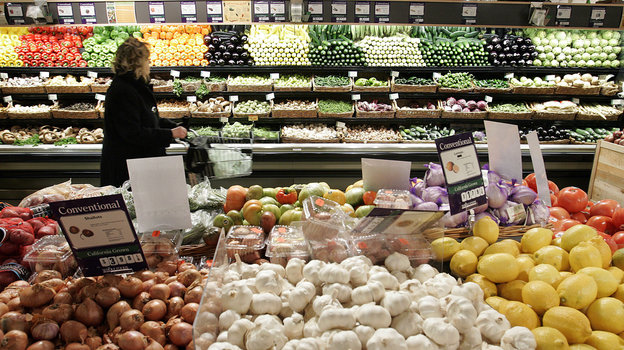
"content": "\u003cfigure id=\"attachment_76896\" class=\"wp-caption aligncenter\" style=\"max-width: 1024px\">\u003ca href=\"http://ww2.kqed.org/bayareabites/wp-content/uploads/sites/24/2014/01/wf_51950427_wide-327e60c65a4130217492b7586ccd1be9d85621e6.jpg\">\u003cimg src=\"http://ww2.kqed.org/bayareabites/wp-content/uploads/sites/24/2014/01/wf_51950427_wide-327e60c65a4130217492b7586ccd1be9d85621e6-1024x575.jpg\" alt=\"A woman shops in the produce section at Whole Foods in New York City. The company recently announced it would prohibit produce farmed using biosolids in its stores. Photo: Stephen Chernin/Getty Images\" width=\"1024\" height=\"575\" class=\"size-large wp-image-76896\">\u003c/a>\u003cfigcaption class=\"wp-caption-text\">A woman shops in the produce section at Whole Foods in New York City. The company recently announced it would prohibit produce farmed using biosolids in its stores. Photo: Stephen Chernin/Getty Images\u003c/figcaption>\u003c/figure>\n\u003cp>Post by Eliza Barclay, \u003ca href=\"http://www.npr.org/blogs/thesalt/2014/01/21/263370333/whole-foods-bans-produce-grown-with-sludge-but-who-wins\">The Salt at NPR Food\u003c/a> (1/21/14) \u003c/p>\n\u003cp>If you've ever shopped at Whole Foods, you've probably noticed that some of the foods it sells claim all kinds of health and environmental virtues. From its lengthy list of \u003ca href=\"http://www.wholefoodsmarket.com/about-our-products/quality-standards/unacceptable-ingredients-food\">unacceptable ingredients for food\u003c/a> to its strict rules for how seafood is caught and meat is raised, the company sets a pretty high bar for what is permitted on its coveted shelves.\u003c/p>\n\u003cp>Now, Whole Foods is dictating what kind of fertilizer the farmers that grow its produce can use. Specifically, the company recently confirmed that the \u003ca href=\"http://media.wholefoodsmarket.com/news/produce-rating-release\">produce rating system\u003c/a> it's launching in September will prohibit produce farmed using sludge.\u003c/p>\n\u003cp>Sludge? This doesn't exactly sound like something you'd want near your food. Also known as biosolids, it's a type of fertilizer \u003ca href=\"http://www.npr.org/blogs/thesalt/2013/05/07/182010827/is-it-safe-to-use-compost-made-from-treated-human-waste\">made\u003c/a> from treated municipal waste and derived, in part, from poop. And though many farmers gladly accept sludge to enrich their soil, it's a product with a pretty big PR problem.\u003c/p>\n\u003cp>You see, for several years now, a small group of activists has claimed that biosolids are toxic and full of heavy metals, pharmaceuticals and other chemicals. They argue that when farmers use biosolids to nourish their soils, they're putting consumers at risk of getting sick.\u003c/p>\n\u003cp>[ad fullwidth]\u003c/p>\n\u003cp>But scientists who study sludge and waste experts say that this form of fertilizer actually delivers big environmental benefits.\u003c/p>\n\u003cp>The de facto leader of the sludge opposition is \u003ca href=\"http://www.prwatch.org/users/4/john-stauber\">John Stauber\u003c/a>, author of the 1995 book \u003cem>Toxic Sludge Is Good For You! Lies, Damn Lies and the Public Relations Industry\u003c/em>.\u003c/p>\n\u003cp>Last week, one of the three groups Stauber founded, the Center for Media and Democracy, \u003ca href=\"http://www.prwatch.org/news/2014/01/12359/whole-foods-agrees-stop-selling-produce-grown-sewage-sludge\">posted\u003c/a> an article cheering the Whole Foods decision and claiming credit for pressuring the company into it.\u003c/p>\n\u003cp>Whole Foods spokeswoman Lindsay Robison tells The Salt that biosolids were banned in the name of transparency and being consistent with the U.S. Department of Agriculture's National Organic Program, which doesn't allow the material on fields where any certified organic product is grown. But, she adds, the company's new biosolids ban won't actually impact any of the company's growers because, as far as the company knows, none of them use the material.\u003c/p>\n\u003cp>According to Rebekah Wilce of CMD, who wrote the article, Whole Foods' move is a victory for consumers. \"The assumption has been that biosolids are safe, but there's been very little scientific research on that,\" Wilce tells The Salt.\u003c/p>\n\u003cp>Actually, as we \u003ca href=\"http://ww2.kqed.org/bayareabites/2013/05/13/is-it-safe-to-use-compost-made-from-treated-human-waste/\">reported\u003c/a> back in May, biosolids are heavily regulated by the Environmental Protection Agency, and have been ever since the 1980s, when the agency cracked down on wastewater treatment facilities and what they could discharge.\u003c/p>\n\u003cp>When the EPA developed the standards for biosolids, it identified the chemicals and metals that are the greatest risk to human health and the environment and set strict concentration limits on them. (As we recently \u003ca href=\"http://ww2.kqed.org/bayareabites/2013/11/22/organic-farmers-bash-fda-restrictions-on-manure-use/\">reported\u003c/a>, the government has less strict standards for organic farmers who want to put untreated animal manure on their fields.)\u003c/p>\n\u003cp>Still, Wilce's group isn't happy with the standards for biosolids — she says they're insufficient. But when we asked for specific examples of facilities handing out biosolids with excessive amounts of dangerous chemicals or examples of people getting sick directly from them, Wilce did not supply us with any.\u003c/p>\n\u003cp>\u003ca href=\"http://www.dcwater.com/about/management/peot.cfm\">Chris Peot\u003c/a>, director of resource recovery for the District of Columbia Water and Sewer Authority, argues that biosolids are actually a very safe material. His treatment plant has been turning the city's waste into biosolids since the 1990s, and giving them away to farmers in the mid-Atlantic to use as fertilizer. And he's confident that his bisolids don't pose a risk to anyone eating produce grown with them — because he's constantly testing them, per EPA rules.\u003c/p>\n\u003cp>\"Our material is extremely clean, and the metals that are in there are at extremely low levels,\" Peot tells The Salt. \"There are trace amounts of flame retardants, but they're ubiquitous in the home now, where you're much more likely to be exposed to dangerous levels of them. Still, we need to be ever vigilant, and continue to look for new chemicals that might be risky, so we do.\"\u003c/p>\n\u003cp>Scientists and waste experts say there's actually a large net environmental benefit to farmers and gardeners recycling the material as a soil amendment. They say it returns valuable nutrients like nitrogen back to the land and keeps the sludge out of landfills and waterways. And even though the small group of activists has raised consumers' fears, scientists say that the evidence overwhelmingly suggests that sludge is safe and useful.\u003c/p>\n\u003cp>\"This is a resource that's really undervalued,\" says \u003ca href=\"http://faculty.washington.edu/slb/\">Sally Brown\u003c/a>, a soil scientist at the University of Washington who has been studying biosolids for over a decade. \"If you do the carbon accounting, you see that biosolids actually capture carbon, unlike synthetic fertilizer, which is what farmers would otherwise be using.\"\u003c/p>\n\u003cp>The opposition to biosolids comes from the fact that people are still uncomfortable with any material made from human waste, even if it's been heavily processed and treated, Brown notes.\u003c/p>\n\u003cp>\"People have been taught that poop is dangerous and it makes you sick, and so they're suspicious of it,\" she says. \"And municipalities have done a terrible job of communicating what they do and what wastewater treatment really is.\"\u003c/p>\n\u003cp>So where does the Whole Foods ban come in?\u003c/p>\n\u003cp>\"Whole Foods,\" says Brown, \"made a business decision rather than a sustainability or environmentally based decision.\" \u003c/p>\n\u003cp>\u003c/p>\n\u003cp>\u003cem>Copyright 2014 \u003ca href=\"http://www.npr.org/\">NPR\u003c/a>.\u003c/em> \u003c/p>\n\n",
"disqusIdentifier": "76895 http://blogs.kqed.org/bayareabites/?p=76895",
"disqusUrl": "https://ww2.kqed.org/bayareabites/2014/01/21/whole-foods-bans-produce-grown-with-sludge-but-who-wins/",
"stats": {
"hasVideo": false,
"hasChartOrMap": false,
"hasAudio": false,
"hasPolis": false,
"wordCount": 968,
"hasGoogleForm": false,
"hasGallery": false,
"hasHearkenModule": false,
"iframeSrcs": [],
"paragraphCount": 24
},
"modified": 1390345050,
"excerpt": "Whole Foods recently decided it would not buy produce from farmers who used treated sewage sludge, also known as biosolids, on their fields. But scientists say this is a mistake — the material is safe and benefits the environment in lots of different ways.",
"headData": {
"twImgId": "",
"twTitle": "",
"ogTitle": "",
"ogImgId": "",
"twDescription": "",
"description": "Whole Foods recently decided it would not buy produce from farmers who used treated sewage sludge, also known as biosolids, on their fields. But scientists say this is a mistake — the material is safe and benefits the environment in lots of different ways.",
"title": "Whole Foods Bans Produce Grown With Sludge. But Who Wins? | KQED",
"ogDescription": "",
"schema": {
"@context": "https://schema.org",
"@type": "Article",
"headline": "Whole Foods Bans Produce Grown With Sludge. But Who Wins?",
"datePublished": "2014-01-21T14:51:43-08:00",
"dateModified": "2014-01-21T14:57:30-08:00",
"image": "https://cdn.kqed.org/wp-content/uploads/2020/02/KQED-OG-Image@1x.png"
}
},
"guestAuthors": [],
"slug": "whole-foods-bans-produce-grown-with-sludge-but-who-wins",
"status": "publish",
"nprApiLink": "http://api.npr.org/query?id=263370333&apiKey=MDAxOTAwOTE4MDEyMTkxMDAzNjczZDljZA004",
"nprByline": "Eliza Barclay",
"nprStoryDate": "Tue, 21 Jan 2014 15:52:00 -0500",
"nprLastModifiedDate": "Tue, 21 Jan 2014 15:51:51 -0500",
"nprHtmlLink": "http://www.npr.org/blogs/thesalt/2014/01/21/263370333/whole-foods-bans-produce-grown-with-sludge-but-who-wins?ft=3&f=263370333",
"nprStoryId": "263370333",
"nprRetrievedStory": "1",
"nprPubDate": "Tue, 21 Jan 2014 15:51:00 -0500",
"path": "/bayareabites/76895/whole-foods-bans-produce-grown-with-sludge-but-who-wins",
"audioTrackLength": null,
"parsedContent": [
{
"type": "contentString",
"content": "\u003cdiv class=\"post-body\">\u003cp>\u003cfigure id=\"attachment_76896\" class=\"wp-caption aligncenter\" style=\"max-width: 1024px\">\u003ca href=\"http://ww2.kqed.org/bayareabites/wp-content/uploads/sites/24/2014/01/wf_51950427_wide-327e60c65a4130217492b7586ccd1be9d85621e6.jpg\">\u003cimg src=\"http://ww2.kqed.org/bayareabites/wp-content/uploads/sites/24/2014/01/wf_51950427_wide-327e60c65a4130217492b7586ccd1be9d85621e6-1024x575.jpg\" alt=\"A woman shops in the produce section at Whole Foods in New York City. The company recently announced it would prohibit produce farmed using biosolids in its stores. Photo: Stephen Chernin/Getty Images\" width=\"1024\" height=\"575\" class=\"size-large wp-image-76896\">\u003c/a>\u003cfigcaption class=\"wp-caption-text\">A woman shops in the produce section at Whole Foods in New York City. The company recently announced it would prohibit produce farmed using biosolids in its stores. Photo: Stephen Chernin/Getty Images\u003c/figcaption>\u003c/figure>\n\u003cp>Post by Eliza Barclay, \u003ca href=\"http://www.npr.org/blogs/thesalt/2014/01/21/263370333/whole-foods-bans-produce-grown-with-sludge-but-who-wins\">The Salt at NPR Food\u003c/a> (1/21/14) \u003c/p>\n\u003cp>If you've ever shopped at Whole Foods, you've probably noticed that some of the foods it sells claim all kinds of health and environmental virtues. From its lengthy list of \u003ca href=\"http://www.wholefoodsmarket.com/about-our-products/quality-standards/unacceptable-ingredients-food\">unacceptable ingredients for food\u003c/a> to its strict rules for how seafood is caught and meat is raised, the company sets a pretty high bar for what is permitted on its coveted shelves.\u003c/p>\n\u003cp>Now, Whole Foods is dictating what kind of fertilizer the farmers that grow its produce can use. Specifically, the company recently confirmed that the \u003ca href=\"http://media.wholefoodsmarket.com/news/produce-rating-release\">produce rating system\u003c/a> it's launching in September will prohibit produce farmed using sludge.\u003c/p>\n\u003cp>Sludge? This doesn't exactly sound like something you'd want near your food. Also known as biosolids, it's a type of fertilizer \u003ca href=\"http://www.npr.org/blogs/thesalt/2013/05/07/182010827/is-it-safe-to-use-compost-made-from-treated-human-waste\">made\u003c/a> from treated municipal waste and derived, in part, from poop. And though many farmers gladly accept sludge to enrich their soil, it's a product with a pretty big PR problem.\u003c/p>\n\u003cp>You see, for several years now, a small group of activists has claimed that biosolids are toxic and full of heavy metals, pharmaceuticals and other chemicals. They argue that when farmers use biosolids to nourish their soils, they're putting consumers at risk of getting sick.\u003c/p>\n\u003cp>\u003c/p>\u003c/div>",
"attributes": {
"named": {},
"numeric": []
}
},
{
"type": "component",
"content": "",
"name": "ad",
"attributes": {
"named": {
"label": "fullwidth"
},
"numeric": [
"fullwidth"
]
}
},
{
"type": "contentString",
"content": "\u003cdiv class=\"post-body\">\u003cp>\u003c/p>\n\u003cp>But scientists who study sludge and waste experts say that this form of fertilizer actually delivers big environmental benefits.\u003c/p>\n\u003cp>The de facto leader of the sludge opposition is \u003ca href=\"http://www.prwatch.org/users/4/john-stauber\">John Stauber\u003c/a>, author of the 1995 book \u003cem>Toxic Sludge Is Good For You! Lies, Damn Lies and the Public Relations Industry\u003c/em>.\u003c/p>\n\u003cp>Last week, one of the three groups Stauber founded, the Center for Media and Democracy, \u003ca href=\"http://www.prwatch.org/news/2014/01/12359/whole-foods-agrees-stop-selling-produce-grown-sewage-sludge\">posted\u003c/a> an article cheering the Whole Foods decision and claiming credit for pressuring the company into it.\u003c/p>\n\u003cp>Whole Foods spokeswoman Lindsay Robison tells The Salt that biosolids were banned in the name of transparency and being consistent with the U.S. Department of Agriculture's National Organic Program, which doesn't allow the material on fields where any certified organic product is grown. But, she adds, the company's new biosolids ban won't actually impact any of the company's growers because, as far as the company knows, none of them use the material.\u003c/p>\n\u003cp>According to Rebekah Wilce of CMD, who wrote the article, Whole Foods' move is a victory for consumers. \"The assumption has been that biosolids are safe, but there's been very little scientific research on that,\" Wilce tells The Salt.\u003c/p>\n\u003cp>Actually, as we \u003ca href=\"http://ww2.kqed.org/bayareabites/2013/05/13/is-it-safe-to-use-compost-made-from-treated-human-waste/\">reported\u003c/a> back in May, biosolids are heavily regulated by the Environmental Protection Agency, and have been ever since the 1980s, when the agency cracked down on wastewater treatment facilities and what they could discharge.\u003c/p>\n\u003cp>When the EPA developed the standards for biosolids, it identified the chemicals and metals that are the greatest risk to human health and the environment and set strict concentration limits on them. (As we recently \u003ca href=\"http://ww2.kqed.org/bayareabites/2013/11/22/organic-farmers-bash-fda-restrictions-on-manure-use/\">reported\u003c/a>, the government has less strict standards for organic farmers who want to put untreated animal manure on their fields.)\u003c/p>\n\u003cp>Still, Wilce's group isn't happy with the standards for biosolids — she says they're insufficient. But when we asked for specific examples of facilities handing out biosolids with excessive amounts of dangerous chemicals or examples of people getting sick directly from them, Wilce did not supply us with any.\u003c/p>\n\u003cp>\u003ca href=\"http://www.dcwater.com/about/management/peot.cfm\">Chris Peot\u003c/a>, director of resource recovery for the District of Columbia Water and Sewer Authority, argues that biosolids are actually a very safe material. His treatment plant has been turning the city's waste into biosolids since the 1990s, and giving them away to farmers in the mid-Atlantic to use as fertilizer. And he's confident that his bisolids don't pose a risk to anyone eating produce grown with them — because he's constantly testing them, per EPA rules.\u003c/p>\n\u003cp>\"Our material is extremely clean, and the metals that are in there are at extremely low levels,\" Peot tells The Salt. \"There are trace amounts of flame retardants, but they're ubiquitous in the home now, where you're much more likely to be exposed to dangerous levels of them. Still, we need to be ever vigilant, and continue to look for new chemicals that might be risky, so we do.\"\u003c/p>\n\u003cp>Scientists and waste experts say there's actually a large net environmental benefit to farmers and gardeners recycling the material as a soil amendment. They say it returns valuable nutrients like nitrogen back to the land and keeps the sludge out of landfills and waterways. And even though the small group of activists has raised consumers' fears, scientists say that the evidence overwhelmingly suggests that sludge is safe and useful.\u003c/p>\n\u003cp>\"This is a resource that's really undervalued,\" says \u003ca href=\"http://faculty.washington.edu/slb/\">Sally Brown\u003c/a>, a soil scientist at the University of Washington who has been studying biosolids for over a decade. \"If you do the carbon accounting, you see that biosolids actually capture carbon, unlike synthetic fertilizer, which is what farmers would otherwise be using.\"\u003c/p>\n\u003cp>The opposition to biosolids comes from the fact that people are still uncomfortable with any material made from human waste, even if it's been heavily processed and treated, Brown notes.\u003c/p>\n\u003cp>\"People have been taught that poop is dangerous and it makes you sick, and so they're suspicious of it,\" she says. \"And municipalities have done a terrible job of communicating what they do and what wastewater treatment really is.\"\u003c/p>\n\u003cp>So where does the Whole Foods ban come in?\u003c/p>\n\u003cp>\"Whole Foods,\" says Brown, \"made a business decision rather than a sustainability or environmentally based decision.\" \u003c/p>\n\u003cp>\u003c/p>\n\u003cp>\u003cem>Copyright 2014 \u003ca href=\"http://www.npr.org/\">NPR\u003c/a>.\u003c/em> \u003c/p>\n\n\u003c/div>\u003c/p>",
"attributes": {
"named": {},
"numeric": []
}
}
],
"link": "/bayareabites/76895/whole-foods-bans-produce-grown-with-sludge-but-who-wins",
"authors": [
"byline_bayareabites_76895"
],
"categories": [
"bayareabites_1874",
"bayareabites_1245",
"bayareabites_10916",
"bayareabites_60"
],
"tags": [
"bayareabites_11694",
"bayareabites_12960",
"bayareabites_12959",
"bayareabites_10921",
"bayareabites_3063"
],
"featImg": "bayareabites_76900",
"label": "bayareabites"
},
"bayareabites_76862": {
"type": "posts",
"id": "bayareabites_76862",
"meta": {
"index": "posts_1716263798",
"site": "bayareabites",
"id": "76862",
"score": null,
"sort": [
1390318687000
]
},
"parent": 0,
"labelTerm": {
"site": "bayareabites"
},
"blocks": [],
"publishDate": 1390318687,
"format": "aside",
"disqusTitle": "Soba: More Than Just Noodles, It's A Cultural Heritage ... And Art Form",
"title": "Soba: More Than Just Noodles, It's A Cultural Heritage ... And Art Form",
"headTitle": "Bay Area Bites | KQED Food",
"content": "\u003cfigure id=\"attachment_76863\" class=\"wp-caption aligncenter\" style=\"max-width: 1024px\">\u003ca href=\"http://ww2.kqed.org/bayareabites/wp-content/uploads/sites/24/2014/01/istock_000016398031medium1_wide-19564eedb7b7913ecfe0c1e6e8711f6a02d1f94a.jpg\">\u003cimg src=\"http://ww2.kqed.org/bayareabites/wp-content/uploads/sites/24/2014/01/istock_000016398031medium1_wide-19564eedb7b7913ecfe0c1e6e8711f6a02d1f94a-1024x575.jpg\" alt=\"Genuine soba noodles are difficult to find in the U.S. Photo: iStock\" width=\"1024\" height=\"575\" class=\"size-large wp-image-76863\">\u003c/a>\u003cfigcaption class=\"wp-caption-text\">Genuine soba noodles are difficult to find in the U.S. Photo: iStock\u003c/figcaption>\u003c/figure>\n\u003cp>\u003cstrong>Listen to the Story\u003c/strong> on \u003ca href=\"http://www.npr.org/blogs/thesalt/2014/01/21/264399896/why-soba-is-more-than-just-food-its-an-art-form\">Morning Edition\u003c/a> [audio src=\"http://pd.npr.org/anon.npr-mp3/npr/me/2014/01/20140121_me_soba_as_cultural_heritage.mp3\"] \u003c/p>\n\u003cp>Post by Alexandra Woodruff, \u003ca href=\"http://www.npr.org/blogs/thesalt/2014/01/21/264399896/why-soba-is-more-than-just-food-its-an-art-form\">The Salt at NPR Food\u003c/a> (1/21/14)\u003c/p>\n\u003cp>Traditional Japanese cuisine, known as \u003cem>washoku\u003c/em>, is now an Intangible Cultural Heritage, according to the United Nations.\u003c/p>\n\u003cp>Tofu, mochi and miso are a few examples, but it's the buckwheat noodle, or soba, that many consider the humble jewel of Japanese cuisine. It's not easy to find in the U.S., but one Los Angeles woman is helping preserve the craft of making soba.\u003c/p>\n\u003cp>In a cooking classroom off a busy street in L.A., Sonoko Sakai is teaching about the simplicity of making buckwheat noodles.\u003c/p>\n\u003cp>[ad fullwidth]\u003c/p>\n\u003cp>\"Basically, soba is only two things: flour and water,\" Sakai explains.\u003c/p>\n\u003cp>A handful of students gather around the slender Sakai as she shows them how to mix the flour and water together.\u003c/p>\n\u003cp>\"As we're mixing the dough,\" she instructs them, \"we want to distribute the water into the cells of the buckwheat and wheat flour as quickly as we can.\"\u003c/p>\n\u003cp>The key ingredient is buckwheat, and despite its name, it is not part of the wheat family. The triangular brown seeds are actually more closely related to rhubarb or sorrel.\u003c/p>\n\u003cp>One of the students who came to the class is Mikie Shioya. She's a native of Japan and wants to eat authentic soba here in the U.S.\u003c/p>\n\u003cp>\"Soba is my favorite food,\" she says.\u003c/p>\n\u003cp>But finding genuine versions in the U.S. is difficult. The packaged noodles available in grocery stores are made mostly of wheat flour. And only a handful of restaurants stateside serve it up in the traditional way, meaning the chefs make the dough and cut and boil the noodles in front of customers. Shioya hopes to recreate that taste in her own kitchen.\u003c/p>\n\u003cp>\"I don't know anybody who makes soba at home,\" Shioya says. \"If you live in Japan, you can just go to a really good soba place. But here in L.A., there's no where to go.\"\u003c/p>\n\u003cp>\"You get so desperate,\" Sakai chimes in, \"you have to make it.\"\u003c/p>\n\u003cp>Sakai explains that the beloved noodle is a Japanese creation, unlike, say, the Ramen noodle, which originated in China.\u003c/p>\n\u003cp>Soba, Sakai says, \"came to Japan as a porridge, and the Buddhist monks who studied in China had it during their long meditative journeys. And they brought it back to Japan, and the people in Japan turned it into noodles.\"\u003c/p>\n\u003cp>From start to finish, it takes Sakai only 15 minutes to make and cook the noodles from scratch. She can't imagine doing it any other way. For her, there's a joy in making something by hand, and while Sakai loves the taste, soba is more than just food; it's an art form.\u003c/p>\n\u003cp>Sakai and the her students cut the noodles into long, slender strips as thin as matchsticks. They're dunked in boiling water for just a minute and then shocked cold in an ice bath.\u003c/p>\n\u003cp>The students get a new appreciation for the subtle flavor, as they taste it plain, in broth and with soybean powder.\u003c/p>\n\u003cp>\"It's very much like wine,\" Sakai says. \"It's like eating fresh fruit, and you don't want to mask it with other things. So yes, it's a very bland flavor, but if you acquire the taste for it, you begin to really appreciate the depth of soba, of buckwheat and the work of the artisans.\"\u003c/p>\n\u003cp>And Sakai is going beyond just crafting and teaching soba. She's learning to grow buckwheat and even bought a stone mill to make her own flour. \u003c/p>\n\u003cp>\u003c/p>\n\u003cp>\u003cem>Copyright 2014 \u003ca href=\"http://www.npr.org/\">NPR\u003c/a>.\u003c/em> \u003c/p>\n\n",
"disqusIdentifier": "76862 http://blogs.kqed.org/bayareabites/?p=76862",
"disqusUrl": "https://ww2.kqed.org/bayareabites/2014/01/21/soba-more-than-just-noodles-its-a-cultural-heritage-and-art-form/",
"stats": {
"hasVideo": false,
"hasChartOrMap": false,
"hasAudio": true,
"hasPolis": false,
"wordCount": 633,
"hasGoogleForm": false,
"hasGallery": false,
"hasHearkenModule": false,
"iframeSrcs": [],
"paragraphCount": 24
},
"modified": 1390318687,
"excerpt": "The United Nations has named traditional Japanese cuisine — known as Washoku — an intangible cultural heritage. One of the oldest foods of Washoku is the soba noodle. But what most Americans call soba is a pale comparison to the actual cuisine. One woman in Southern California is trying to keep the true traditional noodle alive in America.",
"headData": {
"twImgId": "",
"twTitle": "",
"ogTitle": "",
"ogImgId": "",
"twDescription": "",
"description": "The United Nations has named traditional Japanese cuisine — known as Washoku — an intangible cultural heritage. One of the oldest foods of Washoku is the soba noodle. But what most Americans call soba is a pale comparison to the actual cuisine. One woman in Southern California is trying to keep the true traditional noodle alive in America.",
"title": "Soba: More Than Just Noodles, It's A Cultural Heritage ... And Art Form | KQED",
"ogDescription": "",
"schema": {
"@context": "https://schema.org",
"@type": "Article",
"headline": "Soba: More Than Just Noodles, It's A Cultural Heritage ... And Art Form",
"datePublished": "2014-01-21T07:38:07-08:00",
"dateModified": "2014-01-21T07:38:07-08:00",
"image": "https://cdn.kqed.org/wp-content/uploads/2020/02/KQED-OG-Image@1x.png"
}
},
"guestAuthors": [],
"slug": "soba-more-than-just-noodles-its-a-cultural-heritage-and-art-form",
"status": "publish",
"nprApiLink": "http://api.npr.org/query?id=264399896&apiKey=MDAxOTAwOTE4MDEyMTkxMDAzNjczZDljZA004",
"nprByline": "Alexandra Woodruff",
"nprStoryDate": "Tue, 21 Jan 2014 00:00:00 -0500",
"nprLastModifiedDate": "Tue, 21 Jan 2014 09:46:02 -0500",
"nprHtmlLink": "http://www.npr.org/blogs/thesalt/2014/01/21/264399896/why-soba-is-more-than-just-food-its-an-art-form?ft=3&f=264399896",
"nprAudio": "http://pd.npr.org/anon.npr-mp3/npr/me/2014/01/20140121_me_soba_as_cultural_heritage.mp3?orgId=1&topicId=1053&ft=3&f=264399896",
"nprAudioM3u": "http://api.npr.org/m3u/1264399897-64a90f.m3u?orgId=1&topicId=1053&ft=3&f=264399896",
"nprStoryId": "264399896",
"nprRetrievedStory": "1",
"nprPubDate": "Tue, 21 Jan 2014 09:46:00 -0500",
"path": "/bayareabites/76862/soba-more-than-just-noodles-its-a-cultural-heritage-and-art-form",
"audioUrl": "http://pd.npr.org/anon.npr-mp3/npr/me/2014/01/20140121_me_soba_as_cultural_heritage.mp3?orgId=1&topicId=1053&ft=3&f=264399896",
"audioDuration": null,
"audioTrackLength": null,
"parsedContent": [
{
"type": "contentString",
"content": "\u003cdiv class=\"post-body\">\u003cp>\u003cfigure id=\"attachment_76863\" class=\"wp-caption aligncenter\" style=\"max-width: 1024px\">\u003ca href=\"http://ww2.kqed.org/bayareabites/wp-content/uploads/sites/24/2014/01/istock_000016398031medium1_wide-19564eedb7b7913ecfe0c1e6e8711f6a02d1f94a.jpg\">\u003cimg src=\"http://ww2.kqed.org/bayareabites/wp-content/uploads/sites/24/2014/01/istock_000016398031medium1_wide-19564eedb7b7913ecfe0c1e6e8711f6a02d1f94a-1024x575.jpg\" alt=\"Genuine soba noodles are difficult to find in the U.S. Photo: iStock\" width=\"1024\" height=\"575\" class=\"size-large wp-image-76863\">\u003c/a>\u003cfigcaption class=\"wp-caption-text\">Genuine soba noodles are difficult to find in the U.S. Photo: iStock\u003c/figcaption>\u003c/figure>\n\u003cp>\u003cstrong>Listen to the Story\u003c/strong> on \u003ca href=\"http://www.npr.org/blogs/thesalt/2014/01/21/264399896/why-soba-is-more-than-just-food-its-an-art-form\">Morning Edition\u003c/a> \u003c/p>\u003c/div>",
"attributes": {
"named": {},
"numeric": []
}
},
{
"type": "component",
"content": "",
"name": "audio",
"attributes": {
"named": {
"src": "http://pd.npr.org/anon.npr-mp3/npr/me/2014/01/20140121_me_soba_as_cultural_heritage.mp3",
"label": ""
},
"numeric": []
}
},
{
"type": "contentString",
"content": "\u003cdiv class=\"post-body\">\u003cp> \u003c/p>\n\u003cp>Post by Alexandra Woodruff, \u003ca href=\"http://www.npr.org/blogs/thesalt/2014/01/21/264399896/why-soba-is-more-than-just-food-its-an-art-form\">The Salt at NPR Food\u003c/a> (1/21/14)\u003c/p>\n\u003cp>Traditional Japanese cuisine, known as \u003cem>washoku\u003c/em>, is now an Intangible Cultural Heritage, according to the United Nations.\u003c/p>\n\u003cp>Tofu, mochi and miso are a few examples, but it's the buckwheat noodle, or soba, that many consider the humble jewel of Japanese cuisine. It's not easy to find in the U.S., but one Los Angeles woman is helping preserve the craft of making soba.\u003c/p>\n\u003cp>In a cooking classroom off a busy street in L.A., Sonoko Sakai is teaching about the simplicity of making buckwheat noodles.\u003c/p>\n\u003cp>\u003c/p>\u003c/div>",
"attributes": {
"named": {},
"numeric": []
}
},
{
"type": "component",
"content": "",
"name": "ad",
"attributes": {
"named": {
"label": "fullwidth"
},
"numeric": [
"fullwidth"
]
}
},
{
"type": "contentString",
"content": "\u003cdiv class=\"post-body\">\u003cp>\u003c/p>\n\u003cp>\"Basically, soba is only two things: flour and water,\" Sakai explains.\u003c/p>\n\u003cp>A handful of students gather around the slender Sakai as she shows them how to mix the flour and water together.\u003c/p>\n\u003cp>\"As we're mixing the dough,\" she instructs them, \"we want to distribute the water into the cells of the buckwheat and wheat flour as quickly as we can.\"\u003c/p>\n\u003cp>The key ingredient is buckwheat, and despite its name, it is not part of the wheat family. The triangular brown seeds are actually more closely related to rhubarb or sorrel.\u003c/p>\n\u003cp>One of the students who came to the class is Mikie Shioya. She's a native of Japan and wants to eat authentic soba here in the U.S.\u003c/p>\n\u003cp>\"Soba is my favorite food,\" she says.\u003c/p>\n\u003cp>But finding genuine versions in the U.S. is difficult. The packaged noodles available in grocery stores are made mostly of wheat flour. And only a handful of restaurants stateside serve it up in the traditional way, meaning the chefs make the dough and cut and boil the noodles in front of customers. Shioya hopes to recreate that taste in her own kitchen.\u003c/p>\n\u003cp>\"I don't know anybody who makes soba at home,\" Shioya says. \"If you live in Japan, you can just go to a really good soba place. But here in L.A., there's no where to go.\"\u003c/p>\n\u003cp>\"You get so desperate,\" Sakai chimes in, \"you have to make it.\"\u003c/p>\n\u003cp>Sakai explains that the beloved noodle is a Japanese creation, unlike, say, the Ramen noodle, which originated in China.\u003c/p>\n\u003cp>Soba, Sakai says, \"came to Japan as a porridge, and the Buddhist monks who studied in China had it during their long meditative journeys. And they brought it back to Japan, and the people in Japan turned it into noodles.\"\u003c/p>\n\u003cp>From start to finish, it takes Sakai only 15 minutes to make and cook the noodles from scratch. She can't imagine doing it any other way. For her, there's a joy in making something by hand, and while Sakai loves the taste, soba is more than just food; it's an art form.\u003c/p>\n\u003cp>Sakai and the her students cut the noodles into long, slender strips as thin as matchsticks. They're dunked in boiling water for just a minute and then shocked cold in an ice bath.\u003c/p>\n\u003cp>The students get a new appreciation for the subtle flavor, as they taste it plain, in broth and with soybean powder.\u003c/p>\n\u003cp>\"It's very much like wine,\" Sakai says. \"It's like eating fresh fruit, and you don't want to mask it with other things. So yes, it's a very bland flavor, but if you acquire the taste for it, you begin to really appreciate the depth of soba, of buckwheat and the work of the artisans.\"\u003c/p>\n\u003cp>And Sakai is going beyond just crafting and teaching soba. She's learning to grow buckwheat and even bought a stone mill to make her own flour. \u003c/p>\n\u003cp>\u003c/p>\n\u003cp>\u003cem>Copyright 2014 \u003ca href=\"http://www.npr.org/\">NPR\u003c/a>.\u003c/em> \u003c/p>\n\n\u003c/div>\u003c/p>",
"attributes": {
"named": {},
"numeric": []
}
}
],
"link": "/bayareabites/76862/soba-more-than-just-noodles-its-a-cultural-heritage-and-art-form",
"authors": [
"byline_bayareabites_76862"
],
"categories": [
"bayareabites_2998",
"bayareabites_2090",
"bayareabites_10916",
"bayareabites_34"
],
"tags": [
"bayareabites_12956",
"bayareabites_335",
"bayareabites_10422",
"bayareabites_377",
"bayareabites_4042",
"bayareabites_8633",
"bayareabites_2538",
"bayareabites_10921",
"bayareabites_12958",
"bayareabites_12957"
],
"featImg": "bayareabites_76869",
"label": "bayareabites"
},
"bayareabites_76705": {
"type": "posts",
"id": "bayareabites_76705",
"meta": {
"index": "posts_1716263798",
"site": "bayareabites",
"id": "76705",
"score": null,
"sort": [
1390001978000
]
},
"parent": 0,
"labelTerm": {
"site": "bayareabites"
},
"blocks": [],
"publishDate": 1390001978,
"format": "aside",
"disqusTitle": "Congress Blocks Slaughtering Horses For Meat In U.S.",
"title": "Congress Blocks Slaughtering Horses For Meat In U.S.",
"headTitle": "Bay Area Bites | KQED Food",
"content": "\u003cfigure id=\"attachment_76706\" class=\"wp-caption aligncenter\" style=\"max-width: 640px\">\u003ca href=\"http://ww2.kqed.org/bayareabites/wp-content/uploads/sites/24/2014/01/ap82531835704-cd92b6c710da73e47b950dfe5484b16a089810ce-e1390001423123.jpg\">\u003cimg src=\"http://ww2.kqed.org/bayareabites/wp-content/uploads/sites/24/2014/01/ap82531835704-cd92b6c710da73e47b950dfe5484b16a089810ce-e1390001423123.jpg\" alt=\"Americans may recoil at the thought of eating horse meat, but other countries feel quite differently, as the sign above this butcher shop in Paris attests. Photo: Jacques Brinon/AP\" width=\"640\" height=\"480\" class=\"size-full wp-image-76706\">\u003c/a>\u003cfigcaption class=\"wp-caption-text\">Americans may recoil at the thought of eating horse meat, but other countries feel quite differently, as the sign above this butcher shop in Paris attests. Photo: Jacques Brinon/AP\u003c/figcaption>\u003c/figure>\n\u003cp>Post by Allison Aubrey, \u003ca href=\"http://www.npr.org/blogs/thesalt/2014/01/17/263123572/congress-blocks-slaughtering-horses-for-meat-in-u-s\">The Salt at NPR Food\u003c/a> (1/17/14)\u003c/p>\n\u003cp>When a federal ban on slaughtering horses to produce horse meat was lifted several years back, ranchers including \u003ca href=\"http://www.npr.org/blogs/thesalt/2012/04/17/150833468/plan-to-slaughter-horses-for-human-consumption-is-met-with-distaste\">Rick De Los Santos\u003c/a>, a New Mexico rancher and owner of Valley Meat Co., stepped up to start operations with an aim to export the meat.\u003c/p>\n\u003cp>But, as we've \u003ca href=\"http://www.npr.org/blogs/thesalt/2012/04/17/150833468/plan-to-slaughter-horses-for-human-consumption-is-met-with-distaste\">reported\u003c/a>, his plans for a horse meat slaughterhouse have hit major roadblocks. There have been lawsuits to stop him and others trying to get into the business. And plenty of stories about the ick factor evoked by the image of butchering a beautiful thoroughbred.\u003c/p>\n\u003cp>Now, given a bit of language written into the omnibus spending bill that was approved by the Senate on Thursday night, it's seeming more certain that there will be no horse slaughtering on U.S. soil in the foreseeable future. The House already approved the spending measure, which now heads to President Obama for his signature.\u003cstrong>\u003cbr>\u003c/strong>\u003c/p>\n\u003cp>The provision bans the funding of U.S. Department of Agriculture inspections at horse slaughter plants. And without inspections, slaughterhouses can't be in business. Game over.\u003c/p>\n\u003cp>[ad fullwidth]\u003c/p>\n\u003cp>\"Americans do not want to see scarce tax dollars used to oversee an inhumane, disreputable horse slaughter industry,\" Wayne Pacelle of the Humane Society argues in a \u003ca href=\"http://www.humanesociety.org/news/press_releases/2014/01/congress-urged-to-ban-funding-for-horse-slaughter-011414.html\">press release\u003c/a>. He has been lobbying for a ban on funding for horse slaughter inspections.\u003c/p>\n\u003cp>\"We don't have dog and cat slaughter plants in the U.S. catering to small markets overseas, and we shouldn't have horse slaughter operations for that purpose, either,\" Pacelle writes.\u003c/p>\n\u003cp>For retiring Rep. \u003ca href=\"http://moran.house.gov/\">Jim Moran\u003c/a> (D-Va.), it's a win he helped usher through.\u003c/p>\n\u003cp>\"These incredible companion animals don't deserve to be callously slaughtered for human consumption,\" his office wrote in an email to The Salt. \"We fought hard for the past three years to reinstate this ban to prevent slaughter facilities from reopening on American soil.\"\u003c/p>\n\u003cp>The flip side of the argument is that horse slaughter is a practical way to handle the problem of \u003ca href=\"http://www.npr.org/templates/story/story.php?storyId=91142984\">abandoned horses\u003c/a>. Horses can be very expensive to maintain, and when owners can't afford them, it's not unheard of for them to be sent to factories in Mexico and Canada.\u003c/p>\n\u003cp>That's the argument put forth by Sen. Jim Inhofe (R-Okla.), who tried but failed to strike the ban on funding inspections from the spending bill.\u003c/p>\n\u003cp>\"Without these facilities, aging horses are often neglected or forced to endure cruel conditions as they are transported to processing facilities across the border,\" Inhofe wrote in a \u003ca href=\"http://www.inhofe.senate.gov/newsroom/press-releases/inhofe-introduces-amendment-to-allow-horse-slaughter-plants\">release\u003c/a>. \"This provision is counterproductive to what animal rights activists are hoping to achieve.\"\u003c/p>\n\u003cp>And Inhofe is not giving up yet.\u003c/p>\n\u003cp>Before Thursday night's Senate vote, Inhofe said he and Rep. Markwayne Mullin (R-OKla.) plan to introduce separate legislation that would lift the ban on funding for horse slaughterhouse inspections. \u003c/p>\n\u003cp>\u003c/p>\n\u003cp> \u003cem>Copyright 2014 \u003ca href=\"http://www.npr.org/\">NPR\u003c/a>.\u003c/em> \u003c/p>\n\n",
"disqusIdentifier": "76705 http://blogs.kqed.org/bayareabites/?p=76705",
"disqusUrl": "https://ww2.kqed.org/bayareabites/2014/01/17/congress-blocks-slaughtering-horses-for-meat-in-u-s/",
"stats": {
"hasVideo": false,
"hasChartOrMap": false,
"hasAudio": false,
"hasPolis": false,
"wordCount": 514,
"hasGoogleForm": false,
"hasGallery": false,
"hasHearkenModule": false,
"iframeSrcs": [],
"paragraphCount": 17
},
"modified": 1390001978,
"excerpt": "The omnibus spending bill approved by the Senate on Thursday night contains language banning funding for USDA inspections of slaughterhouses for horses. That effectively stops plans to restart the slaughter of horses in the U.S. to export meat abroad.",
"headData": {
"twImgId": "",
"twTitle": "",
"ogTitle": "",
"ogImgId": "",
"twDescription": "",
"description": "The omnibus spending bill approved by the Senate on Thursday night contains language banning funding for USDA inspections of slaughterhouses for horses. That effectively stops plans to restart the slaughter of horses in the U.S. to export meat abroad.",
"title": "Congress Blocks Slaughtering Horses For Meat In U.S. | KQED",
"ogDescription": "",
"schema": {
"@context": "https://schema.org",
"@type": "Article",
"headline": "Congress Blocks Slaughtering Horses For Meat In U.S.",
"datePublished": "2014-01-17T15:39:38-08:00",
"dateModified": "2014-01-17T15:39:38-08:00",
"image": "https://cdn.kqed.org/wp-content/uploads/2020/02/KQED-OG-Image@1x.png"
}
},
"guestAuthors": [],
"slug": "congress-blocks-slaughtering-horses-for-meat-in-u-s",
"status": "publish",
"nprApiLink": "http://api.npr.org/query?id=263123572&apiKey=MDAxOTAwOTE4MDEyMTkxMDAzNjczZDljZA004",
"nprByline": "Allison Aubrey",
"nprStoryDate": "Fri, 17 Jan 2014 08:20:00 -0500",
"nprLastModifiedDate": "Fri, 17 Jan 2014 09:07:22 -0500",
"nprHtmlLink": "http://www.npr.org/blogs/thesalt/2014/01/17/263123572/congress-blocks-slaughtering-horses-for-meat-in-u-s?ft=3&f=263123572",
"nprStoryId": "263123572",
"nprRetrievedStory": "1",
"nprPubDate": "Fri, 17 Jan 2014 09:07:00 -0500",
"path": "/bayareabites/76705/congress-blocks-slaughtering-horses-for-meat-in-u-s",
"audioTrackLength": null,
"parsedContent": [
{
"type": "contentString",
"content": "\u003cdiv class=\"post-body\">\u003cp>\u003cfigure id=\"attachment_76706\" class=\"wp-caption aligncenter\" style=\"max-width: 640px\">\u003ca href=\"http://ww2.kqed.org/bayareabites/wp-content/uploads/sites/24/2014/01/ap82531835704-cd92b6c710da73e47b950dfe5484b16a089810ce-e1390001423123.jpg\">\u003cimg src=\"http://ww2.kqed.org/bayareabites/wp-content/uploads/sites/24/2014/01/ap82531835704-cd92b6c710da73e47b950dfe5484b16a089810ce-e1390001423123.jpg\" alt=\"Americans may recoil at the thought of eating horse meat, but other countries feel quite differently, as the sign above this butcher shop in Paris attests. Photo: Jacques Brinon/AP\" width=\"640\" height=\"480\" class=\"size-full wp-image-76706\">\u003c/a>\u003cfigcaption class=\"wp-caption-text\">Americans may recoil at the thought of eating horse meat, but other countries feel quite differently, as the sign above this butcher shop in Paris attests. Photo: Jacques Brinon/AP\u003c/figcaption>\u003c/figure>\n\u003cp>Post by Allison Aubrey, \u003ca href=\"http://www.npr.org/blogs/thesalt/2014/01/17/263123572/congress-blocks-slaughtering-horses-for-meat-in-u-s\">The Salt at NPR Food\u003c/a> (1/17/14)\u003c/p>\n\u003cp>When a federal ban on slaughtering horses to produce horse meat was lifted several years back, ranchers including \u003ca href=\"http://www.npr.org/blogs/thesalt/2012/04/17/150833468/plan-to-slaughter-horses-for-human-consumption-is-met-with-distaste\">Rick De Los Santos\u003c/a>, a New Mexico rancher and owner of Valley Meat Co., stepped up to start operations with an aim to export the meat.\u003c/p>\n\u003cp>But, as we've \u003ca href=\"http://www.npr.org/blogs/thesalt/2012/04/17/150833468/plan-to-slaughter-horses-for-human-consumption-is-met-with-distaste\">reported\u003c/a>, his plans for a horse meat slaughterhouse have hit major roadblocks. There have been lawsuits to stop him and others trying to get into the business. And plenty of stories about the ick factor evoked by the image of butchering a beautiful thoroughbred.\u003c/p>\n\u003cp>Now, given a bit of language written into the omnibus spending bill that was approved by the Senate on Thursday night, it's seeming more certain that there will be no horse slaughtering on U.S. soil in the foreseeable future. The House already approved the spending measure, which now heads to President Obama for his signature.\u003cstrong>\u003cbr>\u003c/strong>\u003c/p>\n\u003cp>The provision bans the funding of U.S. Department of Agriculture inspections at horse slaughter plants. And without inspections, slaughterhouses can't be in business. Game over.\u003c/p>\n\u003cp>\u003c/p>\u003c/div>",
"attributes": {
"named": {},
"numeric": []
}
},
{
"type": "component",
"content": "",
"name": "ad",
"attributes": {
"named": {
"label": "fullwidth"
},
"numeric": [
"fullwidth"
]
}
},
{
"type": "contentString",
"content": "\u003cdiv class=\"post-body\">\u003cp>\u003c/p>\n\u003cp>\"Americans do not want to see scarce tax dollars used to oversee an inhumane, disreputable horse slaughter industry,\" Wayne Pacelle of the Humane Society argues in a \u003ca href=\"http://www.humanesociety.org/news/press_releases/2014/01/congress-urged-to-ban-funding-for-horse-slaughter-011414.html\">press release\u003c/a>. He has been lobbying for a ban on funding for horse slaughter inspections.\u003c/p>\n\u003cp>\"We don't have dog and cat slaughter plants in the U.S. catering to small markets overseas, and we shouldn't have horse slaughter operations for that purpose, either,\" Pacelle writes.\u003c/p>\n\u003cp>For retiring Rep. \u003ca href=\"http://moran.house.gov/\">Jim Moran\u003c/a> (D-Va.), it's a win he helped usher through.\u003c/p>\n\u003cp>\"These incredible companion animals don't deserve to be callously slaughtered for human consumption,\" his office wrote in an email to The Salt. \"We fought hard for the past three years to reinstate this ban to prevent slaughter facilities from reopening on American soil.\"\u003c/p>\n\u003cp>The flip side of the argument is that horse slaughter is a practical way to handle the problem of \u003ca href=\"http://www.npr.org/templates/story/story.php?storyId=91142984\">abandoned horses\u003c/a>. Horses can be very expensive to maintain, and when owners can't afford them, it's not unheard of for them to be sent to factories in Mexico and Canada.\u003c/p>\n\u003cp>That's the argument put forth by Sen. Jim Inhofe (R-Okla.), who tried but failed to strike the ban on funding inspections from the spending bill.\u003c/p>\n\u003cp>\"Without these facilities, aging horses are often neglected or forced to endure cruel conditions as they are transported to processing facilities across the border,\" Inhofe wrote in a \u003ca href=\"http://www.inhofe.senate.gov/newsroom/press-releases/inhofe-introduces-amendment-to-allow-horse-slaughter-plants\">release\u003c/a>. \"This provision is counterproductive to what animal rights activists are hoping to achieve.\"\u003c/p>\n\u003cp>And Inhofe is not giving up yet.\u003c/p>\n\u003cp>Before Thursday night's Senate vote, Inhofe said he and Rep. Markwayne Mullin (R-OKla.) plan to introduce separate legislation that would lift the ban on funding for horse slaughterhouse inspections. \u003c/p>\n\u003cp>\u003c/p>\n\u003cp> \u003cem>Copyright 2014 \u003ca href=\"http://www.npr.org/\">NPR\u003c/a>.\u003c/em> \u003c/p>\n\n\u003c/div>\u003c/p>",
"attributes": {
"named": {},
"numeric": []
}
}
],
"link": "/bayareabites/76705/congress-blocks-slaughtering-horses-for-meat-in-u-s",
"authors": [
"byline_bayareabites_76705"
],
"categories": [
"bayareabites_10916",
"bayareabites_2035"
],
"tags": [
"bayareabites_12575",
"bayareabites_9887",
"bayareabites_11722",
"bayareabites_11447",
"bayareabites_11259",
"bayareabites_12950",
"bayareabites_11802",
"bayareabites_11537",
"bayareabites_10921",
"bayareabites_8913",
"bayareabites_12951"
],
"featImg": "bayareabites_76706",
"label": "bayareabites"
},
"bayareabites_76642": {
"type": "posts",
"id": "bayareabites_76642",
"meta": {
"index": "posts_1716263798",
"site": "bayareabites",
"id": "76642",
"score": null,
"sort": [
1389903187000
]
},
"parent": 0,
"labelTerm": {
"site": "bayareabites"
},
"blocks": [],
"publishDate": 1389903187,
"format": "aside",
"disqusTitle": "Sometimes A Perfect Stranger Is The Best Dinner Host",
"title": "Sometimes A Perfect Stranger Is The Best Dinner Host",
"headTitle": "Bay Area Bites | KQED Food",
"content": "\u003cfigure id=\"attachment_76643\" class=\"wp-caption aligncenter\" style=\"max-width: 1024px\">\u003ca href=\"http://ww2.kqed.org/bayareabites/wp-content/uploads/sites/24/2014/01/img_8159_toned_wide-8df0021536a701ccb1fdde856038a6607e6a887b.jpg\">\u003cimg src=\"http://ww2.kqed.org/bayareabites/wp-content/uploads/sites/24/2014/01/img_8159_toned_wide-8df0021536a701ccb1fdde856038a6607e6a887b-1024x575.jpg\" alt=\"A group gathers in a Ballston, Va., home for a supper club organized through the site Feastly. A new food trend gaining popularity in New York and other cities lets diners enjoy a meal prepared by a stranger in that person's home. Photo: Courtesy of Noah Karesh\" width=\"1024\" height=\"575\" class=\"size-large wp-image-76643\">\u003c/a>\u003cfigcaption class=\"wp-caption-text\">A group gathers in a Ballston, Va., home for a supper club organized through the site Feastly. A new food trend gaining popularity in New York and other cities lets diners enjoy a meal prepared by a stranger in that person's home. Photo: Courtesy of Noah Karesh\u003c/figcaption>\u003c/figure>\n\u003cp>\u003cstrong>Listen to the Story\u003c/strong> on \u003ca href=\"http://www.npr.org/blogs/thesalt/2014/01/16/262776529/sometimes-a-perfect-stranger-is-the-best-dinner-host\">Morning Edition\u003c/a> [audio src=\"http://pd.npr.org/anon.npr-mp3/npr/me/2014/01/20140116_me_dining_with_strangers.mp3\"] \u003c/p>\n\u003cp>Post by Arun Venugopal, \u003ca href=\"http://www.npr.org/blogs/thesalt/2014/01/16/262776529/sometimes-a-perfect-stranger-is-the-best-dinner-host\">The Salt at NPR Food\u003c/a> (1/16/14)\u003c/p>\n\u003cp>With website names like \u003ca href=\"http://www.eatwith.com/\" target=\"_blank\">Eat With\u003c/a>, \u003ca href=\"https://www.sidetour.com/\" target=\"_blank\">Side Tour\u003c/a>, \u003ca href=\"http://www.voulezvousdiner.com/en\" target=\"_blank\">VoulezVousDiner\u003c/a> and \u003ca href=\"http://eatfeastly.com/intro/\">Feastly\u003c/a>, a new food trend that is sweeping New York and other cities allows diners to enjoy fine meals inside someone else's home. Think of it as \u003ca href=\"https://www.airbnb.com/\" target=\"_blank\">Airbnb\u003c/a> for hungry people.\u003c/p>\n\u003cp>It's easy to think these sites are all about the food, but they're not. The food is often just an excuse for what can essentially be a really great party with a bunch of people you've never met.\u003c/p>\n\u003cp>Recently I went to a \"taco party\" I found through the Eat With website. I paid $40 to go to the home of two fun-loving Latinas. They have a great apartment, filled with art, just across from the Brooklyn Museum. As soon as their guests arrived, they made it a point to shove rum drinks into our hands.\u003c/p>\n\u003cp>[ad fullwidth]\u003c/p>\n\u003cp>Katrin Bergmann came all the way from Frankfurt, Germany — she was part of a gaggle of German tourists who turned up — because she'd seen a segment on Eat With on German TV called \"How to Survive in New York.\"\u003c/p>\n\u003cp>\"We thought we wanted to do something different from a normal tourist tour, and we wanted to talk to real people who live here,\" Bergmann said. \"And so we have real Brooklyn people around us ... and Germans.\"\u003c/p>\n\u003cfigure id=\"attachment_76644\" class=\"wp-caption alignleft\" style=\"max-width: 290px\">\u003ca href=\"http://ww2.kqed.org/bayareabites/wp-content/uploads/sites/24/2014/01/eat-with2-c937abb7975e946315a7051bc8e98b33839b06e2.jpg\">\u003cimg src=\"http://ww2.kqed.org/bayareabites/wp-content/uploads/sites/24/2014/01/eat-with2-c937abb7975e946315a7051bc8e98b33839b06e2-290x217.jpg\" alt=\"Glori Linares, left, and Victoria Delgado, invited strangers to a dinner party in their apartment in Brooklyn through the site EatWith.com. Photo: Arun Venugopal/WNYC\" width=\"290\" height=\"217\" class=\"size-medium wp-image-76644\">\u003c/a>\u003cfigcaption class=\"wp-caption-text\">Glori Linares, left, and Victoria Delgado, invited strangers to a dinner party in their apartment in Brooklyn through the site EatWith.com. Photo: Arun Venugopal/WNYC\u003c/figcaption>\u003c/figure>\n\u003cp>The hosts, \u003ca href=\"http://www.eatwith.com/#!/host/1532\" target=\"_blank\">Glori Linares and Victoria Delgado\u003c/a>, kept shuttling between the dining room and kitchen, frying up empanadillas stuffed with Oaxaca cheese. They're both vivacious and easygoing — perfectly suited to the job of hosting a bunch of strangers and dealing with \"unforeseen circumstances,\" like an episode last summer when a guest fainted after a little too much rum on a hot day.\u003c/p>\n\u003cp>But I actually went for two dinners, and one was nothing like the other. The second dinner was in the East Village, in Manhattan. The host: a Wall Street banker turned Hindu monk named Rasanath Dasa.\u003c/p>\n\u003cp>We sat in Dasa's apartment, discussing authenticity and the pure life, capitalism and self-denial, all the while sipping water and having what might be some of the best soup I have ever eaten. If this all sounds a little strange, and surreal — it was. It was also completely mesmerizing.\u003c/p>\n\u003cp>Vipin Goyal co-founded Side Tour, the site where you can sign up for Rasanath Dasa's dinner. He said the company takes pains to find people who are more than just good cooks.\u003c/p>\n\u003cp>\"It was people who we thought would be really remarkable for other people to get to know,\" Goyal said.\u003c/p>\n\u003cp>The idea seems to be succeeding. Side Tour says some of its hosts make anywhere from $10,000 to $50,000 a year, and in the fall the company was bought by Groupon.\u003c/p>\n\u003cp>Meanwhile, Eat With is adding dining experiences in dozens of countries. Not that anyone's expecting home dining to replace restaurants, at least not in New York. After all, there are only so many New Yorkers who can cook and are willing to play host in their tiny apartments. But that doesn't make the experience any less fun. \u003c/p>\n\u003cp>\u003c/p>\n\u003cp>\u003cem>Copyright 2014 \u003ca href=\"http://www.npr.org/\">NPR\u003c/a>.\u003c/em> \u003c/p>\n\n",
"disqusIdentifier": "76642 http://blogs.kqed.org/bayareabites/?p=76642",
"disqusUrl": "https://ww2.kqed.org/bayareabites/2014/01/16/sometimes-a-perfect-stranger-is-the-best-dinner-host/",
"stats": {
"hasVideo": false,
"hasChartOrMap": false,
"hasAudio": true,
"hasPolis": false,
"wordCount": 631,
"hasGoogleForm": false,
"hasGallery": false,
"hasHearkenModule": false,
"iframeSrcs": [],
"paragraphCount": 17
},
"modified": 1390318418,
"excerpt": "A new food trend gaining popularity in New York and other cities allows diners to enjoy fine meals inside someone else's home. But the food is often just an excuse for what can essentially be a really great party with a bunch of people you've never met.",
"headData": {
"twImgId": "",
"twTitle": "",
"ogTitle": "",
"ogImgId": "",
"twDescription": "",
"description": "A new food trend gaining popularity in New York and other cities allows diners to enjoy fine meals inside someone else's home. But the food is often just an excuse for what can essentially be a really great party with a bunch of people you've never met.",
"title": "Sometimes A Perfect Stranger Is The Best Dinner Host | KQED",
"ogDescription": "",
"schema": {
"@context": "https://schema.org",
"@type": "Article",
"headline": "Sometimes A Perfect Stranger Is The Best Dinner Host",
"datePublished": "2014-01-16T12:13:07-08:00",
"dateModified": "2014-01-21T07:33:38-08:00",
"image": "https://cdn.kqed.org/wp-content/uploads/2020/02/KQED-OG-Image@1x.png"
}
},
"guestAuthors": [],
"slug": "sometimes-a-perfect-stranger-is-the-best-dinner-host",
"status": "publish",
"nprApiLink": "http://api.npr.org/query?id=262776529&apiKey=MDAxOTAwOTE4MDEyMTkxMDAzNjczZDljZA004",
"nprByline": "Arun Venugopal",
"nprStoryDate": "Thu, 16 Jan 2014 00:00:00 -0500",
"nprLastModifiedDate": "Thu, 16 Jan 2014 11:58:43 -0500",
"nprHtmlLink": "http://www.npr.org/blogs/thesalt/2014/01/16/262776529/sometimes-a-perfect-stranger-is-the-best-dinner-host?ft=3&f=262776529",
"nprAudio": "http://pd.npr.org/anon.npr-mp3/npr/me/2014/01/20140116_me_dining_with_strangers.mp3?orgId=1&topicId=1053&ft=3&f=262776529",
"nprAudioM3u": "http://api.npr.org/m3u/1262947006-33d837.m3u?orgId=1&topicId=1053&ft=3&f=262776529",
"nprStoryId": "262776529",
"nprRetrievedStory": "1",
"nprPubDate": "Thu, 16 Jan 2014 11:58:00 -0500",
"path": "/bayareabites/76642/sometimes-a-perfect-stranger-is-the-best-dinner-host",
"audioUrl": "http://pd.npr.org/anon.npr-mp3/npr/me/2014/01/20140116_me_dining_with_strangers.mp3",
"audioDuration": null,
"audioTrackLength": null,
"parsedContent": [
{
"type": "contentString",
"content": "\u003cdiv class=\"post-body\">\u003cp>\u003cfigure id=\"attachment_76643\" class=\"wp-caption aligncenter\" style=\"max-width: 1024px\">\u003ca href=\"http://ww2.kqed.org/bayareabites/wp-content/uploads/sites/24/2014/01/img_8159_toned_wide-8df0021536a701ccb1fdde856038a6607e6a887b.jpg\">\u003cimg src=\"http://ww2.kqed.org/bayareabites/wp-content/uploads/sites/24/2014/01/img_8159_toned_wide-8df0021536a701ccb1fdde856038a6607e6a887b-1024x575.jpg\" alt=\"A group gathers in a Ballston, Va., home for a supper club organized through the site Feastly. A new food trend gaining popularity in New York and other cities lets diners enjoy a meal prepared by a stranger in that person's home. Photo: Courtesy of Noah Karesh\" width=\"1024\" height=\"575\" class=\"size-large wp-image-76643\">\u003c/a>\u003cfigcaption class=\"wp-caption-text\">A group gathers in a Ballston, Va., home for a supper club organized through the site Feastly. A new food trend gaining popularity in New York and other cities lets diners enjoy a meal prepared by a stranger in that person's home. Photo: Courtesy of Noah Karesh\u003c/figcaption>\u003c/figure>\n\u003cp>\u003cstrong>Listen to the Story\u003c/strong> on \u003ca href=\"http://www.npr.org/blogs/thesalt/2014/01/16/262776529/sometimes-a-perfect-stranger-is-the-best-dinner-host\">Morning Edition\u003c/a> \u003c/p>\u003c/div>",
"attributes": {
"named": {},
"numeric": []
}
},
{
"type": "component",
"content": "",
"name": "audio",
"attributes": {
"named": {
"src": "http://pd.npr.org/anon.npr-mp3/npr/me/2014/01/20140116_me_dining_with_strangers.mp3",
"label": ""
},
"numeric": []
}
},
{
"type": "contentString",
"content": "\u003cdiv class=\"post-body\">\u003cp> \u003c/p>\n\u003cp>Post by Arun Venugopal, \u003ca href=\"http://www.npr.org/blogs/thesalt/2014/01/16/262776529/sometimes-a-perfect-stranger-is-the-best-dinner-host\">The Salt at NPR Food\u003c/a> (1/16/14)\u003c/p>\n\u003cp>With website names like \u003ca href=\"http://www.eatwith.com/\" target=\"_blank\">Eat With\u003c/a>, \u003ca href=\"https://www.sidetour.com/\" target=\"_blank\">Side Tour\u003c/a>, \u003ca href=\"http://www.voulezvousdiner.com/en\" target=\"_blank\">VoulezVousDiner\u003c/a> and \u003ca href=\"http://eatfeastly.com/intro/\">Feastly\u003c/a>, a new food trend that is sweeping New York and other cities allows diners to enjoy fine meals inside someone else's home. Think of it as \u003ca href=\"https://www.airbnb.com/\" target=\"_blank\">Airbnb\u003c/a> for hungry people.\u003c/p>\n\u003cp>It's easy to think these sites are all about the food, but they're not. The food is often just an excuse for what can essentially be a really great party with a bunch of people you've never met.\u003c/p>\n\u003cp>Recently I went to a \"taco party\" I found through the Eat With website. I paid $40 to go to the home of two fun-loving Latinas. They have a great apartment, filled with art, just across from the Brooklyn Museum. As soon as their guests arrived, they made it a point to shove rum drinks into our hands.\u003c/p>\n\u003cp>\u003c/p>\u003c/div>",
"attributes": {
"named": {},
"numeric": []
}
},
{
"type": "component",
"content": "",
"name": "ad",
"attributes": {
"named": {
"label": "fullwidth"
},
"numeric": [
"fullwidth"
]
}
},
{
"type": "contentString",
"content": "\u003cdiv class=\"post-body\">\u003cp>\u003c/p>\n\u003cp>Katrin Bergmann came all the way from Frankfurt, Germany — she was part of a gaggle of German tourists who turned up — because she'd seen a segment on Eat With on German TV called \"How to Survive in New York.\"\u003c/p>\n\u003cp>\"We thought we wanted to do something different from a normal tourist tour, and we wanted to talk to real people who live here,\" Bergmann said. \"And so we have real Brooklyn people around us ... and Germans.\"\u003c/p>\n\u003cfigure id=\"attachment_76644\" class=\"wp-caption alignleft\" style=\"max-width: 290px\">\u003ca href=\"http://ww2.kqed.org/bayareabites/wp-content/uploads/sites/24/2014/01/eat-with2-c937abb7975e946315a7051bc8e98b33839b06e2.jpg\">\u003cimg src=\"http://ww2.kqed.org/bayareabites/wp-content/uploads/sites/24/2014/01/eat-with2-c937abb7975e946315a7051bc8e98b33839b06e2-290x217.jpg\" alt=\"Glori Linares, left, and Victoria Delgado, invited strangers to a dinner party in their apartment in Brooklyn through the site EatWith.com. Photo: Arun Venugopal/WNYC\" width=\"290\" height=\"217\" class=\"size-medium wp-image-76644\">\u003c/a>\u003cfigcaption class=\"wp-caption-text\">Glori Linares, left, and Victoria Delgado, invited strangers to a dinner party in their apartment in Brooklyn through the site EatWith.com. Photo: Arun Venugopal/WNYC\u003c/figcaption>\u003c/figure>\n\u003cp>The hosts, \u003ca href=\"http://www.eatwith.com/#!/host/1532\" target=\"_blank\">Glori Linares and Victoria Delgado\u003c/a>, kept shuttling between the dining room and kitchen, frying up empanadillas stuffed with Oaxaca cheese. They're both vivacious and easygoing — perfectly suited to the job of hosting a bunch of strangers and dealing with \"unforeseen circumstances,\" like an episode last summer when a guest fainted after a little too much rum on a hot day.\u003c/p>\n\u003cp>But I actually went for two dinners, and one was nothing like the other. The second dinner was in the East Village, in Manhattan. The host: a Wall Street banker turned Hindu monk named Rasanath Dasa.\u003c/p>\n\u003cp>We sat in Dasa's apartment, discussing authenticity and the pure life, capitalism and self-denial, all the while sipping water and having what might be some of the best soup I have ever eaten. If this all sounds a little strange, and surreal — it was. It was also completely mesmerizing.\u003c/p>\n\u003cp>Vipin Goyal co-founded Side Tour, the site where you can sign up for Rasanath Dasa's dinner. He said the company takes pains to find people who are more than just good cooks.\u003c/p>\n\u003cp>\"It was people who we thought would be really remarkable for other people to get to know,\" Goyal said.\u003c/p>\n\u003cp>The idea seems to be succeeding. Side Tour says some of its hosts make anywhere from $10,000 to $50,000 a year, and in the fall the company was bought by Groupon.\u003c/p>\n\u003cp>Meanwhile, Eat With is adding dining experiences in dozens of countries. Not that anyone's expecting home dining to replace restaurants, at least not in New York. After all, there are only so many New Yorkers who can cook and are willing to play host in their tiny apartments. But that doesn't make the experience any less fun. \u003c/p>\n\u003cp>\u003c/p>\n\u003cp>\u003cem>Copyright 2014 \u003ca href=\"http://www.npr.org/\">NPR\u003c/a>.\u003c/em> \u003c/p>\n\n\u003c/div>\u003c/p>",
"attributes": {
"named": {},
"numeric": []
}
}
],
"link": "/bayareabites/76642/sometimes-a-perfect-stranger-is-the-best-dinner-host",
"authors": [
"byline_bayareabites_76642"
],
"categories": [
"bayareabites_4084",
"bayareabites_10916",
"bayareabites_34"
],
"tags": [
"bayareabites_11042",
"bayareabites_12934",
"bayareabites_11044",
"bayareabites_12933",
"bayareabites_10921",
"bayareabites_12935"
],
"featImg": "bayareabites_76652",
"label": "bayareabites"
},
"bayareabites_76631": {
"type": "posts",
"id": "bayareabites_76631",
"meta": {
"index": "posts_1716263798",
"site": "bayareabites",
"id": "76631",
"score": null,
"sort": [
1389891377000
]
},
"parent": 0,
"labelTerm": {
"site": "bayareabites"
},
"blocks": [],
"publishDate": 1389891377,
"format": "aside",
"disqusTitle": "Why Sugar Makes Us Feel So Good",
"title": "Why Sugar Makes Us Feel So Good",
"headTitle": "Bay Area Bites | KQED Food",
"content": "\u003cp>[youtube //www.youtube.com/watch?v=lEXBxijQREo]\u003c/p>\n\u003cp>Post by Eliza Barclay, \u003ca href=\"http://www.npr.org/blogs/thesalt/2014/01/16/262741403/why-sugar-makes-us-feel-so-good\">The Salt at NPR Food\u003c/a> (1/16/14)\u003c/p>\n\u003cp>Last week, I \u003ca href=\"http://www.npr.org/blogs/thesalt/2014/01/08/260781785/is-sugar-addiction-why-so-many-january-diets-fail\">reported\u003c/a> that scientists are working their way toward a consensus that sugar is addictive. While some researchers are still hesitant to liken sweet stuff to drugs or alcohol, the evidence is accumulating to explain why some of us really struggle to resist or moderate our sugar intake. (I count myself among them.)\u003c/p>\n\u003cp>I mentioned a new book called \u003cem>Why Diets Fail\u003c/em> by \u003ca href=\"http://www.drnicoleavena.com/\">Nicole Avena\u003c/a>, a neuroscientist and research psychologist at Columbia University who has done a lot of work in this area. She's particularly interested in the neurotransmitters and brain receptors involved in eating. In lab experiments with rats, she's shown how overeating tasty foods (like sugar) can produce changes in the brain and behavior that resemble addiction. \u003c/p>\n\u003cp>Avena has also just put out a clever TED-Ed video with colorful visuals to help explain the details of just why sugar makes our brains go bonkers.\u003c/p>\n\u003cp>[ad fullwidth]\u003c/p>\n\u003cp>As the video shows, the key player in the reward system of our brain — where we get that feeling of pleasure — is dopamine. Dopamine receptors are all over our brain. And doing a drug like heroin brings on a deluge of dopamine.\u003c/p>\n\u003cp>Guess what happens when we eat sugar? Yes, those dopamine levels also surge — though not nearly as much as they do with heroin.\u003c/p>\n\u003cfigure id=\"attachment_76638\" class=\"wp-caption aligncenter\" style=\"max-width: 595px\">\u003ca href=\"http://ww2.kqed.org/bayareabites/wp-content/uploads/sites/24/2014/01/sugar-video1.jpg\">\u003cimg src=\"http://ww2.kqed.org/bayareabites/wp-content/uploads/sites/24/2014/01/sugar-video1.jpg\" alt=\"How sugar affects the brain - Nicole Avena, animation by STK Films.\" width=\"595\" height=\"296\" class=\"size-full wp-image-76638\">\u003c/a>\u003cfigcaption class=\"wp-caption-text\">How sugar affects the brain - Nicole Avena, animation by STK Films.\u003c/figcaption>\u003c/figure>\n\u003cp>Still, too much sugar too can steer the brain into overdrive, the video says. And that kickstarts a series of \"unfortunate events\" — loss of control, cravings and increased tolerance to sugar. All of those effects can be physically and psychologically taxing over time, leading to weight gain and dependence.\u003c/p>\n\u003cp>The takeaway is pretty clear: If you're sensitive to sugar and inclined to indulge in a super sugary treat, do it rarely and cautiously. Otherwise, there's a pretty good chance that your brain is going to start demanding sugar loudly and often. And we're probably better off without that extra voice in our head. \u003c/p>\n\u003cp>\u003c/p>\n\u003cp>\u003cem>Copyright 2014 \u003ca href=\"http://www.npr.org/\">NPR\u003c/a>.\u003c/em> \u003c/p>\n\n",
"disqusIdentifier": "76631 http://blogs.kqed.org/bayareabites/?p=76631",
"disqusUrl": "https://ww2.kqed.org/bayareabites/2014/01/16/why-sugar-makes-us-feel-so-good/",
"stats": {
"hasVideo": true,
"hasChartOrMap": false,
"hasAudio": false,
"hasPolis": false,
"wordCount": 361,
"hasGoogleForm": false,
"hasGallery": false,
"hasHearkenModule": false,
"iframeSrcs": [],
"paragraphCount": 12
},
"modified": 1389891377,
"excerpt": "Why does sugar leave our brains crying, \"More! More! More!\"? A neuroscientist and research psychologist who studies sugar addiction breaks it down for us in a clever new TED-Ed video.",
"headData": {
"twImgId": "",
"twTitle": "",
"ogTitle": "",
"ogImgId": "",
"twDescription": "",
"description": "Why does sugar leave our brains crying, "More! More! More!"? A neuroscientist and research psychologist who studies sugar addiction breaks it down for us in a clever new TED-Ed video.",
"title": "Why Sugar Makes Us Feel So Good | KQED",
"ogDescription": "",
"schema": {
"@context": "https://schema.org",
"@type": "Article",
"headline": "Why Sugar Makes Us Feel So Good",
"datePublished": "2014-01-16T08:56:17-08:00",
"dateModified": "2014-01-16T08:56:17-08:00",
"image": "https://cdn.kqed.org/wp-content/uploads/2020/02/KQED-OG-Image@1x.png"
}
},
"guestAuthors": [],
"slug": "why-sugar-makes-us-feel-so-good",
"status": "publish",
"nprApiLink": "http://api.npr.org/query?id=262741403&apiKey=MDAxOTAwOTE4MDEyMTkxMDAzNjczZDljZA004",
"nprByline": "Eliza Barclay",
"nprStoryDate": "Thu, 16 Jan 2014 09:59:00 -0500",
"nprLastModifiedDate": "Thu, 16 Jan 2014 09:58:50 -0500",
"nprHtmlLink": "http://www.npr.org/blogs/thesalt/2014/01/16/262741403/why-sugar-makes-us-feel-so-good?ft=3&f=262741403",
"nprStoryId": "262741403",
"nprRetrievedStory": "1",
"nprPubDate": "Thu, 16 Jan 2014 09:58:00 -0500",
"path": "/bayareabites/76631/why-sugar-makes-us-feel-so-good",
"audioTrackLength": null,
"parsedContent": [
{
"type": "contentString",
"content": "\u003cdiv class=\"post-body\">\u003cp>\u003cp>\u003c/p>\u003cp>\u003cspan class='utils-parseShortcode-shortcodes-__youtubeShortcode__embedYoutube'>\n \u003cspan class='utils-parseShortcode-shortcodes-__youtubeShortcode__embedYoutubeInside'>\n \u003ciframe\n loading='lazy'\n class='utils-parseShortcode-shortcodes-__youtubeShortcode__youtubePlayer'\n type='text/html'\n src='//www.youtube.com/embed/lEXBxijQREo'\n title='//www.youtube.com/embed/lEXBxijQREo'\n allowfullscreen='true'\n style='border:0;'>\u003c/iframe>\n \u003c/span>\n \u003c/span>\u003c/p>\u003cp>\u003c/p>\n\u003cp>Post by Eliza Barclay, \u003ca href=\"http://www.npr.org/blogs/thesalt/2014/01/16/262741403/why-sugar-makes-us-feel-so-good\">The Salt at NPR Food\u003c/a> (1/16/14)\u003c/p>\n\u003cp>Last week, I \u003ca href=\"http://www.npr.org/blogs/thesalt/2014/01/08/260781785/is-sugar-addiction-why-so-many-january-diets-fail\">reported\u003c/a> that scientists are working their way toward a consensus that sugar is addictive. While some researchers are still hesitant to liken sweet stuff to drugs or alcohol, the evidence is accumulating to explain why some of us really struggle to resist or moderate our sugar intake. (I count myself among them.)\u003c/p>\n\u003cp>I mentioned a new book called \u003cem>Why Diets Fail\u003c/em> by \u003ca href=\"http://www.drnicoleavena.com/\">Nicole Avena\u003c/a>, a neuroscientist and research psychologist at Columbia University who has done a lot of work in this area. She's particularly interested in the neurotransmitters and brain receptors involved in eating. In lab experiments with rats, she's shown how overeating tasty foods (like sugar) can produce changes in the brain and behavior that resemble addiction. \u003c/p>\n\u003cp>Avena has also just put out a clever TED-Ed video with colorful visuals to help explain the details of just why sugar makes our brains go bonkers.\u003c/p>\n\u003cp>\u003c/p>\u003c/div>",
"attributes": {
"named": {},
"numeric": []
}
},
{
"type": "component",
"content": "",
"name": "ad",
"attributes": {
"named": {
"label": "fullwidth"
},
"numeric": [
"fullwidth"
]
}
},
{
"type": "contentString",
"content": "\u003cdiv class=\"post-body\">\u003cp>\u003c/p>\n\u003cp>As the video shows, the key player in the reward system of our brain — where we get that feeling of pleasure — is dopamine. Dopamine receptors are all over our brain. And doing a drug like heroin brings on a deluge of dopamine.\u003c/p>\n\u003cp>Guess what happens when we eat sugar? Yes, those dopamine levels also surge — though not nearly as much as they do with heroin.\u003c/p>\n\u003cfigure id=\"attachment_76638\" class=\"wp-caption aligncenter\" style=\"max-width: 595px\">\u003ca href=\"http://ww2.kqed.org/bayareabites/wp-content/uploads/sites/24/2014/01/sugar-video1.jpg\">\u003cimg src=\"http://ww2.kqed.org/bayareabites/wp-content/uploads/sites/24/2014/01/sugar-video1.jpg\" alt=\"How sugar affects the brain - Nicole Avena, animation by STK Films.\" width=\"595\" height=\"296\" class=\"size-full wp-image-76638\">\u003c/a>\u003cfigcaption class=\"wp-caption-text\">How sugar affects the brain - Nicole Avena, animation by STK Films.\u003c/figcaption>\u003c/figure>\n\u003cp>Still, too much sugar too can steer the brain into overdrive, the video says. And that kickstarts a series of \"unfortunate events\" — loss of control, cravings and increased tolerance to sugar. All of those effects can be physically and psychologically taxing over time, leading to weight gain and dependence.\u003c/p>\n\u003cp>The takeaway is pretty clear: If you're sensitive to sugar and inclined to indulge in a super sugary treat, do it rarely and cautiously. Otherwise, there's a pretty good chance that your brain is going to start demanding sugar loudly and often. And we're probably better off without that extra voice in our head. \u003c/p>\n\u003cp>\u003c/p>\n\u003cp>\u003cem>Copyright 2014 \u003ca href=\"http://www.npr.org/\">NPR\u003c/a>.\u003c/em> \u003c/p>\n\n\u003c/div>\u003c/p>",
"attributes": {
"named": {},
"numeric": []
}
}
],
"link": "/bayareabites/76631/why-sugar-makes-us-feel-so-good",
"authors": [
"byline_bayareabites_76631"
],
"categories": [
"bayareabites_1245",
"bayareabites_10916",
"bayareabites_1593",
"bayareabites_316"
],
"tags": [
"bayareabites_11905",
"bayareabites_12931",
"bayareabites_511",
"bayareabites_12932",
"bayareabites_10921",
"bayareabites_12930"
],
"featImg": "bayareabites_76637",
"label": "bayareabites"
},
"bayareabites_76567": {
"type": "posts",
"id": "bayareabites_76567",
"meta": {
"index": "posts_1716263798",
"site": "bayareabites",
"id": "76567",
"score": null,
"sort": [
1389817888000
]
},
"parent": 0,
"labelTerm": {
"site": "bayareabites"
},
"blocks": [],
"publishDate": 1389817888,
"format": "aside",
"disqusTitle": "Where In The World Is The Best Place For Healthy Eating?",
"title": "Where In The World Is The Best Place For Healthy Eating?",
"headTitle": "Bay Area Bites | KQED Food",
"content": "\u003cfigure id=\"attachment_76568\" class=\"wp-caption aligncenter\" style=\"max-width: 1024px\">\u003ca href=\"http://ww2.kqed.org/bayareabites/wp-content/uploads/sites/24/2014/01/176501052-334a838b26938916d37d3e139e56be5d7336129a.jpg\">\u003cimg src=\"http://ww2.kqed.org/bayareabites/wp-content/uploads/sites/24/2014/01/176501052-334a838b26938916d37d3e139e56be5d7336129a-1024x767.jpg\" alt=\"The U.K. has plenty of fresh produce available, such as these vegetables on display at a garden show in Southport, England. But these healthy options cost more in the U.K. than in any other country in Western Europe. Photo: Christopher Furlong/Getty Images\" width=\"1024\" height=\"767\" class=\"size-large wp-image-76568\">\u003c/a>\u003cfigcaption class=\"wp-caption-text\">The U.K. has plenty of fresh produce available, such as these vegetables on display at a garden show in Southport, England. But these healthy options cost more in the U.K. than in any other country in Western Europe. Photo: Christopher Furlong/Getty Images\u003c/figcaption>\u003c/figure>\n\u003cp>Post by Michaeleen Doucleff, \u003ca href=\"http://www.npr.org/blogs/thesalt/2014/01/14/262465619/where-in-the-world-is-the-best-place-for-healthy-eating\">The Salt at NPR Food\u003c/a> (1/15/14)\u003c/p>\n\u003cp>The Dutch are known for their lax drug laws, tall statures and proficient language skills.\u003c/p>\n\u003cp>Perhaps we should add stellar eating habits to that list, as well.\u003c/p>\n\u003cp>The Netherlands ranked as the easiest country in the world in which to find a balanced, nutritious diet, the advocacy group Oxfam \u003ca href=\"http://www.oxfamamerica.org/press/publications/good-enough-to-eat\">reported\u003c/a> Tuesday.\u003c/p>\n\u003cp>France and Switzerland shared the second slot. And Western Europe nearly swept the top 20 positions, with Australia just edging into a tie for 8th.\u003c/p>\n\u003cp>[ad fullwidth]\u003c/p>\n\u003cp>Where did the U.S. land?\u003c/p>\n\u003cp>We tied with Japan for 21st place, despite the fact that we have the most cheap food available. Our friendly neighbors to the north, Canada, took the 25th position out of 125 countries.\u003c/p>\n\u003cblockquote>\n\u003ch3>The Healthy Food Rankings\u003c/h3>\n\u003cp>According to the advocacy group , here are the easiest and hardest countries in the world to find a nutritious and diverse diet.\u003c/p>\n\u003cp>\u003cstrong>Best:\u003c/strong>\u003cbr>\n1. Netherlands\u003cbr>\n2. France, Switzerland\u003cbr>\n4. Denmark, Sweden, Austria, Belgium\u003cbr>\n8. Ireland, Italy, Portugal, Luxembourg, Australia\u003c/p>\n\u003cp>\u003cstrong>Worst:\u003c/strong>\u003cbr>\n121. Yemen\u003cbr>\n122. Madagascar\u003cbr>\n123. Ethiopia, Angola\u003cbr>\n125. Chad\u003c/p>\u003c/blockquote>\n\u003cfigure id=\"attachment_76569\" class=\"wp-caption alignleft\" style=\"max-width: 290px\">\u003ca href=\"http://ww2.kqed.org/bayareabites/wp-content/uploads/sites/24/2014/01/103402910-a647eb882e3c794690b1e75078a0b4baea44a495.jpg\">\u003cimg src=\"http://ww2.kqed.org/bayareabites/wp-content/uploads/sites/24/2014/01/103402910-a647eb882e3c794690b1e75078a0b4baea44a495-290x217.jpg\" alt=\"A banana seller makes his way to the market in Burundi's capital, Bujumbura. The small country in eastern Africa ranked last in terms of malnutrition in children. Photo: Roberto Schmidt/AFP/Getty Images\" width=\"290\" height=\"217\" class=\"size-medium wp-image-76569\">\u003c/a>\u003cfigcaption class=\"wp-caption-text\">A banana seller makes his way to the market in Burundi's capital, Bujumbura. The small country in eastern Africa ranked last in terms of malnutrition in children. Photo: Roberto Schmidt/AFP/Getty Images\u003c/figcaption>\u003c/figure>\n\u003cp>A group of researchers at \u003ca href=\"http://www.oxfam.org/\">Oxfam\u003c/a>, an anti-poverty nonprofit based in Oxford, England, concocted the ranking scheme to measure the best and worst places to eat around the world.\u003c/p>\n\u003cp>We're not talking about the density of Michelin-starred restaurants or whether you can get wild salmon versus farmed-raised fish at the grocery store.\u003c/p>\n\u003cp>Instead, the ranking considers whether families have sufficient access to fresh produce, nutritious proteins and clean water — and whether these options are affordable compared with less healthful options.\u003c/p>\n\u003cp>The team's conclusion?\u003c/p>\n\u003cp>\"Basically, if you arrive from Mars and design a food system, you probably couldn't design a worse one than what we have today on Earth,\" Oxfam's \u003ca href=\"http://policy-practice.oxfam.org.uk/our-people/advocacy/max-lawson\">Max Lawson\u003c/a> tells The Salt. \"There is enough food overall in the world to feed everyone. But 900 million people still don't have enough to eat, and 1 billion people are obese. It's a crazy situation.\"\u003c/p>\n\u003cp>To compile the rankings, Lawson and his colleagues spent a few months analyzing eight reports from the World Health Organization, the \u003ca href=\"http://www.fao.org/home/en/\">Food and Agriculture Organization of the U.N.\u003c/a> and the \u003ca href=\"http://www.ilo.org/global/lang--en/index.htm\">International Labor Organization\u003c/a>.\u003c/p>\n\u003cp>A country's score depends on how much food is available (so richer countries have an advantage), the nutritional value of that food and how diet helps or harms the nation's health.\u003c/p>\n\u003cp>The team measured that last metric by looking at diabetes and \u003ca href=\"http://www.npr.org/blogs/health/2014/01/02/259115022/overweight-people-in-developing-world-outnumber-those-in-rich-countries\">obesity\u003c/a> rates in each country. Not surprisingly, that's where the U.S. stumbles: We ranked 120th out of 125 countries in terms of how diet influences health.\u003c/p>\n\u003cp>The problem is linked to poverty, Lawson says.\u003c/p>\n\u003cp>\"Food is very, very cheap in the U.S. compared to most countries,\" he explains. \"But the fact is you end up with people malnourished in one of the richest countries because they don't have access to fresh vegetables at a cheap enough price to make a balanced diet.\"\u003c/p>\n\u003cp>At the other end of the spectrum are countries that struggle just to get enough food on each family's table each day. Chad, Ethiopia and Angola ranked at the overall bottom of Oxfam's list, in large part because of high malnutrition rates and the relatively high cost of foods in these countries.\u003c/p>\n\u003cp>\"People think that hunger is inevitable, but that's just not true,\" Lawson says. \"There is enough food in the world to ensure that nobody goes to bed hungry.\"\u003c/p>\n\u003cp>The problem, in large part, is getting fresh fruits, vegetables and whole grains to people who need it, he says. \"Even in countries with famines, there's still often enough food. Someone is hoarding it, or it hasn't been distributed.\"\u003c/p>\n\u003cp>And that problem isn't new. \"Very famously,\" he says, \"during the Irish potato famine, the British were exporting Irish wheat to the U.K.\" \u003c/p>\n\u003cp>\u003c/p>\n\u003cp> \u003cem>Copyright 2014 \u003ca href=\"http://www.npr.org/\">NPR\u003c/a>.\u003c/em> \u003c/p>\n\n",
"disqusIdentifier": "76567 http://blogs.kqed.org/bayareabites/?p=76567",
"disqusUrl": "https://ww2.kqed.org/bayareabites/2014/01/15/where-in-the-world-is-the-best-place-for-healthy-eating/",
"stats": {
"hasVideo": false,
"hasChartOrMap": false,
"hasAudio": false,
"hasPolis": false,
"wordCount": 732,
"hasGoogleForm": false,
"hasGallery": false,
"hasHearkenModule": false,
"iframeSrcs": [],
"paragraphCount": 27
},
"modified": 1389817888,
"excerpt": "Researchers ranked countries in terms of how easy it is to get a balanced, nutritious diet. The U.S. didn't even make the top 20, even though it has the greatest abundance of cheap food in the world. Western Europe nearly swept the top 10. Guess which country was No. 1?",
"headData": {
"twImgId": "",
"twTitle": "",
"ogTitle": "",
"ogImgId": "",
"twDescription": "",
"description": "Researchers ranked countries in terms of how easy it is to get a balanced, nutritious diet. The U.S. didn't even make the top 20, even though it has the greatest abundance of cheap food in the world. Western Europe nearly swept the top 10. Guess which country was No. 1?",
"title": "Where In The World Is The Best Place For Healthy Eating? | KQED",
"ogDescription": "",
"schema": {
"@context": "https://schema.org",
"@type": "Article",
"headline": "Where In The World Is The Best Place For Healthy Eating?",
"datePublished": "2014-01-15T12:31:28-08:00",
"dateModified": "2014-01-15T12:31:28-08:00",
"image": "https://cdn.kqed.org/wp-content/uploads/2020/02/KQED-OG-Image@1x.png"
}
},
"guestAuthors": [],
"slug": "where-in-the-world-is-the-best-place-for-healthy-eating",
"status": "publish",
"nprApiLink": "http://api.npr.org/query?id=262465619&apiKey=MDAxOTAwOTE4MDEyMTkxMDAzNjczZDljZA004",
"nprByline": "Michaeleen Doucleff",
"nprStoryDate": "Wed, 15 Jan 2014 10:52:00 -0500",
"nprLastModifiedDate": "Wed, 15 Jan 2014 11:40:26 -0500",
"nprHtmlLink": "http://www.npr.org/blogs/thesalt/2014/01/14/262465619/where-in-the-world-is-the-best-place-for-healthy-eating?ft=3&f=262465619",
"nprStoryId": "262465619",
"nprRetrievedStory": "1",
"nprPubDate": "Wed, 15 Jan 2014 11:40:00 -0500",
"path": "/bayareabites/76567/where-in-the-world-is-the-best-place-for-healthy-eating",
"audioTrackLength": null,
"parsedContent": [
{
"type": "contentString",
"content": "\u003cdiv class=\"post-body\">\u003cp>\u003cfigure id=\"attachment_76568\" class=\"wp-caption aligncenter\" style=\"max-width: 1024px\">\u003ca href=\"http://ww2.kqed.org/bayareabites/wp-content/uploads/sites/24/2014/01/176501052-334a838b26938916d37d3e139e56be5d7336129a.jpg\">\u003cimg src=\"http://ww2.kqed.org/bayareabites/wp-content/uploads/sites/24/2014/01/176501052-334a838b26938916d37d3e139e56be5d7336129a-1024x767.jpg\" alt=\"The U.K. has plenty of fresh produce available, such as these vegetables on display at a garden show in Southport, England. But these healthy options cost more in the U.K. than in any other country in Western Europe. Photo: Christopher Furlong/Getty Images\" width=\"1024\" height=\"767\" class=\"size-large wp-image-76568\">\u003c/a>\u003cfigcaption class=\"wp-caption-text\">The U.K. has plenty of fresh produce available, such as these vegetables on display at a garden show in Southport, England. But these healthy options cost more in the U.K. than in any other country in Western Europe. Photo: Christopher Furlong/Getty Images\u003c/figcaption>\u003c/figure>\n\u003cp>Post by Michaeleen Doucleff, \u003ca href=\"http://www.npr.org/blogs/thesalt/2014/01/14/262465619/where-in-the-world-is-the-best-place-for-healthy-eating\">The Salt at NPR Food\u003c/a> (1/15/14)\u003c/p>\n\u003cp>The Dutch are known for their lax drug laws, tall statures and proficient language skills.\u003c/p>\n\u003cp>Perhaps we should add stellar eating habits to that list, as well.\u003c/p>\n\u003cp>The Netherlands ranked as the easiest country in the world in which to find a balanced, nutritious diet, the advocacy group Oxfam \u003ca href=\"http://www.oxfamamerica.org/press/publications/good-enough-to-eat\">reported\u003c/a> Tuesday.\u003c/p>\n\u003cp>France and Switzerland shared the second slot. And Western Europe nearly swept the top 20 positions, with Australia just edging into a tie for 8th.\u003c/p>\n\u003cp>\u003c/p>\u003c/div>",
"attributes": {
"named": {},
"numeric": []
}
},
{
"type": "component",
"content": "",
"name": "ad",
"attributes": {
"named": {
"label": "fullwidth"
},
"numeric": [
"fullwidth"
]
}
},
{
"type": "contentString",
"content": "\u003cdiv class=\"post-body\">\u003cp>\u003c/p>\n\u003cp>Where did the U.S. land?\u003c/p>\n\u003cp>We tied with Japan for 21st place, despite the fact that we have the most cheap food available. Our friendly neighbors to the north, Canada, took the 25th position out of 125 countries.\u003c/p>\n\u003cblockquote>\n\u003ch3>The Healthy Food Rankings\u003c/h3>\n\u003cp>According to the advocacy group , here are the easiest and hardest countries in the world to find a nutritious and diverse diet.\u003c/p>\n\u003cp>\u003cstrong>Best:\u003c/strong>\u003cbr>\n1. Netherlands\u003cbr>\n2. France, Switzerland\u003cbr>\n4. Denmark, Sweden, Austria, Belgium\u003cbr>\n8. Ireland, Italy, Portugal, Luxembourg, Australia\u003c/p>\n\u003cp>\u003cstrong>Worst:\u003c/strong>\u003cbr>\n121. Yemen\u003cbr>\n122. Madagascar\u003cbr>\n123. Ethiopia, Angola\u003cbr>\n125. Chad\u003c/p>\u003c/blockquote>\n\u003cfigure id=\"attachment_76569\" class=\"wp-caption alignleft\" style=\"max-width: 290px\">\u003ca href=\"http://ww2.kqed.org/bayareabites/wp-content/uploads/sites/24/2014/01/103402910-a647eb882e3c794690b1e75078a0b4baea44a495.jpg\">\u003cimg src=\"http://ww2.kqed.org/bayareabites/wp-content/uploads/sites/24/2014/01/103402910-a647eb882e3c794690b1e75078a0b4baea44a495-290x217.jpg\" alt=\"A banana seller makes his way to the market in Burundi's capital, Bujumbura. The small country in eastern Africa ranked last in terms of malnutrition in children. Photo: Roberto Schmidt/AFP/Getty Images\" width=\"290\" height=\"217\" class=\"size-medium wp-image-76569\">\u003c/a>\u003cfigcaption class=\"wp-caption-text\">A banana seller makes his way to the market in Burundi's capital, Bujumbura. The small country in eastern Africa ranked last in terms of malnutrition in children. Photo: Roberto Schmidt/AFP/Getty Images\u003c/figcaption>\u003c/figure>\n\u003cp>A group of researchers at \u003ca href=\"http://www.oxfam.org/\">Oxfam\u003c/a>, an anti-poverty nonprofit based in Oxford, England, concocted the ranking scheme to measure the best and worst places to eat around the world.\u003c/p>\n\u003cp>We're not talking about the density of Michelin-starred restaurants or whether you can get wild salmon versus farmed-raised fish at the grocery store.\u003c/p>\n\u003cp>Instead, the ranking considers whether families have sufficient access to fresh produce, nutritious proteins and clean water — and whether these options are affordable compared with less healthful options.\u003c/p>\n\u003cp>The team's conclusion?\u003c/p>\n\u003cp>\"Basically, if you arrive from Mars and design a food system, you probably couldn't design a worse one than what we have today on Earth,\" Oxfam's \u003ca href=\"http://policy-practice.oxfam.org.uk/our-people/advocacy/max-lawson\">Max Lawson\u003c/a> tells The Salt. \"There is enough food overall in the world to feed everyone. But 900 million people still don't have enough to eat, and 1 billion people are obese. It's a crazy situation.\"\u003c/p>\n\u003cp>To compile the rankings, Lawson and his colleagues spent a few months analyzing eight reports from the World Health Organization, the \u003ca href=\"http://www.fao.org/home/en/\">Food and Agriculture Organization of the U.N.\u003c/a> and the \u003ca href=\"http://www.ilo.org/global/lang--en/index.htm\">International Labor Organization\u003c/a>.\u003c/p>\n\u003cp>A country's score depends on how much food is available (so richer countries have an advantage), the nutritional value of that food and how diet helps or harms the nation's health.\u003c/p>\n\u003cp>The team measured that last metric by looking at diabetes and \u003ca href=\"http://www.npr.org/blogs/health/2014/01/02/259115022/overweight-people-in-developing-world-outnumber-those-in-rich-countries\">obesity\u003c/a> rates in each country. Not surprisingly, that's where the U.S. stumbles: We ranked 120th out of 125 countries in terms of how diet influences health.\u003c/p>\n\u003cp>The problem is linked to poverty, Lawson says.\u003c/p>\n\u003cp>\"Food is very, very cheap in the U.S. compared to most countries,\" he explains. \"But the fact is you end up with people malnourished in one of the richest countries because they don't have access to fresh vegetables at a cheap enough price to make a balanced diet.\"\u003c/p>\n\u003cp>At the other end of the spectrum are countries that struggle just to get enough food on each family's table each day. Chad, Ethiopia and Angola ranked at the overall bottom of Oxfam's list, in large part because of high malnutrition rates and the relatively high cost of foods in these countries.\u003c/p>\n\u003cp>\"People think that hunger is inevitable, but that's just not true,\" Lawson says. \"There is enough food in the world to ensure that nobody goes to bed hungry.\"\u003c/p>\n\u003cp>The problem, in large part, is getting fresh fruits, vegetables and whole grains to people who need it, he says. \"Even in countries with famines, there's still often enough food. Someone is hoarding it, or it hasn't been distributed.\"\u003c/p>\n\u003cp>And that problem isn't new. \"Very famously,\" he says, \"during the Irish potato famine, the British were exporting Irish wheat to the U.K.\" \u003c/p>\n\u003cp>\u003c/p>\n\u003cp> \u003cem>Copyright 2014 \u003ca href=\"http://www.npr.org/\">NPR\u003c/a>.\u003c/em> \u003c/p>\n\n\u003c/div>\u003c/p>",
"attributes": {
"named": {},
"numeric": []
}
}
],
"link": "/bayareabites/76567/where-in-the-world-is-the-best-place-for-healthy-eating",
"authors": [
"byline_bayareabites_76567"
],
"categories": [
"bayareabites_1245",
"bayareabites_10916",
"bayareabites_2035"
],
"tags": [
"bayareabites_9178",
"bayareabites_11269",
"bayareabites_12927"
],
"featImg": "bayareabites_76578",
"label": "bayareabites"
},
"bayareabites_76459": {
"type": "posts",
"id": "bayareabites_76459",
"meta": {
"index": "posts_1716263798",
"site": "bayareabites",
"id": "76459",
"score": null,
"sort": [
1389723556000
]
},
"parent": 0,
"labelTerm": {
"site": "bayareabites"
},
"blocks": [],
"publishDate": 1389723556,
"format": "aside",
"disqusTitle": "Spinach Dinosaurs To Sugar Diamonds: 3-D Printers Hit The Kitchen",
"title": "Spinach Dinosaurs To Sugar Diamonds: 3-D Printers Hit The Kitchen",
"headTitle": "Bay Area Bites | KQED Food",
"content": "\u003cfigure id=\"attachment_76460\" class=\"wp-caption aligncenter\" style=\"max-width: 1024px\">\u003ca href=\"http://ww2.kqed.org/bayareabites/wp-content/uploads/sites/24/2014/01/pg-18-3d-printer_wide-25d5a1046c7c5a4f85773e34eaeb630e2fed8a9b.jpg\">\u003cimg src=\"http://ww2.kqed.org/bayareabites/wp-content/uploads/sites/24/2014/01/pg-18-3d-printer_wide-25d5a1046c7c5a4f85773e34eaeb630e2fed8a9b-1024x575.jpg\" alt=\"A mathematician's sweet dream: For about $10,000, you can print out rainbow sugar dodecahedrons and interlocking cubes. Photo: 3D Systems\" width=\"1024\" height=\"575\" class=\"size-large wp-image-76460\">\u003c/a>\u003cfigcaption class=\"wp-caption-text\">A mathematician's sweet dream: For about $10,000, you can print out rainbow sugar dodecahedrons and interlocking cubes. Photo: 3D Systems\u003c/figcaption>\u003c/figure>\n\u003cp>Post by Micheleen Doucleff, \u003ca href=\"http://www.npr.org/blogs/thesalt/2014/01/13/262066977/spinach-dinosaurs-to-sugar-diamonds-3-d-printers-hit-the-kitchen\">The Salt at NPR Food\u003c/a> (1/14/14)\u003c/p>\n\u003cfigure id=\"attachment_76462\" class=\"wp-caption alignleft\" style=\"max-width: 290px\">\u003ca href=\"http://ww2.kqed.org/bayareabites/wp-content/uploads/sites/24/2014/01/image7_clickthru_0-24c715fd47cba1c098672bf424ff26f19a2aa1c6.jpg\">\u003cimg src=\"http://ww2.kqed.org/bayareabites/wp-content/uploads/sites/24/2014/01/image7_clickthru_0-24c715fd47cba1c098672bf424ff26f19a2aa1c6-290x217.jpg\" alt=\"If you can design a shape on the computer, than you can print it with sugar or chocolate. Photo: The Sugar Lab\" width=\"290\" height=\"217\" class=\"size-medium wp-image-76462\">\u003c/a>\u003cfigcaption class=\"wp-caption-text\">If you can design a shape on the computer, than you can print it with sugar or chocolate. Photo: The Sugar Lab\u003c/figcaption>\u003c/figure>\n\u003cp>From cool \u003ca href=\"http://www.npr.org/templates/story/story.php?storyId=261910763\">casts\u003c/a> for a broken arm to impressive replicas of Michelangelo's \u003cem>David,\u003c/em> 3-D printing has come a long ways in the past few years.\u003c/p>\n\u003cp>In fact, the technology is moving so fast that 3-D printers might be coming to your kitchen this year — or at least, to a bakery or bistro down the street.\u003c/p>\n\u003cp>A company from South Carolina unveiled the first \u003ca href=\"http://www.akitchen.com/store/nsf-ul.html\">restaurant-grade certified\u003c/a> 3-D printer at the Consumer Electronics Show, or \u003ca href=\"http://www.cesweb.org/\">CES 2014\u003c/a>, in Las Vegas last week.\u003c/p>\n\u003cp>The countertop device, called the \u003ca href=\"http://www.3dsystems.com/press-releases/3d-systems-sweetens-its-offering-new-chefjettm-3d-printer-series\">ChefJet\u003c/a>, is about the size of a microwave and can churn out chocolate and sugar candies in any geometric shape imaginable. Think hollow honeycombs, rainbow dodecahedrons, interlocking Buckyballs and stitched up globes — all made with sugar infused with mint, sour cherry or vanilla.\u003c/p>\n\u003cfigure id=\"attachment_76463\" class=\"wp-caption aligncenter\" style=\"max-width: 600px\">\u003ca href=\"http://ww2.kqed.org/bayareabites/wp-content/uploads/sites/24/2014/01/chefjet-650x450-2a9928f3c4ea5fcf61c147a3b857ff7c375c37a2.jpg\">\u003cimg src=\"http://ww2.kqed.org/bayareabites/wp-content/uploads/sites/24/2014/01/chefjet-650x450-2a9928f3c4ea5fcf61c147a3b857ff7c375c37a2.jpg\" alt=\"A mathematical twist on a cup of coffee: The ChefJet Pro 3-D printer spins sugar into intricate shapes to stir into your coffee or top your cupcakes. Photo: 3D Systems\" width=\"600\" height=\"449\" class=\"size-full wp-image-76463\">\u003c/a>\u003cfigcaption class=\"wp-caption-text\">A mathematical twist on a cup of coffee: The ChefJet Pro 3-D printer spins sugar into intricate shapes to stir into your coffee or top your cupcakes. Photo: 3D Systems\u003c/figcaption>\u003c/figure>\n\u003cp>Although the sugar cubes (can we call them that?) and chocolate sculptures look super cool, there are still some kinks to iron out before the 3-D printers replace pastry chefs and cake decorators.\u003c/p>\n\u003cp>[ad fullwidth]\u003c/p>\n\u003cp>[youtube //www.youtube.com/watch?v=7HX9tVCbm5g]\u003c/p>\n\u003cp>For starters, \"the samples the company handed out [at CES 2014] didn't taste very good,\" the \u003cem>AP\u003c/em> \u003ca href=\"http://www.npr.org/templates/story/story.php?storyId=261910763\">wrote\u003c/a> about the candies Monday. That could be problem.\u003c/p>\n\u003cp>And the \u003ca href=\"http://www.3dsystems.com/press-releases/3d-systems-sweetens-its-offering-new-chefjettm-3d-printer-series\">ChefJet\u003c/a> printer isn't cheap.\u003c/p>\n\u003cp>The company behind it, 3D Systems, is planning to start selling two models of the device later this year. The first one will cost about $5,000 and spins out candies in only one color. The top model, ChefJet Pro, will run you $10,000. But it will create not just multicolored candies but also photograph-quality pictures for wrapping around cakes.\u003c/p>\n\u003cfigure id=\"attachment_76464\" class=\"wp-caption aligncenter\" style=\"max-width: 1024px\">\u003ca href=\"http://ww2.kqed.org/bayareabites/wp-content/uploads/sites/24/2014/01/nm-quiche-spinach-dinosaur-plate-b55f9488f0a71e29e7b6bc79900c66942462025a.jpg\">\u003cimg src=\"http://ww2.kqed.org/bayareabites/wp-content/uploads/sites/24/2014/01/nm-quiche-spinach-dinosaur-plate-b55f9488f0a71e29e7b6bc79900c66942462025a-1024x768.jpg\" alt=\"Dinosaur quiche, anyone? A traditional spinach quiche gets a technology makeover with the 3-D printer Foodini, which churns out foods in fun shapes, like dinosaurs and butterflies. Photo: Natural Machines\" width=\"1024\" height=\"768\" class=\"size-large wp-image-76464\">\u003c/a>\u003cfigcaption class=\"wp-caption-text\">Dinosaur quiche, anyone? A traditional spinach quiche gets a technology makeover with the 3-D printer Foodini, which churns out foods in fun shapes, like dinosaurs and butterflies. Photo: Natural Machines\u003c/figcaption>\u003c/figure>\n\u003cfigure id=\"attachment_76461\" class=\"wp-caption alignleft\" style=\"max-width: 217px\">\u003ca href=\"http://ww2.kqed.org/bayareabites/wp-content/uploads/sites/24/2014/01/nm-burger-printer_vert-89adad8c02292194f52010a7a03b6fe19ab71de1.jpg\">\u003cimg src=\"http://ww2.kqed.org/bayareabites/wp-content/uploads/sites/24/2014/01/nm-burger-printer_vert-89adad8c02292194f52010a7a03b6fe19ab71de1-217x290.jpg\" alt=\"Here, the Foodini prints up the bread for a burger. The 3-D food printer will come with five ports to fill with homemade doughs, sauces or fillings. Photo: Natural Machines\" width=\"217\" height=\"290\" class=\"size-medium wp-image-76461\">\u003c/a>\u003cfigcaption class=\"wp-caption-text\">Here, the Foodini prints up the bread for a burger. The 3-D food printer will come with five ports to fill with homemade doughs, sauces or fillings. Photo: Natural Machines\u003c/figcaption>\u003c/figure>\n\u003cp>To create the food printers, 3D Systems teamed up with engineers over at the \u003ca href=\"http://the-sugar-lab.com/\">The Sugar Lab\u003c/a> in Los Angeles, which had already adapted a regular inkjet printer for the kitchen. The engineers had replaced the ink cartridges with ones that could hold water, sugar or chocolate.\u003c/p>\n\u003cp>\"What's happening in this machine is that it's basically spreading out a fine layer of sugar,\" a spokeswoman for 3D System \u003ca href=\"http://www.bbc.co.uk/news/technology-25647918\">told\u003c/a> the \u003cem>BBC\u003c/em> Wednesday about the ChefJet. \"And it's using an inkjet print head to paint on top of that sugar with water. And that allows the sugar to recrystallize and harden into a 3-D printed object.\"\u003c/p>\n\u003cp>Of course, the ChefJet isn't the only 3-D food printer in development.\u003c/p>\n\u003cp>The pasta giant Barilla is said to be working with a \u003ca href=\"https://www.tno.nl/groep.cfm?context=thema&content=inno_cases&laag1=891&laag2=903&item_id=903&pagina=2\">Dutch company\u003c/a> to put a new twist on fusilli and rigatoni: \"Barilla aims to offer customers cartridges of dough that they can insert into a 3-D printer to create their own pasta designs,\"\u003cem> The Guardian\u003c/em> \u003ca href=\"http://www.theguardian.com/lifeandstyle/2014/jan/09/3d-printed-pasta-shapes\">reported\u003c/a> last week. \"But the company declined to give further details, dismissing the claims as 'speculation.' \"\u003c/p>\n\u003cp>Meanwhile, a team in Barcelona is probably the closest to getting printed pasta boiling on your stove.\u003c/p>\n\u003cp>They have developed an appliance, called \u003ca href=\"http://www.youtube.com/watch?v=7HX9tVCbm5g\">The Foodini\u003c/a>, that automatically prints items like ravioli, gnocchi, pizza and quiches on a baking pan. And then you pop them in the oven to cook.\u003c/p>\n\u003cp>\"We recently made a 'designer fish and chips' with the Foodini,\" says Lynette Kucsma, the co-founder of Natural Machines, which makes the device. \"We printed up mashed potatoes in the shape of a honeycomb and then filled each hole with fish or mashed peas.\"\u003c/p>\n\u003cp>The Foodini is still in the early stage of development. Kucsma and her team have a working prototype of it, but they won't start manufacturing it for another six months or so, she says.\u003c/p>\n\u003cp>In the end, Kucsma hopes the device will not only speed up home cooking but also get kids more interested in healthful foods.\u003c/p>\n\u003cp>\"I have two young kids,\" she tells The Salt. \"They are suspicious of anything green on the plate. They wouldn't touch a spinach quiche I made\" — until she printed out the dish in the shape of a dinosaur and a butterfly.\u003c/p>\n\u003cp>\"They actually ate every single one of the dinosaur quiches,\" Kucsma says. \"I couldn't believe it. It was the exact same recipe. It was just making it fun for kids so they'd try new foods.\"\u003c/p>\n\u003cp>Still, at about $1,300 for each Foodini, that's a pretty pricey bite of spinach.\u003c/p>\n\u003cfigure id=\"attachment_76465\" class=\"wp-caption aligncenter\" style=\"max-width: 384px\">\u003ca href=\"http://ww2.kqed.org/bayareabites/wp-content/uploads/sites/24/2014/01/chefjet_full-color_sugar_2_72dpi-5e36e82f208a54f4ccb02291b887a75a175157eb.jpg\">\u003cimg src=\"http://ww2.kqed.org/bayareabites/wp-content/uploads/sites/24/2014/01/chefjet_full-color_sugar_2_72dpi-5e36e82f208a54f4ccb02291b887a75a175157eb.jpg\" alt=\"We may not be able to 3-D print an apple pie or Peking duck yet. But you can now make these rainbow sugar spheres and cubes with a $10,000 ChefJet Pro 3-D food printer. Photo: 3D Systems\" width=\"384\" height=\"288\" class=\"size-full wp-image-76465\">\u003c/a>\u003cfigcaption class=\"wp-caption-text\">We may not be able to 3-D print an apple pie or Peking duck yet. But you can now make these rainbow sugar spheres and cubes with a $10,000 ChefJet Pro 3-D food printer. Photo: 3D Systems\u003c/figcaption>\u003c/figure>\n\u003cp>\u003c/p>\n\u003cp>\u003cem>Copyright 2014 \u003ca href=\"http://www.npr.org/\">NPR\u003c/a>.\u003c/em> \u003c/p>\n\n",
"disqusIdentifier": "76459 http://blogs.kqed.org/bayareabites/?p=76459",
"disqusUrl": "https://ww2.kqed.org/bayareabites/2014/01/14/spinach-dinosaurs-to-sugar-diamonds-3-d-printers-hit-the-kitchen/",
"stats": {
"hasVideo": true,
"hasChartOrMap": false,
"hasAudio": false,
"hasPolis": false,
"wordCount": 900,
"hasGoogleForm": false,
"hasGallery": false,
"hasHearkenModule": false,
"iframeSrcs": [],
"paragraphCount": 25
},
"modified": 1546994025,
"excerpt": "Pizza printed up for dinner? Or how about an edible photograph for your next birthday cake? The first restaurant-grade approved 3-D printer was unveiled last week, and the gadget can churn out candies in any shape imaginable. Other printers in the works make custom-shaped pastas and assemble ravioli and gnocchi.",
"headData": {
"twImgId": "",
"twTitle": "",
"ogTitle": "",
"ogImgId": "",
"twDescription": "",
"description": "Pizza printed up for dinner? Or how about an edible photograph for your next birthday cake? The first restaurant-grade approved 3-D printer was unveiled last week, and the gadget can churn out candies in any shape imaginable. Other printers in the works make custom-shaped pastas and assemble ravioli and gnocchi.",
"title": "Spinach Dinosaurs To Sugar Diamonds: 3-D Printers Hit The Kitchen | KQED",
"ogDescription": "",
"schema": {
"@context": "https://schema.org",
"@type": "Article",
"headline": "Spinach Dinosaurs To Sugar Diamonds: 3-D Printers Hit The Kitchen",
"datePublished": "2014-01-14T10:19:16-08:00",
"dateModified": "2019-01-08T16:33:45-08:00",
"image": "https://cdn.kqed.org/wp-content/uploads/2020/02/KQED-OG-Image@1x.png"
}
},
"guestAuthors": [],
"slug": "spinach-dinosaurs-to-sugar-diamonds-3-d-printers-hit-the-kitchen",
"status": "publish",
"nprApiLink": "http://api.npr.org/query?id=262066977&apiKey=MDAxOTAwOTE4MDEyMTkxMDAzNjczZDljZA004",
"nprByline": "Michaeleen Doucleff",
"nprStoryDate": "Tue, 14 Jan 2014 12:06:00 -0500",
"nprLastModifiedDate": "Tue, 14 Jan 2014 12:07:13 -0500",
"nprHtmlLink": "http://www.npr.org/blogs/thesalt/2014/01/13/262066977/spinach-dinosaurs-to-sugar-diamonds-3-d-printers-hit-the-kitchen?ft=3&f=262066977",
"nprStoryId": "262066977",
"nprRetrievedStory": "1",
"nprPubDate": "Tue, 14 Jan 2014 12:07:00 -0500",
"path": "/bayareabites/76459/spinach-dinosaurs-to-sugar-diamonds-3-d-printers-hit-the-kitchen",
"audioTrackLength": null,
"parsedContent": [
{
"type": "contentString",
"content": "\u003cdiv class=\"post-body\">\u003cp>\u003cfigure id=\"attachment_76460\" class=\"wp-caption aligncenter\" style=\"max-width: 1024px\">\u003ca href=\"http://ww2.kqed.org/bayareabites/wp-content/uploads/sites/24/2014/01/pg-18-3d-printer_wide-25d5a1046c7c5a4f85773e34eaeb630e2fed8a9b.jpg\">\u003cimg src=\"http://ww2.kqed.org/bayareabites/wp-content/uploads/sites/24/2014/01/pg-18-3d-printer_wide-25d5a1046c7c5a4f85773e34eaeb630e2fed8a9b-1024x575.jpg\" alt=\"A mathematician's sweet dream: For about $10,000, you can print out rainbow sugar dodecahedrons and interlocking cubes. Photo: 3D Systems\" width=\"1024\" height=\"575\" class=\"size-large wp-image-76460\">\u003c/a>\u003cfigcaption class=\"wp-caption-text\">A mathematician's sweet dream: For about $10,000, you can print out rainbow sugar dodecahedrons and interlocking cubes. Photo: 3D Systems\u003c/figcaption>\u003c/figure>\n\u003cp>Post by Micheleen Doucleff, \u003ca href=\"http://www.npr.org/blogs/thesalt/2014/01/13/262066977/spinach-dinosaurs-to-sugar-diamonds-3-d-printers-hit-the-kitchen\">The Salt at NPR Food\u003c/a> (1/14/14)\u003c/p>\n\u003cfigure id=\"attachment_76462\" class=\"wp-caption alignleft\" style=\"max-width: 290px\">\u003ca href=\"http://ww2.kqed.org/bayareabites/wp-content/uploads/sites/24/2014/01/image7_clickthru_0-24c715fd47cba1c098672bf424ff26f19a2aa1c6.jpg\">\u003cimg src=\"http://ww2.kqed.org/bayareabites/wp-content/uploads/sites/24/2014/01/image7_clickthru_0-24c715fd47cba1c098672bf424ff26f19a2aa1c6-290x217.jpg\" alt=\"If you can design a shape on the computer, than you can print it with sugar or chocolate. Photo: The Sugar Lab\" width=\"290\" height=\"217\" class=\"size-medium wp-image-76462\">\u003c/a>\u003cfigcaption class=\"wp-caption-text\">If you can design a shape on the computer, than you can print it with sugar or chocolate. Photo: The Sugar Lab\u003c/figcaption>\u003c/figure>\n\u003cp>From cool \u003ca href=\"http://www.npr.org/templates/story/story.php?storyId=261910763\">casts\u003c/a> for a broken arm to impressive replicas of Michelangelo's \u003cem>David,\u003c/em> 3-D printing has come a long ways in the past few years.\u003c/p>\n\u003cp>In fact, the technology is moving so fast that 3-D printers might be coming to your kitchen this year — or at least, to a bakery or bistro down the street.\u003c/p>\n\u003cp>A company from South Carolina unveiled the first \u003ca href=\"http://www.akitchen.com/store/nsf-ul.html\">restaurant-grade certified\u003c/a> 3-D printer at the Consumer Electronics Show, or \u003ca href=\"http://www.cesweb.org/\">CES 2014\u003c/a>, in Las Vegas last week.\u003c/p>\n\u003cp>The countertop device, called the \u003ca href=\"http://www.3dsystems.com/press-releases/3d-systems-sweetens-its-offering-new-chefjettm-3d-printer-series\">ChefJet\u003c/a>, is about the size of a microwave and can churn out chocolate and sugar candies in any geometric shape imaginable. Think hollow honeycombs, rainbow dodecahedrons, interlocking Buckyballs and stitched up globes — all made with sugar infused with mint, sour cherry or vanilla.\u003c/p>\n\u003cfigure id=\"attachment_76463\" class=\"wp-caption aligncenter\" style=\"max-width: 600px\">\u003ca href=\"http://ww2.kqed.org/bayareabites/wp-content/uploads/sites/24/2014/01/chefjet-650x450-2a9928f3c4ea5fcf61c147a3b857ff7c375c37a2.jpg\">\u003cimg src=\"http://ww2.kqed.org/bayareabites/wp-content/uploads/sites/24/2014/01/chefjet-650x450-2a9928f3c4ea5fcf61c147a3b857ff7c375c37a2.jpg\" alt=\"A mathematical twist on a cup of coffee: The ChefJet Pro 3-D printer spins sugar into intricate shapes to stir into your coffee or top your cupcakes. Photo: 3D Systems\" width=\"600\" height=\"449\" class=\"size-full wp-image-76463\">\u003c/a>\u003cfigcaption class=\"wp-caption-text\">A mathematical twist on a cup of coffee: The ChefJet Pro 3-D printer spins sugar into intricate shapes to stir into your coffee or top your cupcakes. Photo: 3D Systems\u003c/figcaption>\u003c/figure>\n\u003cp>Although the sugar cubes (can we call them that?) and chocolate sculptures look super cool, there are still some kinks to iron out before the 3-D printers replace pastry chefs and cake decorators.\u003c/p>\n\u003cp>\u003c/p>\u003c/div>",
"attributes": {
"named": {},
"numeric": []
}
},
{
"type": "component",
"content": "",
"name": "ad",
"attributes": {
"named": {
"label": "fullwidth"
},
"numeric": [
"fullwidth"
]
}
},
{
"type": "contentString",
"content": "\u003cdiv class=\"post-body\">\u003cp>\u003c/p>\n\u003cp>\u003c/p>\u003cp>\u003cspan class='utils-parseShortcode-shortcodes-__youtubeShortcode__embedYoutube'>\n \u003cspan class='utils-parseShortcode-shortcodes-__youtubeShortcode__embedYoutubeInside'>\n \u003ciframe\n loading='lazy'\n class='utils-parseShortcode-shortcodes-__youtubeShortcode__youtubePlayer'\n type='text/html'\n src='//www.youtube.com/embed/7HX9tVCbm5g'\n title='//www.youtube.com/embed/7HX9tVCbm5g'\n allowfullscreen='true'\n style='border:0;'>\u003c/iframe>\n \u003c/span>\n \u003c/span>\u003c/p>\u003cp>\u003c/p>\n\u003cp>For starters, \"the samples the company handed out [at CES 2014] didn't taste very good,\" the \u003cem>AP\u003c/em> \u003ca href=\"http://www.npr.org/templates/story/story.php?storyId=261910763\">wrote\u003c/a> about the candies Monday. That could be problem.\u003c/p>\n\u003cp>And the \u003ca href=\"http://www.3dsystems.com/press-releases/3d-systems-sweetens-its-offering-new-chefjettm-3d-printer-series\">ChefJet\u003c/a> printer isn't cheap.\u003c/p>\n\u003cp>The company behind it, 3D Systems, is planning to start selling two models of the device later this year. The first one will cost about $5,000 and spins out candies in only one color. The top model, ChefJet Pro, will run you $10,000. But it will create not just multicolored candies but also photograph-quality pictures for wrapping around cakes.\u003c/p>\n\u003cfigure id=\"attachment_76464\" class=\"wp-caption aligncenter\" style=\"max-width: 1024px\">\u003ca href=\"http://ww2.kqed.org/bayareabites/wp-content/uploads/sites/24/2014/01/nm-quiche-spinach-dinosaur-plate-b55f9488f0a71e29e7b6bc79900c66942462025a.jpg\">\u003cimg src=\"http://ww2.kqed.org/bayareabites/wp-content/uploads/sites/24/2014/01/nm-quiche-spinach-dinosaur-plate-b55f9488f0a71e29e7b6bc79900c66942462025a-1024x768.jpg\" alt=\"Dinosaur quiche, anyone? A traditional spinach quiche gets a technology makeover with the 3-D printer Foodini, which churns out foods in fun shapes, like dinosaurs and butterflies. Photo: Natural Machines\" width=\"1024\" height=\"768\" class=\"size-large wp-image-76464\">\u003c/a>\u003cfigcaption class=\"wp-caption-text\">Dinosaur quiche, anyone? A traditional spinach quiche gets a technology makeover with the 3-D printer Foodini, which churns out foods in fun shapes, like dinosaurs and butterflies. Photo: Natural Machines\u003c/figcaption>\u003c/figure>\n\u003cfigure id=\"attachment_76461\" class=\"wp-caption alignleft\" style=\"max-width: 217px\">\u003ca href=\"http://ww2.kqed.org/bayareabites/wp-content/uploads/sites/24/2014/01/nm-burger-printer_vert-89adad8c02292194f52010a7a03b6fe19ab71de1.jpg\">\u003cimg src=\"http://ww2.kqed.org/bayareabites/wp-content/uploads/sites/24/2014/01/nm-burger-printer_vert-89adad8c02292194f52010a7a03b6fe19ab71de1-217x290.jpg\" alt=\"Here, the Foodini prints up the bread for a burger. The 3-D food printer will come with five ports to fill with homemade doughs, sauces or fillings. Photo: Natural Machines\" width=\"217\" height=\"290\" class=\"size-medium wp-image-76461\">\u003c/a>\u003cfigcaption class=\"wp-caption-text\">Here, the Foodini prints up the bread for a burger. The 3-D food printer will come with five ports to fill with homemade doughs, sauces or fillings. Photo: Natural Machines\u003c/figcaption>\u003c/figure>\n\u003cp>To create the food printers, 3D Systems teamed up with engineers over at the \u003ca href=\"http://the-sugar-lab.com/\">The Sugar Lab\u003c/a> in Los Angeles, which had already adapted a regular inkjet printer for the kitchen. The engineers had replaced the ink cartridges with ones that could hold water, sugar or chocolate.\u003c/p>\n\u003cp>\"What's happening in this machine is that it's basically spreading out a fine layer of sugar,\" a spokeswoman for 3D System \u003ca href=\"http://www.bbc.co.uk/news/technology-25647918\">told\u003c/a> the \u003cem>BBC\u003c/em> Wednesday about the ChefJet. \"And it's using an inkjet print head to paint on top of that sugar with water. And that allows the sugar to recrystallize and harden into a 3-D printed object.\"\u003c/p>\n\u003cp>Of course, the ChefJet isn't the only 3-D food printer in development.\u003c/p>\n\u003cp>The pasta giant Barilla is said to be working with a \u003ca href=\"https://www.tno.nl/groep.cfm?context=thema&content=inno_cases&laag1=891&laag2=903&item_id=903&pagina=2\">Dutch company\u003c/a> to put a new twist on fusilli and rigatoni: \"Barilla aims to offer customers cartridges of dough that they can insert into a 3-D printer to create their own pasta designs,\"\u003cem> The Guardian\u003c/em> \u003ca href=\"http://www.theguardian.com/lifeandstyle/2014/jan/09/3d-printed-pasta-shapes\">reported\u003c/a> last week. \"But the company declined to give further details, dismissing the claims as 'speculation.' \"\u003c/p>\n\u003cp>Meanwhile, a team in Barcelona is probably the closest to getting printed pasta boiling on your stove.\u003c/p>\n\u003cp>They have developed an appliance, called \u003ca href=\"http://www.youtube.com/watch?v=7HX9tVCbm5g\">The Foodini\u003c/a>, that automatically prints items like ravioli, gnocchi, pizza and quiches on a baking pan. And then you pop them in the oven to cook.\u003c/p>\n\u003cp>\"We recently made a 'designer fish and chips' with the Foodini,\" says Lynette Kucsma, the co-founder of Natural Machines, which makes the device. \"We printed up mashed potatoes in the shape of a honeycomb and then filled each hole with fish or mashed peas.\"\u003c/p>\n\u003cp>The Foodini is still in the early stage of development. Kucsma and her team have a working prototype of it, but they won't start manufacturing it for another six months or so, she says.\u003c/p>\n\u003cp>In the end, Kucsma hopes the device will not only speed up home cooking but also get kids more interested in healthful foods.\u003c/p>\n\u003cp>\"I have two young kids,\" she tells The Salt. \"They are suspicious of anything green on the plate. They wouldn't touch a spinach quiche I made\" — until she printed out the dish in the shape of a dinosaur and a butterfly.\u003c/p>\n\u003cp>\"They actually ate every single one of the dinosaur quiches,\" Kucsma says. \"I couldn't believe it. It was the exact same recipe. It was just making it fun for kids so they'd try new foods.\"\u003c/p>\n\u003cp>Still, at about $1,300 for each Foodini, that's a pretty pricey bite of spinach.\u003c/p>\n\u003cfigure id=\"attachment_76465\" class=\"wp-caption aligncenter\" style=\"max-width: 384px\">\u003ca href=\"http://ww2.kqed.org/bayareabites/wp-content/uploads/sites/24/2014/01/chefjet_full-color_sugar_2_72dpi-5e36e82f208a54f4ccb02291b887a75a175157eb.jpg\">\u003cimg src=\"http://ww2.kqed.org/bayareabites/wp-content/uploads/sites/24/2014/01/chefjet_full-color_sugar_2_72dpi-5e36e82f208a54f4ccb02291b887a75a175157eb.jpg\" alt=\"We may not be able to 3-D print an apple pie or Peking duck yet. But you can now make these rainbow sugar spheres and cubes with a $10,000 ChefJet Pro 3-D food printer. Photo: 3D Systems\" width=\"384\" height=\"288\" class=\"size-full wp-image-76465\">\u003c/a>\u003cfigcaption class=\"wp-caption-text\">We may not be able to 3-D print an apple pie or Peking duck yet. But you can now make these rainbow sugar spheres and cubes with a $10,000 ChefJet Pro 3-D food printer. Photo: 3D Systems\u003c/figcaption>\u003c/figure>\n\u003cp>\u003c/p>\n\u003cp>\u003cem>Copyright 2014 \u003ca href=\"http://www.npr.org/\">NPR\u003c/a>.\u003c/em> \u003c/p>\n\n\u003c/div>\u003c/p>",
"attributes": {
"named": {},
"numeric": []
}
}
],
"link": "/bayareabites/76459/spinach-dinosaurs-to-sugar-diamonds-3-d-printers-hit-the-kitchen",
"authors": [
"byline_bayareabites_76459"
],
"categories": [
"bayareabites_4084",
"bayareabites_10916"
],
"tags": [
"bayareabites_14775",
"bayareabites_16272",
"bayareabites_14756",
"bayareabites_16265"
],
"featImg": "bayareabites_76477",
"label": "bayareabites"
},
"bayareabites_76446": {
"type": "posts",
"id": "bayareabites_76446",
"meta": {
"index": "posts_1716263798",
"site": "bayareabites",
"id": "76446",
"score": null,
"sort": [
1389716633000
]
},
"parent": 0,
"labelTerm": {
"site": "bayareabites"
},
"blocks": [],
"publishDate": 1389716633,
"format": "aside",
"disqusTitle": "Prison Gardens Help Inmates Grow Their Own Food — And Skills",
"title": "Prison Gardens Help Inmates Grow Their Own Food — And Skills",
"headTitle": "Bay Area Bites | KQED Food",
"content": "\u003cfigure id=\"attachment_76455\" class=\"wp-caption aligncenter\" style=\"max-width: 624px\">\u003ca href=\"http://ww2.kqed.org/bayareabites/wp-content/uploads/sites/24/2014/01/prison-garden.jpg\">\u003cimg src=\"http://ww2.kqed.org/bayareabites/wp-content/uploads/sites/24/2014/01/prison-garden.jpg\" alt=\"Prisoners build an organic vegetable garden in the prison yard of the medium security unit at San Quentin State Prison in December. Kirk Crippens/Insight Garden Program\" width=\"624\" height=\"350\" class=\"size-full wp-image-76455\">\u003c/a>\u003cfigcaption class=\"wp-caption-text\">Prisoners build an organic vegetable garden in the prison yard of the medium security unit at San Quentin State Prison in December. Kirk Crippens/\u003ca href=\"http://blog.plantingjustice.org/a-peoples-history-with-the-insight-garden-program-at-san-quentin-state-prison-by-haleh-zandi/\">Insight Garden Program\u003c/a>\u003c/figcaption>\u003c/figure>\n\u003cp>Post by Eliza Barclay, \u003ca href=\"http://www.npr.org/blogs/thesalt/2014/01/12/261397333/prison-gardens-help-inmates-grow-their-own-food-and-skills\">The Salt at NPR Food\u003c/a> (1/12/14)\u003c/p>\n\u003cp>Last week, we \u003ca href=\"http://ww2.kqed.org/bayareabites/2014/01/02/food-as-punishment-giving-u-s-inmates-the-loaf-persists/\">reported\u003c/a> on the correctional industry's enduring practice of punishing certain inmates with a bland, lumpish food known as \"the loaf.\"\u003c/p>\n\u003cp>Fortunately, there are also more encouraging stories to tell about prison food.\u003c/p>\n\u003cp>It turns out there's a pretty vibrant movement of prison vegetable gardens across the country that provide inmates with satisfying work, marketable skills and fresh food to eat. From Connecticut to \u003ca href=\"http://www.mprnews.org/story/2012/07/31/human-interest/red-wing-prison-garden\">Minnesota\u003c/a> to California, correctional authorities are finding all kinds of reasons to encourage inmates to produce their own food inside the walls.\u003c/p>\n\u003cp>Recently, we got a rare glimpse behind those walls — of those gardens — at the San Quentin State Prison outside San Francisco, thanks to this video from \u003ca href=\"http://vimeo.com/82868227\">Planting Justice\u003c/a>. The Bay Area group works with less-advantaged communities on food by building gardens and creating jobs in urban food production.\u003c/p>\n\u003cp>[ad fullwidth]\u003c/p>\n\u003cp>\u003ciframe src=\"https://player.vimeo.com/video/82868227?title=0&byline=0&portrait=0\" width=\"640\" height=\"360\" frameborder=\"0\" webkitallowfullscreen mozallowfullscreen allowfullscreen>\u003c/iframe>\u003c/p>\n\u003cp>In the video, filmed in December, we see inmates at San Quentin building five raised beds for vegetables in the prison yard of the medium security unit. The inmate Charles' excitement about the prospect of a homegrown tomato is pretty palpable. It's the first vegetable garden inside a California state prison.\u003c/p>\n\u003cp>Planting Justice helped oversee the garden project in partnership with \u003ca href=\"http://www.insightgardenprogram.org/faq.html\">Insight Garden Program\u003c/a>, which has been helping inmates at San Quentin rehabilitate and get training in flower gardening since 2003.\u003c/p>\n\u003cp>Those gardening skills are being put to use once the men leave San Quentin as well. In the past three years, Planting Justice has hired 10 former inmates to work on landscaping jobs, according to the group's website. They get an entry-level wage of $17.50 per hour.\u003c/p>\n\u003cp>According to the Pew Charitable Trusts, more than four in 10 offenders \u003ca href=\"http://www.pewstates.org/research/reports/state-of-recidivism-85899377338\">return to prison\u003c/a> within three yeas. By contrast, Planting Justice says the recidivism rate for the men who go through the garden program is 10 percent. Programs in other states have had similar successes — apparently, gardening behind bars seems to help people steer clear of crime once they get out.\u003c/p>\n\u003cp>In 2012, Nourishing the Planet, a blog of the Worldwatch Institute, put together \u003ca href=\"http://blogs.worldwatch.org/nourishingtheplanet/five-urban-garden-programs-that-are-reaching-inmates-and-at-risk-populations/\">this list\u003c/a> of five urban garden prison projects. It notes that not only do the garden programs help with rehabilitation, they also often save states and local government thousands of dollars.\u003c/p>\n\u003cp>And one prison garden in Missouri was \u003ca href=\"http://www.columbiatribune.com/news/local/missouri-prison-program-gave-tons-of-produce/article_da224904-6480-11e3-ad17-10604b9f6eda.html\">reportedly so bountiful\u003c/a>, it had extra produce — 163 tons' worth — to donate to food pantries, shelters, churches, nursing homes and schools in 2013.\u003c/p>\n\u003cp>\u003c/p>\n\u003cp>\u003cem>Copyright 2014 \u003ca href=\"http://www.npr.org/\">NPR\u003c/a>.\u003c/em> \u003c/p>\n\n",
"disqusIdentifier": "76446 http://blogs.kqed.org/bayareabites/?p=76446",
"disqusUrl": "https://ww2.kqed.org/bayareabites/2014/01/14/prison-gardens-help-inmates-grow-their-own-food-and-skills/",
"stats": {
"hasVideo": true,
"hasChartOrMap": true,
"hasAudio": false,
"hasPolis": false,
"wordCount": 456,
"hasGoogleForm": false,
"hasGallery": false,
"hasHearkenModule": false,
"iframeSrcs": [
"https://player.vimeo.com/video/82868227"
],
"paragraphCount": 15
},
"modified": 1459562540,
"excerpt": "From Connecticut to Minnesota to California, correctional authorities are finding all kinds of reasons to produce food inside prison walls. A new video provides a glimpse of one of these projects, a vegetable garden inside San Quentin State prison outside of San Francisco.",
"headData": {
"twImgId": "",
"twTitle": "",
"ogTitle": "",
"ogImgId": "",
"twDescription": "",
"description": "From Connecticut to Minnesota to California, correctional authorities are finding all kinds of reasons to produce food inside prison walls. A new video provides a glimpse of one of these projects, a vegetable garden inside San Quentin State prison outside of San Francisco.",
"title": "Prison Gardens Help Inmates Grow Their Own Food — And Skills | KQED",
"ogDescription": "",
"schema": {
"@context": "https://schema.org",
"@type": "Article",
"headline": "Prison Gardens Help Inmates Grow Their Own Food — And Skills",
"datePublished": "2014-01-14T08:23:53-08:00",
"dateModified": "2016-04-01T19:02:20-07:00",
"image": "https://cdn.kqed.org/wp-content/uploads/2020/02/KQED-OG-Image@1x.png"
}
},
"guestAuthors": [],
"slug": "prison-gardens-help-inmates-grow-their-own-food-and-skills",
"status": "publish",
"nprApiLink": "http://api.npr.org/query?id=261397333&apiKey=MDAxOTAwOTE4MDEyMTkxMDAzNjczZDljZA004",
"nprByline": "Eliza Barclay",
"nprStoryDate": "Sun, 12 Jan 2014 05:22:00 -0500",
"nprLastModifiedDate": "Sun, 12 Jan 2014 05:22:28 -0500",
"nprHtmlLink": "http://www.npr.org/blogs/thesalt/2014/01/12/261397333/prison-gardens-help-inmates-grow-their-own-food-and-skills?ft=3&f=261397333",
"nprStoryId": "261397333",
"nprRetrievedStory": "1",
"nprPubDate": "Sun, 12 Jan 2014 05:22:00 -0500",
"path": "/bayareabites/76446/prison-gardens-help-inmates-grow-their-own-food-and-skills",
"audioTrackLength": null,
"parsedContent": [
{
"type": "contentString",
"content": "\u003cdiv class=\"post-body\">\u003cp>\u003cfigure id=\"attachment_76455\" class=\"wp-caption aligncenter\" style=\"max-width: 624px\">\u003ca href=\"http://ww2.kqed.org/bayareabites/wp-content/uploads/sites/24/2014/01/prison-garden.jpg\">\u003cimg src=\"http://ww2.kqed.org/bayareabites/wp-content/uploads/sites/24/2014/01/prison-garden.jpg\" alt=\"Prisoners build an organic vegetable garden in the prison yard of the medium security unit at San Quentin State Prison in December. Kirk Crippens/Insight Garden Program\" width=\"624\" height=\"350\" class=\"size-full wp-image-76455\">\u003c/a>\u003cfigcaption class=\"wp-caption-text\">Prisoners build an organic vegetable garden in the prison yard of the medium security unit at San Quentin State Prison in December. Kirk Crippens/\u003ca href=\"http://blog.plantingjustice.org/a-peoples-history-with-the-insight-garden-program-at-san-quentin-state-prison-by-haleh-zandi/\">Insight Garden Program\u003c/a>\u003c/figcaption>\u003c/figure>\n\u003cp>Post by Eliza Barclay, \u003ca href=\"http://www.npr.org/blogs/thesalt/2014/01/12/261397333/prison-gardens-help-inmates-grow-their-own-food-and-skills\">The Salt at NPR Food\u003c/a> (1/12/14)\u003c/p>\n\u003cp>Last week, we \u003ca href=\"http://ww2.kqed.org/bayareabites/2014/01/02/food-as-punishment-giving-u-s-inmates-the-loaf-persists/\">reported\u003c/a> on the correctional industry's enduring practice of punishing certain inmates with a bland, lumpish food known as \"the loaf.\"\u003c/p>\n\u003cp>Fortunately, there are also more encouraging stories to tell about prison food.\u003c/p>\n\u003cp>It turns out there's a pretty vibrant movement of prison vegetable gardens across the country that provide inmates with satisfying work, marketable skills and fresh food to eat. From Connecticut to \u003ca href=\"http://www.mprnews.org/story/2012/07/31/human-interest/red-wing-prison-garden\">Minnesota\u003c/a> to California, correctional authorities are finding all kinds of reasons to encourage inmates to produce their own food inside the walls.\u003c/p>\n\u003cp>Recently, we got a rare glimpse behind those walls — of those gardens — at the San Quentin State Prison outside San Francisco, thanks to this video from \u003ca href=\"http://vimeo.com/82868227\">Planting Justice\u003c/a>. The Bay Area group works with less-advantaged communities on food by building gardens and creating jobs in urban food production.\u003c/p>\n\u003cp>\u003c/p>\u003c/div>",
"attributes": {
"named": {},
"numeric": []
}
},
{
"type": "component",
"content": "",
"name": "ad",
"attributes": {
"named": {
"label": "fullwidth"
},
"numeric": [
"fullwidth"
]
}
},
{
"type": "contentString",
"content": "\u003cdiv class=\"post-body\">\u003cp>\u003c/p>\n\u003cp>\u003ciframe src=\"https://player.vimeo.com/video/82868227?title=0&byline=0&portrait=0\" width=\"640\" height=\"360\" frameborder=\"0\" webkitallowfullscreen mozallowfullscreen allowfullscreen>\u003c/iframe>\u003c/p>\n\u003cp>In the video, filmed in December, we see inmates at San Quentin building five raised beds for vegetables in the prison yard of the medium security unit. The inmate Charles' excitement about the prospect of a homegrown tomato is pretty palpable. It's the first vegetable garden inside a California state prison.\u003c/p>\n\u003cp>Planting Justice helped oversee the garden project in partnership with \u003ca href=\"http://www.insightgardenprogram.org/faq.html\">Insight Garden Program\u003c/a>, which has been helping inmates at San Quentin rehabilitate and get training in flower gardening since 2003.\u003c/p>\n\u003cp>Those gardening skills are being put to use once the men leave San Quentin as well. In the past three years, Planting Justice has hired 10 former inmates to work on landscaping jobs, according to the group's website. They get an entry-level wage of $17.50 per hour.\u003c/p>\n\u003cp>According to the Pew Charitable Trusts, more than four in 10 offenders \u003ca href=\"http://www.pewstates.org/research/reports/state-of-recidivism-85899377338\">return to prison\u003c/a> within three yeas. By contrast, Planting Justice says the recidivism rate for the men who go through the garden program is 10 percent. Programs in other states have had similar successes — apparently, gardening behind bars seems to help people steer clear of crime once they get out.\u003c/p>\n\u003cp>In 2012, Nourishing the Planet, a blog of the Worldwatch Institute, put together \u003ca href=\"http://blogs.worldwatch.org/nourishingtheplanet/five-urban-garden-programs-that-are-reaching-inmates-and-at-risk-populations/\">this list\u003c/a> of five urban garden prison projects. It notes that not only do the garden programs help with rehabilitation, they also often save states and local government thousands of dollars.\u003c/p>\n\u003cp>And one prison garden in Missouri was \u003ca href=\"http://www.columbiatribune.com/news/local/missouri-prison-program-gave-tons-of-produce/article_da224904-6480-11e3-ad17-10604b9f6eda.html\">reportedly so bountiful\u003c/a>, it had extra produce — 163 tons' worth — to donate to food pantries, shelters, churches, nursing homes and schools in 2013.\u003c/p>\n\u003cp>\u003c/p>\n\u003cp>\u003cem>Copyright 2014 \u003ca href=\"http://www.npr.org/\">NPR\u003c/a>.\u003c/em> \u003c/p>\n\n\u003c/div>\u003c/p>",
"attributes": {
"named": {},
"numeric": []
}
}
],
"link": "/bayareabites/76446/prison-gardens-help-inmates-grow-their-own-food-and-skills",
"authors": [
"byline_bayareabites_76446"
],
"categories": [
"bayareabites_2554",
"bayareabites_10916"
],
"tags": [
"bayareabites_9667",
"bayareabites_12918",
"bayareabites_11989",
"bayareabites_12862",
"bayareabites_12919",
"bayareabites_10921"
],
"featImg": "bayareabites_76455",
"label": "bayareabites"
},
"bayareabites_76418": {
"type": "posts",
"id": "bayareabites_76418",
"meta": {
"index": "posts_1716263798",
"site": "bayareabites",
"id": "76418",
"score": null,
"sort": [
1389659513000
]
},
"parent": 0,
"labelTerm": {
"site": "bayareabites"
},
"blocks": [],
"publishDate": 1389659513,
"format": "aside",
"disqusTitle": "Coffee Myth-Busting: Cup Of Joe May Help Hydration And Memory",
"title": "Coffee Myth-Busting: Cup Of Joe May Help Hydration And Memory",
"headTitle": "Bay Area Bites | KQED Food",
"content": "\u003cfigure id=\"attachment_76419\" class=\"wp-caption aligncenter\" style=\"max-width: 1024px\">\u003ca href=\"http://ww2.kqed.org/bayareabites/wp-content/uploads/sites/24/2014/01/mg_0043-2c1442c9cadd25596069339a8a0b10fb961a18f1.jpg\">\u003cimg src=\"http://ww2.kqed.org/bayareabites/wp-content/uploads/sites/24/2014/01/mg_0043-2c1442c9cadd25596069339a8a0b10fb961a18f1-1024x767.jpg\" alt=\"A barista makes coffee using the pour-over method at Artifact Coffee in Baltimore. Photo: NPR/Benjamin Morris\" width=\"1024\" height=\"767\" class=\"size-large wp-image-76419\">\u003c/a>\u003cfigcaption class=\"wp-caption-text\">A barista makes coffee using the pour-over method at Artifact Coffee in Baltimore. Photo: NPR/Benjamin Morris\u003c/figcaption>\u003c/figure>\n\u003cp>Post by Allison Aubrey, \u003ca href=\"http://www.npr.org/blogs/thesalt/2014/01/13/262175623/coffee-myth-busting-cup-of-joe-may-help-hydration-and-memory\">The Salt at NPR Food\u003c/a> (1/13/14)\u003c/p>\n\u003cp>Despite caffeine's \u003ca href=\"http://www.npr.org/blogs/thesalt/2013/03/15/174334493/a-daily-habit-of-green-tea-or-coffee-cuts-stroke-risk\">many benefits\u003c/a>, there's a belief out there that a daily coffee habit can cause dehydration.\u003c/p>\n\u003cp>So is it true? Not according to the findings of a \u003ca href=\"http://www.plosone.org/article/info%3Adoi%2F10.1371%2Fjournal.pone.0084154\">new study\u003c/a>.\u003c/p>\n\u003cp>Researchers at the University of Birmingham in the U.K. studied the fluid levels of 50 men who had a habit of consuming about 3 to 6 cups of coffee each day.\u003c/p>\n\u003cp>With this kind of moderate coffee consumption, the authors conclude that \"coffee ... provides similar hydrating qualities to water.\"\u003c/p>\n\u003cp>[ad fullwidth]\u003c/p>\n\u003cp>To compare the hydrating effects of coffee directly with water, each participant completed two phases of the study. In one phase, they drank coffee as their main source of hydration. In the other phase, the participants went off coffee and drank equal amounts of water.\u003c/p>\n\u003cp>\"Caffeine really had absolutely no influence on hydration status,\" concludes \u003ca href=\"http://www.education.uconn.edu/directory/details.cfm?id=15\">Douglas Casa\u003c/a> of the University of Connecticut, a researcher we asked to review the paper. In other words, the coffee didn't prompt the body to pee (or flush out) more fluid.\u003c/p>\n\u003cp>\"It's well understood that if you drink coffee habitually you can develop a tolerance to the potential diuretic effects of coffee,\" says study author \u003ca href=\"https://twitter.com/Sophie_Killer\">Sophie Killer\u003c/a>, a doctoral researcher at Birmingham.\u003c/p>\n\u003cp>Prior research has already chipped away at the dehydrating myth. For instance, one \u003ca href=\"http://www.ncbi.nlm.nih.gov/pubmed/15467100\">study\u003c/a> found that caffeine didn't hinder hydration among athletes who consumed caffeinated beverages to rehydrate throughout practices in the heat.\u003c/p>\n\u003cp>This new study adds to the evidence, that among everyday coffee drinkers — say, those of us who routinely sip a cup of Joe or two at the office — the wives' tale that coffee will lead to dehydration is really just that: a tale.\u003c/p>\n\u003cp>But it would be an overreach to interpret these findings as coffee-is-the-same-as-water when it comes to overall health. Too much coffee can lead to jitters. And most experts agree that water or sports drinks are best for re-hydrating after fluids have been depleted.\u003c/p>\n\u003cp>Bottom line: A daily coffee habit won't lead to dehydration. But it's best to limit caffeine to moderate levels in order to steer clear of jitters and interruptions to sleep.\u003c/p>\n\u003cp>And, oh, I should mention another new \u003ca href=\"http://www.nature.com/neuro/journal/vaop/ncurrent/full/nn.3623.html\">study\u003c/a> that links caffeine to enhanced memory.\u003c/p>\n\u003cp>The research, published in \u003cem>Nature Neuroscience\u003c/em>, evaluated the effects of placebo tablets compared to 200 milligrams of caffeine tablets (about as much caffeine as a large cup of coffee) on the memories of participants who were shown a series of images.\u003c/p>\n\u003cp>One day after the initial viewing of the images, the participants who had been given the caffeine tables were more likely to distinguish between the images they had already viewed and new, similar images that had been added to the mix.\u003c/p>\n\u003cp>\"We've always known that caffeine has cognitive enhancing effects, but its particular effects on strengthening memories and making them resistant to forgetting has never been examined in detail in humans,\" wrote \u003ca href=\"http://pbs.jhu.edu/research/Yassa/directory/yassa.html\">Michael Yassa \u003c/a>of Johns Hopkins University in a \u003ca href=\"http://hub.jhu.edu/2014/01/12/caffeine-enhances-memory\">release\u003c/a> about the study.\u003c/p>\n\u003cp>\"We report for the first time a specific effect of caffeine on reducing forgetting over 24 hours,\" wrote Yassa.\u003c/p>\n\u003cp>There are certainly a lot of questions yet to be answered. For instance, caffeine may help to consolidate memories in the short-term. But is it useful in helping us retrieve memories? This study suggests not.\u003c/p>\n\u003cp>As we've reported, caffeine-containing nectar has been shown to improve the \u003ca href=\"http://www.npr.org/blogs/thesalt/2013/03/07/173465469/if-caffeine-can-boost-the-memory-of-bees-can-it-help-us-too\">memories of honeybees\u003c/a>, so stay-tuned — there may be more buzz about the effects of caffeine on memory in research still to come. \u003c/p>\n\u003cp>\u003c/p>\n\u003cp>\u003cem>Copyright 2014 \u003ca href=\"http://www.npr.org/\">NPR\u003c/a>.\u003c/em> \u003c/p>\n\n",
"disqusIdentifier": "76418 http://blogs.kqed.org/bayareabites/?p=76418",
"disqusUrl": "https://ww2.kqed.org/bayareabites/2014/01/13/coffee-myth-busting-cup-of-joe-may-help-hydration-and-memory/",
"stats": {
"hasVideo": false,
"hasChartOrMap": false,
"hasAudio": false,
"hasPolis": false,
"wordCount": 628,
"hasGoogleForm": false,
"hasGallery": false,
"hasHearkenModule": false,
"iframeSrcs": [],
"paragraphCount": 22
},
"modified": 1389659513,
"excerpt": "A new study adds to the evidence that among everyday coffee drinkers, the wives' tale that coffee will lead to dehydration is really just that: a tale. Another study found that caffeine may help to consolidate memories in the short-term, but may not help retrieve old memories.",
"headData": {
"twImgId": "",
"twTitle": "",
"ogTitle": "",
"ogImgId": "",
"twDescription": "",
"description": "A new study adds to the evidence that among everyday coffee drinkers, the wives' tale that coffee will lead to dehydration is really just that: a tale. Another study found that caffeine may help to consolidate memories in the short-term, but may not help retrieve old memories.",
"title": "Coffee Myth-Busting: Cup Of Joe May Help Hydration And Memory | KQED",
"ogDescription": "",
"schema": {
"@context": "https://schema.org",
"@type": "Article",
"headline": "Coffee Myth-Busting: Cup Of Joe May Help Hydration And Memory",
"datePublished": "2014-01-13T16:31:53-08:00",
"dateModified": "2014-01-13T16:31:53-08:00",
"image": "https://cdn.kqed.org/wp-content/uploads/2020/02/KQED-OG-Image@1x.png"
}
},
"guestAuthors": [],
"slug": "coffee-myth-busting-cup-of-joe-may-help-hydration-and-memory",
"status": "publish",
"nprApiLink": "http://api.npr.org/query?id=262175623&apiKey=MDAxOTAwOTE4MDEyMTkxMDAzNjczZDljZA004",
"nprByline": "Allison Aubrey",
"nprStoryDate": "Mon, 13 Jan 2014 16:00:00 -0500",
"nprLastModifiedDate": "Mon, 13 Jan 2014 18:36:18 -0500",
"nprHtmlLink": "http://www.npr.org/blogs/thesalt/2014/01/13/262175623/coffee-myth-busting-cup-of-joe-may-help-hydration-and-memory?ft=3&f=262175623",
"nprStoryId": "262175623",
"nprRetrievedStory": "1",
"nprPubDate": "Mon, 13 Jan 2014 18:22:00 -0500",
"path": "/bayareabites/76418/coffee-myth-busting-cup-of-joe-may-help-hydration-and-memory",
"audioTrackLength": null,
"parsedContent": [
{
"type": "contentString",
"content": "\u003cdiv class=\"post-body\">\u003cp>\u003cfigure id=\"attachment_76419\" class=\"wp-caption aligncenter\" style=\"max-width: 1024px\">\u003ca href=\"http://ww2.kqed.org/bayareabites/wp-content/uploads/sites/24/2014/01/mg_0043-2c1442c9cadd25596069339a8a0b10fb961a18f1.jpg\">\u003cimg src=\"http://ww2.kqed.org/bayareabites/wp-content/uploads/sites/24/2014/01/mg_0043-2c1442c9cadd25596069339a8a0b10fb961a18f1-1024x767.jpg\" alt=\"A barista makes coffee using the pour-over method at Artifact Coffee in Baltimore. Photo: NPR/Benjamin Morris\" width=\"1024\" height=\"767\" class=\"size-large wp-image-76419\">\u003c/a>\u003cfigcaption class=\"wp-caption-text\">A barista makes coffee using the pour-over method at Artifact Coffee in Baltimore. Photo: NPR/Benjamin Morris\u003c/figcaption>\u003c/figure>\n\u003cp>Post by Allison Aubrey, \u003ca href=\"http://www.npr.org/blogs/thesalt/2014/01/13/262175623/coffee-myth-busting-cup-of-joe-may-help-hydration-and-memory\">The Salt at NPR Food\u003c/a> (1/13/14)\u003c/p>\n\u003cp>Despite caffeine's \u003ca href=\"http://www.npr.org/blogs/thesalt/2013/03/15/174334493/a-daily-habit-of-green-tea-or-coffee-cuts-stroke-risk\">many benefits\u003c/a>, there's a belief out there that a daily coffee habit can cause dehydration.\u003c/p>\n\u003cp>So is it true? Not according to the findings of a \u003ca href=\"http://www.plosone.org/article/info%3Adoi%2F10.1371%2Fjournal.pone.0084154\">new study\u003c/a>.\u003c/p>\n\u003cp>Researchers at the University of Birmingham in the U.K. studied the fluid levels of 50 men who had a habit of consuming about 3 to 6 cups of coffee each day.\u003c/p>\n\u003cp>With this kind of moderate coffee consumption, the authors conclude that \"coffee ... provides similar hydrating qualities to water.\"\u003c/p>\n\u003cp>\u003c/p>\u003c/div>",
"attributes": {
"named": {},
"numeric": []
}
},
{
"type": "component",
"content": "",
"name": "ad",
"attributes": {
"named": {
"label": "fullwidth"
},
"numeric": [
"fullwidth"
]
}
},
{
"type": "contentString",
"content": "\u003cdiv class=\"post-body\">\u003cp>\u003c/p>\n\u003cp>To compare the hydrating effects of coffee directly with water, each participant completed two phases of the study. In one phase, they drank coffee as their main source of hydration. In the other phase, the participants went off coffee and drank equal amounts of water.\u003c/p>\n\u003cp>\"Caffeine really had absolutely no influence on hydration status,\" concludes \u003ca href=\"http://www.education.uconn.edu/directory/details.cfm?id=15\">Douglas Casa\u003c/a> of the University of Connecticut, a researcher we asked to review the paper. In other words, the coffee didn't prompt the body to pee (or flush out) more fluid.\u003c/p>\n\u003cp>\"It's well understood that if you drink coffee habitually you can develop a tolerance to the potential diuretic effects of coffee,\" says study author \u003ca href=\"https://twitter.com/Sophie_Killer\">Sophie Killer\u003c/a>, a doctoral researcher at Birmingham.\u003c/p>\n\u003cp>Prior research has already chipped away at the dehydrating myth. For instance, one \u003ca href=\"http://www.ncbi.nlm.nih.gov/pubmed/15467100\">study\u003c/a> found that caffeine didn't hinder hydration among athletes who consumed caffeinated beverages to rehydrate throughout practices in the heat.\u003c/p>\n\u003cp>This new study adds to the evidence, that among everyday coffee drinkers — say, those of us who routinely sip a cup of Joe or two at the office — the wives' tale that coffee will lead to dehydration is really just that: a tale.\u003c/p>\n\u003cp>But it would be an overreach to interpret these findings as coffee-is-the-same-as-water when it comes to overall health. Too much coffee can lead to jitters. And most experts agree that water or sports drinks are best for re-hydrating after fluids have been depleted.\u003c/p>\n\u003cp>Bottom line: A daily coffee habit won't lead to dehydration. But it's best to limit caffeine to moderate levels in order to steer clear of jitters and interruptions to sleep.\u003c/p>\n\u003cp>And, oh, I should mention another new \u003ca href=\"http://www.nature.com/neuro/journal/vaop/ncurrent/full/nn.3623.html\">study\u003c/a> that links caffeine to enhanced memory.\u003c/p>\n\u003cp>The research, published in \u003cem>Nature Neuroscience\u003c/em>, evaluated the effects of placebo tablets compared to 200 milligrams of caffeine tablets (about as much caffeine as a large cup of coffee) on the memories of participants who were shown a series of images.\u003c/p>\n\u003cp>One day after the initial viewing of the images, the participants who had been given the caffeine tables were more likely to distinguish between the images they had already viewed and new, similar images that had been added to the mix.\u003c/p>\n\u003cp>\"We've always known that caffeine has cognitive enhancing effects, but its particular effects on strengthening memories and making them resistant to forgetting has never been examined in detail in humans,\" wrote \u003ca href=\"http://pbs.jhu.edu/research/Yassa/directory/yassa.html\">Michael Yassa \u003c/a>of Johns Hopkins University in a \u003ca href=\"http://hub.jhu.edu/2014/01/12/caffeine-enhances-memory\">release\u003c/a> about the study.\u003c/p>\n\u003cp>\"We report for the first time a specific effect of caffeine on reducing forgetting over 24 hours,\" wrote Yassa.\u003c/p>\n\u003cp>There are certainly a lot of questions yet to be answered. For instance, caffeine may help to consolidate memories in the short-term. But is it useful in helping us retrieve memories? This study suggests not.\u003c/p>\n\u003cp>As we've reported, caffeine-containing nectar has been shown to improve the \u003ca href=\"http://www.npr.org/blogs/thesalt/2013/03/07/173465469/if-caffeine-can-boost-the-memory-of-bees-can-it-help-us-too\">memories of honeybees\u003c/a>, so stay-tuned — there may be more buzz about the effects of caffeine on memory in research still to come. \u003c/p>\n\u003cp>\u003c/p>\n\u003cp>\u003cem>Copyright 2014 \u003ca href=\"http://www.npr.org/\">NPR\u003c/a>.\u003c/em> \u003c/p>\n\n\u003c/div>\u003c/p>",
"attributes": {
"named": {},
"numeric": []
}
}
],
"link": "/bayareabites/76418/coffee-myth-busting-cup-of-joe-may-help-hydration-and-memory",
"authors": [
"byline_bayareabites_76418"
],
"categories": [
"bayareabites_1245",
"bayareabites_10916",
"bayareabites_1248"
],
"tags": [
"bayareabites_10936",
"bayareabites_125",
"bayareabites_12916",
"bayareabites_12917",
"bayareabites_10921"
],
"featImg": "bayareabites_76426",
"label": "bayareabites"
},
"bayareabites_76407": {
"type": "posts",
"id": "bayareabites_76407",
"meta": {
"index": "posts_1716263798",
"site": "bayareabites",
"id": "76407",
"score": null,
"sort": [
1389652856000
]
},
"parent": 0,
"labelTerm": {
"site": "bayareabites"
},
"blocks": [],
"publishDate": 1389652856,
"format": "aside",
"disqusTitle": " Italians To New Yorkers: 'Forkgate' Scandal? Fuhggedaboutit ",
"title": " Italians To New Yorkers: 'Forkgate' Scandal? Fuhggedaboutit ",
"headTitle": "Bay Area Bites | KQED Food",
"content": "\u003cfigure id=\"attachment_76408\" class=\"wp-caption aligncenter\" style=\"max-width: 1024px\">\u003ca href=\"http://ww2.kqed.org/bayareabites/wp-content/uploads/sites/24/2014/01/ap62817518723_custom-65ba8822508d9423d3e7f27b3c3da5d9f69f2fea.jpg\">\u003cimg src=\"http://ww2.kqed.org/bayareabites/wp-content/uploads/sites/24/2014/01/ap62817518723_custom-65ba8822508d9423d3e7f27b3c3da5d9f69f2fea-1024x573.jpg\" alt=\"In this image taken from video and provided by New York City Hall, New York Mayor Bill de Blasio eats pizza with a fork at Goodfellas Pizza on Staten Island on Friday. Photo: AP\" width=\"1024\" height=\"573\" class=\"size-large wp-image-76408\">\u003c/a>\u003cfigcaption class=\"wp-caption-text\">In this image taken from video and provided by New York City Hall, New York Mayor Bill de Blasio eats pizza with a fork at Goodfellas Pizza on Staten Island on Friday. Photo: AP\u003c/figcaption>\u003c/figure>\n\u003cp>Post by Maria Godoy, \u003ca href=\"http://www.npr.org/blogs/thesalt/2014/01/13/262087618/italians-to-new-yorkers-forkgate-scandal-fuggedaboutit\">The Salt at NPR Food\u003c/a> (1/13/14)\u003c/p>\n\u003cp>Over the past week, two high-profile leaders in the New York metropolitan area found themselves at the center of unfolding political scandals. At least one, it seems, has some plausible deniability.\u003c/p>\n\u003cp>In New Jersey, Gov. Chris Christie's political future is in doubt over the ever-widening \"Bridgegate\" fiasco, as emails revealed that members of his closest inner circle were involved. But just across that bridge, New York City's newly installed mayor, Bill de Blasio, became embroiled in another kind of drama: \"Forkgate.\"\u003c/p>\n\u003cp>As our friends over at the Two-Way \u003ca href=\"http://www.npr.org/blogs/thetwo-way/2014/01/11/261623337/the-other-political-scandal-new-york-mayor-de-blasio-and-forkgate\">reported\u003c/a> over the weekend, de Blasio ignited a minor media firestorm on Friday after he was spotted eating pizza in Staten Island during a business lunch with — gasp! — a fork and knife. Self-respecting New Yorkers, multiple news stories noted, eat their slices with their hands.\u003c/p>\n\u003cp>\"The mayor of New York City,\" the New York \u003ca href=\"http://www.nydailynews.com/new-york/fork-gate-de-blasio-cutlery-eat-pizza-article-1.1575663#ixzz2qIiubxZJ\">Daily News lamented\u003c/a>, \"eats his pizza like a tourist.\"\u003c/p>\n\u003cdiv class=\"single-video\">\u003cobject id=\"flashObj\" width=\"640\" height=\"390\" classid=\"clsid:D27CDB6E-AE6D-11cf-96B8-444553540000\" codebase=\"http://download.macromedia.com/pub/shockwave/cabs/flash/swflash.cab#version=9,0,47,0\">\u003cparam name=\"movie\" value=\"http://c.brightcove.com/services/viewer/federated_f9?isSlim=1\">\u003cparam name=\"bgcolor\" value=\"#FFFFFF\">\u003cparam name=\"flashVars\" value=\"videoId=3039481480001&playerID=2207682275001&playerKey=AQ~~,AAAABvaL8JE~,ufBHq_I6Fnwgpz2JFHz_Jerf-MHxK_Ad&domain=embed&dynamicStreaming=true\">\u003cparam name=\"base\" value=\"http://admin.brightcove.com\">\u003cparam name=\"seamlesstabbing\" value=\"false\">\u003cparam name=\"allowFullScreen\" value=\"true\">\u003cparam name=\"swLiveConnect\" value=\"true\">\u003cparam name=\"allowScriptAccess\" value=\"always\">\u003cembed src=\"http://c.brightcove.com/services/viewer/federated_f9?isSlim=1\" bgcolor=\"#FFFFFF\" flashvars=\"videoId=3039481480001&playerID=2207682275001&playerKey=AQ~~,AAAABvaL8JE~,ufBHq_I6Fnwgpz2JFHz_Jerf-MHxK_Ad&domain=embed&dynamicStreaming=true\" base=\"http://admin.brightcove.com\" name=\"flashObj\" width=\"640\" height=\"390\" seamlesstabbing=\"false\" type=\"application/x-shockwave-flash\" allowfullscreen=\"true\" swliveconnect=\"true\" allowscriptaccess=\"always\" pluginspage=\"http://www.macromedia.com/shockwave/download/index.cgi?P1_Prod_Version=ShockwaveFlash\">\u003c/embed>\u003c/object>\u003c/div>\n\u003cp>We here at The Salt were interested in de Blasio's self-defense: As an Italian-American, he said, he was merely honoring his heritage by eating pizza the way they do back in the homeland — start with the cutlery, then finish off with your hands.\u003c/p>\n\u003cp>[ad fullwidth]\u003c/p>\n\u003cp>\"Of course, de Blasio is absolutely right,\" says NPR's longtime Rome correspondent, Sylvia Poggioli.\u003c/p>\n\u003cp>\"The story made headlines here, too, with everyone scratching their heads, wondering if Americans don't have more serious issues to deal with,\" Sylvia tells us. She adds:\u003c/p>\n\u003cblockquote>\u003cp>\"Italians cut their pizzas with fork and knife and then eat the slices with their hands. One reason is that pizza is served piping hot, too hot to rip apart with your hands.\"\u003c/p>\n\u003cp>\"Another issue altogether is pizza cooked in long rectangular shapes and sold at bakery or cafe counters by the slice, then it's wrapped in paper and eaten like a sandwich.\"\u003c/p>\n\u003cp>\"And one last thing: Pizza would never be served in Italy at a business [lunch].\"\n\u003c/p>\u003c/blockquote>\n\u003cp>Oh and, for what it's worth, it seems that Miss Manners is also in de Blasio's corner. Back in 1989, the \u003ca href=\"http://articles.chicagotribune.com/1989-05-03/entertainment/8904090280_1_ladies-pizza-fried-chicken\">etiquette expert responded\u003c/a> to a reader's question about the proper way to tackle a slice by noting that, while hands are fine, dignity also matters.\u003c/p>\n\u003cp>\"Grown-ups with strings of cheese all over their faces look a lot worse than young people in the same condition,\" she noted. \"They should therefore employ forks on which to wind any hanging parts.\"\u003c/p>\n\u003cp>\u003cem>Update:\u003c/em> Still, one wonders whether any of this will help de Blasio avoid the kind of savaging that Donald Trump got from comedian Jon Stewart when he tackled a slice with a fork.\u003c/p>\n\u003cp>\"Donald Trump, why don't you just take that fork and stick it right in New York's eye?\" Stewart decried. His profanity-laced response to Trump's faux pas is worth a watch.\u003c/p>\n\u003cdiv class=\"single-video\">\n\u003cdiv style=\"background-color:#000000;width:520px;\">\n\u003cdiv style=\"padding:4px;\">\u003ciframe src=\"http://media.mtvnservices.com/embed/mgid:cms:video:thedailyshow.com:388039\" width=\"512\" height=\"288\" frameborder=\"0\">\u003c/iframe>\u003c/div>\n\u003c/div>\n\u003c/div>\n\u003cp>\u003cem>(A hat tip to commenter Joseph Christian for reminding us of this video's existence.)\u003c/em>\u003c/p>\n\u003cp>\u003c/p>\n\u003cp>\u003cem>Copyright 2014 \u003ca href=\"http://www.npr.org/\">NPR\u003c/a>.\u003c/em> \u003c/p>\n\n",
"disqusIdentifier": "76407 http://blogs.kqed.org/bayareabites/?p=76407",
"disqusUrl": "https://ww2.kqed.org/bayareabites/2014/01/13/italians-to-new-yorkers-forkgate-scandal-fuhggedaboutit/",
"stats": {
"hasVideo": true,
"hasChartOrMap": true,
"hasAudio": false,
"hasPolis": false,
"wordCount": 545,
"hasGoogleForm": false,
"hasGallery": false,
"hasHearkenModule": false,
"iframeSrcs": [
"http://media.mtvnservices.com/embed/mgid:cms:video:thedailyshow.com:388039"
],
"paragraphCount": 19
},
"modified": 1389656679,
"excerpt": "New York City's newly minted mayor found himself at the center of a minor scandal Friday after eating pizza \"like a tourist.\" His offense? Tackling a slice with — gasp! — a fork and knife. Turns out, he's got some plausible deniability, Italians say.",
"headData": {
"twImgId": "",
"twTitle": "",
"ogTitle": "",
"ogImgId": "",
"twDescription": "",
"description": "New York City's newly minted mayor found himself at the center of a minor scandal Friday after eating pizza "like a tourist." His offense? Tackling a slice with — gasp! — a fork and knife. Turns out, he's got some plausible deniability, Italians say.",
"title": "Italians To New Yorkers: 'Forkgate' Scandal? Fuhggedaboutit | KQED",
"ogDescription": "",
"schema": {
"@context": "https://schema.org",
"@type": "Article",
"headline": " Italians To New Yorkers: 'Forkgate' Scandal? Fuhggedaboutit ",
"datePublished": "2014-01-13T14:40:56-08:00",
"dateModified": "2014-01-13T15:44:39-08:00",
"image": "https://cdn.kqed.org/wp-content/uploads/2020/02/KQED-OG-Image@1x.png"
}
},
"guestAuthors": [],
"slug": "italians-to-new-yorkers-forkgate-scandal-fuhggedaboutit",
"status": "publish",
"nprApiLink": "http://api.npr.org/query?id=262087618&apiKey=MDAxOTAwOTE4MDEyMTkxMDAzNjczZDljZA004",
"nprByline": "Maria Godoy",
"nprStoryDate": "Mon, 13 Jan 2014 13:18:00 -0500",
"nprLastModifiedDate": "Mon, 13 Jan 2014 16:22:22 -0500",
"nprHtmlLink": "http://www.npr.org/blogs/thesalt/2014/01/13/262087618/italians-to-new-yorkers-forkgate-scandal-fuggedaboutit?ft=3&f=262087618",
"nprStoryId": "262087618",
"nprRetrievedStory": "1",
"nprPubDate": "Mon, 13 Jan 2014 16:22:00 -0500",
"path": "/bayareabites/76407/italians-to-new-yorkers-forkgate-scandal-fuhggedaboutit",
"audioTrackLength": null,
"parsedContent": [
{
"type": "contentString",
"content": "\u003cdiv class=\"post-body\">\u003cp>\u003cfigure id=\"attachment_76408\" class=\"wp-caption aligncenter\" style=\"max-width: 1024px\">\u003ca href=\"http://ww2.kqed.org/bayareabites/wp-content/uploads/sites/24/2014/01/ap62817518723_custom-65ba8822508d9423d3e7f27b3c3da5d9f69f2fea.jpg\">\u003cimg src=\"http://ww2.kqed.org/bayareabites/wp-content/uploads/sites/24/2014/01/ap62817518723_custom-65ba8822508d9423d3e7f27b3c3da5d9f69f2fea-1024x573.jpg\" alt=\"In this image taken from video and provided by New York City Hall, New York Mayor Bill de Blasio eats pizza with a fork at Goodfellas Pizza on Staten Island on Friday. Photo: AP\" width=\"1024\" height=\"573\" class=\"size-large wp-image-76408\">\u003c/a>\u003cfigcaption class=\"wp-caption-text\">In this image taken from video and provided by New York City Hall, New York Mayor Bill de Blasio eats pizza with a fork at Goodfellas Pizza on Staten Island on Friday. Photo: AP\u003c/figcaption>\u003c/figure>\n\u003cp>Post by Maria Godoy, \u003ca href=\"http://www.npr.org/blogs/thesalt/2014/01/13/262087618/italians-to-new-yorkers-forkgate-scandal-fuggedaboutit\">The Salt at NPR Food\u003c/a> (1/13/14)\u003c/p>\n\u003cp>Over the past week, two high-profile leaders in the New York metropolitan area found themselves at the center of unfolding political scandals. At least one, it seems, has some plausible deniability.\u003c/p>\n\u003cp>In New Jersey, Gov. Chris Christie's political future is in doubt over the ever-widening \"Bridgegate\" fiasco, as emails revealed that members of his closest inner circle were involved. But just across that bridge, New York City's newly installed mayor, Bill de Blasio, became embroiled in another kind of drama: \"Forkgate.\"\u003c/p>\n\u003cp>As our friends over at the Two-Way \u003ca href=\"http://www.npr.org/blogs/thetwo-way/2014/01/11/261623337/the-other-political-scandal-new-york-mayor-de-blasio-and-forkgate\">reported\u003c/a> over the weekend, de Blasio ignited a minor media firestorm on Friday after he was spotted eating pizza in Staten Island during a business lunch with — gasp! — a fork and knife. Self-respecting New Yorkers, multiple news stories noted, eat their slices with their hands.\u003c/p>\n\u003cp>\"The mayor of New York City,\" the New York \u003ca href=\"http://www.nydailynews.com/new-york/fork-gate-de-blasio-cutlery-eat-pizza-article-1.1575663#ixzz2qIiubxZJ\">Daily News lamented\u003c/a>, \"eats his pizza like a tourist.\"\u003c/p>\n\u003cdiv class=\"single-video\">\u003cobject id=\"flashObj\" width=\"640\" height=\"390\" classid=\"clsid:D27CDB6E-AE6D-11cf-96B8-444553540000\" codebase=\"http://download.macromedia.com/pub/shockwave/cabs/flash/swflash.cab#version=9,0,47,0\">\u003cparam name=\"movie\" value=\"http://c.brightcove.com/services/viewer/federated_f9?isSlim=1\">\u003cparam name=\"bgcolor\" value=\"#FFFFFF\">\u003cparam name=\"flashVars\" value=\"videoId=3039481480001&playerID=2207682275001&playerKey=AQ~~,AAAABvaL8JE~,ufBHq_I6Fnwgpz2JFHz_Jerf-MHxK_Ad&domain=embed&dynamicStreaming=true\">\u003cparam name=\"base\" value=\"http://admin.brightcove.com\">\u003cparam name=\"seamlesstabbing\" value=\"false\">\u003cparam name=\"allowFullScreen\" value=\"true\">\u003cparam name=\"swLiveConnect\" value=\"true\">\u003cparam name=\"allowScriptAccess\" value=\"always\">\u003cembed src=\"http://c.brightcove.com/services/viewer/federated_f9?isSlim=1\" bgcolor=\"#FFFFFF\" flashvars=\"videoId=3039481480001&playerID=2207682275001&playerKey=AQ~~,AAAABvaL8JE~,ufBHq_I6Fnwgpz2JFHz_Jerf-MHxK_Ad&domain=embed&dynamicStreaming=true\" base=\"http://admin.brightcove.com\" name=\"flashObj\" width=\"640\" height=\"390\" seamlesstabbing=\"false\" type=\"application/x-shockwave-flash\" allowfullscreen=\"true\" swliveconnect=\"true\" allowscriptaccess=\"always\" pluginspage=\"http://www.macromedia.com/shockwave/download/index.cgi?P1_Prod_Version=ShockwaveFlash\">\u003c/embed>\u003c/object>\u003c/div>\n\u003cp>We here at The Salt were interested in de Blasio's self-defense: As an Italian-American, he said, he was merely honoring his heritage by eating pizza the way they do back in the homeland — start with the cutlery, then finish off with your hands.\u003c/p>\n\u003cp>\u003c/p>\u003c/div>",
"attributes": {
"named": {},
"numeric": []
}
},
{
"type": "component",
"content": "",
"name": "ad",
"attributes": {
"named": {
"label": "fullwidth"
},
"numeric": [
"fullwidth"
]
}
},
{
"type": "contentString",
"content": "\u003cdiv class=\"post-body\">\u003cp>\u003c/p>\n\u003cp>\"Of course, de Blasio is absolutely right,\" says NPR's longtime Rome correspondent, Sylvia Poggioli.\u003c/p>\n\u003cp>\"The story made headlines here, too, with everyone scratching their heads, wondering if Americans don't have more serious issues to deal with,\" Sylvia tells us. She adds:\u003c/p>\n\u003cblockquote>\u003cp>\"Italians cut their pizzas with fork and knife and then eat the slices with their hands. One reason is that pizza is served piping hot, too hot to rip apart with your hands.\"\u003c/p>\n\u003cp>\"Another issue altogether is pizza cooked in long rectangular shapes and sold at bakery or cafe counters by the slice, then it's wrapped in paper and eaten like a sandwich.\"\u003c/p>\n\u003cp>\"And one last thing: Pizza would never be served in Italy at a business [lunch].\"\n\u003c/p>\u003c/blockquote>\n\u003cp>Oh and, for what it's worth, it seems that Miss Manners is also in de Blasio's corner. Back in 1989, the \u003ca href=\"http://articles.chicagotribune.com/1989-05-03/entertainment/8904090280_1_ladies-pizza-fried-chicken\">etiquette expert responded\u003c/a> to a reader's question about the proper way to tackle a slice by noting that, while hands are fine, dignity also matters.\u003c/p>\n\u003cp>\"Grown-ups with strings of cheese all over their faces look a lot worse than young people in the same condition,\" she noted. \"They should therefore employ forks on which to wind any hanging parts.\"\u003c/p>\n\u003cp>\u003cem>Update:\u003c/em> Still, one wonders whether any of this will help de Blasio avoid the kind of savaging that Donald Trump got from comedian Jon Stewart when he tackled a slice with a fork.\u003c/p>\n\u003cp>\"Donald Trump, why don't you just take that fork and stick it right in New York's eye?\" Stewart decried. His profanity-laced response to Trump's faux pas is worth a watch.\u003c/p>\n\u003cdiv class=\"single-video\">\n\u003cdiv style=\"background-color:#000000;width:520px;\">\n\u003cdiv style=\"padding:4px;\">\u003ciframe src=\"http://media.mtvnservices.com/embed/mgid:cms:video:thedailyshow.com:388039\" width=\"512\" height=\"288\" frameborder=\"0\">\u003c/iframe>\u003c/div>\n\u003c/div>\n\u003c/div>\n\u003cp>\u003cem>(A hat tip to commenter Joseph Christian for reminding us of this video's existence.)\u003c/em>\u003c/p>\n\u003cp>\u003c/p>\n\u003cp>\u003cem>Copyright 2014 \u003ca href=\"http://www.npr.org/\">NPR\u003c/a>.\u003c/em> \u003c/p>\n\n\u003c/div>\u003c/p>",
"attributes": {
"named": {},
"numeric": []
}
}
],
"link": "/bayareabites/76407/italians-to-new-yorkers-forkgate-scandal-fuhggedaboutit",
"authors": [
"byline_bayareabites_76407"
],
"categories": [
"bayareabites_334",
"bayareabites_10916"
],
"tags": [
"bayareabites_12915",
"bayareabites_12912",
"bayareabites_12910",
"bayareabites_12911",
"bayareabites_2569",
"bayareabites_12914",
"bayareabites_443",
"bayareabites_12913",
"bayareabites_10921"
],
"featImg": "bayareabites_76415",
"label": "bayareabites"
},
"bayareabites_76393": {
"type": "posts",
"id": "bayareabites_76393",
"meta": {
"index": "posts_1716263798",
"site": "bayareabites",
"id": "76393",
"score": null,
"sort": [
1389651594000
]
},
"parent": 0,
"labelTerm": {
"site": "bayareabites"
},
"blocks": [],
"publishDate": 1389651594,
"format": "aside",
"disqusTitle": "California's Pot Farms Could Leave Salmon Runs Truly Smoked",
"title": "California's Pot Farms Could Leave Salmon Runs Truly Smoked",
"headTitle": "Bay Area Bites | KQED Food",
"content": "\u003cfigure id=\"attachment_76394\" class=\"wp-caption aligncenter\" style=\"max-width: 1024px\">\u003ca href=\"http://ww2.kqed.org/bayareabites/wp-content/uploads/sites/24/2014/01/china-creek-mj-062-10-1d6539784c02d49c45b76f9115a37011044931cd.jpg\">\u003cimg src=\"http://ww2.kqed.org/bayareabites/wp-content/uploads/sites/24/2014/01/china-creek-mj-062-10-1d6539784c02d49c45b76f9115a37011044931cd-1024x768.jpg\" alt=\"This dead juvenile coho salmon was found in a tributary of California's South Fork Eel River. About 20 large-scale marijuana farms are located upstream from the watershed pictured. All of them divert water from the stream. Photo: Courtesy Scott Bauer\" width=\"1024\" height=\"768\" class=\"size-large wp-image-76394\">\u003c/a>\u003cfigcaption class=\"wp-caption-text\">This dead juvenile coho salmon was found in a tributary of California's South Fork Eel River. About 20 large-scale marijuana farms are located upstream from the watershed pictured. All of them divert water from the stream. Photo: Courtesy Scott Bauer\u003c/figcaption>\u003c/figure>\n\u003cp>Post by Alastair Bland, \u003ca href=\"http://www.npr.org/blogs/thesalt/2014/01/08/260788863/californias-pot-farms-could-leave-salmon-runs-truly-smoked\">The Salt at NPR Food\u003c/a> (1/13/14)\u003c/p>\n\u003cp>For many users and advocates of marijuana, the boom in the West Coast growing industry may be all good and groovy. But in California, critics say the recent explosion of the marijuana industry along the state's North Coast — a region called the \"emerald triangle\" — could put a permanent buzz kill on struggling salmon populations.\u003c/p>\n\u003cp>The problem? According to critics, marijuana plantations guzzle enormous amounts of water while also spilling pesticides, fertilizers and stream-clogging sediments into waterways, including the Eel and the Klamath rivers, that have historically produced large numbers of Chinook salmon and related species.\u003c/p>\n\u003cp>\"The whole North Coast is being affected by these pot growers,\" says Dave Bitts, a Humboldt County commercial fisherman and the president of the \u003ca href=\"http://www.pcffa.org/\">Pacific Coast Federation of Fishermen's Associations\u003c/a>.\u003c/p>\n\u003cp>\"I have nothing against people growing dope,\" he says, \"but if you do, we want you to grow your crop in a way that doesn't screw up fish habitat. There is no salmon-bearing watershed at this point that we can afford to sacrifice.\"\u003c/p>\n\u003cp>[ad fullwidth]\u003c/p>\n\u003cp>Growers of marijuana often withdraw water directly from small streams and use up to 6 gallons per day per plant during the summer growing season, says Scott Bauer, a fisheries biologist with the California Department of Fish and Wildlife.\u003c/p>\n\u003cp>\"When you have 20,000 or 30,000 plants in a watershed, that is a lot of water,\" Bauer says.\u003c/p>\n\u003cp>But marijuana growers are undeservedly taking the blame for a problem that is caused by all residents of the North Coast, argues Kristin Nevedal, a founding chairperson with the \u003ca href=\"ttp://www.emeraldgrowers.org/about/community/\">Emerald Growers Association\u003c/a>.\u003c/p>\n\u003cp>\"It's just so easy to point a finger at cannabis growers because it's a federally prohibited substance,\" she tells The Salt. \"The truth is, if you flush a toilet in the hills, you're a part of the problem.\"\u003c/p>\n\u003cp>According to Bauer, 24 tributaries of the Eel River — in which once-enormous spawning runs of Chinook salmon have nearly vanished — went completely dry in the summer of 2013. Each, Bauer says, was being used to irrigate pot farms.\u003c/p>\n\u003cp>As a result, Bauer expects to see poor returns of Chinook and Coho salmon, as well as steelhead, in several years. While 2013 saw record-low precipitation in California, drought, Bauer says, is only part of the problem, and he still blames marijuana farmers.\u003c/p>\n\u003cp>Taking water from a stream isn't necessarily illegal, though it does usually require applying with the state for permission. Many farmers go this route, Bauer says. But of the estimated 4,000 pot growers in Humboldt County alone, \"maybe a couple have applied for\" water use permits, Bauer says.\u003c/p>\n\u003cp>Marijuana plantations along the North Coast are proliferating. Bauer, who has closely studied Google Earth images of the area, estimates that acreage under pot cultivation doubled from 2009 to 2012.\u003c/p>\n\u003cfigure id=\"attachment_76395\" class=\"wp-caption aligncenter\" style=\"max-width: 1024px\">\u003ca href=\"http://ww2.kqed.org/bayareabites/wp-content/uploads/sites/24/2014/01/potfarm_custom-8547de2d3289834e6497459ba024a6bcab84d937.jpg\">\u003cimg src=\"http://ww2.kqed.org/bayareabites/wp-content/uploads/sites/24/2014/01/potfarm_custom-8547de2d3289834e6497459ba024a6bcab84d937-1024x391.jpg\" alt=\"Left: A North Coast marijuana grow site in 2010, with nothing but a little white roofed structure. Right: The same site in 2012. Photo: Google Earth\" width=\"1024\" height=\"391\" class=\"size-large wp-image-76395\">\u003c/a>\u003cfigcaption class=\"wp-caption-text\">Left: A North Coast marijuana grow site in 2010, with nothing but a little white roofed structure. Right: The same site in 2012. Photo: Google Earth\u003c/figcaption>\u003c/figure>\n\u003cp>Stormer Feiler, a scientist with California's North Coast Regional Water Quality Control Board, confirms the same: \"It's like the gold rush,\" he says.\u003c/p>\n\u003cp>California's Chinook salmon fishery was canceled or shortened three years in a row beginning in 2008. This occurred following record-low spawning returns in the Sacramento River, one of the largest salmon-producing watersheds on the West Coast. The crash was blamed partly on agricultural overuse of the river's water.\u003c/p>\n\u003cp>Since then, the \u003ca href=\"http://goldengatesalmonassociation.com/about-ggsa/\">Golden Gate Salmon Association\u003c/a>, a group based in San Francisco, has been advocating for more fish-friendly use of the river's water —especially limits on how much water can be pumped into farmland.\u003c/p>\n\u003cp>Now, marijuana farms have emerged as an issue of increasing concern, says the association's executive director, John McManus.\u003c/p>\n\u003cp>\"It's not just the water they're taking out of the streams but the chemicals and nutrients they're putting into the water,\" McManus says.\u003c/p>\n\u003cp>Fertilizers that drain into rivers can cause floating carpets of algae to grow in the water. When these mats begin to decay, the breakdown process steals oxygen from the water, suffocating fish. Bauer has discovered pools full of dead adult Chinook salmon — fish full of eggs, he says, that had not yet spawned.\u003c/p>\n\u003cp>As many as a \u003ca href=\"http://www.fs.usda.gov/recarea/srnf/specialplaces/recarea/?recid=11551&actid=43%20\">half-million Chinook salmon\u003c/a> once spawned in the Eel River each year. By the 1950s, the fish were almost gone. Since then, the population has slightly rebounded, and several thousand Chinook now return to the Eel annually.\u003c/p>\n\u003cp>Scott Greacen, the executive director of \u003ca href=\"http://eelriver.org/\">Friends of the Eel River\u003c/a>, warns that, unless pot growers are more closely regulated, some of California's North Coast salmon runs could be looking at extinction. \u003c/p>\n\u003cp>\u003c/p>\n\u003cp>\u003cem>Copyright 2014 \u003ca href=\"http://www.npr.org/\">NPR\u003c/a>.\u003c/em> \u003c/p>\n\n",
"disqusIdentifier": "76393 http://blogs.kqed.org/bayareabites/?p=76393",
"disqusUrl": "https://ww2.kqed.org/bayareabites/2014/01/13/californias-pot-farms-could-leave-salmon-runs-truly-smoked/",
"stats": {
"hasVideo": false,
"hasChartOrMap": false,
"hasAudio": false,
"hasPolis": false,
"wordCount": 845,
"hasGoogleForm": false,
"hasGallery": false,
"hasHearkenModule": false,
"iframeSrcs": [],
"paragraphCount": 24
},
"modified": 1389651594,
"excerpt": "Marijuana cultivation is booming along the state's North Coast. But these plantations, critics say, guzzle enormous amounts of water while also spilling pesticides and fertilizers into waterways that are important sources of the West Coast's salmon species.",
"headData": {
"twImgId": "",
"twTitle": "",
"ogTitle": "",
"ogImgId": "",
"twDescription": "",
"description": "Marijuana cultivation is booming along the state's North Coast. But these plantations, critics say, guzzle enormous amounts of water while also spilling pesticides and fertilizers into waterways that are important sources of the West Coast's salmon species.",
"title": "California's Pot Farms Could Leave Salmon Runs Truly Smoked | KQED",
"ogDescription": "",
"schema": {
"@context": "https://schema.org",
"@type": "Article",
"headline": "California's Pot Farms Could Leave Salmon Runs Truly Smoked",
"datePublished": "2014-01-13T14:19:54-08:00",
"dateModified": "2014-01-13T14:19:54-08:00",
"image": "https://cdn.kqed.org/wp-content/uploads/2020/02/KQED-OG-Image@1x.png"
}
},
"guestAuthors": [],
"slug": "californias-pot-farms-could-leave-salmon-runs-truly-smoked",
"status": "publish",
"nprApiLink": "http://api.npr.org/query?id=260788863&apiKey=MDAxOTAwOTE4MDEyMTkxMDAzNjczZDljZA004",
"nprByline": "Alastair Bland",
"nprStoryDate": "Mon, 13 Jan 2014 11:10:00 -0500",
"nprLastModifiedDate": "Mon, 13 Jan 2014 14:04:38 -0500",
"nprHtmlLink": "http://www.npr.org/blogs/thesalt/2014/01/08/260788863/californias-pot-farms-could-leave-salmon-runs-truly-smoked?ft=3&f=260788863",
"nprStoryId": "260788863",
"nprRetrievedStory": "1",
"nprPubDate": "Mon, 13 Jan 2014 14:04:00 -0500",
"path": "/bayareabites/76393/californias-pot-farms-could-leave-salmon-runs-truly-smoked",
"audioTrackLength": null,
"parsedContent": [
{
"type": "contentString",
"content": "\u003cdiv class=\"post-body\">\u003cp>\u003cfigure id=\"attachment_76394\" class=\"wp-caption aligncenter\" style=\"max-width: 1024px\">\u003ca href=\"http://ww2.kqed.org/bayareabites/wp-content/uploads/sites/24/2014/01/china-creek-mj-062-10-1d6539784c02d49c45b76f9115a37011044931cd.jpg\">\u003cimg src=\"http://ww2.kqed.org/bayareabites/wp-content/uploads/sites/24/2014/01/china-creek-mj-062-10-1d6539784c02d49c45b76f9115a37011044931cd-1024x768.jpg\" alt=\"This dead juvenile coho salmon was found in a tributary of California's South Fork Eel River. About 20 large-scale marijuana farms are located upstream from the watershed pictured. All of them divert water from the stream. Photo: Courtesy Scott Bauer\" width=\"1024\" height=\"768\" class=\"size-large wp-image-76394\">\u003c/a>\u003cfigcaption class=\"wp-caption-text\">This dead juvenile coho salmon was found in a tributary of California's South Fork Eel River. About 20 large-scale marijuana farms are located upstream from the watershed pictured. All of them divert water from the stream. Photo: Courtesy Scott Bauer\u003c/figcaption>\u003c/figure>\n\u003cp>Post by Alastair Bland, \u003ca href=\"http://www.npr.org/blogs/thesalt/2014/01/08/260788863/californias-pot-farms-could-leave-salmon-runs-truly-smoked\">The Salt at NPR Food\u003c/a> (1/13/14)\u003c/p>\n\u003cp>For many users and advocates of marijuana, the boom in the West Coast growing industry may be all good and groovy. But in California, critics say the recent explosion of the marijuana industry along the state's North Coast — a region called the \"emerald triangle\" — could put a permanent buzz kill on struggling salmon populations.\u003c/p>\n\u003cp>The problem? According to critics, marijuana plantations guzzle enormous amounts of water while also spilling pesticides, fertilizers and stream-clogging sediments into waterways, including the Eel and the Klamath rivers, that have historically produced large numbers of Chinook salmon and related species.\u003c/p>\n\u003cp>\"The whole North Coast is being affected by these pot growers,\" says Dave Bitts, a Humboldt County commercial fisherman and the president of the \u003ca href=\"http://www.pcffa.org/\">Pacific Coast Federation of Fishermen's Associations\u003c/a>.\u003c/p>\n\u003cp>\"I have nothing against people growing dope,\" he says, \"but if you do, we want you to grow your crop in a way that doesn't screw up fish habitat. There is no salmon-bearing watershed at this point that we can afford to sacrifice.\"\u003c/p>\n\u003cp>\u003c/p>\u003c/div>",
"attributes": {
"named": {},
"numeric": []
}
},
{
"type": "component",
"content": "",
"name": "ad",
"attributes": {
"named": {
"label": "fullwidth"
},
"numeric": [
"fullwidth"
]
}
},
{
"type": "contentString",
"content": "\u003cdiv class=\"post-body\">\u003cp>\u003c/p>\n\u003cp>Growers of marijuana often withdraw water directly from small streams and use up to 6 gallons per day per plant during the summer growing season, says Scott Bauer, a fisheries biologist with the California Department of Fish and Wildlife.\u003c/p>\n\u003cp>\"When you have 20,000 or 30,000 plants in a watershed, that is a lot of water,\" Bauer says.\u003c/p>\n\u003cp>But marijuana growers are undeservedly taking the blame for a problem that is caused by all residents of the North Coast, argues Kristin Nevedal, a founding chairperson with the \u003ca href=\"ttp://www.emeraldgrowers.org/about/community/\">Emerald Growers Association\u003c/a>.\u003c/p>\n\u003cp>\"It's just so easy to point a finger at cannabis growers because it's a federally prohibited substance,\" she tells The Salt. \"The truth is, if you flush a toilet in the hills, you're a part of the problem.\"\u003c/p>\n\u003cp>According to Bauer, 24 tributaries of the Eel River — in which once-enormous spawning runs of Chinook salmon have nearly vanished — went completely dry in the summer of 2013. Each, Bauer says, was being used to irrigate pot farms.\u003c/p>\n\u003cp>As a result, Bauer expects to see poor returns of Chinook and Coho salmon, as well as steelhead, in several years. While 2013 saw record-low precipitation in California, drought, Bauer says, is only part of the problem, and he still blames marijuana farmers.\u003c/p>\n\u003cp>Taking water from a stream isn't necessarily illegal, though it does usually require applying with the state for permission. Many farmers go this route, Bauer says. But of the estimated 4,000 pot growers in Humboldt County alone, \"maybe a couple have applied for\" water use permits, Bauer says.\u003c/p>\n\u003cp>Marijuana plantations along the North Coast are proliferating. Bauer, who has closely studied Google Earth images of the area, estimates that acreage under pot cultivation doubled from 2009 to 2012.\u003c/p>\n\u003cfigure id=\"attachment_76395\" class=\"wp-caption aligncenter\" style=\"max-width: 1024px\">\u003ca href=\"http://ww2.kqed.org/bayareabites/wp-content/uploads/sites/24/2014/01/potfarm_custom-8547de2d3289834e6497459ba024a6bcab84d937.jpg\">\u003cimg src=\"http://ww2.kqed.org/bayareabites/wp-content/uploads/sites/24/2014/01/potfarm_custom-8547de2d3289834e6497459ba024a6bcab84d937-1024x391.jpg\" alt=\"Left: A North Coast marijuana grow site in 2010, with nothing but a little white roofed structure. Right: The same site in 2012. Photo: Google Earth\" width=\"1024\" height=\"391\" class=\"size-large wp-image-76395\">\u003c/a>\u003cfigcaption class=\"wp-caption-text\">Left: A North Coast marijuana grow site in 2010, with nothing but a little white roofed structure. Right: The same site in 2012. Photo: Google Earth\u003c/figcaption>\u003c/figure>\n\u003cp>Stormer Feiler, a scientist with California's North Coast Regional Water Quality Control Board, confirms the same: \"It's like the gold rush,\" he says.\u003c/p>\n\u003cp>California's Chinook salmon fishery was canceled or shortened three years in a row beginning in 2008. This occurred following record-low spawning returns in the Sacramento River, one of the largest salmon-producing watersheds on the West Coast. The crash was blamed partly on agricultural overuse of the river's water.\u003c/p>\n\u003cp>Since then, the \u003ca href=\"http://goldengatesalmonassociation.com/about-ggsa/\">Golden Gate Salmon Association\u003c/a>, a group based in San Francisco, has been advocating for more fish-friendly use of the river's water —especially limits on how much water can be pumped into farmland.\u003c/p>\n\u003cp>Now, marijuana farms have emerged as an issue of increasing concern, says the association's executive director, John McManus.\u003c/p>\n\u003cp>\"It's not just the water they're taking out of the streams but the chemicals and nutrients they're putting into the water,\" McManus says.\u003c/p>\n\u003cp>Fertilizers that drain into rivers can cause floating carpets of algae to grow in the water. When these mats begin to decay, the breakdown process steals oxygen from the water, suffocating fish. Bauer has discovered pools full of dead adult Chinook salmon — fish full of eggs, he says, that had not yet spawned.\u003c/p>\n\u003cp>As many as a \u003ca href=\"http://www.fs.usda.gov/recarea/srnf/specialplaces/recarea/?recid=11551&actid=43%20\">half-million Chinook salmon\u003c/a> once spawned in the Eel River each year. By the 1950s, the fish were almost gone. Since then, the population has slightly rebounded, and several thousand Chinook now return to the Eel annually.\u003c/p>\n\u003cp>Scott Greacen, the executive director of \u003ca href=\"http://eelriver.org/\">Friends of the Eel River\u003c/a>, warns that, unless pot growers are more closely regulated, some of California's North Coast salmon runs could be looking at extinction. \u003c/p>\n\u003cp>\u003c/p>\n\u003cp>\u003cem>Copyright 2014 \u003ca href=\"http://www.npr.org/\">NPR\u003c/a>.\u003c/em> \u003c/p>\n\n\u003c/div>\u003c/p>",
"attributes": {
"named": {},
"numeric": []
}
}
],
"link": "/bayareabites/76393/californias-pot-farms-could-leave-salmon-runs-truly-smoked",
"authors": [
"byline_bayareabites_76393"
],
"categories": [
"bayareabites_1874",
"bayareabites_10916",
"bayareabites_60"
],
"tags": [
"bayareabites_11746",
"bayareabites_11747",
"bayareabites_80",
"bayareabites_10921"
],
"featImg": "bayareabites_76404",
"label": "bayareabites"
}
},
"podcastsReducer": {
"isFetching": false,
"fetchFailed": false,
"hasFetched": false,
"podcasts": {}
},
"radioProgramsReducer": {
"isFetching": false,
"fetchFailed": false,
"hasFetched": false,
"radioPrograms": {}
},
"radioSearchSegmentsReducer": {},
"programsReducer": {
"all-things-considered": {
"id": "all-things-considered",
"title": "All Things Considered",
"info": "Every weekday, \u003cem>All Things Considered\u003c/em> hosts Robert Siegel, Audie Cornish, Ari Shapiro, and Kelly McEvers present the program's trademark mix of news, interviews, commentaries, reviews, and offbeat features. Michel Martin hosts on the weekends.",
"airtime": "MON-FRI 1pm-2pm, 4:30pm-6:30pm\u003cbr />SAT-SUN 5pm-6pm",
"imageSrc": "https://cdn.kqed.org/wp-content/uploads/2024/04/All-Things-Considered-Podcast-Tile-360x360-1.jpg",
"officialWebsiteLink": "https://www.npr.org/programs/all-things-considered/",
"meta": {
"site": "news",
"source": "npr"
},
"link": "/radio/program/all-things-considered"
},
"american-suburb-podcast": {
"id": "american-suburb-podcast",
"title": "American Suburb: The Podcast",
"tagline": "The flip side of gentrification, told through one town",
"info": "Gentrification is changing cities across America, forcing people from neighborhoods they have long called home. Call them the displaced. Now those priced out of the Bay Area are looking for a better life in an unlikely place. American Suburb follows this migration to one California town along the Delta, 45 miles from San Francisco. But is this once sleepy suburb ready for them?",
"imageSrc": "https://cdn.kqed.org/wp-content/uploads/2024/04/American-Suburb-Podcast-Tile-703x703-1.jpg",
"officialWebsiteLink": "/news/series/american-suburb-podcast",
"meta": {
"site": "news",
"source": "kqed",
"order": 19
},
"link": "/news/series/american-suburb-podcast/",
"subscribe": {
"npr": "https://rpb3r.app.goo.gl/RBrW",
"apple": "https://itunes.apple.com/WebObjects/MZStore.woa/wa/viewPodcast?mt=2&id=1287748328",
"tuneIn": "https://tunein.com/radio/American-Suburb-p1086805/",
"rss": "https://ww2.kqed.org/news/series/american-suburb-podcast/feed/podcast",
"google": "https://podcasts.google.com/feed/aHR0cHM6Ly9mZWVkcy5tZWdhcGhvbmUuZm0vS1FJTkMzMDExODgxNjA5"
}
},
"baycurious": {
"id": "baycurious",
"title": "Bay Curious",
"tagline": "Exploring the Bay Area, one question at a time",
"info": "KQED’s new podcast, Bay Curious, gets to the bottom of the mysteries — both profound and peculiar — that give the Bay Area its unique identity. And we’ll do it with your help! You ask the questions. You decide what Bay Curious investigates. And you join us on the journey to find the answers.",
"imageSrc": "https://cdn.kqed.org/wp-content/uploads/2024/04/Bay-Curious-Podcast-Tile-703x703-1.jpg",
"imageAlt": "KQED Bay Curious",
"officialWebsiteLink": "/news/series/baycurious",
"meta": {
"site": "news",
"source": "kqed",
"order": 3
},
"link": "/podcasts/baycurious",
"subscribe": {
"apple": "https://podcasts.apple.com/us/podcast/bay-curious/id1172473406",
"npr": "https://www.npr.org/podcasts/500557090/bay-curious",
"rss": "https://ww2.kqed.org/news/category/bay-curious-podcast/feed/podcast",
"amazon": "https://music.amazon.com/podcasts/9a90d476-aa04-455d-9a4c-0871ed6216d4/bay-curious",
"stitcher": "https://www.stitcher.com/podcast/kqed/bay-curious",
"spotify": "https://open.spotify.com/show/6O76IdmhixfijmhTZLIJ8k"
}
},
"bbc-world-service": {
"id": "bbc-world-service",
"title": "BBC World Service",
"info": "The day's top stories from BBC News compiled twice daily in the week, once at weekends.",
"airtime": "MON-FRI 9pm-10pm, TUE-FRI 1am-2am",
"imageSrc": "https://cdn.kqed.org/wp-content/uploads/2024/04/BBC-World-Service-Podcast-Tile-360x360-1.jpg",
"officialWebsiteLink": "https://www.bbc.co.uk/sounds/play/live:bbc_world_service",
"meta": {
"site": "news",
"source": "BBC World Service"
},
"link": "/radio/program/bbc-world-service",
"subscribe": {
"apple": "https://itunes.apple.com/us/podcast/global-news-podcast/id135067274?mt=2",
"tuneIn": "https://tunein.com/radio/BBC-World-Service-p455581/",
"rss": "https://podcasts.files.bbci.co.uk/p02nq0gn.rss"
}
},
"californiareport": {
"id": "californiareport",
"title": "The California Report",
"tagline": "California, day by day",
"info": "KQED’s statewide radio news program providing daily coverage of issues, trends and public policy decisions.",
"imageSrc": "https://cdn.kqed.org/wp-content/uploads/2024/04/The-California-Report-Podcast-Tile-703x703-1.jpg",
"imageAlt": "KQED The California Report",
"officialWebsiteLink": "/californiareport",
"meta": {
"site": "news",
"source": "kqed",
"order": 8
},
"link": "/californiareport",
"subscribe": {
"apple": "https://podcasts.apple.com/us/podcast/kqeds-the-california-report/id79681292",
"amazon": "https://music.amazon.com/podcasts/26099305-72af-4542-9dde-ac1807fe36d5/kqed-s-the-california-report",
"npr": "https://www.npr.org/podcasts/432285393/the-california-report",
"stitcher": "https://www.stitcher.com/podcast/kqedfm-kqeds-the-california-report-podcast-8838",
"rss": "https://ww2.kqed.org/news/tag/tcram/feed/podcast"
}
},
"californiareportmagazine": {
"id": "californiareportmagazine",
"title": "The California Report Magazine",
"tagline": "Your state, your stories",
"info": "Every week, The California Report Magazine takes you on a road trip for the ears: to visit the places and meet the people who make California unique. The in-depth storytelling podcast from the California Report.",
"airtime": "FRI 4:30pm-5pm, 6:30pm-7pm, 11pm-11:30pm",
"imageSrc": "https://cdn.kqed.org/wp-content/uploads/2024/04/The-California-Report-Magazine-Podcast-Tile-703x703-1.jpg",
"imageAlt": "KQED The California Report Magazine",
"officialWebsiteLink": "/californiareportmagazine",
"meta": {
"site": "news",
"source": "kqed",
"order": 10
},
"link": "/californiareportmagazine",
"subscribe": {
"apple": "https://podcasts.apple.com/us/podcast/the-california-report-magazine/id1314750545",
"google": "https://podcasts.google.com/feed/aHR0cHM6Ly9mZWVkcy5tZWdhcGhvbmUuZm0vS1FJTkM3NjkwNjk1OTAz",
"npr": "https://www.npr.org/podcasts/564733126/the-california-report-magazine",
"stitcher": "https://www.stitcher.com/podcast/kqed/the-california-report-magazine",
"rss": "https://ww2.kqed.org/news/tag/tcrmag/feed/podcast"
}
},
"city-arts": {
"id": "city-arts",
"title": "City Arts & Lectures",
"info": "A one-hour radio program to hear celebrated writers, artists and thinkers address contemporary ideas and values, often discussing the creative process. Please note: tapes or transcripts are not available",
"imageSrc": "https://ww2.kqed.org/radio/wp-content/uploads/sites/50/2018/05/cityartsandlecture-300x300.jpg",
"officialWebsiteLink": "https://www.cityarts.net/",
"airtime": "SUN 1pm-2pm, TUE 10pm, WED 1am",
"meta": {
"site": "news",
"source": "City Arts & Lectures"
},
"link": "https://www.cityarts.net",
"subscribe": {
"tuneIn": "https://tunein.com/radio/City-Arts-and-Lectures-p692/",
"rss": "https://www.cityarts.net/feed/"
}
},
"closealltabs": {
"id": "closealltabs",
"title": "Close All Tabs",
"tagline": "Your irreverent guide to the trends redefining our world",
"info": "Close All Tabs breaks down how digital culture shapes our world through thoughtful insights and irreverent humor.",
"imageSrc": "https://cdn.kqed.org/wp-content/uploads/2025/02/CAT_2_Tile-scaled.jpg",
"imageAlt": "KQED Close All Tabs",
"officialWebsiteLink": "/podcasts/closealltabs",
"meta": {
"site": "news",
"source": "kqed",
"order": 1
},
"link": "/podcasts/closealltabs",
"subscribe": {
"apple": "https://podcasts.apple.com/us/podcast/close-all-tabs/id214663465",
"rss": "https://feeds.megaphone.fm/KQINC6993880386",
"amazon": "https://music.amazon.com/podcasts/92d9d4ac-67a3-4eed-b10a-fb45d45b1ef2/close-all-tabs",
"spotify": "https://open.spotify.com/show/6LAJFHnGK1pYXYzv6SIol6?si=deb0cae19813417c"
}
},
"code-switch-life-kit": {
"id": "code-switch-life-kit",
"title": "Code Switch / Life Kit",
"info": "\u003cem>Code Switch\u003c/em>, which listeners will hear in the first part of the hour, has fearless and much-needed conversations about race. Hosted by journalists of color, the show tackles the subject of race head-on, exploring how it impacts every part of society — from politics and pop culture to history, sports and more.\u003cbr />\u003cbr />\u003cem>Life Kit\u003c/em>, which will be in the second part of the hour, guides you through spaces and feelings no one prepares you for — from finances to mental health, from workplace microaggressions to imposter syndrome, from relationships to parenting. The show features experts with real world experience and shares their knowledge. Because everyone needs a little help being human.\u003cbr />\u003cbr />\u003ca href=\"https://www.npr.org/podcasts/510312/codeswitch\">\u003cem>Code Switch\u003c/em> offical site and podcast\u003c/a>\u003cbr />\u003ca href=\"https://www.npr.org/lifekit\">\u003cem>Life Kit\u003c/em> offical site and podcast\u003c/a>\u003cbr />",
"airtime": "SUN 9pm-10pm",
"imageSrc": "https://cdn.kqed.org/wp-content/uploads/2024/04/Code-Switch-Life-Kit-Podcast-Tile-360x360-1.jpg",
"meta": {
"site": "radio",
"source": "npr"
},
"link": "/radio/program/code-switch-life-kit",
"subscribe": {
"apple": "https://podcasts.apple.com/podcast/1112190608?mt=2&at=11l79Y&ct=nprdirectory",
"google": "https://podcasts.google.com/feed/aHR0cHM6Ly93d3cubnByLm9yZy9yc3MvcG9kY2FzdC5waHA_aWQ9NTEwMzEy",
"spotify": "https://open.spotify.com/show/3bExJ9JQpkwNhoHvaIIuyV",
"rss": "https://feeds.npr.org/510312/podcast.xml"
}
},
"commonwealth-club": {
"id": "commonwealth-club",
"title": "Commonwealth Club of California Podcast",
"info": "The Commonwealth Club of California is the nation's oldest and largest public affairs forum. As a non-partisan forum, The Club brings to the public airwaves diverse viewpoints on important topics. The Club's weekly radio broadcast - the oldest in the U.S., dating back to 1924 - is carried across the nation on public radio stations and is now podcasting. Our website archive features audio of our recent programs, as well as selected speeches from our long and distinguished history. This podcast feed is usually updated twice a week and is always un-edited.",
"airtime": "THU 10pm, FRI 1am",
"imageSrc": "https://cdn.kqed.org/wp-content/uploads/2024/04/Commonwealth-Club-Podcast-Tile-360x360-1.jpg",
"officialWebsiteLink": "https://www.commonwealthclub.org/podcasts",
"meta": {
"site": "news",
"source": "Commonwealth Club of California"
},
"link": "/radio/program/commonwealth-club",
"subscribe": {
"apple": "https://itunes.apple.com/us/podcast/commonwealth-club-of-california-podcast/id976334034?mt=2",
"google": "https://podcasts.google.com/feed/aHR0cDovL3d3dy5jb21tb253ZWFsdGhjbHViLm9yZy9hdWRpby9wb2RjYXN0L3dlZWtseS54bWw",
"tuneIn": "https://tunein.com/radio/Commonwealth-Club-of-California-p1060/"
}
},
"forum": {
"id": "forum",
"title": "Forum",
"tagline": "The conversation starts here",
"info": "KQED’s live call-in program discussing local, state, national and international issues, as well as in-depth interviews.",
"airtime": "MON-FRI 9am-11am, 10pm-11pm",
"imageSrc": "https://cdn.kqed.org/wp-content/uploads/2024/04/Forum-Podcast-Tile-703x703-1.jpg",
"imageAlt": "KQED Forum with Mina Kim and Alexis Madrigal",
"officialWebsiteLink": "/forum",
"meta": {
"site": "news",
"source": "kqed",
"order": 9
},
"link": "/forum",
"subscribe": {
"apple": "https://podcasts.apple.com/us/podcast/kqeds-forum/id73329719",
"google": "https://podcasts.google.com/feed/aHR0cHM6Ly9mZWVkcy5tZWdhcGhvbmUuZm0vS1FJTkM5NTU3MzgxNjMz",
"npr": "https://www.npr.org/podcasts/432307980/forum",
"stitcher": "https://www.stitcher.com/podcast/kqedfm-kqeds-forum-podcast",
"rss": "https://feeds.megaphone.fm/KQINC9557381633"
}
},
"freakonomics-radio": {
"id": "freakonomics-radio",
"title": "Freakonomics Radio",
"info": "Freakonomics Radio is a one-hour award-winning podcast and public-radio project hosted by Stephen Dubner, with co-author Steve Levitt as a regular guest. It is produced in partnership with WNYC.",
"imageSrc": "https://ww2.kqed.org/news/wp-content/uploads/sites/10/2018/05/freakonomicsRadio.png",
"officialWebsiteLink": "http://freakonomics.com/",
"airtime": "SUN 1am-2am, SAT 3pm-4pm",
"meta": {
"site": "radio",
"source": "WNYC"
},
"link": "/radio/program/freakonomics-radio",
"subscribe": {
"npr": "https://rpb3r.app.goo.gl/4s8b",
"apple": "https://itunes.apple.com/us/podcast/freakonomics-radio/id354668519",
"tuneIn": "https://tunein.com/podcasts/WNYC-Podcasts/Freakonomics-Radio-p272293/",
"rss": "https://feeds.feedburner.com/freakonomicsradio"
}
},
"fresh-air": {
"id": "fresh-air",
"title": "Fresh Air",
"info": "Hosted by Terry Gross, \u003cem>Fresh Air from WHYY\u003c/em> is the Peabody Award-winning weekday magazine of contemporary arts and issues. One of public radio's most popular programs, Fresh Air features intimate conversations with today's biggest luminaries.",
"airtime": "MON-FRI 7pm-8pm",
"imageSrc": "https://cdn.kqed.org/wp-content/uploads/2024/04/Fresh-Air-Podcast-Tile-360x360-1.jpg",
"officialWebsiteLink": "https://www.npr.org/programs/fresh-air/",
"meta": {
"site": "radio",
"source": "npr"
},
"link": "/radio/program/fresh-air",
"subscribe": {
"npr": "https://rpb3r.app.goo.gl/4s8b",
"apple": "https://itunes.apple.com/WebObjects/MZStore.woa/wa/viewPodcast?s=143441&mt=2&id=214089682&at=11l79Y&ct=nprdirectory",
"tuneIn": "https://tunein.com/radio/Fresh-Air-p17/",
"rss": "https://feeds.npr.org/381444908/podcast.xml"
}
},
"here-and-now": {
"id": "here-and-now",
"title": "Here & Now",
"info": "A live production of NPR and WBUR Boston, in collaboration with stations across the country, Here & Now reflects the fluid world of news as it's happening in the middle of the day, with timely, in-depth news, interviews and conversation. Hosted by Robin Young, Jeremy Hobson and Tonya Mosley.",
"airtime": "MON-THU 11am-12pm",
"imageSrc": "https://cdn.kqed.org/wp-content/uploads/2024/04/Here-And-Now-Podcast-Tile-360x360-1.jpg",
"officialWebsiteLink": "http://www.wbur.org/hereandnow",
"meta": {
"site": "news",
"source": "npr"
},
"link": "/radio/program/here-and-now",
"subsdcribe": {
"apple": "https://itunes.apple.com/WebObjects/MZStore.woa/wa/viewPodcast?mt=2&id=426698661",
"tuneIn": "https://tunein.com/radio/Here--Now-p211/",
"rss": "https://feeds.npr.org/510051/podcast.xml"
}
},
"hidden-brain": {
"id": "hidden-brain",
"title": "Hidden Brain",
"info": "Shankar Vedantam uses science and storytelling to reveal the unconscious patterns that drive human behavior, shape our choices and direct our relationships.",
"imageSrc": "https://ww2.kqed.org/radio/wp-content/uploads/sites/50/2018/05/hiddenbrain.jpg",
"officialWebsiteLink": "https://www.npr.org/series/423302056/hidden-brain",
"airtime": "SUN 7pm-8pm",
"meta": {
"site": "news",
"source": "NPR"
},
"link": "/radio/program/hidden-brain",
"subscribe": {
"apple": "https://itunes.apple.com/us/podcast/hidden-brain/id1028908750?mt=2",
"tuneIn": "https://tunein.com/podcasts/Science-Podcasts/Hidden-Brain-p787503/",
"rss": "https://feeds.npr.org/510308/podcast.xml"
}
},
"how-i-built-this": {
"id": "how-i-built-this",
"title": "How I Built This with Guy Raz",
"info": "Guy Raz dives into the stories behind some of the world's best known companies. How I Built This weaves a narrative journey about innovators, entrepreneurs and idealists—and the movements they built.",
"imageSrc": "https://ww2.kqed.org/news/wp-content/uploads/sites/10/2018/05/howIBuiltThis.png",
"officialWebsiteLink": "https://www.npr.org/podcasts/510313/how-i-built-this",
"airtime": "SUN 7:30pm-8pm",
"meta": {
"site": "news",
"source": "npr"
},
"link": "/radio/program/how-i-built-this",
"subscribe": {
"npr": "https://rpb3r.app.goo.gl/3zxy",
"apple": "https://itunes.apple.com/us/podcast/how-i-built-this-with-guy-raz/id1150510297?mt=2",
"tuneIn": "https://tunein.com/podcasts/Arts--Culture-Podcasts/How-I-Built-This-p910896/",
"rss": "https://feeds.npr.org/510313/podcast.xml"
}
},
"hyphenacion": {
"id": "hyphenacion",
"title": "Hyphenación",
"tagline": "Where conversation and cultura meet",
"info": "What kind of no sabo word is Hyphenación? For us, it’s about living within a hyphenation. Like being a third-gen Mexican-American from the Texas border now living that Bay Area Chicano life. Like Xorje! Each week we bring together a couple of hyphenated Latinos to talk all about personal life choices: family, careers, relationships, belonging … everything is on the table. ",
"imageSrc": "https://cdn.kqed.org/wp-content/uploads/2025/03/Hyphenacion_FinalAssets_PodcastTile.png",
"imageAlt": "KQED Hyphenación",
"officialWebsiteLink": "/podcasts/hyphenacion",
"meta": {
"site": "news",
"source": "kqed",
"order": 15
},
"link": "/podcasts/hyphenacion",
"subscribe": {
"apple": "https://podcasts.apple.com/us/podcast/hyphenaci%C3%B3n/id1191591838",
"spotify": "https://open.spotify.com/show/2p3Fifq96nw9BPcmFdIq0o?si=39209f7b25774f38",
"youtube": "https://www.youtube.com/c/kqedarts",
"amazon": "https://music.amazon.com/podcasts/6c3dd23c-93fb-4aab-97ba-1725fa6315f1/hyphenaci%C3%B3n",
"rss": "https://feeds.megaphone.fm/KQINC2275451163"
}
},
"jerrybrown": {
"id": "jerrybrown",
"title": "The Political Mind of Jerry Brown",
"tagline": "Lessons from a lifetime in politics",
"info": "The Political Mind of Jerry Brown brings listeners the wisdom of the former Governor, Mayor, and presidential candidate. Scott Shafer interviewed Brown for more than 40 hours, covering the former governor's life and half-century in the political game – and Brown has some lessons he'd like to share. ",
"imageSrc": "https://cdn.kqed.org/wp-content/uploads/2024/04/The-Political-Mind-of-Jerry-Brown-Podcast-Tile-703x703-1.jpg",
"imageAlt": "KQED The Political Mind of Jerry Brown",
"officialWebsiteLink": "/podcasts/jerrybrown",
"meta": {
"site": "news",
"source": "kqed",
"order": 18
},
"link": "/podcasts/jerrybrown",
"subscribe": {
"npr": "https://www.npr.org/podcasts/790253322/the-political-mind-of-jerry-brown",
"apple": "https://itunes.apple.com/us/podcast/id1492194549",
"rss": "https://ww2.kqed.org/news/series/jerrybrown/feed/podcast/",
"tuneIn": "http://tun.in/pjGcK",
"stitcher": "https://www.stitcher.com/podcast/kqed/the-political-mind-of-jerry-brown",
"spotify": "https://open.spotify.com/show/54C1dmuyFyKMFttY6X2j6r?si=K8SgRCoISNK6ZbjpXrX5-w",
"amazon": "https://music.amazon.com/podcasts/44420f75-3b0e-4301-ab3b-16da6b09e543/the-political-mind-of-jerry-brown"
}
},
"latino-usa": {
"id": "latino-usa",
"title": "Latino USA",
"airtime": "MON 1am-2am, SUN 6pm-7pm",
"info": "Latino USA, the radio journal of news and culture, is the only national, English-language radio program produced from a Latino perspective.",
"imageSrc": "https://ww2.kqed.org/radio/wp-content/uploads/sites/50/2018/04/latinoUsa.jpg",
"officialWebsiteLink": "http://latinousa.org/",
"meta": {
"site": "news",
"source": "npr"
},
"link": "/radio/program/latino-usa",
"subscribe": {
"npr": "https://rpb3r.app.goo.gl/xtTd",
"apple": "https://itunes.apple.com/WebObjects/MZStore.woa/wa/viewPodcast?s=143441&mt=2&id=79681317&at=11l79Y&ct=nprdirectory",
"tuneIn": "https://tunein.com/radio/Latino-USA-p621/",
"rss": "https://feeds.npr.org/510016/podcast.xml"
}
},
"marketplace": {
"id": "marketplace",
"title": "Marketplace",
"info": "Our flagship program, helmed by Kai Ryssdal, examines what the day in money delivered, through stories, conversations, newsworthy numbers and more. Updated Monday through Friday at about 3:30 p.m. PT.",
"airtime": "MON-FRI 4pm-4:30pm, MON-WED 6:30pm-7pm",
"imageSrc": "https://cdn.kqed.org/wp-content/uploads/2024/04/Marketplace-Podcast-Tile-360x360-1.jpg",
"officialWebsiteLink": "https://www.marketplace.org/",
"meta": {
"site": "news",
"source": "American Public Media"
},
"link": "/radio/program/marketplace",
"subscribe": {
"apple": "https://itunes.apple.com/WebObjects/MZStore.woa/wa/viewPodcast?s=143441&mt=2&id=201853034&at=11l79Y&ct=nprdirectory",
"tuneIn": "https://tunein.com/radio/APM-Marketplace-p88/",
"rss": "https://feeds.publicradio.org/public_feeds/marketplace-pm/rss/rss"
}
},
"masters-of-scale": {
"id": "masters-of-scale",
"title": "Masters of Scale",
"info": "Masters of Scale is an original podcast in which LinkedIn co-founder and Greylock Partner Reid Hoffman sets out to describe and prove theories that explain how great entrepreneurs take their companies from zero to a gazillion in ingenious fashion.",
"airtime": "Every other Wednesday June 12 through October 16 at 8pm (repeats Thursdays at 2am)",
"imageSrc": "https://cdn.kqed.org/wp-content/uploads/2024/04/Masters-of-Scale-Podcast-Tile-360x360-1.jpg",
"officialWebsiteLink": "https://mastersofscale.com/",
"meta": {
"site": "radio",
"source": "WaitWhat"
},
"link": "/radio/program/masters-of-scale",
"subscribe": {
"apple": "http://mastersofscale.app.link/",
"rss": "https://rss.art19.com/masters-of-scale"
}
},
"mindshift": {
"id": "mindshift",
"title": "MindShift",
"tagline": "A podcast about the future of learning and how we raise our kids",
"info": "The MindShift podcast explores the innovations in education that are shaping how kids learn. Hosts Ki Sung and Katrina Schwartz introduce listeners to educators, researchers, parents and students who are developing effective ways to improve how kids learn. We cover topics like how fed-up administrators are developing surprising tactics to deal with classroom disruptions; how listening to podcasts are helping kids develop reading skills; the consequences of overparenting; and why interdisciplinary learning can engage students on all ends of the traditional achievement spectrum. This podcast is part of the MindShift education site, a division of KQED News. KQED is an NPR/PBS member station based in San Francisco. You can also visit the MindShift website for episodes and supplemental blog posts or tweet us \u003ca href=\"https://twitter.com/MindShiftKQED\">@MindShiftKQED\u003c/a> or visit us at \u003ca href=\"/mindshift\">MindShift.KQED.org\u003c/a>",
"imageSrc": "https://cdn.kqed.org/wp-content/uploads/2024/04/Mindshift-Podcast-Tile-703x703-1.jpg",
"imageAlt": "KQED MindShift: How We Will Learn",
"officialWebsiteLink": "/mindshift/",
"meta": {
"site": "news",
"source": "kqed",
"order": 12
},
"link": "/podcasts/mindshift",
"subscribe": {
"apple": "https://podcasts.apple.com/us/podcast/mindshift-podcast/id1078765985",
"google": "https://podcasts.google.com/feed/aHR0cHM6Ly9mZWVkcy5tZWdhcGhvbmUuZm0vS1FJTkM1NzY0NjAwNDI5",
"npr": "https://www.npr.org/podcasts/464615685/mind-shift-podcast",
"stitcher": "https://www.stitcher.com/podcast/kqed/stories-teachers-share",
"spotify": "https://open.spotify.com/show/0MxSpNYZKNprFLCl7eEtyx"
}
},
"morning-edition": {
"id": "morning-edition",
"title": "Morning Edition",
"info": "\u003cem>Morning Edition\u003c/em> takes listeners around the country and the world with multi-faceted stories and commentaries every weekday. Hosts Steve Inskeep, David Greene and Rachel Martin bring you the latest breaking news and features to prepare you for the day.",
"airtime": "MON-FRI 3am-9am",
"imageSrc": "https://cdn.kqed.org/wp-content/uploads/2024/04/Morning-Edition-Podcast-Tile-360x360-1.jpg",
"officialWebsiteLink": "https://www.npr.org/programs/morning-edition/",
"meta": {
"site": "news",
"source": "npr"
},
"link": "/radio/program/morning-edition"
},
"onourwatch": {
"id": "onourwatch",
"title": "On Our Watch",
"tagline": "Deeply-reported investigative journalism",
"info": "For decades, the process for how police police themselves has been inconsistent – if not opaque. In some states, like California, these proceedings were completely hidden. After a new police transparency law unsealed scores of internal affairs files, our reporters set out to examine these cases and the shadow world of police discipline. On Our Watch brings listeners into the rooms where officers are questioned and witnesses are interrogated to find out who this system is really protecting. Is it the officers, or the public they've sworn to serve?",
"imageSrc": "https://cdn.kqed.org/wp-content/uploads/2024/04/On-Our-Watch-Podcast-Tile-703x703-1.jpg",
"imageAlt": "On Our Watch from NPR and KQED",
"officialWebsiteLink": "/podcasts/onourwatch",
"meta": {
"site": "news",
"source": "kqed",
"order": 11
},
"link": "/podcasts/onourwatch",
"subscribe": {
"apple": "https://podcasts.apple.com/podcast/id1567098962",
"google": "https://podcasts.google.com/feed/aHR0cHM6Ly9mZWVkcy5ucHIub3JnLzUxMDM2MC9wb2RjYXN0LnhtbD9zYz1nb29nbGVwb2RjYXN0cw",
"npr": "https://rpb3r.app.goo.gl/onourwatch",
"spotify": "https://open.spotify.com/show/0OLWoyizopu6tY1XiuX70x",
"tuneIn": "https://tunein.com/radio/On-Our-Watch-p1436229/",
"stitcher": "https://www.stitcher.com/show/on-our-watch",
"rss": "https://feeds.npr.org/510360/podcast.xml"
}
},
"on-the-media": {
"id": "on-the-media",
"title": "On The Media",
"info": "Our weekly podcast explores how the media 'sausage' is made, casts an incisive eye on fluctuations in the marketplace of ideas, and examines threats to the freedom of information and expression in America and abroad. For one hour a week, the show tries to lift the veil from the process of \"making media,\" especially news media, because it's through that lens that we see the world and the world sees us",
"airtime": "SUN 2pm-3pm, MON 12am-1am",
"imageSrc": "https://ww2.kqed.org/radio/wp-content/uploads/sites/50/2018/04/onTheMedia.png",
"officialWebsiteLink": "https://www.wnycstudios.org/shows/otm",
"meta": {
"site": "news",
"source": "wnyc"
},
"link": "/radio/program/on-the-media",
"subscribe": {
"apple": "https://itunes.apple.com/us/podcast/on-the-media/id73330715?mt=2",
"tuneIn": "https://tunein.com/radio/On-the-Media-p69/",
"rss": "http://feeds.wnyc.org/onthemedia"
}
},
"pbs-newshour": {
"id": "pbs-newshour",
"title": "PBS NewsHour",
"info": "Analysis, background reports and updates from the PBS NewsHour putting today's news in context.",
"airtime": "MON-FRI 3pm-4pm",
"imageSrc": "https://cdn.kqed.org/wp-content/uploads/2024/04/PBS-News-Hour-Podcast-Tile-360x360-1.jpg",
"officialWebsiteLink": "https://www.pbs.org/newshour/",
"meta": {
"site": "news",
"source": "pbs"
},
"link": "/radio/program/pbs-newshour",
"subscribe": {
"apple": "https://itunes.apple.com/us/podcast/pbs-newshour-full-show/id394432287?mt=2",
"tuneIn": "https://tunein.com/radio/PBS-NewsHour---Full-Show-p425698/",
"rss": "https://www.pbs.org/newshour/feeds/rss/podcasts/show"
}
},
"perspectives": {
"id": "perspectives",
"title": "Perspectives",
"tagline": "KQED's series of daily listener commentaries since 1991",
"info": "KQED's series of daily listener commentaries since 1991.",
"imageSrc": "https://cdn.kqed.org/wp-content/uploads/2025/01/Perspectives_Tile_Final.jpg",
"imageAlt": "KQED Perspectives",
"officialWebsiteLink": "/perspectives/",
"meta": {
"site": "radio",
"source": "kqed",
"order": 14
},
"link": "/perspectives",
"subscribe": {
"apple": "https://podcasts.apple.com/us/podcast/id73801135",
"npr": "https://www.npr.org/podcasts/432309616/perspectives",
"rss": "https://ww2.kqed.org/perspectives/category/perspectives/feed/",
"google": "https://podcasts.google.com/feed/aHR0cHM6Ly93dzIua3FlZC5vcmcvcGVyc3BlY3RpdmVzL2NhdGVnb3J5L3BlcnNwZWN0aXZlcy9mZWVkLw"
}
},
"planet-money": {
"id": "planet-money",
"title": "Planet Money",
"info": "The economy explained. Imagine you could call up a friend and say, Meet me at the bar and tell me what's going on with the economy. Now imagine that's actually a fun evening.",
"airtime": "SUN 3pm-4pm",
"imageSrc": "https://ww2.kqed.org/radio/wp-content/uploads/sites/50/2018/04/planetmoney.jpg",
"officialWebsiteLink": "https://www.npr.org/sections/money/",
"meta": {
"site": "news",
"source": "npr"
},
"link": "/radio/program/planet-money",
"subscribe": {
"npr": "https://rpb3r.app.goo.gl/M4f5",
"apple": "https://itunes.apple.com/us/podcast/planet-money/id290783428?mt=2",
"tuneIn": "https://tunein.com/podcasts/Business--Economics-Podcasts/Planet-Money-p164680/",
"rss": "https://feeds.npr.org/510289/podcast.xml"
}
},
"politicalbreakdown": {
"id": "politicalbreakdown",
"title": "Political Breakdown",
"tagline": "Politics from a personal perspective",
"info": "Political Breakdown is a new series that explores the political intersection of California and the nation. Each week hosts Scott Shafer and Marisa Lagos are joined with a new special guest to unpack politics -- with personality — and offer an insider’s glimpse at how politics happens.",
"airtime": "THU 6:30pm-7pm",
"imageSrc": "https://cdn.kqed.org/wp-content/uploads/2024/04/Political-Breakdown-2024-Podcast-Tile-703x703-1.jpg",
"imageAlt": "KQED Political Breakdown",
"officialWebsiteLink": "/podcasts/politicalbreakdown",
"meta": {
"site": "radio",
"source": "kqed",
"order": 5
},
"link": "/podcasts/politicalbreakdown",
"subscribe": {
"apple": "https://podcasts.apple.com/us/podcast/political-breakdown/id1327641087",
"amazon": "https://music.amazon.com/podcasts/e0c2d153-ad36-4c8d-901d-f1da6a724824/political-breakdown",
"npr": "https://www.npr.org/podcasts/572155894/political-breakdown",
"stitcher": "https://www.stitcher.com/podcast/kqed/political-breakdown",
"spotify": "https://open.spotify.com/show/07RVyIjIdk2WDuVehvBMoN",
"rss": "https://ww2.kqed.org/news/tag/political-breakdown/feed/podcast"
}
},
"possible": {
"id": "possible",
"title": "Possible",
"info": "Possible is hosted by entrepreneur Reid Hoffman and writer Aria Finger. Together in Possible, Hoffman and Finger lead enlightening discussions about building a brighter collective future. The show features interviews with visionary guests like Trevor Noah, Sam Altman and Janette Sadik-Khan. Possible paints an optimistic portrait of the world we can create through science, policy, business, art and our shared humanity. It asks: What if everything goes right for once? How can we get there? Each episode also includes a short fiction story generated by advanced AI GPT-4, serving as a thought-provoking springboard to speculate how humanity could leverage technology for good.",
"airtime": "SUN 2pm",
"imageSrc": "https://cdn.kqed.org/wp-content/uploads/2024/04/Possible-Podcast-Tile-360x360-1.jpg",
"officialWebsiteLink": "https://www.possible.fm/",
"meta": {
"site": "news",
"source": "Possible"
},
"link": "/radio/program/possible",
"subscribe": {
"apple": "https://podcasts.apple.com/us/podcast/possible/id1677184070",
"spotify": "https://open.spotify.com/show/730YpdUSNlMyPQwNnyjp4k"
}
},
"pri-the-world": {
"id": "pri-the-world",
"title": "PRI's The World: Latest Edition",
"info": "Each weekday, host Marco Werman and his team of producers bring you the world's most interesting stories in an hour of radio that reminds us just how small our planet really is.",
"airtime": "MON-FRI 2pm-3pm",
"imageSrc": "https://cdn.kqed.org/wp-content/uploads/2024/04/The-World-Podcast-Tile-360x360-1.jpg",
"officialWebsiteLink": "https://www.pri.org/programs/the-world",
"meta": {
"site": "news",
"source": "PRI"
},
"link": "/radio/program/pri-the-world",
"subscribe": {
"apple": "https://itunes.apple.com/us/podcast/pris-the-world-latest-edition/id278196007?mt=2",
"tuneIn": "https://tunein.com/podcasts/News--Politics-Podcasts/PRIs-The-World-p24/",
"rss": "http://feeds.feedburner.com/pri/theworld"
}
},
"radiolab": {
"id": "radiolab",
"title": "Radiolab",
"info": "A two-time Peabody Award-winner, Radiolab is an investigation told through sounds and stories, and centered around one big idea. In the Radiolab world, information sounds like music and science and culture collide. Hosted by Jad Abumrad and Robert Krulwich, the show is designed for listeners who demand skepticism, but appreciate wonder. WNYC Studios is the producer of other leading podcasts including Freakonomics Radio, Death, Sex & Money, On the Media and many more.",
"airtime": "SUN 12am-1am, SAT 2pm-3pm",
"imageSrc": "https://ww2.kqed.org/radio/wp-content/uploads/sites/50/2018/04/radiolab1400.png",
"officialWebsiteLink": "https://www.wnycstudios.org/shows/radiolab/",
"meta": {
"site": "science",
"source": "WNYC"
},
"link": "/radio/program/radiolab",
"subscribe": {
"apple": "https://itunes.apple.com/us/podcast/radiolab/id152249110?mt=2",
"tuneIn": "https://tunein.com/radio/RadioLab-p68032/",
"rss": "https://feeds.wnyc.org/radiolab"
}
},
"reveal": {
"id": "reveal",
"title": "Reveal",
"info": "Created by The Center for Investigative Reporting and PRX, Reveal is public radios first one-hour weekly radio show and podcast dedicated to investigative reporting. Credible, fact based and without a partisan agenda, Reveal combines the power and artistry of driveway moment storytelling with data-rich reporting on critically important issues. The result is stories that inform and inspire, arming our listeners with information to right injustices, hold the powerful accountable and improve lives.Reveal is hosted by Al Letson and showcases the award-winning work of CIR and newsrooms large and small across the nation. In a radio and podcast market crowded with choices, Reveal focuses on important and often surprising stories that illuminate the world for our listeners.",
"airtime": "SAT 4pm-5pm",
"imageSrc": "https://ww2.kqed.org/radio/wp-content/uploads/sites/50/2018/04/reveal300px.png",
"officialWebsiteLink": "https://www.revealnews.org/episodes/",
"meta": {
"site": "news",
"source": "npr"
},
"link": "/radio/program/reveal",
"subscribe": {
"apple": "https://itunes.apple.com/us/podcast/reveal/id886009669",
"tuneIn": "https://tunein.com/radio/Reveal-p679597/",
"rss": "http://feeds.revealradio.org/revealpodcast"
}
},
"rightnowish": {
"id": "rightnowish",
"title": "Rightnowish",
"tagline": "Art is where you find it",
"info": "Rightnowish digs into life in the Bay Area right now… ish. Journalist Pendarvis Harshaw takes us to galleries painted on the sides of liquor stores in West Oakland. We'll dance in warehouses in the Bayview, make smoothies with kids in South Berkeley, and listen to classical music in a 1984 Cutlass Supreme in Richmond. Every week, Pen talks to movers and shakers about how the Bay Area shapes what they create, and how they shape the place we call home.",
"imageSrc": "https://cdn.kqed.org/wp-content/uploads/2024/04/Rightnowish-Podcast-Tile-500x500-1.jpg",
"imageAlt": "KQED Rightnowish with Pendarvis Harshaw",
"officialWebsiteLink": "/podcasts/rightnowish",
"meta": {
"site": "arts",
"source": "kqed",
"order": 16
},
"link": "/podcasts/rightnowish",
"subscribe": {
"npr": "https://www.npr.org/podcasts/721590300/rightnowish",
"rss": "https://ww2.kqed.org/arts/programs/rightnowish/feed/podcast",
"apple": "https://podcasts.apple.com/us/podcast/rightnowish/id1482187648",
"stitcher": "https://www.stitcher.com/podcast/kqed/rightnowish",
"google": "https://podcasts.google.com/feed/aHR0cHM6Ly9mZWVkcy5tZWdhcGhvbmUuZm0vS1FJTkMxMjU5MTY3NDc4",
"spotify": "https://open.spotify.com/show/7kEJuafTzTVan7B78ttz1I"
}
},
"science-friday": {
"id": "science-friday",
"title": "Science Friday",
"info": "Science Friday is a weekly science talk show, broadcast live over public radio stations nationwide. Each week, the show focuses on science topics that are in the news and tries to bring an educated, balanced discussion to bear on the scientific issues at hand. Panels of expert guests join host Ira Flatow, a veteran science journalist, to discuss science and to take questions from listeners during the call-in portion of the program.",
"airtime": "FRI 11am-1pm",
"imageSrc": "https://cdn.kqed.org/wp-content/uploads/2024/04/Science-Friday-Podcast-Tile-360x360-1.jpg",
"officialWebsiteLink": "https://www.wnycstudios.org/shows/science-friday",
"meta": {
"site": "news",
"source": "npr"
},
"link": "/radio/program/science-friday",
"subscribe": {
"apple": "https://itunes.apple.com/WebObjects/MZStore.woa/wa/viewPodcast?s=143441&mt=2&id=73329284&at=11l79Y&ct=nprdirectory",
"tuneIn": "https://tunein.com/radio/Science-Friday-p394/",
"rss": "http://feeds.wnyc.org/science-friday"
}
},
"snap-judgment": {
"id": "snap-judgment",
"title": "Snap Judgment",
"tagline": "Real stories with killer beats",
"info": "The Snap Judgment radio show and podcast mixes real stories with killer beats to produce cinematic, dramatic radio. Snap's musical brand of storytelling dares listeners to see the world through the eyes of another. This is storytelling... with a BEAT!! Snap first aired on public radio stations nationwide in July 2010. Today, Snap Judgment airs on over 450 public radio stations and is brought to the airwaves by KQED & PRX.",
"airtime": "SAT 1pm-2pm, 9pm-10pm",
"imageSrc": "https://cdn.kqed.org/wp-content/uploads/2024/05/Snap-Judgment-Podcast-Tile-703x703-1.jpg",
"imageAlt": "KQED Snap Judgment",
"officialWebsiteLink": "https://snapjudgment.org",
"meta": {
"site": "arts",
"source": "kqed",
"order": 4
},
"link": "https://snapjudgment.org",
"subscribe": {
"apple": "https://podcasts.apple.com/us/podcast/snap-judgment/id283657561",
"npr": "https://www.npr.org/podcasts/449018144/snap-judgment",
"stitcher": "https://www.pandora.com/podcast/snap-judgment/PC:241?source=stitcher-sunset",
"spotify": "https://open.spotify.com/show/3Cct7ZWmxHNAtLgBTqjC5v",
"rss": "https://snap.feed.snapjudgment.org/"
}
},
"soldout": {
"id": "soldout",
"title": "SOLD OUT: Rethinking Housing in America",
"tagline": "A new future for housing",
"info": "Sold Out: Rethinking Housing in America",
"imageSrc": "https://cdn.kqed.org/wp-content/uploads/2024/04/Sold-Out-Podcast-Tile-703x703-1.jpg",
"imageAlt": "KQED Sold Out: Rethinking Housing in America",
"officialWebsiteLink": "/podcasts/soldout",
"meta": {
"site": "news",
"source": "kqed",
"order": 13
},
"link": "/podcasts/soldout",
"subscribe": {
"npr": "https://www.npr.org/podcasts/911586047/s-o-l-d-o-u-t-a-new-future-for-housing",
"apple": "https://podcasts.apple.com/us/podcast/introducing-sold-out-rethinking-housing-in-america/id1531354937",
"rss": "https://feeds.megaphone.fm/soldout",
"spotify": "https://open.spotify.com/show/38dTBSk2ISFoPiyYNoKn1X",
"stitcher": "https://www.stitcher.com/podcast/kqed/sold-out-rethinking-housing-in-america",
"tunein": "https://tunein.com/radio/SOLD-OUT-Rethinking-Housing-in-America-p1365871/"
}
},
"spooked": {
"id": "spooked",
"title": "Spooked",
"tagline": "True-life supernatural stories",
"info": "",
"imageSrc": "https://cdn.kqed.org/wp-content/uploads/2024/10/Spooked-Podcast-Tile-703x703-1.jpg",
"imageAlt": "KQED Spooked",
"officialWebsiteLink": "https://spookedpodcast.org/",
"meta": {
"site": "news",
"source": "kqed",
"order": 7
},
"link": "https://spookedpodcast.org/",
"subscribe": {
"apple": "https://podcasts.apple.com/us/podcast/spooked/id1279361017",
"npr": "https://www.npr.org/podcasts/549547848/snap-judgment-presents-spooked",
"spotify": "https://open.spotify.com/show/76571Rfl3m7PLJQZKQIGCT",
"rss": "https://feeds.simplecast.com/TBotaapn"
}
},
"tech-nation": {
"id": "tech-nation",
"title": "Tech Nation Radio Podcast",
"info": "Tech Nation is a weekly public radio program, hosted by Dr. Moira Gunn. Founded in 1993, it has grown from a simple interview show to a multi-faceted production, featuring conversations with noted technology and science leaders, and a weekly science and technology-related commentary.",
"airtime": "FRI 10pm",
"imageSrc": "https://cdn.kqed.org/wp-content/uploads/2024/04/Tech-Nation-Radio-Podcast-Tile-360x360-1.jpg",
"officialWebsiteLink": "http://technation.podomatic.com/",
"meta": {
"site": "science",
"source": "Tech Nation Media"
},
"link": "/radio/program/tech-nation",
"subscribe": {
"rss": "https://technation.podomatic.com/rss2.xml"
}
},
"ted-radio-hour": {
"id": "ted-radio-hour",
"title": "TED Radio Hour",
"info": "The TED Radio Hour is a journey through fascinating ideas, astonishing inventions, fresh approaches to old problems, and new ways to think and create.",
"airtime": "SUN 3pm-4pm, SAT 10pm-11pm",
"imageSrc": "https://ww2.kqed.org/radio/wp-content/uploads/sites/50/2018/04/tedRadioHour.jpg",
"officialWebsiteLink": "https://www.npr.org/programs/ted-radio-hour/?showDate=2018-06-22",
"meta": {
"site": "news",
"source": "npr"
},
"link": "/radio/program/ted-radio-hour",
"subscribe": {
"npr": "https://rpb3r.app.goo.gl/8vsS",
"apple": "https://itunes.apple.com/WebObjects/MZStore.woa/wa/viewPodcast?s=143441&mt=2&id=523121474&at=11l79Y&ct=nprdirectory",
"tuneIn": "https://tunein.com/radio/TED-Radio-Hour-p418021/",
"rss": "https://feeds.npr.org/510298/podcast.xml"
}
},
"thebay": {
"id": "thebay",
"title": "The Bay",
"tagline": "Local news to keep you rooted",
"info": "Host Devin Katayama walks you through the biggest story of the day with reporters and newsmakers.",
"imageSrc": "https://cdn.kqed.org/wp-content/uploads/2024/04/The-Bay-Podcast-Tile-703x703-1.jpg",
"imageAlt": "KQED The Bay",
"officialWebsiteLink": "/podcasts/thebay",
"meta": {
"site": "radio",
"source": "kqed",
"order": 2
},
"link": "/podcasts/thebay",
"subscribe": {
"apple": "https://podcasts.apple.com/us/podcast/the-bay/id1350043452",
"amazon": "https://music.amazon.com/podcasts/d800ea4c-7a2c-42f2-b861-edaf78a5db0b/the-bay",
"npr": "https://www.npr.org/podcasts/586725995/the-bay",
"stitcher": "https://www.stitcher.com/podcast/kqed/the-bay",
"spotify": "https://open.spotify.com/show/4BIKBKIujizLHlIlBNaAqQ",
"rss": "https://feeds.megaphone.fm/KQINC8259786327"
}
},
"thelatest": {
"id": "thelatest",
"title": "The Latest",
"tagline": "Trusted local news in real time",
"info": "",
"imageSrc": "https://cdn.kqed.org/wp-content/uploads/2025/05/The-Latest-2025-Podcast-Tile-703x703-1.jpg",
"imageAlt": "KQED The Latest",
"officialWebsiteLink": "/thelatest",
"meta": {
"site": "news",
"source": "kqed",
"order": 6
},
"link": "/thelatest",
"subscribe": {
"apple": "https://podcasts.apple.com/us/podcast/the-latest-from-kqed/id1197721799",
"npr": "https://www.npr.org/podcasts/1257949365/the-latest-from-k-q-e-d",
"spotify": "https://open.spotify.com/show/5KIIXMgM9GTi5AepwOYvIZ?si=bd3053fec7244dba",
"rss": "https://feeds.megaphone.fm/KQINC9137121918"
}
},
"theleap": {
"id": "theleap",
"title": "The Leap",
"tagline": "What if you closed your eyes, and jumped?",
"info": "Stories about people making dramatic, risky changes, told by award-winning public radio reporter Judy Campbell.",
"imageSrc": "https://cdn.kqed.org/wp-content/uploads/2024/04/The-Leap-Podcast-Tile-703x703-1.jpg",
"imageAlt": "KQED The Leap",
"officialWebsiteLink": "/podcasts/theleap",
"meta": {
"site": "news",
"source": "kqed",
"order": 17
},
"link": "/podcasts/theleap",
"subscribe": {
"apple": "https://podcasts.apple.com/us/podcast/the-leap/id1046668171",
"npr": "https://www.npr.org/podcasts/447248267/the-leap",
"stitcher": "https://www.stitcher.com/podcast/kqed/the-leap",
"spotify": "https://open.spotify.com/show/3sSlVHHzU0ytLwuGs1SD1U",
"rss": "https://ww2.kqed.org/news/programs/the-leap/feed/podcast"
}
},
"the-moth-radio-hour": {
"id": "the-moth-radio-hour",
"title": "The Moth Radio Hour",
"info": "Since its launch in 1997, The Moth has presented thousands of true stories, told live and without notes, to standing-room-only crowds worldwide. Moth storytellers stand alone, under a spotlight, with only a microphone and a roomful of strangers. The storyteller and the audience embark on a high-wire act of shared experience which is both terrifying and exhilarating. Since 2008, The Moth podcast has featured many of our favorite stories told live on Moth stages around the country. For information on all of our programs and live events, visit themoth.org.",
"airtime": "SAT 8pm-9pm and SUN 11am-12pm",
"imageSrc": "https://ww2.kqed.org/radio/wp-content/uploads/sites/50/2018/04/theMoth.jpg",
"officialWebsiteLink": "https://themoth.org/",
"meta": {
"site": "arts",
"source": "prx"
},
"link": "/radio/program/the-moth-radio-hour",
"subscribe": {
"apple": "https://itunes.apple.com/us/podcast/the-moth-podcast/id275699983?mt=2",
"tuneIn": "https://tunein.com/radio/The-Moth-p273888/",
"rss": "http://feeds.themoth.org/themothpodcast"
}
},
"the-new-yorker-radio-hour": {
"id": "the-new-yorker-radio-hour",
"title": "The New Yorker Radio Hour",
"info": "The New Yorker Radio Hour is a weekly program presented by the magazine's editor, David Remnick, and produced by WNYC Studios and The New Yorker. Each episode features a diverse mix of interviews, profiles, storytelling, and an occasional burst of humor inspired by the magazine, and shaped by its writers, artists, and editors. This isn't a radio version of a magazine, but something all its own, reflecting the rich possibilities of audio storytelling and conversation. Theme music for the show was composed and performed by Merrill Garbus of tUnE-YArDs.",
"airtime": "SAT 10am-11am",
"imageSrc": "https://cdn.kqed.org/wp-content/uploads/2024/04/The-New-Yorker-Podcast-Tile-360x360-1.jpg",
"officialWebsiteLink": "https://www.wnycstudios.org/shows/tnyradiohour",
"meta": {
"site": "arts",
"source": "WNYC"
},
"link": "/radio/program/the-new-yorker-radio-hour",
"subscribe": {
"apple": "https://itunes.apple.com/us/podcast/id1050430296",
"tuneIn": "https://tunein.com/podcasts/WNYC-Podcasts/New-Yorker-Radio-Hour-p803804/",
"rss": "https://feeds.feedburner.com/newyorkerradiohour"
}
},
"the-sam-sanders-show": {
"id": "the-sam-sanders-show",
"title": "The Sam Sanders Show",
"info": "One of public radio's most dynamic voices, Sam Sanders helped launch The NPR Politics Podcast and hosted NPR's hit show It's Been A Minute. Now, the award-winning host returns with something brand new, The Sam Sanders Show. Every week, Sam Sanders and friends dig into the culture that shapes our lives: what's driving the biggest trends, how artists really think, and even the memes you can't stop scrolling past. Sam is beloved for his way of unpacking the world and bringing you up close to fresh currents and engaging conversations. The Sam Sanders Show is smart, funny and always a good time.",
"airtime": "FRI 12-1pm AND SAT 11am-12pm",
"imageSrc": "https://cdn.kqed.org/wp-content/uploads/2025/11/The-Sam-Sanders-Show-Podcast-Tile-400x400-1.jpg",
"officialWebsiteLink": "https://www.kcrw.com/shows/the-sam-sanders-show/latest",
"meta": {
"site": "arts",
"source": "KCRW"
},
"link": "https://www.kcrw.com/shows/the-sam-sanders-show/latest",
"subscribe": {
"rss": "https://feed.cdnstream1.com/zjb/feed/download/ac/28/59/ac28594c-e1d0-4231-8728-61865cdc80e8.xml"
}
},
"the-splendid-table": {
"id": "the-splendid-table",
"title": "The Splendid Table",
"info": "\u003cem>The Splendid Table\u003c/em> hosts our nation's conversations about cooking, sustainability and food culture.",
"imageSrc": "https://cdn.kqed.org/wp-content/uploads/2024/04/The-Splendid-Table-Podcast-Tile-360x360-1.jpg",
"officialWebsiteLink": "https://www.splendidtable.org/",
"airtime": "SUN 10-11 pm",
"meta": {
"site": "radio",
"source": "npr"
},
"link": "/radio/program/the-splendid-table"
},
"this-american-life": {
"id": "this-american-life",
"title": "This American Life",
"info": "This American Life is a weekly public radio show, heard by 2.2 million people on more than 500 stations. Another 2.5 million people download the weekly podcast. It is hosted by Ira Glass, produced in collaboration with Chicago Public Media, delivered to stations by PRX The Public Radio Exchange, and has won all of the major broadcasting awards.",
"airtime": "SAT 12pm-1pm, 7pm-8pm",
"imageSrc": "https://ww2.kqed.org/radio/wp-content/uploads/sites/50/2018/04/thisAmericanLife.png",
"officialWebsiteLink": "https://www.thisamericanlife.org/",
"meta": {
"site": "news",
"source": "wbez"
},
"link": "/radio/program/this-american-life",
"subscribe": {
"apple": "https://itunes.apple.com/WebObjects/MZStore.woa/wa/viewPodcast?s=143441&mt=2&id=201671138&at=11l79Y&ct=nprdirectory",
"rss": "https://www.thisamericanlife.org/podcast/rss.xml"
}
},
"tinydeskradio": {
"id": "tinydeskradio",
"title": "Tiny Desk Radio",
"info": "We're bringing the best of Tiny Desk to the airwaves, only on public radio.",
"airtime": "SUN 8pm and SAT 9pm",
"imageSrc": "https://cdn.kqed.org/wp-content/uploads/2025/04/300x300-For-Member-Station-Logo-Tiny-Desk-Radio-@2x.png",
"officialWebsiteLink": "https://www.npr.org/series/g-s1-52030/tiny-desk-radio",
"meta": {
"site": "news",
"source": "npr"
},
"link": "/radio/program/tinydeskradio",
"subscribe": {
"rss": "https://feeds.npr.org/g-s1-52030/rss.xml"
}
},
"wait-wait-dont-tell-me": {
"id": "wait-wait-dont-tell-me",
"title": "Wait Wait... Don't Tell Me!",
"info": "Peter Sagal and Bill Kurtis host the weekly NPR News quiz show alongside some of the best and brightest news and entertainment personalities.",
"airtime": "SUN 10am-11am, SAT 11am-12pm, SAT 6pm-7pm",
"imageSrc": "https://cdn.kqed.org/wp-content/uploads/2024/04/Wait-Wait-Podcast-Tile-300x300-1.jpg",
"officialWebsiteLink": "https://www.npr.org/programs/wait-wait-dont-tell-me/",
"meta": {
"site": "news",
"source": "npr"
},
"link": "/radio/program/wait-wait-dont-tell-me",
"subscribe": {
"npr": "https://rpb3r.app.goo.gl/Xogv",
"apple": "https://itunes.apple.com/WebObjects/MZStore.woa/wa/viewPodcast?s=143441&mt=2&id=121493804&at=11l79Y&ct=nprdirectory",
"tuneIn": "https://tunein.com/radio/Wait-Wait-Dont-Tell-Me-p46/",
"rss": "https://feeds.npr.org/344098539/podcast.xml"
}
},
"weekend-edition-saturday": {
"id": "weekend-edition-saturday",
"title": "Weekend Edition Saturday",
"info": "Weekend Edition Saturday wraps up the week's news and offers a mix of analysis and features on a wide range of topics, including arts, sports, entertainment, and human interest stories. The two-hour program is hosted by NPR's Peabody Award-winning Scott Simon.",
"airtime": "SAT 5am-10am",
"imageSrc": "https://cdn.kqed.org/wp-content/uploads/2024/04/Weekend-Edition-Podcast-Tile-360x360-1.jpg",
"officialWebsiteLink": "https://www.npr.org/programs/weekend-edition-saturday/",
"meta": {
"site": "news",
"source": "npr"
},
"link": "/radio/program/weekend-edition-saturday"
},
"weekend-edition-sunday": {
"id": "weekend-edition-sunday",
"title": "Weekend Edition Sunday",
"info": "Weekend Edition Sunday features interviews with newsmakers, artists, scientists, politicians, musicians, writers, theologians and historians. The program has covered news events from Nelson Mandela's 1990 release from a South African prison to the capture of Saddam Hussein.",
"airtime": "SUN 5am-10am",
"imageSrc": "https://cdn.kqed.org/wp-content/uploads/2024/04/Weekend-Edition-Podcast-Tile-360x360-1.jpg",
"officialWebsiteLink": "https://www.npr.org/programs/weekend-edition-sunday/",
"meta": {
"site": "news",
"source": "npr"
},
"link": "/radio/program/weekend-edition-sunday"
}
},
"racesReducer": {},
"racesGenElectionReducer": {},
"racesGenElection2026Reducer": {},
"racesGenElection2026PresidentialReducer": {},
"radioSchedulesReducer": {},
"listsReducer": {
"posts/bayareabites?category=npr-food": {
"isFetching": false,
"latestQuery": {
"from": 660,
"size": 12
},
"vitalsOnly": false,
"totalRequested": 12,
"isLoading": false,
"isLoadingMore": true,
"total": {
"value": 1108,
"relation": "eq"
},
"items": [
"bayareabites_76929",
"bayareabites_76895",
"bayareabites_76862",
"bayareabites_76705",
"bayareabites_76642",
"bayareabites_76631",
"bayareabites_76567",
"bayareabites_76459",
"bayareabites_76446",
"bayareabites_76418",
"bayareabites_76407",
"bayareabites_76393"
],
"complete": true
}
},
"recallGuideReducer": {
"intros": {},
"policy": {},
"candidates": {}
},
"savedArticleReducer": {
"articles": [],
"status": {}
},
"newslettersReducer": {
"isFetching": false,
"fetchFailed": false,
"hasFetched": false,
"newsletters": {},
"isSubscribing": false,
"isUnsubscribing": false,
"subscribedNewsletters": {}
},
"termsReducer": {
"about": {
"name": "About",
"type": "terms",
"id": "about",
"slug": "about",
"link": "/about",
"taxonomy": "site"
},
"arts": {
"name": "Arts & Culture",
"grouping": [
"arts",
"pop",
"trulyca"
],
"description": "KQED Arts provides daily in-depth coverage of the Bay Area's music, art, film, performing arts, literature and arts news, as well as cultural commentary and criticism.",
"type": "terms",
"id": "arts",
"slug": "arts",
"link": "/arts",
"taxonomy": "site"
},
"artschool": {
"name": "Art School",
"parent": "arts",
"type": "terms",
"id": "artschool",
"slug": "artschool",
"link": "/artschool",
"taxonomy": "site"
},
"bayareabites": {
"name": "KQED food",
"grouping": [
"food",
"bayareabites",
"checkplease"
],
"parent": "food",
"type": "terms",
"id": "bayareabites",
"slug": "bayareabites",
"link": "/food",
"taxonomy": "site"
},
"bayareahiphop": {
"name": "Bay Area Hiphop",
"type": "terms",
"id": "bayareahiphop",
"slug": "bayareahiphop",
"link": "/bayareahiphop",
"taxonomy": "site"
},
"campaign21": {
"name": "Campaign 21",
"type": "terms",
"id": "campaign21",
"slug": "campaign21",
"link": "/campaign21",
"taxonomy": "site"
},
"careers": {
"name": "Careers",
"type": "terms",
"id": "careers",
"slug": "careers",
"link": "/careers",
"taxonomy": "site"
},
"checkplease": {
"name": "KQED food",
"grouping": [
"food",
"bayareabites",
"checkplease"
],
"parent": "food",
"type": "terms",
"id": "checkplease",
"slug": "checkplease",
"link": "/food",
"taxonomy": "site"
},
"education": {
"name": "Education",
"grouping": [
"education"
],
"type": "terms",
"id": "education",
"slug": "education",
"link": "/education",
"taxonomy": "site"
},
"elections": {
"name": "Elections",
"type": "terms",
"id": "elections",
"slug": "elections",
"link": "/elections",
"taxonomy": "site"
},
"events": {
"name": "Events",
"type": "terms",
"id": "events",
"slug": "events",
"link": "/events",
"taxonomy": "site"
},
"event": {
"name": "Event",
"alias": "events",
"type": "terms",
"id": "event",
"slug": "event",
"link": "/event",
"taxonomy": "site"
},
"filmschoolshorts": {
"name": "Film School Shorts",
"type": "terms",
"id": "filmschoolshorts",
"slug": "filmschoolshorts",
"link": "/filmschoolshorts",
"taxonomy": "site"
},
"food": {
"name": "KQED food",
"grouping": [
"food",
"bayareabites",
"checkplease"
],
"type": "terms",
"id": "food",
"slug": "food",
"link": "/food",
"taxonomy": "site"
},
"forum": {
"name": "Forum",
"relatedContentQuery": "posts/forum?",
"parent": "news",
"type": "terms",
"id": "forum",
"slug": "forum",
"link": "/forum",
"taxonomy": "site"
},
"futureofyou": {
"name": "Future of You",
"grouping": [
"science",
"futureofyou"
],
"parent": "science",
"type": "terms",
"id": "futureofyou",
"slug": "futureofyou",
"link": "/futureofyou",
"taxonomy": "site"
},
"jpepinheart": {
"name": "KQED food",
"relatedContentQuery": "posts/food,bayareabites,checkplease",
"parent": "food",
"type": "terms",
"id": "jpepinheart",
"slug": "jpepinheart",
"link": "/food",
"taxonomy": "site"
},
"liveblog": {
"name": "Live Blog",
"type": "terms",
"id": "liveblog",
"slug": "liveblog",
"link": "/liveblog",
"taxonomy": "site"
},
"livetv": {
"name": "Live TV",
"parent": "tv",
"type": "terms",
"id": "livetv",
"slug": "livetv",
"link": "/livetv",
"taxonomy": "site"
},
"lowdown": {
"name": "The Lowdown",
"relatedContentQuery": "posts/lowdown?",
"parent": "news",
"type": "terms",
"id": "lowdown",
"slug": "lowdown",
"link": "/lowdown",
"taxonomy": "site"
},
"mindshift": {
"name": "Mindshift",
"parent": "news",
"description": "MindShift explores the future of education by highlighting the innovative – and sometimes counterintuitive – ways educators and parents are helping all children succeed.",
"type": "terms",
"id": "mindshift",
"slug": "mindshift",
"link": "/mindshift",
"taxonomy": "site"
},
"news": {
"name": "News",
"grouping": [
"news",
"forum"
],
"type": "terms",
"id": "news",
"slug": "news",
"link": "/news",
"taxonomy": "site"
},
"newsletters": {
"name": "newsletters",
"type": "terms",
"id": "newsletters",
"slug": "newsletters",
"link": "/newsletters",
"taxonomy": "site"
},
"perspectives": {
"name": "Perspectives",
"parent": "radio",
"type": "terms",
"id": "perspectives",
"slug": "perspectives",
"link": "/perspectives",
"taxonomy": "site"
},
"podcasts": {
"name": "Podcasts",
"type": "terms",
"id": "podcasts",
"slug": "podcasts",
"link": "/podcasts",
"taxonomy": "site"
},
"pop": {
"name": "Pop",
"parent": "arts",
"type": "terms",
"id": "pop",
"slug": "pop",
"link": "/pop",
"taxonomy": "site"
},
"pressroom": {
"name": "Pressroom",
"type": "terms",
"id": "pressroom",
"slug": "pressroom",
"link": "/pressroom",
"taxonomy": "site"
},
"quest": {
"name": "Quest",
"parent": "science",
"type": "terms",
"id": "quest",
"slug": "quest",
"link": "/quest",
"taxonomy": "site"
},
"radio": {
"name": "Radio",
"grouping": [
"forum",
"perspectives"
],
"description": "Listen to KQED Public Radio – home of Forum and The California Report – on 88.5 FM in San Francisco, 89.3 FM in Sacramento, 88.3 FM in Santa Rosa and 88.1 FM in Martinez.",
"type": "terms",
"id": "radio",
"slug": "radio",
"link": "/radio",
"taxonomy": "site"
},
"root": {
"name": "KQED",
"image": "https://ww2.kqed.org/app/uploads/2020/02/KQED-OG-Image@1x.png",
"imageWidth": 1200,
"imageHeight": 630,
"headData": {
"title": "KQED | News, Radio, Podcasts, TV | Public Media for Northern California",
"description": "KQED provides public radio, television, and independent reporting on issues that matter to the Bay Area. We’re the NPR and PBS member station for Northern California."
},
"type": "terms",
"id": "root",
"slug": "root",
"link": "/root",
"taxonomy": "site"
},
"science": {
"name": "Science",
"grouping": [
"science",
"futureofyou"
],
"description": "KQED Science brings you award-winning science and environment coverage from the Bay Area and beyond.",
"type": "terms",
"id": "science",
"slug": "science",
"link": "/science",
"taxonomy": "site"
},
"stateofhealth": {
"name": "State of Health",
"parent": "science",
"type": "terms",
"id": "stateofhealth",
"slug": "stateofhealth",
"link": "/stateofhealth",
"taxonomy": "site"
},
"support": {
"name": "Support",
"type": "terms",
"id": "support",
"slug": "support",
"link": "/support",
"taxonomy": "site"
},
"thedolist": {
"name": "The Do List",
"parent": "arts",
"type": "terms",
"id": "thedolist",
"slug": "thedolist",
"link": "/thedolist",
"taxonomy": "site"
},
"trulyca": {
"name": "Truly CA",
"grouping": [
"arts",
"pop",
"trulyca"
],
"parent": "arts",
"type": "terms",
"id": "trulyca",
"slug": "trulyca",
"link": "/trulyca",
"taxonomy": "site"
},
"tv": {
"name": "TV",
"type": "terms",
"id": "tv",
"slug": "tv",
"link": "/tv",
"taxonomy": "site"
},
"voterguide": {
"name": "Voter Guide",
"parent": "elections",
"alias": "elections",
"type": "terms",
"id": "voterguide",
"slug": "voterguide",
"link": "/voterguide",
"taxonomy": "site"
},
"guiaelectoral": {
"name": "Guia Electoral",
"parent": "elections",
"alias": "elections",
"type": "terms",
"id": "guiaelectoral",
"slug": "guiaelectoral",
"link": "/guiaelectoral",
"taxonomy": "site"
},
"bayareabites_category_npr-food": {
"isLoading": true
},
"bayareabites_10916": {
"type": "terms",
"id": "bayareabites_10916",
"meta": {
"index": "terms_1716263798",
"site": "bayareabites",
"id": "10916",
"found": true
},
"relationships": {},
"featImg": null,
"name": "NPR food",
"description": null,
"taxonomy": "category",
"headData": {
"twImgId": null,
"twTitle": null,
"ogTitle": null,
"ogImgId": null,
"twDescription": null,
"description": null,
"title": "NPR food Archives | KQED Bay Area Bites",
"ogDescription": null
},
"ttid": 5375,
"slug": "npr-food",
"isLoading": false,
"link": "/bayareabites/category/npr-food"
},
"bayareabites_1245": {
"type": "terms",
"id": "bayareabites_1245",
"meta": {
"index": "terms_1716263798",
"site": "bayareabites",
"id": "1245",
"found": true
},
"relationships": {},
"featImg": null,
"name": "health and nutrition",
"description": null,
"taxonomy": "category",
"headData": {
"twImgId": null,
"twTitle": null,
"ogTitle": null,
"ogImgId": null,
"twDescription": null,
"description": null,
"title": "health and nutrition Archives | KQED Bay Area Bites",
"ogDescription": null
},
"ttid": 1078,
"slug": "health-and-nutrition",
"isLoading": false,
"link": "/bayareabites/category/health-and-nutrition"
},
"bayareabites_12967": {
"type": "terms",
"id": "bayareabites_12967",
"meta": {
"index": "terms_1716263798",
"site": "bayareabites",
"id": "12967",
"found": true
},
"relationships": {},
"featImg": null,
"name": "atherosclerosis",
"description": null,
"taxonomy": "tag",
"headData": {
"twImgId": null,
"twTitle": null,
"ogTitle": null,
"ogImgId": null,
"twDescription": null,
"description": null,
"title": "atherosclerosis Archives | KQED Bay Area Bites",
"ogDescription": null
},
"ttid": 7430,
"slug": "atherosclerosis",
"isLoading": false,
"link": "/bayareabites/tag/atherosclerosis"
},
"bayareabites_10196": {
"type": "terms",
"id": "bayareabites_10196",
"meta": {
"index": "terms_1716263798",
"site": "bayareabites",
"id": "10196",
"found": true
},
"relationships": {},
"featImg": null,
"name": "EVOO",
"description": null,
"taxonomy": "tag",
"headData": {
"twImgId": null,
"twTitle": null,
"ogTitle": null,
"ogImgId": null,
"twDescription": null,
"description": null,
"title": "EVOO Archives | KQED Bay Area Bites",
"ogDescription": null
},
"ttid": 4650,
"slug": "evoo",
"isLoading": false,
"link": "/bayareabites/tag/evoo"
},
"bayareabites_11262": {
"type": "terms",
"id": "bayareabites_11262",
"meta": {
"index": "terms_1716263798",
"site": "bayareabites",
"id": "11262",
"found": true
},
"relationships": {},
"featImg": null,
"name": "heart attack",
"description": null,
"taxonomy": "tag",
"headData": {
"twImgId": null,
"twTitle": null,
"ogTitle": null,
"ogImgId": null,
"twDescription": null,
"description": null,
"title": "heart attack Archives | KQED Bay Area Bites",
"ogDescription": null
},
"ttid": 5721,
"slug": "heart-attack",
"isLoading": false,
"link": "/bayareabites/tag/heart-attack"
},
"bayareabites_11333": {
"type": "terms",
"id": "bayareabites_11333",
"meta": {
"index": "terms_1716263798",
"site": "bayareabites",
"id": "11333",
"found": true
},
"relationships": {},
"featImg": null,
"name": "heart disease",
"description": null,
"taxonomy": "tag",
"headData": {
"twImgId": null,
"twTitle": null,
"ogTitle": null,
"ogImgId": null,
"twDescription": null,
"description": null,
"title": "heart disease Archives | KQED Bay Area Bites",
"ogDescription": null
},
"ttid": 5792,
"slug": "heart-disease",
"isLoading": false,
"link": "/bayareabites/tag/heart-disease"
},
"bayareabites_11260": {
"type": "terms",
"id": "bayareabites_11260",
"meta": {
"index": "terms_1716263798",
"site": "bayareabites",
"id": "11260",
"found": true
},
"relationships": {},
"featImg": null,
"name": "Mediterranean Diet",
"description": null,
"taxonomy": "tag",
"headData": {
"twImgId": null,
"twTitle": null,
"ogTitle": null,
"ogImgId": null,
"twDescription": null,
"description": null,
"title": "Mediterranean Diet Archives | KQED Bay Area Bites",
"ogDescription": null
},
"ttid": 5719,
"slug": "mediterranean-diet",
"isLoading": false,
"link": "/bayareabites/tag/mediterranean-diet"
},
"bayareabites_8347": {
"type": "terms",
"id": "bayareabites_8347",
"meta": {
"index": "terms_1716263798",
"site": "bayareabites",
"id": "8347",
"found": true
},
"relationships": {},
"featImg": null,
"name": "olive oil",
"description": null,
"taxonomy": "tag",
"headData": {
"twImgId": null,
"twTitle": null,
"ogTitle": null,
"ogImgId": null,
"twDescription": null,
"description": null,
"title": "olive oil Archives | KQED Bay Area Bites",
"ogDescription": null
},
"ttid": 2800,
"slug": "olive-oil",
"isLoading": false,
"link": "/bayareabites/tag/olive-oil"
},
"bayareabites_12968": {
"type": "terms",
"id": "bayareabites_12968",
"meta": {
"index": "terms_1716263798",
"site": "bayareabites",
"id": "12968",
"found": true
},
"relationships": {},
"featImg": null,
"name": "peripheral artery disease",
"description": null,
"taxonomy": "tag",
"headData": {
"twImgId": null,
"twTitle": null,
"ogTitle": null,
"ogImgId": null,
"twDescription": null,
"description": null,
"title": "peripheral artery disease Archives | KQED Bay Area Bites",
"ogDescription": null
},
"ttid": 7431,
"slug": "peripheral-artery-disease",
"isLoading": false,
"link": "/bayareabites/tag/peripheral-artery-disease"
},
"bayareabites_10921": {
"type": "terms",
"id": "bayareabites_10921",
"meta": {
"index": "terms_1716263798",
"site": "bayareabites",
"id": "10921",
"found": true
},
"relationships": {},
"featImg": null,
"name": "the salt",
"description": null,
"taxonomy": "tag",
"headData": {
"twImgId": null,
"twTitle": null,
"ogTitle": null,
"ogImgId": null,
"twDescription": null,
"description": null,
"title": "the salt Archives | KQED Bay Area Bites",
"ogDescription": null
},
"ttid": 5380,
"slug": "the-salt",
"isLoading": false,
"link": "/bayareabites/tag/the-salt"
},
"bayareabites_1874": {
"type": "terms",
"id": "bayareabites_1874",
"meta": {
"index": "terms_1716263798",
"site": "bayareabites",
"id": "1874",
"found": true
},
"relationships": {},
"featImg": null,
"name": "farmers and farms",
"description": null,
"taxonomy": "category",
"headData": {
"twImgId": null,
"twTitle": null,
"ogTitle": null,
"ogImgId": null,
"twDescription": null,
"description": null,
"title": "farmers and farms Archives | KQED Bay Area Bites",
"ogDescription": null
},
"ttid": 1452,
"slug": "farmers-farmers-markets",
"isLoading": false,
"link": "/bayareabites/category/farmers-farmers-markets"
},
"bayareabites_60": {
"type": "terms",
"id": "bayareabites_60",
"meta": {
"index": "terms_1716263798",
"site": "bayareabites",
"id": "60",
"found": true
},
"relationships": {},
"featImg": null,
"name": "sustainability, environment, climate change",
"description": null,
"taxonomy": "category",
"headData": {
"twImgId": null,
"twTitle": null,
"ogTitle": null,
"ogImgId": null,
"twDescription": null,
"description": null,
"title": "sustainability, environment, climate change Archives | KQED Bay Area Bites",
"ogDescription": null
},
"ttid": 23,
"slug": "sustainability",
"isLoading": false,
"link": "/bayareabites/category/sustainability"
},
"bayareabites_11694": {
"type": "terms",
"id": "bayareabites_11694",
"meta": {
"index": "terms_1716263798",
"site": "bayareabites",
"id": "11694",
"found": true
},
"relationships": {},
"featImg": null,
"name": "biosolids",
"description": null,
"taxonomy": "tag",
"headData": {
"twImgId": null,
"twTitle": null,
"ogTitle": null,
"ogImgId": null,
"twDescription": null,
"description": null,
"title": "biosolids Archives | KQED Bay Area Bites",
"ogDescription": null
},
"ttid": 6156,
"slug": "biosolids",
"isLoading": false,
"link": "/bayareabites/tag/biosolids"
},
"bayareabites_12960": {
"type": "terms",
"id": "bayareabites_12960",
"meta": {
"index": "terms_1716263798",
"site": "bayareabites",
"id": "12960",
"found": true
},
"relationships": {},
"featImg": null,
"name": "sewage sludge",
"description": null,
"taxonomy": "tag",
"headData": {
"twImgId": null,
"twTitle": null,
"ogTitle": null,
"ogImgId": null,
"twDescription": null,
"description": null,
"title": "sewage sludge Archives | KQED Bay Area Bites",
"ogDescription": null
},
"ttid": 7423,
"slug": "sewage-sludge",
"isLoading": false,
"link": "/bayareabites/tag/sewage-sludge"
},
"bayareabites_12959": {
"type": "terms",
"id": "bayareabites_12959",
"meta": {
"index": "terms_1716263798",
"site": "bayareabites",
"id": "12959",
"found": true
},
"relationships": {},
"featImg": null,
"name": "sludge",
"description": null,
"taxonomy": "tag",
"headData": {
"twImgId": null,
"twTitle": null,
"ogTitle": null,
"ogImgId": null,
"twDescription": null,
"description": null,
"title": "sludge Archives | KQED Bay Area Bites",
"ogDescription": null
},
"ttid": 7422,
"slug": "sludge",
"isLoading": false,
"link": "/bayareabites/tag/sludge"
},
"bayareabites_3063": {
"type": "terms",
"id": "bayareabites_3063",
"meta": {
"index": "terms_1716263798",
"site": "bayareabites",
"id": "3063",
"found": true
},
"relationships": {},
"featImg": null,
"name": "Whole Foods",
"description": null,
"taxonomy": "tag",
"headData": {
"twImgId": null,
"twTitle": null,
"ogTitle": null,
"ogImgId": null,
"twDescription": null,
"description": null,
"title": "Whole Foods Archives | KQED Bay Area Bites",
"ogDescription": null
},
"ttid": 2130,
"slug": "whole-foods",
"isLoading": false,
"link": "/bayareabites/tag/whole-foods"
},
"bayareabites_2998": {
"type": "terms",
"id": "bayareabites_2998",
"meta": {
"index": "terms_1716263798",
"site": "bayareabites",
"id": "2998",
"found": true
},
"relationships": {},
"featImg": null,
"name": "asian food and drink",
"description": null,
"taxonomy": "category",
"headData": {
"twImgId": null,
"twTitle": null,
"ogTitle": null,
"ogImgId": null,
"twDescription": null,
"description": null,
"title": "asian food and drink Archives | KQED Bay Area Bites",
"ogDescription": null
},
"ttid": 58,
"slug": "asian-food-and-drink",
"isLoading": false,
"link": "/bayareabites/category/asian-food-and-drink"
},
"bayareabites_2090": {
"type": "terms",
"id": "bayareabites_2090",
"meta": {
"index": "terms_1716263798",
"site": "bayareabites",
"id": "2090",
"found": true
},
"relationships": {},
"featImg": null,
"name": "food history and celebrities",
"description": null,
"taxonomy": "category",
"headData": {
"twImgId": null,
"twTitle": null,
"ogTitle": null,
"ogImgId": null,
"twDescription": null,
"description": null,
"title": "food history and celebrities Archives | KQED Bay Area Bites",
"ogDescription": null
},
"ttid": 1561,
"slug": "food-history-and-celebrities",
"isLoading": false,
"link": "/bayareabites/category/food-history-and-celebrities"
},
"bayareabites_34": {
"type": "terms",
"id": "bayareabites_34",
"meta": {
"index": "terms_1716263798",
"site": "bayareabites",
"id": "34",
"found": true
},
"relationships": {},
"featImg": null,
"name": "radio",
"description": null,
"taxonomy": "category",
"headData": {
"twImgId": null,
"twTitle": null,
"ogTitle": null,
"ogImgId": null,
"twDescription": null,
"description": null,
"title": "radio Archives | KQED Bay Area Bites",
"ogDescription": null
},
"ttid": 1158,
"slug": "radio",
"isLoading": false,
"link": "/bayareabites/category/radio"
},
"bayareabites_12956": {
"type": "terms",
"id": "bayareabites_12956",
"meta": {
"index": "terms_1716263798",
"site": "bayareabites",
"id": "12956",
"found": true
},
"relationships": {},
"featImg": null,
"name": "buckwheat",
"description": null,
"taxonomy": "tag",
"headData": {
"twImgId": null,
"twTitle": null,
"ogTitle": null,
"ogImgId": null,
"twDescription": null,
"description": null,
"title": "buckwheat Archives | KQED Bay Area Bites",
"ogDescription": null
},
"ttid": 7419,
"slug": "buckwheat",
"isLoading": false,
"link": "/bayareabites/tag/buckwheat"
},
"bayareabites_335": {
"type": "terms",
"id": "bayareabites_335",
"meta": {
"index": "terms_1716263798",
"site": "bayareabites",
"id": "335",
"found": true
},
"relationships": {},
"featImg": null,
"name": "Japanese",
"description": null,
"taxonomy": "tag",
"headData": {
"twImgId": null,
"twTitle": null,
"ogTitle": null,
"ogImgId": null,
"twDescription": null,
"description": null,
"title": "Japanese Archives | KQED Bay Area Bites",
"ogDescription": null
},
"ttid": 300,
"slug": "japanese",
"isLoading": false,
"link": "/bayareabites/tag/japanese"
},
"bayareabites_10422": {
"type": "terms",
"id": "bayareabites_10422",
"meta": {
"index": "terms_1716263798",
"site": "bayareabites",
"id": "10422",
"found": true
},
"relationships": {},
"featImg": null,
"name": "Japanese food",
"description": null,
"taxonomy": "tag",
"headData": {
"twImgId": null,
"twTitle": null,
"ogTitle": null,
"ogImgId": null,
"twDescription": null,
"description": null,
"title": "Japanese food Archives | KQED Bay Area Bites",
"ogDescription": null
},
"ttid": 4876,
"slug": "japanese-food",
"isLoading": false,
"link": "/bayareabites/tag/japanese-food"
},
"bayareabites_377": {
"type": "terms",
"id": "bayareabites_377",
"meta": {
"index": "terms_1716263798",
"site": "bayareabites",
"id": "377",
"found": true
},
"relationships": {},
"featImg": null,
"name": "noodles",
"description": null,
"taxonomy": "tag",
"headData": {
"twImgId": null,
"twTitle": null,
"ogTitle": null,
"ogImgId": null,
"twDescription": null,
"description": null,
"title": "noodles Archives | KQED Bay Area Bites",
"ogDescription": null
},
"ttid": 342,
"slug": "noodles",
"isLoading": false,
"link": "/bayareabites/tag/noodles"
},
"bayareabites_4042": {
"type": "terms",
"id": "bayareabites_4042",
"meta": {
"index": "terms_1716263798",
"site": "bayareabites",
"id": "4042",
"found": true
},
"relationships": {},
"featImg": null,
"name": "ramen",
"description": null,
"taxonomy": "tag",
"headData": {
"twImgId": null,
"twTitle": null,
"ogTitle": null,
"ogImgId": null,
"twDescription": null,
"description": null,
"title": "ramen Archives | KQED Bay Area Bites",
"ogDescription": null
},
"ttid": 2547,
"slug": "ramen",
"isLoading": false,
"link": "/bayareabites/tag/ramen"
},
"bayareabites_8633": {
"type": "terms",
"id": "bayareabites_8633",
"meta": {
"index": "terms_1716263798",
"site": "bayareabites",
"id": "8633",
"found": true
},
"relationships": {},
"featImg": null,
"name": "soba",
"description": null,
"taxonomy": "tag",
"headData": {
"twImgId": null,
"twTitle": null,
"ogTitle": null,
"ogImgId": null,
"twDescription": null,
"description": null,
"title": "soba Archives | KQED Bay Area Bites",
"ogDescription": null
},
"ttid": 3086,
"slug": "soba",
"isLoading": false,
"link": "/bayareabites/tag/soba"
},
"bayareabites_2538": {
"type": "terms",
"id": "bayareabites_2538",
"meta": {
"index": "terms_1716263798",
"site": "bayareabites",
"id": "2538",
"found": true
},
"relationships": {},
"featImg": null,
"name": "soba noodles",
"description": null,
"taxonomy": "tag",
"headData": {
"twImgId": null,
"twTitle": null,
"ogTitle": null,
"ogImgId": null,
"twDescription": null,
"description": null,
"title": "soba noodles Archives | KQED Bay Area Bites",
"ogDescription": null
},
"ttid": 1832,
"slug": "soba-noodles",
"isLoading": false,
"link": "/bayareabites/tag/soba-noodles"
},
"bayareabites_12958": {
"type": "terms",
"id": "bayareabites_12958",
"meta": {
"index": "terms_1716263798",
"site": "bayareabites",
"id": "12958",
"found": true
},
"relationships": {},
"featImg": null,
"name": "United Nations",
"description": null,
"taxonomy": "tag",
"headData": {
"twImgId": null,
"twTitle": null,
"ogTitle": null,
"ogImgId": null,
"twDescription": null,
"description": null,
"title": "United Nations Archives | KQED Bay Area Bites",
"ogDescription": null
},
"ttid": 7421,
"slug": "united-nations",
"isLoading": false,
"link": "/bayareabites/tag/united-nations"
},
"bayareabites_12957": {
"type": "terms",
"id": "bayareabites_12957",
"meta": {
"index": "terms_1716263798",
"site": "bayareabites",
"id": "12957",
"found": true
},
"relationships": {},
"featImg": null,
"name": "Washoku",
"description": null,
"taxonomy": "tag",
"headData": {
"twImgId": null,
"twTitle": null,
"ogTitle": null,
"ogImgId": null,
"twDescription": null,
"description": null,
"title": "Washoku Archives | KQED Bay Area Bites",
"ogDescription": null
},
"ttid": 7420,
"slug": "washoku",
"isLoading": false,
"link": "/bayareabites/tag/washoku"
},
"bayareabites_2035": {
"type": "terms",
"id": "bayareabites_2035",
"meta": {
"index": "terms_1716263798",
"site": "bayareabites",
"id": "2035",
"found": true
},
"relationships": {},
"featImg": null,
"name": "politics, activism, food safety",
"description": null,
"taxonomy": "category",
"headData": {
"twImgId": null,
"twTitle": null,
"ogTitle": null,
"ogImgId": null,
"twDescription": null,
"description": null,
"title": "politics, activism, food safety Archives | KQED Bay Area Bites",
"ogDescription": null
},
"ttid": 943,
"slug": "politics-activism-food-safety",
"isLoading": false,
"link": "/bayareabites/category/politics-activism-food-safety"
},
"bayareabites_12575": {
"type": "terms",
"id": "bayareabites_12575",
"meta": {
"index": "terms_1716263798",
"site": "bayareabites",
"id": "12575",
"found": true
},
"relationships": {},
"featImg": null,
"name": "animal activism",
"description": null,
"taxonomy": "tag",
"headData": {
"twImgId": null,
"twTitle": null,
"ogTitle": null,
"ogImgId": null,
"twDescription": null,
"description": null,
"title": "animal activism Archives | KQED Bay Area Bites",
"ogDescription": null
},
"ttid": 7038,
"slug": "animal-activism",
"isLoading": false,
"link": "/bayareabites/tag/animal-activism"
},
"bayareabites_9887": {
"type": "terms",
"id": "bayareabites_9887",
"meta": {
"index": "terms_1716263798",
"site": "bayareabites",
"id": "9887",
"found": true
},
"relationships": {},
"featImg": null,
"name": "animal rights",
"description": null,
"taxonomy": "tag",
"headData": {
"twImgId": null,
"twTitle": null,
"ogTitle": null,
"ogImgId": null,
"twDescription": null,
"description": null,
"title": "animal rights Archives | KQED Bay Area Bites",
"ogDescription": null
},
"ttid": 4341,
"slug": "animal-rights",
"isLoading": false,
"link": "/bayareabites/tag/animal-rights"
},
"bayareabites_11722": {
"type": "terms",
"id": "bayareabites_11722",
"meta": {
"index": "terms_1716263798",
"site": "bayareabites",
"id": "11722",
"found": true
},
"relationships": {},
"featImg": null,
"name": "congress",
"description": null,
"taxonomy": "tag",
"headData": {
"twImgId": null,
"twTitle": null,
"ogTitle": null,
"ogImgId": null,
"twDescription": null,
"description": null,
"title": "congress Archives | KQED Bay Area Bites",
"ogDescription": null
},
"ttid": 6184,
"slug": "congress",
"isLoading": false,
"link": "/bayareabites/tag/congress"
},
"bayareabites_11447": {
"type": "terms",
"id": "bayareabites_11447",
"meta": {
"index": "terms_1716263798",
"site": "bayareabites",
"id": "11447",
"found": true
},
"relationships": {},
"featImg": null,
"name": "horse",
"description": null,
"taxonomy": "tag",
"headData": {
"twImgId": null,
"twTitle": null,
"ogTitle": null,
"ogImgId": null,
"twDescription": null,
"description": null,
"title": "horse Archives | KQED Bay Area Bites",
"ogDescription": null
},
"ttid": 5907,
"slug": "horse",
"isLoading": false,
"link": "/bayareabites/tag/horse"
},
"bayareabites_11259": {
"type": "terms",
"id": "bayareabites_11259",
"meta": {
"index": "terms_1716263798",
"site": "bayareabites",
"id": "11259",
"found": true
},
"relationships": {},
"featImg": null,
"name": "horse meat",
"description": null,
"taxonomy": "tag",
"headData": {
"twImgId": null,
"twTitle": null,
"ogTitle": null,
"ogImgId": null,
"twDescription": null,
"description": null,
"title": "horse meat Archives | KQED Bay Area Bites",
"ogDescription": null
},
"ttid": 5718,
"slug": "horse-meat",
"isLoading": false,
"link": "/bayareabites/tag/horse-meat"
},
"bayareabites_12950": {
"type": "terms",
"id": "bayareabites_12950",
"meta": {
"index": "terms_1716263798",
"site": "bayareabites",
"id": "12950",
"found": true
},
"relationships": {},
"featImg": null,
"name": "Rick De Los Santos",
"description": null,
"taxonomy": "tag",
"headData": {
"twImgId": null,
"twTitle": null,
"ogTitle": null,
"ogImgId": null,
"twDescription": null,
"description": null,
"title": "Rick De Los Santos Archives | KQED Bay Area Bites",
"ogDescription": null
},
"ttid": 7413,
"slug": "rick-de-los-santos",
"isLoading": false,
"link": "/bayareabites/tag/rick-de-los-santos"
},
"bayareabites_11802": {
"type": "terms",
"id": "bayareabites_11802",
"meta": {
"index": "terms_1716263798",
"site": "bayareabites",
"id": "11802",
"found": true
},
"relationships": {},
"featImg": null,
"name": "senate",
"description": null,
"taxonomy": "tag",
"headData": {
"twImgId": null,
"twTitle": null,
"ogTitle": null,
"ogImgId": null,
"twDescription": null,
"description": null,
"title": "senate Archives | KQED Bay Area Bites",
"ogDescription": null
},
"ttid": 6264,
"slug": "senate",
"isLoading": false,
"link": "/bayareabites/tag/senate"
},
"bayareabites_11537": {
"type": "terms",
"id": "bayareabites_11537",
"meta": {
"index": "terms_1716263798",
"site": "bayareabites",
"id": "11537",
"found": true
},
"relationships": {},
"featImg": null,
"name": "slaughterhouses",
"description": null,
"taxonomy": "tag",
"headData": {
"twImgId": null,
"twTitle": null,
"ogTitle": null,
"ogImgId": null,
"twDescription": null,
"description": null,
"title": "slaughterhouses Archives | KQED Bay Area Bites",
"ogDescription": null
},
"ttid": 5999,
"slug": "slaughterhouses",
"isLoading": false,
"link": "/bayareabites/tag/slaughterhouses"
},
"bayareabites_8913": {
"type": "terms",
"id": "bayareabites_8913",
"meta": {
"index": "terms_1716263798",
"site": "bayareabites",
"id": "8913",
"found": true
},
"relationships": {},
"featImg": null,
"name": "usda",
"description": null,
"taxonomy": "tag",
"headData": {
"twImgId": null,
"twTitle": null,
"ogTitle": null,
"ogImgId": null,
"twDescription": null,
"description": null,
"title": "usda Archives | KQED Bay Area Bites",
"ogDescription": null
},
"ttid": 3366,
"slug": "usda",
"isLoading": false,
"link": "/bayareabites/tag/usda"
},
"bayareabites_12951": {
"type": "terms",
"id": "bayareabites_12951",
"meta": {
"index": "terms_1716263798",
"site": "bayareabites",
"id": "12951",
"found": true
},
"relationships": {},
"featImg": null,
"name": "Valley Meat Co",
"description": null,
"taxonomy": "tag",
"headData": {
"twImgId": null,
"twTitle": null,
"ogTitle": null,
"ogImgId": null,
"twDescription": null,
"description": null,
"title": "Valley Meat Co Archives | KQED Bay Area Bites",
"ogDescription": null
},
"ttid": 7414,
"slug": "valley-meat-co",
"isLoading": false,
"link": "/bayareabites/tag/valley-meat-co"
},
"bayareabites_4084": {
"type": "terms",
"id": "bayareabites_4084",
"meta": {
"index": "terms_1716263798",
"site": "bayareabites",
"id": "4084",
"found": true
},
"relationships": {},
"featImg": null,
"name": "food trends and technology",
"description": null,
"taxonomy": "category",
"headData": {
"twImgId": null,
"twTitle": null,
"ogTitle": null,
"ogImgId": null,
"twDescription": null,
"description": null,
"title": "food trends and technology Archives | KQED Bay Area Bites",
"ogDescription": null
},
"ttid": 2573,
"slug": "food-and-technology",
"isLoading": false,
"link": "/bayareabites/category/food-and-technology"
},
"bayareabites_11042": {
"type": "terms",
"id": "bayareabites_11042",
"meta": {
"index": "terms_1716263798",
"site": "bayareabites",
"id": "11042",
"found": true
},
"relationships": {},
"featImg": null,
"name": "Airbnb",
"description": null,
"taxonomy": "tag",
"headData": {
"twImgId": null,
"twTitle": null,
"ogTitle": null,
"ogImgId": null,
"twDescription": null,
"description": null,
"title": "Airbnb Archives | KQED Bay Area Bites",
"ogDescription": null
},
"ttid": 5501,
"slug": "airbnb",
"isLoading": false,
"link": "/bayareabites/tag/airbnb"
},
"bayareabites_12934": {
"type": "terms",
"id": "bayareabites_12934",
"meta": {
"index": "terms_1716263798",
"site": "bayareabites",
"id": "12934",
"found": true
},
"relationships": {},
"featImg": null,
"name": "Eat With",
"description": null,
"taxonomy": "tag",
"headData": {
"twImgId": null,
"twTitle": null,
"ogTitle": null,
"ogImgId": null,
"twDescription": null,
"description": null,
"title": "Eat With Archives | KQED Bay Area Bites",
"ogDescription": null
},
"ttid": 7397,
"slug": "eat-with",
"isLoading": false,
"link": "/bayareabites/tag/eat-with"
},
"bayareabites_11044": {
"type": "terms",
"id": "bayareabites_11044",
"meta": {
"index": "terms_1716263798",
"site": "bayareabites",
"id": "11044",
"found": true
},
"relationships": {},
"featImg": null,
"name": "Feastly",
"description": null,
"taxonomy": "tag",
"headData": {
"twImgId": null,
"twTitle": null,
"ogTitle": null,
"ogImgId": null,
"twDescription": null,
"description": null,
"title": "Feastly Archives | KQED Bay Area Bites",
"ogDescription": null
},
"ttid": 5503,
"slug": "feastly",
"isLoading": false,
"link": "/bayareabites/tag/feastly"
},
"bayareabites_12933": {
"type": "terms",
"id": "bayareabites_12933",
"meta": {
"index": "terms_1716263798",
"site": "bayareabites",
"id": "12933",
"found": true
},
"relationships": {},
"featImg": null,
"name": "Side Tour",
"description": null,
"taxonomy": "tag",
"headData": {
"twImgId": null,
"twTitle": null,
"ogTitle": null,
"ogImgId": null,
"twDescription": null,
"description": null,
"title": "Side Tour Archives | KQED Bay Area Bites",
"ogDescription": null
},
"ttid": 7396,
"slug": "side-tour",
"isLoading": false,
"link": "/bayareabites/tag/side-tour"
},
"bayareabites_12935": {
"type": "terms",
"id": "bayareabites_12935",
"meta": {
"index": "terms_1716263798",
"site": "bayareabites",
"id": "12935",
"found": true
},
"relationships": {},
"featImg": null,
"name": "VoulezVousDiner",
"description": null,
"taxonomy": "tag",
"headData": {
"twImgId": null,
"twTitle": null,
"ogTitle": null,
"ogImgId": null,
"twDescription": null,
"description": null,
"title": "VoulezVousDiner Archives | KQED Bay Area Bites",
"ogDescription": null
},
"ttid": 7398,
"slug": "voulezvousdiner",
"isLoading": false,
"link": "/bayareabites/tag/voulezvousdiner"
},
"bayareabites_1593": {
"type": "terms",
"id": "bayareabites_1593",
"meta": {
"index": "terms_1716263798",
"site": "bayareabites",
"id": "1593",
"found": true
},
"relationships": {},
"featImg": null,
"name": "tv, film, video, photography",
"description": null,
"taxonomy": "category",
"headData": {
"twImgId": null,
"twTitle": null,
"ogTitle": null,
"ogImgId": null,
"twDescription": null,
"description": null,
"title": "tv, film, video, photography Archives | KQED Bay Area Bites",
"ogDescription": null
},
"ttid": 9,
"slug": "tv-film-video",
"isLoading": false,
"link": "/bayareabites/category/tv-film-video"
},
"bayareabites_316": {
"type": "terms",
"id": "bayareabites_316",
"meta": {
"index": "terms_1716263798",
"site": "bayareabites",
"id": "316",
"found": true
},
"relationships": {},
"featImg": null,
"name": "video",
"description": null,
"taxonomy": "category",
"headData": {
"twImgId": null,
"twTitle": null,
"ogTitle": null,
"ogImgId": null,
"twDescription": null,
"description": null,
"title": "video Archives | KQED Bay Area Bites",
"ogDescription": null
},
"ttid": 5360,
"slug": "video",
"isLoading": false,
"link": "/bayareabites/category/video"
},
"bayareabites_11905": {
"type": "terms",
"id": "bayareabites_11905",
"meta": {
"index": "terms_1716263798",
"site": "bayareabites",
"id": "11905",
"found": true
},
"relationships": {},
"featImg": null,
"name": "addiction",
"description": null,
"taxonomy": "tag",
"headData": {
"twImgId": null,
"twTitle": null,
"ogTitle": null,
"ogImgId": null,
"twDescription": null,
"description": null,
"title": "addiction Archives | KQED Bay Area Bites",
"ogDescription": null
},
"ttid": 6367,
"slug": "addiction",
"isLoading": false,
"link": "/bayareabites/tag/addiction"
},
"bayareabites_12931": {
"type": "terms",
"id": "bayareabites_12931",
"meta": {
"index": "terms_1716263798",
"site": "bayareabites",
"id": "12931",
"found": true
},
"relationships": {},
"featImg": null,
"name": "Nicole Avena",
"description": null,
"taxonomy": "tag",
"headData": {
"twImgId": null,
"twTitle": null,
"ogTitle": null,
"ogImgId": null,
"twDescription": null,
"description": null,
"title": "Nicole Avena Archives | KQED Bay Area Bites",
"ogDescription": null
},
"ttid": 7394,
"slug": "nicole-avena",
"isLoading": false,
"link": "/bayareabites/tag/nicole-avena"
},
"bayareabites_511": {
"type": "terms",
"id": "bayareabites_511",
"meta": {
"index": "terms_1716263798",
"site": "bayareabites",
"id": "511",
"found": true
},
"relationships": {},
"featImg": null,
"name": "sugar",
"description": null,
"taxonomy": "tag",
"headData": {
"twImgId": null,
"twTitle": null,
"ogTitle": null,
"ogImgId": null,
"twDescription": null,
"description": null,
"title": "sugar Archives | KQED Bay Area Bites",
"ogDescription": null
},
"ttid": 476,
"slug": "sugar",
"isLoading": false,
"link": "/bayareabites/tag/sugar"
},
"bayareabites_12932": {
"type": "terms",
"id": "bayareabites_12932",
"meta": {
"index": "terms_1716263798",
"site": "bayareabites",
"id": "12932",
"found": true
},
"relationships": {},
"featImg": null,
"name": "Ted-Ed video",
"description": null,
"taxonomy": "tag",
"headData": {
"twImgId": null,
"twTitle": null,
"ogTitle": null,
"ogImgId": null,
"twDescription": null,
"description": null,
"title": "Ted-Ed video Archives | KQED Bay Area Bites",
"ogDescription": null
},
"ttid": 7395,
"slug": "ted-ed-video",
"isLoading": false,
"link": "/bayareabites/tag/ted-ed-video"
},
"bayareabites_12930": {
"type": "terms",
"id": "bayareabites_12930",
"meta": {
"index": "terms_1716263798",
"site": "bayareabites",
"id": "12930",
"found": true
},
"relationships": {},
"featImg": null,
"name": "Why Diets Fail",
"description": null,
"taxonomy": "tag",
"headData": {
"twImgId": null,
"twTitle": null,
"ogTitle": null,
"ogImgId": null,
"twDescription": null,
"description": null,
"title": "Why Diets Fail Archives | KQED Bay Area Bites",
"ogDescription": null
},
"ttid": 7393,
"slug": "why-diets-fail",
"isLoading": false,
"link": "/bayareabites/tag/why-diets-fail"
},
"bayareabites_9178": {
"type": "terms",
"id": "bayareabites_9178",
"meta": {
"index": "terms_1716263798",
"site": "bayareabites",
"id": "9178",
"found": true
},
"relationships": {},
"featImg": null,
"name": "international",
"description": null,
"taxonomy": "tag",
"headData": {
"twImgId": null,
"twTitle": null,
"ogTitle": null,
"ogImgId": null,
"twDescription": null,
"description": null,
"title": "international Archives | KQED Bay Area Bites",
"ogDescription": null
},
"ttid": 3632,
"slug": "international",
"isLoading": false,
"link": "/bayareabites/tag/international"
},
"bayareabites_11269": {
"type": "terms",
"id": "bayareabites_11269",
"meta": {
"index": "terms_1716263798",
"site": "bayareabites",
"id": "11269",
"found": true
},
"relationships": {},
"featImg": null,
"name": "oxfam",
"description": null,
"taxonomy": "tag",
"headData": {
"twImgId": null,
"twTitle": null,
"ogTitle": null,
"ogImgId": null,
"twDescription": null,
"description": null,
"title": "oxfam Archives | KQED Bay Area Bites",
"ogDescription": null
},
"ttid": 5728,
"slug": "oxfam",
"isLoading": false,
"link": "/bayareabites/tag/oxfam"
},
"bayareabites_12927": {
"type": "terms",
"id": "bayareabites_12927",
"meta": {
"index": "terms_1716263798",
"site": "bayareabites",
"id": "12927",
"found": true
},
"relationships": {},
"featImg": null,
"name": "the salt. poverty",
"description": null,
"taxonomy": "tag",
"headData": {
"twImgId": null,
"twTitle": null,
"ogTitle": null,
"ogImgId": null,
"twDescription": null,
"description": null,
"title": "the salt. poverty Archives | KQED Bay Area Bites",
"ogDescription": null
},
"ttid": 7390,
"slug": "the-salt-poverty",
"isLoading": false,
"link": "/bayareabites/tag/the-salt-poverty"
},
"bayareabites_14775": {
"type": "terms",
"id": "bayareabites_14775",
"meta": {
"index": "terms_1716263798",
"site": "bayareabites",
"id": "14775",
"found": true
},
"relationships": {},
"featImg": null,
"name": "food news",
"description": null,
"taxonomy": "tag",
"headData": {
"twImgId": null,
"twTitle": null,
"ogTitle": null,
"ogImgId": null,
"twDescription": null,
"description": null,
"title": "food news Archives | KQED Bay Area Bites",
"ogDescription": null
},
"ttid": 4482,
"slug": "food-news",
"isLoading": false,
"link": "/bayareabites/tag/food-news"
},
"bayareabites_16272": {
"type": "terms",
"id": "bayareabites_16272",
"meta": {
"index": "terms_1716263798",
"site": "bayareabites",
"id": "16272",
"found": true
},
"relationships": {},
"featImg": null,
"name": "npr food",
"description": null,
"taxonomy": "tag",
"headData": {
"twImgId": null,
"twTitle": null,
"ogTitle": null,
"ogImgId": null,
"twDescription": null,
"description": null,
"title": "npr food Archives | KQED Bay Area Bites",
"ogDescription": null
},
"ttid": 100602,
"slug": "npr-food",
"isLoading": false,
"link": "/bayareabites/tag/npr-food"
},
"bayareabites_14756": {
"type": "terms",
"id": "bayareabites_14756",
"meta": {
"index": "terms_1716263798",
"site": "bayareabites",
"id": "14756",
"found": true
},
"relationships": {},
"featImg": null,
"name": "science",
"description": null,
"taxonomy": "tag",
"headData": {
"twImgId": null,
"twTitle": null,
"ogTitle": null,
"ogImgId": null,
"twDescription": null,
"description": null,
"title": "science Archives | KQED Bay Area Bites",
"ogDescription": null
},
"ttid": 323,
"slug": "science",
"isLoading": false,
"link": "/bayareabites/tag/science"
},
"bayareabites_16265": {
"type": "terms",
"id": "bayareabites_16265",
"meta": {
"index": "terms_1716263798",
"site": "bayareabites",
"id": "16265",
"found": true
},
"relationships": {},
"featImg": null,
"name": "tech",
"description": null,
"taxonomy": "tag",
"headData": {
"twImgId": null,
"twTitle": null,
"ogTitle": null,
"ogImgId": null,
"twDescription": null,
"description": null,
"title": "tech Archives | KQED Bay Area Bites",
"ogDescription": null
},
"ttid": 100595,
"slug": "tech",
"isLoading": false,
"link": "/bayareabites/tag/tech"
},
"bayareabites_2554": {
"type": "terms",
"id": "bayareabites_2554",
"meta": {
"index": "terms_1716263798",
"site": "bayareabites",
"id": "2554",
"found": true
},
"relationships": {},
"featImg": null,
"name": "gardening and urban farming",
"description": null,
"taxonomy": "category",
"headData": {
"twImgId": null,
"twTitle": null,
"ogTitle": null,
"ogImgId": null,
"twDescription": null,
"description": null,
"title": "gardening and urban farming Archives | KQED Bay Area Bites",
"ogDescription": null
},
"ttid": 1016,
"slug": "gardening-and-urban-farming",
"isLoading": false,
"link": "/bayareabites/category/gardening-and-urban-farming"
},
"bayareabites_9667": {
"type": "terms",
"id": "bayareabites_9667",
"meta": {
"index": "terms_1716263798",
"site": "bayareabites",
"id": "9667",
"found": true
},
"relationships": {},
"featImg": null,
"name": "garden",
"description": null,
"taxonomy": "tag",
"headData": {
"twImgId": null,
"twTitle": null,
"ogTitle": null,
"ogImgId": null,
"twDescription": null,
"description": null,
"title": "garden Archives | KQED Bay Area Bites",
"ogDescription": null
},
"ttid": 4121,
"slug": "garden",
"isLoading": false,
"link": "/bayareabites/tag/garden"
},
"bayareabites_12918": {
"type": "terms",
"id": "bayareabites_12918",
"meta": {
"index": "terms_1716263798",
"site": "bayareabites",
"id": "12918",
"found": true
},
"relationships": {},
"featImg": null,
"name": "Insight Garden Program",
"description": null,
"taxonomy": "tag",
"headData": {
"twImgId": null,
"twTitle": null,
"ogTitle": null,
"ogImgId": null,
"twDescription": null,
"description": null,
"title": "Insight Garden Program Archives | KQED Bay Area Bites",
"ogDescription": null
},
"ttid": 7381,
"slug": "insight-garden-program",
"isLoading": false,
"link": "/bayareabites/tag/insight-garden-program"
},
"bayareabites_11989": {
"type": "terms",
"id": "bayareabites_11989",
"meta": {
"index": "terms_1716263798",
"site": "bayareabites",
"id": "11989",
"found": true
},
"relationships": {},
"featImg": null,
"name": "prison",
"description": null,
"taxonomy": "tag",
"headData": {
"twImgId": null,
"twTitle": null,
"ogTitle": null,
"ogImgId": null,
"twDescription": null,
"description": null,
"title": "prison Archives | KQED Bay Area Bites",
"ogDescription": null
},
"ttid": 6451,
"slug": "prison",
"isLoading": false,
"link": "/bayareabites/tag/prison"
},
"bayareabites_12862": {
"type": "terms",
"id": "bayareabites_12862",
"meta": {
"index": "terms_1716263798",
"site": "bayareabites",
"id": "12862",
"found": true
},
"relationships": {},
"featImg": null,
"name": "prison food",
"description": null,
"taxonomy": "tag",
"headData": {
"twImgId": null,
"twTitle": null,
"ogTitle": null,
"ogImgId": null,
"twDescription": null,
"description": null,
"title": "prison food Archives | KQED Bay Area Bites",
"ogDescription": null
},
"ttid": 7325,
"slug": "prison-food",
"isLoading": false,
"link": "/bayareabites/tag/prison-food"
},
"bayareabites_12919": {
"type": "terms",
"id": "bayareabites_12919",
"meta": {
"index": "terms_1716263798",
"site": "bayareabites",
"id": "12919",
"found": true
},
"relationships": {},
"featImg": null,
"name": "San Quentin",
"description": null,
"taxonomy": "tag",
"headData": {
"twImgId": null,
"twTitle": null,
"ogTitle": null,
"ogImgId": null,
"twDescription": null,
"description": null,
"title": "San Quentin Archives | KQED Bay Area Bites",
"ogDescription": null
},
"ttid": 7382,
"slug": "san-quentin",
"isLoading": false,
"link": "/bayareabites/tag/san-quentin"
},
"bayareabites_1248": {
"type": "terms",
"id": "bayareabites_1248",
"meta": {
"index": "terms_1716263798",
"site": "bayareabites",
"id": "1248",
"found": true
},
"relationships": {},
"featImg": null,
"name": "tea and coffee",
"description": null,
"taxonomy": "category",
"headData": {
"twImgId": null,
"twTitle": null,
"ogTitle": null,
"ogImgId": null,
"twDescription": null,
"description": null,
"title": "tea and coffee Archives | KQED Bay Area Bites",
"ogDescription": null
},
"ttid": 1086,
"slug": "tea-and-coffee",
"isLoading": false,
"link": "/bayareabites/category/tea-and-coffee"
},
"bayareabites_10936": {
"type": "terms",
"id": "bayareabites_10936",
"meta": {
"index": "terms_1716263798",
"site": "bayareabites",
"id": "10936",
"found": true
},
"relationships": {},
"featImg": null,
"name": "Caffeine",
"description": null,
"taxonomy": "tag",
"headData": {
"twImgId": null,
"twTitle": null,
"ogTitle": null,
"ogImgId": null,
"twDescription": null,
"description": null,
"title": "Caffeine Archives | KQED Bay Area Bites",
"ogDescription": null
},
"ttid": 5395,
"slug": "caffeine",
"isLoading": false,
"link": "/bayareabites/tag/caffeine"
},
"bayareabites_125": {
"type": "terms",
"id": "bayareabites_125",
"meta": {
"index": "terms_1716263798",
"site": "bayareabites",
"id": "125",
"found": true
},
"relationships": {},
"featImg": null,
"name": "coffee",
"description": null,
"taxonomy": "tag",
"headData": {
"twImgId": null,
"twTitle": null,
"ogTitle": null,
"ogImgId": null,
"twDescription": null,
"description": null,
"title": "coffee Archives | KQED Bay Area Bites",
"ogDescription": null
},
"ttid": 89,
"slug": "coffee",
"isLoading": false,
"link": "/bayareabites/tag/coffee"
},
"bayareabites_12916": {
"type": "terms",
"id": "bayareabites_12916",
"meta": {
"index": "terms_1716263798",
"site": "bayareabites",
"id": "12916",
"found": true
},
"relationships": {},
"featImg": null,
"name": "hydration",
"description": null,
"taxonomy": "tag",
"headData": {
"twImgId": null,
"twTitle": null,
"ogTitle": null,
"ogImgId": null,
"twDescription": null,
"description": null,
"title": "hydration Archives | KQED Bay Area Bites",
"ogDescription": null
},
"ttid": 7379,
"slug": "hydration",
"isLoading": false,
"link": "/bayareabites/tag/hydration"
},
"bayareabites_12917": {
"type": "terms",
"id": "bayareabites_12917",
"meta": {
"index": "terms_1716263798",
"site": "bayareabites",
"id": "12917",
"found": true
},
"relationships": {},
"featImg": null,
"name": "memory",
"description": null,
"taxonomy": "tag",
"headData": {
"twImgId": null,
"twTitle": null,
"ogTitle": null,
"ogImgId": null,
"twDescription": null,
"description": null,
"title": "memory Archives | KQED Bay Area Bites",
"ogDescription": null
},
"ttid": 7380,
"slug": "memory",
"isLoading": false,
"link": "/bayareabites/tag/memory"
},
"bayareabites_334": {
"type": "terms",
"id": "bayareabites_334",
"meta": {
"index": "terms_1716263798",
"site": "bayareabites",
"id": "334",
"found": true
},
"relationships": {},
"featImg": null,
"name": "humor",
"description": null,
"taxonomy": "category",
"headData": {
"twImgId": null,
"twTitle": null,
"ogTitle": null,
"ogImgId": null,
"twDescription": null,
"description": null,
"title": "humor Archives | KQED Bay Area Bites",
"ogDescription": null
},
"ttid": 5913,
"slug": "humor",
"isLoading": false,
"link": "/bayareabites/category/humor"
},
"bayareabites_12915": {
"type": "terms",
"id": "bayareabites_12915",
"meta": {
"index": "terms_1716263798",
"site": "bayareabites",
"id": "12915",
"found": true
},
"relationships": {},
"featImg": null,
"name": "Chris Christie",
"description": null,
"taxonomy": "tag",
"headData": {
"twImgId": null,
"twTitle": null,
"ogTitle": null,
"ogImgId": null,
"twDescription": null,
"description": null,
"title": "Chris Christie Archives | KQED Bay Area Bites",
"ogDescription": null
},
"ttid": 7378,
"slug": "chris-christie",
"isLoading": false,
"link": "/bayareabites/tag/chris-christie"
},
"bayareabites_12912": {
"type": "terms",
"id": "bayareabites_12912",
"meta": {
"index": "terms_1716263798",
"site": "bayareabites",
"id": "12912",
"found": true
},
"relationships": {},
"featImg": null,
"name": "de Blasio",
"description": null,
"taxonomy": "tag",
"headData": {
"twImgId": null,
"twTitle": null,
"ogTitle": null,
"ogImgId": null,
"twDescription": null,
"description": null,
"title": "de Blasio Archives | KQED Bay Area Bites",
"ogDescription": null
},
"ttid": 7375,
"slug": "de-blasio",
"isLoading": false,
"link": "/bayareabites/tag/de-blasio"
},
"bayareabites_12910": {
"type": "terms",
"id": "bayareabites_12910",
"meta": {
"index": "terms_1716263798",
"site": "bayareabites",
"id": "12910",
"found": true
},
"relationships": {},
"featImg": null,
"name": "Forkgate",
"description": null,
"taxonomy": "tag",
"headData": {
"twImgId": null,
"twTitle": null,
"ogTitle": null,
"ogImgId": null,
"twDescription": null,
"description": null,
"title": "Forkgate Archives | KQED Bay Area Bites",
"ogDescription": null
},
"ttid": 7373,
"slug": "forkgate",
"isLoading": false,
"link": "/bayareabites/tag/forkgate"
},
"bayareabites_12911": {
"type": "terms",
"id": "bayareabites_12911",
"meta": {
"index": "terms_1716263798",
"site": "bayareabites",
"id": "12911",
"found": true
},
"relationships": {},
"featImg": null,
"name": "Jon Stewart",
"description": null,
"taxonomy": "tag",
"headData": {
"twImgId": null,
"twTitle": null,
"ogTitle": null,
"ogImgId": null,
"twDescription": null,
"description": null,
"title": "Jon Stewart Archives | KQED Bay Area Bites",
"ogDescription": null
},
"ttid": 7374,
"slug": "jon-stewart",
"isLoading": false,
"link": "/bayareabites/tag/jon-stewart"
},
"bayareabites_2569": {
"type": "terms",
"id": "bayareabites_2569",
"meta": {
"index": "terms_1716263798",
"site": "bayareabites",
"id": "2569",
"found": true
},
"relationships": {},
"featImg": null,
"name": "new york",
"description": null,
"taxonomy": "tag",
"headData": {
"twImgId": null,
"twTitle": null,
"ogTitle": null,
"ogImgId": null,
"twDescription": null,
"description": null,
"title": "new york Archives | KQED Bay Area Bites",
"ogDescription": null
},
"ttid": 1848,
"slug": "new-york",
"isLoading": false,
"link": "/bayareabites/tag/new-york"
},
"bayareabites_12914": {
"type": "terms",
"id": "bayareabites_12914",
"meta": {
"index": "terms_1716263798",
"site": "bayareabites",
"id": "12914",
"found": true
},
"relationships": {},
"featImg": null,
"name": "new york pizza",
"description": null,
"taxonomy": "tag",
"headData": {
"twImgId": null,
"twTitle": null,
"ogTitle": null,
"ogImgId": null,
"twDescription": null,
"description": null,
"title": "new york pizza Archives | KQED Bay Area Bites",
"ogDescription": null
},
"ttid": 7377,
"slug": "new-york-pizza",
"isLoading": false,
"link": "/bayareabites/tag/new-york-pizza"
},
"bayareabites_443": {
"type": "terms",
"id": "bayareabites_443",
"meta": {
"index": "terms_1716263798",
"site": "bayareabites",
"id": "443",
"found": true
},
"relationships": {},
"featImg": null,
"name": "pizza",
"description": null,
"taxonomy": "tag",
"headData": {
"twImgId": null,
"twTitle": null,
"ogTitle": null,
"ogImgId": null,
"twDescription": null,
"description": null,
"title": "pizza Archives | KQED Bay Area Bites",
"ogDescription": null
},
"ttid": 408,
"slug": "pizza",
"isLoading": false,
"link": "/bayareabites/tag/pizza"
},
"bayareabites_12913": {
"type": "terms",
"id": "bayareabites_12913",
"meta": {
"index": "terms_1716263798",
"site": "bayareabites",
"id": "12913",
"found": true
},
"relationships": {},
"featImg": null,
"name": "The Daily show",
"description": null,
"taxonomy": "tag",
"headData": {
"twImgId": null,
"twTitle": null,
"ogTitle": null,
"ogImgId": null,
"twDescription": null,
"description": null,
"title": "The Daily show Archives | KQED Bay Area Bites",
"ogDescription": null
},
"ttid": 7376,
"slug": "the-daily-show",
"isLoading": false,
"link": "/bayareabites/tag/the-daily-show"
},
"bayareabites_11746": {
"type": "terms",
"id": "bayareabites_11746",
"meta": {
"index": "terms_1716263798",
"site": "bayareabites",
"id": "11746",
"found": true
},
"relationships": {},
"featImg": null,
"name": "marijuana",
"description": null,
"taxonomy": "tag",
"headData": {
"twImgId": null,
"twTitle": null,
"ogTitle": null,
"ogImgId": null,
"twDescription": null,
"description": null,
"title": "marijuana Archives | KQED Bay Area Bites",
"ogDescription": null
},
"ttid": 6208,
"slug": "marijuana",
"isLoading": false,
"link": "/bayareabites/tag/marijuana"
},
"bayareabites_11747": {
"type": "terms",
"id": "bayareabites_11747",
"meta": {
"index": "terms_1716263798",
"site": "bayareabites",
"id": "11747",
"found": true
},
"relationships": {},
"featImg": null,
"name": "pot",
"description": null,
"taxonomy": "tag",
"headData": {
"twImgId": null,
"twTitle": null,
"ogTitle": null,
"ogImgId": null,
"twDescription": null,
"description": null,
"title": "pot Archives | KQED Bay Area Bites",
"ogDescription": null
},
"ttid": 6209,
"slug": "pot",
"isLoading": false,
"link": "/bayareabites/tag/pot"
},
"bayareabites_80": {
"type": "terms",
"id": "bayareabites_80",
"meta": {
"index": "terms_1716263798",
"site": "bayareabites",
"id": "80",
"found": true
},
"relationships": {},
"featImg": null,
"name": "salmon",
"description": null,
"taxonomy": "tag",
"headData": {
"twImgId": null,
"twTitle": null,
"ogTitle": null,
"ogImgId": null,
"twDescription": null,
"description": null,
"title": "salmon Archives | KQED Bay Area Bites",
"ogDescription": null
},
"ttid": 44,
"slug": "salmon",
"isLoading": false,
"link": "/bayareabites/tag/salmon"
}
},
"userPermissionsReducer": {
"wpLoggedIn": false
},
"eventsReducer": {},
"fssReducer": {},
"tvDailyScheduleReducer": {},
"tvWeeklyScheduleReducer": {},
"tvPrimetimeScheduleReducer": {},
"tvMonthlyScheduleReducer": {},
"userAccountReducer": {
"user": {
"email": null,
"emailStatus": "EMAIL_UNVALIDATED",
"loggedStatus": "LOGGED_OUT",
"loggingChecked": false,
"articles": [],
"firstName": null,
"lastName": null,
"phoneNumber": null,
"fetchingMembership": false,
"membershipError": false,
"memberships": [
{
"id": null,
"startDate": null,
"firstName": null,
"lastName": null,
"familyNumber": null,
"memberNumber": null,
"memberSince": null,
"expirationDate": null,
"pfsEligible": false,
"isSustaining": false,
"membershipLevel": "Prospect",
"membershipStatus": "Non Member",
"lastGiftDate": null,
"renewalDate": null,
"lastDonationAmount": null
}
]
},
"authModal": {
"isOpen": false,
"view": "LANDING_VIEW"
},
"error": null
},
"youthMediaReducer": {},
"checkPleaseReducer": {
"filterData": {
"region": {
"key": "Restaurant Region",
"filters": [
"Any Region"
]
},
"cuisine": {
"key": "Restaurant Cuisine",
"filters": [
"Any Cuisine"
]
}
},
"restaurantDataById": {},
"restaurantIdsSorted": [],
"error": null
},
"userAgentReducer": {
"userAgent": "Mozilla/5.0 AppleWebKit/537.36 (KHTML, like Gecko; compatible; ClaudeBot/1.0; +claudebot@anthropic.com)",
"isBot": true
},
"requestOutcomesReducer": {
"notFound": []
},
"navPromosReducer": {
"isFetching": false,
"fetchFailed": false,
"hasFetched": true,
"promos": {
"news": {
"name": "2026 Voter Guide",
"link": "/voterguide",
"imageURL": "https://cdn.kqed.org/wp-content/uploads/2026/10/Nav-News-Nov2026ElectionCoverage@2x-7bd4aad4.png",
"description": "Get informed in minutes with our Voter Guide for California’s November 3 election."
},
"podcasts-radio": {},
"video-tv": {},
"events": {},
"support": {}
}
}
}