window.__IS_SSR__=true
window.__INITIAL_STATE__={
"attachmentsReducer": {
"audio_0": {
"type": "attachments",
"id": "audio_0",
"imgSizes": {
"kqedFullSize": {
"file": "https://ww2.kqed.org/news/wp-content/themes/KQED-unified/img/audio_bgs/background0.jpg"
}
}
},
"audio_1": {
"type": "attachments",
"id": "audio_1",
"imgSizes": {
"kqedFullSize": {
"file": "https://ww2.kqed.org/news/wp-content/themes/KQED-unified/img/audio_bgs/background1.jpg"
}
}
},
"audio_2": {
"type": "attachments",
"id": "audio_2",
"imgSizes": {
"kqedFullSize": {
"file": "https://ww2.kqed.org/news/wp-content/themes/KQED-unified/img/audio_bgs/background2.jpg"
}
}
},
"audio_3": {
"type": "attachments",
"id": "audio_3",
"imgSizes": {
"kqedFullSize": {
"file": "https://ww2.kqed.org/news/wp-content/themes/KQED-unified/img/audio_bgs/background3.jpg"
}
}
},
"audio_4": {
"type": "attachments",
"id": "audio_4",
"imgSizes": {
"kqedFullSize": {
"file": "https://ww2.kqed.org/news/wp-content/themes/KQED-unified/img/audio_bgs/background4.jpg"
}
}
},
"placeholder": {
"type": "attachments",
"id": "placeholder",
"imgSizes": {
"thumbnail": {
"file": "https://cdn.kqed.org/wp-content/uploads/2024/12/KQED-Default-Image-816638274-2000x1333-1-160x107.jpg",
"width": 160,
"height": 107,
"mimeType": "image/jpeg"
},
"medium": {
"file": "https://cdn.kqed.org/wp-content/uploads/2024/12/KQED-Default-Image-816638274-2000x1333-1-800x533.jpg",
"width": 800,
"height": 533,
"mimeType": "image/jpeg"
},
"medium_large": {
"file": "https://cdn.kqed.org/wp-content/uploads/2024/12/KQED-Default-Image-816638274-2000x1333-1-768x512.jpg",
"width": 768,
"height": 512,
"mimeType": "image/jpeg"
},
"large": {
"file": "https://cdn.kqed.org/wp-content/uploads/2024/12/KQED-Default-Image-816638274-2000x1333-1-1020x680.jpg",
"width": 1020,
"height": 680,
"mimeType": "image/jpeg"
},
"1536x1536": {
"file": "https://cdn.kqed.org/wp-content/uploads/2024/12/KQED-Default-Image-816638274-2000x1333-1-1536x1024.jpg",
"width": 1536,
"height": 1024,
"mimeType": "image/jpeg"
},
"fd-lrg": {
"file": "https://cdn.kqed.org/wp-content/uploads/2024/12/KQED-Default-Image-816638274-2000x1333-1-1536x1024.jpg",
"width": 1536,
"height": 1024,
"mimeType": "image/jpeg"
},
"fd-med": {
"file": "https://cdn.kqed.org/wp-content/uploads/2024/12/KQED-Default-Image-816638274-2000x1333-1-1020x680.jpg",
"width": 1020,
"height": 680,
"mimeType": "image/jpeg"
},
"fd-sm": {
"file": "https://cdn.kqed.org/wp-content/uploads/2024/12/KQED-Default-Image-816638274-2000x1333-1-800x533.jpg",
"width": 800,
"height": 533,
"mimeType": "image/jpeg"
},
"post-thumbnail": {
"file": "https://cdn.kqed.org/wp-content/uploads/2024/12/KQED-Default-Image-816638274-2000x1333-1-672x372.jpg",
"width": 672,
"height": 372,
"mimeType": "image/jpeg"
},
"twentyfourteen-full-width": {
"file": "https://cdn.kqed.org/wp-content/uploads/2024/12/KQED-Default-Image-816638274-2000x1333-1-1038x576.jpg",
"width": 1038,
"height": 576,
"mimeType": "image/jpeg"
},
"xxsmall": {
"file": "https://cdn.kqed.org/wp-content/uploads/2024/12/KQED-Default-Image-816638274-2000x1333-1-160x107.jpg",
"width": 160,
"height": 107,
"mimeType": "image/jpeg"
},
"xsmall": {
"file": "https://cdn.kqed.org/wp-content/uploads/2024/12/KQED-Default-Image-816638274-2000x1333-1-672x372.jpg",
"width": 672,
"height": 372,
"mimeType": "image/jpeg"
},
"small": {
"file": "https://cdn.kqed.org/wp-content/uploads/2024/12/KQED-Default-Image-816638274-2000x1333-1-672x372.jpg",
"width": 672,
"height": 372,
"mimeType": "image/jpeg"
},
"xlarge": {
"file": "https://cdn.kqed.org/wp-content/uploads/2024/12/KQED-Default-Image-816638274-2000x1333-1-1020x680.jpg",
"width": 1020,
"height": 680,
"mimeType": "image/jpeg"
},
"full-width": {
"file": "https://cdn.kqed.org/wp-content/uploads/2024/12/KQED-Default-Image-816638274-2000x1333-1-1920x1280.jpg",
"width": 1920,
"height": 1280,
"mimeType": "image/jpeg"
},
"guest-author-32": {
"file": "https://cdn.kqed.org/wp-content/uploads/2025/01/KQED-Default-Image-816638274-1333x1333-1-160x160.jpg",
"width": 32,
"height": 32,
"mimeType": "image/jpeg"
},
"guest-author-50": {
"file": "https://cdn.kqed.org/wp-content/uploads/2025/01/KQED-Default-Image-816638274-1333x1333-1-160x160.jpg",
"width": 50,
"height": 50,
"mimeType": "image/jpeg"
},
"guest-author-64": {
"file": "https://cdn.kqed.org/wp-content/uploads/2025/01/KQED-Default-Image-816638274-1333x1333-1-160x160.jpg",
"width": 64,
"height": 64,
"mimeType": "image/jpeg"
},
"guest-author-96": {
"file": "https://cdn.kqed.org/wp-content/uploads/2025/01/KQED-Default-Image-816638274-1333x1333-1-160x160.jpg",
"width": 96,
"height": 96,
"mimeType": "image/jpeg"
},
"guest-author-128": {
"file": "https://cdn.kqed.org/wp-content/uploads/2025/01/KQED-Default-Image-816638274-1333x1333-1-160x160.jpg",
"width": 128,
"height": 128,
"mimeType": "image/jpeg"
},
"detail": {
"file": "https://cdn.kqed.org/wp-content/uploads/2025/01/KQED-Default-Image-816638274-1333x1333-1-160x160.jpg",
"width": 160,
"height": 160,
"mimeType": "image/jpeg"
},
"kqedFullSize": {
"file": "https://cdn.kqed.org/wp-content/uploads/2024/12/KQED-Default-Image-816638274-2000x1333-1.jpg",
"width": 2000,
"height": 1333
}
}
},
"bayareabites_79081": {
"type": "attachments",
"id": "bayareabites_79081",
"meta": {
"index": "attachments_1716263798",
"site": "bayareabites",
"id": "79081",
"found": true
},
"parent": 79077,
"imgSizes": {
"kqedFullSize": {
"file": "https://ww2.kqed.org/app/uploads/sites/24/2014/03/istock_000002035792medium_wide-45219297fa7c3fb98784adc96962378f153eb1c6-s4.jpg",
"width": 624,
"height": 350
}
},
"publishDate": 1394736823,
"modified": 1394736823,
"caption": "The University of California, Davis, recently founded a Coffee Center dedicated to the study of the beloved brew. Photo: iStockphoto",
"description": null,
"title": "istock_000002035792medium",
"credit": null,
"status": "inherit",
"isLoading": false,
"fetchFailed": false
},
"bayareabites_79075": {
"type": "attachments",
"id": "bayareabites_79075",
"meta": {
"index": "attachments_1716263798",
"site": "bayareabites",
"id": "79075",
"found": true
},
"parent": 79069,
"imgSizes": {
"kqedFullSize": {
"file": "https://ww2.kqed.org/app/uploads/sites/24/2014/03/juju_01_wide-f0e31331acffba20be88803456bcf74a59e1f1e0-s4.jpg",
"width": 624,
"height": 351
}
},
"publishDate": 1394726833,
"modified": 1394726833,
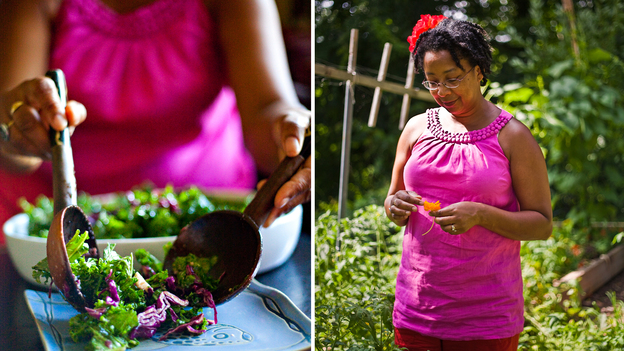
"caption": "JuJu Harris is the author of The Arcadia Mobile Market Seasonal Cookbook. A former recipient of government food assistance, she now teaches healthy eating skills to low-income families in D.C. Photo: Courtesy of Molly M. Peterson",
"description": null,
"title": "juju_01",
"credit": null,
"status": "inherit",
"isLoading": false,
"fetchFailed": false
},
"bayareabites_79064": {
"type": "attachments",
"id": "bayareabites_79064",
"meta": {
"index": "attachments_1716263798",
"site": "bayareabites",
"id": "79064",
"found": true
},
"parent": 79058,
"imgSizes": {
"kqedFullSize": {
"file": "https://ww2.kqed.org/app/uploads/sites/24/2014/03/hub_screenshot-3-_custom-28f8329bc34b8d042f460eaa86ea7cb8181e0f81-s4.jpg",
"width": 624,
"height": 335
}
},
"publishDate": 1394647952,
"modified": 1394647952,
"caption": "Food Porn Index: This is what you're posting about, foodies. Photo: Courtesy of Bolthouse Farms",
"description": null,
"title": "hub_screenshot-3-",
"credit": null,
"status": "inherit",
"isLoading": false,
"fetchFailed": false
},
"bayareabites_79050": {
"type": "attachments",
"id": "bayareabites_79050",
"meta": {
"index": "attachments_1716263798",
"site": "bayareabites",
"id": "79050",
"found": true
},
"parent": 79041,
"imgSizes": {
"kqedFullSize": {
"file": "https://ww2.kqed.org/app/uploads/sites/24/2014/03/liquorcake-ebe1ae4329d4446a4ca0327b79be2aaef47daa5d-s4.jpg",
"width": 624,
"height": 467
}
},
"publishDate": 1394640508,
"modified": 1394640508,
"caption": "Chocolate Kahlua Bundt Cake. Photo: Laura B. Weiss/NPR",
"description": null,
"title": "liquorcake",
"credit": null,
"status": "inherit",
"isLoading": false,
"fetchFailed": false
},
"bayareabites_79020": {
"type": "attachments",
"id": "bayareabites_79020",
"meta": {
"index": "attachments_1716263798",
"site": "bayareabites",
"id": "79020",
"found": true
},
"parent": 79014,
"imgSizes": {
"kqedFullSize": {
"file": "https://ww2.kqed.org/app/uploads/sites/24/2014/03/istock_000025546842large_wide-4e7159840f98c8ba6f203e3eb88090b91e8b9a1a-s4.jpg",
"width": 624,
"height": 351
}
},
"publishDate": 1394572628,
"modified": 1394572628,
"caption": "France's famed mollusk appetizer could be endangered by an unwelcome worm arrival, scientists worry. Photo: iStockphoto",
"description": null,
"title": "istock_000025546842large",
"credit": null,
"status": "inherit",
"isLoading": false,
"fetchFailed": false
},
"bayareabites_79011": {
"type": "attachments",
"id": "bayareabites_79011",
"meta": {
"index": "attachments_1716263798",
"site": "bayareabites",
"id": "79011",
"found": true
},
"parent": 79004,
"imgSizes": {
"kqedFullSize": {
"file": "https://ww2.kqed.org/app/uploads/sites/24/2014/03/nantucket-delicacy-set-rebecca-weld_sq-3159e0de53e053b5ab9e45e0add54014170b83c0-s4.jpg",
"width": 624,
"height": 362
}
},
"publishDate": 1394564310,
"modified": 1394564310,
"caption": "Rebecca Weld (aka The Cookie Architect) nabbed the Oscar of the cookie world for this series of Nantucket-themed biscuits. Photo: Courtesy of Rebecca Weld via Cookie Connection",
"description": null,
"title": "nantucket-delicacy-set-rebecca-weld",
"credit": null,
"status": "inherit",
"isLoading": false,
"fetchFailed": false
},
"bayareabites_79002": {
"type": "attachments",
"id": "bayareabites_79002",
"meta": {
"index": "attachments_1716263798",
"site": "bayareabites",
"id": "79002",
"found": true
},
"parent": 78996,
"imgSizes": {
"kqedFullSize": {
"file": "https://ww2.kqed.org/app/uploads/sites/24/2014/03/ocean-bottle-on-ship-with-barrels_wide-a4152f98908e8c358bc4e14d795fd1494fa226ac-s4.jpg",
"width": 624,
"height": 350
}
},
"publishDate": 1394563295,
"modified": 1394563295,
"caption": "Jefferson's Ocean bourbon is aged on the high seas, a technique that takes advantage of basic physical chemistry. The bottles sell for $200 a piece. Photo: Courtesy of OCEARCH",
"description": null,
"title": "ocean-bottle-on-ship-with-barrels",
"credit": null,
"status": "inherit",
"isLoading": false,
"fetchFailed": false
},
"bayareabites_78991": {
"type": "attachments",
"id": "bayareabites_78991",
"meta": {
"index": "attachments_1716263798",
"site": "bayareabites",
"id": "78991",
"found": true
},
"parent": 78986,
"imgSizes": {
"kqedFullSize": {
"file": "https://ww2.kqed.org/app/uploads/sites/24/2014/03/newtown-creek_31_wide-39dddd70ecb3cf18b6083f7a788e64f33f486425-s4.jpg",
"width": 624,
"height": 350
}
},
"publishDate": 1394553636,
"modified": 1394553636,
"caption": "The digester eggs at Newtown Creek Wastewater Treatment Plant in Brooklyn contain millions of gallons of black sludge. Photo: Courtesy of New York City Department of Environmental Protection",
"description": null,
"title": "newtown-creek_31",
"credit": null,
"status": "inherit",
"isLoading": false,
"fetchFailed": false
},
"bayareabites_78984": {
"type": "attachments",
"id": "bayareabites_78984",
"meta": {
"index": "attachments_1716263798",
"site": "bayareabites",
"id": "78984",
"found": true
},
"parent": 78979,
"imgSizes": {
"kqedFullSize": {
"file": "https://ww2.kqed.org/app/uploads/sites/24/2014/03/ap9109060344_wide-7d6ea895e371884e0a237aa1c95ce04d498aca9c-s4.jpg",
"width": 624,
"height": 350
}
},
"publishDate": 1394493663,
"modified": 1394493663,
"caption": "Pepsi was the first American consumer product to be manufactured and sold in the former Soviet Union. In 1991, Russians could buy the soda for 20 kopeks, about 10 cents. Photo: Peter Dejong/AP",
"description": null,
"title": "ap9109060344",
"credit": null,
"status": "inherit",
"isLoading": false,
"fetchFailed": false
},
"bayareabites_78977": {
"type": "attachments",
"id": "bayareabites_78977",
"meta": {
"index": "attachments_1716263798",
"site": "bayareabites",
"id": "78977",
"found": true
},
"parent": 78971,
"imgSizes": {
"kqedFullSize": {
"file": "https://ww2.kqed.org/app/uploads/sites/24/2014/03/eden-iced_06-800a50baa82612579ff491f995c53809cb46b02a-s4.jpg",
"width": 624,
"height": 467
}
},
"publishDate": 1394485804,
"modified": 1394485804,
"caption": "The icy winter is just what's needed for tasty ice cider. Photo: Herb Swanson/NPR",
"description": null,
"title": "eden-iced_06",
"credit": null,
"status": "inherit",
"isLoading": false,
"fetchFailed": false
},
"bayareabites_78959": {
"type": "attachments",
"id": "bayareabites_78959",
"meta": {
"index": "attachments_1716263798",
"site": "bayareabites",
"id": "78959",
"found": true
},
"parent": 78953,
"imgSizes": {
"kqedFullSize": {
"file": "https://ww2.kqed.org/app/uploads/sites/24/2014/03/4416942703_825113d166_o-copy_wide-d3ac7a14f8b5ef4178d6bcb128745f88ae544f29-s4.jpg",
"width": 624,
"height": 350
}
},
"publishDate": 1394404685,
"modified": 1394404685,
"caption": "Customers dine at the original Eataly in Turin, Italy, which opened in 2007. Photo: demoshelsinki/Flickr",
"description": null,
"title": "4416942703_825113d166_o-copy",
"credit": null,
"status": "inherit",
"isLoading": false,
"fetchFailed": false
},
"bayareabites_78949": {
"type": "attachments",
"id": "bayareabites_78949",
"meta": {
"index": "attachments_1716263798",
"site": "bayareabites",
"id": "78949",
"found": true
},
"parent": 78943,
"imgSizes": {
"kqedFullSize": {
"file": "https://ww2.kqed.org/app/uploads/sites/24/2014/03/cabezonhead_wide-ab315bd56f81ef7b61ee657e38281b2681b7de7d-s4.jpg",
"width": 624,
"height": 351
}
},
"publishDate": 1394253629,
"modified": 1394253629,
"caption": "The head of a cabezon fish prepared by the author. Photo: Alastair Bland/NPR",
"description": null,
"title": "cabezonhead",
"credit": null,
"status": "inherit",
"isLoading": false,
"fetchFailed": false
}
},
"audioPlayerReducer": {
"postId": "stream_live",
"isPaused": true,
"isPlaying": false,
"pfsActive": false,
"pledgeModalIsOpen": true,
"playerDrawerIsOpen": false,
"liveAudioPlayStartedAt": 0,
"liveAudioPlayContext": ""
},
"authorsReducer": {
"byline_bayareabites_79077": {
"type": "authors",
"id": "byline_bayareabites_79077",
"meta": {
"override": true
},
"slug": "byline_bayareabites_79077",
"name": "Maanvi Singh",
"isLoading": false
},
"byline_bayareabites_79069": {
"type": "authors",
"id": "byline_bayareabites_79069",
"meta": {
"override": true
},
"slug": "byline_bayareabites_79069",
"name": "April Fulton",
"isLoading": false
},
"byline_bayareabites_79058": {
"type": "authors",
"id": "byline_bayareabites_79058",
"meta": {
"override": true
},
"slug": "byline_bayareabites_79058",
"name": "Linda Poon",
"isLoading": false
},
"byline_bayareabites_79041": {
"type": "authors",
"id": "byline_bayareabites_79041",
"meta": {
"override": true
},
"slug": "byline_bayareabites_79041",
"name": "Laura B. Weiss",
"isLoading": false
},
"byline_bayareabites_79014": {
"type": "authors",
"id": "byline_bayareabites_79014",
"meta": {
"override": true
},
"slug": "byline_bayareabites_79014",
"name": "Chelsea Edgar",
"isLoading": false
},
"byline_bayareabites_79004": {
"type": "authors",
"id": "byline_bayareabites_79004",
"meta": {
"override": true
},
"slug": "byline_bayareabites_79004",
"name": "David Sommerstein",
"isLoading": false
},
"byline_bayareabites_78996": {
"type": "authors",
"id": "byline_bayareabites_78996",
"meta": {
"override": true
},
"slug": "byline_bayareabites_78996",
"name": "Amy Guttman",
"isLoading": false
},
"byline_bayareabites_78986": {
"type": "authors",
"id": "byline_bayareabites_78986",
"meta": {
"override": true
},
"slug": "byline_bayareabites_78986",
"name": "Joel Rose",
"isLoading": false
},
"byline_bayareabites_78979": {
"type": "authors",
"id": "byline_bayareabites_78979",
"meta": {
"override": true
},
"slug": "byline_bayareabites_78979",
"name": "Sonari Glinton",
"isLoading": false
},
"byline_bayareabites_78971": {
"type": "authors",
"id": "byline_bayareabites_78971",
"meta": {
"override": true
},
"slug": "byline_bayareabites_78971",
"name": "Charlotte Albright",
"isLoading": false
},
"byline_bayareabites_78953": {
"type": "authors",
"id": "byline_bayareabites_78953",
"meta": {
"override": true
},
"slug": "byline_bayareabites_78953",
"name": "Sylvia Poggioli",
"isLoading": false
},
"byline_bayareabites_78943": {
"type": "authors",
"id": "byline_bayareabites_78943",
"meta": {
"override": true
},
"slug": "byline_bayareabites_78943",
"name": "Alastair Bland",
"isLoading": false
}
},
"pagesReducer": {
"bayareabites_category_npr-food": {
"type": "terms",
"id": "bayareabites_10916",
"meta": {
"index": "terms_1716263798",
"site": "bayareabites",
"id": "10916",
"score": 13.894751
},
"featImg": null,
"name": "NPR food",
"description": null,
"taxonomy": "category",
"headData": {
"twImgId": null,
"twTitle": null,
"ogTitle": null,
"ogImgId": null,
"twDescription": null,
"description": null,
"title": "NPR food Archives | KQED Bay Area Bites",
"ogDescription": null
},
"ttid": 5375,
"slug": "npr-food",
"isLoading": false,
"title": "NPR food",
"pageMeta": {
"site": "bayareabites",
"WpPageTemplate": "page-topic-editorial",
"currentPage": 49
},
"blocks": [
{
"blockName": "kqed/post-list",
"attrs": {
"layout": "cardArticle2",
"query": "posts/bayareabites?category=npr-food",
"seeMore": false,
"paginated": true,
"page": 49
}
},
{
"blockName": "kqed/ad"
}
]
}
},
"pfsSessionReducer": {},
"postsReducer": {
"stream_live": {
"type": "live",
"id": "stream_live",
"audioUrl": "https://hls.kqed.org/hls/kqed_app/playlist.m3u8",
"title": "Live Stream",
"excerpt": "Live Stream information currently unavailable.",
"link": "/radio",
"featImg": "",
"label": {
"name": "KQED Live",
"link": "/"
}
},
"stream_kqedNewscast": {
"type": "posts",
"id": "stream_kqedNewscast",
"audioUrl": "https://www.kqed.org/.stream/anon/radio/RDnews/newscast.mp3?_=1",
"title": "KQED Newscast",
"featImg": "",
"label": {
"name": "88.5 FM",
"link": "/"
}
},
"bayareabites_79077": {
"type": "posts",
"id": "bayareabites_79077",
"meta": {
"index": "posts_1716263798",
"site": "bayareabites",
"id": "79077",
"score": null,
"sort": [
1394736926000
]
},
"parent": 0,
"labelTerm": {
"site": "bayareabites"
},
"blocks": [],
"publishDate": 1394736926,
"format": "aside",
"disqusTitle": " A Major in Coffee? UC Davis Might Be Brewing One Up",
"title": " A Major in Coffee? UC Davis Might Be Brewing One Up",
"headTitle": "Bay Area Bites | KQED Food",
"content": "\u003cfigure id=\"attachment_79078\" class=\"wp-caption aligncenter\" style=\"max-width: 1024px\">\u003ca href=\"http://ww2.kqed.org/bayareabites/wp-content/uploads/sites/24/2014/03/istock_000002035792medium_wide-45219297fa7c3fb98784adc96962378f153eb1c6.jpg\">\u003cimg src=\"http://ww2.kqed.org/bayareabites/wp-content/uploads/sites/24/2014/03/istock_000002035792medium_wide-45219297fa7c3fb98784adc96962378f153eb1c6-1024x575.jpg\" alt=\"The University of California, Davis, recently founded a Coffee Center dedicated to the study of the beloved brew. Photo: iStockphoto\" width=\"1024\" height=\"575\" class=\"size-large wp-image-79078\">\u003c/a>\u003cfigcaption class=\"wp-caption-text\">The University of California, Davis, recently founded a Coffee Center dedicated to the study of the beloved brew. Photo: iStockphoto\u003c/figcaption>\u003c/figure>\n\u003cp>Post by Maanvi Singh, \u003ca href=\"http://www.npr.org/blogs/thesalt/2014/03/13/289621782/a-major-in-coffee-uc-davis-might-be-brewing-one-up\" target=\"_blank\">The Salt at NPR Food\u003c/a> (3/13/2014)\u003c/p>\n\u003cp>Many of us have those friends who insist that they're coffee connoisseurs and drink exclusively drip brews. But really, there aren't many academic programs that train people in the taste and science of coffee.\u003c/p>\n\u003cp>That might all change soon. The University of California, Davis, recently founded a \u003ca href=\"http://ffhi.ucdavis.edu/initiatives/coffee-center\">Coffee Center\u003c/a> dedicated to the study of the world of java. This week, the center held its first research conference.\u003c/p>\n\u003cp>\"There aren't a lot of things that so many people consume several times a day, every day,\" says \u003ca href=\"http://foodscience.ucdavis.edu/people/faculty/jgerman\">J. Bruce German\u003c/a>, who directs of the \u003ca href=\"http://fgp.ucdavis.edu/prog/fg\">Foods for Health Institute\u003c/a> at Davis. But given how much coffee people all over the world chug, there's a surprising lack of academic research on the topic, German says.\u003c/p>\n\u003cp>There's a lot we still don't fully understand about coffee, German says. What's the best way to treat the beans while they're still green? What's the most environmentally friendly way to roast them? And why are we so obsessed with how it smells?\u003c/p>\n\u003cp>[ad fullwidth]\u003c/p>\n\u003cp>And since the university is already well known for its winemaking and beer brewing programs, German says coffee seems like a natural next step.\u003c/p>\n\u003cp>The idea grew out of a seminar called \"Design of Coffee,\" developed by two professors in the chemical engineering department.\u003c/p>\n\u003cp>\"It's basically a non-mathematical introduction to chemical engineering,\" says \u003ca href=\"http://www.chms.ucdavis.edu/research/web/ristenpart/\">Bill Ristenpart\u003c/a>, one of the course developers. The idea was to illustrate some of the basic principals of chemical engineering though the process of making the perfect cup of Joe.\u003c/p>\n\u003cp>But the concept blew up. What started out as a small seminar grew into a class of 170. More than 300 students have signed up to take the course next quarter.\u003c/p>\n\u003cp>The chemistry of coffee is only one aspect of the new center.\u003c/p>\n\u003cp>During this week's conference, Ristenpart presented a sample curriculum that included a range of courses to nurture students' palettes, as well as their technical know-how. \"One of the classes would definitely be on the chemical and physical properties of milk,\" he says, and how it interacts with coffee.\u003c/p>\n\u003cp>\"The program is in the nascent stages right now,\" he says.\u003c/p>\n\u003cp>For now, the center will offer classes, but not degrees. The next step is to reach out to the coffee industry and raise funds to expand the program, Ristenpart says. If all goes well, Davis might start offering a major in coffee science within the next few years.\u003c/p>\n\u003cp>Davis' Coffee Center isn't the first research institute dedicated to the magic beans. The \u003ca href=\"http://worldcoffeeresearch.org/\">World Coffee Research\u003c/a> program at Texas A & M University focuses on the agricultural aspects of coffee. Ristenpart says he envisions the program at Davis will delve more deeply into coffee processing.\u003c/p>\n\u003cp>\"There are more than a thousand identified molecules that give rise to the unique flavor of coffee,\" Ristenpart says. \"Nobody has turned the full might of academic research on it — yet.\"\u003c/p>\n\u003cp>So the next time your friend starts going off about how he's a \"coffee expert,\" you can say \"Oh, yeah? Well, did you major in coffee?\" \u003c/p>\n\u003cp>\u003c/p>\n\u003cp>\u003cem>Copyright 2014 \u003ca href=\"http://www.npr.org/\" target=\"_blank\">NPR\u003c/a>. \u003c/em>\u003c/p>\n\n",
"disqusIdentifier": "79077 http://blogs.kqed.org/bayareabites/?p=79077",
"disqusUrl": "https://ww2.kqed.org/bayareabites/2014/03/13/a-major-in-coffee-uc-davis-might-be-brewing-one-up/",
"stats": {
"hasVideo": false,
"hasChartOrMap": false,
"hasAudio": false,
"hasPolis": false,
"wordCount": 553,
"hasGoogleForm": false,
"hasGallery": false,
"hasHearkenModule": false,
"iframeSrcs": [],
"paragraphCount": 19
},
"modified": 1394736926,
"excerpt": "The California university is already famous for its wine and beer programs. Coffee seemed like a natural next step. It's new Coffee Center aims to break down the science behind the perfect cup of Joe.",
"headData": {
"twImgId": "",
"twTitle": "",
"ogTitle": "",
"ogImgId": "",
"twDescription": "",
"description": "The California university is already famous for its wine and beer programs. Coffee seemed like a natural next step. It's new Coffee Center aims to break down the science behind the perfect cup of Joe.",
"title": "A Major in Coffee? UC Davis Might Be Brewing One Up | KQED",
"ogDescription": "",
"schema": {
"@context": "https://schema.org",
"@type": "Article",
"headline": " A Major in Coffee? UC Davis Might Be Brewing One Up",
"datePublished": "2014-03-13T11:55:26-07:00",
"dateModified": "2014-03-13T11:55:26-07:00",
"image": "https://cdn.kqed.org/wp-content/uploads/2020/02/KQED-OG-Image@1x.png"
}
},
"guestAuthors": [],
"slug": "a-major-in-coffee-uc-davis-might-be-brewing-one-up",
"status": "publish",
"nprApiLink": "http://api.npr.org/query?id=289621782&apiKey=MDAxOTAwOTE4MDEyMTkxMDAzNjczZDljZA004",
"nprByline": "Maanvi Singh",
"nprStoryDate": "Thu, 13 Mar 2014 13:21:00 -0400",
"nprLastModifiedDate": "Thu, 13 Mar 2014 13:34:20 -0400",
"nprHtmlLink": "http://www.npr.org/blogs/thesalt/2014/03/13/289621782/a-major-in-coffee-uc-davis-might-be-brewing-one-up?ft=3&f=289621782",
"nprStoryId": "289621782",
"nprRetrievedStory": "1",
"nprPubDate": "Thu, 13 Mar 2014 13:34:00 -0400",
"path": "/bayareabites/79077/a-major-in-coffee-uc-davis-might-be-brewing-one-up",
"audioTrackLength": null,
"parsedContent": [
{
"type": "contentString",
"content": "\u003cdiv class=\"post-body\">\u003cp>\u003cfigure id=\"attachment_79078\" class=\"wp-caption aligncenter\" style=\"max-width: 1024px\">\u003ca href=\"http://ww2.kqed.org/bayareabites/wp-content/uploads/sites/24/2014/03/istock_000002035792medium_wide-45219297fa7c3fb98784adc96962378f153eb1c6.jpg\">\u003cimg src=\"http://ww2.kqed.org/bayareabites/wp-content/uploads/sites/24/2014/03/istock_000002035792medium_wide-45219297fa7c3fb98784adc96962378f153eb1c6-1024x575.jpg\" alt=\"The University of California, Davis, recently founded a Coffee Center dedicated to the study of the beloved brew. Photo: iStockphoto\" width=\"1024\" height=\"575\" class=\"size-large wp-image-79078\">\u003c/a>\u003cfigcaption class=\"wp-caption-text\">The University of California, Davis, recently founded a Coffee Center dedicated to the study of the beloved brew. Photo: iStockphoto\u003c/figcaption>\u003c/figure>\n\u003cp>Post by Maanvi Singh, \u003ca href=\"http://www.npr.org/blogs/thesalt/2014/03/13/289621782/a-major-in-coffee-uc-davis-might-be-brewing-one-up\" target=\"_blank\">The Salt at NPR Food\u003c/a> (3/13/2014)\u003c/p>\n\u003cp>Many of us have those friends who insist that they're coffee connoisseurs and drink exclusively drip brews. But really, there aren't many academic programs that train people in the taste and science of coffee.\u003c/p>\n\u003cp>That might all change soon. The University of California, Davis, recently founded a \u003ca href=\"http://ffhi.ucdavis.edu/initiatives/coffee-center\">Coffee Center\u003c/a> dedicated to the study of the world of java. This week, the center held its first research conference.\u003c/p>\n\u003cp>\"There aren't a lot of things that so many people consume several times a day, every day,\" says \u003ca href=\"http://foodscience.ucdavis.edu/people/faculty/jgerman\">J. Bruce German\u003c/a>, who directs of the \u003ca href=\"http://fgp.ucdavis.edu/prog/fg\">Foods for Health Institute\u003c/a> at Davis. But given how much coffee people all over the world chug, there's a surprising lack of academic research on the topic, German says.\u003c/p>\n\u003cp>There's a lot we still don't fully understand about coffee, German says. What's the best way to treat the beans while they're still green? What's the most environmentally friendly way to roast them? And why are we so obsessed with how it smells?\u003c/p>\n\u003cp>\u003c/p>\u003c/div>",
"attributes": {
"named": {},
"numeric": []
}
},
{
"type": "component",
"content": "",
"name": "ad",
"attributes": {
"named": {
"label": "fullwidth"
},
"numeric": [
"fullwidth"
]
}
},
{
"type": "contentString",
"content": "\u003cdiv class=\"post-body\">\u003cp>\u003c/p>\n\u003cp>And since the university is already well known for its winemaking and beer brewing programs, German says coffee seems like a natural next step.\u003c/p>\n\u003cp>The idea grew out of a seminar called \"Design of Coffee,\" developed by two professors in the chemical engineering department.\u003c/p>\n\u003cp>\"It's basically a non-mathematical introduction to chemical engineering,\" says \u003ca href=\"http://www.chms.ucdavis.edu/research/web/ristenpart/\">Bill Ristenpart\u003c/a>, one of the course developers. The idea was to illustrate some of the basic principals of chemical engineering though the process of making the perfect cup of Joe.\u003c/p>\n\u003cp>But the concept blew up. What started out as a small seminar grew into a class of 170. More than 300 students have signed up to take the course next quarter.\u003c/p>\n\u003cp>The chemistry of coffee is only one aspect of the new center.\u003c/p>\n\u003cp>During this week's conference, Ristenpart presented a sample curriculum that included a range of courses to nurture students' palettes, as well as their technical know-how. \"One of the classes would definitely be on the chemical and physical properties of milk,\" he says, and how it interacts with coffee.\u003c/p>\n\u003cp>\"The program is in the nascent stages right now,\" he says.\u003c/p>\n\u003cp>For now, the center will offer classes, but not degrees. The next step is to reach out to the coffee industry and raise funds to expand the program, Ristenpart says. If all goes well, Davis might start offering a major in coffee science within the next few years.\u003c/p>\n\u003cp>Davis' Coffee Center isn't the first research institute dedicated to the magic beans. The \u003ca href=\"http://worldcoffeeresearch.org/\">World Coffee Research\u003c/a> program at Texas A & M University focuses on the agricultural aspects of coffee. Ristenpart says he envisions the program at Davis will delve more deeply into coffee processing.\u003c/p>\n\u003cp>\"There are more than a thousand identified molecules that give rise to the unique flavor of coffee,\" Ristenpart says. \"Nobody has turned the full might of academic research on it — yet.\"\u003c/p>\n\u003cp>So the next time your friend starts going off about how he's a \"coffee expert,\" you can say \"Oh, yeah? Well, did you major in coffee?\" \u003c/p>\n\u003cp>\u003c/p>\n\u003cp>\u003cem>Copyright 2014 \u003ca href=\"http://www.npr.org/\" target=\"_blank\">NPR\u003c/a>. \u003c/em>\u003c/p>\n\n\u003c/div>\u003c/p>",
"attributes": {
"named": {},
"numeric": []
}
}
],
"link": "/bayareabites/79077/a-major-in-coffee-uc-davis-might-be-brewing-one-up",
"authors": [
"byline_bayareabites_79077"
],
"categories": [
"bayareabites_64",
"bayareabites_10916",
"bayareabites_1248"
],
"tags": [
"bayareabites_125",
"bayareabites_10921",
"bayareabites_13161"
],
"featImg": "bayareabites_79081",
"label": "bayareabites"
},
"bayareabites_79069": {
"type": "posts",
"id": "bayareabites_79069",
"meta": {
"index": "posts_1716263798",
"site": "bayareabites",
"id": "79069",
"score": null,
"sort": [
1394727217000
]
},
"parent": 0,
"labelTerm": {
"site": "bayareabites"
},
"blocks": [],
"publishDate": 1394727217,
"format": "aside",
"disqusTitle": "Advice for Eating Well on a Tight Budget, From a Mom Who's Been There",
"title": "Advice for Eating Well on a Tight Budget, From a Mom Who's Been There",
"headTitle": "Bay Area Bites | KQED Food",
"content": "\u003cfigure id=\"attachment_79070\" class=\"wp-caption aligncenter\" style=\"max-width: 1024px\">\u003ca href=\"http://ww2.kqed.org/bayareabites/wp-content/uploads/sites/24/2014/03/juju_01_wide-f0e31331acffba20be88803456bcf74a59e1f1e0.jpg\">\u003cimg src=\"http://ww2.kqed.org/bayareabites/wp-content/uploads/sites/24/2014/03/juju_01_wide-f0e31331acffba20be88803456bcf74a59e1f1e0-1024x576.jpg\" alt=\"JuJu Harris is the author of The Arcadia Mobile Market Seasonal Cookbook. A former recipient of government food assistance, she now teaches healthy eating skills to low-income families in D.C. Photo: Courtesy of Molly M. Peterson\" width=\"1024\" height=\"576\" class=\"size-large wp-image-79070\">\u003c/a>\u003cfigcaption class=\"wp-caption-text\">JuJu Harris is the author of The Arcadia Mobile Market Seasonal Cookbook. A former recipient of government food assistance, she now teaches healthy eating skills to low-income families in D.C. Photo: Courtesy of Molly M. Peterson\u003c/figcaption>\u003c/figure>\n\u003cp>Post by April Harris, \u003ca href=\"http://www.npr.org/blogs/thesalt/2014/03/13/289594815/former-wic-mom-brings-produce-and-cooking-skills-to-dc-s-food-deserts\" target=\"_blank\">The Salt at NPR Food\u003c/a> (3/13/2014)\u003c/p>\n\u003cp>JuJu Harris didn't set out to write a cookbook, but then again, she didn't set out to raise seven children or accept public assistance to feed them, either. Harris always wanted to work with nature.\u003c/p>\n\u003cp>\"My dream job was, I was going to grow up and be a national park ranger,\" she says. It didn't quite work out that way. She drifted from job to job in Oakland, Calif., where she was born. At 32, she joined the Peace Corps, traveling to Paraguay to help local farmers improve their crops.\u003c/p>\n\u003cp>While she was supposed to be helping the men – the ones who held the farming jobs and the money – she found herself drawn to the women and children. She encouraged the families to put their money into both their agricultural businesses \u003cem>and\u003c/em> their children.\u003c/p>\n\u003cp>\"I learned the importance of nutrition for women and how it impacts her family,\" Harris says. When the women improved their diets, they had \"more mental energy\" to deal with their children, too, she says.\u003c/p>\n\u003cp>[ad fullwidth]\u003c/p>\n\u003cp>Years later, back in the states, Harris found herself in a similar situation — with small children, post-partum depression, and little money. She knew she needed to take better care of herself, so she began experimenting with a garden, baking bread, doing whatever she could to supplement the Women, Infants and Children (WIC) food program staples she was receiving. She taught herself to cook with kale, collards, cabbage and other inexpensive and nutritionally dense produce. Neighbors came over. She taught them to cook, too.\u003c/p>\n\u003cp>Although she's not yet reached her dream of becoming a park ranger, Harris gets to spend plenty of time outdoors these days.\u003c/p>\n\u003cp>She's now teaching low-income families how to choose and cook healthy produce. She's a culinary educator and SNAP outreach coordinator with the \u003ca href=\"http://arcadiafood.org/\">Arcadia Center for Sustainable Food and Agriculture\u003c/a>, a nonprofit group dedicated to creating a more equitable local food system in the Washington, D.C. area.\u003c/p>\n\u003cp>She drives the Center's Mobile Market bus – a kind of farmers market on wheels — into some of the poorest neighborhoods in the city.\u003c/p>\n\u003cp>\"Working at the Mobile Market, I talk to a lot of moms, and many of them tell me, 'I don't know how to cook.' A lot of them are teen mothers. They pick up vegetables and say, 'I don't know what this is. Is it good? Is it hard to cook?'\" Harris says. So she talks up the squash and the Swiss chard, offering tips on how to store and cook them.\u003c/p>\n\u003cp>\"You can bring the food to people's doorstep and make it affordable. But if they don't know how to cook what's available, in the end, you haven't changed anything,\" she says.\u003c/p>\n\u003cp>Cooking skills are just one barrier to healthy eating. A recent \u003ca href=\"http://www.nokidhungry.org/images/cm-study/report-highlights.pdf\">survey\u003c/a> by the nonprofit \u003ca href=\"http://www.nokidhungry.org/about-us\">Share Our Strength\u003c/a> shows that 85 percent of low-income families say eating healthy is important, but only 53 percent say they cook healthy dinners most weeknights. A majority of the 1,500 respondents said cost and time to plan, shop and cook are the biggest barriers to improving their nutrition.\u003c/p>\n\u003cfigure id=\"attachment_79071\" class=\"wp-caption aligncenter\" style=\"max-width: 768px\">\u003ca href=\"http://ww2.kqed.org/bayareabites/wp-content/uploads/sites/24/2014/03/arcadia_juju_017_rev_1200px_vert-5893164f3a081679a87856975d966b8e346353c7.jpg\">\u003cimg src=\"http://ww2.kqed.org/bayareabites/wp-content/uploads/sites/24/2014/03/arcadia_juju_017_rev_1200px_vert-5893164f3a081679a87856975d966b8e346353c7-768x1024.jpg\" alt=\"Baked oatmeal with blueberries, one of the recipes featured in The Arcadia Mobile Market Seasonal Cookbook. "It's possible to eat healthy on a budget," Harris says. "Not easy, but possible." Photo: Courtesy of Molly M. Peterson\" width=\"768\" height=\"1024\" class=\"size-large wp-image-79071\">\u003c/a>\u003cfigcaption class=\"wp-caption-text\">Baked oatmeal with blueberries, one of the recipes featured in The Arcadia Mobile Market Seasonal Cookbook. \"It's possible to eat healthy on a budget,\" Harris says. \"Not easy, but possible.\" Photo: Courtesy of Molly M. Peterson\u003c/figcaption>\u003c/figure>\n\u003cp>After having dozens of these kinds of conversations a day, Harris decided to put together a shopping guide and recipe book she could hand out to these moms.\u003c/p>\n\u003cp>\"Nothing fancy,\" she says, \"just a little something on some nice cardstock.\"\u003c/p>\n\u003cp>She told a couple of her Arcadia colleagues about the idea, and they helped her take it a step further. With the help of Arcadia volunteers and some major grant money, Harris published a coffee table-worthy cookbook. It features saturated color photographs and simple recipes combining \u003ca href=\"http://www.fns.usda.gov/sites/default/files/Snapshot-WIC-Children-WomenFoodPkgs.pdf\">food assistance staples\u003c/a> like milk, eggs and beans, with seasonal produce – dishes like Garlic-Cilantro Fish Marinade and Beet Greens With White Beans And Bacon. It also includes tips for setting up a pantry and a seasonal guide to everything from apples to turnips.\u003c/p>\n\u003cp>Shoppers on food assistance who frequent the mobile market can now get free copies of the cookbook. \u003cem>The Arcadia Mobile Market Seasonal Cookbook\u003c/em> is also available to the general public for $20 a copy.\u003c/p>\n\u003cp>Harris wants to get the word out before June, when the WIC program begins handing out farmers' markets checks, which recipients can use to purchase items from the Arcadia bus and other farmers' markets. That's when young moms and others on limited budgets who want to improve their health really come out, Harris says. But many are afraid to try new foods for fear of wasting money, she says, so she gives them guidance, suggesting small changes, like one new meal a week.\u003c/p>\n\u003cp>Harris has an easy manner with these moms because she gets it. She's been where many of the people who come to the Mobile Market are now, says Pamela Hess, Arcadia's executive director and the editor — as well as all-around-wrangler — of the cookbook.\u003c/p>\n\u003cp>\"JuJu is one part fairy godmother, one part good witch. Her garden is incredible — great tangles of flowers and honeybees and roses and vegetables climbing trellises, and always another bed being laid. Her food bears the same stamp of wild and whimsy and fundamental integrity,\" Hess says.\u003c/p>\n\u003cp>\"I think some of these programs – people are well meaning, but they've never lived the life. I was on WIC till my kid was 5, and one year my husband broke his leg. I've worked at a food bank, I've been on food stamps,\" Harris says.\u003c/p>\n\u003cp>She says she's just doing her part. \"The problem of food insecurity is so big, I just do what I can do. And I can cook.\" She hopes the Arcadia cookbook will show that \"it's possible to eat healthy on a budget. Not easy, but possible.\"\u003c/p>\n\u003chr>\n\u003ch3>\u003cstrong>Garlicky Kale Salad\u003c/strong>\u003c/h3>\n\u003cp>\u003cem>From The Arcadia Mobile Market Seasonal Cookbook\u003c/em>\u003c/p>\n\u003cp>3 cloves garlic, peeled\u003c/p>\n\u003cp>½ cup lemon juice\u003c/p>\n\u003cp>¼ cup soy sauce\u003c/p>\n\u003cp>3 inches fresh ginger, peeled (ginger is easily peeled with the side of a metal spoon)\u003c/p>\n\u003cp>½ teaspoon of black pepper\u003c/p>\n\u003cp>1 cup olive oil\u003c/p>\n\u003cp>1 bunch kale, washed, de-ribbbed, and leaves chopped\u003c/p>\n\u003cp>1 carrot, grated\u003c/p>\n\u003cp>1 cup red cabbage, thinly sliced\u003c/p>\n\u003cp>½ cup dried cranberries\u003c/p>\n\u003cp>1 cup garbanzo beans\u003c/p>\n\u003cp>In a blender, add the garlic, lemon juice, soy sauce, ginger, and black pepper and puree. Using the lid opening, slowly add olive oil with the motor running on low to thicken the dressing.\u003c/p>\n\u003cp>In a large bowl, add kale, carrots, cabbage, cranberries and garbanzo beans. Pour dressing into the bowl and toss to coat. Mix thoroughly and let salad sit for at least 20 minutes. \u003c/p>\n\u003cp>[ad floatright]\u003c/p>\n\u003cp>\u003cem>Copyright 2014 \u003ca href=\"http://www.npr.org/\" target=\"_blank\">NPR\u003c/a>. \u003c/em>\u003c/p>\n\n",
"disqusIdentifier": "79069 http://blogs.kqed.org/bayareabites/?p=79069",
"disqusUrl": "https://ww2.kqed.org/bayareabites/2014/03/13/advice-for-eating-well-on-a-tight-budget-from-a-mom-whos-been-there/",
"stats": {
"hasVideo": false,
"hasChartOrMap": false,
"hasAudio": false,
"hasPolis": false,
"wordCount": 1211,
"hasGoogleForm": false,
"hasGallery": false,
"hasHearkenModule": false,
"iframeSrcs": [],
"paragraphCount": 38
},
"modified": 1394727217,
"excerpt": "Learning to garden and cook with cheap, healthy produce helped JuJu Harris survive while raising seven kids on public assistance. In a new cookbook, she shares her tips for other struggling moms.",
"headData": {
"twImgId": "",
"twTitle": "",
"ogTitle": "",
"ogImgId": "",
"twDescription": "",
"description": "Learning to garden and cook with cheap, healthy produce helped JuJu Harris survive while raising seven kids on public assistance. In a new cookbook, she shares her tips for other struggling moms.",
"title": "Advice for Eating Well on a Tight Budget, From a Mom Who's Been There | KQED",
"ogDescription": "",
"schema": {
"@context": "https://schema.org",
"@type": "Article",
"headline": "Advice for Eating Well on a Tight Budget, From a Mom Who's Been There",
"datePublished": "2014-03-13T09:13:37-07:00",
"dateModified": "2014-03-13T09:13:37-07:00",
"image": "https://cdn.kqed.org/wp-content/uploads/2020/02/KQED-OG-Image@1x.png"
}
},
"guestAuthors": [],
"slug": "advice-for-eating-well-on-a-tight-budget-from-a-mom-whos-been-there",
"status": "publish",
"nprApiLink": "http://api.npr.org/query?id=289594815&apiKey=MDAxOTAwOTE4MDEyMTkxMDAzNjczZDljZA004",
"nprByline": "April Fulton",
"nprStoryDate": "Thu, 13 Mar 2014 10:46:00 -0400",
"nprLastModifiedDate": "Thu, 13 Mar 2014 10:47:50 -0400",
"nprHtmlLink": "http://www.npr.org/blogs/thesalt/2014/03/13/289594815/former-wic-mom-brings-produce-and-cooking-skills-to-dc-s-food-deserts?ft=3&f=289594815",
"nprStoryId": "289594815",
"nprRetrievedStory": "1",
"nprPubDate": "Thu, 13 Mar 2014 10:47:00 -0400",
"path": "/bayareabites/79069/advice-for-eating-well-on-a-tight-budget-from-a-mom-whos-been-there",
"audioTrackLength": null,
"parsedContent": [
{
"type": "contentString",
"content": "\u003cdiv class=\"post-body\">\u003cp>\u003cfigure id=\"attachment_79070\" class=\"wp-caption aligncenter\" style=\"max-width: 1024px\">\u003ca href=\"http://ww2.kqed.org/bayareabites/wp-content/uploads/sites/24/2014/03/juju_01_wide-f0e31331acffba20be88803456bcf74a59e1f1e0.jpg\">\u003cimg src=\"http://ww2.kqed.org/bayareabites/wp-content/uploads/sites/24/2014/03/juju_01_wide-f0e31331acffba20be88803456bcf74a59e1f1e0-1024x576.jpg\" alt=\"JuJu Harris is the author of The Arcadia Mobile Market Seasonal Cookbook. A former recipient of government food assistance, she now teaches healthy eating skills to low-income families in D.C. Photo: Courtesy of Molly M. Peterson\" width=\"1024\" height=\"576\" class=\"size-large wp-image-79070\">\u003c/a>\u003cfigcaption class=\"wp-caption-text\">JuJu Harris is the author of The Arcadia Mobile Market Seasonal Cookbook. A former recipient of government food assistance, she now teaches healthy eating skills to low-income families in D.C. Photo: Courtesy of Molly M. Peterson\u003c/figcaption>\u003c/figure>\n\u003cp>Post by April Harris, \u003ca href=\"http://www.npr.org/blogs/thesalt/2014/03/13/289594815/former-wic-mom-brings-produce-and-cooking-skills-to-dc-s-food-deserts\" target=\"_blank\">The Salt at NPR Food\u003c/a> (3/13/2014)\u003c/p>\n\u003cp>JuJu Harris didn't set out to write a cookbook, but then again, she didn't set out to raise seven children or accept public assistance to feed them, either. Harris always wanted to work with nature.\u003c/p>\n\u003cp>\"My dream job was, I was going to grow up and be a national park ranger,\" she says. It didn't quite work out that way. She drifted from job to job in Oakland, Calif., where she was born. At 32, she joined the Peace Corps, traveling to Paraguay to help local farmers improve their crops.\u003c/p>\n\u003cp>While she was supposed to be helping the men – the ones who held the farming jobs and the money – she found herself drawn to the women and children. She encouraged the families to put their money into both their agricultural businesses \u003cem>and\u003c/em> their children.\u003c/p>\n\u003cp>\"I learned the importance of nutrition for women and how it impacts her family,\" Harris says. When the women improved their diets, they had \"more mental energy\" to deal with their children, too, she says.\u003c/p>\n\u003cp>\u003c/p>\u003c/div>",
"attributes": {
"named": {},
"numeric": []
}
},
{
"type": "component",
"content": "",
"name": "ad",
"attributes": {
"named": {
"label": "fullwidth"
},
"numeric": [
"fullwidth"
]
}
},
{
"type": "contentString",
"content": "\u003cdiv class=\"post-body\">\u003cp>\u003c/p>\n\u003cp>Years later, back in the states, Harris found herself in a similar situation — with small children, post-partum depression, and little money. She knew she needed to take better care of herself, so she began experimenting with a garden, baking bread, doing whatever she could to supplement the Women, Infants and Children (WIC) food program staples she was receiving. She taught herself to cook with kale, collards, cabbage and other inexpensive and nutritionally dense produce. Neighbors came over. She taught them to cook, too.\u003c/p>\n\u003cp>Although she's not yet reached her dream of becoming a park ranger, Harris gets to spend plenty of time outdoors these days.\u003c/p>\n\u003cp>She's now teaching low-income families how to choose and cook healthy produce. She's a culinary educator and SNAP outreach coordinator with the \u003ca href=\"http://arcadiafood.org/\">Arcadia Center for Sustainable Food and Agriculture\u003c/a>, a nonprofit group dedicated to creating a more equitable local food system in the Washington, D.C. area.\u003c/p>\n\u003cp>She drives the Center's Mobile Market bus – a kind of farmers market on wheels — into some of the poorest neighborhoods in the city.\u003c/p>\n\u003cp>\"Working at the Mobile Market, I talk to a lot of moms, and many of them tell me, 'I don't know how to cook.' A lot of them are teen mothers. They pick up vegetables and say, 'I don't know what this is. Is it good? Is it hard to cook?'\" Harris says. So she talks up the squash and the Swiss chard, offering tips on how to store and cook them.\u003c/p>\n\u003cp>\"You can bring the food to people's doorstep and make it affordable. But if they don't know how to cook what's available, in the end, you haven't changed anything,\" she says.\u003c/p>\n\u003cp>Cooking skills are just one barrier to healthy eating. A recent \u003ca href=\"http://www.nokidhungry.org/images/cm-study/report-highlights.pdf\">survey\u003c/a> by the nonprofit \u003ca href=\"http://www.nokidhungry.org/about-us\">Share Our Strength\u003c/a> shows that 85 percent of low-income families say eating healthy is important, but only 53 percent say they cook healthy dinners most weeknights. A majority of the 1,500 respondents said cost and time to plan, shop and cook are the biggest barriers to improving their nutrition.\u003c/p>\n\u003cfigure id=\"attachment_79071\" class=\"wp-caption aligncenter\" style=\"max-width: 768px\">\u003ca href=\"http://ww2.kqed.org/bayareabites/wp-content/uploads/sites/24/2014/03/arcadia_juju_017_rev_1200px_vert-5893164f3a081679a87856975d966b8e346353c7.jpg\">\u003cimg src=\"http://ww2.kqed.org/bayareabites/wp-content/uploads/sites/24/2014/03/arcadia_juju_017_rev_1200px_vert-5893164f3a081679a87856975d966b8e346353c7-768x1024.jpg\" alt=\"Baked oatmeal with blueberries, one of the recipes featured in The Arcadia Mobile Market Seasonal Cookbook. "It's possible to eat healthy on a budget," Harris says. "Not easy, but possible." Photo: Courtesy of Molly M. Peterson\" width=\"768\" height=\"1024\" class=\"size-large wp-image-79071\">\u003c/a>\u003cfigcaption class=\"wp-caption-text\">Baked oatmeal with blueberries, one of the recipes featured in The Arcadia Mobile Market Seasonal Cookbook. \"It's possible to eat healthy on a budget,\" Harris says. \"Not easy, but possible.\" Photo: Courtesy of Molly M. Peterson\u003c/figcaption>\u003c/figure>\n\u003cp>After having dozens of these kinds of conversations a day, Harris decided to put together a shopping guide and recipe book she could hand out to these moms.\u003c/p>\n\u003cp>\"Nothing fancy,\" she says, \"just a little something on some nice cardstock.\"\u003c/p>\n\u003cp>She told a couple of her Arcadia colleagues about the idea, and they helped her take it a step further. With the help of Arcadia volunteers and some major grant money, Harris published a coffee table-worthy cookbook. It features saturated color photographs and simple recipes combining \u003ca href=\"http://www.fns.usda.gov/sites/default/files/Snapshot-WIC-Children-WomenFoodPkgs.pdf\">food assistance staples\u003c/a> like milk, eggs and beans, with seasonal produce – dishes like Garlic-Cilantro Fish Marinade and Beet Greens With White Beans And Bacon. It also includes tips for setting up a pantry and a seasonal guide to everything from apples to turnips.\u003c/p>\n\u003cp>Shoppers on food assistance who frequent the mobile market can now get free copies of the cookbook. \u003cem>The Arcadia Mobile Market Seasonal Cookbook\u003c/em> is also available to the general public for $20 a copy.\u003c/p>\n\u003cp>Harris wants to get the word out before June, when the WIC program begins handing out farmers' markets checks, which recipients can use to purchase items from the Arcadia bus and other farmers' markets. That's when young moms and others on limited budgets who want to improve their health really come out, Harris says. But many are afraid to try new foods for fear of wasting money, she says, so she gives them guidance, suggesting small changes, like one new meal a week.\u003c/p>\n\u003cp>Harris has an easy manner with these moms because she gets it. She's been where many of the people who come to the Mobile Market are now, says Pamela Hess, Arcadia's executive director and the editor — as well as all-around-wrangler — of the cookbook.\u003c/p>\n\u003cp>\"JuJu is one part fairy godmother, one part good witch. Her garden is incredible — great tangles of flowers and honeybees and roses and vegetables climbing trellises, and always another bed being laid. Her food bears the same stamp of wild and whimsy and fundamental integrity,\" Hess says.\u003c/p>\n\u003cp>\"I think some of these programs – people are well meaning, but they've never lived the life. I was on WIC till my kid was 5, and one year my husband broke his leg. I've worked at a food bank, I've been on food stamps,\" Harris says.\u003c/p>\n\u003cp>She says she's just doing her part. \"The problem of food insecurity is so big, I just do what I can do. And I can cook.\" She hopes the Arcadia cookbook will show that \"it's possible to eat healthy on a budget. Not easy, but possible.\"\u003c/p>\n\u003chr>\n\u003ch3>\u003cstrong>Garlicky Kale Salad\u003c/strong>\u003c/h3>\n\u003cp>\u003cem>From The Arcadia Mobile Market Seasonal Cookbook\u003c/em>\u003c/p>\n\u003cp>3 cloves garlic, peeled\u003c/p>\n\u003cp>½ cup lemon juice\u003c/p>\n\u003cp>¼ cup soy sauce\u003c/p>\n\u003cp>3 inches fresh ginger, peeled (ginger is easily peeled with the side of a metal spoon)\u003c/p>\n\u003cp>½ teaspoon of black pepper\u003c/p>\n\u003cp>1 cup olive oil\u003c/p>\n\u003cp>1 bunch kale, washed, de-ribbbed, and leaves chopped\u003c/p>\n\u003cp>1 carrot, grated\u003c/p>\n\u003cp>1 cup red cabbage, thinly sliced\u003c/p>\n\u003cp>½ cup dried cranberries\u003c/p>\n\u003cp>1 cup garbanzo beans\u003c/p>\n\u003cp>In a blender, add the garlic, lemon juice, soy sauce, ginger, and black pepper and puree. Using the lid opening, slowly add olive oil with the motor running on low to thicken the dressing.\u003c/p>\n\u003cp>In a large bowl, add kale, carrots, cabbage, cranberries and garbanzo beans. Pour dressing into the bowl and toss to coat. Mix thoroughly and let salad sit for at least 20 minutes. \u003c/p>\n\u003cp>\u003c/p>\u003c/div>",
"attributes": {
"named": {},
"numeric": []
}
},
{
"type": "component",
"content": "",
"name": "ad",
"attributes": {
"named": {
"label": "floatright"
},
"numeric": [
"floatright"
]
}
},
{
"type": "contentString",
"content": "\u003cdiv class=\"post-body\">\u003cp>\u003c/p>\n\u003cp>\u003cem>Copyright 2014 \u003ca href=\"http://www.npr.org/\" target=\"_blank\">NPR\u003c/a>. \u003c/em>\u003c/p>\n\n\u003c/div>\u003c/p>",
"attributes": {
"named": {},
"numeric": []
}
}
],
"link": "/bayareabites/79069/advice-for-eating-well-on-a-tight-budget-from-a-mom-whos-been-there",
"authors": [
"byline_bayareabites_79069"
],
"categories": [
"bayareabites_588",
"bayareabites_2695",
"bayareabites_64",
"bayareabites_1962",
"bayareabites_1874",
"bayareabites_1245",
"bayareabites_1246",
"bayareabites_10916",
"bayareabites_12"
],
"tags": [
"bayareabites_13160",
"bayareabites_8575",
"bayareabites_10011",
"bayareabites_10921",
"bayareabites_12558"
],
"featImg": "bayareabites_79075",
"label": "bayareabites"
},
"bayareabites_79058": {
"type": "posts",
"id": "bayareabites_79058",
"meta": {
"index": "posts_1716263798",
"site": "bayareabites",
"id": "79058",
"score": null,
"sort": [
1394648110000
]
},
"parent": 0,
"labelTerm": {
"site": "bayareabites"
},
"blocks": [],
"publishDate": 1394648110,
"format": "aside",
"disqusTitle": "Who Says Food Porn Has to be Dominated by Junk Food?",
"title": "Who Says Food Porn Has to be Dominated by Junk Food?",
"headTitle": "Bay Area Bites | KQED Food",
"content": "\u003cfigure id=\"attachment_79060\" class=\"wp-caption aligncenter\" style=\"max-width: 1024px\">\u003ca href=\"http://ww2.kqed.org/bayareabites/wp-content/uploads/sites/24/2014/03/hub_screenshot-3-_custom-28f8329bc34b8d042f460eaa86ea7cb8181e0f81.jpg\">\u003cimg src=\"http://ww2.kqed.org/bayareabites/wp-content/uploads/sites/24/2014/03/hub_screenshot-3-_custom-28f8329bc34b8d042f460eaa86ea7cb8181e0f81-1024x550.jpg\" alt=\"Food Porn Index: This is what you're posting about, foodies. Photo: Courtesy of Bolthouse Farms\" width=\"1024\" height=\"550\" class=\"size-large wp-image-79060\">\u003c/a>\u003cfigcaption class=\"wp-caption-text\">Food Porn Index: This is what you're posting about, foodies. Photo: Courtesy of Bolthouse Farms\u003c/figcaption>\u003c/figure>\n\u003cp>Post by Linda Poon, \u003ca href=\"http://www.npr.org/blogs/thesalt/2014/03/12/289411732/who-says-food-porn-has-to-be-dominated-by-junk-food\" target=\"_blank\">The Salt at NPR Food\u003c/a> (3/12/2014)\u003c/p>\n\u003cp>It's one of our guiltiest pleasures on the internet, and though some of us may not like to admit it, chances are, we've done it. Some are even addicted. That's right, we're talking about the endless consumption and distribution of food porn.\u003c/p>\n\u003cp>Photos of fatty foods like grease-laced bacon and glistening donuts abound to satisfy our virtual cravings, yet their healthier counterparts — fruits and veggies – just haven't been getting as much love online.\u003c/p>\n\u003cp>But why should the junk food guys have all the fun?\u003c/p>\n\u003cp>That was the thinking behind \u003ca href=\"http://www.foodpornindex.com/\">Food Porn Index\u003c/a>, an interactive website that highlights this unhealthy imbalance in social media. The index uses a custom algorithm to track how many times certain food hashtags are used on Twitter and Instagram, updating every 15 minutes.\u003c/p>\n\u003cfigure id=\"attachment_79059\" class=\"wp-caption aligncenter\" style=\"max-width: 1024px\">\u003ca href=\"http://ww2.kqed.org/bayareabites/wp-content/uploads/sites/24/2014/03/melon_experience-c36036b17489e12afeced1a0804ca060c7eea68a.jpg\">\u003cimg src=\"http://ww2.kqed.org/bayareabites/wp-content/uploads/sites/24/2014/03/melon_experience-c36036b17489e12afeced1a0804ca060c7eea68a-1024x767.jpg\" alt=\"Relax with Food Porn Index's "melon meditation." Om ... Photo: Courtesy of Bolthouse Farms\" width=\"1024\" height=\"767\" class=\"size-large wp-image-79059\">\u003c/a>\u003cfigcaption class=\"wp-caption-text\">Relax with Food Porn Index's \"melon meditation.\" Om ... Photo: Courtesy of Bolthouse Farms\u003c/figcaption>\u003c/figure>\n\u003cp>Sure, the site is part of a marketing campaign from carrot and juice company \u003ca href=\"http://www.bolthouse.com/\">Bolthouse Farms'\u003c/a> — whose \u003cem>thing\u003c/em> is to make healthy foods edgy — but it's also pretty interesting nonetheless.\u003c/p>\n\u003cp>[ad fullwidth]\u003c/p>\n\u003cp>On the index's front page, you'll find a grid of boxes featuring 24 different food hashtags and pictures – 12 healthy ones and 12 unhealthy ones – along with the number of times they've been mentioned. Depending on which box you click on, you'll be shuttled over to a different interactive experience — say, a fast-paced game of \"guac-a-mole or a trippy \"melon meditation,\" led by a soothing voice.\u003c/p>\n\u003cp>The goal is to sway the online conversation to be more about fruits and vegetables, and less about junk food, in a lighthearted way, says Todd Putman, Bolthouse's chief officer or marketing and innovation. He plans to showcase the success of the website at the \u003ca href=\"http://ahealthieramerica.org/\">Partnership for a Healthier America\u003c/a> summit this week, where first lady Michelle Obama will be speaking.\u003c/p>\n\u003cp>\"We're aiming for humor, to make guacamole fun, to really bring to life the juxtaposition of Brussels sprouts and having fun with them,\" he says. \"Because people don't necessarily do that today and ... we think [that], to the extent that you can have fun with fruits and vegetables, it can accelerate the consumption. (For the record, we here at The Salt have always found guacamole fun.)\u003c/p>\n\u003cp>Bolthouse may be onto something. Over half of Americans who use social media agree that seeing photos of fruits and vegetables actually motivates them to eat healthier, according to a recent survey that market research company Harris Interactive conducted for Bolthouse. At the same time, about a third of respondents admitted that those glorified photos of cookies, pizza and cake also make them give into their unhealthy cravings.\u003c/p>\n\u003cp>\"What better way than to have a little bit of a laugh around something that's quite serious, which is the way the people eat in this country,\" Putman says. \"We all know [our eating habits are] out of whack, out of balance, and you can clearly see that mathematically.\"\u003c/p>\n\u003cp>To date, the website has collected nearly 200 million hashtags — 71 percent are for junk food, while only 29 percent are for healthy foods. That's actually a slight improvement from when the site was first launched back in February, when the numbers sat at 72.4 percent and 27.6 percent.\u003c/p>\n\u003cp>Among the most popular hashtags? \u003ca href=\"https://twitter.com/search?q=%23condiment&src=typd\">#condiment\u003c/a>. As of this writing, it's clocked in more than 26 million mentions. On the healthy side, the winner is \u003ca href=\"https://twitter.com/search?q=%23vegetable&src=typd\">#vegetable\u003c/a> — with only 14 million uses.\u003c/p>\n\u003cp>While junk food may be winning the hashtag war so far, the site is getting attention – attracting 42,000 unique visitors in under a month. Putman hopes that will encourage other marketers to get more playful with selling healthy foods.\u003c/p>\n\u003cp>\"Marketing of healthy fruits and vegetables need to be more creative, needs to be more innovative, needs to be more relevant ... and more emotive versus rational,\" he says. \u003c/p>\n\u003cp>\u003c/p>\n\u003cp>\u003cem>Copyright 2014 \u003ca href=\"http://www.npr.org/\" target=\"_blank\">NPR\u003c/a>. \u003c/em>\u003c/p>\n\n",
"disqusIdentifier": "79058 http://blogs.kqed.org/bayareabites/?p=79058",
"disqusUrl": "https://ww2.kqed.org/bayareabites/2014/03/12/who-says-food-porn-has-to-be-dominated-by-junk-food/",
"stats": {
"hasVideo": false,
"hasChartOrMap": false,
"hasAudio": false,
"hasPolis": false,
"wordCount": 694,
"hasGoogleForm": false,
"hasGallery": false,
"hasHearkenModule": false,
"iframeSrcs": [],
"paragraphCount": 18
},
"modified": 1394648110,
"excerpt": "Carrots don't stand much of a chance against cronuts when it comes to tweets and Instagrams about food. The new Food Porn Index aims to change the conversation by tracking our virtual cravings.",
"headData": {
"twImgId": "",
"twTitle": "",
"ogTitle": "",
"ogImgId": "",
"twDescription": "",
"description": "Carrots don't stand much of a chance against cronuts when it comes to tweets and Instagrams about food. The new Food Porn Index aims to change the conversation by tracking our virtual cravings.",
"title": "Who Says Food Porn Has to be Dominated by Junk Food? | KQED",
"ogDescription": "",
"schema": {
"@context": "https://schema.org",
"@type": "Article",
"headline": "Who Says Food Porn Has to be Dominated by Junk Food?",
"datePublished": "2014-03-12T11:15:10-07:00",
"dateModified": "2014-03-12T11:15:10-07:00",
"image": "https://cdn.kqed.org/wp-content/uploads/2020/02/KQED-OG-Image@1x.png"
}
},
"guestAuthors": [],
"slug": "who-says-food-porn-has-to-be-dominated-by-junk-food",
"status": "publish",
"nprApiLink": "http://api.npr.org/query?id=289411732&apiKey=MDAxOTAwOTE4MDEyMTkxMDAzNjczZDljZA004",
"nprByline": "Linda Poon",
"nprStoryDate": "Wed, 12 Mar 2014 12:39:00 -0400",
"nprLastModifiedDate": "Wed, 12 Mar 2014 13:20:27 -0400",
"nprHtmlLink": "http://www.npr.org/blogs/thesalt/2014/03/12/289411732/who-says-food-porn-has-to-be-dominated-by-junk-food?ft=3&f=289411732",
"nprStoryId": "289411732",
"nprRetrievedStory": "1",
"nprPubDate": "Wed, 12 Mar 2014 13:20:00 -0400",
"path": "/bayareabites/79058/who-says-food-porn-has-to-be-dominated-by-junk-food",
"audioTrackLength": null,
"parsedContent": [
{
"type": "contentString",
"content": "\u003cdiv class=\"post-body\">\u003cp>\u003cfigure id=\"attachment_79060\" class=\"wp-caption aligncenter\" style=\"max-width: 1024px\">\u003ca href=\"http://ww2.kqed.org/bayareabites/wp-content/uploads/sites/24/2014/03/hub_screenshot-3-_custom-28f8329bc34b8d042f460eaa86ea7cb8181e0f81.jpg\">\u003cimg src=\"http://ww2.kqed.org/bayareabites/wp-content/uploads/sites/24/2014/03/hub_screenshot-3-_custom-28f8329bc34b8d042f460eaa86ea7cb8181e0f81-1024x550.jpg\" alt=\"Food Porn Index: This is what you're posting about, foodies. Photo: Courtesy of Bolthouse Farms\" width=\"1024\" height=\"550\" class=\"size-large wp-image-79060\">\u003c/a>\u003cfigcaption class=\"wp-caption-text\">Food Porn Index: This is what you're posting about, foodies. Photo: Courtesy of Bolthouse Farms\u003c/figcaption>\u003c/figure>\n\u003cp>Post by Linda Poon, \u003ca href=\"http://www.npr.org/blogs/thesalt/2014/03/12/289411732/who-says-food-porn-has-to-be-dominated-by-junk-food\" target=\"_blank\">The Salt at NPR Food\u003c/a> (3/12/2014)\u003c/p>\n\u003cp>It's one of our guiltiest pleasures on the internet, and though some of us may not like to admit it, chances are, we've done it. Some are even addicted. That's right, we're talking about the endless consumption and distribution of food porn.\u003c/p>\n\u003cp>Photos of fatty foods like grease-laced bacon and glistening donuts abound to satisfy our virtual cravings, yet their healthier counterparts — fruits and veggies – just haven't been getting as much love online.\u003c/p>\n\u003cp>But why should the junk food guys have all the fun?\u003c/p>\n\u003cp>That was the thinking behind \u003ca href=\"http://www.foodpornindex.com/\">Food Porn Index\u003c/a>, an interactive website that highlights this unhealthy imbalance in social media. The index uses a custom algorithm to track how many times certain food hashtags are used on Twitter and Instagram, updating every 15 minutes.\u003c/p>\n\u003cfigure id=\"attachment_79059\" class=\"wp-caption aligncenter\" style=\"max-width: 1024px\">\u003ca href=\"http://ww2.kqed.org/bayareabites/wp-content/uploads/sites/24/2014/03/melon_experience-c36036b17489e12afeced1a0804ca060c7eea68a.jpg\">\u003cimg src=\"http://ww2.kqed.org/bayareabites/wp-content/uploads/sites/24/2014/03/melon_experience-c36036b17489e12afeced1a0804ca060c7eea68a-1024x767.jpg\" alt=\"Relax with Food Porn Index's "melon meditation." Om ... Photo: Courtesy of Bolthouse Farms\" width=\"1024\" height=\"767\" class=\"size-large wp-image-79059\">\u003c/a>\u003cfigcaption class=\"wp-caption-text\">Relax with Food Porn Index's \"melon meditation.\" Om ... Photo: Courtesy of Bolthouse Farms\u003c/figcaption>\u003c/figure>\n\u003cp>Sure, the site is part of a marketing campaign from carrot and juice company \u003ca href=\"http://www.bolthouse.com/\">Bolthouse Farms'\u003c/a> — whose \u003cem>thing\u003c/em> is to make healthy foods edgy — but it's also pretty interesting nonetheless.\u003c/p>\n\u003cp>\u003c/p>\u003c/div>",
"attributes": {
"named": {},
"numeric": []
}
},
{
"type": "component",
"content": "",
"name": "ad",
"attributes": {
"named": {
"label": "fullwidth"
},
"numeric": [
"fullwidth"
]
}
},
{
"type": "contentString",
"content": "\u003cdiv class=\"post-body\">\u003cp>\u003c/p>\n\u003cp>On the index's front page, you'll find a grid of boxes featuring 24 different food hashtags and pictures – 12 healthy ones and 12 unhealthy ones – along with the number of times they've been mentioned. Depending on which box you click on, you'll be shuttled over to a different interactive experience — say, a fast-paced game of \"guac-a-mole or a trippy \"melon meditation,\" led by a soothing voice.\u003c/p>\n\u003cp>The goal is to sway the online conversation to be more about fruits and vegetables, and less about junk food, in a lighthearted way, says Todd Putman, Bolthouse's chief officer or marketing and innovation. He plans to showcase the success of the website at the \u003ca href=\"http://ahealthieramerica.org/\">Partnership for a Healthier America\u003c/a> summit this week, where first lady Michelle Obama will be speaking.\u003c/p>\n\u003cp>\"We're aiming for humor, to make guacamole fun, to really bring to life the juxtaposition of Brussels sprouts and having fun with them,\" he says. \"Because people don't necessarily do that today and ... we think [that], to the extent that you can have fun with fruits and vegetables, it can accelerate the consumption. (For the record, we here at The Salt have always found guacamole fun.)\u003c/p>\n\u003cp>Bolthouse may be onto something. Over half of Americans who use social media agree that seeing photos of fruits and vegetables actually motivates them to eat healthier, according to a recent survey that market research company Harris Interactive conducted for Bolthouse. At the same time, about a third of respondents admitted that those glorified photos of cookies, pizza and cake also make them give into their unhealthy cravings.\u003c/p>\n\u003cp>\"What better way than to have a little bit of a laugh around something that's quite serious, which is the way the people eat in this country,\" Putman says. \"We all know [our eating habits are] out of whack, out of balance, and you can clearly see that mathematically.\"\u003c/p>\n\u003cp>To date, the website has collected nearly 200 million hashtags — 71 percent are for junk food, while only 29 percent are for healthy foods. That's actually a slight improvement from when the site was first launched back in February, when the numbers sat at 72.4 percent and 27.6 percent.\u003c/p>\n\u003cp>Among the most popular hashtags? \u003ca href=\"https://twitter.com/search?q=%23condiment&src=typd\">#condiment\u003c/a>. As of this writing, it's clocked in more than 26 million mentions. On the healthy side, the winner is \u003ca href=\"https://twitter.com/search?q=%23vegetable&src=typd\">#vegetable\u003c/a> — with only 14 million uses.\u003c/p>\n\u003cp>While junk food may be winning the hashtag war so far, the site is getting attention – attracting 42,000 unique visitors in under a month. Putman hopes that will encourage other marketers to get more playful with selling healthy foods.\u003c/p>\n\u003cp>\"Marketing of healthy fruits and vegetables need to be more creative, needs to be more innovative, needs to be more relevant ... and more emotive versus rational,\" he says. \u003c/p>\n\u003cp>\u003c/p>\n\u003cp>\u003cem>Copyright 2014 \u003ca href=\"http://www.npr.org/\" target=\"_blank\">NPR\u003c/a>. \u003c/em>\u003c/p>\n\n\u003c/div>\u003c/p>",
"attributes": {
"named": {},
"numeric": []
}
}
],
"link": "/bayareabites/79058/who-says-food-porn-has-to-be-dominated-by-junk-food",
"authors": [
"byline_bayareabites_79058"
],
"categories": [
"bayareabites_2407",
"bayareabites_4084",
"bayareabites_1245",
"bayareabites_334",
"bayareabites_12555",
"bayareabites_10916",
"bayareabites_1927"
],
"tags": [
"bayareabites_1103",
"bayareabites_13158",
"bayareabites_310",
"bayareabites_13159",
"bayareabites_9572",
"bayareabites_8718",
"bayareabites_10921"
],
"featImg": "bayareabites_79064",
"label": "bayareabites"
},
"bayareabites_79041": {
"type": "posts",
"id": "bayareabites_79041",
"meta": {
"index": "posts_1716263798",
"site": "bayareabites",
"id": "79041",
"score": null,
"sort": [
1394640544000
]
},
"parent": 0,
"labelTerm": {
"site": "bayareabites"
},
"blocks": [],
"publishDate": 1394640544,
"format": "aside",
"disqusTitle": "Spirited Sweets for St. Patrick's (or Any) Day",
"title": "Spirited Sweets for St. Patrick's (or Any) Day",
"headTitle": "Bay Area Bites | KQED Food",
"content": "\u003cp>Post by Laura B. Weiss, \u003ca href=\"http://www.npr.org/2014/03/12/289084832/spirited-sweets-for-st-patricks-or-any-day\" target=\"_blank\">Kitchen Window for NPR Food\u003c/a> (3/12/2014)\u003c/p>\n\u003cp>Get recipes for \u003ca href=\"#cake\">Chocolate Kahlua Bundt Cake\u003c/a>, \u003ca href=\"#salad\">Macerated Oranges, Medjool Dates And Grapes with Slivered Almonds\u003c/a>, \u003ca href=\"#bacon\">Beer-Candied Bacon With Thyme\u003c/a> and \u003ca href=\"#milkshake\">Chocolate Mint Milkshake\u003c/a>.\u003c/p>\n\u003cp>On Saint Patrick's Day, often the first order of business is to raise a glass to the Irish with a frosty mug of green beer. You might also savor a slice of Irish soda bread, rich with raisins and caraway seeds, or tuck into a hearty dish of corned beef and cabbage.\u003c/p>\n\u003cp>But when March 17 rolls around, don't neglect the desserts. You could certainly stick to traditional offerings like shamrock-shaped cookies and emerald-tinged cupcakes. But I tire quickly of all that blazing green. I prefer to punctuate a festive meal with alcohol-infused sweets, from a decadent chocolate Bundt cake to a creamy mint milkshake.\u003c/p>\n\u003cp>There's also a bowl of oranges, grapes and dates macerated in white wine, and baked bacon \"candy\" — crisp and mahogany-hued with a glaze of beer, brown sugar, mustard and thyme.\u003c/p>\n\u003cp>[ad fullwidth]\u003c/p>\n\u003cp>Nearly any sweet creation you can think of could get a boost from a splash of spirits. In baked goods, spirits impart not only flavor but also moisture that creates a sumptuous, tender crumb. Think brownies and cakes soused with beer, or cupcakes laced with gin.\u003c/p>\n\u003cp>Alcohol provides an adult upgrade to childhood ice cream favorites such as popsicles, sundaes and floats. Add some zing to a frozen blueberry pop with an injection of vodka, jazz up a hot fudge sundae with a splash of scotch, and pep up the retro root beer float with a dash of rum or vodka.\u003c/p>\n\u003cp>White and red wines marry beautifully with just about any fruit, from berries to bananas. On a cold wintry night, I'll happily sit down to a bowl of sliced pears poached in butter, honey, rum and a touch of cinnamon. Dare to be extravagant and top this dish off with a big scoop of vanilla ice cream.\u003c/p>\n\u003cp>Desserts made with alcohol date back to antiquity. In the ancient Roman cookbook \u003ca href=\"http://www.gutenberg.org/files/29728/29728-h/29728-h.htm\">\u003cem>Apicius\u003c/em>\u003c/a>, \"sweet wine was paired with fruits as a syrup and used to flavor cakes,\" says Lynn Oliver, editor of \u003ca href=\"http://www.foodtimeline.org/\">The Food Timeline\u003c/a>. During medieval times, liquor acted as a preservative in baked goods such as English fruitcake. In the U.S., the colonists used alcohol liberally when creating sweet dishes.\u003c/p>\n\u003cp>\"Brandy is all over the first American cookbook by Amelia Simmons,\" writes Michael Krondl, author of \u003cem>Sweet Invention\u003c/em>: \u003cem>A History of Dessert,\u003c/em> in an email. Then during Prohibition, liquored-up desserts largely fell out of favor. Recently, though, desserts made with spirits have experienced a revival, perhaps mirroring the recent cocktails renaissance.\u003c/p>\n\u003cp>Meanwhile, Europeans have long embraced the idea of alcohol as an essential dessert ingredient. In Italy, there's \u003ca href=\"http://tavolatalk.com/2013/panbriacone-italys-drunken-sweet-bread/#!\">the dome-shaped Italian sweet bread, panettone\u003c/a>, injected with sweet wine or rum. The French have small rum-soaked yeast cakes, \u003cem>baba au rhum,\u003c/em> which Krondl says were probably introduced to France by a Polish king. Then there's the decadent German \u003ca href=\"http://www.saveur.com/article/kitchen/saveur-100-black-forest-cake\">Black Forest cake\u003c/a>, constructed from layers of chocolate sponge cake, whipped cream, sour cherries and kirsch (cherry brandy).\u003c/p>\n\u003cp>So, does alcohol burn off when you cook or bake it? Not completely. But a cake likely retains more spirits than, say, a sauce does.\u003c/p>\n\u003cp>\"I would think that whatever alcohol is lost in baking is considerably less than what is lost when you boil or flame alcohol in cooking,\" writes Dorrie Greenspan, the author of \u003cem>Baking: From My Home to Yours\u003c/em>, in an email.\u003c/p>\n\u003cp>If you want the flavor of spirits but not the buzz, try extracts, which contain little or no alcohol. For recipes calling for light rum, for example, the flavorings company McCormick & Co. \u003ca href=\"http://www.mccormick.com/Spices-and-Flavors/Extracts-and-Food-Colors/Extracts/Imitation-Rum-Extract\">recommends substituting\u003c/a> 1/2 teaspoon of imitation rum per tablespoon of spirit.\u003c/p>\n\u003cp>Buzzed or not, these sweets are my standbys for St. Patrick's Day or any occasion that calls for a dramatic dessert.\u003c/p>\n\u003chr>\n\u003ch3>\u003ca name=\"cake\">\u003c/a>Chocolate Kahlua Bundt Cake\u003c/h3>\n\u003cp>\u003cem>This cake, adapted from a 2005 \u003c/em>Gourmet\u003cem> recipe for Chocolate Whiskey Bundt Cake, is rich and delicious, and the coffee liqueur heightens the intensity of the chocolate. This cake improves in flavor if it's made at least a day ahead, and it can be stored in the refrigerator for up to 5 days. Bring the cake to room temperature before serving.\u003c/em>\u003cem>\u003c/em>\u003c/p>\n\u003cfigure id=\"attachment_79042\" class=\"wp-caption aligncenter\" style=\"max-width: 1024px\">\u003ca href=\"http://ww2.kqed.org/bayareabites/wp-content/uploads/sites/24/2014/03/liquorcake-ebe1ae4329d4446a4ca0327b79be2aaef47daa5d.jpg\">\u003cimg src=\"http://ww2.kqed.org/bayareabites/wp-content/uploads/sites/24/2014/03/liquorcake-ebe1ae4329d4446a4ca0327b79be2aaef47daa5d-1024x767.jpg\" alt=\"Chocolate Kahlua Bundt Cake. Photo: Laura B. Weiss/NPR\" width=\"1024\" height=\"767\" class=\"size-large wp-image-79042\">\u003c/a>\u003cfigcaption class=\"wp-caption-text\">Chocolate Kahlua Bundt Cake. Photo: Laura B. Weiss/NPR\u003c/figcaption>\u003c/figure>\n\u003cp>\u003cem>Makes 10 to 12 servings\u003c/em>\u003c/p>\n\u003cp>1 cup unsweetened cocoa powder (not Dutch-process) plus 3 tablespoons for dusting the pan\u003c/p>\n\u003cp>1 3/4 cups brewed espresso or strong coffee\u003c/p>\n\u003cp>1/2 cup coffee-flavored liqueur, such as Kahlua\u003c/p>\n\u003cp>2 sticks unsalted butter, cut into 1-inch pieces\u003c/p>\n\u003cp>3/4 cup white sugar\u003c/p>\n\u003cp>3/4 cup dark brown sugar\u003c/p>\n\u003cp>2 cups all-purpose flour\u003c/p>\n\u003cp>1 1/4 teaspoons baking soda\u003c/p>\n\u003cp>1/2 teaspoon salt\u003c/p>\n\u003cp>2 large eggs\u003c/p>\n\u003cp>1 teaspoon almond extract or vanilla extract\u003c/p>\n\u003cp>Place oven rack in the middle position and preheat the oven to 325 degrees F. Butter a 10-inch Bundt pan well, then dust it with 3 tablespoons cocoa powder, knocking out the excess.\u003c/p>\n\u003cp>Heat the coffee, coffee liqueur and butter and the cup of cocoa powder in a medium saucepan over moderate heat, whisking until the butter is melted and all the ingredients are combined. Remove mixture from heat, then add white and brown sugars and whisk until dissolved, about 1 minute. Transfer the mixture to a large bowl and cool for about 5 minutes.\u003c/p>\n\u003cp>While the chocolate mixture cools, whisk together the flour, baking soda and salt in a bowl. In a separate bowl, whisk together the eggs with almond or vanilla extract, then stir into the cooled chocolate mixture until it's combined well. Fold in the flour mixture until all of the ingredients are combined. (It will take some elbow grease to combine the ingredients; the batter will be mostly smooth, but don't be alarmed if there are a few small lumps.)\u003c/p>\n\u003cp>Pour the batter into the Bundt pan and bake it until a toothpick or skewer inserted in the center comes out clean, 30 to 35 minutes. Watch the cake closely. It goes quickly from moist to overbaked.\u003c/p>\n\u003cp>Cool the cake completely in the pan for an hour. Loosen the cake from the pan using the tip of a small knife, then invert the rack over the pan and turn the cake out onto the rack. Cool the cake on the rack for another hour.\u003c/p>\n\u003cp>Dust the cake with powdered sugar.\u003c/p>\n\u003chr>\n\u003ch3>\u003ca name=\"salad\">\u003c/a>Macerated Oranges, Medjool Dates And Grapes with Slivered Almonds\u003c/h3>\n\u003cp>\u003cem>Though I trembled at the thought of tinkering with a recipe by the iconic Italian cookbook writer Marcella Hazan, tinker I did. Her recipe for \u003c/em>\u003cem>Macerated Oranges and Grapes with Toasted Slivered Almonds from \u003c/em>The Classic Italian Cookbook\u003cem>, called for orange liqueur but I liked the lighter taste imparted by white wine. I also added \u003c/em>\u003cem>dates and nuts for color and texture.\u003c/em>\u003c/p>\n\u003cfigure id=\"attachment_79043\" class=\"wp-caption aligncenter\" style=\"max-width: 1024px\">\u003ca href=\"http://ww2.kqed.org/bayareabites/wp-content/uploads/sites/24/2014/03/liquorfruitsalad-2f3934598e1a4f34da197628ebed4cbec2f80d0c.jpg\">\u003cimg src=\"http://ww2.kqed.org/bayareabites/wp-content/uploads/sites/24/2014/03/liquorfruitsalad-2f3934598e1a4f34da197628ebed4cbec2f80d0c-1024x767.jpg\" alt=\"Macerated Oranges, Medjool Dates And Grapes with Slivered Almonds. Photo: Laura B. Weiss/NPR\" width=\"1024\" height=\"767\" class=\"size-large wp-image-79043\">\u003c/a>\u003cfigcaption class=\"wp-caption-text\">Macerated Oranges, Medjool Dates And Grapes with Slivered Almonds. Photo: Laura B. Weiss/NPR\u003c/figcaption>\u003c/figure>\n\u003cp>\u003cem>Makes 6 to 8 servings\u003c/em>\u003c/p>\n\u003cp>4 navel oranges, peeled and cut into 1/2-inch slices\u003c/p>\n\u003cp>1 small bunch of grapes\u003c/p>\n\u003cp>6 Medjool dates, cut in half vertically, pitted then cut into quarters\u003c/p>\n\u003cp>Grated peel of 1 lemon\u003c/p>\n\u003cp>Juice of 1/2 lemon\u003c/p>\n\u003cp>1/4 cup white wine\u003c/p>\n\u003cp>1 teaspoon vanilla\u003c/p>\n\u003cp>2 tablespoons slivered almonds\u003c/p>\n\u003cp>With a sharp knife, cut off the ends of the oranges and peel them. Remove as much of the pith as possible, being careful not to cut into the flesh of the orange. Cut the orange in half, then into quarters. Cut the quarters into 1/2-inch slices.\u003c/p>\n\u003cp>Put the oranges, grapes and dates into a bowl. Using a zester or the finest teeth on a box grater, grate the lemon peel into the bowl. Add the lemon juice. Add the wine and the vanilla. Toss the fruit salad gently, cover it and place it in the refrigerator for at least an hour. When you're ready to serve the fruit, toss it again to distribute the juices and sprinkle the salad with the slivered almonds. The salad keeps in the refrigerator for up to a day.\u003c/p>\n\u003chr>\n\u003ch3>\u003ca name=\"bacon\">\u003c/a>Beer-Candied Bacon With Thyme\u003c/h3>\n\u003cp>\u003cem>If you love candy and you love bacon, you'll love this bacon candy, which I adapted from a recipe from the \u003ca href=\"http://www.thekitchn.com/\">theKitchn\u003c/a> via the food blog \u003ca href=\"http://tideandthyme.com/\">Tide and Thyme\u003c/a>. The addition of thyme cuts the sweetness of the bacon and imparts a bit of adult polish. \u003c/em>\u003c/p>\n\u003cfigure id=\"attachment_79044\" class=\"wp-caption aligncenter\" style=\"max-width: 1024px\">\u003ca href=\"http://ww2.kqed.org/bayareabites/wp-content/uploads/sites/24/2014/03/liquorbacon-c29dd465a5893165e7a99e8c9fac67029840839a.jpg\">\u003cimg src=\"http://ww2.kqed.org/bayareabites/wp-content/uploads/sites/24/2014/03/liquorbacon-c29dd465a5893165e7a99e8c9fac67029840839a-1024x767.jpg\" alt=\"Beer-Candied Bacon With Thyme. Photo: Laura B. Weiss/NPR\" width=\"1024\" height=\"767\" class=\"size-large wp-image-79044\">\u003c/a>\u003cfigcaption class=\"wp-caption-text\">Beer-Candied Bacon With Thyme. Photo: Laura B. Weiss/NPR\u003c/figcaption>\u003c/figure>\n\u003cp>\u003cem>Makes 4 servings\u003c/em>\u003cem>\u003c/em>\u003c/p>\n\u003cp>1 cup brown sugar\u003c/p>\n\u003cp>1/4 cup dark beer\u003c/p>\n\u003cp>1/4 teaspoon mustard\u003c/p>\n\u003cp>Pinch cayenne\u003c/p>\n\u003cp>1/2 pound thick cut, high-quality bacon\u003c/p>\n\u003cp>1/2 teaspoon thyme\u003c/p>\n\u003cp>Preheat oven to 425 degrees F. Combine the brown sugar, beer, mustard and cayenne in a small bowl, whisking well to form a thin syrup. Set aside.\u003c/p>\n\u003cp>Line a rimmed baking sheet with aluminum foil. Place a wire cooling rack on top of the baking sheet. Place the pieces of bacon on top of the rack, with enough space between them so they don't overlap. Brush one side of each bacon strip with the beer syrup. Place the sheet in the oven and cook for 8 to10 minutes.\u003c/p>\n\u003cp>Remove the bacon from the oven, turn over the strips of bacon and brush them with the beer syrup. Return the bacon to the oven and cook it for another 8 to 10 minutes. Remove the bacon from the oven and sprinkle it with thyme. Repeat the process once or twice more, watching to make sure the bacon doesn't burn, until it's crispy and browned and you've used all of the glaze.\u003c/p>\n\u003cp>Remove the bacon to a wire rack to cool for at least 1 hour before serving.\u003c/p>\n\u003chr>\n\u003ch3>\u003ca name=\"milkshake\">\u003c/a>Chocolate Mint Milkshake\u003c/h3>\n\u003cp>\u003cem>In this recipe, which is adapted from a drink called \"The Captain Reid's Milkshake\" in Warren Bobrow's \u003c/em>Apothecary Cocktails: Restorative Drinks from Yesterday and Today\u003cem>, mint liqueur and chocolate ice cream combine into a rich milkshake. This shake is thinner than the typical milkshake; if you prefer thicker shakes, reduce the amount of milk and adjust the mint liqueur to your taste. \u003c/em>\u003c/p>\n\u003cfigure id=\"attachment_79045\" class=\"wp-caption aligncenter\" style=\"max-width: 768px\">\u003ca href=\"http://ww2.kqed.org/bayareabites/wp-content/uploads/sites/24/2014/03/liquormilkshake_custom-d179474970e7102b8e0ccf49f7f6e41cbe3cc4f2.jpg\">\u003cimg src=\"http://ww2.kqed.org/bayareabites/wp-content/uploads/sites/24/2014/03/liquormilkshake_custom-d179474970e7102b8e0ccf49f7f6e41cbe3cc4f2-768x1024.jpg\" alt=\"Chocolate Mint Milkshake. Photo: Laura B. Weiss/NPR\" width=\"768\" height=\"1024\" class=\"size-large wp-image-79045\">\u003c/a>\u003cfigcaption class=\"wp-caption-text\">Chocolate Mint Milkshake. Photo: Laura B. Weiss/NPR\u003c/figcaption>\u003c/figure>\n\u003cp>\u003cem>Makes 4 servings\u003c/em>\u003c/p>\n\u003cp>2 ounces root beer, preferably craft-style\u003c/p>\n\u003cp>3/4 ounce mint liqueur\u003c/p>\n\u003cp>4 scoops rich, deep chocolate gelato or ice cream\u003c/p>\n\u003cp>4 ounces whole milk\u003c/p>\n\u003cp>1 tablespoon colored sprinkles for garnish\u003c/p>\n\u003cp>Pinch of fleur du sel\u003c/p>\n\u003cp>In a blender, blend all of the ingredients except the sprinkles and salt until smooth. Pour into glasses and top each serving with sprinkles and fleur du sel. \u003c/p>\n\u003ch3>About the Author\u003c/h3>\n\u003cp>Laura B. Weiss' work has appeared in numerous national publications, including \u003cem>The New York Times,\u003c/em> \u003ca href=\"http://www.saveur.com/article/Kitchen/History-New-England-Indian-Pudding\">Saveur\u003c/a>,\u003cem> Travel + Leisure, \u003c/em>and on the Food Network website. She's a contributor to \u003ca href=\"http://designwire.interiordesign.net/events/15485/young-chinese-designers-make-western-debut\">Interior Design\u003c/a>\u003cem>'s\u003c/em>\u003cem> \u003c/em>blog\u003cem> \u003c/em>and\u003cem> \u003c/em>was an editor for the \u003cem>Zagat Long Island Restaurant Guide\u003c/em> \u003cem>2009-2011. \u003c/em>Laura is the author of \u003ca href=\"http://www.amazon.com/Ice-Cream-Global-History-Reaktion/dp/1861897928\">Ice Cream: A Global History\u003c/a>. Follow Laura on Twitter, \u003ca href=\"https://twitter.com/Foodandthings\" target=\"_blank\">@foodandthings\u003c/a>. \u003c/p>\n\u003cp>[ad floatright]\u003c/p>\n\u003cp>\u003cem>Copyright 2014 \u003ca href=\"http://www.npr.org/\" target=\"_blank\">NPR\u003c/a>. \u003c/em>\u003c/p>\n\n",
"disqusIdentifier": "79041 http://blogs.kqed.org/bayareabites/?p=79041",
"disqusUrl": "https://ww2.kqed.org/bayareabites/2014/03/12/spirited-sweets-for-st-patricks-or-any-day/",
"stats": {
"hasVideo": false,
"hasChartOrMap": false,
"hasAudio": false,
"hasPolis": false,
"wordCount": 1854,
"hasGoogleForm": false,
"hasGallery": false,
"hasHearkenModule": false,
"iframeSrcs": [],
"paragraphCount": 71
},
"modified": 1394642601,
"excerpt": "The typical green-themed cookie or cupcake is no match for these alcohol-infused treats. Celebrate with Kahlua cake, a mint-liqueur milkshake, wine-soaked fruit salad or beer-glazed bacon candy.",
"headData": {
"twImgId": "",
"twTitle": "",
"ogTitle": "",
"ogImgId": "",
"twDescription": "",
"description": "The typical green-themed cookie or cupcake is no match for these alcohol-infused treats. Celebrate with Kahlua cake, a mint-liqueur milkshake, wine-soaked fruit salad or beer-glazed bacon candy.",
"title": "Spirited Sweets for St. Patrick's (or Any) Day | KQED",
"ogDescription": "",
"schema": {
"@context": "https://schema.org",
"@type": "Article",
"headline": "Spirited Sweets for St. Patrick's (or Any) Day",
"datePublished": "2014-03-12T09:09:04-07:00",
"dateModified": "2014-03-12T09:43:21-07:00",
"image": "https://cdn.kqed.org/wp-content/uploads/2020/02/KQED-OG-Image@1x.png"
}
},
"guestAuthors": [],
"slug": "spirited-sweets-for-st-patricks-or-any-day",
"status": "publish",
"nprApiLink": "http://api.npr.org/query?id=289084832&apiKey=MDAxOTAwOTE4MDEyMTkxMDAzNjczZDljZA004",
"nprByline": "Laura B. Weiss",
"nprStoryDate": "Wed, 12 Mar 2014 08:05:00 -0400",
"nprLastModifiedDate": "Wed, 12 Mar 2014 08:37:45 -0400",
"nprHtmlLink": "http://www.npr.org/2014/03/12/289084832/spirited-sweets-for-st-patricks-or-any-day?ft=3&f=289084832",
"nprStoryId": "289084832",
"nprRetrievedStory": "1",
"nprPubDate": "Wed, 12 Mar 2014 08:37:00 -0400",
"path": "/bayareabites/79041/spirited-sweets-for-st-patricks-or-any-day",
"audioTrackLength": null,
"parsedContent": [
{
"type": "contentString",
"content": "\u003cdiv class=\"post-body\">\u003cp>\u003cp>Post by Laura B. Weiss, \u003ca href=\"http://www.npr.org/2014/03/12/289084832/spirited-sweets-for-st-patricks-or-any-day\" target=\"_blank\">Kitchen Window for NPR Food\u003c/a> (3/12/2014)\u003c/p>\n\u003cp>Get recipes for \u003ca href=\"#cake\">Chocolate Kahlua Bundt Cake\u003c/a>, \u003ca href=\"#salad\">Macerated Oranges, Medjool Dates And Grapes with Slivered Almonds\u003c/a>, \u003ca href=\"#bacon\">Beer-Candied Bacon With Thyme\u003c/a> and \u003ca href=\"#milkshake\">Chocolate Mint Milkshake\u003c/a>.\u003c/p>\n\u003cp>On Saint Patrick's Day, often the first order of business is to raise a glass to the Irish with a frosty mug of green beer. You might also savor a slice of Irish soda bread, rich with raisins and caraway seeds, or tuck into a hearty dish of corned beef and cabbage.\u003c/p>\n\u003cp>But when March 17 rolls around, don't neglect the desserts. You could certainly stick to traditional offerings like shamrock-shaped cookies and emerald-tinged cupcakes. But I tire quickly of all that blazing green. I prefer to punctuate a festive meal with alcohol-infused sweets, from a decadent chocolate Bundt cake to a creamy mint milkshake.\u003c/p>\n\u003cp>There's also a bowl of oranges, grapes and dates macerated in white wine, and baked bacon \"candy\" — crisp and mahogany-hued with a glaze of beer, brown sugar, mustard and thyme.\u003c/p>\n\u003cp>\u003c/p>\u003c/div>",
"attributes": {
"named": {},
"numeric": []
}
},
{
"type": "component",
"content": "",
"name": "ad",
"attributes": {
"named": {
"label": "fullwidth"
},
"numeric": [
"fullwidth"
]
}
},
{
"type": "contentString",
"content": "\u003cdiv class=\"post-body\">\u003cp>\u003c/p>\n\u003cp>Nearly any sweet creation you can think of could get a boost from a splash of spirits. In baked goods, spirits impart not only flavor but also moisture that creates a sumptuous, tender crumb. Think brownies and cakes soused with beer, or cupcakes laced with gin.\u003c/p>\n\u003cp>Alcohol provides an adult upgrade to childhood ice cream favorites such as popsicles, sundaes and floats. Add some zing to a frozen blueberry pop with an injection of vodka, jazz up a hot fudge sundae with a splash of scotch, and pep up the retro root beer float with a dash of rum or vodka.\u003c/p>\n\u003cp>White and red wines marry beautifully with just about any fruit, from berries to bananas. On a cold wintry night, I'll happily sit down to a bowl of sliced pears poached in butter, honey, rum and a touch of cinnamon. Dare to be extravagant and top this dish off with a big scoop of vanilla ice cream.\u003c/p>\n\u003cp>Desserts made with alcohol date back to antiquity. In the ancient Roman cookbook \u003ca href=\"http://www.gutenberg.org/files/29728/29728-h/29728-h.htm\">\u003cem>Apicius\u003c/em>\u003c/a>, \"sweet wine was paired with fruits as a syrup and used to flavor cakes,\" says Lynn Oliver, editor of \u003ca href=\"http://www.foodtimeline.org/\">The Food Timeline\u003c/a>. During medieval times, liquor acted as a preservative in baked goods such as English fruitcake. In the U.S., the colonists used alcohol liberally when creating sweet dishes.\u003c/p>\n\u003cp>\"Brandy is all over the first American cookbook by Amelia Simmons,\" writes Michael Krondl, author of \u003cem>Sweet Invention\u003c/em>: \u003cem>A History of Dessert,\u003c/em> in an email. Then during Prohibition, liquored-up desserts largely fell out of favor. Recently, though, desserts made with spirits have experienced a revival, perhaps mirroring the recent cocktails renaissance.\u003c/p>\n\u003cp>Meanwhile, Europeans have long embraced the idea of alcohol as an essential dessert ingredient. In Italy, there's \u003ca href=\"http://tavolatalk.com/2013/panbriacone-italys-drunken-sweet-bread/#!\">the dome-shaped Italian sweet bread, panettone\u003c/a>, injected with sweet wine or rum. The French have small rum-soaked yeast cakes, \u003cem>baba au rhum,\u003c/em> which Krondl says were probably introduced to France by a Polish king. Then there's the decadent German \u003ca href=\"http://www.saveur.com/article/kitchen/saveur-100-black-forest-cake\">Black Forest cake\u003c/a>, constructed from layers of chocolate sponge cake, whipped cream, sour cherries and kirsch (cherry brandy).\u003c/p>\n\u003cp>So, does alcohol burn off when you cook or bake it? Not completely. But a cake likely retains more spirits than, say, a sauce does.\u003c/p>\n\u003cp>\"I would think that whatever alcohol is lost in baking is considerably less than what is lost when you boil or flame alcohol in cooking,\" writes Dorrie Greenspan, the author of \u003cem>Baking: From My Home to Yours\u003c/em>, in an email.\u003c/p>\n\u003cp>If you want the flavor of spirits but not the buzz, try extracts, which contain little or no alcohol. For recipes calling for light rum, for example, the flavorings company McCormick & Co. \u003ca href=\"http://www.mccormick.com/Spices-and-Flavors/Extracts-and-Food-Colors/Extracts/Imitation-Rum-Extract\">recommends substituting\u003c/a> 1/2 teaspoon of imitation rum per tablespoon of spirit.\u003c/p>\n\u003cp>Buzzed or not, these sweets are my standbys for St. Patrick's Day or any occasion that calls for a dramatic dessert.\u003c/p>\n\u003chr>\n\u003ch3>\u003ca name=\"cake\">\u003c/a>Chocolate Kahlua Bundt Cake\u003c/h3>\n\u003cp>\u003cem>This cake, adapted from a 2005 \u003c/em>Gourmet\u003cem> recipe for Chocolate Whiskey Bundt Cake, is rich and delicious, and the coffee liqueur heightens the intensity of the chocolate. This cake improves in flavor if it's made at least a day ahead, and it can be stored in the refrigerator for up to 5 days. Bring the cake to room temperature before serving.\u003c/em>\u003cem>\u003c/em>\u003c/p>\n\u003cfigure id=\"attachment_79042\" class=\"wp-caption aligncenter\" style=\"max-width: 1024px\">\u003ca href=\"http://ww2.kqed.org/bayareabites/wp-content/uploads/sites/24/2014/03/liquorcake-ebe1ae4329d4446a4ca0327b79be2aaef47daa5d.jpg\">\u003cimg src=\"http://ww2.kqed.org/bayareabites/wp-content/uploads/sites/24/2014/03/liquorcake-ebe1ae4329d4446a4ca0327b79be2aaef47daa5d-1024x767.jpg\" alt=\"Chocolate Kahlua Bundt Cake. Photo: Laura B. Weiss/NPR\" width=\"1024\" height=\"767\" class=\"size-large wp-image-79042\">\u003c/a>\u003cfigcaption class=\"wp-caption-text\">Chocolate Kahlua Bundt Cake. Photo: Laura B. Weiss/NPR\u003c/figcaption>\u003c/figure>\n\u003cp>\u003cem>Makes 10 to 12 servings\u003c/em>\u003c/p>\n\u003cp>1 cup unsweetened cocoa powder (not Dutch-process) plus 3 tablespoons for dusting the pan\u003c/p>\n\u003cp>1 3/4 cups brewed espresso or strong coffee\u003c/p>\n\u003cp>1/2 cup coffee-flavored liqueur, such as Kahlua\u003c/p>\n\u003cp>2 sticks unsalted butter, cut into 1-inch pieces\u003c/p>\n\u003cp>3/4 cup white sugar\u003c/p>\n\u003cp>3/4 cup dark brown sugar\u003c/p>\n\u003cp>2 cups all-purpose flour\u003c/p>\n\u003cp>1 1/4 teaspoons baking soda\u003c/p>\n\u003cp>1/2 teaspoon salt\u003c/p>\n\u003cp>2 large eggs\u003c/p>\n\u003cp>1 teaspoon almond extract or vanilla extract\u003c/p>\n\u003cp>Place oven rack in the middle position and preheat the oven to 325 degrees F. Butter a 10-inch Bundt pan well, then dust it with 3 tablespoons cocoa powder, knocking out the excess.\u003c/p>\n\u003cp>Heat the coffee, coffee liqueur and butter and the cup of cocoa powder in a medium saucepan over moderate heat, whisking until the butter is melted and all the ingredients are combined. Remove mixture from heat, then add white and brown sugars and whisk until dissolved, about 1 minute. Transfer the mixture to a large bowl and cool for about 5 minutes.\u003c/p>\n\u003cp>While the chocolate mixture cools, whisk together the flour, baking soda and salt in a bowl. In a separate bowl, whisk together the eggs with almond or vanilla extract, then stir into the cooled chocolate mixture until it's combined well. Fold in the flour mixture until all of the ingredients are combined. (It will take some elbow grease to combine the ingredients; the batter will be mostly smooth, but don't be alarmed if there are a few small lumps.)\u003c/p>\n\u003cp>Pour the batter into the Bundt pan and bake it until a toothpick or skewer inserted in the center comes out clean, 30 to 35 minutes. Watch the cake closely. It goes quickly from moist to overbaked.\u003c/p>\n\u003cp>Cool the cake completely in the pan for an hour. Loosen the cake from the pan using the tip of a small knife, then invert the rack over the pan and turn the cake out onto the rack. Cool the cake on the rack for another hour.\u003c/p>\n\u003cp>Dust the cake with powdered sugar.\u003c/p>\n\u003chr>\n\u003ch3>\u003ca name=\"salad\">\u003c/a>Macerated Oranges, Medjool Dates And Grapes with Slivered Almonds\u003c/h3>\n\u003cp>\u003cem>Though I trembled at the thought of tinkering with a recipe by the iconic Italian cookbook writer Marcella Hazan, tinker I did. Her recipe for \u003c/em>\u003cem>Macerated Oranges and Grapes with Toasted Slivered Almonds from \u003c/em>The Classic Italian Cookbook\u003cem>, called for orange liqueur but I liked the lighter taste imparted by white wine. I also added \u003c/em>\u003cem>dates and nuts for color and texture.\u003c/em>\u003c/p>\n\u003cfigure id=\"attachment_79043\" class=\"wp-caption aligncenter\" style=\"max-width: 1024px\">\u003ca href=\"http://ww2.kqed.org/bayareabites/wp-content/uploads/sites/24/2014/03/liquorfruitsalad-2f3934598e1a4f34da197628ebed4cbec2f80d0c.jpg\">\u003cimg src=\"http://ww2.kqed.org/bayareabites/wp-content/uploads/sites/24/2014/03/liquorfruitsalad-2f3934598e1a4f34da197628ebed4cbec2f80d0c-1024x767.jpg\" alt=\"Macerated Oranges, Medjool Dates And Grapes with Slivered Almonds. Photo: Laura B. Weiss/NPR\" width=\"1024\" height=\"767\" class=\"size-large wp-image-79043\">\u003c/a>\u003cfigcaption class=\"wp-caption-text\">Macerated Oranges, Medjool Dates And Grapes with Slivered Almonds. Photo: Laura B. Weiss/NPR\u003c/figcaption>\u003c/figure>\n\u003cp>\u003cem>Makes 6 to 8 servings\u003c/em>\u003c/p>\n\u003cp>4 navel oranges, peeled and cut into 1/2-inch slices\u003c/p>\n\u003cp>1 small bunch of grapes\u003c/p>\n\u003cp>6 Medjool dates, cut in half vertically, pitted then cut into quarters\u003c/p>\n\u003cp>Grated peel of 1 lemon\u003c/p>\n\u003cp>Juice of 1/2 lemon\u003c/p>\n\u003cp>1/4 cup white wine\u003c/p>\n\u003cp>1 teaspoon vanilla\u003c/p>\n\u003cp>2 tablespoons slivered almonds\u003c/p>\n\u003cp>With a sharp knife, cut off the ends of the oranges and peel them. Remove as much of the pith as possible, being careful not to cut into the flesh of the orange. Cut the orange in half, then into quarters. Cut the quarters into 1/2-inch slices.\u003c/p>\n\u003cp>Put the oranges, grapes and dates into a bowl. Using a zester or the finest teeth on a box grater, grate the lemon peel into the bowl. Add the lemon juice. Add the wine and the vanilla. Toss the fruit salad gently, cover it and place it in the refrigerator for at least an hour. When you're ready to serve the fruit, toss it again to distribute the juices and sprinkle the salad with the slivered almonds. The salad keeps in the refrigerator for up to a day.\u003c/p>\n\u003chr>\n\u003ch3>\u003ca name=\"bacon\">\u003c/a>Beer-Candied Bacon With Thyme\u003c/h3>\n\u003cp>\u003cem>If you love candy and you love bacon, you'll love this bacon candy, which I adapted from a recipe from the \u003ca href=\"http://www.thekitchn.com/\">theKitchn\u003c/a> via the food blog \u003ca href=\"http://tideandthyme.com/\">Tide and Thyme\u003c/a>. The addition of thyme cuts the sweetness of the bacon and imparts a bit of adult polish. \u003c/em>\u003c/p>\n\u003cfigure id=\"attachment_79044\" class=\"wp-caption aligncenter\" style=\"max-width: 1024px\">\u003ca href=\"http://ww2.kqed.org/bayareabites/wp-content/uploads/sites/24/2014/03/liquorbacon-c29dd465a5893165e7a99e8c9fac67029840839a.jpg\">\u003cimg src=\"http://ww2.kqed.org/bayareabites/wp-content/uploads/sites/24/2014/03/liquorbacon-c29dd465a5893165e7a99e8c9fac67029840839a-1024x767.jpg\" alt=\"Beer-Candied Bacon With Thyme. Photo: Laura B. Weiss/NPR\" width=\"1024\" height=\"767\" class=\"size-large wp-image-79044\">\u003c/a>\u003cfigcaption class=\"wp-caption-text\">Beer-Candied Bacon With Thyme. Photo: Laura B. Weiss/NPR\u003c/figcaption>\u003c/figure>\n\u003cp>\u003cem>Makes 4 servings\u003c/em>\u003cem>\u003c/em>\u003c/p>\n\u003cp>1 cup brown sugar\u003c/p>\n\u003cp>1/4 cup dark beer\u003c/p>\n\u003cp>1/4 teaspoon mustard\u003c/p>\n\u003cp>Pinch cayenne\u003c/p>\n\u003cp>1/2 pound thick cut, high-quality bacon\u003c/p>\n\u003cp>1/2 teaspoon thyme\u003c/p>\n\u003cp>Preheat oven to 425 degrees F. Combine the brown sugar, beer, mustard and cayenne in a small bowl, whisking well to form a thin syrup. Set aside.\u003c/p>\n\u003cp>Line a rimmed baking sheet with aluminum foil. Place a wire cooling rack on top of the baking sheet. Place the pieces of bacon on top of the rack, with enough space between them so they don't overlap. Brush one side of each bacon strip with the beer syrup. Place the sheet in the oven and cook for 8 to10 minutes.\u003c/p>\n\u003cp>Remove the bacon from the oven, turn over the strips of bacon and brush them with the beer syrup. Return the bacon to the oven and cook it for another 8 to 10 minutes. Remove the bacon from the oven and sprinkle it with thyme. Repeat the process once or twice more, watching to make sure the bacon doesn't burn, until it's crispy and browned and you've used all of the glaze.\u003c/p>\n\u003cp>Remove the bacon to a wire rack to cool for at least 1 hour before serving.\u003c/p>\n\u003chr>\n\u003ch3>\u003ca name=\"milkshake\">\u003c/a>Chocolate Mint Milkshake\u003c/h3>\n\u003cp>\u003cem>In this recipe, which is adapted from a drink called \"The Captain Reid's Milkshake\" in Warren Bobrow's \u003c/em>Apothecary Cocktails: Restorative Drinks from Yesterday and Today\u003cem>, mint liqueur and chocolate ice cream combine into a rich milkshake. This shake is thinner than the typical milkshake; if you prefer thicker shakes, reduce the amount of milk and adjust the mint liqueur to your taste. \u003c/em>\u003c/p>\n\u003cfigure id=\"attachment_79045\" class=\"wp-caption aligncenter\" style=\"max-width: 768px\">\u003ca href=\"http://ww2.kqed.org/bayareabites/wp-content/uploads/sites/24/2014/03/liquormilkshake_custom-d179474970e7102b8e0ccf49f7f6e41cbe3cc4f2.jpg\">\u003cimg src=\"http://ww2.kqed.org/bayareabites/wp-content/uploads/sites/24/2014/03/liquormilkshake_custom-d179474970e7102b8e0ccf49f7f6e41cbe3cc4f2-768x1024.jpg\" alt=\"Chocolate Mint Milkshake. Photo: Laura B. Weiss/NPR\" width=\"768\" height=\"1024\" class=\"size-large wp-image-79045\">\u003c/a>\u003cfigcaption class=\"wp-caption-text\">Chocolate Mint Milkshake. Photo: Laura B. Weiss/NPR\u003c/figcaption>\u003c/figure>\n\u003cp>\u003cem>Makes 4 servings\u003c/em>\u003c/p>\n\u003cp>2 ounces root beer, preferably craft-style\u003c/p>\n\u003cp>3/4 ounce mint liqueur\u003c/p>\n\u003cp>4 scoops rich, deep chocolate gelato or ice cream\u003c/p>\n\u003cp>4 ounces whole milk\u003c/p>\n\u003cp>1 tablespoon colored sprinkles for garnish\u003c/p>\n\u003cp>Pinch of fleur du sel\u003c/p>\n\u003cp>In a blender, blend all of the ingredients except the sprinkles and salt until smooth. Pour into glasses and top each serving with sprinkles and fleur du sel. \u003c/p>\n\u003ch3>About the Author\u003c/h3>\n\u003cp>Laura B. Weiss' work has appeared in numerous national publications, including \u003cem>The New York Times,\u003c/em> \u003ca href=\"http://www.saveur.com/article/Kitchen/History-New-England-Indian-Pudding\">Saveur\u003c/a>,\u003cem> Travel + Leisure, \u003c/em>and on the Food Network website. She's a contributor to \u003ca href=\"http://designwire.interiordesign.net/events/15485/young-chinese-designers-make-western-debut\">Interior Design\u003c/a>\u003cem>'s\u003c/em>\u003cem> \u003c/em>blog\u003cem> \u003c/em>and\u003cem> \u003c/em>was an editor for the \u003cem>Zagat Long Island Restaurant Guide\u003c/em> \u003cem>2009-2011. \u003c/em>Laura is the author of \u003ca href=\"http://www.amazon.com/Ice-Cream-Global-History-Reaktion/dp/1861897928\">Ice Cream: A Global History\u003c/a>. Follow Laura on Twitter, \u003ca href=\"https://twitter.com/Foodandthings\" target=\"_blank\">@foodandthings\u003c/a>. \u003c/p>\n\u003cp>\u003c/p>\u003c/div>",
"attributes": {
"named": {},
"numeric": []
}
},
{
"type": "component",
"content": "",
"name": "ad",
"attributes": {
"named": {
"label": "floatright"
},
"numeric": [
"floatright"
]
}
},
{
"type": "contentString",
"content": "\u003cdiv class=\"post-body\">\u003cp>\u003c/p>\n\u003cp>\u003cem>Copyright 2014 \u003ca href=\"http://www.npr.org/\" target=\"_blank\">NPR\u003c/a>. \u003c/em>\u003c/p>\n\n\u003c/div>\u003c/p>",
"attributes": {
"named": {},
"numeric": []
}
}
],
"link": "/bayareabites/79041/spirited-sweets-for-st-patricks-or-any-day",
"authors": [
"byline_bayareabites_79041"
],
"categories": [
"bayareabites_1516",
"bayareabites_1244",
"bayareabites_12550",
"bayareabites_10916",
"bayareabites_12"
],
"tags": [
"bayareabites_8359",
"bayareabites_278",
"bayareabites_13157",
"bayareabites_11086",
"bayareabites_8349",
"bayareabites_123"
],
"featImg": "bayareabites_79050",
"label": "bayareabites"
},
"bayareabites_79014": {
"type": "posts",
"id": "bayareabites_79014",
"meta": {
"index": "posts_1716263798",
"site": "bayareabites",
"id": "79014",
"score": null,
"sort": [
1394573055000
]
},
"parent": 0,
"labelTerm": {
"site": "bayareabites"
},
"blocks": [],
"publishDate": 1394573055,
"format": "aside",
"disqusTitle": "Save the Escargot! Snail-Devouring Predator Rears Its Head In France",
"title": "Save the Escargot! Snail-Devouring Predator Rears Its Head In France",
"headTitle": "Bay Area Bites | KQED Food",
"content": "\u003cfigure id=\"attachment_79016\" class=\"wp-caption aligncenter\" style=\"max-width: 1024px\">\u003ca href=\"http://ww2.kqed.org/bayareabites/wp-content/uploads/sites/24/2014/03/istock_000025546842large_wide-4e7159840f98c8ba6f203e3eb88090b91e8b9a1a.jpg\">\u003cimg src=\"http://ww2.kqed.org/bayareabites/wp-content/uploads/sites/24/2014/03/istock_000025546842large_wide-4e7159840f98c8ba6f203e3eb88090b91e8b9a1a-1024x575.jpg\" alt=\"France's famed mollusk appetizer could be endangered by an unwelcome worm arrival, scientists worry. Photo: iStockphoto\" width=\"1024\" height=\"575\" class=\"size-large wp-image-79016\">\u003c/a>\u003cfigcaption class=\"wp-caption-text\">France's famed mollusk appetizer could be endangered by an unwelcome worm arrival, scientists worry. Photo: iStockphoto\u003c/figcaption>\u003c/figure>\n\u003cp>Post by Chelsea Edgar, \u003ca href=\"http://www.npr.org/blogs/thesalt/2014/03/11/288781606/save-the-escargot-snail-devouring-predator-rears-its-head-in-france\" target=\"_blank\">The Salt at NPR Food\u003c/a> (3/11/2014)\u003c/p>\n\u003cp>Oh, no, not the escargot!\u003c/p>\n\u003cp>A vicious little worm with an appetite for snails has made its European debut. And that has some scientists worried about the future of France's famed mollusk appetizer.\u003c/p>\n\u003cp>The New Guinea flatworm (\u003cem>Platydemus manokwari)\u003c/em> is the lone worm on the Global Invasive Species Database's list of 100 of the\u003ca href=\"http://www.issg.org/database/species/ecology.asp?si=133&fr=1&sts=sss&lang=EN\"> world's most dangerous invaders\u003c/a>. And last November, it was discovered in a greenhouse in Caen, Normandy.\u003c/p>\n\u003cp>A team of experts, led by Jean-Lou Justine of France's Museum of Natural History, confirmed the trespasser's identity with molecular gene analysis. Last week, the team published its findings on the worm in \u003ca href=\"https://peerj.com/articles/297/\">PeerJ\u003c/a>, marking the first appearance of \u003cem>P. manokwari\u003c/em>\u003cem> \u003c/em>on European soil.\u003c/p>\n\u003cfigure id=\"attachment_79015\" class=\"wp-caption aligncenter\" style=\"max-width: 1024px\">\u003ca href=\"http://ww2.kqed.org/bayareabites/wp-content/uploads/sites/24/2014/03/pressreleasepeerj_justine-50dd72a2733ad36063c0f0e253420a04538db269.jpg\">\u003cimg src=\"http://ww2.kqed.org/bayareabites/wp-content/uploads/sites/24/2014/03/pressreleasepeerj_justine-50dd72a2733ad36063c0f0e253420a04538db269-1024x767.jpg\" alt=\"A specimen of Platydemus manokwari collected in a greenhouse at Caen in Normandy. You can see its white pharynx protruding from the underside, ingesting soft tissues of a specimen of the Mediterranean snail. Photo: Pierre Gros/PeerJ\" width=\"1024\" height=\"767\" class=\"size-large wp-image-79015\">\u003c/a>\u003cfigcaption class=\"wp-caption-text\">A specimen of Platydemus manokwari collected in a greenhouse at Caen in Normandy. You can see its white pharynx protruding from the underside, ingesting soft tissues of a specimen of the Mediterranean snail. Photo: Pierre Gros/PeerJ\u003c/figcaption>\u003c/figure>\n\u003cp>\"All snails in Europe could be wiped out,\" Justine \u003ca href=\"%20http:/news.discovery.com/animals/endangered-species/escargot-could-follow-the-dodo-scientists-warn-140304.htm\">told\u003c/a> \u003cem>Discovery News\u003c/em>. \"It may seem ironic, but it's worth pointing out the effect that this will have on French cooking.\"\u003cstrong>\u003c/strong>\u003c/p>\n\u003cp>[ad fullwidth]\u003c/p>\n\u003cp>The voracious interloper\u003cem> \u003c/em>hails from the South Pacific, where it thrives on earthworms, insects — and its preferred prey, snails. In fact, \u003cem>P. manokwari\u003c/em> is such an effective snail predator that it has been deliberately released into several countries in the Pacific to keep another invader, the giant African snail, under control. It's a strategy some researchers warn is dangerous, because \u003cem>P. manokwari\u003c/em>\u003cem> \u003c/em>will go after wanted, native snail species as well.\u003c/p>\n\u003cp>Dr. Leigh Winsor, an adjunct senior fellow at James Cook University and a member of the research team that identified the predator, believes that the flatworm hitched a ride to France on a plant shipped from the Pacific region.\u003c/p>\n\u003cp>\"We've quarantined the botanic gardens in Caen where the flatworm was found, with a prohibition on importing and exporting potted plants to and from other gardens,\" he tells The Salt.\u003c/p>\n\u003cp>The news would seem to bode ill for France's snail farmers, whose practice is already dying out. These days, 90 percent of the snails found on the menus of French restaurants actually come from Poland or Romania, according to Yves Détraigne, a French senator.\u003c/p>\n\u003cp>\"Among the 30,000 tonnes of snails consumed in our country each year, only 800 to 1,000 tonnes are produced by 250 to 300 French snail farmers, who guarantee consumers true quality in terms of taste and hygiene,\" Détraigne \u003ca href=\"http://www.telegraph.co.uk/news/worldnews/europe/france/10154406/True-French-snails-face-gastronomic-extinction-because-of-eastern-European-competition-Gallic-farmers-warn.html\">reportedly wrote\u003c/a> in a letter to the French ministry of agriculture in 2013.\u003c/p>\n\u003cp>But all may not be lost for the snail farmers of France, says \u003ca href=\"http://www2.hawaii.edu/~cowie/rob/rhcpage.htm\">Robert Cowie\u003c/a>, a research professor who studies snails and other creatures at the University of Hawaii. For one thing, he says, climate is on the farmers' side.\u003c/p>\n\u003cp>\"The New Guinea flatworm doesn't do well in temperatures below 10 degrees Celsius (50 degrees Farenheit), and even in the south of France, winter temperatures drop consistently below that,\" he tells The Salt. \"I don't see it as a major threat to France, but given the effects of global warming, the potential northward expansion of their global range is quite possible.\"\u003c/p>\n\u003cp>To date, no other \u003cem>P. manokwari\u003c/em> have been sighted in France since the first cagey worm was spotted last fall. Even so, Winsor is encouraging snail farmers throughout the country to quarantine their precious escargot. \u003c/p>\n\u003cp>\u003c/p>\n\u003cp>\u003cem>Copyright 2014 \u003ca href=\"http://www.npr.org\" target=\"_blank\">NPR\u003c/a>. \u003c/em>\u003c/p>\n\n",
"disqusIdentifier": "79014 http://blogs.kqed.org/bayareabites/?p=79014",
"disqusUrl": "https://ww2.kqed.org/bayareabites/2014/03/11/save-the-escargot-snail-devouring-predator-rears-its-head-in-france/",
"stats": {
"hasVideo": false,
"hasChartOrMap": false,
"hasAudio": false,
"hasPolis": false,
"wordCount": 605,
"hasGoogleForm": false,
"hasGallery": false,
"hasHearkenModule": false,
"iframeSrcs": [],
"paragraphCount": 17
},
"modified": 1394573055,
"excerpt": "The New Guinea flatworm is a vicious little thing with an appetite for snails. Its discovery in Normandy has raised concerns about the fate of Europe's snails — and France's famed mollusk appetizer.",
"headData": {
"twImgId": "",
"twTitle": "",
"ogTitle": "",
"ogImgId": "",
"twDescription": "",
"description": "The New Guinea flatworm is a vicious little thing with an appetite for snails. Its discovery in Normandy has raised concerns about the fate of Europe's snails — and France's famed mollusk appetizer.",
"title": "Save the Escargot! Snail-Devouring Predator Rears Its Head In France | KQED",
"ogDescription": "",
"schema": {
"@context": "https://schema.org",
"@type": "Article",
"headline": "Save the Escargot! Snail-Devouring Predator Rears Its Head In France",
"datePublished": "2014-03-11T14:24:15-07:00",
"dateModified": "2014-03-11T14:24:15-07:00",
"image": "https://cdn.kqed.org/wp-content/uploads/2020/02/KQED-OG-Image@1x.png"
}
},
"guestAuthors": [],
"slug": "save-the-escargot-snail-devouring-predator-rears-its-head-in-france",
"status": "publish",
"nprApiLink": "http://api.npr.org/query?id=288781606&apiKey=MDAxOTAwOTE4MDEyMTkxMDAzNjczZDljZA004",
"nprByline": "Chelsea Edgar",
"nprStoryDate": "Tue, 11 Mar 2014 16:21:00 -0400",
"nprLastModifiedDate": "Tue, 11 Mar 2014 17:10:01 -0400",
"nprHtmlLink": "http://www.npr.org/blogs/thesalt/2014/03/11/288781606/save-the-escargot-snail-devouring-predator-rears-its-head-in-france?ft=3&f=288781606",
"nprStoryId": "288781606",
"nprRetrievedStory": "1",
"nprPubDate": "Tue, 11 Mar 2014 17:10:00 -0400",
"path": "/bayareabites/79014/save-the-escargot-snail-devouring-predator-rears-its-head-in-france",
"audioTrackLength": null,
"parsedContent": [
{
"type": "contentString",
"content": "\u003cdiv class=\"post-body\">\u003cp>\u003cfigure id=\"attachment_79016\" class=\"wp-caption aligncenter\" style=\"max-width: 1024px\">\u003ca href=\"http://ww2.kqed.org/bayareabites/wp-content/uploads/sites/24/2014/03/istock_000025546842large_wide-4e7159840f98c8ba6f203e3eb88090b91e8b9a1a.jpg\">\u003cimg src=\"http://ww2.kqed.org/bayareabites/wp-content/uploads/sites/24/2014/03/istock_000025546842large_wide-4e7159840f98c8ba6f203e3eb88090b91e8b9a1a-1024x575.jpg\" alt=\"France's famed mollusk appetizer could be endangered by an unwelcome worm arrival, scientists worry. Photo: iStockphoto\" width=\"1024\" height=\"575\" class=\"size-large wp-image-79016\">\u003c/a>\u003cfigcaption class=\"wp-caption-text\">France's famed mollusk appetizer could be endangered by an unwelcome worm arrival, scientists worry. Photo: iStockphoto\u003c/figcaption>\u003c/figure>\n\u003cp>Post by Chelsea Edgar, \u003ca href=\"http://www.npr.org/blogs/thesalt/2014/03/11/288781606/save-the-escargot-snail-devouring-predator-rears-its-head-in-france\" target=\"_blank\">The Salt at NPR Food\u003c/a> (3/11/2014)\u003c/p>\n\u003cp>Oh, no, not the escargot!\u003c/p>\n\u003cp>A vicious little worm with an appetite for snails has made its European debut. And that has some scientists worried about the future of France's famed mollusk appetizer.\u003c/p>\n\u003cp>The New Guinea flatworm (\u003cem>Platydemus manokwari)\u003c/em> is the lone worm on the Global Invasive Species Database's list of 100 of the\u003ca href=\"http://www.issg.org/database/species/ecology.asp?si=133&fr=1&sts=sss&lang=EN\"> world's most dangerous invaders\u003c/a>. And last November, it was discovered in a greenhouse in Caen, Normandy.\u003c/p>\n\u003cp>A team of experts, led by Jean-Lou Justine of France's Museum of Natural History, confirmed the trespasser's identity with molecular gene analysis. Last week, the team published its findings on the worm in \u003ca href=\"https://peerj.com/articles/297/\">PeerJ\u003c/a>, marking the first appearance of \u003cem>P. manokwari\u003c/em>\u003cem> \u003c/em>on European soil.\u003c/p>\n\u003cfigure id=\"attachment_79015\" class=\"wp-caption aligncenter\" style=\"max-width: 1024px\">\u003ca href=\"http://ww2.kqed.org/bayareabites/wp-content/uploads/sites/24/2014/03/pressreleasepeerj_justine-50dd72a2733ad36063c0f0e253420a04538db269.jpg\">\u003cimg src=\"http://ww2.kqed.org/bayareabites/wp-content/uploads/sites/24/2014/03/pressreleasepeerj_justine-50dd72a2733ad36063c0f0e253420a04538db269-1024x767.jpg\" alt=\"A specimen of Platydemus manokwari collected in a greenhouse at Caen in Normandy. You can see its white pharynx protruding from the underside, ingesting soft tissues of a specimen of the Mediterranean snail. Photo: Pierre Gros/PeerJ\" width=\"1024\" height=\"767\" class=\"size-large wp-image-79015\">\u003c/a>\u003cfigcaption class=\"wp-caption-text\">A specimen of Platydemus manokwari collected in a greenhouse at Caen in Normandy. You can see its white pharynx protruding from the underside, ingesting soft tissues of a specimen of the Mediterranean snail. Photo: Pierre Gros/PeerJ\u003c/figcaption>\u003c/figure>\n\u003cp>\"All snails in Europe could be wiped out,\" Justine \u003ca href=\"%20http:/news.discovery.com/animals/endangered-species/escargot-could-follow-the-dodo-scientists-warn-140304.htm\">told\u003c/a> \u003cem>Discovery News\u003c/em>. \"It may seem ironic, but it's worth pointing out the effect that this will have on French cooking.\"\u003cstrong>\u003c/strong>\u003c/p>\n\u003cp>\u003c/p>\u003c/div>",
"attributes": {
"named": {},
"numeric": []
}
},
{
"type": "component",
"content": "",
"name": "ad",
"attributes": {
"named": {
"label": "fullwidth"
},
"numeric": [
"fullwidth"
]
}
},
{
"type": "contentString",
"content": "\u003cdiv class=\"post-body\">\u003cp>\u003c/p>\n\u003cp>The voracious interloper\u003cem> \u003c/em>hails from the South Pacific, where it thrives on earthworms, insects — and its preferred prey, snails. In fact, \u003cem>P. manokwari\u003c/em> is such an effective snail predator that it has been deliberately released into several countries in the Pacific to keep another invader, the giant African snail, under control. It's a strategy some researchers warn is dangerous, because \u003cem>P. manokwari\u003c/em>\u003cem> \u003c/em>will go after wanted, native snail species as well.\u003c/p>\n\u003cp>Dr. Leigh Winsor, an adjunct senior fellow at James Cook University and a member of the research team that identified the predator, believes that the flatworm hitched a ride to France on a plant shipped from the Pacific region.\u003c/p>\n\u003cp>\"We've quarantined the botanic gardens in Caen where the flatworm was found, with a prohibition on importing and exporting potted plants to and from other gardens,\" he tells The Salt.\u003c/p>\n\u003cp>The news would seem to bode ill for France's snail farmers, whose practice is already dying out. These days, 90 percent of the snails found on the menus of French restaurants actually come from Poland or Romania, according to Yves Détraigne, a French senator.\u003c/p>\n\u003cp>\"Among the 30,000 tonnes of snails consumed in our country each year, only 800 to 1,000 tonnes are produced by 250 to 300 French snail farmers, who guarantee consumers true quality in terms of taste and hygiene,\" Détraigne \u003ca href=\"http://www.telegraph.co.uk/news/worldnews/europe/france/10154406/True-French-snails-face-gastronomic-extinction-because-of-eastern-European-competition-Gallic-farmers-warn.html\">reportedly wrote\u003c/a> in a letter to the French ministry of agriculture in 2013.\u003c/p>\n\u003cp>But all may not be lost for the snail farmers of France, says \u003ca href=\"http://www2.hawaii.edu/~cowie/rob/rhcpage.htm\">Robert Cowie\u003c/a>, a research professor who studies snails and other creatures at the University of Hawaii. For one thing, he says, climate is on the farmers' side.\u003c/p>\n\u003cp>\"The New Guinea flatworm doesn't do well in temperatures below 10 degrees Celsius (50 degrees Farenheit), and even in the south of France, winter temperatures drop consistently below that,\" he tells The Salt. \"I don't see it as a major threat to France, but given the effects of global warming, the potential northward expansion of their global range is quite possible.\"\u003c/p>\n\u003cp>To date, no other \u003cem>P. manokwari\u003c/em> have been sighted in France since the first cagey worm was spotted last fall. Even so, Winsor is encouraging snail farmers throughout the country to quarantine their precious escargot. \u003c/p>\n\u003cp>\u003c/p>\n\u003cp>\u003cem>Copyright 2014 \u003ca href=\"http://www.npr.org\" target=\"_blank\">NPR\u003c/a>. \u003c/em>\u003c/p>\n\n\u003c/div>\u003c/p>",
"attributes": {
"named": {},
"numeric": []
}
}
],
"link": "/bayareabites/79014/save-the-escargot-snail-devouring-predator-rears-its-head-in-france",
"authors": [
"byline_bayareabites_79014"
],
"categories": [
"bayareabites_4084",
"bayareabites_10916",
"bayareabites_2035",
"bayareabites_60",
"bayareabites_61"
],
"tags": [
"bayareabites_592",
"bayareabites_74",
"bayareabites_13153",
"bayareabites_10921"
],
"featImg": "bayareabites_79020",
"label": "bayareabites"
},
"bayareabites_79004": {
"type": "posts",
"id": "bayareabites_79004",
"meta": {
"index": "posts_1716263798",
"site": "bayareabites",
"id": "79004",
"score": null,
"sort": [
1394564705000
]
},
"parent": 0,
"labelTerm": {
"site": "bayareabites"
},
"blocks": [],
"publishDate": 1394564705,
"format": "aside",
"disqusTitle": "Freshly Baked Art: Cookies That Are a Feast for the Eyes",
"title": "Freshly Baked Art: Cookies That Are a Feast for the Eyes",
"headTitle": "Bay Area Bites | KQED Food",
"content": "\u003cfigure id=\"attachment_79005\" class=\"wp-caption aligncenter\" style=\"max-width: 1024px\">\u003ca href=\"http://ww2.kqed.org/bayareabites/wp-content/uploads/sites/24/2014/03/nantucket-delicacy-set-rebecca-weld_sq-3159e0de53e053b5ab9e45e0add54014170b83c0.jpg\">\u003cimg src=\"http://ww2.kqed.org/bayareabites/wp-content/uploads/sites/24/2014/03/nantucket-delicacy-set-rebecca-weld_sq-3159e0de53e053b5ab9e45e0add54014170b83c0-1024x1024.jpg\" alt=\"Rebecca Weld (aka The Cookie Architect) nabbed the Oscar of the cookie world for this series of Nantucket-themed biscuits. Photo: Courtesy of Rebecca Weld via Cookie Connection\" width=\"1024\" height=\"1024\" class=\"size-large wp-image-79005\">\u003c/a>\u003cfigcaption class=\"wp-caption-text\">Rebecca Weld (aka The Cookie Architect) nabbed the Oscar of the cookie world for this series of Nantucket-themed biscuits. Photo: Courtesy of Rebecca Weld via Cookie Connection\u003c/figcaption>\u003c/figure>\n\u003cp>Post by David Sommerstein, \u003ca href=\"http://www.npr.org/blogs/thesalt/2014/03/10/287314709/freshly-baked-art-cookies-that-are-a-feast-for-the-eyes\" target=\"_blank\">North Country Public Radio for The Salt at NPR Food\u003c/a> (3/10/2014)\u003c/p>\n\u003cp>\u003cstrong>Listen to the Story\u003c/strong> on \u003ca href=\"http://www.npr.org/blogs/thesalt/2014/03/10/287314709/freshly-baked-art-cookies-that-are-a-feast-for-the-eyes\">All Things Considered\u003c/a> [audio src=\"http://pd.npr.org/anon.npr-mp3/npr/atc/2014/03/20140310_atc_freshly_baked_art_cookies_that_are_a_feast_for_the_eyes.mp3\"] \u003c/p>\n\u003cp>Rebecca Weld of Potsdam, N.Y., makes her living as an architect. But during her free time, she's hunched over the kitchen counter, like an alchemist, dripping food coloring drop by drop into icing to achieve the perfect color.\u003c/p>\n\u003cp>\"I use rich colors for that dated, antique feel,\" Weld says.\u003c/p>\n\u003cp>Antique? Perhaps. But certainly not old school. Weld's cookie designs are astonishingly intricate — including a scene from an Adirondacks lake that looks like you could dive right into it.\u003c/p>\n\u003cp>[ad fullwidth]\u003c/p>\n\u003cp>\"A common comment is they're too beautiful to eat,\" she says. \"But that's sort of the Zen part of it, like a sand painting. You make this beauty, and just put it out in the world.\"\u003c/p>\n\u003cp>We spotted Weld's works of art in sugar and flour online, which is appropriate, because Weld is part of a thriving virtual community of cookie virtuosos who take decoration to a whole other level.\u003c/p>\n\u003cp>\"It's really just about sharing your art,\" says Weld, who goes by \u003ca href=\"https://www.facebook.com/TheCookieArchitect\">The Cookie Architect\u003c/a> on Facebook.\u003c/p>\n\u003cp>And it's catching on: Around the U.S. and increasingly the world — from Japan to Spain to Brazil — thousands of bakers are posting images of their intricate designs online. Some cookies are cartoonish, or pointillist; others look like stained glass or real paintings.\u003c/p>\n\u003cfigure id=\"attachment_79006\" class=\"wp-caption aligncenter\" style=\"max-width: 768px\">\u003ca href=\"http://ww2.kqed.org/bayareabites/wp-content/uploads/sites/24/2014/03/gingerbread-carousel-lynne-schuyler_vert-4b203561b33b8f1d31a441b9de007fd7533dbead.jpg\">\u003cimg src=\"http://ww2.kqed.org/bayareabites/wp-content/uploads/sites/24/2014/03/gingerbread-carousel-lynne-schuyler_vert-4b203561b33b8f1d31a441b9de007fd7533dbead-768x1024.jpg\" alt=\"Lynne Schuyler created this gingerbread carousel. Her day job? Mechanical design for a commercial refrigeration company in Kimberly, Idaho. Photo: Lynne Schuyler via Cookie Connection\" width=\"768\" height=\"1024\" class=\"size-large wp-image-79006\">\u003c/a>\u003cfigcaption class=\"wp-caption-text\">Lynne Schuyler created this gingerbread carousel. Her day job? Mechanical design for a commercial refrigeration company in Kimberly, Idaho. Photo: Lynne Schuyler via Cookie Connection\u003c/figcaption>\u003c/figure>\n\u003cp>And they're not just sharing online — next week, hundreds of cookiers are meeting up in Salt Lake City for the second annual \u003ca href=\"http://cookiecon.net/\">Cookie Convention\u003c/a>.\u003c/p>\n\u003cp>Occasionally, cookie masters will go head to head for bragging rights. For instance, Weld's series of Nantucket-themed biscuits recently nabbed the Oscar of the cookie world, coming in first in the \u003ca href=\"http://cookieconnection.juliausher.com/blog/saturday-spotlight-best-cookie-of-2013-contest-final-finalists\">Best Cookies of 2013\u003c/a> competition hosted by \u003ca href=\"http://cookieconnection.juliausher.com/home\">Cookie Connection\u003c/a>, the biggest of the design sharing sites.\u003c/p>\n\u003cp>But the world of cookie couture is also about being supportive. Last year, Weld sent blank, puzzle-piece-style gingerbread cookies out to a few dozen of her favorite cookiers. Each returned a fully designed cookie, and Weld built them into \u003ca href=\"http://cookieconnection.juliausher.com/blog/gingerbread-house-of-cards\">a gingerbread house of cards\u003c/a> — a meta-cookie, if you will.\u003c/p>\n\u003cp>Julia Usher is a pastry chef and \u003ca href=\"http://www.juliausher.com/about_julia\">award-winning\u003c/a> author who runs \u003ca href=\"http://cookieconnection.juliausher.com/home\">Cookie Connection\u003c/a>, which has more than 3,000 members around the world. She recently traveled to Spain and Portugal to give cookie design workshops.\u003c/p>\n\u003cfigure id=\"attachment_79007\" class=\"wp-caption aligncenter\" style=\"max-width: 768px\">\u003ca href=\"http://ww2.kqed.org/bayareabites/wp-content/uploads/sites/24/2014/03/img_0141-allison-barrett-copy_vert-802d7547fc7b3f4ddfe7293675f570caac032d6a.jpg\">\u003cimg src=\"http://ww2.kqed.org/bayareabites/wp-content/uploads/sites/24/2014/03/img_0141-allison-barrett-copy_vert-802d7547fc7b3f4ddfe7293675f570caac032d6a-768x1024.jpg\" alt=\"Allison Quirk Barrett created these rainbow birthday cake cookies, which were finalists in Cookie Connection's Best Cookies of 2013 competition. She is a professional cookie decorator and owner of Baked on Briar in Medway, Mass. Photo: Courtesy of Allison Quirk Barrett via Cookie Connection\" width=\"768\" height=\"1024\" class=\"size-large wp-image-79007\">\u003c/a>\u003cfigcaption class=\"wp-caption-text\">Allison Quirk Barrett created these rainbow birthday cake cookies, which were finalists in Cookie Connection's Best Cookies of 2013 competition. She is a professional cookie decorator and owner of Baked on Briar in Medway, Mass. Photo: Courtesy of Allison Quirk Barrett via Cookie Connection\u003c/figcaption>\u003c/figure>\n\u003cp>Usher says cookies are catching on as high baking art because they're easier to handle than, say, a full-blown cake.\u003c/p>\n\u003cp>\"The cookie is a great vehicle for creating an expression of yourself that is compact and small,\" says Usher. \"It can be easily transferred to someone else. It's really an expression of you and [of] giving.\" \u003c/p>\n\u003cp>\u003c/p>\n\u003cp>\u003cem>Copyright 2014 \u003ca href=\"http://www.northcountrypublicradio.org/\" target=\"_blank\">North Country Public Radio\u003c/a>. \u003c/em>\u003c/p>\n\n",
"disqusIdentifier": "79004 http://blogs.kqed.org/bayareabites/?p=79004",
"disqusUrl": "https://ww2.kqed.org/bayareabites/2014/03/11/freshly-baked-art-cookies-that-are-a-feast-for-the-eyes/",
"stats": {
"hasVideo": false,
"hasChartOrMap": false,
"hasAudio": true,
"hasPolis": false,
"wordCount": 588,
"hasGoogleForm": false,
"hasGallery": false,
"hasHearkenModule": false,
"iframeSrcs": [],
"paragraphCount": 18
},
"modified": 1394564705,
"excerpt": "For an online community of crafty bakers, a cookie is more than just a crumbly delight. They're taking cookie decorating to new heights of intricacy, from carnival carousels to beach-themed treats.",
"headData": {
"twImgId": "",
"twTitle": "",
"ogTitle": "",
"ogImgId": "",
"twDescription": "",
"description": "For an online community of crafty bakers, a cookie is more than just a crumbly delight. They're taking cookie decorating to new heights of intricacy, from carnival carousels to beach-themed treats.",
"title": "Freshly Baked Art: Cookies That Are a Feast for the Eyes | KQED",
"ogDescription": "",
"schema": {
"@context": "https://schema.org",
"@type": "Article",
"headline": "Freshly Baked Art: Cookies That Are a Feast for the Eyes",
"datePublished": "2014-03-11T12:05:05-07:00",
"dateModified": "2014-03-11T12:05:05-07:00",
"image": "https://cdn.kqed.org/wp-content/uploads/2020/02/KQED-OG-Image@1x.png"
}
},
"guestAuthors": [],
"slug": "freshly-baked-art-cookies-that-are-a-feast-for-the-eyes",
"status": "publish",
"nprApiLink": "http://api.npr.org/query?id=287314709&apiKey=MDAxOTAwOTE4MDEyMTkxMDAzNjczZDljZA004",
"nprByline": "David Sommerstein",
"nprStoryDate": "Mon, 10 Mar 2014 16:00:00 -0400",
"nprLastModifiedDate": "Tue, 11 Mar 2014 13:52:57 -0400",
"nprHtmlLink": "http://www.npr.org/blogs/thesalt/2014/03/10/287314709/freshly-baked-art-cookies-that-are-a-feast-for-the-eyes?ft=3&f=287314709",
"nprAudio": "http://pd.npr.org/anon.npr-mp3/npr/atc/2014/03/20140310_atc_freshly_baked_art_cookies_that_are_a_feast_for_the_eyes.mp3?orgId=625&topicId=1053&ft=3&f=287314709",
"nprAudioM3u": "http://api.npr.org/m3u/1288713021-3d827b.m3u?orgId=625&topicId=1053&ft=3&f=287314709",
"nprStoryId": "287314709",
"nprRetrievedStory": "1",
"nprPubDate": "Tue, 11 Mar 2014 13:52:00 -0400",
"path": "/bayareabites/79004/freshly-baked-art-cookies-that-are-a-feast-for-the-eyes",
"audioUrl": "http://pd.npr.org/anon.npr-mp3/npr/atc/2014/03/20140310_atc_freshly_baked_art_cookies_that_are_a_feast_for_the_eyes.mp3?orgId=625&topicId=1053&ft=3&f=287314709",
"audioDuration": null,
"audioTrackLength": null,
"parsedContent": [
{
"type": "contentString",
"content": "\u003cdiv class=\"post-body\">\u003cp>\u003cfigure id=\"attachment_79005\" class=\"wp-caption aligncenter\" style=\"max-width: 1024px\">\u003ca href=\"http://ww2.kqed.org/bayareabites/wp-content/uploads/sites/24/2014/03/nantucket-delicacy-set-rebecca-weld_sq-3159e0de53e053b5ab9e45e0add54014170b83c0.jpg\">\u003cimg src=\"http://ww2.kqed.org/bayareabites/wp-content/uploads/sites/24/2014/03/nantucket-delicacy-set-rebecca-weld_sq-3159e0de53e053b5ab9e45e0add54014170b83c0-1024x1024.jpg\" alt=\"Rebecca Weld (aka The Cookie Architect) nabbed the Oscar of the cookie world for this series of Nantucket-themed biscuits. Photo: Courtesy of Rebecca Weld via Cookie Connection\" width=\"1024\" height=\"1024\" class=\"size-large wp-image-79005\">\u003c/a>\u003cfigcaption class=\"wp-caption-text\">Rebecca Weld (aka The Cookie Architect) nabbed the Oscar of the cookie world for this series of Nantucket-themed biscuits. Photo: Courtesy of Rebecca Weld via Cookie Connection\u003c/figcaption>\u003c/figure>\n\u003cp>Post by David Sommerstein, \u003ca href=\"http://www.npr.org/blogs/thesalt/2014/03/10/287314709/freshly-baked-art-cookies-that-are-a-feast-for-the-eyes\" target=\"_blank\">North Country Public Radio for The Salt at NPR Food\u003c/a> (3/10/2014)\u003c/p>\n\u003cp>\u003cstrong>Listen to the Story\u003c/strong> on \u003ca href=\"http://www.npr.org/blogs/thesalt/2014/03/10/287314709/freshly-baked-art-cookies-that-are-a-feast-for-the-eyes\">All Things Considered\u003c/a> \u003c/p>\u003c/div>",
"attributes": {
"named": {},
"numeric": []
}
},
{
"type": "component",
"content": "",
"name": "audio",
"attributes": {
"named": {
"src": "http://pd.npr.org/anon.npr-mp3/npr/atc/2014/03/20140310_atc_freshly_baked_art_cookies_that_are_a_feast_for_the_eyes.mp3",
"label": ""
},
"numeric": []
}
},
{
"type": "contentString",
"content": "\u003cdiv class=\"post-body\">\u003cp> \u003c/p>\n\u003cp>Rebecca Weld of Potsdam, N.Y., makes her living as an architect. But during her free time, she's hunched over the kitchen counter, like an alchemist, dripping food coloring drop by drop into icing to achieve the perfect color.\u003c/p>\n\u003cp>\"I use rich colors for that dated, antique feel,\" Weld says.\u003c/p>\n\u003cp>Antique? Perhaps. But certainly not old school. Weld's cookie designs are astonishingly intricate — including a scene from an Adirondacks lake that looks like you could dive right into it.\u003c/p>\n\u003cp>\u003c/p>\u003c/div>",
"attributes": {
"named": {},
"numeric": []
}
},
{
"type": "component",
"content": "",
"name": "ad",
"attributes": {
"named": {
"label": "fullwidth"
},
"numeric": [
"fullwidth"
]
}
},
{
"type": "contentString",
"content": "\u003cdiv class=\"post-body\">\u003cp>\u003c/p>\n\u003cp>\"A common comment is they're too beautiful to eat,\" she says. \"But that's sort of the Zen part of it, like a sand painting. You make this beauty, and just put it out in the world.\"\u003c/p>\n\u003cp>We spotted Weld's works of art in sugar and flour online, which is appropriate, because Weld is part of a thriving virtual community of cookie virtuosos who take decoration to a whole other level.\u003c/p>\n\u003cp>\"It's really just about sharing your art,\" says Weld, who goes by \u003ca href=\"https://www.facebook.com/TheCookieArchitect\">The Cookie Architect\u003c/a> on Facebook.\u003c/p>\n\u003cp>And it's catching on: Around the U.S. and increasingly the world — from Japan to Spain to Brazil — thousands of bakers are posting images of their intricate designs online. Some cookies are cartoonish, or pointillist; others look like stained glass or real paintings.\u003c/p>\n\u003cfigure id=\"attachment_79006\" class=\"wp-caption aligncenter\" style=\"max-width: 768px\">\u003ca href=\"http://ww2.kqed.org/bayareabites/wp-content/uploads/sites/24/2014/03/gingerbread-carousel-lynne-schuyler_vert-4b203561b33b8f1d31a441b9de007fd7533dbead.jpg\">\u003cimg src=\"http://ww2.kqed.org/bayareabites/wp-content/uploads/sites/24/2014/03/gingerbread-carousel-lynne-schuyler_vert-4b203561b33b8f1d31a441b9de007fd7533dbead-768x1024.jpg\" alt=\"Lynne Schuyler created this gingerbread carousel. Her day job? Mechanical design for a commercial refrigeration company in Kimberly, Idaho. Photo: Lynne Schuyler via Cookie Connection\" width=\"768\" height=\"1024\" class=\"size-large wp-image-79006\">\u003c/a>\u003cfigcaption class=\"wp-caption-text\">Lynne Schuyler created this gingerbread carousel. Her day job? Mechanical design for a commercial refrigeration company in Kimberly, Idaho. Photo: Lynne Schuyler via Cookie Connection\u003c/figcaption>\u003c/figure>\n\u003cp>And they're not just sharing online — next week, hundreds of cookiers are meeting up in Salt Lake City for the second annual \u003ca href=\"http://cookiecon.net/\">Cookie Convention\u003c/a>.\u003c/p>\n\u003cp>Occasionally, cookie masters will go head to head for bragging rights. For instance, Weld's series of Nantucket-themed biscuits recently nabbed the Oscar of the cookie world, coming in first in the \u003ca href=\"http://cookieconnection.juliausher.com/blog/saturday-spotlight-best-cookie-of-2013-contest-final-finalists\">Best Cookies of 2013\u003c/a> competition hosted by \u003ca href=\"http://cookieconnection.juliausher.com/home\">Cookie Connection\u003c/a>, the biggest of the design sharing sites.\u003c/p>\n\u003cp>But the world of cookie couture is also about being supportive. Last year, Weld sent blank, puzzle-piece-style gingerbread cookies out to a few dozen of her favorite cookiers. Each returned a fully designed cookie, and Weld built them into \u003ca href=\"http://cookieconnection.juliausher.com/blog/gingerbread-house-of-cards\">a gingerbread house of cards\u003c/a> — a meta-cookie, if you will.\u003c/p>\n\u003cp>Julia Usher is a pastry chef and \u003ca href=\"http://www.juliausher.com/about_julia\">award-winning\u003c/a> author who runs \u003ca href=\"http://cookieconnection.juliausher.com/home\">Cookie Connection\u003c/a>, which has more than 3,000 members around the world. She recently traveled to Spain and Portugal to give cookie design workshops.\u003c/p>\n\u003cfigure id=\"attachment_79007\" class=\"wp-caption aligncenter\" style=\"max-width: 768px\">\u003ca href=\"http://ww2.kqed.org/bayareabites/wp-content/uploads/sites/24/2014/03/img_0141-allison-barrett-copy_vert-802d7547fc7b3f4ddfe7293675f570caac032d6a.jpg\">\u003cimg src=\"http://ww2.kqed.org/bayareabites/wp-content/uploads/sites/24/2014/03/img_0141-allison-barrett-copy_vert-802d7547fc7b3f4ddfe7293675f570caac032d6a-768x1024.jpg\" alt=\"Allison Quirk Barrett created these rainbow birthday cake cookies, which were finalists in Cookie Connection's Best Cookies of 2013 competition. She is a professional cookie decorator and owner of Baked on Briar in Medway, Mass. Photo: Courtesy of Allison Quirk Barrett via Cookie Connection\" width=\"768\" height=\"1024\" class=\"size-large wp-image-79007\">\u003c/a>\u003cfigcaption class=\"wp-caption-text\">Allison Quirk Barrett created these rainbow birthday cake cookies, which were finalists in Cookie Connection's Best Cookies of 2013 competition. She is a professional cookie decorator and owner of Baked on Briar in Medway, Mass. Photo: Courtesy of Allison Quirk Barrett via Cookie Connection\u003c/figcaption>\u003c/figure>\n\u003cp>Usher says cookies are catching on as high baking art because they're easier to handle than, say, a full-blown cake.\u003c/p>\n\u003cp>\"The cookie is a great vehicle for creating an expression of yourself that is compact and small,\" says Usher. \"It can be easily transferred to someone else. It's really an expression of you and [of] giving.\" \u003c/p>\n\u003cp>\u003c/p>\n\u003cp>\u003cem>Copyright 2014 \u003ca href=\"http://www.northcountrypublicradio.org/\" target=\"_blank\">North Country Public Radio\u003c/a>. \u003c/em>\u003c/p>\n\n\u003c/div>\u003c/p>",
"attributes": {
"named": {},
"numeric": []
}
}
],
"link": "/bayareabites/79004/freshly-baked-art-cookies-that-are-a-feast-for-the-eyes",
"authors": [
"byline_bayareabites_79004"
],
"categories": [
"bayareabites_1516",
"bayareabites_1653",
"bayareabites_50",
"bayareabites_2407",
"bayareabites_10916",
"bayareabites_34"
],
"tags": [
"bayareabites_13152",
"bayareabites_8565",
"bayareabites_833",
"bayareabites_10921"
],
"featImg": "bayareabites_79011",
"label": "bayareabites"
},
"bayareabites_78996": {
"type": "posts",
"id": "bayareabites_78996",
"meta": {
"index": "posts_1716263798",
"site": "bayareabites",
"id": "78996",
"score": null,
"sort": [
1394563475000
]
},
"parent": 0,
"labelTerm": {
"site": "bayareabites"
},
"blocks": [],
"publishDate": 1394563475,
"format": "aside",
"disqusTitle": "For a Faster-Aged Bourbon, You Need the Motion of the Ocean",
"title": "For a Faster-Aged Bourbon, You Need the Motion of the Ocean",
"headTitle": "Bay Area Bites | KQED Food",
"content": "\u003cfigure id=\"attachment_78997\" class=\"wp-caption aligncenter\" style=\"max-width: 1024px\">\u003ca href=\"http://ww2.kqed.org/bayareabites/wp-content/uploads/sites/24/2014/03/ocean-bottle-on-ship-with-barrels_wide-a4152f98908e8c358bc4e14d795fd1494fa226ac.jpg\">\u003cimg src=\"http://ww2.kqed.org/bayareabites/wp-content/uploads/sites/24/2014/03/ocean-bottle-on-ship-with-barrels_wide-a4152f98908e8c358bc4e14d795fd1494fa226ac-1024x575.jpg\" alt=\"Jefferson's Ocean bourbon is aged on the high seas, a technique that takes advantage of basic physical chemistry. The bottles sell for $200 a piece. Photo: Courtesy of OCEARCH\" width=\"1024\" height=\"575\" class=\"size-large wp-image-78997\">\u003c/a>\u003cfigcaption class=\"wp-caption-text\">Jefferson's Ocean bourbon is aged on the high seas, a technique that takes advantage of basic physical chemistry. The bottles sell for $200 a piece. Photo: Courtesy of OCEARCH\u003c/figcaption>\u003c/figure>\n\u003cp>Post by Amy Guttman, \u003ca href=\"http://www.npr.org/blogs/thesalt/2014/03/11/288780160/for-a-faster-aged-bourbon-you-need-the-motion-of-the-ocean\" target=\"_blank\">The Salt at NPR Food\u003c/a> (3/11/2014)\u003c/p>\n\u003cp>From its earliest days as America's homegrown whiskey elixir, Kentucky bourbon has been traveling on boats.\u003c/p>\n\u003cp>In fact, boats were a key reason why Kentucky became the king of bourbon. In the late 1700s, trade depended on waterways, and distillers in the state had a big advantage: the Ohio River. They'd load their barrels onto flatboats on the Ohio, which flowed into the Mississippi, taking their golden liquor as far down as New Orleans.\u003c/p>\n\u003cp>Back then, placing barrels on boats was a necessity. These days, it's become a novelty: Eighth-generation Kentucky bourbon distiller Trey Zoeller is using the motion of the ocean to produce bottles worth $200 each.\u003c/p>\n\u003cp>\"We're going back to how bourbon was initially aged,\" Zoeller tells The Salt. \"The color and flavor came from the rocking on the water. Bourbon was loaded on to ships in Kentucky, and by the time it traveled to the people buying it, the flavor improved.\"\u003c/p>\n\u003cp>[ad fullwidth]\u003c/p>\n\u003cp>Bourbon is a family legacy for Zoeller. His great-great-great grandmother was among the first female distillers and his father, Chet, is a \u003ca href=\"http://www.kentuckydistilleries.net/zoeller.html\" target=\"_blank\">bourbon scholar\u003c/a>. Zoeller has been in the artisanal whiskey business since the 1990s with his \u003ca href=\"http://jeffersonsbourbon.com/\">Jefferson's Bourbon\u003c/a>. Five years ago, Zoeller was celebrating his birthday on a friend's boat off the coast of Costa Rica. As two Kentucky boys are wont to do, they were raising glasses full of bourbon. That's when Zoeller got the idea to send barrels of bourbon out to sea.\u003c/p>\n\u003cfigure id=\"attachment_78998\" class=\"wp-caption aligncenter\" style=\"max-width: 1024px\">\u003ca href=\"http://ww2.kqed.org/bayareabites/wp-content/uploads/sites/24/2014/03/ocearch-ship-9fe23013d9062967252cc1783bb76272a59f2109.jpg\">\u003cimg src=\"http://ww2.kqed.org/bayareabites/wp-content/uploads/sites/24/2014/03/ocearch-ship-9fe23013d9062967252cc1783bb76272a59f2109-1024x768.jpg\" alt=\"This OCEARCH ship carried Zoeller's first bourbon-aged barrels for three and a half years, covering more than 10,000 nautical miles. According to Tom Collins, a chemist at UC Davis, the higher temperatures of tropical locales, and the swill of the ocean, can accelerate the whiskey aging process. Photo: Courtesy of OCEARCH\" width=\"1024\" height=\"768\" class=\"size-large wp-image-78998\">\u003c/a>\u003cfigcaption class=\"wp-caption-text\">This OCEARCH ship carried Zoeller's first bourbon-aged barrels for three and a half years, covering more than 10,000 nautical miles. According to Tom Collins, a chemist at UC Davis, the higher temperatures of tropical locales, and the swill of the ocean, can accelerate the whiskey aging process. Photo: Courtesy of OCEARCH\u003c/figcaption>\u003c/figure>\n\u003cp>\"I was watching the bourbon in the bottle shift from side to side,\" he recalls, \"and I thought, if it'll do that in the bottle, it'll do that in a barrel on a ship.\"\u003c/p>\n\u003cp>Chemist Tom Collins, a researcher at the University of Davis who has \u003ca href=\"http://ww2.kqed.org/bayareabites/2013/09/11/rye-bother-an-inside-the-barrel-look-at-american-whiskeys\">analyzed the flavor profiles\u003c/a> of American whiskeys, says higher temperatures like those found in tropical locales, and the swill of the ocean, can both accelerate the whiskey aging process.\u003c/p>\n\u003cp>\"The daily swing in temperature matters,\" Collins explains. \"As the liquid warms up, it expands into the wood. And then as it cools down, it contracts, which can improve extraction\" of compounds from the wood – compounds that give aged whiskey its characteristic flavor. \"These reactions are generally favored with higher temperatures.\"\u003c/p>\n\u003cp>And greater extraction, Collins says, results in more caramel-related compounds, altering the flavor and color of bourbon.\u003c/p>\n\u003cp>After his initial revelation, Zoeller sent five barrels of recently distilled bourbon out to sea with his friend Chris Fischer. A high school friend of Zoeller's, Fischer heads \u003ca href=\"http://www.ocearch.org/\" target=\"_blank\">OCEARCH\u003c/a>, an organization that tracks sharks and other endangered marine life. He kept the barrels on board his ship for three and a half years. Fischer covered more than 10,000 nautical miles, travelling south of the equator and in and out of the Panama Canal six times.\u003c/p>\n\u003cp>So what happened when Zoeller tapped those first barrels?\u003c/p>\n\u003cp>\"The experiment totally exceeded our expectations,\" he says. \"The bourbon went in clear as water and came out black. Bourbon always picks up color in the barrel, but this 4-year-old bourbon was darker than 30-year-old bourbon.\"\u003c/p>\n\u003cp>And the salt air gave the bourbon a briny taste — more similar to an Irish single malt — and coloring like dark rum, Zoeller says.\u003c/p>\n\u003cp>The unique combination fuelled a buying frenzy among bourbon enthusiasts. Some paid much as a \u003ca href=\"http://capitolbourbon.blogspot.co.uk/2013/05/thoughts-on-facebook-bourbon-exchange.html\" target=\"_blank\">thousand dollars\u003c/a> at auction for a bottle — $800 more than the original selling price.\u003c/p>\n\u003cp>Since those first barrels were shipped out, Zoeller has aged two more generations of his Jefferson's Ocean bourbon on the high seas for roughly three to four years at a time, varying their routes to more than 40 ports — as far north as Scandinavia and south to Africa's Cape of Good Hope. Each batch returns with a different flavor and color.\u003c/p>\n\u003cp>Zoeller now has nearly 200 barrels traversing the globe, with official tasters monitoring the aging process and flavor at various ports along the journey. But how does he ensure that crew members don't sneak their own samples?\u003c/p>\n\u003cp>\"We've now got it locked up with cameras monitoring the barrels,\" he says, \"but that doesn't mean they can't outsmart me!\" \u003c/p>\n\u003cp>\u003c/p>\n\u003cp>\u003cem>Copyright 2014 \u003ca href=\"http://www.npr.org/\" target=\"_blank\">NPR\u003c/a>. \u003c/em>\u003c/p>\n\n",
"disqusIdentifier": "78996 http://blogs.kqed.org/bayareabites/?p=78996",
"disqusUrl": "https://ww2.kqed.org/bayareabites/2014/03/11/for-a-faster-aged-bourbon-you-need-the-motion-of-the-ocean/",
"stats": {
"hasVideo": false,
"hasChartOrMap": false,
"hasAudio": false,
"hasPolis": false,
"wordCount": 806,
"hasGoogleForm": false,
"hasGallery": false,
"hasHearkenModule": false,
"iframeSrcs": [],
"paragraphCount": 21
},
"modified": 1394563475,
"excerpt": "The longer bourbon ages, the richer its flavor and color. Now, an artisan Kentucky distiller is speeding up nature by sending barrels on boat journeys on the high seas. How does it work? Chemistry.",
"headData": {
"twImgId": "",
"twTitle": "",
"ogTitle": "",
"ogImgId": "",
"twDescription": "",
"description": "The longer bourbon ages, the richer its flavor and color. Now, an artisan Kentucky distiller is speeding up nature by sending barrels on boat journeys on the high seas. How does it work? Chemistry.",
"title": "For a Faster-Aged Bourbon, You Need the Motion of the Ocean | KQED",
"ogDescription": "",
"schema": {
"@context": "https://schema.org",
"@type": "Article",
"headline": "For a Faster-Aged Bourbon, You Need the Motion of the Ocean",
"datePublished": "2014-03-11T11:44:35-07:00",
"dateModified": "2014-03-11T11:44:35-07:00",
"image": "https://cdn.kqed.org/wp-content/uploads/2020/02/KQED-OG-Image@1x.png"
}
},
"guestAuthors": [],
"slug": "for-a-faster-aged-bourbon-you-need-the-motion-of-the-ocean",
"status": "publish",
"nprApiLink": "http://api.npr.org/query?id=288780160&apiKey=MDAxOTAwOTE4MDEyMTkxMDAzNjczZDljZA004",
"nprByline": "Amy Guttman",
"nprStoryDate": "Tue, 11 Mar 2014 13:48:00 -0400",
"nprLastModifiedDate": "Tue, 11 Mar 2014 14:25:47 -0400",
"nprHtmlLink": "http://www.npr.org/blogs/thesalt/2014/03/11/288780160/for-a-faster-aged-bourbon-you-need-the-motion-of-the-ocean?ft=3&f=288780160",
"nprStoryId": "288780160",
"nprRetrievedStory": "1",
"nprPubDate": "Tue, 11 Mar 2014 14:25:00 -0400",
"path": "/bayareabites/78996/for-a-faster-aged-bourbon-you-need-the-motion-of-the-ocean",
"audioTrackLength": null,
"parsedContent": [
{
"type": "contentString",
"content": "\u003cdiv class=\"post-body\">\u003cp>\u003cfigure id=\"attachment_78997\" class=\"wp-caption aligncenter\" style=\"max-width: 1024px\">\u003ca href=\"http://ww2.kqed.org/bayareabites/wp-content/uploads/sites/24/2014/03/ocean-bottle-on-ship-with-barrels_wide-a4152f98908e8c358bc4e14d795fd1494fa226ac.jpg\">\u003cimg src=\"http://ww2.kqed.org/bayareabites/wp-content/uploads/sites/24/2014/03/ocean-bottle-on-ship-with-barrels_wide-a4152f98908e8c358bc4e14d795fd1494fa226ac-1024x575.jpg\" alt=\"Jefferson's Ocean bourbon is aged on the high seas, a technique that takes advantage of basic physical chemistry. The bottles sell for $200 a piece. Photo: Courtesy of OCEARCH\" width=\"1024\" height=\"575\" class=\"size-large wp-image-78997\">\u003c/a>\u003cfigcaption class=\"wp-caption-text\">Jefferson's Ocean bourbon is aged on the high seas, a technique that takes advantage of basic physical chemistry. The bottles sell for $200 a piece. Photo: Courtesy of OCEARCH\u003c/figcaption>\u003c/figure>\n\u003cp>Post by Amy Guttman, \u003ca href=\"http://www.npr.org/blogs/thesalt/2014/03/11/288780160/for-a-faster-aged-bourbon-you-need-the-motion-of-the-ocean\" target=\"_blank\">The Salt at NPR Food\u003c/a> (3/11/2014)\u003c/p>\n\u003cp>From its earliest days as America's homegrown whiskey elixir, Kentucky bourbon has been traveling on boats.\u003c/p>\n\u003cp>In fact, boats were a key reason why Kentucky became the king of bourbon. In the late 1700s, trade depended on waterways, and distillers in the state had a big advantage: the Ohio River. They'd load their barrels onto flatboats on the Ohio, which flowed into the Mississippi, taking their golden liquor as far down as New Orleans.\u003c/p>\n\u003cp>Back then, placing barrels on boats was a necessity. These days, it's become a novelty: Eighth-generation Kentucky bourbon distiller Trey Zoeller is using the motion of the ocean to produce bottles worth $200 each.\u003c/p>\n\u003cp>\"We're going back to how bourbon was initially aged,\" Zoeller tells The Salt. \"The color and flavor came from the rocking on the water. Bourbon was loaded on to ships in Kentucky, and by the time it traveled to the people buying it, the flavor improved.\"\u003c/p>\n\u003cp>\u003c/p>\u003c/div>",
"attributes": {
"named": {},
"numeric": []
}
},
{
"type": "component",
"content": "",
"name": "ad",
"attributes": {
"named": {
"label": "fullwidth"
},
"numeric": [
"fullwidth"
]
}
},
{
"type": "contentString",
"content": "\u003cdiv class=\"post-body\">\u003cp>\u003c/p>\n\u003cp>Bourbon is a family legacy for Zoeller. His great-great-great grandmother was among the first female distillers and his father, Chet, is a \u003ca href=\"http://www.kentuckydistilleries.net/zoeller.html\" target=\"_blank\">bourbon scholar\u003c/a>. Zoeller has been in the artisanal whiskey business since the 1990s with his \u003ca href=\"http://jeffersonsbourbon.com/\">Jefferson's Bourbon\u003c/a>. Five years ago, Zoeller was celebrating his birthday on a friend's boat off the coast of Costa Rica. As two Kentucky boys are wont to do, they were raising glasses full of bourbon. That's when Zoeller got the idea to send barrels of bourbon out to sea.\u003c/p>\n\u003cfigure id=\"attachment_78998\" class=\"wp-caption aligncenter\" style=\"max-width: 1024px\">\u003ca href=\"http://ww2.kqed.org/bayareabites/wp-content/uploads/sites/24/2014/03/ocearch-ship-9fe23013d9062967252cc1783bb76272a59f2109.jpg\">\u003cimg src=\"http://ww2.kqed.org/bayareabites/wp-content/uploads/sites/24/2014/03/ocearch-ship-9fe23013d9062967252cc1783bb76272a59f2109-1024x768.jpg\" alt=\"This OCEARCH ship carried Zoeller's first bourbon-aged barrels for three and a half years, covering more than 10,000 nautical miles. According to Tom Collins, a chemist at UC Davis, the higher temperatures of tropical locales, and the swill of the ocean, can accelerate the whiskey aging process. Photo: Courtesy of OCEARCH\" width=\"1024\" height=\"768\" class=\"size-large wp-image-78998\">\u003c/a>\u003cfigcaption class=\"wp-caption-text\">This OCEARCH ship carried Zoeller's first bourbon-aged barrels for three and a half years, covering more than 10,000 nautical miles. According to Tom Collins, a chemist at UC Davis, the higher temperatures of tropical locales, and the swill of the ocean, can accelerate the whiskey aging process. Photo: Courtesy of OCEARCH\u003c/figcaption>\u003c/figure>\n\u003cp>\"I was watching the bourbon in the bottle shift from side to side,\" he recalls, \"and I thought, if it'll do that in the bottle, it'll do that in a barrel on a ship.\"\u003c/p>\n\u003cp>Chemist Tom Collins, a researcher at the University of Davis who has \u003ca href=\"http://ww2.kqed.org/bayareabites/2013/09/11/rye-bother-an-inside-the-barrel-look-at-american-whiskeys\">analyzed the flavor profiles\u003c/a> of American whiskeys, says higher temperatures like those found in tropical locales, and the swill of the ocean, can both accelerate the whiskey aging process.\u003c/p>\n\u003cp>\"The daily swing in temperature matters,\" Collins explains. \"As the liquid warms up, it expands into the wood. And then as it cools down, it contracts, which can improve extraction\" of compounds from the wood – compounds that give aged whiskey its characteristic flavor. \"These reactions are generally favored with higher temperatures.\"\u003c/p>\n\u003cp>And greater extraction, Collins says, results in more caramel-related compounds, altering the flavor and color of bourbon.\u003c/p>\n\u003cp>After his initial revelation, Zoeller sent five barrels of recently distilled bourbon out to sea with his friend Chris Fischer. A high school friend of Zoeller's, Fischer heads \u003ca href=\"http://www.ocearch.org/\" target=\"_blank\">OCEARCH\u003c/a>, an organization that tracks sharks and other endangered marine life. He kept the barrels on board his ship for three and a half years. Fischer covered more than 10,000 nautical miles, travelling south of the equator and in and out of the Panama Canal six times.\u003c/p>\n\u003cp>So what happened when Zoeller tapped those first barrels?\u003c/p>\n\u003cp>\"The experiment totally exceeded our expectations,\" he says. \"The bourbon went in clear as water and came out black. Bourbon always picks up color in the barrel, but this 4-year-old bourbon was darker than 30-year-old bourbon.\"\u003c/p>\n\u003cp>And the salt air gave the bourbon a briny taste — more similar to an Irish single malt — and coloring like dark rum, Zoeller says.\u003c/p>\n\u003cp>The unique combination fuelled a buying frenzy among bourbon enthusiasts. Some paid much as a \u003ca href=\"http://capitolbourbon.blogspot.co.uk/2013/05/thoughts-on-facebook-bourbon-exchange.html\" target=\"_blank\">thousand dollars\u003c/a> at auction for a bottle — $800 more than the original selling price.\u003c/p>\n\u003cp>Since those first barrels were shipped out, Zoeller has aged two more generations of his Jefferson's Ocean bourbon on the high seas for roughly three to four years at a time, varying their routes to more than 40 ports — as far north as Scandinavia and south to Africa's Cape of Good Hope. Each batch returns with a different flavor and color.\u003c/p>\n\u003cp>Zoeller now has nearly 200 barrels traversing the globe, with official tasters monitoring the aging process and flavor at various ports along the journey. But how does he ensure that crew members don't sneak their own samples?\u003c/p>\n\u003cp>\"We've now got it locked up with cameras monitoring the barrels,\" he says, \"but that doesn't mean they can't outsmart me!\" \u003c/p>\n\u003cp>\u003c/p>\n\u003cp>\u003cem>Copyright 2014 \u003ca href=\"http://www.npr.org/\" target=\"_blank\">NPR\u003c/a>. \u003c/em>\u003c/p>\n\n\u003c/div>\u003c/p>",
"attributes": {
"named": {},
"numeric": []
}
}
],
"link": "/bayareabites/78996/for-a-faster-aged-bourbon-you-need-the-motion-of-the-ocean",
"authors": [
"byline_bayareabites_78996"
],
"categories": [
"bayareabites_1244",
"bayareabites_4084",
"bayareabites_12555",
"bayareabites_10916",
"bayareabites_61"
],
"tags": [
"bayareabites_799",
"bayareabites_11509",
"bayareabites_13151",
"bayareabites_10921",
"bayareabites_506"
],
"featImg": "bayareabites_79002",
"label": "bayareabites"
},
"bayareabites_78986": {
"type": "posts",
"id": "bayareabites_78986",
"meta": {
"index": "posts_1716263798",
"site": "bayareabites",
"id": "78986",
"score": null,
"sort": [
1394553878000
]
},
"parent": 0,
"labelTerm": {
"site": "bayareabites"
},
"blocks": [],
"publishDate": 1394553878,
"format": "aside",
"disqusTitle": "Turning Food Waste Into Fuel Takes Gumption and Trillions of Bacteria ",
"title": "Turning Food Waste Into Fuel Takes Gumption and Trillions of Bacteria ",
"headTitle": "Bay Area Bites | KQED Food",
"content": "\u003cfigure id=\"attachment_78987\" class=\"wp-caption aligncenter\" style=\"max-width: 1024px\">\u003ca href=\"http://ww2.kqed.org/bayareabites/wp-content/uploads/sites/24/2014/03/newtown-creek_31_wide-39dddd70ecb3cf18b6083f7a788e64f33f486425.jpg\">\u003cimg src=\"http://ww2.kqed.org/bayareabites/wp-content/uploads/sites/24/2014/03/newtown-creek_31_wide-39dddd70ecb3cf18b6083f7a788e64f33f486425-1024x575.jpg\" alt=\"The digester eggs at Newtown Creek Wastewater Treatment Plant in Brooklyn contain millions of gallons of black sludge. Photo: Courtesy of New York City Department of Environmental Protection\" width=\"1024\" height=\"575\" class=\"size-large wp-image-78987\">\u003c/a>\u003cfigcaption class=\"wp-caption-text\">The digester eggs at Newtown Creek Wastewater Treatment Plant in Brooklyn contain millions of gallons of black sludge. Photo: Courtesy of New York City Department of Environmental Protection\u003c/figcaption>\u003c/figure>\n\u003cp>Post by \u003ca href=\"http://www.npr.org/people/159989569/joel-rose\" target=\"_blank\">Joel Rose\u003c/a>, \u003ca href=\"http://www.npr.org/blogs/thesalt/2014/03/11/287310897/turning-food-waste-into-fuel-takes-gumption-and-trillions-of-bacteria\" target=\"_blank\">The Salt at NPR Food\u003c/a> (3/11/2014)\u003c/p>\n\u003cp>\u003cstrong>Listen to the Story\u003c/strong> on \u003ca href=\"http://www.npr.org/blogs/thesalt/2014/03/11/287310897/turning-food-waste-into-fuel-takes-gumption-and-trillions-of-bacteria\">Morning Edition\u003c/a> [audio src=\"http://pd.npr.org/anon.npr-mp3/npr/me/2014/03/20140311_me_turning_food_waste_into_fuel_takes_gumption_and_trillions_of_bacteria_.mp3\"] \u003c/p>\n\u003cp>Every year, Americans send millions of tons of food to the landfill. What if you could use all of those pizza crusts and rotten vegetables to heat your home? That's already happening in one unlikely laboratory: the \u003ca href=\"http://www.nyc.gov/html/dep/html/environmental_education/newtown_wwtp.shtml\">Newtown Creek\u003c/a> Wastewater Treatment Plant in Brooklyn.\u003c/p>\n\u003cp>The plant's longtime superintendent, Jimmy Pynn, shows off the plant's crown jewels: eight huge, shiny, oval-shaped steel tanks known as digester eggs. Each one contains millions of gallons of black sludge that's roughly the consistency of pea soup. Pynn calls it \"black gold.\"\u003c/p>\n\u003cp>\"It has a pungent odor to it,\" Pynn says. \"To most people it's like ugly, yucky stuff.\"\u003c/p>\n\u003cp>[ad fullwidth]\u003c/p>\n\u003cp>Where others see foul and potentially hazardous sludge, Pynn sees a source of renewable energy, thanks to trillions of helpful bacteria inside the digester eggs.\u003c/p>\n\u003cp>\"The digesters like to be fed like us: three times a day,\" he says. \"They like to be kept warm, 98 degrees. And whether we want to admit it or not, we all make gas. And that's what we have these guys for: to make gas.\"\u003c/p>\n\u003cfigure id=\"attachment_78988\" class=\"wp-caption aligncenter\" style=\"max-width: 1024px\">\u003ca href=\"http://ww2.kqed.org/bayareabites/wp-content/uploads/sites/24/2014/03/newtown-creek-wwtp-501141b1289965fd7504edd1806a1cf1e26015c0.jpg\">\u003cimg src=\"http://ww2.kqed.org/bayareabites/wp-content/uploads/sites/24/2014/03/newtown-creek-wwtp-501141b1289965fd7504edd1806a1cf1e26015c0-1024x768.jpg\" alt=\"There are eight digester eggs. They're made of steel, and each contains millions of gallons of black sludge. Photo: Courtesy of New York City Department of Environmental Protection\" width=\"1024\" height=\"768\" class=\"size-large wp-image-78988\">\u003c/a>\u003cfigcaption class=\"wp-caption-text\">There are eight digester eggs. They're made of steel, and each contains millions of gallons of black sludge. Photo: Courtesy of New York City Department of Environmental Protection\u003c/figcaption>\u003c/figure>\n\u003cp>In this case, that gas is methane, which can be used to heat homes or make electricity. Right now, what these bacteria are digesting is mostly sewage sludge. But they're being introduced to a new diet: food scraps. The hope is that this plant will soon take in hundreds of tons of organic waste from houses and apartments.\u003c/p>\n\u003cp>\"We could be taking all of Brooklyn's organics,\" says \u003ca href=\"http://www.nyc.gov/html/dsny/html/about/org_dc_bwprr.shtml\">Ron Gonen\u003c/a>, New York's deputy commissioner for recycling, \"and rather than paying millions of dollars to send it to landfill, right here in Brooklyn, converting it into clean, renewable energy.\"\u003c/p>\n\u003cp>This is similar to what happens in your backyard compost heap — but here, the bacteria do their work without oxygen. It's called anaerobic digestion.\u003c/p>\n\u003cp>Anaerobic digestion isn't a brand new idea. What is new is the idea of adding food waste into the mix, at least in the U.S.\u003c/p>\n\u003cp>It's already being done in Europe, and a handful of cities in California and Canada are experimenting, as well as a famous theme park that creates a lot of food-related trash.\u003c/p>\n\u003cp>\u003ca href=\"http://www.harvestpower.com/about/board-of-directors/\">Paul Sellew\u003c/a> heads Harvest Power in Waltham, Mass. It recently built a digester to handle the waste from the Walt Disney World Resort in Florida and the local community.\u003c/p>\n\u003cp>\"Cardboard packaging, past-prime produce, rotten tomatoes, fats, oils, greases from fryers, past-prime dairy products and loaves of bread — those are all great food-stuffs for an anaerobic digester,\" says Sellew. \"My microorganisms love that. That's their five-course meal.\"\u003c/p>\n\u003cp>But the operation at Disney has nothing on the complexity of implementing a food waste system in New York City.\u003c/p>\n\u003cp>\"Everything in New York City is like big scale when you're talking about quantities of waste,\" says \u003ca href=\"http://www.baruch.cuny.edu/spa/facultystaff/facultydirectory/bio_macBride.php\">Samantha MacBride\u003c/a>, a former New York sanitation official who's now a professor at the City University of New York's Baruch College.\u003c/p>\n\u003cp>\"Right now, it's all in its infancy,\" says MacBride. \"And it's a huge question mark about whether it can grow.\"\u003c/p>\n\u003cp>One challenge is how to separate the organic material from the rest of the trash in a city as dense as New York. \"When you're in an apartment building, to separate out food scraps — it requires a lot of dedication and attention,\" says MacBride. \"It doesn't have to stink, and it doesn't have to be inconvenient. But it takes extra work.\"\u003c/p>\n\u003cp>New York restaurants are about to find out just \u003cem>how much\u003c/em> extra work next year.\u003c/p>\n\u003cp>In 2015, they will be required to stop sending their organic waste to landfills. And it is not yet clear where all that organic waste will go. For example, the digester eggs at Newtown Creek are just starting to take food waste. And they can only handle a small fraction of what's coming.\u003cstrong>\u003c/strong>\u003c/p>\n\u003cp>\"It's the first, what I'll call the baby step,\" says Paul Sellew at Harvest Power. \"Because ultimately in New York City, just the restaurants alone, you're talking well over a million tons a year,\" he says.\u003c/p>\n\u003cp>This fledgling industry is trying to build more compost plants and digesters to handle all of that waste, says Sellew. The costliest part may be finding good locations in or around the nation's biggest cities.\u003c/p>\n\u003cp>As for the trillions of bacteria? They'll work for free — as long as you feed them. \u003c/p>\n\u003cp>\u003c/p>\n\u003cp>\u003cem>Copyright 2014 \u003ca href=\"http://www.npr.org/\" target=\"_blank\">NPR\u003c/a>. \u003c/em>\u003c/p>\n\n",
"disqusIdentifier": "78986 http://blogs.kqed.org/bayareabites/?p=78986",
"disqusUrl": "https://ww2.kqed.org/bayareabites/2014/03/11/turning-food-waste-into-fuel-takes-gumption-and-trillions-of-bacteria/",
"stats": {
"hasVideo": false,
"hasChartOrMap": false,
"hasAudio": true,
"hasPolis": false,
"wordCount": 846,
"hasGoogleForm": false,
"hasGallery": false,
"hasHearkenModule": false,
"iframeSrcs": [],
"paragraphCount": 26
},
"modified": 1394553878,
"excerpt": "A Brooklyn waste treatment plant has become an unlikely lab for an ambitious effort to turn millions of tons of food scraps from New York City's apartments and restaurants into renewable energy.",
"headData": {
"twImgId": "",
"twTitle": "",
"ogTitle": "",
"ogImgId": "",
"twDescription": "",
"description": "A Brooklyn waste treatment plant has become an unlikely lab for an ambitious effort to turn millions of tons of food scraps from New York City's apartments and restaurants into renewable energy.",
"title": "Turning Food Waste Into Fuel Takes Gumption and Trillions of Bacteria | KQED",
"ogDescription": "",
"schema": {
"@context": "https://schema.org",
"@type": "Article",
"headline": "Turning Food Waste Into Fuel Takes Gumption and Trillions of Bacteria ",
"datePublished": "2014-03-11T09:04:38-07:00",
"dateModified": "2014-03-11T09:04:38-07:00",
"image": "https://cdn.kqed.org/wp-content/uploads/2020/02/KQED-OG-Image@1x.png"
}
},
"guestAuthors": [],
"slug": "turning-food-waste-into-fuel-takes-gumption-and-trillions-of-bacteria",
"status": "publish",
"nprApiLink": "http://api.npr.org/query?id=287310897&apiKey=MDAxOTAwOTE4MDEyMTkxMDAzNjczZDljZA004",
"nprByline": "Joel Rose",
"nprStoryDate": "Tue, 11 Mar 2014 03:06:00 -0400",
"nprLastModifiedDate": "Tue, 11 Mar 2014 09:07:01 -0400",
"nprHtmlLink": "http://www.npr.org/blogs/thesalt/2014/03/11/287310897/turning-food-waste-into-fuel-takes-gumption-and-trillions-of-bacteria?ft=3&f=287310897",
"nprAudio": "http://pd.npr.org/anon.npr-mp3/npr/me/2014/03/20140311_me_turning_food_waste_into_fuel_takes_gumption_and_trillions_of_bacteria_.mp3?orgId=1&topicId=1053&ft=3&f=287310897",
"nprAudioM3u": "http://api.npr.org/m3u/1288883527-92f18e.m3u?orgId=1&topicId=1053&ft=3&f=287310897",
"nprStoryId": "287310897",
"nprRetrievedStory": "1",
"nprPubDate": "Tue, 11 Mar 2014 10:28:00 -0400",
"path": "/bayareabites/78986/turning-food-waste-into-fuel-takes-gumption-and-trillions-of-bacteria",
"audioUrl": "http://pd.npr.org/anon.npr-mp3/npr/me/2014/03/20140311_me_turning_food_waste_into_fuel_takes_gumption_and_trillions_of_bacteria_.mp3?orgId=1&topicId=1053&ft=3&f=287310897",
"audioDuration": null,
"audioTrackLength": null,
"parsedContent": [
{
"type": "contentString",
"content": "\u003cdiv class=\"post-body\">\u003cp>\u003cfigure id=\"attachment_78987\" class=\"wp-caption aligncenter\" style=\"max-width: 1024px\">\u003ca href=\"http://ww2.kqed.org/bayareabites/wp-content/uploads/sites/24/2014/03/newtown-creek_31_wide-39dddd70ecb3cf18b6083f7a788e64f33f486425.jpg\">\u003cimg src=\"http://ww2.kqed.org/bayareabites/wp-content/uploads/sites/24/2014/03/newtown-creek_31_wide-39dddd70ecb3cf18b6083f7a788e64f33f486425-1024x575.jpg\" alt=\"The digester eggs at Newtown Creek Wastewater Treatment Plant in Brooklyn contain millions of gallons of black sludge. Photo: Courtesy of New York City Department of Environmental Protection\" width=\"1024\" height=\"575\" class=\"size-large wp-image-78987\">\u003c/a>\u003cfigcaption class=\"wp-caption-text\">The digester eggs at Newtown Creek Wastewater Treatment Plant in Brooklyn contain millions of gallons of black sludge. Photo: Courtesy of New York City Department of Environmental Protection\u003c/figcaption>\u003c/figure>\n\u003cp>Post by \u003ca href=\"http://www.npr.org/people/159989569/joel-rose\" target=\"_blank\">Joel Rose\u003c/a>, \u003ca href=\"http://www.npr.org/blogs/thesalt/2014/03/11/287310897/turning-food-waste-into-fuel-takes-gumption-and-trillions-of-bacteria\" target=\"_blank\">The Salt at NPR Food\u003c/a> (3/11/2014)\u003c/p>\n\u003cp>\u003cstrong>Listen to the Story\u003c/strong> on \u003ca href=\"http://www.npr.org/blogs/thesalt/2014/03/11/287310897/turning-food-waste-into-fuel-takes-gumption-and-trillions-of-bacteria\">Morning Edition\u003c/a> \u003c/p>\u003c/div>",
"attributes": {
"named": {},
"numeric": []
}
},
{
"type": "component",
"content": "",
"name": "audio",
"attributes": {
"named": {
"src": "http://pd.npr.org/anon.npr-mp3/npr/me/2014/03/20140311_me_turning_food_waste_into_fuel_takes_gumption_and_trillions_of_bacteria_.mp3",
"label": ""
},
"numeric": []
}
},
{
"type": "contentString",
"content": "\u003cdiv class=\"post-body\">\u003cp> \u003c/p>\n\u003cp>Every year, Americans send millions of tons of food to the landfill. What if you could use all of those pizza crusts and rotten vegetables to heat your home? That's already happening in one unlikely laboratory: the \u003ca href=\"http://www.nyc.gov/html/dep/html/environmental_education/newtown_wwtp.shtml\">Newtown Creek\u003c/a> Wastewater Treatment Plant in Brooklyn.\u003c/p>\n\u003cp>The plant's longtime superintendent, Jimmy Pynn, shows off the plant's crown jewels: eight huge, shiny, oval-shaped steel tanks known as digester eggs. Each one contains millions of gallons of black sludge that's roughly the consistency of pea soup. Pynn calls it \"black gold.\"\u003c/p>\n\u003cp>\"It has a pungent odor to it,\" Pynn says. \"To most people it's like ugly, yucky stuff.\"\u003c/p>\n\u003cp>\u003c/p>\u003c/div>",
"attributes": {
"named": {},
"numeric": []
}
},
{
"type": "component",
"content": "",
"name": "ad",
"attributes": {
"named": {
"label": "fullwidth"
},
"numeric": [
"fullwidth"
]
}
},
{
"type": "contentString",
"content": "\u003cdiv class=\"post-body\">\u003cp>\u003c/p>\n\u003cp>Where others see foul and potentially hazardous sludge, Pynn sees a source of renewable energy, thanks to trillions of helpful bacteria inside the digester eggs.\u003c/p>\n\u003cp>\"The digesters like to be fed like us: three times a day,\" he says. \"They like to be kept warm, 98 degrees. And whether we want to admit it or not, we all make gas. And that's what we have these guys for: to make gas.\"\u003c/p>\n\u003cfigure id=\"attachment_78988\" class=\"wp-caption aligncenter\" style=\"max-width: 1024px\">\u003ca href=\"http://ww2.kqed.org/bayareabites/wp-content/uploads/sites/24/2014/03/newtown-creek-wwtp-501141b1289965fd7504edd1806a1cf1e26015c0.jpg\">\u003cimg src=\"http://ww2.kqed.org/bayareabites/wp-content/uploads/sites/24/2014/03/newtown-creek-wwtp-501141b1289965fd7504edd1806a1cf1e26015c0-1024x768.jpg\" alt=\"There are eight digester eggs. They're made of steel, and each contains millions of gallons of black sludge. Photo: Courtesy of New York City Department of Environmental Protection\" width=\"1024\" height=\"768\" class=\"size-large wp-image-78988\">\u003c/a>\u003cfigcaption class=\"wp-caption-text\">There are eight digester eggs. They're made of steel, and each contains millions of gallons of black sludge. Photo: Courtesy of New York City Department of Environmental Protection\u003c/figcaption>\u003c/figure>\n\u003cp>In this case, that gas is methane, which can be used to heat homes or make electricity. Right now, what these bacteria are digesting is mostly sewage sludge. But they're being introduced to a new diet: food scraps. The hope is that this plant will soon take in hundreds of tons of organic waste from houses and apartments.\u003c/p>\n\u003cp>\"We could be taking all of Brooklyn's organics,\" says \u003ca href=\"http://www.nyc.gov/html/dsny/html/about/org_dc_bwprr.shtml\">Ron Gonen\u003c/a>, New York's deputy commissioner for recycling, \"and rather than paying millions of dollars to send it to landfill, right here in Brooklyn, converting it into clean, renewable energy.\"\u003c/p>\n\u003cp>This is similar to what happens in your backyard compost heap — but here, the bacteria do their work without oxygen. It's called anaerobic digestion.\u003c/p>\n\u003cp>Anaerobic digestion isn't a brand new idea. What is new is the idea of adding food waste into the mix, at least in the U.S.\u003c/p>\n\u003cp>It's already being done in Europe, and a handful of cities in California and Canada are experimenting, as well as a famous theme park that creates a lot of food-related trash.\u003c/p>\n\u003cp>\u003ca href=\"http://www.harvestpower.com/about/board-of-directors/\">Paul Sellew\u003c/a> heads Harvest Power in Waltham, Mass. It recently built a digester to handle the waste from the Walt Disney World Resort in Florida and the local community.\u003c/p>\n\u003cp>\"Cardboard packaging, past-prime produce, rotten tomatoes, fats, oils, greases from fryers, past-prime dairy products and loaves of bread — those are all great food-stuffs for an anaerobic digester,\" says Sellew. \"My microorganisms love that. That's their five-course meal.\"\u003c/p>\n\u003cp>But the operation at Disney has nothing on the complexity of implementing a food waste system in New York City.\u003c/p>\n\u003cp>\"Everything in New York City is like big scale when you're talking about quantities of waste,\" says \u003ca href=\"http://www.baruch.cuny.edu/spa/facultystaff/facultydirectory/bio_macBride.php\">Samantha MacBride\u003c/a>, a former New York sanitation official who's now a professor at the City University of New York's Baruch College.\u003c/p>\n\u003cp>\"Right now, it's all in its infancy,\" says MacBride. \"And it's a huge question mark about whether it can grow.\"\u003c/p>\n\u003cp>One challenge is how to separate the organic material from the rest of the trash in a city as dense as New York. \"When you're in an apartment building, to separate out food scraps — it requires a lot of dedication and attention,\" says MacBride. \"It doesn't have to stink, and it doesn't have to be inconvenient. But it takes extra work.\"\u003c/p>\n\u003cp>New York restaurants are about to find out just \u003cem>how much\u003c/em> extra work next year.\u003c/p>\n\u003cp>In 2015, they will be required to stop sending their organic waste to landfills. And it is not yet clear where all that organic waste will go. For example, the digester eggs at Newtown Creek are just starting to take food waste. And they can only handle a small fraction of what's coming.\u003cstrong>\u003c/strong>\u003c/p>\n\u003cp>\"It's the first, what I'll call the baby step,\" says Paul Sellew at Harvest Power. \"Because ultimately in New York City, just the restaurants alone, you're talking well over a million tons a year,\" he says.\u003c/p>\n\u003cp>This fledgling industry is trying to build more compost plants and digesters to handle all of that waste, says Sellew. The costliest part may be finding good locations in or around the nation's biggest cities.\u003c/p>\n\u003cp>As for the trillions of bacteria? They'll work for free — as long as you feed them. \u003c/p>\n\u003cp>\u003c/p>\n\u003cp>\u003cem>Copyright 2014 \u003ca href=\"http://www.npr.org/\" target=\"_blank\">NPR\u003c/a>. \u003c/em>\u003c/p>\n\n\u003c/div>\u003c/p>",
"attributes": {
"named": {},
"numeric": []
}
}
],
"link": "/bayareabites/78986/turning-food-waste-into-fuel-takes-gumption-and-trillions-of-bacteria",
"authors": [
"byline_bayareabites_78986"
],
"categories": [
"bayareabites_4084",
"bayareabites_10916",
"bayareabites_2035",
"bayareabites_34",
"bayareabites_60"
],
"tags": [
"bayareabites_2524",
"bayareabites_3707",
"bayareabites_72",
"bayareabites_10921"
],
"featImg": "bayareabites_78991",
"label": "bayareabites"
},
"bayareabites_78979": {
"type": "posts",
"id": "bayareabites_78979",
"meta": {
"index": "posts_1716263798",
"site": "bayareabites",
"id": "78979",
"score": null,
"sort": [
1394493779000
]
},
"parent": 0,
"labelTerm": {
"site": "bayareabites"
},
"blocks": [],
"publishDate": 1394493779,
"format": "aside",
"disqusTitle": "What Pepsi Can Teach Us About Soft (Drink) Power in Russia",
"title": "What Pepsi Can Teach Us About Soft (Drink) Power in Russia",
"headTitle": "Bay Area Bites | KQED Food",
"content": "\u003cfigure id=\"attachment_78980\" class=\"wp-caption aligncenter\" style=\"max-width: 1024px\">\u003ca href=\"http://ww2.kqed.org/bayareabites/wp-content/uploads/sites/24/2014/03/ap9109060344_wide-7d6ea895e371884e0a237aa1c95ce04d498aca9c.jpg\">\u003cimg src=\"http://ww2.kqed.org/bayareabites/wp-content/uploads/sites/24/2014/03/ap9109060344_wide-7d6ea895e371884e0a237aa1c95ce04d498aca9c-1024x575.jpg\" alt=\"Pepsi was the first American consumer product to be manufactured and sold in the former Soviet Union. In 1991, Russians could buy the soda for 20 kopeks, about 10 cents. Photo: Peter Dejong/AP\" width=\"1024\" height=\"575\" class=\"size-large wp-image-78980\">\u003c/a>\u003cfigcaption class=\"wp-caption-text\">Pepsi was the first American consumer product to be manufactured and sold in the former Soviet Union. In 1991, Russians could buy the soda for 20 kopeks, about 10 cents. Photo: Peter Dejong/AP\u003c/figcaption>\u003c/figure>\n\u003cp>Post by \u003ca href=\"http://www.npr.org/people/130330851/sonari-glinton\" target=\"_blank\">Sonari Glinton\u003c/a>, \u003ca href=\"http://www.npr.org/blogs/thesalt/2014/03/10/288570744/what-pepsi-can-teach-us-about-soft-drink-power-in-russia\" target=\"_blank\">The Salt at NPR Food\u003c/a> (3/10/2014)\u003c/p>\n\u003cp>\u003cstrong>Listen to the Story\u003c/strong> on \u003ca href=\"http://www.npr.org/blogs/thesalt/2014/03/10/288570744/what-pepsi-can-teach-us-about-soft-drink-power-in-russia\">All Things Considered\u003c/a> [audio src=\"http://pd.npr.org/anon.npr-mp3/npr/atc/2014/03/20140310_atc_how_pepsi_won_over_khrushchev_and_broke_into_the_russian_market.mp3\"] \u003c/p>\n\u003cp>The United States has threatened economic sanctions against Moscow, but America is light on financial leverage in Russia: The country represents less than 1 percent of U.S. trade, and few major U.S. companies have significant investments there.\u003c/p>\n\u003cp>But one company with a long history in Russia is Pepsi.\u003c/p>\n\u003cp>So how did the American soft drink giant get its foot in the door to build a major market in Russia?\u003c/p>\n\u003cp>[ad fullwidth]\u003c/p>\n\u003cp>This story of how Pepsi came to be sold widely in Russia could give us some insight into how the two counties do or don't do business with each other. The relationship dates back to the Soviet era.\u003c/p>\n\u003cp>During the Cold War, then-Vice President Richard Nixon visited Soviet Russia to meet with Premier Nikita Khrushchev, which produced some memorable moments. The two men stood in front of a microphone and sparred, with the help of interpreters, in a televised session now known as the Kitchen Debate. The 1959 debate, which \u003ca href=\"http://www.youtube.com/watch?v=D7HqOrAakco\">you can watch on YouTube\u003c/a>, is all kinds of historical, nerdy awesomeness.\u003c/p>\n\u003cp>\"You plan to outstrip us, particularly in the production of consumer goods. If this competition is to do the best for both of our peoples and for people everywhere, there must be a free exchange of ideas,\" \u003ca href=\"http://www.youtube.com/watch?v=z6RLCw1OZFw\">Nixon said as Khrushchev began to speak\u003c/a> over him. \"You never concede anything.\"\u003c/p>\n\u003cp>One thing Russia didn't have on us was brown, fizzy, sugary, delicious drinks. At that debate, Nixon and Khrushchev shared a Pepsi.\u003c/p>\n\u003cp>At the time, this shared drink gave Donald Kendall a bright idea. Kendall, who was a buddy of Nixon's, was the head of Pepsi's international operations at the time.\u003c/p>\n\u003cp>\"[Kendall] went to Russia in 1959 and struck up a good relationship with Nikita Khrushchev,\" recounts \u003ca href=\"http://www.iie.com/staff/author_bio.cfm?author_id=455\">Anders Aslund\u003c/a> with the Peterson Institute for International Economics.\u003c/p>\n\u003cp>Later, the Soviet government itself began bottling Pepsi, but it wasn't the drink we know.\u003c/p>\n\u003cp>\"Pepsi was perceived by the population as a Soviet product, and Soviet products were truly bad,\" Aslund says. \"While Pepsi was reasonably good, it was not as good as Western Pepsi.\"\u003c/p>\n\u003cp>Good or bad, Pepsi was the only option.\u003c/p>\n\u003cp>Then the Berlin Wall fell. When the Soviet Union closed, a form of free enterprise opened. In the 1990s, there was a boom in the U.S., and American companies were looking to grow.\u003c/p>\n\u003cp>During this time, Pepsi was getting its butt kicked by Coca-Cola all over the world, says Ali Dibadj, a senior analyst with equity research firm Sanford Bernstein who studies packaged goods such as soda and chips. Dibadj says Pepsi had one key element going for it: The company knew a lot about Russia.\u003c/p>\n\u003cp>\"Pepsi had to find a place to grow that was the path of least resistance, and arguably built on the history, since 1959, and the lower penetration by The Coca-Cola Company. Russia was the closest-to-home option, and it wasn't that close to home,\" Dibadj says.\u003c/p>\n\u003cp>It worked. Russia is now Pepsi's second-largest market behind the U.S., accounting for roughly 8 percent of sales.\u003c/p>\n\u003cp>So if Pepsi could become a dominant consumer force in Russia, then why hasn't everyone followed suit?\u003c/p>\n\u003cp>Well, companies such as Ford, Nike, McDonald's, Boeing and John Deere do have investments in the country, but they don't rely on the Russian market like Pepsi does. The reason, Dibadj says, is that Russia is unpredictable, and so are its consumers.\u003c/p>\n\u003cp>\"The consumer has a history — given communism, given what they've been though — to, at the first sign of fear, shift very quickly to either different pack sizes [or] different brands. And [Russian consumers] have historically been used to lower-quality brands,\" Dibadj says.\u003c/p>\n\u003cp>At the first sign of trouble, Russian consumers go from drinking soda to tap water. Not only that, it's really hard for companies to get into Russia. With such a large country, you have to build giant distribution networks, and there's a lot of red tape.\u003c/p>\n\u003cp>\"We don't have a lot of economic leverage,\" Dibadj says. \"There's not a lot of stuff that Russians buy from us, and we don't buy that much stuff from Russia.\"\u003c/p>\n\u003cp>It's the age-old chicken and egg problem, says \u003ca href=\"http://www0.gsb.columbia.edu/faculty/akhandelwal/\">Amit Khandelwal,\u003c/a> who teaches at Columbia University's Business School. American businesses, he says, are afraid to invest in Russia because it's risky; and it might be less risky if there were more of a U.S. corporate presence there.\u003c/p>\n\u003cp>\"The U.S. won't have the potential threat of sanctions if there is no pain on both sides,\" Khandelwal says. \"There is no pain on both sides precisely because no business has found it attractive enough to substantially grow their operations in Russia.\"\u003c/p>\n\u003cp>In other words, in order for the U.S. to have more soft power in Russia, the U.S. will have to sell that country more than soft drinks. \u003c/p>\n\u003cp>\u003c/p>\n\u003cp>\u003cem>Copyright 2014 \u003ca href=\"http://www.npr.org/\" target=\"_blank\">NPR\u003c/a>. \u003c/em>\u003c/p>\n\n",
"disqusIdentifier": "78979 http://blogs.kqed.org/bayareabites/?p=78979",
"disqusUrl": "https://ww2.kqed.org/bayareabites/2014/03/10/what-pepsi-can-teach-us-about-soft-drink-power-in-russia/",
"stats": {
"hasVideo": false,
"hasChartOrMap": false,
"hasAudio": true,
"hasPolis": false,
"wordCount": 904,
"hasGoogleForm": false,
"hasGallery": false,
"hasHearkenModule": false,
"iframeSrcs": [],
"paragraphCount": 29
},
"modified": 1394493779,
"excerpt": "The soft drink giant is one of the few big U.S. firms with major investments in Russia. And the reasons why say a lot about why the U.S. has less leverage in Russia than it might like.",
"headData": {
"twImgId": "",
"twTitle": "",
"ogTitle": "",
"ogImgId": "",
"twDescription": "",
"description": "The soft drink giant is one of the few big U.S. firms with major investments in Russia. And the reasons why say a lot about why the U.S. has less leverage in Russia than it might like.",
"title": "What Pepsi Can Teach Us About Soft (Drink) Power in Russia | KQED",
"ogDescription": "",
"schema": {
"@context": "https://schema.org",
"@type": "Article",
"headline": "What Pepsi Can Teach Us About Soft (Drink) Power in Russia",
"datePublished": "2014-03-10T16:22:59-07:00",
"dateModified": "2014-03-10T16:22:59-07:00",
"image": "https://cdn.kqed.org/wp-content/uploads/2020/02/KQED-OG-Image@1x.png"
}
},
"guestAuthors": [],
"slug": "what-pepsi-can-teach-us-about-soft-drink-power-in-russia",
"status": "publish",
"nprApiLink": "http://api.npr.org/query?id=288570744&apiKey=MDAxOTAwOTE4MDEyMTkxMDAzNjczZDljZA004",
"nprByline": "Sonari Glinton",
"nprStoryDate": "Mon, 10 Mar 2014 17:34:00 -0400",
"nprLastModifiedDate": "Mon, 10 Mar 2014 19:06:32 -0400",
"nprHtmlLink": "http://www.npr.org/blogs/thesalt/2014/03/10/288570744/what-pepsi-can-teach-us-about-soft-drink-power-in-russia?ft=3&f=288570744",
"nprAudio": "http://pd.npr.org/anon.npr-mp3/npr/atc/2014/03/20140310_atc_how_pepsi_won_over_khrushchev_and_broke_into_the_russian_market.mp3?orgId=1&topicId=1006&ft=3&f=288570744",
"nprAudioM3u": "http://api.npr.org/m3u/1288713015-bbff9c.m3u?orgId=1&topicId=1006&ft=3&f=288570744",
"nprStoryId": "288570744",
"nprRetrievedStory": "1",
"nprPubDate": "Mon, 10 Mar 2014 19:06:00 -0400",
"path": "/bayareabites/78979/what-pepsi-can-teach-us-about-soft-drink-power-in-russia",
"audioUrl": "http://pd.npr.org/anon.npr-mp3/npr/atc/2014/03/20140310_atc_how_pepsi_won_over_khrushchev_and_broke_into_the_russian_market.mp3?orgId=1&topicId=1006&ft=3&f=288570744",
"audioDuration": null,
"audioTrackLength": null,
"parsedContent": [
{
"type": "contentString",
"content": "\u003cdiv class=\"post-body\">\u003cp>\u003cfigure id=\"attachment_78980\" class=\"wp-caption aligncenter\" style=\"max-width: 1024px\">\u003ca href=\"http://ww2.kqed.org/bayareabites/wp-content/uploads/sites/24/2014/03/ap9109060344_wide-7d6ea895e371884e0a237aa1c95ce04d498aca9c.jpg\">\u003cimg src=\"http://ww2.kqed.org/bayareabites/wp-content/uploads/sites/24/2014/03/ap9109060344_wide-7d6ea895e371884e0a237aa1c95ce04d498aca9c-1024x575.jpg\" alt=\"Pepsi was the first American consumer product to be manufactured and sold in the former Soviet Union. In 1991, Russians could buy the soda for 20 kopeks, about 10 cents. Photo: Peter Dejong/AP\" width=\"1024\" height=\"575\" class=\"size-large wp-image-78980\">\u003c/a>\u003cfigcaption class=\"wp-caption-text\">Pepsi was the first American consumer product to be manufactured and sold in the former Soviet Union. In 1991, Russians could buy the soda for 20 kopeks, about 10 cents. Photo: Peter Dejong/AP\u003c/figcaption>\u003c/figure>\n\u003cp>Post by \u003ca href=\"http://www.npr.org/people/130330851/sonari-glinton\" target=\"_blank\">Sonari Glinton\u003c/a>, \u003ca href=\"http://www.npr.org/blogs/thesalt/2014/03/10/288570744/what-pepsi-can-teach-us-about-soft-drink-power-in-russia\" target=\"_blank\">The Salt at NPR Food\u003c/a> (3/10/2014)\u003c/p>\n\u003cp>\u003cstrong>Listen to the Story\u003c/strong> on \u003ca href=\"http://www.npr.org/blogs/thesalt/2014/03/10/288570744/what-pepsi-can-teach-us-about-soft-drink-power-in-russia\">All Things Considered\u003c/a> \u003c/p>\u003c/div>",
"attributes": {
"named": {},
"numeric": []
}
},
{
"type": "component",
"content": "",
"name": "audio",
"attributes": {
"named": {
"src": "http://pd.npr.org/anon.npr-mp3/npr/atc/2014/03/20140310_atc_how_pepsi_won_over_khrushchev_and_broke_into_the_russian_market.mp3",
"label": ""
},
"numeric": []
}
},
{
"type": "contentString",
"content": "\u003cdiv class=\"post-body\">\u003cp> \u003c/p>\n\u003cp>The United States has threatened economic sanctions against Moscow, but America is light on financial leverage in Russia: The country represents less than 1 percent of U.S. trade, and few major U.S. companies have significant investments there.\u003c/p>\n\u003cp>But one company with a long history in Russia is Pepsi.\u003c/p>\n\u003cp>So how did the American soft drink giant get its foot in the door to build a major market in Russia?\u003c/p>\n\u003cp>\u003c/p>\u003c/div>",
"attributes": {
"named": {},
"numeric": []
}
},
{
"type": "component",
"content": "",
"name": "ad",
"attributes": {
"named": {
"label": "fullwidth"
},
"numeric": [
"fullwidth"
]
}
},
{
"type": "contentString",
"content": "\u003cdiv class=\"post-body\">\u003cp>\u003c/p>\n\u003cp>This story of how Pepsi came to be sold widely in Russia could give us some insight into how the two counties do or don't do business with each other. The relationship dates back to the Soviet era.\u003c/p>\n\u003cp>During the Cold War, then-Vice President Richard Nixon visited Soviet Russia to meet with Premier Nikita Khrushchev, which produced some memorable moments. The two men stood in front of a microphone and sparred, with the help of interpreters, in a televised session now known as the Kitchen Debate. The 1959 debate, which \u003ca href=\"http://www.youtube.com/watch?v=D7HqOrAakco\">you can watch on YouTube\u003c/a>, is all kinds of historical, nerdy awesomeness.\u003c/p>\n\u003cp>\"You plan to outstrip us, particularly in the production of consumer goods. If this competition is to do the best for both of our peoples and for people everywhere, there must be a free exchange of ideas,\" \u003ca href=\"http://www.youtube.com/watch?v=z6RLCw1OZFw\">Nixon said as Khrushchev began to speak\u003c/a> over him. \"You never concede anything.\"\u003c/p>\n\u003cp>One thing Russia didn't have on us was brown, fizzy, sugary, delicious drinks. At that debate, Nixon and Khrushchev shared a Pepsi.\u003c/p>\n\u003cp>At the time, this shared drink gave Donald Kendall a bright idea. Kendall, who was a buddy of Nixon's, was the head of Pepsi's international operations at the time.\u003c/p>\n\u003cp>\"[Kendall] went to Russia in 1959 and struck up a good relationship with Nikita Khrushchev,\" recounts \u003ca href=\"http://www.iie.com/staff/author_bio.cfm?author_id=455\">Anders Aslund\u003c/a> with the Peterson Institute for International Economics.\u003c/p>\n\u003cp>Later, the Soviet government itself began bottling Pepsi, but it wasn't the drink we know.\u003c/p>\n\u003cp>\"Pepsi was perceived by the population as a Soviet product, and Soviet products were truly bad,\" Aslund says. \"While Pepsi was reasonably good, it was not as good as Western Pepsi.\"\u003c/p>\n\u003cp>Good or bad, Pepsi was the only option.\u003c/p>\n\u003cp>Then the Berlin Wall fell. When the Soviet Union closed, a form of free enterprise opened. In the 1990s, there was a boom in the U.S., and American companies were looking to grow.\u003c/p>\n\u003cp>During this time, Pepsi was getting its butt kicked by Coca-Cola all over the world, says Ali Dibadj, a senior analyst with equity research firm Sanford Bernstein who studies packaged goods such as soda and chips. Dibadj says Pepsi had one key element going for it: The company knew a lot about Russia.\u003c/p>\n\u003cp>\"Pepsi had to find a place to grow that was the path of least resistance, and arguably built on the history, since 1959, and the lower penetration by The Coca-Cola Company. Russia was the closest-to-home option, and it wasn't that close to home,\" Dibadj says.\u003c/p>\n\u003cp>It worked. Russia is now Pepsi's second-largest market behind the U.S., accounting for roughly 8 percent of sales.\u003c/p>\n\u003cp>So if Pepsi could become a dominant consumer force in Russia, then why hasn't everyone followed suit?\u003c/p>\n\u003cp>Well, companies such as Ford, Nike, McDonald's, Boeing and John Deere do have investments in the country, but they don't rely on the Russian market like Pepsi does. The reason, Dibadj says, is that Russia is unpredictable, and so are its consumers.\u003c/p>\n\u003cp>\"The consumer has a history — given communism, given what they've been though — to, at the first sign of fear, shift very quickly to either different pack sizes [or] different brands. And [Russian consumers] have historically been used to lower-quality brands,\" Dibadj says.\u003c/p>\n\u003cp>At the first sign of trouble, Russian consumers go from drinking soda to tap water. Not only that, it's really hard for companies to get into Russia. With such a large country, you have to build giant distribution networks, and there's a lot of red tape.\u003c/p>\n\u003cp>\"We don't have a lot of economic leverage,\" Dibadj says. \"There's not a lot of stuff that Russians buy from us, and we don't buy that much stuff from Russia.\"\u003c/p>\n\u003cp>It's the age-old chicken and egg problem, says \u003ca href=\"http://www0.gsb.columbia.edu/faculty/akhandelwal/\">Amit Khandelwal,\u003c/a> who teaches at Columbia University's Business School. American businesses, he says, are afraid to invest in Russia because it's risky; and it might be less risky if there were more of a U.S. corporate presence there.\u003c/p>\n\u003cp>\"The U.S. won't have the potential threat of sanctions if there is no pain on both sides,\" Khandelwal says. \"There is no pain on both sides precisely because no business has found it attractive enough to substantially grow their operations in Russia.\"\u003c/p>\n\u003cp>In other words, in order for the U.S. to have more soft power in Russia, the U.S. will have to sell that country more than soft drinks. \u003c/p>\n\u003cp>\u003c/p>\n\u003cp>\u003cem>Copyright 2014 \u003ca href=\"http://www.npr.org/\" target=\"_blank\">NPR\u003c/a>. \u003c/em>\u003c/p>\n\n\u003c/div>\u003c/p>",
"attributes": {
"named": {},
"numeric": []
}
}
],
"link": "/bayareabites/78979/what-pepsi-can-teach-us-about-soft-drink-power-in-russia",
"authors": [
"byline_bayareabites_78979"
],
"categories": [
"bayareabites_1962",
"bayareabites_2090",
"bayareabites_4084",
"bayareabites_12555",
"bayareabites_10916",
"bayareabites_2035",
"bayareabites_34",
"bayareabites_61"
],
"tags": [
"bayareabites_11107",
"bayareabites_13150",
"bayareabites_11931",
"bayareabites_11194",
"bayareabites_10921"
],
"featImg": "bayareabites_78984",
"label": "bayareabites"
},
"bayareabites_78971": {
"type": "posts",
"id": "bayareabites_78971",
"meta": {
"index": "posts_1716263798",
"site": "bayareabites",
"id": "78971",
"score": null,
"sort": [
1394485966000
]
},
"parent": 0,
"labelTerm": {
"site": "bayareabites"
},
"blocks": [],
"publishDate": 1394485966,
"format": "aside",
"disqusTitle": "The Upside of All This Cold? A Boom in Ice Cider",
"title": "The Upside of All This Cold? A Boom in Ice Cider",
"headTitle": "Bay Area Bites | KQED Food",
"content": "\u003cfigure id=\"attachment_78973\" class=\"wp-caption aligncenter\" style=\"max-width: 1024px\">\u003ca href=\"http://ww2.kqed.org/bayareabites/wp-content/uploads/sites/24/2014/03/eden-iced_06-800a50baa82612579ff491f995c53809cb46b02a.jpg\">\u003cimg src=\"http://ww2.kqed.org/bayareabites/wp-content/uploads/sites/24/2014/03/eden-iced_06-800a50baa82612579ff491f995c53809cb46b02a-1024x767.jpg\" alt=\"The icy winter is just what's needed for tasty ice cider. Photo: Herb Swanson/NPR\" width=\"1024\" height=\"767\" class=\"size-large wp-image-78973\">\u003c/a>\u003cfigcaption class=\"wp-caption-text\">The icy winter is just what's needed for tasty ice cider. Photo: Herb Swanson/NPR\u003c/figcaption>\u003c/figure>\n\u003cp>Post by Charlotte Albright, \u003ca href=\"http://www.npr.org/blogs/thesalt/2014/03/10/287389633/the-upside-of-all-this-cold-a-boom-in-iced-cider\" target=\"_blank\">Vermont Public Radio for The Salt at NPR Food \u003c/a>(3/10/2014)\u003c/p>\n\u003cp>If there's anything most of us are tired of this winter, it's bone-chilling cold.\u003cbr> It's enough to drive you to drink. \u003c/p>\n\u003cp> Literally. Because frigid weather is just what some enterprising artisans need to make a dessert wine that has been showing up on trendy tables and menus. Ice cider was invented in Quebec in the 1990s. This time of year, it's fermenting on the other side of the border as well, as a few snowy states try to tap into the locavore market and turn perishables into profits. \u003c/p>\n\u003cp> The first American maker to have a federally approved label is \u003ca href=\"http://www.edenicecider.com/\">Eden Ice Cider\u003c/a>, which got its start about eight years ago in a rural corner of Vermont known as the Northeast Kingdom. That's when Eleanor Leger, a Vermonter, and her husband, Albert, a Canadian, were sipping apple liqueur in Montreal, and wondering, \"Why doesn't anybody make this stuff on our side of the border?\" Vermont usually has more than enough ice and apples of its own, plus long cold spells needed to concentrate flavor.\u003c/p>\n\u003cp> Eleanor says this has been the best winter ever. At the end of each fall, she and her husband press cider from their 1,000 apple trees (and from a few other orchards) and stick the plastic vats in cold storage. After the first frost, they drag them outdoors. This crazy year, the stuff has frozen, almost thawed, and frozen several times. That makes for a rich, concentrated apple elixir — and lots of it. Yield is important, because about 75 percent of the original cider is left behind in an icy block after the concentrate drizzles out, ready for fermentation.\u003c/p>\n\u003cp>[ad fullwidth]\u003c/p>\n\u003cp> Now the amber liquid is bubbling away in steel vats along the walls of a big cellar. Albert — sometimes with his Canadian enologist — tastes it just about every day to decide when to stop the fermentation. Ice cider makers aim for a subtle balance of apple, sugar, and acidity. Each variety of late-season apple creates a different flavor. Honey Crisp apples, for example, have a hint of honey, though no bees were involved. \u003c/p>\n\u003cp> A lot of people who don't love sweet dessert wines like ice cider. Apples are naturally more tart than grapes, so they leave a crisper, fresher aftertaste. And apples may be New England's true terroir. Though Calvinists might have frowned on turning a Northern Spy into a thimbleful of booze, hard apple cider was a popular alcoholic drink in Colonial America. Now that it's making a comeback with brands like \u003ca href=\"http://www.woodchuck.com/\">Woodchuck\u003c/a>, ice cider wine seems to be riding on its coattails.\u003c/p>\n\u003cp>Eden, Vermont's largest producer, is filling about 40,000 bottles a year, and it's available in at least 20 states. Vermont has sprouted at least five other ice cider makers, with more likely to venture into the orchard as the trend takes off. \u003c/p>\n\u003cp> So what else can you do with this alcoholic ambrosia, besides sip it? At 30 bucks a bottle, most thrifty New Englanders serve it in slender stemmed goblets on special occasions. \u003c/p>\n\u003cp> Martha Stewart gave it \u003ca href=\"http://images.marthastewart.com/images/channel/holidays/workshop/FullCookbook_2012.pdf\">a thumbs up for Thanksgiving\u003c/a> fare. You can also shake it up in cocktails. Eden has just come out with an aperitif cider infused with red currants and bitters, and they are now fermenting something like an apple champagne. \u003c/p>\n\u003cp> \"We want Vermont to be known for ice cider,\" Eleanor Leger says. \"This is apple country.\" \u003c/p>\n\u003cp> But \u003ca href=\"http://www.kennebeccider.com/products\">Maine\u003c/a>, \u003ca href=\"http://newyorkcorkreport.com/blog/2013/01/31/ice-cider-learning-to-love-the-cold/\">New York\u003c/a>, \u003ca href=\"https://cydermarket.com/Michigan.html\">Michigan\u003c/a>, and \u003ca href=\"http://seattlebeernews.com/2012/09/special-ice-cider-tasting-at-full-throttle-bottles-tonight-for-wa-cider-week/\">Washington\u003c/a> are starting to ride the ice cider wave, too. The question is not whether they have enough apples. The real test will be whether they have enough ice.\u003c/p>\n\u003cp> There, at least this year, far northern Vermont may have them beat. \u003c/p>\n\u003cp>\u003c/p>\n\u003cp>\u003cem>Copyright 2014 \u003ca href=\"http://www.vpr.net\" target=\"_blank\">Vermont Public Radio\u003c/a>. \u003c/em>\u003c/p>\n\n",
"disqusIdentifier": "78971 http://blogs.kqed.org/bayareabites/?p=78971",
"disqusUrl": "https://ww2.kqed.org/bayareabites/2014/03/10/the-upside-of-all-this-cold-a-boom-in-ice-cider/",
"stats": {
"hasVideo": false,
"hasChartOrMap": false,
"hasAudio": false,
"hasPolis": false,
"wordCount": 662,
"hasGoogleForm": false,
"hasGallery": false,
"hasHearkenModule": false,
"iframeSrcs": [],
"paragraphCount": 16
},
"modified": 1550268099,
"excerpt": "Canada invented ice cider in the '90s. Now it's becoming trendy and Vermont wants to cash in, too. The frigid winter has been just the stuff to turn the state's frozen apples into tasty dessert wine.",
"headData": {
"twImgId": "",
"twTitle": "",
"ogTitle": "",
"ogImgId": "",
"twDescription": "",
"description": "Canada invented ice cider in the '90s. Now it's becoming trendy and Vermont wants to cash in, too. The frigid winter has been just the stuff to turn the state's frozen apples into tasty dessert wine.",
"title": "The Upside of All This Cold? A Boom in Ice Cider | KQED",
"ogDescription": "",
"schema": {
"@context": "https://schema.org",
"@type": "Article",
"headline": "The Upside of All This Cold? A Boom in Ice Cider",
"datePublished": "2014-03-10T14:12:46-07:00",
"dateModified": "2019-02-15T14:01:39-08:00",
"image": "https://cdn.kqed.org/wp-content/uploads/2020/02/KQED-OG-Image@1x.png"
}
},
"guestAuthors": [],
"slug": "the-upside-of-all-this-cold-a-boom-in-ice-cider",
"status": "publish",
"nprApiLink": "http://api.npr.org/query?id=287389633&apiKey=MDAxOTAwOTE4MDEyMTkxMDAzNjczZDljZA004",
"nprByline": "Charlotte Albright",
"nprStoryDate": "Mon, 10 Mar 2014 12:50:00 -0400",
"nprLastModifiedDate": "Mon, 10 Mar 2014 14:19:17 -0400",
"nprHtmlLink": "http://www.npr.org/blogs/thesalt/2014/03/10/287389633/the-upside-of-all-this-cold-a-boom-in-iced-cider?ft=3&f=287389633",
"nprStoryId": "287389633",
"nprRetrievedStory": "1",
"nprPubDate": "Mon, 10 Mar 2014 14:19:00 -0400",
"path": "/bayareabites/78971/the-upside-of-all-this-cold-a-boom-in-ice-cider",
"audioTrackLength": null,
"parsedContent": [
{
"type": "contentString",
"content": "\u003cdiv class=\"post-body\">\u003cp>\u003cfigure id=\"attachment_78973\" class=\"wp-caption aligncenter\" style=\"max-width: 1024px\">\u003ca href=\"http://ww2.kqed.org/bayareabites/wp-content/uploads/sites/24/2014/03/eden-iced_06-800a50baa82612579ff491f995c53809cb46b02a.jpg\">\u003cimg src=\"http://ww2.kqed.org/bayareabites/wp-content/uploads/sites/24/2014/03/eden-iced_06-800a50baa82612579ff491f995c53809cb46b02a-1024x767.jpg\" alt=\"The icy winter is just what's needed for tasty ice cider. Photo: Herb Swanson/NPR\" width=\"1024\" height=\"767\" class=\"size-large wp-image-78973\">\u003c/a>\u003cfigcaption class=\"wp-caption-text\">The icy winter is just what's needed for tasty ice cider. Photo: Herb Swanson/NPR\u003c/figcaption>\u003c/figure>\n\u003cp>Post by Charlotte Albright, \u003ca href=\"http://www.npr.org/blogs/thesalt/2014/03/10/287389633/the-upside-of-all-this-cold-a-boom-in-iced-cider\" target=\"_blank\">Vermont Public Radio for The Salt at NPR Food \u003c/a>(3/10/2014)\u003c/p>\n\u003cp>If there's anything most of us are tired of this winter, it's bone-chilling cold.\u003cbr> It's enough to drive you to drink. \u003c/p>\n\u003cp> Literally. Because frigid weather is just what some enterprising artisans need to make a dessert wine that has been showing up on trendy tables and menus. Ice cider was invented in Quebec in the 1990s. This time of year, it's fermenting on the other side of the border as well, as a few snowy states try to tap into the locavore market and turn perishables into profits. \u003c/p>\n\u003cp> The first American maker to have a federally approved label is \u003ca href=\"http://www.edenicecider.com/\">Eden Ice Cider\u003c/a>, which got its start about eight years ago in a rural corner of Vermont known as the Northeast Kingdom. That's when Eleanor Leger, a Vermonter, and her husband, Albert, a Canadian, were sipping apple liqueur in Montreal, and wondering, \"Why doesn't anybody make this stuff on our side of the border?\" Vermont usually has more than enough ice and apples of its own, plus long cold spells needed to concentrate flavor.\u003c/p>\n\u003cp> Eleanor says this has been the best winter ever. At the end of each fall, she and her husband press cider from their 1,000 apple trees (and from a few other orchards) and stick the plastic vats in cold storage. After the first frost, they drag them outdoors. This crazy year, the stuff has frozen, almost thawed, and frozen several times. That makes for a rich, concentrated apple elixir — and lots of it. Yield is important, because about 75 percent of the original cider is left behind in an icy block after the concentrate drizzles out, ready for fermentation.\u003c/p>\n\u003cp>\u003c/p>\u003c/div>",
"attributes": {
"named": {},
"numeric": []
}
},
{
"type": "component",
"content": "",
"name": "ad",
"attributes": {
"named": {
"label": "fullwidth"
},
"numeric": [
"fullwidth"
]
}
},
{
"type": "contentString",
"content": "\u003cdiv class=\"post-body\">\u003cp>\u003c/p>\n\u003cp> Now the amber liquid is bubbling away in steel vats along the walls of a big cellar. Albert — sometimes with his Canadian enologist — tastes it just about every day to decide when to stop the fermentation. Ice cider makers aim for a subtle balance of apple, sugar, and acidity. Each variety of late-season apple creates a different flavor. Honey Crisp apples, for example, have a hint of honey, though no bees were involved. \u003c/p>\n\u003cp> A lot of people who don't love sweet dessert wines like ice cider. Apples are naturally more tart than grapes, so they leave a crisper, fresher aftertaste. And apples may be New England's true terroir. Though Calvinists might have frowned on turning a Northern Spy into a thimbleful of booze, hard apple cider was a popular alcoholic drink in Colonial America. Now that it's making a comeback with brands like \u003ca href=\"http://www.woodchuck.com/\">Woodchuck\u003c/a>, ice cider wine seems to be riding on its coattails.\u003c/p>\n\u003cp>Eden, Vermont's largest producer, is filling about 40,000 bottles a year, and it's available in at least 20 states. Vermont has sprouted at least five other ice cider makers, with more likely to venture into the orchard as the trend takes off. \u003c/p>\n\u003cp> So what else can you do with this alcoholic ambrosia, besides sip it? At 30 bucks a bottle, most thrifty New Englanders serve it in slender stemmed goblets on special occasions. \u003c/p>\n\u003cp> Martha Stewart gave it \u003ca href=\"http://images.marthastewart.com/images/channel/holidays/workshop/FullCookbook_2012.pdf\">a thumbs up for Thanksgiving\u003c/a> fare. You can also shake it up in cocktails. Eden has just come out with an aperitif cider infused with red currants and bitters, and they are now fermenting something like an apple champagne. \u003c/p>\n\u003cp> \"We want Vermont to be known for ice cider,\" Eleanor Leger says. \"This is apple country.\" \u003c/p>\n\u003cp> But \u003ca href=\"http://www.kennebeccider.com/products\">Maine\u003c/a>, \u003ca href=\"http://newyorkcorkreport.com/blog/2013/01/31/ice-cider-learning-to-love-the-cold/\">New York\u003c/a>, \u003ca href=\"https://cydermarket.com/Michigan.html\">Michigan\u003c/a>, and \u003ca href=\"http://seattlebeernews.com/2012/09/special-ice-cider-tasting-at-full-throttle-bottles-tonight-for-wa-cider-week/\">Washington\u003c/a> are starting to ride the ice cider wave, too. The question is not whether they have enough apples. The real test will be whether they have enough ice.\u003c/p>\n\u003cp> There, at least this year, far northern Vermont may have them beat. \u003c/p>\n\u003cp>\u003c/p>\n\u003cp>\u003cem>Copyright 2014 \u003ca href=\"http://www.vpr.net\" target=\"_blank\">Vermont Public Radio\u003c/a>. \u003c/em>\u003c/p>\n\n\u003c/div>\u003c/p>",
"attributes": {
"named": {},
"numeric": []
}
}
],
"link": "/bayareabites/78971/the-upside-of-all-this-cold-a-boom-in-ice-cider",
"authors": [
"byline_bayareabites_78971"
],
"categories": [
"bayareabites_1244",
"bayareabites_1962",
"bayareabites_4084",
"bayareabites_10916"
],
"tags": [
"bayareabites_469",
"bayareabites_14760",
"bayareabites_14877",
"bayareabites_14775",
"bayareabites_13149",
"bayareabites_10921",
"bayareabites_560"
],
"featImg": "bayareabites_78977",
"label": "bayareabites"
},
"bayareabites_78953": {
"type": "posts",
"id": "bayareabites_78953",
"meta": {
"index": "posts_1716263798",
"site": "bayareabites",
"id": "78953",
"score": null,
"sort": [
1394404715000
]
},
"parent": 0,
"labelTerm": {
"site": "bayareabites"
},
"blocks": [],
"publishDate": 1394404715,
"format": "aside",
"disqusTitle": "A Theme Park for Foodies? Italians Say Bologna",
"title": "A Theme Park for Foodies? Italians Say Bologna",
"headTitle": "Bay Area Bites | KQED Food",
"content": "\u003cfigure id=\"attachment_78954\" class=\"wp-caption aligncenter\" style=\"max-width: 1024px\">\u003ca href=\"http://ww2.kqed.org/bayareabites/wp-content/uploads/sites/24/2014/03/4416942703_825113d166_o-copy_wide-d3ac7a14f8b5ef4178d6bcb128745f88ae544f29.jpg\">\u003cimg src=\"http://ww2.kqed.org/bayareabites/wp-content/uploads/sites/24/2014/03/4416942703_825113d166_o-copy_wide-d3ac7a14f8b5ef4178d6bcb128745f88ae544f29-1024x575.jpg\" alt=\"Customers dine at the original Eataly in Turin, Italy, which opened in 2007. Photo: demoshelsinki/Flickr\" width=\"1024\" height=\"575\" class=\"size-large wp-image-78954\">\u003c/a>\u003cfigcaption class=\"wp-caption-text\">Customers dine at the original Eataly in Turin, Italy, which opened in 2007. Photo: demoshelsinki/Flickr\u003c/figcaption>\u003c/figure>\n\u003cp>Post by \u003ca href=\"http://www.npr.org/people/2101034/sylvia-poggioli\" target=\"_blank\">Sylvia Poggiolo\u003c/a>, \u003ca href=\"http://www.npr.org/blogs/thesalt/2014/03/09/286939246/a-theme-park-for-foodies-italians-say-bologna\" target=\"_blank\">The Salt at NPR Food\u003c/a> (3/9/2014)\u003c/p>\n\u003cp>Italy has more \u003ca href=\"http://whc.unesco.org/en/statesparties/IT/\">UNESCO world heritage sites\u003c/a> than any other country in the world, and its art and cultural riches have drawn visitors for centuries.\u003c/p>\n\u003cp>It also prides itself on being a culinary mecca, where preparing, cooking and serving meals is a fine, even sacred, art. And now that the country is in the deepest and most protracted recession since World War II, why not cash in on its reputation as a paradise for visiting gourmets and gourmands?\u003c/p>\n\u003cp>In late February, Oscar Farinetti, who founded the Eataly chain of food emporiums, announced a new plan to help rescue economy: \"Fico Eataly World,\" a theme park devoted entirely to food and wine.\u003c/p>\n\u003cp>The project is a joint venture between Eataly and the municipality of Bologna, which is providing 86,000 square feet of land with warehouses to be transformed into food labs, grocery stores and, of course, restaurants. The price tag for the park is estimated at $55 million.\u003c/p>\n\u003cp>[ad fullwidth]\u003c/p>\n\u003cp>Eataly, which has over two dozen branches around the world, was founded in Turin in 2007 by Farinetti, who is CEO and owns a 60 percent share. The other 40 percent is owned by cooperatives of the COOP group of supermarkets.\u003c/p>\n\u003cp>The cooperatives have their roots in the Communist Party that was powerful in the Emilia-Romagna region that surrounds Bologna in the post-war period. The founder of the Slow Food Movement, Carlo Petrini, is also left-leaning, and another example of the ties between the left and the contemporary gastronomy movement.\u003c/p>\n\u003cp>The location for the Eataly theme park could not be more appropriate. Italy has many very different cuisines, but Bologna and Emilia-Romagna are widely, if grudgingly, recognized as the gastronomic capital of Italy.\u003c/p>\n\u003cp>The region is the home of Parmesan cheese, prosciutto di Parma, balsamic vinegar, \u003ca href=\"http://ww2.kqed.org/bayareabites/2013/08/27/tortellini-the-dumpling-inspired-by-venus-navel\">tortellini\u003c/a> and lasagna, among many other delicacies. Since the Middle Ages, the city was known as Bologna La Grassa, Bologna the fat – as in, affluent and epicurean.\u003c/p>\n\u003cp>Today, Bologna is also home to the world's only University of Gelato, as I \u003ca href=\"http://ww2.kqed.org/bayareabites/2013/06/17/italian-gelato-university-ice-cream\">reported\u003c/a> in 2013.\u003c/p>\n\u003cp>The foreign media has referred to the planned food theme park as a \"Disneyland of Food.\"\u003c/p>\n\u003cp>But when I mentioned the \"Disneyland for foodies\" to people shopping at two well-known Roman outdoor markets, everyone grimaced in disgust.\u003c/p>\n\u003cp>\"Sounds like something for tourists,\" Simona Vitali, a middle-aged woman shopping for groceries in Piazza San Cosimato, told me. \"We Italians have no need for such a theme park.\"\u003c/p>\n\u003cp>Farinetti \u003ca href=\"http://www.lagazzettadelmezzogiorno.it/english/eataly-planning-mega-food-theme-park-no631090\">told\u003c/a> the online English language service ANSA he hopes the park will draw annually 10 million visitors who will \"play with this magical thing, Italian food.\"\u003c/p>\n\u003cp>Eataly World is scheduled to open Nov. 1, 2015. \u003c/p>\n\u003cp>\u003c/p>\n\u003cp>\u003cem>Copyright 2014 \u003ca href=\"http://www.npr.org/\" target=\"_blank\">NPR\u003c/a>. \u003c/em>\u003c/p>\n\n",
"disqusIdentifier": "78953 http://blogs.kqed.org/bayareabites/?p=78953",
"disqusUrl": "https://ww2.kqed.org/bayareabites/2014/03/09/a-theme-park-for-foodies-italians-say-bologna/",
"stats": {
"hasVideo": false,
"hasChartOrMap": false,
"hasAudio": false,
"hasPolis": false,
"wordCount": 481,
"hasGoogleForm": false,
"hasGallery": false,
"hasHearkenModule": false,
"iframeSrcs": [],
"paragraphCount": 18
},
"modified": 1394404715,
"excerpt": "The Eataly food emporium plans to open a $55 million theme park in Italy, devoted to the nation's culinary pleasures. Some have dubbed it the \"Disneyland of food,\" but Italians aren't impressed.",
"headData": {
"twImgId": "",
"twTitle": "",
"ogTitle": "",
"ogImgId": "",
"twDescription": "",
"description": "The Eataly food emporium plans to open a $55 million theme park in Italy, devoted to the nation's culinary pleasures. Some have dubbed it the "Disneyland of food," but Italians aren't impressed.",
"title": "A Theme Park for Foodies? Italians Say Bologna | KQED",
"ogDescription": "",
"schema": {
"@context": "https://schema.org",
"@type": "Article",
"headline": "A Theme Park for Foodies? Italians Say Bologna",
"datePublished": "2014-03-09T15:38:35-07:00",
"dateModified": "2014-03-09T15:38:35-07:00",
"image": "https://cdn.kqed.org/wp-content/uploads/2020/02/KQED-OG-Image@1x.png"
}
},
"guestAuthors": [],
"slug": "a-theme-park-for-foodies-italians-say-bologna",
"status": "publish",
"nprApiLink": "http://api.npr.org/query?id=286939246&apiKey=MDAxOTAwOTE4MDEyMTkxMDAzNjczZDljZA004",
"nprByline": "Sylvia Poggioli",
"nprStoryDate": "Sun, 09 Mar 2014 14:36:00 -0400",
"nprLastModifiedDate": "Sun, 09 Mar 2014 14:36:37 -0400",
"nprHtmlLink": "http://www.npr.org/blogs/thesalt/2014/03/09/286939246/a-theme-park-for-foodies-italians-say-bologna?ft=3&f=286939246",
"nprStoryId": "286939246",
"nprRetrievedStory": "1",
"nprPubDate": "Sun, 09 Mar 2014 14:36:00 -0400",
"path": "/bayareabites/78953/a-theme-park-for-foodies-italians-say-bologna",
"audioTrackLength": null,
"parsedContent": [
{
"type": "contentString",
"content": "\u003cdiv class=\"post-body\">\u003cp>\u003cfigure id=\"attachment_78954\" class=\"wp-caption aligncenter\" style=\"max-width: 1024px\">\u003ca href=\"http://ww2.kqed.org/bayareabites/wp-content/uploads/sites/24/2014/03/4416942703_825113d166_o-copy_wide-d3ac7a14f8b5ef4178d6bcb128745f88ae544f29.jpg\">\u003cimg src=\"http://ww2.kqed.org/bayareabites/wp-content/uploads/sites/24/2014/03/4416942703_825113d166_o-copy_wide-d3ac7a14f8b5ef4178d6bcb128745f88ae544f29-1024x575.jpg\" alt=\"Customers dine at the original Eataly in Turin, Italy, which opened in 2007. Photo: demoshelsinki/Flickr\" width=\"1024\" height=\"575\" class=\"size-large wp-image-78954\">\u003c/a>\u003cfigcaption class=\"wp-caption-text\">Customers dine at the original Eataly in Turin, Italy, which opened in 2007. Photo: demoshelsinki/Flickr\u003c/figcaption>\u003c/figure>\n\u003cp>Post by \u003ca href=\"http://www.npr.org/people/2101034/sylvia-poggioli\" target=\"_blank\">Sylvia Poggiolo\u003c/a>, \u003ca href=\"http://www.npr.org/blogs/thesalt/2014/03/09/286939246/a-theme-park-for-foodies-italians-say-bologna\" target=\"_blank\">The Salt at NPR Food\u003c/a> (3/9/2014)\u003c/p>\n\u003cp>Italy has more \u003ca href=\"http://whc.unesco.org/en/statesparties/IT/\">UNESCO world heritage sites\u003c/a> than any other country in the world, and its art and cultural riches have drawn visitors for centuries.\u003c/p>\n\u003cp>It also prides itself on being a culinary mecca, where preparing, cooking and serving meals is a fine, even sacred, art. And now that the country is in the deepest and most protracted recession since World War II, why not cash in on its reputation as a paradise for visiting gourmets and gourmands?\u003c/p>\n\u003cp>In late February, Oscar Farinetti, who founded the Eataly chain of food emporiums, announced a new plan to help rescue economy: \"Fico Eataly World,\" a theme park devoted entirely to food and wine.\u003c/p>\n\u003cp>The project is a joint venture between Eataly and the municipality of Bologna, which is providing 86,000 square feet of land with warehouses to be transformed into food labs, grocery stores and, of course, restaurants. The price tag for the park is estimated at $55 million.\u003c/p>\n\u003cp>\u003c/p>\u003c/div>",
"attributes": {
"named": {},
"numeric": []
}
},
{
"type": "component",
"content": "",
"name": "ad",
"attributes": {
"named": {
"label": "fullwidth"
},
"numeric": [
"fullwidth"
]
}
},
{
"type": "contentString",
"content": "\u003cdiv class=\"post-body\">\u003cp>\u003c/p>\n\u003cp>Eataly, which has over two dozen branches around the world, was founded in Turin in 2007 by Farinetti, who is CEO and owns a 60 percent share. The other 40 percent is owned by cooperatives of the COOP group of supermarkets.\u003c/p>\n\u003cp>The cooperatives have their roots in the Communist Party that was powerful in the Emilia-Romagna region that surrounds Bologna in the post-war period. The founder of the Slow Food Movement, Carlo Petrini, is also left-leaning, and another example of the ties between the left and the contemporary gastronomy movement.\u003c/p>\n\u003cp>The location for the Eataly theme park could not be more appropriate. Italy has many very different cuisines, but Bologna and Emilia-Romagna are widely, if grudgingly, recognized as the gastronomic capital of Italy.\u003c/p>\n\u003cp>The region is the home of Parmesan cheese, prosciutto di Parma, balsamic vinegar, \u003ca href=\"http://ww2.kqed.org/bayareabites/2013/08/27/tortellini-the-dumpling-inspired-by-venus-navel\">tortellini\u003c/a> and lasagna, among many other delicacies. Since the Middle Ages, the city was known as Bologna La Grassa, Bologna the fat – as in, affluent and epicurean.\u003c/p>\n\u003cp>Today, Bologna is also home to the world's only University of Gelato, as I \u003ca href=\"http://ww2.kqed.org/bayareabites/2013/06/17/italian-gelato-university-ice-cream\">reported\u003c/a> in 2013.\u003c/p>\n\u003cp>The foreign media has referred to the planned food theme park as a \"Disneyland of Food.\"\u003c/p>\n\u003cp>But when I mentioned the \"Disneyland for foodies\" to people shopping at two well-known Roman outdoor markets, everyone grimaced in disgust.\u003c/p>\n\u003cp>\"Sounds like something for tourists,\" Simona Vitali, a middle-aged woman shopping for groceries in Piazza San Cosimato, told me. \"We Italians have no need for such a theme park.\"\u003c/p>\n\u003cp>Farinetti \u003ca href=\"http://www.lagazzettadelmezzogiorno.it/english/eataly-planning-mega-food-theme-park-no631090\">told\u003c/a> the online English language service ANSA he hopes the park will draw annually 10 million visitors who will \"play with this magical thing, Italian food.\"\u003c/p>\n\u003cp>Eataly World is scheduled to open Nov. 1, 2015. \u003c/p>\n\u003cp>\u003c/p>\n\u003cp>\u003cem>Copyright 2014 \u003ca href=\"http://www.npr.org/\" target=\"_blank\">NPR\u003c/a>. \u003c/em>\u003c/p>\n\n\u003c/div>\u003c/p>",
"attributes": {
"named": {},
"numeric": []
}
}
],
"link": "/bayareabites/78953/a-theme-park-for-foodies-italians-say-bologna",
"authors": [
"byline_bayareabites_78953"
],
"categories": [
"bayareabites_2695",
"bayareabites_64",
"bayareabites_50",
"bayareabites_334",
"bayareabites_10916",
"bayareabites_61"
],
"tags": [
"bayareabites_13146",
"bayareabites_13147",
"bayareabites_8685",
"bayareabites_8646",
"bayareabites_10921",
"bayareabites_198"
],
"featImg": "bayareabites_78959",
"label": "bayareabites"
},
"bayareabites_78943": {
"type": "posts",
"id": "bayareabites_78943",
"meta": {
"index": "posts_1716263798",
"site": "bayareabites",
"id": "78943",
"score": null,
"sort": [
1394293500000
]
},
"parent": 0,
"labelTerm": {
"site": "bayareabites"
},
"blocks": [],
"publishDate": 1394293500,
"format": "aside",
"disqusTitle": "Why We Should Quit Tossing Fish Heads and Eat 'Em Up Instead. Yum!",
"title": "Why We Should Quit Tossing Fish Heads and Eat 'Em Up Instead. Yum!",
"headTitle": "Bay Area Bites | KQED Food",
"content": "\u003cfigure id=\"attachment_78944\" class=\"wp-caption aligncenter\" style=\"max-width: 1024px\">\u003ca href=\"http://ww2.kqed.org/bayareabites/wp-content/uploads/sites/24/2014/03/cabezonhead_wide-ab315bd56f81ef7b61ee657e38281b2681b7de7d.jpg\">\u003cimg src=\"http://ww2.kqed.org/bayareabites/wp-content/uploads/sites/24/2014/03/cabezonhead_wide-ab315bd56f81ef7b61ee657e38281b2681b7de7d-1024x576.jpg\" alt=\"The head of a cabezon fish prepared by the author. Photo: Alastair Bland/NPR\" width=\"1024\" height=\"576\" class=\"size-large wp-image-78944\">\u003c/a>\u003cfigcaption class=\"wp-caption-text\">The head of a cabezon fish prepared by the author. Photo: Alastair Bland/NPR\u003c/figcaption>\u003c/figure>\n\u003cp>Post by Alastair Bland, \u003ca href=\"http://www.npr.org/blogs/thesalt/2014/03/07/286881659/why-we-should-quit-tossing-fish-heads-and-eat-em-up-instead-yum\" target=\"_blank\">The Salt at NPR Food\u003c/a> (3/7/2014)\u003c/p>\n\u003cp>About a decade ago, I backpacked the coastal desert of Baja California, Mexico, feasting daily on snapper and corvina that I caught and grilled whole over driftwood beach fires.\u003c/p>\n\u003cp>The highlight, for me, were their heads, which oozed with sizzling fat and were packed with extra-tender meat along the jawbones, around the eye sockets, below the gill plates and in the cheeks. Even the eyeballs and the softer pieces of cartilage were delicious. I devoured all but their backbones and ribs, which I threw in the fire pit to char.\u003c/p>\n\u003cp>But most North Americans and Europeans miss out on the joys of fish heads, preferring to eat only clean, boneless filets. And with little demand for fish byproducts worldwide, most heads, tails and carcasses are processed into livestock feed or farm fertilizer or thrown back into the sea.\u003c/p>\n\u003cp>The United Nations Food and Agriculture Organization recently \u003ca href=\"http://www.fao.org/news/story/en/item/214442/icode/\" target=\"_blank\">called\u003c/a> out the absurdity of this waste, suggesting it's time to get more fish heads on people's plates.\u003c/p>\n\u003cp>[ad fullwidth]\u003c/p>\n\u003cp>\"We must ensure that these byproducts are not wasted,\" Audun Lem, chief of FAO's products, trade and marketing branch, said in a statement.\u003c/p>\n\u003cp>Norwegian fishermen alone dumped an estimated 220,000 tons of wild fish parts at sea in 2011 after processing their catch on the water, according to a \u003ca href=\"http://www.sciencedirect.com/science/article/pii/S0924224414000235\" target=\"_blank\">report\u003c/a> published in February in the journal \u003cem>Trends in Food Science and Technology\u003c/em>. Filleting a fish and tossing the scraps can be extremely wasteful, producing \u003ca href=\"http://alaskafisheries.noaa.gov/rr/tables/tabl3.pdf\" target=\"_blank\">two to three pounds\u003c/a> of head and scraps for every pound of boneless, skinless meat, the National Marine Fisheries Service reports.\u003c/p>\n\u003cfigure id=\"attachment_78945\" class=\"wp-caption aligncenter\" style=\"max-width: 1024px\">\u003ca href=\"http://ww2.kqed.org/bayareabites/wp-content/uploads/sites/24/2014/03/atlanticsalmonheads_small_sq-1521a058514cd4d49dfac4087dfb49a48730f1e1.jpg\">\u003cimg src=\"http://ww2.kqed.org/bayareabites/wp-content/uploads/sites/24/2014/03/atlanticsalmonheads_small_sq-1521a058514cd4d49dfac4087dfb49a48730f1e1-1024x1024.jpg\" alt=\"Heads of farmed Atlantic salmon for sale at an Asian-owned grocery store in San Francisco. Photo: Alastair Bland/NPR\" width=\"1024\" height=\"1024\" class=\"size-large wp-image-78945\">\u003c/a>\u003cfigcaption class=\"wp-caption-text\">Heads of farmed Atlantic salmon for sale at an Asian-owned grocery store in San Francisco. Photo: Alastair Bland/NPR\u003c/figcaption>\u003c/figure>\n\u003cp>Jogeir Toppe\u003cstrong>, \u003c/strong>a scientist with the FAO in Rome, studies the economics and logistics of utilizing fish byproducts. He says there are lots of incentives for developing the market for fish heads and bones at a mass scale.\u003c/p>\n\u003cp>Fish bones, brains, cartilage and fat are nutritious, containing extra-high levels of vitamin A, omega-3 fatty acids, iron, zinc and calcium, according to Toppe. And using such scraps for human food could also benefit the environment by reducing pollution from processing facilities.\u003c/p>\n\u003cp>\"From the nutritional, environmental and economic points of view, it makes perfect sense to use all parts of the fish,\" Toppe tells The Salt. (The exception, he notes, is shark, orange roughy, swordfish and some tuna heads, because they could contain high levels of mercury and other toxins.)\u003c/p>\n\u003cp>Of course, eating fish heads isn't a novel idea in many parts of the world. In Southeast Asia, fish head curry is a popular item. Toppe, who has studied diets in Africa, notes people living around Lake Victoria who catch Nile perch fillet the fish and send the meat to Europe. And they get to enjoy the heads and other remains at home.\u003c/p>\n\u003cp>A few nations, including Iceland, Norway, Scotland and the U.S., send frozen or dehydrated cod and salmon heads to Africa and Asia, and Toppe says entrepreneurs around the world are edging into this business.\u003c/p>\n\u003cp>Frank Allen runs an operation called Live Online Seafood that transfers frozen cod heads from Alaskan fishing vessels directly to trans-Pacific freighters at the port of Dutch Harbor. From there, the meaty heads are shipped to China and South Korea, where they are prized for making fish soup.\u003c/p>\n\u003cp>The cod heads, Allen says, include the collar meat behind the gills and amount to about a third of the entire fish. Allen's company currently handles about 40 tons of cod heads per month — less, he estimates, than 1 percent the total amount of cod heads macerated and pumped overboard from Alaskan fish processing boats. He hopes eventually to be delivering cod heads to nations in Africa.\u003c/p>\n\u003cp>\"That's where people really need it the most,\" Allen says.\u003c/p>\n\u003cp>Another Alaskan company, called Alaska Marine Nutrition near Kenai, renders salmon heads into oil, which is packed into one-gram capsules and marketed as a nutritional supplement in the U.S.\u003c/p>\n\u003cp>Co-owner Richard Mullins says that seems to be the most effective way to market the nutritional goodness of fish heads to Americans.\u003c/p>\n\u003cp>\"We have a thing in our culture about eating things with eyes,\" Mullins says.\u003c/p>\n\u003cp>But those who want to give fish heads a try can often find salmon heads and other fish scraps at Asian grocery stores and outdoor fish markets.\u003c/p>\n\u003cp>\"I sell all of my salmon byproducts,\" says commercial fisherman Pat O'Shea, who peddles fish parts, along with steaks and fillets, at San Francisco markets. Filipinos in the area, he says, buys his salmon heads to make a soup called \u003cem>sinigang\u003c/em>, while Chinese-American customers often buy the tails to bake and eat like chips.\u003c/p>\n\u003cp>If you're still leery of trying a whole fish head, then maybe this short film, featuring the song \"Fish Heads\" by the duo Barnes and Barnes, will stoke you're appetite: \"Eat them up, yum!\" \u003c/p>\n\u003cp>[youtube //www.youtube.com/watch?v=TqBsXoZMVDc]\u003c/p>\n\u003cp>\u003c/p>\n\u003cp>\u003cem>Copyright 2014 \u003ca href=\"http://www.npr.org/\" target=\"_blank\">NPR\u003c/a>. \u003c/em>\u003c/p>\n\n",
"disqusIdentifier": "78943 http://blogs.kqed.org/bayareabites/?p=78943",
"disqusUrl": "https://ww2.kqed.org/bayareabites/2014/03/08/why-we-should-quit-tossing-fish-heads-and-eat-em-up-instead-yum/",
"stats": {
"hasVideo": true,
"hasChartOrMap": false,
"hasAudio": false,
"hasPolis": false,
"wordCount": 867,
"hasGoogleForm": false,
"hasGallery": false,
"hasHearkenModule": false,
"iframeSrcs": [],
"paragraphCount": 25
},
"modified": 1394253935,
"excerpt": "If you really want to fight food waste, eat fish heads, the U.N. says. They're nutritious and delicious, but most fish heads get thrown back in the sea as trash or turned into livestock feed.",
"headData": {
"twImgId": "",
"twTitle": "",
"ogTitle": "",
"ogImgId": "",
"twDescription": "",
"description": "If you really want to fight food waste, eat fish heads, the U.N. says. They're nutritious and delicious, but most fish heads get thrown back in the sea as trash or turned into livestock feed.",
"title": "Why We Should Quit Tossing Fish Heads and Eat 'Em Up Instead. Yum! | KQED",
"ogDescription": "",
"schema": {
"@context": "https://schema.org",
"@type": "Article",
"headline": "Why We Should Quit Tossing Fish Heads and Eat 'Em Up Instead. Yum!",
"datePublished": "2014-03-08T07:45:00-08:00",
"dateModified": "2014-03-07T20:45:35-08:00",
"image": "https://cdn.kqed.org/wp-content/uploads/2020/02/KQED-OG-Image@1x.png"
}
},
"guestAuthors": [],
"slug": "why-we-should-quit-tossing-fish-heads-and-eat-em-up-instead-yum",
"status": "publish",
"nprApiLink": "http://api.npr.org/query?id=286881659&apiKey=MDAxOTAwOTE4MDEyMTkxMDAzNjczZDljZA004",
"nprByline": "Alastair Bland",
"nprStoryDate": "Fri, 07 Mar 2014 15:06:00 -0500",
"nprLastModifiedDate": "Fri, 07 Mar 2014 15:18:32 -0500",
"nprHtmlLink": "http://www.npr.org/blogs/thesalt/2014/03/07/286881659/why-we-should-quit-tossing-fish-heads-and-eat-em-up-instead-yum?ft=3&f=286881659",
"nprStoryId": "286881659",
"nprRetrievedStory": "1",
"nprPubDate": "Fri, 07 Mar 2014 15:18:00 -0500",
"path": "/bayareabites/78943/why-we-should-quit-tossing-fish-heads-and-eat-em-up-instead-yum",
"audioTrackLength": null,
"parsedContent": [
{
"type": "contentString",
"content": "\u003cdiv class=\"post-body\">\u003cp>\u003cfigure id=\"attachment_78944\" class=\"wp-caption aligncenter\" style=\"max-width: 1024px\">\u003ca href=\"http://ww2.kqed.org/bayareabites/wp-content/uploads/sites/24/2014/03/cabezonhead_wide-ab315bd56f81ef7b61ee657e38281b2681b7de7d.jpg\">\u003cimg src=\"http://ww2.kqed.org/bayareabites/wp-content/uploads/sites/24/2014/03/cabezonhead_wide-ab315bd56f81ef7b61ee657e38281b2681b7de7d-1024x576.jpg\" alt=\"The head of a cabezon fish prepared by the author. Photo: Alastair Bland/NPR\" width=\"1024\" height=\"576\" class=\"size-large wp-image-78944\">\u003c/a>\u003cfigcaption class=\"wp-caption-text\">The head of a cabezon fish prepared by the author. Photo: Alastair Bland/NPR\u003c/figcaption>\u003c/figure>\n\u003cp>Post by Alastair Bland, \u003ca href=\"http://www.npr.org/blogs/thesalt/2014/03/07/286881659/why-we-should-quit-tossing-fish-heads-and-eat-em-up-instead-yum\" target=\"_blank\">The Salt at NPR Food\u003c/a> (3/7/2014)\u003c/p>\n\u003cp>About a decade ago, I backpacked the coastal desert of Baja California, Mexico, feasting daily on snapper and corvina that I caught and grilled whole over driftwood beach fires.\u003c/p>\n\u003cp>The highlight, for me, were their heads, which oozed with sizzling fat and were packed with extra-tender meat along the jawbones, around the eye sockets, below the gill plates and in the cheeks. Even the eyeballs and the softer pieces of cartilage were delicious. I devoured all but their backbones and ribs, which I threw in the fire pit to char.\u003c/p>\n\u003cp>But most North Americans and Europeans miss out on the joys of fish heads, preferring to eat only clean, boneless filets. And with little demand for fish byproducts worldwide, most heads, tails and carcasses are processed into livestock feed or farm fertilizer or thrown back into the sea.\u003c/p>\n\u003cp>The United Nations Food and Agriculture Organization recently \u003ca href=\"http://www.fao.org/news/story/en/item/214442/icode/\" target=\"_blank\">called\u003c/a> out the absurdity of this waste, suggesting it's time to get more fish heads on people's plates.\u003c/p>\n\u003cp>\u003c/p>\u003c/div>",
"attributes": {
"named": {},
"numeric": []
}
},
{
"type": "component",
"content": "",
"name": "ad",
"attributes": {
"named": {
"label": "fullwidth"
},
"numeric": [
"fullwidth"
]
}
},
{
"type": "contentString",
"content": "\u003cdiv class=\"post-body\">\u003cp>\u003c/p>\n\u003cp>\"We must ensure that these byproducts are not wasted,\" Audun Lem, chief of FAO's products, trade and marketing branch, said in a statement.\u003c/p>\n\u003cp>Norwegian fishermen alone dumped an estimated 220,000 tons of wild fish parts at sea in 2011 after processing their catch on the water, according to a \u003ca href=\"http://www.sciencedirect.com/science/article/pii/S0924224414000235\" target=\"_blank\">report\u003c/a> published in February in the journal \u003cem>Trends in Food Science and Technology\u003c/em>. Filleting a fish and tossing the scraps can be extremely wasteful, producing \u003ca href=\"http://alaskafisheries.noaa.gov/rr/tables/tabl3.pdf\" target=\"_blank\">two to three pounds\u003c/a> of head and scraps for every pound of boneless, skinless meat, the National Marine Fisheries Service reports.\u003c/p>\n\u003cfigure id=\"attachment_78945\" class=\"wp-caption aligncenter\" style=\"max-width: 1024px\">\u003ca href=\"http://ww2.kqed.org/bayareabites/wp-content/uploads/sites/24/2014/03/atlanticsalmonheads_small_sq-1521a058514cd4d49dfac4087dfb49a48730f1e1.jpg\">\u003cimg src=\"http://ww2.kqed.org/bayareabites/wp-content/uploads/sites/24/2014/03/atlanticsalmonheads_small_sq-1521a058514cd4d49dfac4087dfb49a48730f1e1-1024x1024.jpg\" alt=\"Heads of farmed Atlantic salmon for sale at an Asian-owned grocery store in San Francisco. Photo: Alastair Bland/NPR\" width=\"1024\" height=\"1024\" class=\"size-large wp-image-78945\">\u003c/a>\u003cfigcaption class=\"wp-caption-text\">Heads of farmed Atlantic salmon for sale at an Asian-owned grocery store in San Francisco. Photo: Alastair Bland/NPR\u003c/figcaption>\u003c/figure>\n\u003cp>Jogeir Toppe\u003cstrong>, \u003c/strong>a scientist with the FAO in Rome, studies the economics and logistics of utilizing fish byproducts. He says there are lots of incentives for developing the market for fish heads and bones at a mass scale.\u003c/p>\n\u003cp>Fish bones, brains, cartilage and fat are nutritious, containing extra-high levels of vitamin A, omega-3 fatty acids, iron, zinc and calcium, according to Toppe. And using such scraps for human food could also benefit the environment by reducing pollution from processing facilities.\u003c/p>\n\u003cp>\"From the nutritional, environmental and economic points of view, it makes perfect sense to use all parts of the fish,\" Toppe tells The Salt. (The exception, he notes, is shark, orange roughy, swordfish and some tuna heads, because they could contain high levels of mercury and other toxins.)\u003c/p>\n\u003cp>Of course, eating fish heads isn't a novel idea in many parts of the world. In Southeast Asia, fish head curry is a popular item. Toppe, who has studied diets in Africa, notes people living around Lake Victoria who catch Nile perch fillet the fish and send the meat to Europe. And they get to enjoy the heads and other remains at home.\u003c/p>\n\u003cp>A few nations, including Iceland, Norway, Scotland and the U.S., send frozen or dehydrated cod and salmon heads to Africa and Asia, and Toppe says entrepreneurs around the world are edging into this business.\u003c/p>\n\u003cp>Frank Allen runs an operation called Live Online Seafood that transfers frozen cod heads from Alaskan fishing vessels directly to trans-Pacific freighters at the port of Dutch Harbor. From there, the meaty heads are shipped to China and South Korea, where they are prized for making fish soup.\u003c/p>\n\u003cp>The cod heads, Allen says, include the collar meat behind the gills and amount to about a third of the entire fish. Allen's company currently handles about 40 tons of cod heads per month — less, he estimates, than 1 percent the total amount of cod heads macerated and pumped overboard from Alaskan fish processing boats. He hopes eventually to be delivering cod heads to nations in Africa.\u003c/p>\n\u003cp>\"That's where people really need it the most,\" Allen says.\u003c/p>\n\u003cp>Another Alaskan company, called Alaska Marine Nutrition near Kenai, renders salmon heads into oil, which is packed into one-gram capsules and marketed as a nutritional supplement in the U.S.\u003c/p>\n\u003cp>Co-owner Richard Mullins says that seems to be the most effective way to market the nutritional goodness of fish heads to Americans.\u003c/p>\n\u003cp>\"We have a thing in our culture about eating things with eyes,\" Mullins says.\u003c/p>\n\u003cp>But those who want to give fish heads a try can often find salmon heads and other fish scraps at Asian grocery stores and outdoor fish markets.\u003c/p>\n\u003cp>\"I sell all of my salmon byproducts,\" says commercial fisherman Pat O'Shea, who peddles fish parts, along with steaks and fillets, at San Francisco markets. Filipinos in the area, he says, buys his salmon heads to make a soup called \u003cem>sinigang\u003c/em>, while Chinese-American customers often buy the tails to bake and eat like chips.\u003c/p>\n\u003cp>If you're still leery of trying a whole fish head, then maybe this short film, featuring the song \"Fish Heads\" by the duo Barnes and Barnes, will stoke you're appetite: \"Eat them up, yum!\" \u003c/p>\n\u003cp>\u003c/p>\u003cp>\u003cspan class='utils-parseShortcode-shortcodes-__youtubeShortcode__embedYoutube'>\n \u003cspan class='utils-parseShortcode-shortcodes-__youtubeShortcode__embedYoutubeInside'>\n \u003ciframe\n loading='lazy'\n class='utils-parseShortcode-shortcodes-__youtubeShortcode__youtubePlayer'\n type='text/html'\n src='//www.youtube.com/embed/TqBsXoZMVDc'\n title='//www.youtube.com/embed/TqBsXoZMVDc'\n allowfullscreen='true'\n style='border:0;'>\u003c/iframe>\n \u003c/span>\n \u003c/span>\u003c/p>\u003cp>\u003c/p>\n\u003cp>\u003c/p>\n\u003cp>\u003cem>Copyright 2014 \u003ca href=\"http://www.npr.org/\" target=\"_blank\">NPR\u003c/a>. \u003c/em>\u003c/p>\n\n\u003c/div>\u003c/p>",
"attributes": {
"named": {},
"numeric": []
}
}
],
"link": "/bayareabites/78943/why-we-should-quit-tossing-fish-heads-and-eat-em-up-instead-yum",
"authors": [
"byline_bayareabites_78943"
],
"categories": [
"bayareabites_2998",
"bayareabites_2695",
"bayareabites_1962",
"bayareabites_3032",
"bayareabites_4084",
"bayareabites_1245",
"bayareabites_10916",
"bayareabites_60"
],
"tags": [
"bayareabites_11293",
"bayareabites_376",
"bayareabites_13145",
"bayareabites_3707",
"bayareabites_10921"
],
"featImg": "bayareabites_78949",
"label": "bayareabites"
}
},
"podcastsReducer": {
"isFetching": false,
"fetchFailed": false,
"hasFetched": false,
"podcasts": {}
},
"radioProgramsReducer": {
"isFetching": false,
"fetchFailed": false,
"hasFetched": false,
"radioPrograms": {}
},
"radioSearchSegmentsReducer": {},
"programsReducer": {
"all-things-considered": {
"id": "all-things-considered",
"title": "All Things Considered",
"info": "Every weekday, \u003cem>All Things Considered\u003c/em> hosts Robert Siegel, Audie Cornish, Ari Shapiro, and Kelly McEvers present the program's trademark mix of news, interviews, commentaries, reviews, and offbeat features. Michel Martin hosts on the weekends.",
"airtime": "MON-FRI 1pm-2pm, 4:30pm-6:30pm\u003cbr />SAT-SUN 5pm-6pm",
"imageSrc": "https://cdn.kqed.org/wp-content/uploads/2024/04/All-Things-Considered-Podcast-Tile-360x360-1.jpg",
"officialWebsiteLink": "https://www.npr.org/programs/all-things-considered/",
"meta": {
"site": "news",
"source": "npr"
},
"link": "/radio/program/all-things-considered"
},
"american-suburb-podcast": {
"id": "american-suburb-podcast",
"title": "American Suburb: The Podcast",
"tagline": "The flip side of gentrification, told through one town",
"info": "Gentrification is changing cities across America, forcing people from neighborhoods they have long called home. Call them the displaced. Now those priced out of the Bay Area are looking for a better life in an unlikely place. American Suburb follows this migration to one California town along the Delta, 45 miles from San Francisco. But is this once sleepy suburb ready for them?",
"imageSrc": "https://cdn.kqed.org/wp-content/uploads/2024/04/American-Suburb-Podcast-Tile-703x703-1.jpg",
"officialWebsiteLink": "/news/series/american-suburb-podcast",
"meta": {
"site": "news",
"source": "kqed",
"order": 19
},
"link": "/news/series/american-suburb-podcast/",
"subscribe": {
"npr": "https://rpb3r.app.goo.gl/RBrW",
"apple": "https://itunes.apple.com/WebObjects/MZStore.woa/wa/viewPodcast?mt=2&id=1287748328",
"tuneIn": "https://tunein.com/radio/American-Suburb-p1086805/",
"rss": "https://ww2.kqed.org/news/series/american-suburb-podcast/feed/podcast",
"google": "https://podcasts.google.com/feed/aHR0cHM6Ly9mZWVkcy5tZWdhcGhvbmUuZm0vS1FJTkMzMDExODgxNjA5"
}
},
"baycurious": {
"id": "baycurious",
"title": "Bay Curious",
"tagline": "Exploring the Bay Area, one question at a time",
"info": "KQED’s new podcast, Bay Curious, gets to the bottom of the mysteries — both profound and peculiar — that give the Bay Area its unique identity. And we’ll do it with your help! You ask the questions. You decide what Bay Curious investigates. And you join us on the journey to find the answers.",
"imageSrc": "https://cdn.kqed.org/wp-content/uploads/2024/04/Bay-Curious-Podcast-Tile-703x703-1.jpg",
"imageAlt": "KQED Bay Curious",
"officialWebsiteLink": "/news/series/baycurious",
"meta": {
"site": "news",
"source": "kqed",
"order": 3
},
"link": "/podcasts/baycurious",
"subscribe": {
"apple": "https://podcasts.apple.com/us/podcast/bay-curious/id1172473406",
"npr": "https://www.npr.org/podcasts/500557090/bay-curious",
"rss": "https://ww2.kqed.org/news/category/bay-curious-podcast/feed/podcast",
"amazon": "https://music.amazon.com/podcasts/9a90d476-aa04-455d-9a4c-0871ed6216d4/bay-curious",
"stitcher": "https://www.stitcher.com/podcast/kqed/bay-curious",
"spotify": "https://open.spotify.com/show/6O76IdmhixfijmhTZLIJ8k"
}
},
"bbc-world-service": {
"id": "bbc-world-service",
"title": "BBC World Service",
"info": "The day's top stories from BBC News compiled twice daily in the week, once at weekends.",
"airtime": "MON-FRI 9pm-10pm, TUE-FRI 1am-2am",
"imageSrc": "https://cdn.kqed.org/wp-content/uploads/2024/04/BBC-World-Service-Podcast-Tile-360x360-1.jpg",
"officialWebsiteLink": "https://www.bbc.co.uk/sounds/play/live:bbc_world_service",
"meta": {
"site": "news",
"source": "BBC World Service"
},
"link": "/radio/program/bbc-world-service",
"subscribe": {
"apple": "https://itunes.apple.com/us/podcast/global-news-podcast/id135067274?mt=2",
"tuneIn": "https://tunein.com/radio/BBC-World-Service-p455581/",
"rss": "https://podcasts.files.bbci.co.uk/p02nq0gn.rss"
}
},
"californiareport": {
"id": "californiareport",
"title": "The California Report",
"tagline": "California, day by day",
"info": "KQED’s statewide radio news program providing daily coverage of issues, trends and public policy decisions.",
"imageSrc": "https://cdn.kqed.org/wp-content/uploads/2024/04/The-California-Report-Podcast-Tile-703x703-1.jpg",
"imageAlt": "KQED The California Report",
"officialWebsiteLink": "/californiareport",
"meta": {
"site": "news",
"source": "kqed",
"order": 8
},
"link": "/californiareport",
"subscribe": {
"apple": "https://podcasts.apple.com/us/podcast/kqeds-the-california-report/id79681292",
"amazon": "https://music.amazon.com/podcasts/26099305-72af-4542-9dde-ac1807fe36d5/kqed-s-the-california-report",
"npr": "https://www.npr.org/podcasts/432285393/the-california-report",
"stitcher": "https://www.stitcher.com/podcast/kqedfm-kqeds-the-california-report-podcast-8838",
"rss": "https://ww2.kqed.org/news/tag/tcram/feed/podcast"
}
},
"californiareportmagazine": {
"id": "californiareportmagazine",
"title": "The California Report Magazine",
"tagline": "Your state, your stories",
"info": "Every week, The California Report Magazine takes you on a road trip for the ears: to visit the places and meet the people who make California unique. The in-depth storytelling podcast from the California Report.",
"airtime": "FRI 4:30pm-5pm, 6:30pm-7pm, 11pm-11:30pm",
"imageSrc": "https://cdn.kqed.org/wp-content/uploads/2024/04/The-California-Report-Magazine-Podcast-Tile-703x703-1.jpg",
"imageAlt": "KQED The California Report Magazine",
"officialWebsiteLink": "/californiareportmagazine",
"meta": {
"site": "news",
"source": "kqed",
"order": 10
},
"link": "/californiareportmagazine",
"subscribe": {
"apple": "https://podcasts.apple.com/us/podcast/the-california-report-magazine/id1314750545",
"google": "https://podcasts.google.com/feed/aHR0cHM6Ly9mZWVkcy5tZWdhcGhvbmUuZm0vS1FJTkM3NjkwNjk1OTAz",
"npr": "https://www.npr.org/podcasts/564733126/the-california-report-magazine",
"stitcher": "https://www.stitcher.com/podcast/kqed/the-california-report-magazine",
"rss": "https://ww2.kqed.org/news/tag/tcrmag/feed/podcast"
}
},
"city-arts": {
"id": "city-arts",
"title": "City Arts & Lectures",
"info": "A one-hour radio program to hear celebrated writers, artists and thinkers address contemporary ideas and values, often discussing the creative process. Please note: tapes or transcripts are not available",
"imageSrc": "https://ww2.kqed.org/radio/wp-content/uploads/sites/50/2018/05/cityartsandlecture-300x300.jpg",
"officialWebsiteLink": "https://www.cityarts.net/",
"airtime": "SUN 1pm-2pm, TUE 10pm, WED 1am",
"meta": {
"site": "news",
"source": "City Arts & Lectures"
},
"link": "https://www.cityarts.net",
"subscribe": {
"tuneIn": "https://tunein.com/radio/City-Arts-and-Lectures-p692/",
"rss": "https://www.cityarts.net/feed/"
}
},
"closealltabs": {
"id": "closealltabs",
"title": "Close All Tabs",
"tagline": "Your irreverent guide to the trends redefining our world",
"info": "Close All Tabs breaks down how digital culture shapes our world through thoughtful insights and irreverent humor.",
"imageSrc": "https://cdn.kqed.org/wp-content/uploads/2025/02/CAT_2_Tile-scaled.jpg",
"imageAlt": "KQED Close All Tabs",
"officialWebsiteLink": "/podcasts/closealltabs",
"meta": {
"site": "news",
"source": "kqed",
"order": 1
},
"link": "/podcasts/closealltabs",
"subscribe": {
"apple": "https://podcasts.apple.com/us/podcast/close-all-tabs/id214663465",
"rss": "https://feeds.megaphone.fm/KQINC6993880386",
"amazon": "https://music.amazon.com/podcasts/92d9d4ac-67a3-4eed-b10a-fb45d45b1ef2/close-all-tabs",
"spotify": "https://open.spotify.com/show/6LAJFHnGK1pYXYzv6SIol6?si=deb0cae19813417c"
}
},
"code-switch-life-kit": {
"id": "code-switch-life-kit",
"title": "Code Switch / Life Kit",
"info": "\u003cem>Code Switch\u003c/em>, which listeners will hear in the first part of the hour, has fearless and much-needed conversations about race. Hosted by journalists of color, the show tackles the subject of race head-on, exploring how it impacts every part of society — from politics and pop culture to history, sports and more.\u003cbr />\u003cbr />\u003cem>Life Kit\u003c/em>, which will be in the second part of the hour, guides you through spaces and feelings no one prepares you for — from finances to mental health, from workplace microaggressions to imposter syndrome, from relationships to parenting. The show features experts with real world experience and shares their knowledge. Because everyone needs a little help being human.\u003cbr />\u003cbr />\u003ca href=\"https://www.npr.org/podcasts/510312/codeswitch\">\u003cem>Code Switch\u003c/em> offical site and podcast\u003c/a>\u003cbr />\u003ca href=\"https://www.npr.org/lifekit\">\u003cem>Life Kit\u003c/em> offical site and podcast\u003c/a>\u003cbr />",
"airtime": "SUN 9pm-10pm",
"imageSrc": "https://cdn.kqed.org/wp-content/uploads/2024/04/Code-Switch-Life-Kit-Podcast-Tile-360x360-1.jpg",
"meta": {
"site": "radio",
"source": "npr"
},
"link": "/radio/program/code-switch-life-kit",
"subscribe": {
"apple": "https://podcasts.apple.com/podcast/1112190608?mt=2&at=11l79Y&ct=nprdirectory",
"google": "https://podcasts.google.com/feed/aHR0cHM6Ly93d3cubnByLm9yZy9yc3MvcG9kY2FzdC5waHA_aWQ9NTEwMzEy",
"spotify": "https://open.spotify.com/show/3bExJ9JQpkwNhoHvaIIuyV",
"rss": "https://feeds.npr.org/510312/podcast.xml"
}
},
"commonwealth-club": {
"id": "commonwealth-club",
"title": "Commonwealth Club of California Podcast",
"info": "The Commonwealth Club of California is the nation's oldest and largest public affairs forum. As a non-partisan forum, The Club brings to the public airwaves diverse viewpoints on important topics. The Club's weekly radio broadcast - the oldest in the U.S., dating back to 1924 - is carried across the nation on public radio stations and is now podcasting. Our website archive features audio of our recent programs, as well as selected speeches from our long and distinguished history. This podcast feed is usually updated twice a week and is always un-edited.",
"airtime": "THU 10pm, FRI 1am",
"imageSrc": "https://cdn.kqed.org/wp-content/uploads/2024/04/Commonwealth-Club-Podcast-Tile-360x360-1.jpg",
"officialWebsiteLink": "https://www.commonwealthclub.org/podcasts",
"meta": {
"site": "news",
"source": "Commonwealth Club of California"
},
"link": "/radio/program/commonwealth-club",
"subscribe": {
"apple": "https://itunes.apple.com/us/podcast/commonwealth-club-of-california-podcast/id976334034?mt=2",
"google": "https://podcasts.google.com/feed/aHR0cDovL3d3dy5jb21tb253ZWFsdGhjbHViLm9yZy9hdWRpby9wb2RjYXN0L3dlZWtseS54bWw",
"tuneIn": "https://tunein.com/radio/Commonwealth-Club-of-California-p1060/"
}
},
"forum": {
"id": "forum",
"title": "Forum",
"tagline": "The conversation starts here",
"info": "KQED’s live call-in program discussing local, state, national and international issues, as well as in-depth interviews.",
"airtime": "MON-FRI 9am-11am, 10pm-11pm",
"imageSrc": "https://cdn.kqed.org/wp-content/uploads/2024/04/Forum-Podcast-Tile-703x703-1.jpg",
"imageAlt": "KQED Forum with Mina Kim and Alexis Madrigal",
"officialWebsiteLink": "/forum",
"meta": {
"site": "news",
"source": "kqed",
"order": 9
},
"link": "/forum",
"subscribe": {
"apple": "https://podcasts.apple.com/us/podcast/kqeds-forum/id73329719",
"google": "https://podcasts.google.com/feed/aHR0cHM6Ly9mZWVkcy5tZWdhcGhvbmUuZm0vS1FJTkM5NTU3MzgxNjMz",
"npr": "https://www.npr.org/podcasts/432307980/forum",
"stitcher": "https://www.stitcher.com/podcast/kqedfm-kqeds-forum-podcast",
"rss": "https://feeds.megaphone.fm/KQINC9557381633"
}
},
"freakonomics-radio": {
"id": "freakonomics-radio",
"title": "Freakonomics Radio",
"info": "Freakonomics Radio is a one-hour award-winning podcast and public-radio project hosted by Stephen Dubner, with co-author Steve Levitt as a regular guest. It is produced in partnership with WNYC.",
"imageSrc": "https://ww2.kqed.org/news/wp-content/uploads/sites/10/2018/05/freakonomicsRadio.png",
"officialWebsiteLink": "http://freakonomics.com/",
"airtime": "SUN 1am-2am, SAT 3pm-4pm",
"meta": {
"site": "radio",
"source": "WNYC"
},
"link": "/radio/program/freakonomics-radio",
"subscribe": {
"npr": "https://rpb3r.app.goo.gl/4s8b",
"apple": "https://itunes.apple.com/us/podcast/freakonomics-radio/id354668519",
"tuneIn": "https://tunein.com/podcasts/WNYC-Podcasts/Freakonomics-Radio-p272293/",
"rss": "https://feeds.feedburner.com/freakonomicsradio"
}
},
"fresh-air": {
"id": "fresh-air",
"title": "Fresh Air",
"info": "Hosted by Terry Gross, \u003cem>Fresh Air from WHYY\u003c/em> is the Peabody Award-winning weekday magazine of contemporary arts and issues. One of public radio's most popular programs, Fresh Air features intimate conversations with today's biggest luminaries.",
"airtime": "MON-FRI 7pm-8pm",
"imageSrc": "https://cdn.kqed.org/wp-content/uploads/2024/04/Fresh-Air-Podcast-Tile-360x360-1.jpg",
"officialWebsiteLink": "https://www.npr.org/programs/fresh-air/",
"meta": {
"site": "radio",
"source": "npr"
},
"link": "/radio/program/fresh-air",
"subscribe": {
"npr": "https://rpb3r.app.goo.gl/4s8b",
"apple": "https://itunes.apple.com/WebObjects/MZStore.woa/wa/viewPodcast?s=143441&mt=2&id=214089682&at=11l79Y&ct=nprdirectory",
"tuneIn": "https://tunein.com/radio/Fresh-Air-p17/",
"rss": "https://feeds.npr.org/381444908/podcast.xml"
}
},
"here-and-now": {
"id": "here-and-now",
"title": "Here & Now",
"info": "A live production of NPR and WBUR Boston, in collaboration with stations across the country, Here & Now reflects the fluid world of news as it's happening in the middle of the day, with timely, in-depth news, interviews and conversation. Hosted by Robin Young, Jeremy Hobson and Tonya Mosley.",
"airtime": "MON-THU 11am-12pm",
"imageSrc": "https://cdn.kqed.org/wp-content/uploads/2024/04/Here-And-Now-Podcast-Tile-360x360-1.jpg",
"officialWebsiteLink": "http://www.wbur.org/hereandnow",
"meta": {
"site": "news",
"source": "npr"
},
"link": "/radio/program/here-and-now",
"subsdcribe": {
"apple": "https://itunes.apple.com/WebObjects/MZStore.woa/wa/viewPodcast?mt=2&id=426698661",
"tuneIn": "https://tunein.com/radio/Here--Now-p211/",
"rss": "https://feeds.npr.org/510051/podcast.xml"
}
},
"hidden-brain": {
"id": "hidden-brain",
"title": "Hidden Brain",
"info": "Shankar Vedantam uses science and storytelling to reveal the unconscious patterns that drive human behavior, shape our choices and direct our relationships.",
"imageSrc": "https://ww2.kqed.org/radio/wp-content/uploads/sites/50/2018/05/hiddenbrain.jpg",
"officialWebsiteLink": "https://www.npr.org/series/423302056/hidden-brain",
"airtime": "SUN 7pm-8pm",
"meta": {
"site": "news",
"source": "NPR"
},
"link": "/radio/program/hidden-brain",
"subscribe": {
"apple": "https://itunes.apple.com/us/podcast/hidden-brain/id1028908750?mt=2",
"tuneIn": "https://tunein.com/podcasts/Science-Podcasts/Hidden-Brain-p787503/",
"rss": "https://feeds.npr.org/510308/podcast.xml"
}
},
"how-i-built-this": {
"id": "how-i-built-this",
"title": "How I Built This with Guy Raz",
"info": "Guy Raz dives into the stories behind some of the world's best known companies. How I Built This weaves a narrative journey about innovators, entrepreneurs and idealists—and the movements they built.",
"imageSrc": "https://ww2.kqed.org/news/wp-content/uploads/sites/10/2018/05/howIBuiltThis.png",
"officialWebsiteLink": "https://www.npr.org/podcasts/510313/how-i-built-this",
"airtime": "SUN 7:30pm-8pm",
"meta": {
"site": "news",
"source": "npr"
},
"link": "/radio/program/how-i-built-this",
"subscribe": {
"npr": "https://rpb3r.app.goo.gl/3zxy",
"apple": "https://itunes.apple.com/us/podcast/how-i-built-this-with-guy-raz/id1150510297?mt=2",
"tuneIn": "https://tunein.com/podcasts/Arts--Culture-Podcasts/How-I-Built-This-p910896/",
"rss": "https://feeds.npr.org/510313/podcast.xml"
}
},
"hyphenacion": {
"id": "hyphenacion",
"title": "Hyphenación",
"tagline": "Where conversation and cultura meet",
"info": "What kind of no sabo word is Hyphenación? For us, it’s about living within a hyphenation. Like being a third-gen Mexican-American from the Texas border now living that Bay Area Chicano life. Like Xorje! Each week we bring together a couple of hyphenated Latinos to talk all about personal life choices: family, careers, relationships, belonging … everything is on the table. ",
"imageSrc": "https://cdn.kqed.org/wp-content/uploads/2025/03/Hyphenacion_FinalAssets_PodcastTile.png",
"imageAlt": "KQED Hyphenación",
"officialWebsiteLink": "/podcasts/hyphenacion",
"meta": {
"site": "news",
"source": "kqed",
"order": 15
},
"link": "/podcasts/hyphenacion",
"subscribe": {
"apple": "https://podcasts.apple.com/us/podcast/hyphenaci%C3%B3n/id1191591838",
"spotify": "https://open.spotify.com/show/2p3Fifq96nw9BPcmFdIq0o?si=39209f7b25774f38",
"youtube": "https://www.youtube.com/c/kqedarts",
"amazon": "https://music.amazon.com/podcasts/6c3dd23c-93fb-4aab-97ba-1725fa6315f1/hyphenaci%C3%B3n",
"rss": "https://feeds.megaphone.fm/KQINC2275451163"
}
},
"jerrybrown": {
"id": "jerrybrown",
"title": "The Political Mind of Jerry Brown",
"tagline": "Lessons from a lifetime in politics",
"info": "The Political Mind of Jerry Brown brings listeners the wisdom of the former Governor, Mayor, and presidential candidate. Scott Shafer interviewed Brown for more than 40 hours, covering the former governor's life and half-century in the political game – and Brown has some lessons he'd like to share. ",
"imageSrc": "https://cdn.kqed.org/wp-content/uploads/2024/04/The-Political-Mind-of-Jerry-Brown-Podcast-Tile-703x703-1.jpg",
"imageAlt": "KQED The Political Mind of Jerry Brown",
"officialWebsiteLink": "/podcasts/jerrybrown",
"meta": {
"site": "news",
"source": "kqed",
"order": 18
},
"link": "/podcasts/jerrybrown",
"subscribe": {
"npr": "https://www.npr.org/podcasts/790253322/the-political-mind-of-jerry-brown",
"apple": "https://itunes.apple.com/us/podcast/id1492194549",
"rss": "https://ww2.kqed.org/news/series/jerrybrown/feed/podcast/",
"tuneIn": "http://tun.in/pjGcK",
"stitcher": "https://www.stitcher.com/podcast/kqed/the-political-mind-of-jerry-brown",
"spotify": "https://open.spotify.com/show/54C1dmuyFyKMFttY6X2j6r?si=K8SgRCoISNK6ZbjpXrX5-w",
"amazon": "https://music.amazon.com/podcasts/44420f75-3b0e-4301-ab3b-16da6b09e543/the-political-mind-of-jerry-brown"
}
},
"latino-usa": {
"id": "latino-usa",
"title": "Latino USA",
"airtime": "MON 1am-2am, SUN 6pm-7pm",
"info": "Latino USA, the radio journal of news and culture, is the only national, English-language radio program produced from a Latino perspective.",
"imageSrc": "https://ww2.kqed.org/radio/wp-content/uploads/sites/50/2018/04/latinoUsa.jpg",
"officialWebsiteLink": "http://latinousa.org/",
"meta": {
"site": "news",
"source": "npr"
},
"link": "/radio/program/latino-usa",
"subscribe": {
"npr": "https://rpb3r.app.goo.gl/xtTd",
"apple": "https://itunes.apple.com/WebObjects/MZStore.woa/wa/viewPodcast?s=143441&mt=2&id=79681317&at=11l79Y&ct=nprdirectory",
"tuneIn": "https://tunein.com/radio/Latino-USA-p621/",
"rss": "https://feeds.npr.org/510016/podcast.xml"
}
},
"marketplace": {
"id": "marketplace",
"title": "Marketplace",
"info": "Our flagship program, helmed by Kai Ryssdal, examines what the day in money delivered, through stories, conversations, newsworthy numbers and more. Updated Monday through Friday at about 3:30 p.m. PT.",
"airtime": "MON-FRI 4pm-4:30pm, MON-WED 6:30pm-7pm",
"imageSrc": "https://cdn.kqed.org/wp-content/uploads/2024/04/Marketplace-Podcast-Tile-360x360-1.jpg",
"officialWebsiteLink": "https://www.marketplace.org/",
"meta": {
"site": "news",
"source": "American Public Media"
},
"link": "/radio/program/marketplace",
"subscribe": {
"apple": "https://itunes.apple.com/WebObjects/MZStore.woa/wa/viewPodcast?s=143441&mt=2&id=201853034&at=11l79Y&ct=nprdirectory",
"tuneIn": "https://tunein.com/radio/APM-Marketplace-p88/",
"rss": "https://feeds.publicradio.org/public_feeds/marketplace-pm/rss/rss"
}
},
"masters-of-scale": {
"id": "masters-of-scale",
"title": "Masters of Scale",
"info": "Masters of Scale is an original podcast in which LinkedIn co-founder and Greylock Partner Reid Hoffman sets out to describe and prove theories that explain how great entrepreneurs take their companies from zero to a gazillion in ingenious fashion.",
"airtime": "Every other Wednesday June 12 through October 16 at 8pm (repeats Thursdays at 2am)",
"imageSrc": "https://cdn.kqed.org/wp-content/uploads/2024/04/Masters-of-Scale-Podcast-Tile-360x360-1.jpg",
"officialWebsiteLink": "https://mastersofscale.com/",
"meta": {
"site": "radio",
"source": "WaitWhat"
},
"link": "/radio/program/masters-of-scale",
"subscribe": {
"apple": "http://mastersofscale.app.link/",
"rss": "https://rss.art19.com/masters-of-scale"
}
},
"mindshift": {
"id": "mindshift",
"title": "MindShift",
"tagline": "A podcast about the future of learning and how we raise our kids",
"info": "The MindShift podcast explores the innovations in education that are shaping how kids learn. Hosts Ki Sung and Katrina Schwartz introduce listeners to educators, researchers, parents and students who are developing effective ways to improve how kids learn. We cover topics like how fed-up administrators are developing surprising tactics to deal with classroom disruptions; how listening to podcasts are helping kids develop reading skills; the consequences of overparenting; and why interdisciplinary learning can engage students on all ends of the traditional achievement spectrum. This podcast is part of the MindShift education site, a division of KQED News. KQED is an NPR/PBS member station based in San Francisco. You can also visit the MindShift website for episodes and supplemental blog posts or tweet us \u003ca href=\"https://twitter.com/MindShiftKQED\">@MindShiftKQED\u003c/a> or visit us at \u003ca href=\"/mindshift\">MindShift.KQED.org\u003c/a>",
"imageSrc": "https://cdn.kqed.org/wp-content/uploads/2024/04/Mindshift-Podcast-Tile-703x703-1.jpg",
"imageAlt": "KQED MindShift: How We Will Learn",
"officialWebsiteLink": "/mindshift/",
"meta": {
"site": "news",
"source": "kqed",
"order": 12
},
"link": "/podcasts/mindshift",
"subscribe": {
"apple": "https://podcasts.apple.com/us/podcast/mindshift-podcast/id1078765985",
"google": "https://podcasts.google.com/feed/aHR0cHM6Ly9mZWVkcy5tZWdhcGhvbmUuZm0vS1FJTkM1NzY0NjAwNDI5",
"npr": "https://www.npr.org/podcasts/464615685/mind-shift-podcast",
"stitcher": "https://www.stitcher.com/podcast/kqed/stories-teachers-share",
"spotify": "https://open.spotify.com/show/0MxSpNYZKNprFLCl7eEtyx"
}
},
"morning-edition": {
"id": "morning-edition",
"title": "Morning Edition",
"info": "\u003cem>Morning Edition\u003c/em> takes listeners around the country and the world with multi-faceted stories and commentaries every weekday. Hosts Steve Inskeep, David Greene and Rachel Martin bring you the latest breaking news and features to prepare you for the day.",
"airtime": "MON-FRI 3am-9am",
"imageSrc": "https://cdn.kqed.org/wp-content/uploads/2024/04/Morning-Edition-Podcast-Tile-360x360-1.jpg",
"officialWebsiteLink": "https://www.npr.org/programs/morning-edition/",
"meta": {
"site": "news",
"source": "npr"
},
"link": "/radio/program/morning-edition"
},
"onourwatch": {
"id": "onourwatch",
"title": "On Our Watch",
"tagline": "Deeply-reported investigative journalism",
"info": "For decades, the process for how police police themselves has been inconsistent – if not opaque. In some states, like California, these proceedings were completely hidden. After a new police transparency law unsealed scores of internal affairs files, our reporters set out to examine these cases and the shadow world of police discipline. On Our Watch brings listeners into the rooms where officers are questioned and witnesses are interrogated to find out who this system is really protecting. Is it the officers, or the public they've sworn to serve?",
"imageSrc": "https://cdn.kqed.org/wp-content/uploads/2024/04/On-Our-Watch-Podcast-Tile-703x703-1.jpg",
"imageAlt": "On Our Watch from NPR and KQED",
"officialWebsiteLink": "/podcasts/onourwatch",
"meta": {
"site": "news",
"source": "kqed",
"order": 11
},
"link": "/podcasts/onourwatch",
"subscribe": {
"apple": "https://podcasts.apple.com/podcast/id1567098962",
"google": "https://podcasts.google.com/feed/aHR0cHM6Ly9mZWVkcy5ucHIub3JnLzUxMDM2MC9wb2RjYXN0LnhtbD9zYz1nb29nbGVwb2RjYXN0cw",
"npr": "https://rpb3r.app.goo.gl/onourwatch",
"spotify": "https://open.spotify.com/show/0OLWoyizopu6tY1XiuX70x",
"tuneIn": "https://tunein.com/radio/On-Our-Watch-p1436229/",
"stitcher": "https://www.stitcher.com/show/on-our-watch",
"rss": "https://feeds.npr.org/510360/podcast.xml"
}
},
"on-the-media": {
"id": "on-the-media",
"title": "On The Media",
"info": "Our weekly podcast explores how the media 'sausage' is made, casts an incisive eye on fluctuations in the marketplace of ideas, and examines threats to the freedom of information and expression in America and abroad. For one hour a week, the show tries to lift the veil from the process of \"making media,\" especially news media, because it's through that lens that we see the world and the world sees us",
"airtime": "SUN 2pm-3pm, MON 12am-1am",
"imageSrc": "https://ww2.kqed.org/radio/wp-content/uploads/sites/50/2018/04/onTheMedia.png",
"officialWebsiteLink": "https://www.wnycstudios.org/shows/otm",
"meta": {
"site": "news",
"source": "wnyc"
},
"link": "/radio/program/on-the-media",
"subscribe": {
"apple": "https://itunes.apple.com/us/podcast/on-the-media/id73330715?mt=2",
"tuneIn": "https://tunein.com/radio/On-the-Media-p69/",
"rss": "http://feeds.wnyc.org/onthemedia"
}
},
"pbs-newshour": {
"id": "pbs-newshour",
"title": "PBS NewsHour",
"info": "Analysis, background reports and updates from the PBS NewsHour putting today's news in context.",
"airtime": "MON-FRI 3pm-4pm",
"imageSrc": "https://cdn.kqed.org/wp-content/uploads/2024/04/PBS-News-Hour-Podcast-Tile-360x360-1.jpg",
"officialWebsiteLink": "https://www.pbs.org/newshour/",
"meta": {
"site": "news",
"source": "pbs"
},
"link": "/radio/program/pbs-newshour",
"subscribe": {
"apple": "https://itunes.apple.com/us/podcast/pbs-newshour-full-show/id394432287?mt=2",
"tuneIn": "https://tunein.com/radio/PBS-NewsHour---Full-Show-p425698/",
"rss": "https://www.pbs.org/newshour/feeds/rss/podcasts/show"
}
},
"perspectives": {
"id": "perspectives",
"title": "Perspectives",
"tagline": "KQED's series of daily listener commentaries since 1991",
"info": "KQED's series of daily listener commentaries since 1991.",
"imageSrc": "https://cdn.kqed.org/wp-content/uploads/2025/01/Perspectives_Tile_Final.jpg",
"imageAlt": "KQED Perspectives",
"officialWebsiteLink": "/perspectives/",
"meta": {
"site": "radio",
"source": "kqed",
"order": 14
},
"link": "/perspectives",
"subscribe": {
"apple": "https://podcasts.apple.com/us/podcast/id73801135",
"npr": "https://www.npr.org/podcasts/432309616/perspectives",
"rss": "https://ww2.kqed.org/perspectives/category/perspectives/feed/",
"google": "https://podcasts.google.com/feed/aHR0cHM6Ly93dzIua3FlZC5vcmcvcGVyc3BlY3RpdmVzL2NhdGVnb3J5L3BlcnNwZWN0aXZlcy9mZWVkLw"
}
},
"planet-money": {
"id": "planet-money",
"title": "Planet Money",
"info": "The economy explained. Imagine you could call up a friend and say, Meet me at the bar and tell me what's going on with the economy. Now imagine that's actually a fun evening.",
"airtime": "SUN 3pm-4pm",
"imageSrc": "https://ww2.kqed.org/radio/wp-content/uploads/sites/50/2018/04/planetmoney.jpg",
"officialWebsiteLink": "https://www.npr.org/sections/money/",
"meta": {
"site": "news",
"source": "npr"
},
"link": "/radio/program/planet-money",
"subscribe": {
"npr": "https://rpb3r.app.goo.gl/M4f5",
"apple": "https://itunes.apple.com/us/podcast/planet-money/id290783428?mt=2",
"tuneIn": "https://tunein.com/podcasts/Business--Economics-Podcasts/Planet-Money-p164680/",
"rss": "https://feeds.npr.org/510289/podcast.xml"
}
},
"politicalbreakdown": {
"id": "politicalbreakdown",
"title": "Political Breakdown",
"tagline": "Politics from a personal perspective",
"info": "Political Breakdown is a new series that explores the political intersection of California and the nation. Each week hosts Scott Shafer and Marisa Lagos are joined with a new special guest to unpack politics -- with personality — and offer an insider’s glimpse at how politics happens.",
"airtime": "THU 6:30pm-7pm",
"imageSrc": "https://cdn.kqed.org/wp-content/uploads/2024/04/Political-Breakdown-2024-Podcast-Tile-703x703-1.jpg",
"imageAlt": "KQED Political Breakdown",
"officialWebsiteLink": "/podcasts/politicalbreakdown",
"meta": {
"site": "radio",
"source": "kqed",
"order": 5
},
"link": "/podcasts/politicalbreakdown",
"subscribe": {
"apple": "https://podcasts.apple.com/us/podcast/political-breakdown/id1327641087",
"amazon": "https://music.amazon.com/podcasts/e0c2d153-ad36-4c8d-901d-f1da6a724824/political-breakdown",
"npr": "https://www.npr.org/podcasts/572155894/political-breakdown",
"stitcher": "https://www.stitcher.com/podcast/kqed/political-breakdown",
"spotify": "https://open.spotify.com/show/07RVyIjIdk2WDuVehvBMoN",
"rss": "https://ww2.kqed.org/news/tag/political-breakdown/feed/podcast"
}
},
"possible": {
"id": "possible",
"title": "Possible",
"info": "Possible is hosted by entrepreneur Reid Hoffman and writer Aria Finger. Together in Possible, Hoffman and Finger lead enlightening discussions about building a brighter collective future. The show features interviews with visionary guests like Trevor Noah, Sam Altman and Janette Sadik-Khan. Possible paints an optimistic portrait of the world we can create through science, policy, business, art and our shared humanity. It asks: What if everything goes right for once? How can we get there? Each episode also includes a short fiction story generated by advanced AI GPT-4, serving as a thought-provoking springboard to speculate how humanity could leverage technology for good.",
"airtime": "SUN 2pm",
"imageSrc": "https://cdn.kqed.org/wp-content/uploads/2024/04/Possible-Podcast-Tile-360x360-1.jpg",
"officialWebsiteLink": "https://www.possible.fm/",
"meta": {
"site": "news",
"source": "Possible"
},
"link": "/radio/program/possible",
"subscribe": {
"apple": "https://podcasts.apple.com/us/podcast/possible/id1677184070",
"spotify": "https://open.spotify.com/show/730YpdUSNlMyPQwNnyjp4k"
}
},
"pri-the-world": {
"id": "pri-the-world",
"title": "PRI's The World: Latest Edition",
"info": "Each weekday, host Marco Werman and his team of producers bring you the world's most interesting stories in an hour of radio that reminds us just how small our planet really is.",
"airtime": "MON-FRI 2pm-3pm",
"imageSrc": "https://cdn.kqed.org/wp-content/uploads/2024/04/The-World-Podcast-Tile-360x360-1.jpg",
"officialWebsiteLink": "https://www.pri.org/programs/the-world",
"meta": {
"site": "news",
"source": "PRI"
},
"link": "/radio/program/pri-the-world",
"subscribe": {
"apple": "https://itunes.apple.com/us/podcast/pris-the-world-latest-edition/id278196007?mt=2",
"tuneIn": "https://tunein.com/podcasts/News--Politics-Podcasts/PRIs-The-World-p24/",
"rss": "http://feeds.feedburner.com/pri/theworld"
}
},
"radiolab": {
"id": "radiolab",
"title": "Radiolab",
"info": "A two-time Peabody Award-winner, Radiolab is an investigation told through sounds and stories, and centered around one big idea. In the Radiolab world, information sounds like music and science and culture collide. Hosted by Jad Abumrad and Robert Krulwich, the show is designed for listeners who demand skepticism, but appreciate wonder. WNYC Studios is the producer of other leading podcasts including Freakonomics Radio, Death, Sex & Money, On the Media and many more.",
"airtime": "SUN 12am-1am, SAT 2pm-3pm",
"imageSrc": "https://ww2.kqed.org/radio/wp-content/uploads/sites/50/2018/04/radiolab1400.png",
"officialWebsiteLink": "https://www.wnycstudios.org/shows/radiolab/",
"meta": {
"site": "science",
"source": "WNYC"
},
"link": "/radio/program/radiolab",
"subscribe": {
"apple": "https://itunes.apple.com/us/podcast/radiolab/id152249110?mt=2",
"tuneIn": "https://tunein.com/radio/RadioLab-p68032/",
"rss": "https://feeds.wnyc.org/radiolab"
}
},
"reveal": {
"id": "reveal",
"title": "Reveal",
"info": "Created by The Center for Investigative Reporting and PRX, Reveal is public radios first one-hour weekly radio show and podcast dedicated to investigative reporting. Credible, fact based and without a partisan agenda, Reveal combines the power and artistry of driveway moment storytelling with data-rich reporting on critically important issues. The result is stories that inform and inspire, arming our listeners with information to right injustices, hold the powerful accountable and improve lives.Reveal is hosted by Al Letson and showcases the award-winning work of CIR and newsrooms large and small across the nation. In a radio and podcast market crowded with choices, Reveal focuses on important and often surprising stories that illuminate the world for our listeners.",
"airtime": "SAT 4pm-5pm",
"imageSrc": "https://ww2.kqed.org/radio/wp-content/uploads/sites/50/2018/04/reveal300px.png",
"officialWebsiteLink": "https://www.revealnews.org/episodes/",
"meta": {
"site": "news",
"source": "npr"
},
"link": "/radio/program/reveal",
"subscribe": {
"apple": "https://itunes.apple.com/us/podcast/reveal/id886009669",
"tuneIn": "https://tunein.com/radio/Reveal-p679597/",
"rss": "http://feeds.revealradio.org/revealpodcast"
}
},
"rightnowish": {
"id": "rightnowish",
"title": "Rightnowish",
"tagline": "Art is where you find it",
"info": "Rightnowish digs into life in the Bay Area right now… ish. Journalist Pendarvis Harshaw takes us to galleries painted on the sides of liquor stores in West Oakland. We'll dance in warehouses in the Bayview, make smoothies with kids in South Berkeley, and listen to classical music in a 1984 Cutlass Supreme in Richmond. Every week, Pen talks to movers and shakers about how the Bay Area shapes what they create, and how they shape the place we call home.",
"imageSrc": "https://cdn.kqed.org/wp-content/uploads/2024/04/Rightnowish-Podcast-Tile-500x500-1.jpg",
"imageAlt": "KQED Rightnowish with Pendarvis Harshaw",
"officialWebsiteLink": "/podcasts/rightnowish",
"meta": {
"site": "arts",
"source": "kqed",
"order": 16
},
"link": "/podcasts/rightnowish",
"subscribe": {
"npr": "https://www.npr.org/podcasts/721590300/rightnowish",
"rss": "https://ww2.kqed.org/arts/programs/rightnowish/feed/podcast",
"apple": "https://podcasts.apple.com/us/podcast/rightnowish/id1482187648",
"stitcher": "https://www.stitcher.com/podcast/kqed/rightnowish",
"google": "https://podcasts.google.com/feed/aHR0cHM6Ly9mZWVkcy5tZWdhcGhvbmUuZm0vS1FJTkMxMjU5MTY3NDc4",
"spotify": "https://open.spotify.com/show/7kEJuafTzTVan7B78ttz1I"
}
},
"science-friday": {
"id": "science-friday",
"title": "Science Friday",
"info": "Science Friday is a weekly science talk show, broadcast live over public radio stations nationwide. Each week, the show focuses on science topics that are in the news and tries to bring an educated, balanced discussion to bear on the scientific issues at hand. Panels of expert guests join host Ira Flatow, a veteran science journalist, to discuss science and to take questions from listeners during the call-in portion of the program.",
"airtime": "FRI 11am-1pm",
"imageSrc": "https://cdn.kqed.org/wp-content/uploads/2024/04/Science-Friday-Podcast-Tile-360x360-1.jpg",
"officialWebsiteLink": "https://www.wnycstudios.org/shows/science-friday",
"meta": {
"site": "news",
"source": "npr"
},
"link": "/radio/program/science-friday",
"subscribe": {
"apple": "https://itunes.apple.com/WebObjects/MZStore.woa/wa/viewPodcast?s=143441&mt=2&id=73329284&at=11l79Y&ct=nprdirectory",
"tuneIn": "https://tunein.com/radio/Science-Friday-p394/",
"rss": "http://feeds.wnyc.org/science-friday"
}
},
"snap-judgment": {
"id": "snap-judgment",
"title": "Snap Judgment",
"tagline": "Real stories with killer beats",
"info": "The Snap Judgment radio show and podcast mixes real stories with killer beats to produce cinematic, dramatic radio. Snap's musical brand of storytelling dares listeners to see the world through the eyes of another. This is storytelling... with a BEAT!! Snap first aired on public radio stations nationwide in July 2010. Today, Snap Judgment airs on over 450 public radio stations and is brought to the airwaves by KQED & PRX.",
"airtime": "SAT 1pm-2pm, 9pm-10pm",
"imageSrc": "https://cdn.kqed.org/wp-content/uploads/2024/05/Snap-Judgment-Podcast-Tile-703x703-1.jpg",
"imageAlt": "KQED Snap Judgment",
"officialWebsiteLink": "https://snapjudgment.org",
"meta": {
"site": "arts",
"source": "kqed",
"order": 4
},
"link": "https://snapjudgment.org",
"subscribe": {
"apple": "https://podcasts.apple.com/us/podcast/snap-judgment/id283657561",
"npr": "https://www.npr.org/podcasts/449018144/snap-judgment",
"stitcher": "https://www.pandora.com/podcast/snap-judgment/PC:241?source=stitcher-sunset",
"spotify": "https://open.spotify.com/show/3Cct7ZWmxHNAtLgBTqjC5v",
"rss": "https://snap.feed.snapjudgment.org/"
}
},
"soldout": {
"id": "soldout",
"title": "SOLD OUT: Rethinking Housing in America",
"tagline": "A new future for housing",
"info": "Sold Out: Rethinking Housing in America",
"imageSrc": "https://cdn.kqed.org/wp-content/uploads/2024/04/Sold-Out-Podcast-Tile-703x703-1.jpg",
"imageAlt": "KQED Sold Out: Rethinking Housing in America",
"officialWebsiteLink": "/podcasts/soldout",
"meta": {
"site": "news",
"source": "kqed",
"order": 13
},
"link": "/podcasts/soldout",
"subscribe": {
"npr": "https://www.npr.org/podcasts/911586047/s-o-l-d-o-u-t-a-new-future-for-housing",
"apple": "https://podcasts.apple.com/us/podcast/introducing-sold-out-rethinking-housing-in-america/id1531354937",
"rss": "https://feeds.megaphone.fm/soldout",
"spotify": "https://open.spotify.com/show/38dTBSk2ISFoPiyYNoKn1X",
"stitcher": "https://www.stitcher.com/podcast/kqed/sold-out-rethinking-housing-in-america",
"tunein": "https://tunein.com/radio/SOLD-OUT-Rethinking-Housing-in-America-p1365871/"
}
},
"spooked": {
"id": "spooked",
"title": "Spooked",
"tagline": "True-life supernatural stories",
"info": "",
"imageSrc": "https://cdn.kqed.org/wp-content/uploads/2024/10/Spooked-Podcast-Tile-703x703-1.jpg",
"imageAlt": "KQED Spooked",
"officialWebsiteLink": "https://spookedpodcast.org/",
"meta": {
"site": "news",
"source": "kqed",
"order": 7
},
"link": "https://spookedpodcast.org/",
"subscribe": {
"apple": "https://podcasts.apple.com/us/podcast/spooked/id1279361017",
"npr": "https://www.npr.org/podcasts/549547848/snap-judgment-presents-spooked",
"spotify": "https://open.spotify.com/show/76571Rfl3m7PLJQZKQIGCT",
"rss": "https://feeds.simplecast.com/TBotaapn"
}
},
"tech-nation": {
"id": "tech-nation",
"title": "Tech Nation Radio Podcast",
"info": "Tech Nation is a weekly public radio program, hosted by Dr. Moira Gunn. Founded in 1993, it has grown from a simple interview show to a multi-faceted production, featuring conversations with noted technology and science leaders, and a weekly science and technology-related commentary.",
"airtime": "FRI 10pm",
"imageSrc": "https://cdn.kqed.org/wp-content/uploads/2024/04/Tech-Nation-Radio-Podcast-Tile-360x360-1.jpg",
"officialWebsiteLink": "http://technation.podomatic.com/",
"meta": {
"site": "science",
"source": "Tech Nation Media"
},
"link": "/radio/program/tech-nation",
"subscribe": {
"rss": "https://technation.podomatic.com/rss2.xml"
}
},
"ted-radio-hour": {
"id": "ted-radio-hour",
"title": "TED Radio Hour",
"info": "The TED Radio Hour is a journey through fascinating ideas, astonishing inventions, fresh approaches to old problems, and new ways to think and create.",
"airtime": "SUN 3pm-4pm, SAT 10pm-11pm",
"imageSrc": "https://ww2.kqed.org/radio/wp-content/uploads/sites/50/2018/04/tedRadioHour.jpg",
"officialWebsiteLink": "https://www.npr.org/programs/ted-radio-hour/?showDate=2018-06-22",
"meta": {
"site": "news",
"source": "npr"
},
"link": "/radio/program/ted-radio-hour",
"subscribe": {
"npr": "https://rpb3r.app.goo.gl/8vsS",
"apple": "https://itunes.apple.com/WebObjects/MZStore.woa/wa/viewPodcast?s=143441&mt=2&id=523121474&at=11l79Y&ct=nprdirectory",
"tuneIn": "https://tunein.com/radio/TED-Radio-Hour-p418021/",
"rss": "https://feeds.npr.org/510298/podcast.xml"
}
},
"thebay": {
"id": "thebay",
"title": "The Bay",
"tagline": "Local news to keep you rooted",
"info": "Host Devin Katayama walks you through the biggest story of the day with reporters and newsmakers.",
"imageSrc": "https://cdn.kqed.org/wp-content/uploads/2024/04/The-Bay-Podcast-Tile-703x703-1.jpg",
"imageAlt": "KQED The Bay",
"officialWebsiteLink": "/podcasts/thebay",
"meta": {
"site": "radio",
"source": "kqed",
"order": 2
},
"link": "/podcasts/thebay",
"subscribe": {
"apple": "https://podcasts.apple.com/us/podcast/the-bay/id1350043452",
"amazon": "https://music.amazon.com/podcasts/d800ea4c-7a2c-42f2-b861-edaf78a5db0b/the-bay",
"npr": "https://www.npr.org/podcasts/586725995/the-bay",
"stitcher": "https://www.stitcher.com/podcast/kqed/the-bay",
"spotify": "https://open.spotify.com/show/4BIKBKIujizLHlIlBNaAqQ",
"rss": "https://feeds.megaphone.fm/KQINC8259786327"
}
},
"thelatest": {
"id": "thelatest",
"title": "The Latest",
"tagline": "Trusted local news in real time",
"info": "",
"imageSrc": "https://cdn.kqed.org/wp-content/uploads/2025/05/The-Latest-2025-Podcast-Tile-703x703-1.jpg",
"imageAlt": "KQED The Latest",
"officialWebsiteLink": "/thelatest",
"meta": {
"site": "news",
"source": "kqed",
"order": 6
},
"link": "/thelatest",
"subscribe": {
"apple": "https://podcasts.apple.com/us/podcast/the-latest-from-kqed/id1197721799",
"npr": "https://www.npr.org/podcasts/1257949365/the-latest-from-k-q-e-d",
"spotify": "https://open.spotify.com/show/5KIIXMgM9GTi5AepwOYvIZ?si=bd3053fec7244dba",
"rss": "https://feeds.megaphone.fm/KQINC9137121918"
}
},
"theleap": {
"id": "theleap",
"title": "The Leap",
"tagline": "What if you closed your eyes, and jumped?",
"info": "Stories about people making dramatic, risky changes, told by award-winning public radio reporter Judy Campbell.",
"imageSrc": "https://cdn.kqed.org/wp-content/uploads/2024/04/The-Leap-Podcast-Tile-703x703-1.jpg",
"imageAlt": "KQED The Leap",
"officialWebsiteLink": "/podcasts/theleap",
"meta": {
"site": "news",
"source": "kqed",
"order": 17
},
"link": "/podcasts/theleap",
"subscribe": {
"apple": "https://podcasts.apple.com/us/podcast/the-leap/id1046668171",
"npr": "https://www.npr.org/podcasts/447248267/the-leap",
"stitcher": "https://www.stitcher.com/podcast/kqed/the-leap",
"spotify": "https://open.spotify.com/show/3sSlVHHzU0ytLwuGs1SD1U",
"rss": "https://ww2.kqed.org/news/programs/the-leap/feed/podcast"
}
},
"the-moth-radio-hour": {
"id": "the-moth-radio-hour",
"title": "The Moth Radio Hour",
"info": "Since its launch in 1997, The Moth has presented thousands of true stories, told live and without notes, to standing-room-only crowds worldwide. Moth storytellers stand alone, under a spotlight, with only a microphone and a roomful of strangers. The storyteller and the audience embark on a high-wire act of shared experience which is both terrifying and exhilarating. Since 2008, The Moth podcast has featured many of our favorite stories told live on Moth stages around the country. For information on all of our programs and live events, visit themoth.org.",
"airtime": "SAT 8pm-9pm and SUN 11am-12pm",
"imageSrc": "https://ww2.kqed.org/radio/wp-content/uploads/sites/50/2018/04/theMoth.jpg",
"officialWebsiteLink": "https://themoth.org/",
"meta": {
"site": "arts",
"source": "prx"
},
"link": "/radio/program/the-moth-radio-hour",
"subscribe": {
"apple": "https://itunes.apple.com/us/podcast/the-moth-podcast/id275699983?mt=2",
"tuneIn": "https://tunein.com/radio/The-Moth-p273888/",
"rss": "http://feeds.themoth.org/themothpodcast"
}
},
"the-new-yorker-radio-hour": {
"id": "the-new-yorker-radio-hour",
"title": "The New Yorker Radio Hour",
"info": "The New Yorker Radio Hour is a weekly program presented by the magazine's editor, David Remnick, and produced by WNYC Studios and The New Yorker. Each episode features a diverse mix of interviews, profiles, storytelling, and an occasional burst of humor inspired by the magazine, and shaped by its writers, artists, and editors. This isn't a radio version of a magazine, but something all its own, reflecting the rich possibilities of audio storytelling and conversation. Theme music for the show was composed and performed by Merrill Garbus of tUnE-YArDs.",
"airtime": "SAT 10am-11am",
"imageSrc": "https://cdn.kqed.org/wp-content/uploads/2024/04/The-New-Yorker-Podcast-Tile-360x360-1.jpg",
"officialWebsiteLink": "https://www.wnycstudios.org/shows/tnyradiohour",
"meta": {
"site": "arts",
"source": "WNYC"
},
"link": "/radio/program/the-new-yorker-radio-hour",
"subscribe": {
"apple": "https://itunes.apple.com/us/podcast/id1050430296",
"tuneIn": "https://tunein.com/podcasts/WNYC-Podcasts/New-Yorker-Radio-Hour-p803804/",
"rss": "https://feeds.feedburner.com/newyorkerradiohour"
}
},
"the-sam-sanders-show": {
"id": "the-sam-sanders-show",
"title": "The Sam Sanders Show",
"info": "One of public radio's most dynamic voices, Sam Sanders helped launch The NPR Politics Podcast and hosted NPR's hit show It's Been A Minute. Now, the award-winning host returns with something brand new, The Sam Sanders Show. Every week, Sam Sanders and friends dig into the culture that shapes our lives: what's driving the biggest trends, how artists really think, and even the memes you can't stop scrolling past. Sam is beloved for his way of unpacking the world and bringing you up close to fresh currents and engaging conversations. The Sam Sanders Show is smart, funny and always a good time.",
"airtime": "FRI 12-1pm AND SAT 11am-12pm",
"imageSrc": "https://cdn.kqed.org/wp-content/uploads/2025/11/The-Sam-Sanders-Show-Podcast-Tile-400x400-1.jpg",
"officialWebsiteLink": "https://www.kcrw.com/shows/the-sam-sanders-show/latest",
"meta": {
"site": "arts",
"source": "KCRW"
},
"link": "https://www.kcrw.com/shows/the-sam-sanders-show/latest",
"subscribe": {
"rss": "https://feed.cdnstream1.com/zjb/feed/download/ac/28/59/ac28594c-e1d0-4231-8728-61865cdc80e8.xml"
}
},
"the-splendid-table": {
"id": "the-splendid-table",
"title": "The Splendid Table",
"info": "\u003cem>The Splendid Table\u003c/em> hosts our nation's conversations about cooking, sustainability and food culture.",
"imageSrc": "https://cdn.kqed.org/wp-content/uploads/2024/04/The-Splendid-Table-Podcast-Tile-360x360-1.jpg",
"officialWebsiteLink": "https://www.splendidtable.org/",
"airtime": "SUN 10-11 pm",
"meta": {
"site": "radio",
"source": "npr"
},
"link": "/radio/program/the-splendid-table"
},
"this-american-life": {
"id": "this-american-life",
"title": "This American Life",
"info": "This American Life is a weekly public radio show, heard by 2.2 million people on more than 500 stations. Another 2.5 million people download the weekly podcast. It is hosted by Ira Glass, produced in collaboration with Chicago Public Media, delivered to stations by PRX The Public Radio Exchange, and has won all of the major broadcasting awards.",
"airtime": "SAT 12pm-1pm, 7pm-8pm",
"imageSrc": "https://ww2.kqed.org/radio/wp-content/uploads/sites/50/2018/04/thisAmericanLife.png",
"officialWebsiteLink": "https://www.thisamericanlife.org/",
"meta": {
"site": "news",
"source": "wbez"
},
"link": "/radio/program/this-american-life",
"subscribe": {
"apple": "https://itunes.apple.com/WebObjects/MZStore.woa/wa/viewPodcast?s=143441&mt=2&id=201671138&at=11l79Y&ct=nprdirectory",
"rss": "https://www.thisamericanlife.org/podcast/rss.xml"
}
},
"tinydeskradio": {
"id": "tinydeskradio",
"title": "Tiny Desk Radio",
"info": "We're bringing the best of Tiny Desk to the airwaves, only on public radio.",
"airtime": "SUN 8pm and SAT 9pm",
"imageSrc": "https://cdn.kqed.org/wp-content/uploads/2025/04/300x300-For-Member-Station-Logo-Tiny-Desk-Radio-@2x.png",
"officialWebsiteLink": "https://www.npr.org/series/g-s1-52030/tiny-desk-radio",
"meta": {
"site": "news",
"source": "npr"
},
"link": "/radio/program/tinydeskradio",
"subscribe": {
"rss": "https://feeds.npr.org/g-s1-52030/rss.xml"
}
},
"wait-wait-dont-tell-me": {
"id": "wait-wait-dont-tell-me",
"title": "Wait Wait... Don't Tell Me!",
"info": "Peter Sagal and Bill Kurtis host the weekly NPR News quiz show alongside some of the best and brightest news and entertainment personalities.",
"airtime": "SUN 10am-11am, SAT 11am-12pm, SAT 6pm-7pm",
"imageSrc": "https://cdn.kqed.org/wp-content/uploads/2024/04/Wait-Wait-Podcast-Tile-300x300-1.jpg",
"officialWebsiteLink": "https://www.npr.org/programs/wait-wait-dont-tell-me/",
"meta": {
"site": "news",
"source": "npr"
},
"link": "/radio/program/wait-wait-dont-tell-me",
"subscribe": {
"npr": "https://rpb3r.app.goo.gl/Xogv",
"apple": "https://itunes.apple.com/WebObjects/MZStore.woa/wa/viewPodcast?s=143441&mt=2&id=121493804&at=11l79Y&ct=nprdirectory",
"tuneIn": "https://tunein.com/radio/Wait-Wait-Dont-Tell-Me-p46/",
"rss": "https://feeds.npr.org/344098539/podcast.xml"
}
},
"weekend-edition-saturday": {
"id": "weekend-edition-saturday",
"title": "Weekend Edition Saturday",
"info": "Weekend Edition Saturday wraps up the week's news and offers a mix of analysis and features on a wide range of topics, including arts, sports, entertainment, and human interest stories. The two-hour program is hosted by NPR's Peabody Award-winning Scott Simon.",
"airtime": "SAT 5am-10am",
"imageSrc": "https://cdn.kqed.org/wp-content/uploads/2024/04/Weekend-Edition-Podcast-Tile-360x360-1.jpg",
"officialWebsiteLink": "https://www.npr.org/programs/weekend-edition-saturday/",
"meta": {
"site": "news",
"source": "npr"
},
"link": "/radio/program/weekend-edition-saturday"
},
"weekend-edition-sunday": {
"id": "weekend-edition-sunday",
"title": "Weekend Edition Sunday",
"info": "Weekend Edition Sunday features interviews with newsmakers, artists, scientists, politicians, musicians, writers, theologians and historians. The program has covered news events from Nelson Mandela's 1990 release from a South African prison to the capture of Saddam Hussein.",
"airtime": "SUN 5am-10am",
"imageSrc": "https://cdn.kqed.org/wp-content/uploads/2024/04/Weekend-Edition-Podcast-Tile-360x360-1.jpg",
"officialWebsiteLink": "https://www.npr.org/programs/weekend-edition-sunday/",
"meta": {
"site": "news",
"source": "npr"
},
"link": "/radio/program/weekend-edition-sunday"
}
},
"racesReducer": {},
"racesGenElectionReducer": {},
"racesGenElection2026Reducer": {},
"racesGenElection2026PresidentialReducer": {},
"radioSchedulesReducer": {},
"listsReducer": {
"posts/bayareabites?category=npr-food": {
"isFetching": false,
"latestQuery": {
"from": 576,
"size": 12
},
"vitalsOnly": false,
"totalRequested": 12,
"isLoading": false,
"isLoadingMore": true,
"total": {
"value": 1108,
"relation": "eq"
},
"items": [
"bayareabites_79077",
"bayareabites_79069",
"bayareabites_79058",
"bayareabites_79041",
"bayareabites_79014",
"bayareabites_79004",
"bayareabites_78996",
"bayareabites_78986",
"bayareabites_78979",
"bayareabites_78971",
"bayareabites_78953",
"bayareabites_78943"
],
"complete": true
}
},
"recallGuideReducer": {
"intros": {},
"policy": {},
"candidates": {}
},
"savedArticleReducer": {
"articles": [],
"status": {}
},
"newslettersReducer": {
"isFetching": false,
"fetchFailed": false,
"hasFetched": false,
"newsletters": {},
"isSubscribing": false,
"isUnsubscribing": false,
"subscribedNewsletters": {}
},
"termsReducer": {
"about": {
"name": "About",
"type": "terms",
"id": "about",
"slug": "about",
"link": "/about",
"taxonomy": "site"
},
"arts": {
"name": "Arts & Culture",
"grouping": [
"arts",
"pop",
"trulyca"
],
"description": "KQED Arts provides daily in-depth coverage of the Bay Area's music, art, film, performing arts, literature and arts news, as well as cultural commentary and criticism.",
"type": "terms",
"id": "arts",
"slug": "arts",
"link": "/arts",
"taxonomy": "site"
},
"artschool": {
"name": "Art School",
"parent": "arts",
"type": "terms",
"id": "artschool",
"slug": "artschool",
"link": "/artschool",
"taxonomy": "site"
},
"bayareabites": {
"name": "KQED food",
"grouping": [
"food",
"bayareabites",
"checkplease"
],
"parent": "food",
"type": "terms",
"id": "bayareabites",
"slug": "bayareabites",
"link": "/food",
"taxonomy": "site"
},
"bayareahiphop": {
"name": "Bay Area Hiphop",
"type": "terms",
"id": "bayareahiphop",
"slug": "bayareahiphop",
"link": "/bayareahiphop",
"taxonomy": "site"
},
"campaign21": {
"name": "Campaign 21",
"type": "terms",
"id": "campaign21",
"slug": "campaign21",
"link": "/campaign21",
"taxonomy": "site"
},
"careers": {
"name": "Careers",
"type": "terms",
"id": "careers",
"slug": "careers",
"link": "/careers",
"taxonomy": "site"
},
"checkplease": {
"name": "KQED food",
"grouping": [
"food",
"bayareabites",
"checkplease"
],
"parent": "food",
"type": "terms",
"id": "checkplease",
"slug": "checkplease",
"link": "/food",
"taxonomy": "site"
},
"education": {
"name": "Education",
"grouping": [
"education"
],
"type": "terms",
"id": "education",
"slug": "education",
"link": "/education",
"taxonomy": "site"
},
"elections": {
"name": "Elections",
"type": "terms",
"id": "elections",
"slug": "elections",
"link": "/elections",
"taxonomy": "site"
},
"events": {
"name": "Events",
"type": "terms",
"id": "events",
"slug": "events",
"link": "/events",
"taxonomy": "site"
},
"event": {
"name": "Event",
"alias": "events",
"type": "terms",
"id": "event",
"slug": "event",
"link": "/event",
"taxonomy": "site"
},
"filmschoolshorts": {
"name": "Film School Shorts",
"type": "terms",
"id": "filmschoolshorts",
"slug": "filmschoolshorts",
"link": "/filmschoolshorts",
"taxonomy": "site"
},
"food": {
"name": "KQED food",
"grouping": [
"food",
"bayareabites",
"checkplease"
],
"type": "terms",
"id": "food",
"slug": "food",
"link": "/food",
"taxonomy": "site"
},
"forum": {
"name": "Forum",
"relatedContentQuery": "posts/forum?",
"parent": "news",
"type": "terms",
"id": "forum",
"slug": "forum",
"link": "/forum",
"taxonomy": "site"
},
"futureofyou": {
"name": "Future of You",
"grouping": [
"science",
"futureofyou"
],
"parent": "science",
"type": "terms",
"id": "futureofyou",
"slug": "futureofyou",
"link": "/futureofyou",
"taxonomy": "site"
},
"jpepinheart": {
"name": "KQED food",
"relatedContentQuery": "posts/food,bayareabites,checkplease",
"parent": "food",
"type": "terms",
"id": "jpepinheart",
"slug": "jpepinheart",
"link": "/food",
"taxonomy": "site"
},
"liveblog": {
"name": "Live Blog",
"type": "terms",
"id": "liveblog",
"slug": "liveblog",
"link": "/liveblog",
"taxonomy": "site"
},
"livetv": {
"name": "Live TV",
"parent": "tv",
"type": "terms",
"id": "livetv",
"slug": "livetv",
"link": "/livetv",
"taxonomy": "site"
},
"lowdown": {
"name": "The Lowdown",
"relatedContentQuery": "posts/lowdown?",
"parent": "news",
"type": "terms",
"id": "lowdown",
"slug": "lowdown",
"link": "/lowdown",
"taxonomy": "site"
},
"mindshift": {
"name": "Mindshift",
"parent": "news",
"description": "MindShift explores the future of education by highlighting the innovative – and sometimes counterintuitive – ways educators and parents are helping all children succeed.",
"type": "terms",
"id": "mindshift",
"slug": "mindshift",
"link": "/mindshift",
"taxonomy": "site"
},
"news": {
"name": "News",
"grouping": [
"news",
"forum"
],
"type": "terms",
"id": "news",
"slug": "news",
"link": "/news",
"taxonomy": "site"
},
"newsletters": {
"name": "newsletters",
"type": "terms",
"id": "newsletters",
"slug": "newsletters",
"link": "/newsletters",
"taxonomy": "site"
},
"perspectives": {
"name": "Perspectives",
"parent": "radio",
"type": "terms",
"id": "perspectives",
"slug": "perspectives",
"link": "/perspectives",
"taxonomy": "site"
},
"podcasts": {
"name": "Podcasts",
"type": "terms",
"id": "podcasts",
"slug": "podcasts",
"link": "/podcasts",
"taxonomy": "site"
},
"pop": {
"name": "Pop",
"parent": "arts",
"type": "terms",
"id": "pop",
"slug": "pop",
"link": "/pop",
"taxonomy": "site"
},
"pressroom": {
"name": "Pressroom",
"type": "terms",
"id": "pressroom",
"slug": "pressroom",
"link": "/pressroom",
"taxonomy": "site"
},
"quest": {
"name": "Quest",
"parent": "science",
"type": "terms",
"id": "quest",
"slug": "quest",
"link": "/quest",
"taxonomy": "site"
},
"radio": {
"name": "Radio",
"grouping": [
"forum",
"perspectives"
],
"description": "Listen to KQED Public Radio – home of Forum and The California Report – on 88.5 FM in San Francisco, 89.3 FM in Sacramento, 88.3 FM in Santa Rosa and 88.1 FM in Martinez.",
"type": "terms",
"id": "radio",
"slug": "radio",
"link": "/radio",
"taxonomy": "site"
},
"root": {
"name": "KQED",
"image": "https://ww2.kqed.org/app/uploads/2020/02/KQED-OG-Image@1x.png",
"imageWidth": 1200,
"imageHeight": 630,
"headData": {
"title": "KQED | News, Radio, Podcasts, TV | Public Media for Northern California",
"description": "KQED provides public radio, television, and independent reporting on issues that matter to the Bay Area. We’re the NPR and PBS member station for Northern California."
},
"type": "terms",
"id": "root",
"slug": "root",
"link": "/root",
"taxonomy": "site"
},
"science": {
"name": "Science",
"grouping": [
"science",
"futureofyou"
],
"description": "KQED Science brings you award-winning science and environment coverage from the Bay Area and beyond.",
"type": "terms",
"id": "science",
"slug": "science",
"link": "/science",
"taxonomy": "site"
},
"stateofhealth": {
"name": "State of Health",
"parent": "science",
"type": "terms",
"id": "stateofhealth",
"slug": "stateofhealth",
"link": "/stateofhealth",
"taxonomy": "site"
},
"support": {
"name": "Support",
"type": "terms",
"id": "support",
"slug": "support",
"link": "/support",
"taxonomy": "site"
},
"thedolist": {
"name": "The Do List",
"parent": "arts",
"type": "terms",
"id": "thedolist",
"slug": "thedolist",
"link": "/thedolist",
"taxonomy": "site"
},
"trulyca": {
"name": "Truly CA",
"grouping": [
"arts",
"pop",
"trulyca"
],
"parent": "arts",
"type": "terms",
"id": "trulyca",
"slug": "trulyca",
"link": "/trulyca",
"taxonomy": "site"
},
"tv": {
"name": "TV",
"type": "terms",
"id": "tv",
"slug": "tv",
"link": "/tv",
"taxonomy": "site"
},
"voterguide": {
"name": "Voter Guide",
"parent": "elections",
"alias": "elections",
"type": "terms",
"id": "voterguide",
"slug": "voterguide",
"link": "/voterguide",
"taxonomy": "site"
},
"guiaelectoral": {
"name": "Guia Electoral",
"parent": "elections",
"alias": "elections",
"type": "terms",
"id": "guiaelectoral",
"slug": "guiaelectoral",
"link": "/guiaelectoral",
"taxonomy": "site"
},
"bayareabites_category_npr-food": {
"isLoading": true
},
"bayareabites_10916": {
"type": "terms",
"id": "bayareabites_10916",
"meta": {
"index": "terms_1716263798",
"site": "bayareabites",
"id": "10916",
"found": true
},
"relationships": {},
"featImg": null,
"name": "NPR food",
"description": null,
"taxonomy": "category",
"headData": {
"twImgId": null,
"twTitle": null,
"ogTitle": null,
"ogImgId": null,
"twDescription": null,
"description": null,
"title": "NPR food Archives | KQED Bay Area Bites",
"ogDescription": null
},
"ttid": 5375,
"slug": "npr-food",
"isLoading": false,
"link": "/bayareabites/category/npr-food"
},
"bayareabites_64": {
"type": "terms",
"id": "bayareabites_64",
"meta": {
"index": "terms_1716263798",
"site": "bayareabites",
"id": "64",
"found": true
},
"relationships": {},
"featImg": null,
"name": "culinary education and classes",
"description": null,
"taxonomy": "category",
"headData": {
"twImgId": null,
"twTitle": null,
"ogTitle": null,
"ogImgId": null,
"twDescription": null,
"description": null,
"title": "culinary education and classes Archives | KQED Bay Area Bites",
"ogDescription": null
},
"ttid": 28,
"slug": "culinary-education",
"isLoading": false,
"link": "/bayareabites/category/culinary-education"
},
"bayareabites_1248": {
"type": "terms",
"id": "bayareabites_1248",
"meta": {
"index": "terms_1716263798",
"site": "bayareabites",
"id": "1248",
"found": true
},
"relationships": {},
"featImg": null,
"name": "tea and coffee",
"description": null,
"taxonomy": "category",
"headData": {
"twImgId": null,
"twTitle": null,
"ogTitle": null,
"ogImgId": null,
"twDescription": null,
"description": null,
"title": "tea and coffee Archives | KQED Bay Area Bites",
"ogDescription": null
},
"ttid": 1086,
"slug": "tea-and-coffee",
"isLoading": false,
"link": "/bayareabites/category/tea-and-coffee"
},
"bayareabites_125": {
"type": "terms",
"id": "bayareabites_125",
"meta": {
"index": "terms_1716263798",
"site": "bayareabites",
"id": "125",
"found": true
},
"relationships": {},
"featImg": null,
"name": "coffee",
"description": null,
"taxonomy": "tag",
"headData": {
"twImgId": null,
"twTitle": null,
"ogTitle": null,
"ogImgId": null,
"twDescription": null,
"description": null,
"title": "coffee Archives | KQED Bay Area Bites",
"ogDescription": null
},
"ttid": 89,
"slug": "coffee",
"isLoading": false,
"link": "/bayareabites/tag/coffee"
},
"bayareabites_10921": {
"type": "terms",
"id": "bayareabites_10921",
"meta": {
"index": "terms_1716263798",
"site": "bayareabites",
"id": "10921",
"found": true
},
"relationships": {},
"featImg": null,
"name": "the salt",
"description": null,
"taxonomy": "tag",
"headData": {
"twImgId": null,
"twTitle": null,
"ogTitle": null,
"ogImgId": null,
"twDescription": null,
"description": null,
"title": "the salt Archives | KQED Bay Area Bites",
"ogDescription": null
},
"ttid": 5380,
"slug": "the-salt",
"isLoading": false,
"link": "/bayareabites/tag/the-salt"
},
"bayareabites_13161": {
"type": "terms",
"id": "bayareabites_13161",
"meta": {
"index": "terms_1716263798",
"site": "bayareabites",
"id": "13161",
"found": true
},
"relationships": {},
"featImg": null,
"name": "UC Davis",
"description": null,
"taxonomy": "tag",
"headData": {
"twImgId": null,
"twTitle": null,
"ogTitle": null,
"ogImgId": null,
"twDescription": null,
"description": null,
"title": "UC Davis Archives | KQED Bay Area Bites",
"ogDescription": null
},
"ttid": 7624,
"slug": "uc-davis",
"isLoading": false,
"link": "/bayareabites/tag/uc-davis"
},
"bayareabites_588": {
"type": "terms",
"id": "bayareabites_588",
"meta": {
"index": "terms_1716263798",
"site": "bayareabites",
"id": "588",
"found": true
},
"relationships": {},
"featImg": null,
"name": "cookbooks",
"description": null,
"taxonomy": "category",
"headData": {
"twImgId": null,
"twTitle": null,
"ogTitle": null,
"ogImgId": null,
"twDescription": null,
"description": null,
"title": "cookbooks Archives | KQED Bay Area Bites",
"ogDescription": null
},
"ttid": 76,
"slug": "cookbooks",
"isLoading": false,
"link": "/bayareabites/category/cookbooks"
},
"bayareabites_2695": {
"type": "terms",
"id": "bayareabites_2695",
"meta": {
"index": "terms_1716263798",
"site": "bayareabites",
"id": "2695",
"found": true
},
"relationships": {},
"featImg": null,
"name": "cooking techniques and tips",
"description": null,
"taxonomy": "category",
"headData": {
"twImgId": null,
"twTitle": null,
"ogTitle": null,
"ogImgId": null,
"twDescription": null,
"description": null,
"title": "cooking techniques and tips Archives | KQED Bay Area Bites",
"ogDescription": null
},
"ttid": 1905,
"slug": "cooking-techniques-and-tips",
"isLoading": false,
"link": "/bayareabites/category/cooking-techniques-and-tips"
},
"bayareabites_1962": {
"type": "terms",
"id": "bayareabites_1962",
"meta": {
"index": "terms_1716263798",
"site": "bayareabites",
"id": "1962",
"found": true
},
"relationships": {},
"featImg": null,
"name": "economy and food costs",
"description": null,
"taxonomy": "category",
"headData": {
"twImgId": null,
"twTitle": null,
"ogTitle": null,
"ogImgId": null,
"twDescription": null,
"description": null,
"title": "economy and food costs Archives | KQED Bay Area Bites",
"ogDescription": null
},
"ttid": 1488,
"slug": "economy-and-food-costs",
"isLoading": false,
"link": "/bayareabites/category/economy-and-food-costs"
},
"bayareabites_1874": {
"type": "terms",
"id": "bayareabites_1874",
"meta": {
"index": "terms_1716263798",
"site": "bayareabites",
"id": "1874",
"found": true
},
"relationships": {},
"featImg": null,
"name": "farmers and farms",
"description": null,
"taxonomy": "category",
"headData": {
"twImgId": null,
"twTitle": null,
"ogTitle": null,
"ogImgId": null,
"twDescription": null,
"description": null,
"title": "farmers and farms Archives | KQED Bay Area Bites",
"ogDescription": null
},
"ttid": 1452,
"slug": "farmers-farmers-markets",
"isLoading": false,
"link": "/bayareabites/category/farmers-farmers-markets"
},
"bayareabites_1245": {
"type": "terms",
"id": "bayareabites_1245",
"meta": {
"index": "terms_1716263798",
"site": "bayareabites",
"id": "1245",
"found": true
},
"relationships": {},
"featImg": null,
"name": "health and nutrition",
"description": null,
"taxonomy": "category",
"headData": {
"twImgId": null,
"twTitle": null,
"ogTitle": null,
"ogImgId": null,
"twDescription": null,
"description": null,
"title": "health and nutrition Archives | KQED Bay Area Bites",
"ogDescription": null
},
"ttid": 1078,
"slug": "health-and-nutrition",
"isLoading": false,
"link": "/bayareabites/category/health-and-nutrition"
},
"bayareabites_1246": {
"type": "terms",
"id": "bayareabites_1246",
"meta": {
"index": "terms_1716263798",
"site": "bayareabites",
"id": "1246",
"found": true
},
"relationships": {},
"featImg": null,
"name": "kids and family",
"description": null,
"taxonomy": "category",
"headData": {
"twImgId": null,
"twTitle": null,
"ogTitle": null,
"ogImgId": null,
"twDescription": null,
"description": null,
"title": "kids and family Archives | KQED Bay Area Bites",
"ogDescription": null
},
"ttid": 1085,
"slug": "kids-and-family",
"isLoading": false,
"link": "/bayareabites/category/kids-and-family"
},
"bayareabites_12": {
"type": "terms",
"id": "bayareabites_12",
"meta": {
"index": "terms_1716263798",
"site": "bayareabites",
"id": "12",
"found": true
},
"relationships": {},
"featImg": null,
"name": "recipes",
"description": null,
"taxonomy": "category",
"headData": {
"twImgId": null,
"twTitle": null,
"ogTitle": null,
"ogImgId": null,
"twDescription": null,
"description": null,
"title": "recipes Archives | KQED Bay Area Bites",
"ogDescription": null
},
"ttid": 10,
"slug": "recipes",
"isLoading": false,
"link": "/bayareabites/category/recipes"
},
"bayareabites_13160": {
"type": "terms",
"id": "bayareabites_13160",
"meta": {
"index": "terms_1716263798",
"site": "bayareabites",
"id": "13160",
"found": true
},
"relationships": {},
"featImg": null,
"name": "Arcadia Center for Sustainable Food and Agriculture",
"description": null,
"taxonomy": "tag",
"headData": {
"twImgId": null,
"twTitle": null,
"ogTitle": null,
"ogImgId": null,
"twDescription": null,
"description": null,
"title": "Arcadia Center for Sustainable Food and Agriculture Archives | KQED Bay Area Bites",
"ogDescription": null
},
"ttid": 7623,
"slug": "arcadia-center-for-sustainable-food-and-agriculture",
"isLoading": false,
"link": "/bayareabites/tag/arcadia-center-for-sustainable-food-and-agriculture"
},
"bayareabites_8575": {
"type": "terms",
"id": "bayareabites_8575",
"meta": {
"index": "terms_1716263798",
"site": "bayareabites",
"id": "8575",
"found": true
},
"relationships": {},
"featImg": null,
"name": "food insecure",
"description": null,
"taxonomy": "tag",
"headData": {
"twImgId": null,
"twTitle": null,
"ogTitle": null,
"ogImgId": null,
"twDescription": null,
"description": null,
"title": "food insecure Archives | KQED Bay Area Bites",
"ogDescription": null
},
"ttid": 3028,
"slug": "food-insecure",
"isLoading": false,
"link": "/bayareabites/tag/food-insecure"
},
"bayareabites_10011": {
"type": "terms",
"id": "bayareabites_10011",
"meta": {
"index": "terms_1716263798",
"site": "bayareabites",
"id": "10011",
"found": true
},
"relationships": {},
"featImg": null,
"name": "food stamps",
"description": null,
"taxonomy": "tag",
"headData": {
"twImgId": null,
"twTitle": null,
"ogTitle": null,
"ogImgId": null,
"twDescription": null,
"description": null,
"title": "food stamps Archives | KQED Bay Area Bites",
"ogDescription": null
},
"ttid": 4465,
"slug": "food-stamps",
"isLoading": false,
"link": "/bayareabites/tag/food-stamps"
},
"bayareabites_12558": {
"type": "terms",
"id": "bayareabites_12558",
"meta": {
"index": "terms_1716263798",
"site": "bayareabites",
"id": "12558",
"found": true
},
"relationships": {},
"featImg": null,
"name": "WIC",
"description": null,
"taxonomy": "tag",
"headData": {
"twImgId": null,
"twTitle": null,
"ogTitle": null,
"ogImgId": null,
"twDescription": null,
"description": null,
"title": "WIC Archives | KQED Bay Area Bites",
"ogDescription": null
},
"ttid": 7021,
"slug": "wic",
"isLoading": false,
"link": "/bayareabites/tag/wic"
},
"bayareabites_2407": {
"type": "terms",
"id": "bayareabites_2407",
"meta": {
"index": "terms_1716263798",
"site": "bayareabites",
"id": "2407",
"found": true
},
"relationships": {},
"featImg": null,
"name": "food art, writing, music, dance",
"description": null,
"taxonomy": "category",
"headData": {
"twImgId": null,
"twTitle": null,
"ogTitle": null,
"ogImgId": null,
"twDescription": null,
"description": null,
"title": "food art, writing, music, dance Archives | KQED Bay Area Bites",
"ogDescription": null
},
"ttid": 941,
"slug": "food-art-writing-music",
"isLoading": false,
"link": "/bayareabites/category/food-art-writing-music"
},
"bayareabites_4084": {
"type": "terms",
"id": "bayareabites_4084",
"meta": {
"index": "terms_1716263798",
"site": "bayareabites",
"id": "4084",
"found": true
},
"relationships": {},
"featImg": null,
"name": "food trends and technology",
"description": null,
"taxonomy": "category",
"headData": {
"twImgId": null,
"twTitle": null,
"ogTitle": null,
"ogImgId": null,
"twDescription": null,
"description": null,
"title": "food trends and technology Archives | KQED Bay Area Bites",
"ogDescription": null
},
"ttid": 2573,
"slug": "food-and-technology",
"isLoading": false,
"link": "/bayareabites/category/food-and-technology"
},
"bayareabites_334": {
"type": "terms",
"id": "bayareabites_334",
"meta": {
"index": "terms_1716263798",
"site": "bayareabites",
"id": "334",
"found": true
},
"relationships": {},
"featImg": null,
"name": "humor",
"description": null,
"taxonomy": "category",
"headData": {
"twImgId": null,
"twTitle": null,
"ogTitle": null,
"ogImgId": null,
"twDescription": null,
"description": null,
"title": "humor Archives | KQED Bay Area Bites",
"ogDescription": null
},
"ttid": 5913,
"slug": "humor",
"isLoading": false,
"link": "/bayareabites/category/humor"
},
"bayareabites_12555": {
"type": "terms",
"id": "bayareabites_12555",
"meta": {
"index": "terms_1716263798",
"site": "bayareabites",
"id": "12555",
"found": true
},
"relationships": {},
"featImg": null,
"name": "marketing, advertising & labeling",
"description": null,
"taxonomy": "category",
"headData": {
"twImgId": null,
"twTitle": null,
"ogTitle": null,
"ogImgId": null,
"twDescription": null,
"description": null,
"title": "marketing, advertising & labeling Archives | KQED Bay Area Bites",
"ogDescription": null
},
"ttid": 7018,
"slug": "marketing-and-advertising",
"isLoading": false,
"link": "/bayareabites/category/marketing-and-advertising"
},
"bayareabites_1927": {
"type": "terms",
"id": "bayareabites_1927",
"meta": {
"index": "terms_1716263798",
"site": "bayareabites",
"id": "1927",
"found": true
},
"relationships": {},
"featImg": null,
"name": "online marketplaces and food sites",
"description": null,
"taxonomy": "category",
"headData": {
"twImgId": null,
"twTitle": null,
"ogTitle": null,
"ogImgId": null,
"twDescription": null,
"description": null,
"title": "online marketplaces and food sites Archives | KQED Bay Area Bites",
"ogDescription": null
},
"ttid": 1472,
"slug": "online-marketplaces-and-food-sites",
"isLoading": false,
"link": "/bayareabites/category/online-marketplaces-and-food-sites"
},
"bayareabites_1103": {
"type": "terms",
"id": "bayareabites_1103",
"meta": {
"index": "terms_1716263798",
"site": "bayareabites",
"id": "1103",
"found": true
},
"relationships": {},
"featImg": null,
"name": "food porn",
"description": null,
"taxonomy": "tag",
"headData": {
"twImgId": null,
"twTitle": null,
"ogTitle": null,
"ogImgId": null,
"twDescription": null,
"description": null,
"title": "food porn Archives | KQED Bay Area Bites",
"ogDescription": null
},
"ttid": 986,
"slug": "food-porn",
"isLoading": false,
"link": "/bayareabites/tag/food-porn"
},
"bayareabites_13158": {
"type": "terms",
"id": "bayareabites_13158",
"meta": {
"index": "terms_1716263798",
"site": "bayareabites",
"id": "13158",
"found": true
},
"relationships": {},
"featImg": null,
"name": "Food Porn Index",
"description": null,
"taxonomy": "tag",
"headData": {
"twImgId": null,
"twTitle": null,
"ogTitle": null,
"ogImgId": null,
"twDescription": null,
"description": null,
"title": "Food Porn Index Archives | KQED Bay Area Bites",
"ogDescription": null
},
"ttid": 7621,
"slug": "food-porn-index",
"isLoading": false,
"link": "/bayareabites/tag/food-porn-index"
},
"bayareabites_310": {
"type": "terms",
"id": "bayareabites_310",
"meta": {
"index": "terms_1716263798",
"site": "bayareabites",
"id": "310",
"found": true
},
"relationships": {},
"featImg": null,
"name": "healthy eating",
"description": null,
"taxonomy": "tag",
"headData": {
"twImgId": null,
"twTitle": null,
"ogTitle": null,
"ogImgId": null,
"twDescription": null,
"description": null,
"title": "healthy eating Archives | KQED Bay Area Bites",
"ogDescription": null
},
"ttid": 275,
"slug": "healthy-eating",
"isLoading": false,
"link": "/bayareabites/tag/healthy-eating"
},
"bayareabites_13159": {
"type": "terms",
"id": "bayareabites_13159",
"meta": {
"index": "terms_1716263798",
"site": "bayareabites",
"id": "13159",
"found": true
},
"relationships": {},
"featImg": null,
"name": "instagram",
"description": null,
"taxonomy": "tag",
"headData": {
"twImgId": null,
"twTitle": null,
"ogTitle": null,
"ogImgId": null,
"twDescription": null,
"description": null,
"title": "instagram Archives | KQED Bay Area Bites",
"ogDescription": null
},
"ttid": 7622,
"slug": "instagram",
"isLoading": false,
"link": "/bayareabites/tag/instagram"
},
"bayareabites_9572": {
"type": "terms",
"id": "bayareabites_9572",
"meta": {
"index": "terms_1716263798",
"site": "bayareabites",
"id": "9572",
"found": true
},
"relationships": {},
"featImg": null,
"name": "internet",
"description": null,
"taxonomy": "tag",
"headData": {
"twImgId": null,
"twTitle": null,
"ogTitle": null,
"ogImgId": null,
"twDescription": null,
"description": null,
"title": "internet Archives | KQED Bay Area Bites",
"ogDescription": null
},
"ttid": 4026,
"slug": "internet",
"isLoading": false,
"link": "/bayareabites/tag/internet"
},
"bayareabites_8718": {
"type": "terms",
"id": "bayareabites_8718",
"meta": {
"index": "terms_1716263798",
"site": "bayareabites",
"id": "8718",
"found": true
},
"relationships": {},
"featImg": null,
"name": "michelle obama",
"description": null,
"taxonomy": "tag",
"headData": {
"twImgId": null,
"twTitle": null,
"ogTitle": null,
"ogImgId": null,
"twDescription": null,
"description": null,
"title": "michelle obama Archives | KQED Bay Area Bites",
"ogDescription": null
},
"ttid": 3171,
"slug": "michelle-obama",
"isLoading": false,
"link": "/bayareabites/tag/michelle-obama"
},
"bayareabites_1516": {
"type": "terms",
"id": "bayareabites_1516",
"meta": {
"index": "terms_1716263798",
"site": "bayareabites",
"id": "1516",
"found": true
},
"relationships": {},
"featImg": null,
"name": "baking and bakeries",
"description": null,
"taxonomy": "category",
"headData": {
"twImgId": null,
"twTitle": null,
"ogTitle": null,
"ogImgId": null,
"twDescription": null,
"description": null,
"title": "baking and bakeries Archives | KQED Bay Area Bites",
"ogDescription": null
},
"ttid": 1253,
"slug": "baking-and-bakeries",
"isLoading": false,
"link": "/bayareabites/category/baking-and-bakeries"
},
"bayareabites_1244": {
"type": "terms",
"id": "bayareabites_1244",
"meta": {
"index": "terms_1716263798",
"site": "bayareabites",
"id": "1244",
"found": true
},
"relationships": {},
"featImg": null,
"name": "cocktails and spirits",
"description": null,
"taxonomy": "category",
"headData": {
"twImgId": null,
"twTitle": null,
"ogTitle": null,
"ogImgId": null,
"twDescription": null,
"description": null,
"title": "cocktails and spirits Archives | KQED Bay Area Bites",
"ogDescription": null
},
"ttid": 53,
"slug": "cocktails-and-spirits",
"isLoading": false,
"link": "/bayareabites/category/cocktails-and-spirits"
},
"bayareabites_12550": {
"type": "terms",
"id": "bayareabites_12550",
"meta": {
"index": "terms_1716263798",
"site": "bayareabites",
"id": "12550",
"found": true
},
"relationships": {},
"featImg": null,
"name": "holiday recipes",
"description": null,
"taxonomy": "category",
"headData": {
"twImgId": null,
"twTitle": null,
"ogTitle": null,
"ogImgId": null,
"twDescription": null,
"description": null,
"title": "holiday recipes Archives | KQED Bay Area Bites",
"ogDescription": null
},
"ttid": 7013,
"slug": "holiday-recipes",
"isLoading": false,
"link": "/bayareabites/category/holiday-recipes"
},
"bayareabites_8359": {
"type": "terms",
"id": "bayareabites_8359",
"meta": {
"index": "terms_1716263798",
"site": "bayareabites",
"id": "8359",
"found": true
},
"relationships": {},
"featImg": null,
"name": "alcohol",
"description": null,
"taxonomy": "tag",
"headData": {
"twImgId": null,
"twTitle": null,
"ogTitle": null,
"ogImgId": null,
"twDescription": null,
"description": null,
"title": "alcohol Archives | KQED Bay Area Bites",
"ogDescription": null
},
"ttid": 2812,
"slug": "alcohol",
"isLoading": false,
"link": "/bayareabites/tag/alcohol"
},
"bayareabites_278": {
"type": "terms",
"id": "bayareabites_278",
"meta": {
"index": "terms_1716263798",
"site": "bayareabites",
"id": "278",
"found": true
},
"relationships": {},
"featImg": null,
"name": "bacon",
"description": null,
"taxonomy": "tag",
"headData": {
"twImgId": null,
"twTitle": null,
"ogTitle": null,
"ogImgId": null,
"twDescription": null,
"description": null,
"title": "bacon Archives | KQED Bay Area Bites",
"ogDescription": null
},
"ttid": 243,
"slug": "bacon",
"isLoading": false,
"link": "/bayareabites/tag/bacon"
},
"bayareabites_13157": {
"type": "terms",
"id": "bayareabites_13157",
"meta": {
"index": "terms_1716263798",
"site": "bayareabites",
"id": "13157",
"found": true
},
"relationships": {},
"featImg": null,
"name": "bundt cake",
"description": null,
"taxonomy": "tag",
"headData": {
"twImgId": null,
"twTitle": null,
"ogTitle": null,
"ogImgId": null,
"twDescription": null,
"description": null,
"title": "bundt cake Archives | KQED Bay Area Bites",
"ogDescription": null
},
"ttid": 7620,
"slug": "bundt-cake",
"isLoading": false,
"link": "/bayareabites/tag/bundt-cake"
},
"bayareabites_11086": {
"type": "terms",
"id": "bayareabites_11086",
"meta": {
"index": "terms_1716263798",
"site": "bayareabites",
"id": "11086",
"found": true
},
"relationships": {},
"featImg": null,
"name": "kitchen window",
"description": null,
"taxonomy": "tag",
"headData": {
"twImgId": null,
"twTitle": null,
"ogTitle": null,
"ogImgId": null,
"twDescription": null,
"description": null,
"title": "kitchen window Archives | KQED Bay Area Bites",
"ogDescription": null
},
"ttid": 5545,
"slug": "kitchen-window",
"isLoading": false,
"link": "/bayareabites/tag/kitchen-window"
},
"bayareabites_8349": {
"type": "terms",
"id": "bayareabites_8349",
"meta": {
"index": "terms_1716263798",
"site": "bayareabites",
"id": "8349",
"found": true
},
"relationships": {},
"featImg": null,
"name": "milkshake",
"description": null,
"taxonomy": "tag",
"headData": {
"twImgId": null,
"twTitle": null,
"ogTitle": null,
"ogImgId": null,
"twDescription": null,
"description": null,
"title": "milkshake Archives | KQED Bay Area Bites",
"ogDescription": null
},
"ttid": 2802,
"slug": "milkshake",
"isLoading": false,
"link": "/bayareabites/tag/milkshake"
},
"bayareabites_123": {
"type": "terms",
"id": "bayareabites_123",
"meta": {
"index": "terms_1716263798",
"site": "bayareabites",
"id": "123",
"found": true
},
"relationships": {},
"featImg": null,
"name": "st. patrick's day",
"description": null,
"taxonomy": "tag",
"headData": {
"twImgId": null,
"twTitle": null,
"ogTitle": null,
"ogImgId": null,
"twDescription": null,
"description": null,
"title": "st. patrick's day Archives | KQED Bay Area Bites",
"ogDescription": null
},
"ttid": 87,
"slug": "st-patricks-day",
"isLoading": false,
"link": "/bayareabites/tag/st-patricks-day"
},
"bayareabites_2035": {
"type": "terms",
"id": "bayareabites_2035",
"meta": {
"index": "terms_1716263798",
"site": "bayareabites",
"id": "2035",
"found": true
},
"relationships": {},
"featImg": null,
"name": "politics, activism, food safety",
"description": null,
"taxonomy": "category",
"headData": {
"twImgId": null,
"twTitle": null,
"ogTitle": null,
"ogImgId": null,
"twDescription": null,
"description": null,
"title": "politics, activism, food safety Archives | KQED Bay Area Bites",
"ogDescription": null
},
"ttid": 943,
"slug": "politics-activism-food-safety",
"isLoading": false,
"link": "/bayareabites/category/politics-activism-food-safety"
},
"bayareabites_60": {
"type": "terms",
"id": "bayareabites_60",
"meta": {
"index": "terms_1716263798",
"site": "bayareabites",
"id": "60",
"found": true
},
"relationships": {},
"featImg": null,
"name": "sustainability, environment, climate change",
"description": null,
"taxonomy": "category",
"headData": {
"twImgId": null,
"twTitle": null,
"ogTitle": null,
"ogImgId": null,
"twDescription": null,
"description": null,
"title": "sustainability, environment, climate change Archives | KQED Bay Area Bites",
"ogDescription": null
},
"ttid": 23,
"slug": "sustainability",
"isLoading": false,
"link": "/bayareabites/category/sustainability"
},
"bayareabites_61": {
"type": "terms",
"id": "bayareabites_61",
"meta": {
"index": "terms_1716263798",
"site": "bayareabites",
"id": "61",
"found": true
},
"relationships": {},
"featImg": null,
"name": "travel",
"description": null,
"taxonomy": "category",
"headData": {
"twImgId": null,
"twTitle": null,
"ogTitle": null,
"ogImgId": null,
"twDescription": null,
"description": null,
"title": "travel Archives | KQED Bay Area Bites",
"ogDescription": null
},
"ttid": 1216,
"slug": "travel",
"isLoading": false,
"link": "/bayareabites/category/travel"
},
"bayareabites_592": {
"type": "terms",
"id": "bayareabites_592",
"meta": {
"index": "terms_1716263798",
"site": "bayareabites",
"id": "592",
"found": true
},
"relationships": {},
"featImg": null,
"name": "escargot",
"description": null,
"taxonomy": "tag",
"headData": {
"twImgId": null,
"twTitle": null,
"ogTitle": null,
"ogImgId": null,
"twDescription": null,
"description": null,
"title": "escargot Archives | KQED Bay Area Bites",
"ogDescription": null
},
"ttid": 557,
"slug": "escargot",
"isLoading": false,
"link": "/bayareabites/tag/escargot"
},
"bayareabites_74": {
"type": "terms",
"id": "bayareabites_74",
"meta": {
"index": "terms_1716263798",
"site": "bayareabites",
"id": "74",
"found": true
},
"relationships": {},
"featImg": null,
"name": "France",
"description": null,
"taxonomy": "tag",
"headData": {
"twImgId": null,
"twTitle": null,
"ogTitle": null,
"ogImgId": null,
"twDescription": null,
"description": null,
"title": "France Archives | KQED Bay Area Bites",
"ogDescription": null
},
"ttid": 38,
"slug": "france",
"isLoading": false,
"link": "/bayareabites/tag/france"
},
"bayareabites_13153": {
"type": "terms",
"id": "bayareabites_13153",
"meta": {
"index": "terms_1716263798",
"site": "bayareabites",
"id": "13153",
"found": true
},
"relationships": {},
"featImg": null,
"name": "invasive species",
"description": null,
"taxonomy": "tag",
"headData": {
"twImgId": null,
"twTitle": null,
"ogTitle": null,
"ogImgId": null,
"twDescription": null,
"description": null,
"title": "invasive species Archives | KQED Bay Area Bites",
"ogDescription": null
},
"ttid": 7616,
"slug": "invasive-species",
"isLoading": false,
"link": "/bayareabites/tag/invasive-species"
},
"bayareabites_1653": {
"type": "terms",
"id": "bayareabites_1653",
"meta": {
"index": "terms_1716263798",
"site": "bayareabites",
"id": "1653",
"found": true
},
"relationships": {},
"featImg": null,
"name": "dessert and chocolate",
"description": null,
"taxonomy": "category",
"headData": {
"twImgId": null,
"twTitle": null,
"ogTitle": null,
"ogImgId": null,
"twDescription": null,
"description": null,
"title": "dessert and chocolate Archives | KQED Bay Area Bites",
"ogDescription": null
},
"ttid": 12,
"slug": "dessert-and-chocolate",
"isLoading": false,
"link": "/bayareabites/category/dessert-and-chocolate"
},
"bayareabites_50": {
"type": "terms",
"id": "bayareabites_50",
"meta": {
"index": "terms_1716263798",
"site": "bayareabites",
"id": "50",
"found": true
},
"relationships": {},
"featImg": null,
"name": "events",
"description": null,
"taxonomy": "category",
"headData": {
"twImgId": null,
"twTitle": null,
"ogTitle": null,
"ogImgId": null,
"twDescription": null,
"description": null,
"title": "events Archives | KQED Bay Area Bites",
"ogDescription": null
},
"ttid": 750,
"slug": "events",
"isLoading": false,
"link": "/bayareabites/category/events"
},
"bayareabites_34": {
"type": "terms",
"id": "bayareabites_34",
"meta": {
"index": "terms_1716263798",
"site": "bayareabites",
"id": "34",
"found": true
},
"relationships": {},
"featImg": null,
"name": "radio",
"description": null,
"taxonomy": "category",
"headData": {
"twImgId": null,
"twTitle": null,
"ogTitle": null,
"ogImgId": null,
"twDescription": null,
"description": null,
"title": "radio Archives | KQED Bay Area Bites",
"ogDescription": null
},
"ttid": 1158,
"slug": "radio",
"isLoading": false,
"link": "/bayareabites/category/radio"
},
"bayareabites_13152": {
"type": "terms",
"id": "bayareabites_13152",
"meta": {
"index": "terms_1716263798",
"site": "bayareabites",
"id": "13152",
"found": true
},
"relationships": {},
"featImg": null,
"name": "Cookie Connection",
"description": null,
"taxonomy": "tag",
"headData": {
"twImgId": null,
"twTitle": null,
"ogTitle": null,
"ogImgId": null,
"twDescription": null,
"description": null,
"title": "Cookie Connection Archives | KQED Bay Area Bites",
"ogDescription": null
},
"ttid": 7615,
"slug": "cookie-connection",
"isLoading": false,
"link": "/bayareabites/tag/cookie-connection"
},
"bayareabites_8565": {
"type": "terms",
"id": "bayareabites_8565",
"meta": {
"index": "terms_1716263798",
"site": "bayareabites",
"id": "8565",
"found": true
},
"relationships": {},
"featImg": null,
"name": "cookie decorating",
"description": null,
"taxonomy": "tag",
"headData": {
"twImgId": null,
"twTitle": null,
"ogTitle": null,
"ogImgId": null,
"twDescription": null,
"description": null,
"title": "cookie decorating Archives | KQED Bay Area Bites",
"ogDescription": null
},
"ttid": 3018,
"slug": "cookie-decorating",
"isLoading": false,
"link": "/bayareabites/tag/cookie-decorating"
},
"bayareabites_833": {
"type": "terms",
"id": "bayareabites_833",
"meta": {
"index": "terms_1716263798",
"site": "bayareabites",
"id": "833",
"found": true
},
"relationships": {},
"featImg": null,
"name": "cookies",
"description": null,
"taxonomy": "tag",
"headData": {
"twImgId": null,
"twTitle": null,
"ogTitle": null,
"ogImgId": null,
"twDescription": null,
"description": null,
"title": "cookies Archives | KQED Bay Area Bites",
"ogDescription": null
},
"ttid": 830,
"slug": "cookies",
"isLoading": false,
"link": "/bayareabites/tag/cookies"
},
"bayareabites_799": {
"type": "terms",
"id": "bayareabites_799",
"meta": {
"index": "terms_1716263798",
"site": "bayareabites",
"id": "799",
"found": true
},
"relationships": {},
"featImg": null,
"name": "bourbon",
"description": null,
"taxonomy": "tag",
"headData": {
"twImgId": null,
"twTitle": null,
"ogTitle": null,
"ogImgId": null,
"twDescription": null,
"description": null,
"title": "bourbon Archives | KQED Bay Area Bites",
"ogDescription": null
},
"ttid": 797,
"slug": "bourbon",
"isLoading": false,
"link": "/bayareabites/tag/bourbon"
},
"bayareabites_11509": {
"type": "terms",
"id": "bayareabites_11509",
"meta": {
"index": "terms_1716263798",
"site": "bayareabites",
"id": "11509",
"found": true
},
"relationships": {},
"featImg": null,
"name": "kentucky",
"description": null,
"taxonomy": "tag",
"headData": {
"twImgId": null,
"twTitle": null,
"ogTitle": null,
"ogImgId": null,
"twDescription": null,
"description": null,
"title": "kentucky Archives | KQED Bay Area Bites",
"ogDescription": null
},
"ttid": 5970,
"slug": "kentucky",
"isLoading": false,
"link": "/bayareabites/tag/kentucky"
},
"bayareabites_13151": {
"type": "terms",
"id": "bayareabites_13151",
"meta": {
"index": "terms_1716263798",
"site": "bayareabites",
"id": "13151",
"found": true
},
"relationships": {},
"featImg": null,
"name": "Ocearch",
"description": null,
"taxonomy": "tag",
"headData": {
"twImgId": null,
"twTitle": null,
"ogTitle": null,
"ogImgId": null,
"twDescription": null,
"description": null,
"title": "Ocearch Archives | KQED Bay Area Bites",
"ogDescription": null
},
"ttid": 7614,
"slug": "ocearch",
"isLoading": false,
"link": "/bayareabites/tag/ocearch"
},
"bayareabites_506": {
"type": "terms",
"id": "bayareabites_506",
"meta": {
"index": "terms_1716263798",
"site": "bayareabites",
"id": "506",
"found": true
},
"relationships": {},
"featImg": null,
"name": "whiskey",
"description": null,
"taxonomy": "tag",
"headData": {
"twImgId": null,
"twTitle": null,
"ogTitle": null,
"ogImgId": null,
"twDescription": null,
"description": null,
"title": "whiskey Archives | KQED Bay Area Bites",
"ogDescription": null
},
"ttid": 471,
"slug": "whiskey",
"isLoading": false,
"link": "/bayareabites/tag/whiskey"
},
"bayareabites_2524": {
"type": "terms",
"id": "bayareabites_2524",
"meta": {
"index": "terms_1716263798",
"site": "bayareabites",
"id": "2524",
"found": true
},
"relationships": {},
"featImg": null,
"name": "compost",
"description": null,
"taxonomy": "tag",
"headData": {
"twImgId": null,
"twTitle": null,
"ogTitle": null,
"ogImgId": null,
"twDescription": null,
"description": null,
"title": "compost Archives | KQED Bay Area Bites",
"ogDescription": null
},
"ttid": 1822,
"slug": "compost",
"isLoading": false,
"link": "/bayareabites/tag/compost"
},
"bayareabites_3707": {
"type": "terms",
"id": "bayareabites_3707",
"meta": {
"index": "terms_1716263798",
"site": "bayareabites",
"id": "3707",
"found": true
},
"relationships": {},
"featImg": null,
"name": "food waste",
"description": null,
"taxonomy": "tag",
"headData": {
"twImgId": null,
"twTitle": null,
"ogTitle": null,
"ogImgId": null,
"twDescription": null,
"description": null,
"title": "food waste Archives | KQED Bay Area Bites",
"ogDescription": null
},
"ttid": 2448,
"slug": "food-waste",
"isLoading": false,
"link": "/bayareabites/tag/food-waste"
},
"bayareabites_72": {
"type": "terms",
"id": "bayareabites_72",
"meta": {
"index": "terms_1716263798",
"site": "bayareabites",
"id": "72",
"found": true
},
"relationships": {},
"featImg": null,
"name": "New York City",
"description": null,
"taxonomy": "tag",
"headData": {
"twImgId": null,
"twTitle": null,
"ogTitle": null,
"ogImgId": null,
"twDescription": null,
"description": null,
"title": "New York City Archives | KQED Bay Area Bites",
"ogDescription": null
},
"ttid": 36,
"slug": "new-york-city",
"isLoading": false,
"link": "/bayareabites/tag/new-york-city"
},
"bayareabites_2090": {
"type": "terms",
"id": "bayareabites_2090",
"meta": {
"index": "terms_1716263798",
"site": "bayareabites",
"id": "2090",
"found": true
},
"relationships": {},
"featImg": null,
"name": "food history and celebrities",
"description": null,
"taxonomy": "category",
"headData": {
"twImgId": null,
"twTitle": null,
"ogTitle": null,
"ogImgId": null,
"twDescription": null,
"description": null,
"title": "food history and celebrities Archives | KQED Bay Area Bites",
"ogDescription": null
},
"ttid": 1561,
"slug": "food-history-and-celebrities",
"isLoading": false,
"link": "/bayareabites/category/food-history-and-celebrities"
},
"bayareabites_11107": {
"type": "terms",
"id": "bayareabites_11107",
"meta": {
"index": "terms_1716263798",
"site": "bayareabites",
"id": "11107",
"found": true
},
"relationships": {},
"featImg": null,
"name": "coca-cola",
"description": null,
"taxonomy": "tag",
"headData": {
"twImgId": null,
"twTitle": null,
"ogTitle": null,
"ogImgId": null,
"twDescription": null,
"description": null,
"title": "coca-cola Archives | KQED Bay Area Bites",
"ogDescription": null
},
"ttid": 5566,
"slug": "coca-cola",
"isLoading": false,
"link": "/bayareabites/tag/coca-cola"
},
"bayareabites_13150": {
"type": "terms",
"id": "bayareabites_13150",
"meta": {
"index": "terms_1716263798",
"site": "bayareabites",
"id": "13150",
"found": true
},
"relationships": {},
"featImg": null,
"name": "Cold War",
"description": null,
"taxonomy": "tag",
"headData": {
"twImgId": null,
"twTitle": null,
"ogTitle": null,
"ogImgId": null,
"twDescription": null,
"description": null,
"title": "Cold War Archives | KQED Bay Area Bites",
"ogDescription": null
},
"ttid": 7613,
"slug": "cold-war",
"isLoading": false,
"link": "/bayareabites/tag/cold-war"
},
"bayareabites_11931": {
"type": "terms",
"id": "bayareabites_11931",
"meta": {
"index": "terms_1716263798",
"site": "bayareabites",
"id": "11931",
"found": true
},
"relationships": {},
"featImg": null,
"name": "pepsi",
"description": null,
"taxonomy": "tag",
"headData": {
"twImgId": null,
"twTitle": null,
"ogTitle": null,
"ogImgId": null,
"twDescription": null,
"description": null,
"title": "pepsi Archives | KQED Bay Area Bites",
"ogDescription": null
},
"ttid": 6393,
"slug": "pepsi",
"isLoading": false,
"link": "/bayareabites/tag/pepsi"
},
"bayareabites_11194": {
"type": "terms",
"id": "bayareabites_11194",
"meta": {
"index": "terms_1716263798",
"site": "bayareabites",
"id": "11194",
"found": true
},
"relationships": {},
"featImg": null,
"name": "russia",
"description": null,
"taxonomy": "tag",
"headData": {
"twImgId": null,
"twTitle": null,
"ogTitle": null,
"ogImgId": null,
"twDescription": null,
"description": null,
"title": "russia Archives | KQED Bay Area Bites",
"ogDescription": null
},
"ttid": 5653,
"slug": "russia",
"isLoading": false,
"link": "/bayareabites/tag/russia"
},
"bayareabites_469": {
"type": "terms",
"id": "bayareabites_469",
"meta": {
"index": "terms_1716263798",
"site": "bayareabites",
"id": "469",
"found": true
},
"relationships": {},
"featImg": null,
"name": "apples",
"description": null,
"taxonomy": "tag",
"headData": {
"twImgId": null,
"twTitle": null,
"ogTitle": null,
"ogImgId": null,
"twDescription": null,
"description": null,
"title": "apples Archives | KQED Bay Area Bites",
"ogDescription": null
},
"ttid": 434,
"slug": "apples",
"isLoading": false,
"link": "/bayareabites/tag/apples"
},
"bayareabites_14760": {
"type": "terms",
"id": "bayareabites_14760",
"meta": {
"index": "terms_1716263798",
"site": "bayareabites",
"id": "14760",
"found": true
},
"relationships": {},
"featImg": null,
"name": "cider",
"description": null,
"taxonomy": "tag",
"headData": {
"twImgId": null,
"twTitle": null,
"ogTitle": null,
"ogImgId": null,
"twDescription": null,
"description": null,
"title": "cider Archives | KQED Bay Area Bites",
"ogDescription": null
},
"ttid": 1166,
"slug": "cider",
"isLoading": false,
"link": "/bayareabites/tag/cider"
},
"bayareabites_14877": {
"type": "terms",
"id": "bayareabites_14877",
"meta": {
"index": "terms_1716263798",
"site": "bayareabites",
"id": "14877",
"found": true
},
"relationships": {},
"featImg": null,
"name": "food education",
"description": null,
"taxonomy": "tag",
"headData": {
"twImgId": null,
"twTitle": null,
"ogTitle": null,
"ogImgId": null,
"twDescription": null,
"description": null,
"title": "food education Archives | KQED Bay Area Bites",
"ogDescription": null
},
"ttid": 99207,
"slug": "food-education",
"isLoading": false,
"link": "/bayareabites/tag/food-education"
},
"bayareabites_14775": {
"type": "terms",
"id": "bayareabites_14775",
"meta": {
"index": "terms_1716263798",
"site": "bayareabites",
"id": "14775",
"found": true
},
"relationships": {},
"featImg": null,
"name": "food news",
"description": null,
"taxonomy": "tag",
"headData": {
"twImgId": null,
"twTitle": null,
"ogTitle": null,
"ogImgId": null,
"twDescription": null,
"description": null,
"title": "food news Archives | KQED Bay Area Bites",
"ogDescription": null
},
"ttid": 4482,
"slug": "food-news",
"isLoading": false,
"link": "/bayareabites/tag/food-news"
},
"bayareabites_13149": {
"type": "terms",
"id": "bayareabites_13149",
"meta": {
"index": "terms_1716263798",
"site": "bayareabites",
"id": "13149",
"found": true
},
"relationships": {},
"featImg": null,
"name": "ice cider",
"description": null,
"taxonomy": "tag",
"headData": {
"twImgId": null,
"twTitle": null,
"ogTitle": null,
"ogImgId": null,
"twDescription": null,
"description": null,
"title": "ice cider Archives | KQED Bay Area Bites",
"ogDescription": null
},
"ttid": 7612,
"slug": "ice-cider",
"isLoading": false,
"link": "/bayareabites/tag/ice-cider"
},
"bayareabites_560": {
"type": "terms",
"id": "bayareabites_560",
"meta": {
"index": "terms_1716263798",
"site": "bayareabites",
"id": "560",
"found": true
},
"relationships": {},
"featImg": null,
"name": "vermont",
"description": null,
"taxonomy": "tag",
"headData": {
"twImgId": null,
"twTitle": null,
"ogTitle": null,
"ogImgId": null,
"twDescription": null,
"description": null,
"title": "vermont Archives | KQED Bay Area Bites",
"ogDescription": null
},
"ttid": 525,
"slug": "vermont",
"isLoading": false,
"link": "/bayareabites/tag/vermont"
},
"bayareabites_13146": {
"type": "terms",
"id": "bayareabites_13146",
"meta": {
"index": "terms_1716263798",
"site": "bayareabites",
"id": "13146",
"found": true
},
"relationships": {},
"featImg": null,
"name": "bologna",
"description": null,
"taxonomy": "tag",
"headData": {
"twImgId": null,
"twTitle": null,
"ogTitle": null,
"ogImgId": null,
"twDescription": null,
"description": null,
"title": "bologna Archives | KQED Bay Area Bites",
"ogDescription": null
},
"ttid": 7609,
"slug": "bologna",
"isLoading": false,
"link": "/bayareabites/tag/bologna"
},
"bayareabites_13147": {
"type": "terms",
"id": "bayareabites_13147",
"meta": {
"index": "terms_1716263798",
"site": "bayareabites",
"id": "13147",
"found": true
},
"relationships": {},
"featImg": null,
"name": "Disneyland",
"description": null,
"taxonomy": "tag",
"headData": {
"twImgId": null,
"twTitle": null,
"ogTitle": null,
"ogImgId": null,
"twDescription": null,
"description": null,
"title": "Disneyland Archives | KQED Bay Area Bites",
"ogDescription": null
},
"ttid": 7610,
"slug": "disneyland",
"isLoading": false,
"link": "/bayareabites/tag/disneyland"
},
"bayareabites_8685": {
"type": "terms",
"id": "bayareabites_8685",
"meta": {
"index": "terms_1716263798",
"site": "bayareabites",
"id": "8685",
"found": true
},
"relationships": {},
"featImg": null,
"name": "eataly",
"description": null,
"taxonomy": "tag",
"headData": {
"twImgId": null,
"twTitle": null,
"ogTitle": null,
"ogImgId": null,
"twDescription": null,
"description": null,
"title": "eataly Archives | KQED Bay Area Bites",
"ogDescription": null
},
"ttid": 3138,
"slug": "eataly",
"isLoading": false,
"link": "/bayareabites/tag/eataly"
},
"bayareabites_8646": {
"type": "terms",
"id": "bayareabites_8646",
"meta": {
"index": "terms_1716263798",
"site": "bayareabites",
"id": "8646",
"found": true
},
"relationships": {},
"featImg": null,
"name": "italy",
"description": null,
"taxonomy": "tag",
"headData": {
"twImgId": null,
"twTitle": null,
"ogTitle": null,
"ogImgId": null,
"twDescription": null,
"description": null,
"title": "italy Archives | KQED Bay Area Bites",
"ogDescription": null
},
"ttid": 3099,
"slug": "italy",
"isLoading": false,
"link": "/bayareabites/tag/italy"
},
"bayareabites_198": {
"type": "terms",
"id": "bayareabites_198",
"meta": {
"index": "terms_1716263798",
"site": "bayareabites",
"id": "198",
"found": true
},
"relationships": {},
"featImg": null,
"name": "tourists",
"description": null,
"taxonomy": "tag",
"headData": {
"twImgId": null,
"twTitle": null,
"ogTitle": null,
"ogImgId": null,
"twDescription": null,
"description": null,
"title": "tourists Archives | KQED Bay Area Bites",
"ogDescription": null
},
"ttid": 163,
"slug": "tourists",
"isLoading": false,
"link": "/bayareabites/tag/tourists"
},
"bayareabites_2998": {
"type": "terms",
"id": "bayareabites_2998",
"meta": {
"index": "terms_1716263798",
"site": "bayareabites",
"id": "2998",
"found": true
},
"relationships": {},
"featImg": null,
"name": "asian food and drink",
"description": null,
"taxonomy": "category",
"headData": {
"twImgId": null,
"twTitle": null,
"ogTitle": null,
"ogImgId": null,
"twDescription": null,
"description": null,
"title": "asian food and drink Archives | KQED Bay Area Bites",
"ogDescription": null
},
"ttid": 58,
"slug": "asian-food-and-drink",
"isLoading": false,
"link": "/bayareabites/category/asian-food-and-drink"
},
"bayareabites_3032": {
"type": "terms",
"id": "bayareabites_3032",
"meta": {
"index": "terms_1716263798",
"site": "bayareabites",
"id": "3032",
"found": true
},
"relationships": {},
"featImg": null,
"name": "food banks, hunger, volunteer",
"description": null,
"taxonomy": "category",
"headData": {
"twImgId": null,
"twTitle": null,
"ogTitle": null,
"ogImgId": null,
"twDescription": null,
"description": null,
"title": "food banks, hunger, volunteer Archives | KQED Bay Area Bites",
"ogDescription": null
},
"ttid": 2109,
"slug": "food-banks-hunger-volunteer",
"isLoading": false,
"link": "/bayareabites/category/food-banks-hunger-volunteer"
},
"bayareabites_11293": {
"type": "terms",
"id": "bayareabites_11293",
"meta": {
"index": "terms_1716263798",
"site": "bayareabites",
"id": "11293",
"found": true
},
"relationships": {},
"featImg": null,
"name": "FAO",
"description": null,
"taxonomy": "tag",
"headData": {
"twImgId": null,
"twTitle": null,
"ogTitle": null,
"ogImgId": null,
"twDescription": null,
"description": null,
"title": "FAO Archives | KQED Bay Area Bites",
"ogDescription": null
},
"ttid": 5752,
"slug": "fao",
"isLoading": false,
"link": "/bayareabites/tag/fao"
},
"bayareabites_376": {
"type": "terms",
"id": "bayareabites_376",
"meta": {
"index": "terms_1716263798",
"site": "bayareabites",
"id": "376",
"found": true
},
"relationships": {},
"featImg": null,
"name": "fish",
"description": null,
"taxonomy": "tag",
"headData": {
"twImgId": null,
"twTitle": null,
"ogTitle": null,
"ogImgId": null,
"twDescription": null,
"description": null,
"title": "fish Archives | KQED Bay Area Bites",
"ogDescription": null
},
"ttid": 341,
"slug": "fish",
"isLoading": false,
"link": "/bayareabites/tag/fish"
},
"bayareabites_13145": {
"type": "terms",
"id": "bayareabites_13145",
"meta": {
"index": "terms_1716263798",
"site": "bayareabites",
"id": "13145",
"found": true
},
"relationships": {},
"featImg": null,
"name": "fish heads",
"description": null,
"taxonomy": "tag",
"headData": {
"twImgId": null,
"twTitle": null,
"ogTitle": null,
"ogImgId": null,
"twDescription": null,
"description": null,
"title": "fish heads Archives | KQED Bay Area Bites",
"ogDescription": null
},
"ttid": 7608,
"slug": "fish-heads",
"isLoading": false,
"link": "/bayareabites/tag/fish-heads"
}
},
"userPermissionsReducer": {
"wpLoggedIn": false
},
"eventsReducer": {},
"fssReducer": {},
"tvDailyScheduleReducer": {},
"tvWeeklyScheduleReducer": {},
"tvPrimetimeScheduleReducer": {},
"tvMonthlyScheduleReducer": {},
"userAccountReducer": {
"user": {
"email": null,
"emailStatus": "EMAIL_UNVALIDATED",
"loggedStatus": "LOGGED_OUT",
"loggingChecked": false,
"articles": [],
"firstName": null,
"lastName": null,
"phoneNumber": null,
"fetchingMembership": false,
"membershipError": false,
"memberships": [
{
"id": null,
"startDate": null,
"firstName": null,
"lastName": null,
"familyNumber": null,
"memberNumber": null,
"memberSince": null,
"expirationDate": null,
"pfsEligible": false,
"isSustaining": false,
"membershipLevel": "Prospect",
"membershipStatus": "Non Member",
"lastGiftDate": null,
"renewalDate": null,
"lastDonationAmount": null
}
]
},
"authModal": {
"isOpen": false,
"view": "LANDING_VIEW"
},
"error": null
},
"youthMediaReducer": {},
"checkPleaseReducer": {
"filterData": {
"region": {
"key": "Restaurant Region",
"filters": [
"Any Region"
]
},
"cuisine": {
"key": "Restaurant Cuisine",
"filters": [
"Any Cuisine"
]
}
},
"restaurantDataById": {},
"restaurantIdsSorted": [],
"error": null
},
"userAgentReducer": {
"userAgent": "Mozilla/5.0 AppleWebKit/537.36 (KHTML, like Gecko; compatible; ClaudeBot/1.0; +claudebot@anthropic.com)",
"isBot": true
},
"requestOutcomesReducer": {
"notFound": []
},
"navPromosReducer": {
"isFetching": false,
"fetchFailed": false,
"hasFetched": true,
"promos": {
"news": {
"name": "2026 Voter Guide",
"link": "/voterguide",
"imageURL": "https://cdn.kqed.org/wp-content/uploads/2026/10/Nav-News-Nov2026ElectionCoverage@2x-7bd4aad4.png",
"description": "Get informed in minutes with our Voter Guide for California’s November 3 election."
},
"podcasts-radio": {},
"video-tv": {},
"events": {},
"support": {}
}
}
}