window.__IS_SSR__=true
window.__INITIAL_STATE__={
"attachmentsReducer": {
"audio_0": {
"type": "attachments",
"id": "audio_0",
"imgSizes": {
"kqedFullSize": {
"file": "https://ww2.kqed.org/news/wp-content/themes/KQED-unified/img/audio_bgs/background0.jpg"
}
}
},
"audio_1": {
"type": "attachments",
"id": "audio_1",
"imgSizes": {
"kqedFullSize": {
"file": "https://ww2.kqed.org/news/wp-content/themes/KQED-unified/img/audio_bgs/background1.jpg"
}
}
},
"audio_2": {
"type": "attachments",
"id": "audio_2",
"imgSizes": {
"kqedFullSize": {
"file": "https://ww2.kqed.org/news/wp-content/themes/KQED-unified/img/audio_bgs/background2.jpg"
}
}
},
"audio_3": {
"type": "attachments",
"id": "audio_3",
"imgSizes": {
"kqedFullSize": {
"file": "https://ww2.kqed.org/news/wp-content/themes/KQED-unified/img/audio_bgs/background3.jpg"
}
}
},
"audio_4": {
"type": "attachments",
"id": "audio_4",
"imgSizes": {
"kqedFullSize": {
"file": "https://ww2.kqed.org/news/wp-content/themes/KQED-unified/img/audio_bgs/background4.jpg"
}
}
},
"placeholder": {
"type": "attachments",
"id": "placeholder",
"imgSizes": {
"thumbnail": {
"file": "https://cdn.kqed.org/wp-content/uploads/2024/12/KQED-Default-Image-816638274-2000x1333-1-160x107.jpg",
"width": 160,
"height": 107,
"mimeType": "image/jpeg"
},
"medium": {
"file": "https://cdn.kqed.org/wp-content/uploads/2024/12/KQED-Default-Image-816638274-2000x1333-1-800x533.jpg",
"width": 800,
"height": 533,
"mimeType": "image/jpeg"
},
"medium_large": {
"file": "https://cdn.kqed.org/wp-content/uploads/2024/12/KQED-Default-Image-816638274-2000x1333-1-768x512.jpg",
"width": 768,
"height": 512,
"mimeType": "image/jpeg"
},
"large": {
"file": "https://cdn.kqed.org/wp-content/uploads/2024/12/KQED-Default-Image-816638274-2000x1333-1-1020x680.jpg",
"width": 1020,
"height": 680,
"mimeType": "image/jpeg"
},
"1536x1536": {
"file": "https://cdn.kqed.org/wp-content/uploads/2024/12/KQED-Default-Image-816638274-2000x1333-1-1536x1024.jpg",
"width": 1536,
"height": 1024,
"mimeType": "image/jpeg"
},
"fd-lrg": {
"file": "https://cdn.kqed.org/wp-content/uploads/2024/12/KQED-Default-Image-816638274-2000x1333-1-1536x1024.jpg",
"width": 1536,
"height": 1024,
"mimeType": "image/jpeg"
},
"fd-med": {
"file": "https://cdn.kqed.org/wp-content/uploads/2024/12/KQED-Default-Image-816638274-2000x1333-1-1020x680.jpg",
"width": 1020,
"height": 680,
"mimeType": "image/jpeg"
},
"fd-sm": {
"file": "https://cdn.kqed.org/wp-content/uploads/2024/12/KQED-Default-Image-816638274-2000x1333-1-800x533.jpg",
"width": 800,
"height": 533,
"mimeType": "image/jpeg"
},
"post-thumbnail": {
"file": "https://cdn.kqed.org/wp-content/uploads/2024/12/KQED-Default-Image-816638274-2000x1333-1-672x372.jpg",
"width": 672,
"height": 372,
"mimeType": "image/jpeg"
},
"twentyfourteen-full-width": {
"file": "https://cdn.kqed.org/wp-content/uploads/2024/12/KQED-Default-Image-816638274-2000x1333-1-1038x576.jpg",
"width": 1038,
"height": 576,
"mimeType": "image/jpeg"
},
"xxsmall": {
"file": "https://cdn.kqed.org/wp-content/uploads/2024/12/KQED-Default-Image-816638274-2000x1333-1-160x107.jpg",
"width": 160,
"height": 107,
"mimeType": "image/jpeg"
},
"xsmall": {
"file": "https://cdn.kqed.org/wp-content/uploads/2024/12/KQED-Default-Image-816638274-2000x1333-1-672x372.jpg",
"width": 672,
"height": 372,
"mimeType": "image/jpeg"
},
"small": {
"file": "https://cdn.kqed.org/wp-content/uploads/2024/12/KQED-Default-Image-816638274-2000x1333-1-672x372.jpg",
"width": 672,
"height": 372,
"mimeType": "image/jpeg"
},
"xlarge": {
"file": "https://cdn.kqed.org/wp-content/uploads/2024/12/KQED-Default-Image-816638274-2000x1333-1-1020x680.jpg",
"width": 1020,
"height": 680,
"mimeType": "image/jpeg"
},
"full-width": {
"file": "https://cdn.kqed.org/wp-content/uploads/2024/12/KQED-Default-Image-816638274-2000x1333-1-1920x1280.jpg",
"width": 1920,
"height": 1280,
"mimeType": "image/jpeg"
},
"guest-author-32": {
"file": "https://cdn.kqed.org/wp-content/uploads/2025/01/KQED-Default-Image-816638274-1333x1333-1-160x160.jpg",
"width": 32,
"height": 32,
"mimeType": "image/jpeg"
},
"guest-author-50": {
"file": "https://cdn.kqed.org/wp-content/uploads/2025/01/KQED-Default-Image-816638274-1333x1333-1-160x160.jpg",
"width": 50,
"height": 50,
"mimeType": "image/jpeg"
},
"guest-author-64": {
"file": "https://cdn.kqed.org/wp-content/uploads/2025/01/KQED-Default-Image-816638274-1333x1333-1-160x160.jpg",
"width": 64,
"height": 64,
"mimeType": "image/jpeg"
},
"guest-author-96": {
"file": "https://cdn.kqed.org/wp-content/uploads/2025/01/KQED-Default-Image-816638274-1333x1333-1-160x160.jpg",
"width": 96,
"height": 96,
"mimeType": "image/jpeg"
},
"guest-author-128": {
"file": "https://cdn.kqed.org/wp-content/uploads/2025/01/KQED-Default-Image-816638274-1333x1333-1-160x160.jpg",
"width": 128,
"height": 128,
"mimeType": "image/jpeg"
},
"detail": {
"file": "https://cdn.kqed.org/wp-content/uploads/2025/01/KQED-Default-Image-816638274-1333x1333-1-160x160.jpg",
"width": 160,
"height": 160,
"mimeType": "image/jpeg"
},
"kqedFullSize": {
"file": "https://cdn.kqed.org/wp-content/uploads/2024/12/KQED-Default-Image-816638274-2000x1333-1.jpg",
"width": 2000,
"height": 1333
}
}
},
"bayareabites_80816": {
"type": "attachments",
"id": "bayareabites_80816",
"meta": {
"index": "attachments_1716263798",
"site": "bayareabites",
"id": "80816",
"found": true
},
"parent": 80809,
"imgSizes": {
"kqedFullSize": {
"file": "https://ww2.kqed.org/app/uploads/sites/24/2014/04/obama-sushi.jpg",
"width": 624,
"height": 350
}
},
"publishDate": 1398293973,
"modified": 1398293973,
"caption": null,
"description": null,
"title": "obama-sushi",
"credit": null,
"status": "inherit",
"isLoading": false,
"fetchFailed": false
},
"bayareabites_80800": {
"type": "attachments",
"id": "bayareabites_80800",
"meta": {
"index": "attachments_1716263798",
"site": "bayareabites",
"id": "80800",
"found": true
},
"parent": 80799,
"imgSizes": {
"kqedFullSize": {
"file": "https://ww2.kqed.org/app/uploads/sites/24/2014/04/salt_rising_bread-b4ee6832788c6c69fffce27d9c01e01d7a90d881.jpg",
"width": 600,
"height": 449
}
},
"publishDate": 1398272843,
"modified": 1398272843,
"caption": "Salt rising bread is a yeastless Appalachian soul food. Photo: Susan Brown and Jenny Bardwell",
"description": "Salt rising bread is a yeastless Appalachian soul food.",
"title": "Salt rising bread is a yeastless Appalachian soul food.",
"credit": null,
"status": "inherit",
"isLoading": false,
"fetchFailed": false
},
"bayareabites_80748": {
"type": "attachments",
"id": "bayareabites_80748",
"meta": {
"index": "attachments_1716263798",
"site": "bayareabites",
"id": "80748",
"found": true
},
"parent": 80738,
"imgSizes": {
"kqedFullSize": {
"file": "https://ww2.kqed.org/app/uploads/sites/24/2014/04/drought-collins.jpg",
"width": 624,
"height": 351
}
},
"publishDate": 1398183372,
"modified": 1398183372,
"caption": null,
"description": null,
"title": "drought-collins",
"credit": null,
"status": "inherit",
"isLoading": false,
"fetchFailed": false
},
"bayareabites_80725": {
"type": "attachments",
"id": "bayareabites_80725",
"meta": {
"index": "attachments_1716263798",
"site": "bayareabites",
"id": "80725",
"found": true
},
"parent": 80716,
"imgSizes": {
"kqedFullSize": {
"file": "https://ww2.kqed.org/app/uploads/sites/24/2014/04/margarita.jpg",
"width": 624,
"height": 467
}
},
"publishDate": 1398124565,
"modified": 1398124565,
"caption": null,
"description": null,
"title": "margarita",
"credit": null,
"status": "inherit",
"isLoading": false,
"fetchFailed": false
},
"bayareabites_80709": {
"type": "attachments",
"id": "bayareabites_80709",
"meta": {
"index": "attachments_1716263798",
"site": "bayareabites",
"id": "80709",
"found": true
},
"parent": 80701,
"imgSizes": {
"kqedFullSize": {
"file": "https://ww2.kqed.org/app/uploads/sites/24/2014/04/Wal-Mart-organic.jpg",
"width": 624,
"height": 350
}
},
"publishDate": 1398095478,
"modified": 1398095478,
"caption": null,
"description": null,
"title": "Wal-Mart-organic",
"credit": null,
"status": "inherit",
"isLoading": false,
"fetchFailed": false
},
"bayareabites_80641": {
"type": "attachments",
"id": "bayareabites_80641",
"meta": {
"index": "attachments_1716263798",
"site": "bayareabites",
"id": "80641",
"found": true
},
"parent": 80640,
"imgSizes": {
"kqedFullSize": {
"file": "https://ww2.kqed.org/app/uploads/sites/24/2014/04/chopped-broccoli_wide-e32de22f95246dcd12135f94daa5dcd89a736783.jpg",
"width": 787,
"height": 443
}
},
"publishDate": 1397751967,
"modified": 1397751967,
"caption": "Backers of the new Open Source Seed Initiative will pass out 29 new varieties of 14 different crops, including broccoli, carrots and kale, on Thursday. Photo: J. Scott Applewhite/AP",
"description": "Backers of the new Open Source Seed Initiative will pass out 29 new varieties of 14 different crops, including broccoli, carrots and kale, on Thursday",
"title": "Backers of the new Open Source Seed Initiative will pass out 29 new varieties of 14 different crops, including broccoli, carrots and kale, on Thursday.",
"credit": null,
"status": "inherit",
"isLoading": false,
"fetchFailed": false
},
"bayareabites_80551": {
"type": "attachments",
"id": "bayareabites_80551",
"meta": {
"index": "attachments_1716263798",
"site": "bayareabites",
"id": "80551",
"found": true
},
"parent": 80540,
"imgSizes": {
"kqedFullSize": {
"file": "https://ww2.kqed.org/app/uploads/sites/24/2014/04/bluechix.jpg",
"width": 624,
"height": 350
}
},
"publishDate": 1397663911,
"modified": 1397663911,
"caption": null,
"description": null,
"title": "bluechix",
"credit": null,
"status": "inherit",
"isLoading": false,
"fetchFailed": false
},
"bayareabites_80489": {
"type": "attachments",
"id": "bayareabites_80489",
"meta": {
"index": "attachments_1716263798",
"site": "bayareabites",
"id": "80489",
"found": true
},
"parent": 80480,
"imgSizes": {
"kqedFullSize": {
"file": "https://ww2.kqed.org/app/uploads/sites/24/2014/04/wholegrains.jpg",
"width": 624,
"height": 351
}
},
"publishDate": 1397579466,
"modified": 1397579466,
"caption": null,
"description": null,
"title": "wholegrains",
"credit": null,
"status": "inherit",
"isLoading": false,
"fetchFailed": false
},
"bayareabites_80384": {
"type": "attachments",
"id": "bayareabites_80384",
"meta": {
"index": "attachments_1716263798",
"site": "bayareabites",
"id": "80384",
"found": true
},
"parent": 80377,
"imgSizes": {
"kqedFullSize": {
"file": "https://ww2.kqed.org/app/uploads/sites/24/2014/04/cracked-egg.jpg",
"width": 624,
"height": 468
}
},
"publishDate": 1397234608,
"modified": 1397234608,
"caption": null,
"description": null,
"title": "cracked-egg",
"credit": null,
"status": "inherit",
"isLoading": false,
"fetchFailed": false
},
"bayareabites_80300": {
"type": "attachments",
"id": "bayareabites_80300",
"meta": {
"index": "attachments_1716263798",
"site": "bayareabites",
"id": "80300",
"found": true
},
"parent": 80289,
"imgSizes": {
"kqedFullSize": {
"file": "https://ww2.kqed.org/app/uploads/sites/24/2014/04/slaughter-meat.jpg",
"width": 624,
"height": 351
}
},
"publishDate": 1397087813,
"modified": 1397087813,
"caption": null,
"description": null,
"title": "slaughter-meat",
"credit": null,
"status": "inherit",
"isLoading": false,
"fetchFailed": false
},
"bayareabites_80246": {
"type": "attachments",
"id": "bayareabites_80246",
"meta": {
"index": "attachments_1716263798",
"site": "bayareabites",
"id": "80246",
"found": true
},
"parent": 80234,
"imgSizes": {
"kqedFullSize": {
"file": "https://ww2.kqed.org/app/uploads/sites/24/2014/04/quinoa-passover.jpg",
"width": 624,
"height": 350
}
},
"publishDate": 1396974214,
"modified": 1396974214,
"caption": null,
"description": null,
"title": "quinoa-passover",
"credit": null,
"status": "inherit",
"isLoading": false,
"fetchFailed": false
},
"bayareabites_80188": {
"type": "attachments",
"id": "bayareabites_80188",
"meta": {
"index": "attachments_1716263798",
"site": "bayareabites",
"id": "80188",
"found": true
},
"parent": 80177,
"imgSizes": {
"kqedFullSize": {
"file": "https://ww2.kqed.org/app/uploads/sites/24/2014/04/livefish.jpg",
"width": 624,
"height": 350
}
},
"publishDate": 1396912344,
"modified": 1396912344,
"caption": null,
"description": null,
"title": "livefish",
"credit": null,
"status": "inherit",
"isLoading": false,
"fetchFailed": false
}
},
"audioPlayerReducer": {
"postId": "stream_live",
"isPaused": true,
"isPlaying": false,
"pfsActive": false,
"pledgeModalIsOpen": true,
"playerDrawerIsOpen": false,
"liveAudioPlayStartedAt": 0,
"liveAudioPlayContext": ""
},
"authorsReducer": {
"byline_bayareabites_80809": {
"type": "authors",
"id": "byline_bayareabites_80809",
"meta": {
"override": true
},
"slug": "byline_bayareabites_80809",
"name": "NPR Staff",
"isLoading": false
},
"byline_bayareabites_80799": {
"type": "authors",
"id": "byline_bayareabites_80799",
"meta": {
"override": true
},
"slug": "byline_bayareabites_80799",
"name": "Glynis Board",
"isLoading": false
},
"byline_bayareabites_80738": {
"type": "authors",
"id": "byline_bayareabites_80738",
"meta": {
"override": true
},
"slug": "byline_bayareabites_80738",
"name": "Kirk Siegler",
"isLoading": false
},
"byline_bayareabites_80716": {
"type": "authors",
"id": "byline_bayareabites_80716",
"meta": {
"override": true
},
"slug": "byline_bayareabites_80716",
"name": "Michaeleen Doucleff",
"isLoading": false
},
"byline_bayareabites_80701": {
"type": "authors",
"id": "byline_bayareabites_80701",
"meta": {
"override": true
},
"slug": "byline_bayareabites_80701",
"name": "Dan Charles",
"isLoading": false
},
"byline_bayareabites_80640": {
"type": "authors",
"id": "byline_bayareabites_80640",
"meta": {
"override": true
},
"slug": "byline_bayareabites_80640",
"name": "Dan Charles",
"isLoading": false
},
"byline_bayareabites_80540": {
"type": "authors",
"id": "byline_bayareabites_80540",
"meta": {
"override": true
},
"slug": "byline_bayareabites_80540",
"name": "Linda Poon",
"isLoading": false
},
"byline_bayareabites_80480": {
"type": "authors",
"id": "byline_bayareabites_80480",
"meta": {
"override": true
},
"slug": "byline_bayareabites_80480",
"name": "Allison Aubrey",
"isLoading": false
},
"byline_bayareabites_80377": {
"type": "authors",
"id": "byline_bayareabites_80377",
"meta": {
"override": true
},
"slug": "byline_bayareabites_80377",
"name": "NPR Staff",
"isLoading": false
},
"byline_bayareabites_80289": {
"type": "authors",
"id": "byline_bayareabites_80289",
"meta": {
"override": true
},
"slug": "byline_bayareabites_80289",
"name": "Sidsel Overgaard",
"isLoading": false
},
"byline_bayareabites_80234": {
"type": "authors",
"id": "byline_bayareabites_80234",
"meta": {
"override": true
},
"slug": "byline_bayareabites_80234",
"name": "Marc Silver",
"isLoading": false
},
"byline_bayareabites_80177": {
"type": "authors",
"id": "byline_bayareabites_80177",
"meta": {
"override": true
},
"slug": "byline_bayareabites_80177",
"name": "Dan Charles",
"isLoading": false
}
},
"pagesReducer": {
"bayareabites_category_npr-food": {
"type": "terms",
"id": "bayareabites_10916",
"meta": {
"index": "terms_1716263798",
"site": "bayareabites",
"id": "10916",
"score": 13.894751
},
"featImg": null,
"name": "NPR food",
"description": null,
"taxonomy": "category",
"headData": {
"twImgId": null,
"twTitle": null,
"ogTitle": null,
"ogImgId": null,
"twDescription": null,
"description": null,
"title": "NPR food Archives | KQED Bay Area Bites",
"ogDescription": null
},
"ttid": 5375,
"slug": "npr-food",
"isLoading": false,
"title": "NPR food",
"pageMeta": {
"site": "bayareabites",
"WpPageTemplate": "page-topic-editorial",
"currentPage": 46
},
"blocks": [
{
"blockName": "kqed/post-list",
"attrs": {
"layout": "cardArticle2",
"query": "posts/bayareabites?category=npr-food",
"seeMore": false,
"paginated": true,
"page": 46
}
},
{
"blockName": "kqed/ad"
}
]
}
},
"pfsSessionReducer": {},
"postsReducer": {
"stream_live": {
"type": "live",
"id": "stream_live",
"audioUrl": "https://hls.kqed.org/hls/kqed_app/playlist.m3u8",
"title": "Live Stream",
"excerpt": "Live Stream information currently unavailable.",
"link": "/radio",
"featImg": "",
"label": {
"name": "KQED Live",
"link": "/"
}
},
"stream_kqedNewscast": {
"type": "posts",
"id": "stream_kqedNewscast",
"audioUrl": "https://www.kqed.org/.stream/anon/radio/RDnews/newscast.mp3?_=1",
"title": "KQED Newscast",
"featImg": "",
"label": {
"name": "88.5 FM",
"link": "/"
}
},
"bayareabites_80809": {
"type": "posts",
"id": "bayareabites_80809",
"meta": {
"index": "posts_1716263798",
"site": "bayareabites",
"id": "80809",
"score": null,
"sort": [
1398294442000
]
},
"parent": 0,
"labelTerm": {
"site": "bayareabites"
},
"blocks": [],
"publishDate": 1398294442,
"format": "aside",
"disqusTitle": "Obama Gets A Taste Of Jiro's 'Dream' Sushi In Name Of Diplomacy",
"title": "Obama Gets A Taste Of Jiro's 'Dream' Sushi In Name Of Diplomacy",
"headTitle": "Bay Area Bites | KQED Food",
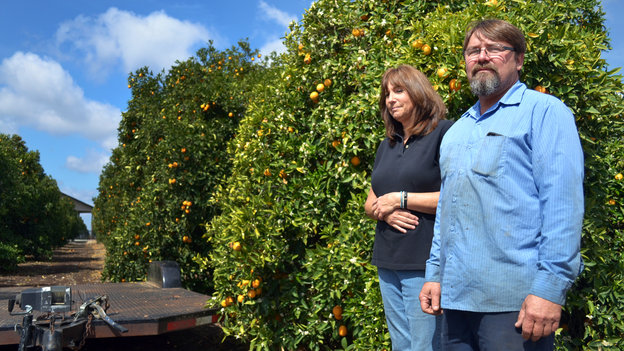
"content": "\u003cfigure id=\"attachment_80810\" class=\"wp-caption aligncenter\" style=\"max-width: 1673px\">\u003ca href=\"http://ww2.kqed.org/bayareabites/wp-content/uploads/sites/24/2014/04/486220565_wide-5d6890de921ef640b887e2a9968bb4d20d97fc99.jpg\">\u003cimg src=\"http://ww2.kqed.org/bayareabites/wp-content/uploads/sites/24/2014/04/486220565_wide-5d6890de921ef640b887e2a9968bb4d20d97fc99.jpg\" alt=\"President Obama shakes hands with Japanese Prime Minister Shinzo Abe before a private dinner at Sukiyabashi Jiro restaurant in Tokyo on Wednesday. At Sukiyabashi Jiro, people pay a minimum $300 for 20 pieces of sushi chosen by the patron, Jiro Ono. Photo: Jim Watson/AFP/Getty Images\" width=\"1673\" height=\"941\" class=\"size-full wp-image-80810\">\u003c/a>\u003cfigcaption class=\"wp-caption-text\">President Obama shakes hands with Japanese Prime Minister Shinzo Abe before a private dinner at Sukiyabashi Jiro restaurant in Tokyo on Wednesday. At Sukiyabashi Jiro, people pay a minimum $300 for 20 pieces of sushi chosen by the patron, Jiro Ono. Photo: Jim Watson/AFP/Getty Images\u003c/figcaption>\u003c/figure>\n\u003cp>\u003cstrong>Listen to the Story\u003c/strong> on \u003ca href=\"http://www.npr.org/blogs/thesalt/2014/04/23/306227740/obama-gets-a-taste-of-jiros-dream-sushi-in-name-of-diplomacy\">All Things Considered\u003c/a> [audio src=\"http://pd.npr.org/anon.npr-mp3/npr/atc/2014/04/20140423_atc_obama_visits_jiro_to_try_sushi_diplomacy_in_japan.mp3\"] \u003c/p>\n\u003cp>by \u003ca href=\"http://www.npr.org/people/125167196/npr-staff/archive\">NPR Staff\u003c/a>, \u003ca href=\"http://www.npr.org/blogs/thesalt/2014/04/23/306227740/obama-gets-a-taste-of-jiros-dream-sushi-in-name-of-diplomacy\">The Salt at NPR Food\u003c/a> (4/23/14)\u003c/p>\n\u003cp>President Obama kicked off the first leg of his tour of Asia Wednesday with some sushi diplomacy.\u003c/p>\n\u003cp>He dined with Japanese Prime Minister Shinzo at a revered and tiny temple of sushi in Tokyo called \u003ca href=\"http://www.sushi-jiro.jp/eng-index.html\">Sukiyabashi Jiro\u003c/a>. The subterranean restaurant, with just 10 seats at the counter, was made famous by the 2011 documentary, \u003ca href=\"http://www.npr.org/2012/03/16/148737187/cameras-follow-worlds-greatest-sushi-chef\">Jiro Dreams of Sushi\u003c/a>.\u003c/p>\n\u003cp>Obama emerged with a thumbs-up review. \"That's some good sushi right there,\" he said. \"It was terrific, thank you so much.\"\u003c/p>\n\u003cfigure id=\"attachment_80818\" class=\"wp-caption alignleft\" style=\"max-width: 300px\">\u003ca href=\"http://ww2.kqed.org/bayareabites/wp-content/uploads/sites/24/2014/04/sushi-jiro-ono.jpeg\">\u003cimg src=\"http://ww2.kqed.org/bayareabites/wp-content/uploads/sites/24/2014/04/sushi-jiro-ono.jpeg\" alt=\"Master sushi chef Jiro Ono shows off his famously soft hands, one of the secrets to his renowned sushi, in front of Ono's sushi restaurant, Sukiyabashi Jiro, in Tokyo, Japan. Located in the drab basement of an old Tokyo office building, Sukiyabashi Jiro is considered the best sushi shop in the world by major food critics. Photo: Everett Kennedy Brown/epa/Corbis\" width=\"300\" class=\"size-full wp-image-80818\">\u003c/a>\u003cfigcaption class=\"wp-caption-text\">Master sushi chef Jiro Ono shows off his famously soft hands, one of the secrets to his renowned sushi, in front of Ono's sushi restaurant, Sukiyabashi Jiro, in Tokyo, Japan. Located in the drab basement of an old Tokyo office building, Sukiyabashi Jiro is considered the best sushi shop in the world by major food critics. Photo: Everett Kennedy Brown/epa/Corbis\u003c/figcaption>\u003c/figure>\n\u003cp>If you've ever seen the documentary, you know why: The sushi Obama had was carefully crafted by 89-year-old sushi master Jiro Ono.\u003c/p>\n\u003cp>[ad fullwidth]\u003c/p>\n\u003cp>\"His sushi is the best in the world,\" says David Gelb, who directed the film. \"For someone who has a taste for true, pure Japanese sushi, I mean it's a place you kind of have to go to.\"\u003c/p>\n\u003cp>But for the many of us who haven't been lucky enough to grab one those 10 prized seats, Gelb joined \u003cem>All Things Considered's\u003c/em> Melissa Block, to talk about what it's like to dine at such a iconic place.\u003c/p>\n\u003cp>For starters, the restaurant is hidden in the basement of an office building and offers only one item on its menu — the \u003cem>omakase\u003c/em> course — which can cost between $300 and $400 per person. It consists of 20 pieces of sushi, prepared and served one at a time.\u003c/p>\n\u003cp>\"There are no appetizers, no rolls of any kind,\" Gelb says. \"It's purely his style of sushi, which is kind of the classic Tokyo style, which is basically just fish and rice and seasoning, maybe a soy sauce or \u003cem>a nikiri\u003c/em>, which is a kind of sweetened soy sauce.\"\u003c/p>\n\u003cp>And if you're fortunate enough to be one of Ono's costumers, don't even think about ordering off the menu – even if you are the president of the United States. \"The Jiro that I know would not change his sushi for anyone,\" Gelb says, adding that \"he just gives you what he feels is the best of the day.\"\u003c/p>\n\u003cp>And Ono really means the best. Every day, for instance, Ono massages the octopus he's planning to serve for an hour.\u003c/p>\n\u003cp>\"The octopuses that he gets are trolling the seafloor, eating clams and other delicious shellfish,\" Gelb says. \"And so he's getting the octopus that has the best diet and then he massages it – or has his apprentices massage it, because he's getting on in the years – to bring out the best flavors.\u003c/p>\n\u003cfigure id=\"attachment_80811\" class=\"wp-caption alignleft\" style=\"max-width: 300px\">\u003ca href=\"http://ww2.kqed.org/bayareabites/wp-content/uploads/sites/24/2014/04/sushi-9272dbec8b51d3c42014f22f2255754bc4991454.jpg\">\u003cimg src=\"http://ww2.kqed.org/bayareabites/wp-content/uploads/sites/24/2014/04/sushi-9272dbec8b51d3c42014f22f2255754bc4991454.jpg\" alt=\"Sashimi from Sukiyabashi Jiro restaurant in Tokyo. Photo: Leon Brocard/Flickr\" width=\"300\" class=\"size-full wp-image-80811\">\u003c/a>\u003cfigcaption class=\"wp-caption-text\">Sashimi from Sukiyabashi Jiro restaurant in Tokyo. Photo: Leon Brocard/Flickr\u003c/figcaption>\u003c/figure>\n\u003cp>That's because to Ono, making sushi is more than just a job; it's an art form, an obsession, even. In the film, he tells Gelb that he'd wake up in the middle of the night and dreams that he'd have visions of sushi.\u003c/p>\n\u003cp>\"His philosophy of work, where it's about finding a routine and mastering that craft, it applies to any kind of art,\" he adds.\u003c/p>\n\u003cp>So you can imagine, eating in front of such a meticulous artist can get a bit intimidating.\u003c/p>\n\u003cp>\"The first time that I ate there, I was very nervous,\" Gelb tells Block. \"I mean the man is a living legend, and he watches, and he observes the customers very closely, and it so it can be a nerve-wracking experience.\"\u003c/p>\n\u003cp>But, he says, the sushi is so good that the tension melts away.\u003c/p>\n\u003cp>\"The restaurant is very quiet; there's no music or anything,\" Gelb adds. \"There's just the sound of the fountain and you kind of got into this sushi trance, and it's quite an amazing experience.\" \u003c/p>\n\u003cp>\u003c/p>\n\u003cp>\u003cem>Copyright 2014 \u003ca href=\"http://www.npr.org/\">NPR\u003c/a>.\u003c/em> \u003c/p>\n\n",
"disqusIdentifier": "80809 http://blogs.kqed.org/bayareabites/?p=80809",
"disqusUrl": "https://ww2.kqed.org/bayareabites/2014/04/23/obama-gets-a-taste-of-jiros-dream-sushi-in-name-of-diplomacy/",
"stats": {
"hasVideo": false,
"hasChartOrMap": false,
"hasAudio": true,
"hasPolis": false,
"wordCount": 765,
"hasGoogleForm": false,
"hasGallery": false,
"hasHearkenModule": false,
"iframeSrcs": [],
"paragraphCount": 22
},
"modified": 1398294442,
"excerpt": "President Barack Obama stopped by the iconic sushi restaurant featured in the 2012 documentary \"Jiro Dreams of Sushi.\" Director David Gelb says eating there is both an amazing and nerve-wracking experience.",
"headData": {
"twImgId": "",
"twTitle": "",
"ogTitle": "",
"ogImgId": "",
"twDescription": "",
"description": "President Barack Obama stopped by the iconic sushi restaurant featured in the 2012 documentary "Jiro Dreams of Sushi." Director David Gelb says eating there is both an amazing and nerve-wracking experience.",
"title": "Obama Gets A Taste Of Jiro's 'Dream' Sushi In Name Of Diplomacy | KQED",
"ogDescription": "",
"schema": {
"@context": "https://schema.org",
"@type": "Article",
"headline": "Obama Gets A Taste Of Jiro's 'Dream' Sushi In Name Of Diplomacy",
"datePublished": "2014-04-23T16:07:22-07:00",
"dateModified": "2014-04-23T16:07:22-07:00",
"image": "https://cdn.kqed.org/wp-content/uploads/2020/02/KQED-OG-Image@1x.png"
}
},
"guestAuthors": [],
"slug": "obama-gets-a-taste-of-jiros-dream-sushi-in-name-of-diplomacy",
"status": "publish",
"nprApiLink": "http://api.npr.org/query?id=306227740&apiKey=MDAxOTAwOTE4MDEyMTkxMDAzNjczZDljZA004",
"nprByline": "NPR Staff",
"nprStoryDate": "Wed, 23 Apr 2014 18:19:00 -0400",
"nprLastModifiedDate": "Wed, 23 Apr 2014 18:42:10 -0400",
"nprHtmlLink": "http://www.npr.org/blogs/thesalt/2014/04/23/306227740/obama-gets-a-taste-of-jiros-dream-sushi-in-name-of-diplomacy?ft=3&f=306227740",
"nprAudio": "http://pd.npr.org/anon.npr-mp3/npr/atc/2014/04/20140423_atc_obama_visits_jiro_to_try_sushi_diplomacy_in_japan.mp3?orgId=1&topicId=1053&ft=3&f=306227740",
"nprAudioM3u": "http://api.npr.org/m3u/1306238567-a8c378.m3u?orgId=1&topicId=1053&ft=3&f=306227740",
"nprStoryId": "306227740",
"nprRetrievedStory": "1",
"nprPubDate": "Wed, 23 Apr 2014 18:42:00 -0400",
"path": "/bayareabites/80809/obama-gets-a-taste-of-jiros-dream-sushi-in-name-of-diplomacy",
"audioUrl": "http://pd.npr.org/anon.npr-mp3/npr/atc/2014/04/20140423_atc_obama_visits_jiro_to_try_sushi_diplomacy_in_japan.mp3?orgId=1&topicId=1053&ft=3&f=306227740",
"audioDuration": null,
"audioTrackLength": null,
"parsedContent": [
{
"type": "contentString",
"content": "\u003cdiv class=\"post-body\">\u003cp>\u003cfigure id=\"attachment_80810\" class=\"wp-caption aligncenter\" style=\"max-width: 1673px\">\u003ca href=\"http://ww2.kqed.org/bayareabites/wp-content/uploads/sites/24/2014/04/486220565_wide-5d6890de921ef640b887e2a9968bb4d20d97fc99.jpg\">\u003cimg src=\"http://ww2.kqed.org/bayareabites/wp-content/uploads/sites/24/2014/04/486220565_wide-5d6890de921ef640b887e2a9968bb4d20d97fc99.jpg\" alt=\"President Obama shakes hands with Japanese Prime Minister Shinzo Abe before a private dinner at Sukiyabashi Jiro restaurant in Tokyo on Wednesday. At Sukiyabashi Jiro, people pay a minimum $300 for 20 pieces of sushi chosen by the patron, Jiro Ono. Photo: Jim Watson/AFP/Getty Images\" width=\"1673\" height=\"941\" class=\"size-full wp-image-80810\">\u003c/a>\u003cfigcaption class=\"wp-caption-text\">President Obama shakes hands with Japanese Prime Minister Shinzo Abe before a private dinner at Sukiyabashi Jiro restaurant in Tokyo on Wednesday. At Sukiyabashi Jiro, people pay a minimum $300 for 20 pieces of sushi chosen by the patron, Jiro Ono. Photo: Jim Watson/AFP/Getty Images\u003c/figcaption>\u003c/figure>\n\u003cp>\u003cstrong>Listen to the Story\u003c/strong> on \u003ca href=\"http://www.npr.org/blogs/thesalt/2014/04/23/306227740/obama-gets-a-taste-of-jiros-dream-sushi-in-name-of-diplomacy\">All Things Considered\u003c/a> \u003c/p>\u003c/div>",
"attributes": {
"named": {},
"numeric": []
}
},
{
"type": "component",
"content": "",
"name": "audio",
"attributes": {
"named": {
"src": "http://pd.npr.org/anon.npr-mp3/npr/atc/2014/04/20140423_atc_obama_visits_jiro_to_try_sushi_diplomacy_in_japan.mp3",
"label": ""
},
"numeric": []
}
},
{
"type": "contentString",
"content": "\u003cdiv class=\"post-body\">\u003cp> \u003c/p>\n\u003cp>by \u003ca href=\"http://www.npr.org/people/125167196/npr-staff/archive\">NPR Staff\u003c/a>, \u003ca href=\"http://www.npr.org/blogs/thesalt/2014/04/23/306227740/obama-gets-a-taste-of-jiros-dream-sushi-in-name-of-diplomacy\">The Salt at NPR Food\u003c/a> (4/23/14)\u003c/p>\n\u003cp>President Obama kicked off the first leg of his tour of Asia Wednesday with some sushi diplomacy.\u003c/p>\n\u003cp>He dined with Japanese Prime Minister Shinzo at a revered and tiny temple of sushi in Tokyo called \u003ca href=\"http://www.sushi-jiro.jp/eng-index.html\">Sukiyabashi Jiro\u003c/a>. The subterranean restaurant, with just 10 seats at the counter, was made famous by the 2011 documentary, \u003ca href=\"http://www.npr.org/2012/03/16/148737187/cameras-follow-worlds-greatest-sushi-chef\">Jiro Dreams of Sushi\u003c/a>.\u003c/p>\n\u003cp>Obama emerged with a thumbs-up review. \"That's some good sushi right there,\" he said. \"It was terrific, thank you so much.\"\u003c/p>\n\u003cfigure id=\"attachment_80818\" class=\"wp-caption alignleft\" style=\"max-width: 300px\">\u003ca href=\"http://ww2.kqed.org/bayareabites/wp-content/uploads/sites/24/2014/04/sushi-jiro-ono.jpeg\">\u003cimg src=\"http://ww2.kqed.org/bayareabites/wp-content/uploads/sites/24/2014/04/sushi-jiro-ono.jpeg\" alt=\"Master sushi chef Jiro Ono shows off his famously soft hands, one of the secrets to his renowned sushi, in front of Ono's sushi restaurant, Sukiyabashi Jiro, in Tokyo, Japan. Located in the drab basement of an old Tokyo office building, Sukiyabashi Jiro is considered the best sushi shop in the world by major food critics. Photo: Everett Kennedy Brown/epa/Corbis\" width=\"300\" class=\"size-full wp-image-80818\">\u003c/a>\u003cfigcaption class=\"wp-caption-text\">Master sushi chef Jiro Ono shows off his famously soft hands, one of the secrets to his renowned sushi, in front of Ono's sushi restaurant, Sukiyabashi Jiro, in Tokyo, Japan. Located in the drab basement of an old Tokyo office building, Sukiyabashi Jiro is considered the best sushi shop in the world by major food critics. Photo: Everett Kennedy Brown/epa/Corbis\u003c/figcaption>\u003c/figure>\n\u003cp>If you've ever seen the documentary, you know why: The sushi Obama had was carefully crafted by 89-year-old sushi master Jiro Ono.\u003c/p>\n\u003cp>\u003c/p>\u003c/div>",
"attributes": {
"named": {},
"numeric": []
}
},
{
"type": "component",
"content": "",
"name": "ad",
"attributes": {
"named": {
"label": "fullwidth"
},
"numeric": [
"fullwidth"
]
}
},
{
"type": "contentString",
"content": "\u003cdiv class=\"post-body\">\u003cp>\u003c/p>\n\u003cp>\"His sushi is the best in the world,\" says David Gelb, who directed the film. \"For someone who has a taste for true, pure Japanese sushi, I mean it's a place you kind of have to go to.\"\u003c/p>\n\u003cp>But for the many of us who haven't been lucky enough to grab one those 10 prized seats, Gelb joined \u003cem>All Things Considered's\u003c/em> Melissa Block, to talk about what it's like to dine at such a iconic place.\u003c/p>\n\u003cp>For starters, the restaurant is hidden in the basement of an office building and offers only one item on its menu — the \u003cem>omakase\u003c/em> course — which can cost between $300 and $400 per person. It consists of 20 pieces of sushi, prepared and served one at a time.\u003c/p>\n\u003cp>\"There are no appetizers, no rolls of any kind,\" Gelb says. \"It's purely his style of sushi, which is kind of the classic Tokyo style, which is basically just fish and rice and seasoning, maybe a soy sauce or \u003cem>a nikiri\u003c/em>, which is a kind of sweetened soy sauce.\"\u003c/p>\n\u003cp>And if you're fortunate enough to be one of Ono's costumers, don't even think about ordering off the menu – even if you are the president of the United States. \"The Jiro that I know would not change his sushi for anyone,\" Gelb says, adding that \"he just gives you what he feels is the best of the day.\"\u003c/p>\n\u003cp>And Ono really means the best. Every day, for instance, Ono massages the octopus he's planning to serve for an hour.\u003c/p>\n\u003cp>\"The octopuses that he gets are trolling the seafloor, eating clams and other delicious shellfish,\" Gelb says. \"And so he's getting the octopus that has the best diet and then he massages it – or has his apprentices massage it, because he's getting on in the years – to bring out the best flavors.\u003c/p>\n\u003cfigure id=\"attachment_80811\" class=\"wp-caption alignleft\" style=\"max-width: 300px\">\u003ca href=\"http://ww2.kqed.org/bayareabites/wp-content/uploads/sites/24/2014/04/sushi-9272dbec8b51d3c42014f22f2255754bc4991454.jpg\">\u003cimg src=\"http://ww2.kqed.org/bayareabites/wp-content/uploads/sites/24/2014/04/sushi-9272dbec8b51d3c42014f22f2255754bc4991454.jpg\" alt=\"Sashimi from Sukiyabashi Jiro restaurant in Tokyo. Photo: Leon Brocard/Flickr\" width=\"300\" class=\"size-full wp-image-80811\">\u003c/a>\u003cfigcaption class=\"wp-caption-text\">Sashimi from Sukiyabashi Jiro restaurant in Tokyo. Photo: Leon Brocard/Flickr\u003c/figcaption>\u003c/figure>\n\u003cp>That's because to Ono, making sushi is more than just a job; it's an art form, an obsession, even. In the film, he tells Gelb that he'd wake up in the middle of the night and dreams that he'd have visions of sushi.\u003c/p>\n\u003cp>\"His philosophy of work, where it's about finding a routine and mastering that craft, it applies to any kind of art,\" he adds.\u003c/p>\n\u003cp>So you can imagine, eating in front of such a meticulous artist can get a bit intimidating.\u003c/p>\n\u003cp>\"The first time that I ate there, I was very nervous,\" Gelb tells Block. \"I mean the man is a living legend, and he watches, and he observes the customers very closely, and it so it can be a nerve-wracking experience.\"\u003c/p>\n\u003cp>But, he says, the sushi is so good that the tension melts away.\u003c/p>\n\u003cp>\"The restaurant is very quiet; there's no music or anything,\" Gelb adds. \"There's just the sound of the fountain and you kind of got into this sushi trance, and it's quite an amazing experience.\" \u003c/p>\n\u003cp>\u003c/p>\n\u003cp>\u003cem>Copyright 2014 \u003ca href=\"http://www.npr.org/\">NPR\u003c/a>.\u003c/em> \u003c/p>\n\n\u003c/div>\u003c/p>",
"attributes": {
"named": {},
"numeric": []
}
}
],
"link": "/bayareabites/80809/obama-gets-a-taste-of-jiros-dream-sushi-in-name-of-diplomacy",
"authors": [
"byline_bayareabites_80809"
],
"categories": [
"bayareabites_63",
"bayareabites_2090",
"bayareabites_10916",
"bayareabites_2035",
"bayareabites_34",
"bayareabites_1807",
"bayareabites_1593"
],
"tags": [
"bayareabites_895",
"bayareabites_143",
"bayareabites_10289",
"bayareabites_10287",
"bayareabites_648",
"bayareabites_13284",
"bayareabites_336",
"bayareabites_10921"
],
"featImg": "bayareabites_80816",
"label": "bayareabites"
},
"bayareabites_80799": {
"type": "posts",
"id": "bayareabites_80799",
"meta": {
"index": "posts_1716263798",
"site": "bayareabites",
"id": "80799",
"score": null,
"sort": [
1398273369000
]
},
"parent": 0,
"labelTerm": {
"site": "bayareabites"
},
"blocks": [],
"publishDate": 1398273369,
"format": "aside",
"disqusTitle": "Bake Bread Like A Pioneer In Appalachia ... With No Yeast",
"title": "Bake Bread Like A Pioneer In Appalachia ... With No Yeast",
"headTitle": "Bay Area Bites | KQED Food",
"content": "\u003cfigure id=\"attachment_80800\" class=\"wp-caption aligncenter\" style=\"max-width: 600px\">\u003ca href=\"http://ww2.kqed.org/bayareabites/wp-content/uploads/sites/24/2014/04/salt_rising_bread-b4ee6832788c6c69fffce27d9c01e01d7a90d881.jpg\">\u003cimg src=\"http://ww2.kqed.org/bayareabites/wp-content/uploads/sites/24/2014/04/salt_rising_bread-b4ee6832788c6c69fffce27d9c01e01d7a90d881.jpg\" alt=\"Salt rising bread is a yeastless Appalachian soul food. Photo: Susan Brown and Jenny Bardwell\" width=\"600\" height=\"449\" class=\"size-full wp-image-80800\">\u003c/a>\u003cfigcaption class=\"wp-caption-text\">Salt rising bread is a yeastless Appalachian soul food. Photo: Susan Brown and Jenny Bardwell\u003c/figcaption>\u003c/figure>\n\u003cp>by Glynis Board, \u003ca href=\"http://wvpublic.org/\">WVPB\u003c/a> at \u003ca href=\"http://www.npr.org/blogs/thesalt/2014/04/23/305659383/bake-bread-like-a-pioneer-in-appalachia-with-no-yeast\">The Salt at NPR\u003c/a> (4/23/14)\u003c/p>\n\u003cp>Growing up in West Virginia in the 1960s and '70s, Susan Brown would have a slice of salt rising bread, toasted, for Saturday morning breakfast. Her grandmother baked the bread with the mysterious and misleading name.\u003c/p>\n\u003cp>There's little or no salt in the recipe. No yeast, either. The bread rises because of bacteria in the potatoes or cornmeal and the flour that goes into the starter.\u003c/p>\n\u003cp>The taste is as distinctive as the recipe. Salt rising bread is dense and white, with a fine crumb and cheese-like flavor.\u003c/p>\n\u003cp>\"Indeed it is, when at its best, as if a delicately reared, unsweetened plain cake had had an affair with a Pont l'Eveque cheese,\" wrote J.C. Furnas in \u003cem>The Americans: A Social History of the US, 1587-1914\u003c/em>.\u003c/p>\n\u003cp>[ad fullwidth]\u003c/p>\n\u003cp>Today, Brown herself bakes the bread. So does her friend, Jenny Bardwell, who owns \u003ca href=\"http://risingcreekbakery.com/\">Rising Creek Bakery\u003c/a> in Mt. Morris, Pa. And the two have become experts on this unusual loaf.\u003c/p>\n\u003cp>Like the \u003ca href=\"http://www.npr.org/blogs/thesalt/2013/07/09/198425906/how-the-diy-butter-trend-got-churning\">neo-butter churners\u003c/a> and the \u003ca href=\"http://www.npr.org/blogs/thesalt/2012/02/13/146821976/diy-willy-wonka-turns-home-into-chocolate-factory\">cacao bean grinders\u003c/a>, Bardwell and Brown are keeping a labor-intensive culinary tradition alive. And they're giving some members of their community who grew up on the bread a nostalgic taste of childhood.\u003c/p>\n\u003cp>Their research hasn't yielded the definitive origin story. The best guess is that salt rising bread dates to the isolated Appalachian region in the late 1700s, where enterprising women who did not have access to yeast figured out a way to make a yeast-free bread.\u003c/p>\n\u003cp>The origins of the name are also unclear. One explanation is that pioneer women who crossed the country kept their starter dough warm in the salt barrel, kept atop the wagon wheel.\u003c/p>\n\u003cp>By day the sun would warm the salt, which would warm the starter. The bread could be made in the evening.\u003c/p>\n\u003cp>Another possibility: The starter was placed on a bed of rock salt in a box by the hearth.\u003c/p>\n\u003cp>Either way, the starter takes a long time to ferment.\u003c/p>\n\u003cp>\"Sometimes it's 9 hours, sometimes it's 11 hours,\" says Bardwell. \"You have to be really tuned into this bread. You have to kind of know how to recognize it when it's ready. Not an hour before, not an hour later.\"\u003c/p>\n\u003cp>Heat is critical. \"Salt rising Bread is primarily wild bacteria you're culturing with heat, about 105 to 115 degrees Fahrenheit,\" explains Bardwell. She believes the different bacteria interact when heated, raising the bread and giving it flavor and texture.\u003c/p>\n\u003cp>To find out more about the process, Brown and Bardwell headed to a lab at the University of Pittsburgh to visit pathologist Bruce McClane, who studies \u003cem>Clostridium perfringens\u003c/em> — one of the microbes that makes the bread rise.\u003c/p>\n\u003cp>\"We walk in and [the lab] smelled just like salt rising bread!\" Bardwell says, referring to the strong smell of the starter, which some people liken to rotten cheese.\u003c/p>\n\u003cp>The microbe is ubiquitous, they learned — and McClane told them it can be responsible for medical conditions such as gangrene and diarrhea. But the strains in the bread do not usually cause food poisoning, he says. And baking the microbes \"significantly\" reduces their number, \"to the point where they should not be a threat.\"\u003c/p>\n\u003cp>The two bakers collaborated with McClane and family medicine professor Greg Juckett on an \u003ca href=\"http://mediad.publicbroadcasting.net/p/wvpn/files/201404/microbiologySRB.pdf\">article\u003c/a> for the \u003cem>West Virginia Medical Journal\u003c/em> to highlight how SRB has no history of causing any problems.\u003c/p>\n\u003cp>Meanwhile, the small bakery on the bank of Dunkard Creek is one of the only places in the country that produces the bread, selling it in the shop and shipping out hundreds of loaves each week. Customers surveys reveal that they like to toast the bread and eat it with butter, or drizzle milk and brown sugar on top, or dip it in sweet coffee.\u003c/p>\n\u003cp>And for many who grew up with salt rising bread, the bakery offers a welcome taste of the past without having to prepare the time-consuming loaf.\u003c/p>\n\u003chr>\n\u003ch3>Recipe: Salt Rising Bread\u003c/h3>\n\u003cp>There are a half-dozen or so recipes for the pioneer bread on the Internet. This one is featured on Susan Brown's \u003ca href=\"http://home.comcast.net/~petsonk/\">website\u003c/a> and comes from Pearl Haines, a Pennsylvania woman who started making the bread when she was about five years old and baked it for nearly 90 years. (Haines passed away this year.) Her starter, or \"raisin,\" as she called it, uses fewer ingredients than most recipes and has no sugar or salt.\u003c/p>\n\u003cp>\u003cstrong>Ingredients:\u003c/strong>\u003c/p>\n\u003cp>3 teaspoons cornmeal\u003c/p>\n\u003cp>1 teaspoon flour\u003c/p>\n\u003cp>1/8 teaspoon baking soda\u003c/p>\n\u003cp>1/2 cup scalded milk\u003c/p>\n\u003cp>\u003cstrong>Preparation:\u003c/strong>\u003c/p>\n\u003cp>Pour milk onto dry ingredients in an ungreased quart glass jar or metal, glass, or pottery bowl that holds about four cups. Stir. Cover with saran wrap — and punch a hole in the wrap to keep it from sinking.\u003c/p>\n\u003cp>Keep starter warm, at 105-115 Fahrenheit, overnight until foamy. Three suggestions: 1) Wrap the bowl in a heating pad at the lowest setting, then wrap a towel around it. 2) Set the bowl in an electric skillet with about half an inch of water, set at the lowest temperature. 3) Put it in an oven if there's a light bulb inside that's about 60 watts and you can keep the bulb turned on, or if the oven has a \"proof\" setting.\u003c/p>\n\u003cp>Brown suggests having a thermometer on hand to check the starter's temperature several times during the rise.\u003c/p>\n\u003cp>After \"raisin\" has foamed and has a \"cheesy\" smell, put it in a medium-size bowl. Add 2 cups of warm water, then enough flour (about 1 1/2 cups) to make a thin pancake-like batter. Stir and let rise again until foamy. This usually takes about 1 1/2 to 2 hours. Monitor the temperature during this stage as well.\u003c/p>\n\u003cp>Next, for each loaf you want to make, add one cup of warm water and 2 to 3 cups of flour (enough to be able to form the dough into a ball). Shape the dough into a loaf and place in a small loaf pan (about 8 1/2 inches by 4 1/2 by 2 1/2) greased with butter, Crisco, Pam or oil.\u003c/p>\n\u003cp>Let rise 2 to 3 hours. (If it doesn't rise at that point, you'll likely have to start over, Brown says.)\u003c/p>\n\u003cp>Bake at 350 degrees Fahrenheit for 35 to 40 minutes, or until the loaf is a light golden color and sounds hollow when tapped.\u003c/p>\n\u003cp>The bread has a long shelf life. \"It can keep on your counter for a good week or ten days without going bad,\" says Brown, \"and if you put it in your refrigerator it'll keep for another couple of weeks.\"\u003c/p>\n\u003cp>If you encounter any problems, Brown invites you to email her at srbwva@gmail.com. \u003c/p>\n\u003cp>[ad floatright]\u003c/p>\n\u003cp>\u003cem>Copyright 2014 \u003ca href=\"http://www.wvpublic.org\">West Virginia Public Broadcasting\u003c/a>.\u003c/em> \u003c/p>\n\n",
"disqusIdentifier": "80799 http://blogs.kqed.org/bayareabites/?p=80799",
"disqusUrl": "https://ww2.kqed.org/bayareabites/2014/04/23/bake-bread-like-a-pioneer-in-appalachia-with-no-yeast/",
"stats": {
"hasVideo": false,
"hasChartOrMap": false,
"hasAudio": false,
"hasPolis": false,
"wordCount": 1166,
"hasGoogleForm": false,
"hasGallery": false,
"hasHearkenModule": false,
"iframeSrcs": [],
"paragraphCount": 39
},
"modified": 1398273369,
"excerpt": "Bacteria can make a bread rise and give it a cheesy flavor. That's the secret ingredient in salt rising bread, which dates to the late 1700s in Appalachia, when bakers didn't have yeast on hand.",
"headData": {
"twImgId": "",
"twTitle": "",
"ogTitle": "",
"ogImgId": "",
"twDescription": "",
"description": "Bacteria can make a bread rise and give it a cheesy flavor. That's the secret ingredient in salt rising bread, which dates to the late 1700s in Appalachia, when bakers didn't have yeast on hand.",
"title": "Bake Bread Like A Pioneer In Appalachia ... With No Yeast | KQED",
"ogDescription": "",
"schema": {
"@context": "https://schema.org",
"@type": "Article",
"headline": "Bake Bread Like A Pioneer In Appalachia ... With No Yeast",
"datePublished": "2014-04-23T10:16:09-07:00",
"dateModified": "2014-04-23T10:16:09-07:00",
"image": "https://cdn.kqed.org/wp-content/uploads/2020/02/KQED-OG-Image@1x.png"
}
},
"guestAuthors": [],
"slug": "bake-bread-like-a-pioneer-in-appalachia-with-no-yeast",
"status": "publish",
"nprApiLink": "http://api.npr.org/query?id=305659383&apiKey=MDAxOTAwOTE4MDEyMTkxMDAzNjczZDljZA004",
"nprByline": "Glynis Board",
"nprStoryDate": "Wed, 23 Apr 2014 12:21:00 -0400",
"nprLastModifiedDate": "Wed, 23 Apr 2014 12:23:08 -0400",
"nprHtmlLink": "http://www.npr.org/blogs/thesalt/2014/04/23/305659383/bake-bread-like-a-pioneer-in-appalachia-with-no-yeast?ft=3&f=305659383",
"nprStoryId": "305659383",
"nprRetrievedStory": "1",
"nprPubDate": "Wed, 23 Apr 2014 12:23:00 -0400",
"path": "/bayareabites/80799/bake-bread-like-a-pioneer-in-appalachia-with-no-yeast",
"audioTrackLength": null,
"parsedContent": [
{
"type": "contentString",
"content": "\u003cdiv class=\"post-body\">\u003cp>\u003cfigure id=\"attachment_80800\" class=\"wp-caption aligncenter\" style=\"max-width: 600px\">\u003ca href=\"http://ww2.kqed.org/bayareabites/wp-content/uploads/sites/24/2014/04/salt_rising_bread-b4ee6832788c6c69fffce27d9c01e01d7a90d881.jpg\">\u003cimg src=\"http://ww2.kqed.org/bayareabites/wp-content/uploads/sites/24/2014/04/salt_rising_bread-b4ee6832788c6c69fffce27d9c01e01d7a90d881.jpg\" alt=\"Salt rising bread is a yeastless Appalachian soul food. Photo: Susan Brown and Jenny Bardwell\" width=\"600\" height=\"449\" class=\"size-full wp-image-80800\">\u003c/a>\u003cfigcaption class=\"wp-caption-text\">Salt rising bread is a yeastless Appalachian soul food. Photo: Susan Brown and Jenny Bardwell\u003c/figcaption>\u003c/figure>\n\u003cp>by Glynis Board, \u003ca href=\"http://wvpublic.org/\">WVPB\u003c/a> at \u003ca href=\"http://www.npr.org/blogs/thesalt/2014/04/23/305659383/bake-bread-like-a-pioneer-in-appalachia-with-no-yeast\">The Salt at NPR\u003c/a> (4/23/14)\u003c/p>\n\u003cp>Growing up in West Virginia in the 1960s and '70s, Susan Brown would have a slice of salt rising bread, toasted, for Saturday morning breakfast. Her grandmother baked the bread with the mysterious and misleading name.\u003c/p>\n\u003cp>There's little or no salt in the recipe. No yeast, either. The bread rises because of bacteria in the potatoes or cornmeal and the flour that goes into the starter.\u003c/p>\n\u003cp>The taste is as distinctive as the recipe. Salt rising bread is dense and white, with a fine crumb and cheese-like flavor.\u003c/p>\n\u003cp>\"Indeed it is, when at its best, as if a delicately reared, unsweetened plain cake had had an affair with a Pont l'Eveque cheese,\" wrote J.C. Furnas in \u003cem>The Americans: A Social History of the US, 1587-1914\u003c/em>.\u003c/p>\n\u003cp>\u003c/p>\u003c/div>",
"attributes": {
"named": {},
"numeric": []
}
},
{
"type": "component",
"content": "",
"name": "ad",
"attributes": {
"named": {
"label": "fullwidth"
},
"numeric": [
"fullwidth"
]
}
},
{
"type": "contentString",
"content": "\u003cdiv class=\"post-body\">\u003cp>\u003c/p>\n\u003cp>Today, Brown herself bakes the bread. So does her friend, Jenny Bardwell, who owns \u003ca href=\"http://risingcreekbakery.com/\">Rising Creek Bakery\u003c/a> in Mt. Morris, Pa. And the two have become experts on this unusual loaf.\u003c/p>\n\u003cp>Like the \u003ca href=\"http://www.npr.org/blogs/thesalt/2013/07/09/198425906/how-the-diy-butter-trend-got-churning\">neo-butter churners\u003c/a> and the \u003ca href=\"http://www.npr.org/blogs/thesalt/2012/02/13/146821976/diy-willy-wonka-turns-home-into-chocolate-factory\">cacao bean grinders\u003c/a>, Bardwell and Brown are keeping a labor-intensive culinary tradition alive. And they're giving some members of their community who grew up on the bread a nostalgic taste of childhood.\u003c/p>\n\u003cp>Their research hasn't yielded the definitive origin story. The best guess is that salt rising bread dates to the isolated Appalachian region in the late 1700s, where enterprising women who did not have access to yeast figured out a way to make a yeast-free bread.\u003c/p>\n\u003cp>The origins of the name are also unclear. One explanation is that pioneer women who crossed the country kept their starter dough warm in the salt barrel, kept atop the wagon wheel.\u003c/p>\n\u003cp>By day the sun would warm the salt, which would warm the starter. The bread could be made in the evening.\u003c/p>\n\u003cp>Another possibility: The starter was placed on a bed of rock salt in a box by the hearth.\u003c/p>\n\u003cp>Either way, the starter takes a long time to ferment.\u003c/p>\n\u003cp>\"Sometimes it's 9 hours, sometimes it's 11 hours,\" says Bardwell. \"You have to be really tuned into this bread. You have to kind of know how to recognize it when it's ready. Not an hour before, not an hour later.\"\u003c/p>\n\u003cp>Heat is critical. \"Salt rising Bread is primarily wild bacteria you're culturing with heat, about 105 to 115 degrees Fahrenheit,\" explains Bardwell. She believes the different bacteria interact when heated, raising the bread and giving it flavor and texture.\u003c/p>\n\u003cp>To find out more about the process, Brown and Bardwell headed to a lab at the University of Pittsburgh to visit pathologist Bruce McClane, who studies \u003cem>Clostridium perfringens\u003c/em> — one of the microbes that makes the bread rise.\u003c/p>\n\u003cp>\"We walk in and [the lab] smelled just like salt rising bread!\" Bardwell says, referring to the strong smell of the starter, which some people liken to rotten cheese.\u003c/p>\n\u003cp>The microbe is ubiquitous, they learned — and McClane told them it can be responsible for medical conditions such as gangrene and diarrhea. But the strains in the bread do not usually cause food poisoning, he says. And baking the microbes \"significantly\" reduces their number, \"to the point where they should not be a threat.\"\u003c/p>\n\u003cp>The two bakers collaborated with McClane and family medicine professor Greg Juckett on an \u003ca href=\"http://mediad.publicbroadcasting.net/p/wvpn/files/201404/microbiologySRB.pdf\">article\u003c/a> for the \u003cem>West Virginia Medical Journal\u003c/em> to highlight how SRB has no history of causing any problems.\u003c/p>\n\u003cp>Meanwhile, the small bakery on the bank of Dunkard Creek is one of the only places in the country that produces the bread, selling it in the shop and shipping out hundreds of loaves each week. Customers surveys reveal that they like to toast the bread and eat it with butter, or drizzle milk and brown sugar on top, or dip it in sweet coffee.\u003c/p>\n\u003cp>And for many who grew up with salt rising bread, the bakery offers a welcome taste of the past without having to prepare the time-consuming loaf.\u003c/p>\n\u003chr>\n\u003ch3>Recipe: Salt Rising Bread\u003c/h3>\n\u003cp>There are a half-dozen or so recipes for the pioneer bread on the Internet. This one is featured on Susan Brown's \u003ca href=\"http://home.comcast.net/~petsonk/\">website\u003c/a> and comes from Pearl Haines, a Pennsylvania woman who started making the bread when she was about five years old and baked it for nearly 90 years. (Haines passed away this year.) Her starter, or \"raisin,\" as she called it, uses fewer ingredients than most recipes and has no sugar or salt.\u003c/p>\n\u003cp>\u003cstrong>Ingredients:\u003c/strong>\u003c/p>\n\u003cp>3 teaspoons cornmeal\u003c/p>\n\u003cp>1 teaspoon flour\u003c/p>\n\u003cp>1/8 teaspoon baking soda\u003c/p>\n\u003cp>1/2 cup scalded milk\u003c/p>\n\u003cp>\u003cstrong>Preparation:\u003c/strong>\u003c/p>\n\u003cp>Pour milk onto dry ingredients in an ungreased quart glass jar or metal, glass, or pottery bowl that holds about four cups. Stir. Cover with saran wrap — and punch a hole in the wrap to keep it from sinking.\u003c/p>\n\u003cp>Keep starter warm, at 105-115 Fahrenheit, overnight until foamy. Three suggestions: 1) Wrap the bowl in a heating pad at the lowest setting, then wrap a towel around it. 2) Set the bowl in an electric skillet with about half an inch of water, set at the lowest temperature. 3) Put it in an oven if there's a light bulb inside that's about 60 watts and you can keep the bulb turned on, or if the oven has a \"proof\" setting.\u003c/p>\n\u003cp>Brown suggests having a thermometer on hand to check the starter's temperature several times during the rise.\u003c/p>\n\u003cp>After \"raisin\" has foamed and has a \"cheesy\" smell, put it in a medium-size bowl. Add 2 cups of warm water, then enough flour (about 1 1/2 cups) to make a thin pancake-like batter. Stir and let rise again until foamy. This usually takes about 1 1/2 to 2 hours. Monitor the temperature during this stage as well.\u003c/p>\n\u003cp>Next, for each loaf you want to make, add one cup of warm water and 2 to 3 cups of flour (enough to be able to form the dough into a ball). Shape the dough into a loaf and place in a small loaf pan (about 8 1/2 inches by 4 1/2 by 2 1/2) greased with butter, Crisco, Pam or oil.\u003c/p>\n\u003cp>Let rise 2 to 3 hours. (If it doesn't rise at that point, you'll likely have to start over, Brown says.)\u003c/p>\n\u003cp>Bake at 350 degrees Fahrenheit for 35 to 40 minutes, or until the loaf is a light golden color and sounds hollow when tapped.\u003c/p>\n\u003cp>The bread has a long shelf life. \"It can keep on your counter for a good week or ten days without going bad,\" says Brown, \"and if you put it in your refrigerator it'll keep for another couple of weeks.\"\u003c/p>\n\u003cp>If you encounter any problems, Brown invites you to email her at srbwva@gmail.com. \u003c/p>\n\u003cp>\u003c/p>\u003c/div>",
"attributes": {
"named": {},
"numeric": []
}
},
{
"type": "component",
"content": "",
"name": "ad",
"attributes": {
"named": {
"label": "floatright"
},
"numeric": [
"floatright"
]
}
},
{
"type": "contentString",
"content": "\u003cdiv class=\"post-body\">\u003cp>\u003c/p>\n\u003cp>\u003cem>Copyright 2014 \u003ca href=\"http://www.wvpublic.org\">West Virginia Public Broadcasting\u003c/a>.\u003c/em> \u003c/p>\n\n\u003c/div>\u003c/p>",
"attributes": {
"named": {},
"numeric": []
}
}
],
"link": "/bayareabites/80799/bake-bread-like-a-pioneer-in-appalachia-with-no-yeast",
"authors": [
"byline_bayareabites_80799"
],
"categories": [
"bayareabites_1516",
"bayareabites_2090",
"bayareabites_10916",
"bayareabites_12"
],
"tags": [
"bayareabites_11689",
"bayareabites_11456",
"bayareabites_59",
"bayareabites_1853",
"bayareabites_10921",
"bayareabites_13283",
"bayareabites_3251"
],
"featImg": "bayareabites_80800",
"label": "bayareabites"
},
"bayareabites_80738": {
"type": "posts",
"id": "bayareabites_80738",
"meta": {
"index": "posts_1716263798",
"site": "bayareabites",
"id": "80738",
"score": null,
"sort": [
1398183440000
]
},
"parent": 0,
"labelTerm": {
"site": "bayareabites"
},
"blocks": [],
"publishDate": 1398183440,
"format": "aside",
"disqusTitle": "Fields And Farm Jobs Dry Up With California's Worsening Drought",
"title": "Fields And Farm Jobs Dry Up With California's Worsening Drought",
"headTitle": "Bay Area Bites | KQED Food",
"content": "\u003cfigure id=\"attachment_80739\" class=\"wp-caption aligncenter\" style=\"max-width: 1671px\">\u003ca href=\"http://ww2.kqed.org/bayareabites/wp-content/uploads/sites/24/2014/04/collins_new_wide-0c5982d7ff390bfc8f96382e28008ec13345b24e.jpg\">\u003cimg src=\"http://ww2.kqed.org/bayareabites/wp-content/uploads/sites/24/2014/04/collins_new_wide-0c5982d7ff390bfc8f96382e28008ec13345b24e.jpg\" alt=\"Recent rains kept Suzanne and Mike Collins' orange grove alive, but the rainy season is ending. If they don't get federal irrigation water by this summer, their trees will start dying. Photo: Kirk Siegler/NPR\" width=\"1671\" height=\"941\" class=\"size-full wp-image-80739\">\u003c/a>\u003cfigcaption class=\"wp-caption-text\">Recent rains kept Suzanne and Mike Collins' orange grove alive, but the rainy season is ending. If they don't get federal irrigation water by this summer, their trees will start dying. Photo: Kirk Siegler/NPR\u003c/figcaption>\u003c/figure>\n\u003cp>\u003cstrong>Listen to the Story\u003c/strong> on \u003ca href=\"http://www.npr.org/blogs/thesalt/2014/04/22/303726931/fields-and-farm-jobs-dry-up-with-californias-worsening-drought\">Morning Edition\u003c/a> [audio src=\"http://pd.npr.org/anon.npr-mp3/npr/me/2014/04/20140422_me_fields_and_farm_jobs_dry_up_with_californias_worsening_drought.mp3\"] \u003c/p>\n\u003cp>by \u003ca href=\"http://www.npr.org/people/188396171/kirk-siegler\">Kirk Siegler\u003c/a>, \u003ca href=\"http://www.npr.org/blogs/thesalt/2014/04/22/303726931/fields-and-farm-jobs-dry-up-with-californias-worsening-drought\">The Salt at NPR Food\u003c/a> (4/22/14)\u003c/p>\n\u003cp>On a recent afternoon on the main drag of Orange Grove, Calif., about a dozen farm workers gather on the sidewalk in front of a mini-mart\u003cem>\u003c/em>.\u003c/p>\n\u003cp>One man sits on a milk crate sipping a beer. A few others scratch some lotto tickets. Salvador Perez paces back and forth with his hands stuffed in the pockets of his jeans.\u003c/p>\n\u003cp>If there is no water, there's no work, he says in Spanish.\u003c/p>\n\u003cp>[ad fullwidth]\u003c/p>\n\u003cp>Perez was laid off when the citrus farmer he worked for ran out of water. He has five kids to support, and though the family is on unemployment, it's about to run out. So he's been hanging out here hoping to hear of some work.\u003c/p>\n\u003cp>Perez says he and his family have been living here since 1983 and have never seen a drought this bad. A man next to him says he may head back to Mexico soon. He has heard the farms there have more water right now.\u003c/p>\n\u003cp>You hear a lot of these stories up and down California's Central Valley. Everything that everyone has been warning about over the past few months is starting to happen. Workers are getting laid off as prized fruit and nut trees are going unwatered, and fields are going fallow.\u003c/p>\n\u003cp>As droughts have worsened in recent years, federal authorities have released less and less water from a web of reservoirs and canals in northern California that feeds farms and cities in the arid south. For the first time in six decades, most farmers on the east side of this valley have been told they will get no federal irrigation water.\u003c/p>\n\u003cp>It's a crisis that's been building for years, says Victor Lopez, who is Orange Cove's vice mayor. He adds that he's extremely worried. The 71-year-old was the mayor for 30 years, and before that, a farm worker from the time he was a little boy.\u003c/p>\n\u003cp>\"We are a very low-income community [that's] made up of farm workers,\" Lopez says. \"It relies solely on ag and the packing houses. And the water is what we need, and if we don't, I'm worried.\"\u003c/p>\n\u003cp>The farmers here can't tap groundwater to get by; it's too contaminated with nitrates. For Lopez, years like this are proof that California needs to build more dams and storage reservoirs. A new one is proposed nearby, but even if it's approved, it won't do anything for today's problems.\u003c/p>\n\u003cp>\"You know, one of the most serious things is, I believe, that a lot of the people will relocate, they'll move out of town,\" he says. \"I hear people telling me, 'We're going to get the heck out of here,' OK? And that's devastation to our community here.\"\u003c/p>\n\u003cp>It's not just the farm workers who may be forced to pack up and leave. An hour drive south of Orange Cove is Suzanne Collins' small orchard of Valencia and blood oranges.\u003c/p>\n\u003cfigure id=\"attachment_80740\" class=\"wp-caption aligncenter\" style=\"max-width: 1674px\">\u003ca href=\"http://ww2.kqed.org/bayareabites/wp-content/uploads/sites/24/2014/04/neighbor-grove_wide-d44c4254b0ab416c48c7572841659d0848e2bad9.jpg\">\u003cimg src=\"http://ww2.kqed.org/bayareabites/wp-content/uploads/sites/24/2014/04/neighbor-grove_wide-d44c4254b0ab416c48c7572841659d0848e2bad9.jpg\" alt=\"The drought prompted Suzanne Collins' neighbor to get out of the farming business. Without water soon, Collins fears she will suffer the same fate. Photo: Kirk Siegler/NPR\" width=\"1674\" height=\"940\" class=\"size-full wp-image-80740\">\u003c/a>\u003cfigcaption class=\"wp-caption-text\">The drought prompted Suzanne Collins' neighbor to get out of the farming business. Without water soon, Collins fears she will suffer the same fate. Photo: Kirk Siegler/NPR\u003c/figcaption>\u003c/figure>\n\u003cp>\"If we don't get any water, by July or August our trees are going to start dying,\" she says.\u003c/p>\n\u003cp>Collins is just one of almost 4,000 citrus farmers in California — a $2-billion-a-year industry. Her story isn't unique. The recent rains are the only thing keeping her grove alive right now, but the rainy season is ending.\u003c/p>\n\u003cp>\"Our other hope is that the bureaucrats will get off their derrieres and open those pumps and let us have some water,\" Collin says. \"We don't need a ton of water.\"\u003c/p>\n\u003cp>Even just a little would keep at least half of these trees going through the summer. The situation, she says, will look a lot different to the bureaucrats come harvest time.\u003c/p>\n\u003cp>\"Next year, when everybody's paying big dollars for produce and fruit, they'll understand then, but it'll be too late,\" she says.\u003c/p>\n\u003cp>Just a few yards over is her neighbor's land, where what used to be an orchard is stripped bare, the trees mulched. Her neighbor gave up.\u003c/p>\n\u003cp>Collins worries she's next. \u003c/p>\n\u003cp>\u003c/p>\n\u003cp>\u003cem>Copyright 2014 \u003ca href=\"http://www.npr.org/\">NPR\u003c/a>.\u003c/em> \u003c/p>\n\n",
"disqusIdentifier": "80738 http://blogs.kqed.org/bayareabites/?p=80738",
"disqusUrl": "https://ww2.kqed.org/bayareabites/2014/04/22/fields-and-farm-jobs-dry-up-with-californias-worsening-drought/",
"stats": {
"hasVideo": false,
"hasChartOrMap": false,
"hasAudio": true,
"hasPolis": false,
"wordCount": 786,
"hasGoogleForm": false,
"hasGallery": false,
"hasHearkenModule": false,
"iframeSrcs": [],
"paragraphCount": 24
},
"modified": 1398183440,
"excerpt": "For the first time in six years, many California farmers have been told they'll get little or no federal irrigation water. And as farms run dry, workers are deciding to pack up and move away.",
"headData": {
"twImgId": "",
"twTitle": "",
"ogTitle": "",
"ogImgId": "",
"twDescription": "",
"description": "For the first time in six years, many California farmers have been told they'll get little or no federal irrigation water. And as farms run dry, workers are deciding to pack up and move away.",
"title": "Fields And Farm Jobs Dry Up With California's Worsening Drought | KQED",
"ogDescription": "",
"schema": {
"@context": "https://schema.org",
"@type": "Article",
"headline": "Fields And Farm Jobs Dry Up With California's Worsening Drought",
"datePublished": "2014-04-22T09:17:20-07:00",
"dateModified": "2014-04-22T09:17:20-07:00",
"image": "https://cdn.kqed.org/wp-content/uploads/2020/02/KQED-OG-Image@1x.png"
}
},
"guestAuthors": [],
"slug": "fields-and-farm-jobs-dry-up-with-californias-worsening-drought",
"status": "publish",
"nprApiLink": "http://api.npr.org/query?id=303726931&apiKey=MDAxOTAwOTE4MDEyMTkxMDAzNjczZDljZA004",
"nprByline": "Kirk Siegler",
"nprStoryDate": "Tue, 22 Apr 2014 03:26:00 -0400",
"nprLastModifiedDate": "Tue, 22 Apr 2014 10:57:09 -0400",
"nprHtmlLink": "http://www.npr.org/blogs/thesalt/2014/04/22/303726931/fields-and-farm-jobs-dry-up-with-californias-worsening-drought?ft=3&f=303726931",
"nprAudio": "http://pd.npr.org/anon.npr-mp3/npr/me/2014/04/20140422_me_fields_and_farm_jobs_dry_up_with_californias_worsening_drought.mp3?orgId=1&topicId=1053&ft=3&f=303726931",
"nprAudioM3u": "http://api.npr.org/m3u/1305814429-12be76.m3u?orgId=1&topicId=1053&ft=3&f=303726931",
"nprStoryId": "303726931",
"nprRetrievedStory": "1",
"nprPubDate": "Tue, 22 Apr 2014 10:57:00 -0400",
"path": "/bayareabites/80738/fields-and-farm-jobs-dry-up-with-californias-worsening-drought",
"audioUrl": "http://pd.npr.org/anon.npr-mp3/npr/me/2014/04/20140422_me_fields_and_farm_jobs_dry_up_with_californias_worsening_drought.mp3?orgId=1&topicId=1053&ft=3&f=303726931",
"audioDuration": null,
"audioTrackLength": null,
"parsedContent": [
{
"type": "contentString",
"content": "\u003cdiv class=\"post-body\">\u003cp>\u003cfigure id=\"attachment_80739\" class=\"wp-caption aligncenter\" style=\"max-width: 1671px\">\u003ca href=\"http://ww2.kqed.org/bayareabites/wp-content/uploads/sites/24/2014/04/collins_new_wide-0c5982d7ff390bfc8f96382e28008ec13345b24e.jpg\">\u003cimg src=\"http://ww2.kqed.org/bayareabites/wp-content/uploads/sites/24/2014/04/collins_new_wide-0c5982d7ff390bfc8f96382e28008ec13345b24e.jpg\" alt=\"Recent rains kept Suzanne and Mike Collins' orange grove alive, but the rainy season is ending. If they don't get federal irrigation water by this summer, their trees will start dying. Photo: Kirk Siegler/NPR\" width=\"1671\" height=\"941\" class=\"size-full wp-image-80739\">\u003c/a>\u003cfigcaption class=\"wp-caption-text\">Recent rains kept Suzanne and Mike Collins' orange grove alive, but the rainy season is ending. If they don't get federal irrigation water by this summer, their trees will start dying. Photo: Kirk Siegler/NPR\u003c/figcaption>\u003c/figure>\n\u003cp>\u003cstrong>Listen to the Story\u003c/strong> on \u003ca href=\"http://www.npr.org/blogs/thesalt/2014/04/22/303726931/fields-and-farm-jobs-dry-up-with-californias-worsening-drought\">Morning Edition\u003c/a> \u003c/p>\u003c/div>",
"attributes": {
"named": {},
"numeric": []
}
},
{
"type": "component",
"content": "",
"name": "audio",
"attributes": {
"named": {
"src": "http://pd.npr.org/anon.npr-mp3/npr/me/2014/04/20140422_me_fields_and_farm_jobs_dry_up_with_californias_worsening_drought.mp3",
"label": ""
},
"numeric": []
}
},
{
"type": "contentString",
"content": "\u003cdiv class=\"post-body\">\u003cp> \u003c/p>\n\u003cp>by \u003ca href=\"http://www.npr.org/people/188396171/kirk-siegler\">Kirk Siegler\u003c/a>, \u003ca href=\"http://www.npr.org/blogs/thesalt/2014/04/22/303726931/fields-and-farm-jobs-dry-up-with-californias-worsening-drought\">The Salt at NPR Food\u003c/a> (4/22/14)\u003c/p>\n\u003cp>On a recent afternoon on the main drag of Orange Grove, Calif., about a dozen farm workers gather on the sidewalk in front of a mini-mart\u003cem>\u003c/em>.\u003c/p>\n\u003cp>One man sits on a milk crate sipping a beer. A few others scratch some lotto tickets. Salvador Perez paces back and forth with his hands stuffed in the pockets of his jeans.\u003c/p>\n\u003cp>If there is no water, there's no work, he says in Spanish.\u003c/p>\n\u003cp>\u003c/p>\u003c/div>",
"attributes": {
"named": {},
"numeric": []
}
},
{
"type": "component",
"content": "",
"name": "ad",
"attributes": {
"named": {
"label": "fullwidth"
},
"numeric": [
"fullwidth"
]
}
},
{
"type": "contentString",
"content": "\u003cdiv class=\"post-body\">\u003cp>\u003c/p>\n\u003cp>Perez was laid off when the citrus farmer he worked for ran out of water. He has five kids to support, and though the family is on unemployment, it's about to run out. So he's been hanging out here hoping to hear of some work.\u003c/p>\n\u003cp>Perez says he and his family have been living here since 1983 and have never seen a drought this bad. A man next to him says he may head back to Mexico soon. He has heard the farms there have more water right now.\u003c/p>\n\u003cp>You hear a lot of these stories up and down California's Central Valley. Everything that everyone has been warning about over the past few months is starting to happen. Workers are getting laid off as prized fruit and nut trees are going unwatered, and fields are going fallow.\u003c/p>\n\u003cp>As droughts have worsened in recent years, federal authorities have released less and less water from a web of reservoirs and canals in northern California that feeds farms and cities in the arid south. For the first time in six decades, most farmers on the east side of this valley have been told they will get no federal irrigation water.\u003c/p>\n\u003cp>It's a crisis that's been building for years, says Victor Lopez, who is Orange Cove's vice mayor. He adds that he's extremely worried. The 71-year-old was the mayor for 30 years, and before that, a farm worker from the time he was a little boy.\u003c/p>\n\u003cp>\"We are a very low-income community [that's] made up of farm workers,\" Lopez says. \"It relies solely on ag and the packing houses. And the water is what we need, and if we don't, I'm worried.\"\u003c/p>\n\u003cp>The farmers here can't tap groundwater to get by; it's too contaminated with nitrates. For Lopez, years like this are proof that California needs to build more dams and storage reservoirs. A new one is proposed nearby, but even if it's approved, it won't do anything for today's problems.\u003c/p>\n\u003cp>\"You know, one of the most serious things is, I believe, that a lot of the people will relocate, they'll move out of town,\" he says. \"I hear people telling me, 'We're going to get the heck out of here,' OK? And that's devastation to our community here.\"\u003c/p>\n\u003cp>It's not just the farm workers who may be forced to pack up and leave. An hour drive south of Orange Cove is Suzanne Collins' small orchard of Valencia and blood oranges.\u003c/p>\n\u003cfigure id=\"attachment_80740\" class=\"wp-caption aligncenter\" style=\"max-width: 1674px\">\u003ca href=\"http://ww2.kqed.org/bayareabites/wp-content/uploads/sites/24/2014/04/neighbor-grove_wide-d44c4254b0ab416c48c7572841659d0848e2bad9.jpg\">\u003cimg src=\"http://ww2.kqed.org/bayareabites/wp-content/uploads/sites/24/2014/04/neighbor-grove_wide-d44c4254b0ab416c48c7572841659d0848e2bad9.jpg\" alt=\"The drought prompted Suzanne Collins' neighbor to get out of the farming business. Without water soon, Collins fears she will suffer the same fate. Photo: Kirk Siegler/NPR\" width=\"1674\" height=\"940\" class=\"size-full wp-image-80740\">\u003c/a>\u003cfigcaption class=\"wp-caption-text\">The drought prompted Suzanne Collins' neighbor to get out of the farming business. Without water soon, Collins fears she will suffer the same fate. Photo: Kirk Siegler/NPR\u003c/figcaption>\u003c/figure>\n\u003cp>\"If we don't get any water, by July or August our trees are going to start dying,\" she says.\u003c/p>\n\u003cp>Collins is just one of almost 4,000 citrus farmers in California — a $2-billion-a-year industry. Her story isn't unique. The recent rains are the only thing keeping her grove alive right now, but the rainy season is ending.\u003c/p>\n\u003cp>\"Our other hope is that the bureaucrats will get off their derrieres and open those pumps and let us have some water,\" Collin says. \"We don't need a ton of water.\"\u003c/p>\n\u003cp>Even just a little would keep at least half of these trees going through the summer. The situation, she says, will look a lot different to the bureaucrats come harvest time.\u003c/p>\n\u003cp>\"Next year, when everybody's paying big dollars for produce and fruit, they'll understand then, but it'll be too late,\" she says.\u003c/p>\n\u003cp>Just a few yards over is her neighbor's land, where what used to be an orchard is stripped bare, the trees mulched. Her neighbor gave up.\u003c/p>\n\u003cp>Collins worries she's next. \u003c/p>\n\u003cp>\u003c/p>\n\u003cp>\u003cem>Copyright 2014 \u003ca href=\"http://www.npr.org/\">NPR\u003c/a>.\u003c/em> \u003c/p>\n\n\u003c/div>\u003c/p>",
"attributes": {
"named": {},
"numeric": []
}
}
],
"link": "/bayareabites/80738/fields-and-farm-jobs-dry-up-with-californias-worsening-drought",
"authors": [
"byline_bayareabites_80738"
],
"categories": [
"bayareabites_1874",
"bayareabites_10916",
"bayareabites_2035",
"bayareabites_34",
"bayareabites_60"
],
"tags": [
"bayareabites_250",
"bayareabites_11813",
"bayareabites_134",
"bayareabites_12267",
"bayareabites_10921",
"bayareabites_1344"
],
"featImg": "bayareabites_80748",
"label": "bayareabites"
},
"bayareabites_80716": {
"type": "posts",
"id": "bayareabites_80716",
"meta": {
"index": "posts_1716263798",
"site": "bayareabites",
"id": "80716",
"score": null,
"sort": [
1398124843000
]
},
"parent": 0,
"labelTerm": {
"site": "bayareabites"
},
"blocks": [],
"publishDate": 1398124843,
"format": "aside",
"disqusTitle": "UPDATE: Feds Say Powdered Liquor Not Actually Legal",
"title": "UPDATE: Feds Say Powdered Liquor Not Actually Legal",
"headTitle": "Bay Area Bites | KQED Food",
"content": "\u003cfigure id=\"attachment_80718\" class=\"wp-caption aligncenter\" style=\"max-width: 964px\">\u003ca href=\"http://ww2.kqed.org/bayareabites/wp-content/uploads/sites/24/2014/04/palcohol_slide-240092c7f5d0fd0afd0709a5dde92ffd6d111897.jpg\">\u003cimg src=\"http://ww2.kqed.org/bayareabites/wp-content/uploads/sites/24/2014/04/palcohol_slide-240092c7f5d0fd0afd0709a5dde92ffd6d111897.jpg\" alt=\"Is liquid alcohol inconvenient? The federal government has approved seven labels of Palcohol, including this one for a powdered shot of rum. Photo: Alcohol and Tobacco Tax and Trade Bureau\" width=\"964\" height=\"642\" class=\"size-full wp-image-80718\">\u003c/a>\u003cfigcaption class=\"wp-caption-text\">Is liquid alcohol inconvenient? The federal government has approved seven labels of Palcohol, including this one for a powdered shot of rum. Photo: Alcohol and Tobacco Tax and Trade Bureau\u003c/figcaption>\u003c/figure>\n\u003cp>by Michaeleen Doucleff, \u003ca href=\"http://www.npr.org/blogs/thesalt/2014/04/21/305637545/powdered-liquor-now-legal-but-won-t-be-in-your-margarita-soon\">The Salt at NPR Food\u003c/a> (4/21/14)\u003c/p>\n\u003cp>\u003cem>UPDATE at 10:29 a.m. Tuesday April 21: The Alcohol and Tobacco Tax and Trade Bureau \u003ca href=\"http://money.cnn.com/2014/04/21/news/companies/powdered-alcohol/\">told\u003c/a> CNN that its approval of Palchohol was an error. We've amended our headline and Monday's story accordingly.\u003c/em>\u003c/p>\n\u003cp>We're growing accustomed to mixologist mavericks vaporizing, freezing and whipping our cocktails. So why not turn a margarita or cosmopolitan into a powder?\u003c/p>\n\u003cp>Now it's been done. And the federal government approved the first powderized alcohol, a law firm \u003ca href=\"http://www.bevlaw.com/bevlog/alcohol-beverages-generally/powdered-alcohol\">reported\u003c/a> Saturday on its blog Bevlog.\u003c/p>\n\u003cp>The firm, which specializes in alcoholic beverage regulation, dug up \u003ca href=\"http://www.bevlaw.com/bevlog/wp-content/uploads/2014/04/powder.pdf\">documents\u003c/a> from the Alcohol and Tobacco Tax and Trade Bureau confirming the approval of seven varieties of \u003ca href=\"http://www.palcohol.com/home.html\">Palcohol\u003c/a>. But then on Monday, Tom Hogue, the agency's director of congressional and public affairs, told CNN the approval was \"in error.\"\u003c/p>\n\u003cp>[ad fullwidth]\u003c/p>\n\u003cp>Either way, the \u003ca href=\"http://www.companiesinarizona.net/lipsmark-llc-l17403238\">Phoenix-based company\u003c/a> making the powdered quaff has months, maybe years, of legal hurdles ahead before the product reaches liquor stores, Bevlog notes.\u003c/p>\n\u003cp>The idea behind Palcohol is simple: dehydrated vodka or rum inside a little air-tight package.\u003c/p>\n\u003cp>Tear open the package, sprinkle the powder into tonic water and voila! You've got a vodka tonic with an alcohol concentration about the same as a regular cocktail (about 20 proof but the exact alcohol concentration will depend on how much liquid you add).\u003c/p>\n\u003cp>In other words, it's like an adult version of Kool Aid or Country Time Lemonade.\u003c/p>\n\u003cp>The company \u003ca href=\"http://www.palcohol.com/home.html\">says\u003c/a> on its website it's also planning to sell flavored cocktail versions. So you can carry in your purse purse pulverized cosmopolitans, mojitos or lemon drops for that impromptu party or picnic.\u003c/p>\n\u003cfigure id=\"attachment_80717\" class=\"wp-caption alignleft\" style=\"max-width: 290px\">\u003ca href=\"http://ww2.kqed.org/bayareabites/wp-content/uploads/sites/24/2014/04/margarita_01_wide-32d30626f44f1f7a39b909cbb6f71bc7cae9f811.jpg\">\u003cimg src=\"http://ww2.kqed.org/bayareabites/wp-content/uploads/sites/24/2014/04/margarita_01_wide-32d30626f44f1f7a39b909cbb6f71bc7cae9f811-290x162.jpg\" alt=\"Margarita in a moment's notice: A powdered version of the classic cocktail is in the works. But will the so-called Powderita tastes as good as one made with fresh lime juice? Photo: Lee Coursey/Flickr\" width=\"290\" height=\"162\" class=\"size-medium wp-image-80717\">\u003c/a>\u003cfigcaption class=\"wp-caption-text\">Margarita in a moment's notice: A powdered version of the classic cocktail is in the works. But will the so-called Powderita tastes as good as one made with fresh lime juice? Photo: \u003ca href=\"https://www.flickr.com/photos/leeco/\">Lee Coursey/Flickr\u003c/a>\u003c/figcaption>\u003c/figure>\n\u003cp>And, of course, the company is working on a margarita mix called Powderita. The team has even sprinkled the concoction on food. \"We've been experimenting with it, like adding Powderita powder to guacamole ... It gives the food a kick,\" the company writes.\u003c/p>\n\u003cp>The idea of powdered alcohol is not new. Similar products are already available in Japan, Germany and the Netherlands.\u003c/p>\n\u003cp>But lawyers at Lehrman Beverage Law are skeptical that Powderita will ever make it into your guacamole.\u003c/p>\n\u003cp>\"I am not astonished that this is a real product,\" a lawyer from the firm wrote on the blog. \"But I am absolutely astonished that this is approved ... The product seems highly likely to raise a large number of legal issues and controversies.\"\u003c/p>\n\u003cp>For starters, each state has to set regulations for the sales and distribution of the powdered alcohol. It could take some states a while to get all the rules and laws on the books although California is well prepared for such innovations. It already has \u003ca href=\"http://www.boe.ca.gov/lawguides/business/current/btlg/vol3/abtr/abtr-all.html#2557\">rules and taxes\u003c/a> laid out for \"powdered distilled spirits.\"\u003c/p>\n\u003cp>And some in the business are unlikely to welcome the competition.\u003c/p>\n\u003cp>\"Most of this stuff would need to go through licensed wholesalers with a strong stake in the status quo,\" the lawyer writes. \"So don't assume they will be eager to carry this.\"\u003c/p>\n\u003cp>And then there's the question about safety and the potential for abuse.\u003c/p>\n\u003cp>Palcohol's inventor, \u003ca href=\"http://www.palcohol.com/home.html\">Mark Philips\u003c/a>, says he has developed the high-proof product because he wanted an easy way to carry mixed drinks on hiking and kayaking trips. But dehydrated alcohol could be used for more devious — and illegal — activities, such as sneaking liquor into concerts and sporting events.\u003c/p>\n\u003cp>If you dissolve Palcohol in enough water, then the resulting drink has a proof similar to that of regular vodka or rum. But in theory, a person could use too little water and create a shot with a dangerous concentrations of alcohol.\u003c/p>\n\u003cp>\"Palcohol company had better get some really, really good liability insurance,\" the lawyer adds. \u003c/p>\n\u003cp>\u003c/p>\n\u003cp>\u003cem>Copyright 2014 \u003ca href=\"http://www.npr.org/\">NPR\u003c/a>.\u003c/em> \u003c/p>\n\n",
"disqusIdentifier": "80716 http://blogs.kqed.org/bayareabites/?p=80716",
"disqusUrl": "https://ww2.kqed.org/bayareabites/2014/04/21/powdered-liquor-now-legal-but-wont-be-in-your-margarita-soon/",
"stats": {
"hasVideo": false,
"hasChartOrMap": false,
"hasAudio": false,
"hasPolis": false,
"wordCount": 695,
"hasGoogleForm": false,
"hasGallery": false,
"hasHearkenModule": false,
"iframeSrcs": [],
"paragraphCount": 24
},
"modified": 1398184862,
"excerpt": "UPDATE: Tuesday April 21: The Alcohol and Tobacco Tax and Trade Bureau told CNN that its approval of Palchohol was an error. NPR amended the headline and Monday's story accordingly.",
"headData": {
"twImgId": "",
"twTitle": "",
"ogTitle": "",
"ogImgId": "",
"twDescription": "",
"description": "UPDATE: Tuesday April 21: The Alcohol and Tobacco Tax and Trade Bureau told CNN that its approval of Palchohol was an error. NPR amended the headline and Monday's story accordingly.",
"title": "UPDATE: Feds Say Powdered Liquor Not Actually Legal | KQED",
"ogDescription": "",
"schema": {
"@context": "https://schema.org",
"@type": "Article",
"headline": "UPDATE: Feds Say Powdered Liquor Not Actually Legal",
"datePublished": "2014-04-21T17:00:43-07:00",
"dateModified": "2014-04-22T09:41:02-07:00",
"image": "https://cdn.kqed.org/wp-content/uploads/2020/02/KQED-OG-Image@1x.png"
}
},
"guestAuthors": [],
"slug": "powdered-liquor-now-legal-but-wont-be-in-your-margarita-soon",
"status": "publish",
"nprApiLink": "http://api.npr.org/query?id=305637545&apiKey=MDAxOTAwOTE4MDEyMTkxMDAzNjczZDljZA004",
"nprByline": "Michaeleen Doucleff",
"nprStoryDate": "Mon, 21 Apr 2014 17:09:00 -0400",
"nprLastModifiedDate": "Mon, 21 Apr 2014 17:30:53 -0400",
"nprHtmlLink": "http://www.npr.org/blogs/thesalt/2014/04/21/305637545/powdered-liquor-now-legal-but-won-t-be-in-your-margarita-soon?ft=3&f=305637545",
"nprStoryId": "305637545",
"nprRetrievedStory": "1",
"nprPubDate": "Mon, 21 Apr 2014 17:30:00 -0400",
"path": "/bayareabites/80716/powdered-liquor-now-legal-but-wont-be-in-your-margarita-soon",
"audioTrackLength": null,
"parsedContent": [
{
"type": "contentString",
"content": "\u003cdiv class=\"post-body\">\u003cp>\u003cfigure id=\"attachment_80718\" class=\"wp-caption aligncenter\" style=\"max-width: 964px\">\u003ca href=\"http://ww2.kqed.org/bayareabites/wp-content/uploads/sites/24/2014/04/palcohol_slide-240092c7f5d0fd0afd0709a5dde92ffd6d111897.jpg\">\u003cimg src=\"http://ww2.kqed.org/bayareabites/wp-content/uploads/sites/24/2014/04/palcohol_slide-240092c7f5d0fd0afd0709a5dde92ffd6d111897.jpg\" alt=\"Is liquid alcohol inconvenient? The federal government has approved seven labels of Palcohol, including this one for a powdered shot of rum. Photo: Alcohol and Tobacco Tax and Trade Bureau\" width=\"964\" height=\"642\" class=\"size-full wp-image-80718\">\u003c/a>\u003cfigcaption class=\"wp-caption-text\">Is liquid alcohol inconvenient? The federal government has approved seven labels of Palcohol, including this one for a powdered shot of rum. Photo: Alcohol and Tobacco Tax and Trade Bureau\u003c/figcaption>\u003c/figure>\n\u003cp>by Michaeleen Doucleff, \u003ca href=\"http://www.npr.org/blogs/thesalt/2014/04/21/305637545/powdered-liquor-now-legal-but-won-t-be-in-your-margarita-soon\">The Salt at NPR Food\u003c/a> (4/21/14)\u003c/p>\n\u003cp>\u003cem>UPDATE at 10:29 a.m. Tuesday April 21: The Alcohol and Tobacco Tax and Trade Bureau \u003ca href=\"http://money.cnn.com/2014/04/21/news/companies/powdered-alcohol/\">told\u003c/a> CNN that its approval of Palchohol was an error. We've amended our headline and Monday's story accordingly.\u003c/em>\u003c/p>\n\u003cp>We're growing accustomed to mixologist mavericks vaporizing, freezing and whipping our cocktails. So why not turn a margarita or cosmopolitan into a powder?\u003c/p>\n\u003cp>Now it's been done. And the federal government approved the first powderized alcohol, a law firm \u003ca href=\"http://www.bevlaw.com/bevlog/alcohol-beverages-generally/powdered-alcohol\">reported\u003c/a> Saturday on its blog Bevlog.\u003c/p>\n\u003cp>The firm, which specializes in alcoholic beverage regulation, dug up \u003ca href=\"http://www.bevlaw.com/bevlog/wp-content/uploads/2014/04/powder.pdf\">documents\u003c/a> from the Alcohol and Tobacco Tax and Trade Bureau confirming the approval of seven varieties of \u003ca href=\"http://www.palcohol.com/home.html\">Palcohol\u003c/a>. But then on Monday, Tom Hogue, the agency's director of congressional and public affairs, told CNN the approval was \"in error.\"\u003c/p>\n\u003cp>\u003c/p>\u003c/div>",
"attributes": {
"named": {},
"numeric": []
}
},
{
"type": "component",
"content": "",
"name": "ad",
"attributes": {
"named": {
"label": "fullwidth"
},
"numeric": [
"fullwidth"
]
}
},
{
"type": "contentString",
"content": "\u003cdiv class=\"post-body\">\u003cp>\u003c/p>\n\u003cp>Either way, the \u003ca href=\"http://www.companiesinarizona.net/lipsmark-llc-l17403238\">Phoenix-based company\u003c/a> making the powdered quaff has months, maybe years, of legal hurdles ahead before the product reaches liquor stores, Bevlog notes.\u003c/p>\n\u003cp>The idea behind Palcohol is simple: dehydrated vodka or rum inside a little air-tight package.\u003c/p>\n\u003cp>Tear open the package, sprinkle the powder into tonic water and voila! You've got a vodka tonic with an alcohol concentration about the same as a regular cocktail (about 20 proof but the exact alcohol concentration will depend on how much liquid you add).\u003c/p>\n\u003cp>In other words, it's like an adult version of Kool Aid or Country Time Lemonade.\u003c/p>\n\u003cp>The company \u003ca href=\"http://www.palcohol.com/home.html\">says\u003c/a> on its website it's also planning to sell flavored cocktail versions. So you can carry in your purse purse pulverized cosmopolitans, mojitos or lemon drops for that impromptu party or picnic.\u003c/p>\n\u003cfigure id=\"attachment_80717\" class=\"wp-caption alignleft\" style=\"max-width: 290px\">\u003ca href=\"http://ww2.kqed.org/bayareabites/wp-content/uploads/sites/24/2014/04/margarita_01_wide-32d30626f44f1f7a39b909cbb6f71bc7cae9f811.jpg\">\u003cimg src=\"http://ww2.kqed.org/bayareabites/wp-content/uploads/sites/24/2014/04/margarita_01_wide-32d30626f44f1f7a39b909cbb6f71bc7cae9f811-290x162.jpg\" alt=\"Margarita in a moment's notice: A powdered version of the classic cocktail is in the works. But will the so-called Powderita tastes as good as one made with fresh lime juice? Photo: Lee Coursey/Flickr\" width=\"290\" height=\"162\" class=\"size-medium wp-image-80717\">\u003c/a>\u003cfigcaption class=\"wp-caption-text\">Margarita in a moment's notice: A powdered version of the classic cocktail is in the works. But will the so-called Powderita tastes as good as one made with fresh lime juice? Photo: \u003ca href=\"https://www.flickr.com/photos/leeco/\">Lee Coursey/Flickr\u003c/a>\u003c/figcaption>\u003c/figure>\n\u003cp>And, of course, the company is working on a margarita mix called Powderita. The team has even sprinkled the concoction on food. \"We've been experimenting with it, like adding Powderita powder to guacamole ... It gives the food a kick,\" the company writes.\u003c/p>\n\u003cp>The idea of powdered alcohol is not new. Similar products are already available in Japan, Germany and the Netherlands.\u003c/p>\n\u003cp>But lawyers at Lehrman Beverage Law are skeptical that Powderita will ever make it into your guacamole.\u003c/p>\n\u003cp>\"I am not astonished that this is a real product,\" a lawyer from the firm wrote on the blog. \"But I am absolutely astonished that this is approved ... The product seems highly likely to raise a large number of legal issues and controversies.\"\u003c/p>\n\u003cp>For starters, each state has to set regulations for the sales and distribution of the powdered alcohol. It could take some states a while to get all the rules and laws on the books although California is well prepared for such innovations. It already has \u003ca href=\"http://www.boe.ca.gov/lawguides/business/current/btlg/vol3/abtr/abtr-all.html#2557\">rules and taxes\u003c/a> laid out for \"powdered distilled spirits.\"\u003c/p>\n\u003cp>And some in the business are unlikely to welcome the competition.\u003c/p>\n\u003cp>\"Most of this stuff would need to go through licensed wholesalers with a strong stake in the status quo,\" the lawyer writes. \"So don't assume they will be eager to carry this.\"\u003c/p>\n\u003cp>And then there's the question about safety and the potential for abuse.\u003c/p>\n\u003cp>Palcohol's inventor, \u003ca href=\"http://www.palcohol.com/home.html\">Mark Philips\u003c/a>, says he has developed the high-proof product because he wanted an easy way to carry mixed drinks on hiking and kayaking trips. But dehydrated alcohol could be used for more devious — and illegal — activities, such as sneaking liquor into concerts and sporting events.\u003c/p>\n\u003cp>If you dissolve Palcohol in enough water, then the resulting drink has a proof similar to that of regular vodka or rum. But in theory, a person could use too little water and create a shot with a dangerous concentrations of alcohol.\u003c/p>\n\u003cp>\"Palcohol company had better get some really, really good liability insurance,\" the lawyer adds. \u003c/p>\n\u003cp>\u003c/p>\n\u003cp>\u003cem>Copyright 2014 \u003ca href=\"http://www.npr.org/\">NPR\u003c/a>.\u003c/em> \u003c/p>\n\n\u003c/div>\u003c/p>",
"attributes": {
"named": {},
"numeric": []
}
}
],
"link": "/bayareabites/80716/powdered-liquor-now-legal-but-wont-be-in-your-margarita-soon",
"authors": [
"byline_bayareabites_80716"
],
"categories": [
"bayareabites_1244",
"bayareabites_4084",
"bayareabites_10916"
],
"tags": [
"bayareabites_13280",
"bayareabites_13277",
"bayareabites_13279",
"bayareabites_13276",
"bayareabites_13278",
"bayareabites_10921"
],
"featImg": "bayareabites_80725",
"label": "bayareabites"
},
"bayareabites_80701": {
"type": "posts",
"id": "bayareabites_80701",
"meta": {
"index": "posts_1716263798",
"site": "bayareabites",
"id": "80701",
"score": null,
"sort": [
1398095544000
]
},
"parent": 0,
"labelTerm": {
"site": "bayareabites"
},
"blocks": [],
"publishDate": 1398095544,
"format": "aside",
"disqusTitle": "Can Wal-Mart Really Make Organic Food Cheap For Everyone?",
"title": "Can Wal-Mart Really Make Organic Food Cheap For Everyone?",
"headTitle": "Bay Area Bites | KQED Food",
"content": "\u003cfigure id=\"attachment_80702\" class=\"wp-caption aligncenter\" style=\"max-width: 1674px\">\u003ca href=\"http://ww2.kqed.org/bayareabites/wp-content/uploads/sites/24/2014/04/5263319251_b8311cff1d_o_wide-18e949d42c31c31dec176832018cda2e597cc202.jpg\">\u003cimg src=\"http://ww2.kqed.org/bayareabites/wp-content/uploads/sites/24/2014/04/5263319251_b8311cff1d_o_wide-18e949d42c31c31dec176832018cda2e597cc202.jpg\" alt=\"Wal-Mart is promising to drive down the prices of organic food by bringing in a new company, WildOats, to deliver a whole range of additional products. Photo: Wal-Mart / Flickr\" width=\"1674\" height=\"940\" class=\"size-full wp-image-80702\">\u003c/a>\u003cfigcaption class=\"wp-caption-text\">Wal-Mart is promising to drive down the prices of organic food by bringing in a new company, WildOats, to deliver a whole range of additional products. Photo: Wal-Mart / Flickr\u003c/figcaption>\u003c/figure>\n\u003cp>\u003cstrong>Listen to the Story\u003c/strong> on \u003ca href=\"http://www.npr.org/blogs/thesalt/2014/04/17/304205632/can-wal-mart-really-make-organic-food-cheap-for-everyone\">Weekend Edition Saturday\u003c/a> [audio src=\"http://pd.npr.org/anon.npr-mp3/npr/wesat/2014/04/20140419_wesat_can_wal-mart_really_make_organic_food_cheap_for_everyone.mp3\"] \u003c/p>\n\u003cp>by \u003ca href=\"http://www.npr.org/people/143160021/daniel-charles\">Dan Charles\u003c/a>, \u003ca href=\"http://www.npr.org/blogs/thesalt/2014/04/17/304205632/can-wal-mart-really-make-organic-food-cheap-for-everyone\">The Salt at NPR Food\u003c/a> (4/19/14)\u003c/p>\n\u003cp>It could be another milestone in organic food's evolution from crunchy to commercial: Wal-Mart, the king of mass retailing, is \u003ca href=\"http://news.walmart.com/news-archive/2014/04/10/walmart-and-wild-oats-launch-effort-to-drive-down-organic-food-prices\">promising\u003c/a> to \"drive down organic food prices\" with a new line of organic food products. The new products will be at least 25 percent cheaper than organic food that's on Wal-Mart's shelves right now.\u003c/p>\n\u003cp>Yet we've heard this before. Back in 2006, Wal-Mart made a \u003ca href=\"http://www.nytimes.com/2006/05/12/business/12organic.html?pagewanted=all&_r=0\">similar announcement\u003c/a>, asking some of its big suppliers to deliver organic versions of popular food items like mac-and-cheese. A Wal-Mart executive said at the time that it hoped these organic products would cost only 10 percent more than the conventional alternative.\u003c/p>\n\u003cp>Wal-Mart has, in fact, become a big player in organic food, with some remarkable cost-cutting successes. At the new Wal-Mart just a few blocks from NPR's headquarters, I found some organic grape tomatoes on sale for exactly the same price as conventional ones. Organic \"spring mix\" salad was just 9 percent more expensive than the conventional package.\u003c/p>\n\u003cp>[ad fullwidth]\u003c/p>\n\u003cp>Outside the fresh produce section, though, organic products were hard to find, and those I did spy were significantly more expensive. Organic diced tomatoes were 44 percent higher. The premium for a half-gallon of organic milk was a whopping 85 percent.\u003c/p>\n\u003cp>Now Wal-Mart is bringing in a new company, WildOats, to deliver a whole range of additional organic products, from pasta sauce to cookies, and do it more cheaply.\u003c/p>\n\u003cp>I asked the CEO of WildOats, Tom Casey, how he plans to do it. His answer, in a nutshell: Bigger can be better.\u003c/p>\n\u003cp>The production and distribution of organic food is still highly fragmented, Casey says. Wal-Mart can change that, delivering organic products in through its \"world-class distribution system\" and giving manufacturers of, say, pasta sauce a chance to operate on a larger, more efficient scale.\u003c/p>\n\u003cp>\u003ca href=\"http://csanr.wsu.edu/people/chuck-benbrook/\">Charles Benbrook\u003c/a>, a long-time proponent of organic agriculture who's now with the Center for Sustaining Agriculture and Natural Resources at Washington State University, thinks that this plan is realistic. Most organic producers have to use other companies' processing facilities, which also handle conventional food, Benbrook wrote in an e-mail. \"This requires them to shut down, clean out the lines, segregate both incoming and outgoing product, and this all costs money,\" writes Benbrook.\u003c/p>\n\u003cp>According to Benbrook, larger production — to supply larger customers — will allow organic food processors to run \"100 percent organic all the time\" and will cut costs by 20 to 30 percent. This has already happened with packaged salad greens, which is why consumers don't pay very much extra for those organic products.\u003c/p>\n\u003cp>Benbrook does have one warning: Large scale can't be achieved overnight. It takes at least three years for farmers to get their land certified as organic, for instance. \"There will be hell to pay if Wal-Mart turns mostly to imports, and they know it.\"\u003c/p>\n\u003cp>If Wal-Mart sticks with this effort and creates an organic supply chain that's as efficient as the conventional one, the company could help answer an unresolved question about organic food: How much of the organic price tag is because of small-scale production, and how much is inherent in the rules that govern organic production, such as the prohibition on synthetic pesticides, and industrial fertilizer?\u003c/p>\n\u003cp>Benbrook thinks Wal-Mart's experiment will show that organic farmers, if given an honest chance to compete, will out-produce their conventional neighbors, and that organic prices will come down.\u003c/p>\n\u003cp>Others disagree. Todd J. Kluger, vice president of marketing for Lundberg Family Farms, told Rodale News in an \u003ca href=\"http://www.rodalenews.com/walmart-organic-announcement\">interview\u003c/a> that Wal-Mart's goal of producing food 25 percent more cheaply is \"fantasy. There isn't much you can do to cut the cost of organic ingredients,\" Kluger said.\u003c/p>\n\u003cp>In the same interview, \u003ca href=\"http://www.cornucopia.org/co-founder-mark-kastel/\">Mark Kastel\u003c/a>, an organic activist who co-founded the Cornucopia Institute, suggested that Wal-Mart's cost-cutting drive could undermine the ethical values of organic farming. \"One of the reasons people are willing to pay more is that they think they're supporting a different ethic, a different animal husbandry model, and that family farmers are being fairly compensated,\" Kastel says.\u003c/p>\n\u003cp>According to Kastel, organic buyers will shy away from the kind of large-scale supply chain that Wal-Mart and WildOats envision. \"We want to know where our food comes from, how it's produced, and what the story behind the label is,\" he told Rodale News.\u003c/p>\n\u003cp>Tom Casey, CEO of WildOats, says that the company has not yet decided whether it will disclose where it is buying its food. (That's pretty typical for supermarket brands.) \"We want to be respectful of our suppliers,\" he told The Salt. \u003c/p>\n\u003cp>\u003c/p>\n\u003cp>\u003cem>Copyright 2014 \u003ca href=\"http://www.npr.org/\">NPR\u003c/a>.\u003c/em> \u003c/p>\n\n",
"disqusIdentifier": "80701 http://blogs.kqed.org/bayareabites/?p=80701",
"disqusUrl": "https://ww2.kqed.org/bayareabites/2014/04/21/can-wal-mart-really-make-organic-food-cheap-for-everyone/",
"stats": {
"hasVideo": false,
"hasChartOrMap": false,
"hasAudio": true,
"hasPolis": false,
"wordCount": 865,
"hasGoogleForm": false,
"hasGallery": false,
"hasHearkenModule": false,
"iframeSrcs": [],
"paragraphCount": 21
},
"modified": 1398095544,
"excerpt": "The giant retailer says it's adding a new line of organic food that's at least 25 percent cheaper. But a large-scale production and supply of organic food likely can't be achieved overnight.",
"headData": {
"twImgId": "",
"twTitle": "",
"ogTitle": "",
"ogImgId": "",
"twDescription": "",
"description": "The giant retailer says it's adding a new line of organic food that's at least 25 percent cheaper. But a large-scale production and supply of organic food likely can't be achieved overnight.",
"title": "Can Wal-Mart Really Make Organic Food Cheap For Everyone? | KQED",
"ogDescription": "",
"schema": {
"@context": "https://schema.org",
"@type": "Article",
"headline": "Can Wal-Mart Really Make Organic Food Cheap For Everyone?",
"datePublished": "2014-04-21T08:52:24-07:00",
"dateModified": "2014-04-21T08:52:24-07:00",
"image": "https://cdn.kqed.org/wp-content/uploads/2020/02/KQED-OG-Image@1x.png"
}
},
"guestAuthors": [],
"slug": "can-wal-mart-really-make-organic-food-cheap-for-everyone",
"status": "publish",
"nprApiLink": "http://api.npr.org/query?id=304205632&apiKey=MDAxOTAwOTE4MDEyMTkxMDAzNjczZDljZA004",
"nprByline": "Dan Charles",
"nprStoryDate": "Sat, 19 Apr 2014 05:07:00 -0400",
"nprLastModifiedDate": "Sat, 19 Apr 2014 05:07:36 -0400",
"nprHtmlLink": "http://www.npr.org/blogs/thesalt/2014/04/17/304205632/can-wal-mart-really-make-organic-food-cheap-for-everyone?ft=3&f=304205632",
"nprAudio": "http://pd.npr.org/anon.npr-mp3/npr/wesat/2014/04/20140419_wesat_can_wal-mart_really_make_organic_food_cheap_for_everyone.mp3?orgId=1&topicId=1053&ft=3&f=304205632",
"nprAudioM3u": "http://api.npr.org/m3u/1304896383-c13fa1.m3u?orgId=1&topicId=1053&ft=3&f=304205632",
"nprStoryId": "304205632",
"nprRetrievedStory": "1",
"nprPubDate": "Sat, 19 Apr 2014 11:40:00 -0400",
"path": "/bayareabites/80701/can-wal-mart-really-make-organic-food-cheap-for-everyone",
"audioUrl": "http://pd.npr.org/anon.npr-mp3/npr/wesat/2014/04/20140419_wesat_can_wal-mart_really_make_organic_food_cheap_for_everyone.mp3?orgId=1&topicId=1053&ft=3&f=304205632",
"audioDuration": null,
"audioTrackLength": null,
"parsedContent": [
{
"type": "contentString",
"content": "\u003cdiv class=\"post-body\">\u003cp>\u003cfigure id=\"attachment_80702\" class=\"wp-caption aligncenter\" style=\"max-width: 1674px\">\u003ca href=\"http://ww2.kqed.org/bayareabites/wp-content/uploads/sites/24/2014/04/5263319251_b8311cff1d_o_wide-18e949d42c31c31dec176832018cda2e597cc202.jpg\">\u003cimg src=\"http://ww2.kqed.org/bayareabites/wp-content/uploads/sites/24/2014/04/5263319251_b8311cff1d_o_wide-18e949d42c31c31dec176832018cda2e597cc202.jpg\" alt=\"Wal-Mart is promising to drive down the prices of organic food by bringing in a new company, WildOats, to deliver a whole range of additional products. Photo: Wal-Mart / Flickr\" width=\"1674\" height=\"940\" class=\"size-full wp-image-80702\">\u003c/a>\u003cfigcaption class=\"wp-caption-text\">Wal-Mart is promising to drive down the prices of organic food by bringing in a new company, WildOats, to deliver a whole range of additional products. Photo: Wal-Mart / Flickr\u003c/figcaption>\u003c/figure>\n\u003cp>\u003cstrong>Listen to the Story\u003c/strong> on \u003ca href=\"http://www.npr.org/blogs/thesalt/2014/04/17/304205632/can-wal-mart-really-make-organic-food-cheap-for-everyone\">Weekend Edition Saturday\u003c/a> \u003c/p>\u003c/div>",
"attributes": {
"named": {},
"numeric": []
}
},
{
"type": "component",
"content": "",
"name": "audio",
"attributes": {
"named": {
"src": "http://pd.npr.org/anon.npr-mp3/npr/wesat/2014/04/20140419_wesat_can_wal-mart_really_make_organic_food_cheap_for_everyone.mp3",
"label": ""
},
"numeric": []
}
},
{
"type": "contentString",
"content": "\u003cdiv class=\"post-body\">\u003cp> \u003c/p>\n\u003cp>by \u003ca href=\"http://www.npr.org/people/143160021/daniel-charles\">Dan Charles\u003c/a>, \u003ca href=\"http://www.npr.org/blogs/thesalt/2014/04/17/304205632/can-wal-mart-really-make-organic-food-cheap-for-everyone\">The Salt at NPR Food\u003c/a> (4/19/14)\u003c/p>\n\u003cp>It could be another milestone in organic food's evolution from crunchy to commercial: Wal-Mart, the king of mass retailing, is \u003ca href=\"http://news.walmart.com/news-archive/2014/04/10/walmart-and-wild-oats-launch-effort-to-drive-down-organic-food-prices\">promising\u003c/a> to \"drive down organic food prices\" with a new line of organic food products. The new products will be at least 25 percent cheaper than organic food that's on Wal-Mart's shelves right now.\u003c/p>\n\u003cp>Yet we've heard this before. Back in 2006, Wal-Mart made a \u003ca href=\"http://www.nytimes.com/2006/05/12/business/12organic.html?pagewanted=all&_r=0\">similar announcement\u003c/a>, asking some of its big suppliers to deliver organic versions of popular food items like mac-and-cheese. A Wal-Mart executive said at the time that it hoped these organic products would cost only 10 percent more than the conventional alternative.\u003c/p>\n\u003cp>Wal-Mart has, in fact, become a big player in organic food, with some remarkable cost-cutting successes. At the new Wal-Mart just a few blocks from NPR's headquarters, I found some organic grape tomatoes on sale for exactly the same price as conventional ones. Organic \"spring mix\" salad was just 9 percent more expensive than the conventional package.\u003c/p>\n\u003cp>\u003c/p>\u003c/div>",
"attributes": {
"named": {},
"numeric": []
}
},
{
"type": "component",
"content": "",
"name": "ad",
"attributes": {
"named": {
"label": "fullwidth"
},
"numeric": [
"fullwidth"
]
}
},
{
"type": "contentString",
"content": "\u003cdiv class=\"post-body\">\u003cp>\u003c/p>\n\u003cp>Outside the fresh produce section, though, organic products were hard to find, and those I did spy were significantly more expensive. Organic diced tomatoes were 44 percent higher. The premium for a half-gallon of organic milk was a whopping 85 percent.\u003c/p>\n\u003cp>Now Wal-Mart is bringing in a new company, WildOats, to deliver a whole range of additional organic products, from pasta sauce to cookies, and do it more cheaply.\u003c/p>\n\u003cp>I asked the CEO of WildOats, Tom Casey, how he plans to do it. His answer, in a nutshell: Bigger can be better.\u003c/p>\n\u003cp>The production and distribution of organic food is still highly fragmented, Casey says. Wal-Mart can change that, delivering organic products in through its \"world-class distribution system\" and giving manufacturers of, say, pasta sauce a chance to operate on a larger, more efficient scale.\u003c/p>\n\u003cp>\u003ca href=\"http://csanr.wsu.edu/people/chuck-benbrook/\">Charles Benbrook\u003c/a>, a long-time proponent of organic agriculture who's now with the Center for Sustaining Agriculture and Natural Resources at Washington State University, thinks that this plan is realistic. Most organic producers have to use other companies' processing facilities, which also handle conventional food, Benbrook wrote in an e-mail. \"This requires them to shut down, clean out the lines, segregate both incoming and outgoing product, and this all costs money,\" writes Benbrook.\u003c/p>\n\u003cp>According to Benbrook, larger production — to supply larger customers — will allow organic food processors to run \"100 percent organic all the time\" and will cut costs by 20 to 30 percent. This has already happened with packaged salad greens, which is why consumers don't pay very much extra for those organic products.\u003c/p>\n\u003cp>Benbrook does have one warning: Large scale can't be achieved overnight. It takes at least three years for farmers to get their land certified as organic, for instance. \"There will be hell to pay if Wal-Mart turns mostly to imports, and they know it.\"\u003c/p>\n\u003cp>If Wal-Mart sticks with this effort and creates an organic supply chain that's as efficient as the conventional one, the company could help answer an unresolved question about organic food: How much of the organic price tag is because of small-scale production, and how much is inherent in the rules that govern organic production, such as the prohibition on synthetic pesticides, and industrial fertilizer?\u003c/p>\n\u003cp>Benbrook thinks Wal-Mart's experiment will show that organic farmers, if given an honest chance to compete, will out-produce their conventional neighbors, and that organic prices will come down.\u003c/p>\n\u003cp>Others disagree. Todd J. Kluger, vice president of marketing for Lundberg Family Farms, told Rodale News in an \u003ca href=\"http://www.rodalenews.com/walmart-organic-announcement\">interview\u003c/a> that Wal-Mart's goal of producing food 25 percent more cheaply is \"fantasy. There isn't much you can do to cut the cost of organic ingredients,\" Kluger said.\u003c/p>\n\u003cp>In the same interview, \u003ca href=\"http://www.cornucopia.org/co-founder-mark-kastel/\">Mark Kastel\u003c/a>, an organic activist who co-founded the Cornucopia Institute, suggested that Wal-Mart's cost-cutting drive could undermine the ethical values of organic farming. \"One of the reasons people are willing to pay more is that they think they're supporting a different ethic, a different animal husbandry model, and that family farmers are being fairly compensated,\" Kastel says.\u003c/p>\n\u003cp>According to Kastel, organic buyers will shy away from the kind of large-scale supply chain that Wal-Mart and WildOats envision. \"We want to know where our food comes from, how it's produced, and what the story behind the label is,\" he told Rodale News.\u003c/p>\n\u003cp>Tom Casey, CEO of WildOats, says that the company has not yet decided whether it will disclose where it is buying its food. (That's pretty typical for supermarket brands.) \"We want to be respectful of our suppliers,\" he told The Salt. \u003c/p>\n\u003cp>\u003c/p>\n\u003cp>\u003cem>Copyright 2014 \u003ca href=\"http://www.npr.org/\">NPR\u003c/a>.\u003c/em> \u003c/p>\n\n\u003c/div>\u003c/p>",
"attributes": {
"named": {},
"numeric": []
}
}
],
"link": "/bayareabites/80701/can-wal-mart-really-make-organic-food-cheap-for-everyone",
"authors": [
"byline_bayareabites_80701"
],
"categories": [
"bayareabites_1962",
"bayareabites_4084",
"bayareabites_10916",
"bayareabites_34"
],
"tags": [
"bayareabites_11270",
"bayareabites_961",
"bayareabites_13273",
"bayareabites_65",
"bayareabites_13274",
"bayareabites_10921",
"bayareabites_11141",
"bayareabites_13275"
],
"featImg": "bayareabites_80709",
"label": "bayareabites"
},
"bayareabites_80640": {
"type": "posts",
"id": "bayareabites_80640",
"meta": {
"index": "posts_1716263798",
"site": "bayareabites",
"id": "80640",
"score": null,
"sort": [
1397753242000
]
},
"parent": 0,
"labelTerm": {
"site": "bayareabites"
},
"blocks": [],
"publishDate": 1397753242,
"format": "aside",
"disqusTitle": "Plant Breeders Release First 'Open Source Seeds'",
"title": "Plant Breeders Release First 'Open Source Seeds'",
"headTitle": "Bay Area Bites | KQED Food",
"content": "\u003cfigure id=\"attachment_80641\" class=\"wp-caption aligncenter\" style=\"max-width: 787px\">\u003ca href=\"http://ww2.kqed.org/bayareabites/wp-content/uploads/sites/24/2014/04/chopped-broccoli_wide-e32de22f95246dcd12135f94daa5dcd89a736783.jpg\">\u003cimg src=\"http://ww2.kqed.org/bayareabites/wp-content/uploads/sites/24/2014/04/chopped-broccoli_wide-e32de22f95246dcd12135f94daa5dcd89a736783.jpg\" alt=\"Backers of the new Open Source Seed Initiative will pass out 29 new varieties of 14 different crops, including broccoli, carrots and kale, on Thursday. Photo: J. Scott Applewhite/AP\" width=\"787\" height=\"443\" class=\"size-full wp-image-80641\">\u003c/a>\u003cfigcaption class=\"wp-caption-text\">Backers of the new Open Source Seed Initiative will pass out 29 new varieties of 14 different crops, including broccoli, carrots and kale, on Thursday. Photo: J. Scott Applewhite/AP\u003c/figcaption>\u003c/figure>\n\u003cp>\u003cstrong>Listen to the Story\u003c/strong> on \u003ca href=\"http://www.npr.org/blogs/thesalt/2014/04/17/303772556/plant-breeders-release-first-open-source-seeds\">Morning Edition\u003c/a> [audio src=\"http://pd.npr.org/anon.npr-mp3/npr/me/2014/04/20140417_me_plant_breeders_release_first_open_source_seeds.mp3\"] \u003c/p>\n\u003cp>by \u003ca href=\"http://www.npr.org/people/143160021/daniel-charles\">Dan Charles\u003c/a>, \u003ca href=\"http://www.npr.org/blogs/thesalt/2014/04/17/303772556/plant-breeders-release-first-open-source-seeds\">The Salt at NPR Food\u003c/a> (4/17/14)\u003c/p>\n\u003cp>A group of scientists and food activists is launching a \u003ca href=\"http://www.news.wisc.edu/22748\">campaign\u003c/a> Thursday to change the rules that govern seeds. They're releasing 29 new varieties of crops under a new \"open source pledge\" that's intended to safeguard the ability of farmers, gardeners and plant breeders to share those seeds freely.\u003c/p>\n\u003cp>It's inspired by the example of open source software, which is freely available for anyone to use but cannot legally be converted into anyone's proprietary product.\u003c/p>\n\u003cp>At an event on the campus of the University of Wisconsin, Madison, backers of the new Open Source Seed Initiative will pass out 29 new varieties of 14 different crops, including carrots, kale, broccoli and quinoa. Anyone receiving the seeds must pledge not to restrict their use by means of patents, licenses or any other kind of intellectual property. In fact, any future plant that's derived from these open source seeds also has to remain freely available as well.\u003c/p>\n\u003cp>[ad fullwidth]\u003c/p>\n\u003cp>\u003ca href=\"http://www.nutrisci.wisc.edu/facultypages/f_goldman.html\">Irwin Goldman\u003c/a>, a vegetable breeder at the University of Wisconsin, Madison, helped organize the campaign. It's an attempt to restore the practice of open sharing that was the rule among plant breeders when he entered the profession more than 20 years ago.\u003c/p>\n\u003cp>\"If other breeders asked for our materials, we would send them a packet of seed, and they would do the same for us,\" he says. \"That was a wonderful way to work, and that way of working is no longer with us.\"\u003c/p>\n\u003cp>These days, seeds are intellectual property. Some are patented as inventions. You need permission from the patent holder to use them, and you're not supposed to harvest seeds for replanting the next year.\u003c/p>\n\u003cp>Even university breeders operate under these rules. When Goldwin creates a new variety of onions, carrots or table beets, a technology-transfer arm of the university licenses it to seed companies.\u003c/p>\n\u003cp>This brings in money that helps pay for Goldman's work, but he still doesn't like the consequences of restricting access to plant genes — what he calls germplasm. \"If we don't share germplasm and freely exchange it, then we will limit our ability to improve the crop,\" he says.\u003c/p>\n\u003cp>Sociologist \u003ca href=\"http://www.drs.wisc.edu/faculty/kloppenburg/index.php\">Jack Kloppenburg\u003c/a>, also at the University of Wisconsin, has been campaigning against seed patents for 30 years. His reasons go beyond \u003cbr>Goldman's.\u003c/p>\n\u003cp>He says turning seeds into private property has contributed to the rise of big seed companies that in turn promote ever-bigger, more specialized farms. \"The problem is concentration, and the narrow set of uses to which the technology and the breeding are being put,\" he says.\u003c/p>\n\u003cp>Kloppenburg says one important goal for this initiative is simply to get people thinking and talking about how seeds are controlled. \"It's to open people's minds,\" he says. \"It's kind of a biological meme, you might say: Free seed! Seed that can be used by anyone!\"\u003c/p>\n\u003cp>The practical impact of the Open Source Seed Initiative on farmers and gardeners, however, may be limited. Even though anyone can use such seed, most people probably won't be able to find it.\u003c/p>\n\u003cp>The companies that dominate the seed business probably will keep selling their own proprietary varieties or hybrids. There's more money to be made with those seeds.\u003c/p>\n\u003cp>Most commercial vegetable seeds are hybrids, which come with a kind of built-in security lock; if you replant seed from a hybrid, you won't get exactly the same kind of plant. (For this reason, some seed companies don't bother getting patents on their hybrids.)\u003c/p>\n\u003cp>\u003ca href=\"http://www.amseed.org/american-seed-trade-association-elects-john-schoenecker-to-leadership-role/\">John Shoenecker\u003c/a>, director of intellectual property for the seed company HM Clause and the incoming president of the American Seed Trade Association, says his company may avoid using open source seed to breed new commercial varieties \"because then we'd ... have limited potential to recoup the investment.\" That's because the offspring of open source seeds would have to be shared as well, and any other seed company could immediately sell the same variety.\u003c/p>\n\u003cp>The initiative is probably more significant for plant breeders, especially at universities. Goldman says he expects many plant breeders at universities to join the open source effort.\u003c/p>\n\u003cp>Meanwhile, two small seed companies that specialize in selling to organic farmers — \u003ca href=\"http://www.highmowingseeds.com/\">High Mowing Organic Seeds\u003c/a> in Hardwick, Vt., and \u003ca href=\"http://www.wildgardenseed.com/\">Wild Garden Seed\u003c/a> in Philomath, Ore., are adding some open source seeds to their catalogs this year. \u003c/p>\n\u003cp>\u003c/p>\n\u003cp>\u003cem>Copyright 2014 \u003ca href=\"http://www.npr.org/\">NPR\u003c/a>.\u003c/em> \u003c/p>\n\n",
"disqusIdentifier": "80640 http://blogs.kqed.org/bayareabites/?p=80640",
"disqusUrl": "https://ww2.kqed.org/bayareabites/2014/04/17/plant-breeders-release-first-open-source-seeds/",
"stats": {
"hasVideo": false,
"hasChartOrMap": false,
"hasAudio": true,
"hasPolis": false,
"wordCount": 796,
"hasGoogleForm": false,
"hasGallery": false,
"hasHearkenModule": false,
"iframeSrcs": [],
"paragraphCount": 22
},
"modified": 1397753242,
"excerpt": "Scientists and food activists are launching a campaign to promote seeds that can be freely shared, rather than protected through patents and licenses. They call it the Open Source Seed Initiative.",
"headData": {
"twImgId": "",
"twTitle": "",
"ogTitle": "",
"ogImgId": "",
"twDescription": "",
"description": "Scientists and food activists are launching a campaign to promote seeds that can be freely shared, rather than protected through patents and licenses. They call it the Open Source Seed Initiative.",
"title": "Plant Breeders Release First 'Open Source Seeds' | KQED",
"ogDescription": "",
"schema": {
"@context": "https://schema.org",
"@type": "Article",
"headline": "Plant Breeders Release First 'Open Source Seeds'",
"datePublished": "2014-04-17T09:47:22-07:00",
"dateModified": "2014-04-17T09:47:22-07:00",
"image": "https://cdn.kqed.org/wp-content/uploads/2020/02/KQED-OG-Image@1x.png"
}
},
"guestAuthors": [],
"slug": "plant-breeders-release-first-open-source-seeds",
"status": "publish",
"nprApiLink": "http://api.npr.org/query?id=303772556&apiKey=MDAxOTAwOTE4MDEyMTkxMDAzNjczZDljZA004",
"nprByline": "Dan Charles",
"nprStoryDate": "Thu, 17 Apr 2014 03:30:00 -0400",
"nprLastModifiedDate": "Thu, 17 Apr 2014 10:29:03 -0400",
"nprHtmlLink": "http://www.npr.org/blogs/thesalt/2014/04/17/303772556/plant-breeders-release-first-open-source-seeds?ft=3&f=303772556",
"nprAudio": "http://pd.npr.org/anon.npr-mp3/npr/me/2014/04/20140417_me_plant_breeders_release_first_open_source_seeds.mp3?orgId=1&topicId=1053&ft=3&f=303772556",
"nprAudioM3u": "http://api.npr.org/m3u/1304041910-91da39.m3u?orgId=1&topicId=1053&ft=3&f=303772556",
"nprStoryId": "303772556",
"nprRetrievedStory": "1",
"nprPubDate": "Thu, 17 Apr 2014 10:29:00 -0400",
"path": "/bayareabites/80640/plant-breeders-release-first-open-source-seeds",
"audioUrl": "http://pd.npr.org/anon.npr-mp3/npr/me/2014/04/20140417_me_plant_breeders_release_first_open_source_seeds.mp3?orgId=1&topicId=1053&ft=3&f=303772556",
"audioDuration": null,
"audioTrackLength": null,
"parsedContent": [
{
"type": "contentString",
"content": "\u003cdiv class=\"post-body\">\u003cp>\u003cfigure id=\"attachment_80641\" class=\"wp-caption aligncenter\" style=\"max-width: 787px\">\u003ca href=\"http://ww2.kqed.org/bayareabites/wp-content/uploads/sites/24/2014/04/chopped-broccoli_wide-e32de22f95246dcd12135f94daa5dcd89a736783.jpg\">\u003cimg src=\"http://ww2.kqed.org/bayareabites/wp-content/uploads/sites/24/2014/04/chopped-broccoli_wide-e32de22f95246dcd12135f94daa5dcd89a736783.jpg\" alt=\"Backers of the new Open Source Seed Initiative will pass out 29 new varieties of 14 different crops, including broccoli, carrots and kale, on Thursday. Photo: J. Scott Applewhite/AP\" width=\"787\" height=\"443\" class=\"size-full wp-image-80641\">\u003c/a>\u003cfigcaption class=\"wp-caption-text\">Backers of the new Open Source Seed Initiative will pass out 29 new varieties of 14 different crops, including broccoli, carrots and kale, on Thursday. Photo: J. Scott Applewhite/AP\u003c/figcaption>\u003c/figure>\n\u003cp>\u003cstrong>Listen to the Story\u003c/strong> on \u003ca href=\"http://www.npr.org/blogs/thesalt/2014/04/17/303772556/plant-breeders-release-first-open-source-seeds\">Morning Edition\u003c/a> \u003c/p>\u003c/div>",
"attributes": {
"named": {},
"numeric": []
}
},
{
"type": "component",
"content": "",
"name": "audio",
"attributes": {
"named": {
"src": "http://pd.npr.org/anon.npr-mp3/npr/me/2014/04/20140417_me_plant_breeders_release_first_open_source_seeds.mp3",
"label": ""
},
"numeric": []
}
},
{
"type": "contentString",
"content": "\u003cdiv class=\"post-body\">\u003cp> \u003c/p>\n\u003cp>by \u003ca href=\"http://www.npr.org/people/143160021/daniel-charles\">Dan Charles\u003c/a>, \u003ca href=\"http://www.npr.org/blogs/thesalt/2014/04/17/303772556/plant-breeders-release-first-open-source-seeds\">The Salt at NPR Food\u003c/a> (4/17/14)\u003c/p>\n\u003cp>A group of scientists and food activists is launching a \u003ca href=\"http://www.news.wisc.edu/22748\">campaign\u003c/a> Thursday to change the rules that govern seeds. They're releasing 29 new varieties of crops under a new \"open source pledge\" that's intended to safeguard the ability of farmers, gardeners and plant breeders to share those seeds freely.\u003c/p>\n\u003cp>It's inspired by the example of open source software, which is freely available for anyone to use but cannot legally be converted into anyone's proprietary product.\u003c/p>\n\u003cp>At an event on the campus of the University of Wisconsin, Madison, backers of the new Open Source Seed Initiative will pass out 29 new varieties of 14 different crops, including carrots, kale, broccoli and quinoa. Anyone receiving the seeds must pledge not to restrict their use by means of patents, licenses or any other kind of intellectual property. In fact, any future plant that's derived from these open source seeds also has to remain freely available as well.\u003c/p>\n\u003cp>\u003c/p>\u003c/div>",
"attributes": {
"named": {},
"numeric": []
}
},
{
"type": "component",
"content": "",
"name": "ad",
"attributes": {
"named": {
"label": "fullwidth"
},
"numeric": [
"fullwidth"
]
}
},
{
"type": "contentString",
"content": "\u003cdiv class=\"post-body\">\u003cp>\u003c/p>\n\u003cp>\u003ca href=\"http://www.nutrisci.wisc.edu/facultypages/f_goldman.html\">Irwin Goldman\u003c/a>, a vegetable breeder at the University of Wisconsin, Madison, helped organize the campaign. It's an attempt to restore the practice of open sharing that was the rule among plant breeders when he entered the profession more than 20 years ago.\u003c/p>\n\u003cp>\"If other breeders asked for our materials, we would send them a packet of seed, and they would do the same for us,\" he says. \"That was a wonderful way to work, and that way of working is no longer with us.\"\u003c/p>\n\u003cp>These days, seeds are intellectual property. Some are patented as inventions. You need permission from the patent holder to use them, and you're not supposed to harvest seeds for replanting the next year.\u003c/p>\n\u003cp>Even university breeders operate under these rules. When Goldwin creates a new variety of onions, carrots or table beets, a technology-transfer arm of the university licenses it to seed companies.\u003c/p>\n\u003cp>This brings in money that helps pay for Goldman's work, but he still doesn't like the consequences of restricting access to plant genes — what he calls germplasm. \"If we don't share germplasm and freely exchange it, then we will limit our ability to improve the crop,\" he says.\u003c/p>\n\u003cp>Sociologist \u003ca href=\"http://www.drs.wisc.edu/faculty/kloppenburg/index.php\">Jack Kloppenburg\u003c/a>, also at the University of Wisconsin, has been campaigning against seed patents for 30 years. His reasons go beyond \u003cbr>Goldman's.\u003c/p>\n\u003cp>He says turning seeds into private property has contributed to the rise of big seed companies that in turn promote ever-bigger, more specialized farms. \"The problem is concentration, and the narrow set of uses to which the technology and the breeding are being put,\" he says.\u003c/p>\n\u003cp>Kloppenburg says one important goal for this initiative is simply to get people thinking and talking about how seeds are controlled. \"It's to open people's minds,\" he says. \"It's kind of a biological meme, you might say: Free seed! Seed that can be used by anyone!\"\u003c/p>\n\u003cp>The practical impact of the Open Source Seed Initiative on farmers and gardeners, however, may be limited. Even though anyone can use such seed, most people probably won't be able to find it.\u003c/p>\n\u003cp>The companies that dominate the seed business probably will keep selling their own proprietary varieties or hybrids. There's more money to be made with those seeds.\u003c/p>\n\u003cp>Most commercial vegetable seeds are hybrids, which come with a kind of built-in security lock; if you replant seed from a hybrid, you won't get exactly the same kind of plant. (For this reason, some seed companies don't bother getting patents on their hybrids.)\u003c/p>\n\u003cp>\u003ca href=\"http://www.amseed.org/american-seed-trade-association-elects-john-schoenecker-to-leadership-role/\">John Shoenecker\u003c/a>, director of intellectual property for the seed company HM Clause and the incoming president of the American Seed Trade Association, says his company may avoid using open source seed to breed new commercial varieties \"because then we'd ... have limited potential to recoup the investment.\" That's because the offspring of open source seeds would have to be shared as well, and any other seed company could immediately sell the same variety.\u003c/p>\n\u003cp>The initiative is probably more significant for plant breeders, especially at universities. Goldman says he expects many plant breeders at universities to join the open source effort.\u003c/p>\n\u003cp>Meanwhile, two small seed companies that specialize in selling to organic farmers — \u003ca href=\"http://www.highmowingseeds.com/\">High Mowing Organic Seeds\u003c/a> in Hardwick, Vt., and \u003ca href=\"http://www.wildgardenseed.com/\">Wild Garden Seed\u003c/a> in Philomath, Ore., are adding some open source seeds to their catalogs this year. \u003c/p>\n\u003cp>\u003c/p>\n\u003cp>\u003cem>Copyright 2014 \u003ca href=\"http://www.npr.org/\">NPR\u003c/a>.\u003c/em> \u003c/p>\n\n\u003c/div>\u003c/p>",
"attributes": {
"named": {},
"numeric": []
}
}
],
"link": "/bayareabites/80640/plant-breeders-release-first-open-source-seeds",
"authors": [
"byline_bayareabites_80640"
],
"categories": [
"bayareabites_1874",
"bayareabites_4084",
"bayareabites_2554",
"bayareabites_10916",
"bayareabites_34",
"bayareabites_60"
],
"tags": [
"bayareabites_11270",
"bayareabites_13271",
"bayareabites_13270",
"bayareabites_8523",
"bayareabites_10921"
],
"featImg": "bayareabites_80641",
"label": "bayareabites"
},
"bayareabites_80540": {
"type": "posts",
"id": "bayareabites_80540",
"meta": {
"index": "posts_1716263798",
"site": "bayareabites",
"id": "80540",
"score": null,
"sort": [
1397664009000
]
},
"parent": 0,
"labelTerm": {
"site": "bayareabites"
},
"blocks": [],
"publishDate": 1397664009,
"format": "aside",
"disqusTitle": "Tasting With Our Eyes: Why Bright Blue Chicken Looks So Strange",
"title": "Tasting With Our Eyes: Why Bright Blue Chicken Looks So Strange",
"headTitle": "Bay Area Bites | KQED Food",
"content": "\u003cfigure id=\"attachment_80541\" class=\"wp-caption aligncenter\" style=\"max-width: 1674px\">\u003ca href=\"http://ww2.kqed.org/bayareabites/wp-content/uploads/sites/24/2014/04/foodwhiterice_wide-546c7c41161db4821cc469009f09ce076b340cbd.jpe\">\u003cimg src=\"http://ww2.kqed.org/bayareabites/wp-content/uploads/sites/24/2014/04/foodwhiterice_wide-546c7c41161db4821cc469009f09ce076b340cbd.jpe\" alt=\"Does this blue chicken make you queasy? Scientists say there might be an evolutionary reason for that. Photo: Courtesy of Laurie Brown\" width=\"1674\" height=\"940\" class=\"size-full wp-image-80541\">\u003c/a>\u003cfigcaption class=\"wp-caption-text\">Does this blue chicken make you queasy? Scientists say there might be an evolutionary reason for that. Photo: Courtesy of \u003ca href=\"http://lawriebrown.com/\">Laurie Brown\u003c/a>\u003c/figcaption>\u003c/figure>\n\u003cp>by Linda Poon, \u003ca href=\"http://www.npr.org/blogs/thesalt/2014/04/16/303215873/tasting-with-our-eyes-why-bright-blue-chicken-looks-so-strange\">The Salt at NPR Food\u003c/a> (4/16/14)\u003c/p>\n\u003cp>There's something unsettling — freakish, even — about Lawrie Brown's photos of everyday meals.\u003c/p>\n\u003cp>In one photo, the California-based photographer has placed a shockingly blue raw chicken atop a bed of rice and peas. In another, pink cereal puffs float in a sea of yellow milk. And Brown slathers three hefty scoops of green ice cream with purple fudge in a third, with blood-red cherries as garnish. Other photos in her \"\u003ca href=\"http://lawriebrown.com/foodpage.html\">Colored Food Series\u003c/a>\" feature green corn, blue crackers and green spaghetti.\u003c/p>\n\u003cp>These dishes are familiar, but their natural colors have been swapped for bizarre tones. Instead of roast chicken food porn, Brown gives us an unappetizing, alien-looking chicken. And the pure white we're so used to seeing in the cereal bowl has been replaced with a sort of yellow goop.\u003c/p>\n\u003cfigure id=\"attachment_80542\" class=\"wp-caption aligncenter\" style=\"max-width: 1672px\">\u003ca href=\"http://ww2.kqed.org/bayareabites/wp-content/uploads/sites/24/2014/04/foodpinkcereal_wide-cb031cafc7142da09e4590db9096d1400747b4b5.jpe\">\u003cimg src=\"http://ww2.kqed.org/bayareabites/wp-content/uploads/sites/24/2014/04/foodpinkcereal_wide-cb031cafc7142da09e4590db9096d1400747b4b5.jpe\" alt=\"Cereal comes in all shapes, sizes and artificial colors. But it looks a little less fun when it's soaking in yellow milk. Photo: Courtesy of Laurie Brown\" width=\"1672\" height=\"941\" class=\"size-full wp-image-80542\">\u003c/a>\u003cfigcaption class=\"wp-caption-text\">Cereal comes in all shapes, sizes and artificial colors. But it looks a little less fun when it's soaking in yellow milk. Photo: Courtesy of \u003ca href=\"http://lawriebrown.com/\">Laurie Brown\u003c/a>\u003c/figcaption>\u003c/figure>\n\u003cp>Some of these colors, like the blue on the chicken and the \u003ca href=\"http://lawriebrown.com/yellowbutter.html\">green on the corn\u003c/a>, are latex paint. But the pink cereal, the green ice cream and the \u003ca href=\"http://lawriebrown.com/orangecheese.html\">vibrant block of cheddar cheese\u003c/a> were sold in those eye-popping colors.\u003c/p>\n\u003cp>[ad fullwidth]\u003c/p>\n\u003cp>Brown says the project came about as she started hearing about food additives, and the more she learned the more fascinated – and repulsed – she grew. \"It got to the point where I didn't think I could make a good purchase at the grocery store,\" she says.\u003c/p>\n\u003cp>Health advocacy groups \u003ca href=\"https://www.cspinet.org/fooddyes/Food-Dyes-Fact-Sheet.pdf\">say\u003c/a> there's mounting scientific evidence linking artificial food dyes to behavioral issues in children. The Food and Drug Administration \u003ca href=\"http://www.npr.org/2011/03/30/134962888/fda-probes-link-between-food-dyes-kids-behavior\">is currently\u003c/a> probing that link.\u003c/p>\n\u003cp>To help people become more aware of food dyes, Brown got out her camera, bought some paint and looked for food that was conspicuously dyed, along with tableware to create a typical American table setting. \"As far as the colors, I wanted something kind of whimsical and colorful and bright, and sort of a contradiction to what was going on in the background,\" Brown tells The Salt.\u003c/p>\n\u003cp>While the painted hues in Brown's images are intense, they're not that far off from the colors in the products we see every day in the grocery store. Just think of the blue M&M's and energy drinks and the yellow Skittles.\u003c/p>\n\u003cp>But making food more \"fun\" isn't the only reason for the preponderance of artificial dyes in processed food. We actually taste food first with our eyes, says \u003ca href=\"http://www.futureoffood.ox.ac.uk/people/charles-spence\">Charles Spence\u003c/a>, an experimental psychologist specializing in the perception of food at Oxford University. And that's what food companies hope to appeal to when they coat food in brilliant jewel tones.\u003c/p>\n\u003cfigure id=\"attachment_80543\" class=\"wp-caption aligncenter\" style=\"max-width: 1674px\">\u003ca href=\"http://ww2.kqed.org/bayareabites/wp-content/uploads/sites/24/2014/04/foodgreenicecream_wide-fc7143e54049b3f7ed7b8d89dce502932eae86ad.jpe\">\u003cimg src=\"http://ww2.kqed.org/bayareabites/wp-content/uploads/sites/24/2014/04/foodgreenicecream_wide-fc7143e54049b3f7ed7b8d89dce502932eae86ad.jpe\" alt=\"Artist Lawrie Brown says some people like this photo because the purple fudge reminds them of grape toppings. For others, the color is just unappetizing. Photo: Courtesy of Laurie Brown\" width=\"1674\" height=\"940\" class=\"size-full wp-image-80543\">\u003c/a>\u003cfigcaption class=\"wp-caption-text\">Artist Lawrie Brown says some people like this photo because the purple fudge reminds them of grape toppings. For others, the color is just unappetizing. Photo: Courtesy of \u003ca href=\"http://lawriebrown.com/\">Laurie Brown\u003c/a>\u003c/figcaption>\u003c/figure>\n\u003cp>\"Visual cues kind of have precedence and can set up expectations about what it is we think we're going to taste and what the flavor will be,\" he says. \"And those expectations tend to be a very powerful determinant what we actually experience.\"\u003c/p>\n\u003cp>For example, different shades of red can make us perceive food as 11 percent \u003ca href=\"http://www.npr.org/blogs/health/2011/04/16/135415751/harnessing-the-senses-to-trick-the-palate-and-improve-health\">sweeter\u003c/a> than it actually is. Green tends to make us think the food will be sour. And blue can make us turn away in disgust, which may explain our reaction to Brown's blue chicken.\u003c/p>\n\u003cp>There could be an evolutionary reason behind this, Spence says. Fruit turns from green to red as it ripens, so our ancestors associated red with sweet and green with sour. And blue food isn't as common in the nature, unless we're talking about bluish-gray meat, which usually signals spoilage.\u003c/p>\n\u003cp>In fact, Brown's blue chicken is reminiscent of a well-known experiment from the 1970s, in which steak and fries were served under a special lighting that made the meal look normal. The participants enjoyed it — until researchers revealed under normal lighting that the steak had been dyed blue and the fries green. Just like that, their appetites were gone.\u003c/p>\n\u003cp>But the response isn't always disgust. Sometimes our brains may enjoy the surprise. Think back to 2000, when food manufacturer Heinz introduced their notorious green and purple, \u003ca href=\"http://www.fastcompany.com/1779591/what-were-they-thinking-day-ketchup-crossed-line-perfect-purple\">Shrek-inspired ketchup\u003c/a>, Spence says. The funky colors may not have been popular with adults, but kids loved it — even if it was only for a short time.\u003c/p>\n\u003cp>Indeed, Brown says that different people had different reactions to her photos – particularly the one with the green ice cream with the purple toppings. \"I had one person say that they just love grape toppings and then I had another person that found it disgusting,\" she says.\u003c/p>\n\u003cp>Spence says it's hard to imagine a world without food dyes. We even alter the \u003ca href=\"http://www.npr.org/blogs/thesalt/2013/07/12/201501977/help-my-egg-yolks-are-freakishly-white\">color of egg yolks\u003c/a> by varying the feeds for chicken.\u003c/p>\n\u003cp>If anything, he says, we might see shift toward natural food coloring. The \u003ca href=\"http://ww2.kqed.org/bayareabites/2013/09/09/purple-sweet-potato-a-contender-to-replace-artificial-food-dyes/\">purple potato\u003c/a> might just get its day in the sun.\u003c/p>\n\u003cp>\u003c/p>\n\u003cp>\u003cem>Copyright 2014 \u003ca href=\"http://www.npr.org/\">NPR\u003c/a>.\u003c/em> \u003c/p>\n\n",
"disqusIdentifier": "80540 http://blogs.kqed.org/bayareabites/?p=80540",
"disqusUrl": "https://ww2.kqed.org/bayareabites/2014/04/16/tasting-with-our-eyes-why-bright-blue-chicken-looks-so-strange/",
"stats": {
"hasVideo": false,
"hasChartOrMap": false,
"hasAudio": false,
"hasPolis": false,
"wordCount": 885,
"hasGoogleForm": false,
"hasGallery": false,
"hasHearkenModule": false,
"iframeSrcs": [],
"paragraphCount": 21
},
"modified": 1397687938,
"excerpt": "The color of food can affect how we perceive its taste, and food companies aren't afraid to use that to their advantage. An artist tests perceptions by dousing familiar foods with unorthodox colors.",
"headData": {
"twImgId": "",
"twTitle": "",
"ogTitle": "",
"ogImgId": "",
"twDescription": "",
"description": "The color of food can affect how we perceive its taste, and food companies aren't afraid to use that to their advantage. An artist tests perceptions by dousing familiar foods with unorthodox colors.",
"title": "Tasting With Our Eyes: Why Bright Blue Chicken Looks So Strange | KQED",
"ogDescription": "",
"schema": {
"@context": "https://schema.org",
"@type": "Article",
"headline": "Tasting With Our Eyes: Why Bright Blue Chicken Looks So Strange",
"datePublished": "2014-04-16T09:00:09-07:00",
"dateModified": "2014-04-16T15:38:58-07:00",
"image": "https://cdn.kqed.org/wp-content/uploads/2020/02/KQED-OG-Image@1x.png"
}
},
"guestAuthors": [],
"slug": "tasting-with-our-eyes-why-bright-blue-chicken-looks-so-strange",
"status": "publish",
"nprApiLink": "http://api.npr.org/query?id=303215873&apiKey=MDAxOTAwOTE4MDEyMTkxMDAzNjczZDljZA004",
"nprByline": "Linda Poon",
"nprStoryDate": "Wed, 16 Apr 2014 09:01:00 -0400",
"nprLastModifiedDate": "Wed, 16 Apr 2014 09:22:41 -0400",
"nprHtmlLink": "http://www.npr.org/blogs/thesalt/2014/04/16/303215873/tasting-with-our-eyes-why-bright-blue-chicken-looks-so-strange?ft=3&f=303215873",
"nprStoryId": "303215873",
"nprRetrievedStory": "1",
"nprPubDate": "Wed, 16 Apr 2014 09:22:00 -0400",
"path": "/bayareabites/80540/tasting-with-our-eyes-why-bright-blue-chicken-looks-so-strange",
"audioTrackLength": null,
"parsedContent": [
{
"type": "contentString",
"content": "\u003cdiv class=\"post-body\">\u003cp>\u003cfigure id=\"attachment_80541\" class=\"wp-caption aligncenter\" style=\"max-width: 1674px\">\u003ca href=\"http://ww2.kqed.org/bayareabites/wp-content/uploads/sites/24/2014/04/foodwhiterice_wide-546c7c41161db4821cc469009f09ce076b340cbd.jpe\">\u003cimg src=\"http://ww2.kqed.org/bayareabites/wp-content/uploads/sites/24/2014/04/foodwhiterice_wide-546c7c41161db4821cc469009f09ce076b340cbd.jpe\" alt=\"Does this blue chicken make you queasy? Scientists say there might be an evolutionary reason for that. Photo: Courtesy of Laurie Brown\" width=\"1674\" height=\"940\" class=\"size-full wp-image-80541\">\u003c/a>\u003cfigcaption class=\"wp-caption-text\">Does this blue chicken make you queasy? Scientists say there might be an evolutionary reason for that. Photo: Courtesy of \u003ca href=\"http://lawriebrown.com/\">Laurie Brown\u003c/a>\u003c/figcaption>\u003c/figure>\n\u003cp>by Linda Poon, \u003ca href=\"http://www.npr.org/blogs/thesalt/2014/04/16/303215873/tasting-with-our-eyes-why-bright-blue-chicken-looks-so-strange\">The Salt at NPR Food\u003c/a> (4/16/14)\u003c/p>\n\u003cp>There's something unsettling — freakish, even — about Lawrie Brown's photos of everyday meals.\u003c/p>\n\u003cp>In one photo, the California-based photographer has placed a shockingly blue raw chicken atop a bed of rice and peas. In another, pink cereal puffs float in a sea of yellow milk. And Brown slathers three hefty scoops of green ice cream with purple fudge in a third, with blood-red cherries as garnish. Other photos in her \"\u003ca href=\"http://lawriebrown.com/foodpage.html\">Colored Food Series\u003c/a>\" feature green corn, blue crackers and green spaghetti.\u003c/p>\n\u003cp>These dishes are familiar, but their natural colors have been swapped for bizarre tones. Instead of roast chicken food porn, Brown gives us an unappetizing, alien-looking chicken. And the pure white we're so used to seeing in the cereal bowl has been replaced with a sort of yellow goop.\u003c/p>\n\u003cfigure id=\"attachment_80542\" class=\"wp-caption aligncenter\" style=\"max-width: 1672px\">\u003ca href=\"http://ww2.kqed.org/bayareabites/wp-content/uploads/sites/24/2014/04/foodpinkcereal_wide-cb031cafc7142da09e4590db9096d1400747b4b5.jpe\">\u003cimg src=\"http://ww2.kqed.org/bayareabites/wp-content/uploads/sites/24/2014/04/foodpinkcereal_wide-cb031cafc7142da09e4590db9096d1400747b4b5.jpe\" alt=\"Cereal comes in all shapes, sizes and artificial colors. But it looks a little less fun when it's soaking in yellow milk. Photo: Courtesy of Laurie Brown\" width=\"1672\" height=\"941\" class=\"size-full wp-image-80542\">\u003c/a>\u003cfigcaption class=\"wp-caption-text\">Cereal comes in all shapes, sizes and artificial colors. But it looks a little less fun when it's soaking in yellow milk. Photo: Courtesy of \u003ca href=\"http://lawriebrown.com/\">Laurie Brown\u003c/a>\u003c/figcaption>\u003c/figure>\n\u003cp>Some of these colors, like the blue on the chicken and the \u003ca href=\"http://lawriebrown.com/yellowbutter.html\">green on the corn\u003c/a>, are latex paint. But the pink cereal, the green ice cream and the \u003ca href=\"http://lawriebrown.com/orangecheese.html\">vibrant block of cheddar cheese\u003c/a> were sold in those eye-popping colors.\u003c/p>\n\u003cp>\u003c/p>\u003c/div>",
"attributes": {
"named": {},
"numeric": []
}
},
{
"type": "component",
"content": "",
"name": "ad",
"attributes": {
"named": {
"label": "fullwidth"
},
"numeric": [
"fullwidth"
]
}
},
{
"type": "contentString",
"content": "\u003cdiv class=\"post-body\">\u003cp>\u003c/p>\n\u003cp>Brown says the project came about as she started hearing about food additives, and the more she learned the more fascinated – and repulsed – she grew. \"It got to the point where I didn't think I could make a good purchase at the grocery store,\" she says.\u003c/p>\n\u003cp>Health advocacy groups \u003ca href=\"https://www.cspinet.org/fooddyes/Food-Dyes-Fact-Sheet.pdf\">say\u003c/a> there's mounting scientific evidence linking artificial food dyes to behavioral issues in children. The Food and Drug Administration \u003ca href=\"http://www.npr.org/2011/03/30/134962888/fda-probes-link-between-food-dyes-kids-behavior\">is currently\u003c/a> probing that link.\u003c/p>\n\u003cp>To help people become more aware of food dyes, Brown got out her camera, bought some paint and looked for food that was conspicuously dyed, along with tableware to create a typical American table setting. \"As far as the colors, I wanted something kind of whimsical and colorful and bright, and sort of a contradiction to what was going on in the background,\" Brown tells The Salt.\u003c/p>\n\u003cp>While the painted hues in Brown's images are intense, they're not that far off from the colors in the products we see every day in the grocery store. Just think of the blue M&M's and energy drinks and the yellow Skittles.\u003c/p>\n\u003cp>But making food more \"fun\" isn't the only reason for the preponderance of artificial dyes in processed food. We actually taste food first with our eyes, says \u003ca href=\"http://www.futureoffood.ox.ac.uk/people/charles-spence\">Charles Spence\u003c/a>, an experimental psychologist specializing in the perception of food at Oxford University. And that's what food companies hope to appeal to when they coat food in brilliant jewel tones.\u003c/p>\n\u003cfigure id=\"attachment_80543\" class=\"wp-caption aligncenter\" style=\"max-width: 1674px\">\u003ca href=\"http://ww2.kqed.org/bayareabites/wp-content/uploads/sites/24/2014/04/foodgreenicecream_wide-fc7143e54049b3f7ed7b8d89dce502932eae86ad.jpe\">\u003cimg src=\"http://ww2.kqed.org/bayareabites/wp-content/uploads/sites/24/2014/04/foodgreenicecream_wide-fc7143e54049b3f7ed7b8d89dce502932eae86ad.jpe\" alt=\"Artist Lawrie Brown says some people like this photo because the purple fudge reminds them of grape toppings. For others, the color is just unappetizing. Photo: Courtesy of Laurie Brown\" width=\"1674\" height=\"940\" class=\"size-full wp-image-80543\">\u003c/a>\u003cfigcaption class=\"wp-caption-text\">Artist Lawrie Brown says some people like this photo because the purple fudge reminds them of grape toppings. For others, the color is just unappetizing. Photo: Courtesy of \u003ca href=\"http://lawriebrown.com/\">Laurie Brown\u003c/a>\u003c/figcaption>\u003c/figure>\n\u003cp>\"Visual cues kind of have precedence and can set up expectations about what it is we think we're going to taste and what the flavor will be,\" he says. \"And those expectations tend to be a very powerful determinant what we actually experience.\"\u003c/p>\n\u003cp>For example, different shades of red can make us perceive food as 11 percent \u003ca href=\"http://www.npr.org/blogs/health/2011/04/16/135415751/harnessing-the-senses-to-trick-the-palate-and-improve-health\">sweeter\u003c/a> than it actually is. Green tends to make us think the food will be sour. And blue can make us turn away in disgust, which may explain our reaction to Brown's blue chicken.\u003c/p>\n\u003cp>There could be an evolutionary reason behind this, Spence says. Fruit turns from green to red as it ripens, so our ancestors associated red with sweet and green with sour. And blue food isn't as common in the nature, unless we're talking about bluish-gray meat, which usually signals spoilage.\u003c/p>\n\u003cp>In fact, Brown's blue chicken is reminiscent of a well-known experiment from the 1970s, in which steak and fries were served under a special lighting that made the meal look normal. The participants enjoyed it — until researchers revealed under normal lighting that the steak had been dyed blue and the fries green. Just like that, their appetites were gone.\u003c/p>\n\u003cp>But the response isn't always disgust. Sometimes our brains may enjoy the surprise. Think back to 2000, when food manufacturer Heinz introduced their notorious green and purple, \u003ca href=\"http://www.fastcompany.com/1779591/what-were-they-thinking-day-ketchup-crossed-line-perfect-purple\">Shrek-inspired ketchup\u003c/a>, Spence says. The funky colors may not have been popular with adults, but kids loved it — even if it was only for a short time.\u003c/p>\n\u003cp>Indeed, Brown says that different people had different reactions to her photos – particularly the one with the green ice cream with the purple toppings. \"I had one person say that they just love grape toppings and then I had another person that found it disgusting,\" she says.\u003c/p>\n\u003cp>Spence says it's hard to imagine a world without food dyes. We even alter the \u003ca href=\"http://www.npr.org/blogs/thesalt/2013/07/12/201501977/help-my-egg-yolks-are-freakishly-white\">color of egg yolks\u003c/a> by varying the feeds for chicken.\u003c/p>\n\u003cp>If anything, he says, we might see shift toward natural food coloring. The \u003ca href=\"http://ww2.kqed.org/bayareabites/2013/09/09/purple-sweet-potato-a-contender-to-replace-artificial-food-dyes/\">purple potato\u003c/a> might just get its day in the sun.\u003c/p>\n\u003cp>\u003c/p>\n\u003cp>\u003cem>Copyright 2014 \u003ca href=\"http://www.npr.org/\">NPR\u003c/a>.\u003c/em> \u003c/p>\n\n\u003c/div>\u003c/p>",
"attributes": {
"named": {},
"numeric": []
}
}
],
"link": "/bayareabites/80540/tasting-with-our-eyes-why-bright-blue-chicken-looks-so-strange",
"authors": [
"byline_bayareabites_80540"
],
"categories": [
"bayareabites_11028",
"bayareabites_2407",
"bayareabites_1245",
"bayareabites_10916"
],
"tags": [
"bayareabites_12645",
"bayareabites_12644",
"bayareabites_3609",
"bayareabites_13269",
"bayareabites_10921"
],
"featImg": "bayareabites_80551",
"label": "bayareabites"
},
"bayareabites_80480": {
"type": "posts",
"id": "bayareabites_80480",
"meta": {
"index": "posts_1716263798",
"site": "bayareabites",
"id": "80480",
"score": null,
"sort": [
1397579885000
]
},
"parent": 0,
"labelTerm": {
"site": "bayareabites"
},
"blocks": [],
"publishDate": 1397579885,
"format": "aside",
"disqusTitle": "Where's The Whole Grain In Most Of Our Wheat Bread? ",
"title": "Where's The Whole Grain In Most Of Our Wheat Bread? ",
"headTitle": "Bay Area Bites | KQED Food",
"content": "\u003cfigure id=\"attachment_80481\" class=\"wp-caption aligncenter\" style=\"max-width: 1449px\">\u003ca href=\"http://ww2.kqed.org/bayareabites/wp-content/uploads/sites/24/2014/04/wholegrains_03-copy-9102a71ac085eee77c8f07c5fe6eb95efe6030a4.jpg\">\u003cimg src=\"http://ww2.kqed.org/bayareabites/wp-content/uploads/sites/24/2014/04/wholegrains_03-copy-9102a71ac085eee77c8f07c5fe6eb95efe6030a4.jpg\" alt=\"The most healthful loaves of bread contain chunks of grain still intact, like the seeded loaf on the right. Whole wheat loaves, like the one in the middle, may contain few whole grains and may be made up mostly of refined flour, like the white bread on the left. Photo: Meg Vogel/NPR\" width=\"1449\" height=\"1086\" class=\"size-full wp-image-80481\">\u003c/a>\u003cfigcaption class=\"wp-caption-text\">The most healthful loaves of bread contain chunks of grain still intact, like the seeded loaf on the right. Whole wheat loaves, like the one in the middle, may contain few whole grains and may be made up mostly of refined flour, like the white bread on the left. Photo: Meg Vogel/NPR\u003c/figcaption>\u003c/figure>\n\u003cp>\u003cstrong>Listen to the Story\u003c/strong> on \u003ca href=\"http://www.npr.org/blogs/thesalt/2014/04/15/301473319/wheres-the-whole-grain-in-most-of-our-wheat-bread\">Morning Edition\u003c/a> [audio src=\"http://pd.npr.org/anon.npr-mp3/npr/me/2014/04/20140415_me_wheres_the_whole_grain_in_most_of_our_wheat_bread_.mp3\"] \u003c/p>\n\u003cp>by Allison Aubrey, \u003ca href=\"http://www.npr.org/blogs/thesalt/2014/04/15/301473319/wheres-the-whole-grain-in-most-of-our-wheat-bread\">The Salt at NPR Food\u003c/a> (4/15/14)\u003c/p>\n\u003cfigure id=\"attachment_80482\" class=\"wp-caption alignleft\" style=\"max-width: 217px\">\u003ca href=\"http://ww2.kqed.org/bayareabites/wp-content/uploads/sites/24/2014/04/vogel-2-copy_vert-c5460f70eef78d7002287fae48ec4a797e37fc06.jpg\">\u003cimg src=\"http://ww2.kqed.org/bayareabites/wp-content/uploads/sites/24/2014/04/vogel-2-copy_vert-c5460f70eef78d7002287fae48ec4a797e37fc06-217x290.jpg\" alt=\"This Whole Grain stamp started showing up on products in 2005. Photo: Meg Vogel/NPR\" width=\"217\" height=\"290\" class=\"size-medium wp-image-80482\">\u003c/a>\u003cfigcaption class=\"wp-caption-text\">This Whole Grain stamp started showing up on products in 2005. Photo: Meg Vogel/NPR\u003c/figcaption>\u003c/figure>\n\u003cp>We've all heard the advice to eat more whole grains, and cut back on refined starches.\u003c/p>\n\u003cp>And there's good reason. Compared with a diet heavy on refined grains, like white flour, a diet rich in whole grains — which includes everything from brown rice to steel-cut oats to \u003ca href=\"http://www.npr.org/2013/10/02/227838385/farro-an-ancient-if-complicated-grain-worth-figuring-out\">farro\u003c/a> — is linked to lower rates of heart disease, certain cancers and Type 2 diabetes.\u003c/p>\n\u003cp>So when it comes to choosing bread, experts say, you want to move away from the white loaves in the grocery aisle. That's because white flour is a \u003ca href=\"http://www.hsph.harvard.edu/nutritionsource/carbohydrates/carbohydrates-and-blood-sugar/\">high-glycemic food\u003c/a> — like sugar.\u003c/p>\n\u003cp>[ad fullwidth]\u003c/p>\n\u003cp>\"That white bread is going to digest much more quickly, leading to a surge and crash in blood sugar that may stimulate hunger later in the meal, but also raise risk for diabetes and heart disease,\" says physician \u003ca href=\"http://www.childrenshospital.org/researchers/david-ludwig\">David Ludwig\u003c/a> of Boston Children's Hospital. (As I \u003ca href=\"http://www.npr.org/blogs/thesalt/2014/03/31/295719579/rethinking-fat-the-case-for-adding-some-into-your-diet\">reported\u003c/a> in a recent series on fat, refined carbohydrates like white flour can worsen blood cholesterol levels compared with saturated fat.)\u003c/p>\n\u003cp>But when you start looking for alternatives, it's worth noting that not all loaves labeled \"whole grain\" or \"whole wheat\" are created equal. And that's because wheat is milled in different ways.\u003c/p>\n\u003cp>Most wheat is processed into refined flour. That means its three main components are separated out. The starchy endosperm ends up as the flour. The germ and bran are discarded and used for other things.\u003c/p>\n\u003cfigure id=\"attachment_80483\" class=\"wp-caption alignleft\" style=\"max-width: 250px\">\u003ca href=\"http://ww2.kqed.org/bayareabites/wp-content/uploads/sites/24/2014/04/kernel-wheat-how-flour-milled-1_custom-ed36cb80401544819d4ce16576a16b3b4b729b9b.jpg\">\u003cimg src=\"http://ww2.kqed.org/bayareabites/wp-content/uploads/sites/24/2014/04/kernel-wheat-how-flour-milled-1_custom-ed36cb80401544819d4ce16576a16b3b4b729b9b-485x1024.jpg\" alt=\"Each kernel of wheat contains three distinct parts that are separated during the milling process to produce flour. The germ is the embryo or sprouting section that is often separated from flour. The endosperm is the source for white flour. Bran is included in whole wheat flour. Image: Courtesy of Wheat Foods Council\" width=\"250\" class=\"size-large wp-image-80483\">\u003c/a>\u003cfigcaption class=\"wp-caption-text\">Each kernel of wheat contains three distinct parts that are separated during the milling process to produce flour. The germ is the embryo or sprouting section that is often separated from flour. The endosperm is the source for white flour. Bran is included in whole wheat flour. Image: Courtesy of Wheat Foods Council\u003c/figcaption>\u003c/figure>\n\u003cp>Many whole wheat and whole grain breads are made from this kind of flour — with some or all of the bran and wheat germ added back. Technically, as long as the three parts are present in the flour in the same relative proportions as in the intact grain, it's considered a whole grain. (Here's the official \u003ca href=\"http://www.fda.gov/ForConsumers/ConsumerUpdates/ucm151902.htm\">guidance\u003c/a> from the Food and Drug Administration.)\u003c/p>\n\u003cp>But wheat can also be milled in a way that leaves fragments of the whole grain intact — think traditional grinding stones. And there's a difference between how your body metabolizes grains that are still intact, and grains that have been refined and reassembled.\u003c/p>\n\u003cp>Experts say it's certainly better to opt for any kind of whole grain loaf over white bread. But if bread lovers want to put the brakes on the rise and fall in blood sugar, perhaps the best options are loaves that contain chunks of grain still intact — like bits of wheat kernel, rye or millet.\u003c/p>\n\u003cp>Often, when it comes to processing foods, \"less is more,\" Ludwig tells us.\u003c/p>\n\u003cp>\"Whole foods, minimally processed foods, certainly whole grains, take awhile to digest. They have to travel down the intestinal tract, and the sugars are slowly absorbed out of that whole grain so that blood sugar and insulin levels rise only modestly,\" he says.\u003c/p>\n\u003cp>He points to one small \u003ca href=\"http://www.ncbi.nlm.nih.gov/pmc/articles/PMC1834634/pdf/bmj00307-0036.pdf\">study\u003c/a> published back in the late 1980s where researchers found that increasing the proportion of whole grains or coarse cracked wheat in breads led to a more favorable glucose response in people with diabetes.\u003c/p>\n\u003cp>And over the long term, eating whole grains instead of highly refined grains may help reduce the risk of Type 2 diabetes.\u003c/p>\n\u003cp>Artisanal bakers like Dan Gottfredson, who operates a \u003ca href=\"http://greatharvestrockville.com/\">Great Harvest Bread Co\u003c/a>. bakery in Rockville, Md., is well aware of the trend toward more whole foods. And, he says, bread fits into this trend.\u003c/p>\n\u003cp>So it's not a surprise that his best-selling breads of the day are crunchy, high-fiber loaves, such as his whole wheat \u003ca href=\"http://www.greatharvestcharlotte.com/nutrition/dk.shtml\">Dakota bread\u003c/a>, which is loaded with sunflower seeds, pumpkin seeds and whole-grain millet.\u003c/p>\n\u003cp>If you listen to my story, you'll hear that increasingly there are more whole grain options in the grocery aisle, too. Examples include 12-grain breads, rye breads or loaves topped with cracked oats.\u003c/p>\n\u003cp>\u003c/p>\n\u003cp>\u003cem>Copyright 2014 \u003ca href=\"http://www.npr.org/\">NPR\u003c/a>.\u003c/em> \u003c/p>\n\n",
"disqusIdentifier": "80480 http://blogs.kqed.org/bayareabites/?p=80480",
"disqusUrl": "https://ww2.kqed.org/bayareabites/2014/04/15/wheres-the-whole-grain-in-most-of-our-wheat-bread/",
"stats": {
"hasVideo": false,
"hasChartOrMap": false,
"hasAudio": true,
"hasPolis": false,
"wordCount": 790,
"hasGoogleForm": false,
"hasGallery": false,
"hasHearkenModule": false,
"iframeSrcs": [],
"paragraphCount": 21
},
"modified": 1397579885,
"excerpt": "Not all whole grain breads are created equal. Choosing breads with fully intact grains (think nuggets of whole rye, wheat or millet) may help control blood sugar and stave off hunger.",
"headData": {
"twImgId": "",
"twTitle": "",
"ogTitle": "",
"ogImgId": "",
"twDescription": "",
"description": "Not all whole grain breads are created equal. Choosing breads with fully intact grains (think nuggets of whole rye, wheat or millet) may help control blood sugar and stave off hunger.",
"title": "Where's The Whole Grain In Most Of Our Wheat Bread? | KQED",
"ogDescription": "",
"schema": {
"@context": "https://schema.org",
"@type": "Article",
"headline": "Where's The Whole Grain In Most Of Our Wheat Bread? ",
"datePublished": "2014-04-15T09:38:05-07:00",
"dateModified": "2014-04-15T09:38:05-07:00",
"image": "https://cdn.kqed.org/wp-content/uploads/2020/02/KQED-OG-Image@1x.png"
}
},
"guestAuthors": [],
"slug": "wheres-the-whole-grain-in-most-of-our-wheat-bread",
"status": "publish",
"nprApiLink": "http://api.npr.org/query?id=301473319&apiKey=MDAxOTAwOTE4MDEyMTkxMDAzNjczZDljZA004",
"nprByline": "Allison Aubrey",
"nprStoryDate": "Tue, 15 Apr 2014 03:22:00 -0400",
"nprLastModifiedDate": "Tue, 15 Apr 2014 12:06:27 -0400",
"nprHtmlLink": "http://www.npr.org/blogs/thesalt/2014/04/15/301473319/wheres-the-whole-grain-in-most-of-our-wheat-bread?ft=3&f=301473319",
"nprAudio": "http://pd.npr.org/anon.npr-mp3/npr/me/2014/04/20140415_me_wheres_the_whole_grain_in_most_of_our_wheat_bread_.mp3?orgId=1&topicId=1053&ft=3&f=301473319",
"nprAudioM3u": "http://api.npr.org/m3u/1303172399-d8b2ec.m3u?orgId=1&topicId=1053&ft=3&f=301473319",
"nprStoryId": "301473319",
"nprRetrievedStory": "1",
"nprPubDate": "Tue, 15 Apr 2014 12:06:00 -0400",
"path": "/bayareabites/80480/wheres-the-whole-grain-in-most-of-our-wheat-bread",
"audioUrl": "http://pd.npr.org/anon.npr-mp3/npr/me/2014/04/20140415_me_wheres_the_whole_grain_in_most_of_our_wheat_bread_.mp3?orgId=1&topicId=1053&ft=3&f=301473319",
"audioDuration": null,
"audioTrackLength": null,
"parsedContent": [
{
"type": "contentString",
"content": "\u003cdiv class=\"post-body\">\u003cp>\u003cfigure id=\"attachment_80481\" class=\"wp-caption aligncenter\" style=\"max-width: 1449px\">\u003ca href=\"http://ww2.kqed.org/bayareabites/wp-content/uploads/sites/24/2014/04/wholegrains_03-copy-9102a71ac085eee77c8f07c5fe6eb95efe6030a4.jpg\">\u003cimg src=\"http://ww2.kqed.org/bayareabites/wp-content/uploads/sites/24/2014/04/wholegrains_03-copy-9102a71ac085eee77c8f07c5fe6eb95efe6030a4.jpg\" alt=\"The most healthful loaves of bread contain chunks of grain still intact, like the seeded loaf on the right. Whole wheat loaves, like the one in the middle, may contain few whole grains and may be made up mostly of refined flour, like the white bread on the left. Photo: Meg Vogel/NPR\" width=\"1449\" height=\"1086\" class=\"size-full wp-image-80481\">\u003c/a>\u003cfigcaption class=\"wp-caption-text\">The most healthful loaves of bread contain chunks of grain still intact, like the seeded loaf on the right. Whole wheat loaves, like the one in the middle, may contain few whole grains and may be made up mostly of refined flour, like the white bread on the left. Photo: Meg Vogel/NPR\u003c/figcaption>\u003c/figure>\n\u003cp>\u003cstrong>Listen to the Story\u003c/strong> on \u003ca href=\"http://www.npr.org/blogs/thesalt/2014/04/15/301473319/wheres-the-whole-grain-in-most-of-our-wheat-bread\">Morning Edition\u003c/a> \u003c/p>\u003c/div>",
"attributes": {
"named": {},
"numeric": []
}
},
{
"type": "component",
"content": "",
"name": "audio",
"attributes": {
"named": {
"src": "http://pd.npr.org/anon.npr-mp3/npr/me/2014/04/20140415_me_wheres_the_whole_grain_in_most_of_our_wheat_bread_.mp3",
"label": ""
},
"numeric": []
}
},
{
"type": "contentString",
"content": "\u003cdiv class=\"post-body\">\u003cp> \u003c/p>\n\u003cp>by Allison Aubrey, \u003ca href=\"http://www.npr.org/blogs/thesalt/2014/04/15/301473319/wheres-the-whole-grain-in-most-of-our-wheat-bread\">The Salt at NPR Food\u003c/a> (4/15/14)\u003c/p>\n\u003cfigure id=\"attachment_80482\" class=\"wp-caption alignleft\" style=\"max-width: 217px\">\u003ca href=\"http://ww2.kqed.org/bayareabites/wp-content/uploads/sites/24/2014/04/vogel-2-copy_vert-c5460f70eef78d7002287fae48ec4a797e37fc06.jpg\">\u003cimg src=\"http://ww2.kqed.org/bayareabites/wp-content/uploads/sites/24/2014/04/vogel-2-copy_vert-c5460f70eef78d7002287fae48ec4a797e37fc06-217x290.jpg\" alt=\"This Whole Grain stamp started showing up on products in 2005. Photo: Meg Vogel/NPR\" width=\"217\" height=\"290\" class=\"size-medium wp-image-80482\">\u003c/a>\u003cfigcaption class=\"wp-caption-text\">This Whole Grain stamp started showing up on products in 2005. Photo: Meg Vogel/NPR\u003c/figcaption>\u003c/figure>\n\u003cp>We've all heard the advice to eat more whole grains, and cut back on refined starches.\u003c/p>\n\u003cp>And there's good reason. Compared with a diet heavy on refined grains, like white flour, a diet rich in whole grains — which includes everything from brown rice to steel-cut oats to \u003ca href=\"http://www.npr.org/2013/10/02/227838385/farro-an-ancient-if-complicated-grain-worth-figuring-out\">farro\u003c/a> — is linked to lower rates of heart disease, certain cancers and Type 2 diabetes.\u003c/p>\n\u003cp>So when it comes to choosing bread, experts say, you want to move away from the white loaves in the grocery aisle. That's because white flour is a \u003ca href=\"http://www.hsph.harvard.edu/nutritionsource/carbohydrates/carbohydrates-and-blood-sugar/\">high-glycemic food\u003c/a> — like sugar.\u003c/p>\n\u003cp>\u003c/p>\u003c/div>",
"attributes": {
"named": {},
"numeric": []
}
},
{
"type": "component",
"content": "",
"name": "ad",
"attributes": {
"named": {
"label": "fullwidth"
},
"numeric": [
"fullwidth"
]
}
},
{
"type": "contentString",
"content": "\u003cdiv class=\"post-body\">\u003cp>\u003c/p>\n\u003cp>\"That white bread is going to digest much more quickly, leading to a surge and crash in blood sugar that may stimulate hunger later in the meal, but also raise risk for diabetes and heart disease,\" says physician \u003ca href=\"http://www.childrenshospital.org/researchers/david-ludwig\">David Ludwig\u003c/a> of Boston Children's Hospital. (As I \u003ca href=\"http://www.npr.org/blogs/thesalt/2014/03/31/295719579/rethinking-fat-the-case-for-adding-some-into-your-diet\">reported\u003c/a> in a recent series on fat, refined carbohydrates like white flour can worsen blood cholesterol levels compared with saturated fat.)\u003c/p>\n\u003cp>But when you start looking for alternatives, it's worth noting that not all loaves labeled \"whole grain\" or \"whole wheat\" are created equal. And that's because wheat is milled in different ways.\u003c/p>\n\u003cp>Most wheat is processed into refined flour. That means its three main components are separated out. The starchy endosperm ends up as the flour. The germ and bran are discarded and used for other things.\u003c/p>\n\u003cfigure id=\"attachment_80483\" class=\"wp-caption alignleft\" style=\"max-width: 250px\">\u003ca href=\"http://ww2.kqed.org/bayareabites/wp-content/uploads/sites/24/2014/04/kernel-wheat-how-flour-milled-1_custom-ed36cb80401544819d4ce16576a16b3b4b729b9b.jpg\">\u003cimg src=\"http://ww2.kqed.org/bayareabites/wp-content/uploads/sites/24/2014/04/kernel-wheat-how-flour-milled-1_custom-ed36cb80401544819d4ce16576a16b3b4b729b9b-485x1024.jpg\" alt=\"Each kernel of wheat contains three distinct parts that are separated during the milling process to produce flour. The germ is the embryo or sprouting section that is often separated from flour. The endosperm is the source for white flour. Bran is included in whole wheat flour. Image: Courtesy of Wheat Foods Council\" width=\"250\" class=\"size-large wp-image-80483\">\u003c/a>\u003cfigcaption class=\"wp-caption-text\">Each kernel of wheat contains three distinct parts that are separated during the milling process to produce flour. The germ is the embryo or sprouting section that is often separated from flour. The endosperm is the source for white flour. Bran is included in whole wheat flour. Image: Courtesy of Wheat Foods Council\u003c/figcaption>\u003c/figure>\n\u003cp>Many whole wheat and whole grain breads are made from this kind of flour — with some or all of the bran and wheat germ added back. Technically, as long as the three parts are present in the flour in the same relative proportions as in the intact grain, it's considered a whole grain. (Here's the official \u003ca href=\"http://www.fda.gov/ForConsumers/ConsumerUpdates/ucm151902.htm\">guidance\u003c/a> from the Food and Drug Administration.)\u003c/p>\n\u003cp>But wheat can also be milled in a way that leaves fragments of the whole grain intact — think traditional grinding stones. And there's a difference between how your body metabolizes grains that are still intact, and grains that have been refined and reassembled.\u003c/p>\n\u003cp>Experts say it's certainly better to opt for any kind of whole grain loaf over white bread. But if bread lovers want to put the brakes on the rise and fall in blood sugar, perhaps the best options are loaves that contain chunks of grain still intact — like bits of wheat kernel, rye or millet.\u003c/p>\n\u003cp>Often, when it comes to processing foods, \"less is more,\" Ludwig tells us.\u003c/p>\n\u003cp>\"Whole foods, minimally processed foods, certainly whole grains, take awhile to digest. They have to travel down the intestinal tract, and the sugars are slowly absorbed out of that whole grain so that blood sugar and insulin levels rise only modestly,\" he says.\u003c/p>\n\u003cp>He points to one small \u003ca href=\"http://www.ncbi.nlm.nih.gov/pmc/articles/PMC1834634/pdf/bmj00307-0036.pdf\">study\u003c/a> published back in the late 1980s where researchers found that increasing the proportion of whole grains or coarse cracked wheat in breads led to a more favorable glucose response in people with diabetes.\u003c/p>\n\u003cp>And over the long term, eating whole grains instead of highly refined grains may help reduce the risk of Type 2 diabetes.\u003c/p>\n\u003cp>Artisanal bakers like Dan Gottfredson, who operates a \u003ca href=\"http://greatharvestrockville.com/\">Great Harvest Bread Co\u003c/a>. bakery in Rockville, Md., is well aware of the trend toward more whole foods. And, he says, bread fits into this trend.\u003c/p>\n\u003cp>So it's not a surprise that his best-selling breads of the day are crunchy, high-fiber loaves, such as his whole wheat \u003ca href=\"http://www.greatharvestcharlotte.com/nutrition/dk.shtml\">Dakota bread\u003c/a>, which is loaded with sunflower seeds, pumpkin seeds and whole-grain millet.\u003c/p>\n\u003cp>If you listen to my story, you'll hear that increasingly there are more whole grain options in the grocery aisle, too. Examples include 12-grain breads, rye breads or loaves topped with cracked oats.\u003c/p>\n\u003cp>\u003c/p>\n\u003cp>\u003cem>Copyright 2014 \u003ca href=\"http://www.npr.org/\">NPR\u003c/a>.\u003c/em> \u003c/p>\n\n\u003c/div>\u003c/p>",
"attributes": {
"named": {},
"numeric": []
}
}
],
"link": "/bayareabites/80480/wheres-the-whole-grain-in-most-of-our-wheat-bread",
"authors": [
"byline_bayareabites_80480"
],
"categories": [
"bayareabites_1245",
"bayareabites_10916",
"bayareabites_34"
],
"tags": [
"bayareabites_11222",
"bayareabites_59",
"bayareabites_11215",
"bayareabites_13268",
"bayareabites_2608",
"bayareabites_12232",
"bayareabites_12139",
"bayareabites_11318",
"bayareabites_10921",
"bayareabites_13267",
"bayareabites_12231"
],
"featImg": "bayareabites_80489",
"label": "bayareabites"
},
"bayareabites_80377": {
"type": "posts",
"id": "bayareabites_80377",
"meta": {
"index": "posts_1716263798",
"site": "bayareabites",
"id": "80377",
"score": null,
"sort": [
1397236097000
]
},
"parent": 0,
"labelTerm": {
"site": "bayareabites"
},
"blocks": [],
"publishDate": 1397236097,
"format": "aside",
"disqusTitle": "Think You Know How To Cook Eggs? Chances Are You're Doing It Wrong ",
"title": "Think You Know How To Cook Eggs? Chances Are You're Doing It Wrong ",
"headTitle": "Bay Area Bites | KQED Food",
"content": "\u003cfigure id=\"attachment_80379\" class=\"wp-caption aligncenter\" style=\"max-width: 1448px\">\u003ca href=\"http://ww2.kqed.org/bayareabites/wp-content/uploads/sites/24/2014/04/cracked-egg-8364905a01e9807c4e77609316667a1ed88b3d82.jpg\">\u003cimg src=\"http://ww2.kqed.org/bayareabites/wp-content/uploads/sites/24/2014/04/cracked-egg-8364905a01e9807c4e77609316667a1ed88b3d82.jpg\" alt='\"The egg is a lens through which to view the entire craft of cooking,\" says food writer Michael Ruhlman. Photo: Donna Turner Ruhlman' width=\"1448\" height=\"1086\" class=\"size-full wp-image-80379\">\u003c/a>\u003cfigcaption class=\"wp-caption-text\">\"The egg is a lens through which to view the entire craft of cooking,\" says food writer Michael Ruhlman. Photo: Donna Turner Ruhlman\u003c/figcaption>\u003c/figure>\n\u003cp>by \u003ca href=\"http://www.npr.org/people/125167196/npr-staff/archive\">NPR Staff\u003c/a>, \u003ca href=\"http://www.npr.org/blogs/thesalt/2014/04/11/301013384/think-you-know-how-to-cook-eggs-chances-are-youre-doing-it-wrong\">The Salt at NPR Food\u003c/a> (4/11/14)\u003c/p>\n\u003cp>Just in time for Easter, food writer \u003ca href=\"http://blog.ruhlman.com/\">Michael Ruhlman\u003c/a> has a new cookbook that will likely change the way you think about the egg. At the very least, you may learn how to spruce up your scrambled egg technique.\u003c/p>\n\u003cp>\u003cem>Egg: A Culinary Exploration of the World's Most Versatile Ingredient\u003c/em> is a guide to perfecting the most familiar of egg dishes — from poached to hard boiled — but also mastering béarnaise sauce and meringues.\u003c/p>\n\u003cfigure id=\"attachment_80386\" class=\"wp-caption alignleft\" style=\"max-width: 300px\">\u003ca href=\"http://www.npr.org/books/titles/301440205/egg-a-culinary-exploration-of-the-worlds-most-versatile-ingredient\">\u003cimg src=\"http://ww2.kqed.org/bayareabites/wp-content/uploads/sites/24/2014/04/egg-book-lg.jpg\" alt=\" Egg: A Culinary Exploration of the World's Most Versatile Ingredient. By Michael Ruhlman and Donna Turner Ruhlman\" width=\"300\" height=\"385\" class=\"size-full wp-image-80386\">\u003c/a>\u003cfigcaption class=\"wp-caption-text\">Egg: A Culinary Exploration of the World's Most Versatile Ingredient. By Michael Ruhlman and Donna Turner Ruhlman\u003c/figcaption>\u003c/figure>\n\u003cp>According to Rulhman, who won a James Beard Foundation Award in 2012, the (hen) egg towers above the other foods in your kitchen because of its versatility. (Check out this \u003ca href=\"http://www.bonappetit.com/wp-content/uploads/2014/03/Ruhlman-Egg-Flowchart.jpg\">amazing egg flow chart\u003c/a>, a poster version of which comes folded inside the book.)\u003c/p>\n\u003cp>He writes:\u003c/p>\n\u003cp>[ad fullwidth]\u003c/p>\n\u003cp>\"In the kitchen, the egg is neither ingredient nor finished dish, but rather a singularity with 1,000 ends. Scrambled eggs and angel food cake and ice cream and aioli and popovers and gougeres and macaroons and a gin fizz aren't separate entities. They're all part of the egg continuum. They are all one thing. The egg is a lens through which to view the entire craft of cooking. By working our way through the egg, we become powerful cooks. \"\u003c/p>\n\u003cp>Its role in the potato, onion and cheese frittata is as unifier to other ingredients. \"The egg combines them, makes them whole,\" he says.\u003c/p>\n\u003cp>In another dish featured in the book, the seafood roulade, the egg white is a binder, which gives the dish a smooth texture.\u003c/p>\n\u003cp>But often, Ruhlman argues, we don't treat our eggs very well. Take scrambled eggs. \"It's one of the most overcooked dishes in America,\" he says. \"We kill our eggs with heat.\"\u003c/p>\n\u003cp>Instead, we need, in most instances, to give the egg gentle heat. \"When you cook them very slowly over very gentle heat, the curds form. And as you sit, the rest of the egg sort of warms but doesn't fully cook and becomes a sauce for the curds. So it should be a creamy and delicious and delicate preparation.\"\u003c/p>\n\u003cp>Why do we overdo it?\u003c/p>\n\u003cp>\"We overdo it because of lack of knowledge, and some people are afraid of their eggs,\" says Ruhlman. \"I've never gotten sick from an egg — that I know of.\"\u003c/p>\n\u003cp>He adds: \"We're taught in many ways to fear our food. It does a great disservice to the people who want to cook their own food.\"\u003c/p>\n\u003cp>And as for the most basic task of cracking an egg, Ruhlman says he learned from \u003ca href=\"http://www.starchefs.com/cook/chefs/bio/andre-soltner\">André Soltner\u003c/a>, the famed French chef of Lutèce.\u003c/p>\n\u003cp>\"He just tapped it gently on a flat surface, and he gently just pulled the egg apart,\" says Ruhlman. \"I love the gentleness of the way he handled an egg, and I always think about that when I crack an egg.\"\u003c/p>\n\u003cp>And what about the short-order cook thing of whacking an egg on the pot and throwing it in? \"Not the best way, but sometimes it's what's called for.\"\u003c/p>\n\u003chr>\n\u003ch3>Recipe: Michael Ruhlman's Potato, Onion, and Cheese Frittata from \u003cem>Egg: A Culinary Exploration of the World's Most Versatile Ingredient\u003c/em>\u003c/h3>\n\u003cfigure id=\"attachment_80378\" class=\"wp-caption aligncenter\" style=\"max-width: 1449px\">\u003ca href=\"http://ww2.kqed.org/bayareabites/wp-content/uploads/sites/24/2014/04/fritatta_credit-donna-turner-ruhlman-84585914a287df25bd91cdc35196cd7847abf749.jpe\">\u003cimg src=\"http://ww2.kqed.org/bayareabites/wp-content/uploads/sites/24/2014/04/fritatta_credit-donna-turner-ruhlman-84585914a287df25bd91cdc35196cd7847abf749.jpe\" alt=\"Potato, Onion, and Cheese Frittata. Photo: Donna Turner Ruhlman\" width=\"1449\" height=\"1086\" class=\"size-full wp-image-80378\">\u003c/a>\u003cfigcaption class=\"wp-caption-text\">Potato, Onion, and Cheese Frittata. Photo: Donna Turner Ruhlman\u003c/figcaption>\u003c/figure>\n\u003cp>Serves 4\u003c/p>\n\u003cp>1 small potato, peeled and cut into small dice (about 1 cup/225 grams)\u003c/p>\n\u003cp>2 tablespoons extra-virgin olive oil\u003c/p>\n\u003cp>Salt\u003c/p>\n\u003cp>1/2 onion, cut into small dice (about 1/2 cup/100 grams)\u003c/p>\n\u003cp>6 eggs, thoroughly blended\u003c/p>\n\u003cp>1/2 cup/60 grams shredded cheddar cheese\u003c/p>\n\u003cp>Freshly ground black pepper\u003c/p>\n\u003cp>2 avocados, peeled, pitted, and diced (optional)\u003c/p>\n\u003cp>Preheat the broiler.\u003c/p>\n\u003cp>In a medium nonstick fry pan, combine the potatoes and olive oil over medium-high heat and stir or toss them in the pan to coat the potatoes with oil. Add a three-finger pinch of salt, just to coat the surface. When the potatoes are lightly browned, add the onions, salt to coat the onions, and continue to cook until the onions are tender, stirring or tossing the potato and onion.\u003c/p>\n\u003cp>Place the eggs in a medium bowl and add the cheese, along with ½ teaspoon salt and several grinds of pepper, and stir to combine and disperse the cheese. Pour the egg mixture over the potatoes and onions and reduce the heat to medium, swirling the pan so that the eggs even out. Cook until the edges are set, a couple of minutes depending on the heat level, checking to make sure that the eggs aren't sticking. Place the pan underneath the broiler until the eggs are just set, a minute or two depending on your broiler. When the top is set, invert the frittata onto a cutting board, cover with the diced avocado, if using, and cut into wedges. Serve.\u003c/p>\n\u003ch3>Recipe: Michael Ruhlman's \u003cstrong>Seafood Roulade with Scallops and Crab\u003c/strong>\u003c/h3>\n\u003cfigure id=\"attachment_80380\" class=\"wp-caption aligncenter\" style=\"max-width: 1448px\">\u003ca href=\"http://ww2.kqed.org/bayareabites/wp-content/uploads/sites/24/2014/04/seafood-roulade-c12f75611227659e039285ff80f617e3185949dd.jpe\">\u003cimg src=\"http://ww2.kqed.org/bayareabites/wp-content/uploads/sites/24/2014/04/seafood-roulade-c12f75611227659e039285ff80f617e3185949dd.jpe\" alt=\"Seafood Roulade with Scallops and Crab. Photo: Donna Turner Ruhlman\" width=\"1448\" height=\"1086\" class=\"size-full wp-image-80380\">\u003c/a>\u003cfigcaption class=\"wp-caption-text\">Seafood Roulade with Scallops and Crab. Photo: Donna Turner Ruhlman\u003c/figcaption>\u003c/figure>\n\u003cp>\u003cem>Makes 8 (3-ounce) portions\u003c/em>\u003c/p>\n\u003cp>1 tablespoon butter\u003c/p>\n\u003cp>1 leek, white part only, finely chopped\u003c/p>\n\u003cp>1 pound/450 grams peeled, deveined shrimp\u003c/p>\n\u003cp>2 egg whites\u003c/p>\n\u003cp>1 teaspoon salt\u003c/p>\n\u003cp>1 cup/240 milliliters heavy cream\u003c/p>\n\u003cp>4 ounces/120 grams scallops, cut into chunks if large or whole if small\u003c/p>\n\u003cp>4 ounces/120 grams lump crabmeat\u003c/p>\n\u003cp>2 tablespoons minced fresh chives\u003c/p>\n\u003cp>Heat the butter in a small sauté pan over medium heat. Add the leek and sauté until tender but not brown. Transfer to a bowl, cover, and refrigerate until chilled.\u003c/p>\n\u003cp>Puree the shrimp with the egg whites and salt in a food processor. With the machine running, slowly add half of the cream through the feed tube. The mixture should be stiff enough to shape. Continue adding the rest of the cream with the machine running.\u003c/p>\n\u003cp>Transfer the shrimp mousseline to a mixing bowl and add the chilled leeks, scallops, crab, and chives, gently folding to distribute everything evenly.\u003c/p>\n\u003cp>Wet your counter slightly and lay out a sheet of plastic wrap (use Glad wrap if you're concerned about cooking in plastic), at least 2 feet/60 centimeters long. Spoon the seafood mixture along the center of the plastic wrap. Fold the plastic wrap over the mousseline and roll it into a tube about 2½ inches/6 centimeters in diameter. Twist each end of the plastic wrap to form a tight roulade as you roll it on the counter. If it gets out of shape on you, unroll it onto a new sheet of plastic and start again.\u003c/p>\n\u003cp>Bring a large pot of water to 180˚F/82˚C. Drop the roulade into the water and weigh it down with an appropriately sized plate to keep it submerged. Cook the roulade, maintaining a water temperature of between 170˚ and 185˚F/77˚ and 85˚C, until an instant-read thermometer reads between 140˚ and 150˚F/60˚ and 65˚C when inserted into the center of the roulade, 45 to 50 minutes.\u003c/p>\n\u003cp>While the roulade is cooking, fill a large bowl with half ice and half water. When the roulade is done, submerge it in the ice bath until thoroughly chilled, 15 minutes or so. Remove the plastic wrap and serve (see the headnote for suggestions). \u003c/p>\n\u003cp>[ad floatright]\u003c/p>\n\u003cp>\u003cem>Copyright 2014 \u003ca href=\"http://www.npr.org/\">NPR\u003c/a>.\u003c/em> \u003c/p>\n\n",
"disqusIdentifier": "80377 http://blogs.kqed.org/bayareabites/?p=80377",
"disqusUrl": "https://ww2.kqed.org/bayareabites/2014/04/11/think-you-know-how-to-cook-eggs-chances-are-youre-doing-it-wrong/",
"stats": {
"hasVideo": false,
"hasChartOrMap": false,
"hasAudio": false,
"hasPolis": false,
"wordCount": 1260,
"hasGoogleForm": false,
"hasGallery": false,
"hasHearkenModule": false,
"iframeSrcs": [],
"paragraphCount": 47
},
"modified": 1397236097,
"excerpt": "Food writer Michael Ruhlman has a new cookbook that's an homage to eggs. And where do Americans so often go wrong? Ruhlman says we usually overcook even the simplest dish of scrambled eggs.",
"headData": {
"twImgId": "",
"twTitle": "",
"ogTitle": "",
"ogImgId": "",
"twDescription": "",
"description": "Food writer Michael Ruhlman has a new cookbook that's an homage to eggs. And where do Americans so often go wrong? Ruhlman says we usually overcook even the simplest dish of scrambled eggs.",
"title": "Think You Know How To Cook Eggs? Chances Are You're Doing It Wrong | KQED",
"ogDescription": "",
"schema": {
"@context": "https://schema.org",
"@type": "Article",
"headline": "Think You Know How To Cook Eggs? Chances Are You're Doing It Wrong ",
"datePublished": "2014-04-11T10:08:17-07:00",
"dateModified": "2014-04-11T10:08:17-07:00",
"image": "https://cdn.kqed.org/wp-content/uploads/2020/02/KQED-OG-Image@1x.png"
}
},
"guestAuthors": [],
"slug": "think-you-know-how-to-cook-eggs-chances-are-youre-doing-it-wrong",
"status": "publish",
"nprApiLink": "http://api.npr.org/query?id=301013384&apiKey=MDAxOTAwOTE4MDEyMTkxMDAzNjczZDljZA004",
"nprByline": "NPR Staff",
"nprStoryDate": "Fri, 11 Apr 2014 10:44:00 -0400",
"nprLastModifiedDate": "Fri, 11 Apr 2014 11:45:59 -0400",
"nprHtmlLink": "http://www.npr.org/blogs/thesalt/2014/04/11/301013384/think-you-know-how-to-cook-eggs-chances-are-youre-doing-it-wrong?ft=3&f=301013384",
"nprStoryId": "301013384",
"nprRetrievedStory": "1",
"nprPubDate": "Fri, 11 Apr 2014 11:46:00 -0400",
"path": "/bayareabites/80377/think-you-know-how-to-cook-eggs-chances-are-youre-doing-it-wrong",
"audioTrackLength": null,
"parsedContent": [
{
"type": "contentString",
"content": "\u003cdiv class=\"post-body\">\u003cp>\u003cfigure id=\"attachment_80379\" class=\"wp-caption aligncenter\" style=\"max-width: 1448px\">\u003ca href=\"http://ww2.kqed.org/bayareabites/wp-content/uploads/sites/24/2014/04/cracked-egg-8364905a01e9807c4e77609316667a1ed88b3d82.jpg\">\u003cimg src=\"http://ww2.kqed.org/bayareabites/wp-content/uploads/sites/24/2014/04/cracked-egg-8364905a01e9807c4e77609316667a1ed88b3d82.jpg\" alt='\"The egg is a lens through which to view the entire craft of cooking,\" says food writer Michael Ruhlman. Photo: Donna Turner Ruhlman' width=\"1448\" height=\"1086\" class=\"size-full wp-image-80379\">\u003c/a>\u003cfigcaption class=\"wp-caption-text\">\"The egg is a lens through which to view the entire craft of cooking,\" says food writer Michael Ruhlman. Photo: Donna Turner Ruhlman\u003c/figcaption>\u003c/figure>\n\u003cp>by \u003ca href=\"http://www.npr.org/people/125167196/npr-staff/archive\">NPR Staff\u003c/a>, \u003ca href=\"http://www.npr.org/blogs/thesalt/2014/04/11/301013384/think-you-know-how-to-cook-eggs-chances-are-youre-doing-it-wrong\">The Salt at NPR Food\u003c/a> (4/11/14)\u003c/p>\n\u003cp>Just in time for Easter, food writer \u003ca href=\"http://blog.ruhlman.com/\">Michael Ruhlman\u003c/a> has a new cookbook that will likely change the way you think about the egg. At the very least, you may learn how to spruce up your scrambled egg technique.\u003c/p>\n\u003cp>\u003cem>Egg: A Culinary Exploration of the World's Most Versatile Ingredient\u003c/em> is a guide to perfecting the most familiar of egg dishes — from poached to hard boiled — but also mastering béarnaise sauce and meringues.\u003c/p>\n\u003cfigure id=\"attachment_80386\" class=\"wp-caption alignleft\" style=\"max-width: 300px\">\u003ca href=\"http://www.npr.org/books/titles/301440205/egg-a-culinary-exploration-of-the-worlds-most-versatile-ingredient\">\u003cimg src=\"http://ww2.kqed.org/bayareabites/wp-content/uploads/sites/24/2014/04/egg-book-lg.jpg\" alt=\" Egg: A Culinary Exploration of the World's Most Versatile Ingredient. By Michael Ruhlman and Donna Turner Ruhlman\" width=\"300\" height=\"385\" class=\"size-full wp-image-80386\">\u003c/a>\u003cfigcaption class=\"wp-caption-text\">Egg: A Culinary Exploration of the World's Most Versatile Ingredient. By Michael Ruhlman and Donna Turner Ruhlman\u003c/figcaption>\u003c/figure>\n\u003cp>According to Rulhman, who won a James Beard Foundation Award in 2012, the (hen) egg towers above the other foods in your kitchen because of its versatility. (Check out this \u003ca href=\"http://www.bonappetit.com/wp-content/uploads/2014/03/Ruhlman-Egg-Flowchart.jpg\">amazing egg flow chart\u003c/a>, a poster version of which comes folded inside the book.)\u003c/p>\n\u003cp>He writes:\u003c/p>\n\u003cp>\u003c/p>\u003c/div>",
"attributes": {
"named": {},
"numeric": []
}
},
{
"type": "component",
"content": "",
"name": "ad",
"attributes": {
"named": {
"label": "fullwidth"
},
"numeric": [
"fullwidth"
]
}
},
{
"type": "contentString",
"content": "\u003cdiv class=\"post-body\">\u003cp>\u003c/p>\n\u003cp>\"In the kitchen, the egg is neither ingredient nor finished dish, but rather a singularity with 1,000 ends. Scrambled eggs and angel food cake and ice cream and aioli and popovers and gougeres and macaroons and a gin fizz aren't separate entities. They're all part of the egg continuum. They are all one thing. The egg is a lens through which to view the entire craft of cooking. By working our way through the egg, we become powerful cooks. \"\u003c/p>\n\u003cp>Its role in the potato, onion and cheese frittata is as unifier to other ingredients. \"The egg combines them, makes them whole,\" he says.\u003c/p>\n\u003cp>In another dish featured in the book, the seafood roulade, the egg white is a binder, which gives the dish a smooth texture.\u003c/p>\n\u003cp>But often, Ruhlman argues, we don't treat our eggs very well. Take scrambled eggs. \"It's one of the most overcooked dishes in America,\" he says. \"We kill our eggs with heat.\"\u003c/p>\n\u003cp>Instead, we need, in most instances, to give the egg gentle heat. \"When you cook them very slowly over very gentle heat, the curds form. And as you sit, the rest of the egg sort of warms but doesn't fully cook and becomes a sauce for the curds. So it should be a creamy and delicious and delicate preparation.\"\u003c/p>\n\u003cp>Why do we overdo it?\u003c/p>\n\u003cp>\"We overdo it because of lack of knowledge, and some people are afraid of their eggs,\" says Ruhlman. \"I've never gotten sick from an egg — that I know of.\"\u003c/p>\n\u003cp>He adds: \"We're taught in many ways to fear our food. It does a great disservice to the people who want to cook their own food.\"\u003c/p>\n\u003cp>And as for the most basic task of cracking an egg, Ruhlman says he learned from \u003ca href=\"http://www.starchefs.com/cook/chefs/bio/andre-soltner\">André Soltner\u003c/a>, the famed French chef of Lutèce.\u003c/p>\n\u003cp>\"He just tapped it gently on a flat surface, and he gently just pulled the egg apart,\" says Ruhlman. \"I love the gentleness of the way he handled an egg, and I always think about that when I crack an egg.\"\u003c/p>\n\u003cp>And what about the short-order cook thing of whacking an egg on the pot and throwing it in? \"Not the best way, but sometimes it's what's called for.\"\u003c/p>\n\u003chr>\n\u003ch3>Recipe: Michael Ruhlman's Potato, Onion, and Cheese Frittata from \u003cem>Egg: A Culinary Exploration of the World's Most Versatile Ingredient\u003c/em>\u003c/h3>\n\u003cfigure id=\"attachment_80378\" class=\"wp-caption aligncenter\" style=\"max-width: 1449px\">\u003ca href=\"http://ww2.kqed.org/bayareabites/wp-content/uploads/sites/24/2014/04/fritatta_credit-donna-turner-ruhlman-84585914a287df25bd91cdc35196cd7847abf749.jpe\">\u003cimg src=\"http://ww2.kqed.org/bayareabites/wp-content/uploads/sites/24/2014/04/fritatta_credit-donna-turner-ruhlman-84585914a287df25bd91cdc35196cd7847abf749.jpe\" alt=\"Potato, Onion, and Cheese Frittata. Photo: Donna Turner Ruhlman\" width=\"1449\" height=\"1086\" class=\"size-full wp-image-80378\">\u003c/a>\u003cfigcaption class=\"wp-caption-text\">Potato, Onion, and Cheese Frittata. Photo: Donna Turner Ruhlman\u003c/figcaption>\u003c/figure>\n\u003cp>Serves 4\u003c/p>\n\u003cp>1 small potato, peeled and cut into small dice (about 1 cup/225 grams)\u003c/p>\n\u003cp>2 tablespoons extra-virgin olive oil\u003c/p>\n\u003cp>Salt\u003c/p>\n\u003cp>1/2 onion, cut into small dice (about 1/2 cup/100 grams)\u003c/p>\n\u003cp>6 eggs, thoroughly blended\u003c/p>\n\u003cp>1/2 cup/60 grams shredded cheddar cheese\u003c/p>\n\u003cp>Freshly ground black pepper\u003c/p>\n\u003cp>2 avocados, peeled, pitted, and diced (optional)\u003c/p>\n\u003cp>Preheat the broiler.\u003c/p>\n\u003cp>In a medium nonstick fry pan, combine the potatoes and olive oil over medium-high heat and stir or toss them in the pan to coat the potatoes with oil. Add a three-finger pinch of salt, just to coat the surface. When the potatoes are lightly browned, add the onions, salt to coat the onions, and continue to cook until the onions are tender, stirring or tossing the potato and onion.\u003c/p>\n\u003cp>Place the eggs in a medium bowl and add the cheese, along with ½ teaspoon salt and several grinds of pepper, and stir to combine and disperse the cheese. Pour the egg mixture over the potatoes and onions and reduce the heat to medium, swirling the pan so that the eggs even out. Cook until the edges are set, a couple of minutes depending on the heat level, checking to make sure that the eggs aren't sticking. Place the pan underneath the broiler until the eggs are just set, a minute or two depending on your broiler. When the top is set, invert the frittata onto a cutting board, cover with the diced avocado, if using, and cut into wedges. Serve.\u003c/p>\n\u003ch3>Recipe: Michael Ruhlman's \u003cstrong>Seafood Roulade with Scallops and Crab\u003c/strong>\u003c/h3>\n\u003cfigure id=\"attachment_80380\" class=\"wp-caption aligncenter\" style=\"max-width: 1448px\">\u003ca href=\"http://ww2.kqed.org/bayareabites/wp-content/uploads/sites/24/2014/04/seafood-roulade-c12f75611227659e039285ff80f617e3185949dd.jpe\">\u003cimg src=\"http://ww2.kqed.org/bayareabites/wp-content/uploads/sites/24/2014/04/seafood-roulade-c12f75611227659e039285ff80f617e3185949dd.jpe\" alt=\"Seafood Roulade with Scallops and Crab. Photo: Donna Turner Ruhlman\" width=\"1448\" height=\"1086\" class=\"size-full wp-image-80380\">\u003c/a>\u003cfigcaption class=\"wp-caption-text\">Seafood Roulade with Scallops and Crab. Photo: Donna Turner Ruhlman\u003c/figcaption>\u003c/figure>\n\u003cp>\u003cem>Makes 8 (3-ounce) portions\u003c/em>\u003c/p>\n\u003cp>1 tablespoon butter\u003c/p>\n\u003cp>1 leek, white part only, finely chopped\u003c/p>\n\u003cp>1 pound/450 grams peeled, deveined shrimp\u003c/p>\n\u003cp>2 egg whites\u003c/p>\n\u003cp>1 teaspoon salt\u003c/p>\n\u003cp>1 cup/240 milliliters heavy cream\u003c/p>\n\u003cp>4 ounces/120 grams scallops, cut into chunks if large or whole if small\u003c/p>\n\u003cp>4 ounces/120 grams lump crabmeat\u003c/p>\n\u003cp>2 tablespoons minced fresh chives\u003c/p>\n\u003cp>Heat the butter in a small sauté pan over medium heat. Add the leek and sauté until tender but not brown. Transfer to a bowl, cover, and refrigerate until chilled.\u003c/p>\n\u003cp>Puree the shrimp with the egg whites and salt in a food processor. With the machine running, slowly add half of the cream through the feed tube. The mixture should be stiff enough to shape. Continue adding the rest of the cream with the machine running.\u003c/p>\n\u003cp>Transfer the shrimp mousseline to a mixing bowl and add the chilled leeks, scallops, crab, and chives, gently folding to distribute everything evenly.\u003c/p>\n\u003cp>Wet your counter slightly and lay out a sheet of plastic wrap (use Glad wrap if you're concerned about cooking in plastic), at least 2 feet/60 centimeters long. Spoon the seafood mixture along the center of the plastic wrap. Fold the plastic wrap over the mousseline and roll it into a tube about 2½ inches/6 centimeters in diameter. Twist each end of the plastic wrap to form a tight roulade as you roll it on the counter. If it gets out of shape on you, unroll it onto a new sheet of plastic and start again.\u003c/p>\n\u003cp>Bring a large pot of water to 180˚F/82˚C. Drop the roulade into the water and weigh it down with an appropriately sized plate to keep it submerged. Cook the roulade, maintaining a water temperature of between 170˚ and 185˚F/77˚ and 85˚C, until an instant-read thermometer reads between 140˚ and 150˚F/60˚ and 65˚C when inserted into the center of the roulade, 45 to 50 minutes.\u003c/p>\n\u003cp>While the roulade is cooking, fill a large bowl with half ice and half water. When the roulade is done, submerge it in the ice bath until thoroughly chilled, 15 minutes or so. Remove the plastic wrap and serve (see the headnote for suggestions). \u003c/p>\n\u003cp>\u003c/p>\u003c/div>",
"attributes": {
"named": {},
"numeric": []
}
},
{
"type": "component",
"content": "",
"name": "ad",
"attributes": {
"named": {
"label": "floatright"
},
"numeric": [
"floatright"
]
}
},
{
"type": "contentString",
"content": "\u003cdiv class=\"post-body\">\u003cp>\u003c/p>\n\u003cp>\u003cem>Copyright 2014 \u003ca href=\"http://www.npr.org/\">NPR\u003c/a>.\u003c/em> \u003c/p>\n\n\u003c/div>\u003c/p>",
"attributes": {
"named": {},
"numeric": []
}
}
],
"link": "/bayareabites/80377/think-you-know-how-to-cook-eggs-chances-are-youre-doing-it-wrong",
"authors": [
"byline_bayareabites_80377"
],
"categories": [
"bayareabites_2254",
"bayareabites_588",
"bayareabites_2407",
"bayareabites_10916",
"bayareabites_12"
],
"tags": [
"bayareabites_10300",
"bayareabites_33",
"bayareabites_1290",
"bayareabites_9086",
"bayareabites_10921"
],
"featImg": "bayareabites_80384",
"label": "bayareabites"
},
"bayareabites_80289": {
"type": "posts",
"id": "bayareabites_80289",
"meta": {
"index": "posts_1716263798",
"site": "bayareabites",
"id": "80289",
"score": null,
"sort": [
1397087847000
]
},
"parent": 0,
"labelTerm": {
"site": "bayareabites"
},
"blocks": [],
"publishDate": 1397087847,
"format": "aside",
"disqusTitle": "Banning Traditional Animal Slaughter, Denmark Stokes Religous Ire",
"title": "Banning Traditional Animal Slaughter, Denmark Stokes Religous Ire",
"headTitle": "Bay Area Bites | KQED Food",
"content": "\u003cfigure id=\"attachment_80290\" class=\"wp-caption aligncenter\" style=\"max-width: 1672px\">\u003ca href=\"http://ww2.kqed.org/bayareabites/wp-content/uploads/sites/24/2014/04/ap111213114106_new_wide-60c229c306bcbb4f6673190ff8b64fc5f91ac936.jpg\">\u003cimg src=\"http://ww2.kqed.org/bayareabites/wp-content/uploads/sites/24/2014/04/ap111213114106_new_wide-60c229c306bcbb4f6673190ff8b64fc5f91ac936.jpg\" alt=\"Ritually slaughtered lamb is delivered at a halal butcher shop in The Hague, Netherlands, in 2011. Denmark, Sweden and Norway are among the countries requiring animals to be stunned before slaughter. Dutch lawmakers took up the issue in 2012. Photo: Peter Dejong/AP\" width=\"1672\" height=\"941\" class=\"size-full wp-image-80290\">\u003c/a>\u003cfigcaption class=\"wp-caption-text\">Ritually slaughtered lamb is delivered at a halal butcher shop in The Hague, Netherlands, in 2011. Denmark, Sweden and Norway are among the countries requiring animals to be stunned before slaughter. Dutch lawmakers took up the issue in 2012. Photo: Peter Dejong/AP\u003c/figcaption>\u003c/figure>\n\u003cp>\u003cstrong>Listen to the Story\u003c/strong> on \u003ca href=\"http://www.npr.org/blogs/thesalt/2014/04/09/291887381/banning-traditional-animal-slaughter-denmark-stokes-religous-ire\">All Things Considered\u003c/a> [audio src=\"http://pd.npr.org/anon.npr-mp3/npr/atc/2014/04/20140409_atc_denmark_stokes_religous_ire_by_banning_traditional_animal_slaughter.mp3\"] \u003c/p>\n\u003cp>by Sidsel Overgaard, \u003ca href=\"http://www.npr.org/blogs/thesalt/2014/04/09/291887381/banning-traditional-animal-slaughter-denmark-stokes-religous-ire\">The Salt at NPR Food\u003c/a> (4/9/14)\u003c/p>\n\u003cp>In a conflict that pits animal welfare against religious rights, Denmark has ordered that all food animals must be stunned before being killed. The move effectively bans the ritual slaughter methods prescribed in both Muslim and Jewish tradition.\u003c/p>\n\u003cfigure id=\"attachment_80291\" class=\"wp-caption alignleft\" style=\"max-width: 290px\">\u003ca href=\"http://ww2.kqed.org/bayareabites/wp-content/uploads/sites/24/2014/04/screen-shot-2014-04-09-at-2.45.06-pm_wide-dde6ae9779ff0fe7a6755a0b92a847afe49ffc27.png\">\u003cimg src=\"http://ww2.kqed.org/bayareabites/wp-content/uploads/sites/24/2014/04/screen-shot-2014-04-09-at-2.45.06-pm_wide-dde6ae9779ff0fe7a6755a0b92a847afe49ffc27-290x162.png\" alt=\"Finn Schwarz, president of the Jewish Congregation in Copenhagen, and Benyones Essabar of Danish Halal discuss the new slaughter rule on Danish TV. Photo: Nyhedeme\" width=\"290\" height=\"162\" class=\"size-medium wp-image-80291\">\u003c/a>\u003cfigcaption class=\"wp-caption-text\">Finn Schwarz, president of the Jewish Congregation in Copenhagen, and Benyones Essabar of Danish Halal discuss the new slaughter rule on Danish TV. Photo: \u003ca href=\"http://nyhederne.tv2.dk/2014-02-12-nu-er-det-slut-med-slagtning-uden-bed%C3%B8velse\">Nyhedeme\u003c/a>\u003c/figcaption>\u003c/figure>\n\u003cp>(Yes, this is the same country that recently made news for killing an \"extra male\" giraffe at the zoo and \u003ca href=\"http://www.npr.org/blogs/thetwo-way/2014/02/10/274750447/copenhagen-zoos-scientific-director-defends-killing-giraffe\">dissecting it in public\u003c/a>.)\u003c/p>\n\u003cp>For biologist and animal welfare activist Peter Mollerup, the slaughter issue is pretty straightforward.\u003c/p>\n\u003cp>[ad fullwidth]\u003c/p>\n\u003cp>\"Danish legislation tells us that if you want to kill an animal, you should do it as quick and painless [as] possible,\" says Mollerup. And that simply can't be done if the animal is conscious when it's killed. For him, even if the difference between life and death is a matter of a few extra seconds, animal welfare must come before religion.\u003c/p>\n\u003cp>\"I have [deep] respect for those people and their way to think about God, but it must not hurt any living creature,\" he says.\u003c/p>\n\u003cp>Jews and Muslims, meanwhile, argue that there is evidence to suggest that, if done \u003ca href=\"http://www.grandin.com/ritual/kosher.slaugh.html\">correctly\u003c/a>, ritual slaughter can be just as humane as conventional slaughter. The Danish minister for agriculture has invited local religious leaders to submit that proof, which they promised to do.\u003c/p>\n\u003cp>On a practical level, the rule doesn't change much for Denmark's Jews and Muslims. The last Danish slaughterhouse willing to forgo stunning before slaughter shut down in 2004. Since then, Denmark's estimated 8,000 Jews have imported all kosher meat.\u003c/p>\n\u003cp>And while most Islamic authorities agree that stunning is not ideal, many say that animals stunned before slaughter are still considered halal as long as the concussion is not the cause of death. According to that interpretation, 99 percent of the poultry slaughtered in Denmark is, and will continue to be, halal. And while that works for many of Denmark's 230,000 Muslims, those with concerns about how carefully religious tradition is being followed can opt for imported meat.\u003c/p>\n\u003cp>Denmark is not the first country to invoke a stun first rule: Sweden and Norway have had similar bans on the books for decades. But Denmark's move is the most recent development in a discussion that seems to be growing louder in other parts of Europe. Dutch lawmakers took up the issue in 2012, and even Britain's top veterinarian is now making \u003ca href=\"http://www.theguardian.com/world/2014/mar/06/reform-of-kosher-and-halal-slaughter-practices\">headlines\u003c/a> by suggesting his country would do well to follow the Danish example.\u003c/p>\n\u003cp>As Europe grows more secular, says Finn Schwarz, president of the \u003ca href=\"http://www.eurojewcong.org/communities/denmark.html\">Jewish Congregation in Copenhagen\u003c/a>, \"religious tradition\" is no longer a valid argument for much of anything, he says.\u003c/p>\n\u003cp>Benyones Essabar with the group \u003ca href=\"http://www.danishhalal.com/\">Danish Halal\u003c/a> agrees.\u003c/p>\n\u003cp>\"Religion itself in Europe doesn't play the big role ... it does in other countries. So every time we speak about something that [has] to do with religion,\" he says, \"it will always be looked at as something from medieval times, and something that doesn't have any scientific place in our modern days.\"\u003c/p>\n\u003cp>The possibility that Denmark's rule could spread to other countries, or other traditions\u003cem>, \u003c/em>is Essabar's biggest fear.\u003c/p>\n\u003cp>\"Now they've banned the ritual slaughter,\" Essabar says. \"The next step they are debating is actually banning the circumcision of boys.\"\u003c/p>\n\u003cp>And yet both Schwarz and Essabar hesitate to use words like \"Islamophobia\" or \"anti-Semitism\" when discussing these issues. Essabar frames it as \"a lot of people afraid of different things,\" but Schwarz sees it as an easy way for politicians to score points with a mostly secular public.\u003c/p>\n\u003cp>\"Today we are ... living in a very complex world, and our problems in Denmark, like all other countries, are very complex,\" he says. \"What should we do with unemployment? What should we do with the kids that [don't] get an education? But these issues — the circumcision, the slaughtering — it's so easy\u003cem>.\u003c/em> And everyone can have their own opinion.\"\u003c/p>\n\u003cp>But there may be one bright spot for Denmark's religious minorities in all this. During one of the many recent TV debates featuring this Jew and Muslim on the same side of the table, Schwarz reached out to pat Essabar on the back.\u003c/p>\n\u003cp>\"I totally agree,\" Schwarz said. \"It's nice that we can agree on something once in a while.\"\u003c/p>\n\u003cp>\u003c/p>\n\u003cp>\u003cem>Copyright 2014 \u003ca href=\"http://www.npr.org/\">NPR\u003c/a>.\u003c/em> \u003c/p>\n\n",
"disqusIdentifier": "80289 http://blogs.kqed.org/bayareabites/?p=80289",
"disqusUrl": "https://ww2.kqed.org/bayareabites/2014/04/09/banning-traditional-animal-slaughter-denmark-stokes-religous-ire/",
"stats": {
"hasVideo": false,
"hasChartOrMap": false,
"hasAudio": true,
"hasPolis": false,
"wordCount": 820,
"hasGoogleForm": false,
"hasGallery": false,
"hasHearkenModule": false,
"iframeSrcs": [],
"paragraphCount": 23
},
"modified": 1397087847,
"excerpt": "The country's move to require animals to be stunned before being killed is seen by some as an affront to religious methods of slaughter. But now Jews and Muslims are working together to protest it.",
"headData": {
"twImgId": "",
"twTitle": "",
"ogTitle": "",
"ogImgId": "",
"twDescription": "",
"description": "The country's move to require animals to be stunned before being killed is seen by some as an affront to religious methods of slaughter. But now Jews and Muslims are working together to protest it.",
"title": "Banning Traditional Animal Slaughter, Denmark Stokes Religous Ire | KQED",
"ogDescription": "",
"schema": {
"@context": "https://schema.org",
"@type": "Article",
"headline": "Banning Traditional Animal Slaughter, Denmark Stokes Religous Ire",
"datePublished": "2014-04-09T16:57:27-07:00",
"dateModified": "2014-04-09T16:57:27-07:00",
"image": "https://cdn.kqed.org/wp-content/uploads/2020/02/KQED-OG-Image@1x.png"
}
},
"guestAuthors": [],
"slug": "banning-traditional-animal-slaughter-denmark-stokes-religous-ire",
"status": "publish",
"nprApiLink": "http://api.npr.org/query?id=291887381&apiKey=MDAxOTAwOTE4MDEyMTkxMDAzNjczZDljZA004",
"nprByline": "Sidsel Overgaard",
"nprStoryDate": "Wed, 09 Apr 2014 16:49:00 -0400",
"nprLastModifiedDate": "Wed, 09 Apr 2014 18:32:50 -0400",
"nprHtmlLink": "http://www.npr.org/blogs/thesalt/2014/04/09/291887381/banning-traditional-animal-slaughter-denmark-stokes-religous-ire?ft=3&f=291887381",
"nprAudio": "http://pd.npr.org/anon.npr-mp3/npr/atc/2014/04/20140409_atc_denmark_stokes_religous_ire_by_banning_traditional_animal_slaughter.mp3?orgId=1&topicId=1053&ft=3&f=291887381",
"nprAudioM3u": "http://api.npr.org/m3u/1301028097-a72333.m3u?orgId=1&topicId=1053&ft=3&f=291887381",
"nprStoryId": "291887381",
"nprRetrievedStory": "1",
"nprPubDate": "Wed, 09 Apr 2014 18:48:00 -0400",
"path": "/bayareabites/80289/banning-traditional-animal-slaughter-denmark-stokes-religous-ire",
"audioUrl": "http://pd.npr.org/anon.npr-mp3/npr/atc/2014/04/20140409_atc_denmark_stokes_religous_ire_by_banning_traditional_animal_slaughter.mp3?orgId=1&topicId=1053&ft=3&f=291887381",
"audioDuration": null,
"audioTrackLength": null,
"parsedContent": [
{
"type": "contentString",
"content": "\u003cdiv class=\"post-body\">\u003cp>\u003cfigure id=\"attachment_80290\" class=\"wp-caption aligncenter\" style=\"max-width: 1672px\">\u003ca href=\"http://ww2.kqed.org/bayareabites/wp-content/uploads/sites/24/2014/04/ap111213114106_new_wide-60c229c306bcbb4f6673190ff8b64fc5f91ac936.jpg\">\u003cimg src=\"http://ww2.kqed.org/bayareabites/wp-content/uploads/sites/24/2014/04/ap111213114106_new_wide-60c229c306bcbb4f6673190ff8b64fc5f91ac936.jpg\" alt=\"Ritually slaughtered lamb is delivered at a halal butcher shop in The Hague, Netherlands, in 2011. Denmark, Sweden and Norway are among the countries requiring animals to be stunned before slaughter. Dutch lawmakers took up the issue in 2012. Photo: Peter Dejong/AP\" width=\"1672\" height=\"941\" class=\"size-full wp-image-80290\">\u003c/a>\u003cfigcaption class=\"wp-caption-text\">Ritually slaughtered lamb is delivered at a halal butcher shop in The Hague, Netherlands, in 2011. Denmark, Sweden and Norway are among the countries requiring animals to be stunned before slaughter. Dutch lawmakers took up the issue in 2012. Photo: Peter Dejong/AP\u003c/figcaption>\u003c/figure>\n\u003cp>\u003cstrong>Listen to the Story\u003c/strong> on \u003ca href=\"http://www.npr.org/blogs/thesalt/2014/04/09/291887381/banning-traditional-animal-slaughter-denmark-stokes-religous-ire\">All Things Considered\u003c/a> \u003c/p>\u003c/div>",
"attributes": {
"named": {},
"numeric": []
}
},
{
"type": "component",
"content": "",
"name": "audio",
"attributes": {
"named": {
"src": "http://pd.npr.org/anon.npr-mp3/npr/atc/2014/04/20140409_atc_denmark_stokes_religous_ire_by_banning_traditional_animal_slaughter.mp3",
"label": ""
},
"numeric": []
}
},
{
"type": "contentString",
"content": "\u003cdiv class=\"post-body\">\u003cp> \u003c/p>\n\u003cp>by Sidsel Overgaard, \u003ca href=\"http://www.npr.org/blogs/thesalt/2014/04/09/291887381/banning-traditional-animal-slaughter-denmark-stokes-religous-ire\">The Salt at NPR Food\u003c/a> (4/9/14)\u003c/p>\n\u003cp>In a conflict that pits animal welfare against religious rights, Denmark has ordered that all food animals must be stunned before being killed. The move effectively bans the ritual slaughter methods prescribed in both Muslim and Jewish tradition.\u003c/p>\n\u003cfigure id=\"attachment_80291\" class=\"wp-caption alignleft\" style=\"max-width: 290px\">\u003ca href=\"http://ww2.kqed.org/bayareabites/wp-content/uploads/sites/24/2014/04/screen-shot-2014-04-09-at-2.45.06-pm_wide-dde6ae9779ff0fe7a6755a0b92a847afe49ffc27.png\">\u003cimg src=\"http://ww2.kqed.org/bayareabites/wp-content/uploads/sites/24/2014/04/screen-shot-2014-04-09-at-2.45.06-pm_wide-dde6ae9779ff0fe7a6755a0b92a847afe49ffc27-290x162.png\" alt=\"Finn Schwarz, president of the Jewish Congregation in Copenhagen, and Benyones Essabar of Danish Halal discuss the new slaughter rule on Danish TV. Photo: Nyhedeme\" width=\"290\" height=\"162\" class=\"size-medium wp-image-80291\">\u003c/a>\u003cfigcaption class=\"wp-caption-text\">Finn Schwarz, president of the Jewish Congregation in Copenhagen, and Benyones Essabar of Danish Halal discuss the new slaughter rule on Danish TV. Photo: \u003ca href=\"http://nyhederne.tv2.dk/2014-02-12-nu-er-det-slut-med-slagtning-uden-bed%C3%B8velse\">Nyhedeme\u003c/a>\u003c/figcaption>\u003c/figure>\n\u003cp>(Yes, this is the same country that recently made news for killing an \"extra male\" giraffe at the zoo and \u003ca href=\"http://www.npr.org/blogs/thetwo-way/2014/02/10/274750447/copenhagen-zoos-scientific-director-defends-killing-giraffe\">dissecting it in public\u003c/a>.)\u003c/p>\n\u003cp>For biologist and animal welfare activist Peter Mollerup, the slaughter issue is pretty straightforward.\u003c/p>\n\u003cp>\u003c/p>\u003c/div>",
"attributes": {
"named": {},
"numeric": []
}
},
{
"type": "component",
"content": "",
"name": "ad",
"attributes": {
"named": {
"label": "fullwidth"
},
"numeric": [
"fullwidth"
]
}
},
{
"type": "contentString",
"content": "\u003cdiv class=\"post-body\">\u003cp>\u003c/p>\n\u003cp>\"Danish legislation tells us that if you want to kill an animal, you should do it as quick and painless [as] possible,\" says Mollerup. And that simply can't be done if the animal is conscious when it's killed. For him, even if the difference between life and death is a matter of a few extra seconds, animal welfare must come before religion.\u003c/p>\n\u003cp>\"I have [deep] respect for those people and their way to think about God, but it must not hurt any living creature,\" he says.\u003c/p>\n\u003cp>Jews and Muslims, meanwhile, argue that there is evidence to suggest that, if done \u003ca href=\"http://www.grandin.com/ritual/kosher.slaugh.html\">correctly\u003c/a>, ritual slaughter can be just as humane as conventional slaughter. The Danish minister for agriculture has invited local religious leaders to submit that proof, which they promised to do.\u003c/p>\n\u003cp>On a practical level, the rule doesn't change much for Denmark's Jews and Muslims. The last Danish slaughterhouse willing to forgo stunning before slaughter shut down in 2004. Since then, Denmark's estimated 8,000 Jews have imported all kosher meat.\u003c/p>\n\u003cp>And while most Islamic authorities agree that stunning is not ideal, many say that animals stunned before slaughter are still considered halal as long as the concussion is not the cause of death. According to that interpretation, 99 percent of the poultry slaughtered in Denmark is, and will continue to be, halal. And while that works for many of Denmark's 230,000 Muslims, those with concerns about how carefully religious tradition is being followed can opt for imported meat.\u003c/p>\n\u003cp>Denmark is not the first country to invoke a stun first rule: Sweden and Norway have had similar bans on the books for decades. But Denmark's move is the most recent development in a discussion that seems to be growing louder in other parts of Europe. Dutch lawmakers took up the issue in 2012, and even Britain's top veterinarian is now making \u003ca href=\"http://www.theguardian.com/world/2014/mar/06/reform-of-kosher-and-halal-slaughter-practices\">headlines\u003c/a> by suggesting his country would do well to follow the Danish example.\u003c/p>\n\u003cp>As Europe grows more secular, says Finn Schwarz, president of the \u003ca href=\"http://www.eurojewcong.org/communities/denmark.html\">Jewish Congregation in Copenhagen\u003c/a>, \"religious tradition\" is no longer a valid argument for much of anything, he says.\u003c/p>\n\u003cp>Benyones Essabar with the group \u003ca href=\"http://www.danishhalal.com/\">Danish Halal\u003c/a> agrees.\u003c/p>\n\u003cp>\"Religion itself in Europe doesn't play the big role ... it does in other countries. So every time we speak about something that [has] to do with religion,\" he says, \"it will always be looked at as something from medieval times, and something that doesn't have any scientific place in our modern days.\"\u003c/p>\n\u003cp>The possibility that Denmark's rule could spread to other countries, or other traditions\u003cem>, \u003c/em>is Essabar's biggest fear.\u003c/p>\n\u003cp>\"Now they've banned the ritual slaughter,\" Essabar says. \"The next step they are debating is actually banning the circumcision of boys.\"\u003c/p>\n\u003cp>And yet both Schwarz and Essabar hesitate to use words like \"Islamophobia\" or \"anti-Semitism\" when discussing these issues. Essabar frames it as \"a lot of people afraid of different things,\" but Schwarz sees it as an easy way for politicians to score points with a mostly secular public.\u003c/p>\n\u003cp>\"Today we are ... living in a very complex world, and our problems in Denmark, like all other countries, are very complex,\" he says. \"What should we do with unemployment? What should we do with the kids that [don't] get an education? But these issues — the circumcision, the slaughtering — it's so easy\u003cem>.\u003c/em> And everyone can have their own opinion.\"\u003c/p>\n\u003cp>But there may be one bright spot for Denmark's religious minorities in all this. During one of the many recent TV debates featuring this Jew and Muslim on the same side of the table, Schwarz reached out to pat Essabar on the back.\u003c/p>\n\u003cp>\"I totally agree,\" Schwarz said. \"It's nice that we can agree on something once in a while.\"\u003c/p>\n\u003cp>\u003c/p>\n\u003cp>\u003cem>Copyright 2014 \u003ca href=\"http://www.npr.org/\">NPR\u003c/a>.\u003c/em> \u003c/p>\n\n\u003c/div>\u003c/p>",
"attributes": {
"named": {},
"numeric": []
}
}
],
"link": "/bayareabites/80289/banning-traditional-animal-slaughter-denmark-stokes-religous-ire",
"authors": [
"byline_bayareabites_80289"
],
"categories": [
"bayareabites_1763",
"bayareabites_10916",
"bayareabites_2035",
"bayareabites_34"
],
"tags": [
"bayareabites_9887",
"bayareabites_13253",
"bayareabites_11364",
"bayareabites_2385",
"bayareabites_71",
"bayareabites_2042",
"bayareabites_13254",
"bayareabites_10921"
],
"featImg": "bayareabites_80300",
"label": "bayareabites"
},
"bayareabites_80234": {
"type": "posts",
"id": "bayareabites_80234",
"meta": {
"index": "posts_1716263798",
"site": "bayareabites",
"id": "80234",
"score": null,
"sort": [
1396974474000
]
},
"parent": 0,
"labelTerm": {
"site": "bayareabites"
},
"blocks": [],
"publishDate": 1396974474,
"format": "aside",
"disqusTitle": "Quinoa Is Kosher For Passover, But Mom May Not Approve",
"title": "Quinoa Is Kosher For Passover, But Mom May Not Approve",
"headTitle": "Bay Area Bites | KQED Food",
"content": "\u003cfigure id=\"attachment_80235\" class=\"wp-caption aligncenter\" style=\"max-width: 1674px\">\u003ca href=\"http://ww2.kqed.org/bayareabites/wp-content/uploads/sites/24/2014/04/istock_000034450318large_wide-448c67357152976858d52de96d97be6508e78288.jpg\">\u003cimg src=\"http://ww2.kqed.org/bayareabites/wp-content/uploads/sites/24/2014/04/istock_000034450318large_wide-448c67357152976858d52de96d97be6508e78288.jpg\" alt=\"Factories that got the all-clear now produce quinoa that will bear the OU-P symbol, meaning they're kosher for Passover. Photo: Iryna Melnyk/iStockphoto\" width=\"1674\" height=\"940\" class=\"size-full wp-image-80235\">\u003c/a>\u003cfigcaption class=\"wp-caption-text\">Factories that got the all-clear now produce quinoa that will bear the OU-P symbol, meaning they're kosher for Passover. Photo: Iryna Melnyk/iStockphoto\u003c/figcaption>\u003c/figure>\n\u003cp>by Marc Silver, \u003ca href=\"http://www.npr.org/blogs/thesalt/2014/04/08/300248498/quinoa-is-kosher-for-passover-but-mom-may-not-approve\">The Salt at NPR Food\u003c/a> (4/8/14)\u003c/p>\n\u003cp>Passover is famously the holiday when Jews ask\u003cstrong>\u003c/strong> four questions at the ceremonial meal, most notably, \"Why is this night different from all other nights?\"\u003c/p>\n\u003cp>This year, there's a new answer: For the first time, the Orthodox Union, the ultimate authority on kosher foods, \u003ca href=\"http://www.ou.org/news/quinoa_kosher_for_passover_/\">has put\u003c/a> its \"kosher for Passover\" symbol on certain brands of quinoa.\u003c/p>\n\u003cp>Can other trendy ancient grains — like buckwheat, sorghum and \u003ca href=\"http://www.npr.org/blogs/thesalt/2013/10/02/227889550/can-millet-take-on-quinoa-first-itll-need-a-makeover\">millet\u003c/a> — be far behind?\u003c/p>\n\u003cp>To find out, we asked a rabbi. Or two.\u003c/p>\n\u003cp>[ad fullwidth]\u003c/p>\n\u003cp>First, let's review the Passover rules. Five kinds of grains are prohibited: wheat, rye, barley, oats and spelt. Why? Because these grains begin to ferment and rise when they come into contact with water for 18 minutes.\u003c/p>\n\u003cp>In Hebrew, that rising grain is called \u003cem>chametz.\u003c/em> The Bible bans it during Passover as a reminder that when the Israelites fled Egypt, they left with unrisen dough in their packs.\u003c/p>\n\u003cp>So these grains can be used to make matzo, aka unleavened bread, as long as the baking process is under 18 minutes. Jewish law requires Jews to eat matzo on the first night of Passover, and it's the go-to carb for holiday meals for the entire week of celebrating.\u003c/p>\n\u003cp>But there's more to the Passover starch story. Over the years, Central and Eastern European Jews cooked up a bunch of additional complicated customs.\u003c/p>\n\u003cp>To avoid confusion over the grain ban, the rabbis prohibit foods that look like the forbidden grains or that can be ground into flour that resembles flour from a forbidden grain. Also banned: Foods that might intermingle with forbidden grains as they're grown or processed and packaged.\u003c/p>\n\u003cp>\"It's sort of a ... how might one say this ... obsessiveness,\" says food historian and ordained rabbi \u003ca href=\"http://www.gilmarks.com/\">Gil Marks\u003c/a>, author of \u003cem>The Encyclopedia of Jewish Food\u003c/em> and a James Beard award winner for his cookbook \u003cem>Olive Trees and Honey\u003c/em>.\u003c/p>\n\u003cp>Quinoa was, of course, not part of any longstanding forbidden list because up until recently, European Jews (and most people outside South America) hadn't heard of it. But in the past decade, quinoa has become a \u003ca href=\"http://www.npr.org/blogs/thesalt/2012/11/29/166155875/quinoa-craze-inspires-north-america-to-start-growing-its-own\">culinary superstar\u003c/a>, praised for its high protein content. It's not a true grain (defined as growing on grasses) but a so-called pseudo-cereal, related to spinach and tumbleweed.\u003c/p>\n\u003cp>So ... OK for Passover? Or not? Last winter, reports Rabbi Moshe Elefant, chief operating officer of \u003ca href=\"http://oukosher.org/\">Orthodox Union Kosher\u003c/a>, decided to check it out.\u003c/p>\n\u003cp>\"This rabbi went all the way to Bolivia and Peru,\" Elefant reports. \"He saw that quinoa grows near the top of the mountain and grain grows near the bottom of the mountain.\" Thus, there was no chance for the intermingling that might happen with crops planted near wheat. Another plus for quinoa, says Elefant: \"Many rabbis are of the opinion that anything that wasn't part of the original custom is not included in the custom.\"\u003c/p>\n\u003cp>All that was left for the rabbis was inspection of factories that package quinoa to see if forbidden grains are processed on the same equipment that processes it. And some passed. Those factories that got the all-clear now produce quinoa that will bear the OU-P symbol, meaning they're kosher for Passover.\u003c/p>\n\u003cp>\u003ccookbook author marks is a fan of quinoa for its texture and protein content. healthy tasty there nothing wrong with eating it on passover he says. uses to stuff cabbage combines dried cranberries pine nuts mint olive oil salad will even make pilaf rice the forbidden list in matzo ball soup not balls themselves adds body adds. what about say buckwheat like grain related rhubarb. chasidim permitted says marks. but notes rabbi elefant grown near wheat produces wheatlike flour. so sorry. no plans certify flour as kosher passover. millet href=\"http://www.npr.org/blogs/thesalt/2013/10/31/231509864/heat-drought-draw-farmers-back-to-sorghum-the-camel-of-crops\">sorghum and other foods forbidden by custom are also not candidates to leap onto the \"OK\" list for similar reasons.\u003c/cookbook>\u003c/p>\n\u003cp>That's not the only big news in the kosher-for-Passover world this spring. The other development has to do with foods that were on the \"no way\" list for European Jews but deemed acceptable by Jews whose roots go back to Mediterranean or Arab countries, where food customs were more mellow.\u003c/p>\n\u003cp>Among the new items: popcorn, rice cakes and peanut butter. This year, the classic kosher food company Manischewitz has launched a line of U.S. products \"catering to the Sephardic tradition\" using the \u003ca href=\"http://manischewitz.com/kitni.html\">Kitni\u003c/a> brand. (It's a play on the Hebrew word for the forbidden lookalike products — \u003cem>kitniyot\u003c/em>.)\u003c/p>\n\u003cp>But the Jews of European background most likely won't choose to break with their tradition and indulge in the new Kitni products. Custom can be just as powerful as law, if not more so, says Rabbi Paul Plotkin, who chairs a \u003ca href=\"http://www.rabbinicalassembly.org/jewish-law/kashrut\">kashrut committee\u003c/a> for the Rabbinical Assembly, the body of Conservative rabbis. \"Most Jews would say, 'My mother would never put that on the table; no way I'm doing that,' \" he says.\u003c/p>\n\u003cp>Whichever foods you choose, get your shopping list ready. Passover starts Monday night. \u003c/p>\n\u003cp>\u003c/p>\n\u003cp>\u003cem>Copyright 2014 \u003ca href=\"http://www.npr.org/\">NPR\u003c/a>.\u003c/em>\u003c/p>\n\n",
"disqusIdentifier": "80234 http://blogs.kqed.org/bayareabites/?p=80234",
"disqusUrl": "https://ww2.kqed.org/bayareabites/2014/04/08/quinoa-is-kosher-for-passover-but-mom-may-not-approve/",
"stats": {
"hasVideo": false,
"hasChartOrMap": false,
"hasAudio": false,
"hasPolis": false,
"wordCount": 786,
"hasGoogleForm": false,
"hasGallery": false,
"hasHearkenModule": false,
"iframeSrcs": [],
"paragraphCount": 23
},
"modified": 1396974474,
"excerpt": "The Orthodox arbiters of kosher inspected quinoa fields in the mountains of Peru and Bolivia. And now for the first time, they've given their Passover seal of approval to the ancient \"pseudo-cereal.\"",
"headData": {
"twImgId": "",
"twTitle": "",
"ogTitle": "",
"ogImgId": "",
"twDescription": "",
"description": "The Orthodox arbiters of kosher inspected quinoa fields in the mountains of Peru and Bolivia. And now for the first time, they've given their Passover seal of approval to the ancient "pseudo-cereal."",
"title": "Quinoa Is Kosher For Passover, But Mom May Not Approve | KQED",
"ogDescription": "",
"schema": {
"@context": "https://schema.org",
"@type": "Article",
"headline": "Quinoa Is Kosher For Passover, But Mom May Not Approve",
"datePublished": "2014-04-08T09:27:54-07:00",
"dateModified": "2014-04-08T09:27:54-07:00",
"image": "https://cdn.kqed.org/wp-content/uploads/2020/02/KQED-OG-Image@1x.png"
}
},
"guestAuthors": [],
"slug": "quinoa-is-kosher-for-passover-but-mom-may-not-approve",
"status": "publish",
"nprApiLink": "http://api.npr.org/query?id=300248498&apiKey=MDAxOTAwOTE4MDEyMTkxMDAzNjczZDljZA004",
"nprByline": "Marc Silver",
"nprStoryDate": "Tue, 08 Apr 2014 10:25:00 -0400",
"nprLastModifiedDate": "Tue, 08 Apr 2014 12:06:39 -0400",
"nprHtmlLink": "http://www.npr.org/blogs/thesalt/2014/04/08/300248498/quinoa-is-kosher-for-passover-but-mom-may-not-approve?ft=3&f=300248498",
"nprStoryId": "300248498",
"nprRetrievedStory": "1",
"nprPubDate": "Tue, 08 Apr 2014 12:06:00 -0400",
"path": "/bayareabites/80234/quinoa-is-kosher-for-passover-but-mom-may-not-approve",
"audioTrackLength": null,
"parsedContent": [
{
"type": "contentString",
"content": "\u003cdiv class=\"post-body\">\u003cp>\u003cfigure id=\"attachment_80235\" class=\"wp-caption aligncenter\" style=\"max-width: 1674px\">\u003ca href=\"http://ww2.kqed.org/bayareabites/wp-content/uploads/sites/24/2014/04/istock_000034450318large_wide-448c67357152976858d52de96d97be6508e78288.jpg\">\u003cimg src=\"http://ww2.kqed.org/bayareabites/wp-content/uploads/sites/24/2014/04/istock_000034450318large_wide-448c67357152976858d52de96d97be6508e78288.jpg\" alt=\"Factories that got the all-clear now produce quinoa that will bear the OU-P symbol, meaning they're kosher for Passover. Photo: Iryna Melnyk/iStockphoto\" width=\"1674\" height=\"940\" class=\"size-full wp-image-80235\">\u003c/a>\u003cfigcaption class=\"wp-caption-text\">Factories that got the all-clear now produce quinoa that will bear the OU-P symbol, meaning they're kosher for Passover. Photo: Iryna Melnyk/iStockphoto\u003c/figcaption>\u003c/figure>\n\u003cp>by Marc Silver, \u003ca href=\"http://www.npr.org/blogs/thesalt/2014/04/08/300248498/quinoa-is-kosher-for-passover-but-mom-may-not-approve\">The Salt at NPR Food\u003c/a> (4/8/14)\u003c/p>\n\u003cp>Passover is famously the holiday when Jews ask\u003cstrong>\u003c/strong> four questions at the ceremonial meal, most notably, \"Why is this night different from all other nights?\"\u003c/p>\n\u003cp>This year, there's a new answer: For the first time, the Orthodox Union, the ultimate authority on kosher foods, \u003ca href=\"http://www.ou.org/news/quinoa_kosher_for_passover_/\">has put\u003c/a> its \"kosher for Passover\" symbol on certain brands of quinoa.\u003c/p>\n\u003cp>Can other trendy ancient grains — like buckwheat, sorghum and \u003ca href=\"http://www.npr.org/blogs/thesalt/2013/10/02/227889550/can-millet-take-on-quinoa-first-itll-need-a-makeover\">millet\u003c/a> — be far behind?\u003c/p>\n\u003cp>To find out, we asked a rabbi. Or two.\u003c/p>\n\u003cp>\u003c/p>\u003c/div>",
"attributes": {
"named": {},
"numeric": []
}
},
{
"type": "component",
"content": "",
"name": "ad",
"attributes": {
"named": {
"label": "fullwidth"
},
"numeric": [
"fullwidth"
]
}
},
{
"type": "contentString",
"content": "\u003cdiv class=\"post-body\">\u003cp>\u003c/p>\n\u003cp>First, let's review the Passover rules. Five kinds of grains are prohibited: wheat, rye, barley, oats and spelt. Why? Because these grains begin to ferment and rise when they come into contact with water for 18 minutes.\u003c/p>\n\u003cp>In Hebrew, that rising grain is called \u003cem>chametz.\u003c/em> The Bible bans it during Passover as a reminder that when the Israelites fled Egypt, they left with unrisen dough in their packs.\u003c/p>\n\u003cp>So these grains can be used to make matzo, aka unleavened bread, as long as the baking process is under 18 minutes. Jewish law requires Jews to eat matzo on the first night of Passover, and it's the go-to carb for holiday meals for the entire week of celebrating.\u003c/p>\n\u003cp>But there's more to the Passover starch story. Over the years, Central and Eastern European Jews cooked up a bunch of additional complicated customs.\u003c/p>\n\u003cp>To avoid confusion over the grain ban, the rabbis prohibit foods that look like the forbidden grains or that can be ground into flour that resembles flour from a forbidden grain. Also banned: Foods that might intermingle with forbidden grains as they're grown or processed and packaged.\u003c/p>\n\u003cp>\"It's sort of a ... how might one say this ... obsessiveness,\" says food historian and ordained rabbi \u003ca href=\"http://www.gilmarks.com/\">Gil Marks\u003c/a>, author of \u003cem>The Encyclopedia of Jewish Food\u003c/em> and a James Beard award winner for his cookbook \u003cem>Olive Trees and Honey\u003c/em>.\u003c/p>\n\u003cp>Quinoa was, of course, not part of any longstanding forbidden list because up until recently, European Jews (and most people outside South America) hadn't heard of it. But in the past decade, quinoa has become a \u003ca href=\"http://www.npr.org/blogs/thesalt/2012/11/29/166155875/quinoa-craze-inspires-north-america-to-start-growing-its-own\">culinary superstar\u003c/a>, praised for its high protein content. It's not a true grain (defined as growing on grasses) but a so-called pseudo-cereal, related to spinach and tumbleweed.\u003c/p>\n\u003cp>So ... OK for Passover? Or not? Last winter, reports Rabbi Moshe Elefant, chief operating officer of \u003ca href=\"http://oukosher.org/\">Orthodox Union Kosher\u003c/a>, decided to check it out.\u003c/p>\n\u003cp>\"This rabbi went all the way to Bolivia and Peru,\" Elefant reports. \"He saw that quinoa grows near the top of the mountain and grain grows near the bottom of the mountain.\" Thus, there was no chance for the intermingling that might happen with crops planted near wheat. Another plus for quinoa, says Elefant: \"Many rabbis are of the opinion that anything that wasn't part of the original custom is not included in the custom.\"\u003c/p>\n\u003cp>All that was left for the rabbis was inspection of factories that package quinoa to see if forbidden grains are processed on the same equipment that processes it. And some passed. Those factories that got the all-clear now produce quinoa that will bear the OU-P symbol, meaning they're kosher for Passover.\u003c/p>\n\u003cp>\u003ccookbook author marks is a fan of quinoa for its texture and protein content. healthy tasty there nothing wrong with eating it on passover he says. uses to stuff cabbage combines dried cranberries pine nuts mint olive oil salad will even make pilaf rice the forbidden list in matzo ball soup not balls themselves adds body adds. what about say buckwheat like grain related rhubarb. chasidim permitted says marks. but notes rabbi elefant grown near wheat produces wheatlike flour. so sorry. no plans certify flour as kosher passover. millet href=\"http://www.npr.org/blogs/thesalt/2013/10/31/231509864/heat-drought-draw-farmers-back-to-sorghum-the-camel-of-crops\">sorghum and other foods forbidden by custom are also not candidates to leap onto the \"OK\" list for similar reasons.\u003c/cookbook>\u003c/p>\n\u003cp>That's not the only big news in the kosher-for-Passover world this spring. The other development has to do with foods that were on the \"no way\" list for European Jews but deemed acceptable by Jews whose roots go back to Mediterranean or Arab countries, where food customs were more mellow.\u003c/p>\n\u003cp>Among the new items: popcorn, rice cakes and peanut butter. This year, the classic kosher food company Manischewitz has launched a line of U.S. products \"catering to the Sephardic tradition\" using the \u003ca href=\"http://manischewitz.com/kitni.html\">Kitni\u003c/a> brand. (It's a play on the Hebrew word for the forbidden lookalike products — \u003cem>kitniyot\u003c/em>.)\u003c/p>\n\u003cp>But the Jews of European background most likely won't choose to break with their tradition and indulge in the new Kitni products. Custom can be just as powerful as law, if not more so, says Rabbi Paul Plotkin, who chairs a \u003ca href=\"http://www.rabbinicalassembly.org/jewish-law/kashrut\">kashrut committee\u003c/a> for the Rabbinical Assembly, the body of Conservative rabbis. \"Most Jews would say, 'My mother would never put that on the table; no way I'm doing that,' \" he says.\u003c/p>\n\u003cp>Whichever foods you choose, get your shopping list ready. Passover starts Monday night. \u003c/p>\n\u003cp>\u003c/p>\n\u003cp>\u003cem>Copyright 2014 \u003ca href=\"http://www.npr.org/\">NPR\u003c/a>.\u003c/em>\u003c/p>\n\n\u003c/div>\u003c/p>",
"attributes": {
"named": {},
"numeric": []
}
}
],
"link": "/bayareabites/80234/quinoa-is-kosher-for-passover-but-mom-may-not-approve",
"authors": [
"byline_bayareabites_80234"
],
"categories": [
"bayareabites_2090",
"bayareabites_1763",
"bayareabites_10916"
],
"tags": [
"bayareabites_71",
"bayareabites_2042",
"bayareabites_2041",
"bayareabites_4207",
"bayareabites_10921"
],
"featImg": "bayareabites_80246",
"label": "bayareabites"
},
"bayareabites_80177": {
"type": "posts",
"id": "bayareabites_80177",
"meta": {
"index": "posts_1716263798",
"site": "bayareabites",
"id": "80177",
"score": null,
"sort": [
1396912995000
]
},
"parent": 0,
"labelTerm": {
"site": "bayareabites"
},
"blocks": [],
"publishDate": 1396912995,
"format": "aside",
"disqusTitle": "The Future Of Clean, Green Fish Farming Could Be Indoor Factories",
"title": "The Future Of Clean, Green Fish Farming Could Be Indoor Factories",
"headTitle": "Bay Area Bites | KQED Food",
"content": "\u003cfigure id=\"attachment_80178\" class=\"wp-caption aligncenter\" style=\"max-width: 1449px\">\u003ca href=\"http://ww2.kqed.org/bayareabites/wp-content/uploads/sites/24/2014/04/img_8884-ed8a28170cd6312c35d3bd2b4707d937d6f2705f.jpg\">\u003cimg src=\"http://ww2.kqed.org/bayareabites/wp-content/uploads/sites/24/2014/04/img_8884-ed8a28170cd6312c35d3bd2b4707d937d6f2705f.jpg\" alt=\"Live tilapia raised by Blue Ridge Aquaculture are loaded into a truck bound for New York. Photo: Dan Charles/NPR\" width=\"1449\" height=\"1086\" class=\"size-full wp-image-80178\">\u003c/a>\u003cfigcaption class=\"wp-caption-text\">Live tilapia raised by Blue Ridge Aquaculture are loaded into a truck bound for New York. Photo: Dan Charles/NPR\u003c/figcaption>\u003c/figure>\n\u003cp>\u003cstrong>Listen to the Story\u003c/strong> on \u003ca href=\"http://www.npr.org/blogs/thesalt/2014/04/07/298333029/the-future-of-clean-green-fish-farming-could-be-indoor-factories\">All Things Considered\u003c/a> [audio src=\"http://pd.npr.org/anon.npr-mp3/npr/atc/2014/04/20140407_atc_can_fish_farms_thrive_in_the_usa.mp3\"] \u003c/p>\n\u003cp>by \u003ca href=\"http://www.npr.org/people/143160021/daniel-charles\">Dan Charles\u003c/a>, \u003ca href=\"http://www.npr.org/blogs/thesalt/2014/04/07/298333029/the-future-of-clean-green-fish-farming-could-be-indoor-factories\">The Salt at NPR Food\u003c/a> (4/7/14)\u003c/p>\n\u003cp>Why hasn't fish farming taken off in the U.S.?\u003c/p>\n\u003cp>It's certainly not for lack of demand for the fish. Slowly but surely, seafood that's grown in aquaculture is taking over the seafood section at your supermarket, and the vast majority is imported.\u003c/p>\n\u003cp>The shrimp and tilapia typically come from warm-water ponds in southeast Asia and Latin America. Farmed salmon come from big net pens in the coastal waters of Norway or Chile.\u003c/p>\n\u003cp>[ad fullwidth]\u003c/p>\n\u003cp>\u003ca href=\"http://www.nmfs.noaa.gov/aquaculture/about_us/aquaculture_office_staff.html\">Michael Rubino\u003c/a>, director of aquaculture at the National Oceanic and Atmospheric Administration, says the U.S. could harvest much of that fish — especially the salmon — here at home. He points to a study carried out by the U.N.'s Food and Agriculture Organization, which concluded that, among all the world's nations, the U.S. had the greatest potential for ocean-based aquaculture production.\u003c/p>\n\u003cp>Rubino says it wouldn't even consume a very large area. \"The entire Norwegian production of salmon, a million tons a year, can be grown in an area about the size of the runways at JFK Airport in New York,\" he says.\u003c/p>\n\u003cp>The major reason why it hasn't happened is opposition from environmentalists and from people living on the coast, who enjoy their pristine ocean views.\u003c/p>\n\u003cfigure id=\"attachment_80179\" class=\"wp-caption alignleft\" style=\"max-width: 290px\">\u003ca href=\"http://ww2.kqed.org/bayareabites/wp-content/uploads/sites/24/2014/04/img_8769-e162ac20df56e6232673d05c773443cb9db21836.jpg\">\u003cimg src=\"http://ww2.kqed.org/bayareabites/wp-content/uploads/sites/24/2014/04/img_8769-e162ac20df56e6232673d05c773443cb9db21836-290x217.jpg\" alt=\"Yoni Zohar inspects fish larvae in his laboratory in downtown Baltimore. Photo: Dan Charles/NPR\" width=\"290\" height=\"217\" class=\"size-medium wp-image-80179\">\u003c/a>\u003cfigcaption class=\"wp-caption-text\">Yoni Zohar inspects fish larvae in his laboratory in downtown Baltimore. Photo: Dan Charles/NPR\u003c/figcaption>\u003c/figure>\n\u003cp>Environmentalists have been deeply suspicious of large-scale aquaculture. When millions of fish are crowded together, they generate \u003ca href=\"http://ww2.kqed.org/bayareabites/2013/06/06/how-to-clean-up-fish-farms-and-raise-more-seafood-at-the-same-time/\">a lot of waste\u003c/a>. Fish farms can also be breeding grounds for diseases that can infect wild fish nearby.\u003c/p>\n\u003cp>And then there's the problem of feeding the fish. That feed usually contains lots of fish meal and fish oil, which in turn come from wild fish — small species like menhaden or anchovies that are swept from the oceans by the shipload.\u003c/p>\n\u003cp>It's all given aquaculture a bad name — although Rubino insists that these environmental risks can easily be managed.\u003c/p>\n\u003cp>But what if there was a way to make fish farms totally clean and green?\u003c/p>\n\u003cp>Several entrepreneurs say they're doing it. They're building fish factories on land, releasing almost no pollution — vastly less, in fact, than the fish farms from which we routinely buy seafood currently.\u003c/p>\n\u003cp>They're working to overcome two different kinds of barriers: technological and economic.\u003c/p>\n\u003cp>The cutting edge of technology is Yoni Zohar's laboratory at the Institute of Marine and Environmental Technology in Baltimore.\u003c/p>\n\u003cp>When Zohar opens the door to his basement laboratory, I hear the hum of water pumps and see an array of plastic tanks, the biggest ones a dozen feet across. They're filled with artificial sea water and hundreds of fish.\u003c/p>\n\u003cp>\"We are located right on the inner harbor of Baltimore, but we don't take a drop of water from the harbor, and we don't drain a drop of water into the harbor,\" says Zohar.\u003c/p>\n\u003cp>Some of the fish in these tanks are hard to find in the wild. Among them are the gilt-head seabream and the branzino. If you find them on a restaurant menu, they're usually pretty expensive.\u003c/p>\n\u003cp>\"These fish are now spawning,\" announces Zohar, gesturing toward one tank filled with seabream. Fish like these won't normally spawn in captivity. But Zohar has figured out ways to make the female fish think they're in their natural spawning grounds.\u003c/p>\n\u003cp>\"The idea is to have the entire life cycle in completely clean and controlled conditions are are completely disease-free, so you don't introduce anything from the outside,\" Zohar says. As a result, these fish never need antibiotics, hormones or other chemicals to keep them healthy. And because they are kept in optimal conditions, they grow twice as quickly as fish in traditional net pens in the Mediterranean.\u003c/p>\n\u003cfigure id=\"attachment_80190\" class=\"wp-caption aligncenter\" style=\"max-width: 1120px\">\u003ca href=\"http://ww2.kqed.org/bayareabites/wp-content/uploads/sites/24/2014/04/2fish.jpg\">\u003cimg src=\"http://ww2.kqed.org/bayareabites/wp-content/uploads/sites/24/2014/04/2fish.jpg\" alt=\"Every Wednesday, workers at Bill Martin's tilapia factory in Martinsville, Va., collect fresh eggs from the mouths of female tilapia fish. Photos: Dan Charles/NPR\" width=\"1120\" height=\"391\" class=\"size-full wp-image-80190\">\u003c/a>\u003cfigcaption class=\"wp-caption-text\">Every Wednesday, workers at Bill Martin's tilapia factory in Martinsville, Va., collect fresh eggs from the mouths of female tilapia fish. Photos: Dan Charles/NPR\u003c/figcaption>\u003c/figure>\n\u003cp>All the water here is completely recycled. Waste is filtered out and converted by bacteria into harmless nitrogen plus methane, which is burned for energy.\u003c/p>\n\u003cp>In addition, Zohar is testing a new kind of feed that contains no fish meal. It's made from common grains, algae and one supplemental amino acid that fish require.\u003c/p>\n\u003cp>It appears to solve aquaculture's environmental problems.\u003c/p>\n\u003cp>But, remember, this is just a laboratory. Such a system will only replace traditional fish farming if it's also profitable.\u003c/p>\n\u003cp>So I went to visit another self-contained fish farm: Bill Martin's tilapia factory in Martinsville, Va. Martin ushers me into a huge, dimly lit room, so warm and humid that mist hangs in the air and my glasses immediately fog up. As far as I can see, there are concrete tanks filled with water — a million and a half gallons in all — and millions of tilipia.\u003c/p>\n\u003cp>\"If these were cattle, it would be called a feedlot. If they were chicken, it would be a broiler room,\" Martin tell me.\u003c/p>\n\u003cfigure id=\"attachment_80181\" class=\"wp-caption alignleft\" style=\"max-width: 290px\">\u003ca href=\"http://ww2.kqed.org/bayareabites/wp-content/uploads/sites/24/2014/04/img_8876-2109282898f2ccb0507e226382adf81ad7ff1a54.jpg\">\u003cimg src=\"http://ww2.kqed.org/bayareabites/wp-content/uploads/sites/24/2014/04/img_8876-2109282898f2ccb0507e226382adf81ad7ff1a54-290x217.jpg\" alt=\"Bill Martin, president of Blue Ridge Aquaculture, in his company's tilapia-growing room. Photo: Dan Charles/NPR\" width=\"290\" height=\"217\" class=\"size-medium wp-image-80181\">\u003c/a>\u003cfigcaption class=\"wp-caption-text\">Bill Martin, president of Blue Ridge Aquaculture, in his company's tilapia-growing room. Photo: Dan Charles/NPR\u003c/figcaption>\u003c/figure>\n\u003cp>Each day, trucks haul away 10,000 to 20,000 pounds of live tilapia. They go to markets from Baltimore to Toronto.\u003c/p>\n\u003cp>It's big enough to make indoor aquaculture a real business. Like Zohar's laboratory in Baltimore, this factory is self-contained, free of disease. Martin says it's just practical. \"I'm not a tree-hugger or an environmentalist by nature,\" he says. \"I am one because it makes this capitalism that you see here work so much better.\"\u003c/p>\n\u003cp>The technology here isn't quite as cutting edge as what I saw in Baltimore. Tilapia are a lot easier to grow than ocean fish. They aren't picky about where they spawn, for instance. (Martin's tilapia spawn in big ditches inside a nearby greenhouse.)\u003c/p>\n\u003cp>But in a way, that makes Martin's job even harder, because he's competing with tilapia growers in Vietnam, China and Latin America.\u003c/p>\n\u003cp>Martin sells his fish to a small segment of the market: people who who want to buy their fish live and will pay extra for them. He still can't compete directly with the imported tilapia filets that you see in the store.\u003c/p>\n\u003cp>\"We can't pay people a dollar a week, or whatever they pay them, to hand cut these fish,\" he says. \"We had to wait until machinery was available.\"\u003c/p>\n\u003cp>Martin is now about to test some new machines that will cut these fish into fillets. If they work, he says, his fish will be practically as cheap as the imports, while being produced in clean conditions, without the use of chemicals. He's also moving toward feed that contains no fish meal.\u003c/p>\n\u003cp>In fact, he has even bigger ambitions. He'd like to grow other kinds of fish, and also shrimp.\u003c/p>\n\u003cp>Indoor fish farms, he predicts, will be the clean and green future of aquaculture. \u003c/p>\n\u003cp>[ad floatright]\u003c/p>\n\u003cp> \u003cem>Copyright 2014 \u003ca href=\"http://www.npr.org/\">NPR\u003c/a>.\u003c/em> \u003c/p>\n\n",
"disqusIdentifier": "80177 http://blogs.kqed.org/bayareabites/?p=80177",
"disqusUrl": "https://ww2.kqed.org/bayareabites/2014/04/07/the-future-of-clean-green-fish-farming-could-be-indoor-factories/",
"stats": {
"hasVideo": false,
"hasChartOrMap": false,
"hasAudio": true,
"hasPolis": false,
"wordCount": 1226,
"hasGoogleForm": false,
"hasGallery": false,
"hasHearkenModule": false,
"iframeSrcs": [],
"paragraphCount": 38
},
"modified": 1396912995,
"excerpt": "Aquaculture in the U.S. has lagged because of opposition from environmentalists and people living on the coast. But entrepreneurs say they've found a way to produce fish on land with little pollution.",
"headData": {
"twImgId": "",
"twTitle": "",
"ogTitle": "",
"ogImgId": "",
"twDescription": "",
"description": "Aquaculture in the U.S. has lagged because of opposition from environmentalists and people living on the coast. But entrepreneurs say they've found a way to produce fish on land with little pollution.",
"title": "The Future Of Clean, Green Fish Farming Could Be Indoor Factories | KQED",
"ogDescription": "",
"schema": {
"@context": "https://schema.org",
"@type": "Article",
"headline": "The Future Of Clean, Green Fish Farming Could Be Indoor Factories",
"datePublished": "2014-04-07T16:23:15-07:00",
"dateModified": "2014-04-07T16:23:15-07:00",
"image": "https://cdn.kqed.org/wp-content/uploads/2020/02/KQED-OG-Image@1x.png"
}
},
"guestAuthors": [],
"slug": "the-future-of-clean-green-fish-farming-could-be-indoor-factories",
"status": "publish",
"nprApiLink": "http://api.npr.org/query?id=298333029&apiKey=MDAxOTAwOTE4MDEyMTkxMDAzNjczZDljZA004",
"nprByline": "Dan Charles",
"nprStoryDate": "Mon, 07 Apr 2014 17:45:00 -0400",
"nprLastModifiedDate": "Mon, 07 Apr 2014 18:14:30 -0400",
"nprHtmlLink": "http://www.npr.org/blogs/thesalt/2014/04/07/298333029/the-future-of-clean-green-fish-farming-could-be-indoor-factories?ft=3&f=298333029",
"nprAudio": "http://pd.npr.org/anon.npr-mp3/npr/atc/2014/04/20140407_atc_can_fish_farms_thrive_in_the_usa.mp3?orgId=1&topicId=1053&ft=3&f=298333029",
"nprAudioM3u": "http://api.npr.org/m3u/1300282940-129747.m3u?orgId=1&topicId=1053&ft=3&f=298333029",
"nprStoryId": "298333029",
"nprRetrievedStory": "1",
"nprPubDate": "Mon, 07 Apr 2014 18:25:00 -0400",
"path": "/bayareabites/80177/the-future-of-clean-green-fish-farming-could-be-indoor-factories",
"audioUrl": "http://pd.npr.org/anon.npr-mp3/npr/atc/2014/04/20140407_atc_can_fish_farms_thrive_in_the_usa.mp3?orgId=1&topicId=1053&ft=3&f=298333029",
"audioDuration": null,
"audioTrackLength": null,
"parsedContent": [
{
"type": "contentString",
"content": "\u003cdiv class=\"post-body\">\u003cp>\u003cfigure id=\"attachment_80178\" class=\"wp-caption aligncenter\" style=\"max-width: 1449px\">\u003ca href=\"http://ww2.kqed.org/bayareabites/wp-content/uploads/sites/24/2014/04/img_8884-ed8a28170cd6312c35d3bd2b4707d937d6f2705f.jpg\">\u003cimg src=\"http://ww2.kqed.org/bayareabites/wp-content/uploads/sites/24/2014/04/img_8884-ed8a28170cd6312c35d3bd2b4707d937d6f2705f.jpg\" alt=\"Live tilapia raised by Blue Ridge Aquaculture are loaded into a truck bound for New York. Photo: Dan Charles/NPR\" width=\"1449\" height=\"1086\" class=\"size-full wp-image-80178\">\u003c/a>\u003cfigcaption class=\"wp-caption-text\">Live tilapia raised by Blue Ridge Aquaculture are loaded into a truck bound for New York. Photo: Dan Charles/NPR\u003c/figcaption>\u003c/figure>\n\u003cp>\u003cstrong>Listen to the Story\u003c/strong> on \u003ca href=\"http://www.npr.org/blogs/thesalt/2014/04/07/298333029/the-future-of-clean-green-fish-farming-could-be-indoor-factories\">All Things Considered\u003c/a> \u003c/p>\u003c/div>",
"attributes": {
"named": {},
"numeric": []
}
},
{
"type": "component",
"content": "",
"name": "audio",
"attributes": {
"named": {
"src": "http://pd.npr.org/anon.npr-mp3/npr/atc/2014/04/20140407_atc_can_fish_farms_thrive_in_the_usa.mp3",
"label": ""
},
"numeric": []
}
},
{
"type": "contentString",
"content": "\u003cdiv class=\"post-body\">\u003cp> \u003c/p>\n\u003cp>by \u003ca href=\"http://www.npr.org/people/143160021/daniel-charles\">Dan Charles\u003c/a>, \u003ca href=\"http://www.npr.org/blogs/thesalt/2014/04/07/298333029/the-future-of-clean-green-fish-farming-could-be-indoor-factories\">The Salt at NPR Food\u003c/a> (4/7/14)\u003c/p>\n\u003cp>Why hasn't fish farming taken off in the U.S.?\u003c/p>\n\u003cp>It's certainly not for lack of demand for the fish. Slowly but surely, seafood that's grown in aquaculture is taking over the seafood section at your supermarket, and the vast majority is imported.\u003c/p>\n\u003cp>The shrimp and tilapia typically come from warm-water ponds in southeast Asia and Latin America. Farmed salmon come from big net pens in the coastal waters of Norway or Chile.\u003c/p>\n\u003cp>\u003c/p>\u003c/div>",
"attributes": {
"named": {},
"numeric": []
}
},
{
"type": "component",
"content": "",
"name": "ad",
"attributes": {
"named": {
"label": "fullwidth"
},
"numeric": [
"fullwidth"
]
}
},
{
"type": "contentString",
"content": "\u003cdiv class=\"post-body\">\u003cp>\u003c/p>\n\u003cp>\u003ca href=\"http://www.nmfs.noaa.gov/aquaculture/about_us/aquaculture_office_staff.html\">Michael Rubino\u003c/a>, director of aquaculture at the National Oceanic and Atmospheric Administration, says the U.S. could harvest much of that fish — especially the salmon — here at home. He points to a study carried out by the U.N.'s Food and Agriculture Organization, which concluded that, among all the world's nations, the U.S. had the greatest potential for ocean-based aquaculture production.\u003c/p>\n\u003cp>Rubino says it wouldn't even consume a very large area. \"The entire Norwegian production of salmon, a million tons a year, can be grown in an area about the size of the runways at JFK Airport in New York,\" he says.\u003c/p>\n\u003cp>The major reason why it hasn't happened is opposition from environmentalists and from people living on the coast, who enjoy their pristine ocean views.\u003c/p>\n\u003cfigure id=\"attachment_80179\" class=\"wp-caption alignleft\" style=\"max-width: 290px\">\u003ca href=\"http://ww2.kqed.org/bayareabites/wp-content/uploads/sites/24/2014/04/img_8769-e162ac20df56e6232673d05c773443cb9db21836.jpg\">\u003cimg src=\"http://ww2.kqed.org/bayareabites/wp-content/uploads/sites/24/2014/04/img_8769-e162ac20df56e6232673d05c773443cb9db21836-290x217.jpg\" alt=\"Yoni Zohar inspects fish larvae in his laboratory in downtown Baltimore. Photo: Dan Charles/NPR\" width=\"290\" height=\"217\" class=\"size-medium wp-image-80179\">\u003c/a>\u003cfigcaption class=\"wp-caption-text\">Yoni Zohar inspects fish larvae in his laboratory in downtown Baltimore. Photo: Dan Charles/NPR\u003c/figcaption>\u003c/figure>\n\u003cp>Environmentalists have been deeply suspicious of large-scale aquaculture. When millions of fish are crowded together, they generate \u003ca href=\"http://ww2.kqed.org/bayareabites/2013/06/06/how-to-clean-up-fish-farms-and-raise-more-seafood-at-the-same-time/\">a lot of waste\u003c/a>. Fish farms can also be breeding grounds for diseases that can infect wild fish nearby.\u003c/p>\n\u003cp>And then there's the problem of feeding the fish. That feed usually contains lots of fish meal and fish oil, which in turn come from wild fish — small species like menhaden or anchovies that are swept from the oceans by the shipload.\u003c/p>\n\u003cp>It's all given aquaculture a bad name — although Rubino insists that these environmental risks can easily be managed.\u003c/p>\n\u003cp>But what if there was a way to make fish farms totally clean and green?\u003c/p>\n\u003cp>Several entrepreneurs say they're doing it. They're building fish factories on land, releasing almost no pollution — vastly less, in fact, than the fish farms from which we routinely buy seafood currently.\u003c/p>\n\u003cp>They're working to overcome two different kinds of barriers: technological and economic.\u003c/p>\n\u003cp>The cutting edge of technology is Yoni Zohar's laboratory at the Institute of Marine and Environmental Technology in Baltimore.\u003c/p>\n\u003cp>When Zohar opens the door to his basement laboratory, I hear the hum of water pumps and see an array of plastic tanks, the biggest ones a dozen feet across. They're filled with artificial sea water and hundreds of fish.\u003c/p>\n\u003cp>\"We are located right on the inner harbor of Baltimore, but we don't take a drop of water from the harbor, and we don't drain a drop of water into the harbor,\" says Zohar.\u003c/p>\n\u003cp>Some of the fish in these tanks are hard to find in the wild. Among them are the gilt-head seabream and the branzino. If you find them on a restaurant menu, they're usually pretty expensive.\u003c/p>\n\u003cp>\"These fish are now spawning,\" announces Zohar, gesturing toward one tank filled with seabream. Fish like these won't normally spawn in captivity. But Zohar has figured out ways to make the female fish think they're in their natural spawning grounds.\u003c/p>\n\u003cp>\"The idea is to have the entire life cycle in completely clean and controlled conditions are are completely disease-free, so you don't introduce anything from the outside,\" Zohar says. As a result, these fish never need antibiotics, hormones or other chemicals to keep them healthy. And because they are kept in optimal conditions, they grow twice as quickly as fish in traditional net pens in the Mediterranean.\u003c/p>\n\u003cfigure id=\"attachment_80190\" class=\"wp-caption aligncenter\" style=\"max-width: 1120px\">\u003ca href=\"http://ww2.kqed.org/bayareabites/wp-content/uploads/sites/24/2014/04/2fish.jpg\">\u003cimg src=\"http://ww2.kqed.org/bayareabites/wp-content/uploads/sites/24/2014/04/2fish.jpg\" alt=\"Every Wednesday, workers at Bill Martin's tilapia factory in Martinsville, Va., collect fresh eggs from the mouths of female tilapia fish. Photos: Dan Charles/NPR\" width=\"1120\" height=\"391\" class=\"size-full wp-image-80190\">\u003c/a>\u003cfigcaption class=\"wp-caption-text\">Every Wednesday, workers at Bill Martin's tilapia factory in Martinsville, Va., collect fresh eggs from the mouths of female tilapia fish. Photos: Dan Charles/NPR\u003c/figcaption>\u003c/figure>\n\u003cp>All the water here is completely recycled. Waste is filtered out and converted by bacteria into harmless nitrogen plus methane, which is burned for energy.\u003c/p>\n\u003cp>In addition, Zohar is testing a new kind of feed that contains no fish meal. It's made from common grains, algae and one supplemental amino acid that fish require.\u003c/p>\n\u003cp>It appears to solve aquaculture's environmental problems.\u003c/p>\n\u003cp>But, remember, this is just a laboratory. Such a system will only replace traditional fish farming if it's also profitable.\u003c/p>\n\u003cp>So I went to visit another self-contained fish farm: Bill Martin's tilapia factory in Martinsville, Va. Martin ushers me into a huge, dimly lit room, so warm and humid that mist hangs in the air and my glasses immediately fog up. As far as I can see, there are concrete tanks filled with water — a million and a half gallons in all — and millions of tilipia.\u003c/p>\n\u003cp>\"If these were cattle, it would be called a feedlot. If they were chicken, it would be a broiler room,\" Martin tell me.\u003c/p>\n\u003cfigure id=\"attachment_80181\" class=\"wp-caption alignleft\" style=\"max-width: 290px\">\u003ca href=\"http://ww2.kqed.org/bayareabites/wp-content/uploads/sites/24/2014/04/img_8876-2109282898f2ccb0507e226382adf81ad7ff1a54.jpg\">\u003cimg src=\"http://ww2.kqed.org/bayareabites/wp-content/uploads/sites/24/2014/04/img_8876-2109282898f2ccb0507e226382adf81ad7ff1a54-290x217.jpg\" alt=\"Bill Martin, president of Blue Ridge Aquaculture, in his company's tilapia-growing room. Photo: Dan Charles/NPR\" width=\"290\" height=\"217\" class=\"size-medium wp-image-80181\">\u003c/a>\u003cfigcaption class=\"wp-caption-text\">Bill Martin, president of Blue Ridge Aquaculture, in his company's tilapia-growing room. Photo: Dan Charles/NPR\u003c/figcaption>\u003c/figure>\n\u003cp>Each day, trucks haul away 10,000 to 20,000 pounds of live tilapia. They go to markets from Baltimore to Toronto.\u003c/p>\n\u003cp>It's big enough to make indoor aquaculture a real business. Like Zohar's laboratory in Baltimore, this factory is self-contained, free of disease. Martin says it's just practical. \"I'm not a tree-hugger or an environmentalist by nature,\" he says. \"I am one because it makes this capitalism that you see here work so much better.\"\u003c/p>\n\u003cp>The technology here isn't quite as cutting edge as what I saw in Baltimore. Tilapia are a lot easier to grow than ocean fish. They aren't picky about where they spawn, for instance. (Martin's tilapia spawn in big ditches inside a nearby greenhouse.)\u003c/p>\n\u003cp>But in a way, that makes Martin's job even harder, because he's competing with tilapia growers in Vietnam, China and Latin America.\u003c/p>\n\u003cp>Martin sells his fish to a small segment of the market: people who who want to buy their fish live and will pay extra for them. He still can't compete directly with the imported tilapia filets that you see in the store.\u003c/p>\n\u003cp>\"We can't pay people a dollar a week, or whatever they pay them, to hand cut these fish,\" he says. \"We had to wait until machinery was available.\"\u003c/p>\n\u003cp>Martin is now about to test some new machines that will cut these fish into fillets. If they work, he says, his fish will be practically as cheap as the imports, while being produced in clean conditions, without the use of chemicals. He's also moving toward feed that contains no fish meal.\u003c/p>\n\u003cp>In fact, he has even bigger ambitions. He'd like to grow other kinds of fish, and also shrimp.\u003c/p>\n\u003cp>Indoor fish farms, he predicts, will be the clean and green future of aquaculture. \u003c/p>\n\u003cp>\u003c/p>\u003c/div>",
"attributes": {
"named": {},
"numeric": []
}
},
{
"type": "component",
"content": "",
"name": "ad",
"attributes": {
"named": {
"label": "floatright"
},
"numeric": [
"floatright"
]
}
},
{
"type": "contentString",
"content": "\u003cdiv class=\"post-body\">\u003cp>\u003c/p>\n\u003cp> \u003cem>Copyright 2014 \u003ca href=\"http://www.npr.org/\">NPR\u003c/a>.\u003c/em> \u003c/p>\n\n\u003c/div>\u003c/p>",
"attributes": {
"named": {},
"numeric": []
}
}
],
"link": "/bayareabites/80177/the-future-of-clean-green-fish-farming-could-be-indoor-factories",
"authors": [
"byline_bayareabites_80177"
],
"categories": [
"bayareabites_10916",
"bayareabites_34",
"bayareabites_60"
],
"tags": [
"bayareabites_9549",
"bayareabites_11270",
"bayareabites_376",
"bayareabites_13246",
"bayareabites_2222",
"bayareabites_10921"
],
"featImg": "bayareabites_80188",
"label": "bayareabites"
}
},
"podcastsReducer": {
"isFetching": false,
"fetchFailed": false,
"hasFetched": false,
"podcasts": {}
},
"radioProgramsReducer": {
"isFetching": false,
"fetchFailed": false,
"hasFetched": false,
"radioPrograms": {}
},
"radioSearchSegmentsReducer": {},
"programsReducer": {
"all-things-considered": {
"id": "all-things-considered",
"title": "All Things Considered",
"info": "Every weekday, \u003cem>All Things Considered\u003c/em> hosts Robert Siegel, Audie Cornish, Ari Shapiro, and Kelly McEvers present the program's trademark mix of news, interviews, commentaries, reviews, and offbeat features. Michel Martin hosts on the weekends.",
"airtime": "MON-FRI 1pm-2pm, 4:30pm-6:30pm\u003cbr />SAT-SUN 5pm-6pm",
"imageSrc": "https://cdn.kqed.org/wp-content/uploads/2024/04/All-Things-Considered-Podcast-Tile-360x360-1.jpg",
"officialWebsiteLink": "https://www.npr.org/programs/all-things-considered/",
"meta": {
"site": "news",
"source": "npr"
},
"link": "/radio/program/all-things-considered"
},
"american-suburb-podcast": {
"id": "american-suburb-podcast",
"title": "American Suburb: The Podcast",
"tagline": "The flip side of gentrification, told through one town",
"info": "Gentrification is changing cities across America, forcing people from neighborhoods they have long called home. Call them the displaced. Now those priced out of the Bay Area are looking for a better life in an unlikely place. American Suburb follows this migration to one California town along the Delta, 45 miles from San Francisco. But is this once sleepy suburb ready for them?",
"imageSrc": "https://cdn.kqed.org/wp-content/uploads/2024/04/American-Suburb-Podcast-Tile-703x703-1.jpg",
"officialWebsiteLink": "/news/series/american-suburb-podcast",
"meta": {
"site": "news",
"source": "kqed",
"order": 19
},
"link": "/news/series/american-suburb-podcast/",
"subscribe": {
"npr": "https://rpb3r.app.goo.gl/RBrW",
"apple": "https://itunes.apple.com/WebObjects/MZStore.woa/wa/viewPodcast?mt=2&id=1287748328",
"tuneIn": "https://tunein.com/radio/American-Suburb-p1086805/",
"rss": "https://ww2.kqed.org/news/series/american-suburb-podcast/feed/podcast",
"google": "https://podcasts.google.com/feed/aHR0cHM6Ly9mZWVkcy5tZWdhcGhvbmUuZm0vS1FJTkMzMDExODgxNjA5"
}
},
"baycurious": {
"id": "baycurious",
"title": "Bay Curious",
"tagline": "Exploring the Bay Area, one question at a time",
"info": "KQED’s new podcast, Bay Curious, gets to the bottom of the mysteries — both profound and peculiar — that give the Bay Area its unique identity. And we’ll do it with your help! You ask the questions. You decide what Bay Curious investigates. And you join us on the journey to find the answers.",
"imageSrc": "https://cdn.kqed.org/wp-content/uploads/2024/04/Bay-Curious-Podcast-Tile-703x703-1.jpg",
"imageAlt": "KQED Bay Curious",
"officialWebsiteLink": "/news/series/baycurious",
"meta": {
"site": "news",
"source": "kqed",
"order": 3
},
"link": "/podcasts/baycurious",
"subscribe": {
"apple": "https://podcasts.apple.com/us/podcast/bay-curious/id1172473406",
"npr": "https://www.npr.org/podcasts/500557090/bay-curious",
"rss": "https://ww2.kqed.org/news/category/bay-curious-podcast/feed/podcast",
"amazon": "https://music.amazon.com/podcasts/9a90d476-aa04-455d-9a4c-0871ed6216d4/bay-curious",
"stitcher": "https://www.stitcher.com/podcast/kqed/bay-curious",
"spotify": "https://open.spotify.com/show/6O76IdmhixfijmhTZLIJ8k"
}
},
"bbc-world-service": {
"id": "bbc-world-service",
"title": "BBC World Service",
"info": "The day's top stories from BBC News compiled twice daily in the week, once at weekends.",
"airtime": "MON-FRI 9pm-10pm, TUE-FRI 1am-2am",
"imageSrc": "https://cdn.kqed.org/wp-content/uploads/2024/04/BBC-World-Service-Podcast-Tile-360x360-1.jpg",
"officialWebsiteLink": "https://www.bbc.co.uk/sounds/play/live:bbc_world_service",
"meta": {
"site": "news",
"source": "BBC World Service"
},
"link": "/radio/program/bbc-world-service",
"subscribe": {
"apple": "https://itunes.apple.com/us/podcast/global-news-podcast/id135067274?mt=2",
"tuneIn": "https://tunein.com/radio/BBC-World-Service-p455581/",
"rss": "https://podcasts.files.bbci.co.uk/p02nq0gn.rss"
}
},
"californiareport": {
"id": "californiareport",
"title": "The California Report",
"tagline": "California, day by day",
"info": "KQED’s statewide radio news program providing daily coverage of issues, trends and public policy decisions.",
"imageSrc": "https://cdn.kqed.org/wp-content/uploads/2024/04/The-California-Report-Podcast-Tile-703x703-1.jpg",
"imageAlt": "KQED The California Report",
"officialWebsiteLink": "/californiareport",
"meta": {
"site": "news",
"source": "kqed",
"order": 8
},
"link": "/californiareport",
"subscribe": {
"apple": "https://podcasts.apple.com/us/podcast/kqeds-the-california-report/id79681292",
"amazon": "https://music.amazon.com/podcasts/26099305-72af-4542-9dde-ac1807fe36d5/kqed-s-the-california-report",
"npr": "https://www.npr.org/podcasts/432285393/the-california-report",
"stitcher": "https://www.stitcher.com/podcast/kqedfm-kqeds-the-california-report-podcast-8838",
"rss": "https://ww2.kqed.org/news/tag/tcram/feed/podcast"
}
},
"californiareportmagazine": {
"id": "californiareportmagazine",
"title": "The California Report Magazine",
"tagline": "Your state, your stories",
"info": "Every week, The California Report Magazine takes you on a road trip for the ears: to visit the places and meet the people who make California unique. The in-depth storytelling podcast from the California Report.",
"airtime": "FRI 4:30pm-5pm, 6:30pm-7pm, 11pm-11:30pm",
"imageSrc": "https://cdn.kqed.org/wp-content/uploads/2024/04/The-California-Report-Magazine-Podcast-Tile-703x703-1.jpg",
"imageAlt": "KQED The California Report Magazine",
"officialWebsiteLink": "/californiareportmagazine",
"meta": {
"site": "news",
"source": "kqed",
"order": 10
},
"link": "/californiareportmagazine",
"subscribe": {
"apple": "https://podcasts.apple.com/us/podcast/the-california-report-magazine/id1314750545",
"google": "https://podcasts.google.com/feed/aHR0cHM6Ly9mZWVkcy5tZWdhcGhvbmUuZm0vS1FJTkM3NjkwNjk1OTAz",
"npr": "https://www.npr.org/podcasts/564733126/the-california-report-magazine",
"stitcher": "https://www.stitcher.com/podcast/kqed/the-california-report-magazine",
"rss": "https://ww2.kqed.org/news/tag/tcrmag/feed/podcast"
}
},
"city-arts": {
"id": "city-arts",
"title": "City Arts & Lectures",
"info": "A one-hour radio program to hear celebrated writers, artists and thinkers address contemporary ideas and values, often discussing the creative process. Please note: tapes or transcripts are not available",
"imageSrc": "https://ww2.kqed.org/radio/wp-content/uploads/sites/50/2018/05/cityartsandlecture-300x300.jpg",
"officialWebsiteLink": "https://www.cityarts.net/",
"airtime": "SUN 1pm-2pm, TUE 10pm, WED 1am",
"meta": {
"site": "news",
"source": "City Arts & Lectures"
},
"link": "https://www.cityarts.net",
"subscribe": {
"tuneIn": "https://tunein.com/radio/City-Arts-and-Lectures-p692/",
"rss": "https://www.cityarts.net/feed/"
}
},
"closealltabs": {
"id": "closealltabs",
"title": "Close All Tabs",
"tagline": "Your irreverent guide to the trends redefining our world",
"info": "Close All Tabs breaks down how digital culture shapes our world through thoughtful insights and irreverent humor.",
"imageSrc": "https://cdn.kqed.org/wp-content/uploads/2025/02/CAT_2_Tile-scaled.jpg",
"imageAlt": "KQED Close All Tabs",
"officialWebsiteLink": "/podcasts/closealltabs",
"meta": {
"site": "news",
"source": "kqed",
"order": 1
},
"link": "/podcasts/closealltabs",
"subscribe": {
"apple": "https://podcasts.apple.com/us/podcast/close-all-tabs/id214663465",
"rss": "https://feeds.megaphone.fm/KQINC6993880386",
"amazon": "https://music.amazon.com/podcasts/92d9d4ac-67a3-4eed-b10a-fb45d45b1ef2/close-all-tabs",
"spotify": "https://open.spotify.com/show/6LAJFHnGK1pYXYzv6SIol6?si=deb0cae19813417c"
}
},
"code-switch-life-kit": {
"id": "code-switch-life-kit",
"title": "Code Switch / Life Kit",
"info": "\u003cem>Code Switch\u003c/em>, which listeners will hear in the first part of the hour, has fearless and much-needed conversations about race. Hosted by journalists of color, the show tackles the subject of race head-on, exploring how it impacts every part of society — from politics and pop culture to history, sports and more.\u003cbr />\u003cbr />\u003cem>Life Kit\u003c/em>, which will be in the second part of the hour, guides you through spaces and feelings no one prepares you for — from finances to mental health, from workplace microaggressions to imposter syndrome, from relationships to parenting. The show features experts with real world experience and shares their knowledge. Because everyone needs a little help being human.\u003cbr />\u003cbr />\u003ca href=\"https://www.npr.org/podcasts/510312/codeswitch\">\u003cem>Code Switch\u003c/em> offical site and podcast\u003c/a>\u003cbr />\u003ca href=\"https://www.npr.org/lifekit\">\u003cem>Life Kit\u003c/em> offical site and podcast\u003c/a>\u003cbr />",
"airtime": "SUN 9pm-10pm",
"imageSrc": "https://cdn.kqed.org/wp-content/uploads/2024/04/Code-Switch-Life-Kit-Podcast-Tile-360x360-1.jpg",
"meta": {
"site": "radio",
"source": "npr"
},
"link": "/radio/program/code-switch-life-kit",
"subscribe": {
"apple": "https://podcasts.apple.com/podcast/1112190608?mt=2&at=11l79Y&ct=nprdirectory",
"google": "https://podcasts.google.com/feed/aHR0cHM6Ly93d3cubnByLm9yZy9yc3MvcG9kY2FzdC5waHA_aWQ9NTEwMzEy",
"spotify": "https://open.spotify.com/show/3bExJ9JQpkwNhoHvaIIuyV",
"rss": "https://feeds.npr.org/510312/podcast.xml"
}
},
"commonwealth-club": {
"id": "commonwealth-club",
"title": "Commonwealth Club of California Podcast",
"info": "The Commonwealth Club of California is the nation's oldest and largest public affairs forum. As a non-partisan forum, The Club brings to the public airwaves diverse viewpoints on important topics. The Club's weekly radio broadcast - the oldest in the U.S., dating back to 1924 - is carried across the nation on public radio stations and is now podcasting. Our website archive features audio of our recent programs, as well as selected speeches from our long and distinguished history. This podcast feed is usually updated twice a week and is always un-edited.",
"airtime": "THU 10pm, FRI 1am",
"imageSrc": "https://cdn.kqed.org/wp-content/uploads/2024/04/Commonwealth-Club-Podcast-Tile-360x360-1.jpg",
"officialWebsiteLink": "https://www.commonwealthclub.org/podcasts",
"meta": {
"site": "news",
"source": "Commonwealth Club of California"
},
"link": "/radio/program/commonwealth-club",
"subscribe": {
"apple": "https://itunes.apple.com/us/podcast/commonwealth-club-of-california-podcast/id976334034?mt=2",
"google": "https://podcasts.google.com/feed/aHR0cDovL3d3dy5jb21tb253ZWFsdGhjbHViLm9yZy9hdWRpby9wb2RjYXN0L3dlZWtseS54bWw",
"tuneIn": "https://tunein.com/radio/Commonwealth-Club-of-California-p1060/"
}
},
"forum": {
"id": "forum",
"title": "Forum",
"tagline": "The conversation starts here",
"info": "KQED’s live call-in program discussing local, state, national and international issues, as well as in-depth interviews.",
"airtime": "MON-FRI 9am-11am, 10pm-11pm",
"imageSrc": "https://cdn.kqed.org/wp-content/uploads/2024/04/Forum-Podcast-Tile-703x703-1.jpg",
"imageAlt": "KQED Forum with Mina Kim and Alexis Madrigal",
"officialWebsiteLink": "/forum",
"meta": {
"site": "news",
"source": "kqed",
"order": 9
},
"link": "/forum",
"subscribe": {
"apple": "https://podcasts.apple.com/us/podcast/kqeds-forum/id73329719",
"google": "https://podcasts.google.com/feed/aHR0cHM6Ly9mZWVkcy5tZWdhcGhvbmUuZm0vS1FJTkM5NTU3MzgxNjMz",
"npr": "https://www.npr.org/podcasts/432307980/forum",
"stitcher": "https://www.stitcher.com/podcast/kqedfm-kqeds-forum-podcast",
"rss": "https://feeds.megaphone.fm/KQINC9557381633"
}
},
"freakonomics-radio": {
"id": "freakonomics-radio",
"title": "Freakonomics Radio",
"info": "Freakonomics Radio is a one-hour award-winning podcast and public-radio project hosted by Stephen Dubner, with co-author Steve Levitt as a regular guest. It is produced in partnership with WNYC.",
"imageSrc": "https://ww2.kqed.org/news/wp-content/uploads/sites/10/2018/05/freakonomicsRadio.png",
"officialWebsiteLink": "http://freakonomics.com/",
"airtime": "SUN 1am-2am, SAT 3pm-4pm",
"meta": {
"site": "radio",
"source": "WNYC"
},
"link": "/radio/program/freakonomics-radio",
"subscribe": {
"npr": "https://rpb3r.app.goo.gl/4s8b",
"apple": "https://itunes.apple.com/us/podcast/freakonomics-radio/id354668519",
"tuneIn": "https://tunein.com/podcasts/WNYC-Podcasts/Freakonomics-Radio-p272293/",
"rss": "https://feeds.feedburner.com/freakonomicsradio"
}
},
"fresh-air": {
"id": "fresh-air",
"title": "Fresh Air",
"info": "Hosted by Terry Gross, \u003cem>Fresh Air from WHYY\u003c/em> is the Peabody Award-winning weekday magazine of contemporary arts and issues. One of public radio's most popular programs, Fresh Air features intimate conversations with today's biggest luminaries.",
"airtime": "MON-FRI 7pm-8pm",
"imageSrc": "https://cdn.kqed.org/wp-content/uploads/2024/04/Fresh-Air-Podcast-Tile-360x360-1.jpg",
"officialWebsiteLink": "https://www.npr.org/programs/fresh-air/",
"meta": {
"site": "radio",
"source": "npr"
},
"link": "/radio/program/fresh-air",
"subscribe": {
"npr": "https://rpb3r.app.goo.gl/4s8b",
"apple": "https://itunes.apple.com/WebObjects/MZStore.woa/wa/viewPodcast?s=143441&mt=2&id=214089682&at=11l79Y&ct=nprdirectory",
"tuneIn": "https://tunein.com/radio/Fresh-Air-p17/",
"rss": "https://feeds.npr.org/381444908/podcast.xml"
}
},
"here-and-now": {
"id": "here-and-now",
"title": "Here & Now",
"info": "A live production of NPR and WBUR Boston, in collaboration with stations across the country, Here & Now reflects the fluid world of news as it's happening in the middle of the day, with timely, in-depth news, interviews and conversation. Hosted by Robin Young, Jeremy Hobson and Tonya Mosley.",
"airtime": "MON-THU 11am-12pm",
"imageSrc": "https://cdn.kqed.org/wp-content/uploads/2024/04/Here-And-Now-Podcast-Tile-360x360-1.jpg",
"officialWebsiteLink": "http://www.wbur.org/hereandnow",
"meta": {
"site": "news",
"source": "npr"
},
"link": "/radio/program/here-and-now",
"subsdcribe": {
"apple": "https://itunes.apple.com/WebObjects/MZStore.woa/wa/viewPodcast?mt=2&id=426698661",
"tuneIn": "https://tunein.com/radio/Here--Now-p211/",
"rss": "https://feeds.npr.org/510051/podcast.xml"
}
},
"hidden-brain": {
"id": "hidden-brain",
"title": "Hidden Brain",
"info": "Shankar Vedantam uses science and storytelling to reveal the unconscious patterns that drive human behavior, shape our choices and direct our relationships.",
"imageSrc": "https://ww2.kqed.org/radio/wp-content/uploads/sites/50/2018/05/hiddenbrain.jpg",
"officialWebsiteLink": "https://www.npr.org/series/423302056/hidden-brain",
"airtime": "SUN 7pm-8pm",
"meta": {
"site": "news",
"source": "NPR"
},
"link": "/radio/program/hidden-brain",
"subscribe": {
"apple": "https://itunes.apple.com/us/podcast/hidden-brain/id1028908750?mt=2",
"tuneIn": "https://tunein.com/podcasts/Science-Podcasts/Hidden-Brain-p787503/",
"rss": "https://feeds.npr.org/510308/podcast.xml"
}
},
"how-i-built-this": {
"id": "how-i-built-this",
"title": "How I Built This with Guy Raz",
"info": "Guy Raz dives into the stories behind some of the world's best known companies. How I Built This weaves a narrative journey about innovators, entrepreneurs and idealists—and the movements they built.",
"imageSrc": "https://ww2.kqed.org/news/wp-content/uploads/sites/10/2018/05/howIBuiltThis.png",
"officialWebsiteLink": "https://www.npr.org/podcasts/510313/how-i-built-this",
"airtime": "SUN 7:30pm-8pm",
"meta": {
"site": "news",
"source": "npr"
},
"link": "/radio/program/how-i-built-this",
"subscribe": {
"npr": "https://rpb3r.app.goo.gl/3zxy",
"apple": "https://itunes.apple.com/us/podcast/how-i-built-this-with-guy-raz/id1150510297?mt=2",
"tuneIn": "https://tunein.com/podcasts/Arts--Culture-Podcasts/How-I-Built-This-p910896/",
"rss": "https://feeds.npr.org/510313/podcast.xml"
}
},
"hyphenacion": {
"id": "hyphenacion",
"title": "Hyphenación",
"tagline": "Where conversation and cultura meet",
"info": "What kind of no sabo word is Hyphenación? For us, it’s about living within a hyphenation. Like being a third-gen Mexican-American from the Texas border now living that Bay Area Chicano life. Like Xorje! Each week we bring together a couple of hyphenated Latinos to talk all about personal life choices: family, careers, relationships, belonging … everything is on the table. ",
"imageSrc": "https://cdn.kqed.org/wp-content/uploads/2025/03/Hyphenacion_FinalAssets_PodcastTile.png",
"imageAlt": "KQED Hyphenación",
"officialWebsiteLink": "/podcasts/hyphenacion",
"meta": {
"site": "news",
"source": "kqed",
"order": 15
},
"link": "/podcasts/hyphenacion",
"subscribe": {
"apple": "https://podcasts.apple.com/us/podcast/hyphenaci%C3%B3n/id1191591838",
"spotify": "https://open.spotify.com/show/2p3Fifq96nw9BPcmFdIq0o?si=39209f7b25774f38",
"youtube": "https://www.youtube.com/c/kqedarts",
"amazon": "https://music.amazon.com/podcasts/6c3dd23c-93fb-4aab-97ba-1725fa6315f1/hyphenaci%C3%B3n",
"rss": "https://feeds.megaphone.fm/KQINC2275451163"
}
},
"jerrybrown": {
"id": "jerrybrown",
"title": "The Political Mind of Jerry Brown",
"tagline": "Lessons from a lifetime in politics",
"info": "The Political Mind of Jerry Brown brings listeners the wisdom of the former Governor, Mayor, and presidential candidate. Scott Shafer interviewed Brown for more than 40 hours, covering the former governor's life and half-century in the political game – and Brown has some lessons he'd like to share. ",
"imageSrc": "https://cdn.kqed.org/wp-content/uploads/2024/04/The-Political-Mind-of-Jerry-Brown-Podcast-Tile-703x703-1.jpg",
"imageAlt": "KQED The Political Mind of Jerry Brown",
"officialWebsiteLink": "/podcasts/jerrybrown",
"meta": {
"site": "news",
"source": "kqed",
"order": 18
},
"link": "/podcasts/jerrybrown",
"subscribe": {
"npr": "https://www.npr.org/podcasts/790253322/the-political-mind-of-jerry-brown",
"apple": "https://itunes.apple.com/us/podcast/id1492194549",
"rss": "https://ww2.kqed.org/news/series/jerrybrown/feed/podcast/",
"tuneIn": "http://tun.in/pjGcK",
"stitcher": "https://www.stitcher.com/podcast/kqed/the-political-mind-of-jerry-brown",
"spotify": "https://open.spotify.com/show/54C1dmuyFyKMFttY6X2j6r?si=K8SgRCoISNK6ZbjpXrX5-w",
"amazon": "https://music.amazon.com/podcasts/44420f75-3b0e-4301-ab3b-16da6b09e543/the-political-mind-of-jerry-brown"
}
},
"latino-usa": {
"id": "latino-usa",
"title": "Latino USA",
"airtime": "MON 1am-2am, SUN 6pm-7pm",
"info": "Latino USA, the radio journal of news and culture, is the only national, English-language radio program produced from a Latino perspective.",
"imageSrc": "https://ww2.kqed.org/radio/wp-content/uploads/sites/50/2018/04/latinoUsa.jpg",
"officialWebsiteLink": "http://latinousa.org/",
"meta": {
"site": "news",
"source": "npr"
},
"link": "/radio/program/latino-usa",
"subscribe": {
"npr": "https://rpb3r.app.goo.gl/xtTd",
"apple": "https://itunes.apple.com/WebObjects/MZStore.woa/wa/viewPodcast?s=143441&mt=2&id=79681317&at=11l79Y&ct=nprdirectory",
"tuneIn": "https://tunein.com/radio/Latino-USA-p621/",
"rss": "https://feeds.npr.org/510016/podcast.xml"
}
},
"marketplace": {
"id": "marketplace",
"title": "Marketplace",
"info": "Our flagship program, helmed by Kai Ryssdal, examines what the day in money delivered, through stories, conversations, newsworthy numbers and more. Updated Monday through Friday at about 3:30 p.m. PT.",
"airtime": "MON-FRI 4pm-4:30pm, MON-WED 6:30pm-7pm",
"imageSrc": "https://cdn.kqed.org/wp-content/uploads/2024/04/Marketplace-Podcast-Tile-360x360-1.jpg",
"officialWebsiteLink": "https://www.marketplace.org/",
"meta": {
"site": "news",
"source": "American Public Media"
},
"link": "/radio/program/marketplace",
"subscribe": {
"apple": "https://itunes.apple.com/WebObjects/MZStore.woa/wa/viewPodcast?s=143441&mt=2&id=201853034&at=11l79Y&ct=nprdirectory",
"tuneIn": "https://tunein.com/radio/APM-Marketplace-p88/",
"rss": "https://feeds.publicradio.org/public_feeds/marketplace-pm/rss/rss"
}
},
"masters-of-scale": {
"id": "masters-of-scale",
"title": "Masters of Scale",
"info": "Masters of Scale is an original podcast in which LinkedIn co-founder and Greylock Partner Reid Hoffman sets out to describe and prove theories that explain how great entrepreneurs take their companies from zero to a gazillion in ingenious fashion.",
"airtime": "Every other Wednesday June 12 through October 16 at 8pm (repeats Thursdays at 2am)",
"imageSrc": "https://cdn.kqed.org/wp-content/uploads/2024/04/Masters-of-Scale-Podcast-Tile-360x360-1.jpg",
"officialWebsiteLink": "https://mastersofscale.com/",
"meta": {
"site": "radio",
"source": "WaitWhat"
},
"link": "/radio/program/masters-of-scale",
"subscribe": {
"apple": "http://mastersofscale.app.link/",
"rss": "https://rss.art19.com/masters-of-scale"
}
},
"mindshift": {
"id": "mindshift",
"title": "MindShift",
"tagline": "A podcast about the future of learning and how we raise our kids",
"info": "The MindShift podcast explores the innovations in education that are shaping how kids learn. Hosts Ki Sung and Katrina Schwartz introduce listeners to educators, researchers, parents and students who are developing effective ways to improve how kids learn. We cover topics like how fed-up administrators are developing surprising tactics to deal with classroom disruptions; how listening to podcasts are helping kids develop reading skills; the consequences of overparenting; and why interdisciplinary learning can engage students on all ends of the traditional achievement spectrum. This podcast is part of the MindShift education site, a division of KQED News. KQED is an NPR/PBS member station based in San Francisco. You can also visit the MindShift website for episodes and supplemental blog posts or tweet us \u003ca href=\"https://twitter.com/MindShiftKQED\">@MindShiftKQED\u003c/a> or visit us at \u003ca href=\"/mindshift\">MindShift.KQED.org\u003c/a>",
"imageSrc": "https://cdn.kqed.org/wp-content/uploads/2024/04/Mindshift-Podcast-Tile-703x703-1.jpg",
"imageAlt": "KQED MindShift: How We Will Learn",
"officialWebsiteLink": "/mindshift/",
"meta": {
"site": "news",
"source": "kqed",
"order": 12
},
"link": "/podcasts/mindshift",
"subscribe": {
"apple": "https://podcasts.apple.com/us/podcast/mindshift-podcast/id1078765985",
"google": "https://podcasts.google.com/feed/aHR0cHM6Ly9mZWVkcy5tZWdhcGhvbmUuZm0vS1FJTkM1NzY0NjAwNDI5",
"npr": "https://www.npr.org/podcasts/464615685/mind-shift-podcast",
"stitcher": "https://www.stitcher.com/podcast/kqed/stories-teachers-share",
"spotify": "https://open.spotify.com/show/0MxSpNYZKNprFLCl7eEtyx"
}
},
"morning-edition": {
"id": "morning-edition",
"title": "Morning Edition",
"info": "\u003cem>Morning Edition\u003c/em> takes listeners around the country and the world with multi-faceted stories and commentaries every weekday. Hosts Steve Inskeep, David Greene and Rachel Martin bring you the latest breaking news and features to prepare you for the day.",
"airtime": "MON-FRI 3am-9am",
"imageSrc": "https://cdn.kqed.org/wp-content/uploads/2024/04/Morning-Edition-Podcast-Tile-360x360-1.jpg",
"officialWebsiteLink": "https://www.npr.org/programs/morning-edition/",
"meta": {
"site": "news",
"source": "npr"
},
"link": "/radio/program/morning-edition"
},
"onourwatch": {
"id": "onourwatch",
"title": "On Our Watch",
"tagline": "Deeply-reported investigative journalism",
"info": "For decades, the process for how police police themselves has been inconsistent – if not opaque. In some states, like California, these proceedings were completely hidden. After a new police transparency law unsealed scores of internal affairs files, our reporters set out to examine these cases and the shadow world of police discipline. On Our Watch brings listeners into the rooms where officers are questioned and witnesses are interrogated to find out who this system is really protecting. Is it the officers, or the public they've sworn to serve?",
"imageSrc": "https://cdn.kqed.org/wp-content/uploads/2024/04/On-Our-Watch-Podcast-Tile-703x703-1.jpg",
"imageAlt": "On Our Watch from NPR and KQED",
"officialWebsiteLink": "/podcasts/onourwatch",
"meta": {
"site": "news",
"source": "kqed",
"order": 11
},
"link": "/podcasts/onourwatch",
"subscribe": {
"apple": "https://podcasts.apple.com/podcast/id1567098962",
"google": "https://podcasts.google.com/feed/aHR0cHM6Ly9mZWVkcy5ucHIub3JnLzUxMDM2MC9wb2RjYXN0LnhtbD9zYz1nb29nbGVwb2RjYXN0cw",
"npr": "https://rpb3r.app.goo.gl/onourwatch",
"spotify": "https://open.spotify.com/show/0OLWoyizopu6tY1XiuX70x",
"tuneIn": "https://tunein.com/radio/On-Our-Watch-p1436229/",
"stitcher": "https://www.stitcher.com/show/on-our-watch",
"rss": "https://feeds.npr.org/510360/podcast.xml"
}
},
"on-the-media": {
"id": "on-the-media",
"title": "On The Media",
"info": "Our weekly podcast explores how the media 'sausage' is made, casts an incisive eye on fluctuations in the marketplace of ideas, and examines threats to the freedom of information and expression in America and abroad. For one hour a week, the show tries to lift the veil from the process of \"making media,\" especially news media, because it's through that lens that we see the world and the world sees us",
"airtime": "SUN 2pm-3pm, MON 12am-1am",
"imageSrc": "https://ww2.kqed.org/radio/wp-content/uploads/sites/50/2018/04/onTheMedia.png",
"officialWebsiteLink": "https://www.wnycstudios.org/shows/otm",
"meta": {
"site": "news",
"source": "wnyc"
},
"link": "/radio/program/on-the-media",
"subscribe": {
"apple": "https://itunes.apple.com/us/podcast/on-the-media/id73330715?mt=2",
"tuneIn": "https://tunein.com/radio/On-the-Media-p69/",
"rss": "http://feeds.wnyc.org/onthemedia"
}
},
"pbs-newshour": {
"id": "pbs-newshour",
"title": "PBS NewsHour",
"info": "Analysis, background reports and updates from the PBS NewsHour putting today's news in context.",
"airtime": "MON-FRI 3pm-4pm",
"imageSrc": "https://cdn.kqed.org/wp-content/uploads/2024/04/PBS-News-Hour-Podcast-Tile-360x360-1.jpg",
"officialWebsiteLink": "https://www.pbs.org/newshour/",
"meta": {
"site": "news",
"source": "pbs"
},
"link": "/radio/program/pbs-newshour",
"subscribe": {
"apple": "https://itunes.apple.com/us/podcast/pbs-newshour-full-show/id394432287?mt=2",
"tuneIn": "https://tunein.com/radio/PBS-NewsHour---Full-Show-p425698/",
"rss": "https://www.pbs.org/newshour/feeds/rss/podcasts/show"
}
},
"perspectives": {
"id": "perspectives",
"title": "Perspectives",
"tagline": "KQED's series of daily listener commentaries since 1991",
"info": "KQED's series of daily listener commentaries since 1991.",
"imageSrc": "https://cdn.kqed.org/wp-content/uploads/2025/01/Perspectives_Tile_Final.jpg",
"imageAlt": "KQED Perspectives",
"officialWebsiteLink": "/perspectives/",
"meta": {
"site": "radio",
"source": "kqed",
"order": 14
},
"link": "/perspectives",
"subscribe": {
"apple": "https://podcasts.apple.com/us/podcast/id73801135",
"npr": "https://www.npr.org/podcasts/432309616/perspectives",
"rss": "https://ww2.kqed.org/perspectives/category/perspectives/feed/",
"google": "https://podcasts.google.com/feed/aHR0cHM6Ly93dzIua3FlZC5vcmcvcGVyc3BlY3RpdmVzL2NhdGVnb3J5L3BlcnNwZWN0aXZlcy9mZWVkLw"
}
},
"planet-money": {
"id": "planet-money",
"title": "Planet Money",
"info": "The economy explained. Imagine you could call up a friend and say, Meet me at the bar and tell me what's going on with the economy. Now imagine that's actually a fun evening.",
"airtime": "SUN 3pm-4pm",
"imageSrc": "https://ww2.kqed.org/radio/wp-content/uploads/sites/50/2018/04/planetmoney.jpg",
"officialWebsiteLink": "https://www.npr.org/sections/money/",
"meta": {
"site": "news",
"source": "npr"
},
"link": "/radio/program/planet-money",
"subscribe": {
"npr": "https://rpb3r.app.goo.gl/M4f5",
"apple": "https://itunes.apple.com/us/podcast/planet-money/id290783428?mt=2",
"tuneIn": "https://tunein.com/podcasts/Business--Economics-Podcasts/Planet-Money-p164680/",
"rss": "https://feeds.npr.org/510289/podcast.xml"
}
},
"politicalbreakdown": {
"id": "politicalbreakdown",
"title": "Political Breakdown",
"tagline": "Politics from a personal perspective",
"info": "Political Breakdown is a new series that explores the political intersection of California and the nation. Each week hosts Scott Shafer and Marisa Lagos are joined with a new special guest to unpack politics -- with personality — and offer an insider’s glimpse at how politics happens.",
"airtime": "THU 6:30pm-7pm",
"imageSrc": "https://cdn.kqed.org/wp-content/uploads/2024/04/Political-Breakdown-2024-Podcast-Tile-703x703-1.jpg",
"imageAlt": "KQED Political Breakdown",
"officialWebsiteLink": "/podcasts/politicalbreakdown",
"meta": {
"site": "radio",
"source": "kqed",
"order": 5
},
"link": "/podcasts/politicalbreakdown",
"subscribe": {
"apple": "https://podcasts.apple.com/us/podcast/political-breakdown/id1327641087",
"amazon": "https://music.amazon.com/podcasts/e0c2d153-ad36-4c8d-901d-f1da6a724824/political-breakdown",
"npr": "https://www.npr.org/podcasts/572155894/political-breakdown",
"stitcher": "https://www.stitcher.com/podcast/kqed/political-breakdown",
"spotify": "https://open.spotify.com/show/07RVyIjIdk2WDuVehvBMoN",
"rss": "https://ww2.kqed.org/news/tag/political-breakdown/feed/podcast"
}
},
"possible": {
"id": "possible",
"title": "Possible",
"info": "Possible is hosted by entrepreneur Reid Hoffman and writer Aria Finger. Together in Possible, Hoffman and Finger lead enlightening discussions about building a brighter collective future. The show features interviews with visionary guests like Trevor Noah, Sam Altman and Janette Sadik-Khan. Possible paints an optimistic portrait of the world we can create through science, policy, business, art and our shared humanity. It asks: What if everything goes right for once? How can we get there? Each episode also includes a short fiction story generated by advanced AI GPT-4, serving as a thought-provoking springboard to speculate how humanity could leverage technology for good.",
"airtime": "SUN 2pm",
"imageSrc": "https://cdn.kqed.org/wp-content/uploads/2024/04/Possible-Podcast-Tile-360x360-1.jpg",
"officialWebsiteLink": "https://www.possible.fm/",
"meta": {
"site": "news",
"source": "Possible"
},
"link": "/radio/program/possible",
"subscribe": {
"apple": "https://podcasts.apple.com/us/podcast/possible/id1677184070",
"spotify": "https://open.spotify.com/show/730YpdUSNlMyPQwNnyjp4k"
}
},
"pri-the-world": {
"id": "pri-the-world",
"title": "PRI's The World: Latest Edition",
"info": "Each weekday, host Marco Werman and his team of producers bring you the world's most interesting stories in an hour of radio that reminds us just how small our planet really is.",
"airtime": "MON-FRI 2pm-3pm",
"imageSrc": "https://cdn.kqed.org/wp-content/uploads/2024/04/The-World-Podcast-Tile-360x360-1.jpg",
"officialWebsiteLink": "https://www.pri.org/programs/the-world",
"meta": {
"site": "news",
"source": "PRI"
},
"link": "/radio/program/pri-the-world",
"subscribe": {
"apple": "https://itunes.apple.com/us/podcast/pris-the-world-latest-edition/id278196007?mt=2",
"tuneIn": "https://tunein.com/podcasts/News--Politics-Podcasts/PRIs-The-World-p24/",
"rss": "http://feeds.feedburner.com/pri/theworld"
}
},
"radiolab": {
"id": "radiolab",
"title": "Radiolab",
"info": "A two-time Peabody Award-winner, Radiolab is an investigation told through sounds and stories, and centered around one big idea. In the Radiolab world, information sounds like music and science and culture collide. Hosted by Jad Abumrad and Robert Krulwich, the show is designed for listeners who demand skepticism, but appreciate wonder. WNYC Studios is the producer of other leading podcasts including Freakonomics Radio, Death, Sex & Money, On the Media and many more.",
"airtime": "SUN 12am-1am, SAT 2pm-3pm",
"imageSrc": "https://ww2.kqed.org/radio/wp-content/uploads/sites/50/2018/04/radiolab1400.png",
"officialWebsiteLink": "https://www.wnycstudios.org/shows/radiolab/",
"meta": {
"site": "science",
"source": "WNYC"
},
"link": "/radio/program/radiolab",
"subscribe": {
"apple": "https://itunes.apple.com/us/podcast/radiolab/id152249110?mt=2",
"tuneIn": "https://tunein.com/radio/RadioLab-p68032/",
"rss": "https://feeds.wnyc.org/radiolab"
}
},
"reveal": {
"id": "reveal",
"title": "Reveal",
"info": "Created by The Center for Investigative Reporting and PRX, Reveal is public radios first one-hour weekly radio show and podcast dedicated to investigative reporting. Credible, fact based and without a partisan agenda, Reveal combines the power and artistry of driveway moment storytelling with data-rich reporting on critically important issues. The result is stories that inform and inspire, arming our listeners with information to right injustices, hold the powerful accountable and improve lives.Reveal is hosted by Al Letson and showcases the award-winning work of CIR and newsrooms large and small across the nation. In a radio and podcast market crowded with choices, Reveal focuses on important and often surprising stories that illuminate the world for our listeners.",
"airtime": "SAT 4pm-5pm",
"imageSrc": "https://ww2.kqed.org/radio/wp-content/uploads/sites/50/2018/04/reveal300px.png",
"officialWebsiteLink": "https://www.revealnews.org/episodes/",
"meta": {
"site": "news",
"source": "npr"
},
"link": "/radio/program/reveal",
"subscribe": {
"apple": "https://itunes.apple.com/us/podcast/reveal/id886009669",
"tuneIn": "https://tunein.com/radio/Reveal-p679597/",
"rss": "http://feeds.revealradio.org/revealpodcast"
}
},
"rightnowish": {
"id": "rightnowish",
"title": "Rightnowish",
"tagline": "Art is where you find it",
"info": "Rightnowish digs into life in the Bay Area right now… ish. Journalist Pendarvis Harshaw takes us to galleries painted on the sides of liquor stores in West Oakland. We'll dance in warehouses in the Bayview, make smoothies with kids in South Berkeley, and listen to classical music in a 1984 Cutlass Supreme in Richmond. Every week, Pen talks to movers and shakers about how the Bay Area shapes what they create, and how they shape the place we call home.",
"imageSrc": "https://cdn.kqed.org/wp-content/uploads/2024/04/Rightnowish-Podcast-Tile-500x500-1.jpg",
"imageAlt": "KQED Rightnowish with Pendarvis Harshaw",
"officialWebsiteLink": "/podcasts/rightnowish",
"meta": {
"site": "arts",
"source": "kqed",
"order": 16
},
"link": "/podcasts/rightnowish",
"subscribe": {
"npr": "https://www.npr.org/podcasts/721590300/rightnowish",
"rss": "https://ww2.kqed.org/arts/programs/rightnowish/feed/podcast",
"apple": "https://podcasts.apple.com/us/podcast/rightnowish/id1482187648",
"stitcher": "https://www.stitcher.com/podcast/kqed/rightnowish",
"google": "https://podcasts.google.com/feed/aHR0cHM6Ly9mZWVkcy5tZWdhcGhvbmUuZm0vS1FJTkMxMjU5MTY3NDc4",
"spotify": "https://open.spotify.com/show/7kEJuafTzTVan7B78ttz1I"
}
},
"science-friday": {
"id": "science-friday",
"title": "Science Friday",
"info": "Science Friday is a weekly science talk show, broadcast live over public radio stations nationwide. Each week, the show focuses on science topics that are in the news and tries to bring an educated, balanced discussion to bear on the scientific issues at hand. Panels of expert guests join host Ira Flatow, a veteran science journalist, to discuss science and to take questions from listeners during the call-in portion of the program.",
"airtime": "FRI 11am-1pm",
"imageSrc": "https://cdn.kqed.org/wp-content/uploads/2024/04/Science-Friday-Podcast-Tile-360x360-1.jpg",
"officialWebsiteLink": "https://www.wnycstudios.org/shows/science-friday",
"meta": {
"site": "news",
"source": "npr"
},
"link": "/radio/program/science-friday",
"subscribe": {
"apple": "https://itunes.apple.com/WebObjects/MZStore.woa/wa/viewPodcast?s=143441&mt=2&id=73329284&at=11l79Y&ct=nprdirectory",
"tuneIn": "https://tunein.com/radio/Science-Friday-p394/",
"rss": "http://feeds.wnyc.org/science-friday"
}
},
"snap-judgment": {
"id": "snap-judgment",
"title": "Snap Judgment",
"tagline": "Real stories with killer beats",
"info": "The Snap Judgment radio show and podcast mixes real stories with killer beats to produce cinematic, dramatic radio. Snap's musical brand of storytelling dares listeners to see the world through the eyes of another. This is storytelling... with a BEAT!! Snap first aired on public radio stations nationwide in July 2010. Today, Snap Judgment airs on over 450 public radio stations and is brought to the airwaves by KQED & PRX.",
"airtime": "SAT 1pm-2pm, 9pm-10pm",
"imageSrc": "https://cdn.kqed.org/wp-content/uploads/2024/05/Snap-Judgment-Podcast-Tile-703x703-1.jpg",
"imageAlt": "KQED Snap Judgment",
"officialWebsiteLink": "https://snapjudgment.org",
"meta": {
"site": "arts",
"source": "kqed",
"order": 4
},
"link": "https://snapjudgment.org",
"subscribe": {
"apple": "https://podcasts.apple.com/us/podcast/snap-judgment/id283657561",
"npr": "https://www.npr.org/podcasts/449018144/snap-judgment",
"stitcher": "https://www.pandora.com/podcast/snap-judgment/PC:241?source=stitcher-sunset",
"spotify": "https://open.spotify.com/show/3Cct7ZWmxHNAtLgBTqjC5v",
"rss": "https://snap.feed.snapjudgment.org/"
}
},
"soldout": {
"id": "soldout",
"title": "SOLD OUT: Rethinking Housing in America",
"tagline": "A new future for housing",
"info": "Sold Out: Rethinking Housing in America",
"imageSrc": "https://cdn.kqed.org/wp-content/uploads/2024/04/Sold-Out-Podcast-Tile-703x703-1.jpg",
"imageAlt": "KQED Sold Out: Rethinking Housing in America",
"officialWebsiteLink": "/podcasts/soldout",
"meta": {
"site": "news",
"source": "kqed",
"order": 13
},
"link": "/podcasts/soldout",
"subscribe": {
"npr": "https://www.npr.org/podcasts/911586047/s-o-l-d-o-u-t-a-new-future-for-housing",
"apple": "https://podcasts.apple.com/us/podcast/introducing-sold-out-rethinking-housing-in-america/id1531354937",
"rss": "https://feeds.megaphone.fm/soldout",
"spotify": "https://open.spotify.com/show/38dTBSk2ISFoPiyYNoKn1X",
"stitcher": "https://www.stitcher.com/podcast/kqed/sold-out-rethinking-housing-in-america",
"tunein": "https://tunein.com/radio/SOLD-OUT-Rethinking-Housing-in-America-p1365871/"
}
},
"spooked": {
"id": "spooked",
"title": "Spooked",
"tagline": "True-life supernatural stories",
"info": "",
"imageSrc": "https://cdn.kqed.org/wp-content/uploads/2024/10/Spooked-Podcast-Tile-703x703-1.jpg",
"imageAlt": "KQED Spooked",
"officialWebsiteLink": "https://spookedpodcast.org/",
"meta": {
"site": "news",
"source": "kqed",
"order": 7
},
"link": "https://spookedpodcast.org/",
"subscribe": {
"apple": "https://podcasts.apple.com/us/podcast/spooked/id1279361017",
"npr": "https://www.npr.org/podcasts/549547848/snap-judgment-presents-spooked",
"spotify": "https://open.spotify.com/show/76571Rfl3m7PLJQZKQIGCT",
"rss": "https://feeds.simplecast.com/TBotaapn"
}
},
"tech-nation": {
"id": "tech-nation",
"title": "Tech Nation Radio Podcast",
"info": "Tech Nation is a weekly public radio program, hosted by Dr. Moira Gunn. Founded in 1993, it has grown from a simple interview show to a multi-faceted production, featuring conversations with noted technology and science leaders, and a weekly science and technology-related commentary.",
"airtime": "FRI 10pm",
"imageSrc": "https://cdn.kqed.org/wp-content/uploads/2024/04/Tech-Nation-Radio-Podcast-Tile-360x360-1.jpg",
"officialWebsiteLink": "http://technation.podomatic.com/",
"meta": {
"site": "science",
"source": "Tech Nation Media"
},
"link": "/radio/program/tech-nation",
"subscribe": {
"rss": "https://technation.podomatic.com/rss2.xml"
}
},
"ted-radio-hour": {
"id": "ted-radio-hour",
"title": "TED Radio Hour",
"info": "The TED Radio Hour is a journey through fascinating ideas, astonishing inventions, fresh approaches to old problems, and new ways to think and create.",
"airtime": "SUN 3pm-4pm, SAT 10pm-11pm",
"imageSrc": "https://ww2.kqed.org/radio/wp-content/uploads/sites/50/2018/04/tedRadioHour.jpg",
"officialWebsiteLink": "https://www.npr.org/programs/ted-radio-hour/?showDate=2018-06-22",
"meta": {
"site": "news",
"source": "npr"
},
"link": "/radio/program/ted-radio-hour",
"subscribe": {
"npr": "https://rpb3r.app.goo.gl/8vsS",
"apple": "https://itunes.apple.com/WebObjects/MZStore.woa/wa/viewPodcast?s=143441&mt=2&id=523121474&at=11l79Y&ct=nprdirectory",
"tuneIn": "https://tunein.com/radio/TED-Radio-Hour-p418021/",
"rss": "https://feeds.npr.org/510298/podcast.xml"
}
},
"thebay": {
"id": "thebay",
"title": "The Bay",
"tagline": "Local news to keep you rooted",
"info": "Host Devin Katayama walks you through the biggest story of the day with reporters and newsmakers.",
"imageSrc": "https://cdn.kqed.org/wp-content/uploads/2024/04/The-Bay-Podcast-Tile-703x703-1.jpg",
"imageAlt": "KQED The Bay",
"officialWebsiteLink": "/podcasts/thebay",
"meta": {
"site": "radio",
"source": "kqed",
"order": 2
},
"link": "/podcasts/thebay",
"subscribe": {
"apple": "https://podcasts.apple.com/us/podcast/the-bay/id1350043452",
"amazon": "https://music.amazon.com/podcasts/d800ea4c-7a2c-42f2-b861-edaf78a5db0b/the-bay",
"npr": "https://www.npr.org/podcasts/586725995/the-bay",
"stitcher": "https://www.stitcher.com/podcast/kqed/the-bay",
"spotify": "https://open.spotify.com/show/4BIKBKIujizLHlIlBNaAqQ",
"rss": "https://feeds.megaphone.fm/KQINC8259786327"
}
},
"thelatest": {
"id": "thelatest",
"title": "The Latest",
"tagline": "Trusted local news in real time",
"info": "",
"imageSrc": "https://cdn.kqed.org/wp-content/uploads/2025/05/The-Latest-2025-Podcast-Tile-703x703-1.jpg",
"imageAlt": "KQED The Latest",
"officialWebsiteLink": "/thelatest",
"meta": {
"site": "news",
"source": "kqed",
"order": 6
},
"link": "/thelatest",
"subscribe": {
"apple": "https://podcasts.apple.com/us/podcast/the-latest-from-kqed/id1197721799",
"npr": "https://www.npr.org/podcasts/1257949365/the-latest-from-k-q-e-d",
"spotify": "https://open.spotify.com/show/5KIIXMgM9GTi5AepwOYvIZ?si=bd3053fec7244dba",
"rss": "https://feeds.megaphone.fm/KQINC9137121918"
}
},
"theleap": {
"id": "theleap",
"title": "The Leap",
"tagline": "What if you closed your eyes, and jumped?",
"info": "Stories about people making dramatic, risky changes, told by award-winning public radio reporter Judy Campbell.",
"imageSrc": "https://cdn.kqed.org/wp-content/uploads/2024/04/The-Leap-Podcast-Tile-703x703-1.jpg",
"imageAlt": "KQED The Leap",
"officialWebsiteLink": "/podcasts/theleap",
"meta": {
"site": "news",
"source": "kqed",
"order": 17
},
"link": "/podcasts/theleap",
"subscribe": {
"apple": "https://podcasts.apple.com/us/podcast/the-leap/id1046668171",
"npr": "https://www.npr.org/podcasts/447248267/the-leap",
"stitcher": "https://www.stitcher.com/podcast/kqed/the-leap",
"spotify": "https://open.spotify.com/show/3sSlVHHzU0ytLwuGs1SD1U",
"rss": "https://ww2.kqed.org/news/programs/the-leap/feed/podcast"
}
},
"the-moth-radio-hour": {
"id": "the-moth-radio-hour",
"title": "The Moth Radio Hour",
"info": "Since its launch in 1997, The Moth has presented thousands of true stories, told live and without notes, to standing-room-only crowds worldwide. Moth storytellers stand alone, under a spotlight, with only a microphone and a roomful of strangers. The storyteller and the audience embark on a high-wire act of shared experience which is both terrifying and exhilarating. Since 2008, The Moth podcast has featured many of our favorite stories told live on Moth stages around the country. For information on all of our programs and live events, visit themoth.org.",
"airtime": "SAT 8pm-9pm and SUN 11am-12pm",
"imageSrc": "https://ww2.kqed.org/radio/wp-content/uploads/sites/50/2018/04/theMoth.jpg",
"officialWebsiteLink": "https://themoth.org/",
"meta": {
"site": "arts",
"source": "prx"
},
"link": "/radio/program/the-moth-radio-hour",
"subscribe": {
"apple": "https://itunes.apple.com/us/podcast/the-moth-podcast/id275699983?mt=2",
"tuneIn": "https://tunein.com/radio/The-Moth-p273888/",
"rss": "http://feeds.themoth.org/themothpodcast"
}
},
"the-new-yorker-radio-hour": {
"id": "the-new-yorker-radio-hour",
"title": "The New Yorker Radio Hour",
"info": "The New Yorker Radio Hour is a weekly program presented by the magazine's editor, David Remnick, and produced by WNYC Studios and The New Yorker. Each episode features a diverse mix of interviews, profiles, storytelling, and an occasional burst of humor inspired by the magazine, and shaped by its writers, artists, and editors. This isn't a radio version of a magazine, but something all its own, reflecting the rich possibilities of audio storytelling and conversation. Theme music for the show was composed and performed by Merrill Garbus of tUnE-YArDs.",
"airtime": "SAT 10am-11am",
"imageSrc": "https://cdn.kqed.org/wp-content/uploads/2024/04/The-New-Yorker-Podcast-Tile-360x360-1.jpg",
"officialWebsiteLink": "https://www.wnycstudios.org/shows/tnyradiohour",
"meta": {
"site": "arts",
"source": "WNYC"
},
"link": "/radio/program/the-new-yorker-radio-hour",
"subscribe": {
"apple": "https://itunes.apple.com/us/podcast/id1050430296",
"tuneIn": "https://tunein.com/podcasts/WNYC-Podcasts/New-Yorker-Radio-Hour-p803804/",
"rss": "https://feeds.feedburner.com/newyorkerradiohour"
}
},
"the-sam-sanders-show": {
"id": "the-sam-sanders-show",
"title": "The Sam Sanders Show",
"info": "One of public radio's most dynamic voices, Sam Sanders helped launch The NPR Politics Podcast and hosted NPR's hit show It's Been A Minute. Now, the award-winning host returns with something brand new, The Sam Sanders Show. Every week, Sam Sanders and friends dig into the culture that shapes our lives: what's driving the biggest trends, how artists really think, and even the memes you can't stop scrolling past. Sam is beloved for his way of unpacking the world and bringing you up close to fresh currents and engaging conversations. The Sam Sanders Show is smart, funny and always a good time.",
"airtime": "FRI 12-1pm AND SAT 11am-12pm",
"imageSrc": "https://cdn.kqed.org/wp-content/uploads/2025/11/The-Sam-Sanders-Show-Podcast-Tile-400x400-1.jpg",
"officialWebsiteLink": "https://www.kcrw.com/shows/the-sam-sanders-show/latest",
"meta": {
"site": "arts",
"source": "KCRW"
},
"link": "https://www.kcrw.com/shows/the-sam-sanders-show/latest",
"subscribe": {
"rss": "https://feed.cdnstream1.com/zjb/feed/download/ac/28/59/ac28594c-e1d0-4231-8728-61865cdc80e8.xml"
}
},
"the-splendid-table": {
"id": "the-splendid-table",
"title": "The Splendid Table",
"info": "\u003cem>The Splendid Table\u003c/em> hosts our nation's conversations about cooking, sustainability and food culture.",
"imageSrc": "https://cdn.kqed.org/wp-content/uploads/2024/04/The-Splendid-Table-Podcast-Tile-360x360-1.jpg",
"officialWebsiteLink": "https://www.splendidtable.org/",
"airtime": "SUN 10-11 pm",
"meta": {
"site": "radio",
"source": "npr"
},
"link": "/radio/program/the-splendid-table"
},
"this-american-life": {
"id": "this-american-life",
"title": "This American Life",
"info": "This American Life is a weekly public radio show, heard by 2.2 million people on more than 500 stations. Another 2.5 million people download the weekly podcast. It is hosted by Ira Glass, produced in collaboration with Chicago Public Media, delivered to stations by PRX The Public Radio Exchange, and has won all of the major broadcasting awards.",
"airtime": "SAT 12pm-1pm, 7pm-8pm",
"imageSrc": "https://ww2.kqed.org/radio/wp-content/uploads/sites/50/2018/04/thisAmericanLife.png",
"officialWebsiteLink": "https://www.thisamericanlife.org/",
"meta": {
"site": "news",
"source": "wbez"
},
"link": "/radio/program/this-american-life",
"subscribe": {
"apple": "https://itunes.apple.com/WebObjects/MZStore.woa/wa/viewPodcast?s=143441&mt=2&id=201671138&at=11l79Y&ct=nprdirectory",
"rss": "https://www.thisamericanlife.org/podcast/rss.xml"
}
},
"tinydeskradio": {
"id": "tinydeskradio",
"title": "Tiny Desk Radio",
"info": "We're bringing the best of Tiny Desk to the airwaves, only on public radio.",
"airtime": "SUN 8pm and SAT 9pm",
"imageSrc": "https://cdn.kqed.org/wp-content/uploads/2025/04/300x300-For-Member-Station-Logo-Tiny-Desk-Radio-@2x.png",
"officialWebsiteLink": "https://www.npr.org/series/g-s1-52030/tiny-desk-radio",
"meta": {
"site": "news",
"source": "npr"
},
"link": "/radio/program/tinydeskradio",
"subscribe": {
"rss": "https://feeds.npr.org/g-s1-52030/rss.xml"
}
},
"wait-wait-dont-tell-me": {
"id": "wait-wait-dont-tell-me",
"title": "Wait Wait... Don't Tell Me!",
"info": "Peter Sagal and Bill Kurtis host the weekly NPR News quiz show alongside some of the best and brightest news and entertainment personalities.",
"airtime": "SUN 10am-11am, SAT 11am-12pm, SAT 6pm-7pm",
"imageSrc": "https://cdn.kqed.org/wp-content/uploads/2024/04/Wait-Wait-Podcast-Tile-300x300-1.jpg",
"officialWebsiteLink": "https://www.npr.org/programs/wait-wait-dont-tell-me/",
"meta": {
"site": "news",
"source": "npr"
},
"link": "/radio/program/wait-wait-dont-tell-me",
"subscribe": {
"npr": "https://rpb3r.app.goo.gl/Xogv",
"apple": "https://itunes.apple.com/WebObjects/MZStore.woa/wa/viewPodcast?s=143441&mt=2&id=121493804&at=11l79Y&ct=nprdirectory",
"tuneIn": "https://tunein.com/radio/Wait-Wait-Dont-Tell-Me-p46/",
"rss": "https://feeds.npr.org/344098539/podcast.xml"
}
},
"weekend-edition-saturday": {
"id": "weekend-edition-saturday",
"title": "Weekend Edition Saturday",
"info": "Weekend Edition Saturday wraps up the week's news and offers a mix of analysis and features on a wide range of topics, including arts, sports, entertainment, and human interest stories. The two-hour program is hosted by NPR's Peabody Award-winning Scott Simon.",
"airtime": "SAT 5am-10am",
"imageSrc": "https://cdn.kqed.org/wp-content/uploads/2024/04/Weekend-Edition-Podcast-Tile-360x360-1.jpg",
"officialWebsiteLink": "https://www.npr.org/programs/weekend-edition-saturday/",
"meta": {
"site": "news",
"source": "npr"
},
"link": "/radio/program/weekend-edition-saturday"
},
"weekend-edition-sunday": {
"id": "weekend-edition-sunday",
"title": "Weekend Edition Sunday",
"info": "Weekend Edition Sunday features interviews with newsmakers, artists, scientists, politicians, musicians, writers, theologians and historians. The program has covered news events from Nelson Mandela's 1990 release from a South African prison to the capture of Saddam Hussein.",
"airtime": "SUN 5am-10am",
"imageSrc": "https://cdn.kqed.org/wp-content/uploads/2024/04/Weekend-Edition-Podcast-Tile-360x360-1.jpg",
"officialWebsiteLink": "https://www.npr.org/programs/weekend-edition-sunday/",
"meta": {
"site": "news",
"source": "npr"
},
"link": "/radio/program/weekend-edition-sunday"
}
},
"racesReducer": {},
"racesGenElectionReducer": {},
"racesGenElection2026Reducer": {},
"racesGenElection2026PresidentialReducer": {},
"radioSchedulesReducer": {},
"listsReducer": {
"posts/bayareabites?category=npr-food": {
"isFetching": false,
"latestQuery": {
"from": 540,
"size": 12
},
"vitalsOnly": false,
"totalRequested": 12,
"isLoading": false,
"isLoadingMore": true,
"total": {
"value": 1108,
"relation": "eq"
},
"items": [
"bayareabites_80809",
"bayareabites_80799",
"bayareabites_80738",
"bayareabites_80716",
"bayareabites_80701",
"bayareabites_80640",
"bayareabites_80540",
"bayareabites_80480",
"bayareabites_80377",
"bayareabites_80289",
"bayareabites_80234",
"bayareabites_80177"
],
"complete": true
}
},
"recallGuideReducer": {
"intros": {},
"policy": {},
"candidates": {}
},
"savedArticleReducer": {
"articles": [],
"status": {}
},
"newslettersReducer": {
"isFetching": false,
"fetchFailed": false,
"hasFetched": false,
"newsletters": {},
"isSubscribing": false,
"isUnsubscribing": false,
"subscribedNewsletters": {}
},
"termsReducer": {
"about": {
"name": "About",
"type": "terms",
"id": "about",
"slug": "about",
"link": "/about",
"taxonomy": "site"
},
"arts": {
"name": "Arts & Culture",
"grouping": [
"arts",
"pop",
"trulyca"
],
"description": "KQED Arts provides daily in-depth coverage of the Bay Area's music, art, film, performing arts, literature and arts news, as well as cultural commentary and criticism.",
"type": "terms",
"id": "arts",
"slug": "arts",
"link": "/arts",
"taxonomy": "site"
},
"artschool": {
"name": "Art School",
"parent": "arts",
"type": "terms",
"id": "artschool",
"slug": "artschool",
"link": "/artschool",
"taxonomy": "site"
},
"bayareabites": {
"name": "KQED food",
"grouping": [
"food",
"bayareabites",
"checkplease"
],
"parent": "food",
"type": "terms",
"id": "bayareabites",
"slug": "bayareabites",
"link": "/food",
"taxonomy": "site"
},
"bayareahiphop": {
"name": "Bay Area Hiphop",
"type": "terms",
"id": "bayareahiphop",
"slug": "bayareahiphop",
"link": "/bayareahiphop",
"taxonomy": "site"
},
"campaign21": {
"name": "Campaign 21",
"type": "terms",
"id": "campaign21",
"slug": "campaign21",
"link": "/campaign21",
"taxonomy": "site"
},
"careers": {
"name": "Careers",
"type": "terms",
"id": "careers",
"slug": "careers",
"link": "/careers",
"taxonomy": "site"
},
"checkplease": {
"name": "KQED food",
"grouping": [
"food",
"bayareabites",
"checkplease"
],
"parent": "food",
"type": "terms",
"id": "checkplease",
"slug": "checkplease",
"link": "/food",
"taxonomy": "site"
},
"education": {
"name": "Education",
"grouping": [
"education"
],
"type": "terms",
"id": "education",
"slug": "education",
"link": "/education",
"taxonomy": "site"
},
"elections": {
"name": "Elections",
"type": "terms",
"id": "elections",
"slug": "elections",
"link": "/elections",
"taxonomy": "site"
},
"events": {
"name": "Events",
"type": "terms",
"id": "events",
"slug": "events",
"link": "/events",
"taxonomy": "site"
},
"event": {
"name": "Event",
"alias": "events",
"type": "terms",
"id": "event",
"slug": "event",
"link": "/event",
"taxonomy": "site"
},
"filmschoolshorts": {
"name": "Film School Shorts",
"type": "terms",
"id": "filmschoolshorts",
"slug": "filmschoolshorts",
"link": "/filmschoolshorts",
"taxonomy": "site"
},
"food": {
"name": "KQED food",
"grouping": [
"food",
"bayareabites",
"checkplease"
],
"type": "terms",
"id": "food",
"slug": "food",
"link": "/food",
"taxonomy": "site"
},
"forum": {
"name": "Forum",
"relatedContentQuery": "posts/forum?",
"parent": "news",
"type": "terms",
"id": "forum",
"slug": "forum",
"link": "/forum",
"taxonomy": "site"
},
"futureofyou": {
"name": "Future of You",
"grouping": [
"science",
"futureofyou"
],
"parent": "science",
"type": "terms",
"id": "futureofyou",
"slug": "futureofyou",
"link": "/futureofyou",
"taxonomy": "site"
},
"jpepinheart": {
"name": "KQED food",
"relatedContentQuery": "posts/food,bayareabites,checkplease",
"parent": "food",
"type": "terms",
"id": "jpepinheart",
"slug": "jpepinheart",
"link": "/food",
"taxonomy": "site"
},
"liveblog": {
"name": "Live Blog",
"type": "terms",
"id": "liveblog",
"slug": "liveblog",
"link": "/liveblog",
"taxonomy": "site"
},
"livetv": {
"name": "Live TV",
"parent": "tv",
"type": "terms",
"id": "livetv",
"slug": "livetv",
"link": "/livetv",
"taxonomy": "site"
},
"lowdown": {
"name": "The Lowdown",
"relatedContentQuery": "posts/lowdown?",
"parent": "news",
"type": "terms",
"id": "lowdown",
"slug": "lowdown",
"link": "/lowdown",
"taxonomy": "site"
},
"mindshift": {
"name": "Mindshift",
"parent": "news",
"description": "MindShift explores the future of education by highlighting the innovative – and sometimes counterintuitive – ways educators and parents are helping all children succeed.",
"type": "terms",
"id": "mindshift",
"slug": "mindshift",
"link": "/mindshift",
"taxonomy": "site"
},
"news": {
"name": "News",
"grouping": [
"news",
"forum"
],
"type": "terms",
"id": "news",
"slug": "news",
"link": "/news",
"taxonomy": "site"
},
"newsletters": {
"name": "newsletters",
"type": "terms",
"id": "newsletters",
"slug": "newsletters",
"link": "/newsletters",
"taxonomy": "site"
},
"perspectives": {
"name": "Perspectives",
"parent": "radio",
"type": "terms",
"id": "perspectives",
"slug": "perspectives",
"link": "/perspectives",
"taxonomy": "site"
},
"podcasts": {
"name": "Podcasts",
"type": "terms",
"id": "podcasts",
"slug": "podcasts",
"link": "/podcasts",
"taxonomy": "site"
},
"pop": {
"name": "Pop",
"parent": "arts",
"type": "terms",
"id": "pop",
"slug": "pop",
"link": "/pop",
"taxonomy": "site"
},
"pressroom": {
"name": "Pressroom",
"type": "terms",
"id": "pressroom",
"slug": "pressroom",
"link": "/pressroom",
"taxonomy": "site"
},
"quest": {
"name": "Quest",
"parent": "science",
"type": "terms",
"id": "quest",
"slug": "quest",
"link": "/quest",
"taxonomy": "site"
},
"radio": {
"name": "Radio",
"grouping": [
"forum",
"perspectives"
],
"description": "Listen to KQED Public Radio – home of Forum and The California Report – on 88.5 FM in San Francisco, 89.3 FM in Sacramento, 88.3 FM in Santa Rosa and 88.1 FM in Martinez.",
"type": "terms",
"id": "radio",
"slug": "radio",
"link": "/radio",
"taxonomy": "site"
},
"root": {
"name": "KQED",
"image": "https://ww2.kqed.org/app/uploads/2020/02/KQED-OG-Image@1x.png",
"imageWidth": 1200,
"imageHeight": 630,
"headData": {
"title": "KQED | News, Radio, Podcasts, TV | Public Media for Northern California",
"description": "KQED provides public radio, television, and independent reporting on issues that matter to the Bay Area. We’re the NPR and PBS member station for Northern California."
},
"type": "terms",
"id": "root",
"slug": "root",
"link": "/root",
"taxonomy": "site"
},
"science": {
"name": "Science",
"grouping": [
"science",
"futureofyou"
],
"description": "KQED Science brings you award-winning science and environment coverage from the Bay Area and beyond.",
"type": "terms",
"id": "science",
"slug": "science",
"link": "/science",
"taxonomy": "site"
},
"stateofhealth": {
"name": "State of Health",
"parent": "science",
"type": "terms",
"id": "stateofhealth",
"slug": "stateofhealth",
"link": "/stateofhealth",
"taxonomy": "site"
},
"support": {
"name": "Support",
"type": "terms",
"id": "support",
"slug": "support",
"link": "/support",
"taxonomy": "site"
},
"thedolist": {
"name": "The Do List",
"parent": "arts",
"type": "terms",
"id": "thedolist",
"slug": "thedolist",
"link": "/thedolist",
"taxonomy": "site"
},
"trulyca": {
"name": "Truly CA",
"grouping": [
"arts",
"pop",
"trulyca"
],
"parent": "arts",
"type": "terms",
"id": "trulyca",
"slug": "trulyca",
"link": "/trulyca",
"taxonomy": "site"
},
"tv": {
"name": "TV",
"type": "terms",
"id": "tv",
"slug": "tv",
"link": "/tv",
"taxonomy": "site"
},
"voterguide": {
"name": "Voter Guide",
"parent": "elections",
"alias": "elections",
"type": "terms",
"id": "voterguide",
"slug": "voterguide",
"link": "/voterguide",
"taxonomy": "site"
},
"guiaelectoral": {
"name": "Guia Electoral",
"parent": "elections",
"alias": "elections",
"type": "terms",
"id": "guiaelectoral",
"slug": "guiaelectoral",
"link": "/guiaelectoral",
"taxonomy": "site"
},
"bayareabites_category_npr-food": {
"isLoading": true
},
"bayareabites_10916": {
"type": "terms",
"id": "bayareabites_10916",
"meta": {
"index": "terms_1716263798",
"site": "bayareabites",
"id": "10916",
"found": true
},
"relationships": {},
"featImg": null,
"name": "NPR food",
"description": null,
"taxonomy": "category",
"headData": {
"twImgId": null,
"twTitle": null,
"ogTitle": null,
"ogImgId": null,
"twDescription": null,
"description": null,
"title": "NPR food Archives | KQED Bay Area Bites",
"ogDescription": null
},
"ttid": 5375,
"slug": "npr-food",
"isLoading": false,
"link": "/bayareabites/category/npr-food"
},
"bayareabites_63": {
"type": "terms",
"id": "bayareabites_63",
"meta": {
"index": "terms_1716263798",
"site": "bayareabites",
"id": "63",
"found": true
},
"relationships": {},
"featImg": null,
"name": "chefs",
"description": null,
"taxonomy": "category",
"headData": {
"twImgId": null,
"twTitle": null,
"ogTitle": null,
"ogImgId": null,
"twDescription": null,
"description": null,
"title": "chefs Archives | KQED Bay Area Bites",
"ogDescription": null
},
"ttid": 27,
"slug": "chefs",
"isLoading": false,
"link": "/bayareabites/category/chefs"
},
"bayareabites_2090": {
"type": "terms",
"id": "bayareabites_2090",
"meta": {
"index": "terms_1716263798",
"site": "bayareabites",
"id": "2090",
"found": true
},
"relationships": {},
"featImg": null,
"name": "food history and celebrities",
"description": null,
"taxonomy": "category",
"headData": {
"twImgId": null,
"twTitle": null,
"ogTitle": null,
"ogImgId": null,
"twDescription": null,
"description": null,
"title": "food history and celebrities Archives | KQED Bay Area Bites",
"ogDescription": null
},
"ttid": 1561,
"slug": "food-history-and-celebrities",
"isLoading": false,
"link": "/bayareabites/category/food-history-and-celebrities"
},
"bayareabites_2035": {
"type": "terms",
"id": "bayareabites_2035",
"meta": {
"index": "terms_1716263798",
"site": "bayareabites",
"id": "2035",
"found": true
},
"relationships": {},
"featImg": null,
"name": "politics, activism, food safety",
"description": null,
"taxonomy": "category",
"headData": {
"twImgId": null,
"twTitle": null,
"ogTitle": null,
"ogImgId": null,
"twDescription": null,
"description": null,
"title": "politics, activism, food safety Archives | KQED Bay Area Bites",
"ogDescription": null
},
"ttid": 943,
"slug": "politics-activism-food-safety",
"isLoading": false,
"link": "/bayareabites/category/politics-activism-food-safety"
},
"bayareabites_34": {
"type": "terms",
"id": "bayareabites_34",
"meta": {
"index": "terms_1716263798",
"site": "bayareabites",
"id": "34",
"found": true
},
"relationships": {},
"featImg": null,
"name": "radio",
"description": null,
"taxonomy": "category",
"headData": {
"twImgId": null,
"twTitle": null,
"ogTitle": null,
"ogImgId": null,
"twDescription": null,
"description": null,
"title": "radio Archives | KQED Bay Area Bites",
"ogDescription": null
},
"ttid": 1158,
"slug": "radio",
"isLoading": false,
"link": "/bayareabites/category/radio"
},
"bayareabites_1807": {
"type": "terms",
"id": "bayareabites_1807",
"meta": {
"index": "terms_1716263798",
"site": "bayareabites",
"id": "1807",
"found": true
},
"relationships": {},
"featImg": null,
"name": "restaurants, bars, cafes, pop-ups",
"description": null,
"taxonomy": "category",
"headData": {
"twImgId": null,
"twTitle": null,
"ogTitle": null,
"ogImgId": null,
"twDescription": null,
"description": null,
"title": "restaurants, bars, cafes, pop-ups Archives | KQED Bay Area Bites",
"ogDescription": null
},
"ttid": 56,
"slug": "restaurants-and-bars",
"isLoading": false,
"link": "/bayareabites/category/restaurants-and-bars"
},
"bayareabites_1593": {
"type": "terms",
"id": "bayareabites_1593",
"meta": {
"index": "terms_1716263798",
"site": "bayareabites",
"id": "1593",
"found": true
},
"relationships": {},
"featImg": null,
"name": "tv, film, video, photography",
"description": null,
"taxonomy": "category",
"headData": {
"twImgId": null,
"twTitle": null,
"ogTitle": null,
"ogImgId": null,
"twDescription": null,
"description": null,
"title": "tv, film, video, photography Archives | KQED Bay Area Bites",
"ogDescription": null
},
"ttid": 9,
"slug": "tv-film-video",
"isLoading": false,
"link": "/bayareabites/category/tv-film-video"
},
"bayareabites_895": {
"type": "terms",
"id": "bayareabites_895",
"meta": {
"index": "terms_1716263798",
"site": "bayareabites",
"id": "895",
"found": true
},
"relationships": {},
"featImg": null,
"name": "barack obama",
"description": null,
"taxonomy": "tag",
"headData": {
"twImgId": null,
"twTitle": null,
"ogTitle": null,
"ogImgId": null,
"twDescription": null,
"description": null,
"title": "barack obama Archives | KQED Bay Area Bites",
"ogDescription": null
},
"ttid": 1362,
"slug": "barack-obama",
"isLoading": false,
"link": "/bayareabites/tag/barack-obama"
},
"bayareabites_143": {
"type": "terms",
"id": "bayareabites_143",
"meta": {
"index": "terms_1716263798",
"site": "bayareabites",
"id": "143",
"found": true
},
"relationships": {},
"featImg": null,
"name": "film",
"description": null,
"taxonomy": "tag",
"headData": {
"twImgId": null,
"twTitle": null,
"ogTitle": null,
"ogImgId": null,
"twDescription": null,
"description": null,
"title": "film Archives | KQED Bay Area Bites",
"ogDescription": null
},
"ttid": 108,
"slug": "film",
"isLoading": false,
"link": "/bayareabites/tag/film"
},
"bayareabites_10289": {
"type": "terms",
"id": "bayareabites_10289",
"meta": {
"index": "terms_1716263798",
"site": "bayareabites",
"id": "10289",
"found": true
},
"relationships": {},
"featImg": null,
"name": "jiro dreams of sushi",
"description": null,
"taxonomy": "tag",
"headData": {
"twImgId": null,
"twTitle": null,
"ogTitle": null,
"ogImgId": null,
"twDescription": null,
"description": null,
"title": "jiro dreams of sushi Archives | KQED Bay Area Bites",
"ogDescription": null
},
"ttid": 4743,
"slug": "jiro-dreams-of-sushi",
"isLoading": false,
"link": "/bayareabites/tag/jiro-dreams-of-sushi"
},
"bayareabites_10287": {
"type": "terms",
"id": "bayareabites_10287",
"meta": {
"index": "terms_1716263798",
"site": "bayareabites",
"id": "10287",
"found": true
},
"relationships": {},
"featImg": null,
"name": "jiro ono",
"description": null,
"taxonomy": "tag",
"headData": {
"twImgId": null,
"twTitle": null,
"ogTitle": null,
"ogImgId": null,
"twDescription": null,
"description": null,
"title": "jiro ono Archives | KQED Bay Area Bites",
"ogDescription": null
},
"ttid": 4741,
"slug": "jiro-ono",
"isLoading": false,
"link": "/bayareabites/tag/jiro-ono"
},
"bayareabites_648": {
"type": "terms",
"id": "bayareabites_648",
"meta": {
"index": "terms_1716263798",
"site": "bayareabites",
"id": "648",
"found": true
},
"relationships": {},
"featImg": null,
"name": "obama",
"description": null,
"taxonomy": "tag",
"headData": {
"twImgId": null,
"twTitle": null,
"ogTitle": null,
"ogImgId": null,
"twDescription": null,
"description": null,
"title": "obama Archives | KQED Bay Area Bites",
"ogDescription": null
},
"ttid": 613,
"slug": "obama",
"isLoading": false,
"link": "/bayareabites/tag/obama"
},
"bayareabites_13284": {
"type": "terms",
"id": "bayareabites_13284",
"meta": {
"index": "terms_1716263798",
"site": "bayareabites",
"id": "13284",
"found": true
},
"relationships": {},
"featImg": null,
"name": "Sukiyabashi Jiro",
"description": null,
"taxonomy": "tag",
"headData": {
"twImgId": null,
"twTitle": null,
"ogTitle": null,
"ogImgId": null,
"twDescription": null,
"description": null,
"title": "Sukiyabashi Jiro Archives | KQED Bay Area Bites",
"ogDescription": null
},
"ttid": 7751,
"slug": "sukiyabashi-jiro",
"isLoading": false,
"link": "/bayareabites/tag/sukiyabashi-jiro"
},
"bayareabites_336": {
"type": "terms",
"id": "bayareabites_336",
"meta": {
"index": "terms_1716263798",
"site": "bayareabites",
"id": "336",
"found": true
},
"relationships": {},
"featImg": null,
"name": "sushi",
"description": null,
"taxonomy": "tag",
"headData": {
"twImgId": null,
"twTitle": null,
"ogTitle": null,
"ogImgId": null,
"twDescription": null,
"description": null,
"title": "sushi Archives | KQED Bay Area Bites",
"ogDescription": null
},
"ttid": 301,
"slug": "sushi",
"isLoading": false,
"link": "/bayareabites/tag/sushi"
},
"bayareabites_10921": {
"type": "terms",
"id": "bayareabites_10921",
"meta": {
"index": "terms_1716263798",
"site": "bayareabites",
"id": "10921",
"found": true
},
"relationships": {},
"featImg": null,
"name": "the salt",
"description": null,
"taxonomy": "tag",
"headData": {
"twImgId": null,
"twTitle": null,
"ogTitle": null,
"ogImgId": null,
"twDescription": null,
"description": null,
"title": "the salt Archives | KQED Bay Area Bites",
"ogDescription": null
},
"ttid": 5380,
"slug": "the-salt",
"isLoading": false,
"link": "/bayareabites/tag/the-salt"
},
"bayareabites_1516": {
"type": "terms",
"id": "bayareabites_1516",
"meta": {
"index": "terms_1716263798",
"site": "bayareabites",
"id": "1516",
"found": true
},
"relationships": {},
"featImg": null,
"name": "baking and bakeries",
"description": null,
"taxonomy": "category",
"headData": {
"twImgId": null,
"twTitle": null,
"ogTitle": null,
"ogImgId": null,
"twDescription": null,
"description": null,
"title": "baking and bakeries Archives | KQED Bay Area Bites",
"ogDescription": null
},
"ttid": 1253,
"slug": "baking-and-bakeries",
"isLoading": false,
"link": "/bayareabites/category/baking-and-bakeries"
},
"bayareabites_12": {
"type": "terms",
"id": "bayareabites_12",
"meta": {
"index": "terms_1716263798",
"site": "bayareabites",
"id": "12",
"found": true
},
"relationships": {},
"featImg": null,
"name": "recipes",
"description": null,
"taxonomy": "category",
"headData": {
"twImgId": null,
"twTitle": null,
"ogTitle": null,
"ogImgId": null,
"twDescription": null,
"description": null,
"title": "recipes Archives | KQED Bay Area Bites",
"ogDescription": null
},
"ttid": 10,
"slug": "recipes",
"isLoading": false,
"link": "/bayareabites/category/recipes"
},
"bayareabites_11689": {
"type": "terms",
"id": "bayareabites_11689",
"meta": {
"index": "terms_1716263798",
"site": "bayareabites",
"id": "11689",
"found": true
},
"relationships": {},
"featImg": null,
"name": "appalachia",
"description": null,
"taxonomy": "tag",
"headData": {
"twImgId": null,
"twTitle": null,
"ogTitle": null,
"ogImgId": null,
"twDescription": null,
"description": null,
"title": "appalachia Archives | KQED Bay Area Bites",
"ogDescription": null
},
"ttid": 6151,
"slug": "appalachia",
"isLoading": false,
"link": "/bayareabites/tag/appalachia"
},
"bayareabites_11456": {
"type": "terms",
"id": "bayareabites_11456",
"meta": {
"index": "terms_1716263798",
"site": "bayareabites",
"id": "11456",
"found": true
},
"relationships": {},
"featImg": null,
"name": "bacteria",
"description": null,
"taxonomy": "tag",
"headData": {
"twImgId": null,
"twTitle": null,
"ogTitle": null,
"ogImgId": null,
"twDescription": null,
"description": null,
"title": "bacteria Archives | KQED Bay Area Bites",
"ogDescription": null
},
"ttid": 5917,
"slug": "bacteria",
"isLoading": false,
"link": "/bayareabites/tag/bacteria"
},
"bayareabites_59": {
"type": "terms",
"id": "bayareabites_59",
"meta": {
"index": "terms_1716263798",
"site": "bayareabites",
"id": "59",
"found": true
},
"relationships": {},
"featImg": null,
"name": "bread",
"description": null,
"taxonomy": "tag",
"headData": {
"twImgId": null,
"twTitle": null,
"ogTitle": null,
"ogImgId": null,
"twDescription": null,
"description": null,
"title": "bread Archives | KQED Bay Area Bites",
"ogDescription": null
},
"ttid": 22,
"slug": "bread",
"isLoading": false,
"link": "/bayareabites/tag/bread"
},
"bayareabites_1853": {
"type": "terms",
"id": "bayareabites_1853",
"meta": {
"index": "terms_1716263798",
"site": "bayareabites",
"id": "1853",
"found": true
},
"relationships": {},
"featImg": null,
"name": "salt",
"description": null,
"taxonomy": "tag",
"headData": {
"twImgId": null,
"twTitle": null,
"ogTitle": null,
"ogImgId": null,
"twDescription": null,
"description": null,
"title": "salt Archives | KQED Bay Area Bites",
"ogDescription": null
},
"ttid": 1439,
"slug": "salt",
"isLoading": false,
"link": "/bayareabites/tag/salt"
},
"bayareabites_13283": {
"type": "terms",
"id": "bayareabites_13283",
"meta": {
"index": "terms_1716263798",
"site": "bayareabites",
"id": "13283",
"found": true
},
"relationships": {},
"featImg": null,
"name": "WVPB",
"description": null,
"taxonomy": "tag",
"headData": {
"twImgId": null,
"twTitle": null,
"ogTitle": null,
"ogImgId": null,
"twDescription": null,
"description": null,
"title": "WVPB Archives | KQED Bay Area Bites",
"ogDescription": null
},
"ttid": 7750,
"slug": "wvpb",
"isLoading": false,
"link": "/bayareabites/tag/wvpb"
},
"bayareabites_3251": {
"type": "terms",
"id": "bayareabites_3251",
"meta": {
"index": "terms_1716263798",
"site": "bayareabites",
"id": "3251",
"found": true
},
"relationships": {},
"featImg": null,
"name": "yeast",
"description": null,
"taxonomy": "tag",
"headData": {
"twImgId": null,
"twTitle": null,
"ogTitle": null,
"ogImgId": null,
"twDescription": null,
"description": null,
"title": "yeast Archives | KQED Bay Area Bites",
"ogDescription": null
},
"ttid": 2225,
"slug": "yeast",
"isLoading": false,
"link": "/bayareabites/tag/yeast"
},
"bayareabites_1874": {
"type": "terms",
"id": "bayareabites_1874",
"meta": {
"index": "terms_1716263798",
"site": "bayareabites",
"id": "1874",
"found": true
},
"relationships": {},
"featImg": null,
"name": "farmers and farms",
"description": null,
"taxonomy": "category",
"headData": {
"twImgId": null,
"twTitle": null,
"ogTitle": null,
"ogImgId": null,
"twDescription": null,
"description": null,
"title": "farmers and farms Archives | KQED Bay Area Bites",
"ogDescription": null
},
"ttid": 1452,
"slug": "farmers-farmers-markets",
"isLoading": false,
"link": "/bayareabites/category/farmers-farmers-markets"
},
"bayareabites_60": {
"type": "terms",
"id": "bayareabites_60",
"meta": {
"index": "terms_1716263798",
"site": "bayareabites",
"id": "60",
"found": true
},
"relationships": {},
"featImg": null,
"name": "sustainability, environment, climate change",
"description": null,
"taxonomy": "category",
"headData": {
"twImgId": null,
"twTitle": null,
"ogTitle": null,
"ogImgId": null,
"twDescription": null,
"description": null,
"title": "sustainability, environment, climate change Archives | KQED Bay Area Bites",
"ogDescription": null
},
"ttid": 23,
"slug": "sustainability",
"isLoading": false,
"link": "/bayareabites/category/sustainability"
},
"bayareabites_250": {
"type": "terms",
"id": "bayareabites_250",
"meta": {
"index": "terms_1716263798",
"site": "bayareabites",
"id": "250",
"found": true
},
"relationships": {},
"featImg": null,
"name": "California",
"description": null,
"taxonomy": "tag",
"headData": {
"twImgId": null,
"twTitle": null,
"ogTitle": null,
"ogImgId": null,
"twDescription": null,
"description": null,
"title": "California Archives | KQED Bay Area Bites",
"ogDescription": null
},
"ttid": 215,
"slug": "california",
"isLoading": false,
"link": "/bayareabites/tag/california"
},
"bayareabites_11813": {
"type": "terms",
"id": "bayareabites_11813",
"meta": {
"index": "terms_1716263798",
"site": "bayareabites",
"id": "11813",
"found": true
},
"relationships": {},
"featImg": null,
"name": "drought",
"description": null,
"taxonomy": "tag",
"headData": {
"twImgId": null,
"twTitle": null,
"ogTitle": null,
"ogImgId": null,
"twDescription": null,
"description": null,
"title": "drought Archives | KQED Bay Area Bites",
"ogDescription": null
},
"ttid": 6275,
"slug": "drought",
"isLoading": false,
"link": "/bayareabites/tag/drought"
},
"bayareabites_134": {
"type": "terms",
"id": "bayareabites_134",
"meta": {
"index": "terms_1716263798",
"site": "bayareabites",
"id": "134",
"found": true
},
"relationships": {},
"featImg": null,
"name": "farmers",
"description": null,
"taxonomy": "tag",
"headData": {
"twImgId": null,
"twTitle": null,
"ogTitle": null,
"ogImgId": null,
"twDescription": null,
"description": null,
"title": "farmers Archives | KQED Bay Area Bites",
"ogDescription": null
},
"ttid": 99,
"slug": "farmers",
"isLoading": false,
"link": "/bayareabites/tag/farmers"
},
"bayareabites_12267": {
"type": "terms",
"id": "bayareabites_12267",
"meta": {
"index": "terms_1716263798",
"site": "bayareabites",
"id": "12267",
"found": true
},
"relationships": {},
"featImg": null,
"name": "irrigation",
"description": null,
"taxonomy": "tag",
"headData": {
"twImgId": null,
"twTitle": null,
"ogTitle": null,
"ogImgId": null,
"twDescription": null,
"description": null,
"title": "irrigation Archives | KQED Bay Area Bites",
"ogDescription": null
},
"ttid": 6729,
"slug": "irrigation",
"isLoading": false,
"link": "/bayareabites/tag/irrigation"
},
"bayareabites_1344": {
"type": "terms",
"id": "bayareabites_1344",
"meta": {
"index": "terms_1716263798",
"site": "bayareabites",
"id": "1344",
"found": true
},
"relationships": {},
"featImg": null,
"name": "water",
"description": null,
"taxonomy": "tag",
"headData": {
"twImgId": null,
"twTitle": null,
"ogTitle": null,
"ogImgId": null,
"twDescription": null,
"description": null,
"title": "water Archives | KQED Bay Area Bites",
"ogDescription": null
},
"ttid": 1295,
"slug": "water",
"isLoading": false,
"link": "/bayareabites/tag/water"
},
"bayareabites_1244": {
"type": "terms",
"id": "bayareabites_1244",
"meta": {
"index": "terms_1716263798",
"site": "bayareabites",
"id": "1244",
"found": true
},
"relationships": {},
"featImg": null,
"name": "cocktails and spirits",
"description": null,
"taxonomy": "category",
"headData": {
"twImgId": null,
"twTitle": null,
"ogTitle": null,
"ogImgId": null,
"twDescription": null,
"description": null,
"title": "cocktails and spirits Archives | KQED Bay Area Bites",
"ogDescription": null
},
"ttid": 53,
"slug": "cocktails-and-spirits",
"isLoading": false,
"link": "/bayareabites/category/cocktails-and-spirits"
},
"bayareabites_4084": {
"type": "terms",
"id": "bayareabites_4084",
"meta": {
"index": "terms_1716263798",
"site": "bayareabites",
"id": "4084",
"found": true
},
"relationships": {},
"featImg": null,
"name": "food trends and technology",
"description": null,
"taxonomy": "category",
"headData": {
"twImgId": null,
"twTitle": null,
"ogTitle": null,
"ogImgId": null,
"twDescription": null,
"description": null,
"title": "food trends and technology Archives | KQED Bay Area Bites",
"ogDescription": null
},
"ttid": 2573,
"slug": "food-and-technology",
"isLoading": false,
"link": "/bayareabites/category/food-and-technology"
},
"bayareabites_13280": {
"type": "terms",
"id": "bayareabites_13280",
"meta": {
"index": "terms_1716263798",
"site": "bayareabites",
"id": "13280",
"found": true
},
"relationships": {},
"featImg": null,
"name": "Bevlog",
"description": null,
"taxonomy": "tag",
"headData": {
"twImgId": null,
"twTitle": null,
"ogTitle": null,
"ogImgId": null,
"twDescription": null,
"description": null,
"title": "Bevlog Archives | KQED Bay Area Bites",
"ogDescription": null
},
"ttid": 7747,
"slug": "bevlog",
"isLoading": false,
"link": "/bayareabites/tag/bevlog"
},
"bayareabites_13277": {
"type": "terms",
"id": "bayareabites_13277",
"meta": {
"index": "terms_1716263798",
"site": "bayareabites",
"id": "13277",
"found": true
},
"relationships": {},
"featImg": null,
"name": "dehydrated alcohol",
"description": null,
"taxonomy": "tag",
"headData": {
"twImgId": null,
"twTitle": null,
"ogTitle": null,
"ogImgId": null,
"twDescription": null,
"description": null,
"title": "dehydrated alcohol Archives | KQED Bay Area Bites",
"ogDescription": null
},
"ttid": 7744,
"slug": "dehydrated-alcohol",
"isLoading": false,
"link": "/bayareabites/tag/dehydrated-alcohol"
},
"bayareabites_13279": {
"type": "terms",
"id": "bayareabites_13279",
"meta": {
"index": "terms_1716263798",
"site": "bayareabites",
"id": "13279",
"found": true
},
"relationships": {},
"featImg": null,
"name": "Palcohol",
"description": null,
"taxonomy": "tag",
"headData": {
"twImgId": null,
"twTitle": null,
"ogTitle": null,
"ogImgId": null,
"twDescription": null,
"description": null,
"title": "Palcohol Archives | KQED Bay Area Bites",
"ogDescription": null
},
"ttid": 7746,
"slug": "palcohol",
"isLoading": false,
"link": "/bayareabites/tag/palcohol"
},
"bayareabites_13276": {
"type": "terms",
"id": "bayareabites_13276",
"meta": {
"index": "terms_1716263798",
"site": "bayareabites",
"id": "13276",
"found": true
},
"relationships": {},
"featImg": null,
"name": "powdered cocktail mix",
"description": null,
"taxonomy": "tag",
"headData": {
"twImgId": null,
"twTitle": null,
"ogTitle": null,
"ogImgId": null,
"twDescription": null,
"description": null,
"title": "powdered cocktail mix Archives | KQED Bay Area Bites",
"ogDescription": null
},
"ttid": 7743,
"slug": "powdered-cocktail-mix",
"isLoading": false,
"link": "/bayareabites/tag/powdered-cocktail-mix"
},
"bayareabites_13278": {
"type": "terms",
"id": "bayareabites_13278",
"meta": {
"index": "terms_1716263798",
"site": "bayareabites",
"id": "13278",
"found": true
},
"relationships": {},
"featImg": null,
"name": "powdered liquor",
"description": null,
"taxonomy": "tag",
"headData": {
"twImgId": null,
"twTitle": null,
"ogTitle": null,
"ogImgId": null,
"twDescription": null,
"description": null,
"title": "powdered liquor Archives | KQED Bay Area Bites",
"ogDescription": null
},
"ttid": 7745,
"slug": "powdered-liquor",
"isLoading": false,
"link": "/bayareabites/tag/powdered-liquor"
},
"bayareabites_1962": {
"type": "terms",
"id": "bayareabites_1962",
"meta": {
"index": "terms_1716263798",
"site": "bayareabites",
"id": "1962",
"found": true
},
"relationships": {},
"featImg": null,
"name": "economy and food costs",
"description": null,
"taxonomy": "category",
"headData": {
"twImgId": null,
"twTitle": null,
"ogTitle": null,
"ogImgId": null,
"twDescription": null,
"description": null,
"title": "economy and food costs Archives | KQED Bay Area Bites",
"ogDescription": null
},
"ttid": 1488,
"slug": "economy-and-food-costs",
"isLoading": false,
"link": "/bayareabites/category/economy-and-food-costs"
},
"bayareabites_11270": {
"type": "terms",
"id": "bayareabites_11270",
"meta": {
"index": "terms_1716263798",
"site": "bayareabites",
"id": "11270",
"found": true
},
"relationships": {},
"featImg": null,
"name": "dan charles",
"description": null,
"taxonomy": "tag",
"headData": {
"twImgId": null,
"twTitle": null,
"ogTitle": null,
"ogImgId": null,
"twDescription": null,
"description": null,
"title": "dan charles Archives | KQED Bay Area Bites",
"ogDescription": null
},
"ttid": 5729,
"slug": "dan-charles",
"isLoading": false,
"link": "/bayareabites/tag/dan-charles"
},
"bayareabites_961": {
"type": "terms",
"id": "bayareabites_961",
"meta": {
"index": "terms_1716263798",
"site": "bayareabites",
"id": "961",
"found": true
},
"relationships": {},
"featImg": null,
"name": "food costs",
"description": null,
"taxonomy": "tag",
"headData": {
"twImgId": null,
"twTitle": null,
"ogTitle": null,
"ogImgId": null,
"twDescription": null,
"description": null,
"title": "food costs Archives | KQED Bay Area Bites",
"ogDescription": null
},
"ttid": 873,
"slug": "food-costs",
"isLoading": false,
"link": "/bayareabites/tag/food-costs"
},
"bayareabites_13273": {
"type": "terms",
"id": "bayareabites_13273",
"meta": {
"index": "terms_1716263798",
"site": "bayareabites",
"id": "13273",
"found": true
},
"relationships": {},
"featImg": null,
"name": "groceries",
"description": null,
"taxonomy": "tag",
"headData": {
"twImgId": null,
"twTitle": null,
"ogTitle": null,
"ogImgId": null,
"twDescription": null,
"description": null,
"title": "groceries Archives | KQED Bay Area Bites",
"ogDescription": null
},
"ttid": 7740,
"slug": "groceries",
"isLoading": false,
"link": "/bayareabites/tag/groceries"
},
"bayareabites_65": {
"type": "terms",
"id": "bayareabites_65",
"meta": {
"index": "terms_1716263798",
"site": "bayareabites",
"id": "65",
"found": true
},
"relationships": {},
"featImg": null,
"name": "organic",
"description": null,
"taxonomy": "tag",
"headData": {
"twImgId": null,
"twTitle": null,
"ogTitle": null,
"ogImgId": null,
"twDescription": null,
"description": null,
"title": "organic Archives | KQED Bay Area Bites",
"ogDescription": null
},
"ttid": 29,
"slug": "organic",
"isLoading": false,
"link": "/bayareabites/tag/organic"
},
"bayareabites_13274": {
"type": "terms",
"id": "bayareabites_13274",
"meta": {
"index": "terms_1716263798",
"site": "bayareabites",
"id": "13274",
"found": true
},
"relationships": {},
"featImg": null,
"name": "organic food",
"description": null,
"taxonomy": "tag",
"headData": {
"twImgId": null,
"twTitle": null,
"ogTitle": null,
"ogImgId": null,
"twDescription": null,
"description": null,
"title": "organic food Archives | KQED Bay Area Bites",
"ogDescription": null
},
"ttid": 7741,
"slug": "organic-food",
"isLoading": false,
"link": "/bayareabites/tag/organic-food"
},
"bayareabites_11141": {
"type": "terms",
"id": "bayareabites_11141",
"meta": {
"index": "terms_1716263798",
"site": "bayareabites",
"id": "11141",
"found": true
},
"relationships": {},
"featImg": null,
"name": "Wal-Mart",
"description": null,
"taxonomy": "tag",
"headData": {
"twImgId": null,
"twTitle": null,
"ogTitle": null,
"ogImgId": null,
"twDescription": null,
"description": null,
"title": "Wal-Mart Archives | KQED Bay Area Bites",
"ogDescription": null
},
"ttid": 5600,
"slug": "wal-mart",
"isLoading": false,
"link": "/bayareabites/tag/wal-mart"
},
"bayareabites_13275": {
"type": "terms",
"id": "bayareabites_13275",
"meta": {
"index": "terms_1716263798",
"site": "bayareabites",
"id": "13275",
"found": true
},
"relationships": {},
"featImg": null,
"name": "WildOats",
"description": null,
"taxonomy": "tag",
"headData": {
"twImgId": null,
"twTitle": null,
"ogTitle": null,
"ogImgId": null,
"twDescription": null,
"description": null,
"title": "WildOats Archives | KQED Bay Area Bites",
"ogDescription": null
},
"ttid": 7742,
"slug": "wildoats",
"isLoading": false,
"link": "/bayareabites/tag/wildoats"
},
"bayareabites_2554": {
"type": "terms",
"id": "bayareabites_2554",
"meta": {
"index": "terms_1716263798",
"site": "bayareabites",
"id": "2554",
"found": true
},
"relationships": {},
"featImg": null,
"name": "gardening and urban farming",
"description": null,
"taxonomy": "category",
"headData": {
"twImgId": null,
"twTitle": null,
"ogTitle": null,
"ogImgId": null,
"twDescription": null,
"description": null,
"title": "gardening and urban farming Archives | KQED Bay Area Bites",
"ogDescription": null
},
"ttid": 1016,
"slug": "gardening-and-urban-farming",
"isLoading": false,
"link": "/bayareabites/category/gardening-and-urban-farming"
},
"bayareabites_13271": {
"type": "terms",
"id": "bayareabites_13271",
"meta": {
"index": "terms_1716263798",
"site": "bayareabites",
"id": "13271",
"found": true
},
"relationships": {},
"featImg": null,
"name": "open source seed initiative",
"description": null,
"taxonomy": "tag",
"headData": {
"twImgId": null,
"twTitle": null,
"ogTitle": null,
"ogImgId": null,
"twDescription": null,
"description": null,
"title": "open source seed initiative Archives | KQED Bay Area Bites",
"ogDescription": null
},
"ttid": 7738,
"slug": "open-source-seed-initiative",
"isLoading": false,
"link": "/bayareabites/tag/open-source-seed-initiative"
},
"bayareabites_13270": {
"type": "terms",
"id": "bayareabites_13270",
"meta": {
"index": "terms_1716263798",
"site": "bayareabites",
"id": "13270",
"found": true
},
"relationships": {},
"featImg": null,
"name": "saving seeds",
"description": null,
"taxonomy": "tag",
"headData": {
"twImgId": null,
"twTitle": null,
"ogTitle": null,
"ogImgId": null,
"twDescription": null,
"description": null,
"title": "saving seeds Archives | KQED Bay Area Bites",
"ogDescription": null
},
"ttid": 7737,
"slug": "saving-seeds",
"isLoading": false,
"link": "/bayareabites/tag/saving-seeds"
},
"bayareabites_8523": {
"type": "terms",
"id": "bayareabites_8523",
"meta": {
"index": "terms_1716263798",
"site": "bayareabites",
"id": "8523",
"found": true
},
"relationships": {},
"featImg": null,
"name": "seeds",
"description": null,
"taxonomy": "tag",
"headData": {
"twImgId": null,
"twTitle": null,
"ogTitle": null,
"ogImgId": null,
"twDescription": null,
"description": null,
"title": "seeds Archives | KQED Bay Area Bites",
"ogDescription": null
},
"ttid": 2976,
"slug": "seeds",
"isLoading": false,
"link": "/bayareabites/tag/seeds"
},
"bayareabites_11028": {
"type": "terms",
"id": "bayareabites_11028",
"meta": {
"index": "terms_1716263798",
"site": "bayareabites",
"id": "11028",
"found": true
},
"relationships": {},
"featImg": null,
"name": "food art",
"description": null,
"taxonomy": "category",
"headData": {
"twImgId": null,
"twTitle": null,
"ogTitle": null,
"ogImgId": null,
"twDescription": null,
"description": null,
"title": "food art Archives | KQED Bay Area Bites",
"ogDescription": null
},
"ttid": 7736,
"slug": "food-art",
"isLoading": false,
"link": "/bayareabites/category/food-art"
},
"bayareabites_2407": {
"type": "terms",
"id": "bayareabites_2407",
"meta": {
"index": "terms_1716263798",
"site": "bayareabites",
"id": "2407",
"found": true
},
"relationships": {},
"featImg": null,
"name": "food art, writing, music, dance",
"description": null,
"taxonomy": "category",
"headData": {
"twImgId": null,
"twTitle": null,
"ogTitle": null,
"ogImgId": null,
"twDescription": null,
"description": null,
"title": "food art, writing, music, dance Archives | KQED Bay Area Bites",
"ogDescription": null
},
"ttid": 941,
"slug": "food-art-writing-music",
"isLoading": false,
"link": "/bayareabites/category/food-art-writing-music"
},
"bayareabites_1245": {
"type": "terms",
"id": "bayareabites_1245",
"meta": {
"index": "terms_1716263798",
"site": "bayareabites",
"id": "1245",
"found": true
},
"relationships": {},
"featImg": null,
"name": "health and nutrition",
"description": null,
"taxonomy": "category",
"headData": {
"twImgId": null,
"twTitle": null,
"ogTitle": null,
"ogImgId": null,
"twDescription": null,
"description": null,
"title": "health and nutrition Archives | KQED Bay Area Bites",
"ogDescription": null
},
"ttid": 1078,
"slug": "health-and-nutrition",
"isLoading": false,
"link": "/bayareabites/category/health-and-nutrition"
},
"bayareabites_12645": {
"type": "terms",
"id": "bayareabites_12645",
"meta": {
"index": "terms_1716263798",
"site": "bayareabites",
"id": "12645",
"found": true
},
"relationships": {},
"featImg": null,
"name": "artificial dyes",
"description": null,
"taxonomy": "tag",
"headData": {
"twImgId": null,
"twTitle": null,
"ogTitle": null,
"ogImgId": null,
"twDescription": null,
"description": null,
"title": "artificial dyes Archives | KQED Bay Area Bites",
"ogDescription": null
},
"ttid": 7108,
"slug": "artificial-dyes",
"isLoading": false,
"link": "/bayareabites/tag/artificial-dyes"
},
"bayareabites_12644": {
"type": "terms",
"id": "bayareabites_12644",
"meta": {
"index": "terms_1716263798",
"site": "bayareabites",
"id": "12644",
"found": true
},
"relationships": {},
"featImg": null,
"name": "food coloring",
"description": null,
"taxonomy": "tag",
"headData": {
"twImgId": null,
"twTitle": null,
"ogTitle": null,
"ogImgId": null,
"twDescription": null,
"description": null,
"title": "food coloring Archives | KQED Bay Area Bites",
"ogDescription": null
},
"ttid": 7107,
"slug": "food-coloring",
"isLoading": false,
"link": "/bayareabites/tag/food-coloring"
},
"bayareabites_3609": {
"type": "terms",
"id": "bayareabites_3609",
"meta": {
"index": "terms_1716263798",
"site": "bayareabites",
"id": "3609",
"found": true
},
"relationships": {},
"featImg": null,
"name": "food photography",
"description": null,
"taxonomy": "tag",
"headData": {
"twImgId": null,
"twTitle": null,
"ogTitle": null,
"ogImgId": null,
"twDescription": null,
"description": null,
"title": "food photography Archives | KQED Bay Area Bites",
"ogDescription": null
},
"ttid": 2390,
"slug": "food-photography",
"isLoading": false,
"link": "/bayareabites/tag/food-photography"
},
"bayareabites_13269": {
"type": "terms",
"id": "bayareabites_13269",
"meta": {
"index": "terms_1716263798",
"site": "bayareabites",
"id": "13269",
"found": true
},
"relationships": {},
"featImg": null,
"name": "Lawrie Brown",
"description": null,
"taxonomy": "tag",
"headData": {
"twImgId": null,
"twTitle": null,
"ogTitle": null,
"ogImgId": null,
"twDescription": null,
"description": null,
"title": "Lawrie Brown Archives | KQED Bay Area Bites",
"ogDescription": null
},
"ttid": 7735,
"slug": "lawrie-brown",
"isLoading": false,
"link": "/bayareabites/tag/lawrie-brown"
},
"bayareabites_11222": {
"type": "terms",
"id": "bayareabites_11222",
"meta": {
"index": "terms_1716263798",
"site": "bayareabites",
"id": "11222",
"found": true
},
"relationships": {},
"featImg": null,
"name": "blood sugar",
"description": null,
"taxonomy": "tag",
"headData": {
"twImgId": null,
"twTitle": null,
"ogTitle": null,
"ogImgId": null,
"twDescription": null,
"description": null,
"title": "blood sugar Archives | KQED Bay Area Bites",
"ogDescription": null
},
"ttid": 5681,
"slug": "blood-sugar",
"isLoading": false,
"link": "/bayareabites/tag/blood-sugar"
},
"bayareabites_11215": {
"type": "terms",
"id": "bayareabites_11215",
"meta": {
"index": "terms_1716263798",
"site": "bayareabites",
"id": "11215",
"found": true
},
"relationships": {},
"featImg": null,
"name": "diabetes",
"description": null,
"taxonomy": "tag",
"headData": {
"twImgId": null,
"twTitle": null,
"ogTitle": null,
"ogImgId": null,
"twDescription": null,
"description": null,
"title": "diabetes Archives | KQED Bay Area Bites",
"ogDescription": null
},
"ttid": 5674,
"slug": "diabetes",
"isLoading": false,
"link": "/bayareabites/tag/diabetes"
},
"bayareabites_13268": {
"type": "terms",
"id": "bayareabites_13268",
"meta": {
"index": "terms_1716263798",
"site": "bayareabites",
"id": "13268",
"found": true
},
"relationships": {},
"featImg": null,
"name": "endosperm",
"description": null,
"taxonomy": "tag",
"headData": {
"twImgId": null,
"twTitle": null,
"ogTitle": null,
"ogImgId": null,
"twDescription": null,
"description": null,
"title": "endosperm Archives | KQED Bay Area Bites",
"ogDescription": null
},
"ttid": 7734,
"slug": "endosperm",
"isLoading": false,
"link": "/bayareabites/tag/endosperm"
},
"bayareabites_2608": {
"type": "terms",
"id": "bayareabites_2608",
"meta": {
"index": "terms_1716263798",
"site": "bayareabites",
"id": "2608",
"found": true
},
"relationships": {},
"featImg": null,
"name": "FDA",
"description": null,
"taxonomy": "tag",
"headData": {
"twImgId": null,
"twTitle": null,
"ogTitle": null,
"ogImgId": null,
"twDescription": null,
"description": null,
"title": "FDA Archives | KQED Bay Area Bites",
"ogDescription": null
},
"ttid": 1862,
"slug": "fda",
"isLoading": false,
"link": "/bayareabites/tag/fda"
},
"bayareabites_12232": {
"type": "terms",
"id": "bayareabites_12232",
"meta": {
"index": "terms_1716263798",
"site": "bayareabites",
"id": "12232",
"found": true
},
"relationships": {},
"featImg": null,
"name": "flour",
"description": null,
"taxonomy": "tag",
"headData": {
"twImgId": null,
"twTitle": null,
"ogTitle": null,
"ogImgId": null,
"twDescription": null,
"description": null,
"title": "flour Archives | KQED Bay Area Bites",
"ogDescription": null
},
"ttid": 6694,
"slug": "flour",
"isLoading": false,
"link": "/bayareabites/tag/flour"
},
"bayareabites_12139": {
"type": "terms",
"id": "bayareabites_12139",
"meta": {
"index": "terms_1716263798",
"site": "bayareabites",
"id": "12139",
"found": true
},
"relationships": {},
"featImg": null,
"name": "research",
"description": null,
"taxonomy": "tag",
"headData": {
"twImgId": null,
"twTitle": null,
"ogTitle": null,
"ogImgId": null,
"twDescription": null,
"description": null,
"title": "research Archives | KQED Bay Area Bites",
"ogDescription": null
},
"ttid": 6601,
"slug": "research",
"isLoading": false,
"link": "/bayareabites/tag/research"
},
"bayareabites_11318": {
"type": "terms",
"id": "bayareabites_11318",
"meta": {
"index": "terms_1716263798",
"site": "bayareabites",
"id": "11318",
"found": true
},
"relationships": {},
"featImg": null,
"name": "study",
"description": null,
"taxonomy": "tag",
"headData": {
"twImgId": null,
"twTitle": null,
"ogTitle": null,
"ogImgId": null,
"twDescription": null,
"description": null,
"title": "study Archives | KQED Bay Area Bites",
"ogDescription": null
},
"ttid": 5777,
"slug": "study",
"isLoading": false,
"link": "/bayareabites/tag/study"
},
"bayareabites_13267": {
"type": "terms",
"id": "bayareabites_13267",
"meta": {
"index": "terms_1716263798",
"site": "bayareabites",
"id": "13267",
"found": true
},
"relationships": {},
"featImg": null,
"name": "whole grain",
"description": null,
"taxonomy": "tag",
"headData": {
"twImgId": null,
"twTitle": null,
"ogTitle": null,
"ogImgId": null,
"twDescription": null,
"description": null,
"title": "whole grain Archives | KQED Bay Area Bites",
"ogDescription": null
},
"ttid": 7733,
"slug": "whole-grain",
"isLoading": false,
"link": "/bayareabites/tag/whole-grain"
},
"bayareabites_12231": {
"type": "terms",
"id": "bayareabites_12231",
"meta": {
"index": "terms_1716263798",
"site": "bayareabites",
"id": "12231",
"found": true
},
"relationships": {},
"featImg": null,
"name": "whole wheat",
"description": null,
"taxonomy": "tag",
"headData": {
"twImgId": null,
"twTitle": null,
"ogTitle": null,
"ogImgId": null,
"twDescription": null,
"description": null,
"title": "whole wheat Archives | KQED Bay Area Bites",
"ogDescription": null
},
"ttid": 6693,
"slug": "whole-wheat",
"isLoading": false,
"link": "/bayareabites/tag/whole-wheat"
},
"bayareabites_2254": {
"type": "terms",
"id": "bayareabites_2254",
"meta": {
"index": "terms_1716263798",
"site": "bayareabites",
"id": "2254",
"found": true
},
"relationships": {},
"featImg": null,
"name": "books, magazines, newspapers",
"description": null,
"taxonomy": "category",
"headData": {
"twImgId": null,
"twTitle": null,
"ogTitle": null,
"ogImgId": null,
"twDescription": null,
"description": null,
"title": "books, magazines, newspapers Archives | KQED Bay Area Bites",
"ogDescription": null
},
"ttid": 11,
"slug": "books-and-magazines",
"isLoading": false,
"link": "/bayareabites/category/books-and-magazines"
},
"bayareabites_588": {
"type": "terms",
"id": "bayareabites_588",
"meta": {
"index": "terms_1716263798",
"site": "bayareabites",
"id": "588",
"found": true
},
"relationships": {},
"featImg": null,
"name": "cookbooks",
"description": null,
"taxonomy": "category",
"headData": {
"twImgId": null,
"twTitle": null,
"ogTitle": null,
"ogImgId": null,
"twDescription": null,
"description": null,
"title": "cookbooks Archives | KQED Bay Area Bites",
"ogDescription": null
},
"ttid": 76,
"slug": "cookbooks",
"isLoading": false,
"link": "/bayareabites/category/cookbooks"
},
"bayareabites_10300": {
"type": "terms",
"id": "bayareabites_10300",
"meta": {
"index": "terms_1716263798",
"site": "bayareabites",
"id": "10300",
"found": true
},
"relationships": {},
"featImg": null,
"name": "egg",
"description": null,
"taxonomy": "tag",
"headData": {
"twImgId": null,
"twTitle": null,
"ogTitle": null,
"ogImgId": null,
"twDescription": null,
"description": null,
"title": "egg Archives | KQED Bay Area Bites",
"ogDescription": null
},
"ttid": 4754,
"slug": "egg",
"isLoading": false,
"link": "/bayareabites/tag/egg"
},
"bayareabites_33": {
"type": "terms",
"id": "bayareabites_33",
"meta": {
"index": "terms_1716263798",
"site": "bayareabites",
"id": "33",
"found": true
},
"relationships": {},
"featImg": null,
"name": "eggs",
"description": null,
"taxonomy": "tag",
"headData": {
"twImgId": null,
"twTitle": null,
"ogTitle": null,
"ogImgId": null,
"twDescription": null,
"description": null,
"title": "eggs Archives | KQED Bay Area Bites",
"ogDescription": null
},
"ttid": 1497,
"slug": "eggs",
"isLoading": false,
"link": "/bayareabites/tag/eggs"
},
"bayareabites_1290": {
"type": "terms",
"id": "bayareabites_1290",
"meta": {
"index": "terms_1716263798",
"site": "bayareabites",
"id": "1290",
"found": true
},
"relationships": {},
"featImg": null,
"name": "frittata",
"description": null,
"taxonomy": "tag",
"headData": {
"twImgId": null,
"twTitle": null,
"ogTitle": null,
"ogImgId": null,
"twDescription": null,
"description": null,
"title": "frittata Archives | KQED Bay Area Bites",
"ogDescription": null
},
"ttid": 1129,
"slug": "frittata",
"isLoading": false,
"link": "/bayareabites/tag/frittata"
},
"bayareabites_9086": {
"type": "terms",
"id": "bayareabites_9086",
"meta": {
"index": "terms_1716263798",
"site": "bayareabites",
"id": "9086",
"found": true
},
"relationships": {},
"featImg": null,
"name": "michael ruhlman",
"description": null,
"taxonomy": "tag",
"headData": {
"twImgId": null,
"twTitle": null,
"ogTitle": null,
"ogImgId": null,
"twDescription": null,
"description": null,
"title": "michael ruhlman Archives | KQED Bay Area Bites",
"ogDescription": null
},
"ttid": 3540,
"slug": "michael-ruhlman",
"isLoading": false,
"link": "/bayareabites/tag/michael-ruhlman"
},
"bayareabites_1763": {
"type": "terms",
"id": "bayareabites_1763",
"meta": {
"index": "terms_1716263798",
"site": "bayareabites",
"id": "1763",
"found": true
},
"relationships": {},
"featImg": null,
"name": "holidays and traditions",
"description": null,
"taxonomy": "category",
"headData": {
"twImgId": null,
"twTitle": null,
"ogTitle": null,
"ogImgId": null,
"twDescription": null,
"description": null,
"title": "holidays and traditions Archives | KQED Bay Area Bites",
"ogDescription": null
},
"ttid": 1254,
"slug": "holidays-and-traditions",
"isLoading": false,
"link": "/bayareabites/category/holidays-and-traditions"
},
"bayareabites_9887": {
"type": "terms",
"id": "bayareabites_9887",
"meta": {
"index": "terms_1716263798",
"site": "bayareabites",
"id": "9887",
"found": true
},
"relationships": {},
"featImg": null,
"name": "animal rights",
"description": null,
"taxonomy": "tag",
"headData": {
"twImgId": null,
"twTitle": null,
"ogTitle": null,
"ogImgId": null,
"twDescription": null,
"description": null,
"title": "animal rights Archives | KQED Bay Area Bites",
"ogDescription": null
},
"ttid": 4341,
"slug": "animal-rights",
"isLoading": false,
"link": "/bayareabites/tag/animal-rights"
},
"bayareabites_13253": {
"type": "terms",
"id": "bayareabites_13253",
"meta": {
"index": "terms_1716263798",
"site": "bayareabites",
"id": "13253",
"found": true
},
"relationships": {},
"featImg": null,
"name": "animal slaughter",
"description": null,
"taxonomy": "tag",
"headData": {
"twImgId": null,
"twTitle": null,
"ogTitle": null,
"ogImgId": null,
"twDescription": null,
"description": null,
"title": "animal slaughter Archives | KQED Bay Area Bites",
"ogDescription": null
},
"ttid": 7719,
"slug": "animal-slaughter",
"isLoading": false,
"link": "/bayareabites/tag/animal-slaughter"
},
"bayareabites_11364": {
"type": "terms",
"id": "bayareabites_11364",
"meta": {
"index": "terms_1716263798",
"site": "bayareabites",
"id": "11364",
"found": true
},
"relationships": {},
"featImg": null,
"name": "denmark",
"description": null,
"taxonomy": "tag",
"headData": {
"twImgId": null,
"twTitle": null,
"ogTitle": null,
"ogImgId": null,
"twDescription": null,
"description": null,
"title": "denmark Archives | KQED Bay Area Bites",
"ogDescription": null
},
"ttid": 5824,
"slug": "denmark",
"isLoading": false,
"link": "/bayareabites/tag/denmark"
},
"bayareabites_2385": {
"type": "terms",
"id": "bayareabites_2385",
"meta": {
"index": "terms_1716263798",
"site": "bayareabites",
"id": "2385",
"found": true
},
"relationships": {},
"featImg": null,
"name": "Halal",
"description": null,
"taxonomy": "tag",
"headData": {
"twImgId": null,
"twTitle": null,
"ogTitle": null,
"ogImgId": null,
"twDescription": null,
"description": null,
"title": "Halal Archives | KQED Bay Area Bites",
"ogDescription": null
},
"ttid": 1772,
"slug": "halal",
"isLoading": false,
"link": "/bayareabites/tag/halal"
},
"bayareabites_71": {
"type": "terms",
"id": "bayareabites_71",
"meta": {
"index": "terms_1716263798",
"site": "bayareabites",
"id": "71",
"found": true
},
"relationships": {},
"featImg": null,
"name": "Jewish",
"description": null,
"taxonomy": "tag",
"headData": {
"twImgId": null,
"twTitle": null,
"ogTitle": null,
"ogImgId": null,
"twDescription": null,
"description": null,
"title": "Jewish Archives | KQED Bay Area Bites",
"ogDescription": null
},
"ttid": 35,
"slug": "jewish",
"isLoading": false,
"link": "/bayareabites/tag/jewish"
},
"bayareabites_2042": {
"type": "terms",
"id": "bayareabites_2042",
"meta": {
"index": "terms_1716263798",
"site": "bayareabites",
"id": "2042",
"found": true
},
"relationships": {},
"featImg": null,
"name": "kosher",
"description": null,
"taxonomy": "tag",
"headData": {
"twImgId": null,
"twTitle": null,
"ogTitle": null,
"ogImgId": null,
"twDescription": null,
"description": null,
"title": "kosher Archives | KQED Bay Area Bites",
"ogDescription": null
},
"ttid": 1540,
"slug": "kosher",
"isLoading": false,
"link": "/bayareabites/tag/kosher"
},
"bayareabites_13254": {
"type": "terms",
"id": "bayareabites_13254",
"meta": {
"index": "terms_1716263798",
"site": "bayareabites",
"id": "13254",
"found": true
},
"relationships": {},
"featImg": null,
"name": "Muslim",
"description": null,
"taxonomy": "tag",
"headData": {
"twImgId": null,
"twTitle": null,
"ogTitle": null,
"ogImgId": null,
"twDescription": null,
"description": null,
"title": "Muslim Archives | KQED Bay Area Bites",
"ogDescription": null
},
"ttid": 7720,
"slug": "muslim",
"isLoading": false,
"link": "/bayareabites/tag/muslim"
},
"bayareabites_2041": {
"type": "terms",
"id": "bayareabites_2041",
"meta": {
"index": "terms_1716263798",
"site": "bayareabites",
"id": "2041",
"found": true
},
"relationships": {},
"featImg": null,
"name": "passover",
"description": null,
"taxonomy": "tag",
"headData": {
"twImgId": null,
"twTitle": null,
"ogTitle": null,
"ogImgId": null,
"twDescription": null,
"description": null,
"title": "passover Archives | KQED Bay Area Bites",
"ogDescription": null
},
"ttid": 1539,
"slug": "passover",
"isLoading": false,
"link": "/bayareabites/tag/passover"
},
"bayareabites_4207": {
"type": "terms",
"id": "bayareabites_4207",
"meta": {
"index": "terms_1716263798",
"site": "bayareabites",
"id": "4207",
"found": true
},
"relationships": {},
"featImg": null,
"name": "quinoa",
"description": null,
"taxonomy": "tag",
"headData": {
"twImgId": null,
"twTitle": null,
"ogTitle": null,
"ogImgId": null,
"twDescription": null,
"description": null,
"title": "quinoa Archives | KQED Bay Area Bites",
"ogDescription": null
},
"ttid": 2636,
"slug": "quinoa",
"isLoading": false,
"link": "/bayareabites/tag/quinoa"
},
"bayareabites_9549": {
"type": "terms",
"id": "bayareabites_9549",
"meta": {
"index": "terms_1716263798",
"site": "bayareabites",
"id": "9549",
"found": true
},
"relationships": {},
"featImg": null,
"name": "aquaculture",
"description": null,
"taxonomy": "tag",
"headData": {
"twImgId": null,
"twTitle": null,
"ogTitle": null,
"ogImgId": null,
"twDescription": null,
"description": null,
"title": "aquaculture Archives | KQED Bay Area Bites",
"ogDescription": null
},
"ttid": 4003,
"slug": "aquaculture",
"isLoading": false,
"link": "/bayareabites/tag/aquaculture"
},
"bayareabites_376": {
"type": "terms",
"id": "bayareabites_376",
"meta": {
"index": "terms_1716263798",
"site": "bayareabites",
"id": "376",
"found": true
},
"relationships": {},
"featImg": null,
"name": "fish",
"description": null,
"taxonomy": "tag",
"headData": {
"twImgId": null,
"twTitle": null,
"ogTitle": null,
"ogImgId": null,
"twDescription": null,
"description": null,
"title": "fish Archives | KQED Bay Area Bites",
"ogDescription": null
},
"ttid": 341,
"slug": "fish",
"isLoading": false,
"link": "/bayareabites/tag/fish"
},
"bayareabites_13246": {
"type": "terms",
"id": "bayareabites_13246",
"meta": {
"index": "terms_1716263798",
"site": "bayareabites",
"id": "13246",
"found": true
},
"relationships": {},
"featImg": null,
"name": "green fish farming",
"description": null,
"taxonomy": "tag",
"headData": {
"twImgId": null,
"twTitle": null,
"ogTitle": null,
"ogImgId": null,
"twDescription": null,
"description": null,
"title": "green fish farming Archives | KQED Bay Area Bites",
"ogDescription": null
},
"ttid": 7712,
"slug": "green-fish-farming",
"isLoading": false,
"link": "/bayareabites/tag/green-fish-farming"
},
"bayareabites_2222": {
"type": "terms",
"id": "bayareabites_2222",
"meta": {
"index": "terms_1716263798",
"site": "bayareabites",
"id": "2222",
"found": true
},
"relationships": {},
"featImg": null,
"name": "sustainable",
"description": null,
"taxonomy": "tag",
"headData": {
"twImgId": null,
"twTitle": null,
"ogTitle": null,
"ogImgId": null,
"twDescription": null,
"description": null,
"title": "sustainable Archives | KQED Bay Area Bites",
"ogDescription": null
},
"ttid": 1654,
"slug": "sustainable",
"isLoading": false,
"link": "/bayareabites/tag/sustainable"
}
},
"userPermissionsReducer": {
"wpLoggedIn": false
},
"eventsReducer": {},
"fssReducer": {},
"tvDailyScheduleReducer": {},
"tvWeeklyScheduleReducer": {},
"tvPrimetimeScheduleReducer": {},
"tvMonthlyScheduleReducer": {},
"userAccountReducer": {
"user": {
"email": null,
"emailStatus": "EMAIL_UNVALIDATED",
"loggedStatus": "LOGGED_OUT",
"loggingChecked": false,
"articles": [],
"firstName": null,
"lastName": null,
"phoneNumber": null,
"fetchingMembership": false,
"membershipError": false,
"memberships": [
{
"id": null,
"startDate": null,
"firstName": null,
"lastName": null,
"familyNumber": null,
"memberNumber": null,
"memberSince": null,
"expirationDate": null,
"pfsEligible": false,
"isSustaining": false,
"membershipLevel": "Prospect",
"membershipStatus": "Non Member",
"lastGiftDate": null,
"renewalDate": null,
"lastDonationAmount": null
}
]
},
"authModal": {
"isOpen": false,
"view": "LANDING_VIEW"
},
"error": null
},
"youthMediaReducer": {},
"checkPleaseReducer": {
"filterData": {
"region": {
"key": "Restaurant Region",
"filters": [
"Any Region"
]
},
"cuisine": {
"key": "Restaurant Cuisine",
"filters": [
"Any Cuisine"
]
}
},
"restaurantDataById": {},
"restaurantIdsSorted": [],
"error": null
},
"userAgentReducer": {
"userAgent": "Mozilla/5.0 AppleWebKit/537.36 (KHTML, like Gecko; compatible; ClaudeBot/1.0; +claudebot@anthropic.com)",
"isBot": true
},
"requestOutcomesReducer": {
"notFound": []
},
"navPromosReducer": {
"isFetching": false,
"fetchFailed": false,
"hasFetched": true,
"promos": {
"news": {
"name": "2026 Voter Guide",
"link": "/voterguide",
"imageURL": "https://cdn.kqed.org/wp-content/uploads/2026/10/Nav-News-Nov2026ElectionCoverage@2x-7bd4aad4.png",
"description": "Get informed in minutes with our Voter Guide for California’s November 3 election."
},
"podcasts-radio": {},
"video-tv": {},
"events": {},
"support": {}
}
}
}