window.__IS_SSR__=true
window.__INITIAL_STATE__={
"attachmentsReducer": {
"audio_0": {
"type": "attachments",
"id": "audio_0",
"imgSizes": {
"kqedFullSize": {
"file": "https://ww2.kqed.org/news/wp-content/themes/KQED-unified/img/audio_bgs/background0.jpg"
}
}
},
"audio_1": {
"type": "attachments",
"id": "audio_1",
"imgSizes": {
"kqedFullSize": {
"file": "https://ww2.kqed.org/news/wp-content/themes/KQED-unified/img/audio_bgs/background1.jpg"
}
}
},
"audio_2": {
"type": "attachments",
"id": "audio_2",
"imgSizes": {
"kqedFullSize": {
"file": "https://ww2.kqed.org/news/wp-content/themes/KQED-unified/img/audio_bgs/background2.jpg"
}
}
},
"audio_3": {
"type": "attachments",
"id": "audio_3",
"imgSizes": {
"kqedFullSize": {
"file": "https://ww2.kqed.org/news/wp-content/themes/KQED-unified/img/audio_bgs/background3.jpg"
}
}
},
"audio_4": {
"type": "attachments",
"id": "audio_4",
"imgSizes": {
"kqedFullSize": {
"file": "https://ww2.kqed.org/news/wp-content/themes/KQED-unified/img/audio_bgs/background4.jpg"
}
}
},
"placeholder": {
"type": "attachments",
"id": "placeholder",
"imgSizes": {
"thumbnail": {
"file": "https://cdn.kqed.org/wp-content/uploads/2024/12/KQED-Default-Image-816638274-2000x1333-1-160x107.jpg",
"width": 160,
"height": 107,
"mimeType": "image/jpeg"
},
"medium": {
"file": "https://cdn.kqed.org/wp-content/uploads/2024/12/KQED-Default-Image-816638274-2000x1333-1-800x533.jpg",
"width": 800,
"height": 533,
"mimeType": "image/jpeg"
},
"medium_large": {
"file": "https://cdn.kqed.org/wp-content/uploads/2024/12/KQED-Default-Image-816638274-2000x1333-1-768x512.jpg",
"width": 768,
"height": 512,
"mimeType": "image/jpeg"
},
"large": {
"file": "https://cdn.kqed.org/wp-content/uploads/2024/12/KQED-Default-Image-816638274-2000x1333-1-1020x680.jpg",
"width": 1020,
"height": 680,
"mimeType": "image/jpeg"
},
"1536x1536": {
"file": "https://cdn.kqed.org/wp-content/uploads/2024/12/KQED-Default-Image-816638274-2000x1333-1-1536x1024.jpg",
"width": 1536,
"height": 1024,
"mimeType": "image/jpeg"
},
"fd-lrg": {
"file": "https://cdn.kqed.org/wp-content/uploads/2024/12/KQED-Default-Image-816638274-2000x1333-1-1536x1024.jpg",
"width": 1536,
"height": 1024,
"mimeType": "image/jpeg"
},
"fd-med": {
"file": "https://cdn.kqed.org/wp-content/uploads/2024/12/KQED-Default-Image-816638274-2000x1333-1-1020x680.jpg",
"width": 1020,
"height": 680,
"mimeType": "image/jpeg"
},
"fd-sm": {
"file": "https://cdn.kqed.org/wp-content/uploads/2024/12/KQED-Default-Image-816638274-2000x1333-1-800x533.jpg",
"width": 800,
"height": 533,
"mimeType": "image/jpeg"
},
"post-thumbnail": {
"file": "https://cdn.kqed.org/wp-content/uploads/2024/12/KQED-Default-Image-816638274-2000x1333-1-672x372.jpg",
"width": 672,
"height": 372,
"mimeType": "image/jpeg"
},
"twentyfourteen-full-width": {
"file": "https://cdn.kqed.org/wp-content/uploads/2024/12/KQED-Default-Image-816638274-2000x1333-1-1038x576.jpg",
"width": 1038,
"height": 576,
"mimeType": "image/jpeg"
},
"xxsmall": {
"file": "https://cdn.kqed.org/wp-content/uploads/2024/12/KQED-Default-Image-816638274-2000x1333-1-160x107.jpg",
"width": 160,
"height": 107,
"mimeType": "image/jpeg"
},
"xsmall": {
"file": "https://cdn.kqed.org/wp-content/uploads/2024/12/KQED-Default-Image-816638274-2000x1333-1-672x372.jpg",
"width": 672,
"height": 372,
"mimeType": "image/jpeg"
},
"small": {
"file": "https://cdn.kqed.org/wp-content/uploads/2024/12/KQED-Default-Image-816638274-2000x1333-1-672x372.jpg",
"width": 672,
"height": 372,
"mimeType": "image/jpeg"
},
"xlarge": {
"file": "https://cdn.kqed.org/wp-content/uploads/2024/12/KQED-Default-Image-816638274-2000x1333-1-1020x680.jpg",
"width": 1020,
"height": 680,
"mimeType": "image/jpeg"
},
"full-width": {
"file": "https://cdn.kqed.org/wp-content/uploads/2024/12/KQED-Default-Image-816638274-2000x1333-1-1920x1280.jpg",
"width": 1920,
"height": 1280,
"mimeType": "image/jpeg"
},
"guest-author-32": {
"file": "https://cdn.kqed.org/wp-content/uploads/2025/01/KQED-Default-Image-816638274-1333x1333-1-160x160.jpg",
"width": 32,
"height": 32,
"mimeType": "image/jpeg"
},
"guest-author-50": {
"file": "https://cdn.kqed.org/wp-content/uploads/2025/01/KQED-Default-Image-816638274-1333x1333-1-160x160.jpg",
"width": 50,
"height": 50,
"mimeType": "image/jpeg"
},
"guest-author-64": {
"file": "https://cdn.kqed.org/wp-content/uploads/2025/01/KQED-Default-Image-816638274-1333x1333-1-160x160.jpg",
"width": 64,
"height": 64,
"mimeType": "image/jpeg"
},
"guest-author-96": {
"file": "https://cdn.kqed.org/wp-content/uploads/2025/01/KQED-Default-Image-816638274-1333x1333-1-160x160.jpg",
"width": 96,
"height": 96,
"mimeType": "image/jpeg"
},
"guest-author-128": {
"file": "https://cdn.kqed.org/wp-content/uploads/2025/01/KQED-Default-Image-816638274-1333x1333-1-160x160.jpg",
"width": 128,
"height": 128,
"mimeType": "image/jpeg"
},
"detail": {
"file": "https://cdn.kqed.org/wp-content/uploads/2025/01/KQED-Default-Image-816638274-1333x1333-1-160x160.jpg",
"width": 160,
"height": 160,
"mimeType": "image/jpeg"
},
"kqedFullSize": {
"file": "https://cdn.kqed.org/wp-content/uploads/2024/12/KQED-Default-Image-816638274-2000x1333-1.jpg",
"width": 2000,
"height": 1333
}
}
},
"bayareabites_96985": {
"type": "attachments",
"id": "bayareabites_96985",
"meta": {
"index": "attachments_1716263798",
"site": "bayareabites",
"id": "96985",
"found": true
},
"parent": 96984,
"imgSizes": {
"twentyfourteen-full-width": {
"file": "https://ww2.kqed.org/app/uploads/sites/24/2015/06/trans-fat-label_custom-3a2ca0d6590297fa237bf92e9f3b3e32c1f8255b-1038x576.jpg",
"width": 1038,
"mimeType": "image/jpeg",
"height": 576
},
"thumbnail": {
"file": "https://ww2.kqed.org/app/uploads/sites/24/2015/06/trans-fat-label_custom-3a2ca0d6590297fa237bf92e9f3b3e32c1f8255b-400x267.jpg",
"width": 400,
"mimeType": "image/jpeg",
"height": 267
},
"fd-sm": {
"file": "https://ww2.kqed.org/app/uploads/sites/24/2015/06/trans-fat-label_custom-3a2ca0d6590297fa237bf92e9f3b3e32c1f8255b-960x642.jpg",
"width": 960,
"mimeType": "image/jpeg",
"height": 642
},
"post-thumbnail": {
"file": "https://ww2.kqed.org/app/uploads/sites/24/2015/06/trans-fat-label_custom-3a2ca0d6590297fa237bf92e9f3b3e32c1f8255b-672x372.jpg",
"width": 672,
"mimeType": "image/jpeg",
"height": 372
},
"kqedFullSize": {
"file": "https://ww2.kqed.org/app/uploads/sites/24/2015/06/trans-fat-label_custom-3a2ca0d6590297fa237bf92e9f3b3e32c1f8255b-e1434481299713.jpg",
"width": 1920,
"height": 1284
},
"large": {
"file": "https://ww2.kqed.org/app/uploads/sites/24/2015/06/trans-fat-label_custom-3a2ca0d6590297fa237bf92e9f3b3e32c1f8255b-1440x963.jpg",
"width": 1440,
"mimeType": "image/jpeg",
"height": 963
},
"guest-author-96": {
"file": "https://ww2.kqed.org/app/uploads/sites/24/2015/06/trans-fat-label_custom-3a2ca0d6590297fa237bf92e9f3b3e32c1f8255b-96x96.jpg",
"width": 96,
"mimeType": "image/jpeg",
"height": 96
},
"medium": {
"file": "https://ww2.kqed.org/app/uploads/sites/24/2015/06/trans-fat-label_custom-3a2ca0d6590297fa237bf92e9f3b3e32c1f8255b-800x535.jpg",
"width": 800,
"mimeType": "image/jpeg",
"height": 535
},
"guest-author-64": {
"file": "https://ww2.kqed.org/app/uploads/sites/24/2015/06/trans-fat-label_custom-3a2ca0d6590297fa237bf92e9f3b3e32c1f8255b-64x64.jpg",
"width": 64,
"mimeType": "image/jpeg",
"height": 64
},
"guest-author-32": {
"file": "https://ww2.kqed.org/app/uploads/sites/24/2015/06/trans-fat-label_custom-3a2ca0d6590297fa237bf92e9f3b3e32c1f8255b-32x32.jpg",
"width": 32,
"mimeType": "image/jpeg",
"height": 32
},
"cat_post_thumb_sizecategory-posts-2": {
"file": "https://ww2.kqed.org/app/uploads/sites/24/2015/06/trans-fat-label_custom-3a2ca0d6590297fa237bf92e9f3b3e32c1f8255b-150x150.jpg",
"width": 150,
"mimeType": "image/jpeg",
"height": 150
},
"fd-med": {
"file": "https://ww2.kqed.org/app/uploads/sites/24/2015/06/trans-fat-label_custom-3a2ca0d6590297fa237bf92e9f3b3e32c1f8255b-1180x789.jpg",
"width": 1180,
"mimeType": "image/jpeg",
"height": 789
},
"detail": {
"file": "https://ww2.kqed.org/app/uploads/sites/24/2015/06/trans-fat-label_custom-3a2ca0d6590297fa237bf92e9f3b3e32c1f8255b-75x75.jpg",
"width": 75,
"mimeType": "image/jpeg",
"height": 75
},
"guest-author-128": {
"file": "https://ww2.kqed.org/app/uploads/sites/24/2015/06/trans-fat-label_custom-3a2ca0d6590297fa237bf92e9f3b3e32c1f8255b-128x128.jpg",
"width": 128,
"mimeType": "image/jpeg",
"height": 128
}
},
"publishDate": 1434481075,
"modified": 1434481335,
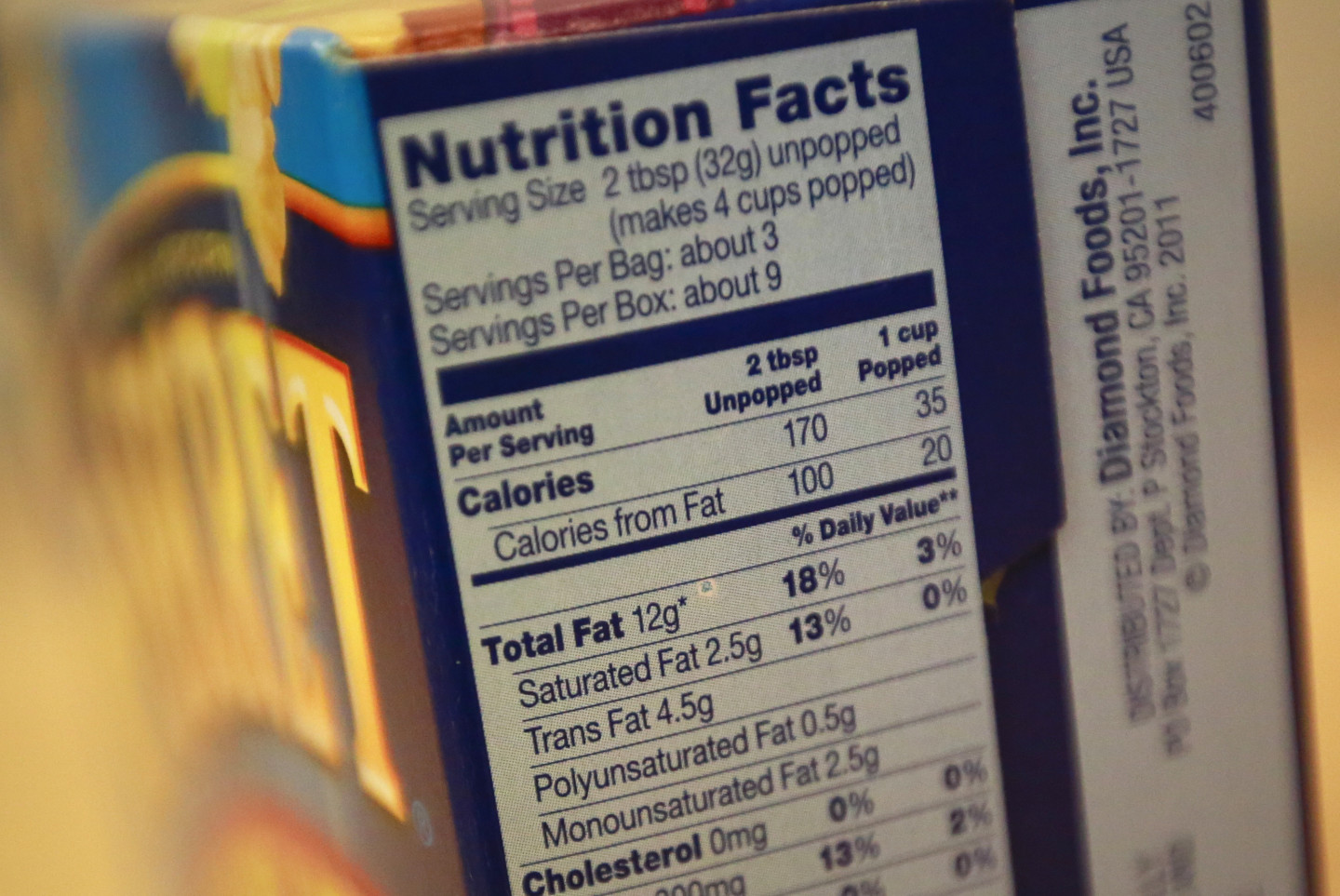
"caption": "Microwave popcorn containing trans fats from November 2013. The Grocery Manufacturers Association says the industry has lowered the amount of trans fat added to food products by more than 86 percent. But trans fats can still be found in some processed food items.",
"description": "Microwave popcorn containing trans fats from November 2013. The Grocery Manufacturers Association says the industry has lowered the amount of trans fat added to food products by more than 86 percent. But trans fats can still be found in some processed food items.",
"title": "Microwave popcorn containing trans fats from November 2013. The Grocery Manufacturers Association says the industry has lowered the amount of trans fat added to food products by more than 86 percent. But trans fats can still be found in some processed food items.",
"credit": "Shannon Stapleton/Reuters/Landov ",
"status": "inherit",
"isLoading": false,
"fetchFailed": false
},
"bayareabites_96960": {
"type": "attachments",
"id": "bayareabites_96960",
"meta": {
"index": "attachments_1716263798",
"site": "bayareabites",
"id": "96960",
"found": true
},
"parent": 96957,
"imgSizes": {
"twentyfourteen-full-width": {
"file": "https://ww2.kqed.org/app/uploads/sites/24/2015/06/IMG_2505-1920-1038x576.jpg",
"width": 1038,
"mimeType": "image/jpeg",
"height": 576
},
"thumbnail": {
"file": "https://ww2.kqed.org/app/uploads/sites/24/2015/06/IMG_2505-1920-400x267.jpg",
"width": 400,
"mimeType": "image/jpeg",
"height": 267
},
"fd-sm": {
"file": "https://ww2.kqed.org/app/uploads/sites/24/2015/06/IMG_2505-1920-960x640.jpg",
"width": 960,
"mimeType": "image/jpeg",
"height": 640
},
"post-thumbnail": {
"file": "https://ww2.kqed.org/app/uploads/sites/24/2015/06/IMG_2505-1920-672x372.jpg",
"width": 672,
"mimeType": "image/jpeg",
"height": 372
},
"kqedFullSize": {
"file": "https://ww2.kqed.org/app/uploads/sites/24/2015/06/IMG_2505-1920.jpg",
"width": 1920,
"height": 1280
},
"large": {
"file": "https://ww2.kqed.org/app/uploads/sites/24/2015/06/IMG_2505-1920-1440x960.jpg",
"width": 1440,
"mimeType": "image/jpeg",
"height": 960
},
"guest-author-96": {
"file": "https://ww2.kqed.org/app/uploads/sites/24/2015/06/IMG_2505-1920-96x96.jpg",
"width": 96,
"mimeType": "image/jpeg",
"height": 96
},
"medium": {
"file": "https://ww2.kqed.org/app/uploads/sites/24/2015/06/IMG_2505-1920-800x533.jpg",
"width": 800,
"mimeType": "image/jpeg",
"height": 533
},
"guest-author-64": {
"file": "https://ww2.kqed.org/app/uploads/sites/24/2015/06/IMG_2505-1920-64x64.jpg",
"width": 64,
"mimeType": "image/jpeg",
"height": 64
},
"guest-author-32": {
"file": "https://ww2.kqed.org/app/uploads/sites/24/2015/06/IMG_2505-1920-32x32.jpg",
"width": 32,
"mimeType": "image/jpeg",
"height": 32
},
"cat_post_thumb_sizecategory-posts-2": {
"file": "https://ww2.kqed.org/app/uploads/sites/24/2015/06/IMG_2505-1920-150x150.jpg",
"width": 150,
"mimeType": "image/jpeg",
"height": 150
},
"fd-med": {
"file": "https://ww2.kqed.org/app/uploads/sites/24/2015/06/IMG_2505-1920-1180x787.jpg",
"width": 1180,
"mimeType": "image/jpeg",
"height": 787
},
"detail": {
"file": "https://ww2.kqed.org/app/uploads/sites/24/2015/06/IMG_2505-1920-75x75.jpg",
"width": 75,
"mimeType": "image/jpeg",
"height": 75
},
"guest-author-128": {
"file": "https://ww2.kqed.org/app/uploads/sites/24/2015/06/IMG_2505-1920-128x128.jpg",
"width": 128,
"mimeType": "image/jpeg",
"height": 128
}
},
"publishDate": 1434396291,
"modified": 1434396398,
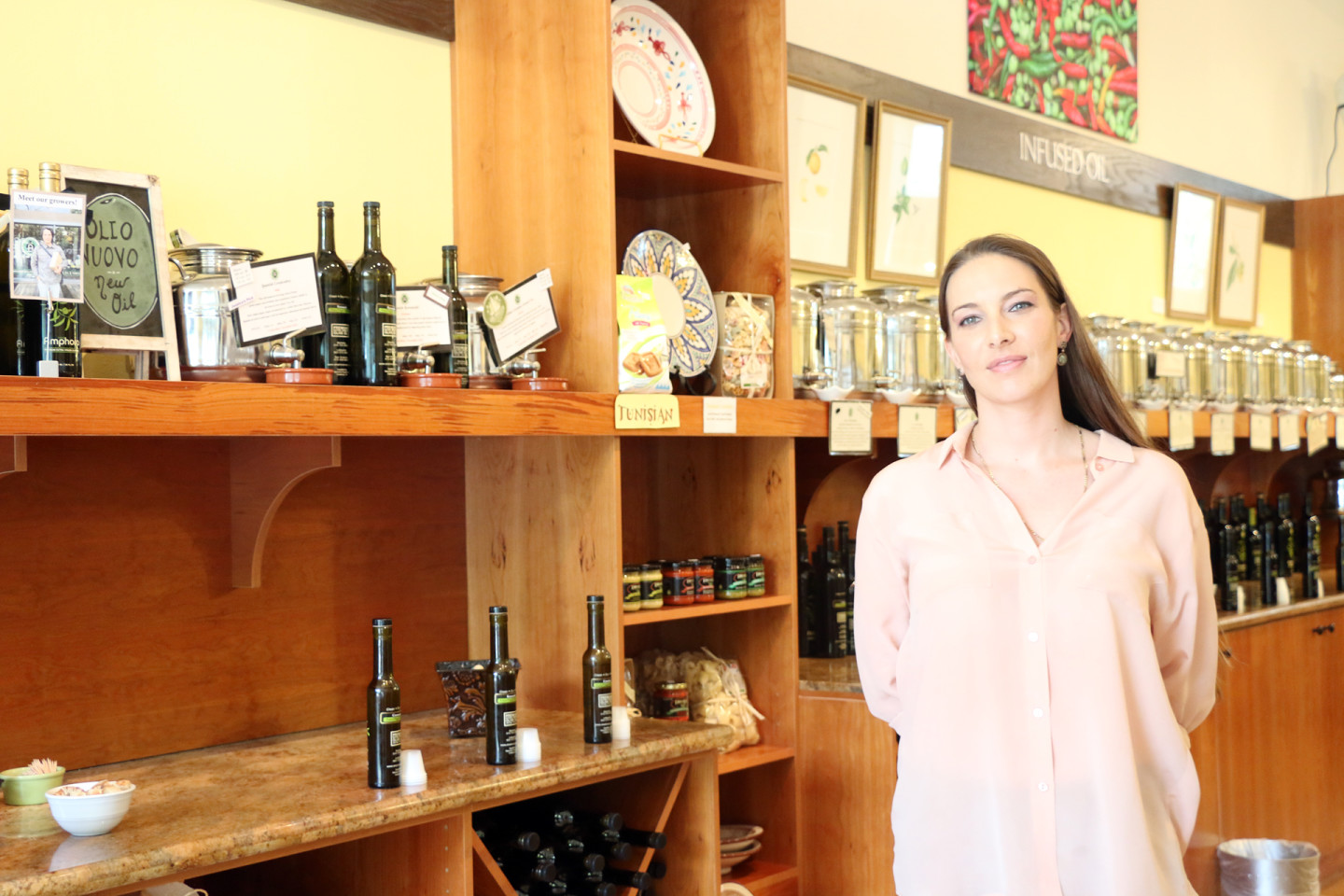
"caption": "Claire Bradley, great-granddaughter of Amphora’s founder, in the Berkeley shop.",
"description": null,
"title": "IMG_2505-1920",
"credit": "Kim Westerman",
"status": "inherit",
"isLoading": false,
"fetchFailed": false
},
"bayareabites_96821": {
"type": "attachments",
"id": "bayareabites_96821",
"meta": {
"index": "attachments_1716263798",
"site": "bayareabites",
"id": "96821",
"found": true
},
"parent": 96820,
"imgSizes": {
"twentyfourteen-full-width": {
"file": "https://ww2.kqed.org/app/uploads/sites/24/2015/06/gettyimages-474278430_custom-4558478131ce0134337adb5e737fbe25ee002ee6-1038x576.jpg",
"width": 1038,
"mimeType": "image/jpeg",
"height": 576
},
"thumbnail": {
"file": "https://ww2.kqed.org/app/uploads/sites/24/2015/06/gettyimages-474278430_custom-4558478131ce0134337adb5e737fbe25ee002ee6-400x266.jpg",
"width": 400,
"mimeType": "image/jpeg",
"height": 266
},
"fd-sm": {
"file": "https://ww2.kqed.org/app/uploads/sites/24/2015/06/gettyimages-474278430_custom-4558478131ce0134337adb5e737fbe25ee002ee6-960x639.jpg",
"width": 960,
"mimeType": "image/jpeg",
"height": 639
},
"post-thumbnail": {
"file": "https://ww2.kqed.org/app/uploads/sites/24/2015/06/gettyimages-474278430_custom-4558478131ce0134337adb5e737fbe25ee002ee6-672x372.jpg",
"width": 672,
"mimeType": "image/jpeg",
"height": 372
},
"kqedFullSize": {
"file": "https://ww2.kqed.org/app/uploads/sites/24/2015/06/gettyimages-474278430_custom-4558478131ce0134337adb5e737fbe25ee002ee6-e1433968908394.jpg",
"width": 1920,
"height": 1279
},
"large": {
"file": "https://ww2.kqed.org/app/uploads/sites/24/2015/06/gettyimages-474278430_custom-4558478131ce0134337adb5e737fbe25ee002ee6-1440x959.jpg",
"width": 1440,
"mimeType": "image/jpeg",
"height": 959
},
"guest-author-96": {
"file": "https://ww2.kqed.org/app/uploads/sites/24/2015/06/gettyimages-474278430_custom-4558478131ce0134337adb5e737fbe25ee002ee6-96x96.jpg",
"width": 96,
"mimeType": "image/jpeg",
"height": 96
},
"medium": {
"file": "https://ww2.kqed.org/app/uploads/sites/24/2015/06/gettyimages-474278430_custom-4558478131ce0134337adb5e737fbe25ee002ee6-800x533.jpg",
"width": 800,
"mimeType": "image/jpeg",
"height": 533
},
"guest-author-64": {
"file": "https://ww2.kqed.org/app/uploads/sites/24/2015/06/gettyimages-474278430_custom-4558478131ce0134337adb5e737fbe25ee002ee6-64x64.jpg",
"width": 64,
"mimeType": "image/jpeg",
"height": 64
},
"guest-author-32": {
"file": "https://ww2.kqed.org/app/uploads/sites/24/2015/06/gettyimages-474278430_custom-4558478131ce0134337adb5e737fbe25ee002ee6-32x32.jpg",
"width": 32,
"mimeType": "image/jpeg",
"height": 32
},
"cat_post_thumb_sizecategory-posts-2": {
"file": "https://ww2.kqed.org/app/uploads/sites/24/2015/06/gettyimages-474278430_custom-4558478131ce0134337adb5e737fbe25ee002ee6-150x150.jpg",
"width": 150,
"mimeType": "image/jpeg",
"height": 150
},
"fd-med": {
"file": "https://ww2.kqed.org/app/uploads/sites/24/2015/06/gettyimages-474278430_custom-4558478131ce0134337adb5e737fbe25ee002ee6-1180x786.jpg",
"width": 1180,
"mimeType": "image/jpeg",
"height": 786
},
"detail": {
"file": "https://ww2.kqed.org/app/uploads/sites/24/2015/06/gettyimages-474278430_custom-4558478131ce0134337adb5e737fbe25ee002ee6-75x75.jpg",
"width": 75,
"mimeType": "image/jpeg",
"height": 75
},
"guest-author-128": {
"file": "https://ww2.kqed.org/app/uploads/sites/24/2015/06/gettyimages-474278430_custom-4558478131ce0134337adb5e737fbe25ee002ee6-128x128.jpg",
"width": 128,
"mimeType": "image/jpeg",
"height": 128
}
},
"publishDate": 1433967023,
"modified": 1433968928,
"caption": "Cartons of eggs are stacked on shelves at Laurenzo's Italian Center, May 21, 2015, in Miami.",
"description": "Cartons of eggs are stacked on shelves at Laurenzo's Italian Center, May 21, 2015, in Miami.",
"title": "Cartons of eggs are stacked on shelves at Laurenzo's Italian Center, May 21, 2015, in Miami.",
"credit": "Joe Raedle/Getty Images",
"status": "inherit",
"isLoading": false,
"fetchFailed": false
},
"bayareabites_96694": {
"type": "attachments",
"id": "bayareabites_96694",
"meta": {
"index": "attachments_1716263798",
"site": "bayareabites",
"id": "96694",
"found": true
},
"parent": 96687,
"imgSizes": {
"twentyfourteen-full-width": {
"file": "https://ww2.kqed.org/app/uploads/sites/24/2015/06/elementbody-1038x576.jpg",
"width": 1038,
"mimeType": "image/jpeg",
"height": 576
},
"thumbnail": {
"file": "https://ww2.kqed.org/app/uploads/sites/24/2015/06/elementbody-400x344.jpg",
"width": 400,
"mimeType": "image/jpeg",
"height": 344
},
"fd-sm": {
"file": "https://ww2.kqed.org/app/uploads/sites/24/2015/06/elementbody-960x825.jpg",
"width": 960,
"mimeType": "image/jpeg",
"height": 825
},
"post-thumbnail": {
"file": "https://ww2.kqed.org/app/uploads/sites/24/2015/06/elementbody-672x372.jpg",
"width": 672,
"mimeType": "image/jpeg",
"height": 372
},
"kqedFullSize": {
"file": "https://ww2.kqed.org/app/uploads/sites/24/2015/06/elementbody.jpg",
"width": 1779,
"height": 1528
},
"large": {
"file": "https://ww2.kqed.org/app/uploads/sites/24/2015/06/elementbody-1440x1237.jpg",
"width": 1440,
"mimeType": "image/jpeg",
"height": 1237
},
"guest-author-96": {
"file": "https://ww2.kqed.org/app/uploads/sites/24/2015/06/elementbody-96x96.jpg",
"width": 96,
"mimeType": "image/jpeg",
"height": 96
},
"medium": {
"file": "https://ww2.kqed.org/app/uploads/sites/24/2015/06/elementbody-800x687.jpg",
"width": 800,
"mimeType": "image/jpeg",
"height": 687
},
"guest-author-64": {
"file": "https://ww2.kqed.org/app/uploads/sites/24/2015/06/elementbody-64x64.jpg",
"width": 64,
"mimeType": "image/jpeg",
"height": 64
},
"guest-author-32": {
"file": "https://ww2.kqed.org/app/uploads/sites/24/2015/06/elementbody-32x32.jpg",
"width": 32,
"mimeType": "image/jpeg",
"height": 32
},
"cat_post_thumb_sizecategory-posts-2": {
"file": "https://ww2.kqed.org/app/uploads/sites/24/2015/06/elementbody-150x150.jpg",
"width": 150,
"mimeType": "image/jpeg",
"height": 150
},
"fd-med": {
"file": "https://ww2.kqed.org/app/uploads/sites/24/2015/06/elementbody-1180x1014.jpg",
"width": 1180,
"mimeType": "image/jpeg",
"height": 1014
},
"detail": {
"file": "https://ww2.kqed.org/app/uploads/sites/24/2015/06/elementbody-75x75.jpg",
"width": 75,
"mimeType": "image/jpeg",
"height": 75
},
"guest-author-128": {
"file": "https://ww2.kqed.org/app/uploads/sites/24/2015/06/elementbody-128x128.jpg",
"width": 128,
"mimeType": "image/jpeg",
"height": 128
}
},
"publishDate": 1433546545,
"modified": 1433808950,
"caption": "Ayurveda Element Body",
"description": null,
"title": "elementbody",
"credit": "Lila Volkas",
"status": "inherit",
"isLoading": false,
"fetchFailed": false
},
"bayareabites_96563": {
"type": "attachments",
"id": "bayareabites_96563",
"meta": {
"index": "attachments_1716263798",
"site": "bayareabites",
"id": "96563",
"found": true
},
"parent": 96562,
"imgSizes": {
"twentyfourteen-full-width": {
"file": "https://ww2.kqed.org/app/uploads/sites/24/2015/06/istock_000019402623large_enl-676aa60a2b7689cda1485191e2ff1d7446f78d08-1038x576.jpg",
"width": 1038,
"mimeType": "image/jpeg",
"height": 576
},
"thumbnail": {
"file": "https://ww2.kqed.org/app/uploads/sites/24/2015/06/istock_000019402623large_enl-676aa60a2b7689cda1485191e2ff1d7446f78d08-400x266.jpg",
"width": 400,
"mimeType": "image/jpeg",
"height": 266
},
"fd-sm": {
"file": "https://ww2.kqed.org/app/uploads/sites/24/2015/06/istock_000019402623large_enl-676aa60a2b7689cda1485191e2ff1d7446f78d08-960x639.jpg",
"width": 960,
"mimeType": "image/jpeg",
"height": 639
},
"post-thumbnail": {
"file": "https://ww2.kqed.org/app/uploads/sites/24/2015/06/istock_000019402623large_enl-676aa60a2b7689cda1485191e2ff1d7446f78d08-672x372.jpg",
"width": 672,
"mimeType": "image/jpeg",
"height": 372
},
"kqedFullSize": {
"file": "https://ww2.kqed.org/app/uploads/sites/24/2015/06/istock_000019402623large_enl-676aa60a2b7689cda1485191e2ff1d7446f78d08-e1433358432753.jpg",
"width": 1920,
"height": 1279
},
"large": {
"file": "https://ww2.kqed.org/app/uploads/sites/24/2015/06/istock_000019402623large_enl-676aa60a2b7689cda1485191e2ff1d7446f78d08-1440x959.jpg",
"width": 1440,
"mimeType": "image/jpeg",
"height": 959
},
"guest-author-96": {
"file": "https://ww2.kqed.org/app/uploads/sites/24/2015/06/istock_000019402623large_enl-676aa60a2b7689cda1485191e2ff1d7446f78d08-96x96.jpg",
"width": 96,
"mimeType": "image/jpeg",
"height": 96
},
"medium": {
"file": "https://ww2.kqed.org/app/uploads/sites/24/2015/06/istock_000019402623large_enl-676aa60a2b7689cda1485191e2ff1d7446f78d08-800x533.jpg",
"width": 800,
"mimeType": "image/jpeg",
"height": 533
},
"guest-author-64": {
"file": "https://ww2.kqed.org/app/uploads/sites/24/2015/06/istock_000019402623large_enl-676aa60a2b7689cda1485191e2ff1d7446f78d08-64x64.jpg",
"width": 64,
"mimeType": "image/jpeg",
"height": 64
},
"guest-author-32": {
"file": "https://ww2.kqed.org/app/uploads/sites/24/2015/06/istock_000019402623large_enl-676aa60a2b7689cda1485191e2ff1d7446f78d08-32x32.jpg",
"width": 32,
"mimeType": "image/jpeg",
"height": 32
},
"cat_post_thumb_sizecategory-posts-2": {
"file": "https://ww2.kqed.org/app/uploads/sites/24/2015/06/istock_000019402623large_enl-676aa60a2b7689cda1485191e2ff1d7446f78d08-150x150.jpg",
"width": 150,
"mimeType": "image/jpeg",
"height": 150
},
"fd-med": {
"file": "https://ww2.kqed.org/app/uploads/sites/24/2015/06/istock_000019402623large_enl-676aa60a2b7689cda1485191e2ff1d7446f78d08-1180x786.jpg",
"width": 1180,
"mimeType": "image/jpeg",
"height": 786
},
"detail": {
"file": "https://ww2.kqed.org/app/uploads/sites/24/2015/06/istock_000019402623large_enl-676aa60a2b7689cda1485191e2ff1d7446f78d08-75x75.jpg",
"width": 75,
"mimeType": "image/jpeg",
"height": 75
},
"guest-author-128": {
"file": "https://ww2.kqed.org/app/uploads/sites/24/2015/06/istock_000019402623large_enl-676aa60a2b7689cda1485191e2ff1d7446f78d08-128x128.jpg",
"width": 128,
"mimeType": "image/jpeg",
"height": 128
}
},
"publishDate": 1433355998,
"modified": 1433358467,
"caption": "Prices for wholesale eggs doubled in May, while prices for shell eggs in grocery stores have also risen.",
"description": "Prices for wholesale eggs doubled in May, while prices for shell eggs in grocery stores have also rise",
"title": "Prices for wholesale eggs doubled in May, while prices for shell eggs in grocery stores have also risen.",
"credit": "iStockphoto",
"status": "inherit",
"isLoading": false,
"fetchFailed": false
},
"bayareabites_96478": {
"type": "attachments",
"id": "bayareabites_96478",
"meta": {
"index": "attachments_1716263798",
"site": "bayareabites",
"id": "96478",
"found": true
},
"parent": 96474,
"imgSizes": {
"thumbnail": {
"file": "https://ww2.kqed.org/app/uploads/sites/24/2015/05/Amys_too-400x208.jpg",
"width": 400,
"mimeType": "image/jpeg",
"height": 208
},
"fd-sm": {
"file": "https://ww2.kqed.org/app/uploads/sites/24/2015/05/Amys_too-960x499.jpg",
"width": 960,
"mimeType": "image/jpeg",
"height": 499
},
"post-thumbnail": {
"file": "https://ww2.kqed.org/app/uploads/sites/24/2015/05/Amys_too-672x372.jpg",
"width": 672,
"mimeType": "image/jpeg",
"height": 372
},
"kqedFullSize": {
"file": "https://ww2.kqed.org/app/uploads/sites/24/2015/05/Amys_too.jpg",
"width": 1018,
"height": 529
},
"cat_post_thumb_sizecategory-posts-2": {
"file": "https://ww2.kqed.org/app/uploads/sites/24/2015/05/Amys_too-150x150.jpg",
"width": 150,
"mimeType": "image/jpeg",
"height": 150
},
"guest-author-96": {
"file": "https://ww2.kqed.org/app/uploads/sites/24/2015/05/Amys_too-96x96.jpg",
"width": 96,
"mimeType": "image/jpeg",
"height": 96
},
"medium": {
"file": "https://ww2.kqed.org/app/uploads/sites/24/2015/05/Amys_too-800x416.jpg",
"width": 800,
"mimeType": "image/jpeg",
"height": 416
},
"guest-author-64": {
"file": "https://ww2.kqed.org/app/uploads/sites/24/2015/05/Amys_too-64x64.jpg",
"width": 64,
"mimeType": "image/jpeg",
"height": 64
},
"detail": {
"file": "https://ww2.kqed.org/app/uploads/sites/24/2015/05/Amys_too-75x75.jpg",
"width": 75,
"mimeType": "image/jpeg",
"height": 75
},
"guest-author-32": {
"file": "https://ww2.kqed.org/app/uploads/sites/24/2015/05/Amys_too-32x32.jpg",
"width": 32,
"mimeType": "image/jpeg",
"height": 32
},
"guest-author-128": {
"file": "https://ww2.kqed.org/app/uploads/sites/24/2015/05/Amys_too-128x128.jpg",
"width": 128,
"mimeType": "image/jpeg",
"height": 128
}
},
"publishDate": 1432839421,
"modified": 1432839421,
"caption": null,
"description": null,
"title": "Amys_too",
"credit": null,
"status": "inherit",
"isLoading": false,
"fetchFailed": false
},
"bayareabites_96309": {
"type": "attachments",
"id": "bayareabites_96309",
"meta": {
"index": "attachments_1716263798",
"site": "bayareabites",
"id": "96309",
"found": true
},
"parent": 96307,
"imgSizes": {
"twentyfourteen-full-width": {
"file": "https://ww2.kqed.org/app/uploads/sites/24/2015/05/kombu2-1038x576.jpg",
"width": 1038,
"mimeType": "image/jpeg",
"height": 576
},
"thumbnail": {
"file": "https://ww2.kqed.org/app/uploads/sites/24/2015/05/kombu2-400x300.jpg",
"width": 400,
"mimeType": "image/jpeg",
"height": 300
},
"fd-sm": {
"file": "https://ww2.kqed.org/app/uploads/sites/24/2015/05/kombu2-960x720.jpg",
"width": 960,
"mimeType": "image/jpeg",
"height": 720
},
"post-thumbnail": {
"file": "https://ww2.kqed.org/app/uploads/sites/24/2015/05/kombu2-672x372.jpg",
"width": 672,
"mimeType": "image/jpeg",
"height": 372
},
"kqedFullSize": {
"file": "https://ww2.kqed.org/app/uploads/sites/24/2015/05/kombu2.jpg",
"width": 1920,
"height": 1440
},
"large": {
"file": "https://ww2.kqed.org/app/uploads/sites/24/2015/05/kombu2-1440x1080.jpg",
"width": 1440,
"mimeType": "image/jpeg",
"height": 1080
},
"guest-author-96": {
"file": "https://ww2.kqed.org/app/uploads/sites/24/2015/05/kombu2-96x96.jpg",
"width": 96,
"mimeType": "image/jpeg",
"height": 96
},
"medium": {
"file": "https://ww2.kqed.org/app/uploads/sites/24/2015/05/kombu2-800x600.jpg",
"width": 800,
"mimeType": "image/jpeg",
"height": 600
},
"guest-author-64": {
"file": "https://ww2.kqed.org/app/uploads/sites/24/2015/05/kombu2-64x64.jpg",
"width": 64,
"mimeType": "image/jpeg",
"height": 64
},
"guest-author-32": {
"file": "https://ww2.kqed.org/app/uploads/sites/24/2015/05/kombu2-32x32.jpg",
"width": 32,
"mimeType": "image/jpeg",
"height": 32
},
"cat_post_thumb_sizecategory-posts-2": {
"file": "https://ww2.kqed.org/app/uploads/sites/24/2015/05/kombu2-150x150.jpg",
"width": 150,
"mimeType": "image/jpeg",
"height": 150
},
"fd-med": {
"file": "https://ww2.kqed.org/app/uploads/sites/24/2015/05/kombu2-1180x885.jpg",
"width": 1180,
"mimeType": "image/jpeg",
"height": 885
},
"detail": {
"file": "https://ww2.kqed.org/app/uploads/sites/24/2015/05/kombu2-75x75.jpg",
"width": 75,
"mimeType": "image/jpeg",
"height": 75
},
"guest-author-128": {
"file": "https://ww2.kqed.org/app/uploads/sites/24/2015/05/kombu2-128x128.jpg",
"width": 128,
"mimeType": "image/jpeg",
"height": 128
}
},
"publishDate": 1432170579,
"modified": 1432248486,
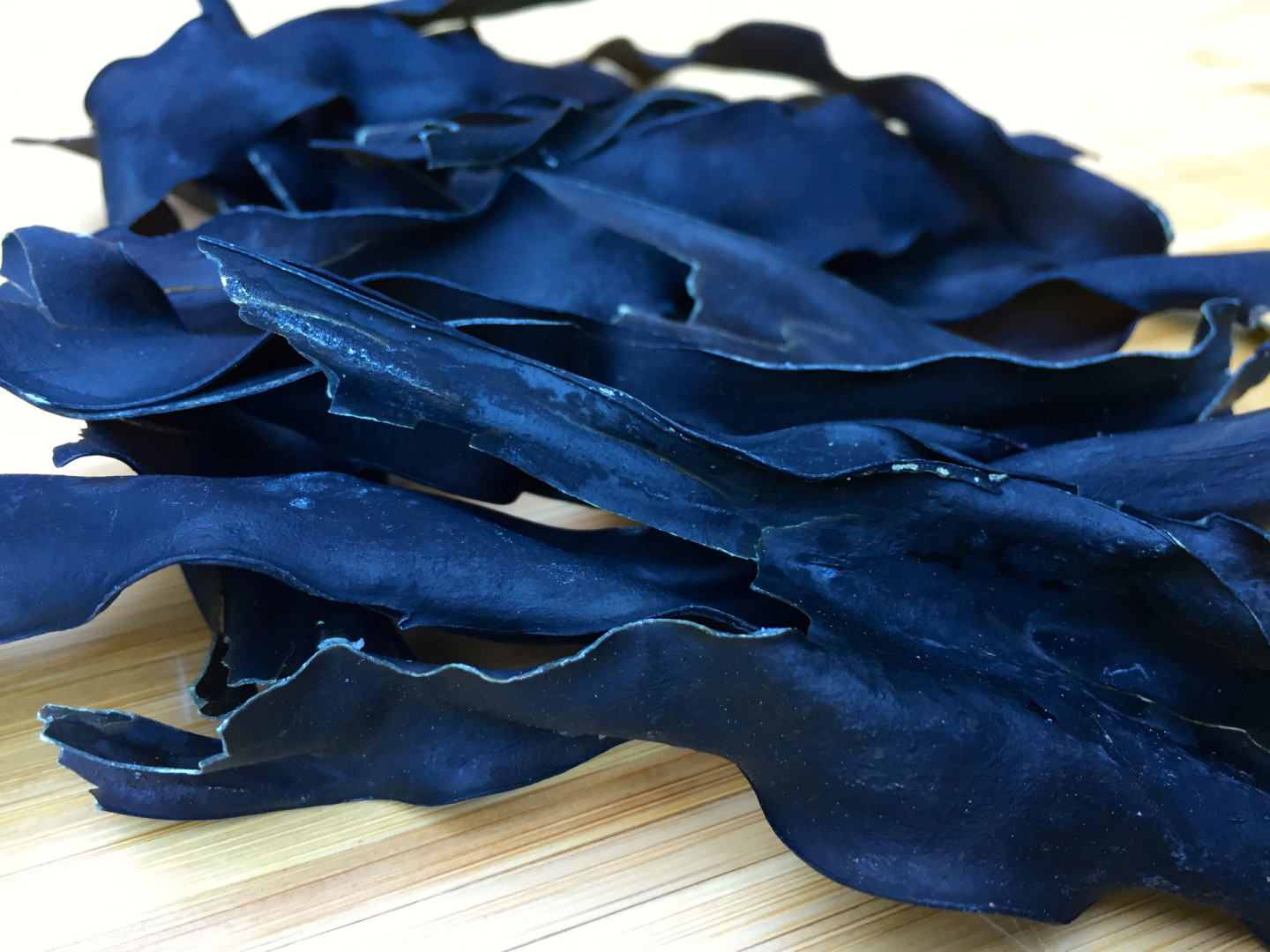
"caption": "Dried kombu, hand-harvested in Mendocino Country",
"description": null,
"title": "kombu2",
"credit": "Lisa Landers",
"status": "inherit",
"isLoading": false,
"fetchFailed": false
},
"bayareabites_96244": {
"type": "attachments",
"id": "bayareabites_96244",
"meta": {
"index": "attachments_1716263798",
"site": "bayareabites",
"id": "96244",
"found": true
},
"parent": 96243,
"imgSizes": {
"twentyfourteen-full-width": {
"file": "https://ww2.kqed.org/app/uploads/sites/24/2015/05/mg_9793_edit_slide-0017c91d4d2e5ec35e8b3bc7f7889ef795b4d081-1038x576.jpg",
"width": 1038,
"mimeType": "image/jpeg",
"height": 576
},
"thumbnail": {
"file": "https://ww2.kqed.org/app/uploads/sites/24/2015/05/mg_9793_edit_slide-0017c91d4d2e5ec35e8b3bc7f7889ef795b4d081-400x267.jpg",
"width": 400,
"mimeType": "image/jpeg",
"height": 267
},
"fd-sm": {
"file": "https://ww2.kqed.org/app/uploads/sites/24/2015/05/mg_9793_edit_slide-0017c91d4d2e5ec35e8b3bc7f7889ef795b4d081-960x640.jpg",
"width": 960,
"mimeType": "image/jpeg",
"height": 640
},
"post-thumbnail": {
"file": "https://ww2.kqed.org/app/uploads/sites/24/2015/05/mg_9793_edit_slide-0017c91d4d2e5ec35e8b3bc7f7889ef795b4d081-672x372.jpg",
"width": 672,
"mimeType": "image/jpeg",
"height": 372
},
"kqedFullSize": {
"file": "https://ww2.kqed.org/app/uploads/sites/24/2015/05/mg_9793_edit_slide-0017c91d4d2e5ec35e8b3bc7f7889ef795b4d081-e1431971152141.jpg",
"width": 1920,
"height": 1280
},
"large": {
"file": "https://ww2.kqed.org/app/uploads/sites/24/2015/05/mg_9793_edit_slide-0017c91d4d2e5ec35e8b3bc7f7889ef795b4d081-1440x960.jpg",
"width": 1440,
"mimeType": "image/jpeg",
"height": 960
},
"guest-author-96": {
"file": "https://ww2.kqed.org/app/uploads/sites/24/2015/05/mg_9793_edit_slide-0017c91d4d2e5ec35e8b3bc7f7889ef795b4d081-96x96.jpg",
"width": 96,
"mimeType": "image/jpeg",
"height": 96
},
"medium": {
"file": "https://ww2.kqed.org/app/uploads/sites/24/2015/05/mg_9793_edit_slide-0017c91d4d2e5ec35e8b3bc7f7889ef795b4d081-800x533.jpg",
"width": 800,
"mimeType": "image/jpeg",
"height": 533
},
"guest-author-64": {
"file": "https://ww2.kqed.org/app/uploads/sites/24/2015/05/mg_9793_edit_slide-0017c91d4d2e5ec35e8b3bc7f7889ef795b4d081-64x64.jpg",
"width": 64,
"mimeType": "image/jpeg",
"height": 64
},
"guest-author-32": {
"file": "https://ww2.kqed.org/app/uploads/sites/24/2015/05/mg_9793_edit_slide-0017c91d4d2e5ec35e8b3bc7f7889ef795b4d081-32x32.jpg",
"width": 32,
"mimeType": "image/jpeg",
"height": 32
},
"cat_post_thumb_sizecategory-posts-2": {
"file": "https://ww2.kqed.org/app/uploads/sites/24/2015/05/mg_9793_edit_slide-0017c91d4d2e5ec35e8b3bc7f7889ef795b4d081-150x150.jpg",
"width": 150,
"mimeType": "image/jpeg",
"height": 150
},
"fd-med": {
"file": "https://ww2.kqed.org/app/uploads/sites/24/2015/05/mg_9793_edit_slide-0017c91d4d2e5ec35e8b3bc7f7889ef795b4d081-1180x787.jpg",
"width": 1180,
"mimeType": "image/jpeg",
"height": 787
},
"detail": {
"file": "https://ww2.kqed.org/app/uploads/sites/24/2015/05/mg_9793_edit_slide-0017c91d4d2e5ec35e8b3bc7f7889ef795b4d081-75x75.jpg",
"width": 75,
"mimeType": "image/jpeg",
"height": 75
},
"guest-author-128": {
"file": "https://ww2.kqed.org/app/uploads/sites/24/2015/05/mg_9793_edit_slide-0017c91d4d2e5ec35e8b3bc7f7889ef795b4d081-128x128.jpg",
"width": 128,
"mimeType": "image/jpeg",
"height": 128
}
},
"publishDate": 1431970561,
"modified": 1431971231,
"caption": "Do food-laden environments really contribute to obesity or is it the other way around?",
"description": "Do food-laden environments really contribute to obesity or is it the other way around",
"title": "Do food-laden environments really contribute to obesity or is it the other way around?",
"credit": " Photo illustration/Ryan Kellman/NPR ",
"status": "inherit",
"isLoading": false,
"fetchFailed": false
},
"bayareabites_96189": {
"type": "attachments",
"id": "bayareabites_96189",
"meta": {
"index": "attachments_1716263798",
"site": "bayareabites",
"id": "96189",
"found": true
},
"parent": 96187,
"imgSizes": {
"thumbnail": {
"file": "https://ww2.kqed.org/app/uploads/sites/24/2015/05/RT2U1xQ7shZs-GjaUPR-ZFemHQqo4RBIsfQDOOEEFUU5bhmxyqcgNSB-8w99WZDTSsudeg3cXikClO_viH9AMs-400x267.jpeg",
"width": 400,
"mimeType": "image/jpeg",
"height": 267
},
"post-thumbnail": {
"file": "https://ww2.kqed.org/app/uploads/sites/24/2015/05/RT2U1xQ7shZs-GjaUPR-ZFemHQqo4RBIsfQDOOEEFUU5bhmxyqcgNSB-8w99WZDTSsudeg3cXikClO_viH9AMs-672x372.jpeg",
"width": 672,
"mimeType": "image/jpeg",
"height": 372
},
"kqedFullSize": {
"file": "https://ww2.kqed.org/app/uploads/sites/24/2015/05/RT2U1xQ7shZs-GjaUPR-ZFemHQqo4RBIsfQDOOEEFUU5bhmxyqcgNSB-8w99WZDTSsudeg3cXikClO_viH9AMs.jpeg",
"width": 800,
"height": 533
},
"cat_post_thumb_sizecategory-posts-2": {
"file": "https://ww2.kqed.org/app/uploads/sites/24/2015/05/RT2U1xQ7shZs-GjaUPR-ZFemHQqo4RBIsfQDOOEEFUU5bhmxyqcgNSB-8w99WZDTSsudeg3cXikClO_viH9AMs-150x150.jpeg",
"width": 150,
"mimeType": "image/jpeg",
"height": 150
},
"guest-author-96": {
"file": "https://ww2.kqed.org/app/uploads/sites/24/2015/05/RT2U1xQ7shZs-GjaUPR-ZFemHQqo4RBIsfQDOOEEFUU5bhmxyqcgNSB-8w99WZDTSsudeg3cXikClO_viH9AMs-96x96.jpeg",
"width": 96,
"mimeType": "image/jpeg",
"height": 96
},
"medium": {
"file": "https://ww2.kqed.org/app/uploads/sites/24/2015/05/RT2U1xQ7shZs-GjaUPR-ZFemHQqo4RBIsfQDOOEEFUU5bhmxyqcgNSB-8w99WZDTSsudeg3cXikClO_viH9AMs-800x533.jpeg",
"width": 800,
"mimeType": "image/jpeg",
"height": 533
},
"guest-author-64": {
"file": "https://ww2.kqed.org/app/uploads/sites/24/2015/05/RT2U1xQ7shZs-GjaUPR-ZFemHQqo4RBIsfQDOOEEFUU5bhmxyqcgNSB-8w99WZDTSsudeg3cXikClO_viH9AMs-64x64.jpeg",
"width": 64,
"mimeType": "image/jpeg",
"height": 64
},
"detail": {
"file": "https://ww2.kqed.org/app/uploads/sites/24/2015/05/RT2U1xQ7shZs-GjaUPR-ZFemHQqo4RBIsfQDOOEEFUU5bhmxyqcgNSB-8w99WZDTSsudeg3cXikClO_viH9AMs-75x75.jpeg",
"width": 75,
"mimeType": "image/jpeg",
"height": 75
},
"guest-author-32": {
"file": "https://ww2.kqed.org/app/uploads/sites/24/2015/05/RT2U1xQ7shZs-GjaUPR-ZFemHQqo4RBIsfQDOOEEFUU5bhmxyqcgNSB-8w99WZDTSsudeg3cXikClO_viH9AMs-32x32.jpeg",
"width": 32,
"mimeType": "image/jpeg",
"height": 32
},
"guest-author-128": {
"file": "https://ww2.kqed.org/app/uploads/sites/24/2015/05/RT2U1xQ7shZs-GjaUPR-ZFemHQqo4RBIsfQDOOEEFUU5bhmxyqcgNSB-8w99WZDTSsudeg3cXikClO_viH9AMs-128x128.jpeg",
"width": 128,
"mimeType": "image/jpeg",
"height": 128
}
},
"publishDate": 1431712001,
"modified": 1431712028,
"caption": null,
"description": null,
"title": "RT2U1xQ7shZs-GjaUPR-ZFemHQqo4RBIsfQDOOEEFUU5bhmxyqcgNSB-8w99WZDTSsudeg3cXikClO_viH9AMs",
"credit": "Alison Yin",
"status": "inherit",
"isLoading": false,
"fetchFailed": false
},
"bayareabites_96211": {
"type": "attachments",
"id": "bayareabites_96211",
"meta": {
"index": "attachments_1716263798",
"site": "bayareabites",
"id": "96211",
"found": true
},
"parent": 96209,
"imgSizes": {
"twentyfourteen-full-width": {
"file": "https://ww2.kqed.org/app/uploads/sites/24/2015/05/mcd-6b7dd5de154c96261150adc1653c8813827b159e-1038x576.jpg",
"width": 1038,
"mimeType": "image/jpeg",
"height": 576
},
"thumbnail": {
"file": "https://ww2.kqed.org/app/uploads/sites/24/2015/05/mcd-6b7dd5de154c96261150adc1653c8813827b159e-400x300.jpg",
"width": 400,
"mimeType": "image/jpeg",
"height": 300
},
"fd-sm": {
"file": "https://ww2.kqed.org/app/uploads/sites/24/2015/05/mcd-6b7dd5de154c96261150adc1653c8813827b159e-960x719.jpg",
"width": 960,
"mimeType": "image/jpeg",
"height": 719
},
"post-thumbnail": {
"file": "https://ww2.kqed.org/app/uploads/sites/24/2015/05/mcd-6b7dd5de154c96261150adc1653c8813827b159e-672x372.jpg",
"width": 672,
"mimeType": "image/jpeg",
"height": 372
},
"kqedFullSize": {
"file": "https://ww2.kqed.org/app/uploads/sites/24/2015/05/mcd-6b7dd5de154c96261150adc1653c8813827b159e-e1431724529371.jpg",
"width": 1920,
"height": 1439
},
"large": {
"file": "https://ww2.kqed.org/app/uploads/sites/24/2015/05/mcd-6b7dd5de154c96261150adc1653c8813827b159e-1440x1079.jpg",
"width": 1440,
"mimeType": "image/jpeg",
"height": 1079
},
"guest-author-96": {
"file": "https://ww2.kqed.org/app/uploads/sites/24/2015/05/mcd-6b7dd5de154c96261150adc1653c8813827b159e-96x96.jpg",
"width": 96,
"mimeType": "image/jpeg",
"height": 96
},
"medium": {
"file": "https://ww2.kqed.org/app/uploads/sites/24/2015/05/mcd-6b7dd5de154c96261150adc1653c8813827b159e-800x600.jpg",
"width": 800,
"mimeType": "image/jpeg",
"height": 600
},
"guest-author-64": {
"file": "https://ww2.kqed.org/app/uploads/sites/24/2015/05/mcd-6b7dd5de154c96261150adc1653c8813827b159e-64x64.jpg",
"width": 64,
"mimeType": "image/jpeg",
"height": 64
},
"guest-author-32": {
"file": "https://ww2.kqed.org/app/uploads/sites/24/2015/05/mcd-6b7dd5de154c96261150adc1653c8813827b159e-32x32.jpg",
"width": 32,
"mimeType": "image/jpeg",
"height": 32
},
"cat_post_thumb_sizecategory-posts-2": {
"file": "https://ww2.kqed.org/app/uploads/sites/24/2015/05/mcd-6b7dd5de154c96261150adc1653c8813827b159e-150x150.jpg",
"width": 150,
"mimeType": "image/jpeg",
"height": 150
},
"fd-med": {
"file": "https://ww2.kqed.org/app/uploads/sites/24/2015/05/mcd-6b7dd5de154c96261150adc1653c8813827b159e-1180x884.jpg",
"width": 1180,
"mimeType": "image/jpeg",
"height": 884
},
"detail": {
"file": "https://ww2.kqed.org/app/uploads/sites/24/2015/05/mcd-6b7dd5de154c96261150adc1653c8813827b159e-75x75.jpg",
"width": 75,
"mimeType": "image/jpeg",
"height": 75
},
"guest-author-128": {
"file": "https://ww2.kqed.org/app/uploads/sites/24/2015/05/mcd-6b7dd5de154c96261150adc1653c8813827b159e-128x128.jpg",
"width": 128,
"mimeType": "image/jpeg",
"height": 128
}
},
"publishDate": 1431724031,
"modified": 1431724523,
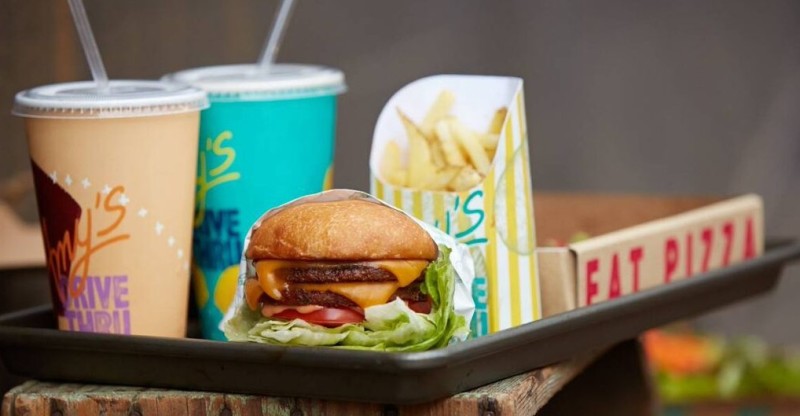
"caption": "McDonald's promised earlier in May that it was on the path to becoming a \"modern, progressive burger company.\"\n",
"description": "McDonald's promised earlier in May that it was on the path to becoming a \"modern, progressive burger company.\"\n",
"title": "McDonald's promised earlier in May that it was on the path to becoming a \"modern, progressive burger company.\"",
"credit": " Gene J. Puskar/Associated Press ",
"status": "inherit",
"isLoading": false,
"fetchFailed": false
},
"bayareabites_96057": {
"type": "attachments",
"id": "bayareabites_96057",
"meta": {
"index": "attachments_1716263798",
"site": "bayareabites",
"id": "96057",
"found": true
},
"parent": 96056,
"imgSizes": {
"twentyfourteen-full-width": {
"file": "https://ww2.kqed.org/app/uploads/sites/24/2015/05/177194586_custom-6a8310e21c561ea2c8eaf01935a210350146df16-1038x576.jpg",
"width": 1038,
"mimeType": "image/jpeg",
"height": 576
},
"thumbnail": {
"file": "https://ww2.kqed.org/app/uploads/sites/24/2015/05/177194586_custom-6a8310e21c561ea2c8eaf01935a210350146df16-400x255.jpg",
"width": 400,
"mimeType": "image/jpeg",
"height": 255
},
"fd-sm": {
"file": "https://ww2.kqed.org/app/uploads/sites/24/2015/05/177194586_custom-6a8310e21c561ea2c8eaf01935a210350146df16-960x612.jpg",
"width": 960,
"mimeType": "image/jpeg",
"height": 612
},
"post-thumbnail": {
"file": "https://ww2.kqed.org/app/uploads/sites/24/2015/05/177194586_custom-6a8310e21c561ea2c8eaf01935a210350146df16-672x372.jpg",
"width": 672,
"mimeType": "image/jpeg",
"height": 372
},
"kqedFullSize": {
"file": "https://ww2.kqed.org/app/uploads/sites/24/2015/05/177194586_custom-6a8310e21c561ea2c8eaf01935a210350146df16-e1431454604832.jpg",
"width": 1920,
"height": 1224
},
"large": {
"file": "https://ww2.kqed.org/app/uploads/sites/24/2015/05/177194586_custom-6a8310e21c561ea2c8eaf01935a210350146df16-1440x918.jpg",
"width": 1440,
"mimeType": "image/jpeg",
"height": 918
},
"guest-author-96": {
"file": "https://ww2.kqed.org/app/uploads/sites/24/2015/05/177194586_custom-6a8310e21c561ea2c8eaf01935a210350146df16-96x96.jpg",
"width": 96,
"mimeType": "image/jpeg",
"height": 96
},
"medium": {
"file": "https://ww2.kqed.org/app/uploads/sites/24/2015/05/177194586_custom-6a8310e21c561ea2c8eaf01935a210350146df16-800x510.jpg",
"width": 800,
"mimeType": "image/jpeg",
"height": 510
},
"guest-author-64": {
"file": "https://ww2.kqed.org/app/uploads/sites/24/2015/05/177194586_custom-6a8310e21c561ea2c8eaf01935a210350146df16-64x64.jpg",
"width": 64,
"mimeType": "image/jpeg",
"height": 64
},
"guest-author-32": {
"file": "https://ww2.kqed.org/app/uploads/sites/24/2015/05/177194586_custom-6a8310e21c561ea2c8eaf01935a210350146df16-32x32.jpg",
"width": 32,
"mimeType": "image/jpeg",
"height": 32
},
"cat_post_thumb_sizecategory-posts-2": {
"file": "https://ww2.kqed.org/app/uploads/sites/24/2015/05/177194586_custom-6a8310e21c561ea2c8eaf01935a210350146df16-150x150.jpg",
"width": 150,
"mimeType": "image/jpeg",
"height": 150
},
"fd-med": {
"file": "https://ww2.kqed.org/app/uploads/sites/24/2015/05/177194586_custom-6a8310e21c561ea2c8eaf01935a210350146df16-1180x752.jpg",
"width": 1180,
"mimeType": "image/jpeg",
"height": 752
},
"detail": {
"file": "https://ww2.kqed.org/app/uploads/sites/24/2015/05/177194586_custom-6a8310e21c561ea2c8eaf01935a210350146df16-75x75.jpg",
"width": 75,
"mimeType": "image/jpeg",
"height": 75
},
"guest-author-128": {
"file": "https://ww2.kqed.org/app/uploads/sites/24/2015/05/177194586_custom-6a8310e21c561ea2c8eaf01935a210350146df16-128x128.jpg",
"width": 128,
"mimeType": "image/jpeg",
"height": 128
}
},
"publishDate": 1431454455,
"modified": 1431454598,
"caption": "Coca-Cola cans on a production line at a bottling plant near New Delhi in 2013. The company decided in April 2015 not to build an $81 million bottling plant in southern India because local farmers said it might exhaust groundwater supplies.\n",
"description": "Coca-Cola cans on a production line at a bottling plant near New Delhi in 2013. The company decided in April 2015 not to build an $81 million bottling plant in southern India because local farmers said it might exhaust groundwater supplies.\n",
"title": "Coca-Cola cans on a production line at a bottling plant near New Delhi in 2013. The company decided in April 2015 not to build an $81 million bottling plant in southern India because local farmers said it might exhaust groundwater supplies.",
"credit": "Prakash Singh/AFP/Getty Images",
"status": "inherit",
"isLoading": false,
"fetchFailed": false
},
"bayareabites_95997": {
"type": "attachments",
"id": "bayareabites_95997",
"meta": {
"index": "attachments_1716263798",
"site": "bayareabites",
"id": "95997",
"found": true
},
"parent": 95996,
"imgSizes": {
"thumbnail": {
"file": "https://ww2.kqed.org/app/uploads/sites/24/2015/05/chiang_postpartum_food_6_v2-400x300.jpeg",
"width": 400,
"mimeType": "image/jpeg",
"height": 300
},
"post-thumbnail": {
"file": "https://ww2.kqed.org/app/uploads/sites/24/2015/05/chiang_postpartum_food_6_v2-640x372.jpeg",
"width": 640,
"mimeType": "image/jpeg",
"height": 372
},
"kqedFullSize": {
"file": "https://ww2.kqed.org/app/uploads/sites/24/2015/05/chiang_postpartum_food_6_v2.jpeg",
"width": 640,
"height": 480
},
"cat_post_thumb_sizecategory-posts-2": {
"file": "https://ww2.kqed.org/app/uploads/sites/24/2015/05/chiang_postpartum_food_6_v2-150x150.jpeg",
"width": 150,
"mimeType": "image/jpeg",
"height": 150
},
"guest-author-96": {
"file": "https://ww2.kqed.org/app/uploads/sites/24/2015/05/chiang_postpartum_food_6_v2-96x96.jpeg",
"width": 96,
"mimeType": "image/jpeg",
"height": 96
},
"guest-author-64": {
"file": "https://ww2.kqed.org/app/uploads/sites/24/2015/05/chiang_postpartum_food_6_v2-64x64.jpeg",
"width": 64,
"mimeType": "image/jpeg",
"height": 64
},
"detail": {
"file": "https://ww2.kqed.org/app/uploads/sites/24/2015/05/chiang_postpartum_food_6_v2-75x75.jpeg",
"width": 75,
"mimeType": "image/jpeg",
"height": 75
},
"guest-author-32": {
"file": "https://ww2.kqed.org/app/uploads/sites/24/2015/05/chiang_postpartum_food_6_v2-32x32.jpeg",
"width": 32,
"mimeType": "image/jpeg",
"height": 32
},
"guest-author-128": {
"file": "https://ww2.kqed.org/app/uploads/sites/24/2015/05/chiang_postpartum_food_6_v2-128x128.jpeg",
"width": 128,
"mimeType": "image/jpeg",
"height": 128
}
},
"publishDate": 1431191180,
"modified": 1431191213,
"caption": "Sharline Chiang",
"description": "Sharline Chiang",
"title": "Sharline Chiang",
"credit": null,
"status": "inherit",
"isLoading": false,
"fetchFailed": false
}
},
"audioPlayerReducer": {
"postId": "stream_live",
"isPaused": true,
"isPlaying": false,
"pfsActive": false,
"pledgeModalIsOpen": true,
"playerDrawerIsOpen": false,
"liveAudioPlayStartedAt": 0,
"liveAudioPlayContext": ""
},
"authorsReducer": {
"byline_bayareabites_96984": {
"type": "authors",
"id": "byline_bayareabites_96984",
"meta": {
"override": true
},
"slug": "byline_bayareabites_96984",
"name": "Allison Aubrey and Rob Stein, \u003ca href=\"http://ww2.kqed.org/bayareabites/author/nprfood/\">NPR Food\u003c/a>",
"isLoading": false
},
"byline_bayareabites_96820": {
"type": "authors",
"id": "byline_bayareabites_96820",
"meta": {
"override": true
},
"slug": "byline_bayareabites_96820",
"name": "Peggy Lowe, Harvest Public Media at \u003ca href=\"http://ww2.kqed.org/bayareabites/author/nprfood/\">NPR Food\u003c/a>",
"isLoading": false
},
"byline_bayareabites_96562": {
"type": "authors",
"id": "byline_bayareabites_96562",
"meta": {
"override": true
},
"slug": "byline_bayareabites_96562",
"name": "Peggy Lowe, \u003ca href=\"http://ww2.kqed.org/bayareabites/author/nprfood/\">NPR Food\u003c/a>",
"isLoading": false
},
"byline_bayareabites_96474": {
"type": "authors",
"id": "byline_bayareabites_96474",
"meta": {
"override": true
},
"slug": "byline_bayareabites_96474",
"name": "Leilani Clark, \u003ca href=\"http://ww2.kqed.org/bayareabites/author/civileat/\">Civil Eats\u003c/a>",
"isLoading": false
},
"byline_bayareabites_96243": {
"type": "authors",
"id": "byline_bayareabites_96243",
"meta": {
"override": true
},
"slug": "byline_bayareabites_96243",
"name": "Angus Chen - \u003ca href=\"http://ww2.kqed.org/bayareabites/author/nprfood/\">NPR Food\u003c/a>",
"isLoading": false
},
"byline_bayareabites_96187": {
"type": "authors",
"id": "byline_bayareabites_96187",
"meta": {
"override": true
},
"slug": "byline_bayareabites_96187",
"name": "Grace Hwang Lynch, \u003ca href=\"http://ww2.kqed.org/bayareabites/author/caamedia/\">CAAM\u003c/a>",
"isLoading": false
},
"byline_bayareabites_96209": {
"type": "authors",
"id": "byline_bayareabites_96209",
"meta": {
"override": true
},
"slug": "byline_bayareabites_96209",
"name": "Allison Aubrey, \u003ca href=\"http://ww2.kqed.org/bayareabites/author/nprfood/\">NPR Food\u003c/a>",
"isLoading": false
},
"byline_bayareabites_96056": {
"type": "authors",
"id": "byline_bayareabites_96056",
"meta": {
"override": true
},
"slug": "byline_bayareabites_96056",
"name": "Abby Wendle, \u003ca href=\"http://ww2.kqed.org/bayareabites/author/nprfood/\" target=\"_blank\">NPR Food\u003c/a>",
"isLoading": false
},
"byline_bayareabites_95996": {
"type": "authors",
"id": "byline_bayareabites_95996",
"meta": {
"override": true
},
"slug": "byline_bayareabites_95996",
"name": "Sharline Chiang, \u003ca href=\"http://ww2.kqed.org/bayareabites/author/caamedia/\">CAAM\u003c/a>",
"isLoading": false
},
"lilavolkas": {
"type": "authors",
"id": "5404",
"meta": {
"index": "authors_1716337520",
"id": "5404",
"found": true
},
"name": "Lila Volkas",
"firstName": "Lila",
"lastName": "Volkas",
"slug": "lilavolkas",
"email": "lilavolkas@gmail.com",
"display_author_email": false,
"staff_mastheads": [],
"title": null,
"bio": "Lila Volkas is a Berkeley based Holistic Nutritionist, food writer and illustrator. She received her Nutritional Consulting Certification from Bauman College and offers clients individualized nutritional support. As an illustrator she creates hand drawn and digitally colored illustrations that whimsically capture the essence of her subjects and are easily digested by readers. Much of her inspiration comes from her undeniable love for vegetables, as well her knack for anthropomorphizing what's on her plate. Lila has had several pieces published in KQED’s Bay Area Bites as well as in Edible East Bay Magazine. For more of a taste of Lila's offering, check out her website \u003ca href=\"http://www.lilavolkas.com/\">lilavolkas.com\u003c/a>",
"avatar": "https://secure.gravatar.com/avatar/e520743544a0600729bc45ff3ab43206?s=600&d=blank&r=g",
"twitter": null,
"facebook": null,
"instagram": null,
"linkedin": null,
"sites": [
{
"site": "bayareabites",
"roles": [
"contributor"
]
},
{
"site": "food",
"roles": [
"contributor"
]
}
],
"headData": {
"title": "Lila Volkas | KQED",
"description": null,
"ogImgSrc": "https://secure.gravatar.com/avatar/e520743544a0600729bc45ff3ab43206?s=600&d=blank&r=g",
"twImgSrc": "https://secure.gravatar.com/avatar/e520743544a0600729bc45ff3ab43206?s=600&d=blank&r=g"
},
"isLoading": false,
"link": "/author/lilavolkas"
},
"lisalanders": {
"type": "authors",
"id": "5412",
"meta": {
"index": "authors_1716337520",
"id": "5412",
"found": true
},
"name": "Lisa Landers",
"firstName": "Lisa",
"lastName": "Landers",
"slug": "lisalanders",
"email": "llanders@KQED.org",
"display_author_email": false,
"staff_mastheads": [],
"title": "KQED Contributor",
"bio": "Lisa Landers is a producer and writer whose work includes documentaries, museum exhibitions, and educational multimedia. Her work has covered a diversity of subject matter including natural history, ecological and social issues, cultural exploration, food, music, and architecture. She’s developed and produced films for broadcasters such as National Geographic, Smithsonian Channel, and the Discovery Channel. Her work as an exhibition developer and multimedia producer has been featured at institutions including the American Museum of Natural History, the National Building Museum, and The Tech Museum. Her writing has also appeared in a wide variety of print and online publications.",
"avatar": "https://secure.gravatar.com/avatar/1e4aa08f6f0a92ea11a2779a453cb36d?s=600&d=blank&r=g",
"twitter": null,
"bluesky": null,
"facebook": null,
"instagram": null,
"linkedin": null,
"sites": [
{
"site": "bayareabites",
"roles": [
"contributor"
]
},
{
"site": "quest",
"roles": [
"leadcoordinator",
"edit_theme_options",
"subscriber"
]
},
{
"site": "food",
"roles": []
}
],
"headData": {
"title": "Lisa Landers | KQED",
"description": "KQED Contributor",
"ogImgSrc": "https://secure.gravatar.com/avatar/1e4aa08f6f0a92ea11a2779a453cb36d?s=600&d=blank&r=g",
"twImgSrc": "https://secure.gravatar.com/avatar/1e4aa08f6f0a92ea11a2779a453cb36d?s=600&d=blank&r=g"
},
"isLoading": false,
"link": "/author/lisalanders"
},
"kimwesterman": {
"type": "authors",
"id": "5575",
"meta": {
"index": "authors_1716337520",
"id": "5575",
"found": true
},
"name": "Kim Westerman",
"firstName": "Kim",
"lastName": "Westerman",
"slug": "kimwesterman",
"email": "kim.westerman@gmail.com",
"display_author_email": false,
"staff_mastheads": [],
"title": null,
"bio": "Kim Westerman has been writing about food and wine for most of her adult life. Originally from North Carolina, she moved to Berkeley in 2006 to pursue the California dream, which, it turns out, is all it’s cracked up to be. She’s a farmers' market junkie, a lover of all things tomato, and Champagne-obsessed. She loves to cook with her kids, eight and three, and she makes frequent pilgrimages to International Boulevard in search of her next favorite Mexican dish. She spends an inordinate amount of time thinking about food and wine pairing, often starting with the wine and working backwards when planning menus. She is a Level I Sommelier and a Licensed Q-Grader. Her work has appeared in KQED's Bay Area Bites, Forbes.com, the New York Times, the San Francisco Chronicle, Tasting Table, Fodor’s Travel Guides, and lots of other publications. You can follow Kim on Twitter and Instagram @throughtraveler.",
"avatar": "https://secure.gravatar.com/avatar/2eb7f890ab19ead33f77fd8554ac4c39?s=600&d=blank&r=g",
"twitter": null,
"facebook": null,
"instagram": null,
"linkedin": null,
"sites": [
{
"site": "bayareabites",
"roles": [
"contributor"
]
},
{
"site": "food",
"roles": [
"contributor"
]
}
],
"headData": {
"title": "Kim Westerman | KQED",
"description": null,
"ogImgSrc": "https://secure.gravatar.com/avatar/2eb7f890ab19ead33f77fd8554ac4c39?s=600&d=blank&r=g",
"twImgSrc": "https://secure.gravatar.com/avatar/2eb7f890ab19ead33f77fd8554ac4c39?s=600&d=blank&r=g"
},
"isLoading": false,
"link": "/author/kimwesterman"
}
},
"pagesReducer": {
"bayareabites_category_health-and-nutrition": {
"type": "terms",
"id": "bayareabites_1245",
"meta": {
"index": "terms_1716263798",
"site": "bayareabites",
"id": "1245",
"score": 14.4079685
},
"featImg": null,
"name": "health and nutrition",
"description": null,
"taxonomy": "category",
"headData": {
"twImgId": null,
"twTitle": null,
"ogTitle": null,
"ogImgId": null,
"twDescription": null,
"description": null,
"title": "health and nutrition Archives | KQED Bay Area Bites",
"ogDescription": null
},
"ttid": 1078,
"slug": "health-and-nutrition",
"isLoading": false,
"title": "health and nutrition",
"pageMeta": {
"site": "bayareabites",
"WpPageTemplate": "page-topic-editorial",
"currentPage": 24
},
"blocks": [
{
"blockName": "kqed/post-list",
"attrs": {
"layout": "cardArticle2",
"query": "posts/bayareabites?category=health-and-nutrition",
"seeMore": false,
"paginated": true,
"page": 24
}
},
{
"blockName": "kqed/ad"
}
]
}
},
"pfsSessionReducer": {},
"postsReducer": {
"stream_live": {
"type": "live",
"id": "stream_live",
"audioUrl": "https://streams.kqed.org/kqedradio",
"title": "Live Stream",
"excerpt": "Live Stream information currently unavailable.",
"link": "/radio",
"featImg": "",
"label": {
"name": "KQED Live",
"link": "/"
}
},
"stream_kqedNewscast": {
"type": "posts",
"id": "stream_kqedNewscast",
"audioUrl": "https://www.kqed.org/.stream/anon/radio/RDnews/newscast.mp3?_=1",
"title": "KQED Newscast",
"featImg": "",
"label": {
"name": "88.5 FM",
"link": "/"
}
},
"bayareabites_96984": {
"type": "posts",
"id": "bayareabites_96984",
"meta": {
"index": "posts_1716263798",
"site": "bayareabites",
"id": "96984",
"score": null,
"sort": [
1434481449000
]
},
"parent": 0,
"labelTerm": {
"site": "bayareabites"
},
"blocks": [],
"publishDate": 1434481449,
"format": "standard",
"disqusTitle": "FDA To Food Companies: This Time, Zero Means Zero Trans Fats",
"title": "FDA To Food Companies: This Time, Zero Means Zero Trans Fats",
"headTitle": "Bay Area Bites | KQED Food",
"content": "\u003cp>The Food and Drug Administration Tuesday \u003ca href=\"https://www.federalregister.gov/articles/2015/06/17/2015-14883/determinations-partially-hydrogenated-oils\">announced\u003c/a> that food companies have three years to remove all trans fats from processed food. The long-expected move is aimed at making food more healthful.\u003c/p>\n\u003cp>The FDA says the evidence is clear: Trans fats increase the risk for heart attacks and strokes. And so it has determined that trans fats are not \"generally recognized as safe\" for use in food anymore. The agency is giving food companies a hard deadline to stop using trans fats in processed foods.\u003c/p>\n\u003cp>Trans fats were once considered a healthy alternative to ingredients like lard. But evidence has mounted that \u003ca href=\"http://www.npr.org/sections/thesalt/2014/03/31/295719579/rethinking-fat-the-case-for-adding-some-into-your-diet\">the opposite is true\u003c/a>.\u003c/p>\n\u003cp>In 2006, the FDA started requiring food companies to disclose the amount of trans fat in processed food. And many food companies stopped using the substance in anticipation of the FDA's ban. The Grocery Manufacturers Association \u003ca href=\"http://www.gmaonline.org/news-events/newsroom/gma-statement-fda-action-on-phos-provides-needed-transition-time-for-food-m/\">says\u003c/a> the food industry has already reduced its use of trans fats by more than 86 percent.\u003c/p>\n\u003cp>As a result, the amount that people consume has plummeted. Even Crisco is now made without partially hydrogenated oils.\u003c/p>\n\u003cp>[ad fullwidth]\u003c/p>\n\u003cp>But the FDA says people are still consuming too much. Many food products have tiny amounts of trans fats since the FDA allows companies to put zero grams on the label even if there's up to .5 grams of trans fat in the food.\u003c/p>\n\u003cp>And other products with higher levels of the oils appear on this Trans Fat Wall of Shame Pinterest \u003ca href=\"https://www.pinterest.com/cspinutrition/trans-fat-wall-of-shame/\">board\u003c/a>, curated by the Center for Science in the Public Interest.\u003c/p>\n\u003cp>As \u003ca href=\"http://provost.tufts.edu/about/academic-leadership-team/mozaffarian-friedman-school-of-nutrition-science-and-policy/\">Dariush Mozaffarian\u003c/a>, a cardiologist, epidemiologist and dean of the nutrition policy and science school at Tufts University, told us, \"There's really not any other fat that has this constellation of harmful effects\" — from raising bad cholesterol and inflammation to lowering good cholesterol and harming blood vessels.\u003c/p>\n\u003cp>Consumer groups hailed the ban, with some saying it's long overdue. \"We applaud the FDA for taking an important step,\" said Renee Sharp, director of research at the Environmental Working Group, in a statement. But she lamented that the three-year deadline wasn't speedy enough.\u003c/p>\n\u003cp>The Grocery Manufacturers Association said in a \u003ca href=\"http://www.gmaonline.org/news-events/newsroom/gma-statement-fda-action-on-phos-provides-needed-transition-time-for-food-m/\">statement\u003c/a> the deadline \"provides time needed for food manufacturers to complete their transition to suitable alternatives and/or seek food additive approval.\" But, the group added, it will be petitioning the FDA to allow some low-level uses of trans fats in certain products.\u003c/p>\n\u003cp>\"The FDA should continue to minimize Americans' exposure to artificial trans fat and subject the industry's petition to a rigorous and skeptical test,\" \u003ca href=\"http://cspinet.org/new/201506161.html\">said\u003c/a> Michael Jacobson, executive director of the Center for Science in the Public Interest, which has been lobbying for the trans fat ban for years. \"If FDA approves it for use as a food additive, it must do so only in the tiniest of amounts.\" \u003c/p>\n\u003cp>\u003c/p>\n\u003cp> \u003cem>Copyright 2015 \u003ca href=\"http://www.npr.org/\" target=\"_blank\">NPR\u003c/a>.\u003c/em> \u003c/p>\n\n",
"disqusIdentifier": "96984 http://ww2.kqed.org/bayareabites/?p=96984",
"disqusUrl": "https://ww2.kqed.org/bayareabites/2015/06/16/fda-to-food-companies-this-time-zero-means-zero-trans-fats/",
"stats": {
"hasVideo": false,
"hasChartOrMap": false,
"hasAudio": false,
"hasPolis": false,
"wordCount": 474,
"hasGoogleForm": false,
"hasGallery": false,
"hasHearkenModule": false,
"iframeSrcs": [],
"paragraphCount": 14
},
"modified": 1434481557,
"excerpt": "The agency is giving food companies a hard deadline to stop using trans fats in processed foods. It has determined that partially hydrogenated oils are not \"generally recognized as safe\" for food.",
"headData": {
"twImgId": "",
"twTitle": "",
"ogTitle": "",
"ogImgId": "",
"twDescription": "",
"description": "The agency is giving food companies a hard deadline to stop using trans fats in processed foods. It has determined that partially hydrogenated oils are not "generally recognized as safe" for food.",
"title": "FDA To Food Companies: This Time, Zero Means Zero Trans Fats | KQED",
"ogDescription": "",
"schema": {
"@context": "https://schema.org",
"@type": "Article",
"headline": "FDA To Food Companies: This Time, Zero Means Zero Trans Fats",
"datePublished": "2015-06-16T12:04:09-07:00",
"dateModified": "2015-06-16T12:05:57-07:00",
"image": "https://cdn.kqed.org/wp-content/uploads/2020/02/KQED-OG-Image@1x.png"
}
},
"guestAuthors": [],
"slug": "fda-to-food-companies-this-time-zero-means-zero-trans-fats",
"status": "publish",
"nprApiLink": "http://api.npr.org/query?id=414906829&apiKey=MDAxOTAwOTE4MDEyMTkxMDAzNjczZDljZA004",
"nprByline": "Allison Aubrey and Rob Stein, \u003ca href=\"http://ww2.kqed.org/bayareabites/author/nprfood/\">NPR Food\u003c/a>",
"nprStoryDate": "Tue, 16 Jun 2015 14:06:00 -0400",
"nprLastModifiedDate": "Tue, 16 Jun 2015 14:29:40 -0400",
"nprHtmlLink": "http://www.npr.org/sections/thesalt/2015/06/16/414906829/fda-to-food-companies-this-time-zero-means-zero-trans-fats?ft=nprml&f=414906829",
"nprStoryId": "414906829",
"nprRetrievedStory": "1",
"nprPubDate": "Tue, 16 Jun 2015 14:29:00 -0400",
"path": "/bayareabites/96984/fda-to-food-companies-this-time-zero-means-zero-trans-fats",
"audioTrackLength": null,
"parsedContent": [
{
"type": "contentString",
"content": "\u003cdiv class=\"post-body\">\u003cp>\u003cp>The Food and Drug Administration Tuesday \u003ca href=\"https://www.federalregister.gov/articles/2015/06/17/2015-14883/determinations-partially-hydrogenated-oils\">announced\u003c/a> that food companies have three years to remove all trans fats from processed food. The long-expected move is aimed at making food more healthful.\u003c/p>\n\u003cp>The FDA says the evidence is clear: Trans fats increase the risk for heart attacks and strokes. And so it has determined that trans fats are not \"generally recognized as safe\" for use in food anymore. The agency is giving food companies a hard deadline to stop using trans fats in processed foods.\u003c/p>\n\u003cp>Trans fats were once considered a healthy alternative to ingredients like lard. But evidence has mounted that \u003ca href=\"http://www.npr.org/sections/thesalt/2014/03/31/295719579/rethinking-fat-the-case-for-adding-some-into-your-diet\">the opposite is true\u003c/a>.\u003c/p>\n\u003cp>In 2006, the FDA started requiring food companies to disclose the amount of trans fat in processed food. And many food companies stopped using the substance in anticipation of the FDA's ban. The Grocery Manufacturers Association \u003ca href=\"http://www.gmaonline.org/news-events/newsroom/gma-statement-fda-action-on-phos-provides-needed-transition-time-for-food-m/\">says\u003c/a> the food industry has already reduced its use of trans fats by more than 86 percent.\u003c/p>\n\u003cp>As a result, the amount that people consume has plummeted. Even Crisco is now made without partially hydrogenated oils.\u003c/p>\n\u003cp>\u003c/p>\u003c/div>",
"attributes": {
"named": {},
"numeric": []
}
},
{
"type": "component",
"content": "",
"name": "ad",
"attributes": {
"named": {
"label": "fullwidth"
},
"numeric": [
"fullwidth"
]
}
},
{
"type": "contentString",
"content": "\u003cdiv class=\"post-body\">\u003cp>\u003c/p>\n\u003cp>But the FDA says people are still consuming too much. Many food products have tiny amounts of trans fats since the FDA allows companies to put zero grams on the label even if there's up to .5 grams of trans fat in the food.\u003c/p>\n\u003cp>And other products with higher levels of the oils appear on this Trans Fat Wall of Shame Pinterest \u003ca href=\"https://www.pinterest.com/cspinutrition/trans-fat-wall-of-shame/\">board\u003c/a>, curated by the Center for Science in the Public Interest.\u003c/p>\n\u003cp>As \u003ca href=\"http://provost.tufts.edu/about/academic-leadership-team/mozaffarian-friedman-school-of-nutrition-science-and-policy/\">Dariush Mozaffarian\u003c/a>, a cardiologist, epidemiologist and dean of the nutrition policy and science school at Tufts University, told us, \"There's really not any other fat that has this constellation of harmful effects\" — from raising bad cholesterol and inflammation to lowering good cholesterol and harming blood vessels.\u003c/p>\n\u003cp>Consumer groups hailed the ban, with some saying it's long overdue. \"We applaud the FDA for taking an important step,\" said Renee Sharp, director of research at the Environmental Working Group, in a statement. But she lamented that the three-year deadline wasn't speedy enough.\u003c/p>\n\u003cp>The Grocery Manufacturers Association said in a \u003ca href=\"http://www.gmaonline.org/news-events/newsroom/gma-statement-fda-action-on-phos-provides-needed-transition-time-for-food-m/\">statement\u003c/a> the deadline \"provides time needed for food manufacturers to complete their transition to suitable alternatives and/or seek food additive approval.\" But, the group added, it will be petitioning the FDA to allow some low-level uses of trans fats in certain products.\u003c/p>\n\u003cp>\"The FDA should continue to minimize Americans' exposure to artificial trans fat and subject the industry's petition to a rigorous and skeptical test,\" \u003ca href=\"http://cspinet.org/new/201506161.html\">said\u003c/a> Michael Jacobson, executive director of the Center for Science in the Public Interest, which has been lobbying for the trans fat ban for years. \"If FDA approves it for use as a food additive, it must do so only in the tiniest of amounts.\" \u003c/p>\n\u003cp>\u003c/p>\n\u003cp> \u003cem>Copyright 2015 \u003ca href=\"http://www.npr.org/\" target=\"_blank\">NPR\u003c/a>.\u003c/em> \u003c/p>\n\n\u003c/div>\u003c/p>",
"attributes": {
"named": {},
"numeric": []
}
}
],
"link": "/bayareabites/96984/fda-to-food-companies-this-time-zero-means-zero-trans-fats",
"authors": [
"byline_bayareabites_96984"
],
"categories": [
"bayareabites_10028",
"bayareabites_1245",
"bayareabites_10916",
"bayareabites_2035"
],
"tags": [
"bayareabites_2608",
"bayareabites_11924",
"bayareabites_13758"
],
"featImg": "bayareabites_96985",
"label": "bayareabites"
},
"bayareabites_96957": {
"type": "posts",
"id": "bayareabites_96957",
"meta": {
"index": "posts_1716263798",
"site": "bayareabites",
"id": "96957",
"score": null,
"sort": [
1434420161000
]
},
"parent": 0,
"labelTerm": {
"site": "bayareabites"
},
"blocks": [],
"publishDate": 1434420161,
"format": "standard",
"disqusTitle": "Amphora Nueva Offers Affordable, High-Quality Olive Oil",
"title": "Amphora Nueva Offers Affordable, High-Quality Olive Oil",
"headTitle": "Bay Area Bites | KQED Food",
"content": "\u003cp>Claire Bradley’s Neapolitan great-grandfather brought the family to Oakland in the late 1930s by way of Brooklyn, where he’d built a successful food-importing business. While Salvatore Esposito was interested in olive oil, it wasn’t a viable business proposition at the time, so the company focused on other Italian imports. In 1989, with the third generation at the helm, the family made a big decision to focus exclusively on sourcing the best olive oil possible. But they didn’t have a storefront then. Instead, the business model focused on bringing high quality olive oil to restaurants and other food businesses. They still count among their wholesale clients Annie’s Organic, Rick and Ann’s, Semifreddis, Cugini Manzone, and Duende.\u003c/p>\n\u003cp>Flash forward to 2010, when \u003ca href=\"http://amphoranueva.com/index.html\" target=\"_blank\">Amphora Nueva\u003c/a> opened on Domingo Ave. in Berkeley, just below the Claremont Hotel. The shop is filled with\u003cem> fusti\u003c/em>, food-grade stainless steel tanks, full of olive oil from Spain, Portugal, California, Italy, Chile, Australia, Peru, Argentina, Greece, and Tunisia. And a big 750 ml bottle will only run you between $13 and $21, a huge value compared to the equally delicious oils you’ll find in the shops off the square in Healdsburg or St. Helena, where olive oil is viewed more as a luxury commodity than a staple for daily use.\u003c/p>\n\u003cp>Amphora’s philosophy, says Bradley, is to make ultra-premium olive oil accessible to everyone: “We don’t see ourselves as a boutique. We don’t want people to say no to olive oil because of price.”\u003c/p>\n\u003cp>Their selections are seasonal because producers have two harvest seasons. In the northern hemisphere, the harvest begins in September or October, before the rain sets in. In the southern hemisphere, harvest mostly occurs in May and June. So, depending when you walk in to the store, you might see a Spanish hojiblanca or a Chilean coratina front and center. And the best news is you can taste any of the selections, which are clearly identified by harvest date, free fatty acids (FFA), phenolic content, and peroxide value. But what does all this mean?\u003c/p>\n\u003cfigure id=\"attachment_96961\" class=\"wp-caption aligncenter\" style=\"max-width: 1920px\">\u003cimg src=\"http://ww2.kqed.org/bayareabites/wp-content/uploads/sites/24/2015/06/IMG_2508-1920.jpg\" alt=\"Fusti, full of oil ready for tasting, all lined up at Amphora Nueva.\" width=\"1920\" height=\"1280\" class=\"size-full wp-image-96961\" srcset=\"https://ww2.kqed.org/app/uploads/sites/24/2015/06/IMG_2508-1920.jpg 1920w, https://ww2.kqed.org/app/uploads/sites/24/2015/06/IMG_2508-1920-400x267.jpg 400w, https://ww2.kqed.org/app/uploads/sites/24/2015/06/IMG_2508-1920-800x533.jpg 800w, https://ww2.kqed.org/app/uploads/sites/24/2015/06/IMG_2508-1920-1440x960.jpg 1440w, https://ww2.kqed.org/app/uploads/sites/24/2015/06/IMG_2508-1920-1180x787.jpg 1180w, https://ww2.kqed.org/app/uploads/sites/24/2015/06/IMG_2508-1920-960x640.jpg 960w\" sizes=\"(max-width: 1920px) 100vw, 1920px\">\u003cfigcaption class=\"wp-caption-text\">Fusti, full of oil ready for tasting, all lined up at Amphora Nueva. \u003ccite>(Kim Westerman)\u003c/cite>\u003c/figcaption>\u003c/figure>\n\u003cp>\u003ca href=\"https://en.wikipedia.org/wiki/Polyphenol\" target=\"_blank\">Polyphenols\u003c/a> are the humble olive’s best public relations tool, as their powerful antioxidants are largely what continues to sell Americans on the ingredient that much of the world has used as a base for cooking for thousands of years. But they also contribute significantly to the taste and style of the oil these diverse fruits yield. Do you like the burn at the back of your throat when you taste a bold, herbaceous olive oil? That’s polyphenol. Prefer a lighter, more buttery oil? Go for an oil lower in polyphenols. Whether you like the flavors that pack a polyphenol punch or not, Amphora can hook you up.\u003c/p>\n\u003cp>[ad fullwidth]\u003c/p>\n\u003cp>A high FFA can indicate low quality fruit because of processing mistakes, such as too much time between harvesting and extraction or too high a temperature in the milling process. The peroxide value is important because it tells you how long the fruit has been exposed to oxygen; extreme oxidation causes the oil to be rancid.\u003c/p>\n\u003cp>Amphora abides by the \u003ca href=\"http://upextravirginoliveoil.com/ultra-premium-up-standard/chemistry\" target=\"_blank\">standards for Ultra Premium olive oil\u003c/a>, which are even stricter than those for extra-virgin. For example, the extra-virgin standard for FFA is less than .8%, whereas ultra-premium is qualified by less than .3%. And in addition to regularly tasting each oil that they source for its organoleptic qualities, they also send samples to \u003ca href=\"http://www.modernolives.com.au/index.html\" target=\"_blank\">Modern Olives\u003c/a> in Australia, whose state-of-the-art lab analyzes the oil’s chemistry.\u003c/p>\n\u003cp>As a home cook and daily consumer of olive oil, I don’t focus so much on the polyphenol number, although it’s a good guide. Instead, I just taste. I love the \u003ca href=\"https://en.wikipedia.org/wiki/Picual\" target=\"_blank\">Picuals\u003c/a>, a common Spanish cultivar that is popular among growers for its high-volume crops and tolerance of a broad range of conditions. The oils from this variety tend to be grassy and strong, and the best are pungent without being bitter. To my palate, this style is best on salads and other raw vegetables. I prefer a Greek \u003ca href=\"https://en.wikipedia.org/wiki/Koroneiki\" target=\"_blank\">Koroneiki\u003c/a> — usually peppery and reminiscent of artichokes — on cooked vegetables and meats.\u003c/p>\n\u003cp>Amphora also carries fusions and infusions of their Ultra Premium olive oils with herbs, fruits, and chiles. (Fusions, called agrumato in Italian, are made when ingredients are added when the olives are pressed; infusions are the result of ingredients added after the oil has been produced.) A fabulous fusion here is the Tunisian Baklouti, in which 10 pounds of the spicy green chiles from North Africa’s Barbary Coast are crushed into each pound of organic olives from the company’s own mill there.\u003c/p>\n\u003cp>Amphora’s house blend oil, which changes regularly, is a great bargain at $13 for 750ml. They also have aged balsamic vinegars and flavored red and white vinegars, good for creating gift combinations.\u003c/p>\n\u003cfigure id=\"attachment_96959\" class=\"wp-caption aligncenter\" style=\"max-width: 1920px\">\u003cimg src=\"http://ww2.kqed.org/bayareabites/wp-content/uploads/sites/24/2015/06/IMG_2502-1920.jpg\" alt=\"Aged balsamic and flavored vinegars line the shelves at Amphora.\" width=\"1920\" height=\"1280\" class=\"size-full wp-image-96959\" srcset=\"https://ww2.kqed.org/app/uploads/sites/24/2015/06/IMG_2502-1920.jpg 1920w, https://ww2.kqed.org/app/uploads/sites/24/2015/06/IMG_2502-1920-400x267.jpg 400w, https://ww2.kqed.org/app/uploads/sites/24/2015/06/IMG_2502-1920-800x533.jpg 800w, https://ww2.kqed.org/app/uploads/sites/24/2015/06/IMG_2502-1920-1440x960.jpg 1440w, https://ww2.kqed.org/app/uploads/sites/24/2015/06/IMG_2502-1920-1180x787.jpg 1180w, https://ww2.kqed.org/app/uploads/sites/24/2015/06/IMG_2502-1920-960x640.jpg 960w\" sizes=\"(max-width: 1920px) 100vw, 1920px\">\u003cfigcaption class=\"wp-caption-text\">Aged balsamic and flavored vinegars line the shelves at Amphora. \u003ccite>(Kim Westerman)\u003c/cite>\u003c/figcaption>\u003c/figure>\n\u003cp>What I love about this shop is its completely approachable, unprepossessing and, most importantly, proletariat approach to this healthful and delicious food.\u003c/p>\n\u003cp>Amphora opened a second branch in Lafayette in November, 2011 and will open a third in San Anselmo in the next few weeks.\u003c/p>\n\u003cp>\u003ca href=\"http://amphoranueva.com/index.html\" target=\"_blank\">Amphora Nueva - Berkeley Olive Oil Works\u003c/a>\u003cbr>\n2928 Domingo Ave. [\u003ca href=\"https://goo.gl/KCYl1N\">Map\u003c/a>]\u003cbr>\nBerkeley, CA 94611\u003cbr>\nPh: (510) 704-9300\u003cbr>\nHours: Daily, 10am-6pm\u003cbr>\nFacebook: \u003ca href=\"https://www.facebook.com/amphoranueva\" target=\"_blank\">Amphora: Berkeley Olive Oil Works\u003c/a>\u003cbr>\nTwitter: \u003ca href=\"https://twitter.com/AMPHORABERKELEY\" target=\"_blank\">@AMPHORABERKELEY\u003c/a> \u003c/p>\n\u003cp>\u003c/p>\n\u003cp>\u003ca href=\"http://amphoranueva.com/index.html\" target=\"_blank\">Amphora Nueva Lafayette\u003c/a>\u003cbr>\n7 Fiesta Ln. [\u003ca href=\"https://goo.gl/ShN0UD\">Map\u003c/a>]\u003cbr>\nLafayette, CA 94549\u003cbr>\nPh: (925) 310-4681\u003cbr>\nHours: Sun-Thurs, 10am-6:30pm; Fri-Sat, 10am-7pm\u003cbr>\nFacebook: \u003ca href=\"https://www.facebook.com/AmphoraLafayette\" target=\"_blank\">Amphora Nueva Lafayette\u003c/a>\u003c/p>\n\n",
"disqusIdentifier": "96957 http://ww2.kqed.org/bayareabites/?p=96957",
"disqusUrl": "https://ww2.kqed.org/bayareabites/2015/06/15/amphora-nueva-offers-affordable-high-quality-olive-oil/",
"stats": {
"hasVideo": false,
"hasChartOrMap": false,
"hasAudio": false,
"hasPolis": false,
"wordCount": 965,
"hasGoogleForm": false,
"hasGallery": false,
"hasHearkenModule": false,
"iframeSrcs": [],
"paragraphCount": 16
},
"modified": 1434562488,
"excerpt": "While a bottle of the world’s most expensive olive oil might run you more than $50, the price of extra-virgin olive oil in the Bay Area ranges from $20-$35 for 12 ounces. Amphora Nueva sources Ultra Premium olive oil in bulk from all over the world, and the result is a much less expensive product.",
"headData": {
"twImgId": "",
"twTitle": "",
"ogTitle": "",
"ogImgId": "",
"twDescription": "",
"description": "While a bottle of the world’s most expensive olive oil might run you more than $50, the price of extra-virgin olive oil in the Bay Area ranges from $20-$35 for 12 ounces. Amphora Nueva sources Ultra Premium olive oil in bulk from all over the world, and the result is a much less expensive product.",
"title": "Amphora Nueva Offers Affordable, High-Quality Olive Oil | KQED",
"ogDescription": "",
"schema": {
"@context": "https://schema.org",
"@type": "Article",
"headline": "Amphora Nueva Offers Affordable, High-Quality Olive Oil",
"datePublished": "2015-06-15T19:02:41-07:00",
"dateModified": "2015-06-17T10:34:48-07:00",
"image": "https://cdn.kqed.org/wp-content/uploads/2020/02/KQED-OG-Image@1x.png"
}
},
"guestAuthors": [],
"slug": "amphora-nueva-offers-affordable-high-quality-olive-oil",
"status": "publish",
"path": "/bayareabites/96957/amphora-nueva-offers-affordable-high-quality-olive-oil",
"audioTrackLength": null,
"parsedContent": [
{
"type": "contentString",
"content": "\u003cdiv class=\"post-body\">\u003cp>\u003cp>Claire Bradley’s Neapolitan great-grandfather brought the family to Oakland in the late 1930s by way of Brooklyn, where he’d built a successful food-importing business. While Salvatore Esposito was interested in olive oil, it wasn’t a viable business proposition at the time, so the company focused on other Italian imports. In 1989, with the third generation at the helm, the family made a big decision to focus exclusively on sourcing the best olive oil possible. But they didn’t have a storefront then. Instead, the business model focused on bringing high quality olive oil to restaurants and other food businesses. They still count among their wholesale clients Annie’s Organic, Rick and Ann’s, Semifreddis, Cugini Manzone, and Duende.\u003c/p>\n\u003cp>Flash forward to 2010, when \u003ca href=\"http://amphoranueva.com/index.html\" target=\"_blank\">Amphora Nueva\u003c/a> opened on Domingo Ave. in Berkeley, just below the Claremont Hotel. The shop is filled with\u003cem> fusti\u003c/em>, food-grade stainless steel tanks, full of olive oil from Spain, Portugal, California, Italy, Chile, Australia, Peru, Argentina, Greece, and Tunisia. And a big 750 ml bottle will only run you between $13 and $21, a huge value compared to the equally delicious oils you’ll find in the shops off the square in Healdsburg or St. Helena, where olive oil is viewed more as a luxury commodity than a staple for daily use.\u003c/p>\n\u003cp>Amphora’s philosophy, says Bradley, is to make ultra-premium olive oil accessible to everyone: “We don’t see ourselves as a boutique. We don’t want people to say no to olive oil because of price.”\u003c/p>\n\u003cp>Their selections are seasonal because producers have two harvest seasons. In the northern hemisphere, the harvest begins in September or October, before the rain sets in. In the southern hemisphere, harvest mostly occurs in May and June. So, depending when you walk in to the store, you might see a Spanish hojiblanca or a Chilean coratina front and center. And the best news is you can taste any of the selections, which are clearly identified by harvest date, free fatty acids (FFA), phenolic content, and peroxide value. But what does all this mean?\u003c/p>\n\u003cfigure id=\"attachment_96961\" class=\"wp-caption aligncenter\" style=\"max-width: 1920px\">\u003cimg src=\"http://ww2.kqed.org/bayareabites/wp-content/uploads/sites/24/2015/06/IMG_2508-1920.jpg\" alt=\"Fusti, full of oil ready for tasting, all lined up at Amphora Nueva.\" width=\"1920\" height=\"1280\" class=\"size-full wp-image-96961\" srcset=\"https://ww2.kqed.org/app/uploads/sites/24/2015/06/IMG_2508-1920.jpg 1920w, https://ww2.kqed.org/app/uploads/sites/24/2015/06/IMG_2508-1920-400x267.jpg 400w, https://ww2.kqed.org/app/uploads/sites/24/2015/06/IMG_2508-1920-800x533.jpg 800w, https://ww2.kqed.org/app/uploads/sites/24/2015/06/IMG_2508-1920-1440x960.jpg 1440w, https://ww2.kqed.org/app/uploads/sites/24/2015/06/IMG_2508-1920-1180x787.jpg 1180w, https://ww2.kqed.org/app/uploads/sites/24/2015/06/IMG_2508-1920-960x640.jpg 960w\" sizes=\"(max-width: 1920px) 100vw, 1920px\">\u003cfigcaption class=\"wp-caption-text\">Fusti, full of oil ready for tasting, all lined up at Amphora Nueva. \u003ccite>(Kim Westerman)\u003c/cite>\u003c/figcaption>\u003c/figure>\n\u003cp>\u003ca href=\"https://en.wikipedia.org/wiki/Polyphenol\" target=\"_blank\">Polyphenols\u003c/a> are the humble olive’s best public relations tool, as their powerful antioxidants are largely what continues to sell Americans on the ingredient that much of the world has used as a base for cooking for thousands of years. But they also contribute significantly to the taste and style of the oil these diverse fruits yield. Do you like the burn at the back of your throat when you taste a bold, herbaceous olive oil? That’s polyphenol. Prefer a lighter, more buttery oil? Go for an oil lower in polyphenols. Whether you like the flavors that pack a polyphenol punch or not, Amphora can hook you up.\u003c/p>\n\u003cp>\u003c/p>\u003c/div>",
"attributes": {
"named": {},
"numeric": []
}
},
{
"type": "component",
"content": "",
"name": "ad",
"attributes": {
"named": {
"label": "fullwidth"
},
"numeric": [
"fullwidth"
]
}
},
{
"type": "contentString",
"content": "\u003cdiv class=\"post-body\">\u003cp>\u003c/p>\n\u003cp>A high FFA can indicate low quality fruit because of processing mistakes, such as too much time between harvesting and extraction or too high a temperature in the milling process. The peroxide value is important because it tells you how long the fruit has been exposed to oxygen; extreme oxidation causes the oil to be rancid.\u003c/p>\n\u003cp>Amphora abides by the \u003ca href=\"http://upextravirginoliveoil.com/ultra-premium-up-standard/chemistry\" target=\"_blank\">standards for Ultra Premium olive oil\u003c/a>, which are even stricter than those for extra-virgin. For example, the extra-virgin standard for FFA is less than .8%, whereas ultra-premium is qualified by less than .3%. And in addition to regularly tasting each oil that they source for its organoleptic qualities, they also send samples to \u003ca href=\"http://www.modernolives.com.au/index.html\" target=\"_blank\">Modern Olives\u003c/a> in Australia, whose state-of-the-art lab analyzes the oil’s chemistry.\u003c/p>\n\u003cp>As a home cook and daily consumer of olive oil, I don’t focus so much on the polyphenol number, although it’s a good guide. Instead, I just taste. I love the \u003ca href=\"https://en.wikipedia.org/wiki/Picual\" target=\"_blank\">Picuals\u003c/a>, a common Spanish cultivar that is popular among growers for its high-volume crops and tolerance of a broad range of conditions. The oils from this variety tend to be grassy and strong, and the best are pungent without being bitter. To my palate, this style is best on salads and other raw vegetables. I prefer a Greek \u003ca href=\"https://en.wikipedia.org/wiki/Koroneiki\" target=\"_blank\">Koroneiki\u003c/a> — usually peppery and reminiscent of artichokes — on cooked vegetables and meats.\u003c/p>\n\u003cp>Amphora also carries fusions and infusions of their Ultra Premium olive oils with herbs, fruits, and chiles. (Fusions, called agrumato in Italian, are made when ingredients are added when the olives are pressed; infusions are the result of ingredients added after the oil has been produced.) A fabulous fusion here is the Tunisian Baklouti, in which 10 pounds of the spicy green chiles from North Africa’s Barbary Coast are crushed into each pound of organic olives from the company’s own mill there.\u003c/p>\n\u003cp>Amphora’s house blend oil, which changes regularly, is a great bargain at $13 for 750ml. They also have aged balsamic vinegars and flavored red and white vinegars, good for creating gift combinations.\u003c/p>\n\u003cfigure id=\"attachment_96959\" class=\"wp-caption aligncenter\" style=\"max-width: 1920px\">\u003cimg src=\"http://ww2.kqed.org/bayareabites/wp-content/uploads/sites/24/2015/06/IMG_2502-1920.jpg\" alt=\"Aged balsamic and flavored vinegars line the shelves at Amphora.\" width=\"1920\" height=\"1280\" class=\"size-full wp-image-96959\" srcset=\"https://ww2.kqed.org/app/uploads/sites/24/2015/06/IMG_2502-1920.jpg 1920w, https://ww2.kqed.org/app/uploads/sites/24/2015/06/IMG_2502-1920-400x267.jpg 400w, https://ww2.kqed.org/app/uploads/sites/24/2015/06/IMG_2502-1920-800x533.jpg 800w, https://ww2.kqed.org/app/uploads/sites/24/2015/06/IMG_2502-1920-1440x960.jpg 1440w, https://ww2.kqed.org/app/uploads/sites/24/2015/06/IMG_2502-1920-1180x787.jpg 1180w, https://ww2.kqed.org/app/uploads/sites/24/2015/06/IMG_2502-1920-960x640.jpg 960w\" sizes=\"(max-width: 1920px) 100vw, 1920px\">\u003cfigcaption class=\"wp-caption-text\">Aged balsamic and flavored vinegars line the shelves at Amphora. \u003ccite>(Kim Westerman)\u003c/cite>\u003c/figcaption>\u003c/figure>\n\u003cp>What I love about this shop is its completely approachable, unprepossessing and, most importantly, proletariat approach to this healthful and delicious food.\u003c/p>\n\u003cp>Amphora opened a second branch in Lafayette in November, 2011 and will open a third in San Anselmo in the next few weeks.\u003c/p>\n\u003cp>\u003ca href=\"http://amphoranueva.com/index.html\" target=\"_blank\">Amphora Nueva - Berkeley Olive Oil Works\u003c/a>\u003cbr>\n2928 Domingo Ave. [\u003ca href=\"https://goo.gl/KCYl1N\">Map\u003c/a>]\u003cbr>\nBerkeley, CA 94611\u003cbr>\nPh: (510) 704-9300\u003cbr>\nHours: Daily, 10am-6pm\u003cbr>\nFacebook: \u003ca href=\"https://www.facebook.com/amphoranueva\" target=\"_blank\">Amphora: Berkeley Olive Oil Works\u003c/a>\u003cbr>\nTwitter: \u003ca href=\"https://twitter.com/AMPHORABERKELEY\" target=\"_blank\">@AMPHORABERKELEY\u003c/a> \u003c/p>\n\u003cp>\u003c/p>\n\u003cp>\u003ca href=\"http://amphoranueva.com/index.html\" target=\"_blank\">Amphora Nueva Lafayette\u003c/a>\u003cbr>\n7 Fiesta Ln. [\u003ca href=\"https://goo.gl/ShN0UD\">Map\u003c/a>]\u003cbr>\nLafayette, CA 94549\u003cbr>\nPh: (925) 310-4681\u003cbr>\nHours: Sun-Thurs, 10am-6:30pm; Fri-Sat, 10am-7pm\u003cbr>\nFacebook: \u003ca href=\"https://www.facebook.com/AmphoraLafayette\" target=\"_blank\">Amphora Nueva Lafayette\u003c/a>\u003c/p>\n\n\u003c/div>\u003c/p>",
"attributes": {
"named": {},
"numeric": []
}
}
],
"link": "/bayareabites/96957/amphora-nueva-offers-affordable-high-quality-olive-oil",
"authors": [
"5575"
],
"categories": [
"bayareabites_109",
"bayareabites_264",
"bayareabites_8770",
"bayareabites_1245",
"bayareabites_1875"
],
"tags": [
"bayareabites_14567",
"bayareabites_10196",
"bayareabites_10897",
"bayareabites_8347",
"bayareabites_14568",
"bayareabites_14570",
"bayareabites_14569"
],
"featImg": "bayareabites_96960",
"label": "bayareabites"
},
"bayareabites_96820": {
"type": "posts",
"id": "bayareabites_96820",
"meta": {
"index": "posts_1716263798",
"site": "bayareabites",
"id": "96820",
"score": null,
"sort": [
1433969237000
]
},
"parent": 0,
"labelTerm": {
"site": "bayareabites"
},
"blocks": [],
"publishDate": 1433969237,
"format": "audio",
"disqusTitle": "For Bakers And Restaurants, Egg Supply Is Getting Ugly",
"title": "For Bakers And Restaurants, Egg Supply Is Getting Ugly",
"headTitle": "Bay Area Bites | KQED Food",
"content": "\u003cp>\u003cstrong>Listen to the Story on Morning Edition:\u003c/strong>\u003cbr>\nhttp://pd.npr.org/anon.npr-mp3/npr/me/2015/06/20150610_me_for_bakers_and_restaurants_egg_supply_is_getting_ugly.mp3\u003c/p>\n\u003cp>Tony Lordi sighs as he reaches into the pocket of his white uniform pants and pulls out his iPhone.\u003c/p>\n\u003cp>These days, Lordi, the production manager at Judy's Bakery in Kansas City, Mo., checks with his supplier every day. He needs to know the price of what's become liquid gold for commercial bakers: \"liquid egg.\"\u003c/p>\n\u003cp>\"The market's like gas prices at this point,\" he says.\u003c/p>\n\u003cp>Rarely heard of outside the food industry, liquid egg is used for dozens of things, from cakes and cookies to mayonnaise and lots of breakfast dishes. On this day, Lordi learns that the price of a 30-pound bucket of liquid egg is $79.24 – more than double what it was in May.\u003c/p>\n\u003cp>[ad fullwidth]\u003c/p>\n\u003cp>Lordi sighs again – he reads out loud the latest text from his supplier: \"He says, 'Very ugly situation headed our way. We ordered 900 buckets of eggs and got 70. They're telling us as of July first, we get zero.' So when my guy that I buy all my eggs from tells me that, what do I do?\"\u003c/p>\n\u003cp>Commercial bakers and restaurants have been hard hit by the shortage of liquid egg, made scarce because of the largest outbreak of avian influenza to ever hit the U.S.\u003c/p>\n\u003cp>\"I think the product is out there. You're just going to have to pay for it,\" says \u003ca href=\"http://www.urnerbarry.com/EggBios.html\">Brian Moscogiuri\u003c/a>, an egg industry analyst with Urner Barry. \"That's the bottom line. That's supply and demand.\"\u003c/p>\n\u003cp>Liquid egg prices have shot up 240 percent since early May, when the outbreak began spreading quickly across the Midwest, Moscogiuri says. The center of the lethal bird flu outbreak was in Iowa, the country's largest egg-producing state. Most of the \u003ca href=\"http://www.aphis.usda.gov/wps/portal/aphis/ourfocus/animalhealth/sa_animal_disease_information/sa_avian_health/ct_avian_influenza_disease/!ut/p/a1/lVJNU4MwEP0tHnqkSYEC9db6VdS2akdbuDBLCJAREiaEMvrrDVgdnbFVc9vd93b3vQ0K0RaFHHYsA8UEh6KLQye6Xs3N0Qyb_tV6coH95dPlwrt1rdXc1oBAA_CBN8Xf-asb3-n4D3g2Px_htYU2KEQh4apSOQqgylkdEcEV5SoqWCxBvgxwDZFoZJQK0tR9BJyVUEQ5hULlXzMJqynUNGI8FbLsRbyXdwz4J56ofULDiobyV_ggdstUhCUoiM1Jih2TGpY3AsMmsWXAGMaGOU7SJCHEtSx3L_6Iul_M68VryNnVdG67t9ow2zOxf67p7mSBse_sAUf8DfQO7sEhExut_ynq-g8nN-XibJHptqByozMbbY8e4b385Qhoe-QImxkKnZZt_PtumawQcf8TgymPLU9PlTSlksphI3U6V6o6HeABbtt2yEQLkElGmkI1kg4zsRvgfsznlCHU1U_NclErtD3QBFXlY-lZL8ZzulwaYXB3V268enpy8gaLBRxS/?1dmy&urile=wcm%3apath%3a%2Faphis_content_library%2Fsa_our_focus%2Fsa_animal_health%2Fsa_animal_disease_information%2Fsa_avian_health%2Fsa_detections_by_states%2Fct_ai_pacific_flyway\">47 million birds killed\u003c/a> so far because of the outbreak were part of \"breaker\" operations, an on-farm process in which chickens lay the eggs, which are then broken, liquefied, frozen or dried.\u003c/p>\n\u003cfigure id=\"attachment_96822\" class=\"wp-caption aligncenter\" style=\"max-width: 1920px\">\u003cimg src=\"http://ww2.kqed.org/bayareabites/wp-content/uploads/sites/24/2015/06/fullsizerender.jpg_custom-64b19619c0014a0270f6e0756443ea1d48392ae4-e1433969156179.jpe\" alt=\"Tony Lordi, production manager at Judy's Bakery in North Kansas City, Mo., holds a 30-pound bucket of liquid egg, which has doubled in cost since May, as a lethal outbreak of avian flu has decimated laying hens in the Midwest.\" width=\"1920\" height=\"1439\" class=\"size-full wp-image-96822\">\u003cfigcaption class=\"wp-caption-text\">Tony Lordi, production manager at Judy's Bakery in North Kansas City, Mo., holds a 30-pound bucket of liquid egg, which has doubled in cost since May, as a lethal outbreak of avian flu has decimated laying hens in the Midwest. \u003ccite>(Peggy Lowe/KCUR/Harvest Public Media)\u003c/cite>\u003c/figcaption>\u003c/figure>\n\u003cp>The outbreak is affecting grocery store shell eggs, too. In some part of the country \u003ca href=\"http://www.usatoday.com/story/money/personalfinance/2015/06/09/egg-prices-up/28734967/?utm_source=feedblitz&utm_medium=FeedBlitzRss&utm_campaign=usatodaycomnation-topstories\">the price has tripled\u003c/a>, with a carton of a dozen peaking at $3. One Texas grocery chain is \u003ca href=\"http://www.washingtonpost.com/blogs/wonkblog/wp/2015/06/05/the-largest-grocer-in-the-texas-is-now-rationing-eggs/\">rationing eggs\u003c/a>.\u003c/p>\n\u003cp>The price spikes come even as agriculture officials believe the outbreak is slowing. On Tuesday, the first turkey farm that was infected got back online in Minnesota. But on Monday, the first case of \u003ca href=\"http://news.yahoo.com/worst-u-bird-flu-outbreak-history-expands-michigan-191824431.html\">bird flu was reported in Michigan\u003c/a>, with a Canada goose testing positive for the disease.\u003c/p>\n\u003cp>The outbreak of highly pathogenic H5N2 flu has now spread to 21 states, infecting 298 sites. \u003ca href=\"http://www.npr.org/sections/thesalt/2015/05/21/408306843/avian-flu-outbreak-takes-poultry-producers-into-uncharted-territory\">Scientists watching the spread are surprised\u003c/a> at how quickly the virus has moved, especially since it's historically known to be more contagious in the fall.\u003c/p>\n\u003cp>The outbreak comes at an unfortunate time for the egg industry, which has enjoyed record per capita consumption during the last few years, Moscogiuri says, thanks to popular protein diets.\u003c/p>\n\u003cp>\"Eggs were really becoming the good guy in the protein industry,\" he says.\u003c/p>\n\u003cp>Fast-food chains are also taking a hit, just as some are adding or extending breakfast hours. Yet most companies haven't increased prices to compensate, because they have fixed-price menus, says Todd Kuethe, an agricultural economist at the University of Illinois.\u003c/p>\n\u003cp>\"The price of your Egg McMuffin is not going to change, but McDonald's input change on that has gone up considerably in the past month,\" he says.\u003c/p>\n\u003cp>A quarter of McDonald's revenue comes from that first meal of the day — business so good that the global chain is testing \u003ca href=\"http://www.usatoday.com/story/money/2015/04/20/mcdonalds-all-day-breakfast-fast-food-restaurants-dining/26088395/\">an all-day breakfast menu\u003c/a>. But the outbreak has not affected McDonald's supplies, says company spokeswoman Lisa McComb. She says McDonald's is using its regular suppliers, and its contingency plans are always in place.\u003c/p>\n\u003cp>\"Our ability to provide our customers eggs is not impacted,\" McComb wrote in an email. \"McDonald's is not finding new sources for eggs, nor are we making changes to how we source eggs.\"\u003c/p>\n\u003cp>Kuethe and others are optimistic that the worst of the outbreak is over, because the number of bird flu cases has slowed in the last few weeks. Egg prices will likely go down – but not for months, as the flocks are being rebuilt. The infected farms have to sit idle for six weeks after the birds are destroyed, and young hens – called pullets – don't begin laying eggs until they're about five months old.\u003c/p>\n\u003cp>Supplies are also supposed to grow somewhat from \u003ca href=\"http://www.npr.org/sections/thesalt/2015/06/03/411713405/avian-flu-outbreak-has-u-s-bakers-begging-for-europes-eggs\">new imports\u003c/a> from the Netherlands, which the U.S. Department of Agriculture approved last week. The only other country that imports eggs to the U.S. is Canada, but officials have said they may open up trade to other countries if supplies continue to remain tight.\u003c/p>\n\u003chr>\n\u003cp>\u003cem>Peggy Lowe is a reporter for \u003c/em>\u003ca href=\"http://harvestpublicmedia.org/\">Harvest Public Media\u003c/a>\u003cem>, a public radio reporting collaboration that focuses on agriculture and food production. A \u003c/em>version\u003cem> of this story first appeared on the Harvest site. \u003c/em> \u003c/p>\n\u003cp>\u003c/p>\n\u003cp>\u003cem>Copyright 2015 \u003ca href=\"http://www.npr.org/\" target=\"_blank\">NPR\u003c/a>.\u003c/em> \u003c/p>\n\n",
"disqusIdentifier": "96820 http://ww2.kqed.org/bayareabites/?p=96820",
"disqusUrl": "https://ww2.kqed.org/bayareabites/2015/06/10/for-bakers-and-restaurants-egg-supply-is-getting-ugly/",
"stats": {
"hasVideo": false,
"hasChartOrMap": false,
"hasAudio": false,
"hasPolis": false,
"wordCount": 895,
"hasGoogleForm": false,
"hasGallery": false,
"hasHearkenModule": false,
"iframeSrcs": [],
"paragraphCount": 24
},
"modified": 1433969421,
"excerpt": "Commercial bakers and restaurants use liquid egg in dozens of foods, from cakes to mayonnaise. But the price has shot up 240 percent since May, as U.S. poultry farms reel from an avian flu outbreak.",
"headData": {
"twImgId": "",
"twTitle": "",
"ogTitle": "",
"ogImgId": "",
"twDescription": "",
"description": "Commercial bakers and restaurants use liquid egg in dozens of foods, from cakes to mayonnaise. But the price has shot up 240 percent since May, as U.S. poultry farms reel from an avian flu outbreak.",
"title": "For Bakers And Restaurants, Egg Supply Is Getting Ugly | KQED",
"ogDescription": "",
"schema": {
"@context": "https://schema.org",
"@type": "Article",
"headline": "For Bakers And Restaurants, Egg Supply Is Getting Ugly",
"datePublished": "2015-06-10T13:47:17-07:00",
"dateModified": "2015-06-10T13:50:21-07:00",
"image": "https://cdn.kqed.org/wp-content/uploads/2020/02/KQED-OG-Image@1x.png"
}
},
"guestAuthors": [],
"slug": "for-bakers-and-restaurants-egg-supply-is-getting-ugly",
"status": "publish",
"nprApiLink": "http://api.npr.org/query?id=413206232&apiKey=MDAxOTAwOTE4MDEyMTkxMDAzNjczZDljZA004",
"nprByline": "Peggy Lowe, Harvest Public Media at \u003ca href=\"http://ww2.kqed.org/bayareabites/author/nprfood/\">NPR Food\u003c/a>",
"nprStoryDate": "Wed, 10 Jun 2015 05:01:00 -0400",
"nprLastModifiedDate": "Wed, 10 Jun 2015 13:23:34 -0400",
"nprHtmlLink": "http://www.npr.org/sections/thesalt/2015/06/10/413206232/for-bakers-and-restaurants-egg-supply-is-getting-ugly?ft=nprml&f=413206232",
"nprAudio": "http://pd.npr.org/anon.npr-mp3/npr/me/2015/06/20150610_me_for_bakers_and_restaurants_egg_supply_is_getting_ugly.mp3?orgId=1&topicId=1006&d=220&p=3&story=413206232&t=progseg&e=413317980&seg=10&ft=nprml&f=413206232",
"nprAudioM3u": "http://api.npr.org/m3u/1413318106-e7b00e.m3u?orgId=1&topicId=1006&d=220&p=3&story=413206232&t=progseg&e=413317980&seg=10&ft=nprml&f=413206232",
"nprStoryId": "413206232",
"nprRetrievedStory": "1",
"nprPubDate": "Wed, 10 Jun 2015 13:23:00 -0400",
"path": "/bayareabites/96820/for-bakers-and-restaurants-egg-supply-is-getting-ugly",
"audioUrl": "http://pd.npr.org/anon.npr-mp3/npr/me/2015/06/20150610_me_for_bakers_and_restaurants_egg_supply_is_getting_ugly.mp3?orgId=1&topicId=1006&d=220&p=3&story=413206232&t=progseg&e=413317980&seg=10&ft=nprml&f=413206232",
"audioTrackLength": null,
"parsedContent": [
{
"type": "contentString",
"content": "\u003cdiv class=\"post-body\">\u003cp>\u003cp>\u003cstrong>Listen to the Story on Morning Edition:\u003c/strong>\u003cbr>\nhttp://pd.npr.org/anon.npr-mp3/npr/me/2015/06/20150610_me_for_bakers_and_restaurants_egg_supply_is_getting_ugly.mp3\u003c/p>\n\u003cp>Tony Lordi sighs as he reaches into the pocket of his white uniform pants and pulls out his iPhone.\u003c/p>\n\u003cp>These days, Lordi, the production manager at Judy's Bakery in Kansas City, Mo., checks with his supplier every day. He needs to know the price of what's become liquid gold for commercial bakers: \"liquid egg.\"\u003c/p>\n\u003cp>\"The market's like gas prices at this point,\" he says.\u003c/p>\n\u003cp>Rarely heard of outside the food industry, liquid egg is used for dozens of things, from cakes and cookies to mayonnaise and lots of breakfast dishes. On this day, Lordi learns that the price of a 30-pound bucket of liquid egg is $79.24 – more than double what it was in May.\u003c/p>\n\u003cp>\u003c/p>\u003c/div>",
"attributes": {
"named": {},
"numeric": []
}
},
{
"type": "component",
"content": "",
"name": "ad",
"attributes": {
"named": {
"label": "fullwidth"
},
"numeric": [
"fullwidth"
]
}
},
{
"type": "contentString",
"content": "\u003cdiv class=\"post-body\">\u003cp>\u003c/p>\n\u003cp>Lordi sighs again – he reads out loud the latest text from his supplier: \"He says, 'Very ugly situation headed our way. We ordered 900 buckets of eggs and got 70. They're telling us as of July first, we get zero.' So when my guy that I buy all my eggs from tells me that, what do I do?\"\u003c/p>\n\u003cp>Commercial bakers and restaurants have been hard hit by the shortage of liquid egg, made scarce because of the largest outbreak of avian influenza to ever hit the U.S.\u003c/p>\n\u003cp>\"I think the product is out there. You're just going to have to pay for it,\" says \u003ca href=\"http://www.urnerbarry.com/EggBios.html\">Brian Moscogiuri\u003c/a>, an egg industry analyst with Urner Barry. \"That's the bottom line. That's supply and demand.\"\u003c/p>\n\u003cp>Liquid egg prices have shot up 240 percent since early May, when the outbreak began spreading quickly across the Midwest, Moscogiuri says. The center of the lethal bird flu outbreak was in Iowa, the country's largest egg-producing state. Most of the \u003ca href=\"http://www.aphis.usda.gov/wps/portal/aphis/ourfocus/animalhealth/sa_animal_disease_information/sa_avian_health/ct_avian_influenza_disease/!ut/p/a1/lVJNU4MwEP0tHnqkSYEC9db6VdS2akdbuDBLCJAREiaEMvrrDVgdnbFVc9vd93b3vQ0K0RaFHHYsA8UEh6KLQye6Xs3N0Qyb_tV6coH95dPlwrt1rdXc1oBAA_CBN8Xf-asb3-n4D3g2Px_htYU2KEQh4apSOQqgylkdEcEV5SoqWCxBvgxwDZFoZJQK0tR9BJyVUEQ5hULlXzMJqynUNGI8FbLsRbyXdwz4J56ofULDiobyV_ggdstUhCUoiM1Jih2TGpY3AsMmsWXAGMaGOU7SJCHEtSx3L_6Iul_M68VryNnVdG67t9ow2zOxf67p7mSBse_sAUf8DfQO7sEhExut_ynq-g8nN-XibJHptqByozMbbY8e4b385Qhoe-QImxkKnZZt_PtumawQcf8TgymPLU9PlTSlksphI3U6V6o6HeABbtt2yEQLkElGmkI1kg4zsRvgfsznlCHU1U_NclErtD3QBFXlY-lZL8ZzulwaYXB3V268enpy8gaLBRxS/?1dmy&urile=wcm%3apath%3a%2Faphis_content_library%2Fsa_our_focus%2Fsa_animal_health%2Fsa_animal_disease_information%2Fsa_avian_health%2Fsa_detections_by_states%2Fct_ai_pacific_flyway\">47 million birds killed\u003c/a> so far because of the outbreak were part of \"breaker\" operations, an on-farm process in which chickens lay the eggs, which are then broken, liquefied, frozen or dried.\u003c/p>\n\u003cfigure id=\"attachment_96822\" class=\"wp-caption aligncenter\" style=\"max-width: 1920px\">\u003cimg src=\"http://ww2.kqed.org/bayareabites/wp-content/uploads/sites/24/2015/06/fullsizerender.jpg_custom-64b19619c0014a0270f6e0756443ea1d48392ae4-e1433969156179.jpe\" alt=\"Tony Lordi, production manager at Judy's Bakery in North Kansas City, Mo., holds a 30-pound bucket of liquid egg, which has doubled in cost since May, as a lethal outbreak of avian flu has decimated laying hens in the Midwest.\" width=\"1920\" height=\"1439\" class=\"size-full wp-image-96822\">\u003cfigcaption class=\"wp-caption-text\">Tony Lordi, production manager at Judy's Bakery in North Kansas City, Mo., holds a 30-pound bucket of liquid egg, which has doubled in cost since May, as a lethal outbreak of avian flu has decimated laying hens in the Midwest. \u003ccite>(Peggy Lowe/KCUR/Harvest Public Media)\u003c/cite>\u003c/figcaption>\u003c/figure>\n\u003cp>The outbreak is affecting grocery store shell eggs, too. In some part of the country \u003ca href=\"http://www.usatoday.com/story/money/personalfinance/2015/06/09/egg-prices-up/28734967/?utm_source=feedblitz&utm_medium=FeedBlitzRss&utm_campaign=usatodaycomnation-topstories\">the price has tripled\u003c/a>, with a carton of a dozen peaking at $3. One Texas grocery chain is \u003ca href=\"http://www.washingtonpost.com/blogs/wonkblog/wp/2015/06/05/the-largest-grocer-in-the-texas-is-now-rationing-eggs/\">rationing eggs\u003c/a>.\u003c/p>\n\u003cp>The price spikes come even as agriculture officials believe the outbreak is slowing. On Tuesday, the first turkey farm that was infected got back online in Minnesota. But on Monday, the first case of \u003ca href=\"http://news.yahoo.com/worst-u-bird-flu-outbreak-history-expands-michigan-191824431.html\">bird flu was reported in Michigan\u003c/a>, with a Canada goose testing positive for the disease.\u003c/p>\n\u003cp>The outbreak of highly pathogenic H5N2 flu has now spread to 21 states, infecting 298 sites. \u003ca href=\"http://www.npr.org/sections/thesalt/2015/05/21/408306843/avian-flu-outbreak-takes-poultry-producers-into-uncharted-territory\">Scientists watching the spread are surprised\u003c/a> at how quickly the virus has moved, especially since it's historically known to be more contagious in the fall.\u003c/p>\n\u003cp>The outbreak comes at an unfortunate time for the egg industry, which has enjoyed record per capita consumption during the last few years, Moscogiuri says, thanks to popular protein diets.\u003c/p>\n\u003cp>\"Eggs were really becoming the good guy in the protein industry,\" he says.\u003c/p>\n\u003cp>Fast-food chains are also taking a hit, just as some are adding or extending breakfast hours. Yet most companies haven't increased prices to compensate, because they have fixed-price menus, says Todd Kuethe, an agricultural economist at the University of Illinois.\u003c/p>\n\u003cp>\"The price of your Egg McMuffin is not going to change, but McDonald's input change on that has gone up considerably in the past month,\" he says.\u003c/p>\n\u003cp>A quarter of McDonald's revenue comes from that first meal of the day — business so good that the global chain is testing \u003ca href=\"http://www.usatoday.com/story/money/2015/04/20/mcdonalds-all-day-breakfast-fast-food-restaurants-dining/26088395/\">an all-day breakfast menu\u003c/a>. But the outbreak has not affected McDonald's supplies, says company spokeswoman Lisa McComb. She says McDonald's is using its regular suppliers, and its contingency plans are always in place.\u003c/p>\n\u003cp>\"Our ability to provide our customers eggs is not impacted,\" McComb wrote in an email. \"McDonald's is not finding new sources for eggs, nor are we making changes to how we source eggs.\"\u003c/p>\n\u003cp>Kuethe and others are optimistic that the worst of the outbreak is over, because the number of bird flu cases has slowed in the last few weeks. Egg prices will likely go down – but not for months, as the flocks are being rebuilt. The infected farms have to sit idle for six weeks after the birds are destroyed, and young hens – called pullets – don't begin laying eggs until they're about five months old.\u003c/p>\n\u003cp>Supplies are also supposed to grow somewhat from \u003ca href=\"http://www.npr.org/sections/thesalt/2015/06/03/411713405/avian-flu-outbreak-has-u-s-bakers-begging-for-europes-eggs\">new imports\u003c/a> from the Netherlands, which the U.S. Department of Agriculture approved last week. The only other country that imports eggs to the U.S. is Canada, but officials have said they may open up trade to other countries if supplies continue to remain tight.\u003c/p>\n\u003chr>\n\u003cp>\u003cem>Peggy Lowe is a reporter for \u003c/em>\u003ca href=\"http://harvestpublicmedia.org/\">Harvest Public Media\u003c/a>\u003cem>, a public radio reporting collaboration that focuses on agriculture and food production. A \u003c/em>version\u003cem> of this story first appeared on the Harvest site. \u003c/em> \u003c/p>\n\u003cp>\u003c/p>\n\u003cp>\u003cem>Copyright 2015 \u003ca href=\"http://www.npr.org/\" target=\"_blank\">NPR\u003c/a>.\u003c/em> \u003c/p>\n\n\u003c/div>\u003c/p>",
"attributes": {
"named": {},
"numeric": []
}
}
],
"link": "/bayareabites/96820/for-bakers-and-restaurants-egg-supply-is-getting-ugly",
"authors": [
"byline_bayareabites_96820"
],
"categories": [
"bayareabites_1962",
"bayareabites_1874",
"bayareabites_10028",
"bayareabites_1245",
"bayareabites_10916",
"bayareabites_2035"
],
"tags": [
"bayareabites_14489",
"bayareabites_8551",
"bayareabites_33",
"bayareabites_12328"
],
"featImg": "bayareabites_96821",
"label": "bayareabites"
},
"bayareabites_96687": {
"type": "posts",
"id": "bayareabites_96687",
"meta": {
"index": "posts_1716263798",
"site": "bayareabites",
"id": "96687",
"score": null,
"sort": [
1433863571000
]
},
"parent": 0,
"labelTerm": {
"site": "bayareabites"
},
"blocks": [],
"publishDate": 1433863571,
"format": "standard",
"disqusTitle": "Ayurveda: A Journey Towards Balance Using Food As Medicine",
"title": "Ayurveda: A Journey Towards Balance Using Food As Medicine",
"headTitle": "Bay Area Bites | KQED Food",
"content": "\u003cp>I’m sitting cross-legged with a group of 15 people, passing around a bowl of mango slices for a taste of something sweet, then a tray of lemon wedges makes its way around the circle and everyone puckers their lips. Next comes spicy half moons of radish and finally tiny flutes of tangy pomegranate juice. I am attending an \u003ca href=\"http://www.eatwith.com/host/8101/\" target=\"_blank\">EatWith Ayurvedic dinner\u003c/a> at the home of the host, \u003ca href=\"http://www.dailyayurveda.com/\" target=\"_blank\">Britt Barrett\u003c/a>, an Ayurvedic chef and practitioner. \u003c/p>\n\u003cp>\tFor the past four months I have been immersed in a yoga teacher training program at \u003ca href=\"http://sf.laughinglotus.com/\" target=\"_blank\">Laughing Lotus\u003c/a>. Besides learning the yoga \u003ca href=\"http://en.wikipedia.org/wiki/Asana\" target=\"_blank\">asanas\u003c/a>, breathing and \u003ca href=\"http://en.wikipedia.org/wiki/Mantra\" target=\"_blank\">mantras\u003c/a> we have had instruction about the “sister science of yoga” know as \u003ca href=\"http://en.wikipedia.org/wiki/Ayurveda\" target=\"_blank\">Ayurveda\u003c/a>. This healing practice was new to me and I was hungry to learn more. I interviewed Britt to gain additional insight about the inner workings of Ayurveda.\u003c/p>\n\u003ch3>How would you describe Ayurveda?\u003c/h3>\n\u003cp>Ayurveda is a 5,000 year old system of medicine that originated in India. “Ayus” means life and “Ved” means wisdom. So, it is basically how to utilize what we know about nature and apply it to our lives to create more balance and flow. And ultimately make ourselves more happy.\u003c/p>\n\u003cp>It is based on [the idea] that we are the microcosm to the macrocosm of the universe. Everything that exists outside of our bodies, the water, the fire, the wind and the space also exist inside of our bodies. Each person has a unique constitution of doshas, or elemental vital bioenergies, known as Vata (air and space), Pitta (fire and water), and Kapha (earth and water). \u003c/p>\n\u003cfigure id=\"attachment_96689\" class=\"wp-caption aligncenter\" style=\"max-width: 1920px\">\u003cimg src=\"http://ww2.kqed.org/bayareabites/wp-content/uploads/sites/24/2015/06/ayurvedameans1920.jpg\" alt=\"Ayurveda means Life Wisdom\" width=\"1920\" height=\"953\" class=\"size-full wp-image-96689\" srcset=\"https://ww2.kqed.org/app/uploads/sites/24/2015/06/ayurvedameans1920.jpg 1920w, https://ww2.kqed.org/app/uploads/sites/24/2015/06/ayurvedameans1920-400x199.jpg 400w, https://ww2.kqed.org/app/uploads/sites/24/2015/06/ayurvedameans1920-800x397.jpg 800w, https://ww2.kqed.org/app/uploads/sites/24/2015/06/ayurvedameans1920-1440x715.jpg 1440w, https://ww2.kqed.org/app/uploads/sites/24/2015/06/ayurvedameans1920-1180x586.jpg 1180w, https://ww2.kqed.org/app/uploads/sites/24/2015/06/ayurvedameans1920-960x477.jpg 960w\" sizes=\"(max-width: 1920px) 100vw, 1920px\">\u003cfigcaption class=\"wp-caption-text\">Ayurveda means Life Wisdom \u003ccite>(Lila Volkas)\u003c/cite>\u003c/figcaption>\u003c/figure>\n\u003ch3>How did you personally get interested in Ayurveda?\u003c/h3>\n\u003cp>In 2006, I was diagnosed with a chronic digestive disease called \u003ca href=\"http://www.ccfa.org/what-are-crohns-and-colitis/what-is-ulcerative-colitis/\" target=\"_blank\">ulcerative colitis\u003c/a>. The doctors told me there was nothing I could do to heal from the disease.\u003c/p>\n\u003cp>[ad fullwidth]\u003c/p>\n\u003cp>In 2009, I moved back home with my parents, depressed, sick, and feeling hopeless. One night, I attended a lecture by \u003ca href=\"http://vedikaglobal.org/acharya-and-living-lineage/\" target=\"_blank\">Shunya Pratichi Mathur\u003c/a> about the ancient Indian healing practice called, Ayurveda. From the moment she started speaking, I was completely captivated.\u003c/p>\n\u003cp>I signed up for an Ayurvedic retreat with Shunya the following weekend, and ended up carpooling with 2 Ayurvedic doctors who would change the course of my life forever. While tears streamed down my face, one of the doctors looked into my eyes and told me with confidence that I would heal from my disease. He told me to get out a pen and a piece of paper and write down everything he said.\u003c/p>\n\u003cp> After a few months of following their instructions, my condition had improved dramatically. I signed up for a one year self-healing course with Shunya at \u003ca href=\"http://vedikaglobal.org/\" target=\"_blank\">Vedika Global\u003c/a>, a small Ayurvedic college in Emeryville, California. \u003c/p>\n\u003cp>After changing my diet and lifestyle, meditating, doing yoga, and learning how to cook foods that were balancing for my body... I healed. Not only did I heal from ulcerative colitis, but everything in my life improved.\u003c/p>\n\u003cp>I was so impressed by my own recovery that I studied for two more years and became an Ayurvedic Lifestyle and Wellness Counselor, so I would be able to share this knowledge with others. In 2012, I founded \u003ca href=\"http://www.dailyayurveda.com/\" target=\"_blank\">Daily Ayurveda\u003c/a>, [my company]. My goal is to share the deeply rooted solid science of healing in a simple and digestible manner so that others may benefit from all of the gifts Ayurveda has to offer.\u003c/p>\n\u003cfigure id=\"attachment_96691\" class=\"wp-caption aligncenter\" style=\"max-width: 1920px\">\u003cimg src=\"http://ww2.kqed.org/bayareabites/wp-content/uploads/sites/24/2015/06/fooddoshas1920.jpg\" alt=\"Food Doshas\" width=\"1920\" height=\"1264\" class=\"size-full wp-image-96691\" srcset=\"https://ww2.kqed.org/app/uploads/sites/24/2015/06/fooddoshas1920.jpg 1920w, https://ww2.kqed.org/app/uploads/sites/24/2015/06/fooddoshas1920-400x263.jpg 400w, https://ww2.kqed.org/app/uploads/sites/24/2015/06/fooddoshas1920-800x527.jpg 800w, https://ww2.kqed.org/app/uploads/sites/24/2015/06/fooddoshas1920-1440x948.jpg 1440w, https://ww2.kqed.org/app/uploads/sites/24/2015/06/fooddoshas1920-1180x777.jpg 1180w, https://ww2.kqed.org/app/uploads/sites/24/2015/06/fooddoshas1920-960x632.jpg 960w\" sizes=\"(max-width: 1920px) 100vw, 1920px\">\u003cfigcaption class=\"wp-caption-text\">Food Doshas \u003ccite>(Lila Volkas)\u003c/cite>\u003c/figcaption>\u003c/figure>\n\u003ch3>I understand that everybody has a unique combination of the three doshas, can you describe the characteristics of each one separately?\u003c/h3>\n\u003cp>\u003cstrong>Vata Dosha (air and space)\u003c/strong> has the qualities of dry, light, cool, rough, subtle and mobile. Vata controls all the movement in our body. Vata-dominant types tend to have a lighter and thinner frame. They have thin and dry skin. Vata-dominant people tend to be imaginative and enthusiastic. They are quick learners, but also quick to forget. Vata types tend to have active lifestyles and enjoy new experiences. When Vata types are out of balance they tend to be very in their head, which produces anxiety and a sense of ungroundedness. \u003c/p>\n\u003cp>\u003cstrong>Pitta Dosha (fire and water)\u003c/strong> has the qualities of oily, sharp, hot, light and liquid. Pitta controls all of the transformation and cellular regeneration in our body. Pitta is responsible for our warmth and activates digestion, metabolism and hormone regulation. Pitta dominant types tend to have a medium build. Their skin tends to flush easily and can be more sensitive than others. People who are Pitta dominant tend to be intellectual and ambitious, but when they are out of balance, anger, jealously and rage can take over. \u003c/p>\n\u003cp>\u003cstrong>Kapha Dosha (earth and water)\u003c/strong> has the qualities of heavy, slow, steady, solid, cold, soft and oily. Kapha is responsible for our physical form. Kapha dominant people tend to have larger, well-built frames, and have a tendency to over-nourish. Their skin is soft, thick and moist. They move and talk at a slow and steady pace, and their sleep is long and deep. Kapha dominant people tend to be very steady, loyal and compassionate. They are not easily irritated, and naturally quite loveable.\u003c/p>\n\u003cfigure id=\"attachment_96690\" class=\"wp-caption aligncenter\" style=\"max-width: 1920px\">\u003cimg src=\"http://ww2.kqed.org/bayareabites/wp-content/uploads/sites/24/2015/06/doshas1920.jpg\" alt=\"Doshas: Vata, Pitta, Kapha\" width=\"1920\" height=\"727\" class=\"size-full wp-image-96690\" srcset=\"https://ww2.kqed.org/app/uploads/sites/24/2015/06/doshas1920.jpg 1920w, https://ww2.kqed.org/app/uploads/sites/24/2015/06/doshas1920-400x151.jpg 400w, https://ww2.kqed.org/app/uploads/sites/24/2015/06/doshas1920-800x303.jpg 800w, https://ww2.kqed.org/app/uploads/sites/24/2015/06/doshas1920-1440x545.jpg 1440w, https://ww2.kqed.org/app/uploads/sites/24/2015/06/doshas1920-1180x447.jpg 1180w, https://ww2.kqed.org/app/uploads/sites/24/2015/06/doshas1920-960x364.jpg 960w\" sizes=\"(max-width: 1920px) 100vw, 1920px\">\u003cfigcaption class=\"wp-caption-text\">Doshas: Vata, Pitta, Kapha \u003ccite>(Lila Volkas)\u003c/cite>\u003c/figcaption>\u003c/figure>\n\u003ch3>What is the basic principal of healing in Ayurveda?\u003c/h3>\n\u003cp>The whole premise of healing is that “like increases like” and “opposites balance.” For example, if you already have a pitta imbalance and have excess heat in your body, if you consume foods that are pitta-increasing in nature, like chili peppers, your disease is going to get worse.\u003c/p>\n\u003cfigure id=\"attachment_96692\" class=\"wp-caption aligncenter\" style=\"max-width: 1920px\">\u003cimg src=\"http://ww2.kqed.org/bayareabites/wp-content/uploads/sites/24/2015/06/imbalances1920.jpg\" alt=\"Everyone has a unique combination of all 3 doshas.\" width=\"1920\" height=\"1172\" class=\"size-full wp-image-96692\" srcset=\"https://ww2.kqed.org/app/uploads/sites/24/2015/06/imbalances1920.jpg 1920w, https://ww2.kqed.org/app/uploads/sites/24/2015/06/imbalances1920-400x244.jpg 400w, https://ww2.kqed.org/app/uploads/sites/24/2015/06/imbalances1920-800x488.jpg 800w, https://ww2.kqed.org/app/uploads/sites/24/2015/06/imbalances1920-1440x879.jpg 1440w, https://ww2.kqed.org/app/uploads/sites/24/2015/06/imbalances1920-1180x720.jpg 1180w, https://ww2.kqed.org/app/uploads/sites/24/2015/06/imbalances1920-960x586.jpg 960w\" sizes=\"(max-width: 1920px) 100vw, 1920px\">\u003cfigcaption class=\"wp-caption-text\">Everyone has a unique combination of all 3 doshas. \u003ccite>(Lila Volkas)\u003c/cite>\u003c/figcaption>\u003c/figure>\n\u003col>\n\u003ch3>What are some common misconceptions about Ayurveda?\u003c/h3>\n\u003cli>You have to eat all Indian food to live an Ayurvedic lifestyle. Actually, we can use whatever is growing here as long as the qualities of those food are aligned with the qualities we are supposed to be consuming in that season.\u003c/li>\n\u003cli>Ayurveda is only for Indians. The knowledge is a universal science and can benefit every living being.\u003c/li>\n\u003cli>That all Ayurvedic people are vegetarian. Ayurveda uses meat medicinally.\u003c/li>\n\u003cli>That people believe they are only one dosha. It is easy to over-simplify Ayurveda and misdiagnose yourself. It's best to see an experienced practitioner who can tell you more accurate and clinical information about doshas.\u003c/li>\n\u003c/ol>\n\u003ch3>If you had one nugget of advice from your Ayurvedic journey what would that be?\u003c/h3>\n\u003cp>[ad floatright]\u003c/p>\n\u003cp>Start cultivating awareness around what you eat and how it makes you feel. \u003c/p>\n\u003cfigure id=\"attachment_96693\" class=\"wp-caption aligncenter\" style=\"max-width: 1374px\">\u003cimg src=\"http://ww2.kqed.org/bayareabites/wp-content/uploads/sites/24/2015/06/10tips.jpg\" alt=\"10 Tips For Healthy Digestion: Do's and Don'ts\" width=\"1374\" height=\"3084\" class=\"size-full wp-image-96693\" srcset=\"https://ww2.kqed.org/app/uploads/sites/24/2015/06/10tips.jpg 1374w, https://ww2.kqed.org/app/uploads/sites/24/2015/06/10tips-400x898.jpg 400w, https://ww2.kqed.org/app/uploads/sites/24/2015/06/10tips-800x1796.jpg 800w, https://ww2.kqed.org/app/uploads/sites/24/2015/06/10tips-1180x2649.jpg 1180w, https://ww2.kqed.org/app/uploads/sites/24/2015/06/10tips-960x2155.jpg 960w\" sizes=\"(max-width: 1374px) 100vw, 1374px\">\u003cfigcaption class=\"wp-caption-text\">10 Tips For Healthy Digestion: Do's and Don'ts \u003ccite>(Lila Volkas)\u003c/cite>\u003c/figcaption>\u003c/figure>\n\u003chr>\n\u003cul>\n\u003cstrong>Information:\u003c/strong>\n\u003cli>If you are interested in experiencing Ayurvedic tastes first hand you can attend one of Britt’s \u003ca href=\"http://www.eatwith.com/host/8101/\" target=\"_blank\">EatWith dinners\u003c/a>.\u003c/li>\n\u003cli>Britt Barrett's website for her practice is: \u003ca href=\"http://www.dailyayurveda.com/\" target=\"_blank\">Daily Ayurveda\u003c/a>.\u003c/li>\n\u003cli>Twitter: \u003ca href=\"https://twitter.com/ayurvedadaily\" target=\"_blank\">@ayurvedadaily\u003c/a>\u003c/li>\n\u003cli>Facebook: \u003ca href=\"https://www.facebook.com/everydayayurveda?_rdr\" target=\"_blank\">Daily Ayurveda\u003c/a>\u003c/li>\n\u003c/ul>\n\n",
"disqusIdentifier": "96687 http://ww2.kqed.org/bayareabites/?p=96687",
"disqusUrl": "https://ww2.kqed.org/bayareabites/2015/06/09/ayurveda-a-journey-towards-balance-using-food-as-medicine/",
"stats": {
"hasVideo": false,
"hasChartOrMap": false,
"hasAudio": false,
"hasPolis": false,
"wordCount": 1137,
"hasGoogleForm": false,
"hasGallery": false,
"hasHearkenModule": false,
"iframeSrcs": [],
"paragraphCount": 17
},
"modified": 1434044264,
"excerpt": "Ayurveda is a 5,000 year old system of medicine that embraces all the elements (air, water, fire, earth and space) as tools for healing. The science of Ayurveda recognizes each individual’s unique qualities and aims to guide people towards balance through the food they consume, conscious lifestyle choices and medicinal herbs. ",
"headData": {
"twImgId": "",
"twTitle": "",
"ogTitle": "",
"ogImgId": "",
"twDescription": "",
"description": "Ayurveda is a 5,000 year old system of medicine that embraces all the elements (air, water, fire, earth and space) as tools for healing. The science of Ayurveda recognizes each individual’s unique qualities and aims to guide people towards balance through the food they consume, conscious lifestyle choices and medicinal herbs. ",
"title": "Ayurveda: A Journey Towards Balance Using Food As Medicine | KQED",
"ogDescription": "",
"schema": {
"@context": "https://schema.org",
"@type": "Article",
"headline": "Ayurveda: A Journey Towards Balance Using Food As Medicine",
"datePublished": "2015-06-09T08:26:11-07:00",
"dateModified": "2015-06-11T10:37:44-07:00",
"image": "https://cdn.kqed.org/wp-content/uploads/2020/02/KQED-OG-Image@1x.png"
}
},
"guestAuthors": [],
"slug": "ayurveda-a-journey-towards-balance-using-food-as-medicine",
"status": "publish",
"path": "/bayareabites/96687/ayurveda-a-journey-towards-balance-using-food-as-medicine",
"audioTrackLength": null,
"parsedContent": [
{
"type": "contentString",
"content": "\u003cdiv class=\"post-body\">\u003cp>\u003cp>I’m sitting cross-legged with a group of 15 people, passing around a bowl of mango slices for a taste of something sweet, then a tray of lemon wedges makes its way around the circle and everyone puckers their lips. Next comes spicy half moons of radish and finally tiny flutes of tangy pomegranate juice. I am attending an \u003ca href=\"http://www.eatwith.com/host/8101/\" target=\"_blank\">EatWith Ayurvedic dinner\u003c/a> at the home of the host, \u003ca href=\"http://www.dailyayurveda.com/\" target=\"_blank\">Britt Barrett\u003c/a>, an Ayurvedic chef and practitioner. \u003c/p>\n\u003cp>\tFor the past four months I have been immersed in a yoga teacher training program at \u003ca href=\"http://sf.laughinglotus.com/\" target=\"_blank\">Laughing Lotus\u003c/a>. Besides learning the yoga \u003ca href=\"http://en.wikipedia.org/wiki/Asana\" target=\"_blank\">asanas\u003c/a>, breathing and \u003ca href=\"http://en.wikipedia.org/wiki/Mantra\" target=\"_blank\">mantras\u003c/a> we have had instruction about the “sister science of yoga” know as \u003ca href=\"http://en.wikipedia.org/wiki/Ayurveda\" target=\"_blank\">Ayurveda\u003c/a>. This healing practice was new to me and I was hungry to learn more. I interviewed Britt to gain additional insight about the inner workings of Ayurveda.\u003c/p>\n\u003ch3>How would you describe Ayurveda?\u003c/h3>\n\u003cp>Ayurveda is a 5,000 year old system of medicine that originated in India. “Ayus” means life and “Ved” means wisdom. So, it is basically how to utilize what we know about nature and apply it to our lives to create more balance and flow. And ultimately make ourselves more happy.\u003c/p>\n\u003cp>It is based on [the idea] that we are the microcosm to the macrocosm of the universe. Everything that exists outside of our bodies, the water, the fire, the wind and the space also exist inside of our bodies. Each person has a unique constitution of doshas, or elemental vital bioenergies, known as Vata (air and space), Pitta (fire and water), and Kapha (earth and water). \u003c/p>\n\u003cfigure id=\"attachment_96689\" class=\"wp-caption aligncenter\" style=\"max-width: 1920px\">\u003cimg src=\"http://ww2.kqed.org/bayareabites/wp-content/uploads/sites/24/2015/06/ayurvedameans1920.jpg\" alt=\"Ayurveda means Life Wisdom\" width=\"1920\" height=\"953\" class=\"size-full wp-image-96689\" srcset=\"https://ww2.kqed.org/app/uploads/sites/24/2015/06/ayurvedameans1920.jpg 1920w, https://ww2.kqed.org/app/uploads/sites/24/2015/06/ayurvedameans1920-400x199.jpg 400w, https://ww2.kqed.org/app/uploads/sites/24/2015/06/ayurvedameans1920-800x397.jpg 800w, https://ww2.kqed.org/app/uploads/sites/24/2015/06/ayurvedameans1920-1440x715.jpg 1440w, https://ww2.kqed.org/app/uploads/sites/24/2015/06/ayurvedameans1920-1180x586.jpg 1180w, https://ww2.kqed.org/app/uploads/sites/24/2015/06/ayurvedameans1920-960x477.jpg 960w\" sizes=\"(max-width: 1920px) 100vw, 1920px\">\u003cfigcaption class=\"wp-caption-text\">Ayurveda means Life Wisdom \u003ccite>(Lila Volkas)\u003c/cite>\u003c/figcaption>\u003c/figure>\n\u003ch3>How did you personally get interested in Ayurveda?\u003c/h3>\n\u003cp>In 2006, I was diagnosed with a chronic digestive disease called \u003ca href=\"http://www.ccfa.org/what-are-crohns-and-colitis/what-is-ulcerative-colitis/\" target=\"_blank\">ulcerative colitis\u003c/a>. The doctors told me there was nothing I could do to heal from the disease.\u003c/p>\n\u003cp>\u003c/p>\u003c/div>",
"attributes": {
"named": {},
"numeric": []
}
},
{
"type": "component",
"content": "",
"name": "ad",
"attributes": {
"named": {
"label": "fullwidth"
},
"numeric": [
"fullwidth"
]
}
},
{
"type": "contentString",
"content": "\u003cdiv class=\"post-body\">\u003cp>\u003c/p>\n\u003cp>In 2009, I moved back home with my parents, depressed, sick, and feeling hopeless. One night, I attended a lecture by \u003ca href=\"http://vedikaglobal.org/acharya-and-living-lineage/\" target=\"_blank\">Shunya Pratichi Mathur\u003c/a> about the ancient Indian healing practice called, Ayurveda. From the moment she started speaking, I was completely captivated.\u003c/p>\n\u003cp>I signed up for an Ayurvedic retreat with Shunya the following weekend, and ended up carpooling with 2 Ayurvedic doctors who would change the course of my life forever. While tears streamed down my face, one of the doctors looked into my eyes and told me with confidence that I would heal from my disease. He told me to get out a pen and a piece of paper and write down everything he said.\u003c/p>\n\u003cp> After a few months of following their instructions, my condition had improved dramatically. I signed up for a one year self-healing course with Shunya at \u003ca href=\"http://vedikaglobal.org/\" target=\"_blank\">Vedika Global\u003c/a>, a small Ayurvedic college in Emeryville, California. \u003c/p>\n\u003cp>After changing my diet and lifestyle, meditating, doing yoga, and learning how to cook foods that were balancing for my body... I healed. Not only did I heal from ulcerative colitis, but everything in my life improved.\u003c/p>\n\u003cp>I was so impressed by my own recovery that I studied for two more years and became an Ayurvedic Lifestyle and Wellness Counselor, so I would be able to share this knowledge with others. In 2012, I founded \u003ca href=\"http://www.dailyayurveda.com/\" target=\"_blank\">Daily Ayurveda\u003c/a>, [my company]. My goal is to share the deeply rooted solid science of healing in a simple and digestible manner so that others may benefit from all of the gifts Ayurveda has to offer.\u003c/p>\n\u003cfigure id=\"attachment_96691\" class=\"wp-caption aligncenter\" style=\"max-width: 1920px\">\u003cimg src=\"http://ww2.kqed.org/bayareabites/wp-content/uploads/sites/24/2015/06/fooddoshas1920.jpg\" alt=\"Food Doshas\" width=\"1920\" height=\"1264\" class=\"size-full wp-image-96691\" srcset=\"https://ww2.kqed.org/app/uploads/sites/24/2015/06/fooddoshas1920.jpg 1920w, https://ww2.kqed.org/app/uploads/sites/24/2015/06/fooddoshas1920-400x263.jpg 400w, https://ww2.kqed.org/app/uploads/sites/24/2015/06/fooddoshas1920-800x527.jpg 800w, https://ww2.kqed.org/app/uploads/sites/24/2015/06/fooddoshas1920-1440x948.jpg 1440w, https://ww2.kqed.org/app/uploads/sites/24/2015/06/fooddoshas1920-1180x777.jpg 1180w, https://ww2.kqed.org/app/uploads/sites/24/2015/06/fooddoshas1920-960x632.jpg 960w\" sizes=\"(max-width: 1920px) 100vw, 1920px\">\u003cfigcaption class=\"wp-caption-text\">Food Doshas \u003ccite>(Lila Volkas)\u003c/cite>\u003c/figcaption>\u003c/figure>\n\u003ch3>I understand that everybody has a unique combination of the three doshas, can you describe the characteristics of each one separately?\u003c/h3>\n\u003cp>\u003cstrong>Vata Dosha (air and space)\u003c/strong> has the qualities of dry, light, cool, rough, subtle and mobile. Vata controls all the movement in our body. Vata-dominant types tend to have a lighter and thinner frame. They have thin and dry skin. Vata-dominant people tend to be imaginative and enthusiastic. They are quick learners, but also quick to forget. Vata types tend to have active lifestyles and enjoy new experiences. When Vata types are out of balance they tend to be very in their head, which produces anxiety and a sense of ungroundedness. \u003c/p>\n\u003cp>\u003cstrong>Pitta Dosha (fire and water)\u003c/strong> has the qualities of oily, sharp, hot, light and liquid. Pitta controls all of the transformation and cellular regeneration in our body. Pitta is responsible for our warmth and activates digestion, metabolism and hormone regulation. Pitta dominant types tend to have a medium build. Their skin tends to flush easily and can be more sensitive than others. People who are Pitta dominant tend to be intellectual and ambitious, but when they are out of balance, anger, jealously and rage can take over. \u003c/p>\n\u003cp>\u003cstrong>Kapha Dosha (earth and water)\u003c/strong> has the qualities of heavy, slow, steady, solid, cold, soft and oily. Kapha is responsible for our physical form. Kapha dominant people tend to have larger, well-built frames, and have a tendency to over-nourish. Their skin is soft, thick and moist. They move and talk at a slow and steady pace, and their sleep is long and deep. Kapha dominant people tend to be very steady, loyal and compassionate. They are not easily irritated, and naturally quite loveable.\u003c/p>\n\u003cfigure id=\"attachment_96690\" class=\"wp-caption aligncenter\" style=\"max-width: 1920px\">\u003cimg src=\"http://ww2.kqed.org/bayareabites/wp-content/uploads/sites/24/2015/06/doshas1920.jpg\" alt=\"Doshas: Vata, Pitta, Kapha\" width=\"1920\" height=\"727\" class=\"size-full wp-image-96690\" srcset=\"https://ww2.kqed.org/app/uploads/sites/24/2015/06/doshas1920.jpg 1920w, https://ww2.kqed.org/app/uploads/sites/24/2015/06/doshas1920-400x151.jpg 400w, https://ww2.kqed.org/app/uploads/sites/24/2015/06/doshas1920-800x303.jpg 800w, https://ww2.kqed.org/app/uploads/sites/24/2015/06/doshas1920-1440x545.jpg 1440w, https://ww2.kqed.org/app/uploads/sites/24/2015/06/doshas1920-1180x447.jpg 1180w, https://ww2.kqed.org/app/uploads/sites/24/2015/06/doshas1920-960x364.jpg 960w\" sizes=\"(max-width: 1920px) 100vw, 1920px\">\u003cfigcaption class=\"wp-caption-text\">Doshas: Vata, Pitta, Kapha \u003ccite>(Lila Volkas)\u003c/cite>\u003c/figcaption>\u003c/figure>\n\u003ch3>What is the basic principal of healing in Ayurveda?\u003c/h3>\n\u003cp>The whole premise of healing is that “like increases like” and “opposites balance.” For example, if you already have a pitta imbalance and have excess heat in your body, if you consume foods that are pitta-increasing in nature, like chili peppers, your disease is going to get worse.\u003c/p>\n\u003cfigure id=\"attachment_96692\" class=\"wp-caption aligncenter\" style=\"max-width: 1920px\">\u003cimg src=\"http://ww2.kqed.org/bayareabites/wp-content/uploads/sites/24/2015/06/imbalances1920.jpg\" alt=\"Everyone has a unique combination of all 3 doshas.\" width=\"1920\" height=\"1172\" class=\"size-full wp-image-96692\" srcset=\"https://ww2.kqed.org/app/uploads/sites/24/2015/06/imbalances1920.jpg 1920w, https://ww2.kqed.org/app/uploads/sites/24/2015/06/imbalances1920-400x244.jpg 400w, https://ww2.kqed.org/app/uploads/sites/24/2015/06/imbalances1920-800x488.jpg 800w, https://ww2.kqed.org/app/uploads/sites/24/2015/06/imbalances1920-1440x879.jpg 1440w, https://ww2.kqed.org/app/uploads/sites/24/2015/06/imbalances1920-1180x720.jpg 1180w, https://ww2.kqed.org/app/uploads/sites/24/2015/06/imbalances1920-960x586.jpg 960w\" sizes=\"(max-width: 1920px) 100vw, 1920px\">\u003cfigcaption class=\"wp-caption-text\">Everyone has a unique combination of all 3 doshas. \u003ccite>(Lila Volkas)\u003c/cite>\u003c/figcaption>\u003c/figure>\n\u003col>\n\u003ch3>What are some common misconceptions about Ayurveda?\u003c/h3>\n\u003cli>You have to eat all Indian food to live an Ayurvedic lifestyle. Actually, we can use whatever is growing here as long as the qualities of those food are aligned with the qualities we are supposed to be consuming in that season.\u003c/li>\n\u003cli>Ayurveda is only for Indians. The knowledge is a universal science and can benefit every living being.\u003c/li>\n\u003cli>That all Ayurvedic people are vegetarian. Ayurveda uses meat medicinally.\u003c/li>\n\u003cli>That people believe they are only one dosha. It is easy to over-simplify Ayurveda and misdiagnose yourself. It's best to see an experienced practitioner who can tell you more accurate and clinical information about doshas.\u003c/li>\n\u003c/ol>\n\u003ch3>If you had one nugget of advice from your Ayurvedic journey what would that be?\u003c/h3>\n\u003cp>\u003c/p>\u003c/div>",
"attributes": {
"named": {},
"numeric": []
}
},
{
"type": "component",
"content": "",
"name": "ad",
"attributes": {
"named": {
"label": "floatright"
},
"numeric": [
"floatright"
]
}
},
{
"type": "contentString",
"content": "\u003cdiv class=\"post-body\">\u003cp>\u003c/p>\n\u003cp>Start cultivating awareness around what you eat and how it makes you feel. \u003c/p>\n\u003cfigure id=\"attachment_96693\" class=\"wp-caption aligncenter\" style=\"max-width: 1374px\">\u003cimg src=\"http://ww2.kqed.org/bayareabites/wp-content/uploads/sites/24/2015/06/10tips.jpg\" alt=\"10 Tips For Healthy Digestion: Do's and Don'ts\" width=\"1374\" height=\"3084\" class=\"size-full wp-image-96693\" srcset=\"https://ww2.kqed.org/app/uploads/sites/24/2015/06/10tips.jpg 1374w, https://ww2.kqed.org/app/uploads/sites/24/2015/06/10tips-400x898.jpg 400w, https://ww2.kqed.org/app/uploads/sites/24/2015/06/10tips-800x1796.jpg 800w, https://ww2.kqed.org/app/uploads/sites/24/2015/06/10tips-1180x2649.jpg 1180w, https://ww2.kqed.org/app/uploads/sites/24/2015/06/10tips-960x2155.jpg 960w\" sizes=\"(max-width: 1374px) 100vw, 1374px\">\u003cfigcaption class=\"wp-caption-text\">10 Tips For Healthy Digestion: Do's and Don'ts \u003ccite>(Lila Volkas)\u003c/cite>\u003c/figcaption>\u003c/figure>\n\u003chr>\n\u003cul>\n\u003cstrong>Information:\u003c/strong>\n\u003cli>If you are interested in experiencing Ayurvedic tastes first hand you can attend one of Britt’s \u003ca href=\"http://www.eatwith.com/host/8101/\" target=\"_blank\">EatWith dinners\u003c/a>.\u003c/li>\n\u003cli>Britt Barrett's website for her practice is: \u003ca href=\"http://www.dailyayurveda.com/\" target=\"_blank\">Daily Ayurveda\u003c/a>.\u003c/li>\n\u003cli>Twitter: \u003ca href=\"https://twitter.com/ayurvedadaily\" target=\"_blank\">@ayurvedadaily\u003c/a>\u003c/li>\n\u003cli>Facebook: \u003ca href=\"https://www.facebook.com/everydayayurveda?_rdr\" target=\"_blank\">Daily Ayurveda\u003c/a>\u003c/li>\n\u003c/ul>\n\n\u003c/div>\u003c/p>",
"attributes": {
"named": {},
"numeric": []
}
}
],
"link": "/bayareabites/96687/ayurveda-a-journey-towards-balance-using-food-as-medicine",
"authors": [
"5404"
],
"categories": [
"bayareabites_109",
"bayareabites_8770",
"bayareabites_12493",
"bayareabites_1245"
],
"tags": [
"bayareabites_14548",
"bayareabites_14551",
"bayareabites_14549",
"bayareabites_107",
"bayareabites_14554",
"bayareabites_14553",
"bayareabites_14552",
"bayareabites_14550"
],
"featImg": "bayareabites_96694",
"label": "bayareabites"
},
"bayareabites_96562": {
"type": "posts",
"id": "bayareabites_96562",
"meta": {
"index": "posts_1716263798",
"site": "bayareabites",
"id": "96562",
"score": null,
"sort": [
1433358827000
]
},
"parent": 0,
"labelTerm": {
"site": "bayareabites"
},
"blocks": [],
"publishDate": 1433358827,
"format": "standard",
"disqusTitle": "Avian Flu Outbreak Has U.S. Bakers Begging For Europe's Eggs",
"title": "Avian Flu Outbreak Has U.S. Bakers Begging For Europe's Eggs",
"headTitle": "Bay Area Bites | KQED Food",
"content": "\u003cp>Avian flu is devastating the egg industry across the Midwestern U.S. So far, the virulent strain of H5N2 has been detected at 201 farms in 15 states, triggering the destruction of 44.7 million chickens and turkeys, \u003ca href=\"http://www.aphis.usda.gov/wps/portal/aphis/ourfocus/animalhealth/sa_animal_disease_information/sa_avian_health/ct_avian_influenza_disease/!ut/p/a1/lVJNU4MwEP0tHnqkSYEC9db6VdS2akdbuDBLCJAREiaEMvrrDVgdnbFVc9vd93b3vQ0K0RaFHHYsA8UEh6KLQye6Xs3N0Qyb_tV6coH95dPlwrt1rdXc1oBAA_CBN8Xf-asb3-n4D3g2Px_htYU2KEQh4apSOQqgylkdEcEV5SoqWCxBvgxwDZFoZJQK0tR9BJyVUEQ5hULlXzMJqynUNGI8FbLsRbyXdwz4J56ofULDiobyV_ggdstUhCUoiM1Jih2TGpY3AsMmsWXAGMaGOU7SJCHEtSx3L_6Iul_M68VryNnVdG67t9ow2zOxf67p7mSBse_sAUf8DfQO7sEhExut_ynq-g8nN-XibJHptqByozMbbY8e4b385Qhoe-QImxkKnZZt_PtumawQcf8TgymPLU9PlTSlksphI3U6V6o6HeABbtt2yEQLkElGmkI1kg4zsRvgfsznlCHU1U_NclErtD3QBFXlY-lZL8ZzulwaYXB3V268enpy8gaLBRxS/?1dmy&urile=wcm%3apath%3a%2Faphis_content_library%2Fsa_our_focus%2Fsa_animal_health%2Fsa_animal_disease_information%2Fsa_avian_health%2Fsa_detections_by_states%2Fct_ai_pacific_flyway\">according to\u003c/a> the U.S. Department of Agriculture.\u003c/p>\n\u003cp>Many of the affected farms have what are called \"breaker\" operations – the eggs are broken right there on the farm and processed to be \"liquid eggs.\"\u003c/p>\n\u003cp>These liquid, frozen and powdered eggs are used in commercial baking for products like bread, cookies and crackers, as well as in restaurants. And bakers have been getting anxious about dwindling supplies and higher prices.\u003c/p>\n\u003cp>On Monday, USDA said it would soon allow pasteurized egg imports from the Netherlands.\u003c/p>\n\u003cp>The \u003ca href=\"http://www.fsis.usda.gov/wps/portal/fsis/newsroom/meetings/newsletters/constituent-updates/archive/2015/ConstUpdate060115\">trade decision\u003c/a> is another emergency measure taken in light of the largest-ever outbreak of avian flu in the U.S.\u003c/p>\n\u003cp>[ad fullwidth]\u003c/p>\n\u003cp>The American Bakers Association \u003ca href=\"http://americanbakers.org/2015/06/bakers-commend-usda-action-on-pasteurized-egg-imports/\">said\u003c/a> last week that it was lobbying USDA and Congress, asking to reinstate imports from the Netherlands, the first country in the European Union to be allowed to sell eggs here. Canada is the only other country the U.S. allows for egg imports.\u003c/p>\n\u003cp>When the outbreak started effecting the liquid egg industry, the market reacted wildly and suppliers began refusing new contracts and limiting sales, forcing many commercial bakers to look elsewhere, said \u003ca href=\"http://americanbakers.org/cory-martin/\">Cory Martin\u003c/a>, a lobbyist with the American Bakers Association.\u003c/p>\n\u003cp>\"We were essentially facing a couple choices,\" Martin says. \"One is to shut down lines or shut down production altogether. Nobody wants to do that. Or two, find a substitute for eggs.\"\u003c/p>\n\u003cp>Prices for \u003ca href=\"http://www.nj.com/business/index.ssf/2015/06/egg_prices_skyrocket_in_nj_as_disease_rocks_the_hen_world.html\">wholesale eggs doubled\u003c/a> in May, while prices for shell eggs in grocery stores have also risen. One restaurant chain, \u003ca href=\"http://www.nytimes.com/aponline/2015/06/01/us/ap-us-bird-flu-whataburger.html?_r=0\">Whataburger\u003c/a>, has announced that it has pared back breakfast hours because of the egg shortage.\u003c/p>\n\u003cp>Although John Clifford, the U.S. chief veterinary officer, \u003ca href=\"http://www.reuters.com/article/2015/05/26/us-health-birdflu-usa-idUSKBN0OB19W20150526\">told Reuters\u003c/a> he believes the outbreak will wane by mid-summer, when higher temperatures are predicted to help kill the virus, he still anticipates that some 50 million birds will ultimately be destroyed. Clifford said that he believes \"the worst is behind us.\"\u003c/p>\n\u003cp>Further down the food chain, companies expect the worst is yet to come, Martin said.\u003c/p>\n\u003cp>\"To us, losing 50 million hens — that's going to make the market react even moreso than it has now and it's going to be incredibly tight,\" he told Reuters. \"It's going to get worse before it gets better.\"\u003c/p>\n\u003cp>Commercial bakers, agri-business companies and restaurants also fear that the outbreak could grow larger by the fall when migratory birds once again fly south. The current avian flu outbreak is being blamed on wild birds, although U.S. Agriculture Secretary Tom Vilsack has admitted that it \u003ca href=\"http://harvestpublicmedia.org/content/vilsack-bird-flu-spread-human-movement#.VW3vI0b3ORI\">could be spreading because of humans\u003c/a>.\u003c/p>\n\u003cp>\"There's a very large fear out there and I think the market is reacting to this: that come fall, come next winter, we're all afraid that the flu is going to come back with a vengeance,\" Martin said.\u003c/p>\n\u003cp>\u003cem>Peggy Lowe is a reporter for \u003c/em>\u003ca href=\"http://harvestpublicmedia.org/\">Harvest Public Media\u003c/a>\u003cem>, a public radio reporting collaboration that focuses on agriculture and food production. A \u003ca href=\"http://harvestpublicmedia.org/content/after-shortages-us-allow-egg-imports-netherlands#.VW4MzEb3ORI\">version\u003c/a> of this story first appeared on the Harvest site. \u003c/em>\u003c/p>\n\u003cp>\u003c/p>\n\u003cp>\u003cem>Copyright 2015 \u003ca href=\"http://www.npr.org/\" target=\"_blank\" rel=\"noopener\">NPR\u003c/a>.\u003c/em>\u003c/p>\n\n",
"disqusIdentifier": "96562 http://ww2.kqed.org/bayareabites/?p=96562",
"disqusUrl": "https://ww2.kqed.org/bayareabites/2015/06/03/avian-flu-outbreak-has-u-s-bakers-begging-for-europes-eggs/",
"stats": {
"hasVideo": false,
"hasChartOrMap": false,
"hasAudio": false,
"hasPolis": false,
"wordCount": 538,
"hasGoogleForm": false,
"hasGallery": false,
"hasHearkenModule": false,
"iframeSrcs": [],
"paragraphCount": 18
},
"modified": 1556746030,
"excerpt": "The U.S. Department of Agriculture said it will allow pasteurized egg imports from the Netherlands to alleviate dwindling supplies and higher prices from the ongoing outbreak on U.S. poultry farms.",
"headData": {
"twImgId": "",
"twTitle": "",
"ogTitle": "",
"ogImgId": "",
"twDescription": "",
"description": "The U.S. Department of Agriculture said it will allow pasteurized egg imports from the Netherlands to alleviate dwindling supplies and higher prices from the ongoing outbreak on U.S. poultry farms.",
"title": "Avian Flu Outbreak Has U.S. Bakers Begging For Europe's Eggs | KQED",
"ogDescription": "",
"schema": {
"@context": "https://schema.org",
"@type": "Article",
"headline": "Avian Flu Outbreak Has U.S. Bakers Begging For Europe's Eggs",
"datePublished": "2015-06-03T12:13:47-07:00",
"dateModified": "2019-05-01T14:27:10-07:00",
"image": "https://cdn.kqed.org/wp-content/uploads/2020/02/KQED-OG-Image@1x.png"
}
},
"guestAuthors": [],
"slug": "avian-flu-outbreak-has-u-s-bakers-begging-for-europes-eggs",
"status": "publish",
"nprApiLink": "http://api.npr.org/query?id=411713405&apiKey=MDAxOTAwOTE4MDEyMTkxMDAzNjczZDljZA004",
"nprByline": "Peggy Lowe, \u003ca href=\"http://ww2.kqed.org/bayareabites/author/nprfood/\">NPR Food\u003c/a>",
"nprStoryDate": "Wed, 03 Jun 2015 13:50:00 -0400",
"nprLastModifiedDate": "Wed, 03 Jun 2015 13:51:19 -0400",
"nprHtmlLink": "http://www.npr.org/sections/thesalt/2015/06/03/411713405/avian-flu-outbreak-has-u-s-bakers-begging-for-europes-eggs?ft=nprml&f=411713405",
"nprStoryId": "411713405",
"nprRetrievedStory": "1",
"nprPubDate": "Wed, 03 Jun 2015 13:51:00 -0400",
"path": "/bayareabites/96562/avian-flu-outbreak-has-u-s-bakers-begging-for-europes-eggs",
"audioTrackLength": null,
"parsedContent": [
{
"type": "contentString",
"content": "\u003cdiv class=\"post-body\">\u003cp>\u003cp>Avian flu is devastating the egg industry across the Midwestern U.S. So far, the virulent strain of H5N2 has been detected at 201 farms in 15 states, triggering the destruction of 44.7 million chickens and turkeys, \u003ca href=\"http://www.aphis.usda.gov/wps/portal/aphis/ourfocus/animalhealth/sa_animal_disease_information/sa_avian_health/ct_avian_influenza_disease/!ut/p/a1/lVJNU4MwEP0tHnqkSYEC9db6VdS2akdbuDBLCJAREiaEMvrrDVgdnbFVc9vd93b3vQ0K0RaFHHYsA8UEh6KLQye6Xs3N0Qyb_tV6coH95dPlwrt1rdXc1oBAA_CBN8Xf-asb3-n4D3g2Px_htYU2KEQh4apSOQqgylkdEcEV5SoqWCxBvgxwDZFoZJQK0tR9BJyVUEQ5hULlXzMJqynUNGI8FbLsRbyXdwz4J56ofULDiobyV_ggdstUhCUoiM1Jih2TGpY3AsMmsWXAGMaGOU7SJCHEtSx3L_6Iul_M68VryNnVdG67t9ow2zOxf67p7mSBse_sAUf8DfQO7sEhExut_ynq-g8nN-XibJHptqByozMbbY8e4b385Qhoe-QImxkKnZZt_PtumawQcf8TgymPLU9PlTSlksphI3U6V6o6HeABbtt2yEQLkElGmkI1kg4zsRvgfsznlCHU1U_NclErtD3QBFXlY-lZL8ZzulwaYXB3V268enpy8gaLBRxS/?1dmy&urile=wcm%3apath%3a%2Faphis_content_library%2Fsa_our_focus%2Fsa_animal_health%2Fsa_animal_disease_information%2Fsa_avian_health%2Fsa_detections_by_states%2Fct_ai_pacific_flyway\">according to\u003c/a> the U.S. Department of Agriculture.\u003c/p>\n\u003cp>Many of the affected farms have what are called \"breaker\" operations – the eggs are broken right there on the farm and processed to be \"liquid eggs.\"\u003c/p>\n\u003cp>These liquid, frozen and powdered eggs are used in commercial baking for products like bread, cookies and crackers, as well as in restaurants. And bakers have been getting anxious about dwindling supplies and higher prices.\u003c/p>\n\u003cp>On Monday, USDA said it would soon allow pasteurized egg imports from the Netherlands.\u003c/p>\n\u003cp>The \u003ca href=\"http://www.fsis.usda.gov/wps/portal/fsis/newsroom/meetings/newsletters/constituent-updates/archive/2015/ConstUpdate060115\">trade decision\u003c/a> is another emergency measure taken in light of the largest-ever outbreak of avian flu in the U.S.\u003c/p>\n\u003cp>\u003c/p>\u003c/div>",
"attributes": {
"named": {},
"numeric": []
}
},
{
"type": "component",
"content": "",
"name": "ad",
"attributes": {
"named": {
"label": "fullwidth"
},
"numeric": [
"fullwidth"
]
}
},
{
"type": "contentString",
"content": "\u003cdiv class=\"post-body\">\u003cp>\u003c/p>\n\u003cp>The American Bakers Association \u003ca href=\"http://americanbakers.org/2015/06/bakers-commend-usda-action-on-pasteurized-egg-imports/\">said\u003c/a> last week that it was lobbying USDA and Congress, asking to reinstate imports from the Netherlands, the first country in the European Union to be allowed to sell eggs here. Canada is the only other country the U.S. allows for egg imports.\u003c/p>\n\u003cp>When the outbreak started effecting the liquid egg industry, the market reacted wildly and suppliers began refusing new contracts and limiting sales, forcing many commercial bakers to look elsewhere, said \u003ca href=\"http://americanbakers.org/cory-martin/\">Cory Martin\u003c/a>, a lobbyist with the American Bakers Association.\u003c/p>\n\u003cp>\"We were essentially facing a couple choices,\" Martin says. \"One is to shut down lines or shut down production altogether. Nobody wants to do that. Or two, find a substitute for eggs.\"\u003c/p>\n\u003cp>Prices for \u003ca href=\"http://www.nj.com/business/index.ssf/2015/06/egg_prices_skyrocket_in_nj_as_disease_rocks_the_hen_world.html\">wholesale eggs doubled\u003c/a> in May, while prices for shell eggs in grocery stores have also risen. One restaurant chain, \u003ca href=\"http://www.nytimes.com/aponline/2015/06/01/us/ap-us-bird-flu-whataburger.html?_r=0\">Whataburger\u003c/a>, has announced that it has pared back breakfast hours because of the egg shortage.\u003c/p>\n\u003cp>Although John Clifford, the U.S. chief veterinary officer, \u003ca href=\"http://www.reuters.com/article/2015/05/26/us-health-birdflu-usa-idUSKBN0OB19W20150526\">told Reuters\u003c/a> he believes the outbreak will wane by mid-summer, when higher temperatures are predicted to help kill the virus, he still anticipates that some 50 million birds will ultimately be destroyed. Clifford said that he believes \"the worst is behind us.\"\u003c/p>\n\u003cp>Further down the food chain, companies expect the worst is yet to come, Martin said.\u003c/p>\n\u003cp>\"To us, losing 50 million hens — that's going to make the market react even moreso than it has now and it's going to be incredibly tight,\" he told Reuters. \"It's going to get worse before it gets better.\"\u003c/p>\n\u003cp>Commercial bakers, agri-business companies and restaurants also fear that the outbreak could grow larger by the fall when migratory birds once again fly south. The current avian flu outbreak is being blamed on wild birds, although U.S. Agriculture Secretary Tom Vilsack has admitted that it \u003ca href=\"http://harvestpublicmedia.org/content/vilsack-bird-flu-spread-human-movement#.VW3vI0b3ORI\">could be spreading because of humans\u003c/a>.\u003c/p>\n\u003cp>\"There's a very large fear out there and I think the market is reacting to this: that come fall, come next winter, we're all afraid that the flu is going to come back with a vengeance,\" Martin said.\u003c/p>\n\u003cp>\u003cem>Peggy Lowe is a reporter for \u003c/em>\u003ca href=\"http://harvestpublicmedia.org/\">Harvest Public Media\u003c/a>\u003cem>, a public radio reporting collaboration that focuses on agriculture and food production. A \u003ca href=\"http://harvestpublicmedia.org/content/after-shortages-us-allow-egg-imports-netherlands#.VW4MzEb3ORI\">version\u003c/a> of this story first appeared on the Harvest site. \u003c/em>\u003c/p>\n\u003cp>\u003c/p>\n\u003cp>\u003cem>Copyright 2015 \u003ca href=\"http://www.npr.org/\" target=\"_blank\" rel=\"noopener\">NPR\u003c/a>.\u003c/em>\u003c/p>\n\n\u003c/div>\u003c/p>",
"attributes": {
"named": {},
"numeric": []
}
}
],
"link": "/bayareabites/96562/avian-flu-outbreak-has-u-s-bakers-begging-for-europes-eggs",
"authors": [
"byline_bayareabites_96562"
],
"categories": [
"bayareabites_10028",
"bayareabites_1245",
"bayareabites_10916",
"bayareabites_2035"
],
"tags": [
"bayareabites_33",
"bayareabites_14775",
"bayareabites_11497"
],
"featImg": "bayareabites_96563",
"label": "bayareabites"
},
"bayareabites_96474": {
"type": "posts",
"id": "bayareabites_96474",
"meta": {
"index": "posts_1716263798",
"site": "bayareabites",
"id": "96474",
"score": null,
"sort": [
1432911612000
]
},
"parent": 0,
"labelTerm": {
"site": "bayareabites"
},
"blocks": [],
"publishDate": 1432911612,
"format": "standard",
"disqusTitle": "From Soup to Fries: Amy’s Joins the “Clean” Fast Food Club",
"title": "From Soup to Fries: Amy’s Joins the “Clean” Fast Food Club",
"headTitle": "Bay Area Bites | KQED Food",
"content": "\u003cp>In two weeks, an organic farmer at an undisclosed California potato patch will harvest the first crop of potatoes destined for the fryer in the kitchen at the soon-to-launch Amy’s Drive Thru restaurant in Rohnert Park, California. The fast food restaurant with a twist is the brainchild of \u003ca href=\"http://www.amys.com/\" target=\"_blank\" rel=\"noopener\">Amy’s Kitchen\u003c/a>, the popular frozen food and soup company.\u003c/p>\n\u003cp>It took two years, and thousands of pounds of potatoes, to find the right organic variety of potato for fresh-cut french fries cooked in sunflower oil. “Most businesses would go to a company and buy a bunch of frozen potatoes,” says John Paneno, Director of Sourcing at Amy’s Kitchen. “Amy’s started from scratch. We hired experts who could find the best varieties that met our sensory requirements. We had to figure out where they grew best and who is the best farmer to process them. We’re not taking any shortcuts.”\u003c/p>\n\u003cp>In late June, the meticulously sourced french fries will debut at the official launch of the first Amy’s Drive Thru.\u003c/p>\n\u003cp>Customers have asked the company’s owners to enter into the restaurant business for two decades, says co-founder and co-CEO Andy Berliner, who oversees the company with his wife, Rachel.\u003c/p>\n\u003cp>“About four years ago, we decided to do more of a traditional drive-through restaurant, but with organic, vegetarian, pesticide-free, and GMO-free food,” Berliner tells \u003cem>Civil Eats\u003c/em>. The menu, which the company says is made with around 95 percent certified organic ingredients, will be familiar to fast food fans: burritos, pizza, shakes, chili, salads, and, of course, French fries.\u003c/p>\n\u003cp>[ad fullwidth]\u003c/p>\n\u003cp>Creating organic and good-tasting menu items has taken an inordinate amount of work. A task only compounded by the fact that all menu items will be available in regular, gluten-free, dairy-free, and vegan configurations.\u003c/p>\n\u003cp>The price point is higher than most fast food, but inline with \u003ca href=\"http://foodbeverage.about.com/od/StartingAFoodBusiness/qt/Restaurant-Formats-Starting-A-Restaurant-Here-Are-The-Basics.htm\" target=\"_blank\" rel=\"noopener\">fast casual\u003c/a> chains like Chipotle and Panera. Customers will be able to buy a meal for under $9 and have it delivered within three-and-a-half minutes, a \u003ca href=\"http://www.qsrmagazine.com/reports/drive-thru-performance-study\" target=\"_blank\" rel=\"noopener\">key to drive-thru success\u003c/a>.\u003c/p>\n\u003cp>It’s important to note that the Berliners avoid the term “healthy fast food.” “We’re not calling it healthy because we do use salt and oil,” says Rachel Berliner. “It wouldn’t sell if we weren’t frying it in oil. You have to reach a medium. It just tastes good and it’s clean.”\u003c/p>\n\u003cp>“Better-for-you,” is how her husband Andy puts it.\u003c/p>\n\u003cp>The couple started Amy’s Kitchen in 1987 when they developed a frozen vegetarian pot pie out of their kitchen in Petaluma, California, a Northern California town that remains the company’s headquarters. Twenty-seven years later, the company has grown an average of 30 percent a year, according to Andy Berliner.\u003c/p>\n\u003cp>With processing plants in Oregon, Santa Rosa, and Idaho, and nearly 2,000 employees, it has evolved into one of the biggest selling frozen food and canned soup companies in the U.S. Since Amy’s Kitchen isn’t publicly traded, and is family-owned and operated, exact sales figures aren’t public knowledge. But on a 2012 \u003ca href=\"http://video.cnbc.com/gallery/?video=3000042363\" target=\"_blank\" rel=\"noopener\">episode of \u003cem>How I Made My Millions\u003c/em>\u003c/a>, the Berliners said the company earned upwards of $300 million in sales that year. Three years later, that number has shot up to $500 million according to a senior manager in communications.\u003c/p>\n\u003cp>At a time when other companies are working hard to remove genetically engineered and other highly processed ingredients from their menus, Amy’s Drive Thru, by virtue of the parent company’s history, has an upper hand. “We haven’t changed. Organic, vegetarian and non-GMO is who we are,” says Berliner.\u003c/p>\n\u003cp>As consumer \u003ca href=\"http://www.foodnavigator-usa.com/Markets/US-organic-food-market-to-grow-14-from-2013-18\" target=\"_blank\" rel=\"noopener\">demand for local and organic food\u003c/a> continues to skyrocket, the time has never been better for a venture into “clean” fast food. McDonald’s may have changed their tune about \u003ca href=\"http://www.nytimes.com/2015/05/07/business/while-its-not-on-the-burger-mcdonalds-adds-kale.html\" target=\"_blank\" rel=\"noopener\">kale\u003c/a>, but fast food won’t shake its reputation for industrially produced meat, low-quality produce, and large quantities of fat, sodium, and sugar anytime soon. Now a new breed of restaurants aims to clean up fast food’s reputation -- and change the eating habits for legions of Americans along the way. Indeed, Amy’s Drive Thru is part of a larger trend taking place throughout the U.S.\u003c/p>\n\u003cp>Chains like \u003ca href=\"http://www.burgerville.com/\" target=\"_blank\" rel=\"noopener\">Burgerville\u003c/a> and \u003ca href=\"http://www.shakeshack.com/\" target=\"_blank\" rel=\"noopener\">Shake Shack\u003c/a> fill their menus with antibiotic-free hamburgers, fresh-cut fries, and shakes made from local strawberries. In the Bay Area, high-profile chefs Roy Choi and Daniel Patterson are readying for the fall launch of \u003ca href=\"http://www.newyorker.com/business/currency/the-untapped-potential-of-wasted-food\" target=\"_blank\" rel=\"noopener\">Loco’l\u003c/a>, a fast food joint that will use quality, organic ingredients while maintaining the taste, convenience, and price point of traditional fast food. (Some menu items may cost as little as 99-cents.) In a touch you won’t find at Wendy’s, the hamburgers at Loco’l are tucked between whole-grain buns created by Chad Robertson of the notorious San Francisco-based Tartine Bakery.\u003c/p>\n\u003cp>“Right now, we have a whole society that’s been eating preservatives and processed food, that’s being brainwashed by billions of dollars of industry, and we can’t just say, ‘Yo, eat this kale,’” Choi \u003ca href=\"http://www.papermag.com/2015/05/locol_roy_choi_daniel_patterson_questlove.php\" target=\"_blank\" rel=\"noopener\">told\u003c/a> \u003cem>Paper\u003c/em>. “So what we have to do is pick food in a structure that makes sense. But then inside the structure is real food. So, for example, there are chicken nuggets [on our menu], but those chicken nuggets are made using really good birds, using rice flour to coat it, making a sauce out of real tomatoes and soybean and fermented chili paste. But they don’t know any of this; they just think it’s chicken nuggets.”\u003c/p>\n\u003cp>While Choi appears to be targeting eaters who don’t go looking for “better-for-you” options, and easing them into changing their habits, Amy’s benefits from a brand that has wide recognition among the health food crowd. Now, the location of the first Amy’s Drive Thru will allow the company to source local produce from farms like \u003ca href=\"http://www.bloomfieldorganics.com/\" target=\"_blank\" rel=\"noopener\">Bloomfield Organics\u003c/a> and other small growers. Paneno says their sourcing philosophy is to “start local and work our way out.”\u003c/p>\n\u003cp>“We’re blessed to be in California,” he adds, fresh off a morning of sampling cucumbers, straight from the fields, to be turned into pickles for the drive-thru. Still, the restaurant needs to ensure supply, which will likely mean sourcing to the north or south if the demand arises.\u003c/p>\n\u003cp>According to Paneno, Amy’s ag field reps monitor all stages of the growing process and ag managers work through the soil-management, harvesting, and clean-up of the food products, until they arrive for processing at the Amy’s plant or kitchen.\u003c/p>\n\u003cp>As the Berliners see it, all of these locally sourced and pesticide-free foods don’t really matter if restaurant employees work in \u003ca href=\"http://laborcenter.berkeley.edu/the-rise-of-the-low-wage-restaurant-industrial-complex/\" target=\"_blank\" rel=\"noopener\">abysmal conditions for poverty wages\u003c/a>.\u003c/p>\n\u003cp>“We’ll be paying more than anyone else in the market,” says Andy Berliner, when asked about entry-level wages for Amy’s Drive Thru. Employees will receive a starting wage of $12 an hour, lower than demands for a \u003ca href=\"http://livingwagesonoma.org/\" target=\"_blank\" rel=\"noopener\">$15 an hour living wage\u003c/a> in Sonoma County, but higher than the \u003ca href=\"http://www.minimum-wage.org/states.asp?state=California\" target=\"_blank\" rel=\"noopener\">statewide minimum wage\u003c/a> of $9 an hour. Employees will also receive medical benefits through a company-owned \u003ca href=\"http://www.prweb.com/releases/AmysHealthClinic/02222012/prweb9188502.htm\" target=\"_blank\" rel=\"noopener\">health center\u003c/a>, and vacation days.\u003c/p>\n\u003cp>Only time can tell whether sustainably minded fast food joints like Amy’s Drive-Thru and Loco’l will thrive in the face of competition from established fast food giants (the first Amy’s Drive-Thru will be located down the street from a wildly popular In-N-Out Burger).\u003c/p>\n\u003cp>If this pioneer attempt is successful, expansion is a definite possibility, says Andy Berliner. They’ll take the process slow, and expand when ready, he adds. But, signs point to a sea change in consumer demands when it comes to fast food. In the face of declining sales profits as food-savvy millennials defect to new fast-casual establishments, McDonald’s recently set out out to redefine itself as a “\u003ca href=\"http://www.qsrmagazine.com/news/mcdonalds-sales-decreased-17-percent-february\" target=\"_blank\" rel=\"noopener\">modern, progressive burger company\u003c/a>.”\u003c/p>\n\u003cp>Rachel Berliner recounts how a post about the restaurant’s launch on an anti-GMO website led to hundreds of letters from all over the country.\u003c/p>\n\u003cp>“People were writing in to ask when Amy’s Drive Thru was coming to their town,” Berliner says. “My feeling is that the restaurant is something that’s really needed.”\u003c/p>\n\u003cp>[ad floatright]\u003c/p>\n\u003cp>About the Writer\u003cbr>\n\u003ca href=\"http://civileats.com/author/lclark/\" target=\"_blank\" rel=\"noopener\">Leilani Clark\u003c/a> is a freelance writer based in Santa Rosa, California. Her work has appeared in \u003cem>The North Bay Bohemian, Made Local, Shareable, Yes, The Orlando Weekly,\u003c/em> and \u003cem>The Sacramento News and Review\u003c/em>. She is a 2014 California Endowment Health Journalism Fellow through the USC Annenberg School of Communication.\u003c/p>\n\n",
"disqusIdentifier": "96474 http://ww2.kqed.org/bayareabites/?p=96474",
"disqusUrl": "https://ww2.kqed.org/bayareabites/2015/05/29/from-soup-to-fries-amys-joins-the-clean-fast-food-club/",
"stats": {
"hasVideo": false,
"hasChartOrMap": false,
"hasAudio": false,
"hasPolis": false,
"wordCount": 1542,
"hasGoogleForm": false,
"hasGallery": false,
"hasHearkenModule": false,
"iframeSrcs": [],
"paragraphCount": 27
},
"modified": 1556747559,
"excerpt": "The well-known organic food brand will launch Amy’s Drive Thru later this summer. ",
"headData": {
"twImgId": "",
"twTitle": "",
"ogTitle": "",
"ogImgId": "",
"twDescription": "",
"description": "The well-known organic food brand will launch Amy’s Drive Thru later this summer. ",
"title": "From Soup to Fries: Amy’s Joins the “Clean” Fast Food Club | KQED",
"ogDescription": "",
"schema": {
"@context": "https://schema.org",
"@type": "Article",
"headline": "From Soup to Fries: Amy’s Joins the “Clean” Fast Food Club",
"datePublished": "2015-05-29T08:00:12-07:00",
"dateModified": "2019-05-01T14:52:39-07:00",
"image": "https://cdn.kqed.org/wp-content/uploads/2020/02/KQED-OG-Image@1x.png"
}
},
"guestAuthors": [],
"slug": "from-soup-to-fries-amys-joins-the-clean-fast-food-club",
"status": "publish",
"nprByline": "Leilani Clark, \u003ca href=\"http://ww2.kqed.org/bayareabites/author/civileat/\">Civil Eats\u003c/a>",
"path": "/bayareabites/96474/from-soup-to-fries-amys-joins-the-clean-fast-food-club",
"audioTrackLength": null,
"parsedContent": [
{
"type": "contentString",
"content": "\u003cdiv class=\"post-body\">\u003cp>\u003cp>In two weeks, an organic farmer at an undisclosed California potato patch will harvest the first crop of potatoes destined for the fryer in the kitchen at the soon-to-launch Amy’s Drive Thru restaurant in Rohnert Park, California. The fast food restaurant with a twist is the brainchild of \u003ca href=\"http://www.amys.com/\" target=\"_blank\" rel=\"noopener\">Amy’s Kitchen\u003c/a>, the popular frozen food and soup company.\u003c/p>\n\u003cp>It took two years, and thousands of pounds of potatoes, to find the right organic variety of potato for fresh-cut french fries cooked in sunflower oil. “Most businesses would go to a company and buy a bunch of frozen potatoes,” says John Paneno, Director of Sourcing at Amy’s Kitchen. “Amy’s started from scratch. We hired experts who could find the best varieties that met our sensory requirements. We had to figure out where they grew best and who is the best farmer to process them. We’re not taking any shortcuts.”\u003c/p>\n\u003cp>In late June, the meticulously sourced french fries will debut at the official launch of the first Amy’s Drive Thru.\u003c/p>\n\u003cp>Customers have asked the company’s owners to enter into the restaurant business for two decades, says co-founder and co-CEO Andy Berliner, who oversees the company with his wife, Rachel.\u003c/p>\n\u003cp>“About four years ago, we decided to do more of a traditional drive-through restaurant, but with organic, vegetarian, pesticide-free, and GMO-free food,” Berliner tells \u003cem>Civil Eats\u003c/em>. The menu, which the company says is made with around 95 percent certified organic ingredients, will be familiar to fast food fans: burritos, pizza, shakes, chili, salads, and, of course, French fries.\u003c/p>\n\u003cp>\u003c/p>\u003c/div>",
"attributes": {
"named": {},
"numeric": []
}
},
{
"type": "component",
"content": "",
"name": "ad",
"attributes": {
"named": {
"label": "fullwidth"
},
"numeric": [
"fullwidth"
]
}
},
{
"type": "contentString",
"content": "\u003cdiv class=\"post-body\">\u003cp>\u003c/p>\n\u003cp>Creating organic and good-tasting menu items has taken an inordinate amount of work. A task only compounded by the fact that all menu items will be available in regular, gluten-free, dairy-free, and vegan configurations.\u003c/p>\n\u003cp>The price point is higher than most fast food, but inline with \u003ca href=\"http://foodbeverage.about.com/od/StartingAFoodBusiness/qt/Restaurant-Formats-Starting-A-Restaurant-Here-Are-The-Basics.htm\" target=\"_blank\" rel=\"noopener\">fast casual\u003c/a> chains like Chipotle and Panera. Customers will be able to buy a meal for under $9 and have it delivered within three-and-a-half minutes, a \u003ca href=\"http://www.qsrmagazine.com/reports/drive-thru-performance-study\" target=\"_blank\" rel=\"noopener\">key to drive-thru success\u003c/a>.\u003c/p>\n\u003cp>It’s important to note that the Berliners avoid the term “healthy fast food.” “We’re not calling it healthy because we do use salt and oil,” says Rachel Berliner. “It wouldn’t sell if we weren’t frying it in oil. You have to reach a medium. It just tastes good and it’s clean.”\u003c/p>\n\u003cp>“Better-for-you,” is how her husband Andy puts it.\u003c/p>\n\u003cp>The couple started Amy’s Kitchen in 1987 when they developed a frozen vegetarian pot pie out of their kitchen in Petaluma, California, a Northern California town that remains the company’s headquarters. Twenty-seven years later, the company has grown an average of 30 percent a year, according to Andy Berliner.\u003c/p>\n\u003cp>With processing plants in Oregon, Santa Rosa, and Idaho, and nearly 2,000 employees, it has evolved into one of the biggest selling frozen food and canned soup companies in the U.S. Since Amy’s Kitchen isn’t publicly traded, and is family-owned and operated, exact sales figures aren’t public knowledge. But on a 2012 \u003ca href=\"http://video.cnbc.com/gallery/?video=3000042363\" target=\"_blank\" rel=\"noopener\">episode of \u003cem>How I Made My Millions\u003c/em>\u003c/a>, the Berliners said the company earned upwards of $300 million in sales that year. Three years later, that number has shot up to $500 million according to a senior manager in communications.\u003c/p>\n\u003cp>At a time when other companies are working hard to remove genetically engineered and other highly processed ingredients from their menus, Amy’s Drive Thru, by virtue of the parent company’s history, has an upper hand. “We haven’t changed. Organic, vegetarian and non-GMO is who we are,” says Berliner.\u003c/p>\n\u003cp>As consumer \u003ca href=\"http://www.foodnavigator-usa.com/Markets/US-organic-food-market-to-grow-14-from-2013-18\" target=\"_blank\" rel=\"noopener\">demand for local and organic food\u003c/a> continues to skyrocket, the time has never been better for a venture into “clean” fast food. McDonald’s may have changed their tune about \u003ca href=\"http://www.nytimes.com/2015/05/07/business/while-its-not-on-the-burger-mcdonalds-adds-kale.html\" target=\"_blank\" rel=\"noopener\">kale\u003c/a>, but fast food won’t shake its reputation for industrially produced meat, low-quality produce, and large quantities of fat, sodium, and sugar anytime soon. Now a new breed of restaurants aims to clean up fast food’s reputation -- and change the eating habits for legions of Americans along the way. Indeed, Amy’s Drive Thru is part of a larger trend taking place throughout the U.S.\u003c/p>\n\u003cp>Chains like \u003ca href=\"http://www.burgerville.com/\" target=\"_blank\" rel=\"noopener\">Burgerville\u003c/a> and \u003ca href=\"http://www.shakeshack.com/\" target=\"_blank\" rel=\"noopener\">Shake Shack\u003c/a> fill their menus with antibiotic-free hamburgers, fresh-cut fries, and shakes made from local strawberries. In the Bay Area, high-profile chefs Roy Choi and Daniel Patterson are readying for the fall launch of \u003ca href=\"http://www.newyorker.com/business/currency/the-untapped-potential-of-wasted-food\" target=\"_blank\" rel=\"noopener\">Loco’l\u003c/a>, a fast food joint that will use quality, organic ingredients while maintaining the taste, convenience, and price point of traditional fast food. (Some menu items may cost as little as 99-cents.) In a touch you won’t find at Wendy’s, the hamburgers at Loco’l are tucked between whole-grain buns created by Chad Robertson of the notorious San Francisco-based Tartine Bakery.\u003c/p>\n\u003cp>“Right now, we have a whole society that’s been eating preservatives and processed food, that’s being brainwashed by billions of dollars of industry, and we can’t just say, ‘Yo, eat this kale,’” Choi \u003ca href=\"http://www.papermag.com/2015/05/locol_roy_choi_daniel_patterson_questlove.php\" target=\"_blank\" rel=\"noopener\">told\u003c/a> \u003cem>Paper\u003c/em>. “So what we have to do is pick food in a structure that makes sense. But then inside the structure is real food. So, for example, there are chicken nuggets [on our menu], but those chicken nuggets are made using really good birds, using rice flour to coat it, making a sauce out of real tomatoes and soybean and fermented chili paste. But they don’t know any of this; they just think it’s chicken nuggets.”\u003c/p>\n\u003cp>While Choi appears to be targeting eaters who don’t go looking for “better-for-you” options, and easing them into changing their habits, Amy’s benefits from a brand that has wide recognition among the health food crowd. Now, the location of the first Amy’s Drive Thru will allow the company to source local produce from farms like \u003ca href=\"http://www.bloomfieldorganics.com/\" target=\"_blank\" rel=\"noopener\">Bloomfield Organics\u003c/a> and other small growers. Paneno says their sourcing philosophy is to “start local and work our way out.”\u003c/p>\n\u003cp>“We’re blessed to be in California,” he adds, fresh off a morning of sampling cucumbers, straight from the fields, to be turned into pickles for the drive-thru. Still, the restaurant needs to ensure supply, which will likely mean sourcing to the north or south if the demand arises.\u003c/p>\n\u003cp>According to Paneno, Amy’s ag field reps monitor all stages of the growing process and ag managers work through the soil-management, harvesting, and clean-up of the food products, until they arrive for processing at the Amy’s plant or kitchen.\u003c/p>\n\u003cp>As the Berliners see it, all of these locally sourced and pesticide-free foods don’t really matter if restaurant employees work in \u003ca href=\"http://laborcenter.berkeley.edu/the-rise-of-the-low-wage-restaurant-industrial-complex/\" target=\"_blank\" rel=\"noopener\">abysmal conditions for poverty wages\u003c/a>.\u003c/p>\n\u003cp>“We’ll be paying more than anyone else in the market,” says Andy Berliner, when asked about entry-level wages for Amy’s Drive Thru. Employees will receive a starting wage of $12 an hour, lower than demands for a \u003ca href=\"http://livingwagesonoma.org/\" target=\"_blank\" rel=\"noopener\">$15 an hour living wage\u003c/a> in Sonoma County, but higher than the \u003ca href=\"http://www.minimum-wage.org/states.asp?state=California\" target=\"_blank\" rel=\"noopener\">statewide minimum wage\u003c/a> of $9 an hour. Employees will also receive medical benefits through a company-owned \u003ca href=\"http://www.prweb.com/releases/AmysHealthClinic/02222012/prweb9188502.htm\" target=\"_blank\" rel=\"noopener\">health center\u003c/a>, and vacation days.\u003c/p>\n\u003cp>Only time can tell whether sustainably minded fast food joints like Amy’s Drive-Thru and Loco’l will thrive in the face of competition from established fast food giants (the first Amy’s Drive-Thru will be located down the street from a wildly popular In-N-Out Burger).\u003c/p>\n\u003cp>If this pioneer attempt is successful, expansion is a definite possibility, says Andy Berliner. They’ll take the process slow, and expand when ready, he adds. But, signs point to a sea change in consumer demands when it comes to fast food. In the face of declining sales profits as food-savvy millennials defect to new fast-casual establishments, McDonald’s recently set out out to redefine itself as a “\u003ca href=\"http://www.qsrmagazine.com/news/mcdonalds-sales-decreased-17-percent-february\" target=\"_blank\" rel=\"noopener\">modern, progressive burger company\u003c/a>.”\u003c/p>\n\u003cp>Rachel Berliner recounts how a post about the restaurant’s launch on an anti-GMO website led to hundreds of letters from all over the country.\u003c/p>\n\u003cp>“People were writing in to ask when Amy’s Drive Thru was coming to their town,” Berliner says. “My feeling is that the restaurant is something that’s really needed.”\u003c/p>\n\u003cp>\u003c/p>\u003c/div>",
"attributes": {
"named": {},
"numeric": []
}
},
{
"type": "component",
"content": "",
"name": "ad",
"attributes": {
"named": {
"label": "floatright"
},
"numeric": [
"floatright"
]
}
},
{
"type": "contentString",
"content": "\u003cdiv class=\"post-body\">\u003cp>\u003c/p>\n\u003cp>About the Writer\u003cbr>\n\u003ca href=\"http://civileats.com/author/lclark/\" target=\"_blank\" rel=\"noopener\">Leilani Clark\u003c/a> is a freelance writer based in Santa Rosa, California. Her work has appeared in \u003cem>The North Bay Bohemian, Made Local, Shareable, Yes, The Orlando Weekly,\u003c/em> and \u003cem>The Sacramento News and Review\u003c/em>. She is a 2014 California Endowment Health Journalism Fellow through the USC Annenberg School of Communication.\u003c/p>\n\n\u003c/div>\u003c/p>",
"attributes": {
"named": {},
"numeric": []
}
}
],
"link": "/bayareabites/96474/from-soup-to-fries-amys-joins-the-clean-fast-food-club",
"authors": [
"byline_bayareabites_96474"
],
"categories": [
"bayareabites_109",
"bayareabites_13718",
"bayareabites_1962",
"bayareabites_10028",
"bayareabites_4084",
"bayareabites_1245",
"bayareabites_1875",
"bayareabites_181"
],
"tags": [
"bayareabites_14523",
"bayareabites_14775"
],
"featImg": "bayareabites_96478",
"label": "bayareabites"
},
"bayareabites_96307": {
"type": "posts",
"id": "bayareabites_96307",
"meta": {
"index": "posts_1716263798",
"site": "bayareabites",
"id": "96307",
"score": null,
"sort": [
1432310441000
]
},
"parent": 0,
"labelTerm": {
"site": "bayareabites"
},
"blocks": [],
"publishDate": 1432310441,
"format": "standard",
"disqusTitle": "Savoring Seaweeds: What You Need to Know Before Diving In",
"title": "Savoring Seaweeds: What You Need to Know Before Diving In",
"headTitle": "Bay Area Bites | KQED Food",
"content": "\u003cp>As you may have noticed, nori is the new potato chip. Or at least that’s how marketers are trying to position it. Slightly salty with a delicate crunch, snack-sized sheets of roasted nori have become popular munchies for adults and kids alike. These seaweed “crisps” are crowd pleasers not only because of the taste, texture and low calorie count, but because we figure that eating any kind of vegetable – even if it’s from the ocean – must be good for us. More and more parents are tossing those nifty seaweed snack-packs into school lunch boxes, relieved to have finally found something green that their children will eat.\u003c/p>\n\u003cp>But what do we really know about the benefits of eating seaweeds? Long a staple in Asian countries, most westerners are fairly new to the sea veggie scene. The popularity of seaweeds in the U.S. has been on the rise because they are indeed nutritious – and because recent studies point to health benefits ranging from weight loss to cancer prevention. Although it is decidedly a good move to add some seaweed to your dietary mix, there are a few things worth considering about the promise and safety of eating these marine greens, before you dive in.\u003c/p>\n\u003cfigure id=\"attachment_96310\" class=\"wp-caption aligncenter\" style=\"max-width: 1920px\">\u003cimg class=\"size-full wp-image-96310\" src=\"http://ww2.kqed.org/bayareabites/wp-content/uploads/sites/24/2015/05/nori-plate3.jpg\" alt=\"Roasted nori cut into snack sized sheets\" width=\"1920\" height=\"1440\" srcset=\"https://ww2.kqed.org/app/uploads/sites/24/2015/05/nori-plate3.jpg 1920w, https://ww2.kqed.org/app/uploads/sites/24/2015/05/nori-plate3-400x300.jpg 400w, https://ww2.kqed.org/app/uploads/sites/24/2015/05/nori-plate3-800x600.jpg 800w, https://ww2.kqed.org/app/uploads/sites/24/2015/05/nori-plate3-1440x1080.jpg 1440w, https://ww2.kqed.org/app/uploads/sites/24/2015/05/nori-plate3-1180x885.jpg 1180w, https://ww2.kqed.org/app/uploads/sites/24/2015/05/nori-plate3-960x720.jpg 960w\" sizes=\"(max-width: 1920px) 100vw, 1920px\">\u003cfigcaption class=\"wp-caption-text\">Roasted nori cut into snack sized sheets \u003ccite>(Lisa Landers)\u003c/cite>\u003c/figcaption>\u003c/figure>\n\u003ch4>Seaweeds 101\u003c/h4>\n\u003cp>There are thousands of kinds of seaweed, but only a small fraction are typically eaten. Members of the algae family, seaweeds are categorized into three varieties: brown, red and green. Brown seaweed, which includes kelp and wakame, is the most commonly consumed worldwide, followed closely by red. Red seaweed encompasses dulse and all types of nori, which holds our sushi rolls together and fills those snack-packs sold by \u003ca href=\"http://www.traderjoes.com/fearless-flyer/article/1690\" target=\"_blank\" rel=\"noopener\">Trader Joes\u003c/a>, \u003ca href=\"http://www.seasnax.com/\" target=\"_blank\" rel=\"noopener\">SeaSnax\u003c/a>, and Marin County based \u003ca href=\"http://www.gimmehealth.com/pages/gimme-seaweed\" target=\"_blank\" rel=\"noopener\">GimMe Seaweed\u003c/a> (owned by Annie Chun). Of the less popular green seaweeds, sea lettuces are among the variety most frequently eaten.\u003c/p>\n\u003cp>Seaweeds can be eaten fresh from the sea, but are more often dried and then roasted or reconstituted to their original form and incorporated into soups or salads. Just like the land-grown vegetables that we eat, seaweeds are cultivated and harvested commercially. Although \u003ca href=\"http://www.seaweed.ie/aquaculture/WorldProduction.php\" target=\"_blank\" rel=\"noopener\">harvested around the globe\u003c/a>, China is responsible for nearly 60% of the world’s seaweed production. Much of the nori that is packaged and sold in the U.S. seems to be farmed in Korea, although more locally sourced seaweeds are sold by smaller companies such as \u003ca href=\"http://www.loveseaweed.com/\" target=\"_blank\" rel=\"noopener\">Rising Tide Sea Vegetables\u003c/a>, which hand-harvests wild seaweeds off the Mendocino Coast.\u003c/p>\n\u003cfigure id=\"attachment_96312\" class=\"wp-caption aligncenter\" style=\"max-width: 1920px\">\u003cimg class=\"size-full wp-image-96312\" src=\"http://ww2.kqed.org/bayareabites/wp-content/uploads/sites/24/2015/05/TJ.jpg\" alt=\"Trade Joe’s popular seaweed snack-packs.\" width=\"1920\" height=\"1282\" srcset=\"https://ww2.kqed.org/app/uploads/sites/24/2015/05/TJ.jpg 1920w, https://ww2.kqed.org/app/uploads/sites/24/2015/05/TJ-400x267.jpg 400w, https://ww2.kqed.org/app/uploads/sites/24/2015/05/TJ-800x534.jpg 800w, https://ww2.kqed.org/app/uploads/sites/24/2015/05/TJ-1440x962.jpg 1440w, https://ww2.kqed.org/app/uploads/sites/24/2015/05/TJ-1180x788.jpg 1180w, https://ww2.kqed.org/app/uploads/sites/24/2015/05/TJ-960x641.jpg 960w\" sizes=\"(max-width: 1920px) 100vw, 1920px\">\u003cfigcaption class=\"wp-caption-text\">Trade Joe’s popular seaweed snack-packs. \u003ccite>(Lisa Landers)\u003c/cite>\u003c/figcaption>\u003c/figure>\n\u003ch4>Fiber, Protein and Iodine Powerhouses\u003c/h4>\n\u003cp>Seaweeds provide nutrients such as calcium and \u003ca href=\"http://healthland.time.com/2013/06/13/what-to-eat-now-seaweed/\" target=\"_blank\" rel=\"noopener\">vitamins A, B-6 and C\u003c/a>. Many seaweeds are also loaded with fiber and \u003ca href=\"http://www.ncbi.nlm.nih.gov/pubmed/22054957\" target=\"_blank\" rel=\"noopener\">protein\u003c/a>. But seaweed’s biggest claim to nutritional fame is that it is packed with iodine, a mineral that is essential for maintaining a healthy thyroid, which regulates our hormone levels.\u003c/p>\n\u003cp>[ad fullwidth]\u003c/p>\n\u003cp>Iodine deficiencies are on the rise among Americans because of our shift to natural sea salt rather than iodized salt, and can result in a wide range of problems including weight gain, depression and nausea. Getting enough iodine is particularly essential for pregnant women, helping to ensure healthy fetal development. Foods like baked potatoes, yogurt and cranberries are good sources of iodine, but none compare to the amounts found in most seaweeds.\u003c/p>\n\u003cp>But before you take the “more is more” approach, it’s important to note that you can overdo it. Too much iodine consumption can lead to problems very similar to iodine deficiency. Iodine levels can vary depending on where the seaweed is cultivated, and some seaweeds tend to contain much higher levels of iodine than others (kelp tends to be high, while nori is typically low).\u003c/p>\n\u003cp>The single serving of nori contained in a SeaSnax roasted seaweed snack-pack contains 25 mcg of iodine, which is “well within the safe zone,” according to Dr. Jane Teas, a prominent researcher at the University of South Carolina. The \u003ca href=\"http://ods.od.nih.gov/factsheets/Iodine-Consumer/\" target=\"_blank\" rel=\"noopener\">National Institutes of Health recommends\u003c/a> no more than 1100 mcg maximum iodine intake for adults and 300 mcg for kids 4-8, while the minimum daily RDA is 150 mcg for adults and 90 mcg for 4-8 year-olds.\u003c/p>\n\u003cp>According to Teas, healthy Americans who don’t have iodine sensitivities shouldn’t worry about getting too much from eating any kind of seaweed in moderation. “For people in Japan, there seems to be some habituation to high iodine in their diet, and most people are not affected,” says Teas. She does caution that you can get too much iodine from taking seaweed capsules as a supplement, however.\u003c/p>\n\u003cfigure id=\"attachment_96311\" class=\"wp-caption aligncenter\" style=\"max-width: 1920px\">\u003cimg class=\"size-full wp-image-96311\" src=\"http://ww2.kqed.org/bayareabites/wp-content/uploads/sites/24/2015/05/seaweed-salad.jpg\" alt=\"Wakame salad\" width=\"1920\" height=\"1440\" srcset=\"https://ww2.kqed.org/app/uploads/sites/24/2015/05/seaweed-salad.jpg 1920w, https://ww2.kqed.org/app/uploads/sites/24/2015/05/seaweed-salad-400x300.jpg 400w, https://ww2.kqed.org/app/uploads/sites/24/2015/05/seaweed-salad-800x600.jpg 800w, https://ww2.kqed.org/app/uploads/sites/24/2015/05/seaweed-salad-1440x1080.jpg 1440w, https://ww2.kqed.org/app/uploads/sites/24/2015/05/seaweed-salad-1180x885.jpg 1180w, https://ww2.kqed.org/app/uploads/sites/24/2015/05/seaweed-salad-960x720.jpg 960w\" sizes=\"(max-width: 1920px) 100vw, 1920px\">\u003cfigcaption class=\"wp-caption-text\">Wakame salad \u003ccite>(Lisa Landers)\u003c/cite>\u003c/figcaption>\u003c/figure>\n\u003ch4>The Promise of Prevention\u003c/h4>\n\u003cp>Researchers have only just begun to uncover the medicinal properties of the unique chemical compounds found in seaweeds. \u003ca href=\"http://oceanservice.noaa.gov/facts/seaweed.html\" target=\"_blank\" rel=\"noopener\">Anecdotal evidence\u003c/a> suggests that ancient Egyptians used seaweed to treat breast cancer, something scientists are studying today. A small \u003ca href=\"http://www.ncbi.nlm.nih.gov/pmc/articles/PMC3651528/\" target=\"_blank\" rel=\"noopener\">proof of concept study\u003c/a> conducted recently by Teas and her colleagues showed that seaweed may help regulate estrogen levels. Teas calls for future research to see if it may also contribute to reducing the risk of breast cancer and even helping reduce symptoms of PMS. In Japan, where breast cancer levels are particularly low, studies continue to point to seaweed as a major factor in this reduced rate, which was once attributed to increased soy consumption.\u003c/p>\n\u003cp>Seaweeds may help treat other types of cancer too. “In cell culture, seaweed has been shown to increase cancer cell mortality for several cancers, including colon and prostate cancer, melanoma, sarcoma and others,” says Teas.\u003c/p>\n\u003cp>It’s important to bear in mind that much more research is needed, but studies have also suggested that eating seaweed may help reduce inflammation, lower blood pressure and boost general heart health, among other benefits. Although clinical trials have not yet been conducted, a 2014 study found that seaweed consumption has the potential to reduce the amount of fat that our bodies absorb.\u003c/p>\n\u003cp>This is particularly promising news for those who remain unconvinced that they should swap their potato chips for toasted nori. Perhaps we can eat our seaweed and have our chips, too.\u003c/p>\n\u003ch4>Mind Your Metals\u003c/h4>\n\u003cp>Like their terrestrial counterparts, sea greens can be contaminated by heavy metals such as lead and mercury lurking in the environment where they are grown. \u003ca href=\"http://www.bbc.com/news/health-26394577\" target=\"_blank\" rel=\"noopener\">Studies suggest\u003c/a> that seaweeds harvested in certain regions tend to contain lower metal concentrations than others, and that certain seaweeds are more prone to absorbing various toxins. Hijiki, for example, has been shown to be particularly vulnerable to \u003ca href=\"http://www.treehugger.com/culture/ask-treehugger-is-eating-seaweed-dangerous.html\" target=\"_blank\" rel=\"noopener\">absorbing inorganic arsenic\u003c/a> from seawater, while nori, kombu and wakame are not. Arsenic is a chemical often found in association with metals and has been linked to cancer.\u003c/p>\n\u003cp>Fortunately, the U.S. has strict regulations in place for making sure that the seaweeds we eat don’t contain unsafe levels of toxins. Look for packages stamped with the USDA certification mark or do a little research before you buy to help ensure that your seaweed will do you more good than harm.\u003c/p>\n\u003cp>[ad floatright]\u003c/p>\n\u003cp>Want more information? For a full rundown on seaweeds visit this reputable and \u003ca href=\"http://www.seaweed.ie/index.php\" target=\"_blank\" rel=\"noopener\">comprehensive website\u003c/a> created by the Irish Seaweed Research Group.\u003c/p>\n\n",
"disqusIdentifier": "96307 http://ww2.kqed.org/bayareabites/?p=96307",
"disqusUrl": "https://ww2.kqed.org/bayareabites/2015/05/22/savoring-seaweeds-what-you-need-to-know-before-diving-in/",
"stats": {
"hasVideo": false,
"hasChartOrMap": false,
"hasAudio": false,
"hasPolis": false,
"wordCount": 1219,
"hasGoogleForm": false,
"hasGallery": false,
"hasHearkenModule": false,
"iframeSrcs": [],
"paragraphCount": 18
},
"modified": 1556738866,
"excerpt": "The popularity of seaweeds is on the rise in the U.S. as people look to add more plant power to their diets, but questions have also arisen about the promise and safety of eating these sea veggies.",
"headData": {
"twImgId": "",
"twTitle": "",
"ogTitle": "",
"ogImgId": "",
"twDescription": "",
"description": "The popularity of seaweeds is on the rise in the U.S. as people look to add more plant power to their diets, but questions have also arisen about the promise and safety of eating these sea veggies.",
"title": "Savoring Seaweeds: What You Need to Know Before Diving In | KQED",
"ogDescription": "",
"schema": {
"@context": "https://schema.org",
"@type": "Article",
"headline": "Savoring Seaweeds: What You Need to Know Before Diving In",
"datePublished": "2015-05-22T09:00:41-07:00",
"dateModified": "2019-05-01T12:27:46-07:00",
"image": "https://cdn.kqed.org/wp-content/uploads/2020/02/KQED-OG-Image@1x.png"
}
},
"guestAuthors": [],
"slug": "savoring-seaweeds-what-you-need-to-know-before-diving-in",
"status": "publish",
"path": "/bayareabites/96307/savoring-seaweeds-what-you-need-to-know-before-diving-in",
"audioTrackLength": null,
"parsedContent": [
{
"type": "contentString",
"content": "\u003cdiv class=\"post-body\">\u003cp>\u003cp>As you may have noticed, nori is the new potato chip. Or at least that’s how marketers are trying to position it. Slightly salty with a delicate crunch, snack-sized sheets of roasted nori have become popular munchies for adults and kids alike. These seaweed “crisps” are crowd pleasers not only because of the taste, texture and low calorie count, but because we figure that eating any kind of vegetable – even if it’s from the ocean – must be good for us. More and more parents are tossing those nifty seaweed snack-packs into school lunch boxes, relieved to have finally found something green that their children will eat.\u003c/p>\n\u003cp>But what do we really know about the benefits of eating seaweeds? Long a staple in Asian countries, most westerners are fairly new to the sea veggie scene. The popularity of seaweeds in the U.S. has been on the rise because they are indeed nutritious – and because recent studies point to health benefits ranging from weight loss to cancer prevention. Although it is decidedly a good move to add some seaweed to your dietary mix, there are a few things worth considering about the promise and safety of eating these marine greens, before you dive in.\u003c/p>\n\u003cfigure id=\"attachment_96310\" class=\"wp-caption aligncenter\" style=\"max-width: 1920px\">\u003cimg class=\"size-full wp-image-96310\" src=\"http://ww2.kqed.org/bayareabites/wp-content/uploads/sites/24/2015/05/nori-plate3.jpg\" alt=\"Roasted nori cut into snack sized sheets\" width=\"1920\" height=\"1440\" srcset=\"https://ww2.kqed.org/app/uploads/sites/24/2015/05/nori-plate3.jpg 1920w, https://ww2.kqed.org/app/uploads/sites/24/2015/05/nori-plate3-400x300.jpg 400w, https://ww2.kqed.org/app/uploads/sites/24/2015/05/nori-plate3-800x600.jpg 800w, https://ww2.kqed.org/app/uploads/sites/24/2015/05/nori-plate3-1440x1080.jpg 1440w, https://ww2.kqed.org/app/uploads/sites/24/2015/05/nori-plate3-1180x885.jpg 1180w, https://ww2.kqed.org/app/uploads/sites/24/2015/05/nori-plate3-960x720.jpg 960w\" sizes=\"(max-width: 1920px) 100vw, 1920px\">\u003cfigcaption class=\"wp-caption-text\">Roasted nori cut into snack sized sheets \u003ccite>(Lisa Landers)\u003c/cite>\u003c/figcaption>\u003c/figure>\n\u003ch4>Seaweeds 101\u003c/h4>\n\u003cp>There are thousands of kinds of seaweed, but only a small fraction are typically eaten. Members of the algae family, seaweeds are categorized into three varieties: brown, red and green. Brown seaweed, which includes kelp and wakame, is the most commonly consumed worldwide, followed closely by red. Red seaweed encompasses dulse and all types of nori, which holds our sushi rolls together and fills those snack-packs sold by \u003ca href=\"http://www.traderjoes.com/fearless-flyer/article/1690\" target=\"_blank\" rel=\"noopener\">Trader Joes\u003c/a>, \u003ca href=\"http://www.seasnax.com/\" target=\"_blank\" rel=\"noopener\">SeaSnax\u003c/a>, and Marin County based \u003ca href=\"http://www.gimmehealth.com/pages/gimme-seaweed\" target=\"_blank\" rel=\"noopener\">GimMe Seaweed\u003c/a> (owned by Annie Chun). Of the less popular green seaweeds, sea lettuces are among the variety most frequently eaten.\u003c/p>\n\u003cp>Seaweeds can be eaten fresh from the sea, but are more often dried and then roasted or reconstituted to their original form and incorporated into soups or salads. Just like the land-grown vegetables that we eat, seaweeds are cultivated and harvested commercially. Although \u003ca href=\"http://www.seaweed.ie/aquaculture/WorldProduction.php\" target=\"_blank\" rel=\"noopener\">harvested around the globe\u003c/a>, China is responsible for nearly 60% of the world’s seaweed production. Much of the nori that is packaged and sold in the U.S. seems to be farmed in Korea, although more locally sourced seaweeds are sold by smaller companies such as \u003ca href=\"http://www.loveseaweed.com/\" target=\"_blank\" rel=\"noopener\">Rising Tide Sea Vegetables\u003c/a>, which hand-harvests wild seaweeds off the Mendocino Coast.\u003c/p>\n\u003cfigure id=\"attachment_96312\" class=\"wp-caption aligncenter\" style=\"max-width: 1920px\">\u003cimg class=\"size-full wp-image-96312\" src=\"http://ww2.kqed.org/bayareabites/wp-content/uploads/sites/24/2015/05/TJ.jpg\" alt=\"Trade Joe’s popular seaweed snack-packs.\" width=\"1920\" height=\"1282\" srcset=\"https://ww2.kqed.org/app/uploads/sites/24/2015/05/TJ.jpg 1920w, https://ww2.kqed.org/app/uploads/sites/24/2015/05/TJ-400x267.jpg 400w, https://ww2.kqed.org/app/uploads/sites/24/2015/05/TJ-800x534.jpg 800w, https://ww2.kqed.org/app/uploads/sites/24/2015/05/TJ-1440x962.jpg 1440w, https://ww2.kqed.org/app/uploads/sites/24/2015/05/TJ-1180x788.jpg 1180w, https://ww2.kqed.org/app/uploads/sites/24/2015/05/TJ-960x641.jpg 960w\" sizes=\"(max-width: 1920px) 100vw, 1920px\">\u003cfigcaption class=\"wp-caption-text\">Trade Joe’s popular seaweed snack-packs. \u003ccite>(Lisa Landers)\u003c/cite>\u003c/figcaption>\u003c/figure>\n\u003ch4>Fiber, Protein and Iodine Powerhouses\u003c/h4>\n\u003cp>Seaweeds provide nutrients such as calcium and \u003ca href=\"http://healthland.time.com/2013/06/13/what-to-eat-now-seaweed/\" target=\"_blank\" rel=\"noopener\">vitamins A, B-6 and C\u003c/a>. Many seaweeds are also loaded with fiber and \u003ca href=\"http://www.ncbi.nlm.nih.gov/pubmed/22054957\" target=\"_blank\" rel=\"noopener\">protein\u003c/a>. But seaweed’s biggest claim to nutritional fame is that it is packed with iodine, a mineral that is essential for maintaining a healthy thyroid, which regulates our hormone levels.\u003c/p>\n\u003cp>\u003c/p>\u003c/div>",
"attributes": {
"named": {},
"numeric": []
}
},
{
"type": "component",
"content": "",
"name": "ad",
"attributes": {
"named": {
"label": "fullwidth"
},
"numeric": [
"fullwidth"
]
}
},
{
"type": "contentString",
"content": "\u003cdiv class=\"post-body\">\u003cp>\u003c/p>\n\u003cp>Iodine deficiencies are on the rise among Americans because of our shift to natural sea salt rather than iodized salt, and can result in a wide range of problems including weight gain, depression and nausea. Getting enough iodine is particularly essential for pregnant women, helping to ensure healthy fetal development. Foods like baked potatoes, yogurt and cranberries are good sources of iodine, but none compare to the amounts found in most seaweeds.\u003c/p>\n\u003cp>But before you take the “more is more” approach, it’s important to note that you can overdo it. Too much iodine consumption can lead to problems very similar to iodine deficiency. Iodine levels can vary depending on where the seaweed is cultivated, and some seaweeds tend to contain much higher levels of iodine than others (kelp tends to be high, while nori is typically low).\u003c/p>\n\u003cp>The single serving of nori contained in a SeaSnax roasted seaweed snack-pack contains 25 mcg of iodine, which is “well within the safe zone,” according to Dr. Jane Teas, a prominent researcher at the University of South Carolina. The \u003ca href=\"http://ods.od.nih.gov/factsheets/Iodine-Consumer/\" target=\"_blank\" rel=\"noopener\">National Institutes of Health recommends\u003c/a> no more than 1100 mcg maximum iodine intake for adults and 300 mcg for kids 4-8, while the minimum daily RDA is 150 mcg for adults and 90 mcg for 4-8 year-olds.\u003c/p>\n\u003cp>According to Teas, healthy Americans who don’t have iodine sensitivities shouldn’t worry about getting too much from eating any kind of seaweed in moderation. “For people in Japan, there seems to be some habituation to high iodine in their diet, and most people are not affected,” says Teas. She does caution that you can get too much iodine from taking seaweed capsules as a supplement, however.\u003c/p>\n\u003cfigure id=\"attachment_96311\" class=\"wp-caption aligncenter\" style=\"max-width: 1920px\">\u003cimg class=\"size-full wp-image-96311\" src=\"http://ww2.kqed.org/bayareabites/wp-content/uploads/sites/24/2015/05/seaweed-salad.jpg\" alt=\"Wakame salad\" width=\"1920\" height=\"1440\" srcset=\"https://ww2.kqed.org/app/uploads/sites/24/2015/05/seaweed-salad.jpg 1920w, https://ww2.kqed.org/app/uploads/sites/24/2015/05/seaweed-salad-400x300.jpg 400w, https://ww2.kqed.org/app/uploads/sites/24/2015/05/seaweed-salad-800x600.jpg 800w, https://ww2.kqed.org/app/uploads/sites/24/2015/05/seaweed-salad-1440x1080.jpg 1440w, https://ww2.kqed.org/app/uploads/sites/24/2015/05/seaweed-salad-1180x885.jpg 1180w, https://ww2.kqed.org/app/uploads/sites/24/2015/05/seaweed-salad-960x720.jpg 960w\" sizes=\"(max-width: 1920px) 100vw, 1920px\">\u003cfigcaption class=\"wp-caption-text\">Wakame salad \u003ccite>(Lisa Landers)\u003c/cite>\u003c/figcaption>\u003c/figure>\n\u003ch4>The Promise of Prevention\u003c/h4>\n\u003cp>Researchers have only just begun to uncover the medicinal properties of the unique chemical compounds found in seaweeds. \u003ca href=\"http://oceanservice.noaa.gov/facts/seaweed.html\" target=\"_blank\" rel=\"noopener\">Anecdotal evidence\u003c/a> suggests that ancient Egyptians used seaweed to treat breast cancer, something scientists are studying today. A small \u003ca href=\"http://www.ncbi.nlm.nih.gov/pmc/articles/PMC3651528/\" target=\"_blank\" rel=\"noopener\">proof of concept study\u003c/a> conducted recently by Teas and her colleagues showed that seaweed may help regulate estrogen levels. Teas calls for future research to see if it may also contribute to reducing the risk of breast cancer and even helping reduce symptoms of PMS. In Japan, where breast cancer levels are particularly low, studies continue to point to seaweed as a major factor in this reduced rate, which was once attributed to increased soy consumption.\u003c/p>\n\u003cp>Seaweeds may help treat other types of cancer too. “In cell culture, seaweed has been shown to increase cancer cell mortality for several cancers, including colon and prostate cancer, melanoma, sarcoma and others,” says Teas.\u003c/p>\n\u003cp>It’s important to bear in mind that much more research is needed, but studies have also suggested that eating seaweed may help reduce inflammation, lower blood pressure and boost general heart health, among other benefits. Although clinical trials have not yet been conducted, a 2014 study found that seaweed consumption has the potential to reduce the amount of fat that our bodies absorb.\u003c/p>\n\u003cp>This is particularly promising news for those who remain unconvinced that they should swap their potato chips for toasted nori. Perhaps we can eat our seaweed and have our chips, too.\u003c/p>\n\u003ch4>Mind Your Metals\u003c/h4>\n\u003cp>Like their terrestrial counterparts, sea greens can be contaminated by heavy metals such as lead and mercury lurking in the environment where they are grown. \u003ca href=\"http://www.bbc.com/news/health-26394577\" target=\"_blank\" rel=\"noopener\">Studies suggest\u003c/a> that seaweeds harvested in certain regions tend to contain lower metal concentrations than others, and that certain seaweeds are more prone to absorbing various toxins. Hijiki, for example, has been shown to be particularly vulnerable to \u003ca href=\"http://www.treehugger.com/culture/ask-treehugger-is-eating-seaweed-dangerous.html\" target=\"_blank\" rel=\"noopener\">absorbing inorganic arsenic\u003c/a> from seawater, while nori, kombu and wakame are not. Arsenic is a chemical often found in association with metals and has been linked to cancer.\u003c/p>\n\u003cp>Fortunately, the U.S. has strict regulations in place for making sure that the seaweeds we eat don’t contain unsafe levels of toxins. Look for packages stamped with the USDA certification mark or do a little research before you buy to help ensure that your seaweed will do you more good than harm.\u003c/p>\n\u003cp>\u003c/p>\u003c/div>",
"attributes": {
"named": {},
"numeric": []
}
},
{
"type": "component",
"content": "",
"name": "ad",
"attributes": {
"named": {
"label": "floatright"
},
"numeric": [
"floatright"
]
}
},
{
"type": "contentString",
"content": "\u003cdiv class=\"post-body\">\u003cp>\u003c/p>\n\u003cp>Want more information? For a full rundown on seaweeds visit this reputable and \u003ca href=\"http://www.seaweed.ie/index.php\" target=\"_blank\" rel=\"noopener\">comprehensive website\u003c/a> created by the Irish Seaweed Research Group.\u003c/p>\n\n\u003c/div>\u003c/p>",
"attributes": {
"named": {},
"numeric": []
}
}
],
"link": "/bayareabites/96307/savoring-seaweeds-what-you-need-to-know-before-diving-in",
"authors": [
"5412"
],
"categories": [
"bayareabites_2998",
"bayareabites_4084",
"bayareabites_1245",
"bayareabites_1873"
],
"tags": [
"bayareabites_449",
"bayareabites_8840"
],
"featImg": "bayareabites_96309",
"label": "bayareabites"
},
"bayareabites_96243": {
"type": "posts",
"id": "bayareabites_96243",
"meta": {
"index": "posts_1716263798",
"site": "bayareabites",
"id": "96243",
"score": null,
"sort": [
1431975604000
]
},
"parent": 0,
"labelTerm": {
"site": "bayareabites"
},
"blocks": [],
"publishDate": 1431975604,
"format": "standard",
"disqusTitle": "How We Store Food At Home Could Be Linked To How Much We Eat",
"title": "How We Store Food At Home Could Be Linked To How Much We Eat",
"headTitle": "Bay Area Bites | KQED Food",
"content": "\u003cp>Keeping food out of sight could be a way to keep it out of your mouth. That's the hunch of \u003ca href=\"http://faculty.psy.ohio-state.edu/emery/\">Charles Emery\u003c/a>, a psychologist at Ohio State University, anyway. His latest research suggests that how food is set up around the house could be influencing how much people eat and, ultimately, how heavy they might be.\u003c/p>\n\u003cp>There are a lot of factors that scientists say explain obesity — defined as a body-mass index over 30 — from genetics to lifestyle changes to socio-economic status.\u003c/p>\n\u003cp>But Emery says the home environment and how it may influence eating behaviors has largely been left unexamined. So his team decided to \"look at every aspect of the home environment related to food,\" he says.\u003c/p>\n\u003cp>Starting in 2013, Emery and his colleagues went into the homes of 100 people, half of whom were medically obese. They took notes on what kind of food people had in their homes, how much they had and where they kept it.\u003c/p>\n\u003cp>In their \u003ca href=\"http://www.nature.com/ijo/journal/vaop/naam/abs/ijo201570a.html\">findings\u003c/a>, published in April in the \u003cem>International Journal of Obesity\u003c/em>, the researchers note that the people who were not obese were inclined to have less cold storage like refrigerator space and less food in the home.\u003c/p>\n\u003cp>[ad fullwidth]\u003c/p>\n\u003cp>But they also found obese participants tended to keep more food visible in the places they spent the most time compared to non-obese people. If the bedroom was one of their favorite places at home, then snacks were also usually there in plain sight. In other words, food was almost always close at hand for the obese individuals. \"It doesn't take a big leap of faith to say if you're spending most of your time where there's more food sitting out to see, that's going to make it harder not to eat,\" Emery says.\u003c/p>\n\u003cp>Emery thinks depression might be one reason people keep snacks close-by. And he says obese people are more likely to be depressed than non-obese people, maybe because of the stigma attached to obesity. He saw this in his study participants, too, and his obese volunteers also worried about food more.\u003c/p>\n\u003cp>Put all that distress together, he says, \"the picture you see is that the obese individuals thinking about food more, not feeling good about themselves.\" And that might lead some people to keep more food around to comfort or reassure themselves.\u003c/p>\n\u003cp>This isn't the first time researchers have noticed that your environment may, in some part, shape your weight. \"It's really supportive of a line of research out there that finds eating behaviors are really influenced by environment,\" says \u003ca href=\"http://dyson.cornell.edu/people/profiles/just.php\">David Just\u003c/a>, a behavioral economist at Cornell University who was not involved in the study. In other research, scientists have found that people who kept cereal out in the open were often about 20 pounds heavier than people who kept cereal behind closed doors.\u003c/p>\n\u003cp>But studies like these are just associations and don't prove causation, says \u003ca href=\"http://www.ucdenver.edu/academics/colleges/medicalschool/departments/medicine/EndocrinologyMetabolismDiabetes/faculty_staff/Pages/Hill.aspx\">James Hill\u003c/a>, a physiological psychologist at the University of Colorado who was not part of the study. \"[Emery's study] doesn't tell us much about why people are obese or how to help them lose weight.\" All it does is point out a few things that seem to be different among people who are overweight and people who aren't, he says. Leaving a bag of chips by your favorite armchair doesn't necessarily mean that habit will lead to obesity, just as being obese might not lead you to have chips by your side. Hill says until we know more, doling out medical advice based on these correlations \"would be a mistake.\"\u003c/p>\n\u003cp>Emery agrees that's a big limitation of the study. It's just observational and can't say whether having certain food habits leads to weight gain or if it's some other thing, like depression or perhaps obesity itself, which leads to these habits.\u003c/p>\n\u003cp>\"Potentially, it can go both ways,\" Emery says. But he says the work has steered him towards answering a very basic question: \"Can we influence our behavior by changing environmental features?\" He wants to see if people will eat less or eat healthier just by reorganizing their spaces so they aren't outfitting their favorite spots with their favorite snacks.\u003c/p>\n\u003cp>\"If we're able to pull off those types of studies ... and find the causal link it might suggest, you know, we redesign home layouts so people end up eating less often and eating healthier foods more often,\" Just says. \"But this is a basic first step.\"\u003c/p>\n\u003cp>They haven't done any experiments yet, but Just thinks Emery's observations create a useful roadmap for the kind of investigations that could tell if food-laden environments really do contribute to obesity or if it's the other way around. Until then, he says it might be a little hasty to start dishing out medical or even home remodeling advice based on this study. Although, he admits, \"My own house... we had cereal sitting out sometimes, and we sorta stopped.\"\u003c/p>\n\u003chr>\n\u003cp>\u003cem>Angus Chen is a journalist and radio producer based in New York City. He's on Twitter: @angrchen\u003c/em>\u003c/p>\n\u003cp>\u003c/p>\n\u003cp>Copyright 2015 \u003ca href=\"http://www.npr.org/\">NPR\u003c/a>.\u003c/p>\n\n",
"disqusIdentifier": "96243 http://ww2.kqed.org/bayareabites/?p=96243",
"disqusUrl": "https://ww2.kqed.org/bayareabites/2015/05/18/how-we-store-food-at-home-could-be-linked-to-how-much-we-eat/",
"stats": {
"hasVideo": false,
"hasChartOrMap": false,
"hasAudio": false,
"hasPolis": false,
"wordCount": 863,
"hasGoogleForm": false,
"hasGallery": false,
"hasHearkenModule": false,
"iframeSrcs": [],
"paragraphCount": 18
},
"modified": 1556745007,
"excerpt": "Could keeping food out of sight be a way to keep it out of your mouth? A new study points to a possible tie between how food is stored, how visible it is in the home and obesity.",
"headData": {
"twImgId": "",
"twTitle": "",
"ogTitle": "",
"ogImgId": "",
"twDescription": "",
"description": "Could keeping food out of sight be a way to keep it out of your mouth? A new study points to a possible tie between how food is stored, how visible it is in the home and obesity.",
"title": "How We Store Food At Home Could Be Linked To How Much We Eat | KQED",
"ogDescription": "",
"schema": {
"@context": "https://schema.org",
"@type": "Article",
"headline": "How We Store Food At Home Could Be Linked To How Much We Eat",
"datePublished": "2015-05-18T12:00:04-07:00",
"dateModified": "2019-05-01T14:10:07-07:00",
"image": "https://cdn.kqed.org/wp-content/uploads/2020/02/KQED-OG-Image@1x.png"
}
},
"guestAuthors": [],
"slug": "how-we-store-food-at-home-could-be-linked-to-how-much-we-eat",
"status": "publish",
"nprApiLink": "http://api.npr.org/query?id=403364557&apiKey=MDAxOTAwOTE4MDEyMTkxMDAzNjczZDljZA004",
"nprByline": "Angus Chen - \u003ca href=\"http://ww2.kqed.org/bayareabites/author/nprfood/\">NPR Food\u003c/a>",
"nprStoryDate": "Mon, 18 May 2015 11:33:00 -0400",
"nprLastModifiedDate": "Mon, 18 May 2015 12:33:12 -0400",
"nprHtmlLink": "http://www.npr.org/sections/thesalt/2015/05/18/403364557/how-we-store-food-at-home-could-be-linked-to-how-much-we-eat?ft=nprml&f=403364557",
"nprStoryId": "403364557",
"nprRetrievedStory": "1",
"nprPubDate": "Mon, 18 May 2015 12:33:00 -0400",
"path": "/bayareabites/96243/how-we-store-food-at-home-could-be-linked-to-how-much-we-eat",
"audioTrackLength": null,
"parsedContent": [
{
"type": "contentString",
"content": "\u003cdiv class=\"post-body\">\u003cp>\u003cp>Keeping food out of sight could be a way to keep it out of your mouth. That's the hunch of \u003ca href=\"http://faculty.psy.ohio-state.edu/emery/\">Charles Emery\u003c/a>, a psychologist at Ohio State University, anyway. His latest research suggests that how food is set up around the house could be influencing how much people eat and, ultimately, how heavy they might be.\u003c/p>\n\u003cp>There are a lot of factors that scientists say explain obesity — defined as a body-mass index over 30 — from genetics to lifestyle changes to socio-economic status.\u003c/p>\n\u003cp>But Emery says the home environment and how it may influence eating behaviors has largely been left unexamined. So his team decided to \"look at every aspect of the home environment related to food,\" he says.\u003c/p>\n\u003cp>Starting in 2013, Emery and his colleagues went into the homes of 100 people, half of whom were medically obese. They took notes on what kind of food people had in their homes, how much they had and where they kept it.\u003c/p>\n\u003cp>In their \u003ca href=\"http://www.nature.com/ijo/journal/vaop/naam/abs/ijo201570a.html\">findings\u003c/a>, published in April in the \u003cem>International Journal of Obesity\u003c/em>, the researchers note that the people who were not obese were inclined to have less cold storage like refrigerator space and less food in the home.\u003c/p>\n\u003cp>\u003c/p>\u003c/div>",
"attributes": {
"named": {},
"numeric": []
}
},
{
"type": "component",
"content": "",
"name": "ad",
"attributes": {
"named": {
"label": "fullwidth"
},
"numeric": [
"fullwidth"
]
}
},
{
"type": "contentString",
"content": "\u003cdiv class=\"post-body\">\u003cp>\u003c/p>\n\u003cp>But they also found obese participants tended to keep more food visible in the places they spent the most time compared to non-obese people. If the bedroom was one of their favorite places at home, then snacks were also usually there in plain sight. In other words, food was almost always close at hand for the obese individuals. \"It doesn't take a big leap of faith to say if you're spending most of your time where there's more food sitting out to see, that's going to make it harder not to eat,\" Emery says.\u003c/p>\n\u003cp>Emery thinks depression might be one reason people keep snacks close-by. And he says obese people are more likely to be depressed than non-obese people, maybe because of the stigma attached to obesity. He saw this in his study participants, too, and his obese volunteers also worried about food more.\u003c/p>\n\u003cp>Put all that distress together, he says, \"the picture you see is that the obese individuals thinking about food more, not feeling good about themselves.\" And that might lead some people to keep more food around to comfort or reassure themselves.\u003c/p>\n\u003cp>This isn't the first time researchers have noticed that your environment may, in some part, shape your weight. \"It's really supportive of a line of research out there that finds eating behaviors are really influenced by environment,\" says \u003ca href=\"http://dyson.cornell.edu/people/profiles/just.php\">David Just\u003c/a>, a behavioral economist at Cornell University who was not involved in the study. In other research, scientists have found that people who kept cereal out in the open were often about 20 pounds heavier than people who kept cereal behind closed doors.\u003c/p>\n\u003cp>But studies like these are just associations and don't prove causation, says \u003ca href=\"http://www.ucdenver.edu/academics/colleges/medicalschool/departments/medicine/EndocrinologyMetabolismDiabetes/faculty_staff/Pages/Hill.aspx\">James Hill\u003c/a>, a physiological psychologist at the University of Colorado who was not part of the study. \"[Emery's study] doesn't tell us much about why people are obese or how to help them lose weight.\" All it does is point out a few things that seem to be different among people who are overweight and people who aren't, he says. Leaving a bag of chips by your favorite armchair doesn't necessarily mean that habit will lead to obesity, just as being obese might not lead you to have chips by your side. Hill says until we know more, doling out medical advice based on these correlations \"would be a mistake.\"\u003c/p>\n\u003cp>Emery agrees that's a big limitation of the study. It's just observational and can't say whether having certain food habits leads to weight gain or if it's some other thing, like depression or perhaps obesity itself, which leads to these habits.\u003c/p>\n\u003cp>\"Potentially, it can go both ways,\" Emery says. But he says the work has steered him towards answering a very basic question: \"Can we influence our behavior by changing environmental features?\" He wants to see if people will eat less or eat healthier just by reorganizing their spaces so they aren't outfitting their favorite spots with their favorite snacks.\u003c/p>\n\u003cp>\"If we're able to pull off those types of studies ... and find the causal link it might suggest, you know, we redesign home layouts so people end up eating less often and eating healthier foods more often,\" Just says. \"But this is a basic first step.\"\u003c/p>\n\u003cp>They haven't done any experiments yet, but Just thinks Emery's observations create a useful roadmap for the kind of investigations that could tell if food-laden environments really do contribute to obesity or if it's the other way around. Until then, he says it might be a little hasty to start dishing out medical or even home remodeling advice based on this study. Although, he admits, \"My own house... we had cereal sitting out sometimes, and we sorta stopped.\"\u003c/p>\n\u003chr>\n\u003cp>\u003cem>Angus Chen is a journalist and radio producer based in New York City. He's on Twitter: @angrchen\u003c/em>\u003c/p>\n\u003cp>\u003c/p>\n\u003cp>Copyright 2015 \u003ca href=\"http://www.npr.org/\">NPR\u003c/a>.\u003c/p>\n\n\u003c/div>\u003c/p>",
"attributes": {
"named": {},
"numeric": []
}
}
],
"link": "/bayareabites/96243/how-we-store-food-at-home-could-be-linked-to-how-much-we-eat",
"authors": [
"byline_bayareabites_96243"
],
"categories": [
"bayareabites_2254",
"bayareabites_10028",
"bayareabites_1245",
"bayareabites_358"
],
"tags": [
"bayareabites_14775",
"bayareabites_449"
],
"featImg": "bayareabites_96244",
"label": "bayareabites"
},
"bayareabites_96187": {
"type": "posts",
"id": "bayareabites_96187",
"meta": {
"index": "posts_1716263798",
"site": "bayareabites",
"id": "96187",
"score": null,
"sort": [
1431715516000
]
},
"parent": 0,
"labelTerm": {
"site": "bayareabites"
},
"blocks": [],
"publishDate": 1431715516,
"format": "standard",
"disqusTitle": "Food Allergies: A Hidden Danger for Many Asian-American Kids",
"title": "Food Allergies: A Hidden Danger for Many Asian-American Kids",
"headTitle": "Bay Area Bites | KQED Food",
"content": "\u003cp>What better symbol of a Chinese mother’s love than a steaming bowl of homemade soup? Nine years ago, Sharon Wong was trying a magazine recipe for a Southeast Asian-inspired peanut soup in her San Mateo, California kitchen when her two-year-old son walked in the room and started gagging.\u003c/p>\n\u003cp>“I gave him soup to help him feel better,” says Wong. “He ate it and then threw up, and I saw that he was scratching his belly.” She didn’t realize at the time that even before his first sip of the soup, her son was having an anaphylactic reaction: the microscopic particles of peanut proteins released in the air during cooking were causing his throat to swell and close. Fortunately, she called her doctor, who urged her to take her son to an allergist right away.\u003c/p>\n\u003cp>Wong’s son, who is now 11 years old, is one of the 6 million American children affected by food allergies. Asian-American children are 40 percent more likely to suffer from food allergies than the U.S population at large, according to a 2011 report published in the journal Pediatrics, the only American food allergy study which offers statistics specifically on Asian-Americans. On top of that, treating food allergies can present very unique challenges within the Asian-American community.\u003c/p>\n\u003cp>Occasionally, allergic reactions take place so swiftly that they are deadly. Eighteen-year-old BJ Hom of San Jose was the victim of such a reaction in 2008. The Hom family was vacationing in Mexico to celebrate both BJ’s birthday and his high school graduation. But after their first dinner at the resort, something went wrong.\u003c/p>\n\u003cp>“Dad, my throat hurts,” BJ’s father, Brian Hom, recounts his son saying. “Can you get me some cough drops?” While the elder Hom went to the hotel gift shop to buy lozenges, BJ passed out in the lobby. By the time paramedics arrived the teen had died of anaphylactic shock.\u003c/p>\n\u003cfigure id=\"attachment_96190\" class=\"wp-caption aligncenter\" style=\"max-width: 800px\">\u003cimg class=\"size-full wp-image-96190\" src=\"http://ww2.kqed.org/bayareabites/wp-content/uploads/sites/24/2015/05/rt3dGNlh4sB_ocxeyrEnNaPdsgulGQ8Qwuc6BfiIm4M.jpeg\" alt=\"Brian Hom holds a photo of his son BJ Hom, who died from anaphylactic shock. \" width=\"800\" height=\"533\" srcset=\"https://ww2.kqed.org/app/uploads/sites/24/2015/05/rt3dGNlh4sB_ocxeyrEnNaPdsgulGQ8Qwuc6BfiIm4M.jpeg 800w, https://ww2.kqed.org/app/uploads/sites/24/2015/05/rt3dGNlh4sB_ocxeyrEnNaPdsgulGQ8Qwuc6BfiIm4M-400x267.jpeg 400w\" sizes=\"(max-width: 800px) 100vw, 800px\">\u003cfigcaption class=\"wp-caption-text\">Brian Hom holds a photo of his son BJ Hom, who died from anaphylactic shock. \u003ccite>(Alison Yin.)\u003c/cite>\u003c/figcaption>\u003c/figure>\n\u003cp>The Homs knew BJ was allergic to peanuts, but nothing in their meal gave them any indication that traces of the protein might be present. Later conversations with the restaurant’s cook revealed that BJ’s dessert of chocolate mousse contained small amounts of peanuts.\u003c/p>\n\u003cp>[ad fullwidth]\u003c/p>\n\u003cp>“I have a personal vendetta against food allergy,” says Brian Hom. In the seven years since his oldest son’s death, the San Jose father has made a mission of educating people about this commonly misunderstood condition.\u003c/p>\n\u003cp>Hom is especially worried that food allergies are not on the radar in communities of color.\u003c/p>\n\u003cp>“It’s a stereotype that it’s a rich white family thing, that it doesn’t happen to blacks, it doesn’t happen to Asians,” Hom explains. “It doesn’t matter if you’re rich or if you’re poor. The rich might just have more awareness.” Outreach to Asian-Americans is important to Hom, who has appeared on Chinese-language TV to talk about his son’s death.\u003c/p>\n\u003cp>Complicating the education efforts among Asian-Americans is the lack of food allergy data specifically for minorities.\u003c/p>\n\u003cp>“There’s so little done looking at these kids and how they show up with food allergies,” says Dr. Ruchi Gupta, MD, associate professor of pediatrics at Northwestern Medical and the lead researcher for the 2011 Pediatrics study. “Are they allergic to different kinds of foods?”\u003c/p>\n\u003cp>According to Gupta, Asian participants in the survey were 30 percent less likely to be diagnosed for their allergies.\u003c/p>\n\u003cp>“Asian children may have food allergy, but their parents may feel that there’s not anything a doctor can do,” says Gupta, explaining that patients may just avoid an ingredient after a mild reaction, such as a rash or discomfort, instead of seeking medical testing to find out how severe the allergy is or if they are also allergic to other foods.\u003c/p>\n\u003cp>Why are so many Asian-American kids developing food allergies when many of their parents and grandparents never heard of the concept? Studies in the Journal of Allergy and Clinical Immunology report that food allergies have doubled in the United States and the United Kingdom during the past two decades, but historical data from Asia is spottier. A 2013 study published in Asia Pacific Allergy reports that allergy rates in Asia during the most recent decade are increasing, albeit still lower than in Western nations.\u003c/p>\n\u003cp>“It doesn’t seem to have any proclivity towards one ethnicity versus another or one child versus another,” says Kari Nadeau MD ,Ph.D., who is director of the Sean N. Parker Center for Allergy Research at Stanford University (formerly the Stanford Food Allergy Center).\u003c/p>\n\u003cfigure id=\"attachment_96191\" class=\"wp-caption aligncenter\" style=\"max-width: 800px\">\u003cimg class=\"size-full wp-image-96191\" src=\"http://ww2.kqed.org/bayareabites/wp-content/uploads/sites/24/2015/05/f6PyNYubhhtk2tGssgQt84pLGnhRJnBsC7ZHMfFVSbMfejQ9VPiZJGQ1XZ662oRjfyxuMtGcheVd3QjrYsAXkc.jpeg\" alt=\"Brian Hom with son Steven at El Camino Hospital in Mountain View, California.\" width=\"800\" height=\"533\" srcset=\"https://ww2.kqed.org/app/uploads/sites/24/2015/05/f6PyNYubhhtk2tGssgQt84pLGnhRJnBsC7ZHMfFVSbMfejQ9VPiZJGQ1XZ662oRjfyxuMtGcheVd3QjrYsAXkc.jpeg 800w, https://ww2.kqed.org/app/uploads/sites/24/2015/05/f6PyNYubhhtk2tGssgQt84pLGnhRJnBsC7ZHMfFVSbMfejQ9VPiZJGQ1XZ662oRjfyxuMtGcheVd3QjrYsAXkc-400x267.jpeg 400w\" sizes=\"(max-width: 800px) 100vw, 800px\">\u003cfigcaption class=\"wp-caption-text\">Brian Hom with son Steven at El Camino Hospital in Mountain View, California. \u003ccite>(Alison Yin)\u003c/cite>\u003c/figcaption>\u003c/figure>\n\u003cp>A further breakdown of findings published in 2011 Pediatrics reveal that peanuts are the most common allergen among Asian-Americans, as they are among the all American children, although peanut allergies are 30 percent more common among Asian kids. But Asian-American kids are also frequently allergic to foods that are not considered common triggers in the United States. As a result, Asian-American parents may need to be vigilant about accidental exposure to foods that are not generally thought of as allergens.\u003c/p>\n\u003cp>Jeannie Tsai of Mountain View, California has a 4-year-old daughter who is allergic to multiple foods, including shellfish. Seafood stocks or dried shrimp may often be an ingredient in Asian meals, even though they are not visible in the finished dish or noted on the menu.\u003c/p>\n\u003cp>“We went to a Japanese restaurant and my daughter developed hives around her lips after accidentally drinking some miso soup that was cooked with fish bones,” says Tsai.\u003c/p>\n\u003cp>Shellfish allergy is much more common in Asian-Americans than the general population. Breakout data from the 2011 Pediatrics study reveals that Asian-Americans are almost twice as likely to be allergic to shellfish than other Americans, not surprising since the 2013 Asia Pacific Allergy report showed shellfish to be most common food allergen in many of the countries studied, including China, Taiwan and Thailand.\u003c/p>\n\u003cp>Most allergy sufferers, or their parents, have learned to be vigilant about avoiding exposure -- checking labels, packing lunches and avoiding restaurants. Brian Hom has been especially careful about food allergies since BJ’s death, but in 2013, Hom’s youngest son Steven was rushed to the emergency room after eating at a pho shop they’d frequented in the past without problems.\u003c/p>\n\u003cp>“He ate the same thing for years, noodle soup with seafood,” explain Hom. “They changed the recipe, boiling it with peanuts.”\u003c/p>\n\u003cfigure id=\"attachment_96192\" class=\"wp-caption aligncenter\" style=\"max-width: 1024px\">\u003cimg class=\"size-full wp-image-96192\" src=\"http://ww2.kqed.org/bayareabites/wp-content/uploads/sites/24/2015/05/Sharon_Wong_05-1024x682.jpg\" alt=\"Sharon Wong shops for ingredients that won’t set off her kids’ food allergies at Nijiya Market in San Mateo, California.\" width=\"1024\" height=\"682\" srcset=\"https://ww2.kqed.org/app/uploads/sites/24/2015/05/Sharon_Wong_05-1024x682.jpg 1024w, https://ww2.kqed.org/app/uploads/sites/24/2015/05/Sharon_Wong_05-1024x682-400x266.jpg 400w, https://ww2.kqed.org/app/uploads/sites/24/2015/05/Sharon_Wong_05-1024x682-800x533.jpg 800w, https://ww2.kqed.org/app/uploads/sites/24/2015/05/Sharon_Wong_05-1024x682-960x639.jpg 960w\" sizes=\"(max-width: 1024px) 100vw, 1024px\">\u003cfigcaption class=\"wp-caption-text\">Sharon Wong shops for ingredients that won’t set off her kids’ food allergies at Nijiya Market in San Mateo, California. \u003ccite>(Alison Yin)\u003c/cite>\u003c/figcaption>\u003c/figure>\n\u003cp>Food allergies seem especially cruel when people react to beloved traditional foods, causing them to avoid potlucks or family dinners for fear of unknown ingredients or cross-contamination. Cooking at home can even be a challenge. Wong has learned to prepare many Chinese foods that people typically eat at restaurants -- such dan tot egg tarts or leaf-wrapped zhong common to dim sum carts -- because of the danger that a steamer or pot of water may have also been used to cook foods that include peanuts. She reads labels and has even called distributors of packaged foods to inquire about ingredients, which is made difficult because of language barriers.\u003c/p>\n\u003cp>“I speak Cantonese pretty well,” says Wong, a second-generation Chinese-American. “But I don’t know how to read and write. I don’t have the words ‘anaphalaxis’ or ‘cross-contact’ in my vocabulary.”\u003c/p>\n\u003cp>Dr. Jae Rin Park, of West Point, New York, is a nutritional biochemist who is raising three young boys, each with multiple food allergies. Six-year-old Nathan is allergic to soy sauce, making it nearly impossible for his mother to prepare many traditional Korean dishes which she believes are important to maintaining optimal health.\u003c/p>\n\u003cp>“I’ve tried to substitute coconut aminos and Bragg’s liquid aminos, both of which taste bad and nothing like soy sauce and also seem to elicit some kind of reaction in my son,” Park says. “I miss cooking certain dishes like bulgogi or kalbi.”\u003c/p>\n\u003cp>Dietary restrictions can even interfere with religious practices. Chicago resident Sharmila Rao Thakkar’s 7-year-old son is allergic to tree nuts and peanuts, preventing him from participating in the Hindu tradition of prasad, in which worshippers eat a bit of blessed food, usually fruit or the Indian sweet halwah, both which are often combined with nuts.\u003c/p>\n\u003cp>“The priests pass it around and just expect all to take it, like communion,” says Thakkar. Since the prasad often contains allergens, Thakkar does not allow her son to partake, unless she or her mother have prepared it, and she is certain it is free of nuts.\u003c/p>\n\u003cp>\u003cstrong>Avoiding Foods is Not Enough\u003c/strong>\u003c/p>\n\u003cp>“Food allergy is different from lactose intolerance, which is very easy to treat, or celiac disease in which people cannot tolerate wheat,” explains Gupta.\u003c/p>\n\u003cp>For example, The Centers for Disease Control and Prevention reports that 90 percent of East Asians are lactose intolerant; their bodies don’t produce the enzymes to digest milk. The condition may cause discomfort, but can be easily managed by avoiding dairy products or by taking supplements. But for a person who is allergic to dairy, exposure to milk proteins triggers a potentially life-threatening response from the immune system. Stephanie Lau-Chen of Mountain View, California discovered her daughter’s severe allergy when the day care center called to report the 1-year-old looked a little blue after taking a bottle. She rushed the toddler to the emergency room, where doctors gave her a shot of epinephrine, a drug that stops anaphylactic reaction.\u003c/p>\n\u003cp>Lau-Chen has had two other close calls with her daughter, who is now 9 years old.\u003c/p>\n\u003cp>“They’re always accidents,” Lau-Chen says, explaining that along with the incident at day care, her daughter has had two anaphylactic reactions under her own watch. “One time there was a Jamba Juice that we thought was fruit based. Another time was at a friends house and we were passing around drinks to the kids.”\u003c/p>\n\u003cp>While Lau-Chen rushed her daughter to the emergency room after those incidents, she says in hindsight, she should have immediate used an epi-pen, a device that injects epinephrine into the bloodstream to stop the reaction.\u003c/p>\n\u003cp>\u003cstrong>“We’ve Been Eating This for Generations”\u003c/strong>\u003c/p>\n\u003cfigure id=\"attachment_96193\" class=\"wp-caption aligncenter\" style=\"max-width: 800px\">\u003cimg class=\"size-full wp-image-96193\" src=\"http://ww2.kqed.org/bayareabites/wp-content/uploads/sites/24/2015/05/oW2vGg4bOfywvdfLQ4GjAGgfwiGd25BINVBZK_bUfJEHCZb4dgbFaoxnmGL7IQ9edsxRGolomvNldogTkh_BDk.jpeg\" alt=\"Sharon Wong prepares a peanut, tree nut, egg, dairy, and shellfish-free meal for her family.\" width=\"800\" height=\"533\" srcset=\"https://ww2.kqed.org/app/uploads/sites/24/2015/05/oW2vGg4bOfywvdfLQ4GjAGgfwiGd25BINVBZK_bUfJEHCZb4dgbFaoxnmGL7IQ9edsxRGolomvNldogTkh_BDk.jpeg 800w, https://ww2.kqed.org/app/uploads/sites/24/2015/05/oW2vGg4bOfywvdfLQ4GjAGgfwiGd25BINVBZK_bUfJEHCZb4dgbFaoxnmGL7IQ9edsxRGolomvNldogTkh_BDk-400x267.jpeg 400w\" sizes=\"(max-width: 800px) 100vw, 800px\">\u003cfigcaption class=\"wp-caption-text\">Sharon Wong prepares a peanut, tree nut, egg, dairy, and shellfish-free meal for her family. \u003ccite>(Alison Yin)\u003c/cite>\u003c/figcaption>\u003c/figure>\n\u003cp>For many Asian-American parents, one of the most formidable challenges is explaining the dietary restrictions to grandparents, who may be first-generation Americans or never heard of food allergies in their native countries. For immigrant families, in which generations may be separated by language and cultural differences, mealtime plays an especially important role.\u003c/p>\n\u003cp>“There are some unique challenges for Asian American children with food allergies,” says Grace Peace Yu M.D. M.Sc., “Parents and grandparents sometimes show their love through food.”\u003c/p>\n\u003cp>In Dublin, California, Dr. Yu treats many East Asian and South Asian patients in her allergy and immunology practice. She has seen a dangerous trend of patients’ families attempting to ‘cure’ food allergies on their own.\u003c/p>\n\u003cp>“What I’ve seen people do is bring their child back to India and bring them to Ayurvedic treatments,” says Yu. “Some of these treatments involve giving the child allergenic foods, and then have allergic reactions.” Because of the Asian high population in the Bay Area, her employer, the Palo Alto Medical Foundation, provides cultural awareness training for physicians.\u003c/p>\n\u003cp>Doctor’s children are not immune to food allergies, nor to the family tensions they can cause. Dr. Gupta’s research hit home when her own daughter was diagnosed as allergic to nuts, a common ingredient in her family’s Indian foods.\u003c/p>\n\u003cp>“We’ve been eating this for generations and generations,” Gupta’s relatives told her. The co-author of The Food Allergy Experience, Gupta suggests defusing the tension by inviting skeptical grandparents to tag along on doctor’s visits.\u003c/p>\n\u003cp>“Have the physician describe how serious it is to the family member,” advises Gupta. “Don’t put it on yourself. Put it on your doctor.”\u003c/p>\n\u003cp>\u003cstrong>If BJ’s Story Can Help Save a Life\u003c/strong>\u003c/p>\n\u003cp>Like Hom, Wong is also outspoken about food allergy safety, and notes that many of California’s leading food allergy advocates are also Asian-American. In 2014, Wong testified before the California State Senate in favor of SB1266, a bill requiring epi-pens in all public schools. The California measure went even further than the federal law signed by President Obama in 2013, which gave school staff permission to administer epi-pens. While health care groups and allergy advocates backed the bill, teachers unions fought it on the grounds that educators might be forced into administering medication against their will. California lawmakers passed the bill in September 2014, joining five other states in mandating all public schools to carry epinephrine, which can be used on any child having an analphylactic reaction.\u003c/p>\n\u003cfigure id=\"attachment_96194\" class=\"wp-caption aligncenter\" style=\"max-width: 800px\">\u003cimg class=\"size-full wp-image-96194\" src=\"http://ww2.kqed.org/bayareabites/wp-content/uploads/sites/24/2015/05/ABxULt3BrBDkq6cEAUypR_IiBwfunGhf-LgsiYEZFTA56Bz6UANcd2mLoPYC1RlwAewzsQQOkiXDofF-Tbw6r8.jpeg\" alt=\"Steven Hom hold his EpiPen. California lawmakers passed a bill in September 2014, mandating all public schools to carry epinephrine. \" width=\"800\" height=\"533\" srcset=\"https://ww2.kqed.org/app/uploads/sites/24/2015/05/ABxULt3BrBDkq6cEAUypR_IiBwfunGhf-LgsiYEZFTA56Bz6UANcd2mLoPYC1RlwAewzsQQOkiXDofF-Tbw6r8.jpeg 800w, https://ww2.kqed.org/app/uploads/sites/24/2015/05/ABxULt3BrBDkq6cEAUypR_IiBwfunGhf-LgsiYEZFTA56Bz6UANcd2mLoPYC1RlwAewzsQQOkiXDofF-Tbw6r8-400x267.jpeg 400w\" sizes=\"(max-width: 800px) 100vw, 800px\">\u003cfigcaption class=\"wp-caption-text\">Steven Hom hold his EpiPen. California lawmakers passed a bill in September 2014, mandating all public schools to carry epinephrine. \u003ccite>(Alison Yin)\u003c/cite>\u003c/figcaption>\u003c/figure>\n\u003cp>After Wong, a former school teacher, spoke in favor of the bill on a San Francisco TV station, an older relative became concerned about her future job prospects.\u003c/p>\n\u003cp>“In Asian-American culture, there’s a tendency to avoid causing trouble,” says Wong, “But I think when we keep quiet is when we put ourselves at risk.”\u003c/p>\n\u003cp>\u003cstrong>Could a Cure for Food Allergies Be Near?\u003c/strong>\u003c/p>\n\u003cfigure id=\"attachment_96195\" class=\"wp-caption aligncenter\" style=\"max-width: 900px\">\u003cimg class=\"size-full wp-image-96195\" src=\"http://ww2.kqed.org/bayareabites/wp-content/uploads/sites/24/2015/05/Steven_Hom_24.jpg\" alt=\"Physician assistant and clinical manager Tina Dominguez, left, administers a skin test on Steven Hom, 18, for his peanut allergy at El Camino Hospital in Mountain View, Calif., Tuesday, May 20, 2014. Steven has been participating in this study for the last year that is designed to desensitize his immune system to peanuts with an immunotherapy patch.\" width=\"900\" height=\"600\" srcset=\"https://ww2.kqed.org/app/uploads/sites/24/2015/05/Steven_Hom_24.jpg 900w, https://ww2.kqed.org/app/uploads/sites/24/2015/05/Steven_Hom_24-400x267.jpg 400w, https://ww2.kqed.org/app/uploads/sites/24/2015/05/Steven_Hom_24-800x533.jpg 800w\" sizes=\"(max-width: 900px) 100vw, 900px\">\u003cfigcaption class=\"wp-caption-text\">Physician assistant and clinical manager Tina Dominguez, left, administers a skin test on Steven Hom, 18, for his peanut allergy at El Camino Hospital in Mountain View, Calif., Tuesday, May 20, 2014. Steven has been participating in this study for the last year that is designed to desensitize his immune system to peanuts with an immunotherapy patch. \u003ccite>(Alison Yin)\u003c/cite>\u003c/figcaption>\u003c/figure>\n\u003cp>At Stanford University, Kari Nadeau M.D. Ph.D has spent over a decade researching a cure for food allergies. Nadeau’s group, the Sean N. Parker Center for Allergy Research at Stanford University, currently has 13 different clinical trials designed to desensitize the immune system by administering microscopic amounts of allergens through a skin patch.\u003c/p>\n\u003cp>While the treatment may sound similar to Ayurvedic or Chinese medicine practices, Nadeau warns against attempts to treat food allergies outside of a medical environment.\u003c/p>\n\u003cp>“The amount that you have to start with to get someone desensitized is miniscule and safety needs to be carefully watched by trained personnel.” Dr. Nadeau is optimistic about the treatment, although it may be years away from being available to the public. “At the end of the day, there is hope and promise for patients and families with food allergies,” says Nadeau.\u003c/p>\n\u003cp>To date, over 200 people have had their food allergies successfully reversed through the Stanford program.\u003c/p>\n\u003cfigure id=\"attachment_96196\" class=\"wp-caption aligncenter\" style=\"max-width: 900px\">\u003cimg class=\"size-full wp-image-96196\" src=\"http://ww2.kqed.org/bayareabites/wp-content/uploads/sites/24/2015/05/Steven_Hom_18.jpg\" alt=\"Steven Hom, 18, endures a skin test as part of a clinical trial that is designed to desensitize his immune system to his severe peanut allergy with an immunotherapy patch at El Camino Hospital in Mountain View, California on Tuesday, May 20, 2014. \" width=\"900\" height=\"600\" srcset=\"https://ww2.kqed.org/app/uploads/sites/24/2015/05/Steven_Hom_18.jpg 900w, https://ww2.kqed.org/app/uploads/sites/24/2015/05/Steven_Hom_18-400x267.jpg 400w, https://ww2.kqed.org/app/uploads/sites/24/2015/05/Steven_Hom_18-800x533.jpg 800w\" sizes=\"(max-width: 900px) 100vw, 900px\">\u003cfigcaption class=\"wp-caption-text\">Steven Hom, 18, endures a skin test as part of a clinical trial that is designed to desensitize his immune system to his severe peanut allergy with an immunotherapy patch at El Camino Hospital in Mountain View, California on Tuesday, May 20, 2014. \u003ccite>(Alison Yin)\u003c/cite>\u003c/figcaption>\u003c/figure>\n\u003cp>The trial group includes patients of various ethnicities and socio-economic levels, including Sharon Wong’s son, who is beginning to show signs desensitizing to peanuts. Brian Hom’s youngest son Steven also tested the patch for one year, but dropped out of the study due to potential interference from his asthma medication. Hom hopes his son can benefit from immunotherapy in the future, especially since the technology is on the fast track to FDA approval. In the meantime, he continues to advocate, speaking at food allergy conferences and organizing the annual Food Allergy Research and Education (FARE) walk in San Jose. He hopes his story will show other Asian Americans that they are not immune to food allergies.\u003c/p>\n\u003cp>“You know how death is in the Asian community, it’s sacred,” says Hom. “Losing a child is even worse. Take it seriously. Go get checked.”\u003c/p>\n\u003cp>\u003cem>—Grace Hwang Lynch\u003c/em>\u003c/p>\n\u003cp>\u003cem>Grace Hwang Lynch is a San Francisco Bay Area freelance writer specializing in culture and parenting. Her writing has appeared in PBS Parents, Salon, BlogHer, and Library Journal. She also writes the award-winning blog HapaMama: Asian Fusion Family and Food.\u003c/em>\u003c/p>\n\u003cp>This story is a part of \u003ca href=\"http://caamedia.org/offthemenu/\" target=\"_blank\" rel=\"noopener\">Off the Menu: Asian America\u003c/a>, a multimedia project between the \u003ca href=\"https://caamedia.org/\" target=\"_blank\" rel=\"noopener\">Center for Asian American Media\u003c/a> and KQED, featuring a one-hour PBS primetime special by award-winning filmmaker Grace Lee (American Revolutionary: The Evolution of Grace Lee Boggs), original stories and web content.\u003c/p>\n\u003cp>\u003cstrong>Participate in Indian American Food Allergy Survey\u003c/strong>\u003c/p>\n\u003cp>[ad floatright]\u003c/p>\n\u003cp>Dr. Ruchi Gupta is currently leading a pilot project to gather information about food allergies within the Indian American population. The survey aims to gather information about the most common allergens and symptoms within this community. Since the beginning of the year, over 70 participants have taken part in the survey. Gupta hopes the successful completion of this survey will lead to similar surveys within other demographic groups. If you are interested in participating in an online survey about food allergies, email Gupta at RUGupta@luriechildrens.org.\u003c/p>\n\n",
"disqusIdentifier": "96187 http://ww2.kqed.org/bayareabites/?p=96187",
"disqusUrl": "https://ww2.kqed.org/bayareabites/2015/05/15/dangerous-bites-cultural-implications-of-food-allergies/",
"stats": {
"hasVideo": false,
"hasChartOrMap": false,
"hasAudio": false,
"hasPolis": false,
"wordCount": 3006,
"hasGoogleForm": false,
"hasGallery": false,
"hasHearkenModule": false,
"iframeSrcs": [],
"paragraphCount": 59
},
"modified": 1556745407,
"excerpt": "Why are so many Asian-American kids developing food allergies when many of their parents and grandparents never heard of the concept?",
"headData": {
"twImgId": "",
"twTitle": "",
"ogTitle": "",
"ogImgId": "",
"twDescription": "",
"description": "Why are so many Asian-American kids developing food allergies when many of their parents and grandparents never heard of the concept?",
"title": "Food Allergies: A Hidden Danger for Many Asian-American Kids | KQED",
"ogDescription": "",
"schema": {
"@context": "https://schema.org",
"@type": "Article",
"headline": "Food Allergies: A Hidden Danger for Many Asian-American Kids",
"datePublished": "2015-05-15T11:45:16-07:00",
"dateModified": "2019-05-01T14:16:47-07:00",
"image": "https://cdn.kqed.org/wp-content/uploads/2020/02/KQED-OG-Image@1x.png"
}
},
"guestAuthors": [],
"slug": "dangerous-bites-cultural-implications-of-food-allergies",
"status": "publish",
"nprByline": "Grace Hwang Lynch, \u003ca href=\"http://ww2.kqed.org/bayareabites/author/caamedia/\">CAAM\u003c/a>",
"path": "/bayareabites/96187/dangerous-bites-cultural-implications-of-food-allergies",
"audioTrackLength": null,
"parsedContent": [
{
"type": "contentString",
"content": "\u003cdiv class=\"post-body\">\u003cp>\u003cp>What better symbol of a Chinese mother’s love than a steaming bowl of homemade soup? Nine years ago, Sharon Wong was trying a magazine recipe for a Southeast Asian-inspired peanut soup in her San Mateo, California kitchen when her two-year-old son walked in the room and started gagging.\u003c/p>\n\u003cp>“I gave him soup to help him feel better,” says Wong. “He ate it and then threw up, and I saw that he was scratching his belly.” She didn’t realize at the time that even before his first sip of the soup, her son was having an anaphylactic reaction: the microscopic particles of peanut proteins released in the air during cooking were causing his throat to swell and close. Fortunately, she called her doctor, who urged her to take her son to an allergist right away.\u003c/p>\n\u003cp>Wong’s son, who is now 11 years old, is one of the 6 million American children affected by food allergies. Asian-American children are 40 percent more likely to suffer from food allergies than the U.S population at large, according to a 2011 report published in the journal Pediatrics, the only American food allergy study which offers statistics specifically on Asian-Americans. On top of that, treating food allergies can present very unique challenges within the Asian-American community.\u003c/p>\n\u003cp>Occasionally, allergic reactions take place so swiftly that they are deadly. Eighteen-year-old BJ Hom of San Jose was the victim of such a reaction in 2008. The Hom family was vacationing in Mexico to celebrate both BJ’s birthday and his high school graduation. But after their first dinner at the resort, something went wrong.\u003c/p>\n\u003cp>“Dad, my throat hurts,” BJ’s father, Brian Hom, recounts his son saying. “Can you get me some cough drops?” While the elder Hom went to the hotel gift shop to buy lozenges, BJ passed out in the lobby. By the time paramedics arrived the teen had died of anaphylactic shock.\u003c/p>\n\u003cfigure id=\"attachment_96190\" class=\"wp-caption aligncenter\" style=\"max-width: 800px\">\u003cimg class=\"size-full wp-image-96190\" src=\"http://ww2.kqed.org/bayareabites/wp-content/uploads/sites/24/2015/05/rt3dGNlh4sB_ocxeyrEnNaPdsgulGQ8Qwuc6BfiIm4M.jpeg\" alt=\"Brian Hom holds a photo of his son BJ Hom, who died from anaphylactic shock. \" width=\"800\" height=\"533\" srcset=\"https://ww2.kqed.org/app/uploads/sites/24/2015/05/rt3dGNlh4sB_ocxeyrEnNaPdsgulGQ8Qwuc6BfiIm4M.jpeg 800w, https://ww2.kqed.org/app/uploads/sites/24/2015/05/rt3dGNlh4sB_ocxeyrEnNaPdsgulGQ8Qwuc6BfiIm4M-400x267.jpeg 400w\" sizes=\"(max-width: 800px) 100vw, 800px\">\u003cfigcaption class=\"wp-caption-text\">Brian Hom holds a photo of his son BJ Hom, who died from anaphylactic shock. \u003ccite>(Alison Yin.)\u003c/cite>\u003c/figcaption>\u003c/figure>\n\u003cp>The Homs knew BJ was allergic to peanuts, but nothing in their meal gave them any indication that traces of the protein might be present. Later conversations with the restaurant’s cook revealed that BJ’s dessert of chocolate mousse contained small amounts of peanuts.\u003c/p>\n\u003cp>\u003c/p>\u003c/div>",
"attributes": {
"named": {},
"numeric": []
}
},
{
"type": "component",
"content": "",
"name": "ad",
"attributes": {
"named": {
"label": "fullwidth"
},
"numeric": [
"fullwidth"
]
}
},
{
"type": "contentString",
"content": "\u003cdiv class=\"post-body\">\u003cp>\u003c/p>\n\u003cp>“I have a personal vendetta against food allergy,” says Brian Hom. In the seven years since his oldest son’s death, the San Jose father has made a mission of educating people about this commonly misunderstood condition.\u003c/p>\n\u003cp>Hom is especially worried that food allergies are not on the radar in communities of color.\u003c/p>\n\u003cp>“It’s a stereotype that it’s a rich white family thing, that it doesn’t happen to blacks, it doesn’t happen to Asians,” Hom explains. “It doesn’t matter if you’re rich or if you’re poor. The rich might just have more awareness.” Outreach to Asian-Americans is important to Hom, who has appeared on Chinese-language TV to talk about his son’s death.\u003c/p>\n\u003cp>Complicating the education efforts among Asian-Americans is the lack of food allergy data specifically for minorities.\u003c/p>\n\u003cp>“There’s so little done looking at these kids and how they show up with food allergies,” says Dr. Ruchi Gupta, MD, associate professor of pediatrics at Northwestern Medical and the lead researcher for the 2011 Pediatrics study. “Are they allergic to different kinds of foods?”\u003c/p>\n\u003cp>According to Gupta, Asian participants in the survey were 30 percent less likely to be diagnosed for their allergies.\u003c/p>\n\u003cp>“Asian children may have food allergy, but their parents may feel that there’s not anything a doctor can do,” says Gupta, explaining that patients may just avoid an ingredient after a mild reaction, such as a rash or discomfort, instead of seeking medical testing to find out how severe the allergy is or if they are also allergic to other foods.\u003c/p>\n\u003cp>Why are so many Asian-American kids developing food allergies when many of their parents and grandparents never heard of the concept? Studies in the Journal of Allergy and Clinical Immunology report that food allergies have doubled in the United States and the United Kingdom during the past two decades, but historical data from Asia is spottier. A 2013 study published in Asia Pacific Allergy reports that allergy rates in Asia during the most recent decade are increasing, albeit still lower than in Western nations.\u003c/p>\n\u003cp>“It doesn’t seem to have any proclivity towards one ethnicity versus another or one child versus another,” says Kari Nadeau MD ,Ph.D., who is director of the Sean N. Parker Center for Allergy Research at Stanford University (formerly the Stanford Food Allergy Center).\u003c/p>\n\u003cfigure id=\"attachment_96191\" class=\"wp-caption aligncenter\" style=\"max-width: 800px\">\u003cimg class=\"size-full wp-image-96191\" src=\"http://ww2.kqed.org/bayareabites/wp-content/uploads/sites/24/2015/05/f6PyNYubhhtk2tGssgQt84pLGnhRJnBsC7ZHMfFVSbMfejQ9VPiZJGQ1XZ662oRjfyxuMtGcheVd3QjrYsAXkc.jpeg\" alt=\"Brian Hom with son Steven at El Camino Hospital in Mountain View, California.\" width=\"800\" height=\"533\" srcset=\"https://ww2.kqed.org/app/uploads/sites/24/2015/05/f6PyNYubhhtk2tGssgQt84pLGnhRJnBsC7ZHMfFVSbMfejQ9VPiZJGQ1XZ662oRjfyxuMtGcheVd3QjrYsAXkc.jpeg 800w, https://ww2.kqed.org/app/uploads/sites/24/2015/05/f6PyNYubhhtk2tGssgQt84pLGnhRJnBsC7ZHMfFVSbMfejQ9VPiZJGQ1XZ662oRjfyxuMtGcheVd3QjrYsAXkc-400x267.jpeg 400w\" sizes=\"(max-width: 800px) 100vw, 800px\">\u003cfigcaption class=\"wp-caption-text\">Brian Hom with son Steven at El Camino Hospital in Mountain View, California. \u003ccite>(Alison Yin)\u003c/cite>\u003c/figcaption>\u003c/figure>\n\u003cp>A further breakdown of findings published in 2011 Pediatrics reveal that peanuts are the most common allergen among Asian-Americans, as they are among the all American children, although peanut allergies are 30 percent more common among Asian kids. But Asian-American kids are also frequently allergic to foods that are not considered common triggers in the United States. As a result, Asian-American parents may need to be vigilant about accidental exposure to foods that are not generally thought of as allergens.\u003c/p>\n\u003cp>Jeannie Tsai of Mountain View, California has a 4-year-old daughter who is allergic to multiple foods, including shellfish. Seafood stocks or dried shrimp may often be an ingredient in Asian meals, even though they are not visible in the finished dish or noted on the menu.\u003c/p>\n\u003cp>“We went to a Japanese restaurant and my daughter developed hives around her lips after accidentally drinking some miso soup that was cooked with fish bones,” says Tsai.\u003c/p>\n\u003cp>Shellfish allergy is much more common in Asian-Americans than the general population. Breakout data from the 2011 Pediatrics study reveals that Asian-Americans are almost twice as likely to be allergic to shellfish than other Americans, not surprising since the 2013 Asia Pacific Allergy report showed shellfish to be most common food allergen in many of the countries studied, including China, Taiwan and Thailand.\u003c/p>\n\u003cp>Most allergy sufferers, or their parents, have learned to be vigilant about avoiding exposure -- checking labels, packing lunches and avoiding restaurants. Brian Hom has been especially careful about food allergies since BJ’s death, but in 2013, Hom’s youngest son Steven was rushed to the emergency room after eating at a pho shop they’d frequented in the past without problems.\u003c/p>\n\u003cp>“He ate the same thing for years, noodle soup with seafood,” explain Hom. “They changed the recipe, boiling it with peanuts.”\u003c/p>\n\u003cfigure id=\"attachment_96192\" class=\"wp-caption aligncenter\" style=\"max-width: 1024px\">\u003cimg class=\"size-full wp-image-96192\" src=\"http://ww2.kqed.org/bayareabites/wp-content/uploads/sites/24/2015/05/Sharon_Wong_05-1024x682.jpg\" alt=\"Sharon Wong shops for ingredients that won’t set off her kids’ food allergies at Nijiya Market in San Mateo, California.\" width=\"1024\" height=\"682\" srcset=\"https://ww2.kqed.org/app/uploads/sites/24/2015/05/Sharon_Wong_05-1024x682.jpg 1024w, https://ww2.kqed.org/app/uploads/sites/24/2015/05/Sharon_Wong_05-1024x682-400x266.jpg 400w, https://ww2.kqed.org/app/uploads/sites/24/2015/05/Sharon_Wong_05-1024x682-800x533.jpg 800w, https://ww2.kqed.org/app/uploads/sites/24/2015/05/Sharon_Wong_05-1024x682-960x639.jpg 960w\" sizes=\"(max-width: 1024px) 100vw, 1024px\">\u003cfigcaption class=\"wp-caption-text\">Sharon Wong shops for ingredients that won’t set off her kids’ food allergies at Nijiya Market in San Mateo, California. \u003ccite>(Alison Yin)\u003c/cite>\u003c/figcaption>\u003c/figure>\n\u003cp>Food allergies seem especially cruel when people react to beloved traditional foods, causing them to avoid potlucks or family dinners for fear of unknown ingredients or cross-contamination. Cooking at home can even be a challenge. Wong has learned to prepare many Chinese foods that people typically eat at restaurants -- such dan tot egg tarts or leaf-wrapped zhong common to dim sum carts -- because of the danger that a steamer or pot of water may have also been used to cook foods that include peanuts. She reads labels and has even called distributors of packaged foods to inquire about ingredients, which is made difficult because of language barriers.\u003c/p>\n\u003cp>“I speak Cantonese pretty well,” says Wong, a second-generation Chinese-American. “But I don’t know how to read and write. I don’t have the words ‘anaphalaxis’ or ‘cross-contact’ in my vocabulary.”\u003c/p>\n\u003cp>Dr. Jae Rin Park, of West Point, New York, is a nutritional biochemist who is raising three young boys, each with multiple food allergies. Six-year-old Nathan is allergic to soy sauce, making it nearly impossible for his mother to prepare many traditional Korean dishes which she believes are important to maintaining optimal health.\u003c/p>\n\u003cp>“I’ve tried to substitute coconut aminos and Bragg’s liquid aminos, both of which taste bad and nothing like soy sauce and also seem to elicit some kind of reaction in my son,” Park says. “I miss cooking certain dishes like bulgogi or kalbi.”\u003c/p>\n\u003cp>Dietary restrictions can even interfere with religious practices. Chicago resident Sharmila Rao Thakkar’s 7-year-old son is allergic to tree nuts and peanuts, preventing him from participating in the Hindu tradition of prasad, in which worshippers eat a bit of blessed food, usually fruit or the Indian sweet halwah, both which are often combined with nuts.\u003c/p>\n\u003cp>“The priests pass it around and just expect all to take it, like communion,” says Thakkar. Since the prasad often contains allergens, Thakkar does not allow her son to partake, unless she or her mother have prepared it, and she is certain it is free of nuts.\u003c/p>\n\u003cp>\u003cstrong>Avoiding Foods is Not Enough\u003c/strong>\u003c/p>\n\u003cp>“Food allergy is different from lactose intolerance, which is very easy to treat, or celiac disease in which people cannot tolerate wheat,” explains Gupta.\u003c/p>\n\u003cp>For example, The Centers for Disease Control and Prevention reports that 90 percent of East Asians are lactose intolerant; their bodies don’t produce the enzymes to digest milk. The condition may cause discomfort, but can be easily managed by avoiding dairy products or by taking supplements. But for a person who is allergic to dairy, exposure to milk proteins triggers a potentially life-threatening response from the immune system. Stephanie Lau-Chen of Mountain View, California discovered her daughter’s severe allergy when the day care center called to report the 1-year-old looked a little blue after taking a bottle. She rushed the toddler to the emergency room, where doctors gave her a shot of epinephrine, a drug that stops anaphylactic reaction.\u003c/p>\n\u003cp>Lau-Chen has had two other close calls with her daughter, who is now 9 years old.\u003c/p>\n\u003cp>“They’re always accidents,” Lau-Chen says, explaining that along with the incident at day care, her daughter has had two anaphylactic reactions under her own watch. “One time there was a Jamba Juice that we thought was fruit based. Another time was at a friends house and we were passing around drinks to the kids.”\u003c/p>\n\u003cp>While Lau-Chen rushed her daughter to the emergency room after those incidents, she says in hindsight, she should have immediate used an epi-pen, a device that injects epinephrine into the bloodstream to stop the reaction.\u003c/p>\n\u003cp>\u003cstrong>“We’ve Been Eating This for Generations”\u003c/strong>\u003c/p>\n\u003cfigure id=\"attachment_96193\" class=\"wp-caption aligncenter\" style=\"max-width: 800px\">\u003cimg class=\"size-full wp-image-96193\" src=\"http://ww2.kqed.org/bayareabites/wp-content/uploads/sites/24/2015/05/oW2vGg4bOfywvdfLQ4GjAGgfwiGd25BINVBZK_bUfJEHCZb4dgbFaoxnmGL7IQ9edsxRGolomvNldogTkh_BDk.jpeg\" alt=\"Sharon Wong prepares a peanut, tree nut, egg, dairy, and shellfish-free meal for her family.\" width=\"800\" height=\"533\" srcset=\"https://ww2.kqed.org/app/uploads/sites/24/2015/05/oW2vGg4bOfywvdfLQ4GjAGgfwiGd25BINVBZK_bUfJEHCZb4dgbFaoxnmGL7IQ9edsxRGolomvNldogTkh_BDk.jpeg 800w, https://ww2.kqed.org/app/uploads/sites/24/2015/05/oW2vGg4bOfywvdfLQ4GjAGgfwiGd25BINVBZK_bUfJEHCZb4dgbFaoxnmGL7IQ9edsxRGolomvNldogTkh_BDk-400x267.jpeg 400w\" sizes=\"(max-width: 800px) 100vw, 800px\">\u003cfigcaption class=\"wp-caption-text\">Sharon Wong prepares a peanut, tree nut, egg, dairy, and shellfish-free meal for her family. \u003ccite>(Alison Yin)\u003c/cite>\u003c/figcaption>\u003c/figure>\n\u003cp>For many Asian-American parents, one of the most formidable challenges is explaining the dietary restrictions to grandparents, who may be first-generation Americans or never heard of food allergies in their native countries. For immigrant families, in which generations may be separated by language and cultural differences, mealtime plays an especially important role.\u003c/p>\n\u003cp>“There are some unique challenges for Asian American children with food allergies,” says Grace Peace Yu M.D. M.Sc., “Parents and grandparents sometimes show their love through food.”\u003c/p>\n\u003cp>In Dublin, California, Dr. Yu treats many East Asian and South Asian patients in her allergy and immunology practice. She has seen a dangerous trend of patients’ families attempting to ‘cure’ food allergies on their own.\u003c/p>\n\u003cp>“What I’ve seen people do is bring their child back to India and bring them to Ayurvedic treatments,” says Yu. “Some of these treatments involve giving the child allergenic foods, and then have allergic reactions.” Because of the Asian high population in the Bay Area, her employer, the Palo Alto Medical Foundation, provides cultural awareness training for physicians.\u003c/p>\n\u003cp>Doctor’s children are not immune to food allergies, nor to the family tensions they can cause. Dr. Gupta’s research hit home when her own daughter was diagnosed as allergic to nuts, a common ingredient in her family’s Indian foods.\u003c/p>\n\u003cp>“We’ve been eating this for generations and generations,” Gupta’s relatives told her. The co-author of The Food Allergy Experience, Gupta suggests defusing the tension by inviting skeptical grandparents to tag along on doctor’s visits.\u003c/p>\n\u003cp>“Have the physician describe how serious it is to the family member,” advises Gupta. “Don’t put it on yourself. Put it on your doctor.”\u003c/p>\n\u003cp>\u003cstrong>If BJ’s Story Can Help Save a Life\u003c/strong>\u003c/p>\n\u003cp>Like Hom, Wong is also outspoken about food allergy safety, and notes that many of California’s leading food allergy advocates are also Asian-American. In 2014, Wong testified before the California State Senate in favor of SB1266, a bill requiring epi-pens in all public schools. The California measure went even further than the federal law signed by President Obama in 2013, which gave school staff permission to administer epi-pens. While health care groups and allergy advocates backed the bill, teachers unions fought it on the grounds that educators might be forced into administering medication against their will. California lawmakers passed the bill in September 2014, joining five other states in mandating all public schools to carry epinephrine, which can be used on any child having an analphylactic reaction.\u003c/p>\n\u003cfigure id=\"attachment_96194\" class=\"wp-caption aligncenter\" style=\"max-width: 800px\">\u003cimg class=\"size-full wp-image-96194\" src=\"http://ww2.kqed.org/bayareabites/wp-content/uploads/sites/24/2015/05/ABxULt3BrBDkq6cEAUypR_IiBwfunGhf-LgsiYEZFTA56Bz6UANcd2mLoPYC1RlwAewzsQQOkiXDofF-Tbw6r8.jpeg\" alt=\"Steven Hom hold his EpiPen. California lawmakers passed a bill in September 2014, mandating all public schools to carry epinephrine. \" width=\"800\" height=\"533\" srcset=\"https://ww2.kqed.org/app/uploads/sites/24/2015/05/ABxULt3BrBDkq6cEAUypR_IiBwfunGhf-LgsiYEZFTA56Bz6UANcd2mLoPYC1RlwAewzsQQOkiXDofF-Tbw6r8.jpeg 800w, https://ww2.kqed.org/app/uploads/sites/24/2015/05/ABxULt3BrBDkq6cEAUypR_IiBwfunGhf-LgsiYEZFTA56Bz6UANcd2mLoPYC1RlwAewzsQQOkiXDofF-Tbw6r8-400x267.jpeg 400w\" sizes=\"(max-width: 800px) 100vw, 800px\">\u003cfigcaption class=\"wp-caption-text\">Steven Hom hold his EpiPen. California lawmakers passed a bill in September 2014, mandating all public schools to carry epinephrine. \u003ccite>(Alison Yin)\u003c/cite>\u003c/figcaption>\u003c/figure>\n\u003cp>After Wong, a former school teacher, spoke in favor of the bill on a San Francisco TV station, an older relative became concerned about her future job prospects.\u003c/p>\n\u003cp>“In Asian-American culture, there’s a tendency to avoid causing trouble,” says Wong, “But I think when we keep quiet is when we put ourselves at risk.”\u003c/p>\n\u003cp>\u003cstrong>Could a Cure for Food Allergies Be Near?\u003c/strong>\u003c/p>\n\u003cfigure id=\"attachment_96195\" class=\"wp-caption aligncenter\" style=\"max-width: 900px\">\u003cimg class=\"size-full wp-image-96195\" src=\"http://ww2.kqed.org/bayareabites/wp-content/uploads/sites/24/2015/05/Steven_Hom_24.jpg\" alt=\"Physician assistant and clinical manager Tina Dominguez, left, administers a skin test on Steven Hom, 18, for his peanut allergy at El Camino Hospital in Mountain View, Calif., Tuesday, May 20, 2014. Steven has been participating in this study for the last year that is designed to desensitize his immune system to peanuts with an immunotherapy patch.\" width=\"900\" height=\"600\" srcset=\"https://ww2.kqed.org/app/uploads/sites/24/2015/05/Steven_Hom_24.jpg 900w, https://ww2.kqed.org/app/uploads/sites/24/2015/05/Steven_Hom_24-400x267.jpg 400w, https://ww2.kqed.org/app/uploads/sites/24/2015/05/Steven_Hom_24-800x533.jpg 800w\" sizes=\"(max-width: 900px) 100vw, 900px\">\u003cfigcaption class=\"wp-caption-text\">Physician assistant and clinical manager Tina Dominguez, left, administers a skin test on Steven Hom, 18, for his peanut allergy at El Camino Hospital in Mountain View, Calif., Tuesday, May 20, 2014. Steven has been participating in this study for the last year that is designed to desensitize his immune system to peanuts with an immunotherapy patch. \u003ccite>(Alison Yin)\u003c/cite>\u003c/figcaption>\u003c/figure>\n\u003cp>At Stanford University, Kari Nadeau M.D. Ph.D has spent over a decade researching a cure for food allergies. Nadeau’s group, the Sean N. Parker Center for Allergy Research at Stanford University, currently has 13 different clinical trials designed to desensitize the immune system by administering microscopic amounts of allergens through a skin patch.\u003c/p>\n\u003cp>While the treatment may sound similar to Ayurvedic or Chinese medicine practices, Nadeau warns against attempts to treat food allergies outside of a medical environment.\u003c/p>\n\u003cp>“The amount that you have to start with to get someone desensitized is miniscule and safety needs to be carefully watched by trained personnel.” Dr. Nadeau is optimistic about the treatment, although it may be years away from being available to the public. “At the end of the day, there is hope and promise for patients and families with food allergies,” says Nadeau.\u003c/p>\n\u003cp>To date, over 200 people have had their food allergies successfully reversed through the Stanford program.\u003c/p>\n\u003cfigure id=\"attachment_96196\" class=\"wp-caption aligncenter\" style=\"max-width: 900px\">\u003cimg class=\"size-full wp-image-96196\" src=\"http://ww2.kqed.org/bayareabites/wp-content/uploads/sites/24/2015/05/Steven_Hom_18.jpg\" alt=\"Steven Hom, 18, endures a skin test as part of a clinical trial that is designed to desensitize his immune system to his severe peanut allergy with an immunotherapy patch at El Camino Hospital in Mountain View, California on Tuesday, May 20, 2014. \" width=\"900\" height=\"600\" srcset=\"https://ww2.kqed.org/app/uploads/sites/24/2015/05/Steven_Hom_18.jpg 900w, https://ww2.kqed.org/app/uploads/sites/24/2015/05/Steven_Hom_18-400x267.jpg 400w, https://ww2.kqed.org/app/uploads/sites/24/2015/05/Steven_Hom_18-800x533.jpg 800w\" sizes=\"(max-width: 900px) 100vw, 900px\">\u003cfigcaption class=\"wp-caption-text\">Steven Hom, 18, endures a skin test as part of a clinical trial that is designed to desensitize his immune system to his severe peanut allergy with an immunotherapy patch at El Camino Hospital in Mountain View, California on Tuesday, May 20, 2014. \u003ccite>(Alison Yin)\u003c/cite>\u003c/figcaption>\u003c/figure>\n\u003cp>The trial group includes patients of various ethnicities and socio-economic levels, including Sharon Wong’s son, who is beginning to show signs desensitizing to peanuts. Brian Hom’s youngest son Steven also tested the patch for one year, but dropped out of the study due to potential interference from his asthma medication. Hom hopes his son can benefit from immunotherapy in the future, especially since the technology is on the fast track to FDA approval. In the meantime, he continues to advocate, speaking at food allergy conferences and organizing the annual Food Allergy Research and Education (FARE) walk in San Jose. He hopes his story will show other Asian Americans that they are not immune to food allergies.\u003c/p>\n\u003cp>“You know how death is in the Asian community, it’s sacred,” says Hom. “Losing a child is even worse. Take it seriously. Go get checked.”\u003c/p>\n\u003cp>\u003cem>—Grace Hwang Lynch\u003c/em>\u003c/p>\n\u003cp>\u003cem>Grace Hwang Lynch is a San Francisco Bay Area freelance writer specializing in culture and parenting. Her writing has appeared in PBS Parents, Salon, BlogHer, and Library Journal. She also writes the award-winning blog HapaMama: Asian Fusion Family and Food.\u003c/em>\u003c/p>\n\u003cp>This story is a part of \u003ca href=\"http://caamedia.org/offthemenu/\" target=\"_blank\" rel=\"noopener\">Off the Menu: Asian America\u003c/a>, a multimedia project between the \u003ca href=\"https://caamedia.org/\" target=\"_blank\" rel=\"noopener\">Center for Asian American Media\u003c/a> and KQED, featuring a one-hour PBS primetime special by award-winning filmmaker Grace Lee (American Revolutionary: The Evolution of Grace Lee Boggs), original stories and web content.\u003c/p>\n\u003cp>\u003cstrong>Participate in Indian American Food Allergy Survey\u003c/strong>\u003c/p>\n\u003cp>\u003c/p>\u003c/div>",
"attributes": {
"named": {},
"numeric": []
}
},
{
"type": "component",
"content": "",
"name": "ad",
"attributes": {
"named": {
"label": "floatright"
},
"numeric": [
"floatright"
]
}
},
{
"type": "contentString",
"content": "\u003cdiv class=\"post-body\">\u003cp>\u003c/p>\n\u003cp>Dr. Ruchi Gupta is currently leading a pilot project to gather information about food allergies within the Indian American population. The survey aims to gather information about the most common allergens and symptoms within this community. Since the beginning of the year, over 70 participants have taken part in the survey. Gupta hopes the successful completion of this survey will lead to similar surveys within other demographic groups. If you are interested in participating in an online survey about food allergies, email Gupta at RUGupta@luriechildrens.org.\u003c/p>\n\n\u003c/div>\u003c/p>",
"attributes": {
"named": {},
"numeric": []
}
}
],
"link": "/bayareabites/96187/dangerous-bites-cultural-implications-of-food-allergies",
"authors": [
"byline_bayareabites_96187"
],
"categories": [
"bayareabites_2998",
"bayareabites_10028",
"bayareabites_1245",
"bayareabites_1246",
"bayareabites_2035",
"bayareabites_358"
],
"tags": [
"bayareabites_14775"
],
"featImg": "bayareabites_96189",
"label": "bayareabites"
},
"bayareabites_96209": {
"type": "posts",
"id": "bayareabites_96209",
"meta": {
"index": "posts_1716263798",
"site": "bayareabites",
"id": "96209",
"score": null,
"sort": [
1431715231000
]
},
"parent": 0,
"labelTerm": {
"site": "bayareabites"
},
"blocks": [],
"publishDate": 1431715231,
"format": "audio",
"disqusTitle": "From Scornin' It To Lovin' It: McDonald's Tests Out Kale On Its Menu",
"title": "From Scornin' It To Lovin' It: McDonald's Tests Out Kale On Its Menu",
"headTitle": "Bay Area Bites | KQED Food",
"content": "\u003cp>\u003cstrong>Listen to the story from \"All Things Considered:\"\u003c/strong>\u003cbr>\nhttp://pd.npr.org/anon.npr-mp3/npr/atc/2015/05/20150514_atc_mcdonalds_adds_kale_to_menu_are_customers_lovin_it.mp3\u003c/p>\n\u003cp>Just a few months ago McDonald's was showing no love for kale.\u003c/p>\n\u003cp>In a TV ad promoting the beefiness of the Big Mac, the chain poked fun at the leafy green and other vegetarian fare: \"You can't get juiciness like this from soy or quinoa,\" a low voice quips as the camera focuses on a juicy burger. \"Nor will it ever be kale.\"\u003c/p>\n\u003cp>But the chain is now showing it some affection. McDonald's has announced that it's testing a new breakfast bowl that blends kale and spinach with turkey sausage and egg whites. McDonald's spokeswoman Lisa McComb says, the bowls are \"freshly prepared.\"\u003c/p>\n\u003cp>For now, the company is testing the $4 kale bowls in nine locations in southern California.\u003c/p>\n\u003cp>[ad fullwidth]\u003c/p>\n\u003cp>So, why kale now? Well, the company \u003ca href=\"http://www.npr.org/sections/thetwo-way/2015/05/04/404166605/mcdonald-s-ceo-promises-modern-progressive-burger-company\" target=\"_blank\">promised\u003c/a> earlier this month that it was on the path to becoming a \"modern, progressive burger company.\" And there have been a string of significant changes to the menu from sourcing chickens raised without \u003ca href=\"http://www.npr.org/sections/thesalt/2015/03/04/390701295/mcdonalds-says-it-wont-be-serving-chicken-raised-on-antibiotics\" target=\"_blank\">antibiotics\u003c/a> to adding \u003ca href=\"http://news.mcdonalds.com/US/releases/McDONALD%E2%80%99S-INTRODUCES-FRESH,-WHOLE-FRUIT-OPTION-IN\">clementines\u003c/a> to Kids Meals while in season. \"We're always innovating on McDonald's food and drinks,\" one company spokesperson recently \u003ca href=\"http://www.bloomberg.com/news/articles/2015-05-12/how-mcdonald-s-could-conquer-kale\">told\u003c/a> Bloomberg Business.\u003c/p>\n\u003cp>But to a lot of observers, the company's flirtation with kale looks like a move to revive its sales, which have been sliding in the U.S., as we've \u003ca href=\"http://www.npr.org/sections/thesalt/2014/12/08/369402086/mcdonalds-reports-steep-drop-in-sales-at-u-s-restaurants\" target=\"_blank\">reported\u003c/a>.\u003c/p>\n\u003cp>\"I think it is a bit of an about-face, but I think it's a measured about-face,\" says \u003ca href=\"http://dyson.cornell.edu/people/profiles/just.php\" target=\"_blank\">David Just\u003c/a>, a professor of behavioral economics at Cornell University.\u003c/p>\n\u003cp>McDonald's is in a tricky spot, Just says. The chain does not want to alienate its hamburger-and-fries lovers. \"You don't want to offend your main customer, right?\" says Just.\u003c/p>\n\u003cp>But, at the same time, he says, \"They've got to recognize there are a lot of people who really don't see themselves as the mainline McDonald's customer at this point, and don't want that style of food.\"\u003c/p>\n\u003cfigure id=\"attachment_96210\" class=\"wp-caption alignright\" style=\"max-width: 640px\">\u003cimg src=\"http://ww2.kqed.org/bayareabites/wp-content/uploads/sites/24/2015/05/5110164265_9461846d4c_o_wide-9be1c96f8bf8efb29307ed0b2a52f34029ae7beb-1440x811.jpg\" alt=\"Kale is not only loaded with nutrients, but it's become a emblem of a healthy lifestyle that's increasingly appealing to Americans ready to move away from processed, high-calorie food.\" width=\"640\" height=\"360\" class=\"size-large wp-image-96210\">\u003cfigcaption class=\"wp-caption-text\">Kale is not only loaded with nutrients, but it's become a emblem of a healthy lifestyle that's increasingly appealing to Americans ready to move away from processed, high-calorie food.\u003cbr> \u003ccite>(\u003ca href=\"https://www.flickr.com/photos/p8/\">Peet Sneekes/Flickr\u003c/a> )\u003c/cite>\u003c/figcaption>\u003c/figure>\n\u003cp>McDonald's introduction of kale, then, could be an olive branch to the growing ranks of health-conscious eaters. And, as a buzz-worthy strategy for shaking up the menu, kale is a good bet.\u003c/p>\n\u003cp>The leafy green is not only loaded with nutrients, but it's become a emblem of a healthy lifestyle that's increasingly appealing to Americans who are ready to move away from processed, calorie-dense food.\u003c/p>\n\u003cp>A few years back, the \u003ca href=\"http://www.npr.org/2011/12/06/143195033/chicken-vs-kale-vt-artist-fights-chick-fil-a-suit\" target=\"_blank\">Eat More Kale\u003c/a> movement helped to amplify the rising tide of kale love among farmers-market goers. Think about it: No other green -- not mustard greens or spinach -- seems to have anything close to the star power of kale.\u003c/p>\n\u003cp>Now, it's unlikely that kale will ever be a top-seller at McDonald's. And that's OK, according to Columbia University's \u003ca href=\"http://drewramseymd.com/\" target=\"_blank\">Drew Ramsey\u003c/a>, a psychiatrist who launched National Kale Day several years back.\u003c/p>\n\u003cp>\"At the end of the day, if kale is at McDonald's, more people are going to be exposed to it and more people are going to try it,\" Ramsay says. \"And that's a good thing for health.\"\u003c/p>\n\u003cp>Ramsey has noticed that as people discover kale they're often pleasantly surprised: It's a little sweet and it's affordable. And it's his hope that people who try it while eating out will then start buying it to eat at home.\u003c/p>\n\u003cp>\"Kale should be a staple of the diet,\" Ramsey says.\u003c/p>\n\u003cp>And, it seems, McDonald's will soon find out if the better-for-you halo that hovers over kale can bring a healthy glow to the Golden Arches. \u003c/p>\n\u003cp>\u003c/p>\n\u003cp>Copyright 2015 \u003ca href=\"http://www.npr.org/\" target=\"_blank\">NPR\u003c/a>.\u003c/p>\n\n",
"disqusIdentifier": "96209 http://ww2.kqed.org/bayareabites/?p=96209",
"disqusUrl": "https://ww2.kqed.org/bayareabites/2015/05/15/from-scornin-it-to-lovin-it-mcdonalds-tests-out-kale-on-its-menu/",
"stats": {
"hasVideo": false,
"hasChartOrMap": false,
"hasAudio": false,
"hasPolis": false,
"wordCount": 661,
"hasGoogleForm": false,
"hasGallery": false,
"hasHearkenModule": false,
"iframeSrcs": [],
"paragraphCount": 21
},
"modified": 1431725908,
"excerpt": "The green health halo hovering over kale glows brightly, and the company is putting it in breakfast bowls in nine southern California locations. Will it help brighten up the Golden Arches?",
"headData": {
"twImgId": "",
"twTitle": "",
"ogTitle": "",
"ogImgId": "",
"twDescription": "",
"description": "The green health halo hovering over kale glows brightly, and the company is putting it in breakfast bowls in nine southern California locations. Will it help brighten up the Golden Arches?",
"title": "From Scornin' It To Lovin' It: McDonald's Tests Out Kale On Its Menu | KQED",
"ogDescription": "",
"schema": {
"@context": "https://schema.org",
"@type": "Article",
"headline": "From Scornin' It To Lovin' It: McDonald's Tests Out Kale On Its Menu",
"datePublished": "2015-05-15T11:40:31-07:00",
"dateModified": "2015-05-15T14:38:28-07:00",
"image": "https://cdn.kqed.org/wp-content/uploads/2020/02/KQED-OG-Image@1x.png"
}
},
"guestAuthors": [],
"slug": "from-scornin-it-to-lovin-it-mcdonalds-tests-out-kale-on-its-menu",
"status": "publish",
"nprApiLink": "http://api.npr.org/query?id=406750233&apiKey=MDAxOTAwOTE4MDEyMTkxMDAzNjczZDljZA004",
"nprByline": "Allison Aubrey, \u003ca href=\"http://ww2.kqed.org/bayareabites/author/nprfood/\">NPR Food\u003c/a>",
"nprStoryDate": "Thu, 14 May 2015 17:53:00 -0400",
"nprLastModifiedDate": "Thu, 14 May 2015 18:25:36 -0400",
"nprHtmlLink": "http://www.npr.org/sections/thesalt/2015/05/14/406750233/from-scornin-it-to-lovin-it-mcdonalds-tests-out-kale-on-its-menu?ft=nprml&f=406750233",
"nprAudio": "http://pd.npr.org/anon.npr-mp3/npr/atc/2015/05/20150514_atc_mcdonalds_adds_kale_to_menu_are_customers_lovin_it.mp3?orgId=1&topicId=1053&d=138&p=2&story=406750233&t=progseg&e=406768287&seg=4&ft=nprml&f=406750233",
"nprAudioM3u": "http://api.npr.org/m3u/1406768397-64b358.m3u?orgId=1&topicId=1053&d=138&p=2&story=406750233&t=progseg&e=406768287&seg=4&ft=nprml&f=406750233",
"nprStoryId": "406750233",
"nprRetrievedStory": "1",
"nprPubDate": "Thu, 14 May 2015 21:35:00 -0400",
"path": "/bayareabites/96209/from-scornin-it-to-lovin-it-mcdonalds-tests-out-kale-on-its-menu",
"audioUrl": "http://pd.npr.org/anon.npr-mp3/npr/atc/2015/05/20150514_atc_mcdonalds_adds_kale_to_menu_are_customers_lovin_it.mp3?orgId=1&topicId=1053&d=138&p=2&story=406750233&t=progseg&e=406768287&seg=4&ft=nprml&f=406750233",
"audioTrackLength": null,
"parsedContent": [
{
"type": "contentString",
"content": "\u003cdiv class=\"post-body\">\u003cp>\u003cp>\u003cstrong>Listen to the story from \"All Things Considered:\"\u003c/strong>\u003cbr>\nhttp://pd.npr.org/anon.npr-mp3/npr/atc/2015/05/20150514_atc_mcdonalds_adds_kale_to_menu_are_customers_lovin_it.mp3\u003c/p>\n\u003cp>Just a few months ago McDonald's was showing no love for kale.\u003c/p>\n\u003cp>In a TV ad promoting the beefiness of the Big Mac, the chain poked fun at the leafy green and other vegetarian fare: \"You can't get juiciness like this from soy or quinoa,\" a low voice quips as the camera focuses on a juicy burger. \"Nor will it ever be kale.\"\u003c/p>\n\u003cp>But the chain is now showing it some affection. McDonald's has announced that it's testing a new breakfast bowl that blends kale and spinach with turkey sausage and egg whites. McDonald's spokeswoman Lisa McComb says, the bowls are \"freshly prepared.\"\u003c/p>\n\u003cp>For now, the company is testing the $4 kale bowls in nine locations in southern California.\u003c/p>\n\u003cp>\u003c/p>\u003c/div>",
"attributes": {
"named": {},
"numeric": []
}
},
{
"type": "component",
"content": "",
"name": "ad",
"attributes": {
"named": {
"label": "fullwidth"
},
"numeric": [
"fullwidth"
]
}
},
{
"type": "contentString",
"content": "\u003cdiv class=\"post-body\">\u003cp>\u003c/p>\n\u003cp>So, why kale now? Well, the company \u003ca href=\"http://www.npr.org/sections/thetwo-way/2015/05/04/404166605/mcdonald-s-ceo-promises-modern-progressive-burger-company\" target=\"_blank\">promised\u003c/a> earlier this month that it was on the path to becoming a \"modern, progressive burger company.\" And there have been a string of significant changes to the menu from sourcing chickens raised without \u003ca href=\"http://www.npr.org/sections/thesalt/2015/03/04/390701295/mcdonalds-says-it-wont-be-serving-chicken-raised-on-antibiotics\" target=\"_blank\">antibiotics\u003c/a> to adding \u003ca href=\"http://news.mcdonalds.com/US/releases/McDONALD%E2%80%99S-INTRODUCES-FRESH,-WHOLE-FRUIT-OPTION-IN\">clementines\u003c/a> to Kids Meals while in season. \"We're always innovating on McDonald's food and drinks,\" one company spokesperson recently \u003ca href=\"http://www.bloomberg.com/news/articles/2015-05-12/how-mcdonald-s-could-conquer-kale\">told\u003c/a> Bloomberg Business.\u003c/p>\n\u003cp>But to a lot of observers, the company's flirtation with kale looks like a move to revive its sales, which have been sliding in the U.S., as we've \u003ca href=\"http://www.npr.org/sections/thesalt/2014/12/08/369402086/mcdonalds-reports-steep-drop-in-sales-at-u-s-restaurants\" target=\"_blank\">reported\u003c/a>.\u003c/p>\n\u003cp>\"I think it is a bit of an about-face, but I think it's a measured about-face,\" says \u003ca href=\"http://dyson.cornell.edu/people/profiles/just.php\" target=\"_blank\">David Just\u003c/a>, a professor of behavioral economics at Cornell University.\u003c/p>\n\u003cp>McDonald's is in a tricky spot, Just says. The chain does not want to alienate its hamburger-and-fries lovers. \"You don't want to offend your main customer, right?\" says Just.\u003c/p>\n\u003cp>But, at the same time, he says, \"They've got to recognize there are a lot of people who really don't see themselves as the mainline McDonald's customer at this point, and don't want that style of food.\"\u003c/p>\n\u003cfigure id=\"attachment_96210\" class=\"wp-caption alignright\" style=\"max-width: 640px\">\u003cimg src=\"http://ww2.kqed.org/bayareabites/wp-content/uploads/sites/24/2015/05/5110164265_9461846d4c_o_wide-9be1c96f8bf8efb29307ed0b2a52f34029ae7beb-1440x811.jpg\" alt=\"Kale is not only loaded with nutrients, but it's become a emblem of a healthy lifestyle that's increasingly appealing to Americans ready to move away from processed, high-calorie food.\" width=\"640\" height=\"360\" class=\"size-large wp-image-96210\">\u003cfigcaption class=\"wp-caption-text\">Kale is not only loaded with nutrients, but it's become a emblem of a healthy lifestyle that's increasingly appealing to Americans ready to move away from processed, high-calorie food.\u003cbr> \u003ccite>(\u003ca href=\"https://www.flickr.com/photos/p8/\">Peet Sneekes/Flickr\u003c/a> )\u003c/cite>\u003c/figcaption>\u003c/figure>\n\u003cp>McDonald's introduction of kale, then, could be an olive branch to the growing ranks of health-conscious eaters. And, as a buzz-worthy strategy for shaking up the menu, kale is a good bet.\u003c/p>\n\u003cp>The leafy green is not only loaded with nutrients, but it's become a emblem of a healthy lifestyle that's increasingly appealing to Americans who are ready to move away from processed, calorie-dense food.\u003c/p>\n\u003cp>A few years back, the \u003ca href=\"http://www.npr.org/2011/12/06/143195033/chicken-vs-kale-vt-artist-fights-chick-fil-a-suit\" target=\"_blank\">Eat More Kale\u003c/a> movement helped to amplify the rising tide of kale love among farmers-market goers. Think about it: No other green -- not mustard greens or spinach -- seems to have anything close to the star power of kale.\u003c/p>\n\u003cp>Now, it's unlikely that kale will ever be a top-seller at McDonald's. And that's OK, according to Columbia University's \u003ca href=\"http://drewramseymd.com/\" target=\"_blank\">Drew Ramsey\u003c/a>, a psychiatrist who launched National Kale Day several years back.\u003c/p>\n\u003cp>\"At the end of the day, if kale is at McDonald's, more people are going to be exposed to it and more people are going to try it,\" Ramsay says. \"And that's a good thing for health.\"\u003c/p>\n\u003cp>Ramsey has noticed that as people discover kale they're often pleasantly surprised: It's a little sweet and it's affordable. And it's his hope that people who try it while eating out will then start buying it to eat at home.\u003c/p>\n\u003cp>\"Kale should be a staple of the diet,\" Ramsey says.\u003c/p>\n\u003cp>And, it seems, McDonald's will soon find out if the better-for-you halo that hovers over kale can bring a healthy glow to the Golden Arches. \u003c/p>\n\u003cp>\u003c/p>\n\u003cp>Copyright 2015 \u003ca href=\"http://www.npr.org/\" target=\"_blank\">NPR\u003c/a>.\u003c/p>\n\n\u003c/div>\u003c/p>",
"attributes": {
"named": {},
"numeric": []
}
}
],
"link": "/bayareabites/96209/from-scornin-it-to-lovin-it-mcdonalds-tests-out-kale-on-its-menu",
"authors": [
"byline_bayareabites_96209"
],
"categories": [
"bayareabites_10028",
"bayareabites_1245",
"bayareabites_12555",
"bayareabites_10916"
],
"tags": [
"bayareabites_3050",
"bayareabites_9101"
],
"featImg": "bayareabites_96211",
"label": "bayareabites"
},
"bayareabites_96056": {
"type": "posts",
"id": "bayareabites_96056",
"meta": {
"index": "posts_1716263798",
"site": "bayareabites",
"id": "96056",
"score": null,
"sort": [
1431454927000
]
},
"parent": 0,
"labelTerm": {
"site": "bayareabites"
},
"blocks": [],
"publishDate": 1431454927,
"format": "standard",
"disqusTitle": "Why Food Companies Should Be More Afraid Of Water Scarcity",
"title": "Why Food Companies Should Be More Afraid Of Water Scarcity",
"headTitle": "Bay Area Bites | KQED Food",
"content": "\u003cp>America's biggest food production companies face a growing threat of water scarcity, according to a \u003ca href=\"http://www.ceres.org/issues/water/water-and-esg-risk\">new report\u003c/a> from Ceres, an environmental sustainability group.\u003c/p>\n\u003cp>Producing food, after all, requires more water than almost any other business on Earth. And the outlook isn't pretty: One-third of food is grown in areas of high or extremely high water stress, while pollution and climate change are further limiting supplies of clean water around the world.\u003c/p>\n\u003cp>And yet two-thirds of the 37 U.S. food companies assessed in the report aren't even engaging farmers on this issue, says \u003ca href=\"http://www.ceres.org/about-us/who-we-are/ceres-staff/brooke-barton\">Brooke Barton\u003c/a>, co-author of the report and leader of Ceres' water program.\u003c/p>\n\u003cp>Farming can be a major contributor to water pollution through runoff from chemicals and manure. Because food companies depend on clean water, they have an incentive to help farmers keep water in mind.\u003c/p>\n\u003cp>\"A lot of the food companies are frankly asleep at the wheel,\" Barton says. \"Many have not even begun to look at the water impacts associated with the farmers, the dairies, and the ranches that they source from.\"\u003c/p>\n\u003cp>[ad fullwidth]\u003c/p>\n\u003cp>Which may be surprising, since water is already having a significant financial impact on many of these food companies. Among the examples cited by the report: Cargill reported a 12 percent drop in 2014 fourth-quarter profits linked to the drought's impact on beef production and Coca-Cola decided in April 2015 not to build an $81 million bottling plant in southern India because local farmers said it might exhaust groundwater supplies.\u003c/p>\n\u003cp>Some companies are working with producers to improve water efficiency and limit pollution, Ceres notes. \u003ca href=\"http://www.unilever.com/\">Unilever\u003c/a>, the producer of Hellmann's mayonnaise, is paying their Iowa soybean farmers ten cents a bushel to adopt sustainable water practices, Barton says.\u003c/p>\n\u003cp>As water supplies risk becoming increasingly depleted and polluted in major agricultural growing regions, traditional risk management approaches — like geographic diversification — are less effective.\u003c/p>\n\u003cp>\"There's not a lot of growing area left and we are pushing up against the limits of available water supply,\" Barton says. \"So, this is a time to invest in the supply chain. To invest in watersheds and in agriculture. Not a time to run and hide.\"\u003c/p>\n\u003cp>The report cites drought, aquifer depletion, and competition from cities as additional reasons for water worries.\u003c/p>\n\u003cp>\u003cem>This \u003ca href=\"http://harvestpublicmedia.org/article/us-ranchers-counting-labels-stand-apart-global-competition\">story\u003c/a> comes to us via\u003c/em> \u003ca href=\"http://www.harvestpublicmedia.org/\">Harvest Public Media\u003cem>,\u003c/em>\u003c/a>\u003cem> a public radio reporting collaboration that focuses on agriculture and food production issues.\u003c/em>\u003c/p>\n\u003cp>\u003c/p>\n\u003cp>Copyright 2015 \u003ca href=\"http://www.npr.org/\" target=\"_blank\" rel=\"noopener\">NPR\u003c/a>.\u003c/p>\n\n",
"disqusIdentifier": "96056 http://ww2.kqed.org/bayareabites/?p=96056",
"disqusUrl": "https://ww2.kqed.org/bayareabites/2015/05/12/why-food-companies-should-be-more-afraid-of-water-scarcity/",
"stats": {
"hasVideo": false,
"hasChartOrMap": false,
"hasAudio": false,
"hasPolis": false,
"wordCount": 411,
"hasGoogleForm": false,
"hasGallery": false,
"hasHearkenModule": false,
"iframeSrcs": [],
"paragraphCount": 14
},
"modified": 1556745619,
"excerpt": "An environmental sustainability group assessed how 37 U.S. food companies are responding to escalating water risks. It found most have a long way to go to improve water efficiency and other practices.",
"headData": {
"twImgId": "",
"twTitle": "",
"ogTitle": "",
"ogImgId": "",
"twDescription": "",
"description": "An environmental sustainability group assessed how 37 U.S. food companies are responding to escalating water risks. It found most have a long way to go to improve water efficiency and other practices.",
"title": "Why Food Companies Should Be More Afraid Of Water Scarcity | KQED",
"ogDescription": "",
"schema": {
"@context": "https://schema.org",
"@type": "Article",
"headline": "Why Food Companies Should Be More Afraid Of Water Scarcity",
"datePublished": "2015-05-12T11:22:07-07:00",
"dateModified": "2019-05-01T14:20:19-07:00",
"image": "https://cdn.kqed.org/wp-content/uploads/2020/02/KQED-OG-Image@1x.png"
}
},
"guestAuthors": [],
"slug": "why-food-companies-should-be-more-afraid-of-water-scarcity",
"status": "publish",
"nprApiLink": "http://api.npr.org/query?id=405946749&apiKey=MDAxOTAwOTE4MDEyMTkxMDAzNjczZDljZA004",
"nprByline": "Abby Wendle, \u003ca href=\"http://ww2.kqed.org/bayareabites/author/nprfood/\" target=\"_blank\">NPR Food\u003c/a>",
"nprStoryDate": "Mon, 11 May 2015 18:10:00 -0400",
"nprLastModifiedDate": "Tue, 12 May 2015 09:50:38 -0400",
"nprHtmlLink": "http://www.npr.org/blogs/thesalt/2015/05/11/405946749/why-food-companies-should-be-more-afraid-of-water-scarcity?ft=nprml&f=405946749",
"nprStoryId": "405946749",
"nprRetrievedStory": "1",
"nprPubDate": "Tue, 12 May 2015 09:50:00 -0400",
"path": "/bayareabites/96056/why-food-companies-should-be-more-afraid-of-water-scarcity",
"audioTrackLength": null,
"parsedContent": [
{
"type": "contentString",
"content": "\u003cdiv class=\"post-body\">\u003cp>\u003cp>America's biggest food production companies face a growing threat of water scarcity, according to a \u003ca href=\"http://www.ceres.org/issues/water/water-and-esg-risk\">new report\u003c/a> from Ceres, an environmental sustainability group.\u003c/p>\n\u003cp>Producing food, after all, requires more water than almost any other business on Earth. And the outlook isn't pretty: One-third of food is grown in areas of high or extremely high water stress, while pollution and climate change are further limiting supplies of clean water around the world.\u003c/p>\n\u003cp>And yet two-thirds of the 37 U.S. food companies assessed in the report aren't even engaging farmers on this issue, says \u003ca href=\"http://www.ceres.org/about-us/who-we-are/ceres-staff/brooke-barton\">Brooke Barton\u003c/a>, co-author of the report and leader of Ceres' water program.\u003c/p>\n\u003cp>Farming can be a major contributor to water pollution through runoff from chemicals and manure. Because food companies depend on clean water, they have an incentive to help farmers keep water in mind.\u003c/p>\n\u003cp>\"A lot of the food companies are frankly asleep at the wheel,\" Barton says. \"Many have not even begun to look at the water impacts associated with the farmers, the dairies, and the ranches that they source from.\"\u003c/p>\n\u003cp>\u003c/p>\u003c/div>",
"attributes": {
"named": {},
"numeric": []
}
},
{
"type": "component",
"content": "",
"name": "ad",
"attributes": {
"named": {
"label": "fullwidth"
},
"numeric": [
"fullwidth"
]
}
},
{
"type": "contentString",
"content": "\u003cdiv class=\"post-body\">\u003cp>\u003c/p>\n\u003cp>Which may be surprising, since water is already having a significant financial impact on many of these food companies. Among the examples cited by the report: Cargill reported a 12 percent drop in 2014 fourth-quarter profits linked to the drought's impact on beef production and Coca-Cola decided in April 2015 not to build an $81 million bottling plant in southern India because local farmers said it might exhaust groundwater supplies.\u003c/p>\n\u003cp>Some companies are working with producers to improve water efficiency and limit pollution, Ceres notes. \u003ca href=\"http://www.unilever.com/\">Unilever\u003c/a>, the producer of Hellmann's mayonnaise, is paying their Iowa soybean farmers ten cents a bushel to adopt sustainable water practices, Barton says.\u003c/p>\n\u003cp>As water supplies risk becoming increasingly depleted and polluted in major agricultural growing regions, traditional risk management approaches — like geographic diversification — are less effective.\u003c/p>\n\u003cp>\"There's not a lot of growing area left and we are pushing up against the limits of available water supply,\" Barton says. \"So, this is a time to invest in the supply chain. To invest in watersheds and in agriculture. Not a time to run and hide.\"\u003c/p>\n\u003cp>The report cites drought, aquifer depletion, and competition from cities as additional reasons for water worries.\u003c/p>\n\u003cp>\u003cem>This \u003ca href=\"http://harvestpublicmedia.org/article/us-ranchers-counting-labels-stand-apart-global-competition\">story\u003c/a> comes to us via\u003c/em> \u003ca href=\"http://www.harvestpublicmedia.org/\">Harvest Public Media\u003cem>,\u003c/em>\u003c/a>\u003cem> a public radio reporting collaboration that focuses on agriculture and food production issues.\u003c/em>\u003c/p>\n\u003cp>\u003c/p>\n\u003cp>Copyright 2015 \u003ca href=\"http://www.npr.org/\" target=\"_blank\" rel=\"noopener\">NPR\u003c/a>.\u003c/p>\n\n\u003c/div>\u003c/p>",
"attributes": {
"named": {},
"numeric": []
}
}
],
"link": "/bayareabites/96056/why-food-companies-should-be-more-afraid-of-water-scarcity",
"authors": [
"byline_bayareabites_96056"
],
"categories": [
"bayareabites_1962",
"bayareabites_1874",
"bayareabites_1245",
"bayareabites_60"
],
"tags": [
"bayareabites_14775",
"bayareabites_11497"
],
"featImg": "bayareabites_96057",
"label": "bayareabites"
},
"bayareabites_95996": {
"type": "posts",
"id": "bayareabites_95996",
"meta": {
"index": "posts_1716263798",
"site": "bayareabites",
"id": "95996",
"score": null,
"sort": [
1431196097000
]
},
"parent": 0,
"labelTerm": {
"site": "bayareabites"
},
"blocks": [],
"publishDate": 1431196097,
"format": "standard",
"disqusTitle": "New Mom Turns to Ancient Chinese Recipes for Postpartum Recovery",
"title": "New Mom Turns to Ancient Chinese Recipes for Postpartum Recovery",
"headTitle": "Bay Area Bites | KQED Food",
"content": "\u003cp>First came the liver, then the kidneys, then pigs feet -- lots and lots of pigs feet.\u003c/p>\n\u003cp>In the early weeks after my daughter was born, each morning I would nurse her while my husband, the “seagan” (vegan, eats seafood), went outside and gathered dozens of containers filled with food from our doorstep.\u003c/p>\n\u003cp>“Ooh!” I would squeal. “What’d I get today?”\u003c/p>\n\u003cp>“Looks like guts again.”\u003c/p>\n\u003cp>“You mean organ meat. Good. I love organ meat.”\u003c/p>\n\u003cp>[ad fullwidth]\u003c/p>\n\u003cp>For a meat-loving foodie like me, all this stuff was like manna from heaven: ginger braised liver, kidney congee, pigs feet in black vinegar, chicken stew, papaya spare-rib soup and more.\u003c/p>\n\u003cp>I washed it down with pungent herbal teas that smelled like warm primordial forests.\u003c/p>\n\u003cp>My daily dose of animal parts was a gift from my mother to us -- to me -- for birthing her first grandchild. For the price of $1,800, some may have opted for baby bling from Tiffany’s, but my mother wanted this for me and so did I: a month of food delivery service -- dishes prepared according to ancient Chinese recipes designed for postpartum recovery.\u003c/p>\n\u003cp>“I want you to have the best,” my mother said during my last trimester, calling me from my childhood home in New Jersey. “I can’t be there to cook for you. Besides I don’t know how to make the right dishes.”\u003c/p>\n\u003cp>The “right dishes” are the teas, stews, and other food that make up the culinary portion of zuo yuezi (坐月子) or “sitting the month.” Also called “confinement,” zuo yuezi is a set of traditional customs dictating what a woman should and should not do the first month after she has a baby. Dating back at least 2,600 years, today \u003ca href=\"http://nautil.us/blog/what-chinese-medicine-has-to-teach-us-about-new-mothers\" target=\"_blank\">zuo yuezi\u003c/a> is practiced by women across China, Taiwan, and Vietnam, and their \u003ca href=\"http://www.hyphenmagazine.com/magazine/issue-23-bittersweet/motherhood-rooted\" target=\"_blank\">diaspora\u003c/a>.\u003c/p>\n\u003cp>Among its top purported benefits: helping the mother heal and recover, and setting a lifelong foundation for health and beauty.\u003c/p>\n\u003cp>I broke most of the zuo yuezi rules: I went out. Took showers. Washed my hair. Drank ice water. Looked at screens. Luckily, my mother didn’t care. We both agreed: it was all about the food.\u003c/p>\n\u003cp>“I didn’t get to do it,” my mother said when I first balked at the price. “We were new to this country. We didn’t have money and no one could cook the dishes. Maybe if I had done it my health would be better today.”\u003c/p>\n\u003cp>What made me want to try it: A) I mostly believed in the recipes’ healing powers, B) I wanted to use it as a chance to deepen my connection with my mother and heritage, and C) Hell, I wouldn’t have to cook for a whole month.\u003c/p>\n\u003cp>Most of all, it was the food itself. These were some of my favorite dishes, serious comfort food. So much of it, especially the organs and pigs feet, reminded me of meals my parents cooked while I was growing up. When it came to meat, we pretty much ate every part of the animal. Why waste anything when even the bowels and butt can be made into tasty morsels? Confinement food also reminded me of dishes I’d only had in Taiwan and China in my relatives’ homes and made me feel closer to my extended family overseas.\u003c/p>\n\u003cp>Plus, I just love the satisfying chewiness of organ meat, the slight gaminess and how its textures range from silky smooth (hearts) to rough (tripe). Sinking my teeth into large wads of liver and kidney fulfills some sort of primal foodie desire in me, something that, as someone who’s been a partner to (and cook for) a “seagan” for the past ten years doesn’t get met that often. (Sorry, babe.)\u003c/p>\n\u003cp>I have fond memories of sitting before a whole cooked chicken with my mother as she poked around with her chopsticks looking for the giblets like a Forty-Niners miner searching for gold. Once she extracted a precious nugget -- a heart, gizzard, or liver -- she’d place it on my plate. I knew how much she loved the innards too, so, recognizing that sacrifice, I’d gobble it up with gratitude.\u003c/p>\n\u003cp>According to Chinese medicine, confinement foods primarily serve to nourish and replenish the blood and give the body more yang, or warmth, through “warm” foods. Ginger, Chinese angelica root (dang gui), red beans (adzuki), and sesame oil provide warmth. Pigs feet, peanuts, and papaya boost breast milk. Liver replenishes lost blood. Kidney eases pain. Longan promotes sleep. Red dates nourish blood. Goji berries enhance qi and tonify the blood.\u003c/p>\n\u003cp>The company I hired, \u003ca href=\"http://www.yelp.com/biz/liu-mama-hayward\" target=\"_blank\">Liu Mama\u003c/a> in Hayward, is one of many in California that provides zuo yuezi food services. Each delivery included breakfast, lunch and dinner, as well as teas and desserts. It came to about $20 a meal, including tax and delivery.\u003c/p>\n\u003cp>One of the main reasons I chose Liu Mama was this: On my second day post-birth, a round-faced woman from Liu Mama drove up to Berkeley and showed up at the side of my hospital bed—with samples. We had told her earlier that I’d try their food at home before signing the contract, but she insisted it was crucial to start right away. I will never forget how deeply comforted I felt as I scarfed my way through the samples after having eaten nothing during labor and then only hospital food, sipping the woodsy black fungus soup, followed by moist sticky rice flecked with ham, then wrapping my lips around sticky pigs feet. Suddenly I felt much better about having spent the last day pushing eight pounds of human flesh through my cervix. I also felt much closer to my parents who were still back home in Jersey. I signed on the spot.\u003c/p>\n\u003cp>That mix of nostalgia, both real and imagined, stayed with me. Every so often, as I inhaled my food post-breastfeeding in my Berkeley home, I imagined the women before me devouring similar textures and tastes during this special time in their lives.\u003c/p>\n\u003cp>I can’t prove if the food replenished and cured me in all the alleged ways, but I do know that in that first month if I was ever hungry, which was pretty much always, there was a fridge full of some of my favorite food waiting for me.\u003c/p>\n\u003cp>There is, however, a widely held belief that I feel the need to debunk: that if you eat confinement food you will look better than before you had a baby. I just checked the mirror again. Uhm sorry, but no. (Some may argue that this would have worked if I followed all the “sitting the month” rules, but after a year of sleep deprivation due to newborn, I highly doubt it!)\u003c/p>\n\u003cp>Now, three and a half years later, I sometimes find myself craving those special dishes. It’s almost enough to make me want to have another baby (but not quite!).\u003c/p>\n\u003cp>These days I’m the one fishing through whole chickens looking for giblets to give to my daughter. (I swear one of the top benefits for me of having a kid is that finally I have someone to enjoy meat with every day.) I’m usually disappointed, as most chickens today don’t come with giblets. (Where is the gold mine of all the missing giblets?) When I do buy one that comes with the precious gooey, bloody parchment-enclosed package, I boil it up and serve it to my kid. “This is love,” I say, putting it on her plate. “Hai yao xin!” she squeals after downing it all. The heart is her favorite.\u003c/p>\n\u003cp>If the package happens to come with an extra heart, I give mine up.\u003c/p>\n\u003cp>“Now that’s sacrifice,” I tell my husband.\u003c/p>\n\u003cp>“Feeding your kid the guts?’ he’ll say.\u003c/p>\n\u003cp>I shake my head because there are some things that just can’t be explained.\u003c/p>\n\u003cp>\u003cem>Sharline Chiang is a writer, editor and book coach based in Berkeley, originally from New Jersey. She is a proud, long-time member of VONA, a nationwide community of writers of color. Sharline’s writings can be found in BuzzFeed, Ozy, Hyphen and Mutha. She thanks CAAM for the chance to write a piece that alludes to one of her favorite snacks that can only be found in Taipei street markets -- grilled chicken butt.\u003c/em>\u003c/p>\n\u003cp>[ad floatright]\u003c/p>\n\u003cp>\u003cem>This story is a part of Off the Menu: Asian America, a multimedia project between the \u003ca href=\"https://caamedia.org/\" target=\"_blank\">Center for Asian American Media\u003c/a> and \u003ca href=\"http://www.kqed.org/\" target=\"_blank\">KQED\u003c/a>, featuring a one-hour PBS primetime special by award-winning filmmaker Grace Lee (American Revolutionary: The Evolution of Grace Lee Boggs), original stories and web content.\u003c/em>\u003c/p>\n\n",
"disqusIdentifier": "95996 http://ww2.kqed.org/bayareabites/?p=95996",
"disqusUrl": "https://ww2.kqed.org/bayareabites/2015/05/09/new-mom-turns-to-ancient-chinese-recipes-for-postpartum-recovery/",
"stats": {
"hasVideo": false,
"hasChartOrMap": false,
"hasAudio": false,
"hasPolis": false,
"wordCount": 1511,
"hasGoogleForm": false,
"hasGallery": false,
"hasHearkenModule": false,
"iframeSrcs": [],
"paragraphCount": 33
},
"modified": 1546456307,
"excerpt": "First came the liver, then the kidneys, then pigs feet -- lots and lots of pigs feet.",
"headData": {
"twImgId": "",
"twTitle": "",
"ogTitle": "",
"ogImgId": "",
"twDescription": "",
"description": "First came the liver, then the kidneys, then pigs feet -- lots and lots of pigs feet.",
"title": "New Mom Turns to Ancient Chinese Recipes for Postpartum Recovery | KQED",
"ogDescription": "",
"schema": {
"@context": "https://schema.org",
"@type": "Article",
"headline": "New Mom Turns to Ancient Chinese Recipes for Postpartum Recovery",
"datePublished": "2015-05-09T11:28:17-07:00",
"dateModified": "2019-01-02T11:11:47-08:00",
"image": "https://cdn.kqed.org/wp-content/uploads/2020/02/KQED-OG-Image@1x.png"
}
},
"guestAuthors": [],
"slug": "new-mom-turns-to-ancient-chinese-recipes-for-postpartum-recovery",
"status": "publish",
"nprByline": "Sharline Chiang, \u003ca href=\"http://ww2.kqed.org/bayareabites/author/caamedia/\">CAAM\u003c/a>",
"path": "/bayareabites/95996/new-mom-turns-to-ancient-chinese-recipes-for-postpartum-recovery",
"audioTrackLength": null,
"parsedContent": [
{
"type": "contentString",
"content": "\u003cdiv class=\"post-body\">\u003cp>\u003cp>First came the liver, then the kidneys, then pigs feet -- lots and lots of pigs feet.\u003c/p>\n\u003cp>In the early weeks after my daughter was born, each morning I would nurse her while my husband, the “seagan” (vegan, eats seafood), went outside and gathered dozens of containers filled with food from our doorstep.\u003c/p>\n\u003cp>“Ooh!” I would squeal. “What’d I get today?”\u003c/p>\n\u003cp>“Looks like guts again.”\u003c/p>\n\u003cp>“You mean organ meat. Good. I love organ meat.”\u003c/p>\n\u003cp>\u003c/p>\u003c/div>",
"attributes": {
"named": {},
"numeric": []
}
},
{
"type": "component",
"content": "",
"name": "ad",
"attributes": {
"named": {
"label": "fullwidth"
},
"numeric": [
"fullwidth"
]
}
},
{
"type": "contentString",
"content": "\u003cdiv class=\"post-body\">\u003cp>\u003c/p>\n\u003cp>For a meat-loving foodie like me, all this stuff was like manna from heaven: ginger braised liver, kidney congee, pigs feet in black vinegar, chicken stew, papaya spare-rib soup and more.\u003c/p>\n\u003cp>I washed it down with pungent herbal teas that smelled like warm primordial forests.\u003c/p>\n\u003cp>My daily dose of animal parts was a gift from my mother to us -- to me -- for birthing her first grandchild. For the price of $1,800, some may have opted for baby bling from Tiffany’s, but my mother wanted this for me and so did I: a month of food delivery service -- dishes prepared according to ancient Chinese recipes designed for postpartum recovery.\u003c/p>\n\u003cp>“I want you to have the best,” my mother said during my last trimester, calling me from my childhood home in New Jersey. “I can’t be there to cook for you. Besides I don’t know how to make the right dishes.”\u003c/p>\n\u003cp>The “right dishes” are the teas, stews, and other food that make up the culinary portion of zuo yuezi (坐月子) or “sitting the month.” Also called “confinement,” zuo yuezi is a set of traditional customs dictating what a woman should and should not do the first month after she has a baby. Dating back at least 2,600 years, today \u003ca href=\"http://nautil.us/blog/what-chinese-medicine-has-to-teach-us-about-new-mothers\" target=\"_blank\">zuo yuezi\u003c/a> is practiced by women across China, Taiwan, and Vietnam, and their \u003ca href=\"http://www.hyphenmagazine.com/magazine/issue-23-bittersweet/motherhood-rooted\" target=\"_blank\">diaspora\u003c/a>.\u003c/p>\n\u003cp>Among its top purported benefits: helping the mother heal and recover, and setting a lifelong foundation for health and beauty.\u003c/p>\n\u003cp>I broke most of the zuo yuezi rules: I went out. Took showers. Washed my hair. Drank ice water. Looked at screens. Luckily, my mother didn’t care. We both agreed: it was all about the food.\u003c/p>\n\u003cp>“I didn’t get to do it,” my mother said when I first balked at the price. “We were new to this country. We didn’t have money and no one could cook the dishes. Maybe if I had done it my health would be better today.”\u003c/p>\n\u003cp>What made me want to try it: A) I mostly believed in the recipes’ healing powers, B) I wanted to use it as a chance to deepen my connection with my mother and heritage, and C) Hell, I wouldn’t have to cook for a whole month.\u003c/p>\n\u003cp>Most of all, it was the food itself. These were some of my favorite dishes, serious comfort food. So much of it, especially the organs and pigs feet, reminded me of meals my parents cooked while I was growing up. When it came to meat, we pretty much ate every part of the animal. Why waste anything when even the bowels and butt can be made into tasty morsels? Confinement food also reminded me of dishes I’d only had in Taiwan and China in my relatives’ homes and made me feel closer to my extended family overseas.\u003c/p>\n\u003cp>Plus, I just love the satisfying chewiness of organ meat, the slight gaminess and how its textures range from silky smooth (hearts) to rough (tripe). Sinking my teeth into large wads of liver and kidney fulfills some sort of primal foodie desire in me, something that, as someone who’s been a partner to (and cook for) a “seagan” for the past ten years doesn’t get met that often. (Sorry, babe.)\u003c/p>\n\u003cp>I have fond memories of sitting before a whole cooked chicken with my mother as she poked around with her chopsticks looking for the giblets like a Forty-Niners miner searching for gold. Once she extracted a precious nugget -- a heart, gizzard, or liver -- she’d place it on my plate. I knew how much she loved the innards too, so, recognizing that sacrifice, I’d gobble it up with gratitude.\u003c/p>\n\u003cp>According to Chinese medicine, confinement foods primarily serve to nourish and replenish the blood and give the body more yang, or warmth, through “warm” foods. Ginger, Chinese angelica root (dang gui), red beans (adzuki), and sesame oil provide warmth. Pigs feet, peanuts, and papaya boost breast milk. Liver replenishes lost blood. Kidney eases pain. Longan promotes sleep. Red dates nourish blood. Goji berries enhance qi and tonify the blood.\u003c/p>\n\u003cp>The company I hired, \u003ca href=\"http://www.yelp.com/biz/liu-mama-hayward\" target=\"_blank\">Liu Mama\u003c/a> in Hayward, is one of many in California that provides zuo yuezi food services. Each delivery included breakfast, lunch and dinner, as well as teas and desserts. It came to about $20 a meal, including tax and delivery.\u003c/p>\n\u003cp>One of the main reasons I chose Liu Mama was this: On my second day post-birth, a round-faced woman from Liu Mama drove up to Berkeley and showed up at the side of my hospital bed—with samples. We had told her earlier that I’d try their food at home before signing the contract, but she insisted it was crucial to start right away. I will never forget how deeply comforted I felt as I scarfed my way through the samples after having eaten nothing during labor and then only hospital food, sipping the woodsy black fungus soup, followed by moist sticky rice flecked with ham, then wrapping my lips around sticky pigs feet. Suddenly I felt much better about having spent the last day pushing eight pounds of human flesh through my cervix. I also felt much closer to my parents who were still back home in Jersey. I signed on the spot.\u003c/p>\n\u003cp>That mix of nostalgia, both real and imagined, stayed with me. Every so often, as I inhaled my food post-breastfeeding in my Berkeley home, I imagined the women before me devouring similar textures and tastes during this special time in their lives.\u003c/p>\n\u003cp>I can’t prove if the food replenished and cured me in all the alleged ways, but I do know that in that first month if I was ever hungry, which was pretty much always, there was a fridge full of some of my favorite food waiting for me.\u003c/p>\n\u003cp>There is, however, a widely held belief that I feel the need to debunk: that if you eat confinement food you will look better than before you had a baby. I just checked the mirror again. Uhm sorry, but no. (Some may argue that this would have worked if I followed all the “sitting the month” rules, but after a year of sleep deprivation due to newborn, I highly doubt it!)\u003c/p>\n\u003cp>Now, three and a half years later, I sometimes find myself craving those special dishes. It’s almost enough to make me want to have another baby (but not quite!).\u003c/p>\n\u003cp>These days I’m the one fishing through whole chickens looking for giblets to give to my daughter. (I swear one of the top benefits for me of having a kid is that finally I have someone to enjoy meat with every day.) I’m usually disappointed, as most chickens today don’t come with giblets. (Where is the gold mine of all the missing giblets?) When I do buy one that comes with the precious gooey, bloody parchment-enclosed package, I boil it up and serve it to my kid. “This is love,” I say, putting it on her plate. “Hai yao xin!” she squeals after downing it all. The heart is her favorite.\u003c/p>\n\u003cp>If the package happens to come with an extra heart, I give mine up.\u003c/p>\n\u003cp>“Now that’s sacrifice,” I tell my husband.\u003c/p>\n\u003cp>“Feeding your kid the guts?’ he’ll say.\u003c/p>\n\u003cp>I shake my head because there are some things that just can’t be explained.\u003c/p>\n\u003cp>\u003cem>Sharline Chiang is a writer, editor and book coach based in Berkeley, originally from New Jersey. She is a proud, long-time member of VONA, a nationwide community of writers of color. Sharline’s writings can be found in BuzzFeed, Ozy, Hyphen and Mutha. She thanks CAAM for the chance to write a piece that alludes to one of her favorite snacks that can only be found in Taipei street markets -- grilled chicken butt.\u003c/em>\u003c/p>\n\u003cp>\u003c/p>\u003c/div>",
"attributes": {
"named": {},
"numeric": []
}
},
{
"type": "component",
"content": "",
"name": "ad",
"attributes": {
"named": {
"label": "floatright"
},
"numeric": [
"floatright"
]
}
},
{
"type": "contentString",
"content": "\u003cdiv class=\"post-body\">\u003cp>\u003c/p>\n\u003cp>\u003cem>This story is a part of Off the Menu: Asian America, a multimedia project between the \u003ca href=\"https://caamedia.org/\" target=\"_blank\">Center for Asian American Media\u003c/a> and \u003ca href=\"http://www.kqed.org/\" target=\"_blank\">KQED\u003c/a>, featuring a one-hour PBS primetime special by award-winning filmmaker Grace Lee (American Revolutionary: The Evolution of Grace Lee Boggs), original stories and web content.\u003c/em>\u003c/p>\n\n\u003c/div>\u003c/p>",
"attributes": {
"named": {},
"numeric": []
}
}
],
"link": "/bayareabites/95996/new-mom-turns-to-ancient-chinese-recipes-for-postpartum-recovery",
"authors": [
"byline_bayareabites_95996"
],
"categories": [
"bayareabites_2998",
"bayareabites_1245"
],
"tags": [
"bayareabites_14441",
"bayareabites_310",
"bayareabites_14439",
"bayareabites_14442",
"bayareabites_11017",
"bayareabites_14440"
],
"featImg": "bayareabites_95997",
"label": "bayareabites"
}
},
"podcastsReducer": {
"isFetching": false,
"fetchFailed": false,
"hasFetched": false,
"podcasts": {}
},
"radioProgramsReducer": {
"isFetching": false,
"fetchFailed": false,
"hasFetched": false,
"radioPrograms": {}
},
"radioSearchSegmentsReducer": {},
"programsReducer": {
"all-things-considered": {
"id": "all-things-considered",
"title": "All Things Considered",
"info": "Every weekday, \u003cem>All Things Considered\u003c/em> hosts Robert Siegel, Audie Cornish, Ari Shapiro, and Kelly McEvers present the program's trademark mix of news, interviews, commentaries, reviews, and offbeat features. Michel Martin hosts on the weekends.",
"airtime": "MON-FRI 1pm-2pm, 4:30pm-6:30pm\u003cbr />SAT-SUN 5pm-6pm",
"imageSrc": "https://cdn.kqed.org/wp-content/uploads/2024/04/All-Things-Considered-Podcast-Tile-360x360-1.jpg",
"officialWebsiteLink": "https://www.npr.org/programs/all-things-considered/",
"meta": {
"site": "news",
"source": "npr"
},
"link": "/radio/program/all-things-considered"
},
"american-suburb-podcast": {
"id": "american-suburb-podcast",
"title": "American Suburb: The Podcast",
"tagline": "The flip side of gentrification, told through one town",
"info": "Gentrification is changing cities across America, forcing people from neighborhoods they have long called home. Call them the displaced. Now those priced out of the Bay Area are looking for a better life in an unlikely place. American Suburb follows this migration to one California town along the Delta, 45 miles from San Francisco. But is this once sleepy suburb ready for them?",
"imageSrc": "https://cdn.kqed.org/wp-content/uploads/2024/04/American-Suburb-Podcast-Tile-703x703-1.jpg",
"officialWebsiteLink": "/news/series/american-suburb-podcast",
"meta": {
"site": "news",
"source": "kqed",
"order": 19
},
"link": "/news/series/american-suburb-podcast/",
"subscribe": {
"npr": "https://rpb3r.app.goo.gl/RBrW",
"apple": "https://itunes.apple.com/WebObjects/MZStore.woa/wa/viewPodcast?mt=2&id=1287748328",
"tuneIn": "https://tunein.com/radio/American-Suburb-p1086805/",
"rss": "https://ww2.kqed.org/news/series/american-suburb-podcast/feed/podcast",
"google": "https://podcasts.google.com/feed/aHR0cHM6Ly9mZWVkcy5tZWdhcGhvbmUuZm0vS1FJTkMzMDExODgxNjA5"
}
},
"baycurious": {
"id": "baycurious",
"title": "Bay Curious",
"tagline": "Exploring the Bay Area, one question at a time",
"info": "KQED’s new podcast, Bay Curious, gets to the bottom of the mysteries — both profound and peculiar — that give the Bay Area its unique identity. And we’ll do it with your help! You ask the questions. You decide what Bay Curious investigates. And you join us on the journey to find the answers.",
"imageSrc": "https://cdn.kqed.org/wp-content/uploads/2024/04/Bay-Curious-Podcast-Tile-703x703-1.jpg",
"imageAlt": "KQED Bay Curious",
"officialWebsiteLink": "/news/series/baycurious",
"meta": {
"site": "news",
"source": "kqed",
"order": 3
},
"link": "/podcasts/baycurious",
"subscribe": {
"apple": "https://podcasts.apple.com/us/podcast/bay-curious/id1172473406",
"npr": "https://www.npr.org/podcasts/500557090/bay-curious",
"rss": "https://ww2.kqed.org/news/category/bay-curious-podcast/feed/podcast",
"amazon": "https://music.amazon.com/podcasts/9a90d476-aa04-455d-9a4c-0871ed6216d4/bay-curious",
"stitcher": "https://www.stitcher.com/podcast/kqed/bay-curious",
"spotify": "https://open.spotify.com/show/6O76IdmhixfijmhTZLIJ8k"
}
},
"bbc-world-service": {
"id": "bbc-world-service",
"title": "BBC World Service",
"info": "The day's top stories from BBC News compiled twice daily in the week, once at weekends.",
"airtime": "MON-FRI 9pm-10pm, TUE-FRI 1am-2am",
"imageSrc": "https://cdn.kqed.org/wp-content/uploads/2024/04/BBC-World-Service-Podcast-Tile-360x360-1.jpg",
"officialWebsiteLink": "https://www.bbc.co.uk/sounds/play/live:bbc_world_service",
"meta": {
"site": "news",
"source": "BBC World Service"
},
"link": "/radio/program/bbc-world-service",
"subscribe": {
"apple": "https://itunes.apple.com/us/podcast/global-news-podcast/id135067274?mt=2",
"tuneIn": "https://tunein.com/radio/BBC-World-Service-p455581/",
"rss": "https://podcasts.files.bbci.co.uk/p02nq0gn.rss"
}
},
"californiareport": {
"id": "californiareport",
"title": "The California Report",
"tagline": "California, day by day",
"info": "KQED’s statewide radio news program providing daily coverage of issues, trends and public policy decisions.",
"imageSrc": "https://cdn.kqed.org/wp-content/uploads/2024/04/The-California-Report-Podcast-Tile-703x703-1.jpg",
"imageAlt": "KQED The California Report",
"officialWebsiteLink": "/californiareport",
"meta": {
"site": "news",
"source": "kqed",
"order": 8
},
"link": "/californiareport",
"subscribe": {
"apple": "https://podcasts.apple.com/us/podcast/kqeds-the-california-report/id79681292",
"amazon": "https://music.amazon.com/podcasts/26099305-72af-4542-9dde-ac1807fe36d5/kqed-s-the-california-report",
"npr": "https://www.npr.org/podcasts/432285393/the-california-report",
"stitcher": "https://www.stitcher.com/podcast/kqedfm-kqeds-the-california-report-podcast-8838",
"rss": "https://ww2.kqed.org/news/tag/tcram/feed/podcast"
}
},
"californiareportmagazine": {
"id": "californiareportmagazine",
"title": "The California Report Magazine",
"tagline": "Your state, your stories",
"info": "Every week, The California Report Magazine takes you on a road trip for the ears: to visit the places and meet the people who make California unique. The in-depth storytelling podcast from the California Report.",
"airtime": "FRI 4:30pm-5pm, 6:30pm-7pm, 11pm-11:30pm",
"imageSrc": "https://cdn.kqed.org/wp-content/uploads/2024/04/The-California-Report-Magazine-Podcast-Tile-703x703-1.jpg",
"imageAlt": "KQED The California Report Magazine",
"officialWebsiteLink": "/californiareportmagazine",
"meta": {
"site": "news",
"source": "kqed",
"order": 10
},
"link": "/californiareportmagazine",
"subscribe": {
"apple": "https://podcasts.apple.com/us/podcast/the-california-report-magazine/id1314750545",
"google": "https://podcasts.google.com/feed/aHR0cHM6Ly9mZWVkcy5tZWdhcGhvbmUuZm0vS1FJTkM3NjkwNjk1OTAz",
"npr": "https://www.npr.org/podcasts/564733126/the-california-report-magazine",
"stitcher": "https://www.stitcher.com/podcast/kqed/the-california-report-magazine",
"rss": "https://ww2.kqed.org/news/tag/tcrmag/feed/podcast"
}
},
"city-arts": {
"id": "city-arts",
"title": "City Arts & Lectures",
"info": "A one-hour radio program to hear celebrated writers, artists and thinkers address contemporary ideas and values, often discussing the creative process. Please note: tapes or transcripts are not available",
"imageSrc": "https://ww2.kqed.org/radio/wp-content/uploads/sites/50/2018/05/cityartsandlecture-300x300.jpg",
"officialWebsiteLink": "https://www.cityarts.net/",
"airtime": "SUN 1pm-2pm, TUE 10pm, WED 1am",
"meta": {
"site": "news",
"source": "City Arts & Lectures"
},
"link": "https://www.cityarts.net",
"subscribe": {
"tuneIn": "https://tunein.com/radio/City-Arts-and-Lectures-p692/",
"rss": "https://www.cityarts.net/feed/"
}
},
"closealltabs": {
"id": "closealltabs",
"title": "Close All Tabs",
"tagline": "Your irreverent guide to the trends redefining our world",
"info": "Close All Tabs breaks down how digital culture shapes our world through thoughtful insights and irreverent humor.",
"imageSrc": "https://cdn.kqed.org/wp-content/uploads/2025/02/CAT_2_Tile-scaled.jpg",
"imageAlt": "KQED Close All Tabs",
"officialWebsiteLink": "/podcasts/closealltabs",
"meta": {
"site": "news",
"source": "kqed",
"order": 1
},
"link": "/podcasts/closealltabs",
"subscribe": {
"apple": "https://podcasts.apple.com/us/podcast/close-all-tabs/id214663465",
"rss": "https://feeds.megaphone.fm/KQINC6993880386",
"amazon": "https://music.amazon.com/podcasts/92d9d4ac-67a3-4eed-b10a-fb45d45b1ef2/close-all-tabs",
"spotify": "https://open.spotify.com/show/6LAJFHnGK1pYXYzv6SIol6?si=deb0cae19813417c"
}
},
"code-switch-life-kit": {
"id": "code-switch-life-kit",
"title": "Code Switch / Life Kit",
"info": "\u003cem>Code Switch\u003c/em>, which listeners will hear in the first part of the hour, has fearless and much-needed conversations about race. Hosted by journalists of color, the show tackles the subject of race head-on, exploring how it impacts every part of society — from politics and pop culture to history, sports and more.\u003cbr />\u003cbr />\u003cem>Life Kit\u003c/em>, which will be in the second part of the hour, guides you through spaces and feelings no one prepares you for — from finances to mental health, from workplace microaggressions to imposter syndrome, from relationships to parenting. The show features experts with real world experience and shares their knowledge. Because everyone needs a little help being human.\u003cbr />\u003cbr />\u003ca href=\"https://www.npr.org/podcasts/510312/codeswitch\">\u003cem>Code Switch\u003c/em> offical site and podcast\u003c/a>\u003cbr />\u003ca href=\"https://www.npr.org/lifekit\">\u003cem>Life Kit\u003c/em> offical site and podcast\u003c/a>\u003cbr />",
"airtime": "SUN 9pm-10pm",
"imageSrc": "https://cdn.kqed.org/wp-content/uploads/2024/04/Code-Switch-Life-Kit-Podcast-Tile-360x360-1.jpg",
"meta": {
"site": "radio",
"source": "npr"
},
"link": "/radio/program/code-switch-life-kit",
"subscribe": {
"apple": "https://podcasts.apple.com/podcast/1112190608?mt=2&at=11l79Y&ct=nprdirectory",
"google": "https://podcasts.google.com/feed/aHR0cHM6Ly93d3cubnByLm9yZy9yc3MvcG9kY2FzdC5waHA_aWQ9NTEwMzEy",
"spotify": "https://open.spotify.com/show/3bExJ9JQpkwNhoHvaIIuyV",
"rss": "https://feeds.npr.org/510312/podcast.xml"
}
},
"commonwealth-club": {
"id": "commonwealth-club",
"title": "Commonwealth Club of California Podcast",
"info": "The Commonwealth Club of California is the nation's oldest and largest public affairs forum. As a non-partisan forum, The Club brings to the public airwaves diverse viewpoints on important topics. The Club's weekly radio broadcast - the oldest in the U.S., dating back to 1924 - is carried across the nation on public radio stations and is now podcasting. Our website archive features audio of our recent programs, as well as selected speeches from our long and distinguished history. This podcast feed is usually updated twice a week and is always un-edited.",
"airtime": "THU 10pm, FRI 1am",
"imageSrc": "https://cdn.kqed.org/wp-content/uploads/2024/04/Commonwealth-Club-Podcast-Tile-360x360-1.jpg",
"officialWebsiteLink": "https://www.commonwealthclub.org/podcasts",
"meta": {
"site": "news",
"source": "Commonwealth Club of California"
},
"link": "/radio/program/commonwealth-club",
"subscribe": {
"apple": "https://itunes.apple.com/us/podcast/commonwealth-club-of-california-podcast/id976334034?mt=2",
"google": "https://podcasts.google.com/feed/aHR0cDovL3d3dy5jb21tb253ZWFsdGhjbHViLm9yZy9hdWRpby9wb2RjYXN0L3dlZWtseS54bWw",
"tuneIn": "https://tunein.com/radio/Commonwealth-Club-of-California-p1060/"
}
},
"forum": {
"id": "forum",
"title": "Forum",
"tagline": "The conversation starts here",
"info": "KQED’s live call-in program discussing local, state, national and international issues, as well as in-depth interviews.",
"airtime": "MON-FRI 9am-11am, 10pm-11pm",
"imageSrc": "https://cdn.kqed.org/wp-content/uploads/2024/04/Forum-Podcast-Tile-703x703-1.jpg",
"imageAlt": "KQED Forum with Mina Kim and Alexis Madrigal",
"officialWebsiteLink": "/forum",
"meta": {
"site": "news",
"source": "kqed",
"order": 9
},
"link": "/forum",
"subscribe": {
"apple": "https://podcasts.apple.com/us/podcast/kqeds-forum/id73329719",
"google": "https://podcasts.google.com/feed/aHR0cHM6Ly9mZWVkcy5tZWdhcGhvbmUuZm0vS1FJTkM5NTU3MzgxNjMz",
"npr": "https://www.npr.org/podcasts/432307980/forum",
"stitcher": "https://www.stitcher.com/podcast/kqedfm-kqeds-forum-podcast",
"rss": "https://feeds.megaphone.fm/KQINC9557381633"
}
},
"freakonomics-radio": {
"id": "freakonomics-radio",
"title": "Freakonomics Radio",
"info": "Freakonomics Radio is a one-hour award-winning podcast and public-radio project hosted by Stephen Dubner, with co-author Steve Levitt as a regular guest. It is produced in partnership with WNYC.",
"imageSrc": "https://ww2.kqed.org/news/wp-content/uploads/sites/10/2018/05/freakonomicsRadio.png",
"officialWebsiteLink": "http://freakonomics.com/",
"airtime": "SUN 1am-2am, SAT 3pm-4pm",
"meta": {
"site": "radio",
"source": "WNYC"
},
"link": "/radio/program/freakonomics-radio",
"subscribe": {
"npr": "https://rpb3r.app.goo.gl/4s8b",
"apple": "https://itunes.apple.com/us/podcast/freakonomics-radio/id354668519",
"tuneIn": "https://tunein.com/podcasts/WNYC-Podcasts/Freakonomics-Radio-p272293/",
"rss": "https://feeds.feedburner.com/freakonomicsradio"
}
},
"fresh-air": {
"id": "fresh-air",
"title": "Fresh Air",
"info": "Hosted by Terry Gross, \u003cem>Fresh Air from WHYY\u003c/em> is the Peabody Award-winning weekday magazine of contemporary arts and issues. One of public radio's most popular programs, Fresh Air features intimate conversations with today's biggest luminaries.",
"airtime": "MON-FRI 7pm-8pm",
"imageSrc": "https://cdn.kqed.org/wp-content/uploads/2024/04/Fresh-Air-Podcast-Tile-360x360-1.jpg",
"officialWebsiteLink": "https://www.npr.org/programs/fresh-air/",
"meta": {
"site": "radio",
"source": "npr"
},
"link": "/radio/program/fresh-air",
"subscribe": {
"npr": "https://rpb3r.app.goo.gl/4s8b",
"apple": "https://itunes.apple.com/WebObjects/MZStore.woa/wa/viewPodcast?s=143441&mt=2&id=214089682&at=11l79Y&ct=nprdirectory",
"tuneIn": "https://tunein.com/radio/Fresh-Air-p17/",
"rss": "https://feeds.npr.org/381444908/podcast.xml"
}
},
"here-and-now": {
"id": "here-and-now",
"title": "Here & Now",
"info": "A live production of NPR and WBUR Boston, in collaboration with stations across the country, Here & Now reflects the fluid world of news as it's happening in the middle of the day, with timely, in-depth news, interviews and conversation. Hosted by Robin Young, Jeremy Hobson and Tonya Mosley.",
"airtime": "MON-THU 11am-12pm",
"imageSrc": "https://cdn.kqed.org/wp-content/uploads/2024/04/Here-And-Now-Podcast-Tile-360x360-1.jpg",
"officialWebsiteLink": "http://www.wbur.org/hereandnow",
"meta": {
"site": "news",
"source": "npr"
},
"link": "/radio/program/here-and-now",
"subsdcribe": {
"apple": "https://itunes.apple.com/WebObjects/MZStore.woa/wa/viewPodcast?mt=2&id=426698661",
"tuneIn": "https://tunein.com/radio/Here--Now-p211/",
"rss": "https://feeds.npr.org/510051/podcast.xml"
}
},
"hidden-brain": {
"id": "hidden-brain",
"title": "Hidden Brain",
"info": "Shankar Vedantam uses science and storytelling to reveal the unconscious patterns that drive human behavior, shape our choices and direct our relationships.",
"imageSrc": "https://ww2.kqed.org/radio/wp-content/uploads/sites/50/2018/05/hiddenbrain.jpg",
"officialWebsiteLink": "https://www.npr.org/series/423302056/hidden-brain",
"airtime": "SUN 7pm-8pm",
"meta": {
"site": "news",
"source": "NPR"
},
"link": "/radio/program/hidden-brain",
"subscribe": {
"apple": "https://itunes.apple.com/us/podcast/hidden-brain/id1028908750?mt=2",
"tuneIn": "https://tunein.com/podcasts/Science-Podcasts/Hidden-Brain-p787503/",
"rss": "https://feeds.npr.org/510308/podcast.xml"
}
},
"how-i-built-this": {
"id": "how-i-built-this",
"title": "How I Built This with Guy Raz",
"info": "Guy Raz dives into the stories behind some of the world's best known companies. How I Built This weaves a narrative journey about innovators, entrepreneurs and idealists—and the movements they built.",
"imageSrc": "https://ww2.kqed.org/news/wp-content/uploads/sites/10/2018/05/howIBuiltThis.png",
"officialWebsiteLink": "https://www.npr.org/podcasts/510313/how-i-built-this",
"airtime": "SUN 7:30pm-8pm",
"meta": {
"site": "news",
"source": "npr"
},
"link": "/radio/program/how-i-built-this",
"subscribe": {
"npr": "https://rpb3r.app.goo.gl/3zxy",
"apple": "https://itunes.apple.com/us/podcast/how-i-built-this-with-guy-raz/id1150510297?mt=2",
"tuneIn": "https://tunein.com/podcasts/Arts--Culture-Podcasts/How-I-Built-This-p910896/",
"rss": "https://feeds.npr.org/510313/podcast.xml"
}
},
"hyphenacion": {
"id": "hyphenacion",
"title": "Hyphenación",
"tagline": "Where conversation and cultura meet",
"info": "What kind of no sabo word is Hyphenación? For us, it’s about living within a hyphenation. Like being a third-gen Mexican-American from the Texas border now living that Bay Area Chicano life. Like Xorje! Each week we bring together a couple of hyphenated Latinos to talk all about personal life choices: family, careers, relationships, belonging … everything is on the table. ",
"imageSrc": "https://cdn.kqed.org/wp-content/uploads/2025/03/Hyphenacion_FinalAssets_PodcastTile.png",
"imageAlt": "KQED Hyphenación",
"officialWebsiteLink": "/podcasts/hyphenacion",
"meta": {
"site": "news",
"source": "kqed",
"order": 15
},
"link": "/podcasts/hyphenacion",
"subscribe": {
"apple": "https://podcasts.apple.com/us/podcast/hyphenaci%C3%B3n/id1191591838",
"spotify": "https://open.spotify.com/show/2p3Fifq96nw9BPcmFdIq0o?si=39209f7b25774f38",
"youtube": "https://www.youtube.com/c/kqedarts",
"amazon": "https://music.amazon.com/podcasts/6c3dd23c-93fb-4aab-97ba-1725fa6315f1/hyphenaci%C3%B3n",
"rss": "https://feeds.megaphone.fm/KQINC2275451163"
}
},
"jerrybrown": {
"id": "jerrybrown",
"title": "The Political Mind of Jerry Brown",
"tagline": "Lessons from a lifetime in politics",
"info": "The Political Mind of Jerry Brown brings listeners the wisdom of the former Governor, Mayor, and presidential candidate. Scott Shafer interviewed Brown for more than 40 hours, covering the former governor's life and half-century in the political game – and Brown has some lessons he'd like to share. ",
"imageSrc": "https://cdn.kqed.org/wp-content/uploads/2024/04/The-Political-Mind-of-Jerry-Brown-Podcast-Tile-703x703-1.jpg",
"imageAlt": "KQED The Political Mind of Jerry Brown",
"officialWebsiteLink": "/podcasts/jerrybrown",
"meta": {
"site": "news",
"source": "kqed",
"order": 18
},
"link": "/podcasts/jerrybrown",
"subscribe": {
"npr": "https://www.npr.org/podcasts/790253322/the-political-mind-of-jerry-brown",
"apple": "https://itunes.apple.com/us/podcast/id1492194549",
"rss": "https://ww2.kqed.org/news/series/jerrybrown/feed/podcast/",
"tuneIn": "http://tun.in/pjGcK",
"stitcher": "https://www.stitcher.com/podcast/kqed/the-political-mind-of-jerry-brown",
"spotify": "https://open.spotify.com/show/54C1dmuyFyKMFttY6X2j6r?si=K8SgRCoISNK6ZbjpXrX5-w",
"amazon": "https://music.amazon.com/podcasts/44420f75-3b0e-4301-ab3b-16da6b09e543/the-political-mind-of-jerry-brown"
}
},
"latino-usa": {
"id": "latino-usa",
"title": "Latino USA",
"airtime": "MON 1am-2am, SUN 6pm-7pm",
"info": "Latino USA, the radio journal of news and culture, is the only national, English-language radio program produced from a Latino perspective.",
"imageSrc": "https://ww2.kqed.org/radio/wp-content/uploads/sites/50/2018/04/latinoUsa.jpg",
"officialWebsiteLink": "http://latinousa.org/",
"meta": {
"site": "news",
"source": "npr"
},
"link": "/radio/program/latino-usa",
"subscribe": {
"npr": "https://rpb3r.app.goo.gl/xtTd",
"apple": "https://itunes.apple.com/WebObjects/MZStore.woa/wa/viewPodcast?s=143441&mt=2&id=79681317&at=11l79Y&ct=nprdirectory",
"tuneIn": "https://tunein.com/radio/Latino-USA-p621/",
"rss": "https://feeds.npr.org/510016/podcast.xml"
}
},
"marketplace": {
"id": "marketplace",
"title": "Marketplace",
"info": "Our flagship program, helmed by Kai Ryssdal, examines what the day in money delivered, through stories, conversations, newsworthy numbers and more. Updated Monday through Friday at about 3:30 p.m. PT.",
"airtime": "MON-FRI 4pm-4:30pm, MON-WED 6:30pm-7pm",
"imageSrc": "https://cdn.kqed.org/wp-content/uploads/2024/04/Marketplace-Podcast-Tile-360x360-1.jpg",
"officialWebsiteLink": "https://www.marketplace.org/",
"meta": {
"site": "news",
"source": "American Public Media"
},
"link": "/radio/program/marketplace",
"subscribe": {
"apple": "https://itunes.apple.com/WebObjects/MZStore.woa/wa/viewPodcast?s=143441&mt=2&id=201853034&at=11l79Y&ct=nprdirectory",
"tuneIn": "https://tunein.com/radio/APM-Marketplace-p88/",
"rss": "https://feeds.publicradio.org/public_feeds/marketplace-pm/rss/rss"
}
},
"masters-of-scale": {
"id": "masters-of-scale",
"title": "Masters of Scale",
"info": "Masters of Scale is an original podcast in which LinkedIn co-founder and Greylock Partner Reid Hoffman sets out to describe and prove theories that explain how great entrepreneurs take their companies from zero to a gazillion in ingenious fashion.",
"airtime": "Every other Wednesday June 12 through October 16 at 8pm (repeats Thursdays at 2am)",
"imageSrc": "https://cdn.kqed.org/wp-content/uploads/2024/04/Masters-of-Scale-Podcast-Tile-360x360-1.jpg",
"officialWebsiteLink": "https://mastersofscale.com/",
"meta": {
"site": "radio",
"source": "WaitWhat"
},
"link": "/radio/program/masters-of-scale",
"subscribe": {
"apple": "http://mastersofscale.app.link/",
"rss": "https://rss.art19.com/masters-of-scale"
}
},
"mindshift": {
"id": "mindshift",
"title": "MindShift",
"tagline": "A podcast about the future of learning and how we raise our kids",
"info": "The MindShift podcast explores the innovations in education that are shaping how kids learn. Hosts Ki Sung and Katrina Schwartz introduce listeners to educators, researchers, parents and students who are developing effective ways to improve how kids learn. We cover topics like how fed-up administrators are developing surprising tactics to deal with classroom disruptions; how listening to podcasts are helping kids develop reading skills; the consequences of overparenting; and why interdisciplinary learning can engage students on all ends of the traditional achievement spectrum. This podcast is part of the MindShift education site, a division of KQED News. KQED is an NPR/PBS member station based in San Francisco. You can also visit the MindShift website for episodes and supplemental blog posts or tweet us \u003ca href=\"https://twitter.com/MindShiftKQED\">@MindShiftKQED\u003c/a> or visit us at \u003ca href=\"/mindshift\">MindShift.KQED.org\u003c/a>",
"imageSrc": "https://cdn.kqed.org/wp-content/uploads/2024/04/Mindshift-Podcast-Tile-703x703-1.jpg",
"imageAlt": "KQED MindShift: How We Will Learn",
"officialWebsiteLink": "/mindshift/",
"meta": {
"site": "news",
"source": "kqed",
"order": 12
},
"link": "/podcasts/mindshift",
"subscribe": {
"apple": "https://podcasts.apple.com/us/podcast/mindshift-podcast/id1078765985",
"google": "https://podcasts.google.com/feed/aHR0cHM6Ly9mZWVkcy5tZWdhcGhvbmUuZm0vS1FJTkM1NzY0NjAwNDI5",
"npr": "https://www.npr.org/podcasts/464615685/mind-shift-podcast",
"stitcher": "https://www.stitcher.com/podcast/kqed/stories-teachers-share",
"spotify": "https://open.spotify.com/show/0MxSpNYZKNprFLCl7eEtyx"
}
},
"morning-edition": {
"id": "morning-edition",
"title": "Morning Edition",
"info": "\u003cem>Morning Edition\u003c/em> takes listeners around the country and the world with multi-faceted stories and commentaries every weekday. Hosts Steve Inskeep, David Greene and Rachel Martin bring you the latest breaking news and features to prepare you for the day.",
"airtime": "MON-FRI 3am-9am",
"imageSrc": "https://cdn.kqed.org/wp-content/uploads/2024/04/Morning-Edition-Podcast-Tile-360x360-1.jpg",
"officialWebsiteLink": "https://www.npr.org/programs/morning-edition/",
"meta": {
"site": "news",
"source": "npr"
},
"link": "/radio/program/morning-edition"
},
"onourwatch": {
"id": "onourwatch",
"title": "On Our Watch",
"tagline": "Deeply-reported investigative journalism",
"info": "For decades, the process for how police police themselves has been inconsistent – if not opaque. In some states, like California, these proceedings were completely hidden. After a new police transparency law unsealed scores of internal affairs files, our reporters set out to examine these cases and the shadow world of police discipline. On Our Watch brings listeners into the rooms where officers are questioned and witnesses are interrogated to find out who this system is really protecting. Is it the officers, or the public they've sworn to serve?",
"imageSrc": "https://cdn.kqed.org/wp-content/uploads/2024/04/On-Our-Watch-Podcast-Tile-703x703-1.jpg",
"imageAlt": "On Our Watch from NPR and KQED",
"officialWebsiteLink": "/podcasts/onourwatch",
"meta": {
"site": "news",
"source": "kqed",
"order": 11
},
"link": "/podcasts/onourwatch",
"subscribe": {
"apple": "https://podcasts.apple.com/podcast/id1567098962",
"google": "https://podcasts.google.com/feed/aHR0cHM6Ly9mZWVkcy5ucHIub3JnLzUxMDM2MC9wb2RjYXN0LnhtbD9zYz1nb29nbGVwb2RjYXN0cw",
"npr": "https://rpb3r.app.goo.gl/onourwatch",
"spotify": "https://open.spotify.com/show/0OLWoyizopu6tY1XiuX70x",
"tuneIn": "https://tunein.com/radio/On-Our-Watch-p1436229/",
"stitcher": "https://www.stitcher.com/show/on-our-watch",
"rss": "https://feeds.npr.org/510360/podcast.xml"
}
},
"on-the-media": {
"id": "on-the-media",
"title": "On The Media",
"info": "Our weekly podcast explores how the media 'sausage' is made, casts an incisive eye on fluctuations in the marketplace of ideas, and examines threats to the freedom of information and expression in America and abroad. For one hour a week, the show tries to lift the veil from the process of \"making media,\" especially news media, because it's through that lens that we see the world and the world sees us",
"airtime": "SUN 2pm-3pm, MON 12am-1am",
"imageSrc": "https://ww2.kqed.org/radio/wp-content/uploads/sites/50/2018/04/onTheMedia.png",
"officialWebsiteLink": "https://www.wnycstudios.org/shows/otm",
"meta": {
"site": "news",
"source": "wnyc"
},
"link": "/radio/program/on-the-media",
"subscribe": {
"apple": "https://itunes.apple.com/us/podcast/on-the-media/id73330715?mt=2",
"tuneIn": "https://tunein.com/radio/On-the-Media-p69/",
"rss": "http://feeds.wnyc.org/onthemedia"
}
},
"pbs-newshour": {
"id": "pbs-newshour",
"title": "PBS NewsHour",
"info": "Analysis, background reports and updates from the PBS NewsHour putting today's news in context.",
"airtime": "MON-FRI 3pm-4pm",
"imageSrc": "https://cdn.kqed.org/wp-content/uploads/2024/04/PBS-News-Hour-Podcast-Tile-360x360-1.jpg",
"officialWebsiteLink": "https://www.pbs.org/newshour/",
"meta": {
"site": "news",
"source": "pbs"
},
"link": "/radio/program/pbs-newshour",
"subscribe": {
"apple": "https://itunes.apple.com/us/podcast/pbs-newshour-full-show/id394432287?mt=2",
"tuneIn": "https://tunein.com/radio/PBS-NewsHour---Full-Show-p425698/",
"rss": "https://www.pbs.org/newshour/feeds/rss/podcasts/show"
}
},
"perspectives": {
"id": "perspectives",
"title": "Perspectives",
"tagline": "KQED's series of daily listener commentaries since 1991",
"info": "KQED's series of daily listener commentaries since 1991.",
"imageSrc": "https://cdn.kqed.org/wp-content/uploads/2025/01/Perspectives_Tile_Final.jpg",
"imageAlt": "KQED Perspectives",
"officialWebsiteLink": "/perspectives/",
"meta": {
"site": "radio",
"source": "kqed",
"order": 14
},
"link": "/perspectives",
"subscribe": {
"apple": "https://podcasts.apple.com/us/podcast/id73801135",
"npr": "https://www.npr.org/podcasts/432309616/perspectives",
"rss": "https://ww2.kqed.org/perspectives/category/perspectives/feed/",
"google": "https://podcasts.google.com/feed/aHR0cHM6Ly93dzIua3FlZC5vcmcvcGVyc3BlY3RpdmVzL2NhdGVnb3J5L3BlcnNwZWN0aXZlcy9mZWVkLw"
}
},
"planet-money": {
"id": "planet-money",
"title": "Planet Money",
"info": "The economy explained. Imagine you could call up a friend and say, Meet me at the bar and tell me what's going on with the economy. Now imagine that's actually a fun evening.",
"airtime": "SUN 3pm-4pm",
"imageSrc": "https://ww2.kqed.org/radio/wp-content/uploads/sites/50/2018/04/planetmoney.jpg",
"officialWebsiteLink": "https://www.npr.org/sections/money/",
"meta": {
"site": "news",
"source": "npr"
},
"link": "/radio/program/planet-money",
"subscribe": {
"npr": "https://rpb3r.app.goo.gl/M4f5",
"apple": "https://itunes.apple.com/us/podcast/planet-money/id290783428?mt=2",
"tuneIn": "https://tunein.com/podcasts/Business--Economics-Podcasts/Planet-Money-p164680/",
"rss": "https://feeds.npr.org/510289/podcast.xml"
}
},
"politicalbreakdown": {
"id": "politicalbreakdown",
"title": "Political Breakdown",
"tagline": "Politics from a personal perspective",
"info": "Political Breakdown is a new series that explores the political intersection of California and the nation. Each week hosts Scott Shafer and Marisa Lagos are joined with a new special guest to unpack politics -- with personality — and offer an insider’s glimpse at how politics happens.",
"airtime": "THU 6:30pm-7pm",
"imageSrc": "https://cdn.kqed.org/wp-content/uploads/2024/04/Political-Breakdown-2024-Podcast-Tile-703x703-1.jpg",
"imageAlt": "KQED Political Breakdown",
"officialWebsiteLink": "/podcasts/politicalbreakdown",
"meta": {
"site": "radio",
"source": "kqed",
"order": 5
},
"link": "/podcasts/politicalbreakdown",
"subscribe": {
"apple": "https://podcasts.apple.com/us/podcast/political-breakdown/id1327641087",
"amazon": "https://music.amazon.com/podcasts/e0c2d153-ad36-4c8d-901d-f1da6a724824/political-breakdown",
"npr": "https://www.npr.org/podcasts/572155894/political-breakdown",
"stitcher": "https://www.stitcher.com/podcast/kqed/political-breakdown",
"spotify": "https://open.spotify.com/show/07RVyIjIdk2WDuVehvBMoN",
"rss": "https://ww2.kqed.org/news/tag/political-breakdown/feed/podcast"
}
},
"possible": {
"id": "possible",
"title": "Possible",
"info": "Possible is hosted by entrepreneur Reid Hoffman and writer Aria Finger. Together in Possible, Hoffman and Finger lead enlightening discussions about building a brighter collective future. The show features interviews with visionary guests like Trevor Noah, Sam Altman and Janette Sadik-Khan. Possible paints an optimistic portrait of the world we can create through science, policy, business, art and our shared humanity. It asks: What if everything goes right for once? How can we get there? Each episode also includes a short fiction story generated by advanced AI GPT-4, serving as a thought-provoking springboard to speculate how humanity could leverage technology for good.",
"airtime": "SUN 2pm",
"imageSrc": "https://cdn.kqed.org/wp-content/uploads/2024/04/Possible-Podcast-Tile-360x360-1.jpg",
"officialWebsiteLink": "https://www.possible.fm/",
"meta": {
"site": "news",
"source": "Possible"
},
"link": "/radio/program/possible",
"subscribe": {
"apple": "https://podcasts.apple.com/us/podcast/possible/id1677184070",
"spotify": "https://open.spotify.com/show/730YpdUSNlMyPQwNnyjp4k"
}
},
"pri-the-world": {
"id": "pri-the-world",
"title": "PRI's The World: Latest Edition",
"info": "Each weekday, host Marco Werman and his team of producers bring you the world's most interesting stories in an hour of radio that reminds us just how small our planet really is.",
"airtime": "MON-FRI 2pm-3pm",
"imageSrc": "https://cdn.kqed.org/wp-content/uploads/2024/04/The-World-Podcast-Tile-360x360-1.jpg",
"officialWebsiteLink": "https://www.pri.org/programs/the-world",
"meta": {
"site": "news",
"source": "PRI"
},
"link": "/radio/program/pri-the-world",
"subscribe": {
"apple": "https://itunes.apple.com/us/podcast/pris-the-world-latest-edition/id278196007?mt=2",
"tuneIn": "https://tunein.com/podcasts/News--Politics-Podcasts/PRIs-The-World-p24/",
"rss": "http://feeds.feedburner.com/pri/theworld"
}
},
"radiolab": {
"id": "radiolab",
"title": "Radiolab",
"info": "A two-time Peabody Award-winner, Radiolab is an investigation told through sounds and stories, and centered around one big idea. In the Radiolab world, information sounds like music and science and culture collide. Hosted by Jad Abumrad and Robert Krulwich, the show is designed for listeners who demand skepticism, but appreciate wonder. WNYC Studios is the producer of other leading podcasts including Freakonomics Radio, Death, Sex & Money, On the Media and many more.",
"airtime": "SUN 12am-1am, SAT 2pm-3pm",
"imageSrc": "https://ww2.kqed.org/radio/wp-content/uploads/sites/50/2018/04/radiolab1400.png",
"officialWebsiteLink": "https://www.wnycstudios.org/shows/radiolab/",
"meta": {
"site": "science",
"source": "WNYC"
},
"link": "/radio/program/radiolab",
"subscribe": {
"apple": "https://itunes.apple.com/us/podcast/radiolab/id152249110?mt=2",
"tuneIn": "https://tunein.com/radio/RadioLab-p68032/",
"rss": "https://feeds.wnyc.org/radiolab"
}
},
"reveal": {
"id": "reveal",
"title": "Reveal",
"info": "Created by The Center for Investigative Reporting and PRX, Reveal is public radios first one-hour weekly radio show and podcast dedicated to investigative reporting. Credible, fact based and without a partisan agenda, Reveal combines the power and artistry of driveway moment storytelling with data-rich reporting on critically important issues. The result is stories that inform and inspire, arming our listeners with information to right injustices, hold the powerful accountable and improve lives.Reveal is hosted by Al Letson and showcases the award-winning work of CIR and newsrooms large and small across the nation. In a radio and podcast market crowded with choices, Reveal focuses on important and often surprising stories that illuminate the world for our listeners.",
"airtime": "SAT 4pm-5pm",
"imageSrc": "https://ww2.kqed.org/radio/wp-content/uploads/sites/50/2018/04/reveal300px.png",
"officialWebsiteLink": "https://www.revealnews.org/episodes/",
"meta": {
"site": "news",
"source": "npr"
},
"link": "/radio/program/reveal",
"subscribe": {
"apple": "https://itunes.apple.com/us/podcast/reveal/id886009669",
"tuneIn": "https://tunein.com/radio/Reveal-p679597/",
"rss": "http://feeds.revealradio.org/revealpodcast"
}
},
"rightnowish": {
"id": "rightnowish",
"title": "Rightnowish",
"tagline": "Art is where you find it",
"info": "Rightnowish digs into life in the Bay Area right now… ish. Journalist Pendarvis Harshaw takes us to galleries painted on the sides of liquor stores in West Oakland. We'll dance in warehouses in the Bayview, make smoothies with kids in South Berkeley, and listen to classical music in a 1984 Cutlass Supreme in Richmond. Every week, Pen talks to movers and shakers about how the Bay Area shapes what they create, and how they shape the place we call home.",
"imageSrc": "https://cdn.kqed.org/wp-content/uploads/2024/04/Rightnowish-Podcast-Tile-500x500-1.jpg",
"imageAlt": "KQED Rightnowish with Pendarvis Harshaw",
"officialWebsiteLink": "/podcasts/rightnowish",
"meta": {
"site": "arts",
"source": "kqed",
"order": 16
},
"link": "/podcasts/rightnowish",
"subscribe": {
"npr": "https://www.npr.org/podcasts/721590300/rightnowish",
"rss": "https://ww2.kqed.org/arts/programs/rightnowish/feed/podcast",
"apple": "https://podcasts.apple.com/us/podcast/rightnowish/id1482187648",
"stitcher": "https://www.stitcher.com/podcast/kqed/rightnowish",
"google": "https://podcasts.google.com/feed/aHR0cHM6Ly9mZWVkcy5tZWdhcGhvbmUuZm0vS1FJTkMxMjU5MTY3NDc4",
"spotify": "https://open.spotify.com/show/7kEJuafTzTVan7B78ttz1I"
}
},
"science-friday": {
"id": "science-friday",
"title": "Science Friday",
"info": "Science Friday is a weekly science talk show, broadcast live over public radio stations nationwide. Each week, the show focuses on science topics that are in the news and tries to bring an educated, balanced discussion to bear on the scientific issues at hand. Panels of expert guests join host Ira Flatow, a veteran science journalist, to discuss science and to take questions from listeners during the call-in portion of the program.",
"airtime": "FRI 11am-1pm",
"imageSrc": "https://cdn.kqed.org/wp-content/uploads/2024/04/Science-Friday-Podcast-Tile-360x360-1.jpg",
"officialWebsiteLink": "https://www.wnycstudios.org/shows/science-friday",
"meta": {
"site": "news",
"source": "npr"
},
"link": "/radio/program/science-friday",
"subscribe": {
"apple": "https://itunes.apple.com/WebObjects/MZStore.woa/wa/viewPodcast?s=143441&mt=2&id=73329284&at=11l79Y&ct=nprdirectory",
"tuneIn": "https://tunein.com/radio/Science-Friday-p394/",
"rss": "http://feeds.wnyc.org/science-friday"
}
},
"snap-judgment": {
"id": "snap-judgment",
"title": "Snap Judgment",
"tagline": "Real stories with killer beats",
"info": "The Snap Judgment radio show and podcast mixes real stories with killer beats to produce cinematic, dramatic radio. Snap's musical brand of storytelling dares listeners to see the world through the eyes of another. This is storytelling... with a BEAT!! Snap first aired on public radio stations nationwide in July 2010. Today, Snap Judgment airs on over 450 public radio stations and is brought to the airwaves by KQED & PRX.",
"airtime": "SAT 1pm-2pm, 9pm-10pm",
"imageSrc": "https://cdn.kqed.org/wp-content/uploads/2024/05/Snap-Judgment-Podcast-Tile-703x703-1.jpg",
"imageAlt": "KQED Snap Judgment",
"officialWebsiteLink": "https://snapjudgment.org",
"meta": {
"site": "arts",
"source": "kqed",
"order": 4
},
"link": "https://snapjudgment.org",
"subscribe": {
"apple": "https://podcasts.apple.com/us/podcast/snap-judgment/id283657561",
"npr": "https://www.npr.org/podcasts/449018144/snap-judgment",
"stitcher": "https://www.pandora.com/podcast/snap-judgment/PC:241?source=stitcher-sunset",
"spotify": "https://open.spotify.com/show/3Cct7ZWmxHNAtLgBTqjC5v",
"rss": "https://snap.feed.snapjudgment.org/"
}
},
"soldout": {
"id": "soldout",
"title": "SOLD OUT: Rethinking Housing in America",
"tagline": "A new future for housing",
"info": "Sold Out: Rethinking Housing in America",
"imageSrc": "https://cdn.kqed.org/wp-content/uploads/2024/04/Sold-Out-Podcast-Tile-703x703-1.jpg",
"imageAlt": "KQED Sold Out: Rethinking Housing in America",
"officialWebsiteLink": "/podcasts/soldout",
"meta": {
"site": "news",
"source": "kqed",
"order": 13
},
"link": "/podcasts/soldout",
"subscribe": {
"npr": "https://www.npr.org/podcasts/911586047/s-o-l-d-o-u-t-a-new-future-for-housing",
"apple": "https://podcasts.apple.com/us/podcast/introducing-sold-out-rethinking-housing-in-america/id1531354937",
"rss": "https://feeds.megaphone.fm/soldout",
"spotify": "https://open.spotify.com/show/38dTBSk2ISFoPiyYNoKn1X",
"stitcher": "https://www.stitcher.com/podcast/kqed/sold-out-rethinking-housing-in-america",
"tunein": "https://tunein.com/radio/SOLD-OUT-Rethinking-Housing-in-America-p1365871/"
}
},
"spooked": {
"id": "spooked",
"title": "Spooked",
"tagline": "True-life supernatural stories",
"info": "",
"imageSrc": "https://cdn.kqed.org/wp-content/uploads/2024/10/Spooked-Podcast-Tile-703x703-1.jpg",
"imageAlt": "KQED Spooked",
"officialWebsiteLink": "https://spookedpodcast.org/",
"meta": {
"site": "news",
"source": "kqed",
"order": 7
},
"link": "https://spookedpodcast.org/",
"subscribe": {
"apple": "https://podcasts.apple.com/us/podcast/spooked/id1279361017",
"npr": "https://www.npr.org/podcasts/549547848/snap-judgment-presents-spooked",
"spotify": "https://open.spotify.com/show/76571Rfl3m7PLJQZKQIGCT",
"rss": "https://feeds.simplecast.com/TBotaapn"
}
},
"tech-nation": {
"id": "tech-nation",
"title": "Tech Nation Radio Podcast",
"info": "Tech Nation is a weekly public radio program, hosted by Dr. Moira Gunn. Founded in 1993, it has grown from a simple interview show to a multi-faceted production, featuring conversations with noted technology and science leaders, and a weekly science and technology-related commentary.",
"airtime": "FRI 10pm",
"imageSrc": "https://cdn.kqed.org/wp-content/uploads/2024/04/Tech-Nation-Radio-Podcast-Tile-360x360-1.jpg",
"officialWebsiteLink": "http://technation.podomatic.com/",
"meta": {
"site": "science",
"source": "Tech Nation Media"
},
"link": "/radio/program/tech-nation",
"subscribe": {
"rss": "https://technation.podomatic.com/rss2.xml"
}
},
"ted-radio-hour": {
"id": "ted-radio-hour",
"title": "TED Radio Hour",
"info": "The TED Radio Hour is a journey through fascinating ideas, astonishing inventions, fresh approaches to old problems, and new ways to think and create.",
"airtime": "SUN 3pm-4pm, SAT 10pm-11pm",
"imageSrc": "https://ww2.kqed.org/radio/wp-content/uploads/sites/50/2018/04/tedRadioHour.jpg",
"officialWebsiteLink": "https://www.npr.org/programs/ted-radio-hour/?showDate=2018-06-22",
"meta": {
"site": "news",
"source": "npr"
},
"link": "/radio/program/ted-radio-hour",
"subscribe": {
"npr": "https://rpb3r.app.goo.gl/8vsS",
"apple": "https://itunes.apple.com/WebObjects/MZStore.woa/wa/viewPodcast?s=143441&mt=2&id=523121474&at=11l79Y&ct=nprdirectory",
"tuneIn": "https://tunein.com/radio/TED-Radio-Hour-p418021/",
"rss": "https://feeds.npr.org/510298/podcast.xml"
}
},
"thebay": {
"id": "thebay",
"title": "The Bay",
"tagline": "Local news to keep you rooted",
"info": "Host Devin Katayama walks you through the biggest story of the day with reporters and newsmakers.",
"imageSrc": "https://cdn.kqed.org/wp-content/uploads/2024/04/The-Bay-Podcast-Tile-703x703-1.jpg",
"imageAlt": "KQED The Bay",
"officialWebsiteLink": "/podcasts/thebay",
"meta": {
"site": "radio",
"source": "kqed",
"order": 2
},
"link": "/podcasts/thebay",
"subscribe": {
"apple": "https://podcasts.apple.com/us/podcast/the-bay/id1350043452",
"amazon": "https://music.amazon.com/podcasts/d800ea4c-7a2c-42f2-b861-edaf78a5db0b/the-bay",
"npr": "https://www.npr.org/podcasts/586725995/the-bay",
"stitcher": "https://www.stitcher.com/podcast/kqed/the-bay",
"spotify": "https://open.spotify.com/show/4BIKBKIujizLHlIlBNaAqQ",
"rss": "https://feeds.megaphone.fm/KQINC8259786327"
}
},
"thelatest": {
"id": "thelatest",
"title": "The Latest",
"tagline": "Trusted local news in real time",
"info": "",
"imageSrc": "https://cdn.kqed.org/wp-content/uploads/2025/05/The-Latest-2025-Podcast-Tile-703x703-1.jpg",
"imageAlt": "KQED The Latest",
"officialWebsiteLink": "/thelatest",
"meta": {
"site": "news",
"source": "kqed",
"order": 6
},
"link": "/thelatest",
"subscribe": {
"apple": "https://podcasts.apple.com/us/podcast/the-latest-from-kqed/id1197721799",
"npr": "https://www.npr.org/podcasts/1257949365/the-latest-from-k-q-e-d",
"spotify": "https://open.spotify.com/show/5KIIXMgM9GTi5AepwOYvIZ?si=bd3053fec7244dba",
"rss": "https://feeds.megaphone.fm/KQINC9137121918"
}
},
"theleap": {
"id": "theleap",
"title": "The Leap",
"tagline": "What if you closed your eyes, and jumped?",
"info": "Stories about people making dramatic, risky changes, told by award-winning public radio reporter Judy Campbell.",
"imageSrc": "https://cdn.kqed.org/wp-content/uploads/2024/04/The-Leap-Podcast-Tile-703x703-1.jpg",
"imageAlt": "KQED The Leap",
"officialWebsiteLink": "/podcasts/theleap",
"meta": {
"site": "news",
"source": "kqed",
"order": 17
},
"link": "/podcasts/theleap",
"subscribe": {
"apple": "https://podcasts.apple.com/us/podcast/the-leap/id1046668171",
"npr": "https://www.npr.org/podcasts/447248267/the-leap",
"stitcher": "https://www.stitcher.com/podcast/kqed/the-leap",
"spotify": "https://open.spotify.com/show/3sSlVHHzU0ytLwuGs1SD1U",
"rss": "https://ww2.kqed.org/news/programs/the-leap/feed/podcast"
}
},
"the-moth-radio-hour": {
"id": "the-moth-radio-hour",
"title": "The Moth Radio Hour",
"info": "Since its launch in 1997, The Moth has presented thousands of true stories, told live and without notes, to standing-room-only crowds worldwide. Moth storytellers stand alone, under a spotlight, with only a microphone and a roomful of strangers. The storyteller and the audience embark on a high-wire act of shared experience which is both terrifying and exhilarating. Since 2008, The Moth podcast has featured many of our favorite stories told live on Moth stages around the country. For information on all of our programs and live events, visit themoth.org.",
"airtime": "SAT 8pm-9pm and SUN 11am-12pm",
"imageSrc": "https://ww2.kqed.org/radio/wp-content/uploads/sites/50/2018/04/theMoth.jpg",
"officialWebsiteLink": "https://themoth.org/",
"meta": {
"site": "arts",
"source": "prx"
},
"link": "/radio/program/the-moth-radio-hour",
"subscribe": {
"apple": "https://itunes.apple.com/us/podcast/the-moth-podcast/id275699983?mt=2",
"tuneIn": "https://tunein.com/radio/The-Moth-p273888/",
"rss": "http://feeds.themoth.org/themothpodcast"
}
},
"the-new-yorker-radio-hour": {
"id": "the-new-yorker-radio-hour",
"title": "The New Yorker Radio Hour",
"info": "The New Yorker Radio Hour is a weekly program presented by the magazine's editor, David Remnick, and produced by WNYC Studios and The New Yorker. Each episode features a diverse mix of interviews, profiles, storytelling, and an occasional burst of humor inspired by the magazine, and shaped by its writers, artists, and editors. This isn't a radio version of a magazine, but something all its own, reflecting the rich possibilities of audio storytelling and conversation. Theme music for the show was composed and performed by Merrill Garbus of tUnE-YArDs.",
"airtime": "SAT 10am-11am",
"imageSrc": "https://cdn.kqed.org/wp-content/uploads/2024/04/The-New-Yorker-Podcast-Tile-360x360-1.jpg",
"officialWebsiteLink": "https://www.wnycstudios.org/shows/tnyradiohour",
"meta": {
"site": "arts",
"source": "WNYC"
},
"link": "/radio/program/the-new-yorker-radio-hour",
"subscribe": {
"apple": "https://itunes.apple.com/us/podcast/id1050430296",
"tuneIn": "https://tunein.com/podcasts/WNYC-Podcasts/New-Yorker-Radio-Hour-p803804/",
"rss": "https://feeds.feedburner.com/newyorkerradiohour"
}
},
"the-sam-sanders-show": {
"id": "the-sam-sanders-show",
"title": "The Sam Sanders Show",
"info": "One of public radio's most dynamic voices, Sam Sanders helped launch The NPR Politics Podcast and hosted NPR's hit show It's Been A Minute. Now, the award-winning host returns with something brand new, The Sam Sanders Show. Every week, Sam Sanders and friends dig into the culture that shapes our lives: what's driving the biggest trends, how artists really think, and even the memes you can't stop scrolling past. Sam is beloved for his way of unpacking the world and bringing you up close to fresh currents and engaging conversations. The Sam Sanders Show is smart, funny and always a good time.",
"airtime": "FRI 12-1pm AND SAT 11am-12pm",
"imageSrc": "https://cdn.kqed.org/wp-content/uploads/2025/11/The-Sam-Sanders-Show-Podcast-Tile-400x400-1.jpg",
"officialWebsiteLink": "https://www.kcrw.com/shows/the-sam-sanders-show/latest",
"meta": {
"site": "arts",
"source": "KCRW"
},
"link": "https://www.kcrw.com/shows/the-sam-sanders-show/latest",
"subscribe": {
"rss": "https://feed.cdnstream1.com/zjb/feed/download/ac/28/59/ac28594c-e1d0-4231-8728-61865cdc80e8.xml"
}
},
"the-splendid-table": {
"id": "the-splendid-table",
"title": "The Splendid Table",
"info": "\u003cem>The Splendid Table\u003c/em> hosts our nation's conversations about cooking, sustainability and food culture.",
"imageSrc": "https://cdn.kqed.org/wp-content/uploads/2024/04/The-Splendid-Table-Podcast-Tile-360x360-1.jpg",
"officialWebsiteLink": "https://www.splendidtable.org/",
"airtime": "SUN 10-11 pm",
"meta": {
"site": "radio",
"source": "npr"
},
"link": "/radio/program/the-splendid-table"
},
"this-american-life": {
"id": "this-american-life",
"title": "This American Life",
"info": "This American Life is a weekly public radio show, heard by 2.2 million people on more than 500 stations. Another 2.5 million people download the weekly podcast. It is hosted by Ira Glass, produced in collaboration with Chicago Public Media, delivered to stations by PRX The Public Radio Exchange, and has won all of the major broadcasting awards.",
"airtime": "SAT 12pm-1pm, 7pm-8pm",
"imageSrc": "https://ww2.kqed.org/radio/wp-content/uploads/sites/50/2018/04/thisAmericanLife.png",
"officialWebsiteLink": "https://www.thisamericanlife.org/",
"meta": {
"site": "news",
"source": "wbez"
},
"link": "/radio/program/this-american-life",
"subscribe": {
"apple": "https://itunes.apple.com/WebObjects/MZStore.woa/wa/viewPodcast?s=143441&mt=2&id=201671138&at=11l79Y&ct=nprdirectory",
"rss": "https://www.thisamericanlife.org/podcast/rss.xml"
}
},
"tinydeskradio": {
"id": "tinydeskradio",
"title": "Tiny Desk Radio",
"info": "We're bringing the best of Tiny Desk to the airwaves, only on public radio.",
"airtime": "SUN 8pm and SAT 9pm",
"imageSrc": "https://cdn.kqed.org/wp-content/uploads/2025/04/300x300-For-Member-Station-Logo-Tiny-Desk-Radio-@2x.png",
"officialWebsiteLink": "https://www.npr.org/series/g-s1-52030/tiny-desk-radio",
"meta": {
"site": "news",
"source": "npr"
},
"link": "/radio/program/tinydeskradio",
"subscribe": {
"rss": "https://feeds.npr.org/g-s1-52030/rss.xml"
}
},
"wait-wait-dont-tell-me": {
"id": "wait-wait-dont-tell-me",
"title": "Wait Wait... Don't Tell Me!",
"info": "Peter Sagal and Bill Kurtis host the weekly NPR News quiz show alongside some of the best and brightest news and entertainment personalities.",
"airtime": "SUN 10am-11am, SAT 11am-12pm, SAT 6pm-7pm",
"imageSrc": "https://cdn.kqed.org/wp-content/uploads/2024/04/Wait-Wait-Podcast-Tile-300x300-1.jpg",
"officialWebsiteLink": "https://www.npr.org/programs/wait-wait-dont-tell-me/",
"meta": {
"site": "news",
"source": "npr"
},
"link": "/radio/program/wait-wait-dont-tell-me",
"subscribe": {
"npr": "https://rpb3r.app.goo.gl/Xogv",
"apple": "https://itunes.apple.com/WebObjects/MZStore.woa/wa/viewPodcast?s=143441&mt=2&id=121493804&at=11l79Y&ct=nprdirectory",
"tuneIn": "https://tunein.com/radio/Wait-Wait-Dont-Tell-Me-p46/",
"rss": "https://feeds.npr.org/344098539/podcast.xml"
}
},
"weekend-edition-saturday": {
"id": "weekend-edition-saturday",
"title": "Weekend Edition Saturday",
"info": "Weekend Edition Saturday wraps up the week's news and offers a mix of analysis and features on a wide range of topics, including arts, sports, entertainment, and human interest stories. The two-hour program is hosted by NPR's Peabody Award-winning Scott Simon.",
"airtime": "SAT 5am-10am",
"imageSrc": "https://cdn.kqed.org/wp-content/uploads/2024/04/Weekend-Edition-Podcast-Tile-360x360-1.jpg",
"officialWebsiteLink": "https://www.npr.org/programs/weekend-edition-saturday/",
"meta": {
"site": "news",
"source": "npr"
},
"link": "/radio/program/weekend-edition-saturday"
},
"weekend-edition-sunday": {
"id": "weekend-edition-sunday",
"title": "Weekend Edition Sunday",
"info": "Weekend Edition Sunday features interviews with newsmakers, artists, scientists, politicians, musicians, writers, theologians and historians. The program has covered news events from Nelson Mandela's 1990 release from a South African prison to the capture of Saddam Hussein.",
"airtime": "SUN 5am-10am",
"imageSrc": "https://cdn.kqed.org/wp-content/uploads/2024/04/Weekend-Edition-Podcast-Tile-360x360-1.jpg",
"officialWebsiteLink": "https://www.npr.org/programs/weekend-edition-sunday/",
"meta": {
"site": "news",
"source": "npr"
},
"link": "/radio/program/weekend-edition-sunday"
}
},
"racesReducer": {},
"racesGenElectionReducer": {},
"racesGenElection2026Reducer": {},
"racesGenElection2026PresidentialReducer": {},
"radioSchedulesReducer": {},
"listsReducer": {
"posts/bayareabites?category=health-and-nutrition": {
"isFetching": false,
"latestQuery": {
"from": 276,
"size": 12
},
"vitalsOnly": false,
"totalRequested": 12,
"isLoading": false,
"isLoadingMore": true,
"total": {
"value": 759,
"relation": "eq"
},
"items": [
"bayareabites_96984",
"bayareabites_96957",
"bayareabites_96820",
"bayareabites_96687",
"bayareabites_96562",
"bayareabites_96474",
"bayareabites_96307",
"bayareabites_96243",
"bayareabites_96187",
"bayareabites_96209",
"bayareabites_96056",
"bayareabites_95996"
],
"complete": true
}
},
"recallGuideReducer": {
"intros": {},
"policy": {},
"candidates": {}
},
"savedArticleReducer": {
"articles": [],
"status": {}
},
"newslettersReducer": {
"isFetching": false,
"fetchFailed": false,
"hasFetched": false,
"newsletters": {},
"isSubscribing": false,
"isUnsubscribing": false,
"subscribedNewsletters": {}
},
"termsReducer": {
"about": {
"name": "About",
"type": "terms",
"id": "about",
"slug": "about",
"link": "/about",
"taxonomy": "site"
},
"arts": {
"name": "Arts & Culture",
"grouping": [
"arts",
"pop",
"trulyca"
],
"description": "KQED Arts provides daily in-depth coverage of the Bay Area's music, art, film, performing arts, literature and arts news, as well as cultural commentary and criticism.",
"type": "terms",
"id": "arts",
"slug": "arts",
"link": "/arts",
"taxonomy": "site"
},
"artschool": {
"name": "Art School",
"parent": "arts",
"type": "terms",
"id": "artschool",
"slug": "artschool",
"link": "/artschool",
"taxonomy": "site"
},
"bayareabites": {
"name": "KQED food",
"grouping": [
"food",
"bayareabites",
"checkplease"
],
"parent": "food",
"type": "terms",
"id": "bayareabites",
"slug": "bayareabites",
"link": "/food",
"taxonomy": "site"
},
"bayareahiphop": {
"name": "Bay Area Hiphop",
"type": "terms",
"id": "bayareahiphop",
"slug": "bayareahiphop",
"link": "/bayareahiphop",
"taxonomy": "site"
},
"campaign21": {
"name": "Campaign 21",
"type": "terms",
"id": "campaign21",
"slug": "campaign21",
"link": "/campaign21",
"taxonomy": "site"
},
"careers": {
"name": "Careers",
"type": "terms",
"id": "careers",
"slug": "careers",
"link": "/careers",
"taxonomy": "site"
},
"checkplease": {
"name": "KQED food",
"grouping": [
"food",
"bayareabites",
"checkplease"
],
"parent": "food",
"type": "terms",
"id": "checkplease",
"slug": "checkplease",
"link": "/food",
"taxonomy": "site"
},
"education": {
"name": "Education",
"grouping": [
"education"
],
"type": "terms",
"id": "education",
"slug": "education",
"link": "/education",
"taxonomy": "site"
},
"elections": {
"name": "Elections",
"type": "terms",
"id": "elections",
"slug": "elections",
"link": "/elections",
"taxonomy": "site"
},
"events": {
"name": "Events",
"type": "terms",
"id": "events",
"slug": "events",
"link": "/events",
"taxonomy": "site"
},
"event": {
"name": "Event",
"alias": "events",
"type": "terms",
"id": "event",
"slug": "event",
"link": "/event",
"taxonomy": "site"
},
"filmschoolshorts": {
"name": "Film School Shorts",
"type": "terms",
"id": "filmschoolshorts",
"slug": "filmschoolshorts",
"link": "/filmschoolshorts",
"taxonomy": "site"
},
"food": {
"name": "KQED food",
"grouping": [
"food",
"bayareabites",
"checkplease"
],
"type": "terms",
"id": "food",
"slug": "food",
"link": "/food",
"taxonomy": "site"
},
"forum": {
"name": "Forum",
"relatedContentQuery": "posts/forum?",
"parent": "news",
"type": "terms",
"id": "forum",
"slug": "forum",
"link": "/forum",
"taxonomy": "site"
},
"futureofyou": {
"name": "Future of You",
"grouping": [
"science",
"futureofyou"
],
"parent": "science",
"type": "terms",
"id": "futureofyou",
"slug": "futureofyou",
"link": "/futureofyou",
"taxonomy": "site"
},
"jpepinheart": {
"name": "KQED food",
"relatedContentQuery": "posts/food,bayareabites,checkplease",
"parent": "food",
"type": "terms",
"id": "jpepinheart",
"slug": "jpepinheart",
"link": "/food",
"taxonomy": "site"
},
"liveblog": {
"name": "Live Blog",
"type": "terms",
"id": "liveblog",
"slug": "liveblog",
"link": "/liveblog",
"taxonomy": "site"
},
"livetv": {
"name": "Live TV",
"parent": "tv",
"type": "terms",
"id": "livetv",
"slug": "livetv",
"link": "/livetv",
"taxonomy": "site"
},
"lowdown": {
"name": "The Lowdown",
"relatedContentQuery": "posts/lowdown?",
"parent": "news",
"type": "terms",
"id": "lowdown",
"slug": "lowdown",
"link": "/lowdown",
"taxonomy": "site"
},
"mindshift": {
"name": "Mindshift",
"parent": "news",
"description": "MindShift explores the future of education by highlighting the innovative – and sometimes counterintuitive – ways educators and parents are helping all children succeed.",
"type": "terms",
"id": "mindshift",
"slug": "mindshift",
"link": "/mindshift",
"taxonomy": "site"
},
"news": {
"name": "News",
"grouping": [
"news",
"forum"
],
"type": "terms",
"id": "news",
"slug": "news",
"link": "/news",
"taxonomy": "site"
},
"newsletters": {
"name": "newsletters",
"type": "terms",
"id": "newsletters",
"slug": "newsletters",
"link": "/newsletters",
"taxonomy": "site"
},
"perspectives": {
"name": "Perspectives",
"parent": "radio",
"type": "terms",
"id": "perspectives",
"slug": "perspectives",
"link": "/perspectives",
"taxonomy": "site"
},
"podcasts": {
"name": "Podcasts",
"type": "terms",
"id": "podcasts",
"slug": "podcasts",
"link": "/podcasts",
"taxonomy": "site"
},
"pop": {
"name": "Pop",
"parent": "arts",
"type": "terms",
"id": "pop",
"slug": "pop",
"link": "/pop",
"taxonomy": "site"
},
"pressroom": {
"name": "Pressroom",
"type": "terms",
"id": "pressroom",
"slug": "pressroom",
"link": "/pressroom",
"taxonomy": "site"
},
"quest": {
"name": "Quest",
"parent": "science",
"type": "terms",
"id": "quest",
"slug": "quest",
"link": "/quest",
"taxonomy": "site"
},
"radio": {
"name": "Radio",
"grouping": [
"forum",
"perspectives"
],
"description": "Listen to KQED Public Radio – home of Forum and The California Report – on 88.5 FM in San Francisco, 89.3 FM in Sacramento, 88.3 FM in Santa Rosa and 88.1 FM in Martinez.",
"type": "terms",
"id": "radio",
"slug": "radio",
"link": "/radio",
"taxonomy": "site"
},
"root": {
"name": "KQED",
"image": "https://ww2.kqed.org/app/uploads/2020/02/KQED-OG-Image@1x.png",
"imageWidth": 1200,
"imageHeight": 630,
"headData": {
"title": "KQED | News, Radio, Podcasts, TV | Public Media for Northern California",
"description": "KQED provides public radio, television, and independent reporting on issues that matter to the Bay Area. We’re the NPR and PBS member station for Northern California."
},
"type": "terms",
"id": "root",
"slug": "root",
"link": "/root",
"taxonomy": "site"
},
"science": {
"name": "Science",
"grouping": [
"science",
"futureofyou"
],
"description": "KQED Science brings you award-winning science and environment coverage from the Bay Area and beyond.",
"type": "terms",
"id": "science",
"slug": "science",
"link": "/science",
"taxonomy": "site"
},
"stateofhealth": {
"name": "State of Health",
"parent": "science",
"type": "terms",
"id": "stateofhealth",
"slug": "stateofhealth",
"link": "/stateofhealth",
"taxonomy": "site"
},
"support": {
"name": "Support",
"type": "terms",
"id": "support",
"slug": "support",
"link": "/support",
"taxonomy": "site"
},
"thedolist": {
"name": "The Do List",
"parent": "arts",
"type": "terms",
"id": "thedolist",
"slug": "thedolist",
"link": "/thedolist",
"taxonomy": "site"
},
"trulyca": {
"name": "Truly CA",
"grouping": [
"arts",
"pop",
"trulyca"
],
"parent": "arts",
"type": "terms",
"id": "trulyca",
"slug": "trulyca",
"link": "/trulyca",
"taxonomy": "site"
},
"tv": {
"name": "TV",
"type": "terms",
"id": "tv",
"slug": "tv",
"link": "/tv",
"taxonomy": "site"
},
"voterguide": {
"name": "Voter Guide",
"parent": "elections",
"alias": "elections",
"type": "terms",
"id": "voterguide",
"slug": "voterguide",
"link": "/voterguide",
"taxonomy": "site"
},
"guiaelectoral": {
"name": "Guia Electoral",
"parent": "elections",
"alias": "elections",
"type": "terms",
"id": "guiaelectoral",
"slug": "guiaelectoral",
"link": "/guiaelectoral",
"taxonomy": "site"
},
"bayareabites_category_health-and-nutrition": {
"isLoading": true
},
"bayareabites_1245": {
"type": "terms",
"id": "bayareabites_1245",
"meta": {
"index": "terms_1716263798",
"site": "bayareabites",
"id": "1245",
"found": true
},
"relationships": {},
"featImg": null,
"name": "health and nutrition",
"description": null,
"taxonomy": "category",
"headData": {
"twImgId": null,
"twTitle": null,
"ogTitle": null,
"ogImgId": null,
"twDescription": null,
"description": null,
"title": "health and nutrition Archives | KQED Bay Area Bites",
"ogDescription": null
},
"ttid": 1078,
"slug": "health-and-nutrition",
"isLoading": false,
"link": "/bayareabites/category/health-and-nutrition"
},
"bayareabites_10028": {
"type": "terms",
"id": "bayareabites_10028",
"meta": {
"index": "terms_1716263798",
"site": "bayareabites",
"id": "10028",
"found": true
},
"relationships": {},
"featImg": null,
"name": "food news",
"description": null,
"taxonomy": "category",
"headData": {
"twImgId": null,
"twTitle": null,
"ogTitle": null,
"ogImgId": null,
"twDescription": null,
"description": null,
"title": "food news Archives | KQED Bay Area Bites",
"ogDescription": null
},
"ttid": 8301,
"slug": "food-news",
"isLoading": false,
"link": "/bayareabites/category/food-news"
},
"bayareabites_10916": {
"type": "terms",
"id": "bayareabites_10916",
"meta": {
"index": "terms_1716263798",
"site": "bayareabites",
"id": "10916",
"found": true
},
"relationships": {},
"featImg": null,
"name": "NPR food",
"description": null,
"taxonomy": "category",
"headData": {
"twImgId": null,
"twTitle": null,
"ogTitle": null,
"ogImgId": null,
"twDescription": null,
"description": null,
"title": "NPR food Archives | KQED Bay Area Bites",
"ogDescription": null
},
"ttid": 5375,
"slug": "npr-food",
"isLoading": false,
"link": "/bayareabites/category/npr-food"
},
"bayareabites_2035": {
"type": "terms",
"id": "bayareabites_2035",
"meta": {
"index": "terms_1716263798",
"site": "bayareabites",
"id": "2035",
"found": true
},
"relationships": {},
"featImg": null,
"name": "politics, activism, food safety",
"description": null,
"taxonomy": "category",
"headData": {
"twImgId": null,
"twTitle": null,
"ogTitle": null,
"ogImgId": null,
"twDescription": null,
"description": null,
"title": "politics, activism, food safety Archives | KQED Bay Area Bites",
"ogDescription": null
},
"ttid": 943,
"slug": "politics-activism-food-safety",
"isLoading": false,
"link": "/bayareabites/category/politics-activism-food-safety"
},
"bayareabites_2608": {
"type": "terms",
"id": "bayareabites_2608",
"meta": {
"index": "terms_1716263798",
"site": "bayareabites",
"id": "2608",
"found": true
},
"relationships": {},
"featImg": null,
"name": "FDA",
"description": null,
"taxonomy": "tag",
"headData": {
"twImgId": null,
"twTitle": null,
"ogTitle": null,
"ogImgId": null,
"twDescription": null,
"description": null,
"title": "FDA Archives | KQED Bay Area Bites",
"ogDescription": null
},
"ttid": 1862,
"slug": "fda",
"isLoading": false,
"link": "/bayareabites/tag/fda"
},
"bayareabites_11924": {
"type": "terms",
"id": "bayareabites_11924",
"meta": {
"index": "terms_1716263798",
"site": "bayareabites",
"id": "11924",
"found": true
},
"relationships": {},
"featImg": null,
"name": "trans fat",
"description": null,
"taxonomy": "tag",
"headData": {
"twImgId": null,
"twTitle": null,
"ogTitle": null,
"ogImgId": null,
"twDescription": null,
"description": null,
"title": "trans fat Archives | KQED Bay Area Bites",
"ogDescription": null
},
"ttid": 6386,
"slug": "trans-fat",
"isLoading": false,
"link": "/bayareabites/tag/trans-fat"
},
"bayareabites_13758": {
"type": "terms",
"id": "bayareabites_13758",
"meta": {
"index": "terms_1716263798",
"site": "bayareabites",
"id": "13758",
"found": true
},
"relationships": {},
"featImg": null,
"name": "trans fats",
"description": null,
"taxonomy": "tag",
"headData": {
"twImgId": null,
"twTitle": null,
"ogTitle": null,
"ogImgId": null,
"twDescription": null,
"description": null,
"title": "trans fats Archives | KQED Bay Area Bites",
"ogDescription": null
},
"ttid": 8231,
"slug": "trans-fats",
"isLoading": false,
"link": "/bayareabites/tag/trans-fats"
},
"bayareabites_109": {
"type": "terms",
"id": "bayareabites_109",
"meta": {
"index": "terms_1716263798",
"site": "bayareabites",
"id": "109",
"found": true
},
"relationships": {},
"featImg": null,
"name": "bay area",
"description": null,
"taxonomy": "category",
"headData": {
"twImgId": null,
"twTitle": null,
"ogTitle": null,
"ogImgId": null,
"twDescription": null,
"description": null,
"title": "bay area Archives | KQED Bay Area Bites",
"ogDescription": null
},
"ttid": 73,
"slug": "bay-area",
"isLoading": false,
"link": "/bayareabites/category/bay-area"
},
"bayareabites_264": {
"type": "terms",
"id": "bayareabites_264",
"meta": {
"index": "terms_1716263798",
"site": "bayareabites",
"id": "264",
"found": true
},
"relationships": {},
"featImg": null,
"name": "berkeley",
"description": null,
"taxonomy": "category",
"headData": {
"twImgId": null,
"twTitle": null,
"ogTitle": null,
"ogImgId": null,
"twDescription": null,
"description": null,
"title": "berkeley Archives | KQED Bay Area Bites",
"ogDescription": null
},
"ttid": 7636,
"slug": "berkeley",
"isLoading": false,
"link": "/bayareabites/category/berkeley"
},
"bayareabites_8770": {
"type": "terms",
"id": "bayareabites_8770",
"meta": {
"index": "terms_1716263798",
"site": "bayareabites",
"id": "8770",
"found": true
},
"relationships": {},
"featImg": null,
"name": "east bay",
"description": null,
"taxonomy": "category",
"headData": {
"twImgId": null,
"twTitle": null,
"ogTitle": null,
"ogImgId": null,
"twDescription": null,
"description": null,
"title": "east bay Archives | KQED Bay Area Bites",
"ogDescription": null
},
"ttid": 7634,
"slug": "east-bay",
"isLoading": false,
"link": "/bayareabites/category/east-bay"
},
"bayareabites_1875": {
"type": "terms",
"id": "bayareabites_1875",
"meta": {
"index": "terms_1716263798",
"site": "bayareabites",
"id": "1875",
"found": true
},
"relationships": {},
"featImg": null,
"name": "local food businesses",
"description": null,
"taxonomy": "category",
"headData": {
"twImgId": null,
"twTitle": null,
"ogTitle": null,
"ogImgId": null,
"twDescription": null,
"description": null,
"title": "local food businesses Archives | KQED Bay Area Bites",
"ogDescription": null
},
"ttid": 1453,
"slug": "local-food-businesses",
"isLoading": false,
"link": "/bayareabites/category/local-food-businesses"
},
"bayareabites_14567": {
"type": "terms",
"id": "bayareabites_14567",
"meta": {
"index": "terms_1716263798",
"site": "bayareabites",
"id": "14567",
"found": true
},
"relationships": {},
"featImg": null,
"name": "Amphora Nueva",
"description": null,
"taxonomy": "tag",
"headData": {
"twImgId": null,
"twTitle": null,
"ogTitle": null,
"ogImgId": null,
"twDescription": null,
"description": null,
"title": "Amphora Nueva Archives | KQED Bay Area Bites",
"ogDescription": null
},
"ttid": 98943,
"slug": "amphora-nueva",
"isLoading": false,
"link": "/bayareabites/tag/amphora-nueva"
},
"bayareabites_10196": {
"type": "terms",
"id": "bayareabites_10196",
"meta": {
"index": "terms_1716263798",
"site": "bayareabites",
"id": "10196",
"found": true
},
"relationships": {},
"featImg": null,
"name": "EVOO",
"description": null,
"taxonomy": "tag",
"headData": {
"twImgId": null,
"twTitle": null,
"ogTitle": null,
"ogImgId": null,
"twDescription": null,
"description": null,
"title": "EVOO Archives | KQED Bay Area Bites",
"ogDescription": null
},
"ttid": 4650,
"slug": "evoo",
"isLoading": false,
"link": "/bayareabites/tag/evoo"
},
"bayareabites_10897": {
"type": "terms",
"id": "bayareabites_10897",
"meta": {
"index": "terms_1716263798",
"site": "bayareabites",
"id": "10897",
"found": true
},
"relationships": {},
"featImg": null,
"name": "extra virgin olive oil",
"description": null,
"taxonomy": "tag",
"headData": {
"twImgId": null,
"twTitle": null,
"ogTitle": null,
"ogImgId": null,
"twDescription": null,
"description": null,
"title": "extra virgin olive oil Archives | KQED Bay Area Bites",
"ogDescription": null
},
"ttid": 5355,
"slug": "extra-virgin-olive-oil",
"isLoading": false,
"link": "/bayareabites/tag/extra-virgin-olive-oil"
},
"bayareabites_8347": {
"type": "terms",
"id": "bayareabites_8347",
"meta": {
"index": "terms_1716263798",
"site": "bayareabites",
"id": "8347",
"found": true
},
"relationships": {},
"featImg": null,
"name": "olive oil",
"description": null,
"taxonomy": "tag",
"headData": {
"twImgId": null,
"twTitle": null,
"ogTitle": null,
"ogImgId": null,
"twDescription": null,
"description": null,
"title": "olive oil Archives | KQED Bay Area Bites",
"ogDescription": null
},
"ttid": 2800,
"slug": "olive-oil",
"isLoading": false,
"link": "/bayareabites/tag/olive-oil"
},
"bayareabites_14568": {
"type": "terms",
"id": "bayareabites_14568",
"meta": {
"index": "terms_1716263798",
"site": "bayareabites",
"id": "14568",
"found": true
},
"relationships": {},
"featImg": null,
"name": "polyphenol",
"description": null,
"taxonomy": "tag",
"headData": {
"twImgId": null,
"twTitle": null,
"ogTitle": null,
"ogImgId": null,
"twDescription": null,
"description": null,
"title": "polyphenol Archives | KQED Bay Area Bites",
"ogDescription": null
},
"ttid": 98944,
"slug": "polyphenol",
"isLoading": false,
"link": "/bayareabites/tag/polyphenol"
},
"bayareabites_14570": {
"type": "terms",
"id": "bayareabites_14570",
"meta": {
"index": "terms_1716263798",
"site": "bayareabites",
"id": "14570",
"found": true
},
"relationships": {},
"featImg": null,
"name": "Ultra Premium olive oil",
"description": null,
"taxonomy": "tag",
"headData": {
"twImgId": null,
"twTitle": null,
"ogTitle": null,
"ogImgId": null,
"twDescription": null,
"description": null,
"title": "Ultra Premium olive oil Archives | KQED Bay Area Bites",
"ogDescription": null
},
"ttid": 98946,
"slug": "ultra-premium-olive-oil",
"isLoading": false,
"link": "/bayareabites/tag/ultra-premium-olive-oil"
},
"bayareabites_14569": {
"type": "terms",
"id": "bayareabites_14569",
"meta": {
"index": "terms_1716263798",
"site": "bayareabites",
"id": "14569",
"found": true
},
"relationships": {},
"featImg": null,
"name": "UP",
"description": null,
"taxonomy": "tag",
"headData": {
"twImgId": null,
"twTitle": null,
"ogTitle": null,
"ogImgId": null,
"twDescription": null,
"description": null,
"title": "UP Archives | KQED Bay Area Bites",
"ogDescription": null
},
"ttid": 98945,
"slug": "up",
"isLoading": false,
"link": "/bayareabites/tag/up"
},
"bayareabites_1962": {
"type": "terms",
"id": "bayareabites_1962",
"meta": {
"index": "terms_1716263798",
"site": "bayareabites",
"id": "1962",
"found": true
},
"relationships": {},
"featImg": null,
"name": "economy and food costs",
"description": null,
"taxonomy": "category",
"headData": {
"twImgId": null,
"twTitle": null,
"ogTitle": null,
"ogImgId": null,
"twDescription": null,
"description": null,
"title": "economy and food costs Archives | KQED Bay Area Bites",
"ogDescription": null
},
"ttid": 1488,
"slug": "economy-and-food-costs",
"isLoading": false,
"link": "/bayareabites/category/economy-and-food-costs"
},
"bayareabites_1874": {
"type": "terms",
"id": "bayareabites_1874",
"meta": {
"index": "terms_1716263798",
"site": "bayareabites",
"id": "1874",
"found": true
},
"relationships": {},
"featImg": null,
"name": "farmers and farms",
"description": null,
"taxonomy": "category",
"headData": {
"twImgId": null,
"twTitle": null,
"ogTitle": null,
"ogImgId": null,
"twDescription": null,
"description": null,
"title": "farmers and farms Archives | KQED Bay Area Bites",
"ogDescription": null
},
"ttid": 1452,
"slug": "farmers-farmers-markets",
"isLoading": false,
"link": "/bayareabites/category/farmers-farmers-markets"
},
"bayareabites_14489": {
"type": "terms",
"id": "bayareabites_14489",
"meta": {
"index": "terms_1716263798",
"site": "bayareabites",
"id": "14489",
"found": true
},
"relationships": {},
"featImg": null,
"name": "avian flu",
"description": null,
"taxonomy": "tag",
"headData": {
"twImgId": null,
"twTitle": null,
"ogTitle": null,
"ogImgId": null,
"twDescription": null,
"description": null,
"title": "avian flu Archives | KQED Bay Area Bites",
"ogDescription": null
},
"ttid": 98865,
"slug": "avian-flu",
"isLoading": false,
"link": "/bayareabites/tag/avian-flu"
},
"bayareabites_8551": {
"type": "terms",
"id": "bayareabites_8551",
"meta": {
"index": "terms_1716263798",
"site": "bayareabites",
"id": "8551",
"found": true
},
"relationships": {},
"featImg": null,
"name": "bakeries",
"description": null,
"taxonomy": "tag",
"headData": {
"twImgId": null,
"twTitle": null,
"ogTitle": null,
"ogImgId": null,
"twDescription": null,
"description": null,
"title": "bakeries Archives | KQED Bay Area Bites",
"ogDescription": null
},
"ttid": 3004,
"slug": "bakeries",
"isLoading": false,
"link": "/bayareabites/tag/bakeries"
},
"bayareabites_33": {
"type": "terms",
"id": "bayareabites_33",
"meta": {
"index": "terms_1716263798",
"site": "bayareabites",
"id": "33",
"found": true
},
"relationships": {},
"featImg": null,
"name": "eggs",
"description": null,
"taxonomy": "tag",
"headData": {
"twImgId": null,
"twTitle": null,
"ogTitle": null,
"ogImgId": null,
"twDescription": null,
"description": null,
"title": "eggs Archives | KQED Bay Area Bites",
"ogDescription": null
},
"ttid": 1497,
"slug": "eggs",
"isLoading": false,
"link": "/bayareabites/tag/eggs"
},
"bayareabites_12328": {
"type": "terms",
"id": "bayareabites_12328",
"meta": {
"index": "terms_1716263798",
"site": "bayareabites",
"id": "12328",
"found": true
},
"relationships": {},
"featImg": null,
"name": "poultry",
"description": null,
"taxonomy": "tag",
"headData": {
"twImgId": null,
"twTitle": null,
"ogTitle": null,
"ogImgId": null,
"twDescription": null,
"description": null,
"title": "poultry Archives | KQED Bay Area Bites",
"ogDescription": null
},
"ttid": 6790,
"slug": "poultry",
"isLoading": false,
"link": "/bayareabites/tag/poultry"
},
"bayareabites_12493": {
"type": "terms",
"id": "bayareabites_12493",
"meta": {
"index": "terms_1716263798",
"site": "bayareabites",
"id": "12493",
"found": true
},
"relationships": {},
"featImg": null,
"name": "Food & Spirituality",
"description": null,
"taxonomy": "category",
"headData": {
"twImgId": null,
"twTitle": null,
"ogTitle": null,
"ogImgId": null,
"twDescription": null,
"description": null,
"title": "Food & Spirituality Archives | KQED Bay Area Bites",
"ogDescription": null
},
"ttid": 6956,
"slug": "food-spirituality",
"isLoading": false,
"link": "/bayareabites/category/food-spirituality"
},
"bayareabites_14548": {
"type": "terms",
"id": "bayareabites_14548",
"meta": {
"index": "terms_1716263798",
"site": "bayareabites",
"id": "14548",
"found": true
},
"relationships": {},
"featImg": null,
"name": "Ayurveda",
"description": null,
"taxonomy": "tag",
"headData": {
"twImgId": null,
"twTitle": null,
"ogTitle": null,
"ogImgId": null,
"twDescription": null,
"description": null,
"title": "Ayurveda Archives | KQED Bay Area Bites",
"ogDescription": null
},
"ttid": 98924,
"slug": "ayurveda",
"isLoading": false,
"link": "/bayareabites/tag/ayurveda"
},
"bayareabites_14551": {
"type": "terms",
"id": "bayareabites_14551",
"meta": {
"index": "terms_1716263798",
"site": "bayareabites",
"id": "14551",
"found": true
},
"relationships": {},
"featImg": null,
"name": "doshas",
"description": null,
"taxonomy": "tag",
"headData": {
"twImgId": null,
"twTitle": null,
"ogTitle": null,
"ogImgId": null,
"twDescription": null,
"description": null,
"title": "doshas Archives | KQED Bay Area Bites",
"ogDescription": null
},
"ttid": 98927,
"slug": "doshas",
"isLoading": false,
"link": "/bayareabites/tag/doshas"
},
"bayareabites_14549": {
"type": "terms",
"id": "bayareabites_14549",
"meta": {
"index": "terms_1716263798",
"site": "bayareabites",
"id": "14549",
"found": true
},
"relationships": {},
"featImg": null,
"name": "eatwith",
"description": null,
"taxonomy": "tag",
"headData": {
"twImgId": null,
"twTitle": null,
"ogTitle": null,
"ogImgId": null,
"twDescription": null,
"description": null,
"title": "eatwith Archives | KQED Bay Area Bites",
"ogDescription": null
},
"ttid": 98925,
"slug": "eatwith",
"isLoading": false,
"link": "/bayareabites/tag/eatwith"
},
"bayareabites_107": {
"type": "terms",
"id": "bayareabites_107",
"meta": {
"index": "terms_1716263798",
"site": "bayareabites",
"id": "107",
"found": true
},
"relationships": {},
"featImg": null,
"name": "india",
"description": null,
"taxonomy": "tag",
"headData": {
"twImgId": null,
"twTitle": null,
"ogTitle": null,
"ogImgId": null,
"twDescription": null,
"description": null,
"title": "india Archives | KQED Bay Area Bites",
"ogDescription": null
},
"ttid": 71,
"slug": "india",
"isLoading": false,
"link": "/bayareabites/tag/india"
},
"bayareabites_14554": {
"type": "terms",
"id": "bayareabites_14554",
"meta": {
"index": "terms_1716263798",
"site": "bayareabites",
"id": "14554",
"found": true
},
"relationships": {},
"featImg": null,
"name": "kapha",
"description": null,
"taxonomy": "tag",
"headData": {
"twImgId": null,
"twTitle": null,
"ogTitle": null,
"ogImgId": null,
"twDescription": null,
"description": null,
"title": "kapha Archives | KQED Bay Area Bites",
"ogDescription": null
},
"ttid": 98930,
"slug": "kapha",
"isLoading": false,
"link": "/bayareabites/tag/kapha"
},
"bayareabites_14553": {
"type": "terms",
"id": "bayareabites_14553",
"meta": {
"index": "terms_1716263798",
"site": "bayareabites",
"id": "14553",
"found": true
},
"relationships": {},
"featImg": null,
"name": "pitta",
"description": null,
"taxonomy": "tag",
"headData": {
"twImgId": null,
"twTitle": null,
"ogTitle": null,
"ogImgId": null,
"twDescription": null,
"description": null,
"title": "pitta Archives | KQED Bay Area Bites",
"ogDescription": null
},
"ttid": 98929,
"slug": "pitta",
"isLoading": false,
"link": "/bayareabites/tag/pitta"
},
"bayareabites_14552": {
"type": "terms",
"id": "bayareabites_14552",
"meta": {
"index": "terms_1716263798",
"site": "bayareabites",
"id": "14552",
"found": true
},
"relationships": {},
"featImg": null,
"name": "vata",
"description": null,
"taxonomy": "tag",
"headData": {
"twImgId": null,
"twTitle": null,
"ogTitle": null,
"ogImgId": null,
"twDescription": null,
"description": null,
"title": "vata Archives | KQED Bay Area Bites",
"ogDescription": null
},
"ttid": 98928,
"slug": "vata",
"isLoading": false,
"link": "/bayareabites/tag/vata"
},
"bayareabites_14550": {
"type": "terms",
"id": "bayareabites_14550",
"meta": {
"index": "terms_1716263798",
"site": "bayareabites",
"id": "14550",
"found": true
},
"relationships": {},
"featImg": null,
"name": "yoga",
"description": null,
"taxonomy": "tag",
"headData": {
"twImgId": null,
"twTitle": null,
"ogTitle": null,
"ogImgId": null,
"twDescription": null,
"description": null,
"title": "yoga Archives | KQED Bay Area Bites",
"ogDescription": null
},
"ttid": 98926,
"slug": "yoga",
"isLoading": false,
"link": "/bayareabites/tag/yoga"
},
"bayareabites_14775": {
"type": "terms",
"id": "bayareabites_14775",
"meta": {
"index": "terms_1716263798",
"site": "bayareabites",
"id": "14775",
"found": true
},
"relationships": {},
"featImg": null,
"name": "food news",
"description": null,
"taxonomy": "tag",
"headData": {
"twImgId": null,
"twTitle": null,
"ogTitle": null,
"ogImgId": null,
"twDescription": null,
"description": null,
"title": "food news Archives | KQED Bay Area Bites",
"ogDescription": null
},
"ttid": 4482,
"slug": "food-news",
"isLoading": false,
"link": "/bayareabites/tag/food-news"
},
"bayareabites_11497": {
"type": "terms",
"id": "bayareabites_11497",
"meta": {
"index": "terms_1716263798",
"site": "bayareabites",
"id": "11497",
"found": true
},
"relationships": {},
"featImg": null,
"name": "food policy",
"description": null,
"taxonomy": "tag",
"headData": {
"twImgId": null,
"twTitle": null,
"ogTitle": null,
"ogImgId": null,
"twDescription": null,
"description": null,
"title": "food policy Archives | KQED Bay Area Bites",
"ogDescription": null
},
"ttid": 5958,
"slug": "food-policy",
"isLoading": false,
"link": "/bayareabites/tag/food-policy"
},
"bayareabites_13718": {
"type": "terms",
"id": "bayareabites_13718",
"meta": {
"index": "terms_1716263798",
"site": "bayareabites",
"id": "13718",
"found": true
},
"relationships": {},
"featImg": null,
"name": "Civil Eats",
"description": null,
"taxonomy": "category",
"headData": {
"twImgId": null,
"twTitle": null,
"ogTitle": null,
"ogImgId": null,
"twDescription": null,
"description": null,
"title": "Civil Eats Archives | KQED Bay Area Bites",
"ogDescription": null
},
"ttid": 8190,
"slug": "civil-eats",
"isLoading": false,
"link": "/bayareabites/category/civil-eats"
},
"bayareabites_4084": {
"type": "terms",
"id": "bayareabites_4084",
"meta": {
"index": "terms_1716263798",
"site": "bayareabites",
"id": "4084",
"found": true
},
"relationships": {},
"featImg": null,
"name": "food trends and technology",
"description": null,
"taxonomy": "category",
"headData": {
"twImgId": null,
"twTitle": null,
"ogTitle": null,
"ogImgId": null,
"twDescription": null,
"description": null,
"title": "food trends and technology Archives | KQED Bay Area Bites",
"ogDescription": null
},
"ttid": 2573,
"slug": "food-and-technology",
"isLoading": false,
"link": "/bayareabites/category/food-and-technology"
},
"bayareabites_181": {
"type": "terms",
"id": "bayareabites_181",
"meta": {
"index": "terms_1716263798",
"site": "bayareabites",
"id": "181",
"found": true
},
"relationships": {},
"featImg": null,
"name": "street food and fast food",
"description": null,
"taxonomy": "category",
"headData": {
"twImgId": null,
"twTitle": null,
"ogTitle": null,
"ogImgId": null,
"twDescription": null,
"description": null,
"title": "street food and fast food Archives | KQED Bay Area Bites",
"ogDescription": null
},
"ttid": 1872,
"slug": "street-food",
"isLoading": false,
"link": "/bayareabites/category/street-food"
},
"bayareabites_14523": {
"type": "terms",
"id": "bayareabites_14523",
"meta": {
"index": "terms_1716263798",
"site": "bayareabites",
"id": "14523",
"found": true
},
"relationships": {},
"featImg": null,
"name": "Amy's Kitchen",
"description": null,
"taxonomy": "tag",
"headData": {
"twImgId": null,
"twTitle": null,
"ogTitle": null,
"ogImgId": null,
"twDescription": null,
"description": null,
"title": "Amy's Kitchen Archives | KQED Bay Area Bites",
"ogDescription": null
},
"ttid": 98899,
"slug": "amys-kitchen",
"isLoading": false,
"link": "/bayareabites/tag/amys-kitchen"
},
"bayareabites_2998": {
"type": "terms",
"id": "bayareabites_2998",
"meta": {
"index": "terms_1716263798",
"site": "bayareabites",
"id": "2998",
"found": true
},
"relationships": {},
"featImg": null,
"name": "asian food and drink",
"description": null,
"taxonomy": "category",
"headData": {
"twImgId": null,
"twTitle": null,
"ogTitle": null,
"ogImgId": null,
"twDescription": null,
"description": null,
"title": "asian food and drink Archives | KQED Bay Area Bites",
"ogDescription": null
},
"ttid": 58,
"slug": "asian-food-and-drink",
"isLoading": false,
"link": "/bayareabites/category/asian-food-and-drink"
},
"bayareabites_1873": {
"type": "terms",
"id": "bayareabites_1873",
"meta": {
"index": "terms_1716263798",
"site": "bayareabites",
"id": "1873",
"found": true
},
"relationships": {},
"featImg": null,
"name": "vegetarian and vegan",
"description": null,
"taxonomy": "category",
"headData": {
"twImgId": null,
"twTitle": null,
"ogTitle": null,
"ogImgId": null,
"twDescription": null,
"description": null,
"title": "vegetarian and vegan Archives | KQED Bay Area Bites",
"ogDescription": null
},
"ttid": 1451,
"slug": "vegetarian-and-vegan",
"isLoading": false,
"link": "/bayareabites/category/vegetarian-and-vegan"
},
"bayareabites_449": {
"type": "terms",
"id": "bayareabites_449",
"meta": {
"index": "terms_1716263798",
"site": "bayareabites",
"id": "449",
"found": true
},
"relationships": {},
"featImg": null,
"name": "nutrition",
"description": null,
"taxonomy": "tag",
"headData": {
"twImgId": null,
"twTitle": null,
"ogTitle": null,
"ogImgId": null,
"twDescription": null,
"description": null,
"title": "nutrition Archives | KQED Bay Area Bites",
"ogDescription": null
},
"ttid": 414,
"slug": "nutrition",
"isLoading": false,
"link": "/bayareabites/tag/nutrition"
},
"bayareabites_8840": {
"type": "terms",
"id": "bayareabites_8840",
"meta": {
"index": "terms_1716263798",
"site": "bayareabites",
"id": "8840",
"found": true
},
"relationships": {},
"featImg": null,
"name": "seaweed",
"description": null,
"taxonomy": "tag",
"headData": {
"twImgId": null,
"twTitle": null,
"ogTitle": null,
"ogImgId": null,
"twDescription": null,
"description": null,
"title": "seaweed Archives | KQED Bay Area Bites",
"ogDescription": null
},
"ttid": 3293,
"slug": "seaweed",
"isLoading": false,
"link": "/bayareabites/tag/seaweed"
},
"bayareabites_2254": {
"type": "terms",
"id": "bayareabites_2254",
"meta": {
"index": "terms_1716263798",
"site": "bayareabites",
"id": "2254",
"found": true
},
"relationships": {},
"featImg": null,
"name": "books, magazines, newspapers",
"description": null,
"taxonomy": "category",
"headData": {
"twImgId": null,
"twTitle": null,
"ogTitle": null,
"ogImgId": null,
"twDescription": null,
"description": null,
"title": "books, magazines, newspapers Archives | KQED Bay Area Bites",
"ogDescription": null
},
"ttid": 11,
"slug": "books-and-magazines",
"isLoading": false,
"link": "/bayareabites/category/books-and-magazines"
},
"bayareabites_358": {
"type": "terms",
"id": "bayareabites_358",
"meta": {
"index": "terms_1716263798",
"site": "bayareabites",
"id": "358",
"found": true
},
"relationships": {},
"featImg": null,
"name": "science",
"description": null,
"taxonomy": "category",
"headData": {
"twImgId": null,
"twTitle": null,
"ogTitle": null,
"ogImgId": null,
"twDescription": null,
"description": null,
"title": "science Archives | KQED Bay Area Bites",
"ogDescription": null
},
"ttid": 7943,
"slug": "science",
"isLoading": false,
"link": "/bayareabites/category/science"
},
"bayareabites_1246": {
"type": "terms",
"id": "bayareabites_1246",
"meta": {
"index": "terms_1716263798",
"site": "bayareabites",
"id": "1246",
"found": true
},
"relationships": {},
"featImg": null,
"name": "kids and family",
"description": null,
"taxonomy": "category",
"headData": {
"twImgId": null,
"twTitle": null,
"ogTitle": null,
"ogImgId": null,
"twDescription": null,
"description": null,
"title": "kids and family Archives | KQED Bay Area Bites",
"ogDescription": null
},
"ttid": 1085,
"slug": "kids-and-family",
"isLoading": false,
"link": "/bayareabites/category/kids-and-family"
},
"bayareabites_12555": {
"type": "terms",
"id": "bayareabites_12555",
"meta": {
"index": "terms_1716263798",
"site": "bayareabites",
"id": "12555",
"found": true
},
"relationships": {},
"featImg": null,
"name": "marketing, advertising & labeling",
"description": null,
"taxonomy": "category",
"headData": {
"twImgId": null,
"twTitle": null,
"ogTitle": null,
"ogImgId": null,
"twDescription": null,
"description": null,
"title": "marketing, advertising & labeling Archives | KQED Bay Area Bites",
"ogDescription": null
},
"ttid": 7018,
"slug": "marketing-and-advertising",
"isLoading": false,
"link": "/bayareabites/category/marketing-and-advertising"
},
"bayareabites_3050": {
"type": "terms",
"id": "bayareabites_3050",
"meta": {
"index": "terms_1716263798",
"site": "bayareabites",
"id": "3050",
"found": true
},
"relationships": {},
"featImg": null,
"name": "kale",
"description": null,
"taxonomy": "tag",
"headData": {
"twImgId": null,
"twTitle": null,
"ogTitle": null,
"ogImgId": null,
"twDescription": null,
"description": null,
"title": "kale Archives | KQED Bay Area Bites",
"ogDescription": null
},
"ttid": 2124,
"slug": "kale",
"isLoading": false,
"link": "/bayareabites/tag/kale"
},
"bayareabites_9101": {
"type": "terms",
"id": "bayareabites_9101",
"meta": {
"index": "terms_1716263798",
"site": "bayareabites",
"id": "9101",
"found": true
},
"relationships": {},
"featImg": null,
"name": "mcdonald's",
"description": null,
"taxonomy": "tag",
"headData": {
"twImgId": null,
"twTitle": null,
"ogTitle": null,
"ogImgId": null,
"twDescription": null,
"description": null,
"title": "mcdonald's Archives | KQED Bay Area Bites",
"ogDescription": null
},
"ttid": 3555,
"slug": "mcdonalds",
"isLoading": false,
"link": "/bayareabites/tag/mcdonalds"
},
"bayareabites_60": {
"type": "terms",
"id": "bayareabites_60",
"meta": {
"index": "terms_1716263798",
"site": "bayareabites",
"id": "60",
"found": true
},
"relationships": {},
"featImg": null,
"name": "sustainability, environment, climate change",
"description": null,
"taxonomy": "category",
"headData": {
"twImgId": null,
"twTitle": null,
"ogTitle": null,
"ogImgId": null,
"twDescription": null,
"description": null,
"title": "sustainability, environment, climate change Archives | KQED Bay Area Bites",
"ogDescription": null
},
"ttid": 23,
"slug": "sustainability",
"isLoading": false,
"link": "/bayareabites/category/sustainability"
},
"bayareabites_14441": {
"type": "terms",
"id": "bayareabites_14441",
"meta": {
"index": "terms_1716263798",
"site": "bayareabites",
"id": "14441",
"found": true
},
"relationships": {},
"featImg": null,
"name": "Chinese Medicine",
"description": null,
"taxonomy": "tag",
"headData": {
"twImgId": null,
"twTitle": null,
"ogTitle": null,
"ogImgId": null,
"twDescription": null,
"description": null,
"title": "Chinese Medicine Archives | KQED Bay Area Bites",
"ogDescription": null
},
"ttid": 98817,
"slug": "chinese-medicine",
"isLoading": false,
"link": "/bayareabites/tag/chinese-medicine"
},
"bayareabites_310": {
"type": "terms",
"id": "bayareabites_310",
"meta": {
"index": "terms_1716263798",
"site": "bayareabites",
"id": "310",
"found": true
},
"relationships": {},
"featImg": null,
"name": "healthy eating",
"description": null,
"taxonomy": "tag",
"headData": {
"twImgId": null,
"twTitle": null,
"ogTitle": null,
"ogImgId": null,
"twDescription": null,
"description": null,
"title": "healthy eating Archives | KQED Bay Area Bites",
"ogDescription": null
},
"ttid": 275,
"slug": "healthy-eating",
"isLoading": false,
"link": "/bayareabites/tag/healthy-eating"
},
"bayareabites_14439": {
"type": "terms",
"id": "bayareabites_14439",
"meta": {
"index": "terms_1716263798",
"site": "bayareabites",
"id": "14439",
"found": true
},
"relationships": {},
"featImg": null,
"name": "Postpartum Recovery",
"description": null,
"taxonomy": "tag",
"headData": {
"twImgId": null,
"twTitle": null,
"ogTitle": null,
"ogImgId": null,
"twDescription": null,
"description": null,
"title": "Postpartum Recovery Archives | KQED Bay Area Bites",
"ogDescription": null
},
"ttid": 98815,
"slug": "postpartum-recovery",
"isLoading": false,
"link": "/bayareabites/tag/postpartum-recovery"
},
"bayareabites_14442": {
"type": "terms",
"id": "bayareabites_14442",
"meta": {
"index": "terms_1716263798",
"site": "bayareabites",
"id": "14442",
"found": true
},
"relationships": {},
"featImg": null,
"name": "pregancy",
"description": null,
"taxonomy": "tag",
"headData": {
"twImgId": null,
"twTitle": null,
"ogTitle": null,
"ogImgId": null,
"twDescription": null,
"description": null,
"title": "pregancy Archives | KQED Bay Area Bites",
"ogDescription": null
},
"ttid": 98818,
"slug": "pregancy",
"isLoading": false,
"link": "/bayareabites/tag/pregancy"
},
"bayareabites_11017": {
"type": "terms",
"id": "bayareabites_11017",
"meta": {
"index": "terms_1716263798",
"site": "bayareabites",
"id": "11017",
"found": true
},
"relationships": {},
"featImg": null,
"name": "women's health",
"description": null,
"taxonomy": "tag",
"headData": {
"twImgId": null,
"twTitle": null,
"ogTitle": null,
"ogImgId": null,
"twDescription": null,
"description": null,
"title": "women's health Archives | KQED Bay Area Bites",
"ogDescription": null
},
"ttid": 5476,
"slug": "womens-health",
"isLoading": false,
"link": "/bayareabites/tag/womens-health"
},
"bayareabites_14440": {
"type": "terms",
"id": "bayareabites_14440",
"meta": {
"index": "terms_1716263798",
"site": "bayareabites",
"id": "14440",
"found": true
},
"relationships": {},
"featImg": null,
"name": "zuo yuezi",
"description": null,
"taxonomy": "tag",
"headData": {
"twImgId": null,
"twTitle": null,
"ogTitle": null,
"ogImgId": null,
"twDescription": null,
"description": null,
"title": "zuo yuezi Archives | KQED Bay Area Bites",
"ogDescription": null
},
"ttid": 98816,
"slug": "zuo-yuezi",
"isLoading": false,
"link": "/bayareabites/tag/zuo-yuezi"
}
},
"userPermissionsReducer": {
"wpLoggedIn": false
},
"eventsReducer": {},
"fssReducer": {},
"tvDailyScheduleReducer": {},
"tvWeeklyScheduleReducer": {},
"tvPrimetimeScheduleReducer": {},
"tvMonthlyScheduleReducer": {},
"userAccountReducer": {
"user": {
"email": null,
"emailStatus": "EMAIL_UNVALIDATED",
"loggedStatus": "LOGGED_OUT",
"loggingChecked": false,
"articles": [],
"firstName": null,
"lastName": null,
"phoneNumber": null,
"fetchingMembership": false,
"membershipError": false,
"memberships": [
{
"id": null,
"startDate": null,
"firstName": null,
"lastName": null,
"familyNumber": null,
"memberNumber": null,
"memberSince": null,
"expirationDate": null,
"pfsEligible": false,
"isSustaining": false,
"membershipLevel": "Prospect",
"membershipStatus": "Non Member",
"lastGiftDate": null,
"renewalDate": null,
"lastDonationAmount": null
}
]
},
"authModal": {
"isOpen": false,
"view": "LANDING_VIEW"
},
"error": null
},
"youthMediaReducer": {},
"checkPleaseReducer": {
"filterData": {
"region": {
"key": "Restaurant Region",
"filters": [
"Any Region"
]
},
"cuisine": {
"key": "Restaurant Cuisine",
"filters": [
"Any Cuisine"
]
}
},
"restaurantDataById": {},
"restaurantIdsSorted": [],
"error": null
},
"userAgentReducer": {
"userAgent": "Mozilla/5.0 AppleWebKit/537.36 (KHTML, like Gecko; compatible; ClaudeBot/1.0; +claudebot@anthropic.com)",
"isBot": true
},
"requestOutcomesReducer": {
"notFound": []
}
}