window.__IS_SSR__=true
window.__INITIAL_STATE__={
"attachmentsReducer": {
"audio_0": {
"type": "attachments",
"id": "audio_0",
"imgSizes": {
"kqedFullSize": {
"file": "https://ww2.kqed.org/news/wp-content/themes/KQED-unified/img/audio_bgs/background0.jpg"
}
}
},
"audio_1": {
"type": "attachments",
"id": "audio_1",
"imgSizes": {
"kqedFullSize": {
"file": "https://ww2.kqed.org/news/wp-content/themes/KQED-unified/img/audio_bgs/background1.jpg"
}
}
},
"audio_2": {
"type": "attachments",
"id": "audio_2",
"imgSizes": {
"kqedFullSize": {
"file": "https://ww2.kqed.org/news/wp-content/themes/KQED-unified/img/audio_bgs/background2.jpg"
}
}
},
"audio_3": {
"type": "attachments",
"id": "audio_3",
"imgSizes": {
"kqedFullSize": {
"file": "https://ww2.kqed.org/news/wp-content/themes/KQED-unified/img/audio_bgs/background3.jpg"
}
}
},
"audio_4": {
"type": "attachments",
"id": "audio_4",
"imgSizes": {
"kqedFullSize": {
"file": "https://ww2.kqed.org/news/wp-content/themes/KQED-unified/img/audio_bgs/background4.jpg"
}
}
},
"placeholder": {
"type": "attachments",
"id": "placeholder",
"imgSizes": {
"thumbnail": {
"file": "https://cdn.kqed.org/wp-content/uploads/2024/12/KQED-Default-Image-816638274-2000x1333-1-160x107.jpg",
"width": 160,
"height": 107,
"mimeType": "image/jpeg"
},
"medium": {
"file": "https://cdn.kqed.org/wp-content/uploads/2024/12/KQED-Default-Image-816638274-2000x1333-1-800x533.jpg",
"width": 800,
"height": 533,
"mimeType": "image/jpeg"
},
"medium_large": {
"file": "https://cdn.kqed.org/wp-content/uploads/2024/12/KQED-Default-Image-816638274-2000x1333-1-768x512.jpg",
"width": 768,
"height": 512,
"mimeType": "image/jpeg"
},
"large": {
"file": "https://cdn.kqed.org/wp-content/uploads/2024/12/KQED-Default-Image-816638274-2000x1333-1-1020x680.jpg",
"width": 1020,
"height": 680,
"mimeType": "image/jpeg"
},
"1536x1536": {
"file": "https://cdn.kqed.org/wp-content/uploads/2024/12/KQED-Default-Image-816638274-2000x1333-1-1536x1024.jpg",
"width": 1536,
"height": 1024,
"mimeType": "image/jpeg"
},
"fd-lrg": {
"file": "https://cdn.kqed.org/wp-content/uploads/2024/12/KQED-Default-Image-816638274-2000x1333-1-1536x1024.jpg",
"width": 1536,
"height": 1024,
"mimeType": "image/jpeg"
},
"fd-med": {
"file": "https://cdn.kqed.org/wp-content/uploads/2024/12/KQED-Default-Image-816638274-2000x1333-1-1020x680.jpg",
"width": 1020,
"height": 680,
"mimeType": "image/jpeg"
},
"fd-sm": {
"file": "https://cdn.kqed.org/wp-content/uploads/2024/12/KQED-Default-Image-816638274-2000x1333-1-800x533.jpg",
"width": 800,
"height": 533,
"mimeType": "image/jpeg"
},
"post-thumbnail": {
"file": "https://cdn.kqed.org/wp-content/uploads/2024/12/KQED-Default-Image-816638274-2000x1333-1-672x372.jpg",
"width": 672,
"height": 372,
"mimeType": "image/jpeg"
},
"twentyfourteen-full-width": {
"file": "https://cdn.kqed.org/wp-content/uploads/2024/12/KQED-Default-Image-816638274-2000x1333-1-1038x576.jpg",
"width": 1038,
"height": 576,
"mimeType": "image/jpeg"
},
"xxsmall": {
"file": "https://cdn.kqed.org/wp-content/uploads/2024/12/KQED-Default-Image-816638274-2000x1333-1-160x107.jpg",
"width": 160,
"height": 107,
"mimeType": "image/jpeg"
},
"xsmall": {
"file": "https://cdn.kqed.org/wp-content/uploads/2024/12/KQED-Default-Image-816638274-2000x1333-1-672x372.jpg",
"width": 672,
"height": 372,
"mimeType": "image/jpeg"
},
"small": {
"file": "https://cdn.kqed.org/wp-content/uploads/2024/12/KQED-Default-Image-816638274-2000x1333-1-672x372.jpg",
"width": 672,
"height": 372,
"mimeType": "image/jpeg"
},
"xlarge": {
"file": "https://cdn.kqed.org/wp-content/uploads/2024/12/KQED-Default-Image-816638274-2000x1333-1-1020x680.jpg",
"width": 1020,
"height": 680,
"mimeType": "image/jpeg"
},
"full-width": {
"file": "https://cdn.kqed.org/wp-content/uploads/2024/12/KQED-Default-Image-816638274-2000x1333-1-1920x1280.jpg",
"width": 1920,
"height": 1280,
"mimeType": "image/jpeg"
},
"guest-author-32": {
"file": "https://cdn.kqed.org/wp-content/uploads/2025/01/KQED-Default-Image-816638274-1333x1333-1-160x160.jpg",
"width": 32,
"height": 32,
"mimeType": "image/jpeg"
},
"guest-author-50": {
"file": "https://cdn.kqed.org/wp-content/uploads/2025/01/KQED-Default-Image-816638274-1333x1333-1-160x160.jpg",
"width": 50,
"height": 50,
"mimeType": "image/jpeg"
},
"guest-author-64": {
"file": "https://cdn.kqed.org/wp-content/uploads/2025/01/KQED-Default-Image-816638274-1333x1333-1-160x160.jpg",
"width": 64,
"height": 64,
"mimeType": "image/jpeg"
},
"guest-author-96": {
"file": "https://cdn.kqed.org/wp-content/uploads/2025/01/KQED-Default-Image-816638274-1333x1333-1-160x160.jpg",
"width": 96,
"height": 96,
"mimeType": "image/jpeg"
},
"guest-author-128": {
"file": "https://cdn.kqed.org/wp-content/uploads/2025/01/KQED-Default-Image-816638274-1333x1333-1-160x160.jpg",
"width": 128,
"height": 128,
"mimeType": "image/jpeg"
},
"detail": {
"file": "https://cdn.kqed.org/wp-content/uploads/2025/01/KQED-Default-Image-816638274-1333x1333-1-160x160.jpg",
"width": 160,
"height": 160,
"mimeType": "image/jpeg"
},
"kqedFullSize": {
"file": "https://cdn.kqed.org/wp-content/uploads/2024/12/KQED-Default-Image-816638274-2000x1333-1.jpg",
"width": 2000,
"height": 1333
}
}
},
"bayareabites_107743": {
"type": "attachments",
"id": "bayareabites_107743",
"meta": {
"index": "attachments_1716263798",
"site": "bayareabites",
"id": "107743",
"found": true
},
"parent": 107742,
"imgSizes": {
"twentyfourteen-full-width": {
"file": "https://ww2.kqed.org/app/uploads/sites/24/2016/03/potedibles_enl-e901399665c4ad48787f1e5f0500c1a1bd8c8489-1038x576.jpg",
"width": 1038,
"mimeType": "image/jpeg",
"height": 576
},
"thumbnail": {
"file": "https://ww2.kqed.org/app/uploads/sites/24/2016/03/potedibles_enl-e901399665c4ad48787f1e5f0500c1a1bd8c8489-400x266.jpg",
"width": 400,
"mimeType": "image/jpeg",
"height": 266
},
"fd-sm": {
"file": "https://ww2.kqed.org/app/uploads/sites/24/2016/03/potedibles_enl-e901399665c4ad48787f1e5f0500c1a1bd8c8489-960x639.jpg",
"width": 960,
"mimeType": "image/jpeg",
"height": 639
},
"post-thumbnail": {
"file": "https://ww2.kqed.org/app/uploads/sites/24/2016/03/potedibles_enl-e901399665c4ad48787f1e5f0500c1a1bd8c8489-672x372.jpg",
"width": 672,
"mimeType": "image/jpeg",
"height": 372
},
"kqedFullSize": {
"file": "https://ww2.kqed.org/app/uploads/sites/24/2016/03/potedibles_enl-e901399665c4ad48787f1e5f0500c1a1bd8c8489.jpg",
"width": 2000,
"height": 1332
},
"large": {
"file": "https://ww2.kqed.org/app/uploads/sites/24/2016/03/potedibles_enl-e901399665c4ad48787f1e5f0500c1a1bd8c8489-1440x959.jpg",
"width": 1440,
"mimeType": "image/jpeg",
"height": 959
},
"guest-author-96": {
"file": "https://ww2.kqed.org/app/uploads/sites/24/2016/03/potedibles_enl-e901399665c4ad48787f1e5f0500c1a1bd8c8489-96x96.jpg",
"width": 96,
"mimeType": "image/jpeg",
"height": 96
},
"medium": {
"file": "https://ww2.kqed.org/app/uploads/sites/24/2016/03/potedibles_enl-e901399665c4ad48787f1e5f0500c1a1bd8c8489-800x533.jpg",
"width": 800,
"mimeType": "image/jpeg",
"height": 533
},
"guest-author-64": {
"file": "https://ww2.kqed.org/app/uploads/sites/24/2016/03/potedibles_enl-e901399665c4ad48787f1e5f0500c1a1bd8c8489-64x64.jpg",
"width": 64,
"mimeType": "image/jpeg",
"height": 64
},
"guest-author-32": {
"file": "https://ww2.kqed.org/app/uploads/sites/24/2016/03/potedibles_enl-e901399665c4ad48787f1e5f0500c1a1bd8c8489-32x32.jpg",
"width": 32,
"mimeType": "image/jpeg",
"height": 32
},
"cat_post_thumb_sizecategory-posts-2": {
"file": "https://ww2.kqed.org/app/uploads/sites/24/2016/03/potedibles_enl-e901399665c4ad48787f1e5f0500c1a1bd8c8489-150x150.jpg",
"width": 150,
"mimeType": "image/jpeg",
"height": 150
},
"fd-lrg": {
"file": "https://ww2.kqed.org/app/uploads/sites/24/2016/03/potedibles_enl-e901399665c4ad48787f1e5f0500c1a1bd8c8489-1920x1279.jpg",
"width": 1920,
"mimeType": "image/jpeg",
"height": 1279
},
"fd-med": {
"file": "https://ww2.kqed.org/app/uploads/sites/24/2016/03/potedibles_enl-e901399665c4ad48787f1e5f0500c1a1bd8c8489-1180x786.jpg",
"width": 1180,
"mimeType": "image/jpeg",
"height": 786
},
"detail": {
"file": "https://ww2.kqed.org/app/uploads/sites/24/2016/03/potedibles_enl-e901399665c4ad48787f1e5f0500c1a1bd8c8489-75x75.jpg",
"width": 75,
"mimeType": "image/jpeg",
"height": 75
},
"medium_large": {
"file": "https://ww2.kqed.org/app/uploads/sites/24/2016/03/potedibles_enl-e901399665c4ad48787f1e5f0500c1a1bd8c8489-768x511.jpg",
"width": 768,
"mimeType": "image/jpeg",
"height": 511
},
"guest-author-128": {
"file": "https://ww2.kqed.org/app/uploads/sites/24/2016/03/potedibles_enl-e901399665c4ad48787f1e5f0500c1a1bd8c8489-128x128.jpg",
"width": 128,
"mimeType": "image/jpeg",
"height": 128
}
},
"publishDate": 1458230898,
"modified": 1458231004,
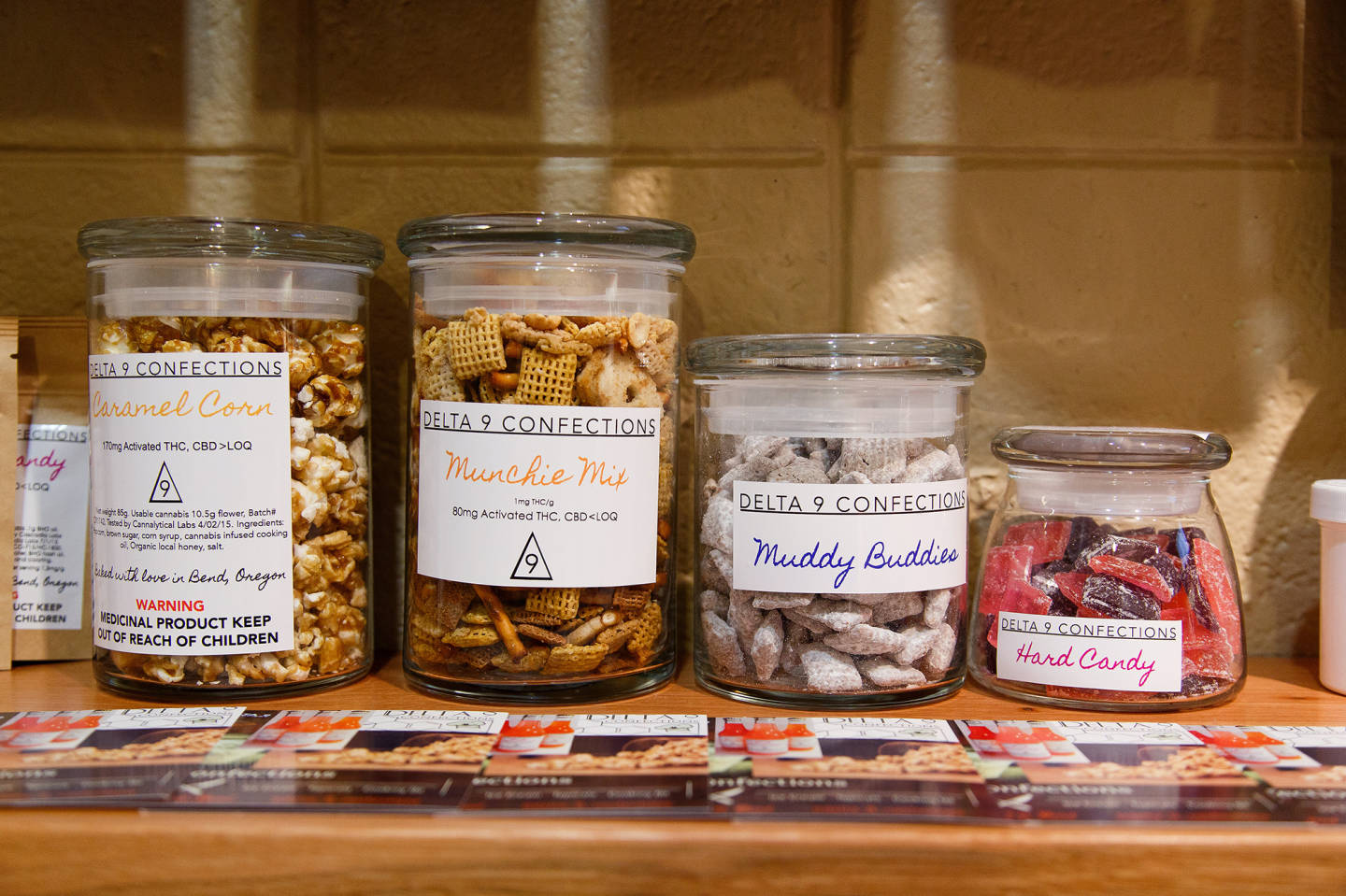
"caption": "Different types of THC-infused confections are left on display at Amazon Organics, a pot dispensary in Eugene, Ore.",
"description": "Different types of THC-infused confections are left on display at Amazon Organics, a pot dispensary in Eugene, Ore.",
"title": "Different types of THC-infused confections are left on display at Amazon Organics, a pot dispensary in Eugene, Ore.",
"credit": "Ryan Kang/AP ",
"status": "inherit",
"isLoading": false,
"fetchFailed": false
},
"bayareabites_107709": {
"type": "attachments",
"id": "bayareabites_107709",
"meta": {
"index": "attachments_1716263798",
"site": "bayareabites",
"id": "107709",
"found": true
},
"parent": 107708,
"imgSizes": {
"twentyfourteen-full-width": {
"file": "https://ww2.kqed.org/app/uploads/sites/24/2016/03/foodwaste_enl-419d4cfb36e0fc8ed48fe293b8c1d2bb6aba670d-1038x576.jpg",
"width": 1038,
"mimeType": "image/jpeg",
"height": 576
},
"thumbnail": {
"file": "https://ww2.kqed.org/app/uploads/sites/24/2016/03/foodwaste_enl-419d4cfb36e0fc8ed48fe293b8c1d2bb6aba670d-400x271.jpg",
"width": 400,
"mimeType": "image/jpeg",
"height": 271
},
"fd-sm": {
"file": "https://ww2.kqed.org/app/uploads/sites/24/2016/03/foodwaste_enl-419d4cfb36e0fc8ed48fe293b8c1d2bb6aba670d-960x649.jpg",
"width": 960,
"mimeType": "image/jpeg",
"height": 649
},
"post-thumbnail": {
"file": "https://ww2.kqed.org/app/uploads/sites/24/2016/03/foodwaste_enl-419d4cfb36e0fc8ed48fe293b8c1d2bb6aba670d-672x372.jpg",
"width": 672,
"mimeType": "image/jpeg",
"height": 372
},
"kqedFullSize": {
"file": "https://ww2.kqed.org/app/uploads/sites/24/2016/03/foodwaste_enl-419d4cfb36e0fc8ed48fe293b8c1d2bb6aba670d.jpg",
"width": 2000,
"height": 1353
},
"large": {
"file": "https://ww2.kqed.org/app/uploads/sites/24/2016/03/foodwaste_enl-419d4cfb36e0fc8ed48fe293b8c1d2bb6aba670d-1440x974.jpg",
"width": 1440,
"mimeType": "image/jpeg",
"height": 974
},
"guest-author-96": {
"file": "https://ww2.kqed.org/app/uploads/sites/24/2016/03/foodwaste_enl-419d4cfb36e0fc8ed48fe293b8c1d2bb6aba670d-96x96.jpg",
"width": 96,
"mimeType": "image/jpeg",
"height": 96
},
"medium": {
"file": "https://ww2.kqed.org/app/uploads/sites/24/2016/03/foodwaste_enl-419d4cfb36e0fc8ed48fe293b8c1d2bb6aba670d-800x541.jpg",
"width": 800,
"mimeType": "image/jpeg",
"height": 541
},
"guest-author-64": {
"file": "https://ww2.kqed.org/app/uploads/sites/24/2016/03/foodwaste_enl-419d4cfb36e0fc8ed48fe293b8c1d2bb6aba670d-64x64.jpg",
"width": 64,
"mimeType": "image/jpeg",
"height": 64
},
"guest-author-32": {
"file": "https://ww2.kqed.org/app/uploads/sites/24/2016/03/foodwaste_enl-419d4cfb36e0fc8ed48fe293b8c1d2bb6aba670d-32x32.jpg",
"width": 32,
"mimeType": "image/jpeg",
"height": 32
},
"cat_post_thumb_sizecategory-posts-2": {
"file": "https://ww2.kqed.org/app/uploads/sites/24/2016/03/foodwaste_enl-419d4cfb36e0fc8ed48fe293b8c1d2bb6aba670d-150x150.jpg",
"width": 150,
"mimeType": "image/jpeg",
"height": 150
},
"fd-lrg": {
"file": "https://ww2.kqed.org/app/uploads/sites/24/2016/03/foodwaste_enl-419d4cfb36e0fc8ed48fe293b8c1d2bb6aba670d-1920x1299.jpg",
"width": 1920,
"mimeType": "image/jpeg",
"height": 1299
},
"fd-med": {
"file": "https://ww2.kqed.org/app/uploads/sites/24/2016/03/foodwaste_enl-419d4cfb36e0fc8ed48fe293b8c1d2bb6aba670d-1180x798.jpg",
"width": 1180,
"mimeType": "image/jpeg",
"height": 798
},
"detail": {
"file": "https://ww2.kqed.org/app/uploads/sites/24/2016/03/foodwaste_enl-419d4cfb36e0fc8ed48fe293b8c1d2bb6aba670d-75x75.jpg",
"width": 75,
"mimeType": "image/jpeg",
"height": 75
},
"medium_large": {
"file": "https://ww2.kqed.org/app/uploads/sites/24/2016/03/foodwaste_enl-419d4cfb36e0fc8ed48fe293b8c1d2bb6aba670d-768x520.jpg",
"width": 768,
"mimeType": "image/jpeg",
"height": 520
},
"guest-author-128": {
"file": "https://ww2.kqed.org/app/uploads/sites/24/2016/03/foodwaste_enl-419d4cfb36e0fc8ed48fe293b8c1d2bb6aba670d-128x128.jpg",
"width": 128,
"mimeType": "image/jpeg",
"height": 128
}
},
"publishDate": 1458065536,
"modified": 1458066013,
"caption": "Food scraps are seen in a compost bin at a San Francisco restaurant. A new report ranks centralized composting as a top strategy for keeping food waste out of landfills, where it emits methane, a powerful greenhouse gas.",
"description": "Food scraps are seen in a compost bin at a San Francisco restaurant. A new report ranks centralized composting as a top strategy for keeping food waste out of landfills, where it emits methane, a powerful greenhouse gas",
"title": "Food scraps are seen in a compost bin at a San Francisco restaurant. A new report ranks centralized composting as a top strategy for keeping food waste out of landfills, where it emits methane, a powerful greenhouse gas.",
"credit": "Justin Sullivan/Getty Images ",
"status": "inherit",
"isLoading": false,
"fetchFailed": false
},
"bayareabites_107467": {
"type": "attachments",
"id": "bayareabites_107467",
"meta": {
"index": "attachments_1716263798",
"site": "bayareabites",
"id": "107467",
"found": true
},
"parent": 107466,
"imgSizes": {
"twentyfourteen-full-width": {
"file": "https://ww2.kqed.org/app/uploads/sites/24/2016/03/produce-with-pesonality_edited_enl-2b1cefe42d0050f63069a32b26537a716d884dd4-1038x576.jpg",
"width": 1038,
"mimeType": "image/jpeg",
"height": 576
},
"thumbnail": {
"file": "https://ww2.kqed.org/app/uploads/sites/24/2016/03/produce-with-pesonality_edited_enl-2b1cefe42d0050f63069a32b26537a716d884dd4-400x256.jpg",
"width": 400,
"mimeType": "image/jpeg",
"height": 256
},
"fd-sm": {
"file": "https://ww2.kqed.org/app/uploads/sites/24/2016/03/produce-with-pesonality_edited_enl-2b1cefe42d0050f63069a32b26537a716d884dd4-960x614.jpg",
"width": 960,
"mimeType": "image/jpeg",
"height": 614
},
"post-thumbnail": {
"file": "https://ww2.kqed.org/app/uploads/sites/24/2016/03/produce-with-pesonality_edited_enl-2b1cefe42d0050f63069a32b26537a716d884dd4-672x372.jpg",
"width": 672,
"mimeType": "image/jpeg",
"height": 372
},
"kqedFullSize": {
"file": "https://ww2.kqed.org/app/uploads/sites/24/2016/03/produce-with-pesonality_edited_enl-2b1cefe42d0050f63069a32b26537a716d884dd4.jpg",
"width": 2000,
"height": 1279
},
"large": {
"file": "https://ww2.kqed.org/app/uploads/sites/24/2016/03/produce-with-pesonality_edited_enl-2b1cefe42d0050f63069a32b26537a716d884dd4-1440x921.jpg",
"width": 1440,
"mimeType": "image/jpeg",
"height": 921
},
"guest-author-96": {
"file": "https://ww2.kqed.org/app/uploads/sites/24/2016/03/produce-with-pesonality_edited_enl-2b1cefe42d0050f63069a32b26537a716d884dd4-96x96.jpg",
"width": 96,
"mimeType": "image/jpeg",
"height": 96
},
"medium": {
"file": "https://ww2.kqed.org/app/uploads/sites/24/2016/03/produce-with-pesonality_edited_enl-2b1cefe42d0050f63069a32b26537a716d884dd4-800x512.jpg",
"width": 800,
"mimeType": "image/jpeg",
"height": 512
},
"guest-author-64": {
"file": "https://ww2.kqed.org/app/uploads/sites/24/2016/03/produce-with-pesonality_edited_enl-2b1cefe42d0050f63069a32b26537a716d884dd4-64x64.jpg",
"width": 64,
"mimeType": "image/jpeg",
"height": 64
},
"guest-author-32": {
"file": "https://ww2.kqed.org/app/uploads/sites/24/2016/03/produce-with-pesonality_edited_enl-2b1cefe42d0050f63069a32b26537a716d884dd4-32x32.jpg",
"width": 32,
"mimeType": "image/jpeg",
"height": 32
},
"cat_post_thumb_sizecategory-posts-2": {
"file": "https://ww2.kqed.org/app/uploads/sites/24/2016/03/produce-with-pesonality_edited_enl-2b1cefe42d0050f63069a32b26537a716d884dd4-150x150.jpg",
"width": 150,
"mimeType": "image/jpeg",
"height": 150
},
"fd-lrg": {
"file": "https://ww2.kqed.org/app/uploads/sites/24/2016/03/produce-with-pesonality_edited_enl-2b1cefe42d0050f63069a32b26537a716d884dd4-1920x1228.jpg",
"width": 1920,
"mimeType": "image/jpeg",
"height": 1228
},
"fd-med": {
"file": "https://ww2.kqed.org/app/uploads/sites/24/2016/03/produce-with-pesonality_edited_enl-2b1cefe42d0050f63069a32b26537a716d884dd4-1180x755.jpg",
"width": 1180,
"mimeType": "image/jpeg",
"height": 755
},
"detail": {
"file": "https://ww2.kqed.org/app/uploads/sites/24/2016/03/produce-with-pesonality_edited_enl-2b1cefe42d0050f63069a32b26537a716d884dd4-75x75.jpg",
"width": 75,
"mimeType": "image/jpeg",
"height": 75
},
"medium_large": {
"file": "https://ww2.kqed.org/app/uploads/sites/24/2016/03/produce-with-pesonality_edited_enl-2b1cefe42d0050f63069a32b26537a716d884dd4-768x491.jpg",
"width": 768,
"mimeType": "image/jpeg",
"height": 491
},
"guest-author-128": {
"file": "https://ww2.kqed.org/app/uploads/sites/24/2016/03/produce-with-pesonality_edited_enl-2b1cefe42d0050f63069a32b26537a716d884dd4-128x128.jpg",
"width": 128,
"mimeType": "image/jpeg",
"height": 128
}
},
"publishDate": 1457454979,
"modified": 1457455161,
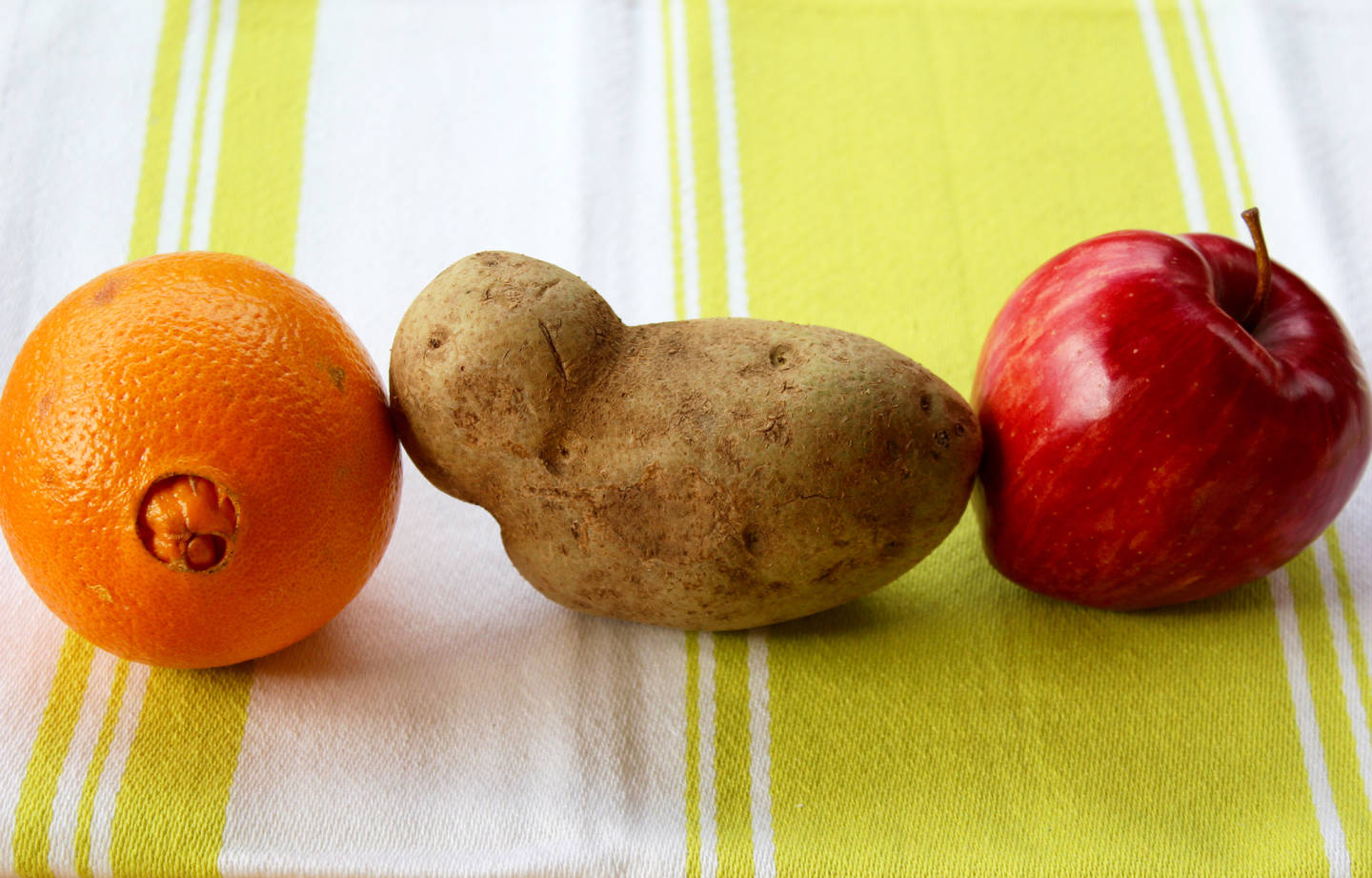
"caption": "Less-than-perfect fruit and vegetables are sold at a discount under the new Produce with Personality program being piloted at five Giant Eagle stores in Pittsburgh.",
"description": "Less-than-perfect fruit and vegetables are sold at a discount under the new Produce with Personality program being piloted at five Giant Eagle stores in Pittsburgh.",
"title": "Less-than-perfect fruit and vegetables are sold at a discount under the new Produce with Personality program being piloted at five Giant Eagle stores in Pittsburgh.",
"credit": "Courtesy of Giant Eagle ",
"status": "inherit",
"isLoading": false,
"fetchFailed": false
},
"bayareabites_107297": {
"type": "attachments",
"id": "bayareabites_107297",
"meta": {
"index": "attachments_1716263798",
"site": "bayareabites",
"id": "107297",
"found": true
},
"parent": 107295,
"imgSizes": {
"twentyfourteen-full-width": {
"file": "https://ww2.kqed.org/app/uploads/sites/24/2016/03/Clove-and-Hoof-1038x576.jpg",
"width": 1038,
"mimeType": "image/jpeg",
"height": 576
},
"thumbnail": {
"file": "https://ww2.kqed.org/app/uploads/sites/24/2016/03/Clove-and-Hoof-400x471.jpg",
"width": 400,
"mimeType": "image/jpeg",
"height": 471
},
"fd-sm": {
"file": "https://ww2.kqed.org/app/uploads/sites/24/2016/03/Clove-and-Hoof-960x1130.jpg",
"width": 960,
"mimeType": "image/jpeg",
"height": 1130
},
"post-thumbnail": {
"file": "https://ww2.kqed.org/app/uploads/sites/24/2016/03/Clove-and-Hoof-672x372.jpg",
"width": 672,
"mimeType": "image/jpeg",
"height": 372
},
"kqedFullSize": {
"file": "https://ww2.kqed.org/app/uploads/sites/24/2016/03/Clove-and-Hoof.jpg",
"width": 1920,
"height": 2260
},
"large": {
"file": "https://ww2.kqed.org/app/uploads/sites/24/2016/03/Clove-and-Hoof-1440x1695.jpg",
"width": 1440,
"mimeType": "image/jpeg",
"height": 1695
},
"guest-author-96": {
"file": "https://ww2.kqed.org/app/uploads/sites/24/2016/03/Clove-and-Hoof-96x96.jpg",
"width": 96,
"mimeType": "image/jpeg",
"height": 96
},
"medium": {
"file": "https://ww2.kqed.org/app/uploads/sites/24/2016/03/Clove-and-Hoof-800x942.jpg",
"width": 800,
"mimeType": "image/jpeg",
"height": 942
},
"guest-author-64": {
"file": "https://ww2.kqed.org/app/uploads/sites/24/2016/03/Clove-and-Hoof-64x64.jpg",
"width": 64,
"mimeType": "image/jpeg",
"height": 64
},
"guest-author-32": {
"file": "https://ww2.kqed.org/app/uploads/sites/24/2016/03/Clove-and-Hoof-32x32.jpg",
"width": 32,
"mimeType": "image/jpeg",
"height": 32
},
"cat_post_thumb_sizecategory-posts-2": {
"file": "https://ww2.kqed.org/app/uploads/sites/24/2016/03/Clove-and-Hoof-150x150.jpg",
"width": 150,
"mimeType": "image/jpeg",
"height": 150
},
"fd-lrg": {
"file": "https://ww2.kqed.org/app/uploads/sites/24/2016/03/Clove-and-Hoof-1920x2260.jpg",
"width": 1920,
"mimeType": "image/jpeg",
"height": 2260
},
"fd-med": {
"file": "https://ww2.kqed.org/app/uploads/sites/24/2016/03/Clove-and-Hoof-1180x1389.jpg",
"width": 1180,
"mimeType": "image/jpeg",
"height": 1389
},
"detail": {
"file": "https://ww2.kqed.org/app/uploads/sites/24/2016/03/Clove-and-Hoof-75x75.jpg",
"width": 75,
"mimeType": "image/jpeg",
"height": 75
},
"medium_large": {
"file": "https://ww2.kqed.org/app/uploads/sites/24/2016/03/Clove-and-Hoof-768x904.jpg",
"width": 768,
"mimeType": "image/jpeg",
"height": 904
},
"guest-author-128": {
"file": "https://ww2.kqed.org/app/uploads/sites/24/2016/03/Clove-and-Hoof-128x128.jpg",
"width": 128,
"mimeType": "image/jpeg",
"height": 128
}
},
"publishDate": 1456885570,
"modified": 1456885981,
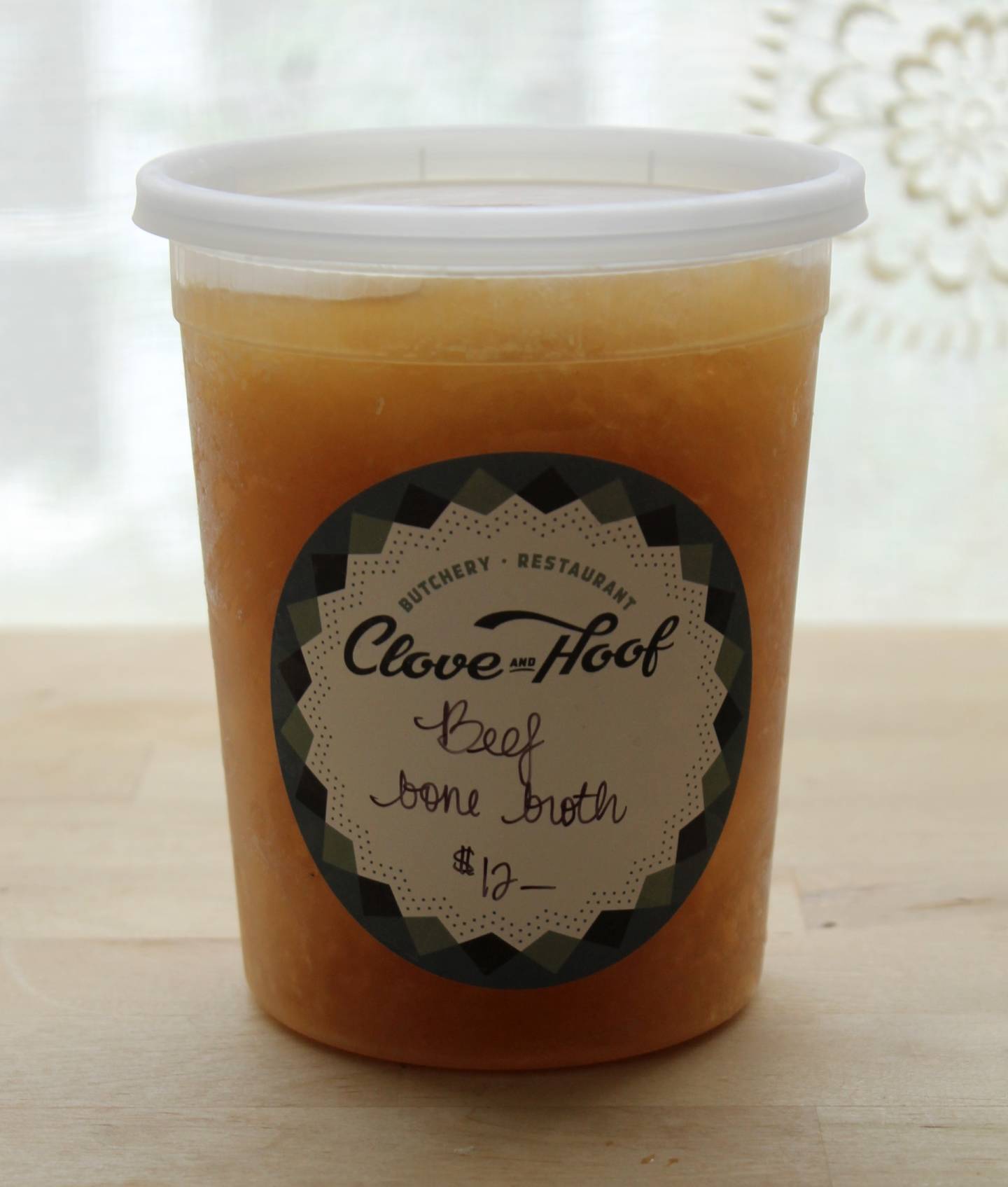
"caption": "Clove & Hoof Beef Bone Broth.",
"description": null,
"title": "Clove and Hoof",
"credit": "Kate Williams",
"status": "inherit",
"isLoading": false,
"fetchFailed": false
},
"bayareabites_107229": {
"type": "attachments",
"id": "bayareabites_107229",
"meta": {
"index": "attachments_1716263798",
"site": "bayareabites",
"id": "107229",
"found": true
},
"parent": 107228,
"imgSizes": {
"twentyfourteen-full-width": {
"file": "https://ww2.kqed.org/app/uploads/sites/24/2016/02/caffeinesample_enl-215e258d9603d4d6f5ab803444ea5592419c5b6e-1038x576.jpg",
"width": 1038,
"mimeType": "image/jpeg",
"height": 576
},
"thumbnail": {
"file": "https://ww2.kqed.org/app/uploads/sites/24/2016/02/caffeinesample_enl-215e258d9603d4d6f5ab803444ea5592419c5b6e-400x266.jpg",
"width": 400,
"mimeType": "image/jpeg",
"height": 266
},
"fd-sm": {
"file": "https://ww2.kqed.org/app/uploads/sites/24/2016/02/caffeinesample_enl-215e258d9603d4d6f5ab803444ea5592419c5b6e-960x639.jpg",
"width": 960,
"mimeType": "image/jpeg",
"height": 639
},
"post-thumbnail": {
"file": "https://ww2.kqed.org/app/uploads/sites/24/2016/02/caffeinesample_enl-215e258d9603d4d6f5ab803444ea5592419c5b6e-672x372.jpg",
"width": 672,
"mimeType": "image/jpeg",
"height": 372
},
"kqedFullSize": {
"file": "https://ww2.kqed.org/app/uploads/sites/24/2016/02/caffeinesample_enl-215e258d9603d4d6f5ab803444ea5592419c5b6e.jpg",
"width": 2000,
"height": 1332
},
"large": {
"file": "https://ww2.kqed.org/app/uploads/sites/24/2016/02/caffeinesample_enl-215e258d9603d4d6f5ab803444ea5592419c5b6e-1440x959.jpg",
"width": 1440,
"mimeType": "image/jpeg",
"height": 959
},
"guest-author-96": {
"file": "https://ww2.kqed.org/app/uploads/sites/24/2016/02/caffeinesample_enl-215e258d9603d4d6f5ab803444ea5592419c5b6e-96x96.jpg",
"width": 96,
"mimeType": "image/jpeg",
"height": 96
},
"medium": {
"file": "https://ww2.kqed.org/app/uploads/sites/24/2016/02/caffeinesample_enl-215e258d9603d4d6f5ab803444ea5592419c5b6e-800x533.jpg",
"width": 800,
"mimeType": "image/jpeg",
"height": 533
},
"guest-author-64": {
"file": "https://ww2.kqed.org/app/uploads/sites/24/2016/02/caffeinesample_enl-215e258d9603d4d6f5ab803444ea5592419c5b6e-64x64.jpg",
"width": 64,
"mimeType": "image/jpeg",
"height": 64
},
"guest-author-32": {
"file": "https://ww2.kqed.org/app/uploads/sites/24/2016/02/caffeinesample_enl-215e258d9603d4d6f5ab803444ea5592419c5b6e-32x32.jpg",
"width": 32,
"mimeType": "image/jpeg",
"height": 32
},
"cat_post_thumb_sizecategory-posts-2": {
"file": "https://ww2.kqed.org/app/uploads/sites/24/2016/02/caffeinesample_enl-215e258d9603d4d6f5ab803444ea5592419c5b6e-150x150.jpg",
"width": 150,
"mimeType": "image/jpeg",
"height": 150
},
"fd-lrg": {
"file": "https://ww2.kqed.org/app/uploads/sites/24/2016/02/caffeinesample_enl-215e258d9603d4d6f5ab803444ea5592419c5b6e-1920x1279.jpg",
"width": 1920,
"mimeType": "image/jpeg",
"height": 1279
},
"fd-med": {
"file": "https://ww2.kqed.org/app/uploads/sites/24/2016/02/caffeinesample_enl-215e258d9603d4d6f5ab803444ea5592419c5b6e-1180x786.jpg",
"width": 1180,
"mimeType": "image/jpeg",
"height": 786
},
"detail": {
"file": "https://ww2.kqed.org/app/uploads/sites/24/2016/02/caffeinesample_enl-215e258d9603d4d6f5ab803444ea5592419c5b6e-75x75.jpg",
"width": 75,
"mimeType": "image/jpeg",
"height": 75
},
"medium_large": {
"file": "https://ww2.kqed.org/app/uploads/sites/24/2016/02/caffeinesample_enl-215e258d9603d4d6f5ab803444ea5592419c5b6e-768x511.jpg",
"width": 768,
"mimeType": "image/jpeg",
"height": 511
},
"guest-author-128": {
"file": "https://ww2.kqed.org/app/uploads/sites/24/2016/02/caffeinesample_enl-215e258d9603d4d6f5ab803444ea5592419c5b6e-128x128.jpg",
"width": 128,
"mimeType": "image/jpeg",
"height": 128
}
},
"publishDate": 1456521637,
"modified": 1456522275,
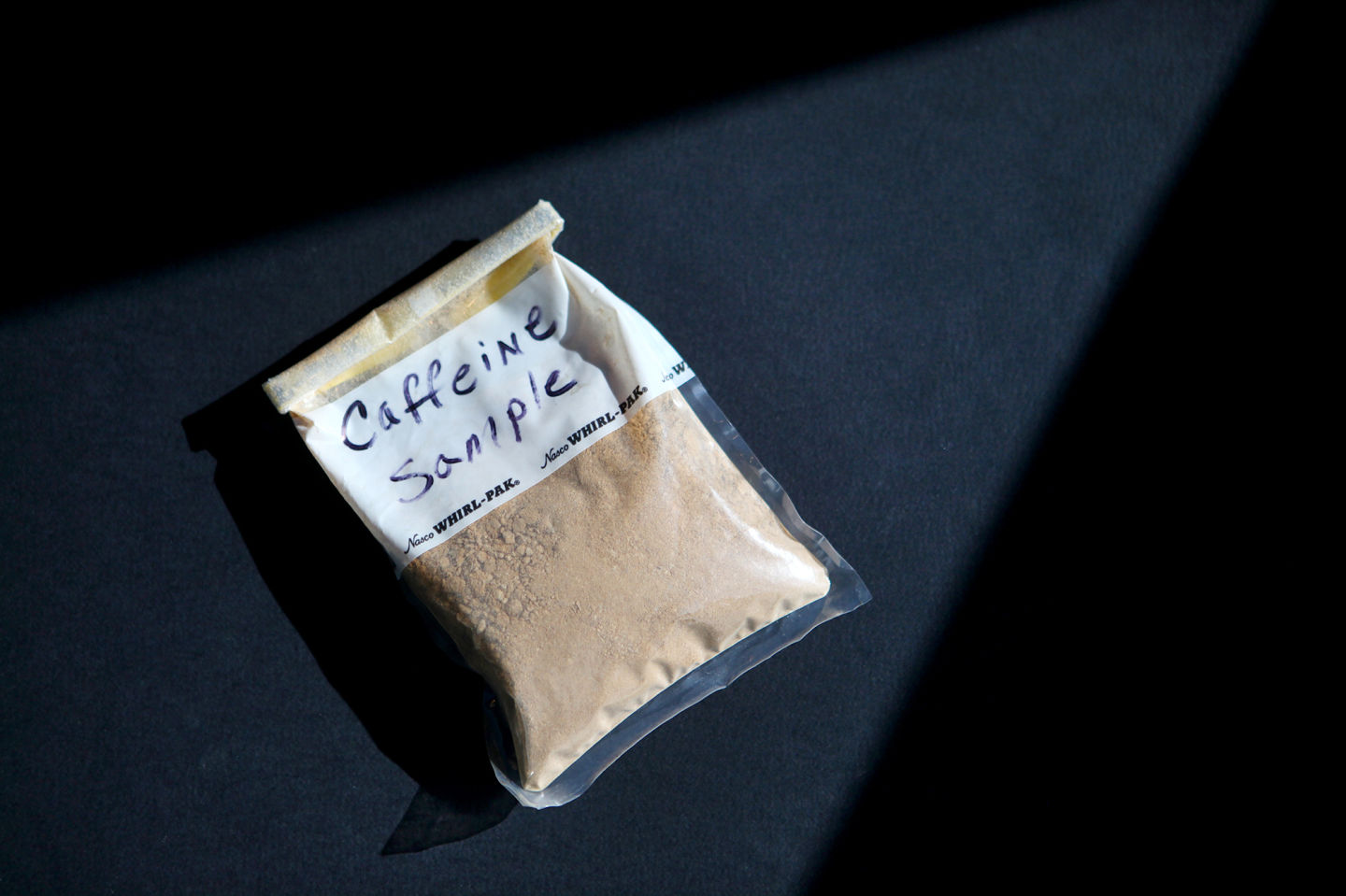
"caption": "This bag contains about as much caffeine as a thousand cups of coffee.",
"description": "This bag contains about as much caffeine as a thousand cups of coffee",
"title": "This bag contains about as much caffeine as a thousand cups of coffee.",
"credit": "Morgan McCloy/NPR",
"status": "inherit",
"isLoading": false,
"fetchFailed": false
},
"bayareabites_107000": {
"type": "attachments",
"id": "bayareabites_107000",
"meta": {
"index": "attachments_1716263798",
"site": "bayareabites",
"id": "107000",
"found": true
},
"parent": 106992,
"imgSizes": {
"twentyfourteen-full-width": {
"file": "https://ww2.kqed.org/app/uploads/sites/24/2016/02/shutterstock_212649949-1000x576.jpg",
"width": 1000,
"mimeType": "image/jpeg",
"height": 576
},
"thumbnail": {
"file": "https://ww2.kqed.org/app/uploads/sites/24/2016/02/shutterstock_212649949-400x267.jpg",
"width": 400,
"mimeType": "image/jpeg",
"height": 267
},
"fd-sm": {
"file": "https://ww2.kqed.org/app/uploads/sites/24/2016/02/shutterstock_212649949-960x640.jpg",
"width": 960,
"mimeType": "image/jpeg",
"height": 640
},
"post-thumbnail": {
"file": "https://ww2.kqed.org/app/uploads/sites/24/2016/02/shutterstock_212649949-672x372.jpg",
"width": 672,
"mimeType": "image/jpeg",
"height": 372
},
"kqedFullSize": {
"file": "https://ww2.kqed.org/app/uploads/sites/24/2016/02/shutterstock_212649949.jpg",
"width": 1000,
"height": 667
},
"guest-author-96": {
"file": "https://ww2.kqed.org/app/uploads/sites/24/2016/02/shutterstock_212649949-96x96.jpg",
"width": 96,
"mimeType": "image/jpeg",
"height": 96
},
"medium": {
"file": "https://ww2.kqed.org/app/uploads/sites/24/2016/02/shutterstock_212649949-800x534.jpg",
"width": 800,
"mimeType": "image/jpeg",
"height": 534
},
"guest-author-64": {
"file": "https://ww2.kqed.org/app/uploads/sites/24/2016/02/shutterstock_212649949-64x64.jpg",
"width": 64,
"mimeType": "image/jpeg",
"height": 64
},
"guest-author-32": {
"file": "https://ww2.kqed.org/app/uploads/sites/24/2016/02/shutterstock_212649949-32x32.jpg",
"width": 32,
"mimeType": "image/jpeg",
"height": 32
},
"cat_post_thumb_sizecategory-posts-2": {
"file": "https://ww2.kqed.org/app/uploads/sites/24/2016/02/shutterstock_212649949-150x150.jpg",
"width": 150,
"mimeType": "image/jpeg",
"height": 150
},
"detail": {
"file": "https://ww2.kqed.org/app/uploads/sites/24/2016/02/shutterstock_212649949-75x75.jpg",
"width": 75,
"mimeType": "image/jpeg",
"height": 75
},
"medium_large": {
"file": "https://ww2.kqed.org/app/uploads/sites/24/2016/02/shutterstock_212649949-768x512.jpg",
"width": 768,
"mimeType": "image/jpeg",
"height": 512
},
"guest-author-128": {
"file": "https://ww2.kqed.org/app/uploads/sites/24/2016/02/shutterstock_212649949-128x128.jpg",
"width": 128,
"mimeType": "image/jpeg",
"height": 128
}
},
"publishDate": 1455843742,
"modified": 1455844367,
"caption": null,
"description": null,
"title": "shutterstock_212649949",
"credit": "Shutterstock",
"status": "inherit",
"isLoading": false,
"fetchFailed": false
},
"bayareabites_106809": {
"type": "attachments",
"id": "bayareabites_106809",
"meta": {
"index": "attachments_1716263798",
"site": "bayareabites",
"id": "106809",
"found": true
},
"parent": 106808,
"imgSizes": {
"twentyfourteen-full-width": {
"file": "https://ww2.kqed.org/app/uploads/sites/24/2016/02/buredo-2_enl-564ef605655ba56679848798f32576e35834a2f0-1038x576.jpg",
"width": 1038,
"mimeType": "image/jpeg",
"height": 576
},
"thumbnail": {
"file": "https://ww2.kqed.org/app/uploads/sites/24/2016/02/buredo-2_enl-564ef605655ba56679848798f32576e35834a2f0-400x266.jpg",
"width": 400,
"mimeType": "image/jpeg",
"height": 266
},
"fd-sm": {
"file": "https://ww2.kqed.org/app/uploads/sites/24/2016/02/buredo-2_enl-564ef605655ba56679848798f32576e35834a2f0-960x639.jpg",
"width": 960,
"mimeType": "image/jpeg",
"height": 639
},
"post-thumbnail": {
"file": "https://ww2.kqed.org/app/uploads/sites/24/2016/02/buredo-2_enl-564ef605655ba56679848798f32576e35834a2f0-672x372.jpg",
"width": 672,
"mimeType": "image/jpeg",
"height": 372
},
"kqedFullSize": {
"file": "https://ww2.kqed.org/app/uploads/sites/24/2016/02/buredo-2_enl-564ef605655ba56679848798f32576e35834a2f0.jpg",
"width": 2000,
"height": 1332
},
"large": {
"file": "https://ww2.kqed.org/app/uploads/sites/24/2016/02/buredo-2_enl-564ef605655ba56679848798f32576e35834a2f0-1440x959.jpg",
"width": 1440,
"mimeType": "image/jpeg",
"height": 959
},
"guest-author-96": {
"file": "https://ww2.kqed.org/app/uploads/sites/24/2016/02/buredo-2_enl-564ef605655ba56679848798f32576e35834a2f0-96x96.jpg",
"width": 96,
"mimeType": "image/jpeg",
"height": 96
},
"medium": {
"file": "https://ww2.kqed.org/app/uploads/sites/24/2016/02/buredo-2_enl-564ef605655ba56679848798f32576e35834a2f0-800x533.jpg",
"width": 800,
"mimeType": "image/jpeg",
"height": 533
},
"guest-author-64": {
"file": "https://ww2.kqed.org/app/uploads/sites/24/2016/02/buredo-2_enl-564ef605655ba56679848798f32576e35834a2f0-64x64.jpg",
"width": 64,
"mimeType": "image/jpeg",
"height": 64
},
"guest-author-32": {
"file": "https://ww2.kqed.org/app/uploads/sites/24/2016/02/buredo-2_enl-564ef605655ba56679848798f32576e35834a2f0-32x32.jpg",
"width": 32,
"mimeType": "image/jpeg",
"height": 32
},
"cat_post_thumb_sizecategory-posts-2": {
"file": "https://ww2.kqed.org/app/uploads/sites/24/2016/02/buredo-2_enl-564ef605655ba56679848798f32576e35834a2f0-150x150.jpg",
"width": 150,
"mimeType": "image/jpeg",
"height": 150
},
"fd-lrg": {
"file": "https://ww2.kqed.org/app/uploads/sites/24/2016/02/buredo-2_enl-564ef605655ba56679848798f32576e35834a2f0-1920x1279.jpg",
"width": 1920,
"mimeType": "image/jpeg",
"height": 1279
},
"fd-med": {
"file": "https://ww2.kqed.org/app/uploads/sites/24/2016/02/buredo-2_enl-564ef605655ba56679848798f32576e35834a2f0-1180x786.jpg",
"width": 1180,
"mimeType": "image/jpeg",
"height": 786
},
"detail": {
"file": "https://ww2.kqed.org/app/uploads/sites/24/2016/02/buredo-2_enl-564ef605655ba56679848798f32576e35834a2f0-75x75.jpg",
"width": 75,
"mimeType": "image/jpeg",
"height": 75
},
"medium_large": {
"file": "https://ww2.kqed.org/app/uploads/sites/24/2016/02/buredo-2_enl-564ef605655ba56679848798f32576e35834a2f0-768x511.jpg",
"width": 768,
"mimeType": "image/jpeg",
"height": 511
},
"guest-author-128": {
"file": "https://ww2.kqed.org/app/uploads/sites/24/2016/02/buredo-2_enl-564ef605655ba56679848798f32576e35834a2f0-128x128.jpg",
"width": 128,
"mimeType": "image/jpeg",
"height": 128
}
},
"publishDate": 1455061697,
"modified": 1455063218,
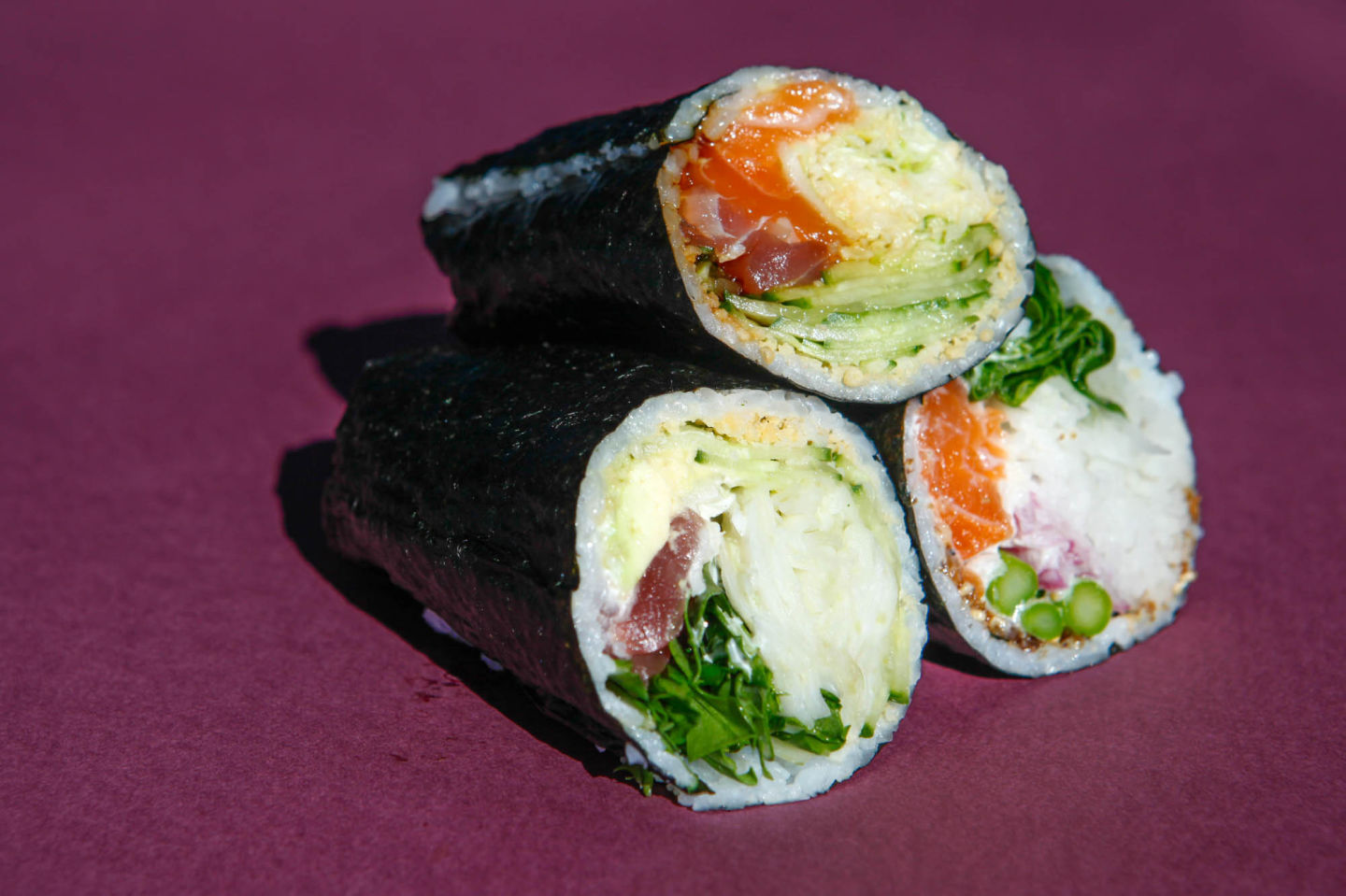
"caption": "Sushi burritos from Washington, D.C., restaurant Buredo. These are delicious, but there's no way they'll earn certification as authentic Japanese cuisine under a new program from the government of Japan.",
"description": "Sushi burritos from Washington, D.C., restaurant Buredo. These are delicious, but there's no way they'll earn certification as authentic Japanese cuisine under a new program from the government of Japan",
"title": "Sushi burritos from Washington, D.C., restaurant Buredo. These are delicious, but there's no way they'll earn certification as authentic Japanese cuisine under a new program from the government of Japan.",
"credit": "Morgan McCloy/NPR",
"status": "inherit",
"isLoading": false,
"fetchFailed": false
},
"bayareabites_106502": {
"type": "attachments",
"id": "bayareabites_106502",
"meta": {
"index": "attachments_1716263798",
"site": "bayareabites",
"id": "106502",
"found": true
},
"parent": 106501,
"imgSizes": {
"twentyfourteen-full-width": {
"file": "https://ww2.kqed.org/app/uploads/sites/24/2016/02/burnett_jerky_13_edited_enl-fab07922847b925dcd04e51c8331deab587a325a-1038x576.jpg",
"width": 1038,
"mimeType": "image/jpeg",
"height": 576
},
"thumbnail": {
"file": "https://ww2.kqed.org/app/uploads/sites/24/2016/02/burnett_jerky_13_edited_enl-fab07922847b925dcd04e51c8331deab587a325a-400x320.jpg",
"width": 400,
"mimeType": "image/jpeg",
"height": 320
},
"fd-sm": {
"file": "https://ww2.kqed.org/app/uploads/sites/24/2016/02/burnett_jerky_13_edited_enl-fab07922847b925dcd04e51c8331deab587a325a-960x768.jpg",
"width": 960,
"mimeType": "image/jpeg",
"height": 768
},
"post-thumbnail": {
"file": "https://ww2.kqed.org/app/uploads/sites/24/2016/02/burnett_jerky_13_edited_enl-fab07922847b925dcd04e51c8331deab587a325a-672x372.jpg",
"width": 672,
"mimeType": "image/jpeg",
"height": 372
},
"kqedFullSize": {
"file": "https://ww2.kqed.org/app/uploads/sites/24/2016/02/burnett_jerky_13_edited_enl-fab07922847b925dcd04e51c8331deab587a325a.jpg",
"width": 1200,
"height": 960
},
"guest-author-96": {
"file": "https://ww2.kqed.org/app/uploads/sites/24/2016/02/burnett_jerky_13_edited_enl-fab07922847b925dcd04e51c8331deab587a325a-96x96.jpg",
"width": 96,
"mimeType": "image/jpeg",
"height": 96
},
"medium": {
"file": "https://ww2.kqed.org/app/uploads/sites/24/2016/02/burnett_jerky_13_edited_enl-fab07922847b925dcd04e51c8331deab587a325a-800x640.jpg",
"width": 800,
"mimeType": "image/jpeg",
"height": 640
},
"guest-author-64": {
"file": "https://ww2.kqed.org/app/uploads/sites/24/2016/02/burnett_jerky_13_edited_enl-fab07922847b925dcd04e51c8331deab587a325a-64x64.jpg",
"width": 64,
"mimeType": "image/jpeg",
"height": 64
},
"guest-author-32": {
"file": "https://ww2.kqed.org/app/uploads/sites/24/2016/02/burnett_jerky_13_edited_enl-fab07922847b925dcd04e51c8331deab587a325a-32x32.jpg",
"width": 32,
"mimeType": "image/jpeg",
"height": 32
},
"cat_post_thumb_sizecategory-posts-2": {
"file": "https://ww2.kqed.org/app/uploads/sites/24/2016/02/burnett_jerky_13_edited_enl-fab07922847b925dcd04e51c8331deab587a325a-150x150.jpg",
"width": 150,
"mimeType": "image/jpeg",
"height": 150
},
"fd-med": {
"file": "https://ww2.kqed.org/app/uploads/sites/24/2016/02/burnett_jerky_13_edited_enl-fab07922847b925dcd04e51c8331deab587a325a-1180x944.jpg",
"width": 1180,
"mimeType": "image/jpeg",
"height": 944
},
"detail": {
"file": "https://ww2.kqed.org/app/uploads/sites/24/2016/02/burnett_jerky_13_edited_enl-fab07922847b925dcd04e51c8331deab587a325a-75x75.jpg",
"width": 75,
"mimeType": "image/jpeg",
"height": 75
},
"medium_large": {
"file": "https://ww2.kqed.org/app/uploads/sites/24/2016/02/burnett_jerky_13_edited_enl-fab07922847b925dcd04e51c8331deab587a325a-768x614.jpg",
"width": 768,
"mimeType": "image/jpeg",
"height": 614
},
"guest-author-128": {
"file": "https://ww2.kqed.org/app/uploads/sites/24/2016/02/burnett_jerky_13_edited_enl-fab07922847b925dcd04e51c8331deab587a325a-128x128.jpg",
"width": 128,
"mimeType": "image/jpeg",
"height": 128
}
},
"publishDate": 1454381753,
"modified": 1454382087,
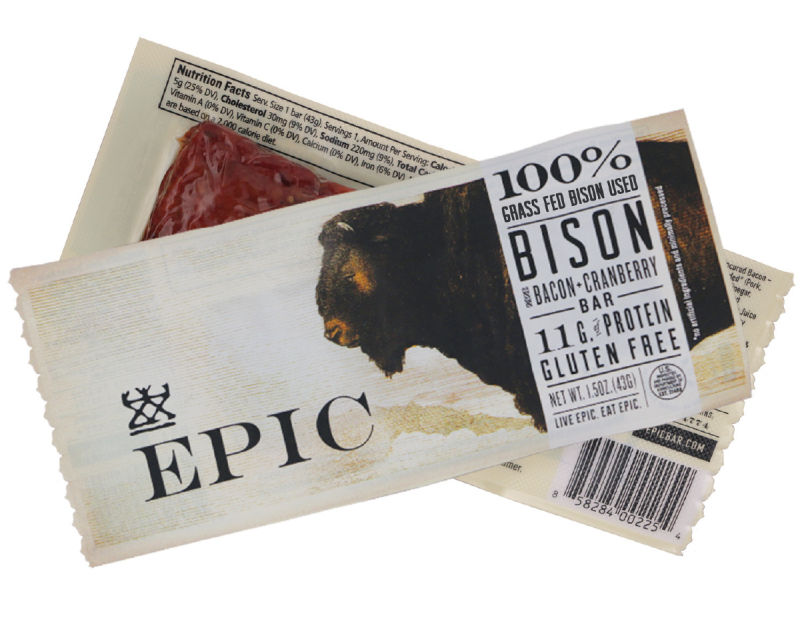
"caption": "Epic, founded in Austin, Texas, makes organic meat bars filled with nuts and dried fruit. It's a rising star in the beef jerky market and was recently acquired by General Mills.",
"description": "Epic, founded in Austin, Texas, makes organic meat bars filled with nuts and dried fruit. It's a rising star in the beef jerky market and was recently acquired by General Mills.",
"title": "Epic, founded in Austin, Texas, makes organic meat bars filled with nuts and dried fruit. It's a rising star in the beef jerky market and was recently acquired by General Mills.",
"credit": "Courtesy of Epic",
"status": "inherit",
"isLoading": false,
"fetchFailed": false
},
"bayareabites_106258": {
"type": "attachments",
"id": "bayareabites_106258",
"meta": {
"index": "attachments_1716263798",
"site": "bayareabites",
"id": "106258",
"found": true
},
"parent": 106105,
"imgSizes": {
"twentyfourteen-full-width": {
"file": "https://ww2.kqed.org/app/uploads/sites/24/2016/01/smari-inside-text-1038x576.jpg",
"width": 1038,
"mimeType": "image/jpeg",
"height": 576
},
"thumbnail": {
"file": "https://ww2.kqed.org/app/uploads/sites/24/2016/01/smari-inside-text-400x267.jpg",
"width": 400,
"mimeType": "image/jpeg",
"height": 267
},
"fd-sm": {
"file": "https://ww2.kqed.org/app/uploads/sites/24/2016/01/smari-inside-text-960x640.jpg",
"width": 960,
"mimeType": "image/jpeg",
"height": 640
},
"post-thumbnail": {
"file": "https://ww2.kqed.org/app/uploads/sites/24/2016/01/smari-inside-text-672x372.jpg",
"width": 672,
"mimeType": "image/jpeg",
"height": 372
},
"kqedFullSize": {
"file": "https://ww2.kqed.org/app/uploads/sites/24/2016/01/smari-inside-text.jpg",
"width": 1920,
"height": 1280
},
"large": {
"file": "https://ww2.kqed.org/app/uploads/sites/24/2016/01/smari-inside-text-1440x960.jpg",
"width": 1440,
"mimeType": "image/jpeg",
"height": 960
},
"guest-author-96": {
"file": "https://ww2.kqed.org/app/uploads/sites/24/2016/01/smari-inside-text-96x96.jpg",
"width": 96,
"mimeType": "image/jpeg",
"height": 96
},
"medium": {
"file": "https://ww2.kqed.org/app/uploads/sites/24/2016/01/smari-inside-text-800x533.jpg",
"width": 800,
"mimeType": "image/jpeg",
"height": 533
},
"guest-author-64": {
"file": "https://ww2.kqed.org/app/uploads/sites/24/2016/01/smari-inside-text-64x64.jpg",
"width": 64,
"mimeType": "image/jpeg",
"height": 64
},
"guest-author-32": {
"file": "https://ww2.kqed.org/app/uploads/sites/24/2016/01/smari-inside-text-32x32.jpg",
"width": 32,
"mimeType": "image/jpeg",
"height": 32
},
"cat_post_thumb_sizecategory-posts-2": {
"file": "https://ww2.kqed.org/app/uploads/sites/24/2016/01/smari-inside-text-150x150.jpg",
"width": 150,
"mimeType": "image/jpeg",
"height": 150
},
"fd-lrg": {
"file": "https://ww2.kqed.org/app/uploads/sites/24/2016/01/smari-inside-text-1920x1280.jpg",
"width": 1920,
"mimeType": "image/jpeg",
"height": 1280
},
"fd-med": {
"file": "https://ww2.kqed.org/app/uploads/sites/24/2016/01/smari-inside-text-1180x787.jpg",
"width": 1180,
"mimeType": "image/jpeg",
"height": 787
},
"detail": {
"file": "https://ww2.kqed.org/app/uploads/sites/24/2016/01/smari-inside-text-75x75.jpg",
"width": 75,
"mimeType": "image/jpeg",
"height": 75
},
"medium_large": {
"file": "https://ww2.kqed.org/app/uploads/sites/24/2016/01/smari-inside-text-768x512.jpg",
"width": 768,
"mimeType": "image/jpeg",
"height": 512
},
"guest-author-128": {
"file": "https://ww2.kqed.org/app/uploads/sites/24/2016/01/smari-inside-text-128x128.jpg",
"width": 128,
"mimeType": "image/jpeg",
"height": 128
}
},
"publishDate": 1453519659,
"modified": 1453521043,
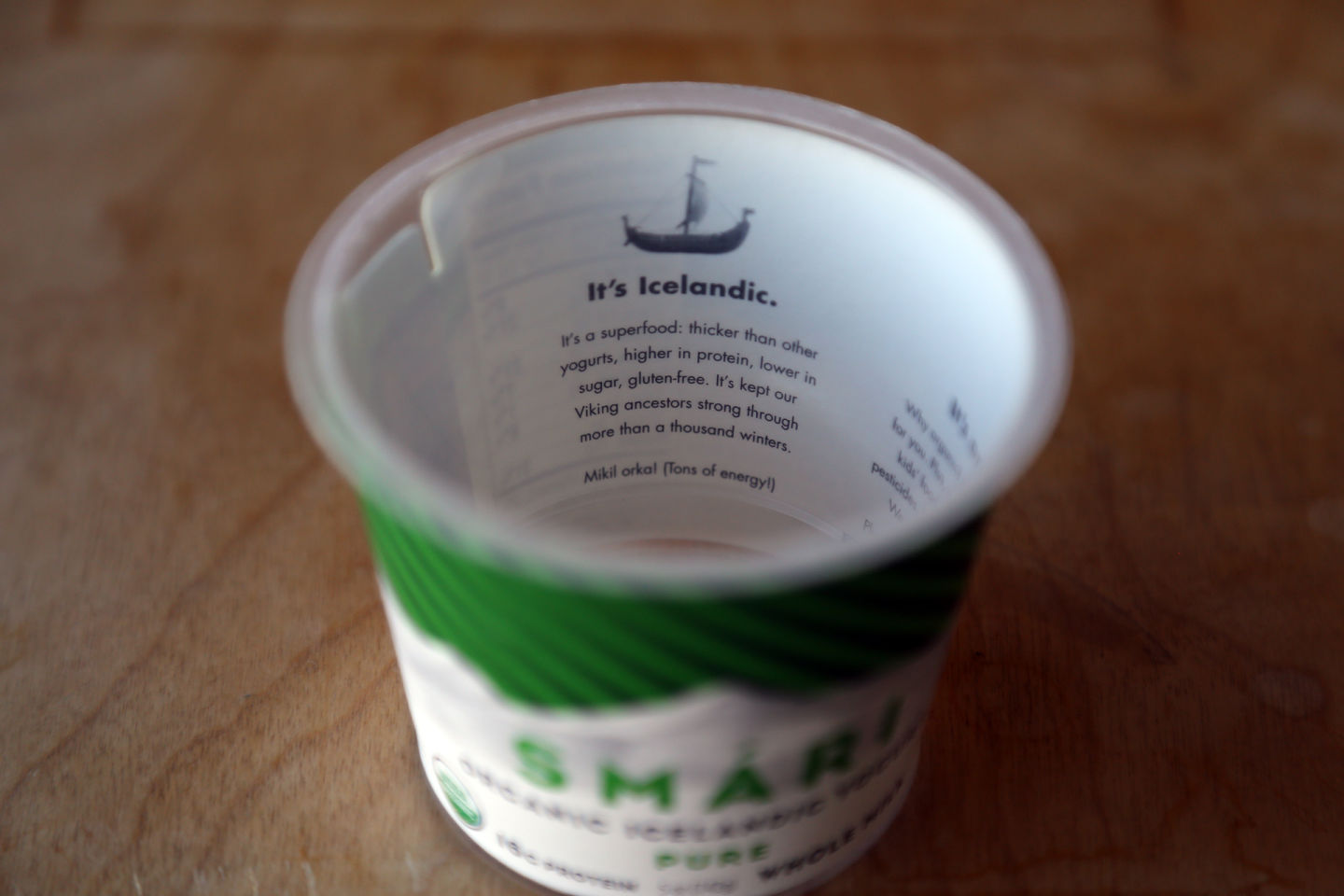
"caption": "It's Icelandic. Interior design inside a cup of Smári yogurt.",
"description": "It's Icelandic. Interior design inside a cup of Smári yogurt.",
"title": "smari-inside-text",
"credit": "Wendy Goodfriend",
"status": "inherit",
"isLoading": false,
"fetchFailed": false
},
"bayareabites_106151": {
"type": "attachments",
"id": "bayareabites_106151",
"meta": {
"index": "attachments_1716263798",
"site": "bayareabites",
"id": "106151",
"found": true
},
"parent": 106147,
"imgSizes": {
"thumbnail": {
"file": "https://ww2.kqed.org/app/uploads/sites/24/2016/01/hillary-clinton-400x267.jpg",
"width": 400,
"mimeType": "image/jpeg",
"height": 267
},
"post-thumbnail": {
"file": "https://ww2.kqed.org/app/uploads/sites/24/2016/01/hillary-clinton-672x372.jpg",
"width": 672,
"mimeType": "image/jpeg",
"height": 372
},
"kqedFullSize": {
"file": "https://ww2.kqed.org/app/uploads/sites/24/2016/01/hillary-clinton.jpg",
"width": 800,
"height": 534
},
"cat_post_thumb_sizecategory-posts-2": {
"file": "https://ww2.kqed.org/app/uploads/sites/24/2016/01/hillary-clinton-150x150.jpg",
"width": 150,
"mimeType": "image/jpeg",
"height": 150
},
"guest-author-96": {
"file": "https://ww2.kqed.org/app/uploads/sites/24/2016/01/hillary-clinton-96x96.jpg",
"width": 96,
"mimeType": "image/jpeg",
"height": 96
},
"medium": {
"file": "https://ww2.kqed.org/app/uploads/sites/24/2016/01/hillary-clinton-800x534.jpg",
"width": 800,
"mimeType": "image/jpeg",
"height": 534
},
"guest-author-64": {
"file": "https://ww2.kqed.org/app/uploads/sites/24/2016/01/hillary-clinton-64x64.jpg",
"width": 64,
"mimeType": "image/jpeg",
"height": 64
},
"detail": {
"file": "https://ww2.kqed.org/app/uploads/sites/24/2016/01/hillary-clinton-75x75.jpg",
"width": 75,
"mimeType": "image/jpeg",
"height": 75
},
"guest-author-32": {
"file": "https://ww2.kqed.org/app/uploads/sites/24/2016/01/hillary-clinton-32x32.jpg",
"width": 32,
"mimeType": "image/jpeg",
"height": 32
},
"medium_large": {
"file": "https://ww2.kqed.org/app/uploads/sites/24/2016/01/hillary-clinton-768x513.jpg",
"width": 768,
"mimeType": "image/jpeg",
"height": 513
},
"guest-author-128": {
"file": "https://ww2.kqed.org/app/uploads/sites/24/2016/01/hillary-clinton-128x128.jpg",
"width": 128,
"mimeType": "image/jpeg",
"height": 128
}
},
"publishDate": 1453426103,
"modified": 1453426126,
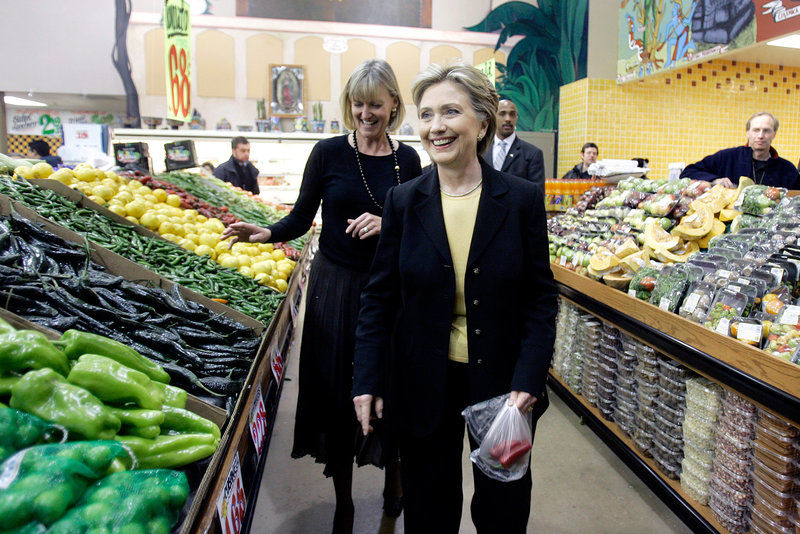
"caption": "Democratic presidential hopeful Hillary Clinton walks through the hot peppers section of the El Rey grocery store in Milwaukee, Wis., during a campaign stop in 2008. Clinton tells NPR that she eats a hot, fresh pepper a day to stay healthy on the campaign trail. She may be onto something.",
"description": "Democratic presidential hopeful Hillary Clinton walks through the hot peppers section of the El Rey grocery store in Milwaukee, Wis., during a campaign stop in 2008. Clinton tells NPR that she eats a hot, fresh pepper a day to stay healthy on the campaign trail. She may be onto something.",
"title": "hillary-clinton",
"credit": "Carolyn Kaster/AP",
"status": "inherit",
"isLoading": false,
"fetchFailed": false
},
"bayareabites_106081": {
"type": "attachments",
"id": "bayareabites_106081",
"meta": {
"index": "attachments_1716263798",
"site": "bayareabites",
"id": "106081",
"found": true
},
"parent": 106079,
"imgSizes": {
"twentyfourteen-full-width": {
"file": "https://ww2.kqed.org/app/uploads/sites/24/2016/01/dietproductsfinalsmaller_enl-1ac188653ef67ddbdf1f689bbd2860837a100b08-1038x576.jpg",
"width": 1038,
"mimeType": "image/jpeg",
"height": 576
},
"thumbnail": {
"file": "https://ww2.kqed.org/app/uploads/sites/24/2016/01/dietproductsfinalsmaller_enl-1ac188653ef67ddbdf1f689bbd2860837a100b08-400x267.jpg",
"width": 400,
"mimeType": "image/jpeg",
"height": 267
},
"fd-sm": {
"file": "https://ww2.kqed.org/app/uploads/sites/24/2016/01/dietproductsfinalsmaller_enl-1ac188653ef67ddbdf1f689bbd2860837a100b08-960x640.jpg",
"width": 960,
"mimeType": "image/jpeg",
"height": 640
},
"post-thumbnail": {
"file": "https://ww2.kqed.org/app/uploads/sites/24/2016/01/dietproductsfinalsmaller_enl-1ac188653ef67ddbdf1f689bbd2860837a100b08-672x372.jpg",
"width": 672,
"mimeType": "image/jpeg",
"height": 372
},
"kqedFullSize": {
"file": "https://ww2.kqed.org/app/uploads/sites/24/2016/01/dietproductsfinalsmaller_enl-1ac188653ef67ddbdf1f689bbd2860837a100b08.jpg",
"width": 2000,
"height": 1334
},
"large": {
"file": "https://ww2.kqed.org/app/uploads/sites/24/2016/01/dietproductsfinalsmaller_enl-1ac188653ef67ddbdf1f689bbd2860837a100b08-1440x960.jpg",
"width": 1440,
"mimeType": "image/jpeg",
"height": 960
},
"guest-author-96": {
"file": "https://ww2.kqed.org/app/uploads/sites/24/2016/01/dietproductsfinalsmaller_enl-1ac188653ef67ddbdf1f689bbd2860837a100b08-96x96.jpg",
"width": 96,
"mimeType": "image/jpeg",
"height": 96
},
"medium": {
"file": "https://ww2.kqed.org/app/uploads/sites/24/2016/01/dietproductsfinalsmaller_enl-1ac188653ef67ddbdf1f689bbd2860837a100b08-800x534.jpg",
"width": 800,
"mimeType": "image/jpeg",
"height": 534
},
"guest-author-64": {
"file": "https://ww2.kqed.org/app/uploads/sites/24/2016/01/dietproductsfinalsmaller_enl-1ac188653ef67ddbdf1f689bbd2860837a100b08-64x64.jpg",
"width": 64,
"mimeType": "image/jpeg",
"height": 64
},
"guest-author-32": {
"file": "https://ww2.kqed.org/app/uploads/sites/24/2016/01/dietproductsfinalsmaller_enl-1ac188653ef67ddbdf1f689bbd2860837a100b08-32x32.jpg",
"width": 32,
"mimeType": "image/jpeg",
"height": 32
},
"cat_post_thumb_sizecategory-posts-2": {
"file": "https://ww2.kqed.org/app/uploads/sites/24/2016/01/dietproductsfinalsmaller_enl-1ac188653ef67ddbdf1f689bbd2860837a100b08-150x150.jpg",
"width": 150,
"mimeType": "image/jpeg",
"height": 150
},
"fd-lrg": {
"file": "https://ww2.kqed.org/app/uploads/sites/24/2016/01/dietproductsfinalsmaller_enl-1ac188653ef67ddbdf1f689bbd2860837a100b08-1920x1281.jpg",
"width": 1920,
"mimeType": "image/jpeg",
"height": 1281
},
"fd-med": {
"file": "https://ww2.kqed.org/app/uploads/sites/24/2016/01/dietproductsfinalsmaller_enl-1ac188653ef67ddbdf1f689bbd2860837a100b08-1180x787.jpg",
"width": 1180,
"mimeType": "image/jpeg",
"height": 787
},
"detail": {
"file": "https://ww2.kqed.org/app/uploads/sites/24/2016/01/dietproductsfinalsmaller_enl-1ac188653ef67ddbdf1f689bbd2860837a100b08-75x75.jpg",
"width": 75,
"mimeType": "image/jpeg",
"height": 75
},
"medium_large": {
"file": "https://ww2.kqed.org/app/uploads/sites/24/2016/01/dietproductsfinalsmaller_enl-1ac188653ef67ddbdf1f689bbd2860837a100b08-768x512.jpg",
"width": 768,
"mimeType": "image/jpeg",
"height": 512
},
"guest-author-128": {
"file": "https://ww2.kqed.org/app/uploads/sites/24/2016/01/dietproductsfinalsmaller_enl-1ac188653ef67ddbdf1f689bbd2860837a100b08-128x128.jpg",
"width": 128,
"mimeType": "image/jpeg",
"height": 128
}
},
"publishDate": 1453328543,
"modified": 1453328725,
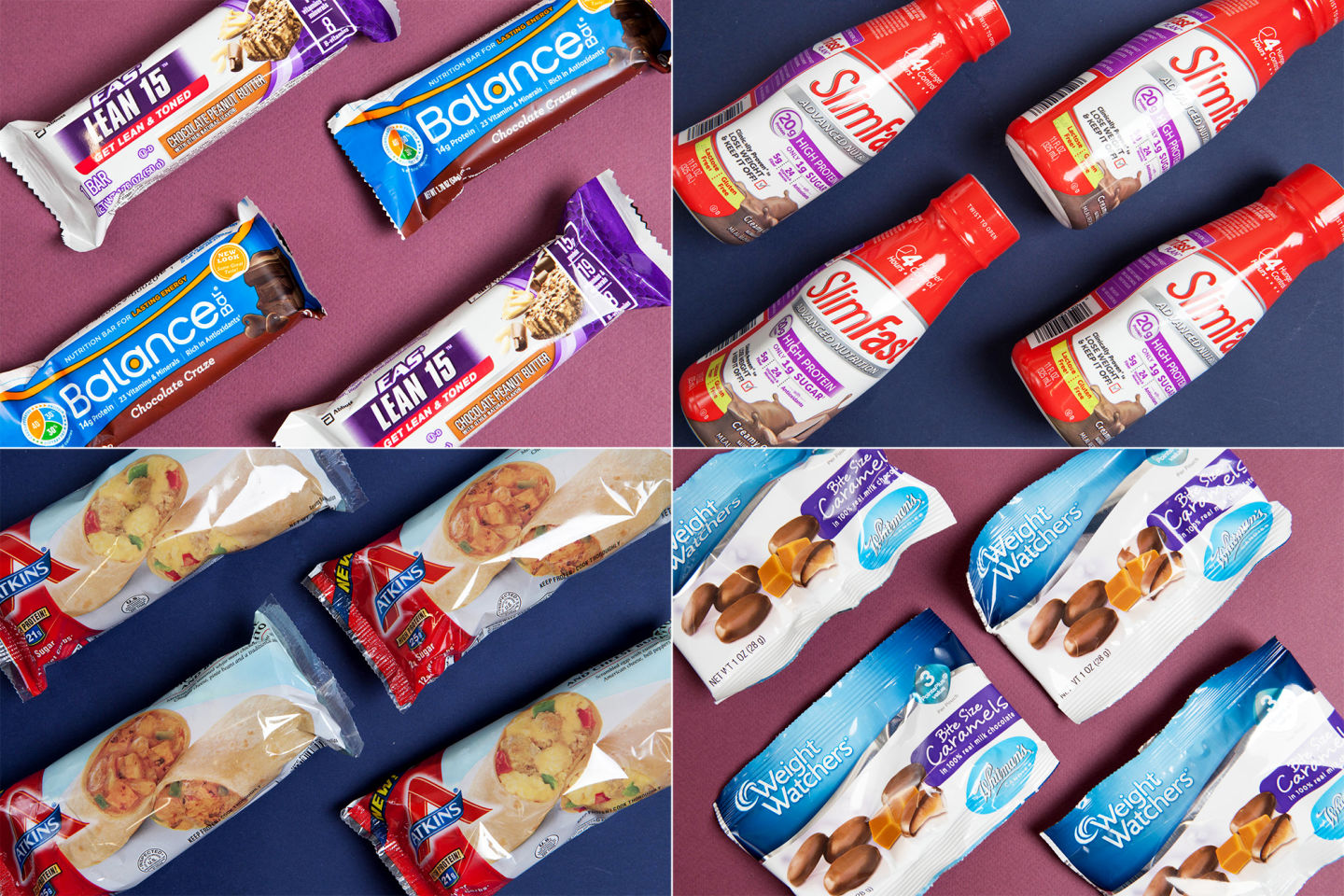
"caption": "Sales of diet food products have dropped in recent years as consumers have become disillusioned with their effectiveness for weight loss.",
"description": "Sales of diet food products have dropped in recent years as consumers have become disillusioned with their effectiveness for weight loss.",
"title": "Sales of diet food products have dropped in recent years as consumers have become disillusioned with their effectiveness for weight loss.",
"credit": "Morgan McCloy/NPR",
"status": "inherit",
"isLoading": false,
"fetchFailed": false
},
"bayareabites_106027": {
"type": "attachments",
"id": "bayareabites_106027",
"meta": {
"index": "attachments_1716263798",
"site": "bayareabites",
"id": "106027",
"found": true
},
"parent": 106026,
"imgSizes": {
"twentyfourteen-full-width": {
"file": "https://ww2.kqed.org/app/uploads/sites/24/2016/01/foodbankpriest_enl-8709421c018f88560d9beede1aa5530b41bf921c-1038x576.jpg",
"width": 1038,
"mimeType": "image/jpeg",
"height": 576
},
"thumbnail": {
"file": "https://ww2.kqed.org/app/uploads/sites/24/2016/01/foodbankpriest_enl-8709421c018f88560d9beede1aa5530b41bf921c-400x267.jpg",
"width": 400,
"mimeType": "image/jpeg",
"height": 267
},
"fd-sm": {
"file": "https://ww2.kqed.org/app/uploads/sites/24/2016/01/foodbankpriest_enl-8709421c018f88560d9beede1aa5530b41bf921c-960x641.jpg",
"width": 960,
"mimeType": "image/jpeg",
"height": 641
},
"post-thumbnail": {
"file": "https://ww2.kqed.org/app/uploads/sites/24/2016/01/foodbankpriest_enl-8709421c018f88560d9beede1aa5530b41bf921c-672x372.jpg",
"width": 672,
"mimeType": "image/jpeg",
"height": 372
},
"kqedFullSize": {
"file": "https://ww2.kqed.org/app/uploads/sites/24/2016/01/foodbankpriest_enl-8709421c018f88560d9beede1aa5530b41bf921c.jpg",
"width": 2000,
"height": 1335
},
"large": {
"file": "https://ww2.kqed.org/app/uploads/sites/24/2016/01/foodbankpriest_enl-8709421c018f88560d9beede1aa5530b41bf921c-1440x961.jpg",
"width": 1440,
"mimeType": "image/jpeg",
"height": 961
},
"guest-author-96": {
"file": "https://ww2.kqed.org/app/uploads/sites/24/2016/01/foodbankpriest_enl-8709421c018f88560d9beede1aa5530b41bf921c-96x96.jpg",
"width": 96,
"mimeType": "image/jpeg",
"height": 96
},
"medium": {
"file": "https://ww2.kqed.org/app/uploads/sites/24/2016/01/foodbankpriest_enl-8709421c018f88560d9beede1aa5530b41bf921c-800x534.jpg",
"width": 800,
"mimeType": "image/jpeg",
"height": 534
},
"guest-author-64": {
"file": "https://ww2.kqed.org/app/uploads/sites/24/2016/01/foodbankpriest_enl-8709421c018f88560d9beede1aa5530b41bf921c-64x64.jpg",
"width": 64,
"mimeType": "image/jpeg",
"height": 64
},
"guest-author-32": {
"file": "https://ww2.kqed.org/app/uploads/sites/24/2016/01/foodbankpriest_enl-8709421c018f88560d9beede1aa5530b41bf921c-32x32.jpg",
"width": 32,
"mimeType": "image/jpeg",
"height": 32
},
"cat_post_thumb_sizecategory-posts-2": {
"file": "https://ww2.kqed.org/app/uploads/sites/24/2016/01/foodbankpriest_enl-8709421c018f88560d9beede1aa5530b41bf921c-150x150.jpg",
"width": 150,
"mimeType": "image/jpeg",
"height": 150
},
"fd-lrg": {
"file": "https://ww2.kqed.org/app/uploads/sites/24/2016/01/foodbankpriest_enl-8709421c018f88560d9beede1aa5530b41bf921c-1920x1282.jpg",
"width": 1920,
"mimeType": "image/jpeg",
"height": 1282
},
"fd-med": {
"file": "https://ww2.kqed.org/app/uploads/sites/24/2016/01/foodbankpriest_enl-8709421c018f88560d9beede1aa5530b41bf921c-1180x788.jpg",
"width": 1180,
"mimeType": "image/jpeg",
"height": 788
},
"detail": {
"file": "https://ww2.kqed.org/app/uploads/sites/24/2016/01/foodbankpriest_enl-8709421c018f88560d9beede1aa5530b41bf921c-75x75.jpg",
"width": 75,
"mimeType": "image/jpeg",
"height": 75
},
"medium_large": {
"file": "https://ww2.kqed.org/app/uploads/sites/24/2016/01/foodbankpriest_enl-8709421c018f88560d9beede1aa5530b41bf921c-768x513.jpg",
"width": 768,
"mimeType": "image/jpeg",
"height": 513
},
"guest-author-128": {
"file": "https://ww2.kqed.org/app/uploads/sites/24/2016/01/foodbankpriest_enl-8709421c018f88560d9beede1aa5530b41bf921c-128x128.jpg",
"width": 128,
"mimeType": "image/jpeg",
"height": 128
}
},
"publishDate": 1453225054,
"modified": 1453225102,
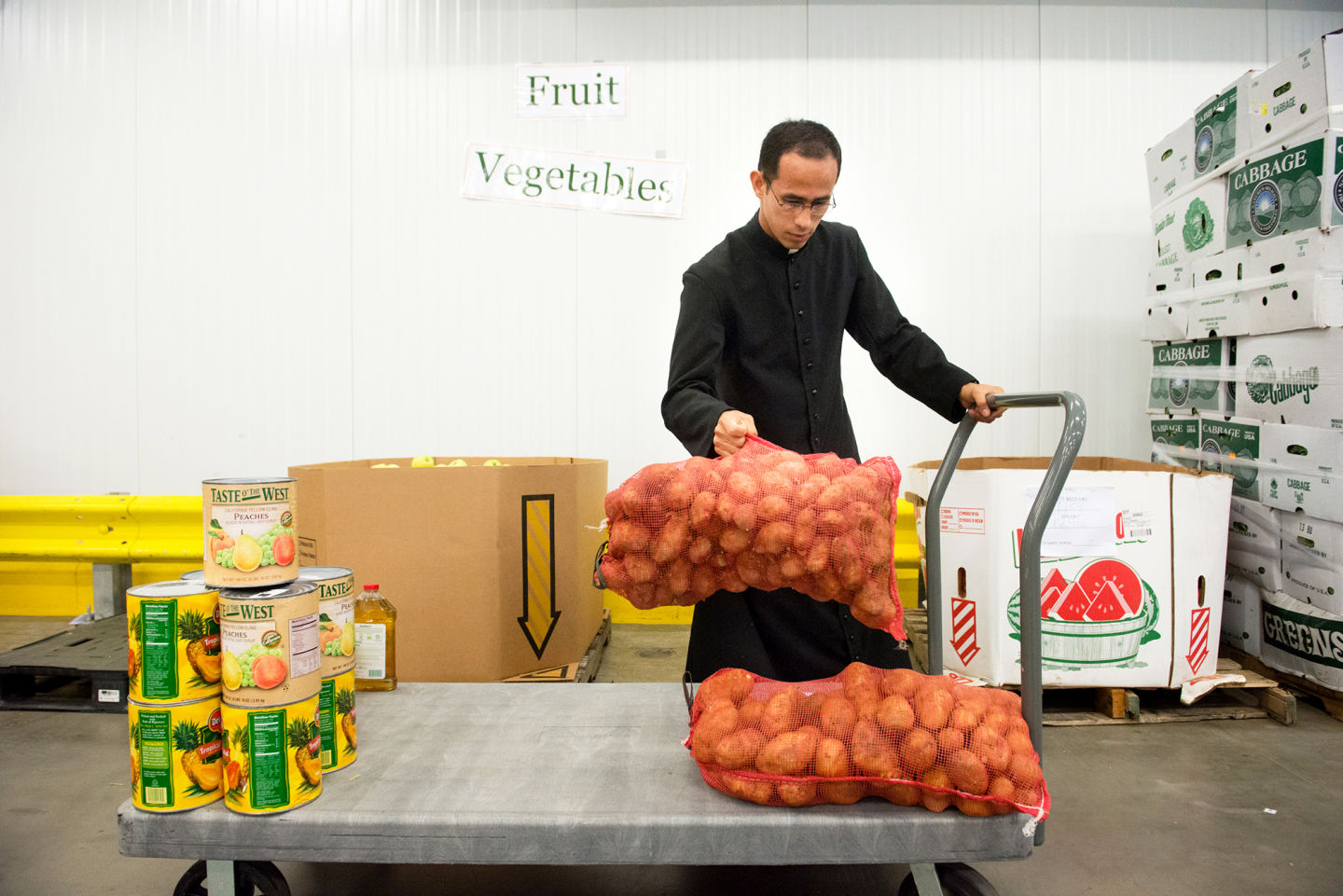
"caption": "Brother William Valle of the Institute of the Incarnate Word in Chillum, Md., loads potatoes onto his cart at the Capitol Area Food Bank, in Washington, D.C. A new government initiative seeks to engage faith-based groups on food waste — for instance, by using their existing relationships with food banks to redirect excess food to the hungry.",
"description": "Brother William Valle of the Institute of the Incarnate Word in Chillum, Md., loads potatoes onto his cart at the Capitol Area Food Bank, in Washington, D.C. A new government initiative seeks to engage faith-based groups on food waste — for instance, by using their existing relationships with food banks to redirect excess food to the hung",
"title": "Brother William Valle of the Institute of the Incarnate Word in Chillum, Md., loads potatoes onto his cart at the Capitol Area Food Bank, in Washington, D.C. A new government initiative seeks to engage faith-based groups on food waste — for instance, by using their existing relationships with food banks to redirect excess food to the hungry.",
"credit": "Sarah L. Voisin/The Washington Post via Getty Images ",
"status": "inherit",
"isLoading": false,
"fetchFailed": false
}
},
"audioPlayerReducer": {
"postId": "stream_live",
"isPaused": true,
"isPlaying": false,
"pfsActive": false,
"pledgeModalIsOpen": true,
"playerDrawerIsOpen": false,
"liveAudioPlayStartedAt": 0,
"liveAudioPlayContext": ""
},
"authorsReducer": {
"byline_bayareabites_107742": {
"type": "authors",
"id": "byline_bayareabites_107742",
"meta": {
"override": true
},
"slug": "byline_bayareabites_107742",
"name": "Maanvi Singh, \u003ca href=\"https://ww2.kqed.org/bayareabites/author/nprfood/\">NPR Food\u003c/a>",
"isLoading": false
},
"byline_bayareabites_107708": {
"type": "authors",
"id": "byline_bayareabites_107708",
"meta": {
"override": true
},
"slug": "byline_bayareabites_107708",
"name": "Allison Aubrey, \u003ca href=\"https://ww2.kqed.org/bayareabites/author/nprfood/\">NPR Food\u003c/a>",
"isLoading": false
},
"byline_bayareabites_107466": {
"type": "authors",
"id": "byline_bayareabites_107466",
"meta": {
"override": true
},
"slug": "byline_bayareabites_107466",
"name": "Allison Aubrey, \u003ca href=\"https://ww2.kqed.org/bayareabites/author/nprfood/\">NPR Food\u003c/a>",
"isLoading": false
},
"byline_bayareabites_107228": {
"type": "authors",
"id": "byline_bayareabites_107228",
"meta": {
"override": true
},
"slug": "byline_bayareabites_107228",
"name": "Dan Charles, \u003ca href=\"https://ww2.kqed.org/bayareabites/author/nprfood/\">NPR Food\u003c/a>",
"isLoading": false
},
"byline_bayareabites_106808": {
"type": "authors",
"id": "byline_bayareabites_106808",
"meta": {
"override": true
},
"slug": "byline_bayareabites_106808",
"name": "Clare Leschin-Hoar, \u003ca href=\"https://ww2.kqed.org/bayareabites/author/nprfood/\">NPR Food\u003c/a>",
"isLoading": false
},
"byline_bayareabites_106501": {
"type": "authors",
"id": "byline_bayareabites_106501",
"meta": {
"override": true
},
"slug": "byline_bayareabites_106501",
"name": "John Burnett, \u003ca href=\"https://ww2.kqed.org/bayareabites/author/nprfood/\">NPR Food\u003c/a>",
"isLoading": false
},
"byline_bayareabites_106147": {
"type": "authors",
"id": "byline_bayareabites_106147",
"meta": {
"override": true
},
"slug": "byline_bayareabites_106147",
"name": "Allison Aubrey, \u003ca href=\"https://ww2.kqed.org/bayareabites/author/nprfood/\">NPR Food\u003c/a>",
"isLoading": false
},
"byline_bayareabites_106079": {
"type": "authors",
"id": "byline_bayareabites_106079",
"meta": {
"override": true
},
"slug": "byline_bayareabites_106079",
"name": "Angus Chen, \u003ca href=\"https://ww2.kqed.org/bayareabites/author/nprfood/\">NPR Food\u003c/a>",
"isLoading": false
},
"byline_bayareabites_106026": {
"type": "authors",
"id": "byline_bayareabites_106026",
"meta": {
"override": true
},
"slug": "byline_bayareabites_106026",
"name": "Maria Godoy, \u003ca href=\"https://ww2.kqed.org/bayareabites/author/nprfood/\">NPR Food\u003c/a>",
"isLoading": false
},
"katewilliams": {
"type": "authors",
"id": "5485",
"meta": {
"index": "authors_1716337520",
"id": "5485",
"found": true
},
"name": "Kate Williams",
"firstName": "Kate",
"lastName": "Williams",
"slug": "katewilliams",
"email": "williaka@gmail.com",
"display_author_email": false,
"staff_mastheads": [],
"title": null,
"bio": "Kate Williams grew up outside of Atlanta, where twenty-pound baskets of peaches were an end-of-summer tradition. After spending time in Boston developing recipes for America's Test Kitchen and pretending to be a New Englander, she moved to sunny Berkeley. Here she works as a personal chef and food writer, covering topics ranging from taco trucks to modernist cookbooks. In addition to KQED's Bay Area Bites, Kate's work appears on Serious Eats, Berkeleyside NOSH, The Oxford American, America's Test Kitchen cookbooks, and Food52.",
"avatar": "https://secure.gravatar.com/avatar/25623fe56e181fe8b6ee92fd0ea077de?s=600&d=blank&r=g",
"twitter": "KateHWilliams",
"facebook": null,
"instagram": null,
"linkedin": null,
"sites": [
{
"site": "bayareabites",
"roles": [
"contributor"
]
},
{
"site": "food",
"roles": [
"contributor"
]
}
],
"headData": {
"title": "Kate Williams | KQED",
"description": null,
"ogImgSrc": "https://secure.gravatar.com/avatar/25623fe56e181fe8b6ee92fd0ea077de?s=600&d=blank&r=g",
"twImgSrc": "https://secure.gravatar.com/avatar/25623fe56e181fe8b6ee92fd0ea077de?s=600&d=blank&r=g"
},
"isLoading": false,
"link": "/author/katewilliams"
},
"shelbypope": {
"type": "authors",
"id": "5566",
"meta": {
"index": "authors_1716337520",
"id": "5566",
"found": true
},
"name": "Shelby Pope",
"firstName": "Shelby",
"lastName": "Pope",
"slug": "shelbypope",
"email": "shelbylpope@gmail.com",
"display_author_email": false,
"staff_mastheads": [],
"title": "KQED Contributor",
"bio": "Shelby Pope is a freelance writer living and eating her way through the East Bay. She’s written about food, art and science for publications including the Smithsonian, Lucky Peach, and the Washington Post's pet blog. When she’s not taste testing sourdough bread to find the Bay Area’s best loaf, you can find her on Twitter \u003ca href=\"https://twitter.com/shelbylpope\">@shelbylpope\u003c/a> or at \u003ca href=\"https://shelbypope.com/\">shelbypope.com\u003c/a>",
"avatar": "https://secure.gravatar.com/avatar/df74e904399e45720e48e36c6e1ae7a90c32216eb2c9c82f3b2e1a9641b507d3?s=600&d=blank&r=g",
"twitter": "shelbylpope",
"bluesky": null,
"facebook": null,
"instagram": null,
"linkedin": null,
"sites": [
{
"site": "arts",
"roles": [
"subscriber"
]
},
{
"site": "food",
"roles": [
"subscriber"
]
}
],
"headData": {
"title": "Shelby Pope | KQED",
"description": "KQED Contributor",
"ogImgSrc": "https://secure.gravatar.com/avatar/df74e904399e45720e48e36c6e1ae7a90c32216eb2c9c82f3b2e1a9641b507d3?s=600&d=blank&r=g",
"twImgSrc": "https://secure.gravatar.com/avatar/df74e904399e45720e48e36c6e1ae7a90c32216eb2c9c82f3b2e1a9641b507d3?s=600&d=blank&r=g"
},
"isLoading": false,
"link": "/author/shelbypope"
},
"civileat": {
"type": "authors",
"id": "5583",
"meta": {
"index": "authors_1716337520",
"id": "5583",
"found": true
},
"name": "Civil Eats",
"firstName": "Civil",
"lastName": "Eats",
"slug": "civileat",
"email": "twilight@civileats.com",
"display_author_email": false,
"staff_mastheads": [],
"title": null,
"bio": "\u003ca href=\"http://civileats.com/\">Civil Eats\u003c/a> is a daily news source for critical thought about the American food system. We publish stories that shift the conversation around sustainable agriculture in an effort to build economically and socially just communities. Follow Civil Eats on Twitter \u003ca href=\"https://twitter.com/CivilEats\">@civileats\u003c/a> and on \u003ca href=\"https://www.facebook.com/pages/Civil-Eats/56766540637\">Facebook\u003c/a>.",
"avatar": "https://secure.gravatar.com/avatar/8f6f50bfb6403afe7cbc194b66cc1d4d?s=600&d=blank&r=g",
"twitter": "CivilEats",
"facebook": "/pages/Civil-Eats/56766540637?ref=hl",
"instagram": null,
"linkedin": null,
"sites": [
{
"site": "bayareabites",
"roles": [
"contributor"
]
},
{
"site": "food",
"roles": [
"contributor"
]
}
],
"headData": {
"title": "Civil Eats | KQED",
"description": null,
"ogImgSrc": "https://secure.gravatar.com/avatar/8f6f50bfb6403afe7cbc194b66cc1d4d?s=600&d=blank&r=g",
"twImgSrc": "https://secure.gravatar.com/avatar/8f6f50bfb6403afe7cbc194b66cc1d4d?s=600&d=blank&r=g"
},
"isLoading": false,
"link": "/author/civileat"
}
},
"pagesReducer": {
"bayareabites_category_food-and-technology": {
"type": "terms",
"id": "bayareabites_4084",
"meta": {
"index": "terms_1716263798",
"site": "bayareabites",
"id": "4084",
"score": 14.405603
},
"featImg": null,
"name": "food trends and technology",
"description": null,
"taxonomy": "category",
"headData": {
"twImgId": null,
"twTitle": null,
"ogTitle": null,
"ogImgId": null,
"twDescription": null,
"description": null,
"title": "food trends and technology Archives | KQED Bay Area Bites",
"ogDescription": null
},
"ttid": 2573,
"slug": "food-and-technology",
"isLoading": false,
"title": "food trends and technology",
"pageMeta": {
"site": "bayareabites",
"WpPageTemplate": "page-topic-editorial",
"currentPage": 20
},
"blocks": [
{
"blockName": "kqed/post-list",
"attrs": {
"layout": "cardArticle2",
"query": "posts/bayareabites?category=food-and-technology",
"seeMore": false,
"paginated": true,
"page": 20
}
},
{
"blockName": "kqed/ad"
}
]
}
},
"pfsSessionReducer": {},
"postsReducer": {
"stream_live": {
"type": "live",
"id": "stream_live",
"audioUrl": "https://streams.kqed.org/kqedradio",
"title": "Live Stream",
"excerpt": "Live Stream information currently unavailable.",
"link": "/radio",
"featImg": "",
"label": {
"name": "KQED Live",
"link": "/"
}
},
"stream_kqedNewscast": {
"type": "posts",
"id": "stream_kqedNewscast",
"audioUrl": "https://www.kqed.org/.stream/anon/radio/RDnews/newscast.mp3?_=1",
"title": "KQED Newscast",
"featImg": "",
"label": {
"name": "88.5 FM",
"link": "/"
}
},
"bayareabites_107742": {
"type": "posts",
"id": "bayareabites_107742",
"meta": {
"index": "posts_1716263798",
"site": "bayareabites",
"id": "107742",
"score": null,
"sort": [
1458231306000
]
},
"parent": 0,
"labelTerm": {},
"blocks": [],
"publishDate": 1458231306,
"format": "standard",
"disqusTitle": "How Potent Is That Pot Brownie? Dry Ice And A Blender Might Crack The Case",
"title": "How Potent Is That Pot Brownie? Dry Ice And A Blender Might Crack The Case",
"headTitle": "Bay Area Bites | KQED Food",
"content": "\u003cp>Pot-infused edibles are big sellers in states that have legalized marijuana. The problem is, it's been tough to measure and regulate the potency of these ganja-laced gummy bears, lollies and brownies.\u003c/p>\n\u003cp>Studies \u003ca href=\"http://www.npr.org/sections/health-shots/2016/02/24/468009810/for-pot-tourists-the-trip-is-more-likely-to-end-in-the-erhttp://www.npr.org/sections/health-shots/2015/06/23/416791647/medical-marijuana-is-often-less-potent-than-advertised\">have found\u003c/a> that many edible marijuana products in the market contain lower or higher concentrations of psychoactive THC and other cannabinoids than advertised.\u003c/p>\n\u003cp>And that's bad news for consumers. Treats with too-little THC may fail to help patients who are prescribed the drug for debilitating conditions like chronic pain, and leave recreational users feeling cheated. And too much THC can cause anxiety and nausea, trigger psychotic episodes and \u003ca href=\"http://www.npr.org/sections/thesalt/2014/08/26/343432131/colorados-pot-brownies-have-a-new-ingredient-warning-labels\">land people in the emergency room\u003c/a>.\u003c/p>\n\u003cp>While state officials and independent testing labs are making a big effort to regulate the quality of edibles, these products aren't so easy to study. Pastries and candies made with marijuana also contain sugars and fats that can gum up lab equipment. And often, the THC is not evenly distributed throughout the food, so testers can't be sure they've got accurate results without studying large amounts of the product — which can be time consuming.\u003c/p>\n\u003cp>At the American Chemical Society conference on Tuesday, one group of scientists \u003ca href=\"http://www.acs.org/content/acs/en/pressroom/newsreleases/2016/march/edible-cannabis.html\">presented\u003c/a> what they think is a better way to test pot edibles. \"Essentially, what we're recommending is to take the cannabis product and freeze-dry it with dry ice or liquid nitrogen,\" says \u003ca href=\"http://medical-cannabis-declaration.org/jahan-marcu/\">Jahan Marcu\u003c/a>, a senior scientist at the advocacy group Americans for Safe Access who helped develop the new technique.\u003c/p>\n\u003cp>[ad fullwidth]\u003c/p>\n\u003cp>The next step, Marcu says, is to mix the freeze-dried candy or brownie with diatomaceous earth — an abrasive, silica-based powder that's sometimes used to keep snails out of gardens — and pulverize it all together in a high-tech blender, to create a smooth, homogeneous sample.\u003c/p>\n\u003cp>This works especially well for sticky substances like gummy bears and peanut butter, which are especially difficult to analyze using traditional methods, Marcu notes.\u003c/p>\n\u003cp>\"A great way to ruin your $250,000 piece of lab equipment is to put some sugary sticky substance into it,\" he says. Desiccating and grinding such substances into a powder makes them much easier to work with, he says. \"So then we can cleanly extract the cannabinoids from the products and analyze them using the normal methods.\"\u003c/p>\n\u003cfigure id=\"attachment_107744\" class=\"wp-caption alignright\" style=\"max-width: 400px\">\u003cimg src=\"http://ww2.kqed.org/bayareabites/wp-content/uploads/sites/24/2016/03/marijuanalab_enl-30bb5f38706afc008b0f4c27fb996cdeb0855c72-400x222.jpg\" alt=\"Vials are prepared to test medical marijuana at Sunrise Analytical lab in Wilsonville, Ore.\" width=\"400\" height=\"222\" class=\"size-thumbnail wp-image-107744\" srcset=\"https://ww2.kqed.org/app/uploads/sites/24/2016/03/marijuanalab_enl-30bb5f38706afc008b0f4c27fb996cdeb0855c72-400x222.jpg 400w, https://ww2.kqed.org/app/uploads/sites/24/2016/03/marijuanalab_enl-30bb5f38706afc008b0f4c27fb996cdeb0855c72-800x444.jpg 800w, https://ww2.kqed.org/app/uploads/sites/24/2016/03/marijuanalab_enl-30bb5f38706afc008b0f4c27fb996cdeb0855c72-768x426.jpg 768w, https://ww2.kqed.org/app/uploads/sites/24/2016/03/marijuanalab_enl-30bb5f38706afc008b0f4c27fb996cdeb0855c72-1440x798.jpg 1440w, https://ww2.kqed.org/app/uploads/sites/24/2016/03/marijuanalab_enl-30bb5f38706afc008b0f4c27fb996cdeb0855c72-1180x654.jpg 1180w, https://ww2.kqed.org/app/uploads/sites/24/2016/03/marijuanalab_enl-30bb5f38706afc008b0f4c27fb996cdeb0855c72-960x532.jpg 960w, https://ww2.kqed.org/app/uploads/sites/24/2016/03/marijuanalab_enl-30bb5f38706afc008b0f4c27fb996cdeb0855c72-672x372.jpg 672w, https://ww2.kqed.org/app/uploads/sites/24/2016/03/marijuanalab_enl-30bb5f38706afc008b0f4c27fb996cdeb0855c72-1038x576.jpg 1038w\" sizes=\"(max-width: 400px) 100vw, 400px\">\u003cfigcaption class=\"wp-caption-text\">Vials are prepared to test medical marijuana at Sunrise Analytical lab in Wilsonville, Ore. \u003ccite>(Don Ryan/AP )\u003c/cite>\u003c/figcaption>\u003c/figure>\n\u003cp>Testers can use smaller samples of the homogenized product to get an accurate read — and this stuff won't mess with lab equipment.\u003c/p>\n\u003cp>Marcu says with some finessing, this technique could someday serve as a standard that state agencies and private labs can use for all marijuana-infused products.\u003c/p>\n\u003cp>It's a good start, says \u003ca href=\"http://www.rti.org/newsroom/experts.cfm?obj=5865545E-9BA1-4580-80EEE10301E4AB04\">Brian Thomas\u003c/a>, a pharmacologist and chemist at the private research institute RTI International. But Thomas, who was not involved in the recent research, says that a universal test for all marijuana edibles may be a pipe dream.\u003c/p>\n\u003cp>\"The more ingredients a product has, the harder it'll be to analyze,\" he says. \"Even a subtle difference — like a chocolate-chip cookie with walnuts versus a plain chocolate-chip cookie — can complicate the testing process.\"\u003c/p>\n\u003cp>Going forward, it may be a good idea for government authorities — or for manufacturers themselves — to limit the number of edibles in the market, Thomas says, especially since the inactive ingredients in an edible can affect how our bodies process marijuana. \"Say you've got a pot brownie with a given concentration of THC. Depending on whether it's made with vegetable oil or butter, your body will absorb the THC in that brownie much faster or much slower,\" Thomas says.\u003c/p>\n\u003cp>Especially for patients who take marijuana for pain-relief or seizures, paring down the options to a few, standardized edible formulations is a good idea, says \u003ca href=\"http://www.hopkinsmedicine.org/profiles/results/directory/profile/0656049/ryan-vandrey?modalpref=false&pagecount=10&clearpagecache=false&currpage=1\">Ryan Vandrey\u003c/a>, an associate professor of psychiatry at Johns Hopkins University who studies the psychological effects of marijuana.\u003c/p>\n\u003cp>\"If we were talking about blood-pressure medicine, we never expect patients to go to the pharmacy and not know what they were getting — that would be completely inappropriate,\" he says.\u003c/p>\n\u003cp>Researchers — and manufacturers of marijuana products — should keep pushing to develop better ways to test edibles and control their quality, Vandrey says.\u003c/p>\n\u003cp>\"Think about it. Even if people are just using these products for recreation, the current state of affairs is a problem,\" Vandrey notes. \"You don't go buy a six pack and expect each can of beer to have a different, unknown amount of alcohol.\" \u003c/p>\n\u003cp>\u003c/p>\n\u003cp> \u003cem>Copyright 2016 \u003ca href=\"http://www.npr.org/\" target=\"_blank\">NPR\u003c/a>.\u003c/em>\u003c/p>\n\n",
"disqusIdentifier": "107742 http://ww2.kqed.org/bayareabites/?p=107742",
"disqusUrl": "https://ww2.kqed.org/bayareabites/2016/03/17/how-potent-is-that-pot-brownie-dry-ice-and-a-blender-might-crack-the-case/",
"stats": {
"hasVideo": false,
"hasChartOrMap": false,
"hasAudio": false,
"hasPolis": false,
"wordCount": 768,
"hasGoogleForm": false,
"hasGallery": false,
"hasHearkenModule": false,
"iframeSrcs": [],
"paragraphCount": 20
},
"modified": 1458231306,
"excerpt": "Too much THC can land you in the hospital. But testing pastries and candies made with marijuana also can gum up lab equipment. One group of scientists thinks they've got a solution.",
"headData": {
"twImgId": "",
"twTitle": "",
"ogTitle": "",
"ogImgId": "",
"twDescription": "",
"description": "Too much THC can land you in the hospital. But testing pastries and candies made with marijuana also can gum up lab equipment. One group of scientists thinks they've got a solution.",
"title": "How Potent Is That Pot Brownie? Dry Ice And A Blender Might Crack The Case | KQED",
"ogDescription": "",
"schema": {
"@context": "https://schema.org",
"@type": "Article",
"headline": "How Potent Is That Pot Brownie? Dry Ice And A Blender Might Crack The Case",
"datePublished": "2016-03-17T09:15:06-07:00",
"dateModified": "2016-03-17T09:15:06-07:00",
"image": "https://cdn.kqed.org/wp-content/uploads/2020/02/KQED-OG-Image@1x.png"
}
},
"guestAuthors": [],
"slug": "how-potent-is-that-pot-brownie-dry-ice-and-a-blender-might-crack-the-case",
"status": "publish",
"sourceUrl": "https://ww2.kqed.org/bayareabites/category/food-and-technology/",
"nprApiLink": "http://api.npr.org/query?id=470550800&apiKey=MDAxOTAwOTE4MDEyMTkxMDAzNjczZDljZA004",
"nprByline": "Maanvi Singh, \u003ca href=\"https://ww2.kqed.org/bayareabites/author/nprfood/\">NPR Food\u003c/a>",
"nprStoryDate": "Thu, 17 Mar 2016 07:00:00 -0400",
"nprLastModifiedDate": "Thu, 17 Mar 2016 09:46:00 -0400",
"nprHtmlLink": "http://www.npr.org/sections/thesalt/2016/03/17/470550800/how-potent-is-that-pot-brownie-dry-ice-and-a-blender-might-crack-the-case?ft=nprml&f=470550800",
"nprImageAgency": "AP",
"nprImageCredit": "Ryan Kang",
"source": "Food Trends and Technology",
"nprStoryId": "470550800",
"nprRetrievedStory": "1",
"nprPubDate": "Thu, 17 Mar 2016 09:46:00 -0400",
"path": "/bayareabites/107742/how-potent-is-that-pot-brownie-dry-ice-and-a-blender-might-crack-the-case",
"audioTrackLength": null,
"parsedContent": [
{
"type": "contentString",
"content": "\u003cdiv class=\"post-body\">\u003cp>\u003cp>Pot-infused edibles are big sellers in states that have legalized marijuana. The problem is, it's been tough to measure and regulate the potency of these ganja-laced gummy bears, lollies and brownies.\u003c/p>\n\u003cp>Studies \u003ca href=\"http://www.npr.org/sections/health-shots/2016/02/24/468009810/for-pot-tourists-the-trip-is-more-likely-to-end-in-the-erhttp://www.npr.org/sections/health-shots/2015/06/23/416791647/medical-marijuana-is-often-less-potent-than-advertised\">have found\u003c/a> that many edible marijuana products in the market contain lower or higher concentrations of psychoactive THC and other cannabinoids than advertised.\u003c/p>\n\u003cp>And that's bad news for consumers. Treats with too-little THC may fail to help patients who are prescribed the drug for debilitating conditions like chronic pain, and leave recreational users feeling cheated. And too much THC can cause anxiety and nausea, trigger psychotic episodes and \u003ca href=\"http://www.npr.org/sections/thesalt/2014/08/26/343432131/colorados-pot-brownies-have-a-new-ingredient-warning-labels\">land people in the emergency room\u003c/a>.\u003c/p>\n\u003cp>While state officials and independent testing labs are making a big effort to regulate the quality of edibles, these products aren't so easy to study. Pastries and candies made with marijuana also contain sugars and fats that can gum up lab equipment. And often, the THC is not evenly distributed throughout the food, so testers can't be sure they've got accurate results without studying large amounts of the product — which can be time consuming.\u003c/p>\n\u003cp>At the American Chemical Society conference on Tuesday, one group of scientists \u003ca href=\"http://www.acs.org/content/acs/en/pressroom/newsreleases/2016/march/edible-cannabis.html\">presented\u003c/a> what they think is a better way to test pot edibles. \"Essentially, what we're recommending is to take the cannabis product and freeze-dry it with dry ice or liquid nitrogen,\" says \u003ca href=\"http://medical-cannabis-declaration.org/jahan-marcu/\">Jahan Marcu\u003c/a>, a senior scientist at the advocacy group Americans for Safe Access who helped develop the new technique.\u003c/p>\n\u003cp>\u003c/p>\u003c/div>",
"attributes": {
"named": {},
"numeric": []
}
},
{
"type": "component",
"content": "",
"name": "ad",
"attributes": {
"named": {
"label": "fullwidth"
},
"numeric": [
"fullwidth"
]
}
},
{
"type": "contentString",
"content": "\u003cdiv class=\"post-body\">\u003cp>\u003c/p>\n\u003cp>The next step, Marcu says, is to mix the freeze-dried candy or brownie with diatomaceous earth — an abrasive, silica-based powder that's sometimes used to keep snails out of gardens — and pulverize it all together in a high-tech blender, to create a smooth, homogeneous sample.\u003c/p>\n\u003cp>This works especially well for sticky substances like gummy bears and peanut butter, which are especially difficult to analyze using traditional methods, Marcu notes.\u003c/p>\n\u003cp>\"A great way to ruin your $250,000 piece of lab equipment is to put some sugary sticky substance into it,\" he says. Desiccating and grinding such substances into a powder makes them much easier to work with, he says. \"So then we can cleanly extract the cannabinoids from the products and analyze them using the normal methods.\"\u003c/p>\n\u003cfigure id=\"attachment_107744\" class=\"wp-caption alignright\" style=\"max-width: 400px\">\u003cimg src=\"http://ww2.kqed.org/bayareabites/wp-content/uploads/sites/24/2016/03/marijuanalab_enl-30bb5f38706afc008b0f4c27fb996cdeb0855c72-400x222.jpg\" alt=\"Vials are prepared to test medical marijuana at Sunrise Analytical lab in Wilsonville, Ore.\" width=\"400\" height=\"222\" class=\"size-thumbnail wp-image-107744\" srcset=\"https://ww2.kqed.org/app/uploads/sites/24/2016/03/marijuanalab_enl-30bb5f38706afc008b0f4c27fb996cdeb0855c72-400x222.jpg 400w, https://ww2.kqed.org/app/uploads/sites/24/2016/03/marijuanalab_enl-30bb5f38706afc008b0f4c27fb996cdeb0855c72-800x444.jpg 800w, https://ww2.kqed.org/app/uploads/sites/24/2016/03/marijuanalab_enl-30bb5f38706afc008b0f4c27fb996cdeb0855c72-768x426.jpg 768w, https://ww2.kqed.org/app/uploads/sites/24/2016/03/marijuanalab_enl-30bb5f38706afc008b0f4c27fb996cdeb0855c72-1440x798.jpg 1440w, https://ww2.kqed.org/app/uploads/sites/24/2016/03/marijuanalab_enl-30bb5f38706afc008b0f4c27fb996cdeb0855c72-1180x654.jpg 1180w, https://ww2.kqed.org/app/uploads/sites/24/2016/03/marijuanalab_enl-30bb5f38706afc008b0f4c27fb996cdeb0855c72-960x532.jpg 960w, https://ww2.kqed.org/app/uploads/sites/24/2016/03/marijuanalab_enl-30bb5f38706afc008b0f4c27fb996cdeb0855c72-672x372.jpg 672w, https://ww2.kqed.org/app/uploads/sites/24/2016/03/marijuanalab_enl-30bb5f38706afc008b0f4c27fb996cdeb0855c72-1038x576.jpg 1038w\" sizes=\"(max-width: 400px) 100vw, 400px\">\u003cfigcaption class=\"wp-caption-text\">Vials are prepared to test medical marijuana at Sunrise Analytical lab in Wilsonville, Ore. \u003ccite>(Don Ryan/AP )\u003c/cite>\u003c/figcaption>\u003c/figure>\n\u003cp>Testers can use smaller samples of the homogenized product to get an accurate read — and this stuff won't mess with lab equipment.\u003c/p>\n\u003cp>Marcu says with some finessing, this technique could someday serve as a standard that state agencies and private labs can use for all marijuana-infused products.\u003c/p>\n\u003cp>It's a good start, says \u003ca href=\"http://www.rti.org/newsroom/experts.cfm?obj=5865545E-9BA1-4580-80EEE10301E4AB04\">Brian Thomas\u003c/a>, a pharmacologist and chemist at the private research institute RTI International. But Thomas, who was not involved in the recent research, says that a universal test for all marijuana edibles may be a pipe dream.\u003c/p>\n\u003cp>\"The more ingredients a product has, the harder it'll be to analyze,\" he says. \"Even a subtle difference — like a chocolate-chip cookie with walnuts versus a plain chocolate-chip cookie — can complicate the testing process.\"\u003c/p>\n\u003cp>Going forward, it may be a good idea for government authorities — or for manufacturers themselves — to limit the number of edibles in the market, Thomas says, especially since the inactive ingredients in an edible can affect how our bodies process marijuana. \"Say you've got a pot brownie with a given concentration of THC. Depending on whether it's made with vegetable oil or butter, your body will absorb the THC in that brownie much faster or much slower,\" Thomas says.\u003c/p>\n\u003cp>Especially for patients who take marijuana for pain-relief or seizures, paring down the options to a few, standardized edible formulations is a good idea, says \u003ca href=\"http://www.hopkinsmedicine.org/profiles/results/directory/profile/0656049/ryan-vandrey?modalpref=false&pagecount=10&clearpagecache=false&currpage=1\">Ryan Vandrey\u003c/a>, an associate professor of psychiatry at Johns Hopkins University who studies the psychological effects of marijuana.\u003c/p>\n\u003cp>\"If we were talking about blood-pressure medicine, we never expect patients to go to the pharmacy and not know what they were getting — that would be completely inappropriate,\" he says.\u003c/p>\n\u003cp>Researchers — and manufacturers of marijuana products — should keep pushing to develop better ways to test edibles and control their quality, Vandrey says.\u003c/p>\n\u003cp>\"Think about it. Even if people are just using these products for recreation, the current state of affairs is a problem,\" Vandrey notes. \"You don't go buy a six pack and expect each can of beer to have a different, unknown amount of alcohol.\" \u003c/p>\n\u003cp>\u003c/p>\n\u003cp> \u003cem>Copyright 2016 \u003ca href=\"http://www.npr.org/\" target=\"_blank\">NPR\u003c/a>.\u003c/em>\u003c/p>\n\n\u003c/div>\u003c/p>",
"attributes": {
"named": {},
"numeric": []
}
}
],
"link": "/bayareabites/107742/how-potent-is-that-pot-brownie-dry-ice-and-a-blender-might-crack-the-case",
"authors": [
"byline_bayareabites_107742"
],
"categories": [
"bayareabites_4084",
"bayareabites_358"
],
"tags": [
"bayareabites_15356",
"bayareabites_11746",
"bayareabites_12897",
"bayareabites_12754",
"bayareabites_13053"
],
"featImg": "bayareabites_107743",
"label": "source_bayareabites_107742"
},
"bayareabites_107708": {
"type": "posts",
"id": "bayareabites_107708",
"meta": {
"index": "posts_1716263798",
"site": "bayareabites",
"id": "107708",
"score": null,
"sort": [
1458066756000
]
},
"parent": 0,
"labelTerm": {
"site": "bayareabites"
},
"blocks": [],
"publishDate": 1458066756,
"format": "standard",
"disqusTitle": "These 27 Solutions Could Help The U.S. Slash Food Waste",
"title": "These 27 Solutions Could Help The U.S. Slash Food Waste",
"headTitle": "Bay Area Bites | KQED Food",
"content": "\u003cp>By now, you probably know that Americans waste \u003cem>a lot\u003c/em> of food.\u003c/p>\n\u003cp>Each year, an estimated 133 billion pounds of food that farmers grow never makes it to our plates. That's enough to fill 44 skyscrapers. And tons of it ends up in landfills, where it emits methane, a greenhouse gas.\u003c/p>\n\u003cp>The Obama administration has \u003ca href=\"http://www.npr.org/sections/thesalt/2015/09/16/440825159/its-time-to-get-serious-about-reducing-food-waste-feds-say\">set a goal\u003c/a> of reducing food waste by 50 percent by 2030. And, as we've reported, there are lots of efforts underway — from sales of ugly produce to the EPA's \u003ca href=\"https://www.epa.gov/sustainable-management-food/food-recovery-challenge-frc\">Food Recovery Challenge\u003c/a>, aimed at diverting excess food from landfills to hungry mouths and other uses, like composting. \u003ca href=\"http://www.npr.org/sections/thesalt/2016/01/18/463109192/thou-shalt-not-toss-food-enlisting-religious-groups-to-fight-waste\">Even religious groups \u003c/a>are joining the battle against food waste.\u003c/p>\n\u003cp>But, what's been lacking is a comprehensive plan to identify the most cost-effective approaches.\u003c/p>\n\u003cp>Now, a new data-driven \u003ca href=\"http://www.refed.com/downloads/ReFED_Report_2016.pdf?mc_cid=1c10ce6033&mc_eid=56f456c1e3\">road map\u003c/a> to reduce food waste aims to fill the void. The road map is the creation of a big group of collaborators — including food businesses, environmentalists, anti-hunger organizations, policy-makers, and investors.\u003c/p>\n\u003cp>[ad fullwidth]\u003c/p>\n\u003cp>\"Reducing food waste is one of the most tangible ways we can all help contribute to a healthier planet,\" says Sarah Vared, interim director of ReFED, the group that created the road map. \"It [the road map] identifies actions that can be taken today,\" says Vared.\u003c/p>\n\u003cfigure id=\"attachment_107717\" class=\"wp-caption aligncenter\" style=\"max-width: 700px\">\u003cimg src=\"http://ww2.kqed.org/bayareabites/wp-content/uploads/sites/24/2016/03/foodwaste-chart1.png\" alt=\"Financial Benefit: ReFED defines this as a strategy's aggregate financial benefit to society (consumers, businesses, governments, and other stakeholders), minus all investment and costs per ton of food waste diverted. It shows the amount of benefit received per ton of reduction and is calculated as the economic value per ton.\" width=\"700\" height=\"384\" class=\"size-full wp-image-107717\" srcset=\"https://ww2.kqed.org/app/uploads/sites/24/2016/03/foodwaste-chart1.png 700w, https://ww2.kqed.org/app/uploads/sites/24/2016/03/foodwaste-chart1-400x219.png 400w\" sizes=\"(max-width: 700px) 100vw, 700px\">\u003cfigcaption class=\"wp-caption-text\">Financial Benefit: ReFED defines this as a strategy's aggregate financial benefit to society (consumers, businesses, governments, and other stakeholders), minus all investment and costs per ton of food waste diverted. It shows the amount of benefit received per ton of reduction and is calculated as the economic value per ton. \u003ccite>(Courtesy of ReFED )\u003c/cite>\u003c/figcaption>\u003c/figure>\n\u003cp>The road map ranks 27 strategies. On the \u003ca href=\"http://www.refed.com/\">ReFED site\u003c/a>, you can scroll through the tabs of the interactive chart to explore the different metrics you can use to rank the effectiveness of a strategy – from to emissions reduced to water saved to jobs created to economic benefit per ton of waste. (Warning: You can spend some serious time toggling through these graphs!)\u003c/p>\n\u003cp>So, what's at the top of the list for its potential to divert food waste? No. 1 is centralized composting. (Think of a \u003ca href=\"http://www.npr.org/sections/thesalt/2015/01/26/381586856/tossing-out-food-in-the-trash-in-seattle-you-ll-be-fined-for-that\">Seattle-style approach\u003c/a>, where food waste doesn't go into trash, but to composting facilities.)\u003c/p>\n\u003cfigure id=\"attachment_107718\" class=\"wp-caption aligncenter\" style=\"max-width: 700px\">\u003cimg src=\"http://ww2.kqed.org/bayareabites/wp-content/uploads/sites/24/2016/03/foodwaste-chart2.png\" alt=\"You know about backyard composting? Well, creating a centralized version — where all food scraps end up as humus, not trash — could make a big difference, ReFED says. \" width=\"700\" height=\"365\" class=\"size-full wp-image-107718\" srcset=\"https://ww2.kqed.org/app/uploads/sites/24/2016/03/foodwaste-chart2.png 700w, https://ww2.kqed.org/app/uploads/sites/24/2016/03/foodwaste-chart2-400x209.png 400w\" sizes=\"(max-width: 700px) 100vw, 700px\">\u003cfigcaption class=\"wp-caption-text\">You know about backyard composting? Well, creating a centralized version — where all food scraps end up as humus, not trash — could make a big difference, ReFED says. \u003ccite>(Courtesy of ReFED )\u003c/cite>\u003c/figcaption>\u003c/figure>\n\u003cp>\"Food waste recycling solutions like large-scale composting and anaerobic digestion have the potential to divert 9.5 million tons of food scraps from landfills every year,\" says Chris Hunt, who serves on ReFED's advisory council. He's written an \u003ca href=\"http://www.gracelinks.org/blog/6743/how-to-save-the-planet-reduce-hunger-and-generate-100-billi\">analysis\u003c/a> of the road map that explains how reducing food waste can also reduce the environmental impacts.\u003c/p>\n\u003cp>One example: a recycling and composting \u003ca href=\"https://www.assumption.edu/about/sustainability-programs/green-campusinstitutional-commitment\">program at Assumption College\u003c/a> in Massachusetts resulted in a reduction of 90 tons of refuse from landfills, according to Deborah Hecker, vice president at Sodexo, a multinational food services company, which is part of the ReFED collaboration.\u003c/p>\n\u003cp>Another approach that could potentially lower our grocery bills: standardized date labeling on food packages.\u003c/p>\n\u003cp>You know all those sell-by, best-by, and best-before dates stamped on food labels? As we've \u003ca href=\"http://www.npr.org/sections/thesalt/2012/12/26/167819082/dont-fear-that-expired-food\">reported,\u003c/a> those dates indicate when a food tastes best — they have nothing to do with food safety. But many consumers don't know that, and that confusion leads Americans to toss out about $29 billion worth of perfectly good food each year, according to ReFED's estimates.\u003c/p>\n\u003cfigure id=\"attachment_107719\" class=\"wp-caption aligncenter\" style=\"max-width: 700px\">\u003cimg src=\"http://ww2.kqed.org/bayareabites/wp-content/uploads/sites/24/2016/03/foodwaste-chart3.png\" alt=\"Date Labeling: Current date labeling practices on food can confuse consumers about when an item is still safe to eat. Up to 90 percent of Americans occasionally throw out still-fresh food, according to ReFED. \" width=\"700\" height=\"333\" class=\"size-full wp-image-107719\" srcset=\"https://ww2.kqed.org/app/uploads/sites/24/2016/03/foodwaste-chart3.png 700w, https://ww2.kqed.org/app/uploads/sites/24/2016/03/foodwaste-chart3-400x190.png 400w\" sizes=\"(max-width: 700px) 100vw, 700px\">\u003cfigcaption class=\"wp-caption-text\">Date Labeling: Current date labeling practices on food can confuse consumers about when an item is still safe to eat. Up to 90 percent of Americans occasionally throw out still-fresh food, according to ReFED. \u003ccite>(Courtesy of ReFED )\u003c/cite>\u003c/figcaption>\u003c/figure>\n\u003cp>For instance, who knew that eggs are often good for three to five weeks after the date stamped on the box? (There are lots \u003ca href=\"http://www.npr.org/sections/thesalt/2015/09/23/441460163/don-t-toss-that-sour-milk-10-tips-cut-food-waste-in-your-kitchen\">more tips\u003c/a> for consumers here.)\u003c/p>\n\u003cp>\"Giving people ... information to make small changes to waste less can actually add up to make a huge difference,\" says \u003ca href=\"http://www.nrdc.org/about/staff/dana-gunders\">Dana Gunders\u003c/a>, the author of the \u003cem>Waste-Free Kitchen Handbook.\u003c/em>\u003c/p>\n\u003cp>Gunders says there are a lot of efforts underway to address date labels. Wal-Mart has devised its own standardized labeling for private-label products (such as its Great Value house brand). And the Grocery Manufacturers Association and other food industry groups may help create voluntary guidelines for date labels. U.S. Congresswoman Chellie Pingree, a Democrat from Maine, has introduced \u003ca href=\"https://pingree.house.gov/foodwaste\">legislation\u003c/a> aimed at creating a standard date-labeling guideline for food.\u003c/p>\n\u003cp>Entrepreneurs and investors, take note: Some solutions to food waste identified in the road map lend themselves to business innovation and investment, rather than consumer action.\u003c/p>\n\u003cp>For instance, there's modifying food packaging to optimize consumption. One idea: How about creating compostable salad bags, so that \u003ca href=\"http://www.npr.org/sections/thesalt/2015/06/16/414667913/landfill-of-lettuce-what-happens-to-salad-past-its-prime\">plastic bags of lettuce \u003c/a>don't end up in landfills?\u003c/p>\n\u003cp>Another idea: developing value-added processing facilities that turn surplus foods that might otherwise be wasted into products such as soups, sauces and jams. For example, Whole Foods already makes smoothies from ugly and excess fruits, but the ReFED folks can foresee large-scale operations that focus on these efforts.\u003c/p>\n\u003cp>There are a lot of ways to create economic value by thinking anew about these challenges, says \u003ca href=\"http://www.arabellaadvisors.com/about-us/our-people/staff-directory/eric-kessler/\">Eric Kessler\u003c/a>, head of Arabella Advisors' food practice, a consultancy for philanthropists and investors in the food sector.\u003c/p>\n\u003cp>\"From building \u003ca href=\"http://www.npr.org/sections/thesalt/2015/03/26/395160156/think-nobody-wants-to-buy-ugly-fruits-and-veggies-think-again\">demand for ugly produce\u003c/a> to collecting spent brewery grains and selling it as animal feed, solving the food waste crisis should be an economic and employment windfall,\" Kessler tells us.\u003c/p>\n\u003cp>\u003c/p>\n\u003cp>\u003cem>Copyright 2016 \u003ca href=\"http://www.npr.org/\" target=\"_blank\">NPR\u003c/a>.\u003c/em> \u003c/p>\n\n",
"disqusIdentifier": "107708 http://ww2.kqed.org/bayareabites/?p=107708",
"disqusUrl": "https://ww2.kqed.org/bayareabites/2016/03/15/these-27-solutions-could-help-the-u-s-slash-food-waste/",
"stats": {
"hasVideo": false,
"hasChartOrMap": false,
"hasAudio": false,
"hasPolis": false,
"wordCount": 938,
"hasGoogleForm": false,
"hasGallery": false,
"hasHearkenModule": false,
"iframeSrcs": [],
"paragraphCount": 23
},
"modified": 1458081952,
"excerpt": "The U.S. wastes 133 billion pounds of food annually. Cutting that by 50 percent by 2020 is going to take a serious action plan. A new data-driven report ranks approaches that could get the job done.",
"headData": {
"twImgId": "",
"twTitle": "",
"ogTitle": "",
"ogImgId": "",
"twDescription": "",
"description": "The U.S. wastes 133 billion pounds of food annually. Cutting that by 50 percent by 2020 is going to take a serious action plan. A new data-driven report ranks approaches that could get the job done.",
"title": "These 27 Solutions Could Help The U.S. Slash Food Waste | KQED",
"ogDescription": "",
"schema": {
"@context": "https://schema.org",
"@type": "Article",
"headline": "These 27 Solutions Could Help The U.S. Slash Food Waste",
"datePublished": "2016-03-15T11:32:36-07:00",
"dateModified": "2016-03-15T15:45:52-07:00",
"image": "https://cdn.kqed.org/wp-content/uploads/2020/02/KQED-OG-Image@1x.png"
}
},
"guestAuthors": [],
"slug": "these-27-solutions-could-help-the-u-s-slash-food-waste",
"status": "publish",
"nprApiLink": "http://api.npr.org/query?id=470434247&apiKey=MDAxOTAwOTE4MDEyMTkxMDAzNjczZDljZA004",
"nprByline": "Allison Aubrey, \u003ca href=\"https://ww2.kqed.org/bayareabites/author/nprfood/\">NPR Food\u003c/a>",
"nprStoryDate": "Tue, 15 Mar 2016 12:44:04 -0400",
"nprLastModifiedDate": "Tue, 15 Mar 2016 12:44:04 -0400",
"nprHtmlLink": "http://www.npr.org/sections/thesalt/2016/03/15/470434247/these-27-solutions-could-help-the-u-s-slash-food-waste?ft=nprml&f=470434247",
"nprImageAgency": "Getty Images",
"nprImageCredit": "Justin Sullivan",
"nprStoryId": "470434247",
"nprRetrievedStory": "1",
"nprPubDate": "Tue, 15 Mar 2016 12:44:00 -0400",
"path": "/bayareabites/107708/these-27-solutions-could-help-the-u-s-slash-food-waste",
"audioTrackLength": null,
"parsedContent": [
{
"type": "contentString",
"content": "\u003cdiv class=\"post-body\">\u003cp>\u003cp>By now, you probably know that Americans waste \u003cem>a lot\u003c/em> of food.\u003c/p>\n\u003cp>Each year, an estimated 133 billion pounds of food that farmers grow never makes it to our plates. That's enough to fill 44 skyscrapers. And tons of it ends up in landfills, where it emits methane, a greenhouse gas.\u003c/p>\n\u003cp>The Obama administration has \u003ca href=\"http://www.npr.org/sections/thesalt/2015/09/16/440825159/its-time-to-get-serious-about-reducing-food-waste-feds-say\">set a goal\u003c/a> of reducing food waste by 50 percent by 2030. And, as we've reported, there are lots of efforts underway — from sales of ugly produce to the EPA's \u003ca href=\"https://www.epa.gov/sustainable-management-food/food-recovery-challenge-frc\">Food Recovery Challenge\u003c/a>, aimed at diverting excess food from landfills to hungry mouths and other uses, like composting. \u003ca href=\"http://www.npr.org/sections/thesalt/2016/01/18/463109192/thou-shalt-not-toss-food-enlisting-religious-groups-to-fight-waste\">Even religious groups \u003c/a>are joining the battle against food waste.\u003c/p>\n\u003cp>But, what's been lacking is a comprehensive plan to identify the most cost-effective approaches.\u003c/p>\n\u003cp>Now, a new data-driven \u003ca href=\"http://www.refed.com/downloads/ReFED_Report_2016.pdf?mc_cid=1c10ce6033&mc_eid=56f456c1e3\">road map\u003c/a> to reduce food waste aims to fill the void. The road map is the creation of a big group of collaborators — including food businesses, environmentalists, anti-hunger organizations, policy-makers, and investors.\u003c/p>\n\u003cp>\u003c/p>\u003c/div>",
"attributes": {
"named": {},
"numeric": []
}
},
{
"type": "component",
"content": "",
"name": "ad",
"attributes": {
"named": {
"label": "fullwidth"
},
"numeric": [
"fullwidth"
]
}
},
{
"type": "contentString",
"content": "\u003cdiv class=\"post-body\">\u003cp>\u003c/p>\n\u003cp>\"Reducing food waste is one of the most tangible ways we can all help contribute to a healthier planet,\" says Sarah Vared, interim director of ReFED, the group that created the road map. \"It [the road map] identifies actions that can be taken today,\" says Vared.\u003c/p>\n\u003cfigure id=\"attachment_107717\" class=\"wp-caption aligncenter\" style=\"max-width: 700px\">\u003cimg src=\"http://ww2.kqed.org/bayareabites/wp-content/uploads/sites/24/2016/03/foodwaste-chart1.png\" alt=\"Financial Benefit: ReFED defines this as a strategy's aggregate financial benefit to society (consumers, businesses, governments, and other stakeholders), minus all investment and costs per ton of food waste diverted. It shows the amount of benefit received per ton of reduction and is calculated as the economic value per ton.\" width=\"700\" height=\"384\" class=\"size-full wp-image-107717\" srcset=\"https://ww2.kqed.org/app/uploads/sites/24/2016/03/foodwaste-chart1.png 700w, https://ww2.kqed.org/app/uploads/sites/24/2016/03/foodwaste-chart1-400x219.png 400w\" sizes=\"(max-width: 700px) 100vw, 700px\">\u003cfigcaption class=\"wp-caption-text\">Financial Benefit: ReFED defines this as a strategy's aggregate financial benefit to society (consumers, businesses, governments, and other stakeholders), minus all investment and costs per ton of food waste diverted. It shows the amount of benefit received per ton of reduction and is calculated as the economic value per ton. \u003ccite>(Courtesy of ReFED )\u003c/cite>\u003c/figcaption>\u003c/figure>\n\u003cp>The road map ranks 27 strategies. On the \u003ca href=\"http://www.refed.com/\">ReFED site\u003c/a>, you can scroll through the tabs of the interactive chart to explore the different metrics you can use to rank the effectiveness of a strategy – from to emissions reduced to water saved to jobs created to economic benefit per ton of waste. (Warning: You can spend some serious time toggling through these graphs!)\u003c/p>\n\u003cp>So, what's at the top of the list for its potential to divert food waste? No. 1 is centralized composting. (Think of a \u003ca href=\"http://www.npr.org/sections/thesalt/2015/01/26/381586856/tossing-out-food-in-the-trash-in-seattle-you-ll-be-fined-for-that\">Seattle-style approach\u003c/a>, where food waste doesn't go into trash, but to composting facilities.)\u003c/p>\n\u003cfigure id=\"attachment_107718\" class=\"wp-caption aligncenter\" style=\"max-width: 700px\">\u003cimg src=\"http://ww2.kqed.org/bayareabites/wp-content/uploads/sites/24/2016/03/foodwaste-chart2.png\" alt=\"You know about backyard composting? Well, creating a centralized version — where all food scraps end up as humus, not trash — could make a big difference, ReFED says. \" width=\"700\" height=\"365\" class=\"size-full wp-image-107718\" srcset=\"https://ww2.kqed.org/app/uploads/sites/24/2016/03/foodwaste-chart2.png 700w, https://ww2.kqed.org/app/uploads/sites/24/2016/03/foodwaste-chart2-400x209.png 400w\" sizes=\"(max-width: 700px) 100vw, 700px\">\u003cfigcaption class=\"wp-caption-text\">You know about backyard composting? Well, creating a centralized version — where all food scraps end up as humus, not trash — could make a big difference, ReFED says. \u003ccite>(Courtesy of ReFED )\u003c/cite>\u003c/figcaption>\u003c/figure>\n\u003cp>\"Food waste recycling solutions like large-scale composting and anaerobic digestion have the potential to divert 9.5 million tons of food scraps from landfills every year,\" says Chris Hunt, who serves on ReFED's advisory council. He's written an \u003ca href=\"http://www.gracelinks.org/blog/6743/how-to-save-the-planet-reduce-hunger-and-generate-100-billi\">analysis\u003c/a> of the road map that explains how reducing food waste can also reduce the environmental impacts.\u003c/p>\n\u003cp>One example: a recycling and composting \u003ca href=\"https://www.assumption.edu/about/sustainability-programs/green-campusinstitutional-commitment\">program at Assumption College\u003c/a> in Massachusetts resulted in a reduction of 90 tons of refuse from landfills, according to Deborah Hecker, vice president at Sodexo, a multinational food services company, which is part of the ReFED collaboration.\u003c/p>\n\u003cp>Another approach that could potentially lower our grocery bills: standardized date labeling on food packages.\u003c/p>\n\u003cp>You know all those sell-by, best-by, and best-before dates stamped on food labels? As we've \u003ca href=\"http://www.npr.org/sections/thesalt/2012/12/26/167819082/dont-fear-that-expired-food\">reported,\u003c/a> those dates indicate when a food tastes best — they have nothing to do with food safety. But many consumers don't know that, and that confusion leads Americans to toss out about $29 billion worth of perfectly good food each year, according to ReFED's estimates.\u003c/p>\n\u003cfigure id=\"attachment_107719\" class=\"wp-caption aligncenter\" style=\"max-width: 700px\">\u003cimg src=\"http://ww2.kqed.org/bayareabites/wp-content/uploads/sites/24/2016/03/foodwaste-chart3.png\" alt=\"Date Labeling: Current date labeling practices on food can confuse consumers about when an item is still safe to eat. Up to 90 percent of Americans occasionally throw out still-fresh food, according to ReFED. \" width=\"700\" height=\"333\" class=\"size-full wp-image-107719\" srcset=\"https://ww2.kqed.org/app/uploads/sites/24/2016/03/foodwaste-chart3.png 700w, https://ww2.kqed.org/app/uploads/sites/24/2016/03/foodwaste-chart3-400x190.png 400w\" sizes=\"(max-width: 700px) 100vw, 700px\">\u003cfigcaption class=\"wp-caption-text\">Date Labeling: Current date labeling practices on food can confuse consumers about when an item is still safe to eat. Up to 90 percent of Americans occasionally throw out still-fresh food, according to ReFED. \u003ccite>(Courtesy of ReFED )\u003c/cite>\u003c/figcaption>\u003c/figure>\n\u003cp>For instance, who knew that eggs are often good for three to five weeks after the date stamped on the box? (There are lots \u003ca href=\"http://www.npr.org/sections/thesalt/2015/09/23/441460163/don-t-toss-that-sour-milk-10-tips-cut-food-waste-in-your-kitchen\">more tips\u003c/a> for consumers here.)\u003c/p>\n\u003cp>\"Giving people ... information to make small changes to waste less can actually add up to make a huge difference,\" says \u003ca href=\"http://www.nrdc.org/about/staff/dana-gunders\">Dana Gunders\u003c/a>, the author of the \u003cem>Waste-Free Kitchen Handbook.\u003c/em>\u003c/p>\n\u003cp>Gunders says there are a lot of efforts underway to address date labels. Wal-Mart has devised its own standardized labeling for private-label products (such as its Great Value house brand). And the Grocery Manufacturers Association and other food industry groups may help create voluntary guidelines for date labels. U.S. Congresswoman Chellie Pingree, a Democrat from Maine, has introduced \u003ca href=\"https://pingree.house.gov/foodwaste\">legislation\u003c/a> aimed at creating a standard date-labeling guideline for food.\u003c/p>\n\u003cp>Entrepreneurs and investors, take note: Some solutions to food waste identified in the road map lend themselves to business innovation and investment, rather than consumer action.\u003c/p>\n\u003cp>For instance, there's modifying food packaging to optimize consumption. One idea: How about creating compostable salad bags, so that \u003ca href=\"http://www.npr.org/sections/thesalt/2015/06/16/414667913/landfill-of-lettuce-what-happens-to-salad-past-its-prime\">plastic bags of lettuce \u003c/a>don't end up in landfills?\u003c/p>\n\u003cp>Another idea: developing value-added processing facilities that turn surplus foods that might otherwise be wasted into products such as soups, sauces and jams. For example, Whole Foods already makes smoothies from ugly and excess fruits, but the ReFED folks can foresee large-scale operations that focus on these efforts.\u003c/p>\n\u003cp>There are a lot of ways to create economic value by thinking anew about these challenges, says \u003ca href=\"http://www.arabellaadvisors.com/about-us/our-people/staff-directory/eric-kessler/\">Eric Kessler\u003c/a>, head of Arabella Advisors' food practice, a consultancy for philanthropists and investors in the food sector.\u003c/p>\n\u003cp>\"From building \u003ca href=\"http://www.npr.org/sections/thesalt/2015/03/26/395160156/think-nobody-wants-to-buy-ugly-fruits-and-veggies-think-again\">demand for ugly produce\u003c/a> to collecting spent brewery grains and selling it as animal feed, solving the food waste crisis should be an economic and employment windfall,\" Kessler tells us.\u003c/p>\n\u003cp>\u003c/p>\n\u003cp>\u003cem>Copyright 2016 \u003ca href=\"http://www.npr.org/\" target=\"_blank\">NPR\u003c/a>.\u003c/em> \u003c/p>\n\n\u003c/div>\u003c/p>",
"attributes": {
"named": {},
"numeric": []
}
}
],
"link": "/bayareabites/107708/these-27-solutions-could-help-the-u-s-slash-food-waste",
"authors": [
"byline_bayareabites_107708"
],
"categories": [
"bayareabites_3032",
"bayareabites_4084",
"bayareabites_2035",
"bayareabites_358",
"bayareabites_60"
],
"tags": [
"bayareabites_3707",
"bayareabites_15354"
],
"featImg": "bayareabites_107709",
"label": "bayareabites"
},
"bayareabites_107466": {
"type": "posts",
"id": "bayareabites_107466",
"meta": {
"index": "posts_1716263798",
"site": "bayareabites",
"id": "107466",
"score": null,
"sort": [
1457455310000
]
},
"parent": 0,
"labelTerm": {
"site": "bayareabites"
},
"blocks": [],
"publishDate": 1457455310,
"format": "standard",
"disqusTitle": "From Ugly To Hip: Misfit Fruits And Veggies Coming To Whole Foods",
"title": "From Ugly To Hip: Misfit Fruits And Veggies Coming To Whole Foods",
"headTitle": "Bay Area Bites | KQED Food",
"content": "\u003cp>You've probably heard of \u003ca href=\"http://www.npr.org/sections/thesalt/2015/03/26/395160156/think-nobody-wants-to-buy-ugly-fruits-and-veggies-think-again\">\u003cem>ugly\u003c/em> fruits and veggies\u003c/a>.\u003c/p>\n\u003cp>They may not be pretty, but they're still perfectly tasty and nutritious. And there are lots of efforts to keep these\u003ca href=\"http://www.npr.org/sections/thesalt/2015/02/28/389511968/silly-saucy-scary-photos-show-the-many-faces-of-ugly-fruit\"> cosmetically challenged\u003c/a> foods (think gnarled carrots, or funky, misshapen apples) from landing in the landfill because they don't meet retailers' beauty standards.\u003c/p>\n\u003cp>As awareness of massive food waste grows (we toss out enough food to fill \u003ca href=\"http://www.npr.org/sections/thesalt/2015/09/16/440825159/its-time-to-get-serious-about-reducing-food-waste-feds-say\">44 skyscrapers\u003c/a> each year), two major retailers now say they're ready to experiment with sales of less-than-perfect produce that may otherwise be wasted.\u003c/p>\n\u003cp>Whole Foods has announced a deal with \u003ca href=\"http://www.imperfectproduce.com/home/\">Imperfect Produce\u003c/a> to test sales of funky fruits and vegetables in a handful of stores in Northern California beginning in April. This announcement comes after a \u003ca href=\"https://www.change.org/p/whole-foods-and-walmart-stop-contributing-to-massive-food-waste-in-the-us-48d63891-457f-4496-98d7-8b6daa1ee125/u/13380448\">Change.org petition\u003c/a> called upon the retailer to take up the\u003ca href=\"http://foodtank.com/news/2016/03/imperfect-teaming-up-with-whole-foods-market-to-sell-ugly-produce\"> ugly banner\u003c/a>.\u003c/p>\n\u003cp>\"We are still in the very early stages of the conversation,\" says a Whole Foods spokesperson. The chain already has an in-store composting program. In addition, Whole Foods currently buys less cosmetically appealing produce for prepared foods, juice and smoothie bars.\u003c/p>\n\u003cp>[ad fullwidth]\u003c/p>\n\u003cp>But this \"potential partnership\" with Imperfect represents a new commitment. \"We continue to explore new ways to move toward zero waste,\" the spokesperson told us.\u003c/p>\n\u003cp>The founders of Imperfect Produce \u003ca href=\"http://www.npr.org/sections/thesalt/2015/06/17/414986650/to-tackle-food-waste-big-grocery-chain-will-sell-produce-rejects\">announced \u003c/a>their first big deal with West Coast food retailer Raley's last year. But this partnership fizzled out. Now, they're playing up the new pilot program with Whole Foods.\u003c/p>\n\u003cp>\"We can't think of a better partner to launch this with,\" Ben Simon of Imperfect told us. \"The ugly produce trend has taken off across the world, and our fingers are crossed that U.S. consumers will be just as excited,\" says Simon.\u003c/p>\n\u003cp>One example: the hugely successful campaign by the French supermarket chain Intermarche, which boosted sales — and buzz — with its \u003ca href=\"http://www.npr.org/sections/thesalt/2014/12/09/369613561/in-europe-ugly-sells-in-the-produce-aisle\">Inglorious fruits and vegetables\u003c/a> campaign.\u003c/p>\n\u003cp>In France, shoppers weren't only drawn to the idea of reducing waste. There's another perk of buying imperfect produce: savings.\u003c/p>\n\u003cp>The discounted pricing may attract the attention of shoppers at Giant Eagle grocery stores. The more than 420-store chain, headquartered in Pennsylvania, has also announced a new initiative for unbeauteous fruit and vegetables packaged under the Produce with Personality label.\u003c/p>\n\u003cp>A 4-pound bag of blemished navel oranges currently costs $2.99 a bag. The conventional version sells for $4.99 a bag.\u003c/p>\n\u003cp>\"Cosmetic imperfections allow us to offer these items to customers at very attractive prices,\" says Giant Eagle spokesperson Daniel Donovan.\u003c/p>\n\u003cp>Giant Eagle launched its initiative a few weeks ago in five of its Pittsburgh-area stores. The chain is not partnering with Imperfect Produce.\u003c/p>\n\u003cp>Instead, \"we are simply using the services of a local firm to help us sort through product received from suppliers,\" explains Donovan. Then, they separate out pieces of produce that are cosmetically imperfect.\u003c/p>\n\u003cp>\"Whether you call them surplus, excess, seconds or just plain ugly, these are fruits and vegetables that may face rejection because they're not considered perfect-looking,\" Donovan says. \"But it's the taste that matters.\"\u003c/p>\n\u003cp>\u003c/p>\n\u003cp> \u003cem>Copyright 2016 \u003ca href=\"http://www.npr.org/\" target=\"_blank\">NPR\u003c/a>.\u003c/em>\u003c/p>\n\n",
"disqusIdentifier": "107466 http://ww2.kqed.org/bayareabites/?p=107466",
"disqusUrl": "https://ww2.kqed.org/bayareabites/2016/03/08/from-ugly-to-hip-misfit-fruits-and-veggies-coming-to-whole-foods/",
"stats": {
"hasVideo": false,
"hasChartOrMap": false,
"hasAudio": false,
"hasPolis": false,
"wordCount": 517,
"hasGoogleForm": false,
"hasGallery": false,
"hasHearkenModule": false,
"iframeSrcs": [],
"paragraphCount": 19
},
"modified": 1457455310,
"excerpt": "Lots of tasty and nutritious produce ends up in landfills because it fails to meet retail beauty standards. Now, Whole Foods and Giant Eagle say they're ready to pilot sales of these wonky edibles.",
"headData": {
"twImgId": "",
"twTitle": "",
"ogTitle": "",
"ogImgId": "",
"twDescription": "",
"description": "Lots of tasty and nutritious produce ends up in landfills because it fails to meet retail beauty standards. Now, Whole Foods and Giant Eagle say they're ready to pilot sales of these wonky edibles.",
"title": "From Ugly To Hip: Misfit Fruits And Veggies Coming To Whole Foods | KQED",
"ogDescription": "",
"schema": {
"@context": "https://schema.org",
"@type": "Article",
"headline": "From Ugly To Hip: Misfit Fruits And Veggies Coming To Whole Foods",
"datePublished": "2016-03-08T08:41:50-08:00",
"dateModified": "2016-03-08T08:41:50-08:00",
"image": "https://cdn.kqed.org/wp-content/uploads/2020/02/KQED-OG-Image@1x.png"
}
},
"guestAuthors": [],
"slug": "from-ugly-to-hip-misfit-fruits-and-veggies-coming-to-whole-foods",
"status": "publish",
"nprApiLink": "http://api.npr.org/query?id=469530045&apiKey=MDAxOTAwOTE4MDEyMTkxMDAzNjczZDljZA004",
"nprByline": "Allison Aubrey, \u003ca href=\"https://ww2.kqed.org/bayareabites/author/nprfood/\">NPR Food\u003c/a>",
"nprStoryDate": "Mon, 07 Mar 2016 17:56:00 -0500",
"nprLastModifiedDate": "Tue, 08 Mar 2016 08:53:32 -0500",
"nprHtmlLink": "http://www.npr.org/sections/thesalt/2016/03/07/469530045/from-ugly-to-hip-misfit-fruits-and-veggies-coming-to-whole-foods?ft=nprml&f=469530045",
"nprImageAgency": "Courtesy of Giant Eagle",
"nprStoryId": "469530045",
"nprRetrievedStory": "1",
"nprPubDate": "Tue, 08 Mar 2016 08:53:00 -0500",
"path": "/bayareabites/107466/from-ugly-to-hip-misfit-fruits-and-veggies-coming-to-whole-foods",
"audioTrackLength": null,
"parsedContent": [
{
"type": "contentString",
"content": "\u003cdiv class=\"post-body\">\u003cp>\u003cp>You've probably heard of \u003ca href=\"http://www.npr.org/sections/thesalt/2015/03/26/395160156/think-nobody-wants-to-buy-ugly-fruits-and-veggies-think-again\">\u003cem>ugly\u003c/em> fruits and veggies\u003c/a>.\u003c/p>\n\u003cp>They may not be pretty, but they're still perfectly tasty and nutritious. And there are lots of efforts to keep these\u003ca href=\"http://www.npr.org/sections/thesalt/2015/02/28/389511968/silly-saucy-scary-photos-show-the-many-faces-of-ugly-fruit\"> cosmetically challenged\u003c/a> foods (think gnarled carrots, or funky, misshapen apples) from landing in the landfill because they don't meet retailers' beauty standards.\u003c/p>\n\u003cp>As awareness of massive food waste grows (we toss out enough food to fill \u003ca href=\"http://www.npr.org/sections/thesalt/2015/09/16/440825159/its-time-to-get-serious-about-reducing-food-waste-feds-say\">44 skyscrapers\u003c/a> each year), two major retailers now say they're ready to experiment with sales of less-than-perfect produce that may otherwise be wasted.\u003c/p>\n\u003cp>Whole Foods has announced a deal with \u003ca href=\"http://www.imperfectproduce.com/home/\">Imperfect Produce\u003c/a> to test sales of funky fruits and vegetables in a handful of stores in Northern California beginning in April. This announcement comes after a \u003ca href=\"https://www.change.org/p/whole-foods-and-walmart-stop-contributing-to-massive-food-waste-in-the-us-48d63891-457f-4496-98d7-8b6daa1ee125/u/13380448\">Change.org petition\u003c/a> called upon the retailer to take up the\u003ca href=\"http://foodtank.com/news/2016/03/imperfect-teaming-up-with-whole-foods-market-to-sell-ugly-produce\"> ugly banner\u003c/a>.\u003c/p>\n\u003cp>\"We are still in the very early stages of the conversation,\" says a Whole Foods spokesperson. The chain already has an in-store composting program. In addition, Whole Foods currently buys less cosmetically appealing produce for prepared foods, juice and smoothie bars.\u003c/p>\n\u003cp>\u003c/p>\u003c/div>",
"attributes": {
"named": {},
"numeric": []
}
},
{
"type": "component",
"content": "",
"name": "ad",
"attributes": {
"named": {
"label": "fullwidth"
},
"numeric": [
"fullwidth"
]
}
},
{
"type": "contentString",
"content": "\u003cdiv class=\"post-body\">\u003cp>\u003c/p>\n\u003cp>But this \"potential partnership\" with Imperfect represents a new commitment. \"We continue to explore new ways to move toward zero waste,\" the spokesperson told us.\u003c/p>\n\u003cp>The founders of Imperfect Produce \u003ca href=\"http://www.npr.org/sections/thesalt/2015/06/17/414986650/to-tackle-food-waste-big-grocery-chain-will-sell-produce-rejects\">announced \u003c/a>their first big deal with West Coast food retailer Raley's last year. But this partnership fizzled out. Now, they're playing up the new pilot program with Whole Foods.\u003c/p>\n\u003cp>\"We can't think of a better partner to launch this with,\" Ben Simon of Imperfect told us. \"The ugly produce trend has taken off across the world, and our fingers are crossed that U.S. consumers will be just as excited,\" says Simon.\u003c/p>\n\u003cp>One example: the hugely successful campaign by the French supermarket chain Intermarche, which boosted sales — and buzz — with its \u003ca href=\"http://www.npr.org/sections/thesalt/2014/12/09/369613561/in-europe-ugly-sells-in-the-produce-aisle\">Inglorious fruits and vegetables\u003c/a> campaign.\u003c/p>\n\u003cp>In France, shoppers weren't only drawn to the idea of reducing waste. There's another perk of buying imperfect produce: savings.\u003c/p>\n\u003cp>The discounted pricing may attract the attention of shoppers at Giant Eagle grocery stores. The more than 420-store chain, headquartered in Pennsylvania, has also announced a new initiative for unbeauteous fruit and vegetables packaged under the Produce with Personality label.\u003c/p>\n\u003cp>A 4-pound bag of blemished navel oranges currently costs $2.99 a bag. The conventional version sells for $4.99 a bag.\u003c/p>\n\u003cp>\"Cosmetic imperfections allow us to offer these items to customers at very attractive prices,\" says Giant Eagle spokesperson Daniel Donovan.\u003c/p>\n\u003cp>Giant Eagle launched its initiative a few weeks ago in five of its Pittsburgh-area stores. The chain is not partnering with Imperfect Produce.\u003c/p>\n\u003cp>Instead, \"we are simply using the services of a local firm to help us sort through product received from suppliers,\" explains Donovan. Then, they separate out pieces of produce that are cosmetically imperfect.\u003c/p>\n\u003cp>\"Whether you call them surplus, excess, seconds or just plain ugly, these are fruits and vegetables that may face rejection because they're not considered perfect-looking,\" Donovan says. \"But it's the taste that matters.\"\u003c/p>\n\u003cp>\u003c/p>\n\u003cp> \u003cem>Copyright 2016 \u003ca href=\"http://www.npr.org/\" target=\"_blank\">NPR\u003c/a>.\u003c/em>\u003c/p>\n\n\u003c/div>\u003c/p>",
"attributes": {
"named": {},
"numeric": []
}
}
],
"link": "/bayareabites/107466/from-ugly-to-hip-misfit-fruits-and-veggies-coming-to-whole-foods",
"authors": [
"byline_bayareabites_107466"
],
"categories": [
"bayareabites_3032",
"bayareabites_10028",
"bayareabites_4084",
"bayareabites_2035",
"bayareabites_60"
],
"tags": [
"bayareabites_3707",
"bayareabites_15336",
"bayareabites_14572",
"bayareabites_14593",
"bayareabites_13980",
"bayareabites_15335",
"bayareabites_3063"
],
"featImg": "bayareabites_107467",
"label": "bayareabites"
},
"bayareabites_107295": {
"type": "posts",
"id": "bayareabites_107295",
"meta": {
"index": "posts_1716263798",
"site": "bayareabites",
"id": "107295",
"score": null,
"sort": [
1456942279000
]
},
"parent": 0,
"labelTerm": {},
"blocks": [],
"publishDate": 1456942279,
"format": "aside",
"disqusTitle": "For the Best Store-Bought Bone Broth, Seek Out a Butcher",
"title": "For the Best Store-Bought Bone Broth, Seek Out a Butcher",
"headTitle": "Bay Area Bites | KQED Food",
"content": "\u003cfigure id=\"attachment_107302\" class=\"wp-caption aligncenter\" style=\"max-width: 1920px\">\u003cimg src=\"http://ww2.kqed.org/bayareabites/wp-content/uploads/sites/24/2016/03/Three-Stone-Hearth-ingredients.jpg\" alt=\"Three Stone Hearth is one of countless companies now selling bone broth on a growing scale.\" width=\"1920\" height=\"1340\" class=\"size-full wp-image-107302\" srcset=\"https://ww2.kqed.org/app/uploads/sites/24/2016/03/Three-Stone-Hearth-ingredients.jpg 1920w, https://ww2.kqed.org/app/uploads/sites/24/2016/03/Three-Stone-Hearth-ingredients-400x279.jpg 400w, https://ww2.kqed.org/app/uploads/sites/24/2016/03/Three-Stone-Hearth-ingredients-800x558.jpg 800w, https://ww2.kqed.org/app/uploads/sites/24/2016/03/Three-Stone-Hearth-ingredients-768x536.jpg 768w, https://ww2.kqed.org/app/uploads/sites/24/2016/03/Three-Stone-Hearth-ingredients-1440x1005.jpg 1440w, https://ww2.kqed.org/app/uploads/sites/24/2016/03/Three-Stone-Hearth-ingredients-1180x824.jpg 1180w, https://ww2.kqed.org/app/uploads/sites/24/2016/03/Three-Stone-Hearth-ingredients-960x670.jpg 960w\" sizes=\"(max-width: 1920px) 100vw, 1920px\">\u003cfigcaption class=\"wp-caption-text\">Three Stone Hearth is one of countless companies now selling bone broth on a growing scale. \u003ccite>(Kate Williams)\u003c/cite>\u003c/figcaption>\u003c/figure>\n\u003cp>Bone broth — these two words incite equal levels of snickering and admiration as they have grown in use and popularity as quickly as Donald Trump. And I, for one, have tried to deny the existence of the trend. I learned how to make stock from animal bones and regularly use it for cooking, but I would have never thought to pour it into a paper coffee cup and sell it for $8 as a restorative tonic. I know the cold-healing power of a good chicken soup, so I’d never deny the health benefits of mineral- and collagen-rich stock. But still I hesitate when I see so many stocks in grocery stores and butcher shops rebranded as Paleo-friendly bone broth. Are any of them worth the extra price tag that the name engenders? Or are they simply a ploy for our hard-earned dollars? Clearly, I needed to investigate.\u003c/p>\n\u003cp>In the Bay Area, there are what seems like an infinite number of bone broths available. As it was impossible to narrow my list down to a definitive number of local broths, I decided to make the very unscientific decision of tasting broths that were easy for me to purchase at or near my North Berkeley home. (I chose to taste only beef bone broth, as it is the “classic” preparation.) Depending on where you live, you may have access to more or less than these, most of the best broths follow a pattern — they come from butchers, not broth- or Paleo-specific companies. So if you can’t find my favorite bone broths near your home, seek out your local butcher shop, and they’ll likely sell you something good.\u003c/p>\n\u003cp>Or else you can make it yourself. That recipe will be coming soon.\u003c/p>\n\u003cp>\u003cstrong>Best for Sipping:\u003c/strong> \u003ca href=\"http://cloveandhoofoakland.com/\" target=\"_blank\">\u003cstrong>Clove & Hoof Beef Bone Broth\u003c/strong>\u003c/a>\u003c/p>\n\u003cfigure id=\"attachment_107297\" class=\"wp-caption aligncenter\" style=\"max-width: 1920px\">\u003cimg src=\"http://ww2.kqed.org/bayareabites/wp-content/uploads/sites/24/2016/03/Clove-and-Hoof.jpg\" alt=\"Clove & Hoof Beef Bone Broth.\" width=\"1920\" height=\"2260\" class=\"size-full wp-image-107297\" srcset=\"https://ww2.kqed.org/app/uploads/sites/24/2016/03/Clove-and-Hoof.jpg 1920w, https://ww2.kqed.org/app/uploads/sites/24/2016/03/Clove-and-Hoof-400x471.jpg 400w, https://ww2.kqed.org/app/uploads/sites/24/2016/03/Clove-and-Hoof-800x942.jpg 800w, https://ww2.kqed.org/app/uploads/sites/24/2016/03/Clove-and-Hoof-768x904.jpg 768w, https://ww2.kqed.org/app/uploads/sites/24/2016/03/Clove-and-Hoof-1440x1695.jpg 1440w, https://ww2.kqed.org/app/uploads/sites/24/2016/03/Clove-and-Hoof-1180x1389.jpg 1180w, https://ww2.kqed.org/app/uploads/sites/24/2016/03/Clove-and-Hoof-960x1130.jpg 960w\" sizes=\"(max-width: 1920px) 100vw, 1920px\">\u003cfigcaption class=\"wp-caption-text\">Clove & Hoof Beef Bone Broth. \u003ccite>(Kate Williams)\u003c/cite>\u003c/figcaption>\u003c/figure>\n\u003cp>There was only one bone broth I tasted that I would ever consider drinking from a mug, and that’s the broth from Clove & Hoof. It tastes beefy, for sure, but the rich meatiness is kept in check with a balance of seasonings, aromatics, and vegetables. The broth is neither greasy nor overwhelmingly sticky with gelatin, but it does taste nourishing and pleasantly filling. It tastes, in other words, like a good stock that I would make myself. I drank my full tasting mug of the stuff and then, true to form, used the rest to make stew. At $12 for a quart, Clove & Hoof’s broth is one of the cheapest available. (This doesn’t sound like a bargain, but wait until you see some other prices.) If you live in (or near) Oakland, I would absolutely recommend it.\u003c/p>\n\u003cp>[ad fullwidth]\u003c/p>\n\u003cp>\u003cstrong>Runner Up, Sipping: \u003c/strong>\u003ca href=\"http://mamatongsoup.com/bone-broth/\" target=\"_blank\">\u003cstrong>Mama Tong Nourishing Beef Bone Broth\u003c/strong>\u003c/a>\u003c/p>\n\u003cfigure id=\"attachment_107299\" class=\"wp-caption aligncenter\" style=\"max-width: 1920px\">\u003cimg src=\"http://ww2.kqed.org/bayareabites/wp-content/uploads/sites/24/2016/03/Mama-Tong-vertical.jpg\" alt=\"Mama Tong Nourishing Beef Bone Broth.\" width=\"1920\" height=\"2593\" class=\"size-full wp-image-107299\" srcset=\"https://ww2.kqed.org/app/uploads/sites/24/2016/03/Mama-Tong-vertical.jpg 1920w, https://ww2.kqed.org/app/uploads/sites/24/2016/03/Mama-Tong-vertical-400x540.jpg 400w, https://ww2.kqed.org/app/uploads/sites/24/2016/03/Mama-Tong-vertical-800x1080.jpg 800w, https://ww2.kqed.org/app/uploads/sites/24/2016/03/Mama-Tong-vertical-768x1037.jpg 768w, https://ww2.kqed.org/app/uploads/sites/24/2016/03/Mama-Tong-vertical-1440x1945.jpg 1440w, https://ww2.kqed.org/app/uploads/sites/24/2016/03/Mama-Tong-vertical-1180x1594.jpg 1180w, https://ww2.kqed.org/app/uploads/sites/24/2016/03/Mama-Tong-vertical-960x1297.jpg 960w\" sizes=\"(max-width: 1920px) 100vw, 1920px\">\u003cfigcaption class=\"wp-caption-text\">Mama Tong Nourishing Beef Bone Broth. \u003ccite>(Kate Williams)\u003c/cite>\u003c/figcaption>\u003c/figure>\n\u003cp>For those who don’t believe bone broth is bone broth without your lips and mouth getting coated in sticky gelatin, the bone broth from Mama Tong is for you. It is intensely beefy, but not unpleasant, with some sweetness from the carrots and celery added to the pot. The gelatin and collagen extracted from the bones turns the broth almost creamy, which will either be lovely or unpleasant, depending on your preferences. Like Clove & Hoof, Mama Tong makes a well-balanced bone broth, with a welcome lack of greasiness. It is, however, quite expensive, at $23.99 for one quart. Some of that cost is tied into the ordering method (Good Eggs), but the rest likely comes from the organic and pasture-raised ingredients. That said, other broths below also use high-quality ingredients and are not as pricey.\u003c/p>\n\u003cp>\u003cstrong>Best for Cooking: \u003c/strong>\u003ca href=\"http://thelocalbutchershop.com/at-the-shop/\" target=\"_blank\">\u003cstrong>The Local Butcher Shop Beef Stock\u003c/strong>\u003c/a>\u003c/p>\n\u003cfigure id=\"attachment_107298\" class=\"wp-caption aligncenter\" style=\"max-width: 1920px\">\u003cimg src=\"http://ww2.kqed.org/bayareabites/wp-content/uploads/sites/24/2016/03/Local-Butcher-vertical.jpg\" alt=\"The Local Butcher Shop Beef Stock.\" width=\"1920\" height=\"2456\" class=\"size-full wp-image-107298\" srcset=\"https://ww2.kqed.org/app/uploads/sites/24/2016/03/Local-Butcher-vertical.jpg 1920w, https://ww2.kqed.org/app/uploads/sites/24/2016/03/Local-Butcher-vertical-400x512.jpg 400w, https://ww2.kqed.org/app/uploads/sites/24/2016/03/Local-Butcher-vertical-800x1023.jpg 800w, https://ww2.kqed.org/app/uploads/sites/24/2016/03/Local-Butcher-vertical-768x982.jpg 768w, https://ww2.kqed.org/app/uploads/sites/24/2016/03/Local-Butcher-vertical-1440x1842.jpg 1440w, https://ww2.kqed.org/app/uploads/sites/24/2016/03/Local-Butcher-vertical-1180x1509.jpg 1180w, https://ww2.kqed.org/app/uploads/sites/24/2016/03/Local-Butcher-vertical-960x1228.jpg 960w\" sizes=\"(max-width: 1920px) 100vw, 1920px\">\u003cfigcaption class=\"wp-caption-text\">The Local Butcher Shop Beef Stock. \u003ccite>(Kate Williams)\u003c/cite>\u003c/figcaption>\u003c/figure>\n\u003cp>Okay, yes, I decided to include a self-identified stock on the list. The Local Butcher has not ever and will likely never call its stocks bone broth, but while doing research on this topic, I encountered a \u003ca href=\"http://sf.eater.com/maps/the-bone-broth-heatmap-5-places-to-find-liquid-gold-in-the-bay-area\">list\u003c/a> that included it amongst other bone broth-centric spots. Plus, The Local Butcher sources excellent meat and their extra-rich stock is exquisite for cooking. The dark stock, likely made from roasted bones, has deep meatiness like a grilled grass-fed burger. It is rich in both collagen and gelatin, which means it adds a succulent texture to sauces. Personally, I couldn’t drink it on its own. Its intensity was too overpowering. But I keep this stock in the freezer for cooking projects and you should too. The price, $7 for 14 ounces or $14 for about a quart, is (shockingly) fairly cheap.\u003c/p>\n\u003cp>\u003cstrong>Runner Up, Cooking: \u003c/strong>\u003ca href=\"http://www.bonafideprovisions.com/our-products/\" target=\"_blank\">\u003cstrong>Bonafide Provisions Beef Bone Broth\u003c/strong>\u003c/a>\u003c/p>\n\u003cfigure id=\"attachment_107301\" class=\"wp-caption aligncenter\" style=\"max-width: 1920px\">\u003cimg src=\"http://ww2.kqed.org/bayareabites/wp-content/uploads/sites/24/2016/03/Real-Bone-Broth-vertical.jpg\" alt=\"Real True Foods is now called Bonafide Provisions.\" width=\"1920\" height=\"2326\" class=\"size-full wp-image-107301\" srcset=\"https://ww2.kqed.org/app/uploads/sites/24/2016/03/Real-Bone-Broth-vertical.jpg 1920w, https://ww2.kqed.org/app/uploads/sites/24/2016/03/Real-Bone-Broth-vertical-400x485.jpg 400w, https://ww2.kqed.org/app/uploads/sites/24/2016/03/Real-Bone-Broth-vertical-800x969.jpg 800w, https://ww2.kqed.org/app/uploads/sites/24/2016/03/Real-Bone-Broth-vertical-768x930.jpg 768w, https://ww2.kqed.org/app/uploads/sites/24/2016/03/Real-Bone-Broth-vertical-1440x1745.jpg 1440w, https://ww2.kqed.org/app/uploads/sites/24/2016/03/Real-Bone-Broth-vertical-1180x1430.jpg 1180w, https://ww2.kqed.org/app/uploads/sites/24/2016/03/Real-Bone-Broth-vertical-960x1163.jpg 960w\" sizes=\"(max-width: 1920px) 100vw, 1920px\">\u003cfigcaption class=\"wp-caption-text\">Real True Foods is now called Bonafide Provisions. \u003ccite>(Kate Williams)\u003c/cite>\u003c/figcaption>\u003c/figure>\n\u003cp>I like Bonafide Provisions for cooking for the opposite reasons. It is a mildly flavored broth with a thinner texture than The Local Butcher. I could tell that the broth was made from beef bones, but it certainly didn’t smack me over the head with grass-fed beefy funk. Bonafide Provisions could be good for sipping for beginners, but in my kitchen, I imagine using it more as a multi-purpose stock. Because the beef flavor isn’t overpowering, it would work well for cooking grains or making a vegetable soup. Plus, at $7.99 for 24 ounces, it is the cheapest bone broth I could find. (Note: The company seems to have rebranded and changed its name from Real True Foods to Bonafide Provisions in the short time since I bought the broth.)\u003c/p>\n\u003cp>\u003cstrong>For the CSA-Devotee: \u003c/strong>\u003ca href=\"http://www.threestonehearth.com/specialties/grassfed-beef-broth/\" target=\"_blank\">\u003cstrong>Three Stone Hearth Grassfed Beef Bone Broth\u003c/strong>\u003c/a>\u003c/p>\n\u003cfigure id=\"attachment_107303\" class=\"wp-caption aligncenter\" style=\"max-width: 1920px\">\u003cimg src=\"http://ww2.kqed.org/bayareabites/wp-content/uploads/sites/24/2016/03/Three-Stone-Hearth-vertical.jpg\" alt=\"Three Stone Hearth Grassfed Beef Bone Broth.\" width=\"1920\" height=\"2602\" class=\"size-full wp-image-107303\" srcset=\"https://ww2.kqed.org/app/uploads/sites/24/2016/03/Three-Stone-Hearth-vertical.jpg 1920w, https://ww2.kqed.org/app/uploads/sites/24/2016/03/Three-Stone-Hearth-vertical-400x542.jpg 400w, https://ww2.kqed.org/app/uploads/sites/24/2016/03/Three-Stone-Hearth-vertical-800x1084.jpg 800w, https://ww2.kqed.org/app/uploads/sites/24/2016/03/Three-Stone-Hearth-vertical-768x1041.jpg 768w, https://ww2.kqed.org/app/uploads/sites/24/2016/03/Three-Stone-Hearth-vertical-1440x1952.jpg 1440w, https://ww2.kqed.org/app/uploads/sites/24/2016/03/Three-Stone-Hearth-vertical-1180x1599.jpg 1180w, https://ww2.kqed.org/app/uploads/sites/24/2016/03/Three-Stone-Hearth-vertical-960x1301.jpg 960w\" sizes=\"(max-width: 1920px) 100vw, 1920px\">\u003cfigcaption class=\"wp-caption-text\">Three Stone Hearth Grassfed Beef Bone Broth. \u003ccite>(Kate Williams)\u003c/cite>\u003c/figcaption>\u003c/figure>\n\u003cp>Three Stone Hearth’s bone broth wasn’t terrible, but it certainly wasn’t any better than some of the more affordable options. And for true bone broth lovers, it couldn’t beat out Mama Tong. It is full of gelatin and strongly beefy, but has a little too much grass-fed funk for my taste. The $14.50 price tag (for the broth and a jar deposit) for a 24-ounce jar also seemed very expensive for a broth that I found lacked depth and balance. On the other hand, it can feel good to purchase a product from the “Community Supported Kitchen,” knowing that the broth was made with health-promoting properties in mind. \u003cem>And\u003c/em>, in a purely selfish aesthetic way, I loved the fact that buying this broth also netted me a tall wide mouth Ball jar (the best Ball jar, IMHO).\u003c/p>\n\u003cp>\u003cstrong>For Beef-Loving Special Dieters: \u003c/strong>\u003ca href=\"http://www.missionheirloom.com/store/c1/Featured_Products.html\" target=\"_blank\">\u003cstrong>Mission Heirloom Beef Bone Broth\u003c/strong>\u003c/a>\u003c/p>\n\u003cfigure id=\"attachment_107300\" class=\"wp-caption aligncenter\" style=\"max-width: 1920px\">\u003cimg src=\"http://ww2.kqed.org/bayareabites/wp-content/uploads/sites/24/2016/03/Mission-Heirloom-vertical.jpg\" alt=\"Mission Heirloom Beef Bone Broth.\" width=\"1920\" height=\"2606\" class=\"size-full wp-image-107300\" srcset=\"https://ww2.kqed.org/app/uploads/sites/24/2016/03/Mission-Heirloom-vertical.jpg 1920w, https://ww2.kqed.org/app/uploads/sites/24/2016/03/Mission-Heirloom-vertical-400x543.jpg 400w, https://ww2.kqed.org/app/uploads/sites/24/2016/03/Mission-Heirloom-vertical-800x1086.jpg 800w, https://ww2.kqed.org/app/uploads/sites/24/2016/03/Mission-Heirloom-vertical-768x1042.jpg 768w, https://ww2.kqed.org/app/uploads/sites/24/2016/03/Mission-Heirloom-vertical-1440x1955.jpg 1440w, https://ww2.kqed.org/app/uploads/sites/24/2016/03/Mission-Heirloom-vertical-1180x1602.jpg 1180w, https://ww2.kqed.org/app/uploads/sites/24/2016/03/Mission-Heirloom-vertical-960x1303.jpg 960w\" sizes=\"(max-width: 1920px) 100vw, 1920px\">\u003cfigcaption class=\"wp-caption-text\">Mission Heirloom Beef Bone Broth. \u003ccite>(Kate Williams)\u003c/cite>\u003c/figcaption>\u003c/figure>\n\u003cp>[ad floatright]\u003c/p>\n\u003cp>Last, we come to Mission Heirloom. The Berkeley Paleo-centric (and strictly organic, grain- and soy-free) cafe opened in the Gourmet Ghetto about 18 months ago, and it has netted both enthusiastic praise from diet-devotees and plenty of head-scratching from others. Kind of like bone broth. The cafe sells prepared meals, broths, and sauces as take-away items in addition to regular table service. Its bone broth is, well, interesting. Unlike all of the other bone broths above, Mission Heirloom explicitly tries not to extract collagen and gelatin from the bones, believing that these lead to an excess of free glutamate (basically MSG) in the broth. So the result is a much thinner broth than all of the others, with none of that mouth-coating texture. Mission Heirloom also adds ginger to their beef broth, which competes, rather than balances its intense beefy flavor. I didn’t find it pleasant to drink, and I would be worried that it would compete with other flavors when using it for cooking. However, if you or anyone you know is concerned about environmental or food-based toxins, or is on a strict grain-free diet and concerned about cross-contamination, Mission Heirloom is your best choice.\u003c/p>\n\u003cul>\n\u003cstrong>Information\u003c/strong>\n\u003cli>\u003ca href=\"http://cloveandhoofoakland.com/\" target=\"_blank\">Clove & Hoof Beef Bone Broth\u003c/a> is available frozen at the Clove & Hoof butcher shop (4001 Broadway, Oakland). $12 for 1 quart.\u003c/li>\n\u003cli>\u003ca href=\"http://mamatongsoup.com\" target=\"_blank\">Mama Tong Nourishing Beef Bone Broth\u003c/a> is available frozen from \u003ca href=\"https://www.goodeggs.com/mamatong\">Good Eggs\u003c/a>. $23.99 for 1 quart.\u003c/li>\n\u003cli>\u003ca href=\"http://thelocalbutchershop.com\" target=\"_blank\">The Local Butcher Shop\u003c/a> Beef Stock is available at The Local Butcher Shop (1600 Shattuck Ave., Ste. 120, Berkeley). $7 for 1 pint or $14 for 1 quart.\u003c/li>\n\u003cli>\u003ca href=\"http://www.bonafideprovisions.com\" target=\"_blank\">Bonafide Provisions\u003c/a> Beef Bone Broth is available at \u003ca href=\"http://www.berkeleybowl.com\" target=\"_blank\">Berkeley Bowl\u003c/a>; \u003ca href=\"https://www.wholefoodsmarket.com\" target=\"_blank\">Whole Foods\u003c/a> in Lafayette and Mill Valley; \u003ca href=\"https://www.nuggetmarket.com\" target=\"_blank\">Nugget Markets\u003c/a> in Tiburon, Corte Madera, and Novato; and \u003ca href=\"http://www.genatural.com\" target=\"_blank\">Good Earth Natural Foods\u003c/a> in Fairfax. $7.99 for 24 ounces.\u003c/li>\n\u003cli>\u003ca href=\"http://www.threestonehearth.com\" target=\"_blank\">Three Stone Hearth\u003c/a> Grassfed Beef Bone Broth is available at Three Stone Hearth (1581 University Ave., Berkeley) and \u003ca href=\"http://www.naturalgrocery.com/retailer/store_templates/shell_id_1.asp?storeID=HEU5FKAQ17S92ND700AKHLBD34WUD8VB\" target=\"_blank\">Natural Grocery\u003c/a> in Berkeley and El Cerrito. $13 plus $1.50 jar deposit for 24 ounces.\u003c/li>\n\u003cli>\u003ca href=\"http://www.missionheirloom.com\" target=\"_blank\">Mission Heirloom Beef Bone Broth\u003c/a> is available at Mission Heirloom (2085 Vine St., Berkeley), \u003ca href=\"https://www.goodeggs.com/missionheirloom\" target=\"_blank\">Good Eggs\u003c/a> and \u003ca href=\"https://www.trycaviar.com/sf-east-bay/mission-heirloom-cafe-1236\" target=\"_blank\">Caviar\u003c/a>. $13 plus $1 jar deposit for 24.4 ounces.\u003c/li>\n\u003c/ul>\n\n",
"disqusIdentifier": "107295 http://ww2.kqed.org/bayareabites/?p=107295",
"disqusUrl": "https://ww2.kqed.org/bayareabites/2016/03/02/for-the-best-store-bought-bone-broth-seek-out-a-butcher/",
"stats": {
"hasVideo": false,
"hasChartOrMap": false,
"hasAudio": false,
"hasPolis": false,
"wordCount": 1524,
"hasGoogleForm": false,
"hasGallery": false,
"hasHearkenModule": false,
"iframeSrcs": [],
"paragraphCount": 17
},
"modified": 1457051488,
"excerpt": "Curious about bone broth? There are countless food companies and butcher shops selling it in the Bay Area, and some are better than others. Kate Williams tasted several offerings in town. Here are her picks for the best you can buy.",
"headData": {
"twImgId": "",
"twTitle": "",
"ogTitle": "",
"ogImgId": "",
"twDescription": "",
"description": "Curious about bone broth? There are countless food companies and butcher shops selling it in the Bay Area, and some are better than others. Kate Williams tasted several offerings in town. Here are her picks for the best you can buy.",
"title": "For the Best Store-Bought Bone Broth, Seek Out a Butcher | KQED",
"ogDescription": "",
"schema": {
"@context": "https://schema.org",
"@type": "Article",
"headline": "For the Best Store-Bought Bone Broth, Seek Out a Butcher",
"datePublished": "2016-03-02T10:11:19-08:00",
"dateModified": "2016-03-03T16:31:28-08:00",
"image": "https://cdn.kqed.org/wp-content/uploads/2020/02/KQED-OG-Image@1x.png"
}
},
"guestAuthors": [],
"slug": "for-the-best-store-bought-bone-broth-seek-out-a-butcher",
"status": "publish",
"sourceUrl": "https://ww2.kqed.org/bayareabites/category/food-and-technology/",
"source": "Food Trends",
"path": "/bayareabites/107295/for-the-best-store-bought-bone-broth-seek-out-a-butcher",
"audioTrackLength": null,
"parsedContent": [
{
"type": "contentString",
"content": "\u003cdiv class=\"post-body\">\u003cp>\u003cfigure id=\"attachment_107302\" class=\"wp-caption aligncenter\" style=\"max-width: 1920px\">\u003cimg src=\"http://ww2.kqed.org/bayareabites/wp-content/uploads/sites/24/2016/03/Three-Stone-Hearth-ingredients.jpg\" alt=\"Three Stone Hearth is one of countless companies now selling bone broth on a growing scale.\" width=\"1920\" height=\"1340\" class=\"size-full wp-image-107302\" srcset=\"https://ww2.kqed.org/app/uploads/sites/24/2016/03/Three-Stone-Hearth-ingredients.jpg 1920w, https://ww2.kqed.org/app/uploads/sites/24/2016/03/Three-Stone-Hearth-ingredients-400x279.jpg 400w, https://ww2.kqed.org/app/uploads/sites/24/2016/03/Three-Stone-Hearth-ingredients-800x558.jpg 800w, https://ww2.kqed.org/app/uploads/sites/24/2016/03/Three-Stone-Hearth-ingredients-768x536.jpg 768w, https://ww2.kqed.org/app/uploads/sites/24/2016/03/Three-Stone-Hearth-ingredients-1440x1005.jpg 1440w, https://ww2.kqed.org/app/uploads/sites/24/2016/03/Three-Stone-Hearth-ingredients-1180x824.jpg 1180w, https://ww2.kqed.org/app/uploads/sites/24/2016/03/Three-Stone-Hearth-ingredients-960x670.jpg 960w\" sizes=\"(max-width: 1920px) 100vw, 1920px\">\u003cfigcaption class=\"wp-caption-text\">Three Stone Hearth is one of countless companies now selling bone broth on a growing scale. \u003ccite>(Kate Williams)\u003c/cite>\u003c/figcaption>\u003c/figure>\n\u003cp>Bone broth — these two words incite equal levels of snickering and admiration as they have grown in use and popularity as quickly as Donald Trump. And I, for one, have tried to deny the existence of the trend. I learned how to make stock from animal bones and regularly use it for cooking, but I would have never thought to pour it into a paper coffee cup and sell it for $8 as a restorative tonic. I know the cold-healing power of a good chicken soup, so I’d never deny the health benefits of mineral- and collagen-rich stock. But still I hesitate when I see so many stocks in grocery stores and butcher shops rebranded as Paleo-friendly bone broth. Are any of them worth the extra price tag that the name engenders? Or are they simply a ploy for our hard-earned dollars? Clearly, I needed to investigate.\u003c/p>\n\u003cp>In the Bay Area, there are what seems like an infinite number of bone broths available. As it was impossible to narrow my list down to a definitive number of local broths, I decided to make the very unscientific decision of tasting broths that were easy for me to purchase at or near my North Berkeley home. (I chose to taste only beef bone broth, as it is the “classic” preparation.) Depending on where you live, you may have access to more or less than these, most of the best broths follow a pattern — they come from butchers, not broth- or Paleo-specific companies. So if you can’t find my favorite bone broths near your home, seek out your local butcher shop, and they’ll likely sell you something good.\u003c/p>\n\u003cp>Or else you can make it yourself. That recipe will be coming soon.\u003c/p>\n\u003cp>\u003cstrong>Best for Sipping:\u003c/strong> \u003ca href=\"http://cloveandhoofoakland.com/\" target=\"_blank\">\u003cstrong>Clove & Hoof Beef Bone Broth\u003c/strong>\u003c/a>\u003c/p>\n\u003cfigure id=\"attachment_107297\" class=\"wp-caption aligncenter\" style=\"max-width: 1920px\">\u003cimg src=\"http://ww2.kqed.org/bayareabites/wp-content/uploads/sites/24/2016/03/Clove-and-Hoof.jpg\" alt=\"Clove & Hoof Beef Bone Broth.\" width=\"1920\" height=\"2260\" class=\"size-full wp-image-107297\" srcset=\"https://ww2.kqed.org/app/uploads/sites/24/2016/03/Clove-and-Hoof.jpg 1920w, https://ww2.kqed.org/app/uploads/sites/24/2016/03/Clove-and-Hoof-400x471.jpg 400w, https://ww2.kqed.org/app/uploads/sites/24/2016/03/Clove-and-Hoof-800x942.jpg 800w, https://ww2.kqed.org/app/uploads/sites/24/2016/03/Clove-and-Hoof-768x904.jpg 768w, https://ww2.kqed.org/app/uploads/sites/24/2016/03/Clove-and-Hoof-1440x1695.jpg 1440w, https://ww2.kqed.org/app/uploads/sites/24/2016/03/Clove-and-Hoof-1180x1389.jpg 1180w, https://ww2.kqed.org/app/uploads/sites/24/2016/03/Clove-and-Hoof-960x1130.jpg 960w\" sizes=\"(max-width: 1920px) 100vw, 1920px\">\u003cfigcaption class=\"wp-caption-text\">Clove & Hoof Beef Bone Broth. \u003ccite>(Kate Williams)\u003c/cite>\u003c/figcaption>\u003c/figure>\n\u003cp>There was only one bone broth I tasted that I would ever consider drinking from a mug, and that’s the broth from Clove & Hoof. It tastes beefy, for sure, but the rich meatiness is kept in check with a balance of seasonings, aromatics, and vegetables. The broth is neither greasy nor overwhelmingly sticky with gelatin, but it does taste nourishing and pleasantly filling. It tastes, in other words, like a good stock that I would make myself. I drank my full tasting mug of the stuff and then, true to form, used the rest to make stew. At $12 for a quart, Clove & Hoof’s broth is one of the cheapest available. (This doesn’t sound like a bargain, but wait until you see some other prices.) If you live in (or near) Oakland, I would absolutely recommend it.\u003c/p>\n\u003cp>\u003c/p>\u003c/div>",
"attributes": {
"named": {},
"numeric": []
}
},
{
"type": "component",
"content": "",
"name": "ad",
"attributes": {
"named": {
"label": "fullwidth"
},
"numeric": [
"fullwidth"
]
}
},
{
"type": "contentString",
"content": "\u003cdiv class=\"post-body\">\u003cp>\u003c/p>\n\u003cp>\u003cstrong>Runner Up, Sipping: \u003c/strong>\u003ca href=\"http://mamatongsoup.com/bone-broth/\" target=\"_blank\">\u003cstrong>Mama Tong Nourishing Beef Bone Broth\u003c/strong>\u003c/a>\u003c/p>\n\u003cfigure id=\"attachment_107299\" class=\"wp-caption aligncenter\" style=\"max-width: 1920px\">\u003cimg src=\"http://ww2.kqed.org/bayareabites/wp-content/uploads/sites/24/2016/03/Mama-Tong-vertical.jpg\" alt=\"Mama Tong Nourishing Beef Bone Broth.\" width=\"1920\" height=\"2593\" class=\"size-full wp-image-107299\" srcset=\"https://ww2.kqed.org/app/uploads/sites/24/2016/03/Mama-Tong-vertical.jpg 1920w, https://ww2.kqed.org/app/uploads/sites/24/2016/03/Mama-Tong-vertical-400x540.jpg 400w, https://ww2.kqed.org/app/uploads/sites/24/2016/03/Mama-Tong-vertical-800x1080.jpg 800w, https://ww2.kqed.org/app/uploads/sites/24/2016/03/Mama-Tong-vertical-768x1037.jpg 768w, https://ww2.kqed.org/app/uploads/sites/24/2016/03/Mama-Tong-vertical-1440x1945.jpg 1440w, https://ww2.kqed.org/app/uploads/sites/24/2016/03/Mama-Tong-vertical-1180x1594.jpg 1180w, https://ww2.kqed.org/app/uploads/sites/24/2016/03/Mama-Tong-vertical-960x1297.jpg 960w\" sizes=\"(max-width: 1920px) 100vw, 1920px\">\u003cfigcaption class=\"wp-caption-text\">Mama Tong Nourishing Beef Bone Broth. \u003ccite>(Kate Williams)\u003c/cite>\u003c/figcaption>\u003c/figure>\n\u003cp>For those who don’t believe bone broth is bone broth without your lips and mouth getting coated in sticky gelatin, the bone broth from Mama Tong is for you. It is intensely beefy, but not unpleasant, with some sweetness from the carrots and celery added to the pot. The gelatin and collagen extracted from the bones turns the broth almost creamy, which will either be lovely or unpleasant, depending on your preferences. Like Clove & Hoof, Mama Tong makes a well-balanced bone broth, with a welcome lack of greasiness. It is, however, quite expensive, at $23.99 for one quart. Some of that cost is tied into the ordering method (Good Eggs), but the rest likely comes from the organic and pasture-raised ingredients. That said, other broths below also use high-quality ingredients and are not as pricey.\u003c/p>\n\u003cp>\u003cstrong>Best for Cooking: \u003c/strong>\u003ca href=\"http://thelocalbutchershop.com/at-the-shop/\" target=\"_blank\">\u003cstrong>The Local Butcher Shop Beef Stock\u003c/strong>\u003c/a>\u003c/p>\n\u003cfigure id=\"attachment_107298\" class=\"wp-caption aligncenter\" style=\"max-width: 1920px\">\u003cimg src=\"http://ww2.kqed.org/bayareabites/wp-content/uploads/sites/24/2016/03/Local-Butcher-vertical.jpg\" alt=\"The Local Butcher Shop Beef Stock.\" width=\"1920\" height=\"2456\" class=\"size-full wp-image-107298\" srcset=\"https://ww2.kqed.org/app/uploads/sites/24/2016/03/Local-Butcher-vertical.jpg 1920w, https://ww2.kqed.org/app/uploads/sites/24/2016/03/Local-Butcher-vertical-400x512.jpg 400w, https://ww2.kqed.org/app/uploads/sites/24/2016/03/Local-Butcher-vertical-800x1023.jpg 800w, https://ww2.kqed.org/app/uploads/sites/24/2016/03/Local-Butcher-vertical-768x982.jpg 768w, https://ww2.kqed.org/app/uploads/sites/24/2016/03/Local-Butcher-vertical-1440x1842.jpg 1440w, https://ww2.kqed.org/app/uploads/sites/24/2016/03/Local-Butcher-vertical-1180x1509.jpg 1180w, https://ww2.kqed.org/app/uploads/sites/24/2016/03/Local-Butcher-vertical-960x1228.jpg 960w\" sizes=\"(max-width: 1920px) 100vw, 1920px\">\u003cfigcaption class=\"wp-caption-text\">The Local Butcher Shop Beef Stock. \u003ccite>(Kate Williams)\u003c/cite>\u003c/figcaption>\u003c/figure>\n\u003cp>Okay, yes, I decided to include a self-identified stock on the list. The Local Butcher has not ever and will likely never call its stocks bone broth, but while doing research on this topic, I encountered a \u003ca href=\"http://sf.eater.com/maps/the-bone-broth-heatmap-5-places-to-find-liquid-gold-in-the-bay-area\">list\u003c/a> that included it amongst other bone broth-centric spots. Plus, The Local Butcher sources excellent meat and their extra-rich stock is exquisite for cooking. The dark stock, likely made from roasted bones, has deep meatiness like a grilled grass-fed burger. It is rich in both collagen and gelatin, which means it adds a succulent texture to sauces. Personally, I couldn’t drink it on its own. Its intensity was too overpowering. But I keep this stock in the freezer for cooking projects and you should too. The price, $7 for 14 ounces or $14 for about a quart, is (shockingly) fairly cheap.\u003c/p>\n\u003cp>\u003cstrong>Runner Up, Cooking: \u003c/strong>\u003ca href=\"http://www.bonafideprovisions.com/our-products/\" target=\"_blank\">\u003cstrong>Bonafide Provisions Beef Bone Broth\u003c/strong>\u003c/a>\u003c/p>\n\u003cfigure id=\"attachment_107301\" class=\"wp-caption aligncenter\" style=\"max-width: 1920px\">\u003cimg src=\"http://ww2.kqed.org/bayareabites/wp-content/uploads/sites/24/2016/03/Real-Bone-Broth-vertical.jpg\" alt=\"Real True Foods is now called Bonafide Provisions.\" width=\"1920\" height=\"2326\" class=\"size-full wp-image-107301\" srcset=\"https://ww2.kqed.org/app/uploads/sites/24/2016/03/Real-Bone-Broth-vertical.jpg 1920w, https://ww2.kqed.org/app/uploads/sites/24/2016/03/Real-Bone-Broth-vertical-400x485.jpg 400w, https://ww2.kqed.org/app/uploads/sites/24/2016/03/Real-Bone-Broth-vertical-800x969.jpg 800w, https://ww2.kqed.org/app/uploads/sites/24/2016/03/Real-Bone-Broth-vertical-768x930.jpg 768w, https://ww2.kqed.org/app/uploads/sites/24/2016/03/Real-Bone-Broth-vertical-1440x1745.jpg 1440w, https://ww2.kqed.org/app/uploads/sites/24/2016/03/Real-Bone-Broth-vertical-1180x1430.jpg 1180w, https://ww2.kqed.org/app/uploads/sites/24/2016/03/Real-Bone-Broth-vertical-960x1163.jpg 960w\" sizes=\"(max-width: 1920px) 100vw, 1920px\">\u003cfigcaption class=\"wp-caption-text\">Real True Foods is now called Bonafide Provisions. \u003ccite>(Kate Williams)\u003c/cite>\u003c/figcaption>\u003c/figure>\n\u003cp>I like Bonafide Provisions for cooking for the opposite reasons. It is a mildly flavored broth with a thinner texture than The Local Butcher. I could tell that the broth was made from beef bones, but it certainly didn’t smack me over the head with grass-fed beefy funk. Bonafide Provisions could be good for sipping for beginners, but in my kitchen, I imagine using it more as a multi-purpose stock. Because the beef flavor isn’t overpowering, it would work well for cooking grains or making a vegetable soup. Plus, at $7.99 for 24 ounces, it is the cheapest bone broth I could find. (Note: The company seems to have rebranded and changed its name from Real True Foods to Bonafide Provisions in the short time since I bought the broth.)\u003c/p>\n\u003cp>\u003cstrong>For the CSA-Devotee: \u003c/strong>\u003ca href=\"http://www.threestonehearth.com/specialties/grassfed-beef-broth/\" target=\"_blank\">\u003cstrong>Three Stone Hearth Grassfed Beef Bone Broth\u003c/strong>\u003c/a>\u003c/p>\n\u003cfigure id=\"attachment_107303\" class=\"wp-caption aligncenter\" style=\"max-width: 1920px\">\u003cimg src=\"http://ww2.kqed.org/bayareabites/wp-content/uploads/sites/24/2016/03/Three-Stone-Hearth-vertical.jpg\" alt=\"Three Stone Hearth Grassfed Beef Bone Broth.\" width=\"1920\" height=\"2602\" class=\"size-full wp-image-107303\" srcset=\"https://ww2.kqed.org/app/uploads/sites/24/2016/03/Three-Stone-Hearth-vertical.jpg 1920w, https://ww2.kqed.org/app/uploads/sites/24/2016/03/Three-Stone-Hearth-vertical-400x542.jpg 400w, https://ww2.kqed.org/app/uploads/sites/24/2016/03/Three-Stone-Hearth-vertical-800x1084.jpg 800w, https://ww2.kqed.org/app/uploads/sites/24/2016/03/Three-Stone-Hearth-vertical-768x1041.jpg 768w, https://ww2.kqed.org/app/uploads/sites/24/2016/03/Three-Stone-Hearth-vertical-1440x1952.jpg 1440w, https://ww2.kqed.org/app/uploads/sites/24/2016/03/Three-Stone-Hearth-vertical-1180x1599.jpg 1180w, https://ww2.kqed.org/app/uploads/sites/24/2016/03/Three-Stone-Hearth-vertical-960x1301.jpg 960w\" sizes=\"(max-width: 1920px) 100vw, 1920px\">\u003cfigcaption class=\"wp-caption-text\">Three Stone Hearth Grassfed Beef Bone Broth. \u003ccite>(Kate Williams)\u003c/cite>\u003c/figcaption>\u003c/figure>\n\u003cp>Three Stone Hearth’s bone broth wasn’t terrible, but it certainly wasn’t any better than some of the more affordable options. And for true bone broth lovers, it couldn’t beat out Mama Tong. It is full of gelatin and strongly beefy, but has a little too much grass-fed funk for my taste. The $14.50 price tag (for the broth and a jar deposit) for a 24-ounce jar also seemed very expensive for a broth that I found lacked depth and balance. On the other hand, it can feel good to purchase a product from the “Community Supported Kitchen,” knowing that the broth was made with health-promoting properties in mind. \u003cem>And\u003c/em>, in a purely selfish aesthetic way, I loved the fact that buying this broth also netted me a tall wide mouth Ball jar (the best Ball jar, IMHO).\u003c/p>\n\u003cp>\u003cstrong>For Beef-Loving Special Dieters: \u003c/strong>\u003ca href=\"http://www.missionheirloom.com/store/c1/Featured_Products.html\" target=\"_blank\">\u003cstrong>Mission Heirloom Beef Bone Broth\u003c/strong>\u003c/a>\u003c/p>\n\u003cfigure id=\"attachment_107300\" class=\"wp-caption aligncenter\" style=\"max-width: 1920px\">\u003cimg src=\"http://ww2.kqed.org/bayareabites/wp-content/uploads/sites/24/2016/03/Mission-Heirloom-vertical.jpg\" alt=\"Mission Heirloom Beef Bone Broth.\" width=\"1920\" height=\"2606\" class=\"size-full wp-image-107300\" srcset=\"https://ww2.kqed.org/app/uploads/sites/24/2016/03/Mission-Heirloom-vertical.jpg 1920w, https://ww2.kqed.org/app/uploads/sites/24/2016/03/Mission-Heirloom-vertical-400x543.jpg 400w, https://ww2.kqed.org/app/uploads/sites/24/2016/03/Mission-Heirloom-vertical-800x1086.jpg 800w, https://ww2.kqed.org/app/uploads/sites/24/2016/03/Mission-Heirloom-vertical-768x1042.jpg 768w, https://ww2.kqed.org/app/uploads/sites/24/2016/03/Mission-Heirloom-vertical-1440x1955.jpg 1440w, https://ww2.kqed.org/app/uploads/sites/24/2016/03/Mission-Heirloom-vertical-1180x1602.jpg 1180w, https://ww2.kqed.org/app/uploads/sites/24/2016/03/Mission-Heirloom-vertical-960x1303.jpg 960w\" sizes=\"(max-width: 1920px) 100vw, 1920px\">\u003cfigcaption class=\"wp-caption-text\">Mission Heirloom Beef Bone Broth. \u003ccite>(Kate Williams)\u003c/cite>\u003c/figcaption>\u003c/figure>\n\u003cp>\u003c/p>\u003c/div>",
"attributes": {
"named": {},
"numeric": []
}
},
{
"type": "component",
"content": "",
"name": "ad",
"attributes": {
"named": {
"label": "floatright"
},
"numeric": [
"floatright"
]
}
},
{
"type": "contentString",
"content": "\u003cdiv class=\"post-body\">\u003cp>\u003c/p>\n\u003cp>Last, we come to Mission Heirloom. The Berkeley Paleo-centric (and strictly organic, grain- and soy-free) cafe opened in the Gourmet Ghetto about 18 months ago, and it has netted both enthusiastic praise from diet-devotees and plenty of head-scratching from others. Kind of like bone broth. The cafe sells prepared meals, broths, and sauces as take-away items in addition to regular table service. Its bone broth is, well, interesting. Unlike all of the other bone broths above, Mission Heirloom explicitly tries not to extract collagen and gelatin from the bones, believing that these lead to an excess of free glutamate (basically MSG) in the broth. So the result is a much thinner broth than all of the others, with none of that mouth-coating texture. Mission Heirloom also adds ginger to their beef broth, which competes, rather than balances its intense beefy flavor. I didn’t find it pleasant to drink, and I would be worried that it would compete with other flavors when using it for cooking. However, if you or anyone you know is concerned about environmental or food-based toxins, or is on a strict grain-free diet and concerned about cross-contamination, Mission Heirloom is your best choice.\u003c/p>\n\u003cul>\n\u003cstrong>Information\u003c/strong>\n\u003cli>\u003ca href=\"http://cloveandhoofoakland.com/\" target=\"_blank\">Clove & Hoof Beef Bone Broth\u003c/a> is available frozen at the Clove & Hoof butcher shop (4001 Broadway, Oakland). $12 for 1 quart.\u003c/li>\n\u003cli>\u003ca href=\"http://mamatongsoup.com\" target=\"_blank\">Mama Tong Nourishing Beef Bone Broth\u003c/a> is available frozen from \u003ca href=\"https://www.goodeggs.com/mamatong\">Good Eggs\u003c/a>. $23.99 for 1 quart.\u003c/li>\n\u003cli>\u003ca href=\"http://thelocalbutchershop.com\" target=\"_blank\">The Local Butcher Shop\u003c/a> Beef Stock is available at The Local Butcher Shop (1600 Shattuck Ave., Ste. 120, Berkeley). $7 for 1 pint or $14 for 1 quart.\u003c/li>\n\u003cli>\u003ca href=\"http://www.bonafideprovisions.com\" target=\"_blank\">Bonafide Provisions\u003c/a> Beef Bone Broth is available at \u003ca href=\"http://www.berkeleybowl.com\" target=\"_blank\">Berkeley Bowl\u003c/a>; \u003ca href=\"https://www.wholefoodsmarket.com\" target=\"_blank\">Whole Foods\u003c/a> in Lafayette and Mill Valley; \u003ca href=\"https://www.nuggetmarket.com\" target=\"_blank\">Nugget Markets\u003c/a> in Tiburon, Corte Madera, and Novato; and \u003ca href=\"http://www.genatural.com\" target=\"_blank\">Good Earth Natural Foods\u003c/a> in Fairfax. $7.99 for 24 ounces.\u003c/li>\n\u003cli>\u003ca href=\"http://www.threestonehearth.com\" target=\"_blank\">Three Stone Hearth\u003c/a> Grassfed Beef Bone Broth is available at Three Stone Hearth (1581 University Ave., Berkeley) and \u003ca href=\"http://www.naturalgrocery.com/retailer/store_templates/shell_id_1.asp?storeID=HEU5FKAQ17S92ND700AKHLBD34WUD8VB\" target=\"_blank\">Natural Grocery\u003c/a> in Berkeley and El Cerrito. $13 plus $1.50 jar deposit for 24 ounces.\u003c/li>\n\u003cli>\u003ca href=\"http://www.missionheirloom.com\" target=\"_blank\">Mission Heirloom Beef Bone Broth\u003c/a> is available at Mission Heirloom (2085 Vine St., Berkeley), \u003ca href=\"https://www.goodeggs.com/missionheirloom\" target=\"_blank\">Good Eggs\u003c/a> and \u003ca href=\"https://www.trycaviar.com/sf-east-bay/mission-heirloom-cafe-1236\" target=\"_blank\">Caviar\u003c/a>. $13 plus $1 jar deposit for 24.4 ounces.\u003c/li>\n\u003c/ul>\n\n\u003c/div>\u003c/p>",
"attributes": {
"named": {},
"numeric": []
}
}
],
"link": "/bayareabites/107295/for-the-best-store-bought-bone-broth-seek-out-a-butcher",
"authors": [
"5485"
],
"categories": [
"bayareabites_4084",
"bayareabites_1245",
"bayareabites_1875"
],
"tags": [
"bayareabites_14140",
"bayareabites_15325",
"bayareabites_8778",
"bayareabites_15324"
],
"featImg": "bayareabites_107297",
"label": "source_bayareabites_107295"
},
"bayareabites_107228": {
"type": "posts",
"id": "bayareabites_107228",
"meta": {
"index": "posts_1716263798",
"site": "bayareabites",
"id": "107228",
"score": null,
"sort": [
1456522671000
]
},
"parent": 0,
"labelTerm": {
"site": "bayareabites"
},
"blocks": [],
"publishDate": 1456522671,
"format": "aside",
"disqusTitle": "Caffeine For Sale: The Hidden Trade Of The World's Favorite Stimulant",
"title": "Caffeine For Sale: The Hidden Trade Of The World's Favorite Stimulant",
"headTitle": "Bay Area Bites | KQED Food",
"content": "\u003cfigure id=\"attachment_107230\" class=\"wp-caption aligncenter\" style=\"max-width: 2000px\">\u003cimg src=\"http://ww2.kqed.org/bayareabites/wp-content/uploads/sites/24/2016/02/caffeinepowder_enl-915bbe14617b370eb06c16ff7a76e9cd1a72ab33.jpg\" alt=\"Crude caffeine, freshly extracted from coffee beans, has a pungent odor. After the impurities are removed, it will be white and odorless.\" width=\"2000\" height=\"1332\" class=\"size-full wp-image-107230\" srcset=\"https://ww2.kqed.org/app/uploads/sites/24/2016/02/caffeinepowder_enl-915bbe14617b370eb06c16ff7a76e9cd1a72ab33.jpg 2000w, https://ww2.kqed.org/app/uploads/sites/24/2016/02/caffeinepowder_enl-915bbe14617b370eb06c16ff7a76e9cd1a72ab33-400x266.jpg 400w, https://ww2.kqed.org/app/uploads/sites/24/2016/02/caffeinepowder_enl-915bbe14617b370eb06c16ff7a76e9cd1a72ab33-800x533.jpg 800w, https://ww2.kqed.org/app/uploads/sites/24/2016/02/caffeinepowder_enl-915bbe14617b370eb06c16ff7a76e9cd1a72ab33-768x511.jpg 768w, https://ww2.kqed.org/app/uploads/sites/24/2016/02/caffeinepowder_enl-915bbe14617b370eb06c16ff7a76e9cd1a72ab33-1440x959.jpg 1440w, https://ww2.kqed.org/app/uploads/sites/24/2016/02/caffeinepowder_enl-915bbe14617b370eb06c16ff7a76e9cd1a72ab33-1180x786.jpg 1180w, https://ww2.kqed.org/app/uploads/sites/24/2016/02/caffeinepowder_enl-915bbe14617b370eb06c16ff7a76e9cd1a72ab33-960x639.jpg 960w\" sizes=\"(max-width: 2000px) 100vw, 2000px\">\u003cfigcaption class=\"wp-caption-text\">Crude caffeine, freshly extracted from coffee beans, has a pungent odor. After the impurities are removed, it will be white and odorless. \u003ccite>(Dan Charles/NPR)\u003c/cite>\u003c/figcaption>\u003c/figure>\n\u003cp>\u003cstrong>Listen to the Story on Morning Edition:\u003c/strong>\u003cbr>\nhttp://pd.npr.org/anon.npr-mp3/npr/me/2016/02/20160226_me_inside_the_anonymous_world_of_caffeine.mp3\u003c/p>\n\u003cp>I came home from a trip the other day with a small plastic bag filled with 4 ounces of brown powder that, truth be told, made me a little nervous.\u003c/p>\n\u003cp>The powder had a strong odor that reminded me of badly burnt coffee, with perhaps a note of brown sugar.\u003c/p>\n\u003cp>I didn't dare open that bag. It contained crude caffeine, about 90 percent pure. That small bag held as much caffeine as 1,000 tall lattes from Starbucks, or 2,000 cans of Coke or Pepsi. It was enough to kill several people.\u003c/p>\n\u003cp>This was my first encounter with the substance that comes up so often in daily conversation. We speak of being \"\u003ca href=\"http://www.amazon.com/Caffeinated-Daily-Habit-Helps-Hurts/dp/1594631387\">caffeinated\u003c/a>\" — sometimes too caffeinated. We consider the choice of caf versus decaf coffee, and whether there's entirely too much caffeine in \u003ca href=\"http://www.npr.org/sections/thesalt/2013/01/22/170002123/energy-drinks-blamed-for-boom-in-emergency-room-visits\">energy drinks\u003c/a>. Rarely, though, do any of us ever see caffeine, or consider where it comes from.\u003c/p>\n\u003cp>[ad fullwidth]\u003c/p>\n\u003cp>This particular caffeine, as it happens, was created on a quiet hillside somewhere in the tropics. Slowly and quietly, driven by the energy of sunlight, it formed inside coffee beans hanging on thousands of trees, most likely in Brazil or Vietnam.\u003c/p>\n\u003cp>Those beans were harvested, loaded on ships bound for the port of Houston, Texas, and ended up at a factory within sight of downtown Houston: \u003ca href=\"http://www.atlanticcoffeesolutions.com/\">Atlantic Coffee Solutions\u003c/a>. It's owned by one of the world's largest coffee traders, ECOM Agroindustrial Corp., which is based in Switzerland.\u003c/p>\n\u003cp>This factory creates many different versions of coffee: whole roasted beans, packaged ground coffee and even instant coffee. All of these products are sold under other brands — including some of the top-selling coffee brands in the country. But a third of the beans — tens of millions of pounds each year — come to this plant to be separated from their caffeine. And the man in charge of that process, Boris Wheatley, takes me on a tour.\u003c/p>\n\u003cfigure id=\"attachment_107231\" class=\"wp-caption aligncenter\" style=\"max-width: 2000px\">\u003cimg src=\"http://ww2.kqed.org/bayareabites/wp-content/uploads/sites/24/2016/02/caffeinefactory_enl-0e4aa81c7ebc73a58bf4297e3291fb6e2c9e2dfd.jpg\" alt=\"Boris Wheatley, a manager at Atlantic Coffee Solutions, inspects two tanks filled with a mixture of hot water and caffeine. The water will be evaporated to obtain crude caffeine powder.\" width=\"2000\" height=\"1332\" class=\"size-full wp-image-107231\" srcset=\"https://ww2.kqed.org/app/uploads/sites/24/2016/02/caffeinefactory_enl-0e4aa81c7ebc73a58bf4297e3291fb6e2c9e2dfd.jpg 2000w, https://ww2.kqed.org/app/uploads/sites/24/2016/02/caffeinefactory_enl-0e4aa81c7ebc73a58bf4297e3291fb6e2c9e2dfd-400x266.jpg 400w, https://ww2.kqed.org/app/uploads/sites/24/2016/02/caffeinefactory_enl-0e4aa81c7ebc73a58bf4297e3291fb6e2c9e2dfd-800x533.jpg 800w, https://ww2.kqed.org/app/uploads/sites/24/2016/02/caffeinefactory_enl-0e4aa81c7ebc73a58bf4297e3291fb6e2c9e2dfd-768x511.jpg 768w, https://ww2.kqed.org/app/uploads/sites/24/2016/02/caffeinefactory_enl-0e4aa81c7ebc73a58bf4297e3291fb6e2c9e2dfd-1440x959.jpg 1440w, https://ww2.kqed.org/app/uploads/sites/24/2016/02/caffeinefactory_enl-0e4aa81c7ebc73a58bf4297e3291fb6e2c9e2dfd-1180x786.jpg 1180w, https://ww2.kqed.org/app/uploads/sites/24/2016/02/caffeinefactory_enl-0e4aa81c7ebc73a58bf4297e3291fb6e2c9e2dfd-960x639.jpg 960w\" sizes=\"(max-width: 2000px) 100vw, 2000px\">\u003cfigcaption class=\"wp-caption-text\">Boris Wheatley, a manager at Atlantic Coffee Solutions, inspects two tanks filled with a mixture of hot water and caffeine. The water will be evaporated to obtain crude caffeine powder. \u003ccite>(Dan Charles/NPR)\u003c/cite>\u003c/figcaption>\u003c/figure>\n\u003cp>He points high in the air toward a set of tall storage bins. \"Those silos are green coffee silos,\" he shouts over the noise. \"They hold approximately three trailers: approximately 120,000 pounds.\"\u003c/p>\n\u003cp>Hour by hour, batches of beans drop from those silos into a pair of stainless steel cylinders. They're marvels of engineering, 60 feet tall, with walls half-a-foot thick to withstand incredible pressure. Over 10 hours, the beans slowly work their way from top to bottom, while \"supercritical\" carbon dioxide, a special form of the chemical that forms under high pressure, is pumped through the bed of beans. \"The supercritical CO2 penetrates the beans and pulls the caffeine out,\" Wheatley says.\u003c/p>\n\u003cp>The decaffeinated coffee beans go off for further processing, but that still leaves the task of recovering the valuable caffeine. A water spray washes the caffeine out of the carbon dioxide, and then the water is evaporated, leaving behind crude caffeine — that smelly brown powder. (That smell and color, by the way, are from coffee oils that left the beans along with the caffeine. Pure caffeine crystals are white and odorless.)\u003c/p>\n\u003cp>Boris Wheatley shows me where crude caffeine powder drops from the bottom of a metal drum into plastic-lined cardboard boxes, each one big enough to hold a person.\u003c/p>\n\u003cp>\"We fill these cardboard totes with 1,200 pounds of caffeine, and they get shipped to customers,\" he says. It goes first to refiners who remove all the impurities, and then it goes to beverage companies — like Coca Cola or Pepsi — that mix caffeine into their products.\u003c/p>\n\u003cfigure id=\"attachment_107229\" class=\"wp-caption aligncenter\" style=\"max-width: 2000px\">\u003cimg src=\"http://ww2.kqed.org/bayareabites/wp-content/uploads/sites/24/2016/02/caffeinesample_enl-215e258d9603d4d6f5ab803444ea5592419c5b6e.jpg\" alt=\"This bag contains about as much caffeine as a thousand cups of coffee.\" width=\"2000\" height=\"1332\" class=\"size-full wp-image-107229\" srcset=\"https://ww2.kqed.org/app/uploads/sites/24/2016/02/caffeinesample_enl-215e258d9603d4d6f5ab803444ea5592419c5b6e.jpg 2000w, https://ww2.kqed.org/app/uploads/sites/24/2016/02/caffeinesample_enl-215e258d9603d4d6f5ab803444ea5592419c5b6e-400x266.jpg 400w, https://ww2.kqed.org/app/uploads/sites/24/2016/02/caffeinesample_enl-215e258d9603d4d6f5ab803444ea5592419c5b6e-800x533.jpg 800w, https://ww2.kqed.org/app/uploads/sites/24/2016/02/caffeinesample_enl-215e258d9603d4d6f5ab803444ea5592419c5b6e-768x511.jpg 768w, https://ww2.kqed.org/app/uploads/sites/24/2016/02/caffeinesample_enl-215e258d9603d4d6f5ab803444ea5592419c5b6e-1440x959.jpg 1440w, https://ww2.kqed.org/app/uploads/sites/24/2016/02/caffeinesample_enl-215e258d9603d4d6f5ab803444ea5592419c5b6e-1180x786.jpg 1180w, https://ww2.kqed.org/app/uploads/sites/24/2016/02/caffeinesample_enl-215e258d9603d4d6f5ab803444ea5592419c5b6e-960x639.jpg 960w\" sizes=\"(max-width: 2000px) 100vw, 2000px\">\u003cfigcaption class=\"wp-caption-text\">This bag contains about as much caffeine as a thousand cups of coffee. \u003ccite>(Morgan McCloy/NPR)\u003c/cite>\u003c/figcaption>\u003c/figure>\n\u003cp>Other decaffeination companies, in other parts of the world, use slightly different \u003ca href=\"http://www.coffeeconfidential.org/health/decaffeination/\">processes\u003c/a> to do this job. A factory in \u003ca href=\"http://www.swisswater.com/\">British Columbia\u003c/a>, Canada, uses water to capture the caffeine. Others, in Europe, use solvents such as ethyl acetate.\u003c/p>\n\u003cp>Germany, where caffeine was first removed from coffee beans, has several decaffeination plants, including the world's \u003ca href=\"http://www.coffein-compagnie.de/\">largest\u003c/a>. In fact, more than half of the decaf coffee sold in America first makes the long voyage from the tropics to Germany to get its caffeine removed before heading to the U.S.\u003c/p>\n\u003cp>If you're a beverage maker looking for caffeine, though, there's also another source: big factories in China.\u003c/p>\n\u003cp>Those factories accomplish, with lots of noise, heat and pressure, the same thing that a coffee tree does very quietly. They arrange atoms of some of the most common elements in nature — carbon, hydrogen, oxygen and nitrogen — into the particular structure of caffeine.\u003c/p>\n\u003cp>Most of the caffeine that's used in the beverage industry is this synthetic version.\u003c/p>\n\u003cp>None of the companies that sell caffeine, whether it's the natural caffeine, extracted from coffee, or the synthetic version, are well-known. They stand in the background, hidden behind well-known brands like Red Bull and Rockstar, not to mention Coca Cola and Pepsi.\u003c/p>\n\u003cp>When Wheatley goes into a supermarket and sees those products on the shelf, he does feel a touch of pride, knowing that he might have had a hand in making them. \"I do drink some of the energy drinks,\" he says with a smile. \"And I do wonder sometimes if the caffeine from our plant ended up in that product. I do think about that sometimes.\"\u003c/p>\n\u003cp>But what I kept thinking, as I looked at that bag of caffeine, was that it brings the world together. This powder links a forest of trees in Vietnam or Brazil, and the people who harvested them, with American truck drivers and nurses and college students trying to fight the urge to sleep. It's a global web of caffeine. \u003c/p>\n\u003cp>\u003c/p>\n\u003cp>\u003cem>Copyright 2016 \u003ca href=\"http://www.npr.org/\" target=\"_blank\">NPR\u003c/a>.\u003c/em> \u003c/p>\n\n",
"disqusIdentifier": "107228 http://ww2.kqed.org/bayareabites/?p=107228",
"disqusUrl": "https://ww2.kqed.org/bayareabites/2016/02/26/caffeine-for-sale-the-hidden-trade-of-the-worlds-favorite-stimulant/",
"stats": {
"hasVideo": false,
"hasChartOrMap": false,
"hasAudio": false,
"hasPolis": false,
"wordCount": 1026,
"hasGoogleForm": false,
"hasGallery": false,
"hasHearkenModule": false,
"iframeSrcs": [],
"paragraphCount": 24
},
"modified": 1456522671,
"excerpt": "Millions of people want caffeine removed from their coffee. Millions more want caffeine added to their soda. Little-known caffeine factories, scattered across the world, satisfy both desires.",
"headData": {
"twImgId": "",
"twTitle": "",
"ogTitle": "",
"ogImgId": "",
"twDescription": "",
"description": "Millions of people want caffeine removed from their coffee. Millions more want caffeine added to their soda. Little-known caffeine factories, scattered across the world, satisfy both desires.",
"title": "Caffeine For Sale: The Hidden Trade Of The World's Favorite Stimulant | KQED",
"ogDescription": "",
"schema": {
"@context": "https://schema.org",
"@type": "Article",
"headline": "Caffeine For Sale: The Hidden Trade Of The World's Favorite Stimulant",
"datePublished": "2016-02-26T13:37:51-08:00",
"dateModified": "2016-02-26T13:37:51-08:00",
"image": "https://cdn.kqed.org/wp-content/uploads/2020/02/KQED-OG-Image@1x.png"
}
},
"guestAuthors": [],
"slug": "caffeine-for-sale-the-hidden-trade-of-the-worlds-favorite-stimulant",
"status": "publish",
"nprApiLink": "http://api.npr.org/query?id=467844829&apiKey=MDAxOTAwOTE4MDEyMTkxMDAzNjczZDljZA004",
"nprByline": "Dan Charles, \u003ca href=\"https://ww2.kqed.org/bayareabites/author/nprfood/\">NPR Food\u003c/a>",
"nprStoryDate": "Fri, 26 Feb 2016 05:15:00 -0500",
"nprLastModifiedDate": "Fri, 26 Feb 2016 15:09:20 -0500",
"nprHtmlLink": "http://www.npr.org/sections/thesalt/2016/02/26/467844829/inside-the-anonymous-world-of-caffeine?ft=nprml&f=467844829",
"nprAudio": "http://pd.npr.org/anon.npr-mp3/npr/me/2016/02/20160226_me_inside_the_anonymous_world_of_caffeine.mp3?orgId=1&topicId=1053&d=422&p=3&story=467844829&t=progseg&e=468216058&seg=4&ft=nprml&f=467844829",
"nprImageAgency": "Morgan McCloy/NPR",
"nprAudioM3u": "http://api.npr.org/m3u/1468216212-423350.m3u?orgId=1&topicId=1053&d=422&p=3&story=467844829&t=progseg&e=468216058&seg=4&ft=nprml&f=467844829",
"nprStoryId": "467844829",
"nprRetrievedStory": "1",
"nprPubDate": "Fri, 26 Feb 2016 15:09:00 -0500",
"path": "/bayareabites/107228/caffeine-for-sale-the-hidden-trade-of-the-worlds-favorite-stimulant",
"audioUrl": "http://pd.npr.org/anon.npr-mp3/npr/me/2016/02/20160226_me_inside_the_anonymous_world_of_caffeine.mp3",
"audioDuration": null,
"audioTrackLength": null,
"parsedContent": [
{
"type": "contentString",
"content": "\u003cdiv class=\"post-body\">\u003cp>\u003cfigure id=\"attachment_107230\" class=\"wp-caption aligncenter\" style=\"max-width: 2000px\">\u003cimg src=\"http://ww2.kqed.org/bayareabites/wp-content/uploads/sites/24/2016/02/caffeinepowder_enl-915bbe14617b370eb06c16ff7a76e9cd1a72ab33.jpg\" alt=\"Crude caffeine, freshly extracted from coffee beans, has a pungent odor. After the impurities are removed, it will be white and odorless.\" width=\"2000\" height=\"1332\" class=\"size-full wp-image-107230\" srcset=\"https://ww2.kqed.org/app/uploads/sites/24/2016/02/caffeinepowder_enl-915bbe14617b370eb06c16ff7a76e9cd1a72ab33.jpg 2000w, https://ww2.kqed.org/app/uploads/sites/24/2016/02/caffeinepowder_enl-915bbe14617b370eb06c16ff7a76e9cd1a72ab33-400x266.jpg 400w, https://ww2.kqed.org/app/uploads/sites/24/2016/02/caffeinepowder_enl-915bbe14617b370eb06c16ff7a76e9cd1a72ab33-800x533.jpg 800w, https://ww2.kqed.org/app/uploads/sites/24/2016/02/caffeinepowder_enl-915bbe14617b370eb06c16ff7a76e9cd1a72ab33-768x511.jpg 768w, https://ww2.kqed.org/app/uploads/sites/24/2016/02/caffeinepowder_enl-915bbe14617b370eb06c16ff7a76e9cd1a72ab33-1440x959.jpg 1440w, https://ww2.kqed.org/app/uploads/sites/24/2016/02/caffeinepowder_enl-915bbe14617b370eb06c16ff7a76e9cd1a72ab33-1180x786.jpg 1180w, https://ww2.kqed.org/app/uploads/sites/24/2016/02/caffeinepowder_enl-915bbe14617b370eb06c16ff7a76e9cd1a72ab33-960x639.jpg 960w\" sizes=\"(max-width: 2000px) 100vw, 2000px\">\u003cfigcaption class=\"wp-caption-text\">Crude caffeine, freshly extracted from coffee beans, has a pungent odor. After the impurities are removed, it will be white and odorless. \u003ccite>(Dan Charles/NPR)\u003c/cite>\u003c/figcaption>\u003c/figure>\n\u003cp>\u003cstrong>Listen to the Story on Morning Edition:\u003c/strong>\u003cbr>\nhttp://pd.npr.org/anon.npr-mp3/npr/me/2016/02/20160226_me_inside_the_anonymous_world_of_caffeine.mp3\u003c/p>\n\u003cp>I came home from a trip the other day with a small plastic bag filled with 4 ounces of brown powder that, truth be told, made me a little nervous.\u003c/p>\n\u003cp>The powder had a strong odor that reminded me of badly burnt coffee, with perhaps a note of brown sugar.\u003c/p>\n\u003cp>I didn't dare open that bag. It contained crude caffeine, about 90 percent pure. That small bag held as much caffeine as 1,000 tall lattes from Starbucks, or 2,000 cans of Coke or Pepsi. It was enough to kill several people.\u003c/p>\n\u003cp>This was my first encounter with the substance that comes up so often in daily conversation. We speak of being \"\u003ca href=\"http://www.amazon.com/Caffeinated-Daily-Habit-Helps-Hurts/dp/1594631387\">caffeinated\u003c/a>\" — sometimes too caffeinated. We consider the choice of caf versus decaf coffee, and whether there's entirely too much caffeine in \u003ca href=\"http://www.npr.org/sections/thesalt/2013/01/22/170002123/energy-drinks-blamed-for-boom-in-emergency-room-visits\">energy drinks\u003c/a>. Rarely, though, do any of us ever see caffeine, or consider where it comes from.\u003c/p>\n\u003cp>\u003c/p>\u003c/div>",
"attributes": {
"named": {},
"numeric": []
}
},
{
"type": "component",
"content": "",
"name": "ad",
"attributes": {
"named": {
"label": "fullwidth"
},
"numeric": [
"fullwidth"
]
}
},
{
"type": "contentString",
"content": "\u003cdiv class=\"post-body\">\u003cp>\u003c/p>\n\u003cp>This particular caffeine, as it happens, was created on a quiet hillside somewhere in the tropics. Slowly and quietly, driven by the energy of sunlight, it formed inside coffee beans hanging on thousands of trees, most likely in Brazil or Vietnam.\u003c/p>\n\u003cp>Those beans were harvested, loaded on ships bound for the port of Houston, Texas, and ended up at a factory within sight of downtown Houston: \u003ca href=\"http://www.atlanticcoffeesolutions.com/\">Atlantic Coffee Solutions\u003c/a>. It's owned by one of the world's largest coffee traders, ECOM Agroindustrial Corp., which is based in Switzerland.\u003c/p>\n\u003cp>This factory creates many different versions of coffee: whole roasted beans, packaged ground coffee and even instant coffee. All of these products are sold under other brands — including some of the top-selling coffee brands in the country. But a third of the beans — tens of millions of pounds each year — come to this plant to be separated from their caffeine. And the man in charge of that process, Boris Wheatley, takes me on a tour.\u003c/p>\n\u003cfigure id=\"attachment_107231\" class=\"wp-caption aligncenter\" style=\"max-width: 2000px\">\u003cimg src=\"http://ww2.kqed.org/bayareabites/wp-content/uploads/sites/24/2016/02/caffeinefactory_enl-0e4aa81c7ebc73a58bf4297e3291fb6e2c9e2dfd.jpg\" alt=\"Boris Wheatley, a manager at Atlantic Coffee Solutions, inspects two tanks filled with a mixture of hot water and caffeine. The water will be evaporated to obtain crude caffeine powder.\" width=\"2000\" height=\"1332\" class=\"size-full wp-image-107231\" srcset=\"https://ww2.kqed.org/app/uploads/sites/24/2016/02/caffeinefactory_enl-0e4aa81c7ebc73a58bf4297e3291fb6e2c9e2dfd.jpg 2000w, https://ww2.kqed.org/app/uploads/sites/24/2016/02/caffeinefactory_enl-0e4aa81c7ebc73a58bf4297e3291fb6e2c9e2dfd-400x266.jpg 400w, https://ww2.kqed.org/app/uploads/sites/24/2016/02/caffeinefactory_enl-0e4aa81c7ebc73a58bf4297e3291fb6e2c9e2dfd-800x533.jpg 800w, https://ww2.kqed.org/app/uploads/sites/24/2016/02/caffeinefactory_enl-0e4aa81c7ebc73a58bf4297e3291fb6e2c9e2dfd-768x511.jpg 768w, https://ww2.kqed.org/app/uploads/sites/24/2016/02/caffeinefactory_enl-0e4aa81c7ebc73a58bf4297e3291fb6e2c9e2dfd-1440x959.jpg 1440w, https://ww2.kqed.org/app/uploads/sites/24/2016/02/caffeinefactory_enl-0e4aa81c7ebc73a58bf4297e3291fb6e2c9e2dfd-1180x786.jpg 1180w, https://ww2.kqed.org/app/uploads/sites/24/2016/02/caffeinefactory_enl-0e4aa81c7ebc73a58bf4297e3291fb6e2c9e2dfd-960x639.jpg 960w\" sizes=\"(max-width: 2000px) 100vw, 2000px\">\u003cfigcaption class=\"wp-caption-text\">Boris Wheatley, a manager at Atlantic Coffee Solutions, inspects two tanks filled with a mixture of hot water and caffeine. The water will be evaporated to obtain crude caffeine powder. \u003ccite>(Dan Charles/NPR)\u003c/cite>\u003c/figcaption>\u003c/figure>\n\u003cp>He points high in the air toward a set of tall storage bins. \"Those silos are green coffee silos,\" he shouts over the noise. \"They hold approximately three trailers: approximately 120,000 pounds.\"\u003c/p>\n\u003cp>Hour by hour, batches of beans drop from those silos into a pair of stainless steel cylinders. They're marvels of engineering, 60 feet tall, with walls half-a-foot thick to withstand incredible pressure. Over 10 hours, the beans slowly work their way from top to bottom, while \"supercritical\" carbon dioxide, a special form of the chemical that forms under high pressure, is pumped through the bed of beans. \"The supercritical CO2 penetrates the beans and pulls the caffeine out,\" Wheatley says.\u003c/p>\n\u003cp>The decaffeinated coffee beans go off for further processing, but that still leaves the task of recovering the valuable caffeine. A water spray washes the caffeine out of the carbon dioxide, and then the water is evaporated, leaving behind crude caffeine — that smelly brown powder. (That smell and color, by the way, are from coffee oils that left the beans along with the caffeine. Pure caffeine crystals are white and odorless.)\u003c/p>\n\u003cp>Boris Wheatley shows me where crude caffeine powder drops from the bottom of a metal drum into plastic-lined cardboard boxes, each one big enough to hold a person.\u003c/p>\n\u003cp>\"We fill these cardboard totes with 1,200 pounds of caffeine, and they get shipped to customers,\" he says. It goes first to refiners who remove all the impurities, and then it goes to beverage companies — like Coca Cola or Pepsi — that mix caffeine into their products.\u003c/p>\n\u003cfigure id=\"attachment_107229\" class=\"wp-caption aligncenter\" style=\"max-width: 2000px\">\u003cimg src=\"http://ww2.kqed.org/bayareabites/wp-content/uploads/sites/24/2016/02/caffeinesample_enl-215e258d9603d4d6f5ab803444ea5592419c5b6e.jpg\" alt=\"This bag contains about as much caffeine as a thousand cups of coffee.\" width=\"2000\" height=\"1332\" class=\"size-full wp-image-107229\" srcset=\"https://ww2.kqed.org/app/uploads/sites/24/2016/02/caffeinesample_enl-215e258d9603d4d6f5ab803444ea5592419c5b6e.jpg 2000w, https://ww2.kqed.org/app/uploads/sites/24/2016/02/caffeinesample_enl-215e258d9603d4d6f5ab803444ea5592419c5b6e-400x266.jpg 400w, https://ww2.kqed.org/app/uploads/sites/24/2016/02/caffeinesample_enl-215e258d9603d4d6f5ab803444ea5592419c5b6e-800x533.jpg 800w, https://ww2.kqed.org/app/uploads/sites/24/2016/02/caffeinesample_enl-215e258d9603d4d6f5ab803444ea5592419c5b6e-768x511.jpg 768w, https://ww2.kqed.org/app/uploads/sites/24/2016/02/caffeinesample_enl-215e258d9603d4d6f5ab803444ea5592419c5b6e-1440x959.jpg 1440w, https://ww2.kqed.org/app/uploads/sites/24/2016/02/caffeinesample_enl-215e258d9603d4d6f5ab803444ea5592419c5b6e-1180x786.jpg 1180w, https://ww2.kqed.org/app/uploads/sites/24/2016/02/caffeinesample_enl-215e258d9603d4d6f5ab803444ea5592419c5b6e-960x639.jpg 960w\" sizes=\"(max-width: 2000px) 100vw, 2000px\">\u003cfigcaption class=\"wp-caption-text\">This bag contains about as much caffeine as a thousand cups of coffee. \u003ccite>(Morgan McCloy/NPR)\u003c/cite>\u003c/figcaption>\u003c/figure>\n\u003cp>Other decaffeination companies, in other parts of the world, use slightly different \u003ca href=\"http://www.coffeeconfidential.org/health/decaffeination/\">processes\u003c/a> to do this job. A factory in \u003ca href=\"http://www.swisswater.com/\">British Columbia\u003c/a>, Canada, uses water to capture the caffeine. Others, in Europe, use solvents such as ethyl acetate.\u003c/p>\n\u003cp>Germany, where caffeine was first removed from coffee beans, has several decaffeination plants, including the world's \u003ca href=\"http://www.coffein-compagnie.de/\">largest\u003c/a>. In fact, more than half of the decaf coffee sold in America first makes the long voyage from the tropics to Germany to get its caffeine removed before heading to the U.S.\u003c/p>\n\u003cp>If you're a beverage maker looking for caffeine, though, there's also another source: big factories in China.\u003c/p>\n\u003cp>Those factories accomplish, with lots of noise, heat and pressure, the same thing that a coffee tree does very quietly. They arrange atoms of some of the most common elements in nature — carbon, hydrogen, oxygen and nitrogen — into the particular structure of caffeine.\u003c/p>\n\u003cp>Most of the caffeine that's used in the beverage industry is this synthetic version.\u003c/p>\n\u003cp>None of the companies that sell caffeine, whether it's the natural caffeine, extracted from coffee, or the synthetic version, are well-known. They stand in the background, hidden behind well-known brands like Red Bull and Rockstar, not to mention Coca Cola and Pepsi.\u003c/p>\n\u003cp>When Wheatley goes into a supermarket and sees those products on the shelf, he does feel a touch of pride, knowing that he might have had a hand in making them. \"I do drink some of the energy drinks,\" he says with a smile. \"And I do wonder sometimes if the caffeine from our plant ended up in that product. I do think about that sometimes.\"\u003c/p>\n\u003cp>But what I kept thinking, as I looked at that bag of caffeine, was that it brings the world together. This powder links a forest of trees in Vietnam or Brazil, and the people who harvested them, with American truck drivers and nurses and college students trying to fight the urge to sleep. It's a global web of caffeine. \u003c/p>\n\u003cp>\u003c/p>\n\u003cp>\u003cem>Copyright 2016 \u003ca href=\"http://www.npr.org/\" target=\"_blank\">NPR\u003c/a>.\u003c/em> \u003c/p>\n\n\u003c/div>\u003c/p>",
"attributes": {
"named": {},
"numeric": []
}
}
],
"link": "/bayareabites/107228/caffeine-for-sale-the-hidden-trade-of-the-worlds-favorite-stimulant",
"authors": [
"byline_bayareabites_107228"
],
"categories": [
"bayareabites_4084"
],
"tags": [
"bayareabites_10936",
"bayareabites_125"
],
"featImg": "bayareabites_107229",
"label": "bayareabites"
},
"bayareabites_106992": {
"type": "posts",
"id": "bayareabites_106992",
"meta": {
"index": "posts_1716263798",
"site": "bayareabites",
"id": "106992",
"score": null,
"sort": [
1455907558000
]
},
"parent": 0,
"labelTerm": {
"site": "bayareabites"
},
"blocks": [],
"publishDate": 1455907558,
"format": "standard",
"disqusTitle": "What You Need to Know About Artificial Food Coloring Phase-Outs",
"title": "What You Need to Know About Artificial Food Coloring Phase-Outs",
"headTitle": "Bay Area Bites | KQED Food",
"content": "\u003cp>Artificial colors are so last year. Or that’s what the recent \u003ca href=\"http://www.mars.com/global/press-center/press-list/news-releases.aspx?SiteId=94&Id=6984\">announcement from Mars, Inc.\u003c/a>—the maker of colorful candy brands such as M&Ms, LifeSavers, and Skittles—suggests. With it, Mars joined a growing number of large food companies, including \u003ca href=\"http://blog.generalmills.com/2015/06/a-big-commitment-for-big-g-cereal/\">General Mills\u003c/a>, Kellogg’s, \u003ca href=\"http://www.kraftmacandcheese.com/FAQs\">Kraft,\u003c/a> Mondelez, and \u003ca href=\"http://www.nestleusa.com/media/pressreleases/nestl%C3%A9-usa-commits-to-removing-artificial-flavors-and-fda-certified-colors-from-all-nestl%C3%A9-chocolate-candy-by-the-end-of-20\">Nestlé\u003c/a>, which are all in the process of eliminating artificial food coloring.\u003cspan id=\"more-23971\">\u003c/span>\u003c/p>\n\u003cp>The company says it is making the change, expected to take five years, “to meet evolving consumer preferences,” not for any scientific reason.\u003c/p>\n\u003cp>“Artificial colors pose no known risks to human health or safety, but consumers today are calling on food manufacturers to use more natural ingredients in their products,” said Mars in its announcement. This sentiment echoes the other big food producers that have made the change. In fact, the companies we spoke to echoed much of the same sentiment.\u003c/p>\n\u003cp>Mondelez International—manufacturer of brands that include Oreos and Ritz crackers—told Civil Eats that consumers are asking for “simpler ingredients and no artificial colors or flavors.” Or as Nestlé put it, “we are on a journey to simplify our recipes and ingredient labels and offer more choices to meet consumers’ evolving preferences.” Kellogg’s said, “We know consumers are looking for foods with simpler ingredients and work is well underway to answer that call.”\u003c/p>\n\u003cp>What these companies don’t mention, however, is that these artificial colors have been\u003ca href=\"http://www.fda.gov/AdvisoryCommittees/CommitteesMeetingMaterials/FoodAdvisoryCommittee/ucm149740.htm\">under scrutiny since the 1970s\u003c/a> for their potential role in contributing to the rise in rates of \u003ca href=\"http://www.thelancet.com/journals/lancet/article/PIIS0140673607613063/abstract\">attention deficit hyperactivity disorder (ADHD) in children\u003c/a>. They also don’t mention the fact that studies demonstrating such links prompted the European Union to require\u003ca href=\"https://www.food.gov.uk/science/additives/foodcolours\">warning labels on products\u003c/a> containing these dyes beginning in 2010.\u003c/p>\n\u003cp>[ad fullwidth]\u003c/p>\n\u003cp>Nor that \u003ca href=\"ews.bbc.co.uk:2:hi:health:7725316.stm\">the U.K. banned\u003c/a> these food additives in 2008—a move that led to the reformulation of many products also sold in the U.S. The companies also fail to mention that \u003ca href=\"http://www.ncbi.nlm.nih.gov/pubmed/24764054\">recent studies\u003c/a> suggest many children may be consuming far more dyes via the \u003ca href=\"http://www.ncbi.nlm.nih.gov/pubmed/21127082\">food\u003c/a>and \u003ca href=\"http://www.ncbi.nlm.nih.gov/pubmed/24037921\">drinks\u003c/a> they consume than previously thought.\u003c/p>\n\u003cp>\u003cstrong>FDA: ‘Food Coloring is Safe’\u003c/strong>\u003c/p>\n\u003cp>So why are American children eating far more artificially colored food than their European counterparts?\u003c/p>\n\u003cp>First, when a company like Mars says “artificial colors pose no known risks to human health or safety,” it is largely reflecting what the U.S. Food and Drug Administration (FDA) has said. “Color additives are very safe when used properly,” Linda Katz, director of the FDA’s Center for Food Safety and Applied Nutrition Office of Cosmetics and Colors, said \u003ca href=\"http://www.fda.gov/ForConsumers/ConsumerUpdates/ucm048951.htm\">in a statement\u003c/a> on the FDA website.\u003c/p>\n\u003cp>While the FDA considers all substances used to change the color of food “additives,” the colors in the hot seat are nine synthetic dyes derived from petroleum rather than plant-based materials. These dyes show up on ingredient labels with names that include FD&C Blue No. 1, FD&C Yellow No. 5 and 6, and FD&C Red No. 40. Their approval by the FDA \u003ca href=\"http://www.fda.gov/ForIndustry/ColorAdditives/ColorAdditiveInventories/ucm115641.htm#table1B\">dates back to the 1960s, 70s and 80s\u003c/a>.\u003c/p>\n\u003cp>And the agency must “certify” each “batch” of one of these dyes before it’s approved for use. In addition, the FDA must approve any new food coloring additives before they go on the market. That said, all but two artificial food dyes now in use can essentially be added to any and all food.\u003c/p>\n\u003cp>\u003cstrong>Kids Are Eating Much More Food Dye Than You’d Think\u003c/strong>\u003c/p>\n\u003cp>Based on experiments done with lab animals, the FDA set what it calls “\u003ca href=\"http://www.fda.gov/downloads/AdvisoryCommittees/CommitteesMeetingMaterials/FoodAdvisoryCommittee/UCM248549.pdf\">acceptable daily intakes\u003c/a>” in the 1960s, 70s, and 80s, based on how many milligrams of a dye is safe to eat in a day based on human body weight.\u003c/p>\n\u003cp>For example, the average 65-pound child would have to eat 150 mg of Yellow No. 5, to exceed this recommended limit. This probably isn’t a problem if they eat only one serving of a food that contains the dye. But even if that child stays away from brightly colored foods like popsicles and candy, the milligrams can add up quickly.\u003c/p>\n\u003cp>According to \u003ca href=\"http://www.ncbi.nlm.nih.gov/pubmed/24764054\">data compiled\u003c/a> by Perdue University Department of Foods & Nutrition researcher, Laura J. Stevens and colleagues, a serving of Apple Jacks (10 mg), a packet of peanut butter cheese crackers (15) and a cup of cherry Kool Aid (52), a serving of Hamburger Helper (8), a couple tablespoons of colored salad dressing (5), two cups of orange drink (41), and three strawberry Twizzlers (13), plus a few Vlasic pickle slices would put the child over the 100 mg mark.\u003c/p>\n\u003cp>\u003cimg src=\"http://ww2.kqed.org/bayareabites/wp-content/uploads/sites/24/2016/02/updatedcolorchart.jpg\" alt=\"Chart\" width=\"997\" height=\"389\" class=\"aligncenter size-full wp-image-107001\" srcset=\"https://ww2.kqed.org/app/uploads/sites/24/2016/02/updatedcolorchart.jpg 997w, https://ww2.kqed.org/app/uploads/sites/24/2016/02/updatedcolorchart-400x156.jpg 400w, https://ww2.kqed.org/app/uploads/sites/24/2016/02/updatedcolorchart-800x312.jpg 800w, https://ww2.kqed.org/app/uploads/sites/24/2016/02/updatedcolorchart-768x300.jpg 768w, https://ww2.kqed.org/app/uploads/sites/24/2016/02/updatedcolorchart-960x375.jpg 960w\" sizes=\"(max-width: 997px) 100vw, 997px\">\u003c/p>\n\u003cp>“We don’t really know for sure exactly how many children are being affected,” says Stevens, referring to hyperactivity caused by food coloring. But the numbers are not insignificant. Studies looking at this connection have found that, \u003ca href=\"http://www.ncbi.nlm.nih.gov/pubmed/21127082\">nearly 90 percent\u003c/a> of children tested had adverse reactions when they ate 100 mg or more of these colors. And around 8 percent of all U.S. children—or almost \u003ca href=\"http://www.cdc.gov/ncbddd/adhd/data.html\">6.4 million as of 2011\u003c/a>—are estimated to suffer from ADHD symptoms that Stevens says may be exacerbated by food dyes.\u003c/p>\n\u003cp>In 2011, the last time the FDA convened a formal committee to review the science on these colors, it concluded that for “certain susceptible children,” behavior problems might be exacerbated by synthetic colors. In other words, explains \u003ca href=\"https://www.cspinet.org/\">Center for Science in the Public Interest\u003c/a> (CSPI) senior scientist Lisa Lefferts, “Even the FDA concedes that some children are sensitive.”\u003c/p>\n\u003cp>But because the agency couldn’t prove a definitive causal link—absolute cause and effect—between these dyes and behavioral impacts, it recommended more study rather than precautionary action.\u003c/p>\n\u003cp>CSPI recently released a report called “\u003ca href=\"http://cspinet.org/new/201601191.html\">Seeing Red\u003c/a>,” which takes the FDA to task for failing to take decisive and precautionary action on food dyes and for failing to set protective enough safety limits. “The underlying science has not been critically re-examined with reference to health outcomes that include behavioral impacts,” says CSPI director of regulatory affairs Laura MacCleery.\u003c/p>\n\u003cp>What’s come to light in the past 15 years, CSPI points out—including the \u003ca href=\"http://www.ncbi.nlm.nih.gov/pubmed/17825405\">studies that prompted regulatory action\u003c/a> in Europe—has not changed regulations created here several decades ago.\u003c/p>\n\u003cp>Meanwhile, whether they acknowledge the links to behavior problems explicitly or not, food manufacturers worldwide are responding to consumers who are voicing their preference for food without artificial colors. In fact, a \u003ca href=\"http://www.nielsen.com/content/dam/nielsenglobal/eu/nielseninsights/pdfs/Nielsen%20Global%20Health%20and%20Wellness%20Report%20-%20January%202015.pdf\">2014 Nielsen global survey\u003c/a> found artificial color to be the third highest consumer concern when it came to food and health.\u003c/p>\n\u003cp>So what’s a parent to do? “[Food coloring] is hard to avoid entirely so it’s a matter of minimizing,” says MacCleery. “Kids are getting way too much,” she says so “anything you can do to reduce this, they’ll be better off.”\u003c/p>\n\u003cp>Key to doing this is reading labels, since even the food manufacturers who have decided to eliminate these FD&C colors, are still in the midst of changing their ingredients. “You have to read every label,” said Stevens. And for those tempted by “red velvet” cupcake recipes? Try one made with \u003ca href=\"http://cooking.nytimes.com/recipes/1016333-beet-red-velvet-cake\">beets\u003c/a> instead of Red No. 40. Or \u003ca href=\"http://www.houseandgarden.co.uk/recipes/desserts-cakes/red-wine-velvet-cake-smitten-kitchen\">this one\u003c/a> MacCleery recommends, which calls for red wine.\u003c/p>\n\u003cp>[ad floatright]\u003c/p>\n\u003cp>\u003cstrong>About the Writer\u003c/strong>\u003cbr>\nElizabeth Grossman is a senior reporter for Civil Eats focused on environmental and science issues. She is the author of \u003cem>Chasing Molecules\u003c/em>, \u003cem>High Tech Trash\u003c/em>,\u003cem>Watershed\u003c/em> and other books. Her work has appeared in a variety of publications, including \u003cem>Scientific American\u003c/em>, \u003cem>Environmental Health Perspectives\u003c/em>, Yale e360, Ensia,\u003cem>High Country News\u003c/em>, The Pump Handle, Chemical Watch, \u003cem>The Washington Post\u003c/em>,\u003ca href=\"http://theatlantic.com/\">TheAtlantic.com\u003c/a>, Salon, \u003cem>The Nation\u003c/em>, and \u003cem>Mother Jones\u003c/em>.\u003c/p>\n\n",
"disqusIdentifier": "106992 http://ww2.kqed.org/bayareabites/?p=106992",
"disqusUrl": "https://ww2.kqed.org/bayareabites/2016/02/19/what-you-need-to-know-about-artificial-food-coloring-phase-outs/",
"stats": {
"hasVideo": false,
"hasChartOrMap": false,
"hasAudio": false,
"hasPolis": false,
"wordCount": 1335,
"hasGoogleForm": false,
"hasGallery": false,
"hasHearkenModule": false,
"iframeSrcs": [],
"paragraphCount": 27
},
"modified": 1455907558,
"excerpt": "As Mars joins the growing group of multinational food companies pledging to phase out artificial food coloring, its use remains widespread. Here’s why it matters.",
"headData": {
"twImgId": "",
"twTitle": "",
"ogTitle": "",
"ogImgId": "",
"twDescription": "",
"description": "As Mars joins the growing group of multinational food companies pledging to phase out artificial food coloring, its use remains widespread. Here’s why it matters.",
"title": "What You Need to Know About Artificial Food Coloring Phase-Outs | KQED",
"ogDescription": "",
"schema": {
"@context": "https://schema.org",
"@type": "Article",
"headline": "What You Need to Know About Artificial Food Coloring Phase-Outs",
"datePublished": "2016-02-19T10:45:58-08:00",
"dateModified": "2016-02-19T10:45:58-08:00",
"image": "https://cdn.kqed.org/wp-content/uploads/2020/02/KQED-OG-Image@1x.png"
}
},
"guestAuthors": [],
"slug": "what-you-need-to-know-about-artificial-food-coloring-phase-outs",
"status": "publish",
"path": "/bayareabites/106992/what-you-need-to-know-about-artificial-food-coloring-phase-outs",
"audioTrackLength": null,
"parsedContent": [
{
"type": "contentString",
"content": "\u003cdiv class=\"post-body\">\u003cp>\u003cp>Artificial colors are so last year. Or that’s what the recent \u003ca href=\"http://www.mars.com/global/press-center/press-list/news-releases.aspx?SiteId=94&Id=6984\">announcement from Mars, Inc.\u003c/a>—the maker of colorful candy brands such as M&Ms, LifeSavers, and Skittles—suggests. With it, Mars joined a growing number of large food companies, including \u003ca href=\"http://blog.generalmills.com/2015/06/a-big-commitment-for-big-g-cereal/\">General Mills\u003c/a>, Kellogg’s, \u003ca href=\"http://www.kraftmacandcheese.com/FAQs\">Kraft,\u003c/a> Mondelez, and \u003ca href=\"http://www.nestleusa.com/media/pressreleases/nestl%C3%A9-usa-commits-to-removing-artificial-flavors-and-fda-certified-colors-from-all-nestl%C3%A9-chocolate-candy-by-the-end-of-20\">Nestlé\u003c/a>, which are all in the process of eliminating artificial food coloring.\u003cspan id=\"more-23971\">\u003c/span>\u003c/p>\n\u003cp>The company says it is making the change, expected to take five years, “to meet evolving consumer preferences,” not for any scientific reason.\u003c/p>\n\u003cp>“Artificial colors pose no known risks to human health or safety, but consumers today are calling on food manufacturers to use more natural ingredients in their products,” said Mars in its announcement. This sentiment echoes the other big food producers that have made the change. In fact, the companies we spoke to echoed much of the same sentiment.\u003c/p>\n\u003cp>Mondelez International—manufacturer of brands that include Oreos and Ritz crackers—told Civil Eats that consumers are asking for “simpler ingredients and no artificial colors or flavors.” Or as Nestlé put it, “we are on a journey to simplify our recipes and ingredient labels and offer more choices to meet consumers’ evolving preferences.” Kellogg’s said, “We know consumers are looking for foods with simpler ingredients and work is well underway to answer that call.”\u003c/p>\n\u003cp>What these companies don’t mention, however, is that these artificial colors have been\u003ca href=\"http://www.fda.gov/AdvisoryCommittees/CommitteesMeetingMaterials/FoodAdvisoryCommittee/ucm149740.htm\">under scrutiny since the 1970s\u003c/a> for their potential role in contributing to the rise in rates of \u003ca href=\"http://www.thelancet.com/journals/lancet/article/PIIS0140673607613063/abstract\">attention deficit hyperactivity disorder (ADHD) in children\u003c/a>. They also don’t mention the fact that studies demonstrating such links prompted the European Union to require\u003ca href=\"https://www.food.gov.uk/science/additives/foodcolours\">warning labels on products\u003c/a> containing these dyes beginning in 2010.\u003c/p>\n\u003cp>\u003c/p>\u003c/div>",
"attributes": {
"named": {},
"numeric": []
}
},
{
"type": "component",
"content": "",
"name": "ad",
"attributes": {
"named": {
"label": "fullwidth"
},
"numeric": [
"fullwidth"
]
}
},
{
"type": "contentString",
"content": "\u003cdiv class=\"post-body\">\u003cp>\u003c/p>\n\u003cp>Nor that \u003ca href=\"ews.bbc.co.uk:2:hi:health:7725316.stm\">the U.K. banned\u003c/a> these food additives in 2008—a move that led to the reformulation of many products also sold in the U.S. The companies also fail to mention that \u003ca href=\"http://www.ncbi.nlm.nih.gov/pubmed/24764054\">recent studies\u003c/a> suggest many children may be consuming far more dyes via the \u003ca href=\"http://www.ncbi.nlm.nih.gov/pubmed/21127082\">food\u003c/a>and \u003ca href=\"http://www.ncbi.nlm.nih.gov/pubmed/24037921\">drinks\u003c/a> they consume than previously thought.\u003c/p>\n\u003cp>\u003cstrong>FDA: ‘Food Coloring is Safe’\u003c/strong>\u003c/p>\n\u003cp>So why are American children eating far more artificially colored food than their European counterparts?\u003c/p>\n\u003cp>First, when a company like Mars says “artificial colors pose no known risks to human health or safety,” it is largely reflecting what the U.S. Food and Drug Administration (FDA) has said. “Color additives are very safe when used properly,” Linda Katz, director of the FDA’s Center for Food Safety and Applied Nutrition Office of Cosmetics and Colors, said \u003ca href=\"http://www.fda.gov/ForConsumers/ConsumerUpdates/ucm048951.htm\">in a statement\u003c/a> on the FDA website.\u003c/p>\n\u003cp>While the FDA considers all substances used to change the color of food “additives,” the colors in the hot seat are nine synthetic dyes derived from petroleum rather than plant-based materials. These dyes show up on ingredient labels with names that include FD&C Blue No. 1, FD&C Yellow No. 5 and 6, and FD&C Red No. 40. Their approval by the FDA \u003ca href=\"http://www.fda.gov/ForIndustry/ColorAdditives/ColorAdditiveInventories/ucm115641.htm#table1B\">dates back to the 1960s, 70s and 80s\u003c/a>.\u003c/p>\n\u003cp>And the agency must “certify” each “batch” of one of these dyes before it’s approved for use. In addition, the FDA must approve any new food coloring additives before they go on the market. That said, all but two artificial food dyes now in use can essentially be added to any and all food.\u003c/p>\n\u003cp>\u003cstrong>Kids Are Eating Much More Food Dye Than You’d Think\u003c/strong>\u003c/p>\n\u003cp>Based on experiments done with lab animals, the FDA set what it calls “\u003ca href=\"http://www.fda.gov/downloads/AdvisoryCommittees/CommitteesMeetingMaterials/FoodAdvisoryCommittee/UCM248549.pdf\">acceptable daily intakes\u003c/a>” in the 1960s, 70s, and 80s, based on how many milligrams of a dye is safe to eat in a day based on human body weight.\u003c/p>\n\u003cp>For example, the average 65-pound child would have to eat 150 mg of Yellow No. 5, to exceed this recommended limit. This probably isn’t a problem if they eat only one serving of a food that contains the dye. But even if that child stays away from brightly colored foods like popsicles and candy, the milligrams can add up quickly.\u003c/p>\n\u003cp>According to \u003ca href=\"http://www.ncbi.nlm.nih.gov/pubmed/24764054\">data compiled\u003c/a> by Perdue University Department of Foods & Nutrition researcher, Laura J. Stevens and colleagues, a serving of Apple Jacks (10 mg), a packet of peanut butter cheese crackers (15) and a cup of cherry Kool Aid (52), a serving of Hamburger Helper (8), a couple tablespoons of colored salad dressing (5), two cups of orange drink (41), and three strawberry Twizzlers (13), plus a few Vlasic pickle slices would put the child over the 100 mg mark.\u003c/p>\n\u003cp>\u003cimg src=\"http://ww2.kqed.org/bayareabites/wp-content/uploads/sites/24/2016/02/updatedcolorchart.jpg\" alt=\"Chart\" width=\"997\" height=\"389\" class=\"aligncenter size-full wp-image-107001\" srcset=\"https://ww2.kqed.org/app/uploads/sites/24/2016/02/updatedcolorchart.jpg 997w, https://ww2.kqed.org/app/uploads/sites/24/2016/02/updatedcolorchart-400x156.jpg 400w, https://ww2.kqed.org/app/uploads/sites/24/2016/02/updatedcolorchart-800x312.jpg 800w, https://ww2.kqed.org/app/uploads/sites/24/2016/02/updatedcolorchart-768x300.jpg 768w, https://ww2.kqed.org/app/uploads/sites/24/2016/02/updatedcolorchart-960x375.jpg 960w\" sizes=\"(max-width: 997px) 100vw, 997px\">\u003c/p>\n\u003cp>“We don’t really know for sure exactly how many children are being affected,” says Stevens, referring to hyperactivity caused by food coloring. But the numbers are not insignificant. Studies looking at this connection have found that, \u003ca href=\"http://www.ncbi.nlm.nih.gov/pubmed/21127082\">nearly 90 percent\u003c/a> of children tested had adverse reactions when they ate 100 mg or more of these colors. And around 8 percent of all U.S. children—or almost \u003ca href=\"http://www.cdc.gov/ncbddd/adhd/data.html\">6.4 million as of 2011\u003c/a>—are estimated to suffer from ADHD symptoms that Stevens says may be exacerbated by food dyes.\u003c/p>\n\u003cp>In 2011, the last time the FDA convened a formal committee to review the science on these colors, it concluded that for “certain susceptible children,” behavior problems might be exacerbated by synthetic colors. In other words, explains \u003ca href=\"https://www.cspinet.org/\">Center for Science in the Public Interest\u003c/a> (CSPI) senior scientist Lisa Lefferts, “Even the FDA concedes that some children are sensitive.”\u003c/p>\n\u003cp>But because the agency couldn’t prove a definitive causal link—absolute cause and effect—between these dyes and behavioral impacts, it recommended more study rather than precautionary action.\u003c/p>\n\u003cp>CSPI recently released a report called “\u003ca href=\"http://cspinet.org/new/201601191.html\">Seeing Red\u003c/a>,” which takes the FDA to task for failing to take decisive and precautionary action on food dyes and for failing to set protective enough safety limits. “The underlying science has not been critically re-examined with reference to health outcomes that include behavioral impacts,” says CSPI director of regulatory affairs Laura MacCleery.\u003c/p>\n\u003cp>What’s come to light in the past 15 years, CSPI points out—including the \u003ca href=\"http://www.ncbi.nlm.nih.gov/pubmed/17825405\">studies that prompted regulatory action\u003c/a> in Europe—has not changed regulations created here several decades ago.\u003c/p>\n\u003cp>Meanwhile, whether they acknowledge the links to behavior problems explicitly or not, food manufacturers worldwide are responding to consumers who are voicing their preference for food without artificial colors. In fact, a \u003ca href=\"http://www.nielsen.com/content/dam/nielsenglobal/eu/nielseninsights/pdfs/Nielsen%20Global%20Health%20and%20Wellness%20Report%20-%20January%202015.pdf\">2014 Nielsen global survey\u003c/a> found artificial color to be the third highest consumer concern when it came to food and health.\u003c/p>\n\u003cp>So what’s a parent to do? “[Food coloring] is hard to avoid entirely so it’s a matter of minimizing,” says MacCleery. “Kids are getting way too much,” she says so “anything you can do to reduce this, they’ll be better off.”\u003c/p>\n\u003cp>Key to doing this is reading labels, since even the food manufacturers who have decided to eliminate these FD&C colors, are still in the midst of changing their ingredients. “You have to read every label,” said Stevens. And for those tempted by “red velvet” cupcake recipes? Try one made with \u003ca href=\"http://cooking.nytimes.com/recipes/1016333-beet-red-velvet-cake\">beets\u003c/a> instead of Red No. 40. Or \u003ca href=\"http://www.houseandgarden.co.uk/recipes/desserts-cakes/red-wine-velvet-cake-smitten-kitchen\">this one\u003c/a> MacCleery recommends, which calls for red wine.\u003c/p>\n\u003cp>\u003c/p>\u003c/div>",
"attributes": {
"named": {},
"numeric": []
}
},
{
"type": "component",
"content": "",
"name": "ad",
"attributes": {
"named": {
"label": "floatright"
},
"numeric": [
"floatright"
]
}
},
{
"type": "contentString",
"content": "\u003cdiv class=\"post-body\">\u003cp>\u003c/p>\n\u003cp>\u003cstrong>About the Writer\u003c/strong>\u003cbr>\nElizabeth Grossman is a senior reporter for Civil Eats focused on environmental and science issues. She is the author of \u003cem>Chasing Molecules\u003c/em>, \u003cem>High Tech Trash\u003c/em>,\u003cem>Watershed\u003c/em> and other books. Her work has appeared in a variety of publications, including \u003cem>Scientific American\u003c/em>, \u003cem>Environmental Health Perspectives\u003c/em>, Yale e360, Ensia,\u003cem>High Country News\u003c/em>, The Pump Handle, Chemical Watch, \u003cem>The Washington Post\u003c/em>,\u003ca href=\"http://theatlantic.com/\">TheAtlantic.com\u003c/a>, Salon, \u003cem>The Nation\u003c/em>, and \u003cem>Mother Jones\u003c/em>.\u003c/p>\n\n\u003c/div>\u003c/p>",
"attributes": {
"named": {},
"numeric": []
}
}
],
"link": "/bayareabites/106992/what-you-need-to-know-about-artificial-food-coloring-phase-outs",
"authors": [
"5583"
],
"categories": [
"bayareabites_13718",
"bayareabites_4084",
"bayareabites_1245",
"bayareabites_2035"
],
"tags": [
"bayareabites_12643",
"bayareabites_15294"
],
"featImg": "bayareabites_107000",
"label": "bayareabites"
},
"bayareabites_106808": {
"type": "posts",
"id": "bayareabites_106808",
"meta": {
"index": "posts_1716263798",
"site": "bayareabites",
"id": "106808",
"score": null,
"sort": [
1455064068000
]
},
"parent": 0,
"labelTerm": {
"site": "bayareabites"
},
"blocks": [],
"publishDate": 1455064068,
"format": "standard",
"disqusTitle": "Sorry, Sushi Burrito: Japanese Program Certifies Authentic Cuisine",
"title": "Sorry, Sushi Burrito: Japanese Program Certifies Authentic Cuisine",
"headTitle": "Bay Area Bites | KQED Food",
"content": "\u003cp>Out for dinner with a group of friends, Christina Dierkes, a science writer with Ohio Sea Grant in Columbus, was feeling adventurous. It took some steely courage to order the Caribbean Roll at Mr. Sushi's. Not so much for the tuna and avocado on the inside — that's a combination that's appealing to many of us. But the tuna sushi in this spectacularly Americanized roll is topped with a deep-fried banana, honey, mayonnaise and a generous dash of coconut crumbs. Yum?\u003c/p>\n\u003cp>\"It wasn't awful,\" Dierkes says, adding that she pawned most of it off on her friends. \"But why would anyone order that twice?\"\u003c/p>\n\u003cp>Mr. Sushi isn't alone in its creative take on Japanese cuisine. Across America, sushi is getting reimagined, often in outlandish ways. We've got\u003ca href=\"https://www.youtube.com/watch?v=10TCXHA_y0E\"> Big Mac sushi\u003c/a>,\u003ca href=\"http://www.dailymotion.com/video/x37gvoi_sushi-croissants-%E3%81%99%E3%81%97-%E6%88%90%E9%95%B7-food-feeder_lifestyle\"> sushi croissants\u003c/a>,\u003ca href=\"http://sayurina.wix.com/noshi-brooklyn\"> Nordic sushi\u003c/a>,\u003ca href=\"http://www.secretsofsushi.com/crazy-cajun-roll.html?utm_campaign=coschedule&utm_source=twitter&utm_medium=SecretsOfSushi&utm_content=Crazy%20Cajun%20Roll\"> Cajun rolls\u003c/a>,\u003ca href=\"http://sfglobe.com/2015/02/12/jeW/\"> beef, bacon and melty cheese sushi\u003c/a>, and perhaps the granddaddy of them all — \u003ca href=\"https://www.google.com/search?q=japanese+sushi+burrito+mashup&espv=2&biw=1161&bih=545&source=lnms&tbm=isch&sa=X&ved=0ahUKEwjTtbnWtdzKAhUW4GMKHQr5DeYQ_AUIBygC&dpr=1.1#tbm=isch&q=sushi+burrito+mashup\">the sushi burrito\u003c/a> — a delicious (or so my editor says) mashup of hand-held burritos and rice-wrapped raw fish.\u003c/p>\n\u003cp>But none of them are authentically Japanese — not even the beloved California roll (which, though invented by a Japanese chef in the U.S., is considered thoroughly American). It's a widespread misperception that Japanese authorities would like to correct.\u003c/p>\n\u003cp>A new program from the country's Ministry of Agriculture, Forestry and Fisheries will certify that Japanese restaurants operating outside the country uphold the values of traditional Japanese cuisine, known as \u003cem>washoku.\u003c/em>\u003c/p>\n\u003cp>[ad fullwidth]\u003c/p>\n\u003cp>That cuisine is more popular than ever: There are now more than 89,000 Japanese restaurants that operate outside of Japan, up from 55,000 just two years earlier, according to the ministry. The U.S. alone is home to approximately 22,000 Japanese restaurants.\u003c/p>\n\u003cp>The program, which will launch soon, doesn't have an official English name just yet. At the Japanese Embassy in Washington, D.C., it's being referred to as \"Japanese Cuisine Skills Certification Guidelines.\"\u003c/p>\n\u003cp>The voluntary certification system aims to help eliminate mistakes commonly made by overseas chefs — from the mishandling of raw fish, to low hygiene standards, to the ceremonial way in which food should be presented to customers.\u003c/p>\n\u003cp>\"For example, one common mistake is touching fish too many times, which causes a rise in the fish's temperature. Another is using cooking tools, such as kitchen knives and cutting boards, in the wrong way. The Japanese soup stock (dashi) is also often boiled too much, which causes it to lose flavor,\" said a Ministry official in an email to NPR.\u003c/p>\n\u003cp>Japan takes its food seriously. The country is home to\u003ca href=\"http://www.japantimes.co.jp/life/2015/12/01/food/tokyo-retains-gourmet-crown-global-michelin-rankings/#.VrKGORgrJ1M\"> a bevy of Michelin-starred restaurants\u003c/a>. And in 2013, \u003cem>\u003ca href=\"http://www.maff.go.jp/j/shokusan/gaisyoku/pamphlet/pdf/washoku_english.pdf\">washoku\u003c/a>\u003c/em> became one of only a handful of cuisines to be recognized by UNESCO as an Intangible Cultural Heritage. (Others include French, Mediterranean and Mexican cuisines and Keşkek, a ceremonial dish from Turkey.)\u003c/p>\n\u003cfigure id=\"attachment_106810\" class=\"wp-caption aligncenter\" style=\"max-width: 2000px\">\u003cimg src=\"http://ww2.kqed.org/bayareabites/wp-content/uploads/sites/24/2016/02/japansushi_enl-e54aaf97ed4b335aa37af6fd9e6d8c8e7d105e17.jpg\" alt=\"A sushi chef prepares a dish during the Global Sushi Challenge competition in Tokyo in September. Japan's new program will certify Japanese restaurants outside of the country that meet the standards of traditional Japanese food, known as washoku.\" width=\"2000\" height=\"1398\" class=\"size-full wp-image-106810\" srcset=\"https://ww2.kqed.org/app/uploads/sites/24/2016/02/japansushi_enl-e54aaf97ed4b335aa37af6fd9e6d8c8e7d105e17.jpg 2000w, https://ww2.kqed.org/app/uploads/sites/24/2016/02/japansushi_enl-e54aaf97ed4b335aa37af6fd9e6d8c8e7d105e17-400x280.jpg 400w, https://ww2.kqed.org/app/uploads/sites/24/2016/02/japansushi_enl-e54aaf97ed4b335aa37af6fd9e6d8c8e7d105e17-800x559.jpg 800w, https://ww2.kqed.org/app/uploads/sites/24/2016/02/japansushi_enl-e54aaf97ed4b335aa37af6fd9e6d8c8e7d105e17-768x537.jpg 768w, https://ww2.kqed.org/app/uploads/sites/24/2016/02/japansushi_enl-e54aaf97ed4b335aa37af6fd9e6d8c8e7d105e17-1440x1007.jpg 1440w, https://ww2.kqed.org/app/uploads/sites/24/2016/02/japansushi_enl-e54aaf97ed4b335aa37af6fd9e6d8c8e7d105e17-1180x825.jpg 1180w, https://ww2.kqed.org/app/uploads/sites/24/2016/02/japansushi_enl-e54aaf97ed4b335aa37af6fd9e6d8c8e7d105e17-960x671.jpg 960w\" sizes=\"(max-width: 2000px) 100vw, 2000px\">\u003cfigcaption class=\"wp-caption-text\">A sushi chef prepares a dish during the Global Sushi Challenge competition in Tokyo in September. Japan's new program will certify Japanese restaurants outside of the country that meet the standards of traditional Japanese food, known as washoku. \u003ccite>(Yuriko Nakao/Bloomberg via Getty Images)\u003c/cite>\u003c/figcaption>\u003c/figure>\n\u003cp>\"\u003cem>Washoku\u003c/em> is expanding all over the world, but what we see outside of Japan is not always traditional,\" says Japanese food expert Yukari Sakamoto, author of\u003ca href=\"http://foodsaketokyo.com/\"> Food Sake Tokyo\u003c/a>. \"For example, sushi rolls with mayo and sweet, icky sauces. And there's the whole service aspect to \u003cem>washoku\u003c/em>, the way the food is presented carefully and not slammed on the table.\"\u003c/p>\n\u003cp>The seasonality of fish is also taken into account in Japan, she adds. Americans aren't used to thinking of seafood seasons. Much of the sushi we eat has been previously frozen and is available year-round.\u003c/p>\n\u003cp>The new program isn't trying to squash creativity in the kitchen, but rather, it aims to highlight often-overlooked traditional nuances and practices.\u003c/p>\n\u003cp>The certification system will also help diners identify Japanese restaurants where chefs have undergone further culinary training in Japan — an option that, until fairly recently, wasn't available to most foreign chefs.\u003c/p>\n\u003cp>Until 2013, foreign chefs were legally barred from working in restaurants specializing in traditional Japanese food, so many of the skills and techniques closely associated with \u003cem>washoku\u003c/em> were difficult for chefs to secure firsthand. For example, an Italian chef was allowed to work in an Italian restaurant in Japan, but not in a sushi restaurant. After winning UNESCO designation, however, Japan\u003ca href=\"http://blogs.wsj.com/japanrealtime/2013/12/31/kyoto-restaurant-preps-for-foreign-chef/\"> changed its regulations\u003c/a> for foreign chefs.\u003c/p>\n\u003cp>The new certification is one that chef Shota Nakajima, of\u003ca href=\"http://www.nakaseattle.com/\"> the Seattle restaurant Naka\u003c/a>, says he'll seek out as soon as it's available. Nakajima was born in Japan but moved to the U.S. as a newborn. A dual passport allowed him to move back to Japan for five years for culinary training. Naka is a \u003ca href=\"http://www.japan-talk.com/jt/new/kaiseki\">kaiseki \u003c/a>restaurant, meaning the chef serves a set menu based on seasonal ingredients. Nakajima says the new certification system won't change the way he already prepares dishes, but it's a mark of quality that can help customers distinguish an authentic Japanese restaurant like his from a less-authentic one.\u003c/p>\n\u003cp>\"Don't get me wrong — the sushi burrito is a cool concept,\" says Nakajima. \"I wouldn't tell anyone not to eat it. But I wouldn't say it's Japanese food. That's drawing a line there.\" \u003c/p>\n\u003cp>\u003c/p>\n\u003cp> \u003cem>Copyright 2016 \u003ca href=\"http://www.npr.org/\" target=\"_blank\">NPR\u003c/a>.\u003c/em>\u003c/p>\n\n",
"disqusIdentifier": "106808 http://ww2.kqed.org/bayareabites/?p=106808",
"disqusUrl": "https://ww2.kqed.org/bayareabites/2016/02/09/sorry-sushi-burrito-japanese-program-certifies-authentic-cuisine/",
"stats": {
"hasVideo": false,
"hasChartOrMap": false,
"hasAudio": false,
"hasPolis": false,
"wordCount": 903,
"hasGoogleForm": false,
"hasGallery": false,
"hasHearkenModule": false,
"iframeSrcs": [],
"paragraphCount": 20
},
"modified": 1455064068,
"excerpt": "In a world of Big Mac sushi and Cajun rolls, Japan is launching a new program to certify those Japanese restaurants outside the country that uphold traditional \u003cem>washoku\u003c/em> cuisine values.",
"headData": {
"twImgId": "",
"twTitle": "",
"ogTitle": "",
"ogImgId": "",
"twDescription": "",
"description": "In a world of Big Mac sushi and Cajun rolls, Japan is launching a new program to certify those Japanese restaurants outside the country that uphold traditional washoku cuisine values.",
"title": "Sorry, Sushi Burrito: Japanese Program Certifies Authentic Cuisine | KQED",
"ogDescription": "",
"schema": {
"@context": "https://schema.org",
"@type": "Article",
"headline": "Sorry, Sushi Burrito: Japanese Program Certifies Authentic Cuisine",
"datePublished": "2016-02-09T16:27:48-08:00",
"dateModified": "2016-02-09T16:27:48-08:00",
"image": "https://cdn.kqed.org/wp-content/uploads/2020/02/KQED-OG-Image@1x.png"
}
},
"guestAuthors": [],
"slug": "sorry-sushi-burrito-japanese-program-certifies-authentic-cuisine",
"status": "publish",
"nprApiLink": "http://api.npr.org/query?id=465612068&apiKey=MDAxOTAwOTE4MDEyMTkxMDAzNjczZDljZA004",
"nprByline": "Clare Leschin-Hoar, \u003ca href=\"https://ww2.kqed.org/bayareabites/author/nprfood/\">NPR Food\u003c/a>",
"nprStoryDate": "Mon, 08 Feb 2016 13:49:00 -0500",
"nprLastModifiedDate": "Tue, 09 Feb 2016 12:28:17 -0500",
"nprHtmlLink": "http://www.npr.org/sections/thesalt/2016/02/08/465612068/sorry-sushi-burrito-japanese-program-certifies-authentic-cuisine?ft=nprml&f=465612068",
"nprImageAgency": "Morgan McCloy/NPR",
"nprStoryId": "465612068",
"nprRetrievedStory": "1",
"nprPubDate": "Tue, 09 Feb 2016 12:28:00 -0500",
"path": "/bayareabites/106808/sorry-sushi-burrito-japanese-program-certifies-authentic-cuisine",
"audioTrackLength": null,
"parsedContent": [
{
"type": "contentString",
"content": "\u003cdiv class=\"post-body\">\u003cp>\u003cp>Out for dinner with a group of friends, Christina Dierkes, a science writer with Ohio Sea Grant in Columbus, was feeling adventurous. It took some steely courage to order the Caribbean Roll at Mr. Sushi's. Not so much for the tuna and avocado on the inside — that's a combination that's appealing to many of us. But the tuna sushi in this spectacularly Americanized roll is topped with a deep-fried banana, honey, mayonnaise and a generous dash of coconut crumbs. Yum?\u003c/p>\n\u003cp>\"It wasn't awful,\" Dierkes says, adding that she pawned most of it off on her friends. \"But why would anyone order that twice?\"\u003c/p>\n\u003cp>Mr. Sushi isn't alone in its creative take on Japanese cuisine. Across America, sushi is getting reimagined, often in outlandish ways. We've got\u003ca href=\"https://www.youtube.com/watch?v=10TCXHA_y0E\"> Big Mac sushi\u003c/a>,\u003ca href=\"http://www.dailymotion.com/video/x37gvoi_sushi-croissants-%E3%81%99%E3%81%97-%E6%88%90%E9%95%B7-food-feeder_lifestyle\"> sushi croissants\u003c/a>,\u003ca href=\"http://sayurina.wix.com/noshi-brooklyn\"> Nordic sushi\u003c/a>,\u003ca href=\"http://www.secretsofsushi.com/crazy-cajun-roll.html?utm_campaign=coschedule&utm_source=twitter&utm_medium=SecretsOfSushi&utm_content=Crazy%20Cajun%20Roll\"> Cajun rolls\u003c/a>,\u003ca href=\"http://sfglobe.com/2015/02/12/jeW/\"> beef, bacon and melty cheese sushi\u003c/a>, and perhaps the granddaddy of them all — \u003ca href=\"https://www.google.com/search?q=japanese+sushi+burrito+mashup&espv=2&biw=1161&bih=545&source=lnms&tbm=isch&sa=X&ved=0ahUKEwjTtbnWtdzKAhUW4GMKHQr5DeYQ_AUIBygC&dpr=1.1#tbm=isch&q=sushi+burrito+mashup\">the sushi burrito\u003c/a> — a delicious (or so my editor says) mashup of hand-held burritos and rice-wrapped raw fish.\u003c/p>\n\u003cp>But none of them are authentically Japanese — not even the beloved California roll (which, though invented by a Japanese chef in the U.S., is considered thoroughly American). It's a widespread misperception that Japanese authorities would like to correct.\u003c/p>\n\u003cp>A new program from the country's Ministry of Agriculture, Forestry and Fisheries will certify that Japanese restaurants operating outside the country uphold the values of traditional Japanese cuisine, known as \u003cem>washoku.\u003c/em>\u003c/p>\n\u003cp>\u003c/p>\u003c/div>",
"attributes": {
"named": {},
"numeric": []
}
},
{
"type": "component",
"content": "",
"name": "ad",
"attributes": {
"named": {
"label": "fullwidth"
},
"numeric": [
"fullwidth"
]
}
},
{
"type": "contentString",
"content": "\u003cdiv class=\"post-body\">\u003cp>\u003c/p>\n\u003cp>That cuisine is more popular than ever: There are now more than 89,000 Japanese restaurants that operate outside of Japan, up from 55,000 just two years earlier, according to the ministry. The U.S. alone is home to approximately 22,000 Japanese restaurants.\u003c/p>\n\u003cp>The program, which will launch soon, doesn't have an official English name just yet. At the Japanese Embassy in Washington, D.C., it's being referred to as \"Japanese Cuisine Skills Certification Guidelines.\"\u003c/p>\n\u003cp>The voluntary certification system aims to help eliminate mistakes commonly made by overseas chefs — from the mishandling of raw fish, to low hygiene standards, to the ceremonial way in which food should be presented to customers.\u003c/p>\n\u003cp>\"For example, one common mistake is touching fish too many times, which causes a rise in the fish's temperature. Another is using cooking tools, such as kitchen knives and cutting boards, in the wrong way. The Japanese soup stock (dashi) is also often boiled too much, which causes it to lose flavor,\" said a Ministry official in an email to NPR.\u003c/p>\n\u003cp>Japan takes its food seriously. The country is home to\u003ca href=\"http://www.japantimes.co.jp/life/2015/12/01/food/tokyo-retains-gourmet-crown-global-michelin-rankings/#.VrKGORgrJ1M\"> a bevy of Michelin-starred restaurants\u003c/a>. And in 2013, \u003cem>\u003ca href=\"http://www.maff.go.jp/j/shokusan/gaisyoku/pamphlet/pdf/washoku_english.pdf\">washoku\u003c/a>\u003c/em> became one of only a handful of cuisines to be recognized by UNESCO as an Intangible Cultural Heritage. (Others include French, Mediterranean and Mexican cuisines and Keşkek, a ceremonial dish from Turkey.)\u003c/p>\n\u003cfigure id=\"attachment_106810\" class=\"wp-caption aligncenter\" style=\"max-width: 2000px\">\u003cimg src=\"http://ww2.kqed.org/bayareabites/wp-content/uploads/sites/24/2016/02/japansushi_enl-e54aaf97ed4b335aa37af6fd9e6d8c8e7d105e17.jpg\" alt=\"A sushi chef prepares a dish during the Global Sushi Challenge competition in Tokyo in September. Japan's new program will certify Japanese restaurants outside of the country that meet the standards of traditional Japanese food, known as washoku.\" width=\"2000\" height=\"1398\" class=\"size-full wp-image-106810\" srcset=\"https://ww2.kqed.org/app/uploads/sites/24/2016/02/japansushi_enl-e54aaf97ed4b335aa37af6fd9e6d8c8e7d105e17.jpg 2000w, https://ww2.kqed.org/app/uploads/sites/24/2016/02/japansushi_enl-e54aaf97ed4b335aa37af6fd9e6d8c8e7d105e17-400x280.jpg 400w, https://ww2.kqed.org/app/uploads/sites/24/2016/02/japansushi_enl-e54aaf97ed4b335aa37af6fd9e6d8c8e7d105e17-800x559.jpg 800w, https://ww2.kqed.org/app/uploads/sites/24/2016/02/japansushi_enl-e54aaf97ed4b335aa37af6fd9e6d8c8e7d105e17-768x537.jpg 768w, https://ww2.kqed.org/app/uploads/sites/24/2016/02/japansushi_enl-e54aaf97ed4b335aa37af6fd9e6d8c8e7d105e17-1440x1007.jpg 1440w, https://ww2.kqed.org/app/uploads/sites/24/2016/02/japansushi_enl-e54aaf97ed4b335aa37af6fd9e6d8c8e7d105e17-1180x825.jpg 1180w, https://ww2.kqed.org/app/uploads/sites/24/2016/02/japansushi_enl-e54aaf97ed4b335aa37af6fd9e6d8c8e7d105e17-960x671.jpg 960w\" sizes=\"(max-width: 2000px) 100vw, 2000px\">\u003cfigcaption class=\"wp-caption-text\">A sushi chef prepares a dish during the Global Sushi Challenge competition in Tokyo in September. Japan's new program will certify Japanese restaurants outside of the country that meet the standards of traditional Japanese food, known as washoku. \u003ccite>(Yuriko Nakao/Bloomberg via Getty Images)\u003c/cite>\u003c/figcaption>\u003c/figure>\n\u003cp>\"\u003cem>Washoku\u003c/em> is expanding all over the world, but what we see outside of Japan is not always traditional,\" says Japanese food expert Yukari Sakamoto, author of\u003ca href=\"http://foodsaketokyo.com/\"> Food Sake Tokyo\u003c/a>. \"For example, sushi rolls with mayo and sweet, icky sauces. And there's the whole service aspect to \u003cem>washoku\u003c/em>, the way the food is presented carefully and not slammed on the table.\"\u003c/p>\n\u003cp>The seasonality of fish is also taken into account in Japan, she adds. Americans aren't used to thinking of seafood seasons. Much of the sushi we eat has been previously frozen and is available year-round.\u003c/p>\n\u003cp>The new program isn't trying to squash creativity in the kitchen, but rather, it aims to highlight often-overlooked traditional nuances and practices.\u003c/p>\n\u003cp>The certification system will also help diners identify Japanese restaurants where chefs have undergone further culinary training in Japan — an option that, until fairly recently, wasn't available to most foreign chefs.\u003c/p>\n\u003cp>Until 2013, foreign chefs were legally barred from working in restaurants specializing in traditional Japanese food, so many of the skills and techniques closely associated with \u003cem>washoku\u003c/em> were difficult for chefs to secure firsthand. For example, an Italian chef was allowed to work in an Italian restaurant in Japan, but not in a sushi restaurant. After winning UNESCO designation, however, Japan\u003ca href=\"http://blogs.wsj.com/japanrealtime/2013/12/31/kyoto-restaurant-preps-for-foreign-chef/\"> changed its regulations\u003c/a> for foreign chefs.\u003c/p>\n\u003cp>The new certification is one that chef Shota Nakajima, of\u003ca href=\"http://www.nakaseattle.com/\"> the Seattle restaurant Naka\u003c/a>, says he'll seek out as soon as it's available. Nakajima was born in Japan but moved to the U.S. as a newborn. A dual passport allowed him to move back to Japan for five years for culinary training. Naka is a \u003ca href=\"http://www.japan-talk.com/jt/new/kaiseki\">kaiseki \u003c/a>restaurant, meaning the chef serves a set menu based on seasonal ingredients. Nakajima says the new certification system won't change the way he already prepares dishes, but it's a mark of quality that can help customers distinguish an authentic Japanese restaurant like his from a less-authentic one.\u003c/p>\n\u003cp>\"Don't get me wrong — the sushi burrito is a cool concept,\" says Nakajima. \"I wouldn't tell anyone not to eat it. But I wouldn't say it's Japanese food. That's drawing a line there.\" \u003c/p>\n\u003cp>\u003c/p>\n\u003cp> \u003cem>Copyright 2016 \u003ca href=\"http://www.npr.org/\" target=\"_blank\">NPR\u003c/a>.\u003c/em>\u003c/p>\n\n\u003c/div>\u003c/p>",
"attributes": {
"named": {},
"numeric": []
}
}
],
"link": "/bayareabites/106808/sorry-sushi-burrito-japanese-program-certifies-authentic-cuisine",
"authors": [
"byline_bayareabites_106808"
],
"categories": [
"bayareabites_4084"
],
"tags": [
"bayareabites_335",
"bayareabites_336",
"bayareabites_12957"
],
"featImg": "bayareabites_106809",
"label": "bayareabites"
},
"bayareabites_106501": {
"type": "posts",
"id": "bayareabites_106501",
"meta": {
"index": "posts_1716263798",
"site": "bayareabites",
"id": "106501",
"score": null,
"sort": [
1454382276000
]
},
"parent": 0,
"labelTerm": {
"site": "bayareabites"
},
"blocks": [],
"publishDate": 1454382276,
"format": "aside",
"disqusTitle": "Crazy For Jerky: An Ancient Trail Food Finds New Fans",
"title": "Crazy For Jerky: An Ancient Trail Food Finds New Fans",
"headTitle": "Bay Area Bites | KQED Food",
"content": "\u003cfigure id=\"attachment_106503\" class=\"wp-caption aligncenter\" style=\"max-width: 1998px\">\u003cimg src=\"http://ww2.kqed.org/bayareabites/wp-content/uploads/sites/24/2016/02/burnett_jerky_4_edited-723b60d20767df2b14b73ae22b3ee36853556051.jpg\" alt=\"Customers line up at the jerky bar at Buc-ee's in New Braunfels, Texas. Buc-ee's bills itself as the largest convenience store in the world and sells 37 different kinds of jerky.\" width=\"1998\" height=\"1499\" class=\"size-full wp-image-106503\" srcset=\"https://ww2.kqed.org/app/uploads/sites/24/2016/02/burnett_jerky_4_edited-723b60d20767df2b14b73ae22b3ee36853556051.jpg 1998w, https://ww2.kqed.org/app/uploads/sites/24/2016/02/burnett_jerky_4_edited-723b60d20767df2b14b73ae22b3ee36853556051-400x300.jpg 400w, https://ww2.kqed.org/app/uploads/sites/24/2016/02/burnett_jerky_4_edited-723b60d20767df2b14b73ae22b3ee36853556051-800x600.jpg 800w, https://ww2.kqed.org/app/uploads/sites/24/2016/02/burnett_jerky_4_edited-723b60d20767df2b14b73ae22b3ee36853556051-768x576.jpg 768w, https://ww2.kqed.org/app/uploads/sites/24/2016/02/burnett_jerky_4_edited-723b60d20767df2b14b73ae22b3ee36853556051-1440x1080.jpg 1440w, https://ww2.kqed.org/app/uploads/sites/24/2016/02/burnett_jerky_4_edited-723b60d20767df2b14b73ae22b3ee36853556051-1180x885.jpg 1180w, https://ww2.kqed.org/app/uploads/sites/24/2016/02/burnett_jerky_4_edited-723b60d20767df2b14b73ae22b3ee36853556051-960x720.jpg 960w\" sizes=\"(max-width: 1998px) 100vw, 1998px\">\u003cfigcaption class=\"wp-caption-text\">Customers line up at the jerky bar at Buc-ee's in New Braunfels, Texas. Buc-ee's bills itself as the largest convenience store in the world and sells 37 different kinds of jerky. \u003ccite>(John Burnett/NPR)\u003c/cite>\u003c/figcaption>\u003c/figure>\n\u003cp>\u003cstrong>Listen to the Story on All Things Considered:\u003c/strong>\u003cbr>\nhttp://pd.npr.org/anon.npr-mp3/npr/atc/2016/02/20160201_atc_crazy_for_jerky_ancient_trail_food_finds_new_fans.mp3\u003c/p>\n\u003cp>Over the holidays, my family drove across the beautiful voids of west Texas and New Mexico and stopped at a lot of convenience stores for gas. Every time I went inside to use the loo, I saw them: giant displays of dried meat in every size and flavor.\u003c/p>\n\u003cp>I remember jerky almost ripping my molars out on car trips when I was kid. It's been around forever. So why the comeback?\u003c/p>\n\u003cp>Americans have gone jerky crazy. We spent $2.8 billion on dried meat snacks last year, according to the market research firm IRI. It turns out jerky is the perfect food for the moment. Millennials are snacking more than ever, and people want more protein in their diet, \u003ca href=\"http://www.nxtbook.com/sosland/sw/2015_05_01/index.php?startid=5#/42\">according to\u003c/a> the National Snack Food Association.\u003c/p>\n\u003cp>\"It's a good all-around snack. It's ready to go. Good protein. Tastes good. You can't go wrong with it,\" says Chris Hart, a beer marketer from Fort Worth. I caught him at the huge jerky bar at Buc-ee's, a convenience store in New Braunfuls, Texas, that boasts 37 kinds of jerky like bohemian garlic, cherry maple and ghost pepper.\u003c/p>\n\u003cp>[ad fullwidth]\u003c/p>\n\u003cp>\"If it'll hold still long enough we'll make jerky out of it,\" says store manager Dan Parkinson.\u003c/p>\n\u003cp>For thousands of years, human civilizations have cured, dried and salted animal muscle. In other words, jerky was paleo before paleo was cool. And today it has re-surged for the same reasons: It's lightweight, high in nutrition and can travel long distances without spoiling.\u003c/p>\n\u003cp>Jerky sales grew 12.5 percent last year, according to IRI. The big daddy of the industry is Jack Links, of Minong, Wisc. Spokeswoman Kaila Fiske says the company claims more than half of all U.S. jerky sales. But there are hundreds of mom-and-pop jerky-makers across the country, with more starting up all the time.\u003c/p>\n\u003cfigure id=\"attachment_106504\" class=\"wp-caption alignright\" style=\"max-width: 1998px\">\u003cimg src=\"http://ww2.kqed.org/bayareabites/wp-content/uploads/sites/24/2016/02/burnett_jerky_9_edited-6d46e433bd67e01afe9e9e59e431b3c75729296e.jpg\" alt=\"Sam Whittington makes jerky in Johnson City, Texas, the way his father did when he started the company in 1963. Jerky is so popular today that the Whittington's custom-smokes jerky for other customers.\" width=\"1998\" height=\"1499\" class=\"size-full wp-image-106504\" srcset=\"https://ww2.kqed.org/app/uploads/sites/24/2016/02/burnett_jerky_9_edited-6d46e433bd67e01afe9e9e59e431b3c75729296e.jpg 1998w, https://ww2.kqed.org/app/uploads/sites/24/2016/02/burnett_jerky_9_edited-6d46e433bd67e01afe9e9e59e431b3c75729296e-400x300.jpg 400w, https://ww2.kqed.org/app/uploads/sites/24/2016/02/burnett_jerky_9_edited-6d46e433bd67e01afe9e9e59e431b3c75729296e-800x600.jpg 800w, https://ww2.kqed.org/app/uploads/sites/24/2016/02/burnett_jerky_9_edited-6d46e433bd67e01afe9e9e59e431b3c75729296e-768x576.jpg 768w, https://ww2.kqed.org/app/uploads/sites/24/2016/02/burnett_jerky_9_edited-6d46e433bd67e01afe9e9e59e431b3c75729296e-1440x1080.jpg 1440w, https://ww2.kqed.org/app/uploads/sites/24/2016/02/burnett_jerky_9_edited-6d46e433bd67e01afe9e9e59e431b3c75729296e-1180x885.jpg 1180w, https://ww2.kqed.org/app/uploads/sites/24/2016/02/burnett_jerky_9_edited-6d46e433bd67e01afe9e9e59e431b3c75729296e-960x720.jpg 960w\" sizes=\"(max-width: 1998px) 100vw, 1998px\">\u003cfigcaption class=\"wp-caption-text\">Sam Whittington makes jerky in Johnson City, Texas, the way his father did when he started the company in 1963. Jerky is so popular today that the Whittington's custom-smokes jerky for other customers. \u003ccite>(John Burnett/NPR)\u003c/cite>\u003c/figcaption>\u003c/figure>\n\u003cp>The \u003ca href=\"http://www.whittingtonsjerky.com/\">Whittington family\u003c/a> has been drying and smoking lean beef — rounds cut from inside the calf's hind quarter — and seasoning it with salt and pepper for 53 years in Johnson City, Texas. Lately, with jerky sales booming, the family's mesquite-fired smokehouses are in high demand with other commercial jerky makers.\u003c/p>\n\u003cp>\"Everybody's trying to get in on it because it's such a big thing now,\" says owner Sam Whittington. \"So they come to us. We're making all we can for other people right now. Every week I'm getting three or four requests for more.\"\u003c/p>\n\u003cp>Whittington's makes traditional jerky with the basic ingredients: meat, salt, spices and smoke. But with the exploding popularity of meat snacks, new artisanal producers are updating this ancient trail food.\u003c/p>\n\u003cp>A company called \u003ca href=\"https://epicbar.com/\">Epic\u003c/a>, founded in Austin, is making all-natural, organic meat bars filled with nuts and dried fruit.\u003c/p>\n\u003cfigure id=\"attachment_106502\" class=\"wp-caption aligncenter\" style=\"max-width: 1200px\">\u003cimg src=\"http://ww2.kqed.org/bayareabites/wp-content/uploads/sites/24/2016/02/burnett_jerky_13_edited_enl-fab07922847b925dcd04e51c8331deab587a325a.jpg\" alt=\"Epic, founded in Austin, Texas, makes organic meat bars filled with nuts and dried fruit. It's a rising star in the beef jerky market and was recently acquired by General Mills.\" width=\"1200\" height=\"960\" class=\"size-full wp-image-106502\" srcset=\"https://ww2.kqed.org/app/uploads/sites/24/2016/02/burnett_jerky_13_edited_enl-fab07922847b925dcd04e51c8331deab587a325a.jpg 1200w, https://ww2.kqed.org/app/uploads/sites/24/2016/02/burnett_jerky_13_edited_enl-fab07922847b925dcd04e51c8331deab587a325a-400x320.jpg 400w, https://ww2.kqed.org/app/uploads/sites/24/2016/02/burnett_jerky_13_edited_enl-fab07922847b925dcd04e51c8331deab587a325a-800x640.jpg 800w, https://ww2.kqed.org/app/uploads/sites/24/2016/02/burnett_jerky_13_edited_enl-fab07922847b925dcd04e51c8331deab587a325a-768x614.jpg 768w, https://ww2.kqed.org/app/uploads/sites/24/2016/02/burnett_jerky_13_edited_enl-fab07922847b925dcd04e51c8331deab587a325a-1180x944.jpg 1180w, https://ww2.kqed.org/app/uploads/sites/24/2016/02/burnett_jerky_13_edited_enl-fab07922847b925dcd04e51c8331deab587a325a-960x768.jpg 960w\" sizes=\"(max-width: 1200px) 100vw, 1200px\">\u003cfigcaption class=\"wp-caption-text\">Epic, founded in Austin, Texas, makes organic meat bars filled with nuts and dried fruit. It's a rising star in the beef jerky market and was recently acquired by General Mills. \u003ccite>(Courtesy of Epic)\u003c/cite>\u003c/figcaption>\u003c/figure>\n\u003cp>\"We're big jerky people here,\" says co-founder Taylor Collins, \"but there hasn't been a whole lot of innovation in jerky in a long time, maybe even hundreds of years. So we wanted to do something a little bit unique and different.\"\u003c/p>\n\u003cp>Collins is a long-haired, former vegan physical therapist who started the company with his wife, Katie. Among other novel flavors, Epic bars come in bison bacon cranberry, beef habanero cherry and lamb currant mint. Next year, Epic is introducing jerky made with salmon, venison and wild boar.\u003c/p>\n\u003cp>\"There's been a shift in food. People for a long time were afraid of eating meat. But since then people are understanding that healthy animal protein is nourishing and we evolved as a species consuming it,\" he says.\u003c/p>\n\u003cp>As proof of jerky's rising star, earlier this month the food behemoth, General Mills, acquired the Austin hippie meat bar. Epic \u003ca href=\"http://www.generalmills.com/en/News/NewsReleases/Library/2016/January/epic1-6/9a3c16b9-4d6f-45ea-a350-8a4ac612454e\">will operate\u003c/a> under General Mills' natural foods brand Annie's, and it will have competition. Today, at least eight other meat-based energy bars are crowding the market.\u003c/p>\n\u003cp>The protein notwithstanding, jerky is healthy only up to a point. As Marla Camp, publisher of \u003cem>Edible\u003c/em> \u003cem>Austin\u003c/em> magazine, points out, some beef jerky products contain a lot of sodium, sugar and additives like MSG and liquid smoke.\u003c/p>\n\u003cp>But it can also be a pretty simple food, says Whittington. \"As we say in the jerky business, it's pretty cut and dry. There's not a whole lot to it.\" \u003c/p>\n\u003cp>\u003c/p>\n\u003cp>\u003cem>Copyright 2016 \u003ca href=\"http://www.npr.org/\" target=\"_blank\">NPR\u003c/a>.\u003c/em>\u003c/p>\n\n",
"disqusIdentifier": "106501 http://ww2.kqed.org/bayareabites/?p=106501",
"disqusUrl": "https://ww2.kqed.org/bayareabites/2016/02/01/crazy-for-jerky-an-ancient-trail-food-finds-new-fans/",
"stats": {
"hasVideo": false,
"hasChartOrMap": false,
"hasAudio": false,
"hasPolis": false,
"wordCount": 857,
"hasGoogleForm": false,
"hasGallery": false,
"hasHearkenModule": false,
"iframeSrcs": [],
"paragraphCount": 21
},
"modified": 1454382276,
"excerpt": "Jerky sales are soaring, thanks in part to millennials, who are snacking more than ever. Meat snacks are lightweight, high in nutrition and can travel long distances without spoiling.",
"headData": {
"twImgId": "",
"twTitle": "",
"ogTitle": "",
"ogImgId": "",
"twDescription": "",
"description": "Jerky sales are soaring, thanks in part to millennials, who are snacking more than ever. Meat snacks are lightweight, high in nutrition and can travel long distances without spoiling.",
"title": "Crazy For Jerky: An Ancient Trail Food Finds New Fans | KQED",
"ogDescription": "",
"schema": {
"@context": "https://schema.org",
"@type": "Article",
"headline": "Crazy For Jerky: An Ancient Trail Food Finds New Fans",
"datePublished": "2016-02-01T19:04:36-08:00",
"dateModified": "2016-02-01T19:04:36-08:00",
"image": "https://cdn.kqed.org/wp-content/uploads/2020/02/KQED-OG-Image@1x.png"
}
},
"guestAuthors": [],
"slug": "crazy-for-jerky-an-ancient-trail-food-finds-new-fans",
"status": "publish",
"nprApiLink": "http://api.npr.org/query?id=463954925&apiKey=MDAxOTAwOTE4MDEyMTkxMDAzNjczZDljZA004",
"nprByline": "John Burnett, \u003ca href=\"https://ww2.kqed.org/bayareabites/author/nprfood/\">NPR Food\u003c/a>",
"nprStoryDate": "Mon, 01 Feb 2016 16:22:00 -0500",
"nprLastModifiedDate": "Mon, 01 Feb 2016 19:23:42 -0500",
"nprHtmlLink": "http://www.npr.org/sections/thesalt/2016/02/01/463954925/crazy-for-jerky-an-ancient-trail-food-finds-new-fans?ft=nprml&f=463954925",
"nprAudio": "http://pd.npr.org/anon.npr-mp3/npr/atc/2016/02/20160201_atc_crazy_for_jerky_ancient_trail_food_finds_new_fans.mp3?orgId=1&topicId=1053&d=242&p=2&story=463954925&t=progseg&e=465098556&seg=19&ft=nprml&f=463954925",
"nprImageAgency": "Courtesy of Epic",
"nprAudioM3u": "http://api.npr.org/m3u/1465181016-769026.m3u?orgId=1&topicId=1053&d=242&p=2&story=463954925&t=progseg&e=465098556&seg=19&ft=nprml&f=463954925",
"nprStoryId": "463954925",
"nprRetrievedStory": "1",
"nprPubDate": "Mon, 01 Feb 2016 19:48:00 -0500",
"path": "/bayareabites/106501/crazy-for-jerky-an-ancient-trail-food-finds-new-fans",
"audioUrl": "http://pd.npr.org/anon.npr-mp3/npr/atc/2016/02/20160201_atc_crazy_for_jerky_ancient_trail_food_finds_new_fans.mp3",
"audioDuration": null,
"audioTrackLength": null,
"parsedContent": [
{
"type": "contentString",
"content": "\u003cdiv class=\"post-body\">\u003cp>\u003cfigure id=\"attachment_106503\" class=\"wp-caption aligncenter\" style=\"max-width: 1998px\">\u003cimg src=\"http://ww2.kqed.org/bayareabites/wp-content/uploads/sites/24/2016/02/burnett_jerky_4_edited-723b60d20767df2b14b73ae22b3ee36853556051.jpg\" alt=\"Customers line up at the jerky bar at Buc-ee's in New Braunfels, Texas. Buc-ee's bills itself as the largest convenience store in the world and sells 37 different kinds of jerky.\" width=\"1998\" height=\"1499\" class=\"size-full wp-image-106503\" srcset=\"https://ww2.kqed.org/app/uploads/sites/24/2016/02/burnett_jerky_4_edited-723b60d20767df2b14b73ae22b3ee36853556051.jpg 1998w, https://ww2.kqed.org/app/uploads/sites/24/2016/02/burnett_jerky_4_edited-723b60d20767df2b14b73ae22b3ee36853556051-400x300.jpg 400w, https://ww2.kqed.org/app/uploads/sites/24/2016/02/burnett_jerky_4_edited-723b60d20767df2b14b73ae22b3ee36853556051-800x600.jpg 800w, https://ww2.kqed.org/app/uploads/sites/24/2016/02/burnett_jerky_4_edited-723b60d20767df2b14b73ae22b3ee36853556051-768x576.jpg 768w, https://ww2.kqed.org/app/uploads/sites/24/2016/02/burnett_jerky_4_edited-723b60d20767df2b14b73ae22b3ee36853556051-1440x1080.jpg 1440w, https://ww2.kqed.org/app/uploads/sites/24/2016/02/burnett_jerky_4_edited-723b60d20767df2b14b73ae22b3ee36853556051-1180x885.jpg 1180w, https://ww2.kqed.org/app/uploads/sites/24/2016/02/burnett_jerky_4_edited-723b60d20767df2b14b73ae22b3ee36853556051-960x720.jpg 960w\" sizes=\"(max-width: 1998px) 100vw, 1998px\">\u003cfigcaption class=\"wp-caption-text\">Customers line up at the jerky bar at Buc-ee's in New Braunfels, Texas. Buc-ee's bills itself as the largest convenience store in the world and sells 37 different kinds of jerky. \u003ccite>(John Burnett/NPR)\u003c/cite>\u003c/figcaption>\u003c/figure>\n\u003cp>\u003cstrong>Listen to the Story on All Things Considered:\u003c/strong>\u003cbr>\nhttp://pd.npr.org/anon.npr-mp3/npr/atc/2016/02/20160201_atc_crazy_for_jerky_ancient_trail_food_finds_new_fans.mp3\u003c/p>\n\u003cp>Over the holidays, my family drove across the beautiful voids of west Texas and New Mexico and stopped at a lot of convenience stores for gas. Every time I went inside to use the loo, I saw them: giant displays of dried meat in every size and flavor.\u003c/p>\n\u003cp>I remember jerky almost ripping my molars out on car trips when I was kid. It's been around forever. So why the comeback?\u003c/p>\n\u003cp>Americans have gone jerky crazy. We spent $2.8 billion on dried meat snacks last year, according to the market research firm IRI. It turns out jerky is the perfect food for the moment. Millennials are snacking more than ever, and people want more protein in their diet, \u003ca href=\"http://www.nxtbook.com/sosland/sw/2015_05_01/index.php?startid=5#/42\">according to\u003c/a> the National Snack Food Association.\u003c/p>\n\u003cp>\"It's a good all-around snack. It's ready to go. Good protein. Tastes good. You can't go wrong with it,\" says Chris Hart, a beer marketer from Fort Worth. I caught him at the huge jerky bar at Buc-ee's, a convenience store in New Braunfuls, Texas, that boasts 37 kinds of jerky like bohemian garlic, cherry maple and ghost pepper.\u003c/p>\n\u003cp>\u003c/p>\u003c/div>",
"attributes": {
"named": {},
"numeric": []
}
},
{
"type": "component",
"content": "",
"name": "ad",
"attributes": {
"named": {
"label": "fullwidth"
},
"numeric": [
"fullwidth"
]
}
},
{
"type": "contentString",
"content": "\u003cdiv class=\"post-body\">\u003cp>\u003c/p>\n\u003cp>\"If it'll hold still long enough we'll make jerky out of it,\" says store manager Dan Parkinson.\u003c/p>\n\u003cp>For thousands of years, human civilizations have cured, dried and salted animal muscle. In other words, jerky was paleo before paleo was cool. And today it has re-surged for the same reasons: It's lightweight, high in nutrition and can travel long distances without spoiling.\u003c/p>\n\u003cp>Jerky sales grew 12.5 percent last year, according to IRI. The big daddy of the industry is Jack Links, of Minong, Wisc. Spokeswoman Kaila Fiske says the company claims more than half of all U.S. jerky sales. But there are hundreds of mom-and-pop jerky-makers across the country, with more starting up all the time.\u003c/p>\n\u003cfigure id=\"attachment_106504\" class=\"wp-caption alignright\" style=\"max-width: 1998px\">\u003cimg src=\"http://ww2.kqed.org/bayareabites/wp-content/uploads/sites/24/2016/02/burnett_jerky_9_edited-6d46e433bd67e01afe9e9e59e431b3c75729296e.jpg\" alt=\"Sam Whittington makes jerky in Johnson City, Texas, the way his father did when he started the company in 1963. Jerky is so popular today that the Whittington's custom-smokes jerky for other customers.\" width=\"1998\" height=\"1499\" class=\"size-full wp-image-106504\" srcset=\"https://ww2.kqed.org/app/uploads/sites/24/2016/02/burnett_jerky_9_edited-6d46e433bd67e01afe9e9e59e431b3c75729296e.jpg 1998w, https://ww2.kqed.org/app/uploads/sites/24/2016/02/burnett_jerky_9_edited-6d46e433bd67e01afe9e9e59e431b3c75729296e-400x300.jpg 400w, https://ww2.kqed.org/app/uploads/sites/24/2016/02/burnett_jerky_9_edited-6d46e433bd67e01afe9e9e59e431b3c75729296e-800x600.jpg 800w, https://ww2.kqed.org/app/uploads/sites/24/2016/02/burnett_jerky_9_edited-6d46e433bd67e01afe9e9e59e431b3c75729296e-768x576.jpg 768w, https://ww2.kqed.org/app/uploads/sites/24/2016/02/burnett_jerky_9_edited-6d46e433bd67e01afe9e9e59e431b3c75729296e-1440x1080.jpg 1440w, https://ww2.kqed.org/app/uploads/sites/24/2016/02/burnett_jerky_9_edited-6d46e433bd67e01afe9e9e59e431b3c75729296e-1180x885.jpg 1180w, https://ww2.kqed.org/app/uploads/sites/24/2016/02/burnett_jerky_9_edited-6d46e433bd67e01afe9e9e59e431b3c75729296e-960x720.jpg 960w\" sizes=\"(max-width: 1998px) 100vw, 1998px\">\u003cfigcaption class=\"wp-caption-text\">Sam Whittington makes jerky in Johnson City, Texas, the way his father did when he started the company in 1963. Jerky is so popular today that the Whittington's custom-smokes jerky for other customers. \u003ccite>(John Burnett/NPR)\u003c/cite>\u003c/figcaption>\u003c/figure>\n\u003cp>The \u003ca href=\"http://www.whittingtonsjerky.com/\">Whittington family\u003c/a> has been drying and smoking lean beef — rounds cut from inside the calf's hind quarter — and seasoning it with salt and pepper for 53 years in Johnson City, Texas. Lately, with jerky sales booming, the family's mesquite-fired smokehouses are in high demand with other commercial jerky makers.\u003c/p>\n\u003cp>\"Everybody's trying to get in on it because it's such a big thing now,\" says owner Sam Whittington. \"So they come to us. We're making all we can for other people right now. Every week I'm getting three or four requests for more.\"\u003c/p>\n\u003cp>Whittington's makes traditional jerky with the basic ingredients: meat, salt, spices and smoke. But with the exploding popularity of meat snacks, new artisanal producers are updating this ancient trail food.\u003c/p>\n\u003cp>A company called \u003ca href=\"https://epicbar.com/\">Epic\u003c/a>, founded in Austin, is making all-natural, organic meat bars filled with nuts and dried fruit.\u003c/p>\n\u003cfigure id=\"attachment_106502\" class=\"wp-caption aligncenter\" style=\"max-width: 1200px\">\u003cimg src=\"http://ww2.kqed.org/bayareabites/wp-content/uploads/sites/24/2016/02/burnett_jerky_13_edited_enl-fab07922847b925dcd04e51c8331deab587a325a.jpg\" alt=\"Epic, founded in Austin, Texas, makes organic meat bars filled with nuts and dried fruit. It's a rising star in the beef jerky market and was recently acquired by General Mills.\" width=\"1200\" height=\"960\" class=\"size-full wp-image-106502\" srcset=\"https://ww2.kqed.org/app/uploads/sites/24/2016/02/burnett_jerky_13_edited_enl-fab07922847b925dcd04e51c8331deab587a325a.jpg 1200w, https://ww2.kqed.org/app/uploads/sites/24/2016/02/burnett_jerky_13_edited_enl-fab07922847b925dcd04e51c8331deab587a325a-400x320.jpg 400w, https://ww2.kqed.org/app/uploads/sites/24/2016/02/burnett_jerky_13_edited_enl-fab07922847b925dcd04e51c8331deab587a325a-800x640.jpg 800w, https://ww2.kqed.org/app/uploads/sites/24/2016/02/burnett_jerky_13_edited_enl-fab07922847b925dcd04e51c8331deab587a325a-768x614.jpg 768w, https://ww2.kqed.org/app/uploads/sites/24/2016/02/burnett_jerky_13_edited_enl-fab07922847b925dcd04e51c8331deab587a325a-1180x944.jpg 1180w, https://ww2.kqed.org/app/uploads/sites/24/2016/02/burnett_jerky_13_edited_enl-fab07922847b925dcd04e51c8331deab587a325a-960x768.jpg 960w\" sizes=\"(max-width: 1200px) 100vw, 1200px\">\u003cfigcaption class=\"wp-caption-text\">Epic, founded in Austin, Texas, makes organic meat bars filled with nuts and dried fruit. It's a rising star in the beef jerky market and was recently acquired by General Mills. \u003ccite>(Courtesy of Epic)\u003c/cite>\u003c/figcaption>\u003c/figure>\n\u003cp>\"We're big jerky people here,\" says co-founder Taylor Collins, \"but there hasn't been a whole lot of innovation in jerky in a long time, maybe even hundreds of years. So we wanted to do something a little bit unique and different.\"\u003c/p>\n\u003cp>Collins is a long-haired, former vegan physical therapist who started the company with his wife, Katie. Among other novel flavors, Epic bars come in bison bacon cranberry, beef habanero cherry and lamb currant mint. Next year, Epic is introducing jerky made with salmon, venison and wild boar.\u003c/p>\n\u003cp>\"There's been a shift in food. People for a long time were afraid of eating meat. But since then people are understanding that healthy animal protein is nourishing and we evolved as a species consuming it,\" he says.\u003c/p>\n\u003cp>As proof of jerky's rising star, earlier this month the food behemoth, General Mills, acquired the Austin hippie meat bar. Epic \u003ca href=\"http://www.generalmills.com/en/News/NewsReleases/Library/2016/January/epic1-6/9a3c16b9-4d6f-45ea-a350-8a4ac612454e\">will operate\u003c/a> under General Mills' natural foods brand Annie's, and it will have competition. Today, at least eight other meat-based energy bars are crowding the market.\u003c/p>\n\u003cp>The protein notwithstanding, jerky is healthy only up to a point. As Marla Camp, publisher of \u003cem>Edible\u003c/em> \u003cem>Austin\u003c/em> magazine, points out, some beef jerky products contain a lot of sodium, sugar and additives like MSG and liquid smoke.\u003c/p>\n\u003cp>But it can also be a pretty simple food, says Whittington. \"As we say in the jerky business, it's pretty cut and dry. There's not a whole lot to it.\" \u003c/p>\n\u003cp>\u003c/p>\n\u003cp>\u003cem>Copyright 2016 \u003ca href=\"http://www.npr.org/\" target=\"_blank\">NPR\u003c/a>.\u003c/em>\u003c/p>\n\n\u003c/div>\u003c/p>",
"attributes": {
"named": {},
"numeric": []
}
}
],
"link": "/bayareabites/106501/crazy-for-jerky-an-ancient-trail-food-finds-new-fans",
"authors": [
"byline_bayareabites_106501"
],
"categories": [
"bayareabites_4084"
],
"tags": [
"bayareabites_2795",
"bayareabites_15264",
"bayareabites_2794"
],
"featImg": "bayareabites_106502",
"label": "bayareabites"
},
"bayareabites_106105": {
"type": "posts",
"id": "bayareabites_106105",
"meta": {
"index": "posts_1716263798",
"site": "bayareabites",
"id": "106105",
"score": null,
"sort": [
1453737632000
]
},
"parent": 0,
"labelTerm": {
"site": "bayareabites"
},
"blocks": [],
"publishDate": 1453737632,
"format": "image",
"disqusTitle": "Icelandic Yogurt Comes To The Bay Area (And Your Fridge)",
"title": "Icelandic Yogurt Comes To The Bay Area (And Your Fridge)",
"headTitle": "Bay Area Bites | KQED Food",
"content": "\u003cp>Unless you've been living under a lactose intolerant rock the last few years, you’ve experienced the rise of yogurt, \u003ca href=\"http://www.theatlantic.com/business/archive/2011/08/how-did-greek-yogurt-get-so-popular/244025/\" target=\"_blank\">particularly Greek yogurt\u003c/a>. America’s had a love affair with yogurt \u003ca href=\"http://www.grubstreet.com/2014/10/great-moments-in-the-history-of-yogurt.html\" target=\"_blank\">for hundreds of years\u003c/a>, but until recently, the most popular kinds were as far from traditional as possible: either frozen, sugar-laden, or identified by \u003ca href=\"http://www.yoplait.com/products/yoplait-go-gurt\" target=\"_blank\">their portability\u003c/a>. Starting in the early aughts, \u003ca href=\"http://usa.fage.eu/?gclid=CMvQmor1vsoCFYaCfgod_jgCLg&gclsrc=aw.ds\" target=\"_blank\">Fage\u003c/a> introduced America to the pleasures of its rich, thick, drained yogurt and its seemingly endless list of benefits: more protein, so you’ll stay full longer! Gut-friendly probiotic strains! The ease at which you can swap it for sour cream, leaving your family none the wiser on enchilada night!\u003c/p>\n\u003cp>Greek yogurt exploded, and so did the rest of the yogurt aisle. A recent trip to Whole Foods gave me the option of goat milk yogurt, coconut milk yogurt, or even savory yogurt. And then there’s the geographic diversity of yogurt: there’s Russian yogurt, European yogurt, Asian yogurt--and Icelandic yogurt. Icelandic yogurt is a relatively new player in the competitive yogurt market, but it’s quickly becoming popular. And one the companies responsible is Petaluma’s \u003ca href=\"http://smariorganics.com/\" target=\"_blank\">Smári Yogurt\u003c/a>, whose owner’s bet that American consumers would be a fan of the ultra-thick yogurt of his Icelandic childhood is paying off, with its brightly colored cups showing up in stores nationwide. (Want to know what we thought of Smári’s yogurt? See below for our taste test.)\u003c/p>\n\u003cfigure id=\"attachment_106260\" class=\"wp-caption aligncenter\" style=\"max-width: 1920px\">\u003cimg src=\"http://ww2.kqed.org/bayareabites/wp-content/uploads/sites/24/2016/01/smari.jpg\" alt=\"Smári Icelandic Yogurt: Pure, Vanilla and Coconut\" width=\"1920\" height=\"1280\" class=\"size-full wp-image-106260\" srcset=\"https://ww2.kqed.org/app/uploads/sites/24/2016/01/smari.jpg 1920w, https://ww2.kqed.org/app/uploads/sites/24/2016/01/smari-400x267.jpg 400w, https://ww2.kqed.org/app/uploads/sites/24/2016/01/smari-800x533.jpg 800w, https://ww2.kqed.org/app/uploads/sites/24/2016/01/smari-768x512.jpg 768w, https://ww2.kqed.org/app/uploads/sites/24/2016/01/smari-1440x960.jpg 1440w, https://ww2.kqed.org/app/uploads/sites/24/2016/01/smari-1180x787.jpg 1180w, https://ww2.kqed.org/app/uploads/sites/24/2016/01/smari-960x640.jpg 960w\" sizes=\"(max-width: 1920px) 100vw, 1920px\">\u003cfigcaption class=\"wp-caption-text\">Smári Icelandic Yogurt: Pure, Vanilla and Coconut \u003ccite>(Wendy Goodfriend)\u003c/cite>\u003c/figcaption>\u003c/figure>\n\u003cp>Smári is a strained yogurt similar to Greek yogurt, but it’s made with much more milk, which its fans say give it a creamier taste and texture: while Greek yogurt is made from 2-3 cups of milk, Smári is made from 4 cups. Smári’s founder, Smári Ásmundsson, also says his yogurt has more protein per ounce than any other yogurt on the US market.\u003c/p>\n\u003cp>Smári isn’t the first Icelandic yogurt on the market--that would be nationwide brand \u003ca href=\"http://siggisdairy.com/\" target=\"_blank\">Siggi’s\u003c/a>, which debuted in 2007-- but Ásmundsson is confident that his yogurt in the brightly colored cups can make a play in the increasingly crowded dairy aisle. There’s the higher protein content, and there’s also his commitment to the yogurt’s organic status.\u003c/p>\n\u003cfigure id=\"attachment_106257\" class=\"wp-caption aligncenter\" style=\"max-width: 1920px\">\u003cimg src=\"http://ww2.kqed.org/bayareabites/wp-content/uploads/sites/24/2016/01/siggi.jpg\" alt=\"Siggi’s Icelandic Style Skyr: Plain, Pomegranate & Passion Fruit and Vanilla\" width=\"1920\" height=\"1280\" class=\"size-full wp-image-106257\" srcset=\"https://ww2.kqed.org/app/uploads/sites/24/2016/01/siggi.jpg 1920w, https://ww2.kqed.org/app/uploads/sites/24/2016/01/siggi-400x267.jpg 400w, https://ww2.kqed.org/app/uploads/sites/24/2016/01/siggi-800x533.jpg 800w, https://ww2.kqed.org/app/uploads/sites/24/2016/01/siggi-768x512.jpg 768w, https://ww2.kqed.org/app/uploads/sites/24/2016/01/siggi-1440x960.jpg 1440w, https://ww2.kqed.org/app/uploads/sites/24/2016/01/siggi-1180x787.jpg 1180w, https://ww2.kqed.org/app/uploads/sites/24/2016/01/siggi-960x640.jpg 960w\" sizes=\"(max-width: 1920px) 100vw, 1920px\">\u003cfigcaption class=\"wp-caption-text\">Siggi’s Icelandic Style Skyr: Plain, Pomegranate & Passion Fruit and Vanilla \u003ccite>(Wendy Goodfriend)\u003c/cite>\u003c/figcaption>\u003c/figure>\n\u003cp>“I’m a huge believer in organic food,” Ásmundsson said. “And I’m a huge believer in yogurt, Icelandic yogurt, which is called \u003ca href=\"https://en.wikipedia.org/wiki/Skyr\" target=\"_blank\">skyr\u003c/a> back home in Iceland. That was my fast food growing up.”\u003c/p>\n\u003cp>[ad fullwidth]\u003c/p>\n\u003cp>He’s also a big fan of fat. Skyr is traditionally made with skim milk, but last year, Smári introduced two full fat yogurts. Their move was part of a growing trend, partially fueled by the paleo trend and a \u003ca href=\"https://www.hsph.harvard.edu/nutritionsource/low-fat/\" target=\"_blank\">shift away \u003c/a>from low fat diets, emphasizing the importance of fat in a healthy diet.\u003c/p>\n\u003cp>“I’m a huge fan of fat. I think fat is critical. Just don’t eat too much,” Ásmundsson said. “In order for our bodies to access the vitamins, the minerals and nutrients in our food, we have to have fat. Often fat is replaced with sugar, and sugar is so much worse for you than fat is. Plus, fat makes everything tasty. “\u003c/p>\n\u003cp>Ásmundsson’s joked that skyr’s protein and fat helped make him strong growing up in his native Iceland, where he ate the tangy yogurt almost every day at school, and would often have it for dessert at home--prepared the traditional way, with some cream and brown sugar on top. After moving to America in his twenties he missed it, and started making it at home. There was only one problem: his skyr was terrible. “I had been making skyr for over a decade before I decided to start a company, and a big part of that was actually really bad,” he said. “It’s a very simple food, but any simple food--like bread, for example--is really hard to make well.”\u003c/p>\n\u003cp>A few years ago, Ásmundsson had a son. Now an in demand \u003ca href=\"http://www.smariproductions.com/\" target=\"_blank\">photographer\u003c/a> for working for clients like Volkswagen, Morgan Stanley, Rolex, he started looking into the world of children’s food and was disappointed in what he found. Everything seemed packed with sugar and artificial ingredients. Again, he missed the wholesome skyr of his childhood. So he made the decision: he would make it himself and sell it.\u003c/p>\n\u003cp>It wasn’t an easy process. While Ásmundsson had significant brand and advertising experience, he had no experience with the dairy industry or starting a business. Then the Petaluma-based Ásmundsson wanted to make his product locally, but the equipment required for skyr’s distinctive texture was expensive, and no Petaluma dairy would take a risk on his untested product and install the new system. He worried about differentiating himself from all the other yogurts on the market, and spent over 100 hours hanging around the dairy aisles at the supermarket, questioning customers about what went into their yogurt-buying decisions.\u003c/p>\n\u003cp>And the biggest problem remained: his skyr was bad. Eventually, he connected with an 82-year-old family friend in Iceland, who had been making skyr for years. Ásmundsson ran up his phone bill calling the friend, asking question after question until he was finally satisfied with his end product. “When I went back [to Iceland], I met with him,” Ásmundsson said. “He was responsible for all of sudden my skyr being better than yogurt I had ever had.”\u003c/p>\n\u003cp>Finally, with the help of a cofounder with food business experience, an organic dairy in Wisconsin, and \u003ca href=\"https://circleup.com/community/article/how-icelandic-yogurt-ended-up-in-almost-every-whole-foods-in-america/VYBscykAACgAZwpc/\" target=\"_blank\">crowdfunding site CircleUp\u003c/a>, Smári yogurt launched in 2013 with four flavors, Pure, Vanilla, Strawberry, and Blueberry. Since then, they've added four flavors, and expanded to hundreds of stores nationwide.\u003c/p>\n\u003cp>Things are going well for Smári. They recently announced four new flavors, and Ásmundsson said they tripled their business from December 2015 to this month. He gets to eat his beloved skyr every day (“I eat yogurt every breakfast,” he said. “And if I’m feeling lazy, I’ll have yogurt for dinner”) and the son who inspired it all has become a big fan (he likes the recently released key lime flavor). But he’s still not satisfied. He wants to be in every grocery store in the country, to show America how delicious Iceland’s yogurt can be--and by the way, just what do Icelanders think about Smári?\u003c/p>\n\u003cp>“It’s been very, very positive,” Ásmundsson said of the reaction from Icelanders. “People that try it, the most common reaction is ‘Oh my God, this is much better than what we have at home.’”\u003c/p>\n\u003cp>\u003cstrong>So, how do Smári’s Icelandic style yogurts compare to similar products on the market? Bay Area Bites decided to host a taste taste and find out.\u003c/strong>\u003c/p>\n\u003cfigure id=\"attachment_106255\" class=\"wp-caption aligncenter\" style=\"max-width: 1920px\">\u003cimg src=\"http://ww2.kqed.org/bayareabites/wp-content/uploads/sites/24/2016/01/all-yogurt.jpg\" alt=\"Yogurt taste test: Smári, Siggi's, Straus Greek and Wallaby Greek\" width=\"1920\" height=\"1280\" class=\"size-full wp-image-106255\" srcset=\"https://ww2.kqed.org/app/uploads/sites/24/2016/01/all-yogurt.jpg 1920w, https://ww2.kqed.org/app/uploads/sites/24/2016/01/all-yogurt-400x267.jpg 400w, https://ww2.kqed.org/app/uploads/sites/24/2016/01/all-yogurt-800x533.jpg 800w, https://ww2.kqed.org/app/uploads/sites/24/2016/01/all-yogurt-768x512.jpg 768w, https://ww2.kqed.org/app/uploads/sites/24/2016/01/all-yogurt-1440x960.jpg 1440w, https://ww2.kqed.org/app/uploads/sites/24/2016/01/all-yogurt-1180x787.jpg 1180w, https://ww2.kqed.org/app/uploads/sites/24/2016/01/all-yogurt-960x640.jpg 960w\" sizes=\"(max-width: 1920px) 100vw, 1920px\">\u003cfigcaption class=\"wp-caption-text\">Yogurt taste test: Smári, Siggi's, Straus Greek and Wallaby Greek \u003ccite>(Wendy Goodfriend)\u003c/cite>\u003c/figcaption>\u003c/figure>\n\u003cp>\u003cstrong>Pure Versus Plain\u003c/strong>\u003c/p>\n\u003cp>We tried three unflavored strained yogurts: two Icelandic style, including Smári’s (which they call pure) and Siggi’s, and Straus’ Greek Yogurt, to compare against. Smári was incredibly thick, with a dry mouthfeel and a piquant acidity. It’s so thick, it’s almost cheese like--Check, Please! Bay Area producer Tina Salter compared it to \u003ca href=\"https://en.wikipedia.org/wiki/Strained_yogurt\" target=\"_blank\">labneh\u003c/a>--and when we held it upside down, nothing happened. Tina said it had a grassy flavor that wasn’t as appealing to her, and said it had a “chalky, drier texture that’s not as satisfying for me.” On the other hand, both Wendy Goodfriend, Senior Producer of Bay Area Bites, and I both preferred the rich flavor of Smári over the plain Siggi’s, which had an unpleasantly bitter aftertaste.\u003c/p>\n\u003cfigure id=\"attachment_106259\" class=\"wp-caption aligncenter\" style=\"max-width: 1920px\">\u003cimg src=\"http://ww2.kqed.org/bayareabites/wp-content/uploads/sites/24/2016/01/smari-spoon.jpg\" alt=\"Smári Icelandic Yogurt Pure\" width=\"1920\" height=\"1280\" class=\"size-full wp-image-106259\" srcset=\"https://ww2.kqed.org/app/uploads/sites/24/2016/01/smari-spoon.jpg 1920w, https://ww2.kqed.org/app/uploads/sites/24/2016/01/smari-spoon-400x267.jpg 400w, https://ww2.kqed.org/app/uploads/sites/24/2016/01/smari-spoon-800x533.jpg 800w, https://ww2.kqed.org/app/uploads/sites/24/2016/01/smari-spoon-768x512.jpg 768w, https://ww2.kqed.org/app/uploads/sites/24/2016/01/smari-spoon-1440x960.jpg 1440w, https://ww2.kqed.org/app/uploads/sites/24/2016/01/smari-spoon-1180x787.jpg 1180w, https://ww2.kqed.org/app/uploads/sites/24/2016/01/smari-spoon-960x640.jpg 960w\" sizes=\"(max-width: 1920px) 100vw, 1920px\">\u003cfigcaption class=\"wp-caption-text\">Smári Icelandic Yogurt Pure \u003ccite>(Wendy Goodfriend)\u003c/cite>\u003c/figcaption>\u003c/figure>\n\u003cp>Texture wise, Siggi’s had a pleasingly creamy, almost silky texture. Tina noted that even though the Siggi’s we tried was nonfat, it still tasted like full fat to her. Both Icelandic yogurts were a lot thicker than the Straus yogurt, which more closely resembled their thinner, almost luxuriously smooth European-style yogurt. The Straus had a milder yet still rich taste that everyone found delicious, but if you’re craving the thickness and aggressive tang of a Greek yogurt, get a Fage--or one of the Icelandic styles we tried.\u003c/p>\n\u003cfigure id=\"attachment_106256\" class=\"wp-caption aligncenter\" style=\"max-width: 1920px\">\u003cimg src=\"http://ww2.kqed.org/bayareabites/wp-content/uploads/sites/24/2016/01/siggi-spoon.jpg\" alt=\"Siggi’s Icelandic Style Skyr: Vanilla\" width=\"1920\" height=\"1280\" class=\"size-full wp-image-106256\" srcset=\"https://ww2.kqed.org/app/uploads/sites/24/2016/01/siggi-spoon.jpg 1920w, https://ww2.kqed.org/app/uploads/sites/24/2016/01/siggi-spoon-400x267.jpg 400w, https://ww2.kqed.org/app/uploads/sites/24/2016/01/siggi-spoon-800x533.jpg 800w, https://ww2.kqed.org/app/uploads/sites/24/2016/01/siggi-spoon-768x512.jpg 768w, https://ww2.kqed.org/app/uploads/sites/24/2016/01/siggi-spoon-1440x960.jpg 1440w, https://ww2.kqed.org/app/uploads/sites/24/2016/01/siggi-spoon-1180x787.jpg 1180w, https://ww2.kqed.org/app/uploads/sites/24/2016/01/siggi-spoon-960x640.jpg 960w\" sizes=\"(max-width: 1920px) 100vw, 1920px\">\u003cfigcaption class=\"wp-caption-text\">Siggi’s Icelandic Style Skyr: Vanilla \u003ccite>(Wendy Goodfriend)\u003c/cite>\u003c/figcaption>\u003c/figure>\n\u003cfigure id=\"attachment_106262\" class=\"wp-caption aligncenter\" style=\"max-width: 1920px\">\u003cimg src=\"http://ww2.kqed.org/bayareabites/wp-content/uploads/sites/24/2016/01/straus-spoon1.jpg\" alt=\"Straus Greek yogurt: Plain\" width=\"1920\" height=\"1280\" class=\"size-full wp-image-106262\" srcset=\"https://ww2.kqed.org/app/uploads/sites/24/2016/01/straus-spoon1.jpg 1920w, https://ww2.kqed.org/app/uploads/sites/24/2016/01/straus-spoon1-400x267.jpg 400w, https://ww2.kqed.org/app/uploads/sites/24/2016/01/straus-spoon1-800x533.jpg 800w, https://ww2.kqed.org/app/uploads/sites/24/2016/01/straus-spoon1-768x512.jpg 768w, https://ww2.kqed.org/app/uploads/sites/24/2016/01/straus-spoon1-1440x960.jpg 1440w, https://ww2.kqed.org/app/uploads/sites/24/2016/01/straus-spoon1-1180x787.jpg 1180w, https://ww2.kqed.org/app/uploads/sites/24/2016/01/straus-spoon1-960x640.jpg 960w\" sizes=\"(max-width: 1920px) 100vw, 1920px\">\u003cfigcaption class=\"wp-caption-text\">Straus Greek yogurt: Plain \u003ccite>(Wendy Goodfriend)\u003c/cite>\u003c/figcaption>\u003c/figure>\n\u003cp>\u003cstrong>A Vanilla Showdown\u003c/strong>\u003c/p>\n\u003cp>Both Icelandic vanilla yogurts we tried were very similar tasting, with a strong vanilla scent and taste from their inclusion of real vanilla (no “artificial flavoring” here). Both were very sweet, but the Smári was a touch sweeter--Tina observed that with the Smári, “You start off with the sweetness, get a burst of vanilla in the middle and end with the acidity.” In both cases, we found that these yogurt’s aggressive sweetness against their natural acidity was jarring.\u003c/p>\n\u003cp>\u003cstrong>Real Fruit Versus Candy\u003c/strong>\u003c/p>\n\u003cp>We compared a fruit flavored Smári yogurt (coconut) and Siggi’s (passion fruit and pomegranate) against a locally made Greek yogurt with fruit: a \u003ca href=\"http://www.wallabyyogurt.com/\" target=\"_blank\">Wallaby’s\u003c/a> cherry-flavored Greek yogurt. Smári’s coconut flavor was the most interesting, with small chunks of dehydrated coconut mixed into the assertively coconut-y yogurt. I was a fan, but Wendy, although she thought the flavor tasted authentic, did not like the chunky texture.\u003c/p>\n\u003cp>[ad floatright]\u003c/p>\n\u003cp>The Siggi’s had an appealingly strong bite of passion fruit, but zero pomegranate flavor. Tina was a big fan, and wanted to try it frozen. When we tried the fruit-flavored Greek yogurt from Napa’s Wallaby yogurt, the reaction was swift and universal: complete disgust. The yogurt was incredibly thin, and that texture combined with the taste--\u003ca href=\"https://www.google.com/search?q=gummi+bears+candy&espv=2&biw=1814&bih=1177&tbm=isch&tbo=u&source=univ&sa=X&ved=0ahUKEwj66onZhb_KAhUDLmMKHbgBCx0QsAQIUQ&dpr=1\" target=\"_blank\">Gummi Bears\u003c/a>, instead of the promised cherry--recalled the worst Dannon or \u003ca href=\"http://gogurt.com/products?gclid=CPTn9oqGv8oCFdKDfgod8XEEsA&gclsrc=aw.ds&dclid=CLicgouGv8oCFUp8fgodQ64PQg\" target=\"_blank\">Go Gurt\u003c/a>.\u003c/p>\n\u003cfigure id=\"attachment_106263\" class=\"wp-caption aligncenter\" style=\"max-width: 1920px\">\u003cimg src=\"http://ww2.kqed.org/bayareabites/wp-content/uploads/sites/24/2016/01/wallaby-flavored-spoon.jpg\" alt=\"Wallaby's Greek Blended Cherry yogurt.\" width=\"1920\" height=\"1299\" class=\"size-full wp-image-106263\" srcset=\"https://ww2.kqed.org/app/uploads/sites/24/2016/01/wallaby-flavored-spoon.jpg 1920w, https://ww2.kqed.org/app/uploads/sites/24/2016/01/wallaby-flavored-spoon-400x271.jpg 400w, https://ww2.kqed.org/app/uploads/sites/24/2016/01/wallaby-flavored-spoon-800x541.jpg 800w, https://ww2.kqed.org/app/uploads/sites/24/2016/01/wallaby-flavored-spoon-768x520.jpg 768w, https://ww2.kqed.org/app/uploads/sites/24/2016/01/wallaby-flavored-spoon-1440x974.jpg 1440w, https://ww2.kqed.org/app/uploads/sites/24/2016/01/wallaby-flavored-spoon-1180x798.jpg 1180w, https://ww2.kqed.org/app/uploads/sites/24/2016/01/wallaby-flavored-spoon-960x650.jpg 960w\" sizes=\"(max-width: 1920px) 100vw, 1920px\">\u003cfigcaption class=\"wp-caption-text\">Wallaby's Greek Blended Cherry yogurt. \u003ccite>(Wendy Goodfriend)\u003c/cite>\u003c/figcaption>\u003c/figure>\n\n",
"disqusIdentifier": "106105 http://ww2.kqed.org/bayareabites/?p=106105",
"disqusUrl": "https://ww2.kqed.org/bayareabites/2016/01/25/icelandic-yogurt-comes-to-the-bay-area-and-your-fridge/",
"stats": {
"hasVideo": false,
"hasChartOrMap": false,
"hasAudio": false,
"hasPolis": false,
"wordCount": 1782,
"hasGoogleForm": false,
"hasGallery": false,
"hasHearkenModule": false,
"iframeSrcs": [],
"paragraphCount": 25
},
"modified": 1454002390,
"excerpt": "Can Petaluma’s Smári do for skyr what Fage and Chobani did for Greek yogurt?\r\n",
"headData": {
"twImgId": "",
"twTitle": "",
"ogTitle": "",
"ogImgId": "",
"twDescription": "",
"description": "Can Petaluma’s Smári do for skyr what Fage and Chobani did for Greek yogurt?\r\n",
"title": "Icelandic Yogurt Comes To The Bay Area (And Your Fridge) | KQED",
"ogDescription": "",
"schema": {
"@context": "https://schema.org",
"@type": "Article",
"headline": "Icelandic Yogurt Comes To The Bay Area (And Your Fridge)",
"datePublished": "2016-01-25T08:00:32-08:00",
"dateModified": "2016-01-28T09:33:10-08:00",
"image": "https://cdn.kqed.org/wp-content/uploads/2020/02/KQED-OG-Image@1x.png"
}
},
"guestAuthors": [],
"slug": "icelandic-yogurt-comes-to-the-bay-area-and-your-fridge",
"status": "publish",
"path": "/bayareabites/106105/icelandic-yogurt-comes-to-the-bay-area-and-your-fridge",
"audioTrackLength": null,
"parsedContent": [
{
"type": "contentString",
"content": "\u003cdiv class=\"post-body\">\u003cp>\u003cp>Unless you've been living under a lactose intolerant rock the last few years, you’ve experienced the rise of yogurt, \u003ca href=\"http://www.theatlantic.com/business/archive/2011/08/how-did-greek-yogurt-get-so-popular/244025/\" target=\"_blank\">particularly Greek yogurt\u003c/a>. America’s had a love affair with yogurt \u003ca href=\"http://www.grubstreet.com/2014/10/great-moments-in-the-history-of-yogurt.html\" target=\"_blank\">for hundreds of years\u003c/a>, but until recently, the most popular kinds were as far from traditional as possible: either frozen, sugar-laden, or identified by \u003ca href=\"http://www.yoplait.com/products/yoplait-go-gurt\" target=\"_blank\">their portability\u003c/a>. Starting in the early aughts, \u003ca href=\"http://usa.fage.eu/?gclid=CMvQmor1vsoCFYaCfgod_jgCLg&gclsrc=aw.ds\" target=\"_blank\">Fage\u003c/a> introduced America to the pleasures of its rich, thick, drained yogurt and its seemingly endless list of benefits: more protein, so you’ll stay full longer! Gut-friendly probiotic strains! The ease at which you can swap it for sour cream, leaving your family none the wiser on enchilada night!\u003c/p>\n\u003cp>Greek yogurt exploded, and so did the rest of the yogurt aisle. A recent trip to Whole Foods gave me the option of goat milk yogurt, coconut milk yogurt, or even savory yogurt. And then there’s the geographic diversity of yogurt: there’s Russian yogurt, European yogurt, Asian yogurt--and Icelandic yogurt. Icelandic yogurt is a relatively new player in the competitive yogurt market, but it’s quickly becoming popular. And one the companies responsible is Petaluma’s \u003ca href=\"http://smariorganics.com/\" target=\"_blank\">Smári Yogurt\u003c/a>, whose owner’s bet that American consumers would be a fan of the ultra-thick yogurt of his Icelandic childhood is paying off, with its brightly colored cups showing up in stores nationwide. (Want to know what we thought of Smári’s yogurt? See below for our taste test.)\u003c/p>\n\u003cfigure id=\"attachment_106260\" class=\"wp-caption aligncenter\" style=\"max-width: 1920px\">\u003cimg src=\"http://ww2.kqed.org/bayareabites/wp-content/uploads/sites/24/2016/01/smari.jpg\" alt=\"Smári Icelandic Yogurt: Pure, Vanilla and Coconut\" width=\"1920\" height=\"1280\" class=\"size-full wp-image-106260\" srcset=\"https://ww2.kqed.org/app/uploads/sites/24/2016/01/smari.jpg 1920w, https://ww2.kqed.org/app/uploads/sites/24/2016/01/smari-400x267.jpg 400w, https://ww2.kqed.org/app/uploads/sites/24/2016/01/smari-800x533.jpg 800w, https://ww2.kqed.org/app/uploads/sites/24/2016/01/smari-768x512.jpg 768w, https://ww2.kqed.org/app/uploads/sites/24/2016/01/smari-1440x960.jpg 1440w, https://ww2.kqed.org/app/uploads/sites/24/2016/01/smari-1180x787.jpg 1180w, https://ww2.kqed.org/app/uploads/sites/24/2016/01/smari-960x640.jpg 960w\" sizes=\"(max-width: 1920px) 100vw, 1920px\">\u003cfigcaption class=\"wp-caption-text\">Smári Icelandic Yogurt: Pure, Vanilla and Coconut \u003ccite>(Wendy Goodfriend)\u003c/cite>\u003c/figcaption>\u003c/figure>\n\u003cp>Smári is a strained yogurt similar to Greek yogurt, but it’s made with much more milk, which its fans say give it a creamier taste and texture: while Greek yogurt is made from 2-3 cups of milk, Smári is made from 4 cups. Smári’s founder, Smári Ásmundsson, also says his yogurt has more protein per ounce than any other yogurt on the US market.\u003c/p>\n\u003cp>Smári isn’t the first Icelandic yogurt on the market--that would be nationwide brand \u003ca href=\"http://siggisdairy.com/\" target=\"_blank\">Siggi’s\u003c/a>, which debuted in 2007-- but Ásmundsson is confident that his yogurt in the brightly colored cups can make a play in the increasingly crowded dairy aisle. There’s the higher protein content, and there’s also his commitment to the yogurt’s organic status.\u003c/p>\n\u003cfigure id=\"attachment_106257\" class=\"wp-caption aligncenter\" style=\"max-width: 1920px\">\u003cimg src=\"http://ww2.kqed.org/bayareabites/wp-content/uploads/sites/24/2016/01/siggi.jpg\" alt=\"Siggi’s Icelandic Style Skyr: Plain, Pomegranate & Passion Fruit and Vanilla\" width=\"1920\" height=\"1280\" class=\"size-full wp-image-106257\" srcset=\"https://ww2.kqed.org/app/uploads/sites/24/2016/01/siggi.jpg 1920w, https://ww2.kqed.org/app/uploads/sites/24/2016/01/siggi-400x267.jpg 400w, https://ww2.kqed.org/app/uploads/sites/24/2016/01/siggi-800x533.jpg 800w, https://ww2.kqed.org/app/uploads/sites/24/2016/01/siggi-768x512.jpg 768w, https://ww2.kqed.org/app/uploads/sites/24/2016/01/siggi-1440x960.jpg 1440w, https://ww2.kqed.org/app/uploads/sites/24/2016/01/siggi-1180x787.jpg 1180w, https://ww2.kqed.org/app/uploads/sites/24/2016/01/siggi-960x640.jpg 960w\" sizes=\"(max-width: 1920px) 100vw, 1920px\">\u003cfigcaption class=\"wp-caption-text\">Siggi’s Icelandic Style Skyr: Plain, Pomegranate & Passion Fruit and Vanilla \u003ccite>(Wendy Goodfriend)\u003c/cite>\u003c/figcaption>\u003c/figure>\n\u003cp>“I’m a huge believer in organic food,” Ásmundsson said. “And I’m a huge believer in yogurt, Icelandic yogurt, which is called \u003ca href=\"https://en.wikipedia.org/wiki/Skyr\" target=\"_blank\">skyr\u003c/a> back home in Iceland. That was my fast food growing up.”\u003c/p>\n\u003cp>\u003c/p>\u003c/div>",
"attributes": {
"named": {},
"numeric": []
}
},
{
"type": "component",
"content": "",
"name": "ad",
"attributes": {
"named": {
"label": "fullwidth"
},
"numeric": [
"fullwidth"
]
}
},
{
"type": "contentString",
"content": "\u003cdiv class=\"post-body\">\u003cp>\u003c/p>\n\u003cp>He’s also a big fan of fat. Skyr is traditionally made with skim milk, but last year, Smári introduced two full fat yogurts. Their move was part of a growing trend, partially fueled by the paleo trend and a \u003ca href=\"https://www.hsph.harvard.edu/nutritionsource/low-fat/\" target=\"_blank\">shift away \u003c/a>from low fat diets, emphasizing the importance of fat in a healthy diet.\u003c/p>\n\u003cp>“I’m a huge fan of fat. I think fat is critical. Just don’t eat too much,” Ásmundsson said. “In order for our bodies to access the vitamins, the minerals and nutrients in our food, we have to have fat. Often fat is replaced with sugar, and sugar is so much worse for you than fat is. Plus, fat makes everything tasty. “\u003c/p>\n\u003cp>Ásmundsson’s joked that skyr’s protein and fat helped make him strong growing up in his native Iceland, where he ate the tangy yogurt almost every day at school, and would often have it for dessert at home--prepared the traditional way, with some cream and brown sugar on top. After moving to America in his twenties he missed it, and started making it at home. There was only one problem: his skyr was terrible. “I had been making skyr for over a decade before I decided to start a company, and a big part of that was actually really bad,” he said. “It’s a very simple food, but any simple food--like bread, for example--is really hard to make well.”\u003c/p>\n\u003cp>A few years ago, Ásmundsson had a son. Now an in demand \u003ca href=\"http://www.smariproductions.com/\" target=\"_blank\">photographer\u003c/a> for working for clients like Volkswagen, Morgan Stanley, Rolex, he started looking into the world of children’s food and was disappointed in what he found. Everything seemed packed with sugar and artificial ingredients. Again, he missed the wholesome skyr of his childhood. So he made the decision: he would make it himself and sell it.\u003c/p>\n\u003cp>It wasn’t an easy process. While Ásmundsson had significant brand and advertising experience, he had no experience with the dairy industry or starting a business. Then the Petaluma-based Ásmundsson wanted to make his product locally, but the equipment required for skyr’s distinctive texture was expensive, and no Petaluma dairy would take a risk on his untested product and install the new system. He worried about differentiating himself from all the other yogurts on the market, and spent over 100 hours hanging around the dairy aisles at the supermarket, questioning customers about what went into their yogurt-buying decisions.\u003c/p>\n\u003cp>And the biggest problem remained: his skyr was bad. Eventually, he connected with an 82-year-old family friend in Iceland, who had been making skyr for years. Ásmundsson ran up his phone bill calling the friend, asking question after question until he was finally satisfied with his end product. “When I went back [to Iceland], I met with him,” Ásmundsson said. “He was responsible for all of sudden my skyr being better than yogurt I had ever had.”\u003c/p>\n\u003cp>Finally, with the help of a cofounder with food business experience, an organic dairy in Wisconsin, and \u003ca href=\"https://circleup.com/community/article/how-icelandic-yogurt-ended-up-in-almost-every-whole-foods-in-america/VYBscykAACgAZwpc/\" target=\"_blank\">crowdfunding site CircleUp\u003c/a>, Smári yogurt launched in 2013 with four flavors, Pure, Vanilla, Strawberry, and Blueberry. Since then, they've added four flavors, and expanded to hundreds of stores nationwide.\u003c/p>\n\u003cp>Things are going well for Smári. They recently announced four new flavors, and Ásmundsson said they tripled their business from December 2015 to this month. He gets to eat his beloved skyr every day (“I eat yogurt every breakfast,” he said. “And if I’m feeling lazy, I’ll have yogurt for dinner”) and the son who inspired it all has become a big fan (he likes the recently released key lime flavor). But he’s still not satisfied. He wants to be in every grocery store in the country, to show America how delicious Iceland’s yogurt can be--and by the way, just what do Icelanders think about Smári?\u003c/p>\n\u003cp>“It’s been very, very positive,” Ásmundsson said of the reaction from Icelanders. “People that try it, the most common reaction is ‘Oh my God, this is much better than what we have at home.’”\u003c/p>\n\u003cp>\u003cstrong>So, how do Smári’s Icelandic style yogurts compare to similar products on the market? Bay Area Bites decided to host a taste taste and find out.\u003c/strong>\u003c/p>\n\u003cfigure id=\"attachment_106255\" class=\"wp-caption aligncenter\" style=\"max-width: 1920px\">\u003cimg src=\"http://ww2.kqed.org/bayareabites/wp-content/uploads/sites/24/2016/01/all-yogurt.jpg\" alt=\"Yogurt taste test: Smári, Siggi's, Straus Greek and Wallaby Greek\" width=\"1920\" height=\"1280\" class=\"size-full wp-image-106255\" srcset=\"https://ww2.kqed.org/app/uploads/sites/24/2016/01/all-yogurt.jpg 1920w, https://ww2.kqed.org/app/uploads/sites/24/2016/01/all-yogurt-400x267.jpg 400w, https://ww2.kqed.org/app/uploads/sites/24/2016/01/all-yogurt-800x533.jpg 800w, https://ww2.kqed.org/app/uploads/sites/24/2016/01/all-yogurt-768x512.jpg 768w, https://ww2.kqed.org/app/uploads/sites/24/2016/01/all-yogurt-1440x960.jpg 1440w, https://ww2.kqed.org/app/uploads/sites/24/2016/01/all-yogurt-1180x787.jpg 1180w, https://ww2.kqed.org/app/uploads/sites/24/2016/01/all-yogurt-960x640.jpg 960w\" sizes=\"(max-width: 1920px) 100vw, 1920px\">\u003cfigcaption class=\"wp-caption-text\">Yogurt taste test: Smári, Siggi's, Straus Greek and Wallaby Greek \u003ccite>(Wendy Goodfriend)\u003c/cite>\u003c/figcaption>\u003c/figure>\n\u003cp>\u003cstrong>Pure Versus Plain\u003c/strong>\u003c/p>\n\u003cp>We tried three unflavored strained yogurts: two Icelandic style, including Smári’s (which they call pure) and Siggi’s, and Straus’ Greek Yogurt, to compare against. Smári was incredibly thick, with a dry mouthfeel and a piquant acidity. It’s so thick, it’s almost cheese like--Check, Please! Bay Area producer Tina Salter compared it to \u003ca href=\"https://en.wikipedia.org/wiki/Strained_yogurt\" target=\"_blank\">labneh\u003c/a>--and when we held it upside down, nothing happened. Tina said it had a grassy flavor that wasn’t as appealing to her, and said it had a “chalky, drier texture that’s not as satisfying for me.” On the other hand, both Wendy Goodfriend, Senior Producer of Bay Area Bites, and I both preferred the rich flavor of Smári over the plain Siggi’s, which had an unpleasantly bitter aftertaste.\u003c/p>\n\u003cfigure id=\"attachment_106259\" class=\"wp-caption aligncenter\" style=\"max-width: 1920px\">\u003cimg src=\"http://ww2.kqed.org/bayareabites/wp-content/uploads/sites/24/2016/01/smari-spoon.jpg\" alt=\"Smári Icelandic Yogurt Pure\" width=\"1920\" height=\"1280\" class=\"size-full wp-image-106259\" srcset=\"https://ww2.kqed.org/app/uploads/sites/24/2016/01/smari-spoon.jpg 1920w, https://ww2.kqed.org/app/uploads/sites/24/2016/01/smari-spoon-400x267.jpg 400w, https://ww2.kqed.org/app/uploads/sites/24/2016/01/smari-spoon-800x533.jpg 800w, https://ww2.kqed.org/app/uploads/sites/24/2016/01/smari-spoon-768x512.jpg 768w, https://ww2.kqed.org/app/uploads/sites/24/2016/01/smari-spoon-1440x960.jpg 1440w, https://ww2.kqed.org/app/uploads/sites/24/2016/01/smari-spoon-1180x787.jpg 1180w, https://ww2.kqed.org/app/uploads/sites/24/2016/01/smari-spoon-960x640.jpg 960w\" sizes=\"(max-width: 1920px) 100vw, 1920px\">\u003cfigcaption class=\"wp-caption-text\">Smári Icelandic Yogurt Pure \u003ccite>(Wendy Goodfriend)\u003c/cite>\u003c/figcaption>\u003c/figure>\n\u003cp>Texture wise, Siggi’s had a pleasingly creamy, almost silky texture. Tina noted that even though the Siggi’s we tried was nonfat, it still tasted like full fat to her. Both Icelandic yogurts were a lot thicker than the Straus yogurt, which more closely resembled their thinner, almost luxuriously smooth European-style yogurt. The Straus had a milder yet still rich taste that everyone found delicious, but if you’re craving the thickness and aggressive tang of a Greek yogurt, get a Fage--or one of the Icelandic styles we tried.\u003c/p>\n\u003cfigure id=\"attachment_106256\" class=\"wp-caption aligncenter\" style=\"max-width: 1920px\">\u003cimg src=\"http://ww2.kqed.org/bayareabites/wp-content/uploads/sites/24/2016/01/siggi-spoon.jpg\" alt=\"Siggi’s Icelandic Style Skyr: Vanilla\" width=\"1920\" height=\"1280\" class=\"size-full wp-image-106256\" srcset=\"https://ww2.kqed.org/app/uploads/sites/24/2016/01/siggi-spoon.jpg 1920w, https://ww2.kqed.org/app/uploads/sites/24/2016/01/siggi-spoon-400x267.jpg 400w, https://ww2.kqed.org/app/uploads/sites/24/2016/01/siggi-spoon-800x533.jpg 800w, https://ww2.kqed.org/app/uploads/sites/24/2016/01/siggi-spoon-768x512.jpg 768w, https://ww2.kqed.org/app/uploads/sites/24/2016/01/siggi-spoon-1440x960.jpg 1440w, https://ww2.kqed.org/app/uploads/sites/24/2016/01/siggi-spoon-1180x787.jpg 1180w, https://ww2.kqed.org/app/uploads/sites/24/2016/01/siggi-spoon-960x640.jpg 960w\" sizes=\"(max-width: 1920px) 100vw, 1920px\">\u003cfigcaption class=\"wp-caption-text\">Siggi’s Icelandic Style Skyr: Vanilla \u003ccite>(Wendy Goodfriend)\u003c/cite>\u003c/figcaption>\u003c/figure>\n\u003cfigure id=\"attachment_106262\" class=\"wp-caption aligncenter\" style=\"max-width: 1920px\">\u003cimg src=\"http://ww2.kqed.org/bayareabites/wp-content/uploads/sites/24/2016/01/straus-spoon1.jpg\" alt=\"Straus Greek yogurt: Plain\" width=\"1920\" height=\"1280\" class=\"size-full wp-image-106262\" srcset=\"https://ww2.kqed.org/app/uploads/sites/24/2016/01/straus-spoon1.jpg 1920w, https://ww2.kqed.org/app/uploads/sites/24/2016/01/straus-spoon1-400x267.jpg 400w, https://ww2.kqed.org/app/uploads/sites/24/2016/01/straus-spoon1-800x533.jpg 800w, https://ww2.kqed.org/app/uploads/sites/24/2016/01/straus-spoon1-768x512.jpg 768w, https://ww2.kqed.org/app/uploads/sites/24/2016/01/straus-spoon1-1440x960.jpg 1440w, https://ww2.kqed.org/app/uploads/sites/24/2016/01/straus-spoon1-1180x787.jpg 1180w, https://ww2.kqed.org/app/uploads/sites/24/2016/01/straus-spoon1-960x640.jpg 960w\" sizes=\"(max-width: 1920px) 100vw, 1920px\">\u003cfigcaption class=\"wp-caption-text\">Straus Greek yogurt: Plain \u003ccite>(Wendy Goodfriend)\u003c/cite>\u003c/figcaption>\u003c/figure>\n\u003cp>\u003cstrong>A Vanilla Showdown\u003c/strong>\u003c/p>\n\u003cp>Both Icelandic vanilla yogurts we tried were very similar tasting, with a strong vanilla scent and taste from their inclusion of real vanilla (no “artificial flavoring” here). Both were very sweet, but the Smári was a touch sweeter--Tina observed that with the Smári, “You start off with the sweetness, get a burst of vanilla in the middle and end with the acidity.” In both cases, we found that these yogurt’s aggressive sweetness against their natural acidity was jarring.\u003c/p>\n\u003cp>\u003cstrong>Real Fruit Versus Candy\u003c/strong>\u003c/p>\n\u003cp>We compared a fruit flavored Smári yogurt (coconut) and Siggi’s (passion fruit and pomegranate) against a locally made Greek yogurt with fruit: a \u003ca href=\"http://www.wallabyyogurt.com/\" target=\"_blank\">Wallaby’s\u003c/a> cherry-flavored Greek yogurt. Smári’s coconut flavor was the most interesting, with small chunks of dehydrated coconut mixed into the assertively coconut-y yogurt. I was a fan, but Wendy, although she thought the flavor tasted authentic, did not like the chunky texture.\u003c/p>\n\u003cp>\u003c/p>\u003c/div>",
"attributes": {
"named": {},
"numeric": []
}
},
{
"type": "component",
"content": "",
"name": "ad",
"attributes": {
"named": {
"label": "floatright"
},
"numeric": [
"floatright"
]
}
},
{
"type": "contentString",
"content": "\u003cdiv class=\"post-body\">\u003cp>\u003c/p>\n\u003cp>The Siggi’s had an appealingly strong bite of passion fruit, but zero pomegranate flavor. Tina was a big fan, and wanted to try it frozen. When we tried the fruit-flavored Greek yogurt from Napa’s Wallaby yogurt, the reaction was swift and universal: complete disgust. The yogurt was incredibly thin, and that texture combined with the taste--\u003ca href=\"https://www.google.com/search?q=gummi+bears+candy&espv=2&biw=1814&bih=1177&tbm=isch&tbo=u&source=univ&sa=X&ved=0ahUKEwj66onZhb_KAhUDLmMKHbgBCx0QsAQIUQ&dpr=1\" target=\"_blank\">Gummi Bears\u003c/a>, instead of the promised cherry--recalled the worst Dannon or \u003ca href=\"http://gogurt.com/products?gclid=CPTn9oqGv8oCFdKDfgod8XEEsA&gclsrc=aw.ds&dclid=CLicgouGv8oCFUp8fgodQ64PQg\" target=\"_blank\">Go Gurt\u003c/a>.\u003c/p>\n\u003cfigure id=\"attachment_106263\" class=\"wp-caption aligncenter\" style=\"max-width: 1920px\">\u003cimg src=\"http://ww2.kqed.org/bayareabites/wp-content/uploads/sites/24/2016/01/wallaby-flavored-spoon.jpg\" alt=\"Wallaby's Greek Blended Cherry yogurt.\" width=\"1920\" height=\"1299\" class=\"size-full wp-image-106263\" srcset=\"https://ww2.kqed.org/app/uploads/sites/24/2016/01/wallaby-flavored-spoon.jpg 1920w, https://ww2.kqed.org/app/uploads/sites/24/2016/01/wallaby-flavored-spoon-400x271.jpg 400w, https://ww2.kqed.org/app/uploads/sites/24/2016/01/wallaby-flavored-spoon-800x541.jpg 800w, https://ww2.kqed.org/app/uploads/sites/24/2016/01/wallaby-flavored-spoon-768x520.jpg 768w, https://ww2.kqed.org/app/uploads/sites/24/2016/01/wallaby-flavored-spoon-1440x974.jpg 1440w, https://ww2.kqed.org/app/uploads/sites/24/2016/01/wallaby-flavored-spoon-1180x798.jpg 1180w, https://ww2.kqed.org/app/uploads/sites/24/2016/01/wallaby-flavored-spoon-960x650.jpg 960w\" sizes=\"(max-width: 1920px) 100vw, 1920px\">\u003cfigcaption class=\"wp-caption-text\">Wallaby's Greek Blended Cherry yogurt. \u003ccite>(Wendy Goodfriend)\u003c/cite>\u003c/figcaption>\u003c/figure>\n\n\u003c/div>\u003c/p>",
"attributes": {
"named": {},
"numeric": []
}
}
],
"link": "/bayareabites/106105/icelandic-yogurt-comes-to-the-bay-area-and-your-fridge",
"authors": [
"5566"
],
"categories": [
"bayareabites_109",
"bayareabites_4084",
"bayareabites_1875",
"bayareabites_15155",
"bayareabites_15156"
],
"tags": [
"bayareabites_11341",
"bayareabites_13356",
"bayareabites_15217",
"bayareabites_15216",
"bayareabites_9368",
"bayareabites_2890"
],
"featImg": "bayareabites_106258",
"label": "bayareabites"
},
"bayareabites_106147": {
"type": "posts",
"id": "bayareabites_106147",
"meta": {
"index": "posts_1716263798",
"site": "bayareabites",
"id": "106147",
"score": null,
"sort": [
1453426262000
]
},
"parent": 0,
"labelTerm": {
"site": "bayareabites"
},
"blocks": [],
"publishDate": 1453426262,
"format": "audio",
"disqusTitle": "Hillary Clinton's Elixir: Can A Hot Pepper A Day Boost Immunity?",
"title": "Hillary Clinton's Elixir: Can A Hot Pepper A Day Boost Immunity?",
"headTitle": "Bay Area Bites | KQED Food",
"content": "\u003cp>\u003cstrong>Listen to the Story on All Things Considered:\u003c/strong>\u003cbr>\nhttp://pd.npr.org/anon.npr-mp3/npr/atc/2016/01/20160121_atc_hillary_hot_peppers_and_immunity.mp3\u003c/p>\n\u003cp>If you're a \u003ca href=\"http://www.npr.org/sections/thesalt/2015/02/03/383364416/love-hot-sauce-your-personality-may-be-a-good-predictor\">chili head\u003c/a>, you may have more in common with Hillary Clinton than you knew.\u003c/p>\n\u003cp>Turns out, the presidential hopeful has a serious jalapeno habit. She \u003ca href=\"http://www.npr.org/2016/01/20/463728689/hillary-clinton-and-jeb-bush-agree-on-at-least-one-thing\">told\u003c/a> \u003cem>All Things Considered\u003c/em> host Ari Shapiro it started back in 1992, when it was her husband, Bill Clinton, who was running for the White House.\u003c/p>\n\u003cp>\"I read an article about the special immune-boosting characteristics of hot peppers and I thought, well, that's interesting because, you know, campaigning is pretty demanding,\" Clinton told NPR.\u003c/p>\n\u003cp>Now, Clinton says she eats a fresh, hot pepper every day and it's \"maybe ... one of the reasons I'm so healthy, and I have so much stamina and endurance.\"\u003c/p>\n\u003cp>[ad fullwidth]\u003c/p>\n\u003cp>So, hot peppers as a health elixir? \"It's not an entirely crazy idea,\" says John Hayes, who teaches food science at Penn State University.\u003c/p>\n\u003cp>\"It's certainly possible that some of the compounds found in chili peppers could be protective of health,\" Hayes tells us.\u003c/p>\n\u003cp>Chili peppers are loaded with vitamins, such as vitamin C, and a host of other potentially beneficial plant compounds.\u003c/p>\n\u003cp>\"The most famous compound in chilies is a chemical called capsaicin,\" Hayes says. Capsaicin is what causes that burning, warming sensation in the mouth when you eat a pepper.\u003c/p>\n\u003cp>\"Many potential benefits have been suggested for chili or its bioactive compound, capsaicin,\" wrote \u003ca href=\"http://www.mrc-epid.cam.ac.uk/people/nita-forouhi/\">Nita Forouhi\u003c/a>, a nutritional epidemiologist at the University of Cambridge, in an editorial published in \u003cem>The BMJ\u003c/em>. Lab studies suggest that capsaicin has both anti-inflammatory and anticancer properties.\u003c/p>\n\u003cp>To evaluate the impact of capsaicin and other spicy foods, a team of researchers recently studied the eating habits of about a half-million people in China. The study lasted seven years.\u003c/p>\n\u003cp>The study found \"regular consumption of chilies and chili-containing foods [was associated] with a decreased risk of premature death,\" says Hayes.\u003c/p>\n\u003cp>The study was published in \u003cem>The BMJ \u003c/em>last summer. \"Participants who ate spicy foods almost every day had a relative 14% lower risk of [premature] death compared to those who consumed spicy foods less than once a week,\" \u003ca href=\"http://www.bmj.com/company/wp-content/uploads/2015/08/spicy-foods.pdf\">concludes \u003c/a>a BMJ release that summarized the findings.\u003c/p>\n\u003cp>So, maybe Hillary Clinton is onto something? I ask Hayes. \"She may be,\" he replies.\u003c/p>\n\u003cp>Now, it's hard to say whether the potential benefit of a daily jalapeno can trump all the potentially unhealthy habits that come along with life on the campaign trail.\u003c/p>\n\u003cp>And certainly, there's no study that can answer this question.\u003c/p>\n\u003cp>But, if the campaign trail is as stressful and as exhausting for candidates as it appears to be — well, this can't be good for candidates' health. Studies clearly show that a lack of sleep, coupled with stress, is a bad combination.\u003c/p>\n\u003cp>For instance, a recent study\u003ca href=\"http://www.journalsleep.org/ViewAbstract.aspx?pid=30153\"> documented\u003c/a> that missing out on a few hours of sleep each night can \u003ca href=\"http://www.npr.org/sections/health-shots/2015/09/01/436385137/aim-for-at-least-7-hours-of-sleep-nightly-to-fend-off-a-cold\">quadruple the risk of catching the common cold. \u003c/a>And, as we've \u003ca href=\"http://www.npr.org/templates/story/story.php?storyId=6797207\">reported\u003c/a>, chronic stress \u003ca href=\"http://www.cmu.edu/homepage/health/2012/spring/stress-on-disease.shtml\"> increases the risk\u003c/a> of getting sick.\u003c/p>\n\u003cp>\"There's a set of pillars for health. ... Diet is one of them. Exercise is another. And sleep is a third critical pillar,\" says \u003ca href=\"http://lppiweb.ucsf.edu/faculty.aspx?id=7825\">Aric Prather\u003c/a>, a psychologist at the University of California, San Francisco, who studies how lifestyle factors affect health.\u003c/p>\n\u003cp>So if candidates want to maximize the likelihood of staying healthy on the campaign trail, they may want to consider all of these factors. \u003c/p>\n\u003cp>\u003c/p>\n\u003cp>\u003cem> Copyright 2016 \u003ca href=\"http://www.npr.org/\" target=\"_blank\">NPR\u003c/a>.\u003c/em>\u003c/p>\n\n",
"disqusIdentifier": "106147 http://ww2.kqed.org/bayareabites/?p=106147",
"disqusUrl": "https://ww2.kqed.org/bayareabites/2016/01/21/hillary-clintons-elixir-can-a-hot-pepper-a-day-boost-immunity/",
"stats": {
"hasVideo": false,
"hasChartOrMap": false,
"hasAudio": false,
"hasPolis": false,
"wordCount": 583,
"hasGoogleForm": false,
"hasGallery": false,
"hasHearkenModule": false,
"iframeSrcs": [],
"paragraphCount": 23
},
"modified": 1453426262,
"excerpt": "The presidential candidate says a jalapeno a day helps keep her healthy on the campaign trail. Turns out, she could be onto something. A large recent study linked a spicy food habit to longevity.",
"headData": {
"twImgId": "",
"twTitle": "",
"ogTitle": "",
"ogImgId": "",
"twDescription": "",
"description": "The presidential candidate says a jalapeno a day helps keep her healthy on the campaign trail. Turns out, she could be onto something. A large recent study linked a spicy food habit to longevity.",
"title": "Hillary Clinton's Elixir: Can A Hot Pepper A Day Boost Immunity? | KQED",
"ogDescription": "",
"schema": {
"@context": "https://schema.org",
"@type": "Article",
"headline": "Hillary Clinton's Elixir: Can A Hot Pepper A Day Boost Immunity?",
"datePublished": "2016-01-21T17:31:02-08:00",
"dateModified": "2016-01-21T17:31:02-08:00",
"image": "https://cdn.kqed.org/wp-content/uploads/2020/02/KQED-OG-Image@1x.png"
}
},
"guestAuthors": [],
"slug": "hillary-clintons-elixir-can-a-hot-pepper-a-day-boost-immunity",
"status": "publish",
"nprApiLink": "http://api.npr.org/query?id=463858189&apiKey=MDAxOTAwOTE4MDEyMTkxMDAzNjczZDljZA004",
"nprByline": "Allison Aubrey, \u003ca href=\"https://ww2.kqed.org/bayareabites/author/nprfood/\">NPR Food\u003c/a>",
"nprStoryDate": "Thu, 21 Jan 2016 17:03:00 -0500",
"nprLastModifiedDate": "Thu, 21 Jan 2016 18:56:13 -0500",
"nprHtmlLink": "http://www.npr.org/sections/thesalt/2016/01/21/463858189/hillary-clintons-elixir-can-a-hot-pepper-a-day-boost-immunity?ft=nprml&f=463858189",
"nprAudio": "http://pd.npr.org/anon.npr-mp3/npr/atc/2016/01/20160121_atc_hillary_hot_peppers_and_immunity.mp3?orgId=1&topicId=1134&d=215&p=2&story=463858189&t=progseg&e=463790631&seg=5&ft=nprml&f=463858189",
"nprAudioM3u": "http://api.npr.org/m3u/1463877200-959d9f.m3u?orgId=1&topicId=1134&d=215&p=2&story=463858189&t=progseg&e=463790631&seg=5&ft=nprml&f=463858189",
"nprStoryId": "463858189",
"nprRetrievedStory": "1",
"nprPubDate": "Thu, 21 Jan 2016 18:56:00 -0500",
"path": "/bayareabites/106147/hillary-clintons-elixir-can-a-hot-pepper-a-day-boost-immunity",
"audioUrl": "http://pd.npr.org/anon.npr-mp3/npr/atc/2016/01/20160121_atc_hillary_hot_peppers_and_immunity.mp3",
"audioDuration": null,
"audioTrackLength": null,
"parsedContent": [
{
"type": "contentString",
"content": "\u003cdiv class=\"post-body\">\u003cp>\u003cp>\u003cstrong>Listen to the Story on All Things Considered:\u003c/strong>\u003cbr>\nhttp://pd.npr.org/anon.npr-mp3/npr/atc/2016/01/20160121_atc_hillary_hot_peppers_and_immunity.mp3\u003c/p>\n\u003cp>If you're a \u003ca href=\"http://www.npr.org/sections/thesalt/2015/02/03/383364416/love-hot-sauce-your-personality-may-be-a-good-predictor\">chili head\u003c/a>, you may have more in common with Hillary Clinton than you knew.\u003c/p>\n\u003cp>Turns out, the presidential hopeful has a serious jalapeno habit. She \u003ca href=\"http://www.npr.org/2016/01/20/463728689/hillary-clinton-and-jeb-bush-agree-on-at-least-one-thing\">told\u003c/a> \u003cem>All Things Considered\u003c/em> host Ari Shapiro it started back in 1992, when it was her husband, Bill Clinton, who was running for the White House.\u003c/p>\n\u003cp>\"I read an article about the special immune-boosting characteristics of hot peppers and I thought, well, that's interesting because, you know, campaigning is pretty demanding,\" Clinton told NPR.\u003c/p>\n\u003cp>Now, Clinton says she eats a fresh, hot pepper every day and it's \"maybe ... one of the reasons I'm so healthy, and I have so much stamina and endurance.\"\u003c/p>\n\u003cp>\u003c/p>\u003c/div>",
"attributes": {
"named": {},
"numeric": []
}
},
{
"type": "component",
"content": "",
"name": "ad",
"attributes": {
"named": {
"label": "fullwidth"
},
"numeric": [
"fullwidth"
]
}
},
{
"type": "contentString",
"content": "\u003cdiv class=\"post-body\">\u003cp>\u003c/p>\n\u003cp>So, hot peppers as a health elixir? \"It's not an entirely crazy idea,\" says John Hayes, who teaches food science at Penn State University.\u003c/p>\n\u003cp>\"It's certainly possible that some of the compounds found in chili peppers could be protective of health,\" Hayes tells us.\u003c/p>\n\u003cp>Chili peppers are loaded with vitamins, such as vitamin C, and a host of other potentially beneficial plant compounds.\u003c/p>\n\u003cp>\"The most famous compound in chilies is a chemical called capsaicin,\" Hayes says. Capsaicin is what causes that burning, warming sensation in the mouth when you eat a pepper.\u003c/p>\n\u003cp>\"Many potential benefits have been suggested for chili or its bioactive compound, capsaicin,\" wrote \u003ca href=\"http://www.mrc-epid.cam.ac.uk/people/nita-forouhi/\">Nita Forouhi\u003c/a>, a nutritional epidemiologist at the University of Cambridge, in an editorial published in \u003cem>The BMJ\u003c/em>. Lab studies suggest that capsaicin has both anti-inflammatory and anticancer properties.\u003c/p>\n\u003cp>To evaluate the impact of capsaicin and other spicy foods, a team of researchers recently studied the eating habits of about a half-million people in China. The study lasted seven years.\u003c/p>\n\u003cp>The study found \"regular consumption of chilies and chili-containing foods [was associated] with a decreased risk of premature death,\" says Hayes.\u003c/p>\n\u003cp>The study was published in \u003cem>The BMJ \u003c/em>last summer. \"Participants who ate spicy foods almost every day had a relative 14% lower risk of [premature] death compared to those who consumed spicy foods less than once a week,\" \u003ca href=\"http://www.bmj.com/company/wp-content/uploads/2015/08/spicy-foods.pdf\">concludes \u003c/a>a BMJ release that summarized the findings.\u003c/p>\n\u003cp>So, maybe Hillary Clinton is onto something? I ask Hayes. \"She may be,\" he replies.\u003c/p>\n\u003cp>Now, it's hard to say whether the potential benefit of a daily jalapeno can trump all the potentially unhealthy habits that come along with life on the campaign trail.\u003c/p>\n\u003cp>And certainly, there's no study that can answer this question.\u003c/p>\n\u003cp>But, if the campaign trail is as stressful and as exhausting for candidates as it appears to be — well, this can't be good for candidates' health. Studies clearly show that a lack of sleep, coupled with stress, is a bad combination.\u003c/p>\n\u003cp>For instance, a recent study\u003ca href=\"http://www.journalsleep.org/ViewAbstract.aspx?pid=30153\"> documented\u003c/a> that missing out on a few hours of sleep each night can \u003ca href=\"http://www.npr.org/sections/health-shots/2015/09/01/436385137/aim-for-at-least-7-hours-of-sleep-nightly-to-fend-off-a-cold\">quadruple the risk of catching the common cold. \u003c/a>And, as we've \u003ca href=\"http://www.npr.org/templates/story/story.php?storyId=6797207\">reported\u003c/a>, chronic stress \u003ca href=\"http://www.cmu.edu/homepage/health/2012/spring/stress-on-disease.shtml\"> increases the risk\u003c/a> of getting sick.\u003c/p>\n\u003cp>\"There's a set of pillars for health. ... Diet is one of them. Exercise is another. And sleep is a third critical pillar,\" says \u003ca href=\"http://lppiweb.ucsf.edu/faculty.aspx?id=7825\">Aric Prather\u003c/a>, a psychologist at the University of California, San Francisco, who studies how lifestyle factors affect health.\u003c/p>\n\u003cp>So if candidates want to maximize the likelihood of staying healthy on the campaign trail, they may want to consider all of these factors. \u003c/p>\n\u003cp>\u003c/p>\n\u003cp>\u003cem> Copyright 2016 \u003ca href=\"http://www.npr.org/\" target=\"_blank\">NPR\u003c/a>.\u003c/em>\u003c/p>\n\n\u003c/div>\u003c/p>",
"attributes": {
"named": {},
"numeric": []
}
}
],
"link": "/bayareabites/106147/hillary-clintons-elixir-can-a-hot-pepper-a-day-boost-immunity",
"authors": [
"byline_bayareabites_106147"
],
"categories": [
"bayareabites_2090",
"bayareabites_4084",
"bayareabites_1245",
"bayareabites_2035"
],
"tags": [
"bayareabites_15225",
"bayareabites_15228",
"bayareabites_15226",
"bayareabites_15224",
"bayareabites_15227",
"bayareabites_11346"
],
"featImg": "bayareabites_106151",
"label": "bayareabites"
},
"bayareabites_106079": {
"type": "posts",
"id": "bayareabites_106079",
"meta": {
"index": "posts_1716263798",
"site": "bayareabites",
"id": "106079",
"score": null,
"sort": [
1453328945000
]
},
"parent": 0,
"labelTerm": {
"site": "bayareabites"
},
"blocks": [],
"publishDate": 1453328945,
"format": "standard",
"disqusTitle": "Diet Foods Are Tanking. So The Diet Industry Is Now Selling 'Health'",
"title": "Diet Foods Are Tanking. So The Diet Industry Is Now Selling 'Health'",
"headTitle": "Bay Area Bites | KQED Food",
"content": "\u003cp>For years, Americans cycled through one brand-name diet after another, each promising a sure method to lose weight. Along the way, Jenny Craig, Weight Watchers and Lean Cuisine made fortunes off their low-calorie, low-fat diet programs and products.\u003c/p>\n\u003cp>But it seems those days are over, according to industry analysts and nutritionists. \"Dieting is not a fashionable word these days,\" says \u003ca href=\"http://hnrca.tufts.edu/people/scientists/q-z/susan-b-roberts-ph-d/\">Susan Roberts\u003c/a>, a professor of nutrition and psychiatry at Tufts University. \"[Consumers] equate the word diet with deprivation, and they know deprivation doesn't work.\"\u003c/p>\n\u003cp>According to Mintel, a market research firm, few people are purchasing diet products anymore. A \u003ca href=\"http://store.mintel.com/diet-trends-us-october-2015\">survey\u003c/a> of 2,000 people released by the firm in October found that 94 percent of respondents no longer saw themselves as dieters. They were also disillusioned with the industry: 77 percent of the consumers surveyed said that diet products are not as healthy as they claim to be, and 61 percent said most diets are not actually healthy.\u003c/p>\n\u003cp>\"Consumers are not dieting in the traditional sense anymore – being on programs or buying foods specific to programs,\" says Marissa Gilbert, an analyst from Mintel who worked on the report. \"And there's greater societal acceptance of different body sizes.\"\u003c/p>\n\u003cp>That's really hurt the dieting industry, Gilbert says. From summer 2014 to summer 2015, Lean Cuisine's frozen meal sales dropped from around $700 million to about $600 million, or about 15 percent. Weight Watchers, Medifast and Jenny Craig have also seen revenues wither over the past few years. Sales of diet pills have dropped 20 percent in the last year, according to the Mintel report.\u003c/p>\n\u003cp>[ad fullwidth]\u003c/p>\n\u003cp>Roberts says it's likely because many people who wanted to lose weight tried these diets and programs but weren't successful. \"They've tried Weight Watchers and Jenny Craig and books and things of their own design,\" she says. \"It didn't work.\"\u003c/p>\n\u003cp>As Jean Fain, a Harvard Medical School-affiliated psychotherapist and author, has \u003ca href=\"http://www.npr.org/sections/thesalt/2015/11/09/455322454/is-the-weight-watchers-oprah-winfrey-partnership-good-for-dieters\">noted\u003c/a>, programs like Weight Watchers typically are just \"a short-term fix and conditional support for long-standing eating issues\" and can even exacerbate them.\u003c/p>\n\u003cp>With each subsequent failure, people become more skeptical about the products. Some give up on losing weight altogether, Roberts adds.\u003c/p>\n\u003cp>But many people do still want to lose weight, and increasingly they're hoping good nutrition and \"healthy eating\" will get them there, says R.J. Hottovy, a senior equity analyst with market research firm Morningstar. \"Consumers are looking for a more holistic, more health and wellness approach,\" he says. \"The shift in food trends is toward fresher and more natural ingredients.\"\u003c/p>\n\u003cp>The problem is there's a lot of disagreement over what a healthy, well-balanced meal looks like. Half of the people in Mintel's survey said they didn't know what to think about nutrition and wellness information.\u003c/p>\n\u003cp>As we've reported, even the federal government isn't sure what \u003ca href=\"http://www.npr.org/sections/thesalt/2015/11/11/455506222/whats-natural-food-the-government-isnt-sure-and-wants-your-input\">\"natural\u003c/a>\" means. And increasingly consumers have to contend with terms like \u003ca href=\"http://www.npr.org/sections/thesalt/2013/03/09/173840841/gluten-goodbye-one-third-of-americans-say-theyre-trying-to-shun-it\">gluten-free\u003c/a>, \u003ca href=\"http://www.npr.org/sections/thesalt/2015/07/29/426743443/to-shed-pounds-going-vegetarian-or-vegan-may-help\">vegan\u003c/a> and \u003ca href=\"http://www.npr.org/sections/thesalt/2015/08/19/432774389/gmos-are-becoming-a-proxy-for-bigger-concerns-about-the-food-system\">non-GMO\u003c/a> in the grocery store. These and other restrictive notions of eating have been quick to catch on, but often don't have consistent scientific evidence backing them up as healthful or effective for weight loss.\u003c/p>\n\u003cp>Roberts, who also founded a weight loss start-up called \u003ca href=\"https://www.theidiet.com/\">iDiet \u003c/a>but says she doesn't currently make money from it, observes that food companies are taking advantage of the chaos. \"Companies are bombarding [consumers] with gluten-free, sugar-free, cholesterol-free, and it's got us to a very bad place because people don't know what to think anymore,\" she says. \"I think what [consumers] want to do is lose weight by eating sensibly. That's the holy grail of weight loss, and\u003cstrong> \u003c/strong>the companies say, 'We'll lock into that.' \"\u003c/p>\n\u003cp>And while Weight Watchers' point system emphasizes \"natural\" fare and home-cooked meals, \u003ca href=\"http://www.eatyourbest.com/\">it's still manufacturing\u003c/a> processed, high-sodium, low-fiber products.\u003c/p>\n\u003cp>According to Julie Lehman, marketing director for Lean Cuisine, the company, which is owned by Nestle, has put new labels on products that were already cholesterol-free or gluten-free without changing their formulations. \"Lean Cuisine is an emblem of the diet culture that we've all grown up with. We know that and we want to walk away from that and focus on eating well and eating healthy,\" she says. The brand has added \"No Preservatives\" and \"Gluten-Free\" and \"Non-GMO\" labels and a new line of frozen meals, certified organic by the nonprofit Oregon Tilth. \"Consumers are demanding some of these things, and we want to offer it to them,\" Lehman says.\u003c/p>\n\u003cp>Roberts is unconvinced. She doesn't see the products getting any healthier. \"They can relabel them, but the meals are not any different. If you open a box of Lean Cuisine or something like that, you'll see about a quarter cup of veggies in there. Is that an outstandingly healthy meal? By my standards, it's not.\"\u003c/p>\n\u003cp>People will still be hungry and still feel deprived, and may ultimately not meet weight loss goals, she says. \"They'll give healthy eating a bad name just as they gave dieting a bad name.\"\u003c/p>\n\u003cp>Meanwhile, the evidence suggests that a variety of different strategies may help individuals lose weight. For some people, a pattern of eating like \u003ca href=\"http://www.npr.org/sections/thesalt/2016/01/05/462036387/best-diets-2016-from-fastest-weight-loss-to-conquering-cravings\">DASH \u003c/a>might be best. Others are arguing for \u003ca href=\"http://www.npr.org/sections/thesalt/2012/09/10/160757730/low-and-slow-may-be-the-way-to-go-when-it-comes-to-dieting\">low glycemic foods and eating slowly\u003c/a>. \u003ca href=\"http://www.npr.org/sections/thesalt/2016/01/15/463071516/place-a-bet-on-your-weight-loss-goal-and-you-may-win-twice\">Financial incentives\u003c/a> like a wager on weight seem to work, too. Still others see hope in \u003ca href=\"http://www.npr.org/sections/thesalt/2015/12/30/461382451/the-joy-of-half-a-cookie-and-other-mindful-mantras-for-weight-loss\">mindfulness strategies\u003c/a> and \u003ca href=\"http://www.npr.org/sections/thesalt/2015/01/12/376712920/minifasting-how-occasionally-skipping-meals-may-boost-health\">intermittent minifasting\u003c/a>. But if there's a consensus, it's that \u003ca href=\"http://www.npr.org/sections/thesalt/2014/03/28/295332576/why-we-got-fatter-during-the-fat-free-food-boom\">fat-free\u003c/a>, high-sugar products are out. \u003c/p>\n\u003cp>\u003c/p>\n\u003cp>\u003cem>Copyright 2016 \u003ca href=\"http://www.npr.org/\" target=\"_blank\">NPR\u003c/a>.\u003c/em>\u003c/p>\n\n",
"disqusIdentifier": "106079 http://ww2.kqed.org/bayareabites/?p=106079",
"disqusUrl": "https://ww2.kqed.org/bayareabites/2016/01/20/diet-foods-are-tanking-so-the-diet-industry-is-now-selling-health/",
"stats": {
"hasVideo": false,
"hasChartOrMap": false,
"hasAudio": false,
"hasPolis": false,
"wordCount": 939,
"hasGoogleForm": false,
"hasGallery": false,
"hasHearkenModule": false,
"iframeSrcs": [],
"paragraphCount": 20
},
"modified": 1546456281,
"excerpt": "Consumers are increasingly disillusioned with diet products and programs. But they're also confused by new terms like gluten-free and non-GMO, industry analysts and nutritionists say.",
"headData": {
"twImgId": "",
"twTitle": "",
"ogTitle": "",
"ogImgId": "",
"twDescription": "",
"description": "Consumers are increasingly disillusioned with diet products and programs. But they're also confused by new terms like gluten-free and non-GMO, industry analysts and nutritionists say.",
"title": "Diet Foods Are Tanking. So The Diet Industry Is Now Selling 'Health' | KQED",
"ogDescription": "",
"schema": {
"@context": "https://schema.org",
"@type": "Article",
"headline": "Diet Foods Are Tanking. So The Diet Industry Is Now Selling 'Health'",
"datePublished": "2016-01-20T14:29:05-08:00",
"dateModified": "2019-01-02T11:11:21-08:00",
"image": "https://cdn.kqed.org/wp-content/uploads/2020/02/KQED-OG-Image@1x.png"
}
},
"guestAuthors": [],
"slug": "diet-foods-are-tanking-so-the-diet-industry-is-now-selling-health",
"status": "publish",
"nprApiLink": "http://api.npr.org/query?id=462691546&apiKey=MDAxOTAwOTE4MDEyMTkxMDAzNjczZDljZA004",
"nprByline": "Angus Chen, \u003ca href=\"https://ww2.kqed.org/bayareabites/author/nprfood/\">NPR Food\u003c/a>",
"nprStoryDate": "Wed, 20 Jan 2016 16:46:00 -0500",
"nprLastModifiedDate": "Wed, 20 Jan 2016 16:48:56 -0500",
"nprHtmlLink": "http://www.npr.org/sections/thesalt/2016/01/20/462691546/as-diet-foods-tank-confusing-health-labels-replace-them?ft=nprml&f=462691546",
"nprImageAgency": "Morgan McCloy/NPR",
"nprStoryId": "462691546",
"nprRetrievedStory": "1",
"nprPubDate": "Wed, 20 Jan 2016 16:48:00 -0500",
"path": "/bayareabites/106079/diet-foods-are-tanking-so-the-diet-industry-is-now-selling-health",
"audioTrackLength": null,
"parsedContent": [
{
"type": "contentString",
"content": "\u003cdiv class=\"post-body\">\u003cp>\u003cp>For years, Americans cycled through one brand-name diet after another, each promising a sure method to lose weight. Along the way, Jenny Craig, Weight Watchers and Lean Cuisine made fortunes off their low-calorie, low-fat diet programs and products.\u003c/p>\n\u003cp>But it seems those days are over, according to industry analysts and nutritionists. \"Dieting is not a fashionable word these days,\" says \u003ca href=\"http://hnrca.tufts.edu/people/scientists/q-z/susan-b-roberts-ph-d/\">Susan Roberts\u003c/a>, a professor of nutrition and psychiatry at Tufts University. \"[Consumers] equate the word diet with deprivation, and they know deprivation doesn't work.\"\u003c/p>\n\u003cp>According to Mintel, a market research firm, few people are purchasing diet products anymore. A \u003ca href=\"http://store.mintel.com/diet-trends-us-october-2015\">survey\u003c/a> of 2,000 people released by the firm in October found that 94 percent of respondents no longer saw themselves as dieters. They were also disillusioned with the industry: 77 percent of the consumers surveyed said that diet products are not as healthy as they claim to be, and 61 percent said most diets are not actually healthy.\u003c/p>\n\u003cp>\"Consumers are not dieting in the traditional sense anymore – being on programs or buying foods specific to programs,\" says Marissa Gilbert, an analyst from Mintel who worked on the report. \"And there's greater societal acceptance of different body sizes.\"\u003c/p>\n\u003cp>That's really hurt the dieting industry, Gilbert says. From summer 2014 to summer 2015, Lean Cuisine's frozen meal sales dropped from around $700 million to about $600 million, or about 15 percent. Weight Watchers, Medifast and Jenny Craig have also seen revenues wither over the past few years. Sales of diet pills have dropped 20 percent in the last year, according to the Mintel report.\u003c/p>\n\u003cp>\u003c/p>\u003c/div>",
"attributes": {
"named": {},
"numeric": []
}
},
{
"type": "component",
"content": "",
"name": "ad",
"attributes": {
"named": {
"label": "fullwidth"
},
"numeric": [
"fullwidth"
]
}
},
{
"type": "contentString",
"content": "\u003cdiv class=\"post-body\">\u003cp>\u003c/p>\n\u003cp>Roberts says it's likely because many people who wanted to lose weight tried these diets and programs but weren't successful. \"They've tried Weight Watchers and Jenny Craig and books and things of their own design,\" she says. \"It didn't work.\"\u003c/p>\n\u003cp>As Jean Fain, a Harvard Medical School-affiliated psychotherapist and author, has \u003ca href=\"http://www.npr.org/sections/thesalt/2015/11/09/455322454/is-the-weight-watchers-oprah-winfrey-partnership-good-for-dieters\">noted\u003c/a>, programs like Weight Watchers typically are just \"a short-term fix and conditional support for long-standing eating issues\" and can even exacerbate them.\u003c/p>\n\u003cp>With each subsequent failure, people become more skeptical about the products. Some give up on losing weight altogether, Roberts adds.\u003c/p>\n\u003cp>But many people do still want to lose weight, and increasingly they're hoping good nutrition and \"healthy eating\" will get them there, says R.J. Hottovy, a senior equity analyst with market research firm Morningstar. \"Consumers are looking for a more holistic, more health and wellness approach,\" he says. \"The shift in food trends is toward fresher and more natural ingredients.\"\u003c/p>\n\u003cp>The problem is there's a lot of disagreement over what a healthy, well-balanced meal looks like. Half of the people in Mintel's survey said they didn't know what to think about nutrition and wellness information.\u003c/p>\n\u003cp>As we've reported, even the federal government isn't sure what \u003ca href=\"http://www.npr.org/sections/thesalt/2015/11/11/455506222/whats-natural-food-the-government-isnt-sure-and-wants-your-input\">\"natural\u003c/a>\" means. And increasingly consumers have to contend with terms like \u003ca href=\"http://www.npr.org/sections/thesalt/2013/03/09/173840841/gluten-goodbye-one-third-of-americans-say-theyre-trying-to-shun-it\">gluten-free\u003c/a>, \u003ca href=\"http://www.npr.org/sections/thesalt/2015/07/29/426743443/to-shed-pounds-going-vegetarian-or-vegan-may-help\">vegan\u003c/a> and \u003ca href=\"http://www.npr.org/sections/thesalt/2015/08/19/432774389/gmos-are-becoming-a-proxy-for-bigger-concerns-about-the-food-system\">non-GMO\u003c/a> in the grocery store. These and other restrictive notions of eating have been quick to catch on, but often don't have consistent scientific evidence backing them up as healthful or effective for weight loss.\u003c/p>\n\u003cp>Roberts, who also founded a weight loss start-up called \u003ca href=\"https://www.theidiet.com/\">iDiet \u003c/a>but says she doesn't currently make money from it, observes that food companies are taking advantage of the chaos. \"Companies are bombarding [consumers] with gluten-free, sugar-free, cholesterol-free, and it's got us to a very bad place because people don't know what to think anymore,\" she says. \"I think what [consumers] want to do is lose weight by eating sensibly. That's the holy grail of weight loss, and\u003cstrong> \u003c/strong>the companies say, 'We'll lock into that.' \"\u003c/p>\n\u003cp>And while Weight Watchers' point system emphasizes \"natural\" fare and home-cooked meals, \u003ca href=\"http://www.eatyourbest.com/\">it's still manufacturing\u003c/a> processed, high-sodium, low-fiber products.\u003c/p>\n\u003cp>According to Julie Lehman, marketing director for Lean Cuisine, the company, which is owned by Nestle, has put new labels on products that were already cholesterol-free or gluten-free without changing their formulations. \"Lean Cuisine is an emblem of the diet culture that we've all grown up with. We know that and we want to walk away from that and focus on eating well and eating healthy,\" she says. The brand has added \"No Preservatives\" and \"Gluten-Free\" and \"Non-GMO\" labels and a new line of frozen meals, certified organic by the nonprofit Oregon Tilth. \"Consumers are demanding some of these things, and we want to offer it to them,\" Lehman says.\u003c/p>\n\u003cp>Roberts is unconvinced. She doesn't see the products getting any healthier. \"They can relabel them, but the meals are not any different. If you open a box of Lean Cuisine or something like that, you'll see about a quarter cup of veggies in there. Is that an outstandingly healthy meal? By my standards, it's not.\"\u003c/p>\n\u003cp>People will still be hungry and still feel deprived, and may ultimately not meet weight loss goals, she says. \"They'll give healthy eating a bad name just as they gave dieting a bad name.\"\u003c/p>\n\u003cp>Meanwhile, the evidence suggests that a variety of different strategies may help individuals lose weight. For some people, a pattern of eating like \u003ca href=\"http://www.npr.org/sections/thesalt/2016/01/05/462036387/best-diets-2016-from-fastest-weight-loss-to-conquering-cravings\">DASH \u003c/a>might be best. Others are arguing for \u003ca href=\"http://www.npr.org/sections/thesalt/2012/09/10/160757730/low-and-slow-may-be-the-way-to-go-when-it-comes-to-dieting\">low glycemic foods and eating slowly\u003c/a>. \u003ca href=\"http://www.npr.org/sections/thesalt/2016/01/15/463071516/place-a-bet-on-your-weight-loss-goal-and-you-may-win-twice\">Financial incentives\u003c/a> like a wager on weight seem to work, too. Still others see hope in \u003ca href=\"http://www.npr.org/sections/thesalt/2015/12/30/461382451/the-joy-of-half-a-cookie-and-other-mindful-mantras-for-weight-loss\">mindfulness strategies\u003c/a> and \u003ca href=\"http://www.npr.org/sections/thesalt/2015/01/12/376712920/minifasting-how-occasionally-skipping-meals-may-boost-health\">intermittent minifasting\u003c/a>. But if there's a consensus, it's that \u003ca href=\"http://www.npr.org/sections/thesalt/2014/03/28/295332576/why-we-got-fatter-during-the-fat-free-food-boom\">fat-free\u003c/a>, high-sugar products are out. \u003c/p>\n\u003cp>\u003c/p>\n\u003cp>\u003cem>Copyright 2016 \u003ca href=\"http://www.npr.org/\" target=\"_blank\">NPR\u003c/a>.\u003c/em>\u003c/p>\n\n\u003c/div>\u003c/p>",
"attributes": {
"named": {},
"numeric": []
}
}
],
"link": "/bayareabites/106079/diet-foods-are-tanking-so-the-diet-industry-is-now-selling-health",
"authors": [
"byline_bayareabites_106079"
],
"categories": [
"bayareabites_4084",
"bayareabites_1245",
"bayareabites_12555"
],
"tags": [
"bayareabites_663",
"bayareabites_12330",
"bayareabites_310",
"bayareabites_11836"
],
"featImg": "bayareabites_106081",
"label": "bayareabites"
},
"bayareabites_106026": {
"type": "posts",
"id": "bayareabites_106026",
"meta": {
"index": "posts_1716263798",
"site": "bayareabites",
"id": "106026",
"score": null,
"sort": [
1453226037000
]
},
"parent": 0,
"labelTerm": {
"site": "bayareabites"
},
"blocks": [],
"publishDate": 1453226037,
"format": "standard",
"disqusTitle": "Thou Shalt Not Toss Food: Enlisting Religious Groups To Fight Waste",
"title": "Thou Shalt Not Toss Food: Enlisting Religious Groups To Fight Waste",
"headTitle": "Bay Area Bites | KQED Food",
"content": "\u003cp>Separation of church and state? When it comes to fighting food waste, the U.S. government is looking to partner up with the faithful.\u003c/p>\n\u003cp>The Environmental Protection Agency on Monday launched the \u003ca href=\"http://www.epa.gov/communityhealth/foodsteward\">Food Steward's Pledge\u003c/a>, an initiative to engage religious groups of all faiths to help redirect the food that ends up in landfills to hungry mouths. It's one piece of the agency's \u003ca href=\"http://www.npr.org/sections/thesalt/2015/09/16/440825159/its-time-to-get-serious-about-reducing-food-waste-feds-say\">larger plan\u003c/a> to reduce food waste by 50 percent by 2030.\u003c/p>\n\u003cp>\"We can make leaps and bounds in this process if we tackle this problem more systemically and bring a broader number of stakeholders to the table,\" EPA Administrator Gina McCarthy tells us. By engaging religious communities, she says, \"we are tapping into incredibly motivated and dedicated people.\"\u003c/p>\n\u003cp>Food waste connects to the core values of many faith communities, particularly helping the poor and feeding the hungry, McCarthy notes.\u003c/p>\n\u003cp>As we've \u003ca href=\"http://www.npr.org/sections/thesalt/2015/09/16/440825159/its-time-to-get-serious-about-reducing-food-waste-feds-say\">reported\u003c/a>, more than 1,200 calories per American per day are wasted, according to U.S. government figures. Loss occurs on the farm, at the retail level and in homes. We consumers often toss out foods because they've \u003ca href=\"http://www.npr.org/sections/thesalt/2012/12/26/167819082/dont-fear-that-expired-food\">passed their sell-by date\u003c/a> — but are still just fine to eat — or because we buy more than we can eat before it goes bad.\u003c/p>\n\u003cfigure id=\"attachment_106028\" class=\"wp-caption aligncenter\" style=\"max-width: 640px\">\u003cimg src=\"http://ww2.kqed.org/bayareabites/wp-content/uploads/sites/24/2016/01/angelicorganic_wide-369fe8ec03bf954e7ff68fd5435dcc4fed83fec1.jpg\" alt=\"Members of Parroquia's San José Latino ministry glean from the fields of Angelic Organic's farm in Caledonia, Ill.\" width=\"640\" height=\"360\" class=\"size-full wp-image-106028\" srcset=\"https://ww2.kqed.org/app/uploads/sites/24/2016/01/angelicorganic_wide-369fe8ec03bf954e7ff68fd5435dcc4fed83fec1.jpg 640w, https://ww2.kqed.org/app/uploads/sites/24/2016/01/angelicorganic_wide-369fe8ec03bf954e7ff68fd5435dcc4fed83fec1-400x225.jpg 400w\" sizes=\"(max-width: 640px) 100vw, 640px\">\u003cfigcaption class=\"wp-caption-text\">Members of Parroquia's San José Latino ministry glean from the fields of Angelic Organic's farm in Caledonia, Ill. \u003ccite>(Courtesy of Parroquia San José )\u003c/cite>\u003c/figcaption>\u003c/figure>\n\u003cp>As McCarthy notes, a lot of that is discarded but still edible and wholesome and could be used to feed some of the 48 million American who struggle to get enough to eat.\u003c/p>\n\u003cp>[ad fullwidth]\u003c/p>\n\u003cp>At the consumer level, changing behavior is key, says EPA Assistant Administrator Mathy Stanislaus, and faith-based groups can help make that happen in a variety of ways. For instance, when these organizations hold potlucks, the leftovers can go to the local food bank.\u003c/p>\n\u003cp>EPA says groups can also work with local grocers, schools and restaurants to direct food to food banks and shelters that would otherwise be wasted. They can hold seminars for the faithful and the broader local community to teach them how to menu plan and shop their own refrigerators first to avoid buying excess food, and how to compost the leftover scraps. EPA has developed a toolkit with lots more suggestions for groups that sign its \"Food Steward's Pledge.\"\u003c/p>\n\u003cp>\"Getting out the message — particular what individual families can do ... local community leaders are critical in doing that,\" Stanislaus tells us. And because faith-based leaders are often trusted advisers in their communities, \"we thought they were a natural ally.\"\u003c/p>\n\u003cp>Food waste is closely tied to another growing concern for many faith-based organizations: climate change, a problem that disproportionately affects the world's poor. Food waste is the single biggest material in U.S. landfills, according to the U.S. Agricultural Department. As this waste decomposes, it releases methane, a powerful greenhouse gas.\u003c/p>\n\u003cfigure id=\"attachment_106029\" class=\"wp-caption aligncenter\" style=\"max-width: 1998px\">\u003cimg src=\"http://ww2.kqed.org/bayareabites/wp-content/uploads/sites/24/2016/01/plymouthchurchcompost-ea9f544a4e74bc4e151b8963d6f1d2ca443ea0d6.jpg\" alt=\"The compost/recycle system at Plymouth Congregational Church in Minneapolis, Minn. According to Creation Justice Ministries, it's just one example of the various projects churches have implemented to reduce waste.\" width=\"1998\" height=\"1499\" class=\"size-full wp-image-106029\" srcset=\"https://ww2.kqed.org/app/uploads/sites/24/2016/01/plymouthchurchcompost-ea9f544a4e74bc4e151b8963d6f1d2ca443ea0d6.jpg 1998w, https://ww2.kqed.org/app/uploads/sites/24/2016/01/plymouthchurchcompost-ea9f544a4e74bc4e151b8963d6f1d2ca443ea0d6-400x300.jpg 400w, https://ww2.kqed.org/app/uploads/sites/24/2016/01/plymouthchurchcompost-ea9f544a4e74bc4e151b8963d6f1d2ca443ea0d6-800x600.jpg 800w, https://ww2.kqed.org/app/uploads/sites/24/2016/01/plymouthchurchcompost-ea9f544a4e74bc4e151b8963d6f1d2ca443ea0d6-768x576.jpg 768w, https://ww2.kqed.org/app/uploads/sites/24/2016/01/plymouthchurchcompost-ea9f544a4e74bc4e151b8963d6f1d2ca443ea0d6-1440x1080.jpg 1440w, https://ww2.kqed.org/app/uploads/sites/24/2016/01/plymouthchurchcompost-ea9f544a4e74bc4e151b8963d6f1d2ca443ea0d6-1180x885.jpg 1180w, https://ww2.kqed.org/app/uploads/sites/24/2016/01/plymouthchurchcompost-ea9f544a4e74bc4e151b8963d6f1d2ca443ea0d6-960x720.jpg 960w\" sizes=\"(max-width: 1998px) 100vw, 1998px\">\u003cfigcaption class=\"wp-caption-text\">The compost/recycle system at Plymouth Congregational Church in Minneapolis, Minn. According to Creation Justice Ministries, it's just one example of the various projects churches have implemented to reduce waste. \u003ccite>(Courtesy of Plymouth Congregational Church )\u003c/cite>\u003c/figcaption>\u003c/figure>\n\u003cp>Last summer, Pope Francis made headlines around the globe when he issued a \u003ca href=\"http://www.npr.org/sections/thetwo-way/2015/06/18/415429852/pope-francis-climate-change-a-principal-challenge-for-humanity\">papal encyclical\u003c/a> urging action on climate change. That call helped energize new conversations throughout the Catholic church on environmental issues — including food waste, says Cecilia Calvo, who coordinates the environmental justice program for the U.S. Conference of Catholic Bishops. She says more Catholics are asking, \"Rather than contributing to a culture of waste, how can we be conscious of our choices?\"\u003c/p>\n\u003cp>Many other faith-based groups already have programs targeting food waste.\u003c/p>\n\u003cp>For example, in the past year, the \u003ca href=\"http://creationcare.org/\">Evangelical Environmental Network,\u003c/a> a policy and advocacy group, launched its own \"Joseph's Pledge\" program: It teaches churches how to minimize food waste through actions like donating to food banks, planting community gardens and composting. (The program's name refers to the biblical Joseph, who helped guide ancient Egypt through seven years of famine.) About 200 churches have signed up so far, EEN President Mitch Hescox tells us. The goal is to reach 1,000.\u003c/p>\n\u003cp>\"Evangelicals are primarily conservative politically,\" Hescox notes. \"They want to take action by themselves. And this is one step they can do themselves to help people to address the problem. And it's a win-win. \"\u003c/p>\n\u003cp>Shantha Ready Alonso, executive director of \u003ca href=\"http://www.creationjustice.org/\">Creation Justice Ministries\u003c/a>, an environmental justice group spun out of the National Council of Churches, says the 100,000 congregations in her organization's network, representing 45 million people, have a variety of programs to address food waste.\u003c/p>\n\u003cp>She points to the \u003ca href=\"http://ferncliff.org/\">Ferncliff Camp and Conference Center\u003c/a> in Little Rock, Ark. Run by the Presbyterian Church, she says it's a model program where 100 percent of food scraps get composted. She says some churches grow food in on-site gardens and direct it to the needy. And she notes that churches and individuals with gardens are also encouraged to donate to \u003ca href=\"http://ampleharvest.org/\">Ample Harvest\u003c/a>, a nonprofit that connects gardeners to local food pantries.\u003c/p>\n\u003cp>\"Good stewardship is part of our DNA,\" she tells us. \"And the idea that 1 in [7] people in America are going hungry and yet we are wasting [so much] food is awful.\"\u003c/p>\n\u003cfigure id=\"attachment_106030\" class=\"wp-caption aligncenter\" style=\"max-width: 2532px\">\u003cimg src=\"http://ww2.kqed.org/bayareabites/wp-content/uploads/sites/24/2016/01/hazoncompost_edited_enl-14c86fbaedefb9fea44ae18b328be261f889024b.jpg\" alt=\"A compost station for organic waste created by fifth graders at the Jewish Community Day School of Rhode Island in Providence.\" width=\"2532\" height=\"1871\" class=\"size-full wp-image-106030\" srcset=\"https://ww2.kqed.org/app/uploads/sites/24/2016/01/hazoncompost_edited_enl-14c86fbaedefb9fea44ae18b328be261f889024b.jpg 2532w, https://ww2.kqed.org/app/uploads/sites/24/2016/01/hazoncompost_edited_enl-14c86fbaedefb9fea44ae18b328be261f889024b-400x296.jpg 400w, https://ww2.kqed.org/app/uploads/sites/24/2016/01/hazoncompost_edited_enl-14c86fbaedefb9fea44ae18b328be261f889024b-800x591.jpg 800w, https://ww2.kqed.org/app/uploads/sites/24/2016/01/hazoncompost_edited_enl-14c86fbaedefb9fea44ae18b328be261f889024b-768x568.jpg 768w, https://ww2.kqed.org/app/uploads/sites/24/2016/01/hazoncompost_edited_enl-14c86fbaedefb9fea44ae18b328be261f889024b-1440x1064.jpg 1440w, https://ww2.kqed.org/app/uploads/sites/24/2016/01/hazoncompost_edited_enl-14c86fbaedefb9fea44ae18b328be261f889024b-1180x872.jpg 1180w, https://ww2.kqed.org/app/uploads/sites/24/2016/01/hazoncompost_edited_enl-14c86fbaedefb9fea44ae18b328be261f889024b-960x709.jpg 960w\" sizes=\"(max-width: 2532px) 100vw, 2532px\">\u003cfigcaption class=\"wp-caption-text\">A compost station for organic waste created by fifth graders at the Jewish Community Day School of Rhode Island in Providence. \u003ccite>(Courtesy of Hazon )\u003c/cite>\u003c/figcaption>\u003c/figure>\n\u003cp>\u003ca href=\"http://hazon.org/\">Hazon\u003c/a>, a Jewish environmental organization, already has several programs focused on food and sustainability, says Becca Linden, the group's associate program director. But \"this will be the year we make food waste a priority,\" she says.\u003c/p>\n\u003cp>Among other actions, she says Hazon will screen the food waste documentary \u003ca href=\"http://www.npr.org/sections/thesalt/2015/11/18/456489490/in-just-eat-it-filmmakers-feast-for-6-months-on-discarded-food\">Just Eat It\u003c/a>, publish a compost guide and raise awareness that expiration dates don't necessarily mean food is no longer fit to eat.\u003c/p>\n\u003cp>Meanwhile, Muslims around the world have been calling attention to the food \u003ca href=\"http://www.bbc.com/news/blogs-news-from-elsewhere-28168162\">waste that occurs during Ramadan\u003c/a>, a period when fasting is followed by feasting that can result in over-purchasing of food. The Quran says Muslims should \"eat and drink: but waste not by excess, for Allah loveth not the wasters.\" In the U.S., the group \u003ca href=\"http://www.greenmuslims.org/\">Green Muslims\u003c/a> is trying to spread awareness of Islam's environmental teachings. For instance, the group offers a \u003ca href=\"http://greenmuslims.org/DCGM%20Green%20Iftar%20Guide.pdf\">guide\u003c/a> to hosting a zero-waste \u003cem>iftar. \u003c/em>\u003c/p>\n\u003cp>Of course, action on food waste transcends Abrahamic religions. One example: \u003ca href=\"http://www.whiteponyexpress.org/\">White Pony Express\u003c/a>, a program in Contra Costa County, Calif., that rescues food from farms and farmers markets, grocers, restaurants and caterers. It was founded by the leader of Sufism Reoriented, an American spiritual order.\u003c/p>\n\u003cp>Cecilia Calvo of the U.S. Conference of Catholic Bishops says there's a growing recognition that protecting the environment is everyone's moral duty. As Calvo notes, the question for many has become: \"What does it mean to care for our common home?\"\u003c/p>\n\u003cp>[ad floatright]\u003c/p>\n\u003cp> \u003cem>Copyright 2016 \u003ca href=\"http://www.npr.org/\" target=\"_blank\">NPR\u003c/a>.\u003c/em>\u003c/p>\n\n",
"disqusIdentifier": "106026 http://ww2.kqed.org/bayareabites/?p=106026",
"disqusUrl": "https://ww2.kqed.org/bayareabites/2016/01/19/thou-shalt-not-toss-food-enlisting-religious-groups-to-fight-waste/",
"stats": {
"hasVideo": false,
"hasChartOrMap": false,
"hasAudio": false,
"hasPolis": false,
"wordCount": 1163,
"hasGoogleForm": false,
"hasGallery": false,
"hasHearkenModule": false,
"iframeSrcs": [],
"paragraphCount": 25
},
"modified": 1453226037,
"excerpt": "The Environmental Protection Agency is launching an initiative to engage religious leaders of all faiths to reduce food waste. Many groups have already embraced the challenge as a moral imperative.",
"headData": {
"twImgId": "",
"twTitle": "",
"ogTitle": "",
"ogImgId": "",
"twDescription": "",
"description": "The Environmental Protection Agency is launching an initiative to engage religious leaders of all faiths to reduce food waste. Many groups have already embraced the challenge as a moral imperative.",
"title": "Thou Shalt Not Toss Food: Enlisting Religious Groups To Fight Waste | KQED",
"ogDescription": "",
"schema": {
"@context": "https://schema.org",
"@type": "Article",
"headline": "Thou Shalt Not Toss Food: Enlisting Religious Groups To Fight Waste",
"datePublished": "2016-01-19T09:53:57-08:00",
"dateModified": "2016-01-19T09:53:57-08:00",
"image": "https://cdn.kqed.org/wp-content/uploads/2020/02/KQED-OG-Image@1x.png"
}
},
"guestAuthors": [],
"slug": "thou-shalt-not-toss-food-enlisting-religious-groups-to-fight-waste",
"status": "publish",
"nprApiLink": "http://api.npr.org/query?id=463109192&apiKey=MDAxOTAwOTE4MDEyMTkxMDAzNjczZDljZA004",
"nprByline": "Maria Godoy, \u003ca href=\"https://ww2.kqed.org/bayareabites/author/nprfood/\">NPR Food\u003c/a>",
"nprStoryDate": "Mon, 18 Jan 2016 12:42:00 -0500",
"nprLastModifiedDate": "Mon, 18 Jan 2016 13:59:22 -0500",
"nprHtmlLink": "http://www.npr.org/sections/thesalt/2016/01/18/463109192/thou-shalt-not-toss-food-enlisting-religious-groups-to-fight-waste?ft=nprml&f=463109192",
"nprImageAgency": "Sarah L. Voisin/The Washington Post via Getty Images",
"nprStoryId": "463109192",
"nprRetrievedStory": "1",
"nprPubDate": "Mon, 18 Jan 2016 13:59:00 -0500",
"path": "/bayareabites/106026/thou-shalt-not-toss-food-enlisting-religious-groups-to-fight-waste",
"audioTrackLength": null,
"parsedContent": [
{
"type": "contentString",
"content": "\u003cdiv class=\"post-body\">\u003cp>\u003cp>Separation of church and state? When it comes to fighting food waste, the U.S. government is looking to partner up with the faithful.\u003c/p>\n\u003cp>The Environmental Protection Agency on Monday launched the \u003ca href=\"http://www.epa.gov/communityhealth/foodsteward\">Food Steward's Pledge\u003c/a>, an initiative to engage religious groups of all faiths to help redirect the food that ends up in landfills to hungry mouths. It's one piece of the agency's \u003ca href=\"http://www.npr.org/sections/thesalt/2015/09/16/440825159/its-time-to-get-serious-about-reducing-food-waste-feds-say\">larger plan\u003c/a> to reduce food waste by 50 percent by 2030.\u003c/p>\n\u003cp>\"We can make leaps and bounds in this process if we tackle this problem more systemically and bring a broader number of stakeholders to the table,\" EPA Administrator Gina McCarthy tells us. By engaging religious communities, she says, \"we are tapping into incredibly motivated and dedicated people.\"\u003c/p>\n\u003cp>Food waste connects to the core values of many faith communities, particularly helping the poor and feeding the hungry, McCarthy notes.\u003c/p>\n\u003cp>As we've \u003ca href=\"http://www.npr.org/sections/thesalt/2015/09/16/440825159/its-time-to-get-serious-about-reducing-food-waste-feds-say\">reported\u003c/a>, more than 1,200 calories per American per day are wasted, according to U.S. government figures. Loss occurs on the farm, at the retail level and in homes. We consumers often toss out foods because they've \u003ca href=\"http://www.npr.org/sections/thesalt/2012/12/26/167819082/dont-fear-that-expired-food\">passed their sell-by date\u003c/a> — but are still just fine to eat — or because we buy more than we can eat before it goes bad.\u003c/p>\n\u003cfigure id=\"attachment_106028\" class=\"wp-caption aligncenter\" style=\"max-width: 640px\">\u003cimg src=\"http://ww2.kqed.org/bayareabites/wp-content/uploads/sites/24/2016/01/angelicorganic_wide-369fe8ec03bf954e7ff68fd5435dcc4fed83fec1.jpg\" alt=\"Members of Parroquia's San José Latino ministry glean from the fields of Angelic Organic's farm in Caledonia, Ill.\" width=\"640\" height=\"360\" class=\"size-full wp-image-106028\" srcset=\"https://ww2.kqed.org/app/uploads/sites/24/2016/01/angelicorganic_wide-369fe8ec03bf954e7ff68fd5435dcc4fed83fec1.jpg 640w, https://ww2.kqed.org/app/uploads/sites/24/2016/01/angelicorganic_wide-369fe8ec03bf954e7ff68fd5435dcc4fed83fec1-400x225.jpg 400w\" sizes=\"(max-width: 640px) 100vw, 640px\">\u003cfigcaption class=\"wp-caption-text\">Members of Parroquia's San José Latino ministry glean from the fields of Angelic Organic's farm in Caledonia, Ill. \u003ccite>(Courtesy of Parroquia San José )\u003c/cite>\u003c/figcaption>\u003c/figure>\n\u003cp>As McCarthy notes, a lot of that is discarded but still edible and wholesome and could be used to feed some of the 48 million American who struggle to get enough to eat.\u003c/p>\n\u003cp>\u003c/p>\u003c/div>",
"attributes": {
"named": {},
"numeric": []
}
},
{
"type": "component",
"content": "",
"name": "ad",
"attributes": {
"named": {
"label": "fullwidth"
},
"numeric": [
"fullwidth"
]
}
},
{
"type": "contentString",
"content": "\u003cdiv class=\"post-body\">\u003cp>\u003c/p>\n\u003cp>At the consumer level, changing behavior is key, says EPA Assistant Administrator Mathy Stanislaus, and faith-based groups can help make that happen in a variety of ways. For instance, when these organizations hold potlucks, the leftovers can go to the local food bank.\u003c/p>\n\u003cp>EPA says groups can also work with local grocers, schools and restaurants to direct food to food banks and shelters that would otherwise be wasted. They can hold seminars for the faithful and the broader local community to teach them how to menu plan and shop their own refrigerators first to avoid buying excess food, and how to compost the leftover scraps. EPA has developed a toolkit with lots more suggestions for groups that sign its \"Food Steward's Pledge.\"\u003c/p>\n\u003cp>\"Getting out the message — particular what individual families can do ... local community leaders are critical in doing that,\" Stanislaus tells us. And because faith-based leaders are often trusted advisers in their communities, \"we thought they were a natural ally.\"\u003c/p>\n\u003cp>Food waste is closely tied to another growing concern for many faith-based organizations: climate change, a problem that disproportionately affects the world's poor. Food waste is the single biggest material in U.S. landfills, according to the U.S. Agricultural Department. As this waste decomposes, it releases methane, a powerful greenhouse gas.\u003c/p>\n\u003cfigure id=\"attachment_106029\" class=\"wp-caption aligncenter\" style=\"max-width: 1998px\">\u003cimg src=\"http://ww2.kqed.org/bayareabites/wp-content/uploads/sites/24/2016/01/plymouthchurchcompost-ea9f544a4e74bc4e151b8963d6f1d2ca443ea0d6.jpg\" alt=\"The compost/recycle system at Plymouth Congregational Church in Minneapolis, Minn. According to Creation Justice Ministries, it's just one example of the various projects churches have implemented to reduce waste.\" width=\"1998\" height=\"1499\" class=\"size-full wp-image-106029\" srcset=\"https://ww2.kqed.org/app/uploads/sites/24/2016/01/plymouthchurchcompost-ea9f544a4e74bc4e151b8963d6f1d2ca443ea0d6.jpg 1998w, https://ww2.kqed.org/app/uploads/sites/24/2016/01/plymouthchurchcompost-ea9f544a4e74bc4e151b8963d6f1d2ca443ea0d6-400x300.jpg 400w, https://ww2.kqed.org/app/uploads/sites/24/2016/01/plymouthchurchcompost-ea9f544a4e74bc4e151b8963d6f1d2ca443ea0d6-800x600.jpg 800w, https://ww2.kqed.org/app/uploads/sites/24/2016/01/plymouthchurchcompost-ea9f544a4e74bc4e151b8963d6f1d2ca443ea0d6-768x576.jpg 768w, https://ww2.kqed.org/app/uploads/sites/24/2016/01/plymouthchurchcompost-ea9f544a4e74bc4e151b8963d6f1d2ca443ea0d6-1440x1080.jpg 1440w, https://ww2.kqed.org/app/uploads/sites/24/2016/01/plymouthchurchcompost-ea9f544a4e74bc4e151b8963d6f1d2ca443ea0d6-1180x885.jpg 1180w, https://ww2.kqed.org/app/uploads/sites/24/2016/01/plymouthchurchcompost-ea9f544a4e74bc4e151b8963d6f1d2ca443ea0d6-960x720.jpg 960w\" sizes=\"(max-width: 1998px) 100vw, 1998px\">\u003cfigcaption class=\"wp-caption-text\">The compost/recycle system at Plymouth Congregational Church in Minneapolis, Minn. According to Creation Justice Ministries, it's just one example of the various projects churches have implemented to reduce waste. \u003ccite>(Courtesy of Plymouth Congregational Church )\u003c/cite>\u003c/figcaption>\u003c/figure>\n\u003cp>Last summer, Pope Francis made headlines around the globe when he issued a \u003ca href=\"http://www.npr.org/sections/thetwo-way/2015/06/18/415429852/pope-francis-climate-change-a-principal-challenge-for-humanity\">papal encyclical\u003c/a> urging action on climate change. That call helped energize new conversations throughout the Catholic church on environmental issues — including food waste, says Cecilia Calvo, who coordinates the environmental justice program for the U.S. Conference of Catholic Bishops. She says more Catholics are asking, \"Rather than contributing to a culture of waste, how can we be conscious of our choices?\"\u003c/p>\n\u003cp>Many other faith-based groups already have programs targeting food waste.\u003c/p>\n\u003cp>For example, in the past year, the \u003ca href=\"http://creationcare.org/\">Evangelical Environmental Network,\u003c/a> a policy and advocacy group, launched its own \"Joseph's Pledge\" program: It teaches churches how to minimize food waste through actions like donating to food banks, planting community gardens and composting. (The program's name refers to the biblical Joseph, who helped guide ancient Egypt through seven years of famine.) About 200 churches have signed up so far, EEN President Mitch Hescox tells us. The goal is to reach 1,000.\u003c/p>\n\u003cp>\"Evangelicals are primarily conservative politically,\" Hescox notes. \"They want to take action by themselves. And this is one step they can do themselves to help people to address the problem. And it's a win-win. \"\u003c/p>\n\u003cp>Shantha Ready Alonso, executive director of \u003ca href=\"http://www.creationjustice.org/\">Creation Justice Ministries\u003c/a>, an environmental justice group spun out of the National Council of Churches, says the 100,000 congregations in her organization's network, representing 45 million people, have a variety of programs to address food waste.\u003c/p>\n\u003cp>She points to the \u003ca href=\"http://ferncliff.org/\">Ferncliff Camp and Conference Center\u003c/a> in Little Rock, Ark. Run by the Presbyterian Church, she says it's a model program where 100 percent of food scraps get composted. She says some churches grow food in on-site gardens and direct it to the needy. And she notes that churches and individuals with gardens are also encouraged to donate to \u003ca href=\"http://ampleharvest.org/\">Ample Harvest\u003c/a>, a nonprofit that connects gardeners to local food pantries.\u003c/p>\n\u003cp>\"Good stewardship is part of our DNA,\" she tells us. \"And the idea that 1 in [7] people in America are going hungry and yet we are wasting [so much] food is awful.\"\u003c/p>\n\u003cfigure id=\"attachment_106030\" class=\"wp-caption aligncenter\" style=\"max-width: 2532px\">\u003cimg src=\"http://ww2.kqed.org/bayareabites/wp-content/uploads/sites/24/2016/01/hazoncompost_edited_enl-14c86fbaedefb9fea44ae18b328be261f889024b.jpg\" alt=\"A compost station for organic waste created by fifth graders at the Jewish Community Day School of Rhode Island in Providence.\" width=\"2532\" height=\"1871\" class=\"size-full wp-image-106030\" srcset=\"https://ww2.kqed.org/app/uploads/sites/24/2016/01/hazoncompost_edited_enl-14c86fbaedefb9fea44ae18b328be261f889024b.jpg 2532w, https://ww2.kqed.org/app/uploads/sites/24/2016/01/hazoncompost_edited_enl-14c86fbaedefb9fea44ae18b328be261f889024b-400x296.jpg 400w, https://ww2.kqed.org/app/uploads/sites/24/2016/01/hazoncompost_edited_enl-14c86fbaedefb9fea44ae18b328be261f889024b-800x591.jpg 800w, https://ww2.kqed.org/app/uploads/sites/24/2016/01/hazoncompost_edited_enl-14c86fbaedefb9fea44ae18b328be261f889024b-768x568.jpg 768w, https://ww2.kqed.org/app/uploads/sites/24/2016/01/hazoncompost_edited_enl-14c86fbaedefb9fea44ae18b328be261f889024b-1440x1064.jpg 1440w, https://ww2.kqed.org/app/uploads/sites/24/2016/01/hazoncompost_edited_enl-14c86fbaedefb9fea44ae18b328be261f889024b-1180x872.jpg 1180w, https://ww2.kqed.org/app/uploads/sites/24/2016/01/hazoncompost_edited_enl-14c86fbaedefb9fea44ae18b328be261f889024b-960x709.jpg 960w\" sizes=\"(max-width: 2532px) 100vw, 2532px\">\u003cfigcaption class=\"wp-caption-text\">A compost station for organic waste created by fifth graders at the Jewish Community Day School of Rhode Island in Providence. \u003ccite>(Courtesy of Hazon )\u003c/cite>\u003c/figcaption>\u003c/figure>\n\u003cp>\u003ca href=\"http://hazon.org/\">Hazon\u003c/a>, a Jewish environmental organization, already has several programs focused on food and sustainability, says Becca Linden, the group's associate program director. But \"this will be the year we make food waste a priority,\" she says.\u003c/p>\n\u003cp>Among other actions, she says Hazon will screen the food waste documentary \u003ca href=\"http://www.npr.org/sections/thesalt/2015/11/18/456489490/in-just-eat-it-filmmakers-feast-for-6-months-on-discarded-food\">Just Eat It\u003c/a>, publish a compost guide and raise awareness that expiration dates don't necessarily mean food is no longer fit to eat.\u003c/p>\n\u003cp>Meanwhile, Muslims around the world have been calling attention to the food \u003ca href=\"http://www.bbc.com/news/blogs-news-from-elsewhere-28168162\">waste that occurs during Ramadan\u003c/a>, a period when fasting is followed by feasting that can result in over-purchasing of food. The Quran says Muslims should \"eat and drink: but waste not by excess, for Allah loveth not the wasters.\" In the U.S., the group \u003ca href=\"http://www.greenmuslims.org/\">Green Muslims\u003c/a> is trying to spread awareness of Islam's environmental teachings. For instance, the group offers a \u003ca href=\"http://greenmuslims.org/DCGM%20Green%20Iftar%20Guide.pdf\">guide\u003c/a> to hosting a zero-waste \u003cem>iftar. \u003c/em>\u003c/p>\n\u003cp>Of course, action on food waste transcends Abrahamic religions. One example: \u003ca href=\"http://www.whiteponyexpress.org/\">White Pony Express\u003c/a>, a program in Contra Costa County, Calif., that rescues food from farms and farmers markets, grocers, restaurants and caterers. It was founded by the leader of Sufism Reoriented, an American spiritual order.\u003c/p>\n\u003cp>Cecilia Calvo of the U.S. Conference of Catholic Bishops says there's a growing recognition that protecting the environment is everyone's moral duty. As Calvo notes, the question for many has become: \"What does it mean to care for our common home?\"\u003c/p>\n\u003cp>\u003c/p>\u003c/div>",
"attributes": {
"named": {},
"numeric": []
}
},
{
"type": "component",
"content": "",
"name": "ad",
"attributes": {
"named": {
"label": "floatright"
},
"numeric": [
"floatright"
]
}
},
{
"type": "contentString",
"content": "\u003cdiv class=\"post-body\">\u003cp>\u003c/p>\n\u003cp> \u003cem>Copyright 2016 \u003ca href=\"http://www.npr.org/\" target=\"_blank\">NPR\u003c/a>.\u003c/em>\u003c/p>\n\n\u003c/div>\u003c/p>",
"attributes": {
"named": {},
"numeric": []
}
}
],
"link": "/bayareabites/106026/thou-shalt-not-toss-food-enlisting-religious-groups-to-fight-waste",
"authors": [
"byline_bayareabites_106026"
],
"categories": [
"bayareabites_12493",
"bayareabites_3032",
"bayareabites_4084",
"bayareabites_2035",
"bayareabites_60"
],
"tags": [
"bayareabites_15213",
"bayareabites_11952",
"bayareabites_15214",
"bayareabites_3707",
"bayareabites_15212"
],
"featImg": "bayareabites_106027",
"label": "bayareabites"
}
},
"podcastsReducer": {
"isFetching": false,
"fetchFailed": false,
"hasFetched": false,
"podcasts": {}
},
"radioProgramsReducer": {
"isFetching": false,
"fetchFailed": false,
"hasFetched": false,
"radioPrograms": {}
},
"radioSearchSegmentsReducer": {},
"programsReducer": {
"all-things-considered": {
"id": "all-things-considered",
"title": "All Things Considered",
"info": "Every weekday, \u003cem>All Things Considered\u003c/em> hosts Robert Siegel, Audie Cornish, Ari Shapiro, and Kelly McEvers present the program's trademark mix of news, interviews, commentaries, reviews, and offbeat features. Michel Martin hosts on the weekends.",
"airtime": "MON-FRI 1pm-2pm, 4:30pm-6:30pm\u003cbr />SAT-SUN 5pm-6pm",
"imageSrc": "https://cdn.kqed.org/wp-content/uploads/2024/04/All-Things-Considered-Podcast-Tile-360x360-1.jpg",
"officialWebsiteLink": "https://www.npr.org/programs/all-things-considered/",
"meta": {
"site": "news",
"source": "npr"
},
"link": "/radio/program/all-things-considered"
},
"american-suburb-podcast": {
"id": "american-suburb-podcast",
"title": "American Suburb: The Podcast",
"tagline": "The flip side of gentrification, told through one town",
"info": "Gentrification is changing cities across America, forcing people from neighborhoods they have long called home. Call them the displaced. Now those priced out of the Bay Area are looking for a better life in an unlikely place. American Suburb follows this migration to one California town along the Delta, 45 miles from San Francisco. But is this once sleepy suburb ready for them?",
"imageSrc": "https://cdn.kqed.org/wp-content/uploads/2024/04/American-Suburb-Podcast-Tile-703x703-1.jpg",
"officialWebsiteLink": "/news/series/american-suburb-podcast",
"meta": {
"site": "news",
"source": "kqed",
"order": 19
},
"link": "/news/series/american-suburb-podcast/",
"subscribe": {
"npr": "https://rpb3r.app.goo.gl/RBrW",
"apple": "https://itunes.apple.com/WebObjects/MZStore.woa/wa/viewPodcast?mt=2&id=1287748328",
"tuneIn": "https://tunein.com/radio/American-Suburb-p1086805/",
"rss": "https://ww2.kqed.org/news/series/american-suburb-podcast/feed/podcast",
"google": "https://podcasts.google.com/feed/aHR0cHM6Ly9mZWVkcy5tZWdhcGhvbmUuZm0vS1FJTkMzMDExODgxNjA5"
}
},
"baycurious": {
"id": "baycurious",
"title": "Bay Curious",
"tagline": "Exploring the Bay Area, one question at a time",
"info": "KQED’s new podcast, Bay Curious, gets to the bottom of the mysteries — both profound and peculiar — that give the Bay Area its unique identity. And we’ll do it with your help! You ask the questions. You decide what Bay Curious investigates. And you join us on the journey to find the answers.",
"imageSrc": "https://cdn.kqed.org/wp-content/uploads/2024/04/Bay-Curious-Podcast-Tile-703x703-1.jpg",
"imageAlt": "KQED Bay Curious",
"officialWebsiteLink": "/news/series/baycurious",
"meta": {
"site": "news",
"source": "kqed",
"order": 3
},
"link": "/podcasts/baycurious",
"subscribe": {
"apple": "https://podcasts.apple.com/us/podcast/bay-curious/id1172473406",
"npr": "https://www.npr.org/podcasts/500557090/bay-curious",
"rss": "https://ww2.kqed.org/news/category/bay-curious-podcast/feed/podcast",
"amazon": "https://music.amazon.com/podcasts/9a90d476-aa04-455d-9a4c-0871ed6216d4/bay-curious",
"stitcher": "https://www.stitcher.com/podcast/kqed/bay-curious",
"spotify": "https://open.spotify.com/show/6O76IdmhixfijmhTZLIJ8k"
}
},
"bbc-world-service": {
"id": "bbc-world-service",
"title": "BBC World Service",
"info": "The day's top stories from BBC News compiled twice daily in the week, once at weekends.",
"airtime": "MON-FRI 9pm-10pm, TUE-FRI 1am-2am",
"imageSrc": "https://cdn.kqed.org/wp-content/uploads/2024/04/BBC-World-Service-Podcast-Tile-360x360-1.jpg",
"officialWebsiteLink": "https://www.bbc.co.uk/sounds/play/live:bbc_world_service",
"meta": {
"site": "news",
"source": "BBC World Service"
},
"link": "/radio/program/bbc-world-service",
"subscribe": {
"apple": "https://itunes.apple.com/us/podcast/global-news-podcast/id135067274?mt=2",
"tuneIn": "https://tunein.com/radio/BBC-World-Service-p455581/",
"rss": "https://podcasts.files.bbci.co.uk/p02nq0gn.rss"
}
},
"californiareport": {
"id": "californiareport",
"title": "The California Report",
"tagline": "California, day by day",
"info": "KQED’s statewide radio news program providing daily coverage of issues, trends and public policy decisions.",
"imageSrc": "https://cdn.kqed.org/wp-content/uploads/2024/04/The-California-Report-Podcast-Tile-703x703-1.jpg",
"imageAlt": "KQED The California Report",
"officialWebsiteLink": "/californiareport",
"meta": {
"site": "news",
"source": "kqed",
"order": 8
},
"link": "/californiareport",
"subscribe": {
"apple": "https://podcasts.apple.com/us/podcast/kqeds-the-california-report/id79681292",
"amazon": "https://music.amazon.com/podcasts/26099305-72af-4542-9dde-ac1807fe36d5/kqed-s-the-california-report",
"npr": "https://www.npr.org/podcasts/432285393/the-california-report",
"stitcher": "https://www.stitcher.com/podcast/kqedfm-kqeds-the-california-report-podcast-8838",
"rss": "https://ww2.kqed.org/news/tag/tcram/feed/podcast"
}
},
"californiareportmagazine": {
"id": "californiareportmagazine",
"title": "The California Report Magazine",
"tagline": "Your state, your stories",
"info": "Every week, The California Report Magazine takes you on a road trip for the ears: to visit the places and meet the people who make California unique. The in-depth storytelling podcast from the California Report.",
"airtime": "FRI 4:30pm-5pm, 6:30pm-7pm, 11pm-11:30pm",
"imageSrc": "https://cdn.kqed.org/wp-content/uploads/2024/04/The-California-Report-Magazine-Podcast-Tile-703x703-1.jpg",
"imageAlt": "KQED The California Report Magazine",
"officialWebsiteLink": "/californiareportmagazine",
"meta": {
"site": "news",
"source": "kqed",
"order": 10
},
"link": "/californiareportmagazine",
"subscribe": {
"apple": "https://podcasts.apple.com/us/podcast/the-california-report-magazine/id1314750545",
"google": "https://podcasts.google.com/feed/aHR0cHM6Ly9mZWVkcy5tZWdhcGhvbmUuZm0vS1FJTkM3NjkwNjk1OTAz",
"npr": "https://www.npr.org/podcasts/564733126/the-california-report-magazine",
"stitcher": "https://www.stitcher.com/podcast/kqed/the-california-report-magazine",
"rss": "https://ww2.kqed.org/news/tag/tcrmag/feed/podcast"
}
},
"city-arts": {
"id": "city-arts",
"title": "City Arts & Lectures",
"info": "A one-hour radio program to hear celebrated writers, artists and thinkers address contemporary ideas and values, often discussing the creative process. Please note: tapes or transcripts are not available",
"imageSrc": "https://ww2.kqed.org/radio/wp-content/uploads/sites/50/2018/05/cityartsandlecture-300x300.jpg",
"officialWebsiteLink": "https://www.cityarts.net/",
"airtime": "SUN 1pm-2pm, TUE 10pm, WED 1am",
"meta": {
"site": "news",
"source": "City Arts & Lectures"
},
"link": "https://www.cityarts.net",
"subscribe": {
"tuneIn": "https://tunein.com/radio/City-Arts-and-Lectures-p692/",
"rss": "https://www.cityarts.net/feed/"
}
},
"closealltabs": {
"id": "closealltabs",
"title": "Close All Tabs",
"tagline": "Your irreverent guide to the trends redefining our world",
"info": "Close All Tabs breaks down how digital culture shapes our world through thoughtful insights and irreverent humor.",
"imageSrc": "https://cdn.kqed.org/wp-content/uploads/2025/02/CAT_2_Tile-scaled.jpg",
"imageAlt": "KQED Close All Tabs",
"officialWebsiteLink": "/podcasts/closealltabs",
"meta": {
"site": "news",
"source": "kqed",
"order": 1
},
"link": "/podcasts/closealltabs",
"subscribe": {
"apple": "https://podcasts.apple.com/us/podcast/close-all-tabs/id214663465",
"rss": "https://feeds.megaphone.fm/KQINC6993880386",
"amazon": "https://music.amazon.com/podcasts/92d9d4ac-67a3-4eed-b10a-fb45d45b1ef2/close-all-tabs",
"spotify": "https://open.spotify.com/show/6LAJFHnGK1pYXYzv6SIol6?si=deb0cae19813417c"
}
},
"code-switch-life-kit": {
"id": "code-switch-life-kit",
"title": "Code Switch / Life Kit",
"info": "\u003cem>Code Switch\u003c/em>, which listeners will hear in the first part of the hour, has fearless and much-needed conversations about race. Hosted by journalists of color, the show tackles the subject of race head-on, exploring how it impacts every part of society — from politics and pop culture to history, sports and more.\u003cbr />\u003cbr />\u003cem>Life Kit\u003c/em>, which will be in the second part of the hour, guides you through spaces and feelings no one prepares you for — from finances to mental health, from workplace microaggressions to imposter syndrome, from relationships to parenting. The show features experts with real world experience and shares their knowledge. Because everyone needs a little help being human.\u003cbr />\u003cbr />\u003ca href=\"https://www.npr.org/podcasts/510312/codeswitch\">\u003cem>Code Switch\u003c/em> offical site and podcast\u003c/a>\u003cbr />\u003ca href=\"https://www.npr.org/lifekit\">\u003cem>Life Kit\u003c/em> offical site and podcast\u003c/a>\u003cbr />",
"airtime": "SUN 9pm-10pm",
"imageSrc": "https://cdn.kqed.org/wp-content/uploads/2024/04/Code-Switch-Life-Kit-Podcast-Tile-360x360-1.jpg",
"meta": {
"site": "radio",
"source": "npr"
},
"link": "/radio/program/code-switch-life-kit",
"subscribe": {
"apple": "https://podcasts.apple.com/podcast/1112190608?mt=2&at=11l79Y&ct=nprdirectory",
"google": "https://podcasts.google.com/feed/aHR0cHM6Ly93d3cubnByLm9yZy9yc3MvcG9kY2FzdC5waHA_aWQ9NTEwMzEy",
"spotify": "https://open.spotify.com/show/3bExJ9JQpkwNhoHvaIIuyV",
"rss": "https://feeds.npr.org/510312/podcast.xml"
}
},
"commonwealth-club": {
"id": "commonwealth-club",
"title": "Commonwealth Club of California Podcast",
"info": "The Commonwealth Club of California is the nation's oldest and largest public affairs forum. As a non-partisan forum, The Club brings to the public airwaves diverse viewpoints on important topics. The Club's weekly radio broadcast - the oldest in the U.S., dating back to 1924 - is carried across the nation on public radio stations and is now podcasting. Our website archive features audio of our recent programs, as well as selected speeches from our long and distinguished history. This podcast feed is usually updated twice a week and is always un-edited.",
"airtime": "THU 10pm, FRI 1am",
"imageSrc": "https://cdn.kqed.org/wp-content/uploads/2024/04/Commonwealth-Club-Podcast-Tile-360x360-1.jpg",
"officialWebsiteLink": "https://www.commonwealthclub.org/podcasts",
"meta": {
"site": "news",
"source": "Commonwealth Club of California"
},
"link": "/radio/program/commonwealth-club",
"subscribe": {
"apple": "https://itunes.apple.com/us/podcast/commonwealth-club-of-california-podcast/id976334034?mt=2",
"google": "https://podcasts.google.com/feed/aHR0cDovL3d3dy5jb21tb253ZWFsdGhjbHViLm9yZy9hdWRpby9wb2RjYXN0L3dlZWtseS54bWw",
"tuneIn": "https://tunein.com/radio/Commonwealth-Club-of-California-p1060/"
}
},
"forum": {
"id": "forum",
"title": "Forum",
"tagline": "The conversation starts here",
"info": "KQED’s live call-in program discussing local, state, national and international issues, as well as in-depth interviews.",
"airtime": "MON-FRI 9am-11am, 10pm-11pm",
"imageSrc": "https://cdn.kqed.org/wp-content/uploads/2024/04/Forum-Podcast-Tile-703x703-1.jpg",
"imageAlt": "KQED Forum with Mina Kim and Alexis Madrigal",
"officialWebsiteLink": "/forum",
"meta": {
"site": "news",
"source": "kqed",
"order": 9
},
"link": "/forum",
"subscribe": {
"apple": "https://podcasts.apple.com/us/podcast/kqeds-forum/id73329719",
"google": "https://podcasts.google.com/feed/aHR0cHM6Ly9mZWVkcy5tZWdhcGhvbmUuZm0vS1FJTkM5NTU3MzgxNjMz",
"npr": "https://www.npr.org/podcasts/432307980/forum",
"stitcher": "https://www.stitcher.com/podcast/kqedfm-kqeds-forum-podcast",
"rss": "https://feeds.megaphone.fm/KQINC9557381633"
}
},
"freakonomics-radio": {
"id": "freakonomics-radio",
"title": "Freakonomics Radio",
"info": "Freakonomics Radio is a one-hour award-winning podcast and public-radio project hosted by Stephen Dubner, with co-author Steve Levitt as a regular guest. It is produced in partnership with WNYC.",
"imageSrc": "https://ww2.kqed.org/news/wp-content/uploads/sites/10/2018/05/freakonomicsRadio.png",
"officialWebsiteLink": "http://freakonomics.com/",
"airtime": "SUN 1am-2am, SAT 3pm-4pm",
"meta": {
"site": "radio",
"source": "WNYC"
},
"link": "/radio/program/freakonomics-radio",
"subscribe": {
"npr": "https://rpb3r.app.goo.gl/4s8b",
"apple": "https://itunes.apple.com/us/podcast/freakonomics-radio/id354668519",
"tuneIn": "https://tunein.com/podcasts/WNYC-Podcasts/Freakonomics-Radio-p272293/",
"rss": "https://feeds.feedburner.com/freakonomicsradio"
}
},
"fresh-air": {
"id": "fresh-air",
"title": "Fresh Air",
"info": "Hosted by Terry Gross, \u003cem>Fresh Air from WHYY\u003c/em> is the Peabody Award-winning weekday magazine of contemporary arts and issues. One of public radio's most popular programs, Fresh Air features intimate conversations with today's biggest luminaries.",
"airtime": "MON-FRI 7pm-8pm",
"imageSrc": "https://cdn.kqed.org/wp-content/uploads/2024/04/Fresh-Air-Podcast-Tile-360x360-1.jpg",
"officialWebsiteLink": "https://www.npr.org/programs/fresh-air/",
"meta": {
"site": "radio",
"source": "npr"
},
"link": "/radio/program/fresh-air",
"subscribe": {
"npr": "https://rpb3r.app.goo.gl/4s8b",
"apple": "https://itunes.apple.com/WebObjects/MZStore.woa/wa/viewPodcast?s=143441&mt=2&id=214089682&at=11l79Y&ct=nprdirectory",
"tuneIn": "https://tunein.com/radio/Fresh-Air-p17/",
"rss": "https://feeds.npr.org/381444908/podcast.xml"
}
},
"here-and-now": {
"id": "here-and-now",
"title": "Here & Now",
"info": "A live production of NPR and WBUR Boston, in collaboration with stations across the country, Here & Now reflects the fluid world of news as it's happening in the middle of the day, with timely, in-depth news, interviews and conversation. Hosted by Robin Young, Jeremy Hobson and Tonya Mosley.",
"airtime": "MON-THU 11am-12pm",
"imageSrc": "https://cdn.kqed.org/wp-content/uploads/2024/04/Here-And-Now-Podcast-Tile-360x360-1.jpg",
"officialWebsiteLink": "http://www.wbur.org/hereandnow",
"meta": {
"site": "news",
"source": "npr"
},
"link": "/radio/program/here-and-now",
"subsdcribe": {
"apple": "https://itunes.apple.com/WebObjects/MZStore.woa/wa/viewPodcast?mt=2&id=426698661",
"tuneIn": "https://tunein.com/radio/Here--Now-p211/",
"rss": "https://feeds.npr.org/510051/podcast.xml"
}
},
"hidden-brain": {
"id": "hidden-brain",
"title": "Hidden Brain",
"info": "Shankar Vedantam uses science and storytelling to reveal the unconscious patterns that drive human behavior, shape our choices and direct our relationships.",
"imageSrc": "https://ww2.kqed.org/radio/wp-content/uploads/sites/50/2018/05/hiddenbrain.jpg",
"officialWebsiteLink": "https://www.npr.org/series/423302056/hidden-brain",
"airtime": "SUN 7pm-8pm",
"meta": {
"site": "news",
"source": "NPR"
},
"link": "/radio/program/hidden-brain",
"subscribe": {
"apple": "https://itunes.apple.com/us/podcast/hidden-brain/id1028908750?mt=2",
"tuneIn": "https://tunein.com/podcasts/Science-Podcasts/Hidden-Brain-p787503/",
"rss": "https://feeds.npr.org/510308/podcast.xml"
}
},
"how-i-built-this": {
"id": "how-i-built-this",
"title": "How I Built This with Guy Raz",
"info": "Guy Raz dives into the stories behind some of the world's best known companies. How I Built This weaves a narrative journey about innovators, entrepreneurs and idealists—and the movements they built.",
"imageSrc": "https://ww2.kqed.org/news/wp-content/uploads/sites/10/2018/05/howIBuiltThis.png",
"officialWebsiteLink": "https://www.npr.org/podcasts/510313/how-i-built-this",
"airtime": "SUN 7:30pm-8pm",
"meta": {
"site": "news",
"source": "npr"
},
"link": "/radio/program/how-i-built-this",
"subscribe": {
"npr": "https://rpb3r.app.goo.gl/3zxy",
"apple": "https://itunes.apple.com/us/podcast/how-i-built-this-with-guy-raz/id1150510297?mt=2",
"tuneIn": "https://tunein.com/podcasts/Arts--Culture-Podcasts/How-I-Built-This-p910896/",
"rss": "https://feeds.npr.org/510313/podcast.xml"
}
},
"hyphenacion": {
"id": "hyphenacion",
"title": "Hyphenación",
"tagline": "Where conversation and cultura meet",
"info": "What kind of no sabo word is Hyphenación? For us, it’s about living within a hyphenation. Like being a third-gen Mexican-American from the Texas border now living that Bay Area Chicano life. Like Xorje! Each week we bring together a couple of hyphenated Latinos to talk all about personal life choices: family, careers, relationships, belonging … everything is on the table. ",
"imageSrc": "https://cdn.kqed.org/wp-content/uploads/2025/03/Hyphenacion_FinalAssets_PodcastTile.png",
"imageAlt": "KQED Hyphenación",
"officialWebsiteLink": "/podcasts/hyphenacion",
"meta": {
"site": "news",
"source": "kqed",
"order": 15
},
"link": "/podcasts/hyphenacion",
"subscribe": {
"apple": "https://podcasts.apple.com/us/podcast/hyphenaci%C3%B3n/id1191591838",
"spotify": "https://open.spotify.com/show/2p3Fifq96nw9BPcmFdIq0o?si=39209f7b25774f38",
"youtube": "https://www.youtube.com/c/kqedarts",
"amazon": "https://music.amazon.com/podcasts/6c3dd23c-93fb-4aab-97ba-1725fa6315f1/hyphenaci%C3%B3n",
"rss": "https://feeds.megaphone.fm/KQINC2275451163"
}
},
"jerrybrown": {
"id": "jerrybrown",
"title": "The Political Mind of Jerry Brown",
"tagline": "Lessons from a lifetime in politics",
"info": "The Political Mind of Jerry Brown brings listeners the wisdom of the former Governor, Mayor, and presidential candidate. Scott Shafer interviewed Brown for more than 40 hours, covering the former governor's life and half-century in the political game – and Brown has some lessons he'd like to share. ",
"imageSrc": "https://cdn.kqed.org/wp-content/uploads/2024/04/The-Political-Mind-of-Jerry-Brown-Podcast-Tile-703x703-1.jpg",
"imageAlt": "KQED The Political Mind of Jerry Brown",
"officialWebsiteLink": "/podcasts/jerrybrown",
"meta": {
"site": "news",
"source": "kqed",
"order": 18
},
"link": "/podcasts/jerrybrown",
"subscribe": {
"npr": "https://www.npr.org/podcasts/790253322/the-political-mind-of-jerry-brown",
"apple": "https://itunes.apple.com/us/podcast/id1492194549",
"rss": "https://ww2.kqed.org/news/series/jerrybrown/feed/podcast/",
"tuneIn": "http://tun.in/pjGcK",
"stitcher": "https://www.stitcher.com/podcast/kqed/the-political-mind-of-jerry-brown",
"spotify": "https://open.spotify.com/show/54C1dmuyFyKMFttY6X2j6r?si=K8SgRCoISNK6ZbjpXrX5-w",
"amazon": "https://music.amazon.com/podcasts/44420f75-3b0e-4301-ab3b-16da6b09e543/the-political-mind-of-jerry-brown"
}
},
"latino-usa": {
"id": "latino-usa",
"title": "Latino USA",
"airtime": "MON 1am-2am, SUN 6pm-7pm",
"info": "Latino USA, the radio journal of news and culture, is the only national, English-language radio program produced from a Latino perspective.",
"imageSrc": "https://ww2.kqed.org/radio/wp-content/uploads/sites/50/2018/04/latinoUsa.jpg",
"officialWebsiteLink": "http://latinousa.org/",
"meta": {
"site": "news",
"source": "npr"
},
"link": "/radio/program/latino-usa",
"subscribe": {
"npr": "https://rpb3r.app.goo.gl/xtTd",
"apple": "https://itunes.apple.com/WebObjects/MZStore.woa/wa/viewPodcast?s=143441&mt=2&id=79681317&at=11l79Y&ct=nprdirectory",
"tuneIn": "https://tunein.com/radio/Latino-USA-p621/",
"rss": "https://feeds.npr.org/510016/podcast.xml"
}
},
"marketplace": {
"id": "marketplace",
"title": "Marketplace",
"info": "Our flagship program, helmed by Kai Ryssdal, examines what the day in money delivered, through stories, conversations, newsworthy numbers and more. Updated Monday through Friday at about 3:30 p.m. PT.",
"airtime": "MON-FRI 4pm-4:30pm, MON-WED 6:30pm-7pm",
"imageSrc": "https://cdn.kqed.org/wp-content/uploads/2024/04/Marketplace-Podcast-Tile-360x360-1.jpg",
"officialWebsiteLink": "https://www.marketplace.org/",
"meta": {
"site": "news",
"source": "American Public Media"
},
"link": "/radio/program/marketplace",
"subscribe": {
"apple": "https://itunes.apple.com/WebObjects/MZStore.woa/wa/viewPodcast?s=143441&mt=2&id=201853034&at=11l79Y&ct=nprdirectory",
"tuneIn": "https://tunein.com/radio/APM-Marketplace-p88/",
"rss": "https://feeds.publicradio.org/public_feeds/marketplace-pm/rss/rss"
}
},
"masters-of-scale": {
"id": "masters-of-scale",
"title": "Masters of Scale",
"info": "Masters of Scale is an original podcast in which LinkedIn co-founder and Greylock Partner Reid Hoffman sets out to describe and prove theories that explain how great entrepreneurs take their companies from zero to a gazillion in ingenious fashion.",
"airtime": "Every other Wednesday June 12 through October 16 at 8pm (repeats Thursdays at 2am)",
"imageSrc": "https://cdn.kqed.org/wp-content/uploads/2024/04/Masters-of-Scale-Podcast-Tile-360x360-1.jpg",
"officialWebsiteLink": "https://mastersofscale.com/",
"meta": {
"site": "radio",
"source": "WaitWhat"
},
"link": "/radio/program/masters-of-scale",
"subscribe": {
"apple": "http://mastersofscale.app.link/",
"rss": "https://rss.art19.com/masters-of-scale"
}
},
"mindshift": {
"id": "mindshift",
"title": "MindShift",
"tagline": "A podcast about the future of learning and how we raise our kids",
"info": "The MindShift podcast explores the innovations in education that are shaping how kids learn. Hosts Ki Sung and Katrina Schwartz introduce listeners to educators, researchers, parents and students who are developing effective ways to improve how kids learn. We cover topics like how fed-up administrators are developing surprising tactics to deal with classroom disruptions; how listening to podcasts are helping kids develop reading skills; the consequences of overparenting; and why interdisciplinary learning can engage students on all ends of the traditional achievement spectrum. This podcast is part of the MindShift education site, a division of KQED News. KQED is an NPR/PBS member station based in San Francisco. You can also visit the MindShift website for episodes and supplemental blog posts or tweet us \u003ca href=\"https://twitter.com/MindShiftKQED\">@MindShiftKQED\u003c/a> or visit us at \u003ca href=\"/mindshift\">MindShift.KQED.org\u003c/a>",
"imageSrc": "https://cdn.kqed.org/wp-content/uploads/2024/04/Mindshift-Podcast-Tile-703x703-1.jpg",
"imageAlt": "KQED MindShift: How We Will Learn",
"officialWebsiteLink": "/mindshift/",
"meta": {
"site": "news",
"source": "kqed",
"order": 12
},
"link": "/podcasts/mindshift",
"subscribe": {
"apple": "https://podcasts.apple.com/us/podcast/mindshift-podcast/id1078765985",
"google": "https://podcasts.google.com/feed/aHR0cHM6Ly9mZWVkcy5tZWdhcGhvbmUuZm0vS1FJTkM1NzY0NjAwNDI5",
"npr": "https://www.npr.org/podcasts/464615685/mind-shift-podcast",
"stitcher": "https://www.stitcher.com/podcast/kqed/stories-teachers-share",
"spotify": "https://open.spotify.com/show/0MxSpNYZKNprFLCl7eEtyx"
}
},
"morning-edition": {
"id": "morning-edition",
"title": "Morning Edition",
"info": "\u003cem>Morning Edition\u003c/em> takes listeners around the country and the world with multi-faceted stories and commentaries every weekday. Hosts Steve Inskeep, David Greene and Rachel Martin bring you the latest breaking news and features to prepare you for the day.",
"airtime": "MON-FRI 3am-9am",
"imageSrc": "https://cdn.kqed.org/wp-content/uploads/2024/04/Morning-Edition-Podcast-Tile-360x360-1.jpg",
"officialWebsiteLink": "https://www.npr.org/programs/morning-edition/",
"meta": {
"site": "news",
"source": "npr"
},
"link": "/radio/program/morning-edition"
},
"onourwatch": {
"id": "onourwatch",
"title": "On Our Watch",
"tagline": "Deeply-reported investigative journalism",
"info": "For decades, the process for how police police themselves has been inconsistent – if not opaque. In some states, like California, these proceedings were completely hidden. After a new police transparency law unsealed scores of internal affairs files, our reporters set out to examine these cases and the shadow world of police discipline. On Our Watch brings listeners into the rooms where officers are questioned and witnesses are interrogated to find out who this system is really protecting. Is it the officers, or the public they've sworn to serve?",
"imageSrc": "https://cdn.kqed.org/wp-content/uploads/2024/04/On-Our-Watch-Podcast-Tile-703x703-1.jpg",
"imageAlt": "On Our Watch from NPR and KQED",
"officialWebsiteLink": "/podcasts/onourwatch",
"meta": {
"site": "news",
"source": "kqed",
"order": 11
},
"link": "/podcasts/onourwatch",
"subscribe": {
"apple": "https://podcasts.apple.com/podcast/id1567098962",
"google": "https://podcasts.google.com/feed/aHR0cHM6Ly9mZWVkcy5ucHIub3JnLzUxMDM2MC9wb2RjYXN0LnhtbD9zYz1nb29nbGVwb2RjYXN0cw",
"npr": "https://rpb3r.app.goo.gl/onourwatch",
"spotify": "https://open.spotify.com/show/0OLWoyizopu6tY1XiuX70x",
"tuneIn": "https://tunein.com/radio/On-Our-Watch-p1436229/",
"stitcher": "https://www.stitcher.com/show/on-our-watch",
"rss": "https://feeds.npr.org/510360/podcast.xml"
}
},
"on-the-media": {
"id": "on-the-media",
"title": "On The Media",
"info": "Our weekly podcast explores how the media 'sausage' is made, casts an incisive eye on fluctuations in the marketplace of ideas, and examines threats to the freedom of information and expression in America and abroad. For one hour a week, the show tries to lift the veil from the process of \"making media,\" especially news media, because it's through that lens that we see the world and the world sees us",
"airtime": "SUN 2pm-3pm, MON 12am-1am",
"imageSrc": "https://ww2.kqed.org/radio/wp-content/uploads/sites/50/2018/04/onTheMedia.png",
"officialWebsiteLink": "https://www.wnycstudios.org/shows/otm",
"meta": {
"site": "news",
"source": "wnyc"
},
"link": "/radio/program/on-the-media",
"subscribe": {
"apple": "https://itunes.apple.com/us/podcast/on-the-media/id73330715?mt=2",
"tuneIn": "https://tunein.com/radio/On-the-Media-p69/",
"rss": "http://feeds.wnyc.org/onthemedia"
}
},
"pbs-newshour": {
"id": "pbs-newshour",
"title": "PBS NewsHour",
"info": "Analysis, background reports and updates from the PBS NewsHour putting today's news in context.",
"airtime": "MON-FRI 3pm-4pm",
"imageSrc": "https://cdn.kqed.org/wp-content/uploads/2024/04/PBS-News-Hour-Podcast-Tile-360x360-1.jpg",
"officialWebsiteLink": "https://www.pbs.org/newshour/",
"meta": {
"site": "news",
"source": "pbs"
},
"link": "/radio/program/pbs-newshour",
"subscribe": {
"apple": "https://itunes.apple.com/us/podcast/pbs-newshour-full-show/id394432287?mt=2",
"tuneIn": "https://tunein.com/radio/PBS-NewsHour---Full-Show-p425698/",
"rss": "https://www.pbs.org/newshour/feeds/rss/podcasts/show"
}
},
"perspectives": {
"id": "perspectives",
"title": "Perspectives",
"tagline": "KQED's series of daily listener commentaries since 1991",
"info": "KQED's series of daily listener commentaries since 1991.",
"imageSrc": "https://cdn.kqed.org/wp-content/uploads/2025/01/Perspectives_Tile_Final.jpg",
"imageAlt": "KQED Perspectives",
"officialWebsiteLink": "/perspectives/",
"meta": {
"site": "radio",
"source": "kqed",
"order": 14
},
"link": "/perspectives",
"subscribe": {
"apple": "https://podcasts.apple.com/us/podcast/id73801135",
"npr": "https://www.npr.org/podcasts/432309616/perspectives",
"rss": "https://ww2.kqed.org/perspectives/category/perspectives/feed/",
"google": "https://podcasts.google.com/feed/aHR0cHM6Ly93dzIua3FlZC5vcmcvcGVyc3BlY3RpdmVzL2NhdGVnb3J5L3BlcnNwZWN0aXZlcy9mZWVkLw"
}
},
"planet-money": {
"id": "planet-money",
"title": "Planet Money",
"info": "The economy explained. Imagine you could call up a friend and say, Meet me at the bar and tell me what's going on with the economy. Now imagine that's actually a fun evening.",
"airtime": "SUN 3pm-4pm",
"imageSrc": "https://ww2.kqed.org/radio/wp-content/uploads/sites/50/2018/04/planetmoney.jpg",
"officialWebsiteLink": "https://www.npr.org/sections/money/",
"meta": {
"site": "news",
"source": "npr"
},
"link": "/radio/program/planet-money",
"subscribe": {
"npr": "https://rpb3r.app.goo.gl/M4f5",
"apple": "https://itunes.apple.com/us/podcast/planet-money/id290783428?mt=2",
"tuneIn": "https://tunein.com/podcasts/Business--Economics-Podcasts/Planet-Money-p164680/",
"rss": "https://feeds.npr.org/510289/podcast.xml"
}
},
"politicalbreakdown": {
"id": "politicalbreakdown",
"title": "Political Breakdown",
"tagline": "Politics from a personal perspective",
"info": "Political Breakdown is a new series that explores the political intersection of California and the nation. Each week hosts Scott Shafer and Marisa Lagos are joined with a new special guest to unpack politics -- with personality — and offer an insider’s glimpse at how politics happens.",
"airtime": "THU 6:30pm-7pm",
"imageSrc": "https://cdn.kqed.org/wp-content/uploads/2024/04/Political-Breakdown-2024-Podcast-Tile-703x703-1.jpg",
"imageAlt": "KQED Political Breakdown",
"officialWebsiteLink": "/podcasts/politicalbreakdown",
"meta": {
"site": "radio",
"source": "kqed",
"order": 5
},
"link": "/podcasts/politicalbreakdown",
"subscribe": {
"apple": "https://podcasts.apple.com/us/podcast/political-breakdown/id1327641087",
"amazon": "https://music.amazon.com/podcasts/e0c2d153-ad36-4c8d-901d-f1da6a724824/political-breakdown",
"npr": "https://www.npr.org/podcasts/572155894/political-breakdown",
"stitcher": "https://www.stitcher.com/podcast/kqed/political-breakdown",
"spotify": "https://open.spotify.com/show/07RVyIjIdk2WDuVehvBMoN",
"rss": "https://ww2.kqed.org/news/tag/political-breakdown/feed/podcast"
}
},
"possible": {
"id": "possible",
"title": "Possible",
"info": "Possible is hosted by entrepreneur Reid Hoffman and writer Aria Finger. Together in Possible, Hoffman and Finger lead enlightening discussions about building a brighter collective future. The show features interviews with visionary guests like Trevor Noah, Sam Altman and Janette Sadik-Khan. Possible paints an optimistic portrait of the world we can create through science, policy, business, art and our shared humanity. It asks: What if everything goes right for once? How can we get there? Each episode also includes a short fiction story generated by advanced AI GPT-4, serving as a thought-provoking springboard to speculate how humanity could leverage technology for good.",
"airtime": "SUN 2pm",
"imageSrc": "https://cdn.kqed.org/wp-content/uploads/2024/04/Possible-Podcast-Tile-360x360-1.jpg",
"officialWebsiteLink": "https://www.possible.fm/",
"meta": {
"site": "news",
"source": "Possible"
},
"link": "/radio/program/possible",
"subscribe": {
"apple": "https://podcasts.apple.com/us/podcast/possible/id1677184070",
"spotify": "https://open.spotify.com/show/730YpdUSNlMyPQwNnyjp4k"
}
},
"pri-the-world": {
"id": "pri-the-world",
"title": "PRI's The World: Latest Edition",
"info": "Each weekday, host Marco Werman and his team of producers bring you the world's most interesting stories in an hour of radio that reminds us just how small our planet really is.",
"airtime": "MON-FRI 2pm-3pm",
"imageSrc": "https://cdn.kqed.org/wp-content/uploads/2024/04/The-World-Podcast-Tile-360x360-1.jpg",
"officialWebsiteLink": "https://www.pri.org/programs/the-world",
"meta": {
"site": "news",
"source": "PRI"
},
"link": "/radio/program/pri-the-world",
"subscribe": {
"apple": "https://itunes.apple.com/us/podcast/pris-the-world-latest-edition/id278196007?mt=2",
"tuneIn": "https://tunein.com/podcasts/News--Politics-Podcasts/PRIs-The-World-p24/",
"rss": "http://feeds.feedburner.com/pri/theworld"
}
},
"radiolab": {
"id": "radiolab",
"title": "Radiolab",
"info": "A two-time Peabody Award-winner, Radiolab is an investigation told through sounds and stories, and centered around one big idea. In the Radiolab world, information sounds like music and science and culture collide. Hosted by Jad Abumrad and Robert Krulwich, the show is designed for listeners who demand skepticism, but appreciate wonder. WNYC Studios is the producer of other leading podcasts including Freakonomics Radio, Death, Sex & Money, On the Media and many more.",
"airtime": "SUN 12am-1am, SAT 2pm-3pm",
"imageSrc": "https://ww2.kqed.org/radio/wp-content/uploads/sites/50/2018/04/radiolab1400.png",
"officialWebsiteLink": "https://www.wnycstudios.org/shows/radiolab/",
"meta": {
"site": "science",
"source": "WNYC"
},
"link": "/radio/program/radiolab",
"subscribe": {
"apple": "https://itunes.apple.com/us/podcast/radiolab/id152249110?mt=2",
"tuneIn": "https://tunein.com/radio/RadioLab-p68032/",
"rss": "https://feeds.wnyc.org/radiolab"
}
},
"reveal": {
"id": "reveal",
"title": "Reveal",
"info": "Created by The Center for Investigative Reporting and PRX, Reveal is public radios first one-hour weekly radio show and podcast dedicated to investigative reporting. Credible, fact based and without a partisan agenda, Reveal combines the power and artistry of driveway moment storytelling with data-rich reporting on critically important issues. The result is stories that inform and inspire, arming our listeners with information to right injustices, hold the powerful accountable and improve lives.Reveal is hosted by Al Letson and showcases the award-winning work of CIR and newsrooms large and small across the nation. In a radio and podcast market crowded with choices, Reveal focuses on important and often surprising stories that illuminate the world for our listeners.",
"airtime": "SAT 4pm-5pm",
"imageSrc": "https://ww2.kqed.org/radio/wp-content/uploads/sites/50/2018/04/reveal300px.png",
"officialWebsiteLink": "https://www.revealnews.org/episodes/",
"meta": {
"site": "news",
"source": "npr"
},
"link": "/radio/program/reveal",
"subscribe": {
"apple": "https://itunes.apple.com/us/podcast/reveal/id886009669",
"tuneIn": "https://tunein.com/radio/Reveal-p679597/",
"rss": "http://feeds.revealradio.org/revealpodcast"
}
},
"rightnowish": {
"id": "rightnowish",
"title": "Rightnowish",
"tagline": "Art is where you find it",
"info": "Rightnowish digs into life in the Bay Area right now… ish. Journalist Pendarvis Harshaw takes us to galleries painted on the sides of liquor stores in West Oakland. We'll dance in warehouses in the Bayview, make smoothies with kids in South Berkeley, and listen to classical music in a 1984 Cutlass Supreme in Richmond. Every week, Pen talks to movers and shakers about how the Bay Area shapes what they create, and how they shape the place we call home.",
"imageSrc": "https://cdn.kqed.org/wp-content/uploads/2024/04/Rightnowish-Podcast-Tile-500x500-1.jpg",
"imageAlt": "KQED Rightnowish with Pendarvis Harshaw",
"officialWebsiteLink": "/podcasts/rightnowish",
"meta": {
"site": "arts",
"source": "kqed",
"order": 16
},
"link": "/podcasts/rightnowish",
"subscribe": {
"npr": "https://www.npr.org/podcasts/721590300/rightnowish",
"rss": "https://ww2.kqed.org/arts/programs/rightnowish/feed/podcast",
"apple": "https://podcasts.apple.com/us/podcast/rightnowish/id1482187648",
"stitcher": "https://www.stitcher.com/podcast/kqed/rightnowish",
"google": "https://podcasts.google.com/feed/aHR0cHM6Ly9mZWVkcy5tZWdhcGhvbmUuZm0vS1FJTkMxMjU5MTY3NDc4",
"spotify": "https://open.spotify.com/show/7kEJuafTzTVan7B78ttz1I"
}
},
"science-friday": {
"id": "science-friday",
"title": "Science Friday",
"info": "Science Friday is a weekly science talk show, broadcast live over public radio stations nationwide. Each week, the show focuses on science topics that are in the news and tries to bring an educated, balanced discussion to bear on the scientific issues at hand. Panels of expert guests join host Ira Flatow, a veteran science journalist, to discuss science and to take questions from listeners during the call-in portion of the program.",
"airtime": "FRI 11am-1pm",
"imageSrc": "https://cdn.kqed.org/wp-content/uploads/2024/04/Science-Friday-Podcast-Tile-360x360-1.jpg",
"officialWebsiteLink": "https://www.wnycstudios.org/shows/science-friday",
"meta": {
"site": "news",
"source": "npr"
},
"link": "/radio/program/science-friday",
"subscribe": {
"apple": "https://itunes.apple.com/WebObjects/MZStore.woa/wa/viewPodcast?s=143441&mt=2&id=73329284&at=11l79Y&ct=nprdirectory",
"tuneIn": "https://tunein.com/radio/Science-Friday-p394/",
"rss": "http://feeds.wnyc.org/science-friday"
}
},
"snap-judgment": {
"id": "snap-judgment",
"title": "Snap Judgment",
"tagline": "Real stories with killer beats",
"info": "The Snap Judgment radio show and podcast mixes real stories with killer beats to produce cinematic, dramatic radio. Snap's musical brand of storytelling dares listeners to see the world through the eyes of another. This is storytelling... with a BEAT!! Snap first aired on public radio stations nationwide in July 2010. Today, Snap Judgment airs on over 450 public radio stations and is brought to the airwaves by KQED & PRX.",
"airtime": "SAT 1pm-2pm, 9pm-10pm",
"imageSrc": "https://cdn.kqed.org/wp-content/uploads/2024/05/Snap-Judgment-Podcast-Tile-703x703-1.jpg",
"imageAlt": "KQED Snap Judgment",
"officialWebsiteLink": "https://snapjudgment.org",
"meta": {
"site": "arts",
"source": "kqed",
"order": 4
},
"link": "https://snapjudgment.org",
"subscribe": {
"apple": "https://podcasts.apple.com/us/podcast/snap-judgment/id283657561",
"npr": "https://www.npr.org/podcasts/449018144/snap-judgment",
"stitcher": "https://www.pandora.com/podcast/snap-judgment/PC:241?source=stitcher-sunset",
"spotify": "https://open.spotify.com/show/3Cct7ZWmxHNAtLgBTqjC5v",
"rss": "https://snap.feed.snapjudgment.org/"
}
},
"soldout": {
"id": "soldout",
"title": "SOLD OUT: Rethinking Housing in America",
"tagline": "A new future for housing",
"info": "Sold Out: Rethinking Housing in America",
"imageSrc": "https://cdn.kqed.org/wp-content/uploads/2024/04/Sold-Out-Podcast-Tile-703x703-1.jpg",
"imageAlt": "KQED Sold Out: Rethinking Housing in America",
"officialWebsiteLink": "/podcasts/soldout",
"meta": {
"site": "news",
"source": "kqed",
"order": 13
},
"link": "/podcasts/soldout",
"subscribe": {
"npr": "https://www.npr.org/podcasts/911586047/s-o-l-d-o-u-t-a-new-future-for-housing",
"apple": "https://podcasts.apple.com/us/podcast/introducing-sold-out-rethinking-housing-in-america/id1531354937",
"rss": "https://feeds.megaphone.fm/soldout",
"spotify": "https://open.spotify.com/show/38dTBSk2ISFoPiyYNoKn1X",
"stitcher": "https://www.stitcher.com/podcast/kqed/sold-out-rethinking-housing-in-america",
"tunein": "https://tunein.com/radio/SOLD-OUT-Rethinking-Housing-in-America-p1365871/"
}
},
"spooked": {
"id": "spooked",
"title": "Spooked",
"tagline": "True-life supernatural stories",
"info": "",
"imageSrc": "https://cdn.kqed.org/wp-content/uploads/2024/10/Spooked-Podcast-Tile-703x703-1.jpg",
"imageAlt": "KQED Spooked",
"officialWebsiteLink": "https://spookedpodcast.org/",
"meta": {
"site": "news",
"source": "kqed",
"order": 7
},
"link": "https://spookedpodcast.org/",
"subscribe": {
"apple": "https://podcasts.apple.com/us/podcast/spooked/id1279361017",
"npr": "https://www.npr.org/podcasts/549547848/snap-judgment-presents-spooked",
"spotify": "https://open.spotify.com/show/76571Rfl3m7PLJQZKQIGCT",
"rss": "https://feeds.simplecast.com/TBotaapn"
}
},
"tech-nation": {
"id": "tech-nation",
"title": "Tech Nation Radio Podcast",
"info": "Tech Nation is a weekly public radio program, hosted by Dr. Moira Gunn. Founded in 1993, it has grown from a simple interview show to a multi-faceted production, featuring conversations with noted technology and science leaders, and a weekly science and technology-related commentary.",
"airtime": "FRI 10pm",
"imageSrc": "https://cdn.kqed.org/wp-content/uploads/2024/04/Tech-Nation-Radio-Podcast-Tile-360x360-1.jpg",
"officialWebsiteLink": "http://technation.podomatic.com/",
"meta": {
"site": "science",
"source": "Tech Nation Media"
},
"link": "/radio/program/tech-nation",
"subscribe": {
"rss": "https://technation.podomatic.com/rss2.xml"
}
},
"ted-radio-hour": {
"id": "ted-radio-hour",
"title": "TED Radio Hour",
"info": "The TED Radio Hour is a journey through fascinating ideas, astonishing inventions, fresh approaches to old problems, and new ways to think and create.",
"airtime": "SUN 3pm-4pm, SAT 10pm-11pm",
"imageSrc": "https://ww2.kqed.org/radio/wp-content/uploads/sites/50/2018/04/tedRadioHour.jpg",
"officialWebsiteLink": "https://www.npr.org/programs/ted-radio-hour/?showDate=2018-06-22",
"meta": {
"site": "news",
"source": "npr"
},
"link": "/radio/program/ted-radio-hour",
"subscribe": {
"npr": "https://rpb3r.app.goo.gl/8vsS",
"apple": "https://itunes.apple.com/WebObjects/MZStore.woa/wa/viewPodcast?s=143441&mt=2&id=523121474&at=11l79Y&ct=nprdirectory",
"tuneIn": "https://tunein.com/radio/TED-Radio-Hour-p418021/",
"rss": "https://feeds.npr.org/510298/podcast.xml"
}
},
"thebay": {
"id": "thebay",
"title": "The Bay",
"tagline": "Local news to keep you rooted",
"info": "Host Devin Katayama walks you through the biggest story of the day with reporters and newsmakers.",
"imageSrc": "https://cdn.kqed.org/wp-content/uploads/2024/04/The-Bay-Podcast-Tile-703x703-1.jpg",
"imageAlt": "KQED The Bay",
"officialWebsiteLink": "/podcasts/thebay",
"meta": {
"site": "radio",
"source": "kqed",
"order": 2
},
"link": "/podcasts/thebay",
"subscribe": {
"apple": "https://podcasts.apple.com/us/podcast/the-bay/id1350043452",
"amazon": "https://music.amazon.com/podcasts/d800ea4c-7a2c-42f2-b861-edaf78a5db0b/the-bay",
"npr": "https://www.npr.org/podcasts/586725995/the-bay",
"stitcher": "https://www.stitcher.com/podcast/kqed/the-bay",
"spotify": "https://open.spotify.com/show/4BIKBKIujizLHlIlBNaAqQ",
"rss": "https://feeds.megaphone.fm/KQINC8259786327"
}
},
"thelatest": {
"id": "thelatest",
"title": "The Latest",
"tagline": "Trusted local news in real time",
"info": "",
"imageSrc": "https://cdn.kqed.org/wp-content/uploads/2025/05/The-Latest-2025-Podcast-Tile-703x703-1.jpg",
"imageAlt": "KQED The Latest",
"officialWebsiteLink": "/thelatest",
"meta": {
"site": "news",
"source": "kqed",
"order": 6
},
"link": "/thelatest",
"subscribe": {
"apple": "https://podcasts.apple.com/us/podcast/the-latest-from-kqed/id1197721799",
"npr": "https://www.npr.org/podcasts/1257949365/the-latest-from-k-q-e-d",
"spotify": "https://open.spotify.com/show/5KIIXMgM9GTi5AepwOYvIZ?si=bd3053fec7244dba",
"rss": "https://feeds.megaphone.fm/KQINC9137121918"
}
},
"theleap": {
"id": "theleap",
"title": "The Leap",
"tagline": "What if you closed your eyes, and jumped?",
"info": "Stories about people making dramatic, risky changes, told by award-winning public radio reporter Judy Campbell.",
"imageSrc": "https://cdn.kqed.org/wp-content/uploads/2024/04/The-Leap-Podcast-Tile-703x703-1.jpg",
"imageAlt": "KQED The Leap",
"officialWebsiteLink": "/podcasts/theleap",
"meta": {
"site": "news",
"source": "kqed",
"order": 17
},
"link": "/podcasts/theleap",
"subscribe": {
"apple": "https://podcasts.apple.com/us/podcast/the-leap/id1046668171",
"npr": "https://www.npr.org/podcasts/447248267/the-leap",
"stitcher": "https://www.stitcher.com/podcast/kqed/the-leap",
"spotify": "https://open.spotify.com/show/3sSlVHHzU0ytLwuGs1SD1U",
"rss": "https://ww2.kqed.org/news/programs/the-leap/feed/podcast"
}
},
"the-moth-radio-hour": {
"id": "the-moth-radio-hour",
"title": "The Moth Radio Hour",
"info": "Since its launch in 1997, The Moth has presented thousands of true stories, told live and without notes, to standing-room-only crowds worldwide. Moth storytellers stand alone, under a spotlight, with only a microphone and a roomful of strangers. The storyteller and the audience embark on a high-wire act of shared experience which is both terrifying and exhilarating. Since 2008, The Moth podcast has featured many of our favorite stories told live on Moth stages around the country. For information on all of our programs and live events, visit themoth.org.",
"airtime": "SAT 8pm-9pm and SUN 11am-12pm",
"imageSrc": "https://ww2.kqed.org/radio/wp-content/uploads/sites/50/2018/04/theMoth.jpg",
"officialWebsiteLink": "https://themoth.org/",
"meta": {
"site": "arts",
"source": "prx"
},
"link": "/radio/program/the-moth-radio-hour",
"subscribe": {
"apple": "https://itunes.apple.com/us/podcast/the-moth-podcast/id275699983?mt=2",
"tuneIn": "https://tunein.com/radio/The-Moth-p273888/",
"rss": "http://feeds.themoth.org/themothpodcast"
}
},
"the-new-yorker-radio-hour": {
"id": "the-new-yorker-radio-hour",
"title": "The New Yorker Radio Hour",
"info": "The New Yorker Radio Hour is a weekly program presented by the magazine's editor, David Remnick, and produced by WNYC Studios and The New Yorker. Each episode features a diverse mix of interviews, profiles, storytelling, and an occasional burst of humor inspired by the magazine, and shaped by its writers, artists, and editors. This isn't a radio version of a magazine, but something all its own, reflecting the rich possibilities of audio storytelling and conversation. Theme music for the show was composed and performed by Merrill Garbus of tUnE-YArDs.",
"airtime": "SAT 10am-11am",
"imageSrc": "https://cdn.kqed.org/wp-content/uploads/2024/04/The-New-Yorker-Podcast-Tile-360x360-1.jpg",
"officialWebsiteLink": "https://www.wnycstudios.org/shows/tnyradiohour",
"meta": {
"site": "arts",
"source": "WNYC"
},
"link": "/radio/program/the-new-yorker-radio-hour",
"subscribe": {
"apple": "https://itunes.apple.com/us/podcast/id1050430296",
"tuneIn": "https://tunein.com/podcasts/WNYC-Podcasts/New-Yorker-Radio-Hour-p803804/",
"rss": "https://feeds.feedburner.com/newyorkerradiohour"
}
},
"the-sam-sanders-show": {
"id": "the-sam-sanders-show",
"title": "The Sam Sanders Show",
"info": "One of public radio's most dynamic voices, Sam Sanders helped launch The NPR Politics Podcast and hosted NPR's hit show It's Been A Minute. Now, the award-winning host returns with something brand new, The Sam Sanders Show. Every week, Sam Sanders and friends dig into the culture that shapes our lives: what's driving the biggest trends, how artists really think, and even the memes you can't stop scrolling past. Sam is beloved for his way of unpacking the world and bringing you up close to fresh currents and engaging conversations. The Sam Sanders Show is smart, funny and always a good time.",
"airtime": "FRI 12-1pm AND SAT 11am-12pm",
"imageSrc": "https://cdn.kqed.org/wp-content/uploads/2025/11/The-Sam-Sanders-Show-Podcast-Tile-400x400-1.jpg",
"officialWebsiteLink": "https://www.kcrw.com/shows/the-sam-sanders-show/latest",
"meta": {
"site": "arts",
"source": "KCRW"
},
"link": "https://www.kcrw.com/shows/the-sam-sanders-show/latest",
"subscribe": {
"rss": "https://feed.cdnstream1.com/zjb/feed/download/ac/28/59/ac28594c-e1d0-4231-8728-61865cdc80e8.xml"
}
},
"the-splendid-table": {
"id": "the-splendid-table",
"title": "The Splendid Table",
"info": "\u003cem>The Splendid Table\u003c/em> hosts our nation's conversations about cooking, sustainability and food culture.",
"imageSrc": "https://cdn.kqed.org/wp-content/uploads/2024/04/The-Splendid-Table-Podcast-Tile-360x360-1.jpg",
"officialWebsiteLink": "https://www.splendidtable.org/",
"airtime": "SUN 10-11 pm",
"meta": {
"site": "radio",
"source": "npr"
},
"link": "/radio/program/the-splendid-table"
},
"this-american-life": {
"id": "this-american-life",
"title": "This American Life",
"info": "This American Life is a weekly public radio show, heard by 2.2 million people on more than 500 stations. Another 2.5 million people download the weekly podcast. It is hosted by Ira Glass, produced in collaboration with Chicago Public Media, delivered to stations by PRX The Public Radio Exchange, and has won all of the major broadcasting awards.",
"airtime": "SAT 12pm-1pm, 7pm-8pm",
"imageSrc": "https://ww2.kqed.org/radio/wp-content/uploads/sites/50/2018/04/thisAmericanLife.png",
"officialWebsiteLink": "https://www.thisamericanlife.org/",
"meta": {
"site": "news",
"source": "wbez"
},
"link": "/radio/program/this-american-life",
"subscribe": {
"apple": "https://itunes.apple.com/WebObjects/MZStore.woa/wa/viewPodcast?s=143441&mt=2&id=201671138&at=11l79Y&ct=nprdirectory",
"rss": "https://www.thisamericanlife.org/podcast/rss.xml"
}
},
"tinydeskradio": {
"id": "tinydeskradio",
"title": "Tiny Desk Radio",
"info": "We're bringing the best of Tiny Desk to the airwaves, only on public radio.",
"airtime": "SUN 8pm and SAT 9pm",
"imageSrc": "https://cdn.kqed.org/wp-content/uploads/2025/04/300x300-For-Member-Station-Logo-Tiny-Desk-Radio-@2x.png",
"officialWebsiteLink": "https://www.npr.org/series/g-s1-52030/tiny-desk-radio",
"meta": {
"site": "news",
"source": "npr"
},
"link": "/radio/program/tinydeskradio",
"subscribe": {
"rss": "https://feeds.npr.org/g-s1-52030/rss.xml"
}
},
"wait-wait-dont-tell-me": {
"id": "wait-wait-dont-tell-me",
"title": "Wait Wait... Don't Tell Me!",
"info": "Peter Sagal and Bill Kurtis host the weekly NPR News quiz show alongside some of the best and brightest news and entertainment personalities.",
"airtime": "SUN 10am-11am, SAT 11am-12pm, SAT 6pm-7pm",
"imageSrc": "https://cdn.kqed.org/wp-content/uploads/2024/04/Wait-Wait-Podcast-Tile-300x300-1.jpg",
"officialWebsiteLink": "https://www.npr.org/programs/wait-wait-dont-tell-me/",
"meta": {
"site": "news",
"source": "npr"
},
"link": "/radio/program/wait-wait-dont-tell-me",
"subscribe": {
"npr": "https://rpb3r.app.goo.gl/Xogv",
"apple": "https://itunes.apple.com/WebObjects/MZStore.woa/wa/viewPodcast?s=143441&mt=2&id=121493804&at=11l79Y&ct=nprdirectory",
"tuneIn": "https://tunein.com/radio/Wait-Wait-Dont-Tell-Me-p46/",
"rss": "https://feeds.npr.org/344098539/podcast.xml"
}
},
"weekend-edition-saturday": {
"id": "weekend-edition-saturday",
"title": "Weekend Edition Saturday",
"info": "Weekend Edition Saturday wraps up the week's news and offers a mix of analysis and features on a wide range of topics, including arts, sports, entertainment, and human interest stories. The two-hour program is hosted by NPR's Peabody Award-winning Scott Simon.",
"airtime": "SAT 5am-10am",
"imageSrc": "https://cdn.kqed.org/wp-content/uploads/2024/04/Weekend-Edition-Podcast-Tile-360x360-1.jpg",
"officialWebsiteLink": "https://www.npr.org/programs/weekend-edition-saturday/",
"meta": {
"site": "news",
"source": "npr"
},
"link": "/radio/program/weekend-edition-saturday"
},
"weekend-edition-sunday": {
"id": "weekend-edition-sunday",
"title": "Weekend Edition Sunday",
"info": "Weekend Edition Sunday features interviews with newsmakers, artists, scientists, politicians, musicians, writers, theologians and historians. The program has covered news events from Nelson Mandela's 1990 release from a South African prison to the capture of Saddam Hussein.",
"airtime": "SUN 5am-10am",
"imageSrc": "https://cdn.kqed.org/wp-content/uploads/2024/04/Weekend-Edition-Podcast-Tile-360x360-1.jpg",
"officialWebsiteLink": "https://www.npr.org/programs/weekend-edition-sunday/",
"meta": {
"site": "news",
"source": "npr"
},
"link": "/radio/program/weekend-edition-sunday"
}
},
"racesReducer": {},
"racesGenElectionReducer": {},
"racesGenElection2026Reducer": {},
"radioSchedulesReducer": {},
"listsReducer": {
"posts/bayareabites?category=food-and-technology": {
"isFetching": false,
"latestQuery": {
"from": 228,
"size": 12
},
"vitalsOnly": false,
"totalRequested": 12,
"isLoading": false,
"isLoadingMore": true,
"total": {
"value": 743,
"relation": "eq"
},
"items": [
"bayareabites_107742",
"bayareabites_107708",
"bayareabites_107466",
"bayareabites_107295",
"bayareabites_107228",
"bayareabites_106992",
"bayareabites_106808",
"bayareabites_106501",
"bayareabites_106105",
"bayareabites_106147",
"bayareabites_106079",
"bayareabites_106026"
],
"complete": true
}
},
"recallGuideReducer": {
"intros": {},
"policy": {},
"candidates": {}
},
"savedArticleReducer": {
"articles": [],
"status": {}
},
"newslettersReducer": {
"isFetching": false,
"fetchFailed": false,
"hasFetched": false,
"newsletters": {},
"isSubscribing": false,
"isUnsubscribing": false,
"subscribedNewsletters": {}
},
"termsReducer": {
"about": {
"name": "About",
"type": "terms",
"id": "about",
"slug": "about",
"link": "/about",
"taxonomy": "site"
},
"arts": {
"name": "Arts & Culture",
"grouping": [
"arts",
"pop",
"trulyca"
],
"description": "KQED Arts provides daily in-depth coverage of the Bay Area's music, art, film, performing arts, literature and arts news, as well as cultural commentary and criticism.",
"type": "terms",
"id": "arts",
"slug": "arts",
"link": "/arts",
"taxonomy": "site"
},
"artschool": {
"name": "Art School",
"parent": "arts",
"type": "terms",
"id": "artschool",
"slug": "artschool",
"link": "/artschool",
"taxonomy": "site"
},
"bayareabites": {
"name": "KQED food",
"grouping": [
"food",
"bayareabites",
"checkplease"
],
"parent": "food",
"type": "terms",
"id": "bayareabites",
"slug": "bayareabites",
"link": "/food",
"taxonomy": "site"
},
"bayareahiphop": {
"name": "Bay Area Hiphop",
"type": "terms",
"id": "bayareahiphop",
"slug": "bayareahiphop",
"link": "/bayareahiphop",
"taxonomy": "site"
},
"campaign21": {
"name": "Campaign 21",
"type": "terms",
"id": "campaign21",
"slug": "campaign21",
"link": "/campaign21",
"taxonomy": "site"
},
"careers": {
"name": "Careers",
"type": "terms",
"id": "careers",
"slug": "careers",
"link": "/careers",
"taxonomy": "site"
},
"checkplease": {
"name": "KQED food",
"grouping": [
"food",
"bayareabites",
"checkplease"
],
"parent": "food",
"type": "terms",
"id": "checkplease",
"slug": "checkplease",
"link": "/food",
"taxonomy": "site"
},
"education": {
"name": "Education",
"grouping": [
"education"
],
"type": "terms",
"id": "education",
"slug": "education",
"link": "/education",
"taxonomy": "site"
},
"elections": {
"name": "Elections",
"type": "terms",
"id": "elections",
"slug": "elections",
"link": "/elections",
"taxonomy": "site"
},
"events": {
"name": "Events",
"type": "terms",
"id": "events",
"slug": "events",
"link": "/events",
"taxonomy": "site"
},
"event": {
"name": "Event",
"alias": "events",
"type": "terms",
"id": "event",
"slug": "event",
"link": "/event",
"taxonomy": "site"
},
"filmschoolshorts": {
"name": "Film School Shorts",
"type": "terms",
"id": "filmschoolshorts",
"slug": "filmschoolshorts",
"link": "/filmschoolshorts",
"taxonomy": "site"
},
"food": {
"name": "KQED food",
"grouping": [
"food",
"bayareabites",
"checkplease"
],
"type": "terms",
"id": "food",
"slug": "food",
"link": "/food",
"taxonomy": "site"
},
"forum": {
"name": "Forum",
"relatedContentQuery": "posts/forum?",
"parent": "news",
"type": "terms",
"id": "forum",
"slug": "forum",
"link": "/forum",
"taxonomy": "site"
},
"futureofyou": {
"name": "Future of You",
"grouping": [
"science",
"futureofyou"
],
"parent": "science",
"type": "terms",
"id": "futureofyou",
"slug": "futureofyou",
"link": "/futureofyou",
"taxonomy": "site"
},
"jpepinheart": {
"name": "KQED food",
"relatedContentQuery": "posts/food,bayareabites,checkplease",
"parent": "food",
"type": "terms",
"id": "jpepinheart",
"slug": "jpepinheart",
"link": "/food",
"taxonomy": "site"
},
"liveblog": {
"name": "Live Blog",
"type": "terms",
"id": "liveblog",
"slug": "liveblog",
"link": "/liveblog",
"taxonomy": "site"
},
"livetv": {
"name": "Live TV",
"parent": "tv",
"type": "terms",
"id": "livetv",
"slug": "livetv",
"link": "/livetv",
"taxonomy": "site"
},
"lowdown": {
"name": "The Lowdown",
"relatedContentQuery": "posts/lowdown?",
"parent": "news",
"type": "terms",
"id": "lowdown",
"slug": "lowdown",
"link": "/lowdown",
"taxonomy": "site"
},
"mindshift": {
"name": "Mindshift",
"parent": "news",
"description": "MindShift explores the future of education by highlighting the innovative – and sometimes counterintuitive – ways educators and parents are helping all children succeed.",
"type": "terms",
"id": "mindshift",
"slug": "mindshift",
"link": "/mindshift",
"taxonomy": "site"
},
"news": {
"name": "News",
"grouping": [
"news",
"forum"
],
"type": "terms",
"id": "news",
"slug": "news",
"link": "/news",
"taxonomy": "site"
},
"newsletters": {
"name": "newsletters",
"type": "terms",
"id": "newsletters",
"slug": "newsletters",
"link": "/newsletters",
"taxonomy": "site"
},
"perspectives": {
"name": "Perspectives",
"parent": "radio",
"type": "terms",
"id": "perspectives",
"slug": "perspectives",
"link": "/perspectives",
"taxonomy": "site"
},
"podcasts": {
"name": "Podcasts",
"type": "terms",
"id": "podcasts",
"slug": "podcasts",
"link": "/podcasts",
"taxonomy": "site"
},
"pop": {
"name": "Pop",
"parent": "arts",
"type": "terms",
"id": "pop",
"slug": "pop",
"link": "/pop",
"taxonomy": "site"
},
"pressroom": {
"name": "Pressroom",
"type": "terms",
"id": "pressroom",
"slug": "pressroom",
"link": "/pressroom",
"taxonomy": "site"
},
"quest": {
"name": "Quest",
"parent": "science",
"type": "terms",
"id": "quest",
"slug": "quest",
"link": "/quest",
"taxonomy": "site"
},
"radio": {
"name": "Radio",
"grouping": [
"forum",
"perspectives"
],
"description": "Listen to KQED Public Radio – home of Forum and The California Report – on 88.5 FM in San Francisco, 89.3 FM in Sacramento, 88.3 FM in Santa Rosa and 88.1 FM in Martinez.",
"type": "terms",
"id": "radio",
"slug": "radio",
"link": "/radio",
"taxonomy": "site"
},
"root": {
"name": "KQED",
"image": "https://ww2.kqed.org/app/uploads/2020/02/KQED-OG-Image@1x.png",
"imageWidth": 1200,
"imageHeight": 630,
"headData": {
"title": "KQED | News, Radio, Podcasts, TV | Public Media for Northern California",
"description": "KQED provides public radio, television, and independent reporting on issues that matter to the Bay Area. We’re the NPR and PBS member station for Northern California."
},
"type": "terms",
"id": "root",
"slug": "root",
"link": "/root",
"taxonomy": "site"
},
"science": {
"name": "Science",
"grouping": [
"science",
"futureofyou"
],
"description": "KQED Science brings you award-winning science and environment coverage from the Bay Area and beyond.",
"type": "terms",
"id": "science",
"slug": "science",
"link": "/science",
"taxonomy": "site"
},
"stateofhealth": {
"name": "State of Health",
"parent": "science",
"type": "terms",
"id": "stateofhealth",
"slug": "stateofhealth",
"link": "/stateofhealth",
"taxonomy": "site"
},
"support": {
"name": "Support",
"type": "terms",
"id": "support",
"slug": "support",
"link": "/support",
"taxonomy": "site"
},
"thedolist": {
"name": "The Do List",
"parent": "arts",
"type": "terms",
"id": "thedolist",
"slug": "thedolist",
"link": "/thedolist",
"taxonomy": "site"
},
"trulyca": {
"name": "Truly CA",
"grouping": [
"arts",
"pop",
"trulyca"
],
"parent": "arts",
"type": "terms",
"id": "trulyca",
"slug": "trulyca",
"link": "/trulyca",
"taxonomy": "site"
},
"tv": {
"name": "TV",
"type": "terms",
"id": "tv",
"slug": "tv",
"link": "/tv",
"taxonomy": "site"
},
"voterguide": {
"name": "Voter Guide",
"parent": "elections",
"alias": "elections",
"type": "terms",
"id": "voterguide",
"slug": "voterguide",
"link": "/voterguide",
"taxonomy": "site"
},
"guiaelectoral": {
"name": "Guia Electoral",
"parent": "elections",
"alias": "elections",
"type": "terms",
"id": "guiaelectoral",
"slug": "guiaelectoral",
"link": "/guiaelectoral",
"taxonomy": "site"
},
"bayareabites_category_food-and-technology": {
"isLoading": true
},
"bayareabites_4084": {
"type": "terms",
"id": "bayareabites_4084",
"meta": {
"index": "terms_1716263798",
"site": "bayareabites",
"id": "4084",
"found": true
},
"relationships": {},
"featImg": null,
"name": "food trends and technology",
"description": null,
"taxonomy": "category",
"headData": {
"twImgId": null,
"twTitle": null,
"ogTitle": null,
"ogImgId": null,
"twDescription": null,
"description": null,
"title": "food trends and technology Archives | KQED Bay Area Bites",
"ogDescription": null
},
"ttid": 2573,
"slug": "food-and-technology",
"isLoading": false,
"link": "/bayareabites/category/food-and-technology"
},
"source_bayareabites_107742": {
"type": "terms",
"id": "source_bayareabites_107742",
"meta": {
"override": true
},
"name": "Food Trends and Technology",
"link": "https://ww2.kqed.org/bayareabites/category/food-and-technology/",
"isLoading": false
},
"source_bayareabites_107295": {
"type": "terms",
"id": "source_bayareabites_107295",
"meta": {
"override": true
},
"name": "Food Trends",
"link": "https://ww2.kqed.org/bayareabites/category/food-and-technology/",
"isLoading": false
},
"bayareabites_358": {
"type": "terms",
"id": "bayareabites_358",
"meta": {
"index": "terms_1716263798",
"site": "bayareabites",
"id": "358",
"found": true
},
"relationships": {},
"featImg": null,
"name": "science",
"description": null,
"taxonomy": "category",
"headData": {
"twImgId": null,
"twTitle": null,
"ogTitle": null,
"ogImgId": null,
"twDescription": null,
"description": null,
"title": "science Archives | KQED Bay Area Bites",
"ogDescription": null
},
"ttid": 7943,
"slug": "science",
"isLoading": false,
"link": "/bayareabites/category/science"
},
"bayareabites_15356": {
"type": "terms",
"id": "bayareabites_15356",
"meta": {
"index": "terms_1716263798",
"site": "bayareabites",
"id": "15356",
"found": true
},
"relationships": {},
"featImg": null,
"name": "dosage",
"description": null,
"taxonomy": "tag",
"headData": {
"twImgId": null,
"twTitle": null,
"ogTitle": null,
"ogImgId": null,
"twDescription": null,
"description": null,
"title": "dosage Archives | KQED Bay Area Bites",
"ogDescription": null
},
"ttid": 99686,
"slug": "dosage",
"isLoading": false,
"link": "/bayareabites/tag/dosage"
},
"bayareabites_11746": {
"type": "terms",
"id": "bayareabites_11746",
"meta": {
"index": "terms_1716263798",
"site": "bayareabites",
"id": "11746",
"found": true
},
"relationships": {},
"featImg": null,
"name": "marijuana",
"description": null,
"taxonomy": "tag",
"headData": {
"twImgId": null,
"twTitle": null,
"ogTitle": null,
"ogImgId": null,
"twDescription": null,
"description": null,
"title": "marijuana Archives | KQED Bay Area Bites",
"ogDescription": null
},
"ttid": 6208,
"slug": "marijuana",
"isLoading": false,
"link": "/bayareabites/tag/marijuana"
},
"bayareabites_12897": {
"type": "terms",
"id": "bayareabites_12897",
"meta": {
"index": "terms_1716263798",
"site": "bayareabites",
"id": "12897",
"found": true
},
"relationships": {},
"featImg": null,
"name": "marijuana edibles",
"description": null,
"taxonomy": "tag",
"headData": {
"twImgId": null,
"twTitle": null,
"ogTitle": null,
"ogImgId": null,
"twDescription": null,
"description": null,
"title": "marijuana edibles Archives | KQED Bay Area Bites",
"ogDescription": null
},
"ttid": 7360,
"slug": "marijuana-edibles",
"isLoading": false,
"link": "/bayareabites/tag/marijuana-edibles"
},
"bayareabites_12754": {
"type": "terms",
"id": "bayareabites_12754",
"meta": {
"index": "terms_1716263798",
"site": "bayareabites",
"id": "12754",
"found": true
},
"relationships": {},
"featImg": null,
"name": "medical marijuana",
"description": null,
"taxonomy": "tag",
"headData": {
"twImgId": null,
"twTitle": null,
"ogTitle": null,
"ogImgId": null,
"twDescription": null,
"description": null,
"title": "medical marijuana Archives | KQED Bay Area Bites",
"ogDescription": null
},
"ttid": 7217,
"slug": "medical-marijuana",
"isLoading": false,
"link": "/bayareabites/tag/medical-marijuana"
},
"bayareabites_13053": {
"type": "terms",
"id": "bayareabites_13053",
"meta": {
"index": "terms_1716263798",
"site": "bayareabites",
"id": "13053",
"found": true
},
"relationships": {},
"featImg": null,
"name": "THC",
"description": null,
"taxonomy": "tag",
"headData": {
"twImgId": null,
"twTitle": null,
"ogTitle": null,
"ogImgId": null,
"twDescription": null,
"description": null,
"title": "THC Archives | KQED Bay Area Bites",
"ogDescription": null
},
"ttid": 7516,
"slug": "thc",
"isLoading": false,
"link": "/bayareabites/tag/thc"
},
"bayareabites_3032": {
"type": "terms",
"id": "bayareabites_3032",
"meta": {
"index": "terms_1716263798",
"site": "bayareabites",
"id": "3032",
"found": true
},
"relationships": {},
"featImg": null,
"name": "food banks, hunger, volunteer",
"description": null,
"taxonomy": "category",
"headData": {
"twImgId": null,
"twTitle": null,
"ogTitle": null,
"ogImgId": null,
"twDescription": null,
"description": null,
"title": "food banks, hunger, volunteer Archives | KQED Bay Area Bites",
"ogDescription": null
},
"ttid": 2109,
"slug": "food-banks-hunger-volunteer",
"isLoading": false,
"link": "/bayareabites/category/food-banks-hunger-volunteer"
},
"bayareabites_2035": {
"type": "terms",
"id": "bayareabites_2035",
"meta": {
"index": "terms_1716263798",
"site": "bayareabites",
"id": "2035",
"found": true
},
"relationships": {},
"featImg": null,
"name": "politics, activism, food safety",
"description": null,
"taxonomy": "category",
"headData": {
"twImgId": null,
"twTitle": null,
"ogTitle": null,
"ogImgId": null,
"twDescription": null,
"description": null,
"title": "politics, activism, food safety Archives | KQED Bay Area Bites",
"ogDescription": null
},
"ttid": 943,
"slug": "politics-activism-food-safety",
"isLoading": false,
"link": "/bayareabites/category/politics-activism-food-safety"
},
"bayareabites_60": {
"type": "terms",
"id": "bayareabites_60",
"meta": {
"index": "terms_1716263798",
"site": "bayareabites",
"id": "60",
"found": true
},
"relationships": {},
"featImg": null,
"name": "sustainability, environment, climate change",
"description": null,
"taxonomy": "category",
"headData": {
"twImgId": null,
"twTitle": null,
"ogTitle": null,
"ogImgId": null,
"twDescription": null,
"description": null,
"title": "sustainability, environment, climate change Archives | KQED Bay Area Bites",
"ogDescription": null
},
"ttid": 23,
"slug": "sustainability",
"isLoading": false,
"link": "/bayareabites/category/sustainability"
},
"bayareabites_3707": {
"type": "terms",
"id": "bayareabites_3707",
"meta": {
"index": "terms_1716263798",
"site": "bayareabites",
"id": "3707",
"found": true
},
"relationships": {},
"featImg": null,
"name": "food waste",
"description": null,
"taxonomy": "tag",
"headData": {
"twImgId": null,
"twTitle": null,
"ogTitle": null,
"ogImgId": null,
"twDescription": null,
"description": null,
"title": "food waste Archives | KQED Bay Area Bites",
"ogDescription": null
},
"ttid": 2448,
"slug": "food-waste",
"isLoading": false,
"link": "/bayareabites/tag/food-waste"
},
"bayareabites_15354": {
"type": "terms",
"id": "bayareabites_15354",
"meta": {
"index": "terms_1716263798",
"site": "bayareabites",
"id": "15354",
"found": true
},
"relationships": {},
"featImg": null,
"name": "ReFED",
"description": null,
"taxonomy": "tag",
"headData": {
"twImgId": null,
"twTitle": null,
"ogTitle": null,
"ogImgId": null,
"twDescription": null,
"description": null,
"title": "ReFED Archives | KQED Bay Area Bites",
"ogDescription": null
},
"ttid": 99684,
"slug": "refed",
"isLoading": false,
"link": "/bayareabites/tag/refed"
},
"bayareabites_10028": {
"type": "terms",
"id": "bayareabites_10028",
"meta": {
"index": "terms_1716263798",
"site": "bayareabites",
"id": "10028",
"found": true
},
"relationships": {},
"featImg": null,
"name": "food news",
"description": null,
"taxonomy": "category",
"headData": {
"twImgId": null,
"twTitle": null,
"ogTitle": null,
"ogImgId": null,
"twDescription": null,
"description": null,
"title": "food news Archives | KQED Bay Area Bites",
"ogDescription": null
},
"ttid": 8301,
"slug": "food-news",
"isLoading": false,
"link": "/bayareabites/category/food-news"
},
"bayareabites_15336": {
"type": "terms",
"id": "bayareabites_15336",
"meta": {
"index": "terms_1716263798",
"site": "bayareabites",
"id": "15336",
"found": true
},
"relationships": {},
"featImg": null,
"name": "Giant Eagle",
"description": null,
"taxonomy": "tag",
"headData": {
"twImgId": null,
"twTitle": null,
"ogTitle": null,
"ogImgId": null,
"twDescription": null,
"description": null,
"title": "Giant Eagle Archives | KQED Bay Area Bites",
"ogDescription": null
},
"ttid": 99666,
"slug": "giant-eagle",
"isLoading": false,
"link": "/bayareabites/tag/giant-eagle"
},
"bayareabites_14572": {
"type": "terms",
"id": "bayareabites_14572",
"meta": {
"index": "terms_1716263798",
"site": "bayareabites",
"id": "14572",
"found": true
},
"relationships": {},
"featImg": null,
"name": "Imperfect Produce",
"description": null,
"taxonomy": "tag",
"headData": {
"twImgId": null,
"twTitle": null,
"ogTitle": null,
"ogImgId": null,
"twDescription": null,
"description": null,
"title": "Imperfect Produce Archives | KQED Bay Area Bites",
"ogDescription": null
},
"ttid": 98948,
"slug": "imperfect-produce",
"isLoading": false,
"link": "/bayareabites/tag/imperfect-produce"
},
"bayareabites_14593": {
"type": "terms",
"id": "bayareabites_14593",
"meta": {
"index": "terms_1716263798",
"site": "bayareabites",
"id": "14593",
"found": true
},
"relationships": {},
"featImg": null,
"name": "ugly fruit",
"description": null,
"taxonomy": "tag",
"headData": {
"twImgId": null,
"twTitle": null,
"ogTitle": null,
"ogImgId": null,
"twDescription": null,
"description": null,
"title": "ugly fruit Archives | KQED Bay Area Bites",
"ogDescription": null
},
"ttid": 98969,
"slug": "ugly-fruit",
"isLoading": false,
"link": "/bayareabites/tag/ugly-fruit"
},
"bayareabites_13980": {
"type": "terms",
"id": "bayareabites_13980",
"meta": {
"index": "terms_1716263798",
"site": "bayareabites",
"id": "13980",
"found": true
},
"relationships": {},
"featImg": null,
"name": "ugly produce",
"description": null,
"taxonomy": "tag",
"headData": {
"twImgId": null,
"twTitle": null,
"ogTitle": null,
"ogImgId": null,
"twDescription": null,
"description": null,
"title": "ugly produce Archives | KQED Bay Area Bites",
"ogDescription": null
},
"ttid": 8454,
"slug": "ugly-produce",
"isLoading": false,
"link": "/bayareabites/tag/ugly-produce"
},
"bayareabites_15335": {
"type": "terms",
"id": "bayareabites_15335",
"meta": {
"index": "terms_1716263798",
"site": "bayareabites",
"id": "15335",
"found": true
},
"relationships": {},
"featImg": null,
"name": "ugly vegetables",
"description": null,
"taxonomy": "tag",
"headData": {
"twImgId": null,
"twTitle": null,
"ogTitle": null,
"ogImgId": null,
"twDescription": null,
"description": null,
"title": "ugly vegetables Archives | KQED Bay Area Bites",
"ogDescription": null
},
"ttid": 99665,
"slug": "ugly-vegetables",
"isLoading": false,
"link": "/bayareabites/tag/ugly-vegetables"
},
"bayareabites_3063": {
"type": "terms",
"id": "bayareabites_3063",
"meta": {
"index": "terms_1716263798",
"site": "bayareabites",
"id": "3063",
"found": true
},
"relationships": {},
"featImg": null,
"name": "Whole Foods",
"description": null,
"taxonomy": "tag",
"headData": {
"twImgId": null,
"twTitle": null,
"ogTitle": null,
"ogImgId": null,
"twDescription": null,
"description": null,
"title": "Whole Foods Archives | KQED Bay Area Bites",
"ogDescription": null
},
"ttid": 2130,
"slug": "whole-foods",
"isLoading": false,
"link": "/bayareabites/tag/whole-foods"
},
"bayareabites_1245": {
"type": "terms",
"id": "bayareabites_1245",
"meta": {
"index": "terms_1716263798",
"site": "bayareabites",
"id": "1245",
"found": true
},
"relationships": {},
"featImg": null,
"name": "health and nutrition",
"description": null,
"taxonomy": "category",
"headData": {
"twImgId": null,
"twTitle": null,
"ogTitle": null,
"ogImgId": null,
"twDescription": null,
"description": null,
"title": "health and nutrition Archives | KQED Bay Area Bites",
"ogDescription": null
},
"ttid": 1078,
"slug": "health-and-nutrition",
"isLoading": false,
"link": "/bayareabites/category/health-and-nutrition"
},
"bayareabites_1875": {
"type": "terms",
"id": "bayareabites_1875",
"meta": {
"index": "terms_1716263798",
"site": "bayareabites",
"id": "1875",
"found": true
},
"relationships": {},
"featImg": null,
"name": "local food businesses",
"description": null,
"taxonomy": "category",
"headData": {
"twImgId": null,
"twTitle": null,
"ogTitle": null,
"ogImgId": null,
"twDescription": null,
"description": null,
"title": "local food businesses Archives | KQED Bay Area Bites",
"ogDescription": null
},
"ttid": 1453,
"slug": "local-food-businesses",
"isLoading": false,
"link": "/bayareabites/category/local-food-businesses"
},
"bayareabites_14140": {
"type": "terms",
"id": "bayareabites_14140",
"meta": {
"index": "terms_1716263798",
"site": "bayareabites",
"id": "14140",
"found": true
},
"relationships": {},
"featImg": null,
"name": "bone broth",
"description": null,
"taxonomy": "tag",
"headData": {
"twImgId": null,
"twTitle": null,
"ogTitle": null,
"ogImgId": null,
"twDescription": null,
"description": null,
"title": "bone broth Archives | KQED Bay Area Bites",
"ogDescription": null
},
"ttid": 8616,
"slug": "bone-broth",
"isLoading": false,
"link": "/bayareabites/tag/bone-broth"
},
"bayareabites_15325": {
"type": "terms",
"id": "bayareabites_15325",
"meta": {
"index": "terms_1716263798",
"site": "bayareabites",
"id": "15325",
"found": true
},
"relationships": {},
"featImg": null,
"name": "broth",
"description": null,
"taxonomy": "tag",
"headData": {
"twImgId": null,
"twTitle": null,
"ogTitle": null,
"ogImgId": null,
"twDescription": null,
"description": null,
"title": "broth Archives | KQED Bay Area Bites",
"ogDescription": null
},
"ttid": 99655,
"slug": "broth",
"isLoading": false,
"link": "/bayareabites/tag/broth"
},
"bayareabites_8778": {
"type": "terms",
"id": "bayareabites_8778",
"meta": {
"index": "terms_1716263798",
"site": "bayareabites",
"id": "8778",
"found": true
},
"relationships": {},
"featImg": null,
"name": "butcher",
"description": null,
"taxonomy": "tag",
"headData": {
"twImgId": null,
"twTitle": null,
"ogTitle": null,
"ogImgId": null,
"twDescription": null,
"description": null,
"title": "butcher Archives | KQED Bay Area Bites",
"ogDescription": null
},
"ttid": 3231,
"slug": "butcher",
"isLoading": false,
"link": "/bayareabites/tag/butcher"
},
"bayareabites_15324": {
"type": "terms",
"id": "bayareabites_15324",
"meta": {
"index": "terms_1716263798",
"site": "bayareabites",
"id": "15324",
"found": true
},
"relationships": {},
"featImg": null,
"name": "stock",
"description": null,
"taxonomy": "tag",
"headData": {
"twImgId": null,
"twTitle": null,
"ogTitle": null,
"ogImgId": null,
"twDescription": null,
"description": null,
"title": "stock Archives | KQED Bay Area Bites",
"ogDescription": null
},
"ttid": 99654,
"slug": "stock",
"isLoading": false,
"link": "/bayareabites/tag/stock"
},
"bayareabites_10936": {
"type": "terms",
"id": "bayareabites_10936",
"meta": {
"index": "terms_1716263798",
"site": "bayareabites",
"id": "10936",
"found": true
},
"relationships": {},
"featImg": null,
"name": "Caffeine",
"description": null,
"taxonomy": "tag",
"headData": {
"twImgId": null,
"twTitle": null,
"ogTitle": null,
"ogImgId": null,
"twDescription": null,
"description": null,
"title": "Caffeine Archives | KQED Bay Area Bites",
"ogDescription": null
},
"ttid": 5395,
"slug": "caffeine",
"isLoading": false,
"link": "/bayareabites/tag/caffeine"
},
"bayareabites_125": {
"type": "terms",
"id": "bayareabites_125",
"meta": {
"index": "terms_1716263798",
"site": "bayareabites",
"id": "125",
"found": true
},
"relationships": {},
"featImg": null,
"name": "coffee",
"description": null,
"taxonomy": "tag",
"headData": {
"twImgId": null,
"twTitle": null,
"ogTitle": null,
"ogImgId": null,
"twDescription": null,
"description": null,
"title": "coffee Archives | KQED Bay Area Bites",
"ogDescription": null
},
"ttid": 89,
"slug": "coffee",
"isLoading": false,
"link": "/bayareabites/tag/coffee"
},
"bayareabites_13718": {
"type": "terms",
"id": "bayareabites_13718",
"meta": {
"index": "terms_1716263798",
"site": "bayareabites",
"id": "13718",
"found": true
},
"relationships": {},
"featImg": null,
"name": "Civil Eats",
"description": null,
"taxonomy": "category",
"headData": {
"twImgId": null,
"twTitle": null,
"ogTitle": null,
"ogImgId": null,
"twDescription": null,
"description": null,
"title": "Civil Eats Archives | KQED Bay Area Bites",
"ogDescription": null
},
"ttid": 8190,
"slug": "civil-eats",
"isLoading": false,
"link": "/bayareabites/category/civil-eats"
},
"bayareabites_12643": {
"type": "terms",
"id": "bayareabites_12643",
"meta": {
"index": "terms_1716263798",
"site": "bayareabites",
"id": "12643",
"found": true
},
"relationships": {},
"featImg": null,
"name": "artificial color",
"description": null,
"taxonomy": "tag",
"headData": {
"twImgId": null,
"twTitle": null,
"ogTitle": null,
"ogImgId": null,
"twDescription": null,
"description": null,
"title": "artificial color Archives | KQED Bay Area Bites",
"ogDescription": null
},
"ttid": 7106,
"slug": "artificial-color",
"isLoading": false,
"link": "/bayareabites/tag/artificial-color"
},
"bayareabites_15294": {
"type": "terms",
"id": "bayareabites_15294",
"meta": {
"index": "terms_1716263798",
"site": "bayareabites",
"id": "15294",
"found": true
},
"relationships": {},
"featImg": null,
"name": "artificial food coloring",
"description": null,
"taxonomy": "tag",
"headData": {
"twImgId": null,
"twTitle": null,
"ogTitle": null,
"ogImgId": null,
"twDescription": null,
"description": null,
"title": "artificial food coloring Archives | KQED Bay Area Bites",
"ogDescription": null
},
"ttid": 99624,
"slug": "artificial-food-coloring",
"isLoading": false,
"link": "/bayareabites/tag/artificial-food-coloring"
},
"bayareabites_335": {
"type": "terms",
"id": "bayareabites_335",
"meta": {
"index": "terms_1716263798",
"site": "bayareabites",
"id": "335",
"found": true
},
"relationships": {},
"featImg": null,
"name": "Japanese",
"description": null,
"taxonomy": "tag",
"headData": {
"twImgId": null,
"twTitle": null,
"ogTitle": null,
"ogImgId": null,
"twDescription": null,
"description": null,
"title": "Japanese Archives | KQED Bay Area Bites",
"ogDescription": null
},
"ttid": 300,
"slug": "japanese",
"isLoading": false,
"link": "/bayareabites/tag/japanese"
},
"bayareabites_336": {
"type": "terms",
"id": "bayareabites_336",
"meta": {
"index": "terms_1716263798",
"site": "bayareabites",
"id": "336",
"found": true
},
"relationships": {},
"featImg": null,
"name": "sushi",
"description": null,
"taxonomy": "tag",
"headData": {
"twImgId": null,
"twTitle": null,
"ogTitle": null,
"ogImgId": null,
"twDescription": null,
"description": null,
"title": "sushi Archives | KQED Bay Area Bites",
"ogDescription": null
},
"ttid": 301,
"slug": "sushi",
"isLoading": false,
"link": "/bayareabites/tag/sushi"
},
"bayareabites_12957": {
"type": "terms",
"id": "bayareabites_12957",
"meta": {
"index": "terms_1716263798",
"site": "bayareabites",
"id": "12957",
"found": true
},
"relationships": {},
"featImg": null,
"name": "Washoku",
"description": null,
"taxonomy": "tag",
"headData": {
"twImgId": null,
"twTitle": null,
"ogTitle": null,
"ogImgId": null,
"twDescription": null,
"description": null,
"title": "Washoku Archives | KQED Bay Area Bites",
"ogDescription": null
},
"ttid": 7420,
"slug": "washoku",
"isLoading": false,
"link": "/bayareabites/tag/washoku"
},
"bayareabites_2795": {
"type": "terms",
"id": "bayareabites_2795",
"meta": {
"index": "terms_1716263798",
"site": "bayareabites",
"id": "2795",
"found": true
},
"relationships": {},
"featImg": null,
"name": "beef jerky",
"description": null,
"taxonomy": "tag",
"headData": {
"twImgId": null,
"twTitle": null,
"ogTitle": null,
"ogImgId": null,
"twDescription": null,
"description": null,
"title": "beef jerky Archives | KQED Bay Area Bites",
"ogDescription": null
},
"ttid": 1965,
"slug": "beef-jerky",
"isLoading": false,
"link": "/bayareabites/tag/beef-jerky"
},
"bayareabites_15264": {
"type": "terms",
"id": "bayareabites_15264",
"meta": {
"index": "terms_1716263798",
"site": "bayareabites",
"id": "15264",
"found": true
},
"relationships": {},
"featImg": null,
"name": "Epic",
"description": null,
"taxonomy": "tag",
"headData": {
"twImgId": null,
"twTitle": null,
"ogTitle": null,
"ogImgId": null,
"twDescription": null,
"description": null,
"title": "Epic Archives | KQED Bay Area Bites",
"ogDescription": null
},
"ttid": 99594,
"slug": "epic",
"isLoading": false,
"link": "/bayareabites/tag/epic"
},
"bayareabites_2794": {
"type": "terms",
"id": "bayareabites_2794",
"meta": {
"index": "terms_1716263798",
"site": "bayareabites",
"id": "2794",
"found": true
},
"relationships": {},
"featImg": null,
"name": "jerky",
"description": null,
"taxonomy": "tag",
"headData": {
"twImgId": null,
"twTitle": null,
"ogTitle": null,
"ogImgId": null,
"twDescription": null,
"description": null,
"title": "jerky Archives | KQED Bay Area Bites",
"ogDescription": null
},
"ttid": 1964,
"slug": "jerky",
"isLoading": false,
"link": "/bayareabites/tag/jerky"
},
"bayareabites_109": {
"type": "terms",
"id": "bayareabites_109",
"meta": {
"index": "terms_1716263798",
"site": "bayareabites",
"id": "109",
"found": true
},
"relationships": {},
"featImg": null,
"name": "bay area",
"description": null,
"taxonomy": "category",
"headData": {
"twImgId": null,
"twTitle": null,
"ogTitle": null,
"ogImgId": null,
"twDescription": null,
"description": null,
"title": "bay area Archives | KQED Bay Area Bites",
"ogDescription": null
},
"ttid": 73,
"slug": "bay-area",
"isLoading": false,
"link": "/bayareabites/category/bay-area"
},
"bayareabites_15155": {
"type": "terms",
"id": "bayareabites_15155",
"meta": {
"index": "terms_1716263798",
"site": "bayareabites",
"id": "15155",
"found": true
},
"relationships": {},
"featImg": null,
"name": "north bay",
"description": null,
"taxonomy": "category",
"headData": {
"twImgId": null,
"twTitle": null,
"ogTitle": null,
"ogImgId": null,
"twDescription": null,
"description": null,
"title": "north bay Archives | KQED Bay Area Bites",
"ogDescription": null
},
"ttid": 99485,
"slug": "north-bay",
"isLoading": false,
"link": "/bayareabites/category/north-bay"
},
"bayareabites_15156": {
"type": "terms",
"id": "bayareabites_15156",
"meta": {
"index": "terms_1716263798",
"site": "bayareabites",
"id": "15156",
"found": true
},
"relationships": {},
"featImg": null,
"name": "sonoma",
"description": null,
"taxonomy": "category",
"headData": {
"twImgId": null,
"twTitle": null,
"ogTitle": null,
"ogImgId": null,
"twDescription": null,
"description": null,
"title": "sonoma Archives | KQED Bay Area Bites",
"ogDescription": null
},
"ttid": 99486,
"slug": "sonoma",
"isLoading": false,
"link": "/bayareabites/category/sonoma"
},
"bayareabites_11341": {
"type": "terms",
"id": "bayareabites_11341",
"meta": {
"index": "terms_1716263798",
"site": "bayareabites",
"id": "11341",
"found": true
},
"relationships": {},
"featImg": null,
"name": "iceland",
"description": null,
"taxonomy": "tag",
"headData": {
"twImgId": null,
"twTitle": null,
"ogTitle": null,
"ogImgId": null,
"twDescription": null,
"description": null,
"title": "iceland Archives | KQED Bay Area Bites",
"ogDescription": null
},
"ttid": 5800,
"slug": "iceland",
"isLoading": false,
"link": "/bayareabites/tag/iceland"
},
"bayareabites_13356": {
"type": "terms",
"id": "bayareabites_13356",
"meta": {
"index": "terms_1716263798",
"site": "bayareabites",
"id": "13356",
"found": true
},
"relationships": {},
"featImg": null,
"name": "icelandic yogurt",
"description": null,
"taxonomy": "tag",
"headData": {
"twImgId": null,
"twTitle": null,
"ogTitle": null,
"ogImgId": null,
"twDescription": null,
"description": null,
"title": "icelandic yogurt Archives | KQED Bay Area Bites",
"ogDescription": null
},
"ttid": 7825,
"slug": "icelandic-yogurt",
"isLoading": false,
"link": "/bayareabites/tag/icelandic-yogurt"
},
"bayareabites_15217": {
"type": "terms",
"id": "bayareabites_15217",
"meta": {
"index": "terms_1716263798",
"site": "bayareabites",
"id": "15217",
"found": true
},
"relationships": {},
"featImg": null,
"name": "Siggi's",
"description": null,
"taxonomy": "tag",
"headData": {
"twImgId": null,
"twTitle": null,
"ogTitle": null,
"ogImgId": null,
"twDescription": null,
"description": null,
"title": "Siggi's Archives | KQED Bay Area Bites",
"ogDescription": null
},
"ttid": 99547,
"slug": "siggis",
"isLoading": false,
"link": "/bayareabites/tag/siggis"
},
"bayareabites_15216": {
"type": "terms",
"id": "bayareabites_15216",
"meta": {
"index": "terms_1716263798",
"site": "bayareabites",
"id": "15216",
"found": true
},
"relationships": {},
"featImg": null,
"name": "Smári",
"description": null,
"taxonomy": "tag",
"headData": {
"twImgId": null,
"twTitle": null,
"ogTitle": null,
"ogImgId": null,
"twDescription": null,
"description": null,
"title": "Smári Archives | KQED Bay Area Bites",
"ogDescription": null
},
"ttid": 99546,
"slug": "smari",
"isLoading": false,
"link": "/bayareabites/tag/smari"
},
"bayareabites_9368": {
"type": "terms",
"id": "bayareabites_9368",
"meta": {
"index": "terms_1716263798",
"site": "bayareabites",
"id": "9368",
"found": true
},
"relationships": {},
"featImg": null,
"name": "straus dairy",
"description": null,
"taxonomy": "tag",
"headData": {
"twImgId": null,
"twTitle": null,
"ogTitle": null,
"ogImgId": null,
"twDescription": null,
"description": null,
"title": "straus dairy Archives | KQED Bay Area Bites",
"ogDescription": null
},
"ttid": 3822,
"slug": "straus-dairy",
"isLoading": false,
"link": "/bayareabites/tag/straus-dairy"
},
"bayareabites_2890": {
"type": "terms",
"id": "bayareabites_2890",
"meta": {
"index": "terms_1716263798",
"site": "bayareabites",
"id": "2890",
"found": true
},
"relationships": {},
"featImg": null,
"name": "yogurt",
"description": null,
"taxonomy": "tag",
"headData": {
"twImgId": null,
"twTitle": null,
"ogTitle": null,
"ogImgId": null,
"twDescription": null,
"description": null,
"title": "yogurt Archives | KQED Bay Area Bites",
"ogDescription": null
},
"ttid": 2019,
"slug": "yogurt",
"isLoading": false,
"link": "/bayareabites/tag/yogurt"
},
"bayareabites_2090": {
"type": "terms",
"id": "bayareabites_2090",
"meta": {
"index": "terms_1716263798",
"site": "bayareabites",
"id": "2090",
"found": true
},
"relationships": {},
"featImg": null,
"name": "food history and celebrities",
"description": null,
"taxonomy": "category",
"headData": {
"twImgId": null,
"twTitle": null,
"ogTitle": null,
"ogImgId": null,
"twDescription": null,
"description": null,
"title": "food history and celebrities Archives | KQED Bay Area Bites",
"ogDescription": null
},
"ttid": 1561,
"slug": "food-history-and-celebrities",
"isLoading": false,
"link": "/bayareabites/category/food-history-and-celebrities"
},
"bayareabites_15225": {
"type": "terms",
"id": "bayareabites_15225",
"meta": {
"index": "terms_1716263798",
"site": "bayareabites",
"id": "15225",
"found": true
},
"relationships": {},
"featImg": null,
"name": "capsaicin",
"description": null,
"taxonomy": "tag",
"headData": {
"twImgId": null,
"twTitle": null,
"ogTitle": null,
"ogImgId": null,
"twDescription": null,
"description": null,
"title": "capsaicin Archives | KQED Bay Area Bites",
"ogDescription": null
},
"ttid": 99555,
"slug": "capsaicin",
"isLoading": false,
"link": "/bayareabites/tag/capsaicin"
},
"bayareabites_15228": {
"type": "terms",
"id": "bayareabites_15228",
"meta": {
"index": "terms_1716263798",
"site": "bayareabites",
"id": "15228",
"found": true
},
"relationships": {},
"featImg": null,
"name": "Chili peppers",
"description": null,
"taxonomy": "tag",
"headData": {
"twImgId": null,
"twTitle": null,
"ogTitle": null,
"ogImgId": null,
"twDescription": null,
"description": null,
"title": "Chili peppers Archives | KQED Bay Area Bites",
"ogDescription": null
},
"ttid": 99558,
"slug": "chili-peppers",
"isLoading": false,
"link": "/bayareabites/tag/chili-peppers"
},
"bayareabites_15226": {
"type": "terms",
"id": "bayareabites_15226",
"meta": {
"index": "terms_1716263798",
"site": "bayareabites",
"id": "15226",
"found": true
},
"relationships": {},
"featImg": null,
"name": "Hillary Clinton",
"description": null,
"taxonomy": "tag",
"headData": {
"twImgId": null,
"twTitle": null,
"ogTitle": null,
"ogImgId": null,
"twDescription": null,
"description": null,
"title": "Hillary Clinton Archives | KQED Bay Area Bites",
"ogDescription": null
},
"ttid": 99556,
"slug": "hillary-clinton",
"isLoading": false,
"link": "/bayareabites/tag/hillary-clinton"
},
"bayareabites_15224": {
"type": "terms",
"id": "bayareabites_15224",
"meta": {
"index": "terms_1716263798",
"site": "bayareabites",
"id": "15224",
"found": true
},
"relationships": {},
"featImg": null,
"name": "immune-boosting",
"description": null,
"taxonomy": "tag",
"headData": {
"twImgId": null,
"twTitle": null,
"ogTitle": null,
"ogImgId": null,
"twDescription": null,
"description": null,
"title": "immune-boosting Archives | KQED Bay Area Bites",
"ogDescription": null
},
"ttid": 99554,
"slug": "immune-boosting",
"isLoading": false,
"link": "/bayareabites/tag/immune-boosting"
},
"bayareabites_15227": {
"type": "terms",
"id": "bayareabites_15227",
"meta": {
"index": "terms_1716263798",
"site": "bayareabites",
"id": "15227",
"found": true
},
"relationships": {},
"featImg": null,
"name": "jalepenos",
"description": null,
"taxonomy": "tag",
"headData": {
"twImgId": null,
"twTitle": null,
"ogTitle": null,
"ogImgId": null,
"twDescription": null,
"description": null,
"title": "jalepenos Archives | KQED Bay Area Bites",
"ogDescription": null
},
"ttid": 99557,
"slug": "jalepenos",
"isLoading": false,
"link": "/bayareabites/tag/jalepenos"
},
"bayareabites_11346": {
"type": "terms",
"id": "bayareabites_11346",
"meta": {
"index": "terms_1716263798",
"site": "bayareabites",
"id": "11346",
"found": true
},
"relationships": {},
"featImg": null,
"name": "longevity",
"description": null,
"taxonomy": "tag",
"headData": {
"twImgId": null,
"twTitle": null,
"ogTitle": null,
"ogImgId": null,
"twDescription": null,
"description": null,
"title": "longevity Archives | KQED Bay Area Bites",
"ogDescription": null
},
"ttid": 5805,
"slug": "longevity",
"isLoading": false,
"link": "/bayareabites/tag/longevity"
},
"bayareabites_12555": {
"type": "terms",
"id": "bayareabites_12555",
"meta": {
"index": "terms_1716263798",
"site": "bayareabites",
"id": "12555",
"found": true
},
"relationships": {},
"featImg": null,
"name": "marketing, advertising & labeling",
"description": null,
"taxonomy": "category",
"headData": {
"twImgId": null,
"twTitle": null,
"ogTitle": null,
"ogImgId": null,
"twDescription": null,
"description": null,
"title": "marketing, advertising & labeling Archives | KQED Bay Area Bites",
"ogDescription": null
},
"ttid": 7018,
"slug": "marketing-and-advertising",
"isLoading": false,
"link": "/bayareabites/category/marketing-and-advertising"
},
"bayareabites_663": {
"type": "terms",
"id": "bayareabites_663",
"meta": {
"index": "terms_1716263798",
"site": "bayareabites",
"id": "663",
"found": true
},
"relationships": {},
"featImg": null,
"name": "diet",
"description": null,
"taxonomy": "tag",
"headData": {
"twImgId": null,
"twTitle": null,
"ogTitle": null,
"ogImgId": null,
"twDescription": null,
"description": null,
"title": "diet Archives | KQED Bay Area Bites",
"ogDescription": null
},
"ttid": 628,
"slug": "diet",
"isLoading": false,
"link": "/bayareabites/tag/diet"
},
"bayareabites_12330": {
"type": "terms",
"id": "bayareabites_12330",
"meta": {
"index": "terms_1716263798",
"site": "bayareabites",
"id": "12330",
"found": true
},
"relationships": {},
"featImg": null,
"name": "diets",
"description": null,
"taxonomy": "tag",
"headData": {
"twImgId": null,
"twTitle": null,
"ogTitle": null,
"ogImgId": null,
"twDescription": null,
"description": null,
"title": "diets Archives | KQED Bay Area Bites",
"ogDescription": null
},
"ttid": 6792,
"slug": "diets",
"isLoading": false,
"link": "/bayareabites/tag/diets"
},
"bayareabites_310": {
"type": "terms",
"id": "bayareabites_310",
"meta": {
"index": "terms_1716263798",
"site": "bayareabites",
"id": "310",
"found": true
},
"relationships": {},
"featImg": null,
"name": "healthy eating",
"description": null,
"taxonomy": "tag",
"headData": {
"twImgId": null,
"twTitle": null,
"ogTitle": null,
"ogImgId": null,
"twDescription": null,
"description": null,
"title": "healthy eating Archives | KQED Bay Area Bites",
"ogDescription": null
},
"ttid": 275,
"slug": "healthy-eating",
"isLoading": false,
"link": "/bayareabites/tag/healthy-eating"
},
"bayareabites_11836": {
"type": "terms",
"id": "bayareabites_11836",
"meta": {
"index": "terms_1716263798",
"site": "bayareabites",
"id": "11836",
"found": true
},
"relationships": {},
"featImg": null,
"name": "weight loss",
"description": null,
"taxonomy": "tag",
"headData": {
"twImgId": null,
"twTitle": null,
"ogTitle": null,
"ogImgId": null,
"twDescription": null,
"description": null,
"title": "weight loss Archives | KQED Bay Area Bites",
"ogDescription": null
},
"ttid": 6298,
"slug": "weight-loss",
"isLoading": false,
"link": "/bayareabites/tag/weight-loss"
},
"bayareabites_12493": {
"type": "terms",
"id": "bayareabites_12493",
"meta": {
"index": "terms_1716263798",
"site": "bayareabites",
"id": "12493",
"found": true
},
"relationships": {},
"featImg": null,
"name": "Food & Spirituality",
"description": null,
"taxonomy": "category",
"headData": {
"twImgId": null,
"twTitle": null,
"ogTitle": null,
"ogImgId": null,
"twDescription": null,
"description": null,
"title": "Food & Spirituality Archives | KQED Bay Area Bites",
"ogDescription": null
},
"ttid": 6956,
"slug": "food-spirituality",
"isLoading": false,
"link": "/bayareabites/category/food-spirituality"
},
"bayareabites_15213": {
"type": "terms",
"id": "bayareabites_15213",
"meta": {
"index": "terms_1716263798",
"site": "bayareabites",
"id": "15213",
"found": true
},
"relationships": {},
"featImg": null,
"name": "church",
"description": null,
"taxonomy": "tag",
"headData": {
"twImgId": null,
"twTitle": null,
"ogTitle": null,
"ogImgId": null,
"twDescription": null,
"description": null,
"title": "church Archives | KQED Bay Area Bites",
"ogDescription": null
},
"ttid": 99543,
"slug": "church",
"isLoading": false,
"link": "/bayareabites/tag/church"
},
"bayareabites_11952": {
"type": "terms",
"id": "bayareabites_11952",
"meta": {
"index": "terms_1716263798",
"site": "bayareabites",
"id": "11952",
"found": true
},
"relationships": {},
"featImg": null,
"name": "EPA",
"description": null,
"taxonomy": "tag",
"headData": {
"twImgId": null,
"twTitle": null,
"ogTitle": null,
"ogImgId": null,
"twDescription": null,
"description": null,
"title": "EPA Archives | KQED Bay Area Bites",
"ogDescription": null
},
"ttid": 6414,
"slug": "epa",
"isLoading": false,
"link": "/bayareabites/tag/epa"
},
"bayareabites_15214": {
"type": "terms",
"id": "bayareabites_15214",
"meta": {
"index": "terms_1716263798",
"site": "bayareabites",
"id": "15214",
"found": true
},
"relationships": {},
"featImg": null,
"name": "Food Steward's Pledge",
"description": null,
"taxonomy": "tag",
"headData": {
"twImgId": null,
"twTitle": null,
"ogTitle": null,
"ogImgId": null,
"twDescription": null,
"description": null,
"title": "Food Steward's Pledge Archives | KQED Bay Area Bites",
"ogDescription": null
},
"ttid": 99544,
"slug": "food-stewards-pledge",
"isLoading": false,
"link": "/bayareabites/tag/food-stewards-pledge"
},
"bayareabites_15212": {
"type": "terms",
"id": "bayareabites_15212",
"meta": {
"index": "terms_1716263798",
"site": "bayareabites",
"id": "15212",
"found": true
},
"relationships": {},
"featImg": null,
"name": "religious organizations",
"description": null,
"taxonomy": "tag",
"headData": {
"twImgId": null,
"twTitle": null,
"ogTitle": null,
"ogImgId": null,
"twDescription": null,
"description": null,
"title": "religious organizations Archives | KQED Bay Area Bites",
"ogDescription": null
},
"ttid": 99542,
"slug": "religious-organizations",
"isLoading": false,
"link": "/bayareabites/tag/religious-organizations"
}
},
"userPermissionsReducer": {
"wpLoggedIn": false
},
"eventsReducer": {},
"fssReducer": {},
"tvDailyScheduleReducer": {},
"tvWeeklyScheduleReducer": {},
"tvPrimetimeScheduleReducer": {},
"tvMonthlyScheduleReducer": {},
"userAccountReducer": {
"user": {
"email": null,
"emailStatus": "EMAIL_UNVALIDATED",
"loggedStatus": "LOGGED_OUT",
"loggingChecked": false,
"articles": [],
"firstName": null,
"lastName": null,
"phoneNumber": null,
"fetchingMembership": false,
"membershipError": false,
"memberships": [
{
"id": null,
"startDate": null,
"firstName": null,
"lastName": null,
"familyNumber": null,
"memberNumber": null,
"memberSince": null,
"expirationDate": null,
"pfsEligible": false,
"isSustaining": false,
"membershipLevel": "Prospect",
"membershipStatus": "Non Member",
"lastGiftDate": null,
"renewalDate": null,
"lastDonationAmount": null
}
]
},
"authModal": {
"isOpen": false,
"view": "LANDING_VIEW"
},
"error": null
},
"youthMediaReducer": {},
"checkPleaseReducer": {
"filterData": {
"region": {
"key": "Restaurant Region",
"filters": [
"Any Region"
]
},
"cuisine": {
"key": "Restaurant Cuisine",
"filters": [
"Any Cuisine"
]
}
},
"restaurantDataById": {},
"restaurantIdsSorted": [],
"error": null
},
"userAgentReducer": {
"userAgent": "Mozilla/5.0 AppleWebKit/537.36 (KHTML, like Gecko; compatible; ClaudeBot/1.0; +claudebot@anthropic.com)",
"isBot": true
},
"requestOutcomesReducer": {
"notFound": []
}
}