window.__IS_SSR__=true
window.__INITIAL_STATE__={
"attachmentsReducer": {
"audio_0": {
"type": "attachments",
"id": "audio_0",
"imgSizes": {
"kqedFullSize": {
"file": "https://ww2.kqed.org/news/wp-content/themes/KQED-unified/img/audio_bgs/background0.jpg"
}
}
},
"audio_1": {
"type": "attachments",
"id": "audio_1",
"imgSizes": {
"kqedFullSize": {
"file": "https://ww2.kqed.org/news/wp-content/themes/KQED-unified/img/audio_bgs/background1.jpg"
}
}
},
"audio_2": {
"type": "attachments",
"id": "audio_2",
"imgSizes": {
"kqedFullSize": {
"file": "https://ww2.kqed.org/news/wp-content/themes/KQED-unified/img/audio_bgs/background2.jpg"
}
}
},
"audio_3": {
"type": "attachments",
"id": "audio_3",
"imgSizes": {
"kqedFullSize": {
"file": "https://ww2.kqed.org/news/wp-content/themes/KQED-unified/img/audio_bgs/background3.jpg"
}
}
},
"audio_4": {
"type": "attachments",
"id": "audio_4",
"imgSizes": {
"kqedFullSize": {
"file": "https://ww2.kqed.org/news/wp-content/themes/KQED-unified/img/audio_bgs/background4.jpg"
}
}
},
"placeholder": {
"type": "attachments",
"id": "placeholder",
"imgSizes": {
"thumbnail": {
"file": "https://cdn.kqed.org/wp-content/uploads/2024/12/KQED-Default-Image-816638274-2000x1333-1-160x107.jpg",
"width": 160,
"height": 107,
"mimeType": "image/jpeg"
},
"medium": {
"file": "https://cdn.kqed.org/wp-content/uploads/2024/12/KQED-Default-Image-816638274-2000x1333-1-800x533.jpg",
"width": 800,
"height": 533,
"mimeType": "image/jpeg"
},
"medium_large": {
"file": "https://cdn.kqed.org/wp-content/uploads/2024/12/KQED-Default-Image-816638274-2000x1333-1-768x512.jpg",
"width": 768,
"height": 512,
"mimeType": "image/jpeg"
},
"large": {
"file": "https://cdn.kqed.org/wp-content/uploads/2024/12/KQED-Default-Image-816638274-2000x1333-1-1020x680.jpg",
"width": 1020,
"height": 680,
"mimeType": "image/jpeg"
},
"1536x1536": {
"file": "https://cdn.kqed.org/wp-content/uploads/2024/12/KQED-Default-Image-816638274-2000x1333-1-1536x1024.jpg",
"width": 1536,
"height": 1024,
"mimeType": "image/jpeg"
},
"fd-lrg": {
"file": "https://cdn.kqed.org/wp-content/uploads/2024/12/KQED-Default-Image-816638274-2000x1333-1-1536x1024.jpg",
"width": 1536,
"height": 1024,
"mimeType": "image/jpeg"
},
"fd-med": {
"file": "https://cdn.kqed.org/wp-content/uploads/2024/12/KQED-Default-Image-816638274-2000x1333-1-1020x680.jpg",
"width": 1020,
"height": 680,
"mimeType": "image/jpeg"
},
"fd-sm": {
"file": "https://cdn.kqed.org/wp-content/uploads/2024/12/KQED-Default-Image-816638274-2000x1333-1-800x533.jpg",
"width": 800,
"height": 533,
"mimeType": "image/jpeg"
},
"post-thumbnail": {
"file": "https://cdn.kqed.org/wp-content/uploads/2024/12/KQED-Default-Image-816638274-2000x1333-1-672x372.jpg",
"width": 672,
"height": 372,
"mimeType": "image/jpeg"
},
"twentyfourteen-full-width": {
"file": "https://cdn.kqed.org/wp-content/uploads/2024/12/KQED-Default-Image-816638274-2000x1333-1-1038x576.jpg",
"width": 1038,
"height": 576,
"mimeType": "image/jpeg"
},
"xxsmall": {
"file": "https://cdn.kqed.org/wp-content/uploads/2024/12/KQED-Default-Image-816638274-2000x1333-1-160x107.jpg",
"width": 160,
"height": 107,
"mimeType": "image/jpeg"
},
"xsmall": {
"file": "https://cdn.kqed.org/wp-content/uploads/2024/12/KQED-Default-Image-816638274-2000x1333-1-672x372.jpg",
"width": 672,
"height": 372,
"mimeType": "image/jpeg"
},
"small": {
"file": "https://cdn.kqed.org/wp-content/uploads/2024/12/KQED-Default-Image-816638274-2000x1333-1-672x372.jpg",
"width": 672,
"height": 372,
"mimeType": "image/jpeg"
},
"xlarge": {
"file": "https://cdn.kqed.org/wp-content/uploads/2024/12/KQED-Default-Image-816638274-2000x1333-1-1020x680.jpg",
"width": 1020,
"height": 680,
"mimeType": "image/jpeg"
},
"full-width": {
"file": "https://cdn.kqed.org/wp-content/uploads/2024/12/KQED-Default-Image-816638274-2000x1333-1-1920x1280.jpg",
"width": 1920,
"height": 1280,
"mimeType": "image/jpeg"
},
"guest-author-32": {
"file": "https://cdn.kqed.org/wp-content/uploads/2025/01/KQED-Default-Image-816638274-1333x1333-1-160x160.jpg",
"width": 32,
"height": 32,
"mimeType": "image/jpeg"
},
"guest-author-50": {
"file": "https://cdn.kqed.org/wp-content/uploads/2025/01/KQED-Default-Image-816638274-1333x1333-1-160x160.jpg",
"width": 50,
"height": 50,
"mimeType": "image/jpeg"
},
"guest-author-64": {
"file": "https://cdn.kqed.org/wp-content/uploads/2025/01/KQED-Default-Image-816638274-1333x1333-1-160x160.jpg",
"width": 64,
"height": 64,
"mimeType": "image/jpeg"
},
"guest-author-96": {
"file": "https://cdn.kqed.org/wp-content/uploads/2025/01/KQED-Default-Image-816638274-1333x1333-1-160x160.jpg",
"width": 96,
"height": 96,
"mimeType": "image/jpeg"
},
"guest-author-128": {
"file": "https://cdn.kqed.org/wp-content/uploads/2025/01/KQED-Default-Image-816638274-1333x1333-1-160x160.jpg",
"width": 128,
"height": 128,
"mimeType": "image/jpeg"
},
"detail": {
"file": "https://cdn.kqed.org/wp-content/uploads/2025/01/KQED-Default-Image-816638274-1333x1333-1-160x160.jpg",
"width": 160,
"height": 160,
"mimeType": "image/jpeg"
},
"kqedFullSize": {
"file": "https://cdn.kqed.org/wp-content/uploads/2024/12/KQED-Default-Image-816638274-2000x1333-1.jpg",
"width": 2000,
"height": 1333
}
}
},
"bayareabites_111818": {
"type": "attachments",
"id": "bayareabites_111818",
"meta": {
"index": "attachments_1716263798",
"site": "bayareabites",
"id": "111818",
"found": true
},
"parent": 111808,
"imgSizes": {
"twentyfourteen-full-width": {
"file": "https://ww2.kqed.org/app/uploads/sites/24/2016/08/nopales-pic-1024x682-1024x576.jpg",
"width": 1024,
"mimeType": "image/jpeg",
"height": 576
},
"thumbnail": {
"file": "https://ww2.kqed.org/app/uploads/sites/24/2016/08/nopales-pic-1024x682-400x266.jpg",
"width": 400,
"mimeType": "image/jpeg",
"height": 266
},
"fd-sm": {
"file": "https://ww2.kqed.org/app/uploads/sites/24/2016/08/nopales-pic-1024x682-960x639.jpg",
"width": 960,
"mimeType": "image/jpeg",
"height": 639
},
"post-thumbnail": {
"file": "https://ww2.kqed.org/app/uploads/sites/24/2016/08/nopales-pic-1024x682-672x372.jpg",
"width": 672,
"mimeType": "image/jpeg",
"height": 372
},
"kqedFullSize": {
"file": "https://ww2.kqed.org/app/uploads/sites/24/2016/08/nopales-pic-1024x682.jpg",
"width": 1024,
"height": 682
},
"guest-author-50": {
"file": "https://ww2.kqed.org/app/uploads/sites/24/2016/08/nopales-pic-1024x682-50x50.jpg",
"width": 50,
"mimeType": "image/jpeg",
"height": 50
},
"guest-author-96": {
"file": "https://ww2.kqed.org/app/uploads/sites/24/2016/08/nopales-pic-1024x682-96x96.jpg",
"width": 96,
"mimeType": "image/jpeg",
"height": 96
},
"medium": {
"file": "https://ww2.kqed.org/app/uploads/sites/24/2016/08/nopales-pic-1024x682-800x533.jpg",
"width": 800,
"mimeType": "image/jpeg",
"height": 533
},
"guest-author-64": {
"file": "https://ww2.kqed.org/app/uploads/sites/24/2016/08/nopales-pic-1024x682-64x64.jpg",
"width": 64,
"mimeType": "image/jpeg",
"height": 64
},
"guest-author-32": {
"file": "https://ww2.kqed.org/app/uploads/sites/24/2016/08/nopales-pic-1024x682-32x32.jpg",
"width": 32,
"mimeType": "image/jpeg",
"height": 32
},
"cat_post_thumb_sizecategory-posts-2": {
"file": "https://ww2.kqed.org/app/uploads/sites/24/2016/08/nopales-pic-1024x682-150x150.jpg",
"width": 150,
"mimeType": "image/jpeg",
"height": 150
},
"detail": {
"file": "https://ww2.kqed.org/app/uploads/sites/24/2016/08/nopales-pic-1024x682-150x150.jpg",
"width": 150,
"mimeType": "image/jpeg",
"height": 150
},
"medium_large": {
"file": "https://ww2.kqed.org/app/uploads/sites/24/2016/08/nopales-pic-1024x682-768x512.jpg",
"width": 768,
"mimeType": "image/jpeg",
"height": 512
},
"guest-author-128": {
"file": "https://ww2.kqed.org/app/uploads/sites/24/2016/08/nopales-pic-1024x682-128x128.jpg",
"width": 128,
"mimeType": "image/jpeg",
"height": 128
}
},
"publishDate": 1472687608,
"modified": 1472687608,
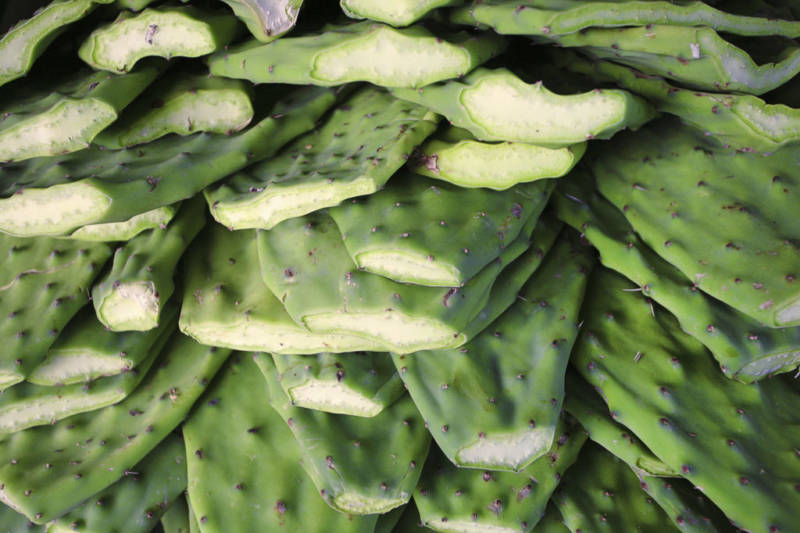
"caption": "Nopales / Cactus paddles in market, San Francisco, California",
"description": null,
"title": "Nopales / Cactus paddles in market",
"credit": null,
"status": "inherit",
"isLoading": false,
"fetchFailed": false
},
"bayareabites_111772": {
"type": "attachments",
"id": "bayareabites_111772",
"meta": {
"index": "attachments_1716263798",
"site": "bayareabites",
"id": "111772",
"found": true
},
"parent": 111771,
"imgSizes": {
"twentyfourteen-full-width": {
"file": "https://ww2.kqed.org/app/uploads/sites/24/2016/08/2351849-drought-indoor-growing-photo-3-b2f8225558f3630309d8fa8f98873f7d47e92377-1038x576.jpg",
"width": 1038,
"mimeType": "image/jpeg",
"height": 576
},
"thumbnail": {
"file": "https://ww2.kqed.org/app/uploads/sites/24/2016/08/2351849-drought-indoor-growing-photo-3-b2f8225558f3630309d8fa8f98873f7d47e92377-400x300.jpg",
"width": 400,
"mimeType": "image/jpeg",
"height": 300
},
"fd-sm": {
"file": "https://ww2.kqed.org/app/uploads/sites/24/2016/08/2351849-drought-indoor-growing-photo-3-b2f8225558f3630309d8fa8f98873f7d47e92377-960x720.jpg",
"width": 960,
"mimeType": "image/jpeg",
"height": 720
},
"post-thumbnail": {
"file": "https://ww2.kqed.org/app/uploads/sites/24/2016/08/2351849-drought-indoor-growing-photo-3-b2f8225558f3630309d8fa8f98873f7d47e92377-672x372.jpg",
"width": 672,
"mimeType": "image/jpeg",
"height": 372
},
"kqedFullSize": {
"file": "https://ww2.kqed.org/app/uploads/sites/24/2016/08/2351849-drought-indoor-growing-photo-3-b2f8225558f3630309d8fa8f98873f7d47e92377.jpg",
"width": 1599,
"height": 1199
},
"large": {
"file": "https://ww2.kqed.org/app/uploads/sites/24/2016/08/2351849-drought-indoor-growing-photo-3-b2f8225558f3630309d8fa8f98873f7d47e92377-1440x1080.jpg",
"width": 1440,
"mimeType": "image/jpeg",
"height": 1080
},
"guest-author-50": {
"file": "https://ww2.kqed.org/app/uploads/sites/24/2016/08/2351849-drought-indoor-growing-photo-3-b2f8225558f3630309d8fa8f98873f7d47e92377-50x50.jpg",
"width": 50,
"mimeType": "image/jpeg",
"height": 50
},
"guest-author-96": {
"file": "https://ww2.kqed.org/app/uploads/sites/24/2016/08/2351849-drought-indoor-growing-photo-3-b2f8225558f3630309d8fa8f98873f7d47e92377-96x96.jpg",
"width": 96,
"mimeType": "image/jpeg",
"height": 96
},
"medium": {
"file": "https://ww2.kqed.org/app/uploads/sites/24/2016/08/2351849-drought-indoor-growing-photo-3-b2f8225558f3630309d8fa8f98873f7d47e92377-800x600.jpg",
"width": 800,
"mimeType": "image/jpeg",
"height": 600
},
"guest-author-64": {
"file": "https://ww2.kqed.org/app/uploads/sites/24/2016/08/2351849-drought-indoor-growing-photo-3-b2f8225558f3630309d8fa8f98873f7d47e92377-64x64.jpg",
"width": 64,
"mimeType": "image/jpeg",
"height": 64
},
"guest-author-32": {
"file": "https://ww2.kqed.org/app/uploads/sites/24/2016/08/2351849-drought-indoor-growing-photo-3-b2f8225558f3630309d8fa8f98873f7d47e92377-32x32.jpg",
"width": 32,
"mimeType": "image/jpeg",
"height": 32
},
"cat_post_thumb_sizecategory-posts-2": {
"file": "https://ww2.kqed.org/app/uploads/sites/24/2016/08/2351849-drought-indoor-growing-photo-3-b2f8225558f3630309d8fa8f98873f7d47e92377-150x150.jpg",
"width": 150,
"mimeType": "image/jpeg",
"height": 150
},
"fd-med": {
"file": "https://ww2.kqed.org/app/uploads/sites/24/2016/08/2351849-drought-indoor-growing-photo-3-b2f8225558f3630309d8fa8f98873f7d47e92377-1180x885.jpg",
"width": 1180,
"mimeType": "image/jpeg",
"height": 885
},
"detail": {
"file": "https://ww2.kqed.org/app/uploads/sites/24/2016/08/2351849-drought-indoor-growing-photo-3-b2f8225558f3630309d8fa8f98873f7d47e92377-150x150.jpg",
"width": 150,
"mimeType": "image/jpeg",
"height": 150
},
"medium_large": {
"file": "https://ww2.kqed.org/app/uploads/sites/24/2016/08/2351849-drought-indoor-growing-photo-3-b2f8225558f3630309d8fa8f98873f7d47e92377-768x576.jpg",
"width": 768,
"mimeType": "image/jpeg",
"height": 576
},
"guest-author-128": {
"file": "https://ww2.kqed.org/app/uploads/sites/24/2016/08/2351849-drought-indoor-growing-photo-3-b2f8225558f3630309d8fa8f98873f7d47e92377-128x128.jpg",
"width": 128,
"mimeType": "image/jpeg",
"height": 128
}
},
"publishDate": 1472668258,
"modified": 1472668585,
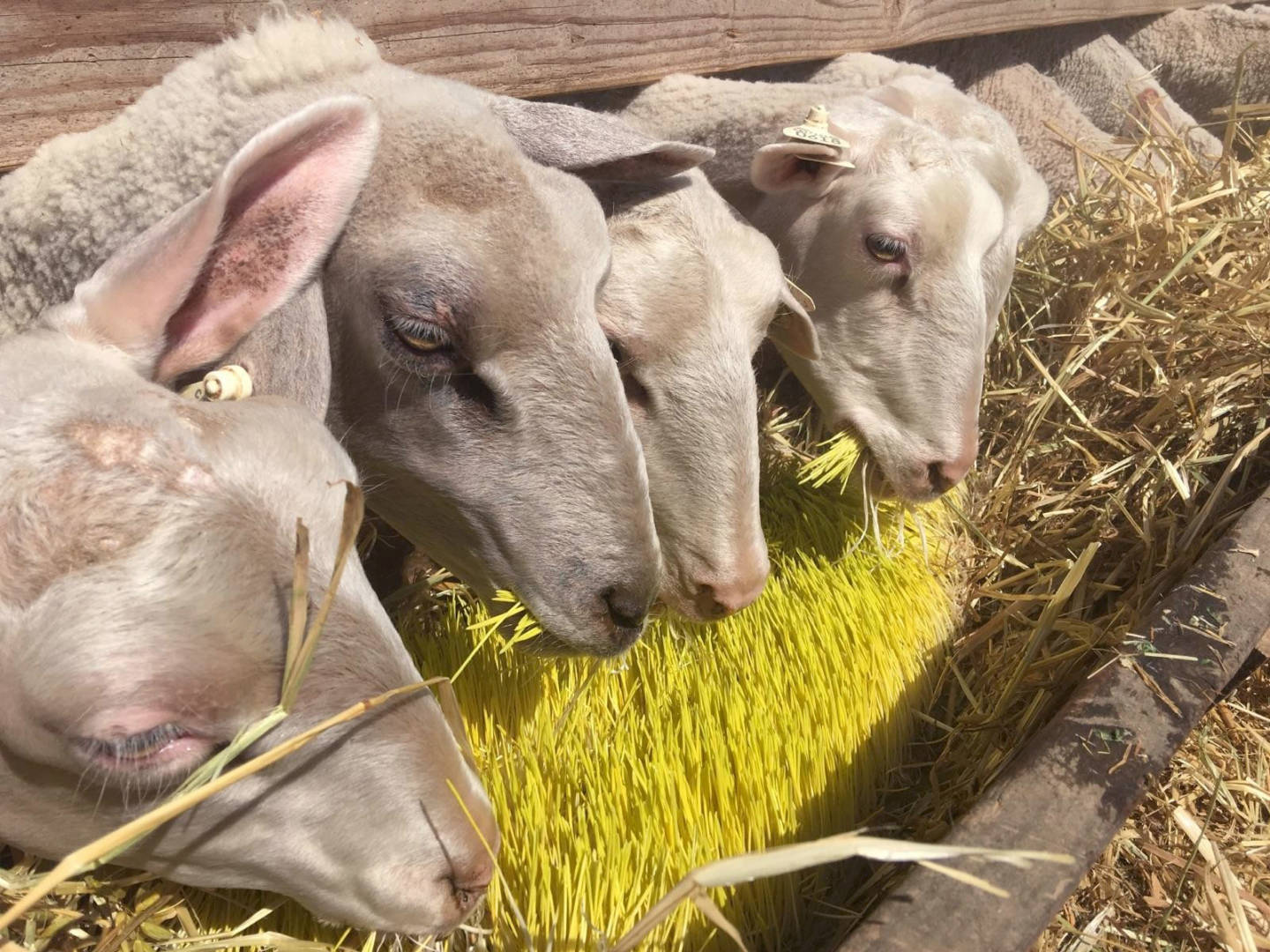
"caption": "These Central Valley sheep are happily munching on sprouted barley grown indoors. Farmer Mario Daccarett says the barley, grown in shipping containers, is sweet and keeps his sheep full longer.",
"description": "These Central Valley sheep are happily munching on sprouted barley grown indoors. Farmer Mario Daccarett says the barley, grown in shipping containers, is sweet and keeps his sheep full longer.",
"title": "These Central Valley sheep are happily munching on sprouted barley grown indoors. Farmer Mario Daccarett says the barley, grown in shipping containers, is sweet and keeps his sheep full longer.",
"credit": "Ezra David Romero/Valley Public Radio",
"status": "inherit",
"isLoading": false,
"fetchFailed": false
},
"bayareabites_111331": {
"type": "attachments",
"id": "bayareabites_111331",
"meta": {
"index": "attachments_1716263798",
"site": "bayareabites",
"id": "111331",
"found": true
},
"parent": 111330,
"imgSizes": {
"twentyfourteen-full-width": {
"file": "https://ww2.kqed.org/app/uploads/sites/24/2016/08/roca3_edited_enl-2c2ce4b526af405efb1a88cb964456f9f17c531e-1038x576.jpg",
"width": 1038,
"mimeType": "image/jpeg",
"height": 576
},
"thumbnail": {
"file": "https://ww2.kqed.org/app/uploads/sites/24/2016/08/roca3_edited_enl-2c2ce4b526af405efb1a88cb964456f9f17c531e-400x266.jpg",
"width": 400,
"mimeType": "image/jpeg",
"height": 266
},
"fd-sm": {
"file": "https://ww2.kqed.org/app/uploads/sites/24/2016/08/roca3_edited_enl-2c2ce4b526af405efb1a88cb964456f9f17c531e-960x639.jpg",
"width": 960,
"mimeType": "image/jpeg",
"height": 639
},
"post-thumbnail": {
"file": "https://ww2.kqed.org/app/uploads/sites/24/2016/08/roca3_edited_enl-2c2ce4b526af405efb1a88cb964456f9f17c531e-672x372.jpg",
"width": 672,
"mimeType": "image/jpeg",
"height": 372
},
"kqedFullSize": {
"file": "https://ww2.kqed.org/app/uploads/sites/24/2016/08/roca3_edited_enl-2c2ce4b526af405efb1a88cb964456f9f17c531e.jpg",
"width": 1600,
"height": 1065
},
"large": {
"file": "https://ww2.kqed.org/app/uploads/sites/24/2016/08/roca3_edited_enl-2c2ce4b526af405efb1a88cb964456f9f17c531e-1440x959.jpg",
"width": 1440,
"mimeType": "image/jpeg",
"height": 959
},
"guest-author-50": {
"file": "https://ww2.kqed.org/app/uploads/sites/24/2016/08/roca3_edited_enl-2c2ce4b526af405efb1a88cb964456f9f17c531e-50x50.jpg",
"width": 50,
"mimeType": "image/jpeg",
"height": 50
},
"guest-author-96": {
"file": "https://ww2.kqed.org/app/uploads/sites/24/2016/08/roca3_edited_enl-2c2ce4b526af405efb1a88cb964456f9f17c531e-96x96.jpg",
"width": 96,
"mimeType": "image/jpeg",
"height": 96
},
"medium": {
"file": "https://ww2.kqed.org/app/uploads/sites/24/2016/08/roca3_edited_enl-2c2ce4b526af405efb1a88cb964456f9f17c531e-800x533.jpg",
"width": 800,
"mimeType": "image/jpeg",
"height": 533
},
"guest-author-64": {
"file": "https://ww2.kqed.org/app/uploads/sites/24/2016/08/roca3_edited_enl-2c2ce4b526af405efb1a88cb964456f9f17c531e-64x64.jpg",
"width": 64,
"mimeType": "image/jpeg",
"height": 64
},
"guest-author-32": {
"file": "https://ww2.kqed.org/app/uploads/sites/24/2016/08/roca3_edited_enl-2c2ce4b526af405efb1a88cb964456f9f17c531e-32x32.jpg",
"width": 32,
"mimeType": "image/jpeg",
"height": 32
},
"cat_post_thumb_sizecategory-posts-2": {
"file": "https://ww2.kqed.org/app/uploads/sites/24/2016/08/roca3_edited_enl-2c2ce4b526af405efb1a88cb964456f9f17c531e-150x150.jpg",
"width": 150,
"mimeType": "image/jpeg",
"height": 150
},
"fd-med": {
"file": "https://ww2.kqed.org/app/uploads/sites/24/2016/08/roca3_edited_enl-2c2ce4b526af405efb1a88cb964456f9f17c531e-1180x785.jpg",
"width": 1180,
"mimeType": "image/jpeg",
"height": 785
},
"detail": {
"file": "https://ww2.kqed.org/app/uploads/sites/24/2016/08/roca3_edited_enl-2c2ce4b526af405efb1a88cb964456f9f17c531e-150x150.jpg",
"width": 150,
"mimeType": "image/jpeg",
"height": 150
},
"medium_large": {
"file": "https://ww2.kqed.org/app/uploads/sites/24/2016/08/roca3_edited_enl-2c2ce4b526af405efb1a88cb964456f9f17c531e-768x511.jpg",
"width": 768,
"mimeType": "image/jpeg",
"height": 511
},
"guest-author-128": {
"file": "https://ww2.kqed.org/app/uploads/sites/24/2016/08/roca3_edited_enl-2c2ce4b526af405efb1a88cb964456f9f17c531e-128x128.jpg",
"width": 128,
"mimeType": "image/jpeg",
"height": 128
}
},
"publishDate": 1470725064,
"modified": 1470725793,
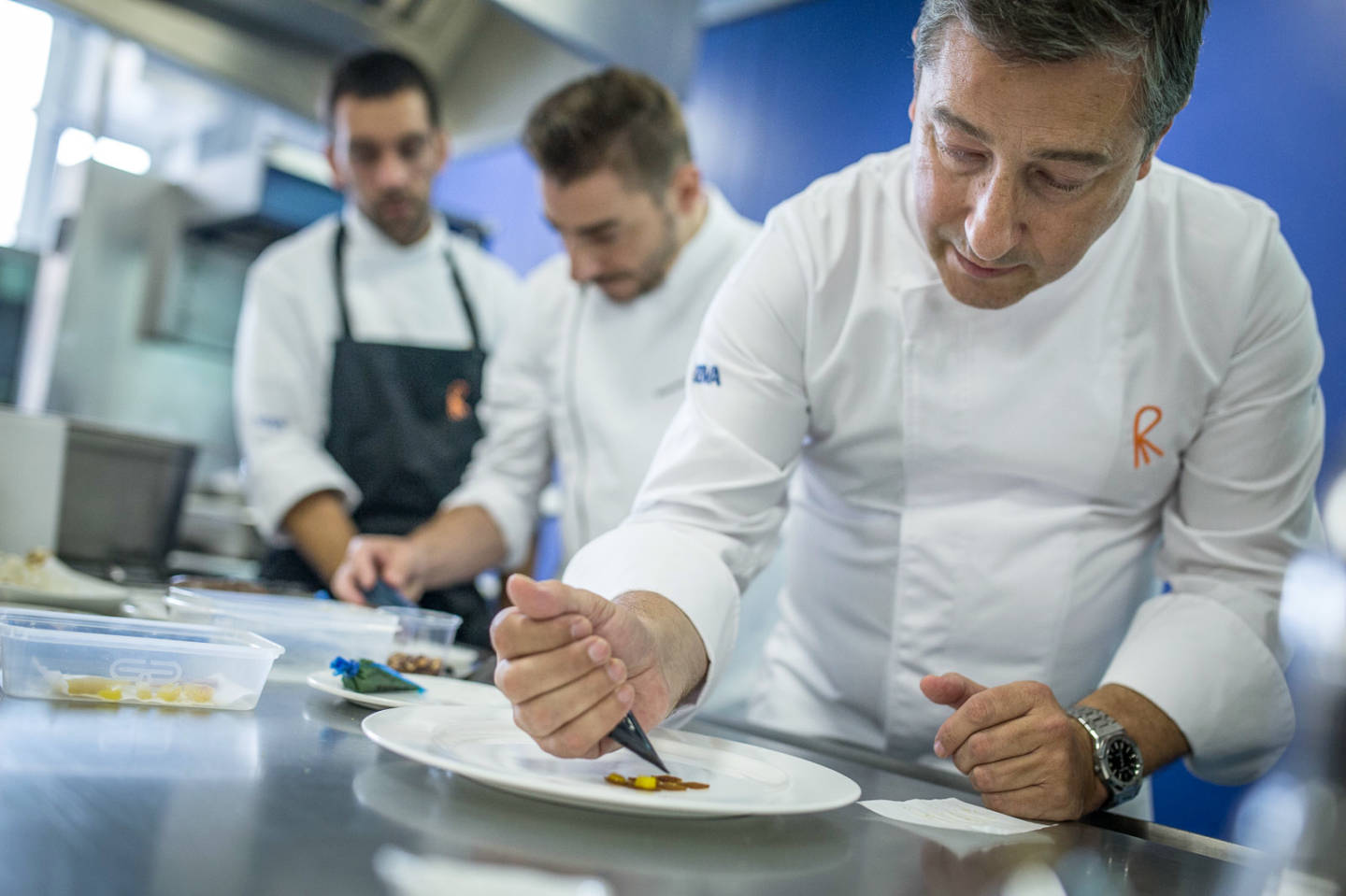
"caption": "Joan Roca (foreground), head chef at El Celler de Can Roca, a top-rated restaurant in northeast Spain. Here Roca conducts a cooking demonstration at Westminster Kingsway College, in London.",
"description": "Joan Roca (foreground), head chef at El Celler de Can Roca, a top-rated restaurant in northeast Spain. Here Roca conducts a cooking demonstration at Westminster Kingsway College, in London",
"title": "Joan Roca (foreground), head chef at El Celler de Can Roca, a top-rated restaurant in northeast Spain. Here Roca conducts a cooking demonstration at Westminster Kingsway College, in London.",
"credit": "Courtesy of BBVA",
"status": "inherit",
"isLoading": false,
"fetchFailed": false
},
"bayareabites_111234": {
"type": "attachments",
"id": "bayareabites_111234",
"meta": {
"index": "attachments_1716263798",
"site": "bayareabites",
"id": "111234",
"found": true
},
"parent": 111233,
"imgSizes": {
"twentyfourteen-full-width": {
"file": "https://ww2.kqed.org/app/uploads/sites/24/2016/08/salty-ramen-final_small_enl-bd107d39cd92483f67e6b64a4de9a8c7d468ecb7-1038x576.jpg",
"width": 1038,
"mimeType": "image/jpeg",
"height": 576
},
"thumbnail": {
"file": "https://ww2.kqed.org/app/uploads/sites/24/2016/08/salty-ramen-final_small_enl-bd107d39cd92483f67e6b64a4de9a8c7d468ecb7-400x225.jpg",
"width": 400,
"mimeType": "image/jpeg",
"height": 225
},
"fd-sm": {
"file": "https://ww2.kqed.org/app/uploads/sites/24/2016/08/salty-ramen-final_small_enl-bd107d39cd92483f67e6b64a4de9a8c7d468ecb7-960x540.jpg",
"width": 960,
"mimeType": "image/jpeg",
"height": 540
},
"post-thumbnail": {
"file": "https://ww2.kqed.org/app/uploads/sites/24/2016/08/salty-ramen-final_small_enl-bd107d39cd92483f67e6b64a4de9a8c7d468ecb7-672x372.jpg",
"width": 672,
"mimeType": "image/jpeg",
"height": 372
},
"kqedFullSize": {
"file": "https://ww2.kqed.org/app/uploads/sites/24/2016/08/salty-ramen-final_small_enl-bd107d39cd92483f67e6b64a4de9a8c7d468ecb7.jpg",
"width": 3000,
"height": 1689
},
"large": {
"file": "https://ww2.kqed.org/app/uploads/sites/24/2016/08/salty-ramen-final_small_enl-bd107d39cd92483f67e6b64a4de9a8c7d468ecb7-1440x811.jpg",
"width": 1440,
"mimeType": "image/jpeg",
"height": 811
},
"guest-author-50": {
"file": "https://ww2.kqed.org/app/uploads/sites/24/2016/08/salty-ramen-final_small_enl-bd107d39cd92483f67e6b64a4de9a8c7d468ecb7-50x50.jpg",
"width": 50,
"mimeType": "image/jpeg",
"height": 50
},
"guest-author-96": {
"file": "https://ww2.kqed.org/app/uploads/sites/24/2016/08/salty-ramen-final_small_enl-bd107d39cd92483f67e6b64a4de9a8c7d468ecb7-96x96.jpg",
"width": 96,
"mimeType": "image/jpeg",
"height": 96
},
"medium": {
"file": "https://ww2.kqed.org/app/uploads/sites/24/2016/08/salty-ramen-final_small_enl-bd107d39cd92483f67e6b64a4de9a8c7d468ecb7-800x450.jpg",
"width": 800,
"mimeType": "image/jpeg",
"height": 450
},
"guest-author-64": {
"file": "https://ww2.kqed.org/app/uploads/sites/24/2016/08/salty-ramen-final_small_enl-bd107d39cd92483f67e6b64a4de9a8c7d468ecb7-64x64.jpg",
"width": 64,
"mimeType": "image/jpeg",
"height": 64
},
"guest-author-32": {
"file": "https://ww2.kqed.org/app/uploads/sites/24/2016/08/salty-ramen-final_small_enl-bd107d39cd92483f67e6b64a4de9a8c7d468ecb7-32x32.jpg",
"width": 32,
"mimeType": "image/jpeg",
"height": 32
},
"cat_post_thumb_sizecategory-posts-2": {
"file": "https://ww2.kqed.org/app/uploads/sites/24/2016/08/salty-ramen-final_small_enl-bd107d39cd92483f67e6b64a4de9a8c7d468ecb7-150x150.jpg",
"width": 150,
"mimeType": "image/jpeg",
"height": 150
},
"fd-lrg": {
"file": "https://ww2.kqed.org/app/uploads/sites/24/2016/08/salty-ramen-final_small_enl-bd107d39cd92483f67e6b64a4de9a8c7d468ecb7-1920x1081.jpg",
"width": 1920,
"mimeType": "image/jpeg",
"height": 1081
},
"fd-med": {
"file": "https://ww2.kqed.org/app/uploads/sites/24/2016/08/salty-ramen-final_small_enl-bd107d39cd92483f67e6b64a4de9a8c7d468ecb7-1180x664.jpg",
"width": 1180,
"mimeType": "image/jpeg",
"height": 664
},
"detail": {
"file": "https://ww2.kqed.org/app/uploads/sites/24/2016/08/salty-ramen-final_small_enl-bd107d39cd92483f67e6b64a4de9a8c7d468ecb7-150x150.jpg",
"width": 150,
"mimeType": "image/jpeg",
"height": 150
},
"medium_large": {
"file": "https://ww2.kqed.org/app/uploads/sites/24/2016/08/salty-ramen-final_small_enl-bd107d39cd92483f67e6b64a4de9a8c7d468ecb7-768x432.jpg",
"width": 768,
"mimeType": "image/jpeg",
"height": 432
},
"guest-author-128": {
"file": "https://ww2.kqed.org/app/uploads/sites/24/2016/08/salty-ramen-final_small_enl-bd107d39cd92483f67e6b64a4de9a8c7d468ecb7-128x128.jpg",
"width": 128,
"mimeType": "image/jpeg",
"height": 128
}
},
"publishDate": 1470345174,
"modified": 1470345930,
"caption": "Reducing sodium in food has become a priority for the food industry.",
"description": "Reducing sodium in food has become a priority for the food industry.",
"title": "Reducing sodium in food has become a priority for the food industry.",
"credit": "Erin Bushnell for NPR",
"status": "inherit",
"isLoading": false,
"fetchFailed": false
},
"bayareabites_111122": {
"type": "attachments",
"id": "bayareabites_111122",
"meta": {
"index": "attachments_1716263798",
"site": "bayareabites",
"id": "111122",
"found": true
},
"parent": 111121,
"imgSizes": {
"twentyfourteen-full-width": {
"file": "https://ww2.kqed.org/app/uploads/sites/24/2016/08/img_3117_edited-8ee56f2024cb095b7e2552ed630ec23e085d621b-1038x576.jpg",
"width": 1038,
"mimeType": "image/jpeg",
"height": 576
},
"thumbnail": {
"file": "https://ww2.kqed.org/app/uploads/sites/24/2016/08/img_3117_edited-8ee56f2024cb095b7e2552ed630ec23e085d621b-400x300.jpg",
"width": 400,
"mimeType": "image/jpeg",
"height": 300
},
"fd-sm": {
"file": "https://ww2.kqed.org/app/uploads/sites/24/2016/08/img_3117_edited-8ee56f2024cb095b7e2552ed630ec23e085d621b-960x720.jpg",
"width": 960,
"mimeType": "image/jpeg",
"height": 720
},
"post-thumbnail": {
"file": "https://ww2.kqed.org/app/uploads/sites/24/2016/08/img_3117_edited-8ee56f2024cb095b7e2552ed630ec23e085d621b-672x372.jpg",
"width": 672,
"mimeType": "image/jpeg",
"height": 372
},
"kqedFullSize": {
"file": "https://ww2.kqed.org/app/uploads/sites/24/2016/08/img_3117_edited-8ee56f2024cb095b7e2552ed630ec23e085d621b.jpg",
"width": 1998,
"height": 1499
},
"large": {
"file": "https://ww2.kqed.org/app/uploads/sites/24/2016/08/img_3117_edited-8ee56f2024cb095b7e2552ed630ec23e085d621b-1440x1080.jpg",
"width": 1440,
"mimeType": "image/jpeg",
"height": 1080
},
"guest-author-50": {
"file": "https://ww2.kqed.org/app/uploads/sites/24/2016/08/img_3117_edited-8ee56f2024cb095b7e2552ed630ec23e085d621b-50x50.jpg",
"width": 50,
"mimeType": "image/jpeg",
"height": 50
},
"guest-author-96": {
"file": "https://ww2.kqed.org/app/uploads/sites/24/2016/08/img_3117_edited-8ee56f2024cb095b7e2552ed630ec23e085d621b-96x96.jpg",
"width": 96,
"mimeType": "image/jpeg",
"height": 96
},
"medium": {
"file": "https://ww2.kqed.org/app/uploads/sites/24/2016/08/img_3117_edited-8ee56f2024cb095b7e2552ed630ec23e085d621b-800x600.jpg",
"width": 800,
"mimeType": "image/jpeg",
"height": 600
},
"guest-author-64": {
"file": "https://ww2.kqed.org/app/uploads/sites/24/2016/08/img_3117_edited-8ee56f2024cb095b7e2552ed630ec23e085d621b-64x64.jpg",
"width": 64,
"mimeType": "image/jpeg",
"height": 64
},
"guest-author-32": {
"file": "https://ww2.kqed.org/app/uploads/sites/24/2016/08/img_3117_edited-8ee56f2024cb095b7e2552ed630ec23e085d621b-32x32.jpg",
"width": 32,
"mimeType": "image/jpeg",
"height": 32
},
"cat_post_thumb_sizecategory-posts-2": {
"file": "https://ww2.kqed.org/app/uploads/sites/24/2016/08/img_3117_edited-8ee56f2024cb095b7e2552ed630ec23e085d621b-150x150.jpg",
"width": 150,
"mimeType": "image/jpeg",
"height": 150
},
"fd-lrg": {
"file": "https://ww2.kqed.org/app/uploads/sites/24/2016/08/img_3117_edited-8ee56f2024cb095b7e2552ed630ec23e085d621b-1920x1440.jpg",
"width": 1920,
"mimeType": "image/jpeg",
"height": 1440
},
"fd-med": {
"file": "https://ww2.kqed.org/app/uploads/sites/24/2016/08/img_3117_edited-8ee56f2024cb095b7e2552ed630ec23e085d621b-1180x885.jpg",
"width": 1180,
"mimeType": "image/jpeg",
"height": 885
},
"detail": {
"file": "https://ww2.kqed.org/app/uploads/sites/24/2016/08/img_3117_edited-8ee56f2024cb095b7e2552ed630ec23e085d621b-150x150.jpg",
"width": 150,
"mimeType": "image/jpeg",
"height": 150
},
"medium_large": {
"file": "https://ww2.kqed.org/app/uploads/sites/24/2016/08/img_3117_edited-8ee56f2024cb095b7e2552ed630ec23e085d621b-768x576.jpg",
"width": 768,
"mimeType": "image/jpeg",
"height": 576
},
"guest-author-128": {
"file": "https://ww2.kqed.org/app/uploads/sites/24/2016/08/img_3117_edited-8ee56f2024cb095b7e2552ed630ec23e085d621b-128x128.jpg",
"width": 128,
"mimeType": "image/jpeg",
"height": 128
}
},
"publishDate": 1470071399,
"modified": 1470071631,
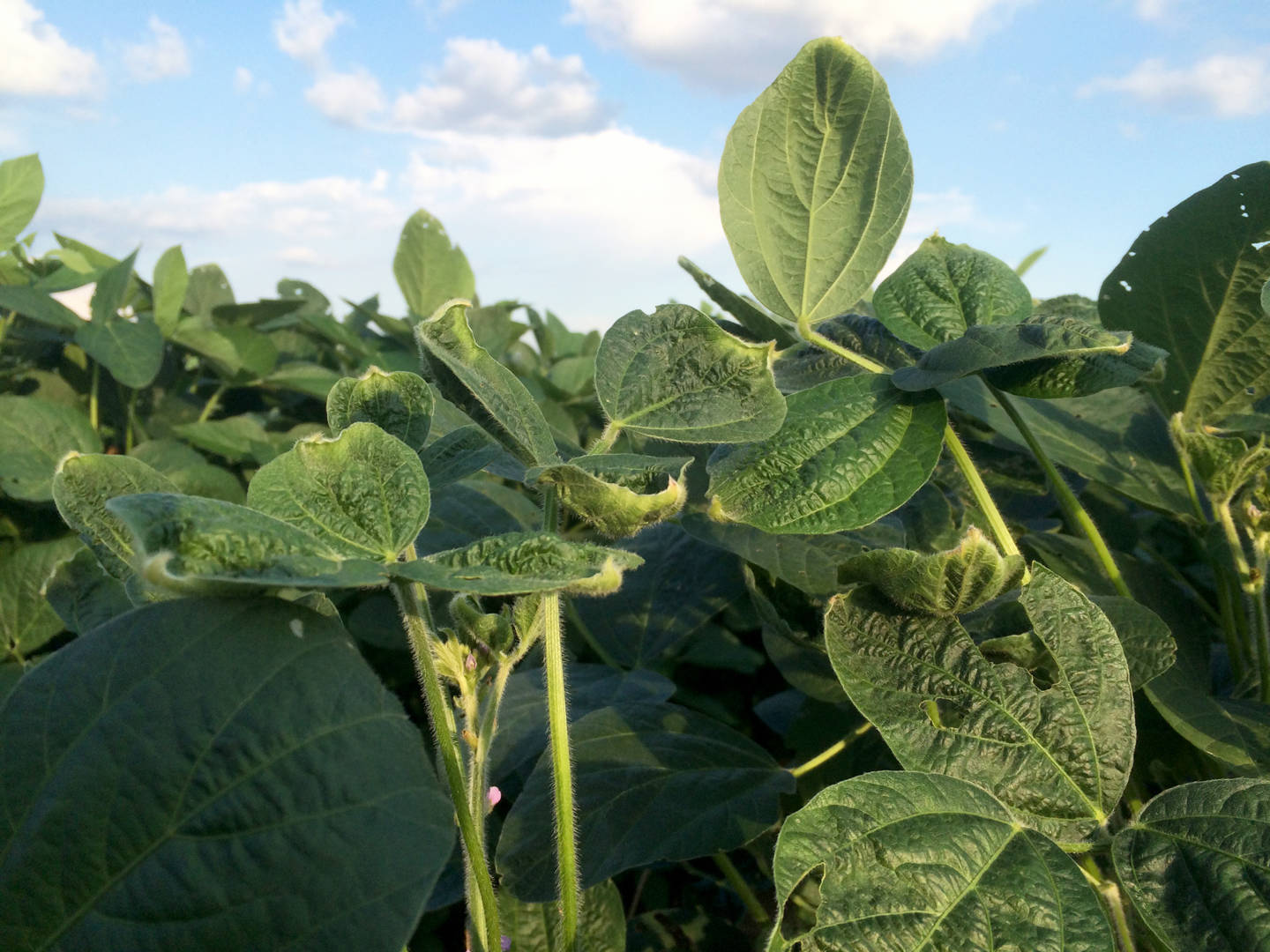
"caption": "These soybean leaves show evidence of damage from dicamba. It could cut the the harvest by 10 to 30 percent.",
"description": "These soybean leaves show evidence of damage from dicamba. It could cut the the harvest by 10 to 30 percent.",
"title": "These soybean leaves show evidence of damage from dicamba. It could cut the the harvest by 10 to 30 percent.",
"credit": "Courtesy of the University of Arkansas",
"status": "inherit",
"isLoading": false,
"fetchFailed": false
},
"bayareabites_111092": {
"type": "attachments",
"id": "bayareabites_111092",
"meta": {
"index": "attachments_1716263798",
"site": "bayareabites",
"id": "111092",
"found": true
},
"parent": 111091,
"imgSizes": {
"twentyfourteen-full-width": {
"file": "https://ww2.kqed.org/app/uploads/sites/24/2016/07/salvagesupperclub_enl-a8c6ccc7da776238ba4a2dadb091377879a5f791-1038x576.jpg",
"width": 1038,
"mimeType": "image/jpeg",
"height": 576
},
"thumbnail": {
"file": "https://ww2.kqed.org/app/uploads/sites/24/2016/07/salvagesupperclub_enl-a8c6ccc7da776238ba4a2dadb091377879a5f791-400x266.jpg",
"width": 400,
"mimeType": "image/jpeg",
"height": 266
},
"fd-sm": {
"file": "https://ww2.kqed.org/app/uploads/sites/24/2016/07/salvagesupperclub_enl-a8c6ccc7da776238ba4a2dadb091377879a5f791-960x639.jpg",
"width": 960,
"mimeType": "image/jpeg",
"height": 639
},
"post-thumbnail": {
"file": "https://ww2.kqed.org/app/uploads/sites/24/2016/07/salvagesupperclub_enl-a8c6ccc7da776238ba4a2dadb091377879a5f791-672x372.jpg",
"width": 672,
"mimeType": "image/jpeg",
"height": 372
},
"kqedFullSize": {
"file": "https://ww2.kqed.org/app/uploads/sites/24/2016/07/salvagesupperclub_enl-a8c6ccc7da776238ba4a2dadb091377879a5f791.jpg",
"width": 2000,
"height": 1332
},
"large": {
"file": "https://ww2.kqed.org/app/uploads/sites/24/2016/07/salvagesupperclub_enl-a8c6ccc7da776238ba4a2dadb091377879a5f791-1440x959.jpg",
"width": 1440,
"mimeType": "image/jpeg",
"height": 959
},
"guest-author-50": {
"file": "https://ww2.kqed.org/app/uploads/sites/24/2016/07/salvagesupperclub_enl-a8c6ccc7da776238ba4a2dadb091377879a5f791-50x50.jpg",
"width": 50,
"mimeType": "image/jpeg",
"height": 50
},
"guest-author-96": {
"file": "https://ww2.kqed.org/app/uploads/sites/24/2016/07/salvagesupperclub_enl-a8c6ccc7da776238ba4a2dadb091377879a5f791-96x96.jpg",
"width": 96,
"mimeType": "image/jpeg",
"height": 96
},
"medium": {
"file": "https://ww2.kqed.org/app/uploads/sites/24/2016/07/salvagesupperclub_enl-a8c6ccc7da776238ba4a2dadb091377879a5f791-800x533.jpg",
"width": 800,
"mimeType": "image/jpeg",
"height": 533
},
"guest-author-64": {
"file": "https://ww2.kqed.org/app/uploads/sites/24/2016/07/salvagesupperclub_enl-a8c6ccc7da776238ba4a2dadb091377879a5f791-64x64.jpg",
"width": 64,
"mimeType": "image/jpeg",
"height": 64
},
"guest-author-32": {
"file": "https://ww2.kqed.org/app/uploads/sites/24/2016/07/salvagesupperclub_enl-a8c6ccc7da776238ba4a2dadb091377879a5f791-32x32.jpg",
"width": 32,
"mimeType": "image/jpeg",
"height": 32
},
"cat_post_thumb_sizecategory-posts-2": {
"file": "https://ww2.kqed.org/app/uploads/sites/24/2016/07/salvagesupperclub_enl-a8c6ccc7da776238ba4a2dadb091377879a5f791-150x150.jpg",
"width": 150,
"mimeType": "image/jpeg",
"height": 150
},
"fd-lrg": {
"file": "https://ww2.kqed.org/app/uploads/sites/24/2016/07/salvagesupperclub_enl-a8c6ccc7da776238ba4a2dadb091377879a5f791-1920x1279.jpg",
"width": 1920,
"mimeType": "image/jpeg",
"height": 1279
},
"fd-med": {
"file": "https://ww2.kqed.org/app/uploads/sites/24/2016/07/salvagesupperclub_enl-a8c6ccc7da776238ba4a2dadb091377879a5f791-1180x786.jpg",
"width": 1180,
"mimeType": "image/jpeg",
"height": 786
},
"detail": {
"file": "https://ww2.kqed.org/app/uploads/sites/24/2016/07/salvagesupperclub_enl-a8c6ccc7da776238ba4a2dadb091377879a5f791-150x150.jpg",
"width": 150,
"mimeType": "image/jpeg",
"height": 150
},
"medium_large": {
"file": "https://ww2.kqed.org/app/uploads/sites/24/2016/07/salvagesupperclub_enl-a8c6ccc7da776238ba4a2dadb091377879a5f791-768x511.jpg",
"width": 768,
"mimeType": "image/jpeg",
"height": 511
},
"guest-author-128": {
"file": "https://ww2.kqed.org/app/uploads/sites/24/2016/07/salvagesupperclub_enl-a8c6ccc7da776238ba4a2dadb091377879a5f791-128x128.jpg",
"width": 128,
"mimeType": "image/jpeg",
"height": 128
}
},
"publishDate": 1469804298,
"modified": 1469804859,
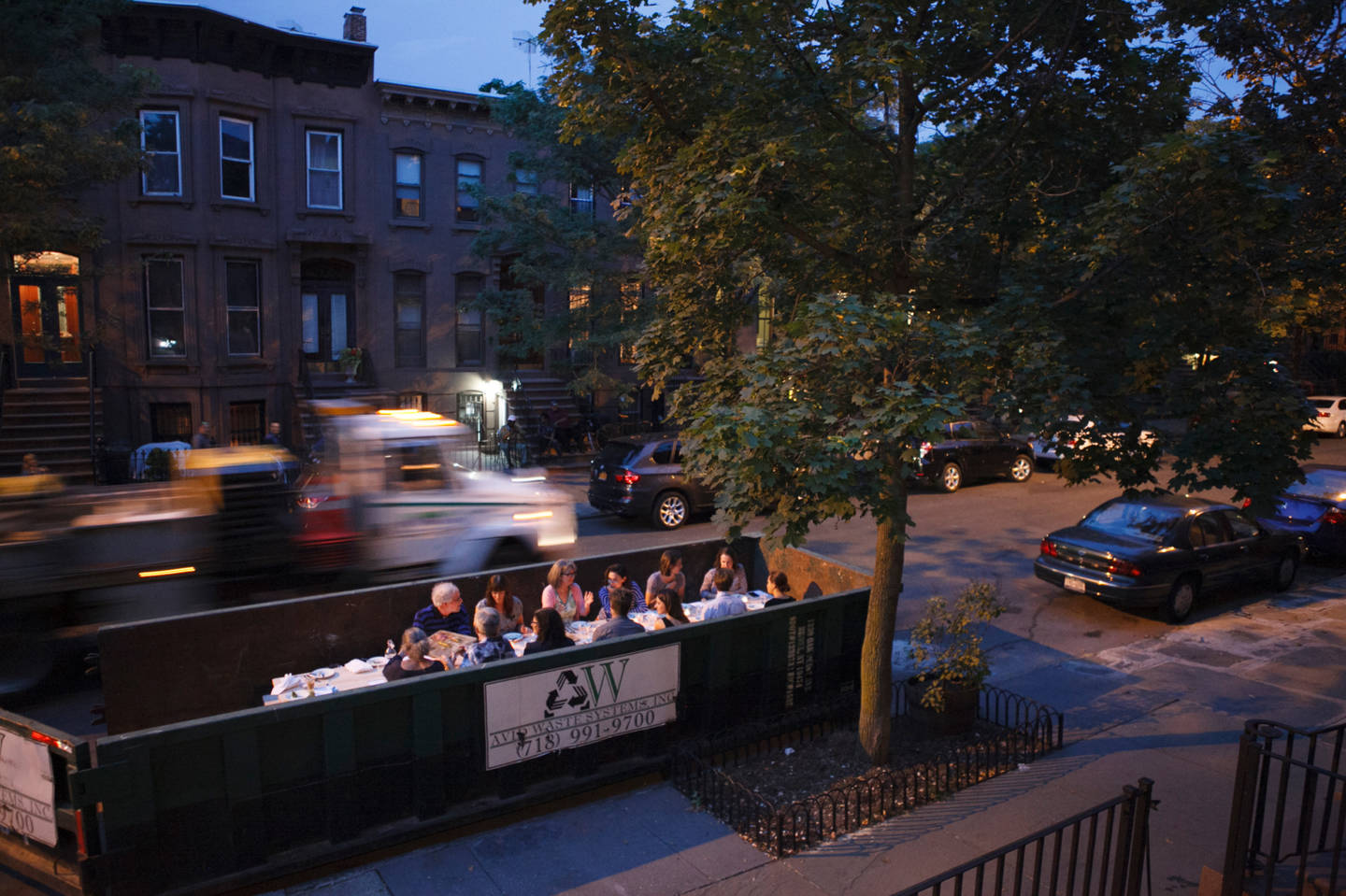
"caption": "The Salvage Supperclub hosts dinners in clean, tastefully decked out dumpsters. The menus highlight ingredients frequently tossed out by home cooks – think wilted basil or bruised plums — that could be put to tastier uses.",
"description": "The Salvage Supperclub hosts dinners in clean, tastefully decked out dumpsters. The menus highlight ingredients frequently tossed out by home cooks – think wilted basil or bruised plums — that could be put to tastier",
"title": "The Salvage Supperclub hosts dinners in clean, tastefully decked out dumpsters. The menus highlight ingredients frequently tossed out by home cooks – think wilted basil or bruised plums — that could be put to tastier uses.",
"credit": "Courtesy of Andrew Hinderaker",
"status": "inherit",
"isLoading": false,
"fetchFailed": false
},
"bayareabites_110896": {
"type": "attachments",
"id": "bayareabites_110896",
"meta": {
"index": "attachments_1716263798",
"site": "bayareabites",
"id": "110896",
"found": true
},
"parent": 110895,
"imgSizes": {
"twentyfourteen-full-width": {
"file": "https://ww2.kqed.org/app/uploads/sites/24/2016/07/heirlooms_enl-e8a964f6128ee534964ed7a93e17f6da9bc0b2f4-1038x576.jpg",
"width": 1038,
"mimeType": "image/jpeg",
"height": 576
},
"thumbnail": {
"file": "https://ww2.kqed.org/app/uploads/sites/24/2016/07/heirlooms_enl-e8a964f6128ee534964ed7a93e17f6da9bc0b2f4-400x266.jpg",
"width": 400,
"mimeType": "image/jpeg",
"height": 266
},
"fd-sm": {
"file": "https://ww2.kqed.org/app/uploads/sites/24/2016/07/heirlooms_enl-e8a964f6128ee534964ed7a93e17f6da9bc0b2f4-960x639.jpg",
"width": 960,
"mimeType": "image/jpeg",
"height": 639
},
"post-thumbnail": {
"file": "https://ww2.kqed.org/app/uploads/sites/24/2016/07/heirlooms_enl-e8a964f6128ee534964ed7a93e17f6da9bc0b2f4-672x372.jpg",
"width": 672,
"mimeType": "image/jpeg",
"height": 372
},
"kqedFullSize": {
"file": "https://ww2.kqed.org/app/uploads/sites/24/2016/07/heirlooms_enl-e8a964f6128ee534964ed7a93e17f6da9bc0b2f4.jpg",
"width": 2000,
"height": 1332
},
"large": {
"file": "https://ww2.kqed.org/app/uploads/sites/24/2016/07/heirlooms_enl-e8a964f6128ee534964ed7a93e17f6da9bc0b2f4-1440x959.jpg",
"width": 1440,
"mimeType": "image/jpeg",
"height": 959
},
"guest-author-50": {
"file": "https://ww2.kqed.org/app/uploads/sites/24/2016/07/heirlooms_enl-e8a964f6128ee534964ed7a93e17f6da9bc0b2f4-50x50.jpg",
"width": 50,
"mimeType": "image/jpeg",
"height": 50
},
"guest-author-96": {
"file": "https://ww2.kqed.org/app/uploads/sites/24/2016/07/heirlooms_enl-e8a964f6128ee534964ed7a93e17f6da9bc0b2f4-96x96.jpg",
"width": 96,
"mimeType": "image/jpeg",
"height": 96
},
"medium": {
"file": "https://ww2.kqed.org/app/uploads/sites/24/2016/07/heirlooms_enl-e8a964f6128ee534964ed7a93e17f6da9bc0b2f4-800x533.jpg",
"width": 800,
"mimeType": "image/jpeg",
"height": 533
},
"guest-author-64": {
"file": "https://ww2.kqed.org/app/uploads/sites/24/2016/07/heirlooms_enl-e8a964f6128ee534964ed7a93e17f6da9bc0b2f4-64x64.jpg",
"width": 64,
"mimeType": "image/jpeg",
"height": 64
},
"guest-author-32": {
"file": "https://ww2.kqed.org/app/uploads/sites/24/2016/07/heirlooms_enl-e8a964f6128ee534964ed7a93e17f6da9bc0b2f4-32x32.jpg",
"width": 32,
"mimeType": "image/jpeg",
"height": 32
},
"cat_post_thumb_sizecategory-posts-2": {
"file": "https://ww2.kqed.org/app/uploads/sites/24/2016/07/heirlooms_enl-e8a964f6128ee534964ed7a93e17f6da9bc0b2f4-150x150.jpg",
"width": 150,
"mimeType": "image/jpeg",
"height": 150
},
"fd-lrg": {
"file": "https://ww2.kqed.org/app/uploads/sites/24/2016/07/heirlooms_enl-e8a964f6128ee534964ed7a93e17f6da9bc0b2f4-1920x1279.jpg",
"width": 1920,
"mimeType": "image/jpeg",
"height": 1279
},
"fd-med": {
"file": "https://ww2.kqed.org/app/uploads/sites/24/2016/07/heirlooms_enl-e8a964f6128ee534964ed7a93e17f6da9bc0b2f4-1180x786.jpg",
"width": 1180,
"mimeType": "image/jpeg",
"height": 786
},
"detail": {
"file": "https://ww2.kqed.org/app/uploads/sites/24/2016/07/heirlooms_enl-e8a964f6128ee534964ed7a93e17f6da9bc0b2f4-150x150.jpg",
"width": 150,
"mimeType": "image/jpeg",
"height": 150
},
"medium_large": {
"file": "https://ww2.kqed.org/app/uploads/sites/24/2016/07/heirlooms_enl-e8a964f6128ee534964ed7a93e17f6da9bc0b2f4-768x511.jpg",
"width": 768,
"mimeType": "image/jpeg",
"height": 511
},
"guest-author-128": {
"file": "https://ww2.kqed.org/app/uploads/sites/24/2016/07/heirlooms_enl-e8a964f6128ee534964ed7a93e17f6da9bc0b2f4-128x128.jpg",
"width": 128,
"mimeType": "image/jpeg",
"height": 128
}
},
"publishDate": 1469048319,
"modified": 1469050212,
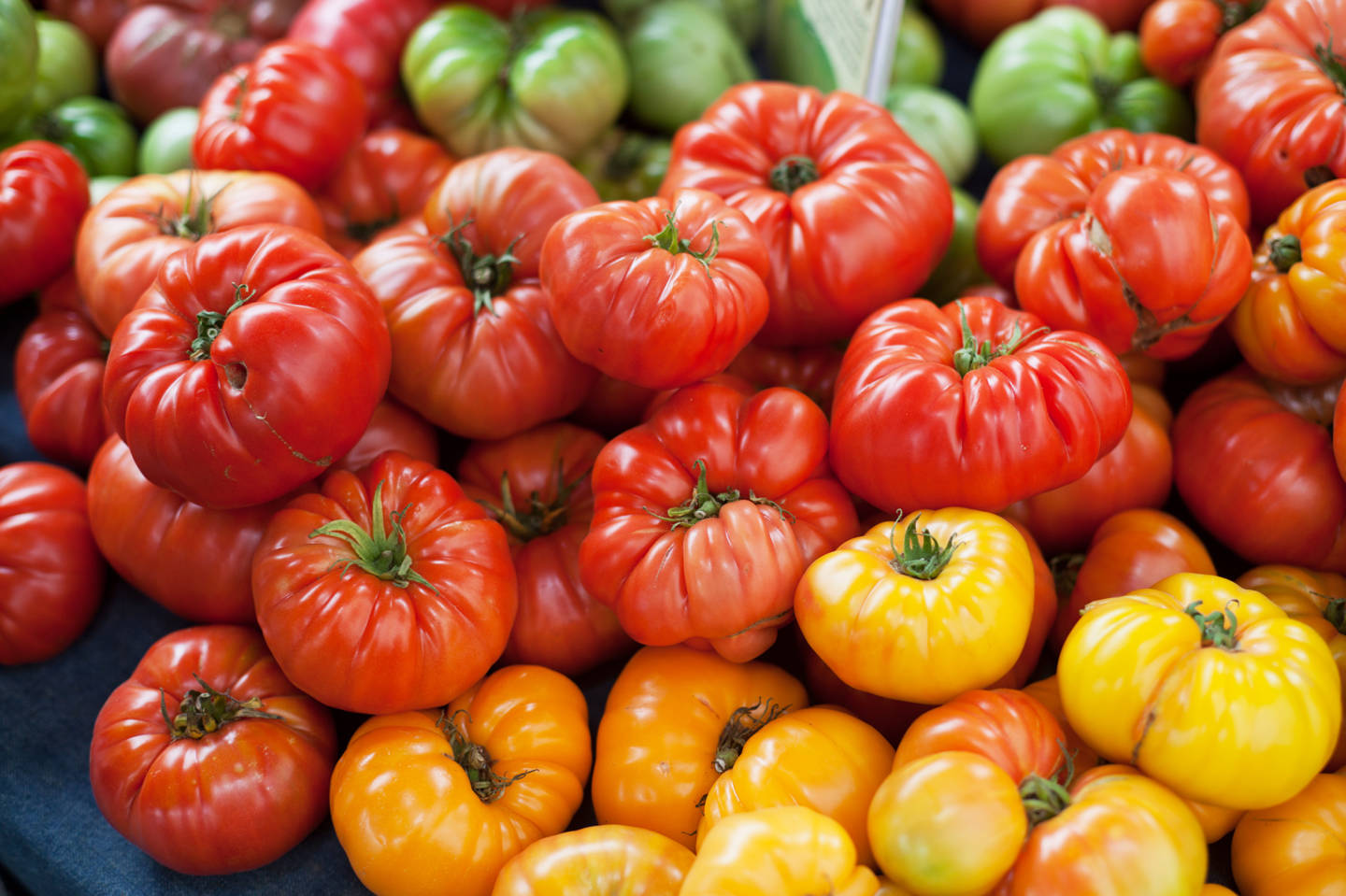
"caption": "Heirloom tomatoes",
"description": "heirloom tomatoes",
"title": "heirloom tomatoes",
"credit": "Neil Conway/Flickr",
"status": "inherit",
"isLoading": false,
"fetchFailed": false
},
"bayareabites_110776": {
"type": "attachments",
"id": "bayareabites_110776",
"meta": {
"index": "attachments_1716263798",
"site": "bayareabites",
"id": "110776",
"found": true
},
"parent": 110775,
"imgSizes": {
"twentyfourteen-full-width": {
"file": "https://ww2.kqed.org/app/uploads/sites/24/2016/07/insearchof-1038x576.jpg",
"width": 1038,
"mimeType": "image/jpeg",
"height": 576
},
"thumbnail": {
"file": "https://ww2.kqed.org/app/uploads/sites/24/2016/07/insearchof-400x267.jpg",
"width": 400,
"mimeType": "image/jpeg",
"height": 267
},
"fd-sm": {
"file": "https://ww2.kqed.org/app/uploads/sites/24/2016/07/insearchof-960x640.jpg",
"width": 960,
"mimeType": "image/jpeg",
"height": 640
},
"post-thumbnail": {
"file": "https://ww2.kqed.org/app/uploads/sites/24/2016/07/insearchof-672x372.jpg",
"width": 672,
"mimeType": "image/jpeg",
"height": 372
},
"kqedFullSize": {
"file": "https://ww2.kqed.org/app/uploads/sites/24/2016/07/insearchof.jpg",
"width": 1400,
"height": 934
},
"guest-author-50": {
"file": "https://ww2.kqed.org/app/uploads/sites/24/2016/07/insearchof-50x50.jpg",
"width": 50,
"mimeType": "image/jpeg",
"height": 50
},
"guest-author-96": {
"file": "https://ww2.kqed.org/app/uploads/sites/24/2016/07/insearchof-96x96.jpg",
"width": 96,
"mimeType": "image/jpeg",
"height": 96
},
"medium": {
"file": "https://ww2.kqed.org/app/uploads/sites/24/2016/07/insearchof-800x534.jpg",
"width": 800,
"mimeType": "image/jpeg",
"height": 534
},
"guest-author-64": {
"file": "https://ww2.kqed.org/app/uploads/sites/24/2016/07/insearchof-64x64.jpg",
"width": 64,
"mimeType": "image/jpeg",
"height": 64
},
"guest-author-32": {
"file": "https://ww2.kqed.org/app/uploads/sites/24/2016/07/insearchof-32x32.jpg",
"width": 32,
"mimeType": "image/jpeg",
"height": 32
},
"cat_post_thumb_sizecategory-posts-2": {
"file": "https://ww2.kqed.org/app/uploads/sites/24/2016/07/insearchof-150x150.jpg",
"width": 150,
"mimeType": "image/jpeg",
"height": 150
},
"fd-med": {
"file": "https://ww2.kqed.org/app/uploads/sites/24/2016/07/insearchof-1180x787.jpg",
"width": 1180,
"mimeType": "image/jpeg",
"height": 787
},
"detail": {
"file": "https://ww2.kqed.org/app/uploads/sites/24/2016/07/insearchof-150x150.jpg",
"width": 150,
"mimeType": "image/jpeg",
"height": 150
},
"medium_large": {
"file": "https://ww2.kqed.org/app/uploads/sites/24/2016/07/insearchof-768x512.jpg",
"width": 768,
"mimeType": "image/jpeg",
"height": 512
},
"guest-author-128": {
"file": "https://ww2.kqed.org/app/uploads/sites/24/2016/07/insearchof-128x128.jpg",
"width": 128,
"mimeType": "image/jpeg",
"height": 128
}
},
"publishDate": 1468618187,
"modified": 1468807846,
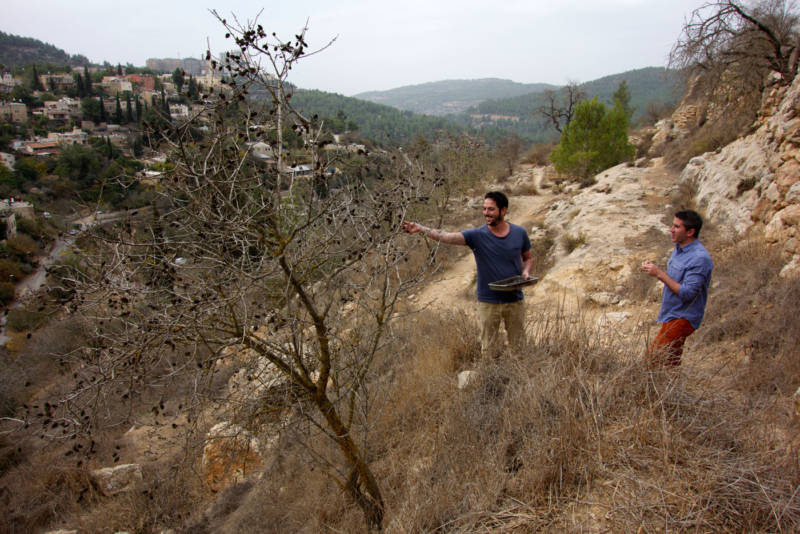
"caption": "Tomer Niv, chef at Rama's Kitchen, takes Michael Solomonov on a foraging tour in the Judean hills",
"description": null,
"title": "insearchof",
"credit": null,
"status": "inherit",
"isLoading": false,
"fetchFailed": false
},
"bayareabites_110612": {
"type": "attachments",
"id": "bayareabites_110612",
"meta": {
"index": "attachments_1716263798",
"site": "bayareabites",
"id": "110612",
"found": true
},
"parent": 110596,
"imgSizes": {
"twentyfourteen-full-width": {
"file": "https://ww2.kqed.org/app/uploads/sites/24/2016/07/PokiBowlAhiSalmon-1038x576.jpg",
"width": 1038,
"mimeType": "image/jpeg",
"height": 576
},
"thumbnail": {
"file": "https://ww2.kqed.org/app/uploads/sites/24/2016/07/PokiBowlAhiSalmon-400x267.jpg",
"width": 400,
"mimeType": "image/jpeg",
"height": 267
},
"fd-sm": {
"file": "https://ww2.kqed.org/app/uploads/sites/24/2016/07/PokiBowlAhiSalmon-960x640.jpg",
"width": 960,
"mimeType": "image/jpeg",
"height": 640
},
"post-thumbnail": {
"file": "https://ww2.kqed.org/app/uploads/sites/24/2016/07/PokiBowlAhiSalmon-672x372.jpg",
"width": 672,
"mimeType": "image/jpeg",
"height": 372
},
"kqedFullSize": {
"file": "https://ww2.kqed.org/app/uploads/sites/24/2016/07/PokiBowlAhiSalmon.jpg",
"width": 1920,
"height": 1280
},
"large": {
"file": "https://ww2.kqed.org/app/uploads/sites/24/2016/07/PokiBowlAhiSalmon-1440x960.jpg",
"width": 1440,
"mimeType": "image/jpeg",
"height": 960
},
"guest-author-50": {
"file": "https://ww2.kqed.org/app/uploads/sites/24/2016/07/PokiBowlAhiSalmon-50x50.jpg",
"width": 50,
"mimeType": "image/jpeg",
"height": 50
},
"guest-author-96": {
"file": "https://ww2.kqed.org/app/uploads/sites/24/2016/07/PokiBowlAhiSalmon-96x96.jpg",
"width": 96,
"mimeType": "image/jpeg",
"height": 96
},
"medium": {
"file": "https://ww2.kqed.org/app/uploads/sites/24/2016/07/PokiBowlAhiSalmon-800x533.jpg",
"width": 800,
"mimeType": "image/jpeg",
"height": 533
},
"guest-author-64": {
"file": "https://ww2.kqed.org/app/uploads/sites/24/2016/07/PokiBowlAhiSalmon-64x64.jpg",
"width": 64,
"mimeType": "image/jpeg",
"height": 64
},
"guest-author-32": {
"file": "https://ww2.kqed.org/app/uploads/sites/24/2016/07/PokiBowlAhiSalmon-32x32.jpg",
"width": 32,
"mimeType": "image/jpeg",
"height": 32
},
"cat_post_thumb_sizecategory-posts-2": {
"file": "https://ww2.kqed.org/app/uploads/sites/24/2016/07/PokiBowlAhiSalmon-150x150.jpg",
"width": 150,
"mimeType": "image/jpeg",
"height": 150
},
"fd-lrg": {
"file": "https://ww2.kqed.org/app/uploads/sites/24/2016/07/PokiBowlAhiSalmon-1920x1280.jpg",
"width": 1920,
"mimeType": "image/jpeg",
"height": 1280
},
"fd-med": {
"file": "https://ww2.kqed.org/app/uploads/sites/24/2016/07/PokiBowlAhiSalmon-1180x787.jpg",
"width": 1180,
"mimeType": "image/jpeg",
"height": 787
},
"detail": {
"file": "https://ww2.kqed.org/app/uploads/sites/24/2016/07/PokiBowlAhiSalmon-150x150.jpg",
"width": 150,
"mimeType": "image/jpeg",
"height": 150
},
"medium_large": {
"file": "https://ww2.kqed.org/app/uploads/sites/24/2016/07/PokiBowlAhiSalmon-768x512.jpg",
"width": 768,
"mimeType": "image/jpeg",
"height": 512
},
"guest-author-128": {
"file": "https://ww2.kqed.org/app/uploads/sites/24/2016/07/PokiBowlAhiSalmon-128x128.jpg",
"width": 128,
"mimeType": "image/jpeg",
"height": 128
}
},
"publishDate": 1468013689,
"modified": 1468014713,
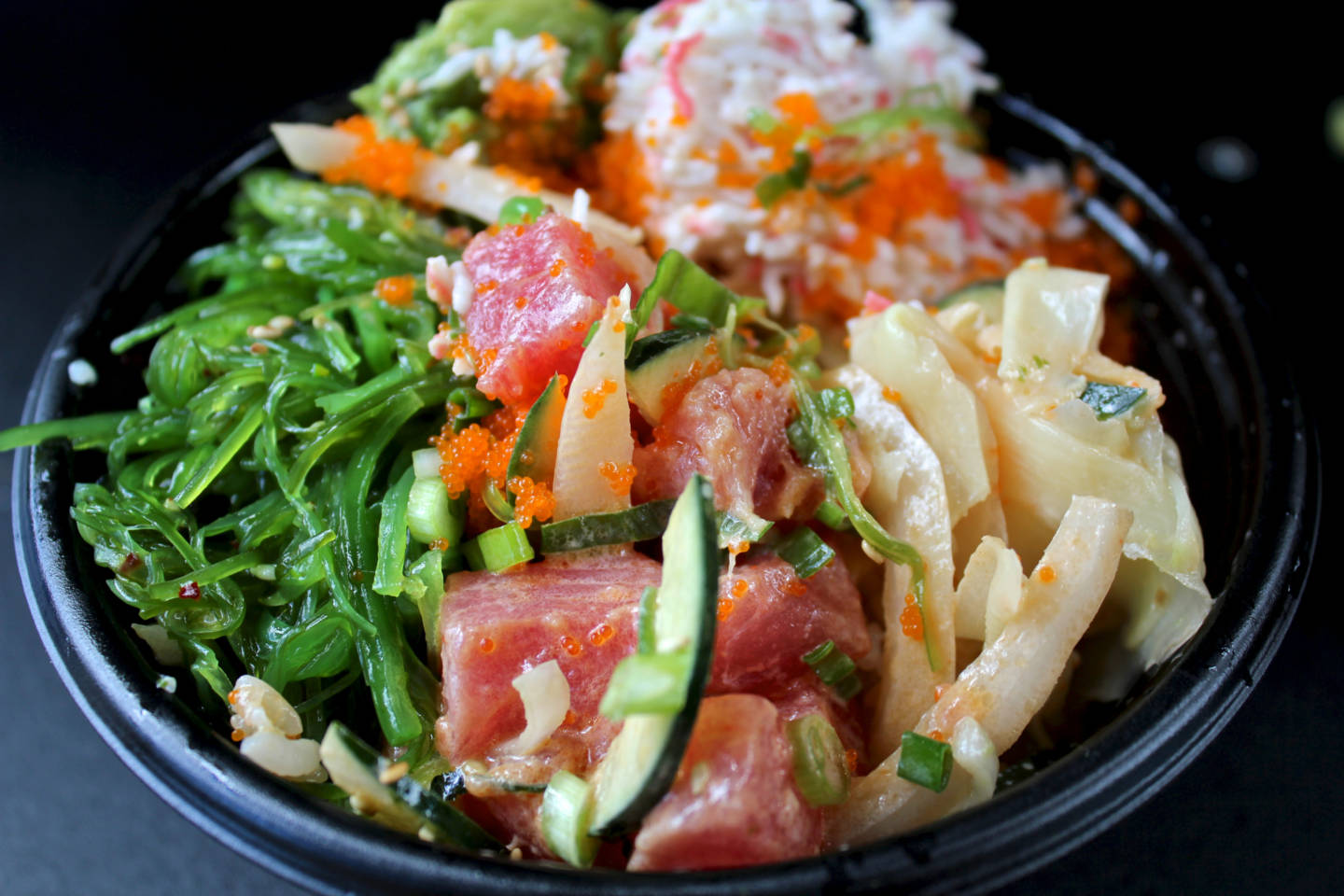
"caption": "Ahi tuna and salmon with seaweed salad, ginger, cucumbers and green onions at Poki Bowl. ",
"description": null,
"title": "PokiBowlAhiSalmon",
"credit": "Jeff Cianci",
"status": "inherit",
"isLoading": false,
"fetchFailed": false
},
"bayareabites_110365": {
"type": "attachments",
"id": "bayareabites_110365",
"meta": {
"index": "attachments_1716263798",
"site": "bayareabites",
"id": "110365",
"found": true
},
"parent": 110349,
"imgSizes": {
"twentyfourteen-full-width": {
"file": "https://ww2.kqed.org/app/uploads/sites/24/2016/06/JarryEvent2-new-1038x576.jpg",
"width": 1038,
"mimeType": "image/jpeg",
"height": 576
},
"thumbnail": {
"file": "https://ww2.kqed.org/app/uploads/sites/24/2016/06/JarryEvent2-new-400x400.jpg",
"width": 400,
"mimeType": "image/jpeg",
"height": 400
},
"fd-sm": {
"file": "https://ww2.kqed.org/app/uploads/sites/24/2016/06/JarryEvent2-new-960x960.jpg",
"width": 960,
"mimeType": "image/jpeg",
"height": 960
},
"post-thumbnail": {
"file": "https://ww2.kqed.org/app/uploads/sites/24/2016/06/JarryEvent2-new-672x372.jpg",
"width": 672,
"mimeType": "image/jpeg",
"height": 372
},
"kqedFullSize": {
"file": "https://ww2.kqed.org/app/uploads/sites/24/2016/06/JarryEvent2-new.jpg",
"width": 3024,
"height": 3024
},
"large": {
"file": "https://ww2.kqed.org/app/uploads/sites/24/2016/06/JarryEvent2-new-1440x1440.jpg",
"width": 1440,
"mimeType": "image/jpeg",
"height": 1440
},
"guest-author-50": {
"file": "https://ww2.kqed.org/app/uploads/sites/24/2016/06/JarryEvent2-new-50x50.jpg",
"width": 50,
"mimeType": "image/jpeg",
"height": 50
},
"guest-author-96": {
"file": "https://ww2.kqed.org/app/uploads/sites/24/2016/06/JarryEvent2-new-96x96.jpg",
"width": 96,
"mimeType": "image/jpeg",
"height": 96
},
"medium": {
"file": "https://ww2.kqed.org/app/uploads/sites/24/2016/06/JarryEvent2-new-800x800.jpg",
"width": 800,
"mimeType": "image/jpeg",
"height": 800
},
"guest-author-64": {
"file": "https://ww2.kqed.org/app/uploads/sites/24/2016/06/JarryEvent2-new-64x64.jpg",
"width": 64,
"mimeType": "image/jpeg",
"height": 64
},
"guest-author-32": {
"file": "https://ww2.kqed.org/app/uploads/sites/24/2016/06/JarryEvent2-new-32x32.jpg",
"width": 32,
"mimeType": "image/jpeg",
"height": 32
},
"cat_post_thumb_sizecategory-posts-2": {
"file": "https://ww2.kqed.org/app/uploads/sites/24/2016/06/JarryEvent2-new-150x150.jpg",
"width": 150,
"mimeType": "image/jpeg",
"height": 150
},
"fd-lrg": {
"file": "https://ww2.kqed.org/app/uploads/sites/24/2016/06/JarryEvent2-new-1920x1920.jpg",
"width": 1920,
"mimeType": "image/jpeg",
"height": 1920
},
"fd-med": {
"file": "https://ww2.kqed.org/app/uploads/sites/24/2016/06/JarryEvent2-new-1180x1180.jpg",
"width": 1180,
"mimeType": "image/jpeg",
"height": 1180
},
"detail": {
"file": "https://ww2.kqed.org/app/uploads/sites/24/2016/06/JarryEvent2-new-150x150.jpg",
"width": 150,
"mimeType": "image/jpeg",
"height": 150
},
"medium_large": {
"file": "https://ww2.kqed.org/app/uploads/sites/24/2016/06/JarryEvent2-new-768x768.jpg",
"width": 768,
"mimeType": "image/jpeg",
"height": 768
},
"guest-author-128": {
"file": "https://ww2.kqed.org/app/uploads/sites/24/2016/06/JarryEvent2-new-128x128.jpg",
"width": 128,
"mimeType": "image/jpeg",
"height": 128
}
},
"publishDate": 1467064529,
"modified": 1467067617,
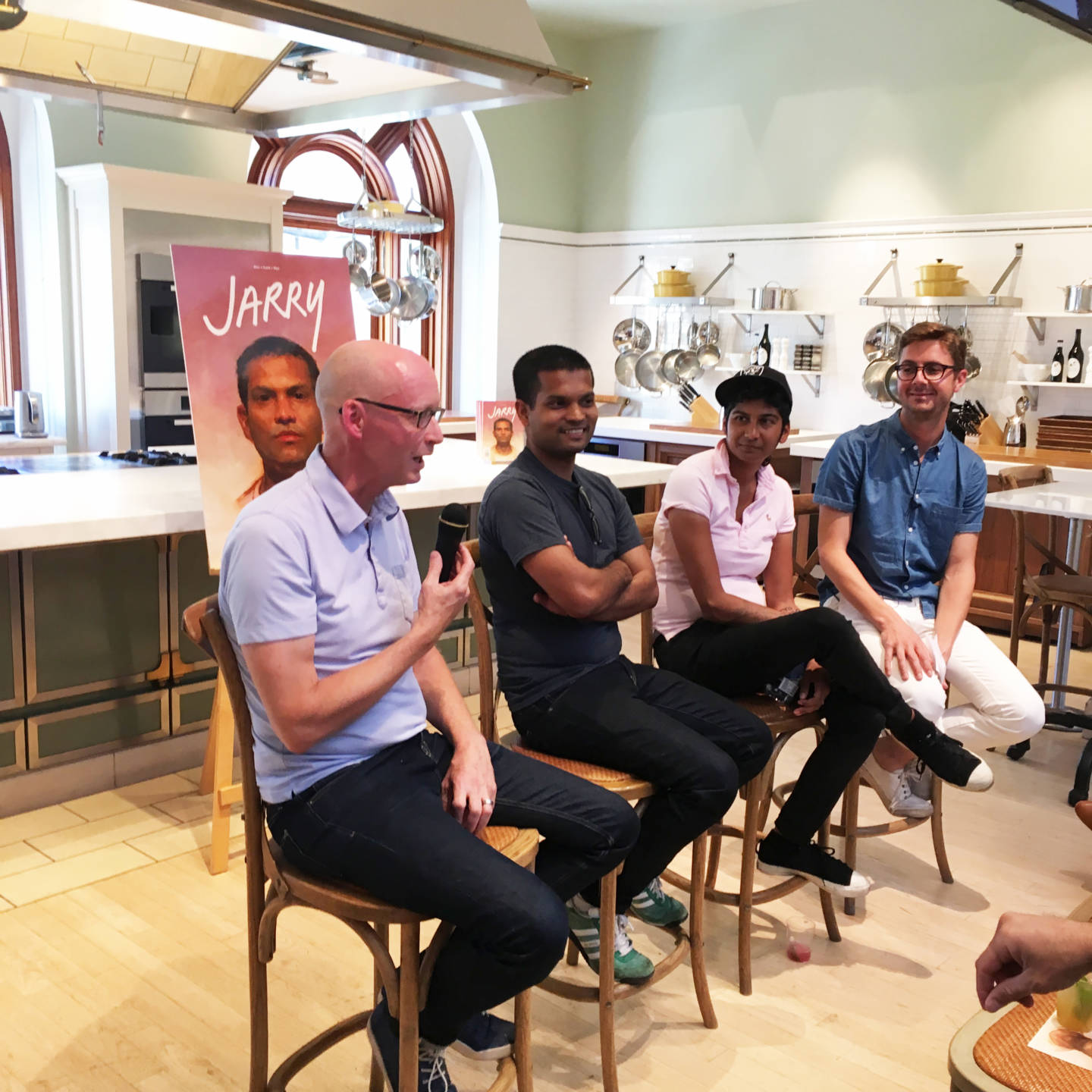
"caption": "(from left) Writer John Birdsall, photographer Nik Sharma, and restauranteur/chef Preeti Mistry in conversation with Jarry editor Lukas Volger.",
"description": null,
"title": "JarryEvent2-new",
"credit": "Stephanie Rosenbaum Klassen",
"status": "inherit",
"isLoading": false,
"fetchFailed": false
},
"bayareabites_110337": {
"type": "attachments",
"id": "bayareabites_110337",
"meta": {
"index": "attachments_1716263798",
"site": "bayareabites",
"id": "110337",
"found": true
},
"parent": 110336,
"imgSizes": {
"twentyfourteen-full-width": {
"file": "https://ww2.kqed.org/app/uploads/sites/24/2016/06/img_4710_edited_enl-418a86e926410db406b761744866d0e208210727-1038x576.jpg",
"width": 1038,
"mimeType": "image/jpeg",
"height": 576
},
"thumbnail": {
"file": "https://ww2.kqed.org/app/uploads/sites/24/2016/06/img_4710_edited_enl-418a86e926410db406b761744866d0e208210727-400x279.jpg",
"width": 400,
"mimeType": "image/jpeg",
"height": 279
},
"fd-sm": {
"file": "https://ww2.kqed.org/app/uploads/sites/24/2016/06/img_4710_edited_enl-418a86e926410db406b761744866d0e208210727-960x669.jpg",
"width": 960,
"mimeType": "image/jpeg",
"height": 669
},
"post-thumbnail": {
"file": "https://ww2.kqed.org/app/uploads/sites/24/2016/06/img_4710_edited_enl-418a86e926410db406b761744866d0e208210727-672x372.jpg",
"width": 672,
"mimeType": "image/jpeg",
"height": 372
},
"kqedFullSize": {
"file": "https://ww2.kqed.org/app/uploads/sites/24/2016/06/img_4710_edited_enl-418a86e926410db406b761744866d0e208210727.jpg",
"width": 2000,
"height": 1394
},
"large": {
"file": "https://ww2.kqed.org/app/uploads/sites/24/2016/06/img_4710_edited_enl-418a86e926410db406b761744866d0e208210727-1440x1004.jpg",
"width": 1440,
"mimeType": "image/jpeg",
"height": 1004
},
"guest-author-50": {
"file": "https://ww2.kqed.org/app/uploads/sites/24/2016/06/img_4710_edited_enl-418a86e926410db406b761744866d0e208210727-50x50.jpg",
"width": 50,
"mimeType": "image/jpeg",
"height": 50
},
"guest-author-96": {
"file": "https://ww2.kqed.org/app/uploads/sites/24/2016/06/img_4710_edited_enl-418a86e926410db406b761744866d0e208210727-96x96.jpg",
"width": 96,
"mimeType": "image/jpeg",
"height": 96
},
"medium": {
"file": "https://ww2.kqed.org/app/uploads/sites/24/2016/06/img_4710_edited_enl-418a86e926410db406b761744866d0e208210727-800x558.jpg",
"width": 800,
"mimeType": "image/jpeg",
"height": 558
},
"guest-author-64": {
"file": "https://ww2.kqed.org/app/uploads/sites/24/2016/06/img_4710_edited_enl-418a86e926410db406b761744866d0e208210727-64x64.jpg",
"width": 64,
"mimeType": "image/jpeg",
"height": 64
},
"guest-author-32": {
"file": "https://ww2.kqed.org/app/uploads/sites/24/2016/06/img_4710_edited_enl-418a86e926410db406b761744866d0e208210727-32x32.jpg",
"width": 32,
"mimeType": "image/jpeg",
"height": 32
},
"cat_post_thumb_sizecategory-posts-2": {
"file": "https://ww2.kqed.org/app/uploads/sites/24/2016/06/img_4710_edited_enl-418a86e926410db406b761744866d0e208210727-150x150.jpg",
"width": 150,
"mimeType": "image/jpeg",
"height": 150
},
"fd-lrg": {
"file": "https://ww2.kqed.org/app/uploads/sites/24/2016/06/img_4710_edited_enl-418a86e926410db406b761744866d0e208210727-1920x1338.jpg",
"width": 1920,
"mimeType": "image/jpeg",
"height": 1338
},
"fd-med": {
"file": "https://ww2.kqed.org/app/uploads/sites/24/2016/06/img_4710_edited_enl-418a86e926410db406b761744866d0e208210727-1180x822.jpg",
"width": 1180,
"mimeType": "image/jpeg",
"height": 822
},
"detail": {
"file": "https://ww2.kqed.org/app/uploads/sites/24/2016/06/img_4710_edited_enl-418a86e926410db406b761744866d0e208210727-150x150.jpg",
"width": 150,
"mimeType": "image/jpeg",
"height": 150
},
"medium_large": {
"file": "https://ww2.kqed.org/app/uploads/sites/24/2016/06/img_4710_edited_enl-418a86e926410db406b761744866d0e208210727-768x535.jpg",
"width": 768,
"mimeType": "image/jpeg",
"height": 535
},
"guest-author-128": {
"file": "https://ww2.kqed.org/app/uploads/sites/24/2016/06/img_4710_edited_enl-418a86e926410db406b761744866d0e208210727-128x128.jpg",
"width": 128,
"mimeType": "image/jpeg",
"height": 128
}
},
"publishDate": 1466789274,
"modified": 1466789669,
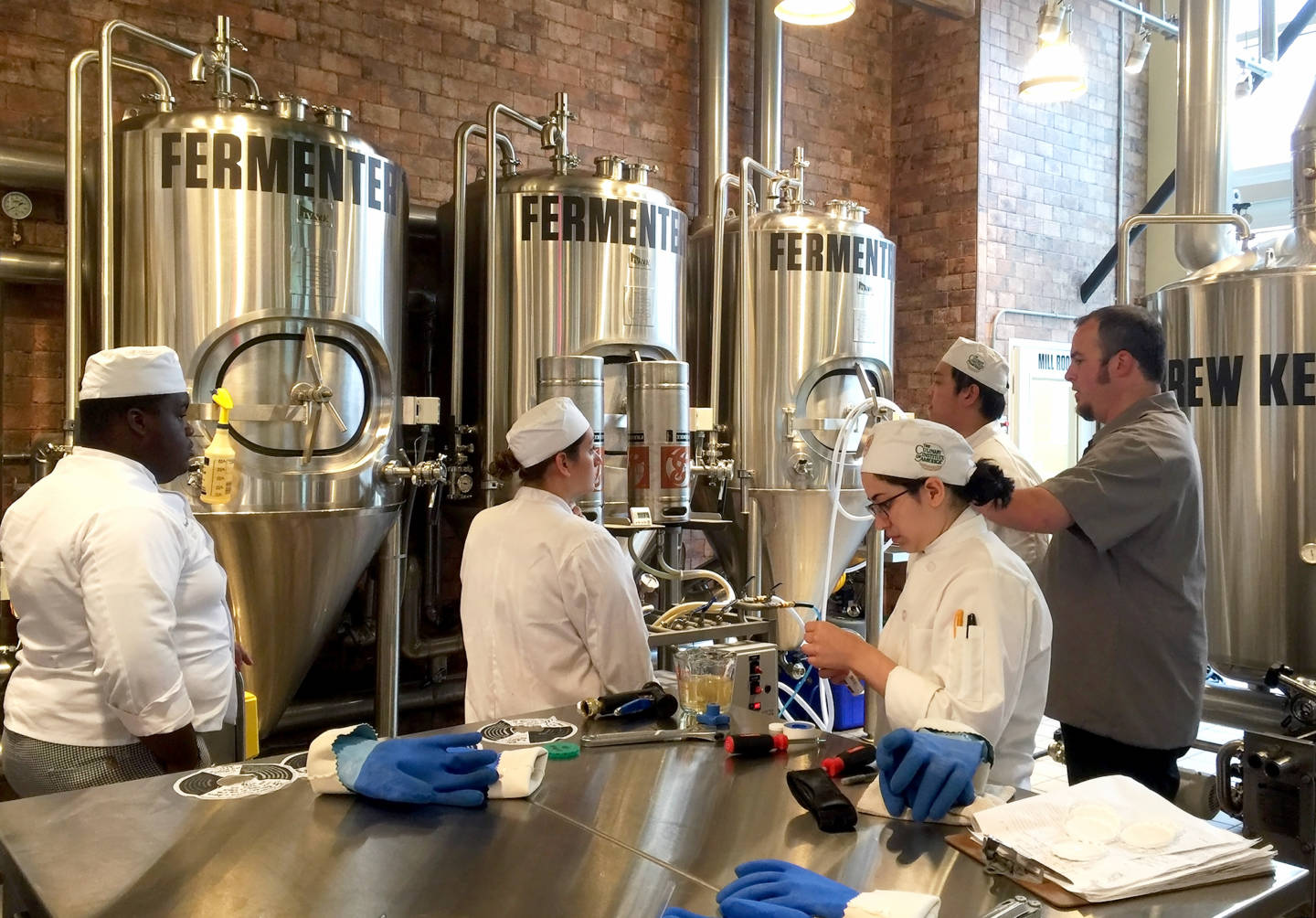
"caption": "The new brewery at Culinary Institute of America in Hyde Park, N.Y. The school now teaches the art and science of brewing, an elective course.",
"description": "The new brewery at Culinary Institute of America in Hyde Park, N.Y. The school now teaches the art and science of brewing, an elective course.",
"title": "The new brewery at Culinary Institute of America in Hyde Park, N.Y. The school now teaches the art and science of brewing, an elective course.",
"credit": " Allison Aubrey/NPR",
"status": "inherit",
"isLoading": false,
"fetchFailed": false
},
"bayareabites_110289": {
"type": "attachments",
"id": "bayareabites_110289",
"meta": {
"index": "attachments_1716263798",
"site": "bayareabites",
"id": "110289",
"found": true
},
"parent": 110288,
"imgSizes": {
"twentyfourteen-full-width": {
"file": "https://ww2.kqed.org/app/uploads/sites/24/2016/06/ediblecutlery2_enl-f27e3b40e1c34376d8dad3bc85055521e949e59a-1038x576.jpg",
"width": 1038,
"mimeType": "image/jpeg",
"height": 576
},
"thumbnail": {
"file": "https://ww2.kqed.org/app/uploads/sites/24/2016/06/ediblecutlery2_enl-f27e3b40e1c34376d8dad3bc85055521e949e59a-400x268.jpg",
"width": 400,
"mimeType": "image/jpeg",
"height": 268
},
"fd-sm": {
"file": "https://ww2.kqed.org/app/uploads/sites/24/2016/06/ediblecutlery2_enl-f27e3b40e1c34376d8dad3bc85055521e949e59a-960x643.jpg",
"width": 960,
"mimeType": "image/jpeg",
"height": 643
},
"post-thumbnail": {
"file": "https://ww2.kqed.org/app/uploads/sites/24/2016/06/ediblecutlery2_enl-f27e3b40e1c34376d8dad3bc85055521e949e59a-672x372.jpg",
"width": 672,
"mimeType": "image/jpeg",
"height": 372
},
"kqedFullSize": {
"file": "https://ww2.kqed.org/app/uploads/sites/24/2016/06/ediblecutlery2_enl-f27e3b40e1c34376d8dad3bc85055521e949e59a.jpg",
"width": 2000,
"height": 1339
},
"large": {
"file": "https://ww2.kqed.org/app/uploads/sites/24/2016/06/ediblecutlery2_enl-f27e3b40e1c34376d8dad3bc85055521e949e59a-1440x964.jpg",
"width": 1440,
"mimeType": "image/jpeg",
"height": 964
},
"guest-author-50": {
"file": "https://ww2.kqed.org/app/uploads/sites/24/2016/06/ediblecutlery2_enl-f27e3b40e1c34376d8dad3bc85055521e949e59a-50x50.jpg",
"width": 50,
"mimeType": "image/jpeg",
"height": 50
},
"guest-author-96": {
"file": "https://ww2.kqed.org/app/uploads/sites/24/2016/06/ediblecutlery2_enl-f27e3b40e1c34376d8dad3bc85055521e949e59a-96x96.jpg",
"width": 96,
"mimeType": "image/jpeg",
"height": 96
},
"medium": {
"file": "https://ww2.kqed.org/app/uploads/sites/24/2016/06/ediblecutlery2_enl-f27e3b40e1c34376d8dad3bc85055521e949e59a-800x536.jpg",
"width": 800,
"mimeType": "image/jpeg",
"height": 536
},
"guest-author-64": {
"file": "https://ww2.kqed.org/app/uploads/sites/24/2016/06/ediblecutlery2_enl-f27e3b40e1c34376d8dad3bc85055521e949e59a-64x64.jpg",
"width": 64,
"mimeType": "image/jpeg",
"height": 64
},
"guest-author-32": {
"file": "https://ww2.kqed.org/app/uploads/sites/24/2016/06/ediblecutlery2_enl-f27e3b40e1c34376d8dad3bc85055521e949e59a-32x32.jpg",
"width": 32,
"mimeType": "image/jpeg",
"height": 32
},
"cat_post_thumb_sizecategory-posts-2": {
"file": "https://ww2.kqed.org/app/uploads/sites/24/2016/06/ediblecutlery2_enl-f27e3b40e1c34376d8dad3bc85055521e949e59a-150x150.jpg",
"width": 150,
"mimeType": "image/jpeg",
"height": 150
},
"fd-lrg": {
"file": "https://ww2.kqed.org/app/uploads/sites/24/2016/06/ediblecutlery2_enl-f27e3b40e1c34376d8dad3bc85055521e949e59a-1920x1285.jpg",
"width": 1920,
"mimeType": "image/jpeg",
"height": 1285
},
"fd-med": {
"file": "https://ww2.kqed.org/app/uploads/sites/24/2016/06/ediblecutlery2_enl-f27e3b40e1c34376d8dad3bc85055521e949e59a-1180x790.jpg",
"width": 1180,
"mimeType": "image/jpeg",
"height": 790
},
"detail": {
"file": "https://ww2.kqed.org/app/uploads/sites/24/2016/06/ediblecutlery2_enl-f27e3b40e1c34376d8dad3bc85055521e949e59a-150x150.jpg",
"width": 150,
"mimeType": "image/jpeg",
"height": 150
},
"medium_large": {
"file": "https://ww2.kqed.org/app/uploads/sites/24/2016/06/ediblecutlery2_enl-f27e3b40e1c34376d8dad3bc85055521e949e59a-768x514.jpg",
"width": 768,
"mimeType": "image/jpeg",
"height": 514
},
"guest-author-128": {
"file": "https://ww2.kqed.org/app/uploads/sites/24/2016/06/ediblecutlery2_enl-f27e3b40e1c34376d8dad3bc85055521e949e59a-128x128.jpg",
"width": 128,
"mimeType": "image/jpeg",
"height": 128
}
},
"publishDate": 1466716346,
"modified": 1466717184,
"caption": "Bakey's offers three spoon flavors — plain, sweet and savory.",
"description": "Bakey's offers three spoon flavors -- plain, sweet and savory.",
"title": "Bakey's offers three spoon flavors — plain, sweet and savory.",
"credit": " Courtesy of Bakey's",
"status": "inherit",
"isLoading": false,
"fetchFailed": false
}
},
"audioPlayerReducer": {
"postId": "stream_live",
"isPaused": true,
"isPlaying": false,
"pfsActive": false,
"pledgeModalIsOpen": true,
"playerDrawerIsOpen": false,
"liveAudioPlayStartedAt": 0,
"liveAudioPlayContext": ""
},
"authorsReducer": {
"byline_bayareabites_111808": {
"type": "authors",
"id": "byline_bayareabites_111808",
"meta": {
"override": true
},
"slug": "byline_bayareabites_111808",
"name": "\u003ca href=\"http://civileats.com/author/rcernansky/\">Rachel Cernansky\u003c/a>, \u003ca href=\"https://ww2.kqed.org/bayareabites/author/civileat/\">Civil Eats\u003c/a>",
"isLoading": false
},
"byline_bayareabites_111771": {
"type": "authors",
"id": "byline_bayareabites_111771",
"meta": {
"override": true
},
"slug": "byline_bayareabites_111771",
"name": "Ezra David Romero, NPR Food",
"isLoading": false
},
"byline_bayareabites_111330": {
"type": "authors",
"id": "byline_bayareabites_111330",
"meta": {
"override": true
},
"slug": "byline_bayareabites_111330",
"name": "Lauren Frayer, NPR Food",
"isLoading": false
},
"byline_bayareabites_111233": {
"type": "authors",
"id": "byline_bayareabites_111233",
"meta": {
"override": true
},
"slug": "byline_bayareabites_111233",
"name": "Alan Yu, \u003ca href=\"http://ww2.kqed.org/bayareabites/author/nprfood/\">NPR Food\u003c/a>",
"isLoading": false
},
"byline_bayareabites_111121": {
"type": "authors",
"id": "byline_bayareabites_111121",
"meta": {
"override": true
},
"slug": "byline_bayareabites_111121",
"name": "Dan Charles, NPR Food",
"isLoading": false
},
"byline_bayareabites_111091": {
"type": "authors",
"id": "byline_bayareabites_111091",
"meta": {
"override": true
},
"slug": "byline_bayareabites_111091",
"name": "\u003ca href=\"https://ww2.kqed.org/bayareabites/author/sarahhenry/\">Sarah Henry\u003c/a>, \u003ca href=\"http://ediblesanfrancisco.ediblefeast.com/wasted\">Edible SF\u003c/a> at NPR Food",
"isLoading": false
},
"byline_bayareabites_110895": {
"type": "authors",
"id": "byline_bayareabites_110895",
"meta": {
"override": true
},
"slug": "byline_bayareabites_110895",
"name": "Ezra David Romero, \u003ca href=\"http://kvpr.org/\">Valley Public Radio\u003c/a>",
"isLoading": false
},
"byline_bayareabites_110336": {
"type": "authors",
"id": "byline_bayareabites_110336",
"meta": {
"override": true
},
"slug": "byline_bayareabites_110336",
"name": "Allison Aubrey, NPR Food",
"isLoading": false
},
"byline_bayareabites_110288": {
"type": "authors",
"id": "byline_bayareabites_110288",
"meta": {
"override": true
},
"slug": "byline_bayareabites_110288",
"name": "Didem Tali, \u003ca href=\"http://ww2.kqed.org/bayareabites/author/nprfood/\">NPR Food\u003c/a>",
"isLoading": false
},
"marktaylor-2": {
"type": "authors",
"id": "8",
"meta": {
"index": "authors_1716337520",
"id": "8",
"found": true
},
"name": "Mark Taylor",
"firstName": "Mark",
"lastName": "Taylor",
"slug": "marktaylor-2",
"email": "mark@emptypictures.net",
"display_author_email": false,
"staff_mastheads": [],
"title": null,
"bio": "Mark Taylor founded KQED Arts in 2005 and served as Senior Interactive Producer for Arts and Culture through 2014. Taylor was the online arts editor of KQED's daily arts blog for nine years and created the station's first web-original podcasts, Gallery Crawl and The Writers' Block.\r\n\r\nTaylor is an experimental filmmaker and visual artist whose work has been collected by the Library of Congress, Stanford University and the New York Museum of Modern Art, among many others. He teaches Media Studies at the University of San Francisco and is exploring the connection between film and food. \u003ca href=\"http://emptypictures.net/\">Visit Mark Taylor's website\u003c/a> at emptypictures.net.",
"avatar": "https://secure.gravatar.com/avatar/3452322b4dec4379500b11b74718f5da?s=600&d=blank&r=g",
"twitter": null,
"facebook": null,
"instagram": null,
"linkedin": null,
"sites": [
{
"site": "arts",
"roles": [
"Administrator",
"contributor"
]
},
{
"site": "bayareabites",
"roles": [
"author"
]
},
{
"site": "checkplease",
"roles": [
"subscriber"
]
},
{
"site": "food",
"roles": [
"contributor"
]
}
],
"headData": {
"title": "Mark Taylor | KQED",
"description": null,
"ogImgSrc": "https://secure.gravatar.com/avatar/3452322b4dec4379500b11b74718f5da?s=600&d=blank&r=g",
"twImgSrc": "https://secure.gravatar.com/avatar/3452322b4dec4379500b11b74718f5da?s=600&d=blank&r=g"
},
"isLoading": false,
"link": "/author/marktaylor-2"
},
"stephanie-rosenbaum": {
"type": "authors",
"id": "5038",
"meta": {
"index": "authors_1716337520",
"id": "5038",
"found": true
},
"name": "Stephanie Rosenbaum Klassen",
"firstName": "Stephanie",
"lastName": "Rosenbaum Klassen",
"slug": "stephanie-rosenbaum",
"email": "dixieday@aol.com",
"display_author_email": false,
"staff_mastheads": [],
"title": "KQED Contributor",
"bio": "Stephanie Rosenbaum Klassen is a longtime local food writer, author, and cook. Her books include The Art of Vintage Cocktails (Egg & Dart Press), World of Doughnuts (Egg & Dart Press); Kids in the Kitchen: Fun Food (Williams Sonoma); Honey from Flower to Table (Chronicle Books) and The Astrology Cookbook: A Cosmic Guide to Feasts of Love (Manic D Press). She has studied organic farming at UCSC and holds a certificate in Ecological Horticulture from the Center for Agroecology and Sustainable Food Systems. She does frequent cooking demonstrations at local farmers’ markets and has taught food writing at Media Alliance in San Francisco and the Continuing Education program at Stanford University. She has been the lead restaurant critic for the San Francisco Bay Guardian as well as for San Francisco magazine. She has been an assistant chef at the Headlands Center for the Arts, an artists' residency program located in the Marin Headlands, and a production cook at the Marin Sun Farms Cafe in Pt Reyes Station. After some 20 years in San Francisco interspersed with stints in Oakland, Santa Cruz, Brooklyn, and Manhattan, she recently moved to Sonoma county but still writes in San Francisco several days a week.",
"avatar": "https://secure.gravatar.com/avatar/26520681f950a766c2c0eb9872646dec42b88de07cc4cdd65958385671e93cf7?s=600&d=mm&r=g",
"twitter": "sjrosenbaum",
"bluesky": null,
"facebook": null,
"instagram": null,
"linkedin": null,
"sites": [
{
"site": "bayareabites",
"roles": [
"subscriber"
]
},
{
"site": "food",
"roles": [
"subscriber"
]
}
],
"headData": {
"title": "Stephanie Rosenbaum Klassen | KQED",
"description": "KQED Contributor",
"ogImgSrc": "https://secure.gravatar.com/avatar/26520681f950a766c2c0eb9872646dec42b88de07cc4cdd65958385671e93cf7?s=600&d=mm&r=g",
"twImgSrc": "https://secure.gravatar.com/avatar/26520681f950a766c2c0eb9872646dec42b88de07cc4cdd65958385671e93cf7?s=600&d=mm&r=g"
},
"isLoading": false,
"link": "/author/stephanie-rosenbaum"
},
"jeffcianci": {
"type": "authors",
"id": "5580",
"meta": {
"index": "authors_1716337520",
"id": "5580",
"found": true
},
"name": "Jeff Cianci",
"firstName": "Jeff",
"lastName": "Cianci",
"slug": "jeffcianci",
"email": "jcianci610@gmail.com",
"display_author_email": false,
"staff_mastheads": [],
"title": null,
"bio": "Jeff Cianci is a freelance food writer based in San Jose. While studying journalism in college, Jeff’s curiosity landed him at a busy California bistro where he experienced a crash course in culinary training over two summer breaks, learning on the job with a very patient chef as his mentor. Around the same time, Jeff married his journalism degree to his appreciation for the restaurant world and determined food writing would be his career path. In his work Jeff most enjoys profiling chefs and learning their background, finding a new favorite restaurant and sharing his experiences with others through his reviews and social media. In addition to KQED's Bay Area Bites, Jeff writes restaurant reviews for Metro Silicon Valley and new restaurant guides for Eater National. Follow Jeff on Twitter \u003ca href=\"https://twitter.com/Cheffreycianci\" target=_blank\">@Cheffreycianci\u003c/a>.",
"avatar": "https://secure.gravatar.com/avatar/153d8e37568b0912b46a21bfecf27feb?s=600&d=blank&r=g",
"twitter": null,
"facebook": null,
"instagram": null,
"linkedin": "jeffcianci",
"sites": [
{
"site": "bayareabites",
"roles": [
"contributor"
]
},
{
"site": "food",
"roles": [
"contributor"
]
}
],
"headData": {
"title": "Jeff Cianci | KQED",
"description": null,
"ogImgSrc": "https://secure.gravatar.com/avatar/153d8e37568b0912b46a21bfecf27feb?s=600&d=blank&r=g",
"twImgSrc": "https://secure.gravatar.com/avatar/153d8e37568b0912b46a21bfecf27feb?s=600&d=blank&r=g"
},
"isLoading": false,
"link": "/author/jeffcianci"
}
},
"pagesReducer": {
"bayareabites_category_food-and-technology": {
"type": "terms",
"id": "bayareabites_4084",
"meta": {
"index": "terms_1716263798",
"site": "bayareabites",
"id": "4084",
"score": 14.405561
},
"featImg": null,
"name": "food trends and technology",
"description": null,
"taxonomy": "category",
"headData": {
"twImgId": null,
"twTitle": null,
"ogTitle": null,
"ogImgId": null,
"twDescription": null,
"description": null,
"title": "food trends and technology Archives | KQED Bay Area Bites",
"ogDescription": null
},
"ttid": 2573,
"slug": "food-and-technology",
"isLoading": false,
"title": "food trends and technology",
"pageMeta": {
"site": "bayareabites",
"WpPageTemplate": "page-topic-editorial",
"currentPage": 18
},
"blocks": [
{
"blockName": "kqed/post-list",
"attrs": {
"layout": "cardArticle2",
"query": "posts/bayareabites?category=food-and-technology",
"seeMore": false,
"paginated": true,
"page": 18
}
},
{
"blockName": "kqed/ad"
}
]
}
},
"pfsSessionReducer": {},
"postsReducer": {
"stream_live": {
"type": "live",
"id": "stream_live",
"audioUrl": "https://streams.kqed.org/kqedradio",
"title": "Live Stream",
"excerpt": "Live Stream information currently unavailable.",
"link": "/radio",
"featImg": "",
"label": {
"name": "KQED Live",
"link": "/"
}
},
"stream_kqedNewscast": {
"type": "posts",
"id": "stream_kqedNewscast",
"audioUrl": "https://www.kqed.org/.stream/anon/radio/RDnews/newscast.mp3?_=1",
"title": "KQED Newscast",
"featImg": "",
"label": {
"name": "88.5 FM",
"link": "/"
}
},
"bayareabites_111808": {
"type": "posts",
"id": "bayareabites_111808",
"meta": {
"index": "posts_1716263798",
"site": "bayareabites",
"id": "111808",
"score": null,
"sort": [
1472927962000
]
},
"parent": 0,
"labelTerm": {
"site": "bayareabites"
},
"blocks": [],
"publishDate": 1472927962,
"format": "standard",
"disqusTitle": "The Wild and Native Foods We Should Be Eating",
"title": "The Wild and Native Foods We Should Be Eating",
"headTitle": "Bay Area Bites | KQED Food",
"content": "\u003cp>In the United States, kale has skyrocketed in popularity in recent years as consumers have discovered they enjoy the nutrient-dense green in many forms—stir-fried, in salads, in smoothies, even baked or fried into chips. \u003ca href=\"http://www.irbv.umontreal.ca/chercheurs/alain-cuerrier\">Alain Cuerrier\u003c/a>, botanist and adjunct professor in the University of Montreal’s biological sciences department, says we in the U.S. and Canada live among an under-tapped wealth of nutrients. Although kale is currently enjoying the spotlight, many other rock-star fruits and veggies—which are bursting with nutrients and, unlike kale, are native to this continent—deserve attention as well.\u003c/p>\n\u003cp>Following the lead of some local populations around the world that are \u003ca href=\"http://www.nature.com/news/the-rise-of-africa-s-super-vegetables-1.17712\">awakening to indigenous fruits and vegetables\u003c/a>, we wanted to explore some foods native to the Americas that also have a nutritional bounty to offer.\u003c/p>\n\u003cp>\u003cstrong>Weedy greens\u003c/strong>\u003c/p>\n\u003cp>Some of the most nutritious and accessible greens that call the U.S. home are actually treated as weeds.\u003c/p>\n\u003cp>\u003cstrong>Lambsquarters\u003c/strong>\u003c/p>\n\u003cfigure id=\"attachment_111816\" class=\"wp-caption aligncenter\" style=\"max-width: 1024px\">\u003cimg src=\"http://ww2.kqed.org/bayareabites/wp-content/uploads/sites/24/2016/08/lambsquartersphoto-1024x768.jpg\" alt=\"Lambsquarters\" width=\"1024\" height=\"768\" class=\"size-full wp-image-111816\" srcset=\"https://ww2.kqed.org/app/uploads/sites/24/2016/08/lambsquartersphoto-1024x768.jpg 1024w, https://ww2.kqed.org/app/uploads/sites/24/2016/08/lambsquartersphoto-1024x768-400x300.jpg 400w, https://ww2.kqed.org/app/uploads/sites/24/2016/08/lambsquartersphoto-1024x768-800x600.jpg 800w, https://ww2.kqed.org/app/uploads/sites/24/2016/08/lambsquartersphoto-1024x768-768x576.jpg 768w, https://ww2.kqed.org/app/uploads/sites/24/2016/08/lambsquartersphoto-1024x768-960x720.jpg 960w\" sizes=\"(max-width: 1024px) 100vw, 1024px\">\u003cfigcaption class=\"wp-caption-text\">Lambsquarters\u003c/figcaption>\u003c/figure>\n\u003cp>Google “lambsquarters,” and you’ll turn up weed-fighting resources from agricultural extension programs around the country. But this small-leafed green is actually rich in calcium, folate, manganese, vitamin K, and even protein, as well as health-boosting compounds like beta carotene and lutein. Though long regarded as a weed by the majority of U.S. residents (it’s a traditional food for many Native American communities), the plant is starting to make an appearance on dinner plates around the country. Raw, it’s similar to raw baby kale or a chewier spinach, but you can also boil or fry it. As it can grow in or adapt to most environments, farmers from New York to Colorado pick the green from around their farms and bring it to sell at their area farmers’ markets.\u003c/p>\n\u003cp>[ad fullwidth]\u003c/p>\n\u003cp>\u003cstrong>Purslane\u003c/strong>\u003c/p>\n\u003cfigure id=\"attachment_111819\" class=\"wp-caption aligncenter\" style=\"max-width: 1024px\">\u003cimg src=\"http://ww2.kqed.org/bayareabites/wp-content/uploads/sites/24/2016/08/purslane-pic.jpg\" alt=\"Purslane\" width=\"1024\" height=\"768\" class=\"size-full wp-image-111819\" srcset=\"https://ww2.kqed.org/app/uploads/sites/24/2016/08/purslane-pic.jpg 1024w, https://ww2.kqed.org/app/uploads/sites/24/2016/08/purslane-pic-400x300.jpg 400w, https://ww2.kqed.org/app/uploads/sites/24/2016/08/purslane-pic-800x600.jpg 800w, https://ww2.kqed.org/app/uploads/sites/24/2016/08/purslane-pic-768x576.jpg 768w, https://ww2.kqed.org/app/uploads/sites/24/2016/08/purslane-pic-960x720.jpg 960w\" sizes=\"(max-width: 1024px) 100vw, 1024px\">\u003cfigcaption class=\"wp-caption-text\">Purslane\u003c/figcaption>\u003c/figure>\n\u003cp>It’s a weed that gardeners everywhere know all too well. Because it thrives even in poor soils, it can be found in almost any part of the U.S. Despite its pervasiveness, it’s actually one of the best \u003ca href=\"http://www.globalsciencebooks.info/Online/GSBOnline/images/2010/EJPSB_4(SI1)/EJPSB_4(SI1)131-136o.pdf\">plant sources of omega-3 fatty acids\u003c/a>, alpha-linolenic acid, and \u003ca href=\"http://www.tandfonline.com/doi/abs/10.1080/07315724.1992.10718240\">several antioxidants\u003c/a>, including beta carotene, alpha-tocopherol, and glutathione. Its flavor is part cucumber, part lemon, part question mark, and it has a crunchy, almost refreshing (or inedible, depending who you ask) texture. You can eat it raw—on a salad, for example—or as a cooked vegetable.\u003c/p>\n\u003cp>\u003cstrong>Dandelion greens\u003c/strong>\u003c/p>\n\u003cfigure id=\"attachment_111810\" class=\"wp-caption aligncenter\" style=\"max-width: 1024px\">\u003cimg src=\"http://ww2.kqed.org/bayareabites/wp-content/uploads/sites/24/2016/08/3763209380_d6a8257377_b.jpg\" alt=\"Dandelion greens\" width=\"1024\" height=\"683\" class=\"size-full wp-image-111810\" srcset=\"https://ww2.kqed.org/app/uploads/sites/24/2016/08/3763209380_d6a8257377_b.jpg 1024w, https://ww2.kqed.org/app/uploads/sites/24/2016/08/3763209380_d6a8257377_b-400x267.jpg 400w, https://ww2.kqed.org/app/uploads/sites/24/2016/08/3763209380_d6a8257377_b-800x534.jpg 800w, https://ww2.kqed.org/app/uploads/sites/24/2016/08/3763209380_d6a8257377_b-768x512.jpg 768w, https://ww2.kqed.org/app/uploads/sites/24/2016/08/3763209380_d6a8257377_b-960x640.jpg 960w\" sizes=\"(max-width: 1024px) 100vw, 1024px\">\u003cfigcaption class=\"wp-caption-text\">Dandelion greens\u003c/figcaption>\u003c/figure>\n\u003cp>These bitter greens are \u003ca href=\"http://healthyeating.sfgate.com/health-benefits-eating-dandelion-greens-4433.html\">packed with\u003c/a> calcium, iron, and vitamins A, K, and E, as well aslutein, a carotenoid believed to help protect the eye from cataracts and macular degeneration, and zeaxanthin. They also provide \u003ca href=\"http://online.liebertpub.com/doi/abs/10.1089/jmf.2009.1249\">anti-inflammatory effects\u003c/a> in the body. Bonus: the bitter flavor profile is itself said to have \u003ca href=\"http://www.drweil.com/drw/u/QAA401077/Is-Bitter-Better.html\">inherent health benefits\u003c/a>.\u003c/p>\n\u003cp>\u003cstrong>Not-so-weedy greens\u003c/strong>\u003c/p>\n\u003cp>\u003cstrong>Stinging nettles\u003c/strong>\u003c/p>\n\u003cfigure id=\"attachment_111820\" class=\"wp-caption aligncenter\" style=\"max-width: 1024px\">\u003cimg src=\"http://ww2.kqed.org/bayareabites/wp-content/uploads/sites/24/2016/08/stinging-nettle-pic.jpg\" alt=\"Stinging nettles\" width=\"1024\" height=\"768\" class=\"size-full wp-image-111820\" srcset=\"https://ww2.kqed.org/app/uploads/sites/24/2016/08/stinging-nettle-pic.jpg 1024w, https://ww2.kqed.org/app/uploads/sites/24/2016/08/stinging-nettle-pic-400x300.jpg 400w, https://ww2.kqed.org/app/uploads/sites/24/2016/08/stinging-nettle-pic-800x600.jpg 800w, https://ww2.kqed.org/app/uploads/sites/24/2016/08/stinging-nettle-pic-768x576.jpg 768w, https://ww2.kqed.org/app/uploads/sites/24/2016/08/stinging-nettle-pic-960x720.jpg 960w\" sizes=\"(max-width: 1024px) 100vw, 1024px\">\u003cfigcaption class=\"wp-caption-text\">Stinging nettles\u003c/figcaption>\u003c/figure>\n\u003cp>Common \u003ca href=\"http://depts.washington.edu/propplnt/Plants/Urtica%252520dioica.htm\">throughout North America\u003c/a>, often as an understory plant in moist, wooded areas, these guys are a good source of iron, potassium, manganese, calcium, folate, and vitamins A and C. They are also rich in beta carotene and lutein, a carotenoid believed to help \u003ca href=\"http://jn.nutrition.org/content/132/3/518S.abstract\">protect the eye\u003c/a> from cataracts and macular degeneration, as well as have some\u003ca href=\"http://jn.nutrition.org/content/132/3/518S.abstract\">heart health\u003c/a> benefits.\u003c/p>\n\u003cp>True to their name, stinging nettles have fine hairs on their leaves and stems that release irritating chemicals when they come in contact with the skin. While the plant requires some care when harvesting, boiling the nettles takes the sting away. They can be turned into \u003ca href=\"http://www.sciencedirect.com/science/article/pii/S2210803312000978\">tea\u003c/a> (probably the most common way they’re consumed) as well as \u003ca href=\"http://www.bbcgoodfood.com/recipes/2137636/nettle-soup\">soup\u003c/a>,\u003ca href=\"http://www.thekitchn.com/stinging-nettles-8-recipes-for-145582\">pesto, and other springtime dishes\u003c/a>.\u003c/p>\n\u003cp>\u003cstrong>Watercress\u003c/strong>\u003c/p>\n\u003cfigure id=\"attachment_111821\" class=\"wp-caption aligncenter\" style=\"max-width: 1024px\">\u003cimg src=\"http://ww2.kqed.org/bayareabites/wp-content/uploads/sites/24/2016/08/watercress-pic-1024x768.jpg\" alt=\"Watercress\" width=\"1024\" height=\"768\" class=\"size-full wp-image-111821\" srcset=\"https://ww2.kqed.org/app/uploads/sites/24/2016/08/watercress-pic-1024x768.jpg 1024w, https://ww2.kqed.org/app/uploads/sites/24/2016/08/watercress-pic-1024x768-400x300.jpg 400w, https://ww2.kqed.org/app/uploads/sites/24/2016/08/watercress-pic-1024x768-800x600.jpg 800w, https://ww2.kqed.org/app/uploads/sites/24/2016/08/watercress-pic-1024x768-768x576.jpg 768w, https://ww2.kqed.org/app/uploads/sites/24/2016/08/watercress-pic-1024x768-960x720.jpg 960w\" sizes=\"(max-width: 1024px) 100vw, 1024px\">\u003cfigcaption class=\"wp-caption-text\">Watercress\u003c/figcaption>\u003c/figure>\n\u003cp>We’re cheating here. Watercress is actually native to Europe—and was supposedly popular with Hippocrates, the Greek physician often (if \u003ca href=\"http://www.sciencedirect.com/science/article/pii/S2212826313000924\">incorrectly\u003c/a>) credited with the quote, “Let food be thy medicine and medicine be thy food.” But watercress has been in North America long enough to be regarded as a traditional food in some Native American communities and now grows in almost every state.\u003c/p>\n\u003cp>Bursting with vitamin C, this overlooked green is a good source of calcium and vitamins E and K and is rich in glucosinolates, or compounds that activate cell defenses \u003ca href=\"http://econtent.hogrefe.com/doi/abs/10.1024/0300-9831.72.1.26\">against certain cancers\u003c/a>. “Watercress—that’s a very, very nutrient-dense food when it comes to bioactive [compounds],” said Pamela Pehrsson, researcher at the USDA’s Agricultural Research Service, who co-authored a 2014 \u003ca href=\"https://www.ars.usda.gov/SP2UserFiles/Place/80400525/Articles/JFCA34_136-152.pdf\">study\u003c/a> on the nutrient composition of Native American plant foods. A member of the mustard family, watercress is commonly eaten as a salad green, but it is also used as a garnish for its slightly spicy, peppery flavor.\u003c/p>\n\u003cp>\u003cstrong>Sorrel\u003c/strong>\u003c/p>\n\u003cfigure id=\"attachment_111811\" class=\"wp-caption aligncenter\" style=\"max-width: 1024px\">\u003cimg src=\"http://ww2.kqed.org/bayareabites/wp-content/uploads/sites/24/2016/08/5663059612_b6e85caacb_b.jpg\" alt=\"Sorrel\" width=\"1024\" height=\"683\" class=\"size-full wp-image-111811\" srcset=\"https://ww2.kqed.org/app/uploads/sites/24/2016/08/5663059612_b6e85caacb_b.jpg 1024w, https://ww2.kqed.org/app/uploads/sites/24/2016/08/5663059612_b6e85caacb_b-400x267.jpg 400w, https://ww2.kqed.org/app/uploads/sites/24/2016/08/5663059612_b6e85caacb_b-800x534.jpg 800w, https://ww2.kqed.org/app/uploads/sites/24/2016/08/5663059612_b6e85caacb_b-768x512.jpg 768w, https://ww2.kqed.org/app/uploads/sites/24/2016/08/5663059612_b6e85caacb_b-960x640.jpg 960w\" sizes=\"(max-width: 1024px) 100vw, 1024px\">\u003cfigcaption class=\"wp-caption-text\">Sorrel\u003c/figcaption>\u003c/figure>\n\u003cp>This sour-tasting \u003ca href=\"https://ndb.nal.usda.gov/ndb/foods/show/8344?fgcd=American+Indian%2525252FAlaska+Native+Foods&manu=&lfacet=&format=&count=&max=35&offset=35&sort=&qlookup=\">green\u003c/a> is a staple at some farmers’ markets. It offers up iron, phosphorus, vitamin C, and some B vitamins, and is usually found either mixed into salads to add a bright, astringent flavor to the greens, or blended into a sauce to accent the main dish.\u003c/p>\n\u003cp>\u003cstrong>Looking beyond greens…\u003c/strong>\u003c/p>\n\u003cp>\u003cstrong>Currants\u003c/strong>\u003c/p>\n\u003cfigure id=\"attachment_111814\" class=\"wp-caption aligncenter\" style=\"max-width: 1024px\">\u003cimg src=\"http://ww2.kqed.org/bayareabites/wp-content/uploads/sites/24/2016/08/currants-pic.jpg\" alt=\"Currants\" width=\"1024\" height=\"690\" class=\"size-full wp-image-111814\" srcset=\"https://ww2.kqed.org/app/uploads/sites/24/2016/08/currants-pic.jpg 1024w, https://ww2.kqed.org/app/uploads/sites/24/2016/08/currants-pic-400x270.jpg 400w, https://ww2.kqed.org/app/uploads/sites/24/2016/08/currants-pic-800x539.jpg 800w, https://ww2.kqed.org/app/uploads/sites/24/2016/08/currants-pic-768x518.jpg 768w, https://ww2.kqed.org/app/uploads/sites/24/2016/08/currants-pic-960x647.jpg 960w\" sizes=\"(max-width: 1024px) 100vw, 1024px\">\u003cfigcaption class=\"wp-caption-text\">Currants\u003c/figcaption>\u003c/figure>\n\u003cp>Some currants, which share a genus with gooseberries, are native to North America, and almost all provide a major boost to health. Blackcurrants may be the most popular, but the \u003ca href=\"http://www.ingentaconnect.com/content/ben/cnf/2005/00000001/00000001/art00008\">red ones\u003c/a> are worth another look. “The red berries have much value in terms of\u003ca href=\"http://www.sciencedirect.com/science/article/pii/S0308814606004833\">antioxidants\u003c/a> and also anthocyanins, and inflammatory problems,” said Cuerrier. Even if they do make it onto a plate, he says, they often end up passed over as garnish. “[Some restaurants will] put it on top of a cake,” Cuerrier says. “Usually people will leave them aside because they’re quite acidic and astringent, but they’re pretty good for health.”\u003c/p>\n\u003cp>\u003cstrong>Blueberries—\u003c/strong>\u003cstrong>the whole plant\u003c/strong>\u003c/p>\n\u003cfigure id=\"attachment_111812\" class=\"wp-caption aligncenter\" style=\"max-width: 1024px\">\u003cimg src=\"http://ww2.kqed.org/bayareabites/wp-content/uploads/sites/24/2016/08/blueberrypic-1024x768.jpg\" alt=\"Blueberries—the whole plant\" width=\"1024\" height=\"768\" class=\"size-full wp-image-111812\" srcset=\"https://ww2.kqed.org/app/uploads/sites/24/2016/08/blueberrypic-1024x768.jpg 1024w, https://ww2.kqed.org/app/uploads/sites/24/2016/08/blueberrypic-1024x768-400x300.jpg 400w, https://ww2.kqed.org/app/uploads/sites/24/2016/08/blueberrypic-1024x768-800x600.jpg 800w, https://ww2.kqed.org/app/uploads/sites/24/2016/08/blueberrypic-1024x768-768x576.jpg 768w, https://ww2.kqed.org/app/uploads/sites/24/2016/08/blueberrypic-1024x768-960x720.jpg 960w\" sizes=\"(max-width: 1024px) 100vw, 1024px\">\u003cfigcaption class=\"wp-caption-text\">Blueberries—the whole plant\u003c/figcaption>\u003c/figure>\n\u003cp>Unless you’ve been living under a rock for years, you’ve probably heard about the\u003ca href=\"http://www.medicalnewstoday.com/articles/287710.php\">health benefits of blueberries\u003c/a>, which include decreasing eaters’ risk of obesity, diabetes, and heart disease. What’s less known, Cuerrier says, is that the twigs, roots, and leaves of a blueberry plant, which is native to eastern and north-central North America, are also good for health. They can be made into a tea, he says, adding: “They’re more potent than the fruit itself.”\u003c/p>\n\u003cp>\u003cstrong>Chokecherries\u003c/strong>\u003c/p>\n\u003cfigure id=\"attachment_111813\" class=\"wp-caption aligncenter\" style=\"max-width: 1024px\">\u003cimg src=\"http://ww2.kqed.org/bayareabites/wp-content/uploads/sites/24/2016/08/chokecherriesphoto-1024x683.jpg\" alt=\"Chokecherries\" width=\"1024\" height=\"683\" class=\"size-full wp-image-111813\" srcset=\"https://ww2.kqed.org/app/uploads/sites/24/2016/08/chokecherriesphoto-1024x683.jpg 1024w, https://ww2.kqed.org/app/uploads/sites/24/2016/08/chokecherriesphoto-1024x683-400x267.jpg 400w, https://ww2.kqed.org/app/uploads/sites/24/2016/08/chokecherriesphoto-1024x683-800x534.jpg 800w, https://ww2.kqed.org/app/uploads/sites/24/2016/08/chokecherriesphoto-1024x683-768x512.jpg 768w, https://ww2.kqed.org/app/uploads/sites/24/2016/08/chokecherriesphoto-1024x683-960x640.jpg 960w\" sizes=\"(max-width: 1024px) 100vw, 1024px\">\u003cfigcaption class=\"wp-caption-text\">Chokecherries\u003c/figcaption>\u003c/figure>\n\u003cp>Native to much of North America, particularly higher-elevation areas, chokecherries have been used by some tribes in cooking as well as for some medicinal purposes. Today, they are primarily used to make jams, juice, and syrup, \u003ca href=\"http://plants.usda.gov/factsheet/pdf/fs_prvi.pdf\">according to the USDA\u003c/a>. Pehrsson’s study also showed that fruits that have a more astringent and bitter taste than most berries are rich in vitamins K and B6, riboflavin, pantothenic acid, and the antioxidants beta-cryptoxanthin, lutein, and zeaxanthin.\u003c/p>\n\u003cp>\u003cstrong>Jerusalem artichoke\u003c/strong>\u003c/p>\n\u003cfigure id=\"attachment_111815\" class=\"wp-caption aligncenter\" style=\"max-width: 1024px\">\u003cimg src=\"http://ww2.kqed.org/bayareabites/wp-content/uploads/sites/24/2016/08/jerusalem-artichoke.jpg\" alt=\"Jerusalem artichoke\" width=\"1024\" height=\"768\" class=\"size-full wp-image-111815\" srcset=\"https://ww2.kqed.org/app/uploads/sites/24/2016/08/jerusalem-artichoke.jpg 1024w, https://ww2.kqed.org/app/uploads/sites/24/2016/08/jerusalem-artichoke-400x300.jpg 400w, https://ww2.kqed.org/app/uploads/sites/24/2016/08/jerusalem-artichoke-800x600.jpg 800w, https://ww2.kqed.org/app/uploads/sites/24/2016/08/jerusalem-artichoke-768x576.jpg 768w, https://ww2.kqed.org/app/uploads/sites/24/2016/08/jerusalem-artichoke-960x720.jpg 960w\" sizes=\"(max-width: 1024px) 100vw, 1024px\">\u003cfigcaption class=\"wp-caption-text\">Jerusalem artichoke\u003c/figcaption>\u003c/figure>\n\u003cp>Native to eastern North America and also known as sunchokes, these starchy tubers boast iron, potassium, phosphorous, magnesium, and some B vitamins including thiamin, niacin, and riboflavin. Sunchokes have a slightly nutty flavor and may be best when they’re simply roasted, but they show up in other recipes as well and, for the Paleo crowd, as \u003ca href=\"http://www.oliveandherb.com/home/easy-roasted-sunchokes-paleo-fries/\">fries\u003c/a>.\u003c/p>\n\u003cp>\u003cstrong>Nopales\u003c/strong>\u003c/p>\n\u003cfigure id=\"attachment_111818\" class=\"wp-caption aligncenter\" style=\"max-width: 1024px\">\u003cimg src=\"http://ww2.kqed.org/bayareabites/wp-content/uploads/sites/24/2016/08/nopales-pic-1024x682.jpg\" alt=\"Nopales / Cactus paddles in market, San Francisco, California\" width=\"1024\" height=\"682\" class=\"size-full wp-image-111818\" srcset=\"https://ww2.kqed.org/app/uploads/sites/24/2016/08/nopales-pic-1024x682.jpg 1024w, https://ww2.kqed.org/app/uploads/sites/24/2016/08/nopales-pic-1024x682-400x266.jpg 400w, https://ww2.kqed.org/app/uploads/sites/24/2016/08/nopales-pic-1024x682-800x533.jpg 800w, https://ww2.kqed.org/app/uploads/sites/24/2016/08/nopales-pic-1024x682-768x512.jpg 768w, https://ww2.kqed.org/app/uploads/sites/24/2016/08/nopales-pic-1024x682-960x639.jpg 960w\" sizes=\"(max-width: 1024px) 100vw, 1024px\">\u003cfigcaption class=\"wp-caption-text\">Nopales / Cactus paddles in market, San Francisco, California\u003c/figcaption>\u003c/figure>\n\u003cp>Prickly pear cactus grows in the southwestern U.S. and is \u003ca href=\"https://ndb.nal.usda.gov/ndb/foods/show/8425?fgcd=American+Indian%2525252FAlaska+Native+Foods&man=&lfacet=&count=&max=35&sort=&qlookup=&offset=105&format=Full&new=&measureby=\">rich\u003c/a> in calcium, magnesium, folate, and vitamins A, C, and K, as well as betalain compounds, which \u003ca href=\"http://pubs.acs.org/doi/abs/10.1021/jf048134%2B?journalCode=jafcau\">may protect\u003c/a> some blood cells from damage by free radicals.\u003c/p>\n\u003cp>While Cuerrier says there are probably a lot of foods native to this region that go unnoticed or under-appreciated, he also laments the lack of research on this topic—we don’t really know what we’re missing out on.\u003c/p>\n\u003cp>For the time being, he offers two key takeaways for taking better advantage of North America’s native abundance. First, we could be taking much better advantage of the berries available to us. Almost universally packed with nutrients and health-boosting compounds, berries can also fit easily into a daily routine.\u003c/p>\n\u003cp>He points to Scandinavia as a model, where berries seem to be prized and ubiquitous on breakfast tables, at a minimum in the form of jam or jelly. “If you were to interview people in the U.S., how many buy jam made of small berries from locally harvested sources? Not that many,” he says.\u003c/p>\n\u003cp>Cuerrier also observes that restaurants have started to “rediscover” many of these overlooked native foods. Sorrel, for example, has been popping up on menus at high-end restaurants, and he’s noticed chefs turning to local plants, rather than—or at least in addition to—conventional sources like pepper, to provide spices in their cooking. Sean Sherman, an Oglala Lakota chef, has seen growing interest in his catering company, \u003ca href=\"http://sioux-chef.com/\">The Sioux Chef\u003c/a>, which focuses on “revitalizing \u003ca href=\"http://civileats.com/2014/12/09/the-sioux-chef-is-bring-native-food-culture-back/\">indigenous food systems\u003c/a> in a modern culinary context.”\u003c/p>\n\u003cp>When you’re \u003ca href=\"http://civileats.com/2014/12/05/foragers-delight-can-wild-foods-make-city-dwellers-healthier/\">strolling about town\u003c/a> or at your next farmers’ market, keep an eye out for mysterious-looking vegetables, and when you dine at restaurants that source local foods, scan the menu for names you don’t know—and then ask about them. As these native foods begin showing up on more menus and market tables around the U.S. and Canada, there are fewer and fewer excuses not to try them.\u003c/p>\n\u003cp>\u003cem>\u003cstrong>Photo credits:\u003c/strong> Flickr users Wendell Smith, Siaron James, Jessica and Lon Binder, brewbooks, wintersoul1, Cheeseslave, Rebecca Siegel, allispossible.org.uk, and Celeste Ramsay.\u003c/em>\u003c/p>\n\u003cp>[ad floatright]\u003c/p>\n\u003cp>\u003cstrong>ABOUT THE WRITER\u003c/strong>\u003cbr>\nRachel Cernansky is a Denver-based freelance journalist, primarily covering the environment, social justice, and nutrition. Her work has been published by \u003cem>The New York Times\u003c/em>, National Geographic News, Grist, \u003cem>The Christian Science Monitor\u003c/em>, \u003cem>5280\u003c/em> (The Denver Magazine), \u003cem>Real Simple\u003c/em>,\u003cem>Nutrition Business Journal\u003c/em>, \u003cem>The Colorado Independent\u003c/em>, The Daily Camera, Dowser, Satya and others.\u003c/p>\n\n",
"disqusIdentifier": "111808 http://ww2.kqed.org/bayareabites/?p=111808",
"disqusUrl": "https://ww2.kqed.org/bayareabites/2016/09/03/the-wild-and-native-foods-we-should-be-eating/",
"stats": {
"hasVideo": false,
"hasChartOrMap": false,
"hasAudio": false,
"hasPolis": false,
"wordCount": 1636,
"hasGoogleForm": false,
"hasGallery": false,
"hasHearkenModule": false,
"iframeSrcs": [],
"paragraphCount": 39
},
"modified": 1472927962,
"excerpt": "These often overlooked fruits and veggies are both packed with nutrients and indigenous to the U.S. and Canada.",
"headData": {
"twImgId": "",
"twTitle": "",
"ogTitle": "",
"ogImgId": "",
"twDescription": "",
"description": "These often overlooked fruits and veggies are both packed with nutrients and indigenous to the U.S. and Canada.",
"title": "The Wild and Native Foods We Should Be Eating | KQED",
"ogDescription": "",
"schema": {
"@context": "https://schema.org",
"@type": "Article",
"headline": "The Wild and Native Foods We Should Be Eating",
"datePublished": "2016-09-03T11:39:22-07:00",
"dateModified": "2016-09-03T11:39:22-07:00",
"image": "https://cdn.kqed.org/wp-content/uploads/2020/02/KQED-OG-Image@1x.png"
}
},
"guestAuthors": [],
"slug": "the-wild-and-native-foods-we-should-be-eating",
"status": "publish",
"nprByline": "\u003ca href=\"http://civileats.com/author/rcernansky/\">Rachel Cernansky\u003c/a>, \u003ca href=\"https://ww2.kqed.org/bayareabites/author/civileat/\">Civil Eats\u003c/a>",
"path": "/bayareabites/111808/the-wild-and-native-foods-we-should-be-eating",
"audioTrackLength": null,
"parsedContent": [
{
"type": "contentString",
"content": "\u003cdiv class=\"post-body\">\u003cp>\u003cp>In the United States, kale has skyrocketed in popularity in recent years as consumers have discovered they enjoy the nutrient-dense green in many forms—stir-fried, in salads, in smoothies, even baked or fried into chips. \u003ca href=\"http://www.irbv.umontreal.ca/chercheurs/alain-cuerrier\">Alain Cuerrier\u003c/a>, botanist and adjunct professor in the University of Montreal’s biological sciences department, says we in the U.S. and Canada live among an under-tapped wealth of nutrients. Although kale is currently enjoying the spotlight, many other rock-star fruits and veggies—which are bursting with nutrients and, unlike kale, are native to this continent—deserve attention as well.\u003c/p>\n\u003cp>Following the lead of some local populations around the world that are \u003ca href=\"http://www.nature.com/news/the-rise-of-africa-s-super-vegetables-1.17712\">awakening to indigenous fruits and vegetables\u003c/a>, we wanted to explore some foods native to the Americas that also have a nutritional bounty to offer.\u003c/p>\n\u003cp>\u003cstrong>Weedy greens\u003c/strong>\u003c/p>\n\u003cp>Some of the most nutritious and accessible greens that call the U.S. home are actually treated as weeds.\u003c/p>\n\u003cp>\u003cstrong>Lambsquarters\u003c/strong>\u003c/p>\n\u003cfigure id=\"attachment_111816\" class=\"wp-caption aligncenter\" style=\"max-width: 1024px\">\u003cimg src=\"http://ww2.kqed.org/bayareabites/wp-content/uploads/sites/24/2016/08/lambsquartersphoto-1024x768.jpg\" alt=\"Lambsquarters\" width=\"1024\" height=\"768\" class=\"size-full wp-image-111816\" srcset=\"https://ww2.kqed.org/app/uploads/sites/24/2016/08/lambsquartersphoto-1024x768.jpg 1024w, https://ww2.kqed.org/app/uploads/sites/24/2016/08/lambsquartersphoto-1024x768-400x300.jpg 400w, https://ww2.kqed.org/app/uploads/sites/24/2016/08/lambsquartersphoto-1024x768-800x600.jpg 800w, https://ww2.kqed.org/app/uploads/sites/24/2016/08/lambsquartersphoto-1024x768-768x576.jpg 768w, https://ww2.kqed.org/app/uploads/sites/24/2016/08/lambsquartersphoto-1024x768-960x720.jpg 960w\" sizes=\"(max-width: 1024px) 100vw, 1024px\">\u003cfigcaption class=\"wp-caption-text\">Lambsquarters\u003c/figcaption>\u003c/figure>\n\u003cp>Google “lambsquarters,” and you’ll turn up weed-fighting resources from agricultural extension programs around the country. But this small-leafed green is actually rich in calcium, folate, manganese, vitamin K, and even protein, as well as health-boosting compounds like beta carotene and lutein. Though long regarded as a weed by the majority of U.S. residents (it’s a traditional food for many Native American communities), the plant is starting to make an appearance on dinner plates around the country. Raw, it’s similar to raw baby kale or a chewier spinach, but you can also boil or fry it. As it can grow in or adapt to most environments, farmers from New York to Colorado pick the green from around their farms and bring it to sell at their area farmers’ markets.\u003c/p>\n\u003cp>\u003c/p>\u003c/div>",
"attributes": {
"named": {},
"numeric": []
}
},
{
"type": "component",
"content": "",
"name": "ad",
"attributes": {
"named": {
"label": "fullwidth"
},
"numeric": [
"fullwidth"
]
}
},
{
"type": "contentString",
"content": "\u003cdiv class=\"post-body\">\u003cp>\u003c/p>\n\u003cp>\u003cstrong>Purslane\u003c/strong>\u003c/p>\n\u003cfigure id=\"attachment_111819\" class=\"wp-caption aligncenter\" style=\"max-width: 1024px\">\u003cimg src=\"http://ww2.kqed.org/bayareabites/wp-content/uploads/sites/24/2016/08/purslane-pic.jpg\" alt=\"Purslane\" width=\"1024\" height=\"768\" class=\"size-full wp-image-111819\" srcset=\"https://ww2.kqed.org/app/uploads/sites/24/2016/08/purslane-pic.jpg 1024w, https://ww2.kqed.org/app/uploads/sites/24/2016/08/purslane-pic-400x300.jpg 400w, https://ww2.kqed.org/app/uploads/sites/24/2016/08/purslane-pic-800x600.jpg 800w, https://ww2.kqed.org/app/uploads/sites/24/2016/08/purslane-pic-768x576.jpg 768w, https://ww2.kqed.org/app/uploads/sites/24/2016/08/purslane-pic-960x720.jpg 960w\" sizes=\"(max-width: 1024px) 100vw, 1024px\">\u003cfigcaption class=\"wp-caption-text\">Purslane\u003c/figcaption>\u003c/figure>\n\u003cp>It’s a weed that gardeners everywhere know all too well. Because it thrives even in poor soils, it can be found in almost any part of the U.S. Despite its pervasiveness, it’s actually one of the best \u003ca href=\"http://www.globalsciencebooks.info/Online/GSBOnline/images/2010/EJPSB_4(SI1)/EJPSB_4(SI1)131-136o.pdf\">plant sources of omega-3 fatty acids\u003c/a>, alpha-linolenic acid, and \u003ca href=\"http://www.tandfonline.com/doi/abs/10.1080/07315724.1992.10718240\">several antioxidants\u003c/a>, including beta carotene, alpha-tocopherol, and glutathione. Its flavor is part cucumber, part lemon, part question mark, and it has a crunchy, almost refreshing (or inedible, depending who you ask) texture. You can eat it raw—on a salad, for example—or as a cooked vegetable.\u003c/p>\n\u003cp>\u003cstrong>Dandelion greens\u003c/strong>\u003c/p>\n\u003cfigure id=\"attachment_111810\" class=\"wp-caption aligncenter\" style=\"max-width: 1024px\">\u003cimg src=\"http://ww2.kqed.org/bayareabites/wp-content/uploads/sites/24/2016/08/3763209380_d6a8257377_b.jpg\" alt=\"Dandelion greens\" width=\"1024\" height=\"683\" class=\"size-full wp-image-111810\" srcset=\"https://ww2.kqed.org/app/uploads/sites/24/2016/08/3763209380_d6a8257377_b.jpg 1024w, https://ww2.kqed.org/app/uploads/sites/24/2016/08/3763209380_d6a8257377_b-400x267.jpg 400w, https://ww2.kqed.org/app/uploads/sites/24/2016/08/3763209380_d6a8257377_b-800x534.jpg 800w, https://ww2.kqed.org/app/uploads/sites/24/2016/08/3763209380_d6a8257377_b-768x512.jpg 768w, https://ww2.kqed.org/app/uploads/sites/24/2016/08/3763209380_d6a8257377_b-960x640.jpg 960w\" sizes=\"(max-width: 1024px) 100vw, 1024px\">\u003cfigcaption class=\"wp-caption-text\">Dandelion greens\u003c/figcaption>\u003c/figure>\n\u003cp>These bitter greens are \u003ca href=\"http://healthyeating.sfgate.com/health-benefits-eating-dandelion-greens-4433.html\">packed with\u003c/a> calcium, iron, and vitamins A, K, and E, as well aslutein, a carotenoid believed to help protect the eye from cataracts and macular degeneration, and zeaxanthin. They also provide \u003ca href=\"http://online.liebertpub.com/doi/abs/10.1089/jmf.2009.1249\">anti-inflammatory effects\u003c/a> in the body. Bonus: the bitter flavor profile is itself said to have \u003ca href=\"http://www.drweil.com/drw/u/QAA401077/Is-Bitter-Better.html\">inherent health benefits\u003c/a>.\u003c/p>\n\u003cp>\u003cstrong>Not-so-weedy greens\u003c/strong>\u003c/p>\n\u003cp>\u003cstrong>Stinging nettles\u003c/strong>\u003c/p>\n\u003cfigure id=\"attachment_111820\" class=\"wp-caption aligncenter\" style=\"max-width: 1024px\">\u003cimg src=\"http://ww2.kqed.org/bayareabites/wp-content/uploads/sites/24/2016/08/stinging-nettle-pic.jpg\" alt=\"Stinging nettles\" width=\"1024\" height=\"768\" class=\"size-full wp-image-111820\" srcset=\"https://ww2.kqed.org/app/uploads/sites/24/2016/08/stinging-nettle-pic.jpg 1024w, https://ww2.kqed.org/app/uploads/sites/24/2016/08/stinging-nettle-pic-400x300.jpg 400w, https://ww2.kqed.org/app/uploads/sites/24/2016/08/stinging-nettle-pic-800x600.jpg 800w, https://ww2.kqed.org/app/uploads/sites/24/2016/08/stinging-nettle-pic-768x576.jpg 768w, https://ww2.kqed.org/app/uploads/sites/24/2016/08/stinging-nettle-pic-960x720.jpg 960w\" sizes=\"(max-width: 1024px) 100vw, 1024px\">\u003cfigcaption class=\"wp-caption-text\">Stinging nettles\u003c/figcaption>\u003c/figure>\n\u003cp>Common \u003ca href=\"http://depts.washington.edu/propplnt/Plants/Urtica%252520dioica.htm\">throughout North America\u003c/a>, often as an understory plant in moist, wooded areas, these guys are a good source of iron, potassium, manganese, calcium, folate, and vitamins A and C. They are also rich in beta carotene and lutein, a carotenoid believed to help \u003ca href=\"http://jn.nutrition.org/content/132/3/518S.abstract\">protect the eye\u003c/a> from cataracts and macular degeneration, as well as have some\u003ca href=\"http://jn.nutrition.org/content/132/3/518S.abstract\">heart health\u003c/a> benefits.\u003c/p>\n\u003cp>True to their name, stinging nettles have fine hairs on their leaves and stems that release irritating chemicals when they come in contact with the skin. While the plant requires some care when harvesting, boiling the nettles takes the sting away. They can be turned into \u003ca href=\"http://www.sciencedirect.com/science/article/pii/S2210803312000978\">tea\u003c/a> (probably the most common way they’re consumed) as well as \u003ca href=\"http://www.bbcgoodfood.com/recipes/2137636/nettle-soup\">soup\u003c/a>,\u003ca href=\"http://www.thekitchn.com/stinging-nettles-8-recipes-for-145582\">pesto, and other springtime dishes\u003c/a>.\u003c/p>\n\u003cp>\u003cstrong>Watercress\u003c/strong>\u003c/p>\n\u003cfigure id=\"attachment_111821\" class=\"wp-caption aligncenter\" style=\"max-width: 1024px\">\u003cimg src=\"http://ww2.kqed.org/bayareabites/wp-content/uploads/sites/24/2016/08/watercress-pic-1024x768.jpg\" alt=\"Watercress\" width=\"1024\" height=\"768\" class=\"size-full wp-image-111821\" srcset=\"https://ww2.kqed.org/app/uploads/sites/24/2016/08/watercress-pic-1024x768.jpg 1024w, https://ww2.kqed.org/app/uploads/sites/24/2016/08/watercress-pic-1024x768-400x300.jpg 400w, https://ww2.kqed.org/app/uploads/sites/24/2016/08/watercress-pic-1024x768-800x600.jpg 800w, https://ww2.kqed.org/app/uploads/sites/24/2016/08/watercress-pic-1024x768-768x576.jpg 768w, https://ww2.kqed.org/app/uploads/sites/24/2016/08/watercress-pic-1024x768-960x720.jpg 960w\" sizes=\"(max-width: 1024px) 100vw, 1024px\">\u003cfigcaption class=\"wp-caption-text\">Watercress\u003c/figcaption>\u003c/figure>\n\u003cp>We’re cheating here. Watercress is actually native to Europe—and was supposedly popular with Hippocrates, the Greek physician often (if \u003ca href=\"http://www.sciencedirect.com/science/article/pii/S2212826313000924\">incorrectly\u003c/a>) credited with the quote, “Let food be thy medicine and medicine be thy food.” But watercress has been in North America long enough to be regarded as a traditional food in some Native American communities and now grows in almost every state.\u003c/p>\n\u003cp>Bursting with vitamin C, this overlooked green is a good source of calcium and vitamins E and K and is rich in glucosinolates, or compounds that activate cell defenses \u003ca href=\"http://econtent.hogrefe.com/doi/abs/10.1024/0300-9831.72.1.26\">against certain cancers\u003c/a>. “Watercress—that’s a very, very nutrient-dense food when it comes to bioactive [compounds],” said Pamela Pehrsson, researcher at the USDA’s Agricultural Research Service, who co-authored a 2014 \u003ca href=\"https://www.ars.usda.gov/SP2UserFiles/Place/80400525/Articles/JFCA34_136-152.pdf\">study\u003c/a> on the nutrient composition of Native American plant foods. A member of the mustard family, watercress is commonly eaten as a salad green, but it is also used as a garnish for its slightly spicy, peppery flavor.\u003c/p>\n\u003cp>\u003cstrong>Sorrel\u003c/strong>\u003c/p>\n\u003cfigure id=\"attachment_111811\" class=\"wp-caption aligncenter\" style=\"max-width: 1024px\">\u003cimg src=\"http://ww2.kqed.org/bayareabites/wp-content/uploads/sites/24/2016/08/5663059612_b6e85caacb_b.jpg\" alt=\"Sorrel\" width=\"1024\" height=\"683\" class=\"size-full wp-image-111811\" srcset=\"https://ww2.kqed.org/app/uploads/sites/24/2016/08/5663059612_b6e85caacb_b.jpg 1024w, https://ww2.kqed.org/app/uploads/sites/24/2016/08/5663059612_b6e85caacb_b-400x267.jpg 400w, https://ww2.kqed.org/app/uploads/sites/24/2016/08/5663059612_b6e85caacb_b-800x534.jpg 800w, https://ww2.kqed.org/app/uploads/sites/24/2016/08/5663059612_b6e85caacb_b-768x512.jpg 768w, https://ww2.kqed.org/app/uploads/sites/24/2016/08/5663059612_b6e85caacb_b-960x640.jpg 960w\" sizes=\"(max-width: 1024px) 100vw, 1024px\">\u003cfigcaption class=\"wp-caption-text\">Sorrel\u003c/figcaption>\u003c/figure>\n\u003cp>This sour-tasting \u003ca href=\"https://ndb.nal.usda.gov/ndb/foods/show/8344?fgcd=American+Indian%2525252FAlaska+Native+Foods&manu=&lfacet=&format=&count=&max=35&offset=35&sort=&qlookup=\">green\u003c/a> is a staple at some farmers’ markets. It offers up iron, phosphorus, vitamin C, and some B vitamins, and is usually found either mixed into salads to add a bright, astringent flavor to the greens, or blended into a sauce to accent the main dish.\u003c/p>\n\u003cp>\u003cstrong>Looking beyond greens…\u003c/strong>\u003c/p>\n\u003cp>\u003cstrong>Currants\u003c/strong>\u003c/p>\n\u003cfigure id=\"attachment_111814\" class=\"wp-caption aligncenter\" style=\"max-width: 1024px\">\u003cimg src=\"http://ww2.kqed.org/bayareabites/wp-content/uploads/sites/24/2016/08/currants-pic.jpg\" alt=\"Currants\" width=\"1024\" height=\"690\" class=\"size-full wp-image-111814\" srcset=\"https://ww2.kqed.org/app/uploads/sites/24/2016/08/currants-pic.jpg 1024w, https://ww2.kqed.org/app/uploads/sites/24/2016/08/currants-pic-400x270.jpg 400w, https://ww2.kqed.org/app/uploads/sites/24/2016/08/currants-pic-800x539.jpg 800w, https://ww2.kqed.org/app/uploads/sites/24/2016/08/currants-pic-768x518.jpg 768w, https://ww2.kqed.org/app/uploads/sites/24/2016/08/currants-pic-960x647.jpg 960w\" sizes=\"(max-width: 1024px) 100vw, 1024px\">\u003cfigcaption class=\"wp-caption-text\">Currants\u003c/figcaption>\u003c/figure>\n\u003cp>Some currants, which share a genus with gooseberries, are native to North America, and almost all provide a major boost to health. Blackcurrants may be the most popular, but the \u003ca href=\"http://www.ingentaconnect.com/content/ben/cnf/2005/00000001/00000001/art00008\">red ones\u003c/a> are worth another look. “The red berries have much value in terms of\u003ca href=\"http://www.sciencedirect.com/science/article/pii/S0308814606004833\">antioxidants\u003c/a> and also anthocyanins, and inflammatory problems,” said Cuerrier. Even if they do make it onto a plate, he says, they often end up passed over as garnish. “[Some restaurants will] put it on top of a cake,” Cuerrier says. “Usually people will leave them aside because they’re quite acidic and astringent, but they’re pretty good for health.”\u003c/p>\n\u003cp>\u003cstrong>Blueberries—\u003c/strong>\u003cstrong>the whole plant\u003c/strong>\u003c/p>\n\u003cfigure id=\"attachment_111812\" class=\"wp-caption aligncenter\" style=\"max-width: 1024px\">\u003cimg src=\"http://ww2.kqed.org/bayareabites/wp-content/uploads/sites/24/2016/08/blueberrypic-1024x768.jpg\" alt=\"Blueberries—the whole plant\" width=\"1024\" height=\"768\" class=\"size-full wp-image-111812\" srcset=\"https://ww2.kqed.org/app/uploads/sites/24/2016/08/blueberrypic-1024x768.jpg 1024w, https://ww2.kqed.org/app/uploads/sites/24/2016/08/blueberrypic-1024x768-400x300.jpg 400w, https://ww2.kqed.org/app/uploads/sites/24/2016/08/blueberrypic-1024x768-800x600.jpg 800w, https://ww2.kqed.org/app/uploads/sites/24/2016/08/blueberrypic-1024x768-768x576.jpg 768w, https://ww2.kqed.org/app/uploads/sites/24/2016/08/blueberrypic-1024x768-960x720.jpg 960w\" sizes=\"(max-width: 1024px) 100vw, 1024px\">\u003cfigcaption class=\"wp-caption-text\">Blueberries—the whole plant\u003c/figcaption>\u003c/figure>\n\u003cp>Unless you’ve been living under a rock for years, you’ve probably heard about the\u003ca href=\"http://www.medicalnewstoday.com/articles/287710.php\">health benefits of blueberries\u003c/a>, which include decreasing eaters’ risk of obesity, diabetes, and heart disease. What’s less known, Cuerrier says, is that the twigs, roots, and leaves of a blueberry plant, which is native to eastern and north-central North America, are also good for health. They can be made into a tea, he says, adding: “They’re more potent than the fruit itself.”\u003c/p>\n\u003cp>\u003cstrong>Chokecherries\u003c/strong>\u003c/p>\n\u003cfigure id=\"attachment_111813\" class=\"wp-caption aligncenter\" style=\"max-width: 1024px\">\u003cimg src=\"http://ww2.kqed.org/bayareabites/wp-content/uploads/sites/24/2016/08/chokecherriesphoto-1024x683.jpg\" alt=\"Chokecherries\" width=\"1024\" height=\"683\" class=\"size-full wp-image-111813\" srcset=\"https://ww2.kqed.org/app/uploads/sites/24/2016/08/chokecherriesphoto-1024x683.jpg 1024w, https://ww2.kqed.org/app/uploads/sites/24/2016/08/chokecherriesphoto-1024x683-400x267.jpg 400w, https://ww2.kqed.org/app/uploads/sites/24/2016/08/chokecherriesphoto-1024x683-800x534.jpg 800w, https://ww2.kqed.org/app/uploads/sites/24/2016/08/chokecherriesphoto-1024x683-768x512.jpg 768w, https://ww2.kqed.org/app/uploads/sites/24/2016/08/chokecherriesphoto-1024x683-960x640.jpg 960w\" sizes=\"(max-width: 1024px) 100vw, 1024px\">\u003cfigcaption class=\"wp-caption-text\">Chokecherries\u003c/figcaption>\u003c/figure>\n\u003cp>Native to much of North America, particularly higher-elevation areas, chokecherries have been used by some tribes in cooking as well as for some medicinal purposes. Today, they are primarily used to make jams, juice, and syrup, \u003ca href=\"http://plants.usda.gov/factsheet/pdf/fs_prvi.pdf\">according to the USDA\u003c/a>. Pehrsson’s study also showed that fruits that have a more astringent and bitter taste than most berries are rich in vitamins K and B6, riboflavin, pantothenic acid, and the antioxidants beta-cryptoxanthin, lutein, and zeaxanthin.\u003c/p>\n\u003cp>\u003cstrong>Jerusalem artichoke\u003c/strong>\u003c/p>\n\u003cfigure id=\"attachment_111815\" class=\"wp-caption aligncenter\" style=\"max-width: 1024px\">\u003cimg src=\"http://ww2.kqed.org/bayareabites/wp-content/uploads/sites/24/2016/08/jerusalem-artichoke.jpg\" alt=\"Jerusalem artichoke\" width=\"1024\" height=\"768\" class=\"size-full wp-image-111815\" srcset=\"https://ww2.kqed.org/app/uploads/sites/24/2016/08/jerusalem-artichoke.jpg 1024w, https://ww2.kqed.org/app/uploads/sites/24/2016/08/jerusalem-artichoke-400x300.jpg 400w, https://ww2.kqed.org/app/uploads/sites/24/2016/08/jerusalem-artichoke-800x600.jpg 800w, https://ww2.kqed.org/app/uploads/sites/24/2016/08/jerusalem-artichoke-768x576.jpg 768w, https://ww2.kqed.org/app/uploads/sites/24/2016/08/jerusalem-artichoke-960x720.jpg 960w\" sizes=\"(max-width: 1024px) 100vw, 1024px\">\u003cfigcaption class=\"wp-caption-text\">Jerusalem artichoke\u003c/figcaption>\u003c/figure>\n\u003cp>Native to eastern North America and also known as sunchokes, these starchy tubers boast iron, potassium, phosphorous, magnesium, and some B vitamins including thiamin, niacin, and riboflavin. Sunchokes have a slightly nutty flavor and may be best when they’re simply roasted, but they show up in other recipes as well and, for the Paleo crowd, as \u003ca href=\"http://www.oliveandherb.com/home/easy-roasted-sunchokes-paleo-fries/\">fries\u003c/a>.\u003c/p>\n\u003cp>\u003cstrong>Nopales\u003c/strong>\u003c/p>\n\u003cfigure id=\"attachment_111818\" class=\"wp-caption aligncenter\" style=\"max-width: 1024px\">\u003cimg src=\"http://ww2.kqed.org/bayareabites/wp-content/uploads/sites/24/2016/08/nopales-pic-1024x682.jpg\" alt=\"Nopales / Cactus paddles in market, San Francisco, California\" width=\"1024\" height=\"682\" class=\"size-full wp-image-111818\" srcset=\"https://ww2.kqed.org/app/uploads/sites/24/2016/08/nopales-pic-1024x682.jpg 1024w, https://ww2.kqed.org/app/uploads/sites/24/2016/08/nopales-pic-1024x682-400x266.jpg 400w, https://ww2.kqed.org/app/uploads/sites/24/2016/08/nopales-pic-1024x682-800x533.jpg 800w, https://ww2.kqed.org/app/uploads/sites/24/2016/08/nopales-pic-1024x682-768x512.jpg 768w, https://ww2.kqed.org/app/uploads/sites/24/2016/08/nopales-pic-1024x682-960x639.jpg 960w\" sizes=\"(max-width: 1024px) 100vw, 1024px\">\u003cfigcaption class=\"wp-caption-text\">Nopales / Cactus paddles in market, San Francisco, California\u003c/figcaption>\u003c/figure>\n\u003cp>Prickly pear cactus grows in the southwestern U.S. and is \u003ca href=\"https://ndb.nal.usda.gov/ndb/foods/show/8425?fgcd=American+Indian%2525252FAlaska+Native+Foods&man=&lfacet=&count=&max=35&sort=&qlookup=&offset=105&format=Full&new=&measureby=\">rich\u003c/a> in calcium, magnesium, folate, and vitamins A, C, and K, as well as betalain compounds, which \u003ca href=\"http://pubs.acs.org/doi/abs/10.1021/jf048134%2B?journalCode=jafcau\">may protect\u003c/a> some blood cells from damage by free radicals.\u003c/p>\n\u003cp>While Cuerrier says there are probably a lot of foods native to this region that go unnoticed or under-appreciated, he also laments the lack of research on this topic—we don’t really know what we’re missing out on.\u003c/p>\n\u003cp>For the time being, he offers two key takeaways for taking better advantage of North America’s native abundance. First, we could be taking much better advantage of the berries available to us. Almost universally packed with nutrients and health-boosting compounds, berries can also fit easily into a daily routine.\u003c/p>\n\u003cp>He points to Scandinavia as a model, where berries seem to be prized and ubiquitous on breakfast tables, at a minimum in the form of jam or jelly. “If you were to interview people in the U.S., how many buy jam made of small berries from locally harvested sources? Not that many,” he says.\u003c/p>\n\u003cp>Cuerrier also observes that restaurants have started to “rediscover” many of these overlooked native foods. Sorrel, for example, has been popping up on menus at high-end restaurants, and he’s noticed chefs turning to local plants, rather than—or at least in addition to—conventional sources like pepper, to provide spices in their cooking. Sean Sherman, an Oglala Lakota chef, has seen growing interest in his catering company, \u003ca href=\"http://sioux-chef.com/\">The Sioux Chef\u003c/a>, which focuses on “revitalizing \u003ca href=\"http://civileats.com/2014/12/09/the-sioux-chef-is-bring-native-food-culture-back/\">indigenous food systems\u003c/a> in a modern culinary context.”\u003c/p>\n\u003cp>When you’re \u003ca href=\"http://civileats.com/2014/12/05/foragers-delight-can-wild-foods-make-city-dwellers-healthier/\">strolling about town\u003c/a> or at your next farmers’ market, keep an eye out for mysterious-looking vegetables, and when you dine at restaurants that source local foods, scan the menu for names you don’t know—and then ask about them. As these native foods begin showing up on more menus and market tables around the U.S. and Canada, there are fewer and fewer excuses not to try them.\u003c/p>\n\u003cp>\u003cem>\u003cstrong>Photo credits:\u003c/strong> Flickr users Wendell Smith, Siaron James, Jessica and Lon Binder, brewbooks, wintersoul1, Cheeseslave, Rebecca Siegel, allispossible.org.uk, and Celeste Ramsay.\u003c/em>\u003c/p>\n\u003cp>\u003c/p>\u003c/div>",
"attributes": {
"named": {},
"numeric": []
}
},
{
"type": "component",
"content": "",
"name": "ad",
"attributes": {
"named": {
"label": "floatright"
},
"numeric": [
"floatright"
]
}
},
{
"type": "contentString",
"content": "\u003cdiv class=\"post-body\">\u003cp>\u003c/p>\n\u003cp>\u003cstrong>ABOUT THE WRITER\u003c/strong>\u003cbr>\nRachel Cernansky is a Denver-based freelance journalist, primarily covering the environment, social justice, and nutrition. Her work has been published by \u003cem>The New York Times\u003c/em>, National Geographic News, Grist, \u003cem>The Christian Science Monitor\u003c/em>, \u003cem>5280\u003c/em> (The Denver Magazine), \u003cem>Real Simple\u003c/em>,\u003cem>Nutrition Business Journal\u003c/em>, \u003cem>The Colorado Independent\u003c/em>, The Daily Camera, Dowser, Satya and others.\u003c/p>\n\n\u003c/div>\u003c/p>",
"attributes": {
"named": {},
"numeric": []
}
}
],
"link": "/bayareabites/111808/the-wild-and-native-foods-we-should-be-eating",
"authors": [
"byline_bayareabites_111808"
],
"categories": [
"bayareabites_4084",
"bayareabites_2554",
"bayareabites_1245",
"bayareabites_60"
],
"tags": [
"bayareabites_1183",
"bayareabites_15586",
"bayareabites_14446",
"bayareabites_12804",
"bayareabites_15584",
"bayareabites_15585",
"bayareabites_8666"
],
"featImg": "bayareabites_111818",
"label": "bayareabites"
},
"bayareabites_111771": {
"type": "posts",
"id": "bayareabites_111771",
"meta": {
"index": "posts_1716263798",
"site": "bayareabites",
"id": "111771",
"score": null,
"sort": [
1472668678000
]
},
"parent": 0,
"labelTerm": {
"site": "bayareabites"
},
"blocks": [],
"publishDate": 1472668678,
"format": "standard",
"disqusTitle": "With Water In Short Supply, One California Farmer Grows Feed Indoors",
"title": "With Water In Short Supply, One California Farmer Grows Feed Indoors",
"headTitle": "Bay Area Bites | KQED Food",
"content": "\u003cp>\u003cstrong>Listen to the story on Morning Edition:\u003c/strong>\u003cbr>\nhttps://ondemand.npr.org/anon.npr-mp3/npr/me/2016/08/20160831_me_with_water_in_short_supply_california_ranchers_grow_their_feed_indoors.mp3\u003c/p>\n\u003cp>The extended drought in California has farmers looking for ways to use less water. Among them: growing feed indoors using hydroponics. The new diet is making some Central Valley sheep very happy.\u003c/p>\n\u003cp>On Golden Valley Farm an hour north of Fresno, Mario Daccarett's employees milk 500 sheep every day, in rounds of 12. This creamy milk eventually is turned into cheese and sold at places like Whole Foods.\u003c/p>\n\u003cp>\"They tell me that our Golden Ewe cheese is the best for grilled cheese sandwich ever,\" Daccarett says. (I bought some and it was really tasty.)\u003cstrong>\u003c/strong>\u003c/p>\n\u003cp>He says he gets about 800 pounds of milk a year from each ewe. To make that much milk it takes a lot of feed – like oats and hay. And to cut the cost of all that feed, Daccarett says he has a secret ingredient that enriches his cheese while at the same time saves a lot of water. That ingredient? Sprouted barley grown indoors.\u003c/p>\n\u003cp>[ad fullwidth]\u003c/p>\n\u003cp>\"We plant every day and we harvest every day, and it takes six days to complete the cycle,\" Daccarett adds.\u003c/p>\n\u003cp>He feeds his sheep one part oats and hay and one part sprouted barley. Growing barley as feed isn't anything new, but Daccarett sprouts barley seeds inside shipping containers using hydroponic technology and indoor grow lights. He's using just 2 percent of the water it would take to grow the crop outside.\u003c/p>\n\u003cp>\"I think that's a big advantage if you don't have a lot of land,\" says Daccarett. You can produce a tremendous amount of feed in a very, very small area. With a very little amount of water.\"\u003c/p>\n\u003cp>Inside each 10 by 20 foot shipping container are five horizontal rows of shallow black trays. Daccarett's nephew Jose Quiñonez says the growing process is quite simple. \"We just get the tray, just dump the barley, and spread it really good.\"\u003c/p>\n\u003cfigure id=\"attachment_111773\" class=\"wp-caption aligncenter\" style=\"max-width: 800px\">\u003cimg src=\"http://ww2.kqed.org/bayareabites/wp-content/uploads/sites/24/2016/08/2351849-drought-indoor-growing-photo-2_enl-dfd16bcc09f1139fd47de7aa9a3e9bc93a15c43c.jpg\" alt=\"Jose Quiñonez says 2,400 pounds of sprouts are fed daily to about 1,100 sheep.\" width=\"800\" height=\"599\" class=\"size-full wp-image-111773\" srcset=\"https://ww2.kqed.org/app/uploads/sites/24/2016/08/2351849-drought-indoor-growing-photo-2_enl-dfd16bcc09f1139fd47de7aa9a3e9bc93a15c43c.jpg 800w, https://ww2.kqed.org/app/uploads/sites/24/2016/08/2351849-drought-indoor-growing-photo-2_enl-dfd16bcc09f1139fd47de7aa9a3e9bc93a15c43c-400x300.jpg 400w, https://ww2.kqed.org/app/uploads/sites/24/2016/08/2351849-drought-indoor-growing-photo-2_enl-dfd16bcc09f1139fd47de7aa9a3e9bc93a15c43c-768x575.jpg 768w\" sizes=\"(max-width: 800px) 100vw, 800px\">\u003cfigcaption class=\"wp-caption-text\">Jose Quiñonez says 2,400 pounds of sprouts are fed daily to about 1,100 sheep. \u003ccite>(Ezra David Romero/Valley Public Radio)\u003c/cite>\u003c/figcaption>\u003c/figure>\n\u003cp>After he fills each tray he pushes the row forward until the container is full and closes the door.\u003c/p>\n\u003cp>\"That's it ... wait seven days and it will be ready to feed,\" says Quiñonez.\u003c/p>\n\u003cp>Every hour, sprinklers mist the seeds for 20 seconds. That amount of water is just enough to start germination. In a matter of days these sprouts will stand 6 inches tall and be ready for the sheep to eat. The farm produces 2,400 pounds of sprouts every day.\u003c/p>\n\u003cp>But not everyone thinks growing indoors is worth it.\u003c/p>\n\u003cp>\"The margins are pretty slim,\" says University of California, Davis agronomy professor Daniel Putnam. He says the cost doesn't pencil out.\u003c/p>\n\u003cp>\"If you really apply a little bit of economics to it and animal nutrition to it, it doesn't appear quite as promising as one might think,\" says Putnam.\u003c/p>\n\u003cp>Putnam says these hydroponic containers are expensive, about $100,000 each. But for sheep rancher Mario Daccarett, it's working. He says his first two containers paid for themselves in just over a year.\u003c/p>\n\u003cp>\"The more pressure we have from water limitations or the more pressure to become more efficient ourselves and more sustainable — you're going to see more people doing it,\" he explains.\u003c/p>\n\u003cp>And when Quiñonez feeds the sprouts to the sheep, they come running.\u003c/p>\n\u003cp>\"They go crazy when they see it,\" he says. \"They really like it.\"\u003c/p>\n\u003cp>And just like sheep love the sprouts, Daccarett says he loves the financial savings from using this not so-widely-used farming practice. He hopes to buy three more shipping containers to grow even more sprouts in the coming year.\u003c/p>\n\u003cp>\u003c/p>\n\u003cp>\u003cem>Copyright 2016 \u003ca href=\"http://www.npr.org/\" target=\"_blank\">NPR\u003c/a>.\u003c/em>\u003c/p>\n\n",
"disqusIdentifier": "111771 http://ww2.kqed.org/bayareabites/?p=111771",
"disqusUrl": "https://ww2.kqed.org/bayareabites/2016/08/31/with-water-in-short-supply-one-california-farmer-grows-feed-indoors/",
"stats": {
"hasVideo": false,
"hasChartOrMap": false,
"hasAudio": false,
"hasPolis": false,
"wordCount": 645,
"hasGoogleForm": false,
"hasGallery": false,
"hasHearkenModule": false,
"iframeSrcs": [],
"paragraphCount": 23
},
"modified": 1472668678,
"excerpt": "The extended drought in California has farmers looking for ways to use less water. Among them, growing feed indoors using hydroponics. The new diet is making some Central Valley sheep very happy.",
"headData": {
"twImgId": "",
"twTitle": "",
"ogTitle": "",
"ogImgId": "",
"twDescription": "",
"description": "The extended drought in California has farmers looking for ways to use less water. Among them, growing feed indoors using hydroponics. The new diet is making some Central Valley sheep very happy.",
"title": "With Water In Short Supply, One California Farmer Grows Feed Indoors | KQED",
"ogDescription": "",
"schema": {
"@context": "https://schema.org",
"@type": "Article",
"headline": "With Water In Short Supply, One California Farmer Grows Feed Indoors",
"datePublished": "2016-08-31T11:37:58-07:00",
"dateModified": "2016-08-31T11:37:58-07:00",
"image": "https://cdn.kqed.org/wp-content/uploads/2020/02/KQED-OG-Image@1x.png"
}
},
"guestAuthors": [],
"slug": "with-water-in-short-supply-one-california-farmer-grows-feed-indoors",
"status": "publish",
"nprApiLink": "http://api.npr.org/query?id=491927486&apiKey=MDAxOTAwOTE4MDEyMTkxMDAzNjczZDljZA004",
"nprByline": "Ezra David Romero, NPR Food",
"nprStoryDate": "Wed, 31 Aug 2016 05:10:00 -0400",
"nprLastModifiedDate": "Wed, 31 Aug 2016 13:22:04 -0400",
"nprHtmlLink": "http://www.npr.org/sections/thesalt/2016/08/31/491927486/with-water-in-short-supply-california-ranchers-grow-their-feed-indoors?ft=nprml&f=491927486",
"nprAudio": "https://ondemand.npr.org/anon.npr-mp3/npr/me/2016/08/20160831_me_with_water_in_short_supply_california_ranchers_grow_their_feed_indoors.mp3?orgId=1&topicId=1053&d=233&p=3&story=491927486&t=progseg&e=492056904&seg=17&ft=nprml&f=491927486",
"nprImageAgency": "Ezra David Romero/Valley Public Radio",
"nprAudioM3u": "http://api.npr.org/m3u/1492057190-f06639.m3u?orgId=1&topicId=1053&d=233&p=3&story=491927486&t=progseg&e=492056904&seg=17&ft=nprml&f=491927486",
"nprStoryId": "491927486",
"nprRetrievedStory": "1",
"nprPubDate": "Wed, 31 Aug 2016 13:22:00 -0400",
"path": "/bayareabites/111771/with-water-in-short-supply-one-california-farmer-grows-feed-indoors",
"audioUrl": "https://ondemand.npr.org/anon.npr-mp3/npr/me/2016/08/20160831_me_with_water_in_short_supply_california_ranchers_grow_their_feed_indoors.mp3?orgId=1&topicId=1053&d=233&p=3&story=491927486&t=progseg&e=492056904&seg=17&ft=nprml&f=491927486",
"audioTrackLength": null,
"parsedContent": [
{
"type": "contentString",
"content": "\u003cdiv class=\"post-body\">\u003cp>\u003cp>\u003cstrong>Listen to the story on Morning Edition:\u003c/strong>\u003cbr>\n\u003c/p>\u003c/div>",
"attributes": {
"named": {},
"numeric": []
}
},
{
"type": "component",
"content": "",
"name": "nprOneAudioLink",
"attributes": {
"named": {
"src": "https://ondemand.npr.org/anon.npr-mp3/npr/me/2016/08/20160831_me_with_water_in_short_supply_california_ranchers_grow_their_feed_indoors.mp3"
},
"numeric": []
}
},
{
"type": "contentString",
"content": "\u003cdiv class=\"post-body\">\u003cp>\u003c/p>\n\u003cp>The extended drought in California has farmers looking for ways to use less water. Among them: growing feed indoors using hydroponics. The new diet is making some Central Valley sheep very happy.\u003c/p>\n\u003cp>On Golden Valley Farm an hour north of Fresno, Mario Daccarett's employees milk 500 sheep every day, in rounds of 12. This creamy milk eventually is turned into cheese and sold at places like Whole Foods.\u003c/p>\n\u003cp>\"They tell me that our Golden Ewe cheese is the best for grilled cheese sandwich ever,\" Daccarett says. (I bought some and it was really tasty.)\u003cstrong>\u003c/strong>\u003c/p>\n\u003cp>He says he gets about 800 pounds of milk a year from each ewe. To make that much milk it takes a lot of feed – like oats and hay. And to cut the cost of all that feed, Daccarett says he has a secret ingredient that enriches his cheese while at the same time saves a lot of water. That ingredient? Sprouted barley grown indoors.\u003c/p>\n\u003cp>\u003c/p>\u003c/div>",
"attributes": {
"named": {},
"numeric": []
}
},
{
"type": "component",
"content": "",
"name": "ad",
"attributes": {
"named": {
"label": "fullwidth"
},
"numeric": [
"fullwidth"
]
}
},
{
"type": "contentString",
"content": "\u003cdiv class=\"post-body\">\u003cp>\u003c/p>\n\u003cp>\"We plant every day and we harvest every day, and it takes six days to complete the cycle,\" Daccarett adds.\u003c/p>\n\u003cp>He feeds his sheep one part oats and hay and one part sprouted barley. Growing barley as feed isn't anything new, but Daccarett sprouts barley seeds inside shipping containers using hydroponic technology and indoor grow lights. He's using just 2 percent of the water it would take to grow the crop outside.\u003c/p>\n\u003cp>\"I think that's a big advantage if you don't have a lot of land,\" says Daccarett. You can produce a tremendous amount of feed in a very, very small area. With a very little amount of water.\"\u003c/p>\n\u003cp>Inside each 10 by 20 foot shipping container are five horizontal rows of shallow black trays. Daccarett's nephew Jose Quiñonez says the growing process is quite simple. \"We just get the tray, just dump the barley, and spread it really good.\"\u003c/p>\n\u003cfigure id=\"attachment_111773\" class=\"wp-caption aligncenter\" style=\"max-width: 800px\">\u003cimg src=\"http://ww2.kqed.org/bayareabites/wp-content/uploads/sites/24/2016/08/2351849-drought-indoor-growing-photo-2_enl-dfd16bcc09f1139fd47de7aa9a3e9bc93a15c43c.jpg\" alt=\"Jose Quiñonez says 2,400 pounds of sprouts are fed daily to about 1,100 sheep.\" width=\"800\" height=\"599\" class=\"size-full wp-image-111773\" srcset=\"https://ww2.kqed.org/app/uploads/sites/24/2016/08/2351849-drought-indoor-growing-photo-2_enl-dfd16bcc09f1139fd47de7aa9a3e9bc93a15c43c.jpg 800w, https://ww2.kqed.org/app/uploads/sites/24/2016/08/2351849-drought-indoor-growing-photo-2_enl-dfd16bcc09f1139fd47de7aa9a3e9bc93a15c43c-400x300.jpg 400w, https://ww2.kqed.org/app/uploads/sites/24/2016/08/2351849-drought-indoor-growing-photo-2_enl-dfd16bcc09f1139fd47de7aa9a3e9bc93a15c43c-768x575.jpg 768w\" sizes=\"(max-width: 800px) 100vw, 800px\">\u003cfigcaption class=\"wp-caption-text\">Jose Quiñonez says 2,400 pounds of sprouts are fed daily to about 1,100 sheep. \u003ccite>(Ezra David Romero/Valley Public Radio)\u003c/cite>\u003c/figcaption>\u003c/figure>\n\u003cp>After he fills each tray he pushes the row forward until the container is full and closes the door.\u003c/p>\n\u003cp>\"That's it ... wait seven days and it will be ready to feed,\" says Quiñonez.\u003c/p>\n\u003cp>Every hour, sprinklers mist the seeds for 20 seconds. That amount of water is just enough to start germination. In a matter of days these sprouts will stand 6 inches tall and be ready for the sheep to eat. The farm produces 2,400 pounds of sprouts every day.\u003c/p>\n\u003cp>But not everyone thinks growing indoors is worth it.\u003c/p>\n\u003cp>\"The margins are pretty slim,\" says University of California, Davis agronomy professor Daniel Putnam. He says the cost doesn't pencil out.\u003c/p>\n\u003cp>\"If you really apply a little bit of economics to it and animal nutrition to it, it doesn't appear quite as promising as one might think,\" says Putnam.\u003c/p>\n\u003cp>Putnam says these hydroponic containers are expensive, about $100,000 each. But for sheep rancher Mario Daccarett, it's working. He says his first two containers paid for themselves in just over a year.\u003c/p>\n\u003cp>\"The more pressure we have from water limitations or the more pressure to become more efficient ourselves and more sustainable — you're going to see more people doing it,\" he explains.\u003c/p>\n\u003cp>And when Quiñonez feeds the sprouts to the sheep, they come running.\u003c/p>\n\u003cp>\"They go crazy when they see it,\" he says. \"They really like it.\"\u003c/p>\n\u003cp>And just like sheep love the sprouts, Daccarett says he loves the financial savings from using this not so-widely-used farming practice. He hopes to buy three more shipping containers to grow even more sprouts in the coming year.\u003c/p>\n\u003cp>\u003c/p>\n\u003cp>\u003cem>Copyright 2016 \u003ca href=\"http://www.npr.org/\" target=\"_blank\">NPR\u003c/a>.\u003c/em>\u003c/p>\n\n\u003c/div>\u003c/p>",
"attributes": {
"named": {},
"numeric": []
}
}
],
"link": "/bayareabites/111771/with-water-in-short-supply-one-california-farmer-grows-feed-indoors",
"authors": [
"byline_bayareabites_111771"
],
"categories": [
"bayareabites_1874",
"bayareabites_10028",
"bayareabites_4084",
"bayareabites_2554",
"bayareabites_358",
"bayareabites_60"
],
"tags": [
"bayareabites_14958",
"bayareabites_11813",
"bayareabites_14168"
],
"featImg": "bayareabites_111772",
"label": "bayareabites"
},
"bayareabites_111330": {
"type": "posts",
"id": "bayareabites_111330",
"meta": {
"index": "posts_1716263798",
"site": "bayareabites",
"id": "111330",
"score": null,
"sort": [
1470726236000
]
},
"parent": 0,
"labelTerm": {
"site": "bayareabites"
},
"blocks": [],
"publishDate": 1470726236,
"format": "aside",
"disqusTitle": "The Roca Brothers, Famous For Fusing Food And Tech, Hit The Road",
"title": "The Roca Brothers, Famous For Fusing Food And Tech, Hit The Road",
"headTitle": "Bay Area Bites | KQED Food",
"content": "\u003cfigure id=\"attachment_111332\" class=\"wp-caption aligncenter\" style=\"max-width: 2000px\">\u003cimg src=\"http://ww2.kqed.org/bayareabites/wp-content/uploads/sites/24/2016/08/roca1_enl-2eb906c3bb7c6ef617268644c9bc97b4aafa0db8.jpg\" alt=\"File photo of the Roca brothers, who run El Celler de Can Roca, a top-rated restaurant in northeast Spain. From left to right: Jordi, Joan and Josep Roca.\" width=\"2000\" height=\"1537\" class=\"size-full wp-image-111332\" srcset=\"https://ww2.kqed.org/app/uploads/sites/24/2016/08/roca1_enl-2eb906c3bb7c6ef617268644c9bc97b4aafa0db8.jpg 2000w, https://ww2.kqed.org/app/uploads/sites/24/2016/08/roca1_enl-2eb906c3bb7c6ef617268644c9bc97b4aafa0db8-400x307.jpg 400w, https://ww2.kqed.org/app/uploads/sites/24/2016/08/roca1_enl-2eb906c3bb7c6ef617268644c9bc97b4aafa0db8-800x615.jpg 800w, https://ww2.kqed.org/app/uploads/sites/24/2016/08/roca1_enl-2eb906c3bb7c6ef617268644c9bc97b4aafa0db8-768x590.jpg 768w, https://ww2.kqed.org/app/uploads/sites/24/2016/08/roca1_enl-2eb906c3bb7c6ef617268644c9bc97b4aafa0db8-1440x1107.jpg 1440w, https://ww2.kqed.org/app/uploads/sites/24/2016/08/roca1_enl-2eb906c3bb7c6ef617268644c9bc97b4aafa0db8-1180x907.jpg 1180w, https://ww2.kqed.org/app/uploads/sites/24/2016/08/roca1_enl-2eb906c3bb7c6ef617268644c9bc97b4aafa0db8-960x738.jpg 960w\" sizes=\"(max-width: 2000px) 100vw, 2000px\">\u003cfigcaption class=\"wp-caption-text\">File photo of the Roca brothers, who run El Celler de Can Roca, a top-rated restaurant in northeast Spain. From left to right: Jordi, Joan and Josep Roca. \u003ccite>(Courtesy of BBVA)\u003c/cite>\u003c/figcaption>\u003c/figure>\n\u003cp>\u003cstrong>Listen to the Story on All Things Considered:\u003c/strong>\u003cbr>\nhttp://pd.npr.org/anon.npr-mp3/npr/atc/2016/08/20160808_atc_the_roca_brothers_famous_for_fusing_food_and_tech_hit_the_road.mp3\u003c/p>\n\u003cp>Beef cheeks sizzle in a frying pan. Oysters float in melon puree. And culinary students from all over the world huddle in silent rapture around a stove in central London.\u003c/p>\n\u003cp>Food gods are in their midst.\u003c/p>\n\u003cp>The Roca brothers — Joan, Josep and Jordi — are the chef-proprietors of \u003ca href=\"http://cellercanroca.com/index.htm\">El Celler de Can Roca\u003c/a>, a restaurant in northeast Spain that's among the top-rated in the world. To international foodies, the Rocas are rock stars of haute cuisine.\u003c/p>\n\u003cp>\"It's just a completely different level. It's past just cooking for the people,\" says Thomas Muza, a Polish chef waiting in line to take a selfie with the Rocas at Westminster Kingsway College in central London, where they taught a \u003ca href=\"http://www.westking.ac.uk/news/roca-brothers-masterclass/#.V6TKgFLTCrs\">master class\u003c/a>. \"It's about creating things. Unbelievable!\"\u003c/p>\n\u003cp>[ad fullwidth]\u003c/p>\n\u003cp>The Roca brothers are famous for fusing technology and food. They may serve up edible moss, or pork disguised as fish — and vice versa. They often cook with blow torches. One signature dish is served under a glass dome filled with smoke.\u003c/p>\n\u003cp>El Celler de Can Roca, which is in Spain's Catalonia region, near the border with France, has three Michelin stars. A typical meal there will set you back several hundred dollars — if you can get a table. Reservations for all of this year sold out in just eight minutes online.\u003c/p>\n\u003cfigure id=\"attachment_111333\" class=\"wp-caption aligncenter\" style=\"max-width: 2000px\">\u003cimg src=\"http://ww2.kqed.org/bayareabites/wp-content/uploads/sites/24/2016/08/roca15_edited_enl-f27aa4136af1363c26a52f5c21c0fb8ff48b8136.jpg\" alt=\"At a pop-up dinner in London, one of 20 courses served was this Mandala lamb with tangerine puree, lemon puree, beet impregnated melon, fennel and artichoke.\" width=\"2000\" height=\"1307\" class=\"size-full wp-image-111333\" srcset=\"https://ww2.kqed.org/app/uploads/sites/24/2016/08/roca15_edited_enl-f27aa4136af1363c26a52f5c21c0fb8ff48b8136.jpg 2000w, https://ww2.kqed.org/app/uploads/sites/24/2016/08/roca15_edited_enl-f27aa4136af1363c26a52f5c21c0fb8ff48b8136-400x261.jpg 400w, https://ww2.kqed.org/app/uploads/sites/24/2016/08/roca15_edited_enl-f27aa4136af1363c26a52f5c21c0fb8ff48b8136-800x523.jpg 800w, https://ww2.kqed.org/app/uploads/sites/24/2016/08/roca15_edited_enl-f27aa4136af1363c26a52f5c21c0fb8ff48b8136-768x502.jpg 768w, https://ww2.kqed.org/app/uploads/sites/24/2016/08/roca15_edited_enl-f27aa4136af1363c26a52f5c21c0fb8ff48b8136-1440x941.jpg 1440w, https://ww2.kqed.org/app/uploads/sites/24/2016/08/roca15_edited_enl-f27aa4136af1363c26a52f5c21c0fb8ff48b8136-1180x771.jpg 1180w, https://ww2.kqed.org/app/uploads/sites/24/2016/08/roca15_edited_enl-f27aa4136af1363c26a52f5c21c0fb8ff48b8136-960x627.jpg 960w\" sizes=\"(max-width: 2000px) 100vw, 2000px\">\u003cfigcaption class=\"wp-caption-text\">At a pop-up dinner in London, one of 20 courses served was this Mandala lamb with tangerine puree, lemon puree, beet impregnated melon, fennel and artichoke. \u003ccite>(Lauren Frayer/NPR)\u003c/cite>\u003c/figcaption>\u003c/figure>\n\u003cp>But this month, the restaurant is shut while the Rocas go \u003ca href=\"https://info.bbva.com/en/news/lifestyle/cuisine/2016-bbva-el-celler-de-can-roca-tour/\">on tour\u003c/a>. They're cooking gourmet pop-up meals in five cities over five weeks: London, Hong Kong, Phoenix, San Francisco and Santiago.\u003c/p>\n\u003cp>\"Each new city means a new kitchen, new people to work with, new students. We don't even know where the spoons are!\" jokes Ignacio Tena Rubio, who works with \u003ca href=\"http://www.bbva.com\">BBVA\u003c/a>, the Spanish bank sponsoring the Roca brothers' tour.\u003c/p>\n\u003cp>Price tag: undisclosed. There's an entourage of 35 traveling sous-chefs — all part of the staff at the Roca brothers' restaurant — with hundreds of suitcases. Each cook brings his or her own lucky spatula or chopsticks. In Spain, the team has a research center and private farm. On tour, they're huddled into small, often sweltering hotel galley kitchens. Tena calls it the biggest logistical challenge ever attempted in the world of haute cuisine.\u003c/p>\n\u003cp>\"Usually, at a high-end restaurant, they change the menu maybe one dish per year, or two to three dishes per year,\" Tena says. \"This summer, we will have five different 20-dish menus for five weeks. It's madness!\"\u003c/p>\n\u003cp>The Roca brothers did a reconnaissance trip last spring to visit local farms in each of the five locations. They choose local ingredients in every place. The brothers are \u003ca href=\"http://www.undp.org/content/undp/en/home/presscenter/pressreleases/2016/01/18/master-chefs-roca-brothers-are-appointed-united-nations-development-programme-goodwill-ambassadors-to-advance-food-security-and-sustainable-development.html\">UN Goodwill Ambassadors\u003c/a>, supporting sustainable farming around the world. The middle brother, Josep, is just back from Nigeria, where he launched a program to cut back on food waste.\u003c/p>\n\u003cfigure id=\"attachment_111331\" class=\"wp-caption aligncenter\" style=\"max-width: 1600px\">\u003cimg src=\"http://ww2.kqed.org/bayareabites/wp-content/uploads/sites/24/2016/08/roca3_edited_enl-2c2ce4b526af405efb1a88cb964456f9f17c531e.jpg\" alt=\"Joan Roca (foreground), head chef at El Celler de Can Roca, a top-rated restaurant in northeast Spain. Here Roca conducts a cooking demonstration at Westminster Kingsway College, in London.\" width=\"1600\" height=\"1065\" class=\"size-full wp-image-111331\" srcset=\"https://ww2.kqed.org/app/uploads/sites/24/2016/08/roca3_edited_enl-2c2ce4b526af405efb1a88cb964456f9f17c531e.jpg 1600w, https://ww2.kqed.org/app/uploads/sites/24/2016/08/roca3_edited_enl-2c2ce4b526af405efb1a88cb964456f9f17c531e-400x266.jpg 400w, https://ww2.kqed.org/app/uploads/sites/24/2016/08/roca3_edited_enl-2c2ce4b526af405efb1a88cb964456f9f17c531e-800x533.jpg 800w, https://ww2.kqed.org/app/uploads/sites/24/2016/08/roca3_edited_enl-2c2ce4b526af405efb1a88cb964456f9f17c531e-768x511.jpg 768w, https://ww2.kqed.org/app/uploads/sites/24/2016/08/roca3_edited_enl-2c2ce4b526af405efb1a88cb964456f9f17c531e-1440x959.jpg 1440w, https://ww2.kqed.org/app/uploads/sites/24/2016/08/roca3_edited_enl-2c2ce4b526af405efb1a88cb964456f9f17c531e-1180x785.jpg 1180w, https://ww2.kqed.org/app/uploads/sites/24/2016/08/roca3_edited_enl-2c2ce4b526af405efb1a88cb964456f9f17c531e-960x639.jpg 960w\" sizes=\"(max-width: 1600px) 100vw, 1600px\">\u003cfigcaption class=\"wp-caption-text\">Joan Roca (foreground), head chef at El Celler de Can Roca, a top-rated restaurant in northeast Spain. Here Roca conducts a cooking demonstration at Westminster Kingsway College, in London. \u003ccite>(Courtesy of BBVA)\u003c/cite>\u003c/figcaption>\u003c/figure>\n\u003cp>On tour, these private dinners are free, but most of those invited are BBVA clients.\u003c/p>\n\u003cp>The bank benefits from its association with top chefs, who are celebrities in Spain and the rest of the culinary world. The Roca brothers get to spread their recipes far from their home kitchen. Two lucky culinary students from each location will travel back to Spain with the brothers to work at their restaurant.\u003c/p>\n\u003cp>\"It's a logistical challenge, and a creative one,\" says Joan Roca, the oldest brother and head chef. \"Even if you're one of the best restaurants in the world, you still need to get out of your house — to learn and change.\"\u003c/p>\n\u003cp>The Roca brothers arrive in Phoenix on August 14th, and San Francisco on the 20th.\u003c/p>\n\u003cp>\u003c/p>\n\u003cp>\u003cem>Copyright 2016 \u003ca href=\"http://www.npr.org/\" target=\"_blank\">NPR\u003c/a>.\u003c/em> \u003c/p>\n\n",
"disqusIdentifier": "111330 http://ww2.kqed.org/bayareabites/?p=111330",
"disqusUrl": "https://ww2.kqed.org/bayareabites/2016/08/09/the-roca-brothers-famous-for-fusing-food-and-tech-hit-the-road/",
"stats": {
"hasVideo": false,
"hasChartOrMap": false,
"hasAudio": false,
"hasPolis": false,
"wordCount": 722,
"hasGoogleForm": false,
"hasGallery": false,
"hasHearkenModule": false,
"iframeSrcs": [],
"paragraphCount": 19
},
"modified": 1470726236,
"excerpt": "To international foodies, the Rocas are rock stars of haute cuisine. This summer, they've bolted their restaurant in Spain to cook gourmet pop-up meals in five cities over five weeks.",
"headData": {
"twImgId": "",
"twTitle": "",
"ogTitle": "",
"ogImgId": "",
"twDescription": "",
"description": "To international foodies, the Rocas are rock stars of haute cuisine. This summer, they've bolted their restaurant in Spain to cook gourmet pop-up meals in five cities over five weeks.",
"title": "The Roca Brothers, Famous For Fusing Food And Tech, Hit The Road | KQED",
"ogDescription": "",
"schema": {
"@context": "https://schema.org",
"@type": "Article",
"headline": "The Roca Brothers, Famous For Fusing Food And Tech, Hit The Road",
"datePublished": "2016-08-09T00:03:56-07:00",
"dateModified": "2016-08-09T00:03:56-07:00",
"image": "https://cdn.kqed.org/wp-content/uploads/2020/02/KQED-OG-Image@1x.png"
}
},
"guestAuthors": [],
"slug": "the-roca-brothers-famous-for-fusing-food-and-tech-hit-the-road",
"status": "publish",
"nprApiLink": "http://api.npr.org/query?id=488846087&apiKey=MDAxOTAwOTE4MDEyMTkxMDAzNjczZDljZA004",
"nprByline": "Lauren Frayer, NPR Food",
"nprStoryDate": "Mon, 08 Aug 2016 16:41:00 -0400",
"nprLastModifiedDate": "Mon, 08 Aug 2016 18:27:06 -0400",
"nprHtmlLink": "http://www.npr.org/sections/thesalt/2016/08/08/488846087/the-roca-brothers-famous-for-fusing-food-and-tech-hit-the-road?ft=nprml&f=488846087",
"nprAudio": "http://pd.npr.org/anon.npr-mp3/npr/atc/2016/08/20160808_atc_the_roca_brothers_famous_for_fusing_food_and_tech_hit_the_road.mp3?orgId=1&topicId=1053&d=191&p=2&story=488846087&t=progseg&e=489170406&seg=18&ft=nprml&f=488846087",
"nprImageAgency": "Courtesy of Jamie Smith/BBVA",
"nprAudioM3u": "http://api.npr.org/m3u/1489218109-ee0ed1.m3u?orgId=1&topicId=1053&d=191&p=2&story=488846087&t=progseg&e=489170406&seg=18&ft=nprml&f=488846087",
"nprStoryId": "488846087",
"nprRetrievedStory": "1",
"nprPubDate": "Mon, 08 Aug 2016 18:21:00 -0400",
"path": "/bayareabites/111330/the-roca-brothers-famous-for-fusing-food-and-tech-hit-the-road",
"audioUrl": "http://pd.npr.org/anon.npr-mp3/npr/atc/2016/08/20160808_atc_the_roca_brothers_famous_for_fusing_food_and_tech_hit_the_road.mp3?orgId=1&topicId=1053&d=191&p=2&story=488846087&t=progseg&e=489170406&seg=18&ft=nprml&f=488846087",
"audioTrackLength": null,
"parsedContent": [
{
"type": "contentString",
"content": "\u003cdiv class=\"post-body\">\u003cp>\u003cfigure id=\"attachment_111332\" class=\"wp-caption aligncenter\" style=\"max-width: 2000px\">\u003cimg src=\"http://ww2.kqed.org/bayareabites/wp-content/uploads/sites/24/2016/08/roca1_enl-2eb906c3bb7c6ef617268644c9bc97b4aafa0db8.jpg\" alt=\"File photo of the Roca brothers, who run El Celler de Can Roca, a top-rated restaurant in northeast Spain. From left to right: Jordi, Joan and Josep Roca.\" width=\"2000\" height=\"1537\" class=\"size-full wp-image-111332\" srcset=\"https://ww2.kqed.org/app/uploads/sites/24/2016/08/roca1_enl-2eb906c3bb7c6ef617268644c9bc97b4aafa0db8.jpg 2000w, https://ww2.kqed.org/app/uploads/sites/24/2016/08/roca1_enl-2eb906c3bb7c6ef617268644c9bc97b4aafa0db8-400x307.jpg 400w, https://ww2.kqed.org/app/uploads/sites/24/2016/08/roca1_enl-2eb906c3bb7c6ef617268644c9bc97b4aafa0db8-800x615.jpg 800w, https://ww2.kqed.org/app/uploads/sites/24/2016/08/roca1_enl-2eb906c3bb7c6ef617268644c9bc97b4aafa0db8-768x590.jpg 768w, https://ww2.kqed.org/app/uploads/sites/24/2016/08/roca1_enl-2eb906c3bb7c6ef617268644c9bc97b4aafa0db8-1440x1107.jpg 1440w, https://ww2.kqed.org/app/uploads/sites/24/2016/08/roca1_enl-2eb906c3bb7c6ef617268644c9bc97b4aafa0db8-1180x907.jpg 1180w, https://ww2.kqed.org/app/uploads/sites/24/2016/08/roca1_enl-2eb906c3bb7c6ef617268644c9bc97b4aafa0db8-960x738.jpg 960w\" sizes=\"(max-width: 2000px) 100vw, 2000px\">\u003cfigcaption class=\"wp-caption-text\">File photo of the Roca brothers, who run El Celler de Can Roca, a top-rated restaurant in northeast Spain. From left to right: Jordi, Joan and Josep Roca. \u003ccite>(Courtesy of BBVA)\u003c/cite>\u003c/figcaption>\u003c/figure>\n\u003cp>\u003cstrong>Listen to the Story on All Things Considered:\u003c/strong>\u003cbr>\nhttp://pd.npr.org/anon.npr-mp3/npr/atc/2016/08/20160808_atc_the_roca_brothers_famous_for_fusing_food_and_tech_hit_the_road.mp3\u003c/p>\n\u003cp>Beef cheeks sizzle in a frying pan. Oysters float in melon puree. And culinary students from all over the world huddle in silent rapture around a stove in central London.\u003c/p>\n\u003cp>Food gods are in their midst.\u003c/p>\n\u003cp>The Roca brothers — Joan, Josep and Jordi — are the chef-proprietors of \u003ca href=\"http://cellercanroca.com/index.htm\">El Celler de Can Roca\u003c/a>, a restaurant in northeast Spain that's among the top-rated in the world. To international foodies, the Rocas are rock stars of haute cuisine.\u003c/p>\n\u003cp>\"It's just a completely different level. It's past just cooking for the people,\" says Thomas Muza, a Polish chef waiting in line to take a selfie with the Rocas at Westminster Kingsway College in central London, where they taught a \u003ca href=\"http://www.westking.ac.uk/news/roca-brothers-masterclass/#.V6TKgFLTCrs\">master class\u003c/a>. \"It's about creating things. Unbelievable!\"\u003c/p>\n\u003cp>\u003c/p>\u003c/div>",
"attributes": {
"named": {},
"numeric": []
}
},
{
"type": "component",
"content": "",
"name": "ad",
"attributes": {
"named": {
"label": "fullwidth"
},
"numeric": [
"fullwidth"
]
}
},
{
"type": "contentString",
"content": "\u003cdiv class=\"post-body\">\u003cp>\u003c/p>\n\u003cp>The Roca brothers are famous for fusing technology and food. They may serve up edible moss, or pork disguised as fish — and vice versa. They often cook with blow torches. One signature dish is served under a glass dome filled with smoke.\u003c/p>\n\u003cp>El Celler de Can Roca, which is in Spain's Catalonia region, near the border with France, has three Michelin stars. A typical meal there will set you back several hundred dollars — if you can get a table. Reservations for all of this year sold out in just eight minutes online.\u003c/p>\n\u003cfigure id=\"attachment_111333\" class=\"wp-caption aligncenter\" style=\"max-width: 2000px\">\u003cimg src=\"http://ww2.kqed.org/bayareabites/wp-content/uploads/sites/24/2016/08/roca15_edited_enl-f27aa4136af1363c26a52f5c21c0fb8ff48b8136.jpg\" alt=\"At a pop-up dinner in London, one of 20 courses served was this Mandala lamb with tangerine puree, lemon puree, beet impregnated melon, fennel and artichoke.\" width=\"2000\" height=\"1307\" class=\"size-full wp-image-111333\" srcset=\"https://ww2.kqed.org/app/uploads/sites/24/2016/08/roca15_edited_enl-f27aa4136af1363c26a52f5c21c0fb8ff48b8136.jpg 2000w, https://ww2.kqed.org/app/uploads/sites/24/2016/08/roca15_edited_enl-f27aa4136af1363c26a52f5c21c0fb8ff48b8136-400x261.jpg 400w, https://ww2.kqed.org/app/uploads/sites/24/2016/08/roca15_edited_enl-f27aa4136af1363c26a52f5c21c0fb8ff48b8136-800x523.jpg 800w, https://ww2.kqed.org/app/uploads/sites/24/2016/08/roca15_edited_enl-f27aa4136af1363c26a52f5c21c0fb8ff48b8136-768x502.jpg 768w, https://ww2.kqed.org/app/uploads/sites/24/2016/08/roca15_edited_enl-f27aa4136af1363c26a52f5c21c0fb8ff48b8136-1440x941.jpg 1440w, https://ww2.kqed.org/app/uploads/sites/24/2016/08/roca15_edited_enl-f27aa4136af1363c26a52f5c21c0fb8ff48b8136-1180x771.jpg 1180w, https://ww2.kqed.org/app/uploads/sites/24/2016/08/roca15_edited_enl-f27aa4136af1363c26a52f5c21c0fb8ff48b8136-960x627.jpg 960w\" sizes=\"(max-width: 2000px) 100vw, 2000px\">\u003cfigcaption class=\"wp-caption-text\">At a pop-up dinner in London, one of 20 courses served was this Mandala lamb with tangerine puree, lemon puree, beet impregnated melon, fennel and artichoke. \u003ccite>(Lauren Frayer/NPR)\u003c/cite>\u003c/figcaption>\u003c/figure>\n\u003cp>But this month, the restaurant is shut while the Rocas go \u003ca href=\"https://info.bbva.com/en/news/lifestyle/cuisine/2016-bbva-el-celler-de-can-roca-tour/\">on tour\u003c/a>. They're cooking gourmet pop-up meals in five cities over five weeks: London, Hong Kong, Phoenix, San Francisco and Santiago.\u003c/p>\n\u003cp>\"Each new city means a new kitchen, new people to work with, new students. We don't even know where the spoons are!\" jokes Ignacio Tena Rubio, who works with \u003ca href=\"http://www.bbva.com\">BBVA\u003c/a>, the Spanish bank sponsoring the Roca brothers' tour.\u003c/p>\n\u003cp>Price tag: undisclosed. There's an entourage of 35 traveling sous-chefs — all part of the staff at the Roca brothers' restaurant — with hundreds of suitcases. Each cook brings his or her own lucky spatula or chopsticks. In Spain, the team has a research center and private farm. On tour, they're huddled into small, often sweltering hotel galley kitchens. Tena calls it the biggest logistical challenge ever attempted in the world of haute cuisine.\u003c/p>\n\u003cp>\"Usually, at a high-end restaurant, they change the menu maybe one dish per year, or two to three dishes per year,\" Tena says. \"This summer, we will have five different 20-dish menus for five weeks. It's madness!\"\u003c/p>\n\u003cp>The Roca brothers did a reconnaissance trip last spring to visit local farms in each of the five locations. They choose local ingredients in every place. The brothers are \u003ca href=\"http://www.undp.org/content/undp/en/home/presscenter/pressreleases/2016/01/18/master-chefs-roca-brothers-are-appointed-united-nations-development-programme-goodwill-ambassadors-to-advance-food-security-and-sustainable-development.html\">UN Goodwill Ambassadors\u003c/a>, supporting sustainable farming around the world. The middle brother, Josep, is just back from Nigeria, where he launched a program to cut back on food waste.\u003c/p>\n\u003cfigure id=\"attachment_111331\" class=\"wp-caption aligncenter\" style=\"max-width: 1600px\">\u003cimg src=\"http://ww2.kqed.org/bayareabites/wp-content/uploads/sites/24/2016/08/roca3_edited_enl-2c2ce4b526af405efb1a88cb964456f9f17c531e.jpg\" alt=\"Joan Roca (foreground), head chef at El Celler de Can Roca, a top-rated restaurant in northeast Spain. Here Roca conducts a cooking demonstration at Westminster Kingsway College, in London.\" width=\"1600\" height=\"1065\" class=\"size-full wp-image-111331\" srcset=\"https://ww2.kqed.org/app/uploads/sites/24/2016/08/roca3_edited_enl-2c2ce4b526af405efb1a88cb964456f9f17c531e.jpg 1600w, https://ww2.kqed.org/app/uploads/sites/24/2016/08/roca3_edited_enl-2c2ce4b526af405efb1a88cb964456f9f17c531e-400x266.jpg 400w, https://ww2.kqed.org/app/uploads/sites/24/2016/08/roca3_edited_enl-2c2ce4b526af405efb1a88cb964456f9f17c531e-800x533.jpg 800w, https://ww2.kqed.org/app/uploads/sites/24/2016/08/roca3_edited_enl-2c2ce4b526af405efb1a88cb964456f9f17c531e-768x511.jpg 768w, https://ww2.kqed.org/app/uploads/sites/24/2016/08/roca3_edited_enl-2c2ce4b526af405efb1a88cb964456f9f17c531e-1440x959.jpg 1440w, https://ww2.kqed.org/app/uploads/sites/24/2016/08/roca3_edited_enl-2c2ce4b526af405efb1a88cb964456f9f17c531e-1180x785.jpg 1180w, https://ww2.kqed.org/app/uploads/sites/24/2016/08/roca3_edited_enl-2c2ce4b526af405efb1a88cb964456f9f17c531e-960x639.jpg 960w\" sizes=\"(max-width: 1600px) 100vw, 1600px\">\u003cfigcaption class=\"wp-caption-text\">Joan Roca (foreground), head chef at El Celler de Can Roca, a top-rated restaurant in northeast Spain. Here Roca conducts a cooking demonstration at Westminster Kingsway College, in London. \u003ccite>(Courtesy of BBVA)\u003c/cite>\u003c/figcaption>\u003c/figure>\n\u003cp>On tour, these private dinners are free, but most of those invited are BBVA clients.\u003c/p>\n\u003cp>The bank benefits from its association with top chefs, who are celebrities in Spain and the rest of the culinary world. The Roca brothers get to spread their recipes far from their home kitchen. Two lucky culinary students from each location will travel back to Spain with the brothers to work at their restaurant.\u003c/p>\n\u003cp>\"It's a logistical challenge, and a creative one,\" says Joan Roca, the oldest brother and head chef. \"Even if you're one of the best restaurants in the world, you still need to get out of your house — to learn and change.\"\u003c/p>\n\u003cp>The Roca brothers arrive in Phoenix on August 14th, and San Francisco on the 20th.\u003c/p>\n\u003cp>\u003c/p>\n\u003cp>\u003cem>Copyright 2016 \u003ca href=\"http://www.npr.org/\" target=\"_blank\">NPR\u003c/a>.\u003c/em> \u003c/p>\n\n\u003c/div>\u003c/p>",
"attributes": {
"named": {},
"numeric": []
}
}
],
"link": "/bayareabites/111330/the-roca-brothers-famous-for-fusing-food-and-tech-hit-the-road",
"authors": [
"byline_bayareabites_111330"
],
"categories": [
"bayareabites_4084"
],
"tags": [
"bayareabites_9114",
"bayareabites_15557"
],
"featImg": "bayareabites_111331",
"label": "bayareabites"
},
"bayareabites_111233": {
"type": "posts",
"id": "bayareabites_111233",
"meta": {
"index": "posts_1716263798",
"site": "bayareabites",
"id": "111233",
"score": null,
"sort": [
1470345960000
]
},
"parent": 0,
"labelTerm": {},
"blocks": [],
"publishDate": 1470345960,
"format": "standard",
"disqusTitle": "When Food Firms Cut The Salt, What Do They Put In Instead?",
"title": "When Food Firms Cut The Salt, What Do They Put In Instead?",
"headTitle": "Bay Area Bites | KQED Food",
"content": "\u003cp>Hans Lienesch, also known as the Ramen Rater, made a career out of reviewing instant noodles, starting in 2002. The 41-year-old used to eat two packs a day, every day — but afterwards, he got sweaty, stressed out, and felt his heart rate go up. His doctor told him he was close to having high blood pressure, so, after a thousand reviews, he decided to cut back to just one pack of instant noodles a day.\u003c/p>\n\u003cp>As a professional consumer of salt and seasoning, he had tried a low-sodium instant noodle before: It was so bland, he put it on his bottom 10 list for the year. Recently, a salt company invited Lienesch to do \u003ca href=\"http://www.theramenrater.com/2016/07/11/lowering-sodium-without-compromising-taste-visit-nutek-food-science/\">blind taste tests\u003c/a> for a potassium chloride salt that's meant to replace sodium chloride as salt. He tried chicken strips, pizza and pepperoni — one version made with regular salt, and another version made with the potassium chloride replacement.\u003c/p>\n\u003cp>Aside from a slight millisecond delay for the flavors to sink in, the food made with the salt substitute tasted virtually identical to that made with regular salt, Lienesch says.\u003c/p>\n\u003cp>\"Not only is it knocking out a whole bunch of sodium and replacing it with potassium ... it's making the food more savory,\" he says. \"That just sold me right there.\"\u003c/p>\n\u003cp>Lienesch says he recommended the potassium chloride salt to all the instant noodle companies he is in contact with. Most Americans get too little potassium as well, so he wondered, why isn't everyone using this?\u003c/p>\n\u003cp>[ad fullwidth]\u003c/p>\n\u003cp>Reducing sodium, in fact, is something that instant noodle manufacturers have been unable to accomplish. That's because even though low-sodium noodles are better for our health, they don't taste as good — and consumers can tell, says Norio Sakurai, deputy chief executive of the World Instant Noodles Association.\u003c/p>\n\u003cp>Reducing sodium in food has become a priority for the rest of the food industry, too. This June, the Food and Drug Administration released a draft of \u003ca href=\"http://www.npr.org/sections/thesalt/2016/06/01/480309272/fda-guidelines-target-the-sodium-hiding-in-our-diets\">sodium-reduction targets\u003c/a> for dozens of foods, aiming to reduce Americans' average salt consumption over the next decade from 3,400 mg a day to 2,300 mg a day.\u003c/p>\n\u003cp>Cargill, one of the largest beef processors in North America and supplier of beef for McDonald's, \u003ca href=\"https://cargillsaltinperspective.com/approaches-to-sodium-reduction-in-meat-products/)\">already offers\u003c/a> potassium chloride salt products. Researchers at Unilever (which owns brands like Hellmann's, Knorr and Ben and Jerry's) published a \u003ca href=\"http://www.mdpi.com/2072-6643/8/4/235/html\">journal article\u003c/a> this April concluding that potassium chloride is a \"valuable, safe replacer\" for sodium chloride (aka, table salt), and they expect more food products to do so.\u003c/p>\n\u003cp>Janice Johnson, a \u003ca href=\"https://cargillsaltinperspective.com/saltinconfectionaryproducts/\">food scientist\u003c/a> at Cargill, says food manufacturers have been asking them about how to lower sodium. She says it's been a challenge because salt does many things, like enhance flavor, make meat succulent and preserve food.\u003c/p>\n\u003cp>\"It does these many things that no single ingredient can do completely. The next closest is potassium chloride,\" Johnson says.\u003c/p>\n\u003cp>She says the meat industry has been most interested in using potassium chloride, because it currently uses sodium chloride for preserving meat and keeping it tender and juicy, and potassium chloride does that well, too. Johnson says potassium chloride is already used in some consumer products like processed meat. She says she took a look at new consumer food products recently and saw well over a thousand using potassium chloride.\u003c/p>\n\u003cp>It's a little harder for something like soup, which relies on salt for flavor. One problem with potassium chloride is a slightly bitter taste.\u003c/p>\n\u003cp>There could certainly be health benefits to eating less sodium and more potassium.\u003c/p>\n\u003cp>\u003ca href=\"http://health.gov/dietaryguidelines/committee/bio-Anderson.asp\">Cheryl Anderson\u003c/a> is an associate professor of family medicine and public health at the University of California San Diego School of Medicine and a member of the Department of Health and Human Services' 2015 Dietary Guidelines Committee. She points to an influential \u003ca href=\"https://www.ncbi.nlm.nih.gov/pubmed/16762939\">2006 study\u003c/a> of more than 1,900 elderly men in a Taiwanese veteran's retirement home: It found that eating potassium-enriched salt made the men more likely to survive cardiovascular disease, and they racked up lower medical bills. A \u003ca href=\"https://www.ncbi.nlm.nih.gov/pubmed/23558164\">2013 review\u003c/a> of randomized trials and studies found that eating more potassium reduces blood pressure in people with hypertension and lowers the risk of stroke.\u003c/p>\n\u003cp>However, extra potassium isn't good for everyone — Anderson cautions it can be dangerous for people with chronic kidney disease. She says the best strategy for sodium reduction is to \"gradually and in short order, reduce the amount of sodium in the food supply, as opposed to substituting the amount of sodium in the food supply.\" Using a substitute like potassium chloride means Americans will continue to develop a taste for salty food, she argues.\u003c/p>\n\u003cp>Despite how much salt many Americans eat every day, \u003ca href=\"http://www.monell.org/faculty/people/beauchamp\">Gary Beauchamp\u003c/a>, emeritus director and president of the Monell Chemical Senses Center, says we can gradually get used to having less salt. \u003ca href=\"http://annals.org/article.aspx?articleid=696576\">Research he conducted\u003c/a> in the 1980s found as much, and the findings have been replicated many times, he says.\u003ca href=\"http://annals.org/article.aspx?articleid=696576\">\u003c/a>\u003c/p>\n\u003cp>\"When people are forced to go on low-sodium diets experimentally, initially they found this diet very unpleasant,\" Beauchamp says. \"But after several months, they adapted to it. Then, when given salt levels in food that they used to think were just perfect, they found it too salty.\"\u003c/p>\n\u003cp>\u003ca href=\"https://www.ciachef.edu/chris-loss/\">Chris Loss\u003c/a>, director of research and development at the Culinary Institute of America, agrees that we can unlearn our taste for salt. He says using potassium chloride as a partial substitute is one tool we have, but there's a lot more we can do with cooking techniques, ingredients and psychology.\u003c/p>\n\u003cp>\"There are no flavor molecules in food,\" he says. \"Flavor is in your head, flavor is a perception.\"\u003c/p>\n\u003cp>For instance, he says his research shows that if you sprinkle a little salt on top of some mashed potatoes, the first thing you taste is salt. Then the rest of the mashed potatoes will seem very salty, even if there's actually less salt overall. He says that's what chefs exploit when they finish a dish with salt.\u003c/p>\n\u003cp>Loss says the other question is what we want: something that's identical in flavor to the salty food we like, just with less sodium? Or something that's just as tasty, even if the flavor is a little different?\u003c/p>\n\u003cp>Several years ago, Loss did \u003ca href=\"http://menuscience.ciachef.edu/content/chef-shirley-cheng-uses-expertise-sichuan-flavor-principles-reduce-salt-popular-menu-items)\">a study \u003c/a>with a Chinese chef in which they made some regular French fries, and some other fries with 33 percent less salt, but seasoned with Sichuan peppercorns and chili peppers. The 17 culinary students in the study could tell the other fries were less salty, but liked them just as much anyway, saying they were \"savory\" and had \"more depth.\"\u003c/p>\n\u003cp>He says he is encouraged by efforts to reduce sodium. He says if previous quests to remove fat and carbohydrates from food have taught us anything, it's that we can't just focus on taking out one vilified ingredient.\u003c/p>\n\u003cp>\"Everyone wants that salt substitute, but it's never that simple,\" Loss says. \"It's never a one-for-one substitute.\" \u003c/p>\n\u003cp>[ad floatright]\u003c/p>\n\u003cp>\u003cem>Copyright 2016 \u003ca href=\"http://www.npr.org/\" target=\"_blank\">NPR\u003c/a>.\u003c/em> \u003c/p>\n\n",
"disqusIdentifier": "111233 http://ww2.kqed.org/bayareabites/?p=111233",
"disqusUrl": "https://ww2.kqed.org/bayareabites/2016/08/04/when-food-firms-cut-the-salt-what-do-they-put-in-instead/",
"stats": {
"hasVideo": false,
"hasChartOrMap": false,
"hasAudio": false,
"hasPolis": false,
"wordCount": 1183,
"hasGoogleForm": false,
"hasGallery": false,
"hasHearkenModule": false,
"iframeSrcs": [],
"paragraphCount": 27
},
"modified": 1470346240,
"excerpt": "Too much salty goodness isn't great for health. Food companies looking to cut the sodium while keeping the flavor have a promising candidate: potassium chloride. But it's far from perfect.",
"headData": {
"twImgId": "",
"twTitle": "",
"ogTitle": "",
"ogImgId": "",
"twDescription": "",
"description": "Too much salty goodness isn't great for health. Food companies looking to cut the sodium while keeping the flavor have a promising candidate: potassium chloride. But it's far from perfect.",
"title": "When Food Firms Cut The Salt, What Do They Put In Instead? | KQED",
"ogDescription": "",
"schema": {
"@context": "https://schema.org",
"@type": "Article",
"headline": "When Food Firms Cut The Salt, What Do They Put In Instead?",
"datePublished": "2016-08-04T14:26:00-07:00",
"dateModified": "2016-08-04T14:30:40-07:00",
"image": "https://cdn.kqed.org/wp-content/uploads/2020/02/KQED-OG-Image@1x.png"
}
},
"guestAuthors": [],
"slug": "when-food-firms-cut-the-salt-what-do-they-put-in-instead",
"status": "publish",
"sourceUrl": "https://ww2.kqed.org/bayareabites/category/health-and-nutrition/",
"nprApiLink": "http://api.npr.org/query?id=486960237&apiKey=MDAxOTAwOTE4MDEyMTkxMDAzNjczZDljZA004",
"nprByline": "Alan Yu, \u003ca href=\"http://ww2.kqed.org/bayareabites/author/nprfood/\">NPR Food\u003c/a>",
"nprStoryDate": "Thu, 04 Aug 2016 07:00:30 -0400",
"nprLastModifiedDate": "Thu, 04 Aug 2016 07:00:30 -0400",
"nprHtmlLink": "http://www.npr.org/sections/thesalt/2016/08/04/486960237/when-food-firms-cut-the-salt-what-do-they-put-in-instead?ft=nprml&f=486960237",
"nprImageAgency": "Erin Bushnell for NPR",
"source": "Health and Nutrition",
"nprStoryId": "486960237",
"nprRetrievedStory": "1",
"nprPubDate": "Thu, 04 Aug 2016 07:00:00 -0400",
"path": "/bayareabites/111233/when-food-firms-cut-the-salt-what-do-they-put-in-instead",
"audioTrackLength": null,
"parsedContent": [
{
"type": "contentString",
"content": "\u003cdiv class=\"post-body\">\u003cp>\u003cp>Hans Lienesch, also known as the Ramen Rater, made a career out of reviewing instant noodles, starting in 2002. The 41-year-old used to eat two packs a day, every day — but afterwards, he got sweaty, stressed out, and felt his heart rate go up. His doctor told him he was close to having high blood pressure, so, after a thousand reviews, he decided to cut back to just one pack of instant noodles a day.\u003c/p>\n\u003cp>As a professional consumer of salt and seasoning, he had tried a low-sodium instant noodle before: It was so bland, he put it on his bottom 10 list for the year. Recently, a salt company invited Lienesch to do \u003ca href=\"http://www.theramenrater.com/2016/07/11/lowering-sodium-without-compromising-taste-visit-nutek-food-science/\">blind taste tests\u003c/a> for a potassium chloride salt that's meant to replace sodium chloride as salt. He tried chicken strips, pizza and pepperoni — one version made with regular salt, and another version made with the potassium chloride replacement.\u003c/p>\n\u003cp>Aside from a slight millisecond delay for the flavors to sink in, the food made with the salt substitute tasted virtually identical to that made with regular salt, Lienesch says.\u003c/p>\n\u003cp>\"Not only is it knocking out a whole bunch of sodium and replacing it with potassium ... it's making the food more savory,\" he says. \"That just sold me right there.\"\u003c/p>\n\u003cp>Lienesch says he recommended the potassium chloride salt to all the instant noodle companies he is in contact with. Most Americans get too little potassium as well, so he wondered, why isn't everyone using this?\u003c/p>\n\u003cp>\u003c/p>\u003c/div>",
"attributes": {
"named": {},
"numeric": []
}
},
{
"type": "component",
"content": "",
"name": "ad",
"attributes": {
"named": {
"label": "fullwidth"
},
"numeric": [
"fullwidth"
]
}
},
{
"type": "contentString",
"content": "\u003cdiv class=\"post-body\">\u003cp>\u003c/p>\n\u003cp>Reducing sodium, in fact, is something that instant noodle manufacturers have been unable to accomplish. That's because even though low-sodium noodles are better for our health, they don't taste as good — and consumers can tell, says Norio Sakurai, deputy chief executive of the World Instant Noodles Association.\u003c/p>\n\u003cp>Reducing sodium in food has become a priority for the rest of the food industry, too. This June, the Food and Drug Administration released a draft of \u003ca href=\"http://www.npr.org/sections/thesalt/2016/06/01/480309272/fda-guidelines-target-the-sodium-hiding-in-our-diets\">sodium-reduction targets\u003c/a> for dozens of foods, aiming to reduce Americans' average salt consumption over the next decade from 3,400 mg a day to 2,300 mg a day.\u003c/p>\n\u003cp>Cargill, one of the largest beef processors in North America and supplier of beef for McDonald's, \u003ca href=\"https://cargillsaltinperspective.com/approaches-to-sodium-reduction-in-meat-products/)\">already offers\u003c/a> potassium chloride salt products. Researchers at Unilever (which owns brands like Hellmann's, Knorr and Ben and Jerry's) published a \u003ca href=\"http://www.mdpi.com/2072-6643/8/4/235/html\">journal article\u003c/a> this April concluding that potassium chloride is a \"valuable, safe replacer\" for sodium chloride (aka, table salt), and they expect more food products to do so.\u003c/p>\n\u003cp>Janice Johnson, a \u003ca href=\"https://cargillsaltinperspective.com/saltinconfectionaryproducts/\">food scientist\u003c/a> at Cargill, says food manufacturers have been asking them about how to lower sodium. She says it's been a challenge because salt does many things, like enhance flavor, make meat succulent and preserve food.\u003c/p>\n\u003cp>\"It does these many things that no single ingredient can do completely. The next closest is potassium chloride,\" Johnson says.\u003c/p>\n\u003cp>She says the meat industry has been most interested in using potassium chloride, because it currently uses sodium chloride for preserving meat and keeping it tender and juicy, and potassium chloride does that well, too. Johnson says potassium chloride is already used in some consumer products like processed meat. She says she took a look at new consumer food products recently and saw well over a thousand using potassium chloride.\u003c/p>\n\u003cp>It's a little harder for something like soup, which relies on salt for flavor. One problem with potassium chloride is a slightly bitter taste.\u003c/p>\n\u003cp>There could certainly be health benefits to eating less sodium and more potassium.\u003c/p>\n\u003cp>\u003ca href=\"http://health.gov/dietaryguidelines/committee/bio-Anderson.asp\">Cheryl Anderson\u003c/a> is an associate professor of family medicine and public health at the University of California San Diego School of Medicine and a member of the Department of Health and Human Services' 2015 Dietary Guidelines Committee. She points to an influential \u003ca href=\"https://www.ncbi.nlm.nih.gov/pubmed/16762939\">2006 study\u003c/a> of more than 1,900 elderly men in a Taiwanese veteran's retirement home: It found that eating potassium-enriched salt made the men more likely to survive cardiovascular disease, and they racked up lower medical bills. A \u003ca href=\"https://www.ncbi.nlm.nih.gov/pubmed/23558164\">2013 review\u003c/a> of randomized trials and studies found that eating more potassium reduces blood pressure in people with hypertension and lowers the risk of stroke.\u003c/p>\n\u003cp>However, extra potassium isn't good for everyone — Anderson cautions it can be dangerous for people with chronic kidney disease. She says the best strategy for sodium reduction is to \"gradually and in short order, reduce the amount of sodium in the food supply, as opposed to substituting the amount of sodium in the food supply.\" Using a substitute like potassium chloride means Americans will continue to develop a taste for salty food, she argues.\u003c/p>\n\u003cp>Despite how much salt many Americans eat every day, \u003ca href=\"http://www.monell.org/faculty/people/beauchamp\">Gary Beauchamp\u003c/a>, emeritus director and president of the Monell Chemical Senses Center, says we can gradually get used to having less salt. \u003ca href=\"http://annals.org/article.aspx?articleid=696576\">Research he conducted\u003c/a> in the 1980s found as much, and the findings have been replicated many times, he says.\u003ca href=\"http://annals.org/article.aspx?articleid=696576\">\u003c/a>\u003c/p>\n\u003cp>\"When people are forced to go on low-sodium diets experimentally, initially they found this diet very unpleasant,\" Beauchamp says. \"But after several months, they adapted to it. Then, when given salt levels in food that they used to think were just perfect, they found it too salty.\"\u003c/p>\n\u003cp>\u003ca href=\"https://www.ciachef.edu/chris-loss/\">Chris Loss\u003c/a>, director of research and development at the Culinary Institute of America, agrees that we can unlearn our taste for salt. He says using potassium chloride as a partial substitute is one tool we have, but there's a lot more we can do with cooking techniques, ingredients and psychology.\u003c/p>\n\u003cp>\"There are no flavor molecules in food,\" he says. \"Flavor is in your head, flavor is a perception.\"\u003c/p>\n\u003cp>For instance, he says his research shows that if you sprinkle a little salt on top of some mashed potatoes, the first thing you taste is salt. Then the rest of the mashed potatoes will seem very salty, even if there's actually less salt overall. He says that's what chefs exploit when they finish a dish with salt.\u003c/p>\n\u003cp>Loss says the other question is what we want: something that's identical in flavor to the salty food we like, just with less sodium? Or something that's just as tasty, even if the flavor is a little different?\u003c/p>\n\u003cp>Several years ago, Loss did \u003ca href=\"http://menuscience.ciachef.edu/content/chef-shirley-cheng-uses-expertise-sichuan-flavor-principles-reduce-salt-popular-menu-items)\">a study \u003c/a>with a Chinese chef in which they made some regular French fries, and some other fries with 33 percent less salt, but seasoned with Sichuan peppercorns and chili peppers. The 17 culinary students in the study could tell the other fries were less salty, but liked them just as much anyway, saying they were \"savory\" and had \"more depth.\"\u003c/p>\n\u003cp>He says he is encouraged by efforts to reduce sodium. He says if previous quests to remove fat and carbohydrates from food have taught us anything, it's that we can't just focus on taking out one vilified ingredient.\u003c/p>\n\u003cp>\"Everyone wants that salt substitute, but it's never that simple,\" Loss says. \"It's never a one-for-one substitute.\" \u003c/p>\n\u003cp>\u003c/p>\u003c/div>",
"attributes": {
"named": {},
"numeric": []
}
},
{
"type": "component",
"content": "",
"name": "ad",
"attributes": {
"named": {
"label": "floatright"
},
"numeric": [
"floatright"
]
}
},
{
"type": "contentString",
"content": "\u003cdiv class=\"post-body\">\u003cp>\u003c/p>\n\u003cp>\u003cem>Copyright 2016 \u003ca href=\"http://www.npr.org/\" target=\"_blank\">NPR\u003c/a>.\u003c/em> \u003c/p>\n\n\u003c/div>\u003c/p>",
"attributes": {
"named": {},
"numeric": []
}
}
],
"link": "/bayareabites/111233/when-food-firms-cut-the-salt-what-do-they-put-in-instead",
"authors": [
"byline_bayareabites_111233"
],
"categories": [
"bayareabites_4084",
"bayareabites_1245",
"bayareabites_358"
],
"tags": [
"bayareabites_15554",
"bayareabites_1853",
"bayareabites_15200"
],
"featImg": "bayareabites_111234",
"label": "source_bayareabites_111233"
},
"bayareabites_111121": {
"type": "posts",
"id": "bayareabites_111121",
"meta": {
"index": "posts_1716263798",
"site": "bayareabites",
"id": "111121",
"score": null,
"sort": [
1470072146000
]
},
"parent": 0,
"labelTerm": {
"site": "bayareabites"
},
"blocks": [],
"publishDate": 1470072146,
"format": "standard",
"disqusTitle": "Crime In The Fields: How Monsanto And Scofflaw Farmers Hurt Soybeans In Arkansas",
"title": "Crime In The Fields: How Monsanto And Scofflaw Farmers Hurt Soybeans In Arkansas",
"headTitle": "Bay Area Bites | KQED Food",
"content": "\u003cp>When agricultural extension agent Tom Barber drives the country roads of eastern Arkansas this summer, his trained eye can spot the damage: soybean leaves contorted into cup-like shapes.\u003c/p>\n\u003cp>He's \u003ca href=\"http://www.arkansas-crops.com/2016/07/07/dicamba-potential-soybean/\">seeing\u003c/a> it in field after field. Similar damage is turning up in Tennessee and in the \"boot-heel\" region of Missouri. Tens of thousands of acres are affected.\u003c/p>\n\u003cp>This is no natural phenomenon of weather or disease. It's almost certainly the result of a crime. The disfigured leaves are evidence that a neighboring farmer sprayed a herbicide called \u003ca href=\"http://npic.orst.edu/factsheets/dicamba_gen.html\">dicamba\u003c/a>, probably in violation of the law.\u003c/p>\n\u003cp>Dicamba has been around for decades, and it is notorious for a couple of things: It vaporizes quickly and blows with the wind. And it's especially toxic to soybeans, even at ridiculously low concentrations.\u003c/p>\n\u003cp>Damage from drifting pesticides isn't unfamiliar to farmers. But the reason for this year's plague of dicamba damage is unprecedented. \"I've never seen anything like this before,\" says \u003ca href=\"http://personnel-directory.uaex.edu/People/uaex905809/Robert-Scott\">Bob Scott\u003c/a>, a weed specialist from the University of Arkansas. \"This is a unique situation that Monsanto created.\"\u003c/p>\n\u003cp>[ad fullwidth]\u003c/p>\n\u003cp>The story starts with Monsanto because the St. Louis-based biotech giant launched, this year, an updated version of its herbicide-tolerant soybean seeds. This new \u003ca href=\"http://www.monsanto.com/products/pages/roundup-ready-2-xtend-soybeans.aspx\">version\u003c/a>, which Monsanto calls \"Xtend,\" isn't just engineered to tolerate sprays of glyphosate, aka Roundup. It's also immune to dicamba.\u003c/p>\n\u003cp>Monsanto created dicamba-resistant soybeans (and cotton) in an effort to stay a step ahead of the weeds. The strategy of planting Roundup-resistant crops and spraying Roundup to kill weeds isn't working so well anymore, because weeds have evolved resistance to glyphosate. Adding genes for dicamba resistance, so the thinking went, would give farmers the option of spraying dicamba as well, which would clear out the weeds that survive glyphosate.\u003c/p>\n\u003cp>There was just one hitch in the plan. A very big hitch, as it turned out. The Environmental Protection Agency has not yet approved the new dicamba weedkiller that Monsanto created for farmers to spray on its new dicamba-resistant crops. That new formulation of dicamba, according to Monsanto, has been formulated so that it won't vaporize as easily, and won't be as likely to harm neighboring crops. If the EPA approves the new weedkiller, it may impose restrictions on how and when the chemical may be used.\u003c/p>\n\u003cp>But, Monsanto went ahead and started selling its dicamba-resistant soybeans before this herbicide was approved. It gave farmers a new weed-killing tool that they couldn't legally use.\u003c/p>\n\u003cp>Monsanto says it did so because these seeds weren't just resistant to dicamba; they also offered higher yields, which farmers wanted. In an email to The Salt, Phil Miller, Monsanto's vice president for global regulatory and government affairs, wrote that \"there's incredible value in the Xtend technology independent of herbicide applications: There is great demand for strong yield performance and our latest industry leading genetics.\" Monsanto says it also made it clear to farmers that they were not allowed to spray dicamba on these dicamba-resistant beans.\u003c/p>\n\u003cp>Farmers themselves, however, may have had other ideas. Robert Goodson, an agricultural extension agent in Phillips County, Ark., believes that some farmers were hoping that the EPA would approve the new dicamba weedkiller in the course of the growing season, so they'd get to spray it over their crops.\u003c/p>\n\u003cp>Or maybe some farmers secretly intended to violate the law, using regular old dicamba, even without EPA approval.\u003c/p>\n\u003cp>Farmers in this part of the country are struggling to control a weed called Palmer amaranth, also known as pigweed. Many of the weedkillers they've used in the past don't work anymore. Weed expert Bob Scott says they're desperate for new tools. \"If we didn't need this so bad, we wouldn't be having this conversation,\" he says.\u003c/p>\n\u003cp>\"Maybe in the back of their mind they thought, 'Well, I'm not going to hurt anything if I do [spray dicamba],' \" says Tom Barber. \"Some of these guys may have thought they didn't have an option, they had to use dicamba or they'd lose the crop. I don't know what they were thinking.\"\u003c/p>\n\u003cp>Whatever the original motivation for buying Xtend seed, some scofflaw farmers did try to take advantage of it by spraying dicamba on their soybean fields. Swaths of vulnerable soybeans on neighboring fields are \u003ca href=\"http://deltafarmpress.com/soybeans/dicamba-drift-incidents-have-ripple-effect?page=1\">showing\u003c/a> the damage. \"There's a tremendous amount of injury on soybean fields,\" says Barber. There also are reports of damage to vegetable crops.\u003c/p>\n\u003cp>Barber says farmers whose fields are damaged are especially angry, because they're already under economic stress because of low crop prices. \"They see their soybeans out there all cupped up and stunted, their reaction is not good,\" Barber says. \"We've seen cases of herbicide drift before. Usually the farmers work it out among themselves. But it's getting to the point now, it's made a lot of farmers upset with their neighbors. It's an unfortunate thing.\"\u003c/p>\n\u003cp>More than 100 farmers in Missouri have filed formal complaints with the state's Department of Agriculture. In Arkansas, 25 complaints have been filed. If investigators decide that a farmer has sprayed dicamba illegally, the farmer can be fined. In Arkansas, the maximum fine for a violation is $1,000, but \"our fines aren't stopping them,\" says Susie Nichols, who is in charge of pesticide regulation for Arkansas. State regulators are considering raising that to $5,000 or even more.\u003c/p>\n\u003cp>Nichols says the Arkansas Plant Board also is considering new regulations that could drastically restrict the use of dicamba, even if the EPA does approve the use of Monsanto's new and reformulated version.\u003c/p>\n\u003cp>Weed scientists from the University of Arkansas believe that the new version of dicamba also could damage nearby soybean fields. So if any farmers are permitted to use it on soybeans, other farmers may be forced to buy Monsanto's dicamba-resistant soybean varieties just to protect themselves.\u003c/p>\n\u003cp>According to Barber, that threat is adding to farmers' frustration. \"They're afraid that they're not going to be able to grow what they want to grow. They're afraid that they're going to be forced to go with that technology.\"\u003c/p>\n\u003cp>There's one final and, for farmers, unwelcome twist to this story. If they do manage to limit dicamba's collateral damage, and start to use it widely, there's new \u003ca href=\"http://www.uaex.edu/media-resources/news/january2016/01-26-2016-Ark-Pigweed-Dicamba.aspx\">evidence\u003c/a> that the chemical may quickly become ineffective.\u003c/p>\n\u003cp>\u003ca href=\"http://www.weedsummit.ca/speakers/jason-norsworthy\">Jason Norsworthy\u003c/a>, a weed expert at the University of Arkansas, wanted to see if pigweed could evolve resistance to dicamba. In a greenhouse, he sprayed pigweed plants with light doses of dicamba — not enough to kill most of the plants, but enough to give an advantage to any individual plants that might be slightly resistant to the herbicide. He recovered seeds from surviving plants and repeated the process. After just three generations, he found pigweed plants that were able to survive full-dose sprays of dicamba. Most likely, the same process would occur rather quickly in field conditions, leaving farmers once again desperate for a new solution to their pigweed problem.\u003c/p>\n\u003cp>Extension agent Robert Goodson says that in the long run, farmers in Arkansas may be forced to take a different approach to managing weeds, probably by growing different crops. Instead of soybeans, farmers may grow more sorghum, rice or other crops. \u003c/p>\n\u003cp>[ad floatright]\u003c/p>\n\u003cp>\u003cem>Copyright 2016 \u003ca href=\"http://www.npr.org/\" target=\"_blank\">NPR\u003c/a>.\u003c/em> \u003c/p>\n\n",
"disqusIdentifier": "111121 http://ww2.kqed.org/bayareabites/?p=111121",
"disqusUrl": "https://ww2.kqed.org/bayareabites/2016/08/01/crime-in-the-fields-how-monsanto-and-scofflaw-farmers-hurt-soybeans-in-arkansas/",
"stats": {
"hasVideo": false,
"hasChartOrMap": false,
"hasAudio": false,
"hasPolis": false,
"wordCount": 1240,
"hasGoogleForm": false,
"hasGallery": false,
"hasHearkenModule": false,
"iframeSrcs": [],
"paragraphCount": 26
},
"modified": 1470072146,
"excerpt": "A new type of genetically engineered crop is tempting farmers to use a weedkiller illegally. The illicit chemical use has damaged nearby crops and provoked conflict among neighbors.",
"headData": {
"twImgId": "",
"twTitle": "",
"ogTitle": "",
"ogImgId": "",
"twDescription": "",
"description": "A new type of genetically engineered crop is tempting farmers to use a weedkiller illegally. The illicit chemical use has damaged nearby crops and provoked conflict among neighbors.",
"title": "Crime In The Fields: How Monsanto And Scofflaw Farmers Hurt Soybeans In Arkansas | KQED",
"ogDescription": "",
"schema": {
"@context": "https://schema.org",
"@type": "Article",
"headline": "Crime In The Fields: How Monsanto And Scofflaw Farmers Hurt Soybeans In Arkansas",
"datePublished": "2016-08-01T10:22:26-07:00",
"dateModified": "2016-08-01T10:22:26-07:00",
"image": "https://cdn.kqed.org/wp-content/uploads/2020/02/KQED-OG-Image@1x.png"
}
},
"guestAuthors": [],
"slug": "crime-in-the-fields-how-monsanto-and-scofflaw-farmers-hurt-soybeans-in-arkansas",
"status": "publish",
"nprApiLink": "http://api.npr.org/query?id=487809643&apiKey=MDAxOTAwOTE4MDEyMTkxMDAzNjczZDljZA004",
"nprByline": "Dan Charles, NPR Food",
"nprStoryDate": "Mon, 01 Aug 2016 07:00:29 -0400",
"nprLastModifiedDate": "Mon, 01 Aug 2016 07:00:29 -0400",
"nprHtmlLink": "http://www.npr.org/sections/thesalt/2016/08/01/487809643/crime-in-the-fields-how-monsanto-and-scofflaw-farmers-hurt-soybeans-in-arkansas?ft=nprml&f=487809643",
"nprImageAgency": "Courtesy of the University of Arkansas",
"nprStoryId": "487809643",
"nprRetrievedStory": "1",
"nprPubDate": "Mon, 01 Aug 2016 07:00:00 -0400",
"path": "/bayareabites/111121/crime-in-the-fields-how-monsanto-and-scofflaw-farmers-hurt-soybeans-in-arkansas",
"audioTrackLength": null,
"parsedContent": [
{
"type": "contentString",
"content": "\u003cdiv class=\"post-body\">\u003cp>\u003cp>When agricultural extension agent Tom Barber drives the country roads of eastern Arkansas this summer, his trained eye can spot the damage: soybean leaves contorted into cup-like shapes.\u003c/p>\n\u003cp>He's \u003ca href=\"http://www.arkansas-crops.com/2016/07/07/dicamba-potential-soybean/\">seeing\u003c/a> it in field after field. Similar damage is turning up in Tennessee and in the \"boot-heel\" region of Missouri. Tens of thousands of acres are affected.\u003c/p>\n\u003cp>This is no natural phenomenon of weather or disease. It's almost certainly the result of a crime. The disfigured leaves are evidence that a neighboring farmer sprayed a herbicide called \u003ca href=\"http://npic.orst.edu/factsheets/dicamba_gen.html\">dicamba\u003c/a>, probably in violation of the law.\u003c/p>\n\u003cp>Dicamba has been around for decades, and it is notorious for a couple of things: It vaporizes quickly and blows with the wind. And it's especially toxic to soybeans, even at ridiculously low concentrations.\u003c/p>\n\u003cp>Damage from drifting pesticides isn't unfamiliar to farmers. But the reason for this year's plague of dicamba damage is unprecedented. \"I've never seen anything like this before,\" says \u003ca href=\"http://personnel-directory.uaex.edu/People/uaex905809/Robert-Scott\">Bob Scott\u003c/a>, a weed specialist from the University of Arkansas. \"This is a unique situation that Monsanto created.\"\u003c/p>\n\u003cp>\u003c/p>\u003c/div>",
"attributes": {
"named": {},
"numeric": []
}
},
{
"type": "component",
"content": "",
"name": "ad",
"attributes": {
"named": {
"label": "fullwidth"
},
"numeric": [
"fullwidth"
]
}
},
{
"type": "contentString",
"content": "\u003cdiv class=\"post-body\">\u003cp>\u003c/p>\n\u003cp>The story starts with Monsanto because the St. Louis-based biotech giant launched, this year, an updated version of its herbicide-tolerant soybean seeds. This new \u003ca href=\"http://www.monsanto.com/products/pages/roundup-ready-2-xtend-soybeans.aspx\">version\u003c/a>, which Monsanto calls \"Xtend,\" isn't just engineered to tolerate sprays of glyphosate, aka Roundup. It's also immune to dicamba.\u003c/p>\n\u003cp>Monsanto created dicamba-resistant soybeans (and cotton) in an effort to stay a step ahead of the weeds. The strategy of planting Roundup-resistant crops and spraying Roundup to kill weeds isn't working so well anymore, because weeds have evolved resistance to glyphosate. Adding genes for dicamba resistance, so the thinking went, would give farmers the option of spraying dicamba as well, which would clear out the weeds that survive glyphosate.\u003c/p>\n\u003cp>There was just one hitch in the plan. A very big hitch, as it turned out. The Environmental Protection Agency has not yet approved the new dicamba weedkiller that Monsanto created for farmers to spray on its new dicamba-resistant crops. That new formulation of dicamba, according to Monsanto, has been formulated so that it won't vaporize as easily, and won't be as likely to harm neighboring crops. If the EPA approves the new weedkiller, it may impose restrictions on how and when the chemical may be used.\u003c/p>\n\u003cp>But, Monsanto went ahead and started selling its dicamba-resistant soybeans before this herbicide was approved. It gave farmers a new weed-killing tool that they couldn't legally use.\u003c/p>\n\u003cp>Monsanto says it did so because these seeds weren't just resistant to dicamba; they also offered higher yields, which farmers wanted. In an email to The Salt, Phil Miller, Monsanto's vice president for global regulatory and government affairs, wrote that \"there's incredible value in the Xtend technology independent of herbicide applications: There is great demand for strong yield performance and our latest industry leading genetics.\" Monsanto says it also made it clear to farmers that they were not allowed to spray dicamba on these dicamba-resistant beans.\u003c/p>\n\u003cp>Farmers themselves, however, may have had other ideas. Robert Goodson, an agricultural extension agent in Phillips County, Ark., believes that some farmers were hoping that the EPA would approve the new dicamba weedkiller in the course of the growing season, so they'd get to spray it over their crops.\u003c/p>\n\u003cp>Or maybe some farmers secretly intended to violate the law, using regular old dicamba, even without EPA approval.\u003c/p>\n\u003cp>Farmers in this part of the country are struggling to control a weed called Palmer amaranth, also known as pigweed. Many of the weedkillers they've used in the past don't work anymore. Weed expert Bob Scott says they're desperate for new tools. \"If we didn't need this so bad, we wouldn't be having this conversation,\" he says.\u003c/p>\n\u003cp>\"Maybe in the back of their mind they thought, 'Well, I'm not going to hurt anything if I do [spray dicamba],' \" says Tom Barber. \"Some of these guys may have thought they didn't have an option, they had to use dicamba or they'd lose the crop. I don't know what they were thinking.\"\u003c/p>\n\u003cp>Whatever the original motivation for buying Xtend seed, some scofflaw farmers did try to take advantage of it by spraying dicamba on their soybean fields. Swaths of vulnerable soybeans on neighboring fields are \u003ca href=\"http://deltafarmpress.com/soybeans/dicamba-drift-incidents-have-ripple-effect?page=1\">showing\u003c/a> the damage. \"There's a tremendous amount of injury on soybean fields,\" says Barber. There also are reports of damage to vegetable crops.\u003c/p>\n\u003cp>Barber says farmers whose fields are damaged are especially angry, because they're already under economic stress because of low crop prices. \"They see their soybeans out there all cupped up and stunted, their reaction is not good,\" Barber says. \"We've seen cases of herbicide drift before. Usually the farmers work it out among themselves. But it's getting to the point now, it's made a lot of farmers upset with their neighbors. It's an unfortunate thing.\"\u003c/p>\n\u003cp>More than 100 farmers in Missouri have filed formal complaints with the state's Department of Agriculture. In Arkansas, 25 complaints have been filed. If investigators decide that a farmer has sprayed dicamba illegally, the farmer can be fined. In Arkansas, the maximum fine for a violation is $1,000, but \"our fines aren't stopping them,\" says Susie Nichols, who is in charge of pesticide regulation for Arkansas. State regulators are considering raising that to $5,000 or even more.\u003c/p>\n\u003cp>Nichols says the Arkansas Plant Board also is considering new regulations that could drastically restrict the use of dicamba, even if the EPA does approve the use of Monsanto's new and reformulated version.\u003c/p>\n\u003cp>Weed scientists from the University of Arkansas believe that the new version of dicamba also could damage nearby soybean fields. So if any farmers are permitted to use it on soybeans, other farmers may be forced to buy Monsanto's dicamba-resistant soybean varieties just to protect themselves.\u003c/p>\n\u003cp>According to Barber, that threat is adding to farmers' frustration. \"They're afraid that they're not going to be able to grow what they want to grow. They're afraid that they're going to be forced to go with that technology.\"\u003c/p>\n\u003cp>There's one final and, for farmers, unwelcome twist to this story. If they do manage to limit dicamba's collateral damage, and start to use it widely, there's new \u003ca href=\"http://www.uaex.edu/media-resources/news/january2016/01-26-2016-Ark-Pigweed-Dicamba.aspx\">evidence\u003c/a> that the chemical may quickly become ineffective.\u003c/p>\n\u003cp>\u003ca href=\"http://www.weedsummit.ca/speakers/jason-norsworthy\">Jason Norsworthy\u003c/a>, a weed expert at the University of Arkansas, wanted to see if pigweed could evolve resistance to dicamba. In a greenhouse, he sprayed pigweed plants with light doses of dicamba — not enough to kill most of the plants, but enough to give an advantage to any individual plants that might be slightly resistant to the herbicide. He recovered seeds from surviving plants and repeated the process. After just three generations, he found pigweed plants that were able to survive full-dose sprays of dicamba. Most likely, the same process would occur rather quickly in field conditions, leaving farmers once again desperate for a new solution to their pigweed problem.\u003c/p>\n\u003cp>Extension agent Robert Goodson says that in the long run, farmers in Arkansas may be forced to take a different approach to managing weeds, probably by growing different crops. Instead of soybeans, farmers may grow more sorghum, rice or other crops. \u003c/p>\n\u003cp>\u003c/p>\u003c/div>",
"attributes": {
"named": {},
"numeric": []
}
},
{
"type": "component",
"content": "",
"name": "ad",
"attributes": {
"named": {
"label": "floatright"
},
"numeric": [
"floatright"
]
}
},
{
"type": "contentString",
"content": "\u003cdiv class=\"post-body\">\u003cp>\u003c/p>\n\u003cp>\u003cem>Copyright 2016 \u003ca href=\"http://www.npr.org/\" target=\"_blank\">NPR\u003c/a>.\u003c/em> \u003c/p>\n\n\u003c/div>\u003c/p>",
"attributes": {
"named": {},
"numeric": []
}
}
],
"link": "/bayareabites/111121/crime-in-the-fields-how-monsanto-and-scofflaw-farmers-hurt-soybeans-in-arkansas",
"authors": [
"byline_bayareabites_111121"
],
"categories": [
"bayareabites_1874",
"bayareabites_10028",
"bayareabites_4084",
"bayareabites_2035",
"bayareabites_358",
"bayareabites_60"
],
"tags": [
"bayareabites_15550",
"bayareabites_10787",
"bayareabites_10773",
"bayareabites_14756",
"bayareabites_15549"
],
"featImg": "bayareabites_111122",
"label": "bayareabites"
},
"bayareabites_111091": {
"type": "posts",
"id": "bayareabites_111091",
"meta": {
"index": "posts_1716263798",
"site": "bayareabites",
"id": "111091",
"score": null,
"sort": [
1469805241000
]
},
"parent": 0,
"labelTerm": {
"site": "bayareabites"
},
"blocks": [],
"publishDate": 1469805241,
"format": "standard",
"disqusTitle": "Salvage Supperclub: A High-End Dinner In A Dumpster To Fight Food Waste",
"title": "Salvage Supperclub: A High-End Dinner In A Dumpster To Fight Food Waste",
"headTitle": "Bay Area Bites | KQED Food",
"content": "\u003cp>It's a balmy Sunday night in late June in San Francisco, post-Pride parade, and I'm about to eat dinner in a pristine blue dumpster in a dead-end SOMA (South of Market) street. The event, Salvage Supperclub, seeks to draw attention to food waste and encourage home cooks to not throw out less than ideal, yet still edible stuff.\u003c/p>\n\u003cp>A glance at the menu and the evening looks promising. The hosts are gracious, the guests friendly and the organizers earnest. The dumpster is simply but tastefully decked out: glass tea lights, long wooden benches, bar towel napkins.\u003c/p>\n\u003cp>But the bottom line: A dumpster dinner better be delicious or I'm out of here.\u003c/p>\n\u003cp>On tonight's menu: Wilted basil, bruised plums, past-their-prime tomatoes, vegetable pulp, surplus squash, whole favas (we're talking even the tough outer layer), garbanzo bean water, dairy whey, sweet potato skins and overripe, peel-on bananas. These ingredients, some of the most frequently tossed food items in home kitchens, don't exactly whet the appetite as advertised.\u003c/p>\n\u003cp>But, with the exception of the banana skin — it was hard to get past the slimy texture and scent of rot, even if the peel was reimagined as a crispy doughnut — it's all finger-licking good. And not too fancy: the sort of dishes — fava, corn and lettuce soup; tomato, eggplant and squash ratatouille; mini veggie burgers with crispy potatoes — that modest home cooks might actually make. Which is chef Pesha Perslweig's intention for the meal, the brainchild of New Yorker Josh Treuhaft, an industrial designer who has thrown similar dumpster dinners in Brooklyn, N.Y., and Berkeley, Calif.\u003c/p>\n\u003cp>[ad fullwidth]\u003c/p>\n\u003cp>\"The idea behind this multi-course, veg-forward tasting menu is for eaters to see the incredible potential many of us fail to see in our food,\" says Treuhaft, whose day job is as a designer focused on sustainability. He hopes Salvage Supperclub might play a role in modifying people's behavior for the greater good.\u003c/p>\n\u003cp>\"I want to engage people and get them excited about food waste prevention, so we send less food to the landfill or compost,\" he says. \"The goal here is to broaden the scope of what is edible.\"\u003c/p>\n\u003cp>Sure, the concept sounds gimmicky: Bring together a bunch of food-obsessed Bay Area dwellers willing to pay premium San Francisco prices to get cozy at a communal table in a pop-up venue typically associated with trash. Then, invite them to chow down on grub frequently destined for the green bin. But the assembled group of 16 seem less the sort in search of the next new foodie thing and more eager to eat well \u003cem>and\u003c/em> save the world, or at least be more mindful about waste. There's a retired high school math teacher and his family, a hairdresser friend of the chef and several guests with food-related jobs.\u003c/p>\n\u003cp>The San Francisco dinners (there were two back-to-back) also serve as benefits for Food Runners. The nonprofit has rescued excess food from the city's restaurants, corporations, caterers, hotels and others for almost 30 years. Food Runners helps perfectly edible, perishable and prepared food find its way to people in need — at soup kitchens, homeless shelters, group housing and senior and low-income apartments.\u003c/p>\n\u003cp>Demand for this service has ratcheted up in recent years, as the number of homeless and hungry in San Francisco has risen significantly. At the same time, the boom in tech companies with gourmet cafeterias has coincided with a dramatic uptick in donations from millennials who want to divert excess ready-to-eat fare to charity. About two tons of donations a week come from tech firms alone, Food Runners founder Mary Risley estimates. Food Runners delivers 16 tons of food a week, enough to make 5,000 meals a day.\u003c/p>\n\u003cp>Ingredients for the supper clubs are sourced from emerging local players in the food waste movement. In the mix: Emeryville-based Imperfect Produce, whose mission is to find homes for so-called ugly fruits and vegetables through a delivery subscription box; and San Francisco startup Cerplus, an online marketplace that connects farmers' and wholesalers' surplus and secondary produce with restaurants and food businesses.\u003c/p>\n\u003cfigure id=\"attachment_111093\" class=\"wp-caption alignright\" style=\"max-width: 1500px\">\u003cimg src=\"http://ww2.kqed.org/bayareabites/wp-content/uploads/sites/24/2016/07/dumpsterdinner_enl-f4a8ec3c5db0004d85a1aa0b0ca0194f8b3759c9.jpg\" alt=\"This San Francisco dumpster was decorated with glass tea lights, long wooden benches and bar towel napkins for the Salvage Supperclub dinner.\" width=\"1500\" height=\"2000\" class=\"size-full wp-image-111093\" srcset=\"https://ww2.kqed.org/app/uploads/sites/24/2016/07/dumpsterdinner_enl-f4a8ec3c5db0004d85a1aa0b0ca0194f8b3759c9.jpg 1500w, https://ww2.kqed.org/app/uploads/sites/24/2016/07/dumpsterdinner_enl-f4a8ec3c5db0004d85a1aa0b0ca0194f8b3759c9-400x533.jpg 400w, https://ww2.kqed.org/app/uploads/sites/24/2016/07/dumpsterdinner_enl-f4a8ec3c5db0004d85a1aa0b0ca0194f8b3759c9-800x1067.jpg 800w, https://ww2.kqed.org/app/uploads/sites/24/2016/07/dumpsterdinner_enl-f4a8ec3c5db0004d85a1aa0b0ca0194f8b3759c9-768x1024.jpg 768w, https://ww2.kqed.org/app/uploads/sites/24/2016/07/dumpsterdinner_enl-f4a8ec3c5db0004d85a1aa0b0ca0194f8b3759c9-1440x1920.jpg 1440w, https://ww2.kqed.org/app/uploads/sites/24/2016/07/dumpsterdinner_enl-f4a8ec3c5db0004d85a1aa0b0ca0194f8b3759c9-1180x1573.jpg 1180w, https://ww2.kqed.org/app/uploads/sites/24/2016/07/dumpsterdinner_enl-f4a8ec3c5db0004d85a1aa0b0ca0194f8b3759c9-960x1280.jpg 960w\" sizes=\"(max-width: 1500px) 100vw, 1500px\">\u003cfigcaption class=\"wp-caption-text\">This San Francisco dumpster was decorated with glass tea lights, long wooden benches and bar towel napkins for the Salvage Supperclub dinner. \u003ccite>(Sarah Henry for NPR)\u003c/cite>\u003c/figcaption>\u003c/figure>\n\u003cp>Self-taught, private chef Perlsweig grew up with a grandfather who survived the Depression. Food waste was practically unheard of in that house. \"Once I started working on this project, I realized that there is a lot we can all do to cut down on how much we waste,\" says Perlsweig, who uses the Instagram handle the_bruisedpeach.\u003c/p>\n\u003cp>Perlsweig enjoys the challenge of reclaiming food for the supper club: Aquafaba, the viscous canned chickpea liquid most of us dump down the drain, replaces egg in a basil aioli. It also works as a whipped cream substitute on top of a banana split. There are melon seeds in cocktail concoctions; stone-fruit-pit-infused sweet syrups; fava pods soaked and steamed and used in stock.\u003c/p>\n\u003cp>At this dinner, an entrepreneurial type dubs the vegetable-pulp sliders a potential food truck hit. The wine flows, the fog moves in, diners wrap blankets around their shoulders and open packet hand warmers. There's a comfortable lull in conversation. Into the void comes a city recycling truck, which noisily pulls up right beside the dumpster. This fortuitous turn of events perks up the guests, now mostly intent on keeping warm between courses. You couldn't script this stuff if you tried.\u003c/p>\n\u003cp>Treuhaft is delighted. There's a videographer on hand to document the sight and sound of the city's garbage guys on their routine rounds picking up this city's recyclables and waste. Not captured on camera: the aroma of decomposing organic matter destined for a landfill or compost location.\u003c/p>\n\u003cp>It's a timely and pungent reminder that, in this city of excess and squalor, where many eat like kings while many others barely stave off starvation, much still goes to waste.\u003c/p>\n\u003cp>\"I hope my guests come away from my dinners with a new outlook on how they're using and not using the food in their kitchens,\" says Perlsweig, who sports rose-hued hair and obligatory industry-inspired ink. \"It makes me happy to hear that a former guest made carrot top pesto or was inspired by a dish of mine. Change is hard. If I can move the dial, however small, in the right direction, then I feel like I've done my job.\"\u003c/p>\n\u003chr>\n\u003cp>\u003cem>Sarah Henry is a food writer based in the San Francisco Bay Area and the author of \u003c/em>\u003ca href=\"http://www.yellowpearpress.com/book/farmsteads-of-the-california-coast/\">Farmsteads of the California Coast\u003c/a>\u003cem>. A version of this story first appeared in \u003c/em>\u003ca href=\"http://ediblesanfrancisco.ediblefeast.com/wasted\">Edible San Francisco\u003c/a>\u003cem>.\u003c/em> \u003c/p>\n\u003cp>[ad floatright]\u003c/p>\n\u003cp>\u003cem>Copyright 2016 \u003ca href=\"http://www.npr.org/\" target=\"_blank\">NPR\u003c/a>.\u003c/em> \u003c/p>\n\n",
"disqusIdentifier": "111091 http://ww2.kqed.org/bayareabites/?p=111091",
"disqusUrl": "https://ww2.kqed.org/bayareabites/2016/07/29/salvage-supperclub-a-high-end-dinner-in-a-dumpster-to-fight-food-waste/",
"stats": {
"hasVideo": false,
"hasChartOrMap": false,
"hasAudio": false,
"hasPolis": false,
"wordCount": 1145,
"hasGoogleForm": false,
"hasGallery": false,
"hasHearkenModule": false,
"iframeSrcs": [],
"paragraphCount": 21
},
"modified": 1469806060,
"excerpt": "The ingredients — think wilted basil, bruised plums, garbanzo bean water — sound less than appetizing. Whipped together, they're a tasty meal that show how home cooks can use often-tossed foods.",
"headData": {
"twImgId": "",
"twTitle": "",
"ogTitle": "",
"ogImgId": "",
"twDescription": "",
"description": "The ingredients — think wilted basil, bruised plums, garbanzo bean water — sound less than appetizing. Whipped together, they're a tasty meal that show how home cooks can use often-tossed foods.",
"title": "Salvage Supperclub: A High-End Dinner In A Dumpster To Fight Food Waste | KQED",
"ogDescription": "",
"schema": {
"@context": "https://schema.org",
"@type": "Article",
"headline": "Salvage Supperclub: A High-End Dinner In A Dumpster To Fight Food Waste",
"datePublished": "2016-07-29T08:14:01-07:00",
"dateModified": "2016-07-29T08:27:40-07:00",
"image": "https://cdn.kqed.org/wp-content/uploads/2020/02/KQED-OG-Image@1x.png"
}
},
"guestAuthors": [],
"slug": "salvage-supperclub-a-high-end-dinner-in-a-dumpster-to-fight-food-waste",
"status": "publish",
"nprApiLink": "http://api.npr.org/query?id=487089896&apiKey=MDAxOTAwOTE4MDEyMTkxMDAzNjczZDljZA004",
"nprByline": "\u003ca href=\"https://ww2.kqed.org/bayareabites/author/sarahhenry/\">Sarah Henry\u003c/a>, \u003ca href=\"http://ediblesanfrancisco.ediblefeast.com/wasted\">Edible SF\u003c/a> at NPR Food",
"nprStoryDate": "Fri, 29 Jul 2016 07:00:27 -0400",
"nprLastModifiedDate": "Fri, 29 Jul 2016 07:00:27 -0400",
"nprHtmlLink": "http://www.npr.org/sections/thesalt/2016/07/29/487089896/salvage-supperclub-a-high-end-dinner-in-a-dumpster-to-fight-food-waste?ft=nprml&f=487089896",
"nprImageAgency": "Courtesy of Andrew Hinderaker",
"nprStoryId": "487089896",
"nprRetrievedStory": "1",
"nprPubDate": "Fri, 29 Jul 2016 07:00:00 -0400",
"path": "/bayareabites/111091/salvage-supperclub-a-high-end-dinner-in-a-dumpster-to-fight-food-waste",
"audioTrackLength": null,
"parsedContent": [
{
"type": "contentString",
"content": "\u003cdiv class=\"post-body\">\u003cp>\u003cp>It's a balmy Sunday night in late June in San Francisco, post-Pride parade, and I'm about to eat dinner in a pristine blue dumpster in a dead-end SOMA (South of Market) street. The event, Salvage Supperclub, seeks to draw attention to food waste and encourage home cooks to not throw out less than ideal, yet still edible stuff.\u003c/p>\n\u003cp>A glance at the menu and the evening looks promising. The hosts are gracious, the guests friendly and the organizers earnest. The dumpster is simply but tastefully decked out: glass tea lights, long wooden benches, bar towel napkins.\u003c/p>\n\u003cp>But the bottom line: A dumpster dinner better be delicious or I'm out of here.\u003c/p>\n\u003cp>On tonight's menu: Wilted basil, bruised plums, past-their-prime tomatoes, vegetable pulp, surplus squash, whole favas (we're talking even the tough outer layer), garbanzo bean water, dairy whey, sweet potato skins and overripe, peel-on bananas. These ingredients, some of the most frequently tossed food items in home kitchens, don't exactly whet the appetite as advertised.\u003c/p>\n\u003cp>But, with the exception of the banana skin — it was hard to get past the slimy texture and scent of rot, even if the peel was reimagined as a crispy doughnut — it's all finger-licking good. And not too fancy: the sort of dishes — fava, corn and lettuce soup; tomato, eggplant and squash ratatouille; mini veggie burgers with crispy potatoes — that modest home cooks might actually make. Which is chef Pesha Perslweig's intention for the meal, the brainchild of New Yorker Josh Treuhaft, an industrial designer who has thrown similar dumpster dinners in Brooklyn, N.Y., and Berkeley, Calif.\u003c/p>\n\u003cp>\u003c/p>\u003c/div>",
"attributes": {
"named": {},
"numeric": []
}
},
{
"type": "component",
"content": "",
"name": "ad",
"attributes": {
"named": {
"label": "fullwidth"
},
"numeric": [
"fullwidth"
]
}
},
{
"type": "contentString",
"content": "\u003cdiv class=\"post-body\">\u003cp>\u003c/p>\n\u003cp>\"The idea behind this multi-course, veg-forward tasting menu is for eaters to see the incredible potential many of us fail to see in our food,\" says Treuhaft, whose day job is as a designer focused on sustainability. He hopes Salvage Supperclub might play a role in modifying people's behavior for the greater good.\u003c/p>\n\u003cp>\"I want to engage people and get them excited about food waste prevention, so we send less food to the landfill or compost,\" he says. \"The goal here is to broaden the scope of what is edible.\"\u003c/p>\n\u003cp>Sure, the concept sounds gimmicky: Bring together a bunch of food-obsessed Bay Area dwellers willing to pay premium San Francisco prices to get cozy at a communal table in a pop-up venue typically associated with trash. Then, invite them to chow down on grub frequently destined for the green bin. But the assembled group of 16 seem less the sort in search of the next new foodie thing and more eager to eat well \u003cem>and\u003c/em> save the world, or at least be more mindful about waste. There's a retired high school math teacher and his family, a hairdresser friend of the chef and several guests with food-related jobs.\u003c/p>\n\u003cp>The San Francisco dinners (there were two back-to-back) also serve as benefits for Food Runners. The nonprofit has rescued excess food from the city's restaurants, corporations, caterers, hotels and others for almost 30 years. Food Runners helps perfectly edible, perishable and prepared food find its way to people in need — at soup kitchens, homeless shelters, group housing and senior and low-income apartments.\u003c/p>\n\u003cp>Demand for this service has ratcheted up in recent years, as the number of homeless and hungry in San Francisco has risen significantly. At the same time, the boom in tech companies with gourmet cafeterias has coincided with a dramatic uptick in donations from millennials who want to divert excess ready-to-eat fare to charity. About two tons of donations a week come from tech firms alone, Food Runners founder Mary Risley estimates. Food Runners delivers 16 tons of food a week, enough to make 5,000 meals a day.\u003c/p>\n\u003cp>Ingredients for the supper clubs are sourced from emerging local players in the food waste movement. In the mix: Emeryville-based Imperfect Produce, whose mission is to find homes for so-called ugly fruits and vegetables through a delivery subscription box; and San Francisco startup Cerplus, an online marketplace that connects farmers' and wholesalers' surplus and secondary produce with restaurants and food businesses.\u003c/p>\n\u003cfigure id=\"attachment_111093\" class=\"wp-caption alignright\" style=\"max-width: 1500px\">\u003cimg src=\"http://ww2.kqed.org/bayareabites/wp-content/uploads/sites/24/2016/07/dumpsterdinner_enl-f4a8ec3c5db0004d85a1aa0b0ca0194f8b3759c9.jpg\" alt=\"This San Francisco dumpster was decorated with glass tea lights, long wooden benches and bar towel napkins for the Salvage Supperclub dinner.\" width=\"1500\" height=\"2000\" class=\"size-full wp-image-111093\" srcset=\"https://ww2.kqed.org/app/uploads/sites/24/2016/07/dumpsterdinner_enl-f4a8ec3c5db0004d85a1aa0b0ca0194f8b3759c9.jpg 1500w, https://ww2.kqed.org/app/uploads/sites/24/2016/07/dumpsterdinner_enl-f4a8ec3c5db0004d85a1aa0b0ca0194f8b3759c9-400x533.jpg 400w, https://ww2.kqed.org/app/uploads/sites/24/2016/07/dumpsterdinner_enl-f4a8ec3c5db0004d85a1aa0b0ca0194f8b3759c9-800x1067.jpg 800w, https://ww2.kqed.org/app/uploads/sites/24/2016/07/dumpsterdinner_enl-f4a8ec3c5db0004d85a1aa0b0ca0194f8b3759c9-768x1024.jpg 768w, https://ww2.kqed.org/app/uploads/sites/24/2016/07/dumpsterdinner_enl-f4a8ec3c5db0004d85a1aa0b0ca0194f8b3759c9-1440x1920.jpg 1440w, https://ww2.kqed.org/app/uploads/sites/24/2016/07/dumpsterdinner_enl-f4a8ec3c5db0004d85a1aa0b0ca0194f8b3759c9-1180x1573.jpg 1180w, https://ww2.kqed.org/app/uploads/sites/24/2016/07/dumpsterdinner_enl-f4a8ec3c5db0004d85a1aa0b0ca0194f8b3759c9-960x1280.jpg 960w\" sizes=\"(max-width: 1500px) 100vw, 1500px\">\u003cfigcaption class=\"wp-caption-text\">This San Francisco dumpster was decorated with glass tea lights, long wooden benches and bar towel napkins for the Salvage Supperclub dinner. \u003ccite>(Sarah Henry for NPR)\u003c/cite>\u003c/figcaption>\u003c/figure>\n\u003cp>Self-taught, private chef Perlsweig grew up with a grandfather who survived the Depression. Food waste was practically unheard of in that house. \"Once I started working on this project, I realized that there is a lot we can all do to cut down on how much we waste,\" says Perlsweig, who uses the Instagram handle the_bruisedpeach.\u003c/p>\n\u003cp>Perlsweig enjoys the challenge of reclaiming food for the supper club: Aquafaba, the viscous canned chickpea liquid most of us dump down the drain, replaces egg in a basil aioli. It also works as a whipped cream substitute on top of a banana split. There are melon seeds in cocktail concoctions; stone-fruit-pit-infused sweet syrups; fava pods soaked and steamed and used in stock.\u003c/p>\n\u003cp>At this dinner, an entrepreneurial type dubs the vegetable-pulp sliders a potential food truck hit. The wine flows, the fog moves in, diners wrap blankets around their shoulders and open packet hand warmers. There's a comfortable lull in conversation. Into the void comes a city recycling truck, which noisily pulls up right beside the dumpster. This fortuitous turn of events perks up the guests, now mostly intent on keeping warm between courses. You couldn't script this stuff if you tried.\u003c/p>\n\u003cp>Treuhaft is delighted. There's a videographer on hand to document the sight and sound of the city's garbage guys on their routine rounds picking up this city's recyclables and waste. Not captured on camera: the aroma of decomposing organic matter destined for a landfill or compost location.\u003c/p>\n\u003cp>It's a timely and pungent reminder that, in this city of excess and squalor, where many eat like kings while many others barely stave off starvation, much still goes to waste.\u003c/p>\n\u003cp>\"I hope my guests come away from my dinners with a new outlook on how they're using and not using the food in their kitchens,\" says Perlsweig, who sports rose-hued hair and obligatory industry-inspired ink. \"It makes me happy to hear that a former guest made carrot top pesto or was inspired by a dish of mine. Change is hard. If I can move the dial, however small, in the right direction, then I feel like I've done my job.\"\u003c/p>\n\u003chr>\n\u003cp>\u003cem>Sarah Henry is a food writer based in the San Francisco Bay Area and the author of \u003c/em>\u003ca href=\"http://www.yellowpearpress.com/book/farmsteads-of-the-california-coast/\">Farmsteads of the California Coast\u003c/a>\u003cem>. A version of this story first appeared in \u003c/em>\u003ca href=\"http://ediblesanfrancisco.ediblefeast.com/wasted\">Edible San Francisco\u003c/a>\u003cem>.\u003c/em> \u003c/p>\n\u003cp>\u003c/p>\u003c/div>",
"attributes": {
"named": {},
"numeric": []
}
},
{
"type": "component",
"content": "",
"name": "ad",
"attributes": {
"named": {
"label": "floatright"
},
"numeric": [
"floatright"
]
}
},
{
"type": "contentString",
"content": "\u003cdiv class=\"post-body\">\u003cp>\u003c/p>\n\u003cp>\u003cem>Copyright 2016 \u003ca href=\"http://www.npr.org/\" target=\"_blank\">NPR\u003c/a>.\u003c/em> \u003c/p>\n\n\u003c/div>\u003c/p>",
"attributes": {
"named": {},
"numeric": []
}
}
],
"link": "/bayareabites/111091/salvage-supperclub-a-high-end-dinner-in-a-dumpster-to-fight-food-waste",
"authors": [
"byline_bayareabites_111091"
],
"categories": [
"bayareabites_1962",
"bayareabites_11028",
"bayareabites_4084",
"bayareabites_2035",
"bayareabites_1807",
"bayareabites_90",
"bayareabites_358",
"bayareabites_60"
],
"tags": [
"bayareabites_11003",
"bayareabites_3707",
"bayareabites_15546"
],
"featImg": "bayareabites_111092",
"label": "bayareabites"
},
"bayareabites_110895": {
"type": "posts",
"id": "bayareabites_110895",
"meta": {
"index": "posts_1716263798",
"site": "bayareabites",
"id": "110895",
"score": null,
"sort": [
1469051567000
]
},
"parent": 0,
"labelTerm": {
"site": "bayareabites"
},
"blocks": [],
"publishDate": 1469051567,
"format": "standard",
"disqusTitle": "An Old Trick Holds New Promise For Tastier Tomatoes",
"title": "An Old Trick Holds New Promise For Tastier Tomatoes",
"headTitle": "Bay Area Bites | KQED Food",
"content": "\u003cp>\u003ca href=\"http://ucanr.edu/?facultyid=2175\">Scott Stoddard\u003c/a> is an expert when it comes to tomatoes. He plants rows and rows of tomatoes outdoors on farms across central California for the University of California Cooperative Extension.\u003c/p>\n\u003cp>They're the kind of tomatoes that \"end up on sandwiches at Subway,\" Stoddard says. \"Also, at any of your common hamburger places, In-N-Out, McDonald's, you name it.\"\u003c/p>\n\u003cp>Right now, those tomatoes taste fine and yield plenty. But Stoddard wishes they were more flavorful and produced an even larger crop. And he thinks he's found a way to do this by using a new twist on an old technique: grafting.\u003c/p>\n\u003cp>On a farm about an hour north of Fresno, Calif., Stoddard and a crew of farmworkers are testing out this theory. They're planting rows of about 3,500 tomato seedlings. But unlike the rest of the tomato plants grown in this field — or almost any outdoor field in California — these tiny shoots are grafted.\u003c/p>\n\u003cp>He's working with common commercial tomato varieties, bred for their hardiness and ability to hold up during shipment, but not so much for their taste. He is taking these high-yielding tomato plants, which are naturally resistant to insects and disease, and cutting off their tops. Then, he places the tip of a weaker — but tastier — commercial tomato plant into the exposed tissue. The plants live in a greenhouse for a couple months, where they slowly fuse together before they're ready for planting.\u003c/p>\n\u003cp>[ad fullwidth]\u003c/p>\n\u003cp>\"Now we got them in the field, and so approximately 83 days from now, if all goes according to plan, we will be harvesting out here and we will see if we can see some yield differences,\" Stoddard says.\u003c/p>\n\u003cp>Grafting is used for all sorts of trees in agriculture — think peaches, almonds, nectarines — to help fight off soil-borne diseases and insects. But it's used less commonly for plants like tomatoes in large-scale outdoor production — mostly, says Stoddard, because the industry isn't sure it's economical. Grafting requires more time and labor, because farmers have to grow two plants and keep them in hothouses longer before they're ready to go in the ground.\u003c/p>\n\u003cp>But Stoddard says grafting has been successful in boosting yields in tomatoes grown in greenhouses — which, of course, are a much more controlled environment. Will the same practice work outdoors? \"That's what we're testing to see if that's true,\" Stoddard says.\u003c/p>\n\u003cfigure id=\"attachment_110897\" class=\"wp-caption aligncenter\" style=\"max-width: 2000px\">\u003cimg src=\"http://ww2.kqed.org/bayareabites/wp-content/uploads/sites/24/2016/07/tomatoes_3_enl-34520c59f10e60ce9589c6dc1e94ea1571c8c5b3.jpg\" alt=\"Scott Stoddard hopes that each of these little tomato plants will yield enough to make up the cost difference of grafting.\" width=\"2000\" height=\"1499\" class=\"size-full wp-image-110897\" srcset=\"https://ww2.kqed.org/app/uploads/sites/24/2016/07/tomatoes_3_enl-34520c59f10e60ce9589c6dc1e94ea1571c8c5b3.jpg 2000w, https://ww2.kqed.org/app/uploads/sites/24/2016/07/tomatoes_3_enl-34520c59f10e60ce9589c6dc1e94ea1571c8c5b3-400x300.jpg 400w, https://ww2.kqed.org/app/uploads/sites/24/2016/07/tomatoes_3_enl-34520c59f10e60ce9589c6dc1e94ea1571c8c5b3-800x600.jpg 800w, https://ww2.kqed.org/app/uploads/sites/24/2016/07/tomatoes_3_enl-34520c59f10e60ce9589c6dc1e94ea1571c8c5b3-768x576.jpg 768w, https://ww2.kqed.org/app/uploads/sites/24/2016/07/tomatoes_3_enl-34520c59f10e60ce9589c6dc1e94ea1571c8c5b3-1440x1079.jpg 1440w, https://ww2.kqed.org/app/uploads/sites/24/2016/07/tomatoes_3_enl-34520c59f10e60ce9589c6dc1e94ea1571c8c5b3-1180x884.jpg 1180w, https://ww2.kqed.org/app/uploads/sites/24/2016/07/tomatoes_3_enl-34520c59f10e60ce9589c6dc1e94ea1571c8c5b3-960x720.jpg 960w\" sizes=\"(max-width: 2000px) 100vw, 2000px\">\u003cfigcaption class=\"wp-caption-text\">Scott Stoddard hopes that each of these little tomato plants will yield enough to make up the cost difference of grafting. \u003ccite>(Ezra David Romero/Valley Public Radio)\u003c/cite>\u003c/figcaption>\u003c/figure>\n\u003cp>He's fairly certain the crop will take off, but he needs to make sure grafting will pan out economically before he recommends the practice to the big commercial growers he advises. He says since grafted plants are more expensive than regular seedlings, he will need to see at least a 30 percent increase in yield.\u003c/p>\n\u003cp>\"They are very price sensitive,\" Stoddard says. \"This is why it's experimental. So we do this on a very small basis and see if there's something potentially there that the growers might end up taking and moving on with.\"\u003c/p>\n\u003cp>About 150 miles north of the farm where Stoddard's plants are growing,\u003ca href=\"http://ucanr.edu/?facultyid=30630\"> Margaret Lloyd\u003c/a> — a UC Cooperative Extension small farm adviser for Solano, Sacramento and Yolo counties — is also grafting tomato plants. But she's working with several heirloom varieties, prized for their rich flavor — and grafting them on insect- and disease-resistant plants.\u003c/p>\n\u003cp>\"We're kind of working at this level of finding nonchemical management tools that will help overcome these challenges, so [farmers] can continue to grow these nice heirloom varieties,\" says Lloyd.\u003c/p>\n\u003cp>Lloyd says heirloom tomatoes have a harder time fighting off disease and can easily bruise or break open, so they can't ship very far. Since these tomatoes are staying local, farmers tend to let the fruit ripen on the vine longer. She says that's one reason why heirloom tomatoes at the farmers market tend to be tastier than store-bought tomatoes, which are likely picked before they're ripe.\u003c/p>\n\u003cp>On a field at UC Davis, Lloyd has planted a quarter-acre of grafts of some of the most common heirloom types — Brandywine, Cherokee purple and Marvel Stripe — as well as the yellow Sun Gold Cherry tomato and a salad variety called Charger.\u003c/p>\n\u003cp>\"We're trying to understand some of the initial questions about whether these heirloom varieties that we're interested in can be grafted and how these combinations might perform under our environmental conditions,\" says Lloyd.\u003c/p>\n\u003cp>Just like Stoddard, Lloyd is collecting data from the trial to see if grafting makes sense for the growers she represents. Lloyd and Stoddard agree that, if both projects are successful, consumers could, in time, have a tastier, larger assortment of tomatoes for purchase in stores and at farmers markets.\u003c/p>\n\u003chr>\n\u003cp>\u003c/p>\n\u003cp>\u003cem>Ezra David Romero reports for \u003ca href=\"http://kvpr.org/\">Valley Public Radio\u003c/a> in central California.\u003c/em>\u003cbr>\n\u003cem>\u003cbr>\nCopyright 2016 \u003ca href=\"http://www.kvpr.org/\" target=\"_blank\">Valley Public Radio\u003c/a>.\u003c/em> \u003c/p>\n\n",
"disqusIdentifier": "110895 http://ww2.kqed.org/bayareabites/?p=110895",
"disqusUrl": "https://ww2.kqed.org/bayareabites/2016/07/20/old-trick-holds-new-promise-tastier-tomatoes/",
"stats": {
"hasVideo": false,
"hasChartOrMap": false,
"hasAudio": false,
"hasPolis": false,
"wordCount": 845,
"hasGoogleForm": false,
"hasGallery": false,
"hasHearkenModule": false,
"iframeSrcs": [],
"paragraphCount": 19
},
"modified": 1469051567,
"excerpt": "Tomato plants grown in large scale outdoors are often selected for hardiness more than taste. What if you could boost disease resistance, flavor and yield? Researchers think they can — by grafting.",
"headData": {
"twImgId": "",
"twTitle": "",
"ogTitle": "",
"ogImgId": "",
"twDescription": "",
"description": "Tomato plants grown in large scale outdoors are often selected for hardiness more than taste. What if you could boost disease resistance, flavor and yield? Researchers think they can — by grafting.",
"title": "An Old Trick Holds New Promise For Tastier Tomatoes | KQED",
"ogDescription": "",
"schema": {
"@context": "https://schema.org",
"@type": "Article",
"headline": "An Old Trick Holds New Promise For Tastier Tomatoes",
"datePublished": "2016-07-20T14:52:47-07:00",
"dateModified": "2016-07-20T14:52:47-07:00",
"image": "https://cdn.kqed.org/wp-content/uploads/2020/02/KQED-OG-Image@1x.png"
}
},
"guestAuthors": [],
"slug": "old-trick-holds-new-promise-tastier-tomatoes",
"status": "publish",
"nprApiLink": "http://api.npr.org/query?id=486529158&apiKey=MDAxOTAwOTE4MDEyMTkxMDAzNjczZDljZA004",
"nprByline": "Ezra David Romero, \u003ca href=\"http://kvpr.org/\">Valley Public Radio\u003c/a>",
"nprStoryDate": "Wed, 20 Jul 2016 11:35:00 -0400",
"nprLastModifiedDate": "Wed, 20 Jul 2016 13:59:02 -0400",
"nprHtmlLink": "http://www.npr.org/sections/thesalt/2016/07/20/486529158/an-old-trick-holds-new-promise-for-tastier-tomatoes?ft=nprml&f=486529158",
"nprImageAgency": "Flickr",
"nprImageCredit": "Neil Conway",
"nprStoryId": "486529158",
"nprRetrievedStory": "1",
"nprPubDate": "Wed, 20 Jul 2016 13:59:00 -0400",
"path": "/bayareabites/110895/old-trick-holds-new-promise-tastier-tomatoes",
"audioTrackLength": null,
"parsedContent": [
{
"type": "contentString",
"content": "\u003cdiv class=\"post-body\">\u003cp>\u003cp>\u003ca href=\"http://ucanr.edu/?facultyid=2175\">Scott Stoddard\u003c/a> is an expert when it comes to tomatoes. He plants rows and rows of tomatoes outdoors on farms across central California for the University of California Cooperative Extension.\u003c/p>\n\u003cp>They're the kind of tomatoes that \"end up on sandwiches at Subway,\" Stoddard says. \"Also, at any of your common hamburger places, In-N-Out, McDonald's, you name it.\"\u003c/p>\n\u003cp>Right now, those tomatoes taste fine and yield plenty. But Stoddard wishes they were more flavorful and produced an even larger crop. And he thinks he's found a way to do this by using a new twist on an old technique: grafting.\u003c/p>\n\u003cp>On a farm about an hour north of Fresno, Calif., Stoddard and a crew of farmworkers are testing out this theory. They're planting rows of about 3,500 tomato seedlings. But unlike the rest of the tomato plants grown in this field — or almost any outdoor field in California — these tiny shoots are grafted.\u003c/p>\n\u003cp>He's working with common commercial tomato varieties, bred for their hardiness and ability to hold up during shipment, but not so much for their taste. He is taking these high-yielding tomato plants, which are naturally resistant to insects and disease, and cutting off their tops. Then, he places the tip of a weaker — but tastier — commercial tomato plant into the exposed tissue. The plants live in a greenhouse for a couple months, where they slowly fuse together before they're ready for planting.\u003c/p>\n\u003cp>\u003c/p>\u003c/div>",
"attributes": {
"named": {},
"numeric": []
}
},
{
"type": "component",
"content": "",
"name": "ad",
"attributes": {
"named": {
"label": "fullwidth"
},
"numeric": [
"fullwidth"
]
}
},
{
"type": "contentString",
"content": "\u003cdiv class=\"post-body\">\u003cp>\u003c/p>\n\u003cp>\"Now we got them in the field, and so approximately 83 days from now, if all goes according to plan, we will be harvesting out here and we will see if we can see some yield differences,\" Stoddard says.\u003c/p>\n\u003cp>Grafting is used for all sorts of trees in agriculture — think peaches, almonds, nectarines — to help fight off soil-borne diseases and insects. But it's used less commonly for plants like tomatoes in large-scale outdoor production — mostly, says Stoddard, because the industry isn't sure it's economical. Grafting requires more time and labor, because farmers have to grow two plants and keep them in hothouses longer before they're ready to go in the ground.\u003c/p>\n\u003cp>But Stoddard says grafting has been successful in boosting yields in tomatoes grown in greenhouses — which, of course, are a much more controlled environment. Will the same practice work outdoors? \"That's what we're testing to see if that's true,\" Stoddard says.\u003c/p>\n\u003cfigure id=\"attachment_110897\" class=\"wp-caption aligncenter\" style=\"max-width: 2000px\">\u003cimg src=\"http://ww2.kqed.org/bayareabites/wp-content/uploads/sites/24/2016/07/tomatoes_3_enl-34520c59f10e60ce9589c6dc1e94ea1571c8c5b3.jpg\" alt=\"Scott Stoddard hopes that each of these little tomato plants will yield enough to make up the cost difference of grafting.\" width=\"2000\" height=\"1499\" class=\"size-full wp-image-110897\" srcset=\"https://ww2.kqed.org/app/uploads/sites/24/2016/07/tomatoes_3_enl-34520c59f10e60ce9589c6dc1e94ea1571c8c5b3.jpg 2000w, https://ww2.kqed.org/app/uploads/sites/24/2016/07/tomatoes_3_enl-34520c59f10e60ce9589c6dc1e94ea1571c8c5b3-400x300.jpg 400w, https://ww2.kqed.org/app/uploads/sites/24/2016/07/tomatoes_3_enl-34520c59f10e60ce9589c6dc1e94ea1571c8c5b3-800x600.jpg 800w, https://ww2.kqed.org/app/uploads/sites/24/2016/07/tomatoes_3_enl-34520c59f10e60ce9589c6dc1e94ea1571c8c5b3-768x576.jpg 768w, https://ww2.kqed.org/app/uploads/sites/24/2016/07/tomatoes_3_enl-34520c59f10e60ce9589c6dc1e94ea1571c8c5b3-1440x1079.jpg 1440w, https://ww2.kqed.org/app/uploads/sites/24/2016/07/tomatoes_3_enl-34520c59f10e60ce9589c6dc1e94ea1571c8c5b3-1180x884.jpg 1180w, https://ww2.kqed.org/app/uploads/sites/24/2016/07/tomatoes_3_enl-34520c59f10e60ce9589c6dc1e94ea1571c8c5b3-960x720.jpg 960w\" sizes=\"(max-width: 2000px) 100vw, 2000px\">\u003cfigcaption class=\"wp-caption-text\">Scott Stoddard hopes that each of these little tomato plants will yield enough to make up the cost difference of grafting. \u003ccite>(Ezra David Romero/Valley Public Radio)\u003c/cite>\u003c/figcaption>\u003c/figure>\n\u003cp>He's fairly certain the crop will take off, but he needs to make sure grafting will pan out economically before he recommends the practice to the big commercial growers he advises. He says since grafted plants are more expensive than regular seedlings, he will need to see at least a 30 percent increase in yield.\u003c/p>\n\u003cp>\"They are very price sensitive,\" Stoddard says. \"This is why it's experimental. So we do this on a very small basis and see if there's something potentially there that the growers might end up taking and moving on with.\"\u003c/p>\n\u003cp>About 150 miles north of the farm where Stoddard's plants are growing,\u003ca href=\"http://ucanr.edu/?facultyid=30630\"> Margaret Lloyd\u003c/a> — a UC Cooperative Extension small farm adviser for Solano, Sacramento and Yolo counties — is also grafting tomato plants. But she's working with several heirloom varieties, prized for their rich flavor — and grafting them on insect- and disease-resistant plants.\u003c/p>\n\u003cp>\"We're kind of working at this level of finding nonchemical management tools that will help overcome these challenges, so [farmers] can continue to grow these nice heirloom varieties,\" says Lloyd.\u003c/p>\n\u003cp>Lloyd says heirloom tomatoes have a harder time fighting off disease and can easily bruise or break open, so they can't ship very far. Since these tomatoes are staying local, farmers tend to let the fruit ripen on the vine longer. She says that's one reason why heirloom tomatoes at the farmers market tend to be tastier than store-bought tomatoes, which are likely picked before they're ripe.\u003c/p>\n\u003cp>On a field at UC Davis, Lloyd has planted a quarter-acre of grafts of some of the most common heirloom types — Brandywine, Cherokee purple and Marvel Stripe — as well as the yellow Sun Gold Cherry tomato and a salad variety called Charger.\u003c/p>\n\u003cp>\"We're trying to understand some of the initial questions about whether these heirloom varieties that we're interested in can be grafted and how these combinations might perform under our environmental conditions,\" says Lloyd.\u003c/p>\n\u003cp>Just like Stoddard, Lloyd is collecting data from the trial to see if grafting makes sense for the growers she represents. Lloyd and Stoddard agree that, if both projects are successful, consumers could, in time, have a tastier, larger assortment of tomatoes for purchase in stores and at farmers markets.\u003c/p>\n\u003chr>\n\u003cp>\u003c/p>\n\u003cp>\u003cem>Ezra David Romero reports for \u003ca href=\"http://kvpr.org/\">Valley Public Radio\u003c/a> in central California.\u003c/em>\u003cbr>\n\u003cem>\u003cbr>\nCopyright 2016 \u003ca href=\"http://www.kvpr.org/\" target=\"_blank\">Valley Public Radio\u003c/a>.\u003c/em> \u003c/p>\n\n\u003c/div>\u003c/p>",
"attributes": {
"named": {},
"numeric": []
}
}
],
"link": "/bayareabites/110895/old-trick-holds-new-promise-tastier-tomatoes",
"authors": [
"byline_bayareabites_110895"
],
"categories": [
"bayareabites_4084"
],
"tags": [
"bayareabites_14143",
"bayareabites_9711",
"bayareabites_453"
],
"featImg": "bayareabites_110896",
"label": "bayareabites"
},
"bayareabites_110775": {
"type": "posts",
"id": "bayareabites_110775",
"meta": {
"index": "posts_1716263798",
"site": "bayareabites",
"id": "110775",
"score": null,
"sort": [
1468884431000
]
},
"parent": 0,
"labelTerm": {
"site": "bayareabites"
},
"blocks": [],
"publishDate": 1468884431,
"format": "standard",
"disqusTitle": "Eating History: Food Films at the SF Jewish Film Fest",
"title": "Eating History: Food Films at the SF Jewish Film Fest",
"headTitle": "Bay Area Bites | KQED Food",
"content": "\u003cp>My husband has a gag record called “What I Like About Jew,” which he now plays exclusively on Jewish holidays. One track features a pop culture-garbled recounting of Jewish history that wickedly sums up the format of holiday celebrations thus: “They tried to kill us. We survived. Let’s eat.” This funny and apt conflation of food and history came to mind while I watched Roger Sherman’s new documentary, \u003cem>In Search of Israeli Cuisine\u003c/em>. The film follows Pittsburgh-based, James Beard award-winning chef Michael Solomonov as he travels the length and breadth of Israel trying to nail down a definition of a food influenced by a diaspora that spanned the former Soviet Union, Europe, the Middle East and beyond.\u003c/p>\n\u003cp>\u003cem>In Search of Israeli Cuisine\u003c/em> is one of three food-related films featured at this year’s San Francisco Jewish Film Festival, which runs July 21 through August 7, 2016 at locations across the Bay. The others stick to subjects that are obvious, matzo, and fascinatingly controversial, hummus. All three films are really fun and enlightening, each in its own way. \u003c/p>\n\u003cp>https://youtu.be/mv_f11Ukz-I\u003c/p>\n\u003cp>My favorite by far is \u003cem>In Search of Israeli Cuisine\u003c/em>, mostly because it contains so many twists as Solomonov delves deep into Jewish cooking traditions and the fascinating histories with which they are freighted. He notes the country itself is the size of New Jersey but contains multitudes: a long coastline, a mountainous region, the desert, a religious capital and a secular center. Israel somehow brings together the contradictory impulses of old and new within its food, the observations of ancient traditions and practices alongside the fusion of ingredients, spices and techniques from around the world. \u003c/p>\n\u003cp>The film visits world-class chefs in gorgeous settings who are serving up fresh local ingredients to an appreciative population. Interestingly, the country's food boom has only occurred within the last few decades. Many of the chefs interviewed attribute this to survivor guilt, but it may also be a function of newfound affluence. Food as a lifestyle is a recent luxury and modern Israelis are working hard to reverse some of the practices and misconceptions about food (and wine) that formed during the country's infancy.\u003c/p>\n\u003cp>[ad fullwidth]\u003c/p>\n\u003cp>Israel has both an ancient history and a short one. The Jewish culture, alongside the Arabs, can be regionally traced back to the beginning of recorded history, while the state is only in its late sixties. That recent history is infused with a peasant mentality imported from the old world that the population is struggling to shed. Naturally, the transported culture was powerfully connected to food, its ingredients, traditions, preparation and signification. \u003c/p>\n\u003cp>In a scant ninety-seven minutes, Sherman and Solomonov unpack a whole range of messy and fascinating truths about food in general and the Israeli relationship to it in particular. Every piece of food Solomonov puts into his mouth comes with a complex backstory often involving family, history, tradition and struggle. \u003c/p>\n\u003cp>Most chefs cite their grandmothers as their leading influence, crediting their decision to cook for others to a nostalgia for the comforting tastes of their youth. A great question then is what happens in the kitchen when Moroccan and Polish Jews marry? When a Jew whose grandmother grew up in Europe joins forces with one whose family emigrated from Iraq? Ashkenazi dishes, spices (or the apparent lack thereof) and ingredients go head to head with the items and practices found in a Sephardic kitchen. And along with this comes controversy. Many of the dishes that are considered as necessarily central to any definition of Israeli cuisine are also powerfully connected to Arab traditions. \u003c/p>\n\u003cp>Not the least of which is hummus. I love the tagline for \u003cem>Hummus! The Movie\u003c/em>: \"It unites. It divides. It's delicious.\" That pretty much captures the film's irreverent tone and the array of colorful characters it lovingly captures. Centered on three chefs from three different regions of Israel, \u003cem>Hummus!\u003c/em> tells their personal stories intimately with a loving humor. My favorite character is Suheila Al Hindi, a Muslim woman who devoted her life to the family restaurant following the death of her father. She exhibits a quiet confidence while cooking that you can tell flavors her hummus with care and makes her restaurant a popular destination. \u003c/p>\n\u003cp>https://youtu.be/uMNQ7poN3JQ\u003c/p>\n\u003cp>We also follow Jalil Dabit, a restaurateur who is going through a life-defining transition trying to modernize his father's business and strike out on his own. \u003c/p>\n\u003cp>The most colorful characters appear in Eliyahu Shmueli's story. A tattoo-covered vagabond, Shmueli struggles to keep his restaurant kosher and studies martial arts under the tutelage of a Jamaican-born black belt and hip hop musician who is famous for a rap about how \"hummus makes you stupid.\" Oh, and there is also an order of Benedictine monks and a contest with Lebanon to produce the world's largest plate of hummus.\u003c/p>\n\u003cp>https://youtu.be/IAPN6yXFlkA\u003c/p>\n\u003cp>Finally, \u003cem>Streit's Matzo and the American Dream\u003c/em> tells the story of a matzo factory located on New York City's Lower East Side since 1925. The factory and the business have remained in the Streit family for generations, though the film chronicles its recent battle with the brutal forces of Manhattan gentrification. There is a fascinating section in the center of this film that shows how special ovens built specifically for the factory are believed to contribute to the Streit brand's unique flavor. The building, located on Rivington street, was formed from the joining of two tenements. The ovens were built in place to fit the space. We see how assiduously these aging pieces of vital equipment are monitored to control the bread's color and crispness. While considering their limited options as the ovens begin to fail (new parts are unavailable and must be specially tooled at great cost), the remaining family members worry that relocating their business will also mean losing their distinctive taste. They also fear they will lose the workforce that has produced a quality product for, in most cases, the last forty years. \u003c/p>\n\u003cp>This is a lovely portrait of a dying breed, the family business in the age of the global conglomerate.\u003c/p>\n\u003cp>And I didn't even get to tell you about the most interesting thing I learned about ancient Nabatene practices for capturing flood waters in the desert. I guess you will have to go and see these films for yourself. \u003c/p>\n\u003cp>[ad floatright]\u003c/p>\n\u003cp>The San Francisco Jewish Film Festival opens Thursday, July 21 at the Castro Theatre with Daniel Burman's romantic comedy, \u003cem>The Tenth Man\u003c/em> and runs through August 7, 2016 at various Bay Area locations. For tickets and information, visit \u003ca href=\"http://sfjff36.jfi.org/\" target=\"_blank\">sfjff36.jfi.org\u003c/a>.\u003c/p>\n\n",
"disqusIdentifier": "110775 http://ww2.kqed.org/bayareabites/?p=110775",
"disqusUrl": "https://ww2.kqed.org/bayareabites/2016/07/18/eating-history-food-films-at-the-sf-jewish-film-fest/",
"stats": {
"hasVideo": false,
"hasChartOrMap": false,
"hasAudio": false,
"hasPolis": false,
"wordCount": 1126,
"hasGoogleForm": false,
"hasGallery": false,
"hasHearkenModule": false,
"iframeSrcs": [],
"paragraphCount": 16
},
"modified": 1468968734,
"excerpt": "Three food-related films at this year's San Francisco Jewish Film Festival explore Jewish identity through food. ",
"headData": {
"twImgId": "",
"twTitle": "",
"ogTitle": "",
"ogImgId": "",
"twDescription": "",
"description": "Three food-related films at this year's San Francisco Jewish Film Festival explore Jewish identity through food. ",
"title": "Eating History: Food Films at the SF Jewish Film Fest | KQED",
"ogDescription": "",
"schema": {
"@context": "https://schema.org",
"@type": "Article",
"headline": "Eating History: Food Films at the SF Jewish Film Fest",
"datePublished": "2016-07-18T16:27:11-07:00",
"dateModified": "2016-07-19T15:52:14-07:00",
"image": "https://cdn.kqed.org/wp-content/uploads/2020/02/KQED-OG-Image@1x.png"
}
},
"guestAuthors": [],
"slug": "eating-history-food-films-at-the-sf-jewish-film-fest",
"status": "publish",
"path": "/bayareabites/110775/eating-history-food-films-at-the-sf-jewish-film-fest",
"audioTrackLength": null,
"parsedContent": [
{
"type": "contentString",
"content": "\u003cdiv class=\"post-body\">\u003cp>\u003cp>My husband has a gag record called “What I Like About Jew,” which he now plays exclusively on Jewish holidays. One track features a pop culture-garbled recounting of Jewish history that wickedly sums up the format of holiday celebrations thus: “They tried to kill us. We survived. Let’s eat.” This funny and apt conflation of food and history came to mind while I watched Roger Sherman’s new documentary, \u003cem>In Search of Israeli Cuisine\u003c/em>. The film follows Pittsburgh-based, James Beard award-winning chef Michael Solomonov as he travels the length and breadth of Israel trying to nail down a definition of a food influenced by a diaspora that spanned the former Soviet Union, Europe, the Middle East and beyond.\u003c/p>\n\u003cp>\u003cem>In Search of Israeli Cuisine\u003c/em> is one of three food-related films featured at this year’s San Francisco Jewish Film Festival, which runs July 21 through August 7, 2016 at locations across the Bay. The others stick to subjects that are obvious, matzo, and fascinatingly controversial, hummus. All three films are really fun and enlightening, each in its own way. \u003c/p>\u003c/p>\u003cp>\u003cspan class='utils-parseShortcode-shortcodes-__youtubeShortcode__embedYoutube'>\n \u003cspan class='utils-parseShortcode-shortcodes-__youtubeShortcode__embedYoutubeInside'>\n \u003ciframe\n loading='lazy'\n class='utils-parseShortcode-shortcodes-__youtubeShortcode__youtubePlayer'\n type='text/html'\n src='//www.youtube.com/embed/mv_f11Ukz-I'\n title='//www.youtube.com/embed/mv_f11Ukz-I'\n allowfullscreen='true'\n style='border:0;'>\u003c/iframe>\n \u003c/span>\n \u003c/span>\u003c/p>\u003cp>\u003cp>My favorite by far is \u003cem>In Search of Israeli Cuisine\u003c/em>, mostly because it contains so many twists as Solomonov delves deep into Jewish cooking traditions and the fascinating histories with which they are freighted. He notes the country itself is the size of New Jersey but contains multitudes: a long coastline, a mountainous region, the desert, a religious capital and a secular center. Israel somehow brings together the contradictory impulses of old and new within its food, the observations of ancient traditions and practices alongside the fusion of ingredients, spices and techniques from around the world. \u003c/p>\n\u003cp>The film visits world-class chefs in gorgeous settings who are serving up fresh local ingredients to an appreciative population. Interestingly, the country's food boom has only occurred within the last few decades. Many of the chefs interviewed attribute this to survivor guilt, but it may also be a function of newfound affluence. Food as a lifestyle is a recent luxury and modern Israelis are working hard to reverse some of the practices and misconceptions about food (and wine) that formed during the country's infancy.\u003c/p>\n\u003cp>\u003c/p>\u003c/div>",
"attributes": {
"named": {},
"numeric": []
}
},
{
"type": "component",
"content": "",
"name": "ad",
"attributes": {
"named": {
"label": "fullwidth"
},
"numeric": [
"fullwidth"
]
}
},
{
"type": "contentString",
"content": "\u003cdiv class=\"post-body\">\u003cp>\u003c/p>\n\u003cp>Israel has both an ancient history and a short one. The Jewish culture, alongside the Arabs, can be regionally traced back to the beginning of recorded history, while the state is only in its late sixties. That recent history is infused with a peasant mentality imported from the old world that the population is struggling to shed. Naturally, the transported culture was powerfully connected to food, its ingredients, traditions, preparation and signification. \u003c/p>\n\u003cp>In a scant ninety-seven minutes, Sherman and Solomonov unpack a whole range of messy and fascinating truths about food in general and the Israeli relationship to it in particular. Every piece of food Solomonov puts into his mouth comes with a complex backstory often involving family, history, tradition and struggle. \u003c/p>\n\u003cp>Most chefs cite their grandmothers as their leading influence, crediting their decision to cook for others to a nostalgia for the comforting tastes of their youth. A great question then is what happens in the kitchen when Moroccan and Polish Jews marry? When a Jew whose grandmother grew up in Europe joins forces with one whose family emigrated from Iraq? Ashkenazi dishes, spices (or the apparent lack thereof) and ingredients go head to head with the items and practices found in a Sephardic kitchen. And along with this comes controversy. Many of the dishes that are considered as necessarily central to any definition of Israeli cuisine are also powerfully connected to Arab traditions. \u003c/p>\n\u003cp>Not the least of which is hummus. I love the tagline for \u003cem>Hummus! The Movie\u003c/em>: \"It unites. It divides. It's delicious.\" That pretty much captures the film's irreverent tone and the array of colorful characters it lovingly captures. Centered on three chefs from three different regions of Israel, \u003cem>Hummus!\u003c/em> tells their personal stories intimately with a loving humor. My favorite character is Suheila Al Hindi, a Muslim woman who devoted her life to the family restaurant following the death of her father. She exhibits a quiet confidence while cooking that you can tell flavors her hummus with care and makes her restaurant a popular destination. \u003c/p>\u003c/p>\u003cp>\u003cspan class='utils-parseShortcode-shortcodes-__youtubeShortcode__embedYoutube'>\n \u003cspan class='utils-parseShortcode-shortcodes-__youtubeShortcode__embedYoutubeInside'>\n \u003ciframe\n loading='lazy'\n class='utils-parseShortcode-shortcodes-__youtubeShortcode__youtubePlayer'\n type='text/html'\n src='//www.youtube.com/embed/uMNQ7poN3JQ'\n title='//www.youtube.com/embed/uMNQ7poN3JQ'\n allowfullscreen='true'\n style='border:0;'>\u003c/iframe>\n \u003c/span>\n \u003c/span>\u003c/p>\u003cp>\u003cp>We also follow Jalil Dabit, a restaurateur who is going through a life-defining transition trying to modernize his father's business and strike out on his own. \u003c/p>\n\u003cp>The most colorful characters appear in Eliyahu Shmueli's story. A tattoo-covered vagabond, Shmueli struggles to keep his restaurant kosher and studies martial arts under the tutelage of a Jamaican-born black belt and hip hop musician who is famous for a rap about how \"hummus makes you stupid.\" Oh, and there is also an order of Benedictine monks and a contest with Lebanon to produce the world's largest plate of hummus.\u003c/p>\u003c/p>\u003cp>\u003cspan class='utils-parseShortcode-shortcodes-__youtubeShortcode__embedYoutube'>\n \u003cspan class='utils-parseShortcode-shortcodes-__youtubeShortcode__embedYoutubeInside'>\n \u003ciframe\n loading='lazy'\n class='utils-parseShortcode-shortcodes-__youtubeShortcode__youtubePlayer'\n type='text/html'\n src='//www.youtube.com/embed/IAPN6yXFlkA'\n title='//www.youtube.com/embed/IAPN6yXFlkA'\n allowfullscreen='true'\n style='border:0;'>\u003c/iframe>\n \u003c/span>\n \u003c/span>\u003c/p>\u003cp>\u003cp>Finally, \u003cem>Streit's Matzo and the American Dream\u003c/em> tells the story of a matzo factory located on New York City's Lower East Side since 1925. The factory and the business have remained in the Streit family for generations, though the film chronicles its recent battle with the brutal forces of Manhattan gentrification. There is a fascinating section in the center of this film that shows how special ovens built specifically for the factory are believed to contribute to the Streit brand's unique flavor. The building, located on Rivington street, was formed from the joining of two tenements. The ovens were built in place to fit the space. We see how assiduously these aging pieces of vital equipment are monitored to control the bread's color and crispness. While considering their limited options as the ovens begin to fail (new parts are unavailable and must be specially tooled at great cost), the remaining family members worry that relocating their business will also mean losing their distinctive taste. They also fear they will lose the workforce that has produced a quality product for, in most cases, the last forty years. \u003c/p>\n\u003cp>This is a lovely portrait of a dying breed, the family business in the age of the global conglomerate.\u003c/p>\n\u003cp>And I didn't even get to tell you about the most interesting thing I learned about ancient Nabatene practices for capturing flood waters in the desert. I guess you will have to go and see these films for yourself. \u003c/p>\n\u003cp>\u003c/p>\u003c/div>",
"attributes": {
"named": {},
"numeric": []
}
},
{
"type": "component",
"content": "",
"name": "ad",
"attributes": {
"named": {
"label": "floatright"
},
"numeric": [
"floatright"
]
}
},
{
"type": "contentString",
"content": "\u003cdiv class=\"post-body\">\u003cp>\u003c/p>\n\u003cp>The San Francisco Jewish Film Festival opens Thursday, July 21 at the Castro Theatre with Daniel Burman's romantic comedy, \u003cem>The Tenth Man\u003c/em> and runs through August 7, 2016 at various Bay Area locations. For tickets and information, visit \u003ca href=\"http://sfjff36.jfi.org/\" target=\"_blank\">sfjff36.jfi.org\u003c/a>.\u003c/p>\n\n\u003c/div>\u003c/p>",
"attributes": {
"named": {},
"numeric": []
}
}
],
"link": "/bayareabites/110775/eating-history-food-films-at-the-sf-jewish-film-fest",
"authors": [
"8"
],
"categories": [
"bayareabites_11028",
"bayareabites_4084",
"bayareabites_61",
"bayareabites_1593"
],
"tags": [
"bayareabites_2658",
"bayareabites_3662",
"bayareabites_11436"
],
"featImg": "bayareabites_110776",
"label": "bayareabites"
},
"bayareabites_110596": {
"type": "posts",
"id": "bayareabites_110596",
"meta": {
"index": "posts_1716263798",
"site": "bayareabites",
"id": "110596",
"score": null,
"sort": [
1468103311000
]
},
"parent": 0,
"labelTerm": {},
"blocks": [],
"publishDate": 1468103311,
"format": "image",
"disqusTitle": "Five Great Restaurants to Enjoy Poke Bowls South of San Francisco",
"title": "Five Great Restaurants to Enjoy Poke Bowls South of San Francisco",
"headTitle": "Bay Area Bites | KQED Food",
"content": "\u003cp>If there was ever a recent food trend that has taken the Bay Area by storm, \u003ca href=\"https://en.wikipedia.org/wiki/Poke_(fish_salad)\" target=\"_blank\">poke\u003c/a> bowls sure fit the ticket. Every week it seems like a new store has popped up offering their take on this classic Hawaiian dish. Traditionally, the dish is served as a mix of raw seafood tossed in a soy marinade and served over rice. There are a number of variations of poke in Hawaii but not nearly as many as those that have emerged with this new trend. As usual, San Francisco serves as the hot bed for the recent poke bowl trend in the Bay Area but the peninsula and South Bay are speckled with plenty of great options. Here are five great restaurants to enjoy poke bowls South of San Francisco. If we missed your favorite please be sure to share it in the comments.\u003c/p>\n\u003ch2>Go Fish Poke Bar\u003c/h2>\n\u003cfigure id=\"attachment_110599\" class=\"wp-caption aligncenter\" style=\"max-width: 1920px\">\u003cimg src=\"http://ww2.kqed.org/bayareabites/wp-content/uploads/sites/24/2016/07/GoFishSignature.jpg\" alt=\"The signature poke bowl at Go Fish Poke Bar.\" width=\"1920\" height=\"1280\" class=\"size-full wp-image-110599\" srcset=\"https://ww2.kqed.org/app/uploads/sites/24/2016/07/GoFishSignature.jpg 1920w, https://ww2.kqed.org/app/uploads/sites/24/2016/07/GoFishSignature-400x267.jpg 400w, https://ww2.kqed.org/app/uploads/sites/24/2016/07/GoFishSignature-800x533.jpg 800w, https://ww2.kqed.org/app/uploads/sites/24/2016/07/GoFishSignature-768x512.jpg 768w, https://ww2.kqed.org/app/uploads/sites/24/2016/07/GoFishSignature-1440x960.jpg 1440w, https://ww2.kqed.org/app/uploads/sites/24/2016/07/GoFishSignature-1180x787.jpg 1180w, https://ww2.kqed.org/app/uploads/sites/24/2016/07/GoFishSignature-960x640.jpg 960w\" sizes=\"(max-width: 1920px) 100vw, 1920px\">\u003cfigcaption class=\"wp-caption-text\">The signature poke bowl at Go Fish Poke Bar. \u003ccite>(Jeff Cianci)\u003c/cite>\u003c/figcaption>\u003c/figure>\n\u003cp>Started by Google’s former head sushi chef, \u003cstrong>Go Fish Poke Bar\u003c/strong> offers an extensive menu with high-quality ingredients, sustainable seafood and delicious housemade sauces. Customers can customize their poke bowl with base ingredients such as chilled yam noodles, brown rice, mixed local greens; then top with dressed or undressed seafood options; and pick from an offering of toppings such as Gilroy garlic \u003ca href=\"https://en.wikipedia.org/wiki/Furikake\" target=\"_blank\">furikake\u003c/a> and spicy tempura flakes. You can also order off a menu of their top five creations. The popular \u003ca href=\"https://en.wikipedia.org/wiki/Tataki\" target=\"_blank\">tataki\u003c/a> bowl tosses bites of seared albacore tuna in a light and zesty ponzu dressing and is topped with crunchy fried onions, sesame seeds, green onions, ginger and wasabi. In addition to poke bowls the store also has a small menu of hand rolls and chef's specials.\u003c/p>\n\u003cfigure id=\"attachment_110600\" class=\"wp-caption aligncenter\" style=\"max-width: 1920px\">\u003cimg src=\"http://ww2.kqed.org/bayareabites/wp-content/uploads/sites/24/2016/07/GoFishTataki.jpg\" alt=\"The tataki bowl with seared albacore tuna with ponzu dressing and fried onions.\" width=\"1920\" height=\"1280\" class=\"size-full wp-image-110600\" srcset=\"https://ww2.kqed.org/app/uploads/sites/24/2016/07/GoFishTataki.jpg 1920w, https://ww2.kqed.org/app/uploads/sites/24/2016/07/GoFishTataki-400x267.jpg 400w, https://ww2.kqed.org/app/uploads/sites/24/2016/07/GoFishTataki-800x533.jpg 800w, https://ww2.kqed.org/app/uploads/sites/24/2016/07/GoFishTataki-768x512.jpg 768w, https://ww2.kqed.org/app/uploads/sites/24/2016/07/GoFishTataki-1440x960.jpg 1440w, https://ww2.kqed.org/app/uploads/sites/24/2016/07/GoFishTataki-1180x787.jpg 1180w, https://ww2.kqed.org/app/uploads/sites/24/2016/07/GoFishTataki-960x640.jpg 960w\" sizes=\"(max-width: 1920px) 100vw, 1920px\">\u003cfigcaption class=\"wp-caption-text\">The tataki bowl with seared albacore tuna with ponzu dressing and fried onions. \u003ccite>(Jeff Cianci)\u003c/cite>\u003c/figcaption>\u003c/figure>\n\u003cfigure id=\"attachment_110598\" class=\"wp-caption aligncenter\" style=\"max-width: 1920px\">\u003cimg src=\"http://ww2.kqed.org/bayareabites/wp-content/uploads/sites/24/2016/07/GoFishPoke.jpg\" alt=\"The counter at Go Fish Poke.\" width=\"1920\" height=\"1440\" class=\"size-full wp-image-110598\" srcset=\"https://ww2.kqed.org/app/uploads/sites/24/2016/07/GoFishPoke.jpg 1920w, https://ww2.kqed.org/app/uploads/sites/24/2016/07/GoFishPoke-400x300.jpg 400w, https://ww2.kqed.org/app/uploads/sites/24/2016/07/GoFishPoke-800x600.jpg 800w, https://ww2.kqed.org/app/uploads/sites/24/2016/07/GoFishPoke-768x576.jpg 768w, https://ww2.kqed.org/app/uploads/sites/24/2016/07/GoFishPoke-1440x1080.jpg 1440w, https://ww2.kqed.org/app/uploads/sites/24/2016/07/GoFishPoke-1180x885.jpg 1180w, https://ww2.kqed.org/app/uploads/sites/24/2016/07/GoFishPoke-960x720.jpg 960w\" sizes=\"(max-width: 1920px) 100vw, 1920px\">\u003cfigcaption class=\"wp-caption-text\">The counter at Go Fish Poke. \u003ccite>(Jeff Cianci)\u003c/cite>\u003c/figcaption>\u003c/figure>\n\u003cp>\u003ca href=\"http://www.gofishpokebar.com/\" target=\"_blank\">\u003cstrong>Go Fish Poke Bar\u003c/strong>\u003c/a>\u003cbr>\n1183 S De Anza Blvd. #40 [\u003ca href=\"https://goo.gl/AGt8O8\" target=\"_blank\">map\u003c/a>]\u003cbr>\nSan Jose, CA 95129\u003cbr>\nPh: (408) 343-0988\u003cbr>\nHours: Tue-Sun 11am-9pm; Closed Monday\u003cbr>\nFacebook: \u003ca href=\"https://www.facebook.com/gofishpokebar/?fref=ts\" target=\"_blank\">Go Fish Poke Bar\u003c/a>\u003cbr>\nTwitter: \u003ca href=\"https://twitter.com/GoFishPoke\" target=\"_blank\">@GoFishPoke\u003c/a>\u003cbr>\nPrice Range: $$ Entrees ($10-$17)\u003c/p>\n\u003ch2>Poki Bowl\u003c/h2>\n\u003cfigure id=\"attachment_110612\" class=\"wp-caption aligncenter\" style=\"max-width: 1920px\">\u003cimg src=\"http://ww2.kqed.org/bayareabites/wp-content/uploads/sites/24/2016/07/PokiBowlAhiSalmon.jpg\" alt=\"Ahi tuna and salmon with seaweed salad, ginger, cucumbers and green onions at Poki Bowl.\" width=\"1920\" height=\"1280\" class=\"size-full wp-image-110612\" srcset=\"https://ww2.kqed.org/app/uploads/sites/24/2016/07/PokiBowlAhiSalmon.jpg 1920w, https://ww2.kqed.org/app/uploads/sites/24/2016/07/PokiBowlAhiSalmon-400x267.jpg 400w, https://ww2.kqed.org/app/uploads/sites/24/2016/07/PokiBowlAhiSalmon-800x533.jpg 800w, https://ww2.kqed.org/app/uploads/sites/24/2016/07/PokiBowlAhiSalmon-768x512.jpg 768w, https://ww2.kqed.org/app/uploads/sites/24/2016/07/PokiBowlAhiSalmon-1440x960.jpg 1440w, https://ww2.kqed.org/app/uploads/sites/24/2016/07/PokiBowlAhiSalmon-1180x787.jpg 1180w, https://ww2.kqed.org/app/uploads/sites/24/2016/07/PokiBowlAhiSalmon-960x640.jpg 960w\" sizes=\"(max-width: 1920px) 100vw, 1920px\">\u003cfigcaption class=\"wp-caption-text\">Ahi tuna and salmon with seaweed salad, ginger, cucumbers and green onions at Poki Bowl. \u003ccite>(Jeff Cianci)\u003c/cite>\u003c/figcaption>\u003c/figure>\n\u003cp>\u003cstrong>Poki Bowl\u003c/strong>, a small shop in South San Jose, usually has a line out the door come lunchtime for their inexpensive poke bowls. The menu is relatively straightforward: customers can create a bowl with rice, chips or mixed greens and then top with a selection of dressed and undressed seafood. Toppings such as avocado, masago eggs and crab meat are included in the price. However, seaweed salad and extra scoops of avocado or fish are an additional charge. The soy-based house dressing is a tasty balance of sweet and savory but for a creamy, umami-packed treat go for the miso dressing.\u003c/p>\n\u003cfigure id=\"attachment_110611\" class=\"wp-caption aligncenter\" style=\"max-width: 1920px\">\u003cimg src=\"http://ww2.kqed.org/bayareabites/wp-content/uploads/sites/24/2016/07/PokiBowlAhi.jpg\" alt=\"Ahi tuna and yellowtail with cucumbers, green onions, crab salad and avocado at Poki Bowl.\" width=\"1920\" height=\"1280\" class=\"size-full wp-image-110611\" srcset=\"https://ww2.kqed.org/app/uploads/sites/24/2016/07/PokiBowlAhi.jpg 1920w, https://ww2.kqed.org/app/uploads/sites/24/2016/07/PokiBowlAhi-400x267.jpg 400w, https://ww2.kqed.org/app/uploads/sites/24/2016/07/PokiBowlAhi-800x533.jpg 800w, https://ww2.kqed.org/app/uploads/sites/24/2016/07/PokiBowlAhi-768x512.jpg 768w, https://ww2.kqed.org/app/uploads/sites/24/2016/07/PokiBowlAhi-1440x960.jpg 1440w, https://ww2.kqed.org/app/uploads/sites/24/2016/07/PokiBowlAhi-1180x787.jpg 1180w, https://ww2.kqed.org/app/uploads/sites/24/2016/07/PokiBowlAhi-960x640.jpg 960w\" sizes=\"(max-width: 1920px) 100vw, 1920px\">\u003cfigcaption class=\"wp-caption-text\">Ahi tuna and yellowtail with cucumbers, green onions, crab salad and avocado at Poki Bowl. \u003ccite>(Jeff Cianci)\u003c/cite>\u003c/figcaption>\u003c/figure>\n\u003cfigure id=\"attachment_110610\" class=\"wp-caption aligncenter\" style=\"max-width: 1920px\">\u003cimg src=\"http://ww2.kqed.org/bayareabites/wp-content/uploads/sites/24/2016/07/PokiBowl.jpg\" alt=\"Customers in line at Poki Bowl in San Jose.\" width=\"1920\" height=\"1440\" class=\"size-full wp-image-110610\" srcset=\"https://ww2.kqed.org/app/uploads/sites/24/2016/07/PokiBowl.jpg 1920w, https://ww2.kqed.org/app/uploads/sites/24/2016/07/PokiBowl-400x300.jpg 400w, https://ww2.kqed.org/app/uploads/sites/24/2016/07/PokiBowl-800x600.jpg 800w, https://ww2.kqed.org/app/uploads/sites/24/2016/07/PokiBowl-768x576.jpg 768w, https://ww2.kqed.org/app/uploads/sites/24/2016/07/PokiBowl-1440x1080.jpg 1440w, https://ww2.kqed.org/app/uploads/sites/24/2016/07/PokiBowl-1180x885.jpg 1180w, https://ww2.kqed.org/app/uploads/sites/24/2016/07/PokiBowl-960x720.jpg 960w\" sizes=\"(max-width: 1920px) 100vw, 1920px\">\u003cfigcaption class=\"wp-caption-text\">Customers in line at Poki Bowl in San Jose. \u003ccite>(Jeff Cianci)\u003c/cite>\u003c/figcaption>\u003c/figure>\n\u003cp>\u003ca href=\"http://www.poki-bowl.com/menu\" target=\"_blank\">\u003cstrong>Poki Bowl\u003c/strong>\u003c/a>\u003cbr>\n4750 Almaden Expy. [\u003ca href=\"https://goo.gl/YZ8ze7\" target=\"_blank\">map\u003c/a>]\u003cbr>\nSan Jose, CA 95118\u003cbr>\nPh: (669) 247-7654\u003cbr>\nHours: Mon-Sun 11am-8pm\u003cbr>\nFacebook: \u003ca href=\"https://www.facebook.com/PokiBowl1/?fref=ts\" target=\"_blank\">Poki Bowl\u003c/a>\u003cbr>\nPrice Range: $ (entrees under $10)\u003cbr>\nTwitter: \u003ca href=\"https://twitter.com/pokibowl1\" target=\"_blank\">@pokibowl1\u003c/a>\u003cbr>\nPrice Range: $$ Entrees ($10-$17)\u003c/p>\n\u003ch2>Pokeatery\u003c/h2>\n\u003cfigure id=\"attachment_110605\" class=\"wp-caption aligncenter\" style=\"max-width: 1920px\">\u003cimg src=\"http://ww2.kqed.org/bayareabites/wp-content/uploads/sites/24/2016/07/PokeateryAhi.jpg\" alt=\"Ahi tuna over kelp noodles and brown rice with spicy crab salad and seaweed salad.\" width=\"1920\" height=\"1440\" class=\"size-full wp-image-110605\" srcset=\"https://ww2.kqed.org/app/uploads/sites/24/2016/07/PokeateryAhi.jpg 1920w, https://ww2.kqed.org/app/uploads/sites/24/2016/07/PokeateryAhi-400x300.jpg 400w, https://ww2.kqed.org/app/uploads/sites/24/2016/07/PokeateryAhi-800x600.jpg 800w, https://ww2.kqed.org/app/uploads/sites/24/2016/07/PokeateryAhi-768x576.jpg 768w, https://ww2.kqed.org/app/uploads/sites/24/2016/07/PokeateryAhi-1440x1080.jpg 1440w, https://ww2.kqed.org/app/uploads/sites/24/2016/07/PokeateryAhi-1180x885.jpg 1180w, https://ww2.kqed.org/app/uploads/sites/24/2016/07/PokeateryAhi-960x720.jpg 960w\" sizes=\"(max-width: 1920px) 100vw, 1920px\">\u003cfigcaption class=\"wp-caption-text\">Ahi tuna over kelp noodles and brown rice with spicy crab salad and seaweed salad. \u003ccite>(Jeff Cianci)\u003c/cite>\u003c/figcaption>\u003c/figure>\n\u003cp>Island vibes and tasty poke bowl creations can be found at \u003cstrong>Pokeatery\u003c/strong> in San Mateo. Customers can begin their creations with options such as traditional rice as well as kelp noodles or a zesty citrus kale salad. For seafood options, Poki Bowl serves Ahi tuna, albacore, salmon, yellowtail and shrimp as well as octopus and tofu. For a traditional bowl I recommend the ahi tuna over kelp noodles and rice with a side of spicy crab salad and seaweed salad topped with a salty and sweet furikake seasoning. However, the kale salad topped with mixed seafood, creamy bites of avocado, cucumbers and onions is a delicious alternative.\u003c/p>\n\u003cfigure id=\"attachment_110606\" class=\"wp-caption aligncenter\" style=\"max-width: 1920px\">\u003cimg src=\"http://ww2.kqed.org/bayareabites/wp-content/uploads/sites/24/2016/07/PokeateryKaleBowl.jpg\" alt=\"Salmon, ahi tuna and shrimp with mangos over a kale salad.\" width=\"1920\" height=\"1280\" class=\"size-full wp-image-110606\" srcset=\"https://ww2.kqed.org/app/uploads/sites/24/2016/07/PokeateryKaleBowl.jpg 1920w, https://ww2.kqed.org/app/uploads/sites/24/2016/07/PokeateryKaleBowl-400x267.jpg 400w, https://ww2.kqed.org/app/uploads/sites/24/2016/07/PokeateryKaleBowl-800x533.jpg 800w, https://ww2.kqed.org/app/uploads/sites/24/2016/07/PokeateryKaleBowl-768x512.jpg 768w, https://ww2.kqed.org/app/uploads/sites/24/2016/07/PokeateryKaleBowl-1440x960.jpg 1440w, https://ww2.kqed.org/app/uploads/sites/24/2016/07/PokeateryKaleBowl-1180x787.jpg 1180w, https://ww2.kqed.org/app/uploads/sites/24/2016/07/PokeateryKaleBowl-960x640.jpg 960w\" sizes=\"(max-width: 1920px) 100vw, 1920px\">\u003cfigcaption class=\"wp-caption-text\">Salmon, ahi tuna and shrimp with mangos over a kale salad. \u003ccite>(Jeff Cianci)\u003c/cite>\u003c/figcaption>\u003c/figure>\n\u003cfigure id=\"attachment_110604\" class=\"wp-caption aligncenter\" style=\"max-width: 1920px\">\u003cimg src=\"http://ww2.kqed.org/bayareabites/wp-content/uploads/sites/24/2016/07/Pokeatery.jpg\" alt=\"Customer ordering at Pokeatery in San Mateo.\" width=\"1920\" height=\"1440\" class=\"size-full wp-image-110604\" srcset=\"https://ww2.kqed.org/app/uploads/sites/24/2016/07/Pokeatery.jpg 1920w, https://ww2.kqed.org/app/uploads/sites/24/2016/07/Pokeatery-400x300.jpg 400w, https://ww2.kqed.org/app/uploads/sites/24/2016/07/Pokeatery-800x600.jpg 800w, https://ww2.kqed.org/app/uploads/sites/24/2016/07/Pokeatery-768x576.jpg 768w, https://ww2.kqed.org/app/uploads/sites/24/2016/07/Pokeatery-1440x1080.jpg 1440w, https://ww2.kqed.org/app/uploads/sites/24/2016/07/Pokeatery-1180x885.jpg 1180w, https://ww2.kqed.org/app/uploads/sites/24/2016/07/Pokeatery-960x720.jpg 960w\" sizes=\"(max-width: 1920px) 100vw, 1920px\">\u003cfigcaption class=\"wp-caption-text\">Customer ordering at Pokeatery in San Mateo. \u003ccite>(Jeff Cianci)\u003c/cite>\u003c/figcaption>\u003c/figure>\n\u003cp>\u003ca href=\"http://www.pokeatery.com/\" target=\"_blank\">\u003cstrong>Pokeatery\u003c/strong>\u003c/a>\u003cbr>\n407 S B St. [\u003ca href=\"https://goo.gl/VRLIRo\" target=\"_blank\">map\u003c/a>]\u003cbr>\nSan Mateo CA 94401\u003cbr>\nPh: (650) 389-2672\u003cbr>\nHours: Mon-Thu 11:30am-8pm; Fri-Sat 11:30am-8pm; Sun 11:30am-8pm\u003cbr>\nFacebook: \u003ca href=\"https://www.facebook.com/pokeatery\" target=\"_blank\">Pokeatery\u003c/a>\u003cbr>\nTwitter: \u003ca href=\"https://twitter.com/pokeatery\" target=\"_blank\">@pokeatery\u003c/a>\u003cbr>\nPrice Range: $$ Entrees ($10-$17)\u003c/p>\n\u003ch2>PokéLOVE\u003c/h2>\n\u003cfigure id=\"attachment_110608\" class=\"wp-caption aligncenter\" style=\"max-width: 1920px\">\u003cimg src=\"http://ww2.kqed.org/bayareabites/wp-content/uploads/sites/24/2016/07/PokeLoveAhi.jpg\" alt=\"Ahi tuna and salmon in ponzu and spicy shoyu over cabbage slaw and brown rice.\" width=\"1920\" height=\"1440\" class=\"size-full wp-image-110608\" srcset=\"https://ww2.kqed.org/app/uploads/sites/24/2016/07/PokeLoveAhi.jpg 1920w, https://ww2.kqed.org/app/uploads/sites/24/2016/07/PokeLoveAhi-400x300.jpg 400w, https://ww2.kqed.org/app/uploads/sites/24/2016/07/PokeLoveAhi-800x600.jpg 800w, https://ww2.kqed.org/app/uploads/sites/24/2016/07/PokeLoveAhi-768x576.jpg 768w, https://ww2.kqed.org/app/uploads/sites/24/2016/07/PokeLoveAhi-1440x1080.jpg 1440w, https://ww2.kqed.org/app/uploads/sites/24/2016/07/PokeLoveAhi-1180x885.jpg 1180w, https://ww2.kqed.org/app/uploads/sites/24/2016/07/PokeLoveAhi-960x720.jpg 960w\" sizes=\"(max-width: 1920px) 100vw, 1920px\">\u003cfigcaption class=\"wp-caption-text\">Ahi tuna and salmon in ponzu and spicy shoyu over cabbage slaw and brown rice. \u003ccite>(Jeff Cianci)\u003c/cite>\u003c/figcaption>\u003c/figure>\n\u003cp>\u003cstrong>PokéLOVE\u003c/strong>, a brand new shop in Palo Alto, is already generating a good deal of attention with their extensive menu of high quality and sometimes unconventional ingredients. Customers can pick from a menu of favorite combos or build their own poke bowl to their liking. In addition to rice and greens, unique base options include farro, quinoa and soba noodles. Among the seafood options, PokéLOVE offers sustainably-farmed organic salmon from Sweden. The restaurant also serves organic chicken and tofu as protein options. Continuing with the theme of straying away from traditional poke, PokéLOVE’s dressings include sweet Thai chili, masala curry, and Korean chili paste. For those who enjoy the traditional flavor, the citrus forward ponzu sauce is wonderful over cubes of ahi tuna and yellowtail.\u003c/p>\n\u003cfigure id=\"attachment_110609\" class=\"wp-caption aligncenter\" style=\"max-width: 1920px\">\u003cimg src=\"http://ww2.kqed.org/bayareabites/wp-content/uploads/sites/24/2016/07/PokeLoveKaleShellfish.jpg\" alt=\"Scallops, octopus and shrimp in shoyu dressing over kale and roasted vegetables.\" width=\"1920\" height=\"1280\" class=\"size-full wp-image-110609\" srcset=\"https://ww2.kqed.org/app/uploads/sites/24/2016/07/PokeLoveKaleShellfish.jpg 1920w, https://ww2.kqed.org/app/uploads/sites/24/2016/07/PokeLoveKaleShellfish-400x267.jpg 400w, https://ww2.kqed.org/app/uploads/sites/24/2016/07/PokeLoveKaleShellfish-800x533.jpg 800w, https://ww2.kqed.org/app/uploads/sites/24/2016/07/PokeLoveKaleShellfish-768x512.jpg 768w, https://ww2.kqed.org/app/uploads/sites/24/2016/07/PokeLoveKaleShellfish-1440x960.jpg 1440w, https://ww2.kqed.org/app/uploads/sites/24/2016/07/PokeLoveKaleShellfish-1180x787.jpg 1180w, https://ww2.kqed.org/app/uploads/sites/24/2016/07/PokeLoveKaleShellfish-960x640.jpg 960w\" sizes=\"(max-width: 1920px) 100vw, 1920px\">\u003cfigcaption class=\"wp-caption-text\">Scallops, octopus and shrimp in shoyu dressing over kale and roasted vegetables. \u003ccite>(Jeff Cianci)\u003c/cite>\u003c/figcaption>\u003c/figure>\n\u003cfigure id=\"attachment_110607\" class=\"wp-caption aligncenter\" style=\"max-width: 1920px\">\u003cimg src=\"http://ww2.kqed.org/bayareabites/wp-content/uploads/sites/24/2016/07/PokeLove.jpg\" alt=\"PokéLOVE employees building poke bowls\" width=\"1920\" height=\"1440\" class=\"size-full wp-image-110607\" srcset=\"https://ww2.kqed.org/app/uploads/sites/24/2016/07/PokeLove.jpg 1920w, https://ww2.kqed.org/app/uploads/sites/24/2016/07/PokeLove-400x300.jpg 400w, https://ww2.kqed.org/app/uploads/sites/24/2016/07/PokeLove-800x600.jpg 800w, https://ww2.kqed.org/app/uploads/sites/24/2016/07/PokeLove-768x576.jpg 768w, https://ww2.kqed.org/app/uploads/sites/24/2016/07/PokeLove-1440x1080.jpg 1440w, https://ww2.kqed.org/app/uploads/sites/24/2016/07/PokeLove-1180x885.jpg 1180w, https://ww2.kqed.org/app/uploads/sites/24/2016/07/PokeLove-960x720.jpg 960w\" sizes=\"(max-width: 1920px) 100vw, 1920px\">\u003cfigcaption class=\"wp-caption-text\">PokéLOVE employees building poke bowls \u003ccite>(Jeff Cianci)\u003c/cite>\u003c/figcaption>\u003c/figure>\n\u003cp>\u003ca href=\"http://pokelove.com/\" target=\"_blank\">\u003cstrong>PokéLOVE\u003c/strong>\u003c/a>\u003cbr>\n855 El Camino Real #9 [\u003ca href=\"https://goo.gl/ZJ3P1C\" target=\"_blank\">map\u003c/a>]\u003cbr>\nPalo Alto, CA 94301\u003cbr>\nPh: (650) 800-7388\u003cbr>\nHours: Mon-Sun 11am-9pm\u003cbr>\nFacebook: \u003ca href=\"https://www.facebook.com/thepokelove/?fref=ts\" target=\"_blank\">PokéBOWL\u003c/a>\u003cbr>\nTwitter: \u003ca href=\"https://twitter.com/thepokelove\" target=\"_blank\">@thepokelove\u003c/a>\u003cbr>\nPrice Range: $$ Entrees ($10-$17)\u003c/p>\n\u003ch2>Hawaiian Poke Bowl\u003c/h2>\n\u003cfigure id=\"attachment_110602\" class=\"wp-caption aligncenter\" style=\"max-width: 1920px\">\u003cimg src=\"http://ww2.kqed.org/bayareabites/wp-content/uploads/sites/24/2016/07/HawaiianShoyuSalmon.jpg\" alt=\"The shoyu salmon bowl at Hawaiian Poke Bowl.\" width=\"1920\" height=\"1280\" class=\"size-full wp-image-110602\" srcset=\"https://ww2.kqed.org/app/uploads/sites/24/2016/07/HawaiianShoyuSalmon.jpg 1920w, https://ww2.kqed.org/app/uploads/sites/24/2016/07/HawaiianShoyuSalmon-400x267.jpg 400w, https://ww2.kqed.org/app/uploads/sites/24/2016/07/HawaiianShoyuSalmon-800x533.jpg 800w, https://ww2.kqed.org/app/uploads/sites/24/2016/07/HawaiianShoyuSalmon-768x512.jpg 768w, https://ww2.kqed.org/app/uploads/sites/24/2016/07/HawaiianShoyuSalmon-1440x960.jpg 1440w, https://ww2.kqed.org/app/uploads/sites/24/2016/07/HawaiianShoyuSalmon-1180x787.jpg 1180w, https://ww2.kqed.org/app/uploads/sites/24/2016/07/HawaiianShoyuSalmon-960x640.jpg 960w\" sizes=\"(max-width: 1920px) 100vw, 1920px\">\u003cfigcaption class=\"wp-caption-text\">The shoyu salmon bowl at Hawaiian Poke Bowl. \u003ccite>(Jeff Cianci)\u003c/cite>\u003c/figcaption>\u003c/figure>\n\u003cp>\u003cstrong>Hawaiian Poke Bowl\u003c/strong> started small by only offering their organic poke creations from a tent at the San Pedro Square Farmers’ Market. You can still make a visit each Friday but they have now set up a permanent location on the other side of downtown at the new SoFa Market. The concise menu offers salmon or ahi tuna in either a spicy mayo or shoyu dressing served over rice or mixed greens. Then top your bowl with green onions, ginger, avocado and jalapenos. The spicy tuna is a perfect option if you enjoy spicy tuna rolls at your favorite sushi bar. If you’re more a fan of the salty and savory flavors the shoyu dressing is your pick. Both options are delicious.\u003c/p>\n\u003cfigure id=\"attachment_110603\" class=\"wp-caption aligncenter\" style=\"max-width: 1920px\">\u003cimg src=\"http://ww2.kqed.org/bayareabites/wp-content/uploads/sites/24/2016/07/HawaiianSpicyAhi.jpg\" alt=\"The spicy ahi bowl at Hawaiian Poke Bowl.\" width=\"1920\" height=\"1280\" class=\"size-full wp-image-110603\" srcset=\"https://ww2.kqed.org/app/uploads/sites/24/2016/07/HawaiianSpicyAhi.jpg 1920w, https://ww2.kqed.org/app/uploads/sites/24/2016/07/HawaiianSpicyAhi-400x267.jpg 400w, https://ww2.kqed.org/app/uploads/sites/24/2016/07/HawaiianSpicyAhi-800x533.jpg 800w, https://ww2.kqed.org/app/uploads/sites/24/2016/07/HawaiianSpicyAhi-768x512.jpg 768w, https://ww2.kqed.org/app/uploads/sites/24/2016/07/HawaiianSpicyAhi-1440x960.jpg 1440w, https://ww2.kqed.org/app/uploads/sites/24/2016/07/HawaiianSpicyAhi-1180x787.jpg 1180w, https://ww2.kqed.org/app/uploads/sites/24/2016/07/HawaiianSpicyAhi-960x640.jpg 960w\" sizes=\"(max-width: 1920px) 100vw, 1920px\">\u003cfigcaption class=\"wp-caption-text\">The spicy ahi bowl at Hawaiian Poke Bowl. \u003ccite>(Jeff Cianci)\u003c/cite>\u003c/figcaption>\u003c/figure>\n\u003cfigure id=\"attachment_110601\" class=\"wp-caption aligncenter\" style=\"max-width: 1920px\">\u003cimg src=\"http://ww2.kqed.org/bayareabites/wp-content/uploads/sites/24/2016/07/HawaiianPokeBowl.jpg\" alt=\"Hawaiian Poke Bowl inside the SoFA Market in San Jose.\" width=\"1920\" height=\"1440\" class=\"size-full wp-image-110601\" srcset=\"https://ww2.kqed.org/app/uploads/sites/24/2016/07/HawaiianPokeBowl.jpg 1920w, https://ww2.kqed.org/app/uploads/sites/24/2016/07/HawaiianPokeBowl-400x300.jpg 400w, https://ww2.kqed.org/app/uploads/sites/24/2016/07/HawaiianPokeBowl-800x600.jpg 800w, https://ww2.kqed.org/app/uploads/sites/24/2016/07/HawaiianPokeBowl-768x576.jpg 768w, https://ww2.kqed.org/app/uploads/sites/24/2016/07/HawaiianPokeBowl-1440x1080.jpg 1440w, https://ww2.kqed.org/app/uploads/sites/24/2016/07/HawaiianPokeBowl-1180x885.jpg 1180w, https://ww2.kqed.org/app/uploads/sites/24/2016/07/HawaiianPokeBowl-960x720.jpg 960w\" sizes=\"(max-width: 1920px) 100vw, 1920px\">\u003cfigcaption class=\"wp-caption-text\">Hawaiian Poke Bowl inside the SoFA Market in San Jose. \u003ccite>(Jeff Cianci)\u003c/cite>\u003c/figcaption>\u003c/figure>\n\u003cp>\u003ca href=\"http://www.hawaiian-pokebowl.com/\" target=\"_blank\">\u003cstrong>Hawaiian Poke Bowl\u003c/strong>\u003c/a>\u003cbr>\n387 S 1st St. [\u003ca href=\"https://goo.gl/yZaH5u\" target=\"_blank\">map\u003c/a>]\u003cbr>\nSan Jose, CA 95113\u003cbr>\nPh: (408) 564-8393\u003cbr>\nHours: Mon-Fri 11:30am-9pm; Sat 11:30am-10pm; Sun 11:30am-7pm\u003cbr>\nFacebook: \u003ca href=\"https://www.facebook.com/Hawaiian-Poke-Bowl-508712315944963/?fref=ts\" target=\"_blank\">Hawaiian Poke Bowl\u003c/a>\u003cbr>\nTwitter: \u003ca href=\"https://twitter.com/PokeBowl\" target=\"_blank\">@PokeBowl\u003c/a>\u003cbr>\nPrice Range: $$ Entrees ($10-$17)\u003c/p>\n\u003cp>[ad fullwidth]\u003c/p>\u003cp>[ad floatright]\u003c/p>\n",
"disqusIdentifier": "110596 http://ww2.kqed.org/bayareabites/?p=110596",
"disqusUrl": "https://ww2.kqed.org/bayareabites/2016/07/09/five-great-restaurants-to-enjoy-poke-bowls-south-of-san-francisco/",
"stats": {
"hasVideo": false,
"hasChartOrMap": false,
"hasAudio": false,
"hasPolis": false,
"wordCount": 1136,
"hasGoogleForm": false,
"hasGallery": false,
"hasHearkenModule": false,
"iframeSrcs": [],
"paragraphCount": 13
},
"modified": 1481131078,
"excerpt": "If there was ever a recent food trend that has taken the Bay Area by storm, poke bowls sure fit the ticket. As usual, San Francisco serves as the hot bed for the recent poke bowl trend in the Bay Area but the peninsula and South Bay are speckled with plenty of great options. Here are five great restaurants to enjoy poke bowls South of San Francisco. \r\n",
"headData": {
"twImgId": "",
"twTitle": "",
"ogTitle": "",
"ogImgId": "",
"twDescription": "",
"description": "If there was ever a recent food trend that has taken the Bay Area by storm, poke bowls sure fit the ticket. As usual, San Francisco serves as the hot bed for the recent poke bowl trend in the Bay Area but the peninsula and South Bay are speckled with plenty of great options. Here are five great restaurants to enjoy poke bowls South of San Francisco. \r\n",
"title": "Five Great Restaurants to Enjoy Poke Bowls South of San Francisco | KQED",
"ogDescription": "",
"schema": {
"@context": "https://schema.org",
"@type": "Article",
"headline": "Five Great Restaurants to Enjoy Poke Bowls South of San Francisco",
"datePublished": "2016-07-09T15:28:31-07:00",
"dateModified": "2016-12-07T09:17:58-08:00",
"image": "https://cdn.kqed.org/wp-content/uploads/2020/02/KQED-OG-Image@1x.png"
}
},
"guestAuthors": [],
"slug": "five-great-restaurants-to-enjoy-poke-bowls-south-of-san-francisco",
"status": "publish",
"sourceUrl": "https://ww2.kqed.org/bayareabites/category/guides-2/",
"source": "Restaurant Guides",
"path": "/bayareabites/110596/five-great-restaurants-to-enjoy-poke-bowls-south-of-san-francisco",
"audioTrackLength": null,
"parsedContent": [
{
"type": "contentString",
"content": "\u003cdiv class=\"post-body\">\u003cp>\u003cp>If there was ever a recent food trend that has taken the Bay Area by storm, \u003ca href=\"https://en.wikipedia.org/wiki/Poke_(fish_salad)\" target=\"_blank\">poke\u003c/a> bowls sure fit the ticket. Every week it seems like a new store has popped up offering their take on this classic Hawaiian dish. Traditionally, the dish is served as a mix of raw seafood tossed in a soy marinade and served over rice. There are a number of variations of poke in Hawaii but not nearly as many as those that have emerged with this new trend. As usual, San Francisco serves as the hot bed for the recent poke bowl trend in the Bay Area but the peninsula and South Bay are speckled with plenty of great options. Here are five great restaurants to enjoy poke bowls South of San Francisco. If we missed your favorite please be sure to share it in the comments.\u003c/p>\n\u003ch2>Go Fish Poke Bar\u003c/h2>\n\u003cfigure id=\"attachment_110599\" class=\"wp-caption aligncenter\" style=\"max-width: 1920px\">\u003cimg src=\"http://ww2.kqed.org/bayareabites/wp-content/uploads/sites/24/2016/07/GoFishSignature.jpg\" alt=\"The signature poke bowl at Go Fish Poke Bar.\" width=\"1920\" height=\"1280\" class=\"size-full wp-image-110599\" srcset=\"https://ww2.kqed.org/app/uploads/sites/24/2016/07/GoFishSignature.jpg 1920w, https://ww2.kqed.org/app/uploads/sites/24/2016/07/GoFishSignature-400x267.jpg 400w, https://ww2.kqed.org/app/uploads/sites/24/2016/07/GoFishSignature-800x533.jpg 800w, https://ww2.kqed.org/app/uploads/sites/24/2016/07/GoFishSignature-768x512.jpg 768w, https://ww2.kqed.org/app/uploads/sites/24/2016/07/GoFishSignature-1440x960.jpg 1440w, https://ww2.kqed.org/app/uploads/sites/24/2016/07/GoFishSignature-1180x787.jpg 1180w, https://ww2.kqed.org/app/uploads/sites/24/2016/07/GoFishSignature-960x640.jpg 960w\" sizes=\"(max-width: 1920px) 100vw, 1920px\">\u003cfigcaption class=\"wp-caption-text\">The signature poke bowl at Go Fish Poke Bar. \u003ccite>(Jeff Cianci)\u003c/cite>\u003c/figcaption>\u003c/figure>\n\u003cp>Started by Google’s former head sushi chef, \u003cstrong>Go Fish Poke Bar\u003c/strong> offers an extensive menu with high-quality ingredients, sustainable seafood and delicious housemade sauces. Customers can customize their poke bowl with base ingredients such as chilled yam noodles, brown rice, mixed local greens; then top with dressed or undressed seafood options; and pick from an offering of toppings such as Gilroy garlic \u003ca href=\"https://en.wikipedia.org/wiki/Furikake\" target=\"_blank\">furikake\u003c/a> and spicy tempura flakes. You can also order off a menu of their top five creations. The popular \u003ca href=\"https://en.wikipedia.org/wiki/Tataki\" target=\"_blank\">tataki\u003c/a> bowl tosses bites of seared albacore tuna in a light and zesty ponzu dressing and is topped with crunchy fried onions, sesame seeds, green onions, ginger and wasabi. In addition to poke bowls the store also has a small menu of hand rolls and chef's specials.\u003c/p>\n\u003cfigure id=\"attachment_110600\" class=\"wp-caption aligncenter\" style=\"max-width: 1920px\">\u003cimg src=\"http://ww2.kqed.org/bayareabites/wp-content/uploads/sites/24/2016/07/GoFishTataki.jpg\" alt=\"The tataki bowl with seared albacore tuna with ponzu dressing and fried onions.\" width=\"1920\" height=\"1280\" class=\"size-full wp-image-110600\" srcset=\"https://ww2.kqed.org/app/uploads/sites/24/2016/07/GoFishTataki.jpg 1920w, https://ww2.kqed.org/app/uploads/sites/24/2016/07/GoFishTataki-400x267.jpg 400w, https://ww2.kqed.org/app/uploads/sites/24/2016/07/GoFishTataki-800x533.jpg 800w, https://ww2.kqed.org/app/uploads/sites/24/2016/07/GoFishTataki-768x512.jpg 768w, https://ww2.kqed.org/app/uploads/sites/24/2016/07/GoFishTataki-1440x960.jpg 1440w, https://ww2.kqed.org/app/uploads/sites/24/2016/07/GoFishTataki-1180x787.jpg 1180w, https://ww2.kqed.org/app/uploads/sites/24/2016/07/GoFishTataki-960x640.jpg 960w\" sizes=\"(max-width: 1920px) 100vw, 1920px\">\u003cfigcaption class=\"wp-caption-text\">The tataki bowl with seared albacore tuna with ponzu dressing and fried onions. \u003ccite>(Jeff Cianci)\u003c/cite>\u003c/figcaption>\u003c/figure>\n\u003cfigure id=\"attachment_110598\" class=\"wp-caption aligncenter\" style=\"max-width: 1920px\">\u003cimg src=\"http://ww2.kqed.org/bayareabites/wp-content/uploads/sites/24/2016/07/GoFishPoke.jpg\" alt=\"The counter at Go Fish Poke.\" width=\"1920\" height=\"1440\" class=\"size-full wp-image-110598\" srcset=\"https://ww2.kqed.org/app/uploads/sites/24/2016/07/GoFishPoke.jpg 1920w, https://ww2.kqed.org/app/uploads/sites/24/2016/07/GoFishPoke-400x300.jpg 400w, https://ww2.kqed.org/app/uploads/sites/24/2016/07/GoFishPoke-800x600.jpg 800w, https://ww2.kqed.org/app/uploads/sites/24/2016/07/GoFishPoke-768x576.jpg 768w, https://ww2.kqed.org/app/uploads/sites/24/2016/07/GoFishPoke-1440x1080.jpg 1440w, https://ww2.kqed.org/app/uploads/sites/24/2016/07/GoFishPoke-1180x885.jpg 1180w, https://ww2.kqed.org/app/uploads/sites/24/2016/07/GoFishPoke-960x720.jpg 960w\" sizes=\"(max-width: 1920px) 100vw, 1920px\">\u003cfigcaption class=\"wp-caption-text\">The counter at Go Fish Poke. \u003ccite>(Jeff Cianci)\u003c/cite>\u003c/figcaption>\u003c/figure>\n\u003cp>\u003ca href=\"http://www.gofishpokebar.com/\" target=\"_blank\">\u003cstrong>Go Fish Poke Bar\u003c/strong>\u003c/a>\u003cbr>\n1183 S De Anza Blvd. #40 [\u003ca href=\"https://goo.gl/AGt8O8\" target=\"_blank\">map\u003c/a>]\u003cbr>\nSan Jose, CA 95129\u003cbr>\nPh: (408) 343-0988\u003cbr>\nHours: Tue-Sun 11am-9pm; Closed Monday\u003cbr>\nFacebook: \u003ca href=\"https://www.facebook.com/gofishpokebar/?fref=ts\" target=\"_blank\">Go Fish Poke Bar\u003c/a>\u003cbr>\nTwitter: \u003ca href=\"https://twitter.com/GoFishPoke\" target=\"_blank\">@GoFishPoke\u003c/a>\u003cbr>\nPrice Range: $$ Entrees ($10-$17)\u003c/p>\n\u003ch2>Poki Bowl\u003c/h2>\n\u003cfigure id=\"attachment_110612\" class=\"wp-caption aligncenter\" style=\"max-width: 1920px\">\u003cimg src=\"http://ww2.kqed.org/bayareabites/wp-content/uploads/sites/24/2016/07/PokiBowlAhiSalmon.jpg\" alt=\"Ahi tuna and salmon with seaweed salad, ginger, cucumbers and green onions at Poki Bowl.\" width=\"1920\" height=\"1280\" class=\"size-full wp-image-110612\" srcset=\"https://ww2.kqed.org/app/uploads/sites/24/2016/07/PokiBowlAhiSalmon.jpg 1920w, https://ww2.kqed.org/app/uploads/sites/24/2016/07/PokiBowlAhiSalmon-400x267.jpg 400w, https://ww2.kqed.org/app/uploads/sites/24/2016/07/PokiBowlAhiSalmon-800x533.jpg 800w, https://ww2.kqed.org/app/uploads/sites/24/2016/07/PokiBowlAhiSalmon-768x512.jpg 768w, https://ww2.kqed.org/app/uploads/sites/24/2016/07/PokiBowlAhiSalmon-1440x960.jpg 1440w, https://ww2.kqed.org/app/uploads/sites/24/2016/07/PokiBowlAhiSalmon-1180x787.jpg 1180w, https://ww2.kqed.org/app/uploads/sites/24/2016/07/PokiBowlAhiSalmon-960x640.jpg 960w\" sizes=\"(max-width: 1920px) 100vw, 1920px\">\u003cfigcaption class=\"wp-caption-text\">Ahi tuna and salmon with seaweed salad, ginger, cucumbers and green onions at Poki Bowl. \u003ccite>(Jeff Cianci)\u003c/cite>\u003c/figcaption>\u003c/figure>\n\u003cp>\u003cstrong>Poki Bowl\u003c/strong>, a small shop in South San Jose, usually has a line out the door come lunchtime for their inexpensive poke bowls. The menu is relatively straightforward: customers can create a bowl with rice, chips or mixed greens and then top with a selection of dressed and undressed seafood. Toppings such as avocado, masago eggs and crab meat are included in the price. However, seaweed salad and extra scoops of avocado or fish are an additional charge. The soy-based house dressing is a tasty balance of sweet and savory but for a creamy, umami-packed treat go for the miso dressing.\u003c/p>\n\u003cfigure id=\"attachment_110611\" class=\"wp-caption aligncenter\" style=\"max-width: 1920px\">\u003cimg src=\"http://ww2.kqed.org/bayareabites/wp-content/uploads/sites/24/2016/07/PokiBowlAhi.jpg\" alt=\"Ahi tuna and yellowtail with cucumbers, green onions, crab salad and avocado at Poki Bowl.\" width=\"1920\" height=\"1280\" class=\"size-full wp-image-110611\" srcset=\"https://ww2.kqed.org/app/uploads/sites/24/2016/07/PokiBowlAhi.jpg 1920w, https://ww2.kqed.org/app/uploads/sites/24/2016/07/PokiBowlAhi-400x267.jpg 400w, https://ww2.kqed.org/app/uploads/sites/24/2016/07/PokiBowlAhi-800x533.jpg 800w, https://ww2.kqed.org/app/uploads/sites/24/2016/07/PokiBowlAhi-768x512.jpg 768w, https://ww2.kqed.org/app/uploads/sites/24/2016/07/PokiBowlAhi-1440x960.jpg 1440w, https://ww2.kqed.org/app/uploads/sites/24/2016/07/PokiBowlAhi-1180x787.jpg 1180w, https://ww2.kqed.org/app/uploads/sites/24/2016/07/PokiBowlAhi-960x640.jpg 960w\" sizes=\"(max-width: 1920px) 100vw, 1920px\">\u003cfigcaption class=\"wp-caption-text\">Ahi tuna and yellowtail with cucumbers, green onions, crab salad and avocado at Poki Bowl. \u003ccite>(Jeff Cianci)\u003c/cite>\u003c/figcaption>\u003c/figure>\n\u003cfigure id=\"attachment_110610\" class=\"wp-caption aligncenter\" style=\"max-width: 1920px\">\u003cimg src=\"http://ww2.kqed.org/bayareabites/wp-content/uploads/sites/24/2016/07/PokiBowl.jpg\" alt=\"Customers in line at Poki Bowl in San Jose.\" width=\"1920\" height=\"1440\" class=\"size-full wp-image-110610\" srcset=\"https://ww2.kqed.org/app/uploads/sites/24/2016/07/PokiBowl.jpg 1920w, https://ww2.kqed.org/app/uploads/sites/24/2016/07/PokiBowl-400x300.jpg 400w, https://ww2.kqed.org/app/uploads/sites/24/2016/07/PokiBowl-800x600.jpg 800w, https://ww2.kqed.org/app/uploads/sites/24/2016/07/PokiBowl-768x576.jpg 768w, https://ww2.kqed.org/app/uploads/sites/24/2016/07/PokiBowl-1440x1080.jpg 1440w, https://ww2.kqed.org/app/uploads/sites/24/2016/07/PokiBowl-1180x885.jpg 1180w, https://ww2.kqed.org/app/uploads/sites/24/2016/07/PokiBowl-960x720.jpg 960w\" sizes=\"(max-width: 1920px) 100vw, 1920px\">\u003cfigcaption class=\"wp-caption-text\">Customers in line at Poki Bowl in San Jose. \u003ccite>(Jeff Cianci)\u003c/cite>\u003c/figcaption>\u003c/figure>\n\u003cp>\u003ca href=\"http://www.poki-bowl.com/menu\" target=\"_blank\">\u003cstrong>Poki Bowl\u003c/strong>\u003c/a>\u003cbr>\n4750 Almaden Expy. [\u003ca href=\"https://goo.gl/YZ8ze7\" target=\"_blank\">map\u003c/a>]\u003cbr>\nSan Jose, CA 95118\u003cbr>\nPh: (669) 247-7654\u003cbr>\nHours: Mon-Sun 11am-8pm\u003cbr>\nFacebook: \u003ca href=\"https://www.facebook.com/PokiBowl1/?fref=ts\" target=\"_blank\">Poki Bowl\u003c/a>\u003cbr>\nPrice Range: $ (entrees under $10)\u003cbr>\nTwitter: \u003ca href=\"https://twitter.com/pokibowl1\" target=\"_blank\">@pokibowl1\u003c/a>\u003cbr>\nPrice Range: $$ Entrees ($10-$17)\u003c/p>\n\u003ch2>Pokeatery\u003c/h2>\n\u003cfigure id=\"attachment_110605\" class=\"wp-caption aligncenter\" style=\"max-width: 1920px\">\u003cimg src=\"http://ww2.kqed.org/bayareabites/wp-content/uploads/sites/24/2016/07/PokeateryAhi.jpg\" alt=\"Ahi tuna over kelp noodles and brown rice with spicy crab salad and seaweed salad.\" width=\"1920\" height=\"1440\" class=\"size-full wp-image-110605\" srcset=\"https://ww2.kqed.org/app/uploads/sites/24/2016/07/PokeateryAhi.jpg 1920w, https://ww2.kqed.org/app/uploads/sites/24/2016/07/PokeateryAhi-400x300.jpg 400w, https://ww2.kqed.org/app/uploads/sites/24/2016/07/PokeateryAhi-800x600.jpg 800w, https://ww2.kqed.org/app/uploads/sites/24/2016/07/PokeateryAhi-768x576.jpg 768w, https://ww2.kqed.org/app/uploads/sites/24/2016/07/PokeateryAhi-1440x1080.jpg 1440w, https://ww2.kqed.org/app/uploads/sites/24/2016/07/PokeateryAhi-1180x885.jpg 1180w, https://ww2.kqed.org/app/uploads/sites/24/2016/07/PokeateryAhi-960x720.jpg 960w\" sizes=\"(max-width: 1920px) 100vw, 1920px\">\u003cfigcaption class=\"wp-caption-text\">Ahi tuna over kelp noodles and brown rice with spicy crab salad and seaweed salad. \u003ccite>(Jeff Cianci)\u003c/cite>\u003c/figcaption>\u003c/figure>\n\u003cp>Island vibes and tasty poke bowl creations can be found at \u003cstrong>Pokeatery\u003c/strong> in San Mateo. Customers can begin their creations with options such as traditional rice as well as kelp noodles or a zesty citrus kale salad. For seafood options, Poki Bowl serves Ahi tuna, albacore, salmon, yellowtail and shrimp as well as octopus and tofu. For a traditional bowl I recommend the ahi tuna over kelp noodles and rice with a side of spicy crab salad and seaweed salad topped with a salty and sweet furikake seasoning. However, the kale salad topped with mixed seafood, creamy bites of avocado, cucumbers and onions is a delicious alternative.\u003c/p>\n\u003cfigure id=\"attachment_110606\" class=\"wp-caption aligncenter\" style=\"max-width: 1920px\">\u003cimg src=\"http://ww2.kqed.org/bayareabites/wp-content/uploads/sites/24/2016/07/PokeateryKaleBowl.jpg\" alt=\"Salmon, ahi tuna and shrimp with mangos over a kale salad.\" width=\"1920\" height=\"1280\" class=\"size-full wp-image-110606\" srcset=\"https://ww2.kqed.org/app/uploads/sites/24/2016/07/PokeateryKaleBowl.jpg 1920w, https://ww2.kqed.org/app/uploads/sites/24/2016/07/PokeateryKaleBowl-400x267.jpg 400w, https://ww2.kqed.org/app/uploads/sites/24/2016/07/PokeateryKaleBowl-800x533.jpg 800w, https://ww2.kqed.org/app/uploads/sites/24/2016/07/PokeateryKaleBowl-768x512.jpg 768w, https://ww2.kqed.org/app/uploads/sites/24/2016/07/PokeateryKaleBowl-1440x960.jpg 1440w, https://ww2.kqed.org/app/uploads/sites/24/2016/07/PokeateryKaleBowl-1180x787.jpg 1180w, https://ww2.kqed.org/app/uploads/sites/24/2016/07/PokeateryKaleBowl-960x640.jpg 960w\" sizes=\"(max-width: 1920px) 100vw, 1920px\">\u003cfigcaption class=\"wp-caption-text\">Salmon, ahi tuna and shrimp with mangos over a kale salad. \u003ccite>(Jeff Cianci)\u003c/cite>\u003c/figcaption>\u003c/figure>\n\u003cfigure id=\"attachment_110604\" class=\"wp-caption aligncenter\" style=\"max-width: 1920px\">\u003cimg src=\"http://ww2.kqed.org/bayareabites/wp-content/uploads/sites/24/2016/07/Pokeatery.jpg\" alt=\"Customer ordering at Pokeatery in San Mateo.\" width=\"1920\" height=\"1440\" class=\"size-full wp-image-110604\" srcset=\"https://ww2.kqed.org/app/uploads/sites/24/2016/07/Pokeatery.jpg 1920w, https://ww2.kqed.org/app/uploads/sites/24/2016/07/Pokeatery-400x300.jpg 400w, https://ww2.kqed.org/app/uploads/sites/24/2016/07/Pokeatery-800x600.jpg 800w, https://ww2.kqed.org/app/uploads/sites/24/2016/07/Pokeatery-768x576.jpg 768w, https://ww2.kqed.org/app/uploads/sites/24/2016/07/Pokeatery-1440x1080.jpg 1440w, https://ww2.kqed.org/app/uploads/sites/24/2016/07/Pokeatery-1180x885.jpg 1180w, https://ww2.kqed.org/app/uploads/sites/24/2016/07/Pokeatery-960x720.jpg 960w\" sizes=\"(max-width: 1920px) 100vw, 1920px\">\u003cfigcaption class=\"wp-caption-text\">Customer ordering at Pokeatery in San Mateo. \u003ccite>(Jeff Cianci)\u003c/cite>\u003c/figcaption>\u003c/figure>\n\u003cp>\u003ca href=\"http://www.pokeatery.com/\" target=\"_blank\">\u003cstrong>Pokeatery\u003c/strong>\u003c/a>\u003cbr>\n407 S B St. [\u003ca href=\"https://goo.gl/VRLIRo\" target=\"_blank\">map\u003c/a>]\u003cbr>\nSan Mateo CA 94401\u003cbr>\nPh: (650) 389-2672\u003cbr>\nHours: Mon-Thu 11:30am-8pm; Fri-Sat 11:30am-8pm; Sun 11:30am-8pm\u003cbr>\nFacebook: \u003ca href=\"https://www.facebook.com/pokeatery\" target=\"_blank\">Pokeatery\u003c/a>\u003cbr>\nTwitter: \u003ca href=\"https://twitter.com/pokeatery\" target=\"_blank\">@pokeatery\u003c/a>\u003cbr>\nPrice Range: $$ Entrees ($10-$17)\u003c/p>\n\u003ch2>PokéLOVE\u003c/h2>\n\u003cfigure id=\"attachment_110608\" class=\"wp-caption aligncenter\" style=\"max-width: 1920px\">\u003cimg src=\"http://ww2.kqed.org/bayareabites/wp-content/uploads/sites/24/2016/07/PokeLoveAhi.jpg\" alt=\"Ahi tuna and salmon in ponzu and spicy shoyu over cabbage slaw and brown rice.\" width=\"1920\" height=\"1440\" class=\"size-full wp-image-110608\" srcset=\"https://ww2.kqed.org/app/uploads/sites/24/2016/07/PokeLoveAhi.jpg 1920w, https://ww2.kqed.org/app/uploads/sites/24/2016/07/PokeLoveAhi-400x300.jpg 400w, https://ww2.kqed.org/app/uploads/sites/24/2016/07/PokeLoveAhi-800x600.jpg 800w, https://ww2.kqed.org/app/uploads/sites/24/2016/07/PokeLoveAhi-768x576.jpg 768w, https://ww2.kqed.org/app/uploads/sites/24/2016/07/PokeLoveAhi-1440x1080.jpg 1440w, https://ww2.kqed.org/app/uploads/sites/24/2016/07/PokeLoveAhi-1180x885.jpg 1180w, https://ww2.kqed.org/app/uploads/sites/24/2016/07/PokeLoveAhi-960x720.jpg 960w\" sizes=\"(max-width: 1920px) 100vw, 1920px\">\u003cfigcaption class=\"wp-caption-text\">Ahi tuna and salmon in ponzu and spicy shoyu over cabbage slaw and brown rice. \u003ccite>(Jeff Cianci)\u003c/cite>\u003c/figcaption>\u003c/figure>\n\u003cp>\u003cstrong>PokéLOVE\u003c/strong>, a brand new shop in Palo Alto, is already generating a good deal of attention with their extensive menu of high quality and sometimes unconventional ingredients. Customers can pick from a menu of favorite combos or build their own poke bowl to their liking. In addition to rice and greens, unique base options include farro, quinoa and soba noodles. Among the seafood options, PokéLOVE offers sustainably-farmed organic salmon from Sweden. The restaurant also serves organic chicken and tofu as protein options. Continuing with the theme of straying away from traditional poke, PokéLOVE’s dressings include sweet Thai chili, masala curry, and Korean chili paste. For those who enjoy the traditional flavor, the citrus forward ponzu sauce is wonderful over cubes of ahi tuna and yellowtail.\u003c/p>\n\u003cfigure id=\"attachment_110609\" class=\"wp-caption aligncenter\" style=\"max-width: 1920px\">\u003cimg src=\"http://ww2.kqed.org/bayareabites/wp-content/uploads/sites/24/2016/07/PokeLoveKaleShellfish.jpg\" alt=\"Scallops, octopus and shrimp in shoyu dressing over kale and roasted vegetables.\" width=\"1920\" height=\"1280\" class=\"size-full wp-image-110609\" srcset=\"https://ww2.kqed.org/app/uploads/sites/24/2016/07/PokeLoveKaleShellfish.jpg 1920w, https://ww2.kqed.org/app/uploads/sites/24/2016/07/PokeLoveKaleShellfish-400x267.jpg 400w, https://ww2.kqed.org/app/uploads/sites/24/2016/07/PokeLoveKaleShellfish-800x533.jpg 800w, https://ww2.kqed.org/app/uploads/sites/24/2016/07/PokeLoveKaleShellfish-768x512.jpg 768w, https://ww2.kqed.org/app/uploads/sites/24/2016/07/PokeLoveKaleShellfish-1440x960.jpg 1440w, https://ww2.kqed.org/app/uploads/sites/24/2016/07/PokeLoveKaleShellfish-1180x787.jpg 1180w, https://ww2.kqed.org/app/uploads/sites/24/2016/07/PokeLoveKaleShellfish-960x640.jpg 960w\" sizes=\"(max-width: 1920px) 100vw, 1920px\">\u003cfigcaption class=\"wp-caption-text\">Scallops, octopus and shrimp in shoyu dressing over kale and roasted vegetables. \u003ccite>(Jeff Cianci)\u003c/cite>\u003c/figcaption>\u003c/figure>\n\u003cfigure id=\"attachment_110607\" class=\"wp-caption aligncenter\" style=\"max-width: 1920px\">\u003cimg src=\"http://ww2.kqed.org/bayareabites/wp-content/uploads/sites/24/2016/07/PokeLove.jpg\" alt=\"PokéLOVE employees building poke bowls\" width=\"1920\" height=\"1440\" class=\"size-full wp-image-110607\" srcset=\"https://ww2.kqed.org/app/uploads/sites/24/2016/07/PokeLove.jpg 1920w, https://ww2.kqed.org/app/uploads/sites/24/2016/07/PokeLove-400x300.jpg 400w, https://ww2.kqed.org/app/uploads/sites/24/2016/07/PokeLove-800x600.jpg 800w, https://ww2.kqed.org/app/uploads/sites/24/2016/07/PokeLove-768x576.jpg 768w, https://ww2.kqed.org/app/uploads/sites/24/2016/07/PokeLove-1440x1080.jpg 1440w, https://ww2.kqed.org/app/uploads/sites/24/2016/07/PokeLove-1180x885.jpg 1180w, https://ww2.kqed.org/app/uploads/sites/24/2016/07/PokeLove-960x720.jpg 960w\" sizes=\"(max-width: 1920px) 100vw, 1920px\">\u003cfigcaption class=\"wp-caption-text\">PokéLOVE employees building poke bowls \u003ccite>(Jeff Cianci)\u003c/cite>\u003c/figcaption>\u003c/figure>\n\u003cp>\u003ca href=\"http://pokelove.com/\" target=\"_blank\">\u003cstrong>PokéLOVE\u003c/strong>\u003c/a>\u003cbr>\n855 El Camino Real #9 [\u003ca href=\"https://goo.gl/ZJ3P1C\" target=\"_blank\">map\u003c/a>]\u003cbr>\nPalo Alto, CA 94301\u003cbr>\nPh: (650) 800-7388\u003cbr>\nHours: Mon-Sun 11am-9pm\u003cbr>\nFacebook: \u003ca href=\"https://www.facebook.com/thepokelove/?fref=ts\" target=\"_blank\">PokéBOWL\u003c/a>\u003cbr>\nTwitter: \u003ca href=\"https://twitter.com/thepokelove\" target=\"_blank\">@thepokelove\u003c/a>\u003cbr>\nPrice Range: $$ Entrees ($10-$17)\u003c/p>\n\u003ch2>Hawaiian Poke Bowl\u003c/h2>\n\u003cfigure id=\"attachment_110602\" class=\"wp-caption aligncenter\" style=\"max-width: 1920px\">\u003cimg src=\"http://ww2.kqed.org/bayareabites/wp-content/uploads/sites/24/2016/07/HawaiianShoyuSalmon.jpg\" alt=\"The shoyu salmon bowl at Hawaiian Poke Bowl.\" width=\"1920\" height=\"1280\" class=\"size-full wp-image-110602\" srcset=\"https://ww2.kqed.org/app/uploads/sites/24/2016/07/HawaiianShoyuSalmon.jpg 1920w, https://ww2.kqed.org/app/uploads/sites/24/2016/07/HawaiianShoyuSalmon-400x267.jpg 400w, https://ww2.kqed.org/app/uploads/sites/24/2016/07/HawaiianShoyuSalmon-800x533.jpg 800w, https://ww2.kqed.org/app/uploads/sites/24/2016/07/HawaiianShoyuSalmon-768x512.jpg 768w, https://ww2.kqed.org/app/uploads/sites/24/2016/07/HawaiianShoyuSalmon-1440x960.jpg 1440w, https://ww2.kqed.org/app/uploads/sites/24/2016/07/HawaiianShoyuSalmon-1180x787.jpg 1180w, https://ww2.kqed.org/app/uploads/sites/24/2016/07/HawaiianShoyuSalmon-960x640.jpg 960w\" sizes=\"(max-width: 1920px) 100vw, 1920px\">\u003cfigcaption class=\"wp-caption-text\">The shoyu salmon bowl at Hawaiian Poke Bowl. \u003ccite>(Jeff Cianci)\u003c/cite>\u003c/figcaption>\u003c/figure>\n\u003cp>\u003cstrong>Hawaiian Poke Bowl\u003c/strong> started small by only offering their organic poke creations from a tent at the San Pedro Square Farmers’ Market. You can still make a visit each Friday but they have now set up a permanent location on the other side of downtown at the new SoFa Market. The concise menu offers salmon or ahi tuna in either a spicy mayo or shoyu dressing served over rice or mixed greens. Then top your bowl with green onions, ginger, avocado and jalapenos. The spicy tuna is a perfect option if you enjoy spicy tuna rolls at your favorite sushi bar. If you’re more a fan of the salty and savory flavors the shoyu dressing is your pick. Both options are delicious.\u003c/p>\n\u003cfigure id=\"attachment_110603\" class=\"wp-caption aligncenter\" style=\"max-width: 1920px\">\u003cimg src=\"http://ww2.kqed.org/bayareabites/wp-content/uploads/sites/24/2016/07/HawaiianSpicyAhi.jpg\" alt=\"The spicy ahi bowl at Hawaiian Poke Bowl.\" width=\"1920\" height=\"1280\" class=\"size-full wp-image-110603\" srcset=\"https://ww2.kqed.org/app/uploads/sites/24/2016/07/HawaiianSpicyAhi.jpg 1920w, https://ww2.kqed.org/app/uploads/sites/24/2016/07/HawaiianSpicyAhi-400x267.jpg 400w, https://ww2.kqed.org/app/uploads/sites/24/2016/07/HawaiianSpicyAhi-800x533.jpg 800w, https://ww2.kqed.org/app/uploads/sites/24/2016/07/HawaiianSpicyAhi-768x512.jpg 768w, https://ww2.kqed.org/app/uploads/sites/24/2016/07/HawaiianSpicyAhi-1440x960.jpg 1440w, https://ww2.kqed.org/app/uploads/sites/24/2016/07/HawaiianSpicyAhi-1180x787.jpg 1180w, https://ww2.kqed.org/app/uploads/sites/24/2016/07/HawaiianSpicyAhi-960x640.jpg 960w\" sizes=\"(max-width: 1920px) 100vw, 1920px\">\u003cfigcaption class=\"wp-caption-text\">The spicy ahi bowl at Hawaiian Poke Bowl. \u003ccite>(Jeff Cianci)\u003c/cite>\u003c/figcaption>\u003c/figure>\n\u003cfigure id=\"attachment_110601\" class=\"wp-caption aligncenter\" style=\"max-width: 1920px\">\u003cimg src=\"http://ww2.kqed.org/bayareabites/wp-content/uploads/sites/24/2016/07/HawaiianPokeBowl.jpg\" alt=\"Hawaiian Poke Bowl inside the SoFA Market in San Jose.\" width=\"1920\" height=\"1440\" class=\"size-full wp-image-110601\" srcset=\"https://ww2.kqed.org/app/uploads/sites/24/2016/07/HawaiianPokeBowl.jpg 1920w, https://ww2.kqed.org/app/uploads/sites/24/2016/07/HawaiianPokeBowl-400x300.jpg 400w, https://ww2.kqed.org/app/uploads/sites/24/2016/07/HawaiianPokeBowl-800x600.jpg 800w, https://ww2.kqed.org/app/uploads/sites/24/2016/07/HawaiianPokeBowl-768x576.jpg 768w, https://ww2.kqed.org/app/uploads/sites/24/2016/07/HawaiianPokeBowl-1440x1080.jpg 1440w, https://ww2.kqed.org/app/uploads/sites/24/2016/07/HawaiianPokeBowl-1180x885.jpg 1180w, https://ww2.kqed.org/app/uploads/sites/24/2016/07/HawaiianPokeBowl-960x720.jpg 960w\" sizes=\"(max-width: 1920px) 100vw, 1920px\">\u003cfigcaption class=\"wp-caption-text\">Hawaiian Poke Bowl inside the SoFA Market in San Jose. \u003ccite>(Jeff Cianci)\u003c/cite>\u003c/figcaption>\u003c/figure>\n\u003cp>\u003ca href=\"http://www.hawaiian-pokebowl.com/\" target=\"_blank\">\u003cstrong>Hawaiian Poke Bowl\u003c/strong>\u003c/a>\u003cbr>\n387 S 1st St. [\u003ca href=\"https://goo.gl/yZaH5u\" target=\"_blank\">map\u003c/a>]\u003cbr>\nSan Jose, CA 95113\u003cbr>\nPh: (408) 564-8393\u003cbr>\nHours: Mon-Fri 11:30am-9pm; Sat 11:30am-10pm; Sun 11:30am-7pm\u003cbr>\nFacebook: \u003ca href=\"https://www.facebook.com/Hawaiian-Poke-Bowl-508712315944963/?fref=ts\" target=\"_blank\">Hawaiian Poke Bowl\u003c/a>\u003cbr>\nTwitter: \u003ca href=\"https://twitter.com/PokeBowl\" target=\"_blank\">@PokeBowl\u003c/a>\u003cbr>\nPrice Range: $$ Entrees ($10-$17)\u003c/p>\n\u003cp>\u003c/p>\u003c/div>",
"attributes": {
"named": {},
"numeric": []
}
},
{
"type": "component",
"content": "",
"name": "ad",
"attributes": {
"named": {
"label": "fullwidth"
},
"numeric": [
"fullwidth"
]
}
},
{
"type": "contentString",
"content": "\u003cdiv class=\"post-body\">\u003cp>\u003c/p>\u003cp>\u003c/p>\u003c/div>",
"attributes": {
"named": {},
"numeric": []
}
},
{
"type": "component",
"content": "",
"name": "ad",
"attributes": {
"named": {
"label": "floatright"
},
"numeric": [
"floatright"
]
}
},
{
"type": "contentString",
"content": "\u003cdiv class=\"post-body\">\u003cp>\u003c/p>\n\u003c/div>\u003c/p>",
"attributes": {
"named": {},
"numeric": []
}
}
],
"link": "/bayareabites/110596/five-great-restaurants-to-enjoy-poke-bowls-south-of-san-francisco",
"authors": [
"5580"
],
"categories": [
"bayareabites_2998",
"bayareabites_4084",
"bayareabites_13746",
"bayareabites_10",
"bayareabites_91"
],
"tags": [
"bayareabites_376",
"bayareabites_2165",
"bayareabites_116",
"bayareabites_15529",
"bayareabites_12077"
],
"featImg": "bayareabites_110612",
"label": "source_bayareabites_110596"
},
"bayareabites_110349": {
"type": "posts",
"id": "bayareabites_110349",
"meta": {
"index": "posts_1716263798",
"site": "bayareabites",
"id": "110349",
"score": null,
"sort": [
1467069345000
]
},
"parent": 0,
"labelTerm": {
"site": "bayareabites"
},
"blocks": [],
"publishDate": 1467069345,
"format": "standard",
"disqusTitle": "In the Queer Kitchen: A Conversation with John Birdsall, Preeti Mistry, and Nik Sharma",
"title": "In the Queer Kitchen: A Conversation with John Birdsall, Preeti Mistry, and Nik Sharma",
"headTitle": "Bay Area Bites | KQED Food",
"content": "\u003cp>What is a queer kitchen? Is there a recognizable queer style or sensibility that can be expressed through food? Can non-gay chefs queer their food? As the rainbow-stickered crowds in booty shorts and body glitter surged through Dolores Park and Civic Center on a sunny Saturday afternoon, a rather more sedate audience of thirty gathered upstairs at Williams Sonoma's flagship store in Union Square to listen to a discussion of these questions and more. The conversation was the first San Francisco event organized by the New York-based gay men's food magazine \u003ca href=\"http://www.jarrymag.com\" target=\"_blank\">Jarry\u003c/a>, a twice-yearly print publication that launched (thanks in part to a Kickstarter campaign) in the fall of 2015. \u003c/p>\n\u003cfigure id=\"attachment_110367\" class=\"wp-caption aligncenter\" style=\"max-width: 1920px\">\u003cimg src=\"http://ww2.kqed.org/bayareabites/wp-content/uploads/sites/24/2016/06/JarryEvent4-new.jpg\" alt=\"Jarry issue 2 and tote bags.\" width=\"1920\" height=\"1920\" class=\"size-full wp-image-110367\" srcset=\"https://ww2.kqed.org/app/uploads/sites/24/2016/06/JarryEvent4-new.jpg 1920w, https://ww2.kqed.org/app/uploads/sites/24/2016/06/JarryEvent4-new-400x400.jpg 400w, https://ww2.kqed.org/app/uploads/sites/24/2016/06/JarryEvent4-new-800x800.jpg 800w, https://ww2.kqed.org/app/uploads/sites/24/2016/06/JarryEvent4-new-768x768.jpg 768w, https://ww2.kqed.org/app/uploads/sites/24/2016/06/JarryEvent4-new-1440x1440.jpg 1440w, https://ww2.kqed.org/app/uploads/sites/24/2016/06/JarryEvent4-new-1180x1180.jpg 1180w, https://ww2.kqed.org/app/uploads/sites/24/2016/06/JarryEvent4-new-960x960.jpg 960w, https://ww2.kqed.org/app/uploads/sites/24/2016/06/JarryEvent4-new-150x150.jpg 150w, https://ww2.kqed.org/app/uploads/sites/24/2016/06/JarryEvent4-new-32x32.jpg 32w, https://ww2.kqed.org/app/uploads/sites/24/2016/06/JarryEvent4-new-50x50.jpg 50w, https://ww2.kqed.org/app/uploads/sites/24/2016/06/JarryEvent4-new-64x64.jpg 64w, https://ww2.kqed.org/app/uploads/sites/24/2016/06/JarryEvent4-new-96x96.jpg 96w, https://ww2.kqed.org/app/uploads/sites/24/2016/06/JarryEvent4-new-128x128.jpg 128w\" sizes=\"(max-width: 1920px) 100vw, 1920px\">\u003cfigcaption class=\"wp-caption-text\">Jarry issue 2 and tote bags. \u003ccite>(Stephanie Rosenbaum Klassen)\u003c/cite>\u003c/figcaption>\u003c/figure>\n\u003cp>According to moderator (and Jarry co-founder/editor) Lukas Volger, the idea of the \"queer kitchen\"--as opposed to \"gay food\"--seemed both more inclusive and more contemporary, at a time when few, if any, restaurants would position themselves as catering to an exclusively gay clientele. \u003c/p>\n\u003cp>Writer and former chef John Birdsall is a firm believer that there is a queer aesthetic in food, with its roots in the work of Craig Claiborne, James Beard, and ex-pat Richard Olney, a trifecta of closeted gay men whose sensibilities and far-reaching influence changed the way Americans cooked. It's a legacy that Birdsall thinks more people--especially straight chefs--should acknowledge. \"I love \u003ca href=\"http://luckypeach.com/\" target=\"_blank\">Lucky Peach\u003c/a> [magazine],\" said Birdsall. \"But the first couple of issues were really reflective of that male, straight, bro-y chef culture.\" It was this narrowly macho focus that led Birdsall to set the record less than straight with \u003ca href=\"http://luckypeach.com/america-your-food-is-so-gay/\" target=\"_blank\">America, Your Food is So Gay\u003c/a>, which won a James Beard Journalism Award in 2014. Birdsall, now 56, remembers he and a boyfriend reading aloud from Olney's writings, feeling like they were getting a glimpse of a secret gay world, one that was, by necessity, elusive, both cooly cerebral yet infused with the sensuality of Olney's adopted home in the south of France, its brilliant light, its hillsides of thyme and lavender. \u003c/p>\n\u003cp>But what was coded and discrete before was, by the 1990s, exploding into \u003cem>we're here, we're queer, get used to it\u003c/em>, especially in San Francisco. When Preeti Mistry, co-owner and head chef of Oakland's \u003ca href=\"http://www.juhubeachclub.com\" target=\"_blank\">Juhu Beach Club\u003c/a>, first came to San Francisco in 1996, she found out lesbians like Elizabeth Falkner, Traci Des Jardins, and Elka Gilmore putting their stamp on the evolving California cuisine of the time. Mistry, who originally wanted to be a filmmaker, was inspired by these chefs' creativity and fearlessness, so much so that she left a job in the \"gay bubble\" of \u003ca href=\"http://frameline.org/\" target=\"_blank\">Frameline\u003c/a> to start training in fine dining at Claridge's in London. \u003c/p>\n\u003cfigure id=\"attachment_110361\" class=\"wp-caption aligncenter\" style=\"max-width: 3024px\">\u003cimg src=\"http://ww2.kqed.org/bayareabites/wp-content/uploads/sites/24/2016/06/JarryEvent6-new.jpg\" alt=\"Writer John Birdsall, photographer Nik Sharma, restauranteur/chef Preeti Mistry, in conversation with Jarry editor Lukas Volger.\" width=\"3024\" height=\"3024\" class=\"size-full wp-image-110361\" srcset=\"https://ww2.kqed.org/app/uploads/sites/24/2016/06/JarryEvent6-new.jpg 3024w, https://ww2.kqed.org/app/uploads/sites/24/2016/06/JarryEvent6-new-400x400.jpg 400w, https://ww2.kqed.org/app/uploads/sites/24/2016/06/JarryEvent6-new-800x800.jpg 800w, https://ww2.kqed.org/app/uploads/sites/24/2016/06/JarryEvent6-new-768x768.jpg 768w, https://ww2.kqed.org/app/uploads/sites/24/2016/06/JarryEvent6-new-1440x1440.jpg 1440w, https://ww2.kqed.org/app/uploads/sites/24/2016/06/JarryEvent6-new-1180x1180.jpg 1180w, https://ww2.kqed.org/app/uploads/sites/24/2016/06/JarryEvent6-new-960x960.jpg 960w, https://ww2.kqed.org/app/uploads/sites/24/2016/06/JarryEvent6-new-150x150.jpg 150w, https://ww2.kqed.org/app/uploads/sites/24/2016/06/JarryEvent6-new-32x32.jpg 32w, https://ww2.kqed.org/app/uploads/sites/24/2016/06/JarryEvent6-new-50x50.jpg 50w, https://ww2.kqed.org/app/uploads/sites/24/2016/06/JarryEvent6-new-64x64.jpg 64w, https://ww2.kqed.org/app/uploads/sites/24/2016/06/JarryEvent6-new-96x96.jpg 96w, https://ww2.kqed.org/app/uploads/sites/24/2016/06/JarryEvent6-new-128x128.jpg 128w\" sizes=\"(max-width: 3024px) 100vw, 3024px\">\u003cfigcaption class=\"wp-caption-text\">Writer John Birdsall, photographer Nik Sharma, restauranteur/chef Preeti Mistry, in conversation with Jarry editor Lukas Volger. \u003ccite>(Stephanie Rosenbaum Klassen)\u003c/cite>\u003c/figcaption>\u003c/figure>\n\u003cp>\"These women were my heroes,\" she said. It wasn't just that these women were out, at a time when restaurant kitchens could still be tough places for women, gay or straight. It was that they were changing the game, on and off the plate. \"At Citizen Cake, Elizabeth changed the presentation of pastry,\" said Mistry. Her cakes were architectural, pierced with sugar shards or kitschily frosted shag-carpet deep. They were disruptive, deconstructed, even a little bit dangerous. (It's no surprise that her first cookbook, written in the form of a comic book, was titled \"Demolition Desserts.\") Mistry remembers a dinner with Jim Dodge, then a well-known pastry chef trained in a more classical style. \"When Elizabeth's dessert came out, he said 'What is this crap?'\" It was a clash of sensibilities, his gay, hers queer.\u003c/p>\n\u003cp>[ad fullwidth]\u003c/p>\n\u003cp>For photographer Nik Sharma of the blog \u003ca href=\"http://www.abrowntable.com/\" target=\"_blank\">A Brown Table\u003c/a>, and the youngest of the group, coming out wasn't an issue, but finding a gay social circle when he first started medical school wasn't easy. A chat with a gay professor led to an invitation to the med school's \"secret gay potluck\"--secret not out of fear, but simply because \"they didn't want any straights to come,\" said Sharma. Formerly a medical researcher, now a professional photographer specializing in food, he still treasures the friendships he made over those dinners. \u003c/p>\n\u003cfigure id=\"attachment_110362\" class=\"wp-caption aligncenter\" style=\"max-width: 2499px\">\u003cimg src=\"http://ww2.kqed.org/bayareabites/wp-content/uploads/sites/24/2016/06/JarryEvent5.jpg\" alt=\"Photographer Nik Sharma and writer John Birdsall, with portrait of Sharma by Patrick Byrnes from Jarry issue 2.\" width=\"2499\" height=\"2846\" class=\"size-full wp-image-110362\" srcset=\"https://ww2.kqed.org/app/uploads/sites/24/2016/06/JarryEvent5.jpg 2499w, https://ww2.kqed.org/app/uploads/sites/24/2016/06/JarryEvent5-400x456.jpg 400w, https://ww2.kqed.org/app/uploads/sites/24/2016/06/JarryEvent5-800x911.jpg 800w, https://ww2.kqed.org/app/uploads/sites/24/2016/06/JarryEvent5-768x875.jpg 768w, https://ww2.kqed.org/app/uploads/sites/24/2016/06/JarryEvent5-1440x1640.jpg 1440w, https://ww2.kqed.org/app/uploads/sites/24/2016/06/JarryEvent5-1180x1344.jpg 1180w, https://ww2.kqed.org/app/uploads/sites/24/2016/06/JarryEvent5-960x1093.jpg 960w\" sizes=\"(max-width: 2499px) 100vw, 2499px\">\u003cfigcaption class=\"wp-caption-text\">Photographer Nik Sharma and writer John Birdsall, with portrait of Sharma by Patrick Byrnes from Jarry issue 2. \u003ccite>(Stephanie Rosenbaum Klassen)\u003c/cite>\u003c/figcaption>\u003c/figure>\n\u003cp>Sharma, like Mistry, is of Indian heritage. Calling out his brownness in the title of his blog--and often photographing his own hands as he made pastry or squeezed oranges--was a deliberate choice, compelled by a wish to make visual space for his immigrant perspective and culture within a blogging world that was overwhelming white and female. His work has paid off: next week, he'll have a new column, A Brown Kitchen, in the San Francisco Chronicle, and his blog has won numerous awards for photography. Sharma was also the subject of a \u003ca href=\"http://ww2.kqed.org/arts/2016/01/08/discover-the-hands-behind-nik-sharmas-food-photography/\" target=\"_blank\">short video\u003c/a> on KQED back in January.\u003c/p>\n\u003cp>Birdsall, who won a second James Beard Award for \u003ca href=\"https://medium.com/jarry-mag/straight-up-passing-1fab62a5536c#.a3mm0vlqj\" target=\"_blank\">Straight Up Passing\u003c/a>, an article about gay chefs in Jarry's first issue, sees queer cooking as an act of anti-normative transgression and resistance. It's not a concept that all the chefs he spoke to agreed with--in fact, he was stonewalled by several high-profile out chefs, who bristled at being categorized as \"gay chefs,\" much in the way that many artists resist being defined as \"women writers\" or \"female musicians,\" or felt that their sexuality had nothing to do with how they cooked. Or was it just that these chefs--white and \u003ca href=\"https://en.wikipedia.org/wiki/Cisgender\" target=\"_blank\">cisgender\u003c/a>, as Mistry points out--still had more to lose by promoting a higher profile gay identity, even in these more equal times? \u003c/p>\n\u003cp>Birdsall feels that such transgressive attitudes in the kitchen can be adopted even by non-gay chefs. He points to the boundary-breaking of \u003ca href=\"https://missionchinesefood.com/\" target=\"_blank\">Mission Chinese Food,\u003c/a> as well as the \"sensitive, fluid, thoughtful\" cooking of \u003ca href=\"http://dpgrp.co/\" target=\"_blank\">Daniel Patterson.\u003c/a> Reaching back to the work of Jeremiah Tower (who was mentored by both Beard and Olney), Birdsall sees Tower's shaping of California cuisine in the 1980s as \"a repudiation of the more formal cuisine that came before, as an expression of intense pleasurability, [creating] these very high-level, pleasurable experiences in both cooking and eating.\"\u003c/p>\n\u003cp>\"I'm not interested in forcing something that's not natural, in over-manipulation\" of ingredients or presentation, said Mistry. \"We're not distilling things; it's fire and food and spices.\" And while she does have a underlying aesthetic for plating (\"It's not a trough!\"), she doesn't see the need to torture her food with stylists' tweezers, either. More important to Mistry is creating a workplace, and a dining room, that's diverse and welcoming in ways that restaurants haven't always been, both for diners and employees. Her goal is a place that's so diverse that no one group is on top with the power to belittle or harass others. The vulgar humor that's been long seen as a staple in restaurant kitchens has no place in hers. \"We make jokes and laugh all day long,\" said Mistry, but her employees learn fast that dumb dick jokes won't fly. \"We just shame and humiliate them if they try. Like, 'that's the best you come up with? Really?'\" Mistry said. \"They have to work harder than that.\" \u003c/p>\n\u003cp>As a butch woman of color, Mistry has experienced first-hand the stark contrast between how she and her wife, Juhu Beach Club co-owner Ann Nadeau, are treated in restaurants when they are and aren't recognized. If she's recognized from her stint on Top Chef and Anthony Bourdain's \u003ca href=\"http://sfist.com/2015/10/14/eat_exactly_as_anthony_bourdain_did.php\" target=\"_blank\">Parts Unknown\u003c/a> food and travel show, they get the industry hotshot treatment; if not, they've been ignored by bartenders and slighted by hostesses. \"When \u003ca href=\"http://blacklivesmatter.com/category/alicia-garza/\" target=\"_blank\">Alicia Garza\u003c/a>, a co-founder of the Black Lives Matter movement, comes in, we treat her like a rock star,\" Mistry said. Part of running her own restaurant is the freedom to speak out for causes and issues she and Nadeau feel strongly about, and to create a workplace that reflects the diversity of Oakland, where she and Nadeau work and live. \u003c/p>\n\u003cp>[ad floatright]\u003c/p>\n\u003cp>\"The tides are changing, both in race and gender,\" Mistry said. \"People are used to seeing brown people in the kitchen. We'd like to have an equal diversity in the front of the house.\" \u003c/p>\n\n",
"disqusIdentifier": "110349 http://ww2.kqed.org/bayareabites/?p=110349",
"disqusUrl": "https://ww2.kqed.org/bayareabites/2016/06/27/in-the-queer-kitchen-a-conversation-with-john-birdsall-preeti-mistry-and-nik-sharma/",
"stats": {
"hasVideo": false,
"hasChartOrMap": false,
"hasAudio": false,
"hasPolis": false,
"wordCount": 1425,
"hasGoogleForm": false,
"hasGallery": false,
"hasHearkenModule": false,
"iframeSrcs": [],
"paragraphCount": 14
},
"modified": 1467399001,
"excerpt": "John Birdsall, Preeti Mistry, and Nik Sharma discuss the concept of the Queer Kitchen with Jarry mag. ",
"headData": {
"twImgId": "",
"twTitle": "",
"ogTitle": "",
"ogImgId": "",
"twDescription": "",
"description": "John Birdsall, Preeti Mistry, and Nik Sharma discuss the concept of the Queer Kitchen with Jarry mag. ",
"title": "In the Queer Kitchen: A Conversation with John Birdsall, Preeti Mistry, and Nik Sharma | KQED",
"ogDescription": "",
"schema": {
"@context": "https://schema.org",
"@type": "Article",
"headline": "In the Queer Kitchen: A Conversation with John Birdsall, Preeti Mistry, and Nik Sharma",
"datePublished": "2016-06-27T16:15:45-07:00",
"dateModified": "2016-07-01T11:50:01-07:00",
"image": "https://cdn.kqed.org/wp-content/uploads/2020/02/KQED-OG-Image@1x.png"
}
},
"guestAuthors": [],
"slug": "in-the-queer-kitchen-a-conversation-with-john-birdsall-preeti-mistry-and-nik-sharma",
"status": "publish",
"path": "/bayareabites/110349/in-the-queer-kitchen-a-conversation-with-john-birdsall-preeti-mistry-and-nik-sharma",
"audioTrackLength": null,
"parsedContent": [
{
"type": "contentString",
"content": "\u003cdiv class=\"post-body\">\u003cp>\u003cp>What is a queer kitchen? Is there a recognizable queer style or sensibility that can be expressed through food? Can non-gay chefs queer their food? As the rainbow-stickered crowds in booty shorts and body glitter surged through Dolores Park and Civic Center on a sunny Saturday afternoon, a rather more sedate audience of thirty gathered upstairs at Williams Sonoma's flagship store in Union Square to listen to a discussion of these questions and more. The conversation was the first San Francisco event organized by the New York-based gay men's food magazine \u003ca href=\"http://www.jarrymag.com\" target=\"_blank\">Jarry\u003c/a>, a twice-yearly print publication that launched (thanks in part to a Kickstarter campaign) in the fall of 2015. \u003c/p>\n\u003cfigure id=\"attachment_110367\" class=\"wp-caption aligncenter\" style=\"max-width: 1920px\">\u003cimg src=\"http://ww2.kqed.org/bayareabites/wp-content/uploads/sites/24/2016/06/JarryEvent4-new.jpg\" alt=\"Jarry issue 2 and tote bags.\" width=\"1920\" height=\"1920\" class=\"size-full wp-image-110367\" srcset=\"https://ww2.kqed.org/app/uploads/sites/24/2016/06/JarryEvent4-new.jpg 1920w, https://ww2.kqed.org/app/uploads/sites/24/2016/06/JarryEvent4-new-400x400.jpg 400w, https://ww2.kqed.org/app/uploads/sites/24/2016/06/JarryEvent4-new-800x800.jpg 800w, https://ww2.kqed.org/app/uploads/sites/24/2016/06/JarryEvent4-new-768x768.jpg 768w, https://ww2.kqed.org/app/uploads/sites/24/2016/06/JarryEvent4-new-1440x1440.jpg 1440w, https://ww2.kqed.org/app/uploads/sites/24/2016/06/JarryEvent4-new-1180x1180.jpg 1180w, https://ww2.kqed.org/app/uploads/sites/24/2016/06/JarryEvent4-new-960x960.jpg 960w, https://ww2.kqed.org/app/uploads/sites/24/2016/06/JarryEvent4-new-150x150.jpg 150w, https://ww2.kqed.org/app/uploads/sites/24/2016/06/JarryEvent4-new-32x32.jpg 32w, https://ww2.kqed.org/app/uploads/sites/24/2016/06/JarryEvent4-new-50x50.jpg 50w, https://ww2.kqed.org/app/uploads/sites/24/2016/06/JarryEvent4-new-64x64.jpg 64w, https://ww2.kqed.org/app/uploads/sites/24/2016/06/JarryEvent4-new-96x96.jpg 96w, https://ww2.kqed.org/app/uploads/sites/24/2016/06/JarryEvent4-new-128x128.jpg 128w\" sizes=\"(max-width: 1920px) 100vw, 1920px\">\u003cfigcaption class=\"wp-caption-text\">Jarry issue 2 and tote bags. \u003ccite>(Stephanie Rosenbaum Klassen)\u003c/cite>\u003c/figcaption>\u003c/figure>\n\u003cp>According to moderator (and Jarry co-founder/editor) Lukas Volger, the idea of the \"queer kitchen\"--as opposed to \"gay food\"--seemed both more inclusive and more contemporary, at a time when few, if any, restaurants would position themselves as catering to an exclusively gay clientele. \u003c/p>\n\u003cp>Writer and former chef John Birdsall is a firm believer that there is a queer aesthetic in food, with its roots in the work of Craig Claiborne, James Beard, and ex-pat Richard Olney, a trifecta of closeted gay men whose sensibilities and far-reaching influence changed the way Americans cooked. It's a legacy that Birdsall thinks more people--especially straight chefs--should acknowledge. \"I love \u003ca href=\"http://luckypeach.com/\" target=\"_blank\">Lucky Peach\u003c/a> [magazine],\" said Birdsall. \"But the first couple of issues were really reflective of that male, straight, bro-y chef culture.\" It was this narrowly macho focus that led Birdsall to set the record less than straight with \u003ca href=\"http://luckypeach.com/america-your-food-is-so-gay/\" target=\"_blank\">America, Your Food is So Gay\u003c/a>, which won a James Beard Journalism Award in 2014. Birdsall, now 56, remembers he and a boyfriend reading aloud from Olney's writings, feeling like they were getting a glimpse of a secret gay world, one that was, by necessity, elusive, both cooly cerebral yet infused with the sensuality of Olney's adopted home in the south of France, its brilliant light, its hillsides of thyme and lavender. \u003c/p>\n\u003cp>But what was coded and discrete before was, by the 1990s, exploding into \u003cem>we're here, we're queer, get used to it\u003c/em>, especially in San Francisco. When Preeti Mistry, co-owner and head chef of Oakland's \u003ca href=\"http://www.juhubeachclub.com\" target=\"_blank\">Juhu Beach Club\u003c/a>, first came to San Francisco in 1996, she found out lesbians like Elizabeth Falkner, Traci Des Jardins, and Elka Gilmore putting their stamp on the evolving California cuisine of the time. Mistry, who originally wanted to be a filmmaker, was inspired by these chefs' creativity and fearlessness, so much so that she left a job in the \"gay bubble\" of \u003ca href=\"http://frameline.org/\" target=\"_blank\">Frameline\u003c/a> to start training in fine dining at Claridge's in London. \u003c/p>\n\u003cfigure id=\"attachment_110361\" class=\"wp-caption aligncenter\" style=\"max-width: 3024px\">\u003cimg src=\"http://ww2.kqed.org/bayareabites/wp-content/uploads/sites/24/2016/06/JarryEvent6-new.jpg\" alt=\"Writer John Birdsall, photographer Nik Sharma, restauranteur/chef Preeti Mistry, in conversation with Jarry editor Lukas Volger.\" width=\"3024\" height=\"3024\" class=\"size-full wp-image-110361\" srcset=\"https://ww2.kqed.org/app/uploads/sites/24/2016/06/JarryEvent6-new.jpg 3024w, https://ww2.kqed.org/app/uploads/sites/24/2016/06/JarryEvent6-new-400x400.jpg 400w, https://ww2.kqed.org/app/uploads/sites/24/2016/06/JarryEvent6-new-800x800.jpg 800w, https://ww2.kqed.org/app/uploads/sites/24/2016/06/JarryEvent6-new-768x768.jpg 768w, https://ww2.kqed.org/app/uploads/sites/24/2016/06/JarryEvent6-new-1440x1440.jpg 1440w, https://ww2.kqed.org/app/uploads/sites/24/2016/06/JarryEvent6-new-1180x1180.jpg 1180w, https://ww2.kqed.org/app/uploads/sites/24/2016/06/JarryEvent6-new-960x960.jpg 960w, https://ww2.kqed.org/app/uploads/sites/24/2016/06/JarryEvent6-new-150x150.jpg 150w, https://ww2.kqed.org/app/uploads/sites/24/2016/06/JarryEvent6-new-32x32.jpg 32w, https://ww2.kqed.org/app/uploads/sites/24/2016/06/JarryEvent6-new-50x50.jpg 50w, https://ww2.kqed.org/app/uploads/sites/24/2016/06/JarryEvent6-new-64x64.jpg 64w, https://ww2.kqed.org/app/uploads/sites/24/2016/06/JarryEvent6-new-96x96.jpg 96w, https://ww2.kqed.org/app/uploads/sites/24/2016/06/JarryEvent6-new-128x128.jpg 128w\" sizes=\"(max-width: 3024px) 100vw, 3024px\">\u003cfigcaption class=\"wp-caption-text\">Writer John Birdsall, photographer Nik Sharma, restauranteur/chef Preeti Mistry, in conversation with Jarry editor Lukas Volger. \u003ccite>(Stephanie Rosenbaum Klassen)\u003c/cite>\u003c/figcaption>\u003c/figure>\n\u003cp>\"These women were my heroes,\" she said. It wasn't just that these women were out, at a time when restaurant kitchens could still be tough places for women, gay or straight. It was that they were changing the game, on and off the plate. \"At Citizen Cake, Elizabeth changed the presentation of pastry,\" said Mistry. Her cakes were architectural, pierced with sugar shards or kitschily frosted shag-carpet deep. They were disruptive, deconstructed, even a little bit dangerous. (It's no surprise that her first cookbook, written in the form of a comic book, was titled \"Demolition Desserts.\") Mistry remembers a dinner with Jim Dodge, then a well-known pastry chef trained in a more classical style. \"When Elizabeth's dessert came out, he said 'What is this crap?'\" It was a clash of sensibilities, his gay, hers queer.\u003c/p>\n\u003cp>\u003c/p>\u003c/div>",
"attributes": {
"named": {},
"numeric": []
}
},
{
"type": "component",
"content": "",
"name": "ad",
"attributes": {
"named": {
"label": "fullwidth"
},
"numeric": [
"fullwidth"
]
}
},
{
"type": "contentString",
"content": "\u003cdiv class=\"post-body\">\u003cp>\u003c/p>\n\u003cp>For photographer Nik Sharma of the blog \u003ca href=\"http://www.abrowntable.com/\" target=\"_blank\">A Brown Table\u003c/a>, and the youngest of the group, coming out wasn't an issue, but finding a gay social circle when he first started medical school wasn't easy. A chat with a gay professor led to an invitation to the med school's \"secret gay potluck\"--secret not out of fear, but simply because \"they didn't want any straights to come,\" said Sharma. Formerly a medical researcher, now a professional photographer specializing in food, he still treasures the friendships he made over those dinners. \u003c/p>\n\u003cfigure id=\"attachment_110362\" class=\"wp-caption aligncenter\" style=\"max-width: 2499px\">\u003cimg src=\"http://ww2.kqed.org/bayareabites/wp-content/uploads/sites/24/2016/06/JarryEvent5.jpg\" alt=\"Photographer Nik Sharma and writer John Birdsall, with portrait of Sharma by Patrick Byrnes from Jarry issue 2.\" width=\"2499\" height=\"2846\" class=\"size-full wp-image-110362\" srcset=\"https://ww2.kqed.org/app/uploads/sites/24/2016/06/JarryEvent5.jpg 2499w, https://ww2.kqed.org/app/uploads/sites/24/2016/06/JarryEvent5-400x456.jpg 400w, https://ww2.kqed.org/app/uploads/sites/24/2016/06/JarryEvent5-800x911.jpg 800w, https://ww2.kqed.org/app/uploads/sites/24/2016/06/JarryEvent5-768x875.jpg 768w, https://ww2.kqed.org/app/uploads/sites/24/2016/06/JarryEvent5-1440x1640.jpg 1440w, https://ww2.kqed.org/app/uploads/sites/24/2016/06/JarryEvent5-1180x1344.jpg 1180w, https://ww2.kqed.org/app/uploads/sites/24/2016/06/JarryEvent5-960x1093.jpg 960w\" sizes=\"(max-width: 2499px) 100vw, 2499px\">\u003cfigcaption class=\"wp-caption-text\">Photographer Nik Sharma and writer John Birdsall, with portrait of Sharma by Patrick Byrnes from Jarry issue 2. \u003ccite>(Stephanie Rosenbaum Klassen)\u003c/cite>\u003c/figcaption>\u003c/figure>\n\u003cp>Sharma, like Mistry, is of Indian heritage. Calling out his brownness in the title of his blog--and often photographing his own hands as he made pastry or squeezed oranges--was a deliberate choice, compelled by a wish to make visual space for his immigrant perspective and culture within a blogging world that was overwhelming white and female. His work has paid off: next week, he'll have a new column, A Brown Kitchen, in the San Francisco Chronicle, and his blog has won numerous awards for photography. Sharma was also the subject of a \u003ca href=\"http://ww2.kqed.org/arts/2016/01/08/discover-the-hands-behind-nik-sharmas-food-photography/\" target=\"_blank\">short video\u003c/a> on KQED back in January.\u003c/p>\n\u003cp>Birdsall, who won a second James Beard Award for \u003ca href=\"https://medium.com/jarry-mag/straight-up-passing-1fab62a5536c#.a3mm0vlqj\" target=\"_blank\">Straight Up Passing\u003c/a>, an article about gay chefs in Jarry's first issue, sees queer cooking as an act of anti-normative transgression and resistance. It's not a concept that all the chefs he spoke to agreed with--in fact, he was stonewalled by several high-profile out chefs, who bristled at being categorized as \"gay chefs,\" much in the way that many artists resist being defined as \"women writers\" or \"female musicians,\" or felt that their sexuality had nothing to do with how they cooked. Or was it just that these chefs--white and \u003ca href=\"https://en.wikipedia.org/wiki/Cisgender\" target=\"_blank\">cisgender\u003c/a>, as Mistry points out--still had more to lose by promoting a higher profile gay identity, even in these more equal times? \u003c/p>\n\u003cp>Birdsall feels that such transgressive attitudes in the kitchen can be adopted even by non-gay chefs. He points to the boundary-breaking of \u003ca href=\"https://missionchinesefood.com/\" target=\"_blank\">Mission Chinese Food,\u003c/a> as well as the \"sensitive, fluid, thoughtful\" cooking of \u003ca href=\"http://dpgrp.co/\" target=\"_blank\">Daniel Patterson.\u003c/a> Reaching back to the work of Jeremiah Tower (who was mentored by both Beard and Olney), Birdsall sees Tower's shaping of California cuisine in the 1980s as \"a repudiation of the more formal cuisine that came before, as an expression of intense pleasurability, [creating] these very high-level, pleasurable experiences in both cooking and eating.\"\u003c/p>\n\u003cp>\"I'm not interested in forcing something that's not natural, in over-manipulation\" of ingredients or presentation, said Mistry. \"We're not distilling things; it's fire and food and spices.\" And while she does have a underlying aesthetic for plating (\"It's not a trough!\"), she doesn't see the need to torture her food with stylists' tweezers, either. More important to Mistry is creating a workplace, and a dining room, that's diverse and welcoming in ways that restaurants haven't always been, both for diners and employees. Her goal is a place that's so diverse that no one group is on top with the power to belittle or harass others. The vulgar humor that's been long seen as a staple in restaurant kitchens has no place in hers. \"We make jokes and laugh all day long,\" said Mistry, but her employees learn fast that dumb dick jokes won't fly. \"We just shame and humiliate them if they try. Like, 'that's the best you come up with? Really?'\" Mistry said. \"They have to work harder than that.\" \u003c/p>\n\u003cp>As a butch woman of color, Mistry has experienced first-hand the stark contrast between how she and her wife, Juhu Beach Club co-owner Ann Nadeau, are treated in restaurants when they are and aren't recognized. If she's recognized from her stint on Top Chef and Anthony Bourdain's \u003ca href=\"http://sfist.com/2015/10/14/eat_exactly_as_anthony_bourdain_did.php\" target=\"_blank\">Parts Unknown\u003c/a> food and travel show, they get the industry hotshot treatment; if not, they've been ignored by bartenders and slighted by hostesses. \"When \u003ca href=\"http://blacklivesmatter.com/category/alicia-garza/\" target=\"_blank\">Alicia Garza\u003c/a>, a co-founder of the Black Lives Matter movement, comes in, we treat her like a rock star,\" Mistry said. Part of running her own restaurant is the freedom to speak out for causes and issues she and Nadeau feel strongly about, and to create a workplace that reflects the diversity of Oakland, where she and Nadeau work and live. \u003c/p>\n\u003cp>\u003c/p>\u003c/div>",
"attributes": {
"named": {},
"numeric": []
}
},
{
"type": "component",
"content": "",
"name": "ad",
"attributes": {
"named": {
"label": "floatright"
},
"numeric": [
"floatright"
]
}
},
{
"type": "contentString",
"content": "\u003cdiv class=\"post-body\">\u003cp>\u003c/p>\n\u003cp>\"The tides are changing, both in race and gender,\" Mistry said. \"People are used to seeing brown people in the kitchen. We'd like to have an equal diversity in the front of the house.\" \u003c/p>\n\n\u003c/div>\u003c/p>",
"attributes": {
"named": {},
"numeric": []
}
}
],
"link": "/bayareabites/110349/in-the-queer-kitchen-a-conversation-with-john-birdsall-preeti-mistry-and-nik-sharma",
"authors": [
"5038"
],
"categories": [
"bayareabites_2254",
"bayareabites_63",
"bayareabites_11028",
"bayareabites_2090",
"bayareabites_4084"
],
"tags": [
"bayareabites_1104",
"bayareabites_4299",
"bayareabites_2321",
"bayareabites_2329",
"bayareabites_9445",
"bayareabites_10541",
"bayareabites_15514",
"bayareabites_15513"
],
"featImg": "bayareabites_110365",
"label": "bayareabites"
},
"bayareabites_110336": {
"type": "posts",
"id": "bayareabites_110336",
"meta": {
"index": "posts_1716263798",
"site": "bayareabites",
"id": "110336",
"score": null,
"sort": [
1466790280000
]
},
"parent": 0,
"labelTerm": {
"site": "bayareabites"
},
"blocks": [],
"publishDate": 1466790280,
"format": "standard",
"disqusTitle": "Fermentation Fervor: Here's How Chefs Boost Flavor And Health",
"title": "Fermentation Fervor: Here's How Chefs Boost Flavor And Health",
"headTitle": "Bay Area Bites | KQED Food",
"content": "\u003cp>\u003cstrong>Listen to the Story on Morning Edition:\u003c/strong>\u003cbr>\nhttp://pd.npr.org/anon.npr-mp3/npr/me/2016/06/20160624_me_fermentation_fervor_heres_how_chefs_boost_flavor_and_health.mp3\u003c/p>\n\u003cp>There's an explosion of interest in friendly bacteria.\u003c/p>\n\u003cp>Beneficial microorganisms, as we've \u003ca href=\"http://www.npr.org/sections/thesalt/2012/07/09/156381323/confusion-at-the-yogurt-aisle-time-for-probiotics-101\">reported,\u003c/a> can help us digest food, make vitamins, and protect us against harmful pathogens.\u003c/p>\n\u003cp>As this idea gains traction, so too does the popularity of fermented foods such as yogurt, sauerkraut and kimchi.\u003c/p>\n\u003cp>Though the science is tricky, researchers are learning more about how this ancient technique for preserving food may also help promote good health.\u003c/p>\n\u003cp>[ad fullwidth]\u003c/p>\n\u003cp>For instance, the bacteria in yogurt have been shown to \u003ca href=\"http://www.npr.org/sections/thesalt/2015/07/14/422623067/prozac-in-the-yogurt-aisle-can-good-bacteria-chill-us-out\">aid digestion,\u003c/a> and making cabbage into sauerkraut by fermenting it \"increases glucosinolate compounds believed to fight cancer,\" \u003ca href=\"http://www.nutritionletter.tufts.edu/issues/10_2/current-articles/Discover-the-Digestive-Benefits-of-Fermented-Foods_1383-1.html\">explains\u003c/a> a Tufts University Health & Nutrition publication.\u003c/p>\n\u003cp>So, what's next in fermentation? Chefs and do-it-yourself enthusiasts are using microorganisms to coax new, complex flavors out of foods.\u003c/p>\n\u003cp>\"Cooks around the world have begun to discover (or, more accurately, to \u003cem>rediscover\u003c/em>) the possibilities of using fermentation processes in the kitchen,\" writes \u003ca href=\"http://www.madfeed.co/about/\">Arielle Johnson\u003c/a>, a flavor chemist, in an article titled \"Artisanal Food Microbiology\" \u003ca href=\"http://www.nature.com/articles/nmicrobiol201639\">published\u003c/a> in \u003cem>Nature Microbiology \u003c/em>this spring.\u003c/p>\n\u003cp>Johnson works for \u003ca href=\"http://www.madfeed.co/about/\">MAD\u003c/a>, a nonprofit food organization based in Copenhagen that was founded by Rene Redzepi, the chef-patron of the acclaimed restaurant Noma.\u003c/p>\n\u003cp>Fermentation, she explains, is loosely defined as the transformation of food by microorganisms.\"When you ferment something, you create flavour,\" Johnson writes.\u003c/p>\n\u003cp>From soy sauces to vinegars, breads, cheeses, and, of course, wines and beers, \"fermentation processes are key to elaborate well-known delicacies,\" Johnson says.\u003c/p>\n\u003cfigure id=\"attachment_110338\" class=\"wp-caption alignright\" style=\"max-width: 400px\">\u003cimg src=\"http://ww2.kqed.org/bayareabites/wp-content/uploads/sites/24/2016/06/img_4352_edited_enl-50ad62780db660f20f78a5d4131c8569571aa023-400x584.jpg\" alt=\"Chef Rob Weland fermented ramps to make a ramp kimchi, which was featured on his menu this spring at Garrison restaurant in Washington, D.C.\" width=\"400\" height=\"584\" class=\"size-thumbnail wp-image-110338\" srcset=\"https://ww2.kqed.org/app/uploads/sites/24/2016/06/img_4352_edited_enl-50ad62780db660f20f78a5d4131c8569571aa023-400x584.jpg 400w, https://ww2.kqed.org/app/uploads/sites/24/2016/06/img_4352_edited_enl-50ad62780db660f20f78a5d4131c8569571aa023-800x1168.jpg 800w, https://ww2.kqed.org/app/uploads/sites/24/2016/06/img_4352_edited_enl-50ad62780db660f20f78a5d4131c8569571aa023-768x1121.jpg 768w, https://ww2.kqed.org/app/uploads/sites/24/2016/06/img_4352_edited_enl-50ad62780db660f20f78a5d4131c8569571aa023-1180x1723.jpg 1180w, https://ww2.kqed.org/app/uploads/sites/24/2016/06/img_4352_edited_enl-50ad62780db660f20f78a5d4131c8569571aa023-960x1401.jpg 960w, https://ww2.kqed.org/app/uploads/sites/24/2016/06/img_4352_edited_enl-50ad62780db660f20f78a5d4131c8569571aa023.jpg 1370w\" sizes=\"(max-width: 400px) 100vw, 400px\">\u003cfigcaption class=\"wp-caption-text\">Chef Rob Weland fermented ramps to make a ramp kimchi, which was featured on his menu this spring at Garrison restaurant in Washington, D.C.\u003c/figcaption>\u003c/figure>\n\u003cp>Food is biologically transformed by the bacteria and other microorganisms that live in or on it. \"In general, a pool of larger-molecular-weight, and usually less flavor-active molecules .... are transformed into a more diverse group of tastier, smaller molecules, such as amino acids, organic acids, esters ... and aromatic compounds,\" Johnson explains.\u003c/p>\n\u003cp>As more chefs experiment with microorganisms \"to transform ingredients and create new flavors,\" fermentation has gone from preservation technique to culinary tool — one that's \"every bit as essential as a paring knife or frying pan,\" Johnson argues.\u003c/p>\n\u003cp>In addition to the innovations at Noma in Copenhagen, Johnson points to kitchens around the world, such as Sean Brock's restaurant\u003ca href=\"http://huskrestaurant.com/\"> Husk\u003c/a> in Charleston, S.C.,\u003ca href=\"https://momofuku.com/\"> Momofuku\u003c/a> in New York, and \u003ca href=\"http://www.bartartine.com/\">Bar Tartine\u003c/a> in San Francisco, that are experimenting with these techniques.\u003c/p>\n\u003cp>I visited the kitchen of chef Rob Weland at \u003ca href=\"http://www.garrisondc.com/\">Garrison\u003c/a> restaurant in Washington, D.C. He's caught the fermentation experimentation bug, too.\u003c/p>\n\u003cp>During the spring, he fermented ramps to make a ramp kimchi and made an exquisite black garlic aioli.\u003c/p>\n\u003cp>If you listen to the audio of my conversation with David Greene on \u003cem>Morning Edition\u003c/em>, you'll hear Weland describe how he transformed a simple bulb of garlic into something extraordinary. (Hint: The garlic cooks at low heat in a humid environment for six to eight weeks.) \"What comes out, [the] flavors, works wonders,\" Weland told us.\u003c/p>\n\u003cp>During this aging a number of chemical processes transform this humble ingredient. For instance, the garlic picks up caramel notes during browning. Hints of dried fruit come out. Also, natural microbes on the garlic bulb can ferment, creating more distinct flavors.\u003c/p>\n\u003cfigure id=\"attachment_110339\" class=\"wp-caption aligncenter\" style=\"max-width: 2000px\">\u003cimg src=\"http://ww2.kqed.org/bayareabites/wp-content/uploads/sites/24/2016/06/blackgarlic1_enl-f6f2186c92d97b7dedba2c0f5d53db716fd4136c.jpg\" alt=\"Black garlic: A number of chemical processes transform this humble ingredient during aging. For instance, the garlic picks up caramel notes during browning. Hints of dried fruit come out. And natural microbes on the garlic bulb can ferment, creating more distinct flavors.\" width=\"2000\" height=\"1332\" class=\"size-full wp-image-110339\" srcset=\"https://ww2.kqed.org/app/uploads/sites/24/2016/06/blackgarlic1_enl-f6f2186c92d97b7dedba2c0f5d53db716fd4136c.jpg 2000w, https://ww2.kqed.org/app/uploads/sites/24/2016/06/blackgarlic1_enl-f6f2186c92d97b7dedba2c0f5d53db716fd4136c-400x266.jpg 400w, https://ww2.kqed.org/app/uploads/sites/24/2016/06/blackgarlic1_enl-f6f2186c92d97b7dedba2c0f5d53db716fd4136c-800x533.jpg 800w, https://ww2.kqed.org/app/uploads/sites/24/2016/06/blackgarlic1_enl-f6f2186c92d97b7dedba2c0f5d53db716fd4136c-768x511.jpg 768w, https://ww2.kqed.org/app/uploads/sites/24/2016/06/blackgarlic1_enl-f6f2186c92d97b7dedba2c0f5d53db716fd4136c-1440x959.jpg 1440w, https://ww2.kqed.org/app/uploads/sites/24/2016/06/blackgarlic1_enl-f6f2186c92d97b7dedba2c0f5d53db716fd4136c-1180x786.jpg 1180w, https://ww2.kqed.org/app/uploads/sites/24/2016/06/blackgarlic1_enl-f6f2186c92d97b7dedba2c0f5d53db716fd4136c-960x639.jpg 960w\" sizes=\"(max-width: 2000px) 100vw, 2000px\">\u003cfigcaption class=\"wp-caption-text\">Black garlic: A number of chemical processes transform this humble ingredient during aging. For instance, the garlic picks up caramel notes during browning. Hints of dried fruit come out. And natural microbes on the garlic bulb can ferment, creating more distinct flavors. \u003ccite>(Morgan McCloy/NPR)\u003c/cite>\u003c/figcaption>\u003c/figure>\n\u003cp>\"I'm a huge fan of black garlic,\" chef Dan Barber of Blue Hill told me. \"We serve it with vegetables mostly.\" Barber says he's made his own, but he also imports black garlic from Japan, where they're marketed under the name Fruit Garlic of Japan. It's \"insanely good,\" Barber says.\u003c/p>\n\u003cp>So, as chefs catch the bug, academics are elevating fermentation to a higher level, too. For instance, there's now a fermentation \u003ca href=\"https://www4.uwm.edu/secu/faculty/standing/apcc/agendas/15-16/upload/3-Certificate-in-Culture-and-Science-of-Fermentation.pdf\">certificate program\u003c/a> at the University of Wisconsin-Milwaukee.\u003c/p>\n\u003cp>And, at the Culinary Institute of American in Hyde Park, N.Y., there's a new focus on the fermented product that has perhaps the widest appeal in our culture: beer. The school now offers an elective course, the art and science of brewing, taught in the newly built\u003ca href=\"http://www.ciachef.edu/student-brewed-beer-available/\"> brewery\u003c/a> on campus.\u003c/p>\n\u003cp>Students are taught the basics of brewing, with a focus on science. \"I would say the most exciting development has been the ready use of wild yeast and bacteria in beer fermentation,\" says Hutch Kugeman, head brewer at the CIA.\u003c/p>\n\u003cp>Using wild yeast and bacteria \"allows a range of really interesting flavors in beers, from the tart lemon of lactobacillus to the funky barnyard aromas of brettanomyces,\" Kugeman says.\u003c/p>\n\u003cp>So it seems from chefs to brewers, foodies are turning to microorganisms to amp up flavor.\u003c/p>\n\u003cp>If you'd like to try this at home, check out D-I-Y sites or a fermentation festival. Sandor Katz, a fermenting enthusiast and author of \u003ca href=\"http://www.wildfermentation.com/the-art-of-fermentation-is-now-available/cover_artferment/\">The Art of Fermentation\u003c/a>, keeps fellow enthusiasts \u003ca href=\"http://www.wildfermentation.com/\">in the loop\u003c/a>. \u003c/p>\n\u003cp>\u003c/p>\n\u003cp>\u003cem>Copyright 2016 \u003ca href=\"http://www.npr.org/\" target=\"_blank\">NPR\u003c/a>.\u003c/em> \u003c/p>\n\n",
"disqusIdentifier": "110336 http://ww2.kqed.org/bayareabites/?p=110336",
"disqusUrl": "https://ww2.kqed.org/bayareabites/2016/06/24/fermentation-fervor-heres-how-chefs-boost-flavor-and-health/",
"stats": {
"hasVideo": false,
"hasChartOrMap": false,
"hasAudio": false,
"hasPolis": false,
"wordCount": 867,
"hasGoogleForm": false,
"hasGallery": false,
"hasHearkenModule": false,
"iframeSrcs": [],
"paragraphCount": 28
},
"modified": 1466790328,
"excerpt": "As more chefs experiment with microorganisms to transform ingredients and create new flavors, fermentation has gone from ancient preservation technique to culinary tool \u003cem>du jour.\u003c/em>",
"headData": {
"twImgId": "",
"twTitle": "",
"ogTitle": "",
"ogImgId": "",
"twDescription": "",
"description": "As more chefs experiment with microorganisms to transform ingredients and create new flavors, fermentation has gone from ancient preservation technique to culinary tool du jour.",
"title": "Fermentation Fervor: Here's How Chefs Boost Flavor And Health | KQED",
"ogDescription": "",
"schema": {
"@context": "https://schema.org",
"@type": "Article",
"headline": "Fermentation Fervor: Here's How Chefs Boost Flavor And Health",
"datePublished": "2016-06-24T10:44:40-07:00",
"dateModified": "2016-06-24T10:45:28-07:00",
"image": "https://cdn.kqed.org/wp-content/uploads/2020/02/KQED-OG-Image@1x.png"
}
},
"guestAuthors": [],
"slug": "fermentation-fervor-heres-how-chefs-boost-flavor-and-health",
"status": "publish",
"nprApiLink": "http://api.npr.org/query?id=483228632&apiKey=MDAxOTAwOTE4MDEyMTkxMDAzNjczZDljZA004",
"nprByline": "Allison Aubrey, NPR Food",
"nprStoryDate": "Fri, 24 Jun 2016 04:32:00 -0400",
"nprLastModifiedDate": "Fri, 24 Jun 2016 05:33:05 -0400",
"nprHtmlLink": "http://www.npr.org/sections/thesalt/2016/06/24/483228632/fermentation-fervor-scientist-chefs-use-microbiology-to-boost-flavor?ft=nprml&f=483228632",
"nprAudio": "http://pd.npr.org/anon.npr-mp3/npr/me/2016/06/20160624_me_fermentation_fervor_heres_how_chefs_boost_flavor_and_health.mp3?orgId=1&topicId=1053&d=444&p=3&story=483228632&t=progseg&e=483330690&seg=9&ft=nprml&f=483228632",
"nprImageAgency": "Allison Aubrey/NPR",
"nprAudioM3u": "http://api.npr.org/m3u/1483337095-672be9.m3u?orgId=1&topicId=1053&d=444&p=3&story=483228632&t=progseg&e=483330690&seg=9&ft=nprml&f=483228632",
"nprStoryId": "483228632",
"nprRetrievedStory": "1",
"nprPubDate": "Fri, 24 Jun 2016 08:05:00 -0400",
"path": "/bayareabites/110336/fermentation-fervor-heres-how-chefs-boost-flavor-and-health",
"audioUrl": "http://pd.npr.org/anon.npr-mp3/npr/me/2016/06/20160624_me_fermentation_fervor_heres_how_chefs_boost_flavor_and_health.mp3",
"audioDuration": null,
"audioTrackLength": null,
"parsedContent": [
{
"type": "contentString",
"content": "\u003cdiv class=\"post-body\">\u003cp>\u003cp>\u003cstrong>Listen to the Story on Morning Edition:\u003c/strong>\u003cbr>\nhttp://pd.npr.org/anon.npr-mp3/npr/me/2016/06/20160624_me_fermentation_fervor_heres_how_chefs_boost_flavor_and_health.mp3\u003c/p>\n\u003cp>There's an explosion of interest in friendly bacteria.\u003c/p>\n\u003cp>Beneficial microorganisms, as we've \u003ca href=\"http://www.npr.org/sections/thesalt/2012/07/09/156381323/confusion-at-the-yogurt-aisle-time-for-probiotics-101\">reported,\u003c/a> can help us digest food, make vitamins, and protect us against harmful pathogens.\u003c/p>\n\u003cp>As this idea gains traction, so too does the popularity of fermented foods such as yogurt, sauerkraut and kimchi.\u003c/p>\n\u003cp>Though the science is tricky, researchers are learning more about how this ancient technique for preserving food may also help promote good health.\u003c/p>\n\u003cp>\u003c/p>\u003c/div>",
"attributes": {
"named": {},
"numeric": []
}
},
{
"type": "component",
"content": "",
"name": "ad",
"attributes": {
"named": {
"label": "fullwidth"
},
"numeric": [
"fullwidth"
]
}
},
{
"type": "contentString",
"content": "\u003cdiv class=\"post-body\">\u003cp>\u003c/p>\n\u003cp>For instance, the bacteria in yogurt have been shown to \u003ca href=\"http://www.npr.org/sections/thesalt/2015/07/14/422623067/prozac-in-the-yogurt-aisle-can-good-bacteria-chill-us-out\">aid digestion,\u003c/a> and making cabbage into sauerkraut by fermenting it \"increases glucosinolate compounds believed to fight cancer,\" \u003ca href=\"http://www.nutritionletter.tufts.edu/issues/10_2/current-articles/Discover-the-Digestive-Benefits-of-Fermented-Foods_1383-1.html\">explains\u003c/a> a Tufts University Health & Nutrition publication.\u003c/p>\n\u003cp>So, what's next in fermentation? Chefs and do-it-yourself enthusiasts are using microorganisms to coax new, complex flavors out of foods.\u003c/p>\n\u003cp>\"Cooks around the world have begun to discover (or, more accurately, to \u003cem>rediscover\u003c/em>) the possibilities of using fermentation processes in the kitchen,\" writes \u003ca href=\"http://www.madfeed.co/about/\">Arielle Johnson\u003c/a>, a flavor chemist, in an article titled \"Artisanal Food Microbiology\" \u003ca href=\"http://www.nature.com/articles/nmicrobiol201639\">published\u003c/a> in \u003cem>Nature Microbiology \u003c/em>this spring.\u003c/p>\n\u003cp>Johnson works for \u003ca href=\"http://www.madfeed.co/about/\">MAD\u003c/a>, a nonprofit food organization based in Copenhagen that was founded by Rene Redzepi, the chef-patron of the acclaimed restaurant Noma.\u003c/p>\n\u003cp>Fermentation, she explains, is loosely defined as the transformation of food by microorganisms.\"When you ferment something, you create flavour,\" Johnson writes.\u003c/p>\n\u003cp>From soy sauces to vinegars, breads, cheeses, and, of course, wines and beers, \"fermentation processes are key to elaborate well-known delicacies,\" Johnson says.\u003c/p>\n\u003cfigure id=\"attachment_110338\" class=\"wp-caption alignright\" style=\"max-width: 400px\">\u003cimg src=\"http://ww2.kqed.org/bayareabites/wp-content/uploads/sites/24/2016/06/img_4352_edited_enl-50ad62780db660f20f78a5d4131c8569571aa023-400x584.jpg\" alt=\"Chef Rob Weland fermented ramps to make a ramp kimchi, which was featured on his menu this spring at Garrison restaurant in Washington, D.C.\" width=\"400\" height=\"584\" class=\"size-thumbnail wp-image-110338\" srcset=\"https://ww2.kqed.org/app/uploads/sites/24/2016/06/img_4352_edited_enl-50ad62780db660f20f78a5d4131c8569571aa023-400x584.jpg 400w, https://ww2.kqed.org/app/uploads/sites/24/2016/06/img_4352_edited_enl-50ad62780db660f20f78a5d4131c8569571aa023-800x1168.jpg 800w, https://ww2.kqed.org/app/uploads/sites/24/2016/06/img_4352_edited_enl-50ad62780db660f20f78a5d4131c8569571aa023-768x1121.jpg 768w, https://ww2.kqed.org/app/uploads/sites/24/2016/06/img_4352_edited_enl-50ad62780db660f20f78a5d4131c8569571aa023-1180x1723.jpg 1180w, https://ww2.kqed.org/app/uploads/sites/24/2016/06/img_4352_edited_enl-50ad62780db660f20f78a5d4131c8569571aa023-960x1401.jpg 960w, https://ww2.kqed.org/app/uploads/sites/24/2016/06/img_4352_edited_enl-50ad62780db660f20f78a5d4131c8569571aa023.jpg 1370w\" sizes=\"(max-width: 400px) 100vw, 400px\">\u003cfigcaption class=\"wp-caption-text\">Chef Rob Weland fermented ramps to make a ramp kimchi, which was featured on his menu this spring at Garrison restaurant in Washington, D.C.\u003c/figcaption>\u003c/figure>\n\u003cp>Food is biologically transformed by the bacteria and other microorganisms that live in or on it. \"In general, a pool of larger-molecular-weight, and usually less flavor-active molecules .... are transformed into a more diverse group of tastier, smaller molecules, such as amino acids, organic acids, esters ... and aromatic compounds,\" Johnson explains.\u003c/p>\n\u003cp>As more chefs experiment with microorganisms \"to transform ingredients and create new flavors,\" fermentation has gone from preservation technique to culinary tool — one that's \"every bit as essential as a paring knife or frying pan,\" Johnson argues.\u003c/p>\n\u003cp>In addition to the innovations at Noma in Copenhagen, Johnson points to kitchens around the world, such as Sean Brock's restaurant\u003ca href=\"http://huskrestaurant.com/\"> Husk\u003c/a> in Charleston, S.C.,\u003ca href=\"https://momofuku.com/\"> Momofuku\u003c/a> in New York, and \u003ca href=\"http://www.bartartine.com/\">Bar Tartine\u003c/a> in San Francisco, that are experimenting with these techniques.\u003c/p>\n\u003cp>I visited the kitchen of chef Rob Weland at \u003ca href=\"http://www.garrisondc.com/\">Garrison\u003c/a> restaurant in Washington, D.C. He's caught the fermentation experimentation bug, too.\u003c/p>\n\u003cp>During the spring, he fermented ramps to make a ramp kimchi and made an exquisite black garlic aioli.\u003c/p>\n\u003cp>If you listen to the audio of my conversation with David Greene on \u003cem>Morning Edition\u003c/em>, you'll hear Weland describe how he transformed a simple bulb of garlic into something extraordinary. (Hint: The garlic cooks at low heat in a humid environment for six to eight weeks.) \"What comes out, [the] flavors, works wonders,\" Weland told us.\u003c/p>\n\u003cp>During this aging a number of chemical processes transform this humble ingredient. For instance, the garlic picks up caramel notes during browning. Hints of dried fruit come out. Also, natural microbes on the garlic bulb can ferment, creating more distinct flavors.\u003c/p>\n\u003cfigure id=\"attachment_110339\" class=\"wp-caption aligncenter\" style=\"max-width: 2000px\">\u003cimg src=\"http://ww2.kqed.org/bayareabites/wp-content/uploads/sites/24/2016/06/blackgarlic1_enl-f6f2186c92d97b7dedba2c0f5d53db716fd4136c.jpg\" alt=\"Black garlic: A number of chemical processes transform this humble ingredient during aging. For instance, the garlic picks up caramel notes during browning. Hints of dried fruit come out. And natural microbes on the garlic bulb can ferment, creating more distinct flavors.\" width=\"2000\" height=\"1332\" class=\"size-full wp-image-110339\" srcset=\"https://ww2.kqed.org/app/uploads/sites/24/2016/06/blackgarlic1_enl-f6f2186c92d97b7dedba2c0f5d53db716fd4136c.jpg 2000w, https://ww2.kqed.org/app/uploads/sites/24/2016/06/blackgarlic1_enl-f6f2186c92d97b7dedba2c0f5d53db716fd4136c-400x266.jpg 400w, https://ww2.kqed.org/app/uploads/sites/24/2016/06/blackgarlic1_enl-f6f2186c92d97b7dedba2c0f5d53db716fd4136c-800x533.jpg 800w, https://ww2.kqed.org/app/uploads/sites/24/2016/06/blackgarlic1_enl-f6f2186c92d97b7dedba2c0f5d53db716fd4136c-768x511.jpg 768w, https://ww2.kqed.org/app/uploads/sites/24/2016/06/blackgarlic1_enl-f6f2186c92d97b7dedba2c0f5d53db716fd4136c-1440x959.jpg 1440w, https://ww2.kqed.org/app/uploads/sites/24/2016/06/blackgarlic1_enl-f6f2186c92d97b7dedba2c0f5d53db716fd4136c-1180x786.jpg 1180w, https://ww2.kqed.org/app/uploads/sites/24/2016/06/blackgarlic1_enl-f6f2186c92d97b7dedba2c0f5d53db716fd4136c-960x639.jpg 960w\" sizes=\"(max-width: 2000px) 100vw, 2000px\">\u003cfigcaption class=\"wp-caption-text\">Black garlic: A number of chemical processes transform this humble ingredient during aging. For instance, the garlic picks up caramel notes during browning. Hints of dried fruit come out. And natural microbes on the garlic bulb can ferment, creating more distinct flavors. \u003ccite>(Morgan McCloy/NPR)\u003c/cite>\u003c/figcaption>\u003c/figure>\n\u003cp>\"I'm a huge fan of black garlic,\" chef Dan Barber of Blue Hill told me. \"We serve it with vegetables mostly.\" Barber says he's made his own, but he also imports black garlic from Japan, where they're marketed under the name Fruit Garlic of Japan. It's \"insanely good,\" Barber says.\u003c/p>\n\u003cp>So, as chefs catch the bug, academics are elevating fermentation to a higher level, too. For instance, there's now a fermentation \u003ca href=\"https://www4.uwm.edu/secu/faculty/standing/apcc/agendas/15-16/upload/3-Certificate-in-Culture-and-Science-of-Fermentation.pdf\">certificate program\u003c/a> at the University of Wisconsin-Milwaukee.\u003c/p>\n\u003cp>And, at the Culinary Institute of American in Hyde Park, N.Y., there's a new focus on the fermented product that has perhaps the widest appeal in our culture: beer. The school now offers an elective course, the art and science of brewing, taught in the newly built\u003ca href=\"http://www.ciachef.edu/student-brewed-beer-available/\"> brewery\u003c/a> on campus.\u003c/p>\n\u003cp>Students are taught the basics of brewing, with a focus on science. \"I would say the most exciting development has been the ready use of wild yeast and bacteria in beer fermentation,\" says Hutch Kugeman, head brewer at the CIA.\u003c/p>\n\u003cp>Using wild yeast and bacteria \"allows a range of really interesting flavors in beers, from the tart lemon of lactobacillus to the funky barnyard aromas of brettanomyces,\" Kugeman says.\u003c/p>\n\u003cp>So it seems from chefs to brewers, foodies are turning to microorganisms to amp up flavor.\u003c/p>\n\u003cp>If you'd like to try this at home, check out D-I-Y sites or a fermentation festival. Sandor Katz, a fermenting enthusiast and author of \u003ca href=\"http://www.wildfermentation.com/the-art-of-fermentation-is-now-available/cover_artferment/\">The Art of Fermentation\u003c/a>, keeps fellow enthusiasts \u003ca href=\"http://www.wildfermentation.com/\">in the loop\u003c/a>. \u003c/p>\n\u003cp>\u003c/p>\n\u003cp>\u003cem>Copyright 2016 \u003ca href=\"http://www.npr.org/\" target=\"_blank\">NPR\u003c/a>.\u003c/em> \u003c/p>\n\n\u003c/div>\u003c/p>",
"attributes": {
"named": {},
"numeric": []
}
}
],
"link": "/bayareabites/110336/fermentation-fervor-heres-how-chefs-boost-flavor-and-health",
"authors": [
"byline_bayareabites_110336"
],
"categories": [
"bayareabites_2638",
"bayareabites_4084",
"bayareabites_1245",
"bayareabites_358"
],
"tags": [
"bayareabites_11456",
"bayareabites_11510",
"bayareabites_15512",
"bayareabites_15511",
"bayareabites_14756"
],
"featImg": "bayareabites_110337",
"label": "bayareabites"
},
"bayareabites_110288": {
"type": "posts",
"id": "bayareabites_110288",
"meta": {
"index": "posts_1716263798",
"site": "bayareabites",
"id": "110288",
"score": null,
"sort": [
1466717427000
]
},
"parent": 0,
"labelTerm": {
"site": "bayareabites"
},
"blocks": [],
"publishDate": 1466717427,
"format": "standard",
"disqusTitle": "This Startup Wants You To Have Your Disposable Spoon And Eat It, Too",
"title": "This Startup Wants You To Have Your Disposable Spoon And Eat It, Too",
"headTitle": "Bay Area Bites | KQED Food",
"content": "\u003cp>During his daily bus commute in the bustling Indian city of Hyderabad, there was something that really bothered Narayana Peesapaty.\u003c/p>\n\u003cp>\"Everybody was eating something on their way to work,\" says Peesapaty, who was working as a sustainable farming researcher for a non-profit organization at the time. But it wasn't his fellow bus riders' snacking habits that troubled him. It was their plastic cutlery.\u003c/p>\n\u003cp>Every day, he'd see hundreds of people chuck their plastic spoons and forks in the garbage. Grasping the scale of this problem, Peesapaty had an epiphany: \"What if we could actually eat the cutlery, instead of throwing them away?\"\u003c/p>\n\u003cp>So, in 2010, he founded \u003ca href=\"http://www.bakeys.com/\">Bakey's\u003c/a> — a startup that sells edible spoons that taste just like crackers, made out of dried millet, rice and wheat.\u003c/p>\n\u003cfigure id=\"attachment_110290\" class=\"wp-caption alignright\" style=\"max-width: 400px\">\u003cimg src=\"http://ww2.kqed.org/bayareabites/wp-content/uploads/sites/24/2016/06/ediblespoons_enl-e36743415b19a2a3401e5ee3b3266341c3cbecf3-400x267.jpg\" alt=\"The spoons hold up pretty well when used to eat soups and other liquid foods.\" width=\"400\" height=\"267\" class=\"size-thumbnail wp-image-110290\" srcset=\"https://ww2.kqed.org/app/uploads/sites/24/2016/06/ediblespoons_enl-e36743415b19a2a3401e5ee3b3266341c3cbecf3-400x267.jpg 400w, https://ww2.kqed.org/app/uploads/sites/24/2016/06/ediblespoons_enl-e36743415b19a2a3401e5ee3b3266341c3cbecf3-800x534.jpg 800w, https://ww2.kqed.org/app/uploads/sites/24/2016/06/ediblespoons_enl-e36743415b19a2a3401e5ee3b3266341c3cbecf3-768x512.jpg 768w, https://ww2.kqed.org/app/uploads/sites/24/2016/06/ediblespoons_enl-e36743415b19a2a3401e5ee3b3266341c3cbecf3-1180x787.jpg 1180w, https://ww2.kqed.org/app/uploads/sites/24/2016/06/ediblespoons_enl-e36743415b19a2a3401e5ee3b3266341c3cbecf3-960x641.jpg 960w, https://ww2.kqed.org/app/uploads/sites/24/2016/06/ediblespoons_enl-e36743415b19a2a3401e5ee3b3266341c3cbecf3.jpg 1280w\" sizes=\"(max-width: 400px) 100vw, 400px\">\u003cfigcaption class=\"wp-caption-text\">The spoons hold up pretty well when used to eat soups and other liquid foods. \u003ccite>(Courtesy of Bakey's)\u003c/cite>\u003c/figcaption>\u003c/figure>\n\u003cp>The edible utensils come in three flavors — plain, sweet (baked with a bit of sugar) and savory (seasoned rock salt, black pepper, cardamom and cumin). For those with a gluten intolerance, Bakey's substitutes the wheat with barley and corn. The ingredients are all sourced from local farmers, Peesapaty says.\u003c/p>\n\u003cp>[ad fullwidth]\u003c/p>\n\u003cp>These spoons have a shelf life of three years and can decompose within days after use — if they're not eaten, that is. And because they're baked at high heat and contain very little moisture, Peesapaty says, it takes about 10 minutes of soaking before the spoons start to dissolve in yogurt or soup.\u003c/p>\n\u003cp>Edible and biodegradable cutlery can be a great alternative to non-biodegradable plastic, says \u003ca href=\"http://www.bureoskateboards.com/team.php\">Ben Kneppers\u003c/a>, a sustainability consultant and co-founder of the plastic waste social enterprise Bureo. But they come with their own set of ecological risks.\u003c/p>\n\u003cp>\"If you are producing crops which require land, water and energy solely for the purpose of making single-use cutlery, then you could still run into a big [ecological] footprint,\" he says, \"one that could compete with land meant for producing food.\"\u003c/p>\n\u003cfigure id=\"attachment_110291\" class=\"wp-caption alignright\" style=\"max-width: 400px\">\u003cimg src=\"http://ww2.kqed.org/bayareabites/wp-content/uploads/sites/24/2016/06/ediblecutlery1_enl-d7484d350e7483deca772adc4a1371312cc61190-400x267.jpg\" alt=\"Currently, Bakey's only sells spoons — but the company has developed prototypes of forks and chopsticks.\" width=\"400\" height=\"267\" class=\"size-thumbnail wp-image-110291\" srcset=\"https://ww2.kqed.org/app/uploads/sites/24/2016/06/ediblecutlery1_enl-d7484d350e7483deca772adc4a1371312cc61190-400x267.jpg 400w, https://ww2.kqed.org/app/uploads/sites/24/2016/06/ediblecutlery1_enl-d7484d350e7483deca772adc4a1371312cc61190-800x534.jpg 800w, https://ww2.kqed.org/app/uploads/sites/24/2016/06/ediblecutlery1_enl-d7484d350e7483deca772adc4a1371312cc61190-768x512.jpg 768w, https://ww2.kqed.org/app/uploads/sites/24/2016/06/ediblecutlery1_enl-d7484d350e7483deca772adc4a1371312cc61190-1180x787.jpg 1180w, https://ww2.kqed.org/app/uploads/sites/24/2016/06/ediblecutlery1_enl-d7484d350e7483deca772adc4a1371312cc61190-960x641.jpg 960w, https://ww2.kqed.org/app/uploads/sites/24/2016/06/ediblecutlery1_enl-d7484d350e7483deca772adc4a1371312cc61190.jpg 1280w\" sizes=\"(max-width: 400px) 100vw, 400px\">\u003cfigcaption class=\"wp-caption-text\">Currently, Bakey's only sells spoons — but the company has developed prototypes of forks and chopsticks. \u003ccite>(Courtesy of Bakey's)\u003c/cite>\u003c/figcaption>\u003c/figure>\n\u003cp>Kneppers also stresses the importance of safely disposing of the edible cutlery, as the spoons' high nutrient content could affect the balance of sensitive ecosystems, such as marine areas, so it's \"best just to eat them,\" he says\u003c/p>\n\u003cp>There's also the issue of cost. A set of 100 edible spoons cost about $4. \"They are now a bit more expensive than the [plastic cutlery],\" admits Peesapaty. \"But depending on the growing demand, it is possible to produce them for much cheaper than plastic.\"\u003c/p>\n\u003cp>For now, it seems that many consumers are willing to pay a premium for his products. The spoons are available for purchase online — but Bakey's only ships to customers within India. After being featured in several Indian and international news outlets, Peesapaty says the company has gotten a lot of requests from consumers all over the world. He is currently working to increase output, and he's developing more products — including forks and chopsticks. By early 2017, he says he hopes to start selling internationally.\u003c/p>\n\u003cp>After all, Peesapaty's fellow commuters aren't unique in their love for plastic cutlery. \"If health, hygiene and eco-friendliness are priorities for the governments and people,\" he says, \"such products will get momentum and will actually become the new need.\" \u003c/p>\n\u003cp>\u003c/p>\n\u003cp>\u003cem>Copyright 2016 \u003ca href=\"http://www.npr.org/\" target=\"_blank\">NPR\u003c/a>.\u003c/em> \u003c/p>\n\n",
"disqusIdentifier": "110288 http://ww2.kqed.org/bayareabites/?p=110288",
"disqusUrl": "https://ww2.kqed.org/bayareabites/2016/06/23/this-startup-wants-you-to-have-your-disposable-spoon-and-eat-it-too/",
"stats": {
"hasVideo": false,
"hasChartOrMap": false,
"hasAudio": false,
"hasPolis": false,
"wordCount": 580,
"hasGoogleForm": false,
"hasGallery": false,
"hasHearkenModule": false,
"iframeSrcs": [],
"paragraphCount": 15
},
"modified": 1466718359,
"excerpt": "An Indian startup sells edible spoons that taste just like crackers, made out of millet, rice and wheat. The company's founder says it's a fun way to encourage people to reduce their plastic waste.",
"headData": {
"twImgId": "",
"twTitle": "",
"ogTitle": "",
"ogImgId": "",
"twDescription": "",
"description": "An Indian startup sells edible spoons that taste just like crackers, made out of millet, rice and wheat. The company's founder says it's a fun way to encourage people to reduce their plastic waste.",
"title": "This Startup Wants You To Have Your Disposable Spoon And Eat It, Too | KQED",
"ogDescription": "",
"schema": {
"@context": "https://schema.org",
"@type": "Article",
"headline": "This Startup Wants You To Have Your Disposable Spoon And Eat It, Too",
"datePublished": "2016-06-23T14:30:27-07:00",
"dateModified": "2016-06-23T14:45:59-07:00",
"image": "https://cdn.kqed.org/wp-content/uploads/2020/02/KQED-OG-Image@1x.png"
}
},
"guestAuthors": [],
"slug": "this-startup-wants-you-to-have-your-disposable-spoon-and-eat-it-too",
"status": "publish",
"nprApiLink": "http://api.npr.org/query?id=483254639&apiKey=MDAxOTAwOTE4MDEyMTkxMDAzNjczZDljZA004",
"nprByline": "Didem Tali, \u003ca href=\"http://ww2.kqed.org/bayareabites/author/nprfood/\">NPR Food\u003c/a>",
"nprStoryDate": "Thu, 23 Jun 2016 16:39:03 -0400",
"nprLastModifiedDate": "Thu, 23 Jun 2016 16:39:03 -0400",
"nprHtmlLink": "http://www.npr.org/sections/thesalt/2016/06/23/483254639/this-startup-wants-you-to-have-your-disposable-spoon-and-eat-it-too?ft=nprml&f=483254639",
"nprImageAgency": "Courtesy of Bakey's",
"nprStoryId": "483254639",
"nprRetrievedStory": "1",
"nprPubDate": "Thu, 23 Jun 2016 16:39:00 -0400",
"path": "/bayareabites/110288/this-startup-wants-you-to-have-your-disposable-spoon-and-eat-it-too",
"audioTrackLength": null,
"parsedContent": [
{
"type": "contentString",
"content": "\u003cdiv class=\"post-body\">\u003cp>\u003cp>During his daily bus commute in the bustling Indian city of Hyderabad, there was something that really bothered Narayana Peesapaty.\u003c/p>\n\u003cp>\"Everybody was eating something on their way to work,\" says Peesapaty, who was working as a sustainable farming researcher for a non-profit organization at the time. But it wasn't his fellow bus riders' snacking habits that troubled him. It was their plastic cutlery.\u003c/p>\n\u003cp>Every day, he'd see hundreds of people chuck their plastic spoons and forks in the garbage. Grasping the scale of this problem, Peesapaty had an epiphany: \"What if we could actually eat the cutlery, instead of throwing them away?\"\u003c/p>\n\u003cp>So, in 2010, he founded \u003ca href=\"http://www.bakeys.com/\">Bakey's\u003c/a> — a startup that sells edible spoons that taste just like crackers, made out of dried millet, rice and wheat.\u003c/p>\n\u003cfigure id=\"attachment_110290\" class=\"wp-caption alignright\" style=\"max-width: 400px\">\u003cimg src=\"http://ww2.kqed.org/bayareabites/wp-content/uploads/sites/24/2016/06/ediblespoons_enl-e36743415b19a2a3401e5ee3b3266341c3cbecf3-400x267.jpg\" alt=\"The spoons hold up pretty well when used to eat soups and other liquid foods.\" width=\"400\" height=\"267\" class=\"size-thumbnail wp-image-110290\" srcset=\"https://ww2.kqed.org/app/uploads/sites/24/2016/06/ediblespoons_enl-e36743415b19a2a3401e5ee3b3266341c3cbecf3-400x267.jpg 400w, https://ww2.kqed.org/app/uploads/sites/24/2016/06/ediblespoons_enl-e36743415b19a2a3401e5ee3b3266341c3cbecf3-800x534.jpg 800w, https://ww2.kqed.org/app/uploads/sites/24/2016/06/ediblespoons_enl-e36743415b19a2a3401e5ee3b3266341c3cbecf3-768x512.jpg 768w, https://ww2.kqed.org/app/uploads/sites/24/2016/06/ediblespoons_enl-e36743415b19a2a3401e5ee3b3266341c3cbecf3-1180x787.jpg 1180w, https://ww2.kqed.org/app/uploads/sites/24/2016/06/ediblespoons_enl-e36743415b19a2a3401e5ee3b3266341c3cbecf3-960x641.jpg 960w, https://ww2.kqed.org/app/uploads/sites/24/2016/06/ediblespoons_enl-e36743415b19a2a3401e5ee3b3266341c3cbecf3.jpg 1280w\" sizes=\"(max-width: 400px) 100vw, 400px\">\u003cfigcaption class=\"wp-caption-text\">The spoons hold up pretty well when used to eat soups and other liquid foods. \u003ccite>(Courtesy of Bakey's)\u003c/cite>\u003c/figcaption>\u003c/figure>\n\u003cp>The edible utensils come in three flavors — plain, sweet (baked with a bit of sugar) and savory (seasoned rock salt, black pepper, cardamom and cumin). For those with a gluten intolerance, Bakey's substitutes the wheat with barley and corn. The ingredients are all sourced from local farmers, Peesapaty says.\u003c/p>\n\u003cp>\u003c/p>\u003c/div>",
"attributes": {
"named": {},
"numeric": []
}
},
{
"type": "component",
"content": "",
"name": "ad",
"attributes": {
"named": {
"label": "fullwidth"
},
"numeric": [
"fullwidth"
]
}
},
{
"type": "contentString",
"content": "\u003cdiv class=\"post-body\">\u003cp>\u003c/p>\n\u003cp>These spoons have a shelf life of three years and can decompose within days after use — if they're not eaten, that is. And because they're baked at high heat and contain very little moisture, Peesapaty says, it takes about 10 minutes of soaking before the spoons start to dissolve in yogurt or soup.\u003c/p>\n\u003cp>Edible and biodegradable cutlery can be a great alternative to non-biodegradable plastic, says \u003ca href=\"http://www.bureoskateboards.com/team.php\">Ben Kneppers\u003c/a>, a sustainability consultant and co-founder of the plastic waste social enterprise Bureo. But they come with their own set of ecological risks.\u003c/p>\n\u003cp>\"If you are producing crops which require land, water and energy solely for the purpose of making single-use cutlery, then you could still run into a big [ecological] footprint,\" he says, \"one that could compete with land meant for producing food.\"\u003c/p>\n\u003cfigure id=\"attachment_110291\" class=\"wp-caption alignright\" style=\"max-width: 400px\">\u003cimg src=\"http://ww2.kqed.org/bayareabites/wp-content/uploads/sites/24/2016/06/ediblecutlery1_enl-d7484d350e7483deca772adc4a1371312cc61190-400x267.jpg\" alt=\"Currently, Bakey's only sells spoons — but the company has developed prototypes of forks and chopsticks.\" width=\"400\" height=\"267\" class=\"size-thumbnail wp-image-110291\" srcset=\"https://ww2.kqed.org/app/uploads/sites/24/2016/06/ediblecutlery1_enl-d7484d350e7483deca772adc4a1371312cc61190-400x267.jpg 400w, https://ww2.kqed.org/app/uploads/sites/24/2016/06/ediblecutlery1_enl-d7484d350e7483deca772adc4a1371312cc61190-800x534.jpg 800w, https://ww2.kqed.org/app/uploads/sites/24/2016/06/ediblecutlery1_enl-d7484d350e7483deca772adc4a1371312cc61190-768x512.jpg 768w, https://ww2.kqed.org/app/uploads/sites/24/2016/06/ediblecutlery1_enl-d7484d350e7483deca772adc4a1371312cc61190-1180x787.jpg 1180w, https://ww2.kqed.org/app/uploads/sites/24/2016/06/ediblecutlery1_enl-d7484d350e7483deca772adc4a1371312cc61190-960x641.jpg 960w, https://ww2.kqed.org/app/uploads/sites/24/2016/06/ediblecutlery1_enl-d7484d350e7483deca772adc4a1371312cc61190.jpg 1280w\" sizes=\"(max-width: 400px) 100vw, 400px\">\u003cfigcaption class=\"wp-caption-text\">Currently, Bakey's only sells spoons — but the company has developed prototypes of forks and chopsticks. \u003ccite>(Courtesy of Bakey's)\u003c/cite>\u003c/figcaption>\u003c/figure>\n\u003cp>Kneppers also stresses the importance of safely disposing of the edible cutlery, as the spoons' high nutrient content could affect the balance of sensitive ecosystems, such as marine areas, so it's \"best just to eat them,\" he says\u003c/p>\n\u003cp>There's also the issue of cost. A set of 100 edible spoons cost about $4. \"They are now a bit more expensive than the [plastic cutlery],\" admits Peesapaty. \"But depending on the growing demand, it is possible to produce them for much cheaper than plastic.\"\u003c/p>\n\u003cp>For now, it seems that many consumers are willing to pay a premium for his products. The spoons are available for purchase online — but Bakey's only ships to customers within India. After being featured in several Indian and international news outlets, Peesapaty says the company has gotten a lot of requests from consumers all over the world. He is currently working to increase output, and he's developing more products — including forks and chopsticks. By early 2017, he says he hopes to start selling internationally.\u003c/p>\n\u003cp>After all, Peesapaty's fellow commuters aren't unique in their love for plastic cutlery. \"If health, hygiene and eco-friendliness are priorities for the governments and people,\" he says, \"such products will get momentum and will actually become the new need.\" \u003c/p>\n\u003cp>\u003c/p>\n\u003cp>\u003cem>Copyright 2016 \u003ca href=\"http://www.npr.org/\" target=\"_blank\">NPR\u003c/a>.\u003c/em> \u003c/p>\n\n\u003c/div>\u003c/p>",
"attributes": {
"named": {},
"numeric": []
}
}
],
"link": "/bayareabites/110288/this-startup-wants-you-to-have-your-disposable-spoon-and-eat-it-too",
"authors": [
"byline_bayareabites_110288"
],
"categories": [
"bayareabites_4084",
"bayareabites_60"
],
"tags": [
"bayareabites_15510"
],
"featImg": "bayareabites_110289",
"label": "bayareabites"
}
},
"podcastsReducer": {
"isFetching": false,
"fetchFailed": false,
"hasFetched": false,
"podcasts": {}
},
"radioProgramsReducer": {
"isFetching": false,
"fetchFailed": false,
"hasFetched": false,
"radioPrograms": {}
},
"radioSearchSegmentsReducer": {},
"programsReducer": {
"all-things-considered": {
"id": "all-things-considered",
"title": "All Things Considered",
"info": "Every weekday, \u003cem>All Things Considered\u003c/em> hosts Robert Siegel, Audie Cornish, Ari Shapiro, and Kelly McEvers present the program's trademark mix of news, interviews, commentaries, reviews, and offbeat features. Michel Martin hosts on the weekends.",
"airtime": "MON-FRI 1pm-2pm, 4:30pm-6:30pm\u003cbr />SAT-SUN 5pm-6pm",
"imageSrc": "https://cdn.kqed.org/wp-content/uploads/2024/04/All-Things-Considered-Podcast-Tile-360x360-1.jpg",
"officialWebsiteLink": "https://www.npr.org/programs/all-things-considered/",
"meta": {
"site": "news",
"source": "npr"
},
"link": "/radio/program/all-things-considered"
},
"american-suburb-podcast": {
"id": "american-suburb-podcast",
"title": "American Suburb: The Podcast",
"tagline": "The flip side of gentrification, told through one town",
"info": "Gentrification is changing cities across America, forcing people from neighborhoods they have long called home. Call them the displaced. Now those priced out of the Bay Area are looking for a better life in an unlikely place. American Suburb follows this migration to one California town along the Delta, 45 miles from San Francisco. But is this once sleepy suburb ready for them?",
"imageSrc": "https://cdn.kqed.org/wp-content/uploads/2024/04/American-Suburb-Podcast-Tile-703x703-1.jpg",
"officialWebsiteLink": "/news/series/american-suburb-podcast",
"meta": {
"site": "news",
"source": "kqed",
"order": 19
},
"link": "/news/series/american-suburb-podcast/",
"subscribe": {
"npr": "https://rpb3r.app.goo.gl/RBrW",
"apple": "https://itunes.apple.com/WebObjects/MZStore.woa/wa/viewPodcast?mt=2&id=1287748328",
"tuneIn": "https://tunein.com/radio/American-Suburb-p1086805/",
"rss": "https://ww2.kqed.org/news/series/american-suburb-podcast/feed/podcast",
"google": "https://podcasts.google.com/feed/aHR0cHM6Ly9mZWVkcy5tZWdhcGhvbmUuZm0vS1FJTkMzMDExODgxNjA5"
}
},
"baycurious": {
"id": "baycurious",
"title": "Bay Curious",
"tagline": "Exploring the Bay Area, one question at a time",
"info": "KQED’s new podcast, Bay Curious, gets to the bottom of the mysteries — both profound and peculiar — that give the Bay Area its unique identity. And we’ll do it with your help! You ask the questions. You decide what Bay Curious investigates. And you join us on the journey to find the answers.",
"imageSrc": "https://cdn.kqed.org/wp-content/uploads/2024/04/Bay-Curious-Podcast-Tile-703x703-1.jpg",
"imageAlt": "KQED Bay Curious",
"officialWebsiteLink": "/news/series/baycurious",
"meta": {
"site": "news",
"source": "kqed",
"order": 3
},
"link": "/podcasts/baycurious",
"subscribe": {
"apple": "https://podcasts.apple.com/us/podcast/bay-curious/id1172473406",
"npr": "https://www.npr.org/podcasts/500557090/bay-curious",
"rss": "https://ww2.kqed.org/news/category/bay-curious-podcast/feed/podcast",
"amazon": "https://music.amazon.com/podcasts/9a90d476-aa04-455d-9a4c-0871ed6216d4/bay-curious",
"stitcher": "https://www.stitcher.com/podcast/kqed/bay-curious",
"spotify": "https://open.spotify.com/show/6O76IdmhixfijmhTZLIJ8k"
}
},
"bbc-world-service": {
"id": "bbc-world-service",
"title": "BBC World Service",
"info": "The day's top stories from BBC News compiled twice daily in the week, once at weekends.",
"airtime": "MON-FRI 9pm-10pm, TUE-FRI 1am-2am",
"imageSrc": "https://cdn.kqed.org/wp-content/uploads/2024/04/BBC-World-Service-Podcast-Tile-360x360-1.jpg",
"officialWebsiteLink": "https://www.bbc.co.uk/sounds/play/live:bbc_world_service",
"meta": {
"site": "news",
"source": "BBC World Service"
},
"link": "/radio/program/bbc-world-service",
"subscribe": {
"apple": "https://itunes.apple.com/us/podcast/global-news-podcast/id135067274?mt=2",
"tuneIn": "https://tunein.com/radio/BBC-World-Service-p455581/",
"rss": "https://podcasts.files.bbci.co.uk/p02nq0gn.rss"
}
},
"californiareport": {
"id": "californiareport",
"title": "The California Report",
"tagline": "California, day by day",
"info": "KQED’s statewide radio news program providing daily coverage of issues, trends and public policy decisions.",
"imageSrc": "https://cdn.kqed.org/wp-content/uploads/2024/04/The-California-Report-Podcast-Tile-703x703-1.jpg",
"imageAlt": "KQED The California Report",
"officialWebsiteLink": "/californiareport",
"meta": {
"site": "news",
"source": "kqed",
"order": 8
},
"link": "/californiareport",
"subscribe": {
"apple": "https://podcasts.apple.com/us/podcast/kqeds-the-california-report/id79681292",
"amazon": "https://music.amazon.com/podcasts/26099305-72af-4542-9dde-ac1807fe36d5/kqed-s-the-california-report",
"npr": "https://www.npr.org/podcasts/432285393/the-california-report",
"stitcher": "https://www.stitcher.com/podcast/kqedfm-kqeds-the-california-report-podcast-8838",
"rss": "https://ww2.kqed.org/news/tag/tcram/feed/podcast"
}
},
"californiareportmagazine": {
"id": "californiareportmagazine",
"title": "The California Report Magazine",
"tagline": "Your state, your stories",
"info": "Every week, The California Report Magazine takes you on a road trip for the ears: to visit the places and meet the people who make California unique. The in-depth storytelling podcast from the California Report.",
"airtime": "FRI 4:30pm-5pm, 6:30pm-7pm, 11pm-11:30pm",
"imageSrc": "https://cdn.kqed.org/wp-content/uploads/2024/04/The-California-Report-Magazine-Podcast-Tile-703x703-1.jpg",
"imageAlt": "KQED The California Report Magazine",
"officialWebsiteLink": "/californiareportmagazine",
"meta": {
"site": "news",
"source": "kqed",
"order": 10
},
"link": "/californiareportmagazine",
"subscribe": {
"apple": "https://podcasts.apple.com/us/podcast/the-california-report-magazine/id1314750545",
"google": "https://podcasts.google.com/feed/aHR0cHM6Ly9mZWVkcy5tZWdhcGhvbmUuZm0vS1FJTkM3NjkwNjk1OTAz",
"npr": "https://www.npr.org/podcasts/564733126/the-california-report-magazine",
"stitcher": "https://www.stitcher.com/podcast/kqed/the-california-report-magazine",
"rss": "https://ww2.kqed.org/news/tag/tcrmag/feed/podcast"
}
},
"city-arts": {
"id": "city-arts",
"title": "City Arts & Lectures",
"info": "A one-hour radio program to hear celebrated writers, artists and thinkers address contemporary ideas and values, often discussing the creative process. Please note: tapes or transcripts are not available",
"imageSrc": "https://ww2.kqed.org/radio/wp-content/uploads/sites/50/2018/05/cityartsandlecture-300x300.jpg",
"officialWebsiteLink": "https://www.cityarts.net/",
"airtime": "SUN 1pm-2pm, TUE 10pm, WED 1am",
"meta": {
"site": "news",
"source": "City Arts & Lectures"
},
"link": "https://www.cityarts.net",
"subscribe": {
"tuneIn": "https://tunein.com/radio/City-Arts-and-Lectures-p692/",
"rss": "https://www.cityarts.net/feed/"
}
},
"closealltabs": {
"id": "closealltabs",
"title": "Close All Tabs",
"tagline": "Your irreverent guide to the trends redefining our world",
"info": "Close All Tabs breaks down how digital culture shapes our world through thoughtful insights and irreverent humor.",
"imageSrc": "https://cdn.kqed.org/wp-content/uploads/2025/02/CAT_2_Tile-scaled.jpg",
"imageAlt": "KQED Close All Tabs",
"officialWebsiteLink": "/podcasts/closealltabs",
"meta": {
"site": "news",
"source": "kqed",
"order": 1
},
"link": "/podcasts/closealltabs",
"subscribe": {
"apple": "https://podcasts.apple.com/us/podcast/close-all-tabs/id214663465",
"rss": "https://feeds.megaphone.fm/KQINC6993880386",
"amazon": "https://music.amazon.com/podcasts/92d9d4ac-67a3-4eed-b10a-fb45d45b1ef2/close-all-tabs",
"spotify": "https://open.spotify.com/show/6LAJFHnGK1pYXYzv6SIol6?si=deb0cae19813417c"
}
},
"code-switch-life-kit": {
"id": "code-switch-life-kit",
"title": "Code Switch / Life Kit",
"info": "\u003cem>Code Switch\u003c/em>, which listeners will hear in the first part of the hour, has fearless and much-needed conversations about race. Hosted by journalists of color, the show tackles the subject of race head-on, exploring how it impacts every part of society — from politics and pop culture to history, sports and more.\u003cbr />\u003cbr />\u003cem>Life Kit\u003c/em>, which will be in the second part of the hour, guides you through spaces and feelings no one prepares you for — from finances to mental health, from workplace microaggressions to imposter syndrome, from relationships to parenting. The show features experts with real world experience and shares their knowledge. Because everyone needs a little help being human.\u003cbr />\u003cbr />\u003ca href=\"https://www.npr.org/podcasts/510312/codeswitch\">\u003cem>Code Switch\u003c/em> offical site and podcast\u003c/a>\u003cbr />\u003ca href=\"https://www.npr.org/lifekit\">\u003cem>Life Kit\u003c/em> offical site and podcast\u003c/a>\u003cbr />",
"airtime": "SUN 9pm-10pm",
"imageSrc": "https://cdn.kqed.org/wp-content/uploads/2024/04/Code-Switch-Life-Kit-Podcast-Tile-360x360-1.jpg",
"meta": {
"site": "radio",
"source": "npr"
},
"link": "/radio/program/code-switch-life-kit",
"subscribe": {
"apple": "https://podcasts.apple.com/podcast/1112190608?mt=2&at=11l79Y&ct=nprdirectory",
"google": "https://podcasts.google.com/feed/aHR0cHM6Ly93d3cubnByLm9yZy9yc3MvcG9kY2FzdC5waHA_aWQ9NTEwMzEy",
"spotify": "https://open.spotify.com/show/3bExJ9JQpkwNhoHvaIIuyV",
"rss": "https://feeds.npr.org/510312/podcast.xml"
}
},
"commonwealth-club": {
"id": "commonwealth-club",
"title": "Commonwealth Club of California Podcast",
"info": "The Commonwealth Club of California is the nation's oldest and largest public affairs forum. As a non-partisan forum, The Club brings to the public airwaves diverse viewpoints on important topics. The Club's weekly radio broadcast - the oldest in the U.S., dating back to 1924 - is carried across the nation on public radio stations and is now podcasting. Our website archive features audio of our recent programs, as well as selected speeches from our long and distinguished history. This podcast feed is usually updated twice a week and is always un-edited.",
"airtime": "THU 10pm, FRI 1am",
"imageSrc": "https://cdn.kqed.org/wp-content/uploads/2024/04/Commonwealth-Club-Podcast-Tile-360x360-1.jpg",
"officialWebsiteLink": "https://www.commonwealthclub.org/podcasts",
"meta": {
"site": "news",
"source": "Commonwealth Club of California"
},
"link": "/radio/program/commonwealth-club",
"subscribe": {
"apple": "https://itunes.apple.com/us/podcast/commonwealth-club-of-california-podcast/id976334034?mt=2",
"google": "https://podcasts.google.com/feed/aHR0cDovL3d3dy5jb21tb253ZWFsdGhjbHViLm9yZy9hdWRpby9wb2RjYXN0L3dlZWtseS54bWw",
"tuneIn": "https://tunein.com/radio/Commonwealth-Club-of-California-p1060/"
}
},
"forum": {
"id": "forum",
"title": "Forum",
"tagline": "The conversation starts here",
"info": "KQED’s live call-in program discussing local, state, national and international issues, as well as in-depth interviews.",
"airtime": "MON-FRI 9am-11am, 10pm-11pm",
"imageSrc": "https://cdn.kqed.org/wp-content/uploads/2024/04/Forum-Podcast-Tile-703x703-1.jpg",
"imageAlt": "KQED Forum with Mina Kim and Alexis Madrigal",
"officialWebsiteLink": "/forum",
"meta": {
"site": "news",
"source": "kqed",
"order": 9
},
"link": "/forum",
"subscribe": {
"apple": "https://podcasts.apple.com/us/podcast/kqeds-forum/id73329719",
"google": "https://podcasts.google.com/feed/aHR0cHM6Ly9mZWVkcy5tZWdhcGhvbmUuZm0vS1FJTkM5NTU3MzgxNjMz",
"npr": "https://www.npr.org/podcasts/432307980/forum",
"stitcher": "https://www.stitcher.com/podcast/kqedfm-kqeds-forum-podcast",
"rss": "https://feeds.megaphone.fm/KQINC9557381633"
}
},
"freakonomics-radio": {
"id": "freakonomics-radio",
"title": "Freakonomics Radio",
"info": "Freakonomics Radio is a one-hour award-winning podcast and public-radio project hosted by Stephen Dubner, with co-author Steve Levitt as a regular guest. It is produced in partnership with WNYC.",
"imageSrc": "https://ww2.kqed.org/news/wp-content/uploads/sites/10/2018/05/freakonomicsRadio.png",
"officialWebsiteLink": "http://freakonomics.com/",
"airtime": "SUN 1am-2am, SAT 3pm-4pm",
"meta": {
"site": "radio",
"source": "WNYC"
},
"link": "/radio/program/freakonomics-radio",
"subscribe": {
"npr": "https://rpb3r.app.goo.gl/4s8b",
"apple": "https://itunes.apple.com/us/podcast/freakonomics-radio/id354668519",
"tuneIn": "https://tunein.com/podcasts/WNYC-Podcasts/Freakonomics-Radio-p272293/",
"rss": "https://feeds.feedburner.com/freakonomicsradio"
}
},
"fresh-air": {
"id": "fresh-air",
"title": "Fresh Air",
"info": "Hosted by Terry Gross, \u003cem>Fresh Air from WHYY\u003c/em> is the Peabody Award-winning weekday magazine of contemporary arts and issues. One of public radio's most popular programs, Fresh Air features intimate conversations with today's biggest luminaries.",
"airtime": "MON-FRI 7pm-8pm",
"imageSrc": "https://cdn.kqed.org/wp-content/uploads/2024/04/Fresh-Air-Podcast-Tile-360x360-1.jpg",
"officialWebsiteLink": "https://www.npr.org/programs/fresh-air/",
"meta": {
"site": "radio",
"source": "npr"
},
"link": "/radio/program/fresh-air",
"subscribe": {
"npr": "https://rpb3r.app.goo.gl/4s8b",
"apple": "https://itunes.apple.com/WebObjects/MZStore.woa/wa/viewPodcast?s=143441&mt=2&id=214089682&at=11l79Y&ct=nprdirectory",
"tuneIn": "https://tunein.com/radio/Fresh-Air-p17/",
"rss": "https://feeds.npr.org/381444908/podcast.xml"
}
},
"here-and-now": {
"id": "here-and-now",
"title": "Here & Now",
"info": "A live production of NPR and WBUR Boston, in collaboration with stations across the country, Here & Now reflects the fluid world of news as it's happening in the middle of the day, with timely, in-depth news, interviews and conversation. Hosted by Robin Young, Jeremy Hobson and Tonya Mosley.",
"airtime": "MON-THU 11am-12pm",
"imageSrc": "https://cdn.kqed.org/wp-content/uploads/2024/04/Here-And-Now-Podcast-Tile-360x360-1.jpg",
"officialWebsiteLink": "http://www.wbur.org/hereandnow",
"meta": {
"site": "news",
"source": "npr"
},
"link": "/radio/program/here-and-now",
"subsdcribe": {
"apple": "https://itunes.apple.com/WebObjects/MZStore.woa/wa/viewPodcast?mt=2&id=426698661",
"tuneIn": "https://tunein.com/radio/Here--Now-p211/",
"rss": "https://feeds.npr.org/510051/podcast.xml"
}
},
"hidden-brain": {
"id": "hidden-brain",
"title": "Hidden Brain",
"info": "Shankar Vedantam uses science and storytelling to reveal the unconscious patterns that drive human behavior, shape our choices and direct our relationships.",
"imageSrc": "https://ww2.kqed.org/radio/wp-content/uploads/sites/50/2018/05/hiddenbrain.jpg",
"officialWebsiteLink": "https://www.npr.org/series/423302056/hidden-brain",
"airtime": "SUN 7pm-8pm",
"meta": {
"site": "news",
"source": "NPR"
},
"link": "/radio/program/hidden-brain",
"subscribe": {
"apple": "https://itunes.apple.com/us/podcast/hidden-brain/id1028908750?mt=2",
"tuneIn": "https://tunein.com/podcasts/Science-Podcasts/Hidden-Brain-p787503/",
"rss": "https://feeds.npr.org/510308/podcast.xml"
}
},
"how-i-built-this": {
"id": "how-i-built-this",
"title": "How I Built This with Guy Raz",
"info": "Guy Raz dives into the stories behind some of the world's best known companies. How I Built This weaves a narrative journey about innovators, entrepreneurs and idealists—and the movements they built.",
"imageSrc": "https://ww2.kqed.org/news/wp-content/uploads/sites/10/2018/05/howIBuiltThis.png",
"officialWebsiteLink": "https://www.npr.org/podcasts/510313/how-i-built-this",
"airtime": "SUN 7:30pm-8pm",
"meta": {
"site": "news",
"source": "npr"
},
"link": "/radio/program/how-i-built-this",
"subscribe": {
"npr": "https://rpb3r.app.goo.gl/3zxy",
"apple": "https://itunes.apple.com/us/podcast/how-i-built-this-with-guy-raz/id1150510297?mt=2",
"tuneIn": "https://tunein.com/podcasts/Arts--Culture-Podcasts/How-I-Built-This-p910896/",
"rss": "https://feeds.npr.org/510313/podcast.xml"
}
},
"hyphenacion": {
"id": "hyphenacion",
"title": "Hyphenación",
"tagline": "Where conversation and cultura meet",
"info": "What kind of no sabo word is Hyphenación? For us, it’s about living within a hyphenation. Like being a third-gen Mexican-American from the Texas border now living that Bay Area Chicano life. Like Xorje! Each week we bring together a couple of hyphenated Latinos to talk all about personal life choices: family, careers, relationships, belonging … everything is on the table. ",
"imageSrc": "https://cdn.kqed.org/wp-content/uploads/2025/03/Hyphenacion_FinalAssets_PodcastTile.png",
"imageAlt": "KQED Hyphenación",
"officialWebsiteLink": "/podcasts/hyphenacion",
"meta": {
"site": "news",
"source": "kqed",
"order": 15
},
"link": "/podcasts/hyphenacion",
"subscribe": {
"apple": "https://podcasts.apple.com/us/podcast/hyphenaci%C3%B3n/id1191591838",
"spotify": "https://open.spotify.com/show/2p3Fifq96nw9BPcmFdIq0o?si=39209f7b25774f38",
"youtube": "https://www.youtube.com/c/kqedarts",
"amazon": "https://music.amazon.com/podcasts/6c3dd23c-93fb-4aab-97ba-1725fa6315f1/hyphenaci%C3%B3n",
"rss": "https://feeds.megaphone.fm/KQINC2275451163"
}
},
"jerrybrown": {
"id": "jerrybrown",
"title": "The Political Mind of Jerry Brown",
"tagline": "Lessons from a lifetime in politics",
"info": "The Political Mind of Jerry Brown brings listeners the wisdom of the former Governor, Mayor, and presidential candidate. Scott Shafer interviewed Brown for more than 40 hours, covering the former governor's life and half-century in the political game – and Brown has some lessons he'd like to share. ",
"imageSrc": "https://cdn.kqed.org/wp-content/uploads/2024/04/The-Political-Mind-of-Jerry-Brown-Podcast-Tile-703x703-1.jpg",
"imageAlt": "KQED The Political Mind of Jerry Brown",
"officialWebsiteLink": "/podcasts/jerrybrown",
"meta": {
"site": "news",
"source": "kqed",
"order": 18
},
"link": "/podcasts/jerrybrown",
"subscribe": {
"npr": "https://www.npr.org/podcasts/790253322/the-political-mind-of-jerry-brown",
"apple": "https://itunes.apple.com/us/podcast/id1492194549",
"rss": "https://ww2.kqed.org/news/series/jerrybrown/feed/podcast/",
"tuneIn": "http://tun.in/pjGcK",
"stitcher": "https://www.stitcher.com/podcast/kqed/the-political-mind-of-jerry-brown",
"spotify": "https://open.spotify.com/show/54C1dmuyFyKMFttY6X2j6r?si=K8SgRCoISNK6ZbjpXrX5-w",
"amazon": "https://music.amazon.com/podcasts/44420f75-3b0e-4301-ab3b-16da6b09e543/the-political-mind-of-jerry-brown"
}
},
"latino-usa": {
"id": "latino-usa",
"title": "Latino USA",
"airtime": "MON 1am-2am, SUN 6pm-7pm",
"info": "Latino USA, the radio journal of news and culture, is the only national, English-language radio program produced from a Latino perspective.",
"imageSrc": "https://ww2.kqed.org/radio/wp-content/uploads/sites/50/2018/04/latinoUsa.jpg",
"officialWebsiteLink": "http://latinousa.org/",
"meta": {
"site": "news",
"source": "npr"
},
"link": "/radio/program/latino-usa",
"subscribe": {
"npr": "https://rpb3r.app.goo.gl/xtTd",
"apple": "https://itunes.apple.com/WebObjects/MZStore.woa/wa/viewPodcast?s=143441&mt=2&id=79681317&at=11l79Y&ct=nprdirectory",
"tuneIn": "https://tunein.com/radio/Latino-USA-p621/",
"rss": "https://feeds.npr.org/510016/podcast.xml"
}
},
"marketplace": {
"id": "marketplace",
"title": "Marketplace",
"info": "Our flagship program, helmed by Kai Ryssdal, examines what the day in money delivered, through stories, conversations, newsworthy numbers and more. Updated Monday through Friday at about 3:30 p.m. PT.",
"airtime": "MON-FRI 4pm-4:30pm, MON-WED 6:30pm-7pm",
"imageSrc": "https://cdn.kqed.org/wp-content/uploads/2024/04/Marketplace-Podcast-Tile-360x360-1.jpg",
"officialWebsiteLink": "https://www.marketplace.org/",
"meta": {
"site": "news",
"source": "American Public Media"
},
"link": "/radio/program/marketplace",
"subscribe": {
"apple": "https://itunes.apple.com/WebObjects/MZStore.woa/wa/viewPodcast?s=143441&mt=2&id=201853034&at=11l79Y&ct=nprdirectory",
"tuneIn": "https://tunein.com/radio/APM-Marketplace-p88/",
"rss": "https://feeds.publicradio.org/public_feeds/marketplace-pm/rss/rss"
}
},
"masters-of-scale": {
"id": "masters-of-scale",
"title": "Masters of Scale",
"info": "Masters of Scale is an original podcast in which LinkedIn co-founder and Greylock Partner Reid Hoffman sets out to describe and prove theories that explain how great entrepreneurs take their companies from zero to a gazillion in ingenious fashion.",
"airtime": "Every other Wednesday June 12 through October 16 at 8pm (repeats Thursdays at 2am)",
"imageSrc": "https://cdn.kqed.org/wp-content/uploads/2024/04/Masters-of-Scale-Podcast-Tile-360x360-1.jpg",
"officialWebsiteLink": "https://mastersofscale.com/",
"meta": {
"site": "radio",
"source": "WaitWhat"
},
"link": "/radio/program/masters-of-scale",
"subscribe": {
"apple": "http://mastersofscale.app.link/",
"rss": "https://rss.art19.com/masters-of-scale"
}
},
"mindshift": {
"id": "mindshift",
"title": "MindShift",
"tagline": "A podcast about the future of learning and how we raise our kids",
"info": "The MindShift podcast explores the innovations in education that are shaping how kids learn. Hosts Ki Sung and Katrina Schwartz introduce listeners to educators, researchers, parents and students who are developing effective ways to improve how kids learn. We cover topics like how fed-up administrators are developing surprising tactics to deal with classroom disruptions; how listening to podcasts are helping kids develop reading skills; the consequences of overparenting; and why interdisciplinary learning can engage students on all ends of the traditional achievement spectrum. This podcast is part of the MindShift education site, a division of KQED News. KQED is an NPR/PBS member station based in San Francisco. You can also visit the MindShift website for episodes and supplemental blog posts or tweet us \u003ca href=\"https://twitter.com/MindShiftKQED\">@MindShiftKQED\u003c/a> or visit us at \u003ca href=\"/mindshift\">MindShift.KQED.org\u003c/a>",
"imageSrc": "https://cdn.kqed.org/wp-content/uploads/2024/04/Mindshift-Podcast-Tile-703x703-1.jpg",
"imageAlt": "KQED MindShift: How We Will Learn",
"officialWebsiteLink": "/mindshift/",
"meta": {
"site": "news",
"source": "kqed",
"order": 12
},
"link": "/podcasts/mindshift",
"subscribe": {
"apple": "https://podcasts.apple.com/us/podcast/mindshift-podcast/id1078765985",
"google": "https://podcasts.google.com/feed/aHR0cHM6Ly9mZWVkcy5tZWdhcGhvbmUuZm0vS1FJTkM1NzY0NjAwNDI5",
"npr": "https://www.npr.org/podcasts/464615685/mind-shift-podcast",
"stitcher": "https://www.stitcher.com/podcast/kqed/stories-teachers-share",
"spotify": "https://open.spotify.com/show/0MxSpNYZKNprFLCl7eEtyx"
}
},
"morning-edition": {
"id": "morning-edition",
"title": "Morning Edition",
"info": "\u003cem>Morning Edition\u003c/em> takes listeners around the country and the world with multi-faceted stories and commentaries every weekday. Hosts Steve Inskeep, David Greene and Rachel Martin bring you the latest breaking news and features to prepare you for the day.",
"airtime": "MON-FRI 3am-9am",
"imageSrc": "https://cdn.kqed.org/wp-content/uploads/2024/04/Morning-Edition-Podcast-Tile-360x360-1.jpg",
"officialWebsiteLink": "https://www.npr.org/programs/morning-edition/",
"meta": {
"site": "news",
"source": "npr"
},
"link": "/radio/program/morning-edition"
},
"onourwatch": {
"id": "onourwatch",
"title": "On Our Watch",
"tagline": "Deeply-reported investigative journalism",
"info": "For decades, the process for how police police themselves has been inconsistent – if not opaque. In some states, like California, these proceedings were completely hidden. After a new police transparency law unsealed scores of internal affairs files, our reporters set out to examine these cases and the shadow world of police discipline. On Our Watch brings listeners into the rooms where officers are questioned and witnesses are interrogated to find out who this system is really protecting. Is it the officers, or the public they've sworn to serve?",
"imageSrc": "https://cdn.kqed.org/wp-content/uploads/2024/04/On-Our-Watch-Podcast-Tile-703x703-1.jpg",
"imageAlt": "On Our Watch from NPR and KQED",
"officialWebsiteLink": "/podcasts/onourwatch",
"meta": {
"site": "news",
"source": "kqed",
"order": 11
},
"link": "/podcasts/onourwatch",
"subscribe": {
"apple": "https://podcasts.apple.com/podcast/id1567098962",
"google": "https://podcasts.google.com/feed/aHR0cHM6Ly9mZWVkcy5ucHIub3JnLzUxMDM2MC9wb2RjYXN0LnhtbD9zYz1nb29nbGVwb2RjYXN0cw",
"npr": "https://rpb3r.app.goo.gl/onourwatch",
"spotify": "https://open.spotify.com/show/0OLWoyizopu6tY1XiuX70x",
"tuneIn": "https://tunein.com/radio/On-Our-Watch-p1436229/",
"stitcher": "https://www.stitcher.com/show/on-our-watch",
"rss": "https://feeds.npr.org/510360/podcast.xml"
}
},
"on-the-media": {
"id": "on-the-media",
"title": "On The Media",
"info": "Our weekly podcast explores how the media 'sausage' is made, casts an incisive eye on fluctuations in the marketplace of ideas, and examines threats to the freedom of information and expression in America and abroad. For one hour a week, the show tries to lift the veil from the process of \"making media,\" especially news media, because it's through that lens that we see the world and the world sees us",
"airtime": "SUN 2pm-3pm, MON 12am-1am",
"imageSrc": "https://ww2.kqed.org/radio/wp-content/uploads/sites/50/2018/04/onTheMedia.png",
"officialWebsiteLink": "https://www.wnycstudios.org/shows/otm",
"meta": {
"site": "news",
"source": "wnyc"
},
"link": "/radio/program/on-the-media",
"subscribe": {
"apple": "https://itunes.apple.com/us/podcast/on-the-media/id73330715?mt=2",
"tuneIn": "https://tunein.com/radio/On-the-Media-p69/",
"rss": "http://feeds.wnyc.org/onthemedia"
}
},
"pbs-newshour": {
"id": "pbs-newshour",
"title": "PBS NewsHour",
"info": "Analysis, background reports and updates from the PBS NewsHour putting today's news in context.",
"airtime": "MON-FRI 3pm-4pm",
"imageSrc": "https://cdn.kqed.org/wp-content/uploads/2024/04/PBS-News-Hour-Podcast-Tile-360x360-1.jpg",
"officialWebsiteLink": "https://www.pbs.org/newshour/",
"meta": {
"site": "news",
"source": "pbs"
},
"link": "/radio/program/pbs-newshour",
"subscribe": {
"apple": "https://itunes.apple.com/us/podcast/pbs-newshour-full-show/id394432287?mt=2",
"tuneIn": "https://tunein.com/radio/PBS-NewsHour---Full-Show-p425698/",
"rss": "https://www.pbs.org/newshour/feeds/rss/podcasts/show"
}
},
"perspectives": {
"id": "perspectives",
"title": "Perspectives",
"tagline": "KQED's series of daily listener commentaries since 1991",
"info": "KQED's series of daily listener commentaries since 1991.",
"imageSrc": "https://cdn.kqed.org/wp-content/uploads/2025/01/Perspectives_Tile_Final.jpg",
"imageAlt": "KQED Perspectives",
"officialWebsiteLink": "/perspectives/",
"meta": {
"site": "radio",
"source": "kqed",
"order": 14
},
"link": "/perspectives",
"subscribe": {
"apple": "https://podcasts.apple.com/us/podcast/id73801135",
"npr": "https://www.npr.org/podcasts/432309616/perspectives",
"rss": "https://ww2.kqed.org/perspectives/category/perspectives/feed/",
"google": "https://podcasts.google.com/feed/aHR0cHM6Ly93dzIua3FlZC5vcmcvcGVyc3BlY3RpdmVzL2NhdGVnb3J5L3BlcnNwZWN0aXZlcy9mZWVkLw"
}
},
"planet-money": {
"id": "planet-money",
"title": "Planet Money",
"info": "The economy explained. Imagine you could call up a friend and say, Meet me at the bar and tell me what's going on with the economy. Now imagine that's actually a fun evening.",
"airtime": "SUN 3pm-4pm",
"imageSrc": "https://ww2.kqed.org/radio/wp-content/uploads/sites/50/2018/04/planetmoney.jpg",
"officialWebsiteLink": "https://www.npr.org/sections/money/",
"meta": {
"site": "news",
"source": "npr"
},
"link": "/radio/program/planet-money",
"subscribe": {
"npr": "https://rpb3r.app.goo.gl/M4f5",
"apple": "https://itunes.apple.com/us/podcast/planet-money/id290783428?mt=2",
"tuneIn": "https://tunein.com/podcasts/Business--Economics-Podcasts/Planet-Money-p164680/",
"rss": "https://feeds.npr.org/510289/podcast.xml"
}
},
"politicalbreakdown": {
"id": "politicalbreakdown",
"title": "Political Breakdown",
"tagline": "Politics from a personal perspective",
"info": "Political Breakdown is a new series that explores the political intersection of California and the nation. Each week hosts Scott Shafer and Marisa Lagos are joined with a new special guest to unpack politics -- with personality — and offer an insider’s glimpse at how politics happens.",
"airtime": "THU 6:30pm-7pm",
"imageSrc": "https://cdn.kqed.org/wp-content/uploads/2024/04/Political-Breakdown-2024-Podcast-Tile-703x703-1.jpg",
"imageAlt": "KQED Political Breakdown",
"officialWebsiteLink": "/podcasts/politicalbreakdown",
"meta": {
"site": "radio",
"source": "kqed",
"order": 5
},
"link": "/podcasts/politicalbreakdown",
"subscribe": {
"apple": "https://podcasts.apple.com/us/podcast/political-breakdown/id1327641087",
"amazon": "https://music.amazon.com/podcasts/e0c2d153-ad36-4c8d-901d-f1da6a724824/political-breakdown",
"npr": "https://www.npr.org/podcasts/572155894/political-breakdown",
"stitcher": "https://www.stitcher.com/podcast/kqed/political-breakdown",
"spotify": "https://open.spotify.com/show/07RVyIjIdk2WDuVehvBMoN",
"rss": "https://ww2.kqed.org/news/tag/political-breakdown/feed/podcast"
}
},
"possible": {
"id": "possible",
"title": "Possible",
"info": "Possible is hosted by entrepreneur Reid Hoffman and writer Aria Finger. Together in Possible, Hoffman and Finger lead enlightening discussions about building a brighter collective future. The show features interviews with visionary guests like Trevor Noah, Sam Altman and Janette Sadik-Khan. Possible paints an optimistic portrait of the world we can create through science, policy, business, art and our shared humanity. It asks: What if everything goes right for once? How can we get there? Each episode also includes a short fiction story generated by advanced AI GPT-4, serving as a thought-provoking springboard to speculate how humanity could leverage technology for good.",
"airtime": "SUN 2pm",
"imageSrc": "https://cdn.kqed.org/wp-content/uploads/2024/04/Possible-Podcast-Tile-360x360-1.jpg",
"officialWebsiteLink": "https://www.possible.fm/",
"meta": {
"site": "news",
"source": "Possible"
},
"link": "/radio/program/possible",
"subscribe": {
"apple": "https://podcasts.apple.com/us/podcast/possible/id1677184070",
"spotify": "https://open.spotify.com/show/730YpdUSNlMyPQwNnyjp4k"
}
},
"pri-the-world": {
"id": "pri-the-world",
"title": "PRI's The World: Latest Edition",
"info": "Each weekday, host Marco Werman and his team of producers bring you the world's most interesting stories in an hour of radio that reminds us just how small our planet really is.",
"airtime": "MON-FRI 2pm-3pm",
"imageSrc": "https://cdn.kqed.org/wp-content/uploads/2024/04/The-World-Podcast-Tile-360x360-1.jpg",
"officialWebsiteLink": "https://www.pri.org/programs/the-world",
"meta": {
"site": "news",
"source": "PRI"
},
"link": "/radio/program/pri-the-world",
"subscribe": {
"apple": "https://itunes.apple.com/us/podcast/pris-the-world-latest-edition/id278196007?mt=2",
"tuneIn": "https://tunein.com/podcasts/News--Politics-Podcasts/PRIs-The-World-p24/",
"rss": "http://feeds.feedburner.com/pri/theworld"
}
},
"radiolab": {
"id": "radiolab",
"title": "Radiolab",
"info": "A two-time Peabody Award-winner, Radiolab is an investigation told through sounds and stories, and centered around one big idea. In the Radiolab world, information sounds like music and science and culture collide. Hosted by Jad Abumrad and Robert Krulwich, the show is designed for listeners who demand skepticism, but appreciate wonder. WNYC Studios is the producer of other leading podcasts including Freakonomics Radio, Death, Sex & Money, On the Media and many more.",
"airtime": "SUN 12am-1am, SAT 2pm-3pm",
"imageSrc": "https://ww2.kqed.org/radio/wp-content/uploads/sites/50/2018/04/radiolab1400.png",
"officialWebsiteLink": "https://www.wnycstudios.org/shows/radiolab/",
"meta": {
"site": "science",
"source": "WNYC"
},
"link": "/radio/program/radiolab",
"subscribe": {
"apple": "https://itunes.apple.com/us/podcast/radiolab/id152249110?mt=2",
"tuneIn": "https://tunein.com/radio/RadioLab-p68032/",
"rss": "https://feeds.wnyc.org/radiolab"
}
},
"reveal": {
"id": "reveal",
"title": "Reveal",
"info": "Created by The Center for Investigative Reporting and PRX, Reveal is public radios first one-hour weekly radio show and podcast dedicated to investigative reporting. Credible, fact based and without a partisan agenda, Reveal combines the power and artistry of driveway moment storytelling with data-rich reporting on critically important issues. The result is stories that inform and inspire, arming our listeners with information to right injustices, hold the powerful accountable and improve lives.Reveal is hosted by Al Letson and showcases the award-winning work of CIR and newsrooms large and small across the nation. In a radio and podcast market crowded with choices, Reveal focuses on important and often surprising stories that illuminate the world for our listeners.",
"airtime": "SAT 4pm-5pm",
"imageSrc": "https://ww2.kqed.org/radio/wp-content/uploads/sites/50/2018/04/reveal300px.png",
"officialWebsiteLink": "https://www.revealnews.org/episodes/",
"meta": {
"site": "news",
"source": "npr"
},
"link": "/radio/program/reveal",
"subscribe": {
"apple": "https://itunes.apple.com/us/podcast/reveal/id886009669",
"tuneIn": "https://tunein.com/radio/Reveal-p679597/",
"rss": "http://feeds.revealradio.org/revealpodcast"
}
},
"rightnowish": {
"id": "rightnowish",
"title": "Rightnowish",
"tagline": "Art is where you find it",
"info": "Rightnowish digs into life in the Bay Area right now… ish. Journalist Pendarvis Harshaw takes us to galleries painted on the sides of liquor stores in West Oakland. We'll dance in warehouses in the Bayview, make smoothies with kids in South Berkeley, and listen to classical music in a 1984 Cutlass Supreme in Richmond. Every week, Pen talks to movers and shakers about how the Bay Area shapes what they create, and how they shape the place we call home.",
"imageSrc": "https://cdn.kqed.org/wp-content/uploads/2024/04/Rightnowish-Podcast-Tile-500x500-1.jpg",
"imageAlt": "KQED Rightnowish with Pendarvis Harshaw",
"officialWebsiteLink": "/podcasts/rightnowish",
"meta": {
"site": "arts",
"source": "kqed",
"order": 16
},
"link": "/podcasts/rightnowish",
"subscribe": {
"npr": "https://www.npr.org/podcasts/721590300/rightnowish",
"rss": "https://ww2.kqed.org/arts/programs/rightnowish/feed/podcast",
"apple": "https://podcasts.apple.com/us/podcast/rightnowish/id1482187648",
"stitcher": "https://www.stitcher.com/podcast/kqed/rightnowish",
"google": "https://podcasts.google.com/feed/aHR0cHM6Ly9mZWVkcy5tZWdhcGhvbmUuZm0vS1FJTkMxMjU5MTY3NDc4",
"spotify": "https://open.spotify.com/show/7kEJuafTzTVan7B78ttz1I"
}
},
"science-friday": {
"id": "science-friday",
"title": "Science Friday",
"info": "Science Friday is a weekly science talk show, broadcast live over public radio stations nationwide. Each week, the show focuses on science topics that are in the news and tries to bring an educated, balanced discussion to bear on the scientific issues at hand. Panels of expert guests join host Ira Flatow, a veteran science journalist, to discuss science and to take questions from listeners during the call-in portion of the program.",
"airtime": "FRI 11am-1pm",
"imageSrc": "https://cdn.kqed.org/wp-content/uploads/2024/04/Science-Friday-Podcast-Tile-360x360-1.jpg",
"officialWebsiteLink": "https://www.wnycstudios.org/shows/science-friday",
"meta": {
"site": "news",
"source": "npr"
},
"link": "/radio/program/science-friday",
"subscribe": {
"apple": "https://itunes.apple.com/WebObjects/MZStore.woa/wa/viewPodcast?s=143441&mt=2&id=73329284&at=11l79Y&ct=nprdirectory",
"tuneIn": "https://tunein.com/radio/Science-Friday-p394/",
"rss": "http://feeds.wnyc.org/science-friday"
}
},
"snap-judgment": {
"id": "snap-judgment",
"title": "Snap Judgment",
"tagline": "Real stories with killer beats",
"info": "The Snap Judgment radio show and podcast mixes real stories with killer beats to produce cinematic, dramatic radio. Snap's musical brand of storytelling dares listeners to see the world through the eyes of another. This is storytelling... with a BEAT!! Snap first aired on public radio stations nationwide in July 2010. Today, Snap Judgment airs on over 450 public radio stations and is brought to the airwaves by KQED & PRX.",
"airtime": "SAT 1pm-2pm, 9pm-10pm",
"imageSrc": "https://cdn.kqed.org/wp-content/uploads/2024/05/Snap-Judgment-Podcast-Tile-703x703-1.jpg",
"imageAlt": "KQED Snap Judgment",
"officialWebsiteLink": "https://snapjudgment.org",
"meta": {
"site": "arts",
"source": "kqed",
"order": 4
},
"link": "https://snapjudgment.org",
"subscribe": {
"apple": "https://podcasts.apple.com/us/podcast/snap-judgment/id283657561",
"npr": "https://www.npr.org/podcasts/449018144/snap-judgment",
"stitcher": "https://www.pandora.com/podcast/snap-judgment/PC:241?source=stitcher-sunset",
"spotify": "https://open.spotify.com/show/3Cct7ZWmxHNAtLgBTqjC5v",
"rss": "https://snap.feed.snapjudgment.org/"
}
},
"soldout": {
"id": "soldout",
"title": "SOLD OUT: Rethinking Housing in America",
"tagline": "A new future for housing",
"info": "Sold Out: Rethinking Housing in America",
"imageSrc": "https://cdn.kqed.org/wp-content/uploads/2024/04/Sold-Out-Podcast-Tile-703x703-1.jpg",
"imageAlt": "KQED Sold Out: Rethinking Housing in America",
"officialWebsiteLink": "/podcasts/soldout",
"meta": {
"site": "news",
"source": "kqed",
"order": 13
},
"link": "/podcasts/soldout",
"subscribe": {
"npr": "https://www.npr.org/podcasts/911586047/s-o-l-d-o-u-t-a-new-future-for-housing",
"apple": "https://podcasts.apple.com/us/podcast/introducing-sold-out-rethinking-housing-in-america/id1531354937",
"rss": "https://feeds.megaphone.fm/soldout",
"spotify": "https://open.spotify.com/show/38dTBSk2ISFoPiyYNoKn1X",
"stitcher": "https://www.stitcher.com/podcast/kqed/sold-out-rethinking-housing-in-america",
"tunein": "https://tunein.com/radio/SOLD-OUT-Rethinking-Housing-in-America-p1365871/"
}
},
"spooked": {
"id": "spooked",
"title": "Spooked",
"tagline": "True-life supernatural stories",
"info": "",
"imageSrc": "https://cdn.kqed.org/wp-content/uploads/2024/10/Spooked-Podcast-Tile-703x703-1.jpg",
"imageAlt": "KQED Spooked",
"officialWebsiteLink": "https://spookedpodcast.org/",
"meta": {
"site": "news",
"source": "kqed",
"order": 7
},
"link": "https://spookedpodcast.org/",
"subscribe": {
"apple": "https://podcasts.apple.com/us/podcast/spooked/id1279361017",
"npr": "https://www.npr.org/podcasts/549547848/snap-judgment-presents-spooked",
"spotify": "https://open.spotify.com/show/76571Rfl3m7PLJQZKQIGCT",
"rss": "https://feeds.simplecast.com/TBotaapn"
}
},
"tech-nation": {
"id": "tech-nation",
"title": "Tech Nation Radio Podcast",
"info": "Tech Nation is a weekly public radio program, hosted by Dr. Moira Gunn. Founded in 1993, it has grown from a simple interview show to a multi-faceted production, featuring conversations with noted technology and science leaders, and a weekly science and technology-related commentary.",
"airtime": "FRI 10pm",
"imageSrc": "https://cdn.kqed.org/wp-content/uploads/2024/04/Tech-Nation-Radio-Podcast-Tile-360x360-1.jpg",
"officialWebsiteLink": "http://technation.podomatic.com/",
"meta": {
"site": "science",
"source": "Tech Nation Media"
},
"link": "/radio/program/tech-nation",
"subscribe": {
"rss": "https://technation.podomatic.com/rss2.xml"
}
},
"ted-radio-hour": {
"id": "ted-radio-hour",
"title": "TED Radio Hour",
"info": "The TED Radio Hour is a journey through fascinating ideas, astonishing inventions, fresh approaches to old problems, and new ways to think and create.",
"airtime": "SUN 3pm-4pm, SAT 10pm-11pm",
"imageSrc": "https://ww2.kqed.org/radio/wp-content/uploads/sites/50/2018/04/tedRadioHour.jpg",
"officialWebsiteLink": "https://www.npr.org/programs/ted-radio-hour/?showDate=2018-06-22",
"meta": {
"site": "news",
"source": "npr"
},
"link": "/radio/program/ted-radio-hour",
"subscribe": {
"npr": "https://rpb3r.app.goo.gl/8vsS",
"apple": "https://itunes.apple.com/WebObjects/MZStore.woa/wa/viewPodcast?s=143441&mt=2&id=523121474&at=11l79Y&ct=nprdirectory",
"tuneIn": "https://tunein.com/radio/TED-Radio-Hour-p418021/",
"rss": "https://feeds.npr.org/510298/podcast.xml"
}
},
"thebay": {
"id": "thebay",
"title": "The Bay",
"tagline": "Local news to keep you rooted",
"info": "Host Devin Katayama walks you through the biggest story of the day with reporters and newsmakers.",
"imageSrc": "https://cdn.kqed.org/wp-content/uploads/2024/04/The-Bay-Podcast-Tile-703x703-1.jpg",
"imageAlt": "KQED The Bay",
"officialWebsiteLink": "/podcasts/thebay",
"meta": {
"site": "radio",
"source": "kqed",
"order": 2
},
"link": "/podcasts/thebay",
"subscribe": {
"apple": "https://podcasts.apple.com/us/podcast/the-bay/id1350043452",
"amazon": "https://music.amazon.com/podcasts/d800ea4c-7a2c-42f2-b861-edaf78a5db0b/the-bay",
"npr": "https://www.npr.org/podcasts/586725995/the-bay",
"stitcher": "https://www.stitcher.com/podcast/kqed/the-bay",
"spotify": "https://open.spotify.com/show/4BIKBKIujizLHlIlBNaAqQ",
"rss": "https://feeds.megaphone.fm/KQINC8259786327"
}
},
"thelatest": {
"id": "thelatest",
"title": "The Latest",
"tagline": "Trusted local news in real time",
"info": "",
"imageSrc": "https://cdn.kqed.org/wp-content/uploads/2025/05/The-Latest-2025-Podcast-Tile-703x703-1.jpg",
"imageAlt": "KQED The Latest",
"officialWebsiteLink": "/thelatest",
"meta": {
"site": "news",
"source": "kqed",
"order": 6
},
"link": "/thelatest",
"subscribe": {
"apple": "https://podcasts.apple.com/us/podcast/the-latest-from-kqed/id1197721799",
"npr": "https://www.npr.org/podcasts/1257949365/the-latest-from-k-q-e-d",
"spotify": "https://open.spotify.com/show/5KIIXMgM9GTi5AepwOYvIZ?si=bd3053fec7244dba",
"rss": "https://feeds.megaphone.fm/KQINC9137121918"
}
},
"theleap": {
"id": "theleap",
"title": "The Leap",
"tagline": "What if you closed your eyes, and jumped?",
"info": "Stories about people making dramatic, risky changes, told by award-winning public radio reporter Judy Campbell.",
"imageSrc": "https://cdn.kqed.org/wp-content/uploads/2024/04/The-Leap-Podcast-Tile-703x703-1.jpg",
"imageAlt": "KQED The Leap",
"officialWebsiteLink": "/podcasts/theleap",
"meta": {
"site": "news",
"source": "kqed",
"order": 17
},
"link": "/podcasts/theleap",
"subscribe": {
"apple": "https://podcasts.apple.com/us/podcast/the-leap/id1046668171",
"npr": "https://www.npr.org/podcasts/447248267/the-leap",
"stitcher": "https://www.stitcher.com/podcast/kqed/the-leap",
"spotify": "https://open.spotify.com/show/3sSlVHHzU0ytLwuGs1SD1U",
"rss": "https://ww2.kqed.org/news/programs/the-leap/feed/podcast"
}
},
"the-moth-radio-hour": {
"id": "the-moth-radio-hour",
"title": "The Moth Radio Hour",
"info": "Since its launch in 1997, The Moth has presented thousands of true stories, told live and without notes, to standing-room-only crowds worldwide. Moth storytellers stand alone, under a spotlight, with only a microphone and a roomful of strangers. The storyteller and the audience embark on a high-wire act of shared experience which is both terrifying and exhilarating. Since 2008, The Moth podcast has featured many of our favorite stories told live on Moth stages around the country. For information on all of our programs and live events, visit themoth.org.",
"airtime": "SAT 8pm-9pm and SUN 11am-12pm",
"imageSrc": "https://ww2.kqed.org/radio/wp-content/uploads/sites/50/2018/04/theMoth.jpg",
"officialWebsiteLink": "https://themoth.org/",
"meta": {
"site": "arts",
"source": "prx"
},
"link": "/radio/program/the-moth-radio-hour",
"subscribe": {
"apple": "https://itunes.apple.com/us/podcast/the-moth-podcast/id275699983?mt=2",
"tuneIn": "https://tunein.com/radio/The-Moth-p273888/",
"rss": "http://feeds.themoth.org/themothpodcast"
}
},
"the-new-yorker-radio-hour": {
"id": "the-new-yorker-radio-hour",
"title": "The New Yorker Radio Hour",
"info": "The New Yorker Radio Hour is a weekly program presented by the magazine's editor, David Remnick, and produced by WNYC Studios and The New Yorker. Each episode features a diverse mix of interviews, profiles, storytelling, and an occasional burst of humor inspired by the magazine, and shaped by its writers, artists, and editors. This isn't a radio version of a magazine, but something all its own, reflecting the rich possibilities of audio storytelling and conversation. Theme music for the show was composed and performed by Merrill Garbus of tUnE-YArDs.",
"airtime": "SAT 10am-11am",
"imageSrc": "https://cdn.kqed.org/wp-content/uploads/2024/04/The-New-Yorker-Podcast-Tile-360x360-1.jpg",
"officialWebsiteLink": "https://www.wnycstudios.org/shows/tnyradiohour",
"meta": {
"site": "arts",
"source": "WNYC"
},
"link": "/radio/program/the-new-yorker-radio-hour",
"subscribe": {
"apple": "https://itunes.apple.com/us/podcast/id1050430296",
"tuneIn": "https://tunein.com/podcasts/WNYC-Podcasts/New-Yorker-Radio-Hour-p803804/",
"rss": "https://feeds.feedburner.com/newyorkerradiohour"
}
},
"the-sam-sanders-show": {
"id": "the-sam-sanders-show",
"title": "The Sam Sanders Show",
"info": "One of public radio's most dynamic voices, Sam Sanders helped launch The NPR Politics Podcast and hosted NPR's hit show It's Been A Minute. Now, the award-winning host returns with something brand new, The Sam Sanders Show. Every week, Sam Sanders and friends dig into the culture that shapes our lives: what's driving the biggest trends, how artists really think, and even the memes you can't stop scrolling past. Sam is beloved for his way of unpacking the world and bringing you up close to fresh currents and engaging conversations. The Sam Sanders Show is smart, funny and always a good time.",
"airtime": "FRI 12-1pm AND SAT 11am-12pm",
"imageSrc": "https://cdn.kqed.org/wp-content/uploads/2025/11/The-Sam-Sanders-Show-Podcast-Tile-400x400-1.jpg",
"officialWebsiteLink": "https://www.kcrw.com/shows/the-sam-sanders-show/latest",
"meta": {
"site": "arts",
"source": "KCRW"
},
"link": "https://www.kcrw.com/shows/the-sam-sanders-show/latest",
"subscribe": {
"rss": "https://feed.cdnstream1.com/zjb/feed/download/ac/28/59/ac28594c-e1d0-4231-8728-61865cdc80e8.xml"
}
},
"the-splendid-table": {
"id": "the-splendid-table",
"title": "The Splendid Table",
"info": "\u003cem>The Splendid Table\u003c/em> hosts our nation's conversations about cooking, sustainability and food culture.",
"imageSrc": "https://cdn.kqed.org/wp-content/uploads/2024/04/The-Splendid-Table-Podcast-Tile-360x360-1.jpg",
"officialWebsiteLink": "https://www.splendidtable.org/",
"airtime": "SUN 10-11 pm",
"meta": {
"site": "radio",
"source": "npr"
},
"link": "/radio/program/the-splendid-table"
},
"this-american-life": {
"id": "this-american-life",
"title": "This American Life",
"info": "This American Life is a weekly public radio show, heard by 2.2 million people on more than 500 stations. Another 2.5 million people download the weekly podcast. It is hosted by Ira Glass, produced in collaboration with Chicago Public Media, delivered to stations by PRX The Public Radio Exchange, and has won all of the major broadcasting awards.",
"airtime": "SAT 12pm-1pm, 7pm-8pm",
"imageSrc": "https://ww2.kqed.org/radio/wp-content/uploads/sites/50/2018/04/thisAmericanLife.png",
"officialWebsiteLink": "https://www.thisamericanlife.org/",
"meta": {
"site": "news",
"source": "wbez"
},
"link": "/radio/program/this-american-life",
"subscribe": {
"apple": "https://itunes.apple.com/WebObjects/MZStore.woa/wa/viewPodcast?s=143441&mt=2&id=201671138&at=11l79Y&ct=nprdirectory",
"rss": "https://www.thisamericanlife.org/podcast/rss.xml"
}
},
"tinydeskradio": {
"id": "tinydeskradio",
"title": "Tiny Desk Radio",
"info": "We're bringing the best of Tiny Desk to the airwaves, only on public radio.",
"airtime": "SUN 8pm and SAT 9pm",
"imageSrc": "https://cdn.kqed.org/wp-content/uploads/2025/04/300x300-For-Member-Station-Logo-Tiny-Desk-Radio-@2x.png",
"officialWebsiteLink": "https://www.npr.org/series/g-s1-52030/tiny-desk-radio",
"meta": {
"site": "news",
"source": "npr"
},
"link": "/radio/program/tinydeskradio",
"subscribe": {
"rss": "https://feeds.npr.org/g-s1-52030/rss.xml"
}
},
"wait-wait-dont-tell-me": {
"id": "wait-wait-dont-tell-me",
"title": "Wait Wait... Don't Tell Me!",
"info": "Peter Sagal and Bill Kurtis host the weekly NPR News quiz show alongside some of the best and brightest news and entertainment personalities.",
"airtime": "SUN 10am-11am, SAT 11am-12pm, SAT 6pm-7pm",
"imageSrc": "https://cdn.kqed.org/wp-content/uploads/2024/04/Wait-Wait-Podcast-Tile-300x300-1.jpg",
"officialWebsiteLink": "https://www.npr.org/programs/wait-wait-dont-tell-me/",
"meta": {
"site": "news",
"source": "npr"
},
"link": "/radio/program/wait-wait-dont-tell-me",
"subscribe": {
"npr": "https://rpb3r.app.goo.gl/Xogv",
"apple": "https://itunes.apple.com/WebObjects/MZStore.woa/wa/viewPodcast?s=143441&mt=2&id=121493804&at=11l79Y&ct=nprdirectory",
"tuneIn": "https://tunein.com/radio/Wait-Wait-Dont-Tell-Me-p46/",
"rss": "https://feeds.npr.org/344098539/podcast.xml"
}
},
"weekend-edition-saturday": {
"id": "weekend-edition-saturday",
"title": "Weekend Edition Saturday",
"info": "Weekend Edition Saturday wraps up the week's news and offers a mix of analysis and features on a wide range of topics, including arts, sports, entertainment, and human interest stories. The two-hour program is hosted by NPR's Peabody Award-winning Scott Simon.",
"airtime": "SAT 5am-10am",
"imageSrc": "https://cdn.kqed.org/wp-content/uploads/2024/04/Weekend-Edition-Podcast-Tile-360x360-1.jpg",
"officialWebsiteLink": "https://www.npr.org/programs/weekend-edition-saturday/",
"meta": {
"site": "news",
"source": "npr"
},
"link": "/radio/program/weekend-edition-saturday"
},
"weekend-edition-sunday": {
"id": "weekend-edition-sunday",
"title": "Weekend Edition Sunday",
"info": "Weekend Edition Sunday features interviews with newsmakers, artists, scientists, politicians, musicians, writers, theologians and historians. The program has covered news events from Nelson Mandela's 1990 release from a South African prison to the capture of Saddam Hussein.",
"airtime": "SUN 5am-10am",
"imageSrc": "https://cdn.kqed.org/wp-content/uploads/2024/04/Weekend-Edition-Podcast-Tile-360x360-1.jpg",
"officialWebsiteLink": "https://www.npr.org/programs/weekend-edition-sunday/",
"meta": {
"site": "news",
"source": "npr"
},
"link": "/radio/program/weekend-edition-sunday"
}
},
"racesReducer": {},
"racesGenElectionReducer": {},
"racesGenElection2026Reducer": {},
"radioSchedulesReducer": {},
"listsReducer": {
"posts/bayareabites?category=food-and-technology": {
"isFetching": false,
"latestQuery": {
"from": 204,
"size": 12
},
"vitalsOnly": false,
"totalRequested": 12,
"isLoading": false,
"isLoadingMore": true,
"total": {
"value": 743,
"relation": "eq"
},
"items": [
"bayareabites_111808",
"bayareabites_111771",
"bayareabites_111330",
"bayareabites_111233",
"bayareabites_111121",
"bayareabites_111091",
"bayareabites_110895",
"bayareabites_110775",
"bayareabites_110596",
"bayareabites_110349",
"bayareabites_110336",
"bayareabites_110288"
],
"complete": true
}
},
"recallGuideReducer": {
"intros": {},
"policy": {},
"candidates": {}
},
"savedArticleReducer": {
"articles": [],
"status": {}
},
"newslettersReducer": {
"isFetching": false,
"fetchFailed": false,
"hasFetched": false,
"newsletters": {},
"isSubscribing": false,
"isUnsubscribing": false,
"subscribedNewsletters": {}
},
"termsReducer": {
"about": {
"name": "About",
"type": "terms",
"id": "about",
"slug": "about",
"link": "/about",
"taxonomy": "site"
},
"arts": {
"name": "Arts & Culture",
"grouping": [
"arts",
"pop",
"trulyca"
],
"description": "KQED Arts provides daily in-depth coverage of the Bay Area's music, art, film, performing arts, literature and arts news, as well as cultural commentary and criticism.",
"type": "terms",
"id": "arts",
"slug": "arts",
"link": "/arts",
"taxonomy": "site"
},
"artschool": {
"name": "Art School",
"parent": "arts",
"type": "terms",
"id": "artschool",
"slug": "artschool",
"link": "/artschool",
"taxonomy": "site"
},
"bayareabites": {
"name": "KQED food",
"grouping": [
"food",
"bayareabites",
"checkplease"
],
"parent": "food",
"type": "terms",
"id": "bayareabites",
"slug": "bayareabites",
"link": "/food",
"taxonomy": "site"
},
"bayareahiphop": {
"name": "Bay Area Hiphop",
"type": "terms",
"id": "bayareahiphop",
"slug": "bayareahiphop",
"link": "/bayareahiphop",
"taxonomy": "site"
},
"campaign21": {
"name": "Campaign 21",
"type": "terms",
"id": "campaign21",
"slug": "campaign21",
"link": "/campaign21",
"taxonomy": "site"
},
"careers": {
"name": "Careers",
"type": "terms",
"id": "careers",
"slug": "careers",
"link": "/careers",
"taxonomy": "site"
},
"checkplease": {
"name": "KQED food",
"grouping": [
"food",
"bayareabites",
"checkplease"
],
"parent": "food",
"type": "terms",
"id": "checkplease",
"slug": "checkplease",
"link": "/food",
"taxonomy": "site"
},
"education": {
"name": "Education",
"grouping": [
"education"
],
"type": "terms",
"id": "education",
"slug": "education",
"link": "/education",
"taxonomy": "site"
},
"elections": {
"name": "Elections",
"type": "terms",
"id": "elections",
"slug": "elections",
"link": "/elections",
"taxonomy": "site"
},
"events": {
"name": "Events",
"type": "terms",
"id": "events",
"slug": "events",
"link": "/events",
"taxonomy": "site"
},
"event": {
"name": "Event",
"alias": "events",
"type": "terms",
"id": "event",
"slug": "event",
"link": "/event",
"taxonomy": "site"
},
"filmschoolshorts": {
"name": "Film School Shorts",
"type": "terms",
"id": "filmschoolshorts",
"slug": "filmschoolshorts",
"link": "/filmschoolshorts",
"taxonomy": "site"
},
"food": {
"name": "KQED food",
"grouping": [
"food",
"bayareabites",
"checkplease"
],
"type": "terms",
"id": "food",
"slug": "food",
"link": "/food",
"taxonomy": "site"
},
"forum": {
"name": "Forum",
"relatedContentQuery": "posts/forum?",
"parent": "news",
"type": "terms",
"id": "forum",
"slug": "forum",
"link": "/forum",
"taxonomy": "site"
},
"futureofyou": {
"name": "Future of You",
"grouping": [
"science",
"futureofyou"
],
"parent": "science",
"type": "terms",
"id": "futureofyou",
"slug": "futureofyou",
"link": "/futureofyou",
"taxonomy": "site"
},
"jpepinheart": {
"name": "KQED food",
"relatedContentQuery": "posts/food,bayareabites,checkplease",
"parent": "food",
"type": "terms",
"id": "jpepinheart",
"slug": "jpepinheart",
"link": "/food",
"taxonomy": "site"
},
"liveblog": {
"name": "Live Blog",
"type": "terms",
"id": "liveblog",
"slug": "liveblog",
"link": "/liveblog",
"taxonomy": "site"
},
"livetv": {
"name": "Live TV",
"parent": "tv",
"type": "terms",
"id": "livetv",
"slug": "livetv",
"link": "/livetv",
"taxonomy": "site"
},
"lowdown": {
"name": "The Lowdown",
"relatedContentQuery": "posts/lowdown?",
"parent": "news",
"type": "terms",
"id": "lowdown",
"slug": "lowdown",
"link": "/lowdown",
"taxonomy": "site"
},
"mindshift": {
"name": "Mindshift",
"parent": "news",
"description": "MindShift explores the future of education by highlighting the innovative – and sometimes counterintuitive – ways educators and parents are helping all children succeed.",
"type": "terms",
"id": "mindshift",
"slug": "mindshift",
"link": "/mindshift",
"taxonomy": "site"
},
"news": {
"name": "News",
"grouping": [
"news",
"forum"
],
"type": "terms",
"id": "news",
"slug": "news",
"link": "/news",
"taxonomy": "site"
},
"newsletters": {
"name": "newsletters",
"type": "terms",
"id": "newsletters",
"slug": "newsletters",
"link": "/newsletters",
"taxonomy": "site"
},
"perspectives": {
"name": "Perspectives",
"parent": "radio",
"type": "terms",
"id": "perspectives",
"slug": "perspectives",
"link": "/perspectives",
"taxonomy": "site"
},
"podcasts": {
"name": "Podcasts",
"type": "terms",
"id": "podcasts",
"slug": "podcasts",
"link": "/podcasts",
"taxonomy": "site"
},
"pop": {
"name": "Pop",
"parent": "arts",
"type": "terms",
"id": "pop",
"slug": "pop",
"link": "/pop",
"taxonomy": "site"
},
"pressroom": {
"name": "Pressroom",
"type": "terms",
"id": "pressroom",
"slug": "pressroom",
"link": "/pressroom",
"taxonomy": "site"
},
"quest": {
"name": "Quest",
"parent": "science",
"type": "terms",
"id": "quest",
"slug": "quest",
"link": "/quest",
"taxonomy": "site"
},
"radio": {
"name": "Radio",
"grouping": [
"forum",
"perspectives"
],
"description": "Listen to KQED Public Radio – home of Forum and The California Report – on 88.5 FM in San Francisco, 89.3 FM in Sacramento, 88.3 FM in Santa Rosa and 88.1 FM in Martinez.",
"type": "terms",
"id": "radio",
"slug": "radio",
"link": "/radio",
"taxonomy": "site"
},
"root": {
"name": "KQED",
"image": "https://ww2.kqed.org/app/uploads/2020/02/KQED-OG-Image@1x.png",
"imageWidth": 1200,
"imageHeight": 630,
"headData": {
"title": "KQED | News, Radio, Podcasts, TV | Public Media for Northern California",
"description": "KQED provides public radio, television, and independent reporting on issues that matter to the Bay Area. We’re the NPR and PBS member station for Northern California."
},
"type": "terms",
"id": "root",
"slug": "root",
"link": "/root",
"taxonomy": "site"
},
"science": {
"name": "Science",
"grouping": [
"science",
"futureofyou"
],
"description": "KQED Science brings you award-winning science and environment coverage from the Bay Area and beyond.",
"type": "terms",
"id": "science",
"slug": "science",
"link": "/science",
"taxonomy": "site"
},
"stateofhealth": {
"name": "State of Health",
"parent": "science",
"type": "terms",
"id": "stateofhealth",
"slug": "stateofhealth",
"link": "/stateofhealth",
"taxonomy": "site"
},
"support": {
"name": "Support",
"type": "terms",
"id": "support",
"slug": "support",
"link": "/support",
"taxonomy": "site"
},
"thedolist": {
"name": "The Do List",
"parent": "arts",
"type": "terms",
"id": "thedolist",
"slug": "thedolist",
"link": "/thedolist",
"taxonomy": "site"
},
"trulyca": {
"name": "Truly CA",
"grouping": [
"arts",
"pop",
"trulyca"
],
"parent": "arts",
"type": "terms",
"id": "trulyca",
"slug": "trulyca",
"link": "/trulyca",
"taxonomy": "site"
},
"tv": {
"name": "TV",
"type": "terms",
"id": "tv",
"slug": "tv",
"link": "/tv",
"taxonomy": "site"
},
"voterguide": {
"name": "Voter Guide",
"parent": "elections",
"alias": "elections",
"type": "terms",
"id": "voterguide",
"slug": "voterguide",
"link": "/voterguide",
"taxonomy": "site"
},
"guiaelectoral": {
"name": "Guia Electoral",
"parent": "elections",
"alias": "elections",
"type": "terms",
"id": "guiaelectoral",
"slug": "guiaelectoral",
"link": "/guiaelectoral",
"taxonomy": "site"
},
"bayareabites_category_food-and-technology": {
"isLoading": true
},
"bayareabites_4084": {
"type": "terms",
"id": "bayareabites_4084",
"meta": {
"index": "terms_1716263798",
"site": "bayareabites",
"id": "4084",
"found": true
},
"relationships": {},
"featImg": null,
"name": "food trends and technology",
"description": null,
"taxonomy": "category",
"headData": {
"twImgId": null,
"twTitle": null,
"ogTitle": null,
"ogImgId": null,
"twDescription": null,
"description": null,
"title": "food trends and technology Archives | KQED Bay Area Bites",
"ogDescription": null
},
"ttid": 2573,
"slug": "food-and-technology",
"isLoading": false,
"link": "/bayareabites/category/food-and-technology"
},
"source_bayareabites_111233": {
"type": "terms",
"id": "source_bayareabites_111233",
"meta": {
"override": true
},
"name": "Health and Nutrition",
"link": "https://ww2.kqed.org/bayareabites/category/health-and-nutrition/",
"isLoading": false
},
"source_bayareabites_110596": {
"type": "terms",
"id": "source_bayareabites_110596",
"meta": {
"override": true
},
"name": "Restaurant Guides",
"link": "https://ww2.kqed.org/bayareabites/category/guides-2/",
"isLoading": false
},
"bayareabites_2554": {
"type": "terms",
"id": "bayareabites_2554",
"meta": {
"index": "terms_1716263798",
"site": "bayareabites",
"id": "2554",
"found": true
},
"relationships": {},
"featImg": null,
"name": "gardening and urban farming",
"description": null,
"taxonomy": "category",
"headData": {
"twImgId": null,
"twTitle": null,
"ogTitle": null,
"ogImgId": null,
"twDescription": null,
"description": null,
"title": "gardening and urban farming Archives | KQED Bay Area Bites",
"ogDescription": null
},
"ttid": 1016,
"slug": "gardening-and-urban-farming",
"isLoading": false,
"link": "/bayareabites/category/gardening-and-urban-farming"
},
"bayareabites_1245": {
"type": "terms",
"id": "bayareabites_1245",
"meta": {
"index": "terms_1716263798",
"site": "bayareabites",
"id": "1245",
"found": true
},
"relationships": {},
"featImg": null,
"name": "health and nutrition",
"description": null,
"taxonomy": "category",
"headData": {
"twImgId": null,
"twTitle": null,
"ogTitle": null,
"ogImgId": null,
"twDescription": null,
"description": null,
"title": "health and nutrition Archives | KQED Bay Area Bites",
"ogDescription": null
},
"ttid": 1078,
"slug": "health-and-nutrition",
"isLoading": false,
"link": "/bayareabites/category/health-and-nutrition"
},
"bayareabites_60": {
"type": "terms",
"id": "bayareabites_60",
"meta": {
"index": "terms_1716263798",
"site": "bayareabites",
"id": "60",
"found": true
},
"relationships": {},
"featImg": null,
"name": "sustainability, environment, climate change",
"description": null,
"taxonomy": "category",
"headData": {
"twImgId": null,
"twTitle": null,
"ogTitle": null,
"ogImgId": null,
"twDescription": null,
"description": null,
"title": "sustainability, environment, climate change Archives | KQED Bay Area Bites",
"ogDescription": null
},
"ttid": 23,
"slug": "sustainability",
"isLoading": false,
"link": "/bayareabites/category/sustainability"
},
"bayareabites_1183": {
"type": "terms",
"id": "bayareabites_1183",
"meta": {
"index": "terms_1716263798",
"site": "bayareabites",
"id": "1183",
"found": true
},
"relationships": {},
"featImg": null,
"name": "blueberries",
"description": null,
"taxonomy": "tag",
"headData": {
"twImgId": null,
"twTitle": null,
"ogTitle": null,
"ogImgId": null,
"twDescription": null,
"description": null,
"title": "blueberries Archives | KQED Bay Area Bites",
"ogDescription": null
},
"ttid": 1042,
"slug": "blueberries",
"isLoading": false,
"link": "/bayareabites/tag/blueberries"
},
"bayareabites_15586": {
"type": "terms",
"id": "bayareabites_15586",
"meta": {
"index": "terms_1716263798",
"site": "bayareabites",
"id": "15586",
"found": true
},
"relationships": {},
"featImg": null,
"name": "Currants",
"description": null,
"taxonomy": "tag",
"headData": {
"twImgId": null,
"twTitle": null,
"ogTitle": null,
"ogImgId": null,
"twDescription": null,
"description": null,
"title": "Currants Archives | KQED Bay Area Bites",
"ogDescription": null
},
"ttid": 99916,
"slug": "currants",
"isLoading": false,
"link": "/bayareabites/tag/currants"
},
"bayareabites_14446": {
"type": "terms",
"id": "bayareabites_14446",
"meta": {
"index": "terms_1716263798",
"site": "bayareabites",
"id": "14446",
"found": true
},
"relationships": {},
"featImg": null,
"name": "Dandelion Greens",
"description": null,
"taxonomy": "tag",
"headData": {
"twImgId": null,
"twTitle": null,
"ogTitle": null,
"ogImgId": null,
"twDescription": null,
"description": null,
"title": "Dandelion Greens Archives | KQED Bay Area Bites",
"ogDescription": null
},
"ttid": 98822,
"slug": "dandelion-greens",
"isLoading": false,
"link": "/bayareabites/tag/dandelion-greens"
},
"bayareabites_12804": {
"type": "terms",
"id": "bayareabites_12804",
"meta": {
"index": "terms_1716263798",
"site": "bayareabites",
"id": "12804",
"found": true
},
"relationships": {},
"featImg": null,
"name": "Jerusalem Artichoke",
"description": null,
"taxonomy": "tag",
"headData": {
"twImgId": null,
"twTitle": null,
"ogTitle": null,
"ogImgId": null,
"twDescription": null,
"description": null,
"title": "Jerusalem Artichoke Archives | KQED Bay Area Bites",
"ogDescription": null
},
"ttid": 7267,
"slug": "jerusalem-artichoke",
"isLoading": false,
"link": "/bayareabites/tag/jerusalem-artichoke"
},
"bayareabites_15584": {
"type": "terms",
"id": "bayareabites_15584",
"meta": {
"index": "terms_1716263798",
"site": "bayareabites",
"id": "15584",
"found": true
},
"relationships": {},
"featImg": null,
"name": "native plants",
"description": null,
"taxonomy": "tag",
"headData": {
"twImgId": null,
"twTitle": null,
"ogTitle": null,
"ogImgId": null,
"twDescription": null,
"description": null,
"title": "native plants Archives | KQED Bay Area Bites",
"ogDescription": null
},
"ttid": 99914,
"slug": "native-plants",
"isLoading": false,
"link": "/bayareabites/tag/native-plants"
},
"bayareabites_15585": {
"type": "terms",
"id": "bayareabites_15585",
"meta": {
"index": "terms_1716263798",
"site": "bayareabites",
"id": "15585",
"found": true
},
"relationships": {},
"featImg": null,
"name": "Nopales",
"description": null,
"taxonomy": "tag",
"headData": {
"twImgId": null,
"twTitle": null,
"ogTitle": null,
"ogImgId": null,
"twDescription": null,
"description": null,
"title": "Nopales Archives | KQED Bay Area Bites",
"ogDescription": null
},
"ttid": 99915,
"slug": "nopales",
"isLoading": false,
"link": "/bayareabites/tag/nopales"
},
"bayareabites_8666": {
"type": "terms",
"id": "bayareabites_8666",
"meta": {
"index": "terms_1716263798",
"site": "bayareabites",
"id": "8666",
"found": true
},
"relationships": {},
"featImg": null,
"name": "Stinging nettles",
"description": null,
"taxonomy": "tag",
"headData": {
"twImgId": null,
"twTitle": null,
"ogTitle": null,
"ogImgId": null,
"twDescription": null,
"description": null,
"title": "Stinging nettles Archives | KQED Bay Area Bites",
"ogDescription": null
},
"ttid": 3119,
"slug": "stinging-nettles",
"isLoading": false,
"link": "/bayareabites/tag/stinging-nettles"
},
"bayareabites_1874": {
"type": "terms",
"id": "bayareabites_1874",
"meta": {
"index": "terms_1716263798",
"site": "bayareabites",
"id": "1874",
"found": true
},
"relationships": {},
"featImg": null,
"name": "farmers and farms",
"description": null,
"taxonomy": "category",
"headData": {
"twImgId": null,
"twTitle": null,
"ogTitle": null,
"ogImgId": null,
"twDescription": null,
"description": null,
"title": "farmers and farms Archives | KQED Bay Area Bites",
"ogDescription": null
},
"ttid": 1452,
"slug": "farmers-farmers-markets",
"isLoading": false,
"link": "/bayareabites/category/farmers-farmers-markets"
},
"bayareabites_10028": {
"type": "terms",
"id": "bayareabites_10028",
"meta": {
"index": "terms_1716263798",
"site": "bayareabites",
"id": "10028",
"found": true
},
"relationships": {},
"featImg": null,
"name": "food news",
"description": null,
"taxonomy": "category",
"headData": {
"twImgId": null,
"twTitle": null,
"ogTitle": null,
"ogImgId": null,
"twDescription": null,
"description": null,
"title": "food news Archives | KQED Bay Area Bites",
"ogDescription": null
},
"ttid": 8301,
"slug": "food-news",
"isLoading": false,
"link": "/bayareabites/category/food-news"
},
"bayareabites_358": {
"type": "terms",
"id": "bayareabites_358",
"meta": {
"index": "terms_1716263798",
"site": "bayareabites",
"id": "358",
"found": true
},
"relationships": {},
"featImg": null,
"name": "science",
"description": null,
"taxonomy": "category",
"headData": {
"twImgId": null,
"twTitle": null,
"ogTitle": null,
"ogImgId": null,
"twDescription": null,
"description": null,
"title": "science Archives | KQED Bay Area Bites",
"ogDescription": null
},
"ttid": 7943,
"slug": "science",
"isLoading": false,
"link": "/bayareabites/category/science"
},
"bayareabites_14958": {
"type": "terms",
"id": "bayareabites_14958",
"meta": {
"index": "terms_1716263798",
"site": "bayareabites",
"id": "14958",
"found": true
},
"relationships": {},
"featImg": null,
"name": "CA drought",
"description": null,
"taxonomy": "tag",
"headData": {
"twImgId": null,
"twTitle": null,
"ogTitle": null,
"ogImgId": null,
"twDescription": null,
"description": null,
"title": "CA drought Archives | KQED Bay Area Bites",
"ogDescription": null
},
"ttid": 99288,
"slug": "ca-drought",
"isLoading": false,
"link": "/bayareabites/tag/ca-drought"
},
"bayareabites_11813": {
"type": "terms",
"id": "bayareabites_11813",
"meta": {
"index": "terms_1716263798",
"site": "bayareabites",
"id": "11813",
"found": true
},
"relationships": {},
"featImg": null,
"name": "drought",
"description": null,
"taxonomy": "tag",
"headData": {
"twImgId": null,
"twTitle": null,
"ogTitle": null,
"ogImgId": null,
"twDescription": null,
"description": null,
"title": "drought Archives | KQED Bay Area Bites",
"ogDescription": null
},
"ttid": 6275,
"slug": "drought",
"isLoading": false,
"link": "/bayareabites/tag/drought"
},
"bayareabites_14168": {
"type": "terms",
"id": "bayareabites_14168",
"meta": {
"index": "terms_1716263798",
"site": "bayareabites",
"id": "14168",
"found": true
},
"relationships": {},
"featImg": null,
"name": "hydroponic farming",
"description": null,
"taxonomy": "tag",
"headData": {
"twImgId": null,
"twTitle": null,
"ogTitle": null,
"ogImgId": null,
"twDescription": null,
"description": null,
"title": "hydroponic farming Archives | KQED Bay Area Bites",
"ogDescription": null
},
"ttid": 8644,
"slug": "hydroponic-farming",
"isLoading": false,
"link": "/bayareabites/tag/hydroponic-farming"
},
"bayareabites_9114": {
"type": "terms",
"id": "bayareabites_9114",
"meta": {
"index": "terms_1716263798",
"site": "bayareabites",
"id": "9114",
"found": true
},
"relationships": {},
"featImg": null,
"name": "spain",
"description": null,
"taxonomy": "tag",
"headData": {
"twImgId": null,
"twTitle": null,
"ogTitle": null,
"ogImgId": null,
"twDescription": null,
"description": null,
"title": "spain Archives | KQED Bay Area Bites",
"ogDescription": null
},
"ttid": 3568,
"slug": "spain",
"isLoading": false,
"link": "/bayareabites/tag/spain"
},
"bayareabites_15557": {
"type": "terms",
"id": "bayareabites_15557",
"meta": {
"index": "terms_1716263798",
"site": "bayareabites",
"id": "15557",
"found": true
},
"relationships": {},
"featImg": null,
"name": "The Roca brothers",
"description": null,
"taxonomy": "tag",
"headData": {
"twImgId": null,
"twTitle": null,
"ogTitle": null,
"ogImgId": null,
"twDescription": null,
"description": null,
"title": "The Roca brothers Archives | KQED Bay Area Bites",
"ogDescription": null
},
"ttid": 99887,
"slug": "the-roca-brothers",
"isLoading": false,
"link": "/bayareabites/tag/the-roca-brothers"
},
"bayareabites_15554": {
"type": "terms",
"id": "bayareabites_15554",
"meta": {
"index": "terms_1716263798",
"site": "bayareabites",
"id": "15554",
"found": true
},
"relationships": {},
"featImg": null,
"name": "potassium chloride",
"description": null,
"taxonomy": "tag",
"headData": {
"twImgId": null,
"twTitle": null,
"ogTitle": null,
"ogImgId": null,
"twDescription": null,
"description": null,
"title": "potassium chloride Archives | KQED Bay Area Bites",
"ogDescription": null
},
"ttid": 99884,
"slug": "potassium-chloride",
"isLoading": false,
"link": "/bayareabites/tag/potassium-chloride"
},
"bayareabites_1853": {
"type": "terms",
"id": "bayareabites_1853",
"meta": {
"index": "terms_1716263798",
"site": "bayareabites",
"id": "1853",
"found": true
},
"relationships": {},
"featImg": null,
"name": "salt",
"description": null,
"taxonomy": "tag",
"headData": {
"twImgId": null,
"twTitle": null,
"ogTitle": null,
"ogImgId": null,
"twDescription": null,
"description": null,
"title": "salt Archives | KQED Bay Area Bites",
"ogDescription": null
},
"ttid": 1439,
"slug": "salt",
"isLoading": false,
"link": "/bayareabites/tag/salt"
},
"bayareabites_15200": {
"type": "terms",
"id": "bayareabites_15200",
"meta": {
"index": "terms_1716263798",
"site": "bayareabites",
"id": "15200",
"found": true
},
"relationships": {},
"featImg": null,
"name": "sodium",
"description": null,
"taxonomy": "tag",
"headData": {
"twImgId": null,
"twTitle": null,
"ogTitle": null,
"ogImgId": null,
"twDescription": null,
"description": null,
"title": "sodium Archives | KQED Bay Area Bites",
"ogDescription": null
},
"ttid": 99530,
"slug": "sodium",
"isLoading": false,
"link": "/bayareabites/tag/sodium"
},
"bayareabites_2035": {
"type": "terms",
"id": "bayareabites_2035",
"meta": {
"index": "terms_1716263798",
"site": "bayareabites",
"id": "2035",
"found": true
},
"relationships": {},
"featImg": null,
"name": "politics, activism, food safety",
"description": null,
"taxonomy": "category",
"headData": {
"twImgId": null,
"twTitle": null,
"ogTitle": null,
"ogImgId": null,
"twDescription": null,
"description": null,
"title": "politics, activism, food safety Archives | KQED Bay Area Bites",
"ogDescription": null
},
"ttid": 943,
"slug": "politics-activism-food-safety",
"isLoading": false,
"link": "/bayareabites/category/politics-activism-food-safety"
},
"bayareabites_15550": {
"type": "terms",
"id": "bayareabites_15550",
"meta": {
"index": "terms_1716263798",
"site": "bayareabites",
"id": "15550",
"found": true
},
"relationships": {},
"featImg": null,
"name": "dicamba",
"description": null,
"taxonomy": "tag",
"headData": {
"twImgId": null,
"twTitle": null,
"ogTitle": null,
"ogImgId": null,
"twDescription": null,
"description": null,
"title": "dicamba Archives | KQED Bay Area Bites",
"ogDescription": null
},
"ttid": 99880,
"slug": "dicamba",
"isLoading": false,
"link": "/bayareabites/tag/dicamba"
},
"bayareabites_10787": {
"type": "terms",
"id": "bayareabites_10787",
"meta": {
"index": "terms_1716263798",
"site": "bayareabites",
"id": "10787",
"found": true
},
"relationships": {},
"featImg": null,
"name": "GMOs",
"description": null,
"taxonomy": "tag",
"headData": {
"twImgId": null,
"twTitle": null,
"ogTitle": null,
"ogImgId": null,
"twDescription": null,
"description": null,
"title": "GMOs Archives | KQED Bay Area Bites",
"ogDescription": null
},
"ttid": 5241,
"slug": "gmos",
"isLoading": false,
"link": "/bayareabites/tag/gmos"
},
"bayareabites_10773": {
"type": "terms",
"id": "bayareabites_10773",
"meta": {
"index": "terms_1716263798",
"site": "bayareabites",
"id": "10773",
"found": true
},
"relationships": {},
"featImg": null,
"name": "Monsanto",
"description": null,
"taxonomy": "tag",
"headData": {
"twImgId": null,
"twTitle": null,
"ogTitle": null,
"ogImgId": null,
"twDescription": null,
"description": null,
"title": "Monsanto Archives | KQED Bay Area Bites",
"ogDescription": null
},
"ttid": 5227,
"slug": "monsanto",
"isLoading": false,
"link": "/bayareabites/tag/monsanto"
},
"bayareabites_14756": {
"type": "terms",
"id": "bayareabites_14756",
"meta": {
"index": "terms_1716263798",
"site": "bayareabites",
"id": "14756",
"found": true
},
"relationships": {},
"featImg": null,
"name": "science",
"description": null,
"taxonomy": "tag",
"headData": {
"twImgId": null,
"twTitle": null,
"ogTitle": null,
"ogImgId": null,
"twDescription": null,
"description": null,
"title": "science Archives | KQED Bay Area Bites",
"ogDescription": null
},
"ttid": 323,
"slug": "science",
"isLoading": false,
"link": "/bayareabites/tag/science"
},
"bayareabites_15549": {
"type": "terms",
"id": "bayareabites_15549",
"meta": {
"index": "terms_1716263798",
"site": "bayareabites",
"id": "15549",
"found": true
},
"relationships": {},
"featImg": null,
"name": "weedkiller",
"description": null,
"taxonomy": "tag",
"headData": {
"twImgId": null,
"twTitle": null,
"ogTitle": null,
"ogImgId": null,
"twDescription": null,
"description": null,
"title": "weedkiller Archives | KQED Bay Area Bites",
"ogDescription": null
},
"ttid": 99879,
"slug": "weedkiller",
"isLoading": false,
"link": "/bayareabites/tag/weedkiller"
},
"bayareabites_1962": {
"type": "terms",
"id": "bayareabites_1962",
"meta": {
"index": "terms_1716263798",
"site": "bayareabites",
"id": "1962",
"found": true
},
"relationships": {},
"featImg": null,
"name": "economy and food costs",
"description": null,
"taxonomy": "category",
"headData": {
"twImgId": null,
"twTitle": null,
"ogTitle": null,
"ogImgId": null,
"twDescription": null,
"description": null,
"title": "economy and food costs Archives | KQED Bay Area Bites",
"ogDescription": null
},
"ttid": 1488,
"slug": "economy-and-food-costs",
"isLoading": false,
"link": "/bayareabites/category/economy-and-food-costs"
},
"bayareabites_11028": {
"type": "terms",
"id": "bayareabites_11028",
"meta": {
"index": "terms_1716263798",
"site": "bayareabites",
"id": "11028",
"found": true
},
"relationships": {},
"featImg": null,
"name": "food art",
"description": null,
"taxonomy": "category",
"headData": {
"twImgId": null,
"twTitle": null,
"ogTitle": null,
"ogImgId": null,
"twDescription": null,
"description": null,
"title": "food art Archives | KQED Bay Area Bites",
"ogDescription": null
},
"ttid": 7736,
"slug": "food-art",
"isLoading": false,
"link": "/bayareabites/category/food-art"
},
"bayareabites_1807": {
"type": "terms",
"id": "bayareabites_1807",
"meta": {
"index": "terms_1716263798",
"site": "bayareabites",
"id": "1807",
"found": true
},
"relationships": {},
"featImg": null,
"name": "restaurants, bars, cafes, pop-ups",
"description": null,
"taxonomy": "category",
"headData": {
"twImgId": null,
"twTitle": null,
"ogTitle": null,
"ogImgId": null,
"twDescription": null,
"description": null,
"title": "restaurants, bars, cafes, pop-ups Archives | KQED Bay Area Bites",
"ogDescription": null
},
"ttid": 56,
"slug": "restaurants-and-bars",
"isLoading": false,
"link": "/bayareabites/category/restaurants-and-bars"
},
"bayareabites_90": {
"type": "terms",
"id": "bayareabites_90",
"meta": {
"index": "terms_1716263798",
"site": "bayareabites",
"id": "90",
"found": true
},
"relationships": {},
"featImg": null,
"name": "san francisco",
"description": null,
"taxonomy": "category",
"headData": {
"twImgId": null,
"twTitle": null,
"ogTitle": null,
"ogImgId": null,
"twDescription": null,
"description": null,
"title": "san francisco Archives | KQED Bay Area Bites",
"ogDescription": null
},
"ttid": 54,
"slug": "san-francisco",
"isLoading": false,
"link": "/bayareabites/category/san-francisco"
},
"bayareabites_11003": {
"type": "terms",
"id": "bayareabites_11003",
"meta": {
"index": "terms_1716263798",
"site": "bayareabites",
"id": "11003",
"found": true
},
"relationships": {},
"featImg": null,
"name": "dumpster diving",
"description": null,
"taxonomy": "tag",
"headData": {
"twImgId": null,
"twTitle": null,
"ogTitle": null,
"ogImgId": null,
"twDescription": null,
"description": null,
"title": "dumpster diving Archives | KQED Bay Area Bites",
"ogDescription": null
},
"ttid": 5462,
"slug": "dumpster-diving",
"isLoading": false,
"link": "/bayareabites/tag/dumpster-diving"
},
"bayareabites_3707": {
"type": "terms",
"id": "bayareabites_3707",
"meta": {
"index": "terms_1716263798",
"site": "bayareabites",
"id": "3707",
"found": true
},
"relationships": {},
"featImg": null,
"name": "food waste",
"description": null,
"taxonomy": "tag",
"headData": {
"twImgId": null,
"twTitle": null,
"ogTitle": null,
"ogImgId": null,
"twDescription": null,
"description": null,
"title": "food waste Archives | KQED Bay Area Bites",
"ogDescription": null
},
"ttid": 2448,
"slug": "food-waste",
"isLoading": false,
"link": "/bayareabites/tag/food-waste"
},
"bayareabites_15546": {
"type": "terms",
"id": "bayareabites_15546",
"meta": {
"index": "terms_1716263798",
"site": "bayareabites",
"id": "15546",
"found": true
},
"relationships": {},
"featImg": null,
"name": "Salvage Supperclub",
"description": null,
"taxonomy": "tag",
"headData": {
"twImgId": null,
"twTitle": null,
"ogTitle": null,
"ogImgId": null,
"twDescription": null,
"description": null,
"title": "Salvage Supperclub Archives | KQED Bay Area Bites",
"ogDescription": null
},
"ttid": 99876,
"slug": "salvage-supperclub",
"isLoading": false,
"link": "/bayareabites/tag/salvage-supperclub"
},
"bayareabites_14143": {
"type": "terms",
"id": "bayareabites_14143",
"meta": {
"index": "terms_1716263798",
"site": "bayareabites",
"id": "14143",
"found": true
},
"relationships": {},
"featImg": null,
"name": "grafting",
"description": null,
"taxonomy": "tag",
"headData": {
"twImgId": null,
"twTitle": null,
"ogTitle": null,
"ogImgId": null,
"twDescription": null,
"description": null,
"title": "grafting Archives | KQED Bay Area Bites",
"ogDescription": null
},
"ttid": 8619,
"slug": "grafting",
"isLoading": false,
"link": "/bayareabites/tag/grafting"
},
"bayareabites_9711": {
"type": "terms",
"id": "bayareabites_9711",
"meta": {
"index": "terms_1716263798",
"site": "bayareabites",
"id": "9711",
"found": true
},
"relationships": {},
"featImg": null,
"name": "heirloom tomatoes",
"description": null,
"taxonomy": "tag",
"headData": {
"twImgId": null,
"twTitle": null,
"ogTitle": null,
"ogImgId": null,
"twDescription": null,
"description": null,
"title": "heirloom tomatoes Archives | KQED Bay Area Bites",
"ogDescription": null
},
"ttid": 4165,
"slug": "heirloom-tomatoes",
"isLoading": false,
"link": "/bayareabites/tag/heirloom-tomatoes"
},
"bayareabites_453": {
"type": "terms",
"id": "bayareabites_453",
"meta": {
"index": "terms_1716263798",
"site": "bayareabites",
"id": "453",
"found": true
},
"relationships": {},
"featImg": null,
"name": "tomatoes",
"description": null,
"taxonomy": "tag",
"headData": {
"twImgId": null,
"twTitle": null,
"ogTitle": null,
"ogImgId": null,
"twDescription": null,
"description": null,
"title": "tomatoes Archives | KQED Bay Area Bites",
"ogDescription": null
},
"ttid": 418,
"slug": "tomatoes",
"isLoading": false,
"link": "/bayareabites/tag/tomatoes"
},
"bayareabites_61": {
"type": "terms",
"id": "bayareabites_61",
"meta": {
"index": "terms_1716263798",
"site": "bayareabites",
"id": "61",
"found": true
},
"relationships": {},
"featImg": null,
"name": "travel",
"description": null,
"taxonomy": "category",
"headData": {
"twImgId": null,
"twTitle": null,
"ogTitle": null,
"ogImgId": null,
"twDescription": null,
"description": null,
"title": "travel Archives | KQED Bay Area Bites",
"ogDescription": null
},
"ttid": 1216,
"slug": "travel",
"isLoading": false,
"link": "/bayareabites/category/travel"
},
"bayareabites_1593": {
"type": "terms",
"id": "bayareabites_1593",
"meta": {
"index": "terms_1716263798",
"site": "bayareabites",
"id": "1593",
"found": true
},
"relationships": {},
"featImg": null,
"name": "tv, film, video, photography",
"description": null,
"taxonomy": "category",
"headData": {
"twImgId": null,
"twTitle": null,
"ogTitle": null,
"ogImgId": null,
"twDescription": null,
"description": null,
"title": "tv, film, video, photography Archives | KQED Bay Area Bites",
"ogDescription": null
},
"ttid": 9,
"slug": "tv-film-video",
"isLoading": false,
"link": "/bayareabites/category/tv-film-video"
},
"bayareabites_2658": {
"type": "terms",
"id": "bayareabites_2658",
"meta": {
"index": "terms_1716263798",
"site": "bayareabites",
"id": "2658",
"found": true
},
"relationships": {},
"featImg": null,
"name": "hummus",
"description": null,
"taxonomy": "tag",
"headData": {
"twImgId": null,
"twTitle": null,
"ogTitle": null,
"ogImgId": null,
"twDescription": null,
"description": null,
"title": "hummus Archives | KQED Bay Area Bites",
"ogDescription": null
},
"ttid": 1886,
"slug": "hummus",
"isLoading": false,
"link": "/bayareabites/tag/hummus"
},
"bayareabites_3662": {
"type": "terms",
"id": "bayareabites_3662",
"meta": {
"index": "terms_1716263798",
"site": "bayareabites",
"id": "3662",
"found": true
},
"relationships": {},
"featImg": null,
"name": "Jewish food",
"description": null,
"taxonomy": "tag",
"headData": {
"twImgId": null,
"twTitle": null,
"ogTitle": null,
"ogImgId": null,
"twDescription": null,
"description": null,
"title": "Jewish food Archives | KQED Bay Area Bites",
"ogDescription": null
},
"ttid": 2419,
"slug": "jewish-food",
"isLoading": false,
"link": "/bayareabites/tag/jewish-food"
},
"bayareabites_11436": {
"type": "terms",
"id": "bayareabites_11436",
"meta": {
"index": "terms_1716263798",
"site": "bayareabites",
"id": "11436",
"found": true
},
"relationships": {},
"featImg": null,
"name": "matzo",
"description": null,
"taxonomy": "tag",
"headData": {
"twImgId": null,
"twTitle": null,
"ogTitle": null,
"ogImgId": null,
"twDescription": null,
"description": null,
"title": "matzo Archives | KQED Bay Area Bites",
"ogDescription": null
},
"ttid": 5896,
"slug": "matzo",
"isLoading": false,
"link": "/bayareabites/tag/matzo"
},
"bayareabites_2998": {
"type": "terms",
"id": "bayareabites_2998",
"meta": {
"index": "terms_1716263798",
"site": "bayareabites",
"id": "2998",
"found": true
},
"relationships": {},
"featImg": null,
"name": "asian food and drink",
"description": null,
"taxonomy": "category",
"headData": {
"twImgId": null,
"twTitle": null,
"ogTitle": null,
"ogImgId": null,
"twDescription": null,
"description": null,
"title": "asian food and drink Archives | KQED Bay Area Bites",
"ogDescription": null
},
"ttid": 58,
"slug": "asian-food-and-drink",
"isLoading": false,
"link": "/bayareabites/category/asian-food-and-drink"
},
"bayareabites_13746": {
"type": "terms",
"id": "bayareabites_13746",
"meta": {
"index": "terms_1716263798",
"site": "bayareabites",
"id": "13746",
"found": true
},
"relationships": {},
"featImg": null,
"name": "guides",
"description": null,
"taxonomy": "category",
"headData": {
"twImgId": null,
"twTitle": null,
"ogTitle": null,
"ogImgId": null,
"twDescription": null,
"description": null,
"title": "guides Archives | KQED Bay Area Bites",
"ogDescription": null
},
"ttid": 8219,
"slug": "guides-2",
"isLoading": false,
"link": "/bayareabites/category/guides-2"
},
"bayareabites_10": {
"type": "terms",
"id": "bayareabites_10",
"meta": {
"index": "terms_1716263798",
"site": "bayareabites",
"id": "10",
"found": true
},
"relationships": {},
"featImg": null,
"name": "reviews",
"description": null,
"taxonomy": "category",
"headData": {
"twImgId": null,
"twTitle": null,
"ogTitle": null,
"ogImgId": null,
"twDescription": null,
"description": null,
"title": "reviews Archives | KQED Bay Area Bites",
"ogDescription": null
},
"ttid": 24,
"slug": "reviews",
"isLoading": false,
"link": "/bayareabites/category/reviews"
},
"bayareabites_91": {
"type": "terms",
"id": "bayareabites_91",
"meta": {
"index": "terms_1716263798",
"site": "bayareabites",
"id": "91",
"found": true
},
"relationships": {},
"featImg": null,
"name": "south bay",
"description": null,
"taxonomy": "category",
"headData": {
"twImgId": null,
"twTitle": null,
"ogTitle": null,
"ogImgId": null,
"twDescription": null,
"description": null,
"title": "south bay Archives | KQED Bay Area Bites",
"ogDescription": null
},
"ttid": 8157,
"slug": "south-bay",
"isLoading": false,
"link": "/bayareabites/category/south-bay"
},
"bayareabites_376": {
"type": "terms",
"id": "bayareabites_376",
"meta": {
"index": "terms_1716263798",
"site": "bayareabites",
"id": "376",
"found": true
},
"relationships": {},
"featImg": null,
"name": "fish",
"description": null,
"taxonomy": "tag",
"headData": {
"twImgId": null,
"twTitle": null,
"ogTitle": null,
"ogImgId": null,
"twDescription": null,
"description": null,
"title": "fish Archives | KQED Bay Area Bites",
"ogDescription": null
},
"ttid": 341,
"slug": "fish",
"isLoading": false,
"link": "/bayareabites/tag/fish"
},
"bayareabites_2165": {
"type": "terms",
"id": "bayareabites_2165",
"meta": {
"index": "terms_1716263798",
"site": "bayareabites",
"id": "2165",
"found": true
},
"relationships": {},
"featImg": null,
"name": "Hawaiian",
"description": null,
"taxonomy": "tag",
"headData": {
"twImgId": null,
"twTitle": null,
"ogTitle": null,
"ogImgId": null,
"twDescription": null,
"description": null,
"title": "Hawaiian Archives | KQED Bay Area Bites",
"ogDescription": null
},
"ttid": 2192,
"slug": "hawaiian",
"isLoading": false,
"link": "/bayareabites/tag/hawaiian"
},
"bayareabites_116": {
"type": "terms",
"id": "bayareabites_116",
"meta": {
"index": "terms_1716263798",
"site": "bayareabites",
"id": "116",
"found": true
},
"relationships": {},
"featImg": null,
"name": "poke",
"description": null,
"taxonomy": "tag",
"headData": {
"twImgId": null,
"twTitle": null,
"ogTitle": null,
"ogImgId": null,
"twDescription": null,
"description": null,
"title": "poke Archives | KQED Bay Area Bites",
"ogDescription": null
},
"ttid": 80,
"slug": "poke",
"isLoading": false,
"link": "/bayareabites/tag/poke"
},
"bayareabites_15529": {
"type": "terms",
"id": "bayareabites_15529",
"meta": {
"index": "terms_1716263798",
"site": "bayareabites",
"id": "15529",
"found": true
},
"relationships": {},
"featImg": null,
"name": "poke bowls",
"description": null,
"taxonomy": "tag",
"headData": {
"twImgId": null,
"twTitle": null,
"ogTitle": null,
"ogImgId": null,
"twDescription": null,
"description": null,
"title": "poke bowls Archives | KQED Bay Area Bites",
"ogDescription": null
},
"ttid": 99859,
"slug": "poke-bowls",
"isLoading": false,
"link": "/bayareabites/tag/poke-bowls"
},
"bayareabites_12077": {
"type": "terms",
"id": "bayareabites_12077",
"meta": {
"index": "terms_1716263798",
"site": "bayareabites",
"id": "12077",
"found": true
},
"relationships": {},
"featImg": null,
"name": "raw fish",
"description": null,
"taxonomy": "tag",
"headData": {
"twImgId": null,
"twTitle": null,
"ogTitle": null,
"ogImgId": null,
"twDescription": null,
"description": null,
"title": "raw fish Archives | KQED Bay Area Bites",
"ogDescription": null
},
"ttid": 6539,
"slug": "raw-fish",
"isLoading": false,
"link": "/bayareabites/tag/raw-fish"
},
"bayareabites_2254": {
"type": "terms",
"id": "bayareabites_2254",
"meta": {
"index": "terms_1716263798",
"site": "bayareabites",
"id": "2254",
"found": true
},
"relationships": {},
"featImg": null,
"name": "books, magazines, newspapers",
"description": null,
"taxonomy": "category",
"headData": {
"twImgId": null,
"twTitle": null,
"ogTitle": null,
"ogImgId": null,
"twDescription": null,
"description": null,
"title": "books, magazines, newspapers Archives | KQED Bay Area Bites",
"ogDescription": null
},
"ttid": 11,
"slug": "books-and-magazines",
"isLoading": false,
"link": "/bayareabites/category/books-and-magazines"
},
"bayareabites_63": {
"type": "terms",
"id": "bayareabites_63",
"meta": {
"index": "terms_1716263798",
"site": "bayareabites",
"id": "63",
"found": true
},
"relationships": {},
"featImg": null,
"name": "chefs",
"description": null,
"taxonomy": "category",
"headData": {
"twImgId": null,
"twTitle": null,
"ogTitle": null,
"ogImgId": null,
"twDescription": null,
"description": null,
"title": "chefs Archives | KQED Bay Area Bites",
"ogDescription": null
},
"ttid": 27,
"slug": "chefs",
"isLoading": false,
"link": "/bayareabites/category/chefs"
},
"bayareabites_2090": {
"type": "terms",
"id": "bayareabites_2090",
"meta": {
"index": "terms_1716263798",
"site": "bayareabites",
"id": "2090",
"found": true
},
"relationships": {},
"featImg": null,
"name": "food history and celebrities",
"description": null,
"taxonomy": "category",
"headData": {
"twImgId": null,
"twTitle": null,
"ogTitle": null,
"ogImgId": null,
"twDescription": null,
"description": null,
"title": "food history and celebrities Archives | KQED Bay Area Bites",
"ogDescription": null
},
"ttid": 1561,
"slug": "food-history-and-celebrities",
"isLoading": false,
"link": "/bayareabites/category/food-history-and-celebrities"
},
"bayareabites_1104": {
"type": "terms",
"id": "bayareabites_1104",
"meta": {
"index": "terms_1716263798",
"site": "bayareabites",
"id": "1104",
"found": true
},
"relationships": {},
"featImg": null,
"name": "gay",
"description": null,
"taxonomy": "tag",
"headData": {
"twImgId": null,
"twTitle": null,
"ogTitle": null,
"ogImgId": null,
"twDescription": null,
"description": null,
"title": "gay Archives | KQED Bay Area Bites",
"ogDescription": null
},
"ttid": 987,
"slug": "gay",
"isLoading": false,
"link": "/bayareabites/tag/gay"
},
"bayareabites_4299": {
"type": "terms",
"id": "bayareabites_4299",
"meta": {
"index": "terms_1716263798",
"site": "bayareabites",
"id": "4299",
"found": true
},
"relationships": {},
"featImg": null,
"name": "gay chefs",
"description": null,
"taxonomy": "tag",
"headData": {
"twImgId": null,
"twTitle": null,
"ogTitle": null,
"ogImgId": null,
"twDescription": null,
"description": null,
"title": "gay chefs Archives | KQED Bay Area Bites",
"ogDescription": null
},
"ttid": 2676,
"slug": "gay-chefs",
"isLoading": false,
"link": "/bayareabites/tag/gay-chefs"
},
"bayareabites_2321": {
"type": "terms",
"id": "bayareabites_2321",
"meta": {
"index": "terms_1716263798",
"site": "bayareabites",
"id": "2321",
"found": true
},
"relationships": {},
"featImg": null,
"name": "gay pride",
"description": null,
"taxonomy": "tag",
"headData": {
"twImgId": null,
"twTitle": null,
"ogTitle": null,
"ogImgId": null,
"twDescription": null,
"description": null,
"title": "gay pride Archives | KQED Bay Area Bites",
"ogDescription": null
},
"ttid": 1730,
"slug": "gay-pride",
"isLoading": false,
"link": "/bayareabites/tag/gay-pride"
},
"bayareabites_2329": {
"type": "terms",
"id": "bayareabites_2329",
"meta": {
"index": "terms_1716263798",
"site": "bayareabites",
"id": "2329",
"found": true
},
"relationships": {},
"featImg": null,
"name": "lgbt",
"description": null,
"taxonomy": "tag",
"headData": {
"twImgId": null,
"twTitle": null,
"ogTitle": null,
"ogImgId": null,
"twDescription": null,
"description": null,
"title": "lgbt Archives | KQED Bay Area Bites",
"ogDescription": null
},
"ttid": 1733,
"slug": "lgbt",
"isLoading": false,
"link": "/bayareabites/tag/lgbt"
},
"bayareabites_9445": {
"type": "terms",
"id": "bayareabites_9445",
"meta": {
"index": "terms_1716263798",
"site": "bayareabites",
"id": "9445",
"found": true
},
"relationships": {},
"featImg": null,
"name": "LGBT Pride",
"description": null,
"taxonomy": "tag",
"headData": {
"twImgId": null,
"twTitle": null,
"ogTitle": null,
"ogImgId": null,
"twDescription": null,
"description": null,
"title": "LGBT Pride Archives | KQED Bay Area Bites",
"ogDescription": null
},
"ttid": 3899,
"slug": "lgbt-pride",
"isLoading": false,
"link": "/bayareabites/tag/lgbt-pride"
},
"bayareabites_10541": {
"type": "terms",
"id": "bayareabites_10541",
"meta": {
"index": "terms_1716263798",
"site": "bayareabites",
"id": "10541",
"found": true
},
"relationships": {},
"featImg": null,
"name": "queer",
"description": null,
"taxonomy": "tag",
"headData": {
"twImgId": null,
"twTitle": null,
"ogTitle": null,
"ogImgId": null,
"twDescription": null,
"description": null,
"title": "queer Archives | KQED Bay Area Bites",
"ogDescription": null
},
"ttid": 4995,
"slug": "queer",
"isLoading": false,
"link": "/bayareabites/tag/queer"
},
"bayareabites_15514": {
"type": "terms",
"id": "bayareabites_15514",
"meta": {
"index": "terms_1716263798",
"site": "bayareabites",
"id": "15514",
"found": true
},
"relationships": {},
"featImg": null,
"name": "queer chefs",
"description": null,
"taxonomy": "tag",
"headData": {
"twImgId": null,
"twTitle": null,
"ogTitle": null,
"ogImgId": null,
"twDescription": null,
"description": null,
"title": "queer chefs Archives | KQED Bay Area Bites",
"ogDescription": null
},
"ttid": 99844,
"slug": "queer-chefs",
"isLoading": false,
"link": "/bayareabites/tag/queer-chefs"
},
"bayareabites_15513": {
"type": "terms",
"id": "bayareabites_15513",
"meta": {
"index": "terms_1716263798",
"site": "bayareabites",
"id": "15513",
"found": true
},
"relationships": {},
"featImg": null,
"name": "queer kitchen",
"description": null,
"taxonomy": "tag",
"headData": {
"twImgId": null,
"twTitle": null,
"ogTitle": null,
"ogImgId": null,
"twDescription": null,
"description": null,
"title": "queer kitchen Archives | KQED Bay Area Bites",
"ogDescription": null
},
"ttid": 99843,
"slug": "queer-kitchen",
"isLoading": false,
"link": "/bayareabites/tag/queer-kitchen"
},
"bayareabites_2638": {
"type": "terms",
"id": "bayareabites_2638",
"meta": {
"index": "terms_1716263798",
"site": "bayareabites",
"id": "2638",
"found": true
},
"relationships": {},
"featImg": null,
"name": "DIY, foraging, urban homesteading",
"description": null,
"taxonomy": "category",
"headData": {
"twImgId": null,
"twTitle": null,
"ogTitle": null,
"ogImgId": null,
"twDescription": null,
"description": null,
"title": "DIY, foraging, urban homesteading Archives | KQED Bay Area Bites",
"ogDescription": null
},
"ttid": 1880,
"slug": "diy-and-urban-homesteading",
"isLoading": false,
"link": "/bayareabites/category/diy-and-urban-homesteading"
},
"bayareabites_11456": {
"type": "terms",
"id": "bayareabites_11456",
"meta": {
"index": "terms_1716263798",
"site": "bayareabites",
"id": "11456",
"found": true
},
"relationships": {},
"featImg": null,
"name": "bacteria",
"description": null,
"taxonomy": "tag",
"headData": {
"twImgId": null,
"twTitle": null,
"ogTitle": null,
"ogImgId": null,
"twDescription": null,
"description": null,
"title": "bacteria Archives | KQED Bay Area Bites",
"ogDescription": null
},
"ttid": 5917,
"slug": "bacteria",
"isLoading": false,
"link": "/bayareabites/tag/bacteria"
},
"bayareabites_11510": {
"type": "terms",
"id": "bayareabites_11510",
"meta": {
"index": "terms_1716263798",
"site": "bayareabites",
"id": "11510",
"found": true
},
"relationships": {},
"featImg": null,
"name": "fermentation",
"description": null,
"taxonomy": "tag",
"headData": {
"twImgId": null,
"twTitle": null,
"ogTitle": null,
"ogImgId": null,
"twDescription": null,
"description": null,
"title": "fermentation Archives | KQED Bay Area Bites",
"ogDescription": null
},
"ttid": 5971,
"slug": "fermentation",
"isLoading": false,
"link": "/bayareabites/tag/fermentation"
},
"bayareabites_15512": {
"type": "terms",
"id": "bayareabites_15512",
"meta": {
"index": "terms_1716263798",
"site": "bayareabites",
"id": "15512",
"found": true
},
"relationships": {},
"featImg": null,
"name": "microorganisms",
"description": null,
"taxonomy": "tag",
"headData": {
"twImgId": null,
"twTitle": null,
"ogTitle": null,
"ogImgId": null,
"twDescription": null,
"description": null,
"title": "microorganisms Archives | KQED Bay Area Bites",
"ogDescription": null
},
"ttid": 99842,
"slug": "microorganisms",
"isLoading": false,
"link": "/bayareabites/tag/microorganisms"
},
"bayareabites_15511": {
"type": "terms",
"id": "bayareabites_15511",
"meta": {
"index": "terms_1716263798",
"site": "bayareabites",
"id": "15511",
"found": true
},
"relationships": {},
"featImg": null,
"name": "Sandor Katz",
"description": null,
"taxonomy": "tag",
"headData": {
"twImgId": null,
"twTitle": null,
"ogTitle": null,
"ogImgId": null,
"twDescription": null,
"description": null,
"title": "Sandor Katz Archives | KQED Bay Area Bites",
"ogDescription": null
},
"ttid": 99841,
"slug": "sandor-katz",
"isLoading": false,
"link": "/bayareabites/tag/sandor-katz"
},
"bayareabites_15510": {
"type": "terms",
"id": "bayareabites_15510",
"meta": {
"index": "terms_1716263798",
"site": "bayareabites",
"id": "15510",
"found": true
},
"relationships": {},
"featImg": null,
"name": "edible spoons",
"description": null,
"taxonomy": "tag",
"headData": {
"twImgId": null,
"twTitle": null,
"ogTitle": null,
"ogImgId": null,
"twDescription": null,
"description": null,
"title": "edible spoons Archives | KQED Bay Area Bites",
"ogDescription": null
},
"ttid": 99840,
"slug": "edible-spoons",
"isLoading": false,
"link": "/bayareabites/tag/edible-spoons"
}
},
"userPermissionsReducer": {
"wpLoggedIn": false
},
"eventsReducer": {},
"fssReducer": {},
"tvDailyScheduleReducer": {},
"tvWeeklyScheduleReducer": {},
"tvPrimetimeScheduleReducer": {},
"tvMonthlyScheduleReducer": {},
"userAccountReducer": {
"user": {
"email": null,
"emailStatus": "EMAIL_UNVALIDATED",
"loggedStatus": "LOGGED_OUT",
"loggingChecked": false,
"articles": [],
"firstName": null,
"lastName": null,
"phoneNumber": null,
"fetchingMembership": false,
"membershipError": false,
"memberships": [
{
"id": null,
"startDate": null,
"firstName": null,
"lastName": null,
"familyNumber": null,
"memberNumber": null,
"memberSince": null,
"expirationDate": null,
"pfsEligible": false,
"isSustaining": false,
"membershipLevel": "Prospect",
"membershipStatus": "Non Member",
"lastGiftDate": null,
"renewalDate": null,
"lastDonationAmount": null
}
]
},
"authModal": {
"isOpen": false,
"view": "LANDING_VIEW"
},
"error": null
},
"youthMediaReducer": {},
"checkPleaseReducer": {
"filterData": {
"region": {
"key": "Restaurant Region",
"filters": [
"Any Region"
]
},
"cuisine": {
"key": "Restaurant Cuisine",
"filters": [
"Any Cuisine"
]
}
},
"restaurantDataById": {},
"restaurantIdsSorted": [],
"error": null
},
"userAgentReducer": {
"userAgent": "Mozilla/5.0 AppleWebKit/537.36 (KHTML, like Gecko; compatible; ClaudeBot/1.0; +claudebot@anthropic.com)",
"isBot": true
},
"requestOutcomesReducer": {
"notFound": []
}
}