window.__IS_SSR__=true
window.__INITIAL_STATE__={
"attachmentsReducer": {
"audio_0": {
"type": "attachments",
"id": "audio_0",
"imgSizes": {
"kqedFullSize": {
"file": "https://ww2.kqed.org/news/wp-content/themes/KQED-unified/img/audio_bgs/background0.jpg"
}
}
},
"audio_1": {
"type": "attachments",
"id": "audio_1",
"imgSizes": {
"kqedFullSize": {
"file": "https://ww2.kqed.org/news/wp-content/themes/KQED-unified/img/audio_bgs/background1.jpg"
}
}
},
"audio_2": {
"type": "attachments",
"id": "audio_2",
"imgSizes": {
"kqedFullSize": {
"file": "https://ww2.kqed.org/news/wp-content/themes/KQED-unified/img/audio_bgs/background2.jpg"
}
}
},
"audio_3": {
"type": "attachments",
"id": "audio_3",
"imgSizes": {
"kqedFullSize": {
"file": "https://ww2.kqed.org/news/wp-content/themes/KQED-unified/img/audio_bgs/background3.jpg"
}
}
},
"audio_4": {
"type": "attachments",
"id": "audio_4",
"imgSizes": {
"kqedFullSize": {
"file": "https://ww2.kqed.org/news/wp-content/themes/KQED-unified/img/audio_bgs/background4.jpg"
}
}
},
"placeholder": {
"type": "attachments",
"id": "placeholder",
"imgSizes": {
"thumbnail": {
"file": "https://cdn.kqed.org/wp-content/uploads/2024/12/KQED-Default-Image-816638274-2000x1333-1-160x107.jpg",
"width": 160,
"height": 107,
"mimeType": "image/jpeg"
},
"medium": {
"file": "https://cdn.kqed.org/wp-content/uploads/2024/12/KQED-Default-Image-816638274-2000x1333-1-800x533.jpg",
"width": 800,
"height": 533,
"mimeType": "image/jpeg"
},
"medium_large": {
"file": "https://cdn.kqed.org/wp-content/uploads/2024/12/KQED-Default-Image-816638274-2000x1333-1-768x512.jpg",
"width": 768,
"height": 512,
"mimeType": "image/jpeg"
},
"large": {
"file": "https://cdn.kqed.org/wp-content/uploads/2024/12/KQED-Default-Image-816638274-2000x1333-1-1020x680.jpg",
"width": 1020,
"height": 680,
"mimeType": "image/jpeg"
},
"1536x1536": {
"file": "https://cdn.kqed.org/wp-content/uploads/2024/12/KQED-Default-Image-816638274-2000x1333-1-1536x1024.jpg",
"width": 1536,
"height": 1024,
"mimeType": "image/jpeg"
},
"fd-lrg": {
"file": "https://cdn.kqed.org/wp-content/uploads/2024/12/KQED-Default-Image-816638274-2000x1333-1-1536x1024.jpg",
"width": 1536,
"height": 1024,
"mimeType": "image/jpeg"
},
"fd-med": {
"file": "https://cdn.kqed.org/wp-content/uploads/2024/12/KQED-Default-Image-816638274-2000x1333-1-1020x680.jpg",
"width": 1020,
"height": 680,
"mimeType": "image/jpeg"
},
"fd-sm": {
"file": "https://cdn.kqed.org/wp-content/uploads/2024/12/KQED-Default-Image-816638274-2000x1333-1-800x533.jpg",
"width": 800,
"height": 533,
"mimeType": "image/jpeg"
},
"post-thumbnail": {
"file": "https://cdn.kqed.org/wp-content/uploads/2024/12/KQED-Default-Image-816638274-2000x1333-1-672x372.jpg",
"width": 672,
"height": 372,
"mimeType": "image/jpeg"
},
"twentyfourteen-full-width": {
"file": "https://cdn.kqed.org/wp-content/uploads/2024/12/KQED-Default-Image-816638274-2000x1333-1-1038x576.jpg",
"width": 1038,
"height": 576,
"mimeType": "image/jpeg"
},
"xxsmall": {
"file": "https://cdn.kqed.org/wp-content/uploads/2024/12/KQED-Default-Image-816638274-2000x1333-1-160x107.jpg",
"width": 160,
"height": 107,
"mimeType": "image/jpeg"
},
"xsmall": {
"file": "https://cdn.kqed.org/wp-content/uploads/2024/12/KQED-Default-Image-816638274-2000x1333-1-672x372.jpg",
"width": 672,
"height": 372,
"mimeType": "image/jpeg"
},
"small": {
"file": "https://cdn.kqed.org/wp-content/uploads/2024/12/KQED-Default-Image-816638274-2000x1333-1-672x372.jpg",
"width": 672,
"height": 372,
"mimeType": "image/jpeg"
},
"xlarge": {
"file": "https://cdn.kqed.org/wp-content/uploads/2024/12/KQED-Default-Image-816638274-2000x1333-1-1020x680.jpg",
"width": 1020,
"height": 680,
"mimeType": "image/jpeg"
},
"full-width": {
"file": "https://cdn.kqed.org/wp-content/uploads/2024/12/KQED-Default-Image-816638274-2000x1333-1-1920x1280.jpg",
"width": 1920,
"height": 1280,
"mimeType": "image/jpeg"
},
"guest-author-32": {
"file": "https://cdn.kqed.org/wp-content/uploads/2025/01/KQED-Default-Image-816638274-1333x1333-1-160x160.jpg",
"width": 32,
"height": 32,
"mimeType": "image/jpeg"
},
"guest-author-50": {
"file": "https://cdn.kqed.org/wp-content/uploads/2025/01/KQED-Default-Image-816638274-1333x1333-1-160x160.jpg",
"width": 50,
"height": 50,
"mimeType": "image/jpeg"
},
"guest-author-64": {
"file": "https://cdn.kqed.org/wp-content/uploads/2025/01/KQED-Default-Image-816638274-1333x1333-1-160x160.jpg",
"width": 64,
"height": 64,
"mimeType": "image/jpeg"
},
"guest-author-96": {
"file": "https://cdn.kqed.org/wp-content/uploads/2025/01/KQED-Default-Image-816638274-1333x1333-1-160x160.jpg",
"width": 96,
"height": 96,
"mimeType": "image/jpeg"
},
"guest-author-128": {
"file": "https://cdn.kqed.org/wp-content/uploads/2025/01/KQED-Default-Image-816638274-1333x1333-1-160x160.jpg",
"width": 128,
"height": 128,
"mimeType": "image/jpeg"
},
"detail": {
"file": "https://cdn.kqed.org/wp-content/uploads/2025/01/KQED-Default-Image-816638274-1333x1333-1-160x160.jpg",
"width": 160,
"height": 160,
"mimeType": "image/jpeg"
},
"kqedFullSize": {
"file": "https://cdn.kqed.org/wp-content/uploads/2024/12/KQED-Default-Image-816638274-2000x1333-1.jpg",
"width": 2000,
"height": 1333
}
}
},
"bayareabites_95904": {
"type": "attachments",
"id": "bayareabites_95904",
"meta": {
"index": "attachments_1716263798",
"site": "bayareabites",
"id": "95904",
"found": true
},
"parent": 95903,
"imgSizes": {
"twentyfourteen-full-width": {
"file": "https://ww2.kqed.org/app/uploads/sites/24/2015/05/wholefoods_wide-39d4ee5c7b0221db99f0d6b8ca6f0908af81769b-1038x576.jpg",
"width": 1038,
"mimeType": "image/jpeg",
"height": 576
},
"thumbnail": {
"file": "https://ww2.kqed.org/app/uploads/sites/24/2015/05/wholefoods_wide-39d4ee5c7b0221db99f0d6b8ca6f0908af81769b-400x225.jpg",
"width": 400,
"mimeType": "image/jpeg",
"height": 225
},
"fd-sm": {
"file": "https://ww2.kqed.org/app/uploads/sites/24/2015/05/wholefoods_wide-39d4ee5c7b0221db99f0d6b8ca6f0908af81769b-960x540.jpg",
"width": 960,
"mimeType": "image/jpeg",
"height": 540
},
"post-thumbnail": {
"file": "https://ww2.kqed.org/app/uploads/sites/24/2015/05/wholefoods_wide-39d4ee5c7b0221db99f0d6b8ca6f0908af81769b-672x372.jpg",
"width": 672,
"mimeType": "image/jpeg",
"height": 372
},
"kqedFullSize": {
"file": "https://ww2.kqed.org/app/uploads/sites/24/2015/05/wholefoods_wide-39d4ee5c7b0221db99f0d6b8ca6f0908af81769b-e1431042707366.jpg",
"width": 1920,
"height": 1080
},
"large": {
"file": "https://ww2.kqed.org/app/uploads/sites/24/2015/05/wholefoods_wide-39d4ee5c7b0221db99f0d6b8ca6f0908af81769b-1440x810.jpg",
"width": 1440,
"mimeType": "image/jpeg",
"height": 810
},
"guest-author-96": {
"file": "https://ww2.kqed.org/app/uploads/sites/24/2015/05/wholefoods_wide-39d4ee5c7b0221db99f0d6b8ca6f0908af81769b-96x96.jpg",
"width": 96,
"mimeType": "image/jpeg",
"height": 96
},
"medium": {
"file": "https://ww2.kqed.org/app/uploads/sites/24/2015/05/wholefoods_wide-39d4ee5c7b0221db99f0d6b8ca6f0908af81769b-800x450.jpg",
"width": 800,
"mimeType": "image/jpeg",
"height": 450
},
"guest-author-64": {
"file": "https://ww2.kqed.org/app/uploads/sites/24/2015/05/wholefoods_wide-39d4ee5c7b0221db99f0d6b8ca6f0908af81769b-64x64.jpg",
"width": 64,
"mimeType": "image/jpeg",
"height": 64
},
"guest-author-32": {
"file": "https://ww2.kqed.org/app/uploads/sites/24/2015/05/wholefoods_wide-39d4ee5c7b0221db99f0d6b8ca6f0908af81769b-32x32.jpg",
"width": 32,
"mimeType": "image/jpeg",
"height": 32
},
"cat_post_thumb_sizecategory-posts-2": {
"file": "https://ww2.kqed.org/app/uploads/sites/24/2015/05/wholefoods_wide-39d4ee5c7b0221db99f0d6b8ca6f0908af81769b-150x150.jpg",
"width": 150,
"mimeType": "image/jpeg",
"height": 150
},
"fd-med": {
"file": "https://ww2.kqed.org/app/uploads/sites/24/2015/05/wholefoods_wide-39d4ee5c7b0221db99f0d6b8ca6f0908af81769b-1180x664.jpg",
"width": 1180,
"mimeType": "image/jpeg",
"height": 664
},
"detail": {
"file": "https://ww2.kqed.org/app/uploads/sites/24/2015/05/wholefoods_wide-39d4ee5c7b0221db99f0d6b8ca6f0908af81769b-75x75.jpg",
"width": 75,
"mimeType": "image/jpeg",
"height": 75
},
"guest-author-128": {
"file": "https://ww2.kqed.org/app/uploads/sites/24/2015/05/wholefoods_wide-39d4ee5c7b0221db99f0d6b8ca6f0908af81769b-128x128.jpg",
"width": 128,
"mimeType": "image/jpeg",
"height": 128
}
},
"publishDate": 1431042380,
"modified": 1431042747,
"caption": "A man carries a surfboard past a Whole Foods store in Santa Monica, Calif. Whole Foods Market Inc. reported underwhelming second-quarter earnings on Wednesday.\n",
"description": "A man carries a surfboard past a Whole Foods store in Santa Monica, Calif. Whole Foods Market Inc. reported underwhelming second-quarter earnings on Wednesday.\n",
"title": "A man carries a surfboard past a Whole Foods store in Santa Monica, Calif. Whole Foods Market Inc. reported underwhelming second-quarter earnings on Wednesday.",
"credit": "Reed Saxon/AP",
"status": "inherit",
"isLoading": false,
"fetchFailed": false
},
"bayareabites_94130": {
"type": "attachments",
"id": "bayareabites_94130",
"meta": {
"index": "attachments_1716263798",
"site": "bayareabites",
"id": "94130",
"found": true
},
"parent": 94113,
"imgSizes": {
"fd-sm": {
"file": "https://ww2.kqed.org/app/uploads/sites/24/2015/03/Peoples-Grocery-staff-720x540-320x240.jpg",
"width": 320,
"mimeType": "image/jpeg",
"height": 240
},
"post-thumbnail": {
"file": "https://ww2.kqed.org/app/uploads/sites/24/2015/03/Peoples-Grocery-staff-720x540-672x372.jpg",
"width": 672,
"mimeType": "image/jpeg",
"height": 372
},
"kqedFullSize": {
"file": "https://ww2.kqed.org/app/uploads/sites/24/2015/03/Peoples-Grocery-staff-720x540.jpg",
"width": 720,
"height": 540
},
"cat_post_thumb_sizecategory-posts-2": {
"file": "https://ww2.kqed.org/app/uploads/sites/24/2015/03/Peoples-Grocery-staff-720x540-50x50.jpg",
"width": 50,
"mimeType": "image/jpeg",
"height": 50
},
"guest-author-96": {
"file": "https://ww2.kqed.org/app/uploads/sites/24/2015/03/Peoples-Grocery-staff-720x540-96x96.jpg",
"width": 96,
"mimeType": "image/jpeg",
"height": 96
},
"guest-author-64": {
"file": "https://ww2.kqed.org/app/uploads/sites/24/2015/03/Peoples-Grocery-staff-720x540-64x64.jpg",
"width": 64,
"mimeType": "image/jpeg",
"height": 64
},
"detail": {
"file": "https://ww2.kqed.org/app/uploads/sites/24/2015/03/Peoples-Grocery-staff-720x540-75x75.jpg",
"width": 75,
"mimeType": "image/jpeg",
"height": 75
},
"guest-author-32": {
"file": "https://ww2.kqed.org/app/uploads/sites/24/2015/03/Peoples-Grocery-staff-720x540-32x32.jpg",
"width": 32,
"mimeType": "image/jpeg",
"height": 32
},
"guest-author-128": {
"file": "https://ww2.kqed.org/app/uploads/sites/24/2015/03/Peoples-Grocery-staff-720x540-128x128.jpg",
"width": 128,
"mimeType": "image/jpeg",
"height": 128
}
},
"publishDate": 1426720174,
"modified": 1426721394,
"caption": "The staff of People’s Grocery, a nonprofit whose projects range from educating local kids to subsidized CSA boxes. Photo: People’s Grocery",
"description": null,
"title": "Peoples-Grocery-staff-720x540",
"credit": null,
"status": "inherit",
"isLoading": false,
"fetchFailed": false
},
"bayareabites_93665": {
"type": "attachments",
"id": "bayareabites_93665",
"meta": {
"index": "attachments_1716263798",
"site": "bayareabites",
"id": "93665",
"found": true
},
"parent": 93653,
"imgSizes": {
"thumbnail": {
"file": "https://ww2.kqed.org/app/uploads/sites/24/2015/03/featurd-400x225.jpg",
"width": 400,
"mimeType": "image/jpeg",
"height": 225
},
"fd-sm": {
"file": "https://ww2.kqed.org/app/uploads/sites/24/2015/03/featurd-320x180.jpg",
"width": 320,
"mimeType": "image/jpeg",
"height": 180
},
"kqedFullSize": {
"file": "https://ww2.kqed.org/app/uploads/sites/24/2015/03/featurd.jpg",
"width": 640,
"height": 360
},
"cat_post_thumb_sizecategory-posts-2": {
"file": "https://ww2.kqed.org/app/uploads/sites/24/2015/03/featurd-50x50.jpg",
"width": 50,
"mimeType": "image/jpeg",
"height": 50
},
"guest-author-96": {
"file": "https://ww2.kqed.org/app/uploads/sites/24/2015/03/featurd-96x96.jpg",
"width": 96,
"mimeType": "image/jpeg",
"height": 96
},
"guest-author-64": {
"file": "https://ww2.kqed.org/app/uploads/sites/24/2015/03/featurd-64x64.jpg",
"width": 64,
"mimeType": "image/jpeg",
"height": 64
},
"detail": {
"file": "https://ww2.kqed.org/app/uploads/sites/24/2015/03/featurd-75x75.jpg",
"width": 75,
"mimeType": "image/jpeg",
"height": 75
},
"guest-author-32": {
"file": "https://ww2.kqed.org/app/uploads/sites/24/2015/03/featurd-32x32.jpg",
"width": 32,
"mimeType": "image/jpeg",
"height": 32
},
"guest-author-128": {
"file": "https://ww2.kqed.org/app/uploads/sites/24/2015/03/featurd-128x128.jpg",
"width": 128,
"mimeType": "image/jpeg",
"height": 128
}
},
"publishDate": 1425539414,
"modified": 1425539507,
"caption": "Oakland Mayor Libby Schaaf speaks at a Wednesday press conference about the new minimum wage Photo: Shelby Pope",
"description": null,
"title": "featurd",
"credit": null,
"status": "inherit",
"isLoading": false,
"fetchFailed": false
},
"bayareabites_93623": {
"type": "attachments",
"id": "bayareabites_93623",
"meta": {
"index": "attachments_1716263798",
"site": "bayareabites",
"id": "93623",
"found": true
},
"parent": 93622,
"imgSizes": {
"twentyfourteen-full-width": {
"file": "https://ww2.kqed.org/app/uploads/sites/24/2015/03/walmartfood_sq-5598b83fc408dcd77e94b10f59dbca88bff8fb4d-1038x576.jpg",
"width": 1038,
"mimeType": "image/jpeg",
"height": 576
},
"thumbnail": {
"file": "https://ww2.kqed.org/app/uploads/sites/24/2015/03/walmartfood_sq-5598b83fc408dcd77e94b10f59dbca88bff8fb4d-400x400.jpg",
"width": 400,
"mimeType": "image/jpeg",
"height": 400
},
"fd-sm": {
"file": "https://ww2.kqed.org/app/uploads/sites/24/2015/03/walmartfood_sq-5598b83fc408dcd77e94b10f59dbca88bff8fb4d-320x320.jpg",
"width": 320,
"mimeType": "image/jpeg",
"height": 320
},
"post-thumbnail": {
"file": "https://ww2.kqed.org/app/uploads/sites/24/2015/03/walmartfood_sq-5598b83fc408dcd77e94b10f59dbca88bff8fb4d-672x372.jpg",
"width": 672,
"mimeType": "image/jpeg",
"height": 372
},
"kqedFullSize": {
"file": "https://ww2.kqed.org/app/uploads/sites/24/2015/03/walmartfood_sq-5598b83fc408dcd77e94b10f59dbca88bff8fb4d.jpg",
"width": 2352,
"height": 2350
},
"large": {
"file": "https://ww2.kqed.org/app/uploads/sites/24/2015/03/walmartfood_sq-5598b83fc408dcd77e94b10f59dbca88bff8fb4d-1440x1439.jpg",
"width": 1440,
"mimeType": "image/jpeg",
"height": 1439
},
"guest-author-96": {
"file": "https://ww2.kqed.org/app/uploads/sites/24/2015/03/walmartfood_sq-5598b83fc408dcd77e94b10f59dbca88bff8fb4d-96x96.jpg",
"width": 96,
"mimeType": "image/jpeg",
"height": 96
},
"medium": {
"file": "https://ww2.kqed.org/app/uploads/sites/24/2015/03/walmartfood_sq-5598b83fc408dcd77e94b10f59dbca88bff8fb4d-800x799.jpg",
"width": 800,
"mimeType": "image/jpeg",
"height": 799
},
"guest-author-64": {
"file": "https://ww2.kqed.org/app/uploads/sites/24/2015/03/walmartfood_sq-5598b83fc408dcd77e94b10f59dbca88bff8fb4d-64x64.jpg",
"width": 64,
"mimeType": "image/jpeg",
"height": 64
},
"guest-author-32": {
"file": "https://ww2.kqed.org/app/uploads/sites/24/2015/03/walmartfood_sq-5598b83fc408dcd77e94b10f59dbca88bff8fb4d-32x32.jpg",
"width": 32,
"mimeType": "image/jpeg",
"height": 32
},
"cat_post_thumb_sizecategory-posts-2": {
"file": "https://ww2.kqed.org/app/uploads/sites/24/2015/03/walmartfood_sq-5598b83fc408dcd77e94b10f59dbca88bff8fb4d-50x50.jpg",
"width": 50,
"mimeType": "image/jpeg",
"height": 50
},
"fd-lrg": {
"file": "https://ww2.kqed.org/app/uploads/sites/24/2015/03/walmartfood_sq-5598b83fc408dcd77e94b10f59dbca88bff8fb4d-1180x1179.jpg",
"width": 1180,
"mimeType": "image/jpeg",
"height": 1179
},
"fd-med": {
"file": "https://ww2.kqed.org/app/uploads/sites/24/2015/03/walmartfood_sq-5598b83fc408dcd77e94b10f59dbca88bff8fb4d-768x767.jpg",
"width": 768,
"mimeType": "image/jpeg",
"height": 767
},
"detail": {
"file": "https://ww2.kqed.org/app/uploads/sites/24/2015/03/walmartfood_sq-5598b83fc408dcd77e94b10f59dbca88bff8fb4d-75x75.jpg",
"width": 75,
"mimeType": "image/jpeg",
"height": 75
},
"guest-author-128": {
"file": "https://ww2.kqed.org/app/uploads/sites/24/2015/03/walmartfood_sq-5598b83fc408dcd77e94b10f59dbca88bff8fb4d-128x128.jpg",
"width": 128,
"mimeType": "image/jpeg",
"height": 128
}
},
"publishDate": 1425340046,
"modified": 1425340046,
"caption": null,
"description": "In 2013, Americans on average spent 5.6 percent of their disposable personal incomes on food they consumed at home.",
"title": "In 2013, Americans on average spent 5.6 percent of their disposable personal incomes on food they consumed at home.",
"credit": null,
"status": "inherit",
"isLoading": false,
"fetchFailed": false
},
"bayareabites_93584": {
"type": "attachments",
"id": "bayareabites_93584",
"meta": {
"index": "attachments_1716263798",
"site": "bayareabites",
"id": "93584",
"found": true
},
"parent": 93583,
"imgSizes": {
"twentyfourteen-full-width": {
"file": "https://ww2.kqed.org/app/uploads/sites/24/2015/02/food-waste-1_enl-6a0a590462479a2a9eeac8f3e4f465eef08bc3dc-1038x576.jpg",
"width": 1038,
"mimeType": "image/jpeg",
"height": 576
},
"thumbnail": {
"file": "https://ww2.kqed.org/app/uploads/sites/24/2015/02/food-waste-1_enl-6a0a590462479a2a9eeac8f3e4f465eef08bc3dc-400x269.jpg",
"width": 400,
"mimeType": "image/jpeg",
"height": 269
},
"fd-sm": {
"file": "https://ww2.kqed.org/app/uploads/sites/24/2015/02/food-waste-1_enl-6a0a590462479a2a9eeac8f3e4f465eef08bc3dc-320x216.jpg",
"width": 320,
"mimeType": "image/jpeg",
"height": 216
},
"post-thumbnail": {
"file": "https://ww2.kqed.org/app/uploads/sites/24/2015/02/food-waste-1_enl-6a0a590462479a2a9eeac8f3e4f465eef08bc3dc-672x372.jpg",
"width": 672,
"mimeType": "image/jpeg",
"height": 372
},
"kqedFullSize": {
"file": "https://ww2.kqed.org/app/uploads/sites/24/2015/02/food-waste-1_enl-6a0a590462479a2a9eeac8f3e4f465eef08bc3dc.jpg",
"width": 1783,
"height": 1201
},
"large": {
"file": "https://ww2.kqed.org/app/uploads/sites/24/2015/02/food-waste-1_enl-6a0a590462479a2a9eeac8f3e4f465eef08bc3dc-1440x970.jpg",
"width": 1440,
"mimeType": "image/jpeg",
"height": 970
},
"guest-author-96": {
"file": "https://ww2.kqed.org/app/uploads/sites/24/2015/02/food-waste-1_enl-6a0a590462479a2a9eeac8f3e4f465eef08bc3dc-96x96.jpg",
"width": 96,
"mimeType": "image/jpeg",
"height": 96
},
"medium": {
"file": "https://ww2.kqed.org/app/uploads/sites/24/2015/02/food-waste-1_enl-6a0a590462479a2a9eeac8f3e4f465eef08bc3dc-800x539.jpg",
"width": 800,
"mimeType": "image/jpeg",
"height": 539
},
"guest-author-64": {
"file": "https://ww2.kqed.org/app/uploads/sites/24/2015/02/food-waste-1_enl-6a0a590462479a2a9eeac8f3e4f465eef08bc3dc-64x64.jpg",
"width": 64,
"mimeType": "image/jpeg",
"height": 64
},
"guest-author-32": {
"file": "https://ww2.kqed.org/app/uploads/sites/24/2015/02/food-waste-1_enl-6a0a590462479a2a9eeac8f3e4f465eef08bc3dc-32x32.jpg",
"width": 32,
"mimeType": "image/jpeg",
"height": 32
},
"cat_post_thumb_sizecategory-posts-2": {
"file": "https://ww2.kqed.org/app/uploads/sites/24/2015/02/food-waste-1_enl-6a0a590462479a2a9eeac8f3e4f465eef08bc3dc-50x50.jpg",
"width": 50,
"mimeType": "image/jpeg",
"height": 50
},
"fd-lrg": {
"file": "https://ww2.kqed.org/app/uploads/sites/24/2015/02/food-waste-1_enl-6a0a590462479a2a9eeac8f3e4f465eef08bc3dc-1180x795.jpg",
"width": 1180,
"mimeType": "image/jpeg",
"height": 795
},
"fd-med": {
"file": "https://ww2.kqed.org/app/uploads/sites/24/2015/02/food-waste-1_enl-6a0a590462479a2a9eeac8f3e4f465eef08bc3dc-768x517.jpg",
"width": 768,
"mimeType": "image/jpeg",
"height": 517
},
"detail": {
"file": "https://ww2.kqed.org/app/uploads/sites/24/2015/02/food-waste-1_enl-6a0a590462479a2a9eeac8f3e4f465eef08bc3dc-75x75.jpg",
"width": 75,
"mimeType": "image/jpeg",
"height": 75
},
"guest-author-128": {
"file": "https://ww2.kqed.org/app/uploads/sites/24/2015/02/food-waste-1_enl-6a0a590462479a2a9eeac8f3e4f465eef08bc3dc-128x128.jpg",
"width": 128,
"mimeType": "image/jpeg",
"height": 128
}
},
"publishDate": 1425078187,
"modified": 1425079930,
"caption": "Student volunteers with The Campus Kitchens Project evaluate produce. The initiative gets high-school and college students to scavenge food from cafeterias, grocery stores and farmers' markets, cook it and deliver it to organizations serving low-income people in their communities. Photo: Courtesy of DC Central Kitchen ",
"description": "Student volunteers with The Campus Kitchens Project evaluate produce. The initiative gets high-school and college students to scavenge food from cafeterias, grocery stores and farmers' markets, cook it and deliver it to organizations serving low-income people in their communities.",
"title": "Student volunteers with The Campus Kitchens Project evaluate produce. The initiative gets high-school and college students to scavenge food from cafeterias, grocery stores and farmers' markets, cook it and deliver it to organizations serving low-income people in their communities.",
"credit": null,
"status": "inherit",
"isLoading": false,
"fetchFailed": false
},
"bayareabites_93570": {
"type": "attachments",
"id": "bayareabites_93570",
"meta": {
"index": "attachments_1716263798",
"site": "bayareabites",
"id": "93570",
"found": true
},
"parent": 93569,
"imgSizes": {
"twentyfourteen-full-width": {
"file": "https://ww2.kqed.org/app/uploads/sites/24/2015/02/farmers-3_enl-0c2c1c37ed632b8d2e1ccacb82be04aca34011f2-1038x576.jpg",
"width": 1038,
"mimeType": "image/jpeg",
"height": 576
},
"thumbnail": {
"file": "https://ww2.kqed.org/app/uploads/sites/24/2015/02/farmers-3_enl-0c2c1c37ed632b8d2e1ccacb82be04aca34011f2-400x267.jpg",
"width": 400,
"mimeType": "image/jpeg",
"height": 267
},
"fd-sm": {
"file": "https://ww2.kqed.org/app/uploads/sites/24/2015/02/farmers-3_enl-0c2c1c37ed632b8d2e1ccacb82be04aca34011f2-320x213.jpg",
"width": 320,
"mimeType": "image/jpeg",
"height": 213
},
"post-thumbnail": {
"file": "https://ww2.kqed.org/app/uploads/sites/24/2015/02/farmers-3_enl-0c2c1c37ed632b8d2e1ccacb82be04aca34011f2-672x372.jpg",
"width": 672,
"mimeType": "image/jpeg",
"height": 372
},
"kqedFullSize": {
"file": "https://ww2.kqed.org/app/uploads/sites/24/2015/02/farmers-3_enl-0c2c1c37ed632b8d2e1ccacb82be04aca34011f2.jpg",
"width": 1800,
"height": 1200
},
"large": {
"file": "https://ww2.kqed.org/app/uploads/sites/24/2015/02/farmers-3_enl-0c2c1c37ed632b8d2e1ccacb82be04aca34011f2-1440x960.jpg",
"width": 1440,
"mimeType": "image/jpeg",
"height": 960
},
"guest-author-96": {
"file": "https://ww2.kqed.org/app/uploads/sites/24/2015/02/farmers-3_enl-0c2c1c37ed632b8d2e1ccacb82be04aca34011f2-96x96.jpg",
"width": 96,
"mimeType": "image/jpeg",
"height": 96
},
"medium": {
"file": "https://ww2.kqed.org/app/uploads/sites/24/2015/02/farmers-3_enl-0c2c1c37ed632b8d2e1ccacb82be04aca34011f2-800x533.jpg",
"width": 800,
"mimeType": "image/jpeg",
"height": 533
},
"guest-author-64": {
"file": "https://ww2.kqed.org/app/uploads/sites/24/2015/02/farmers-3_enl-0c2c1c37ed632b8d2e1ccacb82be04aca34011f2-64x64.jpg",
"width": 64,
"mimeType": "image/jpeg",
"height": 64
},
"guest-author-32": {
"file": "https://ww2.kqed.org/app/uploads/sites/24/2015/02/farmers-3_enl-0c2c1c37ed632b8d2e1ccacb82be04aca34011f2-32x32.jpg",
"width": 32,
"mimeType": "image/jpeg",
"height": 32
},
"cat_post_thumb_sizecategory-posts-2": {
"file": "https://ww2.kqed.org/app/uploads/sites/24/2015/02/farmers-3_enl-0c2c1c37ed632b8d2e1ccacb82be04aca34011f2-50x50.jpg",
"width": 50,
"mimeType": "image/jpeg",
"height": 50
},
"fd-lrg": {
"file": "https://ww2.kqed.org/app/uploads/sites/24/2015/02/farmers-3_enl-0c2c1c37ed632b8d2e1ccacb82be04aca34011f2-1180x787.jpg",
"width": 1180,
"mimeType": "image/jpeg",
"height": 787
},
"fd-med": {
"file": "https://ww2.kqed.org/app/uploads/sites/24/2015/02/farmers-3_enl-0c2c1c37ed632b8d2e1ccacb82be04aca34011f2-768x512.jpg",
"width": 768,
"mimeType": "image/jpeg",
"height": 512
},
"detail": {
"file": "https://ww2.kqed.org/app/uploads/sites/24/2015/02/farmers-3_enl-0c2c1c37ed632b8d2e1ccacb82be04aca34011f2-75x75.jpg",
"width": 75,
"mimeType": "image/jpeg",
"height": 75
},
"guest-author-128": {
"file": "https://ww2.kqed.org/app/uploads/sites/24/2015/02/farmers-3_enl-0c2c1c37ed632b8d2e1ccacb82be04aca34011f2-128x128.jpg",
"width": 128,
"mimeType": "image/jpeg",
"height": 128
}
},
"publishDate": 1424977404,
"modified": 1424977779,
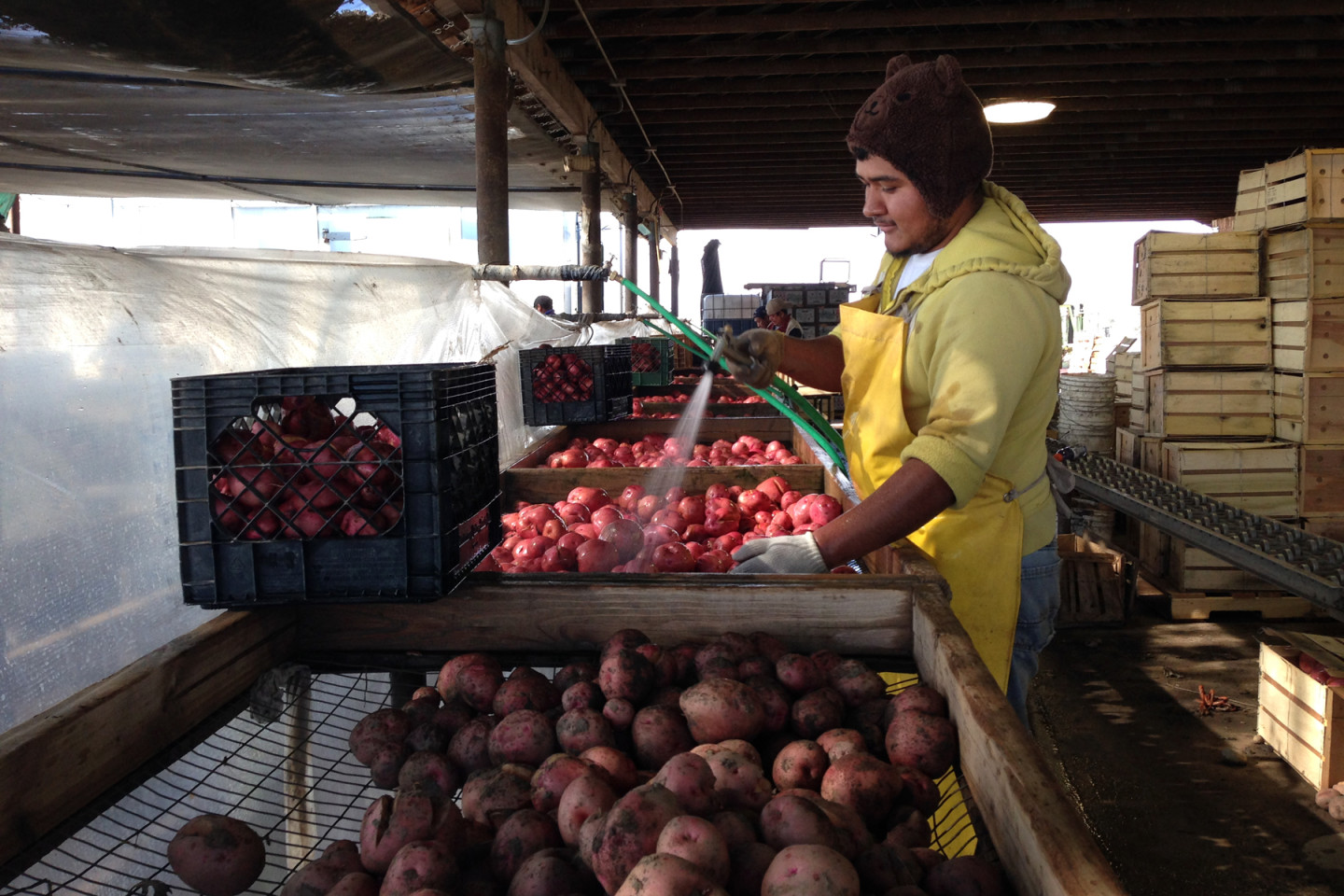
"caption": "Nahun Villagomez Sanchez washes freshly dug Red LaSoda potatoes at T&D Willey Farms near Madera, Calif. Photo: Dan Charles/NPR ",
"description": "Nahun Villagomez Sanchez washes freshly dug Red LaSoda potatoes at T",
"title": "Nahun Villagomez Sanchez washes freshly dug Red LaSoda potatoes at T&D Willey Farms near Madera, Calif.",
"credit": null,
"status": "inherit",
"isLoading": false,
"fetchFailed": false
},
"bayareabites_93231": {
"type": "attachments",
"id": "bayareabites_93231",
"meta": {
"index": "attachments_1716263798",
"site": "bayareabites",
"id": "93231",
"found": true
},
"parent": 93031,
"imgSizes": {
"thumbnail": {
"file": "https://ww2.kqed.org/app/uploads/sites/24/2015/02/bittman-400x230.jpg",
"width": 400,
"mimeType": "image/jpeg",
"height": 230
},
"fd-sm": {
"file": "https://ww2.kqed.org/app/uploads/sites/24/2015/02/bittman-320x184.jpg",
"width": 320,
"mimeType": "image/jpeg",
"height": 184
},
"post-thumbnail": {
"file": "https://ww2.kqed.org/app/uploads/sites/24/2015/02/bittman-672x372.jpg",
"width": 672,
"mimeType": "image/jpeg",
"height": 372
},
"kqedFullSize": {
"file": "https://ww2.kqed.org/app/uploads/sites/24/2015/02/bittman.jpg",
"width": 1000,
"height": 574
},
"cat_post_thumb_sizecategory-posts-2": {
"file": "https://ww2.kqed.org/app/uploads/sites/24/2015/02/bittman-50x50.jpg",
"width": 50,
"mimeType": "image/jpeg",
"height": 50
},
"fd-med": {
"file": "https://ww2.kqed.org/app/uploads/sites/24/2015/02/bittman-768x441.jpg",
"width": 768,
"mimeType": "image/jpeg",
"height": 441
},
"guest-author-96": {
"file": "https://ww2.kqed.org/app/uploads/sites/24/2015/02/bittman-96x96.jpg",
"width": 96,
"mimeType": "image/jpeg",
"height": 96
},
"medium": {
"file": "https://ww2.kqed.org/app/uploads/sites/24/2015/02/bittman-800x459.jpg",
"width": 800,
"mimeType": "image/jpeg",
"height": 459
},
"guest-author-64": {
"file": "https://ww2.kqed.org/app/uploads/sites/24/2015/02/bittman-64x64.jpg",
"width": 64,
"mimeType": "image/jpeg",
"height": 64
},
"detail": {
"file": "https://ww2.kqed.org/app/uploads/sites/24/2015/02/bittman-75x75.jpg",
"width": 75,
"mimeType": "image/jpeg",
"height": 75
},
"guest-author-32": {
"file": "https://ww2.kqed.org/app/uploads/sites/24/2015/02/bittman-32x32.jpg",
"width": 32,
"mimeType": "image/jpeg",
"height": 32
},
"guest-author-128": {
"file": "https://ww2.kqed.org/app/uploads/sites/24/2015/02/bittman-128x128.jpg",
"width": 128,
"mimeType": "image/jpeg",
"height": 128
}
},
"publishDate": 1423852605,
"modified": 1423852612,
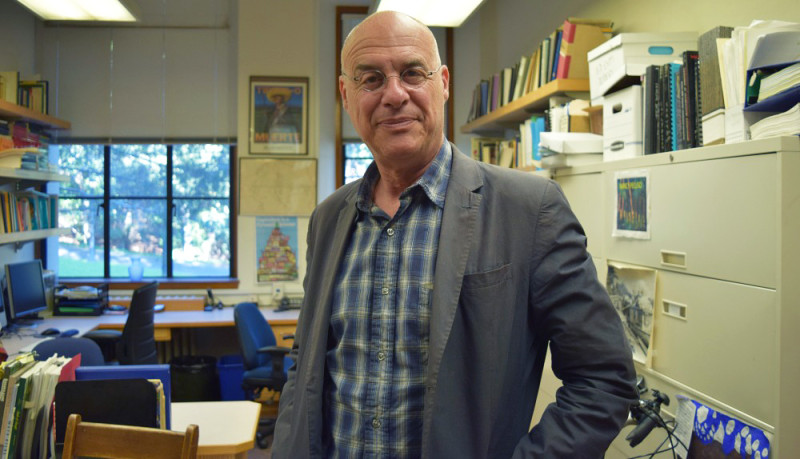
"caption": "Mark Bittman in his new office at UC Berkeley Photo: Shelby Pope",
"description": null,
"title": "bittman",
"credit": null,
"status": "inherit",
"isLoading": false,
"fetchFailed": false
},
"bayareabites_93174": {
"type": "attachments",
"id": "bayareabites_93174",
"meta": {
"index": "attachments_1716263798",
"site": "bayareabites",
"id": "93174",
"found": true
},
"parent": 93172,
"imgSizes": {
"twentyfourteen-full-width": {
"file": "https://ww2.kqed.org/app/uploads/sites/24/2015/02/app-1_enl-36fe49df3f0961f5ddc0c2ccc794b31574cc290c-e1423781979530-1000x576.jpg",
"width": 1000,
"mimeType": "image/jpeg",
"height": 576
},
"thumbnail": {
"file": "https://ww2.kqed.org/app/uploads/sites/24/2015/02/app-1_enl-36fe49df3f0961f5ddc0c2ccc794b31574cc290c-e1423781979530-400x266.jpg",
"width": 400,
"mimeType": "image/jpeg",
"height": 266
},
"fd-sm": {
"file": "https://ww2.kqed.org/app/uploads/sites/24/2015/02/app-1_enl-36fe49df3f0961f5ddc0c2ccc794b31574cc290c-e1423781979530-320x213.jpg",
"width": 320,
"mimeType": "image/jpeg",
"height": 213
},
"post-thumbnail": {
"file": "https://ww2.kqed.org/app/uploads/sites/24/2015/02/app-1_enl-36fe49df3f0961f5ddc0c2ccc794b31574cc290c-e1423781979530-672x372.jpg",
"width": 672,
"mimeType": "image/jpeg",
"height": 372
},
"kqedFullSize": {
"file": "https://ww2.kqed.org/app/uploads/sites/24/2015/02/app-1_enl-36fe49df3f0961f5ddc0c2ccc794b31574cc290c-e1423781979530.jpg",
"width": 1000,
"height": 666
},
"guest-author-96": {
"file": "https://ww2.kqed.org/app/uploads/sites/24/2015/02/app-1_enl-36fe49df3f0961f5ddc0c2ccc794b31574cc290c-e1423781979530-96x96.jpg",
"width": 96,
"mimeType": "image/jpeg",
"height": 96
},
"medium": {
"file": "https://ww2.kqed.org/app/uploads/sites/24/2015/02/app-1_enl-36fe49df3f0961f5ddc0c2ccc794b31574cc290c-e1423781979530-800x533.jpg",
"width": 800,
"mimeType": "image/jpeg",
"height": 533
},
"guest-author-64": {
"file": "https://ww2.kqed.org/app/uploads/sites/24/2015/02/app-1_enl-36fe49df3f0961f5ddc0c2ccc794b31574cc290c-e1423781979530-64x64.jpg",
"width": 64,
"mimeType": "image/jpeg",
"height": 64
},
"guest-author-32": {
"file": "https://ww2.kqed.org/app/uploads/sites/24/2015/02/app-1_enl-36fe49df3f0961f5ddc0c2ccc794b31574cc290c-e1423781979530-32x32.jpg",
"width": 32,
"mimeType": "image/jpeg",
"height": 32
},
"cat_post_thumb_sizecategory-posts-2": {
"file": "https://ww2.kqed.org/app/uploads/sites/24/2015/02/app-1_enl-36fe49df3f0961f5ddc0c2ccc794b31574cc290c-e1423781979530-50x50.jpg",
"width": 50,
"mimeType": "image/jpeg",
"height": 50
},
"fd-med": {
"file": "https://ww2.kqed.org/app/uploads/sites/24/2015/02/app-1_enl-36fe49df3f0961f5ddc0c2ccc794b31574cc290c-e1423781979530-768x511.jpg",
"width": 768,
"mimeType": "image/jpeg",
"height": 511
},
"detail": {
"file": "https://ww2.kqed.org/app/uploads/sites/24/2015/02/app-1_enl-36fe49df3f0961f5ddc0c2ccc794b31574cc290c-e1423781979530-75x75.jpg",
"width": 75,
"mimeType": "image/jpeg",
"height": 75
},
"guest-author-128": {
"file": "https://ww2.kqed.org/app/uploads/sites/24/2015/02/app-1_enl-36fe49df3f0961f5ddc0c2ccc794b31574cc290c-e1423781979530-128x128.jpg",
"width": 128,
"mimeType": "image/jpeg",
"height": 128
}
},
"publishDate": 1423781560,
"modified": 1423781974,
"caption": "A screenshot of the app from Restaurant Opportunities Centers United. Photo: Meredith Rizzo/NPR",
"description": "A screenshot of the app from Restaurant Opportunities Centers United.",
"title": "A screenshot of the app from Restaurant Opportunities Centers United.",
"credit": null,
"status": "inherit",
"isLoading": false,
"fetchFailed": false
},
"bayareabites_91193": {
"type": "attachments",
"id": "bayareabites_91193",
"meta": {
"index": "attachments_1716263798",
"site": "bayareabites",
"id": "91193",
"found": true
},
"parent": 91191,
"imgSizes": {
"kqedFullSize": {
"file": "https://ww2.kqed.org/app/uploads/sites/24/2014/12/cuba-food-2_enl-cb5c84796dd304b05905ee2f8d6b371b4837d37a-e1418942761520.jpg",
"width": 1000,
"height": 667
}
},
"publishDate": 1418942484,
"modified": 1418942757,
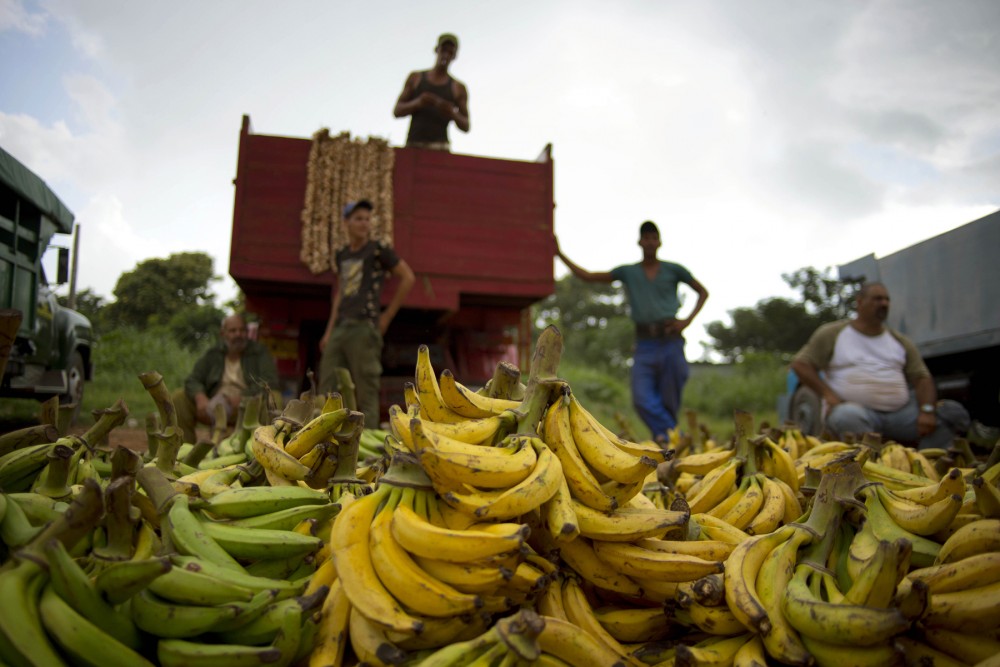
"caption": "Banana growers at a market on the outskirts of Havana, Cuba, on Sept. 30, 2013. Cuba currently imports few fruits and vegetables from the U.S., but the American Farm Bureau says the change in relations may allow for new trade opportunities. Photo: Ramon Espinosa/AP",
"description": "Banana growers at a market on the outskirts of Havana, Cuba, on Sept. 30, 2013. Cuba currently imports few fruits and vegetables from the U.S., but the American Farm Bureau says the change in relations may allow for new trade opportunities.",
"title": "Banana growers at a market on the outskirts of Havana, Cuba, on Sept. 30, 2013. Cuba currently imports few fruits and vegetables from the U.S., but the American Farm Bureau says the change in relations may allow for new trade opportunities.",
"credit": null,
"status": "inherit",
"isLoading": false,
"fetchFailed": false
},
"bayareabites_89193": {
"type": "attachments",
"id": "bayareabites_89193",
"meta": {
"index": "attachments_1716263798",
"site": "bayareabites",
"id": "89193",
"found": true
},
"parent": 89192,
"imgSizes": {
"kqedFullSize": {
"file": "https://ww2.kqed.org/app/uploads/sites/24/2014/10/homelessfood_wide-933c67b9420c54f467eac1229d7a7c027e2b565c-e1414029550525.jpg",
"width": 1000,
"height": 563
}
},
"publishDate": 1414029232,
"modified": 1414029232,
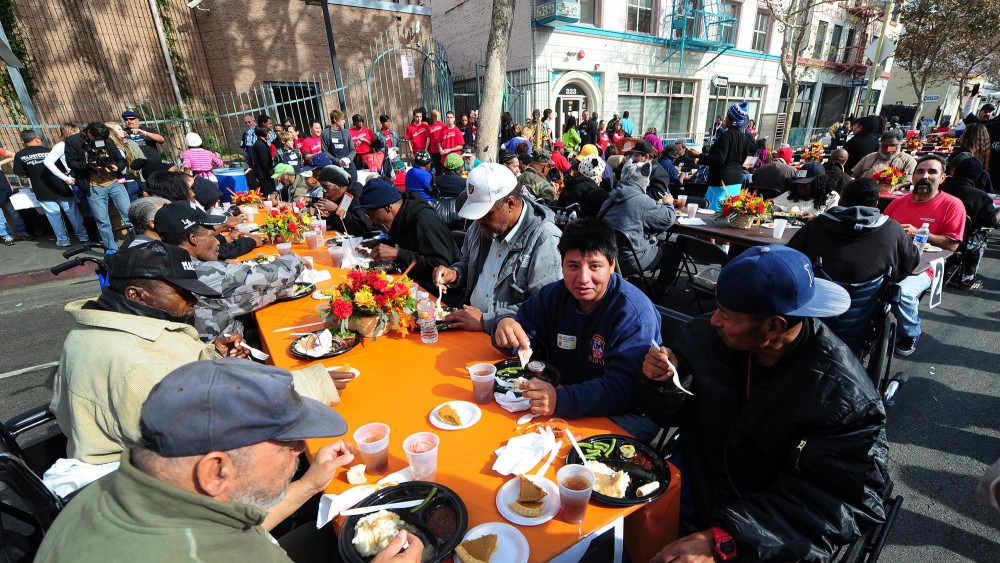
"caption": "The homeless and others in need enjoy lunch at the Los Angeles Mission on Nov. 23, 2011, in celebration of Thanksgiving. Legislation to ban organizations from serving food to homeless people in public places has been proposed in Los Angeles. Photo: Frederic J. Brown/AFP/Getty Images",
"description": "The homeless and others in need enjoy lunch at the Los Angeles Mission on Nov. 23, 2011, in celebration of Thanksgiving. Legislation to ban organizations from serving food to homeless people in public places has been proposed in Los Angeles.",
"title": "The homeless and others in need enjoy lunch at the Los Angeles Mission on Nov. 23, 2011, in celebration of Thanksgiving. Legislation to ban organizations from serving food to homeless people in public places has been proposed in Los Angeles.",
"credit": null,
"status": "inherit",
"isLoading": false,
"fetchFailed": false
},
"bayareabites_88429": {
"type": "attachments",
"id": "bayareabites_88429",
"meta": {
"index": "attachments_1716263798",
"site": "bayareabites",
"id": "88429",
"found": true
},
"parent": 88428,
"imgSizes": {
"kqedFullSize": {
"file": "https://ww2.kqed.org/app/uploads/sites/24/2014/10/foodbucks_wide-04980f86fa9d971eaa9fbea8dc3c3a658144cf9b-e1412441141115.jpg",
"width": 1000,
"height": 563
}
},
"publishDate": 1412440914,
"modified": 1412440914,
"caption": "Tokens representing $1, which can be used specifically for fresh fruits and vegetables, are displayed at a Electronic Benefits Transfer, or food stamp, station in the GrowNYC Greenmarket in Union Square on September 18, 2013 in New York City. Photo: Andrew Burton/Getty Images ",
"description": "Tokens representing $1, which can be used specifically for fresh fruits and vegetables, are displayed at a Electronic Benefits Transfer, or food stamp, station in the GrowNYC Greenmarket in Union Square on September 18, 2013 in New York City.",
"title": "Tokens representing $1, which can be used specifically for fresh fruits and vegetables, are displayed at a Electronic Benefits Transfer, or food stamp, station in the GrowNYC Greenmarket in Union Square on September 18, 2013 in New York City.",
"credit": null,
"status": "inherit",
"isLoading": false,
"fetchFailed": false
},
"bayareabites_87968": {
"type": "attachments",
"id": "bayareabites_87968",
"meta": {
"index": "attachments_1716263798",
"site": "bayareabites",
"id": "87968",
"found": true
},
"parent": 87967,
"imgSizes": {
"kqedFullSize": {
"file": "https://ww2.kqed.org/app/uploads/sites/24/2014/09/foodwaste1_wide-08b72696fde1808588ec4a63ed50ae995027c332-e1411579377876.jpg",
"width": 1000,
"height": 563
}
},
"publishDate": 1411578911,
"modified": 1411578911,
"caption": "Bounty from the bin: Thaler says you can find plenty of tasty, edible produce that's tossed out. Plastic-wrapped produce tends to be a safe bet, he says. Photo: Courtesy of Maximus Thaler ",
"description": "Bounty from the bin: Thaler says you can find plenty of tasty, edible produce that's tossed out. Plastic-wrapped produce tends to be a safe bet, he says.",
"title": "Bounty from the bin: Thaler says you can find plenty of tasty, edible produce that's tossed out. Plastic-wrapped produce tends to be a safe bet, he says.",
"credit": null,
"status": "inherit",
"isLoading": false,
"fetchFailed": false
}
},
"audioPlayerReducer": {
"postId": "stream_live",
"isPaused": true,
"isPlaying": false,
"pfsActive": false,
"pledgeModalIsOpen": true,
"playerDrawerIsOpen": false,
"liveAudioPlayStartedAt": 0,
"liveAudioPlayContext": ""
},
"authorsReducer": {
"byline_bayareabites_95903": {
"type": "authors",
"id": "byline_bayareabites_95903",
"meta": {
"override": true
},
"slug": "byline_bayareabites_95903",
"name": "Brian Naylor, \u003ca href=\"http://ww2.kqed.org/bayareabites/author/nprfood/\">NPR Food\u003c/a>",
"isLoading": false
},
"byline_bayareabites_93622": {
"type": "authors",
"id": "byline_bayareabites_93622",
"meta": {
"override": true
},
"slug": "byline_bayareabites_93622",
"name": "Eliza Barclay",
"isLoading": false
},
"byline_bayareabites_93583": {
"type": "authors",
"id": "byline_bayareabites_93583",
"meta": {
"override": true
},
"slug": "byline_bayareabites_93583",
"name": "Linda Poon",
"isLoading": false
},
"byline_bayareabites_93569": {
"type": "authors",
"id": "byline_bayareabites_93569",
"meta": {
"override": true
},
"slug": "byline_bayareabites_93569",
"name": "Dan Charles",
"isLoading": false
},
"byline_bayareabites_93172": {
"type": "authors",
"id": "byline_bayareabites_93172",
"meta": {
"override": true
},
"slug": "byline_bayareabites_93172",
"name": "Poncie Rutsch",
"isLoading": false
},
"byline_bayareabites_91191": {
"type": "authors",
"id": "byline_bayareabites_91191",
"meta": {
"override": true
},
"slug": "byline_bayareabites_91191",
"name": "Eliza Barclay",
"isLoading": false
},
"byline_bayareabites_89192": {
"type": "authors",
"id": "byline_bayareabites_89192",
"meta": {
"override": true
},
"slug": "byline_bayareabites_89192",
"name": "Eliza Barclay",
"isLoading": false
},
"byline_bayareabites_88428": {
"type": "authors",
"id": "byline_bayareabites_88428",
"meta": {
"override": true
},
"slug": "byline_bayareabites_88428",
"name": "Allison Aubrey and Dan Charles",
"isLoading": false
},
"byline_bayareabites_87967": {
"type": "authors",
"id": "byline_bayareabites_87967",
"meta": {
"override": true
},
"slug": "byline_bayareabites_87967",
"name": "Alison Bruzek",
"isLoading": false
},
"shelbypope": {
"type": "authors",
"id": "5566",
"meta": {
"index": "authors_1716337520",
"id": "5566",
"found": true
},
"name": "Shelby Pope",
"firstName": "Shelby",
"lastName": "Pope",
"slug": "shelbypope",
"email": "shelbylpope@gmail.com",
"display_author_email": false,
"staff_mastheads": [],
"title": "KQED Contributor",
"bio": "Shelby Pope is a freelance writer living and eating her way through the East Bay. She’s written about food, art and science for publications including the Smithsonian, Lucky Peach, and the Washington Post's pet blog. When she’s not taste testing sourdough bread to find the Bay Area’s best loaf, you can find her on Twitter \u003ca href=\"https://twitter.com/shelbylpope\">@shelbylpope\u003c/a> or at \u003ca href=\"https://shelbypope.com/\">shelbypope.com\u003c/a>",
"avatar": "https://secure.gravatar.com/avatar/df74e904399e45720e48e36c6e1ae7a90c32216eb2c9c82f3b2e1a9641b507d3?s=600&d=blank&r=g",
"twitter": "shelbylpope",
"bluesky": null,
"facebook": null,
"instagram": null,
"linkedin": null,
"sites": [
{
"site": "arts",
"roles": [
"subscriber"
]
},
{
"site": "food",
"roles": [
"subscriber"
]
}
],
"headData": {
"title": "Shelby Pope | KQED",
"description": "KQED Contributor",
"ogImgSrc": "https://secure.gravatar.com/avatar/df74e904399e45720e48e36c6e1ae7a90c32216eb2c9c82f3b2e1a9641b507d3?s=600&d=blank&r=g",
"twImgSrc": "https://secure.gravatar.com/avatar/df74e904399e45720e48e36c6e1ae7a90c32216eb2c9c82f3b2e1a9641b507d3?s=600&d=blank&r=g"
},
"isLoading": false,
"link": "/author/shelbypope"
},
"berkeleysidenosh": {
"type": "authors",
"id": "5592",
"meta": {
"index": "authors_1716337520",
"id": "5592",
"found": true
},
"name": "Berkeleyside NOSH",
"firstName": "Berkeleyside",
"lastName": "NOSH",
"slug": "berkeleysidenosh",
"email": "nosh@berkeleyside.com",
"display_author_email": false,
"staff_mastheads": [],
"title": null,
"bio": "\u003ca href=\"http://www.berkeleyside.com/nosh/\">NOSH\u003c/a> covers all the hot news and scrumptious food-related stories in the East Bay. NOSH provides the buzz on new restaurants and bars, the chefs, the pioneers, the artisans, the food reformers and all things delicious in Berkeley, Oakland, Alameda and the surrounding area. NOSH is produced by \u003ca href=\"http://www.berkeleyside.com/\">Berkeleyside\u003c/a>, Berkeley’s locally grown, independent news website.",
"avatar": "https://secure.gravatar.com/avatar/81dfb429e31c636d536dc580cea21903?s=600&d=blank&r=g",
"twitter": "ebnosh",
"facebook": "ebnosh",
"instagram": null,
"linkedin": null,
"sites": [
{
"site": "bayareabites",
"roles": [
"contributor"
]
},
{
"site": "food",
"roles": [
"contributor"
]
}
],
"headData": {
"title": "Berkeleyside NOSH | KQED",
"description": null,
"ogImgSrc": "https://secure.gravatar.com/avatar/81dfb429e31c636d536dc580cea21903?s=600&d=blank&r=g",
"twImgSrc": "https://secure.gravatar.com/avatar/81dfb429e31c636d536dc580cea21903?s=600&d=blank&r=g"
},
"isLoading": false,
"link": "/author/berkeleysidenosh"
}
},
"pagesReducer": {
"bayareabites_category_economy-and-food-costs": {
"type": "terms",
"id": "bayareabites_1962",
"meta": {
"index": "terms_1716263798",
"site": "bayareabites",
"id": "1962",
"score": 13.896381
},
"featImg": null,
"name": "economy and food costs",
"description": null,
"taxonomy": "category",
"headData": {
"twImgId": null,
"twTitle": null,
"ogTitle": null,
"ogImgId": null,
"twDescription": null,
"description": null,
"title": "economy and food costs Archives | KQED Bay Area Bites",
"ogDescription": null
},
"ttid": 1488,
"slug": "economy-and-food-costs",
"isLoading": false,
"title": "economy and food costs",
"pageMeta": {
"site": "bayareabites",
"WpPageTemplate": "page-topic-editorial",
"currentPage": 9
},
"blocks": [
{
"blockName": "kqed/post-list",
"attrs": {
"layout": "cardArticle2",
"query": "posts/bayareabites?category=economy-and-food-costs",
"seeMore": false,
"paginated": true,
"page": 9
}
},
{
"blockName": "kqed/ad"
}
]
}
},
"pfsSessionReducer": {},
"postsReducer": {
"stream_live": {
"type": "live",
"id": "stream_live",
"audioUrl": "https://streams.kqed.org/kqedradio",
"title": "Live Stream",
"excerpt": "Live Stream information currently unavailable.",
"link": "/radio",
"featImg": "",
"label": {
"name": "KQED Live",
"link": "/"
}
},
"stream_kqedNewscast": {
"type": "posts",
"id": "stream_kqedNewscast",
"audioUrl": "https://www.kqed.org/.stream/anon/radio/RDnews/newscast.mp3?_=1",
"title": "KQED Newscast",
"featImg": "",
"label": {
"name": "88.5 FM",
"link": "/"
}
},
"bayareabites_95903": {
"type": "posts",
"id": "bayareabites_95903",
"meta": {
"index": "posts_1716263798",
"site": "bayareabites",
"id": "95903",
"score": null,
"sort": [
1431035092000
]
},
"parent": 0,
"labelTerm": {
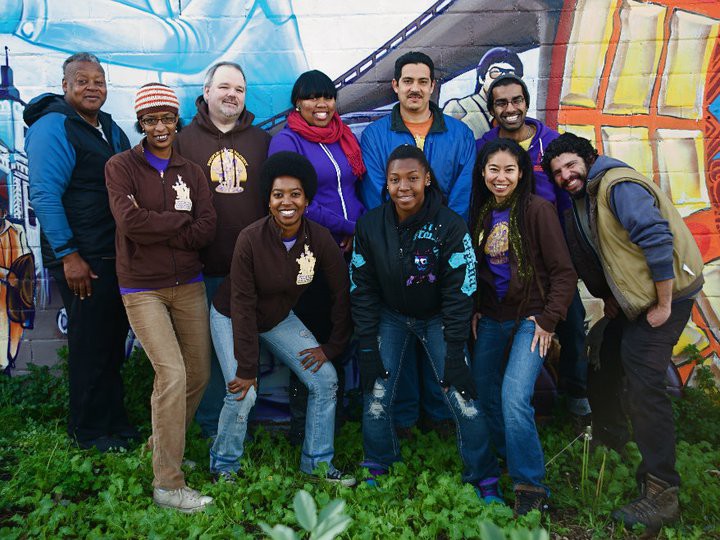
"site": "bayareabites"
},
"blocks": [],
"publishDate": 1431035092,
"format": "standard",
"disqusTitle": "Whole Foods Launching Lower-Cost Stores Geared Toward Millennials",
"title": "Whole Foods Launching Lower-Cost Stores Geared Toward Millennials",
"headTitle": "Bay Area Bites | KQED Food",
"content": "\u003cp>Whole Foods, the upscale grocery store chain famous for its bright displays of produce and emphasis on organic foods, plans to launch a new chain of lower-priced stores aimed at millennial shoppers.\u003c/p>\n\u003cp>The yet-to-be-named stores will \"feature a modern streamlined design, innovative technology and a curated selection,\" the company \u003ca href=\"http://assets.wholefoodsmarket.com/www/company-info/investor-relations/financial-press-releases/2015/2Q15-WFM-financial-results.pdf\" target=\"_blank\">says in a statement\u003c/a>.\u003c/p>\n\u003cp>\u003ca href=\"http://www.usatoday.com/story/money/2015/05/07/whole-foods-cheaper-millennial-chain/70934302/\" target=\"_blank\">As USA Today notes\u003c/a>, Whole Foods:\u003c/p>\n\u003cblockquote>\u003cp>\"has been losing traction recently as organic and fresh foods have become more popular at mainstream grocery chains. The company also early on earned the nickname 'Whole Paycheck' for how expensive it can be to shop there. Whole Foods is already negotiating leases for the new format and the stores will start opening next year. But executives declined to give details about where and how many, saying more information would come by Labor Day.\"\u003c/p>\u003c/blockquote>\n\u003cp>The news comes as Whole Foods disappointed investors by missing its profit estimates for the second quarter and by reporting lower than expected same-store sales.\u003c/p>\n\u003cp>Austin, Texas-based Whole Foods says in a statement that it is building a team to focus on the new concept, which it promises will be \"unlike anything that currently exists in the marketplace.\" It's also negotiating leases for the new stores, which it expects to start opening next year.\u003c/p>\n\u003cp>[ad fullwidth]\u003c/p>\n\u003cp>Whole Foods expects a \"fairly rapid\" expansion of the new chain. Walter Robb, the co-chief executive officer of Whole Foods, says the company believes the growth potential for the new stores will be \"as great as it is for our highly successful Whole Foods Market brand.\"\u003c/p>\n\u003cp>The company currently has 417 stores, and says it sees demand for some 1,200 Whole Foods stores in the U.S.\u003c/p>\n\u003cp>\u003c/p>\n\u003cp>Copyright 2015 \u003ca href=\"http://www.npr.org/\" target=\"_blank\">NPR\u003c/a>.\u003c/p>\n\n",
"disqusIdentifier": "95903 http://ww2.kqed.org/bayareabites/?p=95903",
"disqusUrl": "https://ww2.kqed.org/bayareabites/2015/05/07/whole-foods-launching-lower-cost-stores-geared-toward-millennials/",
"stats": {
"hasVideo": false,
"hasChartOrMap": false,
"hasAudio": false,
"hasPolis": false,
"wordCount": 288,
"hasGoogleForm": false,
"hasGallery": false,
"hasHearkenModule": false,
"iframeSrcs": [],
"paragraphCount": 11
},
"modified": 1431043071,
"excerpt": "The company says the yet-to-be-named stores will \"feature a modern streamlined design, innovative technology and a curated selection.\" Whole Foods hopes to begin opening the stores next year.",
"headData": {
"twImgId": "",
"twTitle": "",
"ogTitle": "",
"ogImgId": "",
"twDescription": "",
"description": "The company says the yet-to-be-named stores will "feature a modern streamlined design, innovative technology and a curated selection." Whole Foods hopes to begin opening the stores next year.",
"title": "Whole Foods Launching Lower-Cost Stores Geared Toward Millennials | KQED",
"ogDescription": "",
"schema": {
"@context": "https://schema.org",
"@type": "Article",
"headline": "Whole Foods Launching Lower-Cost Stores Geared Toward Millennials",
"datePublished": "2015-05-07T14:44:52-07:00",
"dateModified": "2015-05-07T16:57:51-07:00",
"image": "https://cdn.kqed.org/wp-content/uploads/2020/02/KQED-OG-Image@1x.png"
}
},
"guestAuthors": [],
"slug": "whole-foods-launching-lower-cost-stores-geared-toward-millennials",
"status": "publish",
"nprApiLink": "http://api.npr.org/query?id=404921579&apiKey=MDAxOTAwOTE4MDEyMTkxMDAzNjczZDljZA004",
"nprByline": "Brian Naylor, \u003ca href=\"http://ww2.kqed.org/bayareabites/author/nprfood/\">NPR Food\u003c/a>",
"nprStoryDate": "Thu, 07 May 2015 13:09:00 -0400",
"nprLastModifiedDate": "Thu, 07 May 2015 16:00:27 -0400",
"nprHtmlLink": "http://www.npr.org/blogs/thetwo-way/2015/05/07/404921579/whole-foods-launching-lower-cost-stores-geared-toward-millenials?ft=nprml&f=404921579",
"nprStoryId": "404921579",
"nprRetrievedStory": "1",
"nprPubDate": "Thu, 07 May 2015 16:00:00 -0400",
"path": "/bayareabites/95903/whole-foods-launching-lower-cost-stores-geared-toward-millennials",
"audioTrackLength": null,
"parsedContent": [
{
"type": "contentString",
"content": "\u003cdiv class=\"post-body\">\u003cp>\u003cp>Whole Foods, the upscale grocery store chain famous for its bright displays of produce and emphasis on organic foods, plans to launch a new chain of lower-priced stores aimed at millennial shoppers.\u003c/p>\n\u003cp>The yet-to-be-named stores will \"feature a modern streamlined design, innovative technology and a curated selection,\" the company \u003ca href=\"http://assets.wholefoodsmarket.com/www/company-info/investor-relations/financial-press-releases/2015/2Q15-WFM-financial-results.pdf\" target=\"_blank\">says in a statement\u003c/a>.\u003c/p>\n\u003cp>\u003ca href=\"http://www.usatoday.com/story/money/2015/05/07/whole-foods-cheaper-millennial-chain/70934302/\" target=\"_blank\">As USA Today notes\u003c/a>, Whole Foods:\u003c/p>\n\u003cblockquote>\u003cp>\"has been losing traction recently as organic and fresh foods have become more popular at mainstream grocery chains. The company also early on earned the nickname 'Whole Paycheck' for how expensive it can be to shop there. Whole Foods is already negotiating leases for the new format and the stores will start opening next year. But executives declined to give details about where and how many, saying more information would come by Labor Day.\"\u003c/p>\u003c/blockquote>\n\u003cp>The news comes as Whole Foods disappointed investors by missing its profit estimates for the second quarter and by reporting lower than expected same-store sales.\u003c/p>\n\u003cp>Austin, Texas-based Whole Foods says in a statement that it is building a team to focus on the new concept, which it promises will be \"unlike anything that currently exists in the marketplace.\" It's also negotiating leases for the new stores, which it expects to start opening next year.\u003c/p>\n\u003cp>\u003c/p>\u003c/div>",
"attributes": {
"named": {},
"numeric": []
}
},
{
"type": "component",
"content": "",
"name": "ad",
"attributes": {
"named": {
"label": "fullwidth"
},
"numeric": [
"fullwidth"
]
}
},
{
"type": "contentString",
"content": "\u003cdiv class=\"post-body\">\u003cp>\u003c/p>\n\u003cp>Whole Foods expects a \"fairly rapid\" expansion of the new chain. Walter Robb, the co-chief executive officer of Whole Foods, says the company believes the growth potential for the new stores will be \"as great as it is for our highly successful Whole Foods Market brand.\"\u003c/p>\n\u003cp>The company currently has 417 stores, and says it sees demand for some 1,200 Whole Foods stores in the U.S.\u003c/p>\n\u003cp>\u003c/p>\n\u003cp>Copyright 2015 \u003ca href=\"http://www.npr.org/\" target=\"_blank\">NPR\u003c/a>.\u003c/p>\n\n\u003c/div>\u003c/p>",
"attributes": {
"named": {},
"numeric": []
}
}
],
"link": "/bayareabites/95903/whole-foods-launching-lower-cost-stores-geared-toward-millennials",
"authors": [
"byline_bayareabites_95903"
],
"categories": [
"bayareabites_1962",
"bayareabites_10028",
"bayareabites_10916"
],
"tags": [
"bayareabites_14430",
"bayareabites_3063"
],
"featImg": "bayareabites_95904",
"label": "bayareabites"
},
"bayareabites_94113": {
"type": "posts",
"id": "bayareabites_94113",
"meta": {
"index": "posts_1716263798",
"site": "bayareabites",
"id": "94113",
"score": null,
"sort": [
1426787472000
]
},
"parent": 0,
"labelTerm": {
"site": "bayareabites"
},
"blocks": [],
"publishDate": 1426787472,
"format": "aside",
"disqusTitle": "3 Food Initiatives That Could Transform West Oakland's Food Desert",
"title": "3 Food Initiatives That Could Transform West Oakland's Food Desert",
"headTitle": "Bay Area Bites | KQED Food",
"content": "\u003cfigure id=\"attachment_94130\" class=\"wp-caption aligncenter\" style=\"max-width: 720px\">\u003ca href=\"http://ww2.kqed.org/bayareabites/wp-content/uploads/sites/24/2015/03/Peoples-Grocery-staff-720x540.jpg\">\u003cimg src=\"http://ww2.kqed.org/bayareabites/wp-content/uploads/sites/24/2015/03/Peoples-Grocery-staff-720x540.jpg\" alt=\"The staff of People’s Grocery, a nonprofit whose projects range from educating local kids to subsidized CSA boxes. Photo: People’s Grocery\" width=\"720\" height=\"540\" class=\"size-full wp-image-94130\" srcset=\"https://ww2.kqed.org/app/uploads/sites/24/2015/03/Peoples-Grocery-staff-720x540.jpg 720w, https://ww2.kqed.org/app/uploads/sites/24/2015/03/Peoples-Grocery-staff-720x540-320x240.jpg 320w\" sizes=\"(max-width: 720px) 100vw, 720px\">\u003c/a>\u003cfigcaption class=\"wp-caption-text\">The staff of People’s Grocery, a nonprofit whose projects range from educating local kids to subsidized CSA boxes. Photo: People’s Grocery\u003c/figcaption>\u003c/figure>\n\u003cp>By \u003ca href=\"http://www.berkeleyside.com/author/piper-wheeler/\" target=\"_blank\">Piper Wheeler\u003c/a>, \u003ca href=\"http://www.berkeleyside.com/2015/02/27/efforts-to-give-west-oakland-healthy-future-take-off/\" target=\"_blank\">Berkeleyside NOSH\u003c/a> (2/27/15)\u003c/p>\n\u003cp>It is well-known that fresh produce and alternatives to fast-food are both sorely lacking in West Oakland, an area sometimes referred to as a “food desert.” With perhaps one exception, efforts to date to rectify the situation have either not been forthcoming, or failed to get off the ground. However, three initiatives close to the hearts of food-justice activists are picking up steam and promise to bring real and lasting change for the neighborhood.\u003c/p>\n\u003ch3>People’s Grocery: Improving the local food system in myriad ways\u003c/h3>\n\u003cp>Founded in 2003 with the mission of improving West Oakland’s health and economy through the local food system, \u003ca href=\"http://www.peoplesgrocery.org/welcome?splash=1\" target=\"_blank\">People’s Grocery\u003c/a> is now host to a dizzying array of programs, from foodways education for local kids to subsidized CSA boxes and farmers markets that accept food stamps. West Oakland residents can purchase staple foods at wholesale prices through the organization, as well as indulge in days of “meditative weeding” at one of their several community gardens.\u003c/p>\n\u003cfigure id=\"attachment_94129\" class=\"wp-caption aligncenter\" style=\"max-width: 720px\">\u003ca href=\"http://ww2.kqed.org/bayareabites/wp-content/uploads/sites/24/2015/03/Peoples-Grocery-garden-at-Hotel-California-720x421.jpg\">\u003cimg src=\"http://ww2.kqed.org/bayareabites/wp-content/uploads/sites/24/2015/03/Peoples-Grocery-garden-at-Hotel-California-720x421.jpg\" alt=\"People’s Grocery’s vegetable garden at low-income apartment building Hotel California. Photo: People’s Grocery\" width=\"720\" height=\"421\" class=\"size-full wp-image-94129\" srcset=\"https://ww2.kqed.org/app/uploads/sites/24/2015/03/Peoples-Grocery-garden-at-Hotel-California-720x421.jpg 720w, https://ww2.kqed.org/app/uploads/sites/24/2015/03/Peoples-Grocery-garden-at-Hotel-California-720x421-400x234.jpg 400w, https://ww2.kqed.org/app/uploads/sites/24/2015/03/Peoples-Grocery-garden-at-Hotel-California-720x421-320x187.jpg 320w\" sizes=\"(max-width: 720px) 100vw, 720px\">\u003c/a>\u003cfigcaption class=\"wp-caption-text\">People’s Grocery’s vegetable garden at low-income apartment building Hotel California. Photo: People’s Grocery\u003c/figcaption>\u003c/figure>\n\u003cp>People’s Grocery has been in flux over the last few months, and has recently installed Wanda Stewart as its new director. Stewart hopes to continue to grow People’s Grocery’s presence on the local and national stage, and to make sure that People’s continues to be “a place where people talk about food, where we grow food, cook food, talk about food policy, and empower people to make money with food-based enterprises,” she said.\u003c/p>\n\u003cp>A key part of her new agenda is to continue to revitalize the land around Oakland’s California Hotel, which re-opened as an apartment building for low-income residents in 2014. People’s has a community garden in the rear of the building, and Stewart hopes to add a labyrinth and medicinal herbs. Stewart places great importance in the act of gardening: “When you teach someone to grow a vegetable, you teach them to grow and change in life, and teach them to transform themselves as well as the land.”\u003c/p>\n\u003cp>[ad fullwidth]\u003c/p>\n\u003cp>The California Hotel will also be the site of People’s Grocery’s next event, this weekend’s Black History Month celebration. The event, titled \u003ca href=\"http://www.peoplesgrocery.org/\" target=\"_blank\">“Know Our History, Grow Our Future,”\u003c/a> will feature a panel of environmental and activist leaders like Carl Anthony and David Roach, as well as an all-ages dance party, an open garden day, and a farmer’s market.\u003c/p>\n\u003cp>But while the efforts of People’s Grocery do much to improve West Oaklanders’ access to healthy foods, most of the neighborhood’s 25,000 residents still make do without a convenience many city dwellers take for granted: a full-service grocery store.\u003c/p>\n\u003ch3>A grocery store in the Jack London Gateway shopping center\u003c/h3>\n\u003cp>This lack has been making headlines lately. Just before the New Year, Oakland investor \u003ca href=\"http://www.berkeleyside.com/2013/02/01/two-big-new-restaurants-land-in-jack-london-square/\" target=\"_blank\">Tom Henderson\u003c/a> announced his plans to open a new store in the Jack London Gateway shopping center.\u003c/p>\n\u003cp>Oakland’s king of EB-5 investments, Henderson has already funneled millions into Oakland projects considered too high-risk to garner bank financing. His San Francisco Regional Center raises funds via a federal “Immigrant Investor” program, which grants green cards to foreigners who contribute at least $500,000 to a project that creates a minimum of ten jobs. Henderson also owns the Tribune Tower and the restaurant \u003ca href=\"http://www.berkeleyside.com/tag/tribune-tavern/\" target=\"_blank\">Tribune Tavern\u003c/a> in Uptown.\u003c/p>\n\u003cp>The new store, to be located in a long-vacant retail space near the corner of Market and 7th streets, will reportedly require initial start-up costs of $25 million. Henderson vows his 20,000-square-foot market will make “Safeway look like 7-Eleven.”\u003c/p>\n\u003cp>The neighborhood, to be sure, is hungry for it. Residents of this underserved area, many with lower incomes and no cars, must schlepp heavy grocery bags home from Emeryville, Alameda, Berkeley, and far-flung Oakland neighborhoods. This annoyance robs locals of money as well as time: according to one market analysis, the neighborhood leaks $43 million a year in grocery purchases alone. Reclaiming some of this money, activists say, could help mend a local economy still scarred from disruptive city-planning missteps and discriminatory lending practices of past decades.\u003c/p>\n\u003cp>Tom Henderson’s plans have been met with cautious optimism. Many city officials, including mayor Libby Schaff, applaud the investor’s ability to bring new money into Oakland. But some longtime merchants and community activists in the neighborhood doubt the Piedmont native’s ability to succeed in a difficult market.\u003c/p>\n\u003ch3>People’s Community Market: Raising more funds for a grocery store\u003c/h3>\n\u003cfigure id=\"attachment_94126\" class=\"wp-caption alignright\" style=\"max-width: 360px\">\u003ca href=\"http://ww2.kqed.org/bayareabites/wp-content/uploads/sites/24/2015/03/12840-1377647833-360x313.jpg\">\u003cimg src=\"http://ww2.kqed.org/bayareabites/wp-content/uploads/sites/24/2015/03/12840-1377647833-360x313.jpg\" alt=\"Brahm Ahmadi. Photo: People’s Community Market\" width=\"360\" height=\"313\" class=\"size-full wp-image-94126\" srcset=\"https://ww2.kqed.org/app/uploads/sites/24/2015/03/12840-1377647833-360x313.jpg 360w, https://ww2.kqed.org/app/uploads/sites/24/2015/03/12840-1377647833-360x313-320x278.jpg 320w\" sizes=\"(max-width: 360px) 100vw, 360px\">\u003c/a>\u003cfigcaption class=\"wp-caption-text\">Brahm Ahmadi. Photo: People’s Community Market\u003c/figcaption>\u003c/figure>\n\u003cp>No one understands the challenges of opening a store in West Oakland better than \u003ca href=\"http://www.berkeleyside.com/tag/brahm-ahmadi/\" target=\"_blank\">Brahm Ahmadi\u003c/a>, who has devoted the better part of his adult life to the neighborhood’s food system. The founder and former director of People’s Grocery, Ahmadi split amicably from the nonprofit about two years ago in order to devote his energies to \u003ca href=\"http://www.berkeleyside.com/tag/peoples-community-market/\" target=\"_blank\">People’s Community Market\u003c/a> (PCM). This for-profit, socially-conscious organization is now in the final stages of securing a site for their own 10,000 square foot store. \u003ca href=\"http://peoplescommunitymarket.com/\" target=\"_blank\">PCM\u003c/a> leaders are in talks with multiple landowners, but a site at the corner of Market Street and Grand Avenue is a top contender.\u003c/p>\n\u003cp>Just days after Henderson announced his investment plans, Ahmadi wrote an update to his own investors. These shareholders are, for the most part, working people with ties to West Oakland. Ahmadi and his partners managed to raise PCM’s current capitalization of $1.2 million through a grassroots direct public offering. Of PCM’s 402 current shareholders, a little over half bought in with the $1,000 minimum investment.\u003c/p>\n\u003cp>PCM’s word-of-mouth campaign earned the prospective market not just much-needed funds, but social currency and a foothold in the neighborhood. “People — our future customers — have been involved from the very beginning,” Ahmadi says. “They’re excited to support us.”\u003c/p>\n\u003cp>To further ensure that the store will cater to the neighborhood, PCM relies on a Community Advisory Board — assembled and facilitated by People’s Grocery — that is helping to plan everything from the store’s layout and design to product lines and community outreach.\u003c/p>\n\u003cp>Unfortunately, $1.2 million doesn’t buy much in West Oakland’s newly hot commercial real-estate market. Ahmadi describes unmotivated landowners determined to garner $80 per square foot for land that would have sold for $50 just last year. Initially, the organizers had expected their current funds to cover land and construction; now it seems it will go to land alone.\u003c/p>\n\u003cp>Ahmadi is hopeful that more money will come. He says that the success of their first direct public offering has earned PCM “credibility” with bank lenders who previously wouldn’t consider touching such a project. More small investors, who missed the first round of fundraising, are waiting in the wings.\u003c/p>\n\u003cp>[youtube https://www.youtube.com/watch?v=2i_2USfWdlg]\u003c/p>\n\u003cp>The activists behind People’s Community Market are nothing if not patient. For years they have been researching, preparing and planning this store. At stake is not just their own success, but the redemption of a neighborhood long stigmatized by store closures. “We were looking to open a store fifteen years ago,” Ahmadi says, “but the risks were too high. … Failure would be too damaging to the community.”\u003c/p>\n\u003cp>Such painstaking preparation stands in stark contrast to the hustle of Tom Henderson’s enterprise, which has reportedly not yet commissioned a feasibility study. Ahmadi emphasizes that he welcomes Henderson’s efforts, and isn’t concerned about a competitive threat. But he is worried Henderson’s project will fail, leaving the neighborhood in the lurch.\u003c/p>\n\u003cp>People’s Community Market had already rejected Henderson’s selected site, unimpressed with its location. The Jack London Gateway shopping center, while convenient to several freeways, is on the edge of the neighborhood, with poor street frontage and limited public transit nearby. “We had to consider the limitations of this community, [in which] most people are walking or taking the bus, and shop every few days instead of once a week,” Ahmadi explains.\u003c/p>\n\u003cp>He speculates that Henderson is perhaps counting on gentrification to bring in more affluent customers — but those drivers who might come in off the freeway will have their choice of other markets within an easy drive. And while Jack London Gateway is technically bracketed by two fast-changing neighborhoods (Jack London Square and the area around the West Oakland BART), it’s not an easy walk from either.\u003c/p>\n\u003cp>One key to solving the crisis of food deserts, Ahmadi contends, is understanding how to market to low-income communities of color. In urban areas across the U.S., much-needed supermarkets have failed to gain traction when their physical plans appear too high-end. Even if prices are kept low, he says, locals won’t patronize a store they perceive to be pricey.\u003c/p>\n\u003cfigure id=\"attachment_94127\" class=\"wp-caption aligncenter\" style=\"max-width: 720px\">\u003ca href=\"http://ww2.kqed.org/bayareabites/wp-content/uploads/sites/24/2015/03/abfe07_4f6a3c86572a42ffb5e29f58d52c7d23.jpg_srz_847_635_75_22_0.50_1.20_0.00_jpg_srz-720x540.jpeg\">\u003cimg src=\"http://ww2.kqed.org/bayareabites/wp-content/uploads/sites/24/2015/03/abfe07_4f6a3c86572a42ffb5e29f58d52c7d23.jpg_srz_847_635_75_22_0.50_1.20_0.00_jpg_srz-720x540.jpeg\" alt=\"The Mandela Foods Cooperative, located across the street from the West Oakland BART, has been a model of success. Photo: Mandela Foods Cooperative\" width=\"720\" height=\"540\" class=\"size-full wp-image-94127\" srcset=\"https://ww2.kqed.org/app/uploads/sites/24/2015/03/abfe07_4f6a3c86572a42ffb5e29f58d52c7d23.jpg_srz_847_635_75_22_0.50_1.20_0.00_jpg_srz-720x540.jpeg 720w, https://ww2.kqed.org/app/uploads/sites/24/2015/03/abfe07_4f6a3c86572a42ffb5e29f58d52c7d23.jpg_srz_847_635_75_22_0.50_1.20_0.00_jpg_srz-720x540-320x240.jpeg 320w\" sizes=\"(max-width: 720px) 100vw, 720px\">\u003c/a>\u003cfigcaption class=\"wp-caption-text\">The Mandela Foods Cooperative, located across the street from the West Oakland BART, has been a model of success. Photo: Mandela Foods Cooperative\u003c/figcaption>\u003c/figure>\n\u003cp>One success story in West Oakland is the much-loved \u003ca href=\"http://www.mandelafoods.com/\" target=\"_blank\">Mandela Foods Cooperative\u003c/a>, located in a small retail space across the street from the West Oakland BART. The worker-owned shop is ideally positioned to catch foot traffic, and its clever pricing system allows it to sell fresh fruit, vegetables, and other healthy staples at a significant discount, while charging more than usual for more frivolous products, like organic unbleached paper products.\u003c/p>\n\u003cp>People’s Community Market plans to adopt a similar two-tiered pricing model: a foundation of familiar, affordable products will be supplemented by a few higher-end choices. And the “center aisles” of the store — where chain supermarkets typically house vast swathes of packaged sweets, sodas and snacks — will be shrunk to make room for larger offerings of produce, dairy, and other fresh foods.\u003c/p>\n\u003cp>While the store seeks to make a profit, its central mission will be to improve the neighborhood’s health and economy, as well as to stem the tide of displacement spurred by gentrification. Eventually, the store’s 100 employees will become owners of the business. Employees’ loyalty, as well as their value to the community and the business, will be increased through extensive trainings in nutrition, cooking, and financial literacy.\u003c/p>\n\u003cfigure id=\"attachment_94128\" class=\"wp-caption aligncenter\" style=\"max-width: 720px\">\u003ca href=\"http://ww2.kqed.org/bayareabites/wp-content/uploads/sites/24/2015/03/Peoples-Front-Porch-Concept-720x377.jpg\">\u003cimg src=\"http://ww2.kqed.org/bayareabites/wp-content/uploads/sites/24/2015/03/Peoples-Front-Porch-Concept-720x377.jpg\" alt=\"A rendering of People’s Community Market shows a dining area at its front entrance. Image: People’s Community Market\" width=\"720\" height=\"377\" class=\"size-full wp-image-94128\" srcset=\"https://ww2.kqed.org/app/uploads/sites/24/2015/03/Peoples-Front-Porch-Concept-720x377.jpg 720w, https://ww2.kqed.org/app/uploads/sites/24/2015/03/Peoples-Front-Porch-Concept-720x377-400x209.jpg 400w, https://ww2.kqed.org/app/uploads/sites/24/2015/03/Peoples-Front-Porch-Concept-720x377-320x168.jpg 320w\" sizes=\"(max-width: 720px) 100vw, 720px\">\u003c/a>\u003cfigcaption class=\"wp-caption-text\">A rendering of People’s Community Market shows a dining area at its front entrance. Image: People’s Community Market\u003c/figcaption>\u003c/figure>\n\u003cp>Ahmadi speaks of West Oakland as a community fractured by divisions between rich and poor; newcomer and native; and black, white and Latino. As a business enterprise, PCM must win over all segments of the local population. As a social experiment, it will strive “to attract the full diversity of the community.”\u003c/p>\n\u003cp>“For us, a grocery store is in some ways just a medium,” Ahmadi says. “We’re building a laboratory for community engagement.” An in-house venue space, managed by PCM’s community partners, will offer educational and cultural programs. A cafe will provide a place for socializing. These additions are vital for this neighborhood, Ahmadi says, whose public spaces have long suffered from neglect. The store will represent a much-needed space for neighbors to rub shoulders.\u003c/p>\n\u003cp>It’s admittedly a lot to ask of a grocery store.\u003c/p>\n\u003cp>On a recent sunny afternoon, though, PCM’s future neighborhood seemed primed for bottom-up growth. In the tiny Tamales la Oaxaquena on Market and 30th streets, visitors were delighted with Rosa’s homemade chicken mole. A dimly lit corner store across the street was doing a brisk trade in hot fried chicken, steamed corn and biscuits. Just over on San Pablo, shoppers maneuvered their baskets through the tight aisles of Produce Pro, where a well-staffed meat counter, bright Mexican piñatas and heaps of fresh produce take up every available square foot of floor and ceiling.\u003c/p>\n\u003cp>These independent operators have found a foothold where chain stores dare not go, and won a loyal customer base by tailoring services to their neighbors’ cultural backgrounds, spending habits and tastes. People’s Community Market seeks to recreate the responsiveness of such small enterprises on a larger scale, with a generous dose of social consciousness.\u003c/p>\n\u003cp>[ad floatright]\u003c/p>\n\u003cp>Until then, People’s Grocery will continue to fill in the gaps with education, urban farms, and community events.\u003c/p>\n\n",
"disqusIdentifier": "94113 http://blogs.kqed.org/bayareabites/?p=94113",
"disqusUrl": "https://ww2.kqed.org/bayareabites/2015/03/19/3-food-initiatives-that-could-transform-west-oaklands-food-desert/",
"stats": {
"hasVideo": true,
"hasChartOrMap": false,
"hasAudio": false,
"hasPolis": false,
"wordCount": 2198,
"hasGoogleForm": false,
"hasGallery": false,
"hasHearkenModule": false,
"iframeSrcs": [],
"paragraphCount": 35
},
"modified": 1426787472,
"excerpt": "Three initiatives close to the hearts of food-justice activists are picking up steam and promise to bring real and lasting change for the West Oakland neighborhood.",
"headData": {
"twImgId": "",
"twTitle": "",
"ogTitle": "",
"ogImgId": "",
"twDescription": "",
"description": "Three initiatives close to the hearts of food-justice activists are picking up steam and promise to bring real and lasting change for the West Oakland neighborhood.",
"title": "3 Food Initiatives That Could Transform West Oakland's Food Desert | KQED",
"ogDescription": "",
"schema": {
"@context": "https://schema.org",
"@type": "Article",
"headline": "3 Food Initiatives That Could Transform West Oakland's Food Desert",
"datePublished": "2015-03-19T10:51:12-07:00",
"dateModified": "2015-03-19T10:51:12-07:00",
"image": "https://cdn.kqed.org/wp-content/uploads/2020/02/KQED-OG-Image@1x.png"
}
},
"guestAuthors": [],
"slug": "3-food-initiatives-that-could-transform-west-oaklands-food-desert",
"status": "publish",
"path": "/bayareabites/94113/3-food-initiatives-that-could-transform-west-oaklands-food-desert",
"audioTrackLength": null,
"parsedContent": [
{
"type": "contentString",
"content": "\u003cdiv class=\"post-body\">\u003cp>\u003cfigure id=\"attachment_94130\" class=\"wp-caption aligncenter\" style=\"max-width: 720px\">\u003ca href=\"http://ww2.kqed.org/bayareabites/wp-content/uploads/sites/24/2015/03/Peoples-Grocery-staff-720x540.jpg\">\u003cimg src=\"http://ww2.kqed.org/bayareabites/wp-content/uploads/sites/24/2015/03/Peoples-Grocery-staff-720x540.jpg\" alt=\"The staff of People’s Grocery, a nonprofit whose projects range from educating local kids to subsidized CSA boxes. Photo: People’s Grocery\" width=\"720\" height=\"540\" class=\"size-full wp-image-94130\" srcset=\"https://ww2.kqed.org/app/uploads/sites/24/2015/03/Peoples-Grocery-staff-720x540.jpg 720w, https://ww2.kqed.org/app/uploads/sites/24/2015/03/Peoples-Grocery-staff-720x540-320x240.jpg 320w\" sizes=\"(max-width: 720px) 100vw, 720px\">\u003c/a>\u003cfigcaption class=\"wp-caption-text\">The staff of People’s Grocery, a nonprofit whose projects range from educating local kids to subsidized CSA boxes. Photo: People’s Grocery\u003c/figcaption>\u003c/figure>\n\u003cp>By \u003ca href=\"http://www.berkeleyside.com/author/piper-wheeler/\" target=\"_blank\">Piper Wheeler\u003c/a>, \u003ca href=\"http://www.berkeleyside.com/2015/02/27/efforts-to-give-west-oakland-healthy-future-take-off/\" target=\"_blank\">Berkeleyside NOSH\u003c/a> (2/27/15)\u003c/p>\n\u003cp>It is well-known that fresh produce and alternatives to fast-food are both sorely lacking in West Oakland, an area sometimes referred to as a “food desert.” With perhaps one exception, efforts to date to rectify the situation have either not been forthcoming, or failed to get off the ground. However, three initiatives close to the hearts of food-justice activists are picking up steam and promise to bring real and lasting change for the neighborhood.\u003c/p>\n\u003ch3>People’s Grocery: Improving the local food system in myriad ways\u003c/h3>\n\u003cp>Founded in 2003 with the mission of improving West Oakland’s health and economy through the local food system, \u003ca href=\"http://www.peoplesgrocery.org/welcome?splash=1\" target=\"_blank\">People’s Grocery\u003c/a> is now host to a dizzying array of programs, from foodways education for local kids to subsidized CSA boxes and farmers markets that accept food stamps. West Oakland residents can purchase staple foods at wholesale prices through the organization, as well as indulge in days of “meditative weeding” at one of their several community gardens.\u003c/p>\n\u003cfigure id=\"attachment_94129\" class=\"wp-caption aligncenter\" style=\"max-width: 720px\">\u003ca href=\"http://ww2.kqed.org/bayareabites/wp-content/uploads/sites/24/2015/03/Peoples-Grocery-garden-at-Hotel-California-720x421.jpg\">\u003cimg src=\"http://ww2.kqed.org/bayareabites/wp-content/uploads/sites/24/2015/03/Peoples-Grocery-garden-at-Hotel-California-720x421.jpg\" alt=\"People’s Grocery’s vegetable garden at low-income apartment building Hotel California. Photo: People’s Grocery\" width=\"720\" height=\"421\" class=\"size-full wp-image-94129\" srcset=\"https://ww2.kqed.org/app/uploads/sites/24/2015/03/Peoples-Grocery-garden-at-Hotel-California-720x421.jpg 720w, https://ww2.kqed.org/app/uploads/sites/24/2015/03/Peoples-Grocery-garden-at-Hotel-California-720x421-400x234.jpg 400w, https://ww2.kqed.org/app/uploads/sites/24/2015/03/Peoples-Grocery-garden-at-Hotel-California-720x421-320x187.jpg 320w\" sizes=\"(max-width: 720px) 100vw, 720px\">\u003c/a>\u003cfigcaption class=\"wp-caption-text\">People’s Grocery’s vegetable garden at low-income apartment building Hotel California. Photo: People’s Grocery\u003c/figcaption>\u003c/figure>\n\u003cp>People’s Grocery has been in flux over the last few months, and has recently installed Wanda Stewart as its new director. Stewart hopes to continue to grow People’s Grocery’s presence on the local and national stage, and to make sure that People’s continues to be “a place where people talk about food, where we grow food, cook food, talk about food policy, and empower people to make money with food-based enterprises,” she said.\u003c/p>\n\u003cp>A key part of her new agenda is to continue to revitalize the land around Oakland’s California Hotel, which re-opened as an apartment building for low-income residents in 2014. People’s has a community garden in the rear of the building, and Stewart hopes to add a labyrinth and medicinal herbs. Stewart places great importance in the act of gardening: “When you teach someone to grow a vegetable, you teach them to grow and change in life, and teach them to transform themselves as well as the land.”\u003c/p>\n\u003cp>\u003c/p>\u003c/div>",
"attributes": {
"named": {},
"numeric": []
}
},
{
"type": "component",
"content": "",
"name": "ad",
"attributes": {
"named": {
"label": "fullwidth"
},
"numeric": [
"fullwidth"
]
}
},
{
"type": "contentString",
"content": "\u003cdiv class=\"post-body\">\u003cp>\u003c/p>\n\u003cp>The California Hotel will also be the site of People’s Grocery’s next event, this weekend’s Black History Month celebration. The event, titled \u003ca href=\"http://www.peoplesgrocery.org/\" target=\"_blank\">“Know Our History, Grow Our Future,”\u003c/a> will feature a panel of environmental and activist leaders like Carl Anthony and David Roach, as well as an all-ages dance party, an open garden day, and a farmer’s market.\u003c/p>\n\u003cp>But while the efforts of People’s Grocery do much to improve West Oaklanders’ access to healthy foods, most of the neighborhood’s 25,000 residents still make do without a convenience many city dwellers take for granted: a full-service grocery store.\u003c/p>\n\u003ch3>A grocery store in the Jack London Gateway shopping center\u003c/h3>\n\u003cp>This lack has been making headlines lately. Just before the New Year, Oakland investor \u003ca href=\"http://www.berkeleyside.com/2013/02/01/two-big-new-restaurants-land-in-jack-london-square/\" target=\"_blank\">Tom Henderson\u003c/a> announced his plans to open a new store in the Jack London Gateway shopping center.\u003c/p>\n\u003cp>Oakland’s king of EB-5 investments, Henderson has already funneled millions into Oakland projects considered too high-risk to garner bank financing. His San Francisco Regional Center raises funds via a federal “Immigrant Investor” program, which grants green cards to foreigners who contribute at least $500,000 to a project that creates a minimum of ten jobs. Henderson also owns the Tribune Tower and the restaurant \u003ca href=\"http://www.berkeleyside.com/tag/tribune-tavern/\" target=\"_blank\">Tribune Tavern\u003c/a> in Uptown.\u003c/p>\n\u003cp>The new store, to be located in a long-vacant retail space near the corner of Market and 7th streets, will reportedly require initial start-up costs of $25 million. Henderson vows his 20,000-square-foot market will make “Safeway look like 7-Eleven.”\u003c/p>\n\u003cp>The neighborhood, to be sure, is hungry for it. Residents of this underserved area, many with lower incomes and no cars, must schlepp heavy grocery bags home from Emeryville, Alameda, Berkeley, and far-flung Oakland neighborhoods. This annoyance robs locals of money as well as time: according to one market analysis, the neighborhood leaks $43 million a year in grocery purchases alone. Reclaiming some of this money, activists say, could help mend a local economy still scarred from disruptive city-planning missteps and discriminatory lending practices of past decades.\u003c/p>\n\u003cp>Tom Henderson’s plans have been met with cautious optimism. Many city officials, including mayor Libby Schaff, applaud the investor’s ability to bring new money into Oakland. But some longtime merchants and community activists in the neighborhood doubt the Piedmont native’s ability to succeed in a difficult market.\u003c/p>\n\u003ch3>People’s Community Market: Raising more funds for a grocery store\u003c/h3>\n\u003cfigure id=\"attachment_94126\" class=\"wp-caption alignright\" style=\"max-width: 360px\">\u003ca href=\"http://ww2.kqed.org/bayareabites/wp-content/uploads/sites/24/2015/03/12840-1377647833-360x313.jpg\">\u003cimg src=\"http://ww2.kqed.org/bayareabites/wp-content/uploads/sites/24/2015/03/12840-1377647833-360x313.jpg\" alt=\"Brahm Ahmadi. Photo: People’s Community Market\" width=\"360\" height=\"313\" class=\"size-full wp-image-94126\" srcset=\"https://ww2.kqed.org/app/uploads/sites/24/2015/03/12840-1377647833-360x313.jpg 360w, https://ww2.kqed.org/app/uploads/sites/24/2015/03/12840-1377647833-360x313-320x278.jpg 320w\" sizes=\"(max-width: 360px) 100vw, 360px\">\u003c/a>\u003cfigcaption class=\"wp-caption-text\">Brahm Ahmadi. Photo: People’s Community Market\u003c/figcaption>\u003c/figure>\n\u003cp>No one understands the challenges of opening a store in West Oakland better than \u003ca href=\"http://www.berkeleyside.com/tag/brahm-ahmadi/\" target=\"_blank\">Brahm Ahmadi\u003c/a>, who has devoted the better part of his adult life to the neighborhood’s food system. The founder and former director of People’s Grocery, Ahmadi split amicably from the nonprofit about two years ago in order to devote his energies to \u003ca href=\"http://www.berkeleyside.com/tag/peoples-community-market/\" target=\"_blank\">People’s Community Market\u003c/a> (PCM). This for-profit, socially-conscious organization is now in the final stages of securing a site for their own 10,000 square foot store. \u003ca href=\"http://peoplescommunitymarket.com/\" target=\"_blank\">PCM\u003c/a> leaders are in talks with multiple landowners, but a site at the corner of Market Street and Grand Avenue is a top contender.\u003c/p>\n\u003cp>Just days after Henderson announced his investment plans, Ahmadi wrote an update to his own investors. These shareholders are, for the most part, working people with ties to West Oakland. Ahmadi and his partners managed to raise PCM’s current capitalization of $1.2 million through a grassroots direct public offering. Of PCM’s 402 current shareholders, a little over half bought in with the $1,000 minimum investment.\u003c/p>\n\u003cp>PCM’s word-of-mouth campaign earned the prospective market not just much-needed funds, but social currency and a foothold in the neighborhood. “People — our future customers — have been involved from the very beginning,” Ahmadi says. “They’re excited to support us.”\u003c/p>\n\u003cp>To further ensure that the store will cater to the neighborhood, PCM relies on a Community Advisory Board — assembled and facilitated by People’s Grocery — that is helping to plan everything from the store’s layout and design to product lines and community outreach.\u003c/p>\n\u003cp>Unfortunately, $1.2 million doesn’t buy much in West Oakland’s newly hot commercial real-estate market. Ahmadi describes unmotivated landowners determined to garner $80 per square foot for land that would have sold for $50 just last year. Initially, the organizers had expected their current funds to cover land and construction; now it seems it will go to land alone.\u003c/p>\n\u003cp>Ahmadi is hopeful that more money will come. He says that the success of their first direct public offering has earned PCM “credibility” with bank lenders who previously wouldn’t consider touching such a project. More small investors, who missed the first round of fundraising, are waiting in the wings.\u003c/p>\n\u003cp>\u003c/p>\u003cp>\u003cspan class='utils-parseShortcode-shortcodes-__youtubeShortcode__embedYoutube'>\n \u003cspan class='utils-parseShortcode-shortcodes-__youtubeShortcode__embedYoutubeInside'>\n \u003ciframe\n loading='lazy'\n class='utils-parseShortcode-shortcodes-__youtubeShortcode__youtubePlayer'\n type='text/html'\n src='//www.youtube.com/embed/2i_2USfWdlg'\n title='//www.youtube.com/embed/2i_2USfWdlg'\n allowfullscreen='true'\n style='border:0;'>\u003c/iframe>\n \u003c/span>\n \u003c/span>\u003c/p>\u003cp>\u003c/p>\n\u003cp>The activists behind People’s Community Market are nothing if not patient. For years they have been researching, preparing and planning this store. At stake is not just their own success, but the redemption of a neighborhood long stigmatized by store closures. “We were looking to open a store fifteen years ago,” Ahmadi says, “but the risks were too high. … Failure would be too damaging to the community.”\u003c/p>\n\u003cp>Such painstaking preparation stands in stark contrast to the hustle of Tom Henderson’s enterprise, which has reportedly not yet commissioned a feasibility study. Ahmadi emphasizes that he welcomes Henderson’s efforts, and isn’t concerned about a competitive threat. But he is worried Henderson’s project will fail, leaving the neighborhood in the lurch.\u003c/p>\n\u003cp>People’s Community Market had already rejected Henderson’s selected site, unimpressed with its location. The Jack London Gateway shopping center, while convenient to several freeways, is on the edge of the neighborhood, with poor street frontage and limited public transit nearby. “We had to consider the limitations of this community, [in which] most people are walking or taking the bus, and shop every few days instead of once a week,” Ahmadi explains.\u003c/p>\n\u003cp>He speculates that Henderson is perhaps counting on gentrification to bring in more affluent customers — but those drivers who might come in off the freeway will have their choice of other markets within an easy drive. And while Jack London Gateway is technically bracketed by two fast-changing neighborhoods (Jack London Square and the area around the West Oakland BART), it’s not an easy walk from either.\u003c/p>\n\u003cp>One key to solving the crisis of food deserts, Ahmadi contends, is understanding how to market to low-income communities of color. In urban areas across the U.S., much-needed supermarkets have failed to gain traction when their physical plans appear too high-end. Even if prices are kept low, he says, locals won’t patronize a store they perceive to be pricey.\u003c/p>\n\u003cfigure id=\"attachment_94127\" class=\"wp-caption aligncenter\" style=\"max-width: 720px\">\u003ca href=\"http://ww2.kqed.org/bayareabites/wp-content/uploads/sites/24/2015/03/abfe07_4f6a3c86572a42ffb5e29f58d52c7d23.jpg_srz_847_635_75_22_0.50_1.20_0.00_jpg_srz-720x540.jpeg\">\u003cimg src=\"http://ww2.kqed.org/bayareabites/wp-content/uploads/sites/24/2015/03/abfe07_4f6a3c86572a42ffb5e29f58d52c7d23.jpg_srz_847_635_75_22_0.50_1.20_0.00_jpg_srz-720x540.jpeg\" alt=\"The Mandela Foods Cooperative, located across the street from the West Oakland BART, has been a model of success. Photo: Mandela Foods Cooperative\" width=\"720\" height=\"540\" class=\"size-full wp-image-94127\" srcset=\"https://ww2.kqed.org/app/uploads/sites/24/2015/03/abfe07_4f6a3c86572a42ffb5e29f58d52c7d23.jpg_srz_847_635_75_22_0.50_1.20_0.00_jpg_srz-720x540.jpeg 720w, https://ww2.kqed.org/app/uploads/sites/24/2015/03/abfe07_4f6a3c86572a42ffb5e29f58d52c7d23.jpg_srz_847_635_75_22_0.50_1.20_0.00_jpg_srz-720x540-320x240.jpeg 320w\" sizes=\"(max-width: 720px) 100vw, 720px\">\u003c/a>\u003cfigcaption class=\"wp-caption-text\">The Mandela Foods Cooperative, located across the street from the West Oakland BART, has been a model of success. Photo: Mandela Foods Cooperative\u003c/figcaption>\u003c/figure>\n\u003cp>One success story in West Oakland is the much-loved \u003ca href=\"http://www.mandelafoods.com/\" target=\"_blank\">Mandela Foods Cooperative\u003c/a>, located in a small retail space across the street from the West Oakland BART. The worker-owned shop is ideally positioned to catch foot traffic, and its clever pricing system allows it to sell fresh fruit, vegetables, and other healthy staples at a significant discount, while charging more than usual for more frivolous products, like organic unbleached paper products.\u003c/p>\n\u003cp>People’s Community Market plans to adopt a similar two-tiered pricing model: a foundation of familiar, affordable products will be supplemented by a few higher-end choices. And the “center aisles” of the store — where chain supermarkets typically house vast swathes of packaged sweets, sodas and snacks — will be shrunk to make room for larger offerings of produce, dairy, and other fresh foods.\u003c/p>\n\u003cp>While the store seeks to make a profit, its central mission will be to improve the neighborhood’s health and economy, as well as to stem the tide of displacement spurred by gentrification. Eventually, the store’s 100 employees will become owners of the business. Employees’ loyalty, as well as their value to the community and the business, will be increased through extensive trainings in nutrition, cooking, and financial literacy.\u003c/p>\n\u003cfigure id=\"attachment_94128\" class=\"wp-caption aligncenter\" style=\"max-width: 720px\">\u003ca href=\"http://ww2.kqed.org/bayareabites/wp-content/uploads/sites/24/2015/03/Peoples-Front-Porch-Concept-720x377.jpg\">\u003cimg src=\"http://ww2.kqed.org/bayareabites/wp-content/uploads/sites/24/2015/03/Peoples-Front-Porch-Concept-720x377.jpg\" alt=\"A rendering of People’s Community Market shows a dining area at its front entrance. Image: People’s Community Market\" width=\"720\" height=\"377\" class=\"size-full wp-image-94128\" srcset=\"https://ww2.kqed.org/app/uploads/sites/24/2015/03/Peoples-Front-Porch-Concept-720x377.jpg 720w, https://ww2.kqed.org/app/uploads/sites/24/2015/03/Peoples-Front-Porch-Concept-720x377-400x209.jpg 400w, https://ww2.kqed.org/app/uploads/sites/24/2015/03/Peoples-Front-Porch-Concept-720x377-320x168.jpg 320w\" sizes=\"(max-width: 720px) 100vw, 720px\">\u003c/a>\u003cfigcaption class=\"wp-caption-text\">A rendering of People’s Community Market shows a dining area at its front entrance. Image: People’s Community Market\u003c/figcaption>\u003c/figure>\n\u003cp>Ahmadi speaks of West Oakland as a community fractured by divisions between rich and poor; newcomer and native; and black, white and Latino. As a business enterprise, PCM must win over all segments of the local population. As a social experiment, it will strive “to attract the full diversity of the community.”\u003c/p>\n\u003cp>“For us, a grocery store is in some ways just a medium,” Ahmadi says. “We’re building a laboratory for community engagement.” An in-house venue space, managed by PCM’s community partners, will offer educational and cultural programs. A cafe will provide a place for socializing. These additions are vital for this neighborhood, Ahmadi says, whose public spaces have long suffered from neglect. The store will represent a much-needed space for neighbors to rub shoulders.\u003c/p>\n\u003cp>It’s admittedly a lot to ask of a grocery store.\u003c/p>\n\u003cp>On a recent sunny afternoon, though, PCM’s future neighborhood seemed primed for bottom-up growth. In the tiny Tamales la Oaxaquena on Market and 30th streets, visitors were delighted with Rosa’s homemade chicken mole. A dimly lit corner store across the street was doing a brisk trade in hot fried chicken, steamed corn and biscuits. Just over on San Pablo, shoppers maneuvered their baskets through the tight aisles of Produce Pro, where a well-staffed meat counter, bright Mexican piñatas and heaps of fresh produce take up every available square foot of floor and ceiling.\u003c/p>\n\u003cp>These independent operators have found a foothold where chain stores dare not go, and won a loyal customer base by tailoring services to their neighbors’ cultural backgrounds, spending habits and tastes. People’s Community Market seeks to recreate the responsiveness of such small enterprises on a larger scale, with a generous dose of social consciousness.\u003c/p>\n\u003cp>\u003c/p>\u003c/div>",
"attributes": {
"named": {},
"numeric": []
}
},
{
"type": "component",
"content": "",
"name": "ad",
"attributes": {
"named": {
"label": "floatright"
},
"numeric": [
"floatright"
]
}
},
{
"type": "contentString",
"content": "\u003cdiv class=\"post-body\">\u003cp>\u003c/p>\n\u003cp>Until then, People’s Grocery will continue to fill in the gaps with education, urban farms, and community events.\u003c/p>\n\n\u003c/div>\u003c/p>",
"attributes": {
"named": {},
"numeric": []
}
}
],
"link": "/bayareabites/94113/3-food-initiatives-that-could-transform-west-oaklands-food-desert",
"authors": [
"5592"
],
"categories": [
"bayareabites_13813",
"bayareabites_1962"
],
"tags": [
"bayareabites_2722",
"bayareabites_14223",
"bayareabites_9532",
"bayareabites_9097",
"bayareabites_9998"
],
"featImg": "bayareabites_94130",
"label": "bayareabites"
},
"bayareabites_93653": {
"type": "posts",
"id": "bayareabites_93653",
"meta": {
"index": "posts_1716263798",
"site": "bayareabites",
"id": "93653",
"score": null,
"sort": [
1425574511000
]
},
"parent": 0,
"labelTerm": {
"site": "bayareabites"
},
"blocks": [],
"publishDate": 1425574511,
"format": "aside",
"disqusTitle": "“Fair Wage Food Tastes Better”: Oakland Mayor Libby Schaaf Talks Minimum Wage Hike",
"title": "“Fair Wage Food Tastes Better”: Oakland Mayor Libby Schaaf Talks Minimum Wage Hike",
"headTitle": "Bay Area Bites | KQED Food",
"content": "\u003cfigure id=\"attachment_93666\" class=\"wp-caption aligncenter\" style=\"max-width: 1920px\">\u003ca href=\"http://ww2.kqed.org/bayareabites/wp-content/uploads/sites/24/2015/03/edited2.jpg\">\u003cimg class=\"size-full wp-image-93666\" src=\"http://ww2.kqed.org/bayareabites/wp-content/uploads/sites/24/2015/03/edited2.jpg\" alt=\"Oakland Mayor Libby Schaaf speaks at a Wednesday press conference about the new minimum wage. Photo: Shelby Pope\" width=\"1920\" height=\"1626\" srcset=\"https://ww2.kqed.org/app/uploads/sites/24/2015/03/edited2.jpg 1920w, https://ww2.kqed.org/app/uploads/sites/24/2015/03/edited2-400x339.jpg 400w, https://ww2.kqed.org/app/uploads/sites/24/2015/03/edited2-800x678.jpg 800w, https://ww2.kqed.org/app/uploads/sites/24/2015/03/edited2-1440x1220.jpg 1440w, https://ww2.kqed.org/app/uploads/sites/24/2015/03/edited2-1180x999.jpg 1180w, https://ww2.kqed.org/app/uploads/sites/24/2015/03/edited2-768x650.jpg 768w, https://ww2.kqed.org/app/uploads/sites/24/2015/03/edited2-320x271.jpg 320w\" sizes=\"(max-width: 1920px) 100vw, 1920px\">\u003c/a>\u003cfigcaption class=\"wp-caption-text\">Oakland Mayor Libby Schaaf speaks at a Wednesday press conference about the new minimum wage. Also featured: Farley's owner Chris Hillyard (left), Kiara Gomez, a cook at Farley's, and Actual Cafe and Victory Burger owner Sal Bednarz (right). Photo: Shelby Pope\u003c/figcaption>\u003c/figure>\n\u003cp>Oakland mayor \u003ca href=\"http://www2.oaklandnet.com/Government/o/Mayor/index.htm\" target=\"_blank\">Libby Schaaf \u003c/a>has plans for your weekend: “On Thursday, hit happy hour,” she said in a press conference Wednesday morning. “Friday, take your sweetie out to dinner. Saturday, get some breakfast. Sunday, there’s some great brunches around Oakland.”\u003c/p>\n\u003cp>The press conference--and Schaaf’s desire to see you enjoying bottomless mimosas over the weekend--marked the beginning of the city’s public awareness campaign about Oakland’s \u003ca href=\"http://www2.oaklandnet.com/Government/o/CityAdministration/d/MinimumWage/OAK051451\" target=\"_blank\">new minimum wage\u003c/a>. The $12.25 an hour wage went into effect Monday, making it the highest minimum in the state. The hike, up from $9 an hour, was the result of \u003ca href=\"http://ballotpedia.org/City_of_Oakland_Minimum_Wage_Increase_Initiative,_Measure_FF_%28November_2014%29\" target=\"_blank\">Measure FF\u003c/a>, which won with an 82% majority last November.\u003c/p>\n\u003cp>The 36% wage increase has been challenging for many restaurant owners, who are searching for solutions to offset the jump in payroll costs. Some higher-end restaurants, like \u003ca href=\"http://homesteadoakland.com/\" target=\"_blank\">Homestead\u003c/a> and \u003ca href=\"http://bocanova.com/\" target=\"_blank\">Bocanova\u003c/a>, have \u003ca href=\"http://www.eastbayexpress.com/oakland/the-tipping-point/Content?oid=4197067\" target=\"_blank\">jettisoned tipping \u003c/a>entirely, adding an across the board service fee, while many other restaurants have simply raised prices.\u003c/p>\n\u003cp>During the press conference, two restaurant owners--Chris Hillyard of \u003ca href=\"https://www.facebook.com/farleyseast\" target=\"_blank\">Farley’s\u003c/a>, and Sal Bednarz of \u003ca href=\"http://actualcafe.com/\" target=\"_blank\">Actual Cafe\u003c/a> and \u003ca href=\"http://victoryburger.com/\" target=\"_blank\">Victory Burger\u003c/a>--spoke about the challenges they’re facing. Hillyard said it was the largest cost increase they’ve had to deal with during the six years he’s been running the cafe, and they’ve had to raise their prices.\u003c/p>\n\u003cp>Bednarz, who also raised prices, said the most important thing is for Oaklanders to recognize the significance behind the higher prices: “It was a difficult thing for me to do as a business owner, and I'm still unsure what the ongoing customer impact will be of having done that,” he said. “We’re here today to remind all of Oakland that we’re doing this for good reasons. Spend your dollar where your vote was. Support the minimum wage increase by supporting small businesses in Oakland.”\u003c/p>\n\u003cp>[ad fullwidth]\u003c/p>\n\u003cp>It’s a sentiment Mayor Schaaf, echoed in a talk with BAB about the minimum wage and other food issues she’s tackling: “An overwhelming number of Oakland voters voted for Measure FF,” she said. “We will be calling on them to support our restaurants that have stepped up to change the way that we pay our workers. I think fair wage food tastes better.”\u003c/p>\n\u003cfigure id=\"attachment_93668\" class=\"wp-caption aligncenter\" style=\"max-width: 1180px\">\u003ca href=\"http://ww2.kqed.org/bayareabites/wp-content/uploads/sites/24/2015/03/GettyImages_464660186-1180x812.jpg\">\u003cimg class=\"size-full wp-image-93668\" src=\"http://ww2.kqed.org/bayareabites/wp-content/uploads/sites/24/2015/03/GettyImages_464660186-1180x812.jpg\" alt=\"A supporter of Oakland's new $12.25 minimum wage. Photo: Justin Sullivan/Getty Images\" width=\"1180\" height=\"812\" srcset=\"https://ww2.kqed.org/app/uploads/sites/24/2015/03/GettyImages_464660186-1180x812.jpg 1180w, https://ww2.kqed.org/app/uploads/sites/24/2015/03/GettyImages_464660186-1180x812-400x275.jpg 400w, https://ww2.kqed.org/app/uploads/sites/24/2015/03/GettyImages_464660186-1180x812-800x551.jpg 800w, https://ww2.kqed.org/app/uploads/sites/24/2015/03/GettyImages_464660186-1180x812-768x528.jpg 768w, https://ww2.kqed.org/app/uploads/sites/24/2015/03/GettyImages_464660186-1180x812-320x220.jpg 320w\" sizes=\"(max-width: 1180px) 100vw, 1180px\">\u003c/a>\u003cfigcaption class=\"wp-caption-text\">A supporter of Oakland's new $12.25 minimum wage. Photo: Justin Sullivan/Getty Images\u003c/figcaption>\u003c/figure>\n\u003cp>\u003cstrong>How has the restaurant community been adjusting to the new wage?\u003c/strong>\u003c/p>\n\u003cp>We had several restaurant leaders that supported this initiative, even from its earliest stages. Charlie Hallowell, the owner of \u003ca href=\"http://penroseoakland.com/\" target=\"_blank\">Penrose\u003c/a>, \u003ca href=\"http://www.bootandshoeservice.com/\" target=\"_blank\">Boot and Shoe Service\u003c/a>, and \u003ca href=\"http://www.pizzaiolooakland.com/\" target=\"_blank\">Pizzaiolo\u003c/a>, was a very early supporter, recognizing that it’s good for everybody when people make a decent wage and they’re taken care of with things like sick leave.\u003c/p>\n\u003cp>I have expressed a lot of support and empathy for our restaurant community, recognizing that this is a big change and it’s going to be a little painful. But I’m confident that in the final analysis, this will be a really great thing for Oakland and our restaurant community, because at the end of the day people will have more money in their pockets to eat out.\u003c/p>\n\u003cp>\u003cstrong>How is your office helping restaurant owners with the transition?\u003c/strong>\u003c/p>\n\u003cp>One thing we’ve been doing is trying to make sure everyone understands the new laws and they feel like all their questions can be answered, that they have support in knowing what the new expectations are. Secondly, we’re starting a public awareness campaign for Oakland consumers, to encourage them to understand why prices may be going up and ask them to put their money where their vote was. They have the opportunity to put that vote into action by supporting Oakland small businesses. Oakland restaurants are worth it. I mean, where else is there so much creativity and inventiveness in food than in Oakland?\u003c/p>\n\u003cp>\u003cstrong>You’ve been vocal about bringing wealthy businesses into Oakland. How can the city balance new high-end restaurants catering to these new residents with traditional community standbys?\u003c/strong>\u003c/p>\n\u003cp>Oakland has seen explosive growth in our restaurant scene. Last year alone, we saw more than 300 new restaurants and bars open up in Oakland. I have tried to focus on supporting neighborhood businesses. The \u003cem>East Bay Express\u003c/em> just ran a story about their favorite Oakland restaurants, and they were very affordable, small, family-run restaurants that are off the beaten path--not in downtown, Jack London Square, Rockridge, Uptown, but in places like deep East Oakland, in the Bella Vista neighborhood.\u003c/p>\n\u003cp>I mean \u003ca href=\"http://www.yelp.com/biz/champa-garden-oakland\" target=\"_blank\">Champa Garden,\u003c/a> man, that place has a line out the door all the time and it’s not in a neighborhood known for restaurants--or even businesses. Oaklanders are adventurous and they love going off the beaten path, and part of what gives Oakland its charm is its authenticity. We’re not fancy or stuffy, we are creative and real. The cultural diversity in this city is also quite tasty.\u003c/p>\n\u003cp>\u003cstrong>You've waited tables, how did that affect your opinion of the minimum wage increase?\u003c/strong>\u003c/p>\n\u003cp>I have worked several hospitality industry jobs and know how difficult it is to rely on tips. Some nights you have good nights and some weeks you have bad weeks. And that insecurity is extremely difficult. I’m really pleased that Oakland’s seen a lot more service and hospitality jobs but now the people that work in them have a little more security, a little bit more assurance that they can support themselves and take a day off if they’re sick and they need to.\u003c/p>\n\u003cp>\u003cstrong>Do you think $12.25 is enough? Would you like to see a higher minimum wage?\u003c/strong>\u003c/p>\n\u003cp>I appreciate this as a great starting place for Oakland. It is getting close to what we calculated the living wage is for Oakland. I would love to see the Bay Area become a little more affordable and the wages be better. I’d like to see movement on both ends of the spectrum because the cost of housing is a real issue throughout the Bay Area, including in Oakland.\u003c/p>\n\u003cp>This was a big push for businesses to adjust to, but in a perfect world we will get our workers to a living wage, so that when you put in a full week’s work, you have the security that you can live and support a family. Having an economy where someone has to work two full-time jobs just to live in the city where they work is not good for people’s health, it’s not good for their families, it’s not good for our community. I think if we’re looking at a sustainable economy, we’ve got to have fair wages and we’ve got to have affordable housing.\u003c/p>\n\u003cp>\u003cstrong>How are you planning to work on issues of food insecurity?\u003c/strong>\u003c/p>\n\u003cp>I’m very pleased we’re going to be opening a \u003ca href=\"http://www.bizjournals.com/sanfrancisco/blog/real-estate/2014/12/oakland-grocery-store-tom-henderson-tribune-tower.html?page=all\" target=\"_blank\">new grocery store\u003c/a> in West Oakland, which has long needed one. I’m excited about the zoning changes we recently made to make backyard farming easier. We’re seeing some creative expression, where locally grown food is for sale in small baskets at local corner stores. In the meantime, while we wait to get full service grocery stores put into every neighborhood that needs them, [there are] these basket options, food carts, farmers’ markets. Some schools even [have] small farmers' markets from food that they’re growing at community gardens.\u003c/p>\n\u003cp>This whole different approach to awareness of where our food comes from and what healthy eating looks like is incredibly important, not just for sustainable communities, but for healthy families.\u003c/p>\n\u003cp>\u003cstrong>What’s the role of urban agriculture in Oakland’s food system?\u003c/strong>\u003c/p>\n\u003cp>Oakland’s a leader in promoting and encouraging backyard agriculture. We have focused on the growing of fruits and vegetables. I think a lot of people have raised very legitimate concerns around raising animals for meat. Our regulations have been recognized as very progressive and it’s been exciting to see a lot of nonprofits and community groups really embrace awareness of food security and health as something that all communities have an absolute right too.\u003c/p>\n\u003cp>\u003cstrong>Would you ever consider a tax break for urban farms like the one \u003ca href=\"http://www.npr.org/blogs/thesalt/2014/09/09/347141038/tax-breaks-may-turn-san-franciscos-vacant-lots-into-urban-farms\" target=\"_blank\">San Francisco has\u003c/a>?\u003c/strong>\u003c/p>\n\u003cp>I’m always open to creative ideas that are going to create a sustainable economy and make life healthier. It’s certainly something I’d be interested in learning more about.\u003c/p>\n\u003cp>\u003cstrong>What are some other food issues you’re excited to work on?\u003c/strong>\u003c/p>\n\u003cp>Oakland has a growing [number of] food manufacturing businesses and that’s a very promising part of our economy. We have one of the cleanest public water supplies in the country, which makes us very ideal for food manufacturing. \u003ca href=\"http://www.numitea.com/\" target=\"_blank\">Numi Tea\u003c/a> is the largest fair trade tea company in the world and it’s headquartered here in Oakland.\u003c/p>\n\u003cp>\u003ca href=\"http://www.ochocandy.com/\" target=\"_blank\">Ocho Candy,\u003c/a> organic candies that are sold in Whole Foods, are a great success story. I’ll be honest: they initially had a lot of trepidation about the new minimum wage law. And now Dennis Ring is one of the biggest Oakland business boosters. He moved into a larger space, he’s expanded his business, he’s even employing formerly incarcerated workers and is loving it. It’s a really great example of a phenomenal Oakland food business. It’s sweet on so many levels.\u003c/p>\n\u003cp>\u003cstrong>In your campaign, you specifically mentioned food trucks when you talked about making it easier to start a small business.\u003c/strong>\u003c/p>\n\u003cp>That’s another place where Oakland’s food culture and arts culture kind of mesh together in a wonderful explosion of vitality. We are foodies but we also love culture, we love community, we love diversity and so by having this growing culture of local food vending and pods of food trucks, that becomes a social event, and it’s often tied with arts and culture.\u003c/p>\n\u003cp>It’s a lot of what people talk about when they talk about Oakland as one of the hottest new tourist destinations in the country, but it’s also a fantastic way for entrepreneurs to start in the business. I worked for years in the Fruitvale neighborhood. Most of those brick and mortar restaurant owners started out with a truck.\u003c/p>\n\u003cp>Another thing I’m very passionate about is the Kiva Zip lending model. These are interest free loans and we were the \u003ca href=\"http://blog.kiva.org/kivablog/2013/05/24/week-in-review-oakland-is-the-first-city-to-become-a-kiva-zip-trustee\" target=\"_blank\">first city in the country \u003c/a>to be a trustee on Kiva Zip. A lot of the businesses that we’ve endorsed for loans. \u003ca href=\"http://www.popartbakeshop.com/\" target=\"_blank\">Pop Art Bakery\u003c/a> is just my favorite. I mean, oh my God, have you ever had one of their almond tassies? It’s a bite of heaven--with a lot of butter in it. They are just fantastic, a fantastic company that really benefited from a Kiva Zip loan.\u003c/p>\n\u003cfigure id=\"attachment_93667\" class=\"wp-caption aligncenter\" style=\"max-width: 640px\">\u003ca href=\"http://ww2.kqed.org/bayareabites/wp-content/uploads/sites/24/2015/03/927385_1442788919327973_841009208_n.jpg\">\u003cimg class=\"size-full wp-image-93667\" src=\"http://ww2.kqed.org/bayareabites/wp-content/uploads/sites/24/2015/03/927385_1442788919327973_841009208_n.jpg\" alt=\"Mayor Schaaf eats at Genny's Fire Pit during her campaign. Photo: Peggy Moore\" width=\"640\" height=\"640\" srcset=\"https://ww2.kqed.org/app/uploads/sites/24/2015/03/927385_1442788919327973_841009208_n.jpg 640w, https://ww2.kqed.org/app/uploads/sites/24/2015/03/927385_1442788919327973_841009208_n-400x400.jpg 400w, https://ww2.kqed.org/app/uploads/sites/24/2015/03/927385_1442788919327973_841009208_n-320x320.jpg 320w, https://ww2.kqed.org/app/uploads/sites/24/2015/03/927385_1442788919327973_841009208_n-32x32.jpg 32w, https://ww2.kqed.org/app/uploads/sites/24/2015/03/927385_1442788919327973_841009208_n-64x64.jpg 64w, https://ww2.kqed.org/app/uploads/sites/24/2015/03/927385_1442788919327973_841009208_n-96x96.jpg 96w, https://ww2.kqed.org/app/uploads/sites/24/2015/03/927385_1442788919327973_841009208_n-128x128.jpg 128w, https://ww2.kqed.org/app/uploads/sites/24/2015/03/927385_1442788919327973_841009208_n-50x50.jpg 50w, https://ww2.kqed.org/app/uploads/sites/24/2015/03/927385_1442788919327973_841009208_n-75x75.jpg 75w\" sizes=\"(max-width: 640px) 100vw, 640px\">\u003c/a>\u003cfigcaption class=\"wp-caption-text\">Mayor Schaaf eats at Genny's Fire Pit during her campaign. Photo: Peggy Moore\u003c/figcaption>\u003c/figure>\n\u003cp>\u003cstrong>To end on a less serious note: where do you like to eat?\u003c/strong>\u003c/p>\n\u003cp>I love \u003ca href=\"http://penroseoakland.com/\" target=\"_blank\">Penrose\u003c/a>. My husband and I have celebrated Valentine’s Day there for the last two years, partially because we’re not organized enough to make reservations. It just has phenomenal food, such a warm atmosphere and again, their food tastes better because I know that they’ve always paid a living wage to their workers.\u003c/p>\n\u003cp>When my kids were babies, the first restaurant I ever took them out to was called \u003ca href=\"http://www.yelp.com/biz/messob-ethiopian-restaurant-oakland\" target=\"_blank\">Messob\u003c/a> on Piedmont Ave. It’s Ethiopian food and it’s a great place to bring a baby because everyone eats with their fingers. I had this proud Oakland mother moment when my son’s class was studying bread--each child was supposed to bring in their favorite bread, and my son’s favorite bread was injera.\u003c/p>\n\u003cp>[ad floatright]\u003c/p>\n\u003cp>My favorite ice cream is a place called \u003ca href=\"http://www.yelp.com/biz/nieves-cinco-de-mayo-oakland-2\" target=\"_blank\">Nieves Cinco de Mayo \u003c/a>in the Fruitvale Public Market. They have wild flavors, like rose petal, and my favorite is cheese. Cheese ice cream. It’s like the stuffing of my mother-in-law’s cannoli, but made into ice cream. It’s out of this world.\u003c/p>\n\n",
"disqusIdentifier": "93653 http://blogs.kqed.org/bayareabites/?p=93653",
"disqusUrl": "https://ww2.kqed.org/bayareabites/2015/03/05/fair-wage-food-tastes-better-oakland-mayor-libby-schaaf-talks-minimum-wage-hike/",
"stats": {
"hasVideo": false,
"hasChartOrMap": false,
"hasAudio": false,
"hasPolis": false,
"wordCount": 2140,
"hasGoogleForm": false,
"hasGallery": false,
"hasHearkenModule": false,
"iframeSrcs": [],
"paragraphCount": 39
},
"modified": 1426265064,
"excerpt": "Oakland's new mayor discusses the $12.25 minimum wage, urban agriculture, and where to get the best cheese ice cream.",
"headData": {
"twImgId": "",
"twTitle": "",
"ogTitle": "",
"ogImgId": "",
"twDescription": "",
"description": "Oakland's new mayor discusses the $12.25 minimum wage, urban agriculture, and where to get the best cheese ice cream.",
"title": "“Fair Wage Food Tastes Better”: Oakland Mayor Libby Schaaf Talks Minimum Wage Hike | KQED",
"ogDescription": "",
"schema": {
"@context": "https://schema.org",
"@type": "Article",
"headline": "“Fair Wage Food Tastes Better”: Oakland Mayor Libby Schaaf Talks Minimum Wage Hike",
"datePublished": "2015-03-05T08:55:11-08:00",
"dateModified": "2015-03-13T09:44:24-07:00",
"image": "https://cdn.kqed.org/wp-content/uploads/2020/02/KQED-OG-Image@1x.png"
}
},
"guestAuthors": [],
"slug": "fair-wage-food-tastes-better-oakland-mayor-libby-schaaf-talks-minimum-wage-hike",
"status": "publish",
"path": "/bayareabites/93653/fair-wage-food-tastes-better-oakland-mayor-libby-schaaf-talks-minimum-wage-hike",
"audioTrackLength": null,
"parsedContent": [
{
"type": "contentString",
"content": "\u003cdiv class=\"post-body\">\u003cp>\u003cfigure id=\"attachment_93666\" class=\"wp-caption aligncenter\" style=\"max-width: 1920px\">\u003ca href=\"http://ww2.kqed.org/bayareabites/wp-content/uploads/sites/24/2015/03/edited2.jpg\">\u003cimg class=\"size-full wp-image-93666\" src=\"http://ww2.kqed.org/bayareabites/wp-content/uploads/sites/24/2015/03/edited2.jpg\" alt=\"Oakland Mayor Libby Schaaf speaks at a Wednesday press conference about the new minimum wage. Photo: Shelby Pope\" width=\"1920\" height=\"1626\" srcset=\"https://ww2.kqed.org/app/uploads/sites/24/2015/03/edited2.jpg 1920w, https://ww2.kqed.org/app/uploads/sites/24/2015/03/edited2-400x339.jpg 400w, https://ww2.kqed.org/app/uploads/sites/24/2015/03/edited2-800x678.jpg 800w, https://ww2.kqed.org/app/uploads/sites/24/2015/03/edited2-1440x1220.jpg 1440w, https://ww2.kqed.org/app/uploads/sites/24/2015/03/edited2-1180x999.jpg 1180w, https://ww2.kqed.org/app/uploads/sites/24/2015/03/edited2-768x650.jpg 768w, https://ww2.kqed.org/app/uploads/sites/24/2015/03/edited2-320x271.jpg 320w\" sizes=\"(max-width: 1920px) 100vw, 1920px\">\u003c/a>\u003cfigcaption class=\"wp-caption-text\">Oakland Mayor Libby Schaaf speaks at a Wednesday press conference about the new minimum wage. Also featured: Farley's owner Chris Hillyard (left), Kiara Gomez, a cook at Farley's, and Actual Cafe and Victory Burger owner Sal Bednarz (right). Photo: Shelby Pope\u003c/figcaption>\u003c/figure>\n\u003cp>Oakland mayor \u003ca href=\"http://www2.oaklandnet.com/Government/o/Mayor/index.htm\" target=\"_blank\">Libby Schaaf \u003c/a>has plans for your weekend: “On Thursday, hit happy hour,” she said in a press conference Wednesday morning. “Friday, take your sweetie out to dinner. Saturday, get some breakfast. Sunday, there’s some great brunches around Oakland.”\u003c/p>\n\u003cp>The press conference--and Schaaf’s desire to see you enjoying bottomless mimosas over the weekend--marked the beginning of the city’s public awareness campaign about Oakland’s \u003ca href=\"http://www2.oaklandnet.com/Government/o/CityAdministration/d/MinimumWage/OAK051451\" target=\"_blank\">new minimum wage\u003c/a>. The $12.25 an hour wage went into effect Monday, making it the highest minimum in the state. The hike, up from $9 an hour, was the result of \u003ca href=\"http://ballotpedia.org/City_of_Oakland_Minimum_Wage_Increase_Initiative,_Measure_FF_%28November_2014%29\" target=\"_blank\">Measure FF\u003c/a>, which won with an 82% majority last November.\u003c/p>\n\u003cp>The 36% wage increase has been challenging for many restaurant owners, who are searching for solutions to offset the jump in payroll costs. Some higher-end restaurants, like \u003ca href=\"http://homesteadoakland.com/\" target=\"_blank\">Homestead\u003c/a> and \u003ca href=\"http://bocanova.com/\" target=\"_blank\">Bocanova\u003c/a>, have \u003ca href=\"http://www.eastbayexpress.com/oakland/the-tipping-point/Content?oid=4197067\" target=\"_blank\">jettisoned tipping \u003c/a>entirely, adding an across the board service fee, while many other restaurants have simply raised prices.\u003c/p>\n\u003cp>During the press conference, two restaurant owners--Chris Hillyard of \u003ca href=\"https://www.facebook.com/farleyseast\" target=\"_blank\">Farley’s\u003c/a>, and Sal Bednarz of \u003ca href=\"http://actualcafe.com/\" target=\"_blank\">Actual Cafe\u003c/a> and \u003ca href=\"http://victoryburger.com/\" target=\"_blank\">Victory Burger\u003c/a>--spoke about the challenges they’re facing. Hillyard said it was the largest cost increase they’ve had to deal with during the six years he’s been running the cafe, and they’ve had to raise their prices.\u003c/p>\n\u003cp>Bednarz, who also raised prices, said the most important thing is for Oaklanders to recognize the significance behind the higher prices: “It was a difficult thing for me to do as a business owner, and I'm still unsure what the ongoing customer impact will be of having done that,” he said. “We’re here today to remind all of Oakland that we’re doing this for good reasons. Spend your dollar where your vote was. Support the minimum wage increase by supporting small businesses in Oakland.”\u003c/p>\n\u003cp>\u003c/p>\u003c/div>",
"attributes": {
"named": {},
"numeric": []
}
},
{
"type": "component",
"content": "",
"name": "ad",
"attributes": {
"named": {
"label": "fullwidth"
},
"numeric": [
"fullwidth"
]
}
},
{
"type": "contentString",
"content": "\u003cdiv class=\"post-body\">\u003cp>\u003c/p>\n\u003cp>It’s a sentiment Mayor Schaaf, echoed in a talk with BAB about the minimum wage and other food issues she’s tackling: “An overwhelming number of Oakland voters voted for Measure FF,” she said. “We will be calling on them to support our restaurants that have stepped up to change the way that we pay our workers. I think fair wage food tastes better.”\u003c/p>\n\u003cfigure id=\"attachment_93668\" class=\"wp-caption aligncenter\" style=\"max-width: 1180px\">\u003ca href=\"http://ww2.kqed.org/bayareabites/wp-content/uploads/sites/24/2015/03/GettyImages_464660186-1180x812.jpg\">\u003cimg class=\"size-full wp-image-93668\" src=\"http://ww2.kqed.org/bayareabites/wp-content/uploads/sites/24/2015/03/GettyImages_464660186-1180x812.jpg\" alt=\"A supporter of Oakland's new $12.25 minimum wage. Photo: Justin Sullivan/Getty Images\" width=\"1180\" height=\"812\" srcset=\"https://ww2.kqed.org/app/uploads/sites/24/2015/03/GettyImages_464660186-1180x812.jpg 1180w, https://ww2.kqed.org/app/uploads/sites/24/2015/03/GettyImages_464660186-1180x812-400x275.jpg 400w, https://ww2.kqed.org/app/uploads/sites/24/2015/03/GettyImages_464660186-1180x812-800x551.jpg 800w, https://ww2.kqed.org/app/uploads/sites/24/2015/03/GettyImages_464660186-1180x812-768x528.jpg 768w, https://ww2.kqed.org/app/uploads/sites/24/2015/03/GettyImages_464660186-1180x812-320x220.jpg 320w\" sizes=\"(max-width: 1180px) 100vw, 1180px\">\u003c/a>\u003cfigcaption class=\"wp-caption-text\">A supporter of Oakland's new $12.25 minimum wage. Photo: Justin Sullivan/Getty Images\u003c/figcaption>\u003c/figure>\n\u003cp>\u003cstrong>How has the restaurant community been adjusting to the new wage?\u003c/strong>\u003c/p>\n\u003cp>We had several restaurant leaders that supported this initiative, even from its earliest stages. Charlie Hallowell, the owner of \u003ca href=\"http://penroseoakland.com/\" target=\"_blank\">Penrose\u003c/a>, \u003ca href=\"http://www.bootandshoeservice.com/\" target=\"_blank\">Boot and Shoe Service\u003c/a>, and \u003ca href=\"http://www.pizzaiolooakland.com/\" target=\"_blank\">Pizzaiolo\u003c/a>, was a very early supporter, recognizing that it’s good for everybody when people make a decent wage and they’re taken care of with things like sick leave.\u003c/p>\n\u003cp>I have expressed a lot of support and empathy for our restaurant community, recognizing that this is a big change and it’s going to be a little painful. But I’m confident that in the final analysis, this will be a really great thing for Oakland and our restaurant community, because at the end of the day people will have more money in their pockets to eat out.\u003c/p>\n\u003cp>\u003cstrong>How is your office helping restaurant owners with the transition?\u003c/strong>\u003c/p>\n\u003cp>One thing we’ve been doing is trying to make sure everyone understands the new laws and they feel like all their questions can be answered, that they have support in knowing what the new expectations are. Secondly, we’re starting a public awareness campaign for Oakland consumers, to encourage them to understand why prices may be going up and ask them to put their money where their vote was. They have the opportunity to put that vote into action by supporting Oakland small businesses. Oakland restaurants are worth it. I mean, where else is there so much creativity and inventiveness in food than in Oakland?\u003c/p>\n\u003cp>\u003cstrong>You’ve been vocal about bringing wealthy businesses into Oakland. How can the city balance new high-end restaurants catering to these new residents with traditional community standbys?\u003c/strong>\u003c/p>\n\u003cp>Oakland has seen explosive growth in our restaurant scene. Last year alone, we saw more than 300 new restaurants and bars open up in Oakland. I have tried to focus on supporting neighborhood businesses. The \u003cem>East Bay Express\u003c/em> just ran a story about their favorite Oakland restaurants, and they were very affordable, small, family-run restaurants that are off the beaten path--not in downtown, Jack London Square, Rockridge, Uptown, but in places like deep East Oakland, in the Bella Vista neighborhood.\u003c/p>\n\u003cp>I mean \u003ca href=\"http://www.yelp.com/biz/champa-garden-oakland\" target=\"_blank\">Champa Garden,\u003c/a> man, that place has a line out the door all the time and it’s not in a neighborhood known for restaurants--or even businesses. Oaklanders are adventurous and they love going off the beaten path, and part of what gives Oakland its charm is its authenticity. We’re not fancy or stuffy, we are creative and real. The cultural diversity in this city is also quite tasty.\u003c/p>\n\u003cp>\u003cstrong>You've waited tables, how did that affect your opinion of the minimum wage increase?\u003c/strong>\u003c/p>\n\u003cp>I have worked several hospitality industry jobs and know how difficult it is to rely on tips. Some nights you have good nights and some weeks you have bad weeks. And that insecurity is extremely difficult. I’m really pleased that Oakland’s seen a lot more service and hospitality jobs but now the people that work in them have a little more security, a little bit more assurance that they can support themselves and take a day off if they’re sick and they need to.\u003c/p>\n\u003cp>\u003cstrong>Do you think $12.25 is enough? Would you like to see a higher minimum wage?\u003c/strong>\u003c/p>\n\u003cp>I appreciate this as a great starting place for Oakland. It is getting close to what we calculated the living wage is for Oakland. I would love to see the Bay Area become a little more affordable and the wages be better. I’d like to see movement on both ends of the spectrum because the cost of housing is a real issue throughout the Bay Area, including in Oakland.\u003c/p>\n\u003cp>This was a big push for businesses to adjust to, but in a perfect world we will get our workers to a living wage, so that when you put in a full week’s work, you have the security that you can live and support a family. Having an economy where someone has to work two full-time jobs just to live in the city where they work is not good for people’s health, it’s not good for their families, it’s not good for our community. I think if we’re looking at a sustainable economy, we’ve got to have fair wages and we’ve got to have affordable housing.\u003c/p>\n\u003cp>\u003cstrong>How are you planning to work on issues of food insecurity?\u003c/strong>\u003c/p>\n\u003cp>I’m very pleased we’re going to be opening a \u003ca href=\"http://www.bizjournals.com/sanfrancisco/blog/real-estate/2014/12/oakland-grocery-store-tom-henderson-tribune-tower.html?page=all\" target=\"_blank\">new grocery store\u003c/a> in West Oakland, which has long needed one. I’m excited about the zoning changes we recently made to make backyard farming easier. We’re seeing some creative expression, where locally grown food is for sale in small baskets at local corner stores. In the meantime, while we wait to get full service grocery stores put into every neighborhood that needs them, [there are] these basket options, food carts, farmers’ markets. Some schools even [have] small farmers' markets from food that they’re growing at community gardens.\u003c/p>\n\u003cp>This whole different approach to awareness of where our food comes from and what healthy eating looks like is incredibly important, not just for sustainable communities, but for healthy families.\u003c/p>\n\u003cp>\u003cstrong>What’s the role of urban agriculture in Oakland’s food system?\u003c/strong>\u003c/p>\n\u003cp>Oakland’s a leader in promoting and encouraging backyard agriculture. We have focused on the growing of fruits and vegetables. I think a lot of people have raised very legitimate concerns around raising animals for meat. Our regulations have been recognized as very progressive and it’s been exciting to see a lot of nonprofits and community groups really embrace awareness of food security and health as something that all communities have an absolute right too.\u003c/p>\n\u003cp>\u003cstrong>Would you ever consider a tax break for urban farms like the one \u003ca href=\"http://www.npr.org/blogs/thesalt/2014/09/09/347141038/tax-breaks-may-turn-san-franciscos-vacant-lots-into-urban-farms\" target=\"_blank\">San Francisco has\u003c/a>?\u003c/strong>\u003c/p>\n\u003cp>I’m always open to creative ideas that are going to create a sustainable economy and make life healthier. It’s certainly something I’d be interested in learning more about.\u003c/p>\n\u003cp>\u003cstrong>What are some other food issues you’re excited to work on?\u003c/strong>\u003c/p>\n\u003cp>Oakland has a growing [number of] food manufacturing businesses and that’s a very promising part of our economy. We have one of the cleanest public water supplies in the country, which makes us very ideal for food manufacturing. \u003ca href=\"http://www.numitea.com/\" target=\"_blank\">Numi Tea\u003c/a> is the largest fair trade tea company in the world and it’s headquartered here in Oakland.\u003c/p>\n\u003cp>\u003ca href=\"http://www.ochocandy.com/\" target=\"_blank\">Ocho Candy,\u003c/a> organic candies that are sold in Whole Foods, are a great success story. I’ll be honest: they initially had a lot of trepidation about the new minimum wage law. And now Dennis Ring is one of the biggest Oakland business boosters. He moved into a larger space, he’s expanded his business, he’s even employing formerly incarcerated workers and is loving it. It’s a really great example of a phenomenal Oakland food business. It’s sweet on so many levels.\u003c/p>\n\u003cp>\u003cstrong>In your campaign, you specifically mentioned food trucks when you talked about making it easier to start a small business.\u003c/strong>\u003c/p>\n\u003cp>That’s another place where Oakland’s food culture and arts culture kind of mesh together in a wonderful explosion of vitality. We are foodies but we also love culture, we love community, we love diversity and so by having this growing culture of local food vending and pods of food trucks, that becomes a social event, and it’s often tied with arts and culture.\u003c/p>\n\u003cp>It’s a lot of what people talk about when they talk about Oakland as one of the hottest new tourist destinations in the country, but it’s also a fantastic way for entrepreneurs to start in the business. I worked for years in the Fruitvale neighborhood. Most of those brick and mortar restaurant owners started out with a truck.\u003c/p>\n\u003cp>Another thing I’m very passionate about is the Kiva Zip lending model. These are interest free loans and we were the \u003ca href=\"http://blog.kiva.org/kivablog/2013/05/24/week-in-review-oakland-is-the-first-city-to-become-a-kiva-zip-trustee\" target=\"_blank\">first city in the country \u003c/a>to be a trustee on Kiva Zip. A lot of the businesses that we’ve endorsed for loans. \u003ca href=\"http://www.popartbakeshop.com/\" target=\"_blank\">Pop Art Bakery\u003c/a> is just my favorite. I mean, oh my God, have you ever had one of their almond tassies? It’s a bite of heaven--with a lot of butter in it. They are just fantastic, a fantastic company that really benefited from a Kiva Zip loan.\u003c/p>\n\u003cfigure id=\"attachment_93667\" class=\"wp-caption aligncenter\" style=\"max-width: 640px\">\u003ca href=\"http://ww2.kqed.org/bayareabites/wp-content/uploads/sites/24/2015/03/927385_1442788919327973_841009208_n.jpg\">\u003cimg class=\"size-full wp-image-93667\" src=\"http://ww2.kqed.org/bayareabites/wp-content/uploads/sites/24/2015/03/927385_1442788919327973_841009208_n.jpg\" alt=\"Mayor Schaaf eats at Genny's Fire Pit during her campaign. Photo: Peggy Moore\" width=\"640\" height=\"640\" srcset=\"https://ww2.kqed.org/app/uploads/sites/24/2015/03/927385_1442788919327973_841009208_n.jpg 640w, https://ww2.kqed.org/app/uploads/sites/24/2015/03/927385_1442788919327973_841009208_n-400x400.jpg 400w, https://ww2.kqed.org/app/uploads/sites/24/2015/03/927385_1442788919327973_841009208_n-320x320.jpg 320w, https://ww2.kqed.org/app/uploads/sites/24/2015/03/927385_1442788919327973_841009208_n-32x32.jpg 32w, https://ww2.kqed.org/app/uploads/sites/24/2015/03/927385_1442788919327973_841009208_n-64x64.jpg 64w, https://ww2.kqed.org/app/uploads/sites/24/2015/03/927385_1442788919327973_841009208_n-96x96.jpg 96w, https://ww2.kqed.org/app/uploads/sites/24/2015/03/927385_1442788919327973_841009208_n-128x128.jpg 128w, https://ww2.kqed.org/app/uploads/sites/24/2015/03/927385_1442788919327973_841009208_n-50x50.jpg 50w, https://ww2.kqed.org/app/uploads/sites/24/2015/03/927385_1442788919327973_841009208_n-75x75.jpg 75w\" sizes=\"(max-width: 640px) 100vw, 640px\">\u003c/a>\u003cfigcaption class=\"wp-caption-text\">Mayor Schaaf eats at Genny's Fire Pit during her campaign. Photo: Peggy Moore\u003c/figcaption>\u003c/figure>\n\u003cp>\u003cstrong>To end on a less serious note: where do you like to eat?\u003c/strong>\u003c/p>\n\u003cp>I love \u003ca href=\"http://penroseoakland.com/\" target=\"_blank\">Penrose\u003c/a>. My husband and I have celebrated Valentine’s Day there for the last two years, partially because we’re not organized enough to make reservations. It just has phenomenal food, such a warm atmosphere and again, their food tastes better because I know that they’ve always paid a living wage to their workers.\u003c/p>\n\u003cp>When my kids were babies, the first restaurant I ever took them out to was called \u003ca href=\"http://www.yelp.com/biz/messob-ethiopian-restaurant-oakland\" target=\"_blank\">Messob\u003c/a> on Piedmont Ave. It’s Ethiopian food and it’s a great place to bring a baby because everyone eats with their fingers. I had this proud Oakland mother moment when my son’s class was studying bread--each child was supposed to bring in their favorite bread, and my son’s favorite bread was injera.\u003c/p>\n\u003cp>\u003c/p>\u003c/div>",
"attributes": {
"named": {},
"numeric": []
}
},
{
"type": "component",
"content": "",
"name": "ad",
"attributes": {
"named": {
"label": "floatright"
},
"numeric": [
"floatright"
]
}
},
{
"type": "contentString",
"content": "\u003cdiv class=\"post-body\">\u003cp>\u003c/p>\n\u003cp>My favorite ice cream is a place called \u003ca href=\"http://www.yelp.com/biz/nieves-cinco-de-mayo-oakland-2\" target=\"_blank\">Nieves Cinco de Mayo \u003c/a>in the Fruitvale Public Market. They have wild flavors, like rose petal, and my favorite is cheese. Cheese ice cream. It’s like the stuffing of my mother-in-law’s cannoli, but made into ice cream. It’s out of this world.\u003c/p>\n\n\u003c/div>\u003c/p>",
"attributes": {
"named": {},
"numeric": []
}
}
],
"link": "/bayareabites/93653/fair-wage-food-tastes-better-oakland-mayor-libby-schaaf-talks-minimum-wage-hike",
"authors": [
"5566"
],
"categories": [
"bayareabites_109",
"bayareabites_8770",
"bayareabites_1962",
"bayareabites_10028",
"bayareabites_2554",
"bayareabites_1875",
"bayareabites_366",
"bayareabites_2035"
],
"tags": [
"bayareabites_14184",
"bayareabites_14182",
"bayareabites_14183",
"bayareabites_9351"
],
"featImg": "bayareabites_93665",
"label": "bayareabites"
},
"bayareabites_93622": {
"type": "posts",
"id": "bayareabites_93622",
"meta": {
"index": "posts_1716263798",
"site": "bayareabites",
"id": "93622",
"score": null,
"sort": [
1425340495000
]
},
"parent": 0,
"labelTerm": {
"site": "bayareabites"
},
"blocks": [],
"publishDate": 1425340495,
"format": "aside",
"disqusTitle": "Your Grandparents Spent More Of Their Money On Food Than You Do",
"title": "Your Grandparents Spent More Of Their Money On Food Than You Do",
"headTitle": "Bay Area Bites | KQED Food",
"content": "\u003cfigure id=\"attachment_93629\" class=\"wp-caption aligncenter\" style=\"max-width: 800px\">\u003ca href=\"http://ww2.kqed.org/bayareabites/wp-content/uploads/sites/24/2015/03/usda-income.png\">\u003cimg src=\"http://ww2.kqed.org/bayareabites/wp-content/uploads/sites/24/2015/03/usda-income.png\" alt=\"Per capita disposable income spent on food in the U.S., 1960-2013. Image: USDA Economic Research Service\" width=\"800\" height=\"639\" class=\"size-full wp-image-93629\" srcset=\"https://ww2.kqed.org/app/uploads/sites/24/2015/03/usda-income.png 800w, https://ww2.kqed.org/app/uploads/sites/24/2015/03/usda-income-400x320.png 400w, https://ww2.kqed.org/app/uploads/sites/24/2015/03/usda-income-768x613.png 768w, https://ww2.kqed.org/app/uploads/sites/24/2015/03/usda-income-320x256.png 320w\" sizes=\"(max-width: 800px) 100vw, 800px\">\u003c/a>\u003cfigcaption class=\"wp-caption-text\">Per capita disposable income spent on food in the U.S., 1960-2013. Image: USDA Economic Research Service\u003c/figcaption>\u003c/figure>\n\u003cp>By Eliza Barclay, \u003ca href=\"http://www.npr.org/blogs/thesalt/2015/03/02/389578089/your-grandparents-spent-more-of-their-money-on-food-than-you-do\" target=\"_blank\">The Salt at NPR Food\u003c/a> (3/2/15)\u003c/p>\n\u003cp>When admiring such enticing items at the grocery store as an avocado for $1.50, an $8 chocolate bar or fresh wild Alaskan salmon for $20 a pound, you've probably experienced sticker shock.\u003c/p>\n\u003cp>Indeed, retailers and restaurants offer myriad opportunities to blow your food budget in one fell swoop.\u003c/p>\n\u003cp>But our spending on food — proportional to our income — has actually declined dramatically since 1960, according a chart recently published by the U.S. Department of Agriculture. As the chart shows, the average share of per capita\u003cstrong> \u003c/strong>income spent on food declined from 17.5 percent in 1960 to 9.6 percent in 2007. (It has since risen slightly, reaching 9.9 percent in 2013.)\u003c/p>\n\u003cp>Because of the overall rise in income, and the consistent shrinking of food prices adjusted for inflation, we actually have more disposable income than our grandparents did, according to \u003ca href=\"http://www.ers.usda.gov/ers-staff-directory/annette-clauson.aspx\">Annette Clauson\u003c/a>, an agricultural economist with USDA's Economic Research Service who helped calculate the data in the chart.\u003c/p>\n\u003cp>[ad fullwidth]\u003c/p>\n\u003cp>\"We are purchasing more food for less money, and we are purchasing our food for less of our income,\" Clauson tells The Salt. \"This is a good thing, because we have income to purchase other things.\" (We know, it may not always feel that way these days.)\u003c/p>\n\u003cfigure id=\"attachment_93630\" class=\"wp-caption aligncenter\" style=\"max-width: 800px\">\u003ca href=\"http://ww2.kqed.org/bayareabites/wp-content/uploads/sites/24/2015/03/food-prices.png\">\u003cimg src=\"http://ww2.kqed.org/bayareabites/wp-content/uploads/sites/24/2015/03/food-prices.png\" alt=\"Households spend more money on food when incomes rise, but that expenditure represents a smaller portion of income. Image: USDA Economic Research Service\" width=\"800\" height=\"639\" class=\"size-full wp-image-93630\" srcset=\"https://ww2.kqed.org/app/uploads/sites/24/2015/03/food-prices.png 800w, https://ww2.kqed.org/app/uploads/sites/24/2015/03/food-prices-400x320.png 400w, https://ww2.kqed.org/app/uploads/sites/24/2015/03/food-prices-768x613.png 768w, https://ww2.kqed.org/app/uploads/sites/24/2015/03/food-prices-320x256.png 320w\" sizes=\"(max-width: 800px) 100vw, 800px\">\u003c/a>\u003cfigcaption class=\"wp-caption-text\">Households spend more money on food when incomes rise, but that expenditure represents a smaller portion of income. Image: USDA Economic Research Service\u003c/figcaption>\u003c/figure>\n\u003cp>Of course, the more money you make, the more total dollars you'll have available to spend on food. But that expenditure will be a smaller share of your total income, as this second chart shows. Likewise, the less you make, the bigger your food spending will be relative to your income — and the more costly food may seem.\u003c/p>\n\u003cp>In 2013, the lowest income bracket spent on average $3,655 annually on food, or 36 percent of total income. People in the highest income bracket, meanwhile, spent about $11,000 annually on food, which was only about 8 percent of their earnings.\u003c/p>\n\u003cp>What's more, says Clauson, when it comes to consumer purchases, Americans spend the least on food consumed at home compared with just about every other country in the world.\u003c/p>\n\u003cp>To be clear, this is not relative to income. It's a \u003ca href=\"http://www.ers.usda.gov/data-products/food-expenditures.aspx\">slightly different calculation\u003c/a> the USDA does when it compares food spending in the U.S. with other countries.\u003c/p>\n\u003cp>About 40 percent of household consumer expenditures in Guatemala and the Philippines went to food in 2013, compared with just 6.7 percent in the U.S. Even the French and the Japanese spend about double of what we spend on food — 14 percent of all consumer expenditures each. (You can check out that data, and the data for 85 other countries, \u003ca href=\"http://www.ers.usda.gov/data-products/food-expenditures.aspx\">here\u003c/a>.)\u003c/p>\n\u003cp>\"Food is a still a good bargain for the American consumer,\" says Clauson.\u003c/p>\n\u003cp>That may be true in general terms, and as NPR's Marilyn Geewax \u003ca href=\"http://www.npr.org/2015/02/12/385720551/as-commodity-prices-plunge-groceries-may-be-next\">reported\u003c/a> in February, soybeans, sugar and wheat are all cheaper than they were a few years ago.\u003c/p>\n\u003cp>But as we've reported, there's been volatility in the price of plenty of other food items. And key staples like \u003ca href=\"http://www.npr.org/blogs/thesalt/2014/11/19/363518869/no-misteak-high-beef-prices-a-boon-for-drought-weary-ranchers\">beef\u003c/a> and \u003ca href=\"http://www.npr.org/blogs/thesalt/2014/12/29/373802858/how-californias-new-rules-are-scrambling-the-egg-industry\">eggs\u003c/a> are actually more expensive these days than they have been. \u003c/p>\n\u003cp>\u003c/p>\n\u003cp>\u003cem>Copyright 2015 \u003ca href=\"http://www.npr.org/\" target=\"_blank\">NPR\u003c/a>.\u003c/em>\u003c/p>\n\n",
"disqusIdentifier": "93622 http://blogs.kqed.org/bayareabites/?p=93622",
"disqusUrl": "https://ww2.kqed.org/bayareabites/2015/03/02/your-grandparents-spent-more-of-their-money-on-food-than-you-do/",
"stats": {
"hasVideo": false,
"hasChartOrMap": false,
"hasAudio": false,
"hasPolis": false,
"wordCount": 574,
"hasGoogleForm": false,
"hasGallery": false,
"hasHearkenModule": false,
"iframeSrcs": [],
"paragraphCount": 17
},
"modified": 1425340495,
"excerpt": "Shelling out dough at the grocery store can often feel painful. But Americans on average actually spend far less on food relative to their income than they did 50 years ago.",
"headData": {
"twImgId": "",
"twTitle": "",
"ogTitle": "",
"ogImgId": "",
"twDescription": "",
"description": "Shelling out dough at the grocery store can often feel painful. But Americans on average actually spend far less on food relative to their income than they did 50 years ago.",
"title": "Your Grandparents Spent More Of Their Money On Food Than You Do | KQED",
"ogDescription": "",
"schema": {
"@context": "https://schema.org",
"@type": "Article",
"headline": "Your Grandparents Spent More Of Their Money On Food Than You Do",
"datePublished": "2015-03-02T15:54:55-08:00",
"dateModified": "2015-03-02T15:54:55-08:00",
"image": "https://cdn.kqed.org/wp-content/uploads/2020/02/KQED-OG-Image@1x.png"
}
},
"guestAuthors": [],
"slug": "your-grandparents-spent-more-of-their-money-on-food-than-you-do",
"status": "publish",
"nprApiLink": "http://api.npr.org/query?id=389578089&apiKey=MDAxOTAwOTE4MDEyMTkxMDAzNjczZDljZA004",
"nprByline": "Eliza Barclay",
"nprStoryDate": "Mon, 02 Mar 2015 14:55:00 -0500",
"nprLastModifiedDate": "Mon, 02 Mar 2015 15:10:41 -0500",
"nprHtmlLink": "http://www.npr.org/blogs/thesalt/2015/03/02/389578089/your-grandparents-spent-more-of-their-money-on-food-than-you-do?ft=nprml&f=389578089",
"nprStoryId": "389578089",
"nprRetrievedStory": "1",
"nprPubDate": "Mon, 02 Mar 2015 15:10:00 -0500",
"path": "/bayareabites/93622/your-grandparents-spent-more-of-their-money-on-food-than-you-do",
"audioTrackLength": null,
"parsedContent": [
{
"type": "contentString",
"content": "\u003cdiv class=\"post-body\">\u003cp>\u003cfigure id=\"attachment_93629\" class=\"wp-caption aligncenter\" style=\"max-width: 800px\">\u003ca href=\"http://ww2.kqed.org/bayareabites/wp-content/uploads/sites/24/2015/03/usda-income.png\">\u003cimg src=\"http://ww2.kqed.org/bayareabites/wp-content/uploads/sites/24/2015/03/usda-income.png\" alt=\"Per capita disposable income spent on food in the U.S., 1960-2013. Image: USDA Economic Research Service\" width=\"800\" height=\"639\" class=\"size-full wp-image-93629\" srcset=\"https://ww2.kqed.org/app/uploads/sites/24/2015/03/usda-income.png 800w, https://ww2.kqed.org/app/uploads/sites/24/2015/03/usda-income-400x320.png 400w, https://ww2.kqed.org/app/uploads/sites/24/2015/03/usda-income-768x613.png 768w, https://ww2.kqed.org/app/uploads/sites/24/2015/03/usda-income-320x256.png 320w\" sizes=\"(max-width: 800px) 100vw, 800px\">\u003c/a>\u003cfigcaption class=\"wp-caption-text\">Per capita disposable income spent on food in the U.S., 1960-2013. Image: USDA Economic Research Service\u003c/figcaption>\u003c/figure>\n\u003cp>By Eliza Barclay, \u003ca href=\"http://www.npr.org/blogs/thesalt/2015/03/02/389578089/your-grandparents-spent-more-of-their-money-on-food-than-you-do\" target=\"_blank\">The Salt at NPR Food\u003c/a> (3/2/15)\u003c/p>\n\u003cp>When admiring such enticing items at the grocery store as an avocado for $1.50, an $8 chocolate bar or fresh wild Alaskan salmon for $20 a pound, you've probably experienced sticker shock.\u003c/p>\n\u003cp>Indeed, retailers and restaurants offer myriad opportunities to blow your food budget in one fell swoop.\u003c/p>\n\u003cp>But our spending on food — proportional to our income — has actually declined dramatically since 1960, according a chart recently published by the U.S. Department of Agriculture. As the chart shows, the average share of per capita\u003cstrong> \u003c/strong>income spent on food declined from 17.5 percent in 1960 to 9.6 percent in 2007. (It has since risen slightly, reaching 9.9 percent in 2013.)\u003c/p>\n\u003cp>Because of the overall rise in income, and the consistent shrinking of food prices adjusted for inflation, we actually have more disposable income than our grandparents did, according to \u003ca href=\"http://www.ers.usda.gov/ers-staff-directory/annette-clauson.aspx\">Annette Clauson\u003c/a>, an agricultural economist with USDA's Economic Research Service who helped calculate the data in the chart.\u003c/p>\n\u003cp>\u003c/p>\u003c/div>",
"attributes": {
"named": {},
"numeric": []
}
},
{
"type": "component",
"content": "",
"name": "ad",
"attributes": {
"named": {
"label": "fullwidth"
},
"numeric": [
"fullwidth"
]
}
},
{
"type": "contentString",
"content": "\u003cdiv class=\"post-body\">\u003cp>\u003c/p>\n\u003cp>\"We are purchasing more food for less money, and we are purchasing our food for less of our income,\" Clauson tells The Salt. \"This is a good thing, because we have income to purchase other things.\" (We know, it may not always feel that way these days.)\u003c/p>\n\u003cfigure id=\"attachment_93630\" class=\"wp-caption aligncenter\" style=\"max-width: 800px\">\u003ca href=\"http://ww2.kqed.org/bayareabites/wp-content/uploads/sites/24/2015/03/food-prices.png\">\u003cimg src=\"http://ww2.kqed.org/bayareabites/wp-content/uploads/sites/24/2015/03/food-prices.png\" alt=\"Households spend more money on food when incomes rise, but that expenditure represents a smaller portion of income. Image: USDA Economic Research Service\" width=\"800\" height=\"639\" class=\"size-full wp-image-93630\" srcset=\"https://ww2.kqed.org/app/uploads/sites/24/2015/03/food-prices.png 800w, https://ww2.kqed.org/app/uploads/sites/24/2015/03/food-prices-400x320.png 400w, https://ww2.kqed.org/app/uploads/sites/24/2015/03/food-prices-768x613.png 768w, https://ww2.kqed.org/app/uploads/sites/24/2015/03/food-prices-320x256.png 320w\" sizes=\"(max-width: 800px) 100vw, 800px\">\u003c/a>\u003cfigcaption class=\"wp-caption-text\">Households spend more money on food when incomes rise, but that expenditure represents a smaller portion of income. Image: USDA Economic Research Service\u003c/figcaption>\u003c/figure>\n\u003cp>Of course, the more money you make, the more total dollars you'll have available to spend on food. But that expenditure will be a smaller share of your total income, as this second chart shows. Likewise, the less you make, the bigger your food spending will be relative to your income — and the more costly food may seem.\u003c/p>\n\u003cp>In 2013, the lowest income bracket spent on average $3,655 annually on food, or 36 percent of total income. People in the highest income bracket, meanwhile, spent about $11,000 annually on food, which was only about 8 percent of their earnings.\u003c/p>\n\u003cp>What's more, says Clauson, when it comes to consumer purchases, Americans spend the least on food consumed at home compared with just about every other country in the world.\u003c/p>\n\u003cp>To be clear, this is not relative to income. It's a \u003ca href=\"http://www.ers.usda.gov/data-products/food-expenditures.aspx\">slightly different calculation\u003c/a> the USDA does when it compares food spending in the U.S. with other countries.\u003c/p>\n\u003cp>About 40 percent of household consumer expenditures in Guatemala and the Philippines went to food in 2013, compared with just 6.7 percent in the U.S. Even the French and the Japanese spend about double of what we spend on food — 14 percent of all consumer expenditures each. (You can check out that data, and the data for 85 other countries, \u003ca href=\"http://www.ers.usda.gov/data-products/food-expenditures.aspx\">here\u003c/a>.)\u003c/p>\n\u003cp>\"Food is a still a good bargain for the American consumer,\" says Clauson.\u003c/p>\n\u003cp>That may be true in general terms, and as NPR's Marilyn Geewax \u003ca href=\"http://www.npr.org/2015/02/12/385720551/as-commodity-prices-plunge-groceries-may-be-next\">reported\u003c/a> in February, soybeans, sugar and wheat are all cheaper than they were a few years ago.\u003c/p>\n\u003cp>But as we've reported, there's been volatility in the price of plenty of other food items. And key staples like \u003ca href=\"http://www.npr.org/blogs/thesalt/2014/11/19/363518869/no-misteak-high-beef-prices-a-boon-for-drought-weary-ranchers\">beef\u003c/a> and \u003ca href=\"http://www.npr.org/blogs/thesalt/2014/12/29/373802858/how-californias-new-rules-are-scrambling-the-egg-industry\">eggs\u003c/a> are actually more expensive these days than they have been. \u003c/p>\n\u003cp>\u003c/p>\n\u003cp>\u003cem>Copyright 2015 \u003ca href=\"http://www.npr.org/\" target=\"_blank\">NPR\u003c/a>.\u003c/em>\u003c/p>\n\n\u003c/div>\u003c/p>",
"attributes": {
"named": {},
"numeric": []
}
}
],
"link": "/bayareabites/93622/your-grandparents-spent-more-of-their-money-on-food-than-you-do",
"authors": [
"byline_bayareabites_93622"
],
"categories": [
"bayareabites_1962",
"bayareabites_10916"
],
"tags": [
"bayareabites_1397",
"bayareabites_961",
"bayareabites_13273"
],
"featImg": "bayareabites_93623",
"label": "bayareabites"
},
"bayareabites_93583": {
"type": "posts",
"id": "bayareabites_93583",
"meta": {
"index": "posts_1716263798",
"site": "bayareabites",
"id": "93583",
"score": null,
"sort": [
1425080136000
]
},
"parent": 0,
"labelTerm": {
"site": "bayareabites"
},
"blocks": [],
"publishDate": 1425080136,
"format": "aside",
"disqusTitle": "When Food Is Too Good To Waste, College Kids Pick Up The Scraps",
"title": "When Food Is Too Good To Waste, College Kids Pick Up The Scraps",
"headTitle": "Bay Area Bites | KQED Food",
"content": "\u003cfigure id=\"attachment_93584\" class=\"wp-caption aligncenter\" style=\"max-width: 1783px\">\u003ca href=\"http://ww2.kqed.org/bayareabites/wp-content/uploads/sites/24/2015/02/food-waste-1_enl-6a0a590462479a2a9eeac8f3e4f465eef08bc3dc.jpg\">\u003cimg src=\"http://ww2.kqed.org/bayareabites/wp-content/uploads/sites/24/2015/02/food-waste-1_enl-6a0a590462479a2a9eeac8f3e4f465eef08bc3dc.jpg\" alt=\"Student volunteers with The Campus Kitchens Project evaluate produce. The initiative gets high-school and college students to scavenge food from cafeterias, grocery stores and farmers' markets, cook it and deliver it to organizations serving low-income people in their communities. Photo: Courtesy of DC Central Kitchen \" width=\"1783\" height=\"1201\" class=\"size-full wp-image-93584\" srcset=\"https://ww2.kqed.org/app/uploads/sites/24/2015/02/food-waste-1_enl-6a0a590462479a2a9eeac8f3e4f465eef08bc3dc.jpg 1783w, https://ww2.kqed.org/app/uploads/sites/24/2015/02/food-waste-1_enl-6a0a590462479a2a9eeac8f3e4f465eef08bc3dc-400x269.jpg 400w, https://ww2.kqed.org/app/uploads/sites/24/2015/02/food-waste-1_enl-6a0a590462479a2a9eeac8f3e4f465eef08bc3dc-800x539.jpg 800w, https://ww2.kqed.org/app/uploads/sites/24/2015/02/food-waste-1_enl-6a0a590462479a2a9eeac8f3e4f465eef08bc3dc-1440x970.jpg 1440w, https://ww2.kqed.org/app/uploads/sites/24/2015/02/food-waste-1_enl-6a0a590462479a2a9eeac8f3e4f465eef08bc3dc-1180x795.jpg 1180w, https://ww2.kqed.org/app/uploads/sites/24/2015/02/food-waste-1_enl-6a0a590462479a2a9eeac8f3e4f465eef08bc3dc-768x517.jpg 768w, https://ww2.kqed.org/app/uploads/sites/24/2015/02/food-waste-1_enl-6a0a590462479a2a9eeac8f3e4f465eef08bc3dc-320x216.jpg 320w\" sizes=\"(max-width: 1783px) 100vw, 1783px\">\u003c/a>\u003cfigcaption class=\"wp-caption-text\">Student volunteers with The Campus Kitchens Project evaluate produce. The initiative gets high-school and college students to scavenge food from cafeterias, grocery stores and farmers' markets, cook it and deliver it to organizations serving low-income people in their communities. Photo: Courtesy of DC Central Kitchen\u003c/figcaption>\u003c/figure>\n\u003cp>by Linda Poon, \u003ca href=\"http://www.npr.org/blogs/thesalt/2015/02/27/389284061/when-food-is-too-good-to-waste-college-kids-pick-up-the-scraps\" target=\"_blank\">The Salt at NPR Food\u003c/a> (2/27/15)\u003c/p>\n\u003cp>Back in 2011 when I was a student at the University of Maryland in College Park I once noticed a massive pile of trash in front of a dining hall. A closer look revealed that it was mostly food — a half-eaten sandwich, a browning apple and what appeared to be the remains of the day's lunch special.\u003c/p>\n\u003cp>The heap was gross, but intriguing. Turned out it was a stunt to get students thinking about how much food they throw out each day.\u003c/p>\n\u003cp>Nowadays, students are coming face to face with their food waste, and its environmental and social impact, a lot more often. They also have more opportunities do something about it.\u003c/p>\n\u003cp>The conspirator behind the stinky installation at UMD was Ben Simon, 25. Simon founded the \u003ca href=\"http://www.foodrecoverynetwork.org/\">Food Recovery Network\u003c/a> as an undergraduate as a way to get college kids to salvage uneaten food from cafeterias and deliver it to local agencies that feed the needy. He's been so successful with the initiative that he \u003ca href=\"http://www.forbes.com/pictures/emeg45edife/ben-simon-25/\">was recently highlighted\u003c/a> on Forbes' \"30 Under 30\" list of entrepreneurs.\u003c/p>\n\u003cp>[ad fullwidth]\u003c/p>\n\u003cp>The average college student generates 142 pounds of food waste a year, \u003ca href=\"http://www.recyclingworksma.com/food-waste-estimation-guide/#Jump01\">according\u003c/a> to Recycling Works, a program in Massachusetts. And college campuses as a group throw out a total of 22 million pounds of uneaten food each year, the Food Recovery Network has found. It's a small – but significant — piece of the 35 million tons of food discarded by Americans in 2012 alone, \u003ca href=\"http://www.epa.gov/osw/nonhaz/municipal/pubs/2012_msw_fs.pdf\">according\u003c/a> to the latest estimate from the U.S. Environmental Protection Agency. About 40 percent of all food in the U.S. never even makes it to the plate before it's tossed. Yet \u003ca href=\"http://www.feedingamerica.org/hunger-in-america/\">1 in 6\u003c/a> Americans go hungry.\u003c/p>\n\u003cp>Like many institutions with big food service operations, colleges and universities are forced to throw food away because they never know exactly how many people will be dining in their cafeterias every day. Many schools are serving meals buffet-style and can't run the risk of running out of food.\u003c/p>\n\u003cp>Simon says all the waste at the UMD began to resonate with him as a lost opportunity to feed the hungry — he was volunteering at soup kitchens and involved with food drives at the time. He discovered that only a handful of U.S. colleges had some sort of program to repurpose uneaten food. There was \u003ca href=\"http://hunger.stanford.edu/\">SPOON\u003c/a> at Stanford University and the \u003ca href=\"http://www.campuskitchens.org/\">The Campus Kitchens Project\u003c/a>, which had chapters in a few dozen schools.\u003c/p>\n\u003cp>\"It just seemed like everywhere across the country, this surplus food from college campuses was just getting wasted,\" he tells The Salt.\u003c/p>\n\u003cp>So he got to work, initially with a group of 11 people. Soon 200 people from other student organizations on campus came to volunteer. Three years later, the program expanded to more than 100 chapters around the country. To date, students in the network have salvaged nearly 640,000 pounds of food, which they repackage and driven by students in their own cars to local agencies that feed the hungry.\u003c/p>\n\u003cp>Colleges and universities have also been coming up with their own ways to prevent food waste, says \u003ca href=\"http://www.ulsf.org/about_bio_wcalder.html\">Wynn Calder\u003c/a>, a sustainability consultant and the director of the Association of University Leaders for a Sustainable Future. \"A lot of schools have done things like introduce trayless dining,\" he says. \"A study at Loyola University Chicago found that a combination of getting rid of trays and reducing plate sizes makes about a 25 percent reduction in food waste.\"\u003c/p>\n\u003cp>Other tactics include offering fewer food choices and putting unhealthful food further in the back to make students take less at a time.\u003c/p>\n\u003cp>Simon says part of his inspiration came from The Campus Kitchens Project, which was started in 2001 by the nonprofit \u003ca href=\"http://www.dccentralkitchen.org/\">D.C. Central Kitchen\u003c/a> and now has 42 chapters. Whereas Simon's organization rescues food that's already been cooked, The Campus Kitchens Project has high-school and college students scavenging food from cafeterias, grocery stores and farmers' markets, preparing it and delivering it to organizations serving low-income people in their communities.\u003c/p>\n\u003cp>\"It's the students who come up with the recipes, who check the temperature of the food, who are trained in [food] safety and who are running the shifts as a chef would,\" says Jenny Bird, a coordinator for the The Campus Kitchens Project at the St. Louis University chapter.\u003c/p>\n\u003cfigure id=\"attachment_93585\" class=\"wp-caption aligncenter\" style=\"max-width: 1291px\">\u003ca href=\"http://ww2.kqed.org/bayareabites/wp-content/uploads/sites/24/2015/02/composting-1_slide-43aea62eb22ed09ae8812b788dbb54ade0a7f915.jpg\">\u003cimg src=\"http://ww2.kqed.org/bayareabites/wp-content/uploads/sites/24/2015/02/composting-1_slide-43aea62eb22ed09ae8812b788dbb54ade0a7f915.jpg\" alt=\"Former Director Nidhi Solanki of Project Compost uses a tractor and compost turner to turn food waste into compost. Photo: Sequoia Williams \" width=\"1291\" height=\"860\" class=\"size-full wp-image-93585\" srcset=\"https://ww2.kqed.org/app/uploads/sites/24/2015/02/composting-1_slide-43aea62eb22ed09ae8812b788dbb54ade0a7f915.jpg 1291w, https://ww2.kqed.org/app/uploads/sites/24/2015/02/composting-1_slide-43aea62eb22ed09ae8812b788dbb54ade0a7f915-400x266.jpg 400w, https://ww2.kqed.org/app/uploads/sites/24/2015/02/composting-1_slide-43aea62eb22ed09ae8812b788dbb54ade0a7f915-800x533.jpg 800w, https://ww2.kqed.org/app/uploads/sites/24/2015/02/composting-1_slide-43aea62eb22ed09ae8812b788dbb54ade0a7f915-1180x786.jpg 1180w, https://ww2.kqed.org/app/uploads/sites/24/2015/02/composting-1_slide-43aea62eb22ed09ae8812b788dbb54ade0a7f915-768x512.jpg 768w, https://ww2.kqed.org/app/uploads/sites/24/2015/02/composting-1_slide-43aea62eb22ed09ae8812b788dbb54ade0a7f915-320x213.jpg 320w\" sizes=\"(max-width: 1291px) 100vw, 1291px\">\u003c/a>\u003cfigcaption class=\"wp-caption-text\">Former Director Nidhi Solanki of Project Compost uses a tractor and compost turner to turn food waste into compost. Photo: Sequoia Williams\u003c/figcaption>\u003c/figure>\n\u003cp>At University of California, Davis, students are focusing on food waste that can't be eaten but can be composted. Jessica Siegel, 21, is a senior who runs \u003ca href=\"http://projectcompost.ucdavis.edu/\">Project Compost\u003c/a>. The student-led program collects nearly 2,000 pounds a week in carrot peels and coffee grounds from the school's main coffee house and from a plant lab. It all gets composted into a material that's donated to community gardens.\u003c/p>\n\u003cp>\"You just see so much when you're behind the scenes digging at the waste, like how much waste is produced and how much of that can be used to make compost,\" says Siegel.\u003c/p>\n\u003cp>Wynn Calder at Association of University Leaders for a Sustainable Future says he's thrilled that students are getting involved with the food waste issue.\u003c/p>\n\u003cp>\"If you become aware of the importance of not wasting food at the age of 15, 18 or 20, it's a heck of a lot better than figuring that out when you're 50,\" he tells The Salt.\u003c/p>\n\u003cp>If anyone is going to reverse the trend of food waste, it's millennials, says \u003ca href=\"http://www.nrdc.org/about/staff/dana-gunders\">Dana Gunders\u003c/a> at the nonprofit National Resources Defense Council. \"They care, they're just starting to form their food habits and they're opened to new things,\" she says. \"And they're going to be eating food for longer than [older] generations.\u003c/p>\n\u003cp>What's really needed, she says, is a \"paradigm shift in how we value food. And I think millennials are really poised to drive that.\" \u003c/p>\n\u003cp>[ad floatright]\u003c/p>\n\u003cp>\u003cem>Copyright 2015 \u003ca href=\"http://www.npr.org/\" target=\"_blank\">NPR\u003c/a>.\u003c/em>\u003c/p>\n\n",
"disqusIdentifier": "93583 http://blogs.kqed.org/bayareabites/?p=93583",
"disqusUrl": "https://ww2.kqed.org/bayareabites/2015/02/27/when-food-is-too-good-to-waste-college-kids-pick-up-the-scraps/",
"stats": {
"hasVideo": false,
"hasChartOrMap": false,
"hasAudio": false,
"hasPolis": false,
"wordCount": 1066,
"hasGoogleForm": false,
"hasGallery": false,
"hasHearkenModule": false,
"iframeSrcs": [],
"paragraphCount": 23
},
"modified": 1425080136,
"excerpt": "Millions of tons of food are wasted on college campuses around the country, and students are noticing. Some of them are now rescuing food to make tasty meals for the needy and compost for gardens.",
"headData": {
"twImgId": "",
"twTitle": "",
"ogTitle": "",
"ogImgId": "",
"twDescription": "",
"description": "Millions of tons of food are wasted on college campuses around the country, and students are noticing. Some of them are now rescuing food to make tasty meals for the needy and compost for gardens.",
"title": "When Food Is Too Good To Waste, College Kids Pick Up The Scraps | KQED",
"ogDescription": "",
"schema": {
"@context": "https://schema.org",
"@type": "Article",
"headline": "When Food Is Too Good To Waste, College Kids Pick Up The Scraps",
"datePublished": "2015-02-27T15:35:36-08:00",
"dateModified": "2015-02-27T15:35:36-08:00",
"image": "https://cdn.kqed.org/wp-content/uploads/2020/02/KQED-OG-Image@1x.png"
}
},
"guestAuthors": [],
"slug": "when-food-is-too-good-to-waste-college-kids-pick-up-the-scraps",
"status": "publish",
"nprApiLink": "http://api.npr.org/query?id=389284061&apiKey=MDAxOTAwOTE4MDEyMTkxMDAzNjczZDljZA004",
"nprByline": "Linda Poon",
"nprStoryDate": "Fri, 27 Feb 2015 13:51:00 -0500",
"nprLastModifiedDate": "Fri, 27 Feb 2015 16:57:38 -0500",
"nprHtmlLink": "http://www.npr.org/blogs/thesalt/2015/02/27/389284061/when-food-is-too-good-to-waste-college-kids-pick-up-the-scraps?ft=nprml&f=389284061",
"nprStoryId": "389284061",
"nprRetrievedStory": "1",
"nprPubDate": "Fri, 27 Feb 2015 16:57:00 -0500",
"path": "/bayareabites/93583/when-food-is-too-good-to-waste-college-kids-pick-up-the-scraps",
"audioTrackLength": null,
"parsedContent": [
{
"type": "contentString",
"content": "\u003cdiv class=\"post-body\">\u003cp>\u003cfigure id=\"attachment_93584\" class=\"wp-caption aligncenter\" style=\"max-width: 1783px\">\u003ca href=\"http://ww2.kqed.org/bayareabites/wp-content/uploads/sites/24/2015/02/food-waste-1_enl-6a0a590462479a2a9eeac8f3e4f465eef08bc3dc.jpg\">\u003cimg src=\"http://ww2.kqed.org/bayareabites/wp-content/uploads/sites/24/2015/02/food-waste-1_enl-6a0a590462479a2a9eeac8f3e4f465eef08bc3dc.jpg\" alt=\"Student volunteers with The Campus Kitchens Project evaluate produce. The initiative gets high-school and college students to scavenge food from cafeterias, grocery stores and farmers' markets, cook it and deliver it to organizations serving low-income people in their communities. Photo: Courtesy of DC Central Kitchen \" width=\"1783\" height=\"1201\" class=\"size-full wp-image-93584\" srcset=\"https://ww2.kqed.org/app/uploads/sites/24/2015/02/food-waste-1_enl-6a0a590462479a2a9eeac8f3e4f465eef08bc3dc.jpg 1783w, https://ww2.kqed.org/app/uploads/sites/24/2015/02/food-waste-1_enl-6a0a590462479a2a9eeac8f3e4f465eef08bc3dc-400x269.jpg 400w, https://ww2.kqed.org/app/uploads/sites/24/2015/02/food-waste-1_enl-6a0a590462479a2a9eeac8f3e4f465eef08bc3dc-800x539.jpg 800w, https://ww2.kqed.org/app/uploads/sites/24/2015/02/food-waste-1_enl-6a0a590462479a2a9eeac8f3e4f465eef08bc3dc-1440x970.jpg 1440w, https://ww2.kqed.org/app/uploads/sites/24/2015/02/food-waste-1_enl-6a0a590462479a2a9eeac8f3e4f465eef08bc3dc-1180x795.jpg 1180w, https://ww2.kqed.org/app/uploads/sites/24/2015/02/food-waste-1_enl-6a0a590462479a2a9eeac8f3e4f465eef08bc3dc-768x517.jpg 768w, https://ww2.kqed.org/app/uploads/sites/24/2015/02/food-waste-1_enl-6a0a590462479a2a9eeac8f3e4f465eef08bc3dc-320x216.jpg 320w\" sizes=\"(max-width: 1783px) 100vw, 1783px\">\u003c/a>\u003cfigcaption class=\"wp-caption-text\">Student volunteers with The Campus Kitchens Project evaluate produce. The initiative gets high-school and college students to scavenge food from cafeterias, grocery stores and farmers' markets, cook it and deliver it to organizations serving low-income people in their communities. Photo: Courtesy of DC Central Kitchen\u003c/figcaption>\u003c/figure>\n\u003cp>by Linda Poon, \u003ca href=\"http://www.npr.org/blogs/thesalt/2015/02/27/389284061/when-food-is-too-good-to-waste-college-kids-pick-up-the-scraps\" target=\"_blank\">The Salt at NPR Food\u003c/a> (2/27/15)\u003c/p>\n\u003cp>Back in 2011 when I was a student at the University of Maryland in College Park I once noticed a massive pile of trash in front of a dining hall. A closer look revealed that it was mostly food — a half-eaten sandwich, a browning apple and what appeared to be the remains of the day's lunch special.\u003c/p>\n\u003cp>The heap was gross, but intriguing. Turned out it was a stunt to get students thinking about how much food they throw out each day.\u003c/p>\n\u003cp>Nowadays, students are coming face to face with their food waste, and its environmental and social impact, a lot more often. They also have more opportunities do something about it.\u003c/p>\n\u003cp>The conspirator behind the stinky installation at UMD was Ben Simon, 25. Simon founded the \u003ca href=\"http://www.foodrecoverynetwork.org/\">Food Recovery Network\u003c/a> as an undergraduate as a way to get college kids to salvage uneaten food from cafeterias and deliver it to local agencies that feed the needy. He's been so successful with the initiative that he \u003ca href=\"http://www.forbes.com/pictures/emeg45edife/ben-simon-25/\">was recently highlighted\u003c/a> on Forbes' \"30 Under 30\" list of entrepreneurs.\u003c/p>\n\u003cp>\u003c/p>\u003c/div>",
"attributes": {
"named": {},
"numeric": []
}
},
{
"type": "component",
"content": "",
"name": "ad",
"attributes": {
"named": {
"label": "fullwidth"
},
"numeric": [
"fullwidth"
]
}
},
{
"type": "contentString",
"content": "\u003cdiv class=\"post-body\">\u003cp>\u003c/p>\n\u003cp>The average college student generates 142 pounds of food waste a year, \u003ca href=\"http://www.recyclingworksma.com/food-waste-estimation-guide/#Jump01\">according\u003c/a> to Recycling Works, a program in Massachusetts. And college campuses as a group throw out a total of 22 million pounds of uneaten food each year, the Food Recovery Network has found. It's a small – but significant — piece of the 35 million tons of food discarded by Americans in 2012 alone, \u003ca href=\"http://www.epa.gov/osw/nonhaz/municipal/pubs/2012_msw_fs.pdf\">according\u003c/a> to the latest estimate from the U.S. Environmental Protection Agency. About 40 percent of all food in the U.S. never even makes it to the plate before it's tossed. Yet \u003ca href=\"http://www.feedingamerica.org/hunger-in-america/\">1 in 6\u003c/a> Americans go hungry.\u003c/p>\n\u003cp>Like many institutions with big food service operations, colleges and universities are forced to throw food away because they never know exactly how many people will be dining in their cafeterias every day. Many schools are serving meals buffet-style and can't run the risk of running out of food.\u003c/p>\n\u003cp>Simon says all the waste at the UMD began to resonate with him as a lost opportunity to feed the hungry — he was volunteering at soup kitchens and involved with food drives at the time. He discovered that only a handful of U.S. colleges had some sort of program to repurpose uneaten food. There was \u003ca href=\"http://hunger.stanford.edu/\">SPOON\u003c/a> at Stanford University and the \u003ca href=\"http://www.campuskitchens.org/\">The Campus Kitchens Project\u003c/a>, which had chapters in a few dozen schools.\u003c/p>\n\u003cp>\"It just seemed like everywhere across the country, this surplus food from college campuses was just getting wasted,\" he tells The Salt.\u003c/p>\n\u003cp>So he got to work, initially with a group of 11 people. Soon 200 people from other student organizations on campus came to volunteer. Three years later, the program expanded to more than 100 chapters around the country. To date, students in the network have salvaged nearly 640,000 pounds of food, which they repackage and driven by students in their own cars to local agencies that feed the hungry.\u003c/p>\n\u003cp>Colleges and universities have also been coming up with their own ways to prevent food waste, says \u003ca href=\"http://www.ulsf.org/about_bio_wcalder.html\">Wynn Calder\u003c/a>, a sustainability consultant and the director of the Association of University Leaders for a Sustainable Future. \"A lot of schools have done things like introduce trayless dining,\" he says. \"A study at Loyola University Chicago found that a combination of getting rid of trays and reducing plate sizes makes about a 25 percent reduction in food waste.\"\u003c/p>\n\u003cp>Other tactics include offering fewer food choices and putting unhealthful food further in the back to make students take less at a time.\u003c/p>\n\u003cp>Simon says part of his inspiration came from The Campus Kitchens Project, which was started in 2001 by the nonprofit \u003ca href=\"http://www.dccentralkitchen.org/\">D.C. Central Kitchen\u003c/a> and now has 42 chapters. Whereas Simon's organization rescues food that's already been cooked, The Campus Kitchens Project has high-school and college students scavenging food from cafeterias, grocery stores and farmers' markets, preparing it and delivering it to organizations serving low-income people in their communities.\u003c/p>\n\u003cp>\"It's the students who come up with the recipes, who check the temperature of the food, who are trained in [food] safety and who are running the shifts as a chef would,\" says Jenny Bird, a coordinator for the The Campus Kitchens Project at the St. Louis University chapter.\u003c/p>\n\u003cfigure id=\"attachment_93585\" class=\"wp-caption aligncenter\" style=\"max-width: 1291px\">\u003ca href=\"http://ww2.kqed.org/bayareabites/wp-content/uploads/sites/24/2015/02/composting-1_slide-43aea62eb22ed09ae8812b788dbb54ade0a7f915.jpg\">\u003cimg src=\"http://ww2.kqed.org/bayareabites/wp-content/uploads/sites/24/2015/02/composting-1_slide-43aea62eb22ed09ae8812b788dbb54ade0a7f915.jpg\" alt=\"Former Director Nidhi Solanki of Project Compost uses a tractor and compost turner to turn food waste into compost. Photo: Sequoia Williams \" width=\"1291\" height=\"860\" class=\"size-full wp-image-93585\" srcset=\"https://ww2.kqed.org/app/uploads/sites/24/2015/02/composting-1_slide-43aea62eb22ed09ae8812b788dbb54ade0a7f915.jpg 1291w, https://ww2.kqed.org/app/uploads/sites/24/2015/02/composting-1_slide-43aea62eb22ed09ae8812b788dbb54ade0a7f915-400x266.jpg 400w, https://ww2.kqed.org/app/uploads/sites/24/2015/02/composting-1_slide-43aea62eb22ed09ae8812b788dbb54ade0a7f915-800x533.jpg 800w, https://ww2.kqed.org/app/uploads/sites/24/2015/02/composting-1_slide-43aea62eb22ed09ae8812b788dbb54ade0a7f915-1180x786.jpg 1180w, https://ww2.kqed.org/app/uploads/sites/24/2015/02/composting-1_slide-43aea62eb22ed09ae8812b788dbb54ade0a7f915-768x512.jpg 768w, https://ww2.kqed.org/app/uploads/sites/24/2015/02/composting-1_slide-43aea62eb22ed09ae8812b788dbb54ade0a7f915-320x213.jpg 320w\" sizes=\"(max-width: 1291px) 100vw, 1291px\">\u003c/a>\u003cfigcaption class=\"wp-caption-text\">Former Director Nidhi Solanki of Project Compost uses a tractor and compost turner to turn food waste into compost. Photo: Sequoia Williams\u003c/figcaption>\u003c/figure>\n\u003cp>At University of California, Davis, students are focusing on food waste that can't be eaten but can be composted. Jessica Siegel, 21, is a senior who runs \u003ca href=\"http://projectcompost.ucdavis.edu/\">Project Compost\u003c/a>. The student-led program collects nearly 2,000 pounds a week in carrot peels and coffee grounds from the school's main coffee house and from a plant lab. It all gets composted into a material that's donated to community gardens.\u003c/p>\n\u003cp>\"You just see so much when you're behind the scenes digging at the waste, like how much waste is produced and how much of that can be used to make compost,\" says Siegel.\u003c/p>\n\u003cp>Wynn Calder at Association of University Leaders for a Sustainable Future says he's thrilled that students are getting involved with the food waste issue.\u003c/p>\n\u003cp>\"If you become aware of the importance of not wasting food at the age of 15, 18 or 20, it's a heck of a lot better than figuring that out when you're 50,\" he tells The Salt.\u003c/p>\n\u003cp>If anyone is going to reverse the trend of food waste, it's millennials, says \u003ca href=\"http://www.nrdc.org/about/staff/dana-gunders\">Dana Gunders\u003c/a> at the nonprofit National Resources Defense Council. \"They care, they're just starting to form their food habits and they're opened to new things,\" she says. \"And they're going to be eating food for longer than [older] generations.\u003c/p>\n\u003cp>What's really needed, she says, is a \"paradigm shift in how we value food. And I think millennials are really poised to drive that.\" \u003c/p>\n\u003cp>\u003c/p>\u003c/div>",
"attributes": {
"named": {},
"numeric": []
}
},
{
"type": "component",
"content": "",
"name": "ad",
"attributes": {
"named": {
"label": "floatright"
},
"numeric": [
"floatright"
]
}
},
{
"type": "contentString",
"content": "\u003cdiv class=\"post-body\">\u003cp>\u003c/p>\n\u003cp>\u003cem>Copyright 2015 \u003ca href=\"http://www.npr.org/\" target=\"_blank\">NPR\u003c/a>.\u003c/em>\u003c/p>\n\n\u003c/div>\u003c/p>",
"attributes": {
"named": {},
"numeric": []
}
}
],
"link": "/bayareabites/93583/when-food-is-too-good-to-waste-college-kids-pick-up-the-scraps",
"authors": [
"byline_bayareabites_93583"
],
"categories": [
"bayareabites_1962",
"bayareabites_3032",
"bayareabites_4084",
"bayareabites_10916",
"bayareabites_2035",
"bayareabites_60"
],
"tags": [
"bayareabites_14178",
"bayareabites_2524",
"bayareabites_3707",
"bayareabites_248",
"bayareabites_11439",
"bayareabites_10921"
],
"featImg": "bayareabites_93584",
"label": "bayareabites"
},
"bayareabites_93569": {
"type": "posts",
"id": "bayareabites_93569",
"meta": {
"index": "posts_1716263798",
"site": "bayareabites",
"id": "93569",
"score": null,
"sort": [
1424977943000
]
},
"parent": 0,
"labelTerm": {
"site": "bayareabites"
},
"blocks": [],
"publishDate": 1424977943,
"format": "aside",
"disqusTitle": "Farmers Fear Legal Status For Workers Would Lead Them Off The Farm",
"title": "Farmers Fear Legal Status For Workers Would Lead Them Off The Farm",
"headTitle": "Bay Area Bites | KQED Food",
"content": "\u003cfigure id=\"attachment_93570\" class=\"wp-caption aligncenter\" style=\"max-width: 1800px\">\u003ca href=\"http://ww2.kqed.org/bayareabites/wp-content/uploads/sites/24/2015/02/farmers-3_enl-0c2c1c37ed632b8d2e1ccacb82be04aca34011f2.jpg\">\u003cimg src=\"http://ww2.kqed.org/bayareabites/wp-content/uploads/sites/24/2015/02/farmers-3_enl-0c2c1c37ed632b8d2e1ccacb82be04aca34011f2.jpg\" alt=\"Nahun Villagomez Sanchez washes freshly dug Red LaSoda potatoes at T&D Willey Farms near Madera, Calif. Photo: Dan Charles/NPR \" width=\"1800\" height=\"1200\" class=\"size-full wp-image-93570\" srcset=\"https://ww2.kqed.org/app/uploads/sites/24/2015/02/farmers-3_enl-0c2c1c37ed632b8d2e1ccacb82be04aca34011f2.jpg 1800w, https://ww2.kqed.org/app/uploads/sites/24/2015/02/farmers-3_enl-0c2c1c37ed632b8d2e1ccacb82be04aca34011f2-400x267.jpg 400w, https://ww2.kqed.org/app/uploads/sites/24/2015/02/farmers-3_enl-0c2c1c37ed632b8d2e1ccacb82be04aca34011f2-800x533.jpg 800w, https://ww2.kqed.org/app/uploads/sites/24/2015/02/farmers-3_enl-0c2c1c37ed632b8d2e1ccacb82be04aca34011f2-1440x960.jpg 1440w, https://ww2.kqed.org/app/uploads/sites/24/2015/02/farmers-3_enl-0c2c1c37ed632b8d2e1ccacb82be04aca34011f2-1180x787.jpg 1180w, https://ww2.kqed.org/app/uploads/sites/24/2015/02/farmers-3_enl-0c2c1c37ed632b8d2e1ccacb82be04aca34011f2-768x512.jpg 768w, https://ww2.kqed.org/app/uploads/sites/24/2015/02/farmers-3_enl-0c2c1c37ed632b8d2e1ccacb82be04aca34011f2-320x213.jpg 320w\" sizes=\"(max-width: 1800px) 100vw, 1800px\">\u003c/a>\u003cfigcaption class=\"wp-caption-text\">Nahun Villagomez Sanchez washes freshly dug Red LaSoda potatoes at T&D Willey Farms near Madera, Calif. Photo: Dan Charles/NPR\u003c/figcaption>\u003c/figure>\n\u003cp>\u003cstrong>Listen to the Story on Morning Edition:\u003c/strong>\u003cbr>\nhttp://pd.npr.org/anon.npr-mp3/npr/me/2015/02/20150226_me_do_your_veggies_depend_on_workers_who_lack_legal_rights.mp3\u003c/p>\n\u003cp>By \u003ca href=\"http://www.npr.org/people/143160021/daniel-charles\" target=\"_blank\">Dan Charles\u003c/a>, \u003ca href=\"http://www.npr.org/blogs/thesalt/2015/02/26/387698016/do-your-veggies-depend-on-workers-who-lack-legal-rights\" target=\"_blank\">The Salt at NPR Food\u003c/a> (2/26/15)\u003c/p>\n\u003cp>The political battle over immigration, now provoking a confrontation between Congress and the White House, touches all of us in one very direct way: our food. That salad mix, and those apples, may well have been harvested by workers who arrived here in the U.S. illegally.\u003c/p>\n\u003cp>According to \u003ca href=\"http://www.farmworkerjustice.org/sites/default/files/NAWS%20data%20factsht%201-13-15FINAL.pdf\">surveys\u003c/a>, about half of all farm workers in the country lack legitimate documents, and live in what's often described as a \"shadow world,\" without legal rights. The farmers who employ those workers, meanwhile, are deeply ambivalent about this situation.\u003c/p>\n\u003cp>\"They present bona fide documents that show that they're a legal worker. Do I believe that they're 100 percent correct? No,\" says \u003ca href=\"http://www.westsideproduce.com/index.php/our-team/85-people/111-stephen-patricio\">Stephen Patricio\u003c/a>, president of Westside Produce, a big melon packer in California's Central Valley.\u003c/p>\n\u003cp>[ad fullwidth]\u003c/p>\n\u003cp>Patricio is frustrated with federal immigration policies that make life difficult for his workers. Those feelings are partly rooted in self-interest because he needs them. But they're mixed with sympathy.\u003c/p>\n\u003cp>\"They're just trying to feed their families,\" he says. \"And to punish people for seeking a better life, which we've held up as our mantra throughout the world, is wrong!\"\u003c/p>\n\u003cp>So one part of Patricio was happy when, last fall, President Obama \u003ca href=\"http://www.npr.org/blogs/thetwo-way/2014/11/20/365519963/obama-will-announce-relief-for-up-to-5-million-immigrants\">promised\u003c/a> more protection for millions of immigrants, such those who have children who are U.S. citizens. This executive action probably covers hundreds of thousands of farm workers — but it is now in limbo, because a federal judge in Texas has \u003ca href=\"http://www.npr.org/blogs/thetwo-way/2015/02/17/386905806/federal-judge-blocks-obama-s-executive-actions-on-immigration\">blocked\u003c/a> it, at least for now.\u003c/p>\n\u003cp>Patricio, however, also has another reaction, one that illustrates deeper conflicts over U.S. immigration policy.\u003c/p>\n\u003cp>He says that giving more legal rights to those workers is probably bad for his business. He believes that some of these workers are in the Central Valley, working in agriculture, because it's a good place to hide from the authorities.\u003c/p>\n\u003cp>If those workers gain legal status, \"that pressure is off. Now they can go to the cities and look for construction jobs, or manufacturing jobs,\" he says.\u003c/p>\n\u003cp>In the late 1980s, millions of immigrants gained legal status. Patricio believes that, as a result, many left agriculture.\u003c/p>\n\u003cp>But back then, employers had an alternative. The border was more porous than it is now, and employers were able turn to a fresh wave of immigrants. That flow has now slowed to a trickle, and Patricio says this has created a real shortage of farm workers.\u003c/p>\n\u003cp>Traveling around the Central Valley, I heard same argument from several different employers. Among the most vocal was Manuel Cunha, Jr., who is president of the \u003ca href=\"http://www.niseifarmersleague.com/index.htm\">Nisei Farmers League\u003c/a>, based in Fresno.\u003c/p>\n\u003cp>Many workers who get legal protections \"are going to go find full-time jobs, because now they're safe,\" Cunha said. \"And I have nothing to replace them with. Nothing!\"\u003c/p>\n\u003cfigure id=\"attachment_93571\" class=\"wp-caption aligncenter\" style=\"max-width: 1800px\">\u003ca href=\"http://ww2.kqed.org/bayareabites/wp-content/uploads/sites/24/2015/02/farmers-2_enl-51e4233938c735c8ae25134d98cbcfa5bc7afa35.jpg\">\u003cimg src=\"http://ww2.kqed.org/bayareabites/wp-content/uploads/sites/24/2015/02/farmers-2_enl-51e4233938c735c8ae25134d98cbcfa5bc7afa35.jpg\" alt=\"Farm worker Lorena Hernandez (right) with her daughter Luzliliana. Photo: Dan Charles/NPR \" width=\"1800\" height=\"1200\" class=\"size-full wp-image-93571\" srcset=\"https://ww2.kqed.org/app/uploads/sites/24/2015/02/farmers-2_enl-51e4233938c735c8ae25134d98cbcfa5bc7afa35.jpg 1800w, https://ww2.kqed.org/app/uploads/sites/24/2015/02/farmers-2_enl-51e4233938c735c8ae25134d98cbcfa5bc7afa35-400x267.jpg 400w, https://ww2.kqed.org/app/uploads/sites/24/2015/02/farmers-2_enl-51e4233938c735c8ae25134d98cbcfa5bc7afa35-800x533.jpg 800w, https://ww2.kqed.org/app/uploads/sites/24/2015/02/farmers-2_enl-51e4233938c735c8ae25134d98cbcfa5bc7afa35-1440x960.jpg 1440w, https://ww2.kqed.org/app/uploads/sites/24/2015/02/farmers-2_enl-51e4233938c735c8ae25134d98cbcfa5bc7afa35-1180x787.jpg 1180w, https://ww2.kqed.org/app/uploads/sites/24/2015/02/farmers-2_enl-51e4233938c735c8ae25134d98cbcfa5bc7afa35-768x512.jpg 768w, https://ww2.kqed.org/app/uploads/sites/24/2015/02/farmers-2_enl-51e4233938c735c8ae25134d98cbcfa5bc7afa35-320x213.jpg 320w\" sizes=\"(max-width: 1800px) 100vw, 1800px\">\u003c/a>\u003cfigcaption class=\"wp-caption-text\">Farm worker Lorena Hernandez (right) with her daughter Luzliliana. Photo: Dan Charles/NPR\u003c/figcaption>\u003c/figure>\n\u003cp>At first, I was surprised to hear this argument. It seemed self-incriminating for employers to suggest that their workers are trapped in these jobs by their lack of legal status.\u003c/p>\n\u003cp>But there's a political and historical background to Cunha's argument. Cunha, along with many farm leaders, wants to resurrect some form of the guest worker program that they relied on in the 1950s and the 1960s. This program brought in large numbers of farm workers for seasonal work, but did not promise citizenship.\u003c/p>\n\u003cp>Groups representing farm employers have been lobbying Congress for a new guest worker program, so far without success.\u003c/p>\n\u003cp>However, there's debate over whether farm workers do, in fact, stay in agriculture because they lack legal status. Many farm workers themselves deny it.\u003c/p>\n\u003cp>Among them is Lorena Hernandez, who lives in Madera, Calif. She came to the U.S. from Mexico eight years ago. Since then, she married and now has a child.\u003c/p>\n\u003cp>Because of that daughter, who is an American citizen, Hernandez and her husband would be covered by the Obama Administration's executive action; if it went into effect, she'd be able to work legally — at least for the next two years.\u003c/p>\n\u003cp>I met Hernandez before the recent court decision that put this on hold. So it looked at that time as though she would soon be able to get a real social security card. It would change a lot of things for her, she said, but not her job.\u003c/p>\n\u003cp>\"I'm still going to be working in the fields,\" she told me. \"I like it.\"\u003c/p>\n\u003cp>Her friends and co-workers feel the same way, she says. \"I was talking to them about it, and it seems like they're not interested in any other work. They're just interested in working in the fields.\"\u003c/p>\n\u003cp>Rick Mines, who ran a national survey of farm workers for the Department of Labor during the 1980s and 90s, says those surveys also \u003ca href=\"http://newamericamedia.org/2013/02/in-immigration-reform-debate-is-agribusiness-crying-wolf.php\">show\u003c/a> that workers who gain legal status are no more likely to leave farm work.\u003c/p>\n\u003cp>Many workers do leave agriculture, says, and many employers believe that legalization is the reason. But in reality, Mines says, \"those farm workers leave because they can't make a living at it. And whether or not they're legal is not that relevant.\"\u003c/p>\n\u003cfigure id=\"attachment_93572\" class=\"wp-caption aligncenter\" style=\"max-width: 1800px\">\u003ca href=\"http://ww2.kqed.org/bayareabites/wp-content/uploads/sites/24/2015/02/farmers-1_enl-698ceb4d58428fb28b9b76910c4170580018253c.jpg\">\u003cimg src=\"http://ww2.kqed.org/bayareabites/wp-content/uploads/sites/24/2015/02/farmers-1_enl-698ceb4d58428fb28b9b76910c4170580018253c.jpg\" alt=\"Tom Willey grows a big variety of organic vegetables near Madera, Calif., and employs about 50 people year-round. Photo: Dan Charles/NPR \" width=\"1800\" height=\"1200\" class=\"size-full wp-image-93572\" srcset=\"https://ww2.kqed.org/app/uploads/sites/24/2015/02/farmers-1_enl-698ceb4d58428fb28b9b76910c4170580018253c.jpg 1800w, https://ww2.kqed.org/app/uploads/sites/24/2015/02/farmers-1_enl-698ceb4d58428fb28b9b76910c4170580018253c-400x267.jpg 400w, https://ww2.kqed.org/app/uploads/sites/24/2015/02/farmers-1_enl-698ceb4d58428fb28b9b76910c4170580018253c-800x533.jpg 800w, https://ww2.kqed.org/app/uploads/sites/24/2015/02/farmers-1_enl-698ceb4d58428fb28b9b76910c4170580018253c-1440x960.jpg 1440w, https://ww2.kqed.org/app/uploads/sites/24/2015/02/farmers-1_enl-698ceb4d58428fb28b9b76910c4170580018253c-1180x787.jpg 1180w, https://ww2.kqed.org/app/uploads/sites/24/2015/02/farmers-1_enl-698ceb4d58428fb28b9b76910c4170580018253c-768x512.jpg 768w, https://ww2.kqed.org/app/uploads/sites/24/2015/02/farmers-1_enl-698ceb4d58428fb28b9b76910c4170580018253c-320x213.jpg 320w\" sizes=\"(max-width: 1800px) 100vw, 1800px\">\u003c/a>\u003cfigcaption class=\"wp-caption-text\">Tom Willey grows a big variety of organic vegetables near Madera, Calif., and employs about 50 people year-round. Photo: Dan Charles/NPR\u003c/figcaption>\u003c/figure>\n\u003cp>Mines also is not a fan of a new guest worker program. Such programs have been criticized for abusing workers in the past. And according to Mines, many of the workers end up violating the rules and staying in the country.\u003c/p>\n\u003cp>Mines says that farmers simply will need to adapt to the closed border and compete for the workers who are here. This could mean paying workers more, or adapting farm operations so that workers have jobs year-round. The shortage of workers, in fact, has been one factor behind California's shift to almond growing, which is much more mechanized and requires less labor.\u003c/p>\n\u003cp>Vegetable farmer \u003ca href=\"http://www.abundantharvestorganics.com/farmers/tom-denesse-willey/\">Tom Willey\u003c/a>, meanwhile, tries to attract and keep workers by offering them better working conditions. He and his wife Denesse are among the pioneers of organic farming in California.\u003c/p>\n\u003cp>They \u003ca href=\"http://www.tdwilleyfarms.com/frwho.html\">grow\u003c/a> a huge variety of vegetables, in part so that they can offer year-round work and develop a more stable, cohesive team. \"Creating that sense of community, in which people feel that they're working in a non-coercive environment, is something that I focus a great deal on,\" says Willey.\u003c/p>\n\u003cp>But Willey doesn't pretend that he's solved all the problems. He still can't pay very much. As it is, 70 percent of his farm's revenue goes to paying the workers. And they're competing with other farms, not just in California, but also in Mexico and Central America, where workers earn \u003ca href=\"http://graphics.latimes.com/product-of-mexico-camps/\">even less\u003c/a>.\u003c/p>\n\u003cp>We may be allowing fewer people to cross the border, Willey points out, but imports of vegetables from Mexico are way up.\u003c/p>\n\u003cp>[ad floatright]\u003c/p>\n\u003cp>Copyright 2015 \u003ca href=\"http://www.npr.org/\" target=\"_blank\">NPR\u003c/a>.\u003c/p>\n\n",
"disqusIdentifier": "93569 http://blogs.kqed.org/bayareabites/?p=93569",
"disqusUrl": "https://ww2.kqed.org/bayareabites/2015/02/26/farmers-fear-legal-status-for-workers-would-lead-them-off-the-farm/",
"stats": {
"hasVideo": false,
"hasChartOrMap": false,
"hasAudio": false,
"hasPolis": false,
"wordCount": 1217,
"hasGoogleForm": false,
"hasGallery": false,
"hasHearkenModule": false,
"iframeSrcs": [],
"paragraphCount": 35
},
"modified": 1424977962,
"excerpt": "Produce growers often rely on workers who are in the U.S. illegally. Some farmers worry that if those workers gain legal status, they will leave agriculture. But some workers say they would stay.",
"headData": {
"twImgId": "",
"twTitle": "",
"ogTitle": "",
"ogImgId": "",
"twDescription": "",
"description": "Produce growers often rely on workers who are in the U.S. illegally. Some farmers worry that if those workers gain legal status, they will leave agriculture. But some workers say they would stay.",
"title": "Farmers Fear Legal Status For Workers Would Lead Them Off The Farm | KQED",
"ogDescription": "",
"schema": {
"@context": "https://schema.org",
"@type": "Article",
"headline": "Farmers Fear Legal Status For Workers Would Lead Them Off The Farm",
"datePublished": "2015-02-26T11:12:23-08:00",
"dateModified": "2015-02-26T11:12:42-08:00",
"image": "https://cdn.kqed.org/wp-content/uploads/2020/02/KQED-OG-Image@1x.png"
}
},
"guestAuthors": [],
"slug": "farmers-fear-legal-status-for-workers-would-lead-them-off-the-farm",
"status": "publish",
"nprApiLink": "http://api.npr.org/query?id=387698016&apiKey=MDAxOTAwOTE4MDEyMTkxMDAzNjczZDljZA004",
"nprByline": "Dan Charles",
"nprStoryDate": "Thu, 26 Feb 2015 03:42:00 -0500",
"nprLastModifiedDate": "Thu, 26 Feb 2015 08:32:12 -0500",
"nprHtmlLink": "http://www.npr.org/blogs/thesalt/2015/02/26/387698016/do-your-veggies-depend-on-workers-who-lack-legal-rights?ft=nprml&f=387698016",
"nprAudio": "http://pd.npr.org/anon.npr-mp3/npr/me/2015/02/20150226_me_do_your_veggies_depend_on_workers_who_lack_legal_rights.mp3?orgId=1&topicId=1053&e=387698016&d=339&ft=nprml&f=387698016",
"nprAudioM3u": "http://api.npr.org/m3u/1389177486-48b951.m3u?orgId=1&topicId=1053&e=387698016&d=339&ft=nprml&f=387698016",
"nprStoryId": "387698016",
"nprRetrievedStory": "1",
"nprPubDate": "Thu, 26 Feb 2015 08:32:00 -0500",
"path": "/bayareabites/93569/farmers-fear-legal-status-for-workers-would-lead-them-off-the-farm",
"audioUrl": "http://pd.npr.org/anon.npr-mp3/npr/me/2015/02/20150226_me_do_your_veggies_depend_on_workers_who_lack_legal_rights.mp3",
"audioDuration": null,
"audioTrackLength": null,
"parsedContent": [
{
"type": "contentString",
"content": "\u003cdiv class=\"post-body\">\u003cp>\u003cfigure id=\"attachment_93570\" class=\"wp-caption aligncenter\" style=\"max-width: 1800px\">\u003ca href=\"http://ww2.kqed.org/bayareabites/wp-content/uploads/sites/24/2015/02/farmers-3_enl-0c2c1c37ed632b8d2e1ccacb82be04aca34011f2.jpg\">\u003cimg src=\"http://ww2.kqed.org/bayareabites/wp-content/uploads/sites/24/2015/02/farmers-3_enl-0c2c1c37ed632b8d2e1ccacb82be04aca34011f2.jpg\" alt=\"Nahun Villagomez Sanchez washes freshly dug Red LaSoda potatoes at T&D Willey Farms near Madera, Calif. Photo: Dan Charles/NPR \" width=\"1800\" height=\"1200\" class=\"size-full wp-image-93570\" srcset=\"https://ww2.kqed.org/app/uploads/sites/24/2015/02/farmers-3_enl-0c2c1c37ed632b8d2e1ccacb82be04aca34011f2.jpg 1800w, https://ww2.kqed.org/app/uploads/sites/24/2015/02/farmers-3_enl-0c2c1c37ed632b8d2e1ccacb82be04aca34011f2-400x267.jpg 400w, https://ww2.kqed.org/app/uploads/sites/24/2015/02/farmers-3_enl-0c2c1c37ed632b8d2e1ccacb82be04aca34011f2-800x533.jpg 800w, https://ww2.kqed.org/app/uploads/sites/24/2015/02/farmers-3_enl-0c2c1c37ed632b8d2e1ccacb82be04aca34011f2-1440x960.jpg 1440w, https://ww2.kqed.org/app/uploads/sites/24/2015/02/farmers-3_enl-0c2c1c37ed632b8d2e1ccacb82be04aca34011f2-1180x787.jpg 1180w, https://ww2.kqed.org/app/uploads/sites/24/2015/02/farmers-3_enl-0c2c1c37ed632b8d2e1ccacb82be04aca34011f2-768x512.jpg 768w, https://ww2.kqed.org/app/uploads/sites/24/2015/02/farmers-3_enl-0c2c1c37ed632b8d2e1ccacb82be04aca34011f2-320x213.jpg 320w\" sizes=\"(max-width: 1800px) 100vw, 1800px\">\u003c/a>\u003cfigcaption class=\"wp-caption-text\">Nahun Villagomez Sanchez washes freshly dug Red LaSoda potatoes at T&D Willey Farms near Madera, Calif. Photo: Dan Charles/NPR\u003c/figcaption>\u003c/figure>\n\u003cp>\u003cstrong>Listen to the Story on Morning Edition:\u003c/strong>\u003cbr>\nhttp://pd.npr.org/anon.npr-mp3/npr/me/2015/02/20150226_me_do_your_veggies_depend_on_workers_who_lack_legal_rights.mp3\u003c/p>\n\u003cp>By \u003ca href=\"http://www.npr.org/people/143160021/daniel-charles\" target=\"_blank\">Dan Charles\u003c/a>, \u003ca href=\"http://www.npr.org/blogs/thesalt/2015/02/26/387698016/do-your-veggies-depend-on-workers-who-lack-legal-rights\" target=\"_blank\">The Salt at NPR Food\u003c/a> (2/26/15)\u003c/p>\n\u003cp>The political battle over immigration, now provoking a confrontation between Congress and the White House, touches all of us in one very direct way: our food. That salad mix, and those apples, may well have been harvested by workers who arrived here in the U.S. illegally.\u003c/p>\n\u003cp>According to \u003ca href=\"http://www.farmworkerjustice.org/sites/default/files/NAWS%20data%20factsht%201-13-15FINAL.pdf\">surveys\u003c/a>, about half of all farm workers in the country lack legitimate documents, and live in what's often described as a \"shadow world,\" without legal rights. The farmers who employ those workers, meanwhile, are deeply ambivalent about this situation.\u003c/p>\n\u003cp>\"They present bona fide documents that show that they're a legal worker. Do I believe that they're 100 percent correct? No,\" says \u003ca href=\"http://www.westsideproduce.com/index.php/our-team/85-people/111-stephen-patricio\">Stephen Patricio\u003c/a>, president of Westside Produce, a big melon packer in California's Central Valley.\u003c/p>\n\u003cp>\u003c/p>\u003c/div>",
"attributes": {
"named": {},
"numeric": []
}
},
{
"type": "component",
"content": "",
"name": "ad",
"attributes": {
"named": {
"label": "fullwidth"
},
"numeric": [
"fullwidth"
]
}
},
{
"type": "contentString",
"content": "\u003cdiv class=\"post-body\">\u003cp>\u003c/p>\n\u003cp>Patricio is frustrated with federal immigration policies that make life difficult for his workers. Those feelings are partly rooted in self-interest because he needs them. But they're mixed with sympathy.\u003c/p>\n\u003cp>\"They're just trying to feed their families,\" he says. \"And to punish people for seeking a better life, which we've held up as our mantra throughout the world, is wrong!\"\u003c/p>\n\u003cp>So one part of Patricio was happy when, last fall, President Obama \u003ca href=\"http://www.npr.org/blogs/thetwo-way/2014/11/20/365519963/obama-will-announce-relief-for-up-to-5-million-immigrants\">promised\u003c/a> more protection for millions of immigrants, such those who have children who are U.S. citizens. This executive action probably covers hundreds of thousands of farm workers — but it is now in limbo, because a federal judge in Texas has \u003ca href=\"http://www.npr.org/blogs/thetwo-way/2015/02/17/386905806/federal-judge-blocks-obama-s-executive-actions-on-immigration\">blocked\u003c/a> it, at least for now.\u003c/p>\n\u003cp>Patricio, however, also has another reaction, one that illustrates deeper conflicts over U.S. immigration policy.\u003c/p>\n\u003cp>He says that giving more legal rights to those workers is probably bad for his business. He believes that some of these workers are in the Central Valley, working in agriculture, because it's a good place to hide from the authorities.\u003c/p>\n\u003cp>If those workers gain legal status, \"that pressure is off. Now they can go to the cities and look for construction jobs, or manufacturing jobs,\" he says.\u003c/p>\n\u003cp>In the late 1980s, millions of immigrants gained legal status. Patricio believes that, as a result, many left agriculture.\u003c/p>\n\u003cp>But back then, employers had an alternative. The border was more porous than it is now, and employers were able turn to a fresh wave of immigrants. That flow has now slowed to a trickle, and Patricio says this has created a real shortage of farm workers.\u003c/p>\n\u003cp>Traveling around the Central Valley, I heard same argument from several different employers. Among the most vocal was Manuel Cunha, Jr., who is president of the \u003ca href=\"http://www.niseifarmersleague.com/index.htm\">Nisei Farmers League\u003c/a>, based in Fresno.\u003c/p>\n\u003cp>Many workers who get legal protections \"are going to go find full-time jobs, because now they're safe,\" Cunha said. \"And I have nothing to replace them with. Nothing!\"\u003c/p>\n\u003cfigure id=\"attachment_93571\" class=\"wp-caption aligncenter\" style=\"max-width: 1800px\">\u003ca href=\"http://ww2.kqed.org/bayareabites/wp-content/uploads/sites/24/2015/02/farmers-2_enl-51e4233938c735c8ae25134d98cbcfa5bc7afa35.jpg\">\u003cimg src=\"http://ww2.kqed.org/bayareabites/wp-content/uploads/sites/24/2015/02/farmers-2_enl-51e4233938c735c8ae25134d98cbcfa5bc7afa35.jpg\" alt=\"Farm worker Lorena Hernandez (right) with her daughter Luzliliana. Photo: Dan Charles/NPR \" width=\"1800\" height=\"1200\" class=\"size-full wp-image-93571\" srcset=\"https://ww2.kqed.org/app/uploads/sites/24/2015/02/farmers-2_enl-51e4233938c735c8ae25134d98cbcfa5bc7afa35.jpg 1800w, https://ww2.kqed.org/app/uploads/sites/24/2015/02/farmers-2_enl-51e4233938c735c8ae25134d98cbcfa5bc7afa35-400x267.jpg 400w, https://ww2.kqed.org/app/uploads/sites/24/2015/02/farmers-2_enl-51e4233938c735c8ae25134d98cbcfa5bc7afa35-800x533.jpg 800w, https://ww2.kqed.org/app/uploads/sites/24/2015/02/farmers-2_enl-51e4233938c735c8ae25134d98cbcfa5bc7afa35-1440x960.jpg 1440w, https://ww2.kqed.org/app/uploads/sites/24/2015/02/farmers-2_enl-51e4233938c735c8ae25134d98cbcfa5bc7afa35-1180x787.jpg 1180w, https://ww2.kqed.org/app/uploads/sites/24/2015/02/farmers-2_enl-51e4233938c735c8ae25134d98cbcfa5bc7afa35-768x512.jpg 768w, https://ww2.kqed.org/app/uploads/sites/24/2015/02/farmers-2_enl-51e4233938c735c8ae25134d98cbcfa5bc7afa35-320x213.jpg 320w\" sizes=\"(max-width: 1800px) 100vw, 1800px\">\u003c/a>\u003cfigcaption class=\"wp-caption-text\">Farm worker Lorena Hernandez (right) with her daughter Luzliliana. Photo: Dan Charles/NPR\u003c/figcaption>\u003c/figure>\n\u003cp>At first, I was surprised to hear this argument. It seemed self-incriminating for employers to suggest that their workers are trapped in these jobs by their lack of legal status.\u003c/p>\n\u003cp>But there's a political and historical background to Cunha's argument. Cunha, along with many farm leaders, wants to resurrect some form of the guest worker program that they relied on in the 1950s and the 1960s. This program brought in large numbers of farm workers for seasonal work, but did not promise citizenship.\u003c/p>\n\u003cp>Groups representing farm employers have been lobbying Congress for a new guest worker program, so far without success.\u003c/p>\n\u003cp>However, there's debate over whether farm workers do, in fact, stay in agriculture because they lack legal status. Many farm workers themselves deny it.\u003c/p>\n\u003cp>Among them is Lorena Hernandez, who lives in Madera, Calif. She came to the U.S. from Mexico eight years ago. Since then, she married and now has a child.\u003c/p>\n\u003cp>Because of that daughter, who is an American citizen, Hernandez and her husband would be covered by the Obama Administration's executive action; if it went into effect, she'd be able to work legally — at least for the next two years.\u003c/p>\n\u003cp>I met Hernandez before the recent court decision that put this on hold. So it looked at that time as though she would soon be able to get a real social security card. It would change a lot of things for her, she said, but not her job.\u003c/p>\n\u003cp>\"I'm still going to be working in the fields,\" she told me. \"I like it.\"\u003c/p>\n\u003cp>Her friends and co-workers feel the same way, she says. \"I was talking to them about it, and it seems like they're not interested in any other work. They're just interested in working in the fields.\"\u003c/p>\n\u003cp>Rick Mines, who ran a national survey of farm workers for the Department of Labor during the 1980s and 90s, says those surveys also \u003ca href=\"http://newamericamedia.org/2013/02/in-immigration-reform-debate-is-agribusiness-crying-wolf.php\">show\u003c/a> that workers who gain legal status are no more likely to leave farm work.\u003c/p>\n\u003cp>Many workers do leave agriculture, says, and many employers believe that legalization is the reason. But in reality, Mines says, \"those farm workers leave because they can't make a living at it. And whether or not they're legal is not that relevant.\"\u003c/p>\n\u003cfigure id=\"attachment_93572\" class=\"wp-caption aligncenter\" style=\"max-width: 1800px\">\u003ca href=\"http://ww2.kqed.org/bayareabites/wp-content/uploads/sites/24/2015/02/farmers-1_enl-698ceb4d58428fb28b9b76910c4170580018253c.jpg\">\u003cimg src=\"http://ww2.kqed.org/bayareabites/wp-content/uploads/sites/24/2015/02/farmers-1_enl-698ceb4d58428fb28b9b76910c4170580018253c.jpg\" alt=\"Tom Willey grows a big variety of organic vegetables near Madera, Calif., and employs about 50 people year-round. Photo: Dan Charles/NPR \" width=\"1800\" height=\"1200\" class=\"size-full wp-image-93572\" srcset=\"https://ww2.kqed.org/app/uploads/sites/24/2015/02/farmers-1_enl-698ceb4d58428fb28b9b76910c4170580018253c.jpg 1800w, https://ww2.kqed.org/app/uploads/sites/24/2015/02/farmers-1_enl-698ceb4d58428fb28b9b76910c4170580018253c-400x267.jpg 400w, https://ww2.kqed.org/app/uploads/sites/24/2015/02/farmers-1_enl-698ceb4d58428fb28b9b76910c4170580018253c-800x533.jpg 800w, https://ww2.kqed.org/app/uploads/sites/24/2015/02/farmers-1_enl-698ceb4d58428fb28b9b76910c4170580018253c-1440x960.jpg 1440w, https://ww2.kqed.org/app/uploads/sites/24/2015/02/farmers-1_enl-698ceb4d58428fb28b9b76910c4170580018253c-1180x787.jpg 1180w, https://ww2.kqed.org/app/uploads/sites/24/2015/02/farmers-1_enl-698ceb4d58428fb28b9b76910c4170580018253c-768x512.jpg 768w, https://ww2.kqed.org/app/uploads/sites/24/2015/02/farmers-1_enl-698ceb4d58428fb28b9b76910c4170580018253c-320x213.jpg 320w\" sizes=\"(max-width: 1800px) 100vw, 1800px\">\u003c/a>\u003cfigcaption class=\"wp-caption-text\">Tom Willey grows a big variety of organic vegetables near Madera, Calif., and employs about 50 people year-round. Photo: Dan Charles/NPR\u003c/figcaption>\u003c/figure>\n\u003cp>Mines also is not a fan of a new guest worker program. Such programs have been criticized for abusing workers in the past. And according to Mines, many of the workers end up violating the rules and staying in the country.\u003c/p>\n\u003cp>Mines says that farmers simply will need to adapt to the closed border and compete for the workers who are here. This could mean paying workers more, or adapting farm operations so that workers have jobs year-round. The shortage of workers, in fact, has been one factor behind California's shift to almond growing, which is much more mechanized and requires less labor.\u003c/p>\n\u003cp>Vegetable farmer \u003ca href=\"http://www.abundantharvestorganics.com/farmers/tom-denesse-willey/\">Tom Willey\u003c/a>, meanwhile, tries to attract and keep workers by offering them better working conditions. He and his wife Denesse are among the pioneers of organic farming in California.\u003c/p>\n\u003cp>They \u003ca href=\"http://www.tdwilleyfarms.com/frwho.html\">grow\u003c/a> a huge variety of vegetables, in part so that they can offer year-round work and develop a more stable, cohesive team. \"Creating that sense of community, in which people feel that they're working in a non-coercive environment, is something that I focus a great deal on,\" says Willey.\u003c/p>\n\u003cp>But Willey doesn't pretend that he's solved all the problems. He still can't pay very much. As it is, 70 percent of his farm's revenue goes to paying the workers. And they're competing with other farms, not just in California, but also in Mexico and Central America, where workers earn \u003ca href=\"http://graphics.latimes.com/product-of-mexico-camps/\">even less\u003c/a>.\u003c/p>\n\u003cp>We may be allowing fewer people to cross the border, Willey points out, but imports of vegetables from Mexico are way up.\u003c/p>\n\u003cp>\u003c/p>\u003c/div>",
"attributes": {
"named": {},
"numeric": []
}
},
{
"type": "component",
"content": "",
"name": "ad",
"attributes": {
"named": {
"label": "floatright"
},
"numeric": [
"floatright"
]
}
},
{
"type": "contentString",
"content": "\u003cdiv class=\"post-body\">\u003cp>\u003c/p>\n\u003cp>Copyright 2015 \u003ca href=\"http://www.npr.org/\" target=\"_blank\">NPR\u003c/a>.\u003c/p>\n\n\u003c/div>\u003c/p>",
"attributes": {
"named": {},
"numeric": []
}
}
],
"link": "/bayareabites/93569/farmers-fear-legal-status-for-workers-would-lead-them-off-the-farm",
"authors": [
"byline_bayareabites_93569"
],
"categories": [
"bayareabites_1962",
"bayareabites_1874",
"bayareabites_10028",
"bayareabites_10916",
"bayareabites_2035",
"bayareabites_34"
],
"tags": [
"bayareabites_250",
"bayareabites_10503",
"bayareabites_452",
"bayareabites_14177",
"bayareabites_10921"
],
"featImg": "bayareabites_93570",
"label": "bayareabites"
},
"bayareabites_93031": {
"type": "posts",
"id": "bayareabites_93031",
"meta": {
"index": "posts_1716263798",
"site": "bayareabites",
"id": "93031",
"score": null,
"sort": [
1423852727000
]
},
"parent": 0,
"labelTerm": {
"site": "bayareabites"
},
"blocks": [],
"publishDate": 1423852727,
"format": "aside",
"disqusTitle": "Bittman Does Berkeley: Talking Food Politics With Mark Bittman",
"title": "Bittman Does Berkeley: Talking Food Politics With Mark Bittman",
"headTitle": "Bay Area Bites | KQED Food",
"content": "\u003cfigure id=\"attachment_93231\" class=\"wp-caption aligncenter\" style=\"max-width: 1000px\">\u003ca href=\"http://ww2.kqed.org/bayareabites/wp-content/uploads/sites/24/2015/02/bittman.jpg\">\u003cimg src=\"http://ww2.kqed.org/bayareabites/wp-content/uploads/sites/24/2015/02/bittman.jpg\" alt=\"Mark Bittman in his new office at UC Berkeley Photo: Shelby Pope\" width=\"1000\" height=\"574\" class=\"size-full wp-image-93231\" srcset=\"https://ww2.kqed.org/app/uploads/sites/24/2015/02/bittman.jpg 1000w, https://ww2.kqed.org/app/uploads/sites/24/2015/02/bittman-400x230.jpg 400w, https://ww2.kqed.org/app/uploads/sites/24/2015/02/bittman-800x459.jpg 800w, https://ww2.kqed.org/app/uploads/sites/24/2015/02/bittman-768x441.jpg 768w, https://ww2.kqed.org/app/uploads/sites/24/2015/02/bittman-320x184.jpg 320w\" sizes=\"(max-width: 1000px) 100vw, 1000px\">\u003c/a>\u003cfigcaption class=\"wp-caption-text\">Mark Bittman in his new office at UC Berkeley Photo: Shelby Pope\u003c/figcaption>\u003c/figure>\n\u003cp>The man who taught America \u003ca href=\"http://www.amazon.com/s/ref=nb_sb_noss?url=search-alias%3Daps&field-keywords=how+to+cook+everything\" target=\"_blank\">how to cook everything\u003c/a> has come to UC Berkeley, and he has a lot to say. \u003ca href=\"http://markbittman.com/\" target=\"_blank\">Mark Bittman\u003c/a>, \u003cem>New York Times\u003c/em> \u003ca href=\"http://bittman.blogs.nytimes.com/?_r=0\" target=\"_blank\">columnist \u003c/a>and author of more than a dozen cookbooks, recently arrived on campus to start his semester as a visiting scholar at the \u003ca href=\"http://food.berkeley.edu/\" target=\"_blank\">Berkeley Food Institute\u003c/a>, the interdisciplinary institute founded in 2013 to research and develop more sustainable food systems.\u003c/p>\n\u003cp>Bittman’s just getting settled (a poster advertising the Berkeley Farmers Markets is his sole contribution to his new office) but he’s already juggling an impressively packed schedule: during his few months at Berkeley, he’ll be lecturing at various classes, working on an assortment of smaller projects and co-hosting \u003ca href=\"http://ourenvironment.berkeley.edu/edible-education.html\" target=\"_blank\">Edible Education\u003c/a>, a series of conversations with food icons including Marion Nestle, Eric Schlosser and Michael Pollan, which will be available \u003ca href=\"http://food.berkeley.edu/edible-education-101/\" target=\"_blank\">for streaming\u003c/a>.\u003c/p>\n\u003cfigure id=\"attachment_93087\" class=\"wp-caption aligncenter\" style=\"max-width: 1000px\">\u003ca href=\"http://ww2.kqed.org/bayareabites/wp-content/uploads/sites/24/2015/02/editedd.jpg\">\u003cimg class=\"size-full wp-image-93087\" src=\"http://ww2.kqed.org/bayareabites/wp-content/uploads/sites/24/2015/02/editedd.jpg\" alt=\"Michael Pollan demonstrates how much oil is needed to produce a burger at this semester's first Edible Education class Photo: Robert Durell\" width=\"1000\" height=\"766\" srcset=\"https://ww2.kqed.org/app/uploads/sites/24/2015/02/editedd.jpg 1000w, https://ww2.kqed.org/app/uploads/sites/24/2015/02/editedd-400x306.jpg 400w, https://ww2.kqed.org/app/uploads/sites/24/2015/02/editedd-800x613.jpg 800w, https://ww2.kqed.org/app/uploads/sites/24/2015/02/editedd-768x588.jpg 768w, https://ww2.kqed.org/app/uploads/sites/24/2015/02/editedd-320x245.jpg 320w\" sizes=\"(max-width: 1000px) 100vw, 1000px\">\u003c/a>\u003cfigcaption class=\"wp-caption-text\">Michael Pollan demonstrates how much oil is needed to produce a burger at this semester's first Edible Education class Photo: Robert Durell\u003c/figcaption>\u003c/figure>\n\u003cp>In an interview with Bay Area Bites, Bittman, talked about everything from biking (“The style here is much less aggressive [than NYC]--people stop for lights and all sorts of crazy things”), to what grocery stores he’s excited about (“I’m shopping at \u003ca href=\"http://www.montereymarket.com/\" target=\"_blank\">Monterey Market\u003c/a>, and the farmers' markets. I haven’t shopped outside of Berkeley yet, which I’m proud of”), but he was most eager to talk about the issues of food politics that have composed his opinion columns over the last few years.\u003c/p>\n\u003cp>\u003cstrong>Over the last few years, you started writing more about food issues instead of just recipes for the \u003cem>Times\u003c/em>. What precipitated that--did you have a specific “come to God” realization, or was it more of a gradual shift?\u003c/strong>\u003c/p>\n\u003cp>There wasn't a come to God. I was political when I was in my 20s. My come to God moment was the Vietnam War.\u003c/p>\n\u003cp>[ad fullwidth]\u003c/p>\n\u003cp>Food is attached to the environment, food is attached to health, food is attached to labor, food is attached to social justice, income inequality, it’s all there. Forgive me, but you’re an idiot if you think you can think about food in a vacuum without thinking about those other issues.\u003c/p>\n\u003cp>And then it becomes a political question. Who do you think this country should be run for? I think this country should be run for the benefit of the majority of its people. It’s not being run that way right now. When it is, some of these problems will have taken care of themselves. Sometimes we’re talking about food, and sometimes we’re talking about the bigger picture. Social justice. Democracy. Government. Capitalism.\u003c/p>\n\u003cp>\u003cstrong>You’ve said that we’re focusing on the \u003ca href=\"https://storify.com/DeannaJour231/michael-pollan-mark-bittman-talk-food-policy\" target=\"_blank\">wrong kind of agricultural research\u003c/a>--what should we be looking at instead?\u003c/strong>\u003c/p>\n\u003cp>The focus on ag research for the last 50 or 75 years has all been about yield. We’ve proven that we can grow a lot of corn, and we’ve proven that we can do really amazing things with increasing yield. But that’s not what it’s about. We need to grow food that has minimal impact on the environment--that’s probably not compatible with thinking that yield is the most important thing. We need to grow food that is fair--that may not be compatible with increasing yield. We need to grow food that’s not poisonous--that's probably not compatible with yield. Let’s back up a little bit and ask different questions. Let’s pretend we don’t know as much as we do and say, “If we were starting again, how would we grow food? What would make sense?”\u003c/p>\n\u003cp>\u003cstrong>You touched on this in your recent \u003ca href=\"http://www.washingtonpost.com/opinions/how-a-national-food-policy-could-save-millions-of-american-lives/2014/11/07/89c55e16-637f-11e4-836c-83bc4f26eb67_story.html\" target=\"_blank\">editorial with Michael Pollan\u003c/a> about a national food policy.\u003c/strong>\u003c/p>\n\u003cp>Suppose we started with the notion that food that is sustainable, nutritious, fair and affordable [should be] available to everybody in the United States. It’s not a ridiculous thing to say. It’s actually quite primitive, really. We don’t say that. But if we did say that, how would we then go about fulfilling that mission statement? Suppose we make that our mission statement. I don’t know how we get to that place, but it doesn't mean we shouldn’t be asking those questions.\u003c/p>\n\u003cp>\u003cstrong>What would it take to get there?\u003c/strong>\u003c/p>\n\u003cp>Well, if Obama was a progressive as we thought he was in 2008, and if there had been a cooperative congress all the way through--it might have happened. Maybe he should have pushed it in 2008 when there was a more cooperative congress. I think what it takes is a well-intentioned president, a well-intentioned Congress, a not-stacked Supreme Court. It’s a lot. It may not happen in my lifetime. It may not happen in your lifetime. But that is the goal.\u003c/p>\n\u003cp>We can all make changes in our own lives, we can all eat better. We can shop at farmers' markets, we can talk about this stuff until we’re blue in the face. We can convince all our friends to eat well, blah blah blah--that’s change, that’s for real.\u003c/p>\n\u003cp>But there's some change that’s going to have to come from the top down. You need agencies that don’t have revolving door policies so that you have principled people running agencies. You need to have courts that understand that when an agency makes a decision, it’s a well-intentioned decision and the industry shouldn’t be able to challenge every single thing that affects them and so on down the line. When do those stars align?\u003c/p>\n\u003cp>I feel like in every interview I wind up saying “We're not patient enough.” And the fact is, I have to remind myself that I’m not patient enough. I think change should happen more quickly, but I’ve thought that my whole life, and now I’m 65 years old.\u003c/p>\n\u003cp>Some changes happen quickly. I think it’s a less racist country than it was 40 years ago, it’s a less sexist country than it was 40 years ago, it’s certainly a less homophobic country than it was 40 years ago. Those are amazing changes, right? And if you’re a woman or a black person or a gay person, you might think well, not soon enough. It’s not for me to say, I’m none of those things, but what I can say is that I’ve seen a lot of change, and now we’re seeing change in food.\u003c/p>\n\u003cp>And really, the food thing, this conversation, is only--when was \u003ca href=\"http://michaelpollan.com/books/the-omnivores-dilemma/\" target=\"_blank\">\u003cem>Omnivore’s Dilemma\u003c/em>\u003c/a> published? When was \u003ca href=\"http://www.amazon.com/Fast-Food-Nation-Dark-All-American/dp/0547750331\" target=\"_blank\">\u003cem>Fast Food Nation\u003c/em>\u003c/a> published? This conversation is only 10, 12 years old, and it’s been a broad conversation for only five years.\u003c/p>\n\u003cp>\u003cstrong>What’s stuck out to you as a turning point in this conversation? Has it been a bunch of small changes or one big change?\u003c/strong>\u003c/p>\n\u003cp>Labor has really stuck out for me. The fact that people who cared about food did not talk about labor five years ago and now they do talk about labor, that’s a big deal.\u003c/p>\n\u003cp>\u003cstrong>What do you think caused that change and awareness?\u003c/strong>\u003c/p>\n\u003cp>You can shame people and say “You talk about animals all the time but what about humans?” Even if humans are just animals, why would you care more about the cows than the people in the slaughterhouse? Why would you care more about the lettuce than the farm workers? I think people started to get that. I did write a column, I don’t think it was a very good, but it was an interesting notion: I wrote a column about \u003ca href=\"http://www.nytimes.com/2014/06/25/opinion/mark-bittman-rethinking-the-word-foodie.html\" target=\"_blank\">redefining the word “foodie”\u003c/a> and what people who express an interest in food ought to be interested in, and how that has changed.\u003c/p>\n\u003cp>You didn’t ask me what I had for lunch. You’re not talking to me about how great the food is in Berkeley, have I been to Oakland and eaten at blah blah blah, what my favorite restaurant is in San Francisco or how cool the farmers' market is and all the great stuff you can buy there even though it’s January. We’re not talking about that. We’re talking about the politics of food. That’s incredible. Five years ago, we would not be having this conversation. That’s a big change.\u003c/p>\n\u003cp>\u003cstrong>You talk about all these insurmountable issues--what makes you optimistic?\u003c/strong>\u003c/p>\n\u003cp>Wendell Berry said “Don’t be optimistic, be hopeful.” What’s changed? Many things have changed for the better. \u003ca href=\"http://www.chicagotribune.com/business/breaking/ct-mcdonalds-results-0124-biz-20150123-story.html\" target=\"_blank\">McDonald's lost a ton of money\u003c/a> this year already, farmers' markets are still on the upswing, people talk about food in a way that they didn’t used to talk about it, there’s a lot of changes.\u003c/p>\n\u003cp>\u003cstrong>You've mentioned the new food policies by countries like Greece and Spain and--what, if any, countries are doing it “right?”\u003c/strong>\u003c/p>\n\u003cp>No one’s doing it “right.” Mexico has a national soda and junk food tax, that’s pretty cool. Brazil has a kind of right-to-food statement, that’s pretty cool, but it hasn’t fulfilled it, so that’s disappointing. I’m not aware of anyone who's doing it right.\u003c/p>\n\u003cp>And besides, this is America. It’s unlikely we’re going to mimic anybody. A problem is that we’ve set a bad example in many ways and other countries have followed it. We have shown how bad food can be. We have shown how unhealthy food can be. If you wanted to devise a really bad diet, you couldn’t do a much better job of doing that than we’ve done unintentionally. I think eventually that will change, but it may change other places more quickly than it changes here.\u003c/p>\n\u003cp>[youtube http://www.youtube.com/watch?v=oYkbw0i6oVI&w=560&h=360]\u003c/p>\n\u003cp>\u003cstrong>At the 2014 New York Times Food for Tomorrow Conference, you said that we have enough food to feed the world (\u003ca href=\"https://www.youtube.com/watch?v=JWKa9DWSlz4\" target=\"_blank\">\u003cstrong>view speech\u003c/strong>\u003c/a>). So what should we instead be talking about when addressing hunger and access issues?\u003c/strong>\u003c/p>\n\u003cp>It’s money that’s the problem. It’s not a food issue; it’s a justice issue. You have never seen a hungry rich person and you never will. You’ll probably never be [hungry]. I never will either. Because we’ll have 20 dollars in our pocket. If we’re hungry we’ll go buy something to eat. There is enough food. It’s just a money question.\u003c/p>\n\u003cp>\u003cstrong>The Bay Area has a notable \u003ca href=\"http://www.ers.usda.gov/data-products/food-access-research-atlas/go-to-the-atlas.aspx\" target=\"_blank\">amount of food deserts\u003c/a>--for example, just a few miles away from where we are in Berkeley, with its farmers' markets and numerous grocery stores, there are \u003ca href=\"http://en.wikipedia.org/wiki/Food_desert_in_West_Oakland\" target=\"_blank\">parts of West Oakland\u003c/a> that don’t have access to anything like that. What are some ways to combat those kinds of discrepancies?\u003c/strong>\u003c/p>\n\u003cp>What about using schools as distribution centers for subsidized fruits and vegetables? Many people have children, and they go to schools. If you don’t have a child, you could still go to the school. There’s a school in every neighborhood. Neighborhoods are not school deserts; no one calls them school deserts.\u003c/p>\n\u003cp>I mean if you’re talking about a desperate situation--people can’t get healthy food--we are paying, and I don’t say this begrudgingly, but we are paying for the costs of people eating bad food. We call that health care costs. You get sick when you eat bad food. You’re paying one way or another, so why not pay for prevention instead of cure? Especially since the cures don’t work. And the way to pay for prevention is to guarantee that people can eat decent food.\u003c/p>\n\u003cp>In the short term, some people are going to suffer. Nothing I can say can change that. I can’t come up with some hocus pocus “You can cook a mixture of water and cement and it turns into a good dinner.\"\u003c/p>\n\u003cp>[ad floatright]\u003c/p>\n\u003cp>People are suffering. we need to fix that. but that’s not a cooking problem. if there’s a cooking problem, I can solve it. Cooking is easy. Social justice problems are not so easy.\u003c/p>\n\n",
"disqusIdentifier": "93031 http://blogs.kqed.org/bayareabites/?p=93031",
"disqusUrl": "https://ww2.kqed.org/bayareabites/2015/02/13/bittman-does-berkeley-talking-food-politics-with-mark-bittman/",
"stats": {
"hasVideo": true,
"hasChartOrMap": false,
"hasAudio": false,
"hasPolis": false,
"wordCount": 2174,
"hasGoogleForm": false,
"hasGallery": false,
"hasHearkenModule": false,
"iframeSrcs": [],
"paragraphCount": 38
},
"modified": 1481593599,
"excerpt": "\"People are suffering. We need to fix that, but that’s not a cooking problem. If there’s a cooking problem, I can solve it. Cooking is easy. Social justice problems are not so easy.\"",
"headData": {
"twImgId": "",
"twTitle": "",
"ogTitle": "",
"ogImgId": "",
"twDescription": "",
"description": ""People are suffering. We need to fix that, but that’s not a cooking problem. If there’s a cooking problem, I can solve it. Cooking is easy. Social justice problems are not so easy."",
"title": "Bittman Does Berkeley: Talking Food Politics With Mark Bittman | KQED",
"ogDescription": "",
"schema": {
"@context": "https://schema.org",
"@type": "Article",
"headline": "Bittman Does Berkeley: Talking Food Politics With Mark Bittman",
"datePublished": "2015-02-13T10:38:47-08:00",
"dateModified": "2016-12-12T17:46:39-08:00",
"image": "https://cdn.kqed.org/wp-content/uploads/2020/02/KQED-OG-Image@1x.png"
}
},
"guestAuthors": [],
"slug": "bittman-does-berkeley-talking-food-politics-with-mark-bittman",
"status": "publish",
"path": "/bayareabites/93031/bittman-does-berkeley-talking-food-politics-with-mark-bittman",
"audioTrackLength": null,
"parsedContent": [
{
"type": "contentString",
"content": "\u003cdiv class=\"post-body\">\u003cp>\u003cfigure id=\"attachment_93231\" class=\"wp-caption aligncenter\" style=\"max-width: 1000px\">\u003ca href=\"http://ww2.kqed.org/bayareabites/wp-content/uploads/sites/24/2015/02/bittman.jpg\">\u003cimg src=\"http://ww2.kqed.org/bayareabites/wp-content/uploads/sites/24/2015/02/bittman.jpg\" alt=\"Mark Bittman in his new office at UC Berkeley Photo: Shelby Pope\" width=\"1000\" height=\"574\" class=\"size-full wp-image-93231\" srcset=\"https://ww2.kqed.org/app/uploads/sites/24/2015/02/bittman.jpg 1000w, https://ww2.kqed.org/app/uploads/sites/24/2015/02/bittman-400x230.jpg 400w, https://ww2.kqed.org/app/uploads/sites/24/2015/02/bittman-800x459.jpg 800w, https://ww2.kqed.org/app/uploads/sites/24/2015/02/bittman-768x441.jpg 768w, https://ww2.kqed.org/app/uploads/sites/24/2015/02/bittman-320x184.jpg 320w\" sizes=\"(max-width: 1000px) 100vw, 1000px\">\u003c/a>\u003cfigcaption class=\"wp-caption-text\">Mark Bittman in his new office at UC Berkeley Photo: Shelby Pope\u003c/figcaption>\u003c/figure>\n\u003cp>The man who taught America \u003ca href=\"http://www.amazon.com/s/ref=nb_sb_noss?url=search-alias%3Daps&field-keywords=how+to+cook+everything\" target=\"_blank\">how to cook everything\u003c/a> has come to UC Berkeley, and he has a lot to say. \u003ca href=\"http://markbittman.com/\" target=\"_blank\">Mark Bittman\u003c/a>, \u003cem>New York Times\u003c/em> \u003ca href=\"http://bittman.blogs.nytimes.com/?_r=0\" target=\"_blank\">columnist \u003c/a>and author of more than a dozen cookbooks, recently arrived on campus to start his semester as a visiting scholar at the \u003ca href=\"http://food.berkeley.edu/\" target=\"_blank\">Berkeley Food Institute\u003c/a>, the interdisciplinary institute founded in 2013 to research and develop more sustainable food systems.\u003c/p>\n\u003cp>Bittman’s just getting settled (a poster advertising the Berkeley Farmers Markets is his sole contribution to his new office) but he’s already juggling an impressively packed schedule: during his few months at Berkeley, he’ll be lecturing at various classes, working on an assortment of smaller projects and co-hosting \u003ca href=\"http://ourenvironment.berkeley.edu/edible-education.html\" target=\"_blank\">Edible Education\u003c/a>, a series of conversations with food icons including Marion Nestle, Eric Schlosser and Michael Pollan, which will be available \u003ca href=\"http://food.berkeley.edu/edible-education-101/\" target=\"_blank\">for streaming\u003c/a>.\u003c/p>\n\u003cfigure id=\"attachment_93087\" class=\"wp-caption aligncenter\" style=\"max-width: 1000px\">\u003ca href=\"http://ww2.kqed.org/bayareabites/wp-content/uploads/sites/24/2015/02/editedd.jpg\">\u003cimg class=\"size-full wp-image-93087\" src=\"http://ww2.kqed.org/bayareabites/wp-content/uploads/sites/24/2015/02/editedd.jpg\" alt=\"Michael Pollan demonstrates how much oil is needed to produce a burger at this semester's first Edible Education class Photo: Robert Durell\" width=\"1000\" height=\"766\" srcset=\"https://ww2.kqed.org/app/uploads/sites/24/2015/02/editedd.jpg 1000w, https://ww2.kqed.org/app/uploads/sites/24/2015/02/editedd-400x306.jpg 400w, https://ww2.kqed.org/app/uploads/sites/24/2015/02/editedd-800x613.jpg 800w, https://ww2.kqed.org/app/uploads/sites/24/2015/02/editedd-768x588.jpg 768w, https://ww2.kqed.org/app/uploads/sites/24/2015/02/editedd-320x245.jpg 320w\" sizes=\"(max-width: 1000px) 100vw, 1000px\">\u003c/a>\u003cfigcaption class=\"wp-caption-text\">Michael Pollan demonstrates how much oil is needed to produce a burger at this semester's first Edible Education class Photo: Robert Durell\u003c/figcaption>\u003c/figure>\n\u003cp>In an interview with Bay Area Bites, Bittman, talked about everything from biking (“The style here is much less aggressive [than NYC]--people stop for lights and all sorts of crazy things”), to what grocery stores he’s excited about (“I’m shopping at \u003ca href=\"http://www.montereymarket.com/\" target=\"_blank\">Monterey Market\u003c/a>, and the farmers' markets. I haven’t shopped outside of Berkeley yet, which I’m proud of”), but he was most eager to talk about the issues of food politics that have composed his opinion columns over the last few years.\u003c/p>\n\u003cp>\u003cstrong>Over the last few years, you started writing more about food issues instead of just recipes for the \u003cem>Times\u003c/em>. What precipitated that--did you have a specific “come to God” realization, or was it more of a gradual shift?\u003c/strong>\u003c/p>\n\u003cp>There wasn't a come to God. I was political when I was in my 20s. My come to God moment was the Vietnam War.\u003c/p>\n\u003cp>\u003c/p>\u003c/div>",
"attributes": {
"named": {},
"numeric": []
}
},
{
"type": "component",
"content": "",
"name": "ad",
"attributes": {
"named": {
"label": "fullwidth"
},
"numeric": [
"fullwidth"
]
}
},
{
"type": "contentString",
"content": "\u003cdiv class=\"post-body\">\u003cp>\u003c/p>\n\u003cp>Food is attached to the environment, food is attached to health, food is attached to labor, food is attached to social justice, income inequality, it’s all there. Forgive me, but you’re an idiot if you think you can think about food in a vacuum without thinking about those other issues.\u003c/p>\n\u003cp>And then it becomes a political question. Who do you think this country should be run for? I think this country should be run for the benefit of the majority of its people. It’s not being run that way right now. When it is, some of these problems will have taken care of themselves. Sometimes we’re talking about food, and sometimes we’re talking about the bigger picture. Social justice. Democracy. Government. Capitalism.\u003c/p>\n\u003cp>\u003cstrong>You’ve said that we’re focusing on the \u003ca href=\"https://storify.com/DeannaJour231/michael-pollan-mark-bittman-talk-food-policy\" target=\"_blank\">wrong kind of agricultural research\u003c/a>--what should we be looking at instead?\u003c/strong>\u003c/p>\n\u003cp>The focus on ag research for the last 50 or 75 years has all been about yield. We’ve proven that we can grow a lot of corn, and we’ve proven that we can do really amazing things with increasing yield. But that’s not what it’s about. We need to grow food that has minimal impact on the environment--that’s probably not compatible with thinking that yield is the most important thing. We need to grow food that is fair--that may not be compatible with increasing yield. We need to grow food that’s not poisonous--that's probably not compatible with yield. Let’s back up a little bit and ask different questions. Let’s pretend we don’t know as much as we do and say, “If we were starting again, how would we grow food? What would make sense?”\u003c/p>\n\u003cp>\u003cstrong>You touched on this in your recent \u003ca href=\"http://www.washingtonpost.com/opinions/how-a-national-food-policy-could-save-millions-of-american-lives/2014/11/07/89c55e16-637f-11e4-836c-83bc4f26eb67_story.html\" target=\"_blank\">editorial with Michael Pollan\u003c/a> about a national food policy.\u003c/strong>\u003c/p>\n\u003cp>Suppose we started with the notion that food that is sustainable, nutritious, fair and affordable [should be] available to everybody in the United States. It’s not a ridiculous thing to say. It’s actually quite primitive, really. We don’t say that. But if we did say that, how would we then go about fulfilling that mission statement? Suppose we make that our mission statement. I don’t know how we get to that place, but it doesn't mean we shouldn’t be asking those questions.\u003c/p>\n\u003cp>\u003cstrong>What would it take to get there?\u003c/strong>\u003c/p>\n\u003cp>Well, if Obama was a progressive as we thought he was in 2008, and if there had been a cooperative congress all the way through--it might have happened. Maybe he should have pushed it in 2008 when there was a more cooperative congress. I think what it takes is a well-intentioned president, a well-intentioned Congress, a not-stacked Supreme Court. It’s a lot. It may not happen in my lifetime. It may not happen in your lifetime. But that is the goal.\u003c/p>\n\u003cp>We can all make changes in our own lives, we can all eat better. We can shop at farmers' markets, we can talk about this stuff until we’re blue in the face. We can convince all our friends to eat well, blah blah blah--that’s change, that’s for real.\u003c/p>\n\u003cp>But there's some change that’s going to have to come from the top down. You need agencies that don’t have revolving door policies so that you have principled people running agencies. You need to have courts that understand that when an agency makes a decision, it’s a well-intentioned decision and the industry shouldn’t be able to challenge every single thing that affects them and so on down the line. When do those stars align?\u003c/p>\n\u003cp>I feel like in every interview I wind up saying “We're not patient enough.” And the fact is, I have to remind myself that I’m not patient enough. I think change should happen more quickly, but I’ve thought that my whole life, and now I’m 65 years old.\u003c/p>\n\u003cp>Some changes happen quickly. I think it’s a less racist country than it was 40 years ago, it’s a less sexist country than it was 40 years ago, it’s certainly a less homophobic country than it was 40 years ago. Those are amazing changes, right? And if you’re a woman or a black person or a gay person, you might think well, not soon enough. It’s not for me to say, I’m none of those things, but what I can say is that I’ve seen a lot of change, and now we’re seeing change in food.\u003c/p>\n\u003cp>And really, the food thing, this conversation, is only--when was \u003ca href=\"http://michaelpollan.com/books/the-omnivores-dilemma/\" target=\"_blank\">\u003cem>Omnivore’s Dilemma\u003c/em>\u003c/a> published? When was \u003ca href=\"http://www.amazon.com/Fast-Food-Nation-Dark-All-American/dp/0547750331\" target=\"_blank\">\u003cem>Fast Food Nation\u003c/em>\u003c/a> published? This conversation is only 10, 12 years old, and it’s been a broad conversation for only five years.\u003c/p>\n\u003cp>\u003cstrong>What’s stuck out to you as a turning point in this conversation? Has it been a bunch of small changes or one big change?\u003c/strong>\u003c/p>\n\u003cp>Labor has really stuck out for me. The fact that people who cared about food did not talk about labor five years ago and now they do talk about labor, that’s a big deal.\u003c/p>\n\u003cp>\u003cstrong>What do you think caused that change and awareness?\u003c/strong>\u003c/p>\n\u003cp>You can shame people and say “You talk about animals all the time but what about humans?” Even if humans are just animals, why would you care more about the cows than the people in the slaughterhouse? Why would you care more about the lettuce than the farm workers? I think people started to get that. I did write a column, I don’t think it was a very good, but it was an interesting notion: I wrote a column about \u003ca href=\"http://www.nytimes.com/2014/06/25/opinion/mark-bittman-rethinking-the-word-foodie.html\" target=\"_blank\">redefining the word “foodie”\u003c/a> and what people who express an interest in food ought to be interested in, and how that has changed.\u003c/p>\n\u003cp>You didn’t ask me what I had for lunch. You’re not talking to me about how great the food is in Berkeley, have I been to Oakland and eaten at blah blah blah, what my favorite restaurant is in San Francisco or how cool the farmers' market is and all the great stuff you can buy there even though it’s January. We’re not talking about that. We’re talking about the politics of food. That’s incredible. Five years ago, we would not be having this conversation. That’s a big change.\u003c/p>\n\u003cp>\u003cstrong>You talk about all these insurmountable issues--what makes you optimistic?\u003c/strong>\u003c/p>\n\u003cp>Wendell Berry said “Don’t be optimistic, be hopeful.” What’s changed? Many things have changed for the better. \u003ca href=\"http://www.chicagotribune.com/business/breaking/ct-mcdonalds-results-0124-biz-20150123-story.html\" target=\"_blank\">McDonald's lost a ton of money\u003c/a> this year already, farmers' markets are still on the upswing, people talk about food in a way that they didn’t used to talk about it, there’s a lot of changes.\u003c/p>\n\u003cp>\u003cstrong>You've mentioned the new food policies by countries like Greece and Spain and--what, if any, countries are doing it “right?”\u003c/strong>\u003c/p>\n\u003cp>No one’s doing it “right.” Mexico has a national soda and junk food tax, that’s pretty cool. Brazil has a kind of right-to-food statement, that’s pretty cool, but it hasn’t fulfilled it, so that’s disappointing. I’m not aware of anyone who's doing it right.\u003c/p>\n\u003cp>And besides, this is America. It’s unlikely we’re going to mimic anybody. A problem is that we’ve set a bad example in many ways and other countries have followed it. We have shown how bad food can be. We have shown how unhealthy food can be. If you wanted to devise a really bad diet, you couldn’t do a much better job of doing that than we’ve done unintentionally. I think eventually that will change, but it may change other places more quickly than it changes here.\u003c/p>\n\u003cp>\u003c/p>\u003cp>\u003cspan class='utils-parseShortcode-shortcodes-__youtubeShortcode__embedYoutube'>\n \u003cspan class='utils-parseShortcode-shortcodes-__youtubeShortcode__embedYoutubeInside'>\n \u003ciframe\n loading='lazy'\n class='utils-parseShortcode-shortcodes-__youtubeShortcode__youtubePlayer'\n type='text/html'\n src='//www.youtube.com/embed/oYkbw0i6oVI'\n title='//www.youtube.com/embed/oYkbw0i6oVI'\n allowfullscreen='true'\n style='border:0;'>\u003c/iframe>\n \u003c/span>\n \u003c/span>\u003c/p>\u003cp>\u003c/p>\n\u003cp>\u003cstrong>At the 2014 New York Times Food for Tomorrow Conference, you said that we have enough food to feed the world (\u003ca href=\"https://www.youtube.com/watch?v=JWKa9DWSlz4\" target=\"_blank\">\u003cstrong>view speech\u003c/strong>\u003c/a>). So what should we instead be talking about when addressing hunger and access issues?\u003c/strong>\u003c/p>\n\u003cp>It’s money that’s the problem. It’s not a food issue; it’s a justice issue. You have never seen a hungry rich person and you never will. You’ll probably never be [hungry]. I never will either. Because we’ll have 20 dollars in our pocket. If we’re hungry we’ll go buy something to eat. There is enough food. It’s just a money question.\u003c/p>\n\u003cp>\u003cstrong>The Bay Area has a notable \u003ca href=\"http://www.ers.usda.gov/data-products/food-access-research-atlas/go-to-the-atlas.aspx\" target=\"_blank\">amount of food deserts\u003c/a>--for example, just a few miles away from where we are in Berkeley, with its farmers' markets and numerous grocery stores, there are \u003ca href=\"http://en.wikipedia.org/wiki/Food_desert_in_West_Oakland\" target=\"_blank\">parts of West Oakland\u003c/a> that don’t have access to anything like that. What are some ways to combat those kinds of discrepancies?\u003c/strong>\u003c/p>\n\u003cp>What about using schools as distribution centers for subsidized fruits and vegetables? Many people have children, and they go to schools. If you don’t have a child, you could still go to the school. There’s a school in every neighborhood. Neighborhoods are not school deserts; no one calls them school deserts.\u003c/p>\n\u003cp>I mean if you’re talking about a desperate situation--people can’t get healthy food--we are paying, and I don’t say this begrudgingly, but we are paying for the costs of people eating bad food. We call that health care costs. You get sick when you eat bad food. You’re paying one way or another, so why not pay for prevention instead of cure? Especially since the cures don’t work. And the way to pay for prevention is to guarantee that people can eat decent food.\u003c/p>\n\u003cp>In the short term, some people are going to suffer. Nothing I can say can change that. I can’t come up with some hocus pocus “You can cook a mixture of water and cement and it turns into a good dinner.\"\u003c/p>\n\u003cp>\u003c/p>\u003c/div>",
"attributes": {
"named": {},
"numeric": []
}
},
{
"type": "component",
"content": "",
"name": "ad",
"attributes": {
"named": {
"label": "floatright"
},
"numeric": [
"floatright"
]
}
},
{
"type": "contentString",
"content": "\u003cdiv class=\"post-body\">\u003cp>\u003c/p>\n\u003cp>People are suffering. we need to fix that. but that’s not a cooking problem. if there’s a cooking problem, I can solve it. Cooking is easy. Social justice problems are not so easy.\u003c/p>\n\n\u003c/div>\u003c/p>",
"attributes": {
"named": {},
"numeric": []
}
}
],
"link": "/bayareabites/93031/bittman-does-berkeley-talking-food-politics-with-mark-bittman",
"authors": [
"5566"
],
"categories": [
"bayareabites_109",
"bayareabites_752",
"bayareabites_264",
"bayareabites_1962",
"bayareabites_2035",
"bayareabites_60"
],
"tags": [
"bayareabites_14124",
"bayareabites_9645",
"bayareabites_9531",
"bayareabites_2722",
"bayareabites_11449",
"bayareabites_676",
"bayareabites_97",
"bayareabites_9649"
],
"featImg": "bayareabites_93231",
"label": "bayareabites"
},
"bayareabites_93172": {
"type": "posts",
"id": "bayareabites_93172",
"meta": {
"index": "posts_1716263798",
"site": "bayareabites",
"id": "93172",
"score": null,
"sort": [
1423782081000
]
},
"parent": 0,
"labelTerm": {
"site": "bayareabites"
},
"blocks": [],
"publishDate": 1423782081,
"format": "aside",
"disqusTitle": "Like Yelp For Labor Rights: This App Rates How Restaurants Treat Workers",
"title": "Like Yelp For Labor Rights: This App Rates How Restaurants Treat Workers",
"headTitle": "Bay Area Bites | KQED Food",
"content": "\u003cfigure id=\"attachment_93173\" class=\"wp-caption aligncenter\" style=\"max-width: 1000px\">\u003ca href=\"http://ww2.kqed.org/bayareabites/wp-content/uploads/sites/24/2015/02/shake-shack_enl-a02246c49d40189189853882254820982818c94f-e1423781902687.jpg\">\u003cimg src=\"http://ww2.kqed.org/bayareabites/wp-content/uploads/sites/24/2015/02/shake-shack_enl-a02246c49d40189189853882254820982818c94f-e1423781902687.jpg\" alt=\"Customers pick up their orders from a Shake Shack in New York City. It's one of the restaurants whose labor practices are detailed in the ROC United Diners' Guide app. Photo: Andrew Burton/Getty Images\" width=\"1000\" height=\"645\" class=\"size-full wp-image-93173\" srcset=\"https://ww2.kqed.org/app/uploads/sites/24/2015/02/shake-shack_enl-a02246c49d40189189853882254820982818c94f-e1423781902687.jpg 1000w, https://ww2.kqed.org/app/uploads/sites/24/2015/02/shake-shack_enl-a02246c49d40189189853882254820982818c94f-e1423781902687-400x258.jpg 400w, https://ww2.kqed.org/app/uploads/sites/24/2015/02/shake-shack_enl-a02246c49d40189189853882254820982818c94f-e1423781902687-800x516.jpg 800w, https://ww2.kqed.org/app/uploads/sites/24/2015/02/shake-shack_enl-a02246c49d40189189853882254820982818c94f-e1423781902687-768x495.jpg 768w, https://ww2.kqed.org/app/uploads/sites/24/2015/02/shake-shack_enl-a02246c49d40189189853882254820982818c94f-e1423781902687-320x206.jpg 320w\" sizes=\"(max-width: 1000px) 100vw, 1000px\">\u003c/a>\u003cfigcaption class=\"wp-caption-text\">Customers pick up their orders from a Shake Shack in New York City. It's one of the restaurants whose labor practices are detailed in the ROC United Diners' Guide app. Photo: Andrew Burton/Getty Images\u003c/figcaption>\u003c/figure>\n\u003cp>Poncie Rutsch, \u003ca href=\"http://www.npr.org/blogs/thesalt/2015/02/12/385739008/like-yelp-for-labor-rights-this-app-rates-how-restaurants-treat-workers\">The Salt at NPR Food\u003c/a> (2/12/15)\u003c/p>\n\u003cp>Restaurant servers are three times more likely to \u003ca href=\"http://rocunited.org/tipped-over-the-edge-gender-inequity-in-the-restaurant-industry/\">receive below-poverty-line\u003c/a> pay than the rest of the U.S. workforce. Yet in a world where shoppers fret over cage-free eggs and organic vegetables, how many are also asking how much their favorite restaurant pays its staff?\u003c/p>\n\u003cp>An app from \u003ca href=\"http://rocunited.org/\">Restaurant Opportunities Centers United\u003c/a>, an organization of restaurant workers, employers and customers, aims to encourage diners to ask those kinds of questions about the welfare of industry workers. Think of it as a kind of Yelp for labor rights.\u003c/p>\n\u003cp>The \u003ca href=\"http://rocunited.org/dinersguide/\">ROC United Diners' Guide\u003c/a> app lets diners investigate the policies at restaurants in the U.S. When a user enters her location, the app brings up a few local restaurants and shows whether they pay their staffs a living wage and offer a few basic benefits, like paid sick leave. When the user swipes left, the app shows and evaluates the top 100 chain restaurants in the U.S. – so you can see how they stack up.\u003c/p>\n\u003cp>The app actually rolled out a \u003ca href=\"http://www.npr.org/blogs/thesalt/2012/12/10/166671273/want-to-find-a-restaurant-that-treats-workers-well-theres-an-app-for-that\">couple of years ago,\u003c/a> but an updated version offers a new twist: crowdsourcing. ROC officials hope this component will quickly help expand the list, which currently offers detailed information for only about 150 restaurants.\u003c/p>\n\u003cp>[ad fullwidth]\u003c/p>\n\u003cp>If your restaurant of choice isn't on the list, the app encourages you to talk to a manager about the establishment's policies. Users can then create an entry for the restaurant and fill out as much as they know about its wages and practices. The information they submit goes to ROC's staff, who verify the details before adding it to the list of restaurants.\u003c/p>\n\u003cp>That feature isn't just about enlisting diners to do ROC's legwork, says Maria Myotte, the group's national communications coordinator. Every time diners reach out directly to a restaurant manager, they are demonstrating that these issues are important, she says.\u003c/p>\n\u003cp>\"We want it to be less of an easy 'here's what you can use' list and more of an engagement tool,\" Myotte says.\u003c/p>\n\u003cp>Non-chain restaurants listed on the app appear under a category called \"high road.\" They are rated on four different criteria.\u003c/p>\n\u003cfigure id=\"attachment_93174\" class=\"wp-caption aligncenter\" style=\"max-width: 1000px\">\u003ca href=\"http://ww2.kqed.org/bayareabites/wp-content/uploads/sites/24/2015/02/app-1_enl-36fe49df3f0961f5ddc0c2ccc794b31574cc290c-e1423781979530.jpg\">\u003cimg src=\"http://ww2.kqed.org/bayareabites/wp-content/uploads/sites/24/2015/02/app-1_enl-36fe49df3f0961f5ddc0c2ccc794b31574cc290c-e1423781979530.jpg\" alt=\"A screenshot of the app from Restaurant Opportunities Centers United. Photo: Meredith Rizzo/NPR\" width=\"1000\" height=\"666\" class=\"size-full wp-image-93174\" srcset=\"https://ww2.kqed.org/app/uploads/sites/24/2015/02/app-1_enl-36fe49df3f0961f5ddc0c2ccc794b31574cc290c-e1423781979530.jpg 1000w, https://ww2.kqed.org/app/uploads/sites/24/2015/02/app-1_enl-36fe49df3f0961f5ddc0c2ccc794b31574cc290c-e1423781979530-400x266.jpg 400w, https://ww2.kqed.org/app/uploads/sites/24/2015/02/app-1_enl-36fe49df3f0961f5ddc0c2ccc794b31574cc290c-e1423781979530-800x533.jpg 800w, https://ww2.kqed.org/app/uploads/sites/24/2015/02/app-1_enl-36fe49df3f0961f5ddc0c2ccc794b31574cc290c-e1423781979530-768x511.jpg 768w, https://ww2.kqed.org/app/uploads/sites/24/2015/02/app-1_enl-36fe49df3f0961f5ddc0c2ccc794b31574cc290c-e1423781979530-320x213.jpg 320w\" sizes=\"(max-width: 1000px) 100vw, 1000px\">\u003c/a>\u003cfigcaption class=\"wp-caption-text\">A screenshot of the app from Restaurant Opportunities Centers United. Photo: Meredith Rizzo/NPR\u003c/figcaption>\u003c/figure>\n\u003cp>The first and second criteria are related to wages: The restaurant must pay its non-tipped workers at least $10 an hour. And tipped staff must earn at least $7 an hour to make the list. That's higher than the federal minimum wage for anyone who earns tips — just $2.13 an hour, a number that hasn't increased since 1991. (As we've reported, some states have \u003ca href=\"http://www.npr.org/blogs/thesalt/2014/02/06/272469496/after-23-years-your-waiter-is-ready-for-a-raise\">higher tip minimum wages\u003c/a>.)\u003c/p>\n\u003cp>Next, the restaurant must give all employees paid sick days. \"Working while sick is so commonplace,\"\u003cstrong> \u003c/strong>says Myotte, because most restaurant workers can't afford to take a day off without pay.\u003c/p>\n\u003cp>\"We have heard from our workers that they face termination or [that] colleagues have been fired for not showing up\" when they are sick, says Myotte.\u003c/p>\n\u003cp>Paid sick days, Myotte says, should really be a no-brainer. Foodborne \u003ca href=\"http://cspinet.org/reports/outbreakalert2014.pdf\">illness moves quickly\u003c/a> through restaurants. Because so many people touch the food, it's easy for germs to spread from restaurant staff to customers.\u003c/p>\n\u003cp>Finally, the restaurant must have a nondiscriminatory program for internal promotion. \"A majority of actual living-wage restaurants are in fine dining,\" says Myotte, \"but they're dominated by white workers, especially white men.\"\u003c/p>\n\u003cp>She says many restaurants have qualified applicants of color already working inside their doors, but in lower-paying positions like busboys or dishwashers. Those workers, she says, often don't get considered when management is looking to fill higher-paying, front-of-the-house positions.\u003c/p>\n\u003cp>\"A lot of the servers are hired externally, even though there's qualified staff right there at the restaurant,\" says Myotte. Hiring from within might help decrease the \u003ca href=\"http://rocunited.org/wp-content/uploads/2013/04/reports_blacks-in-the-industry_brief.pdf\">$4 wage gap\u003c/a> that ROC United found between white and black restaurant employees when they surveyed more than 4,000 workers.\u003c/p>\n\u003cp>I opened up the app here in Washington, D.C., to see who's ethically serving my lunch. Shake Shack appears on the list — but the nearest location, the app tells me, is Grand Central Terminal, in New York City. For the record, the closest one is actually about a 10-minute walk away.\u003c/p>\n\u003cp>Location snafu aside, according to the ROC app, Shake Shack meets all criteria for a \"high road\" restaurant except for one: the wages for tipped workers. But this isn't quite accurate — Shake Shack doesn't have tipped workers, so how could it be underpaying them?\u003c/p>\n\u003cp>\"It's a little wonky on the back end to remove that standard,\" Myotte admits, but she says that ROC United is working on this technical issue. \"What we want to make it do is specify that those restaurants don't have tipped workers.\"\u003c/p>\n\u003cp>Indeed, very few of the restaurants listed meet all four of the \"high road\" criteria. But with enough pressure from consumers, ROC United expects restaurants to shape up.\u003c/p>\n\u003cp>\"There's more than just a few restaurants in cities doing this,\" says Myotte. \u003c/p>\n\u003cp>\u003c/p>\n\u003cp> \u003cem>Copyright 2015 \u003ca href=\"http://www.npr.org/\" target=\"_blank\">NPR\u003c/a>.\u003c/em> \u003c/p>\n\n",
"disqusIdentifier": "93172 http://blogs.kqed.org/bayareabites/?p=93172",
"disqusUrl": "https://ww2.kqed.org/bayareabites/2015/02/12/like-yelp-for-labor-rights-this-app-rates-how-restaurants-treat-workers/",
"stats": {
"hasVideo": false,
"hasChartOrMap": false,
"hasAudio": false,
"hasPolis": false,
"wordCount": 912,
"hasGoogleForm": false,
"hasGallery": false,
"hasHearkenModule": false,
"iframeSrcs": [],
"paragraphCount": 24
},
"modified": 1423782871,
"excerpt": "Want to know if your favorite restaurant pays its servers a living wage? An app encourages diners to ask before they dig in.",
"headData": {
"twImgId": "",
"twTitle": "",
"ogTitle": "",
"ogImgId": "",
"twDescription": "",
"description": "Want to know if your favorite restaurant pays its servers a living wage? An app encourages diners to ask before they dig in.",
"title": "Like Yelp For Labor Rights: This App Rates How Restaurants Treat Workers | KQED",
"ogDescription": "",
"schema": {
"@context": "https://schema.org",
"@type": "Article",
"headline": "Like Yelp For Labor Rights: This App Rates How Restaurants Treat Workers",
"datePublished": "2015-02-12T15:01:21-08:00",
"dateModified": "2015-02-12T15:14:31-08:00",
"image": "https://cdn.kqed.org/wp-content/uploads/2020/02/KQED-OG-Image@1x.png"
}
},
"guestAuthors": [],
"slug": "like-yelp-for-labor-rights-this-app-rates-how-restaurants-treat-workers",
"status": "publish",
"nprApiLink": "http://api.npr.org/query?id=385739008&apiKey=MDAxOTAwOTE4MDEyMTkxMDAzNjczZDljZA004",
"nprByline": "Poncie Rutsch",
"nprStoryDate": "Thu, 12 Feb 2015 16:45:43 -0500",
"nprLastModifiedDate": "Thu, 12 Feb 2015 16:45:43 -0500",
"nprHtmlLink": "http://www.npr.org/blogs/thesalt/2015/02/12/385739008/like-yelp-for-labor-rights-this-app-rates-how-restaurants-treat-workers?ft=nprml&f=385739008",
"nprStoryId": "385739008",
"nprRetrievedStory": "1",
"nprPubDate": "Thu, 12 Feb 2015 16:45:00 -0500",
"path": "/bayareabites/93172/like-yelp-for-labor-rights-this-app-rates-how-restaurants-treat-workers",
"audioTrackLength": null,
"parsedContent": [
{
"type": "contentString",
"content": "\u003cdiv class=\"post-body\">\u003cp>\u003cfigure id=\"attachment_93173\" class=\"wp-caption aligncenter\" style=\"max-width: 1000px\">\u003ca href=\"http://ww2.kqed.org/bayareabites/wp-content/uploads/sites/24/2015/02/shake-shack_enl-a02246c49d40189189853882254820982818c94f-e1423781902687.jpg\">\u003cimg src=\"http://ww2.kqed.org/bayareabites/wp-content/uploads/sites/24/2015/02/shake-shack_enl-a02246c49d40189189853882254820982818c94f-e1423781902687.jpg\" alt=\"Customers pick up their orders from a Shake Shack in New York City. It's one of the restaurants whose labor practices are detailed in the ROC United Diners' Guide app. Photo: Andrew Burton/Getty Images\" width=\"1000\" height=\"645\" class=\"size-full wp-image-93173\" srcset=\"https://ww2.kqed.org/app/uploads/sites/24/2015/02/shake-shack_enl-a02246c49d40189189853882254820982818c94f-e1423781902687.jpg 1000w, https://ww2.kqed.org/app/uploads/sites/24/2015/02/shake-shack_enl-a02246c49d40189189853882254820982818c94f-e1423781902687-400x258.jpg 400w, https://ww2.kqed.org/app/uploads/sites/24/2015/02/shake-shack_enl-a02246c49d40189189853882254820982818c94f-e1423781902687-800x516.jpg 800w, https://ww2.kqed.org/app/uploads/sites/24/2015/02/shake-shack_enl-a02246c49d40189189853882254820982818c94f-e1423781902687-768x495.jpg 768w, https://ww2.kqed.org/app/uploads/sites/24/2015/02/shake-shack_enl-a02246c49d40189189853882254820982818c94f-e1423781902687-320x206.jpg 320w\" sizes=\"(max-width: 1000px) 100vw, 1000px\">\u003c/a>\u003cfigcaption class=\"wp-caption-text\">Customers pick up their orders from a Shake Shack in New York City. It's one of the restaurants whose labor practices are detailed in the ROC United Diners' Guide app. Photo: Andrew Burton/Getty Images\u003c/figcaption>\u003c/figure>\n\u003cp>Poncie Rutsch, \u003ca href=\"http://www.npr.org/blogs/thesalt/2015/02/12/385739008/like-yelp-for-labor-rights-this-app-rates-how-restaurants-treat-workers\">The Salt at NPR Food\u003c/a> (2/12/15)\u003c/p>\n\u003cp>Restaurant servers are three times more likely to \u003ca href=\"http://rocunited.org/tipped-over-the-edge-gender-inequity-in-the-restaurant-industry/\">receive below-poverty-line\u003c/a> pay than the rest of the U.S. workforce. Yet in a world where shoppers fret over cage-free eggs and organic vegetables, how many are also asking how much their favorite restaurant pays its staff?\u003c/p>\n\u003cp>An app from \u003ca href=\"http://rocunited.org/\">Restaurant Opportunities Centers United\u003c/a>, an organization of restaurant workers, employers and customers, aims to encourage diners to ask those kinds of questions about the welfare of industry workers. Think of it as a kind of Yelp for labor rights.\u003c/p>\n\u003cp>The \u003ca href=\"http://rocunited.org/dinersguide/\">ROC United Diners' Guide\u003c/a> app lets diners investigate the policies at restaurants in the U.S. When a user enters her location, the app brings up a few local restaurants and shows whether they pay their staffs a living wage and offer a few basic benefits, like paid sick leave. When the user swipes left, the app shows and evaluates the top 100 chain restaurants in the U.S. – so you can see how they stack up.\u003c/p>\n\u003cp>The app actually rolled out a \u003ca href=\"http://www.npr.org/blogs/thesalt/2012/12/10/166671273/want-to-find-a-restaurant-that-treats-workers-well-theres-an-app-for-that\">couple of years ago,\u003c/a> but an updated version offers a new twist: crowdsourcing. ROC officials hope this component will quickly help expand the list, which currently offers detailed information for only about 150 restaurants.\u003c/p>\n\u003cp>\u003c/p>\u003c/div>",
"attributes": {
"named": {},
"numeric": []
}
},
{
"type": "component",
"content": "",
"name": "ad",
"attributes": {
"named": {
"label": "fullwidth"
},
"numeric": [
"fullwidth"
]
}
},
{
"type": "contentString",
"content": "\u003cdiv class=\"post-body\">\u003cp>\u003c/p>\n\u003cp>If your restaurant of choice isn't on the list, the app encourages you to talk to a manager about the establishment's policies. Users can then create an entry for the restaurant and fill out as much as they know about its wages and practices. The information they submit goes to ROC's staff, who verify the details before adding it to the list of restaurants.\u003c/p>\n\u003cp>That feature isn't just about enlisting diners to do ROC's legwork, says Maria Myotte, the group's national communications coordinator. Every time diners reach out directly to a restaurant manager, they are demonstrating that these issues are important, she says.\u003c/p>\n\u003cp>\"We want it to be less of an easy 'here's what you can use' list and more of an engagement tool,\" Myotte says.\u003c/p>\n\u003cp>Non-chain restaurants listed on the app appear under a category called \"high road.\" They are rated on four different criteria.\u003c/p>\n\u003cfigure id=\"attachment_93174\" class=\"wp-caption aligncenter\" style=\"max-width: 1000px\">\u003ca href=\"http://ww2.kqed.org/bayareabites/wp-content/uploads/sites/24/2015/02/app-1_enl-36fe49df3f0961f5ddc0c2ccc794b31574cc290c-e1423781979530.jpg\">\u003cimg src=\"http://ww2.kqed.org/bayareabites/wp-content/uploads/sites/24/2015/02/app-1_enl-36fe49df3f0961f5ddc0c2ccc794b31574cc290c-e1423781979530.jpg\" alt=\"A screenshot of the app from Restaurant Opportunities Centers United. Photo: Meredith Rizzo/NPR\" width=\"1000\" height=\"666\" class=\"size-full wp-image-93174\" srcset=\"https://ww2.kqed.org/app/uploads/sites/24/2015/02/app-1_enl-36fe49df3f0961f5ddc0c2ccc794b31574cc290c-e1423781979530.jpg 1000w, https://ww2.kqed.org/app/uploads/sites/24/2015/02/app-1_enl-36fe49df3f0961f5ddc0c2ccc794b31574cc290c-e1423781979530-400x266.jpg 400w, https://ww2.kqed.org/app/uploads/sites/24/2015/02/app-1_enl-36fe49df3f0961f5ddc0c2ccc794b31574cc290c-e1423781979530-800x533.jpg 800w, https://ww2.kqed.org/app/uploads/sites/24/2015/02/app-1_enl-36fe49df3f0961f5ddc0c2ccc794b31574cc290c-e1423781979530-768x511.jpg 768w, https://ww2.kqed.org/app/uploads/sites/24/2015/02/app-1_enl-36fe49df3f0961f5ddc0c2ccc794b31574cc290c-e1423781979530-320x213.jpg 320w\" sizes=\"(max-width: 1000px) 100vw, 1000px\">\u003c/a>\u003cfigcaption class=\"wp-caption-text\">A screenshot of the app from Restaurant Opportunities Centers United. Photo: Meredith Rizzo/NPR\u003c/figcaption>\u003c/figure>\n\u003cp>The first and second criteria are related to wages: The restaurant must pay its non-tipped workers at least $10 an hour. And tipped staff must earn at least $7 an hour to make the list. That's higher than the federal minimum wage for anyone who earns tips — just $2.13 an hour, a number that hasn't increased since 1991. (As we've reported, some states have \u003ca href=\"http://www.npr.org/blogs/thesalt/2014/02/06/272469496/after-23-years-your-waiter-is-ready-for-a-raise\">higher tip minimum wages\u003c/a>.)\u003c/p>\n\u003cp>Next, the restaurant must give all employees paid sick days. \"Working while sick is so commonplace,\"\u003cstrong> \u003c/strong>says Myotte, because most restaurant workers can't afford to take a day off without pay.\u003c/p>\n\u003cp>\"We have heard from our workers that they face termination or [that] colleagues have been fired for not showing up\" when they are sick, says Myotte.\u003c/p>\n\u003cp>Paid sick days, Myotte says, should really be a no-brainer. Foodborne \u003ca href=\"http://cspinet.org/reports/outbreakalert2014.pdf\">illness moves quickly\u003c/a> through restaurants. Because so many people touch the food, it's easy for germs to spread from restaurant staff to customers.\u003c/p>\n\u003cp>Finally, the restaurant must have a nondiscriminatory program for internal promotion. \"A majority of actual living-wage restaurants are in fine dining,\" says Myotte, \"but they're dominated by white workers, especially white men.\"\u003c/p>\n\u003cp>She says many restaurants have qualified applicants of color already working inside their doors, but in lower-paying positions like busboys or dishwashers. Those workers, she says, often don't get considered when management is looking to fill higher-paying, front-of-the-house positions.\u003c/p>\n\u003cp>\"A lot of the servers are hired externally, even though there's qualified staff right there at the restaurant,\" says Myotte. Hiring from within might help decrease the \u003ca href=\"http://rocunited.org/wp-content/uploads/2013/04/reports_blacks-in-the-industry_brief.pdf\">$4 wage gap\u003c/a> that ROC United found between white and black restaurant employees when they surveyed more than 4,000 workers.\u003c/p>\n\u003cp>I opened up the app here in Washington, D.C., to see who's ethically serving my lunch. Shake Shack appears on the list — but the nearest location, the app tells me, is Grand Central Terminal, in New York City. For the record, the closest one is actually about a 10-minute walk away.\u003c/p>\n\u003cp>Location snafu aside, according to the ROC app, Shake Shack meets all criteria for a \"high road\" restaurant except for one: the wages for tipped workers. But this isn't quite accurate — Shake Shack doesn't have tipped workers, so how could it be underpaying them?\u003c/p>\n\u003cp>\"It's a little wonky on the back end to remove that standard,\" Myotte admits, but she says that ROC United is working on this technical issue. \"What we want to make it do is specify that those restaurants don't have tipped workers.\"\u003c/p>\n\u003cp>Indeed, very few of the restaurants listed meet all four of the \"high road\" criteria. But with enough pressure from consumers, ROC United expects restaurants to shape up.\u003c/p>\n\u003cp>\"There's more than just a few restaurants in cities doing this,\" says Myotte. \u003c/p>\n\u003cp>\u003c/p>\n\u003cp> \u003cem>Copyright 2015 \u003ca href=\"http://www.npr.org/\" target=\"_blank\">NPR\u003c/a>.\u003c/em> \u003c/p>\n\n\u003c/div>\u003c/p>",
"attributes": {
"named": {},
"numeric": []
}
}
],
"link": "/bayareabites/93172/like-yelp-for-labor-rights-this-app-rates-how-restaurants-treat-workers",
"authors": [
"byline_bayareabites_93172"
],
"categories": [
"bayareabites_1962",
"bayareabites_4084",
"bayareabites_1146",
"bayareabites_10916",
"bayareabites_2035"
],
"tags": [
"bayareabites_12108",
"bayareabites_14145",
"bayareabites_14146",
"bayareabites_11502",
"bayareabites_11505",
"bayareabites_14147"
],
"featImg": "bayareabites_93174",
"label": "bayareabites"
},
"bayareabites_91191": {
"type": "posts",
"id": "bayareabites_91191",
"meta": {
"index": "posts_1716263798",
"site": "bayareabites",
"id": "91191",
"score": null,
"sort": [
1418942949000
]
},
"parent": 0,
"labelTerm": {
"site": "bayareabites"
},
"blocks": [],
"publishDate": 1418942949,
"format": "aside",
"disqusTitle": "What The Change In U.S.-Cuba Relations Might Mean For Food",
"title": "What The Change In U.S.-Cuba Relations Might Mean For Food",
"headTitle": "Bay Area Bites | KQED Food",
"content": "\u003cfigure id=\"attachment_91192\" class=\"wp-caption aligncenter\" style=\"max-width: 1000px\">\u003ca href=\"http://ww2.kqed.org/bayareabites/wp-content/uploads/sites/24/2014/12/cuba-food-1_enl-e620b823165d6772e5283e23366830315e2c9952-e1418942691481.jpg\">\u003cimg src=\"http://ww2.kqed.org/bayareabites/wp-content/uploads/sites/24/2014/12/cuba-food-1_enl-e620b823165d6772e5283e23366830315e2c9952-e1418942691481.jpg\" alt=\"Sugar, coffee, fruit juice for babies, oil and salt inside a market subsidized by the government in Havana on July 11, 2013. Photo: Enrique De La Osa/Reuters/Landov\" width=\"1000\" height=\"647\" class=\"size-full wp-image-91192\">\u003c/a>\u003cfigcaption class=\"wp-caption-text\">Sugar, coffee, fruit juice for babies, oil and salt inside a market subsidized by the government in Havana on July 11, 2013. Photo: Enrique De La Osa/Reuters/Landov\u003c/figcaption>\u003c/figure>\n\u003cp>by \u003ca href=\"http://www.npr.org/people/348764033/eliza-barclay\" target=\"_blank\">Eliza Barclay\u003c/a>, \u003ca href=\"http://www.npr.org/blogs/thesalt/2014/12/18/371478629/what-the-change-in-u-s-cuba-relations-might-mean-for-food\" target=\"_blank\">The Salt at NPR Food\u003c/a> (12/18/14)\u003c/p>\n\u003cp>It took a few hours for Cubans to realize the magnitude of President Obama's \u003ca href=\"http://www.npr.org/blogs/thetwo-way/2014/12/17/371398638/cuba-frees-american-contractor-alan-gross\">announcement\u003c/a> on Wednesday about changes in the relationship between the U.S. and Cuba, according to Cuban blogger Yoani Sánchez.\u003c/p>\n\u003cp>Why? Because a lot of people were at the market, buying fish. \"It is important to also say that the news had fierce competition, like the arrival of fish to the rationed market, after years of disappearance,\" \u003ca href=\"https://generacionyen.wordpress.com/2014/12/17/has-d-day-arrived/\">wrote\u003c/a> Sanchez, who is perhaps the \u003ca href=\"http://www.npr.org/2013/04/02/175997121/cuban-blogger-wants-fidels-cuba-miamis-cuba-to-unite\">most celebrated dissident\u003c/a> on the island.\u003c/p>\n\u003cp>As you've probably heard — or seen, if you've traveled to Cuba — food (and, at times, the lack thereof) remains one of the most striking emblems of Cuba's dysfunctional economic system. Let's just say that the agreement between Obama and Cuban President Raul Castro will probably eventually mean big changes for the food supply in Cuba.\u003c/p>\n\u003cp>But if you're picturing Cubans sipping Frappuccinos at Starbucks in Havana, or a Carnival cruise ship full of American tourists unloading in the port and filing into a gleaming new McDonald's, analysts say, \"Hold your horses.\" Such massive changes are, in theory, perhaps more possible than they were on Tuesday, but not before our two governments work out a huge number of issues embedded in our super complex trade relationship.\u003c/p>\n\u003cp>[ad fullwidth]\u003c/p>\n\u003cp>Obama and Castro's speeches were significant and expansive, says John Kavulich, president of the \u003ca href=\"http://www.cubatrade.org/\">U.S.-Cuba Trade and Economic Council\u003c/a>, but \"the details are what matter. What people tend to forget is it's not what the U.S. wants to do to or for Cuba. It's about what Cuba feels is in its interest.\"\u003c/p>\n\u003cp>Most Cubans depend on monthly rations (limited amounts of deeply subsidized food) of rice, beans, coffee and a few other staple foods for their sustenance. There's also a \u003ca href=\"http://www.npr.org/2014/04/13/301476324/what-life-in-the-new-cuba-is-really-like\">thriving black market\u003c/a> for food, supplying the wealthy and the foreigners with gourmet items like blue cheese and smoked salmon smuggled in by suitcase. (I traveled to Cuba in 2003 and 2007, first on a person-to-person license and then on a freelance journalist visa. Like so many other American visitors, I was utterly bewitched by the place. And I lost weight there — probably because candy bars and other snacks were so hard to come by.)\u003c/p>\n\u003cp>Of course, Cuba is far more food secure than many of its similarly impoverished neighbors in Latin America like Honduras and Haiti. But animal (and fish) protein is in extremely limited supply, and to buy food, Cubans have to wrestle with a \u003ca href=\"http://www.havanatimes.org/?p=107265\">\"jigsaw puzzle\"\u003c/a> — different markets and currencies for different food products.\u003c/p>\n\u003cp>Cuba imports about 80 percent of its food, which costs the government $2 billion a year. Since 2000, a solid chunk of that has come from the U.S. In 2013, American firms sold $348 million worth of agricultural goods to Cuba, according to the U.S.-Cuba Trade and Economic Council. The top three products? Frozen chicken, soybean meal (for animal feed) and corn.\u003c/p>\n\u003cp>Wednesday's announcement was not the end of the embargo, of course. But Obama's \u003ca href=\"http://www.whitehouse.gov/issues/foreign-policy/cuba\">new approach\u003c/a> to Cuba includes \"expanded sales and exports of certain goods and services from the U.S. to Cuba.\" That includes agricultural products, from commodities like rice and beans to butter.\u003c/p>\n\u003cfigure id=\"attachment_91193\" class=\"wp-caption aligncenter\" style=\"max-width: 1000px\">\u003ca href=\"http://ww2.kqed.org/bayareabites/wp-content/uploads/sites/24/2014/12/cuba-food-2_enl-cb5c84796dd304b05905ee2f8d6b371b4837d37a-e1418942761520.jpg\">\u003cimg src=\"http://ww2.kqed.org/bayareabites/wp-content/uploads/sites/24/2014/12/cuba-food-2_enl-cb5c84796dd304b05905ee2f8d6b371b4837d37a-e1418942761520.jpg\" alt=\"Banana growers at a market on the outskirts of Havana, Cuba, on Sept. 30, 2013. Cuba currently imports few fruits and vegetables from the U.S., but the American Farm Bureau says the change in relations may allow for new trade opportunities. Photo: Ramon Espinosa/AP\" width=\"1000\" height=\"667\" class=\"size-full wp-image-91193\">\u003c/a>\u003cfigcaption class=\"wp-caption-text\">Banana growers at a market on the outskirts of Havana, Cuba, on Sept. 30, 2013. Cuba currently imports few fruits and vegetables from the U.S., but the American Farm Bureau says the change in relations may allow for new trade opportunities. Photo: Ramon Espinosa/AP\u003c/figcaption>\u003c/figure>\n\u003cp>And for U.S. agricultural producers, the most important part of Wednesday's announcement was Obama's call to lift restrictions on financial transactions for food products, says David Salmonsen, a trade specialist with the \u003ca href=\"http://www.fb.org/\">American Farm Bureau\u003c/a>.\u003c/p>\n\u003cp>Currently, any agricultural producer who wants to sell to Cuba has to get cash upfront from the Cuban government before shipping, and the money exchange must be handled through a third-party bank, which means all kinds of extra transaction costs.\u003c/p>\n\u003cp>If the Treasury Department and Commerce Department go along with Obama's order, then those producers will now be able to do business more directly with the Cuban government and its banks, says Salmonsen.\u003c/p>\n\u003cp>Without those extra transaction costs, certain U.S. producers that don't currently sell to Cuba — like fruit and vegetables producers — may finally be able to offer the Cuban government a competitive price. Or rice from the Southeast U.S.: Cuba used to buy it, until we were out-competed by Brazil and Vietnam.\u003c/p>\n\u003cp>\u003ca href=\"http://www.cargill.com/news/releases/2014/NA31716068.jsp\">Cargill\u003c/a>, for one, says it's optimistic about the opportunities. So is the\u003ca href=\"http://soygrowers.com/progress-relations-cuba-creates-multiple-opportunities-american-soy/\"> American Soybean Association\u003c/a>.\u003c/p>\n\u003cp>\"Depending on how it develops, it could put our producers back into a more normal trading relationship with Cuba, so that the whole supply chain evolves, and demand rises as barriers are reduced and eliminated,\" says Salmonsen.\u003c/p>\n\u003cp>But as Kavulich points out, food isn't necessarily Cuba's biggest priority: Investments in infrastructure may be more desperately needed.\u003c/p>\n\u003cp>Still, \"there are opportunities\" for food companies, he says, but what happens when the \"Cubans say, 'That's all well and good, but we need help with financing?' The risk of doing business with the Cuban government is huge.\"\u003c/p>\n\u003cp>Cuba's government has considerable trade deficits with other nations, but little with the U.S. If American businesses want to sell more to Cuba, they might find themselves waiting a while to get paid, he says.\u003c/p>\n\u003cp>The big trade picture aside, the outlook for Cuban cuisine is also a bit murky. As I \u003ca href=\"http://www.npr.org/blogs/thesalt/2012/01/27/145836157/cuban-chefs-modernize-their-cuisine-despite-u-s-embargo\">reported\u003c/a> in 2012, Cuban chefs haven't been able to incorporate many modern cooking techniques, or exotic ingredients. (I don't think sous vides machines can get past the embargo.) So chefs may have to wait a while before they can import some of the American ingredients they covet.\u003c/p>\n\u003cp>As Sanchez wrote, Wednesday's announcement \"is just the beginning.\" It's tempting to get excited about the future of Cuban food, but \"keep the corks in the bottles,\" she says. \u003c/p>\n\u003cp>[ad floatright]\u003c/p>\n\u003cp>\u003cem>Copyright 2014 \u003ca href=\"http://www.npr.org/\" target=\"_blank\">NPR\u003c/a>.\u003c/em> \u003c/p>\n\n",
"disqusIdentifier": "91191 http://blogs.kqed.org/bayareabites/?p=91191",
"disqusUrl": "https://ww2.kqed.org/bayareabites/2014/12/18/what-the-change-in-u-s-cuba-relations-might-mean-for-food/",
"stats": {
"hasVideo": false,
"hasChartOrMap": false,
"hasAudio": false,
"hasPolis": false,
"wordCount": 1058,
"hasGoogleForm": false,
"hasGallery": false,
"hasHearkenModule": false,
"iframeSrcs": [],
"paragraphCount": 24
},
"modified": 1418942949,
"excerpt": "The decision to normalize relations is driving all kinds of speculation about American food companies opening up shop in Cuba. But analysts say: Don't expect to see McDonald's there anytime soon.",
"headData": {
"twImgId": "",
"twTitle": "",
"ogTitle": "",
"ogImgId": "",
"twDescription": "",
"description": "The decision to normalize relations is driving all kinds of speculation about American food companies opening up shop in Cuba. But analysts say: Don't expect to see McDonald's there anytime soon.",
"title": "What The Change In U.S.-Cuba Relations Might Mean For Food | KQED",
"ogDescription": "",
"schema": {
"@context": "https://schema.org",
"@type": "Article",
"headline": "What The Change In U.S.-Cuba Relations Might Mean For Food",
"datePublished": "2014-12-18T14:49:09-08:00",
"dateModified": "2014-12-18T14:49:09-08:00",
"image": "https://cdn.kqed.org/wp-content/uploads/2020/02/KQED-OG-Image@1x.png"
}
},
"guestAuthors": [],
"slug": "what-the-change-in-u-s-cuba-relations-might-mean-for-food",
"status": "publish",
"nprApiLink": "http://api.npr.org/query?id=371478629&apiKey=MDAxOTAwOTE4MDEyMTkxMDAzNjczZDljZA004",
"nprByline": "Eliza Barclay",
"nprStoryDate": "Thu, 18 Dec 2014 17:06:00 -0500",
"nprLastModifiedDate": "Thu, 18 Dec 2014 17:36:27 -0500",
"nprHtmlLink": "http://www.npr.org/blogs/thesalt/2014/12/18/371478629/what-the-change-in-u-s-cuba-relations-might-mean-for-food?ft=3&f=371478629",
"nprStoryId": "371478629",
"nprRetrievedStory": "1",
"nprPubDate": "Thu, 18 Dec 2014 17:36:00 -0500",
"path": "/bayareabites/91191/what-the-change-in-u-s-cuba-relations-might-mean-for-food",
"audioTrackLength": null,
"parsedContent": [
{
"type": "contentString",
"content": "\u003cdiv class=\"post-body\">\u003cp>\u003cfigure id=\"attachment_91192\" class=\"wp-caption aligncenter\" style=\"max-width: 1000px\">\u003ca href=\"http://ww2.kqed.org/bayareabites/wp-content/uploads/sites/24/2014/12/cuba-food-1_enl-e620b823165d6772e5283e23366830315e2c9952-e1418942691481.jpg\">\u003cimg src=\"http://ww2.kqed.org/bayareabites/wp-content/uploads/sites/24/2014/12/cuba-food-1_enl-e620b823165d6772e5283e23366830315e2c9952-e1418942691481.jpg\" alt=\"Sugar, coffee, fruit juice for babies, oil and salt inside a market subsidized by the government in Havana on July 11, 2013. Photo: Enrique De La Osa/Reuters/Landov\" width=\"1000\" height=\"647\" class=\"size-full wp-image-91192\">\u003c/a>\u003cfigcaption class=\"wp-caption-text\">Sugar, coffee, fruit juice for babies, oil and salt inside a market subsidized by the government in Havana on July 11, 2013. Photo: Enrique De La Osa/Reuters/Landov\u003c/figcaption>\u003c/figure>\n\u003cp>by \u003ca href=\"http://www.npr.org/people/348764033/eliza-barclay\" target=\"_blank\">Eliza Barclay\u003c/a>, \u003ca href=\"http://www.npr.org/blogs/thesalt/2014/12/18/371478629/what-the-change-in-u-s-cuba-relations-might-mean-for-food\" target=\"_blank\">The Salt at NPR Food\u003c/a> (12/18/14)\u003c/p>\n\u003cp>It took a few hours for Cubans to realize the magnitude of President Obama's \u003ca href=\"http://www.npr.org/blogs/thetwo-way/2014/12/17/371398638/cuba-frees-american-contractor-alan-gross\">announcement\u003c/a> on Wednesday about changes in the relationship between the U.S. and Cuba, according to Cuban blogger Yoani Sánchez.\u003c/p>\n\u003cp>Why? Because a lot of people were at the market, buying fish. \"It is important to also say that the news had fierce competition, like the arrival of fish to the rationed market, after years of disappearance,\" \u003ca href=\"https://generacionyen.wordpress.com/2014/12/17/has-d-day-arrived/\">wrote\u003c/a> Sanchez, who is perhaps the \u003ca href=\"http://www.npr.org/2013/04/02/175997121/cuban-blogger-wants-fidels-cuba-miamis-cuba-to-unite\">most celebrated dissident\u003c/a> on the island.\u003c/p>\n\u003cp>As you've probably heard — or seen, if you've traveled to Cuba — food (and, at times, the lack thereof) remains one of the most striking emblems of Cuba's dysfunctional economic system. Let's just say that the agreement between Obama and Cuban President Raul Castro will probably eventually mean big changes for the food supply in Cuba.\u003c/p>\n\u003cp>But if you're picturing Cubans sipping Frappuccinos at Starbucks in Havana, or a Carnival cruise ship full of American tourists unloading in the port and filing into a gleaming new McDonald's, analysts say, \"Hold your horses.\" Such massive changes are, in theory, perhaps more possible than they were on Tuesday, but not before our two governments work out a huge number of issues embedded in our super complex trade relationship.\u003c/p>\n\u003cp>\u003c/p>\u003c/div>",
"attributes": {
"named": {},
"numeric": []
}
},
{
"type": "component",
"content": "",
"name": "ad",
"attributes": {
"named": {
"label": "fullwidth"
},
"numeric": [
"fullwidth"
]
}
},
{
"type": "contentString",
"content": "\u003cdiv class=\"post-body\">\u003cp>\u003c/p>\n\u003cp>Obama and Castro's speeches were significant and expansive, says John Kavulich, president of the \u003ca href=\"http://www.cubatrade.org/\">U.S.-Cuba Trade and Economic Council\u003c/a>, but \"the details are what matter. What people tend to forget is it's not what the U.S. wants to do to or for Cuba. It's about what Cuba feels is in its interest.\"\u003c/p>\n\u003cp>Most Cubans depend on monthly rations (limited amounts of deeply subsidized food) of rice, beans, coffee and a few other staple foods for their sustenance. There's also a \u003ca href=\"http://www.npr.org/2014/04/13/301476324/what-life-in-the-new-cuba-is-really-like\">thriving black market\u003c/a> for food, supplying the wealthy and the foreigners with gourmet items like blue cheese and smoked salmon smuggled in by suitcase. (I traveled to Cuba in 2003 and 2007, first on a person-to-person license and then on a freelance journalist visa. Like so many other American visitors, I was utterly bewitched by the place. And I lost weight there — probably because candy bars and other snacks were so hard to come by.)\u003c/p>\n\u003cp>Of course, Cuba is far more food secure than many of its similarly impoverished neighbors in Latin America like Honduras and Haiti. But animal (and fish) protein is in extremely limited supply, and to buy food, Cubans have to wrestle with a \u003ca href=\"http://www.havanatimes.org/?p=107265\">\"jigsaw puzzle\"\u003c/a> — different markets and currencies for different food products.\u003c/p>\n\u003cp>Cuba imports about 80 percent of its food, which costs the government $2 billion a year. Since 2000, a solid chunk of that has come from the U.S. In 2013, American firms sold $348 million worth of agricultural goods to Cuba, according to the U.S.-Cuba Trade and Economic Council. The top three products? Frozen chicken, soybean meal (for animal feed) and corn.\u003c/p>\n\u003cp>Wednesday's announcement was not the end of the embargo, of course. But Obama's \u003ca href=\"http://www.whitehouse.gov/issues/foreign-policy/cuba\">new approach\u003c/a> to Cuba includes \"expanded sales and exports of certain goods and services from the U.S. to Cuba.\" That includes agricultural products, from commodities like rice and beans to butter.\u003c/p>\n\u003cfigure id=\"attachment_91193\" class=\"wp-caption aligncenter\" style=\"max-width: 1000px\">\u003ca href=\"http://ww2.kqed.org/bayareabites/wp-content/uploads/sites/24/2014/12/cuba-food-2_enl-cb5c84796dd304b05905ee2f8d6b371b4837d37a-e1418942761520.jpg\">\u003cimg src=\"http://ww2.kqed.org/bayareabites/wp-content/uploads/sites/24/2014/12/cuba-food-2_enl-cb5c84796dd304b05905ee2f8d6b371b4837d37a-e1418942761520.jpg\" alt=\"Banana growers at a market on the outskirts of Havana, Cuba, on Sept. 30, 2013. Cuba currently imports few fruits and vegetables from the U.S., but the American Farm Bureau says the change in relations may allow for new trade opportunities. Photo: Ramon Espinosa/AP\" width=\"1000\" height=\"667\" class=\"size-full wp-image-91193\">\u003c/a>\u003cfigcaption class=\"wp-caption-text\">Banana growers at a market on the outskirts of Havana, Cuba, on Sept. 30, 2013. Cuba currently imports few fruits and vegetables from the U.S., but the American Farm Bureau says the change in relations may allow for new trade opportunities. Photo: Ramon Espinosa/AP\u003c/figcaption>\u003c/figure>\n\u003cp>And for U.S. agricultural producers, the most important part of Wednesday's announcement was Obama's call to lift restrictions on financial transactions for food products, says David Salmonsen, a trade specialist with the \u003ca href=\"http://www.fb.org/\">American Farm Bureau\u003c/a>.\u003c/p>\n\u003cp>Currently, any agricultural producer who wants to sell to Cuba has to get cash upfront from the Cuban government before shipping, and the money exchange must be handled through a third-party bank, which means all kinds of extra transaction costs.\u003c/p>\n\u003cp>If the Treasury Department and Commerce Department go along with Obama's order, then those producers will now be able to do business more directly with the Cuban government and its banks, says Salmonsen.\u003c/p>\n\u003cp>Without those extra transaction costs, certain U.S. producers that don't currently sell to Cuba — like fruit and vegetables producers — may finally be able to offer the Cuban government a competitive price. Or rice from the Southeast U.S.: Cuba used to buy it, until we were out-competed by Brazil and Vietnam.\u003c/p>\n\u003cp>\u003ca href=\"http://www.cargill.com/news/releases/2014/NA31716068.jsp\">Cargill\u003c/a>, for one, says it's optimistic about the opportunities. So is the\u003ca href=\"http://soygrowers.com/progress-relations-cuba-creates-multiple-opportunities-american-soy/\"> American Soybean Association\u003c/a>.\u003c/p>\n\u003cp>\"Depending on how it develops, it could put our producers back into a more normal trading relationship with Cuba, so that the whole supply chain evolves, and demand rises as barriers are reduced and eliminated,\" says Salmonsen.\u003c/p>\n\u003cp>But as Kavulich points out, food isn't necessarily Cuba's biggest priority: Investments in infrastructure may be more desperately needed.\u003c/p>\n\u003cp>Still, \"there are opportunities\" for food companies, he says, but what happens when the \"Cubans say, 'That's all well and good, but we need help with financing?' The risk of doing business with the Cuban government is huge.\"\u003c/p>\n\u003cp>Cuba's government has considerable trade deficits with other nations, but little with the U.S. If American businesses want to sell more to Cuba, they might find themselves waiting a while to get paid, he says.\u003c/p>\n\u003cp>The big trade picture aside, the outlook for Cuban cuisine is also a bit murky. As I \u003ca href=\"http://www.npr.org/blogs/thesalt/2012/01/27/145836157/cuban-chefs-modernize-their-cuisine-despite-u-s-embargo\">reported\u003c/a> in 2012, Cuban chefs haven't been able to incorporate many modern cooking techniques, or exotic ingredients. (I don't think sous vides machines can get past the embargo.) So chefs may have to wait a while before they can import some of the American ingredients they covet.\u003c/p>\n\u003cp>As Sanchez wrote, Wednesday's announcement \"is just the beginning.\" It's tempting to get excited about the future of Cuban food, but \"keep the corks in the bottles,\" she says. \u003c/p>\n\u003cp>\u003c/p>\u003c/div>",
"attributes": {
"named": {},
"numeric": []
}
},
{
"type": "component",
"content": "",
"name": "ad",
"attributes": {
"named": {
"label": "floatright"
},
"numeric": [
"floatright"
]
}
},
{
"type": "contentString",
"content": "\u003cdiv class=\"post-body\">\u003cp>\u003c/p>\n\u003cp>\u003cem>Copyright 2014 \u003ca href=\"http://www.npr.org/\" target=\"_blank\">NPR\u003c/a>.\u003c/em> \u003c/p>\n\n\u003c/div>\u003c/p>",
"attributes": {
"named": {},
"numeric": []
}
}
],
"link": "/bayareabites/91191/what-the-change-in-u-s-cuba-relations-might-mean-for-food",
"authors": [
"byline_bayareabites_91191"
],
"categories": [
"bayareabites_1962",
"bayareabites_10028",
"bayareabites_10916",
"bayareabites_2035"
],
"tags": [
"bayareabites_11236",
"bayareabites_11855",
"bayareabites_10921"
],
"featImg": "bayareabites_91193",
"label": "bayareabites"
},
"bayareabites_89192": {
"type": "posts",
"id": "bayareabites_89192",
"meta": {
"index": "posts_1716263798",
"site": "bayareabites",
"id": "89192",
"score": null,
"sort": [
1414029632000
]
},
"parent": 0,
"labelTerm": {
"site": "bayareabites"
},
"blocks": [],
"publishDate": 1414029632,
"format": "aside",
"disqusTitle": "More Cities Are Making It Illegal To Hand Out Food To The Homeless",
"title": "More Cities Are Making It Illegal To Hand Out Food To The Homeless",
"headTitle": "Bay Area Bites | KQED Food",
"content": "\u003cfigure id=\"attachment_89193\" class=\"wp-caption aligncenter\" style=\"max-width: 1000px\">\u003ca href=\"http://ww2.kqed.org/bayareabites/wp-content/uploads/sites/24/2014/10/homelessfood_wide-933c67b9420c54f467eac1229d7a7c027e2b565c-e1414029550525.jpg\">\u003cimg src=\"http://ww2.kqed.org/bayareabites/wp-content/uploads/sites/24/2014/10/homelessfood_wide-933c67b9420c54f467eac1229d7a7c027e2b565c-e1414029550525.jpg\" alt=\"The homeless and others in need enjoy lunch at the Los Angeles Mission on Nov. 23, 2011, in celebration of Thanksgiving. Legislation to ban organizations from serving food to homeless people in public places has been proposed in Los Angeles. Photo: Frederic J. Brown/AFP/Getty Images\" width=\"1000\" height=\"563\" class=\"size-full wp-image-89193\">\u003c/a>\u003cfigcaption class=\"wp-caption-text\">The homeless and others in need enjoy lunch at the Los Angeles Mission on Nov. 23, 2011, in celebration of Thanksgiving. Legislation to ban organizations from serving food to homeless people in public places has been proposed in Los Angeles. Photo: Frederic J. Brown/AFP/Getty Images\u003c/figcaption>\u003c/figure>\n\u003cp>by Eliza Barclay, \u003ca href=\"http://www.npr.org/blogs/thesalt/2014/10/22/357846415/more-cities-are-making-it-illegal-to-hand-out-food-to-the-homeless\" target=\"_blank\">The Salt at NPR Food\u003c/a> (10/22/14) \u003c/p>\n\u003cp>If you don't have a place to live, getting enough to eat clearly may be a struggle. And since homelessness in the U.S. \u003ca href=\"http://www.npr.org/blogs/thetwo-way/2013/11/21/246589487/number-of-homeless-declines-again-but-gains-arent-universal\">isn't going away\u003c/a> and is even rising in some cities, more charitable groups and individuals have been stepping up the past few years to share food with these vulnerable folks in their communities.\u003c/p>\n\u003cp>But just as more people reach out to help, cities are biting back at those hands feeding the homeless.\u003c/p>\n\u003cp>According to a \u003ca href=\"http://nationalhomeless.org/wp-content/uploads/2014/10/Food-Sharing2014.pdf\">report\u003c/a> released Monday by the National Coalition for the Homeless, 21 cities have passed measures aimed at restricting the people who feed the homeless since January 2013. In that same time, similar legislation was introduced in more than 10 cities. Combined, these measures represent a 47 percent increase in the number of cities that have passed or introduced legislation to restrict food sharing since the coalition last counted in 2010.\u003c/p>\n\u003cp>The latest city to crack down is Fort Lauderdale, Fla. According to the \u003cem>Sun Sentinel,\u003c/em> the city's commissioners \u003ca href=\"http://www.sun-sentinel.com/local/broward/fort-lauderdale/fl-lauderdale-homeless-feeding-sites-20141021-story.html\">passed a measure\u003c/a> early Wednesday that will require feeding sites to be more than 500 feet away from each other, with only one allowed per city block. They'll also have to be at least 500 feet from residential properties.\u003c/p>\n\u003cp>[ad fullwidth]\u003c/p>\n\u003cp>\u003ca href=\"http://nationalhomeless.org/about-us/who-we-are/\">Michael Stoops\u003c/a>, director of community organizing for the coalition and the editor of the report, says that as cities have felt more pressure to make economic development and tourism priorities, they've decided that food sharing programs — especially those that happen in public spaces and draw dozens, if not hundreds of people — are problematic.\u003c/p>\n\u003cp>\"We consider measures like the one in Fort Lauderdale to be criminalizing being homeless or helping the homeless,\" says Stoops.\u003c/p>\n\u003cp>And yet, Stoops argues that the measures will ultimately be ineffective in addressing the real problem: homelessness itself.\u003c/p>\n\u003cp>\"Cities' hope is that restricting sharing of food will somehow make [the] homeless disappear and go away,\" Stoops tells The Salt. \"But I can promise you that even if these ordinances are adopted, it's not going to get rid of homelessness.\"\u003c/p>\n\u003cp>The measures that restrict food distribution tend to take one of two forms: new rules on the use of public property and new food-safety regulations. Salt Lake City, for example, now requires that anyone preparing and serving food to the homeless get a food handler's permit.\u003c/p>\n\u003cp>In some cities, like Charlotte, N.C., it's not the local government that pressures the food groups to relocate or limit their programs — it's community groups practicing \"not in my backyard\" politics, or NIMBYism, according to the coalition's report. (The coalition notes that its report focuses on cities it has been able to track, but that many more cities may have anti-homeless-feeding legislation that the coalition may not be aware of.)\u003c/p>\n\u003cp>\u003ca href=\"http://www.marbutconsulting.com/About_Us.html\">Robert Marbut\u003c/a>, a consultant based in San Antonio, helps cities and counties deal with the problem of homelessness. He says he falls somewhere in the middle in this debate. While he's opposed to criminalization, he thinks \"street feeding\" programs that distribute food in parks and under bridges can do more harm than good.\u003c/p>\n\u003cp>\"Street feeding is one of the worst things to do, because it keeps people in homeless status,\" he says. \"I think it's very unproductive, very enabling, and it keeps people out of recovery programs.\"\u003c/p>\n\u003cp>Instead, he thinks food sharing programs should only be located near what he calls the \"core areas of recovery\": mental health, substance abuse and job readiness services. Otherwise, he says, homeless people may spend more time pursuing food than the services that will help them get back on their feet.\u003c/p>\n\u003cp>Stoops says that he agrees there should be options for the homeless to eat meals indoors — with heat and air conditioning at shelters, churches and other sites. But he points out that those programs can't meet the full scope of needs.\u003c/p>\n\u003cp>\"Not everyone wants to go to a shelter or a meal program. In the best of all worlds, the homeless agencies get out of the office and go with ministry programs to bring services to where people are,\" he says.\u003c/p>\n\u003cp>\u003c/p>\n\u003cp>\u003cem>Copyright 2014 \u003ca href=\"http://www.npr.org/\" target=\"_blank\">NPR\u003c/a>.\u003c/em>\u003c/p>\n\n",
"disqusIdentifier": "89192 http://blogs.kqed.org/bayareabites/?p=89192",
"disqusUrl": "https://ww2.kqed.org/bayareabites/2014/10/22/more-cities-are-making-it-illegal-to-hand-out-food-to-the-homeless/",
"stats": {
"hasVideo": false,
"hasChartOrMap": false,
"hasAudio": false,
"hasPolis": false,
"wordCount": 756,
"hasGoogleForm": false,
"hasGallery": false,
"hasHearkenModule": false,
"iframeSrcs": [],
"paragraphCount": 19
},
"modified": 1414029632,
"excerpt": "Lots of groups and individuals try to help the homeless in their communities by offering them food. But a report finds that cities are increasingly passing measures to restrict these efforts.",
"headData": {
"twImgId": "",
"twTitle": "",
"ogTitle": "",
"ogImgId": "",
"twDescription": "",
"description": "Lots of groups and individuals try to help the homeless in their communities by offering them food. But a report finds that cities are increasingly passing measures to restrict these efforts.",
"title": "More Cities Are Making It Illegal To Hand Out Food To The Homeless | KQED",
"ogDescription": "",
"schema": {
"@context": "https://schema.org",
"@type": "Article",
"headline": "More Cities Are Making It Illegal To Hand Out Food To The Homeless",
"datePublished": "2014-10-22T19:00:32-07:00",
"dateModified": "2014-10-22T19:00:32-07:00",
"image": "https://cdn.kqed.org/wp-content/uploads/2020/02/KQED-OG-Image@1x.png"
}
},
"guestAuthors": [],
"slug": "more-cities-are-making-it-illegal-to-hand-out-food-to-the-homeless",
"status": "publish",
"nprApiLink": "http://api.npr.org/query?id=357846415&apiKey=MDAxOTAwOTE4MDEyMTkxMDAzNjczZDljZA004",
"nprByline": "Eliza Barclay",
"nprStoryDate": "Wed, 22 Oct 2014 14:05:00 -0400",
"nprLastModifiedDate": "Wed, 22 Oct 2014 16:30:33 -0400",
"nprHtmlLink": "http://www.npr.org/blogs/thesalt/2014/10/22/357846415/more-cities-are-making-it-illegal-to-hand-out-food-to-the-homeless?ft=3&f=357846415",
"nprStoryId": "357846415",
"nprRetrievedStory": "1",
"nprPubDate": "Wed, 22 Oct 2014 16:30:00 -0400",
"path": "/bayareabites/89192/more-cities-are-making-it-illegal-to-hand-out-food-to-the-homeless",
"audioTrackLength": null,
"parsedContent": [
{
"type": "contentString",
"content": "\u003cdiv class=\"post-body\">\u003cp>\u003cfigure id=\"attachment_89193\" class=\"wp-caption aligncenter\" style=\"max-width: 1000px\">\u003ca href=\"http://ww2.kqed.org/bayareabites/wp-content/uploads/sites/24/2014/10/homelessfood_wide-933c67b9420c54f467eac1229d7a7c027e2b565c-e1414029550525.jpg\">\u003cimg src=\"http://ww2.kqed.org/bayareabites/wp-content/uploads/sites/24/2014/10/homelessfood_wide-933c67b9420c54f467eac1229d7a7c027e2b565c-e1414029550525.jpg\" alt=\"The homeless and others in need enjoy lunch at the Los Angeles Mission on Nov. 23, 2011, in celebration of Thanksgiving. Legislation to ban organizations from serving food to homeless people in public places has been proposed in Los Angeles. Photo: Frederic J. Brown/AFP/Getty Images\" width=\"1000\" height=\"563\" class=\"size-full wp-image-89193\">\u003c/a>\u003cfigcaption class=\"wp-caption-text\">The homeless and others in need enjoy lunch at the Los Angeles Mission on Nov. 23, 2011, in celebration of Thanksgiving. Legislation to ban organizations from serving food to homeless people in public places has been proposed in Los Angeles. Photo: Frederic J. Brown/AFP/Getty Images\u003c/figcaption>\u003c/figure>\n\u003cp>by Eliza Barclay, \u003ca href=\"http://www.npr.org/blogs/thesalt/2014/10/22/357846415/more-cities-are-making-it-illegal-to-hand-out-food-to-the-homeless\" target=\"_blank\">The Salt at NPR Food\u003c/a> (10/22/14) \u003c/p>\n\u003cp>If you don't have a place to live, getting enough to eat clearly may be a struggle. And since homelessness in the U.S. \u003ca href=\"http://www.npr.org/blogs/thetwo-way/2013/11/21/246589487/number-of-homeless-declines-again-but-gains-arent-universal\">isn't going away\u003c/a> and is even rising in some cities, more charitable groups and individuals have been stepping up the past few years to share food with these vulnerable folks in their communities.\u003c/p>\n\u003cp>But just as more people reach out to help, cities are biting back at those hands feeding the homeless.\u003c/p>\n\u003cp>According to a \u003ca href=\"http://nationalhomeless.org/wp-content/uploads/2014/10/Food-Sharing2014.pdf\">report\u003c/a> released Monday by the National Coalition for the Homeless, 21 cities have passed measures aimed at restricting the people who feed the homeless since January 2013. In that same time, similar legislation was introduced in more than 10 cities. Combined, these measures represent a 47 percent increase in the number of cities that have passed or introduced legislation to restrict food sharing since the coalition last counted in 2010.\u003c/p>\n\u003cp>The latest city to crack down is Fort Lauderdale, Fla. According to the \u003cem>Sun Sentinel,\u003c/em> the city's commissioners \u003ca href=\"http://www.sun-sentinel.com/local/broward/fort-lauderdale/fl-lauderdale-homeless-feeding-sites-20141021-story.html\">passed a measure\u003c/a> early Wednesday that will require feeding sites to be more than 500 feet away from each other, with only one allowed per city block. They'll also have to be at least 500 feet from residential properties.\u003c/p>\n\u003cp>\u003c/p>\u003c/div>",
"attributes": {
"named": {},
"numeric": []
}
},
{
"type": "component",
"content": "",
"name": "ad",
"attributes": {
"named": {
"label": "fullwidth"
},
"numeric": [
"fullwidth"
]
}
},
{
"type": "contentString",
"content": "\u003cdiv class=\"post-body\">\u003cp>\u003c/p>\n\u003cp>\u003ca href=\"http://nationalhomeless.org/about-us/who-we-are/\">Michael Stoops\u003c/a>, director of community organizing for the coalition and the editor of the report, says that as cities have felt more pressure to make economic development and tourism priorities, they've decided that food sharing programs — especially those that happen in public spaces and draw dozens, if not hundreds of people — are problematic.\u003c/p>\n\u003cp>\"We consider measures like the one in Fort Lauderdale to be criminalizing being homeless or helping the homeless,\" says Stoops.\u003c/p>\n\u003cp>And yet, Stoops argues that the measures will ultimately be ineffective in addressing the real problem: homelessness itself.\u003c/p>\n\u003cp>\"Cities' hope is that restricting sharing of food will somehow make [the] homeless disappear and go away,\" Stoops tells The Salt. \"But I can promise you that even if these ordinances are adopted, it's not going to get rid of homelessness.\"\u003c/p>\n\u003cp>The measures that restrict food distribution tend to take one of two forms: new rules on the use of public property and new food-safety regulations. Salt Lake City, for example, now requires that anyone preparing and serving food to the homeless get a food handler's permit.\u003c/p>\n\u003cp>In some cities, like Charlotte, N.C., it's not the local government that pressures the food groups to relocate or limit their programs — it's community groups practicing \"not in my backyard\" politics, or NIMBYism, according to the coalition's report. (The coalition notes that its report focuses on cities it has been able to track, but that many more cities may have anti-homeless-feeding legislation that the coalition may not be aware of.)\u003c/p>\n\u003cp>\u003ca href=\"http://www.marbutconsulting.com/About_Us.html\">Robert Marbut\u003c/a>, a consultant based in San Antonio, helps cities and counties deal with the problem of homelessness. He says he falls somewhere in the middle in this debate. While he's opposed to criminalization, he thinks \"street feeding\" programs that distribute food in parks and under bridges can do more harm than good.\u003c/p>\n\u003cp>\"Street feeding is one of the worst things to do, because it keeps people in homeless status,\" he says. \"I think it's very unproductive, very enabling, and it keeps people out of recovery programs.\"\u003c/p>\n\u003cp>Instead, he thinks food sharing programs should only be located near what he calls the \"core areas of recovery\": mental health, substance abuse and job readiness services. Otherwise, he says, homeless people may spend more time pursuing food than the services that will help them get back on their feet.\u003c/p>\n\u003cp>Stoops says that he agrees there should be options for the homeless to eat meals indoors — with heat and air conditioning at shelters, churches and other sites. But he points out that those programs can't meet the full scope of needs.\u003c/p>\n\u003cp>\"Not everyone wants to go to a shelter or a meal program. In the best of all worlds, the homeless agencies get out of the office and go with ministry programs to bring services to where people are,\" he says.\u003c/p>\n\u003cp>\u003c/p>\n\u003cp>\u003cem>Copyright 2014 \u003ca href=\"http://www.npr.org/\" target=\"_blank\">NPR\u003c/a>.\u003c/em>\u003c/p>\n\n\u003c/div>\u003c/p>",
"attributes": {
"named": {},
"numeric": []
}
}
],
"link": "/bayareabites/89192/more-cities-are-making-it-illegal-to-hand-out-food-to-the-homeless",
"authors": [
"byline_bayareabites_89192"
],
"categories": [
"bayareabites_1962",
"bayareabites_3032",
"bayareabites_10028",
"bayareabites_10916",
"bayareabites_2035"
],
"tags": [
"bayareabites_3038",
"bayareabites_248",
"bayareabites_13902",
"bayareabites_10921"
],
"featImg": "bayareabites_89193",
"label": "bayareabites"
},
"bayareabites_88428": {
"type": "posts",
"id": "bayareabites_88428",
"meta": {
"index": "posts_1716263798",
"site": "bayareabites",
"id": "88428",
"score": null,
"sort": [
1412441294000
]
},
"parent": 0,
"labelTerm": {
"site": "bayareabites"
},
"blocks": [],
"publishDate": 1412441294,
"format": "aside",
"disqusTitle": "Two For One: Subsidies Help Food Stamp Recipients Buy Fresh Food",
"title": "Two For One: Subsidies Help Food Stamp Recipients Buy Fresh Food",
"headTitle": "Bay Area Bites | KQED Food",
"content": "\u003cfigure id=\"attachment_88429\" class=\"wp-caption aligncenter\" style=\"max-width: 1000px\">\u003ca href=\"http://ww2.kqed.org/bayareabites/wp-content/uploads/sites/24/2014/10/foodbucks_wide-04980f86fa9d971eaa9fbea8dc3c3a658144cf9b-e1412441141115.jpg\">\u003cimg src=\"http://ww2.kqed.org/bayareabites/wp-content/uploads/sites/24/2014/10/foodbucks_wide-04980f86fa9d971eaa9fbea8dc3c3a658144cf9b-e1412441141115.jpg\" alt=\"Tokens representing $1, which can be used specifically for fresh fruits and vegetables, are displayed at a Electronic Benefits Transfer, or food stamp, station in the GrowNYC Greenmarket in Union Square on September 18, 2013 in New York City. Photo: Andrew Burton/Getty Images\" width=\"1000\" height=\"563\" class=\"size-full wp-image-88429\">\u003c/a>\u003cfigcaption class=\"wp-caption-text\">Tokens representing $1, which can be used specifically for fresh fruits and vegetables, are displayed at a Electronic Benefits Transfer, or food stamp, station in the GrowNYC Greenmarket in Union Square on September 18, 2013 in New York City. Photo: Andrew Burton/Getty Images\u003c/figcaption>\u003c/figure>\n\u003cp>by Allison Aubrey and Dan Charles, \u003ca href=\"http://www.npr.org/blogs/thesalt/2014/10/04/353522055/two-for-one-subsidies-help-food-stamp-recipients-buy-fresh-food\" target=\"_blank\">The Salt at NPR Food\u003c/a> (10/4/14)\u003c/p>\n\u003cp>The U.S. Department of Agriculture \u003ca href=\"http://www.fns.usda.gov/pressrelease/2014/021514\">just announced\u003c/a> that $31.5 million is now available as grants to programs that help make farm-fresh fruits and vegetables more affordable for families who rely on food stamps.\u003c/p>\n\u003cp>The Food Insecurity Nutrition Program is modeled on the Fair Food Network's \u003ca href=\"http://www.fairfoodnetwork.org/what-we-do/projects/double-up-food-bucks\">Double Up Food Bucks\u003c/a> initiative in Michigan and Wholesome Wave's \u003ca href=\"http://www.wholesomewave.org/our-initiatives/double-value-coupon-program/\">Double Value Coupon program\u003c/a> at 350 farmers markets across the country.\u003c/p>\n\u003cp>Both programs boost the purchasing power of SNAP, or food stamps, at farmers markets. If a SNAP recipient uses $10 of their benefits at a farm market, they get $20 dollars worth of produce. The USDA grants, which have to be matched by private donations, will provide the $10 subsidy.\u003c/p>\n\u003cp>Those dollars benefit both low-income consumers and local, small-scale farmers. Backers of such programs say that's good for public health and local communities. \"Helping families purchase more fresh produce is clearly good for families' health, helps contribute to lower health costs for the country, and increases local food sales for family farmers,\" Agriculture Secretary Tom Vilsack said in a statement.\u003c/p>\n\u003cp>[ad fullwidth]\u003c/p>\n\u003cp>The USDA also \u003ca href=\"http://www.usda.gov/wps/portal/usda/usdahome?contentid=2014/09/0216.xml&navid=NEWS_RELEASE&navtype=RT&parentnav=LATEST_RELEASES&edeployment_action=retrievecontent\">announced\u003c/a> $52 million in grants to support organic farming and local and regional \"food hubs.\" To illustrate what this means, Vilsack paid a visit to a Virginia farm operation (and USDA grantee) called Milton's Local Harvest, which calls itself a virtual marketplace. It connects local farmers with large-scale institutional purchasers of food who'd like to buy local but aren't set up to deal with lots of small farmers.\u003c/p>\n\u003cp>Both pots of money were created through the 2014 Farm Bill. \"These new programs will not only empower low-income Americans to provide their families with more healthy fruits and vegetables, they will also help strengthen local economies by investing in local food systems and organic agriculture,\" wrote Michigan Sen. Debbie Stabenow in \u003ca href=\"http://www.ag.senate.gov/newsroom/press/release/chairwoman-stabenow-applauds-new-programs\">statement\u003c/a>. Stabenow chairs the Senate's agriculture committee, and played a big role in creating the new programs.\u003c/p>\n\u003cp>Sales of locally produced food have expanded a lot over the last few years, and the USDA says this has led to new jobs. A 2011 USDA \u003ca href=\"http://www.usda.gov/documents/1-Whatandwhy.pdf\">study\u003c/a> concluded that produce growers supplying local and regional markets generate 13 full-time operator jobs for each million dollars in revenue earned, for a total of 61,000 jobs in 2008.\u003c/p>\n\u003cp>\"Consumers are increasingly demanding more local and organic options. Investing in local and regional food systems supports the livelihoods of farmers and ranchers, especially smaller operations, while strengthening economies in communities across the country, \" Vilsack said.\u003c/p>\n\u003cp>We sat down with the founder of Wholesome Wave, \u003ca href=\"http://www.wholesomewave.org/about-us/board/michel-nischan/\">Michel Nischan\u003c/a>, to chat about what these initiatives are likely to accomplish. He thinks they'll have a huge impact. SNAP purchases, he points out, add up to close to $80 billion a year. \"We think that if we can shift a good chunk of that $80 billion towards local and regional farming, it can actually change the food system.\" \u003c/p>\n\u003cp>\u003c/p>\n\u003cp>\u003cem>Copyright 2014 \u003ca href=\"http://www.npr.org/\" target=\"_blank\">NPR\u003c/a>.\u003c/em>\u003c/p>\n\n",
"disqusIdentifier": "88428 http://blogs.kqed.org/bayareabites/?p=88428",
"disqusUrl": "https://ww2.kqed.org/bayareabites/2014/10/04/two-for-one-subsidies-help-food-stamp-recipients-buy-fresh-food/",
"stats": {
"hasVideo": false,
"hasChartOrMap": false,
"hasAudio": false,
"hasPolis": false,
"wordCount": 557,
"hasGoogleForm": false,
"hasGallery": false,
"hasHearkenModule": false,
"iframeSrcs": [],
"paragraphCount": 13
},
"modified": 1412441294,
"excerpt": "There a big new pot of government money available for programs that boost the buying power of food stamps. But there's a catch: The cash has to spent on local fruit and vegetables.",
"headData": {
"twImgId": "",
"twTitle": "",
"ogTitle": "",
"ogImgId": "",
"twDescription": "",
"description": "There a big new pot of government money available for programs that boost the buying power of food stamps. But there's a catch: The cash has to spent on local fruit and vegetables.",
"title": "Two For One: Subsidies Help Food Stamp Recipients Buy Fresh Food | KQED",
"ogDescription": "",
"schema": {
"@context": "https://schema.org",
"@type": "Article",
"headline": "Two For One: Subsidies Help Food Stamp Recipients Buy Fresh Food",
"datePublished": "2014-10-04T09:48:14-07:00",
"dateModified": "2014-10-04T09:48:14-07:00",
"image": "https://cdn.kqed.org/wp-content/uploads/2020/02/KQED-OG-Image@1x.png"
}
},
"guestAuthors": [],
"slug": "two-for-one-subsidies-help-food-stamp-recipients-buy-fresh-food",
"status": "publish",
"nprApiLink": "http://api.npr.org/query?id=353522055&apiKey=MDAxOTAwOTE4MDEyMTkxMDAzNjczZDljZA004",
"nprByline": "Allison Aubrey and Dan Charles",
"nprStoryDate": "Sat, 04 Oct 2014 10:23:25 -0400",
"nprLastModifiedDate": "Sat, 04 Oct 2014 10:23:25 -0400",
"nprHtmlLink": "http://www.npr.org/blogs/thesalt/2014/10/04/353522055/two-for-one-subsidies-help-food-stamp-recipients-buy-fresh-food?ft=3&f=353522055",
"nprStoryId": "353522055",
"nprRetrievedStory": "1",
"nprPubDate": "Sat, 04 Oct 2014 10:23:00 -0400",
"path": "/bayareabites/88428/two-for-one-subsidies-help-food-stamp-recipients-buy-fresh-food",
"audioTrackLength": null,
"parsedContent": [
{
"type": "contentString",
"content": "\u003cdiv class=\"post-body\">\u003cp>\u003cfigure id=\"attachment_88429\" class=\"wp-caption aligncenter\" style=\"max-width: 1000px\">\u003ca href=\"http://ww2.kqed.org/bayareabites/wp-content/uploads/sites/24/2014/10/foodbucks_wide-04980f86fa9d971eaa9fbea8dc3c3a658144cf9b-e1412441141115.jpg\">\u003cimg src=\"http://ww2.kqed.org/bayareabites/wp-content/uploads/sites/24/2014/10/foodbucks_wide-04980f86fa9d971eaa9fbea8dc3c3a658144cf9b-e1412441141115.jpg\" alt=\"Tokens representing $1, which can be used specifically for fresh fruits and vegetables, are displayed at a Electronic Benefits Transfer, or food stamp, station in the GrowNYC Greenmarket in Union Square on September 18, 2013 in New York City. Photo: Andrew Burton/Getty Images\" width=\"1000\" height=\"563\" class=\"size-full wp-image-88429\">\u003c/a>\u003cfigcaption class=\"wp-caption-text\">Tokens representing $1, which can be used specifically for fresh fruits and vegetables, are displayed at a Electronic Benefits Transfer, or food stamp, station in the GrowNYC Greenmarket in Union Square on September 18, 2013 in New York City. Photo: Andrew Burton/Getty Images\u003c/figcaption>\u003c/figure>\n\u003cp>by Allison Aubrey and Dan Charles, \u003ca href=\"http://www.npr.org/blogs/thesalt/2014/10/04/353522055/two-for-one-subsidies-help-food-stamp-recipients-buy-fresh-food\" target=\"_blank\">The Salt at NPR Food\u003c/a> (10/4/14)\u003c/p>\n\u003cp>The U.S. Department of Agriculture \u003ca href=\"http://www.fns.usda.gov/pressrelease/2014/021514\">just announced\u003c/a> that $31.5 million is now available as grants to programs that help make farm-fresh fruits and vegetables more affordable for families who rely on food stamps.\u003c/p>\n\u003cp>The Food Insecurity Nutrition Program is modeled on the Fair Food Network's \u003ca href=\"http://www.fairfoodnetwork.org/what-we-do/projects/double-up-food-bucks\">Double Up Food Bucks\u003c/a> initiative in Michigan and Wholesome Wave's \u003ca href=\"http://www.wholesomewave.org/our-initiatives/double-value-coupon-program/\">Double Value Coupon program\u003c/a> at 350 farmers markets across the country.\u003c/p>\n\u003cp>Both programs boost the purchasing power of SNAP, or food stamps, at farmers markets. If a SNAP recipient uses $10 of their benefits at a farm market, they get $20 dollars worth of produce. The USDA grants, which have to be matched by private donations, will provide the $10 subsidy.\u003c/p>\n\u003cp>Those dollars benefit both low-income consumers and local, small-scale farmers. Backers of such programs say that's good for public health and local communities. \"Helping families purchase more fresh produce is clearly good for families' health, helps contribute to lower health costs for the country, and increases local food sales for family farmers,\" Agriculture Secretary Tom Vilsack said in a statement.\u003c/p>\n\u003cp>\u003c/p>\u003c/div>",
"attributes": {
"named": {},
"numeric": []
}
},
{
"type": "component",
"content": "",
"name": "ad",
"attributes": {
"named": {
"label": "fullwidth"
},
"numeric": [
"fullwidth"
]
}
},
{
"type": "contentString",
"content": "\u003cdiv class=\"post-body\">\u003cp>\u003c/p>\n\u003cp>The USDA also \u003ca href=\"http://www.usda.gov/wps/portal/usda/usdahome?contentid=2014/09/0216.xml&navid=NEWS_RELEASE&navtype=RT&parentnav=LATEST_RELEASES&edeployment_action=retrievecontent\">announced\u003c/a> $52 million in grants to support organic farming and local and regional \"food hubs.\" To illustrate what this means, Vilsack paid a visit to a Virginia farm operation (and USDA grantee) called Milton's Local Harvest, which calls itself a virtual marketplace. It connects local farmers with large-scale institutional purchasers of food who'd like to buy local but aren't set up to deal with lots of small farmers.\u003c/p>\n\u003cp>Both pots of money were created through the 2014 Farm Bill. \"These new programs will not only empower low-income Americans to provide their families with more healthy fruits and vegetables, they will also help strengthen local economies by investing in local food systems and organic agriculture,\" wrote Michigan Sen. Debbie Stabenow in \u003ca href=\"http://www.ag.senate.gov/newsroom/press/release/chairwoman-stabenow-applauds-new-programs\">statement\u003c/a>. Stabenow chairs the Senate's agriculture committee, and played a big role in creating the new programs.\u003c/p>\n\u003cp>Sales of locally produced food have expanded a lot over the last few years, and the USDA says this has led to new jobs. A 2011 USDA \u003ca href=\"http://www.usda.gov/documents/1-Whatandwhy.pdf\">study\u003c/a> concluded that produce growers supplying local and regional markets generate 13 full-time operator jobs for each million dollars in revenue earned, for a total of 61,000 jobs in 2008.\u003c/p>\n\u003cp>\"Consumers are increasingly demanding more local and organic options. Investing in local and regional food systems supports the livelihoods of farmers and ranchers, especially smaller operations, while strengthening economies in communities across the country, \" Vilsack said.\u003c/p>\n\u003cp>We sat down with the founder of Wholesome Wave, \u003ca href=\"http://www.wholesomewave.org/about-us/board/michel-nischan/\">Michel Nischan\u003c/a>, to chat about what these initiatives are likely to accomplish. He thinks they'll have a huge impact. SNAP purchases, he points out, add up to close to $80 billion a year. \"We think that if we can shift a good chunk of that $80 billion towards local and regional farming, it can actually change the food system.\" \u003c/p>\n\u003cp>\u003c/p>\n\u003cp>\u003cem>Copyright 2014 \u003ca href=\"http://www.npr.org/\" target=\"_blank\">NPR\u003c/a>.\u003c/em>\u003c/p>\n\n\u003c/div>\u003c/p>",
"attributes": {
"named": {},
"numeric": []
}
}
],
"link": "/bayareabites/88428/two-for-one-subsidies-help-food-stamp-recipients-buy-fresh-food",
"authors": [
"byline_bayareabites_88428"
],
"categories": [
"bayareabites_1962",
"bayareabites_95",
"bayareabites_3032",
"bayareabites_10028",
"bayareabites_1245",
"bayareabites_10916",
"bayareabites_2035"
],
"tags": [
"bayareabites_135",
"bayareabites_10011",
"bayareabites_11838",
"bayareabites_10921",
"bayareabites_8913",
"bayareabites_13865"
],
"featImg": "bayareabites_88429",
"label": "bayareabites"
},
"bayareabites_87967": {
"type": "posts",
"id": "bayareabites_87967",
"meta": {
"index": "posts_1716263798",
"site": "bayareabites",
"id": "87967",
"score": null,
"sort": [
1411579703000
]
},
"parent": 0,
"labelTerm": {
"site": "bayareabites"
},
"blocks": [],
"publishDate": 1411579703,
"format": "aside",
"disqusTitle": "Your Guide To Dining From The Dumpster",
"title": "Your Guide To Dining From The Dumpster",
"headTitle": "Bay Area Bites | KQED Food",
"content": "\u003cp>by Alison Bruzek, \u003ca href=\"http://www.npr.org/blogs/thesalt/2014/09/23/350565050/your-guide-to-dining-from-the-dump\" target=\"_blank\">The Salt at NPR Food\u003c/a> (9/23/14)\u003c/p>\n\u003cp>When you think of a dumpster diver, you might think of someone like this:\u003c/p>\n\u003cp>[youtube //www.youtube.com/watch?v=vuD1oDth6es]\u003c/p>\n\u003cp>And while you wouldn't be totally wrong, you also wouldn't exactly be describing Maximus Thaler.\u003c/p>\n\u003cp>A 24-year-old graduate of Tufts University, Thaler is a semiprofessional dumpster diver with a moral purpose. \"At some point, I found I could get everything I wanted to eat from a dumpster,\" he tells The Salt.\u003c/p>\n\u003cp>[ad fullwidth]\u003c/p>\n\u003cp>Thaler is also the founder of The Gleaners' Kitchen — gleaner being Thaler's euphemism for dumpster diver, derived from the agricultural practice of taking leftover produce and grains from the fields after the harvest. He started the group in Massachusetts to serve dumpster-sourced dinners, but they only managed to host a few meals before the landlord kicked them out.\u003c/p>\n\u003cfigure id=\"attachment_87969\" class=\"wp-caption aligncenter\" style=\"max-width: 1000px\">\u003ca href=\"http://ww2.kqed.org/bayareabites/wp-content/uploads/sites/24/2014/09/crop_custom-bbbee10e17e01f865c88575a29fa22f0a14bc013-e1411579317415.jpg\">\u003cimg src=\"http://ww2.kqed.org/bayareabites/wp-content/uploads/sites/24/2014/09/crop_custom-bbbee10e17e01f865c88575a29fa22f0a14bc013-e1411579317415.jpg\" alt=\"Maximus Thaler. Photo: Hallie Gluk/http://halliegluk.tumblr.com/\" width=\"1000\" height=\"779\" class=\"size-full wp-image-87969\">\u003c/a>\u003cfigcaption class=\"wp-caption-text\">Maximus Thaler. Photo: Hallie Gluk/http://halliegluk.tumblr.com/\u003c/figcaption>\u003c/figure>\n\u003cp>For a period in his life, while running The Gleaners' Kitchen, Thaler says he was eating 100 percent of his meals from the dumpster.\u003c/p>\n\u003cp>\"Most of the dumpstering I would do was at Trader Joe's,\" he says, introducing me to a new verb. \"They — more than any other grocery store — they plastic-wrap their food a lot,\" so the chucked goods are still safe to eat. Some grocery stores, like Whole Foods, compact their food right away, mixing plastics and food together, leaving much less treasure for picking, he explains.\u003c/p>\n\u003cp>A \u003ca href=\"http://vimeo.com/101050308\">documentary\u003c/a> about Thaler and his friends, not yet released, shows them digging in a surprisingly efficient manner — throwing full, multicolored Odwalla bottles into a milk crate and carefully moving half-filled trash bags and papers to pick out vegetables.\u003c/p>\n\u003cp>[vimeo 101050308]\u003c/p>\n\u003cp>\"I've never found rats, and I've never gotten sick,\" he says.\u003c/p>\n\u003cp>And while he agrees it may take a little training to dive, he suggests the rules regarding finding food that's still good enough to eat are much easier to navigate than those about private property.\u003c/p>\n\u003cfigure id=\"attachment_87968\" class=\"wp-caption aligncenter\" style=\"max-width: 1000px\">\u003ca href=\"http://ww2.kqed.org/bayareabites/wp-content/uploads/sites/24/2014/09/foodwaste1_wide-08b72696fde1808588ec4a63ed50ae995027c332-e1411579377876.jpg\">\u003cimg src=\"http://ww2.kqed.org/bayareabites/wp-content/uploads/sites/24/2014/09/foodwaste1_wide-08b72696fde1808588ec4a63ed50ae995027c332-e1411579377876.jpg\" alt=\"Bounty from the bin: Thaler says you can find plenty of tasty, edible produce that's tossed out. Plastic-wrapped produce tends to be a safe bet, he says. Photo: Courtesy of Maximus Thaler\" width=\"1000\" height=\"563\" class=\"size-full wp-image-87968\">\u003c/a>\u003cfigcaption class=\"wp-caption-text\">Bounty from the bin: Thaler says you can find plenty of tasty, edible produce that's tossed out. Plastic-wrapped produce tends to be a safe bet, he says. Photo: Courtesy of Maximus Thaler\u003c/figcaption>\u003c/figure>\n\u003cp>\"You look at the food, and you smell the food. ... Using your senses is really important,\" Thaler says.\u003c/p>\n\u003cp>While vegetables may get mushy and cheeses might mold, it's nothing that Thaler can't cut off or cook up. He says the only thing that's really risky is meat.\u003c/p>\n\u003cp>\"I would never eat a rare steak out of the dumpster,\" he says. \"Don't take the meat that's obvious discolored,\" he advises. Eggs, on the other hand, are fine, he says, as long as they don't smell absurdly strong of sulfur.\u003c/p>\n\u003cp>Dumpster divers are protected by a Supreme Court case, \u003cem>California v. Greenwood\u003c/em>, in which the court ruled that the \u003ca href=\"http://www.law.cornell.edu/constitution/fourth_amendment\">Fourth Amendment\u003c/a> (the one that bans unreasonable searches and seizures)\u003cstrong> \u003c/strong>doesn't protect a person's trash left out for public collection. However, foraging in dumpsters on private property \u003cem>does\u003c/em> carry the risk of violating trespassing laws.\u003c/p>\n\u003cp>At the height of his dumpstering, Thaler and his friends would break out the gloves (also from dumpsters), magnetic LED lights and milk crates (for storage) to quest for food in the middle of the night.\u003c/p>\n\u003cp>\"You want to go really, really quickly,\" he explains, so you don't get caught.\u003c/p>\n\u003cfigure id=\"attachment_87970\" class=\"wp-caption aligncenter\" style=\"max-width: 1000px\">\u003ca href=\"http://ww2.kqed.org/bayareabites/wp-content/uploads/sites/24/2014/09/foodwaste4_custom-a6297cec5f5649cf8b60c0beaaee6f27936fe9c6-e1411579442543.jpg\">\u003cimg src=\"http://ww2.kqed.org/bayareabites/wp-content/uploads/sites/24/2014/09/foodwaste4_custom-a6297cec5f5649cf8b60c0beaaee6f27936fe9c6-e1411579442543.jpg\" alt=\"These fruits rescued from the dump look pretty palatable, don't they? Photo: Courtesy of Maximus Thaler\" width=\"1000\" height=\"939\" class=\"size-full wp-image-87970\">\u003c/a>\u003cfigcaption class=\"wp-caption-text\">These fruits rescued from the dump look pretty palatable, don't they? Photo: Courtesy of Maximus Thaler\u003c/figcaption>\u003c/figure>\n\u003cp>Cooking for a full house, Thaler could often gather as much as $1,000 worth of food in 20 to 30 minutes. The longer part of the process was sorting the food, cutting away the bad parts of mushy tomatoes or moldy bread, and figuring out what to do with preposterous quantities of one particular item he'd sometimes pick up (he recalls once stumbling upon \"thousands of bananas\").\u003c/p>\n\u003cp>For Thaler, the practice is as much philosophical as it is practical. He writes via email:\u003c/p>\n\u003cp>\"There are complex systemic reasons why there is so much food waste in this country, but at their core is the fact that most Americans have forgotten what good food is.\" He argues that humans have evolved to know what good food is, and we don't need the Food and Drug Administration or sell-by dates to tell us that.\u003c/p>\n\u003cp>Thaler's friends, he says, are also people who have embraced this \"waste not\" philosophy: \"A lot of my closest friendships have been forged in the dumpster in a lot of ways.\"\u003c/p>\n\u003cp>Now living in Berkeley, Calif., Thaler still hasn't been to the grocery store in \"a very long time.\" But he has released a cookbook, \u003ca href=\"http://www.amazon.com/Curious-Harvest-Practical-Cooking-Everything/dp/1592539289\" target=\"_blank\">\u003cem>A Curious Harvest: The Practical Art of Cooking Everything\u003c/em>\u003c/a>. The book offers advice for using and storing common ingredients, so nothing goes to waste. For instance, a page on the pineapple notes that when ripe, it will be slightly soft, and it tastes great grilled and served on a burger like tomato slices.\u003c/p>\n\u003cp>But neither the book nor Thaler's lifestyle is necessarily about legislative activism or publicity — he's just wearing his heart on his tongue.\u003c/p>\n\u003cp>\"I'm trying to build the world that I want to live in,\" he says, calling it cultural activism. \"I start by changing the tiny little world that I live in.\"\u003c/p>\n\u003cp>\u003cem>All this week, our friends at Harvest Public Media are examining the issue of food waste in America. \u003ca href=\"http://harvestpublicmedia.org/content/tossed-out\">Check out their special report.\u003c/a>\u003c/em> \u003c/p>\n\u003cp>\u003c/p>\n\u003cp> \u003cem>Copyright 2014 \u003ca href=\"http://www.npr.org/\" target=\"_blank\">NPR\u003c/a>.\u003c/em> \u003c/p>\n\n",
"disqusIdentifier": "87967 http://blogs.kqed.org/bayareabites/?p=87967",
"disqusUrl": "https://ww2.kqed.org/bayareabites/2014/09/24/your-guide-to-dining-from-the-dump/",
"stats": {
"hasVideo": true,
"hasChartOrMap": false,
"hasAudio": false,
"hasPolis": false,
"wordCount": 934,
"hasGoogleForm": false,
"hasGallery": false,
"hasHearkenModule": false,
"iframeSrcs": [],
"paragraphCount": 29
},
"modified": 1411580992,
"excerpt": "Maximus Thaler really puts his money (or, at least, his morals) where his mouth is when it comes to food waste. He's a dumpster diver. And he's happy to share tips for foraging from trash bins safely.",
"headData": {
"twImgId": "",
"twTitle": "",
"ogTitle": "",
"ogImgId": "",
"twDescription": "",
"description": "Maximus Thaler really puts his money (or, at least, his morals) where his mouth is when it comes to food waste. He's a dumpster diver. And he's happy to share tips for foraging from trash bins safely.",
"title": "Your Guide To Dining From The Dumpster | KQED",
"ogDescription": "",
"schema": {
"@context": "https://schema.org",
"@type": "Article",
"headline": "Your Guide To Dining From The Dumpster",
"datePublished": "2014-09-24T10:28:23-07:00",
"dateModified": "2014-09-24T10:49:52-07:00",
"image": "https://cdn.kqed.org/wp-content/uploads/2020/02/KQED-OG-Image@1x.png"
}
},
"guestAuthors": [],
"slug": "your-guide-to-dining-from-the-dump",
"status": "publish",
"nprApiLink": "http://api.npr.org/query?id=350565050&apiKey=MDAxOTAwOTE4MDEyMTkxMDAzNjczZDljZA004",
"nprByline": "Alison Bruzek",
"nprStoryDate": "Tue, 23 Sep 2014 10:49:00 -0400",
"nprLastModifiedDate": "Tue, 23 Sep 2014 17:40:03 -0400",
"nprHtmlLink": "http://www.npr.org/blogs/thesalt/2014/09/23/350565050/your-guide-to-dining-from-the-dump?ft=3&f=350565050",
"nprStoryId": "350565050",
"nprRetrievedStory": "1",
"nprPubDate": "Tue, 23 Sep 2014 17:40:00 -0400",
"path": "/bayareabites/87967/your-guide-to-dining-from-the-dump",
"audioTrackLength": null,
"parsedContent": [
{
"type": "contentString",
"content": "\u003cdiv class=\"post-body\">\u003cp>\u003cp>by Alison Bruzek, \u003ca href=\"http://www.npr.org/blogs/thesalt/2014/09/23/350565050/your-guide-to-dining-from-the-dump\" target=\"_blank\">The Salt at NPR Food\u003c/a> (9/23/14)\u003c/p>\n\u003cp>When you think of a dumpster diver, you might think of someone like this:\u003c/p>\n\u003cp>\u003c/p>\u003cp>\u003cspan class='utils-parseShortcode-shortcodes-__youtubeShortcode__embedYoutube'>\n \u003cspan class='utils-parseShortcode-shortcodes-__youtubeShortcode__embedYoutubeInside'>\n \u003ciframe\n loading='lazy'\n class='utils-parseShortcode-shortcodes-__youtubeShortcode__youtubePlayer'\n type='text/html'\n src='//www.youtube.com/embed/vuD1oDth6es'\n title='//www.youtube.com/embed/vuD1oDth6es'\n allowfullscreen='true'\n style='border:0;'>\u003c/iframe>\n \u003c/span>\n \u003c/span>\u003c/p>\u003cp>\u003c/p>\n\u003cp>And while you wouldn't be totally wrong, you also wouldn't exactly be describing Maximus Thaler.\u003c/p>\n\u003cp>A 24-year-old graduate of Tufts University, Thaler is a semiprofessional dumpster diver with a moral purpose. \"At some point, I found I could get everything I wanted to eat from a dumpster,\" he tells The Salt.\u003c/p>\n\u003cp>\u003c/p>\u003c/div>",
"attributes": {
"named": {},
"numeric": []
}
},
{
"type": "component",
"content": "",
"name": "ad",
"attributes": {
"named": {
"label": "fullwidth"
},
"numeric": [
"fullwidth"
]
}
},
{
"type": "contentString",
"content": "\u003cdiv class=\"post-body\">\u003cp>\u003c/p>\n\u003cp>Thaler is also the founder of The Gleaners' Kitchen — gleaner being Thaler's euphemism for dumpster diver, derived from the agricultural practice of taking leftover produce and grains from the fields after the harvest. He started the group in Massachusetts to serve dumpster-sourced dinners, but they only managed to host a few meals before the landlord kicked them out.\u003c/p>\n\u003cfigure id=\"attachment_87969\" class=\"wp-caption aligncenter\" style=\"max-width: 1000px\">\u003ca href=\"http://ww2.kqed.org/bayareabites/wp-content/uploads/sites/24/2014/09/crop_custom-bbbee10e17e01f865c88575a29fa22f0a14bc013-e1411579317415.jpg\">\u003cimg src=\"http://ww2.kqed.org/bayareabites/wp-content/uploads/sites/24/2014/09/crop_custom-bbbee10e17e01f865c88575a29fa22f0a14bc013-e1411579317415.jpg\" alt=\"Maximus Thaler. Photo: Hallie Gluk/http://halliegluk.tumblr.com/\" width=\"1000\" height=\"779\" class=\"size-full wp-image-87969\">\u003c/a>\u003cfigcaption class=\"wp-caption-text\">Maximus Thaler. Photo: Hallie Gluk/http://halliegluk.tumblr.com/\u003c/figcaption>\u003c/figure>\n\u003cp>For a period in his life, while running The Gleaners' Kitchen, Thaler says he was eating 100 percent of his meals from the dumpster.\u003c/p>\n\u003cp>\"Most of the dumpstering I would do was at Trader Joe's,\" he says, introducing me to a new verb. \"They — more than any other grocery store — they plastic-wrap their food a lot,\" so the chucked goods are still safe to eat. Some grocery stores, like Whole Foods, compact their food right away, mixing plastics and food together, leaving much less treasure for picking, he explains.\u003c/p>\n\u003cp>A \u003ca href=\"http://vimeo.com/101050308\">documentary\u003c/a> about Thaler and his friends, not yet released, shows them digging in a surprisingly efficient manner — throwing full, multicolored Odwalla bottles into a milk crate and carefully moving half-filled trash bags and papers to pick out vegetables.\u003c/p>\n\u003cp>\u003c/p>\u003c/div>",
"attributes": {
"named": {},
"numeric": []
}
},
{
"type": "component",
"content": "",
"name": "vimeo",
"attributes": {
"named": {
"label": "101050308"
},
"numeric": [
"101050308"
]
}
},
{
"type": "contentString",
"content": "\u003cdiv class=\"post-body\">\u003cp>\u003c/p>\n\u003cp>\"I've never found rats, and I've never gotten sick,\" he says.\u003c/p>\n\u003cp>And while he agrees it may take a little training to dive, he suggests the rules regarding finding food that's still good enough to eat are much easier to navigate than those about private property.\u003c/p>\n\u003cfigure id=\"attachment_87968\" class=\"wp-caption aligncenter\" style=\"max-width: 1000px\">\u003ca href=\"http://ww2.kqed.org/bayareabites/wp-content/uploads/sites/24/2014/09/foodwaste1_wide-08b72696fde1808588ec4a63ed50ae995027c332-e1411579377876.jpg\">\u003cimg src=\"http://ww2.kqed.org/bayareabites/wp-content/uploads/sites/24/2014/09/foodwaste1_wide-08b72696fde1808588ec4a63ed50ae995027c332-e1411579377876.jpg\" alt=\"Bounty from the bin: Thaler says you can find plenty of tasty, edible produce that's tossed out. Plastic-wrapped produce tends to be a safe bet, he says. Photo: Courtesy of Maximus Thaler\" width=\"1000\" height=\"563\" class=\"size-full wp-image-87968\">\u003c/a>\u003cfigcaption class=\"wp-caption-text\">Bounty from the bin: Thaler says you can find plenty of tasty, edible produce that's tossed out. Plastic-wrapped produce tends to be a safe bet, he says. Photo: Courtesy of Maximus Thaler\u003c/figcaption>\u003c/figure>\n\u003cp>\"You look at the food, and you smell the food. ... Using your senses is really important,\" Thaler says.\u003c/p>\n\u003cp>While vegetables may get mushy and cheeses might mold, it's nothing that Thaler can't cut off or cook up. He says the only thing that's really risky is meat.\u003c/p>\n\u003cp>\"I would never eat a rare steak out of the dumpster,\" he says. \"Don't take the meat that's obvious discolored,\" he advises. Eggs, on the other hand, are fine, he says, as long as they don't smell absurdly strong of sulfur.\u003c/p>\n\u003cp>Dumpster divers are protected by a Supreme Court case, \u003cem>California v. Greenwood\u003c/em>, in which the court ruled that the \u003ca href=\"http://www.law.cornell.edu/constitution/fourth_amendment\">Fourth Amendment\u003c/a> (the one that bans unreasonable searches and seizures)\u003cstrong> \u003c/strong>doesn't protect a person's trash left out for public collection. However, foraging in dumpsters on private property \u003cem>does\u003c/em> carry the risk of violating trespassing laws.\u003c/p>\n\u003cp>At the height of his dumpstering, Thaler and his friends would break out the gloves (also from dumpsters), magnetic LED lights and milk crates (for storage) to quest for food in the middle of the night.\u003c/p>\n\u003cp>\"You want to go really, really quickly,\" he explains, so you don't get caught.\u003c/p>\n\u003cfigure id=\"attachment_87970\" class=\"wp-caption aligncenter\" style=\"max-width: 1000px\">\u003ca href=\"http://ww2.kqed.org/bayareabites/wp-content/uploads/sites/24/2014/09/foodwaste4_custom-a6297cec5f5649cf8b60c0beaaee6f27936fe9c6-e1411579442543.jpg\">\u003cimg src=\"http://ww2.kqed.org/bayareabites/wp-content/uploads/sites/24/2014/09/foodwaste4_custom-a6297cec5f5649cf8b60c0beaaee6f27936fe9c6-e1411579442543.jpg\" alt=\"These fruits rescued from the dump look pretty palatable, don't they? Photo: Courtesy of Maximus Thaler\" width=\"1000\" height=\"939\" class=\"size-full wp-image-87970\">\u003c/a>\u003cfigcaption class=\"wp-caption-text\">These fruits rescued from the dump look pretty palatable, don't they? Photo: Courtesy of Maximus Thaler\u003c/figcaption>\u003c/figure>\n\u003cp>Cooking for a full house, Thaler could often gather as much as $1,000 worth of food in 20 to 30 minutes. The longer part of the process was sorting the food, cutting away the bad parts of mushy tomatoes or moldy bread, and figuring out what to do with preposterous quantities of one particular item he'd sometimes pick up (he recalls once stumbling upon \"thousands of bananas\").\u003c/p>\n\u003cp>For Thaler, the practice is as much philosophical as it is practical. He writes via email:\u003c/p>\n\u003cp>\"There are complex systemic reasons why there is so much food waste in this country, but at their core is the fact that most Americans have forgotten what good food is.\" He argues that humans have evolved to know what good food is, and we don't need the Food and Drug Administration or sell-by dates to tell us that.\u003c/p>\n\u003cp>Thaler's friends, he says, are also people who have embraced this \"waste not\" philosophy: \"A lot of my closest friendships have been forged in the dumpster in a lot of ways.\"\u003c/p>\n\u003cp>Now living in Berkeley, Calif., Thaler still hasn't been to the grocery store in \"a very long time.\" But he has released a cookbook, \u003ca href=\"http://www.amazon.com/Curious-Harvest-Practical-Cooking-Everything/dp/1592539289\" target=\"_blank\">\u003cem>A Curious Harvest: The Practical Art of Cooking Everything\u003c/em>\u003c/a>. The book offers advice for using and storing common ingredients, so nothing goes to waste. For instance, a page on the pineapple notes that when ripe, it will be slightly soft, and it tastes great grilled and served on a burger like tomato slices.\u003c/p>\n\u003cp>But neither the book nor Thaler's lifestyle is necessarily about legislative activism or publicity — he's just wearing his heart on his tongue.\u003c/p>\n\u003cp>\"I'm trying to build the world that I want to live in,\" he says, calling it cultural activism. \"I start by changing the tiny little world that I live in.\"\u003c/p>\n\u003cp>\u003cem>All this week, our friends at Harvest Public Media are examining the issue of food waste in America. \u003ca href=\"http://harvestpublicmedia.org/content/tossed-out\">Check out their special report.\u003c/a>\u003c/em> \u003c/p>\n\u003cp>\u003c/p>\n\u003cp> \u003cem>Copyright 2014 \u003ca href=\"http://www.npr.org/\" target=\"_blank\">NPR\u003c/a>.\u003c/em> \u003c/p>\n\n\u003c/div>\u003c/p>",
"attributes": {
"named": {},
"numeric": []
}
}
],
"link": "/bayareabites/87967/your-guide-to-dining-from-the-dump",
"authors": [
"byline_bayareabites_87967"
],
"categories": [
"bayareabites_2638",
"bayareabites_1962",
"bayareabites_4084",
"bayareabites_10916",
"bayareabites_2035",
"bayareabites_60",
"bayareabites_316"
],
"tags": [
"bayareabites_11003",
"bayareabites_3707",
"bayareabites_472",
"bayareabites_8572",
"bayareabites_13833",
"bayareabites_13834"
],
"featImg": "bayareabites_87968",
"label": "bayareabites"
}
},
"podcastsReducer": {
"isFetching": false,
"fetchFailed": false,
"hasFetched": false,
"podcasts": {}
},
"radioProgramsReducer": {
"isFetching": false,
"fetchFailed": false,
"hasFetched": false,
"radioPrograms": {}
},
"radioSearchSegmentsReducer": {},
"programsReducer": {
"all-things-considered": {
"id": "all-things-considered",
"title": "All Things Considered",
"info": "Every weekday, \u003cem>All Things Considered\u003c/em> hosts Robert Siegel, Audie Cornish, Ari Shapiro, and Kelly McEvers present the program's trademark mix of news, interviews, commentaries, reviews, and offbeat features. Michel Martin hosts on the weekends.",
"airtime": "MON-FRI 1pm-2pm, 4:30pm-6:30pm\u003cbr />SAT-SUN 5pm-6pm",
"imageSrc": "https://cdn.kqed.org/wp-content/uploads/2024/04/All-Things-Considered-Podcast-Tile-360x360-1.jpg",
"officialWebsiteLink": "https://www.npr.org/programs/all-things-considered/",
"meta": {
"site": "news",
"source": "npr"
},
"link": "/radio/program/all-things-considered"
},
"american-suburb-podcast": {
"id": "american-suburb-podcast",
"title": "American Suburb: The Podcast",
"tagline": "The flip side of gentrification, told through one town",
"info": "Gentrification is changing cities across America, forcing people from neighborhoods they have long called home. Call them the displaced. Now those priced out of the Bay Area are looking for a better life in an unlikely place. American Suburb follows this migration to one California town along the Delta, 45 miles from San Francisco. But is this once sleepy suburb ready for them?",
"imageSrc": "https://cdn.kqed.org/wp-content/uploads/2024/04/American-Suburb-Podcast-Tile-703x703-1.jpg",
"officialWebsiteLink": "/news/series/american-suburb-podcast",
"meta": {
"site": "news",
"source": "kqed",
"order": 19
},
"link": "/news/series/american-suburb-podcast/",
"subscribe": {
"npr": "https://rpb3r.app.goo.gl/RBrW",
"apple": "https://itunes.apple.com/WebObjects/MZStore.woa/wa/viewPodcast?mt=2&id=1287748328",
"tuneIn": "https://tunein.com/radio/American-Suburb-p1086805/",
"rss": "https://ww2.kqed.org/news/series/american-suburb-podcast/feed/podcast",
"google": "https://podcasts.google.com/feed/aHR0cHM6Ly9mZWVkcy5tZWdhcGhvbmUuZm0vS1FJTkMzMDExODgxNjA5"
}
},
"baycurious": {
"id": "baycurious",
"title": "Bay Curious",
"tagline": "Exploring the Bay Area, one question at a time",
"info": "KQED’s new podcast, Bay Curious, gets to the bottom of the mysteries — both profound and peculiar — that give the Bay Area its unique identity. And we’ll do it with your help! You ask the questions. You decide what Bay Curious investigates. And you join us on the journey to find the answers.",
"imageSrc": "https://cdn.kqed.org/wp-content/uploads/2024/04/Bay-Curious-Podcast-Tile-703x703-1.jpg",
"imageAlt": "KQED Bay Curious",
"officialWebsiteLink": "/news/series/baycurious",
"meta": {
"site": "news",
"source": "kqed",
"order": 3
},
"link": "/podcasts/baycurious",
"subscribe": {
"apple": "https://podcasts.apple.com/us/podcast/bay-curious/id1172473406",
"npr": "https://www.npr.org/podcasts/500557090/bay-curious",
"rss": "https://ww2.kqed.org/news/category/bay-curious-podcast/feed/podcast",
"amazon": "https://music.amazon.com/podcasts/9a90d476-aa04-455d-9a4c-0871ed6216d4/bay-curious",
"stitcher": "https://www.stitcher.com/podcast/kqed/bay-curious",
"spotify": "https://open.spotify.com/show/6O76IdmhixfijmhTZLIJ8k"
}
},
"bbc-world-service": {
"id": "bbc-world-service",
"title": "BBC World Service",
"info": "The day's top stories from BBC News compiled twice daily in the week, once at weekends.",
"airtime": "MON-FRI 9pm-10pm, TUE-FRI 1am-2am",
"imageSrc": "https://cdn.kqed.org/wp-content/uploads/2024/04/BBC-World-Service-Podcast-Tile-360x360-1.jpg",
"officialWebsiteLink": "https://www.bbc.co.uk/sounds/play/live:bbc_world_service",
"meta": {
"site": "news",
"source": "BBC World Service"
},
"link": "/radio/program/bbc-world-service",
"subscribe": {
"apple": "https://itunes.apple.com/us/podcast/global-news-podcast/id135067274?mt=2",
"tuneIn": "https://tunein.com/radio/BBC-World-Service-p455581/",
"rss": "https://podcasts.files.bbci.co.uk/p02nq0gn.rss"
}
},
"californiareport": {
"id": "californiareport",
"title": "The California Report",
"tagline": "California, day by day",
"info": "KQED’s statewide radio news program providing daily coverage of issues, trends and public policy decisions.",
"imageSrc": "https://cdn.kqed.org/wp-content/uploads/2024/04/The-California-Report-Podcast-Tile-703x703-1.jpg",
"imageAlt": "KQED The California Report",
"officialWebsiteLink": "/californiareport",
"meta": {
"site": "news",
"source": "kqed",
"order": 8
},
"link": "/californiareport",
"subscribe": {
"apple": "https://podcasts.apple.com/us/podcast/kqeds-the-california-report/id79681292",
"amazon": "https://music.amazon.com/podcasts/26099305-72af-4542-9dde-ac1807fe36d5/kqed-s-the-california-report",
"npr": "https://www.npr.org/podcasts/432285393/the-california-report",
"stitcher": "https://www.stitcher.com/podcast/kqedfm-kqeds-the-california-report-podcast-8838",
"rss": "https://ww2.kqed.org/news/tag/tcram/feed/podcast"
}
},
"californiareportmagazine": {
"id": "californiareportmagazine",
"title": "The California Report Magazine",
"tagline": "Your state, your stories",
"info": "Every week, The California Report Magazine takes you on a road trip for the ears: to visit the places and meet the people who make California unique. The in-depth storytelling podcast from the California Report.",
"airtime": "FRI 4:30pm-5pm, 6:30pm-7pm, 11pm-11:30pm",
"imageSrc": "https://cdn.kqed.org/wp-content/uploads/2024/04/The-California-Report-Magazine-Podcast-Tile-703x703-1.jpg",
"imageAlt": "KQED The California Report Magazine",
"officialWebsiteLink": "/californiareportmagazine",
"meta": {
"site": "news",
"source": "kqed",
"order": 10
},
"link": "/californiareportmagazine",
"subscribe": {
"apple": "https://podcasts.apple.com/us/podcast/the-california-report-magazine/id1314750545",
"google": "https://podcasts.google.com/feed/aHR0cHM6Ly9mZWVkcy5tZWdhcGhvbmUuZm0vS1FJTkM3NjkwNjk1OTAz",
"npr": "https://www.npr.org/podcasts/564733126/the-california-report-magazine",
"stitcher": "https://www.stitcher.com/podcast/kqed/the-california-report-magazine",
"rss": "https://ww2.kqed.org/news/tag/tcrmag/feed/podcast"
}
},
"city-arts": {
"id": "city-arts",
"title": "City Arts & Lectures",
"info": "A one-hour radio program to hear celebrated writers, artists and thinkers address contemporary ideas and values, often discussing the creative process. Please note: tapes or transcripts are not available",
"imageSrc": "https://ww2.kqed.org/radio/wp-content/uploads/sites/50/2018/05/cityartsandlecture-300x300.jpg",
"officialWebsiteLink": "https://www.cityarts.net/",
"airtime": "SUN 1pm-2pm, TUE 10pm, WED 1am",
"meta": {
"site": "news",
"source": "City Arts & Lectures"
},
"link": "https://www.cityarts.net",
"subscribe": {
"tuneIn": "https://tunein.com/radio/City-Arts-and-Lectures-p692/",
"rss": "https://www.cityarts.net/feed/"
}
},
"closealltabs": {
"id": "closealltabs",
"title": "Close All Tabs",
"tagline": "Your irreverent guide to the trends redefining our world",
"info": "Close All Tabs breaks down how digital culture shapes our world through thoughtful insights and irreverent humor.",
"imageSrc": "https://cdn.kqed.org/wp-content/uploads/2025/02/CAT_2_Tile-scaled.jpg",
"imageAlt": "KQED Close All Tabs",
"officialWebsiteLink": "/podcasts/closealltabs",
"meta": {
"site": "news",
"source": "kqed",
"order": 1
},
"link": "/podcasts/closealltabs",
"subscribe": {
"apple": "https://podcasts.apple.com/us/podcast/close-all-tabs/id214663465",
"rss": "https://feeds.megaphone.fm/KQINC6993880386",
"amazon": "https://music.amazon.com/podcasts/92d9d4ac-67a3-4eed-b10a-fb45d45b1ef2/close-all-tabs",
"spotify": "https://open.spotify.com/show/6LAJFHnGK1pYXYzv6SIol6?si=deb0cae19813417c"
}
},
"code-switch-life-kit": {
"id": "code-switch-life-kit",
"title": "Code Switch / Life Kit",
"info": "\u003cem>Code Switch\u003c/em>, which listeners will hear in the first part of the hour, has fearless and much-needed conversations about race. Hosted by journalists of color, the show tackles the subject of race head-on, exploring how it impacts every part of society — from politics and pop culture to history, sports and more.\u003cbr />\u003cbr />\u003cem>Life Kit\u003c/em>, which will be in the second part of the hour, guides you through spaces and feelings no one prepares you for — from finances to mental health, from workplace microaggressions to imposter syndrome, from relationships to parenting. The show features experts with real world experience and shares their knowledge. Because everyone needs a little help being human.\u003cbr />\u003cbr />\u003ca href=\"https://www.npr.org/podcasts/510312/codeswitch\">\u003cem>Code Switch\u003c/em> offical site and podcast\u003c/a>\u003cbr />\u003ca href=\"https://www.npr.org/lifekit\">\u003cem>Life Kit\u003c/em> offical site and podcast\u003c/a>\u003cbr />",
"airtime": "SUN 9pm-10pm",
"imageSrc": "https://cdn.kqed.org/wp-content/uploads/2024/04/Code-Switch-Life-Kit-Podcast-Tile-360x360-1.jpg",
"meta": {
"site": "radio",
"source": "npr"
},
"link": "/radio/program/code-switch-life-kit",
"subscribe": {
"apple": "https://podcasts.apple.com/podcast/1112190608?mt=2&at=11l79Y&ct=nprdirectory",
"google": "https://podcasts.google.com/feed/aHR0cHM6Ly93d3cubnByLm9yZy9yc3MvcG9kY2FzdC5waHA_aWQ9NTEwMzEy",
"spotify": "https://open.spotify.com/show/3bExJ9JQpkwNhoHvaIIuyV",
"rss": "https://feeds.npr.org/510312/podcast.xml"
}
},
"commonwealth-club": {
"id": "commonwealth-club",
"title": "Commonwealth Club of California Podcast",
"info": "The Commonwealth Club of California is the nation's oldest and largest public affairs forum. As a non-partisan forum, The Club brings to the public airwaves diverse viewpoints on important topics. The Club's weekly radio broadcast - the oldest in the U.S., dating back to 1924 - is carried across the nation on public radio stations and is now podcasting. Our website archive features audio of our recent programs, as well as selected speeches from our long and distinguished history. This podcast feed is usually updated twice a week and is always un-edited.",
"airtime": "THU 10pm, FRI 1am",
"imageSrc": "https://cdn.kqed.org/wp-content/uploads/2024/04/Commonwealth-Club-Podcast-Tile-360x360-1.jpg",
"officialWebsiteLink": "https://www.commonwealthclub.org/podcasts",
"meta": {
"site": "news",
"source": "Commonwealth Club of California"
},
"link": "/radio/program/commonwealth-club",
"subscribe": {
"apple": "https://itunes.apple.com/us/podcast/commonwealth-club-of-california-podcast/id976334034?mt=2",
"google": "https://podcasts.google.com/feed/aHR0cDovL3d3dy5jb21tb253ZWFsdGhjbHViLm9yZy9hdWRpby9wb2RjYXN0L3dlZWtseS54bWw",
"tuneIn": "https://tunein.com/radio/Commonwealth-Club-of-California-p1060/"
}
},
"forum": {
"id": "forum",
"title": "Forum",
"tagline": "The conversation starts here",
"info": "KQED’s live call-in program discussing local, state, national and international issues, as well as in-depth interviews.",
"airtime": "MON-FRI 9am-11am, 10pm-11pm",
"imageSrc": "https://cdn.kqed.org/wp-content/uploads/2024/04/Forum-Podcast-Tile-703x703-1.jpg",
"imageAlt": "KQED Forum with Mina Kim and Alexis Madrigal",
"officialWebsiteLink": "/forum",
"meta": {
"site": "news",
"source": "kqed",
"order": 9
},
"link": "/forum",
"subscribe": {
"apple": "https://podcasts.apple.com/us/podcast/kqeds-forum/id73329719",
"google": "https://podcasts.google.com/feed/aHR0cHM6Ly9mZWVkcy5tZWdhcGhvbmUuZm0vS1FJTkM5NTU3MzgxNjMz",
"npr": "https://www.npr.org/podcasts/432307980/forum",
"stitcher": "https://www.stitcher.com/podcast/kqedfm-kqeds-forum-podcast",
"rss": "https://feeds.megaphone.fm/KQINC9557381633"
}
},
"freakonomics-radio": {
"id": "freakonomics-radio",
"title": "Freakonomics Radio",
"info": "Freakonomics Radio is a one-hour award-winning podcast and public-radio project hosted by Stephen Dubner, with co-author Steve Levitt as a regular guest. It is produced in partnership with WNYC.",
"imageSrc": "https://ww2.kqed.org/news/wp-content/uploads/sites/10/2018/05/freakonomicsRadio.png",
"officialWebsiteLink": "http://freakonomics.com/",
"airtime": "SUN 1am-2am, SAT 3pm-4pm",
"meta": {
"site": "radio",
"source": "WNYC"
},
"link": "/radio/program/freakonomics-radio",
"subscribe": {
"npr": "https://rpb3r.app.goo.gl/4s8b",
"apple": "https://itunes.apple.com/us/podcast/freakonomics-radio/id354668519",
"tuneIn": "https://tunein.com/podcasts/WNYC-Podcasts/Freakonomics-Radio-p272293/",
"rss": "https://feeds.feedburner.com/freakonomicsradio"
}
},
"fresh-air": {
"id": "fresh-air",
"title": "Fresh Air",
"info": "Hosted by Terry Gross, \u003cem>Fresh Air from WHYY\u003c/em> is the Peabody Award-winning weekday magazine of contemporary arts and issues. One of public radio's most popular programs, Fresh Air features intimate conversations with today's biggest luminaries.",
"airtime": "MON-FRI 7pm-8pm",
"imageSrc": "https://cdn.kqed.org/wp-content/uploads/2024/04/Fresh-Air-Podcast-Tile-360x360-1.jpg",
"officialWebsiteLink": "https://www.npr.org/programs/fresh-air/",
"meta": {
"site": "radio",
"source": "npr"
},
"link": "/radio/program/fresh-air",
"subscribe": {
"npr": "https://rpb3r.app.goo.gl/4s8b",
"apple": "https://itunes.apple.com/WebObjects/MZStore.woa/wa/viewPodcast?s=143441&mt=2&id=214089682&at=11l79Y&ct=nprdirectory",
"tuneIn": "https://tunein.com/radio/Fresh-Air-p17/",
"rss": "https://feeds.npr.org/381444908/podcast.xml"
}
},
"here-and-now": {
"id": "here-and-now",
"title": "Here & Now",
"info": "A live production of NPR and WBUR Boston, in collaboration with stations across the country, Here & Now reflects the fluid world of news as it's happening in the middle of the day, with timely, in-depth news, interviews and conversation. Hosted by Robin Young, Jeremy Hobson and Tonya Mosley.",
"airtime": "MON-THU 11am-12pm",
"imageSrc": "https://cdn.kqed.org/wp-content/uploads/2024/04/Here-And-Now-Podcast-Tile-360x360-1.jpg",
"officialWebsiteLink": "http://www.wbur.org/hereandnow",
"meta": {
"site": "news",
"source": "npr"
},
"link": "/radio/program/here-and-now",
"subsdcribe": {
"apple": "https://itunes.apple.com/WebObjects/MZStore.woa/wa/viewPodcast?mt=2&id=426698661",
"tuneIn": "https://tunein.com/radio/Here--Now-p211/",
"rss": "https://feeds.npr.org/510051/podcast.xml"
}
},
"hidden-brain": {
"id": "hidden-brain",
"title": "Hidden Brain",
"info": "Shankar Vedantam uses science and storytelling to reveal the unconscious patterns that drive human behavior, shape our choices and direct our relationships.",
"imageSrc": "https://ww2.kqed.org/radio/wp-content/uploads/sites/50/2018/05/hiddenbrain.jpg",
"officialWebsiteLink": "https://www.npr.org/series/423302056/hidden-brain",
"airtime": "SUN 7pm-8pm",
"meta": {
"site": "news",
"source": "NPR"
},
"link": "/radio/program/hidden-brain",
"subscribe": {
"apple": "https://itunes.apple.com/us/podcast/hidden-brain/id1028908750?mt=2",
"tuneIn": "https://tunein.com/podcasts/Science-Podcasts/Hidden-Brain-p787503/",
"rss": "https://feeds.npr.org/510308/podcast.xml"
}
},
"how-i-built-this": {
"id": "how-i-built-this",
"title": "How I Built This with Guy Raz",
"info": "Guy Raz dives into the stories behind some of the world's best known companies. How I Built This weaves a narrative journey about innovators, entrepreneurs and idealists—and the movements they built.",
"imageSrc": "https://ww2.kqed.org/news/wp-content/uploads/sites/10/2018/05/howIBuiltThis.png",
"officialWebsiteLink": "https://www.npr.org/podcasts/510313/how-i-built-this",
"airtime": "SUN 7:30pm-8pm",
"meta": {
"site": "news",
"source": "npr"
},
"link": "/radio/program/how-i-built-this",
"subscribe": {
"npr": "https://rpb3r.app.goo.gl/3zxy",
"apple": "https://itunes.apple.com/us/podcast/how-i-built-this-with-guy-raz/id1150510297?mt=2",
"tuneIn": "https://tunein.com/podcasts/Arts--Culture-Podcasts/How-I-Built-This-p910896/",
"rss": "https://feeds.npr.org/510313/podcast.xml"
}
},
"hyphenacion": {
"id": "hyphenacion",
"title": "Hyphenación",
"tagline": "Where conversation and cultura meet",
"info": "What kind of no sabo word is Hyphenación? For us, it’s about living within a hyphenation. Like being a third-gen Mexican-American from the Texas border now living that Bay Area Chicano life. Like Xorje! Each week we bring together a couple of hyphenated Latinos to talk all about personal life choices: family, careers, relationships, belonging … everything is on the table. ",
"imageSrc": "https://cdn.kqed.org/wp-content/uploads/2025/03/Hyphenacion_FinalAssets_PodcastTile.png",
"imageAlt": "KQED Hyphenación",
"officialWebsiteLink": "/podcasts/hyphenacion",
"meta": {
"site": "news",
"source": "kqed",
"order": 15
},
"link": "/podcasts/hyphenacion",
"subscribe": {
"apple": "https://podcasts.apple.com/us/podcast/hyphenaci%C3%B3n/id1191591838",
"spotify": "https://open.spotify.com/show/2p3Fifq96nw9BPcmFdIq0o?si=39209f7b25774f38",
"youtube": "https://www.youtube.com/c/kqedarts",
"amazon": "https://music.amazon.com/podcasts/6c3dd23c-93fb-4aab-97ba-1725fa6315f1/hyphenaci%C3%B3n",
"rss": "https://feeds.megaphone.fm/KQINC2275451163"
}
},
"jerrybrown": {
"id": "jerrybrown",
"title": "The Political Mind of Jerry Brown",
"tagline": "Lessons from a lifetime in politics",
"info": "The Political Mind of Jerry Brown brings listeners the wisdom of the former Governor, Mayor, and presidential candidate. Scott Shafer interviewed Brown for more than 40 hours, covering the former governor's life and half-century in the political game – and Brown has some lessons he'd like to share. ",
"imageSrc": "https://cdn.kqed.org/wp-content/uploads/2024/04/The-Political-Mind-of-Jerry-Brown-Podcast-Tile-703x703-1.jpg",
"imageAlt": "KQED The Political Mind of Jerry Brown",
"officialWebsiteLink": "/podcasts/jerrybrown",
"meta": {
"site": "news",
"source": "kqed",
"order": 18
},
"link": "/podcasts/jerrybrown",
"subscribe": {
"npr": "https://www.npr.org/podcasts/790253322/the-political-mind-of-jerry-brown",
"apple": "https://itunes.apple.com/us/podcast/id1492194549",
"rss": "https://ww2.kqed.org/news/series/jerrybrown/feed/podcast/",
"tuneIn": "http://tun.in/pjGcK",
"stitcher": "https://www.stitcher.com/podcast/kqed/the-political-mind-of-jerry-brown",
"spotify": "https://open.spotify.com/show/54C1dmuyFyKMFttY6X2j6r?si=K8SgRCoISNK6ZbjpXrX5-w",
"amazon": "https://music.amazon.com/podcasts/44420f75-3b0e-4301-ab3b-16da6b09e543/the-political-mind-of-jerry-brown"
}
},
"latino-usa": {
"id": "latino-usa",
"title": "Latino USA",
"airtime": "MON 1am-2am, SUN 6pm-7pm",
"info": "Latino USA, the radio journal of news and culture, is the only national, English-language radio program produced from a Latino perspective.",
"imageSrc": "https://ww2.kqed.org/radio/wp-content/uploads/sites/50/2018/04/latinoUsa.jpg",
"officialWebsiteLink": "http://latinousa.org/",
"meta": {
"site": "news",
"source": "npr"
},
"link": "/radio/program/latino-usa",
"subscribe": {
"npr": "https://rpb3r.app.goo.gl/xtTd",
"apple": "https://itunes.apple.com/WebObjects/MZStore.woa/wa/viewPodcast?s=143441&mt=2&id=79681317&at=11l79Y&ct=nprdirectory",
"tuneIn": "https://tunein.com/radio/Latino-USA-p621/",
"rss": "https://feeds.npr.org/510016/podcast.xml"
}
},
"marketplace": {
"id": "marketplace",
"title": "Marketplace",
"info": "Our flagship program, helmed by Kai Ryssdal, examines what the day in money delivered, through stories, conversations, newsworthy numbers and more. Updated Monday through Friday at about 3:30 p.m. PT.",
"airtime": "MON-FRI 4pm-4:30pm, MON-WED 6:30pm-7pm",
"imageSrc": "https://cdn.kqed.org/wp-content/uploads/2024/04/Marketplace-Podcast-Tile-360x360-1.jpg",
"officialWebsiteLink": "https://www.marketplace.org/",
"meta": {
"site": "news",
"source": "American Public Media"
},
"link": "/radio/program/marketplace",
"subscribe": {
"apple": "https://itunes.apple.com/WebObjects/MZStore.woa/wa/viewPodcast?s=143441&mt=2&id=201853034&at=11l79Y&ct=nprdirectory",
"tuneIn": "https://tunein.com/radio/APM-Marketplace-p88/",
"rss": "https://feeds.publicradio.org/public_feeds/marketplace-pm/rss/rss"
}
},
"masters-of-scale": {
"id": "masters-of-scale",
"title": "Masters of Scale",
"info": "Masters of Scale is an original podcast in which LinkedIn co-founder and Greylock Partner Reid Hoffman sets out to describe and prove theories that explain how great entrepreneurs take their companies from zero to a gazillion in ingenious fashion.",
"airtime": "Every other Wednesday June 12 through October 16 at 8pm (repeats Thursdays at 2am)",
"imageSrc": "https://cdn.kqed.org/wp-content/uploads/2024/04/Masters-of-Scale-Podcast-Tile-360x360-1.jpg",
"officialWebsiteLink": "https://mastersofscale.com/",
"meta": {
"site": "radio",
"source": "WaitWhat"
},
"link": "/radio/program/masters-of-scale",
"subscribe": {
"apple": "http://mastersofscale.app.link/",
"rss": "https://rss.art19.com/masters-of-scale"
}
},
"mindshift": {
"id": "mindshift",
"title": "MindShift",
"tagline": "A podcast about the future of learning and how we raise our kids",
"info": "The MindShift podcast explores the innovations in education that are shaping how kids learn. Hosts Ki Sung and Katrina Schwartz introduce listeners to educators, researchers, parents and students who are developing effective ways to improve how kids learn. We cover topics like how fed-up administrators are developing surprising tactics to deal with classroom disruptions; how listening to podcasts are helping kids develop reading skills; the consequences of overparenting; and why interdisciplinary learning can engage students on all ends of the traditional achievement spectrum. This podcast is part of the MindShift education site, a division of KQED News. KQED is an NPR/PBS member station based in San Francisco. You can also visit the MindShift website for episodes and supplemental blog posts or tweet us \u003ca href=\"https://twitter.com/MindShiftKQED\">@MindShiftKQED\u003c/a> or visit us at \u003ca href=\"/mindshift\">MindShift.KQED.org\u003c/a>",
"imageSrc": "https://cdn.kqed.org/wp-content/uploads/2024/04/Mindshift-Podcast-Tile-703x703-1.jpg",
"imageAlt": "KQED MindShift: How We Will Learn",
"officialWebsiteLink": "/mindshift/",
"meta": {
"site": "news",
"source": "kqed",
"order": 12
},
"link": "/podcasts/mindshift",
"subscribe": {
"apple": "https://podcasts.apple.com/us/podcast/mindshift-podcast/id1078765985",
"google": "https://podcasts.google.com/feed/aHR0cHM6Ly9mZWVkcy5tZWdhcGhvbmUuZm0vS1FJTkM1NzY0NjAwNDI5",
"npr": "https://www.npr.org/podcasts/464615685/mind-shift-podcast",
"stitcher": "https://www.stitcher.com/podcast/kqed/stories-teachers-share",
"spotify": "https://open.spotify.com/show/0MxSpNYZKNprFLCl7eEtyx"
}
},
"morning-edition": {
"id": "morning-edition",
"title": "Morning Edition",
"info": "\u003cem>Morning Edition\u003c/em> takes listeners around the country and the world with multi-faceted stories and commentaries every weekday. Hosts Steve Inskeep, David Greene and Rachel Martin bring you the latest breaking news and features to prepare you for the day.",
"airtime": "MON-FRI 3am-9am",
"imageSrc": "https://cdn.kqed.org/wp-content/uploads/2024/04/Morning-Edition-Podcast-Tile-360x360-1.jpg",
"officialWebsiteLink": "https://www.npr.org/programs/morning-edition/",
"meta": {
"site": "news",
"source": "npr"
},
"link": "/radio/program/morning-edition"
},
"onourwatch": {
"id": "onourwatch",
"title": "On Our Watch",
"tagline": "Deeply-reported investigative journalism",
"info": "For decades, the process for how police police themselves has been inconsistent – if not opaque. In some states, like California, these proceedings were completely hidden. After a new police transparency law unsealed scores of internal affairs files, our reporters set out to examine these cases and the shadow world of police discipline. On Our Watch brings listeners into the rooms where officers are questioned and witnesses are interrogated to find out who this system is really protecting. Is it the officers, or the public they've sworn to serve?",
"imageSrc": "https://cdn.kqed.org/wp-content/uploads/2024/04/On-Our-Watch-Podcast-Tile-703x703-1.jpg",
"imageAlt": "On Our Watch from NPR and KQED",
"officialWebsiteLink": "/podcasts/onourwatch",
"meta": {
"site": "news",
"source": "kqed",
"order": 11
},
"link": "/podcasts/onourwatch",
"subscribe": {
"apple": "https://podcasts.apple.com/podcast/id1567098962",
"google": "https://podcasts.google.com/feed/aHR0cHM6Ly9mZWVkcy5ucHIub3JnLzUxMDM2MC9wb2RjYXN0LnhtbD9zYz1nb29nbGVwb2RjYXN0cw",
"npr": "https://rpb3r.app.goo.gl/onourwatch",
"spotify": "https://open.spotify.com/show/0OLWoyizopu6tY1XiuX70x",
"tuneIn": "https://tunein.com/radio/On-Our-Watch-p1436229/",
"stitcher": "https://www.stitcher.com/show/on-our-watch",
"rss": "https://feeds.npr.org/510360/podcast.xml"
}
},
"on-the-media": {
"id": "on-the-media",
"title": "On The Media",
"info": "Our weekly podcast explores how the media 'sausage' is made, casts an incisive eye on fluctuations in the marketplace of ideas, and examines threats to the freedom of information and expression in America and abroad. For one hour a week, the show tries to lift the veil from the process of \"making media,\" especially news media, because it's through that lens that we see the world and the world sees us",
"airtime": "SUN 2pm-3pm, MON 12am-1am",
"imageSrc": "https://ww2.kqed.org/radio/wp-content/uploads/sites/50/2018/04/onTheMedia.png",
"officialWebsiteLink": "https://www.wnycstudios.org/shows/otm",
"meta": {
"site": "news",
"source": "wnyc"
},
"link": "/radio/program/on-the-media",
"subscribe": {
"apple": "https://itunes.apple.com/us/podcast/on-the-media/id73330715?mt=2",
"tuneIn": "https://tunein.com/radio/On-the-Media-p69/",
"rss": "http://feeds.wnyc.org/onthemedia"
}
},
"pbs-newshour": {
"id": "pbs-newshour",
"title": "PBS NewsHour",
"info": "Analysis, background reports and updates from the PBS NewsHour putting today's news in context.",
"airtime": "MON-FRI 3pm-4pm",
"imageSrc": "https://cdn.kqed.org/wp-content/uploads/2024/04/PBS-News-Hour-Podcast-Tile-360x360-1.jpg",
"officialWebsiteLink": "https://www.pbs.org/newshour/",
"meta": {
"site": "news",
"source": "pbs"
},
"link": "/radio/program/pbs-newshour",
"subscribe": {
"apple": "https://itunes.apple.com/us/podcast/pbs-newshour-full-show/id394432287?mt=2",
"tuneIn": "https://tunein.com/radio/PBS-NewsHour---Full-Show-p425698/",
"rss": "https://www.pbs.org/newshour/feeds/rss/podcasts/show"
}
},
"perspectives": {
"id": "perspectives",
"title": "Perspectives",
"tagline": "KQED's series of daily listener commentaries since 1991",
"info": "KQED's series of daily listener commentaries since 1991.",
"imageSrc": "https://cdn.kqed.org/wp-content/uploads/2025/01/Perspectives_Tile_Final.jpg",
"imageAlt": "KQED Perspectives",
"officialWebsiteLink": "/perspectives/",
"meta": {
"site": "radio",
"source": "kqed",
"order": 14
},
"link": "/perspectives",
"subscribe": {
"apple": "https://podcasts.apple.com/us/podcast/id73801135",
"npr": "https://www.npr.org/podcasts/432309616/perspectives",
"rss": "https://ww2.kqed.org/perspectives/category/perspectives/feed/",
"google": "https://podcasts.google.com/feed/aHR0cHM6Ly93dzIua3FlZC5vcmcvcGVyc3BlY3RpdmVzL2NhdGVnb3J5L3BlcnNwZWN0aXZlcy9mZWVkLw"
}
},
"planet-money": {
"id": "planet-money",
"title": "Planet Money",
"info": "The economy explained. Imagine you could call up a friend and say, Meet me at the bar and tell me what's going on with the economy. Now imagine that's actually a fun evening.",
"airtime": "SUN 3pm-4pm",
"imageSrc": "https://ww2.kqed.org/radio/wp-content/uploads/sites/50/2018/04/planetmoney.jpg",
"officialWebsiteLink": "https://www.npr.org/sections/money/",
"meta": {
"site": "news",
"source": "npr"
},
"link": "/radio/program/planet-money",
"subscribe": {
"npr": "https://rpb3r.app.goo.gl/M4f5",
"apple": "https://itunes.apple.com/us/podcast/planet-money/id290783428?mt=2",
"tuneIn": "https://tunein.com/podcasts/Business--Economics-Podcasts/Planet-Money-p164680/",
"rss": "https://feeds.npr.org/510289/podcast.xml"
}
},
"politicalbreakdown": {
"id": "politicalbreakdown",
"title": "Political Breakdown",
"tagline": "Politics from a personal perspective",
"info": "Political Breakdown is a new series that explores the political intersection of California and the nation. Each week hosts Scott Shafer and Marisa Lagos are joined with a new special guest to unpack politics -- with personality — and offer an insider’s glimpse at how politics happens.",
"airtime": "THU 6:30pm-7pm",
"imageSrc": "https://cdn.kqed.org/wp-content/uploads/2024/04/Political-Breakdown-2024-Podcast-Tile-703x703-1.jpg",
"imageAlt": "KQED Political Breakdown",
"officialWebsiteLink": "/podcasts/politicalbreakdown",
"meta": {
"site": "radio",
"source": "kqed",
"order": 5
},
"link": "/podcasts/politicalbreakdown",
"subscribe": {
"apple": "https://podcasts.apple.com/us/podcast/political-breakdown/id1327641087",
"amazon": "https://music.amazon.com/podcasts/e0c2d153-ad36-4c8d-901d-f1da6a724824/political-breakdown",
"npr": "https://www.npr.org/podcasts/572155894/political-breakdown",
"stitcher": "https://www.stitcher.com/podcast/kqed/political-breakdown",
"spotify": "https://open.spotify.com/show/07RVyIjIdk2WDuVehvBMoN",
"rss": "https://ww2.kqed.org/news/tag/political-breakdown/feed/podcast"
}
},
"possible": {
"id": "possible",
"title": "Possible",
"info": "Possible is hosted by entrepreneur Reid Hoffman and writer Aria Finger. Together in Possible, Hoffman and Finger lead enlightening discussions about building a brighter collective future. The show features interviews with visionary guests like Trevor Noah, Sam Altman and Janette Sadik-Khan. Possible paints an optimistic portrait of the world we can create through science, policy, business, art and our shared humanity. It asks: What if everything goes right for once? How can we get there? Each episode also includes a short fiction story generated by advanced AI GPT-4, serving as a thought-provoking springboard to speculate how humanity could leverage technology for good.",
"airtime": "SUN 2pm",
"imageSrc": "https://cdn.kqed.org/wp-content/uploads/2024/04/Possible-Podcast-Tile-360x360-1.jpg",
"officialWebsiteLink": "https://www.possible.fm/",
"meta": {
"site": "news",
"source": "Possible"
},
"link": "/radio/program/possible",
"subscribe": {
"apple": "https://podcasts.apple.com/us/podcast/possible/id1677184070",
"spotify": "https://open.spotify.com/show/730YpdUSNlMyPQwNnyjp4k"
}
},
"pri-the-world": {
"id": "pri-the-world",
"title": "PRI's The World: Latest Edition",
"info": "Each weekday, host Marco Werman and his team of producers bring you the world's most interesting stories in an hour of radio that reminds us just how small our planet really is.",
"airtime": "MON-FRI 2pm-3pm",
"imageSrc": "https://cdn.kqed.org/wp-content/uploads/2024/04/The-World-Podcast-Tile-360x360-1.jpg",
"officialWebsiteLink": "https://www.pri.org/programs/the-world",
"meta": {
"site": "news",
"source": "PRI"
},
"link": "/radio/program/pri-the-world",
"subscribe": {
"apple": "https://itunes.apple.com/us/podcast/pris-the-world-latest-edition/id278196007?mt=2",
"tuneIn": "https://tunein.com/podcasts/News--Politics-Podcasts/PRIs-The-World-p24/",
"rss": "http://feeds.feedburner.com/pri/theworld"
}
},
"radiolab": {
"id": "radiolab",
"title": "Radiolab",
"info": "A two-time Peabody Award-winner, Radiolab is an investigation told through sounds and stories, and centered around one big idea. In the Radiolab world, information sounds like music and science and culture collide. Hosted by Jad Abumrad and Robert Krulwich, the show is designed for listeners who demand skepticism, but appreciate wonder. WNYC Studios is the producer of other leading podcasts including Freakonomics Radio, Death, Sex & Money, On the Media and many more.",
"airtime": "SUN 12am-1am, SAT 2pm-3pm",
"imageSrc": "https://ww2.kqed.org/radio/wp-content/uploads/sites/50/2018/04/radiolab1400.png",
"officialWebsiteLink": "https://www.wnycstudios.org/shows/radiolab/",
"meta": {
"site": "science",
"source": "WNYC"
},
"link": "/radio/program/radiolab",
"subscribe": {
"apple": "https://itunes.apple.com/us/podcast/radiolab/id152249110?mt=2",
"tuneIn": "https://tunein.com/radio/RadioLab-p68032/",
"rss": "https://feeds.wnyc.org/radiolab"
}
},
"reveal": {
"id": "reveal",
"title": "Reveal",
"info": "Created by The Center for Investigative Reporting and PRX, Reveal is public radios first one-hour weekly radio show and podcast dedicated to investigative reporting. Credible, fact based and without a partisan agenda, Reveal combines the power and artistry of driveway moment storytelling with data-rich reporting on critically important issues. The result is stories that inform and inspire, arming our listeners with information to right injustices, hold the powerful accountable and improve lives.Reveal is hosted by Al Letson and showcases the award-winning work of CIR and newsrooms large and small across the nation. In a radio and podcast market crowded with choices, Reveal focuses on important and often surprising stories that illuminate the world for our listeners.",
"airtime": "SAT 4pm-5pm",
"imageSrc": "https://ww2.kqed.org/radio/wp-content/uploads/sites/50/2018/04/reveal300px.png",
"officialWebsiteLink": "https://www.revealnews.org/episodes/",
"meta": {
"site": "news",
"source": "npr"
},
"link": "/radio/program/reveal",
"subscribe": {
"apple": "https://itunes.apple.com/us/podcast/reveal/id886009669",
"tuneIn": "https://tunein.com/radio/Reveal-p679597/",
"rss": "http://feeds.revealradio.org/revealpodcast"
}
},
"rightnowish": {
"id": "rightnowish",
"title": "Rightnowish",
"tagline": "Art is where you find it",
"info": "Rightnowish digs into life in the Bay Area right now… ish. Journalist Pendarvis Harshaw takes us to galleries painted on the sides of liquor stores in West Oakland. We'll dance in warehouses in the Bayview, make smoothies with kids in South Berkeley, and listen to classical music in a 1984 Cutlass Supreme in Richmond. Every week, Pen talks to movers and shakers about how the Bay Area shapes what they create, and how they shape the place we call home.",
"imageSrc": "https://cdn.kqed.org/wp-content/uploads/2024/04/Rightnowish-Podcast-Tile-500x500-1.jpg",
"imageAlt": "KQED Rightnowish with Pendarvis Harshaw",
"officialWebsiteLink": "/podcasts/rightnowish",
"meta": {
"site": "arts",
"source": "kqed",
"order": 16
},
"link": "/podcasts/rightnowish",
"subscribe": {
"npr": "https://www.npr.org/podcasts/721590300/rightnowish",
"rss": "https://ww2.kqed.org/arts/programs/rightnowish/feed/podcast",
"apple": "https://podcasts.apple.com/us/podcast/rightnowish/id1482187648",
"stitcher": "https://www.stitcher.com/podcast/kqed/rightnowish",
"google": "https://podcasts.google.com/feed/aHR0cHM6Ly9mZWVkcy5tZWdhcGhvbmUuZm0vS1FJTkMxMjU5MTY3NDc4",
"spotify": "https://open.spotify.com/show/7kEJuafTzTVan7B78ttz1I"
}
},
"science-friday": {
"id": "science-friday",
"title": "Science Friday",
"info": "Science Friday is a weekly science talk show, broadcast live over public radio stations nationwide. Each week, the show focuses on science topics that are in the news and tries to bring an educated, balanced discussion to bear on the scientific issues at hand. Panels of expert guests join host Ira Flatow, a veteran science journalist, to discuss science and to take questions from listeners during the call-in portion of the program.",
"airtime": "FRI 11am-1pm",
"imageSrc": "https://cdn.kqed.org/wp-content/uploads/2024/04/Science-Friday-Podcast-Tile-360x360-1.jpg",
"officialWebsiteLink": "https://www.wnycstudios.org/shows/science-friday",
"meta": {
"site": "news",
"source": "npr"
},
"link": "/radio/program/science-friday",
"subscribe": {
"apple": "https://itunes.apple.com/WebObjects/MZStore.woa/wa/viewPodcast?s=143441&mt=2&id=73329284&at=11l79Y&ct=nprdirectory",
"tuneIn": "https://tunein.com/radio/Science-Friday-p394/",
"rss": "http://feeds.wnyc.org/science-friday"
}
},
"snap-judgment": {
"id": "snap-judgment",
"title": "Snap Judgment",
"tagline": "Real stories with killer beats",
"info": "The Snap Judgment radio show and podcast mixes real stories with killer beats to produce cinematic, dramatic radio. Snap's musical brand of storytelling dares listeners to see the world through the eyes of another. This is storytelling... with a BEAT!! Snap first aired on public radio stations nationwide in July 2010. Today, Snap Judgment airs on over 450 public radio stations and is brought to the airwaves by KQED & PRX.",
"airtime": "SAT 1pm-2pm, 9pm-10pm",
"imageSrc": "https://cdn.kqed.org/wp-content/uploads/2024/05/Snap-Judgment-Podcast-Tile-703x703-1.jpg",
"imageAlt": "KQED Snap Judgment",
"officialWebsiteLink": "https://snapjudgment.org",
"meta": {
"site": "arts",
"source": "kqed",
"order": 4
},
"link": "https://snapjudgment.org",
"subscribe": {
"apple": "https://podcasts.apple.com/us/podcast/snap-judgment/id283657561",
"npr": "https://www.npr.org/podcasts/449018144/snap-judgment",
"stitcher": "https://www.pandora.com/podcast/snap-judgment/PC:241?source=stitcher-sunset",
"spotify": "https://open.spotify.com/show/3Cct7ZWmxHNAtLgBTqjC5v",
"rss": "https://snap.feed.snapjudgment.org/"
}
},
"soldout": {
"id": "soldout",
"title": "SOLD OUT: Rethinking Housing in America",
"tagline": "A new future for housing",
"info": "Sold Out: Rethinking Housing in America",
"imageSrc": "https://cdn.kqed.org/wp-content/uploads/2024/04/Sold-Out-Podcast-Tile-703x703-1.jpg",
"imageAlt": "KQED Sold Out: Rethinking Housing in America",
"officialWebsiteLink": "/podcasts/soldout",
"meta": {
"site": "news",
"source": "kqed",
"order": 13
},
"link": "/podcasts/soldout",
"subscribe": {
"npr": "https://www.npr.org/podcasts/911586047/s-o-l-d-o-u-t-a-new-future-for-housing",
"apple": "https://podcasts.apple.com/us/podcast/introducing-sold-out-rethinking-housing-in-america/id1531354937",
"rss": "https://feeds.megaphone.fm/soldout",
"spotify": "https://open.spotify.com/show/38dTBSk2ISFoPiyYNoKn1X",
"stitcher": "https://www.stitcher.com/podcast/kqed/sold-out-rethinking-housing-in-america",
"tunein": "https://tunein.com/radio/SOLD-OUT-Rethinking-Housing-in-America-p1365871/"
}
},
"spooked": {
"id": "spooked",
"title": "Spooked",
"tagline": "True-life supernatural stories",
"info": "",
"imageSrc": "https://cdn.kqed.org/wp-content/uploads/2024/10/Spooked-Podcast-Tile-703x703-1.jpg",
"imageAlt": "KQED Spooked",
"officialWebsiteLink": "https://spookedpodcast.org/",
"meta": {
"site": "news",
"source": "kqed",
"order": 7
},
"link": "https://spookedpodcast.org/",
"subscribe": {
"apple": "https://podcasts.apple.com/us/podcast/spooked/id1279361017",
"npr": "https://www.npr.org/podcasts/549547848/snap-judgment-presents-spooked",
"spotify": "https://open.spotify.com/show/76571Rfl3m7PLJQZKQIGCT",
"rss": "https://feeds.simplecast.com/TBotaapn"
}
},
"tech-nation": {
"id": "tech-nation",
"title": "Tech Nation Radio Podcast",
"info": "Tech Nation is a weekly public radio program, hosted by Dr. Moira Gunn. Founded in 1993, it has grown from a simple interview show to a multi-faceted production, featuring conversations with noted technology and science leaders, and a weekly science and technology-related commentary.",
"airtime": "FRI 10pm",
"imageSrc": "https://cdn.kqed.org/wp-content/uploads/2024/04/Tech-Nation-Radio-Podcast-Tile-360x360-1.jpg",
"officialWebsiteLink": "http://technation.podomatic.com/",
"meta": {
"site": "science",
"source": "Tech Nation Media"
},
"link": "/radio/program/tech-nation",
"subscribe": {
"rss": "https://technation.podomatic.com/rss2.xml"
}
},
"ted-radio-hour": {
"id": "ted-radio-hour",
"title": "TED Radio Hour",
"info": "The TED Radio Hour is a journey through fascinating ideas, astonishing inventions, fresh approaches to old problems, and new ways to think and create.",
"airtime": "SUN 3pm-4pm, SAT 10pm-11pm",
"imageSrc": "https://ww2.kqed.org/radio/wp-content/uploads/sites/50/2018/04/tedRadioHour.jpg",
"officialWebsiteLink": "https://www.npr.org/programs/ted-radio-hour/?showDate=2018-06-22",
"meta": {
"site": "news",
"source": "npr"
},
"link": "/radio/program/ted-radio-hour",
"subscribe": {
"npr": "https://rpb3r.app.goo.gl/8vsS",
"apple": "https://itunes.apple.com/WebObjects/MZStore.woa/wa/viewPodcast?s=143441&mt=2&id=523121474&at=11l79Y&ct=nprdirectory",
"tuneIn": "https://tunein.com/radio/TED-Radio-Hour-p418021/",
"rss": "https://feeds.npr.org/510298/podcast.xml"
}
},
"thebay": {
"id": "thebay",
"title": "The Bay",
"tagline": "Local news to keep you rooted",
"info": "Host Devin Katayama walks you through the biggest story of the day with reporters and newsmakers.",
"imageSrc": "https://cdn.kqed.org/wp-content/uploads/2024/04/The-Bay-Podcast-Tile-703x703-1.jpg",
"imageAlt": "KQED The Bay",
"officialWebsiteLink": "/podcasts/thebay",
"meta": {
"site": "radio",
"source": "kqed",
"order": 2
},
"link": "/podcasts/thebay",
"subscribe": {
"apple": "https://podcasts.apple.com/us/podcast/the-bay/id1350043452",
"amazon": "https://music.amazon.com/podcasts/d800ea4c-7a2c-42f2-b861-edaf78a5db0b/the-bay",
"npr": "https://www.npr.org/podcasts/586725995/the-bay",
"stitcher": "https://www.stitcher.com/podcast/kqed/the-bay",
"spotify": "https://open.spotify.com/show/4BIKBKIujizLHlIlBNaAqQ",
"rss": "https://feeds.megaphone.fm/KQINC8259786327"
}
},
"thelatest": {
"id": "thelatest",
"title": "The Latest",
"tagline": "Trusted local news in real time",
"info": "",
"imageSrc": "https://cdn.kqed.org/wp-content/uploads/2025/05/The-Latest-2025-Podcast-Tile-703x703-1.jpg",
"imageAlt": "KQED The Latest",
"officialWebsiteLink": "/thelatest",
"meta": {
"site": "news",
"source": "kqed",
"order": 6
},
"link": "/thelatest",
"subscribe": {
"apple": "https://podcasts.apple.com/us/podcast/the-latest-from-kqed/id1197721799",
"npr": "https://www.npr.org/podcasts/1257949365/the-latest-from-k-q-e-d",
"spotify": "https://open.spotify.com/show/5KIIXMgM9GTi5AepwOYvIZ?si=bd3053fec7244dba",
"rss": "https://feeds.megaphone.fm/KQINC9137121918"
}
},
"theleap": {
"id": "theleap",
"title": "The Leap",
"tagline": "What if you closed your eyes, and jumped?",
"info": "Stories about people making dramatic, risky changes, told by award-winning public radio reporter Judy Campbell.",
"imageSrc": "https://cdn.kqed.org/wp-content/uploads/2024/04/The-Leap-Podcast-Tile-703x703-1.jpg",
"imageAlt": "KQED The Leap",
"officialWebsiteLink": "/podcasts/theleap",
"meta": {
"site": "news",
"source": "kqed",
"order": 17
},
"link": "/podcasts/theleap",
"subscribe": {
"apple": "https://podcasts.apple.com/us/podcast/the-leap/id1046668171",
"npr": "https://www.npr.org/podcasts/447248267/the-leap",
"stitcher": "https://www.stitcher.com/podcast/kqed/the-leap",
"spotify": "https://open.spotify.com/show/3sSlVHHzU0ytLwuGs1SD1U",
"rss": "https://ww2.kqed.org/news/programs/the-leap/feed/podcast"
}
},
"the-moth-radio-hour": {
"id": "the-moth-radio-hour",
"title": "The Moth Radio Hour",
"info": "Since its launch in 1997, The Moth has presented thousands of true stories, told live and without notes, to standing-room-only crowds worldwide. Moth storytellers stand alone, under a spotlight, with only a microphone and a roomful of strangers. The storyteller and the audience embark on a high-wire act of shared experience which is both terrifying and exhilarating. Since 2008, The Moth podcast has featured many of our favorite stories told live on Moth stages around the country. For information on all of our programs and live events, visit themoth.org.",
"airtime": "SAT 8pm-9pm and SUN 11am-12pm",
"imageSrc": "https://ww2.kqed.org/radio/wp-content/uploads/sites/50/2018/04/theMoth.jpg",
"officialWebsiteLink": "https://themoth.org/",
"meta": {
"site": "arts",
"source": "prx"
},
"link": "/radio/program/the-moth-radio-hour",
"subscribe": {
"apple": "https://itunes.apple.com/us/podcast/the-moth-podcast/id275699983?mt=2",
"tuneIn": "https://tunein.com/radio/The-Moth-p273888/",
"rss": "http://feeds.themoth.org/themothpodcast"
}
},
"the-new-yorker-radio-hour": {
"id": "the-new-yorker-radio-hour",
"title": "The New Yorker Radio Hour",
"info": "The New Yorker Radio Hour is a weekly program presented by the magazine's editor, David Remnick, and produced by WNYC Studios and The New Yorker. Each episode features a diverse mix of interviews, profiles, storytelling, and an occasional burst of humor inspired by the magazine, and shaped by its writers, artists, and editors. This isn't a radio version of a magazine, but something all its own, reflecting the rich possibilities of audio storytelling and conversation. Theme music for the show was composed and performed by Merrill Garbus of tUnE-YArDs.",
"airtime": "SAT 10am-11am",
"imageSrc": "https://cdn.kqed.org/wp-content/uploads/2024/04/The-New-Yorker-Podcast-Tile-360x360-1.jpg",
"officialWebsiteLink": "https://www.wnycstudios.org/shows/tnyradiohour",
"meta": {
"site": "arts",
"source": "WNYC"
},
"link": "/radio/program/the-new-yorker-radio-hour",
"subscribe": {
"apple": "https://itunes.apple.com/us/podcast/id1050430296",
"tuneIn": "https://tunein.com/podcasts/WNYC-Podcasts/New-Yorker-Radio-Hour-p803804/",
"rss": "https://feeds.feedburner.com/newyorkerradiohour"
}
},
"the-sam-sanders-show": {
"id": "the-sam-sanders-show",
"title": "The Sam Sanders Show",
"info": "One of public radio's most dynamic voices, Sam Sanders helped launch The NPR Politics Podcast and hosted NPR's hit show It's Been A Minute. Now, the award-winning host returns with something brand new, The Sam Sanders Show. Every week, Sam Sanders and friends dig into the culture that shapes our lives: what's driving the biggest trends, how artists really think, and even the memes you can't stop scrolling past. Sam is beloved for his way of unpacking the world and bringing you up close to fresh currents and engaging conversations. The Sam Sanders Show is smart, funny and always a good time.",
"airtime": "FRI 12-1pm AND SAT 11am-12pm",
"imageSrc": "https://cdn.kqed.org/wp-content/uploads/2025/11/The-Sam-Sanders-Show-Podcast-Tile-400x400-1.jpg",
"officialWebsiteLink": "https://www.kcrw.com/shows/the-sam-sanders-show/latest",
"meta": {
"site": "arts",
"source": "KCRW"
},
"link": "https://www.kcrw.com/shows/the-sam-sanders-show/latest",
"subscribe": {
"rss": "https://feed.cdnstream1.com/zjb/feed/download/ac/28/59/ac28594c-e1d0-4231-8728-61865cdc80e8.xml"
}
},
"the-splendid-table": {
"id": "the-splendid-table",
"title": "The Splendid Table",
"info": "\u003cem>The Splendid Table\u003c/em> hosts our nation's conversations about cooking, sustainability and food culture.",
"imageSrc": "https://cdn.kqed.org/wp-content/uploads/2024/04/The-Splendid-Table-Podcast-Tile-360x360-1.jpg",
"officialWebsiteLink": "https://www.splendidtable.org/",
"airtime": "SUN 10-11 pm",
"meta": {
"site": "radio",
"source": "npr"
},
"link": "/radio/program/the-splendid-table"
},
"this-american-life": {
"id": "this-american-life",
"title": "This American Life",
"info": "This American Life is a weekly public radio show, heard by 2.2 million people on more than 500 stations. Another 2.5 million people download the weekly podcast. It is hosted by Ira Glass, produced in collaboration with Chicago Public Media, delivered to stations by PRX The Public Radio Exchange, and has won all of the major broadcasting awards.",
"airtime": "SAT 12pm-1pm, 7pm-8pm",
"imageSrc": "https://ww2.kqed.org/radio/wp-content/uploads/sites/50/2018/04/thisAmericanLife.png",
"officialWebsiteLink": "https://www.thisamericanlife.org/",
"meta": {
"site": "news",
"source": "wbez"
},
"link": "/radio/program/this-american-life",
"subscribe": {
"apple": "https://itunes.apple.com/WebObjects/MZStore.woa/wa/viewPodcast?s=143441&mt=2&id=201671138&at=11l79Y&ct=nprdirectory",
"rss": "https://www.thisamericanlife.org/podcast/rss.xml"
}
},
"tinydeskradio": {
"id": "tinydeskradio",
"title": "Tiny Desk Radio",
"info": "We're bringing the best of Tiny Desk to the airwaves, only on public radio.",
"airtime": "SUN 8pm and SAT 9pm",
"imageSrc": "https://cdn.kqed.org/wp-content/uploads/2025/04/300x300-For-Member-Station-Logo-Tiny-Desk-Radio-@2x.png",
"officialWebsiteLink": "https://www.npr.org/series/g-s1-52030/tiny-desk-radio",
"meta": {
"site": "news",
"source": "npr"
},
"link": "/radio/program/tinydeskradio",
"subscribe": {
"rss": "https://feeds.npr.org/g-s1-52030/rss.xml"
}
},
"wait-wait-dont-tell-me": {
"id": "wait-wait-dont-tell-me",
"title": "Wait Wait... Don't Tell Me!",
"info": "Peter Sagal and Bill Kurtis host the weekly NPR News quiz show alongside some of the best and brightest news and entertainment personalities.",
"airtime": "SUN 10am-11am, SAT 11am-12pm, SAT 6pm-7pm",
"imageSrc": "https://cdn.kqed.org/wp-content/uploads/2024/04/Wait-Wait-Podcast-Tile-300x300-1.jpg",
"officialWebsiteLink": "https://www.npr.org/programs/wait-wait-dont-tell-me/",
"meta": {
"site": "news",
"source": "npr"
},
"link": "/radio/program/wait-wait-dont-tell-me",
"subscribe": {
"npr": "https://rpb3r.app.goo.gl/Xogv",
"apple": "https://itunes.apple.com/WebObjects/MZStore.woa/wa/viewPodcast?s=143441&mt=2&id=121493804&at=11l79Y&ct=nprdirectory",
"tuneIn": "https://tunein.com/radio/Wait-Wait-Dont-Tell-Me-p46/",
"rss": "https://feeds.npr.org/344098539/podcast.xml"
}
},
"weekend-edition-saturday": {
"id": "weekend-edition-saturday",
"title": "Weekend Edition Saturday",
"info": "Weekend Edition Saturday wraps up the week's news and offers a mix of analysis and features on a wide range of topics, including arts, sports, entertainment, and human interest stories. The two-hour program is hosted by NPR's Peabody Award-winning Scott Simon.",
"airtime": "SAT 5am-10am",
"imageSrc": "https://cdn.kqed.org/wp-content/uploads/2024/04/Weekend-Edition-Podcast-Tile-360x360-1.jpg",
"officialWebsiteLink": "https://www.npr.org/programs/weekend-edition-saturday/",
"meta": {
"site": "news",
"source": "npr"
},
"link": "/radio/program/weekend-edition-saturday"
},
"weekend-edition-sunday": {
"id": "weekend-edition-sunday",
"title": "Weekend Edition Sunday",
"info": "Weekend Edition Sunday features interviews with newsmakers, artists, scientists, politicians, musicians, writers, theologians and historians. The program has covered news events from Nelson Mandela's 1990 release from a South African prison to the capture of Saddam Hussein.",
"airtime": "SUN 5am-10am",
"imageSrc": "https://cdn.kqed.org/wp-content/uploads/2024/04/Weekend-Edition-Podcast-Tile-360x360-1.jpg",
"officialWebsiteLink": "https://www.npr.org/programs/weekend-edition-sunday/",
"meta": {
"site": "news",
"source": "npr"
},
"link": "/radio/program/weekend-edition-sunday"
}
},
"racesReducer": {},
"racesGenElectionReducer": {},
"racesGenElection2026Reducer": {},
"racesGenElection2026PresidentialReducer": {},
"radioSchedulesReducer": {},
"listsReducer": {
"posts/bayareabites?category=economy-and-food-costs": {
"isFetching": false,
"latestQuery": {
"from": 96,
"size": 12
},
"vitalsOnly": false,
"totalRequested": 12,
"isLoading": false,
"isLoadingMore": true,
"total": {
"value": 270,
"relation": "eq"
},
"items": [
"bayareabites_95903",
"bayareabites_94113",
"bayareabites_93653",
"bayareabites_93622",
"bayareabites_93583",
"bayareabites_93569",
"bayareabites_93031",
"bayareabites_93172",
"bayareabites_91191",
"bayareabites_89192",
"bayareabites_88428",
"bayareabites_87967"
],
"complete": true
}
},
"recallGuideReducer": {
"intros": {},
"policy": {},
"candidates": {}
},
"savedArticleReducer": {
"articles": [],
"status": {}
},
"newslettersReducer": {
"isFetching": false,
"fetchFailed": false,
"hasFetched": false,
"newsletters": {},
"isSubscribing": false,
"isUnsubscribing": false,
"subscribedNewsletters": {}
},
"termsReducer": {
"about": {
"name": "About",
"type": "terms",
"id": "about",
"slug": "about",
"link": "/about",
"taxonomy": "site"
},
"arts": {
"name": "Arts & Culture",
"grouping": [
"arts",
"pop",
"trulyca"
],
"description": "KQED Arts provides daily in-depth coverage of the Bay Area's music, art, film, performing arts, literature and arts news, as well as cultural commentary and criticism.",
"type": "terms",
"id": "arts",
"slug": "arts",
"link": "/arts",
"taxonomy": "site"
},
"artschool": {
"name": "Art School",
"parent": "arts",
"type": "terms",
"id": "artschool",
"slug": "artschool",
"link": "/artschool",
"taxonomy": "site"
},
"bayareabites": {
"name": "KQED food",
"grouping": [
"food",
"bayareabites",
"checkplease"
],
"parent": "food",
"type": "terms",
"id": "bayareabites",
"slug": "bayareabites",
"link": "/food",
"taxonomy": "site"
},
"bayareahiphop": {
"name": "Bay Area Hiphop",
"type": "terms",
"id": "bayareahiphop",
"slug": "bayareahiphop",
"link": "/bayareahiphop",
"taxonomy": "site"
},
"campaign21": {
"name": "Campaign 21",
"type": "terms",
"id": "campaign21",
"slug": "campaign21",
"link": "/campaign21",
"taxonomy": "site"
},
"careers": {
"name": "Careers",
"type": "terms",
"id": "careers",
"slug": "careers",
"link": "/careers",
"taxonomy": "site"
},
"checkplease": {
"name": "KQED food",
"grouping": [
"food",
"bayareabites",
"checkplease"
],
"parent": "food",
"type": "terms",
"id": "checkplease",
"slug": "checkplease",
"link": "/food",
"taxonomy": "site"
},
"education": {
"name": "Education",
"grouping": [
"education"
],
"type": "terms",
"id": "education",
"slug": "education",
"link": "/education",
"taxonomy": "site"
},
"elections": {
"name": "Elections",
"type": "terms",
"id": "elections",
"slug": "elections",
"link": "/elections",
"taxonomy": "site"
},
"events": {
"name": "Events",
"type": "terms",
"id": "events",
"slug": "events",
"link": "/events",
"taxonomy": "site"
},
"event": {
"name": "Event",
"alias": "events",
"type": "terms",
"id": "event",
"slug": "event",
"link": "/event",
"taxonomy": "site"
},
"filmschoolshorts": {
"name": "Film School Shorts",
"type": "terms",
"id": "filmschoolshorts",
"slug": "filmschoolshorts",
"link": "/filmschoolshorts",
"taxonomy": "site"
},
"food": {
"name": "KQED food",
"grouping": [
"food",
"bayareabites",
"checkplease"
],
"type": "terms",
"id": "food",
"slug": "food",
"link": "/food",
"taxonomy": "site"
},
"forum": {
"name": "Forum",
"relatedContentQuery": "posts/forum?",
"parent": "news",
"type": "terms",
"id": "forum",
"slug": "forum",
"link": "/forum",
"taxonomy": "site"
},
"futureofyou": {
"name": "Future of You",
"grouping": [
"science",
"futureofyou"
],
"parent": "science",
"type": "terms",
"id": "futureofyou",
"slug": "futureofyou",
"link": "/futureofyou",
"taxonomy": "site"
},
"jpepinheart": {
"name": "KQED food",
"relatedContentQuery": "posts/food,bayareabites,checkplease",
"parent": "food",
"type": "terms",
"id": "jpepinheart",
"slug": "jpepinheart",
"link": "/food",
"taxonomy": "site"
},
"liveblog": {
"name": "Live Blog",
"type": "terms",
"id": "liveblog",
"slug": "liveblog",
"link": "/liveblog",
"taxonomy": "site"
},
"livetv": {
"name": "Live TV",
"parent": "tv",
"type": "terms",
"id": "livetv",
"slug": "livetv",
"link": "/livetv",
"taxonomy": "site"
},
"lowdown": {
"name": "The Lowdown",
"relatedContentQuery": "posts/lowdown?",
"parent": "news",
"type": "terms",
"id": "lowdown",
"slug": "lowdown",
"link": "/lowdown",
"taxonomy": "site"
},
"mindshift": {
"name": "Mindshift",
"parent": "news",
"description": "MindShift explores the future of education by highlighting the innovative – and sometimes counterintuitive – ways educators and parents are helping all children succeed.",
"type": "terms",
"id": "mindshift",
"slug": "mindshift",
"link": "/mindshift",
"taxonomy": "site"
},
"news": {
"name": "News",
"grouping": [
"news",
"forum"
],
"type": "terms",
"id": "news",
"slug": "news",
"link": "/news",
"taxonomy": "site"
},
"newsletters": {
"name": "newsletters",
"type": "terms",
"id": "newsletters",
"slug": "newsletters",
"link": "/newsletters",
"taxonomy": "site"
},
"perspectives": {
"name": "Perspectives",
"parent": "radio",
"type": "terms",
"id": "perspectives",
"slug": "perspectives",
"link": "/perspectives",
"taxonomy": "site"
},
"podcasts": {
"name": "Podcasts",
"type": "terms",
"id": "podcasts",
"slug": "podcasts",
"link": "/podcasts",
"taxonomy": "site"
},
"pop": {
"name": "Pop",
"parent": "arts",
"type": "terms",
"id": "pop",
"slug": "pop",
"link": "/pop",
"taxonomy": "site"
},
"pressroom": {
"name": "Pressroom",
"type": "terms",
"id": "pressroom",
"slug": "pressroom",
"link": "/pressroom",
"taxonomy": "site"
},
"quest": {
"name": "Quest",
"parent": "science",
"type": "terms",
"id": "quest",
"slug": "quest",
"link": "/quest",
"taxonomy": "site"
},
"radio": {
"name": "Radio",
"grouping": [
"forum",
"perspectives"
],
"description": "Listen to KQED Public Radio – home of Forum and The California Report – on 88.5 FM in San Francisco, 89.3 FM in Sacramento, 88.3 FM in Santa Rosa and 88.1 FM in Martinez.",
"type": "terms",
"id": "radio",
"slug": "radio",
"link": "/radio",
"taxonomy": "site"
},
"root": {
"name": "KQED",
"image": "https://ww2.kqed.org/app/uploads/2020/02/KQED-OG-Image@1x.png",
"imageWidth": 1200,
"imageHeight": 630,
"headData": {
"title": "KQED | News, Radio, Podcasts, TV | Public Media for Northern California",
"description": "KQED provides public radio, television, and independent reporting on issues that matter to the Bay Area. We’re the NPR and PBS member station for Northern California."
},
"type": "terms",
"id": "root",
"slug": "root",
"link": "/root",
"taxonomy": "site"
},
"science": {
"name": "Science",
"grouping": [
"science",
"futureofyou"
],
"description": "KQED Science brings you award-winning science and environment coverage from the Bay Area and beyond.",
"type": "terms",
"id": "science",
"slug": "science",
"link": "/science",
"taxonomy": "site"
},
"stateofhealth": {
"name": "State of Health",
"parent": "science",
"type": "terms",
"id": "stateofhealth",
"slug": "stateofhealth",
"link": "/stateofhealth",
"taxonomy": "site"
},
"support": {
"name": "Support",
"type": "terms",
"id": "support",
"slug": "support",
"link": "/support",
"taxonomy": "site"
},
"thedolist": {
"name": "The Do List",
"parent": "arts",
"type": "terms",
"id": "thedolist",
"slug": "thedolist",
"link": "/thedolist",
"taxonomy": "site"
},
"trulyca": {
"name": "Truly CA",
"grouping": [
"arts",
"pop",
"trulyca"
],
"parent": "arts",
"type": "terms",
"id": "trulyca",
"slug": "trulyca",
"link": "/trulyca",
"taxonomy": "site"
},
"tv": {
"name": "TV",
"type": "terms",
"id": "tv",
"slug": "tv",
"link": "/tv",
"taxonomy": "site"
},
"voterguide": {
"name": "Voter Guide",
"parent": "elections",
"alias": "elections",
"type": "terms",
"id": "voterguide",
"slug": "voterguide",
"link": "/voterguide",
"taxonomy": "site"
},
"guiaelectoral": {
"name": "Guia Electoral",
"parent": "elections",
"alias": "elections",
"type": "terms",
"id": "guiaelectoral",
"slug": "guiaelectoral",
"link": "/guiaelectoral",
"taxonomy": "site"
},
"bayareabites_category_economy-and-food-costs": {
"isLoading": true
},
"bayareabites_1962": {
"type": "terms",
"id": "bayareabites_1962",
"meta": {
"index": "terms_1716263798",
"site": "bayareabites",
"id": "1962",
"found": true
},
"relationships": {},
"featImg": null,
"name": "economy and food costs",
"description": null,
"taxonomy": "category",
"headData": {
"twImgId": null,
"twTitle": null,
"ogTitle": null,
"ogImgId": null,
"twDescription": null,
"description": null,
"title": "economy and food costs Archives | KQED Bay Area Bites",
"ogDescription": null
},
"ttid": 1488,
"slug": "economy-and-food-costs",
"isLoading": false,
"link": "/bayareabites/category/economy-and-food-costs"
},
"bayareabites_10028": {
"type": "terms",
"id": "bayareabites_10028",
"meta": {
"index": "terms_1716263798",
"site": "bayareabites",
"id": "10028",
"found": true
},
"relationships": {},
"featImg": null,
"name": "food news",
"description": null,
"taxonomy": "category",
"headData": {
"twImgId": null,
"twTitle": null,
"ogTitle": null,
"ogImgId": null,
"twDescription": null,
"description": null,
"title": "food news Archives | KQED Bay Area Bites",
"ogDescription": null
},
"ttid": 8301,
"slug": "food-news",
"isLoading": false,
"link": "/bayareabites/category/food-news"
},
"bayareabites_10916": {
"type": "terms",
"id": "bayareabites_10916",
"meta": {
"index": "terms_1716263798",
"site": "bayareabites",
"id": "10916",
"found": true
},
"relationships": {},
"featImg": null,
"name": "NPR food",
"description": null,
"taxonomy": "category",
"headData": {
"twImgId": null,
"twTitle": null,
"ogTitle": null,
"ogImgId": null,
"twDescription": null,
"description": null,
"title": "NPR food Archives | KQED Bay Area Bites",
"ogDescription": null
},
"ttid": 5375,
"slug": "npr-food",
"isLoading": false,
"link": "/bayareabites/category/npr-food"
},
"bayareabites_14430": {
"type": "terms",
"id": "bayareabites_14430",
"meta": {
"index": "terms_1716263798",
"site": "bayareabites",
"id": "14430",
"found": true
},
"relationships": {},
"featImg": null,
"name": "millennials",
"description": null,
"taxonomy": "tag",
"headData": {
"twImgId": null,
"twTitle": null,
"ogTitle": null,
"ogImgId": null,
"twDescription": null,
"description": null,
"title": "millennials Archives | KQED Bay Area Bites",
"ogDescription": null
},
"ttid": 98806,
"slug": "millennials",
"isLoading": false,
"link": "/bayareabites/tag/millennials"
},
"bayareabites_3063": {
"type": "terms",
"id": "bayareabites_3063",
"meta": {
"index": "terms_1716263798",
"site": "bayareabites",
"id": "3063",
"found": true
},
"relationships": {},
"featImg": null,
"name": "Whole Foods",
"description": null,
"taxonomy": "tag",
"headData": {
"twImgId": null,
"twTitle": null,
"ogTitle": null,
"ogImgId": null,
"twDescription": null,
"description": null,
"title": "Whole Foods Archives | KQED Bay Area Bites",
"ogDescription": null
},
"ttid": 2130,
"slug": "whole-foods",
"isLoading": false,
"link": "/bayareabites/tag/whole-foods"
},
"bayareabites_13813": {
"type": "terms",
"id": "bayareabites_13813",
"meta": {
"index": "terms_1716263798",
"site": "bayareabites",
"id": "13813",
"found": true
},
"relationships": {},
"featImg": null,
"name": "Berkeleyside NOSH",
"description": null,
"taxonomy": "category",
"headData": {
"twImgId": null,
"twTitle": null,
"ogTitle": null,
"ogImgId": null,
"twDescription": null,
"description": null,
"title": "Berkeleyside NOSH Archives | KQED Bay Area Bites",
"ogDescription": null
},
"ttid": 8286,
"slug": "berkeleyside-nosh",
"isLoading": false,
"link": "/bayareabites/category/berkeleyside-nosh"
},
"bayareabites_2722": {
"type": "terms",
"id": "bayareabites_2722",
"meta": {
"index": "terms_1716263798",
"site": "bayareabites",
"id": "2722",
"found": true
},
"relationships": {},
"featImg": null,
"name": "food justice",
"description": null,
"taxonomy": "tag",
"headData": {
"twImgId": null,
"twTitle": null,
"ogTitle": null,
"ogImgId": null,
"twDescription": null,
"description": null,
"title": "food justice Archives | KQED Bay Area Bites",
"ogDescription": null
},
"ttid": 1927,
"slug": "food-justice",
"isLoading": false,
"link": "/bayareabites/tag/food-justice"
},
"bayareabites_14223": {
"type": "terms",
"id": "bayareabites_14223",
"meta": {
"index": "terms_1716263798",
"site": "bayareabites",
"id": "14223",
"found": true
},
"relationships": {},
"featImg": null,
"name": "Mandela Foods Cooperative",
"description": null,
"taxonomy": "tag",
"headData": {
"twImgId": null,
"twTitle": null,
"ogTitle": null,
"ogImgId": null,
"twDescription": null,
"description": null,
"title": "Mandela Foods Cooperative Archives | KQED Bay Area Bites",
"ogDescription": null
},
"ttid": 8699,
"slug": "mandela-foods-cooperative",
"isLoading": false,
"link": "/bayareabites/tag/mandela-foods-cooperative"
},
"bayareabites_9532": {
"type": "terms",
"id": "bayareabites_9532",
"meta": {
"index": "terms_1716263798",
"site": "bayareabites",
"id": "9532",
"found": true
},
"relationships": {},
"featImg": null,
"name": "People's Community Market",
"description": null,
"taxonomy": "tag",
"headData": {
"twImgId": null,
"twTitle": null,
"ogTitle": null,
"ogImgId": null,
"twDescription": null,
"description": null,
"title": "People's Community Market Archives | KQED Bay Area Bites",
"ogDescription": null
},
"ttid": 3986,
"slug": "peoples-community-market",
"isLoading": false,
"link": "/bayareabites/tag/peoples-community-market"
},
"bayareabites_9097": {
"type": "terms",
"id": "bayareabites_9097",
"meta": {
"index": "terms_1716263798",
"site": "bayareabites",
"id": "9097",
"found": true
},
"relationships": {},
"featImg": null,
"name": "people's grocery",
"description": null,
"taxonomy": "tag",
"headData": {
"twImgId": null,
"twTitle": null,
"ogTitle": null,
"ogImgId": null,
"twDescription": null,
"description": null,
"title": "people's grocery Archives | KQED Bay Area Bites",
"ogDescription": null
},
"ttid": 3551,
"slug": "peoples-grocery",
"isLoading": false,
"link": "/bayareabites/tag/peoples-grocery"
},
"bayareabites_9998": {
"type": "terms",
"id": "bayareabites_9998",
"meta": {
"index": "terms_1716263798",
"site": "bayareabites",
"id": "9998",
"found": true
},
"relationships": {},
"featImg": null,
"name": "west oakland",
"description": null,
"taxonomy": "tag",
"headData": {
"twImgId": null,
"twTitle": null,
"ogTitle": null,
"ogImgId": null,
"twDescription": null,
"description": null,
"title": "west oakland Archives | KQED Bay Area Bites",
"ogDescription": null
},
"ttid": 4452,
"slug": "west-oakland",
"isLoading": false,
"link": "/bayareabites/tag/west-oakland"
},
"bayareabites_109": {
"type": "terms",
"id": "bayareabites_109",
"meta": {
"index": "terms_1716263798",
"site": "bayareabites",
"id": "109",
"found": true
},
"relationships": {},
"featImg": null,
"name": "bay area",
"description": null,
"taxonomy": "category",
"headData": {
"twImgId": null,
"twTitle": null,
"ogTitle": null,
"ogImgId": null,
"twDescription": null,
"description": null,
"title": "bay area Archives | KQED Bay Area Bites",
"ogDescription": null
},
"ttid": 73,
"slug": "bay-area",
"isLoading": false,
"link": "/bayareabites/category/bay-area"
},
"bayareabites_8770": {
"type": "terms",
"id": "bayareabites_8770",
"meta": {
"index": "terms_1716263798",
"site": "bayareabites",
"id": "8770",
"found": true
},
"relationships": {},
"featImg": null,
"name": "east bay",
"description": null,
"taxonomy": "category",
"headData": {
"twImgId": null,
"twTitle": null,
"ogTitle": null,
"ogImgId": null,
"twDescription": null,
"description": null,
"title": "east bay Archives | KQED Bay Area Bites",
"ogDescription": null
},
"ttid": 7634,
"slug": "east-bay",
"isLoading": false,
"link": "/bayareabites/category/east-bay"
},
"bayareabites_2554": {
"type": "terms",
"id": "bayareabites_2554",
"meta": {
"index": "terms_1716263798",
"site": "bayareabites",
"id": "2554",
"found": true
},
"relationships": {},
"featImg": null,
"name": "gardening and urban farming",
"description": null,
"taxonomy": "category",
"headData": {
"twImgId": null,
"twTitle": null,
"ogTitle": null,
"ogImgId": null,
"twDescription": null,
"description": null,
"title": "gardening and urban farming Archives | KQED Bay Area Bites",
"ogDescription": null
},
"ttid": 1016,
"slug": "gardening-and-urban-farming",
"isLoading": false,
"link": "/bayareabites/category/gardening-and-urban-farming"
},
"bayareabites_1875": {
"type": "terms",
"id": "bayareabites_1875",
"meta": {
"index": "terms_1716263798",
"site": "bayareabites",
"id": "1875",
"found": true
},
"relationships": {},
"featImg": null,
"name": "local food businesses",
"description": null,
"taxonomy": "category",
"headData": {
"twImgId": null,
"twTitle": null,
"ogTitle": null,
"ogImgId": null,
"twDescription": null,
"description": null,
"title": "local food businesses Archives | KQED Bay Area Bites",
"ogDescription": null
},
"ttid": 1453,
"slug": "local-food-businesses",
"isLoading": false,
"link": "/bayareabites/category/local-food-businesses"
},
"bayareabites_366": {
"type": "terms",
"id": "bayareabites_366",
"meta": {
"index": "terms_1716263798",
"site": "bayareabites",
"id": "366",
"found": true
},
"relationships": {},
"featImg": null,
"name": "oakland",
"description": null,
"taxonomy": "category",
"headData": {
"twImgId": null,
"twTitle": null,
"ogTitle": null,
"ogImgId": null,
"twDescription": null,
"description": null,
"title": "oakland Archives | KQED Bay Area Bites",
"ogDescription": null
},
"ttid": 7635,
"slug": "oakland",
"isLoading": false,
"link": "/bayareabites/category/oakland"
},
"bayareabites_2035": {
"type": "terms",
"id": "bayareabites_2035",
"meta": {
"index": "terms_1716263798",
"site": "bayareabites",
"id": "2035",
"found": true
},
"relationships": {},
"featImg": null,
"name": "politics, activism, food safety",
"description": null,
"taxonomy": "category",
"headData": {
"twImgId": null,
"twTitle": null,
"ogTitle": null,
"ogImgId": null,
"twDescription": null,
"description": null,
"title": "politics, activism, food safety Archives | KQED Bay Area Bites",
"ogDescription": null
},
"ttid": 943,
"slug": "politics-activism-food-safety",
"isLoading": false,
"link": "/bayareabites/category/politics-activism-food-safety"
},
"bayareabites_14184": {
"type": "terms",
"id": "bayareabites_14184",
"meta": {
"index": "terms_1716263798",
"site": "bayareabites",
"id": "14184",
"found": true
},
"relationships": {},
"featImg": null,
"name": "libby schaaf",
"description": null,
"taxonomy": "tag",
"headData": {
"twImgId": null,
"twTitle": null,
"ogTitle": null,
"ogImgId": null,
"twDescription": null,
"description": null,
"title": "libby schaaf Archives | KQED Bay Area Bites",
"ogDescription": null
},
"ttid": 8660,
"slug": "libby-schaaf",
"isLoading": false,
"link": "/bayareabites/tag/libby-schaaf"
},
"bayareabites_14182": {
"type": "terms",
"id": "bayareabites_14182",
"meta": {
"index": "terms_1716263798",
"site": "bayareabites",
"id": "14182",
"found": true
},
"relationships": {},
"featImg": null,
"name": "measure ff",
"description": null,
"taxonomy": "tag",
"headData": {
"twImgId": null,
"twTitle": null,
"ogTitle": null,
"ogImgId": null,
"twDescription": null,
"description": null,
"title": "measure ff Archives | KQED Bay Area Bites",
"ogDescription": null
},
"ttid": 8658,
"slug": "measure-ff",
"isLoading": false,
"link": "/bayareabites/tag/measure-ff"
},
"bayareabites_14183": {
"type": "terms",
"id": "bayareabites_14183",
"meta": {
"index": "terms_1716263798",
"site": "bayareabites",
"id": "14183",
"found": true
},
"relationships": {},
"featImg": null,
"name": "Oakland minimum wage",
"description": null,
"taxonomy": "tag",
"headData": {
"twImgId": null,
"twTitle": null,
"ogTitle": null,
"ogImgId": null,
"twDescription": null,
"description": null,
"title": "Oakland minimum wage Archives | KQED Bay Area Bites",
"ogDescription": null
},
"ttid": 8659,
"slug": "oakland-minimum-wage",
"isLoading": false,
"link": "/bayareabites/tag/oakland-minimum-wage"
},
"bayareabites_9351": {
"type": "terms",
"id": "bayareabites_9351",
"meta": {
"index": "terms_1716263798",
"site": "bayareabites",
"id": "9351",
"found": true
},
"relationships": {},
"featImg": null,
"name": "urban agriculture",
"description": null,
"taxonomy": "tag",
"headData": {
"twImgId": null,
"twTitle": null,
"ogTitle": null,
"ogImgId": null,
"twDescription": null,
"description": null,
"title": "urban agriculture Archives | KQED Bay Area Bites",
"ogDescription": null
},
"ttid": 3805,
"slug": "urban-agriculture",
"isLoading": false,
"link": "/bayareabites/tag/urban-agriculture"
},
"bayareabites_1397": {
"type": "terms",
"id": "bayareabites_1397",
"meta": {
"index": "terms_1716263798",
"site": "bayareabites",
"id": "1397",
"found": true
},
"relationships": {},
"featImg": null,
"name": "economy",
"description": null,
"taxonomy": "tag",
"headData": {
"twImgId": null,
"twTitle": null,
"ogTitle": null,
"ogImgId": null,
"twDescription": null,
"description": null,
"title": "economy Archives | KQED Bay Area Bites",
"ogDescription": null
},
"ttid": 1486,
"slug": "economy",
"isLoading": false,
"link": "/bayareabites/tag/economy"
},
"bayareabites_961": {
"type": "terms",
"id": "bayareabites_961",
"meta": {
"index": "terms_1716263798",
"site": "bayareabites",
"id": "961",
"found": true
},
"relationships": {},
"featImg": null,
"name": "food costs",
"description": null,
"taxonomy": "tag",
"headData": {
"twImgId": null,
"twTitle": null,
"ogTitle": null,
"ogImgId": null,
"twDescription": null,
"description": null,
"title": "food costs Archives | KQED Bay Area Bites",
"ogDescription": null
},
"ttid": 873,
"slug": "food-costs",
"isLoading": false,
"link": "/bayareabites/tag/food-costs"
},
"bayareabites_13273": {
"type": "terms",
"id": "bayareabites_13273",
"meta": {
"index": "terms_1716263798",
"site": "bayareabites",
"id": "13273",
"found": true
},
"relationships": {},
"featImg": null,
"name": "groceries",
"description": null,
"taxonomy": "tag",
"headData": {
"twImgId": null,
"twTitle": null,
"ogTitle": null,
"ogImgId": null,
"twDescription": null,
"description": null,
"title": "groceries Archives | KQED Bay Area Bites",
"ogDescription": null
},
"ttid": 7740,
"slug": "groceries",
"isLoading": false,
"link": "/bayareabites/tag/groceries"
},
"bayareabites_3032": {
"type": "terms",
"id": "bayareabites_3032",
"meta": {
"index": "terms_1716263798",
"site": "bayareabites",
"id": "3032",
"found": true
},
"relationships": {},
"featImg": null,
"name": "food banks, hunger, volunteer",
"description": null,
"taxonomy": "category",
"headData": {
"twImgId": null,
"twTitle": null,
"ogTitle": null,
"ogImgId": null,
"twDescription": null,
"description": null,
"title": "food banks, hunger, volunteer Archives | KQED Bay Area Bites",
"ogDescription": null
},
"ttid": 2109,
"slug": "food-banks-hunger-volunteer",
"isLoading": false,
"link": "/bayareabites/category/food-banks-hunger-volunteer"
},
"bayareabites_4084": {
"type": "terms",
"id": "bayareabites_4084",
"meta": {
"index": "terms_1716263798",
"site": "bayareabites",
"id": "4084",
"found": true
},
"relationships": {},
"featImg": null,
"name": "food trends and technology",
"description": null,
"taxonomy": "category",
"headData": {
"twImgId": null,
"twTitle": null,
"ogTitle": null,
"ogImgId": null,
"twDescription": null,
"description": null,
"title": "food trends and technology Archives | KQED Bay Area Bites",
"ogDescription": null
},
"ttid": 2573,
"slug": "food-and-technology",
"isLoading": false,
"link": "/bayareabites/category/food-and-technology"
},
"bayareabites_60": {
"type": "terms",
"id": "bayareabites_60",
"meta": {
"index": "terms_1716263798",
"site": "bayareabites",
"id": "60",
"found": true
},
"relationships": {},
"featImg": null,
"name": "sustainability, environment, climate change",
"description": null,
"taxonomy": "category",
"headData": {
"twImgId": null,
"twTitle": null,
"ogTitle": null,
"ogImgId": null,
"twDescription": null,
"description": null,
"title": "sustainability, environment, climate change Archives | KQED Bay Area Bites",
"ogDescription": null
},
"ttid": 23,
"slug": "sustainability",
"isLoading": false,
"link": "/bayareabites/category/sustainability"
},
"bayareabites_14178": {
"type": "terms",
"id": "bayareabites_14178",
"meta": {
"index": "terms_1716263798",
"site": "bayareabites",
"id": "14178",
"found": true
},
"relationships": {},
"featImg": null,
"name": "college",
"description": null,
"taxonomy": "tag",
"headData": {
"twImgId": null,
"twTitle": null,
"ogTitle": null,
"ogImgId": null,
"twDescription": null,
"description": null,
"title": "college Archives | KQED Bay Area Bites",
"ogDescription": null
},
"ttid": 8654,
"slug": "college",
"isLoading": false,
"link": "/bayareabites/tag/college"
},
"bayareabites_2524": {
"type": "terms",
"id": "bayareabites_2524",
"meta": {
"index": "terms_1716263798",
"site": "bayareabites",
"id": "2524",
"found": true
},
"relationships": {},
"featImg": null,
"name": "compost",
"description": null,
"taxonomy": "tag",
"headData": {
"twImgId": null,
"twTitle": null,
"ogTitle": null,
"ogImgId": null,
"twDescription": null,
"description": null,
"title": "compost Archives | KQED Bay Area Bites",
"ogDescription": null
},
"ttid": 1822,
"slug": "compost",
"isLoading": false,
"link": "/bayareabites/tag/compost"
},
"bayareabites_3707": {
"type": "terms",
"id": "bayareabites_3707",
"meta": {
"index": "terms_1716263798",
"site": "bayareabites",
"id": "3707",
"found": true
},
"relationships": {},
"featImg": null,
"name": "food waste",
"description": null,
"taxonomy": "tag",
"headData": {
"twImgId": null,
"twTitle": null,
"ogTitle": null,
"ogImgId": null,
"twDescription": null,
"description": null,
"title": "food waste Archives | KQED Bay Area Bites",
"ogDescription": null
},
"ttid": 2448,
"slug": "food-waste",
"isLoading": false,
"link": "/bayareabites/tag/food-waste"
},
"bayareabites_248": {
"type": "terms",
"id": "bayareabites_248",
"meta": {
"index": "terms_1716263798",
"site": "bayareabites",
"id": "248",
"found": true
},
"relationships": {},
"featImg": null,
"name": "hunger",
"description": null,
"taxonomy": "tag",
"headData": {
"twImgId": null,
"twTitle": null,
"ogTitle": null,
"ogImgId": null,
"twDescription": null,
"description": null,
"title": "hunger Archives | KQED Bay Area Bites",
"ogDescription": null
},
"ttid": 213,
"slug": "hunger",
"isLoading": false,
"link": "/bayareabites/tag/hunger"
},
"bayareabites_11439": {
"type": "terms",
"id": "bayareabites_11439",
"meta": {
"index": "terms_1716263798",
"site": "bayareabites",
"id": "11439",
"found": true
},
"relationships": {},
"featImg": null,
"name": "students",
"description": null,
"taxonomy": "tag",
"headData": {
"twImgId": null,
"twTitle": null,
"ogTitle": null,
"ogImgId": null,
"twDescription": null,
"description": null,
"title": "students Archives | KQED Bay Area Bites",
"ogDescription": null
},
"ttid": 5899,
"slug": "students",
"isLoading": false,
"link": "/bayareabites/tag/students"
},
"bayareabites_10921": {
"type": "terms",
"id": "bayareabites_10921",
"meta": {
"index": "terms_1716263798",
"site": "bayareabites",
"id": "10921",
"found": true
},
"relationships": {},
"featImg": null,
"name": "the salt",
"description": null,
"taxonomy": "tag",
"headData": {
"twImgId": null,
"twTitle": null,
"ogTitle": null,
"ogImgId": null,
"twDescription": null,
"description": null,
"title": "the salt Archives | KQED Bay Area Bites",
"ogDescription": null
},
"ttid": 5380,
"slug": "the-salt",
"isLoading": false,
"link": "/bayareabites/tag/the-salt"
},
"bayareabites_1874": {
"type": "terms",
"id": "bayareabites_1874",
"meta": {
"index": "terms_1716263798",
"site": "bayareabites",
"id": "1874",
"found": true
},
"relationships": {},
"featImg": null,
"name": "farmers and farms",
"description": null,
"taxonomy": "category",
"headData": {
"twImgId": null,
"twTitle": null,
"ogTitle": null,
"ogImgId": null,
"twDescription": null,
"description": null,
"title": "farmers and farms Archives | KQED Bay Area Bites",
"ogDescription": null
},
"ttid": 1452,
"slug": "farmers-farmers-markets",
"isLoading": false,
"link": "/bayareabites/category/farmers-farmers-markets"
},
"bayareabites_34": {
"type": "terms",
"id": "bayareabites_34",
"meta": {
"index": "terms_1716263798",
"site": "bayareabites",
"id": "34",
"found": true
},
"relationships": {},
"featImg": null,
"name": "radio",
"description": null,
"taxonomy": "category",
"headData": {
"twImgId": null,
"twTitle": null,
"ogTitle": null,
"ogImgId": null,
"twDescription": null,
"description": null,
"title": "radio Archives | KQED Bay Area Bites",
"ogDescription": null
},
"ttid": 1158,
"slug": "radio",
"isLoading": false,
"link": "/bayareabites/category/radio"
},
"bayareabites_250": {
"type": "terms",
"id": "bayareabites_250",
"meta": {
"index": "terms_1716263798",
"site": "bayareabites",
"id": "250",
"found": true
},
"relationships": {},
"featImg": null,
"name": "California",
"description": null,
"taxonomy": "tag",
"headData": {
"twImgId": null,
"twTitle": null,
"ogTitle": null,
"ogImgId": null,
"twDescription": null,
"description": null,
"title": "California Archives | KQED Bay Area Bites",
"ogDescription": null
},
"ttid": 215,
"slug": "california",
"isLoading": false,
"link": "/bayareabites/tag/california"
},
"bayareabites_10503": {
"type": "terms",
"id": "bayareabites_10503",
"meta": {
"index": "terms_1716263798",
"site": "bayareabites",
"id": "10503",
"found": true
},
"relationships": {},
"featImg": null,
"name": "farm workers",
"description": null,
"taxonomy": "tag",
"headData": {
"twImgId": null,
"twTitle": null,
"ogTitle": null,
"ogImgId": null,
"twDescription": null,
"description": null,
"title": "farm workers Archives | KQED Bay Area Bites",
"ogDescription": null
},
"ttid": 4957,
"slug": "farm-workers",
"isLoading": false,
"link": "/bayareabites/tag/farm-workers"
},
"bayareabites_452": {
"type": "terms",
"id": "bayareabites_452",
"meta": {
"index": "terms_1716263798",
"site": "bayareabites",
"id": "452",
"found": true
},
"relationships": {},
"featImg": null,
"name": "immigrants",
"description": null,
"taxonomy": "tag",
"headData": {
"twImgId": null,
"twTitle": null,
"ogTitle": null,
"ogImgId": null,
"twDescription": null,
"description": null,
"title": "immigrants Archives | KQED Bay Area Bites",
"ogDescription": null
},
"ttid": 417,
"slug": "immigrants",
"isLoading": false,
"link": "/bayareabites/tag/immigrants"
},
"bayareabites_14177": {
"type": "terms",
"id": "bayareabites_14177",
"meta": {
"index": "terms_1716263798",
"site": "bayareabites",
"id": "14177",
"found": true
},
"relationships": {},
"featImg": null,
"name": "immigration",
"description": null,
"taxonomy": "tag",
"headData": {
"twImgId": null,
"twTitle": null,
"ogTitle": null,
"ogImgId": null,
"twDescription": null,
"description": null,
"title": "immigration Archives | KQED Bay Area Bites",
"ogDescription": null
},
"ttid": 8653,
"slug": "immigration",
"isLoading": false,
"link": "/bayareabites/tag/immigration"
},
"bayareabites_752": {
"type": "terms",
"id": "bayareabites_752",
"meta": {
"index": "terms_1716263798",
"site": "bayareabites",
"id": "752",
"found": true
},
"relationships": {},
"featImg": null,
"name": "Bay Area Bites Food + Drink",
"description": null,
"taxonomy": "category",
"headData": {
"twImgId": null,
"twTitle": null,
"ogTitle": null,
"ogImgId": null,
"twDescription": null,
"description": null,
"title": "Bay Area Bites Food + Drink Archives | KQED Bay Area Bites",
"ogDescription": null
},
"ttid": 1,
"slug": "food-and-drink",
"isLoading": false,
"link": "/bayareabites/category/food-and-drink"
},
"bayareabites_264": {
"type": "terms",
"id": "bayareabites_264",
"meta": {
"index": "terms_1716263798",
"site": "bayareabites",
"id": "264",
"found": true
},
"relationships": {},
"featImg": null,
"name": "berkeley",
"description": null,
"taxonomy": "category",
"headData": {
"twImgId": null,
"twTitle": null,
"ogTitle": null,
"ogImgId": null,
"twDescription": null,
"description": null,
"title": "berkeley Archives | KQED Bay Area Bites",
"ogDescription": null
},
"ttid": 7636,
"slug": "berkeley",
"isLoading": false,
"link": "/bayareabites/category/berkeley"
},
"bayareabites_14124": {
"type": "terms",
"id": "bayareabites_14124",
"meta": {
"index": "terms_1716263798",
"site": "bayareabites",
"id": "14124",
"found": true
},
"relationships": {},
"featImg": null,
"name": "Berkeley Food Institute",
"description": null,
"taxonomy": "tag",
"headData": {
"twImgId": null,
"twTitle": null,
"ogTitle": null,
"ogImgId": null,
"twDescription": null,
"description": null,
"title": "Berkeley Food Institute Archives | KQED Bay Area Bites",
"ogDescription": null
},
"ttid": 8600,
"slug": "berkeley-food-institute",
"isLoading": false,
"link": "/bayareabites/tag/berkeley-food-institute"
},
"bayareabites_9645": {
"type": "terms",
"id": "bayareabites_9645",
"meta": {
"index": "terms_1716263798",
"site": "bayareabites",
"id": "9645",
"found": true
},
"relationships": {},
"featImg": null,
"name": "edible education",
"description": null,
"taxonomy": "tag",
"headData": {
"twImgId": null,
"twTitle": null,
"ogTitle": null,
"ogImgId": null,
"twDescription": null,
"description": null,
"title": "edible education Archives | KQED Bay Area Bites",
"ogDescription": null
},
"ttid": 4099,
"slug": "edible-education",
"isLoading": false,
"link": "/bayareabites/tag/edible-education"
},
"bayareabites_9531": {
"type": "terms",
"id": "bayareabites_9531",
"meta": {
"index": "terms_1716263798",
"site": "bayareabites",
"id": "9531",
"found": true
},
"relationships": {},
"featImg": null,
"name": "food deserts",
"description": null,
"taxonomy": "tag",
"headData": {
"twImgId": null,
"twTitle": null,
"ogTitle": null,
"ogImgId": null,
"twDescription": null,
"description": null,
"title": "food deserts Archives | KQED Bay Area Bites",
"ogDescription": null
},
"ttid": 3985,
"slug": "food-deserts",
"isLoading": false,
"link": "/bayareabites/tag/food-deserts"
},
"bayareabites_11449": {
"type": "terms",
"id": "bayareabites_11449",
"meta": {
"index": "terms_1716263798",
"site": "bayareabites",
"id": "11449",
"found": true
},
"relationships": {},
"featImg": null,
"name": "full-image",
"description": null,
"taxonomy": "tag",
"headData": {
"twImgId": null,
"twTitle": null,
"ogTitle": null,
"ogImgId": null,
"twDescription": null,
"description": null,
"title": "full-image Archives | KQED Bay Area Bites",
"ogDescription": null
},
"ttid": 5909,
"slug": "full-image",
"isLoading": false,
"link": "/bayareabites/tag/full-image"
},
"bayareabites_676": {
"type": "terms",
"id": "bayareabites_676",
"meta": {
"index": "terms_1716263798",
"site": "bayareabites",
"id": "676",
"found": true
},
"relationships": {},
"featImg": null,
"name": "mark bittman",
"description": null,
"taxonomy": "tag",
"headData": {
"twImgId": null,
"twTitle": null,
"ogTitle": null,
"ogImgId": null,
"twDescription": null,
"description": null,
"title": "mark bittman Archives | KQED Bay Area Bites",
"ogDescription": null
},
"ttid": 641,
"slug": "mark-bittman",
"isLoading": false,
"link": "/bayareabites/tag/mark-bittman"
},
"bayareabites_97": {
"type": "terms",
"id": "bayareabites_97",
"meta": {
"index": "terms_1716263798",
"site": "bayareabites",
"id": "97",
"found": true
},
"relationships": {},
"featImg": null,
"name": "michael pollan",
"description": null,
"taxonomy": "tag",
"headData": {
"twImgId": null,
"twTitle": null,
"ogTitle": null,
"ogImgId": null,
"twDescription": null,
"description": null,
"title": "michael pollan Archives | KQED Bay Area Bites",
"ogDescription": null
},
"ttid": 61,
"slug": "michael-pollan",
"isLoading": false,
"link": "/bayareabites/tag/michael-pollan"
},
"bayareabites_9649": {
"type": "terms",
"id": "bayareabites_9649",
"meta": {
"index": "terms_1716263798",
"site": "bayareabites",
"id": "9649",
"found": true
},
"relationships": {},
"featImg": null,
"name": "UC Berkeley",
"description": null,
"taxonomy": "tag",
"headData": {
"twImgId": null,
"twTitle": null,
"ogTitle": null,
"ogImgId": null,
"twDescription": null,
"description": null,
"title": "UC Berkeley Archives | KQED Bay Area Bites",
"ogDescription": null
},
"ttid": 4103,
"slug": "uc-berkeley",
"isLoading": false,
"link": "/bayareabites/tag/uc-berkeley"
},
"bayareabites_1146": {
"type": "terms",
"id": "bayareabites_1146",
"meta": {
"index": "terms_1716263798",
"site": "bayareabites",
"id": "1146",
"found": true
},
"relationships": {},
"featImg": null,
"name": "hospitality",
"description": null,
"taxonomy": "category",
"headData": {
"twImgId": null,
"twTitle": null,
"ogTitle": null,
"ogImgId": null,
"twDescription": null,
"description": null,
"title": "hospitality Archives | KQED Bay Area Bites",
"ogDescription": null
},
"ttid": 1460,
"slug": "hospitality",
"isLoading": false,
"link": "/bayareabites/category/hospitality"
},
"bayareabites_12108": {
"type": "terms",
"id": "bayareabites_12108",
"meta": {
"index": "terms_1716263798",
"site": "bayareabites",
"id": "12108",
"found": true
},
"relationships": {},
"featImg": null,
"name": "app",
"description": null,
"taxonomy": "tag",
"headData": {
"twImgId": null,
"twTitle": null,
"ogTitle": null,
"ogImgId": null,
"twDescription": null,
"description": null,
"title": "app Archives | KQED Bay Area Bites",
"ogDescription": null
},
"ttid": 6570,
"slug": "app",
"isLoading": false,
"link": "/bayareabites/tag/app"
},
"bayareabites_14145": {
"type": "terms",
"id": "bayareabites_14145",
"meta": {
"index": "terms_1716263798",
"site": "bayareabites",
"id": "14145",
"found": true
},
"relationships": {},
"featImg": null,
"name": "food service",
"description": null,
"taxonomy": "tag",
"headData": {
"twImgId": null,
"twTitle": null,
"ogTitle": null,
"ogImgId": null,
"twDescription": null,
"description": null,
"title": "food service Archives | KQED Bay Area Bites",
"ogDescription": null
},
"ttid": 8621,
"slug": "food-service",
"isLoading": false,
"link": "/bayareabites/tag/food-service"
},
"bayareabites_14146": {
"type": "terms",
"id": "bayareabites_14146",
"meta": {
"index": "terms_1716263798",
"site": "bayareabites",
"id": "14146",
"found": true
},
"relationships": {},
"featImg": null,
"name": "labor rights",
"description": null,
"taxonomy": "tag",
"headData": {
"twImgId": null,
"twTitle": null,
"ogTitle": null,
"ogImgId": null,
"twDescription": null,
"description": null,
"title": "labor rights Archives | KQED Bay Area Bites",
"ogDescription": null
},
"ttid": 8622,
"slug": "labor-rights",
"isLoading": false,
"link": "/bayareabites/tag/labor-rights"
},
"bayareabites_11502": {
"type": "terms",
"id": "bayareabites_11502",
"meta": {
"index": "terms_1716263798",
"site": "bayareabites",
"id": "11502",
"found": true
},
"relationships": {},
"featImg": null,
"name": "living wage",
"description": null,
"taxonomy": "tag",
"headData": {
"twImgId": null,
"twTitle": null,
"ogTitle": null,
"ogImgId": null,
"twDescription": null,
"description": null,
"title": "living wage Archives | KQED Bay Area Bites",
"ogDescription": null
},
"ttid": 5963,
"slug": "living-wage",
"isLoading": false,
"link": "/bayareabites/tag/living-wage"
},
"bayareabites_11505": {
"type": "terms",
"id": "bayareabites_11505",
"meta": {
"index": "terms_1716263798",
"site": "bayareabites",
"id": "11505",
"found": true
},
"relationships": {},
"featImg": null,
"name": "minimum wage",
"description": null,
"taxonomy": "tag",
"headData": {
"twImgId": null,
"twTitle": null,
"ogTitle": null,
"ogImgId": null,
"twDescription": null,
"description": null,
"title": "minimum wage Archives | KQED Bay Area Bites",
"ogDescription": null
},
"ttid": 5966,
"slug": "minimum-wage",
"isLoading": false,
"link": "/bayareabites/tag/minimum-wage"
},
"bayareabites_14147": {
"type": "terms",
"id": "bayareabites_14147",
"meta": {
"index": "terms_1716263798",
"site": "bayareabites",
"id": "14147",
"found": true
},
"relationships": {},
"featImg": null,
"name": "ROC United Diners' Guide",
"description": null,
"taxonomy": "tag",
"headData": {
"twImgId": null,
"twTitle": null,
"ogTitle": null,
"ogImgId": null,
"twDescription": null,
"description": null,
"title": "ROC United Diners' Guide Archives | KQED Bay Area Bites",
"ogDescription": null
},
"ttid": 8623,
"slug": "roc-united-diners-guide",
"isLoading": false,
"link": "/bayareabites/tag/roc-united-diners-guide"
},
"bayareabites_11236": {
"type": "terms",
"id": "bayareabites_11236",
"meta": {
"index": "terms_1716263798",
"site": "bayareabites",
"id": "11236",
"found": true
},
"relationships": {},
"featImg": null,
"name": "cuba",
"description": null,
"taxonomy": "tag",
"headData": {
"twImgId": null,
"twTitle": null,
"ogTitle": null,
"ogImgId": null,
"twDescription": null,
"description": null,
"title": "cuba Archives | KQED Bay Area Bites",
"ogDescription": null
},
"ttid": 5695,
"slug": "cuba",
"isLoading": false,
"link": "/bayareabites/tag/cuba"
},
"bayareabites_11855": {
"type": "terms",
"id": "bayareabites_11855",
"meta": {
"index": "terms_1716263798",
"site": "bayareabites",
"id": "11855",
"found": true
},
"relationships": {},
"featImg": null,
"name": "president obama",
"description": null,
"taxonomy": "tag",
"headData": {
"twImgId": null,
"twTitle": null,
"ogTitle": null,
"ogImgId": null,
"twDescription": null,
"description": null,
"title": "president obama Archives | KQED Bay Area Bites",
"ogDescription": null
},
"ttid": 6317,
"slug": "president-obama",
"isLoading": false,
"link": "/bayareabites/tag/president-obama"
},
"bayareabites_3038": {
"type": "terms",
"id": "bayareabites_3038",
"meta": {
"index": "terms_1716263798",
"site": "bayareabites",
"id": "3038",
"found": true
},
"relationships": {},
"featImg": null,
"name": "homeless",
"description": null,
"taxonomy": "tag",
"headData": {
"twImgId": null,
"twTitle": null,
"ogTitle": null,
"ogImgId": null,
"twDescription": null,
"description": null,
"title": "homeless Archives | KQED Bay Area Bites",
"ogDescription": null
},
"ttid": 2113,
"slug": "homeless",
"isLoading": false,
"link": "/bayareabites/tag/homeless"
},
"bayareabites_13902": {
"type": "terms",
"id": "bayareabites_13902",
"meta": {
"index": "terms_1716263798",
"site": "bayareabites",
"id": "13902",
"found": true
},
"relationships": {},
"featImg": null,
"name": "laws",
"description": null,
"taxonomy": "tag",
"headData": {
"twImgId": null,
"twTitle": null,
"ogTitle": null,
"ogImgId": null,
"twDescription": null,
"description": null,
"title": "laws Archives | KQED Bay Area Bites",
"ogDescription": null
},
"ttid": 8376,
"slug": "laws",
"isLoading": false,
"link": "/bayareabites/tag/laws"
},
"bayareabites_95": {
"type": "terms",
"id": "bayareabites_95",
"meta": {
"index": "terms_1716263798",
"site": "bayareabites",
"id": "95",
"found": true
},
"relationships": {},
"featImg": null,
"name": "farmers markets",
"description": null,
"taxonomy": "category",
"headData": {
"twImgId": null,
"twTitle": null,
"ogTitle": null,
"ogImgId": null,
"twDescription": null,
"description": null,
"title": "farmers markets Archives | KQED Bay Area Bites",
"ogDescription": null
},
"ttid": 59,
"slug": "farmers-markets",
"isLoading": false,
"link": "/bayareabites/category/farmers-markets"
},
"bayareabites_1245": {
"type": "terms",
"id": "bayareabites_1245",
"meta": {
"index": "terms_1716263798",
"site": "bayareabites",
"id": "1245",
"found": true
},
"relationships": {},
"featImg": null,
"name": "health and nutrition",
"description": null,
"taxonomy": "category",
"headData": {
"twImgId": null,
"twTitle": null,
"ogTitle": null,
"ogImgId": null,
"twDescription": null,
"description": null,
"title": "health and nutrition Archives | KQED Bay Area Bites",
"ogDescription": null
},
"ttid": 1078,
"slug": "health-and-nutrition",
"isLoading": false,
"link": "/bayareabites/category/health-and-nutrition"
},
"bayareabites_135": {
"type": "terms",
"id": "bayareabites_135",
"meta": {
"index": "terms_1716263798",
"site": "bayareabites",
"id": "135",
"found": true
},
"relationships": {},
"featImg": null,
"name": "farm bill",
"description": null,
"taxonomy": "tag",
"headData": {
"twImgId": null,
"twTitle": null,
"ogTitle": null,
"ogImgId": null,
"twDescription": null,
"description": null,
"title": "farm bill Archives | KQED Bay Area Bites",
"ogDescription": null
},
"ttid": 100,
"slug": "farm-bill",
"isLoading": false,
"link": "/bayareabites/tag/farm-bill"
},
"bayareabites_10011": {
"type": "terms",
"id": "bayareabites_10011",
"meta": {
"index": "terms_1716263798",
"site": "bayareabites",
"id": "10011",
"found": true
},
"relationships": {},
"featImg": null,
"name": "food stamps",
"description": null,
"taxonomy": "tag",
"headData": {
"twImgId": null,
"twTitle": null,
"ogTitle": null,
"ogImgId": null,
"twDescription": null,
"description": null,
"title": "food stamps Archives | KQED Bay Area Bites",
"ogDescription": null
},
"ttid": 4465,
"slug": "food-stamps",
"isLoading": false,
"link": "/bayareabites/tag/food-stamps"
},
"bayareabites_11838": {
"type": "terms",
"id": "bayareabites_11838",
"meta": {
"index": "terms_1716263798",
"site": "bayareabites",
"id": "11838",
"found": true
},
"relationships": {},
"featImg": null,
"name": "SNAP",
"description": null,
"taxonomy": "tag",
"headData": {
"twImgId": null,
"twTitle": null,
"ogTitle": null,
"ogImgId": null,
"twDescription": null,
"description": null,
"title": "SNAP Archives | KQED Bay Area Bites",
"ogDescription": null
},
"ttid": 6300,
"slug": "snap",
"isLoading": false,
"link": "/bayareabites/tag/snap"
},
"bayareabites_8913": {
"type": "terms",
"id": "bayareabites_8913",
"meta": {
"index": "terms_1716263798",
"site": "bayareabites",
"id": "8913",
"found": true
},
"relationships": {},
"featImg": null,
"name": "usda",
"description": null,
"taxonomy": "tag",
"headData": {
"twImgId": null,
"twTitle": null,
"ogTitle": null,
"ogImgId": null,
"twDescription": null,
"description": null,
"title": "usda Archives | KQED Bay Area Bites",
"ogDescription": null
},
"ttid": 3366,
"slug": "usda",
"isLoading": false,
"link": "/bayareabites/tag/usda"
},
"bayareabites_13865": {
"type": "terms",
"id": "bayareabites_13865",
"meta": {
"index": "terms_1716263798",
"site": "bayareabites",
"id": "13865",
"found": true
},
"relationships": {},
"featImg": null,
"name": "Wholesome Wave",
"description": null,
"taxonomy": "tag",
"headData": {
"twImgId": null,
"twTitle": null,
"ogTitle": null,
"ogImgId": null,
"twDescription": null,
"description": null,
"title": "Wholesome Wave Archives | KQED Bay Area Bites",
"ogDescription": null
},
"ttid": 8339,
"slug": "wholesome-wave",
"isLoading": false,
"link": "/bayareabites/tag/wholesome-wave"
},
"bayareabites_2638": {
"type": "terms",
"id": "bayareabites_2638",
"meta": {
"index": "terms_1716263798",
"site": "bayareabites",
"id": "2638",
"found": true
},
"relationships": {},
"featImg": null,
"name": "DIY, foraging, urban homesteading",
"description": null,
"taxonomy": "category",
"headData": {
"twImgId": null,
"twTitle": null,
"ogTitle": null,
"ogImgId": null,
"twDescription": null,
"description": null,
"title": "DIY, foraging, urban homesteading Archives | KQED Bay Area Bites",
"ogDescription": null
},
"ttid": 1880,
"slug": "diy-and-urban-homesteading",
"isLoading": false,
"link": "/bayareabites/category/diy-and-urban-homesteading"
},
"bayareabites_316": {
"type": "terms",
"id": "bayareabites_316",
"meta": {
"index": "terms_1716263798",
"site": "bayareabites",
"id": "316",
"found": true
},
"relationships": {},
"featImg": null,
"name": "video",
"description": null,
"taxonomy": "category",
"headData": {
"twImgId": null,
"twTitle": null,
"ogTitle": null,
"ogImgId": null,
"twDescription": null,
"description": null,
"title": "video Archives | KQED Bay Area Bites",
"ogDescription": null
},
"ttid": 5360,
"slug": "video",
"isLoading": false,
"link": "/bayareabites/category/video"
},
"bayareabites_11003": {
"type": "terms",
"id": "bayareabites_11003",
"meta": {
"index": "terms_1716263798",
"site": "bayareabites",
"id": "11003",
"found": true
},
"relationships": {},
"featImg": null,
"name": "dumpster diving",
"description": null,
"taxonomy": "tag",
"headData": {
"twImgId": null,
"twTitle": null,
"ogTitle": null,
"ogImgId": null,
"twDescription": null,
"description": null,
"title": "dumpster diving Archives | KQED Bay Area Bites",
"ogDescription": null
},
"ttid": 5462,
"slug": "dumpster-diving",
"isLoading": false,
"link": "/bayareabites/tag/dumpster-diving"
},
"bayareabites_472": {
"type": "terms",
"id": "bayareabites_472",
"meta": {
"index": "terms_1716263798",
"site": "bayareabites",
"id": "472",
"found": true
},
"relationships": {},
"featImg": null,
"name": "foraging",
"description": null,
"taxonomy": "tag",
"headData": {
"twImgId": null,
"twTitle": null,
"ogTitle": null,
"ogImgId": null,
"twDescription": null,
"description": null,
"title": "foraging Archives | KQED Bay Area Bites",
"ogDescription": null
},
"ttid": 437,
"slug": "foraging",
"isLoading": false,
"link": "/bayareabites/tag/foraging"
},
"bayareabites_8572": {
"type": "terms",
"id": "bayareabites_8572",
"meta": {
"index": "terms_1716263798",
"site": "bayareabites",
"id": "8572",
"found": true
},
"relationships": {},
"featImg": null,
"name": "gleaning",
"description": null,
"taxonomy": "tag",
"headData": {
"twImgId": null,
"twTitle": null,
"ogTitle": null,
"ogImgId": null,
"twDescription": null,
"description": null,
"title": "gleaning Archives | KQED Bay Area Bites",
"ogDescription": null
},
"ttid": 3025,
"slug": "gleaning",
"isLoading": false,
"link": "/bayareabites/tag/gleaning"
},
"bayareabites_13833": {
"type": "terms",
"id": "bayareabites_13833",
"meta": {
"index": "terms_1716263798",
"site": "bayareabites",
"id": "13833",
"found": true
},
"relationships": {},
"featImg": null,
"name": "Maximus Thaler",
"description": null,
"taxonomy": "tag",
"headData": {
"twImgId": null,
"twTitle": null,
"ogTitle": null,
"ogImgId": null,
"twDescription": null,
"description": null,
"title": "Maximus Thaler Archives | KQED Bay Area Bites",
"ogDescription": null
},
"ttid": 8307,
"slug": "maximus-thaler",
"isLoading": false,
"link": "/bayareabites/tag/maximus-thaler"
},
"bayareabites_13834": {
"type": "terms",
"id": "bayareabites_13834",
"meta": {
"index": "terms_1716263798",
"site": "bayareabites",
"id": "13834",
"found": true
},
"relationships": {},
"featImg": null,
"name": "The Gleaners' Kitchen",
"description": null,
"taxonomy": "tag",
"headData": {
"twImgId": null,
"twTitle": null,
"ogTitle": null,
"ogImgId": null,
"twDescription": null,
"description": null,
"title": "The Gleaners' Kitchen Archives | KQED Bay Area Bites",
"ogDescription": null
},
"ttid": 8308,
"slug": "the-gleaners-kitchen",
"isLoading": false,
"link": "/bayareabites/tag/the-gleaners-kitchen"
}
},
"userPermissionsReducer": {
"wpLoggedIn": false
},
"eventsReducer": {},
"fssReducer": {},
"tvDailyScheduleReducer": {},
"tvWeeklyScheduleReducer": {},
"tvPrimetimeScheduleReducer": {},
"tvMonthlyScheduleReducer": {},
"userAccountReducer": {
"user": {
"email": null,
"emailStatus": "EMAIL_UNVALIDATED",
"loggedStatus": "LOGGED_OUT",
"loggingChecked": false,
"articles": [],
"firstName": null,
"lastName": null,
"phoneNumber": null,
"fetchingMembership": false,
"membershipError": false,
"memberships": [
{
"id": null,
"startDate": null,
"firstName": null,
"lastName": null,
"familyNumber": null,
"memberNumber": null,
"memberSince": null,
"expirationDate": null,
"pfsEligible": false,
"isSustaining": false,
"membershipLevel": "Prospect",
"membershipStatus": "Non Member",
"lastGiftDate": null,
"renewalDate": null,
"lastDonationAmount": null
}
]
},
"authModal": {
"isOpen": false,
"view": "LANDING_VIEW"
},
"error": null
},
"youthMediaReducer": {},
"checkPleaseReducer": {
"filterData": {
"region": {
"key": "Restaurant Region",
"filters": [
"Any Region"
]
},
"cuisine": {
"key": "Restaurant Cuisine",
"filters": [
"Any Cuisine"
]
}
},
"restaurantDataById": {},
"restaurantIdsSorted": [],
"error": null
},
"userAgentReducer": {
"userAgent": "Mozilla/5.0 AppleWebKit/537.36 (KHTML, like Gecko; compatible; ClaudeBot/1.0; +claudebot@anthropic.com)",
"isBot": true
},
"requestOutcomesReducer": {
"notFound": []
}
}