window.__IS_SSR__=true
window.__INITIAL_STATE__={
"attachmentsReducer": {
"audio_0": {
"type": "attachments",
"id": "audio_0",
"imgSizes": {
"kqedFullSize": {
"file": "https://ww2.kqed.org/news/wp-content/themes/KQED-unified/img/audio_bgs/background0.jpg"
}
}
},
"audio_1": {
"type": "attachments",
"id": "audio_1",
"imgSizes": {
"kqedFullSize": {
"file": "https://ww2.kqed.org/news/wp-content/themes/KQED-unified/img/audio_bgs/background1.jpg"
}
}
},
"audio_2": {
"type": "attachments",
"id": "audio_2",
"imgSizes": {
"kqedFullSize": {
"file": "https://ww2.kqed.org/news/wp-content/themes/KQED-unified/img/audio_bgs/background2.jpg"
}
}
},
"audio_3": {
"type": "attachments",
"id": "audio_3",
"imgSizes": {
"kqedFullSize": {
"file": "https://ww2.kqed.org/news/wp-content/themes/KQED-unified/img/audio_bgs/background3.jpg"
}
}
},
"audio_4": {
"type": "attachments",
"id": "audio_4",
"imgSizes": {
"kqedFullSize": {
"file": "https://ww2.kqed.org/news/wp-content/themes/KQED-unified/img/audio_bgs/background4.jpg"
}
}
},
"placeholder": {
"type": "attachments",
"id": "placeholder",
"imgSizes": {
"thumbnail": {
"file": "https://cdn.kqed.org/wp-content/uploads/2024/12/KQED-Default-Image-816638274-2000x1333-1-160x107.jpg",
"width": 160,
"height": 107,
"mimeType": "image/jpeg"
},
"medium": {
"file": "https://cdn.kqed.org/wp-content/uploads/2024/12/KQED-Default-Image-816638274-2000x1333-1-800x533.jpg",
"width": 800,
"height": 533,
"mimeType": "image/jpeg"
},
"medium_large": {
"file": "https://cdn.kqed.org/wp-content/uploads/2024/12/KQED-Default-Image-816638274-2000x1333-1-768x512.jpg",
"width": 768,
"height": 512,
"mimeType": "image/jpeg"
},
"large": {
"file": "https://cdn.kqed.org/wp-content/uploads/2024/12/KQED-Default-Image-816638274-2000x1333-1-1020x680.jpg",
"width": 1020,
"height": 680,
"mimeType": "image/jpeg"
},
"1536x1536": {
"file": "https://cdn.kqed.org/wp-content/uploads/2024/12/KQED-Default-Image-816638274-2000x1333-1-1536x1024.jpg",
"width": 1536,
"height": 1024,
"mimeType": "image/jpeg"
},
"fd-lrg": {
"file": "https://cdn.kqed.org/wp-content/uploads/2024/12/KQED-Default-Image-816638274-2000x1333-1-1536x1024.jpg",
"width": 1536,
"height": 1024,
"mimeType": "image/jpeg"
},
"fd-med": {
"file": "https://cdn.kqed.org/wp-content/uploads/2024/12/KQED-Default-Image-816638274-2000x1333-1-1020x680.jpg",
"width": 1020,
"height": 680,
"mimeType": "image/jpeg"
},
"fd-sm": {
"file": "https://cdn.kqed.org/wp-content/uploads/2024/12/KQED-Default-Image-816638274-2000x1333-1-800x533.jpg",
"width": 800,
"height": 533,
"mimeType": "image/jpeg"
},
"post-thumbnail": {
"file": "https://cdn.kqed.org/wp-content/uploads/2024/12/KQED-Default-Image-816638274-2000x1333-1-672x372.jpg",
"width": 672,
"height": 372,
"mimeType": "image/jpeg"
},
"twentyfourteen-full-width": {
"file": "https://cdn.kqed.org/wp-content/uploads/2024/12/KQED-Default-Image-816638274-2000x1333-1-1038x576.jpg",
"width": 1038,
"height": 576,
"mimeType": "image/jpeg"
},
"xxsmall": {
"file": "https://cdn.kqed.org/wp-content/uploads/2024/12/KQED-Default-Image-816638274-2000x1333-1-160x107.jpg",
"width": 160,
"height": 107,
"mimeType": "image/jpeg"
},
"xsmall": {
"file": "https://cdn.kqed.org/wp-content/uploads/2024/12/KQED-Default-Image-816638274-2000x1333-1-672x372.jpg",
"width": 672,
"height": 372,
"mimeType": "image/jpeg"
},
"small": {
"file": "https://cdn.kqed.org/wp-content/uploads/2024/12/KQED-Default-Image-816638274-2000x1333-1-672x372.jpg",
"width": 672,
"height": 372,
"mimeType": "image/jpeg"
},
"xlarge": {
"file": "https://cdn.kqed.org/wp-content/uploads/2024/12/KQED-Default-Image-816638274-2000x1333-1-1020x680.jpg",
"width": 1020,
"height": 680,
"mimeType": "image/jpeg"
},
"full-width": {
"file": "https://cdn.kqed.org/wp-content/uploads/2024/12/KQED-Default-Image-816638274-2000x1333-1-1920x1280.jpg",
"width": 1920,
"height": 1280,
"mimeType": "image/jpeg"
},
"guest-author-32": {
"file": "https://cdn.kqed.org/wp-content/uploads/2025/01/KQED-Default-Image-816638274-1333x1333-1-160x160.jpg",
"width": 32,
"height": 32,
"mimeType": "image/jpeg"
},
"guest-author-50": {
"file": "https://cdn.kqed.org/wp-content/uploads/2025/01/KQED-Default-Image-816638274-1333x1333-1-160x160.jpg",
"width": 50,
"height": 50,
"mimeType": "image/jpeg"
},
"guest-author-64": {
"file": "https://cdn.kqed.org/wp-content/uploads/2025/01/KQED-Default-Image-816638274-1333x1333-1-160x160.jpg",
"width": 64,
"height": 64,
"mimeType": "image/jpeg"
},
"guest-author-96": {
"file": "https://cdn.kqed.org/wp-content/uploads/2025/01/KQED-Default-Image-816638274-1333x1333-1-160x160.jpg",
"width": 96,
"height": 96,
"mimeType": "image/jpeg"
},
"guest-author-128": {
"file": "https://cdn.kqed.org/wp-content/uploads/2025/01/KQED-Default-Image-816638274-1333x1333-1-160x160.jpg",
"width": 128,
"height": 128,
"mimeType": "image/jpeg"
},
"detail": {
"file": "https://cdn.kqed.org/wp-content/uploads/2025/01/KQED-Default-Image-816638274-1333x1333-1-160x160.jpg",
"width": 160,
"height": 160,
"mimeType": "image/jpeg"
},
"kqedFullSize": {
"file": "https://cdn.kqed.org/wp-content/uploads/2024/12/KQED-Default-Image-816638274-2000x1333-1.jpg",
"width": 2000,
"height": 1333
}
}
},
"bayareabites_70634": {
"type": "attachments",
"id": "bayareabites_70634",
"meta": {
"index": "attachments_1716263798",
"site": "bayareabites",
"id": "70634",
"found": true
},
"parent": 70626,
"imgSizes": {
"kqedFullSize": {
"file": "https://ww2.kqed.org/app/uploads/sites/24/2013/09/foodstamps.jpg",
"width": 624,
"height": 467
}
},
"publishDate": 1379634632,
"modified": 1379634632,
"caption": "A woman and her daughter shops for groceries New York City's Union Square using Electronic Benefits Transfer (EBT), more commonly known as Food Stamps, on Wednesday. Photo: Andrew Burton/Getty Images",
"description": null,
"title": "foodstamps",
"credit": null,
"status": "inherit",
"isLoading": false,
"fetchFailed": false
},
"bayareabites_70560": {
"type": "attachments",
"id": "bayareabites_70560",
"meta": {
"index": "attachments_1716263798",
"site": "bayareabites",
"id": "70560",
"found": true
},
"parent": 70552,
"imgSizes": {
"kqedFullSize": {
"file": "https://ww2.kqed.org/app/uploads/sites/24/2013/09/groceryaisle.jpg",
"width": 624,
"height": 351
}
},
"publishDate": 1379559336,
"modified": 1379559336,
"caption": "Advocates for the poor say the proposed cuts to the food stamp program — $40 billion over 10 years — don't make sense at a time when unemployment remains high. Photo: iStockphoto.com",
"description": null,
"title": "groceryaisle",
"credit": null,
"status": "inherit",
"isLoading": false,
"fetchFailed": false
},
"bayareabites_70369": {
"type": "attachments",
"id": "bayareabites_70369",
"meta": {
"index": "attachments_1716263798",
"site": "bayareabites",
"id": "70369",
"found": true
},
"parent": 70362,
"imgSizes": {
"kqedFullSize": {
"file": "https://ww2.kqed.org/app/uploads/sites/24/2013/09/cornfield.jpg",
"width": 624,
"height": 350
}
},
"publishDate": 1379430222,
"modified": 1379430222,
"caption": "A corn field is shrouded in mist at sunrise in rural Springfield, Neb. Photo: Nati Harnik/AP",
"description": null,
"title": "cornfield",
"credit": null,
"status": "inherit",
"isLoading": false,
"fetchFailed": false
},
"bayareabites_69931": {
"type": "attachments",
"id": "bayareabites_69931",
"meta": {
"index": "attachments_1716263798",
"site": "bayareabites",
"id": "69931",
"found": true
},
"parent": 69924,
"imgSizes": {
"kqedFullSize": {
"file": "https://ww2.kqed.org/app/uploads/sites/24/2013/09/china-rice-sm.jpg",
"width": 624,
"height": 467
}
},
"publishDate": 1378921217,
"modified": 1378921217,
"caption": null,
"description": null,
"title": "china-rice-sm",
"credit": null,
"status": "inherit",
"isLoading": false,
"fetchFailed": false
},
"bayareabites_69269": {
"type": "attachments",
"id": "bayareabites_69269",
"meta": {
"index": "attachments_1716263798",
"site": "bayareabites",
"id": "69269",
"found": true
},
"parent": 69240,
"imgSizes": {
"kqedFullSize": {
"file": "https://ww2.kqed.org/app/uploads/sites/24/2013/08/automat-sm.jpg",
"width": 624,
"height": 468
}
},
"publishDate": 1377894281,
"modified": 1377894281,
"caption": null,
"description": null,
"title": "automat-sm",
"credit": null,
"status": "inherit",
"isLoading": false,
"fetchFailed": false
},
"bayareabites_69044": {
"type": "attachments",
"id": "bayareabites_69044",
"meta": {
"index": "attachments_1716263798",
"site": "bayareabites",
"id": "69044",
"found": true
},
"parent": 69039,
"imgSizes": {
"kqedFullSize": {
"file": "https://ww2.kqed.org/app/uploads/sites/24/2013/08/food-worker-family-sm.jpg",
"width": 624,
"height": 467
}
},
"publishDate": 1377794780,
"modified": 1377794780,
"caption": null,
"description": "Losia Nyankale helps daughter Jonessa and son Juliean learn the alphabet. Nyankale, who works in a restaurant in Washington, D.C., says she needs food stamps and child-care subsidies to make ends meet.",
"title": "food-worker-family",
"credit": null,
"status": "inherit",
"isLoading": false,
"fetchFailed": false
},
"bayareabites_69057": {
"type": "attachments",
"id": "bayareabites_69057",
"meta": {
"index": "attachments_1716263798",
"site": "bayareabites",
"id": "69057",
"found": true
},
"parent": 69050,
"imgSizes": {
"kqedFullSize": {
"file": "https://ww2.kqed.org/app/uploads/sites/24/2013/08/tacobell-sm.jpg",
"width": 624,
"height": 467
}
},
"publishDate": 1377795520,
"modified": 1377795520,
"caption": null,
"description": null,
"title": "tacobell-sm",
"credit": null,
"status": "inherit",
"isLoading": false,
"fetchFailed": false
},
"bayareabites_68690": {
"type": "attachments",
"id": "bayareabites_68690",
"meta": {
"index": "attachments_1716263798",
"site": "bayareabites",
"id": "68690",
"found": true
},
"parent": 68686,
"imgSizes": {
"kqedFullSize": {
"file": "https://ww2.kqed.org/app/uploads/sites/24/2013/08/farmers-640.jpg",
"width": 624,
"height": 467
}
},
"publishDate": 1377150352,
"modified": 1377150352,
"caption": "Eva Teague, 31, is trying to start her own pig farm in Colorado but is running into financial obstacles typical of many young farmers trying to break into the business. Photo: Luke Runyon/KUNC/Harvest Public Media",
"description": null,
"title": "farmers - 640",
"credit": null,
"status": "inherit",
"isLoading": false,
"fetchFailed": false
},
"bayareabites_68682": {
"type": "attachments",
"id": "bayareabites_68682",
"meta": {
"index": "attachments_1716263798",
"site": "bayareabites",
"id": "68682",
"found": true
},
"parent": 68677,
"imgSizes": {
"kqedFullSize": {
"file": "https://ww2.kqed.org/app/uploads/sites/24/2013/08/cattle-640.jpg",
"width": 624,
"height": 468
}
},
"publishDate": 1377139263,
"modified": 1377139263,
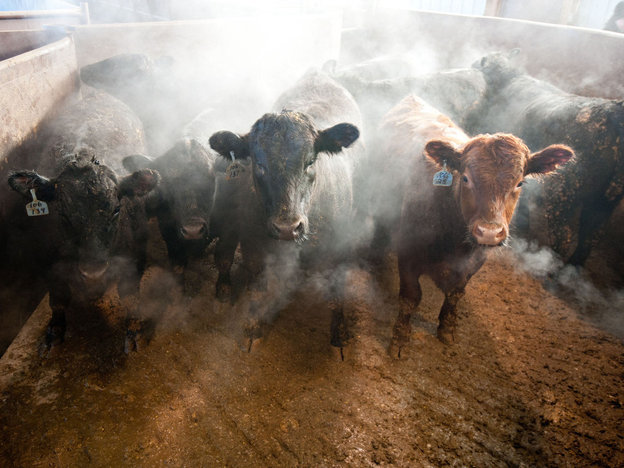
"caption": "Beef cattle stand in a barn on the Larson Farms feedlot in Maple Park, Ill. Photo: Daniel Acker/Landov",
"description": null,
"title": "cattle - 640",
"credit": null,
"status": "inherit",
"isLoading": false,
"fetchFailed": false
},
"bayareabites_68598": {
"type": "attachments",
"id": "bayareabites_68598",
"meta": {
"index": "attachments_1716263798",
"site": "bayareabites",
"id": "68598",
"found": true
},
"parent": 68592,
"imgSizes": {
"kqedFullSize": {
"file": "https://ww2.kqed.org/app/uploads/sites/24/2013/08/ramen-640.jpg",
"width": 624,
"height": 468
}
},
"publishDate": 1377015851,
"modified": 1377015851,
"caption": "A child eats instant noodles on a train at the Harbin Railway Station in northeast China. Photo: WANG JIANWEI/Xinhua /Landov",
"description": null,
"title": "ramen - 640",
"credit": null,
"status": "inherit",
"isLoading": false,
"fetchFailed": false
},
"bayareabites_68556": {
"type": "attachments",
"id": "bayareabites_68556",
"meta": {
"index": "attachments_1716263798",
"site": "bayareabites",
"id": "68556",
"found": true
},
"parent": 68550,
"imgSizes": {
"kqedFullSize": {
"file": "https://ww2.kqed.org/app/uploads/sites/24/2013/08/avocado-640.jpg",
"width": 624,
"height": 467
}
},
"publishDate": 1376942647,
"modified": 1376942647,
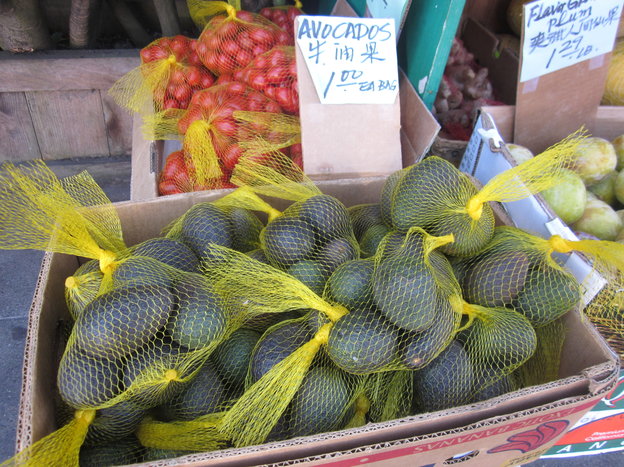
"caption": "We found lots of avocados being sold six or 10 to a $1 bag in the San Francisco area. Some weighed less than three ounces. Photo: Alistair Bland/NPR",
"description": null,
"title": "avocado-640",
"credit": null,
"status": "inherit",
"isLoading": false,
"fetchFailed": false
},
"bayareabites_68401": {
"type": "attachments",
"id": "bayareabites_68401",
"meta": {
"index": "attachments_1716263798",
"site": "bayareabites",
"id": "68401",
"found": true
},
"parent": 68395,
"imgSizes": {
"kqedFullSize": {
"file": "https://ww2.kqed.org/app/uploads/sites/24/2013/08/blueberry-640.jpg",
"width": 624,
"height": 467
}
},
"publishDate": 1376719154,
"modified": 1376719154,
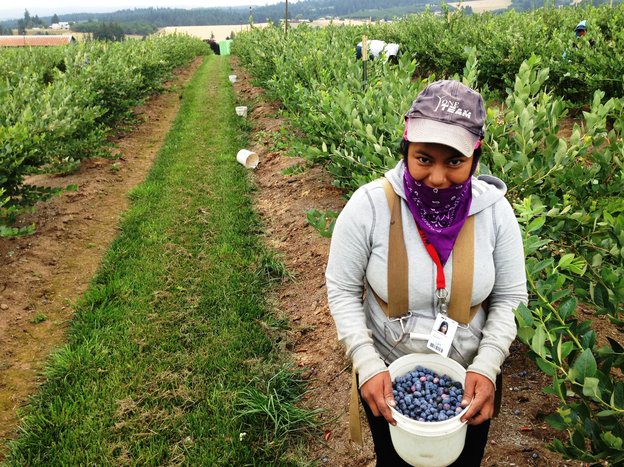
"caption": "Picker Erika Nicolas Garcia, 18, fills her pail at a blueberry farm near Hillsboro, Ore. Photo: Anna King/Northwest Public Radio",
"description": null,
"title": "blueberry - 640",
"credit": null,
"status": "inherit",
"isLoading": false,
"fetchFailed": false
}
},
"audioPlayerReducer": {
"postId": "stream_live",
"isPaused": true,
"isPlaying": false,
"pfsActive": false,
"pledgeModalIsOpen": true,
"playerDrawerIsOpen": false,
"liveAudioPlayStartedAt": 0,
"liveAudioPlayContext": ""
},
"authorsReducer": {
"byline_bayareabites_70626": {
"type": "authors",
"id": "byline_bayareabites_70626",
"meta": {
"override": true
},
"slug": "byline_bayareabites_70626",
"name": "Scott Neuman",
"isLoading": false
},
"byline_bayareabites_70552": {
"type": "authors",
"id": "byline_bayareabites_70552",
"meta": {
"override": true
},
"slug": "byline_bayareabites_70552",
"name": "Tamara Keith",
"isLoading": false
},
"byline_bayareabites_70362": {
"type": "authors",
"id": "byline_bayareabites_70362",
"meta": {
"override": true
},
"slug": "byline_bayareabites_70362",
"name": "Dan Charles",
"isLoading": false
},
"byline_bayareabites_69924": {
"type": "authors",
"id": "byline_bayareabites_69924",
"meta": {
"override": true
},
"slug": "byline_bayareabites_69924",
"name": "Eliza Barclay",
"isLoading": false
},
"byline_bayareabites_69240": {
"type": "authors",
"id": "byline_bayareabites_69240",
"meta": {
"override": true
},
"slug": "byline_bayareabites_69240",
"name": "Elise Hu",
"isLoading": false
},
"byline_bayareabites_69039": {
"type": "authors",
"id": "byline_bayareabites_69039",
"meta": {
"override": true
},
"slug": "byline_bayareabites_69039",
"name": "Jennifer Ludden",
"isLoading": false
},
"byline_bayareabites_69050": {
"type": "authors",
"id": "byline_bayareabites_69050",
"meta": {
"override": true
},
"slug": "byline_bayareabites_69050",
"name": "Mark Memmott",
"isLoading": false
},
"byline_bayareabites_68686": {
"type": "authors",
"id": "byline_bayareabites_68686",
"meta": {
"override": true
},
"slug": "byline_bayareabites_68686",
"name": "Luke Runyon",
"isLoading": false
},
"byline_bayareabites_68677": {
"type": "authors",
"id": "byline_bayareabites_68677",
"meta": {
"override": true
},
"slug": "byline_bayareabites_68677",
"name": "Dan Charles",
"isLoading": false
},
"byline_bayareabites_68592": {
"type": "authors",
"id": "byline_bayareabites_68592",
"meta": {
"override": true
},
"slug": "byline_bayareabites_68592",
"name": "Eliza Barclay",
"isLoading": false
},
"byline_bayareabites_68550": {
"type": "authors",
"id": "byline_bayareabites_68550",
"meta": {
"override": true
},
"slug": "byline_bayareabites_68550",
"name": "Alastair Bland",
"isLoading": false
},
"byline_bayareabites_68395": {
"type": "authors",
"id": "byline_bayareabites_68395",
"meta": {
"override": true
},
"slug": "byline_bayareabites_68395",
"name": "Anna King",
"isLoading": false
}
},
"pagesReducer": {
"bayareabites_category_economy-and-food-costs": {
"type": "terms",
"id": "bayareabites_1962",
"meta": {
"index": "terms_1716263798",
"site": "bayareabites",
"id": "1962",
"score": 13.896381
},
"featImg": null,
"name": "economy and food costs",
"description": null,
"taxonomy": "category",
"headData": {
"twImgId": null,
"twTitle": null,
"ogTitle": null,
"ogImgId": null,
"twDescription": null,
"description": null,
"title": "economy and food costs Archives | KQED Bay Area Bites",
"ogDescription": null
},
"ttid": 1488,
"slug": "economy-and-food-costs",
"isLoading": false,
"title": "economy and food costs",
"pageMeta": {
"site": "bayareabites",
"WpPageTemplate": "page-topic-editorial",
"currentPage": 16
},
"blocks": [
{
"blockName": "kqed/post-list",
"attrs": {
"layout": "cardArticle2",
"query": "posts/bayareabites?category=economy-and-food-costs",
"seeMore": false,
"paginated": true,
"page": 16
}
},
{
"blockName": "kqed/ad"
}
]
}
},
"pfsSessionReducer": {},
"postsReducer": {
"stream_live": {
"type": "live",
"id": "stream_live",
"audioUrl": "https://streams.kqed.org/kqedradio",
"title": "Live Stream",
"excerpt": "Live Stream information currently unavailable.",
"link": "/radio",
"featImg": "",
"label": {
"name": "KQED Live",
"link": "/"
}
},
"stream_kqedNewscast": {
"type": "posts",
"id": "stream_kqedNewscast",
"audioUrl": "https://www.kqed.org/.stream/anon/radio/RDnews/newscast.mp3?_=1",
"title": "KQED Newscast",
"featImg": "",
"label": {
"name": "88.5 FM",
"link": "/"
}
},
"bayareabites_70626": {
"type": "posts",
"id": "bayareabites_70626",
"meta": {
"index": "posts_1716263798",
"site": "bayareabites",
"id": "70626",
"score": null,
"sort": [
1379634732000
]
},
"parent": 0,
"labelTerm": {
"site": "bayareabites"
},
"blocks": [],
"publishDate": 1379634732,
"format": "aside",
"disqusTitle": "House Votes To Slash $40 Billion From Food Stamp Program",
"title": "House Votes To Slash $40 Billion From Food Stamp Program",
"headTitle": "Bay Area Bites | KQED Food",
"content": "\u003cfigure id=\"attachment_70634\" class=\"wp-caption aligncenter\" style=\"max-width: 624px\">\u003ca href=\"http://ww2.kqed.org/bayareabites/wp-content/uploads/sites/24/2013/09/foodstamps.jpg\">\u003cimg src=\"http://ww2.kqed.org/bayareabites/wp-content/uploads/sites/24/2013/09/foodstamps.jpg\" alt=\"A woman and her daughter shops for groceries New York City's Union Square using Electronic Benefits Transfer (EBT), more commonly known as Food Stamps, on Wednesday. Photo: Andrew Burton/Getty Images\" width=\"624\" height=\"467\" class=\"size-full wp-image-70634\">\u003c/a>\u003cfigcaption class=\"wp-caption-text\">A woman and her daughter shops for groceries New York City's Union Square using Electronic Benefits Transfer (EBT), more commonly known as Food Stamps, on Wednesday. Photo: Andrew Burton/Getty Images\u003c/figcaption>\u003c/figure>\n\u003cp>Post by \u003ca href=\"http://www.npr.org/people/131724812/scott-neuman\">Scott Neuman\u003c/a>, \u003ca href=\"http://www.npr.org/blogs/thetwo-way/2013/09/19/224201716/house-gop-lawmakers-vote-to-cut-food-stamps\">The Two-Way at NPR News\u003c/a> (9/19/13)\u003c/p>\n\u003cp>The Republican-controlled House of Representatives voted Thursday to slash $40 billion from the federal food stamp program.\u003c/p>\n\u003cp>GOP lawmakers cited what they said was widespread abuse of the program, formally known as the Supplemental Nutrition Assistance Program, or SNAP, which is intended to help poor individuals and families buy groceries.\u003c/p>\n\u003cp>The vote to cut food stamps came on a party line vote of 217-200.\u003c/p>\n\u003cp>\"It's wrong for working, middle-class people to pay\" for abuse of the program, House Majority Leader Eric Cantor said.\u003c/p>\n\u003cp>[ad fullwidth]\u003c/p>\n\u003cp>Democrats cited Congressional Budget Office estimates that it would deprive 4 million needy people of SNAP benefits in 2014. The $40 billion cut — $4 billion a year over the next decade — amounts to about 5 percent of the total program cost.\u003c/p>\n\u003cp>According to \u003ca href=\"http://www.nytimes.com/2013/09/19/us/politics/anti-hunger-advocates-put-pressure-on-lawmakers-over-food-stamp-bill.html\">The New York Times\u003c/a>:\u003c/p>\n\u003cblockquote>\n\u003cp>\"The bill would also cut off food aid after three months to recipients between the ages of 18 and 50 if they cannot find work or enroll in a job placement program. Exceptions would be granted for those with children who are still minors.\"\u003c/p>\n\u003c/blockquote>\n\u003cp>SNAP has traditionally been part of a larger, omnibus farm bill, but in July, House Republicans split food stamps from the rest of the agricultural measure.\u003c/p>\n\u003cp>One in 7 Americans uses food stamps, according to The Associated Press. \u003ca href=\"http://ww2.kqed.org/bayareabites/2013/09/18/house-bill-would-cut-3-8-million-people-from-food-stamp-rolls/\">As NPR's Tamara Keith reported\u003c/a> on Wednesday, it's not clear how rampant abuse in the system is, but \"the vast majority of SNAP recipients either work or are children, disabled or elderly.\"\u003c/p>\n\u003cp>The White House, in a statement, chided lawmakers for cutting \"one of our nation's strongest defenses against hunger and poverty.\"\u003c/p>\n\u003cp>\"These cuts would affect a broad array of Americans who are struggling to make ends meet, including working families with children, senior citizens, veterans, and adults who are still looking for work,\" the statement said.\u003c/p>\n\u003cp>Senator Debbie Stabenow, Democrat of Michigan and the chairwoman of the Senate Agriculture Committee, said Wednesday that the House bill \"will never see the light of day in the Senate.\" \u003c/p>\n\u003cp>\u003c/p>\n\u003cp>\u003cem>Copyright 2013 \u003ca href=\"http://www.npr.org/\">NPR\u003c/a>.\u003c/em> \u003c/p>\n\n",
"disqusIdentifier": "70626 http://blogs.kqed.org/bayareabites/?p=70626",
"disqusUrl": "https://ww2.kqed.org/bayareabites/2013/09/19/house-votes-to-slash-40-billion-from-food-stamp-program/",
"stats": {
"hasVideo": false,
"hasChartOrMap": false,
"hasAudio": false,
"hasPolis": false,
"wordCount": 388,
"hasGoogleForm": false,
"hasGallery": false,
"hasHearkenModule": false,
"iframeSrcs": [],
"paragraphCount": 16
},
"modified": 1379634732,
"excerpt": "The bill would cut funding for the program over the next 10 years and affect an estimated 4 million Americans. The measure, passed narrowly along party lines, is not expected to pass the Senate.",
"headData": {
"twImgId": "",
"twTitle": "",
"ogTitle": "",
"ogImgId": "",
"twDescription": "",
"description": "The bill would cut funding for the program over the next 10 years and affect an estimated 4 million Americans. The measure, passed narrowly along party lines, is not expected to pass the Senate.",
"title": "House Votes To Slash $40 Billion From Food Stamp Program | KQED",
"ogDescription": "",
"schema": {
"@context": "https://schema.org",
"@type": "Article",
"headline": "House Votes To Slash $40 Billion From Food Stamp Program",
"datePublished": "2013-09-19T16:52:12-07:00",
"dateModified": "2013-09-19T16:52:12-07:00",
"image": "https://cdn.kqed.org/wp-content/uploads/2020/02/KQED-OG-Image@1x.png"
}
},
"guestAuthors": [],
"slug": "house-votes-to-slash-40-billion-from-food-stamp-program",
"status": "publish",
"nprApiLink": "http://api.npr.org/query?id=224201716&apiKey=MDAxOTAwOTE4MDEyMTkxMDAzNjczZDljZA004",
"nprByline": "Scott Neuman",
"nprStoryDate": "Thu, 19 Sep 2013 19:03:00 -0400",
"nprLastModifiedDate": "Thu, 19 Sep 2013 19:12:58 -0400",
"nprHtmlLink": "http://www.npr.org/blogs/thetwo-way/2013/09/19/224201716/house-gop-lawmakers-vote-to-cut-food-stamps?ft=3&f=224201716",
"nprStoryId": "224201716",
"nprRetrievedStory": "1",
"nprPubDate": "Thu, 19 Sep 2013 19:12:00 -0400",
"path": "/bayareabites/70626/house-votes-to-slash-40-billion-from-food-stamp-program",
"audioTrackLength": null,
"parsedContent": [
{
"type": "contentString",
"content": "\u003cdiv class=\"post-body\">\u003cp>\u003cfigure id=\"attachment_70634\" class=\"wp-caption aligncenter\" style=\"max-width: 624px\">\u003ca href=\"http://ww2.kqed.org/bayareabites/wp-content/uploads/sites/24/2013/09/foodstamps.jpg\">\u003cimg src=\"http://ww2.kqed.org/bayareabites/wp-content/uploads/sites/24/2013/09/foodstamps.jpg\" alt=\"A woman and her daughter shops for groceries New York City's Union Square using Electronic Benefits Transfer (EBT), more commonly known as Food Stamps, on Wednesday. Photo: Andrew Burton/Getty Images\" width=\"624\" height=\"467\" class=\"size-full wp-image-70634\">\u003c/a>\u003cfigcaption class=\"wp-caption-text\">A woman and her daughter shops for groceries New York City's Union Square using Electronic Benefits Transfer (EBT), more commonly known as Food Stamps, on Wednesday. Photo: Andrew Burton/Getty Images\u003c/figcaption>\u003c/figure>\n\u003cp>Post by \u003ca href=\"http://www.npr.org/people/131724812/scott-neuman\">Scott Neuman\u003c/a>, \u003ca href=\"http://www.npr.org/blogs/thetwo-way/2013/09/19/224201716/house-gop-lawmakers-vote-to-cut-food-stamps\">The Two-Way at NPR News\u003c/a> (9/19/13)\u003c/p>\n\u003cp>The Republican-controlled House of Representatives voted Thursday to slash $40 billion from the federal food stamp program.\u003c/p>\n\u003cp>GOP lawmakers cited what they said was widespread abuse of the program, formally known as the Supplemental Nutrition Assistance Program, or SNAP, which is intended to help poor individuals and families buy groceries.\u003c/p>\n\u003cp>The vote to cut food stamps came on a party line vote of 217-200.\u003c/p>\n\u003cp>\"It's wrong for working, middle-class people to pay\" for abuse of the program, House Majority Leader Eric Cantor said.\u003c/p>\n\u003cp>\u003c/p>\u003c/div>",
"attributes": {
"named": {},
"numeric": []
}
},
{
"type": "component",
"content": "",
"name": "ad",
"attributes": {
"named": {
"label": "fullwidth"
},
"numeric": [
"fullwidth"
]
}
},
{
"type": "contentString",
"content": "\u003cdiv class=\"post-body\">\u003cp>\u003c/p>\n\u003cp>Democrats cited Congressional Budget Office estimates that it would deprive 4 million needy people of SNAP benefits in 2014. The $40 billion cut — $4 billion a year over the next decade — amounts to about 5 percent of the total program cost.\u003c/p>\n\u003cp>According to \u003ca href=\"http://www.nytimes.com/2013/09/19/us/politics/anti-hunger-advocates-put-pressure-on-lawmakers-over-food-stamp-bill.html\">The New York Times\u003c/a>:\u003c/p>\n\u003cblockquote>\n\u003cp>\"The bill would also cut off food aid after three months to recipients between the ages of 18 and 50 if they cannot find work or enroll in a job placement program. Exceptions would be granted for those with children who are still minors.\"\u003c/p>\n\u003c/blockquote>\n\u003cp>SNAP has traditionally been part of a larger, omnibus farm bill, but in July, House Republicans split food stamps from the rest of the agricultural measure.\u003c/p>\n\u003cp>One in 7 Americans uses food stamps, according to The Associated Press. \u003ca href=\"http://ww2.kqed.org/bayareabites/2013/09/18/house-bill-would-cut-3-8-million-people-from-food-stamp-rolls/\">As NPR's Tamara Keith reported\u003c/a> on Wednesday, it's not clear how rampant abuse in the system is, but \"the vast majority of SNAP recipients either work or are children, disabled or elderly.\"\u003c/p>\n\u003cp>The White House, in a statement, chided lawmakers for cutting \"one of our nation's strongest defenses against hunger and poverty.\"\u003c/p>\n\u003cp>\"These cuts would affect a broad array of Americans who are struggling to make ends meet, including working families with children, senior citizens, veterans, and adults who are still looking for work,\" the statement said.\u003c/p>\n\u003cp>Senator Debbie Stabenow, Democrat of Michigan and the chairwoman of the Senate Agriculture Committee, said Wednesday that the House bill \"will never see the light of day in the Senate.\" \u003c/p>\n\u003cp>\u003c/p>\n\u003cp>\u003cem>Copyright 2013 \u003ca href=\"http://www.npr.org/\">NPR\u003c/a>.\u003c/em> \u003c/p>\n\n\u003c/div>\u003c/p>",
"attributes": {
"named": {},
"numeric": []
}
}
],
"link": "/bayareabites/70626/house-votes-to-slash-40-billion-from-food-stamp-program",
"authors": [
"byline_bayareabites_70626"
],
"categories": [
"bayareabites_1962",
"bayareabites_3032",
"bayareabites_1245",
"bayareabites_10916",
"bayareabites_2035"
],
"tags": [
"bayareabites_12431",
"bayareabites_10011",
"bayareabites_11838",
"bayareabites_12430",
"bayareabites_11465"
],
"featImg": "bayareabites_70634",
"label": "bayareabites"
},
"bayareabites_70552": {
"type": "posts",
"id": "bayareabites_70552",
"meta": {
"index": "posts_1716263798",
"site": "bayareabites",
"id": "70552",
"score": null,
"sort": [
1379559435000
]
},
"parent": 0,
"labelTerm": {
"site": "bayareabites"
},
"blocks": [],
"publishDate": 1379559435,
"format": "aside",
"disqusTitle": "House Bill Would Cut 3.8 Million People From Food Stamp Rolls",
"title": "House Bill Would Cut 3.8 Million People From Food Stamp Rolls",
"headTitle": "Bay Area Bites | KQED Food",
"content": "\u003cfigure id=\"attachment_70560\" class=\"wp-caption aligncenter\" style=\"max-width: 624px\">\u003ca href=\"http://ww2.kqed.org/bayareabites/wp-content/uploads/sites/24/2013/09/groceryaisle.jpg\">\u003cimg src=\"http://ww2.kqed.org/bayareabites/wp-content/uploads/sites/24/2013/09/groceryaisle.jpg\" alt=\"Advocates for the poor say the proposed cuts to the food stamp program — $40 billion over 10 years — don't make sense at a time when unemployment remains high. Photo: iStockphoto.com\" width=\"624\" height=\"351\" class=\"size-full wp-image-70560\">\u003c/a>\u003cfigcaption class=\"wp-caption-text\">Advocates for the poor say the proposed cuts to the food stamp program — $40 billion over 10 years — don't make sense at a time when unemployment remains high. Photo: iStockphoto.com\u003c/figcaption>\u003c/figure>\n\u003cp>\u003cstrong>Listen to the Story\u003c/strong> on \u003ca href=\"http://www.npr.org/blogs/thesalt/2013/09/18/223627228/house-bill-would-cut-40-billion-from-food-stamp-program\">Morning Edition\u003c/a> [audio src=\"http://pd.npr.org/anon.npr-mp3/npr/me/2013/09/20130918_me_06.mp3\"] \u003c/p>\n\u003cp>Post by \u003ca href=\"http://www.npr.org/people/122805042/tamara-keith\">Tamara Keith\u003c/a>, \u003ca href=\"http://www.npr.org/blogs/thesalt/2013/09/18/223627228/house-bill-would-cut-40-billion-from-food-stamp-program\">The Salt at NPR Food\u003c/a> (9/18/13)\u003c/p>\n\u003cp>The House of Representatives is expected to take up a bill Thursday that would chart the course for federal nutrition programs for years to come.\u003c/p>\n\u003cp>The measure calls for $40 billion in cuts over a decade to the federal food stamp program, now known as SNAP. The measure's Republican backers say it attacks fraud, but advocates say it will hurt the poor.\u003c/p>\n\u003cp>Food stamps have traditionally been part of the farm bill, but in July, House leaders were forced to strip the program out of that bill because fiscal conservatives said its $20 billion in cuts over 10 years didn't go far enough.\u003c/p>\n\u003cp>[ad fullwidth]\u003c/p>\n\u003cp>\"We should reform the food stamp program so we can get the aid to those who need it most in their hour of need, without the kind of rampant waste and abuse that you see,\" said Rep. Tom Cotton, a Republican from Arkansas.\u003c/p>\n\u003cp>It's not clear that waste and abuse really is all that rampant, but when House Republicans talk about the problem, they are most likely thinking of Jason Greenslate.\u003c/p>\n\u003cp>Greenslate is an unemployed San Diego surfer dude seen in a \u003ca href=\"http://nation.foxnews.com/2013/08/12/watch-unabashed-surfer-receiving-food-stamps-buy-sushi-and-avoid-work\" target=\"_self\">Fox News report\u003c/a> using his Supplemental Nutrition Assistance Program, or SNAP card, to buy sushi and lobster. The story from correspondent John Roberts was reportedly circulated to GOP lawmakers.\u003c/p>\n\u003cp>The report shows Greenslate heading to the automated checkout counter and paying with his food stamp card. \"Two hundred dollars a month, and you just go like, boom,\" Greenslate says on camera. \"Just like that, all paid for by our wonderful tax dollars.\"\u003c/p>\n\u003cp>In reality, the vast majority of SNAP recipients either work or are children, disabled or elderly. Greenslate is the exception, rather than the rule. He's been described as the new \u003ca href=\"http://query.nytimes.com/gst/abstract.html?res=FA0614FB395910728DDDAC0994DA405B868BF1D3\" target=\"_self\">welfare queen\u003c/a> — a caricature used to push welfare reform in the '80s and '90s.\u003c/p>\n\u003cp>Indeed, House Majority Leader Eric Cantor describes the new House food stamp bill as an extension of welfare reform.\u003c/p>\n\u003cp>\"This legislation restores the intent of the bipartisan welfare reforms adopted in 1996 to the Supplemental Nutrition Assistance Program,\" Cantor has said. \"It also refocuses the program on those who need it most.\"\u003c/p>\n\u003cp>The welfare reform bill said that able-bodied adults without dependents could get only three months of food aid in a three-year period unless they had a job or were in a state job-training program. Since the recession, states have been given waivers so that unemployed adults can keep getting food stamps. The House bill would cut back on those waivers. The Congressional Budget Office estimates that 1.7 million people would lose SNAP benefits as a result. The lobster-buying surfer falls into that category — but so does 22-year-old Courtney Williams.\u003c/p>\n\u003cp>\"If they were to cut my SNAP off, I wouldn't have any food,\" Williams says. He lives in Little Rock, Ark., and says he gets $82 a month in SNAP benefits. By the middle of the month, he's at food banks.\u003c/p>\n\u003cp>At one such food bank, run by a church out of a strip mall in what used to be a Wal-Mart, Williams gratefully grabs a large container of frozen chicken Marsala from a volunteer. He adds it to a box with produce, milk and bread.\u003c/p>\n\u003cp>This is how he gets by. Williams has had two brain surgeries, and his symptoms are back, affecting his speech. He says he's been looking for work for five months.\u003c/p>\n\u003cp>\"Every day, I jump on the bus and put in a job application, I call. But, for the time being, SNAP has helped me out with some food until I do get a job,\" he says.\u003c/p>\n\u003cp>For advocates like Brett Kincaid, the outreach director at \u003ca href=\"http://www.aradvocates.org/\" target=\"_self\">Arkansas Advocates for Children and Families\u003c/a>, the cuts proposed by the House bill just don't make sense. Kincaid says unemployment remains high, and when jobs are hard to come by, SNAP is even more important.\u003c/p>\n\u003cp>\"The problem is people are hungry,\" he says. \"You can make the argument that they can go out and sustain themselves, and they should be able to find work. And in a perfect world, we would agree with that. But the world is imperfect, and if the jobs aren't there, the jobs aren't there.\"\u003c/p>\n\u003cp>\u003c/p>\n\u003cp>In total, the Congressional Budget Office estimates that under the House bill, 3.8 million people would lose SNAP benefits in 2014. Others would see their benefits cut. And this is on top of a significant reduction already set to begin in November.\u003cbr>\n\u003cem>\u003cbr>\nCopyright 2013 \u003ca href=\"http://www.npr.org/\">NPR\u003c/a>.\u003c/em> \u003c/p>\n\n",
"disqusIdentifier": "70552 http://blogs.kqed.org/bayareabites/?p=70552",
"disqusUrl": "https://ww2.kqed.org/bayareabites/2013/09/18/house-bill-would-cut-3-8-million-people-from-food-stamp-rolls/",
"stats": {
"hasVideo": false,
"hasChartOrMap": false,
"hasAudio": true,
"hasPolis": false,
"wordCount": 828,
"hasGoogleForm": false,
"hasGallery": false,
"hasHearkenModule": false,
"iframeSrcs": [],
"paragraphCount": 22
},
"modified": 1379559435,
"excerpt": "The measure would cut $40 billion from the federal SNAP program over 10 years. Republicans who back the cuts say they attack fraud. In reality, the vast majority of SNAP recipients either work or are children, disabled or elderly. The House is poised to take up the bill Thursday.",
"headData": {
"twImgId": "",
"twTitle": "",
"ogTitle": "",
"ogImgId": "",
"twDescription": "",
"description": "The measure would cut $40 billion from the federal SNAP program over 10 years. Republicans who back the cuts say they attack fraud. In reality, the vast majority of SNAP recipients either work or are children, disabled or elderly. The House is poised to take up the bill Thursday.",
"title": "House Bill Would Cut 3.8 Million People From Food Stamp Rolls | KQED",
"ogDescription": "",
"schema": {
"@context": "https://schema.org",
"@type": "Article",
"headline": "House Bill Would Cut 3.8 Million People From Food Stamp Rolls",
"datePublished": "2013-09-18T19:57:15-07:00",
"dateModified": "2013-09-18T19:57:15-07:00",
"image": "https://cdn.kqed.org/wp-content/uploads/2020/02/KQED-OG-Image@1x.png"
}
},
"guestAuthors": [],
"slug": "house-bill-would-cut-3-8-million-people-from-food-stamp-rolls",
"status": "publish",
"nprApiLink": "http://api.npr.org/query?id=223627228&apiKey=MDAxOTAwOTE4MDEyMTkxMDAzNjczZDljZA004",
"nprByline": "Tamara Keith",
"nprStoryDate": "Wed, 18 Sep 2013 04:00:00 -0400",
"nprLastModifiedDate": "Wed, 18 Sep 2013 16:44:48 -0400",
"nprHtmlLink": "http://www.npr.org/blogs/thesalt/2013/09/18/223627228/house-bill-would-cut-40-billion-from-food-stamp-program?ft=3&f=223627228",
"nprAudio": "http://pd.npr.org/anon.npr-mp3/npr/me/2013/09/20130918_me_06.mp3?orgId=1&topicId=1014&ft=3&f=223627228",
"nprAudioM3u": "http://api.npr.org/m3u/1223627211-a7ab79.m3u?orgId=1&topicId=1014&ft=3&f=223627228",
"nprStoryId": "223627228",
"nprRetrievedStory": "1",
"nprPubDate": "Wed, 18 Sep 2013 16:44:00 -0400",
"path": "/bayareabites/70552/house-bill-would-cut-3-8-million-people-from-food-stamp-rolls",
"audioUrl": "http://pd.npr.org/anon.npr-mp3/npr/me/2013/09/20130918_me_06.mp3?orgId=1&topicId=1014&ft=3&f=223627228",
"audioDuration": null,
"audioTrackLength": null,
"parsedContent": [
{
"type": "contentString",
"content": "\u003cdiv class=\"post-body\">\u003cp>\u003cfigure id=\"attachment_70560\" class=\"wp-caption aligncenter\" style=\"max-width: 624px\">\u003ca href=\"http://ww2.kqed.org/bayareabites/wp-content/uploads/sites/24/2013/09/groceryaisle.jpg\">\u003cimg src=\"http://ww2.kqed.org/bayareabites/wp-content/uploads/sites/24/2013/09/groceryaisle.jpg\" alt=\"Advocates for the poor say the proposed cuts to the food stamp program — $40 billion over 10 years — don't make sense at a time when unemployment remains high. Photo: iStockphoto.com\" width=\"624\" height=\"351\" class=\"size-full wp-image-70560\">\u003c/a>\u003cfigcaption class=\"wp-caption-text\">Advocates for the poor say the proposed cuts to the food stamp program — $40 billion over 10 years — don't make sense at a time when unemployment remains high. Photo: iStockphoto.com\u003c/figcaption>\u003c/figure>\n\u003cp>\u003cstrong>Listen to the Story\u003c/strong> on \u003ca href=\"http://www.npr.org/blogs/thesalt/2013/09/18/223627228/house-bill-would-cut-40-billion-from-food-stamp-program\">Morning Edition\u003c/a> \u003c/p>\u003c/div>",
"attributes": {
"named": {},
"numeric": []
}
},
{
"type": "component",
"content": "",
"name": "audio",
"attributes": {
"named": {
"src": "http://pd.npr.org/anon.npr-mp3/npr/me/2013/09/20130918_me_06.mp3",
"label": ""
},
"numeric": []
}
},
{
"type": "contentString",
"content": "\u003cdiv class=\"post-body\">\u003cp> \u003c/p>\n\u003cp>Post by \u003ca href=\"http://www.npr.org/people/122805042/tamara-keith\">Tamara Keith\u003c/a>, \u003ca href=\"http://www.npr.org/blogs/thesalt/2013/09/18/223627228/house-bill-would-cut-40-billion-from-food-stamp-program\">The Salt at NPR Food\u003c/a> (9/18/13)\u003c/p>\n\u003cp>The House of Representatives is expected to take up a bill Thursday that would chart the course for federal nutrition programs for years to come.\u003c/p>\n\u003cp>The measure calls for $40 billion in cuts over a decade to the federal food stamp program, now known as SNAP. The measure's Republican backers say it attacks fraud, but advocates say it will hurt the poor.\u003c/p>\n\u003cp>Food stamps have traditionally been part of the farm bill, but in July, House leaders were forced to strip the program out of that bill because fiscal conservatives said its $20 billion in cuts over 10 years didn't go far enough.\u003c/p>\n\u003cp>\u003c/p>\u003c/div>",
"attributes": {
"named": {},
"numeric": []
}
},
{
"type": "component",
"content": "",
"name": "ad",
"attributes": {
"named": {
"label": "fullwidth"
},
"numeric": [
"fullwidth"
]
}
},
{
"type": "contentString",
"content": "\u003cdiv class=\"post-body\">\u003cp>\u003c/p>\n\u003cp>\"We should reform the food stamp program so we can get the aid to those who need it most in their hour of need, without the kind of rampant waste and abuse that you see,\" said Rep. Tom Cotton, a Republican from Arkansas.\u003c/p>\n\u003cp>It's not clear that waste and abuse really is all that rampant, but when House Republicans talk about the problem, they are most likely thinking of Jason Greenslate.\u003c/p>\n\u003cp>Greenslate is an unemployed San Diego surfer dude seen in a \u003ca href=\"http://nation.foxnews.com/2013/08/12/watch-unabashed-surfer-receiving-food-stamps-buy-sushi-and-avoid-work\" target=\"_self\">Fox News report\u003c/a> using his Supplemental Nutrition Assistance Program, or SNAP card, to buy sushi and lobster. The story from correspondent John Roberts was reportedly circulated to GOP lawmakers.\u003c/p>\n\u003cp>The report shows Greenslate heading to the automated checkout counter and paying with his food stamp card. \"Two hundred dollars a month, and you just go like, boom,\" Greenslate says on camera. \"Just like that, all paid for by our wonderful tax dollars.\"\u003c/p>\n\u003cp>In reality, the vast majority of SNAP recipients either work or are children, disabled or elderly. Greenslate is the exception, rather than the rule. He's been described as the new \u003ca href=\"http://query.nytimes.com/gst/abstract.html?res=FA0614FB395910728DDDAC0994DA405B868BF1D3\" target=\"_self\">welfare queen\u003c/a> — a caricature used to push welfare reform in the '80s and '90s.\u003c/p>\n\u003cp>Indeed, House Majority Leader Eric Cantor describes the new House food stamp bill as an extension of welfare reform.\u003c/p>\n\u003cp>\"This legislation restores the intent of the bipartisan welfare reforms adopted in 1996 to the Supplemental Nutrition Assistance Program,\" Cantor has said. \"It also refocuses the program on those who need it most.\"\u003c/p>\n\u003cp>The welfare reform bill said that able-bodied adults without dependents could get only three months of food aid in a three-year period unless they had a job or were in a state job-training program. Since the recession, states have been given waivers so that unemployed adults can keep getting food stamps. The House bill would cut back on those waivers. The Congressional Budget Office estimates that 1.7 million people would lose SNAP benefits as a result. The lobster-buying surfer falls into that category — but so does 22-year-old Courtney Williams.\u003c/p>\n\u003cp>\"If they were to cut my SNAP off, I wouldn't have any food,\" Williams says. He lives in Little Rock, Ark., and says he gets $82 a month in SNAP benefits. By the middle of the month, he's at food banks.\u003c/p>\n\u003cp>At one such food bank, run by a church out of a strip mall in what used to be a Wal-Mart, Williams gratefully grabs a large container of frozen chicken Marsala from a volunteer. He adds it to a box with produce, milk and bread.\u003c/p>\n\u003cp>This is how he gets by. Williams has had two brain surgeries, and his symptoms are back, affecting his speech. He says he's been looking for work for five months.\u003c/p>\n\u003cp>\"Every day, I jump on the bus and put in a job application, I call. But, for the time being, SNAP has helped me out with some food until I do get a job,\" he says.\u003c/p>\n\u003cp>For advocates like Brett Kincaid, the outreach director at \u003ca href=\"http://www.aradvocates.org/\" target=\"_self\">Arkansas Advocates for Children and Families\u003c/a>, the cuts proposed by the House bill just don't make sense. Kincaid says unemployment remains high, and when jobs are hard to come by, SNAP is even more important.\u003c/p>\n\u003cp>\"The problem is people are hungry,\" he says. \"You can make the argument that they can go out and sustain themselves, and they should be able to find work. And in a perfect world, we would agree with that. But the world is imperfect, and if the jobs aren't there, the jobs aren't there.\"\u003c/p>\n\u003cp>\u003c/p>\n\u003cp>In total, the Congressional Budget Office estimates that under the House bill, 3.8 million people would lose SNAP benefits in 2014. Others would see their benefits cut. And this is on top of a significant reduction already set to begin in November.\u003cbr>\n\u003cem>\u003cbr>\nCopyright 2013 \u003ca href=\"http://www.npr.org/\">NPR\u003c/a>.\u003c/em> \u003c/p>\n\n\u003c/div>\u003c/p>",
"attributes": {
"named": {},
"numeric": []
}
}
],
"link": "/bayareabites/70552/house-bill-would-cut-3-8-million-people-from-food-stamp-rolls",
"authors": [
"byline_bayareabites_70552"
],
"categories": [
"bayareabites_1962",
"bayareabites_1245",
"bayareabites_10916",
"bayareabites_2035",
"bayareabites_34"
],
"tags": [
"bayareabites_10011",
"bayareabites_12426",
"bayareabites_11876",
"bayareabites_11838",
"bayareabites_575",
"bayareabites_10921"
],
"featImg": "bayareabites_70560",
"label": "bayareabites"
},
"bayareabites_70362": {
"type": "posts",
"id": "bayareabites_70362",
"meta": {
"index": "posts_1716263798",
"site": "bayareabites",
"id": "70362",
"score": null,
"sort": [
1379430501000
]
},
"parent": 0,
"labelTerm": {
"site": "bayareabites"
},
"blocks": [],
"publishDate": 1379430501,
"format": "aside",
"disqusTitle": "American Farmers Say They Feed The World, But Do They?",
"title": "American Farmers Say They Feed The World, But Do They?",
"headTitle": "Bay Area Bites | KQED Food",
"content": "\u003cfigure id=\"attachment_70369\" class=\"wp-caption aligncenter\" style=\"max-width: 624px\">\u003ca href=\"http://ww2.kqed.org/bayareabites/wp-content/uploads/sites/24/2013/09/cornfield.jpg\">\u003cimg src=\"http://ww2.kqed.org/bayareabites/wp-content/uploads/sites/24/2013/09/cornfield.jpg\" alt=\"A corn field is shrouded in mist at sunrise in rural Springfield, Neb. Photo: Nati Harnik/AP\" width=\"624\" height=\"350\" class=\"size-full wp-image-70369\">\u003c/a>\u003cfigcaption class=\"wp-caption-text\">A corn field is shrouded in mist at sunrise in rural Springfield, Neb. Photo: Nati Harnik/AP\u003c/figcaption>\u003c/figure>\n\u003cp>\u003cstrong>Listen to the Story\u003c/strong> on \u003ca href=\"http://www.npr.org/blogs/thesalt/2013/09/17/221376803/american-farmers-say-they-feed-the-world-but-do-they\">Morning Edition\u003c/a> [audio src=\"http://pd.npr.org/anon.npr-mp3/npr/me/2013/09/20130917_me_09.mp3\"] \u003c/p>\n\u003cp>Post by \u003ca href=\"http://www.npr.org/people/143160021/daniel-charles\">Dan Charles\u003c/a>, \u003ca href=\"http://www.npr.org/blogs/thesalt/2013/09/17/221376803/american-farmers-say-they-feed-the-world-but-do-they\">The Salt at NPR Food\u003c/a> (9/17/13)\u003c/p>\n\u003cp>When critics of industrial agriculture complain that today's food production is too big and too dependent on pesticides, that it damages the environment and delivers mediocre food, there's a line that farmers offer in response: We're feeding the world.\u003c/p>\n\u003cp>It's high-tech agriculture's claim to the moral high ground. Farmers say they farm the way they do to produce food as efficiently as possible to feed the world.\u003c/p>\n\u003cp>\u003ca href=\"http://www.foodintegrity.org/about-us/leadership\">Charlie Arnot\u003c/a>, a former public relations executive for food and farming companies, now CEO of the Center for Food Integrity, says it's more than just a debating point. \"U.S. farmers have a tremendous sense of pride in the fact that they've been able to help feed the world,\" he says.\u003c/p>\n\u003cp>[ad fullwidth]\u003c/p>\n\u003cp>That phrase showed up, for instance, a few weeks ago, at a big farm convention in Decatur, Ill. The seed and chemical company DuPont set up a \u003ca href=\"https://www.facebook.com/media/set/?set=a.626853994021873.1073741836.138324096208201&type=1\">wall\u003c/a> with a question printed at the top in big capital letters: \"How are you making a difference to feed the world?\"\u003c/p>\n\u003cp>The company invited people to answer that question, and thousands of them did. They wrote things like \"\u003ca href=\"https://www.facebook.com/photo.php?fbid=626854237355182&set=a.626853994021873.1073741836.138324096208201&type=3&theater\">raising cattle\u003c/a>,\" \"\u003ca href=\"https://www.facebook.com/photo.php?fbid=626854367355169&set=a.626853994021873.1073741836.138324096208201&type=3&theater\">growing corn and beans\u003c/a>,\" \"\u003ca href=\"https://www.facebook.com/photo.php?fbid=626854367355169&set=a.626853994021873.1073741836.138324096208201&type=3&theater\">plant as much as possible\u003c/a>.\"\u003c/p>\n\u003cp>\u003ca href=\"http://www.youtube.com/watch?v=IXcVYp88-1Q\">Kip Tom\u003c/a>, who \u003ca href=\"http://www.tomfarms.com/\">grows\u003c/a> corn and soybeans on thousands of acres of Indiana farmland, says he's very aware of the fact that the world has more and more people, demanding more food. Yet there are fewer and fewer farmers, \"and it's the duty of those of us who are left in the business, us family farmers, to help feed that world.\"\u003c/p>\n\u003cp>That means growing more food per acre, he says, which requires new and better technology: genetically engineered seed, for instance, or \u003ca href=\"http://ww2.kqed.org/bayareabites/2013/07/09/as-biotech-seed-falters-insecticide-use-surges-in-corn-belt/\">pesticides\u003c/a>.\u003c/p>\n\u003cp>And this is why the words \"feed the world\" grate on the nerves of people who believe that large-scale, technology-driven agriculture is bad for the environment and often bad for people.\u003c/p>\n\u003cp>Margaret Mellon, a scientist with the environmental advocacy group Union of Concerned Scientists, recently wrote an \u003ca href=\"http://blog.ucsusa.org/lets-drop-feed-the-world-a-plea-to-move-beyond-an-unhelpful-phrase-229\">essay\u003c/a> in which she confessed to developing an allergy to that phrase. \"If there's a controversy, the show-stopper is supposed to be, 'We have to use pesticides, or we won't be able to feed the world!'\" she says.\u003c/p>\n\u003cp>Mellon says it's time to set that idea aside. It doesn't answer the concerns that people have about modern agriculture — and it's not even true.\u003c/p>\n\u003cp>American-style farming doesn't really grow food for hungry people, she says. Forty percent of the biggest crop — corn — goes into fuel for cars. Most of the second-biggest crop — soybeans — is fed to animals.\u003c/p>\n\u003cp>Growing more grain isn't the solution to hunger anyway, she says. If you're really trying to solve that problem, there's a long list of other steps that are much more important. \"We need to empower women; we need to raise incomes; we need infrastructure in the developing world; we need the ability to get food to market without spoiling.\"\u003c/p>\n\u003cp>It seemed that this dispute needed a referee. So I called \u003ca href=\"http://dyson.cornell.edu/faculty_sites/cbb2/\">Christopher Barrett\u003c/a>, an economist at Cornell University who studies international agriculture and poverty.\u003c/p>\n\u003cp>\"They're both right,\" he said, chuckling. \"Sometimes the opposite of a truth isn't a falsehood, but another truth, right?\"\u003c/p>\n\u003cp>It's true, he says, that bigger harvests in the U.S. tend to make food more affordable around the world, and \"lower food prices are a good thing for poor people.\"\u003c/p>\n\u003cp>For instance, Chinese pigs are growing fat on cheap soybean meal grown by farmers in the U.S. and Brazil, and that's one reason why hundreds of millions of people in China \u003ca href=\"http://www.npr.org/blogs/thesalt/2011/12/30/144426549/in-china-finding-a-new-way-to-eat-in-times-of-plenty\">are eating much better\u003c/a> than a generation ago. They can afford to buy pork. So American farmers who grow soybeans are justified in saying that they help feed the world.\u003c/p>\n\u003cp>But Margaret Mellon is right, too, Barrett says. The big crops that American farmers send abroad don't provide the vitamins and minerals that billions of people need most. So if the U.S. exports lots of corn, driving down the cost of corn meal, \"it induces poor families to buy lots of corn meal, and to buy less in the way of leafy green vegetables, or milk,\" that have the key nutrients. In this case, you're feeding the world, but not solving the nutrition problems.\u003c/p>\n\u003cp>Arnot, from the Center for Food Integrity, recently did a survey, asking consumers whether they think the U.S. even has a responsibility to provide food to the rest of the world. Only 13 percent of these consumers strongly agreed.\u003c/p>\n\u003cp>In focus groups, many people said that if feeding the world means more industrial-scale farming, they're not comfortable with it.\u003c/p>\n\u003cp>This is not a message farmers like to hear. \"It is a real sense of frustration for farmers that 'feeding the world' is no longer a message that resonates with the American public,\" Arnot says.\u003c/p>\n\u003cp>He tells farm groups that they'll have to find another message. They'll need to show that the way they grow food is consistent with the values of American consumers.\u003c/p>\n\u003cp>\u003c/p>\n\u003cp>\u003cem>Copyright 2013 \u003ca href=\"http://www.npr.org/\">NPR\u003c/a>.\u003c/em> \u003c/p>\n\n",
"disqusIdentifier": "70362 http://blogs.kqed.org/bayareabites/?p=70362",
"disqusUrl": "https://ww2.kqed.org/bayareabites/2013/09/17/american-farmers-say-they-feed-the-world-but-do-they/",
"stats": {
"hasVideo": false,
"hasChartOrMap": false,
"hasAudio": true,
"hasPolis": false,
"wordCount": 920,
"hasGoogleForm": false,
"hasGallery": false,
"hasHearkenModule": false,
"iframeSrcs": [],
"paragraphCount": 26
},
"modified": 1379430501,
"excerpt": "Farmers say they need to produce food as efficiently as possible in order to feed the world. It's high-tech agriculture's claim to the moral high ground in the debate over how best to grow food. But is it true?",
"headData": {
"twImgId": "",
"twTitle": "",
"ogTitle": "",
"ogImgId": "",
"twDescription": "",
"description": "Farmers say they need to produce food as efficiently as possible in order to feed the world. It's high-tech agriculture's claim to the moral high ground in the debate over how best to grow food. But is it true?",
"title": "American Farmers Say They Feed The World, But Do They? | KQED",
"ogDescription": "",
"schema": {
"@context": "https://schema.org",
"@type": "Article",
"headline": "American Farmers Say They Feed The World, But Do They?",
"datePublished": "2013-09-17T08:08:21-07:00",
"dateModified": "2013-09-17T08:08:21-07:00",
"image": "https://cdn.kqed.org/wp-content/uploads/2020/02/KQED-OG-Image@1x.png"
}
},
"guestAuthors": [],
"slug": "american-farmers-say-they-feed-the-world-but-do-they",
"status": "publish",
"nprApiLink": "http://api.npr.org/query?id=221376803&apiKey=MDAxOTAwOTE4MDEyMTkxMDAzNjczZDljZA004",
"nprByline": "Dan Charles",
"nprStoryDate": "Tue, 17 Sep 2013 04:00:00 -0400",
"nprLastModifiedDate": "Tue, 17 Sep 2013 09:38:26 -0400",
"nprHtmlLink": "http://www.npr.org/blogs/thesalt/2013/09/17/221376803/american-farmers-say-they-feed-the-world-but-do-they?ft=3&f=221376803",
"nprAudio": "http://pd.npr.org/anon.npr-mp3/npr/me/2013/09/20130917_me_09.mp3?orgId=1&topicId=1053&ft=3&f=221376803",
"nprAudioM3u": "http://api.npr.org/m3u/1223309072-3ea33b.m3u?orgId=1&topicId=1053&ft=3&f=221376803",
"nprStoryId": "221376803",
"nprRetrievedStory": "1",
"nprPubDate": "Tue, 17 Sep 2013 09:38:00 -0400",
"path": "/bayareabites/70362/american-farmers-say-they-feed-the-world-but-do-they",
"audioUrl": "http://pd.npr.org/anon.npr-mp3/npr/me/2013/09/20130917_me_09.mp3?orgId=1&topicId=1053&ft=3&f=221376803",
"audioDuration": null,
"audioTrackLength": null,
"parsedContent": [
{
"type": "contentString",
"content": "\u003cdiv class=\"post-body\">\u003cp>\u003cfigure id=\"attachment_70369\" class=\"wp-caption aligncenter\" style=\"max-width: 624px\">\u003ca href=\"http://ww2.kqed.org/bayareabites/wp-content/uploads/sites/24/2013/09/cornfield.jpg\">\u003cimg src=\"http://ww2.kqed.org/bayareabites/wp-content/uploads/sites/24/2013/09/cornfield.jpg\" alt=\"A corn field is shrouded in mist at sunrise in rural Springfield, Neb. Photo: Nati Harnik/AP\" width=\"624\" height=\"350\" class=\"size-full wp-image-70369\">\u003c/a>\u003cfigcaption class=\"wp-caption-text\">A corn field is shrouded in mist at sunrise in rural Springfield, Neb. Photo: Nati Harnik/AP\u003c/figcaption>\u003c/figure>\n\u003cp>\u003cstrong>Listen to the Story\u003c/strong> on \u003ca href=\"http://www.npr.org/blogs/thesalt/2013/09/17/221376803/american-farmers-say-they-feed-the-world-but-do-they\">Morning Edition\u003c/a> \u003c/p>\u003c/div>",
"attributes": {
"named": {},
"numeric": []
}
},
{
"type": "component",
"content": "",
"name": "audio",
"attributes": {
"named": {
"src": "http://pd.npr.org/anon.npr-mp3/npr/me/2013/09/20130917_me_09.mp3",
"label": ""
},
"numeric": []
}
},
{
"type": "contentString",
"content": "\u003cdiv class=\"post-body\">\u003cp> \u003c/p>\n\u003cp>Post by \u003ca href=\"http://www.npr.org/people/143160021/daniel-charles\">Dan Charles\u003c/a>, \u003ca href=\"http://www.npr.org/blogs/thesalt/2013/09/17/221376803/american-farmers-say-they-feed-the-world-but-do-they\">The Salt at NPR Food\u003c/a> (9/17/13)\u003c/p>\n\u003cp>When critics of industrial agriculture complain that today's food production is too big and too dependent on pesticides, that it damages the environment and delivers mediocre food, there's a line that farmers offer in response: We're feeding the world.\u003c/p>\n\u003cp>It's high-tech agriculture's claim to the moral high ground. Farmers say they farm the way they do to produce food as efficiently as possible to feed the world.\u003c/p>\n\u003cp>\u003ca href=\"http://www.foodintegrity.org/about-us/leadership\">Charlie Arnot\u003c/a>, a former public relations executive for food and farming companies, now CEO of the Center for Food Integrity, says it's more than just a debating point. \"U.S. farmers have a tremendous sense of pride in the fact that they've been able to help feed the world,\" he says.\u003c/p>\n\u003cp>\u003c/p>\u003c/div>",
"attributes": {
"named": {},
"numeric": []
}
},
{
"type": "component",
"content": "",
"name": "ad",
"attributes": {
"named": {
"label": "fullwidth"
},
"numeric": [
"fullwidth"
]
}
},
{
"type": "contentString",
"content": "\u003cdiv class=\"post-body\">\u003cp>\u003c/p>\n\u003cp>That phrase showed up, for instance, a few weeks ago, at a big farm convention in Decatur, Ill. The seed and chemical company DuPont set up a \u003ca href=\"https://www.facebook.com/media/set/?set=a.626853994021873.1073741836.138324096208201&type=1\">wall\u003c/a> with a question printed at the top in big capital letters: \"How are you making a difference to feed the world?\"\u003c/p>\n\u003cp>The company invited people to answer that question, and thousands of them did. They wrote things like \"\u003ca href=\"https://www.facebook.com/photo.php?fbid=626854237355182&set=a.626853994021873.1073741836.138324096208201&type=3&theater\">raising cattle\u003c/a>,\" \"\u003ca href=\"https://www.facebook.com/photo.php?fbid=626854367355169&set=a.626853994021873.1073741836.138324096208201&type=3&theater\">growing corn and beans\u003c/a>,\" \"\u003ca href=\"https://www.facebook.com/photo.php?fbid=626854367355169&set=a.626853994021873.1073741836.138324096208201&type=3&theater\">plant as much as possible\u003c/a>.\"\u003c/p>\n\u003cp>\u003ca href=\"http://www.youtube.com/watch?v=IXcVYp88-1Q\">Kip Tom\u003c/a>, who \u003ca href=\"http://www.tomfarms.com/\">grows\u003c/a> corn and soybeans on thousands of acres of Indiana farmland, says he's very aware of the fact that the world has more and more people, demanding more food. Yet there are fewer and fewer farmers, \"and it's the duty of those of us who are left in the business, us family farmers, to help feed that world.\"\u003c/p>\n\u003cp>That means growing more food per acre, he says, which requires new and better technology: genetically engineered seed, for instance, or \u003ca href=\"http://ww2.kqed.org/bayareabites/2013/07/09/as-biotech-seed-falters-insecticide-use-surges-in-corn-belt/\">pesticides\u003c/a>.\u003c/p>\n\u003cp>And this is why the words \"feed the world\" grate on the nerves of people who believe that large-scale, technology-driven agriculture is bad for the environment and often bad for people.\u003c/p>\n\u003cp>Margaret Mellon, a scientist with the environmental advocacy group Union of Concerned Scientists, recently wrote an \u003ca href=\"http://blog.ucsusa.org/lets-drop-feed-the-world-a-plea-to-move-beyond-an-unhelpful-phrase-229\">essay\u003c/a> in which she confessed to developing an allergy to that phrase. \"If there's a controversy, the show-stopper is supposed to be, 'We have to use pesticides, or we won't be able to feed the world!'\" she says.\u003c/p>\n\u003cp>Mellon says it's time to set that idea aside. It doesn't answer the concerns that people have about modern agriculture — and it's not even true.\u003c/p>\n\u003cp>American-style farming doesn't really grow food for hungry people, she says. Forty percent of the biggest crop — corn — goes into fuel for cars. Most of the second-biggest crop — soybeans — is fed to animals.\u003c/p>\n\u003cp>Growing more grain isn't the solution to hunger anyway, she says. If you're really trying to solve that problem, there's a long list of other steps that are much more important. \"We need to empower women; we need to raise incomes; we need infrastructure in the developing world; we need the ability to get food to market without spoiling.\"\u003c/p>\n\u003cp>It seemed that this dispute needed a referee. So I called \u003ca href=\"http://dyson.cornell.edu/faculty_sites/cbb2/\">Christopher Barrett\u003c/a>, an economist at Cornell University who studies international agriculture and poverty.\u003c/p>\n\u003cp>\"They're both right,\" he said, chuckling. \"Sometimes the opposite of a truth isn't a falsehood, but another truth, right?\"\u003c/p>\n\u003cp>It's true, he says, that bigger harvests in the U.S. tend to make food more affordable around the world, and \"lower food prices are a good thing for poor people.\"\u003c/p>\n\u003cp>For instance, Chinese pigs are growing fat on cheap soybean meal grown by farmers in the U.S. and Brazil, and that's one reason why hundreds of millions of people in China \u003ca href=\"http://www.npr.org/blogs/thesalt/2011/12/30/144426549/in-china-finding-a-new-way-to-eat-in-times-of-plenty\">are eating much better\u003c/a> than a generation ago. They can afford to buy pork. So American farmers who grow soybeans are justified in saying that they help feed the world.\u003c/p>\n\u003cp>But Margaret Mellon is right, too, Barrett says. The big crops that American farmers send abroad don't provide the vitamins and minerals that billions of people need most. So if the U.S. exports lots of corn, driving down the cost of corn meal, \"it induces poor families to buy lots of corn meal, and to buy less in the way of leafy green vegetables, or milk,\" that have the key nutrients. In this case, you're feeding the world, but not solving the nutrition problems.\u003c/p>\n\u003cp>Arnot, from the Center for Food Integrity, recently did a survey, asking consumers whether they think the U.S. even has a responsibility to provide food to the rest of the world. Only 13 percent of these consumers strongly agreed.\u003c/p>\n\u003cp>In focus groups, many people said that if feeding the world means more industrial-scale farming, they're not comfortable with it.\u003c/p>\n\u003cp>This is not a message farmers like to hear. \"It is a real sense of frustration for farmers that 'feeding the world' is no longer a message that resonates with the American public,\" Arnot says.\u003c/p>\n\u003cp>He tells farm groups that they'll have to find another message. They'll need to show that the way they grow food is consistent with the values of American consumers.\u003c/p>\n\u003cp>\u003c/p>\n\u003cp>\u003cem>Copyright 2013 \u003ca href=\"http://www.npr.org/\">NPR\u003c/a>.\u003c/em> \u003c/p>\n\n\u003c/div>\u003c/p>",
"attributes": {
"named": {},
"numeric": []
}
}
],
"link": "/bayareabites/70362/american-farmers-say-they-feed-the-world-but-do-they",
"authors": [
"byline_bayareabites_70362"
],
"categories": [
"bayareabites_1962",
"bayareabites_1874",
"bayareabites_3032",
"bayareabites_4084",
"bayareabites_10916",
"bayareabites_2035",
"bayareabites_34"
],
"tags": [
"bayareabites_11271",
"bayareabites_12403",
"bayareabites_11270",
"bayareabites_10787",
"bayareabites_12404",
"bayareabites_10921"
],
"featImg": "bayareabites_70369",
"label": "bayareabites"
},
"bayareabites_69924": {
"type": "posts",
"id": "bayareabites_69924",
"meta": {
"index": "posts_1716263798",
"site": "bayareabites",
"id": "69924",
"score": null,
"sort": [
1378921508000
]
},
"parent": 0,
"labelTerm": {
"site": "bayareabites"
},
"blocks": [],
"publishDate": 1378921508,
"format": "aside",
"disqusTitle": "Wasted Food Around The World Takes Heavy Toll On Environment",
"title": "Wasted Food Around The World Takes Heavy Toll On Environment",
"headTitle": "Bay Area Bites | KQED Food",
"content": "\u003cfigure id=\"attachment_69932\" class=\"wp-caption aligncenter\" style=\"max-width: 1120px\">\u003ca href=\"http://ww2.kqed.org/bayareabites/wp-content/uploads/sites/24/2013/09/china-rice.jpg\">\u003cimg src=\"http://ww2.kqed.org/bayareabites/wp-content/uploads/sites/24/2013/09/china-rice.jpg\" alt=\"A farmer carries a bag of rice in China's Jiangxi Province in July 2013. Photo: ZHOU KE/Xinhua /Landov\" width=\"1120\" height=\"839\" class=\"size-full wp-image-69932\">\u003c/a>\u003cfigcaption class=\"wp-caption-text\">A farmer carries a bag of rice in China's Jiangxi Province in July 2013. Photo: ZHOU KE/Xinhua /Landov\u003c/figcaption>\u003c/figure>\n\u003cp>Post by Eliza Barclay, \u003ca href=\"http://www.npr.org/blogs/thesalt/2013/09/11/221153037/wasted-food-around-the-world-takes-heavy-toll-on-environment\">The Salt at NPR Food\u003c/a> (9/11/13)\u003c/p>\n\u003cp>It's one of the great paradoxes of our time: Hundreds of millions of people go hungry, and yet we waste a whopping 1.43 billion tons of food — one third of what we produce. Food waste is a problem in rich countries and poor countries alike, and it's happening throughout the supply chain — from the farm to the truck to the warehouse to the store to your refrigerator.\u003c/p>\n\u003cp>And, as \u003ca href=\"http://www.npr.org/blogs/thesalt/2011/10/07/141123243/how-that-food-you-throw-out-is-linked-to-global-warming\">we've reported\u003c/a> before, not only are we missing the opportunity to feed hungry people with this food, we're also exacerbating the impact of food production on the environment.\u003c/p>\n\u003cp>A \u003ca href=\"http://www.fao.org/docrep/018/i3347e/i3347e.pdf\">report\u003c/a> from the Food and Agriculture Organization out Wednesday brings these impacts into sharper focus. And the message is clear: All that food we're allowing to rot is creating billions of tons of greenhouse gases, and costing us precious \u003ca href=\"http://ww2.kqed.org/bayareabites/2013/06/06/food-waste-water-world-resources-institute-agriculture/\">water\u003c/a> and land. According to the FAO, each year, we lose a volume of water equivalent to the annual flow of Russia's Volga River in all the food we throw away.\u003c/p>\n\u003cp>To figure out the world's food waste hotspots, the FAO created pairs of regions and commodities. When they crunched the numbers, they found that six out of the 10 pairs with the highest waste were in Asia. At the top was vegetables from industrialized Asia (China, Japan and Korea), followed by cereals (including rice) from those three countries. In all, six out of 10 pairs were Asian.\u003c/p>\n\u003cp>[ad fullwidth]\u003c/p>\n\u003cp>That Asian countries are wasting more vegetables than anywhere else is not a huge surprise — 50 percent of the world's vegetable production and consumption is in China, Japan and Korea. Vegetables, though, have a lower carbon footprint than cereals or meat.\u003c/p>\n\u003cp>The FAO is especially concerned about all the rice wasted in Asia and the meat wasted in developed countries. Cereals, including rice, have the highest carbon impact of any commodity, even beating out meat. That's mostly because rice crops emit methane as organic matter decomposes in flooded paddies. Rice also requires large quantities of land and water, which means that the high levels of waste are particularly damaging.\u003c/p>\n\u003cp>The FAO points a finger at the U.S., Europe and Latin America for wasting meat. The three regions account for 80 percent of all meat wasted, and that's nothing to be proud of, given the \u003ca href=\"http://www.npr.org/blogs/thesalt/2012/06/27/155527365/visualizing-a-nation-of-meat-eaters\">climate, water and land impacts\u003c/a> of raising livestock for food.\u003c/p>\n\u003cp>The food security implications of the world's food waste problem are both devastating and encouraging, says the FAO. They calculated in 2012 that by 2050, we need to increase food production by 60 percent in order to feed everyone. But, they argue, if we made better use of the food we already grow, and didn't waste one third of it, we wouldn't need to boost production so much in the future to meet rising demand.\u003c/p>\n\u003cp>\"If we reduce food waste and loss, we have more food available, without the need to produce more and putting less pressure on natural resources,\" said Jose Graziano da Silva, director-general of the FAO, at a Wednesday press conference.\u003c/p>\n\u003cp>Farmers and others working in the food system are also losing big time with to the tune of $750 billion a year. And that number excludes fish and seafood.\u003c/p>\n\u003cp>So why is all the food waste occurring? In the developing world, much of the onus falls on the people involved with getting the food to market after it's been harvested. In richer countries, consumers share the burden with farmers.\u003c/p>\n\u003cp>The FAO notes that consumers in rich countries regularly buy more food than they can eat. We also tend to \"\u003ca href=\"http://www.npr.org/blogs/thesalt/2012/12/26/167819082/dont-fear-that-expired-food\">overreact to 'best-before-dates\u003c/a>.'\" We can amend our ways, and we can also find more ways to \"reuse\" food by channeling it into secondary markets. \u003c/p>\n\u003cp>\u003c/p>\n\u003cp>\u003cem>Copyright 2013 \u003ca href=\"http://www.npr.org/\">NPR\u003c/a>.\u003c/em> \u003c/p>\n\n",
"disqusIdentifier": "69924 http://blogs.kqed.org/bayareabites/?p=69924",
"disqusUrl": "https://ww2.kqed.org/bayareabites/2013/09/11/wasted-food-around-the-world-takes-heavy-toll-on-environment/",
"stats": {
"hasVideo": false,
"hasChartOrMap": false,
"hasAudio": false,
"hasPolis": false,
"wordCount": 675,
"hasGoogleForm": false,
"hasGallery": false,
"hasHearkenModule": false,
"iframeSrcs": [],
"paragraphCount": 16
},
"modified": 1378921508,
"excerpt": "Wasted food creates billions of tons of greenhouse gases, and it costs us precious water and land. The rice lost in Asia and the meat wasted in rich countries contribute most heavily to the problem.",
"headData": {
"twImgId": "",
"twTitle": "",
"ogTitle": "",
"ogImgId": "",
"twDescription": "",
"description": "Wasted food creates billions of tons of greenhouse gases, and it costs us precious water and land. The rice lost in Asia and the meat wasted in rich countries contribute most heavily to the problem.",
"title": "Wasted Food Around The World Takes Heavy Toll On Environment | KQED",
"ogDescription": "",
"schema": {
"@context": "https://schema.org",
"@type": "Article",
"headline": "Wasted Food Around The World Takes Heavy Toll On Environment",
"datePublished": "2013-09-11T10:45:08-07:00",
"dateModified": "2013-09-11T10:45:08-07:00",
"image": "https://cdn.kqed.org/wp-content/uploads/2020/02/KQED-OG-Image@1x.png"
}
},
"guestAuthors": [],
"slug": "wasted-food-around-the-world-takes-heavy-toll-on-environment",
"status": "publish",
"nprApiLink": "http://api.npr.org/query?id=221153037&apiKey=MDAxOTAwOTE4MDEyMTkxMDAzNjczZDljZA004",
"nprByline": "Eliza Barclay",
"nprStoryDate": "Wed, 11 Sep 2013 13:25:00 -0400",
"nprLastModifiedDate": "Wed, 11 Sep 2013 13:25:06 -0400",
"nprHtmlLink": "http://www.npr.org/blogs/thesalt/2013/09/11/221153037/wasted-food-around-the-world-takes-heavy-toll-on-environment?ft=3&f=221153037",
"nprStoryId": "221153037",
"nprRetrievedStory": "1",
"nprPubDate": "Wed, 11 Sep 2013 13:25:00 -0400",
"path": "/bayareabites/69924/wasted-food-around-the-world-takes-heavy-toll-on-environment",
"audioTrackLength": null,
"parsedContent": [
{
"type": "contentString",
"content": "\u003cdiv class=\"post-body\">\u003cp>\u003cfigure id=\"attachment_69932\" class=\"wp-caption aligncenter\" style=\"max-width: 1120px\">\u003ca href=\"http://ww2.kqed.org/bayareabites/wp-content/uploads/sites/24/2013/09/china-rice.jpg\">\u003cimg src=\"http://ww2.kqed.org/bayareabites/wp-content/uploads/sites/24/2013/09/china-rice.jpg\" alt=\"A farmer carries a bag of rice in China's Jiangxi Province in July 2013. Photo: ZHOU KE/Xinhua /Landov\" width=\"1120\" height=\"839\" class=\"size-full wp-image-69932\">\u003c/a>\u003cfigcaption class=\"wp-caption-text\">A farmer carries a bag of rice in China's Jiangxi Province in July 2013. Photo: ZHOU KE/Xinhua /Landov\u003c/figcaption>\u003c/figure>\n\u003cp>Post by Eliza Barclay, \u003ca href=\"http://www.npr.org/blogs/thesalt/2013/09/11/221153037/wasted-food-around-the-world-takes-heavy-toll-on-environment\">The Salt at NPR Food\u003c/a> (9/11/13)\u003c/p>\n\u003cp>It's one of the great paradoxes of our time: Hundreds of millions of people go hungry, and yet we waste a whopping 1.43 billion tons of food — one third of what we produce. Food waste is a problem in rich countries and poor countries alike, and it's happening throughout the supply chain — from the farm to the truck to the warehouse to the store to your refrigerator.\u003c/p>\n\u003cp>And, as \u003ca href=\"http://www.npr.org/blogs/thesalt/2011/10/07/141123243/how-that-food-you-throw-out-is-linked-to-global-warming\">we've reported\u003c/a> before, not only are we missing the opportunity to feed hungry people with this food, we're also exacerbating the impact of food production on the environment.\u003c/p>\n\u003cp>A \u003ca href=\"http://www.fao.org/docrep/018/i3347e/i3347e.pdf\">report\u003c/a> from the Food and Agriculture Organization out Wednesday brings these impacts into sharper focus. And the message is clear: All that food we're allowing to rot is creating billions of tons of greenhouse gases, and costing us precious \u003ca href=\"http://ww2.kqed.org/bayareabites/2013/06/06/food-waste-water-world-resources-institute-agriculture/\">water\u003c/a> and land. According to the FAO, each year, we lose a volume of water equivalent to the annual flow of Russia's Volga River in all the food we throw away.\u003c/p>\n\u003cp>To figure out the world's food waste hotspots, the FAO created pairs of regions and commodities. When they crunched the numbers, they found that six out of the 10 pairs with the highest waste were in Asia. At the top was vegetables from industrialized Asia (China, Japan and Korea), followed by cereals (including rice) from those three countries. In all, six out of 10 pairs were Asian.\u003c/p>\n\u003cp>\u003c/p>\u003c/div>",
"attributes": {
"named": {},
"numeric": []
}
},
{
"type": "component",
"content": "",
"name": "ad",
"attributes": {
"named": {
"label": "fullwidth"
},
"numeric": [
"fullwidth"
]
}
},
{
"type": "contentString",
"content": "\u003cdiv class=\"post-body\">\u003cp>\u003c/p>\n\u003cp>That Asian countries are wasting more vegetables than anywhere else is not a huge surprise — 50 percent of the world's vegetable production and consumption is in China, Japan and Korea. Vegetables, though, have a lower carbon footprint than cereals or meat.\u003c/p>\n\u003cp>The FAO is especially concerned about all the rice wasted in Asia and the meat wasted in developed countries. Cereals, including rice, have the highest carbon impact of any commodity, even beating out meat. That's mostly because rice crops emit methane as organic matter decomposes in flooded paddies. Rice also requires large quantities of land and water, which means that the high levels of waste are particularly damaging.\u003c/p>\n\u003cp>The FAO points a finger at the U.S., Europe and Latin America for wasting meat. The three regions account for 80 percent of all meat wasted, and that's nothing to be proud of, given the \u003ca href=\"http://www.npr.org/blogs/thesalt/2012/06/27/155527365/visualizing-a-nation-of-meat-eaters\">climate, water and land impacts\u003c/a> of raising livestock for food.\u003c/p>\n\u003cp>The food security implications of the world's food waste problem are both devastating and encouraging, says the FAO. They calculated in 2012 that by 2050, we need to increase food production by 60 percent in order to feed everyone. But, they argue, if we made better use of the food we already grow, and didn't waste one third of it, we wouldn't need to boost production so much in the future to meet rising demand.\u003c/p>\n\u003cp>\"If we reduce food waste and loss, we have more food available, without the need to produce more and putting less pressure on natural resources,\" said Jose Graziano da Silva, director-general of the FAO, at a Wednesday press conference.\u003c/p>\n\u003cp>Farmers and others working in the food system are also losing big time with to the tune of $750 billion a year. And that number excludes fish and seafood.\u003c/p>\n\u003cp>So why is all the food waste occurring? In the developing world, much of the onus falls on the people involved with getting the food to market after it's been harvested. In richer countries, consumers share the burden with farmers.\u003c/p>\n\u003cp>The FAO notes that consumers in rich countries regularly buy more food than they can eat. We also tend to \"\u003ca href=\"http://www.npr.org/blogs/thesalt/2012/12/26/167819082/dont-fear-that-expired-food\">overreact to 'best-before-dates\u003c/a>.'\" We can amend our ways, and we can also find more ways to \"reuse\" food by channeling it into secondary markets. \u003c/p>\n\u003cp>\u003c/p>\n\u003cp>\u003cem>Copyright 2013 \u003ca href=\"http://www.npr.org/\">NPR\u003c/a>.\u003c/em> \u003c/p>\n\n\u003c/div>\u003c/p>",
"attributes": {
"named": {},
"numeric": []
}
}
],
"link": "/bayareabites/69924/wasted-food-around-the-world-takes-heavy-toll-on-environment",
"authors": [
"byline_bayareabites_69924"
],
"categories": [
"bayareabites_1962",
"bayareabites_3032",
"bayareabites_4084",
"bayareabites_10916",
"bayareabites_2035",
"bayareabites_60"
],
"tags": [
"bayareabites_12362",
"bayareabites_272",
"bayareabites_836",
"bayareabites_8932",
"bayareabites_3707",
"bayareabites_355",
"bayareabites_12363",
"bayareabites_10921",
"bayareabites_1344"
],
"featImg": "bayareabites_69931",
"label": "bayareabites"
},
"bayareabites_69240": {
"type": "posts",
"id": "bayareabites_69240",
"meta": {
"index": "posts_1716263798",
"site": "bayareabites",
"id": "69240",
"score": null,
"sort": [
1377895697000
]
},
"parent": 0,
"labelTerm": {
"site": "bayareabites"
},
"blocks": [],
"publishDate": 1377895697,
"format": "aside",
"disqusTitle": "The Fast-Food Restaurants That Require Few Human Workers",
"title": "The Fast-Food Restaurants That Require Few Human Workers",
"headTitle": "Bay Area Bites | KQED Food",
"content": "\u003cfigure id=\"attachment_69270\" class=\"wp-caption aligncenter\" style=\"max-width: 1120px\">\u003ca href=\"http://ww2.kqed.org/bayareabites/wp-content/uploads/sites/24/2013/08/automat.jpg\">\u003cimg src=\"http://ww2.kqed.org/bayareabites/wp-content/uploads/sites/24/2013/08/automat.jpg\" alt=\"http://www.npr.org/blogs/alltechconsidered/2013/08/28/216541023/the-fast-food-restaurants-that-require-few-human-workers. Photo: John Kannenberg/Flickr\" width=\"1120\" height=\"840\" class=\"size-full wp-image-69270\">\u003c/a>\u003cfigcaption class=\"wp-caption-text\">http://www.npr.org/blogs/alltechconsidered/2013/08/28/216541023/the-fast-food-restaurants-that-require-few-human-workers. Photo: John Kannenberg/Flickr\u003c/figcaption>\u003c/figure>\n\u003cp>Post by \u003ca href=\"http://www.npr.org/people/144449221/elise-hu\">Elise Hu\u003c/a>, \u003ca href=\"http://www.npr.org/blogs/alltechconsidered/2013/08/28/216541023/the-fast-food-restaurants-that-require-few-human-workers\">All Tech Considered at NPR Food\u003c/a> (8/29/13)\u003c/p>\n\u003cp>In perhaps the largest nationwide fast-food strike in history, the employees who make your 99-cent burgers and tacos were \u003ca href=\"http://ww2.kqed.org/bayareabites/2013/08/29/largest-strike-so-far-by-fast-food-workers-set-for-thursday/\">planning strikes\u003c/a> in 50 U.S. cities Thursday. Workers are calling for a $15 minimum wage and hoping to raise attention to the fast-food industry's low pay and limited prospects. The current federal minimum wage standard is $7.25 per hour.\u003c/p>\n\u003cfigure id=\"attachment_69271\" class=\"wp-caption alignleft\" style=\"max-width: 290px\">\u003ca href=\"http://ww2.kqed.org/bayareabites/wp-content/uploads/sites/24/2013/08/automat-febo.jpg\">\u003cimg src=\"http://ww2.kqed.org/bayareabites/wp-content/uploads/sites/24/2013/08/automat-febo-290x217.jpg\" alt=\"The Febo snack bar is open all night. Photo: Adam Jackson/Flickr\" width=\"290\" height=\"217\" class=\"size-medium wp-image-69271\">\u003c/a>\u003cfigcaption class=\"wp-caption-text\">The Febo snack bar is open all night. Photo: Adam Jackson/Flickr\u003c/figcaption>\u003c/figure>\n\u003cp>Business-friendly groups argue that the push for higher wages will only speed up the workers' \"replacement by automation,\" especially if the demand for a higher minimum wage is met.\u003c/p>\n\u003cp>\"The burgers of tomorrow could be made by robots — not employees,\" argues The Employment Policies Institute, a business-financed think tank that is running a full-page ad against the strike in \u003cem>\u003ca href=\"http://www.epionline.org/wp-content/uploads/2013/08/EPI_MinimumWageRobot_WSJ_final_lowres.pdf\">The Wall Street Journal\u003c/a>\u003c/em>.\u003c/p>\n\u003cp>\"The fight for $15 is a fight against technology, not management — and that's a fight that these union-organized protestors can't win. Instead of securing a bigger paycheck, the less-experienced employees demanding a more than 100 percent pay increase will find their jobs replaced by less-costly alternatives,\" Michael Saltsman, research director at EPI, said in a statement.\u003c/p>\n\u003cfigure id=\"attachment_69272\" class=\"wp-caption alignright\" style=\"max-width: 217px\">\u003ca href=\"http://ww2.kqed.org/bayareabites/wp-content/uploads/sites/24/2013/08/automat-japan.jpg\">\u003cimg src=\"http://ww2.kqed.org/bayareabites/wp-content/uploads/sites/24/2013/08/automat-japan-217x290.jpg\" alt=\"At Japanese automats, you buy a ticket in the machine, hand in the ticket with your order, and pick up your food. Photo: Anna Lee/Flickr\" width=\"217\" height=\"290\" class=\"size-medium wp-image-69272\">\u003c/a>\u003cfigcaption class=\"wp-caption-text\">At Japanese automats, you buy a ticket in the machine, hand in the ticket with your order, and pick up your food. Photo: Anna Lee/Flickr\u003c/figcaption>\u003c/figure>\n\u003cp>The chances of Congress raising the federal minimum wage are beyond slim, especially during a time when the only bills lawmakers can seem to pass involve renaming post offices. But the automation question got us thinking. Haven't we seen automated fast-food restaurants somewhere before?\u003c/p>\n\u003cp>[ad fullwidth]\u003c/p>\n\u003cp>Yes! They're called \u003ca href=\"http://en.wikipedia.org/wiki/Automat\">automats\u003c/a> — restaurants where the food is served by vending machines.\u003c/p>\n\u003cp>Today, \u003ca href=\"http://www.holland.com/global/tourism/article/febo-amsterdam-2.htm\">Amsterdam's Febo chain\u003c/a> of stores feature only vending-machine service for burgers, fries and more. A few employees are responsible for stocking the items behind the machines but way out of customer view, so you can walk up, drop in your coins and get a hot meal after a long night out without talking to anyone face-to-face.\u003c/p>\n\u003cp>Japan also has a version of automats, known there as \u003cem>shokkenki\u003c/em>. There, you choose the meal you want and purchase a ticket for it, then you hand in your ticket to the cook behind the counter. I guess this eliminates the role for the person who takes your order at the register.\u003cbr clear=\"all\">\u003c/p>\n\u003cp>And the serverless restaurant was actually in vogue in the United States at the turn of the 20th century. \u003ca href=\"http://www.smithsonianmag.com/history-archaeology/object_aug01.html\">\u003cem>Smithsonian Magazine\u003c/em> looked back\u003c/a>:\u003c/p>\n\u003cblockquote>\n\u003cp>\"Horn & Hardart and its cavernous, waiterless establishments represented a combination of fast-food, vending and cafeteria-style eateries. These restaurants, with their chrome-and-glass coin-operated machines, brought high-tech, inexpensive eating to a low-tech era. Making their debut in Philadelphia in 1902, just up the street from Independence Hall, and reaching Manhattan in 1912, Horn & Hardart Automats became an American icon, celebrated in song and humor. With their uniform recipes and centralized commissary system of supplying their restaurants, the Automats were America's first major fast-food chain.\"\u003c/p>\n\u003c/blockquote>\n\u003cp>But by the 1970s, the magazine explains, automats fell victim to consumers' changing tastes and lifestyles. Americans had moved into the suburbs, which killed the late night business at downtown automats. And places like McDonald's had lower food costs.\u003c/p>\n\u003cp>\u003c/p>\n\u003cp>Now that automation is en vogue again, maybe automats, like so many other trends, will get a chance at a comeback.\u003cbr>\n\u003cem>\u003cbr>\nCopyright 2013 \u003ca href=\"http://www.npr.org/\">NPR\u003c/a>.\u003c/em> \u003c/p>\n\n",
"disqusIdentifier": "69240 http://blogs.kqed.org/bayareabites/?p=69240",
"disqusUrl": "https://ww2.kqed.org/bayareabites/2013/08/30/the-fast-food-restaurants-that-require-few-human-workers/",
"stats": {
"hasVideo": false,
"hasChartOrMap": false,
"hasAudio": false,
"hasPolis": false,
"wordCount": 623,
"hasGoogleForm": false,
"hasGallery": false,
"hasHearkenModule": false,
"iframeSrcs": [],
"paragraphCount": 15
},
"modified": 1377895697,
"excerpt": "As fast-food workers go on strike in cities across the country, opponents argue robots could replace them if their demands for a higher minimum wage are met. But robots for fast food exist already — kind of.",
"headData": {
"twImgId": "",
"twTitle": "",
"ogTitle": "",
"ogImgId": "",
"twDescription": "",
"description": "As fast-food workers go on strike in cities across the country, opponents argue robots could replace them if their demands for a higher minimum wage are met. But robots for fast food exist already — kind of.",
"title": "The Fast-Food Restaurants That Require Few Human Workers | KQED",
"ogDescription": "",
"schema": {
"@context": "https://schema.org",
"@type": "Article",
"headline": "The Fast-Food Restaurants That Require Few Human Workers",
"datePublished": "2013-08-30T13:48:17-07:00",
"dateModified": "2013-08-30T13:48:17-07:00",
"image": "https://cdn.kqed.org/wp-content/uploads/2020/02/KQED-OG-Image@1x.png"
}
},
"guestAuthors": [],
"slug": "the-fast-food-restaurants-that-require-few-human-workers",
"status": "publish",
"nprApiLink": "http://api.npr.org/query?id=216541023&apiKey=MDAxOTAwOTE4MDEyMTkxMDAzNjczZDljZA004",
"nprByline": "Elise Hu",
"nprStoryDate": "Thu, 29 Aug 2013 13:45:00 -0400",
"nprLastModifiedDate": "Thu, 29 Aug 2013 14:11:49 -0400",
"nprHtmlLink": "http://www.npr.org/blogs/alltechconsidered/2013/08/28/216541023/the-fast-food-restaurants-that-require-few-human-workers?ft=3&f=216541023",
"nprStoryId": "216541023",
"nprRetrievedStory": "1",
"nprPubDate": "Thu, 29 Aug 2013 14:11:00 -0400",
"path": "/bayareabites/69240/the-fast-food-restaurants-that-require-few-human-workers",
"audioTrackLength": null,
"parsedContent": [
{
"type": "contentString",
"content": "\u003cdiv class=\"post-body\">\u003cp>\u003cfigure id=\"attachment_69270\" class=\"wp-caption aligncenter\" style=\"max-width: 1120px\">\u003ca href=\"http://ww2.kqed.org/bayareabites/wp-content/uploads/sites/24/2013/08/automat.jpg\">\u003cimg src=\"http://ww2.kqed.org/bayareabites/wp-content/uploads/sites/24/2013/08/automat.jpg\" alt=\"http://www.npr.org/blogs/alltechconsidered/2013/08/28/216541023/the-fast-food-restaurants-that-require-few-human-workers. Photo: John Kannenberg/Flickr\" width=\"1120\" height=\"840\" class=\"size-full wp-image-69270\">\u003c/a>\u003cfigcaption class=\"wp-caption-text\">http://www.npr.org/blogs/alltechconsidered/2013/08/28/216541023/the-fast-food-restaurants-that-require-few-human-workers. Photo: John Kannenberg/Flickr\u003c/figcaption>\u003c/figure>\n\u003cp>Post by \u003ca href=\"http://www.npr.org/people/144449221/elise-hu\">Elise Hu\u003c/a>, \u003ca href=\"http://www.npr.org/blogs/alltechconsidered/2013/08/28/216541023/the-fast-food-restaurants-that-require-few-human-workers\">All Tech Considered at NPR Food\u003c/a> (8/29/13)\u003c/p>\n\u003cp>In perhaps the largest nationwide fast-food strike in history, the employees who make your 99-cent burgers and tacos were \u003ca href=\"http://ww2.kqed.org/bayareabites/2013/08/29/largest-strike-so-far-by-fast-food-workers-set-for-thursday/\">planning strikes\u003c/a> in 50 U.S. cities Thursday. Workers are calling for a $15 minimum wage and hoping to raise attention to the fast-food industry's low pay and limited prospects. The current federal minimum wage standard is $7.25 per hour.\u003c/p>\n\u003cfigure id=\"attachment_69271\" class=\"wp-caption alignleft\" style=\"max-width: 290px\">\u003ca href=\"http://ww2.kqed.org/bayareabites/wp-content/uploads/sites/24/2013/08/automat-febo.jpg\">\u003cimg src=\"http://ww2.kqed.org/bayareabites/wp-content/uploads/sites/24/2013/08/automat-febo-290x217.jpg\" alt=\"The Febo snack bar is open all night. Photo: Adam Jackson/Flickr\" width=\"290\" height=\"217\" class=\"size-medium wp-image-69271\">\u003c/a>\u003cfigcaption class=\"wp-caption-text\">The Febo snack bar is open all night. Photo: Adam Jackson/Flickr\u003c/figcaption>\u003c/figure>\n\u003cp>Business-friendly groups argue that the push for higher wages will only speed up the workers' \"replacement by automation,\" especially if the demand for a higher minimum wage is met.\u003c/p>\n\u003cp>\"The burgers of tomorrow could be made by robots — not employees,\" argues The Employment Policies Institute, a business-financed think tank that is running a full-page ad against the strike in \u003cem>\u003ca href=\"http://www.epionline.org/wp-content/uploads/2013/08/EPI_MinimumWageRobot_WSJ_final_lowres.pdf\">The Wall Street Journal\u003c/a>\u003c/em>.\u003c/p>\n\u003cp>\"The fight for $15 is a fight against technology, not management — and that's a fight that these union-organized protestors can't win. Instead of securing a bigger paycheck, the less-experienced employees demanding a more than 100 percent pay increase will find their jobs replaced by less-costly alternatives,\" Michael Saltsman, research director at EPI, said in a statement.\u003c/p>\n\u003cfigure id=\"attachment_69272\" class=\"wp-caption alignright\" style=\"max-width: 217px\">\u003ca href=\"http://ww2.kqed.org/bayareabites/wp-content/uploads/sites/24/2013/08/automat-japan.jpg\">\u003cimg src=\"http://ww2.kqed.org/bayareabites/wp-content/uploads/sites/24/2013/08/automat-japan-217x290.jpg\" alt=\"At Japanese automats, you buy a ticket in the machine, hand in the ticket with your order, and pick up your food. Photo: Anna Lee/Flickr\" width=\"217\" height=\"290\" class=\"size-medium wp-image-69272\">\u003c/a>\u003cfigcaption class=\"wp-caption-text\">At Japanese automats, you buy a ticket in the machine, hand in the ticket with your order, and pick up your food. Photo: Anna Lee/Flickr\u003c/figcaption>\u003c/figure>\n\u003cp>The chances of Congress raising the federal minimum wage are beyond slim, especially during a time when the only bills lawmakers can seem to pass involve renaming post offices. But the automation question got us thinking. Haven't we seen automated fast-food restaurants somewhere before?\u003c/p>\n\u003cp>\u003c/p>\u003c/div>",
"attributes": {
"named": {},
"numeric": []
}
},
{
"type": "component",
"content": "",
"name": "ad",
"attributes": {
"named": {
"label": "fullwidth"
},
"numeric": [
"fullwidth"
]
}
},
{
"type": "contentString",
"content": "\u003cdiv class=\"post-body\">\u003cp>\u003c/p>\n\u003cp>Yes! They're called \u003ca href=\"http://en.wikipedia.org/wiki/Automat\">automats\u003c/a> — restaurants where the food is served by vending machines.\u003c/p>\n\u003cp>Today, \u003ca href=\"http://www.holland.com/global/tourism/article/febo-amsterdam-2.htm\">Amsterdam's Febo chain\u003c/a> of stores feature only vending-machine service for burgers, fries and more. A few employees are responsible for stocking the items behind the machines but way out of customer view, so you can walk up, drop in your coins and get a hot meal after a long night out without talking to anyone face-to-face.\u003c/p>\n\u003cp>Japan also has a version of automats, known there as \u003cem>shokkenki\u003c/em>. There, you choose the meal you want and purchase a ticket for it, then you hand in your ticket to the cook behind the counter. I guess this eliminates the role for the person who takes your order at the register.\u003cbr clear=\"all\">\u003c/p>\n\u003cp>And the serverless restaurant was actually in vogue in the United States at the turn of the 20th century. \u003ca href=\"http://www.smithsonianmag.com/history-archaeology/object_aug01.html\">\u003cem>Smithsonian Magazine\u003c/em> looked back\u003c/a>:\u003c/p>\n\u003cblockquote>\n\u003cp>\"Horn & Hardart and its cavernous, waiterless establishments represented a combination of fast-food, vending and cafeteria-style eateries. These restaurants, with their chrome-and-glass coin-operated machines, brought high-tech, inexpensive eating to a low-tech era. Making their debut in Philadelphia in 1902, just up the street from Independence Hall, and reaching Manhattan in 1912, Horn & Hardart Automats became an American icon, celebrated in song and humor. With their uniform recipes and centralized commissary system of supplying their restaurants, the Automats were America's first major fast-food chain.\"\u003c/p>\n\u003c/blockquote>\n\u003cp>But by the 1970s, the magazine explains, automats fell victim to consumers' changing tastes and lifestyles. Americans had moved into the suburbs, which killed the late night business at downtown automats. And places like McDonald's had lower food costs.\u003c/p>\n\u003cp>\u003c/p>\n\u003cp>Now that automation is en vogue again, maybe automats, like so many other trends, will get a chance at a comeback.\u003cbr>\n\u003cem>\u003cbr>\nCopyright 2013 \u003ca href=\"http://www.npr.org/\">NPR\u003c/a>.\u003c/em> \u003c/p>\n\n\u003c/div>\u003c/p>",
"attributes": {
"named": {},
"numeric": []
}
}
],
"link": "/bayareabites/69240/the-fast-food-restaurants-that-require-few-human-workers",
"authors": [
"byline_bayareabites_69240"
],
"categories": [
"bayareabites_1962",
"bayareabites_4084",
"bayareabites_10916",
"bayareabites_181"
],
"tags": [
"bayareabites_12290",
"bayareabites_12292",
"bayareabites_12291",
"bayareabites_1435",
"bayareabites_12104",
"bayareabites_12296",
"bayareabites_989",
"bayareabites_12293",
"bayareabites_10921"
],
"featImg": "bayareabites_69269",
"label": "bayareabites"
},
"bayareabites_69039": {
"type": "posts",
"id": "bayareabites_69039",
"meta": {
"index": "posts_1716263798",
"site": "bayareabites",
"id": "69039",
"score": null,
"sort": [
1377795743000
]
},
"parent": 0,
"labelTerm": {
"site": "bayareabites"
},
"blocks": [],
"publishDate": 1377795743,
"format": "aside",
"disqusTitle": "For Restaurant Workers, A Struggle To Put Food On The Table",
"title": "For Restaurant Workers, A Struggle To Put Food On The Table",
"headTitle": "Bay Area Bites | KQED Food",
"content": "\u003cfigure id=\"attachment_69045\" class=\"wp-caption aligncenter\" style=\"max-width: 1120px\">\u003ca href=\"http://ww2.kqed.org/bayareabites/wp-content/uploads/sites/24/2013/08/food-worker-family.jpg\">\u003cimg src=\"http://ww2.kqed.org/bayareabites/wp-content/uploads/sites/24/2013/08/food-worker-family.jpg\" alt=\"Losia Nyankale helps daughter Jonessa and son Juliean learn the alphabet. Nyankale, who works in a restaurant in Washington, D.C., says she needs food stamps and child-care subsidies to make ends meet. Photo: Jennifer Ludden/NPR\" width=\"1120\" height=\"839\" class=\"size-full wp-image-69045\">\u003c/a>\u003cfigcaption class=\"wp-caption-text\">Losia Nyankale helps daughter Jonessa and son Juliean learn the alphabet. Nyankale, who works in a restaurant in Washington, D.C., says she needs food stamps and child-care subsidies to make ends meet. Photo: Jennifer Ludden/NPR\u003c/figcaption>\u003c/figure>\n\u003cp>\u003cstrong>Listen to the Story\u003c/strong> on \u003ca href=\"http://www.npr.org/blogs/thesalt/2013/08/29/216495125/for-restaurant-workers-a-struggle-to-put-food-on-the-table\">Morning Edition\u003c/a> [audio src=\"http://pd.npr.org/anon.npr-mp3/npr/me/2013/08/20130829_me_16.mp3\"] \u003c/p>\n\u003cp>Post by \u003ca href=\"http://www.npr.org/people/2100815/jennifer-ludden\">Jennifer Ludden\u003c/a>, \u003ca href=\"http://www.npr.org/blogs/thesalt/2013/08/29/216495125/for-restaurant-workers-a-struggle-to-put-food-on-the-table\">The Salt at NPR Food\u003c/a> (8/29/13)\u003c/p>\n\u003cp>Losia Nyankale, 29, didn't \u003cem>mean\u003c/em> to make a career in the restaurant business. But after Nyankale was in college for two years, her mom lost her job as a schoolteacher and could no longer pay tuition. Then, Nyankale's temp jobs in bookkeeping dried up in the recession. So she went back to her standby — restaurant work.\u003c/p>\n\u003cp>\"I did some kitchen work. The pantries or the salad station,\" she says. \"I've also managed, supervised, wash[ed] dishes.\"\u003c/p>\n\u003cp>These days, after her waitressing shift in a tony Washington, D.C., neighborhood, Nyankale picks up her 5-year-old son from school and her 4-year-old daughter from day care. Then it's an hourlong trek on the subway and bus to Nyankale's third-floor walk-up apartment. She and the children's father are separated, and he takes the kids on weekends.\u003c/p>\n\u003cp>[ad fullwidth]\u003c/p>\n\u003cp>Nyankale, who started out in fast food, joined such workers in a protest march in New York this past spring. The union-backed movement is asking for the right to organize and for \u003ca href=\"http://ww2.kqed.org/bayareabites/2013/08/29/largest-strike-so-far-by-fast-food-workers-set-for-thursday/\">a pay increase\u003c/a> to $15 per hour.\u003c/p>\n\u003cp>Nyankale is actually luckier than many restaurant workers; with tips, she \u003cem>can \u003c/em>sometimes make that much. But she has cut back her hours — to 25 a week — to allow time with her children. The only way she can make ends meet now, she says, is through food stamps and subsidies for rent and child care.\u003c/p>\n\u003cp>Traditionally, the food and restaurant industry has been an entry point for young people, who then move up. But today, according to government figures, the average such employee is 29 years old. And, like Nyankale, nearly a quarter of them are parents.\u003c/p>\n\u003cp>\u003cstrong>Juggling Jobs, Long Hours\u003c/strong>\u003c/p>\n\u003cp>Nyankale has tried working more. When the kids were very young, she juggled two part-time waitressing jobs, routinely getting off at 1 or 2 a.m. To find cheap child care at that hour, she went on Craigslist, but the women offering to watch kids in their homes were hit or miss.\u003c/p>\n\u003cp>\"You'd show up at the door and they're not home,\" Nyankale says. \"And then if you're trying to potty train [the children, the sitter's] not doing anything, or you pick up your child and your hand's soaked because their diaper hasn't been changed.\"\u003c/p>\n\u003cp>Nyankale tears up thinking about it. \"You know, there were times where I just went to work just to pay for my babysitter,\" she says.\u003c/p>\n\u003cp>In fact, some restaurant workers say they pay more than one-third of their income for child care, says Saru Jayaraman, co-founder and co-director of the worker advocacy group the Restaurant Opportunities Center.\u003c/p>\n\u003cp>She says most restaurant workers are part time, which means no paid time off. So when a child gets sick, \"it creates a real crisis. Basically, lose your job and go get your child,\" Jayaraman says. \"Or, scramble to try to find some informal care that might be able to go get your child for you.\"\u003c/p>\n\u003cp>Jayaraman supports a bill to raise the minimum wage to just over $10. So far, there's not enough congressional support to pass that, let alone the $15 per hour that fast-food workers are striking for.\u003c/p>\n\u003cp>\u003cstrong>The Case Against Higher Wages\u003c/strong>\u003c/p>\n\u003cp>Industry officials say a sharp increase in the minimum wage would kill jobs.\u003c/p>\n\u003cp>\"Doubling the minimum wage is absolutely, positively going to reduce the number of jobs,\" says Scott DeFife, executive vice president of policy and government affairs at the National Restaurant Association. He says the industry is proud that one-third of all American adults got their start in restaurant jobs. Part-time work and flexible schedules are a big attraction for many, he says, and he points out that half of those making the minimum wage are teenagers.\u003c/p>\n\u003cp>Above all, DeFife says, the restaurant industry offers opportunity. \"It's there for people who have had economic difficulties in the past, or who may not have finished four years of a college or university program,\" he says.\u003c/p>\n\u003cp>But some workers say they find it impossible to get ahead making the minimum wage.\u003c/p>\n\u003cp>\u003cstrong>Constantly Behind On Bills\u003c/strong>\u003c/p>\n\u003cp>\"I been cooking all my life. My grandmother, at like 5 years old, threw me in the kitchen,\" says Christopher Drumgold of Detroit. The 32-year-old father of two is a kitchen worker at a McDonald's and makes $7.40 an hour, Michigan's minimum wage.\u003c/p>\n\u003cp>Drumgold wanted to make a career of cooking and spent six months at the Le Cordon Bleu cooking school in Las Vegas. But he worked as an overnight security guard to pay tuition and couldn't keep up with his classes. Nearly a decade of restaurant work later, Drumgold's pay has hovered between $6 and $9 an hour — hardly enough to support himself, he says, let alone his two children.\u003c/p>\n\u003cp>\"The day care I send my kids to, they have an overnight stay,\" Drumgold says. \"The monthly charge comes to near, like, $100\" for each child, he says. He's constantly behind on bills and must sometimes decide between spending what he has on food or on rent.\u003c/p>\n\u003cp>Drumgold plans to join nationwide strike marches on Thursday, even if the fight for higher wages is a long one. He hopes his kids don't spend their working life in fast food. But if they have to, he says, they should be able to make a better living at it than he can. \u003c/p>\n\u003cp>\u003c/p>\n\u003cp>\u003cem>Copyright 2013 \u003ca href=\"http://www.npr.org/\">NPR\u003c/a>.\u003c/em> \u003c/p>\n\n",
"disqusIdentifier": "69039 http://blogs.kqed.org/bayareabites/?p=69039",
"disqusUrl": "https://ww2.kqed.org/bayareabites/2013/08/29/for-restaurant-workers-a-struggle-to-put-food-on-the-table/",
"stats": {
"hasVideo": false,
"hasChartOrMap": false,
"hasAudio": true,
"hasPolis": false,
"wordCount": 995,
"hasGoogleForm": false,
"hasGallery": false,
"hasHearkenModule": false,
"iframeSrcs": [],
"paragraphCount": 28
},
"modified": 1377795743,
"excerpt": "Fast food and restaurant work used to be seen as an entry point for the young. Today, the average such employee is 29, and nearly a quarter are parents. For these workers, current wages are hardly enough to support them, let alone their families.",
"headData": {
"twImgId": "",
"twTitle": "",
"ogTitle": "",
"ogImgId": "",
"twDescription": "",
"description": "Fast food and restaurant work used to be seen as an entry point for the young. Today, the average such employee is 29, and nearly a quarter are parents. For these workers, current wages are hardly enough to support them, let alone their families.",
"title": "For Restaurant Workers, A Struggle To Put Food On The Table | KQED",
"ogDescription": "",
"schema": {
"@context": "https://schema.org",
"@type": "Article",
"headline": "For Restaurant Workers, A Struggle To Put Food On The Table",
"datePublished": "2013-08-29T10:02:23-07:00",
"dateModified": "2013-08-29T10:02:23-07:00",
"image": "https://cdn.kqed.org/wp-content/uploads/2020/02/KQED-OG-Image@1x.png"
}
},
"guestAuthors": [],
"slug": "for-restaurant-workers-a-struggle-to-put-food-on-the-table",
"status": "publish",
"nprApiLink": "http://api.npr.org/query?id=216495125&apiKey=MDAxOTAwOTE4MDEyMTkxMDAzNjczZDljZA004",
"nprByline": "Jennifer Ludden",
"nprStoryDate": "Thu, 29 Aug 2013 04:00:00 -0400",
"nprLastModifiedDate": "Thu, 29 Aug 2013 11:27:55 -0400",
"nprHtmlLink": "http://www.npr.org/blogs/thesalt/2013/08/29/216495125/for-restaurant-workers-a-struggle-to-put-food-on-the-table?ft=3&f=216495125",
"nprAudio": "http://pd.npr.org/anon.npr-mp3/npr/me/2013/08/20130829_me_16.mp3?orgId=1&topicId=1006&ft=3&f=216495125",
"nprAudioM3u": "http://api.npr.org/m3u/1216721894-0359e8.m3u?orgId=1&topicId=1006&ft=3&f=216495125",
"nprStoryId": "216495125",
"nprRetrievedStory": "1",
"nprPubDate": "Thu, 29 Aug 2013 11:27:00 -0400",
"path": "/bayareabites/69039/for-restaurant-workers-a-struggle-to-put-food-on-the-table",
"audioUrl": "http://pd.npr.org/anon.npr-mp3/npr/me/2013/08/20130829_me_16.mp3?orgId=1&topicId=1006&ft=3&f=216495125",
"audioDuration": null,
"audioTrackLength": null,
"parsedContent": [
{
"type": "contentString",
"content": "\u003cdiv class=\"post-body\">\u003cp>\u003cfigure id=\"attachment_69045\" class=\"wp-caption aligncenter\" style=\"max-width: 1120px\">\u003ca href=\"http://ww2.kqed.org/bayareabites/wp-content/uploads/sites/24/2013/08/food-worker-family.jpg\">\u003cimg src=\"http://ww2.kqed.org/bayareabites/wp-content/uploads/sites/24/2013/08/food-worker-family.jpg\" alt=\"Losia Nyankale helps daughter Jonessa and son Juliean learn the alphabet. Nyankale, who works in a restaurant in Washington, D.C., says she needs food stamps and child-care subsidies to make ends meet. Photo: Jennifer Ludden/NPR\" width=\"1120\" height=\"839\" class=\"size-full wp-image-69045\">\u003c/a>\u003cfigcaption class=\"wp-caption-text\">Losia Nyankale helps daughter Jonessa and son Juliean learn the alphabet. Nyankale, who works in a restaurant in Washington, D.C., says she needs food stamps and child-care subsidies to make ends meet. Photo: Jennifer Ludden/NPR\u003c/figcaption>\u003c/figure>\n\u003cp>\u003cstrong>Listen to the Story\u003c/strong> on \u003ca href=\"http://www.npr.org/blogs/thesalt/2013/08/29/216495125/for-restaurant-workers-a-struggle-to-put-food-on-the-table\">Morning Edition\u003c/a> \u003c/p>\u003c/div>",
"attributes": {
"named": {},
"numeric": []
}
},
{
"type": "component",
"content": "",
"name": "audio",
"attributes": {
"named": {
"src": "http://pd.npr.org/anon.npr-mp3/npr/me/2013/08/20130829_me_16.mp3",
"label": ""
},
"numeric": []
}
},
{
"type": "contentString",
"content": "\u003cdiv class=\"post-body\">\u003cp> \u003c/p>\n\u003cp>Post by \u003ca href=\"http://www.npr.org/people/2100815/jennifer-ludden\">Jennifer Ludden\u003c/a>, \u003ca href=\"http://www.npr.org/blogs/thesalt/2013/08/29/216495125/for-restaurant-workers-a-struggle-to-put-food-on-the-table\">The Salt at NPR Food\u003c/a> (8/29/13)\u003c/p>\n\u003cp>Losia Nyankale, 29, didn't \u003cem>mean\u003c/em> to make a career in the restaurant business. But after Nyankale was in college for two years, her mom lost her job as a schoolteacher and could no longer pay tuition. Then, Nyankale's temp jobs in bookkeeping dried up in the recession. So she went back to her standby — restaurant work.\u003c/p>\n\u003cp>\"I did some kitchen work. The pantries or the salad station,\" she says. \"I've also managed, supervised, wash[ed] dishes.\"\u003c/p>\n\u003cp>These days, after her waitressing shift in a tony Washington, D.C., neighborhood, Nyankale picks up her 5-year-old son from school and her 4-year-old daughter from day care. Then it's an hourlong trek on the subway and bus to Nyankale's third-floor walk-up apartment. She and the children's father are separated, and he takes the kids on weekends.\u003c/p>\n\u003cp>\u003c/p>\u003c/div>",
"attributes": {
"named": {},
"numeric": []
}
},
{
"type": "component",
"content": "",
"name": "ad",
"attributes": {
"named": {
"label": "fullwidth"
},
"numeric": [
"fullwidth"
]
}
},
{
"type": "contentString",
"content": "\u003cdiv class=\"post-body\">\u003cp>\u003c/p>\n\u003cp>Nyankale, who started out in fast food, joined such workers in a protest march in New York this past spring. The union-backed movement is asking for the right to organize and for \u003ca href=\"http://ww2.kqed.org/bayareabites/2013/08/29/largest-strike-so-far-by-fast-food-workers-set-for-thursday/\">a pay increase\u003c/a> to $15 per hour.\u003c/p>\n\u003cp>Nyankale is actually luckier than many restaurant workers; with tips, she \u003cem>can \u003c/em>sometimes make that much. But she has cut back her hours — to 25 a week — to allow time with her children. The only way she can make ends meet now, she says, is through food stamps and subsidies for rent and child care.\u003c/p>\n\u003cp>Traditionally, the food and restaurant industry has been an entry point for young people, who then move up. But today, according to government figures, the average such employee is 29 years old. And, like Nyankale, nearly a quarter of them are parents.\u003c/p>\n\u003cp>\u003cstrong>Juggling Jobs, Long Hours\u003c/strong>\u003c/p>\n\u003cp>Nyankale has tried working more. When the kids were very young, she juggled two part-time waitressing jobs, routinely getting off at 1 or 2 a.m. To find cheap child care at that hour, she went on Craigslist, but the women offering to watch kids in their homes were hit or miss.\u003c/p>\n\u003cp>\"You'd show up at the door and they're not home,\" Nyankale says. \"And then if you're trying to potty train [the children, the sitter's] not doing anything, or you pick up your child and your hand's soaked because their diaper hasn't been changed.\"\u003c/p>\n\u003cp>Nyankale tears up thinking about it. \"You know, there were times where I just went to work just to pay for my babysitter,\" she says.\u003c/p>\n\u003cp>In fact, some restaurant workers say they pay more than one-third of their income for child care, says Saru Jayaraman, co-founder and co-director of the worker advocacy group the Restaurant Opportunities Center.\u003c/p>\n\u003cp>She says most restaurant workers are part time, which means no paid time off. So when a child gets sick, \"it creates a real crisis. Basically, lose your job and go get your child,\" Jayaraman says. \"Or, scramble to try to find some informal care that might be able to go get your child for you.\"\u003c/p>\n\u003cp>Jayaraman supports a bill to raise the minimum wage to just over $10. So far, there's not enough congressional support to pass that, let alone the $15 per hour that fast-food workers are striking for.\u003c/p>\n\u003cp>\u003cstrong>The Case Against Higher Wages\u003c/strong>\u003c/p>\n\u003cp>Industry officials say a sharp increase in the minimum wage would kill jobs.\u003c/p>\n\u003cp>\"Doubling the minimum wage is absolutely, positively going to reduce the number of jobs,\" says Scott DeFife, executive vice president of policy and government affairs at the National Restaurant Association. He says the industry is proud that one-third of all American adults got their start in restaurant jobs. Part-time work and flexible schedules are a big attraction for many, he says, and he points out that half of those making the minimum wage are teenagers.\u003c/p>\n\u003cp>Above all, DeFife says, the restaurant industry offers opportunity. \"It's there for people who have had economic difficulties in the past, or who may not have finished four years of a college or university program,\" he says.\u003c/p>\n\u003cp>But some workers say they find it impossible to get ahead making the minimum wage.\u003c/p>\n\u003cp>\u003cstrong>Constantly Behind On Bills\u003c/strong>\u003c/p>\n\u003cp>\"I been cooking all my life. My grandmother, at like 5 years old, threw me in the kitchen,\" says Christopher Drumgold of Detroit. The 32-year-old father of two is a kitchen worker at a McDonald's and makes $7.40 an hour, Michigan's minimum wage.\u003c/p>\n\u003cp>Drumgold wanted to make a career of cooking and spent six months at the Le Cordon Bleu cooking school in Las Vegas. But he worked as an overnight security guard to pay tuition and couldn't keep up with his classes. Nearly a decade of restaurant work later, Drumgold's pay has hovered between $6 and $9 an hour — hardly enough to support himself, he says, let alone his two children.\u003c/p>\n\u003cp>\"The day care I send my kids to, they have an overnight stay,\" Drumgold says. \"The monthly charge comes to near, like, $100\" for each child, he says. He's constantly behind on bills and must sometimes decide between spending what he has on food or on rent.\u003c/p>\n\u003cp>Drumgold plans to join nationwide strike marches on Thursday, even if the fight for higher wages is a long one. He hopes his kids don't spend their working life in fast food. But if they have to, he says, they should be able to make a better living at it than he can. \u003c/p>\n\u003cp>\u003c/p>\n\u003cp>\u003cem>Copyright 2013 \u003ca href=\"http://www.npr.org/\">NPR\u003c/a>.\u003c/em> \u003c/p>\n\n\u003c/div>\u003c/p>",
"attributes": {
"named": {},
"numeric": []
}
}
],
"link": "/bayareabites/69039/for-restaurant-workers-a-struggle-to-put-food-on-the-table",
"authors": [
"byline_bayareabites_69039"
],
"categories": [
"bayareabites_1962",
"bayareabites_10916",
"bayareabites_34",
"bayareabites_181"
],
"tags": [
"bayareabites_12104",
"bayareabites_11427",
"bayareabites_10921"
],
"featImg": "bayareabites_69044",
"label": "bayareabites"
},
"bayareabites_69050": {
"type": "posts",
"id": "bayareabites_69050",
"meta": {
"index": "posts_1716263798",
"site": "bayareabites",
"id": "69050",
"score": null,
"sort": [
1377795640000
]
},
"parent": 0,
"labelTerm": {
"site": "bayareabites"
},
"blocks": [],
"publishDate": 1377795640,
"format": "aside",
"disqusTitle": "Largest Strike So Far By Fast-Food Workers Set For Thursday",
"title": "Largest Strike So Far By Fast-Food Workers Set For Thursday",
"headTitle": "Bay Area Bites | KQED Food",
"content": "\u003cfigure id=\"attachment_69056\" class=\"wp-caption aligncenter\" style=\"max-width: 1120px\">\u003ca href=\"http://ww2.kqed.org/bayareabites/wp-content/uploads/sites/24/2013/08/tacobell-protest.jpg\">\u003cimg src=\"http://ww2.kqed.org/bayareabites/wp-content/uploads/sites/24/2013/08/tacobell-protest.jpg\" alt=\"Outside a Taco Bell restaurant in Warren, Mich., early Thursday, supporters of the push by fast-food workers to raise the minimum wage were marching. Photo: Jessica J. Trevino /MCT/Landov\" width=\"1120\" height=\"839\" class=\"size-full wp-image-69056\">\u003c/a>\u003cfigcaption class=\"wp-caption-text\">Outside a Taco Bell restaurant in Warren, Mich., early Thursday, supporters of the push by fast-food workers to raise the minimum wage were marching. Photo: Jessica J. Trevino /MCT/Landov\u003c/figcaption>\u003c/figure>\n\u003cp>Post by \u003ca href=\"http://www.npr.org/people/104192887/mark-memmott\">Mark Memmott\u003c/a>, \u003ca href=\"http://www.npr.org/blogs/thetwo-way/2013/08/29/216765679/largest-strike-so-far-by-fast-food-workers-set-for-thursday\">The Two-Way\u003c/a> at NPR Food News (8/29/13)\u003c/p>\n\u003cp>Organizers say workers at fast-food restaurants in cities across the nation will walk off their jobs Thursday in what's expected to be the largest such strike so far, \u003ca href=\"http://www.npr.org/templates/story/story.php?storyId=216549079\" target=\"_blank\">The Associated Press writes\u003c/a>.\u003c/p>\n\u003cp>As the wire service adds:\u003c/p>\n\u003cblockquote>\n\u003cp>\"Thursday's planned walkouts follow a series of strikes that began last November in New York City, then spread to cities including Chicago, Detroit and Seattle. Workers say they want $15 an hour, which would be about $31,000 a year for full-time employees. That's more than double the federal minimum wage, which many fast food workers make, of $7.25 an hour, or $15,000 a year.\"\u003c/p>\n\u003c/blockquote>\n\u003cp>\u003ca href=\"http://www.reuters.com/article/2013/08/29/us-usa-restaurants-strike-idUSBRE97S05320130829\" target=\"_blank\">According to Reuters\u003c/a>, \"employees of McDonald's Corp, Wendy's Restaurants LLC, Burger King Worldwide Inc and others have pledged to walk off their jobs in 50 cities from Boston, Mass., to Alameda, Calif., organizers say. They are expected to be joined by retail employees at stores owned by Macy's Inc., Sears Holdings Corp. and Dollar Tree Inc. in some cities.\"\u003c/p>\n\u003cp>\u003ca href=\"http://ww2.kqed.org/bayareabites/2013/08/29/for-restaurant-workers-a-struggle-to-put-food-on-the-table/\" target=\"_blank\">Thursday on \u003c/a>\u003cem>\u003ca href=\"http://www.npr.org/blogs/thesalt/2013/08/29/216495125/for-restaurant-workers-a-struggle-to-put-food-on-the-table\" target=\"_blank\">Morning Edition\u003c/a> \u003c/em>and on The Salt blog, NPR's Jennifer Ludden reported about the struggle that many restaurant workers have to put food on their own tables.\u003c/p>\n\u003cp>[ad fullwidth]\u003c/p>\n\u003cp>Saru Jayaraman, co-founder and co-director of the worker advocacy group the Restaurant Opportunities Center, tells NPR that the cost of child care alone can eat up one-third of some restaurant workers' incomes. She supports a bill to raise the minimum wage to just over $10.\u003c/p>\n\u003cp>But as Jennifer adds, \"industry officials say a sharp increase in the minimum wage would kill jobs\" by forcing some employers to cut positions.\u003c/p>\n\u003cp>\u003cstrong>Update at 9:40 a.m. ET. Protest In Manhattan:\u003c/strong>\u003c/p>\n\u003cp>The Associated Press writes that \"in New York, about 300 to 400 protesters marched and flooded inside a McDonald's near the Empire State Building. Shortly after the demonstration, however, the restaurant seemed to be operating normally and a few customers said they hadn't heard of the movement. The same was true at a McDonald's a few blocks away.\" \u003c/p>\n\u003cp>\u003c/p>\n\u003cp>\u003cem>Copyright 2013 \u003ca href=\"http://www.npr.org/\">NPR\u003c/a>.\u003c/em> \u003c/p>\n\n",
"disqusIdentifier": "69050 http://blogs.kqed.org/bayareabites/?p=69050",
"disqusUrl": "https://ww2.kqed.org/bayareabites/2013/08/29/largest-strike-so-far-by-fast-food-workers-set-for-thursday/",
"stats": {
"hasVideo": false,
"hasChartOrMap": false,
"hasAudio": false,
"hasPolis": false,
"wordCount": 393,
"hasGoogleForm": false,
"hasGallery": false,
"hasHearkenModule": false,
"iframeSrcs": [],
"paragraphCount": 13
},
"modified": 1377795792,
"excerpt": "In 50 cities across the nation, many employees at fast-food restaurants have pledged to walk out. They're hoping to draw attention to their campaign for an increase in the minimum wage.",
"headData": {
"twImgId": "",
"twTitle": "",
"ogTitle": "",
"ogImgId": "",
"twDescription": "",
"description": "In 50 cities across the nation, many employees at fast-food restaurants have pledged to walk out. They're hoping to draw attention to their campaign for an increase in the minimum wage.",
"title": "Largest Strike So Far By Fast-Food Workers Set For Thursday | KQED",
"ogDescription": "",
"schema": {
"@context": "https://schema.org",
"@type": "Article",
"headline": "Largest Strike So Far By Fast-Food Workers Set For Thursday",
"datePublished": "2013-08-29T10:00:40-07:00",
"dateModified": "2013-08-29T10:03:12-07:00",
"image": "https://cdn.kqed.org/wp-content/uploads/2020/02/KQED-OG-Image@1x.png"
}
},
"guestAuthors": [],
"slug": "largest-strike-so-far-by-fast-food-workers-set-for-thursday",
"status": "publish",
"nprApiLink": "http://api.npr.org/query?id=216765679&apiKey=MDAxOTAwOTE4MDEyMTkxMDAzNjczZDljZA004",
"nprByline": "Mark Memmott",
"nprStoryDate": "Thu, 29 Aug 2013 08:12:00 -0400",
"nprLastModifiedDate": "Thu, 29 Aug 2013 09:45:53 -0400",
"nprHtmlLink": "http://www.npr.org/blogs/thetwo-way/2013/08/29/216765679/largest-strike-so-far-by-fast-food-workers-set-for-thursday?ft=3&f=216765679",
"nprStoryId": "216765679",
"nprRetrievedStory": "1",
"nprPubDate": "Thu, 29 Aug 2013 09:45:00 -0400",
"path": "/bayareabites/69050/largest-strike-so-far-by-fast-food-workers-set-for-thursday",
"audioTrackLength": null,
"parsedContent": [
{
"type": "contentString",
"content": "\u003cdiv class=\"post-body\">\u003cp>\u003cfigure id=\"attachment_69056\" class=\"wp-caption aligncenter\" style=\"max-width: 1120px\">\u003ca href=\"http://ww2.kqed.org/bayareabites/wp-content/uploads/sites/24/2013/08/tacobell-protest.jpg\">\u003cimg src=\"http://ww2.kqed.org/bayareabites/wp-content/uploads/sites/24/2013/08/tacobell-protest.jpg\" alt=\"Outside a Taco Bell restaurant in Warren, Mich., early Thursday, supporters of the push by fast-food workers to raise the minimum wage were marching. Photo: Jessica J. Trevino /MCT/Landov\" width=\"1120\" height=\"839\" class=\"size-full wp-image-69056\">\u003c/a>\u003cfigcaption class=\"wp-caption-text\">Outside a Taco Bell restaurant in Warren, Mich., early Thursday, supporters of the push by fast-food workers to raise the minimum wage were marching. Photo: Jessica J. Trevino /MCT/Landov\u003c/figcaption>\u003c/figure>\n\u003cp>Post by \u003ca href=\"http://www.npr.org/people/104192887/mark-memmott\">Mark Memmott\u003c/a>, \u003ca href=\"http://www.npr.org/blogs/thetwo-way/2013/08/29/216765679/largest-strike-so-far-by-fast-food-workers-set-for-thursday\">The Two-Way\u003c/a> at NPR Food News (8/29/13)\u003c/p>\n\u003cp>Organizers say workers at fast-food restaurants in cities across the nation will walk off their jobs Thursday in what's expected to be the largest such strike so far, \u003ca href=\"http://www.npr.org/templates/story/story.php?storyId=216549079\" target=\"_blank\">The Associated Press writes\u003c/a>.\u003c/p>\n\u003cp>As the wire service adds:\u003c/p>\n\u003cblockquote>\n\u003cp>\"Thursday's planned walkouts follow a series of strikes that began last November in New York City, then spread to cities including Chicago, Detroit and Seattle. Workers say they want $15 an hour, which would be about $31,000 a year for full-time employees. That's more than double the federal minimum wage, which many fast food workers make, of $7.25 an hour, or $15,000 a year.\"\u003c/p>\n\u003c/blockquote>\n\u003cp>\u003ca href=\"http://www.reuters.com/article/2013/08/29/us-usa-restaurants-strike-idUSBRE97S05320130829\" target=\"_blank\">According to Reuters\u003c/a>, \"employees of McDonald's Corp, Wendy's Restaurants LLC, Burger King Worldwide Inc and others have pledged to walk off their jobs in 50 cities from Boston, Mass., to Alameda, Calif., organizers say. They are expected to be joined by retail employees at stores owned by Macy's Inc., Sears Holdings Corp. and Dollar Tree Inc. in some cities.\"\u003c/p>\n\u003cp>\u003ca href=\"http://ww2.kqed.org/bayareabites/2013/08/29/for-restaurant-workers-a-struggle-to-put-food-on-the-table/\" target=\"_blank\">Thursday on \u003c/a>\u003cem>\u003ca href=\"http://www.npr.org/blogs/thesalt/2013/08/29/216495125/for-restaurant-workers-a-struggle-to-put-food-on-the-table\" target=\"_blank\">Morning Edition\u003c/a> \u003c/em>and on The Salt blog, NPR's Jennifer Ludden reported about the struggle that many restaurant workers have to put food on their own tables.\u003c/p>\n\u003cp>\u003c/p>\u003c/div>",
"attributes": {
"named": {},
"numeric": []
}
},
{
"type": "component",
"content": "",
"name": "ad",
"attributes": {
"named": {
"label": "fullwidth"
},
"numeric": [
"fullwidth"
]
}
},
{
"type": "contentString",
"content": "\u003cdiv class=\"post-body\">\u003cp>\u003c/p>\n\u003cp>Saru Jayaraman, co-founder and co-director of the worker advocacy group the Restaurant Opportunities Center, tells NPR that the cost of child care alone can eat up one-third of some restaurant workers' incomes. She supports a bill to raise the minimum wage to just over $10.\u003c/p>\n\u003cp>But as Jennifer adds, \"industry officials say a sharp increase in the minimum wage would kill jobs\" by forcing some employers to cut positions.\u003c/p>\n\u003cp>\u003cstrong>Update at 9:40 a.m. ET. Protest In Manhattan:\u003c/strong>\u003c/p>\n\u003cp>The Associated Press writes that \"in New York, about 300 to 400 protesters marched and flooded inside a McDonald's near the Empire State Building. Shortly after the demonstration, however, the restaurant seemed to be operating normally and a few customers said they hadn't heard of the movement. The same was true at a McDonald's a few blocks away.\" \u003c/p>\n\u003cp>\u003c/p>\n\u003cp>\u003cem>Copyright 2013 \u003ca href=\"http://www.npr.org/\">NPR\u003c/a>.\u003c/em> \u003c/p>\n\n\u003c/div>\u003c/p>",
"attributes": {
"named": {},
"numeric": []
}
}
],
"link": "/bayareabites/69050/largest-strike-so-far-by-fast-food-workers-set-for-thursday",
"authors": [
"byline_bayareabites_69050"
],
"categories": [
"bayareabites_1962",
"bayareabites_10916",
"bayareabites_2035",
"bayareabites_181"
],
"tags": [
"bayareabites_12104",
"bayareabites_9101",
"bayareabites_12284",
"bayareabites_11501",
"bayareabites_10921",
"bayareabites_11465",
"bayareabites_11503"
],
"featImg": "bayareabites_69057",
"label": "bayareabites"
},
"bayareabites_68686": {
"type": "posts",
"id": "bayareabites_68686",
"meta": {
"index": "posts_1716263798",
"site": "bayareabites",
"id": "68686",
"score": null,
"sort": [
1377183038000
]
},
"parent": 0,
"labelTerm": {
"site": "bayareabites"
},
"blocks": [],
"publishDate": 1377183038,
"format": "aside",
"disqusTitle": "Young Farmers Break the Bank Before They Get to the Field",
"title": "Young Farmers Break the Bank Before They Get to the Field",
"headTitle": "Bay Area Bites | KQED Food",
"content": "\u003cfigure id=\"attachment_68691\" class=\"wp-caption aligncenter\" style=\"max-width: 1120px\">\u003ca href=\"http://ww2.kqed.org/bayareabites/wp-content/uploads/sites/24/2013/08/farmers-full.jpg\">\u003cimg src=\"http://ww2.kqed.org/bayareabites/wp-content/uploads/sites/24/2013/08/farmers-full.jpg\" alt=\"Eva Teague, 31, is trying to start her own pig farm in Colorado but is running into financial obstacles typical of many young farmers trying to break into the business. Photo: Luke Runyon/KUNC/Harvest Public Media\" width=\"1120\" height=\"839\" class=\"size-full wp-image-68691\">\u003c/a>\u003cfigcaption class=\"wp-caption-text\">Eva Teague, 31, is trying to start her own pig farm in Colorado but is running into financial obstacles typical of many young farmers trying to break into the business. Photo: Luke Runyon/KUNC/Harvest Public Media\u003c/figcaption>\u003c/figure>\n\u003cp>\u003cstrong>Listen to the Story\u003c/strong> on \u003ca href=\"http://www.npr.org/blogs/thesalt/2013/08/21/213905983/young-farmers-break-the-bank-before-they-get-to-the-field\">Morning Edition\u003c/a> [audio src=\"http://pd.npr.org/anon.npr-mp3/npr/me/2013/08/20130821_me_17.mp3\"] \u003c/p>\n\u003cp>Post by \u003ca href=\"http://www.npr.org/blogs/thesalt/2013/08/21/213905983/young-farmers-break-the-bank-before-they-get-to-the-field\">Luke Runyon\u003c/a>, \u003ca href=\"http://www.npr.org/blogs/thesalt/2013/08/21/213905983/young-farmers-break-the-bank-before-they-get-to-the-field\">The Salt at NPR Food\u003c/a> (8/21/2013)\u003c/p>\n\u003cp>As the average age of the American farmer has crept up to 60, fewer young people are filling in the ranks behind them. That's prompted some to ask if young people even want to farm anymore.\u003c/p>\n\u003cp>The quick answer is yes, just not in the same numbers as they used to. And surveys indicate many of them don't want to farm in conventional ways.\u003c/p>\n\u003cp>A 2011 \u003ca href=\"http://www.youngfarmers.org/newsroom/building-a-future-with-farmers-october-2011/\">survey\u003c/a> from the National Young Farmers Coalition showed access to land and capital to be the single biggest factors keeping young people from getting into farming or ranching. The survey also indicated young people are concerned about the environment — they're \"\u003ca href=\"http://www.npr.org/blogs/thesalt/2011/12/12/143459793/who-are-the-young-farmers-of-generation-organic\">generation organic\u003c/a>\" — and interested in small-scale operations.\u003c/p>\n\u003cp>[ad fullwidth]\u003c/p>\n\u003cp>But it can be difficult to turn dreams of a farm life into reality.\u003c/p>\n\u003cp>In Longmont, Colo., Eva Teague, 31, has learned how difficult it can be to start a pig farm. Teague is a grad school dropout turned farmer, originally from the East Coast. Jaded with academia, she moved to Colorado and began working as a farm apprentice. She bought her first pigs a couple years ago.\u003c/p>\n\u003cp>\"[I] didn't have that much cash, so I paid for feed with the credit card just to get going,\" Teague says.\u003c/p>\n\u003cp>Right now, her biggest challenge, like many other young farmers, is \u003ca href=\"http://www.npr.org/blogs/thesalt/2011/11/14/142305869/newbie-farmers-find-that-dirt-isnt-cheap\">access to capital\u003c/a>. She recently secured a low-interest loan from the federal Farm Service Agency, but it's not enough to get her business off the ground completely. Teague still spends her days on the farm and every evening working full-time as a waitress. Next year she plans to take a big leap: She wants to quit her off-farm job and rely solely on her farm income to sustain herself.\u003c/p>\n\u003cp>After searching for plots of land on Craigslist, Teague lucked out and scored a lease for 15 acres at the base of the Rocky Mountains. She taught herself Quickbooks accounting software, and she relies heavily on the skills she picked up during a handful of apprenticeships throughout Colorado. In short, Teague is part of the millennial generation of farmers, a group that often eschews traditional forms of agriculture and favors small-scale operations.\u003c/p>\n\u003cp>\"It's a very rare person who's not grown up on a farm that's going to go out and say, 'I want to plant 100,000 acres of corn. I want to invest $300,000 in a tractor. I want to get a confinement hog barn with 300,000 pigs,' \" Teague says.\u003c/p>\n\u003cp>Of course, the millennial generation isn't exclusively made up of farmers \u003ca href=\"http://www.npr.org/blogs/thesalt/2013/06/14/188647380/new-blood-sparks-identity-crisis-for-fraternal-group-of-farmers\">who've jumped\u003c/a> on the local food movement. There are still young people out there who want to get involved with more conventional forms of agriculture, but many of them still find their options limited.\u003c/p>\n\u003cp>\"There's no way I'll ever be able to own my own ranch,\" says Bo Bigler, 25, a graduate student at Colorado State University. He'll graduate in August with a master's degree in beef management, which almost ensures a career working at large feedlots.\u003c/p>\n\u003cp>\"The price to buy into it, it's too much; the cost of land is unreal,\" Bigler says. \"The only way that somebody can get into it is if a ranch was handed down to them, unless they're millionaires to begin with.\"\u003c/p>\n\u003cp>Ranch and farmland, not just in Colorado, but across the plains, is going for several thousand dollars per acre, keeping aspiring farmers from buying. Leased land is available, but it leaves farmers at the whim of a landlord who could choose to cancel or refuse to renew a lease agreement.\u003c/p>\n\u003cp>\"There's no way they can pay the student loan and pay a land payment and still have enough money left over to live on,\" says \u003ca href=\"http://ansci.agsci.colostate.edu/peel-kraig/\">Kraig Peel\u003c/a>, a professor of animal sciences at Colorado State University.\u003c/p>\n\u003cp>Many of Peel's students come into his classes with idealistic ideas about farming and ranching. These days about 80 percent of his students have grown up in an urban setting. They quickly learn to realign their expectations, he says.\u003c/p>\n\u003cp>\"It's very frustrating for a lot of these students that would like to [run a farm or ranch],\" Peel says. \"Economically it just doesn't make sense.\"\u003c/p>\n\u003cp>Still, there's a need to bring in young people to large and small ranching operations. Sixty-four percent of the nation's cattle ranches are owned by someone older than 55. But many of Peel's students have chosen to forgo the financial difficulties of running a ranch and work for large agribusiness companies instead.\u003c/p>\n\u003cp>Teague is working on a multiyear business plan to make sure she can add on a few acres of vegetables and some more pigs.\u003c/p>\n\u003cp>\"I think a lot of young people want to work outside in sort of a 'farm camp' fun experience,\" she says. \"There are fewer people who would like to work really hard, like 50 to 60 hours a week for not a lot of money, which is what working on a farm is.\"\u003c/p>\n\u003cp>Teague filled out a form for the latest agricultural census last year. When data is released in 2014, it'll become clearer whether enough young people have joined the ranks to keep the average age of farmers from climbing even higher.\u003c/p>\n\u003cp>\u003cem>Luke Runyon \u003cem>reports from Colorado\u003c/em> \u003cem>for \u003c/em>KUNC \u003cem>and\u003c/em> \u003c/em>\u003ca href=\"http://www.harvestpublicmedia.org/\">Harvest Public Media\u003c/a>\u003cem>, \u003cem>a public radio reporting collaboration that focuses on agriculture and food production issues\u003c/em>.\u003c/em> \u003ca href=\"http://harvestpublicmedia.org/article/young-dreams-huge-obstacles\">A version\u003c/a> \u003cem> of this post\u003c/em> \u003cem>appeared earlier on the Harvest Public Media website as part of the series \u003c/em>\u003ca href=\"http://harvestpublicmedia.org/changinglands\">Changing Lands Changing Hands\u003cem>.\u003c/em>\u003c/a> \u003c/p>\n\u003cp>\u003c/p>\n\u003cp>\u003cem>Copyright 2013 \u003ca href=\"http://www.kunc.org\">KUNC-FM\u003c/a>. \u003c/em>\u003c/p>\n\n",
"disqusIdentifier": "68686 http://blogs.kqed.org/bayareabites/?p=68686",
"disqusUrl": "https://ww2.kqed.org/bayareabites/2013/08/22/young-farmers-break-the-bank-before-they-get-to-the-field/",
"stats": {
"hasVideo": false,
"hasChartOrMap": false,
"hasAudio": true,
"hasPolis": false,
"wordCount": 1009,
"hasGoogleForm": false,
"hasGallery": false,
"hasHearkenModule": false,
"iframeSrcs": [],
"paragraphCount": 26
},
"modified": 1377183042,
"excerpt": "Young farmers want to get involved with both the local food movement and more conventional forms of agriculture. But many of them are finding their options limited. Ranch and farmland across the plains is going for several thousand dollars an acre, keeping many aspiring farmers out of the market.",
"headData": {
"twImgId": "",
"twTitle": "",
"ogTitle": "",
"ogImgId": "",
"twDescription": "",
"description": "Young farmers want to get involved with both the local food movement and more conventional forms of agriculture. But many of them are finding their options limited. Ranch and farmland across the plains is going for several thousand dollars an acre, keeping many aspiring farmers out of the market.",
"title": "Young Farmers Break the Bank Before They Get to the Field | KQED",
"ogDescription": "",
"schema": {
"@context": "https://schema.org",
"@type": "Article",
"headline": "Young Farmers Break the Bank Before They Get to the Field",
"datePublished": "2013-08-22T07:50:38-07:00",
"dateModified": "2013-08-22T07:50:42-07:00",
"image": "https://cdn.kqed.org/wp-content/uploads/2020/02/KQED-OG-Image@1x.png"
}
},
"guestAuthors": [],
"slug": "young-farmers-break-the-bank-before-they-get-to-the-field",
"status": "publish",
"nprApiLink": "http://api.npr.org/query?id=213905983&apiKey=MDAxOTAwOTE4MDEyMTkxMDAzNjczZDljZA004",
"nprByline": "Luke Runyon",
"nprStoryDate": "Wed, 21 Aug 2013 04:00:00 -0400",
"nprLastModifiedDate": "Wed, 21 Aug 2013 13:29:00 -0400",
"nprHtmlLink": "http://www.npr.org/blogs/thesalt/2013/08/21/213905983/young-farmers-break-the-bank-before-they-get-to-the-field?ft=3&f=213905983",
"nprAudio": "http://pd.npr.org/anon.npr-mp3/npr/me/2013/08/20130821_me_17.mp3?orgId=223&topicId=1053&ft=3&f=213905983",
"nprAudioM3u": "http://api.npr.org/m3u/1214067111-354db9.m3u?orgId=223&topicId=1053&ft=3&f=213905983",
"nprStoryId": "213905983",
"nprRetrievedStory": "1",
"nprPubDate": "Wed, 21 Aug 2013 13:29:00 -0400",
"path": "/bayareabites/68686/young-farmers-break-the-bank-before-they-get-to-the-field",
"audioUrl": "http://pd.npr.org/anon.npr-mp3/npr/me/2013/08/20130821_me_17.mp3?orgId=223&",
"audioDuration": null,
"audioTrackLength": null,
"parsedContent": [
{
"type": "contentString",
"content": "\u003cdiv class=\"post-body\">\u003cp>\u003cfigure id=\"attachment_68691\" class=\"wp-caption aligncenter\" style=\"max-width: 1120px\">\u003ca href=\"http://ww2.kqed.org/bayareabites/wp-content/uploads/sites/24/2013/08/farmers-full.jpg\">\u003cimg src=\"http://ww2.kqed.org/bayareabites/wp-content/uploads/sites/24/2013/08/farmers-full.jpg\" alt=\"Eva Teague, 31, is trying to start her own pig farm in Colorado but is running into financial obstacles typical of many young farmers trying to break into the business. Photo: Luke Runyon/KUNC/Harvest Public Media\" width=\"1120\" height=\"839\" class=\"size-full wp-image-68691\">\u003c/a>\u003cfigcaption class=\"wp-caption-text\">Eva Teague, 31, is trying to start her own pig farm in Colorado but is running into financial obstacles typical of many young farmers trying to break into the business. Photo: Luke Runyon/KUNC/Harvest Public Media\u003c/figcaption>\u003c/figure>\n\u003cp>\u003cstrong>Listen to the Story\u003c/strong> on \u003ca href=\"http://www.npr.org/blogs/thesalt/2013/08/21/213905983/young-farmers-break-the-bank-before-they-get-to-the-field\">Morning Edition\u003c/a> \u003c/p>\u003c/div>",
"attributes": {
"named": {},
"numeric": []
}
},
{
"type": "component",
"content": "",
"name": "audio",
"attributes": {
"named": {
"src": "http://pd.npr.org/anon.npr-mp3/npr/me/2013/08/20130821_me_17.mp3",
"label": ""
},
"numeric": []
}
},
{
"type": "contentString",
"content": "\u003cdiv class=\"post-body\">\u003cp> \u003c/p>\n\u003cp>Post by \u003ca href=\"http://www.npr.org/blogs/thesalt/2013/08/21/213905983/young-farmers-break-the-bank-before-they-get-to-the-field\">Luke Runyon\u003c/a>, \u003ca href=\"http://www.npr.org/blogs/thesalt/2013/08/21/213905983/young-farmers-break-the-bank-before-they-get-to-the-field\">The Salt at NPR Food\u003c/a> (8/21/2013)\u003c/p>\n\u003cp>As the average age of the American farmer has crept up to 60, fewer young people are filling in the ranks behind them. That's prompted some to ask if young people even want to farm anymore.\u003c/p>\n\u003cp>The quick answer is yes, just not in the same numbers as they used to. And surveys indicate many of them don't want to farm in conventional ways.\u003c/p>\n\u003cp>A 2011 \u003ca href=\"http://www.youngfarmers.org/newsroom/building-a-future-with-farmers-october-2011/\">survey\u003c/a> from the National Young Farmers Coalition showed access to land and capital to be the single biggest factors keeping young people from getting into farming or ranching. The survey also indicated young people are concerned about the environment — they're \"\u003ca href=\"http://www.npr.org/blogs/thesalt/2011/12/12/143459793/who-are-the-young-farmers-of-generation-organic\">generation organic\u003c/a>\" — and interested in small-scale operations.\u003c/p>\n\u003cp>\u003c/p>\u003c/div>",
"attributes": {
"named": {},
"numeric": []
}
},
{
"type": "component",
"content": "",
"name": "ad",
"attributes": {
"named": {
"label": "fullwidth"
},
"numeric": [
"fullwidth"
]
}
},
{
"type": "contentString",
"content": "\u003cdiv class=\"post-body\">\u003cp>\u003c/p>\n\u003cp>But it can be difficult to turn dreams of a farm life into reality.\u003c/p>\n\u003cp>In Longmont, Colo., Eva Teague, 31, has learned how difficult it can be to start a pig farm. Teague is a grad school dropout turned farmer, originally from the East Coast. Jaded with academia, she moved to Colorado and began working as a farm apprentice. She bought her first pigs a couple years ago.\u003c/p>\n\u003cp>\"[I] didn't have that much cash, so I paid for feed with the credit card just to get going,\" Teague says.\u003c/p>\n\u003cp>Right now, her biggest challenge, like many other young farmers, is \u003ca href=\"http://www.npr.org/blogs/thesalt/2011/11/14/142305869/newbie-farmers-find-that-dirt-isnt-cheap\">access to capital\u003c/a>. She recently secured a low-interest loan from the federal Farm Service Agency, but it's not enough to get her business off the ground completely. Teague still spends her days on the farm and every evening working full-time as a waitress. Next year she plans to take a big leap: She wants to quit her off-farm job and rely solely on her farm income to sustain herself.\u003c/p>\n\u003cp>After searching for plots of land on Craigslist, Teague lucked out and scored a lease for 15 acres at the base of the Rocky Mountains. She taught herself Quickbooks accounting software, and she relies heavily on the skills she picked up during a handful of apprenticeships throughout Colorado. In short, Teague is part of the millennial generation of farmers, a group that often eschews traditional forms of agriculture and favors small-scale operations.\u003c/p>\n\u003cp>\"It's a very rare person who's not grown up on a farm that's going to go out and say, 'I want to plant 100,000 acres of corn. I want to invest $300,000 in a tractor. I want to get a confinement hog barn with 300,000 pigs,' \" Teague says.\u003c/p>\n\u003cp>Of course, the millennial generation isn't exclusively made up of farmers \u003ca href=\"http://www.npr.org/blogs/thesalt/2013/06/14/188647380/new-blood-sparks-identity-crisis-for-fraternal-group-of-farmers\">who've jumped\u003c/a> on the local food movement. There are still young people out there who want to get involved with more conventional forms of agriculture, but many of them still find their options limited.\u003c/p>\n\u003cp>\"There's no way I'll ever be able to own my own ranch,\" says Bo Bigler, 25, a graduate student at Colorado State University. He'll graduate in August with a master's degree in beef management, which almost ensures a career working at large feedlots.\u003c/p>\n\u003cp>\"The price to buy into it, it's too much; the cost of land is unreal,\" Bigler says. \"The only way that somebody can get into it is if a ranch was handed down to them, unless they're millionaires to begin with.\"\u003c/p>\n\u003cp>Ranch and farmland, not just in Colorado, but across the plains, is going for several thousand dollars per acre, keeping aspiring farmers from buying. Leased land is available, but it leaves farmers at the whim of a landlord who could choose to cancel or refuse to renew a lease agreement.\u003c/p>\n\u003cp>\"There's no way they can pay the student loan and pay a land payment and still have enough money left over to live on,\" says \u003ca href=\"http://ansci.agsci.colostate.edu/peel-kraig/\">Kraig Peel\u003c/a>, a professor of animal sciences at Colorado State University.\u003c/p>\n\u003cp>Many of Peel's students come into his classes with idealistic ideas about farming and ranching. These days about 80 percent of his students have grown up in an urban setting. They quickly learn to realign their expectations, he says.\u003c/p>\n\u003cp>\"It's very frustrating for a lot of these students that would like to [run a farm or ranch],\" Peel says. \"Economically it just doesn't make sense.\"\u003c/p>\n\u003cp>Still, there's a need to bring in young people to large and small ranching operations. Sixty-four percent of the nation's cattle ranches are owned by someone older than 55. But many of Peel's students have chosen to forgo the financial difficulties of running a ranch and work for large agribusiness companies instead.\u003c/p>\n\u003cp>Teague is working on a multiyear business plan to make sure she can add on a few acres of vegetables and some more pigs.\u003c/p>\n\u003cp>\"I think a lot of young people want to work outside in sort of a 'farm camp' fun experience,\" she says. \"There are fewer people who would like to work really hard, like 50 to 60 hours a week for not a lot of money, which is what working on a farm is.\"\u003c/p>\n\u003cp>Teague filled out a form for the latest agricultural census last year. When data is released in 2014, it'll become clearer whether enough young people have joined the ranks to keep the average age of farmers from climbing even higher.\u003c/p>\n\u003cp>\u003cem>Luke Runyon \u003cem>reports from Colorado\u003c/em> \u003cem>for \u003c/em>KUNC \u003cem>and\u003c/em> \u003c/em>\u003ca href=\"http://www.harvestpublicmedia.org/\">Harvest Public Media\u003c/a>\u003cem>, \u003cem>a public radio reporting collaboration that focuses on agriculture and food production issues\u003c/em>.\u003c/em> \u003ca href=\"http://harvestpublicmedia.org/article/young-dreams-huge-obstacles\">A version\u003c/a> \u003cem> of this post\u003c/em> \u003cem>appeared earlier on the Harvest Public Media website as part of the series \u003c/em>\u003ca href=\"http://harvestpublicmedia.org/changinglands\">Changing Lands Changing Hands\u003cem>.\u003c/em>\u003c/a> \u003c/p>\n\u003cp>\u003c/p>\n\u003cp>\u003cem>Copyright 2013 \u003ca href=\"http://www.kunc.org\">KUNC-FM\u003c/a>. \u003c/em>\u003c/p>\n\n\u003c/div>\u003c/p>",
"attributes": {
"named": {},
"numeric": []
}
}
],
"link": "/bayareabites/68686/young-farmers-break-the-bank-before-they-get-to-the-field",
"authors": [
"byline_bayareabites_68686"
],
"categories": [
"bayareabites_1962",
"bayareabites_1874",
"bayareabites_10916",
"bayareabites_34"
],
"tags": [
"bayareabites_134",
"bayareabites_12252",
"bayareabites_12253"
],
"featImg": "bayareabites_68690",
"label": "bayareabites"
},
"bayareabites_68677": {
"type": "posts",
"id": "bayareabites_68677",
"meta": {
"index": "posts_1716263798",
"site": "bayareabites",
"id": "68677",
"score": null,
"sort": [
1377139404000
]
},
"parent": 0,
"labelTerm": {
"site": "bayareabites"
},
"blocks": [],
"publishDate": 1377139404,
"format": "aside",
"disqusTitle": "Inside the Beef Industry's Battle Over Growth-Promotion Drugs",
"title": "Inside the Beef Industry's Battle Over Growth-Promotion Drugs",
"headTitle": "Bay Area Bites | KQED Food",
"content": "\u003cfigure id=\"attachment_68683\" class=\"wp-caption aligncenter\" style=\"max-width: 1120px\">\u003ca href=\"http://ww2.kqed.org/bayareabites/wp-content/uploads/sites/24/2013/08/cattle-full.jpg\">\u003cimg src=\"http://ww2.kqed.org/bayareabites/wp-content/uploads/sites/24/2013/08/cattle-full.jpg\" alt=\"Beef cattle stand in a barn on the Larson Farms feedlot in Maple Park, Ill. Photo: Daniel Acker/Landov\" width=\"1120\" height=\"840\" class=\"size-full wp-image-68683\">\u003c/a>\u003cfigcaption class=\"wp-caption-text\">Beef cattle stand in a barn on the Larson Farms feedlot in Maple Park, Ill. Photo: Daniel Acker/Landov\u003c/figcaption>\u003c/figure>\n\u003cp>\u003cstrong>Listen to the Story\u003c/strong> on \u003ca href=\"http://www.npr.org/blogs/thesalt/2013/08/21/214202886/inside-the-beef-industrys-battle-over-growth-promotion-drugs\">All Things Considered\u003c/a> [audio src=\"http://pd.npr.org/anon.npr-mp3/npr/atc/2013/08/20130821_atc_04.mp3\"] \u003c/p>\n\u003cp>Post by \u003ca href=\"http://www.npr.org/people/143160021/daniel-charles\">Dan Charles\u003c/a>, \u003ca href=\"http://www.npr.org/blogs/thesalt/2013/08/21/214202886/inside-the-beef-industrys-battle-over-growth-promotion-drugs\">The Salt on NPR Food\u003c/a> (8/21/2013)\u003c/p>\n\u003cp>When the drug company Merck Animal Health \u003ca href=\"http://www.merck-animal-health-usa.com/news/2013-8-16.aspx\">announced\u003c/a> plans to suspend sales of its Zilmax feed additive last week, many observers were shocked.\u003c/p>\n\u003cp>Yet concern about Zilmax and the class of growth-promotion drugs called beta agonists has been building for some time. In an interesting twist, the decisive pressure on Zilmax did not come from animal welfare groups or government regulators: It emerged from within the beef industry itself, and from academic experts who have long worked as consultants to the industry.\u003c/p>\n\u003cp>Among them is \u003ca href=\"http://www.grandin.com/\">Temple Grandin\u003c/a>, a professor of animal science at Colorado State University and a world-renowned expert on how cattle react to their environments. Grandin, whose life is the subject of an \u003ca href=\"http://www.hbo.com/movies/temple-grandin/index.html\">HBO biopic\u003c/a>, has redesigned slaughterhouses to make them more humane.\u003c/p>\n\u003cp>[ad fullwidth]\u003c/p>\n\u003cp>Around the summer of 2006, she says, she started seeing a new kind of problem among the cattle, especially when the weather got really hot. \"You had animals that were stiff and sore-footed, animals that were reluctant to move,\" she recalls. \"They act like the floor is red-hot. They don't want to put their feet down. And I had never seen these kinds of symptoms before, ever!\"\u003c/p>\n\u003cp>The problems, she says, affect as many as 1 out of every 5 animals. She's become increasingly convinced that the problems result from the drugs called beta agonists.\u003c/p>\n\u003cp>Beta agonists are similar, chemically, to the adrenaline that our bodies produce. In humans, this class of drugs is used to treat asthma. When fed to cattle or pigs, though, the animals grow more muscle.\u003c/p>\n\u003cp>\"These beta agonist drugs have a dramatic and profound and beneficial impact on production,\" says \u003ca href=\"http://www.depts.ttu.edu/afs/people/Faculty_Loneragan.php\">Guy Loneragan\u003c/a>, a professor of food safety and public health at Texas Tech University in Lubbock. \"They can add somewhere in the range of 15 to 30 pounds of beef to a carcass in the last three to four weeks of the fattening period.\" That makes a significant difference to a beef producer's bottom line, and as a result, these drugs are widely used.\u003c/p>\n\u003cp>Yet Loneragan, too, has come to believe that these profitable drugs may be causing problems.\u003c/p>\n\u003cp>Two weeks ago, at a meeting held by the National Cattlemen's Beef Association, he presented data showing that feedlot cattle consuming beta agonists died more often. At that same meeting, Grandin gave a talk about her observations of cattle that seemed reluctant to move. And an animal welfare expert from a big meat packer, JBS, showed a \u003ca href=\"http://www.reuters.com/article/2013/08/13/us-usa-cattle-jbs-drugs-idUSBRE97C02M20130813\">video\u003c/a> of cattle that appeared lethargic, unable to walk properly.\u003c/p>\n\u003cp>Grandin says that video made people angry. \"You've got a lot of people in the cattle industry who care about cattle, and they don't like to see cattle that are lame,\" she says.\u003c/p>\n\u003cp>As that conference was ending, another big meat packer, Tyson Foods, \u003ca href=\"http://ww2.kqed.org/bayareabites/2013/08/09/did-tyson-ban-doping-cows-with-zilmax-to-boost-foreign-sales/\" title=\"Did Tyson Ban Doping Cows with Zilmax to Boost Foreign Sales?\">announced \u003c/a>that it would stop buying cattle that had been fed one particular beta agonist: Zilmax. Zilmax, or zilpaterol, is considered the most powerful beta agonist.\u003c/p>\n\u003cp>Loneragan later had a chance to go through information that the company had collected on the effects of beta agonists. \"As they pieced together their information — and as I had the opportunity to review their information — they felt that they had to act, and I felt that they made the right decision,\" he says.\u003c/p>\n\u003cp>Merck Animal Health, which makes Zilmax, initially defended its product, but decided last week to suspend sales of the drug. The company says that it remains convinced that Zilmax is safe for animals, and it expects to answer all the questions that people now have. Meanwhile, feedlot operators still can use another beta agonist, which is sold by the company Elanco.\u003c/p>\n\u003cp>The Food and Drug Administration, which approved these drugs, remains a bystander for now. In an email, an FDA representative said only that the agency \"has received a very small number of reports\" of problems with these drugs and that the \"FDA will review any new information to determine if there is a safety issue.\"\u003c/p>\n\u003cp>Grandin, for her part, is not pushing for a ban on beta agonists. She thinks it may be possible to use these drugs in ways that avoid causing harm.\u003c/p>\n\u003cp>\"Maybe you just don't do it in the summer, when it's hot,\" she says. \"The doses are probably going to have to be cut back. But these problems have got to stop. I've laid awake at night about it. I've worked all my career to improve how animals are handled, and these animals are just suffering. It has to stop!\" \u003c/p>\n\u003cp>\u003c/p>\n\u003cp>\u003cem>Copyright 2013 \u003ca href=\"http://www.npr.org\">NPR\u003c/a>. \u003c/em>\u003c/p>\n\n",
"disqusIdentifier": "68677 http://blogs.kqed.org/bayareabites/?p=68677",
"disqusUrl": "https://ww2.kqed.org/bayareabites/2013/08/21/inside-the-beef-industrys-battle-over-growth-promotion-drugs/",
"stats": {
"hasVideo": false,
"hasChartOrMap": false,
"hasAudio": true,
"hasPolis": false,
"wordCount": 820,
"hasGoogleForm": false,
"hasGallery": false,
"hasHearkenModule": false,
"iframeSrcs": [],
"paragraphCount": 21
},
"modified": 1377139404,
"excerpt": "Beta agonists, a class of drugs widely fed to cattle and hogs to make them put on weight faster, are coming under increasing scrutiny. Reports suggest animals fed these drugs can seem reluctant to move — lethargic, unable to walk properly — and may die more often, too.",
"headData": {
"twImgId": "",
"twTitle": "",
"ogTitle": "",
"ogImgId": "",
"twDescription": "",
"description": "Beta agonists, a class of drugs widely fed to cattle and hogs to make them put on weight faster, are coming under increasing scrutiny. Reports suggest animals fed these drugs can seem reluctant to move — lethargic, unable to walk properly — and may die more often, too.",
"title": "Inside the Beef Industry's Battle Over Growth-Promotion Drugs | KQED",
"ogDescription": "",
"schema": {
"@context": "https://schema.org",
"@type": "Article",
"headline": "Inside the Beef Industry's Battle Over Growth-Promotion Drugs",
"datePublished": "2013-08-21T19:43:24-07:00",
"dateModified": "2013-08-21T19:43:24-07:00",
"image": "https://cdn.kqed.org/wp-content/uploads/2020/02/KQED-OG-Image@1x.png"
}
},
"guestAuthors": [],
"slug": "inside-the-beef-industrys-battle-over-growth-promotion-drugs",
"status": "publish",
"nprApiLink": "http://api.npr.org/query?id=214202886&apiKey=MDAxOTAwOTE4MDEyMTkxMDAzNjczZDljZA004",
"nprByline": "Dan Charles",
"nprStoryDate": "Wed, 21 Aug 2013 15:00:00 -0400",
"nprLastModifiedDate": "Wed, 21 Aug 2013 18:38:33 -0400",
"nprHtmlLink": "http://www.npr.org/blogs/thesalt/2013/08/21/214202886/inside-the-beef-industrys-battle-over-growth-promotion-drugs?ft=3&f=214202886",
"nprAudio": "http://pd.npr.org/anon.npr-mp3/npr/atc/2013/08/20130821_atc_04.mp3?orgId=1&topicId=1053&ft=3&f=214202886",
"nprAudioM3u": "http://api.npr.org/m3u/1214237519-313d80.m3u?orgId=1&topicId=1053&ft=3&f=214202886",
"nprStoryId": "214202886",
"nprRetrievedStory": "1",
"nprPubDate": "Wed, 21 Aug 2013 18:38:00 -0400",
"path": "/bayareabites/68677/inside-the-beef-industrys-battle-over-growth-promotion-drugs",
"audioUrl": "http://pd.npr.org/anon.npr-mp3/npr/atc/2013/08/20130821_atc_04.mp3?orgId=1&topicId=1053&ft=3&f=214202886",
"audioDuration": null,
"audioTrackLength": null,
"parsedContent": [
{
"type": "contentString",
"content": "\u003cdiv class=\"post-body\">\u003cp>\u003cfigure id=\"attachment_68683\" class=\"wp-caption aligncenter\" style=\"max-width: 1120px\">\u003ca href=\"http://ww2.kqed.org/bayareabites/wp-content/uploads/sites/24/2013/08/cattle-full.jpg\">\u003cimg src=\"http://ww2.kqed.org/bayareabites/wp-content/uploads/sites/24/2013/08/cattle-full.jpg\" alt=\"Beef cattle stand in a barn on the Larson Farms feedlot in Maple Park, Ill. Photo: Daniel Acker/Landov\" width=\"1120\" height=\"840\" class=\"size-full wp-image-68683\">\u003c/a>\u003cfigcaption class=\"wp-caption-text\">Beef cattle stand in a barn on the Larson Farms feedlot in Maple Park, Ill. Photo: Daniel Acker/Landov\u003c/figcaption>\u003c/figure>\n\u003cp>\u003cstrong>Listen to the Story\u003c/strong> on \u003ca href=\"http://www.npr.org/blogs/thesalt/2013/08/21/214202886/inside-the-beef-industrys-battle-over-growth-promotion-drugs\">All Things Considered\u003c/a> \u003c/p>\u003c/div>",
"attributes": {
"named": {},
"numeric": []
}
},
{
"type": "component",
"content": "",
"name": "audio",
"attributes": {
"named": {
"src": "http://pd.npr.org/anon.npr-mp3/npr/atc/2013/08/20130821_atc_04.mp3",
"label": ""
},
"numeric": []
}
},
{
"type": "contentString",
"content": "\u003cdiv class=\"post-body\">\u003cp> \u003c/p>\n\u003cp>Post by \u003ca href=\"http://www.npr.org/people/143160021/daniel-charles\">Dan Charles\u003c/a>, \u003ca href=\"http://www.npr.org/blogs/thesalt/2013/08/21/214202886/inside-the-beef-industrys-battle-over-growth-promotion-drugs\">The Salt on NPR Food\u003c/a> (8/21/2013)\u003c/p>\n\u003cp>When the drug company Merck Animal Health \u003ca href=\"http://www.merck-animal-health-usa.com/news/2013-8-16.aspx\">announced\u003c/a> plans to suspend sales of its Zilmax feed additive last week, many observers were shocked.\u003c/p>\n\u003cp>Yet concern about Zilmax and the class of growth-promotion drugs called beta agonists has been building for some time. In an interesting twist, the decisive pressure on Zilmax did not come from animal welfare groups or government regulators: It emerged from within the beef industry itself, and from academic experts who have long worked as consultants to the industry.\u003c/p>\n\u003cp>Among them is \u003ca href=\"http://www.grandin.com/\">Temple Grandin\u003c/a>, a professor of animal science at Colorado State University and a world-renowned expert on how cattle react to their environments. Grandin, whose life is the subject of an \u003ca href=\"http://www.hbo.com/movies/temple-grandin/index.html\">HBO biopic\u003c/a>, has redesigned slaughterhouses to make them more humane.\u003c/p>\n\u003cp>\u003c/p>\u003c/div>",
"attributes": {
"named": {},
"numeric": []
}
},
{
"type": "component",
"content": "",
"name": "ad",
"attributes": {
"named": {
"label": "fullwidth"
},
"numeric": [
"fullwidth"
]
}
},
{
"type": "contentString",
"content": "\u003cdiv class=\"post-body\">\u003cp>\u003c/p>\n\u003cp>Around the summer of 2006, she says, she started seeing a new kind of problem among the cattle, especially when the weather got really hot. \"You had animals that were stiff and sore-footed, animals that were reluctant to move,\" she recalls. \"They act like the floor is red-hot. They don't want to put their feet down. And I had never seen these kinds of symptoms before, ever!\"\u003c/p>\n\u003cp>The problems, she says, affect as many as 1 out of every 5 animals. She's become increasingly convinced that the problems result from the drugs called beta agonists.\u003c/p>\n\u003cp>Beta agonists are similar, chemically, to the adrenaline that our bodies produce. In humans, this class of drugs is used to treat asthma. When fed to cattle or pigs, though, the animals grow more muscle.\u003c/p>\n\u003cp>\"These beta agonist drugs have a dramatic and profound and beneficial impact on production,\" says \u003ca href=\"http://www.depts.ttu.edu/afs/people/Faculty_Loneragan.php\">Guy Loneragan\u003c/a>, a professor of food safety and public health at Texas Tech University in Lubbock. \"They can add somewhere in the range of 15 to 30 pounds of beef to a carcass in the last three to four weeks of the fattening period.\" That makes a significant difference to a beef producer's bottom line, and as a result, these drugs are widely used.\u003c/p>\n\u003cp>Yet Loneragan, too, has come to believe that these profitable drugs may be causing problems.\u003c/p>\n\u003cp>Two weeks ago, at a meeting held by the National Cattlemen's Beef Association, he presented data showing that feedlot cattle consuming beta agonists died more often. At that same meeting, Grandin gave a talk about her observations of cattle that seemed reluctant to move. And an animal welfare expert from a big meat packer, JBS, showed a \u003ca href=\"http://www.reuters.com/article/2013/08/13/us-usa-cattle-jbs-drugs-idUSBRE97C02M20130813\">video\u003c/a> of cattle that appeared lethargic, unable to walk properly.\u003c/p>\n\u003cp>Grandin says that video made people angry. \"You've got a lot of people in the cattle industry who care about cattle, and they don't like to see cattle that are lame,\" she says.\u003c/p>\n\u003cp>As that conference was ending, another big meat packer, Tyson Foods, \u003ca href=\"http://ww2.kqed.org/bayareabites/2013/08/09/did-tyson-ban-doping-cows-with-zilmax-to-boost-foreign-sales/\" title=\"Did Tyson Ban Doping Cows with Zilmax to Boost Foreign Sales?\">announced \u003c/a>that it would stop buying cattle that had been fed one particular beta agonist: Zilmax. Zilmax, or zilpaterol, is considered the most powerful beta agonist.\u003c/p>\n\u003cp>Loneragan later had a chance to go through information that the company had collected on the effects of beta agonists. \"As they pieced together their information — and as I had the opportunity to review their information — they felt that they had to act, and I felt that they made the right decision,\" he says.\u003c/p>\n\u003cp>Merck Animal Health, which makes Zilmax, initially defended its product, but decided last week to suspend sales of the drug. The company says that it remains convinced that Zilmax is safe for animals, and it expects to answer all the questions that people now have. Meanwhile, feedlot operators still can use another beta agonist, which is sold by the company Elanco.\u003c/p>\n\u003cp>The Food and Drug Administration, which approved these drugs, remains a bystander for now. In an email, an FDA representative said only that the agency \"has received a very small number of reports\" of problems with these drugs and that the \"FDA will review any new information to determine if there is a safety issue.\"\u003c/p>\n\u003cp>Grandin, for her part, is not pushing for a ban on beta agonists. She thinks it may be possible to use these drugs in ways that avoid causing harm.\u003c/p>\n\u003cp>\"Maybe you just don't do it in the summer, when it's hot,\" she says. \"The doses are probably going to have to be cut back. But these problems have got to stop. I've laid awake at night about it. I've worked all my career to improve how animals are handled, and these animals are just suffering. It has to stop!\" \u003c/p>\n\u003cp>\u003c/p>\n\u003cp>\u003cem>Copyright 2013 \u003ca href=\"http://www.npr.org\">NPR\u003c/a>. \u003c/em>\u003c/p>\n\n\u003c/div>\u003c/p>",
"attributes": {
"named": {},
"numeric": []
}
}
],
"link": "/bayareabites/68677/inside-the-beef-industrys-battle-over-growth-promotion-drugs",
"authors": [
"byline_bayareabites_68677"
],
"categories": [
"bayareabites_1962",
"bayareabites_1874",
"bayareabites_1245",
"bayareabites_10916",
"bayareabites_2035",
"bayareabites_34"
],
"tags": [
"bayareabites_620",
"bayareabites_8966",
"bayareabites_12251",
"bayareabites_12192",
"bayareabites_12193"
],
"featImg": "bayareabites_68682",
"label": "bayareabites"
},
"bayareabites_68592": {
"type": "posts",
"id": "bayareabites_68592",
"meta": {
"index": "posts_1716263798",
"site": "bayareabites",
"id": "68592",
"score": null,
"sort": [
1377016337000
]
},
"parent": 0,
"labelTerm": {
"site": "bayareabites"
},
"blocks": [],
"publishDate": 1377016337,
"format": "aside",
"disqusTitle": "Ramen to the Rescue: How Instant Noodles Fight Global Hunger ",
"title": "Ramen to the Rescue: How Instant Noodles Fight Global Hunger ",
"headTitle": "Bay Area Bites | KQED Food",
"content": "\u003cfigure id=\"attachment_68601\" class=\"wp-caption aligncenter\" style=\"max-width: 1120px\">\u003ca href=\"http://ww2.kqed.org/bayareabites/wp-content/uploads/sites/24/2013/08/ramen-full.jpg\">\u003cimg src=\"http://ww2.kqed.org/bayareabites/wp-content/uploads/sites/24/2013/08/ramen-full.jpg\" alt=\"A child eats instant noodles on a train at the Harbin Railway Station in northeast China. Photo: WANG JIANWEI/Xinhua /Landov\" width=\"1120\" height=\"840\" class=\"size-full wp-image-68601\">\u003c/a>\u003cfigcaption class=\"wp-caption-text\">A child eats instant noodles on a train at the Harbin Railway Station in northeast China. Photo: WANG JIANWEI/Xinhua /Landov\u003c/figcaption>\u003c/figure>\n\u003cp>Post by Eliza Barclay, \u003ca href=\"http://www.npr.org/blogs/thesalt/2013/08/16/212671438/ramen-to-the-rescue-how-instant-noodles-fight-global-hunger\">The Salt at NPR Food\u003c/a> (8/20/2013)\u003c/p>\n\u003cp>Ask about the foods that have conquered the world and you're likely to hear about Coca-Cola and McDonald's Big Macs.\u003c/p>\n\u003cp>But the most successful industrial food ever produced flies far under the radar. And it has finally been outed by three anthropologists in a fascinating \u003ca href=\"http://www.ucpress.edu/book.php?isbn=9780520276345\">new book\u003c/a>, \u003cem>The Noodle Narratives\u003c/em>, which analyzes the precipitous rise – or \"brilliant career,\" as the authors say — of instant ramen, from its birth in postwar Japan to its sales of just over \u003ca href=\"http://instantnoodles.org/noodles/expanding-market.html\">100 billion servings\u003c/a> worldwide in 2012.\u003c/p>\n\u003cp>Take a moment to digest that figure: It's about 14 servings for every single person on Earth, at a cost of just a few cents apiece. That's an astonishing quantity, especially to American consumers, who don't tend to think of the stiff, wavy blocks of noodles as an important staple (though they are for some college students, inmates and low-income Americans). And while our foodie culture currently has a fling with ramen (think ramen bars and the \u003ca href=\"http://www.grubstreet.com/2013/08/new-yorks-changing-ramen-scene.html\">ramen burger\u003c/a>), we're only the world's sixth-biggest market for the noodles, according to the World Instant Noodles Association. Our consumption is dwarfed by that of China and India — and even Vietnam.\u003c/p>\n\u003cfigure id=\"attachment_68600\" class=\"wp-caption alignleft\" style=\"max-width: 190px\">\u003ca href=\"http://ww2.kqed.org/bayareabites/wp-content/uploads/sites/24/2013/08/ramen3.jpg\">\u003cimg src=\"http://ww2.kqed.org/bayareabites/wp-content/uploads/sites/24/2013/08/ramen3-190x290.jpg\" alt=\"The Noodle Narratives: The Global Rise Of An Industrial Food Into The Twenty-First Century\" width=\"190\" height=\"290\" class=\"size-medium wp-image-68600\">\u003c/a>\u003cfigcaption class=\"wp-caption-text\">The Noodle Narratives:\u003cbr>The Global Rise Of An Industrial Food Into The Twenty-First Century\u003c/figcaption>\u003c/figure>\n\u003cp>Indeed, it's the multinational noodle companies' conquest of countries like Papua New Guinea, Nigeria, Brazil and Mexico that really interests the anthropologists: Frederick Errington of Trinity College, Tatsuro Fujikura of Kyoto University and Deborah Gewertz of Amherst College. And it's here that they make one of their most intriguing arguments: Instant noodles do good by alleviating the hunger of millions of people around the world. These super cheap, super palatable noodles, they write, help the low-wage workers in rich and poor countries alike hang on when the going gets tough.\u003c/p>\n\u003cp>[ad fullwidth]\u003c/p>\n\u003cp>\"They're cheap and tasty and tweakable,\" Gewertz tells The Salt. \"They're capable of being transformed to everyone's cultural taste.\"\u003c/p>\n\u003cp>In Thailand, instant ramen is seasoned with lemongrass and cilantro. Mexicans can buy Maruchan noodle soup cups flecked with \u003ca href=\"http://maruchan.com.mx/mg/vaso-maruchan/\">shrimp, lime and habanero\u003c/a>, among other flavors. Papua New Guineans have incorporated the noodles into rituals as cardinal as weaning babies and honoring the dead, she says.\u003c/p>\n\u003cp>In Japan, the birthplace of instant ramen, the consumer appetite for novel ramen products is so ravenous that manufacturers introduce 600 new flavors a year, the authors report. But it all started in the postwar period.\u003c/p>\n\u003cp>Back in 1957, businessman Momofuku Ando (yes, the namesake of \u003ca href=\"http://www.npr.org/templates/story/story.php?storyId=120012206\">Chef David Chang's beloved restaurants\u003c/a>) decided he wanted to invent an industrial take on freshly made ramen – the stuff Chang has helped make trendy again — for his hungry, budget-minded compatriots using surplus wheat donated by the U.S.\u003c/p>\n\u003cp>It took Ando years to perfect the process of making a dry block of noodles. But ultimately he succeeded by applying the \"principle of tempura:\" steaming and dousing the noodles in chicken broth, and then bathing them in hot oil. This dried them out, and made them shelf-stable, but also easy to rehydrate. He added the winning combination of MSG, salt and sugar (which now comes in a flavor packet) to round out the flavor. While industrial instant ramen has evolved new variations, Nissin and the other manufacturers haven't strayed far from Ando's original recipe.\u003c/p>\n\u003cp>While not exactly nutritious, instant noodles are a \"hunger killer,\" as the authors say. They're made with wheat flour, which has a \u003ca href=\"http://www.npr.org/blogs/thesalt/2012/09/10/160757730/low-and-slow-may-be-the-way-to-go-when-it-comes-to-dieting\">high glycemic index\u003c/a> (a metric for how soon a food is likely to make you hungry again). But they're also fried in palm oil, which is 49 percent saturated fat — higher than pork lard (40 percent) and soybean oil (14 percent).\u003c/p>\n\u003cp>All that fat keeps you feeling full longer and helps bring the noodles' overall glycemic index down. The fact that instant noodles become soup once you add water helps, too – as the authors note, soup provides longer satiety than, say, noodles alone. And that helps explain why ramen have become a staple of the world's undernourished, and part of some humanitarian food aid packages.\u003c/p>\n\u003cp>Palm is the industry's oil of choice because it's cheap, it can withstand high heat, and it has a longer shelf life than other oils. But in the U.S., \u003ca href=\"http://www.npr.org/blogs/thesalt/2013/07/25/205486197/palm-oil-in-the-food-supply-what-you-should-know\">we're told to eat palm oil sparingly\u003c/a> because it raises bad LDL cholesterol levels. So is it really wise for so many people around the world to be so reliant on instant ramen for sustenance? Why can't the urban poor eat something more nutritious than this highly processed, high-fat food?\u003c/p>\n\u003cp>Sure, that would be ideal, the authors say, but the reality is that in many global cities, the urban poor lack affordable alternatives that are more healthful than ramen. \"How are you going to feed these people?\" says Gewertz. \"I would love to feed them with fruits and vegetables at the local markets, but they are expensive.\"\u003c/p>\n\u003cfigure id=\"attachment_68599\" class=\"wp-caption aligncenter\" style=\"max-width: 1120px\">\u003ca href=\"http://ww2.kqed.org/bayareabites/wp-content/uploads/sites/24/2013/08/ramen2.jpg\">\u003cimg src=\"http://ww2.kqed.org/bayareabites/wp-content/uploads/sites/24/2013/08/ramen2.jpg\" alt=\"Passengers eat instant noodles at the railway station in Shenyang, China in January 2013. Photo: YANG XINYUE/Xinhua /Landov\" width=\"1120\" height=\"839\" class=\"size-full wp-image-68599\">\u003c/a>\u003cfigcaption class=\"wp-caption-text\">Passengers eat instant noodles at the railway station in Shenyang, China in January 2013. Photo: YANG XINYUE/Xinhua /Landov\u003c/figcaption>\u003c/figure>\n\u003cp>The authors say that \"real food\" advocates like journalist Michael Pollan, who \u003ca href=\"http://www.npr.org/templates/story/story.php?storyId=89876927\">wring their hands\u003c/a> over rising consumption of industrial food like ramen, raise important questions about its perils. But the authors also call ramen a \"virtually unstoppable\" phenomenon. And they foresee a world of 9 billion people \"in which the affluent will be presented with too many food choices and [will be] called upon to use their survival skills to choose wisely, and in which the poor will have to use their survival skills to get by on cheap food\" like ramen.\u003c/p>\n\u003cp>\"I'd love to take Michael Pollan to a squatter settlement and have him deal with poor, hungry people in such circumstances, who have no choice of going back home to grow subsistence crops or be part of a regional food system,\" says Gewertz. \"Subsistence agriculture is hard, dirty and hot work. People want out of it. It's not to be over romanticized.\"\u003c/p>\n\u003cp>Instead, as Gerwertz tells us, a better way to help the poor who rely on ramen is to make the noodles more nutritious: they could be \"reduced-sodium, lower-fat, higher-fiber, better fortified,\" though that will also translate into a slightly higher price.\u003c/p>\n\u003cp>\"We find it difficult to image the increasingly urbanized food future without this humble form of salt, MSG-enhanced, oily and sometimes sugary\" food, they write. But \"we conclude [that it's for the best] with great reluctance.\" \u003c/p>\n\u003cp>[ad floatright]\u003c/p>\n\u003cp>\u003cem>Copyright 2013 \u003ca href=\"http://www.npr.org\">NPR\u003c/a>. \u003c/em>\u003c/p>\n\n",
"disqusIdentifier": "68592 http://blogs.kqed.org/bayareabites/?p=68592",
"disqusUrl": "https://ww2.kqed.org/bayareabites/2013/08/20/ramen-to-the-rescue-how-instant-noodles-fight-global-hunger/",
"stats": {
"hasVideo": false,
"hasChartOrMap": false,
"hasAudio": false,
"hasPolis": false,
"wordCount": 1138,
"hasGoogleForm": false,
"hasGallery": false,
"hasHearkenModule": false,
"iframeSrcs": [],
"paragraphCount": 21
},
"modified": 1377016337,
"excerpt": "The super cheap, super palatable noodles help low-wage workers around the world get by, anthropologists argue in a new book. And rather than lament the ascendance of this highly processed food, they argue we should try to make it more nutritious.",
"headData": {
"twImgId": "",
"twTitle": "",
"ogTitle": "",
"ogImgId": "",
"twDescription": "",
"description": "The super cheap, super palatable noodles help low-wage workers around the world get by, anthropologists argue in a new book. And rather than lament the ascendance of this highly processed food, they argue we should try to make it more nutritious.",
"title": "Ramen to the Rescue: How Instant Noodles Fight Global Hunger | KQED",
"ogDescription": "",
"schema": {
"@context": "https://schema.org",
"@type": "Article",
"headline": "Ramen to the Rescue: How Instant Noodles Fight Global Hunger ",
"datePublished": "2013-08-20T09:32:17-07:00",
"dateModified": "2013-08-20T09:32:17-07:00",
"image": "https://cdn.kqed.org/wp-content/uploads/2020/02/KQED-OG-Image@1x.png"
}
},
"guestAuthors": [],
"slug": "ramen-to-the-rescue-how-instant-noodles-fight-global-hunger",
"status": "publish",
"nprApiLink": "http://api.npr.org/query?id=212671438&apiKey=MDAxOTAwOTE4MDEyMTkxMDAzNjczZDljZA004",
"nprByline": "Eliza Barclay",
"nprStoryDate": "Tue, 20 Aug 2013 11:53:00 -0400",
"nprLastModifiedDate": "Tue, 20 Aug 2013 11:59:22 -0400",
"nprHtmlLink": "http://www.npr.org/blogs/thesalt/2013/08/16/212671438/ramen-to-the-rescue-how-instant-noodles-fight-global-hunger?ft=3&f=212671438",
"nprStoryId": "212671438",
"nprRetrievedStory": "1",
"nprPubDate": "Tue, 20 Aug 2013 11:59:00 -0400",
"path": "/bayareabites/68592/ramen-to-the-rescue-how-instant-noodles-fight-global-hunger",
"audioTrackLength": null,
"parsedContent": [
{
"type": "contentString",
"content": "\u003cdiv class=\"post-body\">\u003cp>\u003cfigure id=\"attachment_68601\" class=\"wp-caption aligncenter\" style=\"max-width: 1120px\">\u003ca href=\"http://ww2.kqed.org/bayareabites/wp-content/uploads/sites/24/2013/08/ramen-full.jpg\">\u003cimg src=\"http://ww2.kqed.org/bayareabites/wp-content/uploads/sites/24/2013/08/ramen-full.jpg\" alt=\"A child eats instant noodles on a train at the Harbin Railway Station in northeast China. Photo: WANG JIANWEI/Xinhua /Landov\" width=\"1120\" height=\"840\" class=\"size-full wp-image-68601\">\u003c/a>\u003cfigcaption class=\"wp-caption-text\">A child eats instant noodles on a train at the Harbin Railway Station in northeast China. Photo: WANG JIANWEI/Xinhua /Landov\u003c/figcaption>\u003c/figure>\n\u003cp>Post by Eliza Barclay, \u003ca href=\"http://www.npr.org/blogs/thesalt/2013/08/16/212671438/ramen-to-the-rescue-how-instant-noodles-fight-global-hunger\">The Salt at NPR Food\u003c/a> (8/20/2013)\u003c/p>\n\u003cp>Ask about the foods that have conquered the world and you're likely to hear about Coca-Cola and McDonald's Big Macs.\u003c/p>\n\u003cp>But the most successful industrial food ever produced flies far under the radar. And it has finally been outed by three anthropologists in a fascinating \u003ca href=\"http://www.ucpress.edu/book.php?isbn=9780520276345\">new book\u003c/a>, \u003cem>The Noodle Narratives\u003c/em>, which analyzes the precipitous rise – or \"brilliant career,\" as the authors say — of instant ramen, from its birth in postwar Japan to its sales of just over \u003ca href=\"http://instantnoodles.org/noodles/expanding-market.html\">100 billion servings\u003c/a> worldwide in 2012.\u003c/p>\n\u003cp>Take a moment to digest that figure: It's about 14 servings for every single person on Earth, at a cost of just a few cents apiece. That's an astonishing quantity, especially to American consumers, who don't tend to think of the stiff, wavy blocks of noodles as an important staple (though they are for some college students, inmates and low-income Americans). And while our foodie culture currently has a fling with ramen (think ramen bars and the \u003ca href=\"http://www.grubstreet.com/2013/08/new-yorks-changing-ramen-scene.html\">ramen burger\u003c/a>), we're only the world's sixth-biggest market for the noodles, according to the World Instant Noodles Association. Our consumption is dwarfed by that of China and India — and even Vietnam.\u003c/p>\n\u003cfigure id=\"attachment_68600\" class=\"wp-caption alignleft\" style=\"max-width: 190px\">\u003ca href=\"http://ww2.kqed.org/bayareabites/wp-content/uploads/sites/24/2013/08/ramen3.jpg\">\u003cimg src=\"http://ww2.kqed.org/bayareabites/wp-content/uploads/sites/24/2013/08/ramen3-190x290.jpg\" alt=\"The Noodle Narratives: The Global Rise Of An Industrial Food Into The Twenty-First Century\" width=\"190\" height=\"290\" class=\"size-medium wp-image-68600\">\u003c/a>\u003cfigcaption class=\"wp-caption-text\">The Noodle Narratives:\u003cbr>The Global Rise Of An Industrial Food Into The Twenty-First Century\u003c/figcaption>\u003c/figure>\n\u003cp>Indeed, it's the multinational noodle companies' conquest of countries like Papua New Guinea, Nigeria, Brazil and Mexico that really interests the anthropologists: Frederick Errington of Trinity College, Tatsuro Fujikura of Kyoto University and Deborah Gewertz of Amherst College. And it's here that they make one of their most intriguing arguments: Instant noodles do good by alleviating the hunger of millions of people around the world. These super cheap, super palatable noodles, they write, help the low-wage workers in rich and poor countries alike hang on when the going gets tough.\u003c/p>\n\u003cp>\u003c/p>\u003c/div>",
"attributes": {
"named": {},
"numeric": []
}
},
{
"type": "component",
"content": "",
"name": "ad",
"attributes": {
"named": {
"label": "fullwidth"
},
"numeric": [
"fullwidth"
]
}
},
{
"type": "contentString",
"content": "\u003cdiv class=\"post-body\">\u003cp>\u003c/p>\n\u003cp>\"They're cheap and tasty and tweakable,\" Gewertz tells The Salt. \"They're capable of being transformed to everyone's cultural taste.\"\u003c/p>\n\u003cp>In Thailand, instant ramen is seasoned with lemongrass and cilantro. Mexicans can buy Maruchan noodle soup cups flecked with \u003ca href=\"http://maruchan.com.mx/mg/vaso-maruchan/\">shrimp, lime and habanero\u003c/a>, among other flavors. Papua New Guineans have incorporated the noodles into rituals as cardinal as weaning babies and honoring the dead, she says.\u003c/p>\n\u003cp>In Japan, the birthplace of instant ramen, the consumer appetite for novel ramen products is so ravenous that manufacturers introduce 600 new flavors a year, the authors report. But it all started in the postwar period.\u003c/p>\n\u003cp>Back in 1957, businessman Momofuku Ando (yes, the namesake of \u003ca href=\"http://www.npr.org/templates/story/story.php?storyId=120012206\">Chef David Chang's beloved restaurants\u003c/a>) decided he wanted to invent an industrial take on freshly made ramen – the stuff Chang has helped make trendy again — for his hungry, budget-minded compatriots using surplus wheat donated by the U.S.\u003c/p>\n\u003cp>It took Ando years to perfect the process of making a dry block of noodles. But ultimately he succeeded by applying the \"principle of tempura:\" steaming and dousing the noodles in chicken broth, and then bathing them in hot oil. This dried them out, and made them shelf-stable, but also easy to rehydrate. He added the winning combination of MSG, salt and sugar (which now comes in a flavor packet) to round out the flavor. While industrial instant ramen has evolved new variations, Nissin and the other manufacturers haven't strayed far from Ando's original recipe.\u003c/p>\n\u003cp>While not exactly nutritious, instant noodles are a \"hunger killer,\" as the authors say. They're made with wheat flour, which has a \u003ca href=\"http://www.npr.org/blogs/thesalt/2012/09/10/160757730/low-and-slow-may-be-the-way-to-go-when-it-comes-to-dieting\">high glycemic index\u003c/a> (a metric for how soon a food is likely to make you hungry again). But they're also fried in palm oil, which is 49 percent saturated fat — higher than pork lard (40 percent) and soybean oil (14 percent).\u003c/p>\n\u003cp>All that fat keeps you feeling full longer and helps bring the noodles' overall glycemic index down. The fact that instant noodles become soup once you add water helps, too – as the authors note, soup provides longer satiety than, say, noodles alone. And that helps explain why ramen have become a staple of the world's undernourished, and part of some humanitarian food aid packages.\u003c/p>\n\u003cp>Palm is the industry's oil of choice because it's cheap, it can withstand high heat, and it has a longer shelf life than other oils. But in the U.S., \u003ca href=\"http://www.npr.org/blogs/thesalt/2013/07/25/205486197/palm-oil-in-the-food-supply-what-you-should-know\">we're told to eat palm oil sparingly\u003c/a> because it raises bad LDL cholesterol levels. So is it really wise for so many people around the world to be so reliant on instant ramen for sustenance? Why can't the urban poor eat something more nutritious than this highly processed, high-fat food?\u003c/p>\n\u003cp>Sure, that would be ideal, the authors say, but the reality is that in many global cities, the urban poor lack affordable alternatives that are more healthful than ramen. \"How are you going to feed these people?\" says Gewertz. \"I would love to feed them with fruits and vegetables at the local markets, but they are expensive.\"\u003c/p>\n\u003cfigure id=\"attachment_68599\" class=\"wp-caption aligncenter\" style=\"max-width: 1120px\">\u003ca href=\"http://ww2.kqed.org/bayareabites/wp-content/uploads/sites/24/2013/08/ramen2.jpg\">\u003cimg src=\"http://ww2.kqed.org/bayareabites/wp-content/uploads/sites/24/2013/08/ramen2.jpg\" alt=\"Passengers eat instant noodles at the railway station in Shenyang, China in January 2013. Photo: YANG XINYUE/Xinhua /Landov\" width=\"1120\" height=\"839\" class=\"size-full wp-image-68599\">\u003c/a>\u003cfigcaption class=\"wp-caption-text\">Passengers eat instant noodles at the railway station in Shenyang, China in January 2013. Photo: YANG XINYUE/Xinhua /Landov\u003c/figcaption>\u003c/figure>\n\u003cp>The authors say that \"real food\" advocates like journalist Michael Pollan, who \u003ca href=\"http://www.npr.org/templates/story/story.php?storyId=89876927\">wring their hands\u003c/a> over rising consumption of industrial food like ramen, raise important questions about its perils. But the authors also call ramen a \"virtually unstoppable\" phenomenon. And they foresee a world of 9 billion people \"in which the affluent will be presented with too many food choices and [will be] called upon to use their survival skills to choose wisely, and in which the poor will have to use their survival skills to get by on cheap food\" like ramen.\u003c/p>\n\u003cp>\"I'd love to take Michael Pollan to a squatter settlement and have him deal with poor, hungry people in such circumstances, who have no choice of going back home to grow subsistence crops or be part of a regional food system,\" says Gewertz. \"Subsistence agriculture is hard, dirty and hot work. People want out of it. It's not to be over romanticized.\"\u003c/p>\n\u003cp>Instead, as Gerwertz tells us, a better way to help the poor who rely on ramen is to make the noodles more nutritious: they could be \"reduced-sodium, lower-fat, higher-fiber, better fortified,\" though that will also translate into a slightly higher price.\u003c/p>\n\u003cp>\"We find it difficult to image the increasingly urbanized food future without this humble form of salt, MSG-enhanced, oily and sometimes sugary\" food, they write. But \"we conclude [that it's for the best] with great reluctance.\" \u003c/p>\n\u003cp>\u003c/p>\u003c/div>",
"attributes": {
"named": {},
"numeric": []
}
},
{
"type": "component",
"content": "",
"name": "ad",
"attributes": {
"named": {
"label": "floatright"
},
"numeric": [
"floatright"
]
}
},
{
"type": "contentString",
"content": "\u003cdiv class=\"post-body\">\u003cp>\u003c/p>\n\u003cp>\u003cem>Copyright 2013 \u003ca href=\"http://www.npr.org\">NPR\u003c/a>. \u003c/em>\u003c/p>\n\n\u003c/div>\u003c/p>",
"attributes": {
"named": {},
"numeric": []
}
}
],
"link": "/bayareabites/68592/ramen-to-the-rescue-how-instant-noodles-fight-global-hunger",
"authors": [
"byline_bayareabites_68592"
],
"categories": [
"bayareabites_2998",
"bayareabites_1962",
"bayareabites_1245",
"bayareabites_10916",
"bayareabites_61"
],
"tags": [
"bayareabites_272",
"bayareabites_107",
"bayareabites_989",
"bayareabites_97",
"bayareabites_4042",
"bayareabites_2929"
],
"featImg": "bayareabites_68598",
"label": "bayareabites"
},
"bayareabites_68550": {
"type": "posts",
"id": "bayareabites_68550",
"meta": {
"index": "posts_1716263798",
"site": "bayareabites",
"id": "68550",
"score": null,
"sort": [
1376942815000
]
},
"parent": 0,
"labelTerm": {
"site": "bayareabites"
},
"blocks": [],
"publishDate": 1376942815,
"format": "aside",
"disqusTitle": "Incredibly Shrinking Avocados: Why This Year's Fruit Are So Tiny",
"title": "Incredibly Shrinking Avocados: Why This Year's Fruit Are So Tiny",
"headTitle": "Bay Area Bites | KQED Food",
"content": "\u003cfigure id=\"attachment_68557\" class=\"wp-caption aligncenter\" style=\"max-width: 1120px\">\u003ca href=\"http://ww2.kqed.org/bayareabites/wp-content/uploads/sites/24/2013/08/avocado-full.jpg\">\u003cimg src=\"http://ww2.kqed.org/bayareabites/wp-content/uploads/sites/24/2013/08/avocado-full.jpg\" alt=\"We found lots of avocados being sold six or 10 to a $1 bag in the San Francisco area. Some weighed less than three ounces. Photo: Alistair Bland/NPR\" width=\"1120\" height=\"839\" class=\"size-full wp-image-68557\">\u003c/a>\u003cfigcaption class=\"wp-caption-text\">We found lots of avocados being sold six or 10 to a $1 bag in the San Francisco area. Some weighed less than three ounces. Photo: Alistair Bland/NPR\u003c/figcaption>\u003c/figure>\n\u003cp>Post by Alistair Bland, \u003ca href=\"http://www.npr.org/blogs/thesalt/2013/08/19/212330603/incredibly-shrinking-avocados-why-this-years-fruit-are-so-tiny\">The Salt at NPR Food\u003c/a> (8/19/2013)\u003c/p>\n\u003cp>What's thick-skinned and leathery, about the size of an egg, essential for guacamole and sold eight for a dollar?\u003c/p>\n\u003cp>No—not limes. Hass avocados. This year, anyway. These pear-sized fruits usually weigh half a pound or more. In the summer of 2013, though, hundreds of thousands of trees in southern California are sagging with the tiniest Hass avocados in local memory—some just the size of a golf ball.\u003c/p>\n\u003cp>The main reason for the lemon-sized fruits, sources say, is a very unusual growing year that consisted of low winter rainfall in early 2012 (avocados spend more than a full year developing on the tree), erratic bee activity during the late spring bloom period, and lots of unseasonably cool and cloudy weather in the year since.\u003c/p>\n\u003cp>\"I can't ever remember a season when the all the avocados were this small, and that's over 30 years in the business,\" says \u003ca href=\"http://avocadogrowing.com/\" target=\"_blank\">Charley Wolk\u003c/a>, a farmer with orchards in San Diego and Riverside counties. He cites a lack of rain and late pollination back in the spring of 2012 as main factors in the little avocados.\u003c/p>\n\u003cp>[ad fullwidth]\u003c/p>\n\u003cp>By most accounts, the fruits are about 30 percent smaller than usual. \"That means less per pound wholesale,\" Wolk says.\u003c/p>\n\u003cp>Avocados larger or smaller than what is considered normal are generally less attractive to consumers, he says, and, therefore, command less money per pound. About eight ounces, Wolk says, is the optimal — and average — weight of a California Hass. A 25-pound case of such fruits usually draws $1.20 cents per pound, according to Wolk. With each ounce less in average fruit size, the per-pound rate can drop by 30 cents, he says.\u003c/p>\n\u003cp>But the positive tradeoff, says Wolk, is that this year's crop consists of more individual fruits than usual and, in fact, will probably weigh in at more than usual. Wolk says a half-billion pounds of fruit are expected by the end of October. Most years, the California avocado harvest — 95 percent of which is of the Hass variety — tips the scales at around 400 million pounds.\u003c/p>\n\u003cp>\u003ca href=\"http://ucanr.edu/?facultyid=144\">Gary Bender\u003c/a>, a University of California avocado specialist and farm adviser in San Diego County, says that most years, several months after pollination, high July temperatures cause many fruits to drop off the branches. But that, he says, didn't occur in the summer of 2012. The resulting abundance of individual fruits on each tree, combined with low rainfall, cool temperatures and sluggish photosynthesizing, has likely caused the stunting. Bender says that in 29 years on the job he has not seen such tiny avocados as those being picked this year.\u003c/p>\n\u003cp>Several growers told The Salt that 2013's avocados are weighing mostly 5 to 6 ounces — but that could be a generous overestimate. We collected avos at several randomly selected grocery stores in San Francisco, and at each location — all independent, Asian-American owned shops — we found numerous avocados, being sold six or 10 to a $1 bag, that weighed in at less than three ounces, and several less than two.\u003c/p>\n\u003cp>\"That's just ridiculous,\" Bender notes.\u003c/p>\n\u003cfigure id=\"attachment_68558\" class=\"wp-caption aligncenter\" style=\"max-width: 1120px\">\u003ca href=\"http://ww2.kqed.org/bayareabites/wp-content/uploads/sites/24/2013/08/avocado2.jpg\">\u003cimg src=\"http://ww2.kqed.org/bayareabites/wp-content/uploads/sites/24/2013/08/avocado2.jpg\" alt=\"This season's avocados are the smallest in memory. We found some that were as tiny as 47 grams. Photo: Alistair Bland/NPR\" width=\"1120\" height=\"840\" class=\"size-full wp-image-68558\">\u003c/a>\u003cfigcaption class=\"wp-caption-text\">This season's avocados are the smallest in memory. We found some that were as tiny as 47 grams. Photo: Alistair Bland/NPR\u003c/figcaption>\u003c/figure>\n\u003cp>Jim Donovan, with the \u003ca href=\"http://www.missionpro.com/\">Mission Produce Company\u003c/a>, a fruit wholesaler in Oxnard, says that harvesting two-ounce fruits is likeliest to occur toward the end of the picking season, which wraps up in the fall.\u003c/p>\n\u003cp>Some growers, he explains, may selectively harvest bigger avocados all season and meanwhile wait for the smaller ones to grow larger. Avocados, unlike other fruits, can continue to gain size for months until one decides to pick them.\u003c/p>\n\u003cp>\"But eventually the farmer can't wait any longer, because the tree will drop the fruit, so they do what we call a 'strip-pick,' and take every avocado left hanging,\" Donovan says. These tiny fruits may draw less than half the wholesale price of normal-sized avocados. Cases of exceptionally large avocados—sometimes 14 or 16 ounces each—can also draw less per pound, he says.\u003c/p>\n\u003cp>Elisabeth Silva, San Diego County's agricultural crime prosecutor who deals every year in a number of avocado theft cases, says there could be foul play behind the sudden flood of tiny avos. She describes a sly method of insider theft by which harvesting crews sometimes receive orders to only pick fruits larger than a certain size.\u003c/p>\n\u003cp>\"So, sometimes they'll put those bigger fruits in the bins and they'll skim off the undersized fruits for themselves and sell them on the side,\" Silva says. These, she adds, can get \"laundered into legitimate commerce.\" She says that while tiny avocados, sold in unmarked bags, could very well be stolen, grocers generally have no role in, or knowledge of, such illicit activity.\u003c/p>\n\u003cp>Farmers and other fans of bigger avocados may get relief next year, when industry experts expect this spring's relatively low number of newly set fruits to result in fewer but larger avocados. Meanwhile, the little avocados of 2013 won't hurt you a bit. Donovan at Mission Produce points out that size and price may be down, but that quality is just fine.\u003c/p>\n\u003cp>\"If you're willing to cut 10 pieces instead of two to make your guacamole, then you've got a bargain,\" he says. \u003c/p>\n\u003cp>\u003c/p>\n\u003cp>\u003cem>Copyright 2013 \u003ca href=\"http://www.npr.org\">NPR\u003c/a>. \u003c/em>\u003c/p>\n\n",
"disqusIdentifier": "68550 http://blogs.kqed.org/bayareabites/?p=68550",
"disqusUrl": "https://ww2.kqed.org/bayareabites/2013/08/19/incredibly-shrinking-avocados-why-this-years-fruit-are-so-tiny/",
"stats": {
"hasVideo": false,
"hasChartOrMap": false,
"hasAudio": false,
"hasPolis": false,
"wordCount": 948,
"hasGoogleForm": false,
"hasGallery": false,
"hasHearkenModule": false,
"iframeSrcs": [],
"paragraphCount": 21
},
"modified": 1376942815,
"excerpt": "California's crop of Hass avocados – those green fruit essential for guacamole – usually weigh a half-pound or more. But this year's avocados are the tiniest in memory – some barely bigger than an egg.",
"headData": {
"twImgId": "",
"twTitle": "",
"ogTitle": "",
"ogImgId": "",
"twDescription": "",
"description": "California's crop of Hass avocados – those green fruit essential for guacamole – usually weigh a half-pound or more. But this year's avocados are the tiniest in memory – some barely bigger than an egg.",
"title": "Incredibly Shrinking Avocados: Why This Year's Fruit Are So Tiny | KQED",
"ogDescription": "",
"schema": {
"@context": "https://schema.org",
"@type": "Article",
"headline": "Incredibly Shrinking Avocados: Why This Year's Fruit Are So Tiny",
"datePublished": "2013-08-19T13:06:55-07:00",
"dateModified": "2013-08-19T13:06:55-07:00",
"image": "https://cdn.kqed.org/wp-content/uploads/2020/02/KQED-OG-Image@1x.png"
}
},
"guestAuthors": [],
"slug": "incredibly-shrinking-avocados-why-this-years-fruit-are-so-tiny",
"status": "publish",
"nprApiLink": "http://api.npr.org/query?id=212330603&apiKey=MDAxOTAwOTE4MDEyMTkxMDAzNjczZDljZA004",
"nprByline": "Alastair Bland",
"nprStoryDate": "Mon, 19 Aug 2013 15:43:00 -0400",
"nprLastModifiedDate": "Mon, 19 Aug 2013 15:43:11 -0400",
"nprHtmlLink": "http://www.npr.org/blogs/thesalt/2013/08/19/212330603/incredibly-shrinking-avocados-why-this-years-fruit-are-so-tiny?ft=3&f=212330603",
"nprStoryId": "212330603",
"nprRetrievedStory": "1",
"nprPubDate": "Mon, 19 Aug 2013 15:43:00 -0400",
"path": "/bayareabites/68550/incredibly-shrinking-avocados-why-this-years-fruit-are-so-tiny",
"audioTrackLength": null,
"parsedContent": [
{
"type": "contentString",
"content": "\u003cdiv class=\"post-body\">\u003cp>\u003cfigure id=\"attachment_68557\" class=\"wp-caption aligncenter\" style=\"max-width: 1120px\">\u003ca href=\"http://ww2.kqed.org/bayareabites/wp-content/uploads/sites/24/2013/08/avocado-full.jpg\">\u003cimg src=\"http://ww2.kqed.org/bayareabites/wp-content/uploads/sites/24/2013/08/avocado-full.jpg\" alt=\"We found lots of avocados being sold six or 10 to a $1 bag in the San Francisco area. Some weighed less than three ounces. Photo: Alistair Bland/NPR\" width=\"1120\" height=\"839\" class=\"size-full wp-image-68557\">\u003c/a>\u003cfigcaption class=\"wp-caption-text\">We found lots of avocados being sold six or 10 to a $1 bag in the San Francisco area. Some weighed less than three ounces. Photo: Alistair Bland/NPR\u003c/figcaption>\u003c/figure>\n\u003cp>Post by Alistair Bland, \u003ca href=\"http://www.npr.org/blogs/thesalt/2013/08/19/212330603/incredibly-shrinking-avocados-why-this-years-fruit-are-so-tiny\">The Salt at NPR Food\u003c/a> (8/19/2013)\u003c/p>\n\u003cp>What's thick-skinned and leathery, about the size of an egg, essential for guacamole and sold eight for a dollar?\u003c/p>\n\u003cp>No—not limes. Hass avocados. This year, anyway. These pear-sized fruits usually weigh half a pound or more. In the summer of 2013, though, hundreds of thousands of trees in southern California are sagging with the tiniest Hass avocados in local memory—some just the size of a golf ball.\u003c/p>\n\u003cp>The main reason for the lemon-sized fruits, sources say, is a very unusual growing year that consisted of low winter rainfall in early 2012 (avocados spend more than a full year developing on the tree), erratic bee activity during the late spring bloom period, and lots of unseasonably cool and cloudy weather in the year since.\u003c/p>\n\u003cp>\"I can't ever remember a season when the all the avocados were this small, and that's over 30 years in the business,\" says \u003ca href=\"http://avocadogrowing.com/\" target=\"_blank\">Charley Wolk\u003c/a>, a farmer with orchards in San Diego and Riverside counties. He cites a lack of rain and late pollination back in the spring of 2012 as main factors in the little avocados.\u003c/p>\n\u003cp>\u003c/p>\u003c/div>",
"attributes": {
"named": {},
"numeric": []
}
},
{
"type": "component",
"content": "",
"name": "ad",
"attributes": {
"named": {
"label": "fullwidth"
},
"numeric": [
"fullwidth"
]
}
},
{
"type": "contentString",
"content": "\u003cdiv class=\"post-body\">\u003cp>\u003c/p>\n\u003cp>By most accounts, the fruits are about 30 percent smaller than usual. \"That means less per pound wholesale,\" Wolk says.\u003c/p>\n\u003cp>Avocados larger or smaller than what is considered normal are generally less attractive to consumers, he says, and, therefore, command less money per pound. About eight ounces, Wolk says, is the optimal — and average — weight of a California Hass. A 25-pound case of such fruits usually draws $1.20 cents per pound, according to Wolk. With each ounce less in average fruit size, the per-pound rate can drop by 30 cents, he says.\u003c/p>\n\u003cp>But the positive tradeoff, says Wolk, is that this year's crop consists of more individual fruits than usual and, in fact, will probably weigh in at more than usual. Wolk says a half-billion pounds of fruit are expected by the end of October. Most years, the California avocado harvest — 95 percent of which is of the Hass variety — tips the scales at around 400 million pounds.\u003c/p>\n\u003cp>\u003ca href=\"http://ucanr.edu/?facultyid=144\">Gary Bender\u003c/a>, a University of California avocado specialist and farm adviser in San Diego County, says that most years, several months after pollination, high July temperatures cause many fruits to drop off the branches. But that, he says, didn't occur in the summer of 2012. The resulting abundance of individual fruits on each tree, combined with low rainfall, cool temperatures and sluggish photosynthesizing, has likely caused the stunting. Bender says that in 29 years on the job he has not seen such tiny avocados as those being picked this year.\u003c/p>\n\u003cp>Several growers told The Salt that 2013's avocados are weighing mostly 5 to 6 ounces — but that could be a generous overestimate. We collected avos at several randomly selected grocery stores in San Francisco, and at each location — all independent, Asian-American owned shops — we found numerous avocados, being sold six or 10 to a $1 bag, that weighed in at less than three ounces, and several less than two.\u003c/p>\n\u003cp>\"That's just ridiculous,\" Bender notes.\u003c/p>\n\u003cfigure id=\"attachment_68558\" class=\"wp-caption aligncenter\" style=\"max-width: 1120px\">\u003ca href=\"http://ww2.kqed.org/bayareabites/wp-content/uploads/sites/24/2013/08/avocado2.jpg\">\u003cimg src=\"http://ww2.kqed.org/bayareabites/wp-content/uploads/sites/24/2013/08/avocado2.jpg\" alt=\"This season's avocados are the smallest in memory. We found some that were as tiny as 47 grams. Photo: Alistair Bland/NPR\" width=\"1120\" height=\"840\" class=\"size-full wp-image-68558\">\u003c/a>\u003cfigcaption class=\"wp-caption-text\">This season's avocados are the smallest in memory. We found some that were as tiny as 47 grams. Photo: Alistair Bland/NPR\u003c/figcaption>\u003c/figure>\n\u003cp>Jim Donovan, with the \u003ca href=\"http://www.missionpro.com/\">Mission Produce Company\u003c/a>, a fruit wholesaler in Oxnard, says that harvesting two-ounce fruits is likeliest to occur toward the end of the picking season, which wraps up in the fall.\u003c/p>\n\u003cp>Some growers, he explains, may selectively harvest bigger avocados all season and meanwhile wait for the smaller ones to grow larger. Avocados, unlike other fruits, can continue to gain size for months until one decides to pick them.\u003c/p>\n\u003cp>\"But eventually the farmer can't wait any longer, because the tree will drop the fruit, so they do what we call a 'strip-pick,' and take every avocado left hanging,\" Donovan says. These tiny fruits may draw less than half the wholesale price of normal-sized avocados. Cases of exceptionally large avocados—sometimes 14 or 16 ounces each—can also draw less per pound, he says.\u003c/p>\n\u003cp>Elisabeth Silva, San Diego County's agricultural crime prosecutor who deals every year in a number of avocado theft cases, says there could be foul play behind the sudden flood of tiny avos. She describes a sly method of insider theft by which harvesting crews sometimes receive orders to only pick fruits larger than a certain size.\u003c/p>\n\u003cp>\"So, sometimes they'll put those bigger fruits in the bins and they'll skim off the undersized fruits for themselves and sell them on the side,\" Silva says. These, she adds, can get \"laundered into legitimate commerce.\" She says that while tiny avocados, sold in unmarked bags, could very well be stolen, grocers generally have no role in, or knowledge of, such illicit activity.\u003c/p>\n\u003cp>Farmers and other fans of bigger avocados may get relief next year, when industry experts expect this spring's relatively low number of newly set fruits to result in fewer but larger avocados. Meanwhile, the little avocados of 2013 won't hurt you a bit. Donovan at Mission Produce points out that size and price may be down, but that quality is just fine.\u003c/p>\n\u003cp>\"If you're willing to cut 10 pieces instead of two to make your guacamole, then you've got a bargain,\" he says. \u003c/p>\n\u003cp>\u003c/p>\n\u003cp>\u003cem>Copyright 2013 \u003ca href=\"http://www.npr.org\">NPR\u003c/a>. \u003c/em>\u003c/p>\n\n\u003c/div>\u003c/p>",
"attributes": {
"named": {},
"numeric": []
}
}
],
"link": "/bayareabites/68550/incredibly-shrinking-avocados-why-this-years-fruit-are-so-tiny",
"authors": [
"byline_bayareabites_68550"
],
"categories": [
"bayareabites_1962",
"bayareabites_1874",
"bayareabites_10916"
],
"tags": [
"bayareabites_10096",
"bayareabites_12243"
],
"featImg": "bayareabites_68556",
"label": "bayareabites"
},
"bayareabites_68395": {
"type": "posts",
"id": "bayareabites_68395",
"meta": {
"index": "posts_1716263798",
"site": "bayareabites",
"id": "68395",
"score": null,
"sort": [
1376751801000
]
},
"parent": 0,
"labelTerm": {
"site": "bayareabites"
},
"blocks": [],
"publishDate": 1376751801,
"format": "aside",
"disqusTitle": "Why This Year's Blueberry Bounty Has Growers Feeling Blue",
"title": "Why This Year's Blueberry Bounty Has Growers Feeling Blue",
"headTitle": "Bay Area Bites | KQED Food",
"content": "\u003cfigure id=\"attachment_68403\" class=\"wp-caption aligncenter\" style=\"max-width: 1120px\">\u003ca href=\"http://ww2.kqed.org/bayareabites/wp-content/uploads/sites/24/2013/08/blueberry-full.jpg\">\u003cimg src=\"http://ww2.kqed.org/bayareabites/wp-content/uploads/sites/24/2013/08/blueberry-full.jpg\" alt=\"Picker Erika Nicolas Garcia, 18, fills her pail at a blueberry farm near Hillsboro, Ore. Photo: Anna King/Northwest Public Radio\" width=\"1120\" height=\"839\" class=\"size-full wp-image-68403\">\u003c/a>\u003cfigcaption class=\"wp-caption-text\">Picker Erika Nicolas Garcia, 18, fills her pail at a blueberry farm near Hillsboro, Ore. Photo: Anna King/Northwest Public Radio\u003c/figcaption>\u003c/figure>\n\u003cp>\u003cstrong>Listen to the Story\u003c/strong> on \u003ca href=\"http://www.npr.org/blogs/thesalt/2013/08/16/210514759/why-this-years-blueberry-bounty-has-growers-feeling-blue\">Morning Edition\u003c/a> [audio src=\"http://pd.npr.org/anon.npr-mp3/npr/me/2013/08/20130816_me_20.mp3\"] \u003c/p>\n\u003cp>Post by \u003ca href=\"http://nwnewsnetwork.org/people/anna-king\">Anna King\u003c/a>, \u003ca href=\"http://www.npr.org/blogs/thesalt/2013/08/16/210514759/why-this-years-blueberry-bounty-has-growers-feeling-blue\">The Salt at NPR Food\u003c/a> (8/16/2013)\u003c/p>\n\u003cp>The blueberries on your morning cereal are less expensive this year. That's because farmers are harvesting a bumper crop this summer. It's good news for berry lovers, but the bounty might wreck some blueberry growers.\u003c/p>\n\u003cp>In Richland, Wash., Genoa Blankenship pops open the lid on a box of blueberries. Her three young children struggle to stop wiggling. Blankenship loves the idea of healthy snacks that are easy to take along to soccer practice.\u003c/p>\n\u003cfigure id=\"attachment_68402\" class=\"wp-caption aligncenter\" style=\"max-width: 462px\">\u003ca href=\"http://ww2.kqed.org/bayareabites/wp-content/uploads/sites/24/2013/08/blueberry2.jpg\">\u003cimg src=\"http://ww2.kqed.org/bayareabites/wp-content/uploads/sites/24/2013/08/blueberry2.jpg\" alt=\"Cort Brazelton, of Fall Creek Nursery near Eugene, Ore., shows off his new greenhouse, carpeted with small blueberry plants and nearly ready for export to Mexico and Peru. Photo: Anna King/ Northwest Public Radio\" width=\"462\" height=\"462\" class=\"size-full wp-image-68402\">\u003c/a>\u003cfigcaption class=\"wp-caption-text\">Cort Brazelton, of Fall Creek Nursery near Eugene, Ore., shows off his new greenhouse, carpeted with small blueberry plants and nearly ready for export to Mexico and Peru. Photo: Anna King/ Northwest Public Radio\u003c/figcaption>\u003c/figure>\n\u003cp>\"We tend to eat blueberries at least twice a day. We start the day with blueberries at breakfast, and then we end the day with blueberries, and end with a bedtime snack of blueberries and oatmeal,\" says Blankenship.\u003c/p>\n\u003cp>[ad fullwidth]\u003c/p>\n\u003cp>It's just this type of enthusiasm for blueberries, along with stacks of \u003ca href=\"http://www.npr.org/2010/11/12/131272331/bow-down-to-the-medicinal-power-of-cranberries?ps=cprs\">reports\u003c/a> about the health benefits of berries, that have helped the industry grow rapidly over the past 20 years. The USDA says the number of fields in the nation has \u003ca href=\"http://usda.mannlib.cornell.edu/MannUsda/viewDocumentInfo.do?documentID=1765\">nearly doubled\u003c/a> in that time.\u003c/p>\n\u003cp>One of those fields is outside of Hillsboro, in western Oregon. Workers stoop over waist-high rows of blueberry bushes.\u003c/p>\n\u003cp>Farmer Roy Malensky says that this year, all that planting has caught up with farmers and packing houses. But there are several other factors that lined up this year to create the blue crush.\u003c/p>\n\u003cp>Malensky says that usually, somewhere in the U.S. or Canada, there's bad weather that takes some fruit out of the market — but not this year.\u003c/p>\n\u003cp>\"We had all the different parts of the nation that were producing all at the same time. Usually, it's split up a little. Not this year. We had New Jersey, Michigan, Oregon, Washington, British Columbia — everyone sort of producing at the same time,\" says Malensky, \"so we got this huge influx of fruit in.\"\u003c/p>\n\u003cp>Lead watchers of the crop at the USDA say the nation's hunger for the fruit might start topping off in the next few years. And the recently planted acres still aren't bearing all their potential fruit yet. This year's biggest problem for farmers is lower prices. Malensky says some growers in Oregon are getting 60 cents less a pound for fresh berries this summer compared with last year.\u003c/p>\n\u003cp>\"Some of the farmers that haven't done a good job, that aren't getting decent production ... they could be having a tough year,\" he says.\u003c/p>\n\u003cp>Some will survive this year, but some will definitely drop out, he says. Still, not everyone is convinced that blueberry farmers will quit planting. Take Cort Brazelton. He and his family own one of the largest blueberry plant nurseries in the world. It's just outside of Eugene, Ore.\u003c/p>\n\u003cp>Brazelton shows me around his new greenhouse: the length of nearly 3 1/2 football fields, carpeted with blueberry plants.\u003c/p>\n\u003cp>\"And we're able to grow anywhere between 3 to 5 million plants inside of this facility in any given year,\" says Brazelton.\u003c/p>\n\u003cp>And every one of these plants is already sold. Most are headed to farms in Mexico and Peru. Brazelton's betting in a big way that blueberries are going to continue being planted around the world, despite this summer's lower prices. And Brazelton says that's good news for consumers: Soon, fresh blueberries could be widely available year-round.\u003c/p>\n\u003cp>For now, farmers say this summer's bounty of fruit at low prices won't last. As the crop tails off and becomes harder to pick, the prices will hike up.\u003c/p>\n\u003cp>Back at the Blankenship household in Richland, Wash., 8-year-old Ben squishes handfuls of blueberries in his mouth all at once. He says these sweet treats can be summed up in one word: \"Summer!\"\u003c/p>\n\u003cp>That's one kid doing his part to keep up demand for blueberries. \u003c/p>\n\u003cp>\u003c/p>\n\u003cp>\u003cem>Copyright 2013 \u003ca href=\"http://www.nwnewsnetwork.org\">NWNews\u003c/a>. \u003c/em>\u003c/p>\n\n",
"disqusIdentifier": "68395 http://blogs.kqed.org/bayareabites/?p=68395",
"disqusUrl": "https://ww2.kqed.org/bayareabites/2013/08/17/why-this-years-blueberry-bounty-has-growers-feeling-blue/",
"stats": {
"hasVideo": false,
"hasChartOrMap": false,
"hasAudio": true,
"hasPolis": false,
"wordCount": 721,
"hasGoogleForm": false,
"hasGallery": false,
"hasHearkenModule": false,
"iframeSrcs": [],
"paragraphCount": 22
},
"modified": 1376751811,
"excerpt": "A bountiful blueberry crop this summer means lower prices. That's welcome news for consumers, but might spell trouble for blueberry farmers.",
"headData": {
"twImgId": "",
"twTitle": "",
"ogTitle": "",
"ogImgId": "",
"twDescription": "",
"description": "A bountiful blueberry crop this summer means lower prices. That's welcome news for consumers, but might spell trouble for blueberry farmers.",
"title": "Why This Year's Blueberry Bounty Has Growers Feeling Blue | KQED",
"ogDescription": "",
"schema": {
"@context": "https://schema.org",
"@type": "Article",
"headline": "Why This Year's Blueberry Bounty Has Growers Feeling Blue",
"datePublished": "2013-08-17T08:03:21-07:00",
"dateModified": "2013-08-17T08:03:31-07:00",
"image": "https://cdn.kqed.org/wp-content/uploads/2020/02/KQED-OG-Image@1x.png"
}
},
"guestAuthors": [],
"slug": "why-this-years-blueberry-bounty-has-growers-feeling-blue",
"status": "publish",
"nprApiLink": "http://api.npr.org/query?id=210514759&apiKey=MDAxOTAwOTE4MDEyMTkxMDAzNjczZDljZA004",
"nprByline": "Anna King",
"nprStoryDate": "Fri, 16 Aug 2013 04:00:00 -0400",
"nprLastModifiedDate": "Fri, 16 Aug 2013 14:28:44 -0400",
"nprHtmlLink": "http://www.npr.org/blogs/thesalt/2013/08/16/210514759/why-this-years-blueberry-bounty-has-growers-feeling-blue?ft=3&f=210514759",
"nprAudio": "http://pd.npr.org/anon.npr-mp3/npr/me/2013/08/20130816_me_20.mp3?orgId=1146&topicId=1053&ft=3&f=210514759",
"nprAudioM3u": "http://api.npr.org/m3u/1212528709-b10aea.m3u?orgId=1146&topicId=1053&ft=3&f=210514759",
"nprStoryId": "210514759",
"nprRetrievedStory": "1",
"nprPubDate": "Fri, 16 Aug 2013 10:52:00 -0400",
"path": "/bayareabites/68395/why-this-years-blueberry-bounty-has-growers-feeling-blue",
"audioUrl": "http://pd.npr.org/anon.npr-mp3/npr/me/2013/08/20130816_me_20.mp3?orgId=1146&",
"audioDuration": null,
"audioTrackLength": null,
"parsedContent": [
{
"type": "contentString",
"content": "\u003cdiv class=\"post-body\">\u003cp>\u003cfigure id=\"attachment_68403\" class=\"wp-caption aligncenter\" style=\"max-width: 1120px\">\u003ca href=\"http://ww2.kqed.org/bayareabites/wp-content/uploads/sites/24/2013/08/blueberry-full.jpg\">\u003cimg src=\"http://ww2.kqed.org/bayareabites/wp-content/uploads/sites/24/2013/08/blueberry-full.jpg\" alt=\"Picker Erika Nicolas Garcia, 18, fills her pail at a blueberry farm near Hillsboro, Ore. Photo: Anna King/Northwest Public Radio\" width=\"1120\" height=\"839\" class=\"size-full wp-image-68403\">\u003c/a>\u003cfigcaption class=\"wp-caption-text\">Picker Erika Nicolas Garcia, 18, fills her pail at a blueberry farm near Hillsboro, Ore. Photo: Anna King/Northwest Public Radio\u003c/figcaption>\u003c/figure>\n\u003cp>\u003cstrong>Listen to the Story\u003c/strong> on \u003ca href=\"http://www.npr.org/blogs/thesalt/2013/08/16/210514759/why-this-years-blueberry-bounty-has-growers-feeling-blue\">Morning Edition\u003c/a> \u003c/p>\u003c/div>",
"attributes": {
"named": {},
"numeric": []
}
},
{
"type": "component",
"content": "",
"name": "audio",
"attributes": {
"named": {
"src": "http://pd.npr.org/anon.npr-mp3/npr/me/2013/08/20130816_me_20.mp3",
"label": ""
},
"numeric": []
}
},
{
"type": "contentString",
"content": "\u003cdiv class=\"post-body\">\u003cp> \u003c/p>\n\u003cp>Post by \u003ca href=\"http://nwnewsnetwork.org/people/anna-king\">Anna King\u003c/a>, \u003ca href=\"http://www.npr.org/blogs/thesalt/2013/08/16/210514759/why-this-years-blueberry-bounty-has-growers-feeling-blue\">The Salt at NPR Food\u003c/a> (8/16/2013)\u003c/p>\n\u003cp>The blueberries on your morning cereal are less expensive this year. That's because farmers are harvesting a bumper crop this summer. It's good news for berry lovers, but the bounty might wreck some blueberry growers.\u003c/p>\n\u003cp>In Richland, Wash., Genoa Blankenship pops open the lid on a box of blueberries. Her three young children struggle to stop wiggling. Blankenship loves the idea of healthy snacks that are easy to take along to soccer practice.\u003c/p>\n\u003cfigure id=\"attachment_68402\" class=\"wp-caption aligncenter\" style=\"max-width: 462px\">\u003ca href=\"http://ww2.kqed.org/bayareabites/wp-content/uploads/sites/24/2013/08/blueberry2.jpg\">\u003cimg src=\"http://ww2.kqed.org/bayareabites/wp-content/uploads/sites/24/2013/08/blueberry2.jpg\" alt=\"Cort Brazelton, of Fall Creek Nursery near Eugene, Ore., shows off his new greenhouse, carpeted with small blueberry plants and nearly ready for export to Mexico and Peru. Photo: Anna King/ Northwest Public Radio\" width=\"462\" height=\"462\" class=\"size-full wp-image-68402\">\u003c/a>\u003cfigcaption class=\"wp-caption-text\">Cort Brazelton, of Fall Creek Nursery near Eugene, Ore., shows off his new greenhouse, carpeted with small blueberry plants and nearly ready for export to Mexico and Peru. Photo: Anna King/ Northwest Public Radio\u003c/figcaption>\u003c/figure>\n\u003cp>\"We tend to eat blueberries at least twice a day. We start the day with blueberries at breakfast, and then we end the day with blueberries, and end with a bedtime snack of blueberries and oatmeal,\" says Blankenship.\u003c/p>\n\u003cp>\u003c/p>\u003c/div>",
"attributes": {
"named": {},
"numeric": []
}
},
{
"type": "component",
"content": "",
"name": "ad",
"attributes": {
"named": {
"label": "fullwidth"
},
"numeric": [
"fullwidth"
]
}
},
{
"type": "contentString",
"content": "\u003cdiv class=\"post-body\">\u003cp>\u003c/p>\n\u003cp>It's just this type of enthusiasm for blueberries, along with stacks of \u003ca href=\"http://www.npr.org/2010/11/12/131272331/bow-down-to-the-medicinal-power-of-cranberries?ps=cprs\">reports\u003c/a> about the health benefits of berries, that have helped the industry grow rapidly over the past 20 years. The USDA says the number of fields in the nation has \u003ca href=\"http://usda.mannlib.cornell.edu/MannUsda/viewDocumentInfo.do?documentID=1765\">nearly doubled\u003c/a> in that time.\u003c/p>\n\u003cp>One of those fields is outside of Hillsboro, in western Oregon. Workers stoop over waist-high rows of blueberry bushes.\u003c/p>\n\u003cp>Farmer Roy Malensky says that this year, all that planting has caught up with farmers and packing houses. But there are several other factors that lined up this year to create the blue crush.\u003c/p>\n\u003cp>Malensky says that usually, somewhere in the U.S. or Canada, there's bad weather that takes some fruit out of the market — but not this year.\u003c/p>\n\u003cp>\"We had all the different parts of the nation that were producing all at the same time. Usually, it's split up a little. Not this year. We had New Jersey, Michigan, Oregon, Washington, British Columbia — everyone sort of producing at the same time,\" says Malensky, \"so we got this huge influx of fruit in.\"\u003c/p>\n\u003cp>Lead watchers of the crop at the USDA say the nation's hunger for the fruit might start topping off in the next few years. And the recently planted acres still aren't bearing all their potential fruit yet. This year's biggest problem for farmers is lower prices. Malensky says some growers in Oregon are getting 60 cents less a pound for fresh berries this summer compared with last year.\u003c/p>\n\u003cp>\"Some of the farmers that haven't done a good job, that aren't getting decent production ... they could be having a tough year,\" he says.\u003c/p>\n\u003cp>Some will survive this year, but some will definitely drop out, he says. Still, not everyone is convinced that blueberry farmers will quit planting. Take Cort Brazelton. He and his family own one of the largest blueberry plant nurseries in the world. It's just outside of Eugene, Ore.\u003c/p>\n\u003cp>Brazelton shows me around his new greenhouse: the length of nearly 3 1/2 football fields, carpeted with blueberry plants.\u003c/p>\n\u003cp>\"And we're able to grow anywhere between 3 to 5 million plants inside of this facility in any given year,\" says Brazelton.\u003c/p>\n\u003cp>And every one of these plants is already sold. Most are headed to farms in Mexico and Peru. Brazelton's betting in a big way that blueberries are going to continue being planted around the world, despite this summer's lower prices. And Brazelton says that's good news for consumers: Soon, fresh blueberries could be widely available year-round.\u003c/p>\n\u003cp>For now, farmers say this summer's bounty of fruit at low prices won't last. As the crop tails off and becomes harder to pick, the prices will hike up.\u003c/p>\n\u003cp>Back at the Blankenship household in Richland, Wash., 8-year-old Ben squishes handfuls of blueberries in his mouth all at once. He says these sweet treats can be summed up in one word: \"Summer!\"\u003c/p>\n\u003cp>That's one kid doing his part to keep up demand for blueberries. \u003c/p>\n\u003cp>\u003c/p>\n\u003cp>\u003cem>Copyright 2013 \u003ca href=\"http://www.nwnewsnetwork.org\">NWNews\u003c/a>. \u003c/em>\u003c/p>\n\n\u003c/div>\u003c/p>",
"attributes": {
"named": {},
"numeric": []
}
}
],
"link": "/bayareabites/68395/why-this-years-blueberry-bounty-has-growers-feeling-blue",
"authors": [
"byline_bayareabites_68395"
],
"categories": [
"bayareabites_1962",
"bayareabites_1874",
"bayareabites_10916",
"bayareabites_34"
],
"tags": [
"bayareabites_1183"
],
"featImg": "bayareabites_68401",
"label": "bayareabites"
}
},
"podcastsReducer": {
"isFetching": false,
"fetchFailed": false,
"hasFetched": false,
"podcasts": {}
},
"radioProgramsReducer": {
"isFetching": false,
"fetchFailed": false,
"hasFetched": false,
"radioPrograms": {}
},
"radioSearchSegmentsReducer": {},
"programsReducer": {
"all-things-considered": {
"id": "all-things-considered",
"title": "All Things Considered",
"info": "Every weekday, \u003cem>All Things Considered\u003c/em> hosts Robert Siegel, Audie Cornish, Ari Shapiro, and Kelly McEvers present the program's trademark mix of news, interviews, commentaries, reviews, and offbeat features. Michel Martin hosts on the weekends.",
"airtime": "MON-FRI 1pm-2pm, 4:30pm-6:30pm\u003cbr />SAT-SUN 5pm-6pm",
"imageSrc": "https://cdn.kqed.org/wp-content/uploads/2024/04/All-Things-Considered-Podcast-Tile-360x360-1.jpg",
"officialWebsiteLink": "https://www.npr.org/programs/all-things-considered/",
"meta": {
"site": "news",
"source": "npr"
},
"link": "/radio/program/all-things-considered"
},
"american-suburb-podcast": {
"id": "american-suburb-podcast",
"title": "American Suburb: The Podcast",
"tagline": "The flip side of gentrification, told through one town",
"info": "Gentrification is changing cities across America, forcing people from neighborhoods they have long called home. Call them the displaced. Now those priced out of the Bay Area are looking for a better life in an unlikely place. American Suburb follows this migration to one California town along the Delta, 45 miles from San Francisco. But is this once sleepy suburb ready for them?",
"imageSrc": "https://cdn.kqed.org/wp-content/uploads/2024/04/American-Suburb-Podcast-Tile-703x703-1.jpg",
"officialWebsiteLink": "/news/series/american-suburb-podcast",
"meta": {
"site": "news",
"source": "kqed",
"order": 19
},
"link": "/news/series/american-suburb-podcast/",
"subscribe": {
"npr": "https://rpb3r.app.goo.gl/RBrW",
"apple": "https://itunes.apple.com/WebObjects/MZStore.woa/wa/viewPodcast?mt=2&id=1287748328",
"tuneIn": "https://tunein.com/radio/American-Suburb-p1086805/",
"rss": "https://ww2.kqed.org/news/series/american-suburb-podcast/feed/podcast",
"google": "https://podcasts.google.com/feed/aHR0cHM6Ly9mZWVkcy5tZWdhcGhvbmUuZm0vS1FJTkMzMDExODgxNjA5"
}
},
"baycurious": {
"id": "baycurious",
"title": "Bay Curious",
"tagline": "Exploring the Bay Area, one question at a time",
"info": "KQED’s new podcast, Bay Curious, gets to the bottom of the mysteries — both profound and peculiar — that give the Bay Area its unique identity. And we’ll do it with your help! You ask the questions. You decide what Bay Curious investigates. And you join us on the journey to find the answers.",
"imageSrc": "https://cdn.kqed.org/wp-content/uploads/2024/04/Bay-Curious-Podcast-Tile-703x703-1.jpg",
"imageAlt": "KQED Bay Curious",
"officialWebsiteLink": "/news/series/baycurious",
"meta": {
"site": "news",
"source": "kqed",
"order": 3
},
"link": "/podcasts/baycurious",
"subscribe": {
"apple": "https://podcasts.apple.com/us/podcast/bay-curious/id1172473406",
"npr": "https://www.npr.org/podcasts/500557090/bay-curious",
"rss": "https://ww2.kqed.org/news/category/bay-curious-podcast/feed/podcast",
"amazon": "https://music.amazon.com/podcasts/9a90d476-aa04-455d-9a4c-0871ed6216d4/bay-curious",
"stitcher": "https://www.stitcher.com/podcast/kqed/bay-curious",
"spotify": "https://open.spotify.com/show/6O76IdmhixfijmhTZLIJ8k"
}
},
"bbc-world-service": {
"id": "bbc-world-service",
"title": "BBC World Service",
"info": "The day's top stories from BBC News compiled twice daily in the week, once at weekends.",
"airtime": "MON-FRI 9pm-10pm, TUE-FRI 1am-2am",
"imageSrc": "https://cdn.kqed.org/wp-content/uploads/2024/04/BBC-World-Service-Podcast-Tile-360x360-1.jpg",
"officialWebsiteLink": "https://www.bbc.co.uk/sounds/play/live:bbc_world_service",
"meta": {
"site": "news",
"source": "BBC World Service"
},
"link": "/radio/program/bbc-world-service",
"subscribe": {
"apple": "https://itunes.apple.com/us/podcast/global-news-podcast/id135067274?mt=2",
"tuneIn": "https://tunein.com/radio/BBC-World-Service-p455581/",
"rss": "https://podcasts.files.bbci.co.uk/p02nq0gn.rss"
}
},
"californiareport": {
"id": "californiareport",
"title": "The California Report",
"tagline": "California, day by day",
"info": "KQED’s statewide radio news program providing daily coverage of issues, trends and public policy decisions.",
"imageSrc": "https://cdn.kqed.org/wp-content/uploads/2024/04/The-California-Report-Podcast-Tile-703x703-1.jpg",
"imageAlt": "KQED The California Report",
"officialWebsiteLink": "/californiareport",
"meta": {
"site": "news",
"source": "kqed",
"order": 8
},
"link": "/californiareport",
"subscribe": {
"apple": "https://podcasts.apple.com/us/podcast/kqeds-the-california-report/id79681292",
"amazon": "https://music.amazon.com/podcasts/26099305-72af-4542-9dde-ac1807fe36d5/kqed-s-the-california-report",
"npr": "https://www.npr.org/podcasts/432285393/the-california-report",
"stitcher": "https://www.stitcher.com/podcast/kqedfm-kqeds-the-california-report-podcast-8838",
"rss": "https://ww2.kqed.org/news/tag/tcram/feed/podcast"
}
},
"californiareportmagazine": {
"id": "californiareportmagazine",
"title": "The California Report Magazine",
"tagline": "Your state, your stories",
"info": "Every week, The California Report Magazine takes you on a road trip for the ears: to visit the places and meet the people who make California unique. The in-depth storytelling podcast from the California Report.",
"airtime": "FRI 4:30pm-5pm, 6:30pm-7pm, 11pm-11:30pm",
"imageSrc": "https://cdn.kqed.org/wp-content/uploads/2024/04/The-California-Report-Magazine-Podcast-Tile-703x703-1.jpg",
"imageAlt": "KQED The California Report Magazine",
"officialWebsiteLink": "/californiareportmagazine",
"meta": {
"site": "news",
"source": "kqed",
"order": 10
},
"link": "/californiareportmagazine",
"subscribe": {
"apple": "https://podcasts.apple.com/us/podcast/the-california-report-magazine/id1314750545",
"google": "https://podcasts.google.com/feed/aHR0cHM6Ly9mZWVkcy5tZWdhcGhvbmUuZm0vS1FJTkM3NjkwNjk1OTAz",
"npr": "https://www.npr.org/podcasts/564733126/the-california-report-magazine",
"stitcher": "https://www.stitcher.com/podcast/kqed/the-california-report-magazine",
"rss": "https://ww2.kqed.org/news/tag/tcrmag/feed/podcast"
}
},
"city-arts": {
"id": "city-arts",
"title": "City Arts & Lectures",
"info": "A one-hour radio program to hear celebrated writers, artists and thinkers address contemporary ideas and values, often discussing the creative process. Please note: tapes or transcripts are not available",
"imageSrc": "https://ww2.kqed.org/radio/wp-content/uploads/sites/50/2018/05/cityartsandlecture-300x300.jpg",
"officialWebsiteLink": "https://www.cityarts.net/",
"airtime": "SUN 1pm-2pm, TUE 10pm, WED 1am",
"meta": {
"site": "news",
"source": "City Arts & Lectures"
},
"link": "https://www.cityarts.net",
"subscribe": {
"tuneIn": "https://tunein.com/radio/City-Arts-and-Lectures-p692/",
"rss": "https://www.cityarts.net/feed/"
}
},
"closealltabs": {
"id": "closealltabs",
"title": "Close All Tabs",
"tagline": "Your irreverent guide to the trends redefining our world",
"info": "Close All Tabs breaks down how digital culture shapes our world through thoughtful insights and irreverent humor.",
"imageSrc": "https://cdn.kqed.org/wp-content/uploads/2025/02/CAT_2_Tile-scaled.jpg",
"imageAlt": "KQED Close All Tabs",
"officialWebsiteLink": "/podcasts/closealltabs",
"meta": {
"site": "news",
"source": "kqed",
"order": 1
},
"link": "/podcasts/closealltabs",
"subscribe": {
"apple": "https://podcasts.apple.com/us/podcast/close-all-tabs/id214663465",
"rss": "https://feeds.megaphone.fm/KQINC6993880386",
"amazon": "https://music.amazon.com/podcasts/92d9d4ac-67a3-4eed-b10a-fb45d45b1ef2/close-all-tabs",
"spotify": "https://open.spotify.com/show/6LAJFHnGK1pYXYzv6SIol6?si=deb0cae19813417c"
}
},
"code-switch-life-kit": {
"id": "code-switch-life-kit",
"title": "Code Switch / Life Kit",
"info": "\u003cem>Code Switch\u003c/em>, which listeners will hear in the first part of the hour, has fearless and much-needed conversations about race. Hosted by journalists of color, the show tackles the subject of race head-on, exploring how it impacts every part of society — from politics and pop culture to history, sports and more.\u003cbr />\u003cbr />\u003cem>Life Kit\u003c/em>, which will be in the second part of the hour, guides you through spaces and feelings no one prepares you for — from finances to mental health, from workplace microaggressions to imposter syndrome, from relationships to parenting. The show features experts with real world experience and shares their knowledge. Because everyone needs a little help being human.\u003cbr />\u003cbr />\u003ca href=\"https://www.npr.org/podcasts/510312/codeswitch\">\u003cem>Code Switch\u003c/em> offical site and podcast\u003c/a>\u003cbr />\u003ca href=\"https://www.npr.org/lifekit\">\u003cem>Life Kit\u003c/em> offical site and podcast\u003c/a>\u003cbr />",
"airtime": "SUN 9pm-10pm",
"imageSrc": "https://cdn.kqed.org/wp-content/uploads/2024/04/Code-Switch-Life-Kit-Podcast-Tile-360x360-1.jpg",
"meta": {
"site": "radio",
"source": "npr"
},
"link": "/radio/program/code-switch-life-kit",
"subscribe": {
"apple": "https://podcasts.apple.com/podcast/1112190608?mt=2&at=11l79Y&ct=nprdirectory",
"google": "https://podcasts.google.com/feed/aHR0cHM6Ly93d3cubnByLm9yZy9yc3MvcG9kY2FzdC5waHA_aWQ9NTEwMzEy",
"spotify": "https://open.spotify.com/show/3bExJ9JQpkwNhoHvaIIuyV",
"rss": "https://feeds.npr.org/510312/podcast.xml"
}
},
"commonwealth-club": {
"id": "commonwealth-club",
"title": "Commonwealth Club of California Podcast",
"info": "The Commonwealth Club of California is the nation's oldest and largest public affairs forum. As a non-partisan forum, The Club brings to the public airwaves diverse viewpoints on important topics. The Club's weekly radio broadcast - the oldest in the U.S., dating back to 1924 - is carried across the nation on public radio stations and is now podcasting. Our website archive features audio of our recent programs, as well as selected speeches from our long and distinguished history. This podcast feed is usually updated twice a week and is always un-edited.",
"airtime": "THU 10pm, FRI 1am",
"imageSrc": "https://cdn.kqed.org/wp-content/uploads/2024/04/Commonwealth-Club-Podcast-Tile-360x360-1.jpg",
"officialWebsiteLink": "https://www.commonwealthclub.org/podcasts",
"meta": {
"site": "news",
"source": "Commonwealth Club of California"
},
"link": "/radio/program/commonwealth-club",
"subscribe": {
"apple": "https://itunes.apple.com/us/podcast/commonwealth-club-of-california-podcast/id976334034?mt=2",
"google": "https://podcasts.google.com/feed/aHR0cDovL3d3dy5jb21tb253ZWFsdGhjbHViLm9yZy9hdWRpby9wb2RjYXN0L3dlZWtseS54bWw",
"tuneIn": "https://tunein.com/radio/Commonwealth-Club-of-California-p1060/"
}
},
"forum": {
"id": "forum",
"title": "Forum",
"tagline": "The conversation starts here",
"info": "KQED’s live call-in program discussing local, state, national and international issues, as well as in-depth interviews.",
"airtime": "MON-FRI 9am-11am, 10pm-11pm",
"imageSrc": "https://cdn.kqed.org/wp-content/uploads/2024/04/Forum-Podcast-Tile-703x703-1.jpg",
"imageAlt": "KQED Forum with Mina Kim and Alexis Madrigal",
"officialWebsiteLink": "/forum",
"meta": {
"site": "news",
"source": "kqed",
"order": 9
},
"link": "/forum",
"subscribe": {
"apple": "https://podcasts.apple.com/us/podcast/kqeds-forum/id73329719",
"google": "https://podcasts.google.com/feed/aHR0cHM6Ly9mZWVkcy5tZWdhcGhvbmUuZm0vS1FJTkM5NTU3MzgxNjMz",
"npr": "https://www.npr.org/podcasts/432307980/forum",
"stitcher": "https://www.stitcher.com/podcast/kqedfm-kqeds-forum-podcast",
"rss": "https://feeds.megaphone.fm/KQINC9557381633"
}
},
"freakonomics-radio": {
"id": "freakonomics-radio",
"title": "Freakonomics Radio",
"info": "Freakonomics Radio is a one-hour award-winning podcast and public-radio project hosted by Stephen Dubner, with co-author Steve Levitt as a regular guest. It is produced in partnership with WNYC.",
"imageSrc": "https://ww2.kqed.org/news/wp-content/uploads/sites/10/2018/05/freakonomicsRadio.png",
"officialWebsiteLink": "http://freakonomics.com/",
"airtime": "SUN 1am-2am, SAT 3pm-4pm",
"meta": {
"site": "radio",
"source": "WNYC"
},
"link": "/radio/program/freakonomics-radio",
"subscribe": {
"npr": "https://rpb3r.app.goo.gl/4s8b",
"apple": "https://itunes.apple.com/us/podcast/freakonomics-radio/id354668519",
"tuneIn": "https://tunein.com/podcasts/WNYC-Podcasts/Freakonomics-Radio-p272293/",
"rss": "https://feeds.feedburner.com/freakonomicsradio"
}
},
"fresh-air": {
"id": "fresh-air",
"title": "Fresh Air",
"info": "Hosted by Terry Gross, \u003cem>Fresh Air from WHYY\u003c/em> is the Peabody Award-winning weekday magazine of contemporary arts and issues. One of public radio's most popular programs, Fresh Air features intimate conversations with today's biggest luminaries.",
"airtime": "MON-FRI 7pm-8pm",
"imageSrc": "https://cdn.kqed.org/wp-content/uploads/2024/04/Fresh-Air-Podcast-Tile-360x360-1.jpg",
"officialWebsiteLink": "https://www.npr.org/programs/fresh-air/",
"meta": {
"site": "radio",
"source": "npr"
},
"link": "/radio/program/fresh-air",
"subscribe": {
"npr": "https://rpb3r.app.goo.gl/4s8b",
"apple": "https://itunes.apple.com/WebObjects/MZStore.woa/wa/viewPodcast?s=143441&mt=2&id=214089682&at=11l79Y&ct=nprdirectory",
"tuneIn": "https://tunein.com/radio/Fresh-Air-p17/",
"rss": "https://feeds.npr.org/381444908/podcast.xml"
}
},
"here-and-now": {
"id": "here-and-now",
"title": "Here & Now",
"info": "A live production of NPR and WBUR Boston, in collaboration with stations across the country, Here & Now reflects the fluid world of news as it's happening in the middle of the day, with timely, in-depth news, interviews and conversation. Hosted by Robin Young, Jeremy Hobson and Tonya Mosley.",
"airtime": "MON-THU 11am-12pm",
"imageSrc": "https://cdn.kqed.org/wp-content/uploads/2024/04/Here-And-Now-Podcast-Tile-360x360-1.jpg",
"officialWebsiteLink": "http://www.wbur.org/hereandnow",
"meta": {
"site": "news",
"source": "npr"
},
"link": "/radio/program/here-and-now",
"subsdcribe": {
"apple": "https://itunes.apple.com/WebObjects/MZStore.woa/wa/viewPodcast?mt=2&id=426698661",
"tuneIn": "https://tunein.com/radio/Here--Now-p211/",
"rss": "https://feeds.npr.org/510051/podcast.xml"
}
},
"hidden-brain": {
"id": "hidden-brain",
"title": "Hidden Brain",
"info": "Shankar Vedantam uses science and storytelling to reveal the unconscious patterns that drive human behavior, shape our choices and direct our relationships.",
"imageSrc": "https://ww2.kqed.org/radio/wp-content/uploads/sites/50/2018/05/hiddenbrain.jpg",
"officialWebsiteLink": "https://www.npr.org/series/423302056/hidden-brain",
"airtime": "SUN 7pm-8pm",
"meta": {
"site": "news",
"source": "NPR"
},
"link": "/radio/program/hidden-brain",
"subscribe": {
"apple": "https://itunes.apple.com/us/podcast/hidden-brain/id1028908750?mt=2",
"tuneIn": "https://tunein.com/podcasts/Science-Podcasts/Hidden-Brain-p787503/",
"rss": "https://feeds.npr.org/510308/podcast.xml"
}
},
"how-i-built-this": {
"id": "how-i-built-this",
"title": "How I Built This with Guy Raz",
"info": "Guy Raz dives into the stories behind some of the world's best known companies. How I Built This weaves a narrative journey about innovators, entrepreneurs and idealists—and the movements they built.",
"imageSrc": "https://ww2.kqed.org/news/wp-content/uploads/sites/10/2018/05/howIBuiltThis.png",
"officialWebsiteLink": "https://www.npr.org/podcasts/510313/how-i-built-this",
"airtime": "SUN 7:30pm-8pm",
"meta": {
"site": "news",
"source": "npr"
},
"link": "/radio/program/how-i-built-this",
"subscribe": {
"npr": "https://rpb3r.app.goo.gl/3zxy",
"apple": "https://itunes.apple.com/us/podcast/how-i-built-this-with-guy-raz/id1150510297?mt=2",
"tuneIn": "https://tunein.com/podcasts/Arts--Culture-Podcasts/How-I-Built-This-p910896/",
"rss": "https://feeds.npr.org/510313/podcast.xml"
}
},
"hyphenacion": {
"id": "hyphenacion",
"title": "Hyphenación",
"tagline": "Where conversation and cultura meet",
"info": "What kind of no sabo word is Hyphenación? For us, it’s about living within a hyphenation. Like being a third-gen Mexican-American from the Texas border now living that Bay Area Chicano life. Like Xorje! Each week we bring together a couple of hyphenated Latinos to talk all about personal life choices: family, careers, relationships, belonging … everything is on the table. ",
"imageSrc": "https://cdn.kqed.org/wp-content/uploads/2025/03/Hyphenacion_FinalAssets_PodcastTile.png",
"imageAlt": "KQED Hyphenación",
"officialWebsiteLink": "/podcasts/hyphenacion",
"meta": {
"site": "news",
"source": "kqed",
"order": 15
},
"link": "/podcasts/hyphenacion",
"subscribe": {
"apple": "https://podcasts.apple.com/us/podcast/hyphenaci%C3%B3n/id1191591838",
"spotify": "https://open.spotify.com/show/2p3Fifq96nw9BPcmFdIq0o?si=39209f7b25774f38",
"youtube": "https://www.youtube.com/c/kqedarts",
"amazon": "https://music.amazon.com/podcasts/6c3dd23c-93fb-4aab-97ba-1725fa6315f1/hyphenaci%C3%B3n",
"rss": "https://feeds.megaphone.fm/KQINC2275451163"
}
},
"jerrybrown": {
"id": "jerrybrown",
"title": "The Political Mind of Jerry Brown",
"tagline": "Lessons from a lifetime in politics",
"info": "The Political Mind of Jerry Brown brings listeners the wisdom of the former Governor, Mayor, and presidential candidate. Scott Shafer interviewed Brown for more than 40 hours, covering the former governor's life and half-century in the political game – and Brown has some lessons he'd like to share. ",
"imageSrc": "https://cdn.kqed.org/wp-content/uploads/2024/04/The-Political-Mind-of-Jerry-Brown-Podcast-Tile-703x703-1.jpg",
"imageAlt": "KQED The Political Mind of Jerry Brown",
"officialWebsiteLink": "/podcasts/jerrybrown",
"meta": {
"site": "news",
"source": "kqed",
"order": 18
},
"link": "/podcasts/jerrybrown",
"subscribe": {
"npr": "https://www.npr.org/podcasts/790253322/the-political-mind-of-jerry-brown",
"apple": "https://itunes.apple.com/us/podcast/id1492194549",
"rss": "https://ww2.kqed.org/news/series/jerrybrown/feed/podcast/",
"tuneIn": "http://tun.in/pjGcK",
"stitcher": "https://www.stitcher.com/podcast/kqed/the-political-mind-of-jerry-brown",
"spotify": "https://open.spotify.com/show/54C1dmuyFyKMFttY6X2j6r?si=K8SgRCoISNK6ZbjpXrX5-w",
"amazon": "https://music.amazon.com/podcasts/44420f75-3b0e-4301-ab3b-16da6b09e543/the-political-mind-of-jerry-brown"
}
},
"latino-usa": {
"id": "latino-usa",
"title": "Latino USA",
"airtime": "MON 1am-2am, SUN 6pm-7pm",
"info": "Latino USA, the radio journal of news and culture, is the only national, English-language radio program produced from a Latino perspective.",
"imageSrc": "https://ww2.kqed.org/radio/wp-content/uploads/sites/50/2018/04/latinoUsa.jpg",
"officialWebsiteLink": "http://latinousa.org/",
"meta": {
"site": "news",
"source": "npr"
},
"link": "/radio/program/latino-usa",
"subscribe": {
"npr": "https://rpb3r.app.goo.gl/xtTd",
"apple": "https://itunes.apple.com/WebObjects/MZStore.woa/wa/viewPodcast?s=143441&mt=2&id=79681317&at=11l79Y&ct=nprdirectory",
"tuneIn": "https://tunein.com/radio/Latino-USA-p621/",
"rss": "https://feeds.npr.org/510016/podcast.xml"
}
},
"marketplace": {
"id": "marketplace",
"title": "Marketplace",
"info": "Our flagship program, helmed by Kai Ryssdal, examines what the day in money delivered, through stories, conversations, newsworthy numbers and more. Updated Monday through Friday at about 3:30 p.m. PT.",
"airtime": "MON-FRI 4pm-4:30pm, MON-WED 6:30pm-7pm",
"imageSrc": "https://cdn.kqed.org/wp-content/uploads/2024/04/Marketplace-Podcast-Tile-360x360-1.jpg",
"officialWebsiteLink": "https://www.marketplace.org/",
"meta": {
"site": "news",
"source": "American Public Media"
},
"link": "/radio/program/marketplace",
"subscribe": {
"apple": "https://itunes.apple.com/WebObjects/MZStore.woa/wa/viewPodcast?s=143441&mt=2&id=201853034&at=11l79Y&ct=nprdirectory",
"tuneIn": "https://tunein.com/radio/APM-Marketplace-p88/",
"rss": "https://feeds.publicradio.org/public_feeds/marketplace-pm/rss/rss"
}
},
"masters-of-scale": {
"id": "masters-of-scale",
"title": "Masters of Scale",
"info": "Masters of Scale is an original podcast in which LinkedIn co-founder and Greylock Partner Reid Hoffman sets out to describe and prove theories that explain how great entrepreneurs take their companies from zero to a gazillion in ingenious fashion.",
"airtime": "Every other Wednesday June 12 through October 16 at 8pm (repeats Thursdays at 2am)",
"imageSrc": "https://cdn.kqed.org/wp-content/uploads/2024/04/Masters-of-Scale-Podcast-Tile-360x360-1.jpg",
"officialWebsiteLink": "https://mastersofscale.com/",
"meta": {
"site": "radio",
"source": "WaitWhat"
},
"link": "/radio/program/masters-of-scale",
"subscribe": {
"apple": "http://mastersofscale.app.link/",
"rss": "https://rss.art19.com/masters-of-scale"
}
},
"mindshift": {
"id": "mindshift",
"title": "MindShift",
"tagline": "A podcast about the future of learning and how we raise our kids",
"info": "The MindShift podcast explores the innovations in education that are shaping how kids learn. Hosts Ki Sung and Katrina Schwartz introduce listeners to educators, researchers, parents and students who are developing effective ways to improve how kids learn. We cover topics like how fed-up administrators are developing surprising tactics to deal with classroom disruptions; how listening to podcasts are helping kids develop reading skills; the consequences of overparenting; and why interdisciplinary learning can engage students on all ends of the traditional achievement spectrum. This podcast is part of the MindShift education site, a division of KQED News. KQED is an NPR/PBS member station based in San Francisco. You can also visit the MindShift website for episodes and supplemental blog posts or tweet us \u003ca href=\"https://twitter.com/MindShiftKQED\">@MindShiftKQED\u003c/a> or visit us at \u003ca href=\"/mindshift\">MindShift.KQED.org\u003c/a>",
"imageSrc": "https://cdn.kqed.org/wp-content/uploads/2024/04/Mindshift-Podcast-Tile-703x703-1.jpg",
"imageAlt": "KQED MindShift: How We Will Learn",
"officialWebsiteLink": "/mindshift/",
"meta": {
"site": "news",
"source": "kqed",
"order": 12
},
"link": "/podcasts/mindshift",
"subscribe": {
"apple": "https://podcasts.apple.com/us/podcast/mindshift-podcast/id1078765985",
"google": "https://podcasts.google.com/feed/aHR0cHM6Ly9mZWVkcy5tZWdhcGhvbmUuZm0vS1FJTkM1NzY0NjAwNDI5",
"npr": "https://www.npr.org/podcasts/464615685/mind-shift-podcast",
"stitcher": "https://www.stitcher.com/podcast/kqed/stories-teachers-share",
"spotify": "https://open.spotify.com/show/0MxSpNYZKNprFLCl7eEtyx"
}
},
"morning-edition": {
"id": "morning-edition",
"title": "Morning Edition",
"info": "\u003cem>Morning Edition\u003c/em> takes listeners around the country and the world with multi-faceted stories and commentaries every weekday. Hosts Steve Inskeep, David Greene and Rachel Martin bring you the latest breaking news and features to prepare you for the day.",
"airtime": "MON-FRI 3am-9am",
"imageSrc": "https://cdn.kqed.org/wp-content/uploads/2024/04/Morning-Edition-Podcast-Tile-360x360-1.jpg",
"officialWebsiteLink": "https://www.npr.org/programs/morning-edition/",
"meta": {
"site": "news",
"source": "npr"
},
"link": "/radio/program/morning-edition"
},
"onourwatch": {
"id": "onourwatch",
"title": "On Our Watch",
"tagline": "Deeply-reported investigative journalism",
"info": "For decades, the process for how police police themselves has been inconsistent – if not opaque. In some states, like California, these proceedings were completely hidden. After a new police transparency law unsealed scores of internal affairs files, our reporters set out to examine these cases and the shadow world of police discipline. On Our Watch brings listeners into the rooms where officers are questioned and witnesses are interrogated to find out who this system is really protecting. Is it the officers, or the public they've sworn to serve?",
"imageSrc": "https://cdn.kqed.org/wp-content/uploads/2024/04/On-Our-Watch-Podcast-Tile-703x703-1.jpg",
"imageAlt": "On Our Watch from NPR and KQED",
"officialWebsiteLink": "/podcasts/onourwatch",
"meta": {
"site": "news",
"source": "kqed",
"order": 11
},
"link": "/podcasts/onourwatch",
"subscribe": {
"apple": "https://podcasts.apple.com/podcast/id1567098962",
"google": "https://podcasts.google.com/feed/aHR0cHM6Ly9mZWVkcy5ucHIub3JnLzUxMDM2MC9wb2RjYXN0LnhtbD9zYz1nb29nbGVwb2RjYXN0cw",
"npr": "https://rpb3r.app.goo.gl/onourwatch",
"spotify": "https://open.spotify.com/show/0OLWoyizopu6tY1XiuX70x",
"tuneIn": "https://tunein.com/radio/On-Our-Watch-p1436229/",
"stitcher": "https://www.stitcher.com/show/on-our-watch",
"rss": "https://feeds.npr.org/510360/podcast.xml"
}
},
"on-the-media": {
"id": "on-the-media",
"title": "On The Media",
"info": "Our weekly podcast explores how the media 'sausage' is made, casts an incisive eye on fluctuations in the marketplace of ideas, and examines threats to the freedom of information and expression in America and abroad. For one hour a week, the show tries to lift the veil from the process of \"making media,\" especially news media, because it's through that lens that we see the world and the world sees us",
"airtime": "SUN 2pm-3pm, MON 12am-1am",
"imageSrc": "https://ww2.kqed.org/radio/wp-content/uploads/sites/50/2018/04/onTheMedia.png",
"officialWebsiteLink": "https://www.wnycstudios.org/shows/otm",
"meta": {
"site": "news",
"source": "wnyc"
},
"link": "/radio/program/on-the-media",
"subscribe": {
"apple": "https://itunes.apple.com/us/podcast/on-the-media/id73330715?mt=2",
"tuneIn": "https://tunein.com/radio/On-the-Media-p69/",
"rss": "http://feeds.wnyc.org/onthemedia"
}
},
"pbs-newshour": {
"id": "pbs-newshour",
"title": "PBS NewsHour",
"info": "Analysis, background reports and updates from the PBS NewsHour putting today's news in context.",
"airtime": "MON-FRI 3pm-4pm",
"imageSrc": "https://cdn.kqed.org/wp-content/uploads/2024/04/PBS-News-Hour-Podcast-Tile-360x360-1.jpg",
"officialWebsiteLink": "https://www.pbs.org/newshour/",
"meta": {
"site": "news",
"source": "pbs"
},
"link": "/radio/program/pbs-newshour",
"subscribe": {
"apple": "https://itunes.apple.com/us/podcast/pbs-newshour-full-show/id394432287?mt=2",
"tuneIn": "https://tunein.com/radio/PBS-NewsHour---Full-Show-p425698/",
"rss": "https://www.pbs.org/newshour/feeds/rss/podcasts/show"
}
},
"perspectives": {
"id": "perspectives",
"title": "Perspectives",
"tagline": "KQED's series of daily listener commentaries since 1991",
"info": "KQED's series of daily listener commentaries since 1991.",
"imageSrc": "https://cdn.kqed.org/wp-content/uploads/2025/01/Perspectives_Tile_Final.jpg",
"imageAlt": "KQED Perspectives",
"officialWebsiteLink": "/perspectives/",
"meta": {
"site": "radio",
"source": "kqed",
"order": 14
},
"link": "/perspectives",
"subscribe": {
"apple": "https://podcasts.apple.com/us/podcast/id73801135",
"npr": "https://www.npr.org/podcasts/432309616/perspectives",
"rss": "https://ww2.kqed.org/perspectives/category/perspectives/feed/",
"google": "https://podcasts.google.com/feed/aHR0cHM6Ly93dzIua3FlZC5vcmcvcGVyc3BlY3RpdmVzL2NhdGVnb3J5L3BlcnNwZWN0aXZlcy9mZWVkLw"
}
},
"planet-money": {
"id": "planet-money",
"title": "Planet Money",
"info": "The economy explained. Imagine you could call up a friend and say, Meet me at the bar and tell me what's going on with the economy. Now imagine that's actually a fun evening.",
"airtime": "SUN 3pm-4pm",
"imageSrc": "https://ww2.kqed.org/radio/wp-content/uploads/sites/50/2018/04/planetmoney.jpg",
"officialWebsiteLink": "https://www.npr.org/sections/money/",
"meta": {
"site": "news",
"source": "npr"
},
"link": "/radio/program/planet-money",
"subscribe": {
"npr": "https://rpb3r.app.goo.gl/M4f5",
"apple": "https://itunes.apple.com/us/podcast/planet-money/id290783428?mt=2",
"tuneIn": "https://tunein.com/podcasts/Business--Economics-Podcasts/Planet-Money-p164680/",
"rss": "https://feeds.npr.org/510289/podcast.xml"
}
},
"politicalbreakdown": {
"id": "politicalbreakdown",
"title": "Political Breakdown",
"tagline": "Politics from a personal perspective",
"info": "Political Breakdown is a new series that explores the political intersection of California and the nation. Each week hosts Scott Shafer and Marisa Lagos are joined with a new special guest to unpack politics -- with personality — and offer an insider’s glimpse at how politics happens.",
"airtime": "THU 6:30pm-7pm",
"imageSrc": "https://cdn.kqed.org/wp-content/uploads/2024/04/Political-Breakdown-2024-Podcast-Tile-703x703-1.jpg",
"imageAlt": "KQED Political Breakdown",
"officialWebsiteLink": "/podcasts/politicalbreakdown",
"meta": {
"site": "radio",
"source": "kqed",
"order": 5
},
"link": "/podcasts/politicalbreakdown",
"subscribe": {
"apple": "https://podcasts.apple.com/us/podcast/political-breakdown/id1327641087",
"amazon": "https://music.amazon.com/podcasts/e0c2d153-ad36-4c8d-901d-f1da6a724824/political-breakdown",
"npr": "https://www.npr.org/podcasts/572155894/political-breakdown",
"stitcher": "https://www.stitcher.com/podcast/kqed/political-breakdown",
"spotify": "https://open.spotify.com/show/07RVyIjIdk2WDuVehvBMoN",
"rss": "https://ww2.kqed.org/news/tag/political-breakdown/feed/podcast"
}
},
"possible": {
"id": "possible",
"title": "Possible",
"info": "Possible is hosted by entrepreneur Reid Hoffman and writer Aria Finger. Together in Possible, Hoffman and Finger lead enlightening discussions about building a brighter collective future. The show features interviews with visionary guests like Trevor Noah, Sam Altman and Janette Sadik-Khan. Possible paints an optimistic portrait of the world we can create through science, policy, business, art and our shared humanity. It asks: What if everything goes right for once? How can we get there? Each episode also includes a short fiction story generated by advanced AI GPT-4, serving as a thought-provoking springboard to speculate how humanity could leverage technology for good.",
"airtime": "SUN 2pm",
"imageSrc": "https://cdn.kqed.org/wp-content/uploads/2024/04/Possible-Podcast-Tile-360x360-1.jpg",
"officialWebsiteLink": "https://www.possible.fm/",
"meta": {
"site": "news",
"source": "Possible"
},
"link": "/radio/program/possible",
"subscribe": {
"apple": "https://podcasts.apple.com/us/podcast/possible/id1677184070",
"spotify": "https://open.spotify.com/show/730YpdUSNlMyPQwNnyjp4k"
}
},
"pri-the-world": {
"id": "pri-the-world",
"title": "PRI's The World: Latest Edition",
"info": "Each weekday, host Marco Werman and his team of producers bring you the world's most interesting stories in an hour of radio that reminds us just how small our planet really is.",
"airtime": "MON-FRI 2pm-3pm",
"imageSrc": "https://cdn.kqed.org/wp-content/uploads/2024/04/The-World-Podcast-Tile-360x360-1.jpg",
"officialWebsiteLink": "https://www.pri.org/programs/the-world",
"meta": {
"site": "news",
"source": "PRI"
},
"link": "/radio/program/pri-the-world",
"subscribe": {
"apple": "https://itunes.apple.com/us/podcast/pris-the-world-latest-edition/id278196007?mt=2",
"tuneIn": "https://tunein.com/podcasts/News--Politics-Podcasts/PRIs-The-World-p24/",
"rss": "http://feeds.feedburner.com/pri/theworld"
}
},
"radiolab": {
"id": "radiolab",
"title": "Radiolab",
"info": "A two-time Peabody Award-winner, Radiolab is an investigation told through sounds and stories, and centered around one big idea. In the Radiolab world, information sounds like music and science and culture collide. Hosted by Jad Abumrad and Robert Krulwich, the show is designed for listeners who demand skepticism, but appreciate wonder. WNYC Studios is the producer of other leading podcasts including Freakonomics Radio, Death, Sex & Money, On the Media and many more.",
"airtime": "SUN 12am-1am, SAT 2pm-3pm",
"imageSrc": "https://ww2.kqed.org/radio/wp-content/uploads/sites/50/2018/04/radiolab1400.png",
"officialWebsiteLink": "https://www.wnycstudios.org/shows/radiolab/",
"meta": {
"site": "science",
"source": "WNYC"
},
"link": "/radio/program/radiolab",
"subscribe": {
"apple": "https://itunes.apple.com/us/podcast/radiolab/id152249110?mt=2",
"tuneIn": "https://tunein.com/radio/RadioLab-p68032/",
"rss": "https://feeds.wnyc.org/radiolab"
}
},
"reveal": {
"id": "reveal",
"title": "Reveal",
"info": "Created by The Center for Investigative Reporting and PRX, Reveal is public radios first one-hour weekly radio show and podcast dedicated to investigative reporting. Credible, fact based and without a partisan agenda, Reveal combines the power and artistry of driveway moment storytelling with data-rich reporting on critically important issues. The result is stories that inform and inspire, arming our listeners with information to right injustices, hold the powerful accountable and improve lives.Reveal is hosted by Al Letson and showcases the award-winning work of CIR and newsrooms large and small across the nation. In a radio and podcast market crowded with choices, Reveal focuses on important and often surprising stories that illuminate the world for our listeners.",
"airtime": "SAT 4pm-5pm",
"imageSrc": "https://ww2.kqed.org/radio/wp-content/uploads/sites/50/2018/04/reveal300px.png",
"officialWebsiteLink": "https://www.revealnews.org/episodes/",
"meta": {
"site": "news",
"source": "npr"
},
"link": "/radio/program/reveal",
"subscribe": {
"apple": "https://itunes.apple.com/us/podcast/reveal/id886009669",
"tuneIn": "https://tunein.com/radio/Reveal-p679597/",
"rss": "http://feeds.revealradio.org/revealpodcast"
}
},
"rightnowish": {
"id": "rightnowish",
"title": "Rightnowish",
"tagline": "Art is where you find it",
"info": "Rightnowish digs into life in the Bay Area right now… ish. Journalist Pendarvis Harshaw takes us to galleries painted on the sides of liquor stores in West Oakland. We'll dance in warehouses in the Bayview, make smoothies with kids in South Berkeley, and listen to classical music in a 1984 Cutlass Supreme in Richmond. Every week, Pen talks to movers and shakers about how the Bay Area shapes what they create, and how they shape the place we call home.",
"imageSrc": "https://cdn.kqed.org/wp-content/uploads/2024/04/Rightnowish-Podcast-Tile-500x500-1.jpg",
"imageAlt": "KQED Rightnowish with Pendarvis Harshaw",
"officialWebsiteLink": "/podcasts/rightnowish",
"meta": {
"site": "arts",
"source": "kqed",
"order": 16
},
"link": "/podcasts/rightnowish",
"subscribe": {
"npr": "https://www.npr.org/podcasts/721590300/rightnowish",
"rss": "https://ww2.kqed.org/arts/programs/rightnowish/feed/podcast",
"apple": "https://podcasts.apple.com/us/podcast/rightnowish/id1482187648",
"stitcher": "https://www.stitcher.com/podcast/kqed/rightnowish",
"google": "https://podcasts.google.com/feed/aHR0cHM6Ly9mZWVkcy5tZWdhcGhvbmUuZm0vS1FJTkMxMjU5MTY3NDc4",
"spotify": "https://open.spotify.com/show/7kEJuafTzTVan7B78ttz1I"
}
},
"science-friday": {
"id": "science-friday",
"title": "Science Friday",
"info": "Science Friday is a weekly science talk show, broadcast live over public radio stations nationwide. Each week, the show focuses on science topics that are in the news and tries to bring an educated, balanced discussion to bear on the scientific issues at hand. Panels of expert guests join host Ira Flatow, a veteran science journalist, to discuss science and to take questions from listeners during the call-in portion of the program.",
"airtime": "FRI 11am-1pm",
"imageSrc": "https://cdn.kqed.org/wp-content/uploads/2024/04/Science-Friday-Podcast-Tile-360x360-1.jpg",
"officialWebsiteLink": "https://www.wnycstudios.org/shows/science-friday",
"meta": {
"site": "news",
"source": "npr"
},
"link": "/radio/program/science-friday",
"subscribe": {
"apple": "https://itunes.apple.com/WebObjects/MZStore.woa/wa/viewPodcast?s=143441&mt=2&id=73329284&at=11l79Y&ct=nprdirectory",
"tuneIn": "https://tunein.com/radio/Science-Friday-p394/",
"rss": "http://feeds.wnyc.org/science-friday"
}
},
"snap-judgment": {
"id": "snap-judgment",
"title": "Snap Judgment",
"tagline": "Real stories with killer beats",
"info": "The Snap Judgment radio show and podcast mixes real stories with killer beats to produce cinematic, dramatic radio. Snap's musical brand of storytelling dares listeners to see the world through the eyes of another. This is storytelling... with a BEAT!! Snap first aired on public radio stations nationwide in July 2010. Today, Snap Judgment airs on over 450 public radio stations and is brought to the airwaves by KQED & PRX.",
"airtime": "SAT 1pm-2pm, 9pm-10pm",
"imageSrc": "https://cdn.kqed.org/wp-content/uploads/2024/05/Snap-Judgment-Podcast-Tile-703x703-1.jpg",
"imageAlt": "KQED Snap Judgment",
"officialWebsiteLink": "https://snapjudgment.org",
"meta": {
"site": "arts",
"source": "kqed",
"order": 4
},
"link": "https://snapjudgment.org",
"subscribe": {
"apple": "https://podcasts.apple.com/us/podcast/snap-judgment/id283657561",
"npr": "https://www.npr.org/podcasts/449018144/snap-judgment",
"stitcher": "https://www.pandora.com/podcast/snap-judgment/PC:241?source=stitcher-sunset",
"spotify": "https://open.spotify.com/show/3Cct7ZWmxHNAtLgBTqjC5v",
"rss": "https://snap.feed.snapjudgment.org/"
}
},
"soldout": {
"id": "soldout",
"title": "SOLD OUT: Rethinking Housing in America",
"tagline": "A new future for housing",
"info": "Sold Out: Rethinking Housing in America",
"imageSrc": "https://cdn.kqed.org/wp-content/uploads/2024/04/Sold-Out-Podcast-Tile-703x703-1.jpg",
"imageAlt": "KQED Sold Out: Rethinking Housing in America",
"officialWebsiteLink": "/podcasts/soldout",
"meta": {
"site": "news",
"source": "kqed",
"order": 13
},
"link": "/podcasts/soldout",
"subscribe": {
"npr": "https://www.npr.org/podcasts/911586047/s-o-l-d-o-u-t-a-new-future-for-housing",
"apple": "https://podcasts.apple.com/us/podcast/introducing-sold-out-rethinking-housing-in-america/id1531354937",
"rss": "https://feeds.megaphone.fm/soldout",
"spotify": "https://open.spotify.com/show/38dTBSk2ISFoPiyYNoKn1X",
"stitcher": "https://www.stitcher.com/podcast/kqed/sold-out-rethinking-housing-in-america",
"tunein": "https://tunein.com/radio/SOLD-OUT-Rethinking-Housing-in-America-p1365871/"
}
},
"spooked": {
"id": "spooked",
"title": "Spooked",
"tagline": "True-life supernatural stories",
"info": "",
"imageSrc": "https://cdn.kqed.org/wp-content/uploads/2024/10/Spooked-Podcast-Tile-703x703-1.jpg",
"imageAlt": "KQED Spooked",
"officialWebsiteLink": "https://spookedpodcast.org/",
"meta": {
"site": "news",
"source": "kqed",
"order": 7
},
"link": "https://spookedpodcast.org/",
"subscribe": {
"apple": "https://podcasts.apple.com/us/podcast/spooked/id1279361017",
"npr": "https://www.npr.org/podcasts/549547848/snap-judgment-presents-spooked",
"spotify": "https://open.spotify.com/show/76571Rfl3m7PLJQZKQIGCT",
"rss": "https://feeds.simplecast.com/TBotaapn"
}
},
"tech-nation": {
"id": "tech-nation",
"title": "Tech Nation Radio Podcast",
"info": "Tech Nation is a weekly public radio program, hosted by Dr. Moira Gunn. Founded in 1993, it has grown from a simple interview show to a multi-faceted production, featuring conversations with noted technology and science leaders, and a weekly science and technology-related commentary.",
"airtime": "FRI 10pm",
"imageSrc": "https://cdn.kqed.org/wp-content/uploads/2024/04/Tech-Nation-Radio-Podcast-Tile-360x360-1.jpg",
"officialWebsiteLink": "http://technation.podomatic.com/",
"meta": {
"site": "science",
"source": "Tech Nation Media"
},
"link": "/radio/program/tech-nation",
"subscribe": {
"rss": "https://technation.podomatic.com/rss2.xml"
}
},
"ted-radio-hour": {
"id": "ted-radio-hour",
"title": "TED Radio Hour",
"info": "The TED Radio Hour is a journey through fascinating ideas, astonishing inventions, fresh approaches to old problems, and new ways to think and create.",
"airtime": "SUN 3pm-4pm, SAT 10pm-11pm",
"imageSrc": "https://ww2.kqed.org/radio/wp-content/uploads/sites/50/2018/04/tedRadioHour.jpg",
"officialWebsiteLink": "https://www.npr.org/programs/ted-radio-hour/?showDate=2018-06-22",
"meta": {
"site": "news",
"source": "npr"
},
"link": "/radio/program/ted-radio-hour",
"subscribe": {
"npr": "https://rpb3r.app.goo.gl/8vsS",
"apple": "https://itunes.apple.com/WebObjects/MZStore.woa/wa/viewPodcast?s=143441&mt=2&id=523121474&at=11l79Y&ct=nprdirectory",
"tuneIn": "https://tunein.com/radio/TED-Radio-Hour-p418021/",
"rss": "https://feeds.npr.org/510298/podcast.xml"
}
},
"thebay": {
"id": "thebay",
"title": "The Bay",
"tagline": "Local news to keep you rooted",
"info": "Host Devin Katayama walks you through the biggest story of the day with reporters and newsmakers.",
"imageSrc": "https://cdn.kqed.org/wp-content/uploads/2024/04/The-Bay-Podcast-Tile-703x703-1.jpg",
"imageAlt": "KQED The Bay",
"officialWebsiteLink": "/podcasts/thebay",
"meta": {
"site": "radio",
"source": "kqed",
"order": 2
},
"link": "/podcasts/thebay",
"subscribe": {
"apple": "https://podcasts.apple.com/us/podcast/the-bay/id1350043452",
"amazon": "https://music.amazon.com/podcasts/d800ea4c-7a2c-42f2-b861-edaf78a5db0b/the-bay",
"npr": "https://www.npr.org/podcasts/586725995/the-bay",
"stitcher": "https://www.stitcher.com/podcast/kqed/the-bay",
"spotify": "https://open.spotify.com/show/4BIKBKIujizLHlIlBNaAqQ",
"rss": "https://feeds.megaphone.fm/KQINC8259786327"
}
},
"thelatest": {
"id": "thelatest",
"title": "The Latest",
"tagline": "Trusted local news in real time",
"info": "",
"imageSrc": "https://cdn.kqed.org/wp-content/uploads/2025/05/The-Latest-2025-Podcast-Tile-703x703-1.jpg",
"imageAlt": "KQED The Latest",
"officialWebsiteLink": "/thelatest",
"meta": {
"site": "news",
"source": "kqed",
"order": 6
},
"link": "/thelatest",
"subscribe": {
"apple": "https://podcasts.apple.com/us/podcast/the-latest-from-kqed/id1197721799",
"npr": "https://www.npr.org/podcasts/1257949365/the-latest-from-k-q-e-d",
"spotify": "https://open.spotify.com/show/5KIIXMgM9GTi5AepwOYvIZ?si=bd3053fec7244dba",
"rss": "https://feeds.megaphone.fm/KQINC9137121918"
}
},
"theleap": {
"id": "theleap",
"title": "The Leap",
"tagline": "What if you closed your eyes, and jumped?",
"info": "Stories about people making dramatic, risky changes, told by award-winning public radio reporter Judy Campbell.",
"imageSrc": "https://cdn.kqed.org/wp-content/uploads/2024/04/The-Leap-Podcast-Tile-703x703-1.jpg",
"imageAlt": "KQED The Leap",
"officialWebsiteLink": "/podcasts/theleap",
"meta": {
"site": "news",
"source": "kqed",
"order": 17
},
"link": "/podcasts/theleap",
"subscribe": {
"apple": "https://podcasts.apple.com/us/podcast/the-leap/id1046668171",
"npr": "https://www.npr.org/podcasts/447248267/the-leap",
"stitcher": "https://www.stitcher.com/podcast/kqed/the-leap",
"spotify": "https://open.spotify.com/show/3sSlVHHzU0ytLwuGs1SD1U",
"rss": "https://ww2.kqed.org/news/programs/the-leap/feed/podcast"
}
},
"the-moth-radio-hour": {
"id": "the-moth-radio-hour",
"title": "The Moth Radio Hour",
"info": "Since its launch in 1997, The Moth has presented thousands of true stories, told live and without notes, to standing-room-only crowds worldwide. Moth storytellers stand alone, under a spotlight, with only a microphone and a roomful of strangers. The storyteller and the audience embark on a high-wire act of shared experience which is both terrifying and exhilarating. Since 2008, The Moth podcast has featured many of our favorite stories told live on Moth stages around the country. For information on all of our programs and live events, visit themoth.org.",
"airtime": "SAT 8pm-9pm and SUN 11am-12pm",
"imageSrc": "https://ww2.kqed.org/radio/wp-content/uploads/sites/50/2018/04/theMoth.jpg",
"officialWebsiteLink": "https://themoth.org/",
"meta": {
"site": "arts",
"source": "prx"
},
"link": "/radio/program/the-moth-radio-hour",
"subscribe": {
"apple": "https://itunes.apple.com/us/podcast/the-moth-podcast/id275699983?mt=2",
"tuneIn": "https://tunein.com/radio/The-Moth-p273888/",
"rss": "http://feeds.themoth.org/themothpodcast"
}
},
"the-new-yorker-radio-hour": {
"id": "the-new-yorker-radio-hour",
"title": "The New Yorker Radio Hour",
"info": "The New Yorker Radio Hour is a weekly program presented by the magazine's editor, David Remnick, and produced by WNYC Studios and The New Yorker. Each episode features a diverse mix of interviews, profiles, storytelling, and an occasional burst of humor inspired by the magazine, and shaped by its writers, artists, and editors. This isn't a radio version of a magazine, but something all its own, reflecting the rich possibilities of audio storytelling and conversation. Theme music for the show was composed and performed by Merrill Garbus of tUnE-YArDs.",
"airtime": "SAT 10am-11am",
"imageSrc": "https://cdn.kqed.org/wp-content/uploads/2024/04/The-New-Yorker-Podcast-Tile-360x360-1.jpg",
"officialWebsiteLink": "https://www.wnycstudios.org/shows/tnyradiohour",
"meta": {
"site": "arts",
"source": "WNYC"
},
"link": "/radio/program/the-new-yorker-radio-hour",
"subscribe": {
"apple": "https://itunes.apple.com/us/podcast/id1050430296",
"tuneIn": "https://tunein.com/podcasts/WNYC-Podcasts/New-Yorker-Radio-Hour-p803804/",
"rss": "https://feeds.feedburner.com/newyorkerradiohour"
}
},
"the-sam-sanders-show": {
"id": "the-sam-sanders-show",
"title": "The Sam Sanders Show",
"info": "One of public radio's most dynamic voices, Sam Sanders helped launch The NPR Politics Podcast and hosted NPR's hit show It's Been A Minute. Now, the award-winning host returns with something brand new, The Sam Sanders Show. Every week, Sam Sanders and friends dig into the culture that shapes our lives: what's driving the biggest trends, how artists really think, and even the memes you can't stop scrolling past. Sam is beloved for his way of unpacking the world and bringing you up close to fresh currents and engaging conversations. The Sam Sanders Show is smart, funny and always a good time.",
"airtime": "FRI 12-1pm AND SAT 11am-12pm",
"imageSrc": "https://cdn.kqed.org/wp-content/uploads/2025/11/The-Sam-Sanders-Show-Podcast-Tile-400x400-1.jpg",
"officialWebsiteLink": "https://www.kcrw.com/shows/the-sam-sanders-show/latest",
"meta": {
"site": "arts",
"source": "KCRW"
},
"link": "https://www.kcrw.com/shows/the-sam-sanders-show/latest",
"subscribe": {
"rss": "https://feed.cdnstream1.com/zjb/feed/download/ac/28/59/ac28594c-e1d0-4231-8728-61865cdc80e8.xml"
}
},
"the-splendid-table": {
"id": "the-splendid-table",
"title": "The Splendid Table",
"info": "\u003cem>The Splendid Table\u003c/em> hosts our nation's conversations about cooking, sustainability and food culture.",
"imageSrc": "https://cdn.kqed.org/wp-content/uploads/2024/04/The-Splendid-Table-Podcast-Tile-360x360-1.jpg",
"officialWebsiteLink": "https://www.splendidtable.org/",
"airtime": "SUN 10-11 pm",
"meta": {
"site": "radio",
"source": "npr"
},
"link": "/radio/program/the-splendid-table"
},
"this-american-life": {
"id": "this-american-life",
"title": "This American Life",
"info": "This American Life is a weekly public radio show, heard by 2.2 million people on more than 500 stations. Another 2.5 million people download the weekly podcast. It is hosted by Ira Glass, produced in collaboration with Chicago Public Media, delivered to stations by PRX The Public Radio Exchange, and has won all of the major broadcasting awards.",
"airtime": "SAT 12pm-1pm, 7pm-8pm",
"imageSrc": "https://ww2.kqed.org/radio/wp-content/uploads/sites/50/2018/04/thisAmericanLife.png",
"officialWebsiteLink": "https://www.thisamericanlife.org/",
"meta": {
"site": "news",
"source": "wbez"
},
"link": "/radio/program/this-american-life",
"subscribe": {
"apple": "https://itunes.apple.com/WebObjects/MZStore.woa/wa/viewPodcast?s=143441&mt=2&id=201671138&at=11l79Y&ct=nprdirectory",
"rss": "https://www.thisamericanlife.org/podcast/rss.xml"
}
},
"tinydeskradio": {
"id": "tinydeskradio",
"title": "Tiny Desk Radio",
"info": "We're bringing the best of Tiny Desk to the airwaves, only on public radio.",
"airtime": "SUN 8pm and SAT 9pm",
"imageSrc": "https://cdn.kqed.org/wp-content/uploads/2025/04/300x300-For-Member-Station-Logo-Tiny-Desk-Radio-@2x.png",
"officialWebsiteLink": "https://www.npr.org/series/g-s1-52030/tiny-desk-radio",
"meta": {
"site": "news",
"source": "npr"
},
"link": "/radio/program/tinydeskradio",
"subscribe": {
"rss": "https://feeds.npr.org/g-s1-52030/rss.xml"
}
},
"wait-wait-dont-tell-me": {
"id": "wait-wait-dont-tell-me",
"title": "Wait Wait... Don't Tell Me!",
"info": "Peter Sagal and Bill Kurtis host the weekly NPR News quiz show alongside some of the best and brightest news and entertainment personalities.",
"airtime": "SUN 10am-11am, SAT 11am-12pm, SAT 6pm-7pm",
"imageSrc": "https://cdn.kqed.org/wp-content/uploads/2024/04/Wait-Wait-Podcast-Tile-300x300-1.jpg",
"officialWebsiteLink": "https://www.npr.org/programs/wait-wait-dont-tell-me/",
"meta": {
"site": "news",
"source": "npr"
},
"link": "/radio/program/wait-wait-dont-tell-me",
"subscribe": {
"npr": "https://rpb3r.app.goo.gl/Xogv",
"apple": "https://itunes.apple.com/WebObjects/MZStore.woa/wa/viewPodcast?s=143441&mt=2&id=121493804&at=11l79Y&ct=nprdirectory",
"tuneIn": "https://tunein.com/radio/Wait-Wait-Dont-Tell-Me-p46/",
"rss": "https://feeds.npr.org/344098539/podcast.xml"
}
},
"weekend-edition-saturday": {
"id": "weekend-edition-saturday",
"title": "Weekend Edition Saturday",
"info": "Weekend Edition Saturday wraps up the week's news and offers a mix of analysis and features on a wide range of topics, including arts, sports, entertainment, and human interest stories. The two-hour program is hosted by NPR's Peabody Award-winning Scott Simon.",
"airtime": "SAT 5am-10am",
"imageSrc": "https://cdn.kqed.org/wp-content/uploads/2024/04/Weekend-Edition-Podcast-Tile-360x360-1.jpg",
"officialWebsiteLink": "https://www.npr.org/programs/weekend-edition-saturday/",
"meta": {
"site": "news",
"source": "npr"
},
"link": "/radio/program/weekend-edition-saturday"
},
"weekend-edition-sunday": {
"id": "weekend-edition-sunday",
"title": "Weekend Edition Sunday",
"info": "Weekend Edition Sunday features interviews with newsmakers, artists, scientists, politicians, musicians, writers, theologians and historians. The program has covered news events from Nelson Mandela's 1990 release from a South African prison to the capture of Saddam Hussein.",
"airtime": "SUN 5am-10am",
"imageSrc": "https://cdn.kqed.org/wp-content/uploads/2024/04/Weekend-Edition-Podcast-Tile-360x360-1.jpg",
"officialWebsiteLink": "https://www.npr.org/programs/weekend-edition-sunday/",
"meta": {
"site": "news",
"source": "npr"
},
"link": "/radio/program/weekend-edition-sunday"
}
},
"racesReducer": {},
"racesGenElectionReducer": {},
"racesGenElection2026Reducer": {},
"racesGenElection2026PresidentialReducer": {},
"radioSchedulesReducer": {},
"listsReducer": {
"posts/bayareabites?category=economy-and-food-costs": {
"isFetching": false,
"latestQuery": {
"from": 180,
"size": 12
},
"vitalsOnly": false,
"totalRequested": 12,
"isLoading": false,
"isLoadingMore": true,
"total": {
"value": 270,
"relation": "eq"
},
"items": [
"bayareabites_70626",
"bayareabites_70552",
"bayareabites_70362",
"bayareabites_69924",
"bayareabites_69240",
"bayareabites_69039",
"bayareabites_69050",
"bayareabites_68686",
"bayareabites_68677",
"bayareabites_68592",
"bayareabites_68550",
"bayareabites_68395"
],
"complete": true
}
},
"recallGuideReducer": {
"intros": {},
"policy": {},
"candidates": {}
},
"savedArticleReducer": {
"articles": [],
"status": {}
},
"newslettersReducer": {
"isFetching": false,
"fetchFailed": false,
"hasFetched": false,
"newsletters": {},
"isSubscribing": false,
"isUnsubscribing": false,
"subscribedNewsletters": {}
},
"termsReducer": {
"about": {
"name": "About",
"type": "terms",
"id": "about",
"slug": "about",
"link": "/about",
"taxonomy": "site"
},
"arts": {
"name": "Arts & Culture",
"grouping": [
"arts",
"pop",
"trulyca"
],
"description": "KQED Arts provides daily in-depth coverage of the Bay Area's music, art, film, performing arts, literature and arts news, as well as cultural commentary and criticism.",
"type": "terms",
"id": "arts",
"slug": "arts",
"link": "/arts",
"taxonomy": "site"
},
"artschool": {
"name": "Art School",
"parent": "arts",
"type": "terms",
"id": "artschool",
"slug": "artschool",
"link": "/artschool",
"taxonomy": "site"
},
"bayareabites": {
"name": "KQED food",
"grouping": [
"food",
"bayareabites",
"checkplease"
],
"parent": "food",
"type": "terms",
"id": "bayareabites",
"slug": "bayareabites",
"link": "/food",
"taxonomy": "site"
},
"bayareahiphop": {
"name": "Bay Area Hiphop",
"type": "terms",
"id": "bayareahiphop",
"slug": "bayareahiphop",
"link": "/bayareahiphop",
"taxonomy": "site"
},
"campaign21": {
"name": "Campaign 21",
"type": "terms",
"id": "campaign21",
"slug": "campaign21",
"link": "/campaign21",
"taxonomy": "site"
},
"careers": {
"name": "Careers",
"type": "terms",
"id": "careers",
"slug": "careers",
"link": "/careers",
"taxonomy": "site"
},
"checkplease": {
"name": "KQED food",
"grouping": [
"food",
"bayareabites",
"checkplease"
],
"parent": "food",
"type": "terms",
"id": "checkplease",
"slug": "checkplease",
"link": "/food",
"taxonomy": "site"
},
"education": {
"name": "Education",
"grouping": [
"education"
],
"type": "terms",
"id": "education",
"slug": "education",
"link": "/education",
"taxonomy": "site"
},
"elections": {
"name": "Elections",
"type": "terms",
"id": "elections",
"slug": "elections",
"link": "/elections",
"taxonomy": "site"
},
"events": {
"name": "Events",
"type": "terms",
"id": "events",
"slug": "events",
"link": "/events",
"taxonomy": "site"
},
"event": {
"name": "Event",
"alias": "events",
"type": "terms",
"id": "event",
"slug": "event",
"link": "/event",
"taxonomy": "site"
},
"filmschoolshorts": {
"name": "Film School Shorts",
"type": "terms",
"id": "filmschoolshorts",
"slug": "filmschoolshorts",
"link": "/filmschoolshorts",
"taxonomy": "site"
},
"food": {
"name": "KQED food",
"grouping": [
"food",
"bayareabites",
"checkplease"
],
"type": "terms",
"id": "food",
"slug": "food",
"link": "/food",
"taxonomy": "site"
},
"forum": {
"name": "Forum",
"relatedContentQuery": "posts/forum?",
"parent": "news",
"type": "terms",
"id": "forum",
"slug": "forum",
"link": "/forum",
"taxonomy": "site"
},
"futureofyou": {
"name": "Future of You",
"grouping": [
"science",
"futureofyou"
],
"parent": "science",
"type": "terms",
"id": "futureofyou",
"slug": "futureofyou",
"link": "/futureofyou",
"taxonomy": "site"
},
"jpepinheart": {
"name": "KQED food",
"relatedContentQuery": "posts/food,bayareabites,checkplease",
"parent": "food",
"type": "terms",
"id": "jpepinheart",
"slug": "jpepinheart",
"link": "/food",
"taxonomy": "site"
},
"liveblog": {
"name": "Live Blog",
"type": "terms",
"id": "liveblog",
"slug": "liveblog",
"link": "/liveblog",
"taxonomy": "site"
},
"livetv": {
"name": "Live TV",
"parent": "tv",
"type": "terms",
"id": "livetv",
"slug": "livetv",
"link": "/livetv",
"taxonomy": "site"
},
"lowdown": {
"name": "The Lowdown",
"relatedContentQuery": "posts/lowdown?",
"parent": "news",
"type": "terms",
"id": "lowdown",
"slug": "lowdown",
"link": "/lowdown",
"taxonomy": "site"
},
"mindshift": {
"name": "Mindshift",
"parent": "news",
"description": "MindShift explores the future of education by highlighting the innovative – and sometimes counterintuitive – ways educators and parents are helping all children succeed.",
"type": "terms",
"id": "mindshift",
"slug": "mindshift",
"link": "/mindshift",
"taxonomy": "site"
},
"news": {
"name": "News",
"grouping": [
"news",
"forum"
],
"type": "terms",
"id": "news",
"slug": "news",
"link": "/news",
"taxonomy": "site"
},
"newsletters": {
"name": "newsletters",
"type": "terms",
"id": "newsletters",
"slug": "newsletters",
"link": "/newsletters",
"taxonomy": "site"
},
"perspectives": {
"name": "Perspectives",
"parent": "radio",
"type": "terms",
"id": "perspectives",
"slug": "perspectives",
"link": "/perspectives",
"taxonomy": "site"
},
"podcasts": {
"name": "Podcasts",
"type": "terms",
"id": "podcasts",
"slug": "podcasts",
"link": "/podcasts",
"taxonomy": "site"
},
"pop": {
"name": "Pop",
"parent": "arts",
"type": "terms",
"id": "pop",
"slug": "pop",
"link": "/pop",
"taxonomy": "site"
},
"pressroom": {
"name": "Pressroom",
"type": "terms",
"id": "pressroom",
"slug": "pressroom",
"link": "/pressroom",
"taxonomy": "site"
},
"quest": {
"name": "Quest",
"parent": "science",
"type": "terms",
"id": "quest",
"slug": "quest",
"link": "/quest",
"taxonomy": "site"
},
"radio": {
"name": "Radio",
"grouping": [
"forum",
"perspectives"
],
"description": "Listen to KQED Public Radio – home of Forum and The California Report – on 88.5 FM in San Francisco, 89.3 FM in Sacramento, 88.3 FM in Santa Rosa and 88.1 FM in Martinez.",
"type": "terms",
"id": "radio",
"slug": "radio",
"link": "/radio",
"taxonomy": "site"
},
"root": {
"name": "KQED",
"image": "https://ww2.kqed.org/app/uploads/2020/02/KQED-OG-Image@1x.png",
"imageWidth": 1200,
"imageHeight": 630,
"headData": {
"title": "KQED | News, Radio, Podcasts, TV | Public Media for Northern California",
"description": "KQED provides public radio, television, and independent reporting on issues that matter to the Bay Area. We’re the NPR and PBS member station for Northern California."
},
"type": "terms",
"id": "root",
"slug": "root",
"link": "/root",
"taxonomy": "site"
},
"science": {
"name": "Science",
"grouping": [
"science",
"futureofyou"
],
"description": "KQED Science brings you award-winning science and environment coverage from the Bay Area and beyond.",
"type": "terms",
"id": "science",
"slug": "science",
"link": "/science",
"taxonomy": "site"
},
"stateofhealth": {
"name": "State of Health",
"parent": "science",
"type": "terms",
"id": "stateofhealth",
"slug": "stateofhealth",
"link": "/stateofhealth",
"taxonomy": "site"
},
"support": {
"name": "Support",
"type": "terms",
"id": "support",
"slug": "support",
"link": "/support",
"taxonomy": "site"
},
"thedolist": {
"name": "The Do List",
"parent": "arts",
"type": "terms",
"id": "thedolist",
"slug": "thedolist",
"link": "/thedolist",
"taxonomy": "site"
},
"trulyca": {
"name": "Truly CA",
"grouping": [
"arts",
"pop",
"trulyca"
],
"parent": "arts",
"type": "terms",
"id": "trulyca",
"slug": "trulyca",
"link": "/trulyca",
"taxonomy": "site"
},
"tv": {
"name": "TV",
"type": "terms",
"id": "tv",
"slug": "tv",
"link": "/tv",
"taxonomy": "site"
},
"voterguide": {
"name": "Voter Guide",
"parent": "elections",
"alias": "elections",
"type": "terms",
"id": "voterguide",
"slug": "voterguide",
"link": "/voterguide",
"taxonomy": "site"
},
"guiaelectoral": {
"name": "Guia Electoral",
"parent": "elections",
"alias": "elections",
"type": "terms",
"id": "guiaelectoral",
"slug": "guiaelectoral",
"link": "/guiaelectoral",
"taxonomy": "site"
},
"bayareabites_category_economy-and-food-costs": {
"isLoading": true
},
"bayareabites_1962": {
"type": "terms",
"id": "bayareabites_1962",
"meta": {
"index": "terms_1716263798",
"site": "bayareabites",
"id": "1962",
"found": true
},
"relationships": {},
"featImg": null,
"name": "economy and food costs",
"description": null,
"taxonomy": "category",
"headData": {
"twImgId": null,
"twTitle": null,
"ogTitle": null,
"ogImgId": null,
"twDescription": null,
"description": null,
"title": "economy and food costs Archives | KQED Bay Area Bites",
"ogDescription": null
},
"ttid": 1488,
"slug": "economy-and-food-costs",
"isLoading": false,
"link": "/bayareabites/category/economy-and-food-costs"
},
"bayareabites_3032": {
"type": "terms",
"id": "bayareabites_3032",
"meta": {
"index": "terms_1716263798",
"site": "bayareabites",
"id": "3032",
"found": true
},
"relationships": {},
"featImg": null,
"name": "food banks, hunger, volunteer",
"description": null,
"taxonomy": "category",
"headData": {
"twImgId": null,
"twTitle": null,
"ogTitle": null,
"ogImgId": null,
"twDescription": null,
"description": null,
"title": "food banks, hunger, volunteer Archives | KQED Bay Area Bites",
"ogDescription": null
},
"ttid": 2109,
"slug": "food-banks-hunger-volunteer",
"isLoading": false,
"link": "/bayareabites/category/food-banks-hunger-volunteer"
},
"bayareabites_1245": {
"type": "terms",
"id": "bayareabites_1245",
"meta": {
"index": "terms_1716263798",
"site": "bayareabites",
"id": "1245",
"found": true
},
"relationships": {},
"featImg": null,
"name": "health and nutrition",
"description": null,
"taxonomy": "category",
"headData": {
"twImgId": null,
"twTitle": null,
"ogTitle": null,
"ogImgId": null,
"twDescription": null,
"description": null,
"title": "health and nutrition Archives | KQED Bay Area Bites",
"ogDescription": null
},
"ttid": 1078,
"slug": "health-and-nutrition",
"isLoading": false,
"link": "/bayareabites/category/health-and-nutrition"
},
"bayareabites_10916": {
"type": "terms",
"id": "bayareabites_10916",
"meta": {
"index": "terms_1716263798",
"site": "bayareabites",
"id": "10916",
"found": true
},
"relationships": {},
"featImg": null,
"name": "NPR food",
"description": null,
"taxonomy": "category",
"headData": {
"twImgId": null,
"twTitle": null,
"ogTitle": null,
"ogImgId": null,
"twDescription": null,
"description": null,
"title": "NPR food Archives | KQED Bay Area Bites",
"ogDescription": null
},
"ttid": 5375,
"slug": "npr-food",
"isLoading": false,
"link": "/bayareabites/category/npr-food"
},
"bayareabites_2035": {
"type": "terms",
"id": "bayareabites_2035",
"meta": {
"index": "terms_1716263798",
"site": "bayareabites",
"id": "2035",
"found": true
},
"relationships": {},
"featImg": null,
"name": "politics, activism, food safety",
"description": null,
"taxonomy": "category",
"headData": {
"twImgId": null,
"twTitle": null,
"ogTitle": null,
"ogImgId": null,
"twDescription": null,
"description": null,
"title": "politics, activism, food safety Archives | KQED Bay Area Bites",
"ogDescription": null
},
"ttid": 943,
"slug": "politics-activism-food-safety",
"isLoading": false,
"link": "/bayareabites/category/politics-activism-food-safety"
},
"bayareabites_12431": {
"type": "terms",
"id": "bayareabites_12431",
"meta": {
"index": "terms_1716263798",
"site": "bayareabites",
"id": "12431",
"found": true
},
"relationships": {},
"featImg": null,
"name": "food stamp program",
"description": null,
"taxonomy": "tag",
"headData": {
"twImgId": null,
"twTitle": null,
"ogTitle": null,
"ogImgId": null,
"twDescription": null,
"description": null,
"title": "food stamp program Archives | KQED Bay Area Bites",
"ogDescription": null
},
"ttid": 6893,
"slug": "food-stamp-program",
"isLoading": false,
"link": "/bayareabites/tag/food-stamp-program"
},
"bayareabites_10011": {
"type": "terms",
"id": "bayareabites_10011",
"meta": {
"index": "terms_1716263798",
"site": "bayareabites",
"id": "10011",
"found": true
},
"relationships": {},
"featImg": null,
"name": "food stamps",
"description": null,
"taxonomy": "tag",
"headData": {
"twImgId": null,
"twTitle": null,
"ogTitle": null,
"ogImgId": null,
"twDescription": null,
"description": null,
"title": "food stamps Archives | KQED Bay Area Bites",
"ogDescription": null
},
"ttid": 4465,
"slug": "food-stamps",
"isLoading": false,
"link": "/bayareabites/tag/food-stamps"
},
"bayareabites_11838": {
"type": "terms",
"id": "bayareabites_11838",
"meta": {
"index": "terms_1716263798",
"site": "bayareabites",
"id": "11838",
"found": true
},
"relationships": {},
"featImg": null,
"name": "SNAP",
"description": null,
"taxonomy": "tag",
"headData": {
"twImgId": null,
"twTitle": null,
"ogTitle": null,
"ogImgId": null,
"twDescription": null,
"description": null,
"title": "SNAP Archives | KQED Bay Area Bites",
"ogDescription": null
},
"ttid": 6300,
"slug": "snap",
"isLoading": false,
"link": "/bayareabites/tag/snap"
},
"bayareabites_12430": {
"type": "terms",
"id": "bayareabites_12430",
"meta": {
"index": "terms_1716263798",
"site": "bayareabites",
"id": "12430",
"found": true
},
"relationships": {},
"featImg": null,
"name": "the house of representatives",
"description": null,
"taxonomy": "tag",
"headData": {
"twImgId": null,
"twTitle": null,
"ogTitle": null,
"ogImgId": null,
"twDescription": null,
"description": null,
"title": "the house of representatives Archives | KQED Bay Area Bites",
"ogDescription": null
},
"ttid": 6892,
"slug": "the-house-of-representatives",
"isLoading": false,
"link": "/bayareabites/tag/the-house-of-representatives"
},
"bayareabites_11465": {
"type": "terms",
"id": "bayareabites_11465",
"meta": {
"index": "terms_1716263798",
"site": "bayareabites",
"id": "11465",
"found": true
},
"relationships": {},
"featImg": null,
"name": "the two-way",
"description": null,
"taxonomy": "tag",
"headData": {
"twImgId": null,
"twTitle": null,
"ogTitle": null,
"ogImgId": null,
"twDescription": null,
"description": null,
"title": "the two-way Archives | KQED Bay Area Bites",
"ogDescription": null
},
"ttid": 5926,
"slug": "the-two-way",
"isLoading": false,
"link": "/bayareabites/tag/the-two-way"
},
"bayareabites_34": {
"type": "terms",
"id": "bayareabites_34",
"meta": {
"index": "terms_1716263798",
"site": "bayareabites",
"id": "34",
"found": true
},
"relationships": {},
"featImg": null,
"name": "radio",
"description": null,
"taxonomy": "category",
"headData": {
"twImgId": null,
"twTitle": null,
"ogTitle": null,
"ogImgId": null,
"twDescription": null,
"description": null,
"title": "radio Archives | KQED Bay Area Bites",
"ogDescription": null
},
"ttid": 1158,
"slug": "radio",
"isLoading": false,
"link": "/bayareabites/category/radio"
},
"bayareabites_12426": {
"type": "terms",
"id": "bayareabites_12426",
"meta": {
"index": "terms_1716263798",
"site": "bayareabites",
"id": "12426",
"found": true
},
"relationships": {},
"featImg": null,
"name": "House food stamp bill",
"description": null,
"taxonomy": "tag",
"headData": {
"twImgId": null,
"twTitle": null,
"ogTitle": null,
"ogImgId": null,
"twDescription": null,
"description": null,
"title": "House food stamp bill Archives | KQED Bay Area Bites",
"ogDescription": null
},
"ttid": 6888,
"slug": "house-food-stamp-bill",
"isLoading": false,
"link": "/bayareabites/tag/house-food-stamp-bill"
},
"bayareabites_11876": {
"type": "terms",
"id": "bayareabites_11876",
"meta": {
"index": "terms_1716263798",
"site": "bayareabites",
"id": "11876",
"found": true
},
"relationships": {},
"featImg": null,
"name": "house of representatives",
"description": null,
"taxonomy": "tag",
"headData": {
"twImgId": null,
"twTitle": null,
"ogTitle": null,
"ogImgId": null,
"twDescription": null,
"description": null,
"title": "house of representatives Archives | KQED Bay Area Bites",
"ogDescription": null
},
"ttid": 6338,
"slug": "house-of-representatives",
"isLoading": false,
"link": "/bayareabites/tag/house-of-representatives"
},
"bayareabites_575": {
"type": "terms",
"id": "bayareabites_575",
"meta": {
"index": "terms_1716263798",
"site": "bayareabites",
"id": "575",
"found": true
},
"relationships": {},
"featImg": null,
"name": "tamara keith",
"description": null,
"taxonomy": "tag",
"headData": {
"twImgId": null,
"twTitle": null,
"ogTitle": null,
"ogImgId": null,
"twDescription": null,
"description": null,
"title": "tamara keith Archives | KQED Bay Area Bites",
"ogDescription": null
},
"ttid": 540,
"slug": "tamara-keith",
"isLoading": false,
"link": "/bayareabites/tag/tamara-keith"
},
"bayareabites_10921": {
"type": "terms",
"id": "bayareabites_10921",
"meta": {
"index": "terms_1716263798",
"site": "bayareabites",
"id": "10921",
"found": true
},
"relationships": {},
"featImg": null,
"name": "the salt",
"description": null,
"taxonomy": "tag",
"headData": {
"twImgId": null,
"twTitle": null,
"ogTitle": null,
"ogImgId": null,
"twDescription": null,
"description": null,
"title": "the salt Archives | KQED Bay Area Bites",
"ogDescription": null
},
"ttid": 5380,
"slug": "the-salt",
"isLoading": false,
"link": "/bayareabites/tag/the-salt"
},
"bayareabites_1874": {
"type": "terms",
"id": "bayareabites_1874",
"meta": {
"index": "terms_1716263798",
"site": "bayareabites",
"id": "1874",
"found": true
},
"relationships": {},
"featImg": null,
"name": "farmers and farms",
"description": null,
"taxonomy": "category",
"headData": {
"twImgId": null,
"twTitle": null,
"ogTitle": null,
"ogImgId": null,
"twDescription": null,
"description": null,
"title": "farmers and farms Archives | KQED Bay Area Bites",
"ogDescription": null
},
"ttid": 1452,
"slug": "farmers-farmers-markets",
"isLoading": false,
"link": "/bayareabites/category/farmers-farmers-markets"
},
"bayareabites_4084": {
"type": "terms",
"id": "bayareabites_4084",
"meta": {
"index": "terms_1716263798",
"site": "bayareabites",
"id": "4084",
"found": true
},
"relationships": {},
"featImg": null,
"name": "food trends and technology",
"description": null,
"taxonomy": "category",
"headData": {
"twImgId": null,
"twTitle": null,
"ogTitle": null,
"ogImgId": null,
"twDescription": null,
"description": null,
"title": "food trends and technology Archives | KQED Bay Area Bites",
"ogDescription": null
},
"ttid": 2573,
"slug": "food-and-technology",
"isLoading": false,
"link": "/bayareabites/category/food-and-technology"
},
"bayareabites_11271": {
"type": "terms",
"id": "bayareabites_11271",
"meta": {
"index": "terms_1716263798",
"site": "bayareabites",
"id": "11271",
"found": true
},
"relationships": {},
"featImg": null,
"name": "big food",
"description": null,
"taxonomy": "tag",
"headData": {
"twImgId": null,
"twTitle": null,
"ogTitle": null,
"ogImgId": null,
"twDescription": null,
"description": null,
"title": "big food Archives | KQED Bay Area Bites",
"ogDescription": null
},
"ttid": 5730,
"slug": "big-food",
"isLoading": false,
"link": "/bayareabites/tag/big-food"
},
"bayareabites_12403": {
"type": "terms",
"id": "bayareabites_12403",
"meta": {
"index": "terms_1716263798",
"site": "bayareabites",
"id": "12403",
"found": true
},
"relationships": {},
"featImg": null,
"name": "Center for Food Integrity",
"description": null,
"taxonomy": "tag",
"headData": {
"twImgId": null,
"twTitle": null,
"ogTitle": null,
"ogImgId": null,
"twDescription": null,
"description": null,
"title": "Center for Food Integrity Archives | KQED Bay Area Bites",
"ogDescription": null
},
"ttid": 6865,
"slug": "center-for-food-integrity",
"isLoading": false,
"link": "/bayareabites/tag/center-for-food-integrity"
},
"bayareabites_11270": {
"type": "terms",
"id": "bayareabites_11270",
"meta": {
"index": "terms_1716263798",
"site": "bayareabites",
"id": "11270",
"found": true
},
"relationships": {},
"featImg": null,
"name": "dan charles",
"description": null,
"taxonomy": "tag",
"headData": {
"twImgId": null,
"twTitle": null,
"ogTitle": null,
"ogImgId": null,
"twDescription": null,
"description": null,
"title": "dan charles Archives | KQED Bay Area Bites",
"ogDescription": null
},
"ttid": 5729,
"slug": "dan-charles",
"isLoading": false,
"link": "/bayareabites/tag/dan-charles"
},
"bayareabites_10787": {
"type": "terms",
"id": "bayareabites_10787",
"meta": {
"index": "terms_1716263798",
"site": "bayareabites",
"id": "10787",
"found": true
},
"relationships": {},
"featImg": null,
"name": "GMOs",
"description": null,
"taxonomy": "tag",
"headData": {
"twImgId": null,
"twTitle": null,
"ogTitle": null,
"ogImgId": null,
"twDescription": null,
"description": null,
"title": "GMOs Archives | KQED Bay Area Bites",
"ogDescription": null
},
"ttid": 5241,
"slug": "gmos",
"isLoading": false,
"link": "/bayareabites/tag/gmos"
},
"bayareabites_12404": {
"type": "terms",
"id": "bayareabites_12404",
"meta": {
"index": "terms_1716263798",
"site": "bayareabites",
"id": "12404",
"found": true
},
"relationships": {},
"featImg": null,
"name": "high-tech agriculture",
"description": null,
"taxonomy": "tag",
"headData": {
"twImgId": null,
"twTitle": null,
"ogTitle": null,
"ogImgId": null,
"twDescription": null,
"description": null,
"title": "high-tech agriculture Archives | KQED Bay Area Bites",
"ogDescription": null
},
"ttid": 6866,
"slug": "high-tech-agriculture",
"isLoading": false,
"link": "/bayareabites/tag/high-tech-agriculture"
},
"bayareabites_60": {
"type": "terms",
"id": "bayareabites_60",
"meta": {
"index": "terms_1716263798",
"site": "bayareabites",
"id": "60",
"found": true
},
"relationships": {},
"featImg": null,
"name": "sustainability, environment, climate change",
"description": null,
"taxonomy": "category",
"headData": {
"twImgId": null,
"twTitle": null,
"ogTitle": null,
"ogImgId": null,
"twDescription": null,
"description": null,
"title": "sustainability, environment, climate change Archives | KQED Bay Area Bites",
"ogDescription": null
},
"ttid": 23,
"slug": "sustainability",
"isLoading": false,
"link": "/bayareabites/category/sustainability"
},
"bayareabites_12362": {
"type": "terms",
"id": "bayareabites_12362",
"meta": {
"index": "terms_1716263798",
"site": "bayareabites",
"id": "12362",
"found": true
},
"relationships": {},
"featImg": null,
"name": "asia",
"description": null,
"taxonomy": "tag",
"headData": {
"twImgId": null,
"twTitle": null,
"ogTitle": null,
"ogImgId": null,
"twDescription": null,
"description": null,
"title": "asia Archives | KQED Bay Area Bites",
"ogDescription": null
},
"ttid": 6824,
"slug": "asia",
"isLoading": false,
"link": "/bayareabites/tag/asia"
},
"bayareabites_272": {
"type": "terms",
"id": "bayareabites_272",
"meta": {
"index": "terms_1716263798",
"site": "bayareabites",
"id": "272",
"found": true
},
"relationships": {},
"featImg": null,
"name": "china",
"description": null,
"taxonomy": "tag",
"headData": {
"twImgId": null,
"twTitle": null,
"ogTitle": null,
"ogImgId": null,
"twDescription": null,
"description": null,
"title": "china Archives | KQED Bay Area Bites",
"ogDescription": null
},
"ttid": 237,
"slug": "china",
"isLoading": false,
"link": "/bayareabites/tag/china"
},
"bayareabites_836": {
"type": "terms",
"id": "bayareabites_836",
"meta": {
"index": "terms_1716263798",
"site": "bayareabites",
"id": "836",
"found": true
},
"relationships": {},
"featImg": null,
"name": "climate change",
"description": null,
"taxonomy": "tag",
"headData": {
"twImgId": null,
"twTitle": null,
"ogTitle": null,
"ogImgId": null,
"twDescription": null,
"description": null,
"title": "climate change Archives | KQED Bay Area Bites",
"ogDescription": null
},
"ttid": 834,
"slug": "climate-change",
"isLoading": false,
"link": "/bayareabites/tag/climate-change"
},
"bayareabites_8932": {
"type": "terms",
"id": "bayareabites_8932",
"meta": {
"index": "terms_1716263798",
"site": "bayareabites",
"id": "8932",
"found": true
},
"relationships": {},
"featImg": null,
"name": "environment",
"description": null,
"taxonomy": "tag",
"headData": {
"twImgId": null,
"twTitle": null,
"ogTitle": null,
"ogImgId": null,
"twDescription": null,
"description": null,
"title": "environment Archives | KQED Bay Area Bites",
"ogDescription": null
},
"ttid": 3385,
"slug": "environment",
"isLoading": false,
"link": "/bayareabites/tag/environment"
},
"bayareabites_3707": {
"type": "terms",
"id": "bayareabites_3707",
"meta": {
"index": "terms_1716263798",
"site": "bayareabites",
"id": "3707",
"found": true
},
"relationships": {},
"featImg": null,
"name": "food waste",
"description": null,
"taxonomy": "tag",
"headData": {
"twImgId": null,
"twTitle": null,
"ogTitle": null,
"ogImgId": null,
"twDescription": null,
"description": null,
"title": "food waste Archives | KQED Bay Area Bites",
"ogDescription": null
},
"ttid": 2448,
"slug": "food-waste",
"isLoading": false,
"link": "/bayareabites/tag/food-waste"
},
"bayareabites_355": {
"type": "terms",
"id": "bayareabites_355",
"meta": {
"index": "terms_1716263798",
"site": "bayareabites",
"id": "355",
"found": true
},
"relationships": {},
"featImg": null,
"name": "global warming",
"description": null,
"taxonomy": "tag",
"headData": {
"twImgId": null,
"twTitle": null,
"ogTitle": null,
"ogImgId": null,
"twDescription": null,
"description": null,
"title": "global warming Archives | KQED Bay Area Bites",
"ogDescription": null
},
"ttid": 320,
"slug": "global-warming",
"isLoading": false,
"link": "/bayareabites/tag/global-warming"
},
"bayareabites_12363": {
"type": "terms",
"id": "bayareabites_12363",
"meta": {
"index": "terms_1716263798",
"site": "bayareabites",
"id": "12363",
"found": true
},
"relationships": {},
"featImg": null,
"name": "greenhouse gas",
"description": null,
"taxonomy": "tag",
"headData": {
"twImgId": null,
"twTitle": null,
"ogTitle": null,
"ogImgId": null,
"twDescription": null,
"description": null,
"title": "greenhouse gas Archives | KQED Bay Area Bites",
"ogDescription": null
},
"ttid": 6825,
"slug": "greenhouse-gas",
"isLoading": false,
"link": "/bayareabites/tag/greenhouse-gas"
},
"bayareabites_1344": {
"type": "terms",
"id": "bayareabites_1344",
"meta": {
"index": "terms_1716263798",
"site": "bayareabites",
"id": "1344",
"found": true
},
"relationships": {},
"featImg": null,
"name": "water",
"description": null,
"taxonomy": "tag",
"headData": {
"twImgId": null,
"twTitle": null,
"ogTitle": null,
"ogImgId": null,
"twDescription": null,
"description": null,
"title": "water Archives | KQED Bay Area Bites",
"ogDescription": null
},
"ttid": 1295,
"slug": "water",
"isLoading": false,
"link": "/bayareabites/tag/water"
},
"bayareabites_181": {
"type": "terms",
"id": "bayareabites_181",
"meta": {
"index": "terms_1716263798",
"site": "bayareabites",
"id": "181",
"found": true
},
"relationships": {},
"featImg": null,
"name": "street food and fast food",
"description": null,
"taxonomy": "category",
"headData": {
"twImgId": null,
"twTitle": null,
"ogTitle": null,
"ogImgId": null,
"twDescription": null,
"description": null,
"title": "street food and fast food Archives | KQED Bay Area Bites",
"ogDescription": null
},
"ttid": 1872,
"slug": "street-food",
"isLoading": false,
"link": "/bayareabites/category/street-food"
},
"bayareabites_12290": {
"type": "terms",
"id": "bayareabites_12290",
"meta": {
"index": "terms_1716263798",
"site": "bayareabites",
"id": "12290",
"found": true
},
"relationships": {},
"featImg": null,
"name": "all tech considered",
"description": null,
"taxonomy": "tag",
"headData": {
"twImgId": null,
"twTitle": null,
"ogTitle": null,
"ogImgId": null,
"twDescription": null,
"description": null,
"title": "all tech considered Archives | KQED Bay Area Bites",
"ogDescription": null
},
"ttid": 6752,
"slug": "all-tech-considered",
"isLoading": false,
"link": "/bayareabites/tag/all-tech-considered"
},
"bayareabites_12292": {
"type": "terms",
"id": "bayareabites_12292",
"meta": {
"index": "terms_1716263798",
"site": "bayareabites",
"id": "12292",
"found": true
},
"relationships": {},
"featImg": null,
"name": "automat",
"description": null,
"taxonomy": "tag",
"headData": {
"twImgId": null,
"twTitle": null,
"ogTitle": null,
"ogImgId": null,
"twDescription": null,
"description": null,
"title": "automat Archives | KQED Bay Area Bites",
"ogDescription": null
},
"ttid": 6754,
"slug": "automat",
"isLoading": false,
"link": "/bayareabites/tag/automat"
},
"bayareabites_12291": {
"type": "terms",
"id": "bayareabites_12291",
"meta": {
"index": "terms_1716263798",
"site": "bayareabites",
"id": "12291",
"found": true
},
"relationships": {},
"featImg": null,
"name": "elise hu",
"description": null,
"taxonomy": "tag",
"headData": {
"twImgId": null,
"twTitle": null,
"ogTitle": null,
"ogImgId": null,
"twDescription": null,
"description": null,
"title": "elise hu Archives | KQED Bay Area Bites",
"ogDescription": null
},
"ttid": 6753,
"slug": "elise-hu",
"isLoading": false,
"link": "/bayareabites/tag/elise-hu"
},
"bayareabites_1435": {
"type": "terms",
"id": "bayareabites_1435",
"meta": {
"index": "terms_1716263798",
"site": "bayareabites",
"id": "1435",
"found": true
},
"relationships": {},
"featImg": null,
"name": "fast food",
"description": null,
"taxonomy": "tag",
"headData": {
"twImgId": null,
"twTitle": null,
"ogTitle": null,
"ogImgId": null,
"twDescription": null,
"description": null,
"title": "fast food Archives | KQED Bay Area Bites",
"ogDescription": null
},
"ttid": 1223,
"slug": "fast-food",
"isLoading": false,
"link": "/bayareabites/tag/fast-food"
},
"bayareabites_12104": {
"type": "terms",
"id": "bayareabites_12104",
"meta": {
"index": "terms_1716263798",
"site": "bayareabites",
"id": "12104",
"found": true
},
"relationships": {},
"featImg": null,
"name": "fast food workers",
"description": null,
"taxonomy": "tag",
"headData": {
"twImgId": null,
"twTitle": null,
"ogTitle": null,
"ogImgId": null,
"twDescription": null,
"description": null,
"title": "fast food workers Archives | KQED Bay Area Bites",
"ogDescription": null
},
"ttid": 6566,
"slug": "fast-food-workers",
"isLoading": false,
"link": "/bayareabites/tag/fast-food-workers"
},
"bayareabites_12296": {
"type": "terms",
"id": "bayareabites_12296",
"meta": {
"index": "terms_1716263798",
"site": "bayareabites",
"id": "12296",
"found": true
},
"relationships": {},
"featImg": null,
"name": "febo",
"description": null,
"taxonomy": "tag",
"headData": {
"twImgId": null,
"twTitle": null,
"ogTitle": null,
"ogImgId": null,
"twDescription": null,
"description": null,
"title": "febo Archives | KQED Bay Area Bites",
"ogDescription": null
},
"ttid": 6758,
"slug": "febo",
"isLoading": false,
"link": "/bayareabites/tag/febo"
},
"bayareabites_989": {
"type": "terms",
"id": "bayareabites_989",
"meta": {
"index": "terms_1716263798",
"site": "bayareabites",
"id": "989",
"found": true
},
"relationships": {},
"featImg": null,
"name": "japan",
"description": null,
"taxonomy": "tag",
"headData": {
"twImgId": null,
"twTitle": null,
"ogTitle": null,
"ogImgId": null,
"twDescription": null,
"description": null,
"title": "japan Archives | KQED Bay Area Bites",
"ogDescription": null
},
"ttid": 900,
"slug": "japan",
"isLoading": false,
"link": "/bayareabites/tag/japan"
},
"bayareabites_12293": {
"type": "terms",
"id": "bayareabites_12293",
"meta": {
"index": "terms_1716263798",
"site": "bayareabites",
"id": "12293",
"found": true
},
"relationships": {},
"featImg": null,
"name": "robots",
"description": null,
"taxonomy": "tag",
"headData": {
"twImgId": null,
"twTitle": null,
"ogTitle": null,
"ogImgId": null,
"twDescription": null,
"description": null,
"title": "robots Archives | KQED Bay Area Bites",
"ogDescription": null
},
"ttid": 6755,
"slug": "robots",
"isLoading": false,
"link": "/bayareabites/tag/robots"
},
"bayareabites_11427": {
"type": "terms",
"id": "bayareabites_11427",
"meta": {
"index": "terms_1716263798",
"site": "bayareabites",
"id": "11427",
"found": true
},
"relationships": {},
"featImg": null,
"name": "restaurant workers",
"description": null,
"taxonomy": "tag",
"headData": {
"twImgId": null,
"twTitle": null,
"ogTitle": null,
"ogImgId": null,
"twDescription": null,
"description": null,
"title": "restaurant workers Archives | KQED Bay Area Bites",
"ogDescription": null
},
"ttid": 5887,
"slug": "restaurant-workers",
"isLoading": false,
"link": "/bayareabites/tag/restaurant-workers"
},
"bayareabites_9101": {
"type": "terms",
"id": "bayareabites_9101",
"meta": {
"index": "terms_1716263798",
"site": "bayareabites",
"id": "9101",
"found": true
},
"relationships": {},
"featImg": null,
"name": "mcdonald's",
"description": null,
"taxonomy": "tag",
"headData": {
"twImgId": null,
"twTitle": null,
"ogTitle": null,
"ogImgId": null,
"twDescription": null,
"description": null,
"title": "mcdonald's Archives | KQED Bay Area Bites",
"ogDescription": null
},
"ttid": 3555,
"slug": "mcdonalds",
"isLoading": false,
"link": "/bayareabites/tag/mcdonalds"
},
"bayareabites_12284": {
"type": "terms",
"id": "bayareabites_12284",
"meta": {
"index": "terms_1716263798",
"site": "bayareabites",
"id": "12284",
"found": true
},
"relationships": {},
"featImg": null,
"name": "protest",
"description": null,
"taxonomy": "tag",
"headData": {
"twImgId": null,
"twTitle": null,
"ogTitle": null,
"ogImgId": null,
"twDescription": null,
"description": null,
"title": "protest Archives | KQED Bay Area Bites",
"ogDescription": null
},
"ttid": 6746,
"slug": "protest",
"isLoading": false,
"link": "/bayareabites/tag/protest"
},
"bayareabites_11501": {
"type": "terms",
"id": "bayareabites_11501",
"meta": {
"index": "terms_1716263798",
"site": "bayareabites",
"id": "11501",
"found": true
},
"relationships": {},
"featImg": null,
"name": "strike",
"description": null,
"taxonomy": "tag",
"headData": {
"twImgId": null,
"twTitle": null,
"ogTitle": null,
"ogImgId": null,
"twDescription": null,
"description": null,
"title": "strike Archives | KQED Bay Area Bites",
"ogDescription": null
},
"ttid": 5962,
"slug": "strike",
"isLoading": false,
"link": "/bayareabites/tag/strike"
},
"bayareabites_11503": {
"type": "terms",
"id": "bayareabites_11503",
"meta": {
"index": "terms_1716263798",
"site": "bayareabites",
"id": "11503",
"found": true
},
"relationships": {},
"featImg": null,
"name": "Wendy's",
"description": null,
"taxonomy": "tag",
"headData": {
"twImgId": null,
"twTitle": null,
"ogTitle": null,
"ogImgId": null,
"twDescription": null,
"description": null,
"title": "Wendy's Archives | KQED Bay Area Bites",
"ogDescription": null
},
"ttid": 5964,
"slug": "wendys",
"isLoading": false,
"link": "/bayareabites/tag/wendys"
},
"bayareabites_134": {
"type": "terms",
"id": "bayareabites_134",
"meta": {
"index": "terms_1716263798",
"site": "bayareabites",
"id": "134",
"found": true
},
"relationships": {},
"featImg": null,
"name": "farmers",
"description": null,
"taxonomy": "tag",
"headData": {
"twImgId": null,
"twTitle": null,
"ogTitle": null,
"ogImgId": null,
"twDescription": null,
"description": null,
"title": "farmers Archives | KQED Bay Area Bites",
"ogDescription": null
},
"ttid": 99,
"slug": "farmers",
"isLoading": false,
"link": "/bayareabites/tag/farmers"
},
"bayareabites_12252": {
"type": "terms",
"id": "bayareabites_12252",
"meta": {
"index": "terms_1716263798",
"site": "bayareabites",
"id": "12252",
"found": true
},
"relationships": {},
"featImg": null,
"name": "National Young Farmers Coalition",
"description": null,
"taxonomy": "tag",
"headData": {
"twImgId": null,
"twTitle": null,
"ogTitle": null,
"ogImgId": null,
"twDescription": null,
"description": null,
"title": "National Young Farmers Coalition Archives | KQED Bay Area Bites",
"ogDescription": null
},
"ttid": 6714,
"slug": "national-young-farmers-coalition",
"isLoading": false,
"link": "/bayareabites/tag/national-young-farmers-coalition"
},
"bayareabites_12253": {
"type": "terms",
"id": "bayareabites_12253",
"meta": {
"index": "terms_1716263798",
"site": "bayareabites",
"id": "12253",
"found": true
},
"relationships": {},
"featImg": null,
"name": "young farmers",
"description": null,
"taxonomy": "tag",
"headData": {
"twImgId": null,
"twTitle": null,
"ogTitle": null,
"ogImgId": null,
"twDescription": null,
"description": null,
"title": "young farmers Archives | KQED Bay Area Bites",
"ogDescription": null
},
"ttid": 6715,
"slug": "young-farmers",
"isLoading": false,
"link": "/bayareabites/tag/young-farmers"
},
"bayareabites_620": {
"type": "terms",
"id": "bayareabites_620",
"meta": {
"index": "terms_1716263798",
"site": "bayareabites",
"id": "620",
"found": true
},
"relationships": {},
"featImg": null,
"name": "beef",
"description": null,
"taxonomy": "tag",
"headData": {
"twImgId": null,
"twTitle": null,
"ogTitle": null,
"ogImgId": null,
"twDescription": null,
"description": null,
"title": "beef Archives | KQED Bay Area Bites",
"ogDescription": null
},
"ttid": 585,
"slug": "beef",
"isLoading": false,
"link": "/bayareabites/tag/beef"
},
"bayareabites_8966": {
"type": "terms",
"id": "bayareabites_8966",
"meta": {
"index": "terms_1716263798",
"site": "bayareabites",
"id": "8966",
"found": true
},
"relationships": {},
"featImg": null,
"name": "cattle",
"description": null,
"taxonomy": "tag",
"headData": {
"twImgId": null,
"twTitle": null,
"ogTitle": null,
"ogImgId": null,
"twDescription": null,
"description": null,
"title": "cattle Archives | KQED Bay Area Bites",
"ogDescription": null
},
"ttid": 3419,
"slug": "cattle",
"isLoading": false,
"link": "/bayareabites/tag/cattle"
},
"bayareabites_12251": {
"type": "terms",
"id": "bayareabites_12251",
"meta": {
"index": "terms_1716263798",
"site": "bayareabites",
"id": "12251",
"found": true
},
"relationships": {},
"featImg": null,
"name": "Merck Animal Health",
"description": null,
"taxonomy": "tag",
"headData": {
"twImgId": null,
"twTitle": null,
"ogTitle": null,
"ogImgId": null,
"twDescription": null,
"description": null,
"title": "Merck Animal Health Archives | KQED Bay Area Bites",
"ogDescription": null
},
"ttid": 6713,
"slug": "merck-animal-health",
"isLoading": false,
"link": "/bayareabites/tag/merck-animal-health"
},
"bayareabites_12192": {
"type": "terms",
"id": "bayareabites_12192",
"meta": {
"index": "terms_1716263798",
"site": "bayareabites",
"id": "12192",
"found": true
},
"relationships": {},
"featImg": null,
"name": "Tyson",
"description": null,
"taxonomy": "tag",
"headData": {
"twImgId": null,
"twTitle": null,
"ogTitle": null,
"ogImgId": null,
"twDescription": null,
"description": null,
"title": "Tyson Archives | KQED Bay Area Bites",
"ogDescription": null
},
"ttid": 6654,
"slug": "tyson",
"isLoading": false,
"link": "/bayareabites/tag/tyson"
},
"bayareabites_12193": {
"type": "terms",
"id": "bayareabites_12193",
"meta": {
"index": "terms_1716263798",
"site": "bayareabites",
"id": "12193",
"found": true
},
"relationships": {},
"featImg": null,
"name": "Zilmax",
"description": null,
"taxonomy": "tag",
"headData": {
"twImgId": null,
"twTitle": null,
"ogTitle": null,
"ogImgId": null,
"twDescription": null,
"description": null,
"title": "Zilmax Archives | KQED Bay Area Bites",
"ogDescription": null
},
"ttid": 6655,
"slug": "zilmax",
"isLoading": false,
"link": "/bayareabites/tag/zilmax"
},
"bayareabites_2998": {
"type": "terms",
"id": "bayareabites_2998",
"meta": {
"index": "terms_1716263798",
"site": "bayareabites",
"id": "2998",
"found": true
},
"relationships": {},
"featImg": null,
"name": "asian food and drink",
"description": null,
"taxonomy": "category",
"headData": {
"twImgId": null,
"twTitle": null,
"ogTitle": null,
"ogImgId": null,
"twDescription": null,
"description": null,
"title": "asian food and drink Archives | KQED Bay Area Bites",
"ogDescription": null
},
"ttid": 58,
"slug": "asian-food-and-drink",
"isLoading": false,
"link": "/bayareabites/category/asian-food-and-drink"
},
"bayareabites_61": {
"type": "terms",
"id": "bayareabites_61",
"meta": {
"index": "terms_1716263798",
"site": "bayareabites",
"id": "61",
"found": true
},
"relationships": {},
"featImg": null,
"name": "travel",
"description": null,
"taxonomy": "category",
"headData": {
"twImgId": null,
"twTitle": null,
"ogTitle": null,
"ogImgId": null,
"twDescription": null,
"description": null,
"title": "travel Archives | KQED Bay Area Bites",
"ogDescription": null
},
"ttid": 1216,
"slug": "travel",
"isLoading": false,
"link": "/bayareabites/category/travel"
},
"bayareabites_107": {
"type": "terms",
"id": "bayareabites_107",
"meta": {
"index": "terms_1716263798",
"site": "bayareabites",
"id": "107",
"found": true
},
"relationships": {},
"featImg": null,
"name": "india",
"description": null,
"taxonomy": "tag",
"headData": {
"twImgId": null,
"twTitle": null,
"ogTitle": null,
"ogImgId": null,
"twDescription": null,
"description": null,
"title": "india Archives | KQED Bay Area Bites",
"ogDescription": null
},
"ttid": 71,
"slug": "india",
"isLoading": false,
"link": "/bayareabites/tag/india"
},
"bayareabites_97": {
"type": "terms",
"id": "bayareabites_97",
"meta": {
"index": "terms_1716263798",
"site": "bayareabites",
"id": "97",
"found": true
},
"relationships": {},
"featImg": null,
"name": "michael pollan",
"description": null,
"taxonomy": "tag",
"headData": {
"twImgId": null,
"twTitle": null,
"ogTitle": null,
"ogImgId": null,
"twDescription": null,
"description": null,
"title": "michael pollan Archives | KQED Bay Area Bites",
"ogDescription": null
},
"ttid": 61,
"slug": "michael-pollan",
"isLoading": false,
"link": "/bayareabites/tag/michael-pollan"
},
"bayareabites_4042": {
"type": "terms",
"id": "bayareabites_4042",
"meta": {
"index": "terms_1716263798",
"site": "bayareabites",
"id": "4042",
"found": true
},
"relationships": {},
"featImg": null,
"name": "ramen",
"description": null,
"taxonomy": "tag",
"headData": {
"twImgId": null,
"twTitle": null,
"ogTitle": null,
"ogImgId": null,
"twDescription": null,
"description": null,
"title": "ramen Archives | KQED Bay Area Bites",
"ogDescription": null
},
"ttid": 2547,
"slug": "ramen",
"isLoading": false,
"link": "/bayareabites/tag/ramen"
},
"bayareabites_2929": {
"type": "terms",
"id": "bayareabites_2929",
"meta": {
"index": "terms_1716263798",
"site": "bayareabites",
"id": "2929",
"found": true
},
"relationships": {},
"featImg": null,
"name": "vietnam",
"description": null,
"taxonomy": "tag",
"headData": {
"twImgId": null,
"twTitle": null,
"ogTitle": null,
"ogImgId": null,
"twDescription": null,
"description": null,
"title": "vietnam Archives | KQED Bay Area Bites",
"ogDescription": null
},
"ttid": 2040,
"slug": "vietnam",
"isLoading": false,
"link": "/bayareabites/tag/vietnam"
},
"bayareabites_10096": {
"type": "terms",
"id": "bayareabites_10096",
"meta": {
"index": "terms_1716263798",
"site": "bayareabites",
"id": "10096",
"found": true
},
"relationships": {},
"featImg": null,
"name": "avocado",
"description": null,
"taxonomy": "tag",
"headData": {
"twImgId": null,
"twTitle": null,
"ogTitle": null,
"ogImgId": null,
"twDescription": null,
"description": null,
"title": "avocado Archives | KQED Bay Area Bites",
"ogDescription": null
},
"ttid": 4550,
"slug": "avocado",
"isLoading": false,
"link": "/bayareabites/tag/avocado"
},
"bayareabites_12243": {
"type": "terms",
"id": "bayareabites_12243",
"meta": {
"index": "terms_1716263798",
"site": "bayareabites",
"id": "12243",
"found": true
},
"relationships": {},
"featImg": null,
"name": "gaucamole",
"description": null,
"taxonomy": "tag",
"headData": {
"twImgId": null,
"twTitle": null,
"ogTitle": null,
"ogImgId": null,
"twDescription": null,
"description": null,
"title": "gaucamole Archives | KQED Bay Area Bites",
"ogDescription": null
},
"ttid": 6705,
"slug": "gaucamole",
"isLoading": false,
"link": "/bayareabites/tag/gaucamole"
},
"bayareabites_1183": {
"type": "terms",
"id": "bayareabites_1183",
"meta": {
"index": "terms_1716263798",
"site": "bayareabites",
"id": "1183",
"found": true
},
"relationships": {},
"featImg": null,
"name": "blueberries",
"description": null,
"taxonomy": "tag",
"headData": {
"twImgId": null,
"twTitle": null,
"ogTitle": null,
"ogImgId": null,
"twDescription": null,
"description": null,
"title": "blueberries Archives | KQED Bay Area Bites",
"ogDescription": null
},
"ttid": 1042,
"slug": "blueberries",
"isLoading": false,
"link": "/bayareabites/tag/blueberries"
}
},
"userPermissionsReducer": {
"wpLoggedIn": false
},
"eventsReducer": {},
"fssReducer": {},
"tvDailyScheduleReducer": {},
"tvWeeklyScheduleReducer": {},
"tvPrimetimeScheduleReducer": {},
"tvMonthlyScheduleReducer": {},
"userAccountReducer": {
"user": {
"email": null,
"emailStatus": "EMAIL_UNVALIDATED",
"loggedStatus": "LOGGED_OUT",
"loggingChecked": false,
"articles": [],
"firstName": null,
"lastName": null,
"phoneNumber": null,
"fetchingMembership": false,
"membershipError": false,
"memberships": [
{
"id": null,
"startDate": null,
"firstName": null,
"lastName": null,
"familyNumber": null,
"memberNumber": null,
"memberSince": null,
"expirationDate": null,
"pfsEligible": false,
"isSustaining": false,
"membershipLevel": "Prospect",
"membershipStatus": "Non Member",
"lastGiftDate": null,
"renewalDate": null,
"lastDonationAmount": null
}
]
},
"authModal": {
"isOpen": false,
"view": "LANDING_VIEW"
},
"error": null
},
"youthMediaReducer": {},
"checkPleaseReducer": {
"filterData": {
"region": {
"key": "Restaurant Region",
"filters": [
"Any Region"
]
},
"cuisine": {
"key": "Restaurant Cuisine",
"filters": [
"Any Cuisine"
]
}
},
"restaurantDataById": {},
"restaurantIdsSorted": [],
"error": null
},
"userAgentReducer": {
"userAgent": "Mozilla/5.0 AppleWebKit/537.36 (KHTML, like Gecko; compatible; ClaudeBot/1.0; +claudebot@anthropic.com)",
"isBot": true
},
"requestOutcomesReducer": {
"notFound": []
}
}