window.__IS_SSR__=true
window.__INITIAL_STATE__={
"attachmentsReducer": {
"audio_0": {
"type": "attachments",
"id": "audio_0",
"imgSizes": {
"kqedFullSize": {
"file": "https://ww2.kqed.org/news/wp-content/themes/KQED-unified/img/audio_bgs/background0.jpg"
}
}
},
"audio_1": {
"type": "attachments",
"id": "audio_1",
"imgSizes": {
"kqedFullSize": {
"file": "https://ww2.kqed.org/news/wp-content/themes/KQED-unified/img/audio_bgs/background1.jpg"
}
}
},
"audio_2": {
"type": "attachments",
"id": "audio_2",
"imgSizes": {
"kqedFullSize": {
"file": "https://ww2.kqed.org/news/wp-content/themes/KQED-unified/img/audio_bgs/background2.jpg"
}
}
},
"audio_3": {
"type": "attachments",
"id": "audio_3",
"imgSizes": {
"kqedFullSize": {
"file": "https://ww2.kqed.org/news/wp-content/themes/KQED-unified/img/audio_bgs/background3.jpg"
}
}
},
"audio_4": {
"type": "attachments",
"id": "audio_4",
"imgSizes": {
"kqedFullSize": {
"file": "https://ww2.kqed.org/news/wp-content/themes/KQED-unified/img/audio_bgs/background4.jpg"
}
}
},
"placeholder": {
"type": "attachments",
"id": "placeholder",
"imgSizes": {
"thumbnail": {
"file": "https://cdn.kqed.org/wp-content/uploads/2024/12/KQED-Default-Image-816638274-2000x1333-1-160x107.jpg",
"width": 160,
"height": 107,
"mimeType": "image/jpeg"
},
"medium": {
"file": "https://cdn.kqed.org/wp-content/uploads/2024/12/KQED-Default-Image-816638274-2000x1333-1-800x533.jpg",
"width": 800,
"height": 533,
"mimeType": "image/jpeg"
},
"medium_large": {
"file": "https://cdn.kqed.org/wp-content/uploads/2024/12/KQED-Default-Image-816638274-2000x1333-1-768x512.jpg",
"width": 768,
"height": 512,
"mimeType": "image/jpeg"
},
"large": {
"file": "https://cdn.kqed.org/wp-content/uploads/2024/12/KQED-Default-Image-816638274-2000x1333-1-1020x680.jpg",
"width": 1020,
"height": 680,
"mimeType": "image/jpeg"
},
"1536x1536": {
"file": "https://cdn.kqed.org/wp-content/uploads/2024/12/KQED-Default-Image-816638274-2000x1333-1-1536x1024.jpg",
"width": 1536,
"height": 1024,
"mimeType": "image/jpeg"
},
"fd-lrg": {
"file": "https://cdn.kqed.org/wp-content/uploads/2024/12/KQED-Default-Image-816638274-2000x1333-1-1536x1024.jpg",
"width": 1536,
"height": 1024,
"mimeType": "image/jpeg"
},
"fd-med": {
"file": "https://cdn.kqed.org/wp-content/uploads/2024/12/KQED-Default-Image-816638274-2000x1333-1-1020x680.jpg",
"width": 1020,
"height": 680,
"mimeType": "image/jpeg"
},
"fd-sm": {
"file": "https://cdn.kqed.org/wp-content/uploads/2024/12/KQED-Default-Image-816638274-2000x1333-1-800x533.jpg",
"width": 800,
"height": 533,
"mimeType": "image/jpeg"
},
"post-thumbnail": {
"file": "https://cdn.kqed.org/wp-content/uploads/2024/12/KQED-Default-Image-816638274-2000x1333-1-672x372.jpg",
"width": 672,
"height": 372,
"mimeType": "image/jpeg"
},
"twentyfourteen-full-width": {
"file": "https://cdn.kqed.org/wp-content/uploads/2024/12/KQED-Default-Image-816638274-2000x1333-1-1038x576.jpg",
"width": 1038,
"height": 576,
"mimeType": "image/jpeg"
},
"xxsmall": {
"file": "https://cdn.kqed.org/wp-content/uploads/2024/12/KQED-Default-Image-816638274-2000x1333-1-160x107.jpg",
"width": 160,
"height": 107,
"mimeType": "image/jpeg"
},
"xsmall": {
"file": "https://cdn.kqed.org/wp-content/uploads/2024/12/KQED-Default-Image-816638274-2000x1333-1-672x372.jpg",
"width": 672,
"height": 372,
"mimeType": "image/jpeg"
},
"small": {
"file": "https://cdn.kqed.org/wp-content/uploads/2024/12/KQED-Default-Image-816638274-2000x1333-1-672x372.jpg",
"width": 672,
"height": 372,
"mimeType": "image/jpeg"
},
"xlarge": {
"file": "https://cdn.kqed.org/wp-content/uploads/2024/12/KQED-Default-Image-816638274-2000x1333-1-1020x680.jpg",
"width": 1020,
"height": 680,
"mimeType": "image/jpeg"
},
"full-width": {
"file": "https://cdn.kqed.org/wp-content/uploads/2024/12/KQED-Default-Image-816638274-2000x1333-1-1920x1280.jpg",
"width": 1920,
"height": 1280,
"mimeType": "image/jpeg"
},
"guest-author-32": {
"file": "https://cdn.kqed.org/wp-content/uploads/2025/01/KQED-Default-Image-816638274-1333x1333-1-160x160.jpg",
"width": 32,
"height": 32,
"mimeType": "image/jpeg"
},
"guest-author-50": {
"file": "https://cdn.kqed.org/wp-content/uploads/2025/01/KQED-Default-Image-816638274-1333x1333-1-160x160.jpg",
"width": 50,
"height": 50,
"mimeType": "image/jpeg"
},
"guest-author-64": {
"file": "https://cdn.kqed.org/wp-content/uploads/2025/01/KQED-Default-Image-816638274-1333x1333-1-160x160.jpg",
"width": 64,
"height": 64,
"mimeType": "image/jpeg"
},
"guest-author-96": {
"file": "https://cdn.kqed.org/wp-content/uploads/2025/01/KQED-Default-Image-816638274-1333x1333-1-160x160.jpg",
"width": 96,
"height": 96,
"mimeType": "image/jpeg"
},
"guest-author-128": {
"file": "https://cdn.kqed.org/wp-content/uploads/2025/01/KQED-Default-Image-816638274-1333x1333-1-160x160.jpg",
"width": 128,
"height": 128,
"mimeType": "image/jpeg"
},
"detail": {
"file": "https://cdn.kqed.org/wp-content/uploads/2025/01/KQED-Default-Image-816638274-1333x1333-1-160x160.jpg",
"width": 160,
"height": 160,
"mimeType": "image/jpeg"
},
"kqedFullSize": {
"file": "https://cdn.kqed.org/wp-content/uploads/2024/12/KQED-Default-Image-816638274-2000x1333-1.jpg",
"width": 2000,
"height": 1333
}
}
},
"bayareabites_44841": {
"type": "attachments",
"id": "bayareabites_44841",
"meta": {
"index": "attachments_1716263798",
"site": "bayareabites",
"id": "44841",
"found": true
},
"parent": 44676,
"imgSizes": {
"kqedFullSize": {
"file": "https://ww2.kqed.org/app/uploads/sites/24/2012/06/Preeti-platingBAB1000.jpg",
"width": 1000,
"height": 666
}
},
"publishDate": 1340149122,
"modified": 1340149122,
"caption": null,
"description": null,
"title": "Preeti plating",
"credit": null,
"status": "inherit",
"isLoading": false,
"fetchFailed": false
},
"bayareabites_43741": {
"type": "attachments",
"id": "bayareabites_43741",
"meta": {
"index": "attachments_1716263798",
"site": "bayareabites",
"id": "43741",
"found": true
},
"parent": 43740,
"imgSizes": {
"kqedFullSize": {
"file": "https://ww2.kqed.org/app/uploads/sites/24/2012/05/green-tea-kit-kat.jpg",
"width": 560,
"height": 420
}
},
"publishDate": 1338154770,
"modified": 1338154770,
"caption": null,
"description": null,
"title": "green tea kit kat ",
"credit": null,
"status": "inherit",
"isLoading": false,
"fetchFailed": false
},
"bayareabites_43594": {
"type": "attachments",
"id": "bayareabites_43594",
"meta": {
"index": "attachments_1716263798",
"site": "bayareabites",
"id": "43594",
"found": true
},
"parent": 43507,
"imgSizes": {
"kqedFullSize": {
"file": "https://ww2.kqed.org/app/uploads/sites/24/2012/05/Nai-Siew-Saechao-May-Yan-Saechao.jpg",
"width": 560,
"height": 315
}
},
"publishDate": 1337741741,
"modified": 1337741741,
"caption": null,
"description": null,
"title": "Nai-Siew-Saechao-May-Yan-Saechao",
"credit": null,
"status": "inherit",
"isLoading": false,
"fetchFailed": false
},
"bayareabites_43504": {
"type": "attachments",
"id": "bayareabites_43504",
"meta": {
"index": "attachments_1716263798",
"site": "bayareabites",
"id": "43504",
"found": true
},
"parent": 43145,
"imgSizes": {
"kqedFullSize": {
"file": "https://ww2.kqed.org/app/uploads/sites/24/2012/05/daymaru.jpg",
"width": 560,
"height": 411
}
},
"publishDate": 1337622950,
"modified": 1337622950,
"caption": null,
"description": null,
"title": "Japanese sweet",
"credit": null,
"status": "inherit",
"isLoading": false,
"fetchFailed": false
},
"bayareabites_41807": {
"type": "attachments",
"id": "bayareabites_41807",
"meta": {
"index": "attachments_1716263798",
"site": "bayareabites",
"id": "41807",
"found": true
},
"parent": 41766,
"imgSizes": {
"kqedFullSize": {
"file": "https://ww2.kqed.org/app/uploads/sites/24/2012/04/hmong-shaman-woman560.jpg",
"width": 560,
"height": 372
}
},
"publishDate": 1334700159,
"modified": 1334700159,
"caption": null,
"description": null,
"title": "hmong-shaman-woman560",
"credit": null,
"status": "inherit",
"isLoading": false,
"fetchFailed": false
},
"bayareabites_41867": {
"type": "attachments",
"id": "bayareabites_41867",
"meta": {
"index": "attachments_1716263798",
"site": "bayareabites",
"id": "41867",
"found": true
},
"parent": 41861,
"imgSizes": {
"kqedFullSize": {
"file": "https://ww2.kqed.org/app/uploads/sites/24/2012/04/Dosa-Ordering-Area560.jpg",
"width": 560,
"height": 420
}
},
"publishDate": 1334719975,
"modified": 1334719975,
"caption": null,
"description": null,
"title": "Inside The Dosa Republic",
"credit": null,
"status": "inherit",
"isLoading": false,
"fetchFailed": false
},
"bayareabites_41422": {
"type": "attachments",
"id": "bayareabites_41422",
"meta": {
"index": "attachments_1716263798",
"site": "bayareabites",
"id": "41422",
"found": true
},
"parent": 41414,
"imgSizes": {
"kqedFullSize": {
"file": "https://ww2.kqed.org/app/uploads/sites/24/2012/04/steak-tartare1.jpg",
"width": 560,
"height": 417
}
},
"publishDate": 1333944772,
"modified": 1333944772,
"caption": null,
"description": null,
"title": "steak \"tartare\"",
"credit": null,
"status": "inherit",
"isLoading": false,
"fetchFailed": false
},
"bayareabites_41385": {
"type": "attachments",
"id": "bayareabites_41385",
"meta": {
"index": "attachments_1716263798",
"site": "bayareabites",
"id": "41385",
"found": true
},
"parent": 41308,
"imgSizes": {
"kqedFullSize": {
"file": "https://ww2.kqed.org/app/uploads/sites/24/2012/04/orange-custard-single.jpg",
"width": 391,
"height": 336
}
},
"publishDate": 1333746363,
"modified": 1333746363,
"caption": null,
"description": null,
"title": "Orange Custard. Photos by Rebecca Joseph, courtesy of 12 Tribes Kosher Foods.",
"credit": null,
"status": "inherit",
"isLoading": false,
"fetchFailed": false
},
"bayareabites_41109": {
"type": "attachments",
"id": "bayareabites_41109",
"meta": {
"index": "attachments_1716263798",
"site": "bayareabites",
"id": "41109",
"found": true
},
"parent": 41108,
"imgSizes": {
"kqedFullSize": {
"file": "https://ww2.kqed.org/app/uploads/sites/24/2012/04/jiro-e1333350528804.jpg",
"width": 550,
"height": 309
}
},
"publishDate": 1333350483,
"modified": 1333350483,
"caption": null,
"description": null,
"title": "jiro",
"credit": null,
"status": "inherit",
"isLoading": false,
"fetchFailed": false
},
"bayareabites_40028": {
"type": "attachments",
"id": "bayareabites_40028",
"meta": {
"index": "attachments_1716263798",
"site": "bayareabites",
"id": "40028",
"found": true
},
"parent": 39991,
"imgSizes": {
"kqedFullSize": {
"file": "https://ww2.kqed.org/app/uploads/sites/24/2012/03/sheep-collateral560.jpg",
"width": 560,
"height": 420
}
},
"publishDate": 1331145881,
"modified": 1331145881,
"caption": null,
"description": null,
"title": "Baserri label",
"credit": null,
"status": "inherit",
"isLoading": false,
"fetchFailed": false
},
"bayareabites_39445": {
"type": "attachments",
"id": "bayareabites_39445",
"meta": {
"index": "attachments_1716263798",
"site": "bayareabites",
"id": "39445",
"found": true
},
"parent": 39410,
"imgSizes": {
"kqedFullSize": {
"file": "https://ww2.kqed.org/app/uploads/sites/24/2012/02/ravkoa300.jpg",
"width": 300,
"height": 402
}
},
"publishDate": 1330453168,
"modified": 1330453168,
"caption": "Chef Ravi Kapur and his baby son Makoa.",
"description": null,
"title": "Ravi Kapur",
"credit": null,
"status": "inherit",
"isLoading": false,
"fetchFailed": false
},
"bayareabites_39183": {
"type": "attachments",
"id": "bayareabites_39183",
"meta": {
"index": "attachments_1716263798",
"site": "bayareabites",
"id": "39183",
"found": true
},
"parent": 39132,
"imgSizes": {
"kqedFullSize": {
"file": "https://ww2.kqed.org/app/uploads/sites/24/2012/02/Tajik-Kurutob-by-Zlerman-wikimedia-commons.jpg",
"width": 560,
"height": 420
}
},
"publishDate": 1329870131,
"modified": 1329870131,
"caption": null,
"description": null,
"title": "Tajik Kurutob - by Zlerman - wikimedia commons",
"credit": null,
"status": "inherit",
"isLoading": false,
"fetchFailed": false
}
},
"audioPlayerReducer": {
"postId": "stream_live",
"isPaused": true,
"isPlaying": false,
"pfsActive": false,
"pledgeModalIsOpen": true,
"playerDrawerIsOpen": false,
"liveAudioPlayStartedAt": 0,
"liveAudioPlayContext": ""
},
"authorsReducer": {
"skalantari": {
"type": "authors",
"id": "46",
"meta": {
"index": "authors_1716337520",
"id": "46",
"found": true
},
"name": "Shuka Kalantari",
"firstName": "Shuka",
"lastName": "Kalantari",
"slug": "skalantari",
"email": "skalantari@kqed.org",
"display_author_email": false,
"staff_mastheads": [],
"title": "KQED Contributor",
"bio": "Shuka Kalantari is a Bay Area journalist reporting on health, food, culture and immigrant communities in California and internationally. She's reported for Public Radio International’s The World, BBC World News Service’s Outlook, Philosophy Talk, Vice Magazine. Shuka is also a frequent contributor to KQED Public Media. You can follow her \u003ca href=\"https://twitter.com/skalantari\">@skalantari\u003c/a> on Twitter and \u003ca href=\"https://instagram.com/skalantari/\">Instagram\u003c/a>.",
"avatar": "https://secure.gravatar.com/avatar/51d9608640bde16ba09124272a0c0f355429db1ebc29f1853b8d87aab1ae1753?s=600&d=blank&r=g",
"twitter": null,
"bluesky": null,
"facebook": null,
"instagram": null,
"linkedin": null,
"sites": [
{
"site": "news",
"roles": [
"subscriber"
]
},
{
"site": "bayareabites",
"roles": [
"subscriber"
]
},
{
"site": "stateofhealth",
"roles": [
"subscriber"
]
}
],
"headData": {
"title": "Shuka Kalantari | KQED",
"description": "KQED Contributor",
"ogImgSrc": "https://secure.gravatar.com/avatar/51d9608640bde16ba09124272a0c0f355429db1ebc29f1853b8d87aab1ae1753?s=600&d=blank&r=g",
"twImgSrc": "https://secure.gravatar.com/avatar/51d9608640bde16ba09124272a0c0f355429db1ebc29f1853b8d87aab1ae1753?s=600&d=blank&r=g"
},
"isLoading": false,
"link": "/author/skalantari"
},
"rachael-myrow": {
"type": "authors",
"id": "251",
"meta": {
"index": "authors_1716337520",
"id": "251",
"found": true
},
"name": "Rachael Myrow",
"firstName": "Rachael",
"lastName": "Myrow",
"slug": "rachael-myrow",
"email": "rmyrow@kqed.org",
"display_author_email": true,
"staff_mastheads": [
"news"
],
"title": "Senior Editor of KQED's Silicon Valley News Desk",
"bio": "• I write and edit stories about how Silicon Valley power and policies shape everyday life in California. I’m also passionate about making Bay Area history and culture more accessible to a broad public. • I’ve been a journalist for most of my life, starting in high school with The Franklin Press in Los Angeles, where I grew up. While earning my first degree in English at UC Berkeley, I got my start in public radio at KALX-FM. After completing a second degree in journalism at Cal, I landed my first professional job at Marketplace, then moved on to KPCC (now LAist), and then KQED, where I hosted The California Report for more than seven years. • My reporting has appeared on NPR, The World, WBUR’s \u003ci>Here & Now\u003c/i>, and the BBC. I also guest host for KQED’s \u003ci>Forum\u003c/i>, as well as the Commonwealth Club in San Francisco. • I speak periodically on media, democracy and technology issues, and do voiceover work for documentaries and educational video projects. • Outside of the studio, you'll find me hiking Bay Area trails and whipping up Insta-ready meals in my kitchen. • I do not accept gifts, money, or favors from anyone connected to my reporting, I don't pay people for information, and I do not support or donate to political causes. • I strive to treat the people I report on with fairness, honesty, and respect. I also recognize there are often multiple sides to a story and work to verify information through multiple sources and documentation. If I get something wrong, I correct it.",
"avatar": "https://secure.gravatar.com/avatar/3ed8a3c5f26025e4a805ba634cda8cd764906b97438a6d9ce216b044e340da4e?s=600&d=blank&r=g",
"twitter": "rachaelmyrow",
"bluesky": null,
"facebook": null,
"instagram": null,
"linkedin": "https://www.linkedin.com/in/rachaelmyrow/",
"sites": [
{
"site": "arts",
"roles": [
"administrator"
]
},
{
"site": "news",
"roles": [
"edit_others_posts",
"editor"
]
},
{
"site": "futureofyou",
"roles": [
"editor"
]
},
{
"site": "bayareabites",
"roles": [
"editor"
]
},
{
"site": "stateofhealth",
"roles": [
"editor"
]
},
{
"site": "science",
"roles": [
"editor"
]
},
{
"site": "food",
"roles": [
"editor"
]
},
{
"site": "forum",
"roles": [
"editor"
]
},
{
"site": "liveblog",
"roles": [
"author"
]
}
],
"headData": {
"title": "Rachael Myrow | KQED",
"description": "Senior Editor of KQED's Silicon Valley News Desk",
"ogImgSrc": "https://secure.gravatar.com/avatar/3ed8a3c5f26025e4a805ba634cda8cd764906b97438a6d9ce216b044e340da4e?s=600&d=blank&r=g",
"twImgSrc": "https://secure.gravatar.com/avatar/3ed8a3c5f26025e4a805ba634cda8cd764906b97438a6d9ce216b044e340da4e?s=600&d=blank&r=g"
},
"isLoading": false,
"link": "/author/rachael-myrow"
},
"jennyoh": {
"type": "authors",
"id": "2100",
"meta": {
"index": "authors_1716337520",
"id": "2100",
"found": true
},
"name": "Jenny Oh",
"firstName": "Jenny",
"lastName": "Oh",
"slug": "jennyoh",
"email": "joh@kqed.org",
"display_author_email": false,
"staff_mastheads": [],
"title": "Audience Engagement Producer, Deep Look",
"bio": "Jenny is an Emmy Award-winning producer and is currently the Audience Engagement Producer for KQED Science's \u003cem>Deep Look\u003c/em> online video series. She was also a long-time contributor to Bay Area Bites, KQED's popular food blog. Jenny graduated with honors from New York University’s Tisch School of the Arts Film and Television program and has worked for WNET/PBS, The Learning Channel, Sundance Channel, HBO and the University of California.",
"avatar": "https://secure.gravatar.com/avatar/7ddda0ed657e46dbe66083f569967752?s=600&d=mm&r=g",
"twitter": null,
"facebook": null,
"instagram": null,
"linkedin": null,
"sites": [
{
"site": "arts",
"roles": []
},
{
"site": "pop",
"roles": []
},
{
"site": "about",
"roles": []
},
{
"site": "bayareabites",
"roles": []
},
{
"site": "science",
"roles": []
},
{
"site": "education",
"roles": []
},
{
"site": "quest",
"roles": []
},
{
"site": "food",
"roles": []
}
],
"headData": {
"title": "Jenny Oh | KQED",
"description": "Audience Engagement Producer, Deep Look",
"ogImgSrc": "https://secure.gravatar.com/avatar/7ddda0ed657e46dbe66083f569967752?s=600&d=mm&r=g",
"twImgSrc": "https://secure.gravatar.com/avatar/7ddda0ed657e46dbe66083f569967752?s=600&d=mm&r=g"
},
"isLoading": false,
"link": "/author/jennyoh"
},
"stephanie-rosenbaum": {
"type": "authors",
"id": "5038",
"meta": {
"index": "authors_1716337520",
"id": "5038",
"found": true
},
"name": "Stephanie Rosenbaum Klassen",
"firstName": "Stephanie",
"lastName": "Rosenbaum Klassen",
"slug": "stephanie-rosenbaum",
"email": "dixieday@aol.com",
"display_author_email": false,
"staff_mastheads": [],
"title": "KQED Contributor",
"bio": "Stephanie Rosenbaum Klassen is a longtime local food writer, author, and cook. Her books include The Art of Vintage Cocktails (Egg & Dart Press), World of Doughnuts (Egg & Dart Press); Kids in the Kitchen: Fun Food (Williams Sonoma); Honey from Flower to Table (Chronicle Books) and The Astrology Cookbook: A Cosmic Guide to Feasts of Love (Manic D Press). She has studied organic farming at UCSC and holds a certificate in Ecological Horticulture from the Center for Agroecology and Sustainable Food Systems. She does frequent cooking demonstrations at local farmers’ markets and has taught food writing at Media Alliance in San Francisco and the Continuing Education program at Stanford University. She has been the lead restaurant critic for the San Francisco Bay Guardian as well as for San Francisco magazine. She has been an assistant chef at the Headlands Center for the Arts, an artists' residency program located in the Marin Headlands, and a production cook at the Marin Sun Farms Cafe in Pt Reyes Station. After some 20 years in San Francisco interspersed with stints in Oakland, Santa Cruz, Brooklyn, and Manhattan, she recently moved to Sonoma county but still writes in San Francisco several days a week.",
"avatar": "https://secure.gravatar.com/avatar/26520681f950a766c2c0eb9872646dec42b88de07cc4cdd65958385671e93cf7?s=600&d=mm&r=g",
"twitter": "sjrosenbaum",
"bluesky": null,
"facebook": null,
"instagram": null,
"linkedin": null,
"sites": [
{
"site": "bayareabites",
"roles": [
"subscriber"
]
},
{
"site": "food",
"roles": [
"subscriber"
]
}
],
"headData": {
"title": "Stephanie Rosenbaum Klassen | KQED",
"description": "KQED Contributor",
"ogImgSrc": "https://secure.gravatar.com/avatar/26520681f950a766c2c0eb9872646dec42b88de07cc4cdd65958385671e93cf7?s=600&d=mm&r=g",
"twImgSrc": "https://secure.gravatar.com/avatar/26520681f950a766c2c0eb9872646dec42b88de07cc4cdd65958385671e93cf7?s=600&d=mm&r=g"
},
"isLoading": false,
"link": "/author/stephanie-rosenbaum"
},
"maryladd": {
"type": "authors",
"id": "5092",
"meta": {
"index": "authors_1716337520",
"id": "5092",
"found": true
},
"name": "Mary Ladd",
"firstName": "Mary",
"lastName": "Ladd",
"slug": "maryladd",
"email": "writereadeat@gmail.com",
"display_author_email": false,
"staff_mastheads": [],
"title": null,
"bio": "Mary Ladd is a freelance writer and event professional based in her hometown of San Francisco. Her writing has been featured in SF Weekly, Tasting Table, the San Francisco Chronicle and elsewhere. She has shuttled \u003ca href=\"http://sf.eater.com/archives/2009/03/26/eater_map_mr_bourdains_san_francisco_whereabouts.php\">Anthony Bourdain\u003c/a> around town and mastered the art of properly loading a catering van in a flash. Mary has eaten the world’s hottest burger and loves to cook and eat. Follow her at \u003ca href=\"https://twitter.com/mladdfood\">@mladdfood\u003c/a>",
"avatar": "https://secure.gravatar.com/avatar/dab53b49e4e893d0d1e6a7ec6ed29e27?s=600&d=blank&r=g",
"twitter": "mladdfood",
"facebook": null,
"instagram": null,
"linkedin": null,
"sites": [
{
"site": "bayareabites",
"roles": [
"contributor"
]
}
],
"headData": {
"title": "Mary Ladd | KQED",
"description": null,
"ogImgSrc": "https://secure.gravatar.com/avatar/dab53b49e4e893d0d1e6a7ec6ed29e27?s=600&d=blank&r=g",
"twImgSrc": "https://secure.gravatar.com/avatar/dab53b49e4e893d0d1e6a7ec6ed29e27?s=600&d=blank&r=g"
},
"isLoading": false,
"link": "/author/maryladd"
},
"elainewu": {
"type": "authors",
"id": "5127",
"meta": {
"index": "authors_1716337520",
"id": "5127",
"found": true
},
"name": "Elaine Wu",
"firstName": "Elaine",
"lastName": "Wu",
"slug": "elainewu",
"email": "virgoblueproductions@gmail.com",
"display_author_email": false,
"staff_mastheads": [],
"title": null,
"bio": "Elaine spent 12 years as a producer, writer, and correspondent for television and radio both in the Bay Area (KPIX/CBS 5, KSAN FM, KTCT AM) and in Asia (Metro Radio, MTV Asia). She has been nominated for three Emmy Award nominations for her work on the program “Evening Magazine.” She then moved on to Silicon Valley where she managed social media, public relations, and event planning for various tech companies such as Intuit, BlogHer, Rocket Fuel, and Vocera.\r\n\r\n \r\n\r\nIn 2007, Elaine started her own blog (then called “VirgoBlue”) highlighting some of her favorite restaurants around the Bay Area. These days, her blog “\u003ca href=\"http://www.virgoinwonderland.wordpress.com\">Virgo in Wonderland\u003c/a>” still reflects her love of food, as well as travel, fascinating people she’s met, and her family’s Disneyland adventures. Her food dislikes include okra, lamb, sweet potatoes, and yellow cheese on pizza. Follow her on Instagram @virgoinwonderland",
"avatar": "https://secure.gravatar.com/avatar/2cd3b96be5e7a29bf2c745e3f33cc74b?s=600&d=blank&r=g",
"twitter": null,
"facebook": null,
"instagram": null,
"linkedin": null,
"sites": [
{
"site": "bayareabites",
"roles": [
"contributor"
]
}
],
"headData": {
"title": "Elaine Wu | KQED",
"description": null,
"ogImgSrc": "https://secure.gravatar.com/avatar/2cd3b96be5e7a29bf2c745e3f33cc74b?s=600&d=blank&r=g",
"twImgSrc": "https://secure.gravatar.com/avatar/2cd3b96be5e7a29bf2c745e3f33cc74b?s=600&d=blank&r=g"
},
"isLoading": false,
"link": "/author/elainewu"
},
"annamindess": {
"type": "authors",
"id": "5283",
"meta": {
"index": "authors_1716337520",
"id": "5283",
"found": true
},
"name": "Anna Mindess",
"firstName": "Anna",
"lastName": "Mindess",
"slug": "annamindess",
"email": "amindess@aol.com",
"display_author_email": false,
"staff_mastheads": [],
"title": "KQED Contributor",
"bio": "My passion is exploring the connections between food, travel and culture. I am a regular contributor to AFAR, Edible East Bay Magazine, Oakland Magazine, Berkeleyside's NOSH and other publications. I usually take a route that's slightly off the beaten path, like \u003ca href=\"http://edibleeastbay.com/online-magazine/fall-harvest-2017/fun-with-food-insults/\">collecting food-related insults\u003c/a> around the world or \u003ca href=\"https://www.afar.com/magazine/what-i-learned-hawking-sweet-potatoes-with-a-street-vendor-in-taiwan?email=amindess%40aol.com&utm_source=Sailthru&utm_medium=email&utm_campaign=Doctors%20Without%20Borders&utm_term=Daily%20Wander%20Newsletter\">volunteering with a Sweet Potato Mama\u003c/a> (street food seller) in Tapei.\r\n\r\nCulture is the thread that ties together my several careers. I also work as a sign language interpreter, educator and author. My study of Deaf culture has taken me around the world, where I am always on a quest to find Deaf-owned restaurants. I love making connections between my different worlds, for example in this AFAR story where I share \u003ca href=\"https://www.afar.com/magazine/tips-from-a-sign-language-interpreter-for-overcoming-language-barriers\">tips for communicating across cultures\u003c/a> that I learned from the real experts, Deaf people. Or this \u003ca href=\"http://edibleeastbay.com/online-magazine/fall-harvest-2017/deaf-chefs-compete/\">profile of a Deaf chef and culinary arts instructor\u003c/a> at the California School for the Deaf.\r\n\r\nTo see my visual/edible take on the world, follow me on Instagram: \u003ca href=\"https://www.instagram.com/annamindess/\">annamindess. \u003c/a>\r\n\r\nFor more of my stories: visit Contently \u003ca href=\"http://annamindess.contently.com\">annamindess.contently.com\u003c/a>",
"avatar": "https://secure.gravatar.com/avatar/23c79f04bf3d58b2e727d35ca471d184e8945f6ed82e41a0c062eab5e7dc2bb5?s=600&d=blank&r=g",
"twitter": null,
"bluesky": null,
"facebook": null,
"instagram": null,
"linkedin": null,
"sites": [
{
"site": "arts",
"roles": [
"subscriber"
]
},
{
"site": "bayareabites",
"roles": [
"author"
]
},
{
"site": "food",
"roles": [
"contributor"
]
}
],
"headData": {
"title": "Anna Mindess | KQED",
"description": "KQED Contributor",
"ogImgSrc": "https://secure.gravatar.com/avatar/23c79f04bf3d58b2e727d35ca471d184e8945f6ed82e41a0c062eab5e7dc2bb5?s=600&d=blank&r=g",
"twImgSrc": "https://secure.gravatar.com/avatar/23c79f04bf3d58b2e727d35ca471d184e8945f6ed82e41a0c062eab5e7dc2bb5?s=600&d=blank&r=g"
},
"isLoading": false,
"link": "/author/annamindess"
},
"ellalawrence": {
"type": "authors",
"id": "5325",
"meta": {
"index": "authors_1716337520",
"id": "5325",
"found": true
},
"name": "Ella Lawrence",
"firstName": "Ella",
"lastName": "Lawrence",
"slug": "ellalawrence",
"email": "ella.lawrence@gmail.com",
"display_author_email": false,
"staff_mastheads": [],
"title": null,
"bio": "Ella Lawrence is a freelance writer based out of San Francisco, California. She has written for Sunset magazine, San Francisco magazine, Time Out, and the San Francisco Chronicle, among other national and international publications. Ella’s ten-year stint as a champagne-fueled, designer-jeans-wearing waitress in some of the nation’s finest restaurants has given her an expert food and wine background, which she writes about with such gusto that she received an AAN Award in 2006.",
"avatar": "https://secure.gravatar.com/avatar/89b4cd8780d763b79202b9de03226d01?s=600&d=blank&r=g",
"twitter": null,
"facebook": null,
"instagram": null,
"linkedin": null,
"sites": [
{
"site": "bayareabites",
"roles": [
"contributor"
]
}
],
"headData": {
"title": "Ella Lawrence | KQED",
"description": null,
"ogImgSrc": "https://secure.gravatar.com/avatar/89b4cd8780d763b79202b9de03226d01?s=600&d=blank&r=g",
"twImgSrc": "https://secure.gravatar.com/avatar/89b4cd8780d763b79202b9de03226d01?s=600&d=blank&r=g"
},
"isLoading": false,
"link": "/author/ellalawrence"
}
},
"pagesReducer": {
"bayareabites_category_asian-food-and-drink": {
"type": "terms",
"id": "bayareabites_2998",
"meta": {
"index": "terms_1716263798",
"site": "bayareabites",
"id": "2998",
"score": 13.894918
},
"featImg": null,
"name": "asian food and drink",
"description": null,
"taxonomy": "category",
"headData": {
"twImgId": null,
"twTitle": null,
"ogTitle": null,
"ogImgId": null,
"twDescription": null,
"description": null,
"title": "asian food and drink Archives | KQED Bay Area Bites",
"ogDescription": null
},
"ttid": 58,
"slug": "asian-food-and-drink",
"isLoading": false,
"title": "asian food and drink",
"pageMeta": {
"site": "bayareabites",
"WpPageTemplate": "page-topic-editorial",
"currentPage": 23
},
"blocks": [
{
"blockName": "kqed/post-list",
"attrs": {
"layout": "cardArticle2",
"query": "posts/bayareabites?category=asian-food-and-drink",
"seeMore": false,
"paginated": true,
"page": 23
}
},
{
"blockName": "kqed/ad"
}
]
}
},
"pfsSessionReducer": {},
"postsReducer": {
"stream_live": {
"type": "live",
"id": "stream_live",
"audioUrl": "https://hls.kqed.org/hls/kqed_app/playlist.m3u8",
"title": "Live Stream",
"excerpt": "Live Stream information currently unavailable.",
"link": "/radio",
"featImg": "",
"label": {
"name": "KQED Live",
"link": "/"
}
},
"stream_kqedNewscast": {
"type": "posts",
"id": "stream_kqedNewscast",
"audioUrl": "https://www.kqed.org/.stream/anon/radio/RDnews/newscast.mp3?_=1",
"title": "KQED Newscast",
"featImg": "",
"label": {
"name": "88.5 FM",
"link": "/"
}
},
"bayareabites_44676": {
"type": "posts",
"id": "bayareabites_44676",
"meta": {
"index": "posts_1716263798",
"site": "bayareabites",
"id": "44676",
"score": null,
"sort": [
1340200825000
]
},
"parent": 0,
"labelTerm": {
"site": "bayareabites"
},
"blocks": [],
"publishDate": 1340200825,
"format": "aside",
"disqusTitle": "LGBT Pride Profile: Top Chef and Juhu Beach Club’s Preeti Mistry ",
"title": "LGBT Pride Profile: Top Chef and Juhu Beach Club’s Preeti Mistry ",
"headTitle": "Bay Area Bites | KQED Food",
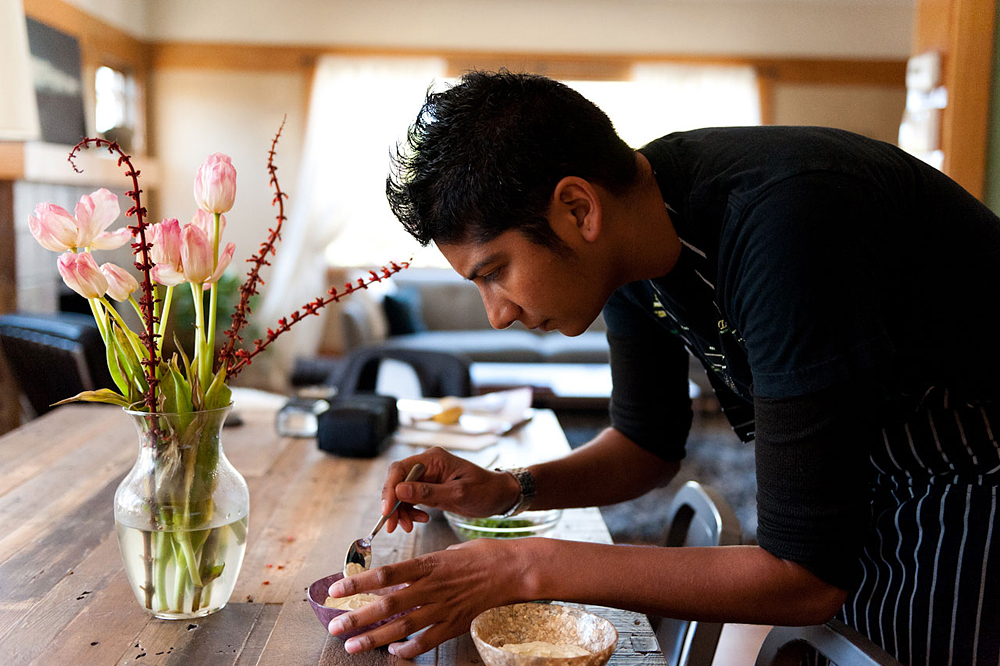
"content": "\u003cp>\u003ca href=\"http://ww2.kqed.org/bayareabites/wp-content/uploads/sites/24/2012/06/Preeti-platingBAB1000.jpg\">\u003cimg src=\"http://ww2.kqed.org/bayareabites/wp-content/uploads/sites/24/2012/06/Preeti-platingBAB1000.jpg\" alt=\"Preeti plating\" title=\"Preeti plating\" width=\"560\" class=\"alignnone size-full wp-image-44841\">\u003c/a>\u003cbr>\n\u003cem>Preeti plating photo courtesy of Albert Law\u003c/em>\u003c/p>\n\u003cp>Our gay-friendly town is full of visitors. June means that the Bay Area and more specifically, San Francisco, fills to the brim with folks from all over the world to observe and celebrate the events, marches and festivities that culminate in \u003ca href=\"http://www.sfpride.org/\">SF LGBT Pride\u003c/a>. Bay Area Bites is noting this 42nd annual come-as-you-are love fest by telling stories from the LBGT chefs, personalities and waiters who keep us sated 365 days of the year. We first talked with Palomino’s chef \u003ca href=\"http://ww2.kqed.org/bayareabites/2012/06/15/lgbt-pride-profile-palomino-chef-adam-jones/\">Adam Jones\u003c/a>. Up second is chef \u003ca href=\"https://twitter.com/#!/chefpmistry\">Preeti Mistry\u003c/a>, 35, who is readying to open her \u003ca href=\"https://twitter.com/#!/chefpmistry\">Juhu Beach Club\u003c/a>, which will serve “Indian street food, snack food and a bit of home-style cooking” in the Mission and originated as a pop-up. Mistry was a \u003ca href=\"http://www.bravotv.com/top-chef/bio/preeti-mistry\">Top Chef Contestant\u003c/a> in 2009 and was executive chef for Google via \u003ca href=\"http://www.bamco.com/\">Bon Appétit Management Company\u003c/a> and was classically trained in London at Le Cordon Bleu. She was born in London, grew up in the United States and currently lives in Oakland. Bay Area Bites caught up with the chef recently via telephone and email interview. \u003c/p>\n\u003cp>\u003cstrong>How is \u003ca href=\"https://www.facebook.com/JuhuBeachClub\">Juhu Beach Club\u003c/a> going?\u003c/strong>\u003cbr>\nThe restaurant is moving along...slowly. We have been in the permitting process for eight months now. We are very close to being done with this part. I’m hoping once this is done that we can move much faster. I’m looking at opening by the end of the summer. The concept will be similar to the pop-up, with more choices and dinner options. \u003c/p>\n\u003cp>Our goal is to be open all day but I know that the location in the \u003ca href=\"http://sanfrancisco.grubstreet.com/2012/01/juhu_beach_club_lands_permanen.html\">Mission\u003c/a> will be much busier in the evenings. There will be several starters, or chaat. Those are items like my handmade samosas, as well as a Scotch egg with lamb mince, Vindaloo chicken wings with Bleu cheese raita and a seasonal bhel puri. \u003c/p>\n\u003cp>The heart of the menu will focus on the “pav,” which in Hindi means small bun or bread. It’s the portable holder that created the popularity of the vada pav, considered Mumbai’s number one street food snack. We will have a vada pav, but also eight to ten different choices of fillings for your pav. Many are popular sandwich fillings from the pop-up like the “holy cow” and the “chowpatty chicken.” There will also be baby potato & eggplant in a spicy peanut sauce and egg masala. We will most likely also have a few larger plates like fish and chips and a curry of the day.\u003c/p>\n\u003cp>[ad fullwidth]\u003c/p>\n\u003cp>\u003cstrong>The culinary world has often been portrayed as quite sexist… what is your perspective and experience with sexism and homophobia in the restaurant world?\u003c/strong>\u003cbr>\n The culinary world is a contradiction when it comes to both sexism and homophobia. On a basic level, there is a meritocracy in the kitchen. On this level it does not matter who you are or what you look like or what you do outside of the kitchen. If you carry your weight and then some, if you are a team player and work your ass off then you are “in.” Make great food and then nobody can mess with you. Starting out, this is what I loved about it. You walk into a kitchen full of guys. They have low expectations and you prove you can do the job and then you are part of the team. Also, as a queer woman, once you prove yourself you are just one of the guys. I suppose this may be more difficult for men… I don’t know. \u003c/p>\n\u003cp>For the next level, I think it only became more difficult when I moved up the chain. There is a change when you go from being in the trenches to being people’s boss. I think this is where homophobia (and sexism, and in my case racism as well) starts to really get in the way. When you don’t look like “the boss,” certain people don’t want to take orders from you. \u003c/p>\n\u003cp>\u003cstrong>Is there a difference between the front of the house (FOH) vs. the kitchen (back of the house or “BOH”) regarding this issue? A difference for men vs. women?\u003c/strong>\u003cbr>\nYes of course, the FOH and BOH inhabit two totally different orbits. I suppose the typical stereotype is that there are more gay men in the FOH and more lesbians in the BOH. But it seems like with all the TV shows with gay characters, the political environment in general and changing attitudes of a younger generation, this is becoming less of an issue. \u003c/p>\n\u003cp>\u003cstrong>What is it like coming out as a chef? Has being an LGBT person affected your career in any particular way? \u003c/strong>\u003cbr>\nWell it’s very rare that I ever have to come out to people. I kinda wear it on my sleeve, but I suppose there is always someone who doesn’t get it. I don’t really bother with those people. They’ll figure it out. \u003c/p>\n\u003cp>Being queer has to affect everything I do because it is who I am. I think once I moved into a place in my career where I was applying for Executive Chef positions, my triple minority status has probably helped me from a diversity stand point. I also suppose it added to Bravo’s interest in me as a contestant on Top Chef. They want an interesting and diverse group of chefs. \u003c/p>\n\u003cp>\u003ca href=\"http://ww2.kqed.org/bayareabites/wp-content/uploads/sites/24/2012/06/PreetiandAnnBAB.jpg\">\u003cimg src=\"http://ww2.kqed.org/bayareabites/wp-content/uploads/sites/24/2012/06/PreetiandAnnBAB.jpg\" alt=\"Preeti and Ann Nadeau\" title=\"Preeti and Ann Nadeau\" width=\"373\" height=\"450\" class=\"alignnone size-full wp-image-44842\">\u003c/a>\u003cbr>\n\u003cem>Preeti & Ann Nadeau photo courtesy of Preeti Mistry\u003c/em>\u003c/p>\n\u003cp>\u003cstrong>You’re in a relationship that’s lasted for over 16 years. How did you two meet?\u003c/strong>\u003cbr>\nAnn Nadeau and I actually moved to San Francisco together. We met at a bar in Ann Arbor. She works for a research consulting firm and used to work at \u003ca href=\"http://www.jdvhotels.com/\">Joie de Vivre\u003c/a> in marketing.\u003c/p>\n\u003cp>\u003cstrong>Is there a gay subculture within the food world? In the Bay Area?\u003c/strong>\u003cbr>\nI think there are several that intersect with each other across styles of cuisine, restaurant groups, etc. \u003c/p>\n\u003cp>\u003cstrong>Since San Francisco is a gay mecca are there restaurants (as opposed to bars that serve food) that are know to cater to a mostly gay clientele? Are there places exclusively for LGBT women versus men?\u003c/strong>\u003c/p>\n\u003cp>Well there was Mecca. Which was awesome. I loved sitting at the bar and eating oysters. [Sigh.] So, of course the entire Castro… and now there are some great places like \u003ca href=\"http://www.frances-sf.com/\">Frances\u003c/a>. Honestly I don’t go to restaurants because they have gay clientele. I go for the great food and service. I suppose this is somewhat due to living in a “gay mecca” where we don’t have to make those distinctions as much because there are LGBT people everywhere. The Mission has so many great restaurants, and you are more likely to see more lesbians. \u003c/p>\n\u003cp>\u003cstrong>How do you celebrate Pride Month personally and professionally?\u003c/strong>\u003cbr>\n I used to work for the \u003ca href=\"http://www.frameline.org/\">Frameline LGBT Film Festival\u003c/a> before I went to culinary school so going to see some inspiring and fun queer films has always been a part of our Pride month activities. We will check out the \u003ca href=\"http://thedykemarch.org/\">Dyke March\u003c/a> for a little while on Saturday. It’s always fun to run into people you have not seen in years. Then Sunday we have a tradition with friends to go see “Fun in Girl’s Shorts” at the Castro Theater followed by brunch at \u003ca href=\"http://www.zunicafe.com/\">Zuni\u003c/a>. It’s a great spot to watch everyone enjoying the festivities from the huge windows onto Market Street. The whole restaurant is usually super festive as well and it’s my favorite brunch spot in the city!\u003c/p>\n\u003cp>[ad floatright]\u003c/p>\n\u003cp>When the Juhu Beach Club is open, I hope to be able to get more involved with events around the city. Last year at the pop-up we had a Pride special lavender berry lassi that was very popular. \u003c/p>\n\n",
"disqusIdentifier": "44676 http://blogs.kqed.org/bayareabites/?p=44676",
"disqusUrl": "https://ww2.kqed.org/bayareabites/2012/06/20/lgbt-pride-profile-top-chef-and-juhu-beach-club%e2%80%99s-preeti-mistry/",
"stats": {
"hasVideo": false,
"hasChartOrMap": false,
"hasAudio": false,
"hasPolis": false,
"wordCount": 1357,
"hasGoogleForm": false,
"hasGallery": false,
"hasHearkenModule": false,
"iframeSrcs": [],
"paragraphCount": 19
},
"modified": 1340211618,
"excerpt": "In celebration of LGBT Pride month, Mary Ladd profiles Preeti Mistry, who is opening Juhu Beach Club in San Francisco and has appeared on Top Chef. Mistry shares what it's like to be female and queer in the culinary world.",
"headData": {
"twImgId": "",
"twTitle": "",
"ogTitle": "",
"ogImgId": "",
"twDescription": "",
"description": "In celebration of LGBT Pride month, Mary Ladd profiles Preeti Mistry, who is opening Juhu Beach Club in San Francisco and has appeared on Top Chef. Mistry shares what it's like to be female and queer in the culinary world.",
"title": "LGBT Pride Profile: Top Chef and Juhu Beach Club’s Preeti Mistry | KQED",
"ogDescription": "",
"schema": {
"@context": "https://schema.org",
"@type": "Article",
"headline": "LGBT Pride Profile: Top Chef and Juhu Beach Club’s Preeti Mistry ",
"datePublished": "2012-06-20T07:00:25-07:00",
"dateModified": "2012-06-20T10:00:18-07:00",
"image": "https://cdn.kqed.org/wp-content/uploads/2020/02/KQED-OG-Image@1x.png"
}
},
"guestAuthors": [],
"slug": "lgbt-pride-profile-top-chef-and-juhu-beach-club%e2%80%99s-preeti-mistry",
"status": "publish",
"path": "/bayareabites/44676/lgbt-pride-profile-top-chef-and-juhu-beach-club%e2%80%99s-preeti-mistry",
"audioTrackLength": null,
"parsedContent": [
{
"type": "contentString",
"content": "\u003cdiv class=\"post-body\">\u003cp>\u003cp>\u003ca href=\"http://ww2.kqed.org/bayareabites/wp-content/uploads/sites/24/2012/06/Preeti-platingBAB1000.jpg\">\u003cimg src=\"http://ww2.kqed.org/bayareabites/wp-content/uploads/sites/24/2012/06/Preeti-platingBAB1000.jpg\" alt=\"Preeti plating\" title=\"Preeti plating\" width=\"560\" class=\"alignnone size-full wp-image-44841\">\u003c/a>\u003cbr>\n\u003cem>Preeti plating photo courtesy of Albert Law\u003c/em>\u003c/p>\n\u003cp>Our gay-friendly town is full of visitors. June means that the Bay Area and more specifically, San Francisco, fills to the brim with folks from all over the world to observe and celebrate the events, marches and festivities that culminate in \u003ca href=\"http://www.sfpride.org/\">SF LGBT Pride\u003c/a>. Bay Area Bites is noting this 42nd annual come-as-you-are love fest by telling stories from the LBGT chefs, personalities and waiters who keep us sated 365 days of the year. We first talked with Palomino’s chef \u003ca href=\"http://ww2.kqed.org/bayareabites/2012/06/15/lgbt-pride-profile-palomino-chef-adam-jones/\">Adam Jones\u003c/a>. Up second is chef \u003ca href=\"https://twitter.com/#!/chefpmistry\">Preeti Mistry\u003c/a>, 35, who is readying to open her \u003ca href=\"https://twitter.com/#!/chefpmistry\">Juhu Beach Club\u003c/a>, which will serve “Indian street food, snack food and a bit of home-style cooking” in the Mission and originated as a pop-up. Mistry was a \u003ca href=\"http://www.bravotv.com/top-chef/bio/preeti-mistry\">Top Chef Contestant\u003c/a> in 2009 and was executive chef for Google via \u003ca href=\"http://www.bamco.com/\">Bon Appétit Management Company\u003c/a> and was classically trained in London at Le Cordon Bleu. She was born in London, grew up in the United States and currently lives in Oakland. Bay Area Bites caught up with the chef recently via telephone and email interview. \u003c/p>\n\u003cp>\u003cstrong>How is \u003ca href=\"https://www.facebook.com/JuhuBeachClub\">Juhu Beach Club\u003c/a> going?\u003c/strong>\u003cbr>\nThe restaurant is moving along...slowly. We have been in the permitting process for eight months now. We are very close to being done with this part. I’m hoping once this is done that we can move much faster. I’m looking at opening by the end of the summer. The concept will be similar to the pop-up, with more choices and dinner options. \u003c/p>\n\u003cp>Our goal is to be open all day but I know that the location in the \u003ca href=\"http://sanfrancisco.grubstreet.com/2012/01/juhu_beach_club_lands_permanen.html\">Mission\u003c/a> will be much busier in the evenings. There will be several starters, or chaat. Those are items like my handmade samosas, as well as a Scotch egg with lamb mince, Vindaloo chicken wings with Bleu cheese raita and a seasonal bhel puri. \u003c/p>\n\u003cp>The heart of the menu will focus on the “pav,” which in Hindi means small bun or bread. It’s the portable holder that created the popularity of the vada pav, considered Mumbai’s number one street food snack. We will have a vada pav, but also eight to ten different choices of fillings for your pav. Many are popular sandwich fillings from the pop-up like the “holy cow” and the “chowpatty chicken.” There will also be baby potato & eggplant in a spicy peanut sauce and egg masala. We will most likely also have a few larger plates like fish and chips and a curry of the day.\u003c/p>\n\u003cp>\u003c/p>\u003c/div>",
"attributes": {
"named": {},
"numeric": []
}
},
{
"type": "component",
"content": "",
"name": "ad",
"attributes": {
"named": {
"label": "fullwidth"
},
"numeric": [
"fullwidth"
]
}
},
{
"type": "contentString",
"content": "\u003cdiv class=\"post-body\">\u003cp>\u003c/p>\n\u003cp>\u003cstrong>The culinary world has often been portrayed as quite sexist… what is your perspective and experience with sexism and homophobia in the restaurant world?\u003c/strong>\u003cbr>\n The culinary world is a contradiction when it comes to both sexism and homophobia. On a basic level, there is a meritocracy in the kitchen. On this level it does not matter who you are or what you look like or what you do outside of the kitchen. If you carry your weight and then some, if you are a team player and work your ass off then you are “in.” Make great food and then nobody can mess with you. Starting out, this is what I loved about it. You walk into a kitchen full of guys. They have low expectations and you prove you can do the job and then you are part of the team. Also, as a queer woman, once you prove yourself you are just one of the guys. I suppose this may be more difficult for men… I don’t know. \u003c/p>\n\u003cp>For the next level, I think it only became more difficult when I moved up the chain. There is a change when you go from being in the trenches to being people’s boss. I think this is where homophobia (and sexism, and in my case racism as well) starts to really get in the way. When you don’t look like “the boss,” certain people don’t want to take orders from you. \u003c/p>\n\u003cp>\u003cstrong>Is there a difference between the front of the house (FOH) vs. the kitchen (back of the house or “BOH”) regarding this issue? A difference for men vs. women?\u003c/strong>\u003cbr>\nYes of course, the FOH and BOH inhabit two totally different orbits. I suppose the typical stereotype is that there are more gay men in the FOH and more lesbians in the BOH. But it seems like with all the TV shows with gay characters, the political environment in general and changing attitudes of a younger generation, this is becoming less of an issue. \u003c/p>\n\u003cp>\u003cstrong>What is it like coming out as a chef? Has being an LGBT person affected your career in any particular way? \u003c/strong>\u003cbr>\nWell it’s very rare that I ever have to come out to people. I kinda wear it on my sleeve, but I suppose there is always someone who doesn’t get it. I don’t really bother with those people. They’ll figure it out. \u003c/p>\n\u003cp>Being queer has to affect everything I do because it is who I am. I think once I moved into a place in my career where I was applying for Executive Chef positions, my triple minority status has probably helped me from a diversity stand point. I also suppose it added to Bravo’s interest in me as a contestant on Top Chef. They want an interesting and diverse group of chefs. \u003c/p>\n\u003cp>\u003ca href=\"http://ww2.kqed.org/bayareabites/wp-content/uploads/sites/24/2012/06/PreetiandAnnBAB.jpg\">\u003cimg src=\"http://ww2.kqed.org/bayareabites/wp-content/uploads/sites/24/2012/06/PreetiandAnnBAB.jpg\" alt=\"Preeti and Ann Nadeau\" title=\"Preeti and Ann Nadeau\" width=\"373\" height=\"450\" class=\"alignnone size-full wp-image-44842\">\u003c/a>\u003cbr>\n\u003cem>Preeti & Ann Nadeau photo courtesy of Preeti Mistry\u003c/em>\u003c/p>\n\u003cp>\u003cstrong>You’re in a relationship that’s lasted for over 16 years. How did you two meet?\u003c/strong>\u003cbr>\nAnn Nadeau and I actually moved to San Francisco together. We met at a bar in Ann Arbor. She works for a research consulting firm and used to work at \u003ca href=\"http://www.jdvhotels.com/\">Joie de Vivre\u003c/a> in marketing.\u003c/p>\n\u003cp>\u003cstrong>Is there a gay subculture within the food world? In the Bay Area?\u003c/strong>\u003cbr>\nI think there are several that intersect with each other across styles of cuisine, restaurant groups, etc. \u003c/p>\n\u003cp>\u003cstrong>Since San Francisco is a gay mecca are there restaurants (as opposed to bars that serve food) that are know to cater to a mostly gay clientele? Are there places exclusively for LGBT women versus men?\u003c/strong>\u003c/p>\n\u003cp>Well there was Mecca. Which was awesome. I loved sitting at the bar and eating oysters. [Sigh.] So, of course the entire Castro… and now there are some great places like \u003ca href=\"http://www.frances-sf.com/\">Frances\u003c/a>. Honestly I don’t go to restaurants because they have gay clientele. I go for the great food and service. I suppose this is somewhat due to living in a “gay mecca” where we don’t have to make those distinctions as much because there are LGBT people everywhere. The Mission has so many great restaurants, and you are more likely to see more lesbians. \u003c/p>\n\u003cp>\u003cstrong>How do you celebrate Pride Month personally and professionally?\u003c/strong>\u003cbr>\n I used to work for the \u003ca href=\"http://www.frameline.org/\">Frameline LGBT Film Festival\u003c/a> before I went to culinary school so going to see some inspiring and fun queer films has always been a part of our Pride month activities. We will check out the \u003ca href=\"http://thedykemarch.org/\">Dyke March\u003c/a> for a little while on Saturday. It’s always fun to run into people you have not seen in years. Then Sunday we have a tradition with friends to go see “Fun in Girl’s Shorts” at the Castro Theater followed by brunch at \u003ca href=\"http://www.zunicafe.com/\">Zuni\u003c/a>. It’s a great spot to watch everyone enjoying the festivities from the huge windows onto Market Street. The whole restaurant is usually super festive as well and it’s my favorite brunch spot in the city!\u003c/p>\n\u003cp>\u003c/p>\u003c/div>",
"attributes": {
"named": {},
"numeric": []
}
},
{
"type": "component",
"content": "",
"name": "ad",
"attributes": {
"named": {
"label": "floatright"
},
"numeric": [
"floatright"
]
}
},
{
"type": "contentString",
"content": "\u003cdiv class=\"post-body\">\u003cp>\u003c/p>\n\u003cp>When the Juhu Beach Club is open, I hope to be able to get more involved with events around the city. Last year at the pop-up we had a Pride special lavender berry lassi that was very popular. \u003c/p>\n\n\u003c/div>\u003c/p>",
"attributes": {
"named": {},
"numeric": []
}
}
],
"link": "/bayareabites/44676/lgbt-pride-profile-top-chef-and-juhu-beach-club%e2%80%99s-preeti-mistry",
"authors": [
"5092"
],
"categories": [
"bayareabites_2998",
"bayareabites_109",
"bayareabites_752",
"bayareabites_63",
"bayareabites_2090",
"bayareabites_1146",
"bayareabites_1875",
"bayareabites_2035",
"bayareabites_1807",
"bayareabites_90"
],
"tags": [
"bayareabites_2328",
"bayareabites_10523",
"bayareabites_8485",
"bayareabites_9448",
"bayareabites_9445",
"bayareabites_9145",
"bayareabites_10522",
"bayareabites_10541",
"bayareabites_209"
],
"featImg": "bayareabites_44841",
"label": "bayareabites"
},
"bayareabites_43740": {
"type": "posts",
"id": "bayareabites_43740",
"meta": {
"index": "posts_1716263798",
"site": "bayareabites",
"id": "43740",
"score": null,
"sort": [
1338822022000
]
},
"parent": 0,
"labelTerm": {
"site": "bayareabites"
},
"blocks": [],
"publishDate": 1338822022,
"format": "aside",
"disqusTitle": "Immerse Yourself in Asian Flavors at Richmond’s Pacific East Mall",
"title": "Immerse Yourself in Asian Flavors at Richmond’s Pacific East Mall",
"headTitle": "Bay Area Bites | KQED Food",
"content": "\u003cp>\u003ca href=\"http://ww2.kqed.org/bayareabites/wp-content/uploads/sites/24/2012/05/green-tea-kit-kat.jpg\">\u003cimg class=\"alignnone size-full wp-image-43741\" title=\"green tea kit kat \" src=\"http://ww2.kqed.org/bayareabites/wp-content/uploads/sites/24/2012/05/green-tea-kit-kat.jpg\" alt=\"green tea kit kat \" width=\"560\" height=\"420\">\u003c/a>\u003cbr>\n\u003cem> green tea flavored Kit Kat from Japan\u003c/em>\u003c/p>\n\u003cp>I often wish I could be magically transported to the middle of a bustling street market in a far-off land, surrounded by unfamiliar sights, enticing aromas and tempting tastes. When this impulse hits, lacking a plane ticket and a couple of weeks off, I head to Richmond’s Pacific East Mall, where a short voyage plunks me down in the midst of –-no, not a street market, but maybe the next best thing -- an emporium of Chinese, Taiwanese, Vietnamese, Korean, Filipino, Japanese and Indonesian restaurants and foodstuffs. I lose myself for hours, sampling exotic--to me--dishes and perusing products that have made their own journeys across the globe.\u003c/p>\n\u003cp>\u003ca href=\"http://ww2.kqed.org/bayareabites/wp-content/uploads/sites/24/2012/05/boba-drinks.jpg\">\u003cimg class=\"alignnone size-full wp-image-43742\" title=\"boba drinks\" src=\"http://ww2.kqed.org/bayareabites/wp-content/uploads/sites/24/2012/05/boba-drinks.jpg\" alt=\"boba drinks\" width=\"560\" height=\"420\">\u003c/a>\u003cbr>\n\u003cem>mango tea with jellies and taro bubble tea\u003c/em>\u003c/p>\n\u003cp>A good start for a Pacific East Mall outing is a tall cup of \u003cem>boba\u003c/em> (the popular \u003ca href=\"http://en.wikipedia.org/wiki/Bubble_tea\">bubble tea\u003c/a> beverage that originated in Taiwan) from \u003ca href=\"http://www.yelp.com/biz/j-and-s-coffee-and-tea-house-richmond\">J & S Coffee Tea House\u003c/a>, whose menu lists over 100 drinks made with combinations of milk, tea and fruit or other flavors. I have it on very good authority (teenage daughter) that their taro milk tea with tapioca is “the best” and besides tapioca balls, they offer a dozen different colorful jelly bits--including mango, lychee and passion-fruit flavors--to add some chewy confetti to your drink.\u003c/p>\n\u003cp>\u003ca href=\"http://ww2.kqed.org/bayareabites/wp-content/uploads/sites/24/2012/05/Sheg-kee-bakery.jpg\">\u003cimg class=\"alignnone size-full wp-image-43743\" title=\"Sheg kee bakery\" src=\"http://ww2.kqed.org/bayareabites/wp-content/uploads/sites/24/2012/05/Sheg-kee-bakery.jpg\" alt=\"Sheg kee bakery\" width=\"560\" height=\"560\">\u003c/a>\u003cbr>\n\u003cem>from top left: red bean toast, sesame engagement pastry, date-filled mini-mooncake, taro twist\u003c/em>\u003c/p>\n\u003cp>[ad fullwidth]\u003c/p>\n\u003cp>Next stop is the \u003ca href=\"http://www.shengkee.com/\">Sheng Kee Bakery\u003c/a> with a wide array of traditional Chinese and western-inspired baked goods. I like to try one or two of their buns, rolls, croissants or tall fluffy breads on each visit. Recently, I was drawn to the individually wrapped quarter circles labelled “engagement pastry” in sesame, red bean, pineapple or date flavors. When I asked, the cashier told me these represent a gift given to the family to celebrate an engagement. The sesame pastry provided a friendly, nutty, cookie-like crunch. I have previously taken home their tall taro and red bean breads and date moon cakes. I'm always on the lookout for a \u003ca href=\"http://ww2.kqed.org/bayareabites/2011/10/24/trekking-for-taro-in-the-east-bay/\">new taro treat\u003c/a> and was happy to discover their taro twist, filled with lavender, almond paste-infused taro.\u003c/p>\n\u003cp>When it’s time for a real meal, the mall offers many options for casual, well-traveled spots, including: Thai take-out, Vietnamese Pho, a Noodle house, as well as Japanese, Chinese and Korean eateries. One popular Hong Kong-style restaurant, \u003ca href=\"http://asianpearl.yolasite.com/\">Asian Pearl\u003c/a>, is known for their dim sum (no carts wheeled around here–-so you need to order from the menu, but there are some helpful \u003ca href=\"http://asianpearl.yolasite.com/dim-sum-picture.php\">pictures\u003c/a> or you can always glance over at what diners at the next table are having.\u003c/p>\n\u003cp>\u003ca href=\"http://ww2.kqed.org/bayareabites/wp-content/uploads/sites/24/2012/05/bibimbap1.jpg\">\u003cimg class=\"alignnone size-full wp-image-43948\" title=\"bibimbap\" src=\"http://ww2.kqed.org/bayareabites/wp-content/uploads/sites/24/2012/05/bibimbap1.jpg\" alt=\"bibimbap\" width=\"400\" height=\"513\">\u003c/a>\u003cbr>\n\u003cem>hot stone bibimbap and banchan\u003c/em>\u003c/p>\n\u003cp>During my most recent visit, I had dinner at the spacious, wood-paneled \u003ca href=\"http://www.yelp.com/biz/koreana-kitchen-ii-richmond\">Koreana Kitchen II\u003c/a> and enjoyed the hot stone \u003cem>bibimbap\u003c/em>, a bowl of rice, topped with mushrooms, spinach, carrots, bean sprouts, seaweed and a choice of protein. The best part was the 10 little dishes of \u003cem>banchan\u003c/em> that accompany all meals, such as kim chi daikon and cabbage, crispy sweet potato, crunchy seaweed, slippery yam noodles, sweet-ish fish cake and more.\u003c/p>\n\u003cp>Sustained by a full tummy, I am ready to tackle the fascinating wares at the queen of the mall, \u003ca href=\"http://www.yelp.com/biz/99-ranch-market-richmond-2\">99 Ranch Market\u003c/a>, a one-stop shop for adventurous (or homesick) cooks.\u003c/p>\n\u003cp>\u003ca href=\"http://ww2.kqed.org/bayareabites/wp-content/uploads/sites/24/2012/05/fish-at-99-ranch.jpg\">\u003cimg class=\"alignnone size-full wp-image-43744\" title=\" blue crabs and fish at 99 ranch\" src=\"http://ww2.kqed.org/bayareabites/wp-content/uploads/sites/24/2012/05/fish-at-99-ranch.jpg\" alt=\" blue crabs and fish at 99 ranch\" width=\"560\" height=\"520\">\u003c/a>\u003c/p>\n\u003cp>An ocean of fresh fish and seafood lines the back wall, including tanks of live catfish and mussels and clams in ponds of bubbling water. The produce section is home to hard-to-find fruits and vegetables, such as banana flower buds, gobo, lotus root, wood-ear mushrooms and galangal. One market aisle is devoted to a rainbow of rice, (black, white, brown and red) in large to huge sacks. Another features tangled knots of noodles made out of everything from mung beans to sweet potatoes. The snack aisle displays crunchy treats in unusual flavor combinations, such as green onion cookies, durian mochi and strawberry flavored beef jerky. If you are cooking an Asian dish, 99 Ranch is sure to have whatever ingredients you need.\u003c/p>\n\u003cp>\u003ca href=\"http://ww2.kqed.org/bayareabites/wp-content/uploads/sites/24/2012/05/walnut-soup.jpg\">\u003cimg class=\"alignnone size-full wp-image-43745\" title=\"walnut soup\" src=\"http://ww2.kqed.org/bayareabites/wp-content/uploads/sites/24/2012/05/walnut-soup.jpg\" alt=\"walnut soup\" width=\"560\" height=\"420\">\u003c/a>\u003c/p>\n\u003cp>The last time I availed myself of 99 Ranch’s worldly repertoire, I was planning to make the comforting Walnut Soup from \u003ca href=\"http://www.graceyoung.com/\">Grace Young\u003c/a>’s first cookbook, \u003ca href=\"http://www.amazon.com/The-Wisdom-Chinese-Kitchen-Celebration/dp/0684847396\">The Wisdom of the Chinese Kitchen\u003c/a>. The creamy soup, which according to Young is considered a tonic in Chinese culture, has only 3 ingredients. I could manage the oven-roasted walnuts on my own, but knew I needed some help with the other two. So I asked a cashier where to find the rice flour (non-glutinous, specifies Young) and \u003cem>peen tong\u003c/em>, a kind of brown sugar that comes in chunky bars. The cashier’s face brightened at the mention of \u003cem>peen tong\u003c/em> and she directed me to the appropriate aisles. I picked up a couple of other items that I usually get at 99 Ranch (like huge packages of individual servings of crispy Korean seaweed) and headed back to the same cashier I originally asked for help. She seemed genuinely thrilled that I was going to make something with the golden ingots of sugar.\u003c/p>\n\u003cp>Speaking of sugar, another mall shop that is sure to please any sweet-tooth is the \u003ca href=\"http://www.yelp.com/biz/candy-box-richmond\">Candy Box\u003c/a>. A tiny space, crammed floor to ceiling with sugary and salty imported treats from Japan, Taiwan and Hawaii. Day-glo sour fruit, hot, spicy squid and gummy everything plus a sweet, chatty owner who provides generous samples. On my recent visit, she was putting up a sign in the crowded window featuring her latest shipment of Green Tea Flavored Kit Kat bars from Japan. “These are so popular,” she told me, “they will be sold out in a couple of days.” “Why?” I asked? “Don’t know, they’re from Japan, hard to find and people think green tea is healthy.”\u003c/p>\n\u003cp>\u003ca href=\"http://ww2.kqed.org/bayareabites/wp-content/uploads/sites/24/2012/05/chicken-21.jpg\">\u003cimg class=\"alignnone size-full wp-image-43956\" title=\"gummy chicken feet\" src=\"http://ww2.kqed.org/bayareabites/wp-content/uploads/sites/24/2012/05/chicken-21.jpg\" alt=\"gummy chicken feet\" width=\"560\" height=\"406\">\u003c/a>\u003c/p>\n\u003cp>Don’t worry if you missed your chance to shout “gimme a break” in Japanese, or didn’t get enough dim sum at Asian Pearl. You can always take home some gummy chicken feet.\u003c/p>\n\u003cp>\u003cem>(Be forewarned: finding parking can be a nightmare here, especially on the weekends and many shops only accept cash.)\u003c/em>\u003c/p>\n\u003cp>[ad floatright]\u003c/p>\n\u003cp>\u003ca href=\"http://goo.gl/maps/jTVe\">Pacific East Mall\u003c/a>\u003cbr>\n3288 Pierce St.\u003cbr>\nRichmond, CA 94804\u003c/p>\n\n",
"disqusIdentifier": "43740 http://blogs.kqed.org/bayareabites/?p=43740",
"disqusUrl": "https://ww2.kqed.org/bayareabites/2012/06/04/immerse-yourself-in-asian-flavors-at-richmond%e2%80%99s-pacific-east-mall/",
"stats": {
"hasVideo": false,
"hasChartOrMap": false,
"hasAudio": false,
"hasPolis": false,
"wordCount": 1064,
"hasGoogleForm": false,
"hasGallery": false,
"hasHearkenModule": false,
"iframeSrcs": [],
"paragraphCount": 21
},
"modified": 1551223012,
"excerpt": "A shopping trip to Richmond's Pacific East Mall Travel takes your palate on a trip to far-off lands with a huge array of Chinese, Japanese, Taiwanese, Korean, and Thai restaurants and foodstuffs. Lose yourself exploring the aisles of 99 Ranch Market, where you can buy almost any ingredient needed for an Asian meal.",
"headData": {
"twImgId": "",
"twTitle": "",
"ogTitle": "",
"ogImgId": "",
"twDescription": "",
"description": "A shopping trip to Richmond's Pacific East Mall Travel takes your palate on a trip to far-off lands with a huge array of Chinese, Japanese, Taiwanese, Korean, and Thai restaurants and foodstuffs. Lose yourself exploring the aisles of 99 Ranch Market, where you can buy almost any ingredient needed for an Asian meal.",
"title": "Immerse Yourself in Asian Flavors at Richmond’s Pacific East Mall | KQED",
"ogDescription": "",
"schema": {
"@context": "https://schema.org",
"@type": "Article",
"headline": "Immerse Yourself in Asian Flavors at Richmond’s Pacific East Mall",
"datePublished": "2012-06-04T08:00:22-07:00",
"dateModified": "2019-02-26T15:16:52-08:00",
"image": "https://cdn.kqed.org/wp-content/uploads/2020/02/KQED-OG-Image@1x.png"
}
},
"guestAuthors": [],
"slug": "immerse-yourself-in-asian-flavors-at-richmond%e2%80%99s-pacific-east-mall",
"status": "publish",
"path": "/bayareabites/43740/immerse-yourself-in-asian-flavors-at-richmond%e2%80%99s-pacific-east-mall",
"audioTrackLength": null,
"parsedContent": [
{
"type": "contentString",
"content": "\u003cdiv class=\"post-body\">\u003cp>\u003cp>\u003ca href=\"http://ww2.kqed.org/bayareabites/wp-content/uploads/sites/24/2012/05/green-tea-kit-kat.jpg\">\u003cimg class=\"alignnone size-full wp-image-43741\" title=\"green tea kit kat \" src=\"http://ww2.kqed.org/bayareabites/wp-content/uploads/sites/24/2012/05/green-tea-kit-kat.jpg\" alt=\"green tea kit kat \" width=\"560\" height=\"420\">\u003c/a>\u003cbr>\n\u003cem> green tea flavored Kit Kat from Japan\u003c/em>\u003c/p>\n\u003cp>I often wish I could be magically transported to the middle of a bustling street market in a far-off land, surrounded by unfamiliar sights, enticing aromas and tempting tastes. When this impulse hits, lacking a plane ticket and a couple of weeks off, I head to Richmond’s Pacific East Mall, where a short voyage plunks me down in the midst of –-no, not a street market, but maybe the next best thing -- an emporium of Chinese, Taiwanese, Vietnamese, Korean, Filipino, Japanese and Indonesian restaurants and foodstuffs. I lose myself for hours, sampling exotic--to me--dishes and perusing products that have made their own journeys across the globe.\u003c/p>\n\u003cp>\u003ca href=\"http://ww2.kqed.org/bayareabites/wp-content/uploads/sites/24/2012/05/boba-drinks.jpg\">\u003cimg class=\"alignnone size-full wp-image-43742\" title=\"boba drinks\" src=\"http://ww2.kqed.org/bayareabites/wp-content/uploads/sites/24/2012/05/boba-drinks.jpg\" alt=\"boba drinks\" width=\"560\" height=\"420\">\u003c/a>\u003cbr>\n\u003cem>mango tea with jellies and taro bubble tea\u003c/em>\u003c/p>\n\u003cp>A good start for a Pacific East Mall outing is a tall cup of \u003cem>boba\u003c/em> (the popular \u003ca href=\"http://en.wikipedia.org/wiki/Bubble_tea\">bubble tea\u003c/a> beverage that originated in Taiwan) from \u003ca href=\"http://www.yelp.com/biz/j-and-s-coffee-and-tea-house-richmond\">J & S Coffee Tea House\u003c/a>, whose menu lists over 100 drinks made with combinations of milk, tea and fruit or other flavors. I have it on very good authority (teenage daughter) that their taro milk tea with tapioca is “the best” and besides tapioca balls, they offer a dozen different colorful jelly bits--including mango, lychee and passion-fruit flavors--to add some chewy confetti to your drink.\u003c/p>\n\u003cp>\u003ca href=\"http://ww2.kqed.org/bayareabites/wp-content/uploads/sites/24/2012/05/Sheg-kee-bakery.jpg\">\u003cimg class=\"alignnone size-full wp-image-43743\" title=\"Sheg kee bakery\" src=\"http://ww2.kqed.org/bayareabites/wp-content/uploads/sites/24/2012/05/Sheg-kee-bakery.jpg\" alt=\"Sheg kee bakery\" width=\"560\" height=\"560\">\u003c/a>\u003cbr>\n\u003cem>from top left: red bean toast, sesame engagement pastry, date-filled mini-mooncake, taro twist\u003c/em>\u003c/p>\n\u003cp>\u003c/p>\u003c/div>",
"attributes": {
"named": {},
"numeric": []
}
},
{
"type": "component",
"content": "",
"name": "ad",
"attributes": {
"named": {
"label": "fullwidth"
},
"numeric": [
"fullwidth"
]
}
},
{
"type": "contentString",
"content": "\u003cdiv class=\"post-body\">\u003cp>\u003c/p>\n\u003cp>Next stop is the \u003ca href=\"http://www.shengkee.com/\">Sheng Kee Bakery\u003c/a> with a wide array of traditional Chinese and western-inspired baked goods. I like to try one or two of their buns, rolls, croissants or tall fluffy breads on each visit. Recently, I was drawn to the individually wrapped quarter circles labelled “engagement pastry” in sesame, red bean, pineapple or date flavors. When I asked, the cashier told me these represent a gift given to the family to celebrate an engagement. The sesame pastry provided a friendly, nutty, cookie-like crunch. I have previously taken home their tall taro and red bean breads and date moon cakes. I'm always on the lookout for a \u003ca href=\"http://ww2.kqed.org/bayareabites/2011/10/24/trekking-for-taro-in-the-east-bay/\">new taro treat\u003c/a> and was happy to discover their taro twist, filled with lavender, almond paste-infused taro.\u003c/p>\n\u003cp>When it’s time for a real meal, the mall offers many options for casual, well-traveled spots, including: Thai take-out, Vietnamese Pho, a Noodle house, as well as Japanese, Chinese and Korean eateries. One popular Hong Kong-style restaurant, \u003ca href=\"http://asianpearl.yolasite.com/\">Asian Pearl\u003c/a>, is known for their dim sum (no carts wheeled around here–-so you need to order from the menu, but there are some helpful \u003ca href=\"http://asianpearl.yolasite.com/dim-sum-picture.php\">pictures\u003c/a> or you can always glance over at what diners at the next table are having.\u003c/p>\n\u003cp>\u003ca href=\"http://ww2.kqed.org/bayareabites/wp-content/uploads/sites/24/2012/05/bibimbap1.jpg\">\u003cimg class=\"alignnone size-full wp-image-43948\" title=\"bibimbap\" src=\"http://ww2.kqed.org/bayareabites/wp-content/uploads/sites/24/2012/05/bibimbap1.jpg\" alt=\"bibimbap\" width=\"400\" height=\"513\">\u003c/a>\u003cbr>\n\u003cem>hot stone bibimbap and banchan\u003c/em>\u003c/p>\n\u003cp>During my most recent visit, I had dinner at the spacious, wood-paneled \u003ca href=\"http://www.yelp.com/biz/koreana-kitchen-ii-richmond\">Koreana Kitchen II\u003c/a> and enjoyed the hot stone \u003cem>bibimbap\u003c/em>, a bowl of rice, topped with mushrooms, spinach, carrots, bean sprouts, seaweed and a choice of protein. The best part was the 10 little dishes of \u003cem>banchan\u003c/em> that accompany all meals, such as kim chi daikon and cabbage, crispy sweet potato, crunchy seaweed, slippery yam noodles, sweet-ish fish cake and more.\u003c/p>\n\u003cp>Sustained by a full tummy, I am ready to tackle the fascinating wares at the queen of the mall, \u003ca href=\"http://www.yelp.com/biz/99-ranch-market-richmond-2\">99 Ranch Market\u003c/a>, a one-stop shop for adventurous (or homesick) cooks.\u003c/p>\n\u003cp>\u003ca href=\"http://ww2.kqed.org/bayareabites/wp-content/uploads/sites/24/2012/05/fish-at-99-ranch.jpg\">\u003cimg class=\"alignnone size-full wp-image-43744\" title=\" blue crabs and fish at 99 ranch\" src=\"http://ww2.kqed.org/bayareabites/wp-content/uploads/sites/24/2012/05/fish-at-99-ranch.jpg\" alt=\" blue crabs and fish at 99 ranch\" width=\"560\" height=\"520\">\u003c/a>\u003c/p>\n\u003cp>An ocean of fresh fish and seafood lines the back wall, including tanks of live catfish and mussels and clams in ponds of bubbling water. The produce section is home to hard-to-find fruits and vegetables, such as banana flower buds, gobo, lotus root, wood-ear mushrooms and galangal. One market aisle is devoted to a rainbow of rice, (black, white, brown and red) in large to huge sacks. Another features tangled knots of noodles made out of everything from mung beans to sweet potatoes. The snack aisle displays crunchy treats in unusual flavor combinations, such as green onion cookies, durian mochi and strawberry flavored beef jerky. If you are cooking an Asian dish, 99 Ranch is sure to have whatever ingredients you need.\u003c/p>\n\u003cp>\u003ca href=\"http://ww2.kqed.org/bayareabites/wp-content/uploads/sites/24/2012/05/walnut-soup.jpg\">\u003cimg class=\"alignnone size-full wp-image-43745\" title=\"walnut soup\" src=\"http://ww2.kqed.org/bayareabites/wp-content/uploads/sites/24/2012/05/walnut-soup.jpg\" alt=\"walnut soup\" width=\"560\" height=\"420\">\u003c/a>\u003c/p>\n\u003cp>The last time I availed myself of 99 Ranch’s worldly repertoire, I was planning to make the comforting Walnut Soup from \u003ca href=\"http://www.graceyoung.com/\">Grace Young\u003c/a>’s first cookbook, \u003ca href=\"http://www.amazon.com/The-Wisdom-Chinese-Kitchen-Celebration/dp/0684847396\">The Wisdom of the Chinese Kitchen\u003c/a>. The creamy soup, which according to Young is considered a tonic in Chinese culture, has only 3 ingredients. I could manage the oven-roasted walnuts on my own, but knew I needed some help with the other two. So I asked a cashier where to find the rice flour (non-glutinous, specifies Young) and \u003cem>peen tong\u003c/em>, a kind of brown sugar that comes in chunky bars. The cashier’s face brightened at the mention of \u003cem>peen tong\u003c/em> and she directed me to the appropriate aisles. I picked up a couple of other items that I usually get at 99 Ranch (like huge packages of individual servings of crispy Korean seaweed) and headed back to the same cashier I originally asked for help. She seemed genuinely thrilled that I was going to make something with the golden ingots of sugar.\u003c/p>\n\u003cp>Speaking of sugar, another mall shop that is sure to please any sweet-tooth is the \u003ca href=\"http://www.yelp.com/biz/candy-box-richmond\">Candy Box\u003c/a>. A tiny space, crammed floor to ceiling with sugary and salty imported treats from Japan, Taiwan and Hawaii. Day-glo sour fruit, hot, spicy squid and gummy everything plus a sweet, chatty owner who provides generous samples. On my recent visit, she was putting up a sign in the crowded window featuring her latest shipment of Green Tea Flavored Kit Kat bars from Japan. “These are so popular,” she told me, “they will be sold out in a couple of days.” “Why?” I asked? “Don’t know, they’re from Japan, hard to find and people think green tea is healthy.”\u003c/p>\n\u003cp>\u003ca href=\"http://ww2.kqed.org/bayareabites/wp-content/uploads/sites/24/2012/05/chicken-21.jpg\">\u003cimg class=\"alignnone size-full wp-image-43956\" title=\"gummy chicken feet\" src=\"http://ww2.kqed.org/bayareabites/wp-content/uploads/sites/24/2012/05/chicken-21.jpg\" alt=\"gummy chicken feet\" width=\"560\" height=\"406\">\u003c/a>\u003c/p>\n\u003cp>Don’t worry if you missed your chance to shout “gimme a break” in Japanese, or didn’t get enough dim sum at Asian Pearl. You can always take home some gummy chicken feet.\u003c/p>\n\u003cp>\u003cem>(Be forewarned: finding parking can be a nightmare here, especially on the weekends and many shops only accept cash.)\u003c/em>\u003c/p>\n\u003cp>\u003c/p>\u003c/div>",
"attributes": {
"named": {},
"numeric": []
}
},
{
"type": "component",
"content": "",
"name": "ad",
"attributes": {
"named": {
"label": "floatright"
},
"numeric": [
"floatright"
]
}
},
{
"type": "contentString",
"content": "\u003cdiv class=\"post-body\">\u003cp>\u003c/p>\n\u003cp>\u003ca href=\"http://goo.gl/maps/jTVe\">Pacific East Mall\u003c/a>\u003cbr>\n3288 Pierce St.\u003cbr>\nRichmond, CA 94804\u003c/p>\n\n\u003c/div>\u003c/p>",
"attributes": {
"named": {},
"numeric": []
}
}
],
"link": "/bayareabites/43740/immerse-yourself-in-asian-flavors-at-richmond%e2%80%99s-pacific-east-mall",
"authors": [
"5283"
],
"categories": [
"bayareabites_2998",
"bayareabites_1516",
"bayareabites_109",
"bayareabites_752",
"bayareabites_1875",
"bayareabites_1807"
],
"tags": [
"bayareabites_10482",
"bayareabites_2234",
"bayareabites_9838",
"bayareabites_10484",
"bayareabites_16313",
"bayareabites_10485",
"bayareabites_10481",
"bayareabites_2233",
"bayareabites_10483"
],
"featImg": "bayareabites_43741",
"label": "bayareabites"
},
"bayareabites_43507": {
"type": "posts",
"id": "bayareabites_43507",
"meta": {
"index": "posts_1716263798",
"site": "bayareabites",
"id": "43507",
"score": null,
"sort": [
1337864420000
]
},
"parent": 0,
"labelTerm": {
"site": "bayareabites"
},
"blocks": [],
"publishDate": 1337864420,
"format": "aside",
"disqusTitle": "A Taste of Laos in East Oakland",
"title": "A Taste of Laos in East Oakland",
"headTitle": "Bay Area Bites | KQED Food",
"content": "\u003cp>\u003ca href=\"http://ww2.kqed.org/bayareabites/wp-content/uploads/sites/24/2012/05/Nai-Siew-Saechao-May-Yan-Saechao.jpg\">\u003cimg class=\"alignnone size-full wp-image-43594\" title=\"Nai Siew Saechao and May Yan Saechao share a laugh talking about the herbs they grow at Peralta Hacienda Historical Park in Oakland.\" src=\"http://ww2.kqed.org/bayareabites/wp-content/uploads/sites/24/2012/05/Nai-Siew-Saechao-May-Yan-Saechao.jpg\" alt=\"Nai Siew Saechao and May Yan Saechao share a laugh talking about the herbs they grow at Peralta Hacienda Historical Park in Oakland.\" width=\"560\" height=\"315\">\u003c/a>\u003cbr>\n\u003cem>Nai Siew Saechao (l) and May Yan Saechao (r) share a laugh talking about the herbs they grow at Peralta Hacienda Historical Park in Oakland. Photo: KQED/Don Clyde\u003c/em>\u003c/p>\n\u003cp>The \u003ca href=\"http://en.wikipedia.org/wiki/Iu_Mien_American\">Mien\u003c/a> people of Laos had to leave in a hurry after the end of the Vietnam War. Like another Southeast Asian minority, the \u003ca href=\"http://en.wikipedia.org/wiki/Hmong_people\">Hmong\u003c/a>, the Mien supported the US (specifically, the CIA and \u003ca href=\"http://en.wikipedia.org/wiki/Royal_Lao_Army\">Royal Lao Army\u003c/a>). So when the US pulled out of Vietnam and Laos, many Mien made a run for the Thai border.\u003c/p>\n\u003cp>“We left everything!” says Nai Siew Saechao, 77, of Oakland. “Cows, horse, pig, chickens. And of course the grain. The rice, corn. You can’t carry it.”\u003c/p>\n\u003cp>\u003ciframe width=\"100%\" height=\"166\" scrolling=\"no\" frameborder=\"no\" src=\"https://w.soundcloud.com/player/?url=http%3A%2F%2Fapi.soundcloud.com%2Ftracks%2F108186813\">\u003c/iframe>\u003c/p>\n\u003cp>Like many Mien, Saecho first ended up in a Thai refugee camp, then moved overseas. Decades later, she’s growing a taste of home in the heart of East Oakland’s Fruitvale neighborhood, at the \u003ca href=\"http://www.peraltahacienda.org/pages/main.php?pageid=1&pagecategory=1\">Peralta Hacienda Historical Park\u003c/a>. It’s part of a joint program between the park and \u003ca href=\"http://www.lfcd.org/\">Lao Family Community Development\u003c/a>. The idea is to give elderly refugees a place to do what they grew up doing: growing their own food. Westerners called it \"subsistence farming,\" but that doesn't communicate the joy these gardeners cultivate along with their vegetables.\u003c/p>\n\u003cp>[ad fullwidth]\u003c/p>\n\u003cp>The farmers grow many things we're all familiar with: pumpkins, corn, squash and so on. But perhaps the most interesting plants come straight from seed sent by family and friends back in Laos and Thailand.\u003c/p>\n\u003cp>Tafoo Saechao (it’s a common surname among the Mien) is a counselor for Lao Family, which estimates at least 450-500 Mien seniors in Oakland arrived in the early 1980s: all with little to no English-speaking skills.\u003c/p>\n\u003cp>Even Tafoo, who serves as our interpreter, struggles to name everything the farmers are growing. “Back in Laos, they grow many kinds [of beans].” Laughing as he points to one variety, he says “It’s a funny name but I don’t know how to say it in English. One kind of bean they call chicken crow’s bean.\u003cem> Jae gai dop\u003c/em>. They have many names. And many kinds: long ones, short ones, medium ones.”\u003c/p>\n\u003cp>\u003ca href=\"http://ww2.kqed.org/bayareabites/wp-content/uploads/sites/24/2012/05/Yen-Fong-w-Top-Kway.jpg\">\u003cimg class=\"alignnone size-full wp-image-43595\" title=\"Yen Fong with Top Kway\" src=\"http://ww2.kqed.org/bayareabites/wp-content/uploads/sites/24/2012/05/Yen-Fong-w-Top-Kway.jpg\" alt=\"Yen Fong with Top Kway\" width=\"400\" height=\"713\">\u003c/a>\u003cbr>\n\u003cem>Yen Fong with Top Kway. Photo: Nina Egert\u003c/em>\u003c/p>\n\u003cp>You’ve seen \u003cem>Top Kway\u003c/em> in Asian markets. Break these long, skinny beans into manageable pieces and you can do anything you’d do with a shorter green bean, like fry them up in oil with hot peppers and/or spices.\u003c/p>\n\u003cp>In a similar fashion, many traditional herbs work well in any recipe that calls for a mix of herbs like mint and cilantro, whether stir-fried or stewed.\u003c/p>\n\u003cp>\u003ca href=\"http://ww2.kqed.org/bayareabites/wp-content/uploads/sites/24/2012/05/herbs.jpg\">\u003cimg class=\"alignnone size-full wp-image-43593\" title=\"herbs\" src=\"http://ww2.kqed.org/bayareabites/wp-content/uploads/sites/24/2012/05/herbs.jpg\" alt=\"herbs\" width=\"400\" height=\"600\">\u003c/a>\u003cbr>\n\u003cem>Nai Siew holding herbs. Photo: KQED/Don Clyde\u003c/em>\u003c/p>\n\u003cp>That said, some of the herbs grown at Peralta Hacienda have specific medicinal qualities you’ll want to know about before you throw them in your pot.\u003c/p>\n\u003cp>\u003cem>Dyear Zwang\u003c/em>, for instance, is often cooked with chicken, and served to post-partum women to help stop bleeding and rebuild their iron reserves. \u003cem>Zyeah Awh Myeeah\u003c/em>, also cooked with chicken, encourages lactation. Just so you know...\u003c/p>\n\u003cp>After May Yan Saechao arrived in Alabama (a pit stop on the way to Oakland), she sent a cassette tape to friends in Thailand, asking for some \u003cem>Dyear Zwang\u003c/em> to grow here in the U.S. Unclear on the concept, her friends sent her the plants, which did not arrive in good shape. She managed to salvage a few seeds and sent those back. Finally, a package arrived bearing enough seeds for her to establish a local crop for Mien women here in the U.S.\u003c/p>\n\u003cp>\u003ca href=\"http://ww2.kqed.org/bayareabites/wp-content/uploads/sites/24/2012/05/hand-herbs.jpg\">\u003cimg class=\"alignnone size-full wp-image-43592\" title=\"Lai Buah, or wild blue mustard greens.\" src=\"http://ww2.kqed.org/bayareabites/wp-content/uploads/sites/24/2012/05/hand-herbs.jpg\" alt=\"Lai Buah, or wild blue mustard greens.\" width=\"560\" height=\"373\">\u003c/a>\u003cbr>\n\u003cem>Lai Buah, or wild blue mustard greens. Photo: KQED/Don Clyde\u003c/em>\u003c/p>\n\u003cp>Foo Sina, 76, is particularly fond of his \u003cem>Lai Buah\u003c/em>, or wild blue mustard greens. He likes to saute them with garlic, salt, dried red pepper, and soy sauce. You'd think the fresh appeal of farm to table would carry naturally through the generations, but Sina complains his grandchildren are not carrying on the tradition. Instead, they're happy to eat traditional foods that somebody else pulls out of the ground and prepares in the kitchen. “They lazy! They didn’t do anything. Only eat, go to the store, buy there. Very easy spend the money.”\u003c/p>\n\u003cp>If you’re inclined to be “lazy” and let somebody else do the cooking, you can find Mien dishes at \u003ca href=\"http://champagarden.com/\">Champa Gardens\u003c/a> and \u003ca href=\"http://www.yelp.com/biz/vientian-caf%C3%A9-oakland-2\">Vientan Café\u003c/a>, both in Oakland. You'll notice them described as \"Asian fusion\" and \"Vietnamese, Thai,\" but those in the know say there's somebody Mien in the kitchen.\u003c/p>\n\u003cp>\u003cstrong>Recipe: Mey Yan's Num (Pumpkin Blossoms)\u003c/strong>\u003c/p>\n\u003cp>\u003c/p>\n\u003cp>Pick 2 quarts worth of pumpkin blossoms. Remove stems and strings. Heat up vegetable oil in a frying pan, toss in blossoms and sprinkle with salt. Cook until tender. Serve!\u003c/p>\n\n",
"disqusIdentifier": "43507 http://blogs.kqed.org/bayareabites/?p=43507",
"disqusUrl": "https://ww2.kqed.org/bayareabites/2012/05/24/a-taste-of-laos-in-east-oakland/",
"stats": {
"hasVideo": false,
"hasChartOrMap": true,
"hasAudio": true,
"hasPolis": false,
"wordCount": 816,
"hasGoogleForm": false,
"hasGallery": false,
"hasHearkenModule": false,
"iframeSrcs": [
"https://w.soundcloud.com/player/"
],
"paragraphCount": 22
},
"modified": 1377969235,
"excerpt": "In the heart of East Oakland's Fruitvale neighborhood, a handful of Mien refugees are growing vegetables from the home country at Peralta Hacienda Historical Park. It's a sunny microcosm of California's rich and complicated past and present, and when the crops are ready for harvest, the public will be invited to join in the feast that follows. ",
"headData": {
"twImgId": "",
"twTitle": "",
"ogTitle": "",
"ogImgId": "",
"twDescription": "",
"description": "In the heart of East Oakland's Fruitvale neighborhood, a handful of Mien refugees are growing vegetables from the home country at Peralta Hacienda Historical Park. It's a sunny microcosm of California's rich and complicated past and present, and when the crops are ready for harvest, the public will be invited to join in the feast that follows. ",
"title": "A Taste of Laos in East Oakland | KQED",
"ogDescription": "",
"schema": {
"@context": "https://schema.org",
"@type": "Article",
"headline": "A Taste of Laos in East Oakland",
"datePublished": "2012-05-24T06:00:20-07:00",
"dateModified": "2013-08-31T10:13:55-07:00",
"image": "https://cdn.kqed.org/wp-content/uploads/2020/02/KQED-OG-Image@1x.png"
}
},
"guestAuthors": [],
"slug": "a-taste-of-laos-in-east-oakland",
"status": "publish",
"path": "/bayareabites/43507/a-taste-of-laos-in-east-oakland",
"audioTrackLength": null,
"parsedContent": [
{
"type": "contentString",
"content": "\u003cdiv class=\"post-body\">\u003cp>\u003cp>\u003ca href=\"http://ww2.kqed.org/bayareabites/wp-content/uploads/sites/24/2012/05/Nai-Siew-Saechao-May-Yan-Saechao.jpg\">\u003cimg class=\"alignnone size-full wp-image-43594\" title=\"Nai Siew Saechao and May Yan Saechao share a laugh talking about the herbs they grow at Peralta Hacienda Historical Park in Oakland.\" src=\"http://ww2.kqed.org/bayareabites/wp-content/uploads/sites/24/2012/05/Nai-Siew-Saechao-May-Yan-Saechao.jpg\" alt=\"Nai Siew Saechao and May Yan Saechao share a laugh talking about the herbs they grow at Peralta Hacienda Historical Park in Oakland.\" width=\"560\" height=\"315\">\u003c/a>\u003cbr>\n\u003cem>Nai Siew Saechao (l) and May Yan Saechao (r) share a laugh talking about the herbs they grow at Peralta Hacienda Historical Park in Oakland. Photo: KQED/Don Clyde\u003c/em>\u003c/p>\n\u003cp>The \u003ca href=\"http://en.wikipedia.org/wiki/Iu_Mien_American\">Mien\u003c/a> people of Laos had to leave in a hurry after the end of the Vietnam War. Like another Southeast Asian minority, the \u003ca href=\"http://en.wikipedia.org/wiki/Hmong_people\">Hmong\u003c/a>, the Mien supported the US (specifically, the CIA and \u003ca href=\"http://en.wikipedia.org/wiki/Royal_Lao_Army\">Royal Lao Army\u003c/a>). So when the US pulled out of Vietnam and Laos, many Mien made a run for the Thai border.\u003c/p>\n\u003cp>“We left everything!” says Nai Siew Saechao, 77, of Oakland. “Cows, horse, pig, chickens. And of course the grain. The rice, corn. You can’t carry it.”\u003c/p>\n\u003cp>\u003ciframe width=\"100%\" height=\"166\" scrolling=\"no\" frameborder=\"no\" src=\"https://w.soundcloud.com/player/?url=http%3A%2F%2Fapi.soundcloud.com%2Ftracks%2F108186813\">\u003c/iframe>\u003c/p>\n\u003cp>Like many Mien, Saecho first ended up in a Thai refugee camp, then moved overseas. Decades later, she’s growing a taste of home in the heart of East Oakland’s Fruitvale neighborhood, at the \u003ca href=\"http://www.peraltahacienda.org/pages/main.php?pageid=1&pagecategory=1\">Peralta Hacienda Historical Park\u003c/a>. It’s part of a joint program between the park and \u003ca href=\"http://www.lfcd.org/\">Lao Family Community Development\u003c/a>. The idea is to give elderly refugees a place to do what they grew up doing: growing their own food. Westerners called it \"subsistence farming,\" but that doesn't communicate the joy these gardeners cultivate along with their vegetables.\u003c/p>\n\u003cp>\u003c/p>\u003c/div>",
"attributes": {
"named": {},
"numeric": []
}
},
{
"type": "component",
"content": "",
"name": "ad",
"attributes": {
"named": {
"label": "fullwidth"
},
"numeric": [
"fullwidth"
]
}
},
{
"type": "contentString",
"content": "\u003cdiv class=\"post-body\">\u003cp>\u003c/p>\n\u003cp>The farmers grow many things we're all familiar with: pumpkins, corn, squash and so on. But perhaps the most interesting plants come straight from seed sent by family and friends back in Laos and Thailand.\u003c/p>\n\u003cp>Tafoo Saechao (it’s a common surname among the Mien) is a counselor for Lao Family, which estimates at least 450-500 Mien seniors in Oakland arrived in the early 1980s: all with little to no English-speaking skills.\u003c/p>\n\u003cp>Even Tafoo, who serves as our interpreter, struggles to name everything the farmers are growing. “Back in Laos, they grow many kinds [of beans].” Laughing as he points to one variety, he says “It’s a funny name but I don’t know how to say it in English. One kind of bean they call chicken crow’s bean.\u003cem> Jae gai dop\u003c/em>. They have many names. And many kinds: long ones, short ones, medium ones.”\u003c/p>\n\u003cp>\u003ca href=\"http://ww2.kqed.org/bayareabites/wp-content/uploads/sites/24/2012/05/Yen-Fong-w-Top-Kway.jpg\">\u003cimg class=\"alignnone size-full wp-image-43595\" title=\"Yen Fong with Top Kway\" src=\"http://ww2.kqed.org/bayareabites/wp-content/uploads/sites/24/2012/05/Yen-Fong-w-Top-Kway.jpg\" alt=\"Yen Fong with Top Kway\" width=\"400\" height=\"713\">\u003c/a>\u003cbr>\n\u003cem>Yen Fong with Top Kway. Photo: Nina Egert\u003c/em>\u003c/p>\n\u003cp>You’ve seen \u003cem>Top Kway\u003c/em> in Asian markets. Break these long, skinny beans into manageable pieces and you can do anything you’d do with a shorter green bean, like fry them up in oil with hot peppers and/or spices.\u003c/p>\n\u003cp>In a similar fashion, many traditional herbs work well in any recipe that calls for a mix of herbs like mint and cilantro, whether stir-fried or stewed.\u003c/p>\n\u003cp>\u003ca href=\"http://ww2.kqed.org/bayareabites/wp-content/uploads/sites/24/2012/05/herbs.jpg\">\u003cimg class=\"alignnone size-full wp-image-43593\" title=\"herbs\" src=\"http://ww2.kqed.org/bayareabites/wp-content/uploads/sites/24/2012/05/herbs.jpg\" alt=\"herbs\" width=\"400\" height=\"600\">\u003c/a>\u003cbr>\n\u003cem>Nai Siew holding herbs. Photo: KQED/Don Clyde\u003c/em>\u003c/p>\n\u003cp>That said, some of the herbs grown at Peralta Hacienda have specific medicinal qualities you’ll want to know about before you throw them in your pot.\u003c/p>\n\u003cp>\u003cem>Dyear Zwang\u003c/em>, for instance, is often cooked with chicken, and served to post-partum women to help stop bleeding and rebuild their iron reserves. \u003cem>Zyeah Awh Myeeah\u003c/em>, also cooked with chicken, encourages lactation. Just so you know...\u003c/p>\n\u003cp>After May Yan Saechao arrived in Alabama (a pit stop on the way to Oakland), she sent a cassette tape to friends in Thailand, asking for some \u003cem>Dyear Zwang\u003c/em> to grow here in the U.S. Unclear on the concept, her friends sent her the plants, which did not arrive in good shape. She managed to salvage a few seeds and sent those back. Finally, a package arrived bearing enough seeds for her to establish a local crop for Mien women here in the U.S.\u003c/p>\n\u003cp>\u003ca href=\"http://ww2.kqed.org/bayareabites/wp-content/uploads/sites/24/2012/05/hand-herbs.jpg\">\u003cimg class=\"alignnone size-full wp-image-43592\" title=\"Lai Buah, or wild blue mustard greens.\" src=\"http://ww2.kqed.org/bayareabites/wp-content/uploads/sites/24/2012/05/hand-herbs.jpg\" alt=\"Lai Buah, or wild blue mustard greens.\" width=\"560\" height=\"373\">\u003c/a>\u003cbr>\n\u003cem>Lai Buah, or wild blue mustard greens. Photo: KQED/Don Clyde\u003c/em>\u003c/p>\n\u003cp>Foo Sina, 76, is particularly fond of his \u003cem>Lai Buah\u003c/em>, or wild blue mustard greens. He likes to saute them with garlic, salt, dried red pepper, and soy sauce. You'd think the fresh appeal of farm to table would carry naturally through the generations, but Sina complains his grandchildren are not carrying on the tradition. Instead, they're happy to eat traditional foods that somebody else pulls out of the ground and prepares in the kitchen. “They lazy! They didn’t do anything. Only eat, go to the store, buy there. Very easy spend the money.”\u003c/p>\n\u003cp>If you’re inclined to be “lazy” and let somebody else do the cooking, you can find Mien dishes at \u003ca href=\"http://champagarden.com/\">Champa Gardens\u003c/a> and \u003ca href=\"http://www.yelp.com/biz/vientian-caf%C3%A9-oakland-2\">Vientan Café\u003c/a>, both in Oakland. You'll notice them described as \"Asian fusion\" and \"Vietnamese, Thai,\" but those in the know say there's somebody Mien in the kitchen.\u003c/p>\n\u003cp>\u003cstrong>Recipe: Mey Yan's Num (Pumpkin Blossoms)\u003c/strong>\u003c/p>\n\u003cp>\u003c/p>\n\u003cp>Pick 2 quarts worth of pumpkin blossoms. Remove stems and strings. Heat up vegetable oil in a frying pan, toss in blossoms and sprinkle with salt. Cook until tender. Serve!\u003c/p>\n\n\u003c/div>\u003c/p>",
"attributes": {
"named": {},
"numeric": []
}
}
],
"link": "/bayareabites/43507/a-taste-of-laos-in-east-oakland",
"authors": [
"251"
],
"categories": [
"bayareabites_2998",
"bayareabites_109",
"bayareabites_752",
"bayareabites_1874",
"bayareabites_2554",
"bayareabites_1245",
"bayareabites_1807"
],
"tags": [
"bayareabites_2891",
"bayareabites_2931"
],
"featImg": "bayareabites_43594",
"label": "bayareabites"
},
"bayareabites_43145": {
"type": "posts",
"id": "bayareabites_43145",
"meta": {
"index": "posts_1716263798",
"site": "bayareabites",
"id": "43145",
"score": null,
"sort": [
1337621479000
]
},
"parent": 0,
"labelTerm": {
"site": "bayareabites"
},
"blocks": [],
"publishDate": 1337621479,
"format": "aside",
"disqusTitle": "Hands-On Food Adventures in Kyoto",
"title": "Hands-On Food Adventures in Kyoto",
"headTitle": "Bay Area Bites | KQED Food",
"content": "\u003cp>\u003ca href=\"http://ww2.kqed.org/bayareabites/wp-content/uploads/sites/24/2012/05/daymaru.jpg\">\u003cimg src=\"http://ww2.kqed.org/bayareabites/wp-content/uploads/sites/24/2012/05/daymaru.jpg\" alt=\"Japanese sweet\" title=\"Japanese sweet\" width=\"560\" height=\"411\" class=\"alignnone size-full wp-image-43504\">\u003c/a>\u003cbr>\n\u003cem>Kyoto springtime sweet\u003c/em>\u003c/p>\n\u003cp>I’m up to my wrists in \u003cem>nukadoko\u003c/em>—a squishy, yeasty mulch of rice bran, miso, salted water, seaweed and red peppers—in a class on pickling vegetables at one of Kyoto’s premier pickle purveyors, the 95-year old \u003ca href=\"http://www.kawakatu.com/\">Kawakatu\u003c/a> company.\u003c/p>\n\u003cp>The instructor, Mr. Akazawa, a master of the art of preserving more than a hundred veggies from eggplant to giant radish, explains that only a few decades ago, Japanese housewives routinely prepared their own pickles, but with women’s recent migration to the workplace, more people are purchasing this daily staple of Japanese cuisine. \u003c/p>\n\u003cp>He is actually explaining this all in Japanese, but luckily I have the gracious interpreting services of Tomoko Yoshihara, one of the \u003ca href=\"http://kyotofreeguide.sakura.ne.jp/\">Kyoto Free Guides\u003c/a> -- a generous group of volunteers who enjoy practicing their English by kindly taking tourists to visit gardens, temples or tearooms -- (Tomoko did say I was the first to ask for pickle making). \u003c/p>\n\u003cp>While my husband is here teaching at a local university for two weeks, I’ve decided that besides admiring the traditional wooden houses which line Kyoto’s charming narrow lanes, I want to appreciate the legendary food of this ancient city, known as “the historical and cultural heart of Japan,” not only by sampling its specialties, but by learning how to make a few of them.\u003c/p>\n\u003cp>[ad fullwidth]\u003c/p>\n\u003cp>\u003ca href=\"http://ww2.kqed.org/bayareabites/wp-content/uploads/sites/24/2012/05/pickle-Collage-2.jpg\">\u003cimg src=\"http://ww2.kqed.org/bayareabites/wp-content/uploads/sites/24/2012/05/pickle-Collage-2.jpg\" alt=\"pickle making class\" title=\"pickle making class\" width=\"560\" height=\"560\" class=\"alignnone size-full wp-image-43155\">\u003c/a>\u003cbr>\n\u003cem>Pickle making class and homework=lunch\u003c/em>\u003c/p>\n\u003cp>After salting the daikon, cabbage, eggplant and cucumber, I bury them in my tub of rice bran mush, as directed by Mr. Akazawa. He tells me that once I take my container home, I should keep it covered, mix up the \u003cem>nukadoko\u003c/em> everyday and specifies how long to wait before each veggie will be properly pickled. The problem, I realize, is that the tub weighs over 10 pounds and there is no way I can lug it around on the bus all day. Tomoko and I have another class scheduled for the afternoon in \u003cem>wagashi\u003c/em> (sweet) making. No problem, says Mr. Akazawa, Kawakatu will be happy to deliver the tub of pickles to my door tomorrow morning -- and they do. Like so much in Kyoto, from white-gloved drivers in immaculate taxis with lace covered headrests to super helpful subway station agents, exceptional service is part of the cultural landscape.\u003c/p>\n\u003cp>\u003ca href=\"http://ww2.kqed.org/bayareabites/wp-content/uploads/sites/24/2012/05/yuba-soup1.jpg\">\u003cimg src=\"http://ww2.kqed.org/bayareabites/wp-content/uploads/sites/24/2012/05/yuba-soup1.jpg\" alt=\"yuba soup\" title=\"yuba soup\" width=\"560\" height=\"420\" class=\"alignnone size-full wp-image-43497\">\u003c/a>\u003cbr>\n\u003cem>Soba soup topped with yuba\u003c/em>\u003c/p>\n\u003cp>Since Kyoto’s climate makes it an ideal vegetable growing center and home to carrots and radishes only cultivated in this region, its pickles are particularly prized -- an item that Japanese visitors from other parts of the country often bring back as souvenirs. I taste a host other Kyoto specialties in coming days, including \u003cem>yuba\u003c/em>, paper-thin, dried, soybean milk skin and a rainbow of exquisitely shaped sweets made with rice flour mochi. It’s springtime, so the sweets, reflecting the Japanese reverence for nature, take the form of flowers, young green leaves and cherry blossoms.\u003c/p>\n\u003cp>\u003ca href=\"http://ww2.kqed.org/bayareabites/wp-content/uploads/sites/24/2012/05/wagashi-making-class1.jpg\">\u003cimg src=\"http://ww2.kqed.org/bayareabites/wp-content/uploads/sites/24/2012/05/wagashi-making-class1.jpg\" alt=\"wagashi making class\" title=\"wagashi making class\" width=\"560\" height=\"469\" class=\"alignnone size-full wp-image-43499\">\u003c/a>\u003cbr>\n\u003cem>Sweets and tea\u003c/em>\u003c/p>\n\u003cp>In the \u003ca href=\"http://www.kanshundo.co.jp/museum/make/annai_e.htm\">\u003cem>wagashi\u003c/em> making class\u003c/a>, we learn how to encase a marble of red bean paste with pearly white mochi to make a smooth globe (it’s harder than it looks). Pressing the ball with a spiral form leaves a circular imprint that we accent with a tiny pink petal. Tomoko tells me this represents a fallen cherry blossom in a pool of water. We sample our sweets the traditional way: with a bowl of matcha green tea.\u003c/p>\n\u003cp>\u003ca href=\"http://ww2.kqed.org/bayareabites/wp-content/uploads/sites/24/2012/05/nishiki-Collage.jpg\">\u003cimg src=\"http://ww2.kqed.org/bayareabites/wp-content/uploads/sites/24/2012/05/nishiki-Collage.jpg\" alt=\"Nishiki Market\" title=\"Nishiki Market\" width=\"560\" height=\"560\" class=\"alignnone size-full wp-image-43157\">\u003c/a>\u003cbr>\n\u003cem>Nishiki Market wares: from tofu to turban shells\u003c/em>\u003c/p>\n\u003cp>The best place to see and savor Kyoto’s locally produced, fabulous foodstuffs is the \u003ca href=\"http://www.kyoto-nishiki.or.jp/english/\">Nishiki Market\u003c/a>, a long covered hall whose sides are lined with fish sellers, pickle peddlers, dried fruit dealers, and tofu vendors, many offering free samples. I tour the market on another day with Kyoto Free Guide, Ririko Yoneda, who has thoughtfully prepared a mini-dictionary so she can answer my inevitable “What’s that?” with the appropriate “conger eel” or “turban-shell.” \u003c/p>\n\u003cp>\u003ca href=\"http://ww2.kqed.org/bayareabites/wp-content/uploads/sites/24/2012/05/fish-pop1.jpg\">\u003cimg src=\"http://ww2.kqed.org/bayareabites/wp-content/uploads/sites/24/2012/05/fish-pop1.jpg\" alt=\"Fish paste pop\" title=\"Fish paste pop\" width=\"400\" height=\"499\" class=\"alignnone size-full wp-image-43501\">\u003c/a>\u003cbr>\n\u003cem>Fish paste pop\u003c/em>\u003c/p>\n\u003cp>We stop for a snack of flavored fish paste on a stick. My sweet potato pop is yummy. \u003c/p>\n\u003cp>\u003ca href=\"http://ww2.kqed.org/bayareabites/wp-content/uploads/sites/24/2012/05/Okonomiyaki-Collage.jpg\">\u003cimg src=\"http://ww2.kqed.org/bayareabites/wp-content/uploads/sites/24/2012/05/Okonomiyaki-Collage.jpg\" alt=\"Okonomiyaki \" title=\"Okonomiyaki \" width=\"560\" height=\"560\" class=\"alignnone size-full wp-image-43158\">\u003c/a>\u003cbr>\n\u003cem>DIY lunch: okonomiyaki\u003c/em>\u003c/p>\n\u003cp>Somehow still feeling hungry, we head to a restaurant where we mix and then cook our lunch of \u003cem>okonomiyaki\u003c/em> on a hot grill. It’s a thick pancake made of cabbage, egg, ginger, green onions, flour and your choice of meat.\u003c/p>\n\u003cp>After lunch, Ririko and I take the old-fashioned \u003ca href=\"http://www.kyopro.kufs.ac.jp/dp/dp01.nsf/b7eb328e75d9627a49256feb00103b33/79fc17e94504d9b94925748f002b74c2!OpenDocument\">Randem tram\u003c/a> to a little \u003ca href=\"http://translate.google.com/translate?hl=en&sl=ja&u=http://home2.netpalace.jp/oisii-soba_daisuki/&ei=2ripT9LjB-mpiALpoKnSAg&sa=X&oi=translate&ct=result&resnum=1&ved=0CDEQ7gEwAA&prev=/search%3Fq%3Dhome2.netpalace.jp/oisii%26hl%3Den%26client%3Dsafari%26rls%3Den%26prmd%3Dimvns\">soba shop\u003c/a> run by Mr. Umehara, who provides a lesson in making these popular buckwheat noodles. \u003c/p>\n\u003cp>\u003ca href=\"http://ww2.kqed.org/bayareabites/wp-content/uploads/sites/24/2012/05/soba-Collage.jpg\">\u003cimg src=\"http://ww2.kqed.org/bayareabites/wp-content/uploads/sites/24/2012/05/soba-Collage.jpg\" alt=\"soba making\" title=\"soba making\" width=\"560\" height=\"560\" class=\"alignnone size-full wp-image-43160\">\u003c/a>\u003cbr>\n\u003cem>Making buckwheat soba noodles with help from Mr. Umehara\u003c/em>\u003c/p>\n\u003cp>Although Ririko is a fine interpreter, the young soba chef and I find that words are not really necessary, as I attempt to copy his movements mixing, kneading and rolling out the stiff dough. He charmingly resorts to drawing in the flour to explain that my circle needs to become a square and then a long rectangle. Not surprisingly, the rolling requires a lot of muscle. The hardest part is cutting the noodles into uniform skinny strips with a huge, heavy knife, an art that I gather takes months or years to master. \u003c/p>\n\u003cp>After my labors, Ririko and I enjoy a plate of cold cooked soba noodles that we dip into a tangy sauce enlivened with wasabi and green onions. Then Mr. Umehara brings over a pitcher of milky water. Ririko explains that this is \u003cem>yu\u003c/em>, the cooking liquid from the soba noodles. We pour a generous amount into our dipping sauce bowls and the resulting soup is the perfect capper to our afternoon soba snack.\u003c/p>\n\u003cp>\u003ca href=\"http://ww2.kqed.org/bayareabites/wp-content/uploads/sites/24/2012/05/daimaru-Collage.jpg\">\u003cimg src=\"http://ww2.kqed.org/bayareabites/wp-content/uploads/sites/24/2012/05/daimaru-Collage.jpg\" alt=\"Daimaru Collage\" title=\"Daimaru Collage\" width=\"560\" height=\"560\" class=\"alignnone size-full wp-image-43162\">\u003c/a>\u003cbr>\n\u003cem> Daimaru Market's delicacies and tiny taste of seaweed salads\u003c/em>\u003c/p>\n\u003cp>Another day, I venture out on my own to the food floor of \u003ca href=\"http://daimaru.web.transer.com/bb_url_ej.php?ctw_=sT,eCR-JE,bF,hT,uaHR0cDovL3d3dy5kYWltYXJ1LmNvLmpwL2ZvcmVpZ24va3lvdG8v,oaHR0cDovL3d3dy5kYWltYXJ1LmNvLmpwL2ZvcmVpZ24va3lvdG8=,f20120508133138-0,cVVRGLTg=,\">Daimaru department store\u003c/a>, where the selection is overwhelming: dozens of gorgeous salads, pastries, fried vegetables, again with plenty of tastes. The lovely thing about lunching in this living food museum is that a foreign visitor doesn’t need to struggle with a menu—just point.\u003c/p>\n\u003cp>\u003ca href=\"http://ww2.kqed.org/bayareabites/wp-content/uploads/sites/24/2012/05/Emi-Collage.jpg\">\u003cimg src=\"http://ww2.kqed.org/bayareabites/wp-content/uploads/sites/24/2012/05/Emi-Collage.jpg\" alt=\"Emi Cooking class\" title=\"Emi Cooking class\" width=\"560\" height=\"560\" class=\"alignnone size-full wp-image-43164\">\u003c/a>\u003cbr>\n\u003cem>Cooking class: fish, fu, yuba and plum wine with Emi\u003c/em>\u003c/p>\n\u003cp>For my last food adventure, I’ve lined up a \u003ca href=\"www.kyotouzuki.com\">cooking class\u003c/a> given by Emi Hirayama in her home kitchen. She usually teaches 3-4 students at a time, but the other couple scheduled to attend got sick so I have the delightful Emi all to myself. In 3 hours we make and eat 5 different dishes that highlight spring flavors, such as prawn and sugar snap salad with white miso dressing and grilled sea bream. Emi has prepared ingredients in a dozen little bowls spread across her kitchen table and puts me to work grating a Japanese yam that becomes a sticky jelly, deboning fish and chopping \u003cem>sansho\u003c/em> pepper leaves. This accomplished cook also introduces me to 3 kinds of miso, mugwort and black sesame flavored \u003cem>fu\u003c/em> (wheat gluten) and explains why the sea bream is considered a lucky fish (its name in Japanese is a pun on the word for “celebrate”). \u003c/p>\n\u003cp>Although Emi’s English is very good, as she maneuvers around her cozy kitchen pulling out a multitude of dishes to hold the many elements of the meal, she endearingly murmurs to herself in Japanese (as I know I do in English, trying to keep my place in a complicated recipe). She emphasizes presentation, so we make “little mountains” of the peas and prawns. We end the meal with tiny glasses of plum wine that she has—of course—made herself and clink our glasses with a toast: \u003cem>Kanpai!\u003c/em> And so I toast Emi, Tomoko, Ririko and Kyoto for the gift of these culinary adventures— \u003cem>Kanpai!\u003c/em>\u003c/p>\n\u003cp>[ad floatright]\u003c/p>\n\u003cp>\u003ca href=\"http://ww2.kqed.org/bayareabites/wp-content/uploads/sites/24/2012/05/noodle-love.jpg\">\u003cimg src=\"http://ww2.kqed.org/bayareabites/wp-content/uploads/sites/24/2012/05/noodle-love.jpg\" alt=\"noodle love\" title=\"noodle love\" width=\"560\" height=\"420\" class=\"alignnone size-full wp-image-43165\">\u003c/a>\u003cbr>\n\u003cem>A bowl of Kyoto noodle love\u003c/em>\u003c/p>\n\n",
"disqusIdentifier": "43145 http://blogs.kqed.org/bayareabites/?p=43145",
"disqusUrl": "https://ww2.kqed.org/bayareabites/2012/05/21/hands-on-food-adventures-in-kyoto/",
"stats": {
"hasVideo": false,
"hasChartOrMap": false,
"hasAudio": false,
"hasPolis": false,
"wordCount": 1294,
"hasGoogleForm": false,
"hasGallery": false,
"hasHearkenModule": false,
"iframeSrcs": [],
"paragraphCount": 29
},
"modified": 1337839879,
"excerpt": "Kyoto is known for its refined cuisine. Besides dining out, I want to take a hands-on approach to sampling its delicacies.With the help of Kyoto Free Guides to translate, I take classes in pickle, soba and sweet making and finally a five course cooking class in a home kitchen.",
"headData": {
"twImgId": "",
"twTitle": "",
"ogTitle": "",
"ogImgId": "",
"twDescription": "",
"description": "Kyoto is known for its refined cuisine. Besides dining out, I want to take a hands-on approach to sampling its delicacies.With the help of Kyoto Free Guides to translate, I take classes in pickle, soba and sweet making and finally a five course cooking class in a home kitchen.",
"title": "Hands-On Food Adventures in Kyoto | KQED",
"ogDescription": "",
"schema": {
"@context": "https://schema.org",
"@type": "Article",
"headline": "Hands-On Food Adventures in Kyoto",
"datePublished": "2012-05-21T10:31:19-07:00",
"dateModified": "2012-05-23T23:11:19-07:00",
"image": "https://cdn.kqed.org/wp-content/uploads/2020/02/KQED-OG-Image@1x.png"
}
},
"guestAuthors": [],
"slug": "hands-on-food-adventures-in-kyoto",
"status": "publish",
"path": "/bayareabites/43145/hands-on-food-adventures-in-kyoto",
"audioTrackLength": null,
"parsedContent": [
{
"type": "contentString",
"content": "\u003cdiv class=\"post-body\">\u003cp>\u003cp>\u003ca href=\"http://ww2.kqed.org/bayareabites/wp-content/uploads/sites/24/2012/05/daymaru.jpg\">\u003cimg src=\"http://ww2.kqed.org/bayareabites/wp-content/uploads/sites/24/2012/05/daymaru.jpg\" alt=\"Japanese sweet\" title=\"Japanese sweet\" width=\"560\" height=\"411\" class=\"alignnone size-full wp-image-43504\">\u003c/a>\u003cbr>\n\u003cem>Kyoto springtime sweet\u003c/em>\u003c/p>\n\u003cp>I’m up to my wrists in \u003cem>nukadoko\u003c/em>—a squishy, yeasty mulch of rice bran, miso, salted water, seaweed and red peppers—in a class on pickling vegetables at one of Kyoto’s premier pickle purveyors, the 95-year old \u003ca href=\"http://www.kawakatu.com/\">Kawakatu\u003c/a> company.\u003c/p>\n\u003cp>The instructor, Mr. Akazawa, a master of the art of preserving more than a hundred veggies from eggplant to giant radish, explains that only a few decades ago, Japanese housewives routinely prepared their own pickles, but with women’s recent migration to the workplace, more people are purchasing this daily staple of Japanese cuisine. \u003c/p>\n\u003cp>He is actually explaining this all in Japanese, but luckily I have the gracious interpreting services of Tomoko Yoshihara, one of the \u003ca href=\"http://kyotofreeguide.sakura.ne.jp/\">Kyoto Free Guides\u003c/a> -- a generous group of volunteers who enjoy practicing their English by kindly taking tourists to visit gardens, temples or tearooms -- (Tomoko did say I was the first to ask for pickle making). \u003c/p>\n\u003cp>While my husband is here teaching at a local university for two weeks, I’ve decided that besides admiring the traditional wooden houses which line Kyoto’s charming narrow lanes, I want to appreciate the legendary food of this ancient city, known as “the historical and cultural heart of Japan,” not only by sampling its specialties, but by learning how to make a few of them.\u003c/p>\n\u003cp>\u003c/p>\u003c/div>",
"attributes": {
"named": {},
"numeric": []
}
},
{
"type": "component",
"content": "",
"name": "ad",
"attributes": {
"named": {
"label": "fullwidth"
},
"numeric": [
"fullwidth"
]
}
},
{
"type": "contentString",
"content": "\u003cdiv class=\"post-body\">\u003cp>\u003c/p>\n\u003cp>\u003ca href=\"http://ww2.kqed.org/bayareabites/wp-content/uploads/sites/24/2012/05/pickle-Collage-2.jpg\">\u003cimg src=\"http://ww2.kqed.org/bayareabites/wp-content/uploads/sites/24/2012/05/pickle-Collage-2.jpg\" alt=\"pickle making class\" title=\"pickle making class\" width=\"560\" height=\"560\" class=\"alignnone size-full wp-image-43155\">\u003c/a>\u003cbr>\n\u003cem>Pickle making class and homework=lunch\u003c/em>\u003c/p>\n\u003cp>After salting the daikon, cabbage, eggplant and cucumber, I bury them in my tub of rice bran mush, as directed by Mr. Akazawa. He tells me that once I take my container home, I should keep it covered, mix up the \u003cem>nukadoko\u003c/em> everyday and specifies how long to wait before each veggie will be properly pickled. The problem, I realize, is that the tub weighs over 10 pounds and there is no way I can lug it around on the bus all day. Tomoko and I have another class scheduled for the afternoon in \u003cem>wagashi\u003c/em> (sweet) making. No problem, says Mr. Akazawa, Kawakatu will be happy to deliver the tub of pickles to my door tomorrow morning -- and they do. Like so much in Kyoto, from white-gloved drivers in immaculate taxis with lace covered headrests to super helpful subway station agents, exceptional service is part of the cultural landscape.\u003c/p>\n\u003cp>\u003ca href=\"http://ww2.kqed.org/bayareabites/wp-content/uploads/sites/24/2012/05/yuba-soup1.jpg\">\u003cimg src=\"http://ww2.kqed.org/bayareabites/wp-content/uploads/sites/24/2012/05/yuba-soup1.jpg\" alt=\"yuba soup\" title=\"yuba soup\" width=\"560\" height=\"420\" class=\"alignnone size-full wp-image-43497\">\u003c/a>\u003cbr>\n\u003cem>Soba soup topped with yuba\u003c/em>\u003c/p>\n\u003cp>Since Kyoto’s climate makes it an ideal vegetable growing center and home to carrots and radishes only cultivated in this region, its pickles are particularly prized -- an item that Japanese visitors from other parts of the country often bring back as souvenirs. I taste a host other Kyoto specialties in coming days, including \u003cem>yuba\u003c/em>, paper-thin, dried, soybean milk skin and a rainbow of exquisitely shaped sweets made with rice flour mochi. It’s springtime, so the sweets, reflecting the Japanese reverence for nature, take the form of flowers, young green leaves and cherry blossoms.\u003c/p>\n\u003cp>\u003ca href=\"http://ww2.kqed.org/bayareabites/wp-content/uploads/sites/24/2012/05/wagashi-making-class1.jpg\">\u003cimg src=\"http://ww2.kqed.org/bayareabites/wp-content/uploads/sites/24/2012/05/wagashi-making-class1.jpg\" alt=\"wagashi making class\" title=\"wagashi making class\" width=\"560\" height=\"469\" class=\"alignnone size-full wp-image-43499\">\u003c/a>\u003cbr>\n\u003cem>Sweets and tea\u003c/em>\u003c/p>\n\u003cp>In the \u003ca href=\"http://www.kanshundo.co.jp/museum/make/annai_e.htm\">\u003cem>wagashi\u003c/em> making class\u003c/a>, we learn how to encase a marble of red bean paste with pearly white mochi to make a smooth globe (it’s harder than it looks). Pressing the ball with a spiral form leaves a circular imprint that we accent with a tiny pink petal. Tomoko tells me this represents a fallen cherry blossom in a pool of water. We sample our sweets the traditional way: with a bowl of matcha green tea.\u003c/p>\n\u003cp>\u003ca href=\"http://ww2.kqed.org/bayareabites/wp-content/uploads/sites/24/2012/05/nishiki-Collage.jpg\">\u003cimg src=\"http://ww2.kqed.org/bayareabites/wp-content/uploads/sites/24/2012/05/nishiki-Collage.jpg\" alt=\"Nishiki Market\" title=\"Nishiki Market\" width=\"560\" height=\"560\" class=\"alignnone size-full wp-image-43157\">\u003c/a>\u003cbr>\n\u003cem>Nishiki Market wares: from tofu to turban shells\u003c/em>\u003c/p>\n\u003cp>The best place to see and savor Kyoto’s locally produced, fabulous foodstuffs is the \u003ca href=\"http://www.kyoto-nishiki.or.jp/english/\">Nishiki Market\u003c/a>, a long covered hall whose sides are lined with fish sellers, pickle peddlers, dried fruit dealers, and tofu vendors, many offering free samples. I tour the market on another day with Kyoto Free Guide, Ririko Yoneda, who has thoughtfully prepared a mini-dictionary so she can answer my inevitable “What’s that?” with the appropriate “conger eel” or “turban-shell.” \u003c/p>\n\u003cp>\u003ca href=\"http://ww2.kqed.org/bayareabites/wp-content/uploads/sites/24/2012/05/fish-pop1.jpg\">\u003cimg src=\"http://ww2.kqed.org/bayareabites/wp-content/uploads/sites/24/2012/05/fish-pop1.jpg\" alt=\"Fish paste pop\" title=\"Fish paste pop\" width=\"400\" height=\"499\" class=\"alignnone size-full wp-image-43501\">\u003c/a>\u003cbr>\n\u003cem>Fish paste pop\u003c/em>\u003c/p>\n\u003cp>We stop for a snack of flavored fish paste on a stick. My sweet potato pop is yummy. \u003c/p>\n\u003cp>\u003ca href=\"http://ww2.kqed.org/bayareabites/wp-content/uploads/sites/24/2012/05/Okonomiyaki-Collage.jpg\">\u003cimg src=\"http://ww2.kqed.org/bayareabites/wp-content/uploads/sites/24/2012/05/Okonomiyaki-Collage.jpg\" alt=\"Okonomiyaki \" title=\"Okonomiyaki \" width=\"560\" height=\"560\" class=\"alignnone size-full wp-image-43158\">\u003c/a>\u003cbr>\n\u003cem>DIY lunch: okonomiyaki\u003c/em>\u003c/p>\n\u003cp>Somehow still feeling hungry, we head to a restaurant where we mix and then cook our lunch of \u003cem>okonomiyaki\u003c/em> on a hot grill. It’s a thick pancake made of cabbage, egg, ginger, green onions, flour and your choice of meat.\u003c/p>\n\u003cp>After lunch, Ririko and I take the old-fashioned \u003ca href=\"http://www.kyopro.kufs.ac.jp/dp/dp01.nsf/b7eb328e75d9627a49256feb00103b33/79fc17e94504d9b94925748f002b74c2!OpenDocument\">Randem tram\u003c/a> to a little \u003ca href=\"http://translate.google.com/translate?hl=en&sl=ja&u=http://home2.netpalace.jp/oisii-soba_daisuki/&ei=2ripT9LjB-mpiALpoKnSAg&sa=X&oi=translate&ct=result&resnum=1&ved=0CDEQ7gEwAA&prev=/search%3Fq%3Dhome2.netpalace.jp/oisii%26hl%3Den%26client%3Dsafari%26rls%3Den%26prmd%3Dimvns\">soba shop\u003c/a> run by Mr. Umehara, who provides a lesson in making these popular buckwheat noodles. \u003c/p>\n\u003cp>\u003ca href=\"http://ww2.kqed.org/bayareabites/wp-content/uploads/sites/24/2012/05/soba-Collage.jpg\">\u003cimg src=\"http://ww2.kqed.org/bayareabites/wp-content/uploads/sites/24/2012/05/soba-Collage.jpg\" alt=\"soba making\" title=\"soba making\" width=\"560\" height=\"560\" class=\"alignnone size-full wp-image-43160\">\u003c/a>\u003cbr>\n\u003cem>Making buckwheat soba noodles with help from Mr. Umehara\u003c/em>\u003c/p>\n\u003cp>Although Ririko is a fine interpreter, the young soba chef and I find that words are not really necessary, as I attempt to copy his movements mixing, kneading and rolling out the stiff dough. He charmingly resorts to drawing in the flour to explain that my circle needs to become a square and then a long rectangle. Not surprisingly, the rolling requires a lot of muscle. The hardest part is cutting the noodles into uniform skinny strips with a huge, heavy knife, an art that I gather takes months or years to master. \u003c/p>\n\u003cp>After my labors, Ririko and I enjoy a plate of cold cooked soba noodles that we dip into a tangy sauce enlivened with wasabi and green onions. Then Mr. Umehara brings over a pitcher of milky water. Ririko explains that this is \u003cem>yu\u003c/em>, the cooking liquid from the soba noodles. We pour a generous amount into our dipping sauce bowls and the resulting soup is the perfect capper to our afternoon soba snack.\u003c/p>\n\u003cp>\u003ca href=\"http://ww2.kqed.org/bayareabites/wp-content/uploads/sites/24/2012/05/daimaru-Collage.jpg\">\u003cimg src=\"http://ww2.kqed.org/bayareabites/wp-content/uploads/sites/24/2012/05/daimaru-Collage.jpg\" alt=\"Daimaru Collage\" title=\"Daimaru Collage\" width=\"560\" height=\"560\" class=\"alignnone size-full wp-image-43162\">\u003c/a>\u003cbr>\n\u003cem> Daimaru Market's delicacies and tiny taste of seaweed salads\u003c/em>\u003c/p>\n\u003cp>Another day, I venture out on my own to the food floor of \u003ca href=\"http://daimaru.web.transer.com/bb_url_ej.php?ctw_=sT,eCR-JE,bF,hT,uaHR0cDovL3d3dy5kYWltYXJ1LmNvLmpwL2ZvcmVpZ24va3lvdG8v,oaHR0cDovL3d3dy5kYWltYXJ1LmNvLmpwL2ZvcmVpZ24va3lvdG8=,f20120508133138-0,cVVRGLTg=,\">Daimaru department store\u003c/a>, where the selection is overwhelming: dozens of gorgeous salads, pastries, fried vegetables, again with plenty of tastes. The lovely thing about lunching in this living food museum is that a foreign visitor doesn’t need to struggle with a menu—just point.\u003c/p>\n\u003cp>\u003ca href=\"http://ww2.kqed.org/bayareabites/wp-content/uploads/sites/24/2012/05/Emi-Collage.jpg\">\u003cimg src=\"http://ww2.kqed.org/bayareabites/wp-content/uploads/sites/24/2012/05/Emi-Collage.jpg\" alt=\"Emi Cooking class\" title=\"Emi Cooking class\" width=\"560\" height=\"560\" class=\"alignnone size-full wp-image-43164\">\u003c/a>\u003cbr>\n\u003cem>Cooking class: fish, fu, yuba and plum wine with Emi\u003c/em>\u003c/p>\n\u003cp>For my last food adventure, I’ve lined up a \u003ca href=\"www.kyotouzuki.com\">cooking class\u003c/a> given by Emi Hirayama in her home kitchen. She usually teaches 3-4 students at a time, but the other couple scheduled to attend got sick so I have the delightful Emi all to myself. In 3 hours we make and eat 5 different dishes that highlight spring flavors, such as prawn and sugar snap salad with white miso dressing and grilled sea bream. Emi has prepared ingredients in a dozen little bowls spread across her kitchen table and puts me to work grating a Japanese yam that becomes a sticky jelly, deboning fish and chopping \u003cem>sansho\u003c/em> pepper leaves. This accomplished cook also introduces me to 3 kinds of miso, mugwort and black sesame flavored \u003cem>fu\u003c/em> (wheat gluten) and explains why the sea bream is considered a lucky fish (its name in Japanese is a pun on the word for “celebrate”). \u003c/p>\n\u003cp>Although Emi’s English is very good, as she maneuvers around her cozy kitchen pulling out a multitude of dishes to hold the many elements of the meal, she endearingly murmurs to herself in Japanese (as I know I do in English, trying to keep my place in a complicated recipe). She emphasizes presentation, so we make “little mountains” of the peas and prawns. We end the meal with tiny glasses of plum wine that she has—of course—made herself and clink our glasses with a toast: \u003cem>Kanpai!\u003c/em> And so I toast Emi, Tomoko, Ririko and Kyoto for the gift of these culinary adventures— \u003cem>Kanpai!\u003c/em>\u003c/p>\n\u003cp>\u003c/p>\u003c/div>",
"attributes": {
"named": {},
"numeric": []
}
},
{
"type": "component",
"content": "",
"name": "ad",
"attributes": {
"named": {
"label": "floatright"
},
"numeric": [
"floatright"
]
}
},
{
"type": "contentString",
"content": "\u003cdiv class=\"post-body\">\u003cp>\u003c/p>\n\u003cp>\u003ca href=\"http://ww2.kqed.org/bayareabites/wp-content/uploads/sites/24/2012/05/noodle-love.jpg\">\u003cimg src=\"http://ww2.kqed.org/bayareabites/wp-content/uploads/sites/24/2012/05/noodle-love.jpg\" alt=\"noodle love\" title=\"noodle love\" width=\"560\" height=\"420\" class=\"alignnone size-full wp-image-43165\">\u003c/a>\u003cbr>\n\u003cem>A bowl of Kyoto noodle love\u003c/em>\u003c/p>\n\n\u003c/div>\u003c/p>",
"attributes": {
"named": {},
"numeric": []
}
}
],
"link": "/bayareabites/43145/hands-on-food-adventures-in-kyoto",
"authors": [
"5283"
],
"categories": [
"bayareabites_2998",
"bayareabites_752",
"bayareabites_64",
"bayareabites_61"
],
"tags": [
"bayareabites_10111",
"bayareabites_9862",
"bayareabites_10422",
"bayareabites_10423",
"bayareabites_3588",
"bayareabites_8633",
"bayareabites_10421"
],
"featImg": "bayareabites_43504",
"label": "bayareabites"
},
"bayareabites_41766": {
"type": "posts",
"id": "bayareabites_41766",
"meta": {
"index": "posts_1716263798",
"site": "bayareabites",
"id": "41766",
"score": null,
"sort": [
1334941200000
]
},
"parent": 0,
"labelTerm": {
"site": "bayareabites"
},
"blocks": [],
"publishDate": 1334941200,
"format": "aside",
"disqusTitle": "After a Hmong Healing Ceremony, A Feast",
"title": "After a Hmong Healing Ceremony, A Feast",
"headTitle": "Bay Area Bites | KQED Food",
"content": "\u003cp>\u003ca href=\"http://ww2.kqed.org/bayareabites/wp-content/uploads/sites/24/2012/04/hmong-shaman-woman.jpg\">\u003cimg src=\"http://ww2.kqed.org/bayareabites/wp-content/uploads/sites/24/2012/04/hmong-shaman-woman560.jpg\" alt=\"A Hmong shaman blesses a young pregnant woman in rural Merced\" title=\"A Hmong shaman blesses a young pregnant woman in rural Merced\" width=\"560\" height=\"372\" class=\"alignnone size-full wp-image-41807\">\u003c/a>\u003cbr>\n\u003cem>A Hmong shaman blesses a young pregnant woman in rural Merced.\u003c/em>\u003c/p>\n\u003cp>Hmong refugees have been resettling in California’s Central Valley since the late 1970s, when the CIA retreated from their “\u003ca title=\"Secret War Laos\" href=\"https://www.cia.gov/library/center-for-the-study-of-intelligence/csi-publications/csi-studies/studies/winter99-00/art7.html\">Secret War\u003c/a>” in Laos. Today the Central Valley is a hub for Hmong refugees. Most arrived with few personal belongings, but they did carry their cultural practices with them -- and their recipes. At \u003ca href=\"http://blogs.kqed.org/stateofhealth/2012/04/20/teaching-hmong-shamans-western-medicine/\">a traditional Hmong ceremony\u003c/a> in the small town of Winton, a few dozen family members gathered to honor a young, pregnant Hmong woman -- Leena Yang. The ceremony was to ensure the healthy birth of the baby and a safe delivery for the mother. \"It's like a healing, prevention and protection together. The shaman welcomes the baby soul to the world,\" said \u003ca title=\"http://blogs.kqed.org/ourxperience/2012/01/24/the-trauma-of-escape-a-hmong-mans-journey-to-the-u-s/\" href=\"http://blogs.kqed.org/ourxperience/2012/01/24/the-trauma-of-escape-a-hmong-mans-journey-to-the-u-s/\">Changvang Her\u003c/a>, a Hmong translator.\u003c/p>\n\u003cp>\u003ca href=\"http://ww2.kqed.org/bayareabites/wp-content/uploads/sites/24/2012/04/altar.jpg\">\u003cimg src=\"http://ww2.kqed.org/bayareabites/wp-content/uploads/sites/24/2012/04/altar560.jpg\" alt=\"A traditional Hmong altar.\" title=\"A traditional Hmong altar.\" width=\"560\" height=\"372\" class=\"alignnone size-full wp-image-41813\">\u003c/a>\u003cbr>\n\u003cem>A traditional Hmong altar.\u003c/em>\u003c/p>\n\u003cp>First the shaman, May Yang, and her husband prepare an altar with offerings of eggs, uncooked rice, paper money and incense. The eggs, the shaman explains through an interpreter, are toys for the shaman spirits to play with. The rice is for the spirits to eat if they get hungry. Family members then spread a plastic sheet across the living floor, and carefully laid a slaughtered pig on the sheet. The pig had a rope wrapped around its belly that led to another rope, wrapped around the belly of a pregnant woman. For the next two hours the shaman chanted while she swayed back and forth and played ceremonial bells. The chants, she later explained, are prayers to the spirit world, offering the slaughtered pig as a sacrifice in exchange for a healthy birth. Throughout the ceremony, the shaman's husband burns pieces of the paper money as offerings to help the shaman pass through different spiritual levels, or realms.\u003c/p>\n\u003cp>\u003ca href=\"http://ww2.kqed.org/bayareabites/wp-content/uploads/sites/24/2012/04/hmong-shaman-bells.jpg\">\u003cimg src=\"http://ww2.kqed.org/bayareabites/wp-content/uploads/sites/24/2012/04/hmong-shaman-bells560.jpg\" alt=\"May Yang, the shaman, rattles ceremonial bells to help the unborn baby's spirit.\" title=\"May Yang, the shaman, rattles ceremonial bells to help the unborn babys spirit.\" width=\"560\" height=\"372\" class=\"alignnone size-full wp-image-41816\">\u003c/a>\u003cbr>\n\u003cem>May Yang, the shaman, rattles ceremonial bells to help the unborn baby's spirit.\u003c/em>\u003c/p>\n\u003cp>[ad fullwidth]\u003c/p>\n\u003cp>After the ceremony the men in the family took the pig to the garage to prepare it for the feast, while the women cooked in the kitchen and in a makeshift kitchen in the backyard. The first dish they began to prepare was the \"pork and cabbage,\" a pork and rice noodle dish wrapped in steamed cabbage. \u003c/p>\n\u003cp>\u003ca href=\"http://ww2.kqed.org/bayareabites/wp-content/uploads/sites/24/2012/04/cabbage-1.jpg\">\u003cimg src=\"http://ww2.kqed.org/bayareabites/wp-content/uploads/sites/24/2012/04/cabbage-1-150x150.jpg\" alt=\"Yep, that's the pig.\" title=\"Yep, that's the pig.\" width=\"150\" height=\"150\" class=\"alignnone size-thumbnail wp-image-41773\">\u003c/a>\u003ca href=\"http://ww2.kqed.org/bayareabites/wp-content/uploads/sites/24/2012/04/cabbage-2.jpg\">\u003cimg src=\"http://ww2.kqed.org/bayareabites/wp-content/uploads/sites/24/2012/04/cabbage-2-150x150.jpg\" alt=\"The men in the family cut up the pig in garage in preparation for the feast.\" title=\"The men in the family cut up the pig in garage in preparation for the feast.\" width=\"150\" height=\"150\" class=\"alignnone size-thumbnail wp-image-41774\">\u003c/a>\u003ca href=\"http://ww2.kqed.org/bayareabites/wp-content/uploads/sites/24/2012/04/cabbage-4.jpg\">\u003cimg src=\"http://ww2.kqed.org/bayareabites/wp-content/uploads/sites/24/2012/04/cabbage-4-150x150.jpg\" alt=\"Meanwhile in the kitchen, the women carefully steam leaves of cabbage.\" title=\"Meanwhile in the kitchen, the women carefully steam leaves of cabbage.\" width=\"150\" height=\"150\" class=\"alignnone size-thumbnail wp-image-41776\">\u003c/a>\u003c/p>\n\u003cp>\u003ca href=\"http://ww2.kqed.org/bayareabites/wp-content/uploads/sites/24/2012/04/cabbage-5.jpg\">\u003cimg src=\"http://ww2.kqed.org/bayareabites/wp-content/uploads/sites/24/2012/04/cabbage-5-150x150.jpg\" alt=\"The pork meat is mixed with cilantro, green onions and thin rice noodles.\" title=\"The pork meat is mixed with cilantro, green onions and thin rice noodles.\" width=\"150\" height=\"150\" class=\"alignnone size-thumbnail wp-image-41777\">\u003c/a>\u003ca href=\"http://ww2.kqed.org/bayareabites/wp-content/uploads/sites/24/2012/04/cabbage-6.jpg\">\u003cimg src=\"http://ww2.kqed.org/bayareabites/wp-content/uploads/sites/24/2012/04/cabbage-6-150x150.jpg\" alt=\"The women then wrap the steamed cabbage around the meat.\" title=\"The women then wrap the steamed cabbage around the meat.\" width=\"150\" height=\"150\" class=\"alignnone size-thumbnail wp-image-41778\">\u003c/a>\u003ca href=\"http://ww2.kqed.org/bayareabites/wp-content/uploads/sites/24/2012/04/cabbage-7.jpg\">\u003cimg src=\"http://ww2.kqed.org/bayareabites/wp-content/uploads/sites/24/2012/04/cabbage-7-150x150.jpg\" alt=\"The cabbage rolls are steamed, then served\" title=\"The cabbage rolls are steamed, then served\" width=\"150\" height=\"150\" class=\"alignnone size-thumbnail wp-image-41779\">\u003c/a>\u003c/p>\n\u003cp>One dish was prepared only for the mother-to-be: a freshly killed chicken. The chicken, cut in half, represents the separation of the mother and baby’s spirits and is part of the ceremony. The Hmong believe that mother and daughter are joined in one life, and soon before birth you must split them into two lives.\u003c/p>\n\u003cp>\u003ca href=\"http://ww2.kqed.org/bayareabites/wp-content/uploads/sites/24/2012/04/chicken-1.jpg\">\u003cimg src=\"http://ww2.kqed.org/bayareabites/wp-content/uploads/sites/24/2012/04/chicken-1-150x150.jpg\" alt=\"The mother-in-law plucks the chicken in her backyard.\" title=\"The mother-in-law plucks the chicken in her backyard.\" width=\"150\" height=\"150\" class=\"alignnone size-thumbnail wp-image-41780\">\u003c/a>\u003ca href=\"http://ww2.kqed.org/bayareabites/wp-content/uploads/sites/24/2012/04/chicken-2.jpg\">\u003cimg src=\"http://ww2.kqed.org/bayareabites/wp-content/uploads/sites/24/2012/04/chicken-2-150x150.jpg\" alt=\"She then rinses the last of the feathers off the chicken.\" title=\"She then rinses the last of the feathers off the chicken.\" width=\"150\" height=\"150\" class=\"alignnone size-thumbnail wp-image-41781\">\u003c/a>\u003ca href=\"http://ww2.kqed.org/bayareabites/wp-content/uploads/sites/24/2012/04/chicken-3.jpg\">\u003cimg src=\"http://ww2.kqed.org/bayareabites/wp-content/uploads/sites/24/2012/04/chicken-3-150x150.jpg\" alt=\"The shaman's husband carefully places the chicken in the doorway.\" title=\"The shaman's husband carefully places the chicken in the doorway.\" width=\"150\" height=\"150\" class=\"alignnone size-thumbnail wp-image-41782\">\u003c/a>\u003c/p>\n\u003cp>\u003ca href=\"http://ww2.kqed.org/bayareabites/wp-content/uploads/sites/24/2012/04/chicken-4.jpg\">\u003cimg src=\"http://ww2.kqed.org/bayareabites/wp-content/uploads/sites/24/2012/04/chicken-4-150x150.jpg\" alt=\"He adds a paper cut out of two people on the chicken, representing mother and child.\" title=\"He adds a paper cut out of two people on the chicken, representing mother and child.\" width=\"150\" height=\"150\" class=\"alignnone size-thumbnail wp-image-41783\">\u003c/a>\u003ca href=\"http://ww2.kqed.org/bayareabites/wp-content/uploads/sites/24/2012/04/chicken-5.jpg\">\u003cimg src=\"http://ww2.kqed.org/bayareabites/wp-content/uploads/sites/24/2012/04/chicken-5-150x150.jpg\" alt=\"The shaman’s husband cuts the chicken – and the paper dolls – in half. This symbolizes the separation of the mother and child’s souls.\" title=\"The shaman’s husband cuts the chicken – and the paper dolls – in half. This symbolizes the separation of the mother and child’s souls.\" width=\"150\" height=\"150\" class=\"alignnone size-thumbnail wp-image-41784\">\u003c/a>\u003ca href=\"http://ww2.kqed.org/bayareabites/wp-content/uploads/sites/24/2012/04/chicken-6.jpg\">\u003cimg src=\"http://ww2.kqed.org/bayareabites/wp-content/uploads/sites/24/2012/04/chicken-6-150x150.jpg\" alt=\"The mother-in-law takes the other half of the chicken to her daughter-in-law, who eats it before the feast.\" title=\"The mother-in-law takes the other half of the chicken to her daughter-in-law, who eats it before the feast.\" width=\"150\" height=\"150\" class=\"alignnone size-thumbnail wp-image-41785\">\u003c/a>\u003c/p>\n\u003cp>The final, and most complicated dish was the trout, which was mostly prepared in the yard while the shaman performed the ceremony in the living room.\u003c/p>\n\u003cp>\u003ca href=\"http://ww2.kqed.org/bayareabites/wp-content/uploads/sites/24/2012/04/fish-1.jpg\">\u003cimg src=\"http://ww2.kqed.org/bayareabites/wp-content/uploads/sites/24/2012/04/fish-1-150x150.jpg\" alt=\"Family members prepare the fish in the backyard.\" title=\"Family members prepare the fish in the backyard.\" width=\"150\" height=\"150\" class=\"alignnone size-thumbnail wp-image-41789\">\u003c/a>\u003ca href=\"http://ww2.kqed.org/bayareabites/wp-content/uploads/sites/24/2012/04/fish-2.jpg\">\u003cimg src=\"http://ww2.kqed.org/bayareabites/wp-content/uploads/sites/24/2012/04/fish-2-150x150.jpg\" alt=\"A young woman carefully cuts off a fish’s head.\" title=\"A young woman carefully cuts off a fish’s head.\" width=\"150\" height=\"150\" class=\"alignnone size-thumbnail wp-image-41790\">\u003c/a>\u003ca href=\"http://ww2.kqed.org/bayareabites/wp-content/uploads/sites/24/2012/04/fish-3.jpg\">\u003cimg src=\"http://ww2.kqed.org/bayareabites/wp-content/uploads/sites/24/2012/04/fish-3-150x150.jpg\" alt=\"Garlic cloves are baked, peeled, then mashed up with a mortar and pestle.\" title=\"Garlic cloves are baked, peeled, then mashed up with a mortar and pestle.\" width=\"150\" height=\"150\" class=\"alignnone size-thumbnail wp-image-41791\">\u003c/a>\u003c/p>\n\u003cp>\u003ca href=\"http://ww2.kqed.org/bayareabites/wp-content/uploads/sites/24/2012/04/fish-4.jpg\">\u003cimg src=\"http://ww2.kqed.org/bayareabites/wp-content/uploads/sites/24/2012/04/fish-4-150x150.jpg\" alt=\"Grilled chili peppers are also mashed in a mortar and pestle.\" title=\"Grilled chili peppers are also mashed in a mortar and pestle.\" width=\"150\" height=\"150\" class=\"alignnone size-thumbnail wp-image-41792\">\u003c/a>\u003ca href=\"http://ww2.kqed.org/bayareabites/wp-content/uploads/sites/24/2012/04/fish-5.jpg\">\u003cimg src=\"http://ww2.kqed.org/bayareabites/wp-content/uploads/sites/24/2012/04/fish-5-150x150.jpg\" alt=\"After baking the women painstakingly take out tiny fish needles from the dish.\" title=\"After baking the women painstakingly take out tiny fish needles from the dish.\" width=\"150\" height=\"150\" class=\"alignnone size-thumbnail wp-image-41793\">\u003c/a>\u003ca href=\"http://ww2.kqed.org/bayareabites/wp-content/uploads/sites/24/2012/04/fish-6.jpg\">\u003cimg src=\"http://ww2.kqed.org/bayareabites/wp-content/uploads/sites/24/2012/04/fish-6-150x150.jpg\" alt=\"The fish is then mixed with garlic, eggs and chili peppers. Then it's baked and ready to serve.\" title=\"The fish is then mixed with garlic, eggs and chili peppers. Then it's baked and ready to serve.\" width=\"150\" height=\"150\" class=\"alignnone size-thumbnail wp-image-41794\">\u003c/a>\u003c/p>\n\u003cp>The women of the family -- who did the vast majority of the cooking -- proudly pose with the pregnant lady-of-honor in front of the feast they prepared.\u003c/p>\n\u003cp>\u003ca href=\"http://ww2.kqed.org/bayareabites/wp-content/uploads/sites/24/2012/04/hmong-women-photo.jpg\">\u003cimg src=\"http://ww2.kqed.org/bayareabites/wp-content/uploads/sites/24/2012/04/hmong-women-photo560.jpg\" alt=\"Hmong women pose in front of the feast.\" title=\"Hmong women pose in front of the feast.\" width=\"560\" height=\"372\" class=\"alignnone size-full wp-image-41823\">\u003c/a>\u003c/p>\n\u003cp>Then the men sit down to eat, while most of the women eat in the kitchen or the backyard.\u003c/p>\n\u003cp>\u003ca href=\"http://ww2.kqed.org/bayareabites/wp-content/uploads/sites/24/2012/04/men-eating.jpg\">\u003cimg src=\"http://ww2.kqed.org/bayareabites/wp-content/uploads/sites/24/2012/04/men-eating560.jpg\" alt=\"Men sit down to eat.\" title=\"After the ceremony, the men in the family sit down to enjoy the feast.\" width=\"560\" height=\"418\" class=\"alignnone size-full wp-image-41826\">\u003c/a>\u003c/p>\n\u003cp>After the feast, the mother-in-law warmly thanks the shaman and her husband. As they head to the front door, the shaman is gifted a bag filled with dozens of steamed pork and cabbage rolls to take home to her own family.\u003c/p>\n\u003cp>Visit KQED's State of Health blog to read about how \u003ca href=\"http://blogs.kqed.org/stateofhealth/2012/04/20/teaching-hmong-shamans-western-medicine/\">Hmong shamans in Merced are being trained in the basics of western medicine\u003c/a>.\u003c/p>\n\u003cp>\u003c/p>\n\u003cp>\u003ca href=\"http://www.californiareport.org/archive/R201205041630/d\">Traditional Hmong Healers Learning to Partner With Valley Doctors\u003c/a>\u003cbr>\n\u003cobject width=\"335\" height=\"85\">\u003cparam name=\"movie\" value=\"http://www.kqed.org/assets/flash/kqedplayer.swf\">\u003cparam name=\"flashvars\" value=\"file=http://www.kqed.org/radio/archives/R201205041630d.xml\">\u003cembed src=\"http://www.kqed.org/assets/flash/kqedplayer.swf\" type=\"application/x-shockwave-flash\" width=\"335\" height=\"85\" flashvars=\"file=http://www.kqed.org/radio/archives/R201205041630d.xml\">\u003c/embed>\u003c/object>\u003c/p>\n\n",
"disqusIdentifier": "41766 http://blogs.kqed.org/bayareabites/?p=41766",
"disqusUrl": "https://ww2.kqed.org/bayareabites/2012/04/20/after-a-hmong-healing-ceremony-a-feast/",
"stats": {
"hasVideo": false,
"hasChartOrMap": false,
"hasAudio": false,
"hasPolis": false,
"wordCount": 579,
"hasGoogleForm": false,
"hasGallery": false,
"hasHearkenModule": false,
"iframeSrcs": [],
"paragraphCount": 23
},
"modified": 1336288594,
"excerpt": "Hmong refugees have been resettling in California’s Central Valley since the late 1970s. Most arrived with few personal belongings, but they did carry their cultural practices -- and their recipes. At traditional Hmong healing ceremony in rural Merced, family members feasted on pork and cabbage rolls, fresh fish, and more.",
"headData": {
"twImgId": "",
"twTitle": "",
"ogTitle": "",
"ogImgId": "",
"twDescription": "",
"description": "Hmong refugees have been resettling in California’s Central Valley since the late 1970s. Most arrived with few personal belongings, but they did carry their cultural practices -- and their recipes. At traditional Hmong healing ceremony in rural Merced, family members feasted on pork and cabbage rolls, fresh fish, and more.",
"title": "After a Hmong Healing Ceremony, A Feast | KQED",
"ogDescription": "",
"schema": {
"@context": "https://schema.org",
"@type": "Article",
"headline": "After a Hmong Healing Ceremony, A Feast",
"datePublished": "2012-04-20T10:00:00-07:00",
"dateModified": "2012-05-06T00:16:34-07:00",
"image": "https://cdn.kqed.org/wp-content/uploads/2020/02/KQED-OG-Image@1x.png"
}
},
"guestAuthors": [],
"slug": "after-a-hmong-healing-ceremony-a-feast",
"status": "publish",
"path": "/bayareabites/41766/after-a-hmong-healing-ceremony-a-feast",
"audioTrackLength": null,
"parsedContent": [
{
"type": "contentString",
"content": "\u003cdiv class=\"post-body\">\u003cp>\u003cp>\u003ca href=\"http://ww2.kqed.org/bayareabites/wp-content/uploads/sites/24/2012/04/hmong-shaman-woman.jpg\">\u003cimg src=\"http://ww2.kqed.org/bayareabites/wp-content/uploads/sites/24/2012/04/hmong-shaman-woman560.jpg\" alt=\"A Hmong shaman blesses a young pregnant woman in rural Merced\" title=\"A Hmong shaman blesses a young pregnant woman in rural Merced\" width=\"560\" height=\"372\" class=\"alignnone size-full wp-image-41807\">\u003c/a>\u003cbr>\n\u003cem>A Hmong shaman blesses a young pregnant woman in rural Merced.\u003c/em>\u003c/p>\n\u003cp>Hmong refugees have been resettling in California’s Central Valley since the late 1970s, when the CIA retreated from their “\u003ca title=\"Secret War Laos\" href=\"https://www.cia.gov/library/center-for-the-study-of-intelligence/csi-publications/csi-studies/studies/winter99-00/art7.html\">Secret War\u003c/a>” in Laos. Today the Central Valley is a hub for Hmong refugees. Most arrived with few personal belongings, but they did carry their cultural practices with them -- and their recipes. At \u003ca href=\"http://blogs.kqed.org/stateofhealth/2012/04/20/teaching-hmong-shamans-western-medicine/\">a traditional Hmong ceremony\u003c/a> in the small town of Winton, a few dozen family members gathered to honor a young, pregnant Hmong woman -- Leena Yang. The ceremony was to ensure the healthy birth of the baby and a safe delivery for the mother. \"It's like a healing, prevention and protection together. The shaman welcomes the baby soul to the world,\" said \u003ca title=\"http://blogs.kqed.org/ourxperience/2012/01/24/the-trauma-of-escape-a-hmong-mans-journey-to-the-u-s/\" href=\"http://blogs.kqed.org/ourxperience/2012/01/24/the-trauma-of-escape-a-hmong-mans-journey-to-the-u-s/\">Changvang Her\u003c/a>, a Hmong translator.\u003c/p>\n\u003cp>\u003ca href=\"http://ww2.kqed.org/bayareabites/wp-content/uploads/sites/24/2012/04/altar.jpg\">\u003cimg src=\"http://ww2.kqed.org/bayareabites/wp-content/uploads/sites/24/2012/04/altar560.jpg\" alt=\"A traditional Hmong altar.\" title=\"A traditional Hmong altar.\" width=\"560\" height=\"372\" class=\"alignnone size-full wp-image-41813\">\u003c/a>\u003cbr>\n\u003cem>A traditional Hmong altar.\u003c/em>\u003c/p>\n\u003cp>First the shaman, May Yang, and her husband prepare an altar with offerings of eggs, uncooked rice, paper money and incense. The eggs, the shaman explains through an interpreter, are toys for the shaman spirits to play with. The rice is for the spirits to eat if they get hungry. Family members then spread a plastic sheet across the living floor, and carefully laid a slaughtered pig on the sheet. The pig had a rope wrapped around its belly that led to another rope, wrapped around the belly of a pregnant woman. For the next two hours the shaman chanted while she swayed back and forth and played ceremonial bells. The chants, she later explained, are prayers to the spirit world, offering the slaughtered pig as a sacrifice in exchange for a healthy birth. Throughout the ceremony, the shaman's husband burns pieces of the paper money as offerings to help the shaman pass through different spiritual levels, or realms.\u003c/p>\n\u003cp>\u003ca href=\"http://ww2.kqed.org/bayareabites/wp-content/uploads/sites/24/2012/04/hmong-shaman-bells.jpg\">\u003cimg src=\"http://ww2.kqed.org/bayareabites/wp-content/uploads/sites/24/2012/04/hmong-shaman-bells560.jpg\" alt=\"May Yang, the shaman, rattles ceremonial bells to help the unborn baby's spirit.\" title=\"May Yang, the shaman, rattles ceremonial bells to help the unborn babys spirit.\" width=\"560\" height=\"372\" class=\"alignnone size-full wp-image-41816\">\u003c/a>\u003cbr>\n\u003cem>May Yang, the shaman, rattles ceremonial bells to help the unborn baby's spirit.\u003c/em>\u003c/p>\n\u003cp>\u003c/p>\u003c/div>",
"attributes": {
"named": {},
"numeric": []
}
},
{
"type": "component",
"content": "",
"name": "ad",
"attributes": {
"named": {
"label": "fullwidth"
},
"numeric": [
"fullwidth"
]
}
},
{
"type": "contentString",
"content": "\u003cdiv class=\"post-body\">\u003cp>\u003c/p>\n\u003cp>After the ceremony the men in the family took the pig to the garage to prepare it for the feast, while the women cooked in the kitchen and in a makeshift kitchen in the backyard. The first dish they began to prepare was the \"pork and cabbage,\" a pork and rice noodle dish wrapped in steamed cabbage. \u003c/p>\n\u003cp>\u003ca href=\"http://ww2.kqed.org/bayareabites/wp-content/uploads/sites/24/2012/04/cabbage-1.jpg\">\u003cimg src=\"http://ww2.kqed.org/bayareabites/wp-content/uploads/sites/24/2012/04/cabbage-1-150x150.jpg\" alt=\"Yep, that's the pig.\" title=\"Yep, that's the pig.\" width=\"150\" height=\"150\" class=\"alignnone size-thumbnail wp-image-41773\">\u003c/a>\u003ca href=\"http://ww2.kqed.org/bayareabites/wp-content/uploads/sites/24/2012/04/cabbage-2.jpg\">\u003cimg src=\"http://ww2.kqed.org/bayareabites/wp-content/uploads/sites/24/2012/04/cabbage-2-150x150.jpg\" alt=\"The men in the family cut up the pig in garage in preparation for the feast.\" title=\"The men in the family cut up the pig in garage in preparation for the feast.\" width=\"150\" height=\"150\" class=\"alignnone size-thumbnail wp-image-41774\">\u003c/a>\u003ca href=\"http://ww2.kqed.org/bayareabites/wp-content/uploads/sites/24/2012/04/cabbage-4.jpg\">\u003cimg src=\"http://ww2.kqed.org/bayareabites/wp-content/uploads/sites/24/2012/04/cabbage-4-150x150.jpg\" alt=\"Meanwhile in the kitchen, the women carefully steam leaves of cabbage.\" title=\"Meanwhile in the kitchen, the women carefully steam leaves of cabbage.\" width=\"150\" height=\"150\" class=\"alignnone size-thumbnail wp-image-41776\">\u003c/a>\u003c/p>\n\u003cp>\u003ca href=\"http://ww2.kqed.org/bayareabites/wp-content/uploads/sites/24/2012/04/cabbage-5.jpg\">\u003cimg src=\"http://ww2.kqed.org/bayareabites/wp-content/uploads/sites/24/2012/04/cabbage-5-150x150.jpg\" alt=\"The pork meat is mixed with cilantro, green onions and thin rice noodles.\" title=\"The pork meat is mixed with cilantro, green onions and thin rice noodles.\" width=\"150\" height=\"150\" class=\"alignnone size-thumbnail wp-image-41777\">\u003c/a>\u003ca href=\"http://ww2.kqed.org/bayareabites/wp-content/uploads/sites/24/2012/04/cabbage-6.jpg\">\u003cimg src=\"http://ww2.kqed.org/bayareabites/wp-content/uploads/sites/24/2012/04/cabbage-6-150x150.jpg\" alt=\"The women then wrap the steamed cabbage around the meat.\" title=\"The women then wrap the steamed cabbage around the meat.\" width=\"150\" height=\"150\" class=\"alignnone size-thumbnail wp-image-41778\">\u003c/a>\u003ca href=\"http://ww2.kqed.org/bayareabites/wp-content/uploads/sites/24/2012/04/cabbage-7.jpg\">\u003cimg src=\"http://ww2.kqed.org/bayareabites/wp-content/uploads/sites/24/2012/04/cabbage-7-150x150.jpg\" alt=\"The cabbage rolls are steamed, then served\" title=\"The cabbage rolls are steamed, then served\" width=\"150\" height=\"150\" class=\"alignnone size-thumbnail wp-image-41779\">\u003c/a>\u003c/p>\n\u003cp>One dish was prepared only for the mother-to-be: a freshly killed chicken. The chicken, cut in half, represents the separation of the mother and baby’s spirits and is part of the ceremony. The Hmong believe that mother and daughter are joined in one life, and soon before birth you must split them into two lives.\u003c/p>\n\u003cp>\u003ca href=\"http://ww2.kqed.org/bayareabites/wp-content/uploads/sites/24/2012/04/chicken-1.jpg\">\u003cimg src=\"http://ww2.kqed.org/bayareabites/wp-content/uploads/sites/24/2012/04/chicken-1-150x150.jpg\" alt=\"The mother-in-law plucks the chicken in her backyard.\" title=\"The mother-in-law plucks the chicken in her backyard.\" width=\"150\" height=\"150\" class=\"alignnone size-thumbnail wp-image-41780\">\u003c/a>\u003ca href=\"http://ww2.kqed.org/bayareabites/wp-content/uploads/sites/24/2012/04/chicken-2.jpg\">\u003cimg src=\"http://ww2.kqed.org/bayareabites/wp-content/uploads/sites/24/2012/04/chicken-2-150x150.jpg\" alt=\"She then rinses the last of the feathers off the chicken.\" title=\"She then rinses the last of the feathers off the chicken.\" width=\"150\" height=\"150\" class=\"alignnone size-thumbnail wp-image-41781\">\u003c/a>\u003ca href=\"http://ww2.kqed.org/bayareabites/wp-content/uploads/sites/24/2012/04/chicken-3.jpg\">\u003cimg src=\"http://ww2.kqed.org/bayareabites/wp-content/uploads/sites/24/2012/04/chicken-3-150x150.jpg\" alt=\"The shaman's husband carefully places the chicken in the doorway.\" title=\"The shaman's husband carefully places the chicken in the doorway.\" width=\"150\" height=\"150\" class=\"alignnone size-thumbnail wp-image-41782\">\u003c/a>\u003c/p>\n\u003cp>\u003ca href=\"http://ww2.kqed.org/bayareabites/wp-content/uploads/sites/24/2012/04/chicken-4.jpg\">\u003cimg src=\"http://ww2.kqed.org/bayareabites/wp-content/uploads/sites/24/2012/04/chicken-4-150x150.jpg\" alt=\"He adds a paper cut out of two people on the chicken, representing mother and child.\" title=\"He adds a paper cut out of two people on the chicken, representing mother and child.\" width=\"150\" height=\"150\" class=\"alignnone size-thumbnail wp-image-41783\">\u003c/a>\u003ca href=\"http://ww2.kqed.org/bayareabites/wp-content/uploads/sites/24/2012/04/chicken-5.jpg\">\u003cimg src=\"http://ww2.kqed.org/bayareabites/wp-content/uploads/sites/24/2012/04/chicken-5-150x150.jpg\" alt=\"The shaman’s husband cuts the chicken – and the paper dolls – in half. This symbolizes the separation of the mother and child’s souls.\" title=\"The shaman’s husband cuts the chicken – and the paper dolls – in half. This symbolizes the separation of the mother and child’s souls.\" width=\"150\" height=\"150\" class=\"alignnone size-thumbnail wp-image-41784\">\u003c/a>\u003ca href=\"http://ww2.kqed.org/bayareabites/wp-content/uploads/sites/24/2012/04/chicken-6.jpg\">\u003cimg src=\"http://ww2.kqed.org/bayareabites/wp-content/uploads/sites/24/2012/04/chicken-6-150x150.jpg\" alt=\"The mother-in-law takes the other half of the chicken to her daughter-in-law, who eats it before the feast.\" title=\"The mother-in-law takes the other half of the chicken to her daughter-in-law, who eats it before the feast.\" width=\"150\" height=\"150\" class=\"alignnone size-thumbnail wp-image-41785\">\u003c/a>\u003c/p>\n\u003cp>The final, and most complicated dish was the trout, which was mostly prepared in the yard while the shaman performed the ceremony in the living room.\u003c/p>\n\u003cp>\u003ca href=\"http://ww2.kqed.org/bayareabites/wp-content/uploads/sites/24/2012/04/fish-1.jpg\">\u003cimg src=\"http://ww2.kqed.org/bayareabites/wp-content/uploads/sites/24/2012/04/fish-1-150x150.jpg\" alt=\"Family members prepare the fish in the backyard.\" title=\"Family members prepare the fish in the backyard.\" width=\"150\" height=\"150\" class=\"alignnone size-thumbnail wp-image-41789\">\u003c/a>\u003ca href=\"http://ww2.kqed.org/bayareabites/wp-content/uploads/sites/24/2012/04/fish-2.jpg\">\u003cimg src=\"http://ww2.kqed.org/bayareabites/wp-content/uploads/sites/24/2012/04/fish-2-150x150.jpg\" alt=\"A young woman carefully cuts off a fish’s head.\" title=\"A young woman carefully cuts off a fish’s head.\" width=\"150\" height=\"150\" class=\"alignnone size-thumbnail wp-image-41790\">\u003c/a>\u003ca href=\"http://ww2.kqed.org/bayareabites/wp-content/uploads/sites/24/2012/04/fish-3.jpg\">\u003cimg src=\"http://ww2.kqed.org/bayareabites/wp-content/uploads/sites/24/2012/04/fish-3-150x150.jpg\" alt=\"Garlic cloves are baked, peeled, then mashed up with a mortar and pestle.\" title=\"Garlic cloves are baked, peeled, then mashed up with a mortar and pestle.\" width=\"150\" height=\"150\" class=\"alignnone size-thumbnail wp-image-41791\">\u003c/a>\u003c/p>\n\u003cp>\u003ca href=\"http://ww2.kqed.org/bayareabites/wp-content/uploads/sites/24/2012/04/fish-4.jpg\">\u003cimg src=\"http://ww2.kqed.org/bayareabites/wp-content/uploads/sites/24/2012/04/fish-4-150x150.jpg\" alt=\"Grilled chili peppers are also mashed in a mortar and pestle.\" title=\"Grilled chili peppers are also mashed in a mortar and pestle.\" width=\"150\" height=\"150\" class=\"alignnone size-thumbnail wp-image-41792\">\u003c/a>\u003ca href=\"http://ww2.kqed.org/bayareabites/wp-content/uploads/sites/24/2012/04/fish-5.jpg\">\u003cimg src=\"http://ww2.kqed.org/bayareabites/wp-content/uploads/sites/24/2012/04/fish-5-150x150.jpg\" alt=\"After baking the women painstakingly take out tiny fish needles from the dish.\" title=\"After baking the women painstakingly take out tiny fish needles from the dish.\" width=\"150\" height=\"150\" class=\"alignnone size-thumbnail wp-image-41793\">\u003c/a>\u003ca href=\"http://ww2.kqed.org/bayareabites/wp-content/uploads/sites/24/2012/04/fish-6.jpg\">\u003cimg src=\"http://ww2.kqed.org/bayareabites/wp-content/uploads/sites/24/2012/04/fish-6-150x150.jpg\" alt=\"The fish is then mixed with garlic, eggs and chili peppers. Then it's baked and ready to serve.\" title=\"The fish is then mixed with garlic, eggs and chili peppers. Then it's baked and ready to serve.\" width=\"150\" height=\"150\" class=\"alignnone size-thumbnail wp-image-41794\">\u003c/a>\u003c/p>\n\u003cp>The women of the family -- who did the vast majority of the cooking -- proudly pose with the pregnant lady-of-honor in front of the feast they prepared.\u003c/p>\n\u003cp>\u003ca href=\"http://ww2.kqed.org/bayareabites/wp-content/uploads/sites/24/2012/04/hmong-women-photo.jpg\">\u003cimg src=\"http://ww2.kqed.org/bayareabites/wp-content/uploads/sites/24/2012/04/hmong-women-photo560.jpg\" alt=\"Hmong women pose in front of the feast.\" title=\"Hmong women pose in front of the feast.\" width=\"560\" height=\"372\" class=\"alignnone size-full wp-image-41823\">\u003c/a>\u003c/p>\n\u003cp>Then the men sit down to eat, while most of the women eat in the kitchen or the backyard.\u003c/p>\n\u003cp>\u003ca href=\"http://ww2.kqed.org/bayareabites/wp-content/uploads/sites/24/2012/04/men-eating.jpg\">\u003cimg src=\"http://ww2.kqed.org/bayareabites/wp-content/uploads/sites/24/2012/04/men-eating560.jpg\" alt=\"Men sit down to eat.\" title=\"After the ceremony, the men in the family sit down to enjoy the feast.\" width=\"560\" height=\"418\" class=\"alignnone size-full wp-image-41826\">\u003c/a>\u003c/p>\n\u003cp>After the feast, the mother-in-law warmly thanks the shaman and her husband. As they head to the front door, the shaman is gifted a bag filled with dozens of steamed pork and cabbage rolls to take home to her own family.\u003c/p>\n\u003cp>Visit KQED's State of Health blog to read about how \u003ca href=\"http://blogs.kqed.org/stateofhealth/2012/04/20/teaching-hmong-shamans-western-medicine/\">Hmong shamans in Merced are being trained in the basics of western medicine\u003c/a>.\u003c/p>\n\u003cp>\u003c/p>\n\u003cp>\u003ca href=\"http://www.californiareport.org/archive/R201205041630/d\">Traditional Hmong Healers Learning to Partner With Valley Doctors\u003c/a>\u003cbr>\n\u003cobject width=\"335\" height=\"85\">\u003cparam name=\"movie\" value=\"http://www.kqed.org/assets/flash/kqedplayer.swf\">\u003cparam name=\"flashvars\" value=\"file=http://www.kqed.org/radio/archives/R201205041630d.xml\">\u003cembed src=\"http://www.kqed.org/assets/flash/kqedplayer.swf\" type=\"application/x-shockwave-flash\" width=\"335\" height=\"85\" flashvars=\"file=http://www.kqed.org/radio/archives/R201205041630d.xml\">\u003c/embed>\u003c/object>\u003c/p>\n\n\u003c/div>\u003c/p>",
"attributes": {
"named": {},
"numeric": []
}
}
],
"link": "/bayareabites/41766/after-a-hmong-healing-ceremony-a-feast",
"authors": [
"46"
],
"categories": [
"bayareabites_2998",
"bayareabites_752",
"bayareabites_1245",
"bayareabites_1763",
"bayareabites_45",
"bayareabites_34"
],
"tags": [
"bayareabites_10337",
"bayareabites_10335",
"bayareabites_2058",
"bayareabites_1768",
"bayareabites_10345",
"bayareabites_10336"
],
"featImg": "bayareabites_41807",
"label": "bayareabites"
},
"bayareabites_41861": {
"type": "posts",
"id": "bayareabites_41861",
"meta": {
"index": "posts_1716263798",
"site": "bayareabites",
"id": "41861",
"score": null,
"sort": [
1334774327000
]
},
"parent": 0,
"labelTerm": {
"site": "bayareabites"
},
"blocks": [],
"publishDate": 1334774327,
"format": "aside",
"disqusTitle": "Curry Up Now Wants You to Join The Dosa Republic",
"title": "Curry Up Now Wants You to Join The Dosa Republic",
"headTitle": "Bay Area Bites | KQED Food",
"content": "\u003cp>\u003ca href=\"http://ww2.kqed.org/bayareabites/wp-content/uploads/sites/24/2012/04/Dosa-ordering-area1000.jpg\">\u003cimg src=\"http://ww2.kqed.org/bayareabites/wp-content/uploads/sites/24/2012/04/Dosa-Ordering-Area560.jpg\" alt=\"Inside The Dosa Republic\" title=\"Inside The Dosa Republic\" width=\"560\" height=\"420\" class=\"alignnone size-full wp-image-41867\">\u003c/a>\u003c/p>\n\u003cp>Husband and wife team, Akash and Rana Kapoor have created a name for themselves with their \u003ca href=\"http://www.curryupnow.com/\">Curry Up Now\u003c/a> food trucks, specializing in authentic and boldly flavored Indian street food. Their immense popularity spawned an equally popular \u003ca href=\"http://ww2.kqed.org/bayareabites/2011/04/18/the-curry-up-now-food-truck-is-officially-a-restaurant/\">brick and mortar joint in San Mateo\u003c/a>, which opened last year.\u003c/p>\n\u003cp>Curry Up Now started as a pipe dream for Rana. She had always loved feeding large groups of friends and family at home, and wanted to bring that feeling of creating and sharing a good home cooked Indian meal to a larger community. \u003c/p>\n\u003cp>But Akash, who also loves to cook and create special dishes for their restaurant’s menu, had a culinary dream of his own. \u003c/p>\n\u003cblockquote>\u003cp>“I went to this place in India that specialized in dosas and they had 140 different kinds you could choose from. They took a traditional Indian dish and made it cutting edge. That became the inspiration for this new restaurant.”\u003c/p>\u003c/blockquote>\n\u003cp>Enter \u003ca href=\"https://twitter.com/#!/TheDosaRepublic\">The Dosa Republic\u003c/a>, which opened this week. The new fast-casual restaurant in San Mateo serves rice bowls, salads, inventive appetizers, and of course, dosas. The Kapoors are taking this traditional Southern Indian staple and giving it a modern twist.\u003c/p>\n\u003cp>[ad fullwidth]\u003c/p>\n\u003cp>Dosas are thin, crepe-like delicacies made from a rice and lentil batter, making them naturally gluten-free. The dosa crepes are then filled with a variety of ingredients. That’s where the fun comes in for Akash, who created the menu.\u003c/p>\n\u003cp>\u003ca href=\"http://ww2.kqed.org/bayareabites/wp-content/uploads/sites/24/2012/04/Paisano-Dosa1000.jpg\">\u003cimg src=\"http://ww2.kqed.org/bayareabites/wp-content/uploads/sites/24/2012/04/Paisano-Dosa560.jpg\" alt=\"Paisano Dosa\" title=\"Paisano Dosa\" width=\"560\" height=\"420\" class=\"alignnone size-full wp-image-41905\">\u003c/a>\u003cbr>\n\u003cem>Paisano Dosa\u003c/em>\u003c/p>\n\u003cp>They have two dosa menus which include The Dosa Republic’s own innovative creations, like the Paisano, filled with prosciutto, figs and burrata, along with the more traditional ones, like the Bombay, with potatoes, green onions and chili. Many dishes can also be made vegan. \u003c/p>\n\u003cp>\u003ca href=\"http://ww2.kqed.org/bayareabites/wp-content/uploads/sites/24/2012/04/Kale-Vada-Sambar560.jpg\">\u003cimg src=\"http://ww2.kqed.org/bayareabites/wp-content/uploads/sites/24/2012/04/Kale-Vada-Sambar560.jpg\" alt=\"Kale Vada Sambar\" title=\"Kale Vada Sambar\" width=\"560\" height=\"420\" class=\"alignnone size-full wp-image-41909\">\u003c/a>\u003cbr>\n\u003cem>Kale Vada Sambar\u003c/em>\u003c/p>\n\u003cp>One of the more notable appetizers include the Kale Vada Sambar, a deliciously fried lentil and kale dumpling served with their lentil and seasonal veggie stew. Many dishes come with the stew or a Sri Lankan Curry to dip. Others are served with a variety of chutneys like young coconut, tomato, and strawberry habenero mint. It’s a lot of flavors to take in, but they certainly make for an extremely interesting and adventurous eating experience.\u003c/p>\n\u003cp>\u003ca href=\"http://ww2.kqed.org/bayareabites/wp-content/uploads/sites/24/2012/04/Tanga-Dosa1000.jpg\">\u003cimg src=\"http://ww2.kqed.org/bayareabites/wp-content/uploads/sites/24/2012/04/Tanga-Dosa560.jpg\" alt=\"Tanga Dosa\" title=\"Tanga Dosa\" width=\"560\" height=\"420\" class=\"alignnone size-full wp-image-41914\">\u003c/a>\u003cbr>\n\u003cem>Tanga Dosa\u003c/em>\u003c/p>\n\u003cp>But one of the most popular dishes seems to be the Tanga Dosa, filled with an unusual combination of ramen noodles, carrots and cabbage for crunch, and Gobi Cauliflower (chili cauliflower), which resembles more of a Chinese sweet and sour dish because of it’s bright orange hue. “Chinese food is actually really popular in India right now, or their version of it,” says Akash. “That’s why the Gobi Chicken and Cauliflower look like something from a Chinese restaurant.” The flavors, thankfully, are more tangy and spicy than sweet and sour. \u003c/p>\n\u003cp>The Tanga was a wonderfully satisfying dosa, giving you a complete protein, veggie and carb meal all wrapped in one extremely delectable package.\u003c/p>\n\u003cp>\u003ca href=\"http://ww2.kqed.org/bayareabites/wp-content/uploads/sites/24/2012/04/Sinhala-Dosa1000.jpg\">\u003cimg src=\"http://ww2.kqed.org/bayareabites/wp-content/uploads/sites/24/2012/04/Sinhala-Dosa560.jpg\" alt=\"Sinhala Dosa\" title=\"Sinhala Dosa\" width=\"560\" height=\"390\" class=\"alignnone size-full wp-image-41917\">\u003c/a>\u003cbr>\n\u003cem>Sinhala Dosa\u003c/em>\u003c/p>\n\u003cp>Also notable is the Sinhala Dosa, which contains juicy chicken, curry and potato. The boldly flavored spices come through loud and clear without coming on too strong. Everything was cooked perfectly from the meat to the lightly crisp yet soft and tender crepe it’s wrapped in.\u003c/p>\n\u003cp>The Kapoors have taken this humble yet commonly enjoyed Indian dish and managed to make it fun, tasty, and surprisingly unintimidating to a Bay Area audience that might not be familiar with it. It’s a formula they seem to have down pat with Curry Up Now. Now at The Dosa Republic, they’re betting that formula can work for them again. \u003c/p>\n\u003cp>\u003ca href=\"http://ww2.kqed.org/bayareabites/wp-content/uploads/sites/24/2012/04/Dosa-Interior-1000.jpg\">\u003cimg src=\"http://ww2.kqed.org/bayareabites/wp-content/uploads/sites/24/2012/04/Dosa-Interior-560.jpg\" alt=\"Dosa Republic Interior\" title=\"Dosa Republic Interior\" width=\"560\" height=\"420\" class=\"alignnone size-full wp-image-41908\">\u003c/a>\u003c/p>\n\u003cp>\u003c/p>\n\u003cp>\u003ca href=\"http://www.thedosarepublic.com/\">The Dosa Republic\u003c/a>\u003cbr>\nAddress: \u003ca href=\"http://g.co/maps/4uwa5\">Map\u003c/a>\u003cbr>\n2299 S El Camino Real, San Mateo, CA 94403\u003cbr>\nPhone: 650.458.DOSA\u003cbr>\nTwitter: \u003ca href=\"https://twitter.com/#!/TheDosaRepublic\">@thedosarepublic\u003c/a>\u003cbr>\nFacebook: \u003ca href=\"https://www.facebook.com/profile.php?id=100000220265923\">Curry UpNow\u003c/a>\u003c/p>\n\n",
"disqusIdentifier": "41861 http://blogs.kqed.org/bayareabites/?p=41861",
"disqusUrl": "https://ww2.kqed.org/bayareabites/2012/04/18/curry-up-now-wants-you-to-join-the-dosa-republic/",
"stats": {
"hasVideo": false,
"hasChartOrMap": false,
"hasAudio": false,
"hasPolis": false,
"wordCount": 631,
"hasGoogleForm": false,
"hasGallery": false,
"hasHearkenModule": false,
"iframeSrcs": [],
"paragraphCount": 21
},
"modified": 1334774703,
"excerpt": "Akash and Rana Kapoor of famed Curry Up Now opened The Dosa Republic this week. The new fast-casual restaurant in San Mateo serves rice bowls, salads, inventive appetizers, and of course, dosas. The Kapoors are taking this traditional Southern Indian staple and giving it a modern twist.",
"headData": {
"twImgId": "",
"twTitle": "",
"ogTitle": "",
"ogImgId": "",
"twDescription": "",
"description": "Akash and Rana Kapoor of famed Curry Up Now opened The Dosa Republic this week. The new fast-casual restaurant in San Mateo serves rice bowls, salads, inventive appetizers, and of course, dosas. The Kapoors are taking this traditional Southern Indian staple and giving it a modern twist.",
"title": "Curry Up Now Wants You to Join The Dosa Republic | KQED",
"ogDescription": "",
"schema": {
"@context": "https://schema.org",
"@type": "Article",
"headline": "Curry Up Now Wants You to Join The Dosa Republic",
"datePublished": "2012-04-18T11:38:47-07:00",
"dateModified": "2012-04-18T11:45:03-07:00",
"image": "https://cdn.kqed.org/wp-content/uploads/2020/02/KQED-OG-Image@1x.png"
}
},
"guestAuthors": [],
"slug": "curry-up-now-wants-you-to-join-the-dosa-republic",
"status": "publish",
"path": "/bayareabites/41861/curry-up-now-wants-you-to-join-the-dosa-republic",
"audioTrackLength": null,
"parsedContent": [
{
"type": "contentString",
"content": "\u003cdiv class=\"post-body\">\u003cp>\u003cp>\u003ca href=\"http://ww2.kqed.org/bayareabites/wp-content/uploads/sites/24/2012/04/Dosa-ordering-area1000.jpg\">\u003cimg src=\"http://ww2.kqed.org/bayareabites/wp-content/uploads/sites/24/2012/04/Dosa-Ordering-Area560.jpg\" alt=\"Inside The Dosa Republic\" title=\"Inside The Dosa Republic\" width=\"560\" height=\"420\" class=\"alignnone size-full wp-image-41867\">\u003c/a>\u003c/p>\n\u003cp>Husband and wife team, Akash and Rana Kapoor have created a name for themselves with their \u003ca href=\"http://www.curryupnow.com/\">Curry Up Now\u003c/a> food trucks, specializing in authentic and boldly flavored Indian street food. Their immense popularity spawned an equally popular \u003ca href=\"http://ww2.kqed.org/bayareabites/2011/04/18/the-curry-up-now-food-truck-is-officially-a-restaurant/\">brick and mortar joint in San Mateo\u003c/a>, which opened last year.\u003c/p>\n\u003cp>Curry Up Now started as a pipe dream for Rana. She had always loved feeding large groups of friends and family at home, and wanted to bring that feeling of creating and sharing a good home cooked Indian meal to a larger community. \u003c/p>\n\u003cp>But Akash, who also loves to cook and create special dishes for their restaurant’s menu, had a culinary dream of his own. \u003c/p>\n\u003cblockquote>\u003cp>“I went to this place in India that specialized in dosas and they had 140 different kinds you could choose from. They took a traditional Indian dish and made it cutting edge. That became the inspiration for this new restaurant.”\u003c/p>\u003c/blockquote>\n\u003cp>Enter \u003ca href=\"https://twitter.com/#!/TheDosaRepublic\">The Dosa Republic\u003c/a>, which opened this week. The new fast-casual restaurant in San Mateo serves rice bowls, salads, inventive appetizers, and of course, dosas. The Kapoors are taking this traditional Southern Indian staple and giving it a modern twist.\u003c/p>\n\u003cp>\u003c/p>\u003c/div>",
"attributes": {
"named": {},
"numeric": []
}
},
{
"type": "component",
"content": "",
"name": "ad",
"attributes": {
"named": {
"label": "fullwidth"
},
"numeric": [
"fullwidth"
]
}
},
{
"type": "contentString",
"content": "\u003cdiv class=\"post-body\">\u003cp>\u003c/p>\n\u003cp>Dosas are thin, crepe-like delicacies made from a rice and lentil batter, making them naturally gluten-free. The dosa crepes are then filled with a variety of ingredients. That’s where the fun comes in for Akash, who created the menu.\u003c/p>\n\u003cp>\u003ca href=\"http://ww2.kqed.org/bayareabites/wp-content/uploads/sites/24/2012/04/Paisano-Dosa1000.jpg\">\u003cimg src=\"http://ww2.kqed.org/bayareabites/wp-content/uploads/sites/24/2012/04/Paisano-Dosa560.jpg\" alt=\"Paisano Dosa\" title=\"Paisano Dosa\" width=\"560\" height=\"420\" class=\"alignnone size-full wp-image-41905\">\u003c/a>\u003cbr>\n\u003cem>Paisano Dosa\u003c/em>\u003c/p>\n\u003cp>They have two dosa menus which include The Dosa Republic’s own innovative creations, like the Paisano, filled with prosciutto, figs and burrata, along with the more traditional ones, like the Bombay, with potatoes, green onions and chili. Many dishes can also be made vegan. \u003c/p>\n\u003cp>\u003ca href=\"http://ww2.kqed.org/bayareabites/wp-content/uploads/sites/24/2012/04/Kale-Vada-Sambar560.jpg\">\u003cimg src=\"http://ww2.kqed.org/bayareabites/wp-content/uploads/sites/24/2012/04/Kale-Vada-Sambar560.jpg\" alt=\"Kale Vada Sambar\" title=\"Kale Vada Sambar\" width=\"560\" height=\"420\" class=\"alignnone size-full wp-image-41909\">\u003c/a>\u003cbr>\n\u003cem>Kale Vada Sambar\u003c/em>\u003c/p>\n\u003cp>One of the more notable appetizers include the Kale Vada Sambar, a deliciously fried lentil and kale dumpling served with their lentil and seasonal veggie stew. Many dishes come with the stew or a Sri Lankan Curry to dip. Others are served with a variety of chutneys like young coconut, tomato, and strawberry habenero mint. It’s a lot of flavors to take in, but they certainly make for an extremely interesting and adventurous eating experience.\u003c/p>\n\u003cp>\u003ca href=\"http://ww2.kqed.org/bayareabites/wp-content/uploads/sites/24/2012/04/Tanga-Dosa1000.jpg\">\u003cimg src=\"http://ww2.kqed.org/bayareabites/wp-content/uploads/sites/24/2012/04/Tanga-Dosa560.jpg\" alt=\"Tanga Dosa\" title=\"Tanga Dosa\" width=\"560\" height=\"420\" class=\"alignnone size-full wp-image-41914\">\u003c/a>\u003cbr>\n\u003cem>Tanga Dosa\u003c/em>\u003c/p>\n\u003cp>But one of the most popular dishes seems to be the Tanga Dosa, filled with an unusual combination of ramen noodles, carrots and cabbage for crunch, and Gobi Cauliflower (chili cauliflower), which resembles more of a Chinese sweet and sour dish because of it’s bright orange hue. “Chinese food is actually really popular in India right now, or their version of it,” says Akash. “That’s why the Gobi Chicken and Cauliflower look like something from a Chinese restaurant.” The flavors, thankfully, are more tangy and spicy than sweet and sour. \u003c/p>\n\u003cp>The Tanga was a wonderfully satisfying dosa, giving you a complete protein, veggie and carb meal all wrapped in one extremely delectable package.\u003c/p>\n\u003cp>\u003ca href=\"http://ww2.kqed.org/bayareabites/wp-content/uploads/sites/24/2012/04/Sinhala-Dosa1000.jpg\">\u003cimg src=\"http://ww2.kqed.org/bayareabites/wp-content/uploads/sites/24/2012/04/Sinhala-Dosa560.jpg\" alt=\"Sinhala Dosa\" title=\"Sinhala Dosa\" width=\"560\" height=\"390\" class=\"alignnone size-full wp-image-41917\">\u003c/a>\u003cbr>\n\u003cem>Sinhala Dosa\u003c/em>\u003c/p>\n\u003cp>Also notable is the Sinhala Dosa, which contains juicy chicken, curry and potato. The boldly flavored spices come through loud and clear without coming on too strong. Everything was cooked perfectly from the meat to the lightly crisp yet soft and tender crepe it’s wrapped in.\u003c/p>\n\u003cp>The Kapoors have taken this humble yet commonly enjoyed Indian dish and managed to make it fun, tasty, and surprisingly unintimidating to a Bay Area audience that might not be familiar with it. It’s a formula they seem to have down pat with Curry Up Now. Now at The Dosa Republic, they’re betting that formula can work for them again. \u003c/p>\n\u003cp>\u003ca href=\"http://ww2.kqed.org/bayareabites/wp-content/uploads/sites/24/2012/04/Dosa-Interior-1000.jpg\">\u003cimg src=\"http://ww2.kqed.org/bayareabites/wp-content/uploads/sites/24/2012/04/Dosa-Interior-560.jpg\" alt=\"Dosa Republic Interior\" title=\"Dosa Republic Interior\" width=\"560\" height=\"420\" class=\"alignnone size-full wp-image-41908\">\u003c/a>\u003c/p>\n\u003cp>\u003c/p>\n\u003cp>\u003ca href=\"http://www.thedosarepublic.com/\">The Dosa Republic\u003c/a>\u003cbr>\nAddress: \u003ca href=\"http://g.co/maps/4uwa5\">Map\u003c/a>\u003cbr>\n2299 S El Camino Real, San Mateo, CA 94403\u003cbr>\nPhone: 650.458.DOSA\u003cbr>\nTwitter: \u003ca href=\"https://twitter.com/#!/TheDosaRepublic\">@thedosarepublic\u003c/a>\u003cbr>\nFacebook: \u003ca href=\"https://www.facebook.com/profile.php?id=100000220265923\">Curry UpNow\u003c/a>\u003c/p>\n\n\u003c/div>\u003c/p>",
"attributes": {
"named": {},
"numeric": []
}
}
],
"link": "/bayareabites/41861/curry-up-now-wants-you-to-join-the-dosa-republic",
"authors": [
"5127"
],
"categories": [
"bayareabites_2998",
"bayareabites_1807",
"bayareabites_181"
],
"tags": [
"bayareabites_8953",
"bayareabites_4190",
"bayareabites_324",
"bayareabites_9161",
"bayareabites_10338"
],
"featImg": "bayareabites_41867",
"label": "bayareabites"
},
"bayareabites_41414": {
"type": "posts",
"id": "bayareabites_41414",
"meta": {
"index": "posts_1716263798",
"site": "bayareabites",
"id": "41414",
"score": null,
"sort": [
1334079700000
]
},
"parent": 0,
"labelTerm": {
"site": "bayareabites"
},
"blocks": [],
"publishDate": 1334079700,
"format": "aside",
"disqusTitle": "S+S Gastro Grub Plays Molecular Masquerade",
"title": "S+S Gastro Grub Plays Molecular Masquerade",
"headTitle": "Bay Area Bites | KQED Food",
"content": "\u003cp>\u003ca href=\"http://ww2.kqed.org/bayareabites/wp-content/uploads/sites/24/2012/04/steak-tartare.jpg\">\u003cimg class=\"alignnone size-full wp-image-41415\" title='steak \"tartare\"' src=\"http://ww2.kqed.org/bayareabites/wp-content/uploads/sites/24/2012/04/steak-tartare.jpg\" alt='steak \"tartare\"' width=\"560\" height=\"417\">\u003c/a>\u003cbr>\n\u003cem>All photos courtesy S+S Gastro Grub\u003c/em>\u003c/p>\n\u003cp>Tempted to pass up that plate of lurid, crimson steak tartare topped by a blob of saffron egg yolk? Not so fast. If it came from the kitchen of Simone Fung and Sebastian Mendieta—collectively known as \u003ca href=\"http://www.ssgastrogrub.com/\">S+S Gastro Grub\u003c/a>—this may very well be dessert. The Oakland catering couple loves to concoct dishes that trick the eye, but treat the palate and the “tartare” in question is actually chopped compressed watermelon crowned with a golden orb of mango juice and mint shards.\u003c/p>\n\u003cp>\u003ca href=\"http://ww2.kqed.org/bayareabites/wp-content/uploads/sites/24/2012/04/Simone-and-Sebastian.jpg\">\u003cimg class=\"alignnone size-full wp-image-41416\" title=\"Simone and Sebastian\" src=\"http://ww2.kqed.org/bayareabites/wp-content/uploads/sites/24/2012/04/Simone-and-Sebastian.jpg\" alt=\"Simone and Sebastian\" width=\"400\" height=\"561\">\u003c/a>\u003c/p>\n\u003cp>S + S have been thrilling diners at local pop-ups, underground dinners, fundraising events and private parties with sublime creations that employ the techniques of \u003ca href=\"http://en.wikipedia.org/wiki/Molecular_gastronomy\">molecular gastronomy\u003c/a>, spherification and sous vide cookery since 2007. For years, the couple indulged their mutual passion for edible inventiveness by throwing large parties in their live-work artist loft. Finally, their enthusiastic friends convinced them to start a business and they acquired a shiny black catering van in 2011.\u003c/p>\n\u003cp>For the moment, however, both have day jobs: Fung is office manager for a San Jose semi-conductor company, while Mendieta works as logistics coordinator for a heavy construction firm. So their food-transforming forays are reserved for evenings, weekends and holidays. But their popularity is spreading as quickly as the uni sauce under their perfectly seared scallops.\u003c/p>\n\u003cp>[ad fullwidth]\u003c/p>\n\u003cp>\u003ca href=\"http://ww2.kqed.org/bayareabites/wp-content/uploads/sites/24/2012/04/scallops_uni_sauce.jpg\">\u003cimg class=\"alignnone size-full wp-image-41417\" title=\"scallops_uni_sauce\" src=\"http://ww2.kqed.org/bayareabites/wp-content/uploads/sites/24/2012/04/scallops_uni_sauce.jpg\" alt=\"scallops_uni_sauce\" width=\"560\" height=\"444\">\u003c/a>\u003cbr>\n\u003cem>pan seared jumbo day boat scallops with uni sauce and nori potatoes\u003c/em>\u003c/p>\n\u003cp>The duo has cooked at fundraisers for the \u003ca href=\"http://www.sffoodbank.org/\">San Francisco Food Bank\u003c/a> and \u003ca href=\"http://www.oldskoolcafe.org/\">Old Skool Café\u003c/a>, been part of \u003ca href=\"http://www.food-social.org/\">Food Social\u003c/a>, \u003ca href=\"http://www.behindthecart.com/\">Behind the Cart\u003c/a>, done a Japanese themed pop-up dinner at (where else?) a Mexican restaurant, \u003ca href=\"http://www.cosechacafe.com/#!\">Cosecha\u003c/a>, as well as catered birthday celebrations, showers, and outdoor park festivities. With their multi-cultural backgrounds—she grew up in Hong Kong and he in a tiny town in Nicaragua—and extensive global street food research in travels from Malaysia to Jamaica, they resist getting stuck in a narrowly defined cultural corner. Their edible creations traverse the map and sometimes fuse elements from their two food heritages—as in marinated, sous vide, duck-tongue tacos.\u003c/p>\n\u003cp>\u003cimg class=\"alignnone size-full wp-image-41445\" title='\"tuna belly\"' src=\"http://ww2.kqed.org/bayareabites/wp-content/uploads/sites/24/2012/04/tuna-belly1.jpg\" alt='\"tuna belly\"' width=\"560\" height=\"457\">\u003cbr>\n\u003cem>something is fishy here (or not)\u003c/em>\u003c/p>\n\u003cblockquote>\u003cp>Fung says with a twinkle, \"We like to trick people's eyes and minds. Sometimes we serve dishes without telling guests what they're eating. They think they know but then they're surprised when what they taste doesn't match what they were expecting.\"\u003c/p>\u003c/blockquote>\n\u003cp>A good example is their \"tuna belly\" which is actually made from compressed watermelon that has been chilled until it is pliable, then seared with a combination of fish sauce, honey and lime juice. It's savory, no wait it's sweet.\u003c/p>\n\u003cp>\u003ca href=\"http://ww2.kqed.org/bayareabites/wp-content/uploads/sites/24/2012/04/mojito_dessert1.jpg\">\u003cimg class=\"alignnone size-full wp-image-41447\" title=\"mojito_dessert\" src=\"http://ww2.kqed.org/bayareabites/wp-content/uploads/sites/24/2012/04/mojito_dessert1.jpg\" alt=\"mojito_dessert\" width=\"560\" height=\"420\">\u003c/a>\u003cbr>\n\u003cem>Mojito mix-up\u003c/em>\u003c/p>\n\u003cp>S+S’s home “test kitchen” is stocked with the latest gadgets and materials necessary to perform this culinary legerdemain. Sous vide cooking slowly transforms an egg into a silky custard by a carefully controlled 50 minutes at the magic mark of 63 degrees. Spherification shapes liquids into caviar-like balls that can resemble something else; for example, carrot juice balls sprinkled on a salad convince diners they'll be crunching on tobiko. A recently devised molecular mojito dessert combines lime sorbet, mint foam, rum spheres, and a sprinkle of pop rocks to deliver a roller coaster ride of taste and textures. Inspired by farmers' markets and committed to sourcing ingredients from a 150-mile radius, S+S Gastro Grub supports local food purveyors and artisans such as Berkeley’s \u003ca href=\"http://thelocalbutchershop.com/\">The Local Butcher\u003c/a>.\u003c/p>\n\u003cp>\u003ca href=\"http://ww2.kqed.org/bayareabites/wp-content/uploads/sites/24/2012/04/crispy_pork_belly-63-degree-egg.jpg\">\u003cimg class=\"alignnone size-full wp-image-41420\" title=\"crispy_pork_belly, 63 degree egg\" src=\"http://ww2.kqed.org/bayareabites/wp-content/uploads/sites/24/2012/04/crispy_pork_belly-63-degree-egg.jpg\" alt=\"crispy_pork_belly, 63 degree egg\" width=\"560\" height=\"412\">\u003c/a>\u003cbr>\n\u003cem>63-degree egg, pork belly, creamy grits, jus, kimchee puree\u003c/em>\u003c/p>\n\u003cp>Fung and Mendieta aim for modern interpretations of classic comfort food: think gumbo potpie, with okra and crawfish, mac and cheese with cold smoked pasta with a surprise hickory kick at the end. Another popular party starter is their mobile pig roaster--a charcoal-fired Dutch oven on wheels--in which they can roast a succulent whole pig or lamb at a catering venue. \u003c/p>\n\u003cp>\u003ca href=\"http://ww2.kqed.org/bayareabites/wp-content/uploads/sites/24/2012/04/foie_croque.jpg\">\u003cimg class=\"alignnone size-full wp-image-41421\" title=\"foie_croque\" src=\"http://ww2.kqed.org/bayareabites/wp-content/uploads/sites/24/2012/04/foie_croque.jpg\" alt=\"foie_croque\" width=\"560\" height=\"420\">\u003c/a>\u003cbr>\n\u003cem>This is not dessert\u003c/em>\u003c/p>\n\u003cp>Their motto, “oaktown flava. napa roots,” pays homage to their favorite local eateries: Commis, Plum, and Camino, plus inspiration gleaned from Napa Valley’s Ad Hoc and The French Laundry. The duo’s dream is to expand their catering business and set up a cooking school for troubled Oakland youth. Meanwhile, watch out: that cream puff that looks like it’s filled with coffee ice cream and drizzled with chocolate syrup is actually a savory cheese puff injected with foie gras mousse topped by rivulets of maple balsamic sauce.\u003c/p>\n\u003cp>Next event: Friday April 20, 5-8pm, at \u003ca href=\"http://www.lindenbeer.com/\">Linden Street Brewery\u003c/a>, S+S will offer their pickled quail eggs, bone-in pork chop buns, edamame and black bean sliders and more.\u003c/p>\n\u003cp>\u003c/p>\n\u003cp>\u003ca href=\"http://www.ssgastrogrub.com/\">S+S Gastro Grub\u003c/a>\u003cbr>\n(510) 969-9434\u003cbr>\nFacebook: \u003ca href=\"http://www.facebook.com/ssgastrogrub\">ssgastrogrub\u003c/a>\u003cbr>\nTwitter:\u003ca href=\"http://twitter.com/#!/ssgastrogrub\">@ssgastrogrub\u003c/a>\u003c/p>\n\n",
"disqusIdentifier": "41414 http://blogs.kqed.org/bayareabites/?p=41414",
"disqusUrl": "https://ww2.kqed.org/bayareabites/2012/04/10/ss-gastro-grub-plays-molecular-masquerade/",
"stats": {
"hasVideo": false,
"hasChartOrMap": false,
"hasAudio": false,
"hasPolis": false,
"wordCount": 809,
"hasGoogleForm": false,
"hasGallery": false,
"hasHearkenModule": false,
"iframeSrcs": [],
"paragraphCount": 20
},
"modified": 1334079701,
"excerpt": "Foods that trick the eye and please the palate appeal to caterers Simone Fung and Sebastian Mendieta of S+S Gastro Grub. Their inventive dishes, which often use the techniques of molecular gastronomy, sous vide cooking and spherification, surprise and delight diners at pop ups, underground dinners and fundraisers around the Bay. They also do a succulent roast pork on their mobile pig roaster.",
"headData": {
"twImgId": "",
"twTitle": "",
"ogTitle": "",
"ogImgId": "",
"twDescription": "",
"description": "Foods that trick the eye and please the palate appeal to caterers Simone Fung and Sebastian Mendieta of S+S Gastro Grub. Their inventive dishes, which often use the techniques of molecular gastronomy, sous vide cooking and spherification, surprise and delight diners at pop ups, underground dinners and fundraisers around the Bay. They also do a succulent roast pork on their mobile pig roaster.",
"title": "S+S Gastro Grub Plays Molecular Masquerade | KQED",
"ogDescription": "",
"schema": {
"@context": "https://schema.org",
"@type": "Article",
"headline": "S+S Gastro Grub Plays Molecular Masquerade",
"datePublished": "2012-04-10T10:41:40-07:00",
"dateModified": "2012-04-10T10:41:41-07:00",
"image": "https://cdn.kqed.org/wp-content/uploads/2020/02/KQED-OG-Image@1x.png"
}
},
"guestAuthors": [],
"slug": "ss-gastro-grub-plays-molecular-masquerade",
"status": "publish",
"path": "/bayareabites/41414/ss-gastro-grub-plays-molecular-masquerade",
"audioTrackLength": null,
"parsedContent": [
{
"type": "contentString",
"content": "\u003cdiv class=\"post-body\">\u003cp>\u003cp>\u003ca href=\"http://ww2.kqed.org/bayareabites/wp-content/uploads/sites/24/2012/04/steak-tartare.jpg\">\u003cimg class=\"alignnone size-full wp-image-41415\" title='steak \"tartare\"' src=\"http://ww2.kqed.org/bayareabites/wp-content/uploads/sites/24/2012/04/steak-tartare.jpg\" alt='steak \"tartare\"' width=\"560\" height=\"417\">\u003c/a>\u003cbr>\n\u003cem>All photos courtesy S+S Gastro Grub\u003c/em>\u003c/p>\n\u003cp>Tempted to pass up that plate of lurid, crimson steak tartare topped by a blob of saffron egg yolk? Not so fast. If it came from the kitchen of Simone Fung and Sebastian Mendieta—collectively known as \u003ca href=\"http://www.ssgastrogrub.com/\">S+S Gastro Grub\u003c/a>—this may very well be dessert. The Oakland catering couple loves to concoct dishes that trick the eye, but treat the palate and the “tartare” in question is actually chopped compressed watermelon crowned with a golden orb of mango juice and mint shards.\u003c/p>\n\u003cp>\u003ca href=\"http://ww2.kqed.org/bayareabites/wp-content/uploads/sites/24/2012/04/Simone-and-Sebastian.jpg\">\u003cimg class=\"alignnone size-full wp-image-41416\" title=\"Simone and Sebastian\" src=\"http://ww2.kqed.org/bayareabites/wp-content/uploads/sites/24/2012/04/Simone-and-Sebastian.jpg\" alt=\"Simone and Sebastian\" width=\"400\" height=\"561\">\u003c/a>\u003c/p>\n\u003cp>S + S have been thrilling diners at local pop-ups, underground dinners, fundraising events and private parties with sublime creations that employ the techniques of \u003ca href=\"http://en.wikipedia.org/wiki/Molecular_gastronomy\">molecular gastronomy\u003c/a>, spherification and sous vide cookery since 2007. For years, the couple indulged their mutual passion for edible inventiveness by throwing large parties in their live-work artist loft. Finally, their enthusiastic friends convinced them to start a business and they acquired a shiny black catering van in 2011.\u003c/p>\n\u003cp>For the moment, however, both have day jobs: Fung is office manager for a San Jose semi-conductor company, while Mendieta works as logistics coordinator for a heavy construction firm. So their food-transforming forays are reserved for evenings, weekends and holidays. But their popularity is spreading as quickly as the uni sauce under their perfectly seared scallops.\u003c/p>\n\u003cp>\u003c/p>\u003c/div>",
"attributes": {
"named": {},
"numeric": []
}
},
{
"type": "component",
"content": "",
"name": "ad",
"attributes": {
"named": {
"label": "fullwidth"
},
"numeric": [
"fullwidth"
]
}
},
{
"type": "contentString",
"content": "\u003cdiv class=\"post-body\">\u003cp>\u003c/p>\n\u003cp>\u003ca href=\"http://ww2.kqed.org/bayareabites/wp-content/uploads/sites/24/2012/04/scallops_uni_sauce.jpg\">\u003cimg class=\"alignnone size-full wp-image-41417\" title=\"scallops_uni_sauce\" src=\"http://ww2.kqed.org/bayareabites/wp-content/uploads/sites/24/2012/04/scallops_uni_sauce.jpg\" alt=\"scallops_uni_sauce\" width=\"560\" height=\"444\">\u003c/a>\u003cbr>\n\u003cem>pan seared jumbo day boat scallops with uni sauce and nori potatoes\u003c/em>\u003c/p>\n\u003cp>The duo has cooked at fundraisers for the \u003ca href=\"http://www.sffoodbank.org/\">San Francisco Food Bank\u003c/a> and \u003ca href=\"http://www.oldskoolcafe.org/\">Old Skool Café\u003c/a>, been part of \u003ca href=\"http://www.food-social.org/\">Food Social\u003c/a>, \u003ca href=\"http://www.behindthecart.com/\">Behind the Cart\u003c/a>, done a Japanese themed pop-up dinner at (where else?) a Mexican restaurant, \u003ca href=\"http://www.cosechacafe.com/#!\">Cosecha\u003c/a>, as well as catered birthday celebrations, showers, and outdoor park festivities. With their multi-cultural backgrounds—she grew up in Hong Kong and he in a tiny town in Nicaragua—and extensive global street food research in travels from Malaysia to Jamaica, they resist getting stuck in a narrowly defined cultural corner. Their edible creations traverse the map and sometimes fuse elements from their two food heritages—as in marinated, sous vide, duck-tongue tacos.\u003c/p>\n\u003cp>\u003cimg class=\"alignnone size-full wp-image-41445\" title='\"tuna belly\"' src=\"http://ww2.kqed.org/bayareabites/wp-content/uploads/sites/24/2012/04/tuna-belly1.jpg\" alt='\"tuna belly\"' width=\"560\" height=\"457\">\u003cbr>\n\u003cem>something is fishy here (or not)\u003c/em>\u003c/p>\n\u003cblockquote>\u003cp>Fung says with a twinkle, \"We like to trick people's eyes and minds. Sometimes we serve dishes without telling guests what they're eating. They think they know but then they're surprised when what they taste doesn't match what they were expecting.\"\u003c/p>\u003c/blockquote>\n\u003cp>A good example is their \"tuna belly\" which is actually made from compressed watermelon that has been chilled until it is pliable, then seared with a combination of fish sauce, honey and lime juice. It's savory, no wait it's sweet.\u003c/p>\n\u003cp>\u003ca href=\"http://ww2.kqed.org/bayareabites/wp-content/uploads/sites/24/2012/04/mojito_dessert1.jpg\">\u003cimg class=\"alignnone size-full wp-image-41447\" title=\"mojito_dessert\" src=\"http://ww2.kqed.org/bayareabites/wp-content/uploads/sites/24/2012/04/mojito_dessert1.jpg\" alt=\"mojito_dessert\" width=\"560\" height=\"420\">\u003c/a>\u003cbr>\n\u003cem>Mojito mix-up\u003c/em>\u003c/p>\n\u003cp>S+S’s home “test kitchen” is stocked with the latest gadgets and materials necessary to perform this culinary legerdemain. Sous vide cooking slowly transforms an egg into a silky custard by a carefully controlled 50 minutes at the magic mark of 63 degrees. Spherification shapes liquids into caviar-like balls that can resemble something else; for example, carrot juice balls sprinkled on a salad convince diners they'll be crunching on tobiko. A recently devised molecular mojito dessert combines lime sorbet, mint foam, rum spheres, and a sprinkle of pop rocks to deliver a roller coaster ride of taste and textures. Inspired by farmers' markets and committed to sourcing ingredients from a 150-mile radius, S+S Gastro Grub supports local food purveyors and artisans such as Berkeley’s \u003ca href=\"http://thelocalbutchershop.com/\">The Local Butcher\u003c/a>.\u003c/p>\n\u003cp>\u003ca href=\"http://ww2.kqed.org/bayareabites/wp-content/uploads/sites/24/2012/04/crispy_pork_belly-63-degree-egg.jpg\">\u003cimg class=\"alignnone size-full wp-image-41420\" title=\"crispy_pork_belly, 63 degree egg\" src=\"http://ww2.kqed.org/bayareabites/wp-content/uploads/sites/24/2012/04/crispy_pork_belly-63-degree-egg.jpg\" alt=\"crispy_pork_belly, 63 degree egg\" width=\"560\" height=\"412\">\u003c/a>\u003cbr>\n\u003cem>63-degree egg, pork belly, creamy grits, jus, kimchee puree\u003c/em>\u003c/p>\n\u003cp>Fung and Mendieta aim for modern interpretations of classic comfort food: think gumbo potpie, with okra and crawfish, mac and cheese with cold smoked pasta with a surprise hickory kick at the end. Another popular party starter is their mobile pig roaster--a charcoal-fired Dutch oven on wheels--in which they can roast a succulent whole pig or lamb at a catering venue. \u003c/p>\n\u003cp>\u003ca href=\"http://ww2.kqed.org/bayareabites/wp-content/uploads/sites/24/2012/04/foie_croque.jpg\">\u003cimg class=\"alignnone size-full wp-image-41421\" title=\"foie_croque\" src=\"http://ww2.kqed.org/bayareabites/wp-content/uploads/sites/24/2012/04/foie_croque.jpg\" alt=\"foie_croque\" width=\"560\" height=\"420\">\u003c/a>\u003cbr>\n\u003cem>This is not dessert\u003c/em>\u003c/p>\n\u003cp>Their motto, “oaktown flava. napa roots,” pays homage to their favorite local eateries: Commis, Plum, and Camino, plus inspiration gleaned from Napa Valley’s Ad Hoc and The French Laundry. The duo’s dream is to expand their catering business and set up a cooking school for troubled Oakland youth. Meanwhile, watch out: that cream puff that looks like it’s filled with coffee ice cream and drizzled with chocolate syrup is actually a savory cheese puff injected with foie gras mousse topped by rivulets of maple balsamic sauce.\u003c/p>\n\u003cp>Next event: Friday April 20, 5-8pm, at \u003ca href=\"http://www.lindenbeer.com/\">Linden Street Brewery\u003c/a>, S+S will offer their pickled quail eggs, bone-in pork chop buns, edamame and black bean sliders and more.\u003c/p>\n\u003cp>\u003c/p>\n\u003cp>\u003ca href=\"http://www.ssgastrogrub.com/\">S+S Gastro Grub\u003c/a>\u003cbr>\n(510) 969-9434\u003cbr>\nFacebook: \u003ca href=\"http://www.facebook.com/ssgastrogrub\">ssgastrogrub\u003c/a>\u003cbr>\nTwitter:\u003ca href=\"http://twitter.com/#!/ssgastrogrub\">@ssgastrogrub\u003c/a>\u003c/p>\n\n\u003c/div>\u003c/p>",
"attributes": {
"named": {},
"numeric": []
}
}
],
"link": "/bayareabites/41414/ss-gastro-grub-plays-molecular-masquerade",
"authors": [
"5283"
],
"categories": [
"bayareabites_2998",
"bayareabites_109",
"bayareabites_752",
"bayareabites_2695",
"bayareabites_50",
"bayareabites_4084",
"bayareabites_1875"
],
"tags": [
"bayareabites_280",
"bayareabites_10306",
"bayareabites_1242",
"bayareabites_10301",
"bayareabites_10305",
"bayareabites_10304",
"bayareabites_10303",
"bayareabites_10302"
],
"featImg": "bayareabites_41422",
"label": "bayareabites"
},
"bayareabites_41308": {
"type": "posts",
"id": "bayareabites_41308",
"meta": {
"index": "posts_1716263798",
"site": "bayareabites",
"id": "41308",
"score": null,
"sort": [
1333747808000
]
},
"parent": 0,
"labelTerm": {
"site": "bayareabites"
},
"blocks": [],
"publishDate": 1333747808,
"format": "aside",
"disqusTitle": "Passover Inspiration with 12 Tribes Food ",
"title": "Passover Inspiration with 12 Tribes Food ",
"headTitle": "Bay Area Bites | KQED Food",
"content": "\u003cp>\u003ca href=\"http://ww2.kqed.org/bayareabites/wp-content/uploads/sites/24/2012/04/orange-custard-single.jpg\">\u003cimg src=\"http://ww2.kqed.org/bayareabites/wp-content/uploads/sites/24/2012/04/orange-custard-single.jpg\" alt=\"Orange Custard. Photos by Rebecca Joseph, courtesy of 12 Tribes Kosher Foods.\" title=\"Orange Custard. Photos by Rebecca Joseph, courtesy of 12 Tribes Kosher Foods.\" width=\"391\" height=\"336\" class=\"alignnone size-full wp-image-41385\">\u003c/a>\u003cbr>\n\u003cem>Orange Custard. Photo by Rebecca Joseph\u003c/em>\u003c/p>\n\u003cp>Happy Passover! What are you cooking? Passover, even more than Thanksgiving, is a home and family holiday. Of course, there are restaurants doing Seder-inspired meals; in San Francisco, \u003ca href=\"http://delfinasf.com/restaurant/passover-at-delfina\">Passover at Delfina\u003c/a> brings their Edible Seder Plate, Stoll Family Matzoh Balls, and other Italian-Jewish specialties, all much anticipated by regulars. This year, they'll be serving matzoh made by their former sous-chef, Brad Joffe, who now runs Beauty's Bagels in Oakland, source of the excellent weekend bagels at Wise Sons. (And by the way, pastrami lovers, \u003ca href=\"http://ww2.kqed.org/bayareabites/2012/02/24/on-the-plate-with-wise-sons-jewish-deli/\">Wise Sons\u003c/a> is closed for Passover; they'll re-open on Sunday, April 15.) \u003c/p>\n\u003cp>\u003ca href=\"http://www.fireflyrestaurant.com/Passover.html\">Firefly\u003c/a> has a delish-sounding brisket and root-vegetable tsimmes on this week's menu, along with a spring vegetable plate with matzoh kugel and yellowfoot-mushroom sauce. (And for those who don't mind a little trayf, don't worry, they've still got the shrimp-and-scallop dumplings on the menu.)\u003c/p>\n\u003cp>But for many of us, Passover is a time to slow down, reconnect with family and friends over dinners at home, and pay attention to what we're eating. Jewish dietary laws forbid the eating of grains during the 8-day holiday, especially anything yeasted or naturally leavened. So, no bread, no bagels, no pasta, no rice, just matzoh, a flat cracker that must be mixed and baked in less than 18 minutes, to prevent any natural rising of the dough from occurring. So, much kvetching can be heard this week from toast-lovers like myself, and, for those with a sweet tooth, a whole lot of dependance on ground nuts and matzoh meal in lieu of flour, plus whisked egg whites for fluffiness. \u003c/p>\n\u003cp>However, Rebecca Joseph, rabbi and owner of \u003ca href=\"http://www.facebook.com/pages/12-Tribes-Food/172613516095330\"> 12 Tribes Food\u003c/a>, a kosher catering and prepared-meals business, looks at the holiday's restrictions with abundance in mind.\u003c/p>\n\u003cblockquote>\u003cp>\"What I suggest to people who say that they dread the holiday because they can't eat bread is to think of this as a time to celebrate freedom from habitual food choices or ways of eating that may be less than optimally healthful. Also, when we focus on all the things we \u003cem>can\u003c/em> eat, especially early spring produce, then Passover meals can be really delicious and seasonal.\" \u003c/p>\u003c/blockquote>\n\u003cp>Joseph describes her Orange Custard recipe, below, as \"a very easy dessert (no separating eggs or weird ingredients involved) that's a great break from nuts and matzoh meal. It's also \u003cem>parve\u003c/em> (containing neither meat nor dairy), so it's good for people who are lactose intolerant, gluten-free and/or have nut sensitivities.\"\u003c/p>\n\u003cp>[ad fullwidth]\u003c/p>\n\u003cp>For those of you, like myself, who have had egg-separating mishaps and fallen-spongecake disasters, this recipe couldn't be simpler. Only three very basic ingredients, no whisking, no folding. A splash of orange-flower water would probably add a lovely perfumey touch. With the money you're not spending on coconut macaroons in a can, get really fresh, gold-yolked eggs from happy, pasture-raised chickens. Joseph dresses her custard up with lightly toasted coconut shards, but you can also get crazy and let your guests dive into David Lebovitz's toffee-licious \u003ca href=\"http://www.davidlebovitz.com/2008/01/chocolatecovere/\">Chocolate-Covered Caramelized Matzoh Crunch\u003c/a> as well. \u003c/p>\n\u003cp>\u003ca href=\"http://ww2.kqed.org/bayareabites/wp-content/uploads/sites/24/2012/04/orange-custard-multiple.jpg\">\u003cimg src=\"http://ww2.kqed.org/bayareabites/wp-content/uploads/sites/24/2012/04/orange-custard-multiple.jpg\" alt=\"Orange Custard. Photos by Rebecca Joseph, courtesy of 12 Tribes Kosher Foods.\" title=\"Orange Custard. Photos by Rebecca Joseph, courtesy of 12 Tribes Kosher Foods.\" width=\"352\" height=\"218\" class=\"alignnone size-full wp-image-41384\">\u003c/a>\u003cbr>\n\u003cem>Orange Custard. Photo by Rebecca Joseph\u003c/em>\u003c/p>\n\u003cp>\u003cstrong>Recipe: Orange Custard\u003c/strong>\u003cbr>\n\u003cem>Recipe courtesy of 12 Tribes Food\u003c/em>\u003c/p>\n\u003cp>Made from just eggs, sugar, and orange juice, this easy dessert takes just a few minutes to put together. Unlike a typical baked custard, it contains no dairy, so it can served as dessert after a meat meal by those following kosher dietary laws. \u003c/p>\n\u003cp>\u003cstrong>Prep Time:\u003c/strong> 10 minutes\u003cbr>\n\u003cstrong>Cook Time:\u003c/strong> 30-35 minutes\u003cbr>\n\u003cstrong>Total Time:\u003c/strong> 40-45 minutes\u003cbr>\n\u003cstrong>Yield:\u003c/strong> 6 custards\u003c/p>\n\u003cp>\u003c/p>\n\u003cp>\u003cstrong>Ingredients\u003c/strong>\u003cbr>\n5 large eggs\u003cbr>\n1/3 cup sugar\u003cbr>\n2 cups fresh orange juice\u003c/p>\n\u003col>\n\u003cstrong>Preparation\u003c/strong>\n\u003cli>Preheat the oven to 325° F. In a small pot, heat orange juice until lukewarm.\u003c/li>\n\u003cli>In a medium bowl, beat the eggs with a fork until well blended. Beat in the sugar. To produce a smooth, creamy custard, the mixture should be well combined, but not frothy. Slowly add the orange juice, beating to combine.\u003c/li>\n\u003cli>Pour 1/2 cup of the custard mixture into each of 6 ramekins. Place the ramekins in a large pan and pour enough boiling water into the pan to come about halfway up the sides of the ramekins.\u003c/li>\n\u003cli>Bake for 30 to 35 minutes, or until just set. Remove the ramekins from the pan of hot water. Cool for 30 minutes, then refrigerate. Serve chilled.\u003c/li>\n\u003cli>Serves 6.\u003c/li>\n\u003c/ol>\n\n",
"disqusIdentifier": "41308 http://blogs.kqed.org/bayareabites/?p=41308",
"disqusUrl": "https://ww2.kqed.org/bayareabites/2012/04/06/passover-inspiration-with-12-tribes-kosher-foods/",
"stats": {
"hasVideo": false,
"hasChartOrMap": false,
"hasAudio": false,
"hasPolis": false,
"wordCount": 753,
"hasGoogleForm": false,
"hasGallery": false,
"hasHearkenModule": false,
"iframeSrcs": [],
"paragraphCount": 15
},
"modified": 1333818480,
"excerpt": "Happy Passover! Add a little sunshine to your holiday table with this three-ingredient, super-easy and delicious Orange Custard recipe from 12 Tribes Food. ",
"headData": {
"twImgId": "",
"twTitle": "",
"ogTitle": "",
"ogImgId": "",
"twDescription": "",
"description": "Happy Passover! Add a little sunshine to your holiday table with this three-ingredient, super-easy and delicious Orange Custard recipe from 12 Tribes Food. ",
"title": "Passover Inspiration with 12 Tribes Food | KQED",
"ogDescription": "",
"schema": {
"@context": "https://schema.org",
"@type": "Article",
"headline": "Passover Inspiration with 12 Tribes Food ",
"datePublished": "2012-04-06T14:30:08-07:00",
"dateModified": "2012-04-07T10:08:00-07:00",
"image": "https://cdn.kqed.org/wp-content/uploads/2020/02/KQED-OG-Image@1x.png"
}
},
"guestAuthors": [],
"slug": "passover-inspiration-with-12-tribes-kosher-foods",
"status": "publish",
"path": "/bayareabites/41308/passover-inspiration-with-12-tribes-kosher-foods",
"audioTrackLength": null,
"parsedContent": [
{
"type": "contentString",
"content": "\u003cdiv class=\"post-body\">\u003cp>\u003cp>\u003ca href=\"http://ww2.kqed.org/bayareabites/wp-content/uploads/sites/24/2012/04/orange-custard-single.jpg\">\u003cimg src=\"http://ww2.kqed.org/bayareabites/wp-content/uploads/sites/24/2012/04/orange-custard-single.jpg\" alt=\"Orange Custard. Photos by Rebecca Joseph, courtesy of 12 Tribes Kosher Foods.\" title=\"Orange Custard. Photos by Rebecca Joseph, courtesy of 12 Tribes Kosher Foods.\" width=\"391\" height=\"336\" class=\"alignnone size-full wp-image-41385\">\u003c/a>\u003cbr>\n\u003cem>Orange Custard. Photo by Rebecca Joseph\u003c/em>\u003c/p>\n\u003cp>Happy Passover! What are you cooking? Passover, even more than Thanksgiving, is a home and family holiday. Of course, there are restaurants doing Seder-inspired meals; in San Francisco, \u003ca href=\"http://delfinasf.com/restaurant/passover-at-delfina\">Passover at Delfina\u003c/a> brings their Edible Seder Plate, Stoll Family Matzoh Balls, and other Italian-Jewish specialties, all much anticipated by regulars. This year, they'll be serving matzoh made by their former sous-chef, Brad Joffe, who now runs Beauty's Bagels in Oakland, source of the excellent weekend bagels at Wise Sons. (And by the way, pastrami lovers, \u003ca href=\"http://ww2.kqed.org/bayareabites/2012/02/24/on-the-plate-with-wise-sons-jewish-deli/\">Wise Sons\u003c/a> is closed for Passover; they'll re-open on Sunday, April 15.) \u003c/p>\n\u003cp>\u003ca href=\"http://www.fireflyrestaurant.com/Passover.html\">Firefly\u003c/a> has a delish-sounding brisket and root-vegetable tsimmes on this week's menu, along with a spring vegetable plate with matzoh kugel and yellowfoot-mushroom sauce. (And for those who don't mind a little trayf, don't worry, they've still got the shrimp-and-scallop dumplings on the menu.)\u003c/p>\n\u003cp>But for many of us, Passover is a time to slow down, reconnect with family and friends over dinners at home, and pay attention to what we're eating. Jewish dietary laws forbid the eating of grains during the 8-day holiday, especially anything yeasted or naturally leavened. So, no bread, no bagels, no pasta, no rice, just matzoh, a flat cracker that must be mixed and baked in less than 18 minutes, to prevent any natural rising of the dough from occurring. So, much kvetching can be heard this week from toast-lovers like myself, and, for those with a sweet tooth, a whole lot of dependance on ground nuts and matzoh meal in lieu of flour, plus whisked egg whites for fluffiness. \u003c/p>\n\u003cp>However, Rebecca Joseph, rabbi and owner of \u003ca href=\"http://www.facebook.com/pages/12-Tribes-Food/172613516095330\"> 12 Tribes Food\u003c/a>, a kosher catering and prepared-meals business, looks at the holiday's restrictions with abundance in mind.\u003c/p>\n\u003cblockquote>\u003cp>\"What I suggest to people who say that they dread the holiday because they can't eat bread is to think of this as a time to celebrate freedom from habitual food choices or ways of eating that may be less than optimally healthful. Also, when we focus on all the things we \u003cem>can\u003c/em> eat, especially early spring produce, then Passover meals can be really delicious and seasonal.\" \u003c/p>\u003c/blockquote>\n\u003cp>Joseph describes her Orange Custard recipe, below, as \"a very easy dessert (no separating eggs or weird ingredients involved) that's a great break from nuts and matzoh meal. It's also \u003cem>parve\u003c/em> (containing neither meat nor dairy), so it's good for people who are lactose intolerant, gluten-free and/or have nut sensitivities.\"\u003c/p>\n\u003cp>\u003c/p>\u003c/div>",
"attributes": {
"named": {},
"numeric": []
}
},
{
"type": "component",
"content": "",
"name": "ad",
"attributes": {
"named": {
"label": "fullwidth"
},
"numeric": [
"fullwidth"
]
}
},
{
"type": "contentString",
"content": "\u003cdiv class=\"post-body\">\u003cp>\u003c/p>\n\u003cp>For those of you, like myself, who have had egg-separating mishaps and fallen-spongecake disasters, this recipe couldn't be simpler. Only three very basic ingredients, no whisking, no folding. A splash of orange-flower water would probably add a lovely perfumey touch. With the money you're not spending on coconut macaroons in a can, get really fresh, gold-yolked eggs from happy, pasture-raised chickens. Joseph dresses her custard up with lightly toasted coconut shards, but you can also get crazy and let your guests dive into David Lebovitz's toffee-licious \u003ca href=\"http://www.davidlebovitz.com/2008/01/chocolatecovere/\">Chocolate-Covered Caramelized Matzoh Crunch\u003c/a> as well. \u003c/p>\n\u003cp>\u003ca href=\"http://ww2.kqed.org/bayareabites/wp-content/uploads/sites/24/2012/04/orange-custard-multiple.jpg\">\u003cimg src=\"http://ww2.kqed.org/bayareabites/wp-content/uploads/sites/24/2012/04/orange-custard-multiple.jpg\" alt=\"Orange Custard. Photos by Rebecca Joseph, courtesy of 12 Tribes Kosher Foods.\" title=\"Orange Custard. Photos by Rebecca Joseph, courtesy of 12 Tribes Kosher Foods.\" width=\"352\" height=\"218\" class=\"alignnone size-full wp-image-41384\">\u003c/a>\u003cbr>\n\u003cem>Orange Custard. Photo by Rebecca Joseph\u003c/em>\u003c/p>\n\u003cp>\u003cstrong>Recipe: Orange Custard\u003c/strong>\u003cbr>\n\u003cem>Recipe courtesy of 12 Tribes Food\u003c/em>\u003c/p>\n\u003cp>Made from just eggs, sugar, and orange juice, this easy dessert takes just a few minutes to put together. Unlike a typical baked custard, it contains no dairy, so it can served as dessert after a meat meal by those following kosher dietary laws. \u003c/p>\n\u003cp>\u003cstrong>Prep Time:\u003c/strong> 10 minutes\u003cbr>\n\u003cstrong>Cook Time:\u003c/strong> 30-35 minutes\u003cbr>\n\u003cstrong>Total Time:\u003c/strong> 40-45 minutes\u003cbr>\n\u003cstrong>Yield:\u003c/strong> 6 custards\u003c/p>\n\u003cp>\u003c/p>\n\u003cp>\u003cstrong>Ingredients\u003c/strong>\u003cbr>\n5 large eggs\u003cbr>\n1/3 cup sugar\u003cbr>\n2 cups fresh orange juice\u003c/p>\n\u003col>\n\u003cstrong>Preparation\u003c/strong>\n\u003cli>Preheat the oven to 325° F. In a small pot, heat orange juice until lukewarm.\u003c/li>\n\u003cli>In a medium bowl, beat the eggs with a fork until well blended. Beat in the sugar. To produce a smooth, creamy custard, the mixture should be well combined, but not frothy. Slowly add the orange juice, beating to combine.\u003c/li>\n\u003cli>Pour 1/2 cup of the custard mixture into each of 6 ramekins. Place the ramekins in a large pan and pour enough boiling water into the pan to come about halfway up the sides of the ramekins.\u003c/li>\n\u003cli>Bake for 30 to 35 minutes, or until just set. Remove the ramekins from the pan of hot water. Cool for 30 minutes, then refrigerate. Serve chilled.\u003c/li>\n\u003cli>Serves 6.\u003c/li>\n\u003c/ol>\n\n\u003c/div>\u003c/p>",
"attributes": {
"named": {},
"numeric": []
}
}
],
"link": "/bayareabites/41308/passover-inspiration-with-12-tribes-kosher-foods",
"authors": [
"5038"
],
"categories": [
"bayareabites_2998",
"bayareabites_1516",
"bayareabites_109",
"bayareabites_752",
"bayareabites_1653",
"bayareabites_1763",
"bayareabites_1875",
"bayareabites_12"
],
"tags": [
"bayareabites_10299",
"bayareabites_10300",
"bayareabites_2042",
"bayareabites_10035",
"bayareabites_2041",
"bayareabites_9156"
],
"featImg": "bayareabites_41385",
"label": "bayareabites"
},
"bayareabites_41108": {
"type": "posts",
"id": "bayareabites_41108",
"meta": {
"index": "posts_1716263798",
"site": "bayareabites",
"id": "41108",
"score": null,
"sort": [
1333472290000
]
},
"parent": 0,
"labelTerm": {
"site": "bayareabites"
},
"blocks": [],
"publishDate": 1333472290,
"format": "aside",
"disqusTitle": "Film Review: Jiro Dreams of Sushi",
"title": "Film Review: Jiro Dreams of Sushi",
"headTitle": "Bay Area Bites | KQED Food",
"content": "\u003cp>\u003ca href=\"http://ww2.kqed.org/bayareabites/wp-content/uploads/sites/24/2012/04/jiro-e1333350528804.jpg\">\u003cimg src=\"http://ww2.kqed.org/bayareabites/wp-content/uploads/sites/24/2012/04/jiro-e1333350528804.jpg\" alt=\"jiro\" title=\"jiro\" width=\"550\" height=\"309\" class=\"alignnone size-full wp-image-41109\">\u003c/a>\u003cbr>\n\u003cem>Image courtesy of Magnolia Pictures\u003c/em>\u003c/p>\n\u003cp>There’s a long list of films that celebrate the pleasures of eating -- \u003cem>Babette’s Feast\u003c/em>, \u003cem>Tampopo\u003c/em>, \u003cem>Like Water For Chocolate\u003c/em>, \u003cem>Eat Drink Man Woman\u003c/em> and \u003cem>Big Night\u003c/em> to name a few -- and as someone who has a deep appreciation for both food and films, I was looking forward to the documentary \u003cem>\u003ca href=\"http://www.magpictures.com/jirodreamsofsushi/#\">Jiro Dreams of Sushi\u003c/a>\u003c/em> coming to theatres in the Bay Area this month.\u003c/p>\n\u003cp>The original inspiration for the film, according to filmmaker David Geld, came from the “frequent family trips to Japan while growing up” and “ultimately led to his fascination and admiration for the art of making sushi.” \u003c/p>\n\u003cp>“After college, I saw BBC’s “Planet Earth,” and immediately thought that it would be great if someone made a movie like that about the world’s best sushi chef. I always felt that sushi is the most visually creative food. And the sushi chef is the ultimate showman.” \u003c/p>\n\u003cp>Gelb met the \u003ca href=\"http://www.bloomberg.com/apps/news?pid=newsarchive&sid=aLjI731yfjhk\">three-star Michelin\u003c/a> chef, Jiro Ono, during a tour of Tokyo’s finest sushi restaurants with food critic Masuhiro Yamamoto (who’s also featured in the film.) Upon eating “the most delicious sushi of his life,” Gelb knew that “this man would be the subject of the film.”\u003c/p>\n\u003cp>[ad fullwidth]\u003c/p>\n\u003cp>\u003ca href=\"http://ww2.kqed.org/bayareabites/wp-content/uploads/sites/24/2012/04/3-e1333350588569.jpg\">\u003cimg src=\"http://ww2.kqed.org/bayareabites/wp-content/uploads/sites/24/2012/04/3-e1333350588569.jpg\" alt=\"nigiri\" title=\"nigiri\" width=\"550\" height=\"309\" class=\"alignnone size-full wp-image-41110\">\u003c/a>\u003cbr>\n\u003cem>Image courtesy of Magnolia Pictures\u003c/em>\u003c/p>\n\u003cp>While the documentary has many mouth-watering close-ups of delectable nigiri waiting to be eaten, the most alluring aspect of the film is Jiro’s philosophy on the meaning of human existence. His sushi is the artful manifestation of the wisdom he's attained over the course of a long, fruitful and arduous life, and he hopes everyone finds their own personal obsession: \"Once you decide on your occupation, you must immerse yourself in your work.\"\u003c/p>\n\u003cp>He’s a \u003cem>shokunin\u003c/em>, or a master of his profession, to the highest degree. With his bald head and wizened visage, he's like a fastidious monk who adheres to a strict daily routine. Jiro boards the subway from the same spot every morning and rarely takes a day off. He watches each customer very closely as they dine in front of him, with an intense yet inscrutable expression, to observe their reaction to his handiwork. They only serve sushi; no appetizers, no sake, reservations are required at least a month in advance and the menu is decided by Jiro on a daily basis. And Jiro is so all-consumed by his creativity that he even dreams of sushi ideas at night -- hence the title of the film.\u003c/p>\n\u003cp>Although Jiro is revered as a living national treasure by the Japanese, his perfectionism leaves him never completely satisfied with results. He always feels that his next dish can be a little better and so he continues to try and find ways to improve his cuisine. He’s passed on this relentless drive to his two sons, Yoshikazu (who works with him at Sukiyabashi Jiro, his small, 10-seat restaurant that’s located in the Ginza subway station) and Takashi (who runs a second location in the Roppongi Hills neighborhood.) \u003c/p>\n\u003cp>Yoshikazu plans to assume the leadership role at the restaurant someday, which may be in the near future although his 87-year-old father shows no signs of slowing down. The pressure he feels to uphold his father’s rigorous standards is quite evident, but he hopes to sustain Jiro’s legacy despite the difficulty in maintaining such a high level of artistry. Yoshikazu is fortunate that he’s directly taken on the role of working with an inner circle of valued suppliers at the Tsukiji fish market -- and the restaurant’s rice dealer -- who share the same devotion to high quality as they do. These relationships ensure he’ll continue to get the best tuna, eel, wild shrimp and other seafood that’s available. \u003c/p>\n\u003cp>\u003ca href=\"http://ww2.kqed.org/bayareabites/wp-content/uploads/sites/24/2012/04/4-e1333351655236.jpg\">\u003cimg src=\"http://ww2.kqed.org/bayareabites/wp-content/uploads/sites/24/2012/04/4-e1333351655236.jpg\" alt=\"tuna\" title=\"tuna\" width=\"550\" height=\"309\" class=\"alignnone size-full wp-image-41118\">\u003c/a>\u003cbr>\n\u003cem>Image courtesy of Magnolia Pictures\u003c/em>\u003c/p>\n\u003cp>The film also touches briefly on the history and burgeoning popularity of sushi, sustainability issues and the complexity of family life -- particularly father-and-son relationships. Jiro’s father’s disappearance from his life at an early age forced him to acquire his hardcore work ethic at the tender age of 7. And perhaps this abandonment compelled him to keep his sons close by his side; instead of allowing them to attending college when they expressed a desire to go to school, they obeyed his request to begin their long apprenticeship in sushi. \u003c/p>\n\u003cp>My lone quibble with the documentary was the heavy reliance on Phillip Glass compositions in the film’s soundtrack, which has long been over-used by fellow documentarian Errol Morris. And one other caveat: you may be tempted (as my friends and I were) to eat sushi afterwards, but after being exposed to Jiro’s fine attention to detail, you may find your next meal might not measure up what you just watched onscreen.\u003c/p>\n\u003cp>\u003c/p>\n\u003cp>\u003ciframe width=\"560\" height=\"315\" src=\"http://www.youtube.com/embed/0VB_DrsHDQ0\" frameborder=\"0\">\u003c/iframe>\u003c/p>\n\n",
"disqusIdentifier": "41108 http://blogs.kqed.org/bayareabites/?p=41108",
"disqusUrl": "https://ww2.kqed.org/bayareabites/2012/04/03/film-review-jiro-dreams-of-sushi/",
"stats": {
"hasVideo": true,
"hasChartOrMap": true,
"hasAudio": false,
"hasPolis": false,
"wordCount": 837,
"hasGoogleForm": false,
"hasGallery": false,
"hasHearkenModule": false,
"iframeSrcs": [
"http://www.youtube.com/embed/0VB_DrsHDQ0"
],
"paragraphCount": 16
},
"modified": 1333477684,
"excerpt": "As someone who has a deep appreciation for both food and films, I was looking forward to the documentary Jiro Dreams of Sushi coming to theatres in the Bay Area this month.",
"headData": {
"twImgId": "",
"twTitle": "",
"ogTitle": "",
"ogImgId": "",
"twDescription": "",
"description": "As someone who has a deep appreciation for both food and films, I was looking forward to the documentary Jiro Dreams of Sushi coming to theatres in the Bay Area this month.",
"title": "Film Review: Jiro Dreams of Sushi | KQED",
"ogDescription": "",
"schema": {
"@context": "https://schema.org",
"@type": "Article",
"headline": "Film Review: Jiro Dreams of Sushi",
"datePublished": "2012-04-03T09:58:10-07:00",
"dateModified": "2012-04-03T11:28:04-07:00",
"image": "https://cdn.kqed.org/wp-content/uploads/2020/02/KQED-OG-Image@1x.png"
}
},
"guestAuthors": [],
"slug": "film-review-jiro-dreams-of-sushi",
"status": "publish",
"path": "/bayareabites/41108/film-review-jiro-dreams-of-sushi",
"audioTrackLength": null,
"parsedContent": [
{
"type": "contentString",
"content": "\u003cdiv class=\"post-body\">\u003cp>\u003cp>\u003ca href=\"http://ww2.kqed.org/bayareabites/wp-content/uploads/sites/24/2012/04/jiro-e1333350528804.jpg\">\u003cimg src=\"http://ww2.kqed.org/bayareabites/wp-content/uploads/sites/24/2012/04/jiro-e1333350528804.jpg\" alt=\"jiro\" title=\"jiro\" width=\"550\" height=\"309\" class=\"alignnone size-full wp-image-41109\">\u003c/a>\u003cbr>\n\u003cem>Image courtesy of Magnolia Pictures\u003c/em>\u003c/p>\n\u003cp>There’s a long list of films that celebrate the pleasures of eating -- \u003cem>Babette’s Feast\u003c/em>, \u003cem>Tampopo\u003c/em>, \u003cem>Like Water For Chocolate\u003c/em>, \u003cem>Eat Drink Man Woman\u003c/em> and \u003cem>Big Night\u003c/em> to name a few -- and as someone who has a deep appreciation for both food and films, I was looking forward to the documentary \u003cem>\u003ca href=\"http://www.magpictures.com/jirodreamsofsushi/#\">Jiro Dreams of Sushi\u003c/a>\u003c/em> coming to theatres in the Bay Area this month.\u003c/p>\n\u003cp>The original inspiration for the film, according to filmmaker David Geld, came from the “frequent family trips to Japan while growing up” and “ultimately led to his fascination and admiration for the art of making sushi.” \u003c/p>\n\u003cp>“After college, I saw BBC’s “Planet Earth,” and immediately thought that it would be great if someone made a movie like that about the world’s best sushi chef. I always felt that sushi is the most visually creative food. And the sushi chef is the ultimate showman.” \u003c/p>\n\u003cp>Gelb met the \u003ca href=\"http://www.bloomberg.com/apps/news?pid=newsarchive&sid=aLjI731yfjhk\">three-star Michelin\u003c/a> chef, Jiro Ono, during a tour of Tokyo’s finest sushi restaurants with food critic Masuhiro Yamamoto (who’s also featured in the film.) Upon eating “the most delicious sushi of his life,” Gelb knew that “this man would be the subject of the film.”\u003c/p>\n\u003cp>\u003c/p>\u003c/div>",
"attributes": {
"named": {},
"numeric": []
}
},
{
"type": "component",
"content": "",
"name": "ad",
"attributes": {
"named": {
"label": "fullwidth"
},
"numeric": [
"fullwidth"
]
}
},
{
"type": "contentString",
"content": "\u003cdiv class=\"post-body\">\u003cp>\u003c/p>\n\u003cp>\u003ca href=\"http://ww2.kqed.org/bayareabites/wp-content/uploads/sites/24/2012/04/3-e1333350588569.jpg\">\u003cimg src=\"http://ww2.kqed.org/bayareabites/wp-content/uploads/sites/24/2012/04/3-e1333350588569.jpg\" alt=\"nigiri\" title=\"nigiri\" width=\"550\" height=\"309\" class=\"alignnone size-full wp-image-41110\">\u003c/a>\u003cbr>\n\u003cem>Image courtesy of Magnolia Pictures\u003c/em>\u003c/p>\n\u003cp>While the documentary has many mouth-watering close-ups of delectable nigiri waiting to be eaten, the most alluring aspect of the film is Jiro’s philosophy on the meaning of human existence. His sushi is the artful manifestation of the wisdom he's attained over the course of a long, fruitful and arduous life, and he hopes everyone finds their own personal obsession: \"Once you decide on your occupation, you must immerse yourself in your work.\"\u003c/p>\n\u003cp>He’s a \u003cem>shokunin\u003c/em>, or a master of his profession, to the highest degree. With his bald head and wizened visage, he's like a fastidious monk who adheres to a strict daily routine. Jiro boards the subway from the same spot every morning and rarely takes a day off. He watches each customer very closely as they dine in front of him, with an intense yet inscrutable expression, to observe their reaction to his handiwork. They only serve sushi; no appetizers, no sake, reservations are required at least a month in advance and the menu is decided by Jiro on a daily basis. And Jiro is so all-consumed by his creativity that he even dreams of sushi ideas at night -- hence the title of the film.\u003c/p>\n\u003cp>Although Jiro is revered as a living national treasure by the Japanese, his perfectionism leaves him never completely satisfied with results. He always feels that his next dish can be a little better and so he continues to try and find ways to improve his cuisine. He’s passed on this relentless drive to his two sons, Yoshikazu (who works with him at Sukiyabashi Jiro, his small, 10-seat restaurant that’s located in the Ginza subway station) and Takashi (who runs a second location in the Roppongi Hills neighborhood.) \u003c/p>\n\u003cp>Yoshikazu plans to assume the leadership role at the restaurant someday, which may be in the near future although his 87-year-old father shows no signs of slowing down. The pressure he feels to uphold his father’s rigorous standards is quite evident, but he hopes to sustain Jiro’s legacy despite the difficulty in maintaining such a high level of artistry. Yoshikazu is fortunate that he’s directly taken on the role of working with an inner circle of valued suppliers at the Tsukiji fish market -- and the restaurant’s rice dealer -- who share the same devotion to high quality as they do. These relationships ensure he’ll continue to get the best tuna, eel, wild shrimp and other seafood that’s available. \u003c/p>\n\u003cp>\u003ca href=\"http://ww2.kqed.org/bayareabites/wp-content/uploads/sites/24/2012/04/4-e1333351655236.jpg\">\u003cimg src=\"http://ww2.kqed.org/bayareabites/wp-content/uploads/sites/24/2012/04/4-e1333351655236.jpg\" alt=\"tuna\" title=\"tuna\" width=\"550\" height=\"309\" class=\"alignnone size-full wp-image-41118\">\u003c/a>\u003cbr>\n\u003cem>Image courtesy of Magnolia Pictures\u003c/em>\u003c/p>\n\u003cp>The film also touches briefly on the history and burgeoning popularity of sushi, sustainability issues and the complexity of family life -- particularly father-and-son relationships. Jiro’s father’s disappearance from his life at an early age forced him to acquire his hardcore work ethic at the tender age of 7. And perhaps this abandonment compelled him to keep his sons close by his side; instead of allowing them to attending college when they expressed a desire to go to school, they obeyed his request to begin their long apprenticeship in sushi. \u003c/p>\n\u003cp>My lone quibble with the documentary was the heavy reliance on Phillip Glass compositions in the film’s soundtrack, which has long been over-used by fellow documentarian Errol Morris. And one other caveat: you may be tempted (as my friends and I were) to eat sushi afterwards, but after being exposed to Jiro’s fine attention to detail, you may find your next meal might not measure up what you just watched onscreen.\u003c/p>\n\u003cp>\u003c/p>\n\u003cp>\u003ciframe width=\"560\" height=\"315\" src=\"http://www.youtube.com/embed/0VB_DrsHDQ0\" frameborder=\"0\">\u003c/iframe>\u003c/p>\n\n\u003c/div>\u003c/p>",
"attributes": {
"named": {},
"numeric": []
}
}
],
"link": "/bayareabites/41108/film-review-jiro-dreams-of-sushi",
"authors": [
"2100"
],
"categories": [
"bayareabites_2998",
"bayareabites_63",
"bayareabites_2407",
"bayareabites_2090",
"bayareabites_1593"
],
"tags": [
"bayareabites_10288",
"bayareabites_779",
"bayareabites_143",
"bayareabites_10289",
"bayareabites_10287",
"bayareabites_336"
],
"featImg": "bayareabites_41109",
"label": "bayareabites"
},
"bayareabites_39991": {
"type": "posts",
"id": "bayareabites_39991",
"meta": {
"index": "posts_1716263798",
"site": "bayareabites",
"id": "39991",
"score": null,
"sort": [
1331654439000
]
},
"parent": 0,
"labelTerm": {
"site": "bayareabites"
},
"blocks": [],
"publishDate": 1331654439,
"format": "aside",
"disqusTitle": "Barinaga Ranch: Cheesemaking tradition from Basque Country to West Marin",
"title": "Barinaga Ranch: Cheesemaking tradition from Basque Country to West Marin",
"headTitle": "Bay Area Bites | KQED Food",
"content": "\u003cp>\u003ca href=\"http://ww2.kqed.org/bayareabites/wp-content/uploads/sites/24/2012/03/1baserri560.jpg\">\u003cimg src=\"http://ww2.kqed.org/bayareabites/wp-content/uploads/sites/24/2012/03/1baserri560.jpg\" alt=\"Marcia Barinaga with Baserri\" title=\"Marcia Barinaga with Baserri\" width=\"560\" height=\"420\" class=\"alignnone size-full wp-image-40023\">\u003c/a>\u003cbr>\n\u003cem>Marcia Barinaga with her Basque-style sheep's milk cheese, Baserri.\u003c/em>\u003c/p>\n\u003cp>On a steep hill above Marshall, CA a gorgeous rolling sheep ranch sits on 800 acres of land. Its owner Marcia \u003ca href=\"http://barinagaranch.com/\">Barinaga\u003c/a>, a third-generation American Basque, bought it with her husband when she decided to “take a break” from her career as a science journalist and retire on the land they had grown to love since purchasing a shore house in Marshall in 1993. \u003c/p>\n\u003cp>\u003ca href=\"http://ww2.kqed.org/bayareabites/wp-content/uploads/sites/24/2012/03/2ewes560.jpg\">\u003cimg src=\"http://ww2.kqed.org/bayareabites/wp-content/uploads/sites/24/2012/03/2ewes560.jpg\" alt=\"Ewes on the ranch\" title=\"Ewes on the ranch\" width=\"560\" height=\"547\" class=\"alignnone size-full wp-image-40026\">\u003c/a>\u003cbr>\n\u003cem>Pregnant ewes resting at Barinaga Ranch. Photo: Liza Shaw\u003c/em>\u003c/p>\n\u003cp>While Barinaga’s original intention was to retire, she is not a woman who sits still easily. The compact, well-spoken cheesemaker with a doctorate in molecular biology was not sure what she wanted to do with the land. But her Basque roots run deep and slowly the idea of making sheep’s milk cheese took hold of her. “When we bought the ranch I had never even touched a sheep and there were no buildings here,” she laughs. But Barinaga is a quick learner and within a few years she had traveled to Basque country to learn shepherding and cheesemaking from her distant relatives; built a milking parlor and a small creamery; and by 2008 began producing two types of distinctly Basque cheeses. \u003c/p>\n\u003cp>On a recent tour of Barinaga Ranch and creamery, Marcia was asked by a visitor, \"What kind of cheese did they have in your father's Idaho sheep camp?\" \u003c/p>\n\u003cp>[ad fullwidth]\u003c/p>\n\u003cp>She laughed and responded, \"Big blocks of orange American cheese. They never thought to make cheese with their sheep's milk!”\u003c/p>\n\u003cp>Barinaga’s grandparents arrived from \u003ca href=\"http://en.wikipedia.org/wiki/Markina-Xemein\">Markina\u003c/a> and \u003ca href=\"http://www.chinci.com/travel/pax/e/3130017/Angiozar/ES/Spain/0/\">Angoziar\u003c/a> in the Basque country to Mountain Home, Idaho in the early 1900s. Her father grew up on a ranch with 5,000 sheep where the main products were lamb and wool. At that time cheesemaking from a herd of ranch sheep was unheard of in Idaho though it was a common practice in the Basque country. \u003c/p>\n\u003cp>Barinaga’s father eventually left the ranch to become a mechanical engineer in upstate New York where Marcia was raised. “He was unique because he worked for General Electric and he spoke fluent Basque,” she explained. “My father traveled on business to Bilbao for his entire working life, and business trips to Europe in the 1960s lasted at least a month. He got to know all of his Basque family,” unlike his siblings that still worked on the Idaho ranch and were only able to travel to the Basque country once in their lifetime. \u003c/p>\n\u003cp>\u003ca href=\"http://ww2.kqed.org/bayareabites/wp-content/uploads/sites/24/2012/03/sheep-collateral560.jpg\">\u003cimg src=\"http://ww2.kqed.org/bayareabites/wp-content/uploads/sites/24/2012/03/sheep-collateral560.jpg\" alt=\"Baserri label\" title=\"Baserri label\" width=\"560\" height=\"420\" class=\"alignnone size-full wp-image-40028\">\u003c/a>\u003cbr>\n\u003cem>Barinaga shows the label for her Baserri cheese.\u003c/em>\u003c/p>\n\u003cp>Barinaga herself traveled to the Basque country for the first time at age 12, and has since returned five times. “My family there doesn’t speak English, and I don't speak Basque, so we communicate in Spanish--which they speak well, and I speak poorly,\" she says. \"There's a limit to the degree we know each other, but there's love and a great affection.” \u003c/p>\n\u003cp>And so it was these shepherding cousins that Barinaga turned to when she decided to try her hand at cheesemaking. Shepherding is synonymous with cheesemaking in the Basque country--it would be unheard of to have sheep there and not make cheese from their milk. \u003c/p>\n\u003cp>When she contacted a cousin to ask for advice on how to begin her new career path, Barinaga says, “He wrote me this email in Spanish, saying:\u003c/p>\n\u003cblockquote>\u003cp>‘I am so happy you have chosen the life of the baserri. It is not a wealthy life, but it is a rich life.’\"\u003c/p>\u003c/blockquote>\n\u003cp>Baserri, in Basque, means both “farmhouse” and can refer to the 'farming life.' Barinaga named her first cheese, a pressed, raw-milk cheese “Baserri.” It’s made in the same manner that \u003ca href=\"http://www.artisanalcheese.com/cheeses/Idiazabal\">Idiazabal\u003c/a>, the traditional Basque cheese that has its own \u003ca href=\"http://en.wikipedia.org/wiki/Denominaci%C3%B3n_de_Origen\">DOC\u003c/a> (Denomination de Origen, like a wine appellation) is made on both sides of the Pyrenees. On the French side, it's called \u003ca href=\"http://en.wikipedia.org/wiki/Ossau-Iraty\">Ossau-Iraty\u003c/a>. A newer addition to the Barinaga cheese lineup is the “Txiki,” (meaning “small”) a miniature version of the Baserri. Both cheeses have a pleasantly nutty taste, a firm texture, and lend themselves well to being eaten on their own in triangles with an accompaniment of figs or chutney, or to being melted into a decadent sandwich.\u003c/p>\n\u003cp>\u003ca href=\"http://ww2.kqed.org/bayareabites/wp-content/uploads/sites/24/2012/03/8baserri-txiki560.jpg\">\u003cimg src=\"http://ww2.kqed.org/bayareabites/wp-content/uploads/sites/24/2012/03/8baserri-txiki560.jpg\" alt=\"Both Barinaga Cheeses\" title=\"Both Barinaga Cheeses\" width=\"560\" height=\"420\" class=\"alignnone size-full wp-image-40030\">\u003c/a>\u003cbr>\n\u003cem>Both of Barinaga's sheep's milk cheeses.\u003c/em>\u003c/p>\n\u003cp>Barinaga also learned aspects of cheesemaking on the French side of the Pyrenees from Luxi and Arno Oxandabarats who taught renowned Vermont cheesemakers Cindy and David Major the tricks to making their acclaimed \u003ca href=\"http://www.vermontshepherd.com/\">Vermont Shepherd Cheese\u003c/a>. Also in Vermont, Barinaga did an internship of sorts at \u003ca href=\"http://www.eatwellguide.org/listing/detail/25743\">Hope Farm Sheep Cheese\u003c/a>. “I went for a week to learn how to milk sheep,” she explains, “and I learned so much there. So many of my key ideas came from the wonderful generosity and creativity of Harvey and Barb Levin,” she attributes. Among them, a one-of-a-kind cheese press that Harvey Levin designed for her, slanted at a slight angle to provide optimum pressure on the rounds of curds, so that the whey drains evenly from the forms. \u003c/p>\n\u003cblockquote>\u003cp>“I’m trying to use my PhD in as many ways as I can before I die,” she says of her scientific approach to making cheese.\u003c/p>\u003c/blockquote>\n\u003cp>\u003ca href=\"http://ww2.kqed.org/bayareabites/wp-content/uploads/sites/24/2012/03/6cheese-press400.jpg\">\u003cimg src=\"http://ww2.kqed.org/bayareabites/wp-content/uploads/sites/24/2012/03/6cheese-press400.jpg\" alt=\"Cheese Press\" title=\"Cheese Press\" width=\"400\" height=\"533\" class=\"size-full wp-image-40037\">\u003c/a>\u003cbr>\n\u003cem>The scientifically-designed cheese press.\u003c/em>\u003c/p>\n\u003cp>\u003ca href=\"http://ww2.kqed.org/bayareabites/wp-content/uploads/sites/24/2012/03/3creamery-container560.jpg\">\u003cimg src=\"http://ww2.kqed.org/bayareabites/wp-content/uploads/sites/24/2012/03/3creamery-container560.jpg\" alt=\"The Creamery\" title=\"The Creamery\" width=\"560\" height=\"420\" class=\"alignnone size-full wp-image-40033\">\u003c/a>\u003cbr>\n\u003cem>Barinaga Ranch's Creamery\u003c/em>\u003c/p>\n\u003cp>\u003ca href=\"http://ww2.kqed.org/bayareabites/wp-content/uploads/sites/24/2012/03/4creamery-inside560.jpg\">\u003cimg src=\"http://ww2.kqed.org/bayareabites/wp-content/uploads/sites/24/2012/03/4creamery-inside560.jpg\" alt=\"Creamery interior\" title=\"Creamery interior\" width=\"560\" height=\"420\" class=\"alignnone size-full wp-image-40034\">\u003c/a>\u003cbr>\n\u003cem>The creamery's interior\u003c/em>\u003c/p>\n\u003cp>\u003ca href=\"http://ww2.kqed.org/bayareabites/wp-content/uploads/sites/24/2012/03/5drying-rags560.jpg\">\u003cimg src=\"http://ww2.kqed.org/bayareabites/wp-content/uploads/sites/24/2012/03/5drying-rags560.jpg\" alt=\"Window Rags\" title=\"Window Rags\" width=\"560\" height=\"420\" class=\"alignnone size-full wp-image-40035\">\u003c/a>\u003cbr>\n\u003cem>Everything is squeaky clean in the creamery.\u003c/em>\u003c/p>\n\u003cp>Barinaga Ranch’s creamery is made of several shipping containers, a cool modern use of space. It’s clear that Barinaga has great love and respect for her animals. All of the sheep featured on the marketing collateral are actually from her flock. She recognizes and has given many of the 86 ewes names and ensures they are humanely slaughtered once their lambing days are over. Locally made sausage is available for purchase when you tour Barinaga Ranch and you can expect to see Barinaga Ranch charceuterie on a few select San Francisco restaurant menus in the coming year. \u003c/p>\n\u003cp>\u003ca href=\"http://ww2.kqed.org/bayareabites/wp-content/uploads/sites/24/2012/03/9sausages560.jpg\">\u003cimg src=\"http://ww2.kqed.org/bayareabites/wp-content/uploads/sites/24/2012/03/9sausages560.jpg\" alt=\"Fresh Sausage\" title=\"Fresh Sausage\" width=\"560\" height=\"420\" class=\"alignnone size-full wp-image-40036\">\u003c/a>\u003cbr>\n\u003cem>Freshly-made Barinaga Ranch sausage.\u003c/em>\u003c/p>\n\u003cblockquote>\u003cp>“I’ll never send my ewes off to a slaughterhouse to be made into dog food,” she avers. “They have served me faithfully and they deserve better than that.”\n\u003c/p>\u003c/blockquote>\n\u003cp>Barinaga Ranch cheeses are made from April through early October when the ewes are in their prime milking season, though Saturday tours of the ranch and the creamery are available year-round. On a tour, which can accommodate up to 15 people, visitors can meet the ewes, view a milking session, and perhaps even pet a lamb. \u003ca href=\"http://barinagaranch.com/app/tours\">Tours\u003c/a> are $20 per person, and include a tasting of both Barinaga Ranch cheeses. Should a visitor choose to purchase a wheel of cheese, the price of the tour will be deducted from the price of the cheese. The cheese is available to the consumer once it has aged at least 60 days. From June through December, the 'young' cheese is available, aged 2-3 months. From October through March or April, Barinaga's 'extra-aged' cheese is available, aged 6-9 months.\u003c/p>\n\u003cp>As for her future plans? Barinaga says, “I would like to rest a little more...but a sheep dairy is certainly not a retirement occupation!”\u003c/p>\n\u003cp>\u003ca href=\"http://ww2.kqed.org/bayareabites/wp-content/uploads/sites/24/2012/03/10group-tour560.jpg\">\u003cimg src=\"http://ww2.kqed.org/bayareabites/wp-content/uploads/sites/24/2012/03/10group-tour560.jpg\" alt=\"Tour Group\" title=\"Tour Group\" width=\"560\" height=\"420\" class=\"alignnone size-full wp-image-40040\">\u003c/a>\u003cbr>\n\u003cem>SF chefs, sommeliers, wine importers, and cheesemongers at a tour of Barinaga Ranch.\u003c/em> \u003c/p>\n\u003cp>[ad floatright]\u003c/p>\n\u003cp>\u003ca href=\"http://barinagaranch.com/\">Barinaga Ranch\u003c/a>\u003cbr>\nAddress: \u003ca href=\"http://g.co/maps/3x5hj\">Map\u003c/a>\u003cbr>\n9059 Marshall Petaluma Road, Marshall, CA 94940\u003cbr>\nPhone: 415-663-8638\u003cbr>\nFacebook: \u003ca href=\"https://www.facebook.com/pages/Barinaga-Ranch/214103988646213?ref=ts&sk=wall\">Barinaga Ranch\u003c/a>\u003c/p>\n\n",
"disqusIdentifier": "39991 http://blogs.kqed.org/bayareabites/?p=39991",
"disqusUrl": "https://ww2.kqed.org/bayareabites/2012/03/13/barinaga-ranch-cheesemaking-tradition-from-basque-country-to-west-marin/",
"stats": {
"hasVideo": false,
"hasChartOrMap": false,
"hasAudio": false,
"hasPolis": false,
"wordCount": 1268,
"hasGoogleForm": false,
"hasGallery": false,
"hasHearkenModule": false,
"iframeSrcs": [],
"paragraphCount": 30
},
"modified": 1331655511,
"excerpt": "Raw sheep's milk cheese made in the traditional Basque style is a rarity in Northern California. We took a tour of Barinaga Ranch to learn about the ancient process directly from the source. ",
"headData": {
"twImgId": "",
"twTitle": "",
"ogTitle": "",
"ogImgId": "",
"twDescription": "",
"description": "Raw sheep's milk cheese made in the traditional Basque style is a rarity in Northern California. We took a tour of Barinaga Ranch to learn about the ancient process directly from the source. ",
"title": "Barinaga Ranch: Cheesemaking tradition from Basque Country to West Marin | KQED",
"ogDescription": "",
"schema": {
"@context": "https://schema.org",
"@type": "Article",
"headline": "Barinaga Ranch: Cheesemaking tradition from Basque Country to West Marin",
"datePublished": "2012-03-13T09:00:39-07:00",
"dateModified": "2012-03-13T09:18:31-07:00",
"image": "https://cdn.kqed.org/wp-content/uploads/2020/02/KQED-OG-Image@1x.png"
}
},
"guestAuthors": [],
"slug": "barinaga-ranch-cheesemaking-tradition-from-basque-country-to-west-marin",
"status": "publish",
"path": "/bayareabites/39991/barinaga-ranch-cheesemaking-tradition-from-basque-country-to-west-marin",
"audioTrackLength": null,
"parsedContent": [
{
"type": "contentString",
"content": "\u003cdiv class=\"post-body\">\u003cp>\u003cp>\u003ca href=\"http://ww2.kqed.org/bayareabites/wp-content/uploads/sites/24/2012/03/1baserri560.jpg\">\u003cimg src=\"http://ww2.kqed.org/bayareabites/wp-content/uploads/sites/24/2012/03/1baserri560.jpg\" alt=\"Marcia Barinaga with Baserri\" title=\"Marcia Barinaga with Baserri\" width=\"560\" height=\"420\" class=\"alignnone size-full wp-image-40023\">\u003c/a>\u003cbr>\n\u003cem>Marcia Barinaga with her Basque-style sheep's milk cheese, Baserri.\u003c/em>\u003c/p>\n\u003cp>On a steep hill above Marshall, CA a gorgeous rolling sheep ranch sits on 800 acres of land. Its owner Marcia \u003ca href=\"http://barinagaranch.com/\">Barinaga\u003c/a>, a third-generation American Basque, bought it with her husband when she decided to “take a break” from her career as a science journalist and retire on the land they had grown to love since purchasing a shore house in Marshall in 1993. \u003c/p>\n\u003cp>\u003ca href=\"http://ww2.kqed.org/bayareabites/wp-content/uploads/sites/24/2012/03/2ewes560.jpg\">\u003cimg src=\"http://ww2.kqed.org/bayareabites/wp-content/uploads/sites/24/2012/03/2ewes560.jpg\" alt=\"Ewes on the ranch\" title=\"Ewes on the ranch\" width=\"560\" height=\"547\" class=\"alignnone size-full wp-image-40026\">\u003c/a>\u003cbr>\n\u003cem>Pregnant ewes resting at Barinaga Ranch. Photo: Liza Shaw\u003c/em>\u003c/p>\n\u003cp>While Barinaga’s original intention was to retire, she is not a woman who sits still easily. The compact, well-spoken cheesemaker with a doctorate in molecular biology was not sure what she wanted to do with the land. But her Basque roots run deep and slowly the idea of making sheep’s milk cheese took hold of her. “When we bought the ranch I had never even touched a sheep and there were no buildings here,” she laughs. But Barinaga is a quick learner and within a few years she had traveled to Basque country to learn shepherding and cheesemaking from her distant relatives; built a milking parlor and a small creamery; and by 2008 began producing two types of distinctly Basque cheeses. \u003c/p>\n\u003cp>On a recent tour of Barinaga Ranch and creamery, Marcia was asked by a visitor, \"What kind of cheese did they have in your father's Idaho sheep camp?\" \u003c/p>\n\u003cp>\u003c/p>\u003c/div>",
"attributes": {
"named": {},
"numeric": []
}
},
{
"type": "component",
"content": "",
"name": "ad",
"attributes": {
"named": {
"label": "fullwidth"
},
"numeric": [
"fullwidth"
]
}
},
{
"type": "contentString",
"content": "\u003cdiv class=\"post-body\">\u003cp>\u003c/p>\n\u003cp>She laughed and responded, \"Big blocks of orange American cheese. They never thought to make cheese with their sheep's milk!”\u003c/p>\n\u003cp>Barinaga’s grandparents arrived from \u003ca href=\"http://en.wikipedia.org/wiki/Markina-Xemein\">Markina\u003c/a> and \u003ca href=\"http://www.chinci.com/travel/pax/e/3130017/Angiozar/ES/Spain/0/\">Angoziar\u003c/a> in the Basque country to Mountain Home, Idaho in the early 1900s. Her father grew up on a ranch with 5,000 sheep where the main products were lamb and wool. At that time cheesemaking from a herd of ranch sheep was unheard of in Idaho though it was a common practice in the Basque country. \u003c/p>\n\u003cp>Barinaga’s father eventually left the ranch to become a mechanical engineer in upstate New York where Marcia was raised. “He was unique because he worked for General Electric and he spoke fluent Basque,” she explained. “My father traveled on business to Bilbao for his entire working life, and business trips to Europe in the 1960s lasted at least a month. He got to know all of his Basque family,” unlike his siblings that still worked on the Idaho ranch and were only able to travel to the Basque country once in their lifetime. \u003c/p>\n\u003cp>\u003ca href=\"http://ww2.kqed.org/bayareabites/wp-content/uploads/sites/24/2012/03/sheep-collateral560.jpg\">\u003cimg src=\"http://ww2.kqed.org/bayareabites/wp-content/uploads/sites/24/2012/03/sheep-collateral560.jpg\" alt=\"Baserri label\" title=\"Baserri label\" width=\"560\" height=\"420\" class=\"alignnone size-full wp-image-40028\">\u003c/a>\u003cbr>\n\u003cem>Barinaga shows the label for her Baserri cheese.\u003c/em>\u003c/p>\n\u003cp>Barinaga herself traveled to the Basque country for the first time at age 12, and has since returned five times. “My family there doesn’t speak English, and I don't speak Basque, so we communicate in Spanish--which they speak well, and I speak poorly,\" she says. \"There's a limit to the degree we know each other, but there's love and a great affection.” \u003c/p>\n\u003cp>And so it was these shepherding cousins that Barinaga turned to when she decided to try her hand at cheesemaking. Shepherding is synonymous with cheesemaking in the Basque country--it would be unheard of to have sheep there and not make cheese from their milk. \u003c/p>\n\u003cp>When she contacted a cousin to ask for advice on how to begin her new career path, Barinaga says, “He wrote me this email in Spanish, saying:\u003c/p>\n\u003cblockquote>\u003cp>‘I am so happy you have chosen the life of the baserri. It is not a wealthy life, but it is a rich life.’\"\u003c/p>\u003c/blockquote>\n\u003cp>Baserri, in Basque, means both “farmhouse” and can refer to the 'farming life.' Barinaga named her first cheese, a pressed, raw-milk cheese “Baserri.” It’s made in the same manner that \u003ca href=\"http://www.artisanalcheese.com/cheeses/Idiazabal\">Idiazabal\u003c/a>, the traditional Basque cheese that has its own \u003ca href=\"http://en.wikipedia.org/wiki/Denominaci%C3%B3n_de_Origen\">DOC\u003c/a> (Denomination de Origen, like a wine appellation) is made on both sides of the Pyrenees. On the French side, it's called \u003ca href=\"http://en.wikipedia.org/wiki/Ossau-Iraty\">Ossau-Iraty\u003c/a>. A newer addition to the Barinaga cheese lineup is the “Txiki,” (meaning “small”) a miniature version of the Baserri. Both cheeses have a pleasantly nutty taste, a firm texture, and lend themselves well to being eaten on their own in triangles with an accompaniment of figs or chutney, or to being melted into a decadent sandwich.\u003c/p>\n\u003cp>\u003ca href=\"http://ww2.kqed.org/bayareabites/wp-content/uploads/sites/24/2012/03/8baserri-txiki560.jpg\">\u003cimg src=\"http://ww2.kqed.org/bayareabites/wp-content/uploads/sites/24/2012/03/8baserri-txiki560.jpg\" alt=\"Both Barinaga Cheeses\" title=\"Both Barinaga Cheeses\" width=\"560\" height=\"420\" class=\"alignnone size-full wp-image-40030\">\u003c/a>\u003cbr>\n\u003cem>Both of Barinaga's sheep's milk cheeses.\u003c/em>\u003c/p>\n\u003cp>Barinaga also learned aspects of cheesemaking on the French side of the Pyrenees from Luxi and Arno Oxandabarats who taught renowned Vermont cheesemakers Cindy and David Major the tricks to making their acclaimed \u003ca href=\"http://www.vermontshepherd.com/\">Vermont Shepherd Cheese\u003c/a>. Also in Vermont, Barinaga did an internship of sorts at \u003ca href=\"http://www.eatwellguide.org/listing/detail/25743\">Hope Farm Sheep Cheese\u003c/a>. “I went for a week to learn how to milk sheep,” she explains, “and I learned so much there. So many of my key ideas came from the wonderful generosity and creativity of Harvey and Barb Levin,” she attributes. Among them, a one-of-a-kind cheese press that Harvey Levin designed for her, slanted at a slight angle to provide optimum pressure on the rounds of curds, so that the whey drains evenly from the forms. \u003c/p>\n\u003cblockquote>\u003cp>“I’m trying to use my PhD in as many ways as I can before I die,” she says of her scientific approach to making cheese.\u003c/p>\u003c/blockquote>\n\u003cp>\u003ca href=\"http://ww2.kqed.org/bayareabites/wp-content/uploads/sites/24/2012/03/6cheese-press400.jpg\">\u003cimg src=\"http://ww2.kqed.org/bayareabites/wp-content/uploads/sites/24/2012/03/6cheese-press400.jpg\" alt=\"Cheese Press\" title=\"Cheese Press\" width=\"400\" height=\"533\" class=\"size-full wp-image-40037\">\u003c/a>\u003cbr>\n\u003cem>The scientifically-designed cheese press.\u003c/em>\u003c/p>\n\u003cp>\u003ca href=\"http://ww2.kqed.org/bayareabites/wp-content/uploads/sites/24/2012/03/3creamery-container560.jpg\">\u003cimg src=\"http://ww2.kqed.org/bayareabites/wp-content/uploads/sites/24/2012/03/3creamery-container560.jpg\" alt=\"The Creamery\" title=\"The Creamery\" width=\"560\" height=\"420\" class=\"alignnone size-full wp-image-40033\">\u003c/a>\u003cbr>\n\u003cem>Barinaga Ranch's Creamery\u003c/em>\u003c/p>\n\u003cp>\u003ca href=\"http://ww2.kqed.org/bayareabites/wp-content/uploads/sites/24/2012/03/4creamery-inside560.jpg\">\u003cimg src=\"http://ww2.kqed.org/bayareabites/wp-content/uploads/sites/24/2012/03/4creamery-inside560.jpg\" alt=\"Creamery interior\" title=\"Creamery interior\" width=\"560\" height=\"420\" class=\"alignnone size-full wp-image-40034\">\u003c/a>\u003cbr>\n\u003cem>The creamery's interior\u003c/em>\u003c/p>\n\u003cp>\u003ca href=\"http://ww2.kqed.org/bayareabites/wp-content/uploads/sites/24/2012/03/5drying-rags560.jpg\">\u003cimg src=\"http://ww2.kqed.org/bayareabites/wp-content/uploads/sites/24/2012/03/5drying-rags560.jpg\" alt=\"Window Rags\" title=\"Window Rags\" width=\"560\" height=\"420\" class=\"alignnone size-full wp-image-40035\">\u003c/a>\u003cbr>\n\u003cem>Everything is squeaky clean in the creamery.\u003c/em>\u003c/p>\n\u003cp>Barinaga Ranch’s creamery is made of several shipping containers, a cool modern use of space. It’s clear that Barinaga has great love and respect for her animals. All of the sheep featured on the marketing collateral are actually from her flock. She recognizes and has given many of the 86 ewes names and ensures they are humanely slaughtered once their lambing days are over. Locally made sausage is available for purchase when you tour Barinaga Ranch and you can expect to see Barinaga Ranch charceuterie on a few select San Francisco restaurant menus in the coming year. \u003c/p>\n\u003cp>\u003ca href=\"http://ww2.kqed.org/bayareabites/wp-content/uploads/sites/24/2012/03/9sausages560.jpg\">\u003cimg src=\"http://ww2.kqed.org/bayareabites/wp-content/uploads/sites/24/2012/03/9sausages560.jpg\" alt=\"Fresh Sausage\" title=\"Fresh Sausage\" width=\"560\" height=\"420\" class=\"alignnone size-full wp-image-40036\">\u003c/a>\u003cbr>\n\u003cem>Freshly-made Barinaga Ranch sausage.\u003c/em>\u003c/p>\n\u003cblockquote>\u003cp>“I’ll never send my ewes off to a slaughterhouse to be made into dog food,” she avers. “They have served me faithfully and they deserve better than that.”\n\u003c/p>\u003c/blockquote>\n\u003cp>Barinaga Ranch cheeses are made from April through early October when the ewes are in their prime milking season, though Saturday tours of the ranch and the creamery are available year-round. On a tour, which can accommodate up to 15 people, visitors can meet the ewes, view a milking session, and perhaps even pet a lamb. \u003ca href=\"http://barinagaranch.com/app/tours\">Tours\u003c/a> are $20 per person, and include a tasting of both Barinaga Ranch cheeses. Should a visitor choose to purchase a wheel of cheese, the price of the tour will be deducted from the price of the cheese. The cheese is available to the consumer once it has aged at least 60 days. From June through December, the 'young' cheese is available, aged 2-3 months. From October through March or April, Barinaga's 'extra-aged' cheese is available, aged 6-9 months.\u003c/p>\n\u003cp>As for her future plans? Barinaga says, “I would like to rest a little more...but a sheep dairy is certainly not a retirement occupation!”\u003c/p>\n\u003cp>\u003ca href=\"http://ww2.kqed.org/bayareabites/wp-content/uploads/sites/24/2012/03/10group-tour560.jpg\">\u003cimg src=\"http://ww2.kqed.org/bayareabites/wp-content/uploads/sites/24/2012/03/10group-tour560.jpg\" alt=\"Tour Group\" title=\"Tour Group\" width=\"560\" height=\"420\" class=\"alignnone size-full wp-image-40040\">\u003c/a>\u003cbr>\n\u003cem>SF chefs, sommeliers, wine importers, and cheesemongers at a tour of Barinaga Ranch.\u003c/em> \u003c/p>\n\u003cp>\u003c/p>\u003c/div>",
"attributes": {
"named": {},
"numeric": []
}
},
{
"type": "component",
"content": "",
"name": "ad",
"attributes": {
"named": {
"label": "floatright"
},
"numeric": [
"floatright"
]
}
},
{
"type": "contentString",
"content": "\u003cdiv class=\"post-body\">\u003cp>\u003c/p>\n\u003cp>\u003ca href=\"http://barinagaranch.com/\">Barinaga Ranch\u003c/a>\u003cbr>\nAddress: \u003ca href=\"http://g.co/maps/3x5hj\">Map\u003c/a>\u003cbr>\n9059 Marshall Petaluma Road, Marshall, CA 94940\u003cbr>\nPhone: 415-663-8638\u003cbr>\nFacebook: \u003ca href=\"https://www.facebook.com/pages/Barinaga-Ranch/214103988646213?ref=ts&sk=wall\">Barinaga Ranch\u003c/a>\u003c/p>\n\n\u003c/div>\u003c/p>",
"attributes": {
"named": {},
"numeric": []
}
}
],
"link": "/bayareabites/39991/barinaga-ranch-cheesemaking-tradition-from-basque-country-to-west-marin",
"authors": [
"5325"
],
"categories": [
"bayareabites_2998",
"bayareabites_109",
"bayareabites_752",
"bayareabites_64",
"bayareabites_1874",
"bayareabites_1875",
"bayareabites_60"
],
"tags": [
"bayareabites_10210",
"bayareabites_14750",
"bayareabites_367",
"bayareabites_65",
"bayareabites_10209"
],
"featImg": "bayareabites_40028",
"label": "bayareabites"
},
"bayareabites_39410": {
"type": "posts",
"id": "bayareabites_39410",
"meta": {
"index": "posts_1716263798",
"site": "bayareabites",
"id": "39410",
"score": null,
"sort": [
1330639297000
]
},
"parent": 0,
"labelTerm": {
"site": "bayareabites"
},
"blocks": [],
"publishDate": 1330639297,
"format": "aside",
"disqusTitle": "Talking Story at Ravi Kapur's Pop-Up, Liholiho Yacht Club",
"title": "Talking Story at Ravi Kapur's Pop-Up, Liholiho Yacht Club",
"headTitle": "Bay Area Bites | KQED Food",
"content": "\u003cfigure id=\"attachment_39445\" class=\"wp-caption alignleft\" style=\"max-width: 300px\">\u003cimg src=\"http://ww2.kqed.org/bayareabites/wp-content/uploads/sites/24/2012/02/ravkoa300.jpg\" alt=\"Chef Ravi Kapur and his son, Makoa. Photo: LLYC\" title=\"Chef Ravi Kapur and his son, Makoa. Photo: LLYC\" width=\"300\" height=\"402\" class=\"size-full wp-image-39445\">\u003cfigcaption class=\"wp-caption-text\">\u003cem>Chef Ravi Kapur and his son, Makoa. Photo: LLYC\u003c/em>\u003c/figcaption>\u003c/figure>\n\u003cp>Chef \u003ca href=\"http://ww2.kqed.org/bayareabites/2011/05/06/food-secrets-of-prospects-chef-ravi-kapur/\">Ravi Kapur\u003c/a>, formerly of \u003ca href=\"http://www.boulevardrestaurant.com/\">Boulevard\u003c/a> and \u003ca href=\"http://www.prospectsf.com/\">Prospect\u003c/a>, brings his homegrown version of \u003cem>ohana\u003c/em> (Hawaiian for 'family') to a pop-up restaurant he is calling \u003ca href=\"https://www.facebook.com/liholihoyachtclub\">Liholiho Yacht Club\u003c/a>. The pop-up is happening at \u003ca href=\"http://citizensbandsf.com/\">Citizen's Band\u003c/a> in San Francisco for a total of four Monday nights. I attended the second dinner and there are two more scheduled with a possibility for additional ones in the future. The menu pulls from dishes that Kapur created with his friends in mind: the idea being to bring people together, eat family style, and enjoy each others company—without having to be an 'over-the-top-foodie experience.'\u003c/p>\n\u003cp>“In Hawaii, everyone seems to cook. It's a function of survival. Cooking isn't intimidating.” Kapur brings the easiness of his native Oahu to his menu, with dishes like tender \u003ca href=\"http://www.hawaiimagazine.com/blogs/hawaii_today/2010/2/11/Hawaii_style_pulehu_steak_recipe\">pulehu\u003c/a> beef tongue and smoked tako (octopus) easily shared between friends. Discussing the idea behind the pop-up, Kapur says, “I'm cooking with flavors I grew up with and not having to fit my inspiration into a fine-dining context.”\u003c/p>\n\u003cp>Though the food intentionally steers away from being 'fine dining,' the decade that Kapur spent as chef de cuisine at Boulevard and then executive chef at Prospect is evident in the dishes' execution: they look simple, but each of them has multiple ingredients that have been lovingly prepared for days before the pop-up: kimchi to accompany the main courses fermenting in the kitchen, three kinds of radishes pickling before being sliced onto appetizers, sugar caramelizing for the short-rib glaze.\u003cbr clear=\"all\">\u003c/p>\n\u003cp>\u003ca href=\"http://ww2.kqed.org/bayareabites/wp-content/uploads/sites/24/2012/03/2LLYCmenu-new.jpg\">\u003cimg src=\"http://ww2.kqed.org/bayareabites/wp-content/uploads/sites/24/2012/03/2LLYCmenu-new-150x150.jpg\" alt=\"LLYC menu\" title=\"LLYC menu\" width=\"150\" height=\"150\" class=\"alignleft size-thumbnail wp-image-39574\">\u003c/a>\u003ca href=\"http://ww2.kqed.org/bayareabites/wp-content/uploads/sites/24/2012/03/2LLYCmenu-new.jpg\" rel=\"lightbox\">Liholiho Yacht Club’s menu\u003c/a> is fixed price, with no substitutions, set at $65 per person which includes tax and tip. The price tag might seem hefty, but considering that both the appetizer and the entrée courses include five dishes per person, there are two desserts, and all of the ingredients are high quality, your full belly will thank you after you 'grind'(Hawaiian slang for 'eats').\u003c/p>\n\u003cp>Sitting down at a cozy table at Citizen's Band, the first noticeable feature is the relaxed atmosphere. Even the servers have warm Hawaiian smiles and \u003ca href=\"http://www.myspace.com/maunaloa88\">Mauna Loa\u003c/a> music plays through the speakers. Tables are filled with groups of friends \"talking story.\"\u003cbr clear=\"all\">\u003c/p>\n\u003cp>[ad fullwidth]\u003c/p>\n\u003cp>\u003cobject width=\"560\" height=\"420\">\u003cparam name=\"flashvars\" value=\"offsite=true&lang=en-us&page_show_url=%2Fphotos%2Fbayareabites%2Fsets%2F72157629490438603%2Fshow%2F&page_show_back_url=%2Fphotos%2Fbayareabites%2Fsets%2F72157629490438603%2F&set_id=72157629490438603&jump_to=\">\u003cparam name=\"movie\" value=\"http://www.flickr.com/apps/slideshow/show.swf?v=109615\">\u003cparam name=\"allowFullScreen\" value=\"true\">\u003cembed type=\"application/x-shockwave-flash\" src=\"http://www.flickr.com/apps/slideshow/show.swf?v=109615\" allowfullscreen=\"true\" flashvars=\"offsite=true&lang=en-us&page_show_url=%2Fphotos%2Fbayareabites%2Fsets%2F72157629490438603%2Fshow%2F&page_show_back_url=%2Fphotos%2Fbayareabites%2Fsets%2F72157629490438603%2F&set_id=72157629490438603&jump_to=\" width=\"560\" height=\"420\">\u003c/embed>\u003c/object>\u003c/p>\n\u003cblockquote>\u003cp>\"When I was just on Maui, I was talking story, I mean 'hanging out' (he quickly corrects himself for my Californian ears) with my Uncle George,\" Kapur said. \"He was telling me about how when he was younger, and racing \u003ca href=\"http://www.hobiecat.com/sailing/\">Hobie Cats\u003c/a>, he and his friends would throw parties to pay for their supplies. They would go down to the beach and throw a party--fire up the grill, ice down the beer, and get a band to play,\" reminisces Kapur. \"They would charge a modest price--the intention was to make enough money to allow them to do what they loved. They realized they needed a name for their 'organization' and he lived on Liholiho street so decided to name it Liholiho Yacht Club. I loved the name \u003cem>and\u003c/em> the idea: to throw a party to allow you to keep doing what you love.\"\u003c/p>\u003c/blockquote>\n\u003cp>About the future of the pop-up, Kapur says there is \"no grand plan, no long term goal,\" though he expresses admiration for Citizen's Band owner Chris Beerman for \"taking care of his neighborhood first,\" and says one day he hopes to be able to do the same in the neighborhood he's lived in for 15 years: the Mission.\u003c/p>\n\u003cp>\u003cimg src=\"http://ww2.kqed.org/bayareabites/wp-content/uploads/sites/24/2012/02/12diners_560.jpg\" alt=\"Ravi Kapur hanging with a table of diners at LLYC\" title=\"Ravi Kapur hanging with a table of diners at LLYC\" width=\"560\" height=\"420\" class=\"alignnone size-full wp-image-39427\">\u003cbr>\n\u003cem>Ravi Kapur hanging with a table of diners at LLYC.\u003c/em>\u003c/p>\n\u003cp>I’d recommend dining at Liholiho with a few friends. Portions are adjusted for smaller parties, but there’s something so inviting about the platters of Asian-influenced Hawaiian soul food. The Korean-style fried quail with a red Fresno chile barbecue sauce is especially noteworthy. The idea of digging into platefuls of soy-date glazed shortribs, fermented-miso sauced Brussels sprouts, and thin, tenderly-grilled beef tongue is even more appealing when you’re with a few friends, washing it all down with several communal bottles of \u003ca href=\"http://en.wikipedia.org/wiki/Sapporo_Brewery\">Sapporo\u003c/a> or \u003ca href=\"http://www.asahibeer.com/\">Asahi\u003c/a> beer.\u003c/p>\n\u003cp>The dishes for each course arrived all together, the five dishes took up most of the room on the table. The appetizer course dishes consisted of: small bites of potatoes in a white-miso vinaigrette, finished with steelhead roe and crispy potato skins; cold roasted sunchokes with large, dried nori flakes on a stripe of seaweed \"ranch\"; spicy clams in a red Thai curry sauce peppered with crispy strips of pig ears and larger chunks of the ear meat floating in the broth; and pungent house-smoked tako, cut nicely by spicy pickled radishes, sesame oil, and plenty of sesame seeds to give the dish a nice crunch that offsets the soft tako.\u003c/p>\n\u003cp>Don't eat a late lunch before dining at Liholiho Yacht Club, you'll want to save plenty of room for the deep-fried half-quail and the sweetly salty pork ribs. The vegetable sides accompanying the dishes have a fermented tang to them, and everything is self-served over a bed of sticky shiitake rice that's been steamed in a lotus leaf, Chinese-style.\u003c/p>\n\u003cblockquote>\u003cp>“The food I'm cooking is very personal and influenced strongly by my childhood,” says Kapur on a Sunday afternoon as he brines pig ears that will eventually get thin-sliced and deep-fried to accompany a steaming bowl of clams during the appetizer course. “There's a lot of nostalgia on the menu. Eating smoked tako is one of my earliest food memories. \u003ca href=\"http://en.wikipedia.org/wiki/Malasada\">Malasadas\u003c/a>...they're everywhere. The ones I looked forward to the most were at the \u003ca href=\"http://en.wikipedia.org/wiki/Punahou_School\">Punahou School\u003c/a> carnival... that's the school Obama went to!”\u003c/p>\u003c/blockquote>\n\u003cp>\u003cimg src=\"http://ww2.kqed.org/bayareabites/wp-content/uploads/sites/24/2012/02/18donuts-2_560.jpg\" alt=\"Liholiho Yacht Club: Malasadas, cinnamon sugar. Photo: Ella Lawrence\" title=\"Liholiho Yacht Club: Malasadas, cinnamon sugar. Photo: Ella Lawrence\" width=\"560\" height=\"420\" class=\"alignnone size-full wp-image-39435\">\u003cbr>\n\u003cem>Liholiho Yacht Club: Malasadas, cinnamon sugar.\u003c/em>\u003c/p>\n\u003cp>\u003c/p>\n\u003cp>\u003ca href=\"http://www.facebook.com/liholihoyachtclub\">Liholiho Yacht Club\u003c/a>\u003cbr>\nMake your reservation here, at \u003ca href=\"http://citizensbandsf.com/\">Citizen's Band\u003c/a>\u003cbr>\n1198 Folsom Street (at 8th)\u003cbr>\nMondays March 5 and March 12, 5:30-10pm.\u003cbr>\nTwitter: \u003ca href=\"http://twitter.com/#!/Liholihoclub\">@Liholihoclub\u003c/a> \u003c/p>\n\n",
"disqusIdentifier": "39410 http://blogs.kqed.org/bayareabites/?p=39410",
"disqusUrl": "https://ww2.kqed.org/bayareabites/2012/03/01/talking-story-at-ravi-kapurs-pop-up-liholiho-yacht-club/",
"stats": {
"hasVideo": false,
"hasChartOrMap": false,
"hasAudio": false,
"hasPolis": false,
"wordCount": 1002,
"hasGoogleForm": false,
"hasGallery": false,
"hasHearkenModule": false,
"iframeSrcs": [],
"paragraphCount": 17
},
"modified": 1330639297,
"excerpt": "Chef Ravi Kapur, formerly of Boulevard and Prospect, has set aside his fine dining ways in favor of cooking the soul food he loves for his friends. He tests those waters at a new pop-up restaurant, Liholiho Yacht Club. Bay Area Bites attended the second in the series of four dinners: here's what we ate.",
"headData": {
"twImgId": "",
"twTitle": "",
"ogTitle": "",
"ogImgId": "",
"twDescription": "",
"description": "Chef Ravi Kapur, formerly of Boulevard and Prospect, has set aside his fine dining ways in favor of cooking the soul food he loves for his friends. He tests those waters at a new pop-up restaurant, Liholiho Yacht Club. Bay Area Bites attended the second in the series of four dinners: here's what we ate.",
"title": "Talking Story at Ravi Kapur's Pop-Up, Liholiho Yacht Club | KQED",
"ogDescription": "",
"schema": {
"@context": "https://schema.org",
"@type": "Article",
"headline": "Talking Story at Ravi Kapur's Pop-Up, Liholiho Yacht Club",
"datePublished": "2012-03-01T14:01:37-08:00",
"dateModified": "2012-03-01T14:01:37-08:00",
"image": "https://cdn.kqed.org/wp-content/uploads/2020/02/KQED-OG-Image@1x.png"
}
},
"guestAuthors": [],
"slug": "talking-story-at-ravi-kapurs-pop-up-liholiho-yacht-club",
"status": "publish",
"path": "/bayareabites/39410/talking-story-at-ravi-kapurs-pop-up-liholiho-yacht-club",
"audioTrackLength": null,
"parsedContent": [
{
"type": "contentString",
"content": "\u003cdiv class=\"post-body\">\u003cp>\u003cfigure id=\"attachment_39445\" class=\"wp-caption alignleft\" style=\"max-width: 300px\">\u003cimg src=\"http://ww2.kqed.org/bayareabites/wp-content/uploads/sites/24/2012/02/ravkoa300.jpg\" alt=\"Chef Ravi Kapur and his son, Makoa. Photo: LLYC\" title=\"Chef Ravi Kapur and his son, Makoa. Photo: LLYC\" width=\"300\" height=\"402\" class=\"size-full wp-image-39445\">\u003cfigcaption class=\"wp-caption-text\">\u003cem>Chef Ravi Kapur and his son, Makoa. Photo: LLYC\u003c/em>\u003c/figcaption>\u003c/figure>\n\u003cp>Chef \u003ca href=\"http://ww2.kqed.org/bayareabites/2011/05/06/food-secrets-of-prospects-chef-ravi-kapur/\">Ravi Kapur\u003c/a>, formerly of \u003ca href=\"http://www.boulevardrestaurant.com/\">Boulevard\u003c/a> and \u003ca href=\"http://www.prospectsf.com/\">Prospect\u003c/a>, brings his homegrown version of \u003cem>ohana\u003c/em> (Hawaiian for 'family') to a pop-up restaurant he is calling \u003ca href=\"https://www.facebook.com/liholihoyachtclub\">Liholiho Yacht Club\u003c/a>. The pop-up is happening at \u003ca href=\"http://citizensbandsf.com/\">Citizen's Band\u003c/a> in San Francisco for a total of four Monday nights. I attended the second dinner and there are two more scheduled with a possibility for additional ones in the future. The menu pulls from dishes that Kapur created with his friends in mind: the idea being to bring people together, eat family style, and enjoy each others company—without having to be an 'over-the-top-foodie experience.'\u003c/p>\n\u003cp>“In Hawaii, everyone seems to cook. It's a function of survival. Cooking isn't intimidating.” Kapur brings the easiness of his native Oahu to his menu, with dishes like tender \u003ca href=\"http://www.hawaiimagazine.com/blogs/hawaii_today/2010/2/11/Hawaii_style_pulehu_steak_recipe\">pulehu\u003c/a> beef tongue and smoked tako (octopus) easily shared between friends. Discussing the idea behind the pop-up, Kapur says, “I'm cooking with flavors I grew up with and not having to fit my inspiration into a fine-dining context.”\u003c/p>\n\u003cp>Though the food intentionally steers away from being 'fine dining,' the decade that Kapur spent as chef de cuisine at Boulevard and then executive chef at Prospect is evident in the dishes' execution: they look simple, but each of them has multiple ingredients that have been lovingly prepared for days before the pop-up: kimchi to accompany the main courses fermenting in the kitchen, three kinds of radishes pickling before being sliced onto appetizers, sugar caramelizing for the short-rib glaze.\u003cbr clear=\"all\">\u003c/p>\n\u003cp>\u003ca href=\"http://ww2.kqed.org/bayareabites/wp-content/uploads/sites/24/2012/03/2LLYCmenu-new.jpg\">\u003cimg src=\"http://ww2.kqed.org/bayareabites/wp-content/uploads/sites/24/2012/03/2LLYCmenu-new-150x150.jpg\" alt=\"LLYC menu\" title=\"LLYC menu\" width=\"150\" height=\"150\" class=\"alignleft size-thumbnail wp-image-39574\">\u003c/a>\u003ca href=\"http://ww2.kqed.org/bayareabites/wp-content/uploads/sites/24/2012/03/2LLYCmenu-new.jpg\" rel=\"lightbox\">Liholiho Yacht Club’s menu\u003c/a> is fixed price, with no substitutions, set at $65 per person which includes tax and tip. The price tag might seem hefty, but considering that both the appetizer and the entrée courses include five dishes per person, there are two desserts, and all of the ingredients are high quality, your full belly will thank you after you 'grind'(Hawaiian slang for 'eats').\u003c/p>\n\u003cp>Sitting down at a cozy table at Citizen's Band, the first noticeable feature is the relaxed atmosphere. Even the servers have warm Hawaiian smiles and \u003ca href=\"http://www.myspace.com/maunaloa88\">Mauna Loa\u003c/a> music plays through the speakers. Tables are filled with groups of friends \"talking story.\"\u003cbr clear=\"all\">\u003c/p>\n\u003cp>\u003c/p>\u003c/div>",
"attributes": {
"named": {},
"numeric": []
}
},
{
"type": "component",
"content": "",
"name": "ad",
"attributes": {
"named": {
"label": "fullwidth"
},
"numeric": [
"fullwidth"
]
}
},
{
"type": "contentString",
"content": "\u003cdiv class=\"post-body\">\u003cp>\u003c/p>\n\u003cp>\u003cobject width=\"560\" height=\"420\">\u003cparam name=\"flashvars\" value=\"offsite=true&lang=en-us&page_show_url=%2Fphotos%2Fbayareabites%2Fsets%2F72157629490438603%2Fshow%2F&page_show_back_url=%2Fphotos%2Fbayareabites%2Fsets%2F72157629490438603%2F&set_id=72157629490438603&jump_to=\">\u003cparam name=\"movie\" value=\"http://www.flickr.com/apps/slideshow/show.swf?v=109615\">\u003cparam name=\"allowFullScreen\" value=\"true\">\u003cembed type=\"application/x-shockwave-flash\" src=\"http://www.flickr.com/apps/slideshow/show.swf?v=109615\" allowfullscreen=\"true\" flashvars=\"offsite=true&lang=en-us&page_show_url=%2Fphotos%2Fbayareabites%2Fsets%2F72157629490438603%2Fshow%2F&page_show_back_url=%2Fphotos%2Fbayareabites%2Fsets%2F72157629490438603%2F&set_id=72157629490438603&jump_to=\" width=\"560\" height=\"420\">\u003c/embed>\u003c/object>\u003c/p>\n\u003cblockquote>\u003cp>\"When I was just on Maui, I was talking story, I mean 'hanging out' (he quickly corrects himself for my Californian ears) with my Uncle George,\" Kapur said. \"He was telling me about how when he was younger, and racing \u003ca href=\"http://www.hobiecat.com/sailing/\">Hobie Cats\u003c/a>, he and his friends would throw parties to pay for their supplies. They would go down to the beach and throw a party--fire up the grill, ice down the beer, and get a band to play,\" reminisces Kapur. \"They would charge a modest price--the intention was to make enough money to allow them to do what they loved. They realized they needed a name for their 'organization' and he lived on Liholiho street so decided to name it Liholiho Yacht Club. I loved the name \u003cem>and\u003c/em> the idea: to throw a party to allow you to keep doing what you love.\"\u003c/p>\u003c/blockquote>\n\u003cp>About the future of the pop-up, Kapur says there is \"no grand plan, no long term goal,\" though he expresses admiration for Citizen's Band owner Chris Beerman for \"taking care of his neighborhood first,\" and says one day he hopes to be able to do the same in the neighborhood he's lived in for 15 years: the Mission.\u003c/p>\n\u003cp>\u003cimg src=\"http://ww2.kqed.org/bayareabites/wp-content/uploads/sites/24/2012/02/12diners_560.jpg\" alt=\"Ravi Kapur hanging with a table of diners at LLYC\" title=\"Ravi Kapur hanging with a table of diners at LLYC\" width=\"560\" height=\"420\" class=\"alignnone size-full wp-image-39427\">\u003cbr>\n\u003cem>Ravi Kapur hanging with a table of diners at LLYC.\u003c/em>\u003c/p>\n\u003cp>I’d recommend dining at Liholiho with a few friends. Portions are adjusted for smaller parties, but there’s something so inviting about the platters of Asian-influenced Hawaiian soul food. The Korean-style fried quail with a red Fresno chile barbecue sauce is especially noteworthy. The idea of digging into platefuls of soy-date glazed shortribs, fermented-miso sauced Brussels sprouts, and thin, tenderly-grilled beef tongue is even more appealing when you’re with a few friends, washing it all down with several communal bottles of \u003ca href=\"http://en.wikipedia.org/wiki/Sapporo_Brewery\">Sapporo\u003c/a> or \u003ca href=\"http://www.asahibeer.com/\">Asahi\u003c/a> beer.\u003c/p>\n\u003cp>The dishes for each course arrived all together, the five dishes took up most of the room on the table. The appetizer course dishes consisted of: small bites of potatoes in a white-miso vinaigrette, finished with steelhead roe and crispy potato skins; cold roasted sunchokes with large, dried nori flakes on a stripe of seaweed \"ranch\"; spicy clams in a red Thai curry sauce peppered with crispy strips of pig ears and larger chunks of the ear meat floating in the broth; and pungent house-smoked tako, cut nicely by spicy pickled radishes, sesame oil, and plenty of sesame seeds to give the dish a nice crunch that offsets the soft tako.\u003c/p>\n\u003cp>Don't eat a late lunch before dining at Liholiho Yacht Club, you'll want to save plenty of room for the deep-fried half-quail and the sweetly salty pork ribs. The vegetable sides accompanying the dishes have a fermented tang to them, and everything is self-served over a bed of sticky shiitake rice that's been steamed in a lotus leaf, Chinese-style.\u003c/p>\n\u003cblockquote>\u003cp>“The food I'm cooking is very personal and influenced strongly by my childhood,” says Kapur on a Sunday afternoon as he brines pig ears that will eventually get thin-sliced and deep-fried to accompany a steaming bowl of clams during the appetizer course. “There's a lot of nostalgia on the menu. Eating smoked tako is one of my earliest food memories. \u003ca href=\"http://en.wikipedia.org/wiki/Malasada\">Malasadas\u003c/a>...they're everywhere. The ones I looked forward to the most were at the \u003ca href=\"http://en.wikipedia.org/wiki/Punahou_School\">Punahou School\u003c/a> carnival... that's the school Obama went to!”\u003c/p>\u003c/blockquote>\n\u003cp>\u003cimg src=\"http://ww2.kqed.org/bayareabites/wp-content/uploads/sites/24/2012/02/18donuts-2_560.jpg\" alt=\"Liholiho Yacht Club: Malasadas, cinnamon sugar. Photo: Ella Lawrence\" title=\"Liholiho Yacht Club: Malasadas, cinnamon sugar. Photo: Ella Lawrence\" width=\"560\" height=\"420\" class=\"alignnone size-full wp-image-39435\">\u003cbr>\n\u003cem>Liholiho Yacht Club: Malasadas, cinnamon sugar.\u003c/em>\u003c/p>\n\u003cp>\u003c/p>\n\u003cp>\u003ca href=\"http://www.facebook.com/liholihoyachtclub\">Liholiho Yacht Club\u003c/a>\u003cbr>\nMake your reservation here, at \u003ca href=\"http://citizensbandsf.com/\">Citizen's Band\u003c/a>\u003cbr>\n1198 Folsom Street (at 8th)\u003cbr>\nMondays March 5 and March 12, 5:30-10pm.\u003cbr>\nTwitter: \u003ca href=\"http://twitter.com/#!/Liholihoclub\">@Liholihoclub\u003c/a> \u003c/p>\n\n\u003c/div>\u003c/p>",
"attributes": {
"named": {},
"numeric": []
}
}
],
"link": "/bayareabites/39410/talking-story-at-ravi-kapurs-pop-up-liholiho-yacht-club",
"authors": [
"5325"
],
"categories": [
"bayareabites_2998",
"bayareabites_109",
"bayareabites_752",
"bayareabites_63",
"bayareabites_1875",
"bayareabites_1807",
"bayareabites_10",
"bayareabites_90"
],
"tags": [
"bayareabites_10179",
"bayareabites_10180",
"bayareabites_2165",
"bayareabites_10181",
"bayareabites_9242",
"bayareabites_493"
],
"featImg": "bayareabites_39445",
"label": "bayareabites"
},
"bayareabites_39132": {
"type": "posts",
"id": "bayareabites_39132",
"meta": {
"index": "posts_1716263798",
"site": "bayareabites",
"id": "39132",
"score": null,
"sort": [
1329906340000
]
},
"parent": 0,
"labelTerm": {
"site": "bayareabites"
},
"blocks": [],
"publishDate": 1329906340,
"format": "video",
"disqusTitle": "Eat with Your Hands for a Sensuous, Intimate, Mindful Meal",
"title": "Eat with Your Hands for a Sensuous, Intimate, Mindful Meal",
"headTitle": "Bay Area Bites | KQED Food",
"content": "\u003cp>\u003cem>Video filmed and Edited by Kim Aronson\u003c/em>\u003c/p>\n\u003cp>Cultural misunderstandings always grab my attention—especially when food is involved. So I was hooked the moment I read this recent headline:\u003c/p>\n\u003cp>\u003ca href=\"http://www.ndtv.com/article/india/norway-authorities-take-away-indian-couple-s-kids-say-feeding-with-hands-wrong-167660\">Norway authorities take away Indian couple's kids, say feeding with hands wrong\u003c/a>\u003c/p>\n\u003cp>Although the details of this ongoing story have yet to be fully revealed, it spotlights cultural stereotypes often associated with dining etiquette. While North Americans and Northern Europeans deem that transferring edibles to the mouth with a metal-pronged stick is somehow more refined than using the utensils we were born with, members of the many cultures who have been eating with their hands for thousands of years beg to differ.\u003c/p>\n\u003cp>\u003ca href=\"http://ww2.kqed.org/bayareabites/wp-content/uploads/sites/24/2012/02/Tajik-Kurutob-by-Zlerman-wikimedia-commons.jpg\">\u003cimg src=\"http://ww2.kqed.org/bayareabites/wp-content/uploads/sites/24/2012/02/Tajik-Kurutob-by-Zlerman-wikimedia-commons.jpg\" alt=\"Tajik Kurutob - by Zlerman - wikimedia commons\" title=\"Tajik Kurutob - by Zlerman - wikimedia commons\" width=\"560\" height=\"420\" class=\"alignnone size-full wp-image-39183\">\u003c/a>\u003cbr>\n\u003cem>Tajik Kurutob-photo courtesy Zlerman-Wikimedia Commons\u003c/em>\u003c/p>\n\u003cp>[ad fullwidth]\u003c/p>\n\u003cp>Africans, Arabs and Indians (to name only a few) describe in rhapsodic terms the advantages of eating with their fingers: the sensuous connection to the food, the feeling of sharing and community, practicality (in that it’s easier to pluck that last bit of meat off the bones) avoiding waste, even a lingering aroma on the fingers to sustain the memory of a marvelous meal.\u003c/p>\n\u003cp>After reading scores of impassioned comments that the above mentioned article garnered, I felt compelled to conduct my own interviews to get a first-hand perspective on this cultural divide, followed by a hands-on lesson (see video clip below.)\u003c/p>\n\u003cp>\u003ca href=\"http://ww2.kqed.org/bayareabites/wp-content/uploads/sites/24/2012/02/Vijitha-spicesnaroma.jpg\">\u003cimg src=\"http://ww2.kqed.org/bayareabites/wp-content/uploads/sites/24/2012/02/Vijitha-spicesnaroma.jpg\" alt=\"Vijitha - spicesnaroma\" title=\"Vijitha - spicesnaroma\" width=\"560\" height=\"365\" class=\"alignnone size-full wp-image-39180\">\u003c/a>\u003cbr>\n\u003cem>photos courtesy of Vijitha Shyam of Indian food blog \u003ca href=\"http://spicesnaroma.blogspot.com/\">Spices and Aroma\u003c/a>\u003c/em>\u003c/p>\n\u003cp>\u003ca href=\"http://culinarysmart.wordpress.com/about/\">Vinita Chopra Jacinto\u003c/a> grew up in Northern India and is now a chef instructor at the California Culinary Academy in San Francisco. She feels strongly that Indian food tastes best when eaten with one’s fingers. She tells me that Indians eat with their hands because they believe that food is, “more than just protein, carbs and fat it nourishes the mind, intellect and spirit. Eating should be sensual and mindful, employing all the senses: sight, smell, sound, taste and touch. Using your hands gives you a tactile connection with your food.”\u003c/p>\n\u003cp>Jacinto clarifies some regional differences, “In the North, where breads are commonly consumed, you tear a piece of bread and wrap it around your food. While, in the South, rice is combined with curries, and each mouthful offers a unique blend of flavors. Traditionally in Southern India, plates are made of disposable, recyclable, banana leaves. Using a knife and fork on a banana leaf would shred your plate.”\u003c/p>\n\u003cp>Significantly, all cultures that shun silverware maintain a set of rules for eating with the hands. Before the meal, the hands must be washed, wiped or even rubbed with sand, as desert Arabs do. But the foremost rule is that only the right hand is employed for eating.\u003c/p>\n\u003cp>“The left hand is never used for that,” Jacinto says, “It is considered unclean.” In principle, at least, this is because the left hand is saved for bodily cleaning. Another taboo Jacinto cautions against is \u003cem>jutha\u003c/em>, or double dipping your bread into a communal dish of food.\u003c/p>\n\u003cp>“The secret to gracefully eating with your fingers,” Jacinto advises, “is to use your thumb. For example, a small amount of rice is formed into a little pile on your plate, blended with one or more bits of curried lentils, vegetables, meat or fish, and then picked up with a twist of the wrist, held onto by the fingers and maneuvered right up to your mouth. But don’t put your fingers into your mouth.” she instructs, “Just use your thumb to push the food inside.”\u003c/p>\n\u003cp>Fharzana Elankumaran, founder of \u003ca href=\"http://iheartcurry.com/\">I Heart Curry\u003c/a>, where she teaches Indian cooking classes, also grew up eating with her hands in Bangladesh. “I appreciate this way of eating because you have more control over your food,“ she says. “For example, if you’re eating fish or chicken, you don’t have to worry about cutting with a knife around the bones. When you use your fingers, you can get every last bit of meat and so waste less. It’s an expression of the great respect we have for the food.”\u003c/p>\n\u003cp>In her Indian cooking classes, Elankumaran encourages students to eat with their hands, but finds that it may be a challenge for first-timers. “ Sometimes my students tell me their hands get tired, because they are using a whole new set of muscles.”\u003c/p>\n\u003cp>\u003ca href=\"http://ww2.kqed.org/bayareabites/wp-content/uploads/sites/24/2012/02/rassam.jpg\">\u003cimg class=\"size-full wp-image-39140\" title=\"rassam sharif\" src=\"http://ww2.kqed.org/bayareabites/wp-content/uploads/sites/24/2012/02/rassam.jpg\" alt=\"rassam sharif\" width=\"560\" height=\"501\">\u003c/a>\u003cbr>\n\u003cem>Yemeni dish at Oasis Market and Restaurant\u003c/em>\u003c/p>\n\u003cp>On a shopping trip to Oakland’s \u003ca href=\"http://www.yelp.com/biz/oasis-food-market-oakland\">Oasis Market and Restaurant\u003c/a>, I spy manager Rassam Sharif eating his lunch by hand. It’s a Yemeni specialty, \u003cem>fahsa\u003c/em> (cooked boneless beef topped with whipped fenugreek, with a salsa-like sauce). Sharif kindly demonstrates his technique: he tears off a bit of tandoori bread, dips it into the meat and salsa, and brings it to his mouth with 3 fingers. Sharif prefers eating by hand because, he says, “You have more connection to your food. With a spoon, it’s just like shoveling something into your mouth to get full. In Islam, we are taught that the Prophet said to eat from your own side of the dish, slowly, with the right hand, just until you are not hungry. It makes you take your time and be mindful of what you’re eating.”\u003c/p>\n\u003cp>Enough talk, I decide, it’s time for me to get some hands-on tutoring.\u003c/p>\n\u003cp>Luckily, my request for cross-cultural dining instruction interests Mostafa Raiss El Fenni, owner of Berkeley’s \u003ca href=\"http://www.saharaimport.com/\">Sahara Home Décor\u003c/a>. He invites me to stay for lunch and we sit on intricately carved and painted chairs amid his stunning collection of Moroccan carpets, ottomans, embroidered textiles, brass lanterns, conical clay pots and delicate tea glasses.\u003c/p>\n\u003cp>\u003ca href=\"http://ww2.kqed.org/bayareabites/wp-content/uploads/sites/24/2012/02/mostafa-and-hand.jpg\">\u003cimg class=\"size-full wp-image-39141\" title=\"mostafa and hand\" src=\"http://ww2.kqed.org/bayareabites/wp-content/uploads/sites/24/2012/02/mostafa-and-hand.jpg\" alt=\"mostafa and hand\" width=\"560\" height=\"334\">\u003c/a>\u003cbr>\n\u003cem>Mostafa Raiss El Fenni -- Moroccan food\u003c/em>\u003c/p>\n\u003cp>Raiss El Fenni, a former Cal student and chemist, whose shop promotes the works of artists from his homeland, tells me, “Eating with your hands is about sharing,” and as the youngest in a family of 12 children, he got a lot of practice doing that. There is an intimacy formed when you all eat from the same dish dipping in small pieces of bread, he explains. “ And if you find a piece of meat close to you that’s especially good, you can share it with your neighbor.”\u003c/p>\n\u003cp>“Does each person take the piece of meat and bread onto their own plate?” I ask.\u003c/p>\n\u003cp>“We don’t have individual plates. We are a very collective society. But if we invite guests over who are not familiar with this way of eating, we show them how it’s done.”\u003c/p>\n\u003cp>Watch my lesson in eating with the hands, Moroccan style:\u003c/p>\n\u003cp>In the college dorm, it was a bit of culture shock for Raiss El Fenni that each student ate his own sandwich. “I couldn’t get used to eating by myself. So, I just waited with my food until they were done, and then said, “Hey, want to share? Eventually they got the idea and would offer to share some of their sandwiches with me too.”\u003c/p>\n\u003cp>Raiss-El-Fenni also hosts Moroccan parties in colorful Berber tents set up outside his shop. Parties range from mint tea and pastries to an all-out catered feast with live music and belly dancers. And of course, he will encourage your guests to eat with their hands for the true Moroccan experience.\u003c/p>\n\u003cp>\u003ca href=\"http://ww2.kqed.org/bayareabites/wp-content/uploads/sites/24/2012/02/Tanjia-collage.jpg\">\u003cimg class=\"size-full wp-image-39136\" title=\"Tanjia \" src=\"http://ww2.kqed.org/bayareabites/wp-content/uploads/sites/24/2012/02/Tanjia-collage.jpg\" alt=\"Tanjia\" width=\"560\" height=\"560\">\u003c/a>\u003cbr>\n\u003cem>Tanjia Moroccan Restaurant\u003c/em>\u003cbr>\n \u003c/p>\n\u003cp>After my tasty lesson, I invite my husband out for a Moroccan meal and tell him I’ll show him how to eat with his hands, so we head over to \u003ca href=\"http://tanjiaoakland.com/\">Tanjia\u003c/a>, an Oakland Moroccan restaurant we haven’t yet tried.\u003c/p>\n\u003cp>We enter the lovely blue and red interior with low couches that let you sit close to your dining companion. But I am disappointed to see the tables set with forks and knives. When I tell the server we hoped to eat in Moroccan fashion, she gladly takes away the silverware and returns with a pot of water and washes our hands.\u003c/p>\n\u003cp>The first course is an assortment of delicately spiced salads: carrots, eggplant, cucumbers, tomato and bell pepper. Easy to scoop up with chunks of home baked bread. But with the arrival of the lamb and eggplant and chicken with honey and prunes, which are so meltingly tender you can tell they have cooked slowly for hours, my husband chickens-out of the hands-on approach and, to keep him company, I ask for two forks. It’s not so easy to change a lifetimes's eating habits.\u003c/p>\n\u003cp>Owner Jamal Zahid recently took over the restaurant from his brother, Said who started Tanjia in 2000. It has always been a “silverware optional restaurant” but seeing the reaction of a younger generation of customers not used to the traditional Moroccan way of dining sans utensils, Zahid decided-- as an act of hospitality to his guests-- to set the table with forks and knives, a reversal of his brother’s default setting. Personally, Zahid favors eating with the hands as a way to feel connected to the food and savor the meal slowly.\u003c/p>\n\u003cp>\u003ca href=\"http://ww2.kqed.org/bayareabites/wp-content/uploads/sites/24/2012/02/ethiopian-dish.jpg\">\u003cimg class=\"size-full wp-image-39137\" title=\"ethiopian dish - Cafe Colucci\" src=\"http://ww2.kqed.org/bayareabites/wp-content/uploads/sites/24/2012/02/ethiopian-dish.jpg\" alt=\"ethiopian dish - Cafe Colucci\" width=\"560\" height=\"350\">\u003c/a>\u003cbr>\n\u003cem>Ethiopian platter and injera - Cafe Colucci\u003c/em>\u003c/p>\n\u003cp>At Oakland’s \u003ca href=\"http://www.cafecolucci.com/\">Café Colucci Ethiopian restaurant\u003c/a>, by contrast, forks are nowhere in sight. Injera, the spongy, slightly sour, crepe-like bread made from the teff grain, functions as tablecloth, plate and utensil and the food is served family style, atop a large injera circle. “Eating is almost a sacred ritual,” says owner Fetlework Tefferi, whose award-winning restaurant just celebrated its 20th year. Besides the rules of hand washing and right hand only, she adds another from her native Ethiopia, “Once the tray of food is laid on the table, no one rises until all are done and the tray removed. We chew slowly, with closed mouths and a calm dignity. The food is sacred. It’s not polite to rush through your meal.”\u003c/p>\n\u003cp>Again, eating with the hand is more than just a mechanism to get sustenance into the mouth. “On certain occasions,” explains Tefferi, “we feed each other by hand, it’s called \u003cem>goorsha\u003c/em> and it’s a loving act, an endearment. You might feed a child who is not eating enough or a guest you are entertaining. But if I were to make a bite for a man, “she chuckles,” I need to make sure it’s a big, well-packed roll of injera. I guess it’s a macho thing.” She adds, “We usually don’t eat alone. If you are in a restaurant in Ethiopia, for example, and the people at the next table get served first, they will probably ask you to join them or at least take a few bites with them. That kind of sharing is what holds us together.”\u003c/p>\n\u003cp>\u003ca href=\"http://ww2.kqed.org/bayareabites/wp-content/uploads/sites/24/2012/02/Fetlework-collage.jpg\">\u003cimg class=\"alignnone size-full wp-image-39138\" title=\"Fetlework Tefferi\" src=\"http://ww2.kqed.org/bayareabites/wp-content/uploads/sites/24/2012/02/Fetlework-collage.jpg\" alt=\"Fetlework Tefferi\" width=\"560\" height=\"350\">\u003c/a>\u003c/p>\n\u003cp>Tefferi demonstrates how to tear off a small square from the rolls of injera in the basket. She describes the technique as “wrap and roll.” You lay your piece of injera over some food and use all your fingers to gather up the filling and twist it into a little packed pouch, which you may dip into several different dishes on the tray. Our platter today has collard greens seasoned with black cumin, cabbage with carrots, potatoes with ginger, garlic and turmeric, lentils in red \u003cem>berbere\u003c/em> sauce, yellow split peas in turmeric sauce, Ethiopian cheese and kitfo, a highly seasoned raw meat dish.\u003c/p>\n\u003cp>\u003ca href=\"http://ww2.kqed.org/bayareabites/wp-content/uploads/sites/24/2012/02/close-up-bite.jpg\">\u003cimg class=\"alignnone size-full wp-image-39139\" title=\"close-up injera\" src=\"http://ww2.kqed.org/bayareabites/wp-content/uploads/sites/24/2012/02/close-up-bite.jpg\" alt=\"close-up injera\" width=\"400\" height=\"377\">\u003c/a>\u003c/p>\n\u003cp>“Children are taught to make a bite of food that’s just big enough to fit in their mouth all at once, without stuffing their cheeks and to eat only with their right hands.” Tefferi remembers her mother training her left-handed brother by having him sit with his left hand behind his back.\u003c/p>\n\u003cp>“In the restaurant, we get 97% American diners. If they ask for silverware, I tell them it will be $10 extra,” teases Tefferi, with a twinkle in her eye, “ I just want them to try eating with their hands.” This gracious cultural ambassador wants to encourage more people to appreciate the 3000-year old cuisine of her homeland. “We need to revisit the way people used to eat; how much they cared and believed that whatever they put into their mouths was sacred,” says Tefferi. “The aroma is important too. Even after you wash up at the end of the meal, the scent of the food remains on your hand. Later, you might hold up your hand to someone else and say “Smell my hand, see how good the food was!”\u003c/p>\n\u003cp>[ad floatright]\u003c/p>\n\u003cp>(It was and I did.)\u003c/p>\n\u003chr>\n\u003cblockquote>\u003cp> \"Eating with a fork and knife is like making love through an interpreter”\u003cbr>\n -- attributed variously to Prime Minister Nehru and the Shah of Iran\u003c/p>\u003c/blockquote>\n\u003cul>\n\u003cstrong>Related links:\u003c/strong>\n\u003cli>\u003ca href=\"http://www.npr.org/blogs/thesalt/2012/02/08/146583049/skip-the-spoon-babies-may-eat-better-when-they-feed-themselves?ft=1&f=1053\">A recent study\u003c/a> says babies may eat better when they feed themselves with their fingers\u003c/li>\n\u003cli>Chad Ward’s pointed history of the fork on \u003ca href=\"http://leitesculinaria.com/1157/writings-the-uncommon-origins-of-the-common-fork.html\">Leite’s Culinaria\u003c/a>\u003c/li>\n\u003cli>\u003ca href=\"http://researcharchive.calacademy.org/research/anthropology/utensil/index.html\">History of Eating Utensils\u003c/a>\u003c/li>\n\u003c/ul>\n\n",
"disqusIdentifier": "39132 http://blogs.kqed.org/bayareabites/?p=39132",
"disqusUrl": "https://ww2.kqed.org/bayareabites/2012/02/22/eat-with-your-hands-for-a-sensuous-intimate-mindful-meal/",
"stats": {
"hasVideo": false,
"hasChartOrMap": false,
"hasAudio": false,
"hasPolis": false,
"wordCount": 2215,
"hasGoogleForm": false,
"hasGallery": false,
"hasHearkenModule": false,
"iframeSrcs": [],
"paragraphCount": 43
},
"modified": 1428812890,
"excerpt": "Eating with the hands is more than just a way to maneuver food to the mouth. It embodies cultural values including, a sensuous connection to the food, the feeling of sharing and community, practicality avoiding waste, even prolonging a delicious meal by enjoying the lingering aroma of it on the fingers. Many cultures, such as Indian, Arab and African have dined this way for thousands of years. In a video-clip, the writer receives a hands-on lesson in eating with the hands -- Moroccan style.\r\n",
"headData": {
"twImgId": "",
"twTitle": "",
"ogTitle": "",
"ogImgId": "",
"twDescription": "",
"description": "Eating with the hands is more than just a way to maneuver food to the mouth. It embodies cultural values including, a sensuous connection to the food, the feeling of sharing and community, practicality avoiding waste, even prolonging a delicious meal by enjoying the lingering aroma of it on the fingers. Many cultures, such as Indian, Arab and African have dined this way for thousands of years. In a video-clip, the writer receives a hands-on lesson in eating with the hands -- Moroccan style.\r\n",
"title": "Eat with Your Hands for a Sensuous, Intimate, Mindful Meal | KQED",
"ogDescription": "",
"schema": {
"@context": "https://schema.org",
"@type": "Article",
"headline": "Eat with Your Hands for a Sensuous, Intimate, Mindful Meal",
"datePublished": "2012-02-22T02:25:40-08:00",
"dateModified": "2015-04-11T21:28:10-07:00",
"image": "https://cdn.kqed.org/wp-content/uploads/2020/02/KQED-OG-Image@1x.png"
}
},
"guestAuthors": [],
"slug": "eat-with-your-hands-for-a-sensuous-intimate-mindful-meal",
"status": "publish",
"videoEmbed": "http://www.youtube.com/embed/njalEx6KGU4",
"path": "/bayareabites/39132/eat-with-your-hands-for-a-sensuous-intimate-mindful-meal",
"audioTrackLength": null,
"parsedContent": [
{
"type": "contentString",
"content": "\u003cdiv class=\"post-body\">\u003cp>\u003cp>\u003cem>Video filmed and Edited by Kim Aronson\u003c/em>\u003c/p>\n\u003cp>Cultural misunderstandings always grab my attention—especially when food is involved. So I was hooked the moment I read this recent headline:\u003c/p>\n\u003cp>\u003ca href=\"http://www.ndtv.com/article/india/norway-authorities-take-away-indian-couple-s-kids-say-feeding-with-hands-wrong-167660\">Norway authorities take away Indian couple's kids, say feeding with hands wrong\u003c/a>\u003c/p>\n\u003cp>Although the details of this ongoing story have yet to be fully revealed, it spotlights cultural stereotypes often associated with dining etiquette. While North Americans and Northern Europeans deem that transferring edibles to the mouth with a metal-pronged stick is somehow more refined than using the utensils we were born with, members of the many cultures who have been eating with their hands for thousands of years beg to differ.\u003c/p>\n\u003cp>\u003ca href=\"http://ww2.kqed.org/bayareabites/wp-content/uploads/sites/24/2012/02/Tajik-Kurutob-by-Zlerman-wikimedia-commons.jpg\">\u003cimg src=\"http://ww2.kqed.org/bayareabites/wp-content/uploads/sites/24/2012/02/Tajik-Kurutob-by-Zlerman-wikimedia-commons.jpg\" alt=\"Tajik Kurutob - by Zlerman - wikimedia commons\" title=\"Tajik Kurutob - by Zlerman - wikimedia commons\" width=\"560\" height=\"420\" class=\"alignnone size-full wp-image-39183\">\u003c/a>\u003cbr>\n\u003cem>Tajik Kurutob-photo courtesy Zlerman-Wikimedia Commons\u003c/em>\u003c/p>\n\u003cp>\u003c/p>\u003c/div>",
"attributes": {
"named": {},
"numeric": []
}
},
{
"type": "component",
"content": "",
"name": "ad",
"attributes": {
"named": {
"label": "fullwidth"
},
"numeric": [
"fullwidth"
]
}
},
{
"type": "contentString",
"content": "\u003cdiv class=\"post-body\">\u003cp>\u003c/p>\n\u003cp>Africans, Arabs and Indians (to name only a few) describe in rhapsodic terms the advantages of eating with their fingers: the sensuous connection to the food, the feeling of sharing and community, practicality (in that it’s easier to pluck that last bit of meat off the bones) avoiding waste, even a lingering aroma on the fingers to sustain the memory of a marvelous meal.\u003c/p>\n\u003cp>After reading scores of impassioned comments that the above mentioned article garnered, I felt compelled to conduct my own interviews to get a first-hand perspective on this cultural divide, followed by a hands-on lesson (see video clip below.)\u003c/p>\n\u003cp>\u003ca href=\"http://ww2.kqed.org/bayareabites/wp-content/uploads/sites/24/2012/02/Vijitha-spicesnaroma.jpg\">\u003cimg src=\"http://ww2.kqed.org/bayareabites/wp-content/uploads/sites/24/2012/02/Vijitha-spicesnaroma.jpg\" alt=\"Vijitha - spicesnaroma\" title=\"Vijitha - spicesnaroma\" width=\"560\" height=\"365\" class=\"alignnone size-full wp-image-39180\">\u003c/a>\u003cbr>\n\u003cem>photos courtesy of Vijitha Shyam of Indian food blog \u003ca href=\"http://spicesnaroma.blogspot.com/\">Spices and Aroma\u003c/a>\u003c/em>\u003c/p>\n\u003cp>\u003ca href=\"http://culinarysmart.wordpress.com/about/\">Vinita Chopra Jacinto\u003c/a> grew up in Northern India and is now a chef instructor at the California Culinary Academy in San Francisco. She feels strongly that Indian food tastes best when eaten with one’s fingers. She tells me that Indians eat with their hands because they believe that food is, “more than just protein, carbs and fat it nourishes the mind, intellect and spirit. Eating should be sensual and mindful, employing all the senses: sight, smell, sound, taste and touch. Using your hands gives you a tactile connection with your food.”\u003c/p>\n\u003cp>Jacinto clarifies some regional differences, “In the North, where breads are commonly consumed, you tear a piece of bread and wrap it around your food. While, in the South, rice is combined with curries, and each mouthful offers a unique blend of flavors. Traditionally in Southern India, plates are made of disposable, recyclable, banana leaves. Using a knife and fork on a banana leaf would shred your plate.”\u003c/p>\n\u003cp>Significantly, all cultures that shun silverware maintain a set of rules for eating with the hands. Before the meal, the hands must be washed, wiped or even rubbed with sand, as desert Arabs do. But the foremost rule is that only the right hand is employed for eating.\u003c/p>\n\u003cp>“The left hand is never used for that,” Jacinto says, “It is considered unclean.” In principle, at least, this is because the left hand is saved for bodily cleaning. Another taboo Jacinto cautions against is \u003cem>jutha\u003c/em>, or double dipping your bread into a communal dish of food.\u003c/p>\n\u003cp>“The secret to gracefully eating with your fingers,” Jacinto advises, “is to use your thumb. For example, a small amount of rice is formed into a little pile on your plate, blended with one or more bits of curried lentils, vegetables, meat or fish, and then picked up with a twist of the wrist, held onto by the fingers and maneuvered right up to your mouth. But don’t put your fingers into your mouth.” she instructs, “Just use your thumb to push the food inside.”\u003c/p>\n\u003cp>Fharzana Elankumaran, founder of \u003ca href=\"http://iheartcurry.com/\">I Heart Curry\u003c/a>, where she teaches Indian cooking classes, also grew up eating with her hands in Bangladesh. “I appreciate this way of eating because you have more control over your food,“ she says. “For example, if you’re eating fish or chicken, you don’t have to worry about cutting with a knife around the bones. When you use your fingers, you can get every last bit of meat and so waste less. It’s an expression of the great respect we have for the food.”\u003c/p>\n\u003cp>In her Indian cooking classes, Elankumaran encourages students to eat with their hands, but finds that it may be a challenge for first-timers. “ Sometimes my students tell me their hands get tired, because they are using a whole new set of muscles.”\u003c/p>\n\u003cp>\u003ca href=\"http://ww2.kqed.org/bayareabites/wp-content/uploads/sites/24/2012/02/rassam.jpg\">\u003cimg class=\"size-full wp-image-39140\" title=\"rassam sharif\" src=\"http://ww2.kqed.org/bayareabites/wp-content/uploads/sites/24/2012/02/rassam.jpg\" alt=\"rassam sharif\" width=\"560\" height=\"501\">\u003c/a>\u003cbr>\n\u003cem>Yemeni dish at Oasis Market and Restaurant\u003c/em>\u003c/p>\n\u003cp>On a shopping trip to Oakland’s \u003ca href=\"http://www.yelp.com/biz/oasis-food-market-oakland\">Oasis Market and Restaurant\u003c/a>, I spy manager Rassam Sharif eating his lunch by hand. It’s a Yemeni specialty, \u003cem>fahsa\u003c/em> (cooked boneless beef topped with whipped fenugreek, with a salsa-like sauce). Sharif kindly demonstrates his technique: he tears off a bit of tandoori bread, dips it into the meat and salsa, and brings it to his mouth with 3 fingers. Sharif prefers eating by hand because, he says, “You have more connection to your food. With a spoon, it’s just like shoveling something into your mouth to get full. In Islam, we are taught that the Prophet said to eat from your own side of the dish, slowly, with the right hand, just until you are not hungry. It makes you take your time and be mindful of what you’re eating.”\u003c/p>\n\u003cp>Enough talk, I decide, it’s time for me to get some hands-on tutoring.\u003c/p>\n\u003cp>Luckily, my request for cross-cultural dining instruction interests Mostafa Raiss El Fenni, owner of Berkeley’s \u003ca href=\"http://www.saharaimport.com/\">Sahara Home Décor\u003c/a>. He invites me to stay for lunch and we sit on intricately carved and painted chairs amid his stunning collection of Moroccan carpets, ottomans, embroidered textiles, brass lanterns, conical clay pots and delicate tea glasses.\u003c/p>\n\u003cp>\u003ca href=\"http://ww2.kqed.org/bayareabites/wp-content/uploads/sites/24/2012/02/mostafa-and-hand.jpg\">\u003cimg class=\"size-full wp-image-39141\" title=\"mostafa and hand\" src=\"http://ww2.kqed.org/bayareabites/wp-content/uploads/sites/24/2012/02/mostafa-and-hand.jpg\" alt=\"mostafa and hand\" width=\"560\" height=\"334\">\u003c/a>\u003cbr>\n\u003cem>Mostafa Raiss El Fenni -- Moroccan food\u003c/em>\u003c/p>\n\u003cp>Raiss El Fenni, a former Cal student and chemist, whose shop promotes the works of artists from his homeland, tells me, “Eating with your hands is about sharing,” and as the youngest in a family of 12 children, he got a lot of practice doing that. There is an intimacy formed when you all eat from the same dish dipping in small pieces of bread, he explains. “ And if you find a piece of meat close to you that’s especially good, you can share it with your neighbor.”\u003c/p>\n\u003cp>“Does each person take the piece of meat and bread onto their own plate?” I ask.\u003c/p>\n\u003cp>“We don’t have individual plates. We are a very collective society. But if we invite guests over who are not familiar with this way of eating, we show them how it’s done.”\u003c/p>\n\u003cp>Watch my lesson in eating with the hands, Moroccan style:\u003c/p>\n\u003cp>In the college dorm, it was a bit of culture shock for Raiss El Fenni that each student ate his own sandwich. “I couldn’t get used to eating by myself. So, I just waited with my food until they were done, and then said, “Hey, want to share? Eventually they got the idea and would offer to share some of their sandwiches with me too.”\u003c/p>\n\u003cp>Raiss-El-Fenni also hosts Moroccan parties in colorful Berber tents set up outside his shop. Parties range from mint tea and pastries to an all-out catered feast with live music and belly dancers. And of course, he will encourage your guests to eat with their hands for the true Moroccan experience.\u003c/p>\n\u003cp>\u003ca href=\"http://ww2.kqed.org/bayareabites/wp-content/uploads/sites/24/2012/02/Tanjia-collage.jpg\">\u003cimg class=\"size-full wp-image-39136\" title=\"Tanjia \" src=\"http://ww2.kqed.org/bayareabites/wp-content/uploads/sites/24/2012/02/Tanjia-collage.jpg\" alt=\"Tanjia\" width=\"560\" height=\"560\">\u003c/a>\u003cbr>\n\u003cem>Tanjia Moroccan Restaurant\u003c/em>\u003cbr>\n \u003c/p>\n\u003cp>After my tasty lesson, I invite my husband out for a Moroccan meal and tell him I’ll show him how to eat with his hands, so we head over to \u003ca href=\"http://tanjiaoakland.com/\">Tanjia\u003c/a>, an Oakland Moroccan restaurant we haven’t yet tried.\u003c/p>\n\u003cp>We enter the lovely blue and red interior with low couches that let you sit close to your dining companion. But I am disappointed to see the tables set with forks and knives. When I tell the server we hoped to eat in Moroccan fashion, she gladly takes away the silverware and returns with a pot of water and washes our hands.\u003c/p>\n\u003cp>The first course is an assortment of delicately spiced salads: carrots, eggplant, cucumbers, tomato and bell pepper. Easy to scoop up with chunks of home baked bread. But with the arrival of the lamb and eggplant and chicken with honey and prunes, which are so meltingly tender you can tell they have cooked slowly for hours, my husband chickens-out of the hands-on approach and, to keep him company, I ask for two forks. It’s not so easy to change a lifetimes's eating habits.\u003c/p>\n\u003cp>Owner Jamal Zahid recently took over the restaurant from his brother, Said who started Tanjia in 2000. It has always been a “silverware optional restaurant” but seeing the reaction of a younger generation of customers not used to the traditional Moroccan way of dining sans utensils, Zahid decided-- as an act of hospitality to his guests-- to set the table with forks and knives, a reversal of his brother’s default setting. Personally, Zahid favors eating with the hands as a way to feel connected to the food and savor the meal slowly.\u003c/p>\n\u003cp>\u003ca href=\"http://ww2.kqed.org/bayareabites/wp-content/uploads/sites/24/2012/02/ethiopian-dish.jpg\">\u003cimg class=\"size-full wp-image-39137\" title=\"ethiopian dish - Cafe Colucci\" src=\"http://ww2.kqed.org/bayareabites/wp-content/uploads/sites/24/2012/02/ethiopian-dish.jpg\" alt=\"ethiopian dish - Cafe Colucci\" width=\"560\" height=\"350\">\u003c/a>\u003cbr>\n\u003cem>Ethiopian platter and injera - Cafe Colucci\u003c/em>\u003c/p>\n\u003cp>At Oakland’s \u003ca href=\"http://www.cafecolucci.com/\">Café Colucci Ethiopian restaurant\u003c/a>, by contrast, forks are nowhere in sight. Injera, the spongy, slightly sour, crepe-like bread made from the teff grain, functions as tablecloth, plate and utensil and the food is served family style, atop a large injera circle. “Eating is almost a sacred ritual,” says owner Fetlework Tefferi, whose award-winning restaurant just celebrated its 20th year. Besides the rules of hand washing and right hand only, she adds another from her native Ethiopia, “Once the tray of food is laid on the table, no one rises until all are done and the tray removed. We chew slowly, with closed mouths and a calm dignity. The food is sacred. It’s not polite to rush through your meal.”\u003c/p>\n\u003cp>Again, eating with the hand is more than just a mechanism to get sustenance into the mouth. “On certain occasions,” explains Tefferi, “we feed each other by hand, it’s called \u003cem>goorsha\u003c/em> and it’s a loving act, an endearment. You might feed a child who is not eating enough or a guest you are entertaining. But if I were to make a bite for a man, “she chuckles,” I need to make sure it’s a big, well-packed roll of injera. I guess it’s a macho thing.” She adds, “We usually don’t eat alone. If you are in a restaurant in Ethiopia, for example, and the people at the next table get served first, they will probably ask you to join them or at least take a few bites with them. That kind of sharing is what holds us together.”\u003c/p>\n\u003cp>\u003ca href=\"http://ww2.kqed.org/bayareabites/wp-content/uploads/sites/24/2012/02/Fetlework-collage.jpg\">\u003cimg class=\"alignnone size-full wp-image-39138\" title=\"Fetlework Tefferi\" src=\"http://ww2.kqed.org/bayareabites/wp-content/uploads/sites/24/2012/02/Fetlework-collage.jpg\" alt=\"Fetlework Tefferi\" width=\"560\" height=\"350\">\u003c/a>\u003c/p>\n\u003cp>Tefferi demonstrates how to tear off a small square from the rolls of injera in the basket. She describes the technique as “wrap and roll.” You lay your piece of injera over some food and use all your fingers to gather up the filling and twist it into a little packed pouch, which you may dip into several different dishes on the tray. Our platter today has collard greens seasoned with black cumin, cabbage with carrots, potatoes with ginger, garlic and turmeric, lentils in red \u003cem>berbere\u003c/em> sauce, yellow split peas in turmeric sauce, Ethiopian cheese and kitfo, a highly seasoned raw meat dish.\u003c/p>\n\u003cp>\u003ca href=\"http://ww2.kqed.org/bayareabites/wp-content/uploads/sites/24/2012/02/close-up-bite.jpg\">\u003cimg class=\"alignnone size-full wp-image-39139\" title=\"close-up injera\" src=\"http://ww2.kqed.org/bayareabites/wp-content/uploads/sites/24/2012/02/close-up-bite.jpg\" alt=\"close-up injera\" width=\"400\" height=\"377\">\u003c/a>\u003c/p>\n\u003cp>“Children are taught to make a bite of food that’s just big enough to fit in their mouth all at once, without stuffing their cheeks and to eat only with their right hands.” Tefferi remembers her mother training her left-handed brother by having him sit with his left hand behind his back.\u003c/p>\n\u003cp>“In the restaurant, we get 97% American diners. If they ask for silverware, I tell them it will be $10 extra,” teases Tefferi, with a twinkle in her eye, “ I just want them to try eating with their hands.” This gracious cultural ambassador wants to encourage more people to appreciate the 3000-year old cuisine of her homeland. “We need to revisit the way people used to eat; how much they cared and believed that whatever they put into their mouths was sacred,” says Tefferi. “The aroma is important too. Even after you wash up at the end of the meal, the scent of the food remains on your hand. Later, you might hold up your hand to someone else and say “Smell my hand, see how good the food was!”\u003c/p>\n\u003cp>\u003c/p>\u003c/div>",
"attributes": {
"named": {},
"numeric": []
}
},
{
"type": "component",
"content": "",
"name": "ad",
"attributes": {
"named": {
"label": "floatright"
},
"numeric": [
"floatright"
]
}
},
{
"type": "contentString",
"content": "\u003cdiv class=\"post-body\">\u003cp>\u003c/p>\n\u003cp>(It was and I did.)\u003c/p>\n\u003chr>\n\u003cblockquote>\u003cp> \"Eating with a fork and knife is like making love through an interpreter”\u003cbr>\n -- attributed variously to Prime Minister Nehru and the Shah of Iran\u003c/p>\u003c/blockquote>\n\u003cul>\n\u003cstrong>Related links:\u003c/strong>\n\u003cli>\u003ca href=\"http://www.npr.org/blogs/thesalt/2012/02/08/146583049/skip-the-spoon-babies-may-eat-better-when-they-feed-themselves?ft=1&f=1053\">A recent study\u003c/a> says babies may eat better when they feed themselves with their fingers\u003c/li>\n\u003cli>Chad Ward’s pointed history of the fork on \u003ca href=\"http://leitesculinaria.com/1157/writings-the-uncommon-origins-of-the-common-fork.html\">Leite’s Culinaria\u003c/a>\u003c/li>\n\u003cli>\u003ca href=\"http://researcharchive.calacademy.org/research/anthropology/utensil/index.html\">History of Eating Utensils\u003c/a>\u003c/li>\n\u003c/ul>\n\n\u003c/div>\u003c/p>",
"attributes": {
"named": {},
"numeric": []
}
}
],
"link": "/bayareabites/39132/eat-with-your-hands-for-a-sensuous-intimate-mindful-meal",
"authors": [
"5283"
],
"categories": [
"bayareabites_2998",
"bayareabites_109",
"bayareabites_752",
"bayareabites_64",
"bayareabites_1763",
"bayareabites_1146",
"bayareabites_1875",
"bayareabites_1807"
],
"tags": [
"bayareabites_9860",
"bayareabites_10158",
"bayareabites_10159",
"bayareabites_10168",
"bayareabites_10167",
"bayareabites_324",
"bayareabites_10160",
"bayareabites_9878",
"bayareabites_10164",
"bayareabites_10162",
"bayareabites_10161",
"bayareabites_10163"
],
"featImg": "bayareabites_39183",
"label": "bayareabites"
}
},
"podcastsReducer": {
"isFetching": false,
"fetchFailed": false,
"hasFetched": false,
"podcasts": {}
},
"radioProgramsReducer": {
"isFetching": false,
"fetchFailed": false,
"hasFetched": false,
"radioPrograms": {}
},
"radioSearchSegmentsReducer": {},
"programsReducer": {
"all-things-considered": {
"id": "all-things-considered",
"title": "All Things Considered",
"info": "Every weekday, \u003cem>All Things Considered\u003c/em> hosts Robert Siegel, Audie Cornish, Ari Shapiro, and Kelly McEvers present the program's trademark mix of news, interviews, commentaries, reviews, and offbeat features. Michel Martin hosts on the weekends.",
"airtime": "MON-FRI 1pm-2pm, 4:30pm-6:30pm\u003cbr />SAT-SUN 5pm-6pm",
"imageSrc": "https://cdn.kqed.org/wp-content/uploads/2024/04/All-Things-Considered-Podcast-Tile-360x360-1.jpg",
"officialWebsiteLink": "https://www.npr.org/programs/all-things-considered/",
"meta": {
"site": "news",
"source": "npr"
},
"link": "/radio/program/all-things-considered"
},
"american-suburb-podcast": {
"id": "american-suburb-podcast",
"title": "American Suburb: The Podcast",
"tagline": "The flip side of gentrification, told through one town",
"info": "Gentrification is changing cities across America, forcing people from neighborhoods they have long called home. Call them the displaced. Now those priced out of the Bay Area are looking for a better life in an unlikely place. American Suburb follows this migration to one California town along the Delta, 45 miles from San Francisco. But is this once sleepy suburb ready for them?",
"imageSrc": "https://cdn.kqed.org/wp-content/uploads/2024/04/American-Suburb-Podcast-Tile-703x703-1.jpg",
"officialWebsiteLink": "/news/series/american-suburb-podcast",
"meta": {
"site": "news",
"source": "kqed",
"order": 19
},
"link": "/news/series/american-suburb-podcast/",
"subscribe": {
"npr": "https://rpb3r.app.goo.gl/RBrW",
"apple": "https://itunes.apple.com/WebObjects/MZStore.woa/wa/viewPodcast?mt=2&id=1287748328",
"tuneIn": "https://tunein.com/radio/American-Suburb-p1086805/",
"rss": "https://ww2.kqed.org/news/series/american-suburb-podcast/feed/podcast",
"google": "https://podcasts.google.com/feed/aHR0cHM6Ly9mZWVkcy5tZWdhcGhvbmUuZm0vS1FJTkMzMDExODgxNjA5"
}
},
"baycurious": {
"id": "baycurious",
"title": "Bay Curious",
"tagline": "Exploring the Bay Area, one question at a time",
"info": "KQED’s new podcast, Bay Curious, gets to the bottom of the mysteries — both profound and peculiar — that give the Bay Area its unique identity. And we’ll do it with your help! You ask the questions. You decide what Bay Curious investigates. And you join us on the journey to find the answers.",
"imageSrc": "https://cdn.kqed.org/wp-content/uploads/2024/04/Bay-Curious-Podcast-Tile-703x703-1.jpg",
"imageAlt": "KQED Bay Curious",
"officialWebsiteLink": "/news/series/baycurious",
"meta": {
"site": "news",
"source": "kqed",
"order": 3
},
"link": "/podcasts/baycurious",
"subscribe": {
"apple": "https://podcasts.apple.com/us/podcast/bay-curious/id1172473406",
"npr": "https://www.npr.org/podcasts/500557090/bay-curious",
"rss": "https://ww2.kqed.org/news/category/bay-curious-podcast/feed/podcast",
"amazon": "https://music.amazon.com/podcasts/9a90d476-aa04-455d-9a4c-0871ed6216d4/bay-curious",
"stitcher": "https://www.stitcher.com/podcast/kqed/bay-curious",
"spotify": "https://open.spotify.com/show/6O76IdmhixfijmhTZLIJ8k"
}
},
"bbc-world-service": {
"id": "bbc-world-service",
"title": "BBC World Service",
"info": "The day's top stories from BBC News compiled twice daily in the week, once at weekends.",
"airtime": "MON-FRI 9pm-10pm, TUE-FRI 1am-2am",
"imageSrc": "https://cdn.kqed.org/wp-content/uploads/2024/04/BBC-World-Service-Podcast-Tile-360x360-1.jpg",
"officialWebsiteLink": "https://www.bbc.co.uk/sounds/play/live:bbc_world_service",
"meta": {
"site": "news",
"source": "BBC World Service"
},
"link": "/radio/program/bbc-world-service",
"subscribe": {
"apple": "https://itunes.apple.com/us/podcast/global-news-podcast/id135067274?mt=2",
"tuneIn": "https://tunein.com/radio/BBC-World-Service-p455581/",
"rss": "https://podcasts.files.bbci.co.uk/p02nq0gn.rss"
}
},
"californiareport": {
"id": "californiareport",
"title": "The California Report",
"tagline": "California, day by day",
"info": "KQED’s statewide radio news program providing daily coverage of issues, trends and public policy decisions.",
"imageSrc": "https://cdn.kqed.org/wp-content/uploads/2024/04/The-California-Report-Podcast-Tile-703x703-1.jpg",
"imageAlt": "KQED The California Report",
"officialWebsiteLink": "/californiareport",
"meta": {
"site": "news",
"source": "kqed",
"order": 8
},
"link": "/californiareport",
"subscribe": {
"apple": "https://podcasts.apple.com/us/podcast/kqeds-the-california-report/id79681292",
"amazon": "https://music.amazon.com/podcasts/26099305-72af-4542-9dde-ac1807fe36d5/kqed-s-the-california-report",
"npr": "https://www.npr.org/podcasts/432285393/the-california-report",
"stitcher": "https://www.stitcher.com/podcast/kqedfm-kqeds-the-california-report-podcast-8838",
"rss": "https://ww2.kqed.org/news/tag/tcram/feed/podcast"
}
},
"californiareportmagazine": {
"id": "californiareportmagazine",
"title": "The California Report Magazine",
"tagline": "Your state, your stories",
"info": "Every week, The California Report Magazine takes you on a road trip for the ears: to visit the places and meet the people who make California unique. The in-depth storytelling podcast from the California Report.",
"airtime": "FRI 4:30pm-5pm, 6:30pm-7pm, 11pm-11:30pm",
"imageSrc": "https://cdn.kqed.org/wp-content/uploads/2024/04/The-California-Report-Magazine-Podcast-Tile-703x703-1.jpg",
"imageAlt": "KQED The California Report Magazine",
"officialWebsiteLink": "/californiareportmagazine",
"meta": {
"site": "news",
"source": "kqed",
"order": 10
},
"link": "/californiareportmagazine",
"subscribe": {
"apple": "https://podcasts.apple.com/us/podcast/the-california-report-magazine/id1314750545",
"google": "https://podcasts.google.com/feed/aHR0cHM6Ly9mZWVkcy5tZWdhcGhvbmUuZm0vS1FJTkM3NjkwNjk1OTAz",
"npr": "https://www.npr.org/podcasts/564733126/the-california-report-magazine",
"stitcher": "https://www.stitcher.com/podcast/kqed/the-california-report-magazine",
"rss": "https://ww2.kqed.org/news/tag/tcrmag/feed/podcast"
}
},
"city-arts": {
"id": "city-arts",
"title": "City Arts & Lectures",
"info": "A one-hour radio program to hear celebrated writers, artists and thinkers address contemporary ideas and values, often discussing the creative process. Please note: tapes or transcripts are not available",
"imageSrc": "https://ww2.kqed.org/radio/wp-content/uploads/sites/50/2018/05/cityartsandlecture-300x300.jpg",
"officialWebsiteLink": "https://www.cityarts.net/",
"airtime": "SUN 1pm-2pm, TUE 10pm, WED 1am",
"meta": {
"site": "news",
"source": "City Arts & Lectures"
},
"link": "https://www.cityarts.net",
"subscribe": {
"tuneIn": "https://tunein.com/radio/City-Arts-and-Lectures-p692/",
"rss": "https://www.cityarts.net/feed/"
}
},
"closealltabs": {
"id": "closealltabs",
"title": "Close All Tabs",
"tagline": "Your irreverent guide to the trends redefining our world",
"info": "Close All Tabs breaks down how digital culture shapes our world through thoughtful insights and irreverent humor.",
"imageSrc": "https://cdn.kqed.org/wp-content/uploads/2025/02/CAT_2_Tile-scaled.jpg",
"imageAlt": "KQED Close All Tabs",
"officialWebsiteLink": "/podcasts/closealltabs",
"meta": {
"site": "news",
"source": "kqed",
"order": 1
},
"link": "/podcasts/closealltabs",
"subscribe": {
"apple": "https://podcasts.apple.com/us/podcast/close-all-tabs/id214663465",
"rss": "https://feeds.megaphone.fm/KQINC6993880386",
"amazon": "https://music.amazon.com/podcasts/92d9d4ac-67a3-4eed-b10a-fb45d45b1ef2/close-all-tabs",
"spotify": "https://open.spotify.com/show/6LAJFHnGK1pYXYzv6SIol6?si=deb0cae19813417c"
}
},
"code-switch-life-kit": {
"id": "code-switch-life-kit",
"title": "Code Switch / Life Kit",
"info": "\u003cem>Code Switch\u003c/em>, which listeners will hear in the first part of the hour, has fearless and much-needed conversations about race. Hosted by journalists of color, the show tackles the subject of race head-on, exploring how it impacts every part of society — from politics and pop culture to history, sports and more.\u003cbr />\u003cbr />\u003cem>Life Kit\u003c/em>, which will be in the second part of the hour, guides you through spaces and feelings no one prepares you for — from finances to mental health, from workplace microaggressions to imposter syndrome, from relationships to parenting. The show features experts with real world experience and shares their knowledge. Because everyone needs a little help being human.\u003cbr />\u003cbr />\u003ca href=\"https://www.npr.org/podcasts/510312/codeswitch\">\u003cem>Code Switch\u003c/em> offical site and podcast\u003c/a>\u003cbr />\u003ca href=\"https://www.npr.org/lifekit\">\u003cem>Life Kit\u003c/em> offical site and podcast\u003c/a>\u003cbr />",
"airtime": "SUN 9pm-10pm",
"imageSrc": "https://cdn.kqed.org/wp-content/uploads/2024/04/Code-Switch-Life-Kit-Podcast-Tile-360x360-1.jpg",
"meta": {
"site": "radio",
"source": "npr"
},
"link": "/radio/program/code-switch-life-kit",
"subscribe": {
"apple": "https://podcasts.apple.com/podcast/1112190608?mt=2&at=11l79Y&ct=nprdirectory",
"google": "https://podcasts.google.com/feed/aHR0cHM6Ly93d3cubnByLm9yZy9yc3MvcG9kY2FzdC5waHA_aWQ9NTEwMzEy",
"spotify": "https://open.spotify.com/show/3bExJ9JQpkwNhoHvaIIuyV",
"rss": "https://feeds.npr.org/510312/podcast.xml"
}
},
"commonwealth-club": {
"id": "commonwealth-club",
"title": "Commonwealth Club of California Podcast",
"info": "The Commonwealth Club of California is the nation's oldest and largest public affairs forum. As a non-partisan forum, The Club brings to the public airwaves diverse viewpoints on important topics. The Club's weekly radio broadcast - the oldest in the U.S., dating back to 1924 - is carried across the nation on public radio stations and is now podcasting. Our website archive features audio of our recent programs, as well as selected speeches from our long and distinguished history. This podcast feed is usually updated twice a week and is always un-edited.",
"airtime": "THU 10pm, FRI 1am",
"imageSrc": "https://cdn.kqed.org/wp-content/uploads/2024/04/Commonwealth-Club-Podcast-Tile-360x360-1.jpg",
"officialWebsiteLink": "https://www.commonwealthclub.org/podcasts",
"meta": {
"site": "news",
"source": "Commonwealth Club of California"
},
"link": "/radio/program/commonwealth-club",
"subscribe": {
"apple": "https://itunes.apple.com/us/podcast/commonwealth-club-of-california-podcast/id976334034?mt=2",
"google": "https://podcasts.google.com/feed/aHR0cDovL3d3dy5jb21tb253ZWFsdGhjbHViLm9yZy9hdWRpby9wb2RjYXN0L3dlZWtseS54bWw",
"tuneIn": "https://tunein.com/radio/Commonwealth-Club-of-California-p1060/"
}
},
"forum": {
"id": "forum",
"title": "Forum",
"tagline": "The conversation starts here",
"info": "KQED’s live call-in program discussing local, state, national and international issues, as well as in-depth interviews.",
"airtime": "MON-FRI 9am-11am, 10pm-11pm",
"imageSrc": "https://cdn.kqed.org/wp-content/uploads/2024/04/Forum-Podcast-Tile-703x703-1.jpg",
"imageAlt": "KQED Forum with Mina Kim and Alexis Madrigal",
"officialWebsiteLink": "/forum",
"meta": {
"site": "news",
"source": "kqed",
"order": 9
},
"link": "/forum",
"subscribe": {
"apple": "https://podcasts.apple.com/us/podcast/kqeds-forum/id73329719",
"google": "https://podcasts.google.com/feed/aHR0cHM6Ly9mZWVkcy5tZWdhcGhvbmUuZm0vS1FJTkM5NTU3MzgxNjMz",
"npr": "https://www.npr.org/podcasts/432307980/forum",
"stitcher": "https://www.stitcher.com/podcast/kqedfm-kqeds-forum-podcast",
"rss": "https://feeds.megaphone.fm/KQINC9557381633"
}
},
"freakonomics-radio": {
"id": "freakonomics-radio",
"title": "Freakonomics Radio",
"info": "Freakonomics Radio is a one-hour award-winning podcast and public-radio project hosted by Stephen Dubner, with co-author Steve Levitt as a regular guest. It is produced in partnership with WNYC.",
"imageSrc": "https://ww2.kqed.org/news/wp-content/uploads/sites/10/2018/05/freakonomicsRadio.png",
"officialWebsiteLink": "http://freakonomics.com/",
"airtime": "SUN 1am-2am, SAT 3pm-4pm",
"meta": {
"site": "radio",
"source": "WNYC"
},
"link": "/radio/program/freakonomics-radio",
"subscribe": {
"npr": "https://rpb3r.app.goo.gl/4s8b",
"apple": "https://itunes.apple.com/us/podcast/freakonomics-radio/id354668519",
"tuneIn": "https://tunein.com/podcasts/WNYC-Podcasts/Freakonomics-Radio-p272293/",
"rss": "https://feeds.feedburner.com/freakonomicsradio"
}
},
"fresh-air": {
"id": "fresh-air",
"title": "Fresh Air",
"info": "Hosted by Terry Gross, \u003cem>Fresh Air from WHYY\u003c/em> is the Peabody Award-winning weekday magazine of contemporary arts and issues. One of public radio's most popular programs, Fresh Air features intimate conversations with today's biggest luminaries.",
"airtime": "MON-FRI 7pm-8pm",
"imageSrc": "https://cdn.kqed.org/wp-content/uploads/2024/04/Fresh-Air-Podcast-Tile-360x360-1.jpg",
"officialWebsiteLink": "https://www.npr.org/programs/fresh-air/",
"meta": {
"site": "radio",
"source": "npr"
},
"link": "/radio/program/fresh-air",
"subscribe": {
"npr": "https://rpb3r.app.goo.gl/4s8b",
"apple": "https://itunes.apple.com/WebObjects/MZStore.woa/wa/viewPodcast?s=143441&mt=2&id=214089682&at=11l79Y&ct=nprdirectory",
"tuneIn": "https://tunein.com/radio/Fresh-Air-p17/",
"rss": "https://feeds.npr.org/381444908/podcast.xml"
}
},
"here-and-now": {
"id": "here-and-now",
"title": "Here & Now",
"info": "A live production of NPR and WBUR Boston, in collaboration with stations across the country, Here & Now reflects the fluid world of news as it's happening in the middle of the day, with timely, in-depth news, interviews and conversation. Hosted by Robin Young, Jeremy Hobson and Tonya Mosley.",
"airtime": "MON-THU 11am-12pm",
"imageSrc": "https://cdn.kqed.org/wp-content/uploads/2024/04/Here-And-Now-Podcast-Tile-360x360-1.jpg",
"officialWebsiteLink": "http://www.wbur.org/hereandnow",
"meta": {
"site": "news",
"source": "npr"
},
"link": "/radio/program/here-and-now",
"subsdcribe": {
"apple": "https://itunes.apple.com/WebObjects/MZStore.woa/wa/viewPodcast?mt=2&id=426698661",
"tuneIn": "https://tunein.com/radio/Here--Now-p211/",
"rss": "https://feeds.npr.org/510051/podcast.xml"
}
},
"hidden-brain": {
"id": "hidden-brain",
"title": "Hidden Brain",
"info": "Shankar Vedantam uses science and storytelling to reveal the unconscious patterns that drive human behavior, shape our choices and direct our relationships.",
"imageSrc": "https://ww2.kqed.org/radio/wp-content/uploads/sites/50/2018/05/hiddenbrain.jpg",
"officialWebsiteLink": "https://www.npr.org/series/423302056/hidden-brain",
"airtime": "SUN 7pm-8pm",
"meta": {
"site": "news",
"source": "NPR"
},
"link": "/radio/program/hidden-brain",
"subscribe": {
"apple": "https://itunes.apple.com/us/podcast/hidden-brain/id1028908750?mt=2",
"tuneIn": "https://tunein.com/podcasts/Science-Podcasts/Hidden-Brain-p787503/",
"rss": "https://feeds.npr.org/510308/podcast.xml"
}
},
"how-i-built-this": {
"id": "how-i-built-this",
"title": "How I Built This with Guy Raz",
"info": "Guy Raz dives into the stories behind some of the world's best known companies. How I Built This weaves a narrative journey about innovators, entrepreneurs and idealists—and the movements they built.",
"imageSrc": "https://ww2.kqed.org/news/wp-content/uploads/sites/10/2018/05/howIBuiltThis.png",
"officialWebsiteLink": "https://www.npr.org/podcasts/510313/how-i-built-this",
"airtime": "SUN 7:30pm-8pm",
"meta": {
"site": "news",
"source": "npr"
},
"link": "/radio/program/how-i-built-this",
"subscribe": {
"npr": "https://rpb3r.app.goo.gl/3zxy",
"apple": "https://itunes.apple.com/us/podcast/how-i-built-this-with-guy-raz/id1150510297?mt=2",
"tuneIn": "https://tunein.com/podcasts/Arts--Culture-Podcasts/How-I-Built-This-p910896/",
"rss": "https://feeds.npr.org/510313/podcast.xml"
}
},
"hyphenacion": {
"id": "hyphenacion",
"title": "Hyphenación",
"tagline": "Where conversation and cultura meet",
"info": "What kind of no sabo word is Hyphenación? For us, it’s about living within a hyphenation. Like being a third-gen Mexican-American from the Texas border now living that Bay Area Chicano life. Like Xorje! Each week we bring together a couple of hyphenated Latinos to talk all about personal life choices: family, careers, relationships, belonging … everything is on the table. ",
"imageSrc": "https://cdn.kqed.org/wp-content/uploads/2025/03/Hyphenacion_FinalAssets_PodcastTile.png",
"imageAlt": "KQED Hyphenación",
"officialWebsiteLink": "/podcasts/hyphenacion",
"meta": {
"site": "news",
"source": "kqed",
"order": 15
},
"link": "/podcasts/hyphenacion",
"subscribe": {
"apple": "https://podcasts.apple.com/us/podcast/hyphenaci%C3%B3n/id1191591838",
"spotify": "https://open.spotify.com/show/2p3Fifq96nw9BPcmFdIq0o?si=39209f7b25774f38",
"youtube": "https://www.youtube.com/c/kqedarts",
"amazon": "https://music.amazon.com/podcasts/6c3dd23c-93fb-4aab-97ba-1725fa6315f1/hyphenaci%C3%B3n",
"rss": "https://feeds.megaphone.fm/KQINC2275451163"
}
},
"jerrybrown": {
"id": "jerrybrown",
"title": "The Political Mind of Jerry Brown",
"tagline": "Lessons from a lifetime in politics",
"info": "The Political Mind of Jerry Brown brings listeners the wisdom of the former Governor, Mayor, and presidential candidate. Scott Shafer interviewed Brown for more than 40 hours, covering the former governor's life and half-century in the political game – and Brown has some lessons he'd like to share. ",
"imageSrc": "https://cdn.kqed.org/wp-content/uploads/2024/04/The-Political-Mind-of-Jerry-Brown-Podcast-Tile-703x703-1.jpg",
"imageAlt": "KQED The Political Mind of Jerry Brown",
"officialWebsiteLink": "/podcasts/jerrybrown",
"meta": {
"site": "news",
"source": "kqed",
"order": 18
},
"link": "/podcasts/jerrybrown",
"subscribe": {
"npr": "https://www.npr.org/podcasts/790253322/the-political-mind-of-jerry-brown",
"apple": "https://itunes.apple.com/us/podcast/id1492194549",
"rss": "https://ww2.kqed.org/news/series/jerrybrown/feed/podcast/",
"tuneIn": "http://tun.in/pjGcK",
"stitcher": "https://www.stitcher.com/podcast/kqed/the-political-mind-of-jerry-brown",
"spotify": "https://open.spotify.com/show/54C1dmuyFyKMFttY6X2j6r?si=K8SgRCoISNK6ZbjpXrX5-w",
"amazon": "https://music.amazon.com/podcasts/44420f75-3b0e-4301-ab3b-16da6b09e543/the-political-mind-of-jerry-brown"
}
},
"latino-usa": {
"id": "latino-usa",
"title": "Latino USA",
"airtime": "MON 1am-2am, SUN 6pm-7pm",
"info": "Latino USA, the radio journal of news and culture, is the only national, English-language radio program produced from a Latino perspective.",
"imageSrc": "https://ww2.kqed.org/radio/wp-content/uploads/sites/50/2018/04/latinoUsa.jpg",
"officialWebsiteLink": "http://latinousa.org/",
"meta": {
"site": "news",
"source": "npr"
},
"link": "/radio/program/latino-usa",
"subscribe": {
"npr": "https://rpb3r.app.goo.gl/xtTd",
"apple": "https://itunes.apple.com/WebObjects/MZStore.woa/wa/viewPodcast?s=143441&mt=2&id=79681317&at=11l79Y&ct=nprdirectory",
"tuneIn": "https://tunein.com/radio/Latino-USA-p621/",
"rss": "https://feeds.npr.org/510016/podcast.xml"
}
},
"marketplace": {
"id": "marketplace",
"title": "Marketplace",
"info": "Our flagship program, helmed by Kai Ryssdal, examines what the day in money delivered, through stories, conversations, newsworthy numbers and more. Updated Monday through Friday at about 3:30 p.m. PT.",
"airtime": "MON-FRI 4pm-4:30pm, MON-WED 6:30pm-7pm",
"imageSrc": "https://cdn.kqed.org/wp-content/uploads/2024/04/Marketplace-Podcast-Tile-360x360-1.jpg",
"officialWebsiteLink": "https://www.marketplace.org/",
"meta": {
"site": "news",
"source": "American Public Media"
},
"link": "/radio/program/marketplace",
"subscribe": {
"apple": "https://itunes.apple.com/WebObjects/MZStore.woa/wa/viewPodcast?s=143441&mt=2&id=201853034&at=11l79Y&ct=nprdirectory",
"tuneIn": "https://tunein.com/radio/APM-Marketplace-p88/",
"rss": "https://feeds.publicradio.org/public_feeds/marketplace-pm/rss/rss"
}
},
"masters-of-scale": {
"id": "masters-of-scale",
"title": "Masters of Scale",
"info": "Masters of Scale is an original podcast in which LinkedIn co-founder and Greylock Partner Reid Hoffman sets out to describe and prove theories that explain how great entrepreneurs take their companies from zero to a gazillion in ingenious fashion.",
"airtime": "Every other Wednesday June 12 through October 16 at 8pm (repeats Thursdays at 2am)",
"imageSrc": "https://cdn.kqed.org/wp-content/uploads/2024/04/Masters-of-Scale-Podcast-Tile-360x360-1.jpg",
"officialWebsiteLink": "https://mastersofscale.com/",
"meta": {
"site": "radio",
"source": "WaitWhat"
},
"link": "/radio/program/masters-of-scale",
"subscribe": {
"apple": "http://mastersofscale.app.link/",
"rss": "https://rss.art19.com/masters-of-scale"
}
},
"mindshift": {
"id": "mindshift",
"title": "MindShift",
"tagline": "A podcast about the future of learning and how we raise our kids",
"info": "The MindShift podcast explores the innovations in education that are shaping how kids learn. Hosts Ki Sung and Katrina Schwartz introduce listeners to educators, researchers, parents and students who are developing effective ways to improve how kids learn. We cover topics like how fed-up administrators are developing surprising tactics to deal with classroom disruptions; how listening to podcasts are helping kids develop reading skills; the consequences of overparenting; and why interdisciplinary learning can engage students on all ends of the traditional achievement spectrum. This podcast is part of the MindShift education site, a division of KQED News. KQED is an NPR/PBS member station based in San Francisco. You can also visit the MindShift website for episodes and supplemental blog posts or tweet us \u003ca href=\"https://twitter.com/MindShiftKQED\">@MindShiftKQED\u003c/a> or visit us at \u003ca href=\"/mindshift\">MindShift.KQED.org\u003c/a>",
"imageSrc": "https://cdn.kqed.org/wp-content/uploads/2024/04/Mindshift-Podcast-Tile-703x703-1.jpg",
"imageAlt": "KQED MindShift: How We Will Learn",
"officialWebsiteLink": "/mindshift/",
"meta": {
"site": "news",
"source": "kqed",
"order": 12
},
"link": "/podcasts/mindshift",
"subscribe": {
"apple": "https://podcasts.apple.com/us/podcast/mindshift-podcast/id1078765985",
"google": "https://podcasts.google.com/feed/aHR0cHM6Ly9mZWVkcy5tZWdhcGhvbmUuZm0vS1FJTkM1NzY0NjAwNDI5",
"npr": "https://www.npr.org/podcasts/464615685/mind-shift-podcast",
"stitcher": "https://www.stitcher.com/podcast/kqed/stories-teachers-share",
"spotify": "https://open.spotify.com/show/0MxSpNYZKNprFLCl7eEtyx"
}
},
"morning-edition": {
"id": "morning-edition",
"title": "Morning Edition",
"info": "\u003cem>Morning Edition\u003c/em> takes listeners around the country and the world with multi-faceted stories and commentaries every weekday. Hosts Steve Inskeep, David Greene and Rachel Martin bring you the latest breaking news and features to prepare you for the day.",
"airtime": "MON-FRI 3am-9am",
"imageSrc": "https://cdn.kqed.org/wp-content/uploads/2024/04/Morning-Edition-Podcast-Tile-360x360-1.jpg",
"officialWebsiteLink": "https://www.npr.org/programs/morning-edition/",
"meta": {
"site": "news",
"source": "npr"
},
"link": "/radio/program/morning-edition"
},
"onourwatch": {
"id": "onourwatch",
"title": "On Our Watch",
"tagline": "Deeply-reported investigative journalism",
"info": "For decades, the process for how police police themselves has been inconsistent – if not opaque. In some states, like California, these proceedings were completely hidden. After a new police transparency law unsealed scores of internal affairs files, our reporters set out to examine these cases and the shadow world of police discipline. On Our Watch brings listeners into the rooms where officers are questioned and witnesses are interrogated to find out who this system is really protecting. Is it the officers, or the public they've sworn to serve?",
"imageSrc": "https://cdn.kqed.org/wp-content/uploads/2024/04/On-Our-Watch-Podcast-Tile-703x703-1.jpg",
"imageAlt": "On Our Watch from NPR and KQED",
"officialWebsiteLink": "/podcasts/onourwatch",
"meta": {
"site": "news",
"source": "kqed",
"order": 11
},
"link": "/podcasts/onourwatch",
"subscribe": {
"apple": "https://podcasts.apple.com/podcast/id1567098962",
"google": "https://podcasts.google.com/feed/aHR0cHM6Ly9mZWVkcy5ucHIub3JnLzUxMDM2MC9wb2RjYXN0LnhtbD9zYz1nb29nbGVwb2RjYXN0cw",
"npr": "https://rpb3r.app.goo.gl/onourwatch",
"spotify": "https://open.spotify.com/show/0OLWoyizopu6tY1XiuX70x",
"tuneIn": "https://tunein.com/radio/On-Our-Watch-p1436229/",
"stitcher": "https://www.stitcher.com/show/on-our-watch",
"rss": "https://feeds.npr.org/510360/podcast.xml"
}
},
"on-the-media": {
"id": "on-the-media",
"title": "On The Media",
"info": "Our weekly podcast explores how the media 'sausage' is made, casts an incisive eye on fluctuations in the marketplace of ideas, and examines threats to the freedom of information and expression in America and abroad. For one hour a week, the show tries to lift the veil from the process of \"making media,\" especially news media, because it's through that lens that we see the world and the world sees us",
"airtime": "SUN 2pm-3pm, MON 12am-1am",
"imageSrc": "https://ww2.kqed.org/radio/wp-content/uploads/sites/50/2018/04/onTheMedia.png",
"officialWebsiteLink": "https://www.wnycstudios.org/shows/otm",
"meta": {
"site": "news",
"source": "wnyc"
},
"link": "/radio/program/on-the-media",
"subscribe": {
"apple": "https://itunes.apple.com/us/podcast/on-the-media/id73330715?mt=2",
"tuneIn": "https://tunein.com/radio/On-the-Media-p69/",
"rss": "http://feeds.wnyc.org/onthemedia"
}
},
"pbs-newshour": {
"id": "pbs-newshour",
"title": "PBS NewsHour",
"info": "Analysis, background reports and updates from the PBS NewsHour putting today's news in context.",
"airtime": "MON-FRI 3pm-4pm",
"imageSrc": "https://cdn.kqed.org/wp-content/uploads/2024/04/PBS-News-Hour-Podcast-Tile-360x360-1.jpg",
"officialWebsiteLink": "https://www.pbs.org/newshour/",
"meta": {
"site": "news",
"source": "pbs"
},
"link": "/radio/program/pbs-newshour",
"subscribe": {
"apple": "https://itunes.apple.com/us/podcast/pbs-newshour-full-show/id394432287?mt=2",
"tuneIn": "https://tunein.com/radio/PBS-NewsHour---Full-Show-p425698/",
"rss": "https://www.pbs.org/newshour/feeds/rss/podcasts/show"
}
},
"perspectives": {
"id": "perspectives",
"title": "Perspectives",
"tagline": "KQED's series of daily listener commentaries since 1991",
"info": "KQED's series of daily listener commentaries since 1991.",
"imageSrc": "https://cdn.kqed.org/wp-content/uploads/2025/01/Perspectives_Tile_Final.jpg",
"imageAlt": "KQED Perspectives",
"officialWebsiteLink": "/perspectives/",
"meta": {
"site": "radio",
"source": "kqed",
"order": 14
},
"link": "/perspectives",
"subscribe": {
"apple": "https://podcasts.apple.com/us/podcast/id73801135",
"npr": "https://www.npr.org/podcasts/432309616/perspectives",
"rss": "https://ww2.kqed.org/perspectives/category/perspectives/feed/",
"google": "https://podcasts.google.com/feed/aHR0cHM6Ly93dzIua3FlZC5vcmcvcGVyc3BlY3RpdmVzL2NhdGVnb3J5L3BlcnNwZWN0aXZlcy9mZWVkLw"
}
},
"planet-money": {
"id": "planet-money",
"title": "Planet Money",
"info": "The economy explained. Imagine you could call up a friend and say, Meet me at the bar and tell me what's going on with the economy. Now imagine that's actually a fun evening.",
"airtime": "SUN 3pm-4pm",
"imageSrc": "https://ww2.kqed.org/radio/wp-content/uploads/sites/50/2018/04/planetmoney.jpg",
"officialWebsiteLink": "https://www.npr.org/sections/money/",
"meta": {
"site": "news",
"source": "npr"
},
"link": "/radio/program/planet-money",
"subscribe": {
"npr": "https://rpb3r.app.goo.gl/M4f5",
"apple": "https://itunes.apple.com/us/podcast/planet-money/id290783428?mt=2",
"tuneIn": "https://tunein.com/podcasts/Business--Economics-Podcasts/Planet-Money-p164680/",
"rss": "https://feeds.npr.org/510289/podcast.xml"
}
},
"politicalbreakdown": {
"id": "politicalbreakdown",
"title": "Political Breakdown",
"tagline": "Politics from a personal perspective",
"info": "Political Breakdown is a new series that explores the political intersection of California and the nation. Each week hosts Scott Shafer and Marisa Lagos are joined with a new special guest to unpack politics -- with personality — and offer an insider’s glimpse at how politics happens.",
"airtime": "THU 6:30pm-7pm",
"imageSrc": "https://cdn.kqed.org/wp-content/uploads/2024/04/Political-Breakdown-2024-Podcast-Tile-703x703-1.jpg",
"imageAlt": "KQED Political Breakdown",
"officialWebsiteLink": "/podcasts/politicalbreakdown",
"meta": {
"site": "radio",
"source": "kqed",
"order": 5
},
"link": "/podcasts/politicalbreakdown",
"subscribe": {
"apple": "https://podcasts.apple.com/us/podcast/political-breakdown/id1327641087",
"amazon": "https://music.amazon.com/podcasts/e0c2d153-ad36-4c8d-901d-f1da6a724824/political-breakdown",
"npr": "https://www.npr.org/podcasts/572155894/political-breakdown",
"stitcher": "https://www.stitcher.com/podcast/kqed/political-breakdown",
"spotify": "https://open.spotify.com/show/07RVyIjIdk2WDuVehvBMoN",
"rss": "https://ww2.kqed.org/news/tag/political-breakdown/feed/podcast"
}
},
"possible": {
"id": "possible",
"title": "Possible",
"info": "Possible is hosted by entrepreneur Reid Hoffman and writer Aria Finger. Together in Possible, Hoffman and Finger lead enlightening discussions about building a brighter collective future. The show features interviews with visionary guests like Trevor Noah, Sam Altman and Janette Sadik-Khan. Possible paints an optimistic portrait of the world we can create through science, policy, business, art and our shared humanity. It asks: What if everything goes right for once? How can we get there? Each episode also includes a short fiction story generated by advanced AI GPT-4, serving as a thought-provoking springboard to speculate how humanity could leverage technology for good.",
"airtime": "SUN 2pm",
"imageSrc": "https://cdn.kqed.org/wp-content/uploads/2024/04/Possible-Podcast-Tile-360x360-1.jpg",
"officialWebsiteLink": "https://www.possible.fm/",
"meta": {
"site": "news",
"source": "Possible"
},
"link": "/radio/program/possible",
"subscribe": {
"apple": "https://podcasts.apple.com/us/podcast/possible/id1677184070",
"spotify": "https://open.spotify.com/show/730YpdUSNlMyPQwNnyjp4k"
}
},
"pri-the-world": {
"id": "pri-the-world",
"title": "PRI's The World: Latest Edition",
"info": "Each weekday, host Marco Werman and his team of producers bring you the world's most interesting stories in an hour of radio that reminds us just how small our planet really is.",
"airtime": "MON-FRI 2pm-3pm",
"imageSrc": "https://cdn.kqed.org/wp-content/uploads/2024/04/The-World-Podcast-Tile-360x360-1.jpg",
"officialWebsiteLink": "https://www.pri.org/programs/the-world",
"meta": {
"site": "news",
"source": "PRI"
},
"link": "/radio/program/pri-the-world",
"subscribe": {
"apple": "https://itunes.apple.com/us/podcast/pris-the-world-latest-edition/id278196007?mt=2",
"tuneIn": "https://tunein.com/podcasts/News--Politics-Podcasts/PRIs-The-World-p24/",
"rss": "http://feeds.feedburner.com/pri/theworld"
}
},
"radiolab": {
"id": "radiolab",
"title": "Radiolab",
"info": "A two-time Peabody Award-winner, Radiolab is an investigation told through sounds and stories, and centered around one big idea. In the Radiolab world, information sounds like music and science and culture collide. Hosted by Jad Abumrad and Robert Krulwich, the show is designed for listeners who demand skepticism, but appreciate wonder. WNYC Studios is the producer of other leading podcasts including Freakonomics Radio, Death, Sex & Money, On the Media and many more.",
"airtime": "SUN 12am-1am, SAT 2pm-3pm",
"imageSrc": "https://ww2.kqed.org/radio/wp-content/uploads/sites/50/2018/04/radiolab1400.png",
"officialWebsiteLink": "https://www.wnycstudios.org/shows/radiolab/",
"meta": {
"site": "science",
"source": "WNYC"
},
"link": "/radio/program/radiolab",
"subscribe": {
"apple": "https://itunes.apple.com/us/podcast/radiolab/id152249110?mt=2",
"tuneIn": "https://tunein.com/radio/RadioLab-p68032/",
"rss": "https://feeds.wnyc.org/radiolab"
}
},
"reveal": {
"id": "reveal",
"title": "Reveal",
"info": "Created by The Center for Investigative Reporting and PRX, Reveal is public radios first one-hour weekly radio show and podcast dedicated to investigative reporting. Credible, fact based and without a partisan agenda, Reveal combines the power and artistry of driveway moment storytelling with data-rich reporting on critically important issues. The result is stories that inform and inspire, arming our listeners with information to right injustices, hold the powerful accountable and improve lives.Reveal is hosted by Al Letson and showcases the award-winning work of CIR and newsrooms large and small across the nation. In a radio and podcast market crowded with choices, Reveal focuses on important and often surprising stories that illuminate the world for our listeners.",
"airtime": "SAT 4pm-5pm",
"imageSrc": "https://ww2.kqed.org/radio/wp-content/uploads/sites/50/2018/04/reveal300px.png",
"officialWebsiteLink": "https://www.revealnews.org/episodes/",
"meta": {
"site": "news",
"source": "npr"
},
"link": "/radio/program/reveal",
"subscribe": {
"apple": "https://itunes.apple.com/us/podcast/reveal/id886009669",
"tuneIn": "https://tunein.com/radio/Reveal-p679597/",
"rss": "http://feeds.revealradio.org/revealpodcast"
}
},
"rightnowish": {
"id": "rightnowish",
"title": "Rightnowish",
"tagline": "Art is where you find it",
"info": "Rightnowish digs into life in the Bay Area right now… ish. Journalist Pendarvis Harshaw takes us to galleries painted on the sides of liquor stores in West Oakland. We'll dance in warehouses in the Bayview, make smoothies with kids in South Berkeley, and listen to classical music in a 1984 Cutlass Supreme in Richmond. Every week, Pen talks to movers and shakers about how the Bay Area shapes what they create, and how they shape the place we call home.",
"imageSrc": "https://cdn.kqed.org/wp-content/uploads/2024/04/Rightnowish-Podcast-Tile-500x500-1.jpg",
"imageAlt": "KQED Rightnowish with Pendarvis Harshaw",
"officialWebsiteLink": "/podcasts/rightnowish",
"meta": {
"site": "arts",
"source": "kqed",
"order": 16
},
"link": "/podcasts/rightnowish",
"subscribe": {
"npr": "https://www.npr.org/podcasts/721590300/rightnowish",
"rss": "https://ww2.kqed.org/arts/programs/rightnowish/feed/podcast",
"apple": "https://podcasts.apple.com/us/podcast/rightnowish/id1482187648",
"stitcher": "https://www.stitcher.com/podcast/kqed/rightnowish",
"google": "https://podcasts.google.com/feed/aHR0cHM6Ly9mZWVkcy5tZWdhcGhvbmUuZm0vS1FJTkMxMjU5MTY3NDc4",
"spotify": "https://open.spotify.com/show/7kEJuafTzTVan7B78ttz1I"
}
},
"science-friday": {
"id": "science-friday",
"title": "Science Friday",
"info": "Science Friday is a weekly science talk show, broadcast live over public radio stations nationwide. Each week, the show focuses on science topics that are in the news and tries to bring an educated, balanced discussion to bear on the scientific issues at hand. Panels of expert guests join host Ira Flatow, a veteran science journalist, to discuss science and to take questions from listeners during the call-in portion of the program.",
"airtime": "FRI 11am-1pm",
"imageSrc": "https://cdn.kqed.org/wp-content/uploads/2024/04/Science-Friday-Podcast-Tile-360x360-1.jpg",
"officialWebsiteLink": "https://www.wnycstudios.org/shows/science-friday",
"meta": {
"site": "news",
"source": "npr"
},
"link": "/radio/program/science-friday",
"subscribe": {
"apple": "https://itunes.apple.com/WebObjects/MZStore.woa/wa/viewPodcast?s=143441&mt=2&id=73329284&at=11l79Y&ct=nprdirectory",
"tuneIn": "https://tunein.com/radio/Science-Friday-p394/",
"rss": "http://feeds.wnyc.org/science-friday"
}
},
"snap-judgment": {
"id": "snap-judgment",
"title": "Snap Judgment",
"tagline": "Real stories with killer beats",
"info": "The Snap Judgment radio show and podcast mixes real stories with killer beats to produce cinematic, dramatic radio. Snap's musical brand of storytelling dares listeners to see the world through the eyes of another. This is storytelling... with a BEAT!! Snap first aired on public radio stations nationwide in July 2010. Today, Snap Judgment airs on over 450 public radio stations and is brought to the airwaves by KQED & PRX.",
"airtime": "SAT 1pm-2pm, 9pm-10pm",
"imageSrc": "https://cdn.kqed.org/wp-content/uploads/2024/05/Snap-Judgment-Podcast-Tile-703x703-1.jpg",
"imageAlt": "KQED Snap Judgment",
"officialWebsiteLink": "https://snapjudgment.org",
"meta": {
"site": "arts",
"source": "kqed",
"order": 4
},
"link": "https://snapjudgment.org",
"subscribe": {
"apple": "https://podcasts.apple.com/us/podcast/snap-judgment/id283657561",
"npr": "https://www.npr.org/podcasts/449018144/snap-judgment",
"stitcher": "https://www.pandora.com/podcast/snap-judgment/PC:241?source=stitcher-sunset",
"spotify": "https://open.spotify.com/show/3Cct7ZWmxHNAtLgBTqjC5v",
"rss": "https://snap.feed.snapjudgment.org/"
}
},
"soldout": {
"id": "soldout",
"title": "SOLD OUT: Rethinking Housing in America",
"tagline": "A new future for housing",
"info": "Sold Out: Rethinking Housing in America",
"imageSrc": "https://cdn.kqed.org/wp-content/uploads/2024/04/Sold-Out-Podcast-Tile-703x703-1.jpg",
"imageAlt": "KQED Sold Out: Rethinking Housing in America",
"officialWebsiteLink": "/podcasts/soldout",
"meta": {
"site": "news",
"source": "kqed",
"order": 13
},
"link": "/podcasts/soldout",
"subscribe": {
"npr": "https://www.npr.org/podcasts/911586047/s-o-l-d-o-u-t-a-new-future-for-housing",
"apple": "https://podcasts.apple.com/us/podcast/introducing-sold-out-rethinking-housing-in-america/id1531354937",
"rss": "https://feeds.megaphone.fm/soldout",
"spotify": "https://open.spotify.com/show/38dTBSk2ISFoPiyYNoKn1X",
"stitcher": "https://www.stitcher.com/podcast/kqed/sold-out-rethinking-housing-in-america",
"tunein": "https://tunein.com/radio/SOLD-OUT-Rethinking-Housing-in-America-p1365871/"
}
},
"spooked": {
"id": "spooked",
"title": "Spooked",
"tagline": "True-life supernatural stories",
"info": "",
"imageSrc": "https://cdn.kqed.org/wp-content/uploads/2024/10/Spooked-Podcast-Tile-703x703-1.jpg",
"imageAlt": "KQED Spooked",
"officialWebsiteLink": "https://spookedpodcast.org/",
"meta": {
"site": "news",
"source": "kqed",
"order": 7
},
"link": "https://spookedpodcast.org/",
"subscribe": {
"apple": "https://podcasts.apple.com/us/podcast/spooked/id1279361017",
"npr": "https://www.npr.org/podcasts/549547848/snap-judgment-presents-spooked",
"spotify": "https://open.spotify.com/show/76571Rfl3m7PLJQZKQIGCT",
"rss": "https://feeds.simplecast.com/TBotaapn"
}
},
"tech-nation": {
"id": "tech-nation",
"title": "Tech Nation Radio Podcast",
"info": "Tech Nation is a weekly public radio program, hosted by Dr. Moira Gunn. Founded in 1993, it has grown from a simple interview show to a multi-faceted production, featuring conversations with noted technology and science leaders, and a weekly science and technology-related commentary.",
"airtime": "FRI 10pm",
"imageSrc": "https://cdn.kqed.org/wp-content/uploads/2024/04/Tech-Nation-Radio-Podcast-Tile-360x360-1.jpg",
"officialWebsiteLink": "http://technation.podomatic.com/",
"meta": {
"site": "science",
"source": "Tech Nation Media"
},
"link": "/radio/program/tech-nation",
"subscribe": {
"rss": "https://technation.podomatic.com/rss2.xml"
}
},
"ted-radio-hour": {
"id": "ted-radio-hour",
"title": "TED Radio Hour",
"info": "The TED Radio Hour is a journey through fascinating ideas, astonishing inventions, fresh approaches to old problems, and new ways to think and create.",
"airtime": "SUN 3pm-4pm, SAT 10pm-11pm",
"imageSrc": "https://ww2.kqed.org/radio/wp-content/uploads/sites/50/2018/04/tedRadioHour.jpg",
"officialWebsiteLink": "https://www.npr.org/programs/ted-radio-hour/?showDate=2018-06-22",
"meta": {
"site": "news",
"source": "npr"
},
"link": "/radio/program/ted-radio-hour",
"subscribe": {
"npr": "https://rpb3r.app.goo.gl/8vsS",
"apple": "https://itunes.apple.com/WebObjects/MZStore.woa/wa/viewPodcast?s=143441&mt=2&id=523121474&at=11l79Y&ct=nprdirectory",
"tuneIn": "https://tunein.com/radio/TED-Radio-Hour-p418021/",
"rss": "https://feeds.npr.org/510298/podcast.xml"
}
},
"thebay": {
"id": "thebay",
"title": "The Bay",
"tagline": "Local news to keep you rooted",
"info": "Host Devin Katayama walks you through the biggest story of the day with reporters and newsmakers.",
"imageSrc": "https://cdn.kqed.org/wp-content/uploads/2024/04/The-Bay-Podcast-Tile-703x703-1.jpg",
"imageAlt": "KQED The Bay",
"officialWebsiteLink": "/podcasts/thebay",
"meta": {
"site": "radio",
"source": "kqed",
"order": 2
},
"link": "/podcasts/thebay",
"subscribe": {
"apple": "https://podcasts.apple.com/us/podcast/the-bay/id1350043452",
"amazon": "https://music.amazon.com/podcasts/d800ea4c-7a2c-42f2-b861-edaf78a5db0b/the-bay",
"npr": "https://www.npr.org/podcasts/586725995/the-bay",
"stitcher": "https://www.stitcher.com/podcast/kqed/the-bay",
"spotify": "https://open.spotify.com/show/4BIKBKIujizLHlIlBNaAqQ",
"rss": "https://feeds.megaphone.fm/KQINC8259786327"
}
},
"thelatest": {
"id": "thelatest",
"title": "The Latest",
"tagline": "Trusted local news in real time",
"info": "",
"imageSrc": "https://cdn.kqed.org/wp-content/uploads/2025/05/The-Latest-2025-Podcast-Tile-703x703-1.jpg",
"imageAlt": "KQED The Latest",
"officialWebsiteLink": "/thelatest",
"meta": {
"site": "news",
"source": "kqed",
"order": 6
},
"link": "/thelatest",
"subscribe": {
"apple": "https://podcasts.apple.com/us/podcast/the-latest-from-kqed/id1197721799",
"npr": "https://www.npr.org/podcasts/1257949365/the-latest-from-k-q-e-d",
"spotify": "https://open.spotify.com/show/5KIIXMgM9GTi5AepwOYvIZ?si=bd3053fec7244dba",
"rss": "https://feeds.megaphone.fm/KQINC9137121918"
}
},
"theleap": {
"id": "theleap",
"title": "The Leap",
"tagline": "What if you closed your eyes, and jumped?",
"info": "Stories about people making dramatic, risky changes, told by award-winning public radio reporter Judy Campbell.",
"imageSrc": "https://cdn.kqed.org/wp-content/uploads/2024/04/The-Leap-Podcast-Tile-703x703-1.jpg",
"imageAlt": "KQED The Leap",
"officialWebsiteLink": "/podcasts/theleap",
"meta": {
"site": "news",
"source": "kqed",
"order": 17
},
"link": "/podcasts/theleap",
"subscribe": {
"apple": "https://podcasts.apple.com/us/podcast/the-leap/id1046668171",
"npr": "https://www.npr.org/podcasts/447248267/the-leap",
"stitcher": "https://www.stitcher.com/podcast/kqed/the-leap",
"spotify": "https://open.spotify.com/show/3sSlVHHzU0ytLwuGs1SD1U",
"rss": "https://ww2.kqed.org/news/programs/the-leap/feed/podcast"
}
},
"the-moth-radio-hour": {
"id": "the-moth-radio-hour",
"title": "The Moth Radio Hour",
"info": "Since its launch in 1997, The Moth has presented thousands of true stories, told live and without notes, to standing-room-only crowds worldwide. Moth storytellers stand alone, under a spotlight, with only a microphone and a roomful of strangers. The storyteller and the audience embark on a high-wire act of shared experience which is both terrifying and exhilarating. Since 2008, The Moth podcast has featured many of our favorite stories told live on Moth stages around the country. For information on all of our programs and live events, visit themoth.org.",
"airtime": "SAT 8pm-9pm and SUN 11am-12pm",
"imageSrc": "https://ww2.kqed.org/radio/wp-content/uploads/sites/50/2018/04/theMoth.jpg",
"officialWebsiteLink": "https://themoth.org/",
"meta": {
"site": "arts",
"source": "prx"
},
"link": "/radio/program/the-moth-radio-hour",
"subscribe": {
"apple": "https://itunes.apple.com/us/podcast/the-moth-podcast/id275699983?mt=2",
"tuneIn": "https://tunein.com/radio/The-Moth-p273888/",
"rss": "http://feeds.themoth.org/themothpodcast"
}
},
"the-new-yorker-radio-hour": {
"id": "the-new-yorker-radio-hour",
"title": "The New Yorker Radio Hour",
"info": "The New Yorker Radio Hour is a weekly program presented by the magazine's editor, David Remnick, and produced by WNYC Studios and The New Yorker. Each episode features a diverse mix of interviews, profiles, storytelling, and an occasional burst of humor inspired by the magazine, and shaped by its writers, artists, and editors. This isn't a radio version of a magazine, but something all its own, reflecting the rich possibilities of audio storytelling and conversation. Theme music for the show was composed and performed by Merrill Garbus of tUnE-YArDs.",
"airtime": "SAT 10am-11am",
"imageSrc": "https://cdn.kqed.org/wp-content/uploads/2024/04/The-New-Yorker-Podcast-Tile-360x360-1.jpg",
"officialWebsiteLink": "https://www.wnycstudios.org/shows/tnyradiohour",
"meta": {
"site": "arts",
"source": "WNYC"
},
"link": "/radio/program/the-new-yorker-radio-hour",
"subscribe": {
"apple": "https://itunes.apple.com/us/podcast/id1050430296",
"tuneIn": "https://tunein.com/podcasts/WNYC-Podcasts/New-Yorker-Radio-Hour-p803804/",
"rss": "https://feeds.feedburner.com/newyorkerradiohour"
}
},
"the-sam-sanders-show": {
"id": "the-sam-sanders-show",
"title": "The Sam Sanders Show",
"info": "One of public radio's most dynamic voices, Sam Sanders helped launch The NPR Politics Podcast and hosted NPR's hit show It's Been A Minute. Now, the award-winning host returns with something brand new, The Sam Sanders Show. Every week, Sam Sanders and friends dig into the culture that shapes our lives: what's driving the biggest trends, how artists really think, and even the memes you can't stop scrolling past. Sam is beloved for his way of unpacking the world and bringing you up close to fresh currents and engaging conversations. The Sam Sanders Show is smart, funny and always a good time.",
"airtime": "FRI 12-1pm AND SAT 11am-12pm",
"imageSrc": "https://cdn.kqed.org/wp-content/uploads/2025/11/The-Sam-Sanders-Show-Podcast-Tile-400x400-1.jpg",
"officialWebsiteLink": "https://www.kcrw.com/shows/the-sam-sanders-show/latest",
"meta": {
"site": "arts",
"source": "KCRW"
},
"link": "https://www.kcrw.com/shows/the-sam-sanders-show/latest",
"subscribe": {
"rss": "https://feed.cdnstream1.com/zjb/feed/download/ac/28/59/ac28594c-e1d0-4231-8728-61865cdc80e8.xml"
}
},
"the-splendid-table": {
"id": "the-splendid-table",
"title": "The Splendid Table",
"info": "\u003cem>The Splendid Table\u003c/em> hosts our nation's conversations about cooking, sustainability and food culture.",
"imageSrc": "https://cdn.kqed.org/wp-content/uploads/2024/04/The-Splendid-Table-Podcast-Tile-360x360-1.jpg",
"officialWebsiteLink": "https://www.splendidtable.org/",
"airtime": "SUN 10-11 pm",
"meta": {
"site": "radio",
"source": "npr"
},
"link": "/radio/program/the-splendid-table"
},
"this-american-life": {
"id": "this-american-life",
"title": "This American Life",
"info": "This American Life is a weekly public radio show, heard by 2.2 million people on more than 500 stations. Another 2.5 million people download the weekly podcast. It is hosted by Ira Glass, produced in collaboration with Chicago Public Media, delivered to stations by PRX The Public Radio Exchange, and has won all of the major broadcasting awards.",
"airtime": "SAT 12pm-1pm, 7pm-8pm",
"imageSrc": "https://ww2.kqed.org/radio/wp-content/uploads/sites/50/2018/04/thisAmericanLife.png",
"officialWebsiteLink": "https://www.thisamericanlife.org/",
"meta": {
"site": "news",
"source": "wbez"
},
"link": "/radio/program/this-american-life",
"subscribe": {
"apple": "https://itunes.apple.com/WebObjects/MZStore.woa/wa/viewPodcast?s=143441&mt=2&id=201671138&at=11l79Y&ct=nprdirectory",
"rss": "https://www.thisamericanlife.org/podcast/rss.xml"
}
},
"tinydeskradio": {
"id": "tinydeskradio",
"title": "Tiny Desk Radio",
"info": "We're bringing the best of Tiny Desk to the airwaves, only on public radio.",
"airtime": "SUN 8pm and SAT 9pm",
"imageSrc": "https://cdn.kqed.org/wp-content/uploads/2025/04/300x300-For-Member-Station-Logo-Tiny-Desk-Radio-@2x.png",
"officialWebsiteLink": "https://www.npr.org/series/g-s1-52030/tiny-desk-radio",
"meta": {
"site": "news",
"source": "npr"
},
"link": "/radio/program/tinydeskradio",
"subscribe": {
"rss": "https://feeds.npr.org/g-s1-52030/rss.xml"
}
},
"wait-wait-dont-tell-me": {
"id": "wait-wait-dont-tell-me",
"title": "Wait Wait... Don't Tell Me!",
"info": "Peter Sagal and Bill Kurtis host the weekly NPR News quiz show alongside some of the best and brightest news and entertainment personalities.",
"airtime": "SUN 10am-11am, SAT 11am-12pm, SAT 6pm-7pm",
"imageSrc": "https://cdn.kqed.org/wp-content/uploads/2024/04/Wait-Wait-Podcast-Tile-300x300-1.jpg",
"officialWebsiteLink": "https://www.npr.org/programs/wait-wait-dont-tell-me/",
"meta": {
"site": "news",
"source": "npr"
},
"link": "/radio/program/wait-wait-dont-tell-me",
"subscribe": {
"npr": "https://rpb3r.app.goo.gl/Xogv",
"apple": "https://itunes.apple.com/WebObjects/MZStore.woa/wa/viewPodcast?s=143441&mt=2&id=121493804&at=11l79Y&ct=nprdirectory",
"tuneIn": "https://tunein.com/radio/Wait-Wait-Dont-Tell-Me-p46/",
"rss": "https://feeds.npr.org/344098539/podcast.xml"
}
},
"weekend-edition-saturday": {
"id": "weekend-edition-saturday",
"title": "Weekend Edition Saturday",
"info": "Weekend Edition Saturday wraps up the week's news and offers a mix of analysis and features on a wide range of topics, including arts, sports, entertainment, and human interest stories. The two-hour program is hosted by NPR's Peabody Award-winning Scott Simon.",
"airtime": "SAT 5am-10am",
"imageSrc": "https://cdn.kqed.org/wp-content/uploads/2024/04/Weekend-Edition-Podcast-Tile-360x360-1.jpg",
"officialWebsiteLink": "https://www.npr.org/programs/weekend-edition-saturday/",
"meta": {
"site": "news",
"source": "npr"
},
"link": "/radio/program/weekend-edition-saturday"
},
"weekend-edition-sunday": {
"id": "weekend-edition-sunday",
"title": "Weekend Edition Sunday",
"info": "Weekend Edition Sunday features interviews with newsmakers, artists, scientists, politicians, musicians, writers, theologians and historians. The program has covered news events from Nelson Mandela's 1990 release from a South African prison to the capture of Saddam Hussein.",
"airtime": "SUN 5am-10am",
"imageSrc": "https://cdn.kqed.org/wp-content/uploads/2024/04/Weekend-Edition-Podcast-Tile-360x360-1.jpg",
"officialWebsiteLink": "https://www.npr.org/programs/weekend-edition-sunday/",
"meta": {
"site": "news",
"source": "npr"
},
"link": "/radio/program/weekend-edition-sunday"
}
},
"racesReducer": {},
"racesGenElectionReducer": {},
"racesGenElection2026Reducer": {},
"racesGenElection2026PresidentialReducer": {},
"radioSchedulesReducer": {},
"listsReducer": {
"posts/bayareabites?category=asian-food-and-drink": {
"isFetching": false,
"latestQuery": {
"from": 264,
"size": 12
},
"vitalsOnly": false,
"totalRequested": 12,
"isLoading": false,
"isLoadingMore": true,
"total": {
"value": 375,
"relation": "eq"
},
"items": [
"bayareabites_44676",
"bayareabites_43740",
"bayareabites_43507",
"bayareabites_43145",
"bayareabites_41766",
"bayareabites_41861",
"bayareabites_41414",
"bayareabites_41308",
"bayareabites_41108",
"bayareabites_39991",
"bayareabites_39410",
"bayareabites_39132"
],
"complete": true
}
},
"recallGuideReducer": {
"intros": {},
"policy": {},
"candidates": {}
},
"savedArticleReducer": {
"articles": [],
"status": {}
},
"newslettersReducer": {
"isFetching": false,
"fetchFailed": false,
"hasFetched": false,
"newsletters": {},
"isSubscribing": false,
"isUnsubscribing": false,
"subscribedNewsletters": {}
},
"termsReducer": {
"about": {
"name": "About",
"type": "terms",
"id": "about",
"slug": "about",
"link": "/about",
"taxonomy": "site"
},
"arts": {
"name": "Arts & Culture",
"grouping": [
"arts",
"pop",
"trulyca"
],
"description": "KQED Arts provides daily in-depth coverage of the Bay Area's music, art, film, performing arts, literature and arts news, as well as cultural commentary and criticism.",
"type": "terms",
"id": "arts",
"slug": "arts",
"link": "/arts",
"taxonomy": "site"
},
"artschool": {
"name": "Art School",
"parent": "arts",
"type": "terms",
"id": "artschool",
"slug": "artschool",
"link": "/artschool",
"taxonomy": "site"
},
"bayareabites": {
"name": "KQED food",
"grouping": [
"food",
"bayareabites",
"checkplease"
],
"parent": "food",
"type": "terms",
"id": "bayareabites",
"slug": "bayareabites",
"link": "/food",
"taxonomy": "site"
},
"bayareahiphop": {
"name": "Bay Area Hiphop",
"type": "terms",
"id": "bayareahiphop",
"slug": "bayareahiphop",
"link": "/bayareahiphop",
"taxonomy": "site"
},
"campaign21": {
"name": "Campaign 21",
"type": "terms",
"id": "campaign21",
"slug": "campaign21",
"link": "/campaign21",
"taxonomy": "site"
},
"careers": {
"name": "Careers",
"type": "terms",
"id": "careers",
"slug": "careers",
"link": "/careers",
"taxonomy": "site"
},
"checkplease": {
"name": "KQED food",
"grouping": [
"food",
"bayareabites",
"checkplease"
],
"parent": "food",
"type": "terms",
"id": "checkplease",
"slug": "checkplease",
"link": "/food",
"taxonomy": "site"
},
"education": {
"name": "Education",
"grouping": [
"education"
],
"type": "terms",
"id": "education",
"slug": "education",
"link": "/education",
"taxonomy": "site"
},
"elections": {
"name": "Elections",
"type": "terms",
"id": "elections",
"slug": "elections",
"link": "/elections",
"taxonomy": "site"
},
"events": {
"name": "Events",
"type": "terms",
"id": "events",
"slug": "events",
"link": "/events",
"taxonomy": "site"
},
"event": {
"name": "Event",
"alias": "events",
"type": "terms",
"id": "event",
"slug": "event",
"link": "/event",
"taxonomy": "site"
},
"filmschoolshorts": {
"name": "Film School Shorts",
"type": "terms",
"id": "filmschoolshorts",
"slug": "filmschoolshorts",
"link": "/filmschoolshorts",
"taxonomy": "site"
},
"food": {
"name": "KQED food",
"grouping": [
"food",
"bayareabites",
"checkplease"
],
"type": "terms",
"id": "food",
"slug": "food",
"link": "/food",
"taxonomy": "site"
},
"forum": {
"name": "Forum",
"relatedContentQuery": "posts/forum?",
"parent": "news",
"type": "terms",
"id": "forum",
"slug": "forum",
"link": "/forum",
"taxonomy": "site"
},
"futureofyou": {
"name": "Future of You",
"grouping": [
"science",
"futureofyou"
],
"parent": "science",
"type": "terms",
"id": "futureofyou",
"slug": "futureofyou",
"link": "/futureofyou",
"taxonomy": "site"
},
"jpepinheart": {
"name": "KQED food",
"relatedContentQuery": "posts/food,bayareabites,checkplease",
"parent": "food",
"type": "terms",
"id": "jpepinheart",
"slug": "jpepinheart",
"link": "/food",
"taxonomy": "site"
},
"liveblog": {
"name": "Live Blog",
"type": "terms",
"id": "liveblog",
"slug": "liveblog",
"link": "/liveblog",
"taxonomy": "site"
},
"livetv": {
"name": "Live TV",
"parent": "tv",
"type": "terms",
"id": "livetv",
"slug": "livetv",
"link": "/livetv",
"taxonomy": "site"
},
"lowdown": {
"name": "The Lowdown",
"relatedContentQuery": "posts/lowdown?",
"parent": "news",
"type": "terms",
"id": "lowdown",
"slug": "lowdown",
"link": "/lowdown",
"taxonomy": "site"
},
"mindshift": {
"name": "Mindshift",
"parent": "news",
"description": "MindShift explores the future of education by highlighting the innovative – and sometimes counterintuitive – ways educators and parents are helping all children succeed.",
"type": "terms",
"id": "mindshift",
"slug": "mindshift",
"link": "/mindshift",
"taxonomy": "site"
},
"news": {
"name": "News",
"grouping": [
"news",
"forum"
],
"type": "terms",
"id": "news",
"slug": "news",
"link": "/news",
"taxonomy": "site"
},
"newsletters": {
"name": "newsletters",
"type": "terms",
"id": "newsletters",
"slug": "newsletters",
"link": "/newsletters",
"taxonomy": "site"
},
"perspectives": {
"name": "Perspectives",
"parent": "radio",
"type": "terms",
"id": "perspectives",
"slug": "perspectives",
"link": "/perspectives",
"taxonomy": "site"
},
"podcasts": {
"name": "Podcasts",
"type": "terms",
"id": "podcasts",
"slug": "podcasts",
"link": "/podcasts",
"taxonomy": "site"
},
"pop": {
"name": "Pop",
"parent": "arts",
"type": "terms",
"id": "pop",
"slug": "pop",
"link": "/pop",
"taxonomy": "site"
},
"pressroom": {
"name": "Pressroom",
"type": "terms",
"id": "pressroom",
"slug": "pressroom",
"link": "/pressroom",
"taxonomy": "site"
},
"quest": {
"name": "Quest",
"parent": "science",
"type": "terms",
"id": "quest",
"slug": "quest",
"link": "/quest",
"taxonomy": "site"
},
"radio": {
"name": "Radio",
"grouping": [
"forum",
"perspectives"
],
"description": "Listen to KQED Public Radio – home of Forum and The California Report – on 88.5 FM in San Francisco, 89.3 FM in Sacramento, 88.3 FM in Santa Rosa and 88.1 FM in Martinez.",
"type": "terms",
"id": "radio",
"slug": "radio",
"link": "/radio",
"taxonomy": "site"
},
"root": {
"name": "KQED",
"image": "https://ww2.kqed.org/app/uploads/2020/02/KQED-OG-Image@1x.png",
"imageWidth": 1200,
"imageHeight": 630,
"headData": {
"title": "KQED | News, Radio, Podcasts, TV | Public Media for Northern California",
"description": "KQED provides public radio, television, and independent reporting on issues that matter to the Bay Area. We’re the NPR and PBS member station for Northern California."
},
"type": "terms",
"id": "root",
"slug": "root",
"link": "/root",
"taxonomy": "site"
},
"science": {
"name": "Science",
"grouping": [
"science",
"futureofyou"
],
"description": "KQED Science brings you award-winning science and environment coverage from the Bay Area and beyond.",
"type": "terms",
"id": "science",
"slug": "science",
"link": "/science",
"taxonomy": "site"
},
"stateofhealth": {
"name": "State of Health",
"parent": "science",
"type": "terms",
"id": "stateofhealth",
"slug": "stateofhealth",
"link": "/stateofhealth",
"taxonomy": "site"
},
"support": {
"name": "Support",
"type": "terms",
"id": "support",
"slug": "support",
"link": "/support",
"taxonomy": "site"
},
"thedolist": {
"name": "The Do List",
"parent": "arts",
"type": "terms",
"id": "thedolist",
"slug": "thedolist",
"link": "/thedolist",
"taxonomy": "site"
},
"trulyca": {
"name": "Truly CA",
"grouping": [
"arts",
"pop",
"trulyca"
],
"parent": "arts",
"type": "terms",
"id": "trulyca",
"slug": "trulyca",
"link": "/trulyca",
"taxonomy": "site"
},
"tv": {
"name": "TV",
"type": "terms",
"id": "tv",
"slug": "tv",
"link": "/tv",
"taxonomy": "site"
},
"voterguide": {
"name": "Voter Guide",
"parent": "elections",
"alias": "elections",
"type": "terms",
"id": "voterguide",
"slug": "voterguide",
"link": "/voterguide",
"taxonomy": "site"
},
"guiaelectoral": {
"name": "Guia Electoral",
"parent": "elections",
"alias": "elections",
"type": "terms",
"id": "guiaelectoral",
"slug": "guiaelectoral",
"link": "/guiaelectoral",
"taxonomy": "site"
},
"bayareabites_category_asian-food-and-drink": {
"isLoading": true
},
"bayareabites_2998": {
"type": "terms",
"id": "bayareabites_2998",
"meta": {
"index": "terms_1716263798",
"site": "bayareabites",
"id": "2998",
"found": true
},
"relationships": {},
"featImg": null,
"name": "asian food and drink",
"description": null,
"taxonomy": "category",
"headData": {
"twImgId": null,
"twTitle": null,
"ogTitle": null,
"ogImgId": null,
"twDescription": null,
"description": null,
"title": "asian food and drink Archives | KQED Bay Area Bites",
"ogDescription": null
},
"ttid": 58,
"slug": "asian-food-and-drink",
"isLoading": false,
"link": "/bayareabites/category/asian-food-and-drink"
},
"bayareabites_109": {
"type": "terms",
"id": "bayareabites_109",
"meta": {
"index": "terms_1716263798",
"site": "bayareabites",
"id": "109",
"found": true
},
"relationships": {},
"featImg": null,
"name": "bay area",
"description": null,
"taxonomy": "category",
"headData": {
"twImgId": null,
"twTitle": null,
"ogTitle": null,
"ogImgId": null,
"twDescription": null,
"description": null,
"title": "bay area Archives | KQED Bay Area Bites",
"ogDescription": null
},
"ttid": 73,
"slug": "bay-area",
"isLoading": false,
"link": "/bayareabites/category/bay-area"
},
"bayareabites_752": {
"type": "terms",
"id": "bayareabites_752",
"meta": {
"index": "terms_1716263798",
"site": "bayareabites",
"id": "752",
"found": true
},
"relationships": {},
"featImg": null,
"name": "Bay Area Bites Food + Drink",
"description": null,
"taxonomy": "category",
"headData": {
"twImgId": null,
"twTitle": null,
"ogTitle": null,
"ogImgId": null,
"twDescription": null,
"description": null,
"title": "Bay Area Bites Food + Drink Archives | KQED Bay Area Bites",
"ogDescription": null
},
"ttid": 1,
"slug": "food-and-drink",
"isLoading": false,
"link": "/bayareabites/category/food-and-drink"
},
"bayareabites_63": {
"type": "terms",
"id": "bayareabites_63",
"meta": {
"index": "terms_1716263798",
"site": "bayareabites",
"id": "63",
"found": true
},
"relationships": {},
"featImg": null,
"name": "chefs",
"description": null,
"taxonomy": "category",
"headData": {
"twImgId": null,
"twTitle": null,
"ogTitle": null,
"ogImgId": null,
"twDescription": null,
"description": null,
"title": "chefs Archives | KQED Bay Area Bites",
"ogDescription": null
},
"ttid": 27,
"slug": "chefs",
"isLoading": false,
"link": "/bayareabites/category/chefs"
},
"bayareabites_2090": {
"type": "terms",
"id": "bayareabites_2090",
"meta": {
"index": "terms_1716263798",
"site": "bayareabites",
"id": "2090",
"found": true
},
"relationships": {},
"featImg": null,
"name": "food history and celebrities",
"description": null,
"taxonomy": "category",
"headData": {
"twImgId": null,
"twTitle": null,
"ogTitle": null,
"ogImgId": null,
"twDescription": null,
"description": null,
"title": "food history and celebrities Archives | KQED Bay Area Bites",
"ogDescription": null
},
"ttid": 1561,
"slug": "food-history-and-celebrities",
"isLoading": false,
"link": "/bayareabites/category/food-history-and-celebrities"
},
"bayareabites_1146": {
"type": "terms",
"id": "bayareabites_1146",
"meta": {
"index": "terms_1716263798",
"site": "bayareabites",
"id": "1146",
"found": true
},
"relationships": {},
"featImg": null,
"name": "hospitality",
"description": null,
"taxonomy": "category",
"headData": {
"twImgId": null,
"twTitle": null,
"ogTitle": null,
"ogImgId": null,
"twDescription": null,
"description": null,
"title": "hospitality Archives | KQED Bay Area Bites",
"ogDescription": null
},
"ttid": 1460,
"slug": "hospitality",
"isLoading": false,
"link": "/bayareabites/category/hospitality"
},
"bayareabites_1875": {
"type": "terms",
"id": "bayareabites_1875",
"meta": {
"index": "terms_1716263798",
"site": "bayareabites",
"id": "1875",
"found": true
},
"relationships": {},
"featImg": null,
"name": "local food businesses",
"description": null,
"taxonomy": "category",
"headData": {
"twImgId": null,
"twTitle": null,
"ogTitle": null,
"ogImgId": null,
"twDescription": null,
"description": null,
"title": "local food businesses Archives | KQED Bay Area Bites",
"ogDescription": null
},
"ttid": 1453,
"slug": "local-food-businesses",
"isLoading": false,
"link": "/bayareabites/category/local-food-businesses"
},
"bayareabites_2035": {
"type": "terms",
"id": "bayareabites_2035",
"meta": {
"index": "terms_1716263798",
"site": "bayareabites",
"id": "2035",
"found": true
},
"relationships": {},
"featImg": null,
"name": "politics, activism, food safety",
"description": null,
"taxonomy": "category",
"headData": {
"twImgId": null,
"twTitle": null,
"ogTitle": null,
"ogImgId": null,
"twDescription": null,
"description": null,
"title": "politics, activism, food safety Archives | KQED Bay Area Bites",
"ogDescription": null
},
"ttid": 943,
"slug": "politics-activism-food-safety",
"isLoading": false,
"link": "/bayareabites/category/politics-activism-food-safety"
},
"bayareabites_1807": {
"type": "terms",
"id": "bayareabites_1807",
"meta": {
"index": "terms_1716263798",
"site": "bayareabites",
"id": "1807",
"found": true
},
"relationships": {},
"featImg": null,
"name": "restaurants, bars, cafes, pop-ups",
"description": null,
"taxonomy": "category",
"headData": {
"twImgId": null,
"twTitle": null,
"ogTitle": null,
"ogImgId": null,
"twDescription": null,
"description": null,
"title": "restaurants, bars, cafes, pop-ups Archives | KQED Bay Area Bites",
"ogDescription": null
},
"ttid": 56,
"slug": "restaurants-and-bars",
"isLoading": false,
"link": "/bayareabites/category/restaurants-and-bars"
},
"bayareabites_90": {
"type": "terms",
"id": "bayareabites_90",
"meta": {
"index": "terms_1716263798",
"site": "bayareabites",
"id": "90",
"found": true
},
"relationships": {},
"featImg": null,
"name": "san francisco",
"description": null,
"taxonomy": "category",
"headData": {
"twImgId": null,
"twTitle": null,
"ogTitle": null,
"ogImgId": null,
"twDescription": null,
"description": null,
"title": "san francisco Archives | KQED Bay Area Bites",
"ogDescription": null
},
"ttid": 54,
"slug": "san-francisco",
"isLoading": false,
"link": "/bayareabites/category/san-francisco"
},
"bayareabites_2328": {
"type": "terms",
"id": "bayareabites_2328",
"meta": {
"index": "terms_1716263798",
"site": "bayareabites",
"id": "2328",
"found": true
},
"relationships": {},
"featImg": null,
"name": "gay and lesbian chefs",
"description": null,
"taxonomy": "tag",
"headData": {
"twImgId": null,
"twTitle": null,
"ogTitle": null,
"ogImgId": null,
"twDescription": null,
"description": null,
"title": "gay and lesbian chefs Archives | KQED Bay Area Bites",
"ogDescription": null
},
"ttid": 1732,
"slug": "gay-and-lesbian-chefs",
"isLoading": false,
"link": "/bayareabites/tag/gay-and-lesbian-chefs"
},
"bayareabites_10523": {
"type": "terms",
"id": "bayareabites_10523",
"meta": {
"index": "terms_1716263798",
"site": "bayareabites",
"id": "10523",
"found": true
},
"relationships": {},
"featImg": null,
"name": "juhu beach club",
"description": null,
"taxonomy": "tag",
"headData": {
"twImgId": null,
"twTitle": null,
"ogTitle": null,
"ogImgId": null,
"twDescription": null,
"description": null,
"title": "juhu beach club Archives | KQED Bay Area Bites",
"ogDescription": null
},
"ttid": 4977,
"slug": "juhu-beach-club",
"isLoading": false,
"link": "/bayareabites/tag/juhu-beach-club"
},
"bayareabites_8485": {
"type": "terms",
"id": "bayareabites_8485",
"meta": {
"index": "terms_1716263798",
"site": "bayareabites",
"id": "8485",
"found": true
},
"relationships": {},
"featImg": null,
"name": "lesbian",
"description": null,
"taxonomy": "tag",
"headData": {
"twImgId": null,
"twTitle": null,
"ogTitle": null,
"ogImgId": null,
"twDescription": null,
"description": null,
"title": "lesbian Archives | KQED Bay Area Bites",
"ogDescription": null
},
"ttid": 2938,
"slug": "lesbian",
"isLoading": false,
"link": "/bayareabites/tag/lesbian"
},
"bayareabites_9448": {
"type": "terms",
"id": "bayareabites_9448",
"meta": {
"index": "terms_1716263798",
"site": "bayareabites",
"id": "9448",
"found": true
},
"relationships": {},
"featImg": null,
"name": "LGBT chefs",
"description": null,
"taxonomy": "tag",
"headData": {
"twImgId": null,
"twTitle": null,
"ogTitle": null,
"ogImgId": null,
"twDescription": null,
"description": null,
"title": "LGBT chefs Archives | KQED Bay Area Bites",
"ogDescription": null
},
"ttid": 3902,
"slug": "lgbt-chefs",
"isLoading": false,
"link": "/bayareabites/tag/lgbt-chefs"
},
"bayareabites_9445": {
"type": "terms",
"id": "bayareabites_9445",
"meta": {
"index": "terms_1716263798",
"site": "bayareabites",
"id": "9445",
"found": true
},
"relationships": {},
"featImg": null,
"name": "LGBT Pride",
"description": null,
"taxonomy": "tag",
"headData": {
"twImgId": null,
"twTitle": null,
"ogTitle": null,
"ogImgId": null,
"twDescription": null,
"description": null,
"title": "LGBT Pride Archives | KQED Bay Area Bites",
"ogDescription": null
},
"ttid": 3899,
"slug": "lgbt-pride",
"isLoading": false,
"link": "/bayareabites/tag/lgbt-pride"
},
"bayareabites_9145": {
"type": "terms",
"id": "bayareabites_9145",
"meta": {
"index": "terms_1716263798",
"site": "bayareabites",
"id": "9145",
"found": true
},
"relationships": {},
"featImg": null,
"name": "Mission District food scene",
"description": null,
"taxonomy": "tag",
"headData": {
"twImgId": null,
"twTitle": null,
"ogTitle": null,
"ogImgId": null,
"twDescription": null,
"description": null,
"title": "Mission District food scene Archives | KQED Bay Area Bites",
"ogDescription": null
},
"ttid": 3599,
"slug": "mission-district-food-scene",
"isLoading": false,
"link": "/bayareabites/tag/mission-district-food-scene"
},
"bayareabites_10522": {
"type": "terms",
"id": "bayareabites_10522",
"meta": {
"index": "terms_1716263798",
"site": "bayareabites",
"id": "10522",
"found": true
},
"relationships": {},
"featImg": null,
"name": "preeti mistry",
"description": null,
"taxonomy": "tag",
"headData": {
"twImgId": null,
"twTitle": null,
"ogTitle": null,
"ogImgId": null,
"twDescription": null,
"description": null,
"title": "preeti mistry Archives | KQED Bay Area Bites",
"ogDescription": null
},
"ttid": 4976,
"slug": "preeti-mistry",
"isLoading": false,
"link": "/bayareabites/tag/preeti-mistry"
},
"bayareabites_10541": {
"type": "terms",
"id": "bayareabites_10541",
"meta": {
"index": "terms_1716263798",
"site": "bayareabites",
"id": "10541",
"found": true
},
"relationships": {},
"featImg": null,
"name": "queer",
"description": null,
"taxonomy": "tag",
"headData": {
"twImgId": null,
"twTitle": null,
"ogTitle": null,
"ogImgId": null,
"twDescription": null,
"description": null,
"title": "queer Archives | KQED Bay Area Bites",
"ogDescription": null
},
"ttid": 4995,
"slug": "queer",
"isLoading": false,
"link": "/bayareabites/tag/queer"
},
"bayareabites_209": {
"type": "terms",
"id": "bayareabites_209",
"meta": {
"index": "terms_1716263798",
"site": "bayareabites",
"id": "209",
"found": true
},
"relationships": {},
"featImg": null,
"name": "top chef",
"description": null,
"taxonomy": "tag",
"headData": {
"twImgId": null,
"twTitle": null,
"ogTitle": null,
"ogImgId": null,
"twDescription": null,
"description": null,
"title": "top chef Archives | KQED Bay Area Bites",
"ogDescription": null
},
"ttid": 174,
"slug": "top-chef",
"isLoading": false,
"link": "/bayareabites/tag/top-chef"
},
"bayareabites_1516": {
"type": "terms",
"id": "bayareabites_1516",
"meta": {
"index": "terms_1716263798",
"site": "bayareabites",
"id": "1516",
"found": true
},
"relationships": {},
"featImg": null,
"name": "baking and bakeries",
"description": null,
"taxonomy": "category",
"headData": {
"twImgId": null,
"twTitle": null,
"ogTitle": null,
"ogImgId": null,
"twDescription": null,
"description": null,
"title": "baking and bakeries Archives | KQED Bay Area Bites",
"ogDescription": null
},
"ttid": 1253,
"slug": "baking-and-bakeries",
"isLoading": false,
"link": "/bayareabites/category/baking-and-bakeries"
},
"bayareabites_10482": {
"type": "terms",
"id": "bayareabites_10482",
"meta": {
"index": "terms_1716263798",
"site": "bayareabites",
"id": "10482",
"found": true
},
"relationships": {},
"featImg": null,
"name": "99 Ranch Market",
"description": null,
"taxonomy": "tag",
"headData": {
"twImgId": null,
"twTitle": null,
"ogTitle": null,
"ogImgId": null,
"twDescription": null,
"description": null,
"title": "99 Ranch Market Archives | KQED Bay Area Bites",
"ogDescription": null
},
"ttid": 4936,
"slug": "99-ranch-market",
"isLoading": false,
"link": "/bayareabites/tag/99-ranch-market"
},
"bayareabites_2234": {
"type": "terms",
"id": "bayareabites_2234",
"meta": {
"index": "terms_1716263798",
"site": "bayareabites",
"id": "2234",
"found": true
},
"relationships": {},
"featImg": null,
"name": "Asian Pearl",
"description": null,
"taxonomy": "tag",
"headData": {
"twImgId": null,
"twTitle": null,
"ogTitle": null,
"ogImgId": null,
"twDescription": null,
"description": null,
"title": "Asian Pearl Archives | KQED Bay Area Bites",
"ogDescription": null
},
"ttid": 1663,
"slug": "asian-pearl",
"isLoading": false,
"link": "/bayareabites/tag/asian-pearl"
},
"bayareabites_9838": {
"type": "terms",
"id": "bayareabites_9838",
"meta": {
"index": "terms_1716263798",
"site": "bayareabites",
"id": "9838",
"found": true
},
"relationships": {},
"featImg": null,
"name": "bubble tea",
"description": null,
"taxonomy": "tag",
"headData": {
"twImgId": null,
"twTitle": null,
"ogTitle": null,
"ogImgId": null,
"twDescription": null,
"description": null,
"title": "bubble tea Archives | KQED Bay Area Bites",
"ogDescription": null
},
"ttid": 4292,
"slug": "bubble-tea",
"isLoading": false,
"link": "/bayareabites/tag/bubble-tea"
},
"bayareabites_10484": {
"type": "terms",
"id": "bayareabites_10484",
"meta": {
"index": "terms_1716263798",
"site": "bayareabites",
"id": "10484",
"found": true
},
"relationships": {},
"featImg": null,
"name": "Candy Box",
"description": null,
"taxonomy": "tag",
"headData": {
"twImgId": null,
"twTitle": null,
"ogTitle": null,
"ogImgId": null,
"twDescription": null,
"description": null,
"title": "Candy Box Archives | KQED Bay Area Bites",
"ogDescription": null
},
"ttid": 4938,
"slug": "candy-box",
"isLoading": false,
"link": "/bayareabites/tag/candy-box"
},
"bayareabites_16313": {
"type": "terms",
"id": "bayareabites_16313",
"meta": {
"index": "terms_1716263798",
"site": "bayareabites",
"id": "16313",
"found": true
},
"relationships": {},
"featImg": null,
"name": "J & S Coffee Tea House",
"description": null,
"taxonomy": "tag",
"headData": {
"twImgId": null,
"twTitle": null,
"ogTitle": null,
"ogImgId": null,
"twDescription": null,
"description": null,
"title": "J & S Coffee Tea House Archives | KQED Bay Area Bites",
"ogDescription": null
},
"ttid": 100643,
"slug": "j-s-coffee-tea-house",
"isLoading": false,
"link": "/bayareabites/tag/j-s-coffee-tea-house"
},
"bayareabites_10485": {
"type": "terms",
"id": "bayareabites_10485",
"meta": {
"index": "terms_1716263798",
"site": "bayareabites",
"id": "10485",
"found": true
},
"relationships": {},
"featImg": null,
"name": "Koreana Kitchen",
"description": null,
"taxonomy": "tag",
"headData": {
"twImgId": null,
"twTitle": null,
"ogTitle": null,
"ogImgId": null,
"twDescription": null,
"description": null,
"title": "Koreana Kitchen Archives | KQED Bay Area Bites",
"ogDescription": null
},
"ttid": 4939,
"slug": "koreana-kitchen",
"isLoading": false,
"link": "/bayareabites/tag/koreana-kitchen"
},
"bayareabites_10481": {
"type": "terms",
"id": "bayareabites_10481",
"meta": {
"index": "terms_1716263798",
"site": "bayareabites",
"id": "10481",
"found": true
},
"relationships": {},
"featImg": null,
"name": "Pacific East Mall",
"description": null,
"taxonomy": "tag",
"headData": {
"twImgId": null,
"twTitle": null,
"ogTitle": null,
"ogImgId": null,
"twDescription": null,
"description": null,
"title": "Pacific East Mall Archives | KQED Bay Area Bites",
"ogDescription": null
},
"ttid": 4935,
"slug": "pacific-east-mall",
"isLoading": false,
"link": "/bayareabites/tag/pacific-east-mall"
},
"bayareabites_2233": {
"type": "terms",
"id": "bayareabites_2233",
"meta": {
"index": "terms_1716263798",
"site": "bayareabites",
"id": "2233",
"found": true
},
"relationships": {},
"featImg": null,
"name": "richmond",
"description": null,
"taxonomy": "tag",
"headData": {
"twImgId": null,
"twTitle": null,
"ogTitle": null,
"ogImgId": null,
"twDescription": null,
"description": null,
"title": "richmond Archives | KQED Bay Area Bites",
"ogDescription": null
},
"ttid": 1662,
"slug": "richmond",
"isLoading": false,
"link": "/bayareabites/tag/richmond"
},
"bayareabites_10483": {
"type": "terms",
"id": "bayareabites_10483",
"meta": {
"index": "terms_1716263798",
"site": "bayareabites",
"id": "10483",
"found": true
},
"relationships": {},
"featImg": null,
"name": "Sheng Kee Bakery",
"description": null,
"taxonomy": "tag",
"headData": {
"twImgId": null,
"twTitle": null,
"ogTitle": null,
"ogImgId": null,
"twDescription": null,
"description": null,
"title": "Sheng Kee Bakery Archives | KQED Bay Area Bites",
"ogDescription": null
},
"ttid": 4937,
"slug": "sheng-kee-bakery",
"isLoading": false,
"link": "/bayareabites/tag/sheng-kee-bakery"
},
"bayareabites_1874": {
"type": "terms",
"id": "bayareabites_1874",
"meta": {
"index": "terms_1716263798",
"site": "bayareabites",
"id": "1874",
"found": true
},
"relationships": {},
"featImg": null,
"name": "farmers and farms",
"description": null,
"taxonomy": "category",
"headData": {
"twImgId": null,
"twTitle": null,
"ogTitle": null,
"ogImgId": null,
"twDescription": null,
"description": null,
"title": "farmers and farms Archives | KQED Bay Area Bites",
"ogDescription": null
},
"ttid": 1452,
"slug": "farmers-farmers-markets",
"isLoading": false,
"link": "/bayareabites/category/farmers-farmers-markets"
},
"bayareabites_2554": {
"type": "terms",
"id": "bayareabites_2554",
"meta": {
"index": "terms_1716263798",
"site": "bayareabites",
"id": "2554",
"found": true
},
"relationships": {},
"featImg": null,
"name": "gardening and urban farming",
"description": null,
"taxonomy": "category",
"headData": {
"twImgId": null,
"twTitle": null,
"ogTitle": null,
"ogImgId": null,
"twDescription": null,
"description": null,
"title": "gardening and urban farming Archives | KQED Bay Area Bites",
"ogDescription": null
},
"ttid": 1016,
"slug": "gardening-and-urban-farming",
"isLoading": false,
"link": "/bayareabites/category/gardening-and-urban-farming"
},
"bayareabites_1245": {
"type": "terms",
"id": "bayareabites_1245",
"meta": {
"index": "terms_1716263798",
"site": "bayareabites",
"id": "1245",
"found": true
},
"relationships": {},
"featImg": null,
"name": "health and nutrition",
"description": null,
"taxonomy": "category",
"headData": {
"twImgId": null,
"twTitle": null,
"ogTitle": null,
"ogImgId": null,
"twDescription": null,
"description": null,
"title": "health and nutrition Archives | KQED Bay Area Bites",
"ogDescription": null
},
"ttid": 1078,
"slug": "health-and-nutrition",
"isLoading": false,
"link": "/bayareabites/category/health-and-nutrition"
},
"bayareabites_2891": {
"type": "terms",
"id": "bayareabites_2891",
"meta": {
"index": "terms_1716263798",
"site": "bayareabites",
"id": "2891",
"found": true
},
"relationships": {},
"featImg": null,
"name": "east oakland",
"description": null,
"taxonomy": "tag",
"headData": {
"twImgId": null,
"twTitle": null,
"ogTitle": null,
"ogImgId": null,
"twDescription": null,
"description": null,
"title": "east oakland Archives | KQED Bay Area Bites",
"ogDescription": null
},
"ttid": 2021,
"slug": "east-oakland",
"isLoading": false,
"link": "/bayareabites/tag/east-oakland"
},
"bayareabites_2931": {
"type": "terms",
"id": "bayareabites_2931",
"meta": {
"index": "terms_1716263798",
"site": "bayareabites",
"id": "2931",
"found": true
},
"relationships": {},
"featImg": null,
"name": "laos",
"description": null,
"taxonomy": "tag",
"headData": {
"twImgId": null,
"twTitle": null,
"ogTitle": null,
"ogImgId": null,
"twDescription": null,
"description": null,
"title": "laos Archives | KQED Bay Area Bites",
"ogDescription": null
},
"ttid": 2042,
"slug": "laos",
"isLoading": false,
"link": "/bayareabites/tag/laos"
},
"bayareabites_64": {
"type": "terms",
"id": "bayareabites_64",
"meta": {
"index": "terms_1716263798",
"site": "bayareabites",
"id": "64",
"found": true
},
"relationships": {},
"featImg": null,
"name": "culinary education and classes",
"description": null,
"taxonomy": "category",
"headData": {
"twImgId": null,
"twTitle": null,
"ogTitle": null,
"ogImgId": null,
"twDescription": null,
"description": null,
"title": "culinary education and classes Archives | KQED Bay Area Bites",
"ogDescription": null
},
"ttid": 28,
"slug": "culinary-education",
"isLoading": false,
"link": "/bayareabites/category/culinary-education"
},
"bayareabites_61": {
"type": "terms",
"id": "bayareabites_61",
"meta": {
"index": "terms_1716263798",
"site": "bayareabites",
"id": "61",
"found": true
},
"relationships": {},
"featImg": null,
"name": "travel",
"description": null,
"taxonomy": "category",
"headData": {
"twImgId": null,
"twTitle": null,
"ogTitle": null,
"ogImgId": null,
"twDescription": null,
"description": null,
"title": "travel Archives | KQED Bay Area Bites",
"ogDescription": null
},
"ttid": 1216,
"slug": "travel",
"isLoading": false,
"link": "/bayareabites/category/travel"
},
"bayareabites_10111": {
"type": "terms",
"id": "bayareabites_10111",
"meta": {
"index": "terms_1716263798",
"site": "bayareabites",
"id": "10111",
"found": true
},
"relationships": {},
"featImg": null,
"name": "cooking class",
"description": null,
"taxonomy": "tag",
"headData": {
"twImgId": null,
"twTitle": null,
"ogTitle": null,
"ogImgId": null,
"twDescription": null,
"description": null,
"title": "cooking class Archives | KQED Bay Area Bites",
"ogDescription": null
},
"ttid": 4565,
"slug": "cooking-class",
"isLoading": false,
"link": "/bayareabites/tag/cooking-class"
},
"bayareabites_9862": {
"type": "terms",
"id": "bayareabites_9862",
"meta": {
"index": "terms_1716263798",
"site": "bayareabites",
"id": "9862",
"found": true
},
"relationships": {},
"featImg": null,
"name": "Ethnic cooking classes",
"description": null,
"taxonomy": "tag",
"headData": {
"twImgId": null,
"twTitle": null,
"ogTitle": null,
"ogImgId": null,
"twDescription": null,
"description": null,
"title": "Ethnic cooking classes Archives | KQED Bay Area Bites",
"ogDescription": null
},
"ttid": 4316,
"slug": "ethnic-cooking-classes",
"isLoading": false,
"link": "/bayareabites/tag/ethnic-cooking-classes"
},
"bayareabites_10422": {
"type": "terms",
"id": "bayareabites_10422",
"meta": {
"index": "terms_1716263798",
"site": "bayareabites",
"id": "10422",
"found": true
},
"relationships": {},
"featImg": null,
"name": "Japanese food",
"description": null,
"taxonomy": "tag",
"headData": {
"twImgId": null,
"twTitle": null,
"ogTitle": null,
"ogImgId": null,
"twDescription": null,
"description": null,
"title": "Japanese food Archives | KQED Bay Area Bites",
"ogDescription": null
},
"ttid": 4876,
"slug": "japanese-food",
"isLoading": false,
"link": "/bayareabites/tag/japanese-food"
},
"bayareabites_10423": {
"type": "terms",
"id": "bayareabites_10423",
"meta": {
"index": "terms_1716263798",
"site": "bayareabites",
"id": "10423",
"found": true
},
"relationships": {},
"featImg": null,
"name": "Japanese pickles",
"description": null,
"taxonomy": "tag",
"headData": {
"twImgId": null,
"twTitle": null,
"ogTitle": null,
"ogImgId": null,
"twDescription": null,
"description": null,
"title": "Japanese pickles Archives | KQED Bay Area Bites",
"ogDescription": null
},
"ttid": 4877,
"slug": "japanese-pickles",
"isLoading": false,
"link": "/bayareabites/tag/japanese-pickles"
},
"bayareabites_3588": {
"type": "terms",
"id": "bayareabites_3588",
"meta": {
"index": "terms_1716263798",
"site": "bayareabites",
"id": "3588",
"found": true
},
"relationships": {},
"featImg": null,
"name": "kyoto",
"description": null,
"taxonomy": "tag",
"headData": {
"twImgId": null,
"twTitle": null,
"ogTitle": null,
"ogImgId": null,
"twDescription": null,
"description": null,
"title": "kyoto Archives | KQED Bay Area Bites",
"ogDescription": null
},
"ttid": 2376,
"slug": "kyoto",
"isLoading": false,
"link": "/bayareabites/tag/kyoto"
},
"bayareabites_8633": {
"type": "terms",
"id": "bayareabites_8633",
"meta": {
"index": "terms_1716263798",
"site": "bayareabites",
"id": "8633",
"found": true
},
"relationships": {},
"featImg": null,
"name": "soba",
"description": null,
"taxonomy": "tag",
"headData": {
"twImgId": null,
"twTitle": null,
"ogTitle": null,
"ogImgId": null,
"twDescription": null,
"description": null,
"title": "soba Archives | KQED Bay Area Bites",
"ogDescription": null
},
"ttid": 3086,
"slug": "soba",
"isLoading": false,
"link": "/bayareabites/tag/soba"
},
"bayareabites_10421": {
"type": "terms",
"id": "bayareabites_10421",
"meta": {
"index": "terms_1716263798",
"site": "bayareabites",
"id": "10421",
"found": true
},
"relationships": {},
"featImg": null,
"name": "wagashi",
"description": null,
"taxonomy": "tag",
"headData": {
"twImgId": null,
"twTitle": null,
"ogTitle": null,
"ogImgId": null,
"twDescription": null,
"description": null,
"title": "wagashi Archives | KQED Bay Area Bites",
"ogDescription": null
},
"ttid": 4875,
"slug": "wagashi",
"isLoading": false,
"link": "/bayareabites/tag/wagashi"
},
"bayareabites_1763": {
"type": "terms",
"id": "bayareabites_1763",
"meta": {
"index": "terms_1716263798",
"site": "bayareabites",
"id": "1763",
"found": true
},
"relationships": {},
"featImg": null,
"name": "holidays and traditions",
"description": null,
"taxonomy": "category",
"headData": {
"twImgId": null,
"twTitle": null,
"ogTitle": null,
"ogImgId": null,
"twDescription": null,
"description": null,
"title": "holidays and traditions Archives | KQED Bay Area Bites",
"ogDescription": null
},
"ttid": 1254,
"slug": "holidays-and-traditions",
"isLoading": false,
"link": "/bayareabites/category/holidays-and-traditions"
},
"bayareabites_45": {
"type": "terms",
"id": "bayareabites_45",
"meta": {
"index": "terms_1716263798",
"site": "bayareabites",
"id": "45",
"found": true
},
"relationships": {},
"featImg": null,
"name": "KQED",
"description": null,
"taxonomy": "category",
"headData": {
"twImgId": null,
"twTitle": null,
"ogTitle": null,
"ogImgId": null,
"twDescription": null,
"description": null,
"title": "KQED Archives | KQED Bay Area Bites",
"ogDescription": null
},
"ttid": 7,
"slug": "kqed",
"isLoading": false,
"link": "/bayareabites/category/kqed"
},
"bayareabites_34": {
"type": "terms",
"id": "bayareabites_34",
"meta": {
"index": "terms_1716263798",
"site": "bayareabites",
"id": "34",
"found": true
},
"relationships": {},
"featImg": null,
"name": "radio",
"description": null,
"taxonomy": "category",
"headData": {
"twImgId": null,
"twTitle": null,
"ogTitle": null,
"ogImgId": null,
"twDescription": null,
"description": null,
"title": "radio Archives | KQED Bay Area Bites",
"ogDescription": null
},
"ttid": 1158,
"slug": "radio",
"isLoading": false,
"link": "/bayareabites/category/radio"
},
"bayareabites_10337": {
"type": "terms",
"id": "bayareabites_10337",
"meta": {
"index": "terms_1716263798",
"site": "bayareabites",
"id": "10337",
"found": true
},
"relationships": {},
"featImg": null,
"name": "Central Valley",
"description": null,
"taxonomy": "tag",
"headData": {
"twImgId": null,
"twTitle": null,
"ogTitle": null,
"ogImgId": null,
"twDescription": null,
"description": null,
"title": "Central Valley Archives | KQED Bay Area Bites",
"ogDescription": null
},
"ttid": 4791,
"slug": "central-valley",
"isLoading": false,
"link": "/bayareabites/tag/central-valley"
},
"bayareabites_10335": {
"type": "terms",
"id": "bayareabites_10335",
"meta": {
"index": "terms_1716263798",
"site": "bayareabites",
"id": "10335",
"found": true
},
"relationships": {},
"featImg": null,
"name": "Hmong",
"description": null,
"taxonomy": "tag",
"headData": {
"twImgId": null,
"twTitle": null,
"ogTitle": null,
"ogImgId": null,
"twDescription": null,
"description": null,
"title": "Hmong Archives | KQED Bay Area Bites",
"ogDescription": null
},
"ttid": 4789,
"slug": "hmong",
"isLoading": false,
"link": "/bayareabites/tag/hmong"
},
"bayareabites_2058": {
"type": "terms",
"id": "bayareabites_2058",
"meta": {
"index": "terms_1716263798",
"site": "bayareabites",
"id": "2058",
"found": true
},
"relationships": {},
"featImg": null,
"name": "pregnancy",
"description": null,
"taxonomy": "tag",
"headData": {
"twImgId": null,
"twTitle": null,
"ogTitle": null,
"ogImgId": null,
"twDescription": null,
"description": null,
"title": "pregnancy Archives | KQED Bay Area Bites",
"ogDescription": null
},
"ttid": 1549,
"slug": "pregnancy",
"isLoading": false,
"link": "/bayareabites/tag/pregnancy"
},
"bayareabites_1768": {
"type": "terms",
"id": "bayareabites_1768",
"meta": {
"index": "terms_1716263798",
"site": "bayareabites",
"id": "1768",
"found": true
},
"relationships": {},
"featImg": null,
"name": "pregnant",
"description": null,
"taxonomy": "tag",
"headData": {
"twImgId": null,
"twTitle": null,
"ogTitle": null,
"ogImgId": null,
"twDescription": null,
"description": null,
"title": "pregnant Archives | KQED Bay Area Bites",
"ogDescription": null
},
"ttid": 1388,
"slug": "pregnant",
"isLoading": false,
"link": "/bayareabites/tag/pregnant"
},
"bayareabites_10345": {
"type": "terms",
"id": "bayareabites_10345",
"meta": {
"index": "terms_1716263798",
"site": "bayareabites",
"id": "10345",
"found": true
},
"relationships": {},
"featImg": null,
"name": "ritual",
"description": null,
"taxonomy": "tag",
"headData": {
"twImgId": null,
"twTitle": null,
"ogTitle": null,
"ogImgId": null,
"twDescription": null,
"description": null,
"title": "ritual Archives | KQED Bay Area Bites",
"ogDescription": null
},
"ttid": 4799,
"slug": "ritual",
"isLoading": false,
"link": "/bayareabites/tag/ritual"
},
"bayareabites_10336": {
"type": "terms",
"id": "bayareabites_10336",
"meta": {
"index": "terms_1716263798",
"site": "bayareabites",
"id": "10336",
"found": true
},
"relationships": {},
"featImg": null,
"name": "shaman",
"description": null,
"taxonomy": "tag",
"headData": {
"twImgId": null,
"twTitle": null,
"ogTitle": null,
"ogImgId": null,
"twDescription": null,
"description": null,
"title": "shaman Archives | KQED Bay Area Bites",
"ogDescription": null
},
"ttid": 4790,
"slug": "shaman",
"isLoading": false,
"link": "/bayareabites/tag/shaman"
},
"bayareabites_181": {
"type": "terms",
"id": "bayareabites_181",
"meta": {
"index": "terms_1716263798",
"site": "bayareabites",
"id": "181",
"found": true
},
"relationships": {},
"featImg": null,
"name": "street food and fast food",
"description": null,
"taxonomy": "category",
"headData": {
"twImgId": null,
"twTitle": null,
"ogTitle": null,
"ogImgId": null,
"twDescription": null,
"description": null,
"title": "street food and fast food Archives | KQED Bay Area Bites",
"ogDescription": null
},
"ttid": 1872,
"slug": "street-food",
"isLoading": false,
"link": "/bayareabites/category/street-food"
},
"bayareabites_8953": {
"type": "terms",
"id": "bayareabites_8953",
"meta": {
"index": "terms_1716263798",
"site": "bayareabites",
"id": "8953",
"found": true
},
"relationships": {},
"featImg": null,
"name": "curry up now",
"description": null,
"taxonomy": "tag",
"headData": {
"twImgId": null,
"twTitle": null,
"ogTitle": null,
"ogImgId": null,
"twDescription": null,
"description": null,
"title": "curry up now Archives | KQED Bay Area Bites",
"ogDescription": null
},
"ttid": 3406,
"slug": "curry-up-now",
"isLoading": false,
"link": "/bayareabites/tag/curry-up-now"
},
"bayareabites_4190": {
"type": "terms",
"id": "bayareabites_4190",
"meta": {
"index": "terms_1716263798",
"site": "bayareabites",
"id": "4190",
"found": true
},
"relationships": {},
"featImg": null,
"name": "dosa",
"description": null,
"taxonomy": "tag",
"headData": {
"twImgId": null,
"twTitle": null,
"ogTitle": null,
"ogImgId": null,
"twDescription": null,
"description": null,
"title": "dosa Archives | KQED Bay Area Bites",
"ogDescription": null
},
"ttid": 2629,
"slug": "dosa",
"isLoading": false,
"link": "/bayareabites/tag/dosa"
},
"bayareabites_324": {
"type": "terms",
"id": "bayareabites_324",
"meta": {
"index": "terms_1716263798",
"site": "bayareabites",
"id": "324",
"found": true
},
"relationships": {},
"featImg": null,
"name": "indian food",
"description": null,
"taxonomy": "tag",
"headData": {
"twImgId": null,
"twTitle": null,
"ogTitle": null,
"ogImgId": null,
"twDescription": null,
"description": null,
"title": "indian food Archives | KQED Bay Area Bites",
"ogDescription": null
},
"ttid": 289,
"slug": "indian-food",
"isLoading": false,
"link": "/bayareabites/tag/indian-food"
},
"bayareabites_9161": {
"type": "terms",
"id": "bayareabites_9161",
"meta": {
"index": "terms_1716263798",
"site": "bayareabites",
"id": "9161",
"found": true
},
"relationships": {},
"featImg": null,
"name": "San Mateo",
"description": null,
"taxonomy": "tag",
"headData": {
"twImgId": null,
"twTitle": null,
"ogTitle": null,
"ogImgId": null,
"twDescription": null,
"description": null,
"title": "San Mateo Archives | KQED Bay Area Bites",
"ogDescription": null
},
"ttid": 3615,
"slug": "san-mateo",
"isLoading": false,
"link": "/bayareabites/tag/san-mateo"
},
"bayareabites_10338": {
"type": "terms",
"id": "bayareabites_10338",
"meta": {
"index": "terms_1716263798",
"site": "bayareabites",
"id": "10338",
"found": true
},
"relationships": {},
"featImg": null,
"name": "The Dosa Republic",
"description": null,
"taxonomy": "tag",
"headData": {
"twImgId": null,
"twTitle": null,
"ogTitle": null,
"ogImgId": null,
"twDescription": null,
"description": null,
"title": "The Dosa Republic Archives | KQED Bay Area Bites",
"ogDescription": null
},
"ttid": 4792,
"slug": "the-dosa-republic",
"isLoading": false,
"link": "/bayareabites/tag/the-dosa-republic"
},
"bayareabites_2695": {
"type": "terms",
"id": "bayareabites_2695",
"meta": {
"index": "terms_1716263798",
"site": "bayareabites",
"id": "2695",
"found": true
},
"relationships": {},
"featImg": null,
"name": "cooking techniques and tips",
"description": null,
"taxonomy": "category",
"headData": {
"twImgId": null,
"twTitle": null,
"ogTitle": null,
"ogImgId": null,
"twDescription": null,
"description": null,
"title": "cooking techniques and tips Archives | KQED Bay Area Bites",
"ogDescription": null
},
"ttid": 1905,
"slug": "cooking-techniques-and-tips",
"isLoading": false,
"link": "/bayareabites/category/cooking-techniques-and-tips"
},
"bayareabites_50": {
"type": "terms",
"id": "bayareabites_50",
"meta": {
"index": "terms_1716263798",
"site": "bayareabites",
"id": "50",
"found": true
},
"relationships": {},
"featImg": null,
"name": "events",
"description": null,
"taxonomy": "category",
"headData": {
"twImgId": null,
"twTitle": null,
"ogTitle": null,
"ogImgId": null,
"twDescription": null,
"description": null,
"title": "events Archives | KQED Bay Area Bites",
"ogDescription": null
},
"ttid": 750,
"slug": "events",
"isLoading": false,
"link": "/bayareabites/category/events"
},
"bayareabites_4084": {
"type": "terms",
"id": "bayareabites_4084",
"meta": {
"index": "terms_1716263798",
"site": "bayareabites",
"id": "4084",
"found": true
},
"relationships": {},
"featImg": null,
"name": "food trends and technology",
"description": null,
"taxonomy": "category",
"headData": {
"twImgId": null,
"twTitle": null,
"ogTitle": null,
"ogImgId": null,
"twDescription": null,
"description": null,
"title": "food trends and technology Archives | KQED Bay Area Bites",
"ogDescription": null
},
"ttid": 2573,
"slug": "food-and-technology",
"isLoading": false,
"link": "/bayareabites/category/food-and-technology"
},
"bayareabites_280": {
"type": "terms",
"id": "bayareabites_280",
"meta": {
"index": "terms_1716263798",
"site": "bayareabites",
"id": "280",
"found": true
},
"relationships": {},
"featImg": null,
"name": "caterers",
"description": null,
"taxonomy": "tag",
"headData": {
"twImgId": null,
"twTitle": null,
"ogTitle": null,
"ogImgId": null,
"twDescription": null,
"description": null,
"title": "caterers Archives | KQED Bay Area Bites",
"ogDescription": null
},
"ttid": 245,
"slug": "caterers",
"isLoading": false,
"link": "/bayareabites/tag/caterers"
},
"bayareabites_10306": {
"type": "terms",
"id": "bayareabites_10306",
"meta": {
"index": "terms_1716263798",
"site": "bayareabites",
"id": "10306",
"found": true
},
"relationships": {},
"featImg": null,
"name": "mobile pig roaster",
"description": null,
"taxonomy": "tag",
"headData": {
"twImgId": null,
"twTitle": null,
"ogTitle": null,
"ogImgId": null,
"twDescription": null,
"description": null,
"title": "mobile pig roaster Archives | KQED Bay Area Bites",
"ogDescription": null
},
"ttid": 4760,
"slug": "mobile-pig-roaster",
"isLoading": false,
"link": "/bayareabites/tag/mobile-pig-roaster"
},
"bayareabites_1242": {
"type": "terms",
"id": "bayareabites_1242",
"meta": {
"index": "terms_1716263798",
"site": "bayareabites",
"id": "1242",
"found": true
},
"relationships": {},
"featImg": null,
"name": "molecular gastronomy",
"description": null,
"taxonomy": "tag",
"headData": {
"twImgId": null,
"twTitle": null,
"ogTitle": null,
"ogImgId": null,
"twDescription": null,
"description": null,
"title": "molecular gastronomy Archives | KQED Bay Area Bites",
"ogDescription": null
},
"ttid": 1092,
"slug": "molecular-gastronomy",
"isLoading": false,
"link": "/bayareabites/tag/molecular-gastronomy"
},
"bayareabites_10301": {
"type": "terms",
"id": "bayareabites_10301",
"meta": {
"index": "terms_1716263798",
"site": "bayareabites",
"id": "10301",
"found": true
},
"relationships": {},
"featImg": null,
"name": "S+S Gastro Grub",
"description": null,
"taxonomy": "tag",
"headData": {
"twImgId": null,
"twTitle": null,
"ogTitle": null,
"ogImgId": null,
"twDescription": null,
"description": null,
"title": "S+S Gastro Grub Archives | KQED Bay Area Bites",
"ogDescription": null
},
"ttid": 4755,
"slug": "ss-gastro-grub",
"isLoading": false,
"link": "/bayareabites/tag/ss-gastro-grub"
},
"bayareabites_10305": {
"type": "terms",
"id": "bayareabites_10305",
"meta": {
"index": "terms_1716263798",
"site": "bayareabites",
"id": "10305",
"found": true
},
"relationships": {},
"featImg": null,
"name": "Sebastian Mendieta",
"description": null,
"taxonomy": "tag",
"headData": {
"twImgId": null,
"twTitle": null,
"ogTitle": null,
"ogImgId": null,
"twDescription": null,
"description": null,
"title": "Sebastian Mendieta Archives | KQED Bay Area Bites",
"ogDescription": null
},
"ttid": 4759,
"slug": "sebastian-mendieta",
"isLoading": false,
"link": "/bayareabites/tag/sebastian-mendieta"
},
"bayareabites_10304": {
"type": "terms",
"id": "bayareabites_10304",
"meta": {
"index": "terms_1716263798",
"site": "bayareabites",
"id": "10304",
"found": true
},
"relationships": {},
"featImg": null,
"name": "Simone Fung",
"description": null,
"taxonomy": "tag",
"headData": {
"twImgId": null,
"twTitle": null,
"ogTitle": null,
"ogImgId": null,
"twDescription": null,
"description": null,
"title": "Simone Fung Archives | KQED Bay Area Bites",
"ogDescription": null
},
"ttid": 4758,
"slug": "simone-fung",
"isLoading": false,
"link": "/bayareabites/tag/simone-fung"
},
"bayareabites_10303": {
"type": "terms",
"id": "bayareabites_10303",
"meta": {
"index": "terms_1716263798",
"site": "bayareabites",
"id": "10303",
"found": true
},
"relationships": {},
"featImg": null,
"name": "sous vide",
"description": null,
"taxonomy": "tag",
"headData": {
"twImgId": null,
"twTitle": null,
"ogTitle": null,
"ogImgId": null,
"twDescription": null,
"description": null,
"title": "sous vide Archives | KQED Bay Area Bites",
"ogDescription": null
},
"ttid": 4757,
"slug": "sous-vide",
"isLoading": false,
"link": "/bayareabites/tag/sous-vide"
},
"bayareabites_10302": {
"type": "terms",
"id": "bayareabites_10302",
"meta": {
"index": "terms_1716263798",
"site": "bayareabites",
"id": "10302",
"found": true
},
"relationships": {},
"featImg": null,
"name": "spherification",
"description": null,
"taxonomy": "tag",
"headData": {
"twImgId": null,
"twTitle": null,
"ogTitle": null,
"ogImgId": null,
"twDescription": null,
"description": null,
"title": "spherification Archives | KQED Bay Area Bites",
"ogDescription": null
},
"ttid": 4756,
"slug": "spherification",
"isLoading": false,
"link": "/bayareabites/tag/spherification"
},
"bayareabites_1653": {
"type": "terms",
"id": "bayareabites_1653",
"meta": {
"index": "terms_1716263798",
"site": "bayareabites",
"id": "1653",
"found": true
},
"relationships": {},
"featImg": null,
"name": "dessert and chocolate",
"description": null,
"taxonomy": "category",
"headData": {
"twImgId": null,
"twTitle": null,
"ogTitle": null,
"ogImgId": null,
"twDescription": null,
"description": null,
"title": "dessert and chocolate Archives | KQED Bay Area Bites",
"ogDescription": null
},
"ttid": 12,
"slug": "dessert-and-chocolate",
"isLoading": false,
"link": "/bayareabites/category/dessert-and-chocolate"
},
"bayareabites_12": {
"type": "terms",
"id": "bayareabites_12",
"meta": {
"index": "terms_1716263798",
"site": "bayareabites",
"id": "12",
"found": true
},
"relationships": {},
"featImg": null,
"name": "recipes",
"description": null,
"taxonomy": "category",
"headData": {
"twImgId": null,
"twTitle": null,
"ogTitle": null,
"ogImgId": null,
"twDescription": null,
"description": null,
"title": "recipes Archives | KQED Bay Area Bites",
"ogDescription": null
},
"ttid": 10,
"slug": "recipes",
"isLoading": false,
"link": "/bayareabites/category/recipes"
},
"bayareabites_10299": {
"type": "terms",
"id": "bayareabites_10299",
"meta": {
"index": "terms_1716263798",
"site": "bayareabites",
"id": "10299",
"found": true
},
"relationships": {},
"featImg": null,
"name": "custard",
"description": null,
"taxonomy": "tag",
"headData": {
"twImgId": null,
"twTitle": null,
"ogTitle": null,
"ogImgId": null,
"twDescription": null,
"description": null,
"title": "custard Archives | KQED Bay Area Bites",
"ogDescription": null
},
"ttid": 4753,
"slug": "custard",
"isLoading": false,
"link": "/bayareabites/tag/custard"
},
"bayareabites_10300": {
"type": "terms",
"id": "bayareabites_10300",
"meta": {
"index": "terms_1716263798",
"site": "bayareabites",
"id": "10300",
"found": true
},
"relationships": {},
"featImg": null,
"name": "egg",
"description": null,
"taxonomy": "tag",
"headData": {
"twImgId": null,
"twTitle": null,
"ogTitle": null,
"ogImgId": null,
"twDescription": null,
"description": null,
"title": "egg Archives | KQED Bay Area Bites",
"ogDescription": null
},
"ttid": 4754,
"slug": "egg",
"isLoading": false,
"link": "/bayareabites/tag/egg"
},
"bayareabites_2042": {
"type": "terms",
"id": "bayareabites_2042",
"meta": {
"index": "terms_1716263798",
"site": "bayareabites",
"id": "2042",
"found": true
},
"relationships": {},
"featImg": null,
"name": "kosher",
"description": null,
"taxonomy": "tag",
"headData": {
"twImgId": null,
"twTitle": null,
"ogTitle": null,
"ogImgId": null,
"twDescription": null,
"description": null,
"title": "kosher Archives | KQED Bay Area Bites",
"ogDescription": null
},
"ttid": 1540,
"slug": "kosher",
"isLoading": false,
"link": "/bayareabites/tag/kosher"
},
"bayareabites_10035": {
"type": "terms",
"id": "bayareabites_10035",
"meta": {
"index": "terms_1716263798",
"site": "bayareabites",
"id": "10035",
"found": true
},
"relationships": {},
"featImg": null,
"name": "orange",
"description": null,
"taxonomy": "tag",
"headData": {
"twImgId": null,
"twTitle": null,
"ogTitle": null,
"ogImgId": null,
"twDescription": null,
"description": null,
"title": "orange Archives | KQED Bay Area Bites",
"ogDescription": null
},
"ttid": 4489,
"slug": "orange",
"isLoading": false,
"link": "/bayareabites/tag/orange"
},
"bayareabites_2041": {
"type": "terms",
"id": "bayareabites_2041",
"meta": {
"index": "terms_1716263798",
"site": "bayareabites",
"id": "2041",
"found": true
},
"relationships": {},
"featImg": null,
"name": "passover",
"description": null,
"taxonomy": "tag",
"headData": {
"twImgId": null,
"twTitle": null,
"ogTitle": null,
"ogImgId": null,
"twDescription": null,
"description": null,
"title": "passover Archives | KQED Bay Area Bites",
"ogDescription": null
},
"ttid": 1539,
"slug": "passover",
"isLoading": false,
"link": "/bayareabites/tag/passover"
},
"bayareabites_9156": {
"type": "terms",
"id": "bayareabites_9156",
"meta": {
"index": "terms_1716263798",
"site": "bayareabites",
"id": "9156",
"found": true
},
"relationships": {},
"featImg": null,
"name": "wise sons deli",
"description": null,
"taxonomy": "tag",
"headData": {
"twImgId": null,
"twTitle": null,
"ogTitle": null,
"ogImgId": null,
"twDescription": null,
"description": null,
"title": "wise sons deli Archives | KQED Bay Area Bites",
"ogDescription": null
},
"ttid": 3610,
"slug": "wise-sons-deli",
"isLoading": false,
"link": "/bayareabites/tag/wise-sons-deli"
},
"bayareabites_2407": {
"type": "terms",
"id": "bayareabites_2407",
"meta": {
"index": "terms_1716263798",
"site": "bayareabites",
"id": "2407",
"found": true
},
"relationships": {},
"featImg": null,
"name": "food art, writing, music, dance",
"description": null,
"taxonomy": "category",
"headData": {
"twImgId": null,
"twTitle": null,
"ogTitle": null,
"ogImgId": null,
"twDescription": null,
"description": null,
"title": "food art, writing, music, dance Archives | KQED Bay Area Bites",
"ogDescription": null
},
"ttid": 941,
"slug": "food-art-writing-music",
"isLoading": false,
"link": "/bayareabites/category/food-art-writing-music"
},
"bayareabites_1593": {
"type": "terms",
"id": "bayareabites_1593",
"meta": {
"index": "terms_1716263798",
"site": "bayareabites",
"id": "1593",
"found": true
},
"relationships": {},
"featImg": null,
"name": "tv, film, video, photography",
"description": null,
"taxonomy": "category",
"headData": {
"twImgId": null,
"twTitle": null,
"ogTitle": null,
"ogImgId": null,
"twDescription": null,
"description": null,
"title": "tv, film, video, photography Archives | KQED Bay Area Bites",
"ogDescription": null
},
"ttid": 9,
"slug": "tv-film-video",
"isLoading": false,
"link": "/bayareabites/category/tv-film-video"
},
"bayareabites_10288": {
"type": "terms",
"id": "bayareabites_10288",
"meta": {
"index": "terms_1716263798",
"site": "bayareabites",
"id": "10288",
"found": true
},
"relationships": {},
"featImg": null,
"name": "david geld",
"description": null,
"taxonomy": "tag",
"headData": {
"twImgId": null,
"twTitle": null,
"ogTitle": null,
"ogImgId": null,
"twDescription": null,
"description": null,
"title": "david geld Archives | KQED Bay Area Bites",
"ogDescription": null
},
"ttid": 4742,
"slug": "david-geld",
"isLoading": false,
"link": "/bayareabites/tag/david-geld"
},
"bayareabites_779": {
"type": "terms",
"id": "bayareabites_779",
"meta": {
"index": "terms_1716263798",
"site": "bayareabites",
"id": "779",
"found": true
},
"relationships": {},
"featImg": null,
"name": "documentary",
"description": null,
"taxonomy": "tag",
"headData": {
"twImgId": null,
"twTitle": null,
"ogTitle": null,
"ogImgId": null,
"twDescription": null,
"description": null,
"title": "documentary Archives | KQED Bay Area Bites",
"ogDescription": null
},
"ttid": 762,
"slug": "documentary",
"isLoading": false,
"link": "/bayareabites/tag/documentary"
},
"bayareabites_143": {
"type": "terms",
"id": "bayareabites_143",
"meta": {
"index": "terms_1716263798",
"site": "bayareabites",
"id": "143",
"found": true
},
"relationships": {},
"featImg": null,
"name": "film",
"description": null,
"taxonomy": "tag",
"headData": {
"twImgId": null,
"twTitle": null,
"ogTitle": null,
"ogImgId": null,
"twDescription": null,
"description": null,
"title": "film Archives | KQED Bay Area Bites",
"ogDescription": null
},
"ttid": 108,
"slug": "film",
"isLoading": false,
"link": "/bayareabites/tag/film"
},
"bayareabites_10289": {
"type": "terms",
"id": "bayareabites_10289",
"meta": {
"index": "terms_1716263798",
"site": "bayareabites",
"id": "10289",
"found": true
},
"relationships": {},
"featImg": null,
"name": "jiro dreams of sushi",
"description": null,
"taxonomy": "tag",
"headData": {
"twImgId": null,
"twTitle": null,
"ogTitle": null,
"ogImgId": null,
"twDescription": null,
"description": null,
"title": "jiro dreams of sushi Archives | KQED Bay Area Bites",
"ogDescription": null
},
"ttid": 4743,
"slug": "jiro-dreams-of-sushi",
"isLoading": false,
"link": "/bayareabites/tag/jiro-dreams-of-sushi"
},
"bayareabites_10287": {
"type": "terms",
"id": "bayareabites_10287",
"meta": {
"index": "terms_1716263798",
"site": "bayareabites",
"id": "10287",
"found": true
},
"relationships": {},
"featImg": null,
"name": "jiro ono",
"description": null,
"taxonomy": "tag",
"headData": {
"twImgId": null,
"twTitle": null,
"ogTitle": null,
"ogImgId": null,
"twDescription": null,
"description": null,
"title": "jiro ono Archives | KQED Bay Area Bites",
"ogDescription": null
},
"ttid": 4741,
"slug": "jiro-ono",
"isLoading": false,
"link": "/bayareabites/tag/jiro-ono"
},
"bayareabites_336": {
"type": "terms",
"id": "bayareabites_336",
"meta": {
"index": "terms_1716263798",
"site": "bayareabites",
"id": "336",
"found": true
},
"relationships": {},
"featImg": null,
"name": "sushi",
"description": null,
"taxonomy": "tag",
"headData": {
"twImgId": null,
"twTitle": null,
"ogTitle": null,
"ogImgId": null,
"twDescription": null,
"description": null,
"title": "sushi Archives | KQED Bay Area Bites",
"ogDescription": null
},
"ttid": 301,
"slug": "sushi",
"isLoading": false,
"link": "/bayareabites/tag/sushi"
},
"bayareabites_60": {
"type": "terms",
"id": "bayareabites_60",
"meta": {
"index": "terms_1716263798",
"site": "bayareabites",
"id": "60",
"found": true
},
"relationships": {},
"featImg": null,
"name": "sustainability, environment, climate change",
"description": null,
"taxonomy": "category",
"headData": {
"twImgId": null,
"twTitle": null,
"ogTitle": null,
"ogImgId": null,
"twDescription": null,
"description": null,
"title": "sustainability, environment, climate change Archives | KQED Bay Area Bites",
"ogDescription": null
},
"ttid": 23,
"slug": "sustainability",
"isLoading": false,
"link": "/bayareabites/category/sustainability"
},
"bayareabites_10210": {
"type": "terms",
"id": "bayareabites_10210",
"meta": {
"index": "terms_1716263798",
"site": "bayareabites",
"id": "10210",
"found": true
},
"relationships": {},
"featImg": null,
"name": "barinaga ranch",
"description": null,
"taxonomy": "tag",
"headData": {
"twImgId": null,
"twTitle": null,
"ogTitle": null,
"ogImgId": null,
"twDescription": null,
"description": null,
"title": "barinaga ranch Archives | KQED Bay Area Bites",
"ogDescription": null
},
"ttid": 4664,
"slug": "barinaga-ranch",
"isLoading": false,
"link": "/bayareabites/tag/barinaga-ranch"
},
"bayareabites_14750": {
"type": "terms",
"id": "bayareabites_14750",
"meta": {
"index": "terms_1716263798",
"site": "bayareabites",
"id": "14750",
"found": true
},
"relationships": {},
"featImg": null,
"name": "cheese",
"description": null,
"taxonomy": "tag",
"headData": {
"twImgId": null,
"twTitle": null,
"ogTitle": null,
"ogImgId": null,
"twDescription": null,
"description": null,
"title": "cheese Archives | KQED Bay Area Bites",
"ogDescription": null
},
"ttid": 153,
"slug": "cheese",
"isLoading": false,
"link": "/bayareabites/tag/cheese"
},
"bayareabites_367": {
"type": "terms",
"id": "bayareabites_367",
"meta": {
"index": "terms_1716263798",
"site": "bayareabites",
"id": "367",
"found": true
},
"relationships": {},
"featImg": null,
"name": "Marin",
"description": null,
"taxonomy": "tag",
"headData": {
"twImgId": null,
"twTitle": null,
"ogTitle": null,
"ogImgId": null,
"twDescription": null,
"description": null,
"title": "Marin Archives | KQED Bay Area Bites",
"ogDescription": null
},
"ttid": 332,
"slug": "marin",
"isLoading": false,
"link": "/bayareabites/tag/marin"
},
"bayareabites_65": {
"type": "terms",
"id": "bayareabites_65",
"meta": {
"index": "terms_1716263798",
"site": "bayareabites",
"id": "65",
"found": true
},
"relationships": {},
"featImg": null,
"name": "organic",
"description": null,
"taxonomy": "tag",
"headData": {
"twImgId": null,
"twTitle": null,
"ogTitle": null,
"ogImgId": null,
"twDescription": null,
"description": null,
"title": "organic Archives | KQED Bay Area Bites",
"ogDescription": null
},
"ttid": 29,
"slug": "organic",
"isLoading": false,
"link": "/bayareabites/tag/organic"
},
"bayareabites_10209": {
"type": "terms",
"id": "bayareabites_10209",
"meta": {
"index": "terms_1716263798",
"site": "bayareabites",
"id": "10209",
"found": true
},
"relationships": {},
"featImg": null,
"name": "sheep cheese",
"description": null,
"taxonomy": "tag",
"headData": {
"twImgId": null,
"twTitle": null,
"ogTitle": null,
"ogImgId": null,
"twDescription": null,
"description": null,
"title": "sheep cheese Archives | KQED Bay Area Bites",
"ogDescription": null
},
"ttid": 4663,
"slug": "sheep-cheese",
"isLoading": false,
"link": "/bayareabites/tag/sheep-cheese"
},
"bayareabites_10": {
"type": "terms",
"id": "bayareabites_10",
"meta": {
"index": "terms_1716263798",
"site": "bayareabites",
"id": "10",
"found": true
},
"relationships": {},
"featImg": null,
"name": "reviews",
"description": null,
"taxonomy": "category",
"headData": {
"twImgId": null,
"twTitle": null,
"ogTitle": null,
"ogImgId": null,
"twDescription": null,
"description": null,
"title": "reviews Archives | KQED Bay Area Bites",
"ogDescription": null
},
"ttid": 24,
"slug": "reviews",
"isLoading": false,
"link": "/bayareabites/category/reviews"
},
"bayareabites_10179": {
"type": "terms",
"id": "bayareabites_10179",
"meta": {
"index": "terms_1716263798",
"site": "bayareabites",
"id": "10179",
"found": true
},
"relationships": {},
"featImg": null,
"name": "Chris Beerman",
"description": null,
"taxonomy": "tag",
"headData": {
"twImgId": null,
"twTitle": null,
"ogTitle": null,
"ogImgId": null,
"twDescription": null,
"description": null,
"title": "Chris Beerman Archives | KQED Bay Area Bites",
"ogDescription": null
},
"ttid": 4633,
"slug": "chris-beerman",
"isLoading": false,
"link": "/bayareabites/tag/chris-beerman"
},
"bayareabites_10180": {
"type": "terms",
"id": "bayareabites_10180",
"meta": {
"index": "terms_1716263798",
"site": "bayareabites",
"id": "10180",
"found": true
},
"relationships": {},
"featImg": null,
"name": "Citizens Band",
"description": null,
"taxonomy": "tag",
"headData": {
"twImgId": null,
"twTitle": null,
"ogTitle": null,
"ogImgId": null,
"twDescription": null,
"description": null,
"title": "Citizens Band Archives | KQED Bay Area Bites",
"ogDescription": null
},
"ttid": 4634,
"slug": "citizens-band",
"isLoading": false,
"link": "/bayareabites/tag/citizens-band"
},
"bayareabites_2165": {
"type": "terms",
"id": "bayareabites_2165",
"meta": {
"index": "terms_1716263798",
"site": "bayareabites",
"id": "2165",
"found": true
},
"relationships": {},
"featImg": null,
"name": "Hawaiian",
"description": null,
"taxonomy": "tag",
"headData": {
"twImgId": null,
"twTitle": null,
"ogTitle": null,
"ogImgId": null,
"twDescription": null,
"description": null,
"title": "Hawaiian Archives | KQED Bay Area Bites",
"ogDescription": null
},
"ttid": 2192,
"slug": "hawaiian",
"isLoading": false,
"link": "/bayareabites/tag/hawaiian"
},
"bayareabites_10181": {
"type": "terms",
"id": "bayareabites_10181",
"meta": {
"index": "terms_1716263798",
"site": "bayareabites",
"id": "10181",
"found": true
},
"relationships": {},
"featImg": null,
"name": "Liho Liho Yacht Club",
"description": null,
"taxonomy": "tag",
"headData": {
"twImgId": null,
"twTitle": null,
"ogTitle": null,
"ogImgId": null,
"twDescription": null,
"description": null,
"title": "Liho Liho Yacht Club Archives | KQED Bay Area Bites",
"ogDescription": null
},
"ttid": 4635,
"slug": "liho-liho-yacht-club",
"isLoading": false,
"link": "/bayareabites/tag/liho-liho-yacht-club"
},
"bayareabites_9242": {
"type": "terms",
"id": "bayareabites_9242",
"meta": {
"index": "terms_1716263798",
"site": "bayareabites",
"id": "9242",
"found": true
},
"relationships": {},
"featImg": null,
"name": "Ravi Kapur",
"description": null,
"taxonomy": "tag",
"headData": {
"twImgId": null,
"twTitle": null,
"ogTitle": null,
"ogImgId": null,
"twDescription": null,
"description": null,
"title": "Ravi Kapur Archives | KQED Bay Area Bites",
"ogDescription": null
},
"ttid": 3696,
"slug": "ravi-kapur",
"isLoading": false,
"link": "/bayareabites/tag/ravi-kapur"
},
"bayareabites_493": {
"type": "terms",
"id": "bayareabites_493",
"meta": {
"index": "terms_1716263798",
"site": "bayareabites",
"id": "493",
"found": true
},
"relationships": {},
"featImg": null,
"name": "soma",
"description": null,
"taxonomy": "tag",
"headData": {
"twImgId": null,
"twTitle": null,
"ogTitle": null,
"ogImgId": null,
"twDescription": null,
"description": null,
"title": "soma Archives | KQED Bay Area Bites",
"ogDescription": null
},
"ttid": 458,
"slug": "soma",
"isLoading": false,
"link": "/bayareabites/tag/soma"
},
"bayareabites_9860": {
"type": "terms",
"id": "bayareabites_9860",
"meta": {
"index": "terms_1716263798",
"site": "bayareabites",
"id": "9860",
"found": true
},
"relationships": {},
"featImg": null,
"name": "Cafe Colucci",
"description": null,
"taxonomy": "tag",
"headData": {
"twImgId": null,
"twTitle": null,
"ogTitle": null,
"ogImgId": null,
"twDescription": null,
"description": null,
"title": "Cafe Colucci Archives | KQED Bay Area Bites",
"ogDescription": null
},
"ttid": 4314,
"slug": "cafe-colucci",
"isLoading": false,
"link": "/bayareabites/tag/cafe-colucci"
},
"bayareabites_10158": {
"type": "terms",
"id": "bayareabites_10158",
"meta": {
"index": "terms_1716263798",
"site": "bayareabites",
"id": "10158",
"found": true
},
"relationships": {},
"featImg": null,
"name": "eating with hands",
"description": null,
"taxonomy": "tag",
"headData": {
"twImgId": null,
"twTitle": null,
"ogTitle": null,
"ogImgId": null,
"twDescription": null,
"description": null,
"title": "eating with hands Archives | KQED Bay Area Bites",
"ogDescription": null
},
"ttid": 4612,
"slug": "eating-with-hands",
"isLoading": false,
"link": "/bayareabites/tag/eating-with-hands"
},
"bayareabites_10159": {
"type": "terms",
"id": "bayareabites_10159",
"meta": {
"index": "terms_1716263798",
"site": "bayareabites",
"id": "10159",
"found": true
},
"relationships": {},
"featImg": null,
"name": "Ethiopian food",
"description": null,
"taxonomy": "tag",
"headData": {
"twImgId": null,
"twTitle": null,
"ogTitle": null,
"ogImgId": null,
"twDescription": null,
"description": null,
"title": "Ethiopian food Archives | KQED Bay Area Bites",
"ogDescription": null
},
"ttid": 4613,
"slug": "ethiopian-food",
"isLoading": false,
"link": "/bayareabites/tag/ethiopian-food"
},
"bayareabites_10168": {
"type": "terms",
"id": "bayareabites_10168",
"meta": {
"index": "terms_1716263798",
"site": "bayareabites",
"id": "10168",
"found": true
},
"relationships": {},
"featImg": null,
"name": "Fetlework Tefferi",
"description": null,
"taxonomy": "tag",
"headData": {
"twImgId": null,
"twTitle": null,
"ogTitle": null,
"ogImgId": null,
"twDescription": null,
"description": null,
"title": "Fetlework Tefferi Archives | KQED Bay Area Bites",
"ogDescription": null
},
"ttid": 4622,
"slug": "fetlework-tefferi",
"isLoading": false,
"link": "/bayareabites/tag/fetlework-tefferi"
},
"bayareabites_10167": {
"type": "terms",
"id": "bayareabites_10167",
"meta": {
"index": "terms_1716263798",
"site": "bayareabites",
"id": "10167",
"found": true
},
"relationships": {},
"featImg": null,
"name": "Fharzana Elankumaran",
"description": null,
"taxonomy": "tag",
"headData": {
"twImgId": null,
"twTitle": null,
"ogTitle": null,
"ogImgId": null,
"twDescription": null,
"description": null,
"title": "Fharzana Elankumaran Archives | KQED Bay Area Bites",
"ogDescription": null
},
"ttid": 4621,
"slug": "fharzana-elankumaran",
"isLoading": false,
"link": "/bayareabites/tag/fharzana-elankumaran"
},
"bayareabites_10160": {
"type": "terms",
"id": "bayareabites_10160",
"meta": {
"index": "terms_1716263798",
"site": "bayareabites",
"id": "10160",
"found": true
},
"relationships": {},
"featImg": null,
"name": "injera",
"description": null,
"taxonomy": "tag",
"headData": {
"twImgId": null,
"twTitle": null,
"ogTitle": null,
"ogImgId": null,
"twDescription": null,
"description": null,
"title": "injera Archives | KQED Bay Area Bites",
"ogDescription": null
},
"ttid": 4614,
"slug": "injera",
"isLoading": false,
"link": "/bayareabites/tag/injera"
},
"bayareabites_9878": {
"type": "terms",
"id": "bayareabites_9878",
"meta": {
"index": "terms_1716263798",
"site": "bayareabites",
"id": "9878",
"found": true
},
"relationships": {},
"featImg": null,
"name": "moroccan food",
"description": null,
"taxonomy": "tag",
"headData": {
"twImgId": null,
"twTitle": null,
"ogTitle": null,
"ogImgId": null,
"twDescription": null,
"description": null,
"title": "moroccan food Archives | KQED Bay Area Bites",
"ogDescription": null
},
"ttid": 4332,
"slug": "moroccan-food",
"isLoading": false,
"link": "/bayareabites/tag/moroccan-food"
},
"bayareabites_10164": {
"type": "terms",
"id": "bayareabites_10164",
"meta": {
"index": "terms_1716263798",
"site": "bayareabites",
"id": "10164",
"found": true
},
"relationships": {},
"featImg": null,
"name": "Mostafa Raiss El Fenni",
"description": null,
"taxonomy": "tag",
"headData": {
"twImgId": null,
"twTitle": null,
"ogTitle": null,
"ogImgId": null,
"twDescription": null,
"description": null,
"title": "Mostafa Raiss El Fenni Archives | KQED Bay Area Bites",
"ogDescription": null
},
"ttid": 4618,
"slug": "mostafa-raiss-el-fenni",
"isLoading": false,
"link": "/bayareabites/tag/mostafa-raiss-el-fenni"
},
"bayareabites_10162": {
"type": "terms",
"id": "bayareabites_10162",
"meta": {
"index": "terms_1716263798",
"site": "bayareabites",
"id": "10162",
"found": true
},
"relationships": {},
"featImg": null,
"name": "Sahara Home Decor",
"description": null,
"taxonomy": "tag",
"headData": {
"twImgId": null,
"twTitle": null,
"ogTitle": null,
"ogImgId": null,
"twDescription": null,
"description": null,
"title": "Sahara Home Decor Archives | KQED Bay Area Bites",
"ogDescription": null
},
"ttid": 4616,
"slug": "sahara-home-decor",
"isLoading": false,
"link": "/bayareabites/tag/sahara-home-decor"
},
"bayareabites_10161": {
"type": "terms",
"id": "bayareabites_10161",
"meta": {
"index": "terms_1716263798",
"site": "bayareabites",
"id": "10161",
"found": true
},
"relationships": {},
"featImg": null,
"name": "Tanjia",
"description": null,
"taxonomy": "tag",
"headData": {
"twImgId": null,
"twTitle": null,
"ogTitle": null,
"ogImgId": null,
"twDescription": null,
"description": null,
"title": "Tanjia Archives | KQED Bay Area Bites",
"ogDescription": null
},
"ttid": 4615,
"slug": "tanjia",
"isLoading": false,
"link": "/bayareabites/tag/tanjia"
},
"bayareabites_10163": {
"type": "terms",
"id": "bayareabites_10163",
"meta": {
"index": "terms_1716263798",
"site": "bayareabites",
"id": "10163",
"found": true
},
"relationships": {},
"featImg": null,
"name": "Vinita Chopra Jacinto",
"description": null,
"taxonomy": "tag",
"headData": {
"twImgId": null,
"twTitle": null,
"ogTitle": null,
"ogImgId": null,
"twDescription": null,
"description": null,
"title": "Vinita Chopra Jacinto Archives | KQED Bay Area Bites",
"ogDescription": null
},
"ttid": 4617,
"slug": "vinita-chopra-jacinto",
"isLoading": false,
"link": "/bayareabites/tag/vinita-chopra-jacinto"
}
},
"userPermissionsReducer": {
"wpLoggedIn": false
},
"eventsReducer": {},
"fssReducer": {},
"tvDailyScheduleReducer": {},
"tvWeeklyScheduleReducer": {},
"tvPrimetimeScheduleReducer": {},
"tvMonthlyScheduleReducer": {},
"userAccountReducer": {
"user": {
"email": null,
"emailStatus": "EMAIL_UNVALIDATED",
"loggedStatus": "LOGGED_OUT",
"loggingChecked": false,
"articles": [],
"firstName": null,
"lastName": null,
"phoneNumber": null,
"fetchingMembership": false,
"membershipError": false,
"memberships": [
{
"id": null,
"startDate": null,
"firstName": null,
"lastName": null,
"familyNumber": null,
"memberNumber": null,
"memberSince": null,
"expirationDate": null,
"pfsEligible": false,
"isSustaining": false,
"membershipLevel": "Prospect",
"membershipStatus": "Non Member",
"lastGiftDate": null,
"renewalDate": null,
"lastDonationAmount": null
}
]
},
"authModal": {
"isOpen": false,
"view": "LANDING_VIEW"
},
"error": null
},
"youthMediaReducer": {},
"checkPleaseReducer": {
"filterData": {
"region": {
"key": "Restaurant Region",
"filters": [
"Any Region"
]
},
"cuisine": {
"key": "Restaurant Cuisine",
"filters": [
"Any Cuisine"
]
}
},
"restaurantDataById": {},
"restaurantIdsSorted": [],
"error": null
},
"userAgentReducer": {
"userAgent": "Mozilla/5.0 AppleWebKit/537.36 (KHTML, like Gecko; compatible; ClaudeBot/1.0; +claudebot@anthropic.com)",
"isBot": true
},
"requestOutcomesReducer": {
"notFound": []
},
"navPromosReducer": {
"isFetching": false,
"fetchFailed": false,
"hasFetched": true,
"promos": {
"news": {
"name": "2026 Voter Guide",
"link": "/voterguide",
"imageURL": "https://cdn.kqed.org/wp-content/uploads/2026/10/Nav-News-Nov2026ElectionCoverage@2x-7bd4aad4.png",
"description": "Get informed in minutes with our Voter Guide for California’s November 3 election."
},
"podcasts-radio": {},
"video-tv": {},
"events": {},
"support": {}
}
}
}