window.__IS_SSR__=true
window.__INITIAL_STATE__={
"attachmentsReducer": {
"audio_0": {
"type": "attachments",
"id": "audio_0",
"imgSizes": {
"kqedFullSize": {
"file": "https://ww2.kqed.org/news/wp-content/themes/KQED-unified/img/audio_bgs/background0.jpg"
}
}
},
"audio_1": {
"type": "attachments",
"id": "audio_1",
"imgSizes": {
"kqedFullSize": {
"file": "https://ww2.kqed.org/news/wp-content/themes/KQED-unified/img/audio_bgs/background1.jpg"
}
}
},
"audio_2": {
"type": "attachments",
"id": "audio_2",
"imgSizes": {
"kqedFullSize": {
"file": "https://ww2.kqed.org/news/wp-content/themes/KQED-unified/img/audio_bgs/background2.jpg"
}
}
},
"audio_3": {
"type": "attachments",
"id": "audio_3",
"imgSizes": {
"kqedFullSize": {
"file": "https://ww2.kqed.org/news/wp-content/themes/KQED-unified/img/audio_bgs/background3.jpg"
}
}
},
"audio_4": {
"type": "attachments",
"id": "audio_4",
"imgSizes": {
"kqedFullSize": {
"file": "https://ww2.kqed.org/news/wp-content/themes/KQED-unified/img/audio_bgs/background4.jpg"
}
}
},
"placeholder": {
"type": "attachments",
"id": "placeholder",
"imgSizes": {
"thumbnail": {
"file": "https://cdn.kqed.org/wp-content/uploads/2024/12/KQED-Default-Image-816638274-2000x1333-1-160x107.jpg",
"width": 160,
"height": 107,
"mimeType": "image/jpeg"
},
"medium": {
"file": "https://cdn.kqed.org/wp-content/uploads/2024/12/KQED-Default-Image-816638274-2000x1333-1-800x533.jpg",
"width": 800,
"height": 533,
"mimeType": "image/jpeg"
},
"medium_large": {
"file": "https://cdn.kqed.org/wp-content/uploads/2024/12/KQED-Default-Image-816638274-2000x1333-1-768x512.jpg",
"width": 768,
"height": 512,
"mimeType": "image/jpeg"
},
"large": {
"file": "https://cdn.kqed.org/wp-content/uploads/2024/12/KQED-Default-Image-816638274-2000x1333-1-1020x680.jpg",
"width": 1020,
"height": 680,
"mimeType": "image/jpeg"
},
"1536x1536": {
"file": "https://cdn.kqed.org/wp-content/uploads/2024/12/KQED-Default-Image-816638274-2000x1333-1-1536x1024.jpg",
"width": 1536,
"height": 1024,
"mimeType": "image/jpeg"
},
"fd-lrg": {
"file": "https://cdn.kqed.org/wp-content/uploads/2024/12/KQED-Default-Image-816638274-2000x1333-1-1536x1024.jpg",
"width": 1536,
"height": 1024,
"mimeType": "image/jpeg"
},
"fd-med": {
"file": "https://cdn.kqed.org/wp-content/uploads/2024/12/KQED-Default-Image-816638274-2000x1333-1-1020x680.jpg",
"width": 1020,
"height": 680,
"mimeType": "image/jpeg"
},
"fd-sm": {
"file": "https://cdn.kqed.org/wp-content/uploads/2024/12/KQED-Default-Image-816638274-2000x1333-1-800x533.jpg",
"width": 800,
"height": 533,
"mimeType": "image/jpeg"
},
"post-thumbnail": {
"file": "https://cdn.kqed.org/wp-content/uploads/2024/12/KQED-Default-Image-816638274-2000x1333-1-672x372.jpg",
"width": 672,
"height": 372,
"mimeType": "image/jpeg"
},
"twentyfourteen-full-width": {
"file": "https://cdn.kqed.org/wp-content/uploads/2024/12/KQED-Default-Image-816638274-2000x1333-1-1038x576.jpg",
"width": 1038,
"height": 576,
"mimeType": "image/jpeg"
},
"xxsmall": {
"file": "https://cdn.kqed.org/wp-content/uploads/2024/12/KQED-Default-Image-816638274-2000x1333-1-160x107.jpg",
"width": 160,
"height": 107,
"mimeType": "image/jpeg"
},
"xsmall": {
"file": "https://cdn.kqed.org/wp-content/uploads/2024/12/KQED-Default-Image-816638274-2000x1333-1-672x372.jpg",
"width": 672,
"height": 372,
"mimeType": "image/jpeg"
},
"small": {
"file": "https://cdn.kqed.org/wp-content/uploads/2024/12/KQED-Default-Image-816638274-2000x1333-1-672x372.jpg",
"width": 672,
"height": 372,
"mimeType": "image/jpeg"
},
"xlarge": {
"file": "https://cdn.kqed.org/wp-content/uploads/2024/12/KQED-Default-Image-816638274-2000x1333-1-1020x680.jpg",
"width": 1020,
"height": 680,
"mimeType": "image/jpeg"
},
"full-width": {
"file": "https://cdn.kqed.org/wp-content/uploads/2024/12/KQED-Default-Image-816638274-2000x1333-1-1920x1280.jpg",
"width": 1920,
"height": 1280,
"mimeType": "image/jpeg"
},
"guest-author-32": {
"file": "https://cdn.kqed.org/wp-content/uploads/2025/01/KQED-Default-Image-816638274-1333x1333-1-160x160.jpg",
"width": 32,
"height": 32,
"mimeType": "image/jpeg"
},
"guest-author-50": {
"file": "https://cdn.kqed.org/wp-content/uploads/2025/01/KQED-Default-Image-816638274-1333x1333-1-160x160.jpg",
"width": 50,
"height": 50,
"mimeType": "image/jpeg"
},
"guest-author-64": {
"file": "https://cdn.kqed.org/wp-content/uploads/2025/01/KQED-Default-Image-816638274-1333x1333-1-160x160.jpg",
"width": 64,
"height": 64,
"mimeType": "image/jpeg"
},
"guest-author-96": {
"file": "https://cdn.kqed.org/wp-content/uploads/2025/01/KQED-Default-Image-816638274-1333x1333-1-160x160.jpg",
"width": 96,
"height": 96,
"mimeType": "image/jpeg"
},
"guest-author-128": {
"file": "https://cdn.kqed.org/wp-content/uploads/2025/01/KQED-Default-Image-816638274-1333x1333-1-160x160.jpg",
"width": 128,
"height": 128,
"mimeType": "image/jpeg"
},
"detail": {
"file": "https://cdn.kqed.org/wp-content/uploads/2025/01/KQED-Default-Image-816638274-1333x1333-1-160x160.jpg",
"width": 160,
"height": 160,
"mimeType": "image/jpeg"
},
"kqedFullSize": {
"file": "https://cdn.kqed.org/wp-content/uploads/2024/12/KQED-Default-Image-816638274-2000x1333-1.jpg",
"width": 2000,
"height": 1333
}
}
},
"arts_13876253": {
"type": "attachments",
"id": "arts_13876253",
"meta": {
"index": "attachments_1716263798",
"site": "arts",
"id": "13876253",
"found": true
},
"parent": 13876247,
"imgSizes": {
"twentyfourteen-full-width": {
"file": "https://ww2.kqed.org/app/uploads/sites/2/2020/03/locations-bruno-still-1038x576.jpg",
"width": 1038,
"mimeType": "image/jpeg",
"height": 576
},
"thumbnail": {
"file": "https://ww2.kqed.org/app/uploads/sites/2/2020/03/locations-bruno-still-160x110.jpg",
"width": 160,
"mimeType": "image/jpeg",
"height": 110
},
"post-thumbnail": {
"file": "https://ww2.kqed.org/app/uploads/sites/2/2020/03/locations-bruno-still-672x372.jpg",
"width": 672,
"mimeType": "image/jpeg",
"height": 372
},
"kqedFullSize": {
"file": "https://ww2.kqed.org/app/uploads/sites/2/2020/03/locations-bruno-still.jpg",
"width": 1920,
"height": 1319
},
"large": {
"file": "https://ww2.kqed.org/app/uploads/sites/2/2020/03/locations-bruno-still-1020x701.jpg",
"width": 1020,
"mimeType": "image/jpeg",
"height": 701
},
"full-width": {
"file": "https://ww2.kqed.org/app/uploads/sites/2/2020/03/locations-bruno-still-1920x1319.jpg",
"width": 1920,
"mimeType": "image/jpeg",
"height": 1319
},
"medium": {
"file": "https://ww2.kqed.org/app/uploads/sites/2/2020/03/locations-bruno-still-800x550.jpg",
"width": 800,
"mimeType": "image/jpeg",
"height": 550
},
"medium_large": {
"file": "https://ww2.kqed.org/app/uploads/sites/2/2020/03/locations-bruno-still-768x528.jpg",
"width": 768,
"mimeType": "image/jpeg",
"height": 528
}
},
"publishDate": 1583794647,
"modified": 1583794739,
"caption": "A still from Bruno Delgado Ramo's film 'Locations,' playing at Light Field film festival.",
"description": "A still from Bruno Delgado Ramo's film 'Locations,' playing at Light Field film festival.",
"title": "A still from Bruno Delgado Ramo's film 'Locations,' playing at Light Field film festival.",
"credit": "Bruno Delgado Ramo/Courtesy Light Field",
"status": "inherit",
"isLoading": false,
"fetchFailed": false
},
"arts_13876234": {
"type": "attachments",
"id": "arts_13876234",
"meta": {
"index": "attachments_1716263798",
"site": "arts",
"id": "13876234",
"found": true
},
"parent": 13876228,
"imgSizes": {
"twentyfourteen-full-width": {
"file": "https://ww2.kqed.org/app/uploads/sites/2/2020/03/Red-House_COVER-1038x576.jpg",
"width": 1038,
"mimeType": "image/jpeg",
"height": 576
},
"thumbnail": {
"file": "https://ww2.kqed.org/app/uploads/sites/2/2020/03/Red-House_COVER-160x90.jpg",
"width": 160,
"mimeType": "image/jpeg",
"height": 90
},
"post-thumbnail": {
"file": "https://ww2.kqed.org/app/uploads/sites/2/2020/03/Red-House_COVER-672x372.jpg",
"width": 672,
"mimeType": "image/jpeg",
"height": 372
},
"kqedFullSize": {
"file": "https://ww2.kqed.org/app/uploads/sites/2/2020/03/Red-House_COVER.jpg",
"width": 1383,
"height": 777
},
"large": {
"file": "https://ww2.kqed.org/app/uploads/sites/2/2020/03/Red-House_COVER-1020x573.jpg",
"width": 1020,
"mimeType": "image/jpeg",
"height": 573
},
"medium": {
"file": "https://ww2.kqed.org/app/uploads/sites/2/2020/03/Red-House_COVER-800x449.jpg",
"width": 800,
"mimeType": "image/jpeg",
"height": 449
},
"medium_large": {
"file": "https://ww2.kqed.org/app/uploads/sites/2/2020/03/Red-House_COVER-768x431.jpg",
"width": 768,
"mimeType": "image/jpeg",
"height": 431
}
},
"publishDate": 1583788674,
"modified": 1583788859,
"caption": "Still from Sílvia das Fadas' 'A casa, a verdadeira e a seguinte, ainda está por fazer,' 2018.",
"description": "Still from Sílvia das Fadas' 'A casa, a verdadeira e a seguinte, ainda está por fazer,' 2018.",
"title": "Red-House_COVER",
"credit": "Courtesy of the artist and Light Field",
"status": "inherit",
"isLoading": false,
"fetchFailed": false
},
"arts_13860205": {
"type": "attachments",
"id": "arts_13860205",
"meta": {
"index": "attachments_1716263798",
"site": "arts",
"id": "13860205",
"found": true
},
"parent": 0,
"imgSizes": {
"twentyfourteen-full-width": {
"file": "https://ww2.kqed.org/app/uploads/sites/2/2019/06/Redstone-Building-Hallway-Murals-3-1038x576.jpg",
"width": 1038,
"mimeType": "image/jpeg",
"height": 576
},
"thumbnail": {
"file": "https://ww2.kqed.org/app/uploads/sites/2/2019/06/Redstone-Building-Hallway-Murals-3-160x90.jpg",
"width": 160,
"mimeType": "image/jpeg",
"height": 90
},
"post-thumbnail": {
"file": "https://ww2.kqed.org/app/uploads/sites/2/2019/06/Redstone-Building-Hallway-Murals-3-672x372.jpg",
"width": 672,
"mimeType": "image/jpeg",
"height": 372
},
"kqedFullSize": {
"file": "https://ww2.kqed.org/app/uploads/sites/2/2019/06/Redstone-Building-Hallway-Murals-3.jpg",
"width": 1920,
"height": 1080
},
"large": {
"file": "https://ww2.kqed.org/app/uploads/sites/2/2019/06/Redstone-Building-Hallway-Murals-3-1020x574.jpg",
"width": 1020,
"mimeType": "image/jpeg",
"height": 574
},
"complete_open_graph": {
"file": "https://ww2.kqed.org/app/uploads/sites/2/2019/06/Redstone-Building-Hallway-Murals-3-1200x675.jpg",
"width": 1200,
"mimeType": "image/jpeg",
"height": 675
},
"full-width": {
"file": "https://ww2.kqed.org/app/uploads/sites/2/2019/06/Redstone-Building-Hallway-Murals-3-1920x1080.jpg",
"width": 1920,
"mimeType": "image/jpeg",
"height": 1080
},
"medium": {
"file": "https://ww2.kqed.org/app/uploads/sites/2/2019/06/Redstone-Building-Hallway-Murals-3-800x450.jpg",
"width": 800,
"mimeType": "image/jpeg",
"height": 450
},
"medium_large": {
"file": "https://ww2.kqed.org/app/uploads/sites/2/2019/06/Redstone-Building-Hallway-Murals-3-768x432.jpg",
"width": 768,
"mimeType": "image/jpeg",
"height": 432
}
},
"publishDate": 1561492660,
"modified": 1561495332,
"caption": "Murals inside the Redstone Building commemorate the structure's legacy of labor organizing and community service. ",
"description": "Murals inside the Redstone Building commemorate the structure's legacy of labor organizing and community service. ",
"title": "Redstone-Building-Hallway-Murals-3",
"credit": "Sam Lefebvre/KQED",
"status": "inherit",
"isLoading": false,
"fetchFailed": false
},
"arts_13858716": {
"type": "attachments",
"id": "arts_13858716",
"meta": {
"index": "attachments_1716263798",
"site": "arts",
"id": "13858716",
"found": true
},
"parent": 13858290,
"imgSizes": {
"twentyfourteen-full-width": {
"file": "https://ww2.kqed.org/app/uploads/sites/2/2019/05/Eagle-Creek-sign-and-bartender-1038x576.jpg",
"width": 1038,
"mimeType": "image/jpeg",
"height": 576
},
"thumbnail": {
"file": "https://ww2.kqed.org/app/uploads/sites/2/2019/05/Eagle-Creek-sign-and-bartender-160x90.jpg",
"width": 160,
"mimeType": "image/jpeg",
"height": 90
},
"post-thumbnail": {
"file": "https://ww2.kqed.org/app/uploads/sites/2/2019/05/Eagle-Creek-sign-and-bartender-672x372.jpg",
"width": 672,
"mimeType": "image/jpeg",
"height": 372
},
"kqedFullSize": {
"file": "https://ww2.kqed.org/app/uploads/sites/2/2019/05/Eagle-Creek-sign-and-bartender.jpg",
"width": 1920,
"height": 1080
},
"large": {
"file": "https://ww2.kqed.org/app/uploads/sites/2/2019/05/Eagle-Creek-sign-and-bartender-1020x574.jpg",
"width": 1020,
"mimeType": "image/jpeg",
"height": 574
},
"complete_open_graph": {
"file": "https://ww2.kqed.org/app/uploads/sites/2/2019/05/Eagle-Creek-sign-and-bartender-1200x675.jpg",
"width": 1200,
"mimeType": "image/jpeg",
"height": 675
},
"full-width": {
"file": "https://ww2.kqed.org/app/uploads/sites/2/2019/05/Eagle-Creek-sign-and-bartender-1920x1080.jpg",
"width": 1920,
"mimeType": "image/jpeg",
"height": 1080
},
"medium": {
"file": "https://ww2.kqed.org/app/uploads/sites/2/2019/05/Eagle-Creek-sign-and-bartender-800x450.jpg",
"width": 800,
"mimeType": "image/jpeg",
"height": 450
},
"medium_large": {
"file": "https://ww2.kqed.org/app/uploads/sites/2/2019/05/Eagle-Creek-sign-and-bartender-768x432.jpg",
"width": 768,
"mimeType": "image/jpeg",
"height": 432
}
},
"publishDate": 1559338354,
"modified": 1559583864,
"caption": "\"The New Eagle Creek Saloon\" is on view Wednesday evenings until it's hoisted onto a float for the San Francisco Pride parade.\n",
"description": "\"The New Eagle Creek Saloon\" is on view Wednesday evenings until it's hoisted onto a float for the San Francisco Pride parade.",
"title": "Eagle-Creek-sign-and-bartender eagle creek saloon",
"credit": "Sam Lefebvre/KQED",
"status": "inherit",
"isLoading": false,
"fetchFailed": false
},
"arts_13852720": {
"type": "attachments",
"id": "arts_13852720",
"meta": {
"index": "attachments_1716263798",
"site": "arts",
"id": "13852720",
"found": true
},
"parent": 13852717,
"imgSizes": {
"thumbnail": {
"file": "https://ww2.kqed.org/app/uploads/sites/2/2019/03/SongforRent_001_COVER-160x90.jpg",
"width": 160,
"mimeType": "image/jpeg",
"height": 90
},
"post-thumbnail": {
"file": "https://ww2.kqed.org/app/uploads/sites/2/2019/03/SongforRent_001_COVER-672x372.jpg",
"width": 672,
"mimeType": "image/jpeg",
"height": 372
},
"kqedFullSize": {
"file": "https://ww2.kqed.org/app/uploads/sites/2/2019/03/SongforRent_001_COVER.jpg",
"width": 1000,
"height": 563
},
"guest-author-50": {
"file": "https://ww2.kqed.org/app/uploads/sites/2/2019/03/SongforRent_001_COVER-50x50.jpg",
"width": 50,
"mimeType": "image/jpeg",
"height": 50
},
"guest-author-96": {
"file": "https://ww2.kqed.org/app/uploads/sites/2/2019/03/SongforRent_001_COVER-96x96.jpg",
"width": 96,
"mimeType": "image/jpeg",
"height": 96
},
"medium": {
"file": "https://ww2.kqed.org/app/uploads/sites/2/2019/03/SongforRent_001_COVER-800x450.jpg",
"width": 800,
"mimeType": "image/jpeg",
"height": 450
},
"guest-author-64": {
"file": "https://ww2.kqed.org/app/uploads/sites/2/2019/03/SongforRent_001_COVER-64x64.jpg",
"width": 64,
"mimeType": "image/jpeg",
"height": 64
},
"guest-author-32": {
"file": "https://ww2.kqed.org/app/uploads/sites/2/2019/03/SongforRent_001_COVER-32x32.jpg",
"width": 32,
"mimeType": "image/jpeg",
"height": 32
},
"medium_large": {
"file": "https://ww2.kqed.org/app/uploads/sites/2/2019/03/SongforRent_001_COVER-768x432.jpg",
"width": 768,
"mimeType": "image/jpeg",
"height": 432
},
"guest-author-128": {
"file": "https://ww2.kqed.org/app/uploads/sites/2/2019/03/SongforRent_001_COVER-128x128.jpg",
"width": 128,
"mimeType": "image/jpeg",
"height": 128
}
},
"publishDate": 1552353954,
"modified": 1552354050,
"caption": "Still from Malic Amalya, 'Song for Rent, after Jack Smith,' 2018.",
"description": "Still from Malic Amalya, 'Song for Rent, after Jack Smith,' 2018.",
"title": "Song+for+Rent_001_COVER",
"credit": "Courtesy of Light Field",
"status": "inherit",
"isLoading": false,
"fetchFailed": false
},
"arts_13389912": {
"type": "attachments",
"id": "arts_13389912",
"meta": {
"index": "attachments_1716263798",
"site": "arts",
"id": "13389912",
"found": true
},
"parent": 13389908,
"imgSizes": {
"small": {
"file": "https://ww2.kqed.org/app/uploads/sites/2/2017/06/Roscoe-Mitchellcrop-520x296.jpg",
"width": 520,
"mimeType": "image/jpeg",
"height": 296
},
"twentyfourteen-full-width": {
"file": "https://ww2.kqed.org/app/uploads/sites/2/2017/06/Roscoe-Mitchellcrop-1038x576.jpg",
"width": 1038,
"mimeType": "image/jpeg",
"height": 576
},
"thumbnail": {
"file": "https://ww2.kqed.org/app/uploads/sites/2/2017/06/Roscoe-Mitchellcrop-160x91.jpg",
"width": 160,
"mimeType": "image/jpeg",
"height": 91
},
"fd-sm": {
"file": "https://ww2.kqed.org/app/uploads/sites/2/2017/06/Roscoe-Mitchellcrop-960x547.jpg",
"width": 960,
"mimeType": "image/jpeg",
"height": 547
},
"post-thumbnail": {
"file": "https://ww2.kqed.org/app/uploads/sites/2/2017/06/Roscoe-Mitchellcrop-672x372.jpg",
"width": 672,
"mimeType": "image/jpeg",
"height": 372
},
"xsmall": {
"file": "https://ww2.kqed.org/app/uploads/sites/2/2017/06/Roscoe-Mitchellcrop-375x214.jpg",
"width": 375,
"mimeType": "image/jpeg",
"height": 214
},
"kqedFullSize": {
"file": "https://ww2.kqed.org/app/uploads/sites/2/2017/06/Roscoe-Mitchellcrop.jpg",
"width": 1896,
"height": 1080
},
"large": {
"file": "https://ww2.kqed.org/app/uploads/sites/2/2017/06/Roscoe-Mitchellcrop-1020x581.jpg",
"width": 1020,
"mimeType": "image/jpeg",
"height": 581
},
"xlarge": {
"file": "https://ww2.kqed.org/app/uploads/sites/2/2017/06/Roscoe-Mitchellcrop-1180x672.jpg",
"width": 1180,
"mimeType": "image/jpeg",
"height": 672
},
"guest-author-50": {
"file": "https://ww2.kqed.org/app/uploads/sites/2/2017/06/Roscoe-Mitchellcrop-50x50.jpg",
"width": 50,
"mimeType": "image/jpeg",
"height": 50
},
"guest-author-96": {
"file": "https://ww2.kqed.org/app/uploads/sites/2/2017/06/Roscoe-Mitchellcrop-96x96.jpg",
"width": 96,
"mimeType": "image/jpeg",
"height": 96
},
"medium": {
"file": "https://ww2.kqed.org/app/uploads/sites/2/2017/06/Roscoe-Mitchellcrop-800x456.jpg",
"width": 800,
"mimeType": "image/jpeg",
"height": 456
},
"guest-author-64": {
"file": "https://ww2.kqed.org/app/uploads/sites/2/2017/06/Roscoe-Mitchellcrop-64x64.jpg",
"width": 64,
"mimeType": "image/jpeg",
"height": 64
},
"guest-author-32": {
"file": "https://ww2.kqed.org/app/uploads/sites/2/2017/06/Roscoe-Mitchellcrop-32x32.jpg",
"width": 32,
"mimeType": "image/jpeg",
"height": 32
},
"fd-med": {
"file": "https://ww2.kqed.org/app/uploads/sites/2/2017/06/Roscoe-Mitchellcrop-1180x672.jpg",
"width": 1180,
"mimeType": "image/jpeg",
"height": 672
},
"detail": {
"file": "https://ww2.kqed.org/app/uploads/sites/2/2017/06/Roscoe-Mitchellcrop-150x150.jpg",
"width": 150,
"mimeType": "image/jpeg",
"height": 150
},
"medium_large": {
"file": "https://ww2.kqed.org/app/uploads/sites/2/2017/06/Roscoe-Mitchellcrop-768x437.jpg",
"width": 768,
"mimeType": "image/jpeg",
"height": 437
},
"guest-author-128": {
"file": "https://ww2.kqed.org/app/uploads/sites/2/2017/06/Roscoe-Mitchellcrop-128x128.jpg",
"width": 128,
"mimeType": "image/jpeg",
"height": 128
},
"xxsmall": {
"file": "https://ww2.kqed.org/app/uploads/sites/2/2017/06/Roscoe-Mitchellcrop-240x137.jpg",
"width": 240,
"mimeType": "image/jpeg",
"height": 137
}
},
"publishDate": 1496881821,
"modified": 1558466885,
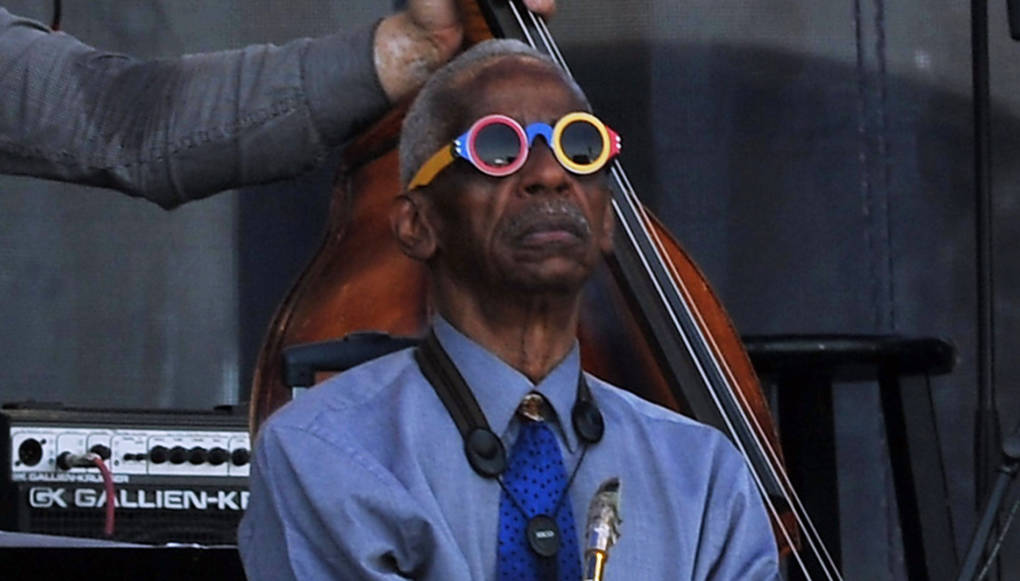
"caption": "Saxophonist Roscoe Mitchell listens to a solo on stage during the \"Jack DeJohnette's Made In Chicago\" performance at the Newport Jazz Festival in Newport, Rhode Island, on Aug. 1, 2015. ",
"description": "Saxophonist Roscoe Mitchell listens to a solo on stage during the \"Jack DeJohnette's Made In Chicago\" performance at the Newport Jazz Festival in Newport, Rhode Island, on Aug. 1, 2015. ",
"title": "US-MUSIC-JAZZ FESTIVAL",
"credit": "Eva Hambach/AFP/Getty Images",
"status": "inherit",
"isLoading": false,
"fetchFailed": false
},
"arts_13828147": {
"type": "attachments",
"id": "arts_13828147",
"meta": {
"index": "attachments_1716263798",
"site": "arts",
"id": "13828147",
"found": true
},
"parent": 13828138,
"imgSizes": {
"small": {
"file": "https://ww2.kqed.org/app/uploads/sites/2/2018/03/DisintegrationLoops-520x293.jpg",
"width": 520,
"mimeType": "image/jpeg",
"height": 293
},
"thumbnail": {
"file": "https://ww2.kqed.org/app/uploads/sites/2/2018/03/DisintegrationLoops-160x90.jpg",
"width": 160,
"mimeType": "image/jpeg",
"height": 90
},
"post-thumbnail": {
"file": "https://ww2.kqed.org/app/uploads/sites/2/2018/03/DisintegrationLoops-672x372.jpg",
"width": 672,
"mimeType": "image/jpeg",
"height": 372
},
"xsmall": {
"file": "https://ww2.kqed.org/app/uploads/sites/2/2018/03/DisintegrationLoops-375x211.jpg",
"width": 375,
"mimeType": "image/jpeg",
"height": 211
},
"kqedFullSize": {
"file": "https://ww2.kqed.org/app/uploads/sites/2/2018/03/DisintegrationLoops.jpg",
"width": 800,
"height": 450
},
"guest-author-50": {
"file": "https://ww2.kqed.org/app/uploads/sites/2/2018/03/DisintegrationLoops-50x50.jpg",
"width": 50,
"mimeType": "image/jpeg",
"height": 50
},
"guest-author-96": {
"file": "https://ww2.kqed.org/app/uploads/sites/2/2018/03/DisintegrationLoops-96x96.jpg",
"width": 96,
"mimeType": "image/jpeg",
"height": 96
},
"medium": {
"file": "https://ww2.kqed.org/app/uploads/sites/2/2018/03/DisintegrationLoops-800x450.jpg",
"width": 800,
"mimeType": "image/jpeg",
"height": 450
},
"guest-author-64": {
"file": "https://ww2.kqed.org/app/uploads/sites/2/2018/03/DisintegrationLoops-64x64.jpg",
"width": 64,
"mimeType": "image/jpeg",
"height": 64
},
"guest-author-32": {
"file": "https://ww2.kqed.org/app/uploads/sites/2/2018/03/DisintegrationLoops-32x32.jpg",
"width": 32,
"mimeType": "image/jpeg",
"height": 32
},
"detail": {
"file": "https://ww2.kqed.org/app/uploads/sites/2/2018/03/DisintegrationLoops-150x150.jpg",
"width": 150,
"mimeType": "image/jpeg",
"height": 150
},
"medium_large": {
"file": "https://ww2.kqed.org/app/uploads/sites/2/2018/03/DisintegrationLoops-768x432.jpg",
"width": 768,
"mimeType": "image/jpeg",
"height": 432
},
"guest-author-128": {
"file": "https://ww2.kqed.org/app/uploads/sites/2/2018/03/DisintegrationLoops-128x128.jpg",
"width": 128,
"mimeType": "image/jpeg",
"height": 128
},
"xxsmall": {
"file": "https://ww2.kqed.org/app/uploads/sites/2/2018/03/DisintegrationLoops-240x135.jpg",
"width": 240,
"mimeType": "image/jpeg",
"height": 135
}
},
"publishDate": 1522192117,
"modified": 1522192175,
"caption": "A still from a video made by Basinski of the New York sky on Sept. 11, 2001, after finishing 'The Disintegration Loops.'",
"description": "A still from a video made by Basinski of the New York sky on Sept. 11, 2001, after finishing 'The Disintegration Loops.'",
"title": "DisintegrationLoops",
"credit": "William Basinksi",
"status": "inherit",
"isLoading": false,
"fetchFailed": false
}
},
"audioPlayerReducer": {
"postId": "stream_live",
"isPaused": true,
"isPlaying": false,
"pfsActive": false,
"pledgeModalIsOpen": true,
"playerDrawerIsOpen": false,
"liveAudioPlayStartedAt": 0,
"liveAudioPlayContext": ""
},
"authorsReducer": {
"mfox": {
"type": "authors",
"id": "22",
"meta": {
"index": "authors_1716337520",
"id": "22",
"found": true
},
"name": "Michael Fox",
"firstName": "Michael",
"lastName": "Fox",
"slug": "mfox",
"email": "foxonfilm@yahoo.com",
"display_author_email": false,
"staff_mastheads": [],
"title": "KQED Contributor",
"bio": "Michael Fox has written about film for dozens of publications since 1987. He is a founding member of the San Francisco Bay Area Film Critics Circle.",
"avatar": "https://secure.gravatar.com/avatar/d9849d6c659c41414795c471d907bb97b396e2a32b88e20e6ff66f65fbdd6dcd?s=600&d=blank&r=g",
"twitter": null,
"bluesky": null,
"facebook": null,
"instagram": null,
"linkedin": null,
"sites": [
{
"site": "arts",
"roles": [
"Contributor",
"contributor"
]
}
],
"headData": {
"title": "Michael Fox | KQED",
"description": "KQED Contributor",
"ogImgSrc": "https://secure.gravatar.com/avatar/d9849d6c659c41414795c471d907bb97b396e2a32b88e20e6ff66f65fbdd6dcd?s=600&d=blank&r=g",
"twImgSrc": "https://secure.gravatar.com/avatar/d9849d6c659c41414795c471d907bb97b396e2a32b88e20e6ff66f65fbdd6dcd?s=600&d=blank&r=g"
},
"isLoading": false,
"link": "/author/mfox"
},
"shotchkiss": {
"type": "authors",
"id": "61",
"meta": {
"index": "authors_1716337520",
"id": "61",
"found": true
},
"name": "Sarah Hotchkiss",
"firstName": "Sarah",
"lastName": "Hotchkiss",
"slug": "shotchkiss",
"email": "shotchkiss@kqed.org",
"display_author_email": true,
"staff_mastheads": [
"arts"
],
"title": "Senior Editor",
"bio": "Sarah Hotchkiss is a San Francisco \u003ca href=\"http://www.sarahhotchkiss.com\">artist\u003c/a> and arts writer. In 2019, she received the Dorothea & Leo Rabkin Foundation grant for visual art journalism and in 2020 she received a Society of Professional Journalists, Northern California award for excellence in arts and culture reporting.",
"avatar": "https://secure.gravatar.com/avatar/bc662df144b3d27fd8b1b6f1c2a420d34e91e53154d411bb7ad353cc8b6cea8d?s=600&d=blank&r=g",
"twitter": null,
"bluesky": null,
"facebook": null,
"instagram": null,
"linkedin": null,
"sites": [
{
"site": "",
"roles": [
"editor"
]
},
{
"site": "arts",
"roles": [
"Contributor",
"administrator"
]
},
{
"site": "artschool",
"roles": [
"administrator"
]
},
{
"site": "news",
"roles": [
"editor"
]
},
{
"site": "pop",
"roles": [
"administrator"
]
},
{
"site": "bayareabites",
"roles": [
"editor"
]
},
{
"site": "spark",
"roles": [
"editor"
]
},
{
"site": "checkplease",
"roles": [
"editor"
]
}
],
"headData": {
"title": "Sarah Hotchkiss | KQED",
"description": "Senior Editor",
"ogImgSrc": "https://secure.gravatar.com/avatar/bc662df144b3d27fd8b1b6f1c2a420d34e91e53154d411bb7ad353cc8b6cea8d?s=600&d=blank&r=g",
"twImgSrc": "https://secure.gravatar.com/avatar/bc662df144b3d27fd8b1b6f1c2a420d34e91e53154d411bb7ad353cc8b6cea8d?s=600&d=blank&r=g"
},
"isLoading": false,
"link": "/author/shotchkiss"
},
"gmeline": {
"type": "authors",
"id": "185",
"meta": {
"index": "authors_1716337520",
"id": "185",
"found": true
},
"name": "Gabe Meline",
"firstName": "Gabe",
"lastName": "Meline",
"slug": "gmeline",
"email": "gmeline@kqed.org",
"display_author_email": true,
"staff_mastheads": [
"arts"
],
"title": "Senior Editor, KQED Arts & Culture",
"bio": "Gabe Meline entered journalism at age 15 making photocopied zines, and has since earned awards from the Edward R. Murrow Awards, the Society for Professional Journalists, the Online Journalism Awards, the Association of Alternative Newsweeklies and the California Newspaper Publishers Association. Prior to KQED, he was the editor of the \u003cem>North Bay Bohemian\u003c/em> and a touring musician. He lives with his wife and daughter in his hometown of Santa Rosa, CA.",
"avatar": "https://secure.gravatar.com/avatar/5bebe57be0d8bc2dd318934feb47299e2d2d10cba28d09d8d7afb389a2ce2bdd?s=600&d=blank&r=g",
"twitter": null,
"bluesky": null,
"facebook": null,
"instagram": null,
"linkedin": null,
"sites": [
{
"site": "",
"roles": [
"editor"
]
},
{
"site": "arts",
"roles": [
"administrator"
]
},
{
"site": "artschool",
"roles": [
"editor"
]
},
{
"site": "news",
"roles": [
"author"
]
},
{
"site": "pop",
"roles": [
"editor"
]
},
{
"site": "bayareabites",
"roles": [
"editor"
]
},
{
"site": "food",
"roles": [
"editor"
]
},
{
"site": "forum",
"roles": [
"administrator"
]
},
{
"site": "liveblog",
"roles": [
"editor"
]
},
{
"site": "hiphop",
"roles": [
"editor"
]
}
],
"headData": {
"title": "Gabe Meline | KQED",
"description": "Senior Editor, KQED Arts & Culture",
"ogImgSrc": "https://secure.gravatar.com/avatar/5bebe57be0d8bc2dd318934feb47299e2d2d10cba28d09d8d7afb389a2ce2bdd?s=600&d=blank&r=g",
"twImgSrc": "https://secure.gravatar.com/avatar/5bebe57be0d8bc2dd318934feb47299e2d2d10cba28d09d8d7afb389a2ce2bdd?s=600&d=blank&r=g"
},
"isLoading": false,
"link": "/author/gmeline"
},
"slefebvre": {
"type": "authors",
"id": "11091",
"meta": {
"index": "authors_1716337520",
"id": "11091",
"found": true
},
"name": "Sam Lefebvre",
"firstName": "Sam",
"lastName": "Lefebvre",
"slug": "slefebvre",
"email": "sdlefebvre@gmail.com",
"display_author_email": false,
"staff_mastheads": [],
"title": "KQED Contributor",
"bio": "Sam Lefebvre is an award-winning reporter at KQED Arts. He has worked as an editor and columnist at the \u003cem>East Bay Express\u003c/em>, \u003cem>SF Weekly \u003c/em>and Impose Magazine, and his journalism and criticism has appeared in \u003cem>The New York Times\u003c/em>, the Guardian and Pitchfork.",
"avatar": "https://secure.gravatar.com/avatar/49d39b42930b77fb13784ddd9fa63fe780666b71bf289368509dba576b64e69b?s=600&d=blank&r=g",
"twitter": "Lefebvre_Sam",
"bluesky": null,
"facebook": null,
"instagram": null,
"linkedin": null,
"sites": [
{
"site": "arts",
"roles": [
"subscriber"
]
},
{
"site": "news",
"roles": [
"author"
]
}
],
"headData": {
"title": "Sam Lefebvre | KQED",
"description": "KQED Contributor",
"ogImgSrc": "https://secure.gravatar.com/avatar/49d39b42930b77fb13784ddd9fa63fe780666b71bf289368509dba576b64e69b?s=600&d=blank&r=g",
"twImgSrc": "https://secure.gravatar.com/avatar/49d39b42930b77fb13784ddd9fa63fe780666b71bf289368509dba576b64e69b?s=600&d=blank&r=g"
},
"isLoading": false,
"link": "/author/slefebvre"
}
},
"pagesReducer": {
"arts_tag_the-lab": {
"type": "terms",
"id": "arts_4109",
"meta": {
"index": "terms_1716263798",
"site": "arts",
"id": "4109",
"score": 10.403352
},
"featImg": null,
"name": "The Lab",
"description": null,
"taxonomy": "tag",
"headData": {
"twImgId": null,
"twTitle": null,
"ogTitle": null,
"ogImgId": null,
"twDescription": null,
"description": null,
"title": "The Lab Archives | KQED Arts",
"ogDescription": null
},
"ttid": 4121,
"slug": "the-lab",
"isLoading": false,
"title": "The Lab",
"pageMeta": {
"site": "arts",
"WpPageTemplate": "page-topic-editorial",
"currentPage": 2
},
"blocks": [
{
"blockName": "kqed/post-list",
"attrs": {
"layout": "cardArticle2",
"query": "posts/arts?tag=the-lab",
"seeMore": false,
"paginated": true,
"page": 2
}
},
{
"blockName": "kqed/ad"
}
]
}
},
"pfsSessionReducer": {},
"postsReducer": {
"stream_live": {
"type": "live",
"id": "stream_live",
"audioUrl": "https://streams.kqed.org/kqedradio",
"title": "Live Stream",
"excerpt": "Live Stream information currently unavailable.",
"link": "/radio",
"featImg": "",
"label": {
"name": "KQED Live",
"link": "/"
}
},
"stream_kqedNewscast": {
"type": "posts",
"id": "stream_kqedNewscast",
"audioUrl": "https://www.kqed.org/.stream/anon/radio/RDnews/newscast.mp3?_=1",
"title": "KQED Newscast",
"featImg": "",
"label": {
"name": "88.5 FM",
"link": "/"
}
},
"arts_13876247": {
"type": "posts",
"id": "arts_13876247",
"meta": {
"index": "posts_1716263798",
"site": "arts",
"id": "13876247",
"score": null,
"sort": [
1583852401000
]
},
"guestAuthors": [],
"slug": "light-field-film-festival-returns-to-push-the-limits-of-celluloid",
"title": "Light Field Film Festival Returns to Push the Limits of Celluloid",
"publishDate": 1583852401,
"format": "standard",
"headTitle": "Light Field Film Festival Returns to Push the Limits of Celluloid | KQED",
"labelTerm": {
"site": "arts"
},
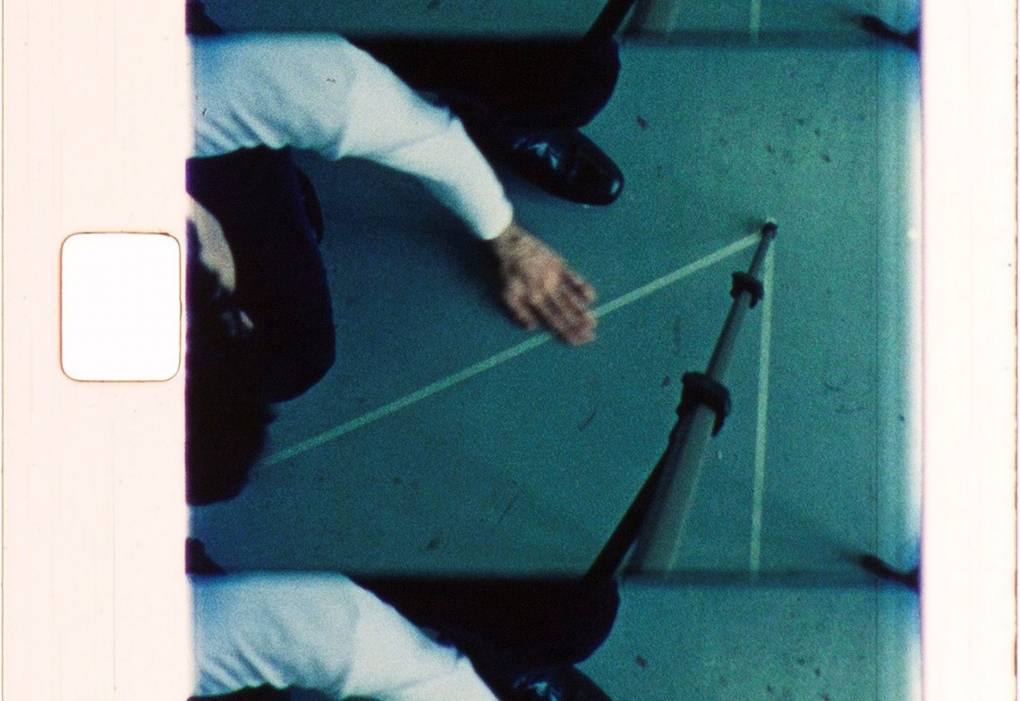
"content": "\u003cp>\u003cem>\u003cstrong>UPDATE: Festival organizers on Thursday \u003ca href=\"https://twitter.com/lightfieldfilm/status/1238115821286637568/photo/1\">announced\u003c/a> Light Field’s cancellation due to novel coronavirus-related concerns.\u003c/strong>\u003c/em> \u003c/p>\n\u003cp>Light Field, the artist-run film festival, has shown films that require fog in lieu of a screen. It’s shown films that require multiple projectors and films that require multiple projectors on opposite sides of a room. I’ve laid down at Light Field, looking up at temporal sculptures suspended in air. It’s often more accurate to say films projected at Light Field are performed instead of shown, really, and they accrete the material conditions of their exhibition like non-sentient collaborators. Outlandish bent aside, though, one lasting effect of Light Field’s experimental programming is enhanced alertness to the lines and shapes embedded in everyday imagery, and their emotional charge. [aside postID=arts_13874349,arts_13852717,arts_12318274]\u003c/p>\n\u003cp>The fourth annual \u003ca href=\"http://www.lightfieldfilm.org/\">Light Field\u003c/a> film festival runs this weekend, March 13-15, at The Lab in San Francisco. The program features an international cast of more than 50 artists, culled from hundreds of submissions by seven collective members. Light Field sprang from conversations at the \u003ca href=\"https://www.kqed.org/ourturbulentdecade/2016-evictions-and-the-ghost-ship-fire-pushed-oakland-artists-into-the-margins\">now-defunct\u003c/a> Black Hole Cinematheque, an underground film series in Oakland, and it differs from more established festivals in key ways. Submissions must be made for celluloid exhibition, but otherwise there’s no criteria; this year one film is 60 years old. There’s no submission fee. Artists receive stipends. Each program costs a modest $6-$10, and weekend passes are $25. \u003c/p>\n\u003cp>So what’s playing? \u003cem>Fever\u003c/em> (1998), a 16mm film by Chicago artist Paula Froehle, joins phantasmagoric closeups with a tactile score of murmuring inhalation to explore a mother-child bond troubled by illness. It’s on Program 7, curated by new collective member Patricia Ledesma Villon, with several stirring shorts meditating on delineated space: Tomonari Nishikawa’s \u003cem>Amusement Ride\u003c/em> (2019) shows the dense field of steel beams supporting a Ferris wheel, and Valentina Alvarado Matos’ \u003cem>El mar peinó a la orilla\u003c/em> (2019 traces an ocean horizon in paint. \u003cem>Locations\u003c/em> (2019), a Super 8 film by Bruno Delgado Ramo, seems to probe the limits of formal description through a diptych-like composition involving fissures and surveying equipment.\u003c/p>\n\u003cfigure id=\"attachment_13876255\" class=\"wp-caption aligncenter\" style=\"max-width: 1920px\">\u003cimg loading=\"lazy\" decoding=\"async\" src=\"https://ww2.kqed.org/app/uploads/sites/2/2020/03/Muller_Alpsee.jpg\" alt=\"A still from Matthias Müller's 'Alpsee,' featured at the fourth annual Light Field film festival.\" width=\"1920\" height=\"1379\" class=\"size-full wp-image-13876255\" srcset=\"https://cdn.kqed.org/wp-content/uploads/sites/2/2020/03/Muller_Alpsee.jpg 1920w, https://cdn.kqed.org/wp-content/uploads/sites/2/2020/03/Muller_Alpsee-160x115.jpg 160w, https://cdn.kqed.org/wp-content/uploads/sites/2/2020/03/Muller_Alpsee-800x575.jpg 800w, https://cdn.kqed.org/wp-content/uploads/sites/2/2020/03/Muller_Alpsee-768x552.jpg 768w, https://cdn.kqed.org/wp-content/uploads/sites/2/2020/03/Muller_Alpsee-1020x733.jpg 1020w\" sizes=\"(max-width: 1920px) 100vw, 1920px\">\u003cfigcaption class=\"wp-caption-text\">A still from Matthias Müller’s ‘Alpsee,’ featured at the fourth annual Light Field film festival. \u003ccite>(Matthias Müller/Courtesy Light Field)\u003c/cite>\u003c/figcaption>\u003c/figure>\n\u003cp>Villon’s program also includes \u003cem>Odds & Ends\u003c/em>, a 16mm film from 1959 by Jane Conger Belson Shimané, who’s often mentioned alongside her former husband Jordan Belson, the late experimental filmmaker based in San Francisco. Villon wanted her program to challenge the idea of the avant-garde’s boundless forward motion, a message sent most clearly by \u003cem>Odds & Ends\u003c/em>: It comprises a rush of familiar and abstract imagery while a voice-over babbles about jazz, poetry and grants in a perhaps uncomfortably resonant spoof of experimental filmmaking and beatnik culture. “It’s rumored the film led to the end of her relationship with Jordan,” Villon said. \u003c/p>\n\u003cp>[ad fullwidth]\u003c/p>\n\u003cp>Light Field collective member Emily Chao, an Oakland filmmaker and curator, selected two half-hour pieces for Program 6 that share an interest in unfinished or unending projects: George Clark’s documentary-like \u003cem>Double Ghosts\u003c/em> (2019), shot in Chile and Taiwan, echoes an incomplete film by Raúl Ruiz, while Silvia das Fadas’ reverent \u003cem>The House is Yet to be Built\u003c/em> portrays architectural sites built with utopian intentions. They blur reportage and fantasy, Chao observed, and appeal to her sense of photographic images as fossils. “They’re both travelogues tracing a legacy or myth,” she said. “There’s a reactivation of forgotten spaces that happens.” \u003c/p>\n\u003cp>Program 2, curated by Tooth, a founding collective member, includes rarely-seen work by Marcelle Thirache, a French artist who painted directly onto Super 8 filmstrip in the 1980s and 1990s; and Paul Sharits, whose \u003cem>Tirgu Jiu\u003c/em> (1977), inspired by Brancusi sculptures, uses two projectors to produce a kinetic flickering effect. Trisha Low, the poet and performer, described a theme of containment in her program—dark and vivid in Matthias Müller’s \u003cem>Alpsee\u003c/em> and Mike Stoltz’s \u003cem>Something to Touch that is Not Corruption or Ashes or Dust\u003c/em>—that connects to broader ideas. “[Film] is marked by the touches of each person it passes through, hand to hand, each time it’s viewed,” she said. “In that sense it’s a magnet for contagion, it is made to be contaminated.” \u003c/p>\n\u003cfigure id=\"attachment_13876256\" class=\"wp-caption aligncenter\" style=\"max-width: 1920px\">\u003cimg loading=\"lazy\" decoding=\"async\" src=\"https://ww2.kqed.org/app/uploads/sites/2/2020/03/Zinn-3.jpg\" alt=\"Stuart Moore's 'Zinn,' a film featured at Light Field, depicts the Dartmoor river.\" width=\"1920\" height=\"1303\" class=\"size-full wp-image-13876256\" srcset=\"https://cdn.kqed.org/wp-content/uploads/sites/2/2020/03/Zinn-3.jpg 1920w, https://cdn.kqed.org/wp-content/uploads/sites/2/2020/03/Zinn-3-160x109.jpg 160w, https://cdn.kqed.org/wp-content/uploads/sites/2/2020/03/Zinn-3-800x543.jpg 800w, https://cdn.kqed.org/wp-content/uploads/sites/2/2020/03/Zinn-3-768x521.jpg 768w, https://cdn.kqed.org/wp-content/uploads/sites/2/2020/03/Zinn-3-1020x692.jpg 1020w\" sizes=\"(max-width: 1920px) 100vw, 1920px\">\u003cfigcaption class=\"wp-caption-text\">Stuart Moore’s ‘Zinn,’ a film featured at Light Field, depicts the Dartmoor river. \u003ccite>( Stuart Moore/Courtesy Light Field)\u003c/cite>\u003c/figcaption>\u003c/figure>\n\u003cp>Light Field carries forward an experimental film tradition that’s struggling against cost-of-living and real estate pressure in the Bay Area. Tooth moved to New York last year after eviction ended Black Hole Cinematheque, and founding collective member Zachary Epcar now lives in Milwaukee. Running against this trend, however, is Shapeshifters Cinema and Brewery, a new exhibition space in Oakland. And the volunteer Light Field collective has actually doubled in size and begun to receive grant funding. It also has a strong relationship with Canyon Cinema, the important experimental film distributor in San Francisco. Tooth noted Dena Beard, director of the Lab, is an essential supporter. “After every festival she goes, ‘When are we doing it again?’” \u003c/p>\n\u003cp>\u003c/p>\n\u003cp>The Light Field collective, which also includes Samuel Breslin and Syd Staiti, generally collaborates on a “spectacle” program to conclude the festival with a challenge to the conventions of film exhibition. (In 2016 the festival ended \u003ca href=\"https://www.eastbayexpress.com/oakland/light-field-a-new-experimental-film-festival-promises-conical-visions-in-a-cave/Content?oid=5028815\">inside the sea cave\u003c/a> at Sutro Baths.) The parting provocation this year is \u003cem>The Eyes Empty and the Pupils Burning of Rage and Desire\u003c/em> by Luis Macias. The Spanish filmmaker, who’s presenting the piece live, manually advances black leader through two projectors while manipulating the lenses and bulbs. The light from the bulb singes the leader, destroying the film as it’s being projected. The idea, according to Macias, is to isolate the elements of a cinematograph device, resulting in a silent film “without image.” \u003c/p>\n\n",
"blocks": [],
"excerpt": "The fourth annual artist-run film festival occurs March 13-15 at the Lab in San Francisco. ",
"status": "publish",
"parent": 0,
"modified": 1726764192,
"stats": {
"hasAudio": false,
"hasVideo": false,
"hasChartOrMap": false,
"iframeSrcs": [],
"hasGoogleForm": false,
"hasGallery": false,
"hasHearkenModule": false,
"hasPolis": false,
"paragraphCount": 11,
"wordCount": 1045
},
"headData": {
"title": "Light Field Film Festival Returns to Push the Limits of Celluloid | KQED",
"description": "The fourth annual artist-run film festival occurs March 13-15 at the Lab in San Francisco. ",
"ogTitle": "",
"ogDescription": "",
"ogImgId": "",
"twTitle": "",
"twDescription": "",
"twImgId": "",
"schema": {
"@context": "https://schema.org",
"@type": "Article",
"headline": "Light Field Film Festival Returns to Push the Limits of Celluloid",
"datePublished": "2020-03-10T08:00:01-07:00",
"dateModified": "2024-09-19T09:43:12-07:00",
"image": "https://cdn.kqed.org/wp-content/uploads/2020/02/KQED-OG-Image@1x.png"
}
},
"sticky": false,
"templateType": "standard",
"featuredImageType": "standard",
"path": "/arts/13876247/light-field-film-festival-returns-to-push-the-limits-of-celluloid",
"audioTrackLength": null,
"parsedContent": [
{
"type": "contentString",
"content": "\u003cdiv class=\"post-body\">\u003cp>\u003cp>\u003cem>\u003cstrong>UPDATE: Festival organizers on Thursday \u003ca href=\"https://twitter.com/lightfieldfilm/status/1238115821286637568/photo/1\">announced\u003c/a> Light Field’s cancellation due to novel coronavirus-related concerns.\u003c/strong>\u003c/em> \u003c/p>\n\u003cp>Light Field, the artist-run film festival, has shown films that require fog in lieu of a screen. It’s shown films that require multiple projectors and films that require multiple projectors on opposite sides of a room. I’ve laid down at Light Field, looking up at temporal sculptures suspended in air. It’s often more accurate to say films projected at Light Field are performed instead of shown, really, and they accrete the material conditions of their exhibition like non-sentient collaborators. Outlandish bent aside, though, one lasting effect of Light Field’s experimental programming is enhanced alertness to the lines and shapes embedded in everyday imagery, and their emotional charge. \u003c/p>\u003c/div>",
"attributes": {
"named": {},
"numeric": []
}
},
{
"type": "component",
"content": "",
"name": "aside",
"attributes": {
"named": {
"postid": "arts_13874349,arts_13852717,arts_12318274",
"label": ""
},
"numeric": []
}
},
{
"type": "contentString",
"content": "\u003cdiv class=\"post-body\">\u003cp>\u003c/p>\n\u003cp>The fourth annual \u003ca href=\"http://www.lightfieldfilm.org/\">Light Field\u003c/a> film festival runs this weekend, March 13-15, at The Lab in San Francisco. The program features an international cast of more than 50 artists, culled from hundreds of submissions by seven collective members. Light Field sprang from conversations at the \u003ca href=\"https://www.kqed.org/ourturbulentdecade/2016-evictions-and-the-ghost-ship-fire-pushed-oakland-artists-into-the-margins\">now-defunct\u003c/a> Black Hole Cinematheque, an underground film series in Oakland, and it differs from more established festivals in key ways. Submissions must be made for celluloid exhibition, but otherwise there’s no criteria; this year one film is 60 years old. There’s no submission fee. Artists receive stipends. Each program costs a modest $6-$10, and weekend passes are $25. \u003c/p>\n\u003cp>So what’s playing? \u003cem>Fever\u003c/em> (1998), a 16mm film by Chicago artist Paula Froehle, joins phantasmagoric closeups with a tactile score of murmuring inhalation to explore a mother-child bond troubled by illness. It’s on Program 7, curated by new collective member Patricia Ledesma Villon, with several stirring shorts meditating on delineated space: Tomonari Nishikawa’s \u003cem>Amusement Ride\u003c/em> (2019) shows the dense field of steel beams supporting a Ferris wheel, and Valentina Alvarado Matos’ \u003cem>El mar peinó a la orilla\u003c/em> (2019 traces an ocean horizon in paint. \u003cem>Locations\u003c/em> (2019), a Super 8 film by Bruno Delgado Ramo, seems to probe the limits of formal description through a diptych-like composition involving fissures and surveying equipment.\u003c/p>\n\u003cfigure id=\"attachment_13876255\" class=\"wp-caption aligncenter\" style=\"max-width: 1920px\">\u003cimg loading=\"lazy\" decoding=\"async\" src=\"https://ww2.kqed.org/app/uploads/sites/2/2020/03/Muller_Alpsee.jpg\" alt=\"A still from Matthias Müller's 'Alpsee,' featured at the fourth annual Light Field film festival.\" width=\"1920\" height=\"1379\" class=\"size-full wp-image-13876255\" srcset=\"https://cdn.kqed.org/wp-content/uploads/sites/2/2020/03/Muller_Alpsee.jpg 1920w, https://cdn.kqed.org/wp-content/uploads/sites/2/2020/03/Muller_Alpsee-160x115.jpg 160w, https://cdn.kqed.org/wp-content/uploads/sites/2/2020/03/Muller_Alpsee-800x575.jpg 800w, https://cdn.kqed.org/wp-content/uploads/sites/2/2020/03/Muller_Alpsee-768x552.jpg 768w, https://cdn.kqed.org/wp-content/uploads/sites/2/2020/03/Muller_Alpsee-1020x733.jpg 1020w\" sizes=\"(max-width: 1920px) 100vw, 1920px\">\u003cfigcaption class=\"wp-caption-text\">A still from Matthias Müller’s ‘Alpsee,’ featured at the fourth annual Light Field film festival. \u003ccite>(Matthias Müller/Courtesy Light Field)\u003c/cite>\u003c/figcaption>\u003c/figure>\n\u003cp>Villon’s program also includes \u003cem>Odds & Ends\u003c/em>, a 16mm film from 1959 by Jane Conger Belson Shimané, who’s often mentioned alongside her former husband Jordan Belson, the late experimental filmmaker based in San Francisco. Villon wanted her program to challenge the idea of the avant-garde’s boundless forward motion, a message sent most clearly by \u003cem>Odds & Ends\u003c/em>: It comprises a rush of familiar and abstract imagery while a voice-over babbles about jazz, poetry and grants in a perhaps uncomfortably resonant spoof of experimental filmmaking and beatnik culture. “It’s rumored the film led to the end of her relationship with Jordan,” Villon said. \u003c/p>\n\u003cp>\u003c/p>\u003c/div>",
"attributes": {
"named": {},
"numeric": []
}
},
{
"type": "component",
"content": "",
"name": "ad",
"attributes": {
"named": {
"label": "fullwidth"
},
"numeric": [
"fullwidth"
]
}
},
{
"type": "contentString",
"content": "\u003cdiv class=\"post-body\">\u003cp>\u003c/p>\n\u003cp>Light Field collective member Emily Chao, an Oakland filmmaker and curator, selected two half-hour pieces for Program 6 that share an interest in unfinished or unending projects: George Clark’s documentary-like \u003cem>Double Ghosts\u003c/em> (2019), shot in Chile and Taiwan, echoes an incomplete film by Raúl Ruiz, while Silvia das Fadas’ reverent \u003cem>The House is Yet to be Built\u003c/em> portrays architectural sites built with utopian intentions. They blur reportage and fantasy, Chao observed, and appeal to her sense of photographic images as fossils. “They’re both travelogues tracing a legacy or myth,” she said. “There’s a reactivation of forgotten spaces that happens.” \u003c/p>\n\u003cp>Program 2, curated by Tooth, a founding collective member, includes rarely-seen work by Marcelle Thirache, a French artist who painted directly onto Super 8 filmstrip in the 1980s and 1990s; and Paul Sharits, whose \u003cem>Tirgu Jiu\u003c/em> (1977), inspired by Brancusi sculptures, uses two projectors to produce a kinetic flickering effect. Trisha Low, the poet and performer, described a theme of containment in her program—dark and vivid in Matthias Müller’s \u003cem>Alpsee\u003c/em> and Mike Stoltz’s \u003cem>Something to Touch that is Not Corruption or Ashes or Dust\u003c/em>—that connects to broader ideas. “[Film] is marked by the touches of each person it passes through, hand to hand, each time it’s viewed,” she said. “In that sense it’s a magnet for contagion, it is made to be contaminated.” \u003c/p>\n\u003cfigure id=\"attachment_13876256\" class=\"wp-caption aligncenter\" style=\"max-width: 1920px\">\u003cimg loading=\"lazy\" decoding=\"async\" src=\"https://ww2.kqed.org/app/uploads/sites/2/2020/03/Zinn-3.jpg\" alt=\"Stuart Moore's 'Zinn,' a film featured at Light Field, depicts the Dartmoor river.\" width=\"1920\" height=\"1303\" class=\"size-full wp-image-13876256\" srcset=\"https://cdn.kqed.org/wp-content/uploads/sites/2/2020/03/Zinn-3.jpg 1920w, https://cdn.kqed.org/wp-content/uploads/sites/2/2020/03/Zinn-3-160x109.jpg 160w, https://cdn.kqed.org/wp-content/uploads/sites/2/2020/03/Zinn-3-800x543.jpg 800w, https://cdn.kqed.org/wp-content/uploads/sites/2/2020/03/Zinn-3-768x521.jpg 768w, https://cdn.kqed.org/wp-content/uploads/sites/2/2020/03/Zinn-3-1020x692.jpg 1020w\" sizes=\"(max-width: 1920px) 100vw, 1920px\">\u003cfigcaption class=\"wp-caption-text\">Stuart Moore’s ‘Zinn,’ a film featured at Light Field, depicts the Dartmoor river. \u003ccite>( Stuart Moore/Courtesy Light Field)\u003c/cite>\u003c/figcaption>\u003c/figure>\n\u003cp>Light Field carries forward an experimental film tradition that’s struggling against cost-of-living and real estate pressure in the Bay Area. Tooth moved to New York last year after eviction ended Black Hole Cinematheque, and founding collective member Zachary Epcar now lives in Milwaukee. Running against this trend, however, is Shapeshifters Cinema and Brewery, a new exhibition space in Oakland. And the volunteer Light Field collective has actually doubled in size and begun to receive grant funding. It also has a strong relationship with Canyon Cinema, the important experimental film distributor in San Francisco. Tooth noted Dena Beard, director of the Lab, is an essential supporter. “After every festival she goes, ‘When are we doing it again?’” \u003c/p>\n\u003cp>\u003c/p>\n\u003cp>The Light Field collective, which also includes Samuel Breslin and Syd Staiti, generally collaborates on a “spectacle” program to conclude the festival with a challenge to the conventions of film exhibition. (In 2016 the festival ended \u003ca href=\"https://www.eastbayexpress.com/oakland/light-field-a-new-experimental-film-festival-promises-conical-visions-in-a-cave/Content?oid=5028815\">inside the sea cave\u003c/a> at Sutro Baths.) The parting provocation this year is \u003cem>The Eyes Empty and the Pupils Burning of Rage and Desire\u003c/em> by Luis Macias. The Spanish filmmaker, who’s presenting the piece live, manually advances black leader through two projectors while manipulating the lenses and bulbs. The light from the bulb singes the leader, destroying the film as it’s being projected. The idea, according to Macias, is to isolate the elements of a cinematograph device, resulting in a silent film “without image.” \u003c/p>\n\n\u003c/div>\u003c/p>",
"attributes": {
"named": {},
"numeric": []
}
}
],
"link": "/arts/13876247/light-field-film-festival-returns-to-push-the-limits-of-celluloid",
"authors": [
"11091"
],
"categories": [
"arts_1",
"arts_74",
"arts_70"
],
"tags": [
"arts_5053",
"arts_1118",
"arts_1201",
"arts_3323",
"arts_596",
"arts_4109"
],
"featImg": "arts_13876253",
"label": "arts"
},
"arts_13876228": {
"type": "posts",
"id": "arts_13876228",
"meta": {
"index": "posts_1716263798",
"site": "arts",
"id": "13876228",
"score": null,
"sort": [
1583788916000
]
},
"parent": 0,
"labelTerm": {
"site": "arts",
"term": 140
},
"blocks": [],
"publishDate": 1583788916,
"format": "standard",
"title": "CANCELED: Now Playing! Light Field Trips Out on Celluloid at The Lab",
"headTitle": "CANCELED: Now Playing! Light Field Trips Out on Celluloid at The Lab | KQED",
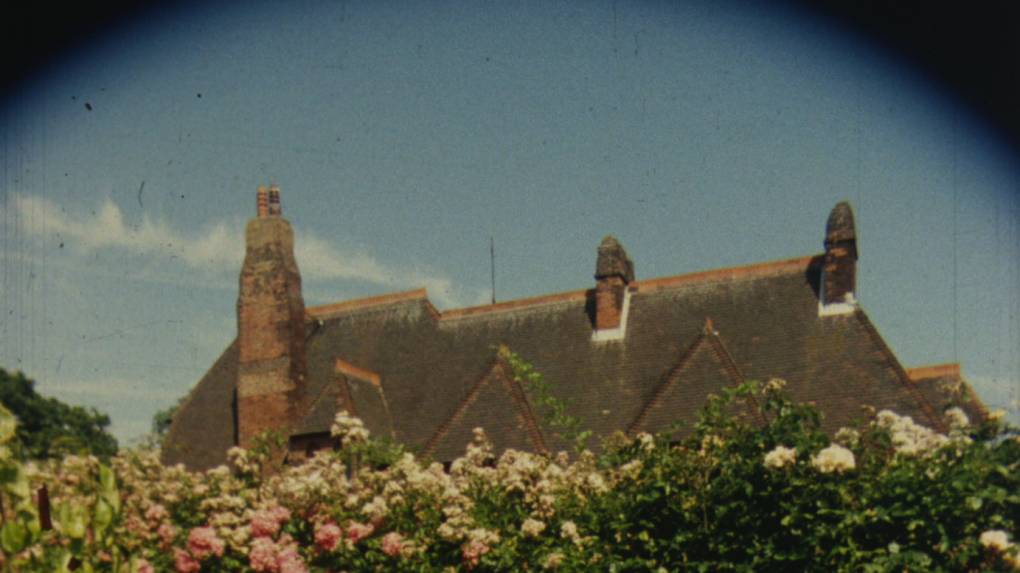
"content": "\u003cp>\u003cstrong>\u003cem>NOTE: This show has been \u003ca href=\"http://www.lightfieldfilm.org/\" rel=\"noopener noreferrer\" target=\"_blank\">canceled\u003c/a> due to coronavirus restrictions.\u003c/em>\u003c/strong>\u003c/p>\n\u003cp>The Bay Area is thick with visiting filmmakers this week, barring last-minute changes on account of the coronavirus. (To wit, the International Ocean Film Festival, scheduled for March 12–15, just announced its postponement.) Topping the list is \u003ca href=\"https://bampfa.org/program/afterimage-souleymane-cisse\" rel=\"noopener noreferrer\" target=\"_blank\">Souleymane Cissé\u003c/a>, the Malian director who’s achieved African immortality and an international reputation via just nine films. Cissé, who turns 80 in a month, graces BAMPFA’s \u003ca href=\"https://bampfa.org/program/african-film-festival-2020\" rel=\"noopener noreferrer\" target=\"_blank\">African Film Festival\u003c/a> (continuing through May 8) with discussions and screenings of his 1987 masterwork \u003cem>Brightness\u003c/em> (March 12), 1978’s \u003cem>Baara\u003c/em> (March 14) and 1982’s \u003cem>The Wind\u003c/em> (March 15).\u003c/p>\n\u003cp>Over the course of eight independent features since 1994, writer-director Kelly Reichardt has exposed and examined the alienation and betrayal of ordinary Americans in Western locales both scenic and barren. The Bay Area release this weekend of what’s shaping up to be her biggest theatrical success, \u003cem>First Cow\u003c/em>, brings Reichardt to the Smith Rafael Film Center (March 12) and the \u003ca href=\"https://www.roxie.com/ai1ec_event/certain-women/?instance_id=40032\" rel=\"noopener noreferrer\" target=\"_blank\">Roxie\u003c/a> (March 14), the latter with her underseen \u003cem>Certain Women\u003c/em> (2016).\u003c/p>\n\u003cfigure id=\"attachment_13876235\" class=\"wp-caption aligncenter\" style=\"max-width: 1200px\">\u003cimg loading=\"lazy\" decoding=\"async\" src=\"https://ww2.kqed.org/app/uploads/sites/2/2020/03/Zinn-1_1200.jpg\" alt=\"\" width=\"1200\" height=\"839\" class=\"size-full wp-image-13876235\" srcset=\"https://cdn.kqed.org/wp-content/uploads/sites/2/2020/03/Zinn-1_1200.jpg 1200w, https://cdn.kqed.org/wp-content/uploads/sites/2/2020/03/Zinn-1_1200-160x112.jpg 160w, https://cdn.kqed.org/wp-content/uploads/sites/2/2020/03/Zinn-1_1200-800x559.jpg 800w, https://cdn.kqed.org/wp-content/uploads/sites/2/2020/03/Zinn-1_1200-768x537.jpg 768w, https://cdn.kqed.org/wp-content/uploads/sites/2/2020/03/Zinn-1_1200-1020x713.jpg 1020w\" sizes=\"(max-width: 1200px) 100vw, 1200px\">\u003cfigcaption class=\"wp-caption-text\">Still from Stuart Moore’s ‘Zinn,’ 2018. \u003ccite>(Stuart Moore/Courtesy Light Field)\u003c/cite>\u003c/figcaption>\u003c/figure>\n\u003cp>\u003ca href=\"https://www.thelab.org/projects/2020/3/13/light-field\" rel=\"noopener noreferrer\" target=\"_blank\">Light Field\u003c/a>, the eclectic and invigorating annual exhibition of art on celluloid at The Lab (March 13–15), will host a number of Bay Area filmmakers, with a smaller turnout from further afield. That shouldn’t stop anyone with an abiding love—aesthetic, experiential or nostalgic—for the medium of film. And yes, film absolutely still exists, as do many artists around the world in thrall to its properties and possibilities.\u003c/p>\n\u003cp>One waxes rhapsodically about the unique and ephemeral qualities of celluloid at the risk of sounding like a Luddite, a Flintstone or an academic. Either you get the gritty, grainy realness of film or you don’t—until, that is, you see that British filmmaker Stuart Moore’s exquisite shots of undulating riverbeds in \u003cem>Zinn\u003c/em> have a texture and depth that transcends simply capturing a moment. It’s the difference between, say, an etching and a snapshot.\u003c/p>\n\u003cp>[ad fullwidth]\u003c/p>\n\u003cp>Even snapshots have more gravity on celluloid. In \u003cem>Borgo\u003c/em>, Lucie Leszez shuffles black-and-white snippets of Bologna like pages in an old scrapbook. Sandra Davis filmed her crackling 1988 opus of nature’s and man’s mysteries, \u003cem>An Architecture of Desire\u003c/em>, in Chicago’s posh Graceland Cemetery and in the ancient Anasazi homeland of Chaco Canyon (New Mexico). Portuguese filmmaker Sílvia das Fadas is even more ambitious, creating the docu-essay \u003cem>A casa, a verdadeira e a seguinte, ainda está por fazer\u003c/em> (\u003cem>The House Is Yet to Be Built\u003c/em>) from texts by the likes of Brecht and footage she shot at unusual public art structures in various countries. \u003c/p>\n\u003cp>\u003c/p>\n\u003cp>One of these years, you’ll only be able to see a film projected in a museum or a basement (after the revolution, and only if you know the password). This weekend, incredibly, you only have to go to 16th and Capp.\u003c/p>\n\n",
"stats": {
"hasVideo": false,
"hasChartOrMap": false,
"hasAudio": false,
"hasPolis": false,
"wordCount": 519,
"hasGoogleForm": false,
"hasGallery": false,
"hasHearkenModule": false,
"iframeSrcs": [],
"paragraphCount": 9
},
"modified": 1705021136,
"excerpt": "Film absolutely still exists, as do many artists around the world in thrall to its properties and possibilities",
"headData": {
"twImgId": "",
"twTitle": "",
"ogTitle": "",
"ogImgId": "",
"twDescription": "",
"description": "Film absolutely still exists, as do many artists around the world in thrall to its properties and possibilities",
"title": "CANCELED: Now Playing! Light Field Trips Out on Celluloid at The Lab | KQED",
"ogDescription": "",
"schema": {
"@context": "https://schema.org",
"@type": "Article",
"headline": "CANCELED: Now Playing! Light Field Trips Out on Celluloid at The Lab",
"datePublished": "2020-03-09T14:21:56-07:00",
"dateModified": "2024-01-11T16:58:56-08:00",
"image": "https://cdn.kqed.org/wp-content/uploads/2020/02/KQED-OG-Image@1x.png"
}
},
"guestAuthors": [],
"slug": "now-playing-light-field-trips-out-on-celluloid-at-the-lab",
"status": "publish",
"templateType": "standard",
"venueName": "The Lab",
"featuredImageType": "standard",
"sticky": false,
"startTime": 1584086400,
"endTime": 1584338400,
"startTimeString": "March 13–15",
"venueAddress": "2948 16th St., San Francisco",
"eventLink": "http://www.lightfieldfilm.org/",
"path": "/arts/13876228/now-playing-light-field-trips-out-on-celluloid-at-the-lab",
"audioTrackLength": null,
"parsedContent": [
{
"type": "contentString",
"content": "\u003cdiv class=\"post-body\">\u003cp>\u003cp>\u003cstrong>\u003cem>NOTE: This show has been \u003ca href=\"http://www.lightfieldfilm.org/\" rel=\"noopener noreferrer\" target=\"_blank\">canceled\u003c/a> due to coronavirus restrictions.\u003c/em>\u003c/strong>\u003c/p>\n\u003cp>The Bay Area is thick with visiting filmmakers this week, barring last-minute changes on account of the coronavirus. (To wit, the International Ocean Film Festival, scheduled for March 12–15, just announced its postponement.) Topping the list is \u003ca href=\"https://bampfa.org/program/afterimage-souleymane-cisse\" rel=\"noopener noreferrer\" target=\"_blank\">Souleymane Cissé\u003c/a>, the Malian director who’s achieved African immortality and an international reputation via just nine films. Cissé, who turns 80 in a month, graces BAMPFA’s \u003ca href=\"https://bampfa.org/program/african-film-festival-2020\" rel=\"noopener noreferrer\" target=\"_blank\">African Film Festival\u003c/a> (continuing through May 8) with discussions and screenings of his 1987 masterwork \u003cem>Brightness\u003c/em> (March 12), 1978’s \u003cem>Baara\u003c/em> (March 14) and 1982’s \u003cem>The Wind\u003c/em> (March 15).\u003c/p>\n\u003cp>Over the course of eight independent features since 1994, writer-director Kelly Reichardt has exposed and examined the alienation and betrayal of ordinary Americans in Western locales both scenic and barren. The Bay Area release this weekend of what’s shaping up to be her biggest theatrical success, \u003cem>First Cow\u003c/em>, brings Reichardt to the Smith Rafael Film Center (March 12) and the \u003ca href=\"https://www.roxie.com/ai1ec_event/certain-women/?instance_id=40032\" rel=\"noopener noreferrer\" target=\"_blank\">Roxie\u003c/a> (March 14), the latter with her underseen \u003cem>Certain Women\u003c/em> (2016).\u003c/p>\n\u003cfigure id=\"attachment_13876235\" class=\"wp-caption aligncenter\" style=\"max-width: 1200px\">\u003cimg loading=\"lazy\" decoding=\"async\" src=\"https://ww2.kqed.org/app/uploads/sites/2/2020/03/Zinn-1_1200.jpg\" alt=\"\" width=\"1200\" height=\"839\" class=\"size-full wp-image-13876235\" srcset=\"https://cdn.kqed.org/wp-content/uploads/sites/2/2020/03/Zinn-1_1200.jpg 1200w, https://cdn.kqed.org/wp-content/uploads/sites/2/2020/03/Zinn-1_1200-160x112.jpg 160w, https://cdn.kqed.org/wp-content/uploads/sites/2/2020/03/Zinn-1_1200-800x559.jpg 800w, https://cdn.kqed.org/wp-content/uploads/sites/2/2020/03/Zinn-1_1200-768x537.jpg 768w, https://cdn.kqed.org/wp-content/uploads/sites/2/2020/03/Zinn-1_1200-1020x713.jpg 1020w\" sizes=\"(max-width: 1200px) 100vw, 1200px\">\u003cfigcaption class=\"wp-caption-text\">Still from Stuart Moore’s ‘Zinn,’ 2018. \u003ccite>(Stuart Moore/Courtesy Light Field)\u003c/cite>\u003c/figcaption>\u003c/figure>\n\u003cp>\u003ca href=\"https://www.thelab.org/projects/2020/3/13/light-field\" rel=\"noopener noreferrer\" target=\"_blank\">Light Field\u003c/a>, the eclectic and invigorating annual exhibition of art on celluloid at The Lab (March 13–15), will host a number of Bay Area filmmakers, with a smaller turnout from further afield. That shouldn’t stop anyone with an abiding love—aesthetic, experiential or nostalgic—for the medium of film. And yes, film absolutely still exists, as do many artists around the world in thrall to its properties and possibilities.\u003c/p>\n\u003cp>One waxes rhapsodically about the unique and ephemeral qualities of celluloid at the risk of sounding like a Luddite, a Flintstone or an academic. Either you get the gritty, grainy realness of film or you don’t—until, that is, you see that British filmmaker Stuart Moore’s exquisite shots of undulating riverbeds in \u003cem>Zinn\u003c/em> have a texture and depth that transcends simply capturing a moment. It’s the difference between, say, an etching and a snapshot.\u003c/p>\n\u003cp>\u003c/p>\u003c/div>",
"attributes": {
"named": {},
"numeric": []
}
},
{
"type": "component",
"content": "",
"name": "ad",
"attributes": {
"named": {
"label": "fullwidth"
},
"numeric": [
"fullwidth"
]
}
},
{
"type": "contentString",
"content": "\u003cdiv class=\"post-body\">\u003cp>\u003c/p>\n\u003cp>Even snapshots have more gravity on celluloid. In \u003cem>Borgo\u003c/em>, Lucie Leszez shuffles black-and-white snippets of Bologna like pages in an old scrapbook. Sandra Davis filmed her crackling 1988 opus of nature’s and man’s mysteries, \u003cem>An Architecture of Desire\u003c/em>, in Chicago’s posh Graceland Cemetery and in the ancient Anasazi homeland of Chaco Canyon (New Mexico). Portuguese filmmaker Sílvia das Fadas is even more ambitious, creating the docu-essay \u003cem>A casa, a verdadeira e a seguinte, ainda está por fazer\u003c/em> (\u003cem>The House Is Yet to Be Built\u003c/em>) from texts by the likes of Brecht and footage she shot at unusual public art structures in various countries. \u003c/p>\n\u003cp>\u003c/p>\n\u003cp>One of these years, you’ll only be able to see a film projected in a museum or a basement (after the revolution, and only if you know the password). This weekend, incredibly, you only have to go to 16th and Capp.\u003c/p>\n\n\u003c/div>\u003c/p>",
"attributes": {
"named": {},
"numeric": []
}
}
],
"link": "/arts/13876228/now-playing-light-field-trips-out-on-celluloid-at-the-lab",
"authors": [
"22"
],
"programs": [
"arts_140"
],
"categories": [
"arts_74"
],
"tags": [
"arts_1118",
"arts_1006",
"arts_3323",
"arts_596",
"arts_1334",
"arts_4109"
],
"featImg": "arts_13876234",
"label": "arts_140"
},
"arts_13860198": {
"type": "posts",
"id": "arts_13860198",
"meta": {
"index": "posts_1716263798",
"site": "arts",
"id": "13860198",
"score": null,
"sort": [
1561575659000
]
},
"guestAuthors": [],
"slug": "nonprofit-developer-poised-to-buy-redstone-building-calls-on-sf-to-close-funding-gap",
"title": "Nonprofit Developer Poised to Buy Redstone Building Calls on S.F. to Close Funding Gap",
"publishDate": 1561575659,
"format": "standard",
"headTitle": "Nonprofit Developer Poised to Buy Redstone Building Calls on S.F. to Close Funding Gap | KQED",
"labelTerm": {
"site": "arts"
},
"content": "\u003cp>Affordable housing developer Mission Economic Development Agency is in contract to acquire the Redstone Building, a purchase tenants and supporters call essential to preserving the historic arts and social services hub, but still needs millions of dollars to finalize the deal.\u003c/p>\n\u003cp>MEDA spokesperson Christopher Gil said the developer has reached an agreement to buy the Redstone Building from property owner David Lucchesi for $15 million by Aug. 1, and that renovations, including a seismic retrofit, are expected to cost “many millions” in addition.\u003c/p>\n\u003cp>MEDA is still short some $7 million, so the developer, Redstone tenants and supporters are asking the City of San Francisco to commit $1 million by July 15. Such a pledge, according to Gil, would help assure other investors “that our organization can make the numbers work.”\u003c/p>\n\u003cp>The goal of the plan, Gil continued, is to “preserve the three-story landmark as a permanent center for cultural resources, while maintaining affordable rents for all current tenants.”\u003c/p>\n\u003cfigure id=\"attachment_13860204\" class=\"wp-caption aligncenter\" style=\"max-width: 800px\">\u003cimg loading=\"lazy\" decoding=\"async\" class=\"size-medium wp-image-13860204\" src=\"https://ww2.kqed.org/arts/wp-content/uploads/sites/2/2019/06/Redstone-Building-and-Lab-signs-800x450.jpg\" alt=\"The Redstone Building houses an array of arts and social services organizations.\" width=\"800\" height=\"450\" srcset=\"https://cdn.kqed.org/wp-content/uploads/sites/2/2019/06/Redstone-Building-and-Lab-signs-800x450.jpg 800w, https://cdn.kqed.org/wp-content/uploads/sites/2/2019/06/Redstone-Building-and-Lab-signs-160x90.jpg 160w, https://cdn.kqed.org/wp-content/uploads/sites/2/2019/06/Redstone-Building-and-Lab-signs-768x432.jpg 768w, https://cdn.kqed.org/wp-content/uploads/sites/2/2019/06/Redstone-Building-and-Lab-signs-1020x574.jpg 1020w, https://cdn.kqed.org/wp-content/uploads/sites/2/2019/06/Redstone-Building-and-Lab-signs-1200x675.jpg 1200w, https://cdn.kqed.org/wp-content/uploads/sites/2/2019/06/Redstone-Building-and-Lab-signs.jpg 1920w\" sizes=\"(max-width: 800px) 100vw, 800px\">\u003cfigcaption class=\"wp-caption-text\">The Redstone Building houses an array of arts and social services organizations. \u003ccite>(Sam Lefebvre/KQED)\u003c/cite>\u003c/figcaption>\u003c/figure>\n\u003cp>Although city officials have not identified a funding source, on Tuesday the San Francisco Board of Supervisors voted to approve a resolution, sponsored by supervisors Hillary Ronen, Shamann Walton and Gordon Mar, pledging support for the acquisition effort.\u003c/p>\n\u003cp>[ad fullwidth]\u003c/p>\n\u003cp>The resolution states that “one of the last buildings in San Francisco dedicated to maintaining the culture and community of the Mission District” is “being targeted by the same forces of real estate speculation that are displacing poor and working class people from San Francisco.”\u003c/p>\n\u003cp>“I am so sick of the nonstop displacement of the heart and soul of my district,” Ronen said in a statement. “I am impressed by the Redstone tenants’ determination and their creativity to save this precious Mission resource, and I am ready to do whatever I can to support them.”\u003c/p>\n\u003cfigure id=\"attachment_13860206\" class=\"wp-caption aligncenter\" style=\"max-width: 800px\">\u003cimg loading=\"lazy\" decoding=\"async\" class=\"size-medium wp-image-13860206\" src=\"https://ww2.kqed.org/arts/wp-content/uploads/sites/2/2019/06/Redstone-Building-Hallway-w-Murals-800x450.jpg\" alt=\"In the 1990s, the Lab and Clarion Alley Mural Project commissioned artists to paint murals inside the Redstone Building. \" width=\"800\" height=\"450\" srcset=\"https://cdn.kqed.org/wp-content/uploads/sites/2/2019/06/Redstone-Building-Hallway-w-Murals-800x450.jpg 800w, https://cdn.kqed.org/wp-content/uploads/sites/2/2019/06/Redstone-Building-Hallway-w-Murals-160x90.jpg 160w, https://cdn.kqed.org/wp-content/uploads/sites/2/2019/06/Redstone-Building-Hallway-w-Murals-768x432.jpg 768w, https://cdn.kqed.org/wp-content/uploads/sites/2/2019/06/Redstone-Building-Hallway-w-Murals-1020x574.jpg 1020w, https://cdn.kqed.org/wp-content/uploads/sites/2/2019/06/Redstone-Building-Hallway-w-Murals-1200x675.jpg 1200w, https://cdn.kqed.org/wp-content/uploads/sites/2/2019/06/Redstone-Building-Hallway-w-Murals.jpg 1920w\" sizes=\"(max-width: 800px) 100vw, 800px\">\u003cfigcaption class=\"wp-caption-text\">In the 1990s, the Lab and Clarion Alley Mural Project commissioned artists to paint murals inside the Redstone Building. \u003ccite>(Sam Lefebvre/KQED)\u003c/cite>\u003c/figcaption>\u003c/figure>\n\u003cp>The red-brick structure at 16th & Capp streets houses organizations including \u003ca href=\"https://www.thelab.org/\" target=\"_blank\" rel=\"noopener\">the Lab\u003c/a>, a multidisciplinary art space; \u003ca href=\"http://ellaparatranslatinas.yolasite.com/\" target=\"_blank\" rel=\"noopener\">El/La Para TransLatinas\u003c/a>, a social-services resource for transgender Latinx people; \u003ca href=\"https://www.iitc.org/\" target=\"_blank\" rel=\"noopener\">International Indian Treaty Council\u003c/a>, an advocacy group for indigenous people; and \u003ca href=\"https://wraphome.org/\" target=\"_blank\" rel=\"noopener\">Western Regional Advocacy Project\u003c/a>, a grassroots group focused on ending homelessness.\u003c/p>\n\u003cp>Last Thursday tenants and supporters of the building, carrying banners and “speculators out” signs, marched from the Redstone to City Hall, and delivered a petition of support signed by more than 7,000 people. Ronen’s aide Amy Beinart said at the rally that the supervisor is advocating for financing to be made available through the city’s budget process.\u003c/p>\n\u003cp>Lucchesi listed the 55,000-square-foot building for sale in 2018, \u003ca href=\"https://missionlocal.org/2019/01/negotiations-continue-over-historic-sf-redstone-building/\" target=\"_blank\" rel=\"noopener\">reportedly\u003c/a> asking $25 million. Tenants of the registered landmark believe sale of the Redstone to a for-profit entity would lead to untenable rent increases—one prospective buyer, they say, was a co-working office company—and ultimately displacement for the longtime arts and nonprofit organizations.\u003c/p>\n\u003cfigure id=\"attachment_13860210\" class=\"wp-caption aligncenter\" style=\"max-width: 800px\">\u003cimg loading=\"lazy\" decoding=\"async\" class=\"size-medium wp-image-13860210\" src=\"https://ww2.kqed.org/arts/wp-content/uploads/sites/2/2019/06/San-Francisco-Labor-Temple-sign-800x450.jpg\" alt=\"The San Francisco Labor Temple opened in 1914, and for decades played a key role in the city’s labor movement.\" width=\"800\" height=\"450\" srcset=\"https://cdn.kqed.org/wp-content/uploads/sites/2/2019/06/San-Francisco-Labor-Temple-sign-800x450.jpg 800w, https://cdn.kqed.org/wp-content/uploads/sites/2/2019/06/San-Francisco-Labor-Temple-sign-160x90.jpg 160w, https://cdn.kqed.org/wp-content/uploads/sites/2/2019/06/San-Francisco-Labor-Temple-sign-768x432.jpg 768w, https://cdn.kqed.org/wp-content/uploads/sites/2/2019/06/San-Francisco-Labor-Temple-sign-1020x574.jpg 1020w, https://cdn.kqed.org/wp-content/uploads/sites/2/2019/06/San-Francisco-Labor-Temple-sign-1200x675.jpg 1200w, https://cdn.kqed.org/wp-content/uploads/sites/2/2019/06/San-Francisco-Labor-Temple-sign.jpg 1920w\" sizes=\"(max-width: 800px) 100vw, 800px\">\u003cfigcaption class=\"wp-caption-text\">The San Francisco Labor Temple opened in 1914, and for decades played a key role in the city’s labor movement. \u003ccite>(Sam Lefebvre/KQED)\u003c/cite>\u003c/figcaption>\u003c/figure>\n\u003cp>Karl Kramer, a Redstone Labor Temple Association and \u003ca href=\"https://www.livingwage-sf.org/\" target=\"_blank\" rel=\"noopener\">San Francisco Living Wage Coalition\u003c/a> organizer, said that the potential sale to a co-working company, along with anxieties about a controversial adjacent housing development, led some tenants to move out in recent years.\u003c/p>\n\u003cp>“It was obvious the co-working companies would have no interest in retaining the existing tenants—they’re in the business of renting couch space to techies by the hour,” Kramer said.\u003c/p>\n\u003cp>Currently there’s some two dozen tenants, Kramer said, and ample empty space, including performing arts and workshop facilities used until 2009 by Theater Rhinoceros, the groundbreaking queer theater company. Kramer said the anticipated MEDA acquisition has spurred talk of tenants collaboratively establishing a Center for Economic and Social Justice.\u003c/p>\n\u003cp>Kramer added that in addition to pressuring the city, Redstone tenants are seeking philanthropic backing. Separately, a \u003ca href=\"https://www.kickstarter.com/projects/buildthelab/buy-the-lab\" target=\"_blank\" rel=\"noopener\">crowdfunding campaign\u003c/a> organized by the Lab seeks $50,000 towards buying its own space from MEDA if the deal goes through.\u003c/p>\n\u003cfigure id=\"attachment_13860203\" class=\"wp-caption aligncenter\" style=\"max-width: 800px\">\u003cimg loading=\"lazy\" decoding=\"async\" class=\"size-medium wp-image-13860203\" src=\"https://ww2.kqed.org/arts/wp-content/uploads/sites/2/2019/06/Margaret-Kilgallen-Lab-Sign-800x450.jpg\" alt=\"One of the city’s only publicly viewable artworks by the late Mission School artist Margaret Kilgallen is the Lab’s hand-painted sign at the Redstone Building.\" width=\"800\" height=\"450\" srcset=\"https://cdn.kqed.org/wp-content/uploads/sites/2/2019/06/Margaret-Kilgallen-Lab-Sign-800x450.jpg 800w, https://cdn.kqed.org/wp-content/uploads/sites/2/2019/06/Margaret-Kilgallen-Lab-Sign-160x90.jpg 160w, https://cdn.kqed.org/wp-content/uploads/sites/2/2019/06/Margaret-Kilgallen-Lab-Sign-768x432.jpg 768w, https://cdn.kqed.org/wp-content/uploads/sites/2/2019/06/Margaret-Kilgallen-Lab-Sign-1020x574.jpg 1020w, https://cdn.kqed.org/wp-content/uploads/sites/2/2019/06/Margaret-Kilgallen-Lab-Sign-1200x675.jpg 1200w, https://cdn.kqed.org/wp-content/uploads/sites/2/2019/06/Margaret-Kilgallen-Lab-Sign.jpg 1920w\" sizes=\"(max-width: 800px) 100vw, 800px\">\u003cfigcaption class=\"wp-caption-text\">One of the city’s only publicly viewable artworks by the late Mission School artist Margaret Kilgallen is the Lab’s hand-painted sign at the Redstone Building. \u003ccite>(Sam Lefebvre/KQED)\u003c/cite>\u003c/figcaption>\u003c/figure>\n\u003cp>The San Francisco Labor Temple opened in 1914, and for decades played a key role in the city’s labor movement. It was the headquarters for unions including Bookbinder’s Local 125, the first all-women union, and in 1934 was the nexus of a historic general strike. The building sold in 1968, gradually acquiring its current mix of arts, social services and cultural advocacy tenants.\u003c/p>\n\u003cp>In the 1990s, the Lab and the Clarion Alley Mural Project commissioned artists including Barry McGee, Chuck Sperry and Carolyn Castano to paint murals commemorating the building’s legacy of labor organizing and community service. One of the city’s only publicly viewable artworks by the late Mission School artist Margaret Kilgallen is the Lab’s hand-painted sign.\u003c/p>\n\u003cp>Dena Beard, executive director of the Lab, described the murals as a prescient collection of the Mission School, a movement associated with unconventional materials, everyday forms and social commentary. “Every piece is really indicative of the artists’ styles at the time,” Beard said. “It was major recognition for what we now consider a hugely important movement.”\u003c/p>\n\u003cp>Beard said she’s currently having the body of work appraised in order to better impress its value on the organization she expects to be the Lab’s next landlord.\u003c/p>\n\u003cp>\u003c/p>\n\u003cp>Gil, the MEDA spokesperson, said it will take a “true community-wide effort from the City, investors and philanthropy to keep the Redstone’s tenants in place at affordable rents, thereby stopping their displacement not just from their building, but San Francisco itself.”\u003c/p>\n\n",
"blocks": [],
"excerpt": "The registered landmark houses an array of arts and social service organizations. ",
"status": "publish",
"parent": 0,
"modified": 1726704613,
"stats": {
"hasAudio": false,
"hasVideo": false,
"hasChartOrMap": false,
"iframeSrcs": [],
"hasGoogleForm": false,
"hasGallery": false,
"hasHearkenModule": false,
"hasPolis": false,
"paragraphCount": 21,
"wordCount": 1016
},
"headData": {
"title": "Nonprofit Developer Poised to Buy Redstone Building Calls on S.F. to Close Funding Gap | KQED",
"description": "The registered landmark houses an array of arts and social service organizations. ",
"ogTitle": "",
"ogDescription": "",
"ogImgId": "",
"twTitle": "",
"twDescription": "",
"twImgId": "",
"schema": {
"@context": "https://schema.org",
"@type": "Article",
"headline": "Nonprofit Developer Poised to Buy Redstone Building Calls on S.F. to Close Funding Gap",
"datePublished": "2019-06-26T12:00:59-07:00",
"dateModified": "2024-09-18T17:10:13-07:00",
"image": "https://cdn.kqed.org/wp-content/uploads/2020/02/KQED-OG-Image@1x.png"
}
},
"sticky": false,
"path": "/arts/13860198/nonprofit-developer-poised-to-buy-redstone-building-calls-on-sf-to-close-funding-gap",
"audioTrackLength": null,
"parsedContent": [
{
"type": "contentString",
"content": "\u003cdiv class=\"post-body\">\u003cp>\u003cp>Affordable housing developer Mission Economic Development Agency is in contract to acquire the Redstone Building, a purchase tenants and supporters call essential to preserving the historic arts and social services hub, but still needs millions of dollars to finalize the deal.\u003c/p>\n\u003cp>MEDA spokesperson Christopher Gil said the developer has reached an agreement to buy the Redstone Building from property owner David Lucchesi for $15 million by Aug. 1, and that renovations, including a seismic retrofit, are expected to cost “many millions” in addition.\u003c/p>\n\u003cp>MEDA is still short some $7 million, so the developer, Redstone tenants and supporters are asking the City of San Francisco to commit $1 million by July 15. Such a pledge, according to Gil, would help assure other investors “that our organization can make the numbers work.”\u003c/p>\n\u003cp>The goal of the plan, Gil continued, is to “preserve the three-story landmark as a permanent center for cultural resources, while maintaining affordable rents for all current tenants.”\u003c/p>\n\u003cfigure id=\"attachment_13860204\" class=\"wp-caption aligncenter\" style=\"max-width: 800px\">\u003cimg loading=\"lazy\" decoding=\"async\" class=\"size-medium wp-image-13860204\" src=\"https://ww2.kqed.org/arts/wp-content/uploads/sites/2/2019/06/Redstone-Building-and-Lab-signs-800x450.jpg\" alt=\"The Redstone Building houses an array of arts and social services organizations.\" width=\"800\" height=\"450\" srcset=\"https://cdn.kqed.org/wp-content/uploads/sites/2/2019/06/Redstone-Building-and-Lab-signs-800x450.jpg 800w, https://cdn.kqed.org/wp-content/uploads/sites/2/2019/06/Redstone-Building-and-Lab-signs-160x90.jpg 160w, https://cdn.kqed.org/wp-content/uploads/sites/2/2019/06/Redstone-Building-and-Lab-signs-768x432.jpg 768w, https://cdn.kqed.org/wp-content/uploads/sites/2/2019/06/Redstone-Building-and-Lab-signs-1020x574.jpg 1020w, https://cdn.kqed.org/wp-content/uploads/sites/2/2019/06/Redstone-Building-and-Lab-signs-1200x675.jpg 1200w, https://cdn.kqed.org/wp-content/uploads/sites/2/2019/06/Redstone-Building-and-Lab-signs.jpg 1920w\" sizes=\"(max-width: 800px) 100vw, 800px\">\u003cfigcaption class=\"wp-caption-text\">The Redstone Building houses an array of arts and social services organizations. \u003ccite>(Sam Lefebvre/KQED)\u003c/cite>\u003c/figcaption>\u003c/figure>\n\u003cp>Although city officials have not identified a funding source, on Tuesday the San Francisco Board of Supervisors voted to approve a resolution, sponsored by supervisors Hillary Ronen, Shamann Walton and Gordon Mar, pledging support for the acquisition effort.\u003c/p>\n\u003cp>\u003c/p>\u003c/div>",
"attributes": {
"named": {},
"numeric": []
}
},
{
"type": "component",
"content": "",
"name": "ad",
"attributes": {
"named": {
"label": "fullwidth"
},
"numeric": [
"fullwidth"
]
}
},
{
"type": "contentString",
"content": "\u003cdiv class=\"post-body\">\u003cp>\u003c/p>\n\u003cp>The resolution states that “one of the last buildings in San Francisco dedicated to maintaining the culture and community of the Mission District” is “being targeted by the same forces of real estate speculation that are displacing poor and working class people from San Francisco.”\u003c/p>\n\u003cp>“I am so sick of the nonstop displacement of the heart and soul of my district,” Ronen said in a statement. “I am impressed by the Redstone tenants’ determination and their creativity to save this precious Mission resource, and I am ready to do whatever I can to support them.”\u003c/p>\n\u003cfigure id=\"attachment_13860206\" class=\"wp-caption aligncenter\" style=\"max-width: 800px\">\u003cimg loading=\"lazy\" decoding=\"async\" class=\"size-medium wp-image-13860206\" src=\"https://ww2.kqed.org/arts/wp-content/uploads/sites/2/2019/06/Redstone-Building-Hallway-w-Murals-800x450.jpg\" alt=\"In the 1990s, the Lab and Clarion Alley Mural Project commissioned artists to paint murals inside the Redstone Building. \" width=\"800\" height=\"450\" srcset=\"https://cdn.kqed.org/wp-content/uploads/sites/2/2019/06/Redstone-Building-Hallway-w-Murals-800x450.jpg 800w, https://cdn.kqed.org/wp-content/uploads/sites/2/2019/06/Redstone-Building-Hallway-w-Murals-160x90.jpg 160w, https://cdn.kqed.org/wp-content/uploads/sites/2/2019/06/Redstone-Building-Hallway-w-Murals-768x432.jpg 768w, https://cdn.kqed.org/wp-content/uploads/sites/2/2019/06/Redstone-Building-Hallway-w-Murals-1020x574.jpg 1020w, https://cdn.kqed.org/wp-content/uploads/sites/2/2019/06/Redstone-Building-Hallway-w-Murals-1200x675.jpg 1200w, https://cdn.kqed.org/wp-content/uploads/sites/2/2019/06/Redstone-Building-Hallway-w-Murals.jpg 1920w\" sizes=\"(max-width: 800px) 100vw, 800px\">\u003cfigcaption class=\"wp-caption-text\">In the 1990s, the Lab and Clarion Alley Mural Project commissioned artists to paint murals inside the Redstone Building. \u003ccite>(Sam Lefebvre/KQED)\u003c/cite>\u003c/figcaption>\u003c/figure>\n\u003cp>The red-brick structure at 16th & Capp streets houses organizations including \u003ca href=\"https://www.thelab.org/\" target=\"_blank\" rel=\"noopener\">the Lab\u003c/a>, a multidisciplinary art space; \u003ca href=\"http://ellaparatranslatinas.yolasite.com/\" target=\"_blank\" rel=\"noopener\">El/La Para TransLatinas\u003c/a>, a social-services resource for transgender Latinx people; \u003ca href=\"https://www.iitc.org/\" target=\"_blank\" rel=\"noopener\">International Indian Treaty Council\u003c/a>, an advocacy group for indigenous people; and \u003ca href=\"https://wraphome.org/\" target=\"_blank\" rel=\"noopener\">Western Regional Advocacy Project\u003c/a>, a grassroots group focused on ending homelessness.\u003c/p>\n\u003cp>Last Thursday tenants and supporters of the building, carrying banners and “speculators out” signs, marched from the Redstone to City Hall, and delivered a petition of support signed by more than 7,000 people. Ronen’s aide Amy Beinart said at the rally that the supervisor is advocating for financing to be made available through the city’s budget process.\u003c/p>\n\u003cp>Lucchesi listed the 55,000-square-foot building for sale in 2018, \u003ca href=\"https://missionlocal.org/2019/01/negotiations-continue-over-historic-sf-redstone-building/\" target=\"_blank\" rel=\"noopener\">reportedly\u003c/a> asking $25 million. Tenants of the registered landmark believe sale of the Redstone to a for-profit entity would lead to untenable rent increases—one prospective buyer, they say, was a co-working office company—and ultimately displacement for the longtime arts and nonprofit organizations.\u003c/p>\n\u003cfigure id=\"attachment_13860210\" class=\"wp-caption aligncenter\" style=\"max-width: 800px\">\u003cimg loading=\"lazy\" decoding=\"async\" class=\"size-medium wp-image-13860210\" src=\"https://ww2.kqed.org/arts/wp-content/uploads/sites/2/2019/06/San-Francisco-Labor-Temple-sign-800x450.jpg\" alt=\"The San Francisco Labor Temple opened in 1914, and for decades played a key role in the city’s labor movement.\" width=\"800\" height=\"450\" srcset=\"https://cdn.kqed.org/wp-content/uploads/sites/2/2019/06/San-Francisco-Labor-Temple-sign-800x450.jpg 800w, https://cdn.kqed.org/wp-content/uploads/sites/2/2019/06/San-Francisco-Labor-Temple-sign-160x90.jpg 160w, https://cdn.kqed.org/wp-content/uploads/sites/2/2019/06/San-Francisco-Labor-Temple-sign-768x432.jpg 768w, https://cdn.kqed.org/wp-content/uploads/sites/2/2019/06/San-Francisco-Labor-Temple-sign-1020x574.jpg 1020w, https://cdn.kqed.org/wp-content/uploads/sites/2/2019/06/San-Francisco-Labor-Temple-sign-1200x675.jpg 1200w, https://cdn.kqed.org/wp-content/uploads/sites/2/2019/06/San-Francisco-Labor-Temple-sign.jpg 1920w\" sizes=\"(max-width: 800px) 100vw, 800px\">\u003cfigcaption class=\"wp-caption-text\">The San Francisco Labor Temple opened in 1914, and for decades played a key role in the city’s labor movement. \u003ccite>(Sam Lefebvre/KQED)\u003c/cite>\u003c/figcaption>\u003c/figure>\n\u003cp>Karl Kramer, a Redstone Labor Temple Association and \u003ca href=\"https://www.livingwage-sf.org/\" target=\"_blank\" rel=\"noopener\">San Francisco Living Wage Coalition\u003c/a> organizer, said that the potential sale to a co-working company, along with anxieties about a controversial adjacent housing development, led some tenants to move out in recent years.\u003c/p>\n\u003cp>“It was obvious the co-working companies would have no interest in retaining the existing tenants—they’re in the business of renting couch space to techies by the hour,” Kramer said.\u003c/p>\n\u003cp>Currently there’s some two dozen tenants, Kramer said, and ample empty space, including performing arts and workshop facilities used until 2009 by Theater Rhinoceros, the groundbreaking queer theater company. Kramer said the anticipated MEDA acquisition has spurred talk of tenants collaboratively establishing a Center for Economic and Social Justice.\u003c/p>\n\u003cp>Kramer added that in addition to pressuring the city, Redstone tenants are seeking philanthropic backing. Separately, a \u003ca href=\"https://www.kickstarter.com/projects/buildthelab/buy-the-lab\" target=\"_blank\" rel=\"noopener\">crowdfunding campaign\u003c/a> organized by the Lab seeks $50,000 towards buying its own space from MEDA if the deal goes through.\u003c/p>\n\u003cfigure id=\"attachment_13860203\" class=\"wp-caption aligncenter\" style=\"max-width: 800px\">\u003cimg loading=\"lazy\" decoding=\"async\" class=\"size-medium wp-image-13860203\" src=\"https://ww2.kqed.org/arts/wp-content/uploads/sites/2/2019/06/Margaret-Kilgallen-Lab-Sign-800x450.jpg\" alt=\"One of the city’s only publicly viewable artworks by the late Mission School artist Margaret Kilgallen is the Lab’s hand-painted sign at the Redstone Building.\" width=\"800\" height=\"450\" srcset=\"https://cdn.kqed.org/wp-content/uploads/sites/2/2019/06/Margaret-Kilgallen-Lab-Sign-800x450.jpg 800w, https://cdn.kqed.org/wp-content/uploads/sites/2/2019/06/Margaret-Kilgallen-Lab-Sign-160x90.jpg 160w, https://cdn.kqed.org/wp-content/uploads/sites/2/2019/06/Margaret-Kilgallen-Lab-Sign-768x432.jpg 768w, https://cdn.kqed.org/wp-content/uploads/sites/2/2019/06/Margaret-Kilgallen-Lab-Sign-1020x574.jpg 1020w, https://cdn.kqed.org/wp-content/uploads/sites/2/2019/06/Margaret-Kilgallen-Lab-Sign-1200x675.jpg 1200w, https://cdn.kqed.org/wp-content/uploads/sites/2/2019/06/Margaret-Kilgallen-Lab-Sign.jpg 1920w\" sizes=\"(max-width: 800px) 100vw, 800px\">\u003cfigcaption class=\"wp-caption-text\">One of the city’s only publicly viewable artworks by the late Mission School artist Margaret Kilgallen is the Lab’s hand-painted sign at the Redstone Building. \u003ccite>(Sam Lefebvre/KQED)\u003c/cite>\u003c/figcaption>\u003c/figure>\n\u003cp>The San Francisco Labor Temple opened in 1914, and for decades played a key role in the city’s labor movement. It was the headquarters for unions including Bookbinder’s Local 125, the first all-women union, and in 1934 was the nexus of a historic general strike. The building sold in 1968, gradually acquiring its current mix of arts, social services and cultural advocacy tenants.\u003c/p>\n\u003cp>In the 1990s, the Lab and the Clarion Alley Mural Project commissioned artists including Barry McGee, Chuck Sperry and Carolyn Castano to paint murals commemorating the building’s legacy of labor organizing and community service. One of the city’s only publicly viewable artworks by the late Mission School artist Margaret Kilgallen is the Lab’s hand-painted sign.\u003c/p>\n\u003cp>Dena Beard, executive director of the Lab, described the murals as a prescient collection of the Mission School, a movement associated with unconventional materials, everyday forms and social commentary. “Every piece is really indicative of the artists’ styles at the time,” Beard said. “It was major recognition for what we now consider a hugely important movement.”\u003c/p>\n\u003cp>Beard said she’s currently having the body of work appraised in order to better impress its value on the organization she expects to be the Lab’s next landlord.\u003c/p>\n\u003cp>\u003c/p>\n\u003cp>Gil, the MEDA spokesperson, said it will take a “true community-wide effort from the City, investors and philanthropy to keep the Redstone’s tenants in place at affordable rents, thereby stopping their displacement not just from their building, but San Francisco itself.”\u003c/p>\n\n\u003c/div>\u003c/p>",
"attributes": {
"named": {},
"numeric": []
}
}
],
"link": "/arts/13860198/nonprofit-developer-poised-to-buy-redstone-building-calls-on-sf-to-close-funding-gap",
"authors": [
"11091"
],
"categories": [
"arts_1",
"arts_235"
],
"tags": [
"arts_1118",
"arts_1257",
"arts_746",
"arts_596",
"arts_4109"
],
"featImg": "arts_13860205",
"label": "arts"
},
"arts_13858290": {
"type": "posts",
"id": "arts_13858290",
"meta": {
"index": "posts_1716263798",
"site": "arts",
"id": "13858290",
"score": null,
"sort": [
1559674832000
]
},
"guestAuthors": [],
"slug": "sfs-first-black-owned-gay-bar-offered-refuge-from-racism-in-the-90s-queer-scene",
"title": "SF's First Black-Owned Gay Bar Offered Refuge from Racism in the '90s Queer Scene",
"publishDate": 1559674832,
"format": "standard",
"headTitle": "SF’s First Black-Owned Gay Bar Offered Refuge from Racism in the ’90s Queer Scene | KQED",
"labelTerm": {
"site": "arts"
},
"content": "\u003cp>\u003cem>\u003cstrong>Editor’s Note:\u003c/strong> This article is part of KQED Arts’ story series \u003ca href=\"https://www.kqed.org/arts/program/pride-as-protest\" target=\"_blank\" rel=\"noopener\">Pride as Protest\u003c/a>, which chronicles the past and present of LGBTQ+ activism in honor of the 50th anniversary of the Stonewall riots. Learn more about the series \u003ca href=\"https://www.kqed.org/arts/13858609/welcome-to-pride-as-protest-a-new-kqed-arts-story-series\" target=\"_blank\" rel=\"noopener\">here\u003c/a>.\u003c/em>\u003c/p>\n\u003cp>One Saturday evening last month, dozens of people hovered around a horseshoe-shaped bar in the Mission District of San Francisco. Diffuse blue and fuchsia lights shone on white patent leather sofas, and a DJ played vinyl—mostly throwback funk and disco beating with a steady pulse. Arched over the scene was a pink neon sign with the words “Eagle Creek.”\u003c/p>\n\u003cp>As the music quieted, \u003ca href=\"http://www.sadiebarnette.com/\" target=\"_blank\" rel=\"noopener\">Sadie Barnette\u003c/a> and her father Rodney sat on stools beneath the neon, and explained why this art space, usually known as \u003ca href=\"https://www.thelab.org/\" target=\"_blank\" rel=\"noopener\">the Lab\u003c/a>, looked and felt like a nightclub. In the 1970s and 1980s, Rodney recalled, gay bars were among the least hospitable places in San Francisco for black people such as himself. There was hardly a place for gay black people to dance, let alone throw a fundraiser for a gay black political candidate.\u003c/p>\n\u003cp>“That’s why I bought the Eagle Creek,” he said.\u003c/p>\n\u003cfigure id=\"attachment_13858718\" class=\"wp-caption aligncenter\" style=\"max-width: 800px\">\u003cimg loading=\"lazy\" decoding=\"async\" class=\"size-medium wp-image-13858718\" src=\"https://ww2.kqed.org/arts/wp-content/uploads/sites/2/2019/05/Sadie-and-Rodney-Barnette-2-800x533.jpg\" alt=\"Sadie Barnette (L) used her residency at The Lab to honor San Francisco's first black-owned gay bar the Eagle Creek Saloon, which her father Rodney (R) opened in 1990.\" width=\"800\" height=\"533\" srcset=\"https://cdn.kqed.org/wp-content/uploads/sites/2/2019/05/Sadie-and-Rodney-Barnette-2-800x533.jpg 800w, https://cdn.kqed.org/wp-content/uploads/sites/2/2019/05/Sadie-and-Rodney-Barnette-2-160x107.jpg 160w, https://cdn.kqed.org/wp-content/uploads/sites/2/2019/05/Sadie-and-Rodney-Barnette-2-768x512.jpg 768w, https://cdn.kqed.org/wp-content/uploads/sites/2/2019/05/Sadie-and-Rodney-Barnette-2-1020x680.jpg 1020w, https://cdn.kqed.org/wp-content/uploads/sites/2/2019/05/Sadie-and-Rodney-Barnette-2-1200x800.jpg 1200w, https://cdn.kqed.org/wp-content/uploads/sites/2/2019/05/Sadie-and-Rodney-Barnette-2.jpg 1920w\" sizes=\"(max-width: 800px) 100vw, 800px\">\u003cfigcaption class=\"wp-caption-text\">Sadie Barnette (L) used her residency at The Lab to honor San Francisco’s first black-owned gay bar the Eagle Creek Saloon, which her father Rodney (R) opened in 1990. \u003ccite>(Sam Lefebvre/KQED)\u003c/cite>\u003c/figcaption>\u003c/figure>\n\u003cp>Sadie was five years old in 1990 when her father acquired the bar that for the next three years provided gay people of color a site of protest, refuge and revelry on Market Street—”a friendly place with a funky bass for every race,” as its slogan went. Now the Oakland artist is using her \u003ca href=\"https://www.thelab.org/projects/2019/5/11/sadie-barnette-the-new-eagle-creek-saloon\" target=\"_blank\" rel=\"noopener\">residency\u003c/a> at the Lab to to honor her father’s venture with “something living, something more than a referential archive,” she said. “I want this to channel Eagle Creek, not just be about it.” [aside postid='arts_13858167']\u003c/p>\n\u003cp>Sadie’s most vivid memory of the city’s first black-owned gay bar is from 1992, when the Eagle Creek sponsored what Rodney calls the first black float in the San Francisco Pride parade. The theme was black people through the ages, and Sadie stood alongside pharaohs and astronauts in an ornately tasseled ensemble created by a bar regular. Her residency at the Lab culminates with this year’s parade on June 30, when the entire bar will be hoisted onto a float. Until then, the bar is on view every Wednesday 5-8pm.\u003c/p>\n\u003cp>\u003cspan style=\"font-weight: 400\">[pullquote size='large' align='right' citation='Rodney Barnette, owner of Eagle Creek Saloon']“The bigger the community got, the worse the discrimination was. I started avoiding even driving through the Castro.”[/pullquote]\u003c/span>\u003c/p>\n\u003cp>“The New Eagle Creek Saloon” is not a reproduction of Eagle Creek so much as a fondly embellished memory. Sadie called the aesthetic “disco limbo,” saying in a recent interview that it connects to her work in terms of familiar objects or scenes portrayed with a hyperbolic grandeur to suggest their liberatory potential. The bar is part altar, with photos of the Barnette family from the time, and part sculpture, with crushed cans and stereo equipment enameled in glitter. There are branded matchbooks and coasters, and the bar itself is sturdy enough for people to dance on.\u003c/p>\n\u003cfigure id=\"attachment_13858711\" class=\"wp-caption aligncenter\" style=\"max-width: 800px\">\u003cimg loading=\"lazy\" decoding=\"async\" class=\"size-medium wp-image-13858711\" src=\"https://ww2.kqed.org/arts/wp-content/uploads/sites/2/2019/05/Barnette-family-and-regulars-eagle-creek-saloon-800x618.jpg\" alt='L to R: Alvin and Carl Barnette, Eagle Creek regulars Sammy \"La Creek\" and Frank \"Lady F,\" and Rodney Barnette.' width=\"800\" height=\"618\" srcset=\"https://cdn.kqed.org/wp-content/uploads/sites/2/2019/05/Barnette-family-and-regulars-eagle-creek-saloon-800x618.jpg 800w, https://cdn.kqed.org/wp-content/uploads/sites/2/2019/05/Barnette-family-and-regulars-eagle-creek-saloon-160x124.jpg 160w, https://cdn.kqed.org/wp-content/uploads/sites/2/2019/05/Barnette-family-and-regulars-eagle-creek-saloon-768x594.jpg 768w, https://cdn.kqed.org/wp-content/uploads/sites/2/2019/05/Barnette-family-and-regulars-eagle-creek-saloon-1020x788.jpg 1020w, https://cdn.kqed.org/wp-content/uploads/sites/2/2019/05/Barnette-family-and-regulars-eagle-creek-saloon-1200x928.jpg 1200w, https://cdn.kqed.org/wp-content/uploads/sites/2/2019/05/Barnette-family-and-regulars-eagle-creek-saloon.jpg 1920w\" sizes=\"(max-width: 800px) 100vw, 800px\">\u003cfigcaption class=\"wp-caption-text\">L to R: Alvin and Carl Barnette, Eagle Creek regulars Sammy “La Creek” and Frank “Lady F,” and Rodney Barnette. \u003ccite>(Courtesy Sadie Barnette)\u003c/cite>\u003c/figcaption>\u003c/figure>\n\u003cp>Sadie aims for the installation to also be a queer social space, inviting organizations such as the Black Aesthetic film collective to contribute programming. This way, the project at once enhances the historical record, gathering memories and materials related to a little-documented bar, and addresses a still-urgent need for black-centered queer spaces. “Discrimination at clubs doesn’t take the same forms now,” she said. “But we shouldn’t relegate the struggle to the past.”\u003c/p>\n\u003cp>Rodney was wounded in the Vietnam War, and upon returning to Los Angeles realized American police occupied the black community the way American soldiers occupied Vietnam. He founded the Compton chapter of the Black Panther Party in 1968, landing on the Federal Bureau of Investigation’s Counterintelligence Program (COINTELPRO) watchlist. [aside postid='arts_13858829']\u003c/p>\n\u003cp>Sadie incorporated his FBI file, acquired via a public records request, into her installation \u003cem>My Father’s FBI File, Project I\u003c/em>, which debuted in 2016 at the Oakland Museum of California’s exhibition \u003cem>All Power to the People: Black Panthers at 50\u003c/em>. She had in mind a piece inspired by Eagle Creek even before that project, but it wasn’t until the Lab residency that she had the opportunity. “Something that’s as much performance as shrine or nightclub needs somewhere as flexible as the Lab,” she said.\u003c/p>\n\u003cfigure id=\"attachment_13858712\" class=\"wp-caption aligncenter\" style=\"max-width: 800px\">\u003cimg loading=\"lazy\" decoding=\"async\" class=\"size-medium wp-image-13858712\" src=\"https://ww2.kqed.org/arts/wp-content/uploads/sites/2/2019/05/Bar-sculpture-Eagle-Creek-800x450.jpg\" alt=\"The bar is part altar, with photos of the Barnette family from the time, and part sculpture, with crushed cans and stereo equipment enameled in glitter.\" width=\"800\" height=\"450\" srcset=\"https://cdn.kqed.org/wp-content/uploads/sites/2/2019/05/Bar-sculpture-Eagle-Creek-800x450.jpg 800w, https://cdn.kqed.org/wp-content/uploads/sites/2/2019/05/Bar-sculpture-Eagle-Creek-160x90.jpg 160w, https://cdn.kqed.org/wp-content/uploads/sites/2/2019/05/Bar-sculpture-Eagle-Creek-768x432.jpg 768w, https://cdn.kqed.org/wp-content/uploads/sites/2/2019/05/Bar-sculpture-Eagle-Creek-1020x574.jpg 1020w, https://cdn.kqed.org/wp-content/uploads/sites/2/2019/05/Bar-sculpture-Eagle-Creek-1200x675.jpg 1200w, https://cdn.kqed.org/wp-content/uploads/sites/2/2019/05/Bar-sculpture-Eagle-Creek.jpg 1920w\" sizes=\"(max-width: 800px) 100vw, 800px\">\u003cfigcaption class=\"wp-caption-text\">The bar is part altar, with photos of the Barnette family from the time, and part sculpture, with crushed cans and stereo equipment enameled in glitter. \u003ccite>(Sam Lefebvre/KQED)\u003c/cite>\u003c/figcaption>\u003c/figure>\n\u003cp>Rodney, who moved to San Francisco in 1969, said he was surprised to find racism in the gay scene to be more pronounced than in the city over all. As he recalls, the Rendezvous cut the music when black people started to dance, citing a rule against bodily contact, and the Stud removed the black music from the jukebox. At the Mineshaft, like other gay bars, black people were often asked for three forms of identification at the door. “And the bigger the community got, the worse the discrimination was,” Rodney said. “I started avoiding even driving through the Castro.”\u003c/p>\n\u003cp>Even the opening of the Eagle Creek, in 1990, was followed by what Rodney considered a racist smear in San Francisco’s LGBTQ+ newspaper, \u003cem>Bay Area Reporter\u003c/em>. A news item on a white gay man found strangled to death at home noted that he was an Eagle Creek regular with a “sexual preference for black males,” unsubtly implying a connection. Rodney wrote the newspaper expressing sympathy for the victim and outrage at the innuendo, prompting a retraction.\u003c/p>\n\u003cfigure id=\"attachment_13858710\" class=\"wp-caption aligncenter\" style=\"max-width: 800px\">\u003cimg loading=\"lazy\" decoding=\"async\" class=\"size-medium wp-image-13858710\" src=\"https://ww2.kqed.org/arts/wp-content/uploads/sites/2/2019/05/Bar-by-day-800x507.jpg\" alt='Sadie Barnette aims for \"The New Eagle Creek Saloon\" to be a queer social space. ' width=\"800\" height=\"507\" srcset=\"https://cdn.kqed.org/wp-content/uploads/sites/2/2019/05/Bar-by-day-800x507.jpg 800w, https://cdn.kqed.org/wp-content/uploads/sites/2/2019/05/Bar-by-day-160x101.jpg 160w, https://cdn.kqed.org/wp-content/uploads/sites/2/2019/05/Bar-by-day-768x486.jpg 768w, https://cdn.kqed.org/wp-content/uploads/sites/2/2019/05/Bar-by-day-1020x646.jpg 1020w, https://cdn.kqed.org/wp-content/uploads/sites/2/2019/05/Bar-by-day-1200x760.jpg 1200w, https://cdn.kqed.org/wp-content/uploads/sites/2/2019/05/Bar-by-day.jpg 1920w\" sizes=\"(max-width: 800px) 100vw, 800px\">\u003cfigcaption class=\"wp-caption-text\">Sadie Barnette aims for “The New Eagle Creek Saloon” to be a queer social space. \u003ccite>(Sam Lefebvre/KQED)\u003c/cite>\u003c/figcaption>\u003c/figure>\n\u003cp>A hub of gay rights activism, the bar hosted fundraisers for groups such as Lesbians and Gays of African Descent for Democratic Action, which in turn pressured the San Francisco Board of Supervisors to pass legislation forestalling the discriminatory identification checks. The bar closed during candlelight vigils on Market Street for community members lost to the AIDS epidemic. Rodney said it also brought him closer to his two straight brothers. [aside postid='arts_13858699']\u003c/p>\n\u003cp>The Eagle Creek shuttered in 1993 because business tapered during an economic downturn, and another short-lived bar aimed at straight people, The Drunk Tank, opened in its place. But it left deep impressions on its patrons, many of whom turned out to the opening last month at the Lab. After the Barnettes’ presentation, one former regular lyrically recalled a muscular bartender with a tiny chihuahua. Another, choking up, remembered himself as painfully closeted, at all times withdrawn into his hoodie.\u003c/p>\n\u003cp>“I was hiding,” he said. “At the Eagle Creek, I opened up.”\u003c/p>\n\u003cp>[ad fullwidth]\u003c/p>\n\u003cp>[ad floatright]\u003c/p>\n",
"blocks": [],
"excerpt": "Racism at gay bars prompted Rodney Barnette to open the Eagle Creek Saloon, a story his daughter Sadie Barnette is resurfacing at the Lab. ",
"status": "publish",
"parent": 0,
"modified": 1726771184,
"stats": {
"hasAudio": false,
"hasVideo": false,
"hasChartOrMap": false,
"iframeSrcs": [],
"hasGoogleForm": false,
"hasGallery": false,
"hasHearkenModule": false,
"hasPolis": false,
"paragraphCount": 18,
"wordCount": 1234
},
"headData": {
"title": "SF's First Black-Owned Gay Bar Offered Refuge from Racism in the '90s Queer Scene | KQED",
"description": "Racism at gay bars prompted Rodney Barnette to open the Eagle Creek Saloon, a story his daughter Sadie Barnette is resurfacing at the Lab. ",
"ogTitle": "",
"ogDescription": "",
"ogImgId": "",
"twTitle": "",
"twDescription": "",
"twImgId": "",
"schema": {
"@context": "https://schema.org",
"@type": "Article",
"headline": "SF's First Black-Owned Gay Bar Offered Refuge from Racism in the '90s Queer Scene",
"datePublished": "2019-06-04T12:00:32-07:00",
"dateModified": "2024-09-19T11:39:44-07:00",
"image": "https://cdn.kqed.org/wp-content/uploads/2020/02/KQED-OG-Image@1x.png"
}
},
"sticky": false,
"templateType": "standard",
"featuredImageType": "standard",
"path": "/arts/13858290/sfs-first-black-owned-gay-bar-offered-refuge-from-racism-in-the-90s-queer-scene",
"audioTrackLength": null,
"parsedContent": [
{
"type": "contentString",
"content": "\u003cdiv class=\"post-body\">\u003cp>\u003cp>\u003cem>\u003cstrong>Editor’s Note:\u003c/strong> This article is part of KQED Arts’ story series \u003ca href=\"https://www.kqed.org/arts/program/pride-as-protest\" target=\"_blank\" rel=\"noopener\">Pride as Protest\u003c/a>, which chronicles the past and present of LGBTQ+ activism in honor of the 50th anniversary of the Stonewall riots. Learn more about the series \u003ca href=\"https://www.kqed.org/arts/13858609/welcome-to-pride-as-protest-a-new-kqed-arts-story-series\" target=\"_blank\" rel=\"noopener\">here\u003c/a>.\u003c/em>\u003c/p>\n\u003cp>One Saturday evening last month, dozens of people hovered around a horseshoe-shaped bar in the Mission District of San Francisco. Diffuse blue and fuchsia lights shone on white patent leather sofas, and a DJ played vinyl—mostly throwback funk and disco beating with a steady pulse. Arched over the scene was a pink neon sign with the words “Eagle Creek.”\u003c/p>\n\u003cp>As the music quieted, \u003ca href=\"http://www.sadiebarnette.com/\" target=\"_blank\" rel=\"noopener\">Sadie Barnette\u003c/a> and her father Rodney sat on stools beneath the neon, and explained why this art space, usually known as \u003ca href=\"https://www.thelab.org/\" target=\"_blank\" rel=\"noopener\">the Lab\u003c/a>, looked and felt like a nightclub. In the 1970s and 1980s, Rodney recalled, gay bars were among the least hospitable places in San Francisco for black people such as himself. There was hardly a place for gay black people to dance, let alone throw a fundraiser for a gay black political candidate.\u003c/p>\n\u003cp>“That’s why I bought the Eagle Creek,” he said.\u003c/p>\n\u003cfigure id=\"attachment_13858718\" class=\"wp-caption aligncenter\" style=\"max-width: 800px\">\u003cimg loading=\"lazy\" decoding=\"async\" class=\"size-medium wp-image-13858718\" src=\"https://ww2.kqed.org/arts/wp-content/uploads/sites/2/2019/05/Sadie-and-Rodney-Barnette-2-800x533.jpg\" alt=\"Sadie Barnette (L) used her residency at The Lab to honor San Francisco's first black-owned gay bar the Eagle Creek Saloon, which her father Rodney (R) opened in 1990.\" width=\"800\" height=\"533\" srcset=\"https://cdn.kqed.org/wp-content/uploads/sites/2/2019/05/Sadie-and-Rodney-Barnette-2-800x533.jpg 800w, https://cdn.kqed.org/wp-content/uploads/sites/2/2019/05/Sadie-and-Rodney-Barnette-2-160x107.jpg 160w, https://cdn.kqed.org/wp-content/uploads/sites/2/2019/05/Sadie-and-Rodney-Barnette-2-768x512.jpg 768w, https://cdn.kqed.org/wp-content/uploads/sites/2/2019/05/Sadie-and-Rodney-Barnette-2-1020x680.jpg 1020w, https://cdn.kqed.org/wp-content/uploads/sites/2/2019/05/Sadie-and-Rodney-Barnette-2-1200x800.jpg 1200w, https://cdn.kqed.org/wp-content/uploads/sites/2/2019/05/Sadie-and-Rodney-Barnette-2.jpg 1920w\" sizes=\"(max-width: 800px) 100vw, 800px\">\u003cfigcaption class=\"wp-caption-text\">Sadie Barnette (L) used her residency at The Lab to honor San Francisco’s first black-owned gay bar the Eagle Creek Saloon, which her father Rodney (R) opened in 1990. \u003ccite>(Sam Lefebvre/KQED)\u003c/cite>\u003c/figcaption>\u003c/figure>\n\u003cp>Sadie was five years old in 1990 when her father acquired the bar that for the next three years provided gay people of color a site of protest, refuge and revelry on Market Street—”a friendly place with a funky bass for every race,” as its slogan went. Now the Oakland artist is using her \u003ca href=\"https://www.thelab.org/projects/2019/5/11/sadie-barnette-the-new-eagle-creek-saloon\" target=\"_blank\" rel=\"noopener\">residency\u003c/a> at the Lab to to honor her father’s venture with “something living, something more than a referential archive,” she said. “I want this to channel Eagle Creek, not just be about it.” \u003c/p>\u003c/div>",
"attributes": {
"named": {},
"numeric": []
}
},
{
"type": "component",
"content": "",
"name": "aside",
"attributes": {
"named": {
"postid": "arts_13858167",
"label": ""
},
"numeric": []
}
},
{
"type": "contentString",
"content": "\u003cdiv class=\"post-body\">\u003cp>\u003c/p>\n\u003cp>Sadie’s most vivid memory of the city’s first black-owned gay bar is from 1992, when the Eagle Creek sponsored what Rodney calls the first black float in the San Francisco Pride parade. The theme was black people through the ages, and Sadie stood alongside pharaohs and astronauts in an ornately tasseled ensemble created by a bar regular. Her residency at the Lab culminates with this year’s parade on June 30, when the entire bar will be hoisted onto a float. Until then, the bar is on view every Wednesday 5-8pm.\u003c/p>\n\u003cp>\u003cspan style=\"font-weight: 400\">\u003c/p>\u003c/div>",
"attributes": {
"named": {},
"numeric": []
}
},
{
"type": "component",
"content": "“The bigger the community got, the worse the discrimination was. I started avoiding even driving through the Castro.”",
"name": "pullquote",
"attributes": {
"named": {
"size": "large",
"align": "right",
"citation": "Rodney Barnette, owner of Eagle Creek Saloon",
"label": ""
},
"numeric": []
}
},
{
"type": "contentString",
"content": "\u003cdiv class=\"post-body\">\u003cp>\u003c/span>\u003c/p>\n\u003cp>“The New Eagle Creek Saloon” is not a reproduction of Eagle Creek so much as a fondly embellished memory. Sadie called the aesthetic “disco limbo,” saying in a recent interview that it connects to her work in terms of familiar objects or scenes portrayed with a hyperbolic grandeur to suggest their liberatory potential. The bar is part altar, with photos of the Barnette family from the time, and part sculpture, with crushed cans and stereo equipment enameled in glitter. There are branded matchbooks and coasters, and the bar itself is sturdy enough for people to dance on.\u003c/p>\n\u003cfigure id=\"attachment_13858711\" class=\"wp-caption aligncenter\" style=\"max-width: 800px\">\u003cimg loading=\"lazy\" decoding=\"async\" class=\"size-medium wp-image-13858711\" src=\"https://ww2.kqed.org/arts/wp-content/uploads/sites/2/2019/05/Barnette-family-and-regulars-eagle-creek-saloon-800x618.jpg\" alt='L to R: Alvin and Carl Barnette, Eagle Creek regulars Sammy \"La Creek\" and Frank \"Lady F,\" and Rodney Barnette.' width=\"800\" height=\"618\" srcset=\"https://cdn.kqed.org/wp-content/uploads/sites/2/2019/05/Barnette-family-and-regulars-eagle-creek-saloon-800x618.jpg 800w, https://cdn.kqed.org/wp-content/uploads/sites/2/2019/05/Barnette-family-and-regulars-eagle-creek-saloon-160x124.jpg 160w, https://cdn.kqed.org/wp-content/uploads/sites/2/2019/05/Barnette-family-and-regulars-eagle-creek-saloon-768x594.jpg 768w, https://cdn.kqed.org/wp-content/uploads/sites/2/2019/05/Barnette-family-and-regulars-eagle-creek-saloon-1020x788.jpg 1020w, https://cdn.kqed.org/wp-content/uploads/sites/2/2019/05/Barnette-family-and-regulars-eagle-creek-saloon-1200x928.jpg 1200w, https://cdn.kqed.org/wp-content/uploads/sites/2/2019/05/Barnette-family-and-regulars-eagle-creek-saloon.jpg 1920w\" sizes=\"(max-width: 800px) 100vw, 800px\">\u003cfigcaption class=\"wp-caption-text\">L to R: Alvin and Carl Barnette, Eagle Creek regulars Sammy “La Creek” and Frank “Lady F,” and Rodney Barnette. \u003ccite>(Courtesy Sadie Barnette)\u003c/cite>\u003c/figcaption>\u003c/figure>\n\u003cp>Sadie aims for the installation to also be a queer social space, inviting organizations such as the Black Aesthetic film collective to contribute programming. This way, the project at once enhances the historical record, gathering memories and materials related to a little-documented bar, and addresses a still-urgent need for black-centered queer spaces. “Discrimination at clubs doesn’t take the same forms now,” she said. “But we shouldn’t relegate the struggle to the past.”\u003c/p>\n\u003cp>Rodney was wounded in the Vietnam War, and upon returning to Los Angeles realized American police occupied the black community the way American soldiers occupied Vietnam. He founded the Compton chapter of the Black Panther Party in 1968, landing on the Federal Bureau of Investigation’s Counterintelligence Program (COINTELPRO) watchlist. \u003c/p>\u003c/div>",
"attributes": {
"named": {},
"numeric": []
}
},
{
"type": "component",
"content": "",
"name": "aside",
"attributes": {
"named": {
"postid": "arts_13858829",
"label": ""
},
"numeric": []
}
},
{
"type": "contentString",
"content": "\u003cdiv class=\"post-body\">\u003cp>\u003c/p>\n\u003cp>Sadie incorporated his FBI file, acquired via a public records request, into her installation \u003cem>My Father’s FBI File, Project I\u003c/em>, which debuted in 2016 at the Oakland Museum of California’s exhibition \u003cem>All Power to the People: Black Panthers at 50\u003c/em>. She had in mind a piece inspired by Eagle Creek even before that project, but it wasn’t until the Lab residency that she had the opportunity. “Something that’s as much performance as shrine or nightclub needs somewhere as flexible as the Lab,” she said.\u003c/p>\n\u003cfigure id=\"attachment_13858712\" class=\"wp-caption aligncenter\" style=\"max-width: 800px\">\u003cimg loading=\"lazy\" decoding=\"async\" class=\"size-medium wp-image-13858712\" src=\"https://ww2.kqed.org/arts/wp-content/uploads/sites/2/2019/05/Bar-sculpture-Eagle-Creek-800x450.jpg\" alt=\"The bar is part altar, with photos of the Barnette family from the time, and part sculpture, with crushed cans and stereo equipment enameled in glitter.\" width=\"800\" height=\"450\" srcset=\"https://cdn.kqed.org/wp-content/uploads/sites/2/2019/05/Bar-sculpture-Eagle-Creek-800x450.jpg 800w, https://cdn.kqed.org/wp-content/uploads/sites/2/2019/05/Bar-sculpture-Eagle-Creek-160x90.jpg 160w, https://cdn.kqed.org/wp-content/uploads/sites/2/2019/05/Bar-sculpture-Eagle-Creek-768x432.jpg 768w, https://cdn.kqed.org/wp-content/uploads/sites/2/2019/05/Bar-sculpture-Eagle-Creek-1020x574.jpg 1020w, https://cdn.kqed.org/wp-content/uploads/sites/2/2019/05/Bar-sculpture-Eagle-Creek-1200x675.jpg 1200w, https://cdn.kqed.org/wp-content/uploads/sites/2/2019/05/Bar-sculpture-Eagle-Creek.jpg 1920w\" sizes=\"(max-width: 800px) 100vw, 800px\">\u003cfigcaption class=\"wp-caption-text\">The bar is part altar, with photos of the Barnette family from the time, and part sculpture, with crushed cans and stereo equipment enameled in glitter. \u003ccite>(Sam Lefebvre/KQED)\u003c/cite>\u003c/figcaption>\u003c/figure>\n\u003cp>Rodney, who moved to San Francisco in 1969, said he was surprised to find racism in the gay scene to be more pronounced than in the city over all. As he recalls, the Rendezvous cut the music when black people started to dance, citing a rule against bodily contact, and the Stud removed the black music from the jukebox. At the Mineshaft, like other gay bars, black people were often asked for three forms of identification at the door. “And the bigger the community got, the worse the discrimination was,” Rodney said. “I started avoiding even driving through the Castro.”\u003c/p>\n\u003cp>Even the opening of the Eagle Creek, in 1990, was followed by what Rodney considered a racist smear in San Francisco’s LGBTQ+ newspaper, \u003cem>Bay Area Reporter\u003c/em>. A news item on a white gay man found strangled to death at home noted that he was an Eagle Creek regular with a “sexual preference for black males,” unsubtly implying a connection. Rodney wrote the newspaper expressing sympathy for the victim and outrage at the innuendo, prompting a retraction.\u003c/p>\n\u003cfigure id=\"attachment_13858710\" class=\"wp-caption aligncenter\" style=\"max-width: 800px\">\u003cimg loading=\"lazy\" decoding=\"async\" class=\"size-medium wp-image-13858710\" src=\"https://ww2.kqed.org/arts/wp-content/uploads/sites/2/2019/05/Bar-by-day-800x507.jpg\" alt='Sadie Barnette aims for \"The New Eagle Creek Saloon\" to be a queer social space. ' width=\"800\" height=\"507\" srcset=\"https://cdn.kqed.org/wp-content/uploads/sites/2/2019/05/Bar-by-day-800x507.jpg 800w, https://cdn.kqed.org/wp-content/uploads/sites/2/2019/05/Bar-by-day-160x101.jpg 160w, https://cdn.kqed.org/wp-content/uploads/sites/2/2019/05/Bar-by-day-768x486.jpg 768w, https://cdn.kqed.org/wp-content/uploads/sites/2/2019/05/Bar-by-day-1020x646.jpg 1020w, https://cdn.kqed.org/wp-content/uploads/sites/2/2019/05/Bar-by-day-1200x760.jpg 1200w, https://cdn.kqed.org/wp-content/uploads/sites/2/2019/05/Bar-by-day.jpg 1920w\" sizes=\"(max-width: 800px) 100vw, 800px\">\u003cfigcaption class=\"wp-caption-text\">Sadie Barnette aims for “The New Eagle Creek Saloon” to be a queer social space. \u003ccite>(Sam Lefebvre/KQED)\u003c/cite>\u003c/figcaption>\u003c/figure>\n\u003cp>A hub of gay rights activism, the bar hosted fundraisers for groups such as Lesbians and Gays of African Descent for Democratic Action, which in turn pressured the San Francisco Board of Supervisors to pass legislation forestalling the discriminatory identification checks. The bar closed during candlelight vigils on Market Street for community members lost to the AIDS epidemic. Rodney said it also brought him closer to his two straight brothers. \u003c/p>\u003c/div>",
"attributes": {
"named": {},
"numeric": []
}
},
{
"type": "component",
"content": "",
"name": "aside",
"attributes": {
"named": {
"postid": "arts_13858699",
"label": ""
},
"numeric": []
}
},
{
"type": "contentString",
"content": "\u003cdiv class=\"post-body\">\u003cp>\u003c/p>\n\u003cp>The Eagle Creek shuttered in 1993 because business tapered during an economic downturn, and another short-lived bar aimed at straight people, The Drunk Tank, opened in its place. But it left deep impressions on its patrons, many of whom turned out to the opening last month at the Lab. After the Barnettes’ presentation, one former regular lyrically recalled a muscular bartender with a tiny chihuahua. Another, choking up, remembered himself as painfully closeted, at all times withdrawn into his hoodie.\u003c/p>\n\u003cp>“I was hiding,” he said. “At the Eagle Creek, I opened up.”\u003c/p>\n\u003cp>\u003c/p>\u003c/div>",
"attributes": {
"named": {},
"numeric": []
}
},
{
"type": "component",
"content": "",
"name": "ad",
"attributes": {
"named": {
"label": "fullwidth"
},
"numeric": [
"fullwidth"
]
}
},
{
"type": "contentString",
"content": "\u003cdiv class=\"post-body\">\u003cp>\u003c/p>\n\u003cp>\u003c/p>\u003c/div>",
"attributes": {
"named": {},
"numeric": []
}
},
{
"type": "component",
"content": "",
"name": "ad",
"attributes": {
"named": {
"label": "floatright"
},
"numeric": [
"floatright"
]
}
},
{
"type": "contentString",
"content": "\u003cdiv class=\"post-body\">\u003cp>\u003c/p>\n\u003c/div>\u003c/p>",
"attributes": {
"named": {},
"numeric": []
}
}
],
"link": "/arts/13858290/sfs-first-black-owned-gay-bar-offered-refuge-from-racism-in-the-90s-queer-scene",
"authors": [
"11091"
],
"categories": [
"arts_1"
],
"tags": [
"arts_1118",
"arts_977",
"arts_1297",
"arts_3226",
"arts_5849",
"arts_596",
"arts_5158",
"arts_7503",
"arts_1146",
"arts_4109",
"arts_901"
],
"featImg": "arts_13858716",
"label": "arts"
},
"arts_13852717": {
"type": "posts",
"id": "arts_13852717",
"meta": {
"index": "posts_1716263798",
"site": "arts",
"id": "13852717",
"score": null,
"sort": [
1552402859000
]
},
"guestAuthors": [],
"slug": "light-field-film-festival-2019-the-lab",
"title": "Light Field Returns With a Reminder that Experimental Film is Alive and Well",
"publishDate": 1552402859,
"format": "standard",
"headTitle": "Light Field Returns With a Reminder that Experimental Film is Alive and Well | KQED",
"labelTerm": {
"term": 140,
"site": "arts"
},
"content": "\u003cp>San Francisco’s premiere artist-run celluloid-based film festival returns to the Lab this weekend for its third iteration, and it’s about time.\u003c/p>\n\u003cp>I mean, the festival is \u003ci>about\u003c/i> time. It’s about spending time in a physical space with physical film that loops through a projector, and with the help of light, projects enlarged against a surface for everyone in that space to see. It’s about making time itself physical—through image, sound and the feeling you get after spending one too many hours sitting on a folding chair. \u003c/p>\n\u003cp>Running March 15–17 at the Lab, with seven different programs spanning the evenings, \u003ca href=\"http://www.lightfieldfilm.org/\" rel=\"noopener\" target=\"_blank\">Light Field\u003c/a> presents both contemporary and historical experimental films. \u003c/p>\n\u003cp>If you’re looking for some direction, you’ll find me at any and every screening of \u003ca href=\"http://www.aleepeoples.com/\" rel=\"noopener\" target=\"_blank\">Alee People\u003c/a>’s deadpan, sun-drenched work (\u003ca href=\"http://www.lightfieldfilm.org/2019-program-1\" rel=\"noopener\" target=\"_blank\">Program 1\u003c/a> on March 16, 7pm)—I’ve been hooked since my first Light Field experience in \u003ca href=\"https://www.kqed.org/arts/12318274/experimental-cinema-proves-its-continued-relevance-with-launch-of-new-festival\" rel=\"noopener\" target=\"_blank\">2016\u003c/a>. Also not to be missed are gems from the recent past, like \u003ca href=\"http://www.cauleensmith.com/\" rel=\"noopener\" target=\"_blank\">Cauleen Smith\u003c/a>’s fragmented depiction of black female identity from 1995, \u003ci>\u003ca href=\"http://www.lightfieldfilm.org/2019-program-2\" rel=\"noopener\" target=\"_blank\">Chronicles of a Lying Spirit (By Kelly Gabron)\u003c/a>\u003c/i>, which plays twice to demonstrate the mutability of images when overlaid by an “authoritative” male voice. The festival closes with \u003ca href=\"http://www.lightfieldfilm.org/2019-program-7\" rel=\"noopener\" target=\"_blank\">a trio of formal experiments\u003c/a> that mine the mechanisms of projection: slowly shifting color, shutter flicker effects and overlapping patterns of “pulsating and swirling interference.”\u003c/p>\n\u003cfigure id=\"attachment_13852719\" class=\"wp-caption aligncenter\" style=\"max-width: 1000px\">\u003cimg loading=\"lazy\" decoding=\"async\" src=\"https://ww2.kqed.org/arts/wp-content/uploads/sites/2/2019/03/cyclonetracery.jpg\" alt=\"Richard Tuohy & Dianna Barrie, Still from 'Cyclone Tracery,' 2018.\" width=\"1000\" height=\"750\" class=\"size-full wp-image-13852719\" srcset=\"https://cdn.kqed.org/wp-content/uploads/sites/2/2019/03/cyclonetracery.jpg 1000w, https://cdn.kqed.org/wp-content/uploads/sites/2/2019/03/cyclonetracery-160x120.jpg 160w, https://cdn.kqed.org/wp-content/uploads/sites/2/2019/03/cyclonetracery-800x600.jpg 800w, https://cdn.kqed.org/wp-content/uploads/sites/2/2019/03/cyclonetracery-768x576.jpg 768w\" sizes=\"(max-width: 1000px) 100vw, 1000px\">\u003cfigcaption class=\"wp-caption-text\">Richard Tuohy & Dianna Barrie, Still from ‘Cyclone Tracery,’ 2018. \u003ccite>(Courtesy of Light Field)\u003c/cite>\u003c/figcaption>\u003c/figure>\n\u003cp>In a recent essay for \u003ca href=\"https://openspace.sfmoma.org/2019/03/against-pure-cinema/\" rel=\"noopener\" target=\"_blank\">Open Space\u003c/a>, Trisha Low (one of the festival’s six organizers, who also include Samuel Breslin, Emily Chao, Zachary Epcar, tooth and Syd Staiti) writes about the exhaustion and exhilaration of putting together and pulling off Light Field. “You recommend that no one watch more than eight hours of experimental film in one weekend,” she writes in the second person. One sentence later: “You recommend that everyone watch more than eight hours of experimental film in one weekend.”\u003c/p>\n\u003cp>[ad fullwidth]\u003c/p>\n\u003cp>\u003c/p>\n\u003cp>I agree with the latter.\u003c/p>\n\n",
"blocks": [],
"excerpt": "The three-day festival of contemporary and historical moving image art on celluloid kicks off March 15 at the Lab.",
"status": "publish",
"parent": 0,
"modified": 1726700645,
"stats": {
"hasAudio": false,
"hasVideo": false,
"hasChartOrMap": false,
"iframeSrcs": [],
"hasGoogleForm": false,
"hasGallery": false,
"hasHearkenModule": false,
"hasPolis": false,
"paragraphCount": 8,
"wordCount": 361
},
"headData": {
"title": "Light Field Returns With a Reminder that Experimental Film is Alive and Well | KQED",
"description": "The three-day festival of contemporary and historical moving image art on celluloid kicks off March 15 at the Lab.",
"ogTitle": "",
"ogDescription": "",
"ogImgId": "",
"twTitle": "",
"twDescription": "",
"twImgId": "",
"schema": {
"@context": "https://schema.org",
"@type": "Article",
"headline": "Light Field Returns With a Reminder that Experimental Film is Alive and Well",
"datePublished": "2019-03-12T08:00:59-07:00",
"dateModified": "2024-09-18T16:04:05-07:00",
"image": "https://cdn.kqed.org/wp-content/uploads/2020/02/KQED-OG-Image@1x.png"
}
},
"sticky": false,
"path": "/arts/13852717/light-field-film-festival-2019-the-lab",
"audioTrackLength": null,
"parsedContent": [
{
"type": "contentString",
"content": "\u003cdiv class=\"post-body\">\u003cp>\u003cp>San Francisco’s premiere artist-run celluloid-based film festival returns to the Lab this weekend for its third iteration, and it’s about time.\u003c/p>\n\u003cp>I mean, the festival is \u003ci>about\u003c/i> time. It’s about spending time in a physical space with physical film that loops through a projector, and with the help of light, projects enlarged against a surface for everyone in that space to see. It’s about making time itself physical—through image, sound and the feeling you get after spending one too many hours sitting on a folding chair. \u003c/p>\n\u003cp>Running March 15–17 at the Lab, with seven different programs spanning the evenings, \u003ca href=\"http://www.lightfieldfilm.org/\" rel=\"noopener\" target=\"_blank\">Light Field\u003c/a> presents both contemporary and historical experimental films. \u003c/p>\n\u003cp>If you’re looking for some direction, you’ll find me at any and every screening of \u003ca href=\"http://www.aleepeoples.com/\" rel=\"noopener\" target=\"_blank\">Alee People\u003c/a>’s deadpan, sun-drenched work (\u003ca href=\"http://www.lightfieldfilm.org/2019-program-1\" rel=\"noopener\" target=\"_blank\">Program 1\u003c/a> on March 16, 7pm)—I’ve been hooked since my first Light Field experience in \u003ca href=\"https://www.kqed.org/arts/12318274/experimental-cinema-proves-its-continued-relevance-with-launch-of-new-festival\" rel=\"noopener\" target=\"_blank\">2016\u003c/a>. Also not to be missed are gems from the recent past, like \u003ca href=\"http://www.cauleensmith.com/\" rel=\"noopener\" target=\"_blank\">Cauleen Smith\u003c/a>’s fragmented depiction of black female identity from 1995, \u003ci>\u003ca href=\"http://www.lightfieldfilm.org/2019-program-2\" rel=\"noopener\" target=\"_blank\">Chronicles of a Lying Spirit (By Kelly Gabron)\u003c/a>\u003c/i>, which plays twice to demonstrate the mutability of images when overlaid by an “authoritative” male voice. The festival closes with \u003ca href=\"http://www.lightfieldfilm.org/2019-program-7\" rel=\"noopener\" target=\"_blank\">a trio of formal experiments\u003c/a> that mine the mechanisms of projection: slowly shifting color, shutter flicker effects and overlapping patterns of “pulsating and swirling interference.”\u003c/p>\n\u003cfigure id=\"attachment_13852719\" class=\"wp-caption aligncenter\" style=\"max-width: 1000px\">\u003cimg loading=\"lazy\" decoding=\"async\" src=\"https://ww2.kqed.org/arts/wp-content/uploads/sites/2/2019/03/cyclonetracery.jpg\" alt=\"Richard Tuohy & Dianna Barrie, Still from 'Cyclone Tracery,' 2018.\" width=\"1000\" height=\"750\" class=\"size-full wp-image-13852719\" srcset=\"https://cdn.kqed.org/wp-content/uploads/sites/2/2019/03/cyclonetracery.jpg 1000w, https://cdn.kqed.org/wp-content/uploads/sites/2/2019/03/cyclonetracery-160x120.jpg 160w, https://cdn.kqed.org/wp-content/uploads/sites/2/2019/03/cyclonetracery-800x600.jpg 800w, https://cdn.kqed.org/wp-content/uploads/sites/2/2019/03/cyclonetracery-768x576.jpg 768w\" sizes=\"(max-width: 1000px) 100vw, 1000px\">\u003cfigcaption class=\"wp-caption-text\">Richard Tuohy & Dianna Barrie, Still from ‘Cyclone Tracery,’ 2018. \u003ccite>(Courtesy of Light Field)\u003c/cite>\u003c/figcaption>\u003c/figure>\n\u003cp>In a recent essay for \u003ca href=\"https://openspace.sfmoma.org/2019/03/against-pure-cinema/\" rel=\"noopener\" target=\"_blank\">Open Space\u003c/a>, Trisha Low (one of the festival’s six organizers, who also include Samuel Breslin, Emily Chao, Zachary Epcar, tooth and Syd Staiti) writes about the exhaustion and exhilaration of putting together and pulling off Light Field. “You recommend that no one watch more than eight hours of experimental film in one weekend,” she writes in the second person. One sentence later: “You recommend that everyone watch more than eight hours of experimental film in one weekend.”\u003c/p>\n\u003cp>\u003c/p>\u003c/div>",
"attributes": {
"named": {},
"numeric": []
}
},
{
"type": "component",
"content": "",
"name": "ad",
"attributes": {
"named": {
"label": "fullwidth"
},
"numeric": [
"fullwidth"
]
}
},
{
"type": "contentString",
"content": "\u003cdiv class=\"post-body\">\u003cp>\u003c/p>\n\u003cp>\u003c/p>\n\u003cp>I agree with the latter.\u003c/p>\n\n\u003c/div>\u003c/p>",
"attributes": {
"named": {},
"numeric": []
}
}
],
"link": "/arts/13852717/light-field-film-festival-2019-the-lab",
"authors": [
"61"
],
"programs": [
"arts_140"
],
"categories": [
"arts_1"
],
"tags": [
"arts_5053",
"arts_1118",
"arts_1006",
"arts_3323",
"arts_596",
"arts_4109"
],
"featImg": "arts_13852720",
"label": "arts_140"
},
"arts_13845889": {
"type": "posts",
"id": "arts_13845889",
"meta": {
"index": "posts_1716263798",
"site": "arts",
"id": "13845889",
"score": null,
"sort": [
1543507241000
]
},
"parent": 0,
"labelTerm": {
"site": "arts",
"term": 140
},
"blocks": [],
"publishDate": 1543507241,
"format": "standard",
"title": "Roscoe Mitchell, Jazz Iconoclast, Bids the Bay Farewell With Intimate Gigs",
"headTitle": "Roscoe Mitchell, Jazz Iconoclast, Bids the Bay Farewell With Intimate Gigs | KQED",
"content": "\u003cp>In his last local performances before leaving the Bay Area, Roscoe Mitchell appears twice next weekend at Mission District arts space The Lab. \u003c/p>\n\u003cp>The renowned saxophonist and composer’s professorship at Mills College in Oakland, where he was an essential draw of the storied music department, is coming to a close after eleven years. He plans to return to Madison, Wisconsin. \u003c/p>\n\u003cp>The Dec. 7 and 8 \u003ca href=\"https://www.thelab.org/projects/2018/12/7/roscoe-mitchell\">quartet dates\u003c/a>, with Ambrose Akinmusire, Junius Paul and Vincent Davis, promise a rare look at one of the world’s premier improvisers and ensemble leaders in an intimate setting. A cofounder of the Art Ensemble of Chicago and the Association for the Advancement of Creative Musicians, Mitchell has been at the vanguard of free and composed music for more than 50 years.\u003c/p>\n\u003cp>Yet last year, amid celebration of his stirring \u003cem>Bells for the South Side\u003c/em>, Mills administrators marked Mitchell and other faculty for dismissal in light of a budget shortfall. The plan prompted \u003ca href=\"https://www.eastbayexpress.com/oakland/mills-colleges-plan-to-ax-jazz-legend-roscoe-mitchell-draws-international-outrage/Content?oid=7523375\">international outcry\u003c/a>, and the college reversed course, but it only secured Mitchell for another year before his contract expired. \u003c/p>\n\u003cp>Hoping to avoid deeper cuts, Mills music fixtures Maggi Payne and Chris Brown also agreed to retire early. As Brown said of Mitchell’s departure last year, “It could cut the heart out of the department.” \u003c/p>\n\u003cp>[ad fullwidth]\u003c/p>\n\u003cp>\u003c/p>\n\u003cp>Mitchell’s position at Mills, the Darius Milhaud Chair in Composition, has been held in the past by artists including Anthony Braxton and Pauline Oliveros. \u003c/p>\n\n",
"stats": {
"hasVideo": false,
"hasChartOrMap": false,
"hasAudio": false,
"hasPolis": false,
"wordCount": 247,
"hasGoogleForm": false,
"hasGallery": false,
"hasHearkenModule": false,
"iframeSrcs": [],
"paragraphCount": 8
},
"modified": 1705026945,
"excerpt": "The Mills College professorship of the renowned saxophonist and composer is ending after 11 years. ",
"headData": {
"twImgId": "",
"twTitle": "",
"ogTitle": "",
"ogImgId": "",
"twDescription": "",
"description": "The Mills College professorship of the renowned saxophonist and composer is ending after 11 years. ",
"title": "Roscoe Mitchell, Jazz Iconoclast, Bids the Bay Farewell With Intimate Gigs | KQED",
"ogDescription": "",
"schema": {
"@context": "https://schema.org",
"@type": "Article",
"headline": "Roscoe Mitchell, Jazz Iconoclast, Bids the Bay Farewell With Intimate Gigs",
"datePublished": "2018-11-29T08:00:41-08:00",
"dateModified": "2024-01-11T18:35:45-08:00",
"image": "https://cdn.kqed.org/wp-content/uploads/2020/02/KQED-OG-Image@1x.png"
}
},
"guestAuthors": [],
"slug": "roscoe-mitchell-jazz-iconoclast-bids-the-bay-farewell-with-intimate-gigs",
"status": "publish",
"sticky": false,
"path": "/arts/13845889/roscoe-mitchell-jazz-iconoclast-bids-the-bay-farewell-with-intimate-gigs",
"audioTrackLength": null,
"parsedContent": [
{
"type": "contentString",
"content": "\u003cdiv class=\"post-body\">\u003cp>\u003cp>In his last local performances before leaving the Bay Area, Roscoe Mitchell appears twice next weekend at Mission District arts space The Lab. \u003c/p>\n\u003cp>The renowned saxophonist and composer’s professorship at Mills College in Oakland, where he was an essential draw of the storied music department, is coming to a close after eleven years. He plans to return to Madison, Wisconsin. \u003c/p>\n\u003cp>The Dec. 7 and 8 \u003ca href=\"https://www.thelab.org/projects/2018/12/7/roscoe-mitchell\">quartet dates\u003c/a>, with Ambrose Akinmusire, Junius Paul and Vincent Davis, promise a rare look at one of the world’s premier improvisers and ensemble leaders in an intimate setting. A cofounder of the Art Ensemble of Chicago and the Association for the Advancement of Creative Musicians, Mitchell has been at the vanguard of free and composed music for more than 50 years.\u003c/p>\n\u003cp>Yet last year, amid celebration of his stirring \u003cem>Bells for the South Side\u003c/em>, Mills administrators marked Mitchell and other faculty for dismissal in light of a budget shortfall. The plan prompted \u003ca href=\"https://www.eastbayexpress.com/oakland/mills-colleges-plan-to-ax-jazz-legend-roscoe-mitchell-draws-international-outrage/Content?oid=7523375\">international outcry\u003c/a>, and the college reversed course, but it only secured Mitchell for another year before his contract expired. \u003c/p>\n\u003cp>Hoping to avoid deeper cuts, Mills music fixtures Maggi Payne and Chris Brown also agreed to retire early. As Brown said of Mitchell’s departure last year, “It could cut the heart out of the department.” \u003c/p>\n\u003cp>\u003c/p>\u003c/div>",
"attributes": {
"named": {},
"numeric": []
}
},
{
"type": "component",
"content": "",
"name": "ad",
"attributes": {
"named": {
"label": "fullwidth"
},
"numeric": [
"fullwidth"
]
}
},
{
"type": "contentString",
"content": "\u003cdiv class=\"post-body\">\u003cp>\u003c/p>\n\u003cp>\u003c/p>\n\u003cp>Mitchell’s position at Mills, the Darius Milhaud Chair in Composition, has been held in the past by artists including Anthony Braxton and Pauline Oliveros. \u003c/p>\n\n\u003c/div>\u003c/p>",
"attributes": {
"named": {},
"numeric": []
}
}
],
"link": "/arts/13845889/roscoe-mitchell-jazz-iconoclast-bids-the-bay-farewell-with-intimate-gigs",
"authors": [
"11091"
],
"programs": [
"arts_140"
],
"categories": [
"arts_69"
],
"tags": [
"arts_1118",
"arts_2299",
"arts_596",
"arts_2297",
"arts_1334",
"arts_4109"
],
"featImg": "arts_13389912",
"label": "arts_140"
},
"arts_13828138": {
"type": "posts",
"id": "arts_13828138",
"meta": {
"index": "posts_1716263798",
"site": "arts",
"id": "13828138",
"score": null,
"sort": [
1522192310000
]
},
"parent": 0,
"labelTerm": {
"site": "arts",
"term": 140
},
"blocks": [],
"publishDate": 1522192310,
"format": "standard",
"title": "Who Wants to Fall Asleep to 'The Disintegration Loops'?",
"headTitle": "Who Wants to Fall Asleep to ‘The Disintegration Loops’? | KQED",
"content": "\u003cp>Years ago, the new age composer Robert Rich regularly set up speakers, invited an audience, and performed soft, lilting music specifically meant for slumber. Known as “\u003ca href=\"http://www.factmag.com/2014/10/10/dreamcatching-the-remarkable-story-of-robert-rich-and-the-sleep-concerts/\" rel=\"noopener\" target=\"_blank\">sleep concerts\u003c/a>,” the shows made for an unusual sight: the crowd asleep on the floor in sleeping bags and blankets while Rich performed on stage. \u003c/p>\n\u003cp>If the whole idea sounds like a 1980s relic to you, know this: the “sleep concert” is making a comeback. Rich \u003ca href=\"https://grayarea.org/event/robert-richs-sleep-concert-presented-flow-kana/\" rel=\"noopener\" target=\"_blank\">resurrected the concept\u003c/a> at this year’s Noise Pop festival; he also brought it to the 2013 Unsound festival in Poland.\u003c/p>\n\u003cp>Now, ambient composer William Basinski settles into The Lab in San Francisco for his own version of the sleep concert. On April 20, starting at 10pm and ending at 6am, Basinski performs material from his new album \u003cem>On Time Out of Time\u003c/em> for a crowd curled up on the floor in quilts and pillows. \u003c/p>\n\u003cp>https://www.youtube.com/watch?v=mjnAE5go9dI\u003c/p>\n\u003cp>But the real attraction here is \u003cem>The Disintegration Loops\u003c/em>, the epic five-hour project Basinski recorded in New York City on the eve of 9/11. An experiment in looping, tape reels, and decay, \u003cem>The Disintegration Loops\u003c/em> has an unusually emotional quality; made from slowly degrading magnetic tapes, it’s a document of loss not just of sound but of body and spirit. Eventually released in box set form, the cycle is \u003ca href=\"https://pitchfork.com/reviews/albums/17064-the-disintegration-loops/\" rel=\"noopener\" target=\"_blank\">widely regarded as a modern masterpiece\u003c/a>. \u003c/p>\n\u003cp>[ad fullwidth]\u003c/p>\n\u003cp>\u003c/p>\n\u003cp>Despite its acclaim, \u003cem>The Disintegration Loops\u003c/em> is very rarely performed. That makes it a special treat when Basinksi plays it — bring your sleeping bags — on April 20, from 10pm-6am, at The Lab (part of the Lab’s ’24-Hour Telethon’). \u003ca href=\"http://www.thelab.org/projects/2018/4/20/the-labs-24-hour-telethon\" rel=\"noopener\" target=\"_blank\">Details here\u003c/a>.\u003c/p>\n\n",
"stats": {
"hasVideo": true,
"hasChartOrMap": false,
"hasAudio": false,
"hasPolis": false,
"wordCount": 288,
"hasGoogleForm": false,
"hasGallery": false,
"hasHearkenModule": false,
"iframeSrcs": [],
"paragraphCount": 7
},
"modified": 1705028184,
"excerpt": "William Basinski brings his rarely performed masterpiece of loss and decay to The Lab for an all-night 'sleep concert.'",
"headData": {
"twImgId": "",
"twTitle": "",
"ogTitle": "",
"ogImgId": "",
"twDescription": "",
"description": "William Basinski brings his rarely performed masterpiece of loss and decay to The Lab for an all-night 'sleep concert.'",
"title": "Who Wants to Fall Asleep to 'The Disintegration Loops'? | KQED",
"ogDescription": "",
"schema": {
"@context": "https://schema.org",
"@type": "Article",
"headline": "Who Wants to Fall Asleep to 'The Disintegration Loops'?",
"datePublished": "2018-03-27T16:11:50-07:00",
"dateModified": "2024-01-11T18:56:24-08:00",
"image": "https://cdn.kqed.org/wp-content/uploads/2020/02/KQED-OG-Image@1x.png"
}
},
"guestAuthors": [],
"slug": "who-wants-to-fall-asleep-to-the-disintegration-loops",
"status": "publish",
"sticky": false,
"path": "/arts/13828138/who-wants-to-fall-asleep-to-the-disintegration-loops",
"audioTrackLength": null,
"parsedContent": [
{
"type": "contentString",
"content": "\u003cdiv class=\"post-body\">\u003cp>\u003cp>Years ago, the new age composer Robert Rich regularly set up speakers, invited an audience, and performed soft, lilting music specifically meant for slumber. Known as “\u003ca href=\"http://www.factmag.com/2014/10/10/dreamcatching-the-remarkable-story-of-robert-rich-and-the-sleep-concerts/\" rel=\"noopener\" target=\"_blank\">sleep concerts\u003c/a>,” the shows made for an unusual sight: the crowd asleep on the floor in sleeping bags and blankets while Rich performed on stage. \u003c/p>\n\u003cp>If the whole idea sounds like a 1980s relic to you, know this: the “sleep concert” is making a comeback. Rich \u003ca href=\"https://grayarea.org/event/robert-richs-sleep-concert-presented-flow-kana/\" rel=\"noopener\" target=\"_blank\">resurrected the concept\u003c/a> at this year’s Noise Pop festival; he also brought it to the 2013 Unsound festival in Poland.\u003c/p>\n\u003cp>Now, ambient composer William Basinski settles into The Lab in San Francisco for his own version of the sleep concert. On April 20, starting at 10pm and ending at 6am, Basinski performs material from his new album \u003cem>On Time Out of Time\u003c/em> for a crowd curled up on the floor in quilts and pillows. \u003c/p>\u003c/p>\u003cp>\u003cspan class='utils-parseShortcode-shortcodes-__youtubeShortcode__embedYoutube'>\n \u003cspan class='utils-parseShortcode-shortcodes-__youtubeShortcode__embedYoutubeInside'>\n \u003ciframe\n loading='lazy'\n class='utils-parseShortcode-shortcodes-__youtubeShortcode__youtubePlayer'\n type='text/html'\n src='//www.youtube.com/embed/mjnAE5go9dI'\n title='//www.youtube.com/embed/mjnAE5go9dI'\n allowfullscreen='true'\n style='border:0;'>\u003c/iframe>\n \u003c/span>\n \u003c/span>\u003c/p>\u003cp>\u003cp>But the real attraction here is \u003cem>The Disintegration Loops\u003c/em>, the epic five-hour project Basinski recorded in New York City on the eve of 9/11. An experiment in looping, tape reels, and decay, \u003cem>The Disintegration Loops\u003c/em> has an unusually emotional quality; made from slowly degrading magnetic tapes, it’s a document of loss not just of sound but of body and spirit. Eventually released in box set form, the cycle is \u003ca href=\"https://pitchfork.com/reviews/albums/17064-the-disintegration-loops/\" rel=\"noopener\" target=\"_blank\">widely regarded as a modern masterpiece\u003c/a>. \u003c/p>\n\u003cp>\u003c/p>\u003c/div>",
"attributes": {
"named": {},
"numeric": []
}
},
{
"type": "component",
"content": "",
"name": "ad",
"attributes": {
"named": {
"label": "fullwidth"
},
"numeric": [
"fullwidth"
]
}
},
{
"type": "contentString",
"content": "\u003cdiv class=\"post-body\">\u003cp>\u003c/p>\n\u003cp>\u003c/p>\n\u003cp>Despite its acclaim, \u003cem>The Disintegration Loops\u003c/em> is very rarely performed. That makes it a special treat when Basinksi plays it — bring your sleeping bags — on April 20, from 10pm-6am, at The Lab (part of the Lab’s ’24-Hour Telethon’). \u003ca href=\"http://www.thelab.org/projects/2018/4/20/the-labs-24-hour-telethon\" rel=\"noopener\" target=\"_blank\">Details here\u003c/a>.\u003c/p>\n\n\u003c/div>\u003c/p>",
"attributes": {
"named": {},
"numeric": []
}
}
],
"link": "/arts/13828138/who-wants-to-fall-asleep-to-the-disintegration-loops",
"authors": [
"185"
],
"programs": [
"arts_140"
],
"categories": [
"arts_69"
],
"tags": [
"arts_596",
"arts_4109"
],
"featImg": "arts_13828147",
"label": "arts_140"
}
},
"podcastsReducer": {
"isFetching": false,
"fetchFailed": false,
"hasFetched": false,
"podcasts": {}
},
"radioProgramsReducer": {
"isFetching": false,
"fetchFailed": false,
"hasFetched": false,
"radioPrograms": {}
},
"radioSearchSegmentsReducer": {},
"programsReducer": {
"all-things-considered": {
"id": "all-things-considered",
"title": "All Things Considered",
"info": "Every weekday, \u003cem>All Things Considered\u003c/em> hosts Robert Siegel, Audie Cornish, Ari Shapiro, and Kelly McEvers present the program's trademark mix of news, interviews, commentaries, reviews, and offbeat features. Michel Martin hosts on the weekends.",
"airtime": "MON-FRI 1pm-2pm, 4:30pm-6:30pm\u003cbr />SAT-SUN 5pm-6pm",
"imageSrc": "https://cdn.kqed.org/wp-content/uploads/2024/04/All-Things-Considered-Podcast-Tile-360x360-1.jpg",
"officialWebsiteLink": "https://www.npr.org/programs/all-things-considered/",
"meta": {
"site": "news",
"source": "npr"
},
"link": "/radio/program/all-things-considered"
},
"american-suburb-podcast": {
"id": "american-suburb-podcast",
"title": "American Suburb: The Podcast",
"tagline": "The flip side of gentrification, told through one town",
"info": "Gentrification is changing cities across America, forcing people from neighborhoods they have long called home. Call them the displaced. Now those priced out of the Bay Area are looking for a better life in an unlikely place. American Suburb follows this migration to one California town along the Delta, 45 miles from San Francisco. But is this once sleepy suburb ready for them?",
"imageSrc": "https://cdn.kqed.org/wp-content/uploads/2024/04/American-Suburb-Podcast-Tile-703x703-1.jpg",
"officialWebsiteLink": "/news/series/american-suburb-podcast",
"meta": {
"site": "news",
"source": "kqed",
"order": 19
},
"link": "/news/series/american-suburb-podcast/",
"subscribe": {
"npr": "https://rpb3r.app.goo.gl/RBrW",
"apple": "https://itunes.apple.com/WebObjects/MZStore.woa/wa/viewPodcast?mt=2&id=1287748328",
"tuneIn": "https://tunein.com/radio/American-Suburb-p1086805/",
"rss": "https://ww2.kqed.org/news/series/american-suburb-podcast/feed/podcast",
"google": "https://podcasts.google.com/feed/aHR0cHM6Ly9mZWVkcy5tZWdhcGhvbmUuZm0vS1FJTkMzMDExODgxNjA5"
}
},
"baycurious": {
"id": "baycurious",
"title": "Bay Curious",
"tagline": "Exploring the Bay Area, one question at a time",
"info": "KQED’s new podcast, Bay Curious, gets to the bottom of the mysteries — both profound and peculiar — that give the Bay Area its unique identity. And we’ll do it with your help! You ask the questions. You decide what Bay Curious investigates. And you join us on the journey to find the answers.",
"imageSrc": "https://cdn.kqed.org/wp-content/uploads/2024/04/Bay-Curious-Podcast-Tile-703x703-1.jpg",
"imageAlt": "KQED Bay Curious",
"officialWebsiteLink": "/news/series/baycurious",
"meta": {
"site": "news",
"source": "kqed",
"order": 3
},
"link": "/podcasts/baycurious",
"subscribe": {
"apple": "https://podcasts.apple.com/us/podcast/bay-curious/id1172473406",
"npr": "https://www.npr.org/podcasts/500557090/bay-curious",
"rss": "https://ww2.kqed.org/news/category/bay-curious-podcast/feed/podcast",
"amazon": "https://music.amazon.com/podcasts/9a90d476-aa04-455d-9a4c-0871ed6216d4/bay-curious",
"stitcher": "https://www.stitcher.com/podcast/kqed/bay-curious",
"spotify": "https://open.spotify.com/show/6O76IdmhixfijmhTZLIJ8k"
}
},
"bbc-world-service": {
"id": "bbc-world-service",
"title": "BBC World Service",
"info": "The day's top stories from BBC News compiled twice daily in the week, once at weekends.",
"airtime": "MON-FRI 9pm-10pm, TUE-FRI 1am-2am",
"imageSrc": "https://cdn.kqed.org/wp-content/uploads/2024/04/BBC-World-Service-Podcast-Tile-360x360-1.jpg",
"officialWebsiteLink": "https://www.bbc.co.uk/sounds/play/live:bbc_world_service",
"meta": {
"site": "news",
"source": "BBC World Service"
},
"link": "/radio/program/bbc-world-service",
"subscribe": {
"apple": "https://itunes.apple.com/us/podcast/global-news-podcast/id135067274?mt=2",
"tuneIn": "https://tunein.com/radio/BBC-World-Service-p455581/",
"rss": "https://podcasts.files.bbci.co.uk/p02nq0gn.rss"
}
},
"californiareport": {
"id": "californiareport",
"title": "The California Report",
"tagline": "California, day by day",
"info": "KQED’s statewide radio news program providing daily coverage of issues, trends and public policy decisions.",
"imageSrc": "https://cdn.kqed.org/wp-content/uploads/2024/04/The-California-Report-Podcast-Tile-703x703-1.jpg",
"imageAlt": "KQED The California Report",
"officialWebsiteLink": "/californiareport",
"meta": {
"site": "news",
"source": "kqed",
"order": 8
},
"link": "/californiareport",
"subscribe": {
"apple": "https://podcasts.apple.com/us/podcast/kqeds-the-california-report/id79681292",
"amazon": "https://music.amazon.com/podcasts/26099305-72af-4542-9dde-ac1807fe36d5/kqed-s-the-california-report",
"npr": "https://www.npr.org/podcasts/432285393/the-california-report",
"stitcher": "https://www.stitcher.com/podcast/kqedfm-kqeds-the-california-report-podcast-8838",
"rss": "https://ww2.kqed.org/news/tag/tcram/feed/podcast"
}
},
"californiareportmagazine": {
"id": "californiareportmagazine",
"title": "The California Report Magazine",
"tagline": "Your state, your stories",
"info": "Every week, The California Report Magazine takes you on a road trip for the ears: to visit the places and meet the people who make California unique. The in-depth storytelling podcast from the California Report.",
"airtime": "FRI 4:30pm-5pm, 6:30pm-7pm, 11pm-11:30pm",
"imageSrc": "https://cdn.kqed.org/wp-content/uploads/2024/04/The-California-Report-Magazine-Podcast-Tile-703x703-1.jpg",
"imageAlt": "KQED The California Report Magazine",
"officialWebsiteLink": "/californiareportmagazine",
"meta": {
"site": "news",
"source": "kqed",
"order": 10
},
"link": "/californiareportmagazine",
"subscribe": {
"apple": "https://podcasts.apple.com/us/podcast/the-california-report-magazine/id1314750545",
"google": "https://podcasts.google.com/feed/aHR0cHM6Ly9mZWVkcy5tZWdhcGhvbmUuZm0vS1FJTkM3NjkwNjk1OTAz",
"npr": "https://www.npr.org/podcasts/564733126/the-california-report-magazine",
"stitcher": "https://www.stitcher.com/podcast/kqed/the-california-report-magazine",
"rss": "https://ww2.kqed.org/news/tag/tcrmag/feed/podcast"
}
},
"city-arts": {
"id": "city-arts",
"title": "City Arts & Lectures",
"info": "A one-hour radio program to hear celebrated writers, artists and thinkers address contemporary ideas and values, often discussing the creative process. Please note: tapes or transcripts are not available",
"imageSrc": "https://ww2.kqed.org/radio/wp-content/uploads/sites/50/2018/05/cityartsandlecture-300x300.jpg",
"officialWebsiteLink": "https://www.cityarts.net/",
"airtime": "SUN 1pm-2pm, TUE 10pm, WED 1am",
"meta": {
"site": "news",
"source": "City Arts & Lectures"
},
"link": "https://www.cityarts.net",
"subscribe": {
"tuneIn": "https://tunein.com/radio/City-Arts-and-Lectures-p692/",
"rss": "https://www.cityarts.net/feed/"
}
},
"closealltabs": {
"id": "closealltabs",
"title": "Close All Tabs",
"tagline": "Your irreverent guide to the trends redefining our world",
"info": "Close All Tabs breaks down how digital culture shapes our world through thoughtful insights and irreverent humor.",
"imageSrc": "https://cdn.kqed.org/wp-content/uploads/2025/02/CAT_2_Tile-scaled.jpg",
"imageAlt": "KQED Close All Tabs",
"officialWebsiteLink": "/podcasts/closealltabs",
"meta": {
"site": "news",
"source": "kqed",
"order": 1
},
"link": "/podcasts/closealltabs",
"subscribe": {
"apple": "https://podcasts.apple.com/us/podcast/close-all-tabs/id214663465",
"rss": "https://feeds.megaphone.fm/KQINC6993880386",
"amazon": "https://music.amazon.com/podcasts/92d9d4ac-67a3-4eed-b10a-fb45d45b1ef2/close-all-tabs",
"spotify": "https://open.spotify.com/show/6LAJFHnGK1pYXYzv6SIol6?si=deb0cae19813417c"
}
},
"code-switch-life-kit": {
"id": "code-switch-life-kit",
"title": "Code Switch / Life Kit",
"info": "\u003cem>Code Switch\u003c/em>, which listeners will hear in the first part of the hour, has fearless and much-needed conversations about race. Hosted by journalists of color, the show tackles the subject of race head-on, exploring how it impacts every part of society — from politics and pop culture to history, sports and more.\u003cbr />\u003cbr />\u003cem>Life Kit\u003c/em>, which will be in the second part of the hour, guides you through spaces and feelings no one prepares you for — from finances to mental health, from workplace microaggressions to imposter syndrome, from relationships to parenting. The show features experts with real world experience and shares their knowledge. Because everyone needs a little help being human.\u003cbr />\u003cbr />\u003ca href=\"https://www.npr.org/podcasts/510312/codeswitch\">\u003cem>Code Switch\u003c/em> offical site and podcast\u003c/a>\u003cbr />\u003ca href=\"https://www.npr.org/lifekit\">\u003cem>Life Kit\u003c/em> offical site and podcast\u003c/a>\u003cbr />",
"airtime": "SUN 9pm-10pm",
"imageSrc": "https://cdn.kqed.org/wp-content/uploads/2024/04/Code-Switch-Life-Kit-Podcast-Tile-360x360-1.jpg",
"meta": {
"site": "radio",
"source": "npr"
},
"link": "/radio/program/code-switch-life-kit",
"subscribe": {
"apple": "https://podcasts.apple.com/podcast/1112190608?mt=2&at=11l79Y&ct=nprdirectory",
"google": "https://podcasts.google.com/feed/aHR0cHM6Ly93d3cubnByLm9yZy9yc3MvcG9kY2FzdC5waHA_aWQ9NTEwMzEy",
"spotify": "https://open.spotify.com/show/3bExJ9JQpkwNhoHvaIIuyV",
"rss": "https://feeds.npr.org/510312/podcast.xml"
}
},
"commonwealth-club": {
"id": "commonwealth-club",
"title": "Commonwealth Club of California Podcast",
"info": "The Commonwealth Club of California is the nation's oldest and largest public affairs forum. As a non-partisan forum, The Club brings to the public airwaves diverse viewpoints on important topics. The Club's weekly radio broadcast - the oldest in the U.S., dating back to 1924 - is carried across the nation on public radio stations and is now podcasting. Our website archive features audio of our recent programs, as well as selected speeches from our long and distinguished history. This podcast feed is usually updated twice a week and is always un-edited.",
"airtime": "THU 10pm, FRI 1am",
"imageSrc": "https://cdn.kqed.org/wp-content/uploads/2024/04/Commonwealth-Club-Podcast-Tile-360x360-1.jpg",
"officialWebsiteLink": "https://www.commonwealthclub.org/podcasts",
"meta": {
"site": "news",
"source": "Commonwealth Club of California"
},
"link": "/radio/program/commonwealth-club",
"subscribe": {
"apple": "https://itunes.apple.com/us/podcast/commonwealth-club-of-california-podcast/id976334034?mt=2",
"google": "https://podcasts.google.com/feed/aHR0cDovL3d3dy5jb21tb253ZWFsdGhjbHViLm9yZy9hdWRpby9wb2RjYXN0L3dlZWtseS54bWw",
"tuneIn": "https://tunein.com/radio/Commonwealth-Club-of-California-p1060/"
}
},
"forum": {
"id": "forum",
"title": "Forum",
"tagline": "The conversation starts here",
"info": "KQED’s live call-in program discussing local, state, national and international issues, as well as in-depth interviews.",
"airtime": "MON-FRI 9am-11am, 10pm-11pm",
"imageSrc": "https://cdn.kqed.org/wp-content/uploads/2024/04/Forum-Podcast-Tile-703x703-1.jpg",
"imageAlt": "KQED Forum with Mina Kim and Alexis Madrigal",
"officialWebsiteLink": "/forum",
"meta": {
"site": "news",
"source": "kqed",
"order": 9
},
"link": "/forum",
"subscribe": {
"apple": "https://podcasts.apple.com/us/podcast/kqeds-forum/id73329719",
"google": "https://podcasts.google.com/feed/aHR0cHM6Ly9mZWVkcy5tZWdhcGhvbmUuZm0vS1FJTkM5NTU3MzgxNjMz",
"npr": "https://www.npr.org/podcasts/432307980/forum",
"stitcher": "https://www.stitcher.com/podcast/kqedfm-kqeds-forum-podcast",
"rss": "https://feeds.megaphone.fm/KQINC9557381633"
}
},
"freakonomics-radio": {
"id": "freakonomics-radio",
"title": "Freakonomics Radio",
"info": "Freakonomics Radio is a one-hour award-winning podcast and public-radio project hosted by Stephen Dubner, with co-author Steve Levitt as a regular guest. It is produced in partnership with WNYC.",
"imageSrc": "https://ww2.kqed.org/news/wp-content/uploads/sites/10/2018/05/freakonomicsRadio.png",
"officialWebsiteLink": "http://freakonomics.com/",
"airtime": "SUN 1am-2am, SAT 3pm-4pm",
"meta": {
"site": "radio",
"source": "WNYC"
},
"link": "/radio/program/freakonomics-radio",
"subscribe": {
"npr": "https://rpb3r.app.goo.gl/4s8b",
"apple": "https://itunes.apple.com/us/podcast/freakonomics-radio/id354668519",
"tuneIn": "https://tunein.com/podcasts/WNYC-Podcasts/Freakonomics-Radio-p272293/",
"rss": "https://feeds.feedburner.com/freakonomicsradio"
}
},
"fresh-air": {
"id": "fresh-air",
"title": "Fresh Air",
"info": "Hosted by Terry Gross, \u003cem>Fresh Air from WHYY\u003c/em> is the Peabody Award-winning weekday magazine of contemporary arts and issues. One of public radio's most popular programs, Fresh Air features intimate conversations with today's biggest luminaries.",
"airtime": "MON-FRI 7pm-8pm",
"imageSrc": "https://cdn.kqed.org/wp-content/uploads/2024/04/Fresh-Air-Podcast-Tile-360x360-1.jpg",
"officialWebsiteLink": "https://www.npr.org/programs/fresh-air/",
"meta": {
"site": "radio",
"source": "npr"
},
"link": "/radio/program/fresh-air",
"subscribe": {
"npr": "https://rpb3r.app.goo.gl/4s8b",
"apple": "https://itunes.apple.com/WebObjects/MZStore.woa/wa/viewPodcast?s=143441&mt=2&id=214089682&at=11l79Y&ct=nprdirectory",
"tuneIn": "https://tunein.com/radio/Fresh-Air-p17/",
"rss": "https://feeds.npr.org/381444908/podcast.xml"
}
},
"here-and-now": {
"id": "here-and-now",
"title": "Here & Now",
"info": "A live production of NPR and WBUR Boston, in collaboration with stations across the country, Here & Now reflects the fluid world of news as it's happening in the middle of the day, with timely, in-depth news, interviews and conversation. Hosted by Robin Young, Jeremy Hobson and Tonya Mosley.",
"airtime": "MON-THU 11am-12pm",
"imageSrc": "https://cdn.kqed.org/wp-content/uploads/2024/04/Here-And-Now-Podcast-Tile-360x360-1.jpg",
"officialWebsiteLink": "http://www.wbur.org/hereandnow",
"meta": {
"site": "news",
"source": "npr"
},
"link": "/radio/program/here-and-now",
"subsdcribe": {
"apple": "https://itunes.apple.com/WebObjects/MZStore.woa/wa/viewPodcast?mt=2&id=426698661",
"tuneIn": "https://tunein.com/radio/Here--Now-p211/",
"rss": "https://feeds.npr.org/510051/podcast.xml"
}
},
"hidden-brain": {
"id": "hidden-brain",
"title": "Hidden Brain",
"info": "Shankar Vedantam uses science and storytelling to reveal the unconscious patterns that drive human behavior, shape our choices and direct our relationships.",
"imageSrc": "https://ww2.kqed.org/radio/wp-content/uploads/sites/50/2018/05/hiddenbrain.jpg",
"officialWebsiteLink": "https://www.npr.org/series/423302056/hidden-brain",
"airtime": "SUN 7pm-8pm",
"meta": {
"site": "news",
"source": "NPR"
},
"link": "/radio/program/hidden-brain",
"subscribe": {
"apple": "https://itunes.apple.com/us/podcast/hidden-brain/id1028908750?mt=2",
"tuneIn": "https://tunein.com/podcasts/Science-Podcasts/Hidden-Brain-p787503/",
"rss": "https://feeds.npr.org/510308/podcast.xml"
}
},
"how-i-built-this": {
"id": "how-i-built-this",
"title": "How I Built This with Guy Raz",
"info": "Guy Raz dives into the stories behind some of the world's best known companies. How I Built This weaves a narrative journey about innovators, entrepreneurs and idealists—and the movements they built.",
"imageSrc": "https://ww2.kqed.org/news/wp-content/uploads/sites/10/2018/05/howIBuiltThis.png",
"officialWebsiteLink": "https://www.npr.org/podcasts/510313/how-i-built-this",
"airtime": "SUN 7:30pm-8pm",
"meta": {
"site": "news",
"source": "npr"
},
"link": "/radio/program/how-i-built-this",
"subscribe": {
"npr": "https://rpb3r.app.goo.gl/3zxy",
"apple": "https://itunes.apple.com/us/podcast/how-i-built-this-with-guy-raz/id1150510297?mt=2",
"tuneIn": "https://tunein.com/podcasts/Arts--Culture-Podcasts/How-I-Built-This-p910896/",
"rss": "https://feeds.npr.org/510313/podcast.xml"
}
},
"hyphenacion": {
"id": "hyphenacion",
"title": "Hyphenación",
"tagline": "Where conversation and cultura meet",
"info": "What kind of no sabo word is Hyphenación? For us, it’s about living within a hyphenation. Like being a third-gen Mexican-American from the Texas border now living that Bay Area Chicano life. Like Xorje! Each week we bring together a couple of hyphenated Latinos to talk all about personal life choices: family, careers, relationships, belonging … everything is on the table. ",
"imageSrc": "https://cdn.kqed.org/wp-content/uploads/2025/03/Hyphenacion_FinalAssets_PodcastTile.png",
"imageAlt": "KQED Hyphenación",
"officialWebsiteLink": "/podcasts/hyphenacion",
"meta": {
"site": "news",
"source": "kqed",
"order": 15
},
"link": "/podcasts/hyphenacion",
"subscribe": {
"apple": "https://podcasts.apple.com/us/podcast/hyphenaci%C3%B3n/id1191591838",
"spotify": "https://open.spotify.com/show/2p3Fifq96nw9BPcmFdIq0o?si=39209f7b25774f38",
"youtube": "https://www.youtube.com/c/kqedarts",
"amazon": "https://music.amazon.com/podcasts/6c3dd23c-93fb-4aab-97ba-1725fa6315f1/hyphenaci%C3%B3n",
"rss": "https://feeds.megaphone.fm/KQINC2275451163"
}
},
"jerrybrown": {
"id": "jerrybrown",
"title": "The Political Mind of Jerry Brown",
"tagline": "Lessons from a lifetime in politics",
"info": "The Political Mind of Jerry Brown brings listeners the wisdom of the former Governor, Mayor, and presidential candidate. Scott Shafer interviewed Brown for more than 40 hours, covering the former governor's life and half-century in the political game – and Brown has some lessons he'd like to share. ",
"imageSrc": "https://cdn.kqed.org/wp-content/uploads/2024/04/The-Political-Mind-of-Jerry-Brown-Podcast-Tile-703x703-1.jpg",
"imageAlt": "KQED The Political Mind of Jerry Brown",
"officialWebsiteLink": "/podcasts/jerrybrown",
"meta": {
"site": "news",
"source": "kqed",
"order": 18
},
"link": "/podcasts/jerrybrown",
"subscribe": {
"npr": "https://www.npr.org/podcasts/790253322/the-political-mind-of-jerry-brown",
"apple": "https://itunes.apple.com/us/podcast/id1492194549",
"rss": "https://ww2.kqed.org/news/series/jerrybrown/feed/podcast/",
"tuneIn": "http://tun.in/pjGcK",
"stitcher": "https://www.stitcher.com/podcast/kqed/the-political-mind-of-jerry-brown",
"spotify": "https://open.spotify.com/show/54C1dmuyFyKMFttY6X2j6r?si=K8SgRCoISNK6ZbjpXrX5-w",
"amazon": "https://music.amazon.com/podcasts/44420f75-3b0e-4301-ab3b-16da6b09e543/the-political-mind-of-jerry-brown"
}
},
"latino-usa": {
"id": "latino-usa",
"title": "Latino USA",
"airtime": "MON 1am-2am, SUN 6pm-7pm",
"info": "Latino USA, the radio journal of news and culture, is the only national, English-language radio program produced from a Latino perspective.",
"imageSrc": "https://ww2.kqed.org/radio/wp-content/uploads/sites/50/2018/04/latinoUsa.jpg",
"officialWebsiteLink": "http://latinousa.org/",
"meta": {
"site": "news",
"source": "npr"
},
"link": "/radio/program/latino-usa",
"subscribe": {
"npr": "https://rpb3r.app.goo.gl/xtTd",
"apple": "https://itunes.apple.com/WebObjects/MZStore.woa/wa/viewPodcast?s=143441&mt=2&id=79681317&at=11l79Y&ct=nprdirectory",
"tuneIn": "https://tunein.com/radio/Latino-USA-p621/",
"rss": "https://feeds.npr.org/510016/podcast.xml"
}
},
"marketplace": {
"id": "marketplace",
"title": "Marketplace",
"info": "Our flagship program, helmed by Kai Ryssdal, examines what the day in money delivered, through stories, conversations, newsworthy numbers and more. Updated Monday through Friday at about 3:30 p.m. PT.",
"airtime": "MON-FRI 4pm-4:30pm, MON-WED 6:30pm-7pm",
"imageSrc": "https://cdn.kqed.org/wp-content/uploads/2024/04/Marketplace-Podcast-Tile-360x360-1.jpg",
"officialWebsiteLink": "https://www.marketplace.org/",
"meta": {
"site": "news",
"source": "American Public Media"
},
"link": "/radio/program/marketplace",
"subscribe": {
"apple": "https://itunes.apple.com/WebObjects/MZStore.woa/wa/viewPodcast?s=143441&mt=2&id=201853034&at=11l79Y&ct=nprdirectory",
"tuneIn": "https://tunein.com/radio/APM-Marketplace-p88/",
"rss": "https://feeds.publicradio.org/public_feeds/marketplace-pm/rss/rss"
}
},
"masters-of-scale": {
"id": "masters-of-scale",
"title": "Masters of Scale",
"info": "Masters of Scale is an original podcast in which LinkedIn co-founder and Greylock Partner Reid Hoffman sets out to describe and prove theories that explain how great entrepreneurs take their companies from zero to a gazillion in ingenious fashion.",
"airtime": "Every other Wednesday June 12 through October 16 at 8pm (repeats Thursdays at 2am)",
"imageSrc": "https://cdn.kqed.org/wp-content/uploads/2024/04/Masters-of-Scale-Podcast-Tile-360x360-1.jpg",
"officialWebsiteLink": "https://mastersofscale.com/",
"meta": {
"site": "radio",
"source": "WaitWhat"
},
"link": "/radio/program/masters-of-scale",
"subscribe": {
"apple": "http://mastersofscale.app.link/",
"rss": "https://rss.art19.com/masters-of-scale"
}
},
"mindshift": {
"id": "mindshift",
"title": "MindShift",
"tagline": "A podcast about the future of learning and how we raise our kids",
"info": "The MindShift podcast explores the innovations in education that are shaping how kids learn. Hosts Ki Sung and Katrina Schwartz introduce listeners to educators, researchers, parents and students who are developing effective ways to improve how kids learn. We cover topics like how fed-up administrators are developing surprising tactics to deal with classroom disruptions; how listening to podcasts are helping kids develop reading skills; the consequences of overparenting; and why interdisciplinary learning can engage students on all ends of the traditional achievement spectrum. This podcast is part of the MindShift education site, a division of KQED News. KQED is an NPR/PBS member station based in San Francisco. You can also visit the MindShift website for episodes and supplemental blog posts or tweet us \u003ca href=\"https://twitter.com/MindShiftKQED\">@MindShiftKQED\u003c/a> or visit us at \u003ca href=\"/mindshift\">MindShift.KQED.org\u003c/a>",
"imageSrc": "https://cdn.kqed.org/wp-content/uploads/2024/04/Mindshift-Podcast-Tile-703x703-1.jpg",
"imageAlt": "KQED MindShift: How We Will Learn",
"officialWebsiteLink": "/mindshift/",
"meta": {
"site": "news",
"source": "kqed",
"order": 12
},
"link": "/podcasts/mindshift",
"subscribe": {
"apple": "https://podcasts.apple.com/us/podcast/mindshift-podcast/id1078765985",
"google": "https://podcasts.google.com/feed/aHR0cHM6Ly9mZWVkcy5tZWdhcGhvbmUuZm0vS1FJTkM1NzY0NjAwNDI5",
"npr": "https://www.npr.org/podcasts/464615685/mind-shift-podcast",
"stitcher": "https://www.stitcher.com/podcast/kqed/stories-teachers-share",
"spotify": "https://open.spotify.com/show/0MxSpNYZKNprFLCl7eEtyx"
}
},
"morning-edition": {
"id": "morning-edition",
"title": "Morning Edition",
"info": "\u003cem>Morning Edition\u003c/em> takes listeners around the country and the world with multi-faceted stories and commentaries every weekday. Hosts Steve Inskeep, David Greene and Rachel Martin bring you the latest breaking news and features to prepare you for the day.",
"airtime": "MON-FRI 3am-9am",
"imageSrc": "https://cdn.kqed.org/wp-content/uploads/2024/04/Morning-Edition-Podcast-Tile-360x360-1.jpg",
"officialWebsiteLink": "https://www.npr.org/programs/morning-edition/",
"meta": {
"site": "news",
"source": "npr"
},
"link": "/radio/program/morning-edition"
},
"onourwatch": {
"id": "onourwatch",
"title": "On Our Watch",
"tagline": "Deeply-reported investigative journalism",
"info": "For decades, the process for how police police themselves has been inconsistent – if not opaque. In some states, like California, these proceedings were completely hidden. After a new police transparency law unsealed scores of internal affairs files, our reporters set out to examine these cases and the shadow world of police discipline. On Our Watch brings listeners into the rooms where officers are questioned and witnesses are interrogated to find out who this system is really protecting. Is it the officers, or the public they've sworn to serve?",
"imageSrc": "https://cdn.kqed.org/wp-content/uploads/2024/04/On-Our-Watch-Podcast-Tile-703x703-1.jpg",
"imageAlt": "On Our Watch from NPR and KQED",
"officialWebsiteLink": "/podcasts/onourwatch",
"meta": {
"site": "news",
"source": "kqed",
"order": 11
},
"link": "/podcasts/onourwatch",
"subscribe": {
"apple": "https://podcasts.apple.com/podcast/id1567098962",
"google": "https://podcasts.google.com/feed/aHR0cHM6Ly9mZWVkcy5ucHIub3JnLzUxMDM2MC9wb2RjYXN0LnhtbD9zYz1nb29nbGVwb2RjYXN0cw",
"npr": "https://rpb3r.app.goo.gl/onourwatch",
"spotify": "https://open.spotify.com/show/0OLWoyizopu6tY1XiuX70x",
"tuneIn": "https://tunein.com/radio/On-Our-Watch-p1436229/",
"stitcher": "https://www.stitcher.com/show/on-our-watch",
"rss": "https://feeds.npr.org/510360/podcast.xml"
}
},
"on-the-media": {
"id": "on-the-media",
"title": "On The Media",
"info": "Our weekly podcast explores how the media 'sausage' is made, casts an incisive eye on fluctuations in the marketplace of ideas, and examines threats to the freedom of information and expression in America and abroad. For one hour a week, the show tries to lift the veil from the process of \"making media,\" especially news media, because it's through that lens that we see the world and the world sees us",
"airtime": "SUN 2pm-3pm, MON 12am-1am",
"imageSrc": "https://ww2.kqed.org/radio/wp-content/uploads/sites/50/2018/04/onTheMedia.png",
"officialWebsiteLink": "https://www.wnycstudios.org/shows/otm",
"meta": {
"site": "news",
"source": "wnyc"
},
"link": "/radio/program/on-the-media",
"subscribe": {
"apple": "https://itunes.apple.com/us/podcast/on-the-media/id73330715?mt=2",
"tuneIn": "https://tunein.com/radio/On-the-Media-p69/",
"rss": "http://feeds.wnyc.org/onthemedia"
}
},
"pbs-newshour": {
"id": "pbs-newshour",
"title": "PBS NewsHour",
"info": "Analysis, background reports and updates from the PBS NewsHour putting today's news in context.",
"airtime": "MON-FRI 3pm-4pm",
"imageSrc": "https://cdn.kqed.org/wp-content/uploads/2024/04/PBS-News-Hour-Podcast-Tile-360x360-1.jpg",
"officialWebsiteLink": "https://www.pbs.org/newshour/",
"meta": {
"site": "news",
"source": "pbs"
},
"link": "/radio/program/pbs-newshour",
"subscribe": {
"apple": "https://itunes.apple.com/us/podcast/pbs-newshour-full-show/id394432287?mt=2",
"tuneIn": "https://tunein.com/radio/PBS-NewsHour---Full-Show-p425698/",
"rss": "https://www.pbs.org/newshour/feeds/rss/podcasts/show"
}
},
"perspectives": {
"id": "perspectives",
"title": "Perspectives",
"tagline": "KQED's series of daily listener commentaries since 1991",
"info": "KQED's series of daily listener commentaries since 1991.",
"imageSrc": "https://cdn.kqed.org/wp-content/uploads/2025/01/Perspectives_Tile_Final.jpg",
"imageAlt": "KQED Perspectives",
"officialWebsiteLink": "/perspectives/",
"meta": {
"site": "radio",
"source": "kqed",
"order": 14
},
"link": "/perspectives",
"subscribe": {
"apple": "https://podcasts.apple.com/us/podcast/id73801135",
"npr": "https://www.npr.org/podcasts/432309616/perspectives",
"rss": "https://ww2.kqed.org/perspectives/category/perspectives/feed/",
"google": "https://podcasts.google.com/feed/aHR0cHM6Ly93dzIua3FlZC5vcmcvcGVyc3BlY3RpdmVzL2NhdGVnb3J5L3BlcnNwZWN0aXZlcy9mZWVkLw"
}
},
"planet-money": {
"id": "planet-money",
"title": "Planet Money",
"info": "The economy explained. Imagine you could call up a friend and say, Meet me at the bar and tell me what's going on with the economy. Now imagine that's actually a fun evening.",
"airtime": "SUN 3pm-4pm",
"imageSrc": "https://ww2.kqed.org/radio/wp-content/uploads/sites/50/2018/04/planetmoney.jpg",
"officialWebsiteLink": "https://www.npr.org/sections/money/",
"meta": {
"site": "news",
"source": "npr"
},
"link": "/radio/program/planet-money",
"subscribe": {
"npr": "https://rpb3r.app.goo.gl/M4f5",
"apple": "https://itunes.apple.com/us/podcast/planet-money/id290783428?mt=2",
"tuneIn": "https://tunein.com/podcasts/Business--Economics-Podcasts/Planet-Money-p164680/",
"rss": "https://feeds.npr.org/510289/podcast.xml"
}
},
"politicalbreakdown": {
"id": "politicalbreakdown",
"title": "Political Breakdown",
"tagline": "Politics from a personal perspective",
"info": "Political Breakdown is a new series that explores the political intersection of California and the nation. Each week hosts Scott Shafer and Marisa Lagos are joined with a new special guest to unpack politics -- with personality — and offer an insider’s glimpse at how politics happens.",
"airtime": "THU 6:30pm-7pm",
"imageSrc": "https://cdn.kqed.org/wp-content/uploads/2024/04/Political-Breakdown-2024-Podcast-Tile-703x703-1.jpg",
"imageAlt": "KQED Political Breakdown",
"officialWebsiteLink": "/podcasts/politicalbreakdown",
"meta": {
"site": "radio",
"source": "kqed",
"order": 5
},
"link": "/podcasts/politicalbreakdown",
"subscribe": {
"apple": "https://podcasts.apple.com/us/podcast/political-breakdown/id1327641087",
"amazon": "https://music.amazon.com/podcasts/e0c2d153-ad36-4c8d-901d-f1da6a724824/political-breakdown",
"npr": "https://www.npr.org/podcasts/572155894/political-breakdown",
"stitcher": "https://www.stitcher.com/podcast/kqed/political-breakdown",
"spotify": "https://open.spotify.com/show/07RVyIjIdk2WDuVehvBMoN",
"rss": "https://ww2.kqed.org/news/tag/political-breakdown/feed/podcast"
}
},
"possible": {
"id": "possible",
"title": "Possible",
"info": "Possible is hosted by entrepreneur Reid Hoffman and writer Aria Finger. Together in Possible, Hoffman and Finger lead enlightening discussions about building a brighter collective future. The show features interviews with visionary guests like Trevor Noah, Sam Altman and Janette Sadik-Khan. Possible paints an optimistic portrait of the world we can create through science, policy, business, art and our shared humanity. It asks: What if everything goes right for once? How can we get there? Each episode also includes a short fiction story generated by advanced AI GPT-4, serving as a thought-provoking springboard to speculate how humanity could leverage technology for good.",
"airtime": "SUN 2pm",
"imageSrc": "https://cdn.kqed.org/wp-content/uploads/2024/04/Possible-Podcast-Tile-360x360-1.jpg",
"officialWebsiteLink": "https://www.possible.fm/",
"meta": {
"site": "news",
"source": "Possible"
},
"link": "/radio/program/possible",
"subscribe": {
"apple": "https://podcasts.apple.com/us/podcast/possible/id1677184070",
"spotify": "https://open.spotify.com/show/730YpdUSNlMyPQwNnyjp4k"
}
},
"pri-the-world": {
"id": "pri-the-world",
"title": "PRI's The World: Latest Edition",
"info": "Each weekday, host Marco Werman and his team of producers bring you the world's most interesting stories in an hour of radio that reminds us just how small our planet really is.",
"airtime": "MON-FRI 2pm-3pm",
"imageSrc": "https://cdn.kqed.org/wp-content/uploads/2024/04/The-World-Podcast-Tile-360x360-1.jpg",
"officialWebsiteLink": "https://www.pri.org/programs/the-world",
"meta": {
"site": "news",
"source": "PRI"
},
"link": "/radio/program/pri-the-world",
"subscribe": {
"apple": "https://itunes.apple.com/us/podcast/pris-the-world-latest-edition/id278196007?mt=2",
"tuneIn": "https://tunein.com/podcasts/News--Politics-Podcasts/PRIs-The-World-p24/",
"rss": "http://feeds.feedburner.com/pri/theworld"
}
},
"radiolab": {
"id": "radiolab",
"title": "Radiolab",
"info": "A two-time Peabody Award-winner, Radiolab is an investigation told through sounds and stories, and centered around one big idea. In the Radiolab world, information sounds like music and science and culture collide. Hosted by Jad Abumrad and Robert Krulwich, the show is designed for listeners who demand skepticism, but appreciate wonder. WNYC Studios is the producer of other leading podcasts including Freakonomics Radio, Death, Sex & Money, On the Media and many more.",
"airtime": "SUN 12am-1am, SAT 2pm-3pm",
"imageSrc": "https://ww2.kqed.org/radio/wp-content/uploads/sites/50/2018/04/radiolab1400.png",
"officialWebsiteLink": "https://www.wnycstudios.org/shows/radiolab/",
"meta": {
"site": "science",
"source": "WNYC"
},
"link": "/radio/program/radiolab",
"subscribe": {
"apple": "https://itunes.apple.com/us/podcast/radiolab/id152249110?mt=2",
"tuneIn": "https://tunein.com/radio/RadioLab-p68032/",
"rss": "https://feeds.wnyc.org/radiolab"
}
},
"reveal": {
"id": "reveal",
"title": "Reveal",
"info": "Created by The Center for Investigative Reporting and PRX, Reveal is public radios first one-hour weekly radio show and podcast dedicated to investigative reporting. Credible, fact based and without a partisan agenda, Reveal combines the power and artistry of driveway moment storytelling with data-rich reporting on critically important issues. The result is stories that inform and inspire, arming our listeners with information to right injustices, hold the powerful accountable and improve lives.Reveal is hosted by Al Letson and showcases the award-winning work of CIR and newsrooms large and small across the nation. In a radio and podcast market crowded with choices, Reveal focuses on important and often surprising stories that illuminate the world for our listeners.",
"airtime": "SAT 4pm-5pm",
"imageSrc": "https://ww2.kqed.org/radio/wp-content/uploads/sites/50/2018/04/reveal300px.png",
"officialWebsiteLink": "https://www.revealnews.org/episodes/",
"meta": {
"site": "news",
"source": "npr"
},
"link": "/radio/program/reveal",
"subscribe": {
"apple": "https://itunes.apple.com/us/podcast/reveal/id886009669",
"tuneIn": "https://tunein.com/radio/Reveal-p679597/",
"rss": "http://feeds.revealradio.org/revealpodcast"
}
},
"rightnowish": {
"id": "rightnowish",
"title": "Rightnowish",
"tagline": "Art is where you find it",
"info": "Rightnowish digs into life in the Bay Area right now… ish. Journalist Pendarvis Harshaw takes us to galleries painted on the sides of liquor stores in West Oakland. We'll dance in warehouses in the Bayview, make smoothies with kids in South Berkeley, and listen to classical music in a 1984 Cutlass Supreme in Richmond. Every week, Pen talks to movers and shakers about how the Bay Area shapes what they create, and how they shape the place we call home.",
"imageSrc": "https://cdn.kqed.org/wp-content/uploads/2024/04/Rightnowish-Podcast-Tile-500x500-1.jpg",
"imageAlt": "KQED Rightnowish with Pendarvis Harshaw",
"officialWebsiteLink": "/podcasts/rightnowish",
"meta": {
"site": "arts",
"source": "kqed",
"order": 16
},
"link": "/podcasts/rightnowish",
"subscribe": {
"npr": "https://www.npr.org/podcasts/721590300/rightnowish",
"rss": "https://ww2.kqed.org/arts/programs/rightnowish/feed/podcast",
"apple": "https://podcasts.apple.com/us/podcast/rightnowish/id1482187648",
"stitcher": "https://www.stitcher.com/podcast/kqed/rightnowish",
"google": "https://podcasts.google.com/feed/aHR0cHM6Ly9mZWVkcy5tZWdhcGhvbmUuZm0vS1FJTkMxMjU5MTY3NDc4",
"spotify": "https://open.spotify.com/show/7kEJuafTzTVan7B78ttz1I"
}
},
"science-friday": {
"id": "science-friday",
"title": "Science Friday",
"info": "Science Friday is a weekly science talk show, broadcast live over public radio stations nationwide. Each week, the show focuses on science topics that are in the news and tries to bring an educated, balanced discussion to bear on the scientific issues at hand. Panels of expert guests join host Ira Flatow, a veteran science journalist, to discuss science and to take questions from listeners during the call-in portion of the program.",
"airtime": "FRI 11am-1pm",
"imageSrc": "https://cdn.kqed.org/wp-content/uploads/2024/04/Science-Friday-Podcast-Tile-360x360-1.jpg",
"officialWebsiteLink": "https://www.wnycstudios.org/shows/science-friday",
"meta": {
"site": "news",
"source": "npr"
},
"link": "/radio/program/science-friday",
"subscribe": {
"apple": "https://itunes.apple.com/WebObjects/MZStore.woa/wa/viewPodcast?s=143441&mt=2&id=73329284&at=11l79Y&ct=nprdirectory",
"tuneIn": "https://tunein.com/radio/Science-Friday-p394/",
"rss": "http://feeds.wnyc.org/science-friday"
}
},
"snap-judgment": {
"id": "snap-judgment",
"title": "Snap Judgment",
"tagline": "Real stories with killer beats",
"info": "The Snap Judgment radio show and podcast mixes real stories with killer beats to produce cinematic, dramatic radio. Snap's musical brand of storytelling dares listeners to see the world through the eyes of another. This is storytelling... with a BEAT!! Snap first aired on public radio stations nationwide in July 2010. Today, Snap Judgment airs on over 450 public radio stations and is brought to the airwaves by KQED & PRX.",
"airtime": "SAT 1pm-2pm, 9pm-10pm",
"imageSrc": "https://cdn.kqed.org/wp-content/uploads/2024/05/Snap-Judgment-Podcast-Tile-703x703-1.jpg",
"imageAlt": "KQED Snap Judgment",
"officialWebsiteLink": "https://snapjudgment.org",
"meta": {
"site": "arts",
"source": "kqed",
"order": 4
},
"link": "https://snapjudgment.org",
"subscribe": {
"apple": "https://podcasts.apple.com/us/podcast/snap-judgment/id283657561",
"npr": "https://www.npr.org/podcasts/449018144/snap-judgment",
"stitcher": "https://www.pandora.com/podcast/snap-judgment/PC:241?source=stitcher-sunset",
"spotify": "https://open.spotify.com/show/3Cct7ZWmxHNAtLgBTqjC5v",
"rss": "https://snap.feed.snapjudgment.org/"
}
},
"soldout": {
"id": "soldout",
"title": "SOLD OUT: Rethinking Housing in America",
"tagline": "A new future for housing",
"info": "Sold Out: Rethinking Housing in America",
"imageSrc": "https://cdn.kqed.org/wp-content/uploads/2024/04/Sold-Out-Podcast-Tile-703x703-1.jpg",
"imageAlt": "KQED Sold Out: Rethinking Housing in America",
"officialWebsiteLink": "/podcasts/soldout",
"meta": {
"site": "news",
"source": "kqed",
"order": 13
},
"link": "/podcasts/soldout",
"subscribe": {
"npr": "https://www.npr.org/podcasts/911586047/s-o-l-d-o-u-t-a-new-future-for-housing",
"apple": "https://podcasts.apple.com/us/podcast/introducing-sold-out-rethinking-housing-in-america/id1531354937",
"rss": "https://feeds.megaphone.fm/soldout",
"spotify": "https://open.spotify.com/show/38dTBSk2ISFoPiyYNoKn1X",
"stitcher": "https://www.stitcher.com/podcast/kqed/sold-out-rethinking-housing-in-america",
"tunein": "https://tunein.com/radio/SOLD-OUT-Rethinking-Housing-in-America-p1365871/"
}
},
"spooked": {
"id": "spooked",
"title": "Spooked",
"tagline": "True-life supernatural stories",
"info": "",
"imageSrc": "https://cdn.kqed.org/wp-content/uploads/2024/10/Spooked-Podcast-Tile-703x703-1.jpg",
"imageAlt": "KQED Spooked",
"officialWebsiteLink": "https://spookedpodcast.org/",
"meta": {
"site": "news",
"source": "kqed",
"order": 7
},
"link": "https://spookedpodcast.org/",
"subscribe": {
"apple": "https://podcasts.apple.com/us/podcast/spooked/id1279361017",
"npr": "https://www.npr.org/podcasts/549547848/snap-judgment-presents-spooked",
"spotify": "https://open.spotify.com/show/76571Rfl3m7PLJQZKQIGCT",
"rss": "https://feeds.simplecast.com/TBotaapn"
}
},
"tech-nation": {
"id": "tech-nation",
"title": "Tech Nation Radio Podcast",
"info": "Tech Nation is a weekly public radio program, hosted by Dr. Moira Gunn. Founded in 1993, it has grown from a simple interview show to a multi-faceted production, featuring conversations with noted technology and science leaders, and a weekly science and technology-related commentary.",
"airtime": "FRI 10pm",
"imageSrc": "https://cdn.kqed.org/wp-content/uploads/2024/04/Tech-Nation-Radio-Podcast-Tile-360x360-1.jpg",
"officialWebsiteLink": "http://technation.podomatic.com/",
"meta": {
"site": "science",
"source": "Tech Nation Media"
},
"link": "/radio/program/tech-nation",
"subscribe": {
"rss": "https://technation.podomatic.com/rss2.xml"
}
},
"ted-radio-hour": {
"id": "ted-radio-hour",
"title": "TED Radio Hour",
"info": "The TED Radio Hour is a journey through fascinating ideas, astonishing inventions, fresh approaches to old problems, and new ways to think and create.",
"airtime": "SUN 3pm-4pm, SAT 10pm-11pm",
"imageSrc": "https://ww2.kqed.org/radio/wp-content/uploads/sites/50/2018/04/tedRadioHour.jpg",
"officialWebsiteLink": "https://www.npr.org/programs/ted-radio-hour/?showDate=2018-06-22",
"meta": {
"site": "news",
"source": "npr"
},
"link": "/radio/program/ted-radio-hour",
"subscribe": {
"npr": "https://rpb3r.app.goo.gl/8vsS",
"apple": "https://itunes.apple.com/WebObjects/MZStore.woa/wa/viewPodcast?s=143441&mt=2&id=523121474&at=11l79Y&ct=nprdirectory",
"tuneIn": "https://tunein.com/radio/TED-Radio-Hour-p418021/",
"rss": "https://feeds.npr.org/510298/podcast.xml"
}
},
"thebay": {
"id": "thebay",
"title": "The Bay",
"tagline": "Local news to keep you rooted",
"info": "Host Devin Katayama walks you through the biggest story of the day with reporters and newsmakers.",
"imageSrc": "https://cdn.kqed.org/wp-content/uploads/2024/04/The-Bay-Podcast-Tile-703x703-1.jpg",
"imageAlt": "KQED The Bay",
"officialWebsiteLink": "/podcasts/thebay",
"meta": {
"site": "radio",
"source": "kqed",
"order": 2
},
"link": "/podcasts/thebay",
"subscribe": {
"apple": "https://podcasts.apple.com/us/podcast/the-bay/id1350043452",
"amazon": "https://music.amazon.com/podcasts/d800ea4c-7a2c-42f2-b861-edaf78a5db0b/the-bay",
"npr": "https://www.npr.org/podcasts/586725995/the-bay",
"stitcher": "https://www.stitcher.com/podcast/kqed/the-bay",
"spotify": "https://open.spotify.com/show/4BIKBKIujizLHlIlBNaAqQ",
"rss": "https://feeds.megaphone.fm/KQINC8259786327"
}
},
"thelatest": {
"id": "thelatest",
"title": "The Latest",
"tagline": "Trusted local news in real time",
"info": "",
"imageSrc": "https://cdn.kqed.org/wp-content/uploads/2025/05/The-Latest-2025-Podcast-Tile-703x703-1.jpg",
"imageAlt": "KQED The Latest",
"officialWebsiteLink": "/thelatest",
"meta": {
"site": "news",
"source": "kqed",
"order": 6
},
"link": "/thelatest",
"subscribe": {
"apple": "https://podcasts.apple.com/us/podcast/the-latest-from-kqed/id1197721799",
"npr": "https://www.npr.org/podcasts/1257949365/the-latest-from-k-q-e-d",
"spotify": "https://open.spotify.com/show/5KIIXMgM9GTi5AepwOYvIZ?si=bd3053fec7244dba",
"rss": "https://feeds.megaphone.fm/KQINC9137121918"
}
},
"theleap": {
"id": "theleap",
"title": "The Leap",
"tagline": "What if you closed your eyes, and jumped?",
"info": "Stories about people making dramatic, risky changes, told by award-winning public radio reporter Judy Campbell.",
"imageSrc": "https://cdn.kqed.org/wp-content/uploads/2024/04/The-Leap-Podcast-Tile-703x703-1.jpg",
"imageAlt": "KQED The Leap",
"officialWebsiteLink": "/podcasts/theleap",
"meta": {
"site": "news",
"source": "kqed",
"order": 17
},
"link": "/podcasts/theleap",
"subscribe": {
"apple": "https://podcasts.apple.com/us/podcast/the-leap/id1046668171",
"npr": "https://www.npr.org/podcasts/447248267/the-leap",
"stitcher": "https://www.stitcher.com/podcast/kqed/the-leap",
"spotify": "https://open.spotify.com/show/3sSlVHHzU0ytLwuGs1SD1U",
"rss": "https://ww2.kqed.org/news/programs/the-leap/feed/podcast"
}
},
"the-moth-radio-hour": {
"id": "the-moth-radio-hour",
"title": "The Moth Radio Hour",
"info": "Since its launch in 1997, The Moth has presented thousands of true stories, told live and without notes, to standing-room-only crowds worldwide. Moth storytellers stand alone, under a spotlight, with only a microphone and a roomful of strangers. The storyteller and the audience embark on a high-wire act of shared experience which is both terrifying and exhilarating. Since 2008, The Moth podcast has featured many of our favorite stories told live on Moth stages around the country. For information on all of our programs and live events, visit themoth.org.",
"airtime": "SAT 8pm-9pm and SUN 11am-12pm",
"imageSrc": "https://ww2.kqed.org/radio/wp-content/uploads/sites/50/2018/04/theMoth.jpg",
"officialWebsiteLink": "https://themoth.org/",
"meta": {
"site": "arts",
"source": "prx"
},
"link": "/radio/program/the-moth-radio-hour",
"subscribe": {
"apple": "https://itunes.apple.com/us/podcast/the-moth-podcast/id275699983?mt=2",
"tuneIn": "https://tunein.com/radio/The-Moth-p273888/",
"rss": "http://feeds.themoth.org/themothpodcast"
}
},
"the-new-yorker-radio-hour": {
"id": "the-new-yorker-radio-hour",
"title": "The New Yorker Radio Hour",
"info": "The New Yorker Radio Hour is a weekly program presented by the magazine's editor, David Remnick, and produced by WNYC Studios and The New Yorker. Each episode features a diverse mix of interviews, profiles, storytelling, and an occasional burst of humor inspired by the magazine, and shaped by its writers, artists, and editors. This isn't a radio version of a magazine, but something all its own, reflecting the rich possibilities of audio storytelling and conversation. Theme music for the show was composed and performed by Merrill Garbus of tUnE-YArDs.",
"airtime": "SAT 10am-11am",
"imageSrc": "https://cdn.kqed.org/wp-content/uploads/2024/04/The-New-Yorker-Podcast-Tile-360x360-1.jpg",
"officialWebsiteLink": "https://www.wnycstudios.org/shows/tnyradiohour",
"meta": {
"site": "arts",
"source": "WNYC"
},
"link": "/radio/program/the-new-yorker-radio-hour",
"subscribe": {
"apple": "https://itunes.apple.com/us/podcast/id1050430296",
"tuneIn": "https://tunein.com/podcasts/WNYC-Podcasts/New-Yorker-Radio-Hour-p803804/",
"rss": "https://feeds.feedburner.com/newyorkerradiohour"
}
},
"the-sam-sanders-show": {
"id": "the-sam-sanders-show",
"title": "The Sam Sanders Show",
"info": "One of public radio's most dynamic voices, Sam Sanders helped launch The NPR Politics Podcast and hosted NPR's hit show It's Been A Minute. Now, the award-winning host returns with something brand new, The Sam Sanders Show. Every week, Sam Sanders and friends dig into the culture that shapes our lives: what's driving the biggest trends, how artists really think, and even the memes you can't stop scrolling past. Sam is beloved for his way of unpacking the world and bringing you up close to fresh currents and engaging conversations. The Sam Sanders Show is smart, funny and always a good time.",
"airtime": "FRI 12-1pm AND SAT 11am-12pm",
"imageSrc": "https://cdn.kqed.org/wp-content/uploads/2025/11/The-Sam-Sanders-Show-Podcast-Tile-400x400-1.jpg",
"officialWebsiteLink": "https://www.kcrw.com/shows/the-sam-sanders-show/latest",
"meta": {
"site": "arts",
"source": "KCRW"
},
"link": "https://www.kcrw.com/shows/the-sam-sanders-show/latest",
"subscribe": {
"rss": "https://feed.cdnstream1.com/zjb/feed/download/ac/28/59/ac28594c-e1d0-4231-8728-61865cdc80e8.xml"
}
},
"the-splendid-table": {
"id": "the-splendid-table",
"title": "The Splendid Table",
"info": "\u003cem>The Splendid Table\u003c/em> hosts our nation's conversations about cooking, sustainability and food culture.",
"imageSrc": "https://cdn.kqed.org/wp-content/uploads/2024/04/The-Splendid-Table-Podcast-Tile-360x360-1.jpg",
"officialWebsiteLink": "https://www.splendidtable.org/",
"airtime": "SUN 10-11 pm",
"meta": {
"site": "radio",
"source": "npr"
},
"link": "/radio/program/the-splendid-table"
},
"this-american-life": {
"id": "this-american-life",
"title": "This American Life",
"info": "This American Life is a weekly public radio show, heard by 2.2 million people on more than 500 stations. Another 2.5 million people download the weekly podcast. It is hosted by Ira Glass, produced in collaboration with Chicago Public Media, delivered to stations by PRX The Public Radio Exchange, and has won all of the major broadcasting awards.",
"airtime": "SAT 12pm-1pm, 7pm-8pm",
"imageSrc": "https://ww2.kqed.org/radio/wp-content/uploads/sites/50/2018/04/thisAmericanLife.png",
"officialWebsiteLink": "https://www.thisamericanlife.org/",
"meta": {
"site": "news",
"source": "wbez"
},
"link": "/radio/program/this-american-life",
"subscribe": {
"apple": "https://itunes.apple.com/WebObjects/MZStore.woa/wa/viewPodcast?s=143441&mt=2&id=201671138&at=11l79Y&ct=nprdirectory",
"rss": "https://www.thisamericanlife.org/podcast/rss.xml"
}
},
"tinydeskradio": {
"id": "tinydeskradio",
"title": "Tiny Desk Radio",
"info": "We're bringing the best of Tiny Desk to the airwaves, only on public radio.",
"airtime": "SUN 8pm and SAT 9pm",
"imageSrc": "https://cdn.kqed.org/wp-content/uploads/2025/04/300x300-For-Member-Station-Logo-Tiny-Desk-Radio-@2x.png",
"officialWebsiteLink": "https://www.npr.org/series/g-s1-52030/tiny-desk-radio",
"meta": {
"site": "news",
"source": "npr"
},
"link": "/radio/program/tinydeskradio",
"subscribe": {
"rss": "https://feeds.npr.org/g-s1-52030/rss.xml"
}
},
"wait-wait-dont-tell-me": {
"id": "wait-wait-dont-tell-me",
"title": "Wait Wait... Don't Tell Me!",
"info": "Peter Sagal and Bill Kurtis host the weekly NPR News quiz show alongside some of the best and brightest news and entertainment personalities.",
"airtime": "SUN 10am-11am, SAT 11am-12pm, SAT 6pm-7pm",
"imageSrc": "https://cdn.kqed.org/wp-content/uploads/2024/04/Wait-Wait-Podcast-Tile-300x300-1.jpg",
"officialWebsiteLink": "https://www.npr.org/programs/wait-wait-dont-tell-me/",
"meta": {
"site": "news",
"source": "npr"
},
"link": "/radio/program/wait-wait-dont-tell-me",
"subscribe": {
"npr": "https://rpb3r.app.goo.gl/Xogv",
"apple": "https://itunes.apple.com/WebObjects/MZStore.woa/wa/viewPodcast?s=143441&mt=2&id=121493804&at=11l79Y&ct=nprdirectory",
"tuneIn": "https://tunein.com/radio/Wait-Wait-Dont-Tell-Me-p46/",
"rss": "https://feeds.npr.org/344098539/podcast.xml"
}
},
"weekend-edition-saturday": {
"id": "weekend-edition-saturday",
"title": "Weekend Edition Saturday",
"info": "Weekend Edition Saturday wraps up the week's news and offers a mix of analysis and features on a wide range of topics, including arts, sports, entertainment, and human interest stories. The two-hour program is hosted by NPR's Peabody Award-winning Scott Simon.",
"airtime": "SAT 5am-10am",
"imageSrc": "https://cdn.kqed.org/wp-content/uploads/2024/04/Weekend-Edition-Podcast-Tile-360x360-1.jpg",
"officialWebsiteLink": "https://www.npr.org/programs/weekend-edition-saturday/",
"meta": {
"site": "news",
"source": "npr"
},
"link": "/radio/program/weekend-edition-saturday"
},
"weekend-edition-sunday": {
"id": "weekend-edition-sunday",
"title": "Weekend Edition Sunday",
"info": "Weekend Edition Sunday features interviews with newsmakers, artists, scientists, politicians, musicians, writers, theologians and historians. The program has covered news events from Nelson Mandela's 1990 release from a South African prison to the capture of Saddam Hussein.",
"airtime": "SUN 5am-10am",
"imageSrc": "https://cdn.kqed.org/wp-content/uploads/2024/04/Weekend-Edition-Podcast-Tile-360x360-1.jpg",
"officialWebsiteLink": "https://www.npr.org/programs/weekend-edition-sunday/",
"meta": {
"site": "news",
"source": "npr"
},
"link": "/radio/program/weekend-edition-sunday"
}
},
"racesReducer": {},
"racesGenElectionReducer": {},
"racesGenElection2026Reducer": {},
"radioSchedulesReducer": {},
"listsReducer": {
"posts/arts?tag=the-lab": {
"isFetching": false,
"latestQuery": {
"from": 12,
"size": 12
},
"vitalsOnly": false,
"totalRequested": 7,
"isLoading": false,
"isLoadingMore": true,
"total": {
"value": 19,
"relation": "eq"
},
"items": [
"arts_13876247",
"arts_13876228",
"arts_13860198",
"arts_13858290",
"arts_13852717",
"arts_13845889",
"arts_13828138"
],
"complete": true
}
},
"recallGuideReducer": {
"intros": {},
"policy": {},
"candidates": {}
},
"savedArticleReducer": {
"articles": [],
"status": {}
},
"newslettersReducer": {
"isFetching": false,
"fetchFailed": false,
"hasFetched": false,
"newsletters": {},
"isSubscribing": false,
"isUnsubscribing": false,
"subscribedNewsletters": {}
},
"termsReducer": {
"about": {
"name": "About",
"type": "terms",
"id": "about",
"slug": "about",
"link": "/about",
"taxonomy": "site"
},
"arts": {
"name": "Arts & Culture",
"grouping": [
"arts",
"pop",
"trulyca"
],
"description": "KQED Arts provides daily in-depth coverage of the Bay Area's music, art, film, performing arts, literature and arts news, as well as cultural commentary and criticism.",
"type": "terms",
"id": "arts",
"slug": "arts",
"link": "/arts",
"taxonomy": "site"
},
"artschool": {
"name": "Art School",
"parent": "arts",
"type": "terms",
"id": "artschool",
"slug": "artschool",
"link": "/artschool",
"taxonomy": "site"
},
"bayareabites": {
"name": "KQED food",
"grouping": [
"food",
"bayareabites",
"checkplease"
],
"parent": "food",
"type": "terms",
"id": "bayareabites",
"slug": "bayareabites",
"link": "/food",
"taxonomy": "site"
},
"bayareahiphop": {
"name": "Bay Area Hiphop",
"type": "terms",
"id": "bayareahiphop",
"slug": "bayareahiphop",
"link": "/bayareahiphop",
"taxonomy": "site"
},
"campaign21": {
"name": "Campaign 21",
"type": "terms",
"id": "campaign21",
"slug": "campaign21",
"link": "/campaign21",
"taxonomy": "site"
},
"careers": {
"name": "Careers",
"type": "terms",
"id": "careers",
"slug": "careers",
"link": "/careers",
"taxonomy": "site"
},
"checkplease": {
"name": "KQED food",
"grouping": [
"food",
"bayareabites",
"checkplease"
],
"parent": "food",
"type": "terms",
"id": "checkplease",
"slug": "checkplease",
"link": "/food",
"taxonomy": "site"
},
"education": {
"name": "Education",
"grouping": [
"education"
],
"type": "terms",
"id": "education",
"slug": "education",
"link": "/education",
"taxonomy": "site"
},
"elections": {
"name": "Elections",
"type": "terms",
"id": "elections",
"slug": "elections",
"link": "/elections",
"taxonomy": "site"
},
"events": {
"name": "Events",
"type": "terms",
"id": "events",
"slug": "events",
"link": "/events",
"taxonomy": "site"
},
"event": {
"name": "Event",
"alias": "events",
"type": "terms",
"id": "event",
"slug": "event",
"link": "/event",
"taxonomy": "site"
},
"filmschoolshorts": {
"name": "Film School Shorts",
"type": "terms",
"id": "filmschoolshorts",
"slug": "filmschoolshorts",
"link": "/filmschoolshorts",
"taxonomy": "site"
},
"food": {
"name": "KQED food",
"grouping": [
"food",
"bayareabites",
"checkplease"
],
"type": "terms",
"id": "food",
"slug": "food",
"link": "/food",
"taxonomy": "site"
},
"forum": {
"name": "Forum",
"relatedContentQuery": "posts/forum?",
"parent": "news",
"type": "terms",
"id": "forum",
"slug": "forum",
"link": "/forum",
"taxonomy": "site"
},
"futureofyou": {
"name": "Future of You",
"grouping": [
"science",
"futureofyou"
],
"parent": "science",
"type": "terms",
"id": "futureofyou",
"slug": "futureofyou",
"link": "/futureofyou",
"taxonomy": "site"
},
"jpepinheart": {
"name": "KQED food",
"relatedContentQuery": "posts/food,bayareabites,checkplease",
"parent": "food",
"type": "terms",
"id": "jpepinheart",
"slug": "jpepinheart",
"link": "/food",
"taxonomy": "site"
},
"liveblog": {
"name": "Live Blog",
"type": "terms",
"id": "liveblog",
"slug": "liveblog",
"link": "/liveblog",
"taxonomy": "site"
},
"livetv": {
"name": "Live TV",
"parent": "tv",
"type": "terms",
"id": "livetv",
"slug": "livetv",
"link": "/livetv",
"taxonomy": "site"
},
"lowdown": {
"name": "The Lowdown",
"relatedContentQuery": "posts/lowdown?",
"parent": "news",
"type": "terms",
"id": "lowdown",
"slug": "lowdown",
"link": "/lowdown",
"taxonomy": "site"
},
"mindshift": {
"name": "Mindshift",
"parent": "news",
"description": "MindShift explores the future of education by highlighting the innovative – and sometimes counterintuitive – ways educators and parents are helping all children succeed.",
"type": "terms",
"id": "mindshift",
"slug": "mindshift",
"link": "/mindshift",
"taxonomy": "site"
},
"news": {
"name": "News",
"grouping": [
"news",
"forum"
],
"type": "terms",
"id": "news",
"slug": "news",
"link": "/news",
"taxonomy": "site"
},
"newsletters": {
"name": "newsletters",
"type": "terms",
"id": "newsletters",
"slug": "newsletters",
"link": "/newsletters",
"taxonomy": "site"
},
"perspectives": {
"name": "Perspectives",
"parent": "radio",
"type": "terms",
"id": "perspectives",
"slug": "perspectives",
"link": "/perspectives",
"taxonomy": "site"
},
"podcasts": {
"name": "Podcasts",
"type": "terms",
"id": "podcasts",
"slug": "podcasts",
"link": "/podcasts",
"taxonomy": "site"
},
"pop": {
"name": "Pop",
"parent": "arts",
"type": "terms",
"id": "pop",
"slug": "pop",
"link": "/pop",
"taxonomy": "site"
},
"pressroom": {
"name": "Pressroom",
"type": "terms",
"id": "pressroom",
"slug": "pressroom",
"link": "/pressroom",
"taxonomy": "site"
},
"quest": {
"name": "Quest",
"parent": "science",
"type": "terms",
"id": "quest",
"slug": "quest",
"link": "/quest",
"taxonomy": "site"
},
"radio": {
"name": "Radio",
"grouping": [
"forum",
"perspectives"
],
"description": "Listen to KQED Public Radio – home of Forum and The California Report – on 88.5 FM in San Francisco, 89.3 FM in Sacramento, 88.3 FM in Santa Rosa and 88.1 FM in Martinez.",
"type": "terms",
"id": "radio",
"slug": "radio",
"link": "/radio",
"taxonomy": "site"
},
"root": {
"name": "KQED",
"image": "https://ww2.kqed.org/app/uploads/2020/02/KQED-OG-Image@1x.png",
"imageWidth": 1200,
"imageHeight": 630,
"headData": {
"title": "KQED | News, Radio, Podcasts, TV | Public Media for Northern California",
"description": "KQED provides public radio, television, and independent reporting on issues that matter to the Bay Area. We’re the NPR and PBS member station for Northern California."
},
"type": "terms",
"id": "root",
"slug": "root",
"link": "/root",
"taxonomy": "site"
},
"science": {
"name": "Science",
"grouping": [
"science",
"futureofyou"
],
"description": "KQED Science brings you award-winning science and environment coverage from the Bay Area and beyond.",
"type": "terms",
"id": "science",
"slug": "science",
"link": "/science",
"taxonomy": "site"
},
"stateofhealth": {
"name": "State of Health",
"parent": "science",
"type": "terms",
"id": "stateofhealth",
"slug": "stateofhealth",
"link": "/stateofhealth",
"taxonomy": "site"
},
"support": {
"name": "Support",
"type": "terms",
"id": "support",
"slug": "support",
"link": "/support",
"taxonomy": "site"
},
"thedolist": {
"name": "The Do List",
"parent": "arts",
"type": "terms",
"id": "thedolist",
"slug": "thedolist",
"link": "/thedolist",
"taxonomy": "site"
},
"trulyca": {
"name": "Truly CA",
"grouping": [
"arts",
"pop",
"trulyca"
],
"parent": "arts",
"type": "terms",
"id": "trulyca",
"slug": "trulyca",
"link": "/trulyca",
"taxonomy": "site"
},
"tv": {
"name": "TV",
"type": "terms",
"id": "tv",
"slug": "tv",
"link": "/tv",
"taxonomy": "site"
},
"voterguide": {
"name": "Voter Guide",
"parent": "elections",
"alias": "elections",
"type": "terms",
"id": "voterguide",
"slug": "voterguide",
"link": "/voterguide",
"taxonomy": "site"
},
"guiaelectoral": {
"name": "Guia Electoral",
"parent": "elections",
"alias": "elections",
"type": "terms",
"id": "guiaelectoral",
"slug": "guiaelectoral",
"link": "/guiaelectoral",
"taxonomy": "site"
},
"arts_tag_the-lab": {
"isLoading": true
},
"arts_4109": {
"type": "terms",
"id": "arts_4109",
"meta": {
"index": "terms_1716263798",
"site": "arts",
"id": "4109",
"found": true
},
"relationships": {},
"featImg": null,
"name": "The Lab",
"description": null,
"taxonomy": "tag",
"headData": {
"twImgId": null,
"twTitle": null,
"ogTitle": null,
"ogImgId": null,
"twDescription": null,
"description": null,
"title": "The Lab Archives | KQED Arts",
"ogDescription": null
},
"ttid": 4121,
"slug": "the-lab",
"isLoading": false,
"link": "/arts/tag/the-lab"
},
"arts_1": {
"type": "terms",
"id": "arts_1",
"meta": {
"index": "terms_1716263798",
"site": "arts",
"id": "1",
"found": true
},
"relationships": {},
"featImg": null,
"name": "Arts",
"description": null,
"taxonomy": "category",
"headData": {
"twImgId": null,
"twTitle": null,
"ogTitle": null,
"ogImgId": null,
"twDescription": null,
"description": null,
"title": "Arts Archives | KQED Arts",
"ogDescription": null
},
"ttid": 1,
"slug": "arts",
"isLoading": false,
"link": "/arts/category/arts"
},
"arts_74": {
"type": "terms",
"id": "arts_74",
"meta": {
"index": "terms_1716263798",
"site": "arts",
"id": "74",
"found": true
},
"relationships": {},
"featImg": null,
"name": "Movies",
"description": null,
"taxonomy": "category",
"headData": {
"twImgId": null,
"twTitle": null,
"ogTitle": null,
"ogImgId": null,
"twDescription": null,
"description": null,
"title": "Movies Archives | KQED Arts",
"ogDescription": null
},
"ttid": 75,
"slug": "movies",
"isLoading": false,
"link": "/arts/category/movies"
},
"arts_70": {
"type": "terms",
"id": "arts_70",
"meta": {
"index": "terms_1716263798",
"site": "arts",
"id": "70",
"found": true
},
"relationships": {},
"featImg": null,
"name": "Visual Arts",
"description": null,
"taxonomy": "category",
"headData": {
"twImgId": null,
"twTitle": null,
"ogTitle": null,
"ogImgId": null,
"twDescription": null,
"description": null,
"title": "Visual Arts Archives | KQED Arts",
"ogDescription": null
},
"ttid": 71,
"slug": "visualarts",
"isLoading": false,
"link": "/arts/category/visualarts"
},
"arts_5053": {
"type": "terms",
"id": "arts_5053",
"meta": {
"index": "terms_1716263798",
"site": "arts",
"id": "5053",
"found": true
},
"relationships": {},
"featImg": null,
"name": "experimental film",
"description": null,
"taxonomy": "tag",
"headData": {
"twImgId": null,
"twTitle": null,
"ogTitle": null,
"ogImgId": null,
"twDescription": null,
"description": null,
"title": "experimental film Archives | KQED Arts",
"ogDescription": null
},
"ttid": 5065,
"slug": "experimental-film",
"isLoading": false,
"link": "/arts/tag/experimental-film"
},
"arts_1118": {
"type": "terms",
"id": "arts_1118",
"meta": {
"index": "terms_1716263798",
"site": "arts",
"id": "1118",
"found": true
},
"relationships": {},
"featImg": null,
"name": "featured",
"description": null,
"taxonomy": "tag",
"headData": {
"twImgId": null,
"twTitle": null,
"ogTitle": null,
"ogImgId": null,
"twDescription": null,
"description": null,
"title": "featured Archives | KQED Arts",
"ogDescription": null
},
"ttid": 1135,
"slug": "featured",
"isLoading": false,
"link": "/arts/tag/featured"
},
"arts_1201": {
"type": "terms",
"id": "arts_1201",
"meta": {
"index": "terms_1716263798",
"site": "arts",
"id": "1201",
"found": true
},
"relationships": {},
"featImg": null,
"name": "film festivals",
"description": null,
"taxonomy": "tag",
"headData": {
"twImgId": null,
"twTitle": null,
"ogTitle": null,
"ogImgId": null,
"twDescription": null,
"description": null,
"title": "film festivals Archives | KQED Arts",
"ogDescription": null
},
"ttid": 1213,
"slug": "film-festivals",
"isLoading": false,
"link": "/arts/tag/film-festivals"
},
"arts_3323": {
"type": "terms",
"id": "arts_3323",
"meta": {
"index": "terms_1716263798",
"site": "arts",
"id": "3323",
"found": true
},
"relationships": {},
"featImg": null,
"name": "light field",
"description": null,
"taxonomy": "tag",
"headData": {
"twImgId": null,
"twTitle": null,
"ogTitle": null,
"ogImgId": null,
"twDescription": null,
"description": null,
"title": "light field Archives | KQED Arts",
"ogDescription": null
},
"ttid": 3335,
"slug": "light-field",
"isLoading": false,
"link": "/arts/tag/light-field"
},
"arts_596": {
"type": "terms",
"id": "arts_596",
"meta": {
"index": "terms_1716263798",
"site": "arts",
"id": "596",
"found": true
},
"relationships": {},
"featImg": null,
"name": "ntv",
"description": null,
"taxonomy": "tag",
"headData": {
"twImgId": null,
"twTitle": null,
"ogTitle": null,
"ogImgId": null,
"twDescription": null,
"description": null,
"title": "ntv Archives | KQED Arts",
"ogDescription": null
},
"ttid": 602,
"slug": "ntv",
"isLoading": false,
"link": "/arts/tag/ntv"
},
"arts_140": {
"type": "terms",
"id": "arts_140",
"meta": {
"index": "terms_1716263798",
"site": "arts",
"id": "140",
"found": true
},
"relationships": {},
"name": "The Do List",
"slug": "the-do-list",
"taxonomy": "program",
"description": null,
"featImg": "https://cdn.kqed.org/wp-content/uploads/sites/2/2015/11/The-Do-LIst-logo-2014-horizontal-015.png",
"headData": {
"title": "The Do List Archives | KQED Arts",
"description": null,
"ogTitle": null,
"ogDescription": null,
"ogImgId": null,
"twTitle": null,
"twDescription": null,
"twImgId": null
},
"ttid": 141,
"isLoading": false,
"link": "/arts/program/the-do-list"
},
"arts_1006": {
"type": "terms",
"id": "arts_1006",
"meta": {
"index": "terms_1716263798",
"site": "arts",
"id": "1006",
"found": true
},
"relationships": {},
"featImg": null,
"name": "guide",
"description": null,
"taxonomy": "tag",
"headData": {
"twImgId": null,
"twTitle": null,
"ogTitle": null,
"ogImgId": null,
"twDescription": null,
"description": null,
"title": "guide Archives | KQED Arts",
"ogDescription": null
},
"ttid": 1023,
"slug": "guide",
"isLoading": false,
"link": "/arts/tag/guide"
},
"arts_1334": {
"type": "terms",
"id": "arts_1334",
"meta": {
"index": "terms_1716263798",
"site": "arts",
"id": "1334",
"found": true
},
"relationships": {},
"featImg": null,
"name": "the do list",
"description": null,
"taxonomy": "tag",
"headData": {
"twImgId": null,
"twTitle": null,
"ogTitle": null,
"ogImgId": null,
"twDescription": null,
"description": null,
"title": "the do list Archives | KQED Arts",
"ogDescription": null
},
"ttid": 1346,
"slug": "the-do-list",
"isLoading": false,
"link": "/arts/tag/the-do-list"
},
"arts_235": {
"type": "terms",
"id": "arts_235",
"meta": {
"index": "terms_1716263798",
"site": "arts",
"id": "235",
"found": true
},
"relationships": {},
"featImg": null,
"name": "News",
"description": null,
"taxonomy": "category",
"headData": {
"twImgId": null,
"twTitle": null,
"ogTitle": null,
"ogImgId": null,
"twDescription": null,
"description": null,
"title": "News Archives | KQED Arts",
"ogDescription": null
},
"ttid": 236,
"slug": "news",
"isLoading": false,
"link": "/arts/category/news"
},
"arts_1257": {
"type": "terms",
"id": "arts_1257",
"meta": {
"index": "terms_1716263798",
"site": "arts",
"id": "1257",
"found": true
},
"relationships": {},
"featImg": null,
"name": "Mission District",
"description": null,
"taxonomy": "tag",
"headData": {
"twImgId": null,
"twTitle": null,
"ogTitle": null,
"ogImgId": null,
"twDescription": null,
"description": null,
"title": "Mission District Archives | KQED Arts",
"ogDescription": null
},
"ttid": 1269,
"slug": "mission-district",
"isLoading": false,
"link": "/arts/tag/mission-district"
},
"arts_746": {
"type": "terms",
"id": "arts_746",
"meta": {
"index": "terms_1716263798",
"site": "arts",
"id": "746",
"found": true
},
"relationships": {},
"featImg": null,
"name": "news",
"description": null,
"taxonomy": "tag",
"headData": {
"twImgId": null,
"twTitle": null,
"ogTitle": null,
"ogImgId": null,
"twDescription": null,
"description": null,
"title": "news Archives | KQED Arts",
"ogDescription": null
},
"ttid": 764,
"slug": "news-2",
"isLoading": false,
"link": "/arts/tag/news-2"
},
"arts_977": {
"type": "terms",
"id": "arts_977",
"meta": {
"index": "terms_1716263798",
"site": "arts",
"id": "977",
"found": true
},
"relationships": {},
"name": "Film",
"slug": "film",
"taxonomy": "tag",
"description": null,
"featImg": null,
"headData": {
"title": "Film Archives | KQED Arts",
"description": null,
"ogTitle": null,
"ogDescription": null,
"ogImgId": null,
"twTitle": null,
"twDescription": null,
"twImgId": null
},
"ttid": 995,
"isLoading": false,
"link": "/arts/tag/film"
},
"arts_1297": {
"type": "terms",
"id": "arts_1297",
"meta": {
"index": "terms_1716263798",
"site": "arts",
"id": "1297",
"found": true
},
"relationships": {},
"featImg": null,
"name": "food",
"description": null,
"taxonomy": "tag",
"headData": {
"twImgId": null,
"twTitle": null,
"ogTitle": null,
"ogImgId": null,
"twDescription": null,
"description": null,
"title": "food Archives | KQED Arts",
"ogDescription": null
},
"ttid": 1309,
"slug": "food",
"isLoading": false,
"link": "/arts/tag/food"
},
"arts_3226": {
"type": "terms",
"id": "arts_3226",
"meta": {
"index": "terms_1716263798",
"site": "arts",
"id": "3226",
"found": true
},
"relationships": {},
"name": "LGBTQ+",
"slug": "lgbtq",
"taxonomy": "tag",
"description": null,
"featImg": null,
"headData": {
"title": "LGBTQ+ | KQED Arts",
"description": null,
"ogTitle": null,
"ogDescription": null,
"ogImgId": null,
"twTitle": null,
"twDescription": null,
"twImgId": null
},
"ttid": 3238,
"isLoading": false,
"link": "/arts/tag/lgbtq"
},
"arts_5849": {
"type": "terms",
"id": "arts_5849",
"meta": {
"index": "terms_1716263798",
"site": "arts",
"id": "5849",
"found": true
},
"relationships": {},
"featImg": null,
"name": "long",
"description": null,
"taxonomy": "tag",
"headData": {
"twImgId": null,
"twTitle": null,
"ogTitle": null,
"ogImgId": null,
"twDescription": null,
"description": null,
"title": "long Archives | KQED Arts",
"ogDescription": null
},
"ttid": 5861,
"slug": "long",
"isLoading": false,
"link": "/arts/tag/long"
},
"arts_5158": {
"type": "terms",
"id": "arts_5158",
"meta": {
"index": "terms_1716263798",
"site": "arts",
"id": "5158",
"found": true
},
"relationships": {},
"name": "Pride",
"slug": "pride",
"taxonomy": "tag",
"description": null,
"featImg": null,
"headData": {
"title": "Pride | KQED Arts",
"description": null,
"ogTitle": null,
"ogDescription": null,
"ogImgId": null,
"twTitle": null,
"twDescription": null,
"twImgId": null
},
"ttid": 5170,
"isLoading": false,
"link": "/arts/tag/pride"
},
"arts_7503": {
"type": "terms",
"id": "arts_7503",
"meta": {
"index": "terms_1716263798",
"site": "arts",
"id": "7503",
"found": true
},
"relationships": {},
"featImg": null,
"name": "pride as protest",
"description": null,
"taxonomy": "tag",
"headData": {
"twImgId": null,
"twTitle": null,
"ogTitle": null,
"ogImgId": null,
"twDescription": null,
"description": null,
"title": "pride as protest Archives | KQED Arts",
"ogDescription": null
},
"ttid": 7515,
"slug": "pride-as-protest",
"isLoading": false,
"link": "/arts/tag/pride-as-protest"
},
"arts_1146": {
"type": "terms",
"id": "arts_1146",
"meta": {
"index": "terms_1716263798",
"site": "arts",
"id": "1146",
"found": true
},
"relationships": {},
"featImg": null,
"name": "San Francisco",
"description": null,
"taxonomy": "tag",
"headData": {
"twImgId": null,
"twTitle": null,
"ogTitle": null,
"ogImgId": null,
"twDescription": null,
"description": null,
"title": "San Francisco Archives | KQED Arts",
"ogDescription": null
},
"ttid": 701,
"slug": "san-francisco",
"isLoading": false,
"link": "/arts/tag/san-francisco"
},
"arts_901": {
"type": "terms",
"id": "arts_901",
"meta": {
"index": "terms_1716263798",
"site": "arts",
"id": "901",
"found": true
},
"relationships": {},
"featImg": null,
"name": "visual art",
"description": null,
"taxonomy": "tag",
"headData": {
"twImgId": null,
"twTitle": null,
"ogTitle": null,
"ogImgId": null,
"twDescription": null,
"description": null,
"title": "visual art Archives | KQED Arts",
"ogDescription": null
},
"ttid": 919,
"slug": "visual-art",
"isLoading": false,
"link": "/arts/tag/visual-art"
},
"arts_69": {
"type": "terms",
"id": "arts_69",
"meta": {
"index": "terms_1716263798",
"site": "arts",
"id": "69",
"found": true
},
"relationships": {},
"featImg": null,
"name": "Music",
"description": null,
"taxonomy": "category",
"headData": {
"twImgId": null,
"twTitle": null,
"ogTitle": null,
"ogImgId": null,
"twDescription": null,
"description": null,
"title": "Music Archives | KQED Arts",
"ogDescription": null
},
"ttid": 70,
"slug": "music",
"isLoading": false,
"link": "/arts/category/music"
},
"arts_2299": {
"type": "terms",
"id": "arts_2299",
"meta": {
"index": "terms_1716263798",
"site": "arts",
"id": "2299",
"found": true
},
"relationships": {},
"featImg": null,
"name": "Mills College",
"description": null,
"taxonomy": "tag",
"headData": {
"twImgId": null,
"twTitle": null,
"ogTitle": null,
"ogImgId": null,
"twDescription": null,
"description": null,
"title": "Mills College Archives | KQED Arts",
"ogDescription": null
},
"ttid": 2311,
"slug": "mills-college",
"isLoading": false,
"link": "/arts/tag/mills-college"
},
"arts_2297": {
"type": "terms",
"id": "arts_2297",
"meta": {
"index": "terms_1716263798",
"site": "arts",
"id": "2297",
"found": true
},
"relationships": {},
"featImg": null,
"name": "Roscoe Mitchell",
"description": null,
"taxonomy": "tag",
"headData": {
"twImgId": null,
"twTitle": null,
"ogTitle": null,
"ogImgId": null,
"twDescription": null,
"description": null,
"title": "Roscoe Mitchell Archives | KQED Arts",
"ogDescription": null
},
"ttid": 2309,
"slug": "roscoe-mitchell",
"isLoading": false,
"link": "/arts/tag/roscoe-mitchell"
}
},
"userPermissionsReducer": {
"wpLoggedIn": false
},
"eventsReducer": {},
"fssReducer": {},
"tvDailyScheduleReducer": {},
"tvWeeklyScheduleReducer": {},
"tvPrimetimeScheduleReducer": {},
"tvMonthlyScheduleReducer": {},
"userAccountReducer": {
"user": {
"email": null,
"emailStatus": "EMAIL_UNVALIDATED",
"loggedStatus": "LOGGED_OUT",
"loggingChecked": false,
"articles": [],
"firstName": null,
"lastName": null,
"phoneNumber": null,
"fetchingMembership": false,
"membershipError": false,
"memberships": [
{
"id": null,
"startDate": null,
"firstName": null,
"lastName": null,
"familyNumber": null,
"memberNumber": null,
"memberSince": null,
"expirationDate": null,
"pfsEligible": false,
"isSustaining": false,
"membershipLevel": "Prospect",
"membershipStatus": "Non Member",
"lastGiftDate": null,
"renewalDate": null,
"lastDonationAmount": null
}
]
},
"authModal": {
"isOpen": false,
"view": "LANDING_VIEW"
},
"error": null
},
"youthMediaReducer": {},
"checkPleaseReducer": {
"filterData": {
"region": {
"key": "Restaurant Region",
"filters": [
"Any Region"
]
},
"cuisine": {
"key": "Restaurant Cuisine",
"filters": [
"Any Cuisine"
]
}
},
"restaurantDataById": {},
"restaurantIdsSorted": [],
"error": null
},
"userAgentReducer": {
"userAgent": "Mozilla/5.0 AppleWebKit/537.36 (KHTML, like Gecko; compatible; ClaudeBot/1.0; +claudebot@anthropic.com)",
"isBot": true
},
"requestOutcomesReducer": {
"notFound": []
}
}