window.__IS_SSR__=true
window.__INITIAL_STATE__={
"attachmentsReducer": {
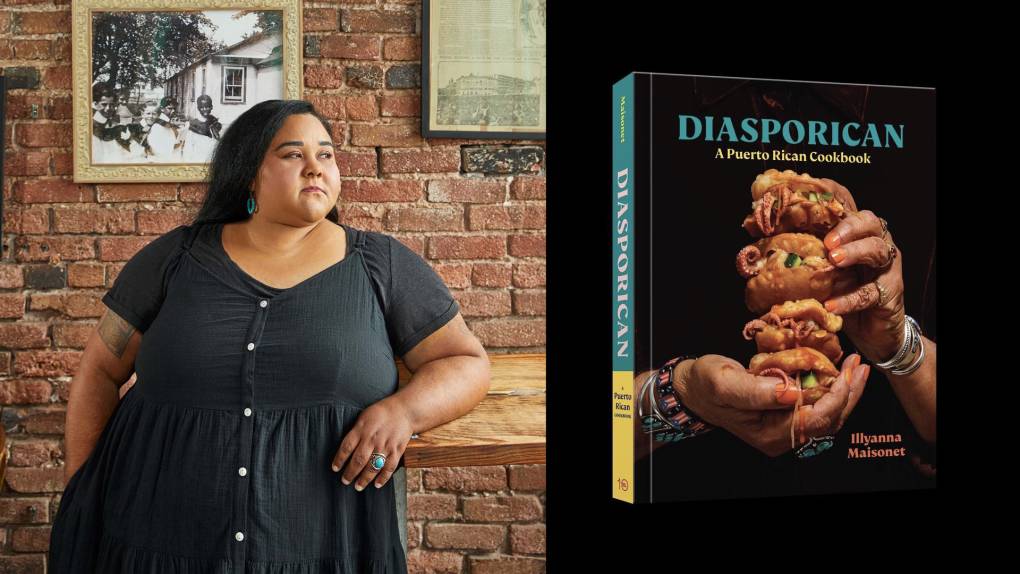
"audio_0": {
"type": "attachments",
"id": "audio_0",
"imgSizes": {
"kqedFullSize": {
"file": "https://ww2.kqed.org/news/wp-content/themes/KQED-unified/img/audio_bgs/background0.jpg"
}
}
},
"audio_1": {
"type": "attachments",
"id": "audio_1",
"imgSizes": {
"kqedFullSize": {
"file": "https://ww2.kqed.org/news/wp-content/themes/KQED-unified/img/audio_bgs/background1.jpg"
}
}
},
"audio_2": {
"type": "attachments",
"id": "audio_2",
"imgSizes": {
"kqedFullSize": {
"file": "https://ww2.kqed.org/news/wp-content/themes/KQED-unified/img/audio_bgs/background2.jpg"
}
}
},
"audio_3": {
"type": "attachments",
"id": "audio_3",
"imgSizes": {
"kqedFullSize": {
"file": "https://ww2.kqed.org/news/wp-content/themes/KQED-unified/img/audio_bgs/background3.jpg"
}
}
},
"audio_4": {
"type": "attachments",
"id": "audio_4",
"imgSizes": {
"kqedFullSize": {
"file": "https://ww2.kqed.org/news/wp-content/themes/KQED-unified/img/audio_bgs/background4.jpg"
}
}
},
"placeholder": {
"type": "attachments",
"id": "placeholder",
"imgSizes": {
"thumbnail": {
"file": "https://cdn.kqed.org/wp-content/uploads/2024/12/KQED-Default-Image-816638274-2000x1333-1-160x107.jpg",
"width": 160,
"height": 107,
"mimeType": "image/jpeg"
},
"medium": {
"file": "https://cdn.kqed.org/wp-content/uploads/2024/12/KQED-Default-Image-816638274-2000x1333-1-800x533.jpg",
"width": 800,
"height": 533,
"mimeType": "image/jpeg"
},
"medium_large": {
"file": "https://cdn.kqed.org/wp-content/uploads/2024/12/KQED-Default-Image-816638274-2000x1333-1-768x512.jpg",
"width": 768,
"height": 512,
"mimeType": "image/jpeg"
},
"large": {
"file": "https://cdn.kqed.org/wp-content/uploads/2024/12/KQED-Default-Image-816638274-2000x1333-1-1020x680.jpg",
"width": 1020,
"height": 680,
"mimeType": "image/jpeg"
},
"1536x1536": {
"file": "https://cdn.kqed.org/wp-content/uploads/2024/12/KQED-Default-Image-816638274-2000x1333-1-1536x1024.jpg",
"width": 1536,
"height": 1024,
"mimeType": "image/jpeg"
},
"fd-lrg": {
"file": "https://cdn.kqed.org/wp-content/uploads/2024/12/KQED-Default-Image-816638274-2000x1333-1-1536x1024.jpg",
"width": 1536,
"height": 1024,
"mimeType": "image/jpeg"
},
"fd-med": {
"file": "https://cdn.kqed.org/wp-content/uploads/2024/12/KQED-Default-Image-816638274-2000x1333-1-1020x680.jpg",
"width": 1020,
"height": 680,
"mimeType": "image/jpeg"
},
"fd-sm": {
"file": "https://cdn.kqed.org/wp-content/uploads/2024/12/KQED-Default-Image-816638274-2000x1333-1-800x533.jpg",
"width": 800,
"height": 533,
"mimeType": "image/jpeg"
},
"post-thumbnail": {
"file": "https://cdn.kqed.org/wp-content/uploads/2024/12/KQED-Default-Image-816638274-2000x1333-1-672x372.jpg",
"width": 672,
"height": 372,
"mimeType": "image/jpeg"
},
"twentyfourteen-full-width": {
"file": "https://cdn.kqed.org/wp-content/uploads/2024/12/KQED-Default-Image-816638274-2000x1333-1-1038x576.jpg",
"width": 1038,
"height": 576,
"mimeType": "image/jpeg"
},
"xxsmall": {
"file": "https://cdn.kqed.org/wp-content/uploads/2024/12/KQED-Default-Image-816638274-2000x1333-1-160x107.jpg",
"width": 160,
"height": 107,
"mimeType": "image/jpeg"
},
"xsmall": {
"file": "https://cdn.kqed.org/wp-content/uploads/2024/12/KQED-Default-Image-816638274-2000x1333-1-672x372.jpg",
"width": 672,
"height": 372,
"mimeType": "image/jpeg"
},
"small": {
"file": "https://cdn.kqed.org/wp-content/uploads/2024/12/KQED-Default-Image-816638274-2000x1333-1-672x372.jpg",
"width": 672,
"height": 372,
"mimeType": "image/jpeg"
},
"xlarge": {
"file": "https://cdn.kqed.org/wp-content/uploads/2024/12/KQED-Default-Image-816638274-2000x1333-1-1020x680.jpg",
"width": 1020,
"height": 680,
"mimeType": "image/jpeg"
},
"full-width": {
"file": "https://cdn.kqed.org/wp-content/uploads/2024/12/KQED-Default-Image-816638274-2000x1333-1-1920x1280.jpg",
"width": 1920,
"height": 1280,
"mimeType": "image/jpeg"
},
"guest-author-32": {
"file": "https://cdn.kqed.org/wp-content/uploads/2025/01/KQED-Default-Image-816638274-1333x1333-1-160x160.jpg",
"width": 32,
"height": 32,
"mimeType": "image/jpeg"
},
"guest-author-50": {
"file": "https://cdn.kqed.org/wp-content/uploads/2025/01/KQED-Default-Image-816638274-1333x1333-1-160x160.jpg",
"width": 50,
"height": 50,
"mimeType": "image/jpeg"
},
"guest-author-64": {
"file": "https://cdn.kqed.org/wp-content/uploads/2025/01/KQED-Default-Image-816638274-1333x1333-1-160x160.jpg",
"width": 64,
"height": 64,
"mimeType": "image/jpeg"
},
"guest-author-96": {
"file": "https://cdn.kqed.org/wp-content/uploads/2025/01/KQED-Default-Image-816638274-1333x1333-1-160x160.jpg",
"width": 96,
"height": 96,
"mimeType": "image/jpeg"
},
"guest-author-128": {
"file": "https://cdn.kqed.org/wp-content/uploads/2025/01/KQED-Default-Image-816638274-1333x1333-1-160x160.jpg",
"width": 128,
"height": 128,
"mimeType": "image/jpeg"
},
"detail": {
"file": "https://cdn.kqed.org/wp-content/uploads/2025/01/KQED-Default-Image-816638274-1333x1333-1-160x160.jpg",
"width": 160,
"height": 160,
"mimeType": "image/jpeg"
},
"kqedFullSize": {
"file": "https://cdn.kqed.org/wp-content/uploads/2024/12/KQED-Default-Image-816638274-2000x1333-1.jpg",
"width": 2000,
"height": 1333
}
}
},
"arts_13919200": {
"type": "attachments",
"id": "arts_13919200",
"meta": {
"index": "attachments_1716263798",
"site": "arts",
"id": "13919200",
"found": true
},
"parent": 13919177,
"imgSizes": {
"twentyfourteen-full-width": {
"file": "https://ww2.kqed.org/app/uploads/sites/2/2022/09/illyanna-headshot_book_COVER-B-1038x576.jpg",
"width": 1038,
"mimeType": "image/jpeg",
"height": 576
},
"thumbnail": {
"file": "https://ww2.kqed.org/app/uploads/sites/2/2022/09/illyanna-headshot_book_COVER-B-160x90.jpg",
"width": 160,
"mimeType": "image/jpeg",
"height": 90
},
"post-thumbnail": {
"file": "https://ww2.kqed.org/app/uploads/sites/2/2022/09/illyanna-headshot_book_COVER-B-672x372.jpg",
"width": 672,
"mimeType": "image/jpeg",
"height": 372
},
"kqedFullSize": {
"file": "https://ww2.kqed.org/app/uploads/sites/2/2022/09/illyanna-headshot_book_COVER-B.jpg",
"width": 1920,
"height": 1080
},
"large": {
"file": "https://ww2.kqed.org/app/uploads/sites/2/2022/09/illyanna-headshot_book_COVER-B-1020x574.jpg",
"width": 1020,
"mimeType": "image/jpeg",
"height": 574
},
"1536x1536": {
"file": "https://ww2.kqed.org/app/uploads/sites/2/2022/09/illyanna-headshot_book_COVER-B-1536x864.jpg",
"width": 1536,
"mimeType": "image/jpeg",
"height": 864
},
"medium": {
"file": "https://ww2.kqed.org/app/uploads/sites/2/2022/09/illyanna-headshot_book_COVER-B-800x450.jpg",
"width": 800,
"mimeType": "image/jpeg",
"height": 450
},
"medium_large": {
"file": "https://ww2.kqed.org/app/uploads/sites/2/2022/09/illyanna-headshot_book_COVER-B-768x432.jpg",
"width": 768,
"mimeType": "image/jpeg",
"height": 432
}
},
"publishDate": 1663273346,
"modified": 1663273863,
"caption": "Illyanna Maisonet new cookbook is a document of her experience as a Puerto Rican living in diaspora in California.",
"description": null,
"title": "illyanna-headshot_book_COVER-B",
"credit": "Headshot by Gabriela Hasbun; book cover courtesy of Ten Speed Press",
"status": "inherit",
"altTag": "A split image with the author's headshot (a woman leaning against a counter in front of a brick wall) on the left and a book cover on the right—the text reads: \"Diasporican: A Puerto Rican Cookbook.\"",
"isLoading": false,
"fetchFailed": false
},
"arts_13919226": {
"type": "attachments",
"id": "arts_13919226",
"meta": {
"index": "attachments_1716263798",
"site": "arts",
"id": "13919226",
"found": true
},
"parent": 13919177,
"imgSizes": {
"twentyfourteen-full-width": {
"file": "https://ww2.kqed.org/app/uploads/sites/2/2022/09/TOSTONES_Page_1_Image_0001_rotated-1038x576.jpg",
"width": 1038,
"mimeType": "image/jpeg",
"height": 576
},
"thumbnail": {
"file": "https://ww2.kqed.org/app/uploads/sites/2/2022/09/TOSTONES_Page_1_Image_0001_rotated-160x128.jpg",
"width": 160,
"mimeType": "image/jpeg",
"height": 128
},
"post-thumbnail": {
"file": "https://ww2.kqed.org/app/uploads/sites/2/2022/09/TOSTONES_Page_1_Image_0001_rotated-672x372.jpg",
"width": 672,
"mimeType": "image/jpeg",
"height": 372
},
"kqedFullSize": {
"file": "https://ww2.kqed.org/app/uploads/sites/2/2022/09/TOSTONES_Page_1_Image_0001_rotated.jpg",
"width": 1920,
"height": 1539
},
"large": {
"file": "https://ww2.kqed.org/app/uploads/sites/2/2022/09/TOSTONES_Page_1_Image_0001_rotated-1020x818.jpg",
"width": 1020,
"mimeType": "image/jpeg",
"height": 818
},
"1536x1536": {
"file": "https://ww2.kqed.org/app/uploads/sites/2/2022/09/TOSTONES_Page_1_Image_0001_rotated-1536x1231.jpg",
"width": 1536,
"mimeType": "image/jpeg",
"height": 1231
},
"medium": {
"file": "https://ww2.kqed.org/app/uploads/sites/2/2022/09/TOSTONES_Page_1_Image_0001_rotated-800x641.jpg",
"width": 800,
"mimeType": "image/jpeg",
"height": 641
},
"medium_large": {
"file": "https://ww2.kqed.org/app/uploads/sites/2/2022/09/TOSTONES_Page_1_Image_0001_rotated-768x616.jpg",
"width": 768,
"mimeType": "image/jpeg",
"height": 616
}
},
"publishDate": 1663276750,
"modified": 1663276786,
"caption": "Maisonet's recipe for tostones includes options for two different dipping sauces.",
"description": null,
"title": "TOSTONES_Page_1_Image_0001_rotated",
"credit": "Photo by Dan Liberti, courtesy of Ten Speed Press",
"status": "inherit",
"altTag": "Overhead shot of thin, crispy tostones against a green backdrop, with two dipping sauces on the side.",
"isLoading": false,
"fetchFailed": false
},
"arts_13918090": {
"type": "attachments",
"id": "arts_13918090",
"meta": {
"index": "attachments_1716263798",
"site": "arts",
"id": "13918090",
"found": true
},
"parent": 13918088,
"imgSizes": {
"twentyfourteen-full-width": {
"file": "https://ww2.kqed.org/app/uploads/sites/2/2022/08/RS58048_044_KQED_UnitedFarmWorkersMarch_08242022-qut-1038x576.jpg",
"width": 1038,
"mimeType": "image/jpeg",
"height": 576
},
"thumbnail": {
"file": "https://ww2.kqed.org/app/uploads/sites/2/2022/08/RS58048_044_KQED_UnitedFarmWorkersMarch_08242022-qut-160x107.jpg",
"width": 160,
"mimeType": "image/jpeg",
"height": 107
},
"post-thumbnail": {
"file": "https://ww2.kqed.org/app/uploads/sites/2/2022/08/RS58048_044_KQED_UnitedFarmWorkersMarch_08242022-qut-672x372.jpg",
"width": 672,
"mimeType": "image/jpeg",
"height": 372
},
"kqedFullSize": {
"file": "https://ww2.kqed.org/app/uploads/sites/2/2022/08/RS58048_044_KQED_UnitedFarmWorkersMarch_08242022-qut.jpg",
"width": 1920,
"height": 1280
},
"large": {
"file": "https://ww2.kqed.org/app/uploads/sites/2/2022/08/RS58048_044_KQED_UnitedFarmWorkersMarch_08242022-qut-1020x680.jpg",
"width": 1020,
"mimeType": "image/jpeg",
"height": 680
},
"1536x1536": {
"file": "https://ww2.kqed.org/app/uploads/sites/2/2022/08/RS58048_044_KQED_UnitedFarmWorkersMarch_08242022-qut-1536x1024.jpg",
"width": 1536,
"mimeType": "image/jpeg",
"height": 1024
},
"medium": {
"file": "https://ww2.kqed.org/app/uploads/sites/2/2022/08/RS58048_044_KQED_UnitedFarmWorkersMarch_08242022-qut-800x533.jpg",
"width": 800,
"mimeType": "image/jpeg",
"height": 533
},
"medium_large": {
"file": "https://ww2.kqed.org/app/uploads/sites/2/2022/08/RS58048_044_KQED_UnitedFarmWorkersMarch_08242022-qut-768x512.jpg",
"width": 768,
"mimeType": "image/jpeg",
"height": 512
}
},
"publishDate": 1661467875,
"modified": 1661468121,
"caption": "Flor Martinez Zaragoza walks with United Farm Workers and their supporters as they march through Walnut Grove on Day 22 of a 24-day march to convince Governor Gavin Newsom to sign Assembly Bill 2183, the Agricultural Labor Relations Voting Choice Act. The march started in the Central Valley and will conclude with a rally in Sacramento on August 26.",
"description": null,
"title": "RS58048_044_KQED_UnitedFarmWorkersMarch_08242022-qut",
"credit": "Beth LaBerge/KQED",
"status": "inherit",
"altTag": "An activist holding an red-and-white United Farm Workers flag raises her fist as she leads a group of marchers walking along the highway.",
"isLoading": false,
"fetchFailed": false
},
"arts_13911297": {
"type": "attachments",
"id": "arts_13911297",
"meta": {
"index": "attachments_1716263798",
"site": "arts",
"id": "13911297",
"found": true
},
"parent": 13911290,
"imgSizes": {
"twentyfourteen-full-width": {
"file": "https://ww2.kqed.org/app/uploads/sites/2/2022/03/ICCD503_SAC_20220108_FS7_10144.MXF_.04_05_38_09.Still010-2-1038x576.jpg",
"width": 1038,
"mimeType": "image/jpeg",
"height": 576
},
"thumbnail": {
"file": "https://ww2.kqed.org/app/uploads/sites/2/2022/03/ICCD503_SAC_20220108_FS7_10144.MXF_.04_05_38_09.Still010-2-160x90.jpg",
"width": 160,
"mimeType": "image/jpeg",
"height": 90
},
"post-thumbnail": {
"file": "https://ww2.kqed.org/app/uploads/sites/2/2022/03/ICCD503_SAC_20220108_FS7_10144.MXF_.04_05_38_09.Still010-2-672x372.jpg",
"width": 672,
"mimeType": "image/jpeg",
"height": 372
},
"kqedFullSize": {
"file": "https://ww2.kqed.org/app/uploads/sites/2/2022/03/ICCD503_SAC_20220108_FS7_10144.MXF_.04_05_38_09.Still010-2.jpg",
"width": 1695,
"height": 953
},
"large": {
"file": "https://ww2.kqed.org/app/uploads/sites/2/2022/03/ICCD503_SAC_20220108_FS7_10144.MXF_.04_05_38_09.Still010-2-1020x573.jpg",
"width": 1020,
"mimeType": "image/jpeg",
"height": 573
},
"1536x1536": {
"file": "https://ww2.kqed.org/app/uploads/sites/2/2022/03/ICCD503_SAC_20220108_FS7_10144.MXF_.04_05_38_09.Still010-2-1536x864.jpg",
"width": 1536,
"mimeType": "image/jpeg",
"height": 864
},
"medium": {
"file": "https://ww2.kqed.org/app/uploads/sites/2/2022/03/ICCD503_SAC_20220108_FS7_10144.MXF_.04_05_38_09.Still010-2-800x450.jpg",
"width": 800,
"mimeType": "image/jpeg",
"height": 450
},
"medium_large": {
"file": "https://ww2.kqed.org/app/uploads/sites/2/2022/03/ICCD503_SAC_20220108_FS7_10144.MXF_.04_05_38_09.Still010-2-768x432.jpg",
"width": 768,
"mimeType": "image/jpeg",
"height": 432
}
},
"publishDate": 1648601064,
"modified": 1648601361,
"caption": "From left to right: Nicole Stansbury, Tiffany Tamaribuchi, and Sascha Molina are playing taiko drums at William Land Regional Park in Sacramento, CA.",
"description": "From left to right: Nicole Stansbury, Tiffany Tamaribuchi, and Sascha Molina are playing taiko drums at William Land Regional Park in Sacramento, CA.",
"title": "ICCD503_SAC_20220108_FS7_10144.MXF.04_05_38_09.Still010-2",
"credit": "Elie M. Khadra",
"status": "inherit",
"altTag": "Three women wearing traditional taiko player attire raise their arms to srike big taiko drums with wooden sticks.",
"isLoading": false,
"fetchFailed": false
},
"arts_13911144": {
"type": "attachments",
"id": "arts_13911144",
"meta": {
"index": "attachments_1716263798",
"site": "arts",
"id": "13911144",
"found": true
},
"parent": 13910972,
"imgSizes": {
"twentyfourteen-full-width": {
"file": "https://ww2.kqed.org/app/uploads/sites/2/2022/03/DJShellheart.Thumbnail-1038x576.jpg",
"width": 1038,
"mimeType": "image/jpeg",
"height": 576
},
"thumbnail": {
"file": "https://ww2.kqed.org/app/uploads/sites/2/2022/03/DJShellheart.Thumbnail-160x90.jpg",
"width": 160,
"mimeType": "image/jpeg",
"height": 90
},
"post-thumbnail": {
"file": "https://ww2.kqed.org/app/uploads/sites/2/2022/03/DJShellheart.Thumbnail-672x372.jpg",
"width": 672,
"mimeType": "image/jpeg",
"height": 372
},
"kqedFullSize": {
"file": "https://ww2.kqed.org/app/uploads/sites/2/2022/03/DJShellheart.Thumbnail.jpg",
"width": 1920,
"height": 1080
},
"large": {
"file": "https://ww2.kqed.org/app/uploads/sites/2/2022/03/DJShellheart.Thumbnail-1020x574.jpg",
"width": 1020,
"mimeType": "image/jpeg",
"height": 574
},
"1536x1536": {
"file": "https://ww2.kqed.org/app/uploads/sites/2/2022/03/DJShellheart.Thumbnail-1536x864.jpg",
"width": 1536,
"mimeType": "image/jpeg",
"height": 864
},
"medium": {
"file": "https://ww2.kqed.org/app/uploads/sites/2/2022/03/DJShellheart.Thumbnail-800x450.jpg",
"width": 800,
"mimeType": "image/jpeg",
"height": 450
},
"medium_large": {
"file": "https://ww2.kqed.org/app/uploads/sites/2/2022/03/DJShellheart.Thumbnail-768x432.jpg",
"width": 768,
"mimeType": "image/jpeg",
"height": 432
}
},
"publishDate": 1648186159,
"modified": 1648186182,
"caption": null,
"description": null,
"title": "DJShellheart.Thumbnail",
"credit": "@mattdemise",
"status": "inherit",
"altTag": null,
"isLoading": false,
"fetchFailed": false
},
"arts_13909864": {
"type": "attachments",
"id": "arts_13909864",
"meta": {
"index": "attachments_1716263798",
"site": "arts",
"id": "13909864",
"found": true
},
"parent": 13909738,
"imgSizes": {
"twentyfourteen-full-width": {
"file": "https://ww2.kqed.org/app/uploads/sites/2/2022/02/Feb2022-1038x576.jpg",
"width": 1038,
"mimeType": "image/jpeg",
"height": 576
},
"thumbnail": {
"file": "https://ww2.kqed.org/app/uploads/sites/2/2022/02/Feb2022-160x90.jpg",
"width": 160,
"mimeType": "image/jpeg",
"height": 90
},
"post-thumbnail": {
"file": "https://ww2.kqed.org/app/uploads/sites/2/2022/02/Feb2022-672x372.jpg",
"width": 672,
"mimeType": "image/jpeg",
"height": 372
},
"kqedFullSize": {
"file": "https://ww2.kqed.org/app/uploads/sites/2/2022/02/Feb2022.jpg",
"width": 1920,
"height": 1080
},
"large": {
"file": "https://ww2.kqed.org/app/uploads/sites/2/2022/02/Feb2022-1020x574.jpg",
"width": 1020,
"mimeType": "image/jpeg",
"height": 574
},
"1536x1536": {
"file": "https://ww2.kqed.org/app/uploads/sites/2/2022/02/Feb2022-1536x864.jpg",
"width": 1536,
"mimeType": "image/jpeg",
"height": 864
},
"medium": {
"file": "https://ww2.kqed.org/app/uploads/sites/2/2022/02/Feb2022-800x450.jpg",
"width": 800,
"mimeType": "image/jpeg",
"height": 450
},
"medium_large": {
"file": "https://ww2.kqed.org/app/uploads/sites/2/2022/02/Feb2022-768x432.jpg",
"width": 768,
"mimeType": "image/jpeg",
"height": 432
}
},
"publishDate": 1646085111,
"modified": 1646085111,
"caption": null,
"description": null,
"title": "Feb2022",
"credit": null,
"status": "inherit",
"altTag": null,
"isLoading": false,
"fetchFailed": false
},
"arts_13896794": {
"type": "attachments",
"id": "arts_13896794",
"meta": {
"index": "attachments_1716263798",
"site": "arts",
"id": "13896794",
"found": true
},
"parent": 0,
"imgSizes": {
"twentyfourteen-full-width": {
"file": "https://ww2.kqed.org/app/uploads/sites/2/2021/05/Image-from-iOS-31-1038x576.jpg",
"width": 1038,
"mimeType": "image/jpeg",
"height": 576
},
"thumbnail": {
"file": "https://ww2.kqed.org/app/uploads/sites/2/2021/05/Image-from-iOS-31-160x89.jpg",
"width": 160,
"mimeType": "image/jpeg",
"height": 89
},
"post-thumbnail": {
"file": "https://ww2.kqed.org/app/uploads/sites/2/2021/05/Image-from-iOS-31-672x372.jpg",
"width": 672,
"mimeType": "image/jpeg",
"height": 372
},
"kqedFullSize": {
"file": "https://ww2.kqed.org/app/uploads/sites/2/2021/05/Image-from-iOS-31.jpg",
"width": 1169,
"height": 650
},
"large": {
"file": "https://ww2.kqed.org/app/uploads/sites/2/2021/05/Image-from-iOS-31-1020x567.jpg",
"width": 1020,
"mimeType": "image/jpeg",
"height": 567
},
"medium": {
"file": "https://ww2.kqed.org/app/uploads/sites/2/2021/05/Image-from-iOS-31-800x445.jpg",
"width": 800,
"mimeType": "image/jpeg",
"height": 445
},
"medium_large": {
"file": "https://ww2.kqed.org/app/uploads/sites/2/2021/05/Image-from-iOS-31-768x427.jpg",
"width": 768,
"mimeType": "image/jpeg",
"height": 427
}
},
"publishDate": 1620320133,
"modified": 1620411892,
"caption": "Brittany Tanner wears a white and grey striped shirt and a brown hat as she stands holding her son, Akai.",
"description": "Brittany Tanner wears a white and grey striped shirt and a brown hat as she stands holding her son, Akai.",
"title": "Brittany Tanner wears a white and grey striped shirt and a brown hat as she stands holding her son, Akai.",
"credit": "Brittany Tanner",
"status": "inherit",
"altTag": "Brittany Tanner wears a white and grey striped shirt and a brown hat as she stands holding her son, Akai.",
"isLoading": false,
"fetchFailed": false
},
"arts_13894642": {
"type": "attachments",
"id": "arts_13894642",
"meta": {
"index": "attachments_1716263798",
"site": "arts",
"id": "13894642",
"found": true
},
"parent": 13893514,
"imgSizes": {
"twentyfourteen-full-width": {
"file": "https://ww2.kqed.org/app/uploads/sites/2/2021/03/Enriqueta-Andazola-Feature-Image-1038x576.jpg",
"width": 1038,
"mimeType": "image/jpeg",
"height": 576
},
"thumbnail": {
"file": "https://ww2.kqed.org/app/uploads/sites/2/2021/03/Enriqueta-Andazola-Feature-Image-160x90.jpg",
"width": 160,
"mimeType": "image/jpeg",
"height": 90
},
"post-thumbnail": {
"file": "https://ww2.kqed.org/app/uploads/sites/2/2021/03/Enriqueta-Andazola-Feature-Image-672x372.jpg",
"width": 672,
"mimeType": "image/jpeg",
"height": 372
},
"kqedFullSize": {
"file": "https://ww2.kqed.org/app/uploads/sites/2/2021/03/Enriqueta-Andazola-Feature-Image.jpg",
"width": 1920,
"height": 1080
},
"large": {
"file": "https://ww2.kqed.org/app/uploads/sites/2/2021/03/Enriqueta-Andazola-Feature-Image-1020x574.jpg",
"width": 1020,
"mimeType": "image/jpeg",
"height": 574
},
"1536x1536": {
"file": "https://ww2.kqed.org/app/uploads/sites/2/2021/03/Enriqueta-Andazola-Feature-Image-1536x864.jpg",
"width": 1536,
"mimeType": "image/jpeg",
"height": 864
},
"medium": {
"file": "https://ww2.kqed.org/app/uploads/sites/2/2021/03/Enriqueta-Andazola-Feature-Image-800x450.jpg",
"width": 800,
"mimeType": "image/jpeg",
"height": 450
},
"medium_large": {
"file": "https://ww2.kqed.org/app/uploads/sites/2/2021/03/Enriqueta-Andazola-Feature-Image-768x432.jpg",
"width": 768,
"mimeType": "image/jpeg",
"height": 432
}
},
"publishDate": 1616711353,
"modified": 1636503140,
"caption": null,
"description": null,
"title": "Enriqueta Andazola Feature Image",
"credit": null,
"status": "inherit",
"altTag": "A dainty Latina wearing a black shirt and grey suit sits with two of her sons either side of her. They are wearing decorated military uniforms.",
"isLoading": false,
"fetchFailed": false
},
"arts_13888884": {
"type": "attachments",
"id": "arts_13888884",
"meta": {
"index": "attachments_1716263798",
"site": "arts",
"id": "13888884",
"found": true
},
"parent": 13888871,
"imgSizes": {
"twentyfourteen-full-width": {
"file": "https://ww2.kqed.org/app/uploads/sites/2/2020/11/IMG_1988-1038x576.jpg",
"width": 1038,
"mimeType": "image/jpeg",
"height": 576
},
"thumbnail": {
"file": "https://ww2.kqed.org/app/uploads/sites/2/2020/11/IMG_1988-160x120.jpg",
"width": 160,
"mimeType": "image/jpeg",
"height": 120
},
"post-thumbnail": {
"file": "https://ww2.kqed.org/app/uploads/sites/2/2020/11/IMG_1988-672x372.jpg",
"width": 672,
"mimeType": "image/jpeg",
"height": 372
},
"kqedFullSize": {
"file": "https://ww2.kqed.org/app/uploads/sites/2/2020/11/IMG_1988-scaled.jpg",
"width": 2560,
"height": 1920
},
"2048x2048": {
"file": "https://ww2.kqed.org/app/uploads/sites/2/2020/11/IMG_1988-2048x1536.jpg",
"width": 2048,
"mimeType": "image/jpeg",
"height": 1536
},
"large": {
"file": "https://ww2.kqed.org/app/uploads/sites/2/2020/11/IMG_1988-1020x765.jpg",
"width": 1020,
"mimeType": "image/jpeg",
"height": 765
},
"1536x1536": {
"file": "https://ww2.kqed.org/app/uploads/sites/2/2020/11/IMG_1988-1536x1152.jpg",
"width": 1536,
"mimeType": "image/jpeg",
"height": 1152
},
"full-width": {
"file": "https://ww2.kqed.org/app/uploads/sites/2/2020/11/IMG_1988-1920x1440.jpg",
"width": 1920,
"mimeType": "image/jpeg",
"height": 1440
},
"medium": {
"file": "https://ww2.kqed.org/app/uploads/sites/2/2020/11/IMG_1988-800x600.jpg",
"width": 800,
"mimeType": "image/jpeg",
"height": 600
},
"medium_large": {
"file": "https://ww2.kqed.org/app/uploads/sites/2/2020/11/IMG_1988-768x576.jpg",
"width": 768,
"mimeType": "image/jpeg",
"height": 576
}
},
"publishDate": 1604453047,
"modified": 1604453113,
"caption": "The California State Capitol building, surrounded by gates.",
"description": "The California State Capitol building, surrounded by gates.",
"title": "The California State Capitol building, surrounded by gates.",
"credit": "Pendarvis Harshaw",
"status": "inherit",
"isLoading": false,
"fetchFailed": false
},
"arts_13882560": {
"type": "attachments",
"id": "arts_13882560",
"meta": {
"index": "attachments_1716263798",
"site": "arts",
"id": "13882560",
"found": true
},
"parent": 13882347,
"imgSizes": {
"twentyfourteen-full-width": {
"file": "https://ww2.kqed.org/app/uploads/sites/2/2020/06/AndersonPaak-1038x576.jpg",
"width": 1038,
"mimeType": "image/jpeg",
"height": 576
},
"thumbnail": {
"file": "https://ww2.kqed.org/app/uploads/sites/2/2020/06/AndersonPaak-160x90.jpg",
"width": 160,
"mimeType": "image/jpeg",
"height": 90
},
"post-thumbnail": {
"file": "https://ww2.kqed.org/app/uploads/sites/2/2020/06/AndersonPaak-672x372.jpg",
"width": 672,
"mimeType": "image/jpeg",
"height": 372
},
"kqedFullSize": {
"file": "https://ww2.kqed.org/app/uploads/sites/2/2020/06/AndersonPaak.jpg",
"width": 1920,
"height": 1080
},
"large": {
"file": "https://ww2.kqed.org/app/uploads/sites/2/2020/06/AndersonPaak-1020x574.jpg",
"width": 1020,
"mimeType": "image/jpeg",
"height": 574
},
"1536x1536": {
"file": "https://ww2.kqed.org/app/uploads/sites/2/2020/06/AndersonPaak-1536x864.jpg",
"width": 1536,
"mimeType": "image/jpeg",
"height": 864
},
"medium": {
"file": "https://ww2.kqed.org/app/uploads/sites/2/2020/06/AndersonPaak-800x450.jpg",
"width": 800,
"mimeType": "image/jpeg",
"height": 450
},
"medium_large": {
"file": "https://ww2.kqed.org/app/uploads/sites/2/2020/06/AndersonPaak-768x432.jpg",
"width": 768,
"mimeType": "image/jpeg",
"height": 432
}
},
"publishDate": 1593113938,
"modified": 1593113978,
"caption": "A still from Anderson .Paak's 'Lockdown' video, released on Juneteenth, 2020.",
"description": "A still from Anderson .Paak's 'Lockdown' video, released on Juneteenth, 2020.",
"title": "AndersonPaak",
"credit": "Directed by Dave Meyers ",
"status": "inherit",
"isLoading": false,
"fetchFailed": false
},
"arts_13879773": {
"type": "attachments",
"id": "arts_13879773",
"meta": {
"index": "attachments_1716263798",
"site": "arts",
"id": "13879773",
"found": true
},
"parent": 13879772,
"imgSizes": {
"thumbnail": {
"file": "https://ww2.kqed.org/app/uploads/sites/2/2020/05/DriveIn-160x90.jpg",
"width": 160,
"mimeType": "image/jpeg",
"height": 90
},
"post-thumbnail": {
"file": "https://ww2.kqed.org/app/uploads/sites/2/2020/05/DriveIn-672x372.jpg",
"width": 672,
"mimeType": "image/jpeg",
"height": 372
},
"kqedFullSize": {
"file": "https://ww2.kqed.org/app/uploads/sites/2/2020/05/DriveIn.jpg",
"width": 800,
"height": 450
},
"medium": {
"file": "https://ww2.kqed.org/app/uploads/sites/2/2020/05/DriveIn-800x450.jpg",
"width": 800,
"mimeType": "image/jpeg",
"height": 450
},
"medium_large": {
"file": "https://ww2.kqed.org/app/uploads/sites/2/2020/05/DriveIn-768x432.jpg",
"width": 768,
"mimeType": "image/jpeg",
"height": 432
}
},
"publishDate": 1588713592,
"modified": 1588713604,
"caption": null,
"description": null,
"title": "DriveIn",
"credit": "Courtesy West Wind",
"status": "inherit",
"isLoading": false,
"fetchFailed": false
},
"arts_13870482": {
"type": "attachments",
"id": "arts_13870482",
"meta": {
"index": "attachments_1716263798",
"site": "arts",
"id": "13870482",
"found": true
},
"parent": 13870421,
"imgSizes": {
"twentyfourteen-full-width": {
"file": "https://ww2.kqed.org/app/uploads/sites/2/2019/11/Screen-Shot-2019-11-27-at-12.45.11-PM-1038x576.png",
"width": 1038,
"mimeType": "image/png",
"height": 576
},
"thumbnail": {
"file": "https://ww2.kqed.org/app/uploads/sites/2/2019/11/Screen-Shot-2019-11-27-at-12.45.11-PM-160x88.png",
"width": 160,
"mimeType": "image/png",
"height": 88
},
"post-thumbnail": {
"file": "https://ww2.kqed.org/app/uploads/sites/2/2019/11/Screen-Shot-2019-11-27-at-12.45.11-PM-672x372.png",
"width": 672,
"mimeType": "image/png",
"height": 372
},
"kqedFullSize": {
"file": "https://ww2.kqed.org/app/uploads/sites/2/2019/11/Screen-Shot-2019-11-27-at-12.45.11-PM.png",
"width": 1606,
"height": 886
},
"large": {
"file": "https://ww2.kqed.org/app/uploads/sites/2/2019/11/Screen-Shot-2019-11-27-at-12.45.11-PM-1020x563.png",
"width": 1020,
"mimeType": "image/png",
"height": 563
},
"complete_open_graph": {
"file": "https://ww2.kqed.org/app/uploads/sites/2/2019/11/Screen-Shot-2019-11-27-at-12.45.11-PM-1200x662.png",
"width": 1200,
"mimeType": "image/png",
"height": 662
},
"medium": {
"file": "https://ww2.kqed.org/app/uploads/sites/2/2019/11/Screen-Shot-2019-11-27-at-12.45.11-PM-800x441.png",
"width": 800,
"mimeType": "image/png",
"height": 441
},
"medium_large": {
"file": "https://ww2.kqed.org/app/uploads/sites/2/2019/11/Screen-Shot-2019-11-27-at-12.45.11-PM-768x424.png",
"width": 768,
"mimeType": "image/png",
"height": 424
}
},
"publishDate": 1574887622,
"modified": 1574887653,
"caption": "The fog and the hills",
"description": "The fog and the hills",
"title": "The fog and the hills",
"credit": "Pendarvis Harshaw",
"status": "inherit",
"isLoading": false,
"fetchFailed": false
},
"arts_13867349": {
"type": "attachments",
"id": "arts_13867349",
"meta": {
"index": "attachments_1716263798",
"site": "arts",
"id": "13867349",
"found": true
},
"parent": 13867337,
"imgSizes": {
"twentyfourteen-full-width": {
"file": "https://ww2.kqed.org/app/uploads/sites/2/2019/09/0-1038x576.jpg",
"width": 1038,
"mimeType": "image/jpeg",
"height": 576
},
"thumbnail": {
"file": "https://ww2.kqed.org/app/uploads/sites/2/2019/09/0-160x107.jpg",
"width": 160,
"mimeType": "image/jpeg",
"height": 107
},
"post-thumbnail": {
"file": "https://ww2.kqed.org/app/uploads/sites/2/2019/09/0-672x372.jpg",
"width": 672,
"mimeType": "image/jpeg",
"height": 372
},
"kqedFullSize": {
"file": "https://ww2.kqed.org/app/uploads/sites/2/2019/09/0.jpg",
"width": 1616,
"height": 1080
},
"large": {
"file": "https://ww2.kqed.org/app/uploads/sites/2/2019/09/0-1020x682.jpg",
"width": 1020,
"mimeType": "image/jpeg",
"height": 682
},
"complete_open_graph": {
"file": "https://ww2.kqed.org/app/uploads/sites/2/2019/09/0-1200x802.jpg",
"width": 1200,
"mimeType": "image/jpeg",
"height": 802
},
"medium": {
"file": "https://ww2.kqed.org/app/uploads/sites/2/2019/09/0-800x535.jpg",
"width": 800,
"mimeType": "image/jpeg",
"height": 535
},
"medium_large": {
"file": "https://ww2.kqed.org/app/uploads/sites/2/2019/09/0-768x513.jpg",
"width": 768,
"mimeType": "image/jpeg",
"height": 513
}
},
"publishDate": 1569873381,
"modified": 1569873405,
"caption": "Billy X Jennings",
"description": "Billy X Jennings",
"title": "Billy X Jennings",
"credit": "Pendarvis Harshaw",
"status": "inherit",
"isLoading": false,
"fetchFailed": false
}
},
"audioPlayerReducer": {
"postId": "stream_live",
"isPaused": true,
"isPlaying": false,
"pfsActive": false,
"pledgeModalIsOpen": true,
"playerDrawerIsOpen": false,
"liveAudioPlayStartedAt": 0,
"liveAudioPlayContext": ""
},
"authorsReducer": {
"byline_arts_13911290": {
"type": "authors",
"id": "byline_arts_13911290",
"meta": {
"override": true
},
"slug": "byline_arts_13911290",
"name": "Lauren Kawana",
"isLoading": false
},
"byline_arts_13896788": {
"type": "authors",
"id": "byline_arts_13896788",
"meta": {
"override": true
},
"slug": "byline_arts_13896788",
"name": "Brittany Tanner",
"isLoading": false
},
"gmeline": {
"type": "authors",
"id": "185",
"meta": {
"index": "authors_1716337520",
"id": "185",
"found": true
},
"name": "Gabe Meline",
"firstName": "Gabe",
"lastName": "Meline",
"slug": "gmeline",
"email": "gmeline@kqed.org",
"display_author_email": true,
"staff_mastheads": [
"arts"
],
"title": "Senior Editor, KQED Arts & Culture",
"bio": "Gabe Meline entered journalism at age 15 making photocopied zines, and has since earned awards from the Edward R. Murrow Awards, the Society for Professional Journalists, the Online Journalism Awards, the Association of Alternative Newsweeklies and the California Newspaper Publishers Association. Prior to KQED, he was the editor of the \u003cem>North Bay Bohemian\u003c/em> and a touring musician. He lives with his wife and daughter in his hometown of Santa Rosa, CA.",
"avatar": "https://secure.gravatar.com/avatar/5bebe57be0d8bc2dd318934feb47299e2d2d10cba28d09d8d7afb389a2ce2bdd?s=600&d=blank&r=g",
"twitter": null,
"bluesky": null,
"facebook": null,
"instagram": null,
"linkedin": null,
"sites": [
{
"site": "",
"roles": [
"editor"
]
},
{
"site": "arts",
"roles": [
"administrator"
]
},
{
"site": "artschool",
"roles": [
"editor"
]
},
{
"site": "news",
"roles": [
"author"
]
},
{
"site": "pop",
"roles": [
"editor"
]
},
{
"site": "bayareabites",
"roles": [
"editor"
]
},
{
"site": "food",
"roles": [
"editor"
]
},
{
"site": "liveblog",
"roles": [
"editor"
]
},
{
"site": "hiphop",
"roles": [
"editor"
]
}
],
"headData": {
"title": "Gabe Meline | KQED",
"description": "Senior Editor, KQED Arts & Culture",
"ogImgSrc": "https://secure.gravatar.com/avatar/5bebe57be0d8bc2dd318934feb47299e2d2d10cba28d09d8d7afb389a2ce2bdd?s=600&d=blank&r=g",
"twImgSrc": "https://secure.gravatar.com/avatar/5bebe57be0d8bc2dd318934feb47299e2d2d10cba28d09d8d7afb389a2ce2bdd?s=600&d=blank&r=g"
},
"isLoading": false,
"link": "/author/gmeline"
},
"ralexandra": {
"type": "authors",
"id": "11242",
"meta": {
"index": "authors_1716337520",
"id": "11242",
"found": true
},
"name": "Rae Alexandra",
"firstName": "Rae",
"lastName": "Alexandra",
"slug": "ralexandra",
"email": "ralexandra@kqed.org",
"display_author_email": true,
"staff_mastheads": [
"arts"
],
"title": "Reporter/Producer",
"bio": "Rae Alexandra is a Reporter/Producer for KQED Arts & Culture, and the creator/author of the \u003ca href=\"https://www.kqed.org/arts/program/rebel-girls-from-bay-area-history\">Rebel Girls From Bay Area History\u003c/a> and \u003ca href=\"https://www.kqed.org/bizarrebayarea\">Bizarre Bay Area\u003c/a> series. Her debut book, \u003ca href=\"https://citylights.com/politics-current-events-history/unsung-heroines35-women-who-changed/\">Unsung Heroines: 35 Women Who Changed the Bay Area\u003c/a> was published by City Lights in March 2026. In 2023, Rae was awarded an SPJ Excellence in Journalism Award for Arts & Culture. Rae was born and raised in Wales and subsequently — even after two decades in Northern California — still uses phrases that regularly baffle her coworkers.",
"avatar": "https://secure.gravatar.com/avatar/edfee8176c80cc0a382b051190f5341997df378a934a5774dcb0977732dfd401?s=600&d=blank&r=g",
"twitter": null,
"bluesky": null,
"facebook": null,
"instagram": null,
"linkedin": null,
"sites": [
{
"site": "arts",
"roles": [
"editor"
]
},
{
"site": "news",
"roles": [
"editor"
]
},
{
"site": "pop",
"roles": [
"editor"
]
},
{
"site": "bayareabites",
"roles": [
"editor"
]
},
{
"site": "science",
"roles": [
"editor"
]
}
],
"headData": {
"title": "Rae Alexandra | KQED",
"description": "Reporter/Producer",
"ogImgSrc": "https://secure.gravatar.com/avatar/edfee8176c80cc0a382b051190f5341997df378a934a5774dcb0977732dfd401?s=600&d=blank&r=g",
"twImgSrc": "https://secure.gravatar.com/avatar/edfee8176c80cc0a382b051190f5341997df378a934a5774dcb0977732dfd401?s=600&d=blank&r=g"
},
"isLoading": false,
"link": "/author/ralexandra"
},
"ogpenn": {
"type": "authors",
"id": "11491",
"meta": {
"index": "authors_1716337520",
"id": "11491",
"found": true
},
"name": "Pendarvis Harshaw",
"firstName": "Pendarvis",
"lastName": "Harshaw",
"slug": "ogpenn",
"email": "ogpenn@gmail.com",
"display_author_email": false,
"staff_mastheads": [
"arts"
],
"title": "Community Engagement Reporter",
"bio": "Pendarvis Harshaw is an educator, host and writer with KQED Arts.",
"avatar": "https://secure.gravatar.com/avatar/972b77ee8e3f346ae2b00622661187fbfabd059b5693bbdc1475ea7a722fd4cd?s=600&d=blank&r=g",
"twitter": null,
"bluesky": null,
"facebook": null,
"instagram": "ogpenn",
"linkedin": null,
"sites": [
{
"site": "arts",
"roles": [
"administrator"
]
},
{
"site": "news",
"roles": [
"editor"
]
},
{
"site": "bayareabites",
"roles": [
"author"
]
},
{
"site": "hiphop",
"roles": [
"editor"
]
}
],
"headData": {
"title": "Pendarvis Harshaw | KQED",
"description": "Community Engagement Reporter",
"ogImgSrc": "https://secure.gravatar.com/avatar/972b77ee8e3f346ae2b00622661187fbfabd059b5693bbdc1475ea7a722fd4cd?s=600&d=blank&r=g",
"twImgSrc": "https://secure.gravatar.com/avatar/972b77ee8e3f346ae2b00622661187fbfabd059b5693bbdc1475ea7a722fd4cd?s=600&d=blank&r=g"
},
"isLoading": false,
"link": "/author/ogpenn"
},
"ltsai": {
"type": "authors",
"id": "11743",
"meta": {
"index": "authors_1716337520",
"id": "11743",
"found": true
},
"name": "Luke Tsai",
"firstName": "Luke",
"lastName": "Tsai",
"slug": "ltsai",
"email": "ltsai@kqed.org",
"display_author_email": true,
"staff_mastheads": [
"arts"
],
"title": "Food Editor",
"bio": "Luke Tsai is KQED's food editor and resident stinky tofu connoisseur. Prior to KQED, he was an editor at Eater SF, \u003cem>San Francisco \u003c/em>magazine, and the \u003cem>East Bay Express\u003c/em>, and his work has also appeared in TASTE, the \u003cem>San Francisco Chronicle\u003c/em>, and the \u003cem>Best Food Writing\u003c/em> anthology. When he isn't writing or editing, you'll find him eating most everything he can get his hands on.",
"avatar": "https://secure.gravatar.com/avatar/1e59b45bf191526e7339d6ba46e33a57b2030d25c27660ecc64ea3cb863e34f7?s=600&d=blank&r=g",
"twitter": "theluketsai",
"bluesky": null,
"facebook": null,
"instagram": null,
"linkedin": null,
"sites": [
{
"site": "",
"roles": [
"editor"
]
},
{
"site": "arts",
"roles": [
"administrator"
]
},
{
"site": "news",
"roles": [
"editor",
"contributor"
]
},
{
"site": "bayareabites",
"roles": [
"editor"
]
},
{
"site": "food",
"roles": [
"editor"
]
}
],
"headData": {
"title": "Luke Tsai | KQED",
"description": "Food Editor",
"ogImgSrc": "https://secure.gravatar.com/avatar/1e59b45bf191526e7339d6ba46e33a57b2030d25c27660ecc64ea3cb863e34f7?s=600&d=blank&r=g",
"twImgSrc": "https://secure.gravatar.com/avatar/1e59b45bf191526e7339d6ba46e33a57b2030d25c27660ecc64ea3cb863e34f7?s=600&d=blank&r=g"
},
"isLoading": false,
"link": "/author/ltsai"
}
},
"pagesReducer": {
"arts_tag_sacramento": {
"type": "terms",
"id": "arts_5779",
"meta": {
"index": "terms_1716263798",
"site": "arts",
"id": "5779",
"score": 8.934054
},
"featImg": null,
"name": "sacramento",
"description": null,
"taxonomy": "tag",
"headData": {
"twImgId": null,
"twTitle": null,
"ogTitle": null,
"ogImgId": null,
"twDescription": null,
"description": null,
"title": "sacramento Archives | KQED Arts",
"ogDescription": null
},
"ttid": 5791,
"slug": "sacramento",
"isLoading": false,
"title": "sacramento",
"pageMeta": {
"site": "arts",
"WpPageTemplate": "page-topic-editorial",
"currentPage": 3
},
"blocks": [
{
"blockName": "kqed/post-list",
"attrs": {
"layout": "cardArticle2",
"query": "posts/arts?tag=sacramento",
"seeMore": false,
"paginated": true,
"page": 3
}
},
{
"blockName": "kqed/ad"
}
]
}
},
"pfsSessionReducer": {},
"postsReducer": {
"stream_live": {
"type": "live",
"id": "stream_live",
"audioUrl": "https://streams.kqed.org/kqedradio",
"title": "Live Stream",
"excerpt": "Live Stream information currently unavailable.",
"link": "/radio",
"featImg": "",
"label": {
"name": "KQED Live",
"link": "/"
}
},
"stream_kqedNewscast": {
"type": "posts",
"id": "stream_kqedNewscast",
"audioUrl": "https://www.kqed.org/.stream/anon/radio/RDnews/newscast.mp3?_=1",
"title": "KQED Newscast",
"featImg": "",
"label": {
"name": "88.5 FM",
"link": "/"
}
},
"arts_13919177": {
"type": "posts",
"id": "arts_13919177",
"meta": {
"index": "posts_1716263798",
"site": "arts",
"id": "13919177",
"score": null,
"sort": [
1663276253000
]
},
"parent": 0,
"labelTerm": {},
"blocks": [],
"publishDate": 1663276253,
"format": "standard",
"title": "On Being ‘Diasporican’: A New Puerto Rican Cookbook Experiments Without Apology",
"headTitle": "On Being ‘Diasporican’: A New Puerto Rican Cookbook Experiments Without Apology | KQED",
"content": "\u003cp>\u003cspan style=\"font-weight: 400\">Illyanna Maisonet’s bona fides speak for themselves. \u003c/span>\u003c/p>\n\u003cp>\u003cspan style=\"font-weight: 400\">Her\u003c/span> \u003ca href=\"https://twitter.com/eatgordaeat/status/1129974952881377280\">\u003cspan style=\"font-weight: 400\">award-winning\u003c/span>\u003c/a>\u003cspan style=\"font-weight: 400\"> column about traditional Puerto Rican foodways in the \u003c/span>\u003ci>\u003cspan style=\"font-weight: 400\">San Francisco Chronicle \u003c/span>\u003c/i>\u003cspan style=\"font-weight: 400\">made Maisonet the first Puerto Rican food columnist in the United States. She is as fierce an advocate for the city of Sacramento as you will ever find—particularly when it comes to the immigrant and working-class food businesses that populate \u003c/span>\u003ca href=\"https://sf.eater.com/2020/4/14/21216944/south-sacramento-neighborhood-restaurants-coronavirus\">\u003cspan style=\"font-weight: 400\">her neighborhood in South Sacramento\u003c/span>\u003c/a>\u003cspan style=\"font-weight: 400\">. \u003c/span>\u003c/p>\n\u003cp>\u003cspan style=\"font-weight: 400\">And when the glossy food magazine \u003c/span>\u003ci>\u003cspan style=\"font-weight: 400\">Bon Appetit \u003c/span>\u003c/i>\u003cspan style=\"font-weight: 400\">had its racial reckoning moment of 2020, those who know Maisonet were not surprised that she was the one who kicked the whole thing off. Her series of tweets about the rationale the magazine offered for rejecting one of her pitches—and about the publication’s glaring lack of Puerto Rican food stories overall—ignited such a \u003c/span>\u003cspan style=\"font-weight: 400\">high-profile discussion of tokenism and racism in food media that the company eventually underwent a massive reshuffling of its leadership and staff. \u003c/span>\u003cspan style=\"font-weight: 400\">She’s never been shy about speaking truth to power.\u003c/span>\u003c/p>\n\u003cp>\u003cspan style=\"font-weight: 400\">She also happens to be a beautiful writer. Maisonet’s full powers are on display in her forthcoming debut cookbook, \u003c/span>\u003ca href=\"https://www.penguinrandomhouse.com/books/671586/diasporican-by-illyanna-maisonet-foreword-by-michael-w-twitty-photographs-by-dan-liberti-and--erika-p-rodriguez/\">\u003ci>\u003cspan style=\"font-weight: 400\">Diasporican: A Puerto Rican Cookbook\u003c/span>\u003c/i>\u003c/a>\u003cspan style=\"font-weight: 400\">. “Culantro,” she writes, describing an herb central to Puerto Rican cooking, “is like cilantro’s cousin who comes to visit from the hood. Yeah, they’re family. But it’s also way more ‘punchy,’ ‘vocal,’ ‘spirited’—all those politically correct euphemisms—and possibly wearing FUBU.” About the salted codfish fritters known as bacalaitos, Maisonet writes, “The center was toothsome like our gente’s—our people’s—resistance, salty from the tears we’ve shed, but the edges were delicate and vulnerable, like when we reveal our underbellies.”\u003c/span>\u003c/p>\n\u003cp>\u003cspan style=\"font-weight: 400\">As its title indicates, \u003c/span>\u003ci>\u003cspan style=\"font-weight: 400\">Diasporican\u003c/span>\u003c/i>\u003cspan style=\"font-weight: 400\"> isn’t meant to be some all-purpose handbook on Puerto Rican cooking. Instead, it’s specifically a book that documents Maisonet’s experience as a Puerto Rican living in the diaspora here in Northern California—and the way the mix of cultures here has informed her cooking. It’s a book that deals with grief and childhood trauma and the long-reaching effects of American colonialism. It’ll also make you want to drop everything and immediately cook up a pot of arroz con gandules or carne guisada, or a sizzling hot plate of tostones.\u003c/span>\u003c/p>\n\u003cp>[ad fullwidth]\u003c/p>\n\u003cp>\u003cspan style=\"font-weight: 400\">In advance of the book’s Oct. 18 release date, KQED chatted with Maisonet about nostalgia, the Bay Area’s (somewhat sparse) Puerto Rican food scene and why it took her six years to find a publisher for her book.\u003c/span>\u003c/p>\n\u003cp>\u003ci>\u003cspan style=\"font-weight: 400\">The following interview has been edited for length and clarity.\u003c/span>\u003c/i>\u003c/p>\n\u003cfigure id=\"attachment_13919206\" class=\"wp-caption alignnone\" style=\"max-width: 1920px\">\u003cimg loading=\"lazy\" decoding=\"async\" class=\"size-full wp-image-13919206\" src=\"https://ww2.kqed.org/app/uploads/sites/2/2022/09/TOSTONES_Page_1_Image_0001.jpg\" alt=\"Overhead shot of thin, crispy tostones against a green backdrop, with two dipping sauces on the side.\" width=\"1920\" height=\"2395\" srcset=\"https://cdn.kqed.org/wp-content/uploads/sites/2/2022/09/TOSTONES_Page_1_Image_0001.jpg 1920w, https://cdn.kqed.org/wp-content/uploads/sites/2/2022/09/TOSTONES_Page_1_Image_0001-800x998.jpg 800w, https://cdn.kqed.org/wp-content/uploads/sites/2/2022/09/TOSTONES_Page_1_Image_0001-1020x1272.jpg 1020w, https://cdn.kqed.org/wp-content/uploads/sites/2/2022/09/TOSTONES_Page_1_Image_0001-160x200.jpg 160w, https://cdn.kqed.org/wp-content/uploads/sites/2/2022/09/TOSTONES_Page_1_Image_0001-768x958.jpg 768w, https://cdn.kqed.org/wp-content/uploads/sites/2/2022/09/TOSTONES_Page_1_Image_0001-1231x1536.jpg 1231w, https://cdn.kqed.org/wp-content/uploads/sites/2/2022/09/TOSTONES_Page_1_Image_0001-1642x2048.jpg 1642w\" sizes=\"(max-width: 1920px) 100vw, 1920px\">\u003cfigcaption class=\"wp-caption-text\">Maisonet’s recipe for tostones includes options for two different dipping sauces. \u003ccite>(Photo by Dan Liberti, courtesy of Ten Speed Press)\u003c/cite>\u003c/figcaption>\u003c/figure>\n\u003chr>\n\u003cp>\u003cb>Despite the success of your \u003c/b>\u003ca href=\"https://www.sfchronicle.com/food/article/A-pilgrimage-to-the-keeper-of-Puerto-Rico-s-13619913.php\">\u003cb>\u003ci>Chronicle \u003c/i>\u003c/b>\u003cb>column\u003c/b>\u003c/a>\u003cb>, you (very publicly) had a difficult time finding a publisher for this cookbook. I remember seeing you \u003c/b>\u003ca href=\"https://twitter.com/eatgordaeat/status/1153405911332818949\">\u003cb>tweet about the multiple rejections you received\u003c/b>\u003c/a>\u003cb>. At one point the celebrated chef-humanitarian José Andrés even \u003c/b>\u003ca href=\"https://twitter.com/eatgordaeat/status/1153442797258547200?lang=en\">\u003cb>took up your cause\u003c/b>\u003c/a>\u003cb>—still to no avail. Why was the idea of a Puerto Rican cookbook such a hard sell, and how were you able to overcome that challenge?\u003c/b>\u003c/p>\n\u003cp>\u003cspan style=\"font-weight: 400\">I can only make assumptions based on my experiences. So when you see “101 Ways to Keto/Paleo/Instant Pot Vegan Beans” for the hundredth fucking time, and there are maybe 10 mass-published Puerto Rican cookbooks from the history of ever, you can only assume that the only difference between you and them is skin color. \u003c/span>\u003c/p>\n\u003cp>\u003cspan style=\"font-weight: 400\">That’s the only thing I can see. Because what everyone said—between the agents that rejected me and the editors that rejected me and the publishers that rejected me—they all had the same thing [to say], which was that there is no market for the book. \u003c/span>\u003c/p>\n\u003cp>\u003cspan style=\"font-weight: 400\">I personally think that they are underestimating their audience. In a way, they think consumers are stupid. Clearly we have totally evolved in the ways of global food to the point that Chinese food is not just this amalgamation of what Chinese immigrants \u003c/span>\u003ci>\u003cspan style=\"font-weight: 400\">think\u003c/span>\u003c/i>\u003cspan style=\"font-weight: 400\"> Americans want. Now, Chinese food is based on region, and people are requesting it by region. It’s the same thing for Mexican food. And the same thing can be done for other Latino foods. \u003c/span>\u003c/p>\n\u003cp>\u003cspan style=\"font-weight: 400\">They say, “There’s no market,” but technically there wasn’t a market for any of this shit to begin with.\u003c/span> \u003cspan style=\"font-weight: 400\">By the time I finally got my book published, that proposal had been schlepped around for six years. Almost everybody in the industry had seen it.\u003c/span>\u003c/p>\n\u003cp>\u003cspan style=\"font-weight: 400\">[pullquote size=\"large\" align=\"right\" citation=\"Illyanna Maisonet\"]“I literally got my offer the month that George Floyd got murdered. If that wouldn’t have happened, I can guarantee I wouldn’t be in the position that I am right now.”[/pullquote]I’m the kind of person who slips in through the cracks during a transition. So I was ready when 2020 hit and brands and publishers and everybody else were scrambling to do the performative activism and find content creators and artists of color. I was already ready.\u003c/span>\u003c/p>\n\u003cp>\u003cspan style=\"font-weight: 400\">I literally got my offer the month that George Floyd got murdered. If that wouldn’t have happened, I can guarantee I wouldn’t be in the position that I am right now.\u003c/span>\u003c/p>\n\u003cp>https://www.youtube.com/watch?v=0CMFJ-bC76w\u003c/p>\n\u003cp>\u003cb>A lot of what’s great about \u003c/b>\u003cb>\u003ci>Diasporican \u003c/i>\u003c/b>\u003cb>is how fresh and bold the writing voice is. Given how challenging it was for you to get your book deal to begin with, did you also have to really fight to keep that voice intact?\u003c/b>\u003c/p>\n\u003cp>\u003cspan style=\"font-weight: 400\">I know [my writing] is not for everyone because a woman already gave me two stars on \u003c/span>\u003ca href=\"https://www.netgalley.com/book/249548/reviews\">\u003cspan style=\"font-weight: 400\">NetGalley\u003c/span>\u003c/a>\u003cspan style=\"font-weight: 400\"> for cursing. [laughs]\u003c/span>\u003c/p>\n\u003cp>\u003cspan style=\"font-weight: 400\">But because I worked with [since-departed Ten Speed Press editor-in-chief] Lorena [Jones], I did not have to fight to have my voice heard. Remember, this was 2020. This was \u003c/span>\u003ca href=\"https://www.npr.org/2020/06/09/872697289/chief-editor-at-bon-app-tit-resigns-after-racially-offensive-photo-surfaces\">\u003cspan style=\"font-weight: 400\">post-\u003c/span>\u003ci>\u003cspan style=\"font-weight: 400\">Bon Appetit\u003c/span>\u003c/i>\u003cspan style=\"font-weight: 400\">, post dragging everyone on Twitter with screenshots\u003c/span>\u003c/a>\u003cspan style=\"font-weight: 400\">. Lorena already knew what she was getting into. \u003c/span>\u003c/p>\n\u003cp>\u003cspan style=\"font-weight: 400\">I feel like some people [in the publishing industry] are prepared to take the risk because they know that money can be made. But mostly, the people that we have to deal with are the middle man, like the acquisitions editors. They’re not hired to have that kind of risk assessment or vision. They’re just there to do what’s comfortable.\u003c/span>\u003c/p>\n\u003cp>\u003cspan style=\"font-weight: 400\">I didn’t have to go through a middle man. Lorena \u003c/span>\u003ci>\u003cspan style=\"font-weight: 400\">was \u003c/span>\u003c/i>\u003cspan style=\"font-weight: 400\">the man.\u003c/span>\u003c/p>\n\u003cp>\u003cb>Your book is chock full of delightful recipes, but it also deals with a lot of heavy subject matter—violence, grief, trauma. You write in the intro, “How I became a cook is not a romantic story…There would be no passing down of heirloom cookbooks (I don’t think my grandma ever owned a cookbook), words of encouragement, or time to enjoy a childhood.” While your cookbook \u003c/b>\u003cb>\u003ci>is\u003c/i>\u003c/b>\u003cb> nostalgic in certain ways, it also seems to be fighting against the sentimentality that pervades a lot of food writing, especially the kind trafficking in recipes passed down by grandmothers. Can you talk about the balance you wanted to strike?\u003c/b>\u003c/p>\n\u003cp>\u003cspan style=\"font-weight: 400\">I am a nostalgic person, but sometimes nostalgia can be very dangerous, like we’re living in the past or creating a more romanticized version of the past. I am and am not a romantic. I’m not in terms of American consumerism—chocolate and roses for Valentine’s Day. \u003c/span>\u003c/p>\n\u003cp>\u003cspan style=\"font-weight: 400\">But I am a romantic in the sense that I can see the beauty in a lot of shit that people pass every day. The reason I was able to come to the middle in the book is because so much time had already passed. (Also therapy. That shit really works!) I was able to dissect [my childhood], heal, and kind of see why my mom and grandma were the way that they were.\u003c/span>\u003c/p>\n\u003cp>\u003cspan style=\"font-weight: 400\">My grandma died in 2015; I started writing the book then. It’s kind of like my grief journey.\u003c/span>\u003c/p>\n\u003cfigure id=\"attachment_13919214\" class=\"wp-caption alignnone\" style=\"max-width: 1920px\">\u003cimg loading=\"lazy\" decoding=\"async\" class=\"size-full wp-image-13919214\" src=\"https://ww2.kqed.org/app/uploads/sites/2/2022/09/Carne-Guisada_Page_1_Image_0001.jpg\" alt=\"A plate of stewed beef over white rice, served on a green plate.\" width=\"1920\" height=\"2400\" srcset=\"https://cdn.kqed.org/wp-content/uploads/sites/2/2022/09/Carne-Guisada_Page_1_Image_0001.jpg 1920w, https://cdn.kqed.org/wp-content/uploads/sites/2/2022/09/Carne-Guisada_Page_1_Image_0001-800x1000.jpg 800w, https://cdn.kqed.org/wp-content/uploads/sites/2/2022/09/Carne-Guisada_Page_1_Image_0001-1020x1275.jpg 1020w, https://cdn.kqed.org/wp-content/uploads/sites/2/2022/09/Carne-Guisada_Page_1_Image_0001-160x200.jpg 160w, https://cdn.kqed.org/wp-content/uploads/sites/2/2022/09/Carne-Guisada_Page_1_Image_0001-768x960.jpg 768w, https://cdn.kqed.org/wp-content/uploads/sites/2/2022/09/Carne-Guisada_Page_1_Image_0001-1229x1536.jpg 1229w, https://cdn.kqed.org/wp-content/uploads/sites/2/2022/09/Carne-Guisada_Page_1_Image_0001-1638x2048.jpg 1638w\" sizes=\"(max-width: 1920px) 100vw, 1920px\">\u003cfigcaption class=\"wp-caption-text\">The cookbook is full of homey, satisfying recipes like Maisonet’s version of carne guisada, which she makes with beef chuck roast. \u003ccite>(Photo by Dan Liberti, courtesy of Ten Speed Press)\u003c/cite>\u003c/figcaption>\u003c/figure>\n\u003cp>\u003cb>What is the biggest misperception that people have about Puerto Rican food?\u003c/b>\u003c/p>\n\u003cp>\u003cspan style=\"font-weight: 400\">I feel like almost everyone I’ve spoken to thinks that Puerto Rican is spicy. But why would it be? We do have some condiments that make things spicy, but the food itself isn’t spicy. People are always surprised about that when they dig in. They’re expecting spice, and what they get is flavor. Those are the two things I always hear: “Oh, it’s not spicy” and “Oh, it’s so flavorful.”\u003c/span>\u003c/p>\n\u003cp>\u003cspan style=\"font-weight: 400\">Most people’s preconceptions are that French food is the top tier, be-all end-all. But there are other cultures that share the same [characteristics] when it comes to flavor complexities. In the Caribbean—and a lot of South America and Mexico—there’s a baseline of simple foods that are built with layers of flavor. That’s why a lot of my recipes can’t be whipped up quick.\u003c/span>\u003c/p>\n\u003cp>\u003cb>You write that \u003c/b>\u003cb>\u003ci>Diasporican\u003c/i>\u003c/b>\u003cb> isn’t strictly a Puerto Rican cookbook. Instead, you write lovingly about your neighborhood in Sacramento and about all of the ways that the ingredients and the different food cultures in California have influenced your cooking. Can you explain what you mean by “diasporican” and talk about a recipe that reflects that approach?\u003c/b>\u003c/p>\n\u003cp>\u003cspan style=\"font-weight: 400\">[aside postID='arts_13900311,arts_13906189,arts_13895601']I didn’t want the “Purity Ricans,” which is what I call them, to go in with the misconception that the book was only going to be purely traditional Puerto Rican recipes, the way their grandmother used to make it. (And by the way, a lot of their grandmothers are terrible cooks.) That’s the disclaimer: I already warned you. This book gave me the permission to accept that I’m not one of them Puerto Ricans. I was trying my damnedest to prove that I was. I’m not and that’s OK. \u003c/span>\u003c/p>\n\u003cp>\u003cspan style=\"font-weight: 400\">It allowed me to do more experimenting without apologizing because it’s \u003c/span>\u003ci>\u003cspan style=\"font-weight: 400\">my \u003c/span>\u003c/i>\u003cspan style=\"font-weight: 400\">experience as a Puerto Rican growing up in California in the Central Valley, where there were a ton of Mien, Hmong, Lao and Cambodian people, especially when I was growing up in the ’80s and ’90s. They were coming to the West out of the post-war trauma that they were going through.\u003c/span>\u003c/p>\n\u003cp>\u003cspan style=\"font-weight: 400\">Saying I’m a “diasporic” and from California allows me to do things like my \u003c/span>\u003ca href=\"https://www.instagram.com/p/CBdnHPnhUe7/\">\u003cspan style=\"font-weight: 400\">Puerto Rican laab\u003c/span>\u003c/a>\u003cspan style=\"font-weight: 400\">. That recipe was just me putting things together in my brain—the Lao family that I was living with [as a teenager] making papaya salad and laab, and noticing that a lot of the ingredients are really similar. Even though [Puerto Ricans] don’t use fish sauce or padaek, we do use a fresh herb base. That’s sofrito. I always add some at the end [of the cooking process] because it’s that wallop of flavor that I’m looking for. \u003c/span>\u003c/p>\n\u003cp>\u003cspan style=\"font-weight: 400\">In Lao food, they use a mortar and pestle; we use a pilon. They mash the garlic; we mash the garlic. They put in the shallots, we put in the onions. Then goes in the basil and the lemongrass and the tomatoes. I was like, \u003c/span>\u003ci>\u003cspan style=\"font-weight: 400\">Goddamn, that looks so similar to Puerto Rican food. \u003c/span>\u003c/i>\u003cspan style=\"font-weight: 400\">I wondered if I could merge the two. \u003c/span>\u003c/p>\n\u003cp>\u003cspan style=\"font-weight: 400\">So that laab dish is just another application of sofrito.\u003c/span>\u003c/p>\n\u003cp>https://www.instagram.com/p/CBdnHPnhUe7/\u003c/p>\n\u003cp>\u003cb>You have always been a \u003ca href=\"https://www.youtube.com/watch?v=c33UqJh-L_g\">big advocate for Puerto Rican food businesses\u003c/a> in Northern California. What are your strongest recommendations?\u003c/b>\u003c/p>\n\u003cp>\u003cspan style=\"font-weight: 400\">In San Francisco, the best place to go is \u003c/span>\u003ca href=\"https://www.instagram.com/parada22sf/\">\u003cspan style=\"font-weight: 400\">Parada 22\u003c/span>\u003c/a>\u003cspan style=\"font-weight: 400\">, but not everything is good. You’ve got to get the sampler. It comes with yucca, tostones, maduros, the pernil and fried chicken. It’s \u003c/span>\u003ci>\u003cspan style=\"font-weight: 400\">hella\u003c/span>\u003c/i>\u003cspan style=\"font-weight: 400\"> good—that’s the only thing I get there.\u003c/span>\u003c/p>\n\u003cp>\u003cspan style=\"font-weight: 400\">If you’re looking for vegan options, you can really only go to \u003c/span>\u003ca href=\"https://www.instagram.com/casaborinquena/?hl=en\">\u003cspan style=\"font-weight: 400\">Casa Borinqueña\u003c/span>\u003c/a>\u003cspan style=\"font-weight: 400\"> because \u003c/span>\u003ca href=\"https://sf.eater.com/2020/9/25/21456267/casa-borinquena-vegan-puerto-rican-mofongo-oakland\">\u003cspan style=\"font-weight: 400\">everybody else cooks with some kind of animal product\u003c/span>\u003c/a>\u003cspan style=\"font-weight: 400\">.\u003c/span>\u003c/p>\n\u003cp>\u003cspan style=\"font-weight: 400\">If you’re in the East Bay, your only option, in my opinion, is to go to \u003c/span>\u003ca href=\"https://www.instagram.com/laperlapuertoricancuisine/\">\u003cspan style=\"font-weight: 400\">La Perla\u003c/span>\u003c/a>\u003cspan style=\"font-weight: 400\">. They have really good bacalaitos, which is codfish fritters. And if you go on the weekend, they have amazing pernil, which is the roasted pork shoulder. They make it the good way where they get the skin nice and thin and crispy, which is super hard to do.\u003c/span>\u003c/p>\n\u003cp>\u003cimg loading=\"lazy\" decoding=\"async\" class=\"aligncenter size-full wp-image-12904247\" src=\"https://ww2.kqed.org/app/uploads/sites/2/2017/03/Q.Logo_.Break_-400x39.jpg\" alt=\"\" width=\"400\" height=\"39\" srcset=\"https://cdn.kqed.org/wp-content/uploads/sites/2/2017/03/Q.Logo_.Break_-400x39.jpg 400w, https://cdn.kqed.org/wp-content/uploads/sites/2/2017/03/Q.Logo_.Break_-400x39-160x16.jpg 160w, https://cdn.kqed.org/wp-content/uploads/sites/2/2017/03/Q.Logo_.Break_-400x39-240x23.jpg 240w, https://cdn.kqed.org/wp-content/uploads/sites/2/2017/03/Q.Logo_.Break_-400x39-375x37.jpg 375w\" sizes=\"(max-width: 400px) 100vw, 400px\">\u003c/p>\n\u003cp>[ad floatright]\u003c/p>\n\u003cp>\u003ca href=\"https://www.penguinrandomhouse.com/books/671586/diasporican-by-illyanna-maisonet-foreword-by-michael-w-twitty-photographs-by-dan-liberti-and--erika-p-rodriguez/\">\u003cspan style=\"font-weight: 400\">Diasporican\u003c/span>\u003c/a> \u003ci>\u003cspan style=\"font-weight: 400\">is out on Oct. 18 from Ten Speed Press. \u003c/span>\u003c/i>\u003c/p>\n\n",
"stats": {
"hasVideo": true,
"hasChartOrMap": false,
"hasAudio": false,
"hasPolis": false,
"wordCount": 2220,
"hasGoogleForm": false,
"hasGallery": false,
"hasHearkenModule": false,
"iframeSrcs": [],
"paragraphCount": 40
},
"modified": 1705006375,
"excerpt": "Illyanna Maisonet's cookbook features delicious, California-influenced recipes for classics like tostones and arroz con gandules.",
"headData": {
"twImgId": "arts_13919226",
"twTitle": "",
"ogTitle": "",
"ogImgId": "arts_13919226",
"twDescription": "",
"description": "Illyanna Maisonet's cookbook features delicious, California-influenced recipes for classics like tostones and arroz con gandules.",
"title": "On Being ‘Diasporican’: A New Puerto Rican Cookbook Experiments Without Apology | KQED",
"ogDescription": "",
"schema": {
"@context": "https://schema.org",
"@type": "Article",
"headline": "On Being ‘Diasporican’: A New Puerto Rican Cookbook Experiments Without Apology",
"datePublished": "2022-09-15T14:10:53-07:00",
"dateModified": "2024-01-11T12:52:55-08:00",
"image": "https://cdn.kqed.org/wp-content/uploads/2020/02/KQED-OG-Image@1x.png"
}
},
"guestAuthors": [],
"slug": "diasporican-puerto-rican-cookbook-illyanna-maisonet",
"status": "publish",
"sourceUrl": "/food/",
"excludeFromSiteSearch": "Include",
"sticky": false,
"source": "Food",
"path": "/arts/13919177/diasporican-puerto-rican-cookbook-illyanna-maisonet",
"audioTrackLength": null,
"parsedContent": [
{
"type": "contentString",
"content": "\u003cdiv class=\"post-body\">\u003cp>\u003cp>\u003cspan style=\"font-weight: 400\">Illyanna Maisonet’s bona fides speak for themselves. \u003c/span>\u003c/p>\n\u003cp>\u003cspan style=\"font-weight: 400\">Her\u003c/span> \u003ca href=\"https://twitter.com/eatgordaeat/status/1129974952881377280\">\u003cspan style=\"font-weight: 400\">award-winning\u003c/span>\u003c/a>\u003cspan style=\"font-weight: 400\"> column about traditional Puerto Rican foodways in the \u003c/span>\u003ci>\u003cspan style=\"font-weight: 400\">San Francisco Chronicle \u003c/span>\u003c/i>\u003cspan style=\"font-weight: 400\">made Maisonet the first Puerto Rican food columnist in the United States. She is as fierce an advocate for the city of Sacramento as you will ever find—particularly when it comes to the immigrant and working-class food businesses that populate \u003c/span>\u003ca href=\"https://sf.eater.com/2020/4/14/21216944/south-sacramento-neighborhood-restaurants-coronavirus\">\u003cspan style=\"font-weight: 400\">her neighborhood in South Sacramento\u003c/span>\u003c/a>\u003cspan style=\"font-weight: 400\">. \u003c/span>\u003c/p>\n\u003cp>\u003cspan style=\"font-weight: 400\">And when the glossy food magazine \u003c/span>\u003ci>\u003cspan style=\"font-weight: 400\">Bon Appetit \u003c/span>\u003c/i>\u003cspan style=\"font-weight: 400\">had its racial reckoning moment of 2020, those who know Maisonet were not surprised that she was the one who kicked the whole thing off. Her series of tweets about the rationale the magazine offered for rejecting one of her pitches—and about the publication’s glaring lack of Puerto Rican food stories overall—ignited such a \u003c/span>\u003cspan style=\"font-weight: 400\">high-profile discussion of tokenism and racism in food media that the company eventually underwent a massive reshuffling of its leadership and staff. \u003c/span>\u003cspan style=\"font-weight: 400\">She’s never been shy about speaking truth to power.\u003c/span>\u003c/p>\n\u003cp>\u003cspan style=\"font-weight: 400\">She also happens to be a beautiful writer. Maisonet’s full powers are on display in her forthcoming debut cookbook, \u003c/span>\u003ca href=\"https://www.penguinrandomhouse.com/books/671586/diasporican-by-illyanna-maisonet-foreword-by-michael-w-twitty-photographs-by-dan-liberti-and--erika-p-rodriguez/\">\u003ci>\u003cspan style=\"font-weight: 400\">Diasporican: A Puerto Rican Cookbook\u003c/span>\u003c/i>\u003c/a>\u003cspan style=\"font-weight: 400\">. “Culantro,” she writes, describing an herb central to Puerto Rican cooking, “is like cilantro’s cousin who comes to visit from the hood. Yeah, they’re family. But it’s also way more ‘punchy,’ ‘vocal,’ ‘spirited’—all those politically correct euphemisms—and possibly wearing FUBU.” About the salted codfish fritters known as bacalaitos, Maisonet writes, “The center was toothsome like our gente’s—our people’s—resistance, salty from the tears we’ve shed, but the edges were delicate and vulnerable, like when we reveal our underbellies.”\u003c/span>\u003c/p>\n\u003cp>\u003cspan style=\"font-weight: 400\">As its title indicates, \u003c/span>\u003ci>\u003cspan style=\"font-weight: 400\">Diasporican\u003c/span>\u003c/i>\u003cspan style=\"font-weight: 400\"> isn’t meant to be some all-purpose handbook on Puerto Rican cooking. Instead, it’s specifically a book that documents Maisonet’s experience as a Puerto Rican living in the diaspora here in Northern California—and the way the mix of cultures here has informed her cooking. It’s a book that deals with grief and childhood trauma and the long-reaching effects of American colonialism. It’ll also make you want to drop everything and immediately cook up a pot of arroz con gandules or carne guisada, or a sizzling hot plate of tostones.\u003c/span>\u003c/p>\n\u003cp>\u003c/p>\u003c/div>",
"attributes": {
"named": {},
"numeric": []
}
},
{
"type": "component",
"content": "",
"name": "ad",
"attributes": {
"named": {
"label": "fullwidth"
},
"numeric": [
"fullwidth"
]
}
},
{
"type": "contentString",
"content": "\u003cdiv class=\"post-body\">\u003cp>\u003c/p>\n\u003cp>\u003cspan style=\"font-weight: 400\">In advance of the book’s Oct. 18 release date, KQED chatted with Maisonet about nostalgia, the Bay Area’s (somewhat sparse) Puerto Rican food scene and why it took her six years to find a publisher for her book.\u003c/span>\u003c/p>\n\u003cp>\u003ci>\u003cspan style=\"font-weight: 400\">The following interview has been edited for length and clarity.\u003c/span>\u003c/i>\u003c/p>\n\u003cfigure id=\"attachment_13919206\" class=\"wp-caption alignnone\" style=\"max-width: 1920px\">\u003cimg loading=\"lazy\" decoding=\"async\" class=\"size-full wp-image-13919206\" src=\"https://ww2.kqed.org/app/uploads/sites/2/2022/09/TOSTONES_Page_1_Image_0001.jpg\" alt=\"Overhead shot of thin, crispy tostones against a green backdrop, with two dipping sauces on the side.\" width=\"1920\" height=\"2395\" srcset=\"https://cdn.kqed.org/wp-content/uploads/sites/2/2022/09/TOSTONES_Page_1_Image_0001.jpg 1920w, https://cdn.kqed.org/wp-content/uploads/sites/2/2022/09/TOSTONES_Page_1_Image_0001-800x998.jpg 800w, https://cdn.kqed.org/wp-content/uploads/sites/2/2022/09/TOSTONES_Page_1_Image_0001-1020x1272.jpg 1020w, https://cdn.kqed.org/wp-content/uploads/sites/2/2022/09/TOSTONES_Page_1_Image_0001-160x200.jpg 160w, https://cdn.kqed.org/wp-content/uploads/sites/2/2022/09/TOSTONES_Page_1_Image_0001-768x958.jpg 768w, https://cdn.kqed.org/wp-content/uploads/sites/2/2022/09/TOSTONES_Page_1_Image_0001-1231x1536.jpg 1231w, https://cdn.kqed.org/wp-content/uploads/sites/2/2022/09/TOSTONES_Page_1_Image_0001-1642x2048.jpg 1642w\" sizes=\"(max-width: 1920px) 100vw, 1920px\">\u003cfigcaption class=\"wp-caption-text\">Maisonet’s recipe for tostones includes options for two different dipping sauces. \u003ccite>(Photo by Dan Liberti, courtesy of Ten Speed Press)\u003c/cite>\u003c/figcaption>\u003c/figure>\n\u003chr>\n\u003cp>\u003cb>Despite the success of your \u003c/b>\u003ca href=\"https://www.sfchronicle.com/food/article/A-pilgrimage-to-the-keeper-of-Puerto-Rico-s-13619913.php\">\u003cb>\u003ci>Chronicle \u003c/i>\u003c/b>\u003cb>column\u003c/b>\u003c/a>\u003cb>, you (very publicly) had a difficult time finding a publisher for this cookbook. I remember seeing you \u003c/b>\u003ca href=\"https://twitter.com/eatgordaeat/status/1153405911332818949\">\u003cb>tweet about the multiple rejections you received\u003c/b>\u003c/a>\u003cb>. At one point the celebrated chef-humanitarian José Andrés even \u003c/b>\u003ca href=\"https://twitter.com/eatgordaeat/status/1153442797258547200?lang=en\">\u003cb>took up your cause\u003c/b>\u003c/a>\u003cb>—still to no avail. Why was the idea of a Puerto Rican cookbook such a hard sell, and how were you able to overcome that challenge?\u003c/b>\u003c/p>\n\u003cp>\u003cspan style=\"font-weight: 400\">I can only make assumptions based on my experiences. So when you see “101 Ways to Keto/Paleo/Instant Pot Vegan Beans” for the hundredth fucking time, and there are maybe 10 mass-published Puerto Rican cookbooks from the history of ever, you can only assume that the only difference between you and them is skin color. \u003c/span>\u003c/p>\n\u003cp>\u003cspan style=\"font-weight: 400\">That’s the only thing I can see. Because what everyone said—between the agents that rejected me and the editors that rejected me and the publishers that rejected me—they all had the same thing [to say], which was that there is no market for the book. \u003c/span>\u003c/p>\n\u003cp>\u003cspan style=\"font-weight: 400\">I personally think that they are underestimating their audience. In a way, they think consumers are stupid. Clearly we have totally evolved in the ways of global food to the point that Chinese food is not just this amalgamation of what Chinese immigrants \u003c/span>\u003ci>\u003cspan style=\"font-weight: 400\">think\u003c/span>\u003c/i>\u003cspan style=\"font-weight: 400\"> Americans want. Now, Chinese food is based on region, and people are requesting it by region. It’s the same thing for Mexican food. And the same thing can be done for other Latino foods. \u003c/span>\u003c/p>\n\u003cp>\u003cspan style=\"font-weight: 400\">They say, “There’s no market,” but technically there wasn’t a market for any of this shit to begin with.\u003c/span> \u003cspan style=\"font-weight: 400\">By the time I finally got my book published, that proposal had been schlepped around for six years. Almost everybody in the industry had seen it.\u003c/span>\u003c/p>\n\u003cp>\u003cspan style=\"font-weight: 400\">\u003c/p>\u003c/div>",
"attributes": {
"named": {},
"numeric": []
}
},
{
"type": "component",
"content": "“I literally got my offer the month that George Floyd got murdered. If that wouldn’t have happened, I can guarantee I wouldn’t be in the position that I am right now.”",
"name": "pullquote",
"attributes": {
"named": {
"size": "large",
"align": "right",
"citation": "Illyanna Maisonet",
"label": ""
},
"numeric": []
}
},
{
"type": "contentString",
"content": "\u003cdiv class=\"post-body\">\u003cp>I’m the kind of person who slips in through the cracks during a transition. So I was ready when 2020 hit and brands and publishers and everybody else were scrambling to do the performative activism and find content creators and artists of color. I was already ready.\u003c/span>\u003c/p>\n\u003cp>\u003cspan style=\"font-weight: 400\">I literally got my offer the month that George Floyd got murdered. If that wouldn’t have happened, I can guarantee I wouldn’t be in the position that I am right now.\u003c/span>\u003c/p>\u003c/p>\u003cp>\u003cspan class='utils-parseShortcode-shortcodes-__youtubeShortcode__embedYoutube'>\n \u003cspan class='utils-parseShortcode-shortcodes-__youtubeShortcode__embedYoutubeInside'>\n \u003ciframe\n loading='lazy'\n class='utils-parseShortcode-shortcodes-__youtubeShortcode__youtubePlayer'\n type='text/html'\n src='//www.youtube.com/embed/0CMFJ-bC76w'\n title='//www.youtube.com/embed/0CMFJ-bC76w'\n allowfullscreen='true'\n style='border:0;'>\u003c/iframe>\n \u003c/span>\n \u003c/span>\u003c/p>\u003cp>\u003cp>\u003cb>A lot of what’s great about \u003c/b>\u003cb>\u003ci>Diasporican \u003c/i>\u003c/b>\u003cb>is how fresh and bold the writing voice is. Given how challenging it was for you to get your book deal to begin with, did you also have to really fight to keep that voice intact?\u003c/b>\u003c/p>\n\u003cp>\u003cspan style=\"font-weight: 400\">I know [my writing] is not for everyone because a woman already gave me two stars on \u003c/span>\u003ca href=\"https://www.netgalley.com/book/249548/reviews\">\u003cspan style=\"font-weight: 400\">NetGalley\u003c/span>\u003c/a>\u003cspan style=\"font-weight: 400\"> for cursing. [laughs]\u003c/span>\u003c/p>\n\u003cp>\u003cspan style=\"font-weight: 400\">But because I worked with [since-departed Ten Speed Press editor-in-chief] Lorena [Jones], I did not have to fight to have my voice heard. Remember, this was 2020. This was \u003c/span>\u003ca href=\"https://www.npr.org/2020/06/09/872697289/chief-editor-at-bon-app-tit-resigns-after-racially-offensive-photo-surfaces\">\u003cspan style=\"font-weight: 400\">post-\u003c/span>\u003ci>\u003cspan style=\"font-weight: 400\">Bon Appetit\u003c/span>\u003c/i>\u003cspan style=\"font-weight: 400\">, post dragging everyone on Twitter with screenshots\u003c/span>\u003c/a>\u003cspan style=\"font-weight: 400\">. Lorena already knew what she was getting into. \u003c/span>\u003c/p>\n\u003cp>\u003cspan style=\"font-weight: 400\">I feel like some people [in the publishing industry] are prepared to take the risk because they know that money can be made. But mostly, the people that we have to deal with are the middle man, like the acquisitions editors. They’re not hired to have that kind of risk assessment or vision. They’re just there to do what’s comfortable.\u003c/span>\u003c/p>\n\u003cp>\u003cspan style=\"font-weight: 400\">I didn’t have to go through a middle man. Lorena \u003c/span>\u003ci>\u003cspan style=\"font-weight: 400\">was \u003c/span>\u003c/i>\u003cspan style=\"font-weight: 400\">the man.\u003c/span>\u003c/p>\n\u003cp>\u003cb>Your book is chock full of delightful recipes, but it also deals with a lot of heavy subject matter—violence, grief, trauma. You write in the intro, “How I became a cook is not a romantic story…There would be no passing down of heirloom cookbooks (I don’t think my grandma ever owned a cookbook), words of encouragement, or time to enjoy a childhood.” While your cookbook \u003c/b>\u003cb>\u003ci>is\u003c/i>\u003c/b>\u003cb> nostalgic in certain ways, it also seems to be fighting against the sentimentality that pervades a lot of food writing, especially the kind trafficking in recipes passed down by grandmothers. Can you talk about the balance you wanted to strike?\u003c/b>\u003c/p>\n\u003cp>\u003cspan style=\"font-weight: 400\">I am a nostalgic person, but sometimes nostalgia can be very dangerous, like we’re living in the past or creating a more romanticized version of the past. I am and am not a romantic. I’m not in terms of American consumerism—chocolate and roses for Valentine’s Day. \u003c/span>\u003c/p>\n\u003cp>\u003cspan style=\"font-weight: 400\">But I am a romantic in the sense that I can see the beauty in a lot of shit that people pass every day. The reason I was able to come to the middle in the book is because so much time had already passed. (Also therapy. That shit really works!) I was able to dissect [my childhood], heal, and kind of see why my mom and grandma were the way that they were.\u003c/span>\u003c/p>\n\u003cp>\u003cspan style=\"font-weight: 400\">My grandma died in 2015; I started writing the book then. It’s kind of like my grief journey.\u003c/span>\u003c/p>\n\u003cfigure id=\"attachment_13919214\" class=\"wp-caption alignnone\" style=\"max-width: 1920px\">\u003cimg loading=\"lazy\" decoding=\"async\" class=\"size-full wp-image-13919214\" src=\"https://ww2.kqed.org/app/uploads/sites/2/2022/09/Carne-Guisada_Page_1_Image_0001.jpg\" alt=\"A plate of stewed beef over white rice, served on a green plate.\" width=\"1920\" height=\"2400\" srcset=\"https://cdn.kqed.org/wp-content/uploads/sites/2/2022/09/Carne-Guisada_Page_1_Image_0001.jpg 1920w, https://cdn.kqed.org/wp-content/uploads/sites/2/2022/09/Carne-Guisada_Page_1_Image_0001-800x1000.jpg 800w, https://cdn.kqed.org/wp-content/uploads/sites/2/2022/09/Carne-Guisada_Page_1_Image_0001-1020x1275.jpg 1020w, https://cdn.kqed.org/wp-content/uploads/sites/2/2022/09/Carne-Guisada_Page_1_Image_0001-160x200.jpg 160w, https://cdn.kqed.org/wp-content/uploads/sites/2/2022/09/Carne-Guisada_Page_1_Image_0001-768x960.jpg 768w, https://cdn.kqed.org/wp-content/uploads/sites/2/2022/09/Carne-Guisada_Page_1_Image_0001-1229x1536.jpg 1229w, https://cdn.kqed.org/wp-content/uploads/sites/2/2022/09/Carne-Guisada_Page_1_Image_0001-1638x2048.jpg 1638w\" sizes=\"(max-width: 1920px) 100vw, 1920px\">\u003cfigcaption class=\"wp-caption-text\">The cookbook is full of homey, satisfying recipes like Maisonet’s version of carne guisada, which she makes with beef chuck roast. \u003ccite>(Photo by Dan Liberti, courtesy of Ten Speed Press)\u003c/cite>\u003c/figcaption>\u003c/figure>\n\u003cp>\u003cb>What is the biggest misperception that people have about Puerto Rican food?\u003c/b>\u003c/p>\n\u003cp>\u003cspan style=\"font-weight: 400\">I feel like almost everyone I’ve spoken to thinks that Puerto Rican is spicy. But why would it be? We do have some condiments that make things spicy, but the food itself isn’t spicy. People are always surprised about that when they dig in. They’re expecting spice, and what they get is flavor. Those are the two things I always hear: “Oh, it’s not spicy” and “Oh, it’s so flavorful.”\u003c/span>\u003c/p>\n\u003cp>\u003cspan style=\"font-weight: 400\">Most people’s preconceptions are that French food is the top tier, be-all end-all. But there are other cultures that share the same [characteristics] when it comes to flavor complexities. In the Caribbean—and a lot of South America and Mexico—there’s a baseline of simple foods that are built with layers of flavor. That’s why a lot of my recipes can’t be whipped up quick.\u003c/span>\u003c/p>\n\u003cp>\u003cb>You write that \u003c/b>\u003cb>\u003ci>Diasporican\u003c/i>\u003c/b>\u003cb> isn’t strictly a Puerto Rican cookbook. Instead, you write lovingly about your neighborhood in Sacramento and about all of the ways that the ingredients and the different food cultures in California have influenced your cooking. Can you explain what you mean by “diasporican” and talk about a recipe that reflects that approach?\u003c/b>\u003c/p>\n\u003cp>\u003cspan style=\"font-weight: 400\">\u003c/p>\u003c/div>",
"attributes": {
"named": {},
"numeric": []
}
},
{
"type": "component",
"content": "",
"name": "aside",
"attributes": {
"named": {
"postid": "arts_13900311,arts_13906189,arts_13895601",
"label": ""
},
"numeric": []
}
},
{
"type": "contentString",
"content": "\u003cdiv class=\"post-body\">\u003cp>I didn’t want the “Purity Ricans,” which is what I call them, to go in with the misconception that the book was only going to be purely traditional Puerto Rican recipes, the way their grandmother used to make it. (And by the way, a lot of their grandmothers are terrible cooks.) That’s the disclaimer: I already warned you. This book gave me the permission to accept that I’m not one of them Puerto Ricans. I was trying my damnedest to prove that I was. I’m not and that’s OK. \u003c/span>\u003c/p>\n\u003cp>\u003cspan style=\"font-weight: 400\">It allowed me to do more experimenting without apologizing because it’s \u003c/span>\u003ci>\u003cspan style=\"font-weight: 400\">my \u003c/span>\u003c/i>\u003cspan style=\"font-weight: 400\">experience as a Puerto Rican growing up in California in the Central Valley, where there were a ton of Mien, Hmong, Lao and Cambodian people, especially when I was growing up in the ’80s and ’90s. They were coming to the West out of the post-war trauma that they were going through.\u003c/span>\u003c/p>\n\u003cp>\u003cspan style=\"font-weight: 400\">Saying I’m a “diasporic” and from California allows me to do things like my \u003c/span>\u003ca href=\"https://www.instagram.com/p/CBdnHPnhUe7/\">\u003cspan style=\"font-weight: 400\">Puerto Rican laab\u003c/span>\u003c/a>\u003cspan style=\"font-weight: 400\">. That recipe was just me putting things together in my brain—the Lao family that I was living with [as a teenager] making papaya salad and laab, and noticing that a lot of the ingredients are really similar. Even though [Puerto Ricans] don’t use fish sauce or padaek, we do use a fresh herb base. That’s sofrito. I always add some at the end [of the cooking process] because it’s that wallop of flavor that I’m looking for. \u003c/span>\u003c/p>\n\u003cp>\u003cspan style=\"font-weight: 400\">In Lao food, they use a mortar and pestle; we use a pilon. They mash the garlic; we mash the garlic. They put in the shallots, we put in the onions. Then goes in the basil and the lemongrass and the tomatoes. I was like, \u003c/span>\u003ci>\u003cspan style=\"font-weight: 400\">Goddamn, that looks so similar to Puerto Rican food. \u003c/span>\u003c/i>\u003cspan style=\"font-weight: 400\">I wondered if I could merge the two. \u003c/span>\u003c/p>\n\u003cp>\u003cspan style=\"font-weight: 400\">So that laab dish is just another application of sofrito.\u003c/span>\u003c/p>\u003c/p>\u003c/div>",
"attributes": {
"named": {},
"numeric": []
}
},
{
"type": "component",
"content": "",
"name": "instagramLink",
"attributes": {
"named": {
"instagramUrl": "https://www.instagram.com/p/CBdnHPnhUe7/"
},
"numeric": []
}
},
{
"type": "contentString",
"content": "\u003cdiv class=\"post-body\">\u003cp>\u003cp>\u003cb>You have always been a \u003ca href=\"https://www.youtube.com/watch?v=c33UqJh-L_g\">big advocate for Puerto Rican food businesses\u003c/a> in Northern California. What are your strongest recommendations?\u003c/b>\u003c/p>\n\u003cp>\u003cspan style=\"font-weight: 400\">In San Francisco, the best place to go is \u003c/span>\u003ca href=\"https://www.instagram.com/parada22sf/\">\u003cspan style=\"font-weight: 400\">Parada 22\u003c/span>\u003c/a>\u003cspan style=\"font-weight: 400\">, but not everything is good. You’ve got to get the sampler. It comes with yucca, tostones, maduros, the pernil and fried chicken. It’s \u003c/span>\u003ci>\u003cspan style=\"font-weight: 400\">hella\u003c/span>\u003c/i>\u003cspan style=\"font-weight: 400\"> good—that’s the only thing I get there.\u003c/span>\u003c/p>\n\u003cp>\u003cspan style=\"font-weight: 400\">If you’re looking for vegan options, you can really only go to \u003c/span>\u003ca href=\"https://www.instagram.com/casaborinquena/?hl=en\">\u003cspan style=\"font-weight: 400\">Casa Borinqueña\u003c/span>\u003c/a>\u003cspan style=\"font-weight: 400\"> because \u003c/span>\u003ca href=\"https://sf.eater.com/2020/9/25/21456267/casa-borinquena-vegan-puerto-rican-mofongo-oakland\">\u003cspan style=\"font-weight: 400\">everybody else cooks with some kind of animal product\u003c/span>\u003c/a>\u003cspan style=\"font-weight: 400\">.\u003c/span>\u003c/p>\n\u003cp>\u003cspan style=\"font-weight: 400\">If you’re in the East Bay, your only option, in my opinion, is to go to \u003c/span>\u003ca href=\"https://www.instagram.com/laperlapuertoricancuisine/\">\u003cspan style=\"font-weight: 400\">La Perla\u003c/span>\u003c/a>\u003cspan style=\"font-weight: 400\">. They have really good bacalaitos, which is codfish fritters. And if you go on the weekend, they have amazing pernil, which is the roasted pork shoulder. They make it the good way where they get the skin nice and thin and crispy, which is super hard to do.\u003c/span>\u003c/p>\n\u003cp>\u003cimg loading=\"lazy\" decoding=\"async\" class=\"aligncenter size-full wp-image-12904247\" src=\"https://ww2.kqed.org/app/uploads/sites/2/2017/03/Q.Logo_.Break_-400x39.jpg\" alt=\"\" width=\"400\" height=\"39\" srcset=\"https://cdn.kqed.org/wp-content/uploads/sites/2/2017/03/Q.Logo_.Break_-400x39.jpg 400w, https://cdn.kqed.org/wp-content/uploads/sites/2/2017/03/Q.Logo_.Break_-400x39-160x16.jpg 160w, https://cdn.kqed.org/wp-content/uploads/sites/2/2017/03/Q.Logo_.Break_-400x39-240x23.jpg 240w, https://cdn.kqed.org/wp-content/uploads/sites/2/2017/03/Q.Logo_.Break_-400x39-375x37.jpg 375w\" sizes=\"(max-width: 400px) 100vw, 400px\">\u003c/p>\n\u003cp>\u003c/p>\u003c/div>",
"attributes": {
"named": {},
"numeric": []
}
},
{
"type": "component",
"content": "",
"name": "ad",
"attributes": {
"named": {
"label": "floatright"
},
"numeric": [
"floatright"
]
}
},
{
"type": "contentString",
"content": "\u003cdiv class=\"post-body\">\u003cp>\u003c/p>\n\u003cp>\u003ca href=\"https://www.penguinrandomhouse.com/books/671586/diasporican-by-illyanna-maisonet-foreword-by-michael-w-twitty-photographs-by-dan-liberti-and--erika-p-rodriguez/\">\u003cspan style=\"font-weight: 400\">Diasporican\u003c/span>\u003c/a> \u003ci>\u003cspan style=\"font-weight: 400\">is out on Oct. 18 from Ten Speed Press. \u003c/span>\u003c/i>\u003c/p>\n\n\u003c/div>\u003c/p>",
"attributes": {
"named": {},
"numeric": []
}
}
],
"link": "/arts/13919177/diasporican-puerto-rican-cookbook-illyanna-maisonet",
"authors": [
"11743"
],
"categories": [
"arts_1",
"arts_12276"
],
"tags": [
"arts_7446",
"arts_16106",
"arts_10278",
"arts_1297",
"arts_1050",
"arts_989",
"arts_5779"
],
"featImg": "arts_13919200",
"label": "source_arts_13919177"
},
"arts_13918088": {
"type": "posts",
"id": "arts_13918088",
"meta": {
"index": "posts_1716263798",
"site": "arts",
"id": "13918088",
"score": null,
"sort": [
1661470117000
]
},
"parent": 0,
"labelTerm": {},
"blocks": [],
"publishDate": 1661470117,
"format": "standard",
"title": "On Tacos and Solidarity: Bay Area Chefs Show Up for Marching Farm Workers",
"headTitle": "On Tacos and Solidarity: Bay Area Chefs Show Up for Marching Farm Workers | KQED",
"content": "\u003cp>\u003cspan style=\"font-weight: 400\">Long before his food truck, \u003c/span>\u003ca href=\"https://www.instagram.com/alpastorpapi415/?hl=en\">\u003cspan style=\"font-weight: 400\">Al Pastor Papi\u003c/span>\u003c/a>\u003cspan style=\"font-weight: 400\">, became San Francisco’s most prominent ambassador of tacos al pastor, Miguel Escobedo had an even more basic connection to food: He was the grandchild of farm workers. His grandfather first came to the United States from Mexico in the late 1950s to work in the fields through the government-sanctioned \u003c/span>\u003ca href=\"https://www.npr.org/2006/02/14/5205763/documenting-the-stories-of-bracero-guest-workers\">\u003cspan style=\"font-weight: 400\">Bracero program\u003c/span>\u003c/a>\u003cspan style=\"font-weight: 400\">. That was the beginning of his family’s American journey. For Escobedo, then, the challenges and struggles that farm workers face have always felt intensely personal. \u003c/span>\u003c/p>\n\u003cp>\u003cspan style=\"font-weight: 400\">“My success—and hundreds of restaurateurs’ success—is pinned to the labor of my grandfather and all those people,” he says.\u003c/span>\u003c/p>\n\u003cp>\u003cspan style=\"font-weight: 400\">So, when Escobedo heard about the \u003c/span>\u003ca href=\"https://www.latimes.com/world-nation/newsletter/2022-08-18/latinx-files-ufw-march-sacramento-latinx-files\">\u003cspan style=\"font-weight: 400\">historic, 335-mile march\u003c/span>\u003c/a>\u003cspan style=\"font-weight: 400\"> that the United Farm Workers embarked on this month—walking from California’s Central Valley all the way up to Sacramento—to demand that Governor Gavin Newsom sign a bill expanding farm workers’ union voting rights, he knew he needed to show his support. \u003c/span>\u003c/p>\n\u003cp>\u003cspan style=\"font-weight: 400\">Last week, Escobedo \u003c/span>\u003ca href=\"https://www.instagram.com/p/ChaIgiWJt9I/?hl=en\">\u003cspan style=\"font-weight: 400\">announced to Al Pastor Papi’s 33,000-plus Instagram followers\u003c/span>\u003c/a>\u003cspan style=\"font-weight: 400\"> that he would be donating 10% of proceeds from the taco truck’s Friday night Fort Mason Off the Grid gig to support the UFW march—a fundraising effort that wound up yielding more than $600. Then, on Tuesday morning, Escobedo loaded up his truck with hats, socks and big cases of water, Gatorade and hydration powder. He drove up to Walnut Grove, some 30 miles outside of Sacramento, and spent the afternoon passing the supplies out to farm workers who were finishing up another long day of marching in the sweltering 94-degree heat—many had already walked for 20 days. He gave hugs to as many of them as he could.\u003c/span>\u003c/p>\n\u003cp>https://www.instagram.com/p/ChntE1EPfb8\u003c/p>\n\u003cp>[ad fullwidth]\u003c/p>\n\u003cp>\u003cspan style=\"font-weight: 400\">The specific piece of legislation in question, \u003c/span>\u003ca href=\"https://www.kvpr.org/local-news/2022-08-02/farmworker-march-voting-rights\">\u003cspan style=\"font-weight: 400\">Assembly Bill 2183, would allow farm workers to cast their ballots for union elections by mail\u003c/span>\u003c/a>\u003cspan style=\"font-weight: 400\">, in private, without \u003c/span>\u003ca href=\"https://ufw.org/caagvotingchoiceact2022/\">\u003cspan style=\"font-weight: 400\">fear of intimidation by their employer\u003c/span>\u003c/a>\u003cspan style=\"font-weight: 400\">. Last year, the governor vetoed a similar bill. For Escobedo, the bill is just a way for farm workers to have more control over their participation in the union—and, by extension, over their own working conditions. “It’s just power to the people and power to the farm workers, making sure that they’re looked after and their voices are heard loud and clear,” he says.\u003c/span>\u003c/p>\n\u003cp>\u003cspan style=\"font-weight: 400\">“It’s not a Latino issue, it’s a human compassion issue,” Escobedo adds. “It affects anyone who eats produce—that’s everybody.”\u003c/span>\u003c/p>\n\u003cp>\u003cspan style=\"font-weight: 400\">Marivel Mendoza, a co-founder of the nonprofit \u003c/span>\u003ca href=\"https://www.instagram.com/hijasdelcampo/?hl=en\">\u003cspan style=\"font-weight: 400\">Hijas del Campo\u003c/span>\u003c/a>\u003cspan style=\"font-weight: 400\">, explains that the conditions facing farm workers reached a real crisis point during the pandemic. Along with three other first-generation Mexican American mothers, Mendoza started the organization in 2020 to support local farm workers in the Oakley and Brentwood areas of East Contra Costa County who were still going out into the fields every day, even during the worst stretches of the pandemic—even when wildfires put their lives at risk. \u003c/span>\u003c/p>\n\u003cp>\u003cspan style=\"font-weight: 400\">“We realized that they aren’t getting things like stimulus checks or any sort of relief,” Mendoza says. “If they can’t work, they’re out of that money.” \u003c/span>\u003c/p>\n\u003cp>\u003cspan style=\"font-weight: 400\">[pullquote size=\"large\" align=\"right\" citation=\"Miguel Escobedo, Al Pastor Papi\"]“It’s not a Latino issue, it’s a human compassion issue. It affects anyone who eats produce—that’s everybody.”[/pullquote]Mendoza, whose parents were farm workers after they first arrived in the U.S., says she and another co-founder both plan to attend the final rally in Sacramento on Friday, Aug. 26, as a way to show solidarity—to “be another person in the crowd that has directly come from the campesino community and wants to see more rights.”\u003c/span>\u003c/p>\n\u003cp>\u003cspan style=\"font-weight: 400\">She also stressed the importance of restaurant owners and other members of the Bay Area food community using their platform to raise awareness about farm workers’ struggles.\u003c/span>\u003c/p>\n\u003cfigure id=\"attachment_13918096\" class=\"wp-caption alignnone\" style=\"max-width: 1920px\">\u003cimg loading=\"lazy\" decoding=\"async\" class=\"size-full wp-image-13918096\" src=\"https://ww2.kqed.org/app/uploads/sites/2/2022/08/al-pastor-papi_la-marcha_ufw.jpg\" alt=\"Two chefs stand in front of a large pan set up inside an outdoor tent.\" width=\"1920\" height=\"2560\" srcset=\"https://cdn.kqed.org/wp-content/uploads/sites/2/2022/08/al-pastor-papi_la-marcha_ufw.jpg 1920w, https://cdn.kqed.org/wp-content/uploads/sites/2/2022/08/al-pastor-papi_la-marcha_ufw-800x1067.jpg 800w, https://cdn.kqed.org/wp-content/uploads/sites/2/2022/08/al-pastor-papi_la-marcha_ufw-1020x1360.jpg 1020w, https://cdn.kqed.org/wp-content/uploads/sites/2/2022/08/al-pastor-papi_la-marcha_ufw-160x213.jpg 160w, https://cdn.kqed.org/wp-content/uploads/sites/2/2022/08/al-pastor-papi_la-marcha_ufw-768x1024.jpg 768w, https://cdn.kqed.org/wp-content/uploads/sites/2/2022/08/al-pastor-papi_la-marcha_ufw-1152x1536.jpg 1152w, https://cdn.kqed.org/wp-content/uploads/sites/2/2022/08/al-pastor-papi_la-marcha_ufw-1536x2048.jpg 1536w\" sizes=\"(max-width: 1920px) 100vw, 1920px\">\u003cfigcaption class=\"wp-caption-text\">Sergio Monleón (left) of Berkeley’s La Marcha and Miguel Escobedo of Al Pastor Papi drove out to Walnut Grove, CA, on Tuesday, Aug. 23, to help pass out food and supplies to the marching farm workers. \u003ccite>(Courtesy of Miguel Escobedo)\u003c/cite>\u003c/figcaption>\u003c/figure>\n\u003cp>\u003cspan style=\"font-weight: 400\">Like Escobedo, Sergio Monleón, chef and co-owner at Berkeley’s \u003c/span>\u003ca href=\"https://www.lamarchaberkeley.com/\">\u003cspan style=\"font-weight: 400\">La Marcha\u003c/span>\u003c/a>\u003cspan style=\"font-weight: 400\">, a Spanish tapas bar, grew up hearing about farm workers’ rights. Monleón’s mother was an activist, and he remembers attending United Farm Workers rallies in Los Angeles as a kid. At the time, the chants of “sí, se puede” didn’t mean much to him. Now, however, he has a much greater appreciation of how important farm workers are. “They are the backbone of what I built my entire career on,” he says.\u003c/span>\u003c/p>\n\u003cp>\u003cspan style=\"font-weight: 400\">[aside postID='arts_13905374,arts_13897752']Now Monleón has come full circle, bringing his own 8-year-old kid out with him to serve food to the UFW marchers. On Monday, they passed out about 100 plates of paella to marchers and community supporters in Galt. The marchers were in high spirits, he says, and happy to have a chance to try his paella—a nice change of pace from the steady stream of pizza and burritos they’d been given at other stopovers along the way.\u003c/span>\u003c/p>\n\u003cp>\u003cspan style=\"font-weight: 400\">La Marcha has set up a \u003ca href=\"https://www.gofundme.com/f/meals-for-farmworkers-march?utm_campaign=p_cf+share-flow-1&utm_medium=copy_link&utm_source=customer\">GoFundMe page\u003c/a> for supporters to make donations to help fund these meals—it’s raised nearly $3,000 so far. Monleón says his plan is to continue to feed the marchers every day this week, including at Friday’s finale in Sacramento. \u003c/span>\u003c/p>\n\u003cp>https://www.youtube.com/watch?v=4pIDhuQuidQ\u003c/p>\n\u003cp> \u003c/p>\n\u003cp>\u003cspan style=\"font-weight: 400\">Al Pastor Papi’s Escobedo hopes fans of his food truck who weren’t able to make it out to last week’s fundraising event might consider making a \u003c/span>\u003ca href=\"https://ufw.org/sparechange/\">\u003cspan style=\"font-weight: 400\">direct donation to the United Farm Workers\u003c/span>\u003c/a>\u003cspan style=\"font-weight: 400\">. Of course, he realizes that many of his customers might only care about buying a taco; they may not be aware of, or particularly interested in, his activism. \u003c/span>\u003c/p>\n\u003cp>[ad floatright]\u003c/p>\n\u003cp>\u003cspan style=\"font-weight: 400\">But Escobedo feels like it’s his job to raise awareness about farm worker conditions, even if it only makes a small, incremental difference. “If 100 people out of the 34,000 who follow me [on Instagram], it piques their interest—maybe they’ll stop and say, this does involve me,” he says. “If we enlighten one person, and they’re ready to mobilize, we’ve won.”\u003c/span>\u003c/p>\n\u003cfigure id=\"attachment_13918099\" class=\"wp-caption alignnone\" style=\"max-width: 1920px\">\u003cimg loading=\"lazy\" decoding=\"async\" class=\"size-full wp-image-13918099\" src=\"https://ww2.kqed.org/app/uploads/sites/2/2022/08/RS58042_037_KQED_UnitedFarmWorkersMarch_08242022-qut.jpg\" alt=\"\" width=\"1920\" height=\"1280\" srcset=\"https://cdn.kqed.org/wp-content/uploads/sites/2/2022/08/RS58042_037_KQED_UnitedFarmWorkersMarch_08242022-qut.jpg 1920w, https://cdn.kqed.org/wp-content/uploads/sites/2/2022/08/RS58042_037_KQED_UnitedFarmWorkersMarch_08242022-qut-800x533.jpg 800w, https://cdn.kqed.org/wp-content/uploads/sites/2/2022/08/RS58042_037_KQED_UnitedFarmWorkersMarch_08242022-qut-1020x680.jpg 1020w, https://cdn.kqed.org/wp-content/uploads/sites/2/2022/08/RS58042_037_KQED_UnitedFarmWorkersMarch_08242022-qut-160x107.jpg 160w, https://cdn.kqed.org/wp-content/uploads/sites/2/2022/08/RS58042_037_KQED_UnitedFarmWorkersMarch_08242022-qut-768x512.jpg 768w, https://cdn.kqed.org/wp-content/uploads/sites/2/2022/08/RS58042_037_KQED_UnitedFarmWorkersMarch_08242022-qut-1536x1024.jpg 1536w\" sizes=\"(max-width: 1920px) 100vw, 1920px\">\u003cfigcaption class=\"wp-caption-text\">As the United Farm Workers and their supporters marched through Walnut Grove, they were greeted by members of the Bay Area food community who had come out to pass out food and supplies. \u003ccite>(Beth LaBerge/KQED)\u003c/cite>\u003c/figcaption>\u003c/figure>\n\n",
"stats": {
"hasVideo": true,
"hasChartOrMap": false,
"hasAudio": false,
"hasPolis": false,
"wordCount": 1179,
"hasGoogleForm": false,
"hasGallery": false,
"hasHearkenModule": false,
"iframeSrcs": [],
"paragraphCount": 17
},
"modified": 1705006454,
"excerpt": "Chefs at SF’s Al Pastor Papi and Berkeley’s La Marcha want to raise awareness of farm worker conditions.",
"headData": {
"twImgId": "",
"twTitle": "Bay Area Chefs Show Up for Marching Farm Workers",
"socialTitle": "Bay Area Chefs Show Up for UFW Farm Workers Marching to Sacramento %%page%% %%sep%% KQED",
"ogTitle": "Bay Area Chefs Show Up for Marching Farm Workers",
"ogImgId": "",
"twDescription": "",
"description": "Chefs at SF’s Al Pastor Papi and Berkeley’s La Marcha want to raise awareness of farm worker conditions.",
"title": "Bay Area Chefs Show Up for UFW Farm Workers Marching to Sacramento | KQED",
"ogDescription": "",
"schema": {
"@context": "https://schema.org",
"@type": "Article",
"headline": "On Tacos and Solidarity: Bay Area Chefs Show Up for Marching Farm Workers",
"datePublished": "2022-08-25T16:28:37-07:00",
"dateModified": "2024-01-11T12:54:14-08:00",
"image": "https://cdn.kqed.org/wp-content/uploads/2020/02/KQED-OG-Image@1x.png"
}
},
"guestAuthors": [],
"slug": "bay-area-chefs-united-farm-workers-march-al-pastor-papi",
"status": "publish",
"sourceUrl": "/food/",
"templateType": "standard",
"excludeFromSiteSearch": "Include",
"featuredImageType": "standard",
"sticky": false,
"source": "Food",
"path": "/arts/13918088/bay-area-chefs-united-farm-workers-march-al-pastor-papi",
"audioTrackLength": null,
"parsedContent": [
{
"type": "contentString",
"content": "\u003cdiv class=\"post-body\">\u003cp>\u003cp>\u003cspan style=\"font-weight: 400\">Long before his food truck, \u003c/span>\u003ca href=\"https://www.instagram.com/alpastorpapi415/?hl=en\">\u003cspan style=\"font-weight: 400\">Al Pastor Papi\u003c/span>\u003c/a>\u003cspan style=\"font-weight: 400\">, became San Francisco’s most prominent ambassador of tacos al pastor, Miguel Escobedo had an even more basic connection to food: He was the grandchild of farm workers. His grandfather first came to the United States from Mexico in the late 1950s to work in the fields through the government-sanctioned \u003c/span>\u003ca href=\"https://www.npr.org/2006/02/14/5205763/documenting-the-stories-of-bracero-guest-workers\">\u003cspan style=\"font-weight: 400\">Bracero program\u003c/span>\u003c/a>\u003cspan style=\"font-weight: 400\">. That was the beginning of his family’s American journey. For Escobedo, then, the challenges and struggles that farm workers face have always felt intensely personal. \u003c/span>\u003c/p>\n\u003cp>\u003cspan style=\"font-weight: 400\">“My success—and hundreds of restaurateurs’ success—is pinned to the labor of my grandfather and all those people,” he says.\u003c/span>\u003c/p>\n\u003cp>\u003cspan style=\"font-weight: 400\">So, when Escobedo heard about the \u003c/span>\u003ca href=\"https://www.latimes.com/world-nation/newsletter/2022-08-18/latinx-files-ufw-march-sacramento-latinx-files\">\u003cspan style=\"font-weight: 400\">historic, 335-mile march\u003c/span>\u003c/a>\u003cspan style=\"font-weight: 400\"> that the United Farm Workers embarked on this month—walking from California’s Central Valley all the way up to Sacramento—to demand that Governor Gavin Newsom sign a bill expanding farm workers’ union voting rights, he knew he needed to show his support. \u003c/span>\u003c/p>\n\u003cp>\u003cspan style=\"font-weight: 400\">Last week, Escobedo \u003c/span>\u003ca href=\"https://www.instagram.com/p/ChaIgiWJt9I/?hl=en\">\u003cspan style=\"font-weight: 400\">announced to Al Pastor Papi’s 33,000-plus Instagram followers\u003c/span>\u003c/a>\u003cspan style=\"font-weight: 400\"> that he would be donating 10% of proceeds from the taco truck’s Friday night Fort Mason Off the Grid gig to support the UFW march—a fundraising effort that wound up yielding more than $600. Then, on Tuesday morning, Escobedo loaded up his truck with hats, socks and big cases of water, Gatorade and hydration powder. He drove up to Walnut Grove, some 30 miles outside of Sacramento, and spent the afternoon passing the supplies out to farm workers who were finishing up another long day of marching in the sweltering 94-degree heat—many had already walked for 20 days. He gave hugs to as many of them as he could.\u003c/span>\u003c/p>\u003c/p>\u003c/div>",
"attributes": {
"named": {},
"numeric": []
}
},
{
"type": "component",
"content": "",
"name": "instagramLink",
"attributes": {
"named": {
"instagramUrl": "https://www.instagram.com/p/ChntE1EPfb8"
},
"numeric": []
}
},
{
"type": "contentString",
"content": "\u003cdiv class=\"post-body\">\u003cp>\u003cp>\u003c/p>\u003c/div>",
"attributes": {
"named": {},
"numeric": []
}
},
{
"type": "component",
"content": "",
"name": "ad",
"attributes": {
"named": {
"label": "fullwidth"
},
"numeric": [
"fullwidth"
]
}
},
{
"type": "contentString",
"content": "\u003cdiv class=\"post-body\">\u003cp>\u003c/p>\n\u003cp>\u003cspan style=\"font-weight: 400\">The specific piece of legislation in question, \u003c/span>\u003ca href=\"https://www.kvpr.org/local-news/2022-08-02/farmworker-march-voting-rights\">\u003cspan style=\"font-weight: 400\">Assembly Bill 2183, would allow farm workers to cast their ballots for union elections by mail\u003c/span>\u003c/a>\u003cspan style=\"font-weight: 400\">, in private, without \u003c/span>\u003ca href=\"https://ufw.org/caagvotingchoiceact2022/\">\u003cspan style=\"font-weight: 400\">fear of intimidation by their employer\u003c/span>\u003c/a>\u003cspan style=\"font-weight: 400\">. Last year, the governor vetoed a similar bill. For Escobedo, the bill is just a way for farm workers to have more control over their participation in the union—and, by extension, over their own working conditions. “It’s just power to the people and power to the farm workers, making sure that they’re looked after and their voices are heard loud and clear,” he says.\u003c/span>\u003c/p>\n\u003cp>\u003cspan style=\"font-weight: 400\">“It’s not a Latino issue, it’s a human compassion issue,” Escobedo adds. “It affects anyone who eats produce—that’s everybody.”\u003c/span>\u003c/p>\n\u003cp>\u003cspan style=\"font-weight: 400\">Marivel Mendoza, a co-founder of the nonprofit \u003c/span>\u003ca href=\"https://www.instagram.com/hijasdelcampo/?hl=en\">\u003cspan style=\"font-weight: 400\">Hijas del Campo\u003c/span>\u003c/a>\u003cspan style=\"font-weight: 400\">, explains that the conditions facing farm workers reached a real crisis point during the pandemic. Along with three other first-generation Mexican American mothers, Mendoza started the organization in 2020 to support local farm workers in the Oakley and Brentwood areas of East Contra Costa County who were still going out into the fields every day, even during the worst stretches of the pandemic—even when wildfires put their lives at risk. \u003c/span>\u003c/p>\n\u003cp>\u003cspan style=\"font-weight: 400\">“We realized that they aren’t getting things like stimulus checks or any sort of relief,” Mendoza says. “If they can’t work, they’re out of that money.” \u003c/span>\u003c/p>\n\u003cp>\u003cspan style=\"font-weight: 400\">\u003c/p>\u003c/div>",
"attributes": {
"named": {},
"numeric": []
}
},
{
"type": "component",
"content": "“It’s not a Latino issue, it’s a human compassion issue. It affects anyone who eats produce—that’s everybody.”",
"name": "pullquote",
"attributes": {
"named": {
"size": "large",
"align": "right",
"citation": "Miguel Escobedo, Al Pastor Papi",
"label": ""
},
"numeric": []
}
},
{
"type": "contentString",
"content": "\u003cdiv class=\"post-body\">\u003cp>Mendoza, whose parents were farm workers after they first arrived in the U.S., says she and another co-founder both plan to attend the final rally in Sacramento on Friday, Aug. 26, as a way to show solidarity—to “be another person in the crowd that has directly come from the campesino community and wants to see more rights.”\u003c/span>\u003c/p>\n\u003cp>\u003cspan style=\"font-weight: 400\">She also stressed the importance of restaurant owners and other members of the Bay Area food community using their platform to raise awareness about farm workers’ struggles.\u003c/span>\u003c/p>\n\u003cfigure id=\"attachment_13918096\" class=\"wp-caption alignnone\" style=\"max-width: 1920px\">\u003cimg loading=\"lazy\" decoding=\"async\" class=\"size-full wp-image-13918096\" src=\"https://ww2.kqed.org/app/uploads/sites/2/2022/08/al-pastor-papi_la-marcha_ufw.jpg\" alt=\"Two chefs stand in front of a large pan set up inside an outdoor tent.\" width=\"1920\" height=\"2560\" srcset=\"https://cdn.kqed.org/wp-content/uploads/sites/2/2022/08/al-pastor-papi_la-marcha_ufw.jpg 1920w, https://cdn.kqed.org/wp-content/uploads/sites/2/2022/08/al-pastor-papi_la-marcha_ufw-800x1067.jpg 800w, https://cdn.kqed.org/wp-content/uploads/sites/2/2022/08/al-pastor-papi_la-marcha_ufw-1020x1360.jpg 1020w, https://cdn.kqed.org/wp-content/uploads/sites/2/2022/08/al-pastor-papi_la-marcha_ufw-160x213.jpg 160w, https://cdn.kqed.org/wp-content/uploads/sites/2/2022/08/al-pastor-papi_la-marcha_ufw-768x1024.jpg 768w, https://cdn.kqed.org/wp-content/uploads/sites/2/2022/08/al-pastor-papi_la-marcha_ufw-1152x1536.jpg 1152w, https://cdn.kqed.org/wp-content/uploads/sites/2/2022/08/al-pastor-papi_la-marcha_ufw-1536x2048.jpg 1536w\" sizes=\"(max-width: 1920px) 100vw, 1920px\">\u003cfigcaption class=\"wp-caption-text\">Sergio Monleón (left) of Berkeley’s La Marcha and Miguel Escobedo of Al Pastor Papi drove out to Walnut Grove, CA, on Tuesday, Aug. 23, to help pass out food and supplies to the marching farm workers. \u003ccite>(Courtesy of Miguel Escobedo)\u003c/cite>\u003c/figcaption>\u003c/figure>\n\u003cp>\u003cspan style=\"font-weight: 400\">Like Escobedo, Sergio Monleón, chef and co-owner at Berkeley’s \u003c/span>\u003ca href=\"https://www.lamarchaberkeley.com/\">\u003cspan style=\"font-weight: 400\">La Marcha\u003c/span>\u003c/a>\u003cspan style=\"font-weight: 400\">, a Spanish tapas bar, grew up hearing about farm workers’ rights. Monleón’s mother was an activist, and he remembers attending United Farm Workers rallies in Los Angeles as a kid. At the time, the chants of “sí, se puede” didn’t mean much to him. Now, however, he has a much greater appreciation of how important farm workers are. “They are the backbone of what I built my entire career on,” he says.\u003c/span>\u003c/p>\n\u003cp>\u003cspan style=\"font-weight: 400\">\u003c/p>\u003c/div>",
"attributes": {
"named": {},
"numeric": []
}
},
{
"type": "component",
"content": "",
"name": "aside",
"attributes": {
"named": {
"postid": "arts_13905374,arts_13897752",
"label": ""
},
"numeric": []
}
},
{
"type": "contentString",
"content": "\u003cdiv class=\"post-body\">\u003cp>Now Monleón has come full circle, bringing his own 8-year-old kid out with him to serve food to the UFW marchers. On Monday, they passed out about 100 plates of paella to marchers and community supporters in Galt. The marchers were in high spirits, he says, and happy to have a chance to try his paella—a nice change of pace from the steady stream of pizza and burritos they’d been given at other stopovers along the way.\u003c/span>\u003c/p>\n\u003cp>\u003cspan style=\"font-weight: 400\">La Marcha has set up a \u003ca href=\"https://www.gofundme.com/f/meals-for-farmworkers-march?utm_campaign=p_cf+share-flow-1&utm_medium=copy_link&utm_source=customer\">GoFundMe page\u003c/a> for supporters to make donations to help fund these meals—it’s raised nearly $3,000 so far. Monleón says his plan is to continue to feed the marchers every day this week, including at Friday’s finale in Sacramento. \u003c/span>\u003c/p>\u003c/p>\u003cp>\u003cspan class='utils-parseShortcode-shortcodes-__youtubeShortcode__embedYoutube'>\n \u003cspan class='utils-parseShortcode-shortcodes-__youtubeShortcode__embedYoutubeInside'>\n \u003ciframe\n loading='lazy'\n class='utils-parseShortcode-shortcodes-__youtubeShortcode__youtubePlayer'\n type='text/html'\n src='//www.youtube.com/embed/4pIDhuQuidQ'\n title='//www.youtube.com/embed/4pIDhuQuidQ'\n allowfullscreen='true'\n style='border:0;'>\u003c/iframe>\n \u003c/span>\n \u003c/span>\u003c/p>\u003cp>\u003cp> \u003c/p>\n\u003cp>\u003cspan style=\"font-weight: 400\">Al Pastor Papi’s Escobedo hopes fans of his food truck who weren’t able to make it out to last week’s fundraising event might consider making a \u003c/span>\u003ca href=\"https://ufw.org/sparechange/\">\u003cspan style=\"font-weight: 400\">direct donation to the United Farm Workers\u003c/span>\u003c/a>\u003cspan style=\"font-weight: 400\">. Of course, he realizes that many of his customers might only care about buying a taco; they may not be aware of, or particularly interested in, his activism. \u003c/span>\u003c/p>\n\u003cp>\u003c/p>\u003c/div>",
"attributes": {
"named": {},
"numeric": []
}
},
{
"type": "component",
"content": "",
"name": "ad",
"attributes": {
"named": {
"label": "floatright"
},
"numeric": [
"floatright"
]
}
},
{
"type": "contentString",
"content": "\u003cdiv class=\"post-body\">\u003cp>\u003c/p>\n\u003cp>\u003cspan style=\"font-weight: 400\">But Escobedo feels like it’s his job to raise awareness about farm worker conditions, even if it only makes a small, incremental difference. “If 100 people out of the 34,000 who follow me [on Instagram], it piques their interest—maybe they’ll stop and say, this does involve me,” he says. “If we enlighten one person, and they’re ready to mobilize, we’ve won.”\u003c/span>\u003c/p>\n\u003cfigure id=\"attachment_13918099\" class=\"wp-caption alignnone\" style=\"max-width: 1920px\">\u003cimg loading=\"lazy\" decoding=\"async\" class=\"size-full wp-image-13918099\" src=\"https://ww2.kqed.org/app/uploads/sites/2/2022/08/RS58042_037_KQED_UnitedFarmWorkersMarch_08242022-qut.jpg\" alt=\"\" width=\"1920\" height=\"1280\" srcset=\"https://cdn.kqed.org/wp-content/uploads/sites/2/2022/08/RS58042_037_KQED_UnitedFarmWorkersMarch_08242022-qut.jpg 1920w, https://cdn.kqed.org/wp-content/uploads/sites/2/2022/08/RS58042_037_KQED_UnitedFarmWorkersMarch_08242022-qut-800x533.jpg 800w, https://cdn.kqed.org/wp-content/uploads/sites/2/2022/08/RS58042_037_KQED_UnitedFarmWorkersMarch_08242022-qut-1020x680.jpg 1020w, https://cdn.kqed.org/wp-content/uploads/sites/2/2022/08/RS58042_037_KQED_UnitedFarmWorkersMarch_08242022-qut-160x107.jpg 160w, https://cdn.kqed.org/wp-content/uploads/sites/2/2022/08/RS58042_037_KQED_UnitedFarmWorkersMarch_08242022-qut-768x512.jpg 768w, https://cdn.kqed.org/wp-content/uploads/sites/2/2022/08/RS58042_037_KQED_UnitedFarmWorkersMarch_08242022-qut-1536x1024.jpg 1536w\" sizes=\"(max-width: 1920px) 100vw, 1920px\">\u003cfigcaption class=\"wp-caption-text\">As the United Farm Workers and their supporters marched through Walnut Grove, they were greeted by members of the Bay Area food community who had come out to pass out food and supplies. \u003ccite>(Beth LaBerge/KQED)\u003c/cite>\u003c/figcaption>\u003c/figure>\n\n\u003c/div>\u003c/p>",
"attributes": {
"named": {},
"numeric": []
}
}
],
"link": "/arts/13918088/bay-area-chefs-united-farm-workers-march-al-pastor-papi",
"authors": [
"11743"
],
"categories": [
"arts_1",
"arts_12276"
],
"tags": [
"arts_10342",
"arts_10278",
"arts_10328",
"arts_5779"
],
"featImg": "arts_13918090",
"label": "source_arts_13918088"
},
"arts_13911290": {
"type": "posts",
"id": "arts_13911290",
"meta": {
"index": "posts_1716263798",
"site": "arts",
"id": "13911290",
"score": null,
"sort": [
1648656022000
]
},
"guestAuthors": [],
"slug": "if-cities-could-dance-sacramento-taiko",
"title": "Meet Women Drummers Keeping the Japanese Art of Taiko Strong",
"publishDate": 1648656022,
"format": "video",
"headTitle": "Meet Women Drummers Keeping the Japanese Art of Taiko Strong | KQED",
"labelTerm": {
"term": 4422,
"site": "arts"
},
"content": "\u003cp>\u003cem>\u003ca href=\"https://youtube.com/playlist?list=PLeGdTT0--8KhbKEVbBBpeaZd9fAznBzz9\" target=\"_blank\" rel=\"noopener noreferrer\">If Cities Could Dance\u003c/a> is KQED Arts and Culture’s award-winning video series featuring dancers across the country who represent their city’s signature moves. \u003ca href=\"https://bit.ly/SubscribeKQEDArts\" target=\"_blank\" rel=\"noopener noreferrer\">Subscribe to our YouTube Channel\u003c/a> to never miss a new episode.\u003c/em>\u003c/p>\n\u003cp>Throughout her career as a professional taiko player and instructor, Tiffany Tamaribuchi has always managed to elevate women in taiko. In the ’90s, she traveled the world touring with the first international taiko performance group from Japan, \u003ca href=\"http://ondekoza.com/aboutus.html\" target=\"_blank\" rel=\"noopener noreferrer\">Ondekoza\u003c/a>, honing her skills on the odaiko—the largest drum in an ensemble usually played by men. In 2002, she was the only woman out of 23 contestants in a national odaiko competition in Fukui, Japan—and she took home the trophy.\u003c/p>\n\u003cp>As a child, the Sacramento native was captivated by the Japanese folk music and the big drum that kept a steady beat as people danced at the Placer Buddhist Church during Obon, the Japanese festival honoring one’s ancestors. She clearly remembers being told she could not play the drum because of her gender, but she didn’t let that stop her.\u003c/p>\n\u003cp>“After decades of only men doing Obon dance drumming, I’m the first woman in Sacramento to be the Obon dance drummer,” Tamaribuchi says, recalling the many years she dedicated to observing, learning and patiently waiting to be given the honor. “The traditions are changing. Here I am.”\u003c/p>\n\u003cp>In 1988, Tamaribuchi established \u003ca href=\"https://www.taikoandcommunity.org/jodaiko\" target=\"_blank\" rel=\"noopener noreferrer\">Jodaiko\u003c/a>, the first all-women taiko ensemble which showcased the talent of the many female taiko players she had met through her classes and workshops. “It was basically to practice the power styles that we weren’t encouraged to necessarily perform,” Tamaribuchi says.\u003c/p>\n\u003cp>[ad fullwidth]\u003c/p>\n\u003cp>A year later, she founded \u003ca href=\"http://sactaiko.com/\" target=\"_blank\" rel=\"noopener noreferrer\">Sacramento Taiko Dan\u003c/a> to keep the heartbeat of Japanese culture and community alive in her hometown. “ I realized that it was really accessible and really popular and people could find a sense of joy, accomplishment and empowerment through it,” Tamaribuchi says. “One of the best things about it is that it doesn’t matter who you are, or where you’re from…You can play taiko.”\u003c/p>\n\u003cp>Just off the I-80 in the industrial Arden Arcade area of Sacramento, sandwiched between a shipping container facility and some auto body shops, Sacramento Taiko Dan has occupied a nondescript warehouse space for nearly 20 years. On one end of the dojo, about 50 drums of various sizes sit at the ready for those interested in learning to play. This space is also currently home to the largest traditionally crafted odaiko in North America, on loan to Tamaribuchi from 413-year-old Japanese manufacturer Asano Taiko.\u003c/p>\n\u003cfigure id=\"attachment_13911304\" class=\"wp-caption aligncenter\" style=\"max-width: 800px\">\u003cimg loading=\"lazy\" decoding=\"async\" class=\"wp-image-13911304 size-medium\" src=\"https://ww2.kqed.org/app/uploads/sites/2/2022/03/TaikoDan_Tiffany_6-800x450.jpg\" alt=\"A woman dressed in traditional taiko player attire is about to hit a huge drum with a pair of wooden sticks.\" width=\"800\" height=\"450\" srcset=\"https://cdn.kqed.org/wp-content/uploads/sites/2/2022/03/TaikoDan_Tiffany_6-800x450.jpg 800w, https://cdn.kqed.org/wp-content/uploads/sites/2/2022/03/TaikoDan_Tiffany_6-1020x574.jpg 1020w, https://cdn.kqed.org/wp-content/uploads/sites/2/2022/03/TaikoDan_Tiffany_6-160x90.jpg 160w, https://cdn.kqed.org/wp-content/uploads/sites/2/2022/03/TaikoDan_Tiffany_6-768x432.jpg 768w, https://cdn.kqed.org/wp-content/uploads/sites/2/2022/03/TaikoDan_Tiffany_6-1536x864.jpg 1536w, https://cdn.kqed.org/wp-content/uploads/sites/2/2022/03/TaikoDan_Tiffany_6.jpg 1660w\" sizes=\"(max-width: 800px) 100vw, 800px\">\u003cfigcaption class=\"wp-caption-text\">Tiffany Tamaribuchi plays the largest traditionally crafted odaiko in North America. \u003ccite>(Elie M. Khadra)\u003c/cite>\u003c/figcaption>\u003c/figure>\n\u003cp>Tamaribuchi pays her respects to the 780-pound drum with a light bow before she begins to play, planting her feet firmly and drawing in a grounding breath. She hits her bachi, or drumsticks, powerfully against the hide of the drum, pausing with her arms in the air to leave space for reverberation before she strikes again—a mesmerizing duet of decisive movement and booming sound.\u003c/p>\n\u003cp>“It’s more feeling than thinking,” Tamaribuchi says. “I’m reaching for that state of no mind. In Buddhism, it’s called mushin, a state of empty-mindedness, so that I’m not just reacting to what’s happening, but I’m open and connected in a way.”\u003c/p>\n\u003cp>Today, Assistant Director Sascha Molina leads the educational component of Sacramento Taiko Dan, teaching four classes a week for students ages “five to 89,” Molina says. After coming across a YouTube video of Kodo, another professional taiko group from Japan, “I saw it and instantly was just drawn to it and thought, ‘Oh man, I want to do this,’” Molina says.\u003c/p>\n\u003cp>\u003ciframe loading=\"lazy\" title=\"Learn 3 Taiko Drumming Beats for Beginners | If Cities Could Dance\" width=\"640\" height=\"360\" src=\"https://www.youtube.com/embed/-Qsa5JWs8f4?feature=oembed\" frameborder=\"0\" allow=\"accelerometer; autoplay; clipboard-write; encrypted-media; gyroscope; picture-in-picture; web-share\" referrerpolicy=\"strict-origin-when-cross-origin\" allowfullscreen>\u003c/iframe>\u003c/p>\n\u003cp>Training under Tamaribuchi since 2006, Molina enjoyed performing with the group her first couple of years, but says she had to “get over not being Japanese” when Tamaribuchi asked her if she wanted to teach.\u003c/p>\n\u003cp>“I was a little apprehensive, because I am African American and it’s a Japanese cultural art,” Molina says. “But as I started teaching, I realized that I really had a voice. Because I wasn’t a Japanese American teaching taiko, I could be a model—that you could learn an art of a culture that’s not yours and show it respect.”\u003c/p>\n\u003cp>Fellow player Nicole Stansbury was introduced to taiko during a special collaborative performance between dancers and taiko players in 2005 at ORTS Theatre for Dance in Tucson, Arizona. “I was a tap dancer all through elementary and high school—taiko mixed in my love of rhythm and dance.” In 2014, Stansbury began officially learning taiko from Tamaribuchi as her deshi, or apprentice, traveling to Sacramento from Tucson for lessons.\u003c/p>\n\u003cfigure id=\"attachment_13911306\" class=\"wp-caption aligncenter\" style=\"max-width: 800px\">\u003cimg loading=\"lazy\" decoding=\"async\" class=\"size-medium wp-image-13911306\" src=\"https://ww2.kqed.org/app/uploads/sites/2/2022/03/ICCD503_SAC_20220108_FS7_10141.MXF_.04_01_29_21.Still002-2-800x450.jpg\" alt=\"Three women taiko drummers raise their right hand holding a drumstick.\" width=\"800\" height=\"450\" srcset=\"https://cdn.kqed.org/wp-content/uploads/sites/2/2022/03/ICCD503_SAC_20220108_FS7_10141.MXF_.04_01_29_21.Still002-2-800x450.jpg 800w, https://cdn.kqed.org/wp-content/uploads/sites/2/2022/03/ICCD503_SAC_20220108_FS7_10141.MXF_.04_01_29_21.Still002-2-1020x574.jpg 1020w, https://cdn.kqed.org/wp-content/uploads/sites/2/2022/03/ICCD503_SAC_20220108_FS7_10141.MXF_.04_01_29_21.Still002-2-160x90.jpg 160w, https://cdn.kqed.org/wp-content/uploads/sites/2/2022/03/ICCD503_SAC_20220108_FS7_10141.MXF_.04_01_29_21.Still002-2-768x432.jpg 768w, https://cdn.kqed.org/wp-content/uploads/sites/2/2022/03/ICCD503_SAC_20220108_FS7_10141.MXF_.04_01_29_21.Still002-2-1536x864.jpg 1536w, https://cdn.kqed.org/wp-content/uploads/sites/2/2022/03/ICCD503_SAC_20220108_FS7_10141.MXF_.04_01_29_21.Still002-2-2048x1152.jpg 2048w, https://cdn.kqed.org/wp-content/uploads/sites/2/2022/03/ICCD503_SAC_20220108_FS7_10141.MXF_.04_01_29_21.Still002-2-1920x1080.jpg 1920w\" sizes=\"(max-width: 800px) 100vw, 800px\">\u003cfigcaption class=\"wp-caption-text\">From left to right: Nicole Stansbury, Tiffany Tamaribuchi, and Sascha Molina play taiko drums at William Land Regional Park in Sacramento, CA. \u003ccite>(Elie M. Khadra)\u003c/cite>\u003c/figcaption>\u003c/figure>\n\u003cp>Now Stansbury is mastering Tamaribuchi’s other passion, ondeko, or “demon taiko.” It is a festival tradition that originated in Sado Island, Japan. Dancers wear oni, or demon, masks and visit homes and businesses to pull out all the bad energy, banish it through taiko beats and invite in good luck and prosperity.\u003c/p>\n\u003cp>“We really work to cultivate these relationships with Japanese artists and practice things like ondeko as true to the origins and traditions as we can get,” says Tamaribuchi, who, pre-pandemic, traveled to Sado Island every spring to participate in the Ondeko festival.\u003c/p>\n\u003cp>The lunging, crouching, jumping and drumming of this grounded dance form is done all while wearing a hand-carved mask with a 45-pound horsehair wig. “I was always told I danced too much like a boy, jumped too much, too hard-edged,” Stansbury says. “[With ondeko,] I can be the things I naturally am as a dancer.” Tamaribuchi, Molina and Stansbury are all members of the Kasuga Onigumi on Sado Island, which is one of the first ondeko groups to allow women to dance.\u003c/p>\n\u003cfigure id=\"attachment_13911308\" class=\"wp-caption aligncenter\" style=\"max-width: 800px\">\u003cimg loading=\"lazy\" decoding=\"async\" class=\"size-medium wp-image-13911308\" src=\"https://ww2.kqed.org/app/uploads/sites/2/2022/03/OsakaYa_Group_Shot_3-800x450.jpg\" alt=\"Two people on the left hold Japanese lanterns, while the woman on the right plays a taiko drum, with another woman in the center striking a pose while wearing a hand-carved mask.\" width=\"800\" height=\"450\" srcset=\"https://cdn.kqed.org/wp-content/uploads/sites/2/2022/03/OsakaYa_Group_Shot_3-800x450.jpg 800w, https://cdn.kqed.org/wp-content/uploads/sites/2/2022/03/OsakaYa_Group_Shot_3-1020x574.jpg 1020w, https://cdn.kqed.org/wp-content/uploads/sites/2/2022/03/OsakaYa_Group_Shot_3-160x90.jpg 160w, https://cdn.kqed.org/wp-content/uploads/sites/2/2022/03/OsakaYa_Group_Shot_3-768x432.jpg 768w, https://cdn.kqed.org/wp-content/uploads/sites/2/2022/03/OsakaYa_Group_Shot_3-1536x864.jpg 1536w, https://cdn.kqed.org/wp-content/uploads/sites/2/2022/03/OsakaYa_Group_Shot_3.jpg 1920w\" sizes=\"(max-width: 800px) 100vw, 800px\">\u003cfigcaption class=\"wp-caption-text\">From left to right: Ezrah Molina, Claire Yee, Nicole Stansbury, and Sascha Molina perform ondeko or “demon taiko” in front of one of the last remaining Japantown businesses in Sacramento, CA. \u003ccite>(Elie M. Khadra)\u003c/cite>\u003c/figcaption>\u003c/figure>\n\u003cp>Just before the pandemic, women in taiko celebrated an exciting milestone. In February 2020, Tamaribuchi and Jennifer Weir of TaikoArts MidWest organized a program called “\u003ca href=\"https://www.taikoartsmidwest.org/herbeat\" target=\"_blank\" rel=\"noopener noreferrer\">HERBeat\u003c/a>,” bringing women from North American and Japanese taiko groups together for the first time for a two-week cultural exchange culminating in an inspiring performance. A documentary profiling their efforts, \u003ca href=\"https://www.herbeatfilm.com/\" target=\"_blank\" rel=\"noopener noreferrer\">\u003cem>Finding Her Beat\u003c/em>\u003c/a>, is currently in production.\u003c/p>\n\u003cp>“I feel so fortunate to be part of this legacy of awesome women taiko players that Tiffany has somehow corralled and brought together in order to make magic happen,” Molina says. “Taiko is my joy.”\u003c/p>\n\u003cp>[ad floatright]\u003c/p>\n\u003cp>Watch the taiko players perform at William Land Park and in what remains of Sacramento’s Japantown.\u003c/p>\n\n",
"blocks": [],
"excerpt": "While men once dominated taiko, Sacramento’s Tiffany Tamaribuchi is among today’s master practitioners.",
"status": "publish",
"parent": 0,
"modified": 1727396056,
"stats": {
"hasAudio": false,
"hasVideo": true,
"hasChartOrMap": false,
"iframeSrcs": [],
"hasGoogleForm": false,
"hasGallery": false,
"hasHearkenModule": false,
"hasPolis": false,
"paragraphCount": 22,
"wordCount": 1216
},
"headData": {
"title": "Meet Women Drummers Keeping the Japanese Art of Taiko Strong | KQED",
"description": "While men once dominated taiko, Sacramento’s Tiffany Tamaribuchi is among today’s master practitioners.",
"ogTitle": "",
"ogDescription": "",
"ogImgId": "",
"twTitle": "",
"twDescription": "",
"twImgId": "",
"schema": {
"@context": "https://schema.org",
"@type": "Article",
"headline": "Meet Women Drummers Keeping the Japanese Art of Taiko Strong",
"datePublished": "2022-03-30T09:00:22-07:00",
"dateModified": "2024-09-26T17:14:16-07:00",
"image": "https://cdn.kqed.org/wp-content/uploads/2020/02/KQED-OG-Image@1x.png"
}
},
"videoEmbed": "https://youtu.be/szc8nR9wU-M",
"pbsMediaId": "3071278363",
"sticky": false,
"nprByline": "Lauren Kawana",
"templateType": "standard",
"featuredImageType": "standard",
"excludeFromSiteSearch": "Include",
"showOnAuthorArchivePages": "Yes",
"articleAge": "0",
"path": "/arts/13911290/if-cities-could-dance-sacramento-taiko",
"audioTrackLength": null,
"parsedContent": [
{
"type": "contentString",
"content": "\u003cdiv class=\"post-body\">\u003cp>\u003cp>\u003cem>\u003ca href=\"https://youtube.com/playlist?list=PLeGdTT0--8KhbKEVbBBpeaZd9fAznBzz9\" target=\"_blank\" rel=\"noopener noreferrer\">If Cities Could Dance\u003c/a> is KQED Arts and Culture’s award-winning video series featuring dancers across the country who represent their city’s signature moves. \u003ca href=\"https://bit.ly/SubscribeKQEDArts\" target=\"_blank\" rel=\"noopener noreferrer\">Subscribe to our YouTube Channel\u003c/a> to never miss a new episode.\u003c/em>\u003c/p>\n\u003cp>Throughout her career as a professional taiko player and instructor, Tiffany Tamaribuchi has always managed to elevate women in taiko. In the ’90s, she traveled the world touring with the first international taiko performance group from Japan, \u003ca href=\"http://ondekoza.com/aboutus.html\" target=\"_blank\" rel=\"noopener noreferrer\">Ondekoza\u003c/a>, honing her skills on the odaiko—the largest drum in an ensemble usually played by men. In 2002, she was the only woman out of 23 contestants in a national odaiko competition in Fukui, Japan—and she took home the trophy.\u003c/p>\n\u003cp>As a child, the Sacramento native was captivated by the Japanese folk music and the big drum that kept a steady beat as people danced at the Placer Buddhist Church during Obon, the Japanese festival honoring one’s ancestors. She clearly remembers being told she could not play the drum because of her gender, but she didn’t let that stop her.\u003c/p>\n\u003cp>“After decades of only men doing Obon dance drumming, I’m the first woman in Sacramento to be the Obon dance drummer,” Tamaribuchi says, recalling the many years she dedicated to observing, learning and patiently waiting to be given the honor. “The traditions are changing. Here I am.”\u003c/p>\n\u003cp>In 1988, Tamaribuchi established \u003ca href=\"https://www.taikoandcommunity.org/jodaiko\" target=\"_blank\" rel=\"noopener noreferrer\">Jodaiko\u003c/a>, the first all-women taiko ensemble which showcased the talent of the many female taiko players she had met through her classes and workshops. “It was basically to practice the power styles that we weren’t encouraged to necessarily perform,” Tamaribuchi says.\u003c/p>\n\u003cp>\u003c/p>\u003c/div>",
"attributes": {
"named": {},
"numeric": []
}
},
{
"type": "component",
"content": "",
"name": "ad",
"attributes": {
"named": {
"label": "fullwidth"
},
"numeric": [
"fullwidth"
]
}
},
{
"type": "contentString",
"content": "\u003cdiv class=\"post-body\">\u003cp>\u003c/p>\n\u003cp>A year later, she founded \u003ca href=\"http://sactaiko.com/\" target=\"_blank\" rel=\"noopener noreferrer\">Sacramento Taiko Dan\u003c/a> to keep the heartbeat of Japanese culture and community alive in her hometown. “ I realized that it was really accessible and really popular and people could find a sense of joy, accomplishment and empowerment through it,” Tamaribuchi says. “One of the best things about it is that it doesn’t matter who you are, or where you’re from…You can play taiko.”\u003c/p>\n\u003cp>Just off the I-80 in the industrial Arden Arcade area of Sacramento, sandwiched between a shipping container facility and some auto body shops, Sacramento Taiko Dan has occupied a nondescript warehouse space for nearly 20 years. On one end of the dojo, about 50 drums of various sizes sit at the ready for those interested in learning to play. This space is also currently home to the largest traditionally crafted odaiko in North America, on loan to Tamaribuchi from 413-year-old Japanese manufacturer Asano Taiko.\u003c/p>\n\u003cfigure id=\"attachment_13911304\" class=\"wp-caption aligncenter\" style=\"max-width: 800px\">\u003cimg loading=\"lazy\" decoding=\"async\" class=\"wp-image-13911304 size-medium\" src=\"https://ww2.kqed.org/app/uploads/sites/2/2022/03/TaikoDan_Tiffany_6-800x450.jpg\" alt=\"A woman dressed in traditional taiko player attire is about to hit a huge drum with a pair of wooden sticks.\" width=\"800\" height=\"450\" srcset=\"https://cdn.kqed.org/wp-content/uploads/sites/2/2022/03/TaikoDan_Tiffany_6-800x450.jpg 800w, https://cdn.kqed.org/wp-content/uploads/sites/2/2022/03/TaikoDan_Tiffany_6-1020x574.jpg 1020w, https://cdn.kqed.org/wp-content/uploads/sites/2/2022/03/TaikoDan_Tiffany_6-160x90.jpg 160w, https://cdn.kqed.org/wp-content/uploads/sites/2/2022/03/TaikoDan_Tiffany_6-768x432.jpg 768w, https://cdn.kqed.org/wp-content/uploads/sites/2/2022/03/TaikoDan_Tiffany_6-1536x864.jpg 1536w, https://cdn.kqed.org/wp-content/uploads/sites/2/2022/03/TaikoDan_Tiffany_6.jpg 1660w\" sizes=\"(max-width: 800px) 100vw, 800px\">\u003cfigcaption class=\"wp-caption-text\">Tiffany Tamaribuchi plays the largest traditionally crafted odaiko in North America. \u003ccite>(Elie M. Khadra)\u003c/cite>\u003c/figcaption>\u003c/figure>\n\u003cp>Tamaribuchi pays her respects to the 780-pound drum with a light bow before she begins to play, planting her feet firmly and drawing in a grounding breath. She hits her bachi, or drumsticks, powerfully against the hide of the drum, pausing with her arms in the air to leave space for reverberation before she strikes again—a mesmerizing duet of decisive movement and booming sound.\u003c/p>\n\u003cp>“It’s more feeling than thinking,” Tamaribuchi says. “I’m reaching for that state of no mind. In Buddhism, it’s called mushin, a state of empty-mindedness, so that I’m not just reacting to what’s happening, but I’m open and connected in a way.”\u003c/p>\n\u003cp>Today, Assistant Director Sascha Molina leads the educational component of Sacramento Taiko Dan, teaching four classes a week for students ages “five to 89,” Molina says. After coming across a YouTube video of Kodo, another professional taiko group from Japan, “I saw it and instantly was just drawn to it and thought, ‘Oh man, I want to do this,’” Molina says.\u003c/p>\n\u003cp>\u003ciframe loading=\"lazy\" title=\"Learn 3 Taiko Drumming Beats for Beginners | If Cities Could Dance\" width=\"640\" height=\"360\" src=\"https://www.youtube.com/embed/-Qsa5JWs8f4?feature=oembed\" frameborder=\"0\" allow=\"accelerometer; autoplay; clipboard-write; encrypted-media; gyroscope; picture-in-picture; web-share\" referrerpolicy=\"strict-origin-when-cross-origin\" allowfullscreen>\u003c/iframe>\u003c/p>\n\u003cp>Training under Tamaribuchi since 2006, Molina enjoyed performing with the group her first couple of years, but says she had to “get over not being Japanese” when Tamaribuchi asked her if she wanted to teach.\u003c/p>\n\u003cp>“I was a little apprehensive, because I am African American and it’s a Japanese cultural art,” Molina says. “But as I started teaching, I realized that I really had a voice. Because I wasn’t a Japanese American teaching taiko, I could be a model—that you could learn an art of a culture that’s not yours and show it respect.”\u003c/p>\n\u003cp>Fellow player Nicole Stansbury was introduced to taiko during a special collaborative performance between dancers and taiko players in 2005 at ORTS Theatre for Dance in Tucson, Arizona. “I was a tap dancer all through elementary and high school—taiko mixed in my love of rhythm and dance.” In 2014, Stansbury began officially learning taiko from Tamaribuchi as her deshi, or apprentice, traveling to Sacramento from Tucson for lessons.\u003c/p>\n\u003cfigure id=\"attachment_13911306\" class=\"wp-caption aligncenter\" style=\"max-width: 800px\">\u003cimg loading=\"lazy\" decoding=\"async\" class=\"size-medium wp-image-13911306\" src=\"https://ww2.kqed.org/app/uploads/sites/2/2022/03/ICCD503_SAC_20220108_FS7_10141.MXF_.04_01_29_21.Still002-2-800x450.jpg\" alt=\"Three women taiko drummers raise their right hand holding a drumstick.\" width=\"800\" height=\"450\" srcset=\"https://cdn.kqed.org/wp-content/uploads/sites/2/2022/03/ICCD503_SAC_20220108_FS7_10141.MXF_.04_01_29_21.Still002-2-800x450.jpg 800w, https://cdn.kqed.org/wp-content/uploads/sites/2/2022/03/ICCD503_SAC_20220108_FS7_10141.MXF_.04_01_29_21.Still002-2-1020x574.jpg 1020w, https://cdn.kqed.org/wp-content/uploads/sites/2/2022/03/ICCD503_SAC_20220108_FS7_10141.MXF_.04_01_29_21.Still002-2-160x90.jpg 160w, https://cdn.kqed.org/wp-content/uploads/sites/2/2022/03/ICCD503_SAC_20220108_FS7_10141.MXF_.04_01_29_21.Still002-2-768x432.jpg 768w, https://cdn.kqed.org/wp-content/uploads/sites/2/2022/03/ICCD503_SAC_20220108_FS7_10141.MXF_.04_01_29_21.Still002-2-1536x864.jpg 1536w, https://cdn.kqed.org/wp-content/uploads/sites/2/2022/03/ICCD503_SAC_20220108_FS7_10141.MXF_.04_01_29_21.Still002-2-2048x1152.jpg 2048w, https://cdn.kqed.org/wp-content/uploads/sites/2/2022/03/ICCD503_SAC_20220108_FS7_10141.MXF_.04_01_29_21.Still002-2-1920x1080.jpg 1920w\" sizes=\"(max-width: 800px) 100vw, 800px\">\u003cfigcaption class=\"wp-caption-text\">From left to right: Nicole Stansbury, Tiffany Tamaribuchi, and Sascha Molina play taiko drums at William Land Regional Park in Sacramento, CA. \u003ccite>(Elie M. Khadra)\u003c/cite>\u003c/figcaption>\u003c/figure>\n\u003cp>Now Stansbury is mastering Tamaribuchi’s other passion, ondeko, or “demon taiko.” It is a festival tradition that originated in Sado Island, Japan. Dancers wear oni, or demon, masks and visit homes and businesses to pull out all the bad energy, banish it through taiko beats and invite in good luck and prosperity.\u003c/p>\n\u003cp>“We really work to cultivate these relationships with Japanese artists and practice things like ondeko as true to the origins and traditions as we can get,” says Tamaribuchi, who, pre-pandemic, traveled to Sado Island every spring to participate in the Ondeko festival.\u003c/p>\n\u003cp>The lunging, crouching, jumping and drumming of this grounded dance form is done all while wearing a hand-carved mask with a 45-pound horsehair wig. “I was always told I danced too much like a boy, jumped too much, too hard-edged,” Stansbury says. “[With ondeko,] I can be the things I naturally am as a dancer.” Tamaribuchi, Molina and Stansbury are all members of the Kasuga Onigumi on Sado Island, which is one of the first ondeko groups to allow women to dance.\u003c/p>\n\u003cfigure id=\"attachment_13911308\" class=\"wp-caption aligncenter\" style=\"max-width: 800px\">\u003cimg loading=\"lazy\" decoding=\"async\" class=\"size-medium wp-image-13911308\" src=\"https://ww2.kqed.org/app/uploads/sites/2/2022/03/OsakaYa_Group_Shot_3-800x450.jpg\" alt=\"Two people on the left hold Japanese lanterns, while the woman on the right plays a taiko drum, with another woman in the center striking a pose while wearing a hand-carved mask.\" width=\"800\" height=\"450\" srcset=\"https://cdn.kqed.org/wp-content/uploads/sites/2/2022/03/OsakaYa_Group_Shot_3-800x450.jpg 800w, https://cdn.kqed.org/wp-content/uploads/sites/2/2022/03/OsakaYa_Group_Shot_3-1020x574.jpg 1020w, https://cdn.kqed.org/wp-content/uploads/sites/2/2022/03/OsakaYa_Group_Shot_3-160x90.jpg 160w, https://cdn.kqed.org/wp-content/uploads/sites/2/2022/03/OsakaYa_Group_Shot_3-768x432.jpg 768w, https://cdn.kqed.org/wp-content/uploads/sites/2/2022/03/OsakaYa_Group_Shot_3-1536x864.jpg 1536w, https://cdn.kqed.org/wp-content/uploads/sites/2/2022/03/OsakaYa_Group_Shot_3.jpg 1920w\" sizes=\"(max-width: 800px) 100vw, 800px\">\u003cfigcaption class=\"wp-caption-text\">From left to right: Ezrah Molina, Claire Yee, Nicole Stansbury, and Sascha Molina perform ondeko or “demon taiko” in front of one of the last remaining Japantown businesses in Sacramento, CA. \u003ccite>(Elie M. Khadra)\u003c/cite>\u003c/figcaption>\u003c/figure>\n\u003cp>Just before the pandemic, women in taiko celebrated an exciting milestone. In February 2020, Tamaribuchi and Jennifer Weir of TaikoArts MidWest organized a program called “\u003ca href=\"https://www.taikoartsmidwest.org/herbeat\" target=\"_blank\" rel=\"noopener noreferrer\">HERBeat\u003c/a>,” bringing women from North American and Japanese taiko groups together for the first time for a two-week cultural exchange culminating in an inspiring performance. A documentary profiling their efforts, \u003ca href=\"https://www.herbeatfilm.com/\" target=\"_blank\" rel=\"noopener noreferrer\">\u003cem>Finding Her Beat\u003c/em>\u003c/a>, is currently in production.\u003c/p>\n\u003cp>“I feel so fortunate to be part of this legacy of awesome women taiko players that Tiffany has somehow corralled and brought together in order to make magic happen,” Molina says. “Taiko is my joy.”\u003c/p>\n\u003cp>\u003c/p>\u003c/div>",
"attributes": {
"named": {},
"numeric": []
}
},
{
"type": "component",
"content": "",
"name": "ad",
"attributes": {
"named": {
"label": "floatright"
},
"numeric": [
"floatright"
]
}
},
{
"type": "contentString",
"content": "\u003cdiv class=\"post-body\">\u003cp>\u003c/p>\n\u003cp>Watch the taiko players perform at William Land Park and in what remains of Sacramento’s Japantown.\u003c/p>\n\n\u003c/div>\u003c/p>",
"attributes": {
"named": {},
"numeric": []
}
}
],
"link": "/arts/13911290/if-cities-could-dance-sacramento-taiko",
"authors": [
"byline_arts_13911290"
],
"series": [
"arts_4422"
],
"categories": [
"arts_1",
"arts_22189"
],
"tags": [
"arts_11374",
"arts_2944",
"arts_4672",
"arts_10278",
"arts_17110",
"arts_4522",
"arts_4524",
"arts_17106",
"arts_17097",
"arts_596",
"arts_5779",
"arts_4204",
"arts_1007"
],
"featImg": "arts_13911297",
"label": "arts_4422"
},
"arts_13910972": {
"type": "posts",
"id": "arts_13910972",
"meta": {
"index": "posts_1716263798",
"site": "arts",
"id": "13910972",
"score": null,
"sort": [
1648226208000
]
},
"guestAuthors": [],
"slug": "dj-shellheart-bugzy-rexx-life-raj-dj",
"title": "DJ ShellHeart Can't Slow Down",
"publishDate": 1648226208,
"format": "aside",
"headTitle": "DJ ShellHeart Can’t Slow Down | KQED",
"labelTerm": {
"site": "arts"
},
"content": "\u003cfigure id=\"attachment_13910987\" class=\"wp-caption aligncenter\" style=\"max-width: 800px\">\u003cimg loading=\"lazy\" decoding=\"async\" class=\"size-medium wp-image-13910987\" src=\"https://ww2.kqed.org/app/uploads/sites/2/2022/03/DSCF1797-800x800.jpeg\" alt=\"DJ ShellHeart wears sunglasses as she poses next to a huge car rim of a classic car.\" width=\"800\" height=\"800\" srcset=\"https://cdn.kqed.org/wp-content/uploads/sites/2/2022/03/DSCF1797-800x800.jpeg 800w, https://cdn.kqed.org/wp-content/uploads/sites/2/2022/03/DSCF1797-1020x1020.jpeg 1020w, https://cdn.kqed.org/wp-content/uploads/sites/2/2022/03/DSCF1797-160x160.jpeg 160w, https://cdn.kqed.org/wp-content/uploads/sites/2/2022/03/DSCF1797-768x768.jpeg 768w, https://cdn.kqed.org/wp-content/uploads/sites/2/2022/03/DSCF1797-1536x1536.jpeg 1536w, https://cdn.kqed.org/wp-content/uploads/sites/2/2022/03/DSCF1797-2048x2048.jpeg 2048w, https://cdn.kqed.org/wp-content/uploads/sites/2/2022/03/DSCF1797-1920x1920.jpeg 1920w\" sizes=\"(max-width: 800px) 100vw, 800px\">\u003cfigcaption class=\"wp-caption-text\">DJ ShellHeart wears sunglasses as she poses next to a huge car rim of a classic car. \u003ccite>(@mattsdemise)\u003c/cite>\u003c/figcaption>\u003c/figure>\n\u003cp>\u003cspan style=\"font-size: 4.6875em;float: left;line-height: 0.733em;padding: 0.05em 0.1em 0 0;font-family: times, serif, georgia\">B\u003c/span>eing “outside” has grown into a term that signifies the amount of work put in, the battles you’ve survived and the love you’ve received. It’s a badge of honor.\u003c/p>\n\u003cp>When I think about people who’ve \u003cem>really been outside\u003c/em>, I think of folks who’ve turned human interaction into a lucrative business model and some sort of spiritual exchange. People like \u003ca href=\"https://www.instagram.com/djshellheart/\" target=\"_blank\" rel=\"noopener noreferrer\">DJ ShellHeart\u003c/a>.\u003c/p>\n\u003cp>\u003cimg loading=\"lazy\" decoding=\"async\" class=\"alignright size-thumbnail wp-image-13833985\" src=\"https://ww2.kqed.org/arts/wp-content/uploads/sites/2/2018/05/OGPenn.Cap_-160x184.jpg\" alt=\"\" width=\"160\" height=\"184\" srcset=\"https://cdn.kqed.org/wp-content/uploads/sites/2/2018/05/OGPenn.Cap_-160x184.jpg 160w, https://cdn.kqed.org/wp-content/uploads/sites/2/2018/05/OGPenn.Cap_.jpg 180w\" sizes=\"(max-width: 160px) 100vw, 160px\">Last week, she hosted a birthday party for East Oakland lyricist \u003ca href=\"https://www.instagram.com/whoisallblack/\" target=\"_blank\" rel=\"noopener noreferrer\">ALLBLACK\u003c/a>. A few days prior, I saw her dancing in the booth while DJing an event with visual artist \u003ca href=\"https://www.instagram.com/yanory_norwood/\" target=\"_blank\" rel=\"noopener noreferrer\">Yanory Norwood.\u003c/a> Last month I spotted her cutting up and spinning records with a bunch of fly sisters on the \u003ca href=\"https://www.instagram.com/tiptopshape_/\" target=\"_blank\" rel=\"noopener noreferrer\">Tip Top Shape\u003c/a> float at the \u003ca href=\"https://www.instagram.com/blackjoyparade/\" target=\"_blank\" rel=\"noopener noreferrer\">Black Joy Parade\u003c/a>.\u003c/p>\n\u003cp>And this Friday, March 25, ShellHeart DJs at the \u003ca href=\"https://www.instagram.com/turfinc/\" target=\"_blank\" rel=\"noopener noreferrer\">Turf Inc.\u003c/a>-hosted “Dance Your Style 2022” battle; she’s joined by \u003ca href=\"https://www.instagram.com/djladyryan/\" target=\"_blank\" rel=\"noopener noreferrer\">DJ Lady Ryan\u003c/a>, \u003ca href=\"https://www.instagram.com/djumami/\" target=\"_blank\" rel=\"noopener noreferrer\">DJ Umami\u003c/a>, \u003ca href=\"https://www.instagram.com/djredcorvette/\" target=\"_blank\" rel=\"noopener noreferrer\">DJ Red Corvette\u003c/a>, and \u003ca href=\"https://www.instagram.com/djmujie/\" target=\"_blank\" rel=\"noopener noreferrer\">DJ Mujie\u003c/a>.\u003c/p>\n\u003cp>As if that’s not enough, the next day, Saturday, March 26, Shell appears at the cannabis-themed brunch \u003ca href=\"https://www.eventbrite.com/e/welcome-to-the-blunch-tickets-269092662397\" target=\"_blank\" rel=\"noopener noreferrer\">Blunch\u003c/a>, organized and hosted by Oakland emcee and entrepreneur \u003ca href=\"https://www.instagram.com/p/CbY0hrILEue/\" target=\"_blank\" rel=\"noopener noreferrer\">Ally Cocaine\u003c/a> and her sister. And on Sunday, March 27, she’s at the \u003ca href=\"https://www.nba.com/warriors/news/warriors-announce-womens-empowerment-month-celebrations-20220307\" target=\"_blank\" rel=\"noopener noreferrer\">Thrive City Women’s Small Business Market\u003c/a> at the Chase Center, as part of the Golden State Warriors’ Women’s History Month festivities.\u003c/p>\n\u003cp>[ad fullwidth]\u003c/p>\n\u003cp>I’m laying out her itinerary to show you that’s she’s not only outside—pardon me, \u003cem>been outside\u003c/em>—but that’s it’s clearly paying off.\u003c/p>\n\u003cfigure id=\"attachment_13910988\" class=\"wp-caption aligncenter\" style=\"max-width: 800px\">\u003cimg loading=\"lazy\" decoding=\"async\" class=\"size-large wp-image-13910988\" src=\"https://ww2.kqed.org/app/uploads/sites/2/2022/03/DSCF1803-1020x1020.jpeg\" alt=\"DJ ShellHeart in front of the 16th Street Station in West Oakland. \" width=\"800\" height=\"800\" srcset=\"https://cdn.kqed.org/wp-content/uploads/sites/2/2022/03/DSCF1803-1020x1020.jpeg 1020w, https://cdn.kqed.org/wp-content/uploads/sites/2/2022/03/DSCF1803-800x800.jpeg 800w, https://cdn.kqed.org/wp-content/uploads/sites/2/2022/03/DSCF1803-160x160.jpeg 160w, https://cdn.kqed.org/wp-content/uploads/sites/2/2022/03/DSCF1803-768x768.jpeg 768w, https://cdn.kqed.org/wp-content/uploads/sites/2/2022/03/DSCF1803-1536x1536.jpeg 1536w, https://cdn.kqed.org/wp-content/uploads/sites/2/2022/03/DSCF1803-2048x2048.jpeg 2048w, https://cdn.kqed.org/wp-content/uploads/sites/2/2022/03/DSCF1803-1920x1920.jpeg 1920w\" sizes=\"(max-width: 800px) 100vw, 800px\">\u003cfigcaption class=\"wp-caption-text\">DJ ShellHeart in front of the 16th Street Station in West Oakland. \u003ccite>(@mattsdemise)\u003c/cite>\u003c/figcaption>\u003c/figure>\n\u003cp>\u003cspan style=\"font-size: 4.6875em;float: left;line-height: 0.733em;padding: 0.05em 0.1em 0 0;font-family: times, serif, georgia\">“I\u003c/span> been on the gas, OG Penn!” DJ ShellHeart tells me during a phone call last week, speaking in an audible smile as she runs down her current schedule, starting with her event series called \u003ca href=\"https://www.instagram.com/good_times_party/\" target=\"_blank\" rel=\"noopener noreferrer\">Good Times\u003c/a>.\u003c/p>\n\u003cp>Every first Sunday, ShellHeart along with other DJs host the day party that’s simply about coming together to appreciate each other. “A lot of people don’t get their flowers,” Shell says, in a tone that’s a 180-degree difference from how the call started. “A lot of people from where I’m from don’t get flowers until somebody is dead.”\u003c/p>\n\u003cp>So, before the event, Shell buys eight bouquets and passes individual flowers out to people “during the lit hours.” Shell says, “I pass them out to everybody, man or woman. That’s one thing that has been big for me for 2022: making sure people get their flowers.”\u003c/p>\n\u003cp>As of this writing, they’ve only thrown a few Good Times events. But each one has brought out hundreds of attendees. Now, they’re even considering a larger venue.\u003c/p>\n\u003cfigure id=\"attachment_13910991\" class=\"wp-caption aligncenter\" style=\"max-width: 600px\">\u003cimg loading=\"lazy\" decoding=\"async\" class=\"size-medium wp-image-13910991\" src=\"https://ww2.kqed.org/app/uploads/sites/2/2022/03/Screen-Shot-2022-03-24-at-1.25.44-AM-800x910.png\" alt=\"DJ ShellHeart holds a bouquet of flowers as she embraces rapper and entrepreneur Ally Cocaine.\" width=\"600\" height=\"683\" srcset=\"https://cdn.kqed.org/wp-content/uploads/sites/2/2022/03/Screen-Shot-2022-03-24-at-1.25.44-AM-800x910.png 800w, https://cdn.kqed.org/wp-content/uploads/sites/2/2022/03/Screen-Shot-2022-03-24-at-1.25.44-AM-160x182.png 160w, https://cdn.kqed.org/wp-content/uploads/sites/2/2022/03/Screen-Shot-2022-03-24-at-1.25.44-AM-768x873.png 768w, https://cdn.kqed.org/wp-content/uploads/sites/2/2022/03/Screen-Shot-2022-03-24-at-1.25.44-AM.png 978w\" sizes=\"(max-width: 600px) 100vw, 600px\">\u003cfigcaption class=\"wp-caption-text\">DJ ShellHeart holds a bouquet of flowers as she embraces rapper and entrepreneur Ally Cocaine. \u003ccite>(@tiz_og)\u003c/cite>\u003c/figcaption>\u003c/figure>\n\u003cp>Over the past two years the Bay Area has undergone some major nightlife shifts, but ShellHeart isn’t concerned. “It’s a lot of clubs that are closing,” says Shell. “But there are so many that are opening. And they’re willing to be open for the young DJs to throw parties.”\u003c/p>\n\u003cp>She credits \u003ca href=\"https://www.instagram.com/mrbadelle/?hl=en\" target=\"_blank\" rel=\"noopener noreferrer\">Brett Badelle\u003c/a>, owner of the \u003ca href=\"https://www.instagram.com/thegalleryartbar/?hl=en\" target=\"_blank\" rel=\"noopener noreferrer\">Gallery Art Bar\u003c/a>, as well as venues like \u003ca href=\"https://www.instagram.com/crybabyoakland/?hl=en\" target=\"_blank\" rel=\"noopener noreferrer\">CryBaby Oakland\u003c/a>, \u003ca href=\"https://www.instagram.com/zanzioakland/?hl=en\" target=\"_blank\" rel=\"noopener noreferrer\">Zanzi\u003c/a>, \u003ca href=\"https://www.instagram.com/811parliament/?hl=en\" target=\"_blank\" rel=\"noopener noreferrer\">Parliament\u003c/a>, \u003ca href=\"https://www.instagram.com/halftimesportsbar/\" target=\"_blank\" rel=\"noopener noreferrer\">Halftime Sports Bar\u003c/a> and \u003ca href=\"https://www.instagram.com/m2oak/?hl=en\" target=\"_blank\" rel=\"noopener noreferrer\">M2\u003c/a> as places where she can shine.\u003c/p>\n\u003cp>It’s a big difference from a few months ago, when her holiday DJ gig, Rexx Life Raj’s “Rexxmas,” was cancelled due to the fast-spreading Omicron COVID-19 variant–a wave that brought Shell back to the first shutdown in 2020.\u003c/p>\n\u003cp>“When the pandemic came, I felt like I lost everything. Well, I did. I didn’t have a booking in sight,” ShellHeart says, reminiscing on recent history. But that period gave her time to plan. “And now I’m doing it, and it’s amazing,” she adds, audibly smiling again.\u003c/p>\n\u003cp>Born in San Francisco and raised in South Richmond, ShellHeart, given name Michelle Miller, is truly from the soil. She attended school in Berkeley, and church in Vallejo. But it was her time spent in Sacramento that set her on her path.\u003c/p>\n\u003cp>After relocating to the 916 for a job at Sacramento Children’s Receiving Home in 2014, she decided to fill her idle time with a new hobby. So she purchased a mini DJ controller that she could attach to an iPad. It wasn’t her first rodeo: when she was in high school, her dad gave her some turntables, but it didn’t stick—Shell was too focused on running track.\u003c/p>\n\u003cp>A little older and a little deeper into music, it was time. She got connected with Sacramento’s \u003ca href=\"https://www.instagram.com/djmelimel_/\" target=\"_blank\" rel=\"noopener noreferrer\">DJ Meli Mel\u003c/a>, who gave Shell a real controller, a Numark NS7. “It was hella heavy!” Shell exclaims. “But I was like, ‘\u003cem>This\u003c/em> \u003cem>is what I want to do\u003c/em>.'”\u003c/p>\n\u003cp>So she did.\u003c/p>\n\u003cfigure id=\"attachment_13910984\" class=\"wp-caption aligncenter\" style=\"max-width: 800px\">\u003cimg loading=\"lazy\" decoding=\"async\" class=\"size-medium wp-image-13910984\" src=\"https://ww2.kqed.org/app/uploads/sites/2/2022/03/IMG_0389-800x533.jpg\" alt=\"RBC Bugzy and DJ ShellHeart pose for a photo in 2018 in Oakland.\" width=\"800\" height=\"533\" srcset=\"https://cdn.kqed.org/wp-content/uploads/sites/2/2022/03/IMG_0389-800x533.jpg 800w, https://cdn.kqed.org/wp-content/uploads/sites/2/2022/03/IMG_0389-1020x680.jpg 1020w, https://cdn.kqed.org/wp-content/uploads/sites/2/2022/03/IMG_0389-160x107.jpg 160w, https://cdn.kqed.org/wp-content/uploads/sites/2/2022/03/IMG_0389-768x512.jpg 768w, https://cdn.kqed.org/wp-content/uploads/sites/2/2022/03/IMG_0389-1536x1024.jpg 1536w, https://cdn.kqed.org/wp-content/uploads/sites/2/2022/03/IMG_0389-2048x1365.jpg 2048w, https://cdn.kqed.org/wp-content/uploads/sites/2/2022/03/IMG_0389-1920x1280.jpg 1920w\" sizes=\"(max-width: 800px) 100vw, 800px\">\u003cfigcaption class=\"wp-caption-text\">RBC Bugzy and DJ ShellHeart pose for a photo in 2018 in Oakland. \u003ccite>(Courtesy DJ ShellHeart)\u003c/cite>\u003c/figcaption>\u003c/figure>\n\u003cp>\u003cspan style=\"font-size: 4.6875em;float: left;line-height: 0.733em;padding: 0.05em 0.1em 0 0;font-family: times, serif, georgia\">B\u003c/span>ack home in Richmond, an artist by the name of \u003ca href=\"https://www.instagram.com/rbcbugzy/\" target=\"_blank\" rel=\"noopener noreferrer\">RBC Bugzy\u003c/a> was on the rise, having released his first mixtape, \u003ca href=\"https://www.thizzler.com/blog/2014/12/16/rbc-bugzy-richmen-mixtape.html\" target=\"_blank\" rel=\"noopener noreferrer\">\u003cem>Richmen\u003c/em>\u003c/a>. After a year in Sacramento, ShellHeart moved back to the Bay, living in Vallejo. That’s when she and Bugzy connected. “And we just kicked it off,” says Shell, matter-of-factly. “We already knew each other because we were both from Richmond, but once I became his DJ, we became a lot closer. That actually kicked off my DJ career.”\u003c/p>\n\u003cp>Bugzy was a goofy dude, Shell tells me. A happy family man who loved hard. They’d exchange early morning phone calls to check in, and often ride out together, driving around the Bay selling Bugzy’s RICHMEN line of shirts out of his trunk while playing his music and seeing people in traffic.\u003c/p>\n\u003cp>Bugzy was shot and killed in Georgia in late 2019, along with Atlanta’s \u003ca href=\"https://www.hip-hopvibe.com/news/rip-tuc-dolla-and-rbc-bugzy-twitter-mourns-the-loss-of-atl-figure-tucdolla-and-rapper-rbc-bugzy-who-were-killed-last-night-bugzy-was-the-brother-of-cj-anderson-of-the-denver-broncos/\" target=\"_blank\" rel=\"noopener noreferrer\">Tuc Dolla\u003c/a>. After his death, Bugzy’s brother, the retired NFL running back and current college coach \u003ca href=\"https://twitter.com/cjandersonb22/status/1212096306933579776\" target=\"_blank\" rel=\"noopener noreferrer\">C.J. Anderson\u003c/a>, made it clear that Bugzy was a stage name: “His name was Bryon Edwards,” he tweeted. “Today we lost my brother Bryon Edwards.” He was a real person who was taken from this world too soon, leaving behind family, friends, and fans.\u003c/p>\n\u003cp>Plenty of photos exist of ShellHeart performing in a baseball cap with “Bugzy” embroidered on the side. But the image that really speaks to their connection is one she keeps at the crib. “I have this picture of [Bugzy] and my mom in my room, and I look at it every morning,” Shell says, once again in a tone absent of a smile. “When I go outside, it’s for him, it’s for them.”\u003c/p>\n\u003cfigure id=\"attachment_13910985\" class=\"wp-caption aligncenter\" style=\"max-width: 800px\">\u003cimg loading=\"lazy\" decoding=\"async\" class=\"size-medium wp-image-13910985\" src=\"https://ww2.kqed.org/app/uploads/sites/2/2022/03/IMG_1036-800x533.jpg\" alt=\"DJ ShellHeart and Rexx Life Raj are caught off guard ahead of a performance in Los Angeles. \" width=\"800\" height=\"533\" srcset=\"https://cdn.kqed.org/wp-content/uploads/sites/2/2022/03/IMG_1036-800x533.jpg 800w, https://cdn.kqed.org/wp-content/uploads/sites/2/2022/03/IMG_1036-1020x680.jpg 1020w, https://cdn.kqed.org/wp-content/uploads/sites/2/2022/03/IMG_1036-160x107.jpg 160w, https://cdn.kqed.org/wp-content/uploads/sites/2/2022/03/IMG_1036-768x512.jpg 768w, https://cdn.kqed.org/wp-content/uploads/sites/2/2022/03/IMG_1036-1536x1023.jpg 1536w, https://cdn.kqed.org/wp-content/uploads/sites/2/2022/03/IMG_1036.jpg 1600w\" sizes=\"(max-width: 800px) 100vw, 800px\">\u003cfigcaption class=\"wp-caption-text\">DJ ShellHeart and Rexx Life Raj are caught off guard ahead of a performance in Los Angeles. \u003ccite>(Marco Alexander)\u003c/cite>\u003c/figcaption>\u003c/figure>\n\u003cp>\u003cspan style=\"font-size: 4.6875em;float: left;line-height: 0.733em;padding: 0.05em 0.1em 0 0;font-family: times, serif, georgia\">W\u003c/span>hen she’s outside, it’s not just in the Bay; in 2018, ShellHeart began touring as Rexx Life Raj’s DJ across the United States and Europe, hitting London, Paris, Berlin, Copenhagen and beyond.\u003c/p>\n\u003cp>Shell and Raj have known each other since their days at Berkeley High, back when Raj was a part of a group called the Goon Squad. “Me and Raj been connected, that’s what a lot of people don’t know,” Shell says, audible smile present again. “That’s really my friend. So, he just made me his DJ. And man, we been killing it… He changed my life, for real. He and Bugzy changed my life.”\u003c/p>\n\u003cp>Now, she’s at a point where she can support herself by doing what she loves. On any given night, you might catch her Milly Rocking in the DJ booth while giving shoutouts over the club’s sound system. She has events lined up for the summer. She released a line of hats last fall and has more clothing dropping in the coming months. That’s in addition to throwing parties, hosting events, going on tour again and possibly putting out her own music with some well-known Bay Area artists.\u003c/p>\n\u003cfigure id=\"attachment_13910986\" class=\"wp-caption aligncenter\" style=\"max-width: 640px\">\u003cimg loading=\"lazy\" decoding=\"async\" class=\"size-large wp-image-13910986\" src=\"https://ww2.kqed.org/app/uploads/sites/2/2022/03/IMG_9137-1020x1529.jpeg\" alt=\"DJ ShellHeart doing her thing on tour with Russ at a the Sacramento Memorial Auditorium.\" width=\"640\" height=\"959\" srcset=\"https://cdn.kqed.org/wp-content/uploads/sites/2/2022/03/IMG_9137-1020x1529.jpeg 1020w, https://cdn.kqed.org/wp-content/uploads/sites/2/2022/03/IMG_9137-800x1199.jpeg 800w, https://cdn.kqed.org/wp-content/uploads/sites/2/2022/03/IMG_9137-160x240.jpeg 160w, https://cdn.kqed.org/wp-content/uploads/sites/2/2022/03/IMG_9137-768x1151.jpeg 768w, https://cdn.kqed.org/wp-content/uploads/sites/2/2022/03/IMG_9137-1025x1536.jpeg 1025w, https://cdn.kqed.org/wp-content/uploads/sites/2/2022/03/IMG_9137-1366x2048.jpeg 1366w, https://cdn.kqed.org/wp-content/uploads/sites/2/2022/03/IMG_9137-1920x2879.jpeg 1920w, https://cdn.kqed.org/wp-content/uploads/sites/2/2022/03/IMG_9137-scaled.jpeg 1708w\" sizes=\"(max-width: 640px) 100vw, 640px\">\u003cfigcaption class=\"wp-caption-text\">DJ ShellHeart doing her thing on tour with Russ at a the Sacramento Memorial Auditorium. \u003ccite>(Courtesy DJ ShellHeart)\u003c/cite>\u003c/figcaption>\u003c/figure>\n\u003cp>It’s been a long journey from when she started, back when she was hitting events and shaking people’s hands, hoping to get to know them and to make sure they got to know her.\u003c/p>\n\u003cp>Aside from DJ Backside and the late Pam The Funkstress, ShellHeart says that in those early days of DJing, she didn’t see many women behind the boards.\u003c/p>\n\u003cp>“And being a gay female, it felt like a lot of people didn’t know how to approach me,” Shell explains. “I’d get a lot of brushed-off shoulders. But I made sure to go shake those hands: I don’t know you, you don’t know me, but imma make sure you remember me.”\u003c/p>\n\u003cp>When asked what it feels like to have this kind of momentum, DJ ShellHeart answers with a rhetorical question of her own: “Why am I outside on a fucking Monday?” she laughs.\u003c/p>\n\u003cp>“It trips me out: \u003cem>Damn, I’m outside again?\u003c/em>” she says. “But this is my job. This is my career.”\u003c/p>\n\u003cp>\u003cimg loading=\"lazy\" decoding=\"async\" class=\"aligncenter size-full wp-image-12904247\" src=\"https://ww2.kqed.org/app/uploads/sites/2/2017/03/Q.Logo_.Break_-400x39.jpg\" alt=\"\" width=\"400\" height=\"39\" srcset=\"https://cdn.kqed.org/wp-content/uploads/sites/2/2017/03/Q.Logo_.Break_-400x39.jpg 400w, https://cdn.kqed.org/wp-content/uploads/sites/2/2017/03/Q.Logo_.Break_-400x39-160x16.jpg 160w, https://cdn.kqed.org/wp-content/uploads/sites/2/2017/03/Q.Logo_.Break_-400x39-240x23.jpg 240w, https://cdn.kqed.org/wp-content/uploads/sites/2/2017/03/Q.Logo_.Break_-400x39-375x37.jpg 375w\" sizes=\"(max-width: 400px) 100vw, 400px\">\u003c/p>\n\u003cp>[ad floatright]\u003c/p>\n\u003cp>\u003cem>Keep up with DJ ShellHeart on her \u003ca href=\"https://www.instagram.com/djshellheart/\" target=\"_blank\" rel=\"noopener noreferrer\">on Instagram\u003c/a> and learn more at her \u003ca href=\"https://www.djshellheart.com/\" target=\"_blank\" rel=\"noopener noreferrer\">website\u003c/a>. \u003c/em>\u003c/p>\n\n",
"blocks": [],
"excerpt": "The Richmond-raised DJ for Rexx Life Raj and the late RBC Bugzy is all gas, ensuring people get their flowers.",
"status": "publish",
"parent": 0,
"modified": 1726759619,
"stats": {
"hasAudio": false,
"hasVideo": false,
"hasChartOrMap": false,
"iframeSrcs": [],
"hasGoogleForm": false,
"hasGallery": false,
"hasHearkenModule": false,
"hasPolis": false,
"paragraphCount": 34,
"wordCount": 1675
},
"headData": {
"title": "DJ ShellHeart Can't Slow Down | KQED",
"description": "The Richmond-raised DJ for Rexx Life Raj and the late RBC Bugzy is all gas, ensuring people get their flowers.",
"ogTitle": "",
"ogDescription": "",
"ogImgId": "",
"twTitle": "",
"twDescription": "",
"twImgId": "",
"schema": {
"@context": "https://schema.org",
"@type": "Article",
"headline": "DJ ShellHeart Can't Slow Down",
"datePublished": "2022-03-25T09:36:48-07:00",
"dateModified": "2024-09-19T08:26:59-07:00",
"image": "https://cdn.kqed.org/wp-content/uploads/2020/02/KQED-OG-Image@1x.png"
}
},
"sticky": false,
"templateType": "standard",
"featuredImageType": "standard",
"subhead": "All gas, no breaks. ",
"excludeFromSiteSearch": "Include",
"path": "/arts/13910972/dj-shellheart-bugzy-rexx-life-raj-dj",
"audioTrackLength": null,
"parsedContent": [
{
"type": "contentString",
"content": "\u003cdiv class=\"post-body\">\u003cp>\u003cfigure id=\"attachment_13910987\" class=\"wp-caption aligncenter\" style=\"max-width: 800px\">\u003cimg loading=\"lazy\" decoding=\"async\" class=\"size-medium wp-image-13910987\" src=\"https://ww2.kqed.org/app/uploads/sites/2/2022/03/DSCF1797-800x800.jpeg\" alt=\"DJ ShellHeart wears sunglasses as she poses next to a huge car rim of a classic car.\" width=\"800\" height=\"800\" srcset=\"https://cdn.kqed.org/wp-content/uploads/sites/2/2022/03/DSCF1797-800x800.jpeg 800w, https://cdn.kqed.org/wp-content/uploads/sites/2/2022/03/DSCF1797-1020x1020.jpeg 1020w, https://cdn.kqed.org/wp-content/uploads/sites/2/2022/03/DSCF1797-160x160.jpeg 160w, https://cdn.kqed.org/wp-content/uploads/sites/2/2022/03/DSCF1797-768x768.jpeg 768w, https://cdn.kqed.org/wp-content/uploads/sites/2/2022/03/DSCF1797-1536x1536.jpeg 1536w, https://cdn.kqed.org/wp-content/uploads/sites/2/2022/03/DSCF1797-2048x2048.jpeg 2048w, https://cdn.kqed.org/wp-content/uploads/sites/2/2022/03/DSCF1797-1920x1920.jpeg 1920w\" sizes=\"(max-width: 800px) 100vw, 800px\">\u003cfigcaption class=\"wp-caption-text\">DJ ShellHeart wears sunglasses as she poses next to a huge car rim of a classic car. \u003ccite>(@mattsdemise)\u003c/cite>\u003c/figcaption>\u003c/figure>\n\u003cp>\u003cspan style=\"font-size: 4.6875em;float: left;line-height: 0.733em;padding: 0.05em 0.1em 0 0;font-family: times, serif, georgia\">B\u003c/span>eing “outside” has grown into a term that signifies the amount of work put in, the battles you’ve survived and the love you’ve received. It’s a badge of honor.\u003c/p>\n\u003cp>When I think about people who’ve \u003cem>really been outside\u003c/em>, I think of folks who’ve turned human interaction into a lucrative business model and some sort of spiritual exchange. People like \u003ca href=\"https://www.instagram.com/djshellheart/\" target=\"_blank\" rel=\"noopener noreferrer\">DJ ShellHeart\u003c/a>.\u003c/p>\n\u003cp>\u003cimg loading=\"lazy\" decoding=\"async\" class=\"alignright size-thumbnail wp-image-13833985\" src=\"https://ww2.kqed.org/arts/wp-content/uploads/sites/2/2018/05/OGPenn.Cap_-160x184.jpg\" alt=\"\" width=\"160\" height=\"184\" srcset=\"https://cdn.kqed.org/wp-content/uploads/sites/2/2018/05/OGPenn.Cap_-160x184.jpg 160w, https://cdn.kqed.org/wp-content/uploads/sites/2/2018/05/OGPenn.Cap_.jpg 180w\" sizes=\"(max-width: 160px) 100vw, 160px\">Last week, she hosted a birthday party for East Oakland lyricist \u003ca href=\"https://www.instagram.com/whoisallblack/\" target=\"_blank\" rel=\"noopener noreferrer\">ALLBLACK\u003c/a>. A few days prior, I saw her dancing in the booth while DJing an event with visual artist \u003ca href=\"https://www.instagram.com/yanory_norwood/\" target=\"_blank\" rel=\"noopener noreferrer\">Yanory Norwood.\u003c/a> Last month I spotted her cutting up and spinning records with a bunch of fly sisters on the \u003ca href=\"https://www.instagram.com/tiptopshape_/\" target=\"_blank\" rel=\"noopener noreferrer\">Tip Top Shape\u003c/a> float at the \u003ca href=\"https://www.instagram.com/blackjoyparade/\" target=\"_blank\" rel=\"noopener noreferrer\">Black Joy Parade\u003c/a>.\u003c/p>\n\u003cp>And this Friday, March 25, ShellHeart DJs at the \u003ca href=\"https://www.instagram.com/turfinc/\" target=\"_blank\" rel=\"noopener noreferrer\">Turf Inc.\u003c/a>-hosted “Dance Your Style 2022” battle; she’s joined by \u003ca href=\"https://www.instagram.com/djladyryan/\" target=\"_blank\" rel=\"noopener noreferrer\">DJ Lady Ryan\u003c/a>, \u003ca href=\"https://www.instagram.com/djumami/\" target=\"_blank\" rel=\"noopener noreferrer\">DJ Umami\u003c/a>, \u003ca href=\"https://www.instagram.com/djredcorvette/\" target=\"_blank\" rel=\"noopener noreferrer\">DJ Red Corvette\u003c/a>, and \u003ca href=\"https://www.instagram.com/djmujie/\" target=\"_blank\" rel=\"noopener noreferrer\">DJ Mujie\u003c/a>.\u003c/p>\n\u003cp>As if that’s not enough, the next day, Saturday, March 26, Shell appears at the cannabis-themed brunch \u003ca href=\"https://www.eventbrite.com/e/welcome-to-the-blunch-tickets-269092662397\" target=\"_blank\" rel=\"noopener noreferrer\">Blunch\u003c/a>, organized and hosted by Oakland emcee and entrepreneur \u003ca href=\"https://www.instagram.com/p/CbY0hrILEue/\" target=\"_blank\" rel=\"noopener noreferrer\">Ally Cocaine\u003c/a> and her sister. And on Sunday, March 27, she’s at the \u003ca href=\"https://www.nba.com/warriors/news/warriors-announce-womens-empowerment-month-celebrations-20220307\" target=\"_blank\" rel=\"noopener noreferrer\">Thrive City Women’s Small Business Market\u003c/a> at the Chase Center, as part of the Golden State Warriors’ Women’s History Month festivities.\u003c/p>\n\u003cp>\u003c/p>\u003c/div>",
"attributes": {
"named": {},
"numeric": []
}
},
{
"type": "component",
"content": "",
"name": "ad",
"attributes": {
"named": {
"label": "fullwidth"
},
"numeric": [
"fullwidth"
]
}
},
{
"type": "contentString",
"content": "\u003cdiv class=\"post-body\">\u003cp>\u003c/p>\n\u003cp>I’m laying out her itinerary to show you that’s she’s not only outside—pardon me, \u003cem>been outside\u003c/em>—but that’s it’s clearly paying off.\u003c/p>\n\u003cfigure id=\"attachment_13910988\" class=\"wp-caption aligncenter\" style=\"max-width: 800px\">\u003cimg loading=\"lazy\" decoding=\"async\" class=\"size-large wp-image-13910988\" src=\"https://ww2.kqed.org/app/uploads/sites/2/2022/03/DSCF1803-1020x1020.jpeg\" alt=\"DJ ShellHeart in front of the 16th Street Station in West Oakland. \" width=\"800\" height=\"800\" srcset=\"https://cdn.kqed.org/wp-content/uploads/sites/2/2022/03/DSCF1803-1020x1020.jpeg 1020w, https://cdn.kqed.org/wp-content/uploads/sites/2/2022/03/DSCF1803-800x800.jpeg 800w, https://cdn.kqed.org/wp-content/uploads/sites/2/2022/03/DSCF1803-160x160.jpeg 160w, https://cdn.kqed.org/wp-content/uploads/sites/2/2022/03/DSCF1803-768x768.jpeg 768w, https://cdn.kqed.org/wp-content/uploads/sites/2/2022/03/DSCF1803-1536x1536.jpeg 1536w, https://cdn.kqed.org/wp-content/uploads/sites/2/2022/03/DSCF1803-2048x2048.jpeg 2048w, https://cdn.kqed.org/wp-content/uploads/sites/2/2022/03/DSCF1803-1920x1920.jpeg 1920w\" sizes=\"(max-width: 800px) 100vw, 800px\">\u003cfigcaption class=\"wp-caption-text\">DJ ShellHeart in front of the 16th Street Station in West Oakland. \u003ccite>(@mattsdemise)\u003c/cite>\u003c/figcaption>\u003c/figure>\n\u003cp>\u003cspan style=\"font-size: 4.6875em;float: left;line-height: 0.733em;padding: 0.05em 0.1em 0 0;font-family: times, serif, georgia\">“I\u003c/span> been on the gas, OG Penn!” DJ ShellHeart tells me during a phone call last week, speaking in an audible smile as she runs down her current schedule, starting with her event series called \u003ca href=\"https://www.instagram.com/good_times_party/\" target=\"_blank\" rel=\"noopener noreferrer\">Good Times\u003c/a>.\u003c/p>\n\u003cp>Every first Sunday, ShellHeart along with other DJs host the day party that’s simply about coming together to appreciate each other. “A lot of people don’t get their flowers,” Shell says, in a tone that’s a 180-degree difference from how the call started. “A lot of people from where I’m from don’t get flowers until somebody is dead.”\u003c/p>\n\u003cp>So, before the event, Shell buys eight bouquets and passes individual flowers out to people “during the lit hours.” Shell says, “I pass them out to everybody, man or woman. That’s one thing that has been big for me for 2022: making sure people get their flowers.”\u003c/p>\n\u003cp>As of this writing, they’ve only thrown a few Good Times events. But each one has brought out hundreds of attendees. Now, they’re even considering a larger venue.\u003c/p>\n\u003cfigure id=\"attachment_13910991\" class=\"wp-caption aligncenter\" style=\"max-width: 600px\">\u003cimg loading=\"lazy\" decoding=\"async\" class=\"size-medium wp-image-13910991\" src=\"https://ww2.kqed.org/app/uploads/sites/2/2022/03/Screen-Shot-2022-03-24-at-1.25.44-AM-800x910.png\" alt=\"DJ ShellHeart holds a bouquet of flowers as she embraces rapper and entrepreneur Ally Cocaine.\" width=\"600\" height=\"683\" srcset=\"https://cdn.kqed.org/wp-content/uploads/sites/2/2022/03/Screen-Shot-2022-03-24-at-1.25.44-AM-800x910.png 800w, https://cdn.kqed.org/wp-content/uploads/sites/2/2022/03/Screen-Shot-2022-03-24-at-1.25.44-AM-160x182.png 160w, https://cdn.kqed.org/wp-content/uploads/sites/2/2022/03/Screen-Shot-2022-03-24-at-1.25.44-AM-768x873.png 768w, https://cdn.kqed.org/wp-content/uploads/sites/2/2022/03/Screen-Shot-2022-03-24-at-1.25.44-AM.png 978w\" sizes=\"(max-width: 600px) 100vw, 600px\">\u003cfigcaption class=\"wp-caption-text\">DJ ShellHeart holds a bouquet of flowers as she embraces rapper and entrepreneur Ally Cocaine. \u003ccite>(@tiz_og)\u003c/cite>\u003c/figcaption>\u003c/figure>\n\u003cp>Over the past two years the Bay Area has undergone some major nightlife shifts, but ShellHeart isn’t concerned. “It’s a lot of clubs that are closing,” says Shell. “But there are so many that are opening. And they’re willing to be open for the young DJs to throw parties.”\u003c/p>\n\u003cp>She credits \u003ca href=\"https://www.instagram.com/mrbadelle/?hl=en\" target=\"_blank\" rel=\"noopener noreferrer\">Brett Badelle\u003c/a>, owner of the \u003ca href=\"https://www.instagram.com/thegalleryartbar/?hl=en\" target=\"_blank\" rel=\"noopener noreferrer\">Gallery Art Bar\u003c/a>, as well as venues like \u003ca href=\"https://www.instagram.com/crybabyoakland/?hl=en\" target=\"_blank\" rel=\"noopener noreferrer\">CryBaby Oakland\u003c/a>, \u003ca href=\"https://www.instagram.com/zanzioakland/?hl=en\" target=\"_blank\" rel=\"noopener noreferrer\">Zanzi\u003c/a>, \u003ca href=\"https://www.instagram.com/811parliament/?hl=en\" target=\"_blank\" rel=\"noopener noreferrer\">Parliament\u003c/a>, \u003ca href=\"https://www.instagram.com/halftimesportsbar/\" target=\"_blank\" rel=\"noopener noreferrer\">Halftime Sports Bar\u003c/a> and \u003ca href=\"https://www.instagram.com/m2oak/?hl=en\" target=\"_blank\" rel=\"noopener noreferrer\">M2\u003c/a> as places where she can shine.\u003c/p>\n\u003cp>It’s a big difference from a few months ago, when her holiday DJ gig, Rexx Life Raj’s “Rexxmas,” was cancelled due to the fast-spreading Omicron COVID-19 variant–a wave that brought Shell back to the first shutdown in 2020.\u003c/p>\n\u003cp>“When the pandemic came, I felt like I lost everything. Well, I did. I didn’t have a booking in sight,” ShellHeart says, reminiscing on recent history. But that period gave her time to plan. “And now I’m doing it, and it’s amazing,” she adds, audibly smiling again.\u003c/p>\n\u003cp>Born in San Francisco and raised in South Richmond, ShellHeart, given name Michelle Miller, is truly from the soil. She attended school in Berkeley, and church in Vallejo. But it was her time spent in Sacramento that set her on her path.\u003c/p>\n\u003cp>After relocating to the 916 for a job at Sacramento Children’s Receiving Home in 2014, she decided to fill her idle time with a new hobby. So she purchased a mini DJ controller that she could attach to an iPad. It wasn’t her first rodeo: when she was in high school, her dad gave her some turntables, but it didn’t stick—Shell was too focused on running track.\u003c/p>\n\u003cp>A little older and a little deeper into music, it was time. She got connected with Sacramento’s \u003ca href=\"https://www.instagram.com/djmelimel_/\" target=\"_blank\" rel=\"noopener noreferrer\">DJ Meli Mel\u003c/a>, who gave Shell a real controller, a Numark NS7. “It was hella heavy!” Shell exclaims. “But I was like, ‘\u003cem>This\u003c/em> \u003cem>is what I want to do\u003c/em>.'”\u003c/p>\n\u003cp>So she did.\u003c/p>\n\u003cfigure id=\"attachment_13910984\" class=\"wp-caption aligncenter\" style=\"max-width: 800px\">\u003cimg loading=\"lazy\" decoding=\"async\" class=\"size-medium wp-image-13910984\" src=\"https://ww2.kqed.org/app/uploads/sites/2/2022/03/IMG_0389-800x533.jpg\" alt=\"RBC Bugzy and DJ ShellHeart pose for a photo in 2018 in Oakland.\" width=\"800\" height=\"533\" srcset=\"https://cdn.kqed.org/wp-content/uploads/sites/2/2022/03/IMG_0389-800x533.jpg 800w, https://cdn.kqed.org/wp-content/uploads/sites/2/2022/03/IMG_0389-1020x680.jpg 1020w, https://cdn.kqed.org/wp-content/uploads/sites/2/2022/03/IMG_0389-160x107.jpg 160w, https://cdn.kqed.org/wp-content/uploads/sites/2/2022/03/IMG_0389-768x512.jpg 768w, https://cdn.kqed.org/wp-content/uploads/sites/2/2022/03/IMG_0389-1536x1024.jpg 1536w, https://cdn.kqed.org/wp-content/uploads/sites/2/2022/03/IMG_0389-2048x1365.jpg 2048w, https://cdn.kqed.org/wp-content/uploads/sites/2/2022/03/IMG_0389-1920x1280.jpg 1920w\" sizes=\"(max-width: 800px) 100vw, 800px\">\u003cfigcaption class=\"wp-caption-text\">RBC Bugzy and DJ ShellHeart pose for a photo in 2018 in Oakland. \u003ccite>(Courtesy DJ ShellHeart)\u003c/cite>\u003c/figcaption>\u003c/figure>\n\u003cp>\u003cspan style=\"font-size: 4.6875em;float: left;line-height: 0.733em;padding: 0.05em 0.1em 0 0;font-family: times, serif, georgia\">B\u003c/span>ack home in Richmond, an artist by the name of \u003ca href=\"https://www.instagram.com/rbcbugzy/\" target=\"_blank\" rel=\"noopener noreferrer\">RBC Bugzy\u003c/a> was on the rise, having released his first mixtape, \u003ca href=\"https://www.thizzler.com/blog/2014/12/16/rbc-bugzy-richmen-mixtape.html\" target=\"_blank\" rel=\"noopener noreferrer\">\u003cem>Richmen\u003c/em>\u003c/a>. After a year in Sacramento, ShellHeart moved back to the Bay, living in Vallejo. That’s when she and Bugzy connected. “And we just kicked it off,” says Shell, matter-of-factly. “We already knew each other because we were both from Richmond, but once I became his DJ, we became a lot closer. That actually kicked off my DJ career.”\u003c/p>\n\u003cp>Bugzy was a goofy dude, Shell tells me. A happy family man who loved hard. They’d exchange early morning phone calls to check in, and often ride out together, driving around the Bay selling Bugzy’s RICHMEN line of shirts out of his trunk while playing his music and seeing people in traffic.\u003c/p>\n\u003cp>Bugzy was shot and killed in Georgia in late 2019, along with Atlanta’s \u003ca href=\"https://www.hip-hopvibe.com/news/rip-tuc-dolla-and-rbc-bugzy-twitter-mourns-the-loss-of-atl-figure-tucdolla-and-rapper-rbc-bugzy-who-were-killed-last-night-bugzy-was-the-brother-of-cj-anderson-of-the-denver-broncos/\" target=\"_blank\" rel=\"noopener noreferrer\">Tuc Dolla\u003c/a>. After his death, Bugzy’s brother, the retired NFL running back and current college coach \u003ca href=\"https://twitter.com/cjandersonb22/status/1212096306933579776\" target=\"_blank\" rel=\"noopener noreferrer\">C.J. Anderson\u003c/a>, made it clear that Bugzy was a stage name: “His name was Bryon Edwards,” he tweeted. “Today we lost my brother Bryon Edwards.” He was a real person who was taken from this world too soon, leaving behind family, friends, and fans.\u003c/p>\n\u003cp>Plenty of photos exist of ShellHeart performing in a baseball cap with “Bugzy” embroidered on the side. But the image that really speaks to their connection is one she keeps at the crib. “I have this picture of [Bugzy] and my mom in my room, and I look at it every morning,” Shell says, once again in a tone absent of a smile. “When I go outside, it’s for him, it’s for them.”\u003c/p>\n\u003cfigure id=\"attachment_13910985\" class=\"wp-caption aligncenter\" style=\"max-width: 800px\">\u003cimg loading=\"lazy\" decoding=\"async\" class=\"size-medium wp-image-13910985\" src=\"https://ww2.kqed.org/app/uploads/sites/2/2022/03/IMG_1036-800x533.jpg\" alt=\"DJ ShellHeart and Rexx Life Raj are caught off guard ahead of a performance in Los Angeles. \" width=\"800\" height=\"533\" srcset=\"https://cdn.kqed.org/wp-content/uploads/sites/2/2022/03/IMG_1036-800x533.jpg 800w, https://cdn.kqed.org/wp-content/uploads/sites/2/2022/03/IMG_1036-1020x680.jpg 1020w, https://cdn.kqed.org/wp-content/uploads/sites/2/2022/03/IMG_1036-160x107.jpg 160w, https://cdn.kqed.org/wp-content/uploads/sites/2/2022/03/IMG_1036-768x512.jpg 768w, https://cdn.kqed.org/wp-content/uploads/sites/2/2022/03/IMG_1036-1536x1023.jpg 1536w, https://cdn.kqed.org/wp-content/uploads/sites/2/2022/03/IMG_1036.jpg 1600w\" sizes=\"(max-width: 800px) 100vw, 800px\">\u003cfigcaption class=\"wp-caption-text\">DJ ShellHeart and Rexx Life Raj are caught off guard ahead of a performance in Los Angeles. \u003ccite>(Marco Alexander)\u003c/cite>\u003c/figcaption>\u003c/figure>\n\u003cp>\u003cspan style=\"font-size: 4.6875em;float: left;line-height: 0.733em;padding: 0.05em 0.1em 0 0;font-family: times, serif, georgia\">W\u003c/span>hen she’s outside, it’s not just in the Bay; in 2018, ShellHeart began touring as Rexx Life Raj’s DJ across the United States and Europe, hitting London, Paris, Berlin, Copenhagen and beyond.\u003c/p>\n\u003cp>Shell and Raj have known each other since their days at Berkeley High, back when Raj was a part of a group called the Goon Squad. “Me and Raj been connected, that’s what a lot of people don’t know,” Shell says, audible smile present again. “That’s really my friend. So, he just made me his DJ. And man, we been killing it… He changed my life, for real. He and Bugzy changed my life.”\u003c/p>\n\u003cp>Now, she’s at a point where she can support herself by doing what she loves. On any given night, you might catch her Milly Rocking in the DJ booth while giving shoutouts over the club’s sound system. She has events lined up for the summer. She released a line of hats last fall and has more clothing dropping in the coming months. That’s in addition to throwing parties, hosting events, going on tour again and possibly putting out her own music with some well-known Bay Area artists.\u003c/p>\n\u003cfigure id=\"attachment_13910986\" class=\"wp-caption aligncenter\" style=\"max-width: 640px\">\u003cimg loading=\"lazy\" decoding=\"async\" class=\"size-large wp-image-13910986\" src=\"https://ww2.kqed.org/app/uploads/sites/2/2022/03/IMG_9137-1020x1529.jpeg\" alt=\"DJ ShellHeart doing her thing on tour with Russ at a the Sacramento Memorial Auditorium.\" width=\"640\" height=\"959\" srcset=\"https://cdn.kqed.org/wp-content/uploads/sites/2/2022/03/IMG_9137-1020x1529.jpeg 1020w, https://cdn.kqed.org/wp-content/uploads/sites/2/2022/03/IMG_9137-800x1199.jpeg 800w, https://cdn.kqed.org/wp-content/uploads/sites/2/2022/03/IMG_9137-160x240.jpeg 160w, https://cdn.kqed.org/wp-content/uploads/sites/2/2022/03/IMG_9137-768x1151.jpeg 768w, https://cdn.kqed.org/wp-content/uploads/sites/2/2022/03/IMG_9137-1025x1536.jpeg 1025w, https://cdn.kqed.org/wp-content/uploads/sites/2/2022/03/IMG_9137-1366x2048.jpeg 1366w, https://cdn.kqed.org/wp-content/uploads/sites/2/2022/03/IMG_9137-1920x2879.jpeg 1920w, https://cdn.kqed.org/wp-content/uploads/sites/2/2022/03/IMG_9137-scaled.jpeg 1708w\" sizes=\"(max-width: 640px) 100vw, 640px\">\u003cfigcaption class=\"wp-caption-text\">DJ ShellHeart doing her thing on tour with Russ at a the Sacramento Memorial Auditorium. \u003ccite>(Courtesy DJ ShellHeart)\u003c/cite>\u003c/figcaption>\u003c/figure>\n\u003cp>It’s been a long journey from when she started, back when she was hitting events and shaking people’s hands, hoping to get to know them and to make sure they got to know her.\u003c/p>\n\u003cp>Aside from DJ Backside and the late Pam The Funkstress, ShellHeart says that in those early days of DJing, she didn’t see many women behind the boards.\u003c/p>\n\u003cp>“And being a gay female, it felt like a lot of people didn’t know how to approach me,” Shell explains. “I’d get a lot of brushed-off shoulders. But I made sure to go shake those hands: I don’t know you, you don’t know me, but imma make sure you remember me.”\u003c/p>\n\u003cp>When asked what it feels like to have this kind of momentum, DJ ShellHeart answers with a rhetorical question of her own: “Why am I outside on a fucking Monday?” she laughs.\u003c/p>\n\u003cp>“It trips me out: \u003cem>Damn, I’m outside again?\u003c/em>” she says. “But this is my job. This is my career.”\u003c/p>\n\u003cp>\u003cimg loading=\"lazy\" decoding=\"async\" class=\"aligncenter size-full wp-image-12904247\" src=\"https://ww2.kqed.org/app/uploads/sites/2/2017/03/Q.Logo_.Break_-400x39.jpg\" alt=\"\" width=\"400\" height=\"39\" srcset=\"https://cdn.kqed.org/wp-content/uploads/sites/2/2017/03/Q.Logo_.Break_-400x39.jpg 400w, https://cdn.kqed.org/wp-content/uploads/sites/2/2017/03/Q.Logo_.Break_-400x39-160x16.jpg 160w, https://cdn.kqed.org/wp-content/uploads/sites/2/2017/03/Q.Logo_.Break_-400x39-240x23.jpg 240w, https://cdn.kqed.org/wp-content/uploads/sites/2/2017/03/Q.Logo_.Break_-400x39-375x37.jpg 375w\" sizes=\"(max-width: 400px) 100vw, 400px\">\u003c/p>\n\u003cp>\u003c/p>\u003c/div>",
"attributes": {
"named": {},
"numeric": []
}
},
{
"type": "component",
"content": "",
"name": "ad",
"attributes": {
"named": {
"label": "floatright"
},
"numeric": [
"floatright"
]
}
},
{
"type": "contentString",
"content": "\u003cdiv class=\"post-body\">\u003cp>\u003c/p>\n\u003cp>\u003cem>Keep up with DJ ShellHeart on her \u003ca href=\"https://www.instagram.com/djshellheart/\" target=\"_blank\" rel=\"noopener noreferrer\">on Instagram\u003c/a> and learn more at her \u003ca href=\"https://www.djshellheart.com/\" target=\"_blank\" rel=\"noopener noreferrer\">website\u003c/a>. \u003c/em>\u003c/p>\n\n\u003c/div>\u003c/p>",
"attributes": {
"named": {},
"numeric": []
}
}
],
"link": "/arts/13910972/dj-shellheart-bugzy-rexx-life-raj-dj",
"authors": [
"11491"
],
"categories": [
"arts_1",
"arts_69"
],
"tags": [
"arts_10342",
"arts_10278",
"arts_831",
"arts_1143",
"arts_1983",
"arts_2479",
"arts_5779",
"arts_3800"
],
"featImg": "arts_13911144",
"label": "arts"
},
"arts_13909738": {
"type": "posts",
"id": "arts_13909738",
"meta": {
"index": "posts_1716263798",
"site": "arts",
"id": "13909738",
"score": null,
"sort": [
1646099168000
]
},
"guestAuthors": [],
"slug": "sarah-mildred-jones-sacramentos-first-black-principal-fremont-school-ungraded-number-2",
"title": "Sacramento’s First Black Principal Fought Tirelessly for Children of Color",
"publishDate": 1646099168,
"format": "standard",
"headTitle": "Sacramento’s First Black Principal Fought Tirelessly for Children of Color | KQED",
"labelTerm": {},
"content": "\u003cp>[dropcap]W[/dropcap]hite people called it “the colored school.” In Sacramento, city documents, and local newspapers, it was referred to as: “Ungraded School No. 2—Colored.” But to the children who attended, it was simply “Miss Jones’ school.” And those children—many of them honor students—enjoyed an excellent education, high scores on their public school exams, and a teacher who was deeply invested in their futures.\u003c/p>\n\u003cp>Sarah Mildred Jones was the first Black female teacher in Sacramento in the two decades after \u003ca href=\"https://www.kqed.org/arts/13881675/the-19th-century-teacher-who-fought-to-give-black-children-an-education\" target=\"_blank\" rel=\"noopener noreferrer\">Elizabeth Thorn Scott Flood\u003c/a> set up the city’s first school for children of color in her own home in 1854. By all accounts, Jones’ classroom was a vibrant place to learn. One description of the “closing exercises” before summer break appeared in the \u003cem>Record-Union\u003c/em> newspaper in 1883. The July report stated:\u003c/p>\n\u003cblockquote>\u003cp>The walls were profusely draped with the red, white and blue, gathered in festoons caught up by trim-colored rosettes, while evergreen national flags and other patriotic emblems were tastefully disposed throughout the room, together with bouquets of flowers … The pupils were promptly in their seats, presented a bright and attractive appearance and manifested the liveliest interest in the proceedings … There was a promptness in recitation and dialogue, and a vivacity in the class singing that testified to good training.\u003c/p>\u003c/blockquote>\n\u003cp>Jones took over Ungraded School No. 2 in August 1873 after Emily A. Aubrey—a white teacher who had been there since 1869—was repeatedly denied a raise and resigned in frustration. The school’s designation as “ungraded” means Jones was responsible for teaching children of all ages and abilities in a single room. (Ungraded schools were a product of small, still-developing communities. Ungraded School No. 1, for example, was for white children.)\u003c/p>\n\u003cp>[aside postID='arts_13881675']Jones was born in Missouri, graduated from Ohio’s Oberlin college in 1865, and first worked as a teacher in Washington, D.C. She headed west in 1873, quickly earned her California teaching certificate—scoring in the 95th percentile—and went right to work with the 52 primary and intermediary pupils of Ungraded School No. 2. Jones was light-skinned and could have passed for white at a time when concealing her identity might have meant an easier—and more lucrative—career path. But she didn’t shy away from her role within her community; she felt the place she could have the most positive impact was with younger Black students.\u003c/p>\n\u003cp>When Jones arrived in Sacramento, the question of race in schools was something the local school board, teachers and city officials were still very much wrestling with. Elizabeth Thorn Scott Flood had set up the first school for Black children in 1854 because public schools in Sacramento were for white children only. Even after Flood’s popular school was quickly accepted into Sacramento’s official school district, she was still denied funding. Public funding for Black schools only became mandated in 1870, after state law was amended to say that “children of African descent and Indian” must be provided with “separate schools,” or “admitted into the schools of white children.”\u003c/p>\n\u003cp>[ad fullwidth]\u003c/p>\n\u003cp>One need only look at the white principal of the Sacramento City Grammar School, Alexander Holmes McDonald, to get a flavor of education-based tensions at the time. At the start of 1873, McDonald had been endorsed by the Democratic City Central Committee to be the city superintendent of schools. That was, until McDonald refused to commit, in writing, to the exclusion of Black children from his grammar school. He was quickly passed over and a man named Addison Hinkson was hired as superintendent instead. When McDonald accepted two Black girls into his grammar school in Dec. 1873, Hinkson put him on notice. “You are hereby instructed to admit no children of African descent, or Indian children into your school,” Hinkson wrote. When McDonald defied Hinkson’s order, he was promptly fired.\u003c/p>\n\u003cp>[aside postid='pop_108474']Jones would later have her own battle with Hinkson, after he publicly suggested she was in favor of school segregation. In response to these assertions, Jones clarified in \u003cem>The Sacramento Bee\u003c/em>, “I would rather teach my students separately, as opposed to having them taught by a white teacher and be made to feel inferior because of their skin color.”\u003c/p>\n\u003cp>[dropcap]T[/dropcap]he strides forward that Jones swiftly made at Ungraded School No. 2 were no small feats. Just months after her arrival, Jones managed to acquire a second classroom after lobbying the Sacramento School Board. On April 27, 1874, the chairman of the board’s building committee declared:\u003c/p>\n\u003cblockquote>\u003cp>We are satisfied that notwithstanding her eminent qualifications for the position which she holds, [Jones] can not do justice to that number of pupils in an ungraded school without doing great injustice to herself. And therefore, without the question of separate schools, we are emphatically of the opinion that another teacher and room are required.\u003c/p>\u003c/blockquote>\n\u003cp>A week later, Jones was also given a raise—taking her monthly wages from $90 to $100—after the school board introduced a resolution to pay teachers $100 a month. Jones advocated on her own behalf to make sure she would earn the same as white teachers.\u003c/p>\n\u003cp>After segregation was outlawed in California schools in 1880, Ungraded School No. 2 was moved and attached to the Capitol Grammar School. And while the two classrooms there were still not integrated with the rest of the grammar school, the move brought Black and white children together in new ways. On Aug. 27, 1881, a columnist for the \u003cem>Sacramento Daily Record Union\u003c/em> wrote:\u003c/p>\n\u003cblockquote>\u003cp>Day after day, I see three or four negro girls with school books and lunch pails trudging along side-by-side with one or more white girls, always in earnest conversation, and there seems to be no thought of race between them. Since the abolishment of the colored school we not infrequently find names that belonged to it on our rolls of honor, and the experiment has worked well.\u003c/p>\u003c/blockquote>\n\u003cp>With her stellar reputation preceding her, in 1894 Jones became the first Black woman in Sacramento to become principal of a fully integrated elementary school. She was the only Black member of the Fremont Primary School’s faculty, where the vast majority of pupils were white.\u003c/p>\n\u003cp>By that time, Jones’ 20 years of dedicated service to the children of Sacramento was so well-established, not even protests by 36 racist parents shook her position at the downtown school. When the parents called for her removal, 98 of her fellow teachers stepped up with a petition in her defense. (Including, delightfully, the niece of Addison Hinkson.)\u003c/p>\n\u003cp>On Oct. 3, 1894, after arguments between both sides were heard, Jones also spoke in her own defense before a gathering of both the school board and the parents.\u003c/p>\n\u003cp>The \u003cem>Record-Union\u003c/em> reported:\u003c/p>\n\u003cblockquote>\u003cp>Miss Jones appeared and stated her case, and made a deep impression by her straightforward manner. She pointed to the fact that the school, opened only two days, was full, already; that for the first time it had two fifth grade classes, and that did not look like ill success. She recited a list of her educational certificates, from her Eastern collegiate diploma to her State life certificate, and outlined her teaching career of 18 years in the city, and asked for time for the people of the district to see and know her. She spoke with feeling, but with dignity … A motion to receive and file the petition prevailed unanimously and the matter was dropped, the sense of the board being to give the teacher a trial, in view of her qualifications and success.\u003c/p>\u003c/blockquote>\n\u003cp>The matter was never revisited.\u003c/p>\n\u003cp>Once she was safely appointed at the Fremont School, Jones went about saving the two beloved classrooms of Ungraded School No. 2, which had been slated for demolition. She successfully persuaded the school district to move them to the Fremont School to ease overcrowding in the elementary department. Not only did the district oblige, they also agreed to Jones’ request to elevate the classrooms to protect them from flooding.\u003c/p>\n\u003cp>[dropcap]J[/dropcap]ones’ dedication to children extended beyond her own city. In April 1906, she joined forces with Rev. Mary Bowen to establish a “toy department” for San Francisco children who had lost everything in the recent earthquake and fire. The pair asked principals all over the Bay to collect used “toys, books, pictures and other trinkets [pupils] have no further use for.” And this simple gesture towards San Francisco’s children was a source of immediate comfort.\u003c/p>\n\u003cp>A report in the \u003cem>Record-Union\u003c/em> on April 27, 1906 stated:\u003c/p>\n\u003cblockquote>\u003cp>The first consignment of toys yesterday reached the children of fire sufferers from San Francisco and the little ones were so overjoyed that they seemed beside themselves. They laughed and cried by turns. There was a touching little scene when a child was given a doll which she declared was the veritable one she thought had been burned in the big fire. She pressed the doll to her bosom in an ecstasy of delight, calling the new-found doll by the old name, and no one had the heart to dispel her illusion and tell her that it was a case of mistaken identity.\u003c/p>\u003c/blockquote>\n\u003cp>Even after Jones officially retired as principal in 1914, she kept working to make the lives of Bay Area children better. She served on the Sacramento School Board until 1920—just five years before her death at the age 83. In her will, she left $1,000 to Booker T. Washington School in Tuskegee, Alabama, and $500 to St. Andrews Church, which had once housed Elizabeth Thorn Scott Flood’s school for children of color.\u003c/p>\n\u003cp>[aside postid='arts_13892514']In Feb. 1996, an expert on Jones’ life named Marilyn Demas told the \u003cem>Sacramento Bee\u003c/em> that this groundbreaking teacher should be an example to us all. “[Jones] shows that there is hope,” Demas said. “People can triumph, can persevere. Nobody opened doors for her. She was a woman. She was Black. And she was extremely successful. She had that—what can you say?—that burning light.”\u003c/p>\n\u003cp>\u003cimg loading=\"lazy\" decoding=\"async\" class=\"aligncenter size-medium wp-image-12127869\" src=\"https://ww2.kqed.org/arts/wp-content/uploads/sites/2/2016/09/Q.Logo_.Break_-800x78.jpg\" alt=\"\" width=\"800\" height=\"78\" srcset=\"https://cdn.kqed.org/wp-content/uploads/sites/2/2016/09/Q.Logo_.Break_.jpg 800w, https://cdn.kqed.org/wp-content/uploads/sites/2/2016/09/Q.Logo_.Break_-400x39.jpg 400w, https://cdn.kqed.org/wp-content/uploads/sites/2/2016/09/Q.Logo_.Break_-768x75.jpg 768w\" sizes=\"auto, (max-width: 800px) 100vw, 800px\">\u003c/p>\n\u003cp>\u003cem>To learn about other Rebel Girls from Bay Area History, visit the \u003ca href=\"https://www.kqed.org/rebelgirls\" target=\"_blank\" rel=\"noopener noreferrer\">Rebel Girls homepage\u003c/a>.\u003c/em>\u003c/p>\n\u003cp>[ad floatright]\u003c/p>\n\u003cp>\u003cem>A book celebrating women from the Rebel Girls series, \u003ca href=\"https://citylights.com/politics-current-events-history/unsung-heroines35-women-who-changed/\">‘Unsung Heroines: 35 Women Who Changed the Bay Area,’\u003c/a> is available now from City Lights.\u003c/em>\u003c/p>\n\n",
"blocks": [],
"excerpt": "Sarah Mildred Jones took on racist parents and a nervous school board to better the lives of her students.",
"status": "publish",
"parent": 0,
"modified": 1769720119,
"stats": {
"hasAudio": false,
"hasVideo": false,
"hasChartOrMap": false,
"iframeSrcs": [],
"hasGoogleForm": false,
"hasGallery": false,
"hasHearkenModule": false,
"hasPolis": false,
"paragraphCount": 30,
"wordCount": 1786
},
"headData": {
"title": "Sacramento’s First Black Principal Fought for Children of Color | KQED",
"description": "Sarah Mildred Jones took on racist parents and a nervous school board to better the lives of her students.",
"ogTitle": "Sacramento’s First Black Principal Fought Tirelessly For Children of Color",
"ogDescription": "",
"ogImgId": "",
"twTitle": "Sacramento’s First Black Principal Fought Tirelessly For Children of Color",
"twDescription": "",
"twImgId": "",
"socialTitle": "Sacramento’s First Black Principal Fought for Children of Color %%page%% %%sep%% KQED",
"schema": {
"@context": "https://schema.org",
"@type": "Article",
"headline": "Sacramento’s First Black Principal Fought Tirelessly for Children of Color",
"datePublished": "2022-02-28T17:46:08-08:00",
"dateModified": "2026-01-29T12:55:19-08:00",
"image": "https://cdn.kqed.org/wp-content/uploads/2020/02/KQED-OG-Image@1x.png"
}
},
"primaryCategory": {
"termId": 7862,
"slug": "history",
"name": "History"
},
"source": "Rebel Girls",
"sourceUrl": "https://www.kqed.org/rebelgirls",
"audioUrl": "https://traffic.omny.fm/d/clips/0af137ef-751e-4b19-a055-aaef00d2d578/ffca7e9f-6831-4[…]f-aaef00f5a073/c27c3ea1-a89c-4838-a5a1-ae5f017673a0/audio.mp3",
"sticky": false,
"templateType": "standard",
"featuredImageType": "standard",
"excludeFromSiteSearch": "Include",
"articleAge": "0",
"path": "/arts/13909738/sarah-mildred-jones-sacramentos-first-black-principal-fremont-school-ungraded-number-2",
"audioTrackLength": null,
"parsedContent": [
{
"type": "contentString",
"content": "\u003cdiv class=\"post-body\">\u003cp>\u003cp>\u003c/p>\u003cp>\u003cspan class=\"utils-parseShortcode-shortcodes-__dropcapShortcode__dropcap\">W\u003c/span>\u003c/p>\u003cp>hite people called it “the colored school.” In Sacramento, city documents, and local newspapers, it was referred to as: “Ungraded School No. 2—Colored.” But to the children who attended, it was simply “Miss Jones’ school.” And those children—many of them honor students—enjoyed an excellent education, high scores on their public school exams, and a teacher who was deeply invested in their futures.\u003c/p>\n\u003cp>Sarah Mildred Jones was the first Black female teacher in Sacramento in the two decades after \u003ca href=\"https://www.kqed.org/arts/13881675/the-19th-century-teacher-who-fought-to-give-black-children-an-education\" target=\"_blank\" rel=\"noopener noreferrer\">Elizabeth Thorn Scott Flood\u003c/a> set up the city’s first school for children of color in her own home in 1854. By all accounts, Jones’ classroom was a vibrant place to learn. One description of the “closing exercises” before summer break appeared in the \u003cem>Record-Union\u003c/em> newspaper in 1883. The July report stated:\u003c/p>\n\u003cblockquote>\u003cp>The walls were profusely draped with the red, white and blue, gathered in festoons caught up by trim-colored rosettes, while evergreen national flags and other patriotic emblems were tastefully disposed throughout the room, together with bouquets of flowers … The pupils were promptly in their seats, presented a bright and attractive appearance and manifested the liveliest interest in the proceedings … There was a promptness in recitation and dialogue, and a vivacity in the class singing that testified to good training.\u003c/p>\u003c/blockquote>\n\u003cp>Jones took over Ungraded School No. 2 in August 1873 after Emily A. Aubrey—a white teacher who had been there since 1869—was repeatedly denied a raise and resigned in frustration. The school’s designation as “ungraded” means Jones was responsible for teaching children of all ages and abilities in a single room. (Ungraded schools were a product of small, still-developing communities. Ungraded School No. 1, for example, was for white children.)\u003c/p>\n\u003cp>\u003c/p>\u003c/div>",
"attributes": {
"named": {},
"numeric": []
}
},
{
"type": "component",
"content": "",
"name": "aside",
"attributes": {
"named": {
"postid": "arts_13881675",
"label": ""
},
"numeric": []
}
},
{
"type": "contentString",
"content": "\u003cdiv class=\"post-body\">\u003cp>Jones was born in Missouri, graduated from Ohio’s Oberlin college in 1865, and first worked as a teacher in Washington, D.C. She headed west in 1873, quickly earned her California teaching certificate—scoring in the 95th percentile—and went right to work with the 52 primary and intermediary pupils of Ungraded School No. 2. Jones was light-skinned and could have passed for white at a time when concealing her identity might have meant an easier—and more lucrative—career path. But she didn’t shy away from her role within her community; she felt the place she could have the most positive impact was with younger Black students.\u003c/p>\n\u003cp>When Jones arrived in Sacramento, the question of race in schools was something the local school board, teachers and city officials were still very much wrestling with. Elizabeth Thorn Scott Flood had set up the first school for Black children in 1854 because public schools in Sacramento were for white children only. Even after Flood’s popular school was quickly accepted into Sacramento’s official school district, she was still denied funding. Public funding for Black schools only became mandated in 1870, after state law was amended to say that “children of African descent and Indian” must be provided with “separate schools,” or “admitted into the schools of white children.”\u003c/p>\n\u003cp>\u003c/p>\u003c/div>",
"attributes": {
"named": {},
"numeric": []
}
},
{
"type": "component",
"content": "",
"name": "ad",
"attributes": {
"named": {
"label": "fullwidth"
},
"numeric": [
"fullwidth"
]
}
},
{
"type": "contentString",
"content": "\u003cdiv class=\"post-body\">\u003cp>\u003c/p>\n\u003cp>One need only look at the white principal of the Sacramento City Grammar School, Alexander Holmes McDonald, to get a flavor of education-based tensions at the time. At the start of 1873, McDonald had been endorsed by the Democratic City Central Committee to be the city superintendent of schools. That was, until McDonald refused to commit, in writing, to the exclusion of Black children from his grammar school. He was quickly passed over and a man named Addison Hinkson was hired as superintendent instead. When McDonald accepted two Black girls into his grammar school in Dec. 1873, Hinkson put him on notice. “You are hereby instructed to admit no children of African descent, or Indian children into your school,” Hinkson wrote. When McDonald defied Hinkson’s order, he was promptly fired.\u003c/p>\n\u003cp>\u003c/p>\u003c/div>",
"attributes": {
"named": {},
"numeric": []
}
},
{
"type": "component",
"content": "",
"name": "aside",
"attributes": {
"named": {
"postid": "pop_108474",
"label": ""
},
"numeric": []
}
},
{
"type": "contentString",
"content": "\u003cdiv class=\"post-body\">\u003cp>Jones would later have her own battle with Hinkson, after he publicly suggested she was in favor of school segregation. In response to these assertions, Jones clarified in \u003cem>The Sacramento Bee\u003c/em>, “I would rather teach my students separately, as opposed to having them taught by a white teacher and be made to feel inferior because of their skin color.”\u003c/p>\n\u003cp>\u003c/p>\u003cp>\u003cspan class=\"utils-parseShortcode-shortcodes-__dropcapShortcode__dropcap\">T\u003c/span>\u003c/p>\u003cp>he strides forward that Jones swiftly made at Ungraded School No. 2 were no small feats. Just months after her arrival, Jones managed to acquire a second classroom after lobbying the Sacramento School Board. On April 27, 1874, the chairman of the board’s building committee declared:\u003c/p>\n\u003cblockquote>\u003cp>We are satisfied that notwithstanding her eminent qualifications for the position which she holds, [Jones] can not do justice to that number of pupils in an ungraded school without doing great injustice to herself. And therefore, without the question of separate schools, we are emphatically of the opinion that another teacher and room are required.\u003c/p>\u003c/blockquote>\n\u003cp>A week later, Jones was also given a raise—taking her monthly wages from $90 to $100—after the school board introduced a resolution to pay teachers $100 a month. Jones advocated on her own behalf to make sure she would earn the same as white teachers.\u003c/p>\n\u003cp>After segregation was outlawed in California schools in 1880, Ungraded School No. 2 was moved and attached to the Capitol Grammar School. And while the two classrooms there were still not integrated with the rest of the grammar school, the move brought Black and white children together in new ways. On Aug. 27, 1881, a columnist for the \u003cem>Sacramento Daily Record Union\u003c/em> wrote:\u003c/p>\n\u003cblockquote>\u003cp>Day after day, I see three or four negro girls with school books and lunch pails trudging along side-by-side with one or more white girls, always in earnest conversation, and there seems to be no thought of race between them. Since the abolishment of the colored school we not infrequently find names that belonged to it on our rolls of honor, and the experiment has worked well.\u003c/p>\u003c/blockquote>\n\u003cp>With her stellar reputation preceding her, in 1894 Jones became the first Black woman in Sacramento to become principal of a fully integrated elementary school. She was the only Black member of the Fremont Primary School’s faculty, where the vast majority of pupils were white.\u003c/p>\n\u003cp>By that time, Jones’ 20 years of dedicated service to the children of Sacramento was so well-established, not even protests by 36 racist parents shook her position at the downtown school. When the parents called for her removal, 98 of her fellow teachers stepped up with a petition in her defense. (Including, delightfully, the niece of Addison Hinkson.)\u003c/p>\n\u003cp>On Oct. 3, 1894, after arguments between both sides were heard, Jones also spoke in her own defense before a gathering of both the school board and the parents.\u003c/p>\n\u003cp>The \u003cem>Record-Union\u003c/em> reported:\u003c/p>\n\u003cblockquote>\u003cp>Miss Jones appeared and stated her case, and made a deep impression by her straightforward manner. She pointed to the fact that the school, opened only two days, was full, already; that for the first time it had two fifth grade classes, and that did not look like ill success. She recited a list of her educational certificates, from her Eastern collegiate diploma to her State life certificate, and outlined her teaching career of 18 years in the city, and asked for time for the people of the district to see and know her. She spoke with feeling, but with dignity … A motion to receive and file the petition prevailed unanimously and the matter was dropped, the sense of the board being to give the teacher a trial, in view of her qualifications and success.\u003c/p>\u003c/blockquote>\n\u003cp>The matter was never revisited.\u003c/p>\n\u003cp>Once she was safely appointed at the Fremont School, Jones went about saving the two beloved classrooms of Ungraded School No. 2, which had been slated for demolition. She successfully persuaded the school district to move them to the Fremont School to ease overcrowding in the elementary department. Not only did the district oblige, they also agreed to Jones’ request to elevate the classrooms to protect them from flooding.\u003c/p>\n\u003cp>\u003c/p>\u003cp>\u003cspan class=\"utils-parseShortcode-shortcodes-__dropcapShortcode__dropcap\">J\u003c/span>\u003c/p>\u003cp>ones’ dedication to children extended beyond her own city. In April 1906, she joined forces with Rev. Mary Bowen to establish a “toy department” for San Francisco children who had lost everything in the recent earthquake and fire. The pair asked principals all over the Bay to collect used “toys, books, pictures and other trinkets [pupils] have no further use for.” And this simple gesture towards San Francisco’s children was a source of immediate comfort.\u003c/p>\n\u003cp>A report in the \u003cem>Record-Union\u003c/em> on April 27, 1906 stated:\u003c/p>\n\u003cblockquote>\u003cp>The first consignment of toys yesterday reached the children of fire sufferers from San Francisco and the little ones were so overjoyed that they seemed beside themselves. They laughed and cried by turns. There was a touching little scene when a child was given a doll which she declared was the veritable one she thought had been burned in the big fire. She pressed the doll to her bosom in an ecstasy of delight, calling the new-found doll by the old name, and no one had the heart to dispel her illusion and tell her that it was a case of mistaken identity.\u003c/p>\u003c/blockquote>\n\u003cp>Even after Jones officially retired as principal in 1914, she kept working to make the lives of Bay Area children better. She served on the Sacramento School Board until 1920—just five years before her death at the age 83. In her will, she left $1,000 to Booker T. Washington School in Tuskegee, Alabama, and $500 to St. Andrews Church, which had once housed Elizabeth Thorn Scott Flood’s school for children of color.\u003c/p>\n\u003cp>\u003c/p>\u003c/div>",
"attributes": {
"named": {},
"numeric": []
}
},
{
"type": "component",
"content": "",
"name": "aside",
"attributes": {
"named": {
"postid": "arts_13892514",
"label": ""
},
"numeric": []
}
},
{
"type": "contentString",
"content": "\u003cdiv class=\"post-body\">\u003cp>In Feb. 1996, an expert on Jones’ life named Marilyn Demas told the \u003cem>Sacramento Bee\u003c/em> that this groundbreaking teacher should be an example to us all. “[Jones] shows that there is hope,” Demas said. “People can triumph, can persevere. Nobody opened doors for her. She was a woman. She was Black. And she was extremely successful. She had that—what can you say?—that burning light.”\u003c/p>\n\u003cp>\u003cimg loading=\"lazy\" decoding=\"async\" class=\"aligncenter size-medium wp-image-12127869\" src=\"https://ww2.kqed.org/arts/wp-content/uploads/sites/2/2016/09/Q.Logo_.Break_-800x78.jpg\" alt=\"\" width=\"800\" height=\"78\" srcset=\"https://cdn.kqed.org/wp-content/uploads/sites/2/2016/09/Q.Logo_.Break_.jpg 800w, https://cdn.kqed.org/wp-content/uploads/sites/2/2016/09/Q.Logo_.Break_-400x39.jpg 400w, https://cdn.kqed.org/wp-content/uploads/sites/2/2016/09/Q.Logo_.Break_-768x75.jpg 768w\" sizes=\"auto, (max-width: 800px) 100vw, 800px\">\u003c/p>\n\u003cp>\u003cem>To learn about other Rebel Girls from Bay Area History, visit the \u003ca href=\"https://www.kqed.org/rebelgirls\" target=\"_blank\" rel=\"noopener noreferrer\">Rebel Girls homepage\u003c/a>.\u003c/em>\u003c/p>\n\u003cp>\u003c/p>\u003c/div>",
"attributes": {
"named": {},
"numeric": []
}
},
{
"type": "component",
"content": "",
"name": "ad",
"attributes": {
"named": {
"label": "floatright"
},
"numeric": [
"floatright"
]
}
},
{
"type": "contentString",
"content": "\u003cdiv class=\"post-body\">\u003cp>\u003c/p>\n\u003cp>\u003cem>A book celebrating women from the Rebel Girls series, \u003ca href=\"https://citylights.com/politics-current-events-history/unsung-heroines35-women-who-changed/\">‘Unsung Heroines: 35 Women Who Changed the Bay Area,’\u003c/a> is available now from City Lights.\u003c/em>\u003c/p>\n\n\u003c/div>\u003c/p>",
"attributes": {
"named": {},
"numeric": []
}
}
],
"link": "/arts/13909738/sarah-mildred-jones-sacramentos-first-black-principal-fremont-school-ungraded-number-2",
"authors": [
"11242"
],
"series": [
"arts_22303"
],
"categories": [
"arts_1",
"arts_7862"
],
"tags": [
"arts_4725",
"arts_3652",
"arts_21841",
"arts_5779",
"arts_9159"
],
"featImg": "arts_13909864",
"label": "source_arts_13909738"
},
"arts_13896788": {
"type": "posts",
"id": "arts_13896788",
"meta": {
"index": "posts_1716263798",
"site": "arts",
"id": "13896788",
"score": null,
"sort": [
1620478830000
]
},
"parent": 0,
"labelTerm": {},
"blocks": [],
"publishDate": 1620478830,
"format": "standard",
"title": "A New Kind of Mother’s Day",
"headTitle": "A New Kind of Mother’s Day | KQED",
"content": "\u003cp>\u003cem>\u003ca href=\"https://www.instagram.com/brittctann/\" target=\"_blank\" rel=\"noopener noreferrer\">Brittany Tanner\u003c/a> is a Bay Area vocalist, songwriter, and entrepreneur. As a member of the hip-hop ensemble SOL Development and the collective BE-IMAGINATIVE, both featured in the KQED Arts documentary \u003c/em>\u003ca href=\"https://www.whenthewatersgetdeep.org/\" target=\"_blank\" rel=\"noopener noreferrer\">When the Waters Get Deep\u003c/a>\u003cem>, Tanner has helped work to disrupt the hopelessness from gun violence. She is also a founder of \u003ca href=\"https://thesongremedy.com/\" target=\"_blank\" rel=\"noopener noreferrer\">The Song Remedy\u003c/a>, a healing circle and space led by Black and brown women dedicated to transforming pain into medicine.\u003c/em>\u003c/p>\n\u003cp style=\"text-align: center\">…\u003c/p>\n\u003cp>\u003cspan style=\"font-size: 4.6875em;float: left;line-height: 0.733em;padding: 0.05em 0.1em 0 0;font-family: times, serif, georgia\">I\u003c/span> remember once cleaning my mom’s whole house because I didn’t have money to buy her a gift. Now that I’m a mother myself, I see that one day a year is not enough to repay her for all the magic, dedication and love she’s gifted me, but a reminder to uplift and praise her every damn day.\u003c/p>\n\u003cp style=\"text-align: center\">…\u003c/p>\n\u003cp>\u003cimg loading=\"lazy\" decoding=\"async\" class=\"alignnone size-medium wp-image-13896943\" src=\"https://ww2.kqed.org/app/uploads/sites/2/2021/05/Image-from-iOS-12-800x569.jpg\" alt=\" \" width=\"800\" height=\"569\" srcset=\"https://cdn.kqed.org/wp-content/uploads/sites/2/2021/05/Image-from-iOS-12-800x569.jpg 800w, https://cdn.kqed.org/wp-content/uploads/sites/2/2021/05/Image-from-iOS-12-160x114.jpg 160w, https://cdn.kqed.org/wp-content/uploads/sites/2/2021/05/Image-from-iOS-12-768x547.jpg 768w, https://cdn.kqed.org/wp-content/uploads/sites/2/2021/05/Image-from-iOS-12.jpg 1016w\" sizes=\"(max-width: 800px) 100vw, 800px\">\u003c/p>\n\u003cp>[ad fullwidth]\u003c/p>\n\u003cp>I was born to Sabrina McDaniel and Carnell Tanner August 8, 1985. They were both sixteen at the time. I had an amazing childhood. I grew up a country girl in Bakersfield, California. My great-grandpa always had some grapes fermenting in the bin outside, and my uncle Steve who lived next door kept chickens and homing pigeons, plus a team of the most vicious pit bulls. We’d occasionally catch crawdeggs in the canal, then sit in a circle popping the meat out the tails. There was a mulberry tree in the backyard, plenty of skinned knees, more than a couple black eyes, a whole lotta cussin’ and then church with grandma every Sunday.\u003c/p>\n\u003cp>My brothers and I were bad as hell—it was just the three of us for a while, until my mom had my younger brother and sister. Then there were five of us. We’d ride our bikes all over the neighborhood, getting chased by dogs, playing knock-knock zoom-zoom at night and just getting into all the trouble we could think of. We grew up in the house that my grandma Rene used to live in, built by my great-grandpa. He and my great-grandma Miller lived a house and a huge field down the street from us. My aunt Sandra and uncle Andre lived to the right, and my uncle Steve and aunt Dametia lived on the left.\u003c/p>\n\u003cp>\u003cimg loading=\"lazy\" decoding=\"async\" class=\"alignnone size-medium wp-image-13896795\" src=\"https://ww2.kqed.org/app/uploads/sites/2/2021/05/Image-from-iOS-35-800x534.jpg\" alt=\"\" width=\"800\" height=\"534\" srcset=\"https://cdn.kqed.org/wp-content/uploads/sites/2/2021/05/Image-from-iOS-35-800x534.jpg 800w, https://cdn.kqed.org/wp-content/uploads/sites/2/2021/05/Image-from-iOS-35-1020x681.jpg 1020w, https://cdn.kqed.org/wp-content/uploads/sites/2/2021/05/Image-from-iOS-35-160x107.jpg 160w, https://cdn.kqed.org/wp-content/uploads/sites/2/2021/05/Image-from-iOS-35-768x513.jpg 768w, https://cdn.kqed.org/wp-content/uploads/sites/2/2021/05/Image-from-iOS-35-1536x1026.jpg 1536w, https://cdn.kqed.org/wp-content/uploads/sites/2/2021/05/Image-from-iOS-35.jpg 1616w\" sizes=\"(max-width: 800px) 100vw, 800px\">\u003c/p>\n\u003cp>When my mom was at school or work, the neighborhood watched and cared for us. My uncle Steve used to watch us through his blinds. I remember looking up and trying to see if he was looking at us so I could make my next move. You didn’t want to get caught by him—he gave the type of whoopin’s that make you hold your breath for a long time.\u003c/p>\n\u003cp>One day me and my brother Meechie were lighting little fires in the field, but putting them out quickly so they wouldn’t get too big. I had sandals on, so Meechie had to stomp the fires out for me. Well, he was lighting one and I was lighting one, and I guess he took too long getting to mine and the whole field caught on fire. When it got too big we had to run and get the adults. I was hysterical the whole time, not because of the fire but because of the ass whoopin’ I knew we were gonna get. Meechie took all the blame and I kept on with the hysterical crying, in shock and relief. I never thanked him enough for that.\u003c/p>\n\u003cp>Me, Meechie and Darius would fight all the time—like physically fight. We would even have boxing matches in the backyard with our cousins with no gloves. There was no scratching allowed. I used to think that rule was because I was a girl until Meech came in the house with a welt on his face and we all got in trouble. Another time, Meech and Darius were playing tug of war against me and they colluded to let go. I flew into the wall and got knocked out. When I awoke, they were both hovering over me, with Meech telling me to wake up and Darius starting to cry.\u003c/p>\n\u003cfigure id=\"attachment_13896793\" class=\"wp-caption alignnone\" style=\"max-width: 800px\">\u003cimg loading=\"lazy\" decoding=\"async\" class=\"size-medium wp-image-13896793\" src=\"https://ww2.kqed.org/app/uploads/sites/2/2021/05/Image-from-iOS-34-800x535.jpg\" alt=\"Brittany Tanner and family pose for a photo.\" width=\"800\" height=\"535\" srcset=\"https://cdn.kqed.org/wp-content/uploads/sites/2/2021/05/Image-from-iOS-34-800x535.jpg 800w, https://cdn.kqed.org/wp-content/uploads/sites/2/2021/05/Image-from-iOS-34-1020x682.jpg 1020w, https://cdn.kqed.org/wp-content/uploads/sites/2/2021/05/Image-from-iOS-34-160x107.jpg 160w, https://cdn.kqed.org/wp-content/uploads/sites/2/2021/05/Image-from-iOS-34-768x513.jpg 768w, https://cdn.kqed.org/wp-content/uploads/sites/2/2021/05/Image-from-iOS-34-1536x1027.jpg 1536w, https://cdn.kqed.org/wp-content/uploads/sites/2/2021/05/Image-from-iOS-34.jpg 1616w\" sizes=\"(max-width: 800px) 100vw, 800px\">\u003cfigcaption class=\"wp-caption-text\">Brittany Tanner and family pose for a photo. \u003ccite>(Brittany Tanner)\u003c/cite>\u003c/figcaption>\u003c/figure>\n\u003cp>No matter how much we fought in the house, though, we had each other’s backs outside. In those days everybody knew everybody, and they definitely knew my folks. The Millers, McDaniels and the Woffords on my mom’s side and the Antonys/Tanners on my dad’s.\u003c/p>\n\u003cp>It was one of those sunny days and my older cousin Kreshell took me to Sixth Street Park. We weren’t even there an hour and they started shooting. I mean shootin’ shootin’, like AK-47s or something. I was by the swings and my uncle Steve told me to run to the bathroom, when I tell you I was the tallest kid in there, crying out to Jesus! I was in there talking ’bout “Jesus, Jesus, Jesus!”\u003c/p>\n\u003cp>The next morning I was at church repenting, crying my eyes out and telling the whole church how I felt a bullet go straight through my back but God saved me. I remember all the mothers and my grandma laying hands and praying for me. In each moment, there was always my community coming together in ritual to nurture my spirit and pass down wisdom. Sometimes that looked like a whoopin’, sometimes it looked like a hug, sometimes it was everybody kickin’ it at the family BBQ, and more times it was your mother telling all your business so the rest of the family can hold you accountable.\u003c/p>\n\u003cp>\u003cimg loading=\"lazy\" decoding=\"async\" class=\"alignnone size-medium wp-image-13896798\" src=\"https://ww2.kqed.org/app/uploads/sites/2/2021/05/Image-from-iOS-33-800x1067.jpg\" alt=\"\" width=\"800\" height=\"1067\" srcset=\"https://cdn.kqed.org/wp-content/uploads/sites/2/2021/05/Image-from-iOS-33-800x1067.jpg 800w, https://cdn.kqed.org/wp-content/uploads/sites/2/2021/05/Image-from-iOS-33-1020x1360.jpg 1020w, https://cdn.kqed.org/wp-content/uploads/sites/2/2021/05/Image-from-iOS-33-160x213.jpg 160w, https://cdn.kqed.org/wp-content/uploads/sites/2/2021/05/Image-from-iOS-33-768x1024.jpg 768w, https://cdn.kqed.org/wp-content/uploads/sites/2/2021/05/Image-from-iOS-33-1152x1536.jpg 1152w, https://cdn.kqed.org/wp-content/uploads/sites/2/2021/05/Image-from-iOS-33.jpg 1440w\" sizes=\"(max-width: 800px) 100vw, 800px\">\u003c/p>\n\u003cp>When I was 18 I moved to Las Vegas trying to be grown. I was so lost. I felt my family didn’t understand me. I wanted to become a singer and was taking all the wrong paths and meeting all the wrong people to achieve that dream. I remember being surrounded by people but still feeling so alone. Just because I was finding my own way didn’t mean I had to abandon who I was and where I’d come from. I continued to fumble for years trying to connect with spirit and find my way.\u003c/p>\n\u003cp>It wasn’t until 2012 when I moved to D.C. and found my adopted community that I began to learn my full purpose. Not only did I began to see my calling as a vocalist but I realized I was so much more. I began to transition back to my roots. It started with me wanting to eat better and then I started being accountable for my bullshit. I was having difficult conversations that forced me to take a deep look into myself. I’m still looking.\u003c/p>\n\u003cp>I moved to Oakland with my SOL Development family in the summer of 2015. The year before I moved to D.C., I wrote the song “Brother.” I had no idea that in 2021 I’d break down and cry every time I heard it.\u003c/p>\n\u003cp>\u003cimg loading=\"lazy\" decoding=\"async\" class=\"alignnone size-medium wp-image-13896797\" src=\"https://ww2.kqed.org/app/uploads/sites/2/2021/05/Image-from-iOS-30-800x451.jpg\" alt=\"\" width=\"800\" height=\"451\" srcset=\"https://cdn.kqed.org/wp-content/uploads/sites/2/2021/05/Image-from-iOS-30-800x451.jpg 800w, https://cdn.kqed.org/wp-content/uploads/sites/2/2021/05/Image-from-iOS-30-1020x575.jpg 1020w, https://cdn.kqed.org/wp-content/uploads/sites/2/2021/05/Image-from-iOS-30-160x90.jpg 160w, https://cdn.kqed.org/wp-content/uploads/sites/2/2021/05/Image-from-iOS-30-768x433.jpg 768w, https://cdn.kqed.org/wp-content/uploads/sites/2/2021/05/Image-from-iOS-30-1536x866.jpg 1536w, https://cdn.kqed.org/wp-content/uploads/sites/2/2021/05/Image-from-iOS-30.jpg 1920w\" sizes=\"(max-width: 800px) 100vw, 800px\">\u003c/p>\n\u003cp>On October 17, 2019, my brother Demetrius “Meech” Tanner was murdered in Baltimore. My cousin Sandee called me, told me to sit down, and told me he’d been shot. I was doing my sis Lauren’s (of SOL Development) hair. I couldn’t even finish. My partner Nell drove me to Bakersfield to be with my family, and when we got there I laid in the bed with my mom and we cried. We’d been filming the documentary \u003ca href=\"https://www.kqed.org/arts/13889347/sol-development-guides-the-lyrical-doc-when-the-waters-get-deep\" target=\"_blank\" rel=\"noopener noreferrer\">When The Waters Get Deep\u003c/a> for a whole year. I felt so privileged to be in such healing spaces facilitated by BE Imaginative. Those interactions catapulted me into the healing work I began with \u003ca href=\"https://thesongremedy.com/\" target=\"_blank\" rel=\"noopener noreferrer\">The Song Remedy\u003c/a>. And through all the healing work and transitions, I’ve always had to lean into community. That is my sacred place.\u003c/p>\n\u003cp>I became a mother August 30, 2020. My pregnancy was full of mixed emotions. I felt the joy from preparing to bring new life, but there was so much grief. I began going live on Instagram and sang whatever affirmations people would write in the comments. I began to once again feel community. Their affirmations were speaking directly to me, and the grieving that I was running from flowed right out of me.\u003c/p>\n\u003cp>\u003cimg loading=\"lazy\" decoding=\"async\" class=\"alignnone size-medium wp-image-13896796\" src=\"https://ww2.kqed.org/app/uploads/sites/2/2021/05/Image-from-iOS-32-800x1067.jpg\" alt=\"\" width=\"800\" height=\"1067\" srcset=\"https://cdn.kqed.org/wp-content/uploads/sites/2/2021/05/Image-from-iOS-32-800x1067.jpg 800w, https://cdn.kqed.org/wp-content/uploads/sites/2/2021/05/Image-from-iOS-32-1020x1360.jpg 1020w, https://cdn.kqed.org/wp-content/uploads/sites/2/2021/05/Image-from-iOS-32-160x213.jpg 160w, https://cdn.kqed.org/wp-content/uploads/sites/2/2021/05/Image-from-iOS-32-768x1024.jpg 768w, https://cdn.kqed.org/wp-content/uploads/sites/2/2021/05/Image-from-iOS-32-1152x1536.jpg 1152w, https://cdn.kqed.org/wp-content/uploads/sites/2/2021/05/Image-from-iOS-32.jpg 1440w\" sizes=\"(max-width: 800px) 100vw, 800px\">\u003c/p>\n\u003cp>As a mother my number-one priority is to always pour into myself in that way, to stay committed to growth and healing, to ritual, to sacred community. I fall short of that often, and try my best to be transparent about that, so that my community can play its part and step in when needed.\u003c/p>\n\u003cp>[ad floatright]\u003c/p>\n\u003cp>Being a mother—a Black mother—is the hardest, most rewarding job, but it is impossible without aunties, uncles, cousins, grandmas, grandpas and loved ones.\u003c/p>\n\n",
"stats": {
"hasVideo": false,
"hasChartOrMap": false,
"hasAudio": false,
"hasPolis": false,
"wordCount": 1497,
"hasGoogleForm": false,
"hasGallery": false,
"hasHearkenModule": false,
"iframeSrcs": [],
"paragraphCount": 24
},
"modified": 1705008404,
"excerpt": "Two years of loss and growth have brought me to a new understanding of motherhood.",
"headData": {
"twImgId": "",
"twTitle": "",
"ogTitle": "",
"ogImgId": "",
"twDescription": "",
"description": "Two years of loss and growth have brought me to a new understanding of motherhood.",
"title": "A New Kind of Mother’s Day | KQED",
"ogDescription": "",
"schema": {
"@context": "https://schema.org",
"@type": "Article",
"headline": "A New Kind of Mother’s Day",
"datePublished": "2021-05-08T06:00:30-07:00",
"dateModified": "2024-01-11T13:26:44-08:00",
"image": "https://cdn.kqed.org/wp-content/uploads/2020/02/KQED-OG-Image@1x.png"
}
},
"guestAuthors": [],
"slug": "a-new-kind-of-mothers-day",
"status": "publish",
"sourceUrl": "https://www.kqed.org/artscommentary",
"templateType": "standard",
"nprByline": "Brittany Tanner",
"excludeFromSiteSearch": "Include",
"featuredImageType": "standard",
"sticky": false,
"source": "Commentary",
"showOnAuthorArchivePages": "No",
"articleAge": "0",
"path": "/arts/13896788/a-new-kind-of-mothers-day",
"audioTrackLength": null,
"parsedContent": [
{
"type": "contentString",
"content": "\u003cdiv class=\"post-body\">\u003cp>\u003cp>\u003cem>\u003ca href=\"https://www.instagram.com/brittctann/\" target=\"_blank\" rel=\"noopener noreferrer\">Brittany Tanner\u003c/a> is a Bay Area vocalist, songwriter, and entrepreneur. As a member of the hip-hop ensemble SOL Development and the collective BE-IMAGINATIVE, both featured in the KQED Arts documentary \u003c/em>\u003ca href=\"https://www.whenthewatersgetdeep.org/\" target=\"_blank\" rel=\"noopener noreferrer\">When the Waters Get Deep\u003c/a>\u003cem>, Tanner has helped work to disrupt the hopelessness from gun violence. She is also a founder of \u003ca href=\"https://thesongremedy.com/\" target=\"_blank\" rel=\"noopener noreferrer\">The Song Remedy\u003c/a>, a healing circle and space led by Black and brown women dedicated to transforming pain into medicine.\u003c/em>\u003c/p>\n\u003cp style=\"text-align: center\">…\u003c/p>\n\u003cp>\u003cspan style=\"font-size: 4.6875em;float: left;line-height: 0.733em;padding: 0.05em 0.1em 0 0;font-family: times, serif, georgia\">I\u003c/span> remember once cleaning my mom’s whole house because I didn’t have money to buy her a gift. Now that I’m a mother myself, I see that one day a year is not enough to repay her for all the magic, dedication and love she’s gifted me, but a reminder to uplift and praise her every damn day.\u003c/p>\n\u003cp style=\"text-align: center\">…\u003c/p>\n\u003cp>\u003cimg loading=\"lazy\" decoding=\"async\" class=\"alignnone size-medium wp-image-13896943\" src=\"https://ww2.kqed.org/app/uploads/sites/2/2021/05/Image-from-iOS-12-800x569.jpg\" alt=\" \" width=\"800\" height=\"569\" srcset=\"https://cdn.kqed.org/wp-content/uploads/sites/2/2021/05/Image-from-iOS-12-800x569.jpg 800w, https://cdn.kqed.org/wp-content/uploads/sites/2/2021/05/Image-from-iOS-12-160x114.jpg 160w, https://cdn.kqed.org/wp-content/uploads/sites/2/2021/05/Image-from-iOS-12-768x547.jpg 768w, https://cdn.kqed.org/wp-content/uploads/sites/2/2021/05/Image-from-iOS-12.jpg 1016w\" sizes=\"(max-width: 800px) 100vw, 800px\">\u003c/p>\n\u003cp>\u003c/p>\u003c/div>",
"attributes": {
"named": {},
"numeric": []
}
},
{
"type": "component",
"content": "",
"name": "ad",
"attributes": {
"named": {
"label": "fullwidth"
},
"numeric": [
"fullwidth"
]
}
},
{
"type": "contentString",
"content": "\u003cdiv class=\"post-body\">\u003cp>\u003c/p>\n\u003cp>I was born to Sabrina McDaniel and Carnell Tanner August 8, 1985. They were both sixteen at the time. I had an amazing childhood. I grew up a country girl in Bakersfield, California. My great-grandpa always had some grapes fermenting in the bin outside, and my uncle Steve who lived next door kept chickens and homing pigeons, plus a team of the most vicious pit bulls. We’d occasionally catch crawdeggs in the canal, then sit in a circle popping the meat out the tails. There was a mulberry tree in the backyard, plenty of skinned knees, more than a couple black eyes, a whole lotta cussin’ and then church with grandma every Sunday.\u003c/p>\n\u003cp>My brothers and I were bad as hell—it was just the three of us for a while, until my mom had my younger brother and sister. Then there were five of us. We’d ride our bikes all over the neighborhood, getting chased by dogs, playing knock-knock zoom-zoom at night and just getting into all the trouble we could think of. We grew up in the house that my grandma Rene used to live in, built by my great-grandpa. He and my great-grandma Miller lived a house and a huge field down the street from us. My aunt Sandra and uncle Andre lived to the right, and my uncle Steve and aunt Dametia lived on the left.\u003c/p>\n\u003cp>\u003cimg loading=\"lazy\" decoding=\"async\" class=\"alignnone size-medium wp-image-13896795\" src=\"https://ww2.kqed.org/app/uploads/sites/2/2021/05/Image-from-iOS-35-800x534.jpg\" alt=\"\" width=\"800\" height=\"534\" srcset=\"https://cdn.kqed.org/wp-content/uploads/sites/2/2021/05/Image-from-iOS-35-800x534.jpg 800w, https://cdn.kqed.org/wp-content/uploads/sites/2/2021/05/Image-from-iOS-35-1020x681.jpg 1020w, https://cdn.kqed.org/wp-content/uploads/sites/2/2021/05/Image-from-iOS-35-160x107.jpg 160w, https://cdn.kqed.org/wp-content/uploads/sites/2/2021/05/Image-from-iOS-35-768x513.jpg 768w, https://cdn.kqed.org/wp-content/uploads/sites/2/2021/05/Image-from-iOS-35-1536x1026.jpg 1536w, https://cdn.kqed.org/wp-content/uploads/sites/2/2021/05/Image-from-iOS-35.jpg 1616w\" sizes=\"(max-width: 800px) 100vw, 800px\">\u003c/p>\n\u003cp>When my mom was at school or work, the neighborhood watched and cared for us. My uncle Steve used to watch us through his blinds. I remember looking up and trying to see if he was looking at us so I could make my next move. You didn’t want to get caught by him—he gave the type of whoopin’s that make you hold your breath for a long time.\u003c/p>\n\u003cp>One day me and my brother Meechie were lighting little fires in the field, but putting them out quickly so they wouldn’t get too big. I had sandals on, so Meechie had to stomp the fires out for me. Well, he was lighting one and I was lighting one, and I guess he took too long getting to mine and the whole field caught on fire. When it got too big we had to run and get the adults. I was hysterical the whole time, not because of the fire but because of the ass whoopin’ I knew we were gonna get. Meechie took all the blame and I kept on with the hysterical crying, in shock and relief. I never thanked him enough for that.\u003c/p>\n\u003cp>Me, Meechie and Darius would fight all the time—like physically fight. We would even have boxing matches in the backyard with our cousins with no gloves. There was no scratching allowed. I used to think that rule was because I was a girl until Meech came in the house with a welt on his face and we all got in trouble. Another time, Meech and Darius were playing tug of war against me and they colluded to let go. I flew into the wall and got knocked out. When I awoke, they were both hovering over me, with Meech telling me to wake up and Darius starting to cry.\u003c/p>\n\u003cfigure id=\"attachment_13896793\" class=\"wp-caption alignnone\" style=\"max-width: 800px\">\u003cimg loading=\"lazy\" decoding=\"async\" class=\"size-medium wp-image-13896793\" src=\"https://ww2.kqed.org/app/uploads/sites/2/2021/05/Image-from-iOS-34-800x535.jpg\" alt=\"Brittany Tanner and family pose for a photo.\" width=\"800\" height=\"535\" srcset=\"https://cdn.kqed.org/wp-content/uploads/sites/2/2021/05/Image-from-iOS-34-800x535.jpg 800w, https://cdn.kqed.org/wp-content/uploads/sites/2/2021/05/Image-from-iOS-34-1020x682.jpg 1020w, https://cdn.kqed.org/wp-content/uploads/sites/2/2021/05/Image-from-iOS-34-160x107.jpg 160w, https://cdn.kqed.org/wp-content/uploads/sites/2/2021/05/Image-from-iOS-34-768x513.jpg 768w, https://cdn.kqed.org/wp-content/uploads/sites/2/2021/05/Image-from-iOS-34-1536x1027.jpg 1536w, https://cdn.kqed.org/wp-content/uploads/sites/2/2021/05/Image-from-iOS-34.jpg 1616w\" sizes=\"(max-width: 800px) 100vw, 800px\">\u003cfigcaption class=\"wp-caption-text\">Brittany Tanner and family pose for a photo. \u003ccite>(Brittany Tanner)\u003c/cite>\u003c/figcaption>\u003c/figure>\n\u003cp>No matter how much we fought in the house, though, we had each other’s backs outside. In those days everybody knew everybody, and they definitely knew my folks. The Millers, McDaniels and the Woffords on my mom’s side and the Antonys/Tanners on my dad’s.\u003c/p>\n\u003cp>It was one of those sunny days and my older cousin Kreshell took me to Sixth Street Park. We weren’t even there an hour and they started shooting. I mean shootin’ shootin’, like AK-47s or something. I was by the swings and my uncle Steve told me to run to the bathroom, when I tell you I was the tallest kid in there, crying out to Jesus! I was in there talking ’bout “Jesus, Jesus, Jesus!”\u003c/p>\n\u003cp>The next morning I was at church repenting, crying my eyes out and telling the whole church how I felt a bullet go straight through my back but God saved me. I remember all the mothers and my grandma laying hands and praying for me. In each moment, there was always my community coming together in ritual to nurture my spirit and pass down wisdom. Sometimes that looked like a whoopin’, sometimes it looked like a hug, sometimes it was everybody kickin’ it at the family BBQ, and more times it was your mother telling all your business so the rest of the family can hold you accountable.\u003c/p>\n\u003cp>\u003cimg loading=\"lazy\" decoding=\"async\" class=\"alignnone size-medium wp-image-13896798\" src=\"https://ww2.kqed.org/app/uploads/sites/2/2021/05/Image-from-iOS-33-800x1067.jpg\" alt=\"\" width=\"800\" height=\"1067\" srcset=\"https://cdn.kqed.org/wp-content/uploads/sites/2/2021/05/Image-from-iOS-33-800x1067.jpg 800w, https://cdn.kqed.org/wp-content/uploads/sites/2/2021/05/Image-from-iOS-33-1020x1360.jpg 1020w, https://cdn.kqed.org/wp-content/uploads/sites/2/2021/05/Image-from-iOS-33-160x213.jpg 160w, https://cdn.kqed.org/wp-content/uploads/sites/2/2021/05/Image-from-iOS-33-768x1024.jpg 768w, https://cdn.kqed.org/wp-content/uploads/sites/2/2021/05/Image-from-iOS-33-1152x1536.jpg 1152w, https://cdn.kqed.org/wp-content/uploads/sites/2/2021/05/Image-from-iOS-33.jpg 1440w\" sizes=\"(max-width: 800px) 100vw, 800px\">\u003c/p>\n\u003cp>When I was 18 I moved to Las Vegas trying to be grown. I was so lost. I felt my family didn’t understand me. I wanted to become a singer and was taking all the wrong paths and meeting all the wrong people to achieve that dream. I remember being surrounded by people but still feeling so alone. Just because I was finding my own way didn’t mean I had to abandon who I was and where I’d come from. I continued to fumble for years trying to connect with spirit and find my way.\u003c/p>\n\u003cp>It wasn’t until 2012 when I moved to D.C. and found my adopted community that I began to learn my full purpose. Not only did I began to see my calling as a vocalist but I realized I was so much more. I began to transition back to my roots. It started with me wanting to eat better and then I started being accountable for my bullshit. I was having difficult conversations that forced me to take a deep look into myself. I’m still looking.\u003c/p>\n\u003cp>I moved to Oakland with my SOL Development family in the summer of 2015. The year before I moved to D.C., I wrote the song “Brother.” I had no idea that in 2021 I’d break down and cry every time I heard it.\u003c/p>\n\u003cp>\u003cimg loading=\"lazy\" decoding=\"async\" class=\"alignnone size-medium wp-image-13896797\" src=\"https://ww2.kqed.org/app/uploads/sites/2/2021/05/Image-from-iOS-30-800x451.jpg\" alt=\"\" width=\"800\" height=\"451\" srcset=\"https://cdn.kqed.org/wp-content/uploads/sites/2/2021/05/Image-from-iOS-30-800x451.jpg 800w, https://cdn.kqed.org/wp-content/uploads/sites/2/2021/05/Image-from-iOS-30-1020x575.jpg 1020w, https://cdn.kqed.org/wp-content/uploads/sites/2/2021/05/Image-from-iOS-30-160x90.jpg 160w, https://cdn.kqed.org/wp-content/uploads/sites/2/2021/05/Image-from-iOS-30-768x433.jpg 768w, https://cdn.kqed.org/wp-content/uploads/sites/2/2021/05/Image-from-iOS-30-1536x866.jpg 1536w, https://cdn.kqed.org/wp-content/uploads/sites/2/2021/05/Image-from-iOS-30.jpg 1920w\" sizes=\"(max-width: 800px) 100vw, 800px\">\u003c/p>\n\u003cp>On October 17, 2019, my brother Demetrius “Meech” Tanner was murdered in Baltimore. My cousin Sandee called me, told me to sit down, and told me he’d been shot. I was doing my sis Lauren’s (of SOL Development) hair. I couldn’t even finish. My partner Nell drove me to Bakersfield to be with my family, and when we got there I laid in the bed with my mom and we cried. We’d been filming the documentary \u003ca href=\"https://www.kqed.org/arts/13889347/sol-development-guides-the-lyrical-doc-when-the-waters-get-deep\" target=\"_blank\" rel=\"noopener noreferrer\">When The Waters Get Deep\u003c/a> for a whole year. I felt so privileged to be in such healing spaces facilitated by BE Imaginative. Those interactions catapulted me into the healing work I began with \u003ca href=\"https://thesongremedy.com/\" target=\"_blank\" rel=\"noopener noreferrer\">The Song Remedy\u003c/a>. And through all the healing work and transitions, I’ve always had to lean into community. That is my sacred place.\u003c/p>\n\u003cp>I became a mother August 30, 2020. My pregnancy was full of mixed emotions. I felt the joy from preparing to bring new life, but there was so much grief. I began going live on Instagram and sang whatever affirmations people would write in the comments. I began to once again feel community. Their affirmations were speaking directly to me, and the grieving that I was running from flowed right out of me.\u003c/p>\n\u003cp>\u003cimg loading=\"lazy\" decoding=\"async\" class=\"alignnone size-medium wp-image-13896796\" src=\"https://ww2.kqed.org/app/uploads/sites/2/2021/05/Image-from-iOS-32-800x1067.jpg\" alt=\"\" width=\"800\" height=\"1067\" srcset=\"https://cdn.kqed.org/wp-content/uploads/sites/2/2021/05/Image-from-iOS-32-800x1067.jpg 800w, https://cdn.kqed.org/wp-content/uploads/sites/2/2021/05/Image-from-iOS-32-1020x1360.jpg 1020w, https://cdn.kqed.org/wp-content/uploads/sites/2/2021/05/Image-from-iOS-32-160x213.jpg 160w, https://cdn.kqed.org/wp-content/uploads/sites/2/2021/05/Image-from-iOS-32-768x1024.jpg 768w, https://cdn.kqed.org/wp-content/uploads/sites/2/2021/05/Image-from-iOS-32-1152x1536.jpg 1152w, https://cdn.kqed.org/wp-content/uploads/sites/2/2021/05/Image-from-iOS-32.jpg 1440w\" sizes=\"(max-width: 800px) 100vw, 800px\">\u003c/p>\n\u003cp>As a mother my number-one priority is to always pour into myself in that way, to stay committed to growth and healing, to ritual, to sacred community. I fall short of that often, and try my best to be transparent about that, so that my community can play its part and step in when needed.\u003c/p>\n\u003cp>\u003c/p>\u003c/div>",
"attributes": {
"named": {},
"numeric": []
}
},
{
"type": "component",
"content": "",
"name": "ad",
"attributes": {
"named": {
"label": "floatright"
},
"numeric": [
"floatright"
]
}
},
{
"type": "contentString",
"content": "\u003cdiv class=\"post-body\">\u003cp>\u003c/p>\n\u003cp>Being a mother—a Black mother—is the hardest, most rewarding job, but it is impossible without aunties, uncles, cousins, grandmas, grandpas and loved ones.\u003c/p>\n\n\u003c/div>\u003c/p>",
"attributes": {
"named": {},
"numeric": []
}
}
],
"link": "/arts/13896788/a-new-kind-of-mothers-day",
"authors": [
"byline_arts_13896788"
],
"categories": [
"arts_1",
"arts_2303"
],
"tags": [
"arts_2767",
"arts_3081",
"arts_831",
"arts_4813",
"arts_5779",
"arts_4502"
],
"featImg": "arts_13896794",
"label": "source_arts_13896788"
},
"arts_13893514": {
"type": "posts",
"id": "arts_13893514",
"meta": {
"index": "posts_1716263798",
"site": "arts",
"id": "13893514",
"score": null,
"sort": [
1616788183000
]
},
"guestAuthors": [],
"slug": "the-sacramento-activist-who-honored-mexican-american-world-war-veterans",
"title": "The Sacramento Activist Who Honored Mexican American World War Veterans",
"publishDate": 1616788183,
"format": "standard",
"headTitle": "The Sacramento Activist Who Honored Mexican American World War Veterans | KQED",
"labelTerm": {},
"content": "\u003cp>When Enriqueta Andazola’s four sons left Sacramento to fight in World War II, her trepidation about what they might face was outshined by a stronger emotion: pride. Andazola—like other mothers of the half million Mexican Americans who fought in the war—was immensely proud of her boys for serving their country. Despite spending years in the United States enduring rampant segregation, lower wages and poor housing conditions on the home front, her patriotism never wavered.\u003c/p>\n\u003cp>It’s widely acknowledged now that World War II was a watershed moment for America’s Mexican and Latin American communities. After years on active duty, returning soldiers started making demands for long-overdue civil rights and previously denied respect. It must have been heartening, then, for the veterans to find that some of the groundwork for this new battle had already been laid by the women they’d left at home. One of the most impactful of them was Enriqueta Andazola.\u003c/p>\n\u003cp>[aside postid='arts_13887962']Born in Chihuahua, Mexico in 1892, Andazola first came to Sacramento in 1917 to escape the chaos and violence of the Mexican Revolution. Although she had worked as a schoolteacher in Chihuahua, her first job in California was at the Sacramento Wool Company. Andazola subsequently spent 25 years of her life working at the Del Monte cannery.\u003c/p>\n\u003cp>Though locked out of her profession of choice, cannery work was the primary source of income for much of Sacramento’s Chicana community at the time. Andazola found a silver lining in the camaraderie and friendships she enjoyed through work. More from anything else, after her split from husband Ignacio Ramírez, the cannery gave her a steady income on which to raise their sons Joe (\u003cem>née\u003c/em> José), Edgardo, John and Paul.\u003c/p>\n\u003cfigure id=\"attachment_13894643\" class=\"wp-caption aligncenter\" style=\"max-width: 382px\">\u003cimg loading=\"lazy\" decoding=\"async\" class=\"size-full wp-image-13894643\" src=\"https://ww2.kqed.org/app/uploads/sites/2/2021/03/Enriqueta-Andazola.png\" alt=\"Enriqueta Andaloza surrounded by her sons, all World War II veterans. L-R: Joe Ramírez (kneeling), Edgardo Ramírez, John Ramírez, Abraham Salgado (her son-in-law) and Paul Ramírez.\" width=\"382\" height=\"440\" srcset=\"https://cdn.kqed.org/wp-content/uploads/sites/2/2021/03/Enriqueta-Andazola.png 382w, https://cdn.kqed.org/wp-content/uploads/sites/2/2021/03/Enriqueta-Andazola-160x184.png 160w\" sizes=\"auto, (max-width: 382px) 100vw, 382px\">\u003cfigcaption class=\"wp-caption-text\">Enriqueta Andaloza surrounded by her sons, all World War II veterans. L-R: Joe Ramírez (kneeling), Edgardo Ramírez, John Ramírez, Abraham Salgado (her son-in-law) and Paul Ramírez. \u003ccite>(Sacramento Historical Society)\u003c/cite>\u003c/figcaption>\u003c/figure>\n\u003cp>Though Andazola considered herself a proud American, it was never at the loss of her own cultural identity. As her granddaughter Diana Salgado Zuñiga would later note, “If there was anything she passed on to me, it was a true feeling of pride in being a Mexican. She assimilated into the society, but she kept her sense of culture.”\u003c/p>\n\u003cp>[ad fullwidth]\u003c/p>\n\u003cp>As such, throughout her life, Andazola actively kept Mexican traditions alive in Sacramento. She was instrumental in organizing and promoting Cinco de Mayo and Mexican Independence Day celebrations, and she was active in establishing community groups for Mexican Americans throughout her lifetime. In 1936, that included a branch of Alianza Hispanoamericana—a community organization that educated, empowered and advocated for people of Mexican descent living in the United States.\u003c/p>\n\u003cp>For decades, though, Andazola’s primary focus was on establishing spaces by and for women. “Men had clubs,” she once noted. “I felt that women deserved [clubs] too.” So, in 1920, she founded Las Amigas Del Hogar (Friends of Homemakers), a women’s group specifically for Chicanas. Nineteen years later, she established the Union Femenil (the Feminine Union). And in 1942, most significantly of all, she co-founded Las Madres Mexicanas de Guerra (Mexican War Mothers), alongside her dear friend, Antima Perez.\u003c/p>\n\u003cfigure id=\"attachment_13894647\" class=\"wp-caption aligncenter\" style=\"max-width: 800px\">\u003cimg loading=\"lazy\" decoding=\"async\" class=\"size-medium wp-image-13894647\" src=\"https://ww2.kqed.org/app/uploads/sites/2/2021/03/Screen-Shot-2021-03-25-at-3.38.07-PM-800x450.png\" alt=\"Enriqueta Andazola's granddaughter Diana Salgado Zuñiga unfurls a vintage 'Mexican War Mothers' banner, during KVIE documentary, 'Valentia: Mexican-Americans in World War II.' \" width=\"800\" height=\"450\" srcset=\"https://cdn.kqed.org/wp-content/uploads/sites/2/2021/03/Screen-Shot-2021-03-25-at-3.38.07-PM-800x450.png 800w, https://cdn.kqed.org/wp-content/uploads/sites/2/2021/03/Screen-Shot-2021-03-25-at-3.38.07-PM-1020x574.png 1020w, https://cdn.kqed.org/wp-content/uploads/sites/2/2021/03/Screen-Shot-2021-03-25-at-3.38.07-PM-160x90.png 160w, https://cdn.kqed.org/wp-content/uploads/sites/2/2021/03/Screen-Shot-2021-03-25-at-3.38.07-PM-768x432.png 768w, https://cdn.kqed.org/wp-content/uploads/sites/2/2021/03/Screen-Shot-2021-03-25-at-3.38.07-PM-1536x864.png 1536w, https://cdn.kqed.org/wp-content/uploads/sites/2/2021/03/Screen-Shot-2021-03-25-at-3.38.07-PM-2048x1152.png 2048w, https://cdn.kqed.org/wp-content/uploads/sites/2/2021/03/Screen-Shot-2021-03-25-at-3.38.07-PM-1920x1080.png 1920w\" sizes=\"auto, (max-width: 800px) 100vw, 800px\">\u003cfigcaption class=\"wp-caption-text\">Enriqueta Andazola’s granddaughter Diana Salgado Zuñiga unfurls a vintage ‘Mexican War Mothers’ banner, during KVIE documentary, ‘Valentia: Mexican-Americans in World War II.’ \u003ccite>(YouTube/ KVIE)\u003c/cite>\u003c/figcaption>\u003c/figure>\n\u003cp>Though all women of the era were expected to join in the war effort, Las Madres went above and beyond. They tended to wounded soldiers in local military hospitals. They launched letter-writing campaigns to the soldiers and sent care packages abroad. They held fundraising dinners and dances to raise money for the Veterans Affiliated Council. They regularly donated money to Yountville’s \u003ca href=\"https://www.calvet.ca.gov/VetHomes/pages/yountville.aspx\" target=\"_blank\" rel=\"noopener noreferrer\">Veterans Home of California\u003c/a>—an organization that, at that time, took care of the widows and orphans of servicemen. They attended Sacramento’s monthly USO meetings to serve home-cooked Mexican food. They even assisted with the burial service of Mexican American soldiers who were killed in action.\u003c/p>\n\u003cp>[aside postid='pop_102633']Even after the war, the service of Las Madres Mexicanas de Guerra didn’t stop. And their love for both America and Mexico was present at every one of their general meetings, when they stood to recite the pledge of allegiance in Spanish. Soon after the war ended, the women began selling pan dulce, tamales and raffle tickets at the local Catholic Church to raise yet more funds—this time for a monument to honor all Mexican Americans who served America in World War I and World War II.\u003c/p>\n\u003cp>Once the women had raised $4,000, they commissioned a statue to be made in Italy. It was sculpted in the likeness of a soldier—specifically Andazola’s son, Joe—and named “El Soldado.” And in 1951, it was installed at El Centro Mexicano de Sacramento (the Sacramento Mexican Center)—an organization Andazola had co-founded in 1948 with Phil Zúñiga. The community center was a physical symbol of Mexican American pride and fellowship in California’s capital, and “El Soldado” represented the contributions of the community to American society.\u003c/p>\n\u003cfigure id=\"attachment_13894650\" class=\"wp-caption aligncenter\" style=\"max-width: 800px\">\u003cimg loading=\"lazy\" decoding=\"async\" class=\"size-medium wp-image-13894650\" src=\"https://ww2.kqed.org/app/uploads/sites/2/2021/03/Screen-Shot-2021-03-25-at-3.52.54-PM-800x844.png\" alt='Enriqueta Andazola poses with school children and the \"El Soldado\" statue, whose likeness is based on her son, Joe.' width=\"800\" height=\"844\" srcset=\"https://cdn.kqed.org/wp-content/uploads/sites/2/2021/03/Screen-Shot-2021-03-25-at-3.52.54-PM-800x844.png 800w, https://cdn.kqed.org/wp-content/uploads/sites/2/2021/03/Screen-Shot-2021-03-25-at-3.52.54-PM-160x169.png 160w, https://cdn.kqed.org/wp-content/uploads/sites/2/2021/03/Screen-Shot-2021-03-25-at-3.52.54-PM-768x810.png 768w, https://cdn.kqed.org/wp-content/uploads/sites/2/2021/03/Screen-Shot-2021-03-25-at-3.52.54-PM.png 940w\" sizes=\"auto, (max-width: 800px) 100vw, 800px\">\u003cfigcaption class=\"wp-caption-text\">Enriqueta Andazola poses with school children and the “El Soldado” statue, whose likeness is based on her son, Joe. \u003ccite>(Center for Sacramento History)\u003c/cite>\u003c/figcaption>\u003c/figure>\n\u003cfigure id=\"attachment_13899893\" class=\"wp-caption aligncenter\" style=\"max-width: 800px\">\u003cimg loading=\"lazy\" decoding=\"async\" class=\"size-medium wp-image-13899893\" src=\"https://ww2.kqed.org/app/uploads/sites/2/2021/03/Soldado-Final-800x743.jpg\" alt=\"(L) El Soldado as it looks today (R) Standing guard over the State Capitol, June 2021.\" width=\"800\" height=\"743\" srcset=\"https://cdn.kqed.org/wp-content/uploads/sites/2/2021/03/Soldado-Final-800x743.jpg 800w, https://cdn.kqed.org/wp-content/uploads/sites/2/2021/03/Soldado-Final-1020x947.jpg 1020w, https://cdn.kqed.org/wp-content/uploads/sites/2/2021/03/Soldado-Final-160x149.jpg 160w, https://cdn.kqed.org/wp-content/uploads/sites/2/2021/03/Soldado-Final-768x713.jpg 768w, https://cdn.kqed.org/wp-content/uploads/sites/2/2021/03/Soldado-Final-1536x1426.jpg 1536w, https://cdn.kqed.org/wp-content/uploads/sites/2/2021/03/Soldado-Final-2048x1901.jpg 2048w, https://cdn.kqed.org/wp-content/uploads/sites/2/2021/03/Soldado-Final-1920x1782.jpg 1920w\" sizes=\"auto, (max-width: 800px) 100vw, 800px\">\u003cfigcaption class=\"wp-caption-text\">(L) El Soldado as it looks today (R) Standing guard over the State Capitol, June 2021. \u003ccite>(Rae Alexandra)\u003c/cite>\u003c/figcaption>\u003c/figure>\n\u003cp>In the years since the Sacramento Mexican Center closed its doors in 1975, “El Soldado” has stood guard over the State Capitol building. The statue was \u003ca href=\"https://www.sacbee.com/news/politics-government/capitol-alert/article178179646.html\" target=\"_blank\" rel=\"noopener noreferrer\">rededicated in 2017\u003c/a>, having undergone major repairs and renovations. It was also given a new plaza and a more elaborate pedestal, listing scores of Mexican American Medal of Honor recipients. Every year, it is the site for California Mexican American Veterans Day ceremonies.\u003c/p>\n\u003cp>To this day, “El Soldado” is the only memorial that specifically recognizes the service of Mexican American soldiers. But it also stands as a reminder for all that Andazola did for her community.\u003c/p>\n\u003cp>The reverence and respect for Enriqueta Andazola, by those who remember, remains strong. After her death in 1980, one eulogy at her funeral summarized the feelings of many friends and family in her life: “La pionera de nuestra colonia Mexicana.”\u003c/p>\n\u003cp>\u003cimg loading=\"lazy\" decoding=\"async\" class=\"aligncenter size-medium wp-image-12127869\" src=\"https://ww2.kqed.org/arts/wp-content/uploads/sites/2/2016/09/Q.Logo_.Break_-800x78.jpg\" alt=\"\" width=\"800\" height=\"78\" srcset=\"https://cdn.kqed.org/wp-content/uploads/sites/2/2016/09/Q.Logo_.Break_.jpg 800w, https://cdn.kqed.org/wp-content/uploads/sites/2/2016/09/Q.Logo_.Break_-400x39.jpg 400w, https://cdn.kqed.org/wp-content/uploads/sites/2/2016/09/Q.Logo_.Break_-768x75.jpg 768w\" sizes=\"auto, (max-width: 800px) 100vw, 800px\">\u003c/p>\n\u003cp>\u003cem>To learn about other Rebel Girls from Bay Area History, visit the \u003ca href=\"https://www.kqed.org/rebelgirls\" target=\"_blank\" rel=\"noopener noreferrer\">Rebel Girls homepage\u003c/a>.\u003c/em>\u003c/p>\n\u003cp>[ad floatright]\u003c/p>\n\u003cp>\u003cem>A book celebrating women from the Rebel Girls series, \u003ca href=\"https://citylights.com/politics-current-events-history/unsung-heroines35-women-who-changed/\">‘Unsung Heroines: 35 Women Who Changed the Bay Area,’\u003c/a> is available now from City Lights.\u003c/em>\u003c/p>\n\n",
"blocks": [],
"excerpt": "Enriqueta Andazola was a community leader who helped hundreds of soldiers during the war, and honored many more after it. ",
"status": "publish",
"parent": 0,
"modified": 1769720445,
"stats": {
"hasAudio": false,
"hasVideo": false,
"hasChartOrMap": false,
"iframeSrcs": [],
"hasGoogleForm": false,
"hasGallery": false,
"hasHearkenModule": false,
"hasPolis": false,
"paragraphCount": 18,
"wordCount": 1143
},
"headData": {
"title": "The Sacramento Activist Who Honored Mexican American World War Veterans | KQED",
"description": "Enriqueta Andazola was a community leader who helped hundreds of soldiers during the war, and honored many more after it. ",
"ogTitle": "",
"ogDescription": "",
"ogImgId": "",
"twTitle": "",
"twDescription": "",
"twImgId": "",
"schema": {
"@context": "https://schema.org",
"@type": "Article",
"headline": "The Sacramento Activist Who Honored Mexican American World War Veterans",
"datePublished": "2021-03-26T12:49:43-07:00",
"dateModified": "2026-01-29T13:00:45-08:00",
"image": "https://cdn.kqed.org/wp-content/uploads/2020/02/KQED-OG-Image@1x.png"
}
},
"primaryCategory": {
"termId": 7862,
"slug": "history",
"name": "History"
},
"source": "Rebel Girls",
"sourceUrl": "https://www.kqed.org/rebelgirls",
"audioUrl": "https://traffic.omny.fm/d/clips/0af137ef-751e-4b19-a055-aaef00d2d578/ffca7e9f-6831-4[…]f-aaef00f5a073/e75e40ec-fb72-4e43-9c0c-ad0201874bc9/audio.mp3",
"sticky": false,
"templateType": "standard",
"featuredImageType": "standard",
"excludeFromSiteSearch": "Include",
"articleAge": "0",
"path": "/arts/13893514/the-sacramento-activist-who-honored-mexican-american-world-war-veterans",
"audioTrackLength": null,
"parsedContent": [
{
"type": "contentString",
"content": "\u003cdiv class=\"post-body\">\u003cp>\u003cp>When Enriqueta Andazola’s four sons left Sacramento to fight in World War II, her trepidation about what they might face was outshined by a stronger emotion: pride. Andazola—like other mothers of the half million Mexican Americans who fought in the war—was immensely proud of her boys for serving their country. Despite spending years in the United States enduring rampant segregation, lower wages and poor housing conditions on the home front, her patriotism never wavered.\u003c/p>\n\u003cp>It’s widely acknowledged now that World War II was a watershed moment for America’s Mexican and Latin American communities. After years on active duty, returning soldiers started making demands for long-overdue civil rights and previously denied respect. It must have been heartening, then, for the veterans to find that some of the groundwork for this new battle had already been laid by the women they’d left at home. One of the most impactful of them was Enriqueta Andazola.\u003c/p>\n\u003cp>\u003c/p>\u003c/div>",
"attributes": {
"named": {},
"numeric": []
}
},
{
"type": "component",
"content": "",
"name": "aside",
"attributes": {
"named": {
"postid": "arts_13887962",
"label": ""
},
"numeric": []
}
},
{
"type": "contentString",
"content": "\u003cdiv class=\"post-body\">\u003cp>Born in Chihuahua, Mexico in 1892, Andazola first came to Sacramento in 1917 to escape the chaos and violence of the Mexican Revolution. Although she had worked as a schoolteacher in Chihuahua, her first job in California was at the Sacramento Wool Company. Andazola subsequently spent 25 years of her life working at the Del Monte cannery.\u003c/p>\n\u003cp>Though locked out of her profession of choice, cannery work was the primary source of income for much of Sacramento’s Chicana community at the time. Andazola found a silver lining in the camaraderie and friendships she enjoyed through work. More from anything else, after her split from husband Ignacio Ramírez, the cannery gave her a steady income on which to raise their sons Joe (\u003cem>née\u003c/em> José), Edgardo, John and Paul.\u003c/p>\n\u003cfigure id=\"attachment_13894643\" class=\"wp-caption aligncenter\" style=\"max-width: 382px\">\u003cimg loading=\"lazy\" decoding=\"async\" class=\"size-full wp-image-13894643\" src=\"https://ww2.kqed.org/app/uploads/sites/2/2021/03/Enriqueta-Andazola.png\" alt=\"Enriqueta Andaloza surrounded by her sons, all World War II veterans. L-R: Joe Ramírez (kneeling), Edgardo Ramírez, John Ramírez, Abraham Salgado (her son-in-law) and Paul Ramírez.\" width=\"382\" height=\"440\" srcset=\"https://cdn.kqed.org/wp-content/uploads/sites/2/2021/03/Enriqueta-Andazola.png 382w, https://cdn.kqed.org/wp-content/uploads/sites/2/2021/03/Enriqueta-Andazola-160x184.png 160w\" sizes=\"auto, (max-width: 382px) 100vw, 382px\">\u003cfigcaption class=\"wp-caption-text\">Enriqueta Andaloza surrounded by her sons, all World War II veterans. L-R: Joe Ramírez (kneeling), Edgardo Ramírez, John Ramírez, Abraham Salgado (her son-in-law) and Paul Ramírez. \u003ccite>(Sacramento Historical Society)\u003c/cite>\u003c/figcaption>\u003c/figure>\n\u003cp>Though Andazola considered herself a proud American, it was never at the loss of her own cultural identity. As her granddaughter Diana Salgado Zuñiga would later note, “If there was anything she passed on to me, it was a true feeling of pride in being a Mexican. She assimilated into the society, but she kept her sense of culture.”\u003c/p>\n\u003cp>\u003c/p>\u003c/div>",
"attributes": {
"named": {},
"numeric": []
}
},
{
"type": "component",
"content": "",
"name": "ad",
"attributes": {
"named": {
"label": "fullwidth"
},
"numeric": [
"fullwidth"
]
}
},
{
"type": "contentString",
"content": "\u003cdiv class=\"post-body\">\u003cp>\u003c/p>\n\u003cp>As such, throughout her life, Andazola actively kept Mexican traditions alive in Sacramento. She was instrumental in organizing and promoting Cinco de Mayo and Mexican Independence Day celebrations, and she was active in establishing community groups for Mexican Americans throughout her lifetime. In 1936, that included a branch of Alianza Hispanoamericana—a community organization that educated, empowered and advocated for people of Mexican descent living in the United States.\u003c/p>\n\u003cp>For decades, though, Andazola’s primary focus was on establishing spaces by and for women. “Men had clubs,” she once noted. “I felt that women deserved [clubs] too.” So, in 1920, she founded Las Amigas Del Hogar (Friends of Homemakers), a women’s group specifically for Chicanas. Nineteen years later, she established the Union Femenil (the Feminine Union). And in 1942, most significantly of all, she co-founded Las Madres Mexicanas de Guerra (Mexican War Mothers), alongside her dear friend, Antima Perez.\u003c/p>\n\u003cfigure id=\"attachment_13894647\" class=\"wp-caption aligncenter\" style=\"max-width: 800px\">\u003cimg loading=\"lazy\" decoding=\"async\" class=\"size-medium wp-image-13894647\" src=\"https://ww2.kqed.org/app/uploads/sites/2/2021/03/Screen-Shot-2021-03-25-at-3.38.07-PM-800x450.png\" alt=\"Enriqueta Andazola's granddaughter Diana Salgado Zuñiga unfurls a vintage 'Mexican War Mothers' banner, during KVIE documentary, 'Valentia: Mexican-Americans in World War II.' \" width=\"800\" height=\"450\" srcset=\"https://cdn.kqed.org/wp-content/uploads/sites/2/2021/03/Screen-Shot-2021-03-25-at-3.38.07-PM-800x450.png 800w, https://cdn.kqed.org/wp-content/uploads/sites/2/2021/03/Screen-Shot-2021-03-25-at-3.38.07-PM-1020x574.png 1020w, https://cdn.kqed.org/wp-content/uploads/sites/2/2021/03/Screen-Shot-2021-03-25-at-3.38.07-PM-160x90.png 160w, https://cdn.kqed.org/wp-content/uploads/sites/2/2021/03/Screen-Shot-2021-03-25-at-3.38.07-PM-768x432.png 768w, https://cdn.kqed.org/wp-content/uploads/sites/2/2021/03/Screen-Shot-2021-03-25-at-3.38.07-PM-1536x864.png 1536w, https://cdn.kqed.org/wp-content/uploads/sites/2/2021/03/Screen-Shot-2021-03-25-at-3.38.07-PM-2048x1152.png 2048w, https://cdn.kqed.org/wp-content/uploads/sites/2/2021/03/Screen-Shot-2021-03-25-at-3.38.07-PM-1920x1080.png 1920w\" sizes=\"auto, (max-width: 800px) 100vw, 800px\">\u003cfigcaption class=\"wp-caption-text\">Enriqueta Andazola’s granddaughter Diana Salgado Zuñiga unfurls a vintage ‘Mexican War Mothers’ banner, during KVIE documentary, ‘Valentia: Mexican-Americans in World War II.’ \u003ccite>(YouTube/ KVIE)\u003c/cite>\u003c/figcaption>\u003c/figure>\n\u003cp>Though all women of the era were expected to join in the war effort, Las Madres went above and beyond. They tended to wounded soldiers in local military hospitals. They launched letter-writing campaigns to the soldiers and sent care packages abroad. They held fundraising dinners and dances to raise money for the Veterans Affiliated Council. They regularly donated money to Yountville’s \u003ca href=\"https://www.calvet.ca.gov/VetHomes/pages/yountville.aspx\" target=\"_blank\" rel=\"noopener noreferrer\">Veterans Home of California\u003c/a>—an organization that, at that time, took care of the widows and orphans of servicemen. They attended Sacramento’s monthly USO meetings to serve home-cooked Mexican food. They even assisted with the burial service of Mexican American soldiers who were killed in action.\u003c/p>\n\u003cp>\u003c/p>\u003c/div>",
"attributes": {
"named": {},
"numeric": []
}
},
{
"type": "component",
"content": "",
"name": "aside",
"attributes": {
"named": {
"postid": "pop_102633",
"label": ""
},
"numeric": []
}
},
{
"type": "contentString",
"content": "\u003cdiv class=\"post-body\">\u003cp>Even after the war, the service of Las Madres Mexicanas de Guerra didn’t stop. And their love for both America and Mexico was present at every one of their general meetings, when they stood to recite the pledge of allegiance in Spanish. Soon after the war ended, the women began selling pan dulce, tamales and raffle tickets at the local Catholic Church to raise yet more funds—this time for a monument to honor all Mexican Americans who served America in World War I and World War II.\u003c/p>\n\u003cp>Once the women had raised $4,000, they commissioned a statue to be made in Italy. It was sculpted in the likeness of a soldier—specifically Andazola’s son, Joe—and named “El Soldado.” And in 1951, it was installed at El Centro Mexicano de Sacramento (the Sacramento Mexican Center)—an organization Andazola had co-founded in 1948 with Phil Zúñiga. The community center was a physical symbol of Mexican American pride and fellowship in California’s capital, and “El Soldado” represented the contributions of the community to American society.\u003c/p>\n\u003cfigure id=\"attachment_13894650\" class=\"wp-caption aligncenter\" style=\"max-width: 800px\">\u003cimg loading=\"lazy\" decoding=\"async\" class=\"size-medium wp-image-13894650\" src=\"https://ww2.kqed.org/app/uploads/sites/2/2021/03/Screen-Shot-2021-03-25-at-3.52.54-PM-800x844.png\" alt='Enriqueta Andazola poses with school children and the \"El Soldado\" statue, whose likeness is based on her son, Joe.' width=\"800\" height=\"844\" srcset=\"https://cdn.kqed.org/wp-content/uploads/sites/2/2021/03/Screen-Shot-2021-03-25-at-3.52.54-PM-800x844.png 800w, https://cdn.kqed.org/wp-content/uploads/sites/2/2021/03/Screen-Shot-2021-03-25-at-3.52.54-PM-160x169.png 160w, https://cdn.kqed.org/wp-content/uploads/sites/2/2021/03/Screen-Shot-2021-03-25-at-3.52.54-PM-768x810.png 768w, https://cdn.kqed.org/wp-content/uploads/sites/2/2021/03/Screen-Shot-2021-03-25-at-3.52.54-PM.png 940w\" sizes=\"auto, (max-width: 800px) 100vw, 800px\">\u003cfigcaption class=\"wp-caption-text\">Enriqueta Andazola poses with school children and the “El Soldado” statue, whose likeness is based on her son, Joe. \u003ccite>(Center for Sacramento History)\u003c/cite>\u003c/figcaption>\u003c/figure>\n\u003cfigure id=\"attachment_13899893\" class=\"wp-caption aligncenter\" style=\"max-width: 800px\">\u003cimg loading=\"lazy\" decoding=\"async\" class=\"size-medium wp-image-13899893\" src=\"https://ww2.kqed.org/app/uploads/sites/2/2021/03/Soldado-Final-800x743.jpg\" alt=\"(L) El Soldado as it looks today (R) Standing guard over the State Capitol, June 2021.\" width=\"800\" height=\"743\" srcset=\"https://cdn.kqed.org/wp-content/uploads/sites/2/2021/03/Soldado-Final-800x743.jpg 800w, https://cdn.kqed.org/wp-content/uploads/sites/2/2021/03/Soldado-Final-1020x947.jpg 1020w, https://cdn.kqed.org/wp-content/uploads/sites/2/2021/03/Soldado-Final-160x149.jpg 160w, https://cdn.kqed.org/wp-content/uploads/sites/2/2021/03/Soldado-Final-768x713.jpg 768w, https://cdn.kqed.org/wp-content/uploads/sites/2/2021/03/Soldado-Final-1536x1426.jpg 1536w, https://cdn.kqed.org/wp-content/uploads/sites/2/2021/03/Soldado-Final-2048x1901.jpg 2048w, https://cdn.kqed.org/wp-content/uploads/sites/2/2021/03/Soldado-Final-1920x1782.jpg 1920w\" sizes=\"auto, (max-width: 800px) 100vw, 800px\">\u003cfigcaption class=\"wp-caption-text\">(L) El Soldado as it looks today (R) Standing guard over the State Capitol, June 2021. \u003ccite>(Rae Alexandra)\u003c/cite>\u003c/figcaption>\u003c/figure>\n\u003cp>In the years since the Sacramento Mexican Center closed its doors in 1975, “El Soldado” has stood guard over the State Capitol building. The statue was \u003ca href=\"https://www.sacbee.com/news/politics-government/capitol-alert/article178179646.html\" target=\"_blank\" rel=\"noopener noreferrer\">rededicated in 2017\u003c/a>, having undergone major repairs and renovations. It was also given a new plaza and a more elaborate pedestal, listing scores of Mexican American Medal of Honor recipients. Every year, it is the site for California Mexican American Veterans Day ceremonies.\u003c/p>\n\u003cp>To this day, “El Soldado” is the only memorial that specifically recognizes the service of Mexican American soldiers. But it also stands as a reminder for all that Andazola did for her community.\u003c/p>\n\u003cp>The reverence and respect for Enriqueta Andazola, by those who remember, remains strong. After her death in 1980, one eulogy at her funeral summarized the feelings of many friends and family in her life: “La pionera de nuestra colonia Mexicana.”\u003c/p>\n\u003cp>\u003cimg loading=\"lazy\" decoding=\"async\" class=\"aligncenter size-medium wp-image-12127869\" src=\"https://ww2.kqed.org/arts/wp-content/uploads/sites/2/2016/09/Q.Logo_.Break_-800x78.jpg\" alt=\"\" width=\"800\" height=\"78\" srcset=\"https://cdn.kqed.org/wp-content/uploads/sites/2/2016/09/Q.Logo_.Break_.jpg 800w, https://cdn.kqed.org/wp-content/uploads/sites/2/2016/09/Q.Logo_.Break_-400x39.jpg 400w, https://cdn.kqed.org/wp-content/uploads/sites/2/2016/09/Q.Logo_.Break_-768x75.jpg 768w\" sizes=\"auto, (max-width: 800px) 100vw, 800px\">\u003c/p>\n\u003cp>\u003cem>To learn about other Rebel Girls from Bay Area History, visit the \u003ca href=\"https://www.kqed.org/rebelgirls\" target=\"_blank\" rel=\"noopener noreferrer\">Rebel Girls homepage\u003c/a>.\u003c/em>\u003c/p>\n\u003cp>\u003c/p>\u003c/div>",
"attributes": {
"named": {},
"numeric": []
}
},
{
"type": "component",
"content": "",
"name": "ad",
"attributes": {
"named": {
"label": "floatright"
},
"numeric": [
"floatright"
]
}
},
{
"type": "contentString",
"content": "\u003cdiv class=\"post-body\">\u003cp>\u003c/p>\n\u003cp>\u003cem>A book celebrating women from the Rebel Girls series, \u003ca href=\"https://citylights.com/politics-current-events-history/unsung-heroines35-women-who-changed/\">‘Unsung Heroines: 35 Women Who Changed the Bay Area,’\u003c/a> is available now from City Lights.\u003c/em>\u003c/p>\n\n\u003c/div>\u003c/p>",
"attributes": {
"named": {},
"numeric": []
}
}
],
"link": "/arts/13893514/the-sacramento-activist-who-honored-mexican-american-world-war-veterans",
"authors": [
"11242"
],
"series": [
"arts_22303"
],
"categories": [
"arts_1",
"arts_7862"
],
"tags": [
"arts_21841",
"arts_5779",
"arts_3038"
],
"featImg": "arts_13894642",
"label": "source_arts_13893514"
},
"arts_13888871": {
"type": "posts",
"id": "arts_13888871",
"meta": {
"index": "posts_1716263798",
"site": "arts",
"id": "13888871",
"score": null,
"sort": [
1604455223000
]
},
"parent": 0,
"labelTerm": {
"site": "arts"
},
"blocks": [],
"publishDate": 1604455223,
"format": "standard",
"title": "Talking Politics and Feelings on Election Day 2020",
"headTitle": "Talking Politics and Feelings on Election Day 2020 | KQED",
"content": "\u003cp>[dropcap]T[/dropcap]he lawn around California’s State Capitol building was eerily quiet on the morning of Election Day 2020. Well, that was aside from the malicious noise coming from the leaf blowers being used to wrangle the fresh fall foliage.\u003c/p>\n\u003cp>\u003cimg loading=\"lazy\" decoding=\"async\" src=\"https://ww2.kqed.org/app/uploads/sites/2/2018/05/OGPenn.Cap_.jpg\" alt=\"\" width=\"180\" height=\"207\" class=\"alignright size-full wp-image-13833985\" srcset=\"https://cdn.kqed.org/wp-content/uploads/sites/2/2018/05/OGPenn.Cap_.jpg 180w, https://cdn.kqed.org/wp-content/uploads/sites/2/2018/05/OGPenn.Cap_-160x184.jpg 160w\" sizes=\"(max-width: 180px) 100vw, 180px\">Kind of ironic that California is “leading the nation in low-carbon green growth” as Governor Newsom told reporters earlier this year, but using garden tools that \u003ca href=\"https://www.edmunds.com/car-reviews/features/emissions-test-car-vs-truck-vs-leaf-blower.html\" target=\"_blank\" rel=\"noopener noreferrer\">cause more pollution than pickup trucks\u003c/a>.\u003c/p>\n\u003cp>But aside from that, the epicenter of politics in California seemed a bit removed from the vibe that was pushing storeowners a few blocks away to board up their storefronts.\u003c/p>\n\u003cp>I took a lap around the Capitol Park. There were a handful of cops and a few folks setting up a stage for later in the the evening. There was also a guy on the sidewalk drinking a 211 and doing pushups, and a mail carrier driving slowly around the campus while listening to Salt-N-Pepa’s “Push It” loud enough to drown out the leaf blowers; aside from that, there wasn’t much action.\u003c/p>\n\u003cfigure id=\"attachment_13888885\" class=\"wp-caption alignnone\" style=\"max-width: 800px\">\u003cimg loading=\"lazy\" decoding=\"async\" class=\"size-medium wp-image-13888885\" src=\"https://ww2.kqed.org/app/uploads/sites/2/2020/11/DSC8960-800x535.jpg\" alt=\"The stage is set for a pro-Trump rally in front of the California State Capitol building in Sacramento. \" width=\"800\" height=\"535\" srcset=\"https://cdn.kqed.org/wp-content/uploads/sites/2/2020/11/DSC8960-800x535.jpg 800w, https://cdn.kqed.org/wp-content/uploads/sites/2/2020/11/DSC8960-1020x682.jpg 1020w, https://cdn.kqed.org/wp-content/uploads/sites/2/2020/11/DSC8960-160x107.jpg 160w, https://cdn.kqed.org/wp-content/uploads/sites/2/2020/11/DSC8960-768x513.jpg 768w, https://cdn.kqed.org/wp-content/uploads/sites/2/2020/11/DSC8960-1536x1027.jpg 1536w, https://cdn.kqed.org/wp-content/uploads/sites/2/2020/11/DSC8960.jpg 1616w\" sizes=\"(max-width: 800px) 100vw, 800px\">\u003cfigcaption class=\"wp-caption-text\">The stage is set for a pro-Trump rally in front of the California State Capitol building in Sacramento. \u003ccite>(Pendarvis Harshaw)\u003c/cite>\u003c/figcaption>\u003c/figure>\n\u003cp>There were no political signs or protestors, \u003cem>yet\u003c/em>. But that was sure to come. On this morning, there were just people biking by, taking in the monuments and even a couple birdwatching as a hummingbird made use of a fountain in the State Capitol Park’s World Peace Rose Garden.\u003c/p>\n\u003cp>[ad fullwidth]\u003c/p>\n\u003cp>I took a photo and waited for the bird to fly away before introducing myself to the duo and asking them how they’re feeling on this election day.\u003c/p>\n\u003cp>“I’m very apprehensive,” Elena, a 63-year-old woman from Washington, D.C. told me. “We’d like to see a nice clean democratic victory, with no violence and no problems. And a return—a complete return—to democracy the way it’s supposed to be.”\u003c/p>\n\u003cfigure id=\"attachment_13888886\" class=\"wp-caption alignright\" style=\"max-width: 240px\">\u003cimg loading=\"lazy\" decoding=\"async\" class=\" wp-image-13888886\" src=\"https://ww2.kqed.org/app/uploads/sites/2/2020/11/FF153DE0-4357-48B3-BA48-3AD6B862666C.jpg\" alt=\"The Rose Garden fountain at the California State Capitol Park\" width=\"240\" height=\"427\" srcset=\"https://cdn.kqed.org/wp-content/uploads/sites/2/2020/11/FF153DE0-4357-48B3-BA48-3AD6B862666C.jpg 750w, https://cdn.kqed.org/wp-content/uploads/sites/2/2020/11/FF153DE0-4357-48B3-BA48-3AD6B862666C-160x285.jpg 160w\" sizes=\"(max-width: 240px) 100vw, 240px\">\u003cfigcaption class=\"wp-caption-text\">The Rose Garden fountain at the California State Capitol Park \u003ccite>(Pendarvis Harshaw)\u003c/cite>\u003c/figcaption>\u003c/figure>\n\u003cp>Sitting next to her on the park bench was Lawrence, 66, also from the nation’s capitol. He was just as anxious as Elena. “We’re traumatized from four years ago,” Lawrence told me, while squinting against the bright morning sun. “We’re praying and begging for a good solid victory that doesn’t tear the country apart, and both sides can get on with the business of governing.”\u003c/p>\n\u003cp>A short walk from them, just outside of the Civil War Memorial Grove, a 29-year-old from Los Angeles named Jennifer was holding on to similar hopes for this election. “You should all be ready to go vote,” she told me, urging people to use their voices. “And then, just try to be peaceful. Don’t be obnoxious and over the line, just put your vote in and watch what’s going to happen.”\u003c/p>\n\u003cp>Less anxious and more excited was Cole, a 32-year-old from Sacramento. “I always like elections,” he told me, as he puts his phone down in order to converse. “I love America, and this is a very American day. ‘Battle Hymn of the Republic’ has been stuck in my head all day. So I’m just excited to see what happens!”\u003c/p>\n\u003cp>Not nearly as excited about Election Day 2020 was Chris, a 23-year-old from San Diego. “I’m really just trying to just escape all of it,” he told me. And oddly, by walking through the tree-lined Capitol Park on a crisp fall day, he seemed to be getting away from politics. “I’m in Sacramento, and there doesn’t feel like there’s a lot of tension right now regarding the election, it feels super calm. It doesn’t even feel like it’s Election Day.”\u003c/p>\n\u003cp>Unfortunately, someone just had to disturb his peace—and that someone was me. “I wasn’t thinking about the elections until you came up and asked me,” Chris said with a laugh.\u003c/p>\n\u003cfigure id=\"attachment_13888887\" class=\"wp-caption alignnone\" style=\"max-width: 800px\">\u003cimg loading=\"lazy\" decoding=\"async\" class=\"size-medium wp-image-13888887\" src=\"https://ww2.kqed.org/app/uploads/sites/2/2020/11/Image-from-iOS-12-800x535.jpg\" alt=\"Pro-Trump supporters started congregating at the Capitol building as the day went on.\" width=\"800\" height=\"535\" srcset=\"https://cdn.kqed.org/wp-content/uploads/sites/2/2020/11/Image-from-iOS-12-800x535.jpg 800w, https://cdn.kqed.org/wp-content/uploads/sites/2/2020/11/Image-from-iOS-12-1020x682.jpg 1020w, https://cdn.kqed.org/wp-content/uploads/sites/2/2020/11/Image-from-iOS-12-160x107.jpg 160w, https://cdn.kqed.org/wp-content/uploads/sites/2/2020/11/Image-from-iOS-12-768x513.jpg 768w, https://cdn.kqed.org/wp-content/uploads/sites/2/2020/11/Image-from-iOS-12-1536x1027.jpg 1536w, https://cdn.kqed.org/wp-content/uploads/sites/2/2020/11/Image-from-iOS-12.jpg 1616w\" sizes=\"(max-width: 800px) 100vw, 800px\">\u003cfigcaption class=\"wp-caption-text\">Pro-Trump supporters started congregating at the Capitol building as the day went on. \u003ccite>(Pendarvis Harshaw)\u003c/cite>\u003c/figcaption>\u003c/figure>\n\u003cp>Espen, a 21-year-old from Colfax, told me he wasn’t pressed about politics either. But instead of being removed from Election Day, he was literally working as the backbone to the process. “We’re here doing the election technical support for six different voter centers in the downtown area,” Espen told me. “We’re basically making sure all the systems are working well for them: their printers and their network connectivity, their laptops that they’re using to print and get all of the ballots for the voters coming into the centers … so it’s cool to see how they operate and stuff.”\u003c/p>\n\u003cp>When asked if he was anxious about elections, he said, “Na, I cast my vote and whatever happens, happens.”\u003c/p>\n\u003cp>Sitting on a bench near N Street, Matt Evans, a 62-year-old man from Sacramento told me he’s feeling optimistic about Election Day 2020.\u003c/p>\n\u003cp>“I hope that we get a change in leadership,” Matt tells me, before pausing to search for a diplomatic way to express why he feels change is needed. “The environment that the current president has created is just—a lot of the ugliness in this country has been allowed to come to the surface, and I’m about tired of it.”\u003c/p>\n\u003cp>Matt says he’s navigating the anxiety that comes from thinking about what has happened in the past. “The way they have the Electoral College and everything, just like 2016, there is a possibility that (President Trump) might be able to manipulate it and get in again,” Matt said.\u003c/p>\n\u003cp>“That makes me a little anxious, a little nervous,” Matt admitted. “In fact, so much so that I’ll probably be looking for another country to stay in if (President Trump) goes in again. This doesn’t feel like this is my country right now.”\u003c/p>\n\u003cp>Matt, who has recently retired, said that his children and grandkids are the only things keeping him here, otherwise he’s ready to leave. “I’ve been to other countries, I’ve traveled a lot. And I’ve found that as a Black man, I’m treated a lot better elsewhere. So, why wouldn’t I?”\u003c/p>\n\u003cfigure id=\"attachment_13888888\" class=\"wp-caption alignnone\" style=\"max-width: 800px\">\u003cimg loading=\"lazy\" decoding=\"async\" class=\"size-medium wp-image-13888888\" src=\"https://ww2.kqed.org/app/uploads/sites/2/2020/11/DSC8987-800x535.jpg\" alt=\"An anti-Trump protestor parked not too far from the pro-Trump rally at the State Capitol.\" width=\"800\" height=\"535\" srcset=\"https://cdn.kqed.org/wp-content/uploads/sites/2/2020/11/DSC8987-800x535.jpg 800w, https://cdn.kqed.org/wp-content/uploads/sites/2/2020/11/DSC8987-1020x682.jpg 1020w, https://cdn.kqed.org/wp-content/uploads/sites/2/2020/11/DSC8987-160x107.jpg 160w, https://cdn.kqed.org/wp-content/uploads/sites/2/2020/11/DSC8987-768x513.jpg 768w, https://cdn.kqed.org/wp-content/uploads/sites/2/2020/11/DSC8987-1536x1027.jpg 1536w, https://cdn.kqed.org/wp-content/uploads/sites/2/2020/11/DSC8987.jpg 1616w\" sizes=\"(max-width: 800px) 100vw, 800px\">\u003cfigcaption class=\"wp-caption-text\">An anti-Trump protestor parked not too far from the pro-Trump rally at the State Capitol. \u003ccite>(Pendarvis Harshaw)\u003c/cite>\u003c/figcaption>\u003c/figure>\n\u003cp>Not too far from Matt, on the lawn between the Purple Heart Monument and the Westminster Presbyterian Church stood Stacy. The 34-year-old Sacramentan was setting up a tripod for a selfie video, as she told me she’s energized by seeing so many people engaged in the process of government.\u003c/p>\n\u003cp>Her interest in politics doesn’t necessarily come from the prospect of changing the people in office, but from changing the way people in America interact.\u003c/p>\n\u003cp>“I consider myself a person of faith—a Christian,” Stacy told me. “So, as a Black evangelical … I’m really paying close attention to my fellow followers of Christ, and how we look at how our nation is becoming more and more divided. And I’m hoping that this will stir up a revival, and people will look for creating a church, a government and a nation that looks like heaven—diverse.”\u003c/p>\n\u003cp>I thanked Stacy for her time, as I did with everyone else who conversed with me on what is sure to be one of the more memorable days of a very eventful year.\u003c/p>\n\u003cp>I left the Capitol for a few hours, only to return later in the evening. As the sun set, there was much more action happening in the area. A growing Trump rally was unfolding where an empty stage stood earlier this morning, and a lot more cops were present all around the Capitol building.\u003c/p>\n\u003cp>[ad floatright]\u003c/p>\n\u003cp>When I wrote, “there were no political signs or protestors, \u003cem>yet\u003c/em>,” I knew that wouldn’t last long.\u003c/p>\n\n",
"stats": {
"hasVideo": false,
"hasChartOrMap": false,
"hasAudio": false,
"hasPolis": false,
"wordCount": 1430,
"hasGoogleForm": false,
"hasGallery": false,
"hasHearkenModule": false,
"iframeSrcs": [],
"paragraphCount": 27
},
"modified": 1705019889,
"excerpt": "My morning walk through Sacramento’s California State Capitol Park was the calm before the storm.",
"headData": {
"twImgId": "",
"twTitle": "",
"ogTitle": "",
"ogImgId": "",
"twDescription": "",
"description": "My morning walk through Sacramento’s California State Capitol Park was the calm before the storm.",
"title": "Talking Politics and Feelings on Election Day 2020 | KQED",
"ogDescription": "",
"schema": {
"@context": "https://schema.org",
"@type": "Article",
"headline": "Talking Politics and Feelings on Election Day 2020",
"datePublished": "2020-11-03T18:00:23-08:00",
"dateModified": "2024-01-11T16:38:09-08:00",
"image": "https://cdn.kqed.org/wp-content/uploads/2020/02/KQED-OG-Image@1x.png"
}
},
"guestAuthors": [],
"slug": "talking-politics-and-feelings-on-election-day-2020",
"status": "publish",
"templateType": "standard",
"featuredImageType": "standard",
"sticky": false,
"path": "/arts/13888871/talking-politics-and-feelings-on-election-day-2020",
"audioTrackLength": null,
"parsedContent": [
{
"type": "contentString",
"content": "\u003cdiv class=\"post-body\">\u003cp>\u003cp>\u003c/p>\u003cp>\u003cspan class=\"utils-parseShortcode-shortcodes-__dropcapShortcode__dropcap\">T\u003c/span>\u003c/p>\u003cp>he lawn around California’s State Capitol building was eerily quiet on the morning of Election Day 2020. Well, that was aside from the malicious noise coming from the leaf blowers being used to wrangle the fresh fall foliage.\u003c/p>\n\u003cp>\u003cimg loading=\"lazy\" decoding=\"async\" src=\"https://ww2.kqed.org/app/uploads/sites/2/2018/05/OGPenn.Cap_.jpg\" alt=\"\" width=\"180\" height=\"207\" class=\"alignright size-full wp-image-13833985\" srcset=\"https://cdn.kqed.org/wp-content/uploads/sites/2/2018/05/OGPenn.Cap_.jpg 180w, https://cdn.kqed.org/wp-content/uploads/sites/2/2018/05/OGPenn.Cap_-160x184.jpg 160w\" sizes=\"(max-width: 180px) 100vw, 180px\">Kind of ironic that California is “leading the nation in low-carbon green growth” as Governor Newsom told reporters earlier this year, but using garden tools that \u003ca href=\"https://www.edmunds.com/car-reviews/features/emissions-test-car-vs-truck-vs-leaf-blower.html\" target=\"_blank\" rel=\"noopener noreferrer\">cause more pollution than pickup trucks\u003c/a>.\u003c/p>\n\u003cp>But aside from that, the epicenter of politics in California seemed a bit removed from the vibe that was pushing storeowners a few blocks away to board up their storefronts.\u003c/p>\n\u003cp>I took a lap around the Capitol Park. There were a handful of cops and a few folks setting up a stage for later in the the evening. There was also a guy on the sidewalk drinking a 211 and doing pushups, and a mail carrier driving slowly around the campus while listening to Salt-N-Pepa’s “Push It” loud enough to drown out the leaf blowers; aside from that, there wasn’t much action.\u003c/p>\n\u003cfigure id=\"attachment_13888885\" class=\"wp-caption alignnone\" style=\"max-width: 800px\">\u003cimg loading=\"lazy\" decoding=\"async\" class=\"size-medium wp-image-13888885\" src=\"https://ww2.kqed.org/app/uploads/sites/2/2020/11/DSC8960-800x535.jpg\" alt=\"The stage is set for a pro-Trump rally in front of the California State Capitol building in Sacramento. \" width=\"800\" height=\"535\" srcset=\"https://cdn.kqed.org/wp-content/uploads/sites/2/2020/11/DSC8960-800x535.jpg 800w, https://cdn.kqed.org/wp-content/uploads/sites/2/2020/11/DSC8960-1020x682.jpg 1020w, https://cdn.kqed.org/wp-content/uploads/sites/2/2020/11/DSC8960-160x107.jpg 160w, https://cdn.kqed.org/wp-content/uploads/sites/2/2020/11/DSC8960-768x513.jpg 768w, https://cdn.kqed.org/wp-content/uploads/sites/2/2020/11/DSC8960-1536x1027.jpg 1536w, https://cdn.kqed.org/wp-content/uploads/sites/2/2020/11/DSC8960.jpg 1616w\" sizes=\"(max-width: 800px) 100vw, 800px\">\u003cfigcaption class=\"wp-caption-text\">The stage is set for a pro-Trump rally in front of the California State Capitol building in Sacramento. \u003ccite>(Pendarvis Harshaw)\u003c/cite>\u003c/figcaption>\u003c/figure>\n\u003cp>There were no political signs or protestors, \u003cem>yet\u003c/em>. But that was sure to come. On this morning, there were just people biking by, taking in the monuments and even a couple birdwatching as a hummingbird made use of a fountain in the State Capitol Park’s World Peace Rose Garden.\u003c/p>\n\u003cp>\u003c/p>\u003c/div>",
"attributes": {
"named": {},
"numeric": []
}
},
{
"type": "component",
"content": "",
"name": "ad",
"attributes": {
"named": {
"label": "fullwidth"
},
"numeric": [
"fullwidth"
]
}
},
{
"type": "contentString",
"content": "\u003cdiv class=\"post-body\">\u003cp>\u003c/p>\n\u003cp>I took a photo and waited for the bird to fly away before introducing myself to the duo and asking them how they’re feeling on this election day.\u003c/p>\n\u003cp>“I’m very apprehensive,” Elena, a 63-year-old woman from Washington, D.C. told me. “We’d like to see a nice clean democratic victory, with no violence and no problems. And a return—a complete return—to democracy the way it’s supposed to be.”\u003c/p>\n\u003cfigure id=\"attachment_13888886\" class=\"wp-caption alignright\" style=\"max-width: 240px\">\u003cimg loading=\"lazy\" decoding=\"async\" class=\" wp-image-13888886\" src=\"https://ww2.kqed.org/app/uploads/sites/2/2020/11/FF153DE0-4357-48B3-BA48-3AD6B862666C.jpg\" alt=\"The Rose Garden fountain at the California State Capitol Park\" width=\"240\" height=\"427\" srcset=\"https://cdn.kqed.org/wp-content/uploads/sites/2/2020/11/FF153DE0-4357-48B3-BA48-3AD6B862666C.jpg 750w, https://cdn.kqed.org/wp-content/uploads/sites/2/2020/11/FF153DE0-4357-48B3-BA48-3AD6B862666C-160x285.jpg 160w\" sizes=\"(max-width: 240px) 100vw, 240px\">\u003cfigcaption class=\"wp-caption-text\">The Rose Garden fountain at the California State Capitol Park \u003ccite>(Pendarvis Harshaw)\u003c/cite>\u003c/figcaption>\u003c/figure>\n\u003cp>Sitting next to her on the park bench was Lawrence, 66, also from the nation’s capitol. He was just as anxious as Elena. “We’re traumatized from four years ago,” Lawrence told me, while squinting against the bright morning sun. “We’re praying and begging for a good solid victory that doesn’t tear the country apart, and both sides can get on with the business of governing.”\u003c/p>\n\u003cp>A short walk from them, just outside of the Civil War Memorial Grove, a 29-year-old from Los Angeles named Jennifer was holding on to similar hopes for this election. “You should all be ready to go vote,” she told me, urging people to use their voices. “And then, just try to be peaceful. Don’t be obnoxious and over the line, just put your vote in and watch what’s going to happen.”\u003c/p>\n\u003cp>Less anxious and more excited was Cole, a 32-year-old from Sacramento. “I always like elections,” he told me, as he puts his phone down in order to converse. “I love America, and this is a very American day. ‘Battle Hymn of the Republic’ has been stuck in my head all day. So I’m just excited to see what happens!”\u003c/p>\n\u003cp>Not nearly as excited about Election Day 2020 was Chris, a 23-year-old from San Diego. “I’m really just trying to just escape all of it,” he told me. And oddly, by walking through the tree-lined Capitol Park on a crisp fall day, he seemed to be getting away from politics. “I’m in Sacramento, and there doesn’t feel like there’s a lot of tension right now regarding the election, it feels super calm. It doesn’t even feel like it’s Election Day.”\u003c/p>\n\u003cp>Unfortunately, someone just had to disturb his peace—and that someone was me. “I wasn’t thinking about the elections until you came up and asked me,” Chris said with a laugh.\u003c/p>\n\u003cfigure id=\"attachment_13888887\" class=\"wp-caption alignnone\" style=\"max-width: 800px\">\u003cimg loading=\"lazy\" decoding=\"async\" class=\"size-medium wp-image-13888887\" src=\"https://ww2.kqed.org/app/uploads/sites/2/2020/11/Image-from-iOS-12-800x535.jpg\" alt=\"Pro-Trump supporters started congregating at the Capitol building as the day went on.\" width=\"800\" height=\"535\" srcset=\"https://cdn.kqed.org/wp-content/uploads/sites/2/2020/11/Image-from-iOS-12-800x535.jpg 800w, https://cdn.kqed.org/wp-content/uploads/sites/2/2020/11/Image-from-iOS-12-1020x682.jpg 1020w, https://cdn.kqed.org/wp-content/uploads/sites/2/2020/11/Image-from-iOS-12-160x107.jpg 160w, https://cdn.kqed.org/wp-content/uploads/sites/2/2020/11/Image-from-iOS-12-768x513.jpg 768w, https://cdn.kqed.org/wp-content/uploads/sites/2/2020/11/Image-from-iOS-12-1536x1027.jpg 1536w, https://cdn.kqed.org/wp-content/uploads/sites/2/2020/11/Image-from-iOS-12.jpg 1616w\" sizes=\"(max-width: 800px) 100vw, 800px\">\u003cfigcaption class=\"wp-caption-text\">Pro-Trump supporters started congregating at the Capitol building as the day went on. \u003ccite>(Pendarvis Harshaw)\u003c/cite>\u003c/figcaption>\u003c/figure>\n\u003cp>Espen, a 21-year-old from Colfax, told me he wasn’t pressed about politics either. But instead of being removed from Election Day, he was literally working as the backbone to the process. “We’re here doing the election technical support for six different voter centers in the downtown area,” Espen told me. “We’re basically making sure all the systems are working well for them: their printers and their network connectivity, their laptops that they’re using to print and get all of the ballots for the voters coming into the centers … so it’s cool to see how they operate and stuff.”\u003c/p>\n\u003cp>When asked if he was anxious about elections, he said, “Na, I cast my vote and whatever happens, happens.”\u003c/p>\n\u003cp>Sitting on a bench near N Street, Matt Evans, a 62-year-old man from Sacramento told me he’s feeling optimistic about Election Day 2020.\u003c/p>\n\u003cp>“I hope that we get a change in leadership,” Matt tells me, before pausing to search for a diplomatic way to express why he feels change is needed. “The environment that the current president has created is just—a lot of the ugliness in this country has been allowed to come to the surface, and I’m about tired of it.”\u003c/p>\n\u003cp>Matt says he’s navigating the anxiety that comes from thinking about what has happened in the past. “The way they have the Electoral College and everything, just like 2016, there is a possibility that (President Trump) might be able to manipulate it and get in again,” Matt said.\u003c/p>\n\u003cp>“That makes me a little anxious, a little nervous,” Matt admitted. “In fact, so much so that I’ll probably be looking for another country to stay in if (President Trump) goes in again. This doesn’t feel like this is my country right now.”\u003c/p>\n\u003cp>Matt, who has recently retired, said that his children and grandkids are the only things keeping him here, otherwise he’s ready to leave. “I’ve been to other countries, I’ve traveled a lot. And I’ve found that as a Black man, I’m treated a lot better elsewhere. So, why wouldn’t I?”\u003c/p>\n\u003cfigure id=\"attachment_13888888\" class=\"wp-caption alignnone\" style=\"max-width: 800px\">\u003cimg loading=\"lazy\" decoding=\"async\" class=\"size-medium wp-image-13888888\" src=\"https://ww2.kqed.org/app/uploads/sites/2/2020/11/DSC8987-800x535.jpg\" alt=\"An anti-Trump protestor parked not too far from the pro-Trump rally at the State Capitol.\" width=\"800\" height=\"535\" srcset=\"https://cdn.kqed.org/wp-content/uploads/sites/2/2020/11/DSC8987-800x535.jpg 800w, https://cdn.kqed.org/wp-content/uploads/sites/2/2020/11/DSC8987-1020x682.jpg 1020w, https://cdn.kqed.org/wp-content/uploads/sites/2/2020/11/DSC8987-160x107.jpg 160w, https://cdn.kqed.org/wp-content/uploads/sites/2/2020/11/DSC8987-768x513.jpg 768w, https://cdn.kqed.org/wp-content/uploads/sites/2/2020/11/DSC8987-1536x1027.jpg 1536w, https://cdn.kqed.org/wp-content/uploads/sites/2/2020/11/DSC8987.jpg 1616w\" sizes=\"(max-width: 800px) 100vw, 800px\">\u003cfigcaption class=\"wp-caption-text\">An anti-Trump protestor parked not too far from the pro-Trump rally at the State Capitol. \u003ccite>(Pendarvis Harshaw)\u003c/cite>\u003c/figcaption>\u003c/figure>\n\u003cp>Not too far from Matt, on the lawn between the Purple Heart Monument and the Westminster Presbyterian Church stood Stacy. The 34-year-old Sacramentan was setting up a tripod for a selfie video, as she told me she’s energized by seeing so many people engaged in the process of government.\u003c/p>\n\u003cp>Her interest in politics doesn’t necessarily come from the prospect of changing the people in office, but from changing the way people in America interact.\u003c/p>\n\u003cp>“I consider myself a person of faith—a Christian,” Stacy told me. “So, as a Black evangelical … I’m really paying close attention to my fellow followers of Christ, and how we look at how our nation is becoming more and more divided. And I’m hoping that this will stir up a revival, and people will look for creating a church, a government and a nation that looks like heaven—diverse.”\u003c/p>\n\u003cp>I thanked Stacy for her time, as I did with everyone else who conversed with me on what is sure to be one of the more memorable days of a very eventful year.\u003c/p>\n\u003cp>I left the Capitol for a few hours, only to return later in the evening. As the sun set, there was much more action happening in the area. A growing Trump rally was unfolding where an empty stage stood earlier this morning, and a lot more cops were present all around the Capitol building.\u003c/p>\n\u003cp>\u003c/p>\u003c/div>",
"attributes": {
"named": {},
"numeric": []
}
},
{
"type": "component",
"content": "",
"name": "ad",
"attributes": {
"named": {
"label": "floatright"
},
"numeric": [
"floatright"
]
}
},
{
"type": "contentString",
"content": "\u003cdiv class=\"post-body\">\u003cp>\u003c/p>\n\u003cp>When I wrote, “there were no political signs or protestors, \u003cem>yet\u003c/em>,” I knew that wouldn’t last long.\u003c/p>\n\n\u003c/div>\u003c/p>",
"attributes": {
"named": {},
"numeric": []
}
}
],
"link": "/arts/13888871/talking-politics-and-feelings-on-election-day-2020",
"authors": [
"11491"
],
"categories": [
"arts_1",
"arts_235"
],
"tags": [
"arts_1398",
"arts_10342",
"arts_10112",
"arts_10278",
"arts_7072",
"arts_5826",
"arts_5779"
],
"featImg": "arts_13888884",
"label": "arts"
},
"arts_13882347": {
"type": "posts",
"id": "arts_13882347",
"meta": {
"index": "posts_1716263798",
"site": "arts",
"id": "13882347",
"score": null,
"sort": [
1593122405000
]
},
"guestAuthors": [],
"slug": "the-pandemic-the-protests-and-the-police-songs-of-the-summer-2020",
"title": "The Pandemic, the Protests and the Police: Songs of the Summer 2020",
"publishDate": 1593122405,
"format": "standard",
"headTitle": "The Pandemic, the Protests and the Police: Songs of the Summer 2020 | KQED",
"labelTerm": {
"site": "arts"
},
"content": "\u003cp>\u003cspan style=\"font-size: 4.6875em;float: left;line-height: 0.733em;padding: 0.05em 0.1em 0 0;font-family: times, serif, georgia\">I\u003c/span> can’t tell you if it’s music for the movement, music for “the moment,” or just music to make money. But I can tell you artists have been working. And I’ve been listening.\u003c/p>\n\u003cp>\u003cimg loading=\"lazy\" decoding=\"async\" class=\"alignright size-thumbnail wp-image-13833985\" src=\"https://ww2.kqed.org/arts/wp-content/uploads/sites/2/2018/05/OGPenn.Cap_-160x184.jpg\" alt=\"\" width=\"160\" height=\"184\" srcset=\"https://cdn.kqed.org/wp-content/uploads/sites/2/2018/05/OGPenn.Cap_-160x184.jpg 160w, https://cdn.kqed.org/wp-content/uploads/sites/2/2018/05/OGPenn.Cap_.jpg 180w\" sizes=\"(max-width: 160px) 100vw, 160px\">\u003c/p>\n\u003cp>Between the COVID-19 pandemic, the nationwide protests and the push for defunding the police, a wave of songs has arrived, all of them documenting the beginning of summertime in 2020.\u003c/p>\n\u003cp>Last week, Beyoncé released the track “\u003ca href=\"https://www.youtube.com/watch?v=EJT1m1ele00\">Black Parade\u003c/a>,” a lil’ southern flavor to accompany the Juneteenth holiday. Queen B doubled down on its message of Black empowerment by teaming up with stylist Zerina Akers, who runs the \u003ca href=\"https://www.instagram.com/p/CBn6B4iFkNr/?utm_source=ig_web_copy_link\" target=\"_blank\" rel=\"noopener noreferrer\">@black.owned.everything\u003c/a> page, to create a Black business directory called the \u003ca href=\"https://www.beyonce.com/black-parade-route/\" target=\"_blank\" rel=\"noopener noreferrer\">Black Parade Route\u003c/a>.\u003c/p>\n\u003cp>J. Cole and Noname had a back-and-forth, during which Cole dropped “\u003ca href=\"https://www.youtube.com/watch?v=OZa3HyVLimQ\">Snow On The Bluff\u003c/a>,” a call for Noname to make her message accessible to the masses. Noname responded with “\u003ca href=\"https://www.youtube.com/watch?v=NFp1eW2bihg\">Song 33\u003c/a>,” a track that pretty much asked J. Cole why he was rapping about her, asking her to change her “tone,” when there are far more important issues to be addressed.\u003c/p>\n\u003cp>In the past month, \u003ca href=\"https://www.youtube.com/watch?v=_VDGysJGNoI\">Lil Baby\u003c/a>, \u003ca href=\"https://www.youtube.com/watch?v=Z5HN-4396Jo\">Tee Grizzley\u003c/a>, \u003ca href=\"https://www.youtube.com/watch?v=DWZkjXCU-ds\">Trey Songz\u003c/a>, \u003ca href=\"https://www.youtube.com/watch?v=ramteyfi9bE\">YG\u003c/a> and \u003ca href=\"https://www.youtube.com/watch?v=JUnc3kl0DcA\">Meek Mill\u003c/a> all dropped songs about police brutality and systematic racism. Wale released a six-song EP, \u003cem>\u003ca href=\"https://www.youtube.com/playlist?list=PLHzeg4D5T9v4peshRjOitaZVT9N05Kt2f&src=Linkfire&lId=747b96e4-d374-4dd3-8990-9a4dcab5c737&cId=d3d58fd7-4c47-11e6-9fd0-066c3e7a8751\">The Imperfect Storm\u003c/a>\u003c/em>, which covers those issues and more. DaBaby released a “Black Lives Matter Remix” to his chart-topping song “\u003ca href=\"https://www.youtube.com/watch?v=0Em5cZFocQ0&feature=emb_title\">Rockstar\u003c/a>” featuring Roddy Ricch.\u003c/p>\n\u003cp>And Anderson .Paak crossed off all the boxes on his “Summer Song 2020” bingo card—he put out a song called “\u003ca href=\"https://www.youtube.com/watch?v=TgItkJCm09c\">Lockdown\u003c/a>,” on Juneteenth, that managed to mention COVID, police brutality, looting, slavery, protests \u003cem>and\u003c/em> the unemployment rate.\u003c/p>\n\u003cp>https://www.youtube.com/watch?v=TgItkJCm09c\u003c/p>\n\u003cp>\u003cspan style=\"font-size: 4.6875em;float: left;line-height: 0.733em;padding: 0.05em 0.1em 0 0;font-family: times, serif, georgia\">U\u003c/span>p here in the Bay Area, one of the most politically engaged and artistically inclined regions in the country, you already know artists have been getting active.\u003c/p>\n\u003cp>E-40’s new track “\u003ca href=\"https://www.youtube.com/watch?v=OT20KfhnQow\">Give Me 6\u003c/a>” is a musical request that suggests maintaining the proper physical distance for pandemic socializing. Oakland’s Damian Lillard dropped “\u003ca href=\"https://www.youtube.com/watch?v=J1wQ7_h824U\">Blacklist\u003c/a>,” a track about the racism he faces, even as a wealthy African American man. And Berkeley’s Rexx Life Raj released a single about police brutality simply called “\u003ca href=\"https://www.youtube.com/watch?v=VL4VLUSfwg8&feature=youtu.be\">War\u003c/a>”.\u003c/p>\n\u003cp>But it’s the artists who aren’t as popular who’ve really been talking that shit.\u003c/p>\n\u003cp>I saw Oakland’s \u003ca href=\"https://twitter.com/STSpittin\" target=\"_blank\" rel=\"noopener noreferrer\">ST Spittin’\u003c/a> in traffic recently, where he said he had something for me. His latest single “Huey P. Malcolm Martin” features a sample of Stevie Wonder’s “Visions”—and I was sold on it from the first note.\u003c/p>\n\u003cp>https://youtu.be/2VM99IYLF-I\u003c/p>\n\u003cp>Berkeley’s \u003ca href=\"https://twitter.com/NettaBrielle\" target=\"_blank\" rel=\"noopener noreferrer\">Netta Brielle\u003c/a> shifted the tempo with her new release, “\u003ca href=\"https://www.youtube.com/watch?v=AU-3Uea4PyI\">Get To You\u003c/a>,” a song that’s more about embracing love than protesting hate—a needed sentiment in these times. Another track using R&B to express emotion during tumult came from Oakland’s \u003ca href=\"https://twitter.com/TalyaPatrick\">Tai Marie\u003c/a>, who recently put out a soulful R&B single titled “\u003ca href=\"https://soundcloud.com/ttaimarie/war-zone\">Warzone\u003c/a>.”\u003c/p>\n\u003cp>Dipping her toes in the classical-piano realm is San Francisco’s \u003ca href=\"https://twitter.com/ImtheJournalist\" target=\"_blank\" rel=\"noopener noreferrer\">Angélica Ekeke\u003c/a>, who just put out the song “\u003ca href=\"https://www.instagram.com/p/CByayJUh8qs/?utm_source=ig_web_copy_link\" target=\"_blank\" rel=\"noopener noreferrer\">Modern War\u003c/a>.” She says the track is inspired by her upcoming film on African American contributions during WWII at one of the nation’s largest shipyards, right here in Marin. But the words she sings, in her trademark soprano tone, are eerily relevant to today.\u003c/p>\n\u003cp>From Sacramento, Rob Woods’ \u003cem>\u003ca href=\"https://soundcloud.com/therealrobwoods/sets/the-black-tape/s-7dyuknyLjtr\">The Black Tape\u003c/a>\u003c/em> mixes rap lyrics about hope and oppression over R&B vibes, and an undertone of that church feeling throughout the project. (He even incorporates a cold saxophone on the song “Stuck.”) And Pittsburg’s Hotboikal shot the video for “\u003ca href=\"https://www.youtube.com/watch?v=VO1dP7CMy78\" target=\"_blank\" rel=\"noopener noreferrer\">Hands Up, Man Down\u003c/a>” in the \u003ca href=\"https://twitter.com/gmeline/status/1269139427751673858\" target=\"_blank\" rel=\"noopener noreferrer\">middle of a protest march\u003c/a> in Santa Rosa, with lyrics about racial profiling and police brutality.\u003c/p>\n\u003cp>https://www.youtube.com/watch?v=VO1dP7CMy78\u003c/p>\n\u003cp>Sharing that sentiment is Richmond’s \u003ca href=\"https://twitter.com/WallahUmoja\">Wallah Umoja\u003c/a>, who dropped a new video for an older track, \u003ca href=\"https://open.spotify.com/album/7vbwGIkNzDs2PKryN9BFZ0?highlight=spotify:track:3ZPM9hdhw42oKotLM4Zc2N\">Senses\u003c/a>, delivered in a boom-bap cadence. Following that flow is Dom Shalom’s “\u003ca href=\"https://open.spotify.com/album/7HmoIXj4Z0GQhNXdqqrj19?si=FgqfUqSgRDiZnmo79Tx-FA\">The Next\u003c/a>,” a chill vibe that I’d also describe as boom-bap rap.\u003c/p>\n\u003cp>And if you like music that bends genres, Oakland’s Dom Jones came through with soulful jazz-rock for the spirit. Her latest track “\u003ca href=\"https://distrokid.com/hyperfollow/domjones/sayin-nothin\" target=\"_blank\" rel=\"noopener noreferrer\">Sayin’ Nothin’\u003c/a>” is the stuff movie soundtracks are made of.\u003c/p>\n\u003cp>[ad fullwidth]\u003c/p>\n\u003cp>Speaking of movies, the content in Nicholas Easter’s “\u003ca href=\"https://www.youtube.com/watch?v=fKDyDBIOjhs&feature=youtu.be&fbclid=IwAR1AhAh620HVoEkRP5kgQAgHRIl67PQlv0gQ-B_58KHGMhC-ZvWfjerpwog\">Native Tongue\u003c/a>” video isn’t a song as much as it is a compilation of speeches and interviews from the civil rights era to today’s Black Lives Matter movement—featuring the likes of Maya Angelou, Ryan Coogler and Tupac, all layered on top of modern-day footage.\u003c/p>\n\u003cp>Want more spoken-word quotes? \u003ca href=\"https://twitter.com/ClifSoulo\" target=\"_blank\" rel=\"noopener noreferrer\">Clif Soulo\u003c/a> offers a new release titled \u003cem>\u003ca href=\"https://soundcloud.com/clifsoulo/sets/bunchy-carter-grooves/s-YAJYJ0GJAOY\" target=\"_blank\" rel=\"noopener noreferrer\">Bunchy Carter Grooves\u003c/a> \u003c/em>that’s full of clips from interviews with former members of the Black Panther Party.\u003c/p>\n\u003cp>Want something more militant? Oakland’s \u003ca href=\"https://twitter.com/BeastellaAllDat\">Beastella\u003c/a> got a verse from Jay Jonah, and dropped “\u003ca href=\"https://www.youtube.com/watch?v=Snbr-qCpxjY&feature=youtu.be&fbclid=IwAR3PK1zW-v_0moh9V2MUE6rTuIIze6fyTQ15NGdcdCzHgb-QacprRGPR1gs\">1825\u003c/a>.” The track is up there with the most aggressive songs I’ve heard all month, and I’m here for it. As Jay Jonah says on the track: “She Harriet and I’m Nat,” comparing the duo to well-known abolitionist Harriet Tubman and rebellion leader Nat Turner.\u003c/p>\n\u003cp>https://youtu.be/Snbr-qCpxjY\u003c/p>\n\u003cp>\u003cspan style=\"font-size: 4.6875em;float: left;line-height: 0.733em;padding: 0.05em 0.1em 0 0;font-family: times, serif, georgia\">S\u003c/span>o yeah, I’ve been listening. I caught the a capella \u003ca href=\"https://twitter.com/caseycopesodope/status/1270886631994613762?s=20\">Twitter\u003c/a> post from San Leandro’s Casey Cope about being a Black man in these times, and I slapped Oaktownsoul’s trippy-hop bass-heavy joint “\u003ca href=\"https://soundcloud.com/oaktownsoul/maskup\">Mask Up\u003c/a>.” I soaked in Gina Madrid’s “\u003ca href=\"https://www.youtube.com/watch?time_continue=2&v=2NYtB9g8VrE&feature=emb_title\">Dame La Mano\u003c/a>” and was reminded the need for unity across different demographics. And through Coco Peila’s track “\u003ca href=\"https://soundcloud.com/cocopeilamusic/coco-peila-whose-world-greennewdeal-prod-hawk-beatz/s-N5s69FMW0Gj\" target=\"_blank\" rel=\"noopener noreferrer\">Whose World?\u003c/a>” I was reminded that in the midst of everything, global warming is still an issue.\u003c/p>\n\u003cp>I listened to Redtone Records’ “\u003ca href=\"https://www.youtube.com/watch?v=8TQuiigys6I&feature=youtu.be&fbclid=IwAR0Gf4iyMU8EYVPksCnr7TP84x8d8WBh-MMVKR3AiiMe4a3mVaVg5QUoWIs\">Right Now\u003c/a>!,” a bouncy jazz track with some New Orleans flavor, out of East Palo Alto. Man, I even listened to \u003ca href=\"https://www.youtube.com/watch?v=6wGk8jZQfQ8&feature=youtu.be&fbclid=IwAR1EBRQ0yc2ZFzL-vonhWVVnsEaITwp8eQtrZ-pkDCnY0fKhu0w-Upn_ZlQ\">We Will Break Free, \u003c/a>written by Byron Au Yong and Aaron Jafferis and performed by an acoustic ensemble over videoconferencing:\u003c/p>\n\u003cblockquote>\u003cp>A body isn’t made for a jail, or a box.\u003cbr>\nA body will defy all the fences, all the locks.\u003cbr>\nWe will break the walls that lock us into cells.\u003cbr>\nWe will break the laws that keep us from ourselves.\u003cbr>\nWe will break free.\u003c/p>\u003c/blockquote>\n\u003cp>Taking in all these songs was like reading reports from a classroom full of students who all got the same assignment. There was no wrong answer. In fact, the only wrong would be \u003cem>not\u003c/em> saying something.\u003c/p>\n\u003cp>Chances are, the real “song of the summer”—dubbed so by the music industry itself—will probably be a pop hit. (I’ve got $10 on something that incorporates that \u003ca href=\"https://www.youtube.com/watch?v=TH_gfaiStm0&feature=emb_logo\" target=\"_blank\" rel=\"noopener noreferrer\">Hip Hop Harry remix\u003c/a>.)\u003c/p>\n\u003cp>It likely won’t be a protest song, or a song of Black celebration, and for sure not Black liberation.\u003c/p>\n\u003cp>In spite of that, there are many artists, all across this nation, making music that documents what it means to be living right now.\u003c/p>\n\u003cp>I hear ya’ll.\u003c/p>\n\u003cp>[ad floatright]\u003c/p>\n",
"blocks": [],
"excerpt": "The 'Song of the Summer' will probably be some pop hit—but here are the songs really saying something.",
"status": "publish",
"parent": 0,
"modified": 1726761807,
"stats": {
"hasAudio": false,
"hasVideo": true,
"hasChartOrMap": false,
"iframeSrcs": [],
"hasGoogleForm": false,
"hasGallery": false,
"hasHearkenModule": false,
"hasPolis": false,
"paragraphCount": 29,
"wordCount": 1272
},
"headData": {
"title": "The Pandemic, the Protests and the Police: Songs of the Summer 2020 | KQED",
"description": "The 'Song of the Summer' will probably be some pop hit—but here are the songs really saying something.",
"ogTitle": "",
"ogDescription": "",
"ogImgId": "",
"twTitle": "",
"twDescription": "",
"twImgId": "",
"schema": {
"@context": "https://schema.org",
"@type": "Article",
"headline": "The Pandemic, the Protests and the Police: Songs of the Summer 2020",
"datePublished": "2020-06-25T15:00:05-07:00",
"dateModified": "2024-09-19T09:03:27-07:00",
"image": "https://cdn.kqed.org/wp-content/uploads/2020/02/KQED-OG-Image@1x.png"
}
},
"sticky": false,
"templateType": "standard",
"featuredImageType": "standard",
"path": "/arts/13882347/the-pandemic-the-protests-and-the-police-songs-of-the-summer-2020",
"audioTrackLength": null,
"parsedContent": [
{
"type": "contentString",
"content": "\u003cdiv class=\"post-body\">\u003cp>\u003cp>\u003cspan style=\"font-size: 4.6875em;float: left;line-height: 0.733em;padding: 0.05em 0.1em 0 0;font-family: times, serif, georgia\">I\u003c/span> can’t tell you if it’s music for the movement, music for “the moment,” or just music to make money. But I can tell you artists have been working. And I’ve been listening.\u003c/p>\n\u003cp>\u003cimg loading=\"lazy\" decoding=\"async\" class=\"alignright size-thumbnail wp-image-13833985\" src=\"https://ww2.kqed.org/arts/wp-content/uploads/sites/2/2018/05/OGPenn.Cap_-160x184.jpg\" alt=\"\" width=\"160\" height=\"184\" srcset=\"https://cdn.kqed.org/wp-content/uploads/sites/2/2018/05/OGPenn.Cap_-160x184.jpg 160w, https://cdn.kqed.org/wp-content/uploads/sites/2/2018/05/OGPenn.Cap_.jpg 180w\" sizes=\"(max-width: 160px) 100vw, 160px\">\u003c/p>\n\u003cp>Between the COVID-19 pandemic, the nationwide protests and the push for defunding the police, a wave of songs has arrived, all of them documenting the beginning of summertime in 2020.\u003c/p>\n\u003cp>Last week, Beyoncé released the track “\u003ca href=\"https://www.youtube.com/watch?v=EJT1m1ele00\">Black Parade\u003c/a>,” a lil’ southern flavor to accompany the Juneteenth holiday. Queen B doubled down on its message of Black empowerment by teaming up with stylist Zerina Akers, who runs the \u003ca href=\"https://www.instagram.com/p/CBn6B4iFkNr/?utm_source=ig_web_copy_link\" target=\"_blank\" rel=\"noopener noreferrer\">@black.owned.everything\u003c/a> page, to create a Black business directory called the \u003ca href=\"https://www.beyonce.com/black-parade-route/\" target=\"_blank\" rel=\"noopener noreferrer\">Black Parade Route\u003c/a>.\u003c/p>\n\u003cp>J. Cole and Noname had a back-and-forth, during which Cole dropped “\u003ca href=\"https://www.youtube.com/watch?v=OZa3HyVLimQ\">Snow On The Bluff\u003c/a>,” a call for Noname to make her message accessible to the masses. Noname responded with “\u003ca href=\"https://www.youtube.com/watch?v=NFp1eW2bihg\">Song 33\u003c/a>,” a track that pretty much asked J. Cole why he was rapping about her, asking her to change her “tone,” when there are far more important issues to be addressed.\u003c/p>\n\u003cp>In the past month, \u003ca href=\"https://www.youtube.com/watch?v=_VDGysJGNoI\">Lil Baby\u003c/a>, \u003ca href=\"https://www.youtube.com/watch?v=Z5HN-4396Jo\">Tee Grizzley\u003c/a>, \u003ca href=\"https://www.youtube.com/watch?v=DWZkjXCU-ds\">Trey Songz\u003c/a>, \u003ca href=\"https://www.youtube.com/watch?v=ramteyfi9bE\">YG\u003c/a> and \u003ca href=\"https://www.youtube.com/watch?v=JUnc3kl0DcA\">Meek Mill\u003c/a> all dropped songs about police brutality and systematic racism. Wale released a six-song EP, \u003cem>\u003ca href=\"https://www.youtube.com/playlist?list=PLHzeg4D5T9v4peshRjOitaZVT9N05Kt2f&src=Linkfire&lId=747b96e4-d374-4dd3-8990-9a4dcab5c737&cId=d3d58fd7-4c47-11e6-9fd0-066c3e7a8751\">The Imperfect Storm\u003c/a>\u003c/em>, which covers those issues and more. DaBaby released a “Black Lives Matter Remix” to his chart-topping song “\u003ca href=\"https://www.youtube.com/watch?v=0Em5cZFocQ0&feature=emb_title\">Rockstar\u003c/a>” featuring Roddy Ricch.\u003c/p>\n\u003cp>And Anderson .Paak crossed off all the boxes on his “Summer Song 2020” bingo card—he put out a song called “\u003ca href=\"https://www.youtube.com/watch?v=TgItkJCm09c\">Lockdown\u003c/a>,” on Juneteenth, that managed to mention COVID, police brutality, looting, slavery, protests \u003cem>and\u003c/em> the unemployment rate.\u003c/p>\u003c/p>\u003cp>\u003cspan class='utils-parseShortcode-shortcodes-__youtubeShortcode__embedYoutube'>\n \u003cspan class='utils-parseShortcode-shortcodes-__youtubeShortcode__embedYoutubeInside'>\n \u003ciframe\n loading='lazy'\n class='utils-parseShortcode-shortcodes-__youtubeShortcode__youtubePlayer'\n type='text/html'\n src='//www.youtube.com/embed/TgItkJCm09c'\n title='//www.youtube.com/embed/TgItkJCm09c'\n allowfullscreen='true'\n style='border:0;'>\u003c/iframe>\n \u003c/span>\n \u003c/span>\u003c/p>\u003cp>\u003cp>\u003cspan style=\"font-size: 4.6875em;float: left;line-height: 0.733em;padding: 0.05em 0.1em 0 0;font-family: times, serif, georgia\">U\u003c/span>p here in the Bay Area, one of the most politically engaged and artistically inclined regions in the country, you already know artists have been getting active.\u003c/p>\n\u003cp>E-40’s new track “\u003ca href=\"https://www.youtube.com/watch?v=OT20KfhnQow\">Give Me 6\u003c/a>” is a musical request that suggests maintaining the proper physical distance for pandemic socializing. Oakland’s Damian Lillard dropped “\u003ca href=\"https://www.youtube.com/watch?v=J1wQ7_h824U\">Blacklist\u003c/a>,” a track about the racism he faces, even as a wealthy African American man. And Berkeley’s Rexx Life Raj released a single about police brutality simply called “\u003ca href=\"https://www.youtube.com/watch?v=VL4VLUSfwg8&feature=youtu.be\">War\u003c/a>”.\u003c/p>\n\u003cp>But it’s the artists who aren’t as popular who’ve really been talking that shit.\u003c/p>\n\u003cp>I saw Oakland’s \u003ca href=\"https://twitter.com/STSpittin\" target=\"_blank\" rel=\"noopener noreferrer\">ST Spittin’\u003c/a> in traffic recently, where he said he had something for me. His latest single “Huey P. Malcolm Martin” features a sample of Stevie Wonder’s “Visions”—and I was sold on it from the first note.\u003c/p>\u003c/p>\u003cp>\u003cspan class='utils-parseShortcode-shortcodes-__youtubeShortcode__embedYoutube'>\n \u003cspan class='utils-parseShortcode-shortcodes-__youtubeShortcode__embedYoutubeInside'>\n \u003ciframe\n loading='lazy'\n class='utils-parseShortcode-shortcodes-__youtubeShortcode__youtubePlayer'\n type='text/html'\n src='//www.youtube.com/embed/2VM99IYLF-I'\n title='//www.youtube.com/embed/2VM99IYLF-I'\n allowfullscreen='true'\n style='border:0;'>\u003c/iframe>\n \u003c/span>\n \u003c/span>\u003c/p>\u003cp>\u003cp>Berkeley’s \u003ca href=\"https://twitter.com/NettaBrielle\" target=\"_blank\" rel=\"noopener noreferrer\">Netta Brielle\u003c/a> shifted the tempo with her new release, “\u003ca href=\"https://www.youtube.com/watch?v=AU-3Uea4PyI\">Get To You\u003c/a>,” a song that’s more about embracing love than protesting hate—a needed sentiment in these times. Another track using R&B to express emotion during tumult came from Oakland’s \u003ca href=\"https://twitter.com/TalyaPatrick\">Tai Marie\u003c/a>, who recently put out a soulful R&B single titled “\u003ca href=\"https://soundcloud.com/ttaimarie/war-zone\">Warzone\u003c/a>.”\u003c/p>\n\u003cp>Dipping her toes in the classical-piano realm is San Francisco’s \u003ca href=\"https://twitter.com/ImtheJournalist\" target=\"_blank\" rel=\"noopener noreferrer\">Angélica Ekeke\u003c/a>, who just put out the song “\u003ca href=\"https://www.instagram.com/p/CByayJUh8qs/?utm_source=ig_web_copy_link\" target=\"_blank\" rel=\"noopener noreferrer\">Modern War\u003c/a>.” She says the track is inspired by her upcoming film on African American contributions during WWII at one of the nation’s largest shipyards, right here in Marin. But the words she sings, in her trademark soprano tone, are eerily relevant to today.\u003c/p>\n\u003cp>From Sacramento, Rob Woods’ \u003cem>\u003ca href=\"https://soundcloud.com/therealrobwoods/sets/the-black-tape/s-7dyuknyLjtr\">The Black Tape\u003c/a>\u003c/em> mixes rap lyrics about hope and oppression over R&B vibes, and an undertone of that church feeling throughout the project. (He even incorporates a cold saxophone on the song “Stuck.”) And Pittsburg’s Hotboikal shot the video for “\u003ca href=\"https://www.youtube.com/watch?v=VO1dP7CMy78\" target=\"_blank\" rel=\"noopener noreferrer\">Hands Up, Man Down\u003c/a>” in the \u003ca href=\"https://twitter.com/gmeline/status/1269139427751673858\" target=\"_blank\" rel=\"noopener noreferrer\">middle of a protest march\u003c/a> in Santa Rosa, with lyrics about racial profiling and police brutality.\u003c/p>\u003c/p>\u003cp>\u003cspan class='utils-parseShortcode-shortcodes-__youtubeShortcode__embedYoutube'>\n \u003cspan class='utils-parseShortcode-shortcodes-__youtubeShortcode__embedYoutubeInside'>\n \u003ciframe\n loading='lazy'\n class='utils-parseShortcode-shortcodes-__youtubeShortcode__youtubePlayer'\n type='text/html'\n src='//www.youtube.com/embed/VO1dP7CMy78'\n title='//www.youtube.com/embed/VO1dP7CMy78'\n allowfullscreen='true'\n style='border:0;'>\u003c/iframe>\n \u003c/span>\n \u003c/span>\u003c/p>\u003cp>\u003cp>Sharing that sentiment is Richmond’s \u003ca href=\"https://twitter.com/WallahUmoja\">Wallah Umoja\u003c/a>, who dropped a new video for an older track, \u003ca href=\"https://open.spotify.com/album/7vbwGIkNzDs2PKryN9BFZ0?highlight=spotify:track:3ZPM9hdhw42oKotLM4Zc2N\">Senses\u003c/a>, delivered in a boom-bap cadence. Following that flow is Dom Shalom’s “\u003ca href=\"https://open.spotify.com/album/7HmoIXj4Z0GQhNXdqqrj19?si=FgqfUqSgRDiZnmo79Tx-FA\">The Next\u003c/a>,” a chill vibe that I’d also describe as boom-bap rap.\u003c/p>\n\u003cp>And if you like music that bends genres, Oakland’s Dom Jones came through with soulful jazz-rock for the spirit. Her latest track “\u003ca href=\"https://distrokid.com/hyperfollow/domjones/sayin-nothin\" target=\"_blank\" rel=\"noopener noreferrer\">Sayin’ Nothin’\u003c/a>” is the stuff movie soundtracks are made of.\u003c/p>\n\u003cp>\u003c/p>\u003c/div>",
"attributes": {
"named": {},
"numeric": []
}
},
{
"type": "component",
"content": "",
"name": "ad",
"attributes": {
"named": {
"label": "fullwidth"
},
"numeric": [
"fullwidth"
]
}
},
{
"type": "contentString",
"content": "\u003cdiv class=\"post-body\">\u003cp>\u003c/p>\n\u003cp>Speaking of movies, the content in Nicholas Easter’s “\u003ca href=\"https://www.youtube.com/watch?v=fKDyDBIOjhs&feature=youtu.be&fbclid=IwAR1AhAh620HVoEkRP5kgQAgHRIl67PQlv0gQ-B_58KHGMhC-ZvWfjerpwog\">Native Tongue\u003c/a>” video isn’t a song as much as it is a compilation of speeches and interviews from the civil rights era to today’s Black Lives Matter movement—featuring the likes of Maya Angelou, Ryan Coogler and Tupac, all layered on top of modern-day footage.\u003c/p>\n\u003cp>Want more spoken-word quotes? \u003ca href=\"https://twitter.com/ClifSoulo\" target=\"_blank\" rel=\"noopener noreferrer\">Clif Soulo\u003c/a> offers a new release titled \u003cem>\u003ca href=\"https://soundcloud.com/clifsoulo/sets/bunchy-carter-grooves/s-YAJYJ0GJAOY\" target=\"_blank\" rel=\"noopener noreferrer\">Bunchy Carter Grooves\u003c/a> \u003c/em>that’s full of clips from interviews with former members of the Black Panther Party.\u003c/p>\n\u003cp>Want something more militant? Oakland’s \u003ca href=\"https://twitter.com/BeastellaAllDat\">Beastella\u003c/a> got a verse from Jay Jonah, and dropped “\u003ca href=\"https://www.youtube.com/watch?v=Snbr-qCpxjY&feature=youtu.be&fbclid=IwAR3PK1zW-v_0moh9V2MUE6rTuIIze6fyTQ15NGdcdCzHgb-QacprRGPR1gs\">1825\u003c/a>.” The track is up there with the most aggressive songs I’ve heard all month, and I’m here for it. As Jay Jonah says on the track: “She Harriet and I’m Nat,” comparing the duo to well-known abolitionist Harriet Tubman and rebellion leader Nat Turner.\u003c/p>\u003c/p>\u003cp>\u003cspan class='utils-parseShortcode-shortcodes-__youtubeShortcode__embedYoutube'>\n \u003cspan class='utils-parseShortcode-shortcodes-__youtubeShortcode__embedYoutubeInside'>\n \u003ciframe\n loading='lazy'\n class='utils-parseShortcode-shortcodes-__youtubeShortcode__youtubePlayer'\n type='text/html'\n src='//www.youtube.com/embed/Snbr-qCpxjY'\n title='//www.youtube.com/embed/Snbr-qCpxjY'\n allowfullscreen='true'\n style='border:0;'>\u003c/iframe>\n \u003c/span>\n \u003c/span>\u003c/p>\u003cp>\u003cp>\u003cspan style=\"font-size: 4.6875em;float: left;line-height: 0.733em;padding: 0.05em 0.1em 0 0;font-family: times, serif, georgia\">S\u003c/span>o yeah, I’ve been listening. I caught the a capella \u003ca href=\"https://twitter.com/caseycopesodope/status/1270886631994613762?s=20\">Twitter\u003c/a> post from San Leandro’s Casey Cope about being a Black man in these times, and I slapped Oaktownsoul’s trippy-hop bass-heavy joint “\u003ca href=\"https://soundcloud.com/oaktownsoul/maskup\">Mask Up\u003c/a>.” I soaked in Gina Madrid’s “\u003ca href=\"https://www.youtube.com/watch?time_continue=2&v=2NYtB9g8VrE&feature=emb_title\">Dame La Mano\u003c/a>” and was reminded the need for unity across different demographics. And through Coco Peila’s track “\u003ca href=\"https://soundcloud.com/cocopeilamusic/coco-peila-whose-world-greennewdeal-prod-hawk-beatz/s-N5s69FMW0Gj\" target=\"_blank\" rel=\"noopener noreferrer\">Whose World?\u003c/a>” I was reminded that in the midst of everything, global warming is still an issue.\u003c/p>\n\u003cp>I listened to Redtone Records’ “\u003ca href=\"https://www.youtube.com/watch?v=8TQuiigys6I&feature=youtu.be&fbclid=IwAR0Gf4iyMU8EYVPksCnr7TP84x8d8WBh-MMVKR3AiiMe4a3mVaVg5QUoWIs\">Right Now\u003c/a>!,” a bouncy jazz track with some New Orleans flavor, out of East Palo Alto. Man, I even listened to \u003ca href=\"https://www.youtube.com/watch?v=6wGk8jZQfQ8&feature=youtu.be&fbclid=IwAR1EBRQ0yc2ZFzL-vonhWVVnsEaITwp8eQtrZ-pkDCnY0fKhu0w-Upn_ZlQ\">We Will Break Free, \u003c/a>written by Byron Au Yong and Aaron Jafferis and performed by an acoustic ensemble over videoconferencing:\u003c/p>\n\u003cblockquote>\u003cp>A body isn’t made for a jail, or a box.\u003cbr>\nA body will defy all the fences, all the locks.\u003cbr>\nWe will break the walls that lock us into cells.\u003cbr>\nWe will break the laws that keep us from ourselves.\u003cbr>\nWe will break free.\u003c/p>\u003c/blockquote>\n\u003cp>Taking in all these songs was like reading reports from a classroom full of students who all got the same assignment. There was no wrong answer. In fact, the only wrong would be \u003cem>not\u003c/em> saying something.\u003c/p>\n\u003cp>Chances are, the real “song of the summer”—dubbed so by the music industry itself—will probably be a pop hit. (I’ve got $10 on something that incorporates that \u003ca href=\"https://www.youtube.com/watch?v=TH_gfaiStm0&feature=emb_logo\" target=\"_blank\" rel=\"noopener noreferrer\">Hip Hop Harry remix\u003c/a>.)\u003c/p>\n\u003cp>It likely won’t be a protest song, or a song of Black celebration, and for sure not Black liberation.\u003c/p>\n\u003cp>In spite of that, there are many artists, all across this nation, making music that documents what it means to be living right now.\u003c/p>\n\u003cp>I hear ya’ll.\u003c/p>\n\u003cp>\u003c/p>\u003c/div>",
"attributes": {
"named": {},
"numeric": []
}
},
{
"type": "component",
"content": "",
"name": "ad",
"attributes": {
"named": {
"label": "floatright"
},
"numeric": [
"floatright"
]
}
},
{
"type": "contentString",
"content": "\u003cdiv class=\"post-body\">\u003cp>\u003c/p>\n\u003c/div>\u003c/p>",
"attributes": {
"named": {},
"numeric": []
}
}
],
"link": "/arts/13882347/the-pandemic-the-protests-and-the-police-songs-of-the-summer-2020",
"authors": [
"11491"
],
"categories": [
"arts_1",
"arts_2303",
"arts_69"
],
"tags": [
"arts_4822",
"arts_5397",
"arts_3156",
"arts_2767",
"arts_1601",
"arts_10278",
"arts_1143",
"arts_5779"
],
"featImg": "arts_13882560",
"label": "arts"
},
"arts_13879772": {
"type": "posts",
"id": "arts_13879772",
"meta": {
"index": "posts_1716263798",
"site": "arts",
"id": "13879772",
"score": null,
"sort": [
1588715467000
]
},
"parent": 0,
"labelTerm": {
"site": "arts",
"term": 140
},
"blocks": [],
"publishDate": 1588715467,
"format": "standard",
"title": "Hooray, You Can Go to the Movies Again—at a Drive-In Theater",
"headTitle": "Hooray, You Can Go to the Movies Again—at a Drive-In Theater | KQED",
"content": "\u003cp>Drive-in theaters in San Jose and Concord reopened to the general public on Tuesday, providing a welcome respite for those missing a communal movie-watching experience. \u003c/p>\n\u003cp>The West Wind-owned theaters, among the last remaining drive-ins in the Bay Area, will enforce strict rules: you’ll have to wear a mask to leave your car, and can only exit your car to go to the bathroom. Cars must park 10 feet apart. And the concession stand will be closed. (Customers may bring their own snacks.) \u003c/p>\n\u003cp>So… what’s playing? You can find full current schedules for each theater \u003ca href=\"https://www.westwinddi.com/\" rel=\"noopener noreferrer\" target=\"_blank\">here\u003c/a>. But as a taste, in San Jose, the following double features are showing at the Capitol Drive-In this week:\u003c/p>\n\u003cp>\u003cem>The Hunt\u003c/em> and \u003cem>The Invisible Man\u003c/em>\u003cbr>\n\u003cem>Gretel & Hansel\u003c/em> and \u003cem>Brahms: The Boy II\u003c/em>\u003cbr>\n\u003cem>Fast & Furious Presents: Hobbs & Shaw\u003c/em> and \u003cem>Good Boys\u003c/em>\u003cbr>\n\u003cem>The Wretched\u003c/em> and \u003cem>Disappearance at Clifton Hill\u003c/em>\u003cbr>\n\u003cem>Trolls World Tour\u003c/em> and \u003cem>Dolittle\u003c/em>\u003cbr>\n\u003cem>Onward\u003c/em> and \u003cem>Trolls World Tour\u003c/em>\u003c/p>\n\u003cp>Never been to a drive-in theater before? Here are \u003ca href=\"https://www.westwinddi.com/blog/2018/10-drive-in-movie-tips\" rel=\"noopener noreferrer\" target=\"_blank\">some tips\u003c/a> for those ready to try the classic drive-in experience. (And if you’re closer to Sacramento, West Wind also operates a \u003ca href=\"https://www.westwinddi.com/locations/sacramento\" rel=\"noopener noreferrer\" target=\"_blank\">drive-in theater\u003c/a> there, currently showing an extra-nostalgic double feature of \u003cem>Raiders of the Lost Ark\u003c/em> and \u003cem>Indiana Jones and the Last Crusade\u003c/em>.)\u003c/p>\n\u003cp>[ad fullwidth]\u003c/p>\n\u003cp>\u003c/p>\n\u003cp>Tickets are $8.25 general admission / $1.75 for kids age 5–11. (No smuggling your friends in the trunk, now!) \u003ca href=\"https://www.westwinddi.com/\" rel=\"noopener noreferrer\" target=\"_blank\">Details here\u003c/a>.\u003c/p>\n\n",
"stats": {
"hasVideo": false,
"hasChartOrMap": false,
"hasAudio": false,
"hasPolis": false,
"wordCount": 250,
"hasGoogleForm": false,
"hasGallery": false,
"hasHearkenModule": false,
"iframeSrcs": [],
"paragraphCount": 8
},
"modified": 1705020804,
"excerpt": "Drive-in theaters have reopened in San Jose and Concord, showing double features on the big screen.",
"headData": {
"twImgId": "",
"twTitle": "",
"ogTitle": "",
"ogImgId": "",
"twDescription": "",
"description": "Drive-in theaters have reopened in San Jose and Concord, showing double features on the big screen.",
"title": "Hooray, You Can Go to the Movies Again—at a Drive-In Theater | KQED",
"ogDescription": "",
"schema": {
"@context": "https://schema.org",
"@type": "Article",
"headline": "Hooray, You Can Go to the Movies Again—at a Drive-In Theater",
"datePublished": "2020-05-05T14:51:07-07:00",
"dateModified": "2024-01-11T16:53:24-08:00",
"image": "https://cdn.kqed.org/wp-content/uploads/2020/02/KQED-OG-Image@1x.png"
}
},
"guestAuthors": [],
"slug": "hooray-you-can-go-to-the-movies-again-at-a-drive-in-theater",
"status": "publish",
"templateType": "standard",
"featuredImageType": "standard",
"sticky": false,
"path": "/arts/13879772/hooray-you-can-go-to-the-movies-again-at-a-drive-in-theater",
"audioTrackLength": null,
"parsedContent": [
{
"type": "contentString",
"content": "\u003cdiv class=\"post-body\">\u003cp>\u003cp>Drive-in theaters in San Jose and Concord reopened to the general public on Tuesday, providing a welcome respite for those missing a communal movie-watching experience. \u003c/p>\n\u003cp>The West Wind-owned theaters, among the last remaining drive-ins in the Bay Area, will enforce strict rules: you’ll have to wear a mask to leave your car, and can only exit your car to go to the bathroom. Cars must park 10 feet apart. And the concession stand will be closed. (Customers may bring their own snacks.) \u003c/p>\n\u003cp>So… what’s playing? You can find full current schedules for each theater \u003ca href=\"https://www.westwinddi.com/\" rel=\"noopener noreferrer\" target=\"_blank\">here\u003c/a>. But as a taste, in San Jose, the following double features are showing at the Capitol Drive-In this week:\u003c/p>\n\u003cp>\u003cem>The Hunt\u003c/em> and \u003cem>The Invisible Man\u003c/em>\u003cbr>\n\u003cem>Gretel & Hansel\u003c/em> and \u003cem>Brahms: The Boy II\u003c/em>\u003cbr>\n\u003cem>Fast & Furious Presents: Hobbs & Shaw\u003c/em> and \u003cem>Good Boys\u003c/em>\u003cbr>\n\u003cem>The Wretched\u003c/em> and \u003cem>Disappearance at Clifton Hill\u003c/em>\u003cbr>\n\u003cem>Trolls World Tour\u003c/em> and \u003cem>Dolittle\u003c/em>\u003cbr>\n\u003cem>Onward\u003c/em> and \u003cem>Trolls World Tour\u003c/em>\u003c/p>\n\u003cp>Never been to a drive-in theater before? Here are \u003ca href=\"https://www.westwinddi.com/blog/2018/10-drive-in-movie-tips\" rel=\"noopener noreferrer\" target=\"_blank\">some tips\u003c/a> for those ready to try the classic drive-in experience. (And if you’re closer to Sacramento, West Wind also operates a \u003ca href=\"https://www.westwinddi.com/locations/sacramento\" rel=\"noopener noreferrer\" target=\"_blank\">drive-in theater\u003c/a> there, currently showing an extra-nostalgic double feature of \u003cem>Raiders of the Lost Ark\u003c/em> and \u003cem>Indiana Jones and the Last Crusade\u003c/em>.)\u003c/p>\n\u003cp>\u003c/p>\u003c/div>",
"attributes": {
"named": {},
"numeric": []
}
},
{
"type": "component",
"content": "",
"name": "ad",
"attributes": {
"named": {
"label": "fullwidth"
},
"numeric": [
"fullwidth"
]
}
},
{
"type": "contentString",
"content": "\u003cdiv class=\"post-body\">\u003cp>\u003c/p>\n\u003cp>\u003c/p>\n\u003cp>Tickets are $8.25 general admission / $1.75 for kids age 5–11. (No smuggling your friends in the trunk, now!) \u003ca href=\"https://www.westwinddi.com/\" rel=\"noopener noreferrer\" target=\"_blank\">Details here\u003c/a>.\u003c/p>\n\n\u003c/div>\u003c/p>",
"attributes": {
"named": {},
"numeric": []
}
}
],
"link": "/arts/13879772/hooray-you-can-go-to-the-movies-again-at-a-drive-in-theater",
"authors": [
"185"
],
"programs": [
"arts_140"
],
"categories": [
"arts_1",
"arts_74",
"arts_235"
],
"tags": [
"arts_8080",
"arts_977",
"arts_3465",
"arts_10902",
"arts_5779",
"arts_1084",
"arts_585"
],
"featImg": "arts_13879773",
"label": "arts_140"
},
"arts_13870421": {
"type": "posts",
"id": "arts_13870421",
"meta": {
"index": "posts_1716263798",
"site": "arts",
"id": "13870421",
"score": null,
"sort": [
1575302420000
]
},
"guestAuthors": [],
"slug": "my-long-music-filled-capital-corridor-commute",
"title": "My Long, Music-Filled Capital Corridor Commute",
"publishDate": 1575302420,
"format": "standard",
"headTitle": "My Long, Music-Filled Capital Corridor Commute | KQED",
"labelTerm": {
"site": "arts"
},
"content": "\u003cp>As rain falls on greater Northern California, and snow accumulates on the Sierra Nevada mountains, I keep laughing in disbelief, thinking about Kaddo’s situation.\u003c/p>\n\u003cp>See, Kaddo is a rapper from 77th and Greenside in East Oakland. After getting transferred from Telsa’s Fremont factory to the one in Reno, he now lives in Nevada. He’s so committed to his craft and community, he used to drive back and forth just to record tracks.\u003c/p>\n\u003cp>A few weeks ago, I saw him in person and he told me about life on the interstate. How living in Reno isn’t that bad, though some folks say the city’s name is an acronym for “Run Every N*gg* Out.” He says Nevada’s open carry laws have made living there more comfortable than in Oakland, at least when it comes to weapons. And he’s even gotten accustomed to the long slowdown over Donner Summit when there’s a storm approaching. The image of Kaddo, a black man with locs and gold teeth, putting chains on his car tires in the middle of the snowstorm sticks with me. It’s a reminder that although my commute is bad, \u003cem>it ain’t that bad\u003c/em>.\u003c/p>\n\u003cp>But it’s still bad.\u003c/p>\n\u003cp>Since \u003ca href=\"https://www.kqed.org/arts/13865533/daps-and-hugs-im-moving-out-of-oakland\" target=\"_blank\" rel=\"noopener noreferrer\">moving out of Oakland\u003c/a> to Sacramento three months ago, I’ve seen a lot: car accidents, roadkill, sunsets. I’ve driven past the charred fields from fires that scorched the grassy hillsides adjacent to the Carquinez Bridge. One day on Amtrak, my phone died, so I biked home through hail. When I turned my phone on, I learned a tornado had touched down in Davis at the same time my train went through town. And then there was the day the dammed refinery in Crockett exploded; it caused my Greyhound bus to take the supremely scenic route—a four-hour detour through Stockton.\u003c/p>\n\u003cp>I often ask myself, what’s the difference between a “commute” and “road trip”?\u003c/p>\n\u003cp>I’ve grown extremely familiar with the highways and byways between the Bay Area and the state capital. I know best times to go through the Yolo Bypass, as well as the MacArthur Maze (hint: never). I’ve gotten familiar with where CHP likes to hide out to catch speeding drivers. Hell, give me a few more months and I’ll have memorized the grazing patterns of the cattle alongside I-80.\u003c/p>\n\u003cp>I’ve reluctantly fallen in love with this commute, and how it gives me time to think about more than just Oakland. But I always end up thinking about Oakland. If we’re going to be honest, I’m suffering, bro. It ain’t even FOMO. It’s POMO—the pain of missing out.\u003c/p>\n\u003cp>It hurts to not be in the town for small events. You know, potlucks, movie screenings and earthquakes—“Earthquake Twitter” just isn’t as fun from outside of the club. I think anyone who’s left home goes through this process. You know, where home isn’t home anymore, and at the same time, your new home isn’t home either.\u003c/p>\n\u003cp>So I’ve been trying to hold on to things that remind me of home. The result: long rides turn into listening sessions as I tap into\u003ca href=\"https://open.spotify.com/playlist/3jqXw1a8N8wdApp1B6k7pA?si=EiDtFdoGR2a6PCg8grlBbg\" target=\"_blank\" rel=\"noopener noreferrer\"> some of the greatest musical gifts\u003c/a> the Bay Area has to offer.\u003c/p>\n\u003cfigure id=\"attachment_13870530\" class=\"wp-caption aligncenter\" style=\"max-width: 800px\">\u003cimg loading=\"lazy\" decoding=\"async\" class=\"size-medium wp-image-13870530\" src=\"https://ww2.kqed.org/app/uploads/sites/2/2019/11/Kaddo-800x562.jpg\" alt=\"Kaddo.\" width=\"800\" height=\"562\" srcset=\"https://cdn.kqed.org/wp-content/uploads/sites/2/2019/11/Kaddo-800x562.jpg 800w, https://cdn.kqed.org/wp-content/uploads/sites/2/2019/11/Kaddo-160x112.jpg 160w, https://cdn.kqed.org/wp-content/uploads/sites/2/2019/11/Kaddo-768x539.jpg 768w, https://cdn.kqed.org/wp-content/uploads/sites/2/2019/11/Kaddo.jpg 960w\" sizes=\"(max-width: 800px) 100vw, 800px\">\u003cfigcaption class=\"wp-caption-text\">Kaddo. \u003ccite>(Artist photo)\u003c/cite>\u003c/figcaption>\u003c/figure>\n\u003cp>I’ve listened to all four of the projects \u003ca href=\"https://www.larryjunetfm.com/\" target=\"_blank\" rel=\"noopener noreferrer\">Larry June\u003c/a> put out this year— and I’ve enjoyed every last bar about healthy salads and fly cars; even if he does sometimes have an off-beat flow.\u003c/p>\n\u003cp>I’ve chuckled at the comedic bars from Guapdad 4000, who released his first album \u003ca href=\"https://soundcloud.com/guapdad4000/sets/dior-deposits-2\" target=\"_blank\" rel=\"noopener noreferrer\">\u003cem>Dior Deposits\u003c/em>\u003c/a> last month. And I’ve downright cracked up listening to \u003ca href=\"https://www.rollingstone.com/music/music-news/shaq-damian-lillard-rap-beef-explainer-893406/\" target=\"_blank\" rel=\"noopener noreferrer\">Dame D.O.L.L.A. trade bars with Shaq Fu\u003c/a>.\u003c/p>\n\u003cp>I played the latest project from the duo SU’Lan, \u003ca href=\"https://soundcloud.com/officialsulan/sets/tia-tamera\" target=\"_blank\" rel=\"noopener noreferrer\">\u003cem>Tia and Tamera\u003c/em>\u003c/a>, and instantly started to drive faster. It’s wild how certain music does that.\u003c/p>\n\u003cp>Nef The Pharoh dropped \u003ca href=\"https://soundcloud.com/nefidelaphante/sets/mushrooms-coloring-books\" target=\"_blank\" rel=\"noopener noreferrer\">\u003cem>Mushrooms and Coloring Books\u003c/em>\u003c/a>, and now every time my Greyhound passes the Vallejo bus station, I get the urge to play the track “South Vallejo.”\u003c/p>\n\u003cp>Prezi Plane Jane dropped a seven-piece special called \u003ca href=\"https://soundcloud.com/planejane12\" target=\"_blank\" rel=\"noopener noreferrer\">\u003cem>Money Bag\u003c/em>\u003c/a>. Beejus dropped a dozen tracks on a project called \u003ca href=\"https://soundcloud.com/beejusmusic/sets/beautiful\" target=\"_blank\" rel=\"noopener noreferrer\">\u003cem>Beautiful\u003c/em>\u003c/a>. And Tia Nomore dropped a 30-minute project called \u003ca href=\"https://ffm.to/level\" target=\"_blank\" rel=\"noopener noreferrer\">\u003cem>Level\u003c/em>\u003c/a>.\u003c/p>\n\u003cp>Of course, I listened to \u003ca href=\"https://www.youtube.com/watch?v=Jxau-deuEYE&feature=youtu.be\" target=\"_blank\" rel=\"noopener noreferrer\">Kaddo’s latest work\u003c/a>. I mean, he travels twice the distance I do in order to do his work; I had to listen solely off the strength of that.\u003c/p>\n\u003cp>I’ve played music from elder statesmen, like E-40, who recently put out \u003ca href=\"https://soundcloud.com/e40/sets/practice-makes-paper-2\" target=\"_blank\" rel=\"noopener noreferrer\">\u003cem>Practice Makes Paper\u003c/em>\u003c/a>, a 26-track project for his 26th studio album. I’ve listened to artists in the thick of their career like P-Lo, who between producing for other artists and serving as spokesperson for the 49ers dropped \u003ca href=\"https://soundcloud.com/heartbreakplo/sets/shine\" target=\"_blank\" rel=\"noopener noreferrer\">Shine\u003c/a>.\u003c/p>\n\u003cp>And I’ve also paid attention to new artists, like \u003ca href=\"https://fanlink.to/DaysWeLost\" target=\"_blank\" rel=\"noopener noreferrer\">Michael Sneed\u003c/a>. Man! His \u003cem>Days We Lost\u003c/em> album is \u003cem>made\u003c/em> for looking out of the window during long drives. It’s all about the coming-of-age process; I swear, the song “\u003ca href=\"https://www.youtube.com/watch?v=Yw7_Fgaf8PU\" target=\"_blank\" rel=\"noopener noreferrer\">Junior\u003c/a>” could be a theme song to a movie, playing over old footage from when he was younger.\u003c/p>\n\u003cp>The passing of time, the passing of the scenery. All in a day’s commute.\u003c/p>\n\u003cfigure id=\"attachment_13870425\" class=\"wp-caption alignnone\" style=\"max-width: 800px\">\u003cimg loading=\"lazy\" decoding=\"async\" class=\"size-medium wp-image-13870425\" src=\"https://ww2.kqed.org/app/uploads/sites/2/2019/11/gBr9EXrV-1-800x1202.jpg\" alt=\"Michael Sneed\" width=\"800\" height=\"1202\" srcset=\"https://cdn.kqed.org/wp-content/uploads/sites/2/2019/11/gBr9EXrV-1-800x1202.jpg 800w, https://cdn.kqed.org/wp-content/uploads/sites/2/2019/11/gBr9EXrV-1-160x240.jpg 160w, https://cdn.kqed.org/wp-content/uploads/sites/2/2019/11/gBr9EXrV-1-768x1154.jpg 768w, https://cdn.kqed.org/wp-content/uploads/sites/2/2019/11/gBr9EXrV-1-1020x1533.jpg 1020w, https://cdn.kqed.org/wp-content/uploads/sites/2/2019/11/gBr9EXrV-1-799x1200.jpg 799w, https://cdn.kqed.org/wp-content/uploads/sites/2/2019/11/gBr9EXrV-1.jpg 1363w\" sizes=\"(max-width: 800px) 100vw, 800px\">\u003cfigcaption class=\"wp-caption-text\">A young Michael Sneed graces the stage at the Life Is Living festival in Oakland, circa 2011. \u003ccite>(Pendarvis Harshaw)\u003c/cite>\u003c/figcaption>\u003c/figure>\n\u003cp>There was this one morning, a few weeks ago, when my dadmobile pushed past the Red Top Road exit on I-80, headed west. Beyond the cows and the spot where the motorcycle cop sometimes hides, and just before cresting the hillside that separates Fairfield from Vallejo. That’s when Rexx Life Raj’s song “\u003ca href=\"https://www.youtube.com/watch?v=E3976ZIbJc8\" target=\"_blank\" rel=\"noopener noreferrer\">The Fog\u003c/a>” came on.\u003c/p>\n\u003cp>No lie, at that exact moment, wisps of Bay Area fog began to accumulate in front of my car. A few seconds later, I was inside a full fog bank. I let out one of those laughs that deranged people do in the movies, pounding the steering wheel in excitement at the perfect timing of it all.\u003c/p>\n\u003cp>“Ayy, walk through the fog like bay weather / Still undefeated like Mayweather / I know I’m doin’ it right / The universe sendin’ me signs in bold letters,” Raj sang.\u003c/p>\n\u003cp>I feel him. I’m on my path too, and all the signs are there.\u003c/p>\n\u003cp>Even though I’m late for work in San Francisco, tired of driving 80mph on Interstate 80 in attempts to make it to and from Sacramento in under 80 minutes. Back pains from sitting. Pocket pains from spending. The last three months have been rough. But man, music.\u003c/p>\n\u003cp>What’s the old saying? When it hits, you feel no pain.\u003c/p>\n\u003cp>\u003cimg loading=\"lazy\" decoding=\"async\" class=\"aligncenter size-medium wp-image-12127869\" src=\"https://ww2.kqed.org/app/uploads/sites/2/2016/09/Q.Logo_.Break_-800x78.jpg\" alt=\"\" width=\"800\" height=\"78\" srcset=\"https://cdn.kqed.org/wp-content/uploads/sites/2/2016/09/Q.Logo_.Break_.jpg 800w, https://cdn.kqed.org/wp-content/uploads/sites/2/2016/09/Q.Logo_.Break_-400x39.jpg 400w, https://cdn.kqed.org/wp-content/uploads/sites/2/2016/09/Q.Logo_.Break_-768x75.jpg 768w\" sizes=\"(max-width: 800px) 100vw, 800px\">\u003c/p>\n\u003cp>\u003cem>Stream Pendarvis Harshaw’s hand-curated playlist for long-distance commuting below. Not showing up for you? \u003ca href=\"https://open.spotify.com/playlist/3jqXw1a8N8wdApp1B6k7pA?si=rzszES1JSBaa9HKwIS4xDQ\">Click here.\u003c/a> \u003c/em>\u003c/p>\n\u003cp>\u003c!-- iframe plugin v.4.3 wordpress.org/plugins/iframe/ -->\u003cbr>\n\u003ciframe loading=\"lazy\" src=\"https://open.spotify.com/embed/playlist/3jqXw1a8N8wdApp1B6k7pA\" width=\"800\" height=\"500\" frameborder=\"0\" allowtransparency=\"true\" scrolling=\"yes\" class=\"iframe-class\">\u003c/iframe>\u003c/p>\n\u003cp>[ad fullwidth]\u003c/p>\n\u003cp>[ad floatright]\u003c/p>\n",
"blocks": [],
"excerpt": "The commute from Sacramento to San Francisco is long and torturous, but music soundtracks it perfectly. ",
"status": "publish",
"parent": 0,
"modified": 1726764798,
"stats": {
"hasAudio": false,
"hasVideo": false,
"hasChartOrMap": false,
"iframeSrcs": [],
"hasGoogleForm": false,
"hasGallery": false,
"hasHearkenModule": false,
"hasPolis": false,
"paragraphCount": 30,
"wordCount": 1216
},
"headData": {
"title": "My Long, Music-Filled Capital Corridor Commute | KQED",
"description": "The commute from Sacramento to San Francisco is long and torturous, but music soundtracks it perfectly. ",
"ogTitle": "",
"ogDescription": "",
"ogImgId": "",
"twTitle": "",
"twDescription": "",
"twImgId": "",
"schema": {
"@context": "https://schema.org",
"@type": "Article",
"headline": "My Long, Music-Filled Capital Corridor Commute",
"datePublished": "2019-12-02T08:00:20-08:00",
"dateModified": "2024-09-19T09:53:18-07:00",
"image": "https://cdn.kqed.org/wp-content/uploads/2020/02/KQED-OG-Image@1x.png"
}
},
"sticky": false,
"templateType": "standard",
"featuredImageType": "standard",
"path": "/arts/13870421/my-long-music-filled-capital-corridor-commute",
"audioTrackLength": null,
"parsedContent": [
{
"type": "contentString",
"content": "\u003cdiv class=\"post-body\">\u003cp>\u003cp>As rain falls on greater Northern California, and snow accumulates on the Sierra Nevada mountains, I keep laughing in disbelief, thinking about Kaddo’s situation.\u003c/p>\n\u003cp>See, Kaddo is a rapper from 77th and Greenside in East Oakland. After getting transferred from Telsa’s Fremont factory to the one in Reno, he now lives in Nevada. He’s so committed to his craft and community, he used to drive back and forth just to record tracks.\u003c/p>\n\u003cp>A few weeks ago, I saw him in person and he told me about life on the interstate. How living in Reno isn’t that bad, though some folks say the city’s name is an acronym for “Run Every N*gg* Out.” He says Nevada’s open carry laws have made living there more comfortable than in Oakland, at least when it comes to weapons. And he’s even gotten accustomed to the long slowdown over Donner Summit when there’s a storm approaching. The image of Kaddo, a black man with locs and gold teeth, putting chains on his car tires in the middle of the snowstorm sticks with me. It’s a reminder that although my commute is bad, \u003cem>it ain’t that bad\u003c/em>.\u003c/p>\n\u003cp>But it’s still bad.\u003c/p>\n\u003cp>Since \u003ca href=\"https://www.kqed.org/arts/13865533/daps-and-hugs-im-moving-out-of-oakland\" target=\"_blank\" rel=\"noopener noreferrer\">moving out of Oakland\u003c/a> to Sacramento three months ago, I’ve seen a lot: car accidents, roadkill, sunsets. I’ve driven past the charred fields from fires that scorched the grassy hillsides adjacent to the Carquinez Bridge. One day on Amtrak, my phone died, so I biked home through hail. When I turned my phone on, I learned a tornado had touched down in Davis at the same time my train went through town. And then there was the day the dammed refinery in Crockett exploded; it caused my Greyhound bus to take the supremely scenic route—a four-hour detour through Stockton.\u003c/p>\n\u003cp>I often ask myself, what’s the difference between a “commute” and “road trip”?\u003c/p>\n\u003cp>I’ve grown extremely familiar with the highways and byways between the Bay Area and the state capital. I know best times to go through the Yolo Bypass, as well as the MacArthur Maze (hint: never). I’ve gotten familiar with where CHP likes to hide out to catch speeding drivers. Hell, give me a few more months and I’ll have memorized the grazing patterns of the cattle alongside I-80.\u003c/p>\n\u003cp>I’ve reluctantly fallen in love with this commute, and how it gives me time to think about more than just Oakland. But I always end up thinking about Oakland. If we’re going to be honest, I’m suffering, bro. It ain’t even FOMO. It’s POMO—the pain of missing out.\u003c/p>\n\u003cp>It hurts to not be in the town for small events. You know, potlucks, movie screenings and earthquakes—“Earthquake Twitter” just isn’t as fun from outside of the club. I think anyone who’s left home goes through this process. You know, where home isn’t home anymore, and at the same time, your new home isn’t home either.\u003c/p>\n\u003cp>So I’ve been trying to hold on to things that remind me of home. The result: long rides turn into listening sessions as I tap into\u003ca href=\"https://open.spotify.com/playlist/3jqXw1a8N8wdApp1B6k7pA?si=EiDtFdoGR2a6PCg8grlBbg\" target=\"_blank\" rel=\"noopener noreferrer\"> some of the greatest musical gifts\u003c/a> the Bay Area has to offer.\u003c/p>\n\u003cfigure id=\"attachment_13870530\" class=\"wp-caption aligncenter\" style=\"max-width: 800px\">\u003cimg loading=\"lazy\" decoding=\"async\" class=\"size-medium wp-image-13870530\" src=\"https://ww2.kqed.org/app/uploads/sites/2/2019/11/Kaddo-800x562.jpg\" alt=\"Kaddo.\" width=\"800\" height=\"562\" srcset=\"https://cdn.kqed.org/wp-content/uploads/sites/2/2019/11/Kaddo-800x562.jpg 800w, https://cdn.kqed.org/wp-content/uploads/sites/2/2019/11/Kaddo-160x112.jpg 160w, https://cdn.kqed.org/wp-content/uploads/sites/2/2019/11/Kaddo-768x539.jpg 768w, https://cdn.kqed.org/wp-content/uploads/sites/2/2019/11/Kaddo.jpg 960w\" sizes=\"(max-width: 800px) 100vw, 800px\">\u003cfigcaption class=\"wp-caption-text\">Kaddo. \u003ccite>(Artist photo)\u003c/cite>\u003c/figcaption>\u003c/figure>\n\u003cp>I’ve listened to all four of the projects \u003ca href=\"https://www.larryjunetfm.com/\" target=\"_blank\" rel=\"noopener noreferrer\">Larry June\u003c/a> put out this year— and I’ve enjoyed every last bar about healthy salads and fly cars; even if he does sometimes have an off-beat flow.\u003c/p>\n\u003cp>I’ve chuckled at the comedic bars from Guapdad 4000, who released his first album \u003ca href=\"https://soundcloud.com/guapdad4000/sets/dior-deposits-2\" target=\"_blank\" rel=\"noopener noreferrer\">\u003cem>Dior Deposits\u003c/em>\u003c/a> last month. And I’ve downright cracked up listening to \u003ca href=\"https://www.rollingstone.com/music/music-news/shaq-damian-lillard-rap-beef-explainer-893406/\" target=\"_blank\" rel=\"noopener noreferrer\">Dame D.O.L.L.A. trade bars with Shaq Fu\u003c/a>.\u003c/p>\n\u003cp>I played the latest project from the duo SU’Lan, \u003ca href=\"https://soundcloud.com/officialsulan/sets/tia-tamera\" target=\"_blank\" rel=\"noopener noreferrer\">\u003cem>Tia and Tamera\u003c/em>\u003c/a>, and instantly started to drive faster. It’s wild how certain music does that.\u003c/p>\n\u003cp>Nef The Pharoh dropped \u003ca href=\"https://soundcloud.com/nefidelaphante/sets/mushrooms-coloring-books\" target=\"_blank\" rel=\"noopener noreferrer\">\u003cem>Mushrooms and Coloring Books\u003c/em>\u003c/a>, and now every time my Greyhound passes the Vallejo bus station, I get the urge to play the track “South Vallejo.”\u003c/p>\n\u003cp>Prezi Plane Jane dropped a seven-piece special called \u003ca href=\"https://soundcloud.com/planejane12\" target=\"_blank\" rel=\"noopener noreferrer\">\u003cem>Money Bag\u003c/em>\u003c/a>. Beejus dropped a dozen tracks on a project called \u003ca href=\"https://soundcloud.com/beejusmusic/sets/beautiful\" target=\"_blank\" rel=\"noopener noreferrer\">\u003cem>Beautiful\u003c/em>\u003c/a>. And Tia Nomore dropped a 30-minute project called \u003ca href=\"https://ffm.to/level\" target=\"_blank\" rel=\"noopener noreferrer\">\u003cem>Level\u003c/em>\u003c/a>.\u003c/p>\n\u003cp>Of course, I listened to \u003ca href=\"https://www.youtube.com/watch?v=Jxau-deuEYE&feature=youtu.be\" target=\"_blank\" rel=\"noopener noreferrer\">Kaddo’s latest work\u003c/a>. I mean, he travels twice the distance I do in order to do his work; I had to listen solely off the strength of that.\u003c/p>\n\u003cp>I’ve played music from elder statesmen, like E-40, who recently put out \u003ca href=\"https://soundcloud.com/e40/sets/practice-makes-paper-2\" target=\"_blank\" rel=\"noopener noreferrer\">\u003cem>Practice Makes Paper\u003c/em>\u003c/a>, a 26-track project for his 26th studio album. I’ve listened to artists in the thick of their career like P-Lo, who between producing for other artists and serving as spokesperson for the 49ers dropped \u003ca href=\"https://soundcloud.com/heartbreakplo/sets/shine\" target=\"_blank\" rel=\"noopener noreferrer\">Shine\u003c/a>.\u003c/p>\n\u003cp>And I’ve also paid attention to new artists, like \u003ca href=\"https://fanlink.to/DaysWeLost\" target=\"_blank\" rel=\"noopener noreferrer\">Michael Sneed\u003c/a>. Man! His \u003cem>Days We Lost\u003c/em> album is \u003cem>made\u003c/em> for looking out of the window during long drives. It’s all about the coming-of-age process; I swear, the song “\u003ca href=\"https://www.youtube.com/watch?v=Yw7_Fgaf8PU\" target=\"_blank\" rel=\"noopener noreferrer\">Junior\u003c/a>” could be a theme song to a movie, playing over old footage from when he was younger.\u003c/p>\n\u003cp>The passing of time, the passing of the scenery. All in a day’s commute.\u003c/p>\n\u003cfigure id=\"attachment_13870425\" class=\"wp-caption alignnone\" style=\"max-width: 800px\">\u003cimg loading=\"lazy\" decoding=\"async\" class=\"size-medium wp-image-13870425\" src=\"https://ww2.kqed.org/app/uploads/sites/2/2019/11/gBr9EXrV-1-800x1202.jpg\" alt=\"Michael Sneed\" width=\"800\" height=\"1202\" srcset=\"https://cdn.kqed.org/wp-content/uploads/sites/2/2019/11/gBr9EXrV-1-800x1202.jpg 800w, https://cdn.kqed.org/wp-content/uploads/sites/2/2019/11/gBr9EXrV-1-160x240.jpg 160w, https://cdn.kqed.org/wp-content/uploads/sites/2/2019/11/gBr9EXrV-1-768x1154.jpg 768w, https://cdn.kqed.org/wp-content/uploads/sites/2/2019/11/gBr9EXrV-1-1020x1533.jpg 1020w, https://cdn.kqed.org/wp-content/uploads/sites/2/2019/11/gBr9EXrV-1-799x1200.jpg 799w, https://cdn.kqed.org/wp-content/uploads/sites/2/2019/11/gBr9EXrV-1.jpg 1363w\" sizes=\"(max-width: 800px) 100vw, 800px\">\u003cfigcaption class=\"wp-caption-text\">A young Michael Sneed graces the stage at the Life Is Living festival in Oakland, circa 2011. \u003ccite>(Pendarvis Harshaw)\u003c/cite>\u003c/figcaption>\u003c/figure>\n\u003cp>There was this one morning, a few weeks ago, when my dadmobile pushed past the Red Top Road exit on I-80, headed west. Beyond the cows and the spot where the motorcycle cop sometimes hides, and just before cresting the hillside that separates Fairfield from Vallejo. That’s when Rexx Life Raj’s song “\u003ca href=\"https://www.youtube.com/watch?v=E3976ZIbJc8\" target=\"_blank\" rel=\"noopener noreferrer\">The Fog\u003c/a>” came on.\u003c/p>\n\u003cp>No lie, at that exact moment, wisps of Bay Area fog began to accumulate in front of my car. A few seconds later, I was inside a full fog bank. I let out one of those laughs that deranged people do in the movies, pounding the steering wheel in excitement at the perfect timing of it all.\u003c/p>\n\u003cp>“Ayy, walk through the fog like bay weather / Still undefeated like Mayweather / I know I’m doin’ it right / The universe sendin’ me signs in bold letters,” Raj sang.\u003c/p>\n\u003cp>I feel him. I’m on my path too, and all the signs are there.\u003c/p>\n\u003cp>Even though I’m late for work in San Francisco, tired of driving 80mph on Interstate 80 in attempts to make it to and from Sacramento in under 80 minutes. Back pains from sitting. Pocket pains from spending. The last three months have been rough. But man, music.\u003c/p>\n\u003cp>What’s the old saying? When it hits, you feel no pain.\u003c/p>\n\u003cp>\u003cimg loading=\"lazy\" decoding=\"async\" class=\"aligncenter size-medium wp-image-12127869\" src=\"https://ww2.kqed.org/app/uploads/sites/2/2016/09/Q.Logo_.Break_-800x78.jpg\" alt=\"\" width=\"800\" height=\"78\" srcset=\"https://cdn.kqed.org/wp-content/uploads/sites/2/2016/09/Q.Logo_.Break_.jpg 800w, https://cdn.kqed.org/wp-content/uploads/sites/2/2016/09/Q.Logo_.Break_-400x39.jpg 400w, https://cdn.kqed.org/wp-content/uploads/sites/2/2016/09/Q.Logo_.Break_-768x75.jpg 768w\" sizes=\"(max-width: 800px) 100vw, 800px\">\u003c/p>\n\u003cp>\u003cem>Stream Pendarvis Harshaw’s hand-curated playlist for long-distance commuting below. Not showing up for you? \u003ca href=\"https://open.spotify.com/playlist/3jqXw1a8N8wdApp1B6k7pA?si=rzszES1JSBaa9HKwIS4xDQ\">Click here.\u003c/a> \u003c/em>\u003c/p>\n\u003cp>\u003c!-- iframe plugin v.4.3 wordpress.org/plugins/iframe/ -->\u003cbr>\n\u003ciframe loading=\"lazy\" src=\"https://open.spotify.com/embed/playlist/3jqXw1a8N8wdApp1B6k7pA\" width=\"800\" height=\"500\" frameborder=\"0\" allowtransparency=\"true\" scrolling=\"yes\" class=\"iframe-class\">\u003c/iframe>\u003c/p>\n\u003cp>\u003c/p>\u003c/div>",
"attributes": {
"named": {},
"numeric": []
}
},
{
"type": "component",
"content": "",
"name": "ad",
"attributes": {
"named": {
"label": "fullwidth"
},
"numeric": [
"fullwidth"
]
}
},
{
"type": "contentString",
"content": "\u003cdiv class=\"post-body\">\u003cp>\u003c/p>\n\u003cp>\u003c/p>\u003c/div>",
"attributes": {
"named": {},
"numeric": []
}
},
{
"type": "component",
"content": "",
"name": "ad",
"attributes": {
"named": {
"label": "floatright"
},
"numeric": [
"floatright"
]
}
},
{
"type": "contentString",
"content": "\u003cdiv class=\"post-body\">\u003cp>\u003c/p>\n\u003c/div>\u003c/p>",
"attributes": {
"named": {},
"numeric": []
}
}
],
"link": "/arts/13870421/my-long-music-filled-capital-corridor-commute",
"authors": [
"11491"
],
"categories": [
"arts_2303",
"arts_69"
],
"tags": [
"arts_2767",
"arts_1118",
"arts_9337",
"arts_3420",
"arts_2356",
"arts_974",
"arts_1983",
"arts_5779",
"arts_3800"
],
"featImg": "arts_13870482",
"label": "arts"
},
"arts_13867337": {
"type": "posts",
"id": "arts_13867337",
"meta": {
"index": "posts_1716263798",
"site": "arts",
"id": "13867337",
"score": null,
"sort": [
1570114810000
]
},
"guestAuthors": [],
"slug": "the-black-panther-partys-free-breakfast-program-a-50-year-old-blueprint",
"title": "The Black Panther Party's Free Breakfast Program: A 50-Year-Old Blueprint",
"publishDate": 1570114810,
"format": "standard",
"headTitle": "The Black Panther Party’s Free Breakfast Program: A 50-Year-Old Blueprint | KQED",
"labelTerm": {
"site": "arts"
},
"content": "\u003cp>\u003cspan style=\"font-size: 4.6875em;float: left;line-height: 0.733em;padding: 0.05em 0.1em 0 0;font-family: times, serif, georgia\">O\u003c/span>n Saturday, Oct. 12, a few former members of the Black Panther Party for Self-Defense will convene at what’s commonly known as Lil Bobby Hutton Park in West Oakland (DeFremery Park by others) to serve free breakfast.\u003c/p>\n\u003cp>\u003cimg loading=\"lazy\" decoding=\"async\" class=\"alignright size-thumbnail wp-image-13833985\" src=\"https://ww2.kqed.org/arts/wp-content/uploads/sites/2/2018/05/OGPenn.Cap_-160x184.jpg\" alt=\"\" width=\"160\" height=\"184\" srcset=\"https://cdn.kqed.org/wp-content/uploads/sites/2/2018/05/OGPenn.Cap_-160x184.jpg 160w, https://cdn.kqed.org/wp-content/uploads/sites/2/2018/05/OGPenn.Cap_.jpg 180w\" sizes=\"(max-width: 160px) 100vw, 160px\">\u003c/p>\n\u003cp>It’s the same thing they were doing exactly 50 years ago.\u003c/p>\n\u003cp>This time around, it’s in collaboration with the arts and culture festival \u003ca href=\"https://lil19.youthspeaks.org/\" target=\"_blank\" rel=\"noopener noreferrer\">Life Is Living\u003c/a>. Since 2007, the organization Youth Speaks has thrown the annual event, bringing the likes of Questlove and Mos Def to the Bay Area. And since 2010, they’ve been serving free breakfast too—inspired by the legacy of the Panthers.\u003c/p>\n\u003cp>The simple action of feeding the community—especially schoolchildren, prior to classes—has been undertaken since in many different shapes and forms, by numerous organizations and institutions. Earlier this year, I wrote about \u003ca href=\"http://www.pbs.org/independentlens/blog/stepping-up-for-homeless-black-people-in-oakland/\" target=\"_blank\" rel=\"noopener noreferrer\">The People’s Breakfast Oakland\u003c/a>, and last year I wrote about \u003ca href=\"https://www.kqed.org/arts/13828811/in-the-field-with-east-oakland-collective-a-grassroots-group-aiding-the-homeless\" target=\"_blank\" rel=\"noopener noreferrer\">The East Oakland Collective\u003c/a>’s efforts. Both would tell you they were inspired by the Black Panther Party.\u003c/p>\n\u003cp>[ad fullwidth]\u003c/p>\n\u003cp>Even the \u003ca href=\"https://www.fns.usda.gov/sbp/sbp-fact-sheet\" target=\"_blank\" rel=\"noopener noreferrer\">U.S. Department of Agriculture\u003c/a> had to have taken note of what the Black Panthers were doing. The government School Breakfast Program became a “permanent entitlement program by Congress” in 1975, six years after the Panthers launched their program in the basement of Oakland’s St. Augustine Church, in January 1969.\u003c/p>\n\u003cp>One of the people serving pancakes, oatmeal and hot cocoa to the young students back then was Billy X Jennings.\u003c/p>\n\u003cfigure id=\"attachment_13867533\" class=\"wp-caption aligncenter\" style=\"max-width: 800px\">\u003cimg loading=\"lazy\" decoding=\"async\" class=\"size-medium wp-image-13867533\" src=\"https://ww2.kqed.org/arts/wp-content/uploads/sites/2/2019/10/BillyXJennings-800x535.jpg\" alt=\"Billy X Jennings, the Black Panther archivist, pictured in Sacramento.\" width=\"800\" height=\"535\" srcset=\"https://cdn.kqed.org/wp-content/uploads/sites/2/2019/10/BillyXJennings-800x535.jpg 800w, https://cdn.kqed.org/wp-content/uploads/sites/2/2019/10/BillyXJennings-160x107.jpg 160w, https://cdn.kqed.org/wp-content/uploads/sites/2/2019/10/BillyXJennings-768x513.jpg 768w, https://cdn.kqed.org/wp-content/uploads/sites/2/2019/10/BillyXJennings-1020x682.jpg 1020w, https://cdn.kqed.org/wp-content/uploads/sites/2/2019/10/BillyXJennings-1200x802.jpg 1200w, https://cdn.kqed.org/wp-content/uploads/sites/2/2019/10/BillyXJennings.jpg 1616w\" sizes=\"(max-width: 800px) 100vw, 800px\">\u003cfigcaption class=\"wp-caption-text\">Billy X Jennings, the Black Panther archivist, pictured in Sacramento. \u003ccite>(Pendarvis Harshaw/KQED)\u003c/cite>\u003c/figcaption>\u003c/figure>\n\u003cp>\u003cspan style=\"font-size: 4.6875em;float: left;line-height: 0.733em;padding: 0.05em 0.1em 0 0;font-family: times, serif, georgia\">“T\u003c/span>he breakfast program really influenced my thinking as a young person,” said Jennings, the Black Panther Party’s archivist, sitting at a restaurant near William Curtis Park in Sacramento. “I was actually doing something to change the conditions.”\u003c/p>\n\u003cp>I’d reached out to Jennings as soon as I moved to Sacramento. It was my first face-to-face meeting with him after being aware of his work for over five years: he maintains the official Black Panther Party website, \u003ca href=\"http://www.itsabouttimebpp.com/home/home.html\" target=\"_blank\" rel=\"noopener noreferrer\">ItsAboutTimeBPP.com\u003c/a>. He also organizes, promotes and documents BPP events. When I noticed him promoting the 50th anniversary of the Breakfast Program, I figured it was time to break bread.\u003c/p>\n\u003cp>He took me back to the origins.\u003c/p>\n\u003cp>“Huey [P. Newton]’s girlfriend at the time (LaVerne Anderson) was taking an Afro-Hatian dance class from Mrs. Ruth Beckford-Smith, the famed dancer,” Jennings told me. “And then, she told Ruth Beckford-Smith about the Party, Ruth Beckford-Smith told Father Neil, and Father Neil let them use his church to start the breakfast program,” Jennings said, matter of factly.\u003c/p>\n\u003cp>In a piece recapping his connection with the Party, \u003ca href=\"http://www.itsabouttimebpp.com/Our_Stories/Chapter1/BPP_and_Father_Neil.html\" target=\"_blank\" rel=\"noopener noreferrer\">Father Neil writes\u003c/a>, “We began with 11 youngsters the first day (a Monday) and by Friday we were serving 135 students.”\u003c/p>\n\u003cp>At the time, Jennings was a fresh high school graduate, class of the turbulent year of 1968. On the night of graduation, he got on a bus out of San Diego and ended up in Deep East Oakland, on 75th and Spencer, not too far from where the A’s had just opened their new coliseum two years prior; the Raiders were playing there too.\u003c/p>\n\u003cp>“By our house, every time they’d make a touchdown, they’d shoot off this big cannon. Boom!” Jennings said loudly. “All over East Oakland, you’d hear the cannon and you’d know we made a touchdown,” he said with a laugh.\u003c/p>\n\u003cp>In Oakland, Jennings didn’t have to go far to be influenced by the culture: his neighbor was in charge of distribution of the Panther Newspaper. “The Party had this big old van that had a panther on the side of it. I think it was an old milk truck, if you know what a milk truck looks like from back then,” Jennings said, looking at me through his glasses.\u003c/p>\n\u003cp>On top of going to school at Laney College and working at McDonalds near 68th and Foothill, he started doing work for the Panthers. He had a paper route that covered an area of East Oakland that stretched from the newly opened Eastmont Mall to the intersection of 98th Avenue and E. 14th Street.\u003c/p>\n\u003cp>Jennings’ work was based out of the East Oakland Panther office, which was originally on 73rd Avenue and E. 14th Street before moving to 99th Avenue and E. 14th Street. While working there, he was asked to partake in learning the ins and outs of the Breakfast Program, so he went over to St. Augustine’s.\u003c/p>\n\u003cp>“In the morning, I’d get to the church and help them out for about three hours,” he recalled. “And then my first class would be at 9am at Laney.”\u003c/p>\n\u003cfigure id=\"attachment_13867535\" class=\"wp-caption aligncenter\" style=\"max-width: 800px\">\u003cimg loading=\"lazy\" decoding=\"async\" class=\"size-medium wp-image-13867535\" src=\"https://ww2.kqed.org/arts/wp-content/uploads/sites/2/2019/10/BreakfastProgram-800x406.jpg\" alt=\"A sign marking a free breakfast location in Oakland.\" width=\"800\" height=\"406\" srcset=\"https://cdn.kqed.org/wp-content/uploads/sites/2/2019/10/BreakfastProgram-800x406.jpg 800w, https://cdn.kqed.org/wp-content/uploads/sites/2/2019/10/BreakfastProgram-160x81.jpg 160w, https://cdn.kqed.org/wp-content/uploads/sites/2/2019/10/BreakfastProgram-768x390.jpg 768w, https://cdn.kqed.org/wp-content/uploads/sites/2/2019/10/BreakfastProgram-1020x518.jpg 1020w, https://cdn.kqed.org/wp-content/uploads/sites/2/2019/10/BreakfastProgram-1200x609.jpg 1200w, https://cdn.kqed.org/wp-content/uploads/sites/2/2019/10/BreakfastProgram.jpg 1920w\" sizes=\"(max-width: 800px) 100vw, 800px\">\u003cfigcaption class=\"wp-caption-text\">A sign marking a free breakfast location in Oakland. \u003ccite>(PBS)\u003c/cite>\u003c/figcaption>\u003c/figure>\n\u003cp>Soon after, the Party opened breakfast programs all around Oakland. “We opened a breakfast program in Jingletown, at the Mary Help of Christians Church,” Jennings said, as his hamburger was served. “Then we opened a program on 62nd Avenue, at St. Bernard Church. And then we opened another one on Douglas and Edes, by the railroad tracks in Brookfield.”\u003c/p>\n\u003cp>The Panthers got \u003ca href=\"https://localwiki.org/oakland/Free_Breakfast_for_Children_Program\" target=\"_blank\" rel=\"noopener noreferrer\">donations from local businesses\u003c/a> and continued to expand, opening up a program at a former community center on 99th Avenue. Jennings says DeFremery Park was only used for about six months, until the center on 12th Street near Campbell Village was reopened.\u003c/p>\n\u003cp>“We used to feed a bunch of kids in the village,” Jennings said, referring to the housing projects.\u003c/p>\n\u003cp>“At that time, Oakland was way below the poverty level,” Jennings told me. “We had people moving from Alabama, Texas, Louisiana and they were living in their cars and stuff like that—car full of people, 7–8 kids!” I ate and thought to myself how Oakland \u003cem>still\u003c/em> has issues with poverty and homelessness. According to the \u003ca href=\"http://everyonehome.org/wp-content/uploads/2016/02/2017-Alameda-County-8.1-2.pdf\" target=\"_blank\" rel=\"noopener noreferrer\">2017 Alameda County Homeless Census Survey, \u003c/a>“Unaccompanied children and transition-age youth represented 18% of the overall (homeless) population in 2017, an increase from 7% in 2015.”\u003c/p>\n\u003cp>Back then, they were fighting many of the same issues. “Kids would go to school hungry, and they’d faint. And the school had put a Band-Aid on the problem, saying, ‘Take this person home so they can get some food.’ Duh, if they would’ve had some food, they would’ve ate some food,” Jennings said.\u003c/p>\n\u003cfigure id=\"attachment_13867597\" class=\"wp-caption aligncenter\" style=\"max-width: 800px\">\u003cimg loading=\"lazy\" decoding=\"async\" class=\"size-medium wp-image-13867597\" src=\"https://ww2.kqed.org/arts/wp-content/uploads/sites/2/2019/10/Emory.BillyX-800x532.jpg\" alt=\"Black Panther Minister of Culture Emory Douglas and Black Panther Archivist Billy X Jennings at the West Oakland Library in February 2016.\" width=\"800\" height=\"532\" srcset=\"https://cdn.kqed.org/wp-content/uploads/sites/2/2019/10/Emory.BillyX.jpg 800w, https://cdn.kqed.org/wp-content/uploads/sites/2/2019/10/Emory.BillyX-160x106.jpg 160w, https://cdn.kqed.org/wp-content/uploads/sites/2/2019/10/Emory.BillyX-768x511.jpg 768w\" sizes=\"(max-width: 800px) 100vw, 800px\">\u003cfigcaption class=\"wp-caption-text\">Black Panther Minister of Culture Emory Douglas and Black Panther Archivist Billy X Jennings at the West Oakland Library in February 2016. \u003ccite>(Pendarvis Harshaw/KQED)\u003c/cite>\u003c/figcaption>\u003c/figure>\n\u003cp>\u003cspan style=\"font-size: 4.6875em;float: left;line-height: 0.733em;padding: 0.05em 0.1em 0 0;font-family: times, serif, georgia\">I\u003c/span> brought up the issue of homelessness in Oakland. Jennings agreed that it’s crazy right now. When I asked what people could gain from looking at the infrastructure of what the Black Panthers did, he went in.\u003c/p>\n\u003cp>“The Black Panther Party was a vanguard organization. The vanguard’s responsibility was to set the table, the rest is up to young people—the rest is up to you. We showed people, this is how you feed people in the community. This is how you defend people in the community, you know?” Jennings took a breath, and continued.\u003c/p>\n\u003cp>“You start programs, you take care of your people, and then you start a clinic. The professional people from our community who went to college, or went and got the skills, you give them an institution where they can provide, where they can help, you know?”\u003c/p>\n\u003cp>He hadn’t taken a bite from his burger in some time. He’d been too busy rattling off reasons why the Panthers’ work was foundational to steps that should be taken today to cure the societal issues faced by Oakland and the greater Bay Area.\u003c/p>\n\u003cp>Imagine: simply relying on community power to fix community problems, while uplifting those who are most impacted—the poor, opposed and marginalized. Imagine us being that solution-minded. We wouldn’t be having a stupid tug-of-war about \u003ca href=\"https://www.kqed.org/news/11777595/what-boulders-say-about-san-franciscos-inability-to-find-a-solution-to-homelessness\" target=\"_blank\" rel=\"noopener noreferrer\">putting boulders on the street\u003c/a> to deter unsheltered people from sleeping there, I’ll tell you that much.\u003c/p>\n\u003cp>[ad floatright]\u003c/p>\n\u003cp>As Billy X Jennings succinctly put it, “50 years ago, we started a program that has now fed millions of Americans, all because we put social theory into practice.”\u003c/p>\n\n",
"blocks": [],
"excerpt": "Billy X Jennings looks back on the groundbreaking program, and what it could mean for today.",
"status": "publish",
"parent": 0,
"modified": 1726766123,
"stats": {
"hasAudio": false,
"hasVideo": false,
"hasChartOrMap": false,
"iframeSrcs": [],
"hasGoogleForm": false,
"hasGallery": false,
"hasHearkenModule": false,
"hasPolis": false,
"paragraphCount": 31,
"wordCount": 1448
},
"headData": {
"title": "The Black Panther Party's Free Breakfast Program: A 50-Year-Old Blueprint | KQED",
"description": "Billy X Jennings looks back on the groundbreaking program, and what it could mean for today.",
"ogTitle": "",
"ogDescription": "",
"ogImgId": "",
"twTitle": "",
"twDescription": "",
"twImgId": "",
"schema": {
"@context": "https://schema.org",
"@type": "Article",
"headline": "The Black Panther Party's Free Breakfast Program: A 50-Year-Old Blueprint",
"datePublished": "2019-10-03T08:00:10-07:00",
"dateModified": "2024-09-19T10:15:23-07:00",
"image": "https://cdn.kqed.org/wp-content/uploads/2020/02/KQED-OG-Image@1x.png"
}
},
"sticky": false,
"templateType": "standard",
"featuredImageType": "standard",
"excludeFromSiteSearch": "Include",
"articleAge": "0",
"path": "/arts/13867337/the-black-panther-partys-free-breakfast-program-a-50-year-old-blueprint",
"audioTrackLength": null,
"parsedContent": [
{
"type": "contentString",
"content": "\u003cdiv class=\"post-body\">\u003cp>\u003cp>\u003cspan style=\"font-size: 4.6875em;float: left;line-height: 0.733em;padding: 0.05em 0.1em 0 0;font-family: times, serif, georgia\">O\u003c/span>n Saturday, Oct. 12, a few former members of the Black Panther Party for Self-Defense will convene at what’s commonly known as Lil Bobby Hutton Park in West Oakland (DeFremery Park by others) to serve free breakfast.\u003c/p>\n\u003cp>\u003cimg loading=\"lazy\" decoding=\"async\" class=\"alignright size-thumbnail wp-image-13833985\" src=\"https://ww2.kqed.org/arts/wp-content/uploads/sites/2/2018/05/OGPenn.Cap_-160x184.jpg\" alt=\"\" width=\"160\" height=\"184\" srcset=\"https://cdn.kqed.org/wp-content/uploads/sites/2/2018/05/OGPenn.Cap_-160x184.jpg 160w, https://cdn.kqed.org/wp-content/uploads/sites/2/2018/05/OGPenn.Cap_.jpg 180w\" sizes=\"(max-width: 160px) 100vw, 160px\">\u003c/p>\n\u003cp>It’s the same thing they were doing exactly 50 years ago.\u003c/p>\n\u003cp>This time around, it’s in collaboration with the arts and culture festival \u003ca href=\"https://lil19.youthspeaks.org/\" target=\"_blank\" rel=\"noopener noreferrer\">Life Is Living\u003c/a>. Since 2007, the organization Youth Speaks has thrown the annual event, bringing the likes of Questlove and Mos Def to the Bay Area. And since 2010, they’ve been serving free breakfast too—inspired by the legacy of the Panthers.\u003c/p>\n\u003cp>The simple action of feeding the community—especially schoolchildren, prior to classes—has been undertaken since in many different shapes and forms, by numerous organizations and institutions. Earlier this year, I wrote about \u003ca href=\"http://www.pbs.org/independentlens/blog/stepping-up-for-homeless-black-people-in-oakland/\" target=\"_blank\" rel=\"noopener noreferrer\">The People’s Breakfast Oakland\u003c/a>, and last year I wrote about \u003ca href=\"https://www.kqed.org/arts/13828811/in-the-field-with-east-oakland-collective-a-grassroots-group-aiding-the-homeless\" target=\"_blank\" rel=\"noopener noreferrer\">The East Oakland Collective\u003c/a>’s efforts. Both would tell you they were inspired by the Black Panther Party.\u003c/p>\n\u003cp>\u003c/p>\u003c/div>",
"attributes": {
"named": {},
"numeric": []
}
},
{
"type": "component",
"content": "",
"name": "ad",
"attributes": {
"named": {
"label": "fullwidth"
},
"numeric": [
"fullwidth"
]
}
},
{
"type": "contentString",
"content": "\u003cdiv class=\"post-body\">\u003cp>\u003c/p>\n\u003cp>Even the \u003ca href=\"https://www.fns.usda.gov/sbp/sbp-fact-sheet\" target=\"_blank\" rel=\"noopener noreferrer\">U.S. Department of Agriculture\u003c/a> had to have taken note of what the Black Panthers were doing. The government School Breakfast Program became a “permanent entitlement program by Congress” in 1975, six years after the Panthers launched their program in the basement of Oakland’s St. Augustine Church, in January 1969.\u003c/p>\n\u003cp>One of the people serving pancakes, oatmeal and hot cocoa to the young students back then was Billy X Jennings.\u003c/p>\n\u003cfigure id=\"attachment_13867533\" class=\"wp-caption aligncenter\" style=\"max-width: 800px\">\u003cimg loading=\"lazy\" decoding=\"async\" class=\"size-medium wp-image-13867533\" src=\"https://ww2.kqed.org/arts/wp-content/uploads/sites/2/2019/10/BillyXJennings-800x535.jpg\" alt=\"Billy X Jennings, the Black Panther archivist, pictured in Sacramento.\" width=\"800\" height=\"535\" srcset=\"https://cdn.kqed.org/wp-content/uploads/sites/2/2019/10/BillyXJennings-800x535.jpg 800w, https://cdn.kqed.org/wp-content/uploads/sites/2/2019/10/BillyXJennings-160x107.jpg 160w, https://cdn.kqed.org/wp-content/uploads/sites/2/2019/10/BillyXJennings-768x513.jpg 768w, https://cdn.kqed.org/wp-content/uploads/sites/2/2019/10/BillyXJennings-1020x682.jpg 1020w, https://cdn.kqed.org/wp-content/uploads/sites/2/2019/10/BillyXJennings-1200x802.jpg 1200w, https://cdn.kqed.org/wp-content/uploads/sites/2/2019/10/BillyXJennings.jpg 1616w\" sizes=\"(max-width: 800px) 100vw, 800px\">\u003cfigcaption class=\"wp-caption-text\">Billy X Jennings, the Black Panther archivist, pictured in Sacramento. \u003ccite>(Pendarvis Harshaw/KQED)\u003c/cite>\u003c/figcaption>\u003c/figure>\n\u003cp>\u003cspan style=\"font-size: 4.6875em;float: left;line-height: 0.733em;padding: 0.05em 0.1em 0 0;font-family: times, serif, georgia\">“T\u003c/span>he breakfast program really influenced my thinking as a young person,” said Jennings, the Black Panther Party’s archivist, sitting at a restaurant near William Curtis Park in Sacramento. “I was actually doing something to change the conditions.”\u003c/p>\n\u003cp>I’d reached out to Jennings as soon as I moved to Sacramento. It was my first face-to-face meeting with him after being aware of his work for over five years: he maintains the official Black Panther Party website, \u003ca href=\"http://www.itsabouttimebpp.com/home/home.html\" target=\"_blank\" rel=\"noopener noreferrer\">ItsAboutTimeBPP.com\u003c/a>. He also organizes, promotes and documents BPP events. When I noticed him promoting the 50th anniversary of the Breakfast Program, I figured it was time to break bread.\u003c/p>\n\u003cp>He took me back to the origins.\u003c/p>\n\u003cp>“Huey [P. Newton]’s girlfriend at the time (LaVerne Anderson) was taking an Afro-Hatian dance class from Mrs. Ruth Beckford-Smith, the famed dancer,” Jennings told me. “And then, she told Ruth Beckford-Smith about the Party, Ruth Beckford-Smith told Father Neil, and Father Neil let them use his church to start the breakfast program,” Jennings said, matter of factly.\u003c/p>\n\u003cp>In a piece recapping his connection with the Party, \u003ca href=\"http://www.itsabouttimebpp.com/Our_Stories/Chapter1/BPP_and_Father_Neil.html\" target=\"_blank\" rel=\"noopener noreferrer\">Father Neil writes\u003c/a>, “We began with 11 youngsters the first day (a Monday) and by Friday we were serving 135 students.”\u003c/p>\n\u003cp>At the time, Jennings was a fresh high school graduate, class of the turbulent year of 1968. On the night of graduation, he got on a bus out of San Diego and ended up in Deep East Oakland, on 75th and Spencer, not too far from where the A’s had just opened their new coliseum two years prior; the Raiders were playing there too.\u003c/p>\n\u003cp>“By our house, every time they’d make a touchdown, they’d shoot off this big cannon. Boom!” Jennings said loudly. “All over East Oakland, you’d hear the cannon and you’d know we made a touchdown,” he said with a laugh.\u003c/p>\n\u003cp>In Oakland, Jennings didn’t have to go far to be influenced by the culture: his neighbor was in charge of distribution of the Panther Newspaper. “The Party had this big old van that had a panther on the side of it. I think it was an old milk truck, if you know what a milk truck looks like from back then,” Jennings said, looking at me through his glasses.\u003c/p>\n\u003cp>On top of going to school at Laney College and working at McDonalds near 68th and Foothill, he started doing work for the Panthers. He had a paper route that covered an area of East Oakland that stretched from the newly opened Eastmont Mall to the intersection of 98th Avenue and E. 14th Street.\u003c/p>\n\u003cp>Jennings’ work was based out of the East Oakland Panther office, which was originally on 73rd Avenue and E. 14th Street before moving to 99th Avenue and E. 14th Street. While working there, he was asked to partake in learning the ins and outs of the Breakfast Program, so he went over to St. Augustine’s.\u003c/p>\n\u003cp>“In the morning, I’d get to the church and help them out for about three hours,” he recalled. “And then my first class would be at 9am at Laney.”\u003c/p>\n\u003cfigure id=\"attachment_13867535\" class=\"wp-caption aligncenter\" style=\"max-width: 800px\">\u003cimg loading=\"lazy\" decoding=\"async\" class=\"size-medium wp-image-13867535\" src=\"https://ww2.kqed.org/arts/wp-content/uploads/sites/2/2019/10/BreakfastProgram-800x406.jpg\" alt=\"A sign marking a free breakfast location in Oakland.\" width=\"800\" height=\"406\" srcset=\"https://cdn.kqed.org/wp-content/uploads/sites/2/2019/10/BreakfastProgram-800x406.jpg 800w, https://cdn.kqed.org/wp-content/uploads/sites/2/2019/10/BreakfastProgram-160x81.jpg 160w, https://cdn.kqed.org/wp-content/uploads/sites/2/2019/10/BreakfastProgram-768x390.jpg 768w, https://cdn.kqed.org/wp-content/uploads/sites/2/2019/10/BreakfastProgram-1020x518.jpg 1020w, https://cdn.kqed.org/wp-content/uploads/sites/2/2019/10/BreakfastProgram-1200x609.jpg 1200w, https://cdn.kqed.org/wp-content/uploads/sites/2/2019/10/BreakfastProgram.jpg 1920w\" sizes=\"(max-width: 800px) 100vw, 800px\">\u003cfigcaption class=\"wp-caption-text\">A sign marking a free breakfast location in Oakland. \u003ccite>(PBS)\u003c/cite>\u003c/figcaption>\u003c/figure>\n\u003cp>Soon after, the Party opened breakfast programs all around Oakland. “We opened a breakfast program in Jingletown, at the Mary Help of Christians Church,” Jennings said, as his hamburger was served. “Then we opened a program on 62nd Avenue, at St. Bernard Church. And then we opened another one on Douglas and Edes, by the railroad tracks in Brookfield.”\u003c/p>\n\u003cp>The Panthers got \u003ca href=\"https://localwiki.org/oakland/Free_Breakfast_for_Children_Program\" target=\"_blank\" rel=\"noopener noreferrer\">donations from local businesses\u003c/a> and continued to expand, opening up a program at a former community center on 99th Avenue. Jennings says DeFremery Park was only used for about six months, until the center on 12th Street near Campbell Village was reopened.\u003c/p>\n\u003cp>“We used to feed a bunch of kids in the village,” Jennings said, referring to the housing projects.\u003c/p>\n\u003cp>“At that time, Oakland was way below the poverty level,” Jennings told me. “We had people moving from Alabama, Texas, Louisiana and they were living in their cars and stuff like that—car full of people, 7–8 kids!” I ate and thought to myself how Oakland \u003cem>still\u003c/em> has issues with poverty and homelessness. According to the \u003ca href=\"http://everyonehome.org/wp-content/uploads/2016/02/2017-Alameda-County-8.1-2.pdf\" target=\"_blank\" rel=\"noopener noreferrer\">2017 Alameda County Homeless Census Survey, \u003c/a>“Unaccompanied children and transition-age youth represented 18% of the overall (homeless) population in 2017, an increase from 7% in 2015.”\u003c/p>\n\u003cp>Back then, they were fighting many of the same issues. “Kids would go to school hungry, and they’d faint. And the school had put a Band-Aid on the problem, saying, ‘Take this person home so they can get some food.’ Duh, if they would’ve had some food, they would’ve ate some food,” Jennings said.\u003c/p>\n\u003cfigure id=\"attachment_13867597\" class=\"wp-caption aligncenter\" style=\"max-width: 800px\">\u003cimg loading=\"lazy\" decoding=\"async\" class=\"size-medium wp-image-13867597\" src=\"https://ww2.kqed.org/arts/wp-content/uploads/sites/2/2019/10/Emory.BillyX-800x532.jpg\" alt=\"Black Panther Minister of Culture Emory Douglas and Black Panther Archivist Billy X Jennings at the West Oakland Library in February 2016.\" width=\"800\" height=\"532\" srcset=\"https://cdn.kqed.org/wp-content/uploads/sites/2/2019/10/Emory.BillyX.jpg 800w, https://cdn.kqed.org/wp-content/uploads/sites/2/2019/10/Emory.BillyX-160x106.jpg 160w, https://cdn.kqed.org/wp-content/uploads/sites/2/2019/10/Emory.BillyX-768x511.jpg 768w\" sizes=\"(max-width: 800px) 100vw, 800px\">\u003cfigcaption class=\"wp-caption-text\">Black Panther Minister of Culture Emory Douglas and Black Panther Archivist Billy X Jennings at the West Oakland Library in February 2016. \u003ccite>(Pendarvis Harshaw/KQED)\u003c/cite>\u003c/figcaption>\u003c/figure>\n\u003cp>\u003cspan style=\"font-size: 4.6875em;float: left;line-height: 0.733em;padding: 0.05em 0.1em 0 0;font-family: times, serif, georgia\">I\u003c/span> brought up the issue of homelessness in Oakland. Jennings agreed that it’s crazy right now. When I asked what people could gain from looking at the infrastructure of what the Black Panthers did, he went in.\u003c/p>\n\u003cp>“The Black Panther Party was a vanguard organization. The vanguard’s responsibility was to set the table, the rest is up to young people—the rest is up to you. We showed people, this is how you feed people in the community. This is how you defend people in the community, you know?” Jennings took a breath, and continued.\u003c/p>\n\u003cp>“You start programs, you take care of your people, and then you start a clinic. The professional people from our community who went to college, or went and got the skills, you give them an institution where they can provide, where they can help, you know?”\u003c/p>\n\u003cp>He hadn’t taken a bite from his burger in some time. He’d been too busy rattling off reasons why the Panthers’ work was foundational to steps that should be taken today to cure the societal issues faced by Oakland and the greater Bay Area.\u003c/p>\n\u003cp>Imagine: simply relying on community power to fix community problems, while uplifting those who are most impacted—the poor, opposed and marginalized. Imagine us being that solution-minded. We wouldn’t be having a stupid tug-of-war about \u003ca href=\"https://www.kqed.org/news/11777595/what-boulders-say-about-san-franciscos-inability-to-find-a-solution-to-homelessness\" target=\"_blank\" rel=\"noopener noreferrer\">putting boulders on the street\u003c/a> to deter unsheltered people from sleeping there, I’ll tell you that much.\u003c/p>\n\u003cp>\u003c/p>\u003c/div>",
"attributes": {
"named": {},
"numeric": []
}
},
{
"type": "component",
"content": "",
"name": "ad",
"attributes": {
"named": {
"label": "floatright"
},
"numeric": [
"floatright"
]
}
},
{
"type": "contentString",
"content": "\u003cdiv class=\"post-body\">\u003cp>\u003c/p>\n\u003cp>As Billy X Jennings succinctly put it, “50 years ago, we started a program that has now fed millions of Americans, all because we put social theory into practice.”\u003c/p>\n\n\u003c/div>\u003c/p>",
"attributes": {
"named": {},
"numeric": []
}
}
],
"link": "/arts/13867337/the-black-panther-partys-free-breakfast-program-a-50-year-old-blueprint",
"authors": [
"11491"
],
"categories": [
"arts_2303",
"arts_7862"
],
"tags": [
"arts_6775",
"arts_1346",
"arts_2767",
"arts_1297",
"arts_8787",
"arts_1143",
"arts_2356",
"arts_5779"
],
"featImg": "arts_13867349",
"label": "arts"
}
},
"podcastsReducer": {
"isFetching": false,
"fetchFailed": false,
"hasFetched": false,
"podcasts": {}
},
"radioProgramsReducer": {
"isFetching": false,
"fetchFailed": false,
"hasFetched": false,
"radioPrograms": {}
},
"programsReducer": {
"all-things-considered": {
"id": "all-things-considered",
"title": "All Things Considered",
"info": "Every weekday, \u003cem>All Things Considered\u003c/em> hosts Robert Siegel, Audie Cornish, Ari Shapiro, and Kelly McEvers present the program's trademark mix of news, interviews, commentaries, reviews, and offbeat features. Michel Martin hosts on the weekends.",
"airtime": "MON-FRI 1pm-2pm, 4:30pm-6:30pm\u003cbr />SAT-SUN 5pm-6pm",
"imageSrc": "https://cdn.kqed.org/wp-content/uploads/2024/04/All-Things-Considered-Podcast-Tile-360x360-1.jpg",
"officialWebsiteLink": "https://www.npr.org/programs/all-things-considered/",
"meta": {
"site": "news",
"source": "npr"
},
"link": "/radio/program/all-things-considered"
},
"american-suburb-podcast": {
"id": "american-suburb-podcast",
"title": "American Suburb: The Podcast",
"tagline": "The flip side of gentrification, told through one town",
"info": "Gentrification is changing cities across America, forcing people from neighborhoods they have long called home. Call them the displaced. Now those priced out of the Bay Area are looking for a better life in an unlikely place. American Suburb follows this migration to one California town along the Delta, 45 miles from San Francisco. But is this once sleepy suburb ready for them?",
"imageSrc": "https://cdn.kqed.org/wp-content/uploads/2024/04/American-Suburb-Podcast-Tile-703x703-1.jpg",
"officialWebsiteLink": "/news/series/american-suburb-podcast",
"meta": {
"site": "news",
"source": "kqed",
"order": 19
},
"link": "/news/series/american-suburb-podcast/",
"subscribe": {
"npr": "https://rpb3r.app.goo.gl/RBrW",
"apple": "https://itunes.apple.com/WebObjects/MZStore.woa/wa/viewPodcast?mt=2&id=1287748328",
"tuneIn": "https://tunein.com/radio/American-Suburb-p1086805/",
"rss": "https://ww2.kqed.org/news/series/american-suburb-podcast/feed/podcast",
"google": "https://podcasts.google.com/feed/aHR0cHM6Ly9mZWVkcy5tZWdhcGhvbmUuZm0vS1FJTkMzMDExODgxNjA5"
}
},
"baycurious": {
"id": "baycurious",
"title": "Bay Curious",
"tagline": "Exploring the Bay Area, one question at a time",
"info": "KQED’s new podcast, Bay Curious, gets to the bottom of the mysteries — both profound and peculiar — that give the Bay Area its unique identity. And we’ll do it with your help! You ask the questions. You decide what Bay Curious investigates. And you join us on the journey to find the answers.",
"imageSrc": "https://cdn.kqed.org/wp-content/uploads/2024/04/Bay-Curious-Podcast-Tile-703x703-1.jpg",
"imageAlt": "KQED Bay Curious",
"officialWebsiteLink": "/news/series/baycurious",
"meta": {
"site": "news",
"source": "kqed",
"order": 3
},
"link": "/podcasts/baycurious",
"subscribe": {
"apple": "https://podcasts.apple.com/us/podcast/bay-curious/id1172473406",
"npr": "https://www.npr.org/podcasts/500557090/bay-curious",
"rss": "https://ww2.kqed.org/news/category/bay-curious-podcast/feed/podcast",
"amazon": "https://music.amazon.com/podcasts/9a90d476-aa04-455d-9a4c-0871ed6216d4/bay-curious",
"stitcher": "https://www.stitcher.com/podcast/kqed/bay-curious",
"spotify": "https://open.spotify.com/show/6O76IdmhixfijmhTZLIJ8k"
}
},
"bbc-world-service": {
"id": "bbc-world-service",
"title": "BBC World Service",
"info": "The day's top stories from BBC News compiled twice daily in the week, once at weekends.",
"airtime": "MON-FRI 9pm-10pm, TUE-FRI 1am-2am",
"imageSrc": "https://cdn.kqed.org/wp-content/uploads/2024/04/BBC-World-Service-Podcast-Tile-360x360-1.jpg",
"officialWebsiteLink": "https://www.bbc.co.uk/sounds/play/live:bbc_world_service",
"meta": {
"site": "news",
"source": "BBC World Service"
},
"link": "/radio/program/bbc-world-service",
"subscribe": {
"apple": "https://itunes.apple.com/us/podcast/global-news-podcast/id135067274?mt=2",
"tuneIn": "https://tunein.com/radio/BBC-World-Service-p455581/",
"rss": "https://podcasts.files.bbci.co.uk/p02nq0gn.rss"
}
},
"californiareport": {
"id": "californiareport",
"title": "The California Report",
"tagline": "California, day by day",
"info": "KQED’s statewide radio news program providing daily coverage of issues, trends and public policy decisions.",
"imageSrc": "https://cdn.kqed.org/wp-content/uploads/2024/04/The-California-Report-Podcast-Tile-703x703-1.jpg",
"imageAlt": "KQED The California Report",
"officialWebsiteLink": "/californiareport",
"meta": {
"site": "news",
"source": "kqed",
"order": 8
},
"link": "/californiareport",
"subscribe": {
"apple": "https://podcasts.apple.com/us/podcast/kqeds-the-california-report/id79681292",
"amazon": "https://music.amazon.com/podcasts/26099305-72af-4542-9dde-ac1807fe36d5/kqed-s-the-california-report",
"npr": "https://www.npr.org/podcasts/432285393/the-california-report",
"stitcher": "https://www.stitcher.com/podcast/kqedfm-kqeds-the-california-report-podcast-8838",
"rss": "https://ww2.kqed.org/news/tag/tcram/feed/podcast"
}
},
"californiareportmagazine": {
"id": "californiareportmagazine",
"title": "The California Report Magazine",
"tagline": "Your state, your stories",
"info": "Every week, The California Report Magazine takes you on a road trip for the ears: to visit the places and meet the people who make California unique. The in-depth storytelling podcast from the California Report.",
"airtime": "FRI 4:30pm-5pm, 6:30pm-7pm, 11pm-11:30pm",
"imageSrc": "https://cdn.kqed.org/wp-content/uploads/2024/04/The-California-Report-Magazine-Podcast-Tile-703x703-1.jpg",
"imageAlt": "KQED The California Report Magazine",
"officialWebsiteLink": "/californiareportmagazine",
"meta": {
"site": "news",
"source": "kqed",
"order": 10
},
"link": "/californiareportmagazine",
"subscribe": {
"apple": "https://podcasts.apple.com/us/podcast/the-california-report-magazine/id1314750545",
"google": "https://podcasts.google.com/feed/aHR0cHM6Ly9mZWVkcy5tZWdhcGhvbmUuZm0vS1FJTkM3NjkwNjk1OTAz",
"npr": "https://www.npr.org/podcasts/564733126/the-california-report-magazine",
"stitcher": "https://www.stitcher.com/podcast/kqed/the-california-report-magazine",
"rss": "https://ww2.kqed.org/news/tag/tcrmag/feed/podcast"
}
},
"city-arts": {
"id": "city-arts",
"title": "City Arts & Lectures",
"info": "A one-hour radio program to hear celebrated writers, artists and thinkers address contemporary ideas and values, often discussing the creative process. Please note: tapes or transcripts are not available",
"imageSrc": "https://ww2.kqed.org/radio/wp-content/uploads/sites/50/2018/05/cityartsandlecture-300x300.jpg",
"officialWebsiteLink": "https://www.cityarts.net/",
"airtime": "SUN 1pm-2pm, TUE 10pm, WED 1am",
"meta": {
"site": "news",
"source": "City Arts & Lectures"
},
"link": "https://www.cityarts.net",
"subscribe": {
"tuneIn": "https://tunein.com/radio/City-Arts-and-Lectures-p692/",
"rss": "https://www.cityarts.net/feed/"
}
},
"closealltabs": {
"id": "closealltabs",
"title": "Close All Tabs",
"tagline": "Your irreverent guide to the trends redefining our world",
"info": "Close All Tabs breaks down how digital culture shapes our world through thoughtful insights and irreverent humor.",
"imageSrc": "https://cdn.kqed.org/wp-content/uploads/2025/02/CAT_2_Tile-scaled.jpg",
"imageAlt": "KQED Close All Tabs",
"officialWebsiteLink": "/podcasts/closealltabs",
"meta": {
"site": "news",
"source": "kqed",
"order": 1
},
"link": "/podcasts/closealltabs",
"subscribe": {
"apple": "https://podcasts.apple.com/us/podcast/close-all-tabs/id214663465",
"rss": "https://feeds.megaphone.fm/KQINC6993880386",
"amazon": "https://music.amazon.com/podcasts/92d9d4ac-67a3-4eed-b10a-fb45d45b1ef2/close-all-tabs",
"spotify": "https://open.spotify.com/show/6LAJFHnGK1pYXYzv6SIol6?si=deb0cae19813417c"
}
},
"code-switch-life-kit": {
"id": "code-switch-life-kit",
"title": "Code Switch / Life Kit",
"info": "\u003cem>Code Switch\u003c/em>, which listeners will hear in the first part of the hour, has fearless and much-needed conversations about race. Hosted by journalists of color, the show tackles the subject of race head-on, exploring how it impacts every part of society — from politics and pop culture to history, sports and more.\u003cbr />\u003cbr />\u003cem>Life Kit\u003c/em>, which will be in the second part of the hour, guides you through spaces and feelings no one prepares you for — from finances to mental health, from workplace microaggressions to imposter syndrome, from relationships to parenting. The show features experts with real world experience and shares their knowledge. Because everyone needs a little help being human.\u003cbr />\u003cbr />\u003ca href=\"https://www.npr.org/podcasts/510312/codeswitch\">\u003cem>Code Switch\u003c/em> offical site and podcast\u003c/a>\u003cbr />\u003ca href=\"https://www.npr.org/lifekit\">\u003cem>Life Kit\u003c/em> offical site and podcast\u003c/a>\u003cbr />",
"airtime": "SUN 9pm-10pm",
"imageSrc": "https://cdn.kqed.org/wp-content/uploads/2024/04/Code-Switch-Life-Kit-Podcast-Tile-360x360-1.jpg",
"meta": {
"site": "radio",
"source": "npr"
},
"link": "/radio/program/code-switch-life-kit",
"subscribe": {
"apple": "https://podcasts.apple.com/podcast/1112190608?mt=2&at=11l79Y&ct=nprdirectory",
"google": "https://podcasts.google.com/feed/aHR0cHM6Ly93d3cubnByLm9yZy9yc3MvcG9kY2FzdC5waHA_aWQ9NTEwMzEy",
"spotify": "https://open.spotify.com/show/3bExJ9JQpkwNhoHvaIIuyV",
"rss": "https://feeds.npr.org/510312/podcast.xml"
}
},
"commonwealth-club": {
"id": "commonwealth-club",
"title": "Commonwealth Club of California Podcast",
"info": "The Commonwealth Club of California is the nation's oldest and largest public affairs forum. As a non-partisan forum, The Club brings to the public airwaves diverse viewpoints on important topics. The Club's weekly radio broadcast - the oldest in the U.S., dating back to 1924 - is carried across the nation on public radio stations and is now podcasting. Our website archive features audio of our recent programs, as well as selected speeches from our long and distinguished history. This podcast feed is usually updated twice a week and is always un-edited.",
"airtime": "THU 10pm, FRI 1am",
"imageSrc": "https://cdn.kqed.org/wp-content/uploads/2024/04/Commonwealth-Club-Podcast-Tile-360x360-1.jpg",
"officialWebsiteLink": "https://www.commonwealthclub.org/podcasts",
"meta": {
"site": "news",
"source": "Commonwealth Club of California"
},
"link": "/radio/program/commonwealth-club",
"subscribe": {
"apple": "https://itunes.apple.com/us/podcast/commonwealth-club-of-california-podcast/id976334034?mt=2",
"google": "https://podcasts.google.com/feed/aHR0cDovL3d3dy5jb21tb253ZWFsdGhjbHViLm9yZy9hdWRpby9wb2RjYXN0L3dlZWtseS54bWw",
"tuneIn": "https://tunein.com/radio/Commonwealth-Club-of-California-p1060/"
}
},
"forum": {
"id": "forum",
"title": "Forum",
"tagline": "The conversation starts here",
"info": "KQED’s live call-in program discussing local, state, national and international issues, as well as in-depth interviews.",
"airtime": "MON-FRI 9am-11am, 10pm-11pm",
"imageSrc": "https://cdn.kqed.org/wp-content/uploads/2024/04/Forum-Podcast-Tile-703x703-1.jpg",
"imageAlt": "KQED Forum with Mina Kim and Alexis Madrigal",
"officialWebsiteLink": "/forum",
"meta": {
"site": "news",
"source": "kqed",
"order": 9
},
"link": "/forum",
"subscribe": {
"apple": "https://podcasts.apple.com/us/podcast/kqeds-forum/id73329719",
"google": "https://podcasts.google.com/feed/aHR0cHM6Ly9mZWVkcy5tZWdhcGhvbmUuZm0vS1FJTkM5NTU3MzgxNjMz",
"npr": "https://www.npr.org/podcasts/432307980/forum",
"stitcher": "https://www.stitcher.com/podcast/kqedfm-kqeds-forum-podcast",
"rss": "https://feeds.megaphone.fm/KQINC9557381633"
}
},
"freakonomics-radio": {
"id": "freakonomics-radio",
"title": "Freakonomics Radio",
"info": "Freakonomics Radio is a one-hour award-winning podcast and public-radio project hosted by Stephen Dubner, with co-author Steve Levitt as a regular guest. It is produced in partnership with WNYC.",
"imageSrc": "https://ww2.kqed.org/news/wp-content/uploads/sites/10/2018/05/freakonomicsRadio.png",
"officialWebsiteLink": "http://freakonomics.com/",
"airtime": "SUN 1am-2am, SAT 3pm-4pm",
"meta": {
"site": "radio",
"source": "WNYC"
},
"link": "/radio/program/freakonomics-radio",
"subscribe": {
"npr": "https://rpb3r.app.goo.gl/4s8b",
"apple": "https://itunes.apple.com/us/podcast/freakonomics-radio/id354668519",
"tuneIn": "https://tunein.com/podcasts/WNYC-Podcasts/Freakonomics-Radio-p272293/",
"rss": "https://feeds.feedburner.com/freakonomicsradio"
}
},
"fresh-air": {
"id": "fresh-air",
"title": "Fresh Air",
"info": "Hosted by Terry Gross, \u003cem>Fresh Air from WHYY\u003c/em> is the Peabody Award-winning weekday magazine of contemporary arts and issues. One of public radio's most popular programs, Fresh Air features intimate conversations with today's biggest luminaries.",
"airtime": "MON-FRI 7pm-8pm",
"imageSrc": "https://cdn.kqed.org/wp-content/uploads/2024/04/Fresh-Air-Podcast-Tile-360x360-1.jpg",
"officialWebsiteLink": "https://www.npr.org/programs/fresh-air/",
"meta": {
"site": "radio",
"source": "npr"
},
"link": "/radio/program/fresh-air",
"subscribe": {
"npr": "https://rpb3r.app.goo.gl/4s8b",
"apple": "https://itunes.apple.com/WebObjects/MZStore.woa/wa/viewPodcast?s=143441&mt=2&id=214089682&at=11l79Y&ct=nprdirectory",
"tuneIn": "https://tunein.com/radio/Fresh-Air-p17/",
"rss": "https://feeds.npr.org/381444908/podcast.xml"
}
},
"here-and-now": {
"id": "here-and-now",
"title": "Here & Now",
"info": "A live production of NPR and WBUR Boston, in collaboration with stations across the country, Here & Now reflects the fluid world of news as it's happening in the middle of the day, with timely, in-depth news, interviews and conversation. Hosted by Robin Young, Jeremy Hobson and Tonya Mosley.",
"airtime": "MON-THU 11am-12pm",
"imageSrc": "https://cdn.kqed.org/wp-content/uploads/2024/04/Here-And-Now-Podcast-Tile-360x360-1.jpg",
"officialWebsiteLink": "http://www.wbur.org/hereandnow",
"meta": {
"site": "news",
"source": "npr"
},
"link": "/radio/program/here-and-now",
"subsdcribe": {
"apple": "https://itunes.apple.com/WebObjects/MZStore.woa/wa/viewPodcast?mt=2&id=426698661",
"tuneIn": "https://tunein.com/radio/Here--Now-p211/",
"rss": "https://feeds.npr.org/510051/podcast.xml"
}
},
"hidden-brain": {
"id": "hidden-brain",
"title": "Hidden Brain",
"info": "Shankar Vedantam uses science and storytelling to reveal the unconscious patterns that drive human behavior, shape our choices and direct our relationships.",
"imageSrc": "https://ww2.kqed.org/radio/wp-content/uploads/sites/50/2018/05/hiddenbrain.jpg",
"officialWebsiteLink": "https://www.npr.org/series/423302056/hidden-brain",
"airtime": "SUN 7pm-8pm",
"meta": {
"site": "news",
"source": "NPR"
},
"link": "/radio/program/hidden-brain",
"subscribe": {
"apple": "https://itunes.apple.com/us/podcast/hidden-brain/id1028908750?mt=2",
"tuneIn": "https://tunein.com/podcasts/Science-Podcasts/Hidden-Brain-p787503/",
"rss": "https://feeds.npr.org/510308/podcast.xml"
}
},
"how-i-built-this": {
"id": "how-i-built-this",
"title": "How I Built This with Guy Raz",
"info": "Guy Raz dives into the stories behind some of the world's best known companies. How I Built This weaves a narrative journey about innovators, entrepreneurs and idealists—and the movements they built.",
"imageSrc": "https://ww2.kqed.org/news/wp-content/uploads/sites/10/2018/05/howIBuiltThis.png",
"officialWebsiteLink": "https://www.npr.org/podcasts/510313/how-i-built-this",
"airtime": "SUN 7:30pm-8pm",
"meta": {
"site": "news",
"source": "npr"
},
"link": "/radio/program/how-i-built-this",
"subscribe": {
"npr": "https://rpb3r.app.goo.gl/3zxy",
"apple": "https://itunes.apple.com/us/podcast/how-i-built-this-with-guy-raz/id1150510297?mt=2",
"tuneIn": "https://tunein.com/podcasts/Arts--Culture-Podcasts/How-I-Built-This-p910896/",
"rss": "https://feeds.npr.org/510313/podcast.xml"
}
},
"hyphenacion": {
"id": "hyphenacion",
"title": "Hyphenación",
"tagline": "Where conversation and cultura meet",
"info": "What kind of no sabo word is Hyphenación? For us, it’s about living within a hyphenation. Like being a third-gen Mexican-American from the Texas border now living that Bay Area Chicano life. Like Xorje! Each week we bring together a couple of hyphenated Latinos to talk all about personal life choices: family, careers, relationships, belonging … everything is on the table. ",
"imageSrc": "https://cdn.kqed.org/wp-content/uploads/2025/03/Hyphenacion_FinalAssets_PodcastTile.png",
"imageAlt": "KQED Hyphenación",
"officialWebsiteLink": "/podcasts/hyphenacion",
"meta": {
"site": "news",
"source": "kqed",
"order": 15
},
"link": "/podcasts/hyphenacion",
"subscribe": {
"apple": "https://podcasts.apple.com/us/podcast/hyphenaci%C3%B3n/id1191591838",
"spotify": "https://open.spotify.com/show/2p3Fifq96nw9BPcmFdIq0o?si=39209f7b25774f38",
"youtube": "https://www.youtube.com/c/kqedarts",
"amazon": "https://music.amazon.com/podcasts/6c3dd23c-93fb-4aab-97ba-1725fa6315f1/hyphenaci%C3%B3n",
"rss": "https://feeds.megaphone.fm/KQINC2275451163"
}
},
"jerrybrown": {
"id": "jerrybrown",
"title": "The Political Mind of Jerry Brown",
"tagline": "Lessons from a lifetime in politics",
"info": "The Political Mind of Jerry Brown brings listeners the wisdom of the former Governor, Mayor, and presidential candidate. Scott Shafer interviewed Brown for more than 40 hours, covering the former governor's life and half-century in the political game – and Brown has some lessons he'd like to share. ",
"imageSrc": "https://cdn.kqed.org/wp-content/uploads/2024/04/The-Political-Mind-of-Jerry-Brown-Podcast-Tile-703x703-1.jpg",
"imageAlt": "KQED The Political Mind of Jerry Brown",
"officialWebsiteLink": "/podcasts/jerrybrown",
"meta": {
"site": "news",
"source": "kqed",
"order": 18
},
"link": "/podcasts/jerrybrown",
"subscribe": {
"npr": "https://www.npr.org/podcasts/790253322/the-political-mind-of-jerry-brown",
"apple": "https://itunes.apple.com/us/podcast/id1492194549",
"rss": "https://ww2.kqed.org/news/series/jerrybrown/feed/podcast/",
"tuneIn": "http://tun.in/pjGcK",
"stitcher": "https://www.stitcher.com/podcast/kqed/the-political-mind-of-jerry-brown",
"spotify": "https://open.spotify.com/show/54C1dmuyFyKMFttY6X2j6r?si=K8SgRCoISNK6ZbjpXrX5-w",
"amazon": "https://music.amazon.com/podcasts/44420f75-3b0e-4301-ab3b-16da6b09e543/the-political-mind-of-jerry-brown"
}
},
"latino-usa": {
"id": "latino-usa",
"title": "Latino USA",
"airtime": "MON 1am-2am, SUN 6pm-7pm",
"info": "Latino USA, the radio journal of news and culture, is the only national, English-language radio program produced from a Latino perspective.",
"imageSrc": "https://ww2.kqed.org/radio/wp-content/uploads/sites/50/2018/04/latinoUsa.jpg",
"officialWebsiteLink": "http://latinousa.org/",
"meta": {
"site": "news",
"source": "npr"
},
"link": "/radio/program/latino-usa",
"subscribe": {
"npr": "https://rpb3r.app.goo.gl/xtTd",
"apple": "https://itunes.apple.com/WebObjects/MZStore.woa/wa/viewPodcast?s=143441&mt=2&id=79681317&at=11l79Y&ct=nprdirectory",
"tuneIn": "https://tunein.com/radio/Latino-USA-p621/",
"rss": "https://feeds.npr.org/510016/podcast.xml"
}
},
"marketplace": {
"id": "marketplace",
"title": "Marketplace",
"info": "Our flagship program, helmed by Kai Ryssdal, examines what the day in money delivered, through stories, conversations, newsworthy numbers and more. Updated Monday through Friday at about 3:30 p.m. PT.",
"airtime": "MON-FRI 4pm-4:30pm, MON-WED 6:30pm-7pm",
"imageSrc": "https://cdn.kqed.org/wp-content/uploads/2024/04/Marketplace-Podcast-Tile-360x360-1.jpg",
"officialWebsiteLink": "https://www.marketplace.org/",
"meta": {
"site": "news",
"source": "American Public Media"
},
"link": "/radio/program/marketplace",
"subscribe": {
"apple": "https://itunes.apple.com/WebObjects/MZStore.woa/wa/viewPodcast?s=143441&mt=2&id=201853034&at=11l79Y&ct=nprdirectory",
"tuneIn": "https://tunein.com/radio/APM-Marketplace-p88/",
"rss": "https://feeds.publicradio.org/public_feeds/marketplace-pm/rss/rss"
}
},
"masters-of-scale": {
"id": "masters-of-scale",
"title": "Masters of Scale",
"info": "Masters of Scale is an original podcast in which LinkedIn co-founder and Greylock Partner Reid Hoffman sets out to describe and prove theories that explain how great entrepreneurs take their companies from zero to a gazillion in ingenious fashion.",
"airtime": "Every other Wednesday June 12 through October 16 at 8pm (repeats Thursdays at 2am)",
"imageSrc": "https://cdn.kqed.org/wp-content/uploads/2024/04/Masters-of-Scale-Podcast-Tile-360x360-1.jpg",
"officialWebsiteLink": "https://mastersofscale.com/",
"meta": {
"site": "radio",
"source": "WaitWhat"
},
"link": "/radio/program/masters-of-scale",
"subscribe": {
"apple": "http://mastersofscale.app.link/",
"rss": "https://rss.art19.com/masters-of-scale"
}
},
"mindshift": {
"id": "mindshift",
"title": "MindShift",
"tagline": "A podcast about the future of learning and how we raise our kids",
"info": "The MindShift podcast explores the innovations in education that are shaping how kids learn. Hosts Ki Sung and Katrina Schwartz introduce listeners to educators, researchers, parents and students who are developing effective ways to improve how kids learn. We cover topics like how fed-up administrators are developing surprising tactics to deal with classroom disruptions; how listening to podcasts are helping kids develop reading skills; the consequences of overparenting; and why interdisciplinary learning can engage students on all ends of the traditional achievement spectrum. This podcast is part of the MindShift education site, a division of KQED News. KQED is an NPR/PBS member station based in San Francisco. You can also visit the MindShift website for episodes and supplemental blog posts or tweet us \u003ca href=\"https://twitter.com/MindShiftKQED\">@MindShiftKQED\u003c/a> or visit us at \u003ca href=\"/mindshift\">MindShift.KQED.org\u003c/a>",
"imageSrc": "https://cdn.kqed.org/wp-content/uploads/2024/04/Mindshift-Podcast-Tile-703x703-1.jpg",
"imageAlt": "KQED MindShift: How We Will Learn",
"officialWebsiteLink": "/mindshift/",
"meta": {
"site": "news",
"source": "kqed",
"order": 12
},
"link": "/podcasts/mindshift",
"subscribe": {
"apple": "https://podcasts.apple.com/us/podcast/mindshift-podcast/id1078765985",
"google": "https://podcasts.google.com/feed/aHR0cHM6Ly9mZWVkcy5tZWdhcGhvbmUuZm0vS1FJTkM1NzY0NjAwNDI5",
"npr": "https://www.npr.org/podcasts/464615685/mind-shift-podcast",
"stitcher": "https://www.stitcher.com/podcast/kqed/stories-teachers-share",
"spotify": "https://open.spotify.com/show/0MxSpNYZKNprFLCl7eEtyx"
}
},
"morning-edition": {
"id": "morning-edition",
"title": "Morning Edition",
"info": "\u003cem>Morning Edition\u003c/em> takes listeners around the country and the world with multi-faceted stories and commentaries every weekday. Hosts Steve Inskeep, David Greene and Rachel Martin bring you the latest breaking news and features to prepare you for the day.",
"airtime": "MON-FRI 3am-9am",
"imageSrc": "https://cdn.kqed.org/wp-content/uploads/2024/04/Morning-Edition-Podcast-Tile-360x360-1.jpg",
"officialWebsiteLink": "https://www.npr.org/programs/morning-edition/",
"meta": {
"site": "news",
"source": "npr"
},
"link": "/radio/program/morning-edition"
},
"onourwatch": {
"id": "onourwatch",
"title": "On Our Watch",
"tagline": "Deeply-reported investigative journalism",
"info": "For decades, the process for how police police themselves has been inconsistent – if not opaque. In some states, like California, these proceedings were completely hidden. After a new police transparency law unsealed scores of internal affairs files, our reporters set out to examine these cases and the shadow world of police discipline. On Our Watch brings listeners into the rooms where officers are questioned and witnesses are interrogated to find out who this system is really protecting. Is it the officers, or the public they've sworn to serve?",
"imageSrc": "https://cdn.kqed.org/wp-content/uploads/2024/04/On-Our-Watch-Podcast-Tile-703x703-1.jpg",
"imageAlt": "On Our Watch from NPR and KQED",
"officialWebsiteLink": "/podcasts/onourwatch",
"meta": {
"site": "news",
"source": "kqed",
"order": 11
},
"link": "/podcasts/onourwatch",
"subscribe": {
"apple": "https://podcasts.apple.com/podcast/id1567098962",
"google": "https://podcasts.google.com/feed/aHR0cHM6Ly9mZWVkcy5ucHIub3JnLzUxMDM2MC9wb2RjYXN0LnhtbD9zYz1nb29nbGVwb2RjYXN0cw",
"npr": "https://rpb3r.app.goo.gl/onourwatch",
"spotify": "https://open.spotify.com/show/0OLWoyizopu6tY1XiuX70x",
"tuneIn": "https://tunein.com/radio/On-Our-Watch-p1436229/",
"stitcher": "https://www.stitcher.com/show/on-our-watch",
"rss": "https://feeds.npr.org/510360/podcast.xml"
}
},
"on-the-media": {
"id": "on-the-media",
"title": "On The Media",
"info": "Our weekly podcast explores how the media 'sausage' is made, casts an incisive eye on fluctuations in the marketplace of ideas, and examines threats to the freedom of information and expression in America and abroad. For one hour a week, the show tries to lift the veil from the process of \"making media,\" especially news media, because it's through that lens that we see the world and the world sees us",
"airtime": "SUN 2pm-3pm, MON 12am-1am",
"imageSrc": "https://ww2.kqed.org/radio/wp-content/uploads/sites/50/2018/04/onTheMedia.png",
"officialWebsiteLink": "https://www.wnycstudios.org/shows/otm",
"meta": {
"site": "news",
"source": "wnyc"
},
"link": "/radio/program/on-the-media",
"subscribe": {
"apple": "https://itunes.apple.com/us/podcast/on-the-media/id73330715?mt=2",
"tuneIn": "https://tunein.com/radio/On-the-Media-p69/",
"rss": "http://feeds.wnyc.org/onthemedia"
}
},
"pbs-newshour": {
"id": "pbs-newshour",
"title": "PBS NewsHour",
"info": "Analysis, background reports and updates from the PBS NewsHour putting today's news in context.",
"airtime": "MON-FRI 3pm-4pm",
"imageSrc": "https://cdn.kqed.org/wp-content/uploads/2024/04/PBS-News-Hour-Podcast-Tile-360x360-1.jpg",
"officialWebsiteLink": "https://www.pbs.org/newshour/",
"meta": {
"site": "news",
"source": "pbs"
},
"link": "/radio/program/pbs-newshour",
"subscribe": {
"apple": "https://itunes.apple.com/us/podcast/pbs-newshour-full-show/id394432287?mt=2",
"tuneIn": "https://tunein.com/radio/PBS-NewsHour---Full-Show-p425698/",
"rss": "https://www.pbs.org/newshour/feeds/rss/podcasts/show"
}
},
"perspectives": {
"id": "perspectives",
"title": "Perspectives",
"tagline": "KQED's series of daily listener commentaries since 1991",
"info": "KQED's series of daily listener commentaries since 1991.",
"imageSrc": "https://cdn.kqed.org/wp-content/uploads/2025/01/Perspectives_Tile_Final.jpg",
"imageAlt": "KQED Perspectives",
"officialWebsiteLink": "/perspectives/",
"meta": {
"site": "radio",
"source": "kqed",
"order": 14
},
"link": "/perspectives",
"subscribe": {
"apple": "https://podcasts.apple.com/us/podcast/id73801135",
"npr": "https://www.npr.org/podcasts/432309616/perspectives",
"rss": "https://ww2.kqed.org/perspectives/category/perspectives/feed/",
"google": "https://podcasts.google.com/feed/aHR0cHM6Ly93dzIua3FlZC5vcmcvcGVyc3BlY3RpdmVzL2NhdGVnb3J5L3BlcnNwZWN0aXZlcy9mZWVkLw"
}
},
"planet-money": {
"id": "planet-money",
"title": "Planet Money",
"info": "The economy explained. Imagine you could call up a friend and say, Meet me at the bar and tell me what's going on with the economy. Now imagine that's actually a fun evening.",
"airtime": "SUN 3pm-4pm",
"imageSrc": "https://ww2.kqed.org/radio/wp-content/uploads/sites/50/2018/04/planetmoney.jpg",
"officialWebsiteLink": "https://www.npr.org/sections/money/",
"meta": {
"site": "news",
"source": "npr"
},
"link": "/radio/program/planet-money",
"subscribe": {
"npr": "https://rpb3r.app.goo.gl/M4f5",
"apple": "https://itunes.apple.com/us/podcast/planet-money/id290783428?mt=2",
"tuneIn": "https://tunein.com/podcasts/Business--Economics-Podcasts/Planet-Money-p164680/",
"rss": "https://feeds.npr.org/510289/podcast.xml"
}
},
"politicalbreakdown": {
"id": "politicalbreakdown",
"title": "Political Breakdown",
"tagline": "Politics from a personal perspective",
"info": "Political Breakdown is a new series that explores the political intersection of California and the nation. Each week hosts Scott Shafer and Marisa Lagos are joined with a new special guest to unpack politics -- with personality — and offer an insider’s glimpse at how politics happens.",
"airtime": "THU 6:30pm-7pm",
"imageSrc": "https://cdn.kqed.org/wp-content/uploads/2024/04/Political-Breakdown-2024-Podcast-Tile-703x703-1.jpg",
"imageAlt": "KQED Political Breakdown",
"officialWebsiteLink": "/podcasts/politicalbreakdown",
"meta": {
"site": "radio",
"source": "kqed",
"order": 5
},
"link": "/podcasts/politicalbreakdown",
"subscribe": {
"apple": "https://podcasts.apple.com/us/podcast/political-breakdown/id1327641087",
"amazon": "https://music.amazon.com/podcasts/e0c2d153-ad36-4c8d-901d-f1da6a724824/political-breakdown",
"npr": "https://www.npr.org/podcasts/572155894/political-breakdown",
"stitcher": "https://www.stitcher.com/podcast/kqed/political-breakdown",
"spotify": "https://open.spotify.com/show/07RVyIjIdk2WDuVehvBMoN",
"rss": "https://ww2.kqed.org/news/tag/political-breakdown/feed/podcast"
}
},
"possible": {
"id": "possible",
"title": "Possible",
"info": "Possible is hosted by entrepreneur Reid Hoffman and writer Aria Finger. Together in Possible, Hoffman and Finger lead enlightening discussions about building a brighter collective future. The show features interviews with visionary guests like Trevor Noah, Sam Altman and Janette Sadik-Khan. Possible paints an optimistic portrait of the world we can create through science, policy, business, art and our shared humanity. It asks: What if everything goes right for once? How can we get there? Each episode also includes a short fiction story generated by advanced AI GPT-4, serving as a thought-provoking springboard to speculate how humanity could leverage technology for good.",
"airtime": "SUN 2pm",
"imageSrc": "https://cdn.kqed.org/wp-content/uploads/2024/04/Possible-Podcast-Tile-360x360-1.jpg",
"officialWebsiteLink": "https://www.possible.fm/",
"meta": {
"site": "news",
"source": "Possible"
},
"link": "/radio/program/possible",
"subscribe": {
"apple": "https://podcasts.apple.com/us/podcast/possible/id1677184070",
"spotify": "https://open.spotify.com/show/730YpdUSNlMyPQwNnyjp4k"
}
},
"pri-the-world": {
"id": "pri-the-world",
"title": "PRI's The World: Latest Edition",
"info": "Each weekday, host Marco Werman and his team of producers bring you the world's most interesting stories in an hour of radio that reminds us just how small our planet really is.",
"airtime": "MON-FRI 2pm-3pm",
"imageSrc": "https://cdn.kqed.org/wp-content/uploads/2024/04/The-World-Podcast-Tile-360x360-1.jpg",
"officialWebsiteLink": "https://www.pri.org/programs/the-world",
"meta": {
"site": "news",
"source": "PRI"
},
"link": "/radio/program/pri-the-world",
"subscribe": {
"apple": "https://itunes.apple.com/us/podcast/pris-the-world-latest-edition/id278196007?mt=2",
"tuneIn": "https://tunein.com/podcasts/News--Politics-Podcasts/PRIs-The-World-p24/",
"rss": "http://feeds.feedburner.com/pri/theworld"
}
},
"radiolab": {
"id": "radiolab",
"title": "Radiolab",
"info": "A two-time Peabody Award-winner, Radiolab is an investigation told through sounds and stories, and centered around one big idea. In the Radiolab world, information sounds like music and science and culture collide. Hosted by Jad Abumrad and Robert Krulwich, the show is designed for listeners who demand skepticism, but appreciate wonder. WNYC Studios is the producer of other leading podcasts including Freakonomics Radio, Death, Sex & Money, On the Media and many more.",
"airtime": "SUN 12am-1am, SAT 2pm-3pm",
"imageSrc": "https://ww2.kqed.org/radio/wp-content/uploads/sites/50/2018/04/radiolab1400.png",
"officialWebsiteLink": "https://www.wnycstudios.org/shows/radiolab/",
"meta": {
"site": "science",
"source": "WNYC"
},
"link": "/radio/program/radiolab",
"subscribe": {
"apple": "https://itunes.apple.com/us/podcast/radiolab/id152249110?mt=2",
"tuneIn": "https://tunein.com/radio/RadioLab-p68032/",
"rss": "https://feeds.wnyc.org/radiolab"
}
},
"reveal": {
"id": "reveal",
"title": "Reveal",
"info": "Created by The Center for Investigative Reporting and PRX, Reveal is public radios first one-hour weekly radio show and podcast dedicated to investigative reporting. Credible, fact based and without a partisan agenda, Reveal combines the power and artistry of driveway moment storytelling with data-rich reporting on critically important issues. The result is stories that inform and inspire, arming our listeners with information to right injustices, hold the powerful accountable and improve lives.Reveal is hosted by Al Letson and showcases the award-winning work of CIR and newsrooms large and small across the nation. In a radio and podcast market crowded with choices, Reveal focuses on important and often surprising stories that illuminate the world for our listeners.",
"airtime": "SAT 4pm-5pm",
"imageSrc": "https://ww2.kqed.org/radio/wp-content/uploads/sites/50/2018/04/reveal300px.png",
"officialWebsiteLink": "https://www.revealnews.org/episodes/",
"meta": {
"site": "news",
"source": "npr"
},
"link": "/radio/program/reveal",
"subscribe": {
"apple": "https://itunes.apple.com/us/podcast/reveal/id886009669",
"tuneIn": "https://tunein.com/radio/Reveal-p679597/",
"rss": "http://feeds.revealradio.org/revealpodcast"
}
},
"rightnowish": {
"id": "rightnowish",
"title": "Rightnowish",
"tagline": "Art is where you find it",
"info": "Rightnowish digs into life in the Bay Area right now… ish. Journalist Pendarvis Harshaw takes us to galleries painted on the sides of liquor stores in West Oakland. We'll dance in warehouses in the Bayview, make smoothies with kids in South Berkeley, and listen to classical music in a 1984 Cutlass Supreme in Richmond. Every week, Pen talks to movers and shakers about how the Bay Area shapes what they create, and how they shape the place we call home.",
"imageSrc": "https://cdn.kqed.org/wp-content/uploads/2024/04/Rightnowish-Podcast-Tile-500x500-1.jpg",
"imageAlt": "KQED Rightnowish with Pendarvis Harshaw",
"officialWebsiteLink": "/podcasts/rightnowish",
"meta": {
"site": "arts",
"source": "kqed",
"order": 16
},
"link": "/podcasts/rightnowish",
"subscribe": {
"npr": "https://www.npr.org/podcasts/721590300/rightnowish",
"rss": "https://ww2.kqed.org/arts/programs/rightnowish/feed/podcast",
"apple": "https://podcasts.apple.com/us/podcast/rightnowish/id1482187648",
"stitcher": "https://www.stitcher.com/podcast/kqed/rightnowish",
"google": "https://podcasts.google.com/feed/aHR0cHM6Ly9mZWVkcy5tZWdhcGhvbmUuZm0vS1FJTkMxMjU5MTY3NDc4",
"spotify": "https://open.spotify.com/show/7kEJuafTzTVan7B78ttz1I"
}
},
"science-friday": {
"id": "science-friday",
"title": "Science Friday",
"info": "Science Friday is a weekly science talk show, broadcast live over public radio stations nationwide. Each week, the show focuses on science topics that are in the news and tries to bring an educated, balanced discussion to bear on the scientific issues at hand. Panels of expert guests join host Ira Flatow, a veteran science journalist, to discuss science and to take questions from listeners during the call-in portion of the program.",
"airtime": "FRI 11am-1pm",
"imageSrc": "https://cdn.kqed.org/wp-content/uploads/2024/04/Science-Friday-Podcast-Tile-360x360-1.jpg",
"officialWebsiteLink": "https://www.wnycstudios.org/shows/science-friday",
"meta": {
"site": "news",
"source": "npr"
},
"link": "/radio/program/science-friday",
"subscribe": {
"apple": "https://itunes.apple.com/WebObjects/MZStore.woa/wa/viewPodcast?s=143441&mt=2&id=73329284&at=11l79Y&ct=nprdirectory",
"tuneIn": "https://tunein.com/radio/Science-Friday-p394/",
"rss": "http://feeds.wnyc.org/science-friday"
}
},
"snap-judgment": {
"id": "snap-judgment",
"title": "Snap Judgment",
"tagline": "Real stories with killer beats",
"info": "The Snap Judgment radio show and podcast mixes real stories with killer beats to produce cinematic, dramatic radio. Snap's musical brand of storytelling dares listeners to see the world through the eyes of another. This is storytelling... with a BEAT!! Snap first aired on public radio stations nationwide in July 2010. Today, Snap Judgment airs on over 450 public radio stations and is brought to the airwaves by KQED & PRX.",
"airtime": "SAT 1pm-2pm, 9pm-10pm",
"imageSrc": "https://cdn.kqed.org/wp-content/uploads/2024/05/Snap-Judgment-Podcast-Tile-703x703-1.jpg",
"imageAlt": "KQED Snap Judgment",
"officialWebsiteLink": "https://snapjudgment.org",
"meta": {
"site": "arts",
"source": "kqed",
"order": 4
},
"link": "https://snapjudgment.org",
"subscribe": {
"apple": "https://podcasts.apple.com/us/podcast/snap-judgment/id283657561",
"npr": "https://www.npr.org/podcasts/449018144/snap-judgment",
"stitcher": "https://www.pandora.com/podcast/snap-judgment/PC:241?source=stitcher-sunset",
"spotify": "https://open.spotify.com/show/3Cct7ZWmxHNAtLgBTqjC5v",
"rss": "https://snap.feed.snapjudgment.org/"
}
},
"soldout": {
"id": "soldout",
"title": "SOLD OUT: Rethinking Housing in America",
"tagline": "A new future for housing",
"info": "Sold Out: Rethinking Housing in America",
"imageSrc": "https://cdn.kqed.org/wp-content/uploads/2024/04/Sold-Out-Podcast-Tile-703x703-1.jpg",
"imageAlt": "KQED Sold Out: Rethinking Housing in America",
"officialWebsiteLink": "/podcasts/soldout",
"meta": {
"site": "news",
"source": "kqed",
"order": 13
},
"link": "/podcasts/soldout",
"subscribe": {
"npr": "https://www.npr.org/podcasts/911586047/s-o-l-d-o-u-t-a-new-future-for-housing",
"apple": "https://podcasts.apple.com/us/podcast/introducing-sold-out-rethinking-housing-in-america/id1531354937",
"rss": "https://feeds.megaphone.fm/soldout",
"spotify": "https://open.spotify.com/show/38dTBSk2ISFoPiyYNoKn1X",
"stitcher": "https://www.stitcher.com/podcast/kqed/sold-out-rethinking-housing-in-america",
"tunein": "https://tunein.com/radio/SOLD-OUT-Rethinking-Housing-in-America-p1365871/"
}
},
"spooked": {
"id": "spooked",
"title": "Spooked",
"tagline": "True-life supernatural stories",
"info": "",
"imageSrc": "https://cdn.kqed.org/wp-content/uploads/2024/10/Spooked-Podcast-Tile-703x703-1.jpg",
"imageAlt": "KQED Spooked",
"officialWebsiteLink": "https://spookedpodcast.org/",
"meta": {
"site": "news",
"source": "kqed",
"order": 7
},
"link": "https://spookedpodcast.org/",
"subscribe": {
"apple": "https://podcasts.apple.com/us/podcast/spooked/id1279361017",
"npr": "https://www.npr.org/podcasts/549547848/snap-judgment-presents-spooked",
"spotify": "https://open.spotify.com/show/76571Rfl3m7PLJQZKQIGCT",
"rss": "https://feeds.simplecast.com/TBotaapn"
}
},
"tech-nation": {
"id": "tech-nation",
"title": "Tech Nation Radio Podcast",
"info": "Tech Nation is a weekly public radio program, hosted by Dr. Moira Gunn. Founded in 1993, it has grown from a simple interview show to a multi-faceted production, featuring conversations with noted technology and science leaders, and a weekly science and technology-related commentary.",
"airtime": "FRI 10pm",
"imageSrc": "https://cdn.kqed.org/wp-content/uploads/2024/04/Tech-Nation-Radio-Podcast-Tile-360x360-1.jpg",
"officialWebsiteLink": "http://technation.podomatic.com/",
"meta": {
"site": "science",
"source": "Tech Nation Media"
},
"link": "/radio/program/tech-nation",
"subscribe": {
"rss": "https://technation.podomatic.com/rss2.xml"
}
},
"ted-radio-hour": {
"id": "ted-radio-hour",
"title": "TED Radio Hour",
"info": "The TED Radio Hour is a journey through fascinating ideas, astonishing inventions, fresh approaches to old problems, and new ways to think and create.",
"airtime": "SUN 3pm-4pm, SAT 10pm-11pm",
"imageSrc": "https://ww2.kqed.org/radio/wp-content/uploads/sites/50/2018/04/tedRadioHour.jpg",
"officialWebsiteLink": "https://www.npr.org/programs/ted-radio-hour/?showDate=2018-06-22",
"meta": {
"site": "news",
"source": "npr"
},
"link": "/radio/program/ted-radio-hour",
"subscribe": {
"npr": "https://rpb3r.app.goo.gl/8vsS",
"apple": "https://itunes.apple.com/WebObjects/MZStore.woa/wa/viewPodcast?s=143441&mt=2&id=523121474&at=11l79Y&ct=nprdirectory",
"tuneIn": "https://tunein.com/radio/TED-Radio-Hour-p418021/",
"rss": "https://feeds.npr.org/510298/podcast.xml"
}
},
"thebay": {
"id": "thebay",
"title": "The Bay",
"tagline": "Local news to keep you rooted",
"info": "Host Devin Katayama walks you through the biggest story of the day with reporters and newsmakers.",
"imageSrc": "https://cdn.kqed.org/wp-content/uploads/2024/04/The-Bay-Podcast-Tile-703x703-1.jpg",
"imageAlt": "KQED The Bay",
"officialWebsiteLink": "/podcasts/thebay",
"meta": {
"site": "radio",
"source": "kqed",
"order": 2
},
"link": "/podcasts/thebay",
"subscribe": {
"apple": "https://podcasts.apple.com/us/podcast/the-bay/id1350043452",
"amazon": "https://music.amazon.com/podcasts/d800ea4c-7a2c-42f2-b861-edaf78a5db0b/the-bay",
"npr": "https://www.npr.org/podcasts/586725995/the-bay",
"stitcher": "https://www.stitcher.com/podcast/kqed/the-bay",
"spotify": "https://open.spotify.com/show/4BIKBKIujizLHlIlBNaAqQ",
"rss": "https://feeds.megaphone.fm/KQINC8259786327"
}
},
"thelatest": {
"id": "thelatest",
"title": "The Latest",
"tagline": "Trusted local news in real time",
"info": "",
"imageSrc": "https://cdn.kqed.org/wp-content/uploads/2025/05/The-Latest-2025-Podcast-Tile-703x703-1.jpg",
"imageAlt": "KQED The Latest",
"officialWebsiteLink": "/thelatest",
"meta": {
"site": "news",
"source": "kqed",
"order": 6
},
"link": "/thelatest",
"subscribe": {
"apple": "https://podcasts.apple.com/us/podcast/the-latest-from-kqed/id1197721799",
"npr": "https://www.npr.org/podcasts/1257949365/the-latest-from-k-q-e-d",
"spotify": "https://open.spotify.com/show/5KIIXMgM9GTi5AepwOYvIZ?si=bd3053fec7244dba",
"rss": "https://feeds.megaphone.fm/KQINC9137121918"
}
},
"theleap": {
"id": "theleap",
"title": "The Leap",
"tagline": "What if you closed your eyes, and jumped?",
"info": "Stories about people making dramatic, risky changes, told by award-winning public radio reporter Judy Campbell.",
"imageSrc": "https://cdn.kqed.org/wp-content/uploads/2024/04/The-Leap-Podcast-Tile-703x703-1.jpg",
"imageAlt": "KQED The Leap",
"officialWebsiteLink": "/podcasts/theleap",
"meta": {
"site": "news",
"source": "kqed",
"order": 17
},
"link": "/podcasts/theleap",
"subscribe": {
"apple": "https://podcasts.apple.com/us/podcast/the-leap/id1046668171",
"npr": "https://www.npr.org/podcasts/447248267/the-leap",
"stitcher": "https://www.stitcher.com/podcast/kqed/the-leap",
"spotify": "https://open.spotify.com/show/3sSlVHHzU0ytLwuGs1SD1U",
"rss": "https://ww2.kqed.org/news/programs/the-leap/feed/podcast"
}
},
"the-moth-radio-hour": {
"id": "the-moth-radio-hour",
"title": "The Moth Radio Hour",
"info": "Since its launch in 1997, The Moth has presented thousands of true stories, told live and without notes, to standing-room-only crowds worldwide. Moth storytellers stand alone, under a spotlight, with only a microphone and a roomful of strangers. The storyteller and the audience embark on a high-wire act of shared experience which is both terrifying and exhilarating. Since 2008, The Moth podcast has featured many of our favorite stories told live on Moth stages around the country. For information on all of our programs and live events, visit themoth.org.",
"airtime": "SAT 8pm-9pm and SUN 11am-12pm",
"imageSrc": "https://ww2.kqed.org/radio/wp-content/uploads/sites/50/2018/04/theMoth.jpg",
"officialWebsiteLink": "https://themoth.org/",
"meta": {
"site": "arts",
"source": "prx"
},
"link": "/radio/program/the-moth-radio-hour",
"subscribe": {
"apple": "https://itunes.apple.com/us/podcast/the-moth-podcast/id275699983?mt=2",
"tuneIn": "https://tunein.com/radio/The-Moth-p273888/",
"rss": "http://feeds.themoth.org/themothpodcast"
}
},
"the-new-yorker-radio-hour": {
"id": "the-new-yorker-radio-hour",
"title": "The New Yorker Radio Hour",
"info": "The New Yorker Radio Hour is a weekly program presented by the magazine's editor, David Remnick, and produced by WNYC Studios and The New Yorker. Each episode features a diverse mix of interviews, profiles, storytelling, and an occasional burst of humor inspired by the magazine, and shaped by its writers, artists, and editors. This isn't a radio version of a magazine, but something all its own, reflecting the rich possibilities of audio storytelling and conversation. Theme music for the show was composed and performed by Merrill Garbus of tUnE-YArDs.",
"airtime": "SAT 10am-11am",
"imageSrc": "https://cdn.kqed.org/wp-content/uploads/2024/04/The-New-Yorker-Podcast-Tile-360x360-1.jpg",
"officialWebsiteLink": "https://www.wnycstudios.org/shows/tnyradiohour",
"meta": {
"site": "arts",
"source": "WNYC"
},
"link": "/radio/program/the-new-yorker-radio-hour",
"subscribe": {
"apple": "https://itunes.apple.com/us/podcast/id1050430296",
"tuneIn": "https://tunein.com/podcasts/WNYC-Podcasts/New-Yorker-Radio-Hour-p803804/",
"rss": "https://feeds.feedburner.com/newyorkerradiohour"
}
},
"the-sam-sanders-show": {
"id": "the-sam-sanders-show",
"title": "The Sam Sanders Show",
"info": "One of public radio's most dynamic voices, Sam Sanders helped launch The NPR Politics Podcast and hosted NPR's hit show It's Been A Minute. Now, the award-winning host returns with something brand new, The Sam Sanders Show. Every week, Sam Sanders and friends dig into the culture that shapes our lives: what's driving the biggest trends, how artists really think, and even the memes you can't stop scrolling past. Sam is beloved for his way of unpacking the world and bringing you up close to fresh currents and engaging conversations. The Sam Sanders Show is smart, funny and always a good time.",
"airtime": "FRI 12-1pm AND SAT 11am-12pm",
"imageSrc": "https://cdn.kqed.org/wp-content/uploads/2025/11/The-Sam-Sanders-Show-Podcast-Tile-400x400-1.jpg",
"officialWebsiteLink": "https://www.kcrw.com/shows/the-sam-sanders-show/latest",
"meta": {
"site": "arts",
"source": "KCRW"
},
"link": "https://www.kcrw.com/shows/the-sam-sanders-show/latest",
"subscribe": {
"rss": "https://feed.cdnstream1.com/zjb/feed/download/ac/28/59/ac28594c-e1d0-4231-8728-61865cdc80e8.xml"
}
},
"the-splendid-table": {
"id": "the-splendid-table",
"title": "The Splendid Table",
"info": "\u003cem>The Splendid Table\u003c/em> hosts our nation's conversations about cooking, sustainability and food culture.",
"imageSrc": "https://cdn.kqed.org/wp-content/uploads/2024/04/The-Splendid-Table-Podcast-Tile-360x360-1.jpg",
"officialWebsiteLink": "https://www.splendidtable.org/",
"airtime": "SUN 10-11 pm",
"meta": {
"site": "radio",
"source": "npr"
},
"link": "/radio/program/the-splendid-table"
},
"this-american-life": {
"id": "this-american-life",
"title": "This American Life",
"info": "This American Life is a weekly public radio show, heard by 2.2 million people on more than 500 stations. Another 2.5 million people download the weekly podcast. It is hosted by Ira Glass, produced in collaboration with Chicago Public Media, delivered to stations by PRX The Public Radio Exchange, and has won all of the major broadcasting awards.",
"airtime": "SAT 12pm-1pm, 7pm-8pm",
"imageSrc": "https://ww2.kqed.org/radio/wp-content/uploads/sites/50/2018/04/thisAmericanLife.png",
"officialWebsiteLink": "https://www.thisamericanlife.org/",
"meta": {
"site": "news",
"source": "wbez"
},
"link": "/radio/program/this-american-life",
"subscribe": {
"apple": "https://itunes.apple.com/WebObjects/MZStore.woa/wa/viewPodcast?s=143441&mt=2&id=201671138&at=11l79Y&ct=nprdirectory",
"rss": "https://www.thisamericanlife.org/podcast/rss.xml"
}
},
"tinydeskradio": {
"id": "tinydeskradio",
"title": "Tiny Desk Radio",
"info": "We're bringing the best of Tiny Desk to the airwaves, only on public radio.",
"airtime": "SUN 8pm and SAT 9pm",
"imageSrc": "https://cdn.kqed.org/wp-content/uploads/2025/04/300x300-For-Member-Station-Logo-Tiny-Desk-Radio-@2x.png",
"officialWebsiteLink": "https://www.npr.org/series/g-s1-52030/tiny-desk-radio",
"meta": {
"site": "news",
"source": "npr"
},
"link": "/radio/program/tinydeskradio",
"subscribe": {
"rss": "https://feeds.npr.org/g-s1-52030/rss.xml"
}
},
"wait-wait-dont-tell-me": {
"id": "wait-wait-dont-tell-me",
"title": "Wait Wait... Don't Tell Me!",
"info": "Peter Sagal and Bill Kurtis host the weekly NPR News quiz show alongside some of the best and brightest news and entertainment personalities.",
"airtime": "SUN 10am-11am, SAT 11am-12pm, SAT 6pm-7pm",
"imageSrc": "https://cdn.kqed.org/wp-content/uploads/2024/04/Wait-Wait-Podcast-Tile-300x300-1.jpg",
"officialWebsiteLink": "https://www.npr.org/programs/wait-wait-dont-tell-me/",
"meta": {
"site": "news",
"source": "npr"
},
"link": "/radio/program/wait-wait-dont-tell-me",
"subscribe": {
"npr": "https://rpb3r.app.goo.gl/Xogv",
"apple": "https://itunes.apple.com/WebObjects/MZStore.woa/wa/viewPodcast?s=143441&mt=2&id=121493804&at=11l79Y&ct=nprdirectory",
"tuneIn": "https://tunein.com/radio/Wait-Wait-Dont-Tell-Me-p46/",
"rss": "https://feeds.npr.org/344098539/podcast.xml"
}
},
"weekend-edition-saturday": {
"id": "weekend-edition-saturday",
"title": "Weekend Edition Saturday",
"info": "Weekend Edition Saturday wraps up the week's news and offers a mix of analysis and features on a wide range of topics, including arts, sports, entertainment, and human interest stories. The two-hour program is hosted by NPR's Peabody Award-winning Scott Simon.",
"airtime": "SAT 5am-10am",
"imageSrc": "https://cdn.kqed.org/wp-content/uploads/2024/04/Weekend-Edition-Podcast-Tile-360x360-1.jpg",
"officialWebsiteLink": "https://www.npr.org/programs/weekend-edition-saturday/",
"meta": {
"site": "news",
"source": "npr"
},
"link": "/radio/program/weekend-edition-saturday"
},
"weekend-edition-sunday": {
"id": "weekend-edition-sunday",
"title": "Weekend Edition Sunday",
"info": "Weekend Edition Sunday features interviews with newsmakers, artists, scientists, politicians, musicians, writers, theologians and historians. The program has covered news events from Nelson Mandela's 1990 release from a South African prison to the capture of Saddam Hussein.",
"airtime": "SUN 5am-10am",
"imageSrc": "https://cdn.kqed.org/wp-content/uploads/2024/04/Weekend-Edition-Podcast-Tile-360x360-1.jpg",
"officialWebsiteLink": "https://www.npr.org/programs/weekend-edition-sunday/",
"meta": {
"site": "news",
"source": "npr"
},
"link": "/radio/program/weekend-edition-sunday"
}
},
"racesReducer": {},
"racesGenElectionReducer": {},
"racesGenElection2026Reducer": {},
"radioSchedulesReducer": {},
"listsReducer": {
"posts/arts?tag=sacramento": {
"isFetching": false,
"latestQuery": {
"from": 24,
"size": 12
},
"vitalsOnly": false,
"totalRequested": 12,
"isLoading": false,
"isLoadingMore": true,
"total": {
"value": 40,
"relation": "eq"
},
"items": [
"arts_13919177",
"arts_13918088",
"arts_13911290",
"arts_13910972",
"arts_13909738",
"arts_13896788",
"arts_13893514",
"arts_13888871",
"arts_13882347",
"arts_13879772",
"arts_13870421",
"arts_13867337"
],
"complete": true
}
},
"recallGuideReducer": {
"intros": {},
"policy": {},
"candidates": {}
},
"savedArticleReducer": {
"articles": [],
"status": {}
},
"newslettersReducer": {
"isFetching": false,
"fetchFailed": false,
"hasFetched": false,
"newsletters": {},
"isSubscribing": false,
"isUnsubscribing": false,
"subscribedNewsletters": {}
},
"termsReducer": {
"about": {
"name": "About",
"type": "terms",
"id": "about",
"slug": "about",
"link": "/about",
"taxonomy": "site"
},
"arts": {
"name": "Arts & Culture",
"grouping": [
"arts",
"pop",
"trulyca"
],
"description": "KQED Arts provides daily in-depth coverage of the Bay Area's music, art, film, performing arts, literature and arts news, as well as cultural commentary and criticism.",
"type": "terms",
"id": "arts",
"slug": "arts",
"link": "/arts",
"taxonomy": "site"
},
"artschool": {
"name": "Art School",
"parent": "arts",
"type": "terms",
"id": "artschool",
"slug": "artschool",
"link": "/artschool",
"taxonomy": "site"
},
"bayareabites": {
"name": "KQED food",
"grouping": [
"food",
"bayareabites",
"checkplease"
],
"parent": "food",
"type": "terms",
"id": "bayareabites",
"slug": "bayareabites",
"link": "/food",
"taxonomy": "site"
},
"bayareahiphop": {
"name": "Bay Area Hiphop",
"type": "terms",
"id": "bayareahiphop",
"slug": "bayareahiphop",
"link": "/bayareahiphop",
"taxonomy": "site"
},
"campaign21": {
"name": "Campaign 21",
"type": "terms",
"id": "campaign21",
"slug": "campaign21",
"link": "/campaign21",
"taxonomy": "site"
},
"careers": {
"name": "Careers",
"type": "terms",
"id": "careers",
"slug": "careers",
"link": "/careers",
"taxonomy": "site"
},
"checkplease": {
"name": "KQED food",
"grouping": [
"food",
"bayareabites",
"checkplease"
],
"parent": "food",
"type": "terms",
"id": "checkplease",
"slug": "checkplease",
"link": "/food",
"taxonomy": "site"
},
"education": {
"name": "Education",
"grouping": [
"education"
],
"type": "terms",
"id": "education",
"slug": "education",
"link": "/education",
"taxonomy": "site"
},
"elections": {
"name": "Elections",
"type": "terms",
"id": "elections",
"slug": "elections",
"link": "/elections",
"taxonomy": "site"
},
"events": {
"name": "Events",
"type": "terms",
"id": "events",
"slug": "events",
"link": "/events",
"taxonomy": "site"
},
"event": {
"name": "Event",
"alias": "events",
"type": "terms",
"id": "event",
"slug": "event",
"link": "/event",
"taxonomy": "site"
},
"filmschoolshorts": {
"name": "Film School Shorts",
"type": "terms",
"id": "filmschoolshorts",
"slug": "filmschoolshorts",
"link": "/filmschoolshorts",
"taxonomy": "site"
},
"food": {
"name": "KQED food",
"grouping": [
"food",
"bayareabites",
"checkplease"
],
"type": "terms",
"id": "food",
"slug": "food",
"link": "/food",
"taxonomy": "site"
},
"forum": {
"name": "Forum",
"relatedContentQuery": "posts/forum?",
"parent": "news",
"type": "terms",
"id": "forum",
"slug": "forum",
"link": "/forum",
"taxonomy": "site"
},
"futureofyou": {
"name": "Future of You",
"grouping": [
"science",
"futureofyou"
],
"parent": "science",
"type": "terms",
"id": "futureofyou",
"slug": "futureofyou",
"link": "/futureofyou",
"taxonomy": "site"
},
"jpepinheart": {
"name": "KQED food",
"relatedContentQuery": "posts/food,bayareabites,checkplease",
"parent": "food",
"type": "terms",
"id": "jpepinheart",
"slug": "jpepinheart",
"link": "/food",
"taxonomy": "site"
},
"liveblog": {
"name": "Live Blog",
"type": "terms",
"id": "liveblog",
"slug": "liveblog",
"link": "/liveblog",
"taxonomy": "site"
},
"livetv": {
"name": "Live TV",
"parent": "tv",
"type": "terms",
"id": "livetv",
"slug": "livetv",
"link": "/livetv",
"taxonomy": "site"
},
"lowdown": {
"name": "The Lowdown",
"relatedContentQuery": "posts/lowdown?",
"parent": "news",
"type": "terms",
"id": "lowdown",
"slug": "lowdown",
"link": "/lowdown",
"taxonomy": "site"
},
"mindshift": {
"name": "Mindshift",
"parent": "news",
"description": "MindShift explores the future of education by highlighting the innovative – and sometimes counterintuitive – ways educators and parents are helping all children succeed.",
"type": "terms",
"id": "mindshift",
"slug": "mindshift",
"link": "/mindshift",
"taxonomy": "site"
},
"news": {
"name": "News",
"grouping": [
"news",
"forum"
],
"type": "terms",
"id": "news",
"slug": "news",
"link": "/news",
"taxonomy": "site"
},
"newsletters": {
"name": "newsletters",
"type": "terms",
"id": "newsletters",
"slug": "newsletters",
"link": "/newsletters",
"taxonomy": "site"
},
"perspectives": {
"name": "Perspectives",
"parent": "radio",
"type": "terms",
"id": "perspectives",
"slug": "perspectives",
"link": "/perspectives",
"taxonomy": "site"
},
"podcasts": {
"name": "Podcasts",
"type": "terms",
"id": "podcasts",
"slug": "podcasts",
"link": "/podcasts",
"taxonomy": "site"
},
"pop": {
"name": "Pop",
"parent": "arts",
"type": "terms",
"id": "pop",
"slug": "pop",
"link": "/pop",
"taxonomy": "site"
},
"pressroom": {
"name": "Pressroom",
"type": "terms",
"id": "pressroom",
"slug": "pressroom",
"link": "/pressroom",
"taxonomy": "site"
},
"quest": {
"name": "Quest",
"parent": "science",
"type": "terms",
"id": "quest",
"slug": "quest",
"link": "/quest",
"taxonomy": "site"
},
"radio": {
"name": "Radio",
"grouping": [
"forum",
"perspectives"
],
"description": "Listen to KQED Public Radio – home of Forum and The California Report – on 88.5 FM in San Francisco, 89.3 FM in Sacramento, 88.3 FM in Santa Rosa and 88.1 FM in Martinez.",
"type": "terms",
"id": "radio",
"slug": "radio",
"link": "/radio",
"taxonomy": "site"
},
"root": {
"name": "KQED",
"image": "https://ww2.kqed.org/app/uploads/2020/02/KQED-OG-Image@1x.png",
"imageWidth": 1200,
"imageHeight": 630,
"headData": {
"title": "KQED | News, Radio, Podcasts, TV | Public Media for Northern California",
"description": "KQED provides public radio, television, and independent reporting on issues that matter to the Bay Area. We’re the NPR and PBS member station for Northern California."
},
"type": "terms",
"id": "root",
"slug": "root",
"link": "/root",
"taxonomy": "site"
},
"science": {
"name": "Science",
"grouping": [
"science",
"futureofyou"
],
"description": "KQED Science brings you award-winning science and environment coverage from the Bay Area and beyond.",
"type": "terms",
"id": "science",
"slug": "science",
"link": "/science",
"taxonomy": "site"
},
"stateofhealth": {
"name": "State of Health",
"parent": "science",
"type": "terms",
"id": "stateofhealth",
"slug": "stateofhealth",
"link": "/stateofhealth",
"taxonomy": "site"
},
"support": {
"name": "Support",
"type": "terms",
"id": "support",
"slug": "support",
"link": "/support",
"taxonomy": "site"
},
"thedolist": {
"name": "The Do List",
"parent": "arts",
"type": "terms",
"id": "thedolist",
"slug": "thedolist",
"link": "/thedolist",
"taxonomy": "site"
},
"trulyca": {
"name": "Truly CA",
"grouping": [
"arts",
"pop",
"trulyca"
],
"parent": "arts",
"type": "terms",
"id": "trulyca",
"slug": "trulyca",
"link": "/trulyca",
"taxonomy": "site"
},
"tv": {
"name": "TV",
"type": "terms",
"id": "tv",
"slug": "tv",
"link": "/tv",
"taxonomy": "site"
},
"voterguide": {
"name": "Voter Guide",
"parent": "elections",
"alias": "elections",
"type": "terms",
"id": "voterguide",
"slug": "voterguide",
"link": "/voterguide",
"taxonomy": "site"
},
"guiaelectoral": {
"name": "Guia Electoral",
"parent": "elections",
"alias": "elections",
"type": "terms",
"id": "guiaelectoral",
"slug": "guiaelectoral",
"link": "/guiaelectoral",
"taxonomy": "site"
},
"arts_tag_sacramento": {
"isLoading": true
},
"arts_5779": {
"type": "terms",
"id": "arts_5779",
"meta": {
"index": "terms_1716263798",
"site": "arts",
"id": "5779",
"found": true
},
"relationships": {},
"featImg": null,
"name": "sacramento",
"description": null,
"taxonomy": "tag",
"headData": {
"twImgId": null,
"twTitle": null,
"ogTitle": null,
"ogImgId": null,
"twDescription": null,
"description": null,
"title": "sacramento Archives | KQED Arts",
"ogDescription": null
},
"ttid": 5791,
"slug": "sacramento",
"isLoading": false,
"link": "/arts/tag/sacramento"
},
"source_arts_13919177": {
"type": "terms",
"id": "source_arts_13919177",
"meta": {
"override": true
},
"name": "Food",
"link": "/food/",
"isLoading": false
},
"source_arts_13918088": {
"type": "terms",
"id": "source_arts_13918088",
"meta": {
"override": true
},
"name": "Food",
"link": "/food/",
"isLoading": false
},
"source_arts_13909738": {
"type": "terms",
"id": "source_arts_13909738",
"meta": {
"override": true
},
"name": "Rebel Girls",
"link": "https://www.kqed.org/rebelgirls",
"isLoading": false
},
"source_arts_13896788": {
"type": "terms",
"id": "source_arts_13896788",
"meta": {
"override": true
},
"name": "Commentary",
"link": "https://www.kqed.org/artscommentary",
"isLoading": false
},
"source_arts_13893514": {
"type": "terms",
"id": "source_arts_13893514",
"meta": {
"override": true
},
"name": "Rebel Girls",
"link": "https://www.kqed.org/rebelgirls",
"isLoading": false
},
"arts_1": {
"type": "terms",
"id": "arts_1",
"meta": {
"index": "terms_1716263798",
"site": "arts",
"id": "1",
"found": true
},
"relationships": {},
"featImg": null,
"name": "Arts",
"description": null,
"taxonomy": "category",
"headData": {
"twImgId": null,
"twTitle": null,
"ogTitle": null,
"ogImgId": null,
"twDescription": null,
"description": null,
"title": "Arts Archives | KQED Arts",
"ogDescription": null
},
"ttid": 1,
"slug": "arts",
"isLoading": false,
"link": "/arts/category/arts"
},
"arts_12276": {
"type": "terms",
"id": "arts_12276",
"meta": {
"index": "terms_1716263798",
"site": "arts",
"id": "12276",
"found": true
},
"relationships": {},
"featImg": null,
"name": "Food",
"description": null,
"taxonomy": "category",
"headData": {
"twImgId": null,
"twTitle": null,
"ogTitle": null,
"ogImgId": null,
"twDescription": null,
"description": "Explore the Bay Area culinary scene through KQED's food stories, recipes, dining experiences, and stories from the diverse tastemakers that define the Bay's cuisines.",
"title": "Bay Area Food Archives, Articles, News, and Reviews | KQED",
"ogDescription": null
},
"ttid": 12288,
"slug": "food",
"isLoading": false,
"link": "/arts/category/food"
},
"arts_7446": {
"type": "terms",
"id": "arts_7446",
"meta": {
"index": "terms_1716263798",
"site": "arts",
"id": "7446",
"found": true
},
"relationships": {},
"featImg": null,
"name": "book review",
"description": null,
"taxonomy": "tag",
"headData": {
"twImgId": null,
"twTitle": null,
"socialTitle": "Bay Area's Literary Lens: KQED Unpacks Top Reads & Hidden Gems",
"ogTitle": null,
"ogImgId": null,
"twDescription": null,
"description": "Bay Area's literary scene comes alive on KQED! Dive into reviews of local authors, uncover regional voices, and explore themes that resonate with the Bay Area.",
"metaRobotsNoIndex": "index",
"title": "Bay Area's Literary Lens: KQED Unpacks Top Reads & Hidden Gems",
"ogDescription": null
},
"ttid": 7458,
"slug": "book-review",
"isLoading": false,
"link": "/arts/tag/book-review"
},
"arts_16106": {
"type": "terms",
"id": "arts_16106",
"meta": {
"index": "terms_1716263798",
"site": "arts",
"id": "16106",
"found": true
},
"relationships": {},
"featImg": null,
"name": "cookbook",
"description": null,
"taxonomy": "tag",
"headData": {
"twImgId": null,
"twTitle": null,
"ogTitle": null,
"ogImgId": null,
"twDescription": null,
"description": null,
"title": "cookbook Archives | KQED Arts",
"ogDescription": null
},
"ttid": 16118,
"slug": "cookbook",
"isLoading": false,
"link": "/arts/tag/cookbook"
},
"arts_10278": {
"type": "terms",
"id": "arts_10278",
"meta": {
"index": "terms_1716263798",
"site": "arts",
"id": "10278",
"found": true
},
"relationships": {},
"featImg": null,
"name": "featured-arts",
"description": null,
"taxonomy": "tag",
"headData": {
"twImgId": null,
"twTitle": null,
"ogTitle": null,
"ogImgId": null,
"twDescription": null,
"description": null,
"title": "featured-arts Archives | KQED Arts",
"ogDescription": null
},
"ttid": 10290,
"slug": "featured-arts",
"isLoading": false,
"link": "/arts/tag/featured-arts"
},
"arts_1297": {
"type": "terms",
"id": "arts_1297",
"meta": {
"index": "terms_1716263798",
"site": "arts",
"id": "1297",
"found": true
},
"relationships": {},
"featImg": null,
"name": "food",
"description": null,
"taxonomy": "tag",
"headData": {
"twImgId": null,
"twTitle": null,
"ogTitle": null,
"ogImgId": null,
"twDescription": null,
"description": null,
"title": "food Archives | KQED Arts",
"ogDescription": null
},
"ttid": 1309,
"slug": "food",
"isLoading": false,
"link": "/arts/tag/food"
},
"arts_1050": {
"type": "terms",
"id": "arts_1050",
"meta": {
"index": "terms_1716263798",
"site": "arts",
"id": "1050",
"found": true
},
"relationships": {},
"featImg": null,
"name": "interview",
"description": null,
"taxonomy": "tag",
"headData": {
"twImgId": null,
"twTitle": null,
"ogTitle": null,
"ogImgId": null,
"twDescription": null,
"description": null,
"title": "interview Archives | KQED Arts",
"ogDescription": null
},
"ttid": 1067,
"slug": "interview",
"isLoading": false,
"link": "/arts/tag/interview"
},
"arts_989": {
"type": "terms",
"id": "arts_989",
"meta": {
"index": "terms_1716263798",
"site": "arts",
"id": "989",
"found": true
},
"relationships": {},
"featImg": null,
"name": "Q&A",
"description": null,
"taxonomy": "tag",
"headData": {
"twImgId": null,
"twTitle": null,
"ogTitle": null,
"ogImgId": null,
"twDescription": null,
"description": null,
"title": "Q&A Archives | KQED Arts",
"ogDescription": null
},
"ttid": 1007,
"slug": "qa",
"isLoading": false,
"link": "/arts/tag/qa"
},
"arts_10342": {
"type": "terms",
"id": "arts_10342",
"meta": {
"index": "terms_1716263798",
"site": "arts",
"id": "10342",
"found": true
},
"relationships": {},
"featImg": null,
"name": "editorspick",
"description": null,
"taxonomy": "tag",
"headData": {
"twImgId": null,
"twTitle": null,
"ogTitle": null,
"ogImgId": null,
"twDescription": null,
"description": null,
"title": "editorspick Archives | KQED Arts",
"ogDescription": null
},
"ttid": 10354,
"slug": "editorspick",
"isLoading": false,
"link": "/arts/tag/editorspick"
},
"arts_10328": {
"type": "terms",
"id": "arts_10328",
"meta": {
"index": "terms_1716263798",
"site": "arts",
"id": "10328",
"found": true
},
"relationships": {},
"featImg": null,
"name": "gavin newsom",
"description": null,
"taxonomy": "tag",
"headData": {
"twImgId": null,
"twTitle": null,
"ogTitle": null,
"ogImgId": null,
"twDescription": null,
"description": null,
"title": "gavin newsom Archives | KQED Arts",
"ogDescription": null
},
"ttid": 10340,
"slug": "gavin-newsom",
"isLoading": false,
"link": "/arts/tag/gavin-newsom"
},
"arts_4422": {
"type": "terms",
"id": "arts_4422",
"meta": {
"index": "terms_1716263798",
"site": "arts",
"id": "4422",
"found": true
},
"relationships": {},
"featImg": null,
"name": "If Cities Could Dance: A Video Series",
"description": null,
"taxonomy": "series",
"headData": {
"twImgId": null,
"twTitle": null,
"ogTitle": null,
"ogImgId": null,
"twDescription": null,
"description": null,
"title": "If Cities Could Dance: A Video Series Archives | KQED Arts",
"ogDescription": null
},
"ttid": 4434,
"slug": "ifcitiescoulddance",
"isLoading": false,
"link": "/arts/series/ifcitiescoulddance"
},
"arts_22189": {
"type": "terms",
"id": "arts_22189",
"meta": {
"index": "terms_1716263798",
"site": "arts",
"id": "22189",
"found": true
},
"relationships": {},
"name": "Video",
"slug": "video",
"taxonomy": "category",
"description": null,
"featImg": null,
"headData": {
"title": "Video Archives | KQED Arts",
"description": null,
"ogTitle": null,
"ogDescription": null,
"ogImgId": null,
"twTitle": null,
"twDescription": null,
"twImgId": null
},
"ttid": 22201,
"isLoading": false,
"link": "/arts/category/video"
},
"arts_11374": {
"type": "terms",
"id": "arts_11374",
"meta": {
"index": "terms_1716263798",
"site": "arts",
"id": "11374",
"found": true
},
"relationships": {},
"featImg": null,
"name": "arts-featured",
"description": null,
"taxonomy": "tag",
"headData": {
"twImgId": null,
"twTitle": null,
"ogTitle": null,
"ogImgId": null,
"twDescription": null,
"description": null,
"title": "arts-featured Archives | KQED Arts",
"ogDescription": null
},
"ttid": 11386,
"slug": "arts-featured",
"isLoading": false,
"link": "/arts/tag/arts-featured"
},
"arts_2944": {
"type": "terms",
"id": "arts_2944",
"meta": {
"index": "terms_1716263798",
"site": "arts",
"id": "2944",
"found": true
},
"relationships": {},
"featImg": null,
"name": "arts-video",
"description": null,
"taxonomy": "tag",
"headData": {
"twImgId": null,
"twTitle": null,
"ogTitle": null,
"ogImgId": null,
"twDescription": null,
"description": null,
"title": "arts-video Archives | KQED Arts",
"ogDescription": null
},
"ttid": 2956,
"slug": "arts-video",
"isLoading": false,
"link": "/arts/tag/arts-video"
},
"arts_4672": {
"type": "terms",
"id": "arts_4672",
"meta": {
"index": "terms_1716263798",
"site": "arts",
"id": "4672",
"found": true
},
"relationships": {},
"featImg": null,
"name": "Asian American",
"description": null,
"taxonomy": "tag",
"headData": {
"twImgId": null,
"twTitle": null,
"ogTitle": null,
"ogImgId": null,
"twDescription": null,
"description": null,
"title": "Asian American Archives | KQED Arts",
"ogDescription": null
},
"ttid": 4684,
"slug": "asian-american",
"isLoading": false,
"link": "/arts/tag/asian-american"
},
"arts_17110": {
"type": "terms",
"id": "arts_17110",
"meta": {
"index": "terms_1716263798",
"site": "arts",
"id": "17110",
"found": true
},
"relationships": {},
"featImg": null,
"name": "female musicians",
"description": null,
"taxonomy": "tag",
"headData": {
"twImgId": null,
"twTitle": null,
"ogTitle": null,
"ogImgId": null,
"twDescription": null,
"description": null,
"title": "female musicians Archives | KQED Arts",
"ogDescription": null
},
"ttid": 17122,
"slug": "female-musicians",
"isLoading": false,
"link": "/arts/tag/female-musicians"
},
"arts_4522": {
"type": "terms",
"id": "arts_4522",
"meta": {
"index": "terms_1716263798",
"site": "arts",
"id": "4522",
"found": true
},
"relationships": {},
"featImg": null,
"name": "if cities could dance",
"description": null,
"taxonomy": "tag",
"headData": {
"twImgId": null,
"twTitle": null,
"ogTitle": null,
"ogImgId": null,
"twDescription": null,
"description": null,
"title": "if cities could dance Archives | KQED Arts",
"ogDescription": null
},
"ttid": 4534,
"slug": "if-cities-could-dance",
"isLoading": false,
"link": "/arts/tag/if-cities-could-dance"
},
"arts_4524": {
"type": "terms",
"id": "arts_4524",
"meta": {
"index": "terms_1716263798",
"site": "arts",
"id": "4524",
"found": true
},
"relationships": {},
"featImg": null,
"name": "if-cities-could-dance-featured",
"description": null,
"taxonomy": "tag",
"headData": {
"twImgId": null,
"twTitle": null,
"ogTitle": null,
"ogImgId": null,
"twDescription": null,
"description": null,
"title": "if-cities-could-dance-featured Archives | KQED Arts",
"ogDescription": null
},
"ttid": 4536,
"slug": "if-cities-could-dance-featured",
"isLoading": false,
"link": "/arts/tag/if-cities-could-dance-featured"
},
"arts_17106": {
"type": "terms",
"id": "arts_17106",
"meta": {
"index": "terms_1716263798",
"site": "arts",
"id": "17106",
"found": true
},
"relationships": {},
"featImg": null,
"name": "japanese american culture",
"description": null,
"taxonomy": "tag",
"headData": {
"twImgId": null,
"twTitle": null,
"ogTitle": null,
"ogImgId": null,
"twDescription": null,
"description": null,
"title": "japanese american culture Archives | KQED Arts",
"ogDescription": null
},
"ttid": 17118,
"slug": "japanese-american-culture",
"isLoading": false,
"link": "/arts/tag/japanese-american-culture"
},
"arts_17097": {
"type": "terms",
"id": "arts_17097",
"meta": {
"index": "terms_1716263798",
"site": "arts",
"id": "17097",
"found": true
},
"relationships": {},
"featImg": null,
"name": "japanese drumming",
"description": null,
"taxonomy": "tag",
"headData": {
"twImgId": null,
"twTitle": null,
"ogTitle": null,
"ogImgId": null,
"twDescription": null,
"description": null,
"title": "japanese drumming Archives | KQED Arts",
"ogDescription": null
},
"ttid": 17109,
"slug": "japanese-drumming",
"isLoading": false,
"link": "/arts/tag/japanese-drumming"
},
"arts_596": {
"type": "terms",
"id": "arts_596",
"meta": {
"index": "terms_1716263798",
"site": "arts",
"id": "596",
"found": true
},
"relationships": {},
"featImg": null,
"name": "ntv",
"description": null,
"taxonomy": "tag",
"headData": {
"twImgId": null,
"twTitle": null,
"ogTitle": null,
"ogImgId": null,
"twDescription": null,
"description": null,
"title": "ntv Archives | KQED Arts",
"ogDescription": null
},
"ttid": 602,
"slug": "ntv",
"isLoading": false,
"link": "/arts/tag/ntv"
},
"arts_4204": {
"type": "terms",
"id": "arts_4204",
"meta": {
"index": "terms_1716263798",
"site": "arts",
"id": "4204",
"found": true
},
"relationships": {},
"featImg": null,
"name": "top video",
"description": null,
"taxonomy": "tag",
"headData": {
"twImgId": null,
"twTitle": null,
"ogTitle": null,
"ogImgId": null,
"twDescription": null,
"description": null,
"title": "top video Archives | KQED Arts",
"ogDescription": null
},
"ttid": 4216,
"slug": "top-video",
"isLoading": false,
"link": "/arts/tag/top-video"
},
"arts_1007": {
"type": "terms",
"id": "arts_1007",
"meta": {
"index": "terms_1716263798",
"site": "arts",
"id": "1007",
"found": true
},
"relationships": {},
"featImg": null,
"name": "video",
"description": null,
"taxonomy": "tag",
"headData": {
"twImgId": null,
"twTitle": null,
"ogTitle": null,
"ogImgId": null,
"twDescription": null,
"description": null,
"title": "video Archives | KQED Arts",
"ogDescription": null
},
"ttid": 1024,
"slug": "video",
"isLoading": false,
"link": "/arts/tag/video"
},
"arts_69": {
"type": "terms",
"id": "arts_69",
"meta": {
"index": "terms_1716263798",
"site": "arts",
"id": "69",
"found": true
},
"relationships": {},
"featImg": null,
"name": "Music",
"description": null,
"taxonomy": "category",
"headData": {
"twImgId": null,
"twTitle": null,
"ogTitle": null,
"ogImgId": null,
"twDescription": null,
"description": null,
"title": "Music Archives | KQED Arts",
"ogDescription": null
},
"ttid": 70,
"slug": "music",
"isLoading": false,
"link": "/arts/category/music"
},
"arts_831": {
"type": "terms",
"id": "arts_831",
"meta": {
"index": "terms_1716263798",
"site": "arts",
"id": "831",
"found": true
},
"relationships": {},
"featImg": null,
"name": "Hip Hop",
"description": null,
"taxonomy": "tag",
"headData": {
"twImgId": null,
"twTitle": null,
"socialTitle": "Fresh Off the Streets: Get Amped by the Bay's Hottest Hip-Hop Stories",
"ogTitle": null,
"ogImgId": null,
"twDescription": null,
"description": "Discover rising stars, hidden gems, and live events that'll keep your head nodding. Find your next favorite local hip hop artist right here.",
"metaRobotsNoIndex": "index",
"title": "Fresh Off the Streets: Get Amped by the Bay's Hottest Hip-Hop Stories",
"ogDescription": null
},
"ttid": 849,
"slug": "hip-hop",
"isLoading": false,
"link": "/arts/tag/hip-hop"
},
"arts_1143": {
"type": "terms",
"id": "arts_1143",
"meta": {
"index": "terms_1716263798",
"site": "arts",
"id": "1143",
"found": true
},
"relationships": {},
"featImg": null,
"name": "Oakland",
"description": null,
"taxonomy": "tag",
"headData": {
"twImgId": null,
"twTitle": null,
"ogTitle": null,
"ogImgId": null,
"twDescription": null,
"description": null,
"title": "Oakland Archives | KQED Arts",
"ogDescription": null
},
"ttid": 692,
"slug": "oakland",
"isLoading": false,
"link": "/arts/tag/oakland"
},
"arts_1983": {
"type": "terms",
"id": "arts_1983",
"meta": {
"index": "terms_1716263798",
"site": "arts",
"id": "1983",
"found": true
},
"relationships": {},
"featImg": null,
"name": "rexx life raj",
"description": null,
"taxonomy": "tag",
"headData": {
"twImgId": null,
"twTitle": null,
"ogTitle": null,
"ogImgId": null,
"twDescription": null,
"description": null,
"title": "rexx life raj Archives | KQED Arts",
"ogDescription": null
},
"ttid": 1995,
"slug": "rexx-life-raj",
"isLoading": false,
"link": "/arts/tag/rexx-life-raj"
},
"arts_2479": {
"type": "terms",
"id": "arts_2479",
"meta": {
"index": "terms_1716263798",
"site": "arts",
"id": "2479",
"found": true
},
"relationships": {},
"featImg": null,
"name": "Richmond",
"description": null,
"taxonomy": "tag",
"headData": {
"twImgId": null,
"twTitle": null,
"ogTitle": null,
"ogImgId": null,
"twDescription": null,
"description": null,
"title": "Richmond Archives | KQED Arts",
"ogDescription": null
},
"ttid": 2491,
"slug": "richmond",
"isLoading": false,
"link": "/arts/tag/richmond"
},
"arts_3800": {
"type": "terms",
"id": "arts_3800",
"meta": {
"index": "terms_1716263798",
"site": "arts",
"id": "3800",
"found": true
},
"relationships": {},
"featImg": null,
"name": "vallejo",
"description": null,
"taxonomy": "tag",
"headData": {
"twImgId": null,
"twTitle": null,
"ogTitle": null,
"ogImgId": null,
"twDescription": null,
"description": null,
"title": "vallejo Archives | KQED Arts",
"ogDescription": null
},
"ttid": 3812,
"slug": "vallejo",
"isLoading": false,
"link": "/arts/tag/vallejo"
},
"arts_22303": {
"type": "terms",
"id": "arts_22303",
"meta": {
"index": "terms_1716263798",
"site": "arts",
"id": "22303",
"found": true
},
"relationships": {},
"name": "Rebel Girls from Bay Area History",
"slug": "rebelgirls",
"taxonomy": "series",
"description": null,
"featImg": null,
"headData": {
"title": "Rebel Girls from Bay Area History | KQED Arts",
"description": null,
"ogTitle": null,
"ogDescription": null,
"ogImgId": null,
"twTitle": null,
"twDescription": null,
"twImgId": null
},
"ttid": 22315,
"isLoading": false,
"link": "/arts/series/rebelgirls"
},
"arts_7862": {
"type": "terms",
"id": "arts_7862",
"meta": {
"index": "terms_1716263798",
"site": "arts",
"id": "7862",
"found": true
},
"relationships": {},
"featImg": null,
"name": "History",
"description": null,
"taxonomy": "category",
"headData": {
"twImgId": null,
"twTitle": null,
"ogTitle": null,
"ogImgId": null,
"twDescription": null,
"description": null,
"title": "History Archives | KQED Arts",
"ogDescription": null
},
"ttid": 7874,
"slug": "history",
"isLoading": false,
"link": "/arts/category/history"
},
"arts_4725": {
"type": "terms",
"id": "arts_4725",
"meta": {
"index": "terms_1716263798",
"site": "arts",
"id": "4725",
"found": true
},
"relationships": {},
"featImg": null,
"name": "education",
"description": null,
"taxonomy": "tag",
"headData": {
"twImgId": null,
"twTitle": null,
"ogTitle": null,
"ogImgId": null,
"twDescription": null,
"description": null,
"title": "education Archives | KQED Arts",
"ogDescription": null
},
"ttid": 4737,
"slug": "education",
"isLoading": false,
"link": "/arts/tag/education"
},
"arts_3652": {
"type": "terms",
"id": "arts_3652",
"meta": {
"index": "terms_1716263798",
"site": "arts",
"id": "3652",
"found": true
},
"relationships": {},
"featImg": null,
"name": "racism",
"description": null,
"taxonomy": "tag",
"headData": {
"twImgId": null,
"twTitle": null,
"ogTitle": null,
"ogImgId": null,
"twDescription": null,
"description": null,
"title": "racism Archives | KQED Arts",
"ogDescription": null
},
"ttid": 3664,
"slug": "racism",
"isLoading": false,
"link": "/arts/tag/racism"
},
"arts_21841": {
"type": "terms",
"id": "arts_21841",
"meta": {
"index": "terms_1716263798",
"site": "arts",
"id": "21841",
"found": true
},
"relationships": {},
"featImg": null,
"name": "rebelgirls",
"description": null,
"taxonomy": "tag",
"headData": {
"twImgId": null,
"twTitle": null,
"ogTitle": null,
"ogImgId": null,
"twDescription": null,
"description": null,
"title": "rebelgirls Archives | KQED Arts",
"ogDescription": null
},
"ttid": 21853,
"slug": "rebelgirls",
"isLoading": false,
"link": "/arts/tag/rebelgirls"
},
"arts_9159": {
"type": "terms",
"id": "arts_9159",
"meta": {
"index": "terms_1716263798",
"site": "arts",
"id": "9159",
"found": true
},
"relationships": {},
"featImg": null,
"name": "schools",
"description": null,
"taxonomy": "tag",
"headData": {
"twImgId": null,
"twTitle": null,
"ogTitle": null,
"ogImgId": null,
"twDescription": null,
"description": null,
"title": "schools Archives | KQED Arts",
"ogDescription": null
},
"ttid": 9171,
"slug": "schools",
"isLoading": false,
"link": "/arts/tag/schools"
},
"arts_2303": {
"type": "terms",
"id": "arts_2303",
"meta": {
"index": "terms_1716263798",
"site": "arts",
"id": "2303",
"found": true
},
"relationships": {},
"featImg": null,
"name": "Commentary",
"description": null,
"taxonomy": "category",
"headData": {
"twImgId": null,
"twTitle": null,
"ogTitle": null,
"ogImgId": null,
"twDescription": null,
"description": null,
"title": "Commentary Archives | KQED Arts",
"ogDescription": null
},
"ttid": 2315,
"slug": "commentary",
"isLoading": false,
"link": "/arts/category/commentary"
},
"arts_2767": {
"type": "terms",
"id": "arts_2767",
"meta": {
"index": "terms_1716263798",
"site": "arts",
"id": "2767",
"found": true
},
"relationships": {},
"featImg": null,
"name": "commentary",
"description": null,
"taxonomy": "tag",
"headData": {
"twImgId": null,
"twTitle": null,
"ogTitle": null,
"ogImgId": null,
"twDescription": null,
"description": null,
"title": "commentary Archives | KQED Arts",
"ogDescription": null
},
"ttid": 2779,
"slug": "commentary",
"isLoading": false,
"link": "/arts/tag/commentary"
},
"arts_3081": {
"type": "terms",
"id": "arts_3081",
"meta": {
"index": "terms_1716263798",
"site": "arts",
"id": "3081",
"found": true
},
"relationships": {},
"featImg": null,
"name": "gun violence",
"description": null,
"taxonomy": "tag",
"headData": {
"twImgId": null,
"twTitle": null,
"ogTitle": null,
"ogImgId": null,
"twDescription": null,
"description": null,
"title": "gun violence Archives | KQED Arts",
"ogDescription": null
},
"ttid": 3093,
"slug": "gun-violence",
"isLoading": false,
"link": "/arts/tag/gun-violence"
},
"arts_4813": {
"type": "terms",
"id": "arts_4813",
"meta": {
"index": "terms_1716263798",
"site": "arts",
"id": "4813",
"found": true
},
"relationships": {},
"featImg": null,
"name": "mothers day",
"description": null,
"taxonomy": "tag",
"headData": {
"twImgId": null,
"twTitle": null,
"ogTitle": null,
"ogImgId": null,
"twDescription": null,
"description": null,
"title": "mothers day Archives | KQED Arts",
"ogDescription": null
},
"ttid": 4825,
"slug": "mothers-day",
"isLoading": false,
"link": "/arts/tag/mothers-day"
},
"arts_4502": {
"type": "terms",
"id": "arts_4502",
"meta": {
"index": "terms_1716263798",
"site": "arts",
"id": "4502",
"found": true
},
"relationships": {},
"featImg": null,
"name": "sol development",
"description": null,
"taxonomy": "tag",
"headData": {
"twImgId": null,
"twTitle": null,
"ogTitle": null,
"ogImgId": null,
"twDescription": null,
"description": null,
"title": "sol development Archives | KQED Arts",
"ogDescription": null
},
"ttid": 4514,
"slug": "sol-development",
"isLoading": false,
"link": "/arts/tag/sol-development"
},
"arts_3038": {
"type": "terms",
"id": "arts_3038",
"meta": {
"index": "terms_1716263798",
"site": "arts",
"id": "3038",
"found": true
},
"relationships": {},
"featImg": null,
"name": "World War II",
"description": null,
"taxonomy": "tag",
"headData": {
"twImgId": null,
"twTitle": null,
"ogTitle": null,
"ogImgId": null,
"twDescription": null,
"description": null,
"title": "World War II Archives | KQED Arts",
"ogDescription": null
},
"ttid": 3050,
"slug": "world-war-ii",
"isLoading": false,
"link": "/arts/tag/world-war-ii"
},
"arts_235": {
"type": "terms",
"id": "arts_235",
"meta": {
"index": "terms_1716263798",
"site": "arts",
"id": "235",
"found": true
},
"relationships": {},
"featImg": null,
"name": "News",
"description": null,
"taxonomy": "category",
"headData": {
"twImgId": null,
"twTitle": null,
"ogTitle": null,
"ogImgId": null,
"twDescription": null,
"description": null,
"title": "News Archives | KQED Arts",
"ogDescription": null
},
"ttid": 236,
"slug": "news",
"isLoading": false,
"link": "/arts/category/news"
},
"arts_1398": {
"type": "terms",
"id": "arts_1398",
"meta": {
"index": "terms_1716263798",
"site": "arts",
"id": "1398",
"found": true
},
"relationships": {},
"featImg": null,
"name": "California",
"description": null,
"taxonomy": "tag",
"headData": {
"twImgId": null,
"twTitle": null,
"ogTitle": null,
"ogImgId": null,
"twDescription": null,
"description": null,
"title": "California Archives | KQED Arts",
"ogDescription": null
},
"ttid": 1410,
"slug": "california",
"isLoading": false,
"link": "/arts/tag/california"
},
"arts_10112": {
"type": "terms",
"id": "arts_10112",
"meta": {
"index": "terms_1716263798",
"site": "arts",
"id": "10112",
"found": true
},
"relationships": {},
"featImg": null,
"name": "election 2020",
"description": null,
"taxonomy": "tag",
"headData": {
"twImgId": null,
"twTitle": null,
"ogTitle": null,
"ogImgId": null,
"twDescription": null,
"description": null,
"title": "election 2020 Archives | KQED Arts",
"ogDescription": null
},
"ttid": 10124,
"slug": "election-2020",
"isLoading": false,
"link": "/arts/tag/election-2020"
},
"arts_7072": {
"type": "terms",
"id": "arts_7072",
"meta": {
"index": "terms_1716263798",
"site": "arts",
"id": "7072",
"found": true
},
"relationships": {},
"featImg": null,
"name": "joe biden",
"description": null,
"taxonomy": "tag",
"headData": {
"twImgId": null,
"twTitle": null,
"ogTitle": null,
"ogImgId": null,
"twDescription": null,
"description": null,
"title": "joe biden Archives | KQED Arts",
"ogDescription": null
},
"ttid": 7084,
"slug": "joe-biden",
"isLoading": false,
"link": "/arts/tag/joe-biden"
},
"arts_5826": {
"type": "terms",
"id": "arts_5826",
"meta": {
"index": "terms_1716263798",
"site": "arts",
"id": "5826",
"found": true
},
"relationships": {},
"featImg": null,
"name": "politics",
"description": null,
"taxonomy": "tag",
"headData": {
"twImgId": null,
"twTitle": null,
"ogTitle": null,
"ogImgId": null,
"twDescription": null,
"description": null,
"title": "politics Archives | KQED Arts",
"ogDescription": null
},
"ttid": 5838,
"slug": "politics",
"isLoading": false,
"link": "/arts/tag/politics"
},
"arts_4822": {
"type": "terms",
"id": "arts_4822",
"meta": {
"index": "terms_1716263798",
"site": "arts",
"id": "4822",
"found": true
},
"relationships": {},
"featImg": null,
"name": "anderson .paak",
"description": null,
"taxonomy": "tag",
"headData": {
"twImgId": null,
"twTitle": null,
"ogTitle": null,
"ogImgId": null,
"twDescription": null,
"description": null,
"title": "anderson .paak Archives | KQED Arts",
"ogDescription": null
},
"ttid": 4834,
"slug": "anderson-paak",
"isLoading": false,
"link": "/arts/tag/anderson-paak"
},
"arts_5397": {
"type": "terms",
"id": "arts_5397",
"meta": {
"index": "terms_1716263798",
"site": "arts",
"id": "5397",
"found": true
},
"relationships": {},
"featImg": null,
"name": "bay area rap",
"description": null,
"taxonomy": "tag",
"headData": {
"twImgId": null,
"twTitle": null,
"ogTitle": null,
"ogImgId": null,
"twDescription": null,
"description": null,
"title": "bay area rap Archives | KQED Arts",
"ogDescription": null
},
"ttid": 5409,
"slug": "bay-area-rap",
"isLoading": false,
"link": "/arts/tag/bay-area-rap"
},
"arts_3156": {
"type": "terms",
"id": "arts_3156",
"meta": {
"index": "terms_1716263798",
"site": "arts",
"id": "3156",
"found": true
},
"relationships": {},
"featImg": null,
"name": "Black Lives Matter",
"description": null,
"taxonomy": "tag",
"headData": {
"twImgId": null,
"twTitle": null,
"ogTitle": null,
"ogImgId": null,
"twDescription": null,
"description": null,
"title": "Black Lives Matter Archives | KQED Arts",
"ogDescription": null
},
"ttid": 3168,
"slug": "black-lives-matter",
"isLoading": false,
"link": "/arts/tag/black-lives-matter"
},
"arts_1601": {
"type": "terms",
"id": "arts_1601",
"meta": {
"index": "terms_1716263798",
"site": "arts",
"id": "1601",
"found": true
},
"relationships": {},
"featImg": null,
"name": "E-40",
"description": null,
"taxonomy": "tag",
"headData": {
"twImgId": null,
"twTitle": null,
"ogTitle": null,
"ogImgId": null,
"twDescription": null,
"description": null,
"title": "E-40 Archives | KQED Arts",
"ogDescription": null
},
"ttid": 1613,
"slug": "e-40",
"isLoading": false,
"link": "/arts/tag/e-40"
},
"arts_140": {
"type": "terms",
"id": "arts_140",
"meta": {
"index": "terms_1716263798",
"site": "arts",
"id": "140",
"found": true
},
"relationships": {},
"name": "The Do List",
"slug": "the-do-list",
"taxonomy": "program",
"description": null,
"featImg": "https://cdn.kqed.org/wp-content/uploads/sites/2/2015/11/The-Do-LIst-logo-2014-horizontal-015.png",
"headData": {
"title": "The Do List Archives | KQED Arts",
"description": null,
"ogTitle": null,
"ogDescription": null,
"ogImgId": null,
"twTitle": null,
"twDescription": null,
"twImgId": null
},
"ttid": 141,
"isLoading": false,
"link": "/arts/program/the-do-list"
},
"arts_74": {
"type": "terms",
"id": "arts_74",
"meta": {
"index": "terms_1716263798",
"site": "arts",
"id": "74",
"found": true
},
"relationships": {},
"featImg": null,
"name": "Movies",
"description": null,
"taxonomy": "category",
"headData": {
"twImgId": null,
"twTitle": null,
"ogTitle": null,
"ogImgId": null,
"twDescription": null,
"description": null,
"title": "Movies Archives | KQED Arts",
"ogDescription": null
},
"ttid": 75,
"slug": "movies",
"isLoading": false,
"link": "/arts/category/movies"
},
"arts_8080": {
"type": "terms",
"id": "arts_8080",
"meta": {
"index": "terms_1716263798",
"site": "arts",
"id": "8080",
"found": true
},
"relationships": {},
"featImg": null,
"name": "concord",
"description": null,
"taxonomy": "tag",
"headData": {
"twImgId": null,
"twTitle": null,
"ogTitle": null,
"ogImgId": null,
"twDescription": null,
"description": null,
"title": "concord Archives | KQED Arts",
"ogDescription": null
},
"ttid": 8092,
"slug": "concord",
"isLoading": false,
"link": "/arts/tag/concord"
},
"arts_977": {
"type": "terms",
"id": "arts_977",
"meta": {
"index": "terms_1716263798",
"site": "arts",
"id": "977",
"found": true
},
"relationships": {},
"name": "Film",
"slug": "film",
"taxonomy": "tag",
"description": null,
"featImg": null,
"headData": {
"title": "Film Archives | KQED Arts",
"description": null,
"ogTitle": null,
"ogDescription": null,
"ogImgId": null,
"twTitle": null,
"twDescription": null,
"twImgId": null
},
"ttid": 995,
"isLoading": false,
"link": "/arts/tag/film"
},
"arts_3465": {
"type": "terms",
"id": "arts_3465",
"meta": {
"index": "terms_1716263798",
"site": "arts",
"id": "3465",
"found": true
},
"relationships": {},
"featImg": null,
"name": "movies",
"description": null,
"taxonomy": "tag",
"headData": {
"twImgId": null,
"twTitle": null,
"ogTitle": null,
"ogImgId": null,
"twDescription": null,
"description": null,
"title": "movies Archives | KQED Arts",
"ogDescription": null
},
"ttid": 3477,
"slug": "movies",
"isLoading": false,
"link": "/arts/tag/movies"
},
"arts_10902": {
"type": "terms",
"id": "arts_10902",
"meta": {
"index": "terms_1716263798",
"site": "arts",
"id": "10902",
"found": true
},
"relationships": {},
"featImg": null,
"name": "reopening",
"description": null,
"taxonomy": "tag",
"headData": {
"twImgId": null,
"twTitle": null,
"ogTitle": null,
"ogImgId": null,
"twDescription": null,
"description": null,
"title": "reopening Archives | KQED Arts",
"ogDescription": null
},
"ttid": 10914,
"slug": "reopening",
"isLoading": false,
"link": "/arts/tag/reopening"
},
"arts_1084": {
"type": "terms",
"id": "arts_1084",
"meta": {
"index": "terms_1716263798",
"site": "arts",
"id": "1084",
"found": true
},
"relationships": {},
"featImg": null,
"name": "San Jose",
"description": null,
"taxonomy": "tag",
"headData": {
"twImgId": null,
"twTitle": null,
"ogTitle": null,
"ogImgId": null,
"twDescription": null,
"description": null,
"title": "San Jose Archives | KQED Arts",
"ogDescription": null
},
"ttid": 1101,
"slug": "san-jose",
"isLoading": false,
"link": "/arts/tag/san-jose"
},
"arts_585": {
"type": "terms",
"id": "arts_585",
"meta": {
"index": "terms_1716263798",
"site": "arts",
"id": "585",
"found": true
},
"relationships": {},
"featImg": null,
"name": "thedolist",
"description": null,
"taxonomy": "tag",
"headData": {
"twImgId": null,
"twTitle": null,
"ogTitle": null,
"ogImgId": null,
"twDescription": null,
"description": null,
"title": "thedolist Archives | KQED Arts",
"ogDescription": null
},
"ttid": 590,
"slug": "thedolist",
"isLoading": false,
"link": "/arts/tag/thedolist"
},
"arts_1118": {
"type": "terms",
"id": "arts_1118",
"meta": {
"index": "terms_1716263798",
"site": "arts",
"id": "1118",
"found": true
},
"relationships": {},
"featImg": null,
"name": "featured",
"description": null,
"taxonomy": "tag",
"headData": {
"twImgId": null,
"twTitle": null,
"ogTitle": null,
"ogImgId": null,
"twDescription": null,
"description": null,
"title": "featured Archives | KQED Arts",
"ogDescription": null
},
"ttid": 1135,
"slug": "featured",
"isLoading": false,
"link": "/arts/tag/featured"
},
"arts_9337": {
"type": "terms",
"id": "arts_9337",
"meta": {
"index": "terms_1716263798",
"site": "arts",
"id": "9337",
"found": true
},
"relationships": {},
"featImg": null,
"name": "larry june",
"description": null,
"taxonomy": "tag",
"headData": {
"twImgId": null,
"twTitle": null,
"ogTitle": null,
"ogImgId": null,
"twDescription": null,
"description": null,
"title": "larry june Archives | KQED Arts",
"ogDescription": null
},
"ttid": 9349,
"slug": "larry-june",
"isLoading": false,
"link": "/arts/tag/larry-june"
},
"arts_3420": {
"type": "terms",
"id": "arts_3420",
"meta": {
"index": "terms_1716263798",
"site": "arts",
"id": "3420",
"found": true
},
"relationships": {},
"featImg": null,
"name": "Nef the Pharaoh",
"description": null,
"taxonomy": "tag",
"headData": {
"twImgId": null,
"twTitle": null,
"ogTitle": null,
"ogImgId": null,
"twDescription": null,
"description": null,
"title": "Nef the Pharaoh Archives | KQED Arts",
"ogDescription": null
},
"ttid": 3432,
"slug": "nef-the-pharaoh",
"isLoading": false,
"link": "/arts/tag/nef-the-pharaoh"
},
"arts_2356": {
"type": "terms",
"id": "arts_2356",
"meta": {
"index": "terms_1716263798",
"site": "arts",
"id": "2356",
"found": true
},
"relationships": {},
"featImg": null,
"name": "ogpenn",
"description": null,
"taxonomy": "tag",
"headData": {
"twImgId": null,
"twTitle": null,
"ogTitle": null,
"ogImgId": null,
"twDescription": null,
"description": null,
"title": "ogpenn Archives | KQED Arts",
"ogDescription": null
},
"ttid": 2368,
"slug": "ogpenn",
"isLoading": false,
"link": "/arts/tag/ogpenn"
},
"arts_974": {
"type": "terms",
"id": "arts_974",
"meta": {
"index": "terms_1716263798",
"site": "arts",
"id": "974",
"found": true
},
"relationships": {},
"featImg": null,
"name": "rap",
"description": null,
"taxonomy": "tag",
"headData": {
"twImgId": null,
"twTitle": null,
"ogTitle": null,
"ogImgId": null,
"twDescription": null,
"description": null,
"title": "rap Archives | KQED Arts",
"ogDescription": null
},
"ttid": 992,
"slug": "rap",
"isLoading": false,
"link": "/arts/tag/rap"
},
"arts_6775": {
"type": "terms",
"id": "arts_6775",
"meta": {
"index": "terms_1716263798",
"site": "arts",
"id": "6775",
"found": true
},
"relationships": {},
"featImg": null,
"name": "black panther party",
"description": null,
"taxonomy": "tag",
"headData": {
"twImgId": null,
"twTitle": null,
"ogTitle": null,
"ogImgId": null,
"twDescription": null,
"description": null,
"title": "black panther party Archives | KQED Arts",
"ogDescription": null
},
"ttid": 6787,
"slug": "black-panther-party",
"isLoading": false,
"link": "/arts/tag/black-panther-party"
},
"arts_1346": {
"type": "terms",
"id": "arts_1346",
"meta": {
"index": "terms_1716263798",
"site": "arts",
"id": "1346",
"found": true
},
"relationships": {},
"featImg": null,
"name": "Black Panthers",
"description": null,
"taxonomy": "tag",
"headData": {
"twImgId": null,
"twTitle": null,
"ogTitle": null,
"ogImgId": null,
"twDescription": null,
"description": null,
"title": "Black Panthers Archives | KQED Arts",
"ogDescription": null
},
"ttid": 1358,
"slug": "black-panthers",
"isLoading": false,
"link": "/arts/tag/black-panthers"
},
"arts_8787": {
"type": "terms",
"id": "arts_8787",
"meta": {
"index": "terms_1716263798",
"site": "arts",
"id": "8787",
"found": true
},
"relationships": {},
"featImg": null,
"name": "Life is Living",
"description": null,
"taxonomy": "tag",
"headData": {
"twImgId": null,
"twTitle": null,
"ogTitle": null,
"ogImgId": null,
"twDescription": null,
"description": null,
"title": "Life is Living Archives | KQED Arts",
"ogDescription": null
},
"ttid": 8799,
"slug": "life-is-living",
"isLoading": false,
"link": "/arts/tag/life-is-living"
}
},
"userPermissionsReducer": {
"wpLoggedIn": false
},
"eventsReducer": {},
"fssReducer": {},
"tvDailyScheduleReducer": {},
"tvWeeklyScheduleReducer": {},
"tvPrimetimeScheduleReducer": {},
"tvMonthlyScheduleReducer": {},
"userAccountReducer": {
"user": {
"email": null,
"emailStatus": "EMAIL_UNVALIDATED",
"loggedStatus": "LOGGED_OUT",
"loggingChecked": false,
"articles": [],
"firstName": null,
"lastName": null,
"phoneNumber": null,
"fetchingMembership": false,
"membershipError": false,
"memberships": [
{
"id": null,
"startDate": null,
"firstName": null,
"lastName": null,
"familyNumber": null,
"memberNumber": null,
"memberSince": null,
"expirationDate": null,
"pfsEligible": false,
"isSustaining": false,
"membershipLevel": "Prospect",
"membershipStatus": "Non Member",
"lastGiftDate": null,
"renewalDate": null,
"lastDonationAmount": null
}
]
},
"authModal": {
"isOpen": false,
"view": "LANDING_VIEW"
},
"error": null
},
"youthMediaReducer": {},
"checkPleaseReducer": {
"filterData": {
"region": {
"key": "Restaurant Region",
"filters": [
"Any Region"
]
},
"cuisine": {
"key": "Restaurant Cuisine",
"filters": [
"Any Cuisine"
]
}
},
"restaurantDataById": {},
"restaurantIdsSorted": [],
"error": null
},
"userAgentReducer": {
"userAgent": "Mozilla/5.0 AppleWebKit/537.36 (KHTML, like Gecko; compatible; ClaudeBot/1.0; +claudebot@anthropic.com)",
"isBot": true
}
}