window.__IS_SSR__=true
window.__INITIAL_STATE__={
"attachmentsReducer": {
"audio_0": {
"type": "attachments",
"id": "audio_0",
"imgSizes": {
"kqedFullSize": {
"file": "https://ww2.kqed.org/news/wp-content/themes/KQED-unified/img/audio_bgs/background0.jpg"
}
}
},
"audio_1": {
"type": "attachments",
"id": "audio_1",
"imgSizes": {
"kqedFullSize": {
"file": "https://ww2.kqed.org/news/wp-content/themes/KQED-unified/img/audio_bgs/background1.jpg"
}
}
},
"audio_2": {
"type": "attachments",
"id": "audio_2",
"imgSizes": {
"kqedFullSize": {
"file": "https://ww2.kqed.org/news/wp-content/themes/KQED-unified/img/audio_bgs/background2.jpg"
}
}
},
"audio_3": {
"type": "attachments",
"id": "audio_3",
"imgSizes": {
"kqedFullSize": {
"file": "https://ww2.kqed.org/news/wp-content/themes/KQED-unified/img/audio_bgs/background3.jpg"
}
}
},
"audio_4": {
"type": "attachments",
"id": "audio_4",
"imgSizes": {
"kqedFullSize": {
"file": "https://ww2.kqed.org/news/wp-content/themes/KQED-unified/img/audio_bgs/background4.jpg"
}
}
},
"placeholder": {
"type": "attachments",
"id": "placeholder",
"imgSizes": {
"thumbnail": {
"file": "https://cdn.kqed.org/wp-content/uploads/2024/12/KQED-Default-Image-816638274-2000x1333-1-160x107.jpg",
"width": 160,
"height": 107,
"mimeType": "image/jpeg"
},
"medium": {
"file": "https://cdn.kqed.org/wp-content/uploads/2024/12/KQED-Default-Image-816638274-2000x1333-1-800x533.jpg",
"width": 800,
"height": 533,
"mimeType": "image/jpeg"
},
"medium_large": {
"file": "https://cdn.kqed.org/wp-content/uploads/2024/12/KQED-Default-Image-816638274-2000x1333-1-768x512.jpg",
"width": 768,
"height": 512,
"mimeType": "image/jpeg"
},
"large": {
"file": "https://cdn.kqed.org/wp-content/uploads/2024/12/KQED-Default-Image-816638274-2000x1333-1-1020x680.jpg",
"width": 1020,
"height": 680,
"mimeType": "image/jpeg"
},
"1536x1536": {
"file": "https://cdn.kqed.org/wp-content/uploads/2024/12/KQED-Default-Image-816638274-2000x1333-1-1536x1024.jpg",
"width": 1536,
"height": 1024,
"mimeType": "image/jpeg"
},
"fd-lrg": {
"file": "https://cdn.kqed.org/wp-content/uploads/2024/12/KQED-Default-Image-816638274-2000x1333-1-1536x1024.jpg",
"width": 1536,
"height": 1024,
"mimeType": "image/jpeg"
},
"fd-med": {
"file": "https://cdn.kqed.org/wp-content/uploads/2024/12/KQED-Default-Image-816638274-2000x1333-1-1020x680.jpg",
"width": 1020,
"height": 680,
"mimeType": "image/jpeg"
},
"fd-sm": {
"file": "https://cdn.kqed.org/wp-content/uploads/2024/12/KQED-Default-Image-816638274-2000x1333-1-800x533.jpg",
"width": 800,
"height": 533,
"mimeType": "image/jpeg"
},
"post-thumbnail": {
"file": "https://cdn.kqed.org/wp-content/uploads/2024/12/KQED-Default-Image-816638274-2000x1333-1-672x372.jpg",
"width": 672,
"height": 372,
"mimeType": "image/jpeg"
},
"twentyfourteen-full-width": {
"file": "https://cdn.kqed.org/wp-content/uploads/2024/12/KQED-Default-Image-816638274-2000x1333-1-1038x576.jpg",
"width": 1038,
"height": 576,
"mimeType": "image/jpeg"
},
"xxsmall": {
"file": "https://cdn.kqed.org/wp-content/uploads/2024/12/KQED-Default-Image-816638274-2000x1333-1-160x107.jpg",
"width": 160,
"height": 107,
"mimeType": "image/jpeg"
},
"xsmall": {
"file": "https://cdn.kqed.org/wp-content/uploads/2024/12/KQED-Default-Image-816638274-2000x1333-1-672x372.jpg",
"width": 672,
"height": 372,
"mimeType": "image/jpeg"
},
"small": {
"file": "https://cdn.kqed.org/wp-content/uploads/2024/12/KQED-Default-Image-816638274-2000x1333-1-672x372.jpg",
"width": 672,
"height": 372,
"mimeType": "image/jpeg"
},
"xlarge": {
"file": "https://cdn.kqed.org/wp-content/uploads/2024/12/KQED-Default-Image-816638274-2000x1333-1-1020x680.jpg",
"width": 1020,
"height": 680,
"mimeType": "image/jpeg"
},
"full-width": {
"file": "https://cdn.kqed.org/wp-content/uploads/2024/12/KQED-Default-Image-816638274-2000x1333-1-1920x1280.jpg",
"width": 1920,
"height": 1280,
"mimeType": "image/jpeg"
},
"guest-author-32": {
"file": "https://cdn.kqed.org/wp-content/uploads/2025/01/KQED-Default-Image-816638274-1333x1333-1-160x160.jpg",
"width": 32,
"height": 32,
"mimeType": "image/jpeg"
},
"guest-author-50": {
"file": "https://cdn.kqed.org/wp-content/uploads/2025/01/KQED-Default-Image-816638274-1333x1333-1-160x160.jpg",
"width": 50,
"height": 50,
"mimeType": "image/jpeg"
},
"guest-author-64": {
"file": "https://cdn.kqed.org/wp-content/uploads/2025/01/KQED-Default-Image-816638274-1333x1333-1-160x160.jpg",
"width": 64,
"height": 64,
"mimeType": "image/jpeg"
},
"guest-author-96": {
"file": "https://cdn.kqed.org/wp-content/uploads/2025/01/KQED-Default-Image-816638274-1333x1333-1-160x160.jpg",
"width": 96,
"height": 96,
"mimeType": "image/jpeg"
},
"guest-author-128": {
"file": "https://cdn.kqed.org/wp-content/uploads/2025/01/KQED-Default-Image-816638274-1333x1333-1-160x160.jpg",
"width": 128,
"height": 128,
"mimeType": "image/jpeg"
},
"detail": {
"file": "https://cdn.kqed.org/wp-content/uploads/2025/01/KQED-Default-Image-816638274-1333x1333-1-160x160.jpg",
"width": 160,
"height": 160,
"mimeType": "image/jpeg"
},
"kqedFullSize": {
"file": "https://cdn.kqed.org/wp-content/uploads/2024/12/KQED-Default-Image-816638274-2000x1333-1.jpg",
"width": 2000,
"height": 1333
}
}
},
"arts_12705532": {
"type": "attachments",
"id": "arts_12705532",
"meta": {
"index": "attachments_1716263798",
"site": "arts",
"id": "12705532",
"found": true
},
"parent": 12705531,
"imgSizes": {
"small": {
"file": "https://ww2.kqed.org/app/uploads/sites/2/2017/01/me-by-Adam-Neal-Gochnauer-520x347.jpg",
"width": 520,
"mimeType": "image/jpeg",
"height": 347
},
"twentyfourteen-full-width": {
"file": "https://ww2.kqed.org/app/uploads/sites/2/2017/01/me-by-Adam-Neal-Gochnauer-1038x576.jpg",
"width": 1038,
"mimeType": "image/jpeg",
"height": 576
},
"thumbnail": {
"file": "https://ww2.kqed.org/app/uploads/sites/2/2017/01/me-by-Adam-Neal-Gochnauer-160x107.jpg",
"width": 160,
"mimeType": "image/jpeg",
"height": 107
},
"fd-sm": {
"file": "https://ww2.kqed.org/app/uploads/sites/2/2017/01/me-by-Adam-Neal-Gochnauer-960x640.jpg",
"width": 960,
"mimeType": "image/jpeg",
"height": 640
},
"post-thumbnail": {
"file": "https://ww2.kqed.org/app/uploads/sites/2/2017/01/me-by-Adam-Neal-Gochnauer-672x372.jpg",
"width": 672,
"mimeType": "image/jpeg",
"height": 372
},
"xsmall": {
"file": "https://ww2.kqed.org/app/uploads/sites/2/2017/01/me-by-Adam-Neal-Gochnauer-375x250.jpg",
"width": 375,
"mimeType": "image/jpeg",
"height": 250
},
"kqedFullSize": {
"file": "https://ww2.kqed.org/app/uploads/sites/2/2017/01/me-by-Adam-Neal-Gochnauer.jpg",
"width": 2048,
"height": 1365
},
"large": {
"file": "https://ww2.kqed.org/app/uploads/sites/2/2017/01/me-by-Adam-Neal-Gochnauer-1020x680.jpg",
"width": 1020,
"mimeType": "image/jpeg",
"height": 680
},
"xlarge": {
"file": "https://ww2.kqed.org/app/uploads/sites/2/2017/01/me-by-Adam-Neal-Gochnauer-1180x786.jpg",
"width": 1180,
"mimeType": "image/jpeg",
"height": 786
},
"guest-author-50": {
"file": "https://ww2.kqed.org/app/uploads/sites/2/2017/01/me-by-Adam-Neal-Gochnauer-50x50.jpg",
"width": 50,
"mimeType": "image/jpeg",
"height": 50
},
"guest-author-96": {
"file": "https://ww2.kqed.org/app/uploads/sites/2/2017/01/me-by-Adam-Neal-Gochnauer-96x96.jpg",
"width": 96,
"mimeType": "image/jpeg",
"height": 96
},
"medium": {
"file": "https://ww2.kqed.org/app/uploads/sites/2/2017/01/me-by-Adam-Neal-Gochnauer-800x533.jpg",
"width": 800,
"mimeType": "image/jpeg",
"height": 533
},
"guest-author-64": {
"file": "https://ww2.kqed.org/app/uploads/sites/2/2017/01/me-by-Adam-Neal-Gochnauer-64x64.jpg",
"width": 64,
"mimeType": "image/jpeg",
"height": 64
},
"guest-author-32": {
"file": "https://ww2.kqed.org/app/uploads/sites/2/2017/01/me-by-Adam-Neal-Gochnauer-32x32.jpg",
"width": 32,
"mimeType": "image/jpeg",
"height": 32
},
"fd-lrg": {
"file": "https://ww2.kqed.org/app/uploads/sites/2/2017/01/me-by-Adam-Neal-Gochnauer-1920x1280.jpg",
"width": 1920,
"mimeType": "image/jpeg",
"height": 1280
},
"fd-med": {
"file": "https://ww2.kqed.org/app/uploads/sites/2/2017/01/me-by-Adam-Neal-Gochnauer-1180x786.jpg",
"width": 1180,
"mimeType": "image/jpeg",
"height": 786
},
"full-width": {
"file": "https://ww2.kqed.org/app/uploads/sites/2/2017/01/me-by-Adam-Neal-Gochnauer-1920x1280.jpg",
"width": 1920,
"mimeType": "image/jpeg",
"height": 1280
},
"detail": {
"file": "https://ww2.kqed.org/app/uploads/sites/2/2017/01/me-by-Adam-Neal-Gochnauer-150x150.jpg",
"width": 150,
"mimeType": "image/jpeg",
"height": 150
},
"medium_large": {
"file": "https://ww2.kqed.org/app/uploads/sites/2/2017/01/me-by-Adam-Neal-Gochnauer-768x512.jpg",
"width": 768,
"mimeType": "image/jpeg",
"height": 512
},
"guest-author-128": {
"file": "https://ww2.kqed.org/app/uploads/sites/2/2017/01/me-by-Adam-Neal-Gochnauer-128x128.jpg",
"width": 128,
"mimeType": "image/jpeg",
"height": 128
},
"xxsmall": {
"file": "https://ww2.kqed.org/app/uploads/sites/2/2017/01/me-by-Adam-Neal-Gochnauer-240x160.jpg",
"width": 240,
"mimeType": "image/jpeg",
"height": 160
}
},
"publishDate": 1485919755,
"modified": 1485919859,
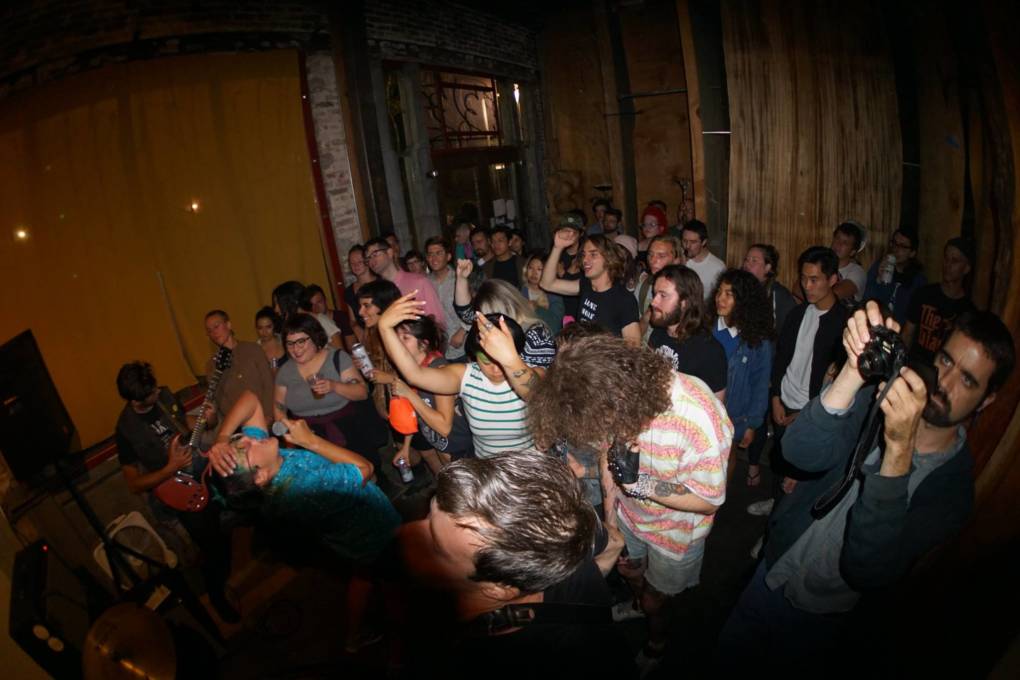
"caption": "Nicholas Taplin (far right) filming an Oakland DIY show. ",
"description": null,
"title": "post-consumer",
"credit": "Courtesy Adam Neal Gochnauer",
"status": "inherit",
"isLoading": false,
"fetchFailed": false
},
"arts_12646334": {
"type": "attachments",
"id": "arts_12646334",
"meta": {
"index": "attachments_1716263798",
"site": "arts",
"id": "12646334",
"found": true
},
"parent": 12646135,
"imgSizes": {
"small": {
"file": "https://ww2.kqed.org/app/uploads/sites/2/2017/01/pussyhatfeaturedimage-520x293.jpg",
"width": 520,
"mimeType": "image/jpeg",
"height": 293
},
"twentyfourteen-full-width": {
"file": "https://ww2.kqed.org/app/uploads/sites/2/2017/01/pussyhatfeaturedimage-1038x576.jpg",
"width": 1038,
"mimeType": "image/jpeg",
"height": 576
},
"thumbnail": {
"file": "https://ww2.kqed.org/app/uploads/sites/2/2017/01/pussyhatfeaturedimage-160x90.jpg",
"width": 160,
"mimeType": "image/jpeg",
"height": 90
},
"fd-sm": {
"file": "https://ww2.kqed.org/app/uploads/sites/2/2017/01/pussyhatfeaturedimage-960x540.jpg",
"width": 960,
"mimeType": "image/jpeg",
"height": 540
},
"post-thumbnail": {
"file": "https://ww2.kqed.org/app/uploads/sites/2/2017/01/pussyhatfeaturedimage-672x372.jpg",
"width": 672,
"mimeType": "image/jpeg",
"height": 372
},
"xsmall": {
"file": "https://ww2.kqed.org/app/uploads/sites/2/2017/01/pussyhatfeaturedimage-375x211.jpg",
"width": 375,
"mimeType": "image/jpeg",
"height": 211
},
"kqedFullSize": {
"file": "https://ww2.kqed.org/app/uploads/sites/2/2017/01/pussyhatfeaturedimage.jpg",
"width": 1648,
"height": 927
},
"large": {
"file": "https://ww2.kqed.org/app/uploads/sites/2/2017/01/pussyhatfeaturedimage-1020x574.jpg",
"width": 1020,
"mimeType": "image/jpeg",
"height": 574
},
"xlarge": {
"file": "https://ww2.kqed.org/app/uploads/sites/2/2017/01/pussyhatfeaturedimage-1180x664.jpg",
"width": 1180,
"mimeType": "image/jpeg",
"height": 664
},
"guest-author-50": {
"file": "https://ww2.kqed.org/app/uploads/sites/2/2017/01/pussyhatfeaturedimage-50x50.jpg",
"width": 50,
"mimeType": "image/jpeg",
"height": 50
},
"guest-author-96": {
"file": "https://ww2.kqed.org/app/uploads/sites/2/2017/01/pussyhatfeaturedimage-96x96.jpg",
"width": 96,
"mimeType": "image/jpeg",
"height": 96
},
"medium": {
"file": "https://ww2.kqed.org/app/uploads/sites/2/2017/01/pussyhatfeaturedimage-800x450.jpg",
"width": 800,
"mimeType": "image/jpeg",
"height": 450
},
"guest-author-64": {
"file": "https://ww2.kqed.org/app/uploads/sites/2/2017/01/pussyhatfeaturedimage-64x64.jpg",
"width": 64,
"mimeType": "image/jpeg",
"height": 64
},
"guest-author-32": {
"file": "https://ww2.kqed.org/app/uploads/sites/2/2017/01/pussyhatfeaturedimage-32x32.jpg",
"width": 32,
"mimeType": "image/jpeg",
"height": 32
},
"fd-med": {
"file": "https://ww2.kqed.org/app/uploads/sites/2/2017/01/pussyhatfeaturedimage-1180x664.jpg",
"width": 1180,
"mimeType": "image/jpeg",
"height": 664
},
"detail": {
"file": "https://ww2.kqed.org/app/uploads/sites/2/2017/01/pussyhatfeaturedimage-150x150.jpg",
"width": 150,
"mimeType": "image/jpeg",
"height": 150
},
"medium_large": {
"file": "https://ww2.kqed.org/app/uploads/sites/2/2017/01/pussyhatfeaturedimage-768x432.jpg",
"width": 768,
"mimeType": "image/jpeg",
"height": 432
},
"guest-author-128": {
"file": "https://ww2.kqed.org/app/uploads/sites/2/2017/01/pussyhatfeaturedimage-128x128.jpg",
"width": 128,
"mimeType": "image/jpeg",
"height": 128
},
"xxsmall": {
"file": "https://ww2.kqed.org/app/uploads/sites/2/2017/01/pussyhatfeaturedimage-240x135.jpg",
"width": 240,
"mimeType": "image/jpeg",
"height": 135
}
},
"publishDate": 1484793753,
"modified": 1484793817,
"caption": "Sarah Travenick, employee at Piedmont Yarn & Apparel, models a \"pussy hat\"",
"description": "Sarah Travenick, employee at Piedmont Yarn & Apparel, models a \"pussy hat\"",
"title": "pussyhatfeaturedimage",
"credit": "Kelly Whalen",
"status": "inherit",
"isLoading": false,
"fetchFailed": false
},
"arts_12645541": {
"type": "attachments",
"id": "arts_12645541",
"meta": {
"index": "attachments_1716263798",
"site": "arts",
"id": "12645541",
"found": true
},
"parent": 12642450,
"imgSizes": {
"small": {
"file": "https://ww2.kqed.org/app/uploads/sites/2/2017/01/ClubChai.main_-520x293.jpg",
"width": 520,
"mimeType": "image/jpeg",
"height": 293
},
"twentyfourteen-full-width": {
"file": "https://ww2.kqed.org/app/uploads/sites/2/2017/01/ClubChai.main_-1038x576.jpg",
"width": 1038,
"mimeType": "image/jpeg",
"height": 576
},
"thumbnail": {
"file": "https://ww2.kqed.org/app/uploads/sites/2/2017/01/ClubChai.main_-160x90.jpg",
"width": 160,
"mimeType": "image/jpeg",
"height": 90
},
"fd-sm": {
"file": "https://ww2.kqed.org/app/uploads/sites/2/2017/01/ClubChai.main_-960x540.jpg",
"width": 960,
"mimeType": "image/jpeg",
"height": 540
},
"post-thumbnail": {
"file": "https://ww2.kqed.org/app/uploads/sites/2/2017/01/ClubChai.main_-672x372.jpg",
"width": 672,
"mimeType": "image/jpeg",
"height": 372
},
"xsmall": {
"file": "https://ww2.kqed.org/app/uploads/sites/2/2017/01/ClubChai.main_-375x211.jpg",
"width": 375,
"mimeType": "image/jpeg",
"height": 211
},
"kqedFullSize": {
"file": "https://ww2.kqed.org/app/uploads/sites/2/2017/01/ClubChai.main_.jpg",
"width": 1920,
"height": 1080
},
"large": {
"file": "https://ww2.kqed.org/app/uploads/sites/2/2017/01/ClubChai.main_-1020x574.jpg",
"width": 1020,
"mimeType": "image/jpeg",
"height": 574
},
"xlarge": {
"file": "https://ww2.kqed.org/app/uploads/sites/2/2017/01/ClubChai.main_-1180x664.jpg",
"width": 1180,
"mimeType": "image/jpeg",
"height": 664
},
"guest-author-50": {
"file": "https://ww2.kqed.org/app/uploads/sites/2/2017/01/ClubChai.main_-50x50.jpg",
"width": 50,
"mimeType": "image/jpeg",
"height": 50
},
"guest-author-96": {
"file": "https://ww2.kqed.org/app/uploads/sites/2/2017/01/ClubChai.main_-96x96.jpg",
"width": 96,
"mimeType": "image/jpeg",
"height": 96
},
"medium": {
"file": "https://ww2.kqed.org/app/uploads/sites/2/2017/01/ClubChai.main_-800x450.jpg",
"width": 800,
"mimeType": "image/jpeg",
"height": 450
},
"guest-author-64": {
"file": "https://ww2.kqed.org/app/uploads/sites/2/2017/01/ClubChai.main_-64x64.jpg",
"width": 64,
"mimeType": "image/jpeg",
"height": 64
},
"guest-author-32": {
"file": "https://ww2.kqed.org/app/uploads/sites/2/2017/01/ClubChai.main_-32x32.jpg",
"width": 32,
"mimeType": "image/jpeg",
"height": 32
},
"fd-lrg": {
"file": "https://ww2.kqed.org/app/uploads/sites/2/2017/01/ClubChai.main_-1920x1080.jpg",
"width": 1920,
"mimeType": "image/jpeg",
"height": 1080
},
"fd-med": {
"file": "https://ww2.kqed.org/app/uploads/sites/2/2017/01/ClubChai.main_-1180x664.jpg",
"width": 1180,
"mimeType": "image/jpeg",
"height": 664
},
"full-width": {
"file": "https://ww2.kqed.org/app/uploads/sites/2/2017/01/ClubChai.main_-1920x1080.jpg",
"width": 1920,
"mimeType": "image/jpeg",
"height": 1080
},
"detail": {
"file": "https://ww2.kqed.org/app/uploads/sites/2/2017/01/ClubChai.main_-150x150.jpg",
"width": 150,
"mimeType": "image/jpeg",
"height": 150
},
"medium_large": {
"file": "https://ww2.kqed.org/app/uploads/sites/2/2017/01/ClubChai.main_-768x432.jpg",
"width": 768,
"mimeType": "image/jpeg",
"height": 432
},
"guest-author-128": {
"file": "https://ww2.kqed.org/app/uploads/sites/2/2017/01/ClubChai.main_-128x128.jpg",
"width": 128,
"mimeType": "image/jpeg",
"height": 128
},
"xxsmall": {
"file": "https://ww2.kqed.org/app/uploads/sites/2/2017/01/ClubChai.main_-240x135.jpg",
"width": 240,
"mimeType": "image/jpeg",
"height": 135
}
},
"publishDate": 1484779940,
"modified": 1484779974,
"caption": "8ULENTINA and foozool, founders of Club Chai.",
"description": "8ULENTINA and foozool, founders of Club Chai.",
"title": "ClubChai.main",
"credit": "Artist photo",
"status": "inherit",
"isLoading": false,
"fetchFailed": false
},
"arts_12632114": {
"type": "attachments",
"id": "arts_12632114",
"meta": {
"index": "attachments_1716263798",
"site": "arts",
"id": "12632114",
"found": true
},
"parent": 12631914,
"imgSizes": {
"small": {
"file": "https://ww2.kqed.org/app/uploads/sites/2/2017/01/FullSizeRender-7-e1484527814730-520x293.jpg",
"width": 520,
"mimeType": "image/jpeg",
"height": 293
},
"twentyfourteen-full-width": {
"file": "https://ww2.kqed.org/app/uploads/sites/2/2017/01/FullSizeRender-7-e1484527814730-1038x576.jpg",
"width": 1038,
"mimeType": "image/jpeg",
"height": 576
},
"thumbnail": {
"file": "https://ww2.kqed.org/app/uploads/sites/2/2017/01/FullSizeRender-7-e1484527814730-160x90.jpg",
"width": 160,
"mimeType": "image/jpeg",
"height": 90
},
"fd-sm": {
"file": "https://ww2.kqed.org/app/uploads/sites/2/2017/01/FullSizeRender-7-e1484527814730-960x540.jpg",
"width": 960,
"mimeType": "image/jpeg",
"height": 540
},
"post-thumbnail": {
"file": "https://ww2.kqed.org/app/uploads/sites/2/2017/01/FullSizeRender-7-e1484527814730-672x372.jpg",
"width": 672,
"mimeType": "image/jpeg",
"height": 372
},
"xsmall": {
"file": "https://ww2.kqed.org/app/uploads/sites/2/2017/01/FullSizeRender-7-e1484527814730-375x211.jpg",
"width": 375,
"mimeType": "image/jpeg",
"height": 211
},
"kqedFullSize": {
"file": "https://ww2.kqed.org/app/uploads/sites/2/2017/01/FullSizeRender-7-e1484527814730.jpg",
"width": 2048,
"height": 1152
},
"large": {
"file": "https://ww2.kqed.org/app/uploads/sites/2/2017/01/FullSizeRender-7-e1484527814730-1020x574.jpg",
"width": 1020,
"mimeType": "image/jpeg",
"height": 574
},
"xlarge": {
"file": "https://ww2.kqed.org/app/uploads/sites/2/2017/01/FullSizeRender-7-e1484527814730-1180x664.jpg",
"width": 1180,
"mimeType": "image/jpeg",
"height": 664
},
"guest-author-50": {
"file": "https://ww2.kqed.org/app/uploads/sites/2/2017/01/FullSizeRender-7-e1484527814730-50x50.jpg",
"width": 50,
"mimeType": "image/jpeg",
"height": 50
},
"guest-author-96": {
"file": "https://ww2.kqed.org/app/uploads/sites/2/2017/01/FullSizeRender-7-e1484527814730-96x96.jpg",
"width": 96,
"mimeType": "image/jpeg",
"height": 96
},
"medium": {
"file": "https://ww2.kqed.org/app/uploads/sites/2/2017/01/FullSizeRender-7-e1484527814730-800x450.jpg",
"width": 800,
"mimeType": "image/jpeg",
"height": 450
},
"guest-author-64": {
"file": "https://ww2.kqed.org/app/uploads/sites/2/2017/01/FullSizeRender-7-e1484527814730-64x64.jpg",
"width": 64,
"mimeType": "image/jpeg",
"height": 64
},
"guest-author-32": {
"file": "https://ww2.kqed.org/app/uploads/sites/2/2017/01/FullSizeRender-7-e1484527814730-32x32.jpg",
"width": 32,
"mimeType": "image/jpeg",
"height": 32
},
"fd-lrg": {
"file": "https://ww2.kqed.org/app/uploads/sites/2/2017/01/FullSizeRender-7-e1484527814730-1920x1080.jpg",
"width": 1920,
"mimeType": "image/jpeg",
"height": 1080
},
"fd-med": {
"file": "https://ww2.kqed.org/app/uploads/sites/2/2017/01/FullSizeRender-7-e1484527814730-1180x664.jpg",
"width": 1180,
"mimeType": "image/jpeg",
"height": 664
},
"full-width": {
"file": "https://ww2.kqed.org/app/uploads/sites/2/2017/01/FullSizeRender-7-e1484527814730-1920x1080.jpg",
"width": 1920,
"mimeType": "image/jpeg",
"height": 1080
},
"detail": {
"file": "https://ww2.kqed.org/app/uploads/sites/2/2017/01/FullSizeRender-7-e1484527814730-150x150.jpg",
"width": 150,
"mimeType": "image/jpeg",
"height": 150
},
"medium_large": {
"file": "https://ww2.kqed.org/app/uploads/sites/2/2017/01/FullSizeRender-7-e1484527814730-768x432.jpg",
"width": 768,
"mimeType": "image/jpeg",
"height": 432
},
"guest-author-128": {
"file": "https://ww2.kqed.org/app/uploads/sites/2/2017/01/FullSizeRender-7-e1484527814730-128x128.jpg",
"width": 128,
"mimeType": "image/jpeg",
"height": 128
},
"xxsmall": {
"file": "https://ww2.kqed.org/app/uploads/sites/2/2017/01/FullSizeRender-7-e1484527814730-240x135.jpg",
"width": 240,
"mimeType": "image/jpeg",
"height": 135
}
},
"publishDate": 1484527716,
"modified": 1484549103,
"caption": "Artist Rose Kelly practices with a fire extinguisher at a training sponsored by We the Artists of the Bay Area.",
"description": "Artist Rose Kelly practices with a fire extinguisher at a training sponsored by We the Artists of the Bay Area",
"title": "Artist Rose Kelly practices with a fire extinguisher at a training sponsored by We the Artists of the Bay Area",
"credit": "Photo: Cy Musiker/KQED",
"status": "inherit",
"isLoading": false,
"fetchFailed": false
},
"arts_12490238": {
"type": "attachments",
"id": "arts_12490238",
"meta": {
"index": "attachments_1716263798",
"site": "arts",
"id": "12490238",
"found": true
},
"parent": 12485550,
"imgSizes": {
"small": {
"file": "https://ww2.kqed.org/app/uploads/sites/2/2016/12/EdmondLapine.MAIN_-520x293.jpg",
"width": 520,
"mimeType": "image/jpeg",
"height": 293
},
"twentyfourteen-full-width": {
"file": "https://ww2.kqed.org/app/uploads/sites/2/2016/12/EdmondLapine.MAIN_-1038x576.jpg",
"width": 1038,
"mimeType": "image/jpeg",
"height": 576
},
"thumbnail": {
"file": "https://ww2.kqed.org/app/uploads/sites/2/2016/12/EdmondLapine.MAIN_-160x90.jpg",
"width": 160,
"mimeType": "image/jpeg",
"height": 90
},
"fd-sm": {
"file": "https://ww2.kqed.org/app/uploads/sites/2/2016/12/EdmondLapine.MAIN_-960x540.jpg",
"width": 960,
"mimeType": "image/jpeg",
"height": 540
},
"post-thumbnail": {
"file": "https://ww2.kqed.org/app/uploads/sites/2/2016/12/EdmondLapine.MAIN_-672x372.jpg",
"width": 672,
"mimeType": "image/jpeg",
"height": 372
},
"xsmall": {
"file": "https://ww2.kqed.org/app/uploads/sites/2/2016/12/EdmondLapine.MAIN_-375x211.jpg",
"width": 375,
"mimeType": "image/jpeg",
"height": 211
},
"kqedFullSize": {
"file": "https://ww2.kqed.org/app/uploads/sites/2/2016/12/EdmondLapine.MAIN_.jpg",
"width": 1920,
"height": 1080
},
"large": {
"file": "https://ww2.kqed.org/app/uploads/sites/2/2016/12/EdmondLapine.MAIN_-1020x574.jpg",
"width": 1020,
"mimeType": "image/jpeg",
"height": 574
},
"xlarge": {
"file": "https://ww2.kqed.org/app/uploads/sites/2/2016/12/EdmondLapine.MAIN_-1180x664.jpg",
"width": 1180,
"mimeType": "image/jpeg",
"height": 664
},
"guest-author-50": {
"file": "https://ww2.kqed.org/app/uploads/sites/2/2016/12/EdmondLapine.MAIN_-50x50.jpg",
"width": 50,
"mimeType": "image/jpeg",
"height": 50
},
"guest-author-96": {
"file": "https://ww2.kqed.org/app/uploads/sites/2/2016/12/EdmondLapine.MAIN_-96x96.jpg",
"width": 96,
"mimeType": "image/jpeg",
"height": 96
},
"medium": {
"file": "https://ww2.kqed.org/app/uploads/sites/2/2016/12/EdmondLapine.MAIN_-800x450.jpg",
"width": 800,
"mimeType": "image/jpeg",
"height": 450
},
"guest-author-64": {
"file": "https://ww2.kqed.org/app/uploads/sites/2/2016/12/EdmondLapine.MAIN_-64x64.jpg",
"width": 64,
"mimeType": "image/jpeg",
"height": 64
},
"guest-author-32": {
"file": "https://ww2.kqed.org/app/uploads/sites/2/2016/12/EdmondLapine.MAIN_-32x32.jpg",
"width": 32,
"mimeType": "image/jpeg",
"height": 32
},
"fd-lrg": {
"file": "https://ww2.kqed.org/app/uploads/sites/2/2016/12/EdmondLapine.MAIN_-1920x1080.jpg",
"width": 1920,
"mimeType": "image/jpeg",
"height": 1080
},
"fd-med": {
"file": "https://ww2.kqed.org/app/uploads/sites/2/2016/12/EdmondLapine.MAIN_-1180x664.jpg",
"width": 1180,
"mimeType": "image/jpeg",
"height": 664
},
"full-width": {
"file": "https://ww2.kqed.org/app/uploads/sites/2/2016/12/EdmondLapine.MAIN_-1920x1080.jpg",
"width": 1920,
"mimeType": "image/jpeg",
"height": 1080
},
"detail": {
"file": "https://ww2.kqed.org/app/uploads/sites/2/2016/12/EdmondLapine.MAIN_-150x150.jpg",
"width": 150,
"mimeType": "image/jpeg",
"height": 150
},
"medium_large": {
"file": "https://ww2.kqed.org/app/uploads/sites/2/2016/12/EdmondLapine.MAIN_-768x432.jpg",
"width": 768,
"mimeType": "image/jpeg",
"height": 432
},
"guest-author-128": {
"file": "https://ww2.kqed.org/app/uploads/sites/2/2016/12/EdmondLapine.MAIN_-128x128.jpg",
"width": 128,
"mimeType": "image/jpeg",
"height": 128
},
"xxsmall": {
"file": "https://ww2.kqed.org/app/uploads/sites/2/2016/12/EdmondLapine.MAIN_-240x135.jpg",
"width": 240,
"mimeType": "image/jpeg",
"height": 135
}
},
"publishDate": 1481871129,
"modified": 1481871157,
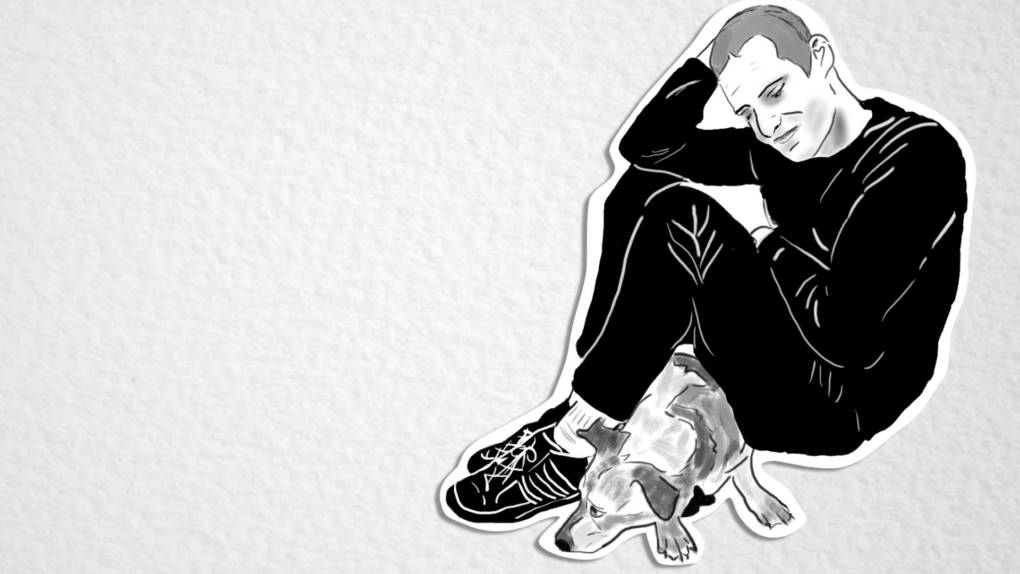
"caption": "Edmond Lapine.",
"description": "Edmond Lapine.",
"title": "edmondlapine-main",
"credit": "Illustration by Melanie Ruiz/KQED",
"status": "inherit",
"isLoading": false,
"fetchFailed": false
},
"arts_12482948": {
"type": "attachments",
"id": "arts_12482948",
"meta": {
"index": "attachments_1716263798",
"site": "arts",
"id": "12482948",
"found": true
},
"parent": 12479032,
"imgSizes": {
"small": {
"file": "https://ww2.kqed.org/app/uploads/sites/2/2016/12/wilbertfantasticnigrito2-e1481747495631-520x307.jpg",
"width": 520,
"mimeType": "image/jpeg",
"height": 307
},
"thumbnail": {
"file": "https://ww2.kqed.org/app/uploads/sites/2/2016/12/wilbertfantasticnigrito2-e1481747495631-160x94.jpg",
"width": 160,
"mimeType": "image/jpeg",
"height": 94
},
"post-thumbnail": {
"file": "https://ww2.kqed.org/app/uploads/sites/2/2016/12/wilbertfantasticnigrito2-e1481747495631-672x372.jpg",
"width": 672,
"mimeType": "image/jpeg",
"height": 372
},
"xsmall": {
"file": "https://ww2.kqed.org/app/uploads/sites/2/2016/12/wilbertfantasticnigrito2-e1481747495631-375x221.jpg",
"width": 375,
"mimeType": "image/jpeg",
"height": 221
},
"kqedFullSize": {
"file": "https://ww2.kqed.org/app/uploads/sites/2/2016/12/wilbertfantasticnigrito2-e1481747495631.jpg",
"width": 738,
"height": 435
},
"guest-author-50": {
"file": "https://ww2.kqed.org/app/uploads/sites/2/2016/12/wilbertfantasticnigrito2-e1481747495631-50x50.jpg",
"width": 50,
"mimeType": "image/jpeg",
"height": 50
},
"guest-author-96": {
"file": "https://ww2.kqed.org/app/uploads/sites/2/2016/12/wilbertfantasticnigrito2-e1481747495631-96x96.jpg",
"width": 96,
"mimeType": "image/jpeg",
"height": 96
},
"guest-author-64": {
"file": "https://ww2.kqed.org/app/uploads/sites/2/2016/12/wilbertfantasticnigrito2-e1481747495631-64x64.jpg",
"width": 64,
"mimeType": "image/jpeg",
"height": 64
},
"detail": {
"file": "https://ww2.kqed.org/app/uploads/sites/2/2016/12/wilbertfantasticnigrito2-e1481747495631-150x150.jpg",
"width": 150,
"mimeType": "image/jpeg",
"height": 150
},
"guest-author-32": {
"file": "https://ww2.kqed.org/app/uploads/sites/2/2016/12/wilbertfantasticnigrito2-e1481747495631-32x32.jpg",
"width": 32,
"mimeType": "image/jpeg",
"height": 32
},
"guest-author-128": {
"file": "https://ww2.kqed.org/app/uploads/sites/2/2016/12/wilbertfantasticnigrito2-e1481747495631-128x128.jpg",
"width": 128,
"mimeType": "image/jpeg",
"height": 128
},
"xxsmall": {
"file": "https://ww2.kqed.org/app/uploads/sites/2/2016/12/wilbertfantasticnigrito2-e1481747495631-240x141.jpg",
"width": 240,
"mimeType": "image/jpeg",
"height": 141
}
},
"publishDate": 1481741765,
"modified": 1481741949,
"caption": "Fantastic Negrito opening for Chris Cornell in the Netherlands. ",
"description": null,
"title": "wilbertfantasticnigrito2",
"credit": null,
"status": "inherit",
"isLoading": false,
"fetchFailed": false
},
"arts_12478837": {
"type": "attachments",
"id": "arts_12478837",
"meta": {
"index": "attachments_1716263798",
"site": "arts",
"id": "12478837",
"found": true
},
"parent": 12478618,
"imgSizes": {
"small": {
"file": "https://ww2.kqed.org/app/uploads/sites/2/2016/12/solo_shellhair2-002-_wide-9a3bade856149b40ae6501165f65141f32d90466-1920x1079-520x292.jpg",
"width": 520,
"mimeType": "image/jpeg",
"height": 292
},
"twentyfourteen-full-width": {
"file": "https://ww2.kqed.org/app/uploads/sites/2/2016/12/solo_shellhair2-002-_wide-9a3bade856149b40ae6501165f65141f32d90466-1920x1079-1038x576.jpg",
"width": 1038,
"mimeType": "image/jpeg",
"height": 576
},
"thumbnail": {
"file": "https://ww2.kqed.org/app/uploads/sites/2/2016/12/solo_shellhair2-002-_wide-9a3bade856149b40ae6501165f65141f32d90466-1920x1079-160x90.jpg",
"width": 160,
"mimeType": "image/jpeg",
"height": 90
},
"fd-sm": {
"file": "https://ww2.kqed.org/app/uploads/sites/2/2016/12/solo_shellhair2-002-_wide-9a3bade856149b40ae6501165f65141f32d90466-1920x1079-960x540.jpg",
"width": 960,
"mimeType": "image/jpeg",
"height": 540
},
"post-thumbnail": {
"file": "https://ww2.kqed.org/app/uploads/sites/2/2016/12/solo_shellhair2-002-_wide-9a3bade856149b40ae6501165f65141f32d90466-1920x1079-672x372.jpg",
"width": 672,
"mimeType": "image/jpeg",
"height": 372
},
"xsmall": {
"file": "https://ww2.kqed.org/app/uploads/sites/2/2016/12/solo_shellhair2-002-_wide-9a3bade856149b40ae6501165f65141f32d90466-1920x1079-375x211.jpg",
"width": 375,
"mimeType": "image/jpeg",
"height": 211
},
"kqedFullSize": {
"file": "https://ww2.kqed.org/app/uploads/sites/2/2016/12/solo_shellhair2-002-_wide-9a3bade856149b40ae6501165f65141f32d90466-1920x1079.jpg",
"width": 1920,
"height": 1079
},
"large": {
"file": "https://ww2.kqed.org/app/uploads/sites/2/2016/12/solo_shellhair2-002-_wide-9a3bade856149b40ae6501165f65141f32d90466-1920x1079-1020x573.jpg",
"width": 1020,
"mimeType": "image/jpeg",
"height": 573
},
"xlarge": {
"file": "https://ww2.kqed.org/app/uploads/sites/2/2016/12/solo_shellhair2-002-_wide-9a3bade856149b40ae6501165f65141f32d90466-1920x1079-1180x663.jpg",
"width": 1180,
"mimeType": "image/jpeg",
"height": 663
},
"guest-author-50": {
"file": "https://ww2.kqed.org/app/uploads/sites/2/2016/12/solo_shellhair2-002-_wide-9a3bade856149b40ae6501165f65141f32d90466-1920x1079-50x50.jpg",
"width": 50,
"mimeType": "image/jpeg",
"height": 50
},
"guest-author-96": {
"file": "https://ww2.kqed.org/app/uploads/sites/2/2016/12/solo_shellhair2-002-_wide-9a3bade856149b40ae6501165f65141f32d90466-1920x1079-96x96.jpg",
"width": 96,
"mimeType": "image/jpeg",
"height": 96
},
"medium": {
"file": "https://ww2.kqed.org/app/uploads/sites/2/2016/12/solo_shellhair2-002-_wide-9a3bade856149b40ae6501165f65141f32d90466-1920x1079-800x450.jpg",
"width": 800,
"mimeType": "image/jpeg",
"height": 450
},
"guest-author-64": {
"file": "https://ww2.kqed.org/app/uploads/sites/2/2016/12/solo_shellhair2-002-_wide-9a3bade856149b40ae6501165f65141f32d90466-1920x1079-64x64.jpg",
"width": 64,
"mimeType": "image/jpeg",
"height": 64
},
"guest-author-32": {
"file": "https://ww2.kqed.org/app/uploads/sites/2/2016/12/solo_shellhair2-002-_wide-9a3bade856149b40ae6501165f65141f32d90466-1920x1079-32x32.jpg",
"width": 32,
"mimeType": "image/jpeg",
"height": 32
},
"fd-lrg": {
"file": "https://ww2.kqed.org/app/uploads/sites/2/2016/12/solo_shellhair2-002-_wide-9a3bade856149b40ae6501165f65141f32d90466-1920x1079-1920x1079.jpg",
"width": 1920,
"mimeType": "image/jpeg",
"height": 1079
},
"fd-med": {
"file": "https://ww2.kqed.org/app/uploads/sites/2/2016/12/solo_shellhair2-002-_wide-9a3bade856149b40ae6501165f65141f32d90466-1920x1079-1180x663.jpg",
"width": 1180,
"mimeType": "image/jpeg",
"height": 663
},
"full-width": {
"file": "https://ww2.kqed.org/app/uploads/sites/2/2016/12/solo_shellhair2-002-_wide-9a3bade856149b40ae6501165f65141f32d90466-1920x1079-1920x1079.jpg",
"width": 1920,
"mimeType": "image/jpeg",
"height": 1079
},
"detail": {
"file": "https://ww2.kqed.org/app/uploads/sites/2/2016/12/solo_shellhair2-002-_wide-9a3bade856149b40ae6501165f65141f32d90466-1920x1079-150x150.jpg",
"width": 150,
"mimeType": "image/jpeg",
"height": 150
},
"medium_large": {
"file": "https://ww2.kqed.org/app/uploads/sites/2/2016/12/solo_shellhair2-002-_wide-9a3bade856149b40ae6501165f65141f32d90466-1920x1079-768x432.jpg",
"width": 768,
"mimeType": "image/jpeg",
"height": 432
},
"guest-author-128": {
"file": "https://ww2.kqed.org/app/uploads/sites/2/2016/12/solo_shellhair2-002-_wide-9a3bade856149b40ae6501165f65141f32d90466-1920x1079-128x128.jpg",
"width": 128,
"mimeType": "image/jpeg",
"height": 128
},
"xxsmall": {
"file": "https://ww2.kqed.org/app/uploads/sites/2/2016/12/solo_shellhair2-002-_wide-9a3bade856149b40ae6501165f65141f32d90466-1920x1079-240x135.jpg",
"width": 240,
"mimeType": "image/jpeg",
"height": 135
}
},
"publishDate": 1481667370,
"modified": 1481667409,
"caption": "Solange performs three songs as part of GOODFest at the Starline Social Club in Oakland this Friday, Dec. 16. ",
"description": null,
"title": "solo_shellhair2-002-_wide-9a3bade856149b40ae6501165f65141f32d90466-1920x1079",
"credit": null,
"status": "inherit",
"isLoading": false,
"fetchFailed": false
},
"arts_12443727": {
"type": "attachments",
"id": "arts_12443727",
"meta": {
"index": "attachments_1716263798",
"site": "arts",
"id": "12443727",
"found": true
},
"parent": 12443354,
"imgSizes": {
"small": {
"file": "https://ww2.kqed.org/app/uploads/sites/2/2016/12/IMG_3504-e1480995350434-520x295.jpg",
"width": 520,
"mimeType": "image/jpeg",
"height": 295
},
"twentyfourteen-full-width": {
"file": "https://ww2.kqed.org/app/uploads/sites/2/2016/12/IMG_3504-e1480995350434-1038x576.jpg",
"width": 1038,
"mimeType": "image/jpeg",
"height": 576
},
"thumbnail": {
"file": "https://ww2.kqed.org/app/uploads/sites/2/2016/12/IMG_3504-e1480995350434-160x91.jpg",
"width": 160,
"mimeType": "image/jpeg",
"height": 91
},
"fd-sm": {
"file": "https://ww2.kqed.org/app/uploads/sites/2/2016/12/IMG_3504-e1480995350434-960x545.jpg",
"width": 960,
"mimeType": "image/jpeg",
"height": 545
},
"post-thumbnail": {
"file": "https://ww2.kqed.org/app/uploads/sites/2/2016/12/IMG_3504-e1480995350434-672x372.jpg",
"width": 672,
"mimeType": "image/jpeg",
"height": 372
},
"xsmall": {
"file": "https://ww2.kqed.org/app/uploads/sites/2/2016/12/IMG_3504-e1480995350434-375x213.jpg",
"width": 375,
"mimeType": "image/jpeg",
"height": 213
},
"kqedFullSize": {
"file": "https://ww2.kqed.org/app/uploads/sites/2/2016/12/IMG_3504-e1480995350434.jpg",
"width": 1991,
"height": 1131
},
"large": {
"file": "https://ww2.kqed.org/app/uploads/sites/2/2016/12/IMG_3504-e1480995350434-1020x579.jpg",
"width": 1020,
"mimeType": "image/jpeg",
"height": 579
},
"xlarge": {
"file": "https://ww2.kqed.org/app/uploads/sites/2/2016/12/IMG_3504-e1480995350434-1180x670.jpg",
"width": 1180,
"mimeType": "image/jpeg",
"height": 670
},
"guest-author-50": {
"file": "https://ww2.kqed.org/app/uploads/sites/2/2016/12/IMG_3504-e1480995350434-50x50.jpg",
"width": 50,
"mimeType": "image/jpeg",
"height": 50
},
"guest-author-96": {
"file": "https://ww2.kqed.org/app/uploads/sites/2/2016/12/IMG_3504-e1480995350434-96x96.jpg",
"width": 96,
"mimeType": "image/jpeg",
"height": 96
},
"medium": {
"file": "https://ww2.kqed.org/app/uploads/sites/2/2016/12/IMG_3504-e1480995350434-800x454.jpg",
"width": 800,
"mimeType": "image/jpeg",
"height": 454
},
"guest-author-64": {
"file": "https://ww2.kqed.org/app/uploads/sites/2/2016/12/IMG_3504-e1480995350434-64x64.jpg",
"width": 64,
"mimeType": "image/jpeg",
"height": 64
},
"guest-author-32": {
"file": "https://ww2.kqed.org/app/uploads/sites/2/2016/12/IMG_3504-e1480995350434-32x32.jpg",
"width": 32,
"mimeType": "image/jpeg",
"height": 32
},
"fd-lrg": {
"file": "https://ww2.kqed.org/app/uploads/sites/2/2016/12/IMG_3504-e1480995350434-1920x1091.jpg",
"width": 1920,
"mimeType": "image/jpeg",
"height": 1091
},
"fd-med": {
"file": "https://ww2.kqed.org/app/uploads/sites/2/2016/12/IMG_3504-e1480995350434-1180x670.jpg",
"width": 1180,
"mimeType": "image/jpeg",
"height": 670
},
"full-width": {
"file": "https://ww2.kqed.org/app/uploads/sites/2/2016/12/IMG_3504-e1480995350434-1920x1091.jpg",
"width": 1920,
"mimeType": "image/jpeg",
"height": 1091
},
"detail": {
"file": "https://ww2.kqed.org/app/uploads/sites/2/2016/12/IMG_3504-e1480995350434-150x150.jpg",
"width": 150,
"mimeType": "image/jpeg",
"height": 150
},
"medium_large": {
"file": "https://ww2.kqed.org/app/uploads/sites/2/2016/12/IMG_3504-e1480995350434-768x436.jpg",
"width": 768,
"mimeType": "image/jpeg",
"height": 436
},
"guest-author-128": {
"file": "https://ww2.kqed.org/app/uploads/sites/2/2016/12/IMG_3504-e1480995350434-128x128.jpg",
"width": 128,
"mimeType": "image/jpeg",
"height": 128
},
"xxsmall": {
"file": "https://ww2.kqed.org/app/uploads/sites/2/2016/12/IMG_3504-e1480995350434-240x136.jpg",
"width": 240,
"mimeType": "image/jpeg",
"height": 136
}
},
"publishDate": 1480995030,
"modified": 1529972615,
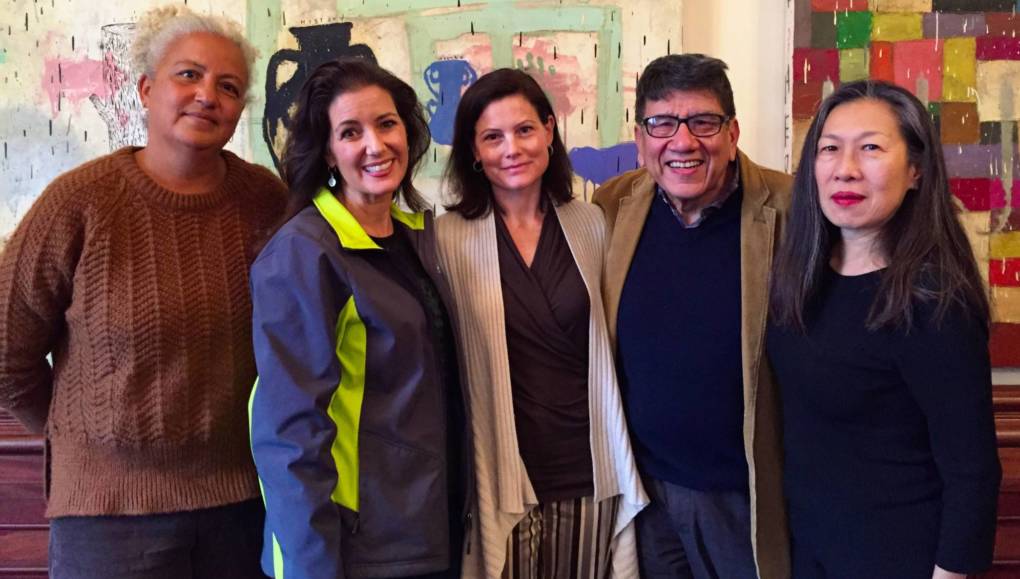
"caption": "Arts and civic leaders announce grants for arts groups in Oakland (l-r) East Side Cultural Alliance Director Elena Serrano, Oakland Mayor Libby Schaaf, Director, Arts Strategy & Ventures, for the Kenneth Rainin Foundation Shelley Trott Oakland Cultural Director Roberto Bedoya, and CAST Director Moy Eng. ",
"description": "Arts and civic leaders announce grants for arts groups in Oakland (l-r) East Side Cultural Alliance Director Elena Serrano, Oakland Mayor Libby Schaaf, Director, Arts Strategy & Ventures, for the Kenneth Rainin Foundation Shelley Trott Oakland Cultural Director Roberto Bedoya, and CAST Director Moy Eng ",
"title": "Arts and civic leaders announce grants for arts groups in Oakland (l-r) East Side Cultural Alliance Director Elena Serrano, Oakland Mayor Libby Schaaf, Director, Arts Strategy & Ventures, for the Kenneth Rainin Foundation Shelley Trott Oakland Cultural Director Roberto Bedoya, and CAST Director Moy Eng",
"credit": "Cy Musiker/KQED",
"status": "inherit",
"isLoading": false,
"fetchFailed": false
},
"arts_12075497": {
"type": "attachments",
"id": "arts_12075497",
"meta": {
"index": "attachments_1716263798",
"site": "arts",
"id": "12075497",
"found": true
},
"parent": 12064915,
"imgSizes": {
"twentyfourteen-full-width": {
"file": "https://ww2.kqed.org/app/uploads/sites/2/2016/09/Caleb.MAIN_-1038x576.jpg",
"width": 1038,
"mimeType": "image/jpeg",
"height": 576
},
"thumbnail": {
"file": "https://ww2.kqed.org/app/uploads/sites/2/2016/09/Caleb.MAIN_-400x225.jpg",
"width": 400,
"mimeType": "image/jpeg",
"height": 225
},
"fd-sm": {
"file": "https://ww2.kqed.org/app/uploads/sites/2/2016/09/Caleb.MAIN_-960x540.jpg",
"width": 960,
"mimeType": "image/jpeg",
"height": 540
},
"post-thumbnail": {
"file": "https://ww2.kqed.org/app/uploads/sites/2/2016/09/Caleb.MAIN_-672x372.jpg",
"width": 672,
"mimeType": "image/jpeg",
"height": 372
},
"kqedFullSize": {
"file": "https://ww2.kqed.org/app/uploads/sites/2/2016/09/Caleb.MAIN_.jpg",
"width": 1920,
"height": 1080
},
"large": {
"file": "https://ww2.kqed.org/app/uploads/sites/2/2016/09/Caleb.MAIN_-1180x664.jpg",
"width": 1180,
"mimeType": "image/jpeg",
"height": 664
},
"guest-author-50": {
"file": "https://ww2.kqed.org/app/uploads/sites/2/2016/09/Caleb.MAIN_-50x50.jpg",
"width": 50,
"mimeType": "image/jpeg",
"height": 50
},
"guest-author-96": {
"file": "https://ww2.kqed.org/app/uploads/sites/2/2016/09/Caleb.MAIN_-96x96.jpg",
"width": 96,
"mimeType": "image/jpeg",
"height": 96
},
"medium": {
"file": "https://ww2.kqed.org/app/uploads/sites/2/2016/09/Caleb.MAIN_-800x450.jpg",
"width": 800,
"mimeType": "image/jpeg",
"height": 450
},
"guest-author-64": {
"file": "https://ww2.kqed.org/app/uploads/sites/2/2016/09/Caleb.MAIN_-64x64.jpg",
"width": 64,
"mimeType": "image/jpeg",
"height": 64
},
"guest-author-32": {
"file": "https://ww2.kqed.org/app/uploads/sites/2/2016/09/Caleb.MAIN_-32x32.jpg",
"width": 32,
"mimeType": "image/jpeg",
"height": 32
},
"fd-lrg": {
"file": "https://ww2.kqed.org/app/uploads/sites/2/2016/09/Caleb.MAIN_-1920x1080.jpg",
"width": 1920,
"mimeType": "image/jpeg",
"height": 1080
},
"fd-med": {
"file": "https://ww2.kqed.org/app/uploads/sites/2/2016/09/Caleb.MAIN_-1180x664.jpg",
"width": 1180,
"mimeType": "image/jpeg",
"height": 664
},
"detail": {
"file": "https://ww2.kqed.org/app/uploads/sites/2/2016/09/Caleb.MAIN_-150x150.jpg",
"width": 150,
"mimeType": "image/jpeg",
"height": 150
},
"medium_large": {
"file": "https://ww2.kqed.org/app/uploads/sites/2/2016/09/Caleb.MAIN_-768x432.jpg",
"width": 768,
"mimeType": "image/jpeg",
"height": 432
},
"guest-author-128": {
"file": "https://ww2.kqed.org/app/uploads/sites/2/2016/09/Caleb.MAIN_-128x128.jpg",
"width": 128,
"mimeType": "image/jpeg",
"height": 128
}
},
"publishDate": 1474015622,
"modified": 1474015834,
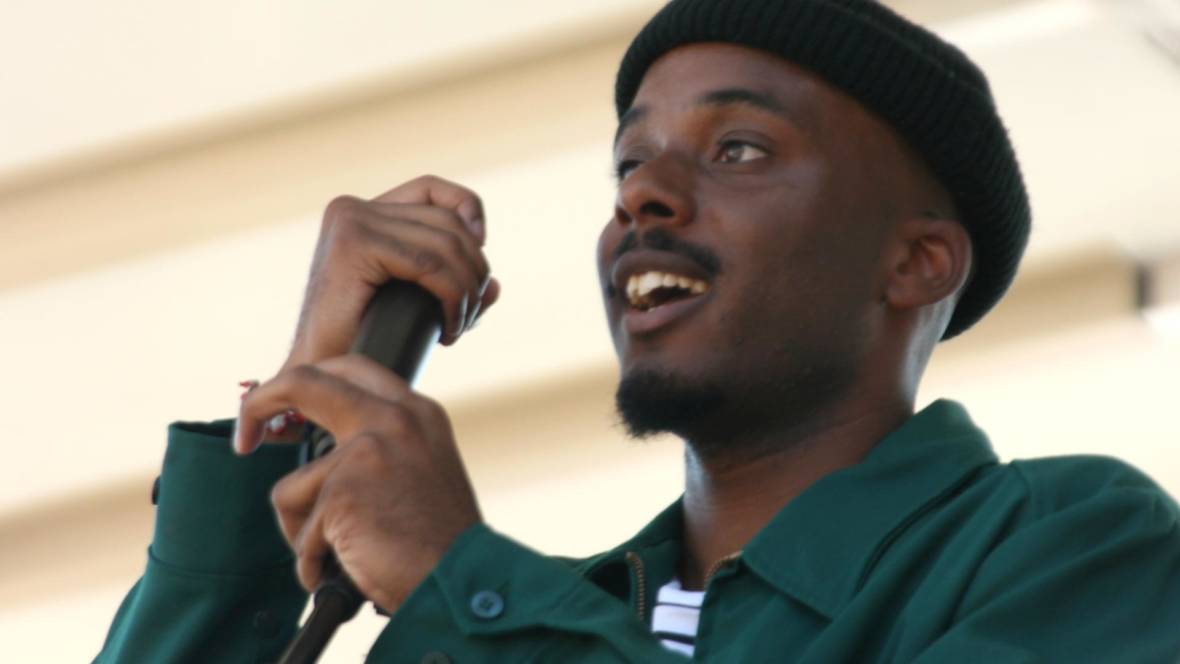
"caption": "At 23, Caleborate makes fully-formed, hard-knocking hip-hop records out of his Berkeley base.",
"description": "At 23, Caleborate makes fully-formed, hard-knocking hip-hop records out of his Berkeley base.",
"title": "Caleb.MAIN",
"credit": "Gabe Meline/KQED",
"status": "inherit",
"isLoading": false,
"fetchFailed": false
},
"arts_11696578": {
"type": "attachments",
"id": "arts_11696578",
"meta": {
"index": "attachments_1716263798",
"site": "arts",
"id": "11696578",
"found": true
},
"parent": 11696060,
"imgSizes": {
"twentyfourteen-full-width": {
"file": "https://ww2.kqed.org/app/uploads/sites/2/2016/06/2pac.MAIN_-1038x576.jpg",
"width": 1038,
"mimeType": "image/jpeg",
"height": 576
},
"thumbnail": {
"file": "https://ww2.kqed.org/app/uploads/sites/2/2016/06/2pac.MAIN_-400x225.jpg",
"width": 400,
"mimeType": "image/jpeg",
"height": 225
},
"fd-sm": {
"file": "https://ww2.kqed.org/app/uploads/sites/2/2016/06/2pac.MAIN_-960x540.jpg",
"width": 960,
"mimeType": "image/jpeg",
"height": 540
},
"post-thumbnail": {
"file": "https://ww2.kqed.org/app/uploads/sites/2/2016/06/2pac.MAIN_-672x372.jpg",
"width": 672,
"mimeType": "image/jpeg",
"height": 372
},
"kqedFullSize": {
"file": "https://ww2.kqed.org/app/uploads/sites/2/2016/06/2pac.MAIN_.jpg",
"width": 1920,
"height": 1080
},
"large": {
"file": "https://ww2.kqed.org/app/uploads/sites/2/2016/06/2pac.MAIN_-1180x664.jpg",
"width": 1180,
"mimeType": "image/jpeg",
"height": 664
},
"guest-author-50": {
"file": "https://ww2.kqed.org/app/uploads/sites/2/2016/06/2pac.MAIN_-50x50.jpg",
"width": 50,
"mimeType": "image/jpeg",
"height": 50
},
"guest-author-96": {
"file": "https://ww2.kqed.org/app/uploads/sites/2/2016/06/2pac.MAIN_-96x96.jpg",
"width": 96,
"mimeType": "image/jpeg",
"height": 96
},
"medium": {
"file": "https://ww2.kqed.org/app/uploads/sites/2/2016/06/2pac.MAIN_-800x450.jpg",
"width": 800,
"mimeType": "image/jpeg",
"height": 450
},
"guest-author-64": {
"file": "https://ww2.kqed.org/app/uploads/sites/2/2016/06/2pac.MAIN_-64x64.jpg",
"width": 64,
"mimeType": "image/jpeg",
"height": 64
},
"guest-author-32": {
"file": "https://ww2.kqed.org/app/uploads/sites/2/2016/06/2pac.MAIN_-32x32.jpg",
"width": 32,
"mimeType": "image/jpeg",
"height": 32
},
"fd-lrg": {
"file": "https://ww2.kqed.org/app/uploads/sites/2/2016/06/2pac.MAIN_-1920x1080.jpg",
"width": 1920,
"mimeType": "image/jpeg",
"height": 1080
},
"fd-med": {
"file": "https://ww2.kqed.org/app/uploads/sites/2/2016/06/2pac.MAIN_-1180x664.jpg",
"width": 1180,
"mimeType": "image/jpeg",
"height": 664
},
"detail": {
"file": "https://ww2.kqed.org/app/uploads/sites/2/2016/06/2pac.MAIN_-150x150.jpg",
"width": 150,
"mimeType": "image/jpeg",
"height": 150
},
"medium_large": {
"file": "https://ww2.kqed.org/app/uploads/sites/2/2016/06/2pac.MAIN_-768x432.jpg",
"width": 768,
"mimeType": "image/jpeg",
"height": 432
},
"guest-author-128": {
"file": "https://ww2.kqed.org/app/uploads/sites/2/2016/06/2pac.MAIN_-128x128.jpg",
"width": 128,
"mimeType": "image/jpeg",
"height": 128
}
},
"publishDate": 1466109409,
"modified": 1696010083,
"caption": "Tupac Shakur in a still from the 1993 film 'Poetic Justice,' three years before his death.",
"description": "Tupac Shakur in a still from 'Poetic Justice.'",
"title": "2pac.MAIN",
"credit": "Columbia Pictures",
"status": "inherit",
"altTag": "Tupac Shakur in a still from 'Poetic Justice.'",
"isLoading": false,
"fetchFailed": false
},
"arts_10656760": {
"type": "attachments",
"id": "arts_10656760",
"meta": {
"index": "attachments_1716263798",
"site": "arts",
"id": "10656760",
"found": true
},
"parent": 0,
"imgSizes": {
"twentyfourteen-full-width": {
"file": "https://ww2.kqed.org/app/uploads/sites/2/2015/05/OaklandBallet_Massine1-e1431640656766-1038x576.jpg",
"width": 1038,
"mimeType": "image/jpeg",
"height": 576
},
"thumbnail": {
"file": "https://ww2.kqed.org/app/uploads/sites/2/2015/05/OaklandBallet_Massine1-e1431640656766-400x264.jpg",
"width": 400,
"mimeType": "image/jpeg",
"height": 264
},
"fd-sm": {
"file": "https://ww2.kqed.org/app/uploads/sites/2/2015/05/OaklandBallet_Massine1-e1431640656766-960x633.jpg",
"width": 960,
"mimeType": "image/jpeg",
"height": 633
},
"post-thumbnail": {
"file": "https://ww2.kqed.org/app/uploads/sites/2/2015/05/OaklandBallet_Massine1-e1431640656766-672x372.jpg",
"width": 672,
"mimeType": "image/jpeg",
"height": 372
},
"kqedFullSize": {
"file": "https://ww2.kqed.org/app/uploads/sites/2/2015/05/OaklandBallet_Massine1-e1431640656766.jpg",
"width": 3380,
"height": 2227
},
"large": {
"file": "https://ww2.kqed.org/app/uploads/sites/2/2015/05/OaklandBallet_Massine1-e1431640656766-1180x777.jpg",
"width": 1180,
"mimeType": "image/jpeg",
"height": 777
},
"guest-author-96": {
"file": "https://ww2.kqed.org/app/uploads/sites/2/2015/05/OaklandBallet_Massine1-e1431640656766-96x96.jpg",
"width": 96,
"mimeType": "image/jpeg",
"height": 96
},
"medium": {
"file": "https://ww2.kqed.org/app/uploads/sites/2/2015/05/OaklandBallet_Massine1-e1431640656766-800x527.jpg",
"width": 800,
"mimeType": "image/jpeg",
"height": 527
},
"guest-author-64": {
"file": "https://ww2.kqed.org/app/uploads/sites/2/2015/05/OaklandBallet_Massine1-e1431640656766-64x64.jpg",
"width": 64,
"mimeType": "image/jpeg",
"height": 64
},
"guest-author-32": {
"file": "https://ww2.kqed.org/app/uploads/sites/2/2015/05/OaklandBallet_Massine1-e1431640656766-32x32.jpg",
"width": 32,
"mimeType": "image/jpeg",
"height": 32
},
"fd-med": {
"file": "https://ww2.kqed.org/app/uploads/sites/2/2015/05/OaklandBallet_Massine1-e1431640656766-1180x777.jpg",
"width": 1180,
"mimeType": "image/jpeg",
"height": 777
},
"detail": {
"file": "https://ww2.kqed.org/app/uploads/sites/2/2015/05/OaklandBallet_Massine1-e1431640656766-75x75.jpg",
"width": 75,
"mimeType": "image/jpeg",
"height": 75
},
"guest-author-128": {
"file": "https://ww2.kqed.org/app/uploads/sites/2/2015/05/OaklandBallet_Massine1-e1431640656766-128x128.jpg",
"width": 128,
"mimeType": "image/jpeg",
"height": 128
}
},
"publishDate": 1431627366,
"modified": 1431640696,
"caption": "Current Oakland Ballet dancers Tyler Rhoads and Daphne Lee in Leonide Massine's \"La Boutique Fantasque.\" (Photo: David DeSilva) ",
"description": null,
"title": "OaklandBallet_Massine1",
"credit": null,
"status": "inherit",
"isLoading": false,
"fetchFailed": false
}
},
"audioPlayerReducer": {
"postId": "stream_live",
"isPaused": true,
"isPlaying": false,
"pfsActive": false,
"pledgeModalIsOpen": true,
"playerDrawerIsOpen": false,
"liveAudioPlayStartedAt": 0,
"liveAudioPlayContext": ""
},
"authorsReducer": {
"byline_arts_12642450": {
"type": "authors",
"id": "byline_arts_12642450",
"meta": {
"override": true
},
"slug": "byline_arts_12642450",
"name": "Nastia Voynovskaya",
"isLoading": false
},
"cmusiker": {
"type": "authors",
"id": "32",
"meta": {
"index": "authors_1716337520",
"id": "32",
"found": true
},
"name": "Cy Musiker",
"firstName": "Cy",
"lastName": "Musiker",
"slug": "cmusiker",
"email": "cmusiker@kqed.org",
"display_author_email": false,
"staff_mastheads": [],
"title": "KQED Contributor",
"bio": "Cy Musiker is a former co-host of The Do List and a former reporter covering the arts for KQED News and The California Report. He loves live performance, especially great theater, jazz, roots music, anything by Mahler. Cy has an MJ from UC Berkeley's School of Journalism, and got his BA from Hampshire College. His work has been recognized by the Society for Professional Journalists with their Sigma Delta Chi Award for Public Service in Journalism. When he can, Cy likes to swim in Tomales Bay, run with his dog in the East Bay Hills, and hike the Sierra.",
"avatar": "https://secure.gravatar.com/avatar/05eaba5c5696ce8f062e4ea2df428a43?s=600&d=blank&r=g",
"twitter": null,
"facebook": null,
"instagram": null,
"linkedin": null,
"sites": [
{
"site": "arts",
"roles": [
"Contributor",
"subscriber"
]
},
{
"site": "news",
"roles": [
"author"
]
},
{
"site": "bayareabites",
"roles": [
"contributor"
]
}
],
"headData": {
"title": "Cy Musiker | KQED",
"description": "KQED Contributor",
"ogImgSrc": "https://secure.gravatar.com/avatar/05eaba5c5696ce8f062e4ea2df428a43?s=600&d=blank&r=g",
"twImgSrc": "https://secure.gravatar.com/avatar/05eaba5c5696ce8f062e4ea2df428a43?s=600&d=blank&r=g"
},
"isLoading": false,
"link": "/author/cmusiker"
},
"gmeline": {
"type": "authors",
"id": "185",
"meta": {
"index": "authors_1716337520",
"id": "185",
"found": true
},
"name": "Gabe Meline",
"firstName": "Gabe",
"lastName": "Meline",
"slug": "gmeline",
"email": "gmeline@kqed.org",
"display_author_email": true,
"staff_mastheads": [
"arts"
],
"title": "Senior Editor, KQED Arts & Culture",
"bio": "Gabe Meline entered journalism at age 15 making photocopied zines, and has since earned awards from the Edward R. Murrow Awards, the Society for Professional Journalists, the Online Journalism Awards, the Association of Alternative Newsweeklies and the California Newspaper Publishers Association. Prior to KQED, he was the editor of the \u003cem>North Bay Bohemian\u003c/em> and a touring musician. He lives with his wife and daughter in his hometown of Santa Rosa, CA.",
"avatar": "https://secure.gravatar.com/avatar/5bebe57be0d8bc2dd318934feb47299e2d2d10cba28d09d8d7afb389a2ce2bdd?s=600&d=blank&r=g",
"twitter": null,
"bluesky": null,
"facebook": null,
"instagram": null,
"linkedin": null,
"sites": [
{
"site": "",
"roles": [
"editor"
]
},
{
"site": "arts",
"roles": [
"administrator"
]
},
{
"site": "artschool",
"roles": [
"editor"
]
},
{
"site": "news",
"roles": [
"author"
]
},
{
"site": "pop",
"roles": [
"editor"
]
},
{
"site": "bayareabites",
"roles": [
"editor"
]
},
{
"site": "food",
"roles": [
"editor"
]
},
{
"site": "liveblog",
"roles": [
"editor"
]
},
{
"site": "hiphop",
"roles": [
"editor"
]
}
],
"headData": {
"title": "Gabe Meline | KQED",
"description": "Senior Editor, KQED Arts & Culture",
"ogImgSrc": "https://secure.gravatar.com/avatar/5bebe57be0d8bc2dd318934feb47299e2d2d10cba28d09d8d7afb389a2ce2bdd?s=600&d=blank&r=g",
"twImgSrc": "https://secure.gravatar.com/avatar/5bebe57be0d8bc2dd318934feb47299e2d2d10cba28d09d8d7afb389a2ce2bdd?s=600&d=blank&r=g"
},
"isLoading": false,
"link": "/author/gmeline"
},
"rachelhoward": {
"type": "authors",
"id": "3230",
"meta": {
"index": "authors_1716337520",
"id": "3230",
"found": true
},
"name": "Rachel Howard",
"firstName": "Rachel",
"lastName": "Howard",
"slug": "rachelhoward",
"email": "rachel.howard@gmail.com",
"display_author_email": false,
"staff_mastheads": [],
"title": null,
"bio": null,
"avatar": "https://secure.gravatar.com/avatar/85c20c5d086abe72135f4286b5cc3f69?s=600&d=blank&r=g",
"twitter": null,
"facebook": null,
"instagram": null,
"linkedin": null,
"sites": [
{
"site": "arts",
"roles": [
"contributor"
]
}
],
"headData": {
"title": "Rachel Howard | KQED",
"description": null,
"ogImgSrc": "https://secure.gravatar.com/avatar/85c20c5d086abe72135f4286b5cc3f69?s=600&d=blank&r=g",
"twImgSrc": "https://secure.gravatar.com/avatar/85c20c5d086abe72135f4286b5cc3f69?s=600&d=blank&r=g"
},
"isLoading": false,
"link": "/author/rachelhoward"
},
"kwhalen": {
"type": "authors",
"id": "3248",
"meta": {
"index": "authors_1716337520",
"id": "3248",
"found": true
},
"name": "Kelly Whalen",
"firstName": "Kelly",
"lastName": "Whalen",
"slug": "kwhalen",
"email": "kwhalen@kqed.org",
"display_author_email": false,
"staff_mastheads": [],
"title": "Senior Video Producer",
"bio": "Kelly Whalen is a filmmaker and educator who directs and produces social justice documentaries and award-winning arts and culture web series. She is the creator of KQED Arts’ three-time Webby Award-winning YouTube series \u003cem>If Cities Could Dance\u003c/em>, featuring dancers across the country representing their cities’ signature moves, and the director of \u003cem>When the Waters Get Deep\u003c/em>, a documentary about Oakland-based artists SOL Development and their work toward healing their communities’ trauma from gun violence.",
"avatar": "https://secure.gravatar.com/avatar/1a2b57e8a13abdcfc3d4966d9c0e1512?s=600&d=blank&r=g",
"twitter": "kellyfilmmaker",
"facebook": null,
"instagram": null,
"linkedin": null,
"sites": [
{
"site": "arts",
"roles": [
"subscriber"
]
}
],
"headData": {
"title": "Kelly Whalen | KQED",
"description": "Senior Video Producer",
"ogImgSrc": "https://secure.gravatar.com/avatar/1a2b57e8a13abdcfc3d4966d9c0e1512?s=600&d=blank&r=g",
"twImgSrc": "https://secure.gravatar.com/avatar/1a2b57e8a13abdcfc3d4966d9c0e1512?s=600&d=blank&r=g"
},
"isLoading": false,
"link": "/author/kwhalen"
},
"esilvers": {
"type": "authors",
"id": "7237",
"meta": {
"index": "authors_1716337520",
"id": "7237",
"found": true
},
"name": "Emma Silvers",
"firstName": "Emma",
"lastName": "Silvers",
"slug": "esilvers",
"email": "esilvers@kqed.org",
"display_author_email": false,
"staff_mastheads": [],
"title": "KQED Contributor",
"bio": "Emma Silvers is an editor at KQED Arts and a former digital producer at KQED News. Born and raised in the Bay Area, she has previously been an arts and entertainment editor at the \u003cem>San Francisco Chronicle\u003c/em>, \u003cem>SF Weekly\u003c/em> and the \u003cem>San Francisco Bay Guardian.\u003c/em> \u003ca href=\"https://www.emmasilvers.com\">Her work\u003c/a> has also appeared in \u003cem>Rolling Stone\u003c/em>, Pitchfork and \u003cem>Mother Jones\u003c/em>. In 2017 she was the recipient of the Society of Professional Journalists-Northern California's award for arts and culture reporting. In 1993 she \u003ca href=\"https://www.kqed.org/pop/16759/wait-what-my-coworker-was-a-voice-over-hyperventilator-for-jurassic-park\">hyperventilated in \u003cem>Jurassic Park\u003c/em>\u003c/a>.",
"avatar": "https://secure.gravatar.com/avatar/247beada39b88ea5759db1f51dba05cf?s=600&d=blank&r=g",
"twitter": "emmaruthless",
"facebook": null,
"instagram": null,
"linkedin": null,
"sites": [
{
"site": "arts",
"roles": [
"editor"
]
},
{
"site": "news",
"roles": [
"editor"
]
},
{
"site": "pop",
"roles": [
"contributor"
]
},
{
"site": "bayareabites",
"roles": [
"editor"
]
},
{
"site": "food",
"roles": [
"contributor"
]
},
{
"site": "liveblog",
"roles": [
"editor"
]
}
],
"headData": {
"title": "Emma Silvers | KQED",
"description": "KQED Contributor",
"ogImgSrc": "https://secure.gravatar.com/avatar/247beada39b88ea5759db1f51dba05cf?s=600&d=blank&r=g",
"twImgSrc": "https://secure.gravatar.com/avatar/247beada39b88ea5759db1f51dba05cf?s=600&d=blank&r=g"
},
"isLoading": false,
"link": "/author/esilvers"
},
"crnoveno": {
"type": "authors",
"id": "11208",
"meta": {
"index": "authors_1716337520",
"id": "11208",
"found": true
},
"name": "Creo Noveno",
"firstName": "Creo",
"lastName": "Noveno",
"slug": "crnoveno",
"email": "creonoveno@gmail.com",
"display_author_email": false,
"staff_mastheads": [],
"title": "KQED Contributor",
"bio": null,
"avatar": "https://secure.gravatar.com/avatar/0df6606b8e36036309fd287052246d01?s=600&d=blank&r=g",
"twitter": null,
"facebook": null,
"instagram": null,
"linkedin": null,
"sites": [
{
"site": "arts",
"roles": [
"subscriber"
]
},
{
"site": "pop",
"roles": [
"contributor"
]
}
],
"headData": {
"title": "Creo Noveno | KQED",
"description": "KQED Contributor",
"ogImgSrc": "https://secure.gravatar.com/avatar/0df6606b8e36036309fd287052246d01?s=600&d=blank&r=g",
"twImgSrc": "https://secure.gravatar.com/avatar/0df6606b8e36036309fd287052246d01?s=600&d=blank&r=g"
},
"isLoading": false,
"link": "/author/crnoveno"
},
"sburke": {
"type": "authors",
"id": "11323",
"meta": {
"index": "authors_1716337520",
"id": "11323",
"found": true
},
"name": "Sarah Burke",
"firstName": null,
"lastName": null,
"slug": "sburke",
"email": "sarahlburke@gmail.com",
"display_author_email": false,
"staff_mastheads": [],
"title": null,
"bio": "Sarah Burke is a journalist, critic, and curator living and working in Oakland, California. She is a regular contributor to KQED's Culture Cue, for which she writes about topics at the intersection of art, culture, and identity. Her work has been recognized with first place awards from the American Association of Alternative Newsmedia and The Society of Professional Journalists. Previously, she served as Managing Editor at the \u003cem>East Bay Express\u003c/em>. Find her on twitter at \u003ca href=\"https://twitter.com/sarahlubyburke\">@sarahlubyburke. \u003c/a>",
"avatar": "https://secure.gravatar.com/avatar/5b8e5916a3929fc7156c3fa4463cc365?s=600&d=blank&r=g",
"twitter": "sarahlubyburke",
"facebook": null,
"instagram": null,
"linkedin": null,
"sites": [
{
"site": "arts",
"roles": [
"contributor"
]
}
],
"headData": {
"title": "Sarah Burke | KQED",
"description": null,
"ogImgSrc": "https://secure.gravatar.com/avatar/5b8e5916a3929fc7156c3fa4463cc365?s=600&d=blank&r=g",
"twImgSrc": "https://secure.gravatar.com/avatar/5b8e5916a3929fc7156c3fa4463cc365?s=600&d=blank&r=g"
},
"isLoading": false,
"link": "/author/sburke"
}
},
"pagesReducer": {
"arts_tag_oakland": {
"type": "terms",
"id": "arts_1143",
"meta": {
"index": "terms_1716263798",
"site": "arts",
"id": "1143",
"score": 6.8845096
},
"featImg": null,
"name": "Oakland",
"description": null,
"taxonomy": "tag",
"headData": {
"twImgId": null,
"twTitle": null,
"ogTitle": null,
"ogImgId": null,
"twDescription": null,
"description": null,
"title": "Oakland Archives | KQED Arts",
"ogDescription": null
},
"ttid": 692,
"slug": "oakland",
"isLoading": false,
"title": "Oakland",
"pageMeta": {
"site": "arts",
"WpPageTemplate": "page-topic-editorial",
"currentPage": 66
},
"blocks": [
{
"blockName": "kqed/post-list",
"attrs": {
"layout": "cardArticle2",
"query": "posts/arts?tag=oakland",
"seeMore": false,
"paginated": true,
"page": 66
}
},
{
"blockName": "kqed/ad"
}
]
}
},
"pfsSessionReducer": {},
"postsReducer": {
"stream_live": {
"type": "live",
"id": "stream_live",
"audioUrl": "https://streams.kqed.org/kqedradio",
"title": "Live Stream",
"excerpt": "Live Stream information currently unavailable.",
"link": "/radio",
"featImg": "",
"label": {
"name": "KQED Live",
"link": "/"
}
},
"stream_kqedNewscast": {
"type": "posts",
"id": "stream_kqedNewscast",
"audioUrl": "https://www.kqed.org/.stream/anon/radio/RDnews/newscast.mp3?_=1",
"title": "KQED Newscast",
"featImg": "",
"label": {
"name": "88.5 FM",
"link": "/"
}
},
"arts_12705531": {
"type": "posts",
"id": "arts_12705531",
"meta": {
"index": "posts_1716263798",
"site": "arts",
"id": "12705531",
"score": null,
"sort": [
1486396847000
]
},
"parent": 0,
"labelTerm": {
"site": "arts"
},
"blocks": [],
"publishDate": 1486396847,
"format": "standard",
"title": "Documenting Oakland's House Shows For Posterity — and Peace of Mind",
"headTitle": "Documenting Oakland’s House Shows For Posterity — and Peace of Mind | KQED",
"content": "\u003cp>Despite being a regular fixture at Oakland house shows, Nicholas Taplin still stands out. Known to many as Post-Consumer, the 36-year-old freelance audio engineer towers above the mosh pit in thick blue jeans and a zip-up fleece, clutching a camera with expertly steady hands. He’s punctual, polite, sober, and rarely engages in conversation — but he always shows up. And people appreciate that.\u003c/p>\n\u003cp>For Taplin, documenting Oakland’s contemporary underground music scene is a healthy obsession. He speaks about its bands, venues, and culture with encyclopedic knowledge and anthropological observations — part active fan, part fly on the wall.\u003c/p>\n\u003cp>In late 2015, he started filming DIY shows under the moniker Post-Consumer and publishing them on \u003ca href=\"https://www.facebook.com/postconsumermedia\">Facebook\u003c/a>. Now, he maintains an extensive archive of videos at \u003ca href=\"http://post-consumer.tv/\">Post-Consumer.TV\u003c/a>, where performances from over four dozen bands can be watched on an endless loop. Nearly every one features an Oakland band playing at a house or DIY venue in the East Bay. And, to Taplin, they prove that the current scene in Oakland is exceptional.\u003c/p>\n\u003cp>“This is the best music scene I’ve ever been a part of,” says Taplin, who has lived in Santa Cruz, Los Angeles, Portland, Austin and Olympia. “Not everything is great, but great things happen with such frequency. All I want to do with this project is give undeniable evidence that amazing things happen here all the time.”\u003c/p>\n\u003cp>https://www.youtube.com/watch?v=Mh8D2nhAidM\u003c/p>\n\u003cp>[ad fullwidth]\u003c/p>\n\u003cp>Taplin first began documenting live music as an undergraduate at UC Santa Cruz. He arrived in 1998\u003cb>,\u003c/b> after attending a Quaker boarding school on the East Coast, and immediately gravitated toward indie-rock house shows, but found himself hindered by severe social anxiety.\u003c/p>\n\u003cp>“I was completely unconditioned socially,” says Taplin. “I did not know how to have a conversation, literally, and I had basically never had a friend.”\u003c/p>\n\u003cp>As a way to take part in shows without having to socialize, Taplin decided to record live sets onto digital audio tapes. Gradually, as local musicians began to recognize the value of his work, he carved out a place for himself in the scene that fit his personality. (Taplin’s archive of early-aughts Santa Cruz indie rock now \u003ca href=\"http://post-consumer.com/santa-cruz-live-indie-rock/\">exists online\u003c/a> as well.)\u003c/p>\n\u003cp>“[Recording] served two purposes,” he says. “One is that I thought it was useful, and two is that it gave me a reason not to talk to people.”\u003c/p>\n\u003cp>The next decade saw Taplin evolving as both a documentarian and show-goer. He moved around, chasing music scenes he admired, and built up the record label that he started casually in college — also called \u003ca href=\"http://post-consumer.com/\">Post-Consumer\u003c/a>, a nod to his work “recycling” live music for later appreciation. While living in Portland, he opened a recording studio called the Silo where he would also occasionally host shows.\u003c/p>\n\u003cfigure id=\"attachment_12706457\" class=\"wp-caption aligncenter\" style=\"max-width: 2048px\">\u003cimg loading=\"lazy\" decoding=\"async\" class=\"wp-image-12706457 size-full\" src=\"https://ww2.kqed.org/arts/wp-content/uploads/sites/2/2017/02/me-by-Kevin-Brown.jpg\" width=\"2048\" height=\"1536\" srcset=\"https://cdn.kqed.org/wp-content/uploads/sites/2/2017/02/me-by-Kevin-Brown.jpg 2048w, https://cdn.kqed.org/wp-content/uploads/sites/2/2017/02/me-by-Kevin-Brown-160x120.jpg 160w, https://cdn.kqed.org/wp-content/uploads/sites/2/2017/02/me-by-Kevin-Brown-800x600.jpg 800w, https://cdn.kqed.org/wp-content/uploads/sites/2/2017/02/me-by-Kevin-Brown-768x576.jpg 768w, https://cdn.kqed.org/wp-content/uploads/sites/2/2017/02/me-by-Kevin-Brown-1020x765.jpg 1020w, https://cdn.kqed.org/wp-content/uploads/sites/2/2017/02/me-by-Kevin-Brown-1920x1440.jpg 1920w, https://cdn.kqed.org/wp-content/uploads/sites/2/2017/02/me-by-Kevin-Brown-1180x885.jpg 1180w, https://cdn.kqed.org/wp-content/uploads/sites/2/2017/02/me-by-Kevin-Brown-960x720.jpg 960w, https://cdn.kqed.org/wp-content/uploads/sites/2/2017/02/me-by-Kevin-Brown-240x180.jpg 240w, https://cdn.kqed.org/wp-content/uploads/sites/2/2017/02/me-by-Kevin-Brown-375x281.jpg 375w, https://cdn.kqed.org/wp-content/uploads/sites/2/2017/02/me-by-Kevin-Brown-520x390.jpg 520w\" sizes=\"(max-width: 2048px) 100vw, 2048px\">\u003cfigcaption class=\"wp-caption-text\">Nicholas Taplin. \u003ccite>(Courtesy Kevin Brown)\u003c/cite>\u003c/figcaption>\u003c/figure>\n\u003cp>After moving to Oakland in 2012, he didn’t immediately become part of the music scene, but began going to shows when he was depressed. In September 2015, a band called Tender Tantrum asked him to film them playing at the DIY space Sgraffito. They performed an \u003ca href=\"http://<iframe%20width=%22560%22%20height=%22315%22%20src=%22https://www.youtube.com/embed/w62sLEX13qQ%22%20frameborder=%220%22%20allowfullscreen></iframe>\">unhinged cover\u003c/a> of Katy Perry’s “Firework.”\u003c/p>\n\u003cp>“The footage was fantastic,” Taplin recalls.\u003c/p>\n\u003cp>He edited it down, color corrected, and mastered the audio — a process he’s now perfected. Then, he put the video online. “Immediately, people loved it,” he says. “I was like, ‘This is the most fun thing I’ve ever done in my entire life.”\u003c/p>\n\u003cp>https://www.youtube.com/watch?v=w62sLEX13qQ\u003c/p>\n\u003cp>The project snowballed from there. After about a year of filming consistently — but only editing and publishing the best footage — Taplin has documented more than 50 bands; some of his videos have racked up over 10,000 views.\u003c/p>\n\u003cp>What makes Taplin’s footage thrilling to watch is, in part, the same thing that separates it from slick concert videos filmed in mainstream venues — namely, that house shows are messy, exciting and visceral. Among Taplin’s collection, for example, is footage of Oakland electro body music band Diesel Dudes performing in their underwear in a West Oakland bedroom. Sweat seems to seep through the grainy footage as cramped singer Doug Du Fresne nearly swallows the mic. Then, mid-set, he drops to the floor to perform push-ups as he’s cheered on by the pulsing mob precariously packed around him, some joining in his workout.\u003c/p>\n\u003cp>“You can’t pay people to act like that audience,” says Taplin. “You couldn’t pay actors to come to a show and act like that.”\u003c/p>\n\u003cp>https://www.youtube.com/watch?v=A0my3NXVMzQ\u003c/p>\n\u003cp>Beyond capturing the music, Taplin hopes to document the distinct energy of house shows and the wildly expressive characters who attend them. That environment, he says, is what has made him feel more at home in Oakland than anywhere else he’s lived.\u003c/p>\n\u003cp>“I will go to a show if I’m having an anxiety attack,” he says. “I will go to a show if I’m depressed. I will go to a show regardless of how I feel and basically, almost always, I feel better at the show than I did before.\u003c/p>\n\u003cp>“Even if I’m not talking to people, I like them,” he says. “That’s my community.”\u003c/p>\n\u003cp>And when Taplin talks about circulating evidence of Oakland’s house show culture, he’s not just interested in posterity. He also intends to inspire — and perhaps provide reassurance to people who haven’t yet found their scene.\u003c/p>\n\u003cp>“I really, really hope that maybe a 15-year-old from a town that has no scene and bad politics and mean people and just sh-ttiness all around — I really hope that person can see that Diesel Dudes video and be like, ‘Okay. It gets better.'”\u003c/p>\n\u003cp>\u003cimg loading=\"lazy\" decoding=\"async\" src=\"https://ww2.kqed.org/arts/wp-content/uploads/sites/2/2016/09/Q.Logo_.Break_-800x78.jpg\" alt=\"Q.Logo.Break\" width=\"800\" height=\"78\" class=\"aligncenter size-medium wp-image-12127869\" srcset=\"https://cdn.kqed.org/wp-content/uploads/sites/2/2016/09/Q.Logo_.Break_.jpg 800w, https://cdn.kqed.org/wp-content/uploads/sites/2/2016/09/Q.Logo_.Break_-400x39.jpg 400w, https://cdn.kqed.org/wp-content/uploads/sites/2/2016/09/Q.Logo_.Break_-768x75.jpg 768w\" sizes=\"(max-width: 800px) 100vw, 800px\">\u003c/p>\n\u003cp>\u003c/p>\n\u003cp>\u003cem>For more of Taplin’s videos, see either his Post-Consumer \u003ca href=\"http://post-consumer.tv/\" target=\"_blank\" rel=\"noopener\">website\u003c/a> or \u003ca href=\"https://www.facebook.com/postconsumermedia/\" target=\"_blank\" rel=\"noopener\">Facebook page\u003c/a>.\u003c/em>\u003c/p>\n\n",
"stats": {
"hasVideo": true,
"hasChartOrMap": false,
"hasAudio": false,
"hasPolis": false,
"wordCount": 1055,
"hasGoogleForm": false,
"hasGallery": false,
"hasHearkenModule": false,
"iframeSrcs": [],
"paragraphCount": 24
},
"modified": 1705031657,
"excerpt": "Nicholas Taplin, a.k.a. Post-Consumer, uses a video camera to combat social anxiety at DIY shows — and has become an invaluable part of the scene in the process. ",
"headData": {
"twImgId": "",
"twTitle": "",
"ogTitle": "",
"ogImgId": "",
"twDescription": "",
"description": "Nicholas Taplin, a.k.a. Post-Consumer, uses a video camera to combat social anxiety at DIY shows — and has become an invaluable part of the scene in the process. ",
"title": "Documenting Oakland's House Shows For Posterity — and Peace of Mind | KQED",
"ogDescription": "",
"schema": {
"@context": "https://schema.org",
"@type": "Article",
"headline": "Documenting Oakland's House Shows For Posterity — and Peace of Mind",
"datePublished": "2017-02-06T08:00:47-08:00",
"dateModified": "2024-01-11T19:54:17-08:00",
"image": "https://cdn.kqed.org/wp-content/uploads/2020/02/KQED-OG-Image@1x.png"
}
},
"guestAuthors": [],
"slug": "documenting-oaklands-house-shows-for-posterity-and-peace-of-mind",
"status": "publish",
"sticky": false,
"path": "/arts/12705531/documenting-oaklands-house-shows-for-posterity-and-peace-of-mind",
"audioTrackLength": null,
"parsedContent": [
{
"type": "contentString",
"content": "\u003cdiv class=\"post-body\">\u003cp>\u003cp>Despite being a regular fixture at Oakland house shows, Nicholas Taplin still stands out. Known to many as Post-Consumer, the 36-year-old freelance audio engineer towers above the mosh pit in thick blue jeans and a zip-up fleece, clutching a camera with expertly steady hands. He’s punctual, polite, sober, and rarely engages in conversation — but he always shows up. And people appreciate that.\u003c/p>\n\u003cp>For Taplin, documenting Oakland’s contemporary underground music scene is a healthy obsession. He speaks about its bands, venues, and culture with encyclopedic knowledge and anthropological observations — part active fan, part fly on the wall.\u003c/p>\n\u003cp>In late 2015, he started filming DIY shows under the moniker Post-Consumer and publishing them on \u003ca href=\"https://www.facebook.com/postconsumermedia\">Facebook\u003c/a>. Now, he maintains an extensive archive of videos at \u003ca href=\"http://post-consumer.tv/\">Post-Consumer.TV\u003c/a>, where performances from over four dozen bands can be watched on an endless loop. Nearly every one features an Oakland band playing at a house or DIY venue in the East Bay. And, to Taplin, they prove that the current scene in Oakland is exceptional.\u003c/p>\n\u003cp>“This is the best music scene I’ve ever been a part of,” says Taplin, who has lived in Santa Cruz, Los Angeles, Portland, Austin and Olympia. “Not everything is great, but great things happen with such frequency. All I want to do with this project is give undeniable evidence that amazing things happen here all the time.”\u003c/p>\u003c/p>\u003cp>\u003cspan class='utils-parseShortcode-shortcodes-__youtubeShortcode__embedYoutube'>\n \u003cspan class='utils-parseShortcode-shortcodes-__youtubeShortcode__embedYoutubeInside'>\n \u003ciframe\n loading='lazy'\n class='utils-parseShortcode-shortcodes-__youtubeShortcode__youtubePlayer'\n type='text/html'\n src='//www.youtube.com/embed/Mh8D2nhAidM'\n title='//www.youtube.com/embed/Mh8D2nhAidM'\n allowfullscreen='true'\n style='border:0;'>\u003c/iframe>\n \u003c/span>\n \u003c/span>\u003c/p>\u003cp>\u003cp>\u003c/p>\u003c/div>",
"attributes": {
"named": {},
"numeric": []
}
},
{
"type": "component",
"content": "",
"name": "ad",
"attributes": {
"named": {
"label": "fullwidth"
},
"numeric": [
"fullwidth"
]
}
},
{
"type": "contentString",
"content": "\u003cdiv class=\"post-body\">\u003cp>\u003c/p>\n\u003cp>Taplin first began documenting live music as an undergraduate at UC Santa Cruz. He arrived in 1998\u003cb>,\u003c/b> after attending a Quaker boarding school on the East Coast, and immediately gravitated toward indie-rock house shows, but found himself hindered by severe social anxiety.\u003c/p>\n\u003cp>“I was completely unconditioned socially,” says Taplin. “I did not know how to have a conversation, literally, and I had basically never had a friend.”\u003c/p>\n\u003cp>As a way to take part in shows without having to socialize, Taplin decided to record live sets onto digital audio tapes. Gradually, as local musicians began to recognize the value of his work, he carved out a place for himself in the scene that fit his personality. (Taplin’s archive of early-aughts Santa Cruz indie rock now \u003ca href=\"http://post-consumer.com/santa-cruz-live-indie-rock/\">exists online\u003c/a> as well.)\u003c/p>\n\u003cp>“[Recording] served two purposes,” he says. “One is that I thought it was useful, and two is that it gave me a reason not to talk to people.”\u003c/p>\n\u003cp>The next decade saw Taplin evolving as both a documentarian and show-goer. He moved around, chasing music scenes he admired, and built up the record label that he started casually in college — also called \u003ca href=\"http://post-consumer.com/\">Post-Consumer\u003c/a>, a nod to his work “recycling” live music for later appreciation. While living in Portland, he opened a recording studio called the Silo where he would also occasionally host shows.\u003c/p>\n\u003cfigure id=\"attachment_12706457\" class=\"wp-caption aligncenter\" style=\"max-width: 2048px\">\u003cimg loading=\"lazy\" decoding=\"async\" class=\"wp-image-12706457 size-full\" src=\"https://ww2.kqed.org/arts/wp-content/uploads/sites/2/2017/02/me-by-Kevin-Brown.jpg\" width=\"2048\" height=\"1536\" srcset=\"https://cdn.kqed.org/wp-content/uploads/sites/2/2017/02/me-by-Kevin-Brown.jpg 2048w, https://cdn.kqed.org/wp-content/uploads/sites/2/2017/02/me-by-Kevin-Brown-160x120.jpg 160w, https://cdn.kqed.org/wp-content/uploads/sites/2/2017/02/me-by-Kevin-Brown-800x600.jpg 800w, https://cdn.kqed.org/wp-content/uploads/sites/2/2017/02/me-by-Kevin-Brown-768x576.jpg 768w, https://cdn.kqed.org/wp-content/uploads/sites/2/2017/02/me-by-Kevin-Brown-1020x765.jpg 1020w, https://cdn.kqed.org/wp-content/uploads/sites/2/2017/02/me-by-Kevin-Brown-1920x1440.jpg 1920w, https://cdn.kqed.org/wp-content/uploads/sites/2/2017/02/me-by-Kevin-Brown-1180x885.jpg 1180w, https://cdn.kqed.org/wp-content/uploads/sites/2/2017/02/me-by-Kevin-Brown-960x720.jpg 960w, https://cdn.kqed.org/wp-content/uploads/sites/2/2017/02/me-by-Kevin-Brown-240x180.jpg 240w, https://cdn.kqed.org/wp-content/uploads/sites/2/2017/02/me-by-Kevin-Brown-375x281.jpg 375w, https://cdn.kqed.org/wp-content/uploads/sites/2/2017/02/me-by-Kevin-Brown-520x390.jpg 520w\" sizes=\"(max-width: 2048px) 100vw, 2048px\">\u003cfigcaption class=\"wp-caption-text\">Nicholas Taplin. \u003ccite>(Courtesy Kevin Brown)\u003c/cite>\u003c/figcaption>\u003c/figure>\n\u003cp>After moving to Oakland in 2012, he didn’t immediately become part of the music scene, but began going to shows when he was depressed. In September 2015, a band called Tender Tantrum asked him to film them playing at the DIY space Sgraffito. They performed an \u003ca href=\"http://<iframe%20width=%22560%22%20height=%22315%22%20src=%22https://www.youtube.com/embed/w62sLEX13qQ%22%20frameborder=%220%22%20allowfullscreen></iframe>\">unhinged cover\u003c/a> of Katy Perry’s “Firework.”\u003c/p>\n\u003cp>“The footage was fantastic,” Taplin recalls.\u003c/p>\n\u003cp>He edited it down, color corrected, and mastered the audio — a process he’s now perfected. Then, he put the video online. “Immediately, people loved it,” he says. “I was like, ‘This is the most fun thing I’ve ever done in my entire life.”\u003c/p>\u003c/p>\u003cp>\u003cspan class='utils-parseShortcode-shortcodes-__youtubeShortcode__embedYoutube'>\n \u003cspan class='utils-parseShortcode-shortcodes-__youtubeShortcode__embedYoutubeInside'>\n \u003ciframe\n loading='lazy'\n class='utils-parseShortcode-shortcodes-__youtubeShortcode__youtubePlayer'\n type='text/html'\n src='//www.youtube.com/embed/w62sLEX13qQ'\n title='//www.youtube.com/embed/w62sLEX13qQ'\n allowfullscreen='true'\n style='border:0;'>\u003c/iframe>\n \u003c/span>\n \u003c/span>\u003c/p>\u003cp>\u003cp>The project snowballed from there. After about a year of filming consistently — but only editing and publishing the best footage — Taplin has documented more than 50 bands; some of his videos have racked up over 10,000 views.\u003c/p>\n\u003cp>What makes Taplin’s footage thrilling to watch is, in part, the same thing that separates it from slick concert videos filmed in mainstream venues — namely, that house shows are messy, exciting and visceral. Among Taplin’s collection, for example, is footage of Oakland electro body music band Diesel Dudes performing in their underwear in a West Oakland bedroom. Sweat seems to seep through the grainy footage as cramped singer Doug Du Fresne nearly swallows the mic. Then, mid-set, he drops to the floor to perform push-ups as he’s cheered on by the pulsing mob precariously packed around him, some joining in his workout.\u003c/p>\n\u003cp>“You can’t pay people to act like that audience,” says Taplin. “You couldn’t pay actors to come to a show and act like that.”\u003c/p>\u003c/p>\u003cp>\u003cspan class='utils-parseShortcode-shortcodes-__youtubeShortcode__embedYoutube'>\n \u003cspan class='utils-parseShortcode-shortcodes-__youtubeShortcode__embedYoutubeInside'>\n \u003ciframe\n loading='lazy'\n class='utils-parseShortcode-shortcodes-__youtubeShortcode__youtubePlayer'\n type='text/html'\n src='//www.youtube.com/embed/A0my3NXVMzQ'\n title='//www.youtube.com/embed/A0my3NXVMzQ'\n allowfullscreen='true'\n style='border:0;'>\u003c/iframe>\n \u003c/span>\n \u003c/span>\u003c/p>\u003cp>\u003cp>Beyond capturing the music, Taplin hopes to document the distinct energy of house shows and the wildly expressive characters who attend them. That environment, he says, is what has made him feel more at home in Oakland than anywhere else he’s lived.\u003c/p>\n\u003cp>“I will go to a show if I’m having an anxiety attack,” he says. “I will go to a show if I’m depressed. I will go to a show regardless of how I feel and basically, almost always, I feel better at the show than I did before.\u003c/p>\n\u003cp>“Even if I’m not talking to people, I like them,” he says. “That’s my community.”\u003c/p>\n\u003cp>And when Taplin talks about circulating evidence of Oakland’s house show culture, he’s not just interested in posterity. He also intends to inspire — and perhaps provide reassurance to people who haven’t yet found their scene.\u003c/p>\n\u003cp>“I really, really hope that maybe a 15-year-old from a town that has no scene and bad politics and mean people and just sh-ttiness all around — I really hope that person can see that Diesel Dudes video and be like, ‘Okay. It gets better.'”\u003c/p>\n\u003cp>\u003cimg loading=\"lazy\" decoding=\"async\" src=\"https://ww2.kqed.org/arts/wp-content/uploads/sites/2/2016/09/Q.Logo_.Break_-800x78.jpg\" alt=\"Q.Logo.Break\" width=\"800\" height=\"78\" class=\"aligncenter size-medium wp-image-12127869\" srcset=\"https://cdn.kqed.org/wp-content/uploads/sites/2/2016/09/Q.Logo_.Break_.jpg 800w, https://cdn.kqed.org/wp-content/uploads/sites/2/2016/09/Q.Logo_.Break_-400x39.jpg 400w, https://cdn.kqed.org/wp-content/uploads/sites/2/2016/09/Q.Logo_.Break_-768x75.jpg 768w\" sizes=\"(max-width: 800px) 100vw, 800px\">\u003c/p>\n\u003cp>\u003c/p>\n\u003cp>\u003cem>For more of Taplin’s videos, see either his Post-Consumer \u003ca href=\"http://post-consumer.tv/\" target=\"_blank\" rel=\"noopener\">website\u003c/a> or \u003ca href=\"https://www.facebook.com/postconsumermedia/\" target=\"_blank\" rel=\"noopener\">Facebook page\u003c/a>.\u003c/em>\u003c/p>\n\n\u003c/div>\u003c/p>",
"attributes": {
"named": {},
"numeric": []
}
}
],
"link": "/arts/12705531/documenting-oaklands-house-shows-for-posterity-and-peace-of-mind",
"authors": [
"11323"
],
"categories": [
"arts_69"
],
"tags": [
"arts_1119",
"arts_1118",
"arts_1676",
"arts_596",
"arts_1143"
],
"featImg": "arts_12705532",
"label": "arts"
},
"arts_12646135": {
"type": "posts",
"id": "arts_12646135",
"meta": {
"index": "posts_1716263798",
"site": "arts",
"id": "12646135",
"score": null,
"sort": [
1484796615000
]
},
"guestAuthors": [],
"slug": "oakland-yarn-shop-becomes-ground-zero-for-pussy-hat-protest-effort",
"title": "Oakland Yarn Shop Becomes Ground Zero for 'Pussy Hat' Protest Effort",
"publishDate": 1484796615,
"format": "video",
"headTitle": "Oakland Yarn Shop Becomes Ground Zero for ‘Pussy Hat’ Protest Effort | KQED",
"labelTerm": {
"site": "arts"
},
"content": "\u003cp>As thousands of women and their supporters gear up for this Saturday’s \u003ca href=\"https://www.womensmarch.com/\" target=\"_blank\" rel=\"noopener\">Women’s March on Washington\u003c/a>, as well as sister marches around the country including in Oakland and San Francisco, many protesters plan to wear hand-knitted pink hats as a visual statement of their resistance to the incoming administration and President-Elect Trump.\u003c/p>\n\u003cp>\u003ca href=\"http://ww2.kqed.org/arts/2017/01/18/first-100-days-art-in-the-age-of-trump/\">\u003cimg loading=\"lazy\" decoding=\"async\" class=\"alignright size-full wp-image-12667846\" src=\"https://ww2.kqed.org/arts/wp-content/uploads/sites/2/2017/01/100Days_300x300z-1.jpg\" alt=\"100Days_300x300z\" width=\"300\" height=\"300\" srcset=\"https://cdn.kqed.org/wp-content/uploads/sites/2/2017/01/100Days_300x300z-1.jpg 300w, https://cdn.kqed.org/wp-content/uploads/sites/2/2017/01/100Days_300x300z-1-160x160.jpg 160w, https://cdn.kqed.org/wp-content/uploads/sites/2/2017/01/100Days_300x300z-1-240x240.jpg 240w, https://cdn.kqed.org/wp-content/uploads/sites/2/2017/01/100Days_300x300z-1-32x32.jpg 32w, https://cdn.kqed.org/wp-content/uploads/sites/2/2017/01/100Days_300x300z-1-50x50.jpg 50w, https://cdn.kqed.org/wp-content/uploads/sites/2/2017/01/100Days_300x300z-1-64x64.jpg 64w, https://cdn.kqed.org/wp-content/uploads/sites/2/2017/01/100Days_300x300z-1-96x96.jpg 96w, https://cdn.kqed.org/wp-content/uploads/sites/2/2017/01/100Days_300x300z-1-128x128.jpg 128w, https://cdn.kqed.org/wp-content/uploads/sites/2/2017/01/100Days_300x300z-1-150x150.jpg 150w\" sizes=\"(max-width: 300px) 100vw, 300px\">\u003c/a>\u003c/p>\n\u003cp>Los Angeles creatives Jayna Zweiman and Krista Suh launched the plan for marchers to adorn their heads with the cat ear-topped creations popularly known as “pussy hats” last Thanksgiving weekend. The effort was intended as a playful but prescient response to Trump’s bragging about his predilection for grabbing women without their consent. Their \u003ca href=\"https://www.pussyhatproject.com/the-pdf/\" target=\"_blank\" rel=\"noopener\">free step-by-step instructions\u003c/a> on how to make the headwear have since gone viral.\u003c/p>\n\u003cp>Here in the Bay Area, Oakland’s \u003ca href=\"http://www.piedmontyarn.com/\" target=\"_blank\" rel=\"noopener\">Piedmont Yarn & Apparel\u003c/a> store has become ground zero for pussy hat knitting and crocheting, with owners Celia McCarthy and Pamela McKinstry organizing two weekend workshops this month for experienced and beginner knitters to create hats together. The shop has also served as a drop-off location for knitters donating hats to send to Washington D.C. They’ve collected more than 350 hats so far.\u003c/p>\n\u003cp>[contextly_sidebar id=”9YWDvKiwuvFNX9FLAOo4wTRhje9kHQtI”]\u003c/p>\n\u003cp>“Ever since the election, our shop has been activated,” says McCarthy, who has also been hand-stitching hundreds of tiny badges emblazoned with the word “nasty” as accessories for the hats. “This is something people can do, something that is visible representation of their activism.”\u003c/p>\n\u003cp>[ad fullwidth]\u003c/p>\u003cp>\u003c/p>\n",
"blocks": [],
"excerpt": "As women and their supporters head to the nation's capital to march on Saturday, Oakland's Piedmont Yarn and Apparel has become ground zero for pussy hat knitting and crocheting here in the Bay Area.",
"status": "publish",
"parent": 0,
"modified": 1726787221,
"stats": {
"hasAudio": false,
"hasVideo": false,
"hasChartOrMap": false,
"iframeSrcs": [],
"hasGoogleForm": false,
"hasGallery": false,
"hasHearkenModule": false,
"hasPolis": false,
"paragraphCount": 8,
"wordCount": 279
},
"headData": {
"title": "Oakland Yarn Shop Becomes Ground Zero for 'Pussy Hat' Protest Effort | KQED",
"description": "As women and their supporters head to the nation's capital to march on Saturday, Oakland's Piedmont Yarn and Apparel has become ground zero for pussy hat knitting and crocheting here in the Bay Area.",
"ogTitle": "",
"ogDescription": "",
"ogImgId": "",
"twTitle": "",
"twDescription": "",
"twImgId": "",
"schema": {
"@context": "https://schema.org",
"@type": "Article",
"headline": "Oakland Yarn Shop Becomes Ground Zero for 'Pussy Hat' Protest Effort",
"datePublished": "2017-01-18T19:30:15-08:00",
"dateModified": "2024-09-19T16:07:01-07:00",
"image": "https://cdn.kqed.org/wp-content/uploads/2020/02/KQED-OG-Image@1x.png"
}
},
"videoEmbed": "https://youtu.be/C2f3BW2jXDM",
"sticky": false,
"path": "/arts/12646135/oakland-yarn-shop-becomes-ground-zero-for-pussy-hat-protest-effort",
"audioTrackLength": null,
"parsedContent": [
{
"type": "contentString",
"content": "\u003cdiv class=\"post-body\">\u003cp>\u003cp>As thousands of women and their supporters gear up for this Saturday’s \u003ca href=\"https://www.womensmarch.com/\" target=\"_blank\" rel=\"noopener\">Women’s March on Washington\u003c/a>, as well as sister marches around the country including in Oakland and San Francisco, many protesters plan to wear hand-knitted pink hats as a visual statement of their resistance to the incoming administration and President-Elect Trump.\u003c/p>\n\u003cp>\u003ca href=\"http://ww2.kqed.org/arts/2017/01/18/first-100-days-art-in-the-age-of-trump/\">\u003cimg loading=\"lazy\" decoding=\"async\" class=\"alignright size-full wp-image-12667846\" src=\"https://ww2.kqed.org/arts/wp-content/uploads/sites/2/2017/01/100Days_300x300z-1.jpg\" alt=\"100Days_300x300z\" width=\"300\" height=\"300\" srcset=\"https://cdn.kqed.org/wp-content/uploads/sites/2/2017/01/100Days_300x300z-1.jpg 300w, https://cdn.kqed.org/wp-content/uploads/sites/2/2017/01/100Days_300x300z-1-160x160.jpg 160w, https://cdn.kqed.org/wp-content/uploads/sites/2/2017/01/100Days_300x300z-1-240x240.jpg 240w, https://cdn.kqed.org/wp-content/uploads/sites/2/2017/01/100Days_300x300z-1-32x32.jpg 32w, https://cdn.kqed.org/wp-content/uploads/sites/2/2017/01/100Days_300x300z-1-50x50.jpg 50w, https://cdn.kqed.org/wp-content/uploads/sites/2/2017/01/100Days_300x300z-1-64x64.jpg 64w, https://cdn.kqed.org/wp-content/uploads/sites/2/2017/01/100Days_300x300z-1-96x96.jpg 96w, https://cdn.kqed.org/wp-content/uploads/sites/2/2017/01/100Days_300x300z-1-128x128.jpg 128w, https://cdn.kqed.org/wp-content/uploads/sites/2/2017/01/100Days_300x300z-1-150x150.jpg 150w\" sizes=\"(max-width: 300px) 100vw, 300px\">\u003c/a>\u003c/p>\n\u003cp>Los Angeles creatives Jayna Zweiman and Krista Suh launched the plan for marchers to adorn their heads with the cat ear-topped creations popularly known as “pussy hats” last Thanksgiving weekend. The effort was intended as a playful but prescient response to Trump’s bragging about his predilection for grabbing women without their consent. Their \u003ca href=\"https://www.pussyhatproject.com/the-pdf/\" target=\"_blank\" rel=\"noopener\">free step-by-step instructions\u003c/a> on how to make the headwear have since gone viral.\u003c/p>\n\u003cp>Here in the Bay Area, Oakland’s \u003ca href=\"http://www.piedmontyarn.com/\" target=\"_blank\" rel=\"noopener\">Piedmont Yarn & Apparel\u003c/a> store has become ground zero for pussy hat knitting and crocheting, with owners Celia McCarthy and Pamela McKinstry organizing two weekend workshops this month for experienced and beginner knitters to create hats together. The shop has also served as a drop-off location for knitters donating hats to send to Washington D.C. They’ve collected more than 350 hats so far.\u003c/p>\n\u003cp>\u003c/p>\u003cp>\u003c/p>\u003cp>\u003c/p>\n\u003cp>“Ever since the election, our shop has been activated,” says McCarthy, who has also been hand-stitching hundreds of tiny badges emblazoned with the word “nasty” as accessories for the hats. “This is something people can do, something that is visible representation of their activism.”\u003c/p>\n\u003cp>\u003c/p>\u003c/div>",
"attributes": {
"named": {},
"numeric": []
}
},
{
"type": "component",
"content": "",
"name": "ad",
"attributes": {
"named": {
"label": "fullwidth"
},
"numeric": [
"fullwidth"
]
}
},
{
"type": "contentString",
"content": "\u003cdiv class=\"post-body\">\u003cp>\u003c/p>\u003cp>\u003c/p>\n\u003c/div>\u003c/p>",
"attributes": {
"named": {},
"numeric": []
}
}
],
"link": "/arts/12646135/oakland-yarn-shop-becomes-ground-zero-for-pussy-hat-protest-effort",
"authors": [
"3248"
],
"categories": [
"arts_1"
],
"tags": [
"arts_1642",
"arts_5684",
"arts_1118",
"arts_1962",
"arts_596",
"arts_1143",
"arts_3126",
"arts_1007"
],
"featImg": "arts_12646334",
"label": "arts"
},
"arts_12642450": {
"type": "posts",
"id": "arts_12642450",
"meta": {
"index": "posts_1716263798",
"site": "arts",
"id": "12642450",
"score": null,
"sort": [
1484780438000
]
},
"parent": 0,
"labelTerm": {
"site": "arts"
},
"blocks": [],
"publishDate": 1484780438,
"format": "image",
"title": "Middle East Meets West (Oakland) at Party-On-the-Rise Club Chai",
"headTitle": "Middle East Meets West (Oakland) at Party-On-the-Rise Club Chai | KQED",
"content": "\u003cp>The first \u003ca href=\"https://www.facebook.com/clubchaibayarea/?qsefr=1\" target=\"_blank\" rel=\"noopener\">Club Chai\u003c/a> party that DJs 8ULENTINA and foozool threw at a West Oakland warehouse was the sort of event that makes nightlife feel like a spiritual experience.\u003c/p>\n\u003cp>The lineup at its January 2016 party was eclectic, to say the least: The founders — both also music producers — mixed club music, hip-hop, and dancehall with traditional rhythms from their respective heritages. (8ULENTINA is of Turkish and Jewish-American descent, and foozool is Armenian-American by way of Iran.)\u003c/p>\n\u003cp>This take on club music — using it as a place to excavate and reimagine traditional sounds through a modern, multicultural lens — is challenging. But the other DJs at their debut party came ready to surpass that bar. San Jose’s Turbo Sonidero spun electronic cumbia. DJ Haram, who flew in from Philadelphia, left the room humid with sweat after her breakneck Jersey club set. And the audience was just as diverse as the performers, who also included Oakland’s Neto 187 and Jasmine Infiniti.\u003c/p>\n\u003cp>\u003c!-- iframe plugin v.4.3 wordpress.org/plugins/iframe/ -->\u003cbr>\n\u003ciframe loading=\"lazy\" style=\"border: 0; width: 100%; height: 120px;\" src=\"https://bandcamp.com/EmbeddedPlayer/album=1941114977/size=large/bgcol=ffffff/linkcol=0687f5/tracklist=false/artwork=small/track=2031785908/transparent=true/\" width=\"100%\" height=\"500\" scrolling=\"yes\" class=\"iframe-class\" frameborder=\"0\">\u003c/iframe>\u003c/p>\n\u003cp>Just a year later, Club Chai has evolved past its warehouse-party beginnings. Its \u003ca href=\"http://www.starlinesocialclub.com/new-events/2017/1/21/club-chai-1-year-anniversary-compilation-release-party\" target=\"_blank\" rel=\"noopener\">anniversary party\u003c/a>, which takes place at Oakland’s Starline Social Club on Saturday, Jan. 21, also serves as the release event for its first compilation, \u003cem>\u003ca href=\"https://clubchai.bandcamp.com/album/club-chai-vol-1\" target=\"_blank\" rel=\"noopener\">Club Chai Vol. 1\u003c/a>, \u003c/em>which dropped online Jan. 17\u003cem>. \u003c/em>This and other recent projects are the first steps towards transforming the underground club night into a label — and, if the duo’s dreams are realized, a wholly international, multi-disciplinary brand.\u003c/p>\n\u003cp>[ad fullwidth]\u003c/p>\n\u003cp>“We started with the warehouse parties, but we both had a similar vision for it and we knew it was gonna be something that’s gonna branch out,” explains foozool, a 24-year-old San Francisco native, when I meet her at 8ULENTINA’s West Oakland studio on a recent drizzly evening. (Both artists requested to not use their real names for this story.)\u003c/p>\n\u003cp>“I think whenever you do something that’s based in DIY or warehouse or underground, you know it’s gonna be temporary, especially the space you’re using,” says 8ULENTINA, who is 26 and originally from San Diego. “So I think we were always like, ‘How can Club Chai eventually be something that supports people beyond the club nights that we’re doing?’”\u003c/p>\n\u003cp>\u003c!-- iframe plugin v.4.3 wordpress.org/plugins/iframe/ -->\u003cbr>\n\u003ciframe loading=\"lazy\" style=\"border: 0; width: 100%; height: 120px;\" src=\"https://bandcamp.com/EmbeddedPlayer/album=1941114977/size=large/bgcol=ffffff/linkcol=0687f5/tracklist=false/artwork=small/track=1378299782/transparent=true/\" width=\"100%\" height=\"500\" scrolling=\"yes\" class=\"iframe-class\" frameborder=\"0\">\u003c/iframe>\u003c/p>\n\u003cp>After meeting through mutual friends, the pair initially bonded over a shared desire to connect with their respective cultural backgrounds through experimental video and music. After creating the audiovisual mixtape \u003cem>Border_Convos\u003c/em> for the creative collective Browntourage, they began to collaborate on events — first with that collective, and then on their own as Club Chai.\u003c/p>\n\u003cp>The recurring dance party now has a permanent home at Starline Social Club, and 8ULENTINA and foozool have taken it to Los Angeles and London. But the co-founders have also been busy devising ways to expand Club Chai beyond the ephemeral experience of a club night.\u003c/p>\n\u003cp>“We just finished making a mix for Rinse FM,” says foozool, gesturing towards the open audio file on her MacBook screen as 8ULENTINA fixes me a cup of tea. We sit down at their studio table, which is almost entirely taken over by a set of Pioneer CDJs — CD turntables that also function as DJ controllers.\u003c/p>\n\u003cp>Rinse FM, 8ULENTINA explains, is a UK station that started out as pirate radio but eventually got its FM license. “They put on a lot of grime artists,” says 8ULENTINA. “But now they’re branching out to a lot of different sounds and respecting the club scene more internationally. It’s amazing to get the opportunity to play an FM radio mix and be like, ‘There’s people in their cars listening to this.’”\u003c/p>\n\u003cp>The two artists’ overseas appeal is growing, as well; they now host a monthly online radio show on London’s Radar Radio, which they use to showcase up-and-coming electronic talent from the Bay Area. The deftness with which they blend local music with influence from all over the globe — artists they consider part of the Club Chai “extended family” — is apparent in the choices they made selecting tracks for \u003cem>Club Chai Vol. 1\u003c/em>.\u003c/p>\n\u003cp>The compilation puts Bay Area artists at the vanguard of the local electronic music scene — such as Russell E.L. Butler, Jasmine Infiniti, Spellling, and Turbo Sonidero — in dialogue with like-minded folks from a far-reaching range of other underground scenes, like New York’s Stud1nt, Uruguay’s Lechuga Zafino, and Chicago’s Ariel Zetina. The comp features 21 artists in total.\u003c/p>\n\u003cp>\u003c!-- iframe plugin v.4.3 wordpress.org/plugins/iframe/ -->\u003cbr>\n\u003ciframe loading=\"lazy\" style=\"border: 0; width: 100%; height: 120px;\" src=\"https://bandcamp.com/EmbeddedPlayer/album=1941114977/size=large/bgcol=ffffff/linkcol=0687f5/tracklist=false/artwork=small/track=3228184683/transparent=true/\" width=\"100%\" height=\"500\" scrolling=\"yes\" class=\"iframe-class\" frameborder=\"0\">\u003c/iframe>\u003c/p>\n\u003cp>“People don’t always acknowledge that there’s a club culture in the Bay, or that there’s club music coming out of the Bay that has a [specific] sound,” 8ULENTINA reflects. “I think it’s important to be like, ‘We’re out here on the West Coast, we’re making club music, we’re putting on club nights. We’re friends with a lot of these people on the East Coast and in other countries, and we’re all playing each other’s music.’”\u003c/p>\n\u003cp>In cities like New York, argues the duo, mainstream institutions support underground club culture in ways that Bay Area institutions simply don’t. For example, MoMA PS1 hosted an edition of DJ Haram’s Philadelphia party, ATM, in November 2016. And the UK Arts Council gave the British label Tobago Tracks the necessary grant to fly out 8ULENTINA and foozool for the London edition of Club Chai the same month.\u003c/p>\n\u003cp>London partygoers’ response to Club Chai blew the two DJs away. “People there turn up in the club to Middle Eastern music, and I feel like here it took a bit of convincing,” says 8ULENTINA.\u003c/p>\n\u003cp>“It went really well,” interjects foozool. “We were overwhelmed.”\u003c/p>\n\u003cp>Club Chai has always been a bit difficult to define. While the project’s founders and many of their collaborators are of Middle Eastern descent, it celebrates cultural exchange among creators from non-Western backgrounds on a broader level. And while it has a heavy queer and trans presence, it’s never been an explicitly queer party or platform.\u003c/p>\n\u003cp>Thankfully, 8ULENTINA and foozool don’t seem all that interested in streamlining their message into a digestible soundbite. They’re too busy expanding Club Chai, envisioning beyond the club night and record label to become a curatorial platform that will eventually put on art shows and film screenings.\u003c/p>\n\u003cp>It might be tough to sum up in a sentence. But a resistance to following rules or a template is exactly what made that inaugural Club Chai party so exhilarating one year ago — and, as it grows, that’s what its founders hope will keep the sweaty, liberating magic alive.\u003c/p>\n\u003cp>\u003cimg loading=\"lazy\" decoding=\"async\" class=\"aligncenter size-medium wp-image-12127869\" src=\"http://ww2.kqed.org/arts/wp-content/uploads/sites/2/2016/09/Q.Logo_.Break_-800x78.jpg\" alt=\"Q.Logo.Break\" width=\"800\" height=\"78\" srcset=\"https://cdn.kqed.org/wp-content/uploads/sites/2/2016/09/Q.Logo_.Break_.jpg 800w, https://cdn.kqed.org/wp-content/uploads/sites/2/2016/09/Q.Logo_.Break_-400x39.jpg 400w, https://cdn.kqed.org/wp-content/uploads/sites/2/2016/09/Q.Logo_.Break_-768x75.jpg 768w\" sizes=\"(max-width: 800px) 100vw, 800px\">\u003c/p>\n\u003cp>[ad floatright]\u003c/p>\n\u003cp>\u003cem>Club Chai’s anniversary and compilation release party takes place this Saturday, Jan. 21, at the Starline Social Club in Oakland. Free; \u003ca href=\"http://www.starlinesocialclub.com/new-events/2017/1/21/club-chai-1-year-anniversary-compilation-release-party\" target=\"_blank\" rel=\"noopener\">more info here\u003c/a>. \u003c/em>\u003c/p>\n\n",
"stats": {
"hasVideo": false,
"hasChartOrMap": true,
"hasAudio": false,
"hasPolis": false,
"wordCount": 1213,
"hasGoogleForm": false,
"hasGallery": false,
"hasHearkenModule": false,
"iframeSrcs": [
"https://bandcamp.com/EmbeddedPlayer/album=1941114977/size=large/bgcol=ffffff/linkcol=0687f5/tracklist=false/artwork=small/track=2031785908/transparent=true/",
"https://bandcamp.com/EmbeddedPlayer/album=1941114977/size=large/bgcol=ffffff/linkcol=0687f5/tracklist=false/artwork=small/track=1378299782/transparent=true/",
"https://bandcamp.com/EmbeddedPlayer/album=1941114977/size=large/bgcol=ffffff/linkcol=0687f5/tracklist=false/artwork=small/track=3228184683/transparent=true/"
],
"paragraphCount": 26
},
"modified": 1705031859,
"excerpt": "For DJ/producers 8ULENTINA and foozool, club music can be a way to excavate one's cultural heritage — and based on their party's growing fanbase, they're on to something.",
"headData": {
"twImgId": "",
"twTitle": "",
"ogTitle": "",
"ogImgId": "",
"twDescription": "",
"description": "For DJ/producers 8ULENTINA and foozool, club music can be a way to excavate one's cultural heritage — and based on their party's growing fanbase, they're on to something.",
"title": "Middle East Meets West (Oakland) at Party-On-the-Rise Club Chai | KQED",
"ogDescription": "",
"schema": {
"@context": "https://schema.org",
"@type": "Article",
"headline": "Middle East Meets West (Oakland) at Party-On-the-Rise Club Chai",
"datePublished": "2017-01-18T15:00:38-08:00",
"dateModified": "2024-01-11T19:57:39-08:00",
"image": "https://cdn.kqed.org/wp-content/uploads/2020/02/KQED-OG-Image@1x.png"
}
},
"guestAuthors": [],
"slug": "middle-east-meets-west-oakland-at-party-on-the-rise-club-chai",
"status": "publish",
"nprByline": "Nastia Voynovskaya",
"sticky": false,
"path": "/arts/12642450/middle-east-meets-west-oakland-at-party-on-the-rise-club-chai",
"audioTrackLength": null,
"parsedContent": [
{
"type": "contentString",
"content": "\u003cdiv class=\"post-body\">\u003cp>\u003cp>The first \u003ca href=\"https://www.facebook.com/clubchaibayarea/?qsefr=1\" target=\"_blank\" rel=\"noopener\">Club Chai\u003c/a> party that DJs 8ULENTINA and foozool threw at a West Oakland warehouse was the sort of event that makes nightlife feel like a spiritual experience.\u003c/p>\n\u003cp>The lineup at its January 2016 party was eclectic, to say the least: The founders — both also music producers — mixed club music, hip-hop, and dancehall with traditional rhythms from their respective heritages. (8ULENTINA is of Turkish and Jewish-American descent, and foozool is Armenian-American by way of Iran.)\u003c/p>\n\u003cp>This take on club music — using it as a place to excavate and reimagine traditional sounds through a modern, multicultural lens — is challenging. But the other DJs at their debut party came ready to surpass that bar. San Jose’s Turbo Sonidero spun electronic cumbia. DJ Haram, who flew in from Philadelphia, left the room humid with sweat after her breakneck Jersey club set. And the audience was just as diverse as the performers, who also included Oakland’s Neto 187 and Jasmine Infiniti.\u003c/p>\n\u003cp>\u003c!-- iframe plugin v.4.3 wordpress.org/plugins/iframe/ -->\u003cbr>\n\u003ciframe loading=\"lazy\" style=\"border: 0; width: 100%; height: 120px;\" src=\"https://bandcamp.com/EmbeddedPlayer/album=1941114977/size=large/bgcol=ffffff/linkcol=0687f5/tracklist=false/artwork=small/track=2031785908/transparent=true/\" width=\"100%\" height=\"500\" scrolling=\"yes\" class=\"iframe-class\" frameborder=\"0\">\u003c/iframe>\u003c/p>\n\u003cp>Just a year later, Club Chai has evolved past its warehouse-party beginnings. Its \u003ca href=\"http://www.starlinesocialclub.com/new-events/2017/1/21/club-chai-1-year-anniversary-compilation-release-party\" target=\"_blank\" rel=\"noopener\">anniversary party\u003c/a>, which takes place at Oakland’s Starline Social Club on Saturday, Jan. 21, also serves as the release event for its first compilation, \u003cem>\u003ca href=\"https://clubchai.bandcamp.com/album/club-chai-vol-1\" target=\"_blank\" rel=\"noopener\">Club Chai Vol. 1\u003c/a>, \u003c/em>which dropped online Jan. 17\u003cem>. \u003c/em>This and other recent projects are the first steps towards transforming the underground club night into a label — and, if the duo’s dreams are realized, a wholly international, multi-disciplinary brand.\u003c/p>\n\u003cp>\u003c/p>\u003c/div>",
"attributes": {
"named": {},
"numeric": []
}
},
{
"type": "component",
"content": "",
"name": "ad",
"attributes": {
"named": {
"label": "fullwidth"
},
"numeric": [
"fullwidth"
]
}
},
{
"type": "contentString",
"content": "\u003cdiv class=\"post-body\">\u003cp>\u003c/p>\n\u003cp>“We started with the warehouse parties, but we both had a similar vision for it and we knew it was gonna be something that’s gonna branch out,” explains foozool, a 24-year-old San Francisco native, when I meet her at 8ULENTINA’s West Oakland studio on a recent drizzly evening. (Both artists requested to not use their real names for this story.)\u003c/p>\n\u003cp>“I think whenever you do something that’s based in DIY or warehouse or underground, you know it’s gonna be temporary, especially the space you’re using,” says 8ULENTINA, who is 26 and originally from San Diego. “So I think we were always like, ‘How can Club Chai eventually be something that supports people beyond the club nights that we’re doing?’”\u003c/p>\n\u003cp>\u003c!-- iframe plugin v.4.3 wordpress.org/plugins/iframe/ -->\u003cbr>\n\u003ciframe loading=\"lazy\" style=\"border: 0; width: 100%; height: 120px;\" src=\"https://bandcamp.com/EmbeddedPlayer/album=1941114977/size=large/bgcol=ffffff/linkcol=0687f5/tracklist=false/artwork=small/track=1378299782/transparent=true/\" width=\"100%\" height=\"500\" scrolling=\"yes\" class=\"iframe-class\" frameborder=\"0\">\u003c/iframe>\u003c/p>\n\u003cp>After meeting through mutual friends, the pair initially bonded over a shared desire to connect with their respective cultural backgrounds through experimental video and music. After creating the audiovisual mixtape \u003cem>Border_Convos\u003c/em> for the creative collective Browntourage, they began to collaborate on events — first with that collective, and then on their own as Club Chai.\u003c/p>\n\u003cp>The recurring dance party now has a permanent home at Starline Social Club, and 8ULENTINA and foozool have taken it to Los Angeles and London. But the co-founders have also been busy devising ways to expand Club Chai beyond the ephemeral experience of a club night.\u003c/p>\n\u003cp>“We just finished making a mix for Rinse FM,” says foozool, gesturing towards the open audio file on her MacBook screen as 8ULENTINA fixes me a cup of tea. We sit down at their studio table, which is almost entirely taken over by a set of Pioneer CDJs — CD turntables that also function as DJ controllers.\u003c/p>\n\u003cp>Rinse FM, 8ULENTINA explains, is a UK station that started out as pirate radio but eventually got its FM license. “They put on a lot of grime artists,” says 8ULENTINA. “But now they’re branching out to a lot of different sounds and respecting the club scene more internationally. It’s amazing to get the opportunity to play an FM radio mix and be like, ‘There’s people in their cars listening to this.’”\u003c/p>\n\u003cp>The two artists’ overseas appeal is growing, as well; they now host a monthly online radio show on London’s Radar Radio, which they use to showcase up-and-coming electronic talent from the Bay Area. The deftness with which they blend local music with influence from all over the globe — artists they consider part of the Club Chai “extended family” — is apparent in the choices they made selecting tracks for \u003cem>Club Chai Vol. 1\u003c/em>.\u003c/p>\n\u003cp>The compilation puts Bay Area artists at the vanguard of the local electronic music scene — such as Russell E.L. Butler, Jasmine Infiniti, Spellling, and Turbo Sonidero — in dialogue with like-minded folks from a far-reaching range of other underground scenes, like New York’s Stud1nt, Uruguay’s Lechuga Zafino, and Chicago’s Ariel Zetina. The comp features 21 artists in total.\u003c/p>\n\u003cp>\u003c!-- iframe plugin v.4.3 wordpress.org/plugins/iframe/ -->\u003cbr>\n\u003ciframe loading=\"lazy\" style=\"border: 0; width: 100%; height: 120px;\" src=\"https://bandcamp.com/EmbeddedPlayer/album=1941114977/size=large/bgcol=ffffff/linkcol=0687f5/tracklist=false/artwork=small/track=3228184683/transparent=true/\" width=\"100%\" height=\"500\" scrolling=\"yes\" class=\"iframe-class\" frameborder=\"0\">\u003c/iframe>\u003c/p>\n\u003cp>“People don’t always acknowledge that there’s a club culture in the Bay, or that there’s club music coming out of the Bay that has a [specific] sound,” 8ULENTINA reflects. “I think it’s important to be like, ‘We’re out here on the West Coast, we’re making club music, we’re putting on club nights. We’re friends with a lot of these people on the East Coast and in other countries, and we’re all playing each other’s music.’”\u003c/p>\n\u003cp>In cities like New York, argues the duo, mainstream institutions support underground club culture in ways that Bay Area institutions simply don’t. For example, MoMA PS1 hosted an edition of DJ Haram’s Philadelphia party, ATM, in November 2016. And the UK Arts Council gave the British label Tobago Tracks the necessary grant to fly out 8ULENTINA and foozool for the London edition of Club Chai the same month.\u003c/p>\n\u003cp>London partygoers’ response to Club Chai blew the two DJs away. “People there turn up in the club to Middle Eastern music, and I feel like here it took a bit of convincing,” says 8ULENTINA.\u003c/p>\n\u003cp>“It went really well,” interjects foozool. “We were overwhelmed.”\u003c/p>\n\u003cp>Club Chai has always been a bit difficult to define. While the project’s founders and many of their collaborators are of Middle Eastern descent, it celebrates cultural exchange among creators from non-Western backgrounds on a broader level. And while it has a heavy queer and trans presence, it’s never been an explicitly queer party or platform.\u003c/p>\n\u003cp>Thankfully, 8ULENTINA and foozool don’t seem all that interested in streamlining their message into a digestible soundbite. They’re too busy expanding Club Chai, envisioning beyond the club night and record label to become a curatorial platform that will eventually put on art shows and film screenings.\u003c/p>\n\u003cp>It might be tough to sum up in a sentence. But a resistance to following rules or a template is exactly what made that inaugural Club Chai party so exhilarating one year ago — and, as it grows, that’s what its founders hope will keep the sweaty, liberating magic alive.\u003c/p>\n\u003cp>\u003cimg loading=\"lazy\" decoding=\"async\" class=\"aligncenter size-medium wp-image-12127869\" src=\"http://ww2.kqed.org/arts/wp-content/uploads/sites/2/2016/09/Q.Logo_.Break_-800x78.jpg\" alt=\"Q.Logo.Break\" width=\"800\" height=\"78\" srcset=\"https://cdn.kqed.org/wp-content/uploads/sites/2/2016/09/Q.Logo_.Break_.jpg 800w, https://cdn.kqed.org/wp-content/uploads/sites/2/2016/09/Q.Logo_.Break_-400x39.jpg 400w, https://cdn.kqed.org/wp-content/uploads/sites/2/2016/09/Q.Logo_.Break_-768x75.jpg 768w\" sizes=\"(max-width: 800px) 100vw, 800px\">\u003c/p>\n\u003cp>\u003c/p>\u003c/div>",
"attributes": {
"named": {},
"numeric": []
}
},
{
"type": "component",
"content": "",
"name": "ad",
"attributes": {
"named": {
"label": "floatright"
},
"numeric": [
"floatright"
]
}
},
{
"type": "contentString",
"content": "\u003cdiv class=\"post-body\">\u003cp>\u003c/p>\n\u003cp>\u003cem>Club Chai’s anniversary and compilation release party takes place this Saturday, Jan. 21, at the Starline Social Club in Oakland. Free; \u003ca href=\"http://www.starlinesocialclub.com/new-events/2017/1/21/club-chai-1-year-anniversary-compilation-release-party\" target=\"_blank\" rel=\"noopener\">more info here\u003c/a>. \u003c/em>\u003c/p>\n\n\u003c/div>\u003c/p>",
"attributes": {
"named": {},
"numeric": []
}
}
],
"link": "/arts/12642450/middle-east-meets-west-oakland-at-party-on-the-rise-club-chai",
"authors": [
"byline_arts_12642450"
],
"categories": [
"arts_69"
],
"tags": [
"arts_1501",
"arts_1118",
"arts_596",
"arts_1143"
],
"featImg": "arts_12645541",
"label": "arts"
},
"arts_12631914": {
"type": "posts",
"id": "arts_12631914",
"meta": {
"index": "posts_1716263798",
"site": "arts",
"id": "12631914",
"score": null,
"sort": [
1484694053000
]
},
"guestAuthors": [],
"slug": "oakland-warehouse-artists-unite-to-stay-safe-and-to-petition-city-hall",
"title": "Oakland Warehouse Artists Unite to Stay Safe — And to Petition City Hall",
"publishDate": 1484694053,
"format": "standard",
"headTitle": "Oakland Warehouse Artists Unite to Stay Safe — And to Petition City Hall | KQED",
"labelTerm": {
"site": "arts"
},
"content": "\u003cp>In the Bay Area, artists and makers are banding together because they’re spooked.\u003c/p>\n\u003cp>“This stuff makes me feel, oh my god, I have to go more underground,” said one San Francisco artist at a recent fire safety event. She wouldn’t give her name, for fear of attracting attention — like the two recent safety inspections that came after a complaint from a neighbor, despite her live/work space being legal.\u003c/p>\n\u003cp>[soundcloud url=”https://api.soundcloud.com/tracks/303184972″ params=”color=ff5500&auto_play=false&hide_related=false&show_comments=true&show_user=true&show_reposts=false” width=”100%” height=”166″ iframe=”true” /]\u003c/p>\n\u003cp>“I don’t want to come from a place of fear. And now we’re all kind of like, oh my god, are they going to come and get us next.”\u003c/p>\n\u003cp>While artists in the Bay Area have spent the past month mourning the 36 people killed in the \u003ca href=\"https://ww2.kqed.org/news/2016/12/07/recovery-effort-ends-at-oakland-warehouse-fire-more-victims-identified/\" target=\"_blank\" rel=\"noopener\">Ghost Ship Fire\u003c/a>, they’ve also been organizing to protect unconventional, sometimes illegal, studio spaces. And they have good reason to worry: one artist group estimates that cities and landlords have shut down 20 artist and maker spaces nationwide in the past month.\u003c/p>\n\u003cp>[ad fullwidth]\u003c/p>\n\u003cp>It’s a Catch-22 for some: those living in warehouses can’t ask city departments for help with safety upgrades without alerting the powers that be to their existence. So they’re turning to grassroots organizations working as underground safety consultants.\u003c/p>\n\u003cfigure id=\"attachment_12631920\" class=\"wp-caption aligncenter\" style=\"max-width: 800px\">\u003cimg loading=\"lazy\" decoding=\"async\" class=\"wp-image-12631920 size-medium\" src=\"http://ww2.kqed.org/arts/wp-content/uploads/sites/2/2017/01/007-e1484526233461-800x530.jpg\" alt=\"David Keenan, an organizer with the DIY Safety Group and the Omni Commons collective\" width=\"800\" height=\"530\" srcset=\"https://cdn.kqed.org/wp-content/uploads/sites/2/2017/01/007-e1484526233461-800x530.jpg 800w, https://cdn.kqed.org/wp-content/uploads/sites/2/2017/01/007-e1484526233461-160x106.jpg 160w, https://cdn.kqed.org/wp-content/uploads/sites/2/2017/01/007-e1484526233461-768x509.jpg 768w, https://cdn.kqed.org/wp-content/uploads/sites/2/2017/01/007-e1484526233461-1020x675.jpg 1020w, https://cdn.kqed.org/wp-content/uploads/sites/2/2017/01/007-e1484526233461-1920x1271.jpg 1920w, https://cdn.kqed.org/wp-content/uploads/sites/2/2017/01/007-e1484526233461-1180x781.jpg 1180w, https://cdn.kqed.org/wp-content/uploads/sites/2/2017/01/007-e1484526233461-960x636.jpg 960w, https://cdn.kqed.org/wp-content/uploads/sites/2/2017/01/007-e1484526233461-240x159.jpg 240w, https://cdn.kqed.org/wp-content/uploads/sites/2/2017/01/007-e1484526233461-375x248.jpg 375w, https://cdn.kqed.org/wp-content/uploads/sites/2/2017/01/007-e1484526233461-520x344.jpg 520w, https://cdn.kqed.org/wp-content/uploads/sites/2/2017/01/007-e1484526233461.jpg 2048w\" sizes=\"(max-width: 800px) 100vw, 800px\">\u003cfigcaption class=\"wp-caption-text\">David Keenan, an organizer with the DIY Safety Group and the Omni Commons collective. \u003ccite>(Photo: Cy Musiker/KQED)\u003c/cite>\u003c/figcaption>\u003c/figure>\n\u003cp>“We tried to create an intake,” said David Keenan, an organizer with the DIY Safety Group, a coalition of artists, makers, contractors, and electricians. “Someone would email (us), saying, ‘Oh god, I’ve got this notice of inspection tomorrow, I’m trying to make it safer, can you guys help.”\u003c/p>\n\u003cp>Keenan said the safety group then sends out experts to fix the problems — experts who know the minutiae of the fire code. “Your fire extinguishers aren’t tagged right,” he says, “or they’re at the wrong height — or they’re not there.”\u003c/p>\n\u003cp>Another group, \u003ca href=\"https://www.facebook.com/wetheartists/\" target=\"_blank\" rel=\"noopener\">We the Artists of the Bay Area \u003c/a>has been providing similar help.\u003c/p>\n\u003cfigure id=\"attachment_12632118\" class=\"wp-caption alignright\" style=\"max-width: 800px\">\u003cimg loading=\"lazy\" decoding=\"async\" class=\"size-medium wp-image-12632118\" src=\"http://ww2.kqed.org/arts/wp-content/uploads/sites/2/2017/01/FullSizeRender-10-800x511.jpg\" alt=\"We the Artists of the Bay Area gave away free fire extinguishers and smoke alarms at a recent event\" width=\"800\" height=\"511\" srcset=\"https://cdn.kqed.org/wp-content/uploads/sites/2/2017/01/FullSizeRender-10-800x511.jpg 800w, https://cdn.kqed.org/wp-content/uploads/sites/2/2017/01/FullSizeRender-10-160x102.jpg 160w, https://cdn.kqed.org/wp-content/uploads/sites/2/2017/01/FullSizeRender-10-768x491.jpg 768w, https://cdn.kqed.org/wp-content/uploads/sites/2/2017/01/FullSizeRender-10-1020x652.jpg 1020w, https://cdn.kqed.org/wp-content/uploads/sites/2/2017/01/FullSizeRender-10-1920x1226.jpg 1920w, https://cdn.kqed.org/wp-content/uploads/sites/2/2017/01/FullSizeRender-10-1180x754.jpg 1180w, https://cdn.kqed.org/wp-content/uploads/sites/2/2017/01/FullSizeRender-10-960x613.jpg 960w, https://cdn.kqed.org/wp-content/uploads/sites/2/2017/01/FullSizeRender-10-240x153.jpg 240w, https://cdn.kqed.org/wp-content/uploads/sites/2/2017/01/FullSizeRender-10-375x240.jpg 375w, https://cdn.kqed.org/wp-content/uploads/sites/2/2017/01/FullSizeRender-10-520x332.jpg 520w, https://cdn.kqed.org/wp-content/uploads/sites/2/2017/01/FullSizeRender-10.jpg 2048w\" sizes=\"(max-width: 800px) 100vw, 800px\">\u003cfigcaption class=\"wp-caption-text\">We the Artists of the Bay Area gave away free fire extinguishers and smoke alarms at a recent event. \u003ccite>(Photo: Cy Musiker/KQED)\u003c/cite>\u003c/figcaption>\u003c/figure>\n\u003cp>A few days ago, a steady stream of artists stopped by a West Oakland studio to pick up free fire extinguishers and get trained on how to use them. We the Artists had posted the giveaway on its Facebook page.\u003c/p>\n\u003cp>“You know when you’re living on the edge, behind the curtain in some of these spaces, your responsibility is almost tripled as far as life safety,” said \u003ca href=\"http://www.westword.com/arts/burning-man-flame-effects-specialist-davex-on-how-to-play-with-fire-safely-5816424\" target=\"_blank\" rel=\"noopener\">Dave X\u003c/a>. He had rigged up a propane stove to burst into flame so tenants could practice using a fire extinguisher the right way.\u003c/p>\n\u003cfigure id=\"attachment_12632117\" class=\"wp-caption alignright\" style=\"max-width: 800px\">\u003cimg loading=\"lazy\" decoding=\"async\" class=\"size-medium wp-image-12632117\" src=\"http://ww2.kqed.org/arts/wp-content/uploads/sites/2/2017/01/FullSizeRender-8-1-800x495.jpg\" alt=\"Dave X talks fire safety with artist Rose Kelly\" width=\"800\" height=\"495\" srcset=\"https://cdn.kqed.org/wp-content/uploads/sites/2/2017/01/FullSizeRender-8-1-800x495.jpg 800w, https://cdn.kqed.org/wp-content/uploads/sites/2/2017/01/FullSizeRender-8-1-160x99.jpg 160w, https://cdn.kqed.org/wp-content/uploads/sites/2/2017/01/FullSizeRender-8-1-768x475.jpg 768w, https://cdn.kqed.org/wp-content/uploads/sites/2/2017/01/FullSizeRender-8-1-1020x631.jpg 1020w, https://cdn.kqed.org/wp-content/uploads/sites/2/2017/01/FullSizeRender-8-1-1920x1188.jpg 1920w, https://cdn.kqed.org/wp-content/uploads/sites/2/2017/01/FullSizeRender-8-1-1180x730.jpg 1180w, https://cdn.kqed.org/wp-content/uploads/sites/2/2017/01/FullSizeRender-8-1-960x594.jpg 960w, https://cdn.kqed.org/wp-content/uploads/sites/2/2017/01/FullSizeRender-8-1-240x148.jpg 240w, https://cdn.kqed.org/wp-content/uploads/sites/2/2017/01/FullSizeRender-8-1-375x232.jpg 375w, https://cdn.kqed.org/wp-content/uploads/sites/2/2017/01/FullSizeRender-8-1-520x322.jpg 520w, https://cdn.kqed.org/wp-content/uploads/sites/2/2017/01/FullSizeRender-8-1.jpg 2048w\" sizes=\"(max-width: 800px) 100vw, 800px\">\u003cfigcaption class=\"wp-caption-text\">Dave X talks fire safety with artist Rose Kelly. \u003ccite>(Photo: Cy Musiker/KQED)\u003c/cite>\u003c/figcaption>\u003c/figure>\n\u003cp>Dave X manages events with fire and fireworks at the annual Burning Man festival. We the Artists, he said, is doing a kind of harm-reduction program to make legal and illegal studios safer.\u003c/p>\n\u003cp>“I hate to liken it to a needle exchange,” Dave X said, between demos. “But in a way it kind of is. People living in the fringe come to seek out safety services where they can, without exposing themselves to the repercussions of maybe going to a city agency to ask for that help.”\u003c/p>\n\u003cp>Still another artists group, the \u003ca href=\"https://www.facebook.com/OaktownWarehouseCoalition/\" target=\"_blank\" rel=\"noopener\">Oakland Warehouse Coalition\u003c/a>, has proposed a moratorium on evictions, and is asking the City Council to vote on it at their meeting scheduled for \u003cdel datetime=\"2017-01-20T05:47:28+00:00\">Jan 25\u003c/del>. [UPDATE: The meeting has been moved to Jan. 23.]\u003c/p>\n\u003cfigure id=\"attachment_12631917\" class=\"wp-caption aligncenter\" style=\"max-width: 800px\">\u003cimg loading=\"lazy\" decoding=\"async\" class=\"wp-image-12631917 size-medium\" src=\"http://ww2.kqed.org/arts/wp-content/uploads/sites/2/2017/01/008-e1484526462336-800x502.jpg\" alt=\"Jonah Strauss co-founder of the Oakland Warehouse Coalition\" width=\"800\" height=\"502\" srcset=\"https://cdn.kqed.org/wp-content/uploads/sites/2/2017/01/008-e1484526462336-800x502.jpg 800w, https://cdn.kqed.org/wp-content/uploads/sites/2/2017/01/008-e1484526462336-160x100.jpg 160w, https://cdn.kqed.org/wp-content/uploads/sites/2/2017/01/008-e1484526462336-768x482.jpg 768w, https://cdn.kqed.org/wp-content/uploads/sites/2/2017/01/008-e1484526462336-1020x640.jpg 1020w, https://cdn.kqed.org/wp-content/uploads/sites/2/2017/01/008-e1484526462336-1920x1205.jpg 1920w, https://cdn.kqed.org/wp-content/uploads/sites/2/2017/01/008-e1484526462336-1180x740.jpg 1180w, https://cdn.kqed.org/wp-content/uploads/sites/2/2017/01/008-e1484526462336-960x602.jpg 960w, https://cdn.kqed.org/wp-content/uploads/sites/2/2017/01/008-e1484526462336-240x151.jpg 240w, https://cdn.kqed.org/wp-content/uploads/sites/2/2017/01/008-e1484526462336-375x235.jpg 375w, https://cdn.kqed.org/wp-content/uploads/sites/2/2017/01/008-e1484526462336-520x326.jpg 520w, https://cdn.kqed.org/wp-content/uploads/sites/2/2017/01/008-e1484526462336.jpg 2048w\" sizes=\"(max-width: 800px) 100vw, 800px\">\u003cfigcaption class=\"wp-caption-text\">Jonah Strauss, co-founder of the Oakland Warehouse Coalition. \u003ccite>(Photo: Cy Musiker/KQED)\u003c/cite>\u003c/figcaption>\u003c/figure>\n\u003cp>“Our most at-risk and marginalized tenants are low-income people of color, immigrants, working class people, queer people, transgender, artists and musicians,” said Warehouse Coalition co-founder Jonah Strauss at a recent city council hearing. “These folks are crucial to maintaining our civic and cultural and racial balance, and we owe it to our people to keep Oakland diverse and protect them.”\u003c/p>\n\u003cfigure id=\"attachment_12631915\" class=\"wp-caption alignright\" style=\"max-width: 800px\">\u003cimg loading=\"lazy\" decoding=\"async\" class=\"size-medium wp-image-12631915\" src=\"http://ww2.kqed.org/arts/wp-content/uploads/sites/2/2017/01/002-e1484526541479-800x1154.jpg\" alt=\"A welcome sign at the Omni Commons collective in North Oakland\" width=\"800\" height=\"1154\" srcset=\"https://cdn.kqed.org/wp-content/uploads/sites/2/2017/01/002-e1484526541479-800x1154.jpg 800w, https://cdn.kqed.org/wp-content/uploads/sites/2/2017/01/002-e1484526541479-160x231.jpg 160w, https://cdn.kqed.org/wp-content/uploads/sites/2/2017/01/002-e1484526541479-768x1108.jpg 768w, https://cdn.kqed.org/wp-content/uploads/sites/2/2017/01/002-e1484526541479-1020x1472.jpg 1020w, https://cdn.kqed.org/wp-content/uploads/sites/2/2017/01/002-e1484526541479-1180x1703.jpg 1180w, https://cdn.kqed.org/wp-content/uploads/sites/2/2017/01/002-e1484526541479-960x1385.jpg 960w, https://cdn.kqed.org/wp-content/uploads/sites/2/2017/01/002-e1484526541479-240x346.jpg 240w, https://cdn.kqed.org/wp-content/uploads/sites/2/2017/01/002-e1484526541479-375x541.jpg 375w, https://cdn.kqed.org/wp-content/uploads/sites/2/2017/01/002-e1484526541479-520x750.jpg 520w, https://cdn.kqed.org/wp-content/uploads/sites/2/2017/01/002-e1484526541479.jpg 1341w\" sizes=\"(max-width: 800px) 100vw, 800px\">\u003cfigcaption class=\"wp-caption-text\">A welcome sign at the Omni Commons collective in North Oakland. \u003ccite>(Photo: Cy Musiker/KQED)\u003c/cite>\u003c/figcaption>\u003c/figure>\n\u003cp>Even the most safety-conscious artists and makers have felt under attack. DIY Safety Group’s David Keenan is also an organizer with the \u003ca href=\"https://omnicommons.org/\" target=\"_blank\" rel=\"noopener\">Omni Commons\u003c/a>, a group of maker collectives that recently bought an old Italian clubhouse in North Oakland. He showed me around the sprawling space, built in 1934. One room was cluttered with computers (the hacker collective Sudoroom) and lab equipment (the biohacker collective Counter Culture Labs). Keenan explained how the group did all its own code and safety upgrades.\u003c/p>\n\u003cp>“This is an exit sign with what’s called bug eyes,” Keenan said, standing in a doorway equipped with an exit sign plus battery and emergency lights.\u003c/p>\n\u003cp>Next to the doorway Keenan pointed to a DIY exit map, made by the collective, saving the five thousand dollars they’d been quoted for the service. “And they’re stamped and signed by the fire marshall, everything’s to code. The exact inches of the text. The colors of the stairs, the fact that this is a non-reflective plexiglass panel that’s exactly a ¼ inch thick.”\u003c/p>\n\u003cfigure id=\"attachment_12631916\" class=\"wp-caption alignright\" style=\"max-width: 800px\">\u003cimg loading=\"lazy\" decoding=\"async\" class=\"size-medium wp-image-12631916\" src=\"http://ww2.kqed.org/arts/wp-content/uploads/sites/2/2017/01/003-e1484526713153-800x508.jpg\" alt=\"An evacuation map signed by the Oakland Fire Marshall at the Omni Commons\" width=\"800\" height=\"508\" srcset=\"https://cdn.kqed.org/wp-content/uploads/sites/2/2017/01/003-e1484526713153-800x508.jpg 800w, https://cdn.kqed.org/wp-content/uploads/sites/2/2017/01/003-e1484526713153-160x102.jpg 160w, https://cdn.kqed.org/wp-content/uploads/sites/2/2017/01/003-e1484526713153-768x488.jpg 768w, https://cdn.kqed.org/wp-content/uploads/sites/2/2017/01/003-e1484526713153-1020x647.jpg 1020w, https://cdn.kqed.org/wp-content/uploads/sites/2/2017/01/003-e1484526713153-1920x1219.jpg 1920w, https://cdn.kqed.org/wp-content/uploads/sites/2/2017/01/003-e1484526713153-1180x749.jpg 1180w, https://cdn.kqed.org/wp-content/uploads/sites/2/2017/01/003-e1484526713153-960x609.jpg 960w, https://cdn.kqed.org/wp-content/uploads/sites/2/2017/01/003-e1484526713153-240x152.jpg 240w, https://cdn.kqed.org/wp-content/uploads/sites/2/2017/01/003-e1484526713153-375x238.jpg 375w, https://cdn.kqed.org/wp-content/uploads/sites/2/2017/01/003-e1484526713153-520x330.jpg 520w, https://cdn.kqed.org/wp-content/uploads/sites/2/2017/01/003-e1484526713153.jpg 2048w\" sizes=\"(max-width: 800px) 100vw, 800px\">\u003cfigcaption class=\"wp-caption-text\">An evacuation map signed by the Oakland Fire Marshall at the Omni Commons. \u003ccite>(Photo: Cy Musiker/KQED)\u003c/cite>\u003c/figcaption>\u003c/figure>\n\u003cp>But just before Christmas, a senior Oakland building inspector threatened to revoke the building’s status as a meeting and maker space after misreading an old insurance map showing fire hazards in the neighborhood.\u003c/p>\n\u003cp>“I would say it’s an act of bad faith by the building official,” Keenan said, “who basically had an agenda, probably based on a fear of liability for the city; a knee-jerk reaction to shut down all assemblies.”\u003c/p>\n\u003cp>Keenan challenged the inspector’s reading of the map, and won the dispute.\u003c/p>\n\u003cp>Oakland officials say they’re still fine-tuning the balance between safety and protecting artists and makers against eviction. “We’ve learned a lot from that,” said Assistant City Administrator, Claudia Cappio, referring to what she called “the Omni Commons screwup.”\u003c/p>\n\u003cp>“Part of it is making sure that our on-the-ground folks have really consistent and clear direction from us,” Cappio said. “That’s in process.”\u003c/p>\n\u003cp>City officials around the Bay Area say they have to be extra conscious of safety after the deadly fire in the Ghost Ship warehouse, the inside of which Oakland fire officials had never inspected. “Safety first is a really big principle in all of this,” Cappio said. “And not to overreact, but there is an increased level of scrutiny.”\u003c/p>\n\u003cfigure id=\"attachment_12452198\" class=\"wp-caption alignright\" style=\"max-width: 800px\">\u003cimg loading=\"lazy\" decoding=\"async\" class=\"size-medium wp-image-12452198\" src=\"http://ww2.kqed.org/arts/wp-content/uploads/sites/2/2016/12/12452197-thumb-800x450.jpg\" alt=\"Oakland Mayor Libby Schaaf at the Oakland Warehouse known as the Ghost Ship\" width=\"800\" height=\"450\" srcset=\"https://cdn.kqed.org/wp-content/uploads/sites/2/2016/12/12452197-thumb-800x450.jpg 800w, https://cdn.kqed.org/wp-content/uploads/sites/2/2016/12/12452197-thumb-160x90.jpg 160w, https://cdn.kqed.org/wp-content/uploads/sites/2/2016/12/12452197-thumb-768x432.jpg 768w, https://cdn.kqed.org/wp-content/uploads/sites/2/2016/12/12452197-thumb-1020x574.jpg 1020w, https://cdn.kqed.org/wp-content/uploads/sites/2/2016/12/12452197-thumb.jpg 1920w, https://cdn.kqed.org/wp-content/uploads/sites/2/2016/12/12452197-thumb-1180x664.jpg 1180w, https://cdn.kqed.org/wp-content/uploads/sites/2/2016/12/12452197-thumb-960x540.jpg 960w, https://cdn.kqed.org/wp-content/uploads/sites/2/2016/12/12452197-thumb-240x135.jpg 240w, https://cdn.kqed.org/wp-content/uploads/sites/2/2016/12/12452197-thumb-375x211.jpg 375w, https://cdn.kqed.org/wp-content/uploads/sites/2/2016/12/12452197-thumb-520x293.jpg 520w\" sizes=\"(max-width: 800px) 100vw, 800px\">\u003cfigcaption class=\"wp-caption-text\">Oakland Mayor Libby Schaaf at the Oakland warehouse known as the Ghost Ship. \u003ccite>(Photo: Elijah Nouvelage/Getty Images)\u003c/cite>\u003c/figcaption>\u003c/figure>\n\u003cp>Last week, Mayor Libby Schaaf issued an \u003ca href=\"https://ww2.kqed.org/arts/2017/01/11/oakland-mayor-issues-exec-order-protecting-tenants-of-unsafe-warehouse-spaces/\" target=\"_blank\" rel=\"noopener\">executive order \u003c/a>that puts a high priority on avoiding eviction. City inspectors are ordered to give landlords with illegal units 60 days to come up with a safety plan, and more time to make necessary improvements, as long as there’s no immediate threat to tenant safety.\u003c/p>\n\u003cp>“While this executive order will not make everybody happy, it is a clear path that we believe does the best job of maximizing both safety as well as our need to preserve housing and creative space.”\u003c/p>\n\u003cp>Schaaf says the city has money from a housing bond and other sources to help landlords pay for safety improvements, so long as they can guarantee that rents will remain affordable. And she’s backing a measure from City Councilwoman Rebecca Kaplan that would provide tenants more relocation money if they are evicted due to code violations.\u003c/p>\n\u003cp>[ad floatright]\u003c/p>\n\u003cp>The executive order, Schaaf says, is a direct response to the lobbying of artist and maker groups. The question now is: will landlords join the effort?\u003c/p>\n\n",
"blocks": [],
"excerpt": "As underground consultants continue to make Oakland warehouses safer, grassroots groups petition City Hall for leniency in evictions.",
"status": "publish",
"parent": 0,
"modified": 1726708576,
"stats": {
"hasAudio": false,
"hasVideo": false,
"hasChartOrMap": false,
"iframeSrcs": [],
"hasGoogleForm": false,
"hasGallery": false,
"hasHearkenModule": false,
"hasPolis": false,
"paragraphCount": 30,
"wordCount": 1399
},
"headData": {
"title": "Oakland Warehouse Artists Unite to Stay Safe — And to Petition City Hall | KQED",
"description": "As underground consultants continue to make Oakland warehouses safer, grassroots groups petition City Hall for leniency in evictions.",
"ogTitle": "",
"ogDescription": "",
"ogImgId": "",
"twTitle": "",
"twDescription": "",
"twImgId": "",
"schema": {
"@context": "https://schema.org",
"@type": "Article",
"headline": "Oakland Warehouse Artists Unite to Stay Safe — And to Petition City Hall",
"datePublished": "2017-01-17T15:00:53-08:00",
"dateModified": "2024-09-18T18:16:16-07:00",
"image": "https://cdn.kqed.org/wp-content/uploads/2020/02/KQED-OG-Image@1x.png"
}
},
"sticky": false,
"path": "/arts/12631914/oakland-warehouse-artists-unite-to-stay-safe-and-to-petition-city-hall",
"audioTrackLength": null,
"parsedContent": [
{
"type": "contentString",
"content": "\u003cdiv class=\"post-body\">\u003cp>\u003cp>In the Bay Area, artists and makers are banding together because they’re spooked.\u003c/p>\n\u003cp>“This stuff makes me feel, oh my god, I have to go more underground,” said one San Francisco artist at a recent fire safety event. She wouldn’t give her name, for fear of attracting attention — like the two recent safety inspections that came after a complaint from a neighbor, despite her live/work space being legal.\u003c/p>\n\u003cp>\u003c/p>\u003cp>\u003cdiv class='utils-parseShortcode-shortcodes-__shortcodes__shortcodeWrapper'>\n \u003ciframe width='”100%”' height='”166″'\n scrolling='no' frameborder='no'\n src='https://w.soundcloud.com/player/?url=”https://api.soundcloud.com/tracks/303184972″&visual=true&”color=ff5500&auto_play=false&hide_related=false&show_comments=true&show_user=true&show_reposts=false”'\n title='”https://api.soundcloud.com/tracks/303184972″'>\n \u003c/iframe>\n \u003c/div>\u003c/p>\u003cp>\u003c/p>\n\u003cp>“I don’t want to come from a place of fear. And now we’re all kind of like, oh my god, are they going to come and get us next.”\u003c/p>\n\u003cp>While artists in the Bay Area have spent the past month mourning the 36 people killed in the \u003ca href=\"https://ww2.kqed.org/news/2016/12/07/recovery-effort-ends-at-oakland-warehouse-fire-more-victims-identified/\" target=\"_blank\" rel=\"noopener\">Ghost Ship Fire\u003c/a>, they’ve also been organizing to protect unconventional, sometimes illegal, studio spaces. And they have good reason to worry: one artist group estimates that cities and landlords have shut down 20 artist and maker spaces nationwide in the past month.\u003c/p>\n\u003cp>\u003c/p>\u003c/div>",
"attributes": {
"named": {},
"numeric": []
}
},
{
"type": "component",
"content": "",
"name": "ad",
"attributes": {
"named": {
"label": "fullwidth"
},
"numeric": [
"fullwidth"
]
}
},
{
"type": "contentString",
"content": "\u003cdiv class=\"post-body\">\u003cp>\u003c/p>\n\u003cp>It’s a Catch-22 for some: those living in warehouses can’t ask city departments for help with safety upgrades without alerting the powers that be to their existence. So they’re turning to grassroots organizations working as underground safety consultants.\u003c/p>\n\u003cfigure id=\"attachment_12631920\" class=\"wp-caption aligncenter\" style=\"max-width: 800px\">\u003cimg loading=\"lazy\" decoding=\"async\" class=\"wp-image-12631920 size-medium\" src=\"http://ww2.kqed.org/arts/wp-content/uploads/sites/2/2017/01/007-e1484526233461-800x530.jpg\" alt=\"David Keenan, an organizer with the DIY Safety Group and the Omni Commons collective\" width=\"800\" height=\"530\" srcset=\"https://cdn.kqed.org/wp-content/uploads/sites/2/2017/01/007-e1484526233461-800x530.jpg 800w, https://cdn.kqed.org/wp-content/uploads/sites/2/2017/01/007-e1484526233461-160x106.jpg 160w, https://cdn.kqed.org/wp-content/uploads/sites/2/2017/01/007-e1484526233461-768x509.jpg 768w, https://cdn.kqed.org/wp-content/uploads/sites/2/2017/01/007-e1484526233461-1020x675.jpg 1020w, https://cdn.kqed.org/wp-content/uploads/sites/2/2017/01/007-e1484526233461-1920x1271.jpg 1920w, https://cdn.kqed.org/wp-content/uploads/sites/2/2017/01/007-e1484526233461-1180x781.jpg 1180w, https://cdn.kqed.org/wp-content/uploads/sites/2/2017/01/007-e1484526233461-960x636.jpg 960w, https://cdn.kqed.org/wp-content/uploads/sites/2/2017/01/007-e1484526233461-240x159.jpg 240w, https://cdn.kqed.org/wp-content/uploads/sites/2/2017/01/007-e1484526233461-375x248.jpg 375w, https://cdn.kqed.org/wp-content/uploads/sites/2/2017/01/007-e1484526233461-520x344.jpg 520w, https://cdn.kqed.org/wp-content/uploads/sites/2/2017/01/007-e1484526233461.jpg 2048w\" sizes=\"(max-width: 800px) 100vw, 800px\">\u003cfigcaption class=\"wp-caption-text\">David Keenan, an organizer with the DIY Safety Group and the Omni Commons collective. \u003ccite>(Photo: Cy Musiker/KQED)\u003c/cite>\u003c/figcaption>\u003c/figure>\n\u003cp>“We tried to create an intake,” said David Keenan, an organizer with the DIY Safety Group, a coalition of artists, makers, contractors, and electricians. “Someone would email (us), saying, ‘Oh god, I’ve got this notice of inspection tomorrow, I’m trying to make it safer, can you guys help.”\u003c/p>\n\u003cp>Keenan said the safety group then sends out experts to fix the problems — experts who know the minutiae of the fire code. “Your fire extinguishers aren’t tagged right,” he says, “or they’re at the wrong height — or they’re not there.”\u003c/p>\n\u003cp>Another group, \u003ca href=\"https://www.facebook.com/wetheartists/\" target=\"_blank\" rel=\"noopener\">We the Artists of the Bay Area \u003c/a>has been providing similar help.\u003c/p>\n\u003cfigure id=\"attachment_12632118\" class=\"wp-caption alignright\" style=\"max-width: 800px\">\u003cimg loading=\"lazy\" decoding=\"async\" class=\"size-medium wp-image-12632118\" src=\"http://ww2.kqed.org/arts/wp-content/uploads/sites/2/2017/01/FullSizeRender-10-800x511.jpg\" alt=\"We the Artists of the Bay Area gave away free fire extinguishers and smoke alarms at a recent event\" width=\"800\" height=\"511\" srcset=\"https://cdn.kqed.org/wp-content/uploads/sites/2/2017/01/FullSizeRender-10-800x511.jpg 800w, https://cdn.kqed.org/wp-content/uploads/sites/2/2017/01/FullSizeRender-10-160x102.jpg 160w, https://cdn.kqed.org/wp-content/uploads/sites/2/2017/01/FullSizeRender-10-768x491.jpg 768w, https://cdn.kqed.org/wp-content/uploads/sites/2/2017/01/FullSizeRender-10-1020x652.jpg 1020w, https://cdn.kqed.org/wp-content/uploads/sites/2/2017/01/FullSizeRender-10-1920x1226.jpg 1920w, https://cdn.kqed.org/wp-content/uploads/sites/2/2017/01/FullSizeRender-10-1180x754.jpg 1180w, https://cdn.kqed.org/wp-content/uploads/sites/2/2017/01/FullSizeRender-10-960x613.jpg 960w, https://cdn.kqed.org/wp-content/uploads/sites/2/2017/01/FullSizeRender-10-240x153.jpg 240w, https://cdn.kqed.org/wp-content/uploads/sites/2/2017/01/FullSizeRender-10-375x240.jpg 375w, https://cdn.kqed.org/wp-content/uploads/sites/2/2017/01/FullSizeRender-10-520x332.jpg 520w, https://cdn.kqed.org/wp-content/uploads/sites/2/2017/01/FullSizeRender-10.jpg 2048w\" sizes=\"(max-width: 800px) 100vw, 800px\">\u003cfigcaption class=\"wp-caption-text\">We the Artists of the Bay Area gave away free fire extinguishers and smoke alarms at a recent event. \u003ccite>(Photo: Cy Musiker/KQED)\u003c/cite>\u003c/figcaption>\u003c/figure>\n\u003cp>A few days ago, a steady stream of artists stopped by a West Oakland studio to pick up free fire extinguishers and get trained on how to use them. We the Artists had posted the giveaway on its Facebook page.\u003c/p>\n\u003cp>“You know when you’re living on the edge, behind the curtain in some of these spaces, your responsibility is almost tripled as far as life safety,” said \u003ca href=\"http://www.westword.com/arts/burning-man-flame-effects-specialist-davex-on-how-to-play-with-fire-safely-5816424\" target=\"_blank\" rel=\"noopener\">Dave X\u003c/a>. He had rigged up a propane stove to burst into flame so tenants could practice using a fire extinguisher the right way.\u003c/p>\n\u003cfigure id=\"attachment_12632117\" class=\"wp-caption alignright\" style=\"max-width: 800px\">\u003cimg loading=\"lazy\" decoding=\"async\" class=\"size-medium wp-image-12632117\" src=\"http://ww2.kqed.org/arts/wp-content/uploads/sites/2/2017/01/FullSizeRender-8-1-800x495.jpg\" alt=\"Dave X talks fire safety with artist Rose Kelly\" width=\"800\" height=\"495\" srcset=\"https://cdn.kqed.org/wp-content/uploads/sites/2/2017/01/FullSizeRender-8-1-800x495.jpg 800w, https://cdn.kqed.org/wp-content/uploads/sites/2/2017/01/FullSizeRender-8-1-160x99.jpg 160w, https://cdn.kqed.org/wp-content/uploads/sites/2/2017/01/FullSizeRender-8-1-768x475.jpg 768w, https://cdn.kqed.org/wp-content/uploads/sites/2/2017/01/FullSizeRender-8-1-1020x631.jpg 1020w, https://cdn.kqed.org/wp-content/uploads/sites/2/2017/01/FullSizeRender-8-1-1920x1188.jpg 1920w, https://cdn.kqed.org/wp-content/uploads/sites/2/2017/01/FullSizeRender-8-1-1180x730.jpg 1180w, https://cdn.kqed.org/wp-content/uploads/sites/2/2017/01/FullSizeRender-8-1-960x594.jpg 960w, https://cdn.kqed.org/wp-content/uploads/sites/2/2017/01/FullSizeRender-8-1-240x148.jpg 240w, https://cdn.kqed.org/wp-content/uploads/sites/2/2017/01/FullSizeRender-8-1-375x232.jpg 375w, https://cdn.kqed.org/wp-content/uploads/sites/2/2017/01/FullSizeRender-8-1-520x322.jpg 520w, https://cdn.kqed.org/wp-content/uploads/sites/2/2017/01/FullSizeRender-8-1.jpg 2048w\" sizes=\"(max-width: 800px) 100vw, 800px\">\u003cfigcaption class=\"wp-caption-text\">Dave X talks fire safety with artist Rose Kelly. \u003ccite>(Photo: Cy Musiker/KQED)\u003c/cite>\u003c/figcaption>\u003c/figure>\n\u003cp>Dave X manages events with fire and fireworks at the annual Burning Man festival. We the Artists, he said, is doing a kind of harm-reduction program to make legal and illegal studios safer.\u003c/p>\n\u003cp>“I hate to liken it to a needle exchange,” Dave X said, between demos. “But in a way it kind of is. People living in the fringe come to seek out safety services where they can, without exposing themselves to the repercussions of maybe going to a city agency to ask for that help.”\u003c/p>\n\u003cp>Still another artists group, the \u003ca href=\"https://www.facebook.com/OaktownWarehouseCoalition/\" target=\"_blank\" rel=\"noopener\">Oakland Warehouse Coalition\u003c/a>, has proposed a moratorium on evictions, and is asking the City Council to vote on it at their meeting scheduled for \u003cdel datetime=\"2017-01-20T05:47:28+00:00\">Jan 25\u003c/del>. [UPDATE: The meeting has been moved to Jan. 23.]\u003c/p>\n\u003cfigure id=\"attachment_12631917\" class=\"wp-caption aligncenter\" style=\"max-width: 800px\">\u003cimg loading=\"lazy\" decoding=\"async\" class=\"wp-image-12631917 size-medium\" src=\"http://ww2.kqed.org/arts/wp-content/uploads/sites/2/2017/01/008-e1484526462336-800x502.jpg\" alt=\"Jonah Strauss co-founder of the Oakland Warehouse Coalition\" width=\"800\" height=\"502\" srcset=\"https://cdn.kqed.org/wp-content/uploads/sites/2/2017/01/008-e1484526462336-800x502.jpg 800w, https://cdn.kqed.org/wp-content/uploads/sites/2/2017/01/008-e1484526462336-160x100.jpg 160w, https://cdn.kqed.org/wp-content/uploads/sites/2/2017/01/008-e1484526462336-768x482.jpg 768w, https://cdn.kqed.org/wp-content/uploads/sites/2/2017/01/008-e1484526462336-1020x640.jpg 1020w, https://cdn.kqed.org/wp-content/uploads/sites/2/2017/01/008-e1484526462336-1920x1205.jpg 1920w, https://cdn.kqed.org/wp-content/uploads/sites/2/2017/01/008-e1484526462336-1180x740.jpg 1180w, https://cdn.kqed.org/wp-content/uploads/sites/2/2017/01/008-e1484526462336-960x602.jpg 960w, https://cdn.kqed.org/wp-content/uploads/sites/2/2017/01/008-e1484526462336-240x151.jpg 240w, https://cdn.kqed.org/wp-content/uploads/sites/2/2017/01/008-e1484526462336-375x235.jpg 375w, https://cdn.kqed.org/wp-content/uploads/sites/2/2017/01/008-e1484526462336-520x326.jpg 520w, https://cdn.kqed.org/wp-content/uploads/sites/2/2017/01/008-e1484526462336.jpg 2048w\" sizes=\"(max-width: 800px) 100vw, 800px\">\u003cfigcaption class=\"wp-caption-text\">Jonah Strauss, co-founder of the Oakland Warehouse Coalition. \u003ccite>(Photo: Cy Musiker/KQED)\u003c/cite>\u003c/figcaption>\u003c/figure>\n\u003cp>“Our most at-risk and marginalized tenants are low-income people of color, immigrants, working class people, queer people, transgender, artists and musicians,” said Warehouse Coalition co-founder Jonah Strauss at a recent city council hearing. “These folks are crucial to maintaining our civic and cultural and racial balance, and we owe it to our people to keep Oakland diverse and protect them.”\u003c/p>\n\u003cfigure id=\"attachment_12631915\" class=\"wp-caption alignright\" style=\"max-width: 800px\">\u003cimg loading=\"lazy\" decoding=\"async\" class=\"size-medium wp-image-12631915\" src=\"http://ww2.kqed.org/arts/wp-content/uploads/sites/2/2017/01/002-e1484526541479-800x1154.jpg\" alt=\"A welcome sign at the Omni Commons collective in North Oakland\" width=\"800\" height=\"1154\" srcset=\"https://cdn.kqed.org/wp-content/uploads/sites/2/2017/01/002-e1484526541479-800x1154.jpg 800w, https://cdn.kqed.org/wp-content/uploads/sites/2/2017/01/002-e1484526541479-160x231.jpg 160w, https://cdn.kqed.org/wp-content/uploads/sites/2/2017/01/002-e1484526541479-768x1108.jpg 768w, https://cdn.kqed.org/wp-content/uploads/sites/2/2017/01/002-e1484526541479-1020x1472.jpg 1020w, https://cdn.kqed.org/wp-content/uploads/sites/2/2017/01/002-e1484526541479-1180x1703.jpg 1180w, https://cdn.kqed.org/wp-content/uploads/sites/2/2017/01/002-e1484526541479-960x1385.jpg 960w, https://cdn.kqed.org/wp-content/uploads/sites/2/2017/01/002-e1484526541479-240x346.jpg 240w, https://cdn.kqed.org/wp-content/uploads/sites/2/2017/01/002-e1484526541479-375x541.jpg 375w, https://cdn.kqed.org/wp-content/uploads/sites/2/2017/01/002-e1484526541479-520x750.jpg 520w, https://cdn.kqed.org/wp-content/uploads/sites/2/2017/01/002-e1484526541479.jpg 1341w\" sizes=\"(max-width: 800px) 100vw, 800px\">\u003cfigcaption class=\"wp-caption-text\">A welcome sign at the Omni Commons collective in North Oakland. \u003ccite>(Photo: Cy Musiker/KQED)\u003c/cite>\u003c/figcaption>\u003c/figure>\n\u003cp>Even the most safety-conscious artists and makers have felt under attack. DIY Safety Group’s David Keenan is also an organizer with the \u003ca href=\"https://omnicommons.org/\" target=\"_blank\" rel=\"noopener\">Omni Commons\u003c/a>, a group of maker collectives that recently bought an old Italian clubhouse in North Oakland. He showed me around the sprawling space, built in 1934. One room was cluttered with computers (the hacker collective Sudoroom) and lab equipment (the biohacker collective Counter Culture Labs). Keenan explained how the group did all its own code and safety upgrades.\u003c/p>\n\u003cp>“This is an exit sign with what’s called bug eyes,” Keenan said, standing in a doorway equipped with an exit sign plus battery and emergency lights.\u003c/p>\n\u003cp>Next to the doorway Keenan pointed to a DIY exit map, made by the collective, saving the five thousand dollars they’d been quoted for the service. “And they’re stamped and signed by the fire marshall, everything’s to code. The exact inches of the text. The colors of the stairs, the fact that this is a non-reflective plexiglass panel that’s exactly a ¼ inch thick.”\u003c/p>\n\u003cfigure id=\"attachment_12631916\" class=\"wp-caption alignright\" style=\"max-width: 800px\">\u003cimg loading=\"lazy\" decoding=\"async\" class=\"size-medium wp-image-12631916\" src=\"http://ww2.kqed.org/arts/wp-content/uploads/sites/2/2017/01/003-e1484526713153-800x508.jpg\" alt=\"An evacuation map signed by the Oakland Fire Marshall at the Omni Commons\" width=\"800\" height=\"508\" srcset=\"https://cdn.kqed.org/wp-content/uploads/sites/2/2017/01/003-e1484526713153-800x508.jpg 800w, https://cdn.kqed.org/wp-content/uploads/sites/2/2017/01/003-e1484526713153-160x102.jpg 160w, https://cdn.kqed.org/wp-content/uploads/sites/2/2017/01/003-e1484526713153-768x488.jpg 768w, https://cdn.kqed.org/wp-content/uploads/sites/2/2017/01/003-e1484526713153-1020x647.jpg 1020w, https://cdn.kqed.org/wp-content/uploads/sites/2/2017/01/003-e1484526713153-1920x1219.jpg 1920w, https://cdn.kqed.org/wp-content/uploads/sites/2/2017/01/003-e1484526713153-1180x749.jpg 1180w, https://cdn.kqed.org/wp-content/uploads/sites/2/2017/01/003-e1484526713153-960x609.jpg 960w, https://cdn.kqed.org/wp-content/uploads/sites/2/2017/01/003-e1484526713153-240x152.jpg 240w, https://cdn.kqed.org/wp-content/uploads/sites/2/2017/01/003-e1484526713153-375x238.jpg 375w, https://cdn.kqed.org/wp-content/uploads/sites/2/2017/01/003-e1484526713153-520x330.jpg 520w, https://cdn.kqed.org/wp-content/uploads/sites/2/2017/01/003-e1484526713153.jpg 2048w\" sizes=\"(max-width: 800px) 100vw, 800px\">\u003cfigcaption class=\"wp-caption-text\">An evacuation map signed by the Oakland Fire Marshall at the Omni Commons. \u003ccite>(Photo: Cy Musiker/KQED)\u003c/cite>\u003c/figcaption>\u003c/figure>\n\u003cp>But just before Christmas, a senior Oakland building inspector threatened to revoke the building’s status as a meeting and maker space after misreading an old insurance map showing fire hazards in the neighborhood.\u003c/p>\n\u003cp>“I would say it’s an act of bad faith by the building official,” Keenan said, “who basically had an agenda, probably based on a fear of liability for the city; a knee-jerk reaction to shut down all assemblies.”\u003c/p>\n\u003cp>Keenan challenged the inspector’s reading of the map, and won the dispute.\u003c/p>\n\u003cp>Oakland officials say they’re still fine-tuning the balance between safety and protecting artists and makers against eviction. “We’ve learned a lot from that,” said Assistant City Administrator, Claudia Cappio, referring to what she called “the Omni Commons screwup.”\u003c/p>\n\u003cp>“Part of it is making sure that our on-the-ground folks have really consistent and clear direction from us,” Cappio said. “That’s in process.”\u003c/p>\n\u003cp>City officials around the Bay Area say they have to be extra conscious of safety after the deadly fire in the Ghost Ship warehouse, the inside of which Oakland fire officials had never inspected. “Safety first is a really big principle in all of this,” Cappio said. “And not to overreact, but there is an increased level of scrutiny.”\u003c/p>\n\u003cfigure id=\"attachment_12452198\" class=\"wp-caption alignright\" style=\"max-width: 800px\">\u003cimg loading=\"lazy\" decoding=\"async\" class=\"size-medium wp-image-12452198\" src=\"http://ww2.kqed.org/arts/wp-content/uploads/sites/2/2016/12/12452197-thumb-800x450.jpg\" alt=\"Oakland Mayor Libby Schaaf at the Oakland Warehouse known as the Ghost Ship\" width=\"800\" height=\"450\" srcset=\"https://cdn.kqed.org/wp-content/uploads/sites/2/2016/12/12452197-thumb-800x450.jpg 800w, https://cdn.kqed.org/wp-content/uploads/sites/2/2016/12/12452197-thumb-160x90.jpg 160w, https://cdn.kqed.org/wp-content/uploads/sites/2/2016/12/12452197-thumb-768x432.jpg 768w, https://cdn.kqed.org/wp-content/uploads/sites/2/2016/12/12452197-thumb-1020x574.jpg 1020w, https://cdn.kqed.org/wp-content/uploads/sites/2/2016/12/12452197-thumb.jpg 1920w, https://cdn.kqed.org/wp-content/uploads/sites/2/2016/12/12452197-thumb-1180x664.jpg 1180w, https://cdn.kqed.org/wp-content/uploads/sites/2/2016/12/12452197-thumb-960x540.jpg 960w, https://cdn.kqed.org/wp-content/uploads/sites/2/2016/12/12452197-thumb-240x135.jpg 240w, https://cdn.kqed.org/wp-content/uploads/sites/2/2016/12/12452197-thumb-375x211.jpg 375w, https://cdn.kqed.org/wp-content/uploads/sites/2/2016/12/12452197-thumb-520x293.jpg 520w\" sizes=\"(max-width: 800px) 100vw, 800px\">\u003cfigcaption class=\"wp-caption-text\">Oakland Mayor Libby Schaaf at the Oakland warehouse known as the Ghost Ship. \u003ccite>(Photo: Elijah Nouvelage/Getty Images)\u003c/cite>\u003c/figcaption>\u003c/figure>\n\u003cp>Last week, Mayor Libby Schaaf issued an \u003ca href=\"https://ww2.kqed.org/arts/2017/01/11/oakland-mayor-issues-exec-order-protecting-tenants-of-unsafe-warehouse-spaces/\" target=\"_blank\" rel=\"noopener\">executive order \u003c/a>that puts a high priority on avoiding eviction. City inspectors are ordered to give landlords with illegal units 60 days to come up with a safety plan, and more time to make necessary improvements, as long as there’s no immediate threat to tenant safety.\u003c/p>\n\u003cp>“While this executive order will not make everybody happy, it is a clear path that we believe does the best job of maximizing both safety as well as our need to preserve housing and creative space.”\u003c/p>\n\u003cp>Schaaf says the city has money from a housing bond and other sources to help landlords pay for safety improvements, so long as they can guarantee that rents will remain affordable. And she’s backing a measure from City Councilwoman Rebecca Kaplan that would provide tenants more relocation money if they are evicted due to code violations.\u003c/p>\n\u003cp>\u003c/p>\u003c/div>",
"attributes": {
"named": {},
"numeric": []
}
},
{
"type": "component",
"content": "",
"name": "ad",
"attributes": {
"named": {
"label": "floatright"
},
"numeric": [
"floatright"
]
}
},
{
"type": "contentString",
"content": "\u003cdiv class=\"post-body\">\u003cp>\u003c/p>\n\u003cp>The executive order, Schaaf says, is a direct response to the lobbying of artist and maker groups. The question now is: will landlords join the effort?\u003c/p>\n\n\u003c/div>\u003c/p>",
"attributes": {
"named": {},
"numeric": []
}
}
],
"link": "/arts/12631914/oakland-warehouse-artists-unite-to-stay-safe-and-to-petition-city-hall",
"authors": [
"32"
],
"categories": [
"arts_1",
"arts_235"
],
"tags": [
"arts_1448",
"arts_1627",
"arts_1630",
"arts_596",
"arts_1143"
],
"featImg": "arts_12632114",
"label": "arts"
},
"arts_12485550": {
"type": "posts",
"id": "arts_12485550",
"meta": {
"index": "posts_1716263798",
"site": "arts",
"id": "12485550",
"score": null,
"sort": [
1481873114000
]
},
"parent": 0,
"labelTerm": {
"site": "arts",
"term": 1576
},
"blocks": [],
"publishDate": 1481873114,
"format": "image",
"title": "Edmond Lapine, Musician and 'Magnetic Person' Who Bridged Worlds",
"headTitle": "Edmond Lapine, Musician and ‘Magnetic Person’ Who Bridged Worlds | KQED",
"content": "\u003cp>Wherever musician Edmond Lapine, 34, made his home — be it Park City, Utah; Olympia, Washington; or Oakland — others couldn’t help but be drawn to his wisdom, generosity and undeniable creativity.\u003c/p>\n\u003cp>“He’s just a magnetic person. Edmond was one of the purest hearts,” says Colleen Johnson, a friend of Lapine’s from Evergreen State College in Olympia, where they connected through a mutual friend and a shared love of music. “For a lot of us, music is our entire world, and everything that matters happens within that framework,” Johnson says. “I feel he embodied that completely. He was so dedicated to the scene.”\u003c/p>\n\u003cp>[soundcloud url=”https://api.soundcloud.com/tracks/175257054″ params=”auto_play=false&hide_related=false&show_comments=true&show_user=true&show_reposts=false&visual=true” width=”100%” height=”150″ iframe=”true” /]\u003c/p>\n\u003cp>Sami Long Kopelman, Lapine’s mother, says her son was drawn to music even as a child. Lapine loved to record his voice on a Fisher-Price cassette player she’d given him when he was young, and over time he collected other instruments and tools that fostered his love for the medium.\u003c/p>\n\u003cp>“After declaring he wanted to be a rock star and becoming part of a local Park City, Utah, teen band, it was nearly impossible to get Edmond into any other hobby or activity,” Kopelman says.\u003c/p>\n\u003cp>[ad fullwidth]\u003c/p>\n\u003cp>A self-taught guitarist, Lapine played in various bands around the Northwest before moving to Oakland two years ago, drawn by the city’s vibrant electronic music scene. He produced music under the moniker \u003ca href=\"https://soundcloud.com/cooldetat\" target=\"_blank\" rel=\"noopener\">Cool d’État\u003c/a>, a DJ name marked by an irreverent humor that Johnson says reflects Lapine’s “curmudgeonly joie de vivre.” \u003c/p>\n\u003cfigure id=\"attachment_12492604\" class=\"wp-caption aligncenter\" style=\"max-width: 399px\">\u003cimg loading=\"lazy\" decoding=\"async\" src=\"http://ww2.kqed.org/arts/wp-content/uploads/sites/2/2016/12/Edmond1.jpg\" alt=\"Edmond Lapine, on Halloween, dressed as Agent Deckard from 'Blade Runner.'\" width=\"399\" height=\"540\" class=\"size-full wp-image-12492604\" srcset=\"https://cdn.kqed.org/wp-content/uploads/sites/2/2016/12/Edmond1.jpg 399w, https://cdn.kqed.org/wp-content/uploads/sites/2/2016/12/Edmond1-160x217.jpg 160w, https://cdn.kqed.org/wp-content/uploads/sites/2/2016/12/Edmond1-240x325.jpg 240w, https://cdn.kqed.org/wp-content/uploads/sites/2/2016/12/Edmond1-375x508.jpg 375w\" sizes=\"(max-width: 399px) 100vw, 399px\">\u003cfigcaption class=\"wp-caption-text\">Edmond Lapine, on Halloween, dressed as Agent Deckard from ‘Blade Runner.’ \u003ccite>(Courtesy Sami Long Kopelman)\u003c/cite>\u003c/figcaption>\u003c/figure>\n\u003cp>But what truly seemed to sustain Lapine was the sense of community that music brings. “Even though he liked a lot of different stuff and I liked a lot of different stuff, there was overlap, and I could always tell that he would steer our conversations about music to where that overlap existed so we could relate to each other,” Lapine’s former coworker David Adelson told the \u003cem>San Francisco Chronicle\u003c/em>.\u003c/p>\n\u003cp>Joshua James Amberson, who performed with Lapine in the music group \u003ca href=\"https://letters.bandcamp.com/\" target=\"_blank\" rel=\"noopener\">Letters\u003c/a>, wrote about the times they’d shared obsessing over music together and the support they’d provided each other. “Even though I hadn’t seen him since he moved to the Bay a couple years ago, I always knew Edmond was rooting for me, believing in me, and I hope he knew that I rooted and believed in him in the same way,” Amberson wrote.\u003c/p>\n\u003cp>[soundcloud url=”https://api.soundcloud.com/tracks/126653572″ params=”auto_play=false&hide_related=false&show_comments=true&show_user=true&show_reposts=false&visual=true” width=”100%” height=”150″ iframe=”true” /]\u003c/p>\n\u003cp>It’s that support that sticks in Johnson’s mind most when she thinks back on her friendship with Lapine. She recalls the time when Lapine approached her after a show she played with her band Upside Drown a few years ago: “He was talking to me and said, ‘Colleen, what you just did – that is why I play music. That’s why I’m here, that was everything.'” Johnson says. “It meant a lot to hear that from somebody who’s a dynamic and incredibly intelligent person.”\u003c/p>\n\u003cp>Roxy Blank, Lapine’s partner, remembers him the same way, with a combination of “insight, emotional intelligence, and his general intellect” — and she was enchanted, she says, “from the moment I met him.”\u003c/p>\n\u003cp>\u003cimg loading=\"lazy\" decoding=\"async\" src=\"http://ww2.kqed.org/arts/wp-content/uploads/sites/2/2016/09/Q.Logo_.Break_-800x78.jpg\" alt=\"Q.Logo.Break\" width=\"800\" height=\"78\" class=\"aligncenter size-medium wp-image-12127869\" srcset=\"https://cdn.kqed.org/wp-content/uploads/sites/2/2016/09/Q.Logo_.Break_.jpg 800w, https://cdn.kqed.org/wp-content/uploads/sites/2/2016/09/Q.Logo_.Break_-400x39.jpg 400w, https://cdn.kqed.org/wp-content/uploads/sites/2/2016/09/Q.Logo_.Break_-768x75.jpg 768w\" sizes=\"(max-width: 800px) 100vw, 800px\">\u003c/p>\n\u003cp>\u003cem>Hear more of Lapine’s music as Cool d’État at \u003ca href=\"https://soundcloud.com/cooldetat\" target=\"_blank\" rel=\"noopener\">his Soundcloud page\u003c/a>.\u003c/em>\u003c/p>\n\u003cp>\u003cem>For more of our tributes to the victims of the Oakland warehouse fire, please visit our \u003ca href=\"https://ww2.kqed.org/arts/programs/oakland-warehouse-memorial/\" target=\"_blank\" rel=\"noopener\">remembrances page here\u003c/a>.\u003c/em>\u003c/p>\n\u003cp>\u003c/p>\n\u003cp>\u003cem>For a printable poster of the illustration above, \u003ca href=\"http://ww2.kqed.org/arts/wp-content/uploads/sites/2/2016/12/edmondlapineedit.pdf\" target=\"_blank\" rel=\"noopener\">see here\u003c/a>.\u003c/em>\u003c/p>\n\n",
"stats": {
"hasVideo": false,
"hasChartOrMap": false,
"hasAudio": false,
"hasPolis": false,
"wordCount": 711,
"hasGoogleForm": false,
"hasGallery": false,
"hasHearkenModule": false,
"iframeSrcs": [],
"paragraphCount": 17
},
"modified": 1705032169,
"excerpt": "A firm believer in community, the gifted musical mastermind often focused on that which brought people together and supported their vision.",
"headData": {
"twImgId": "",
"twTitle": "",
"ogTitle": "",
"ogImgId": "",
"twDescription": "",
"description": "A firm believer in community, the gifted musical mastermind often focused on that which brought people together and supported their vision.",
"title": "Edmond Lapine, Musician and 'Magnetic Person' Who Bridged Worlds | KQED",
"ogDescription": "",
"schema": {
"@context": "https://schema.org",
"@type": "Article",
"headline": "Edmond Lapine, Musician and 'Magnetic Person' Who Bridged Worlds",
"datePublished": "2016-12-15T23:25:14-08:00",
"dateModified": "2024-01-11T20:02:49-08:00",
"image": "https://cdn.kqed.org/wp-content/uploads/2020/02/KQED-OG-Image@1x.png"
}
},
"guestAuthors": [],
"slug": "edmond-lapine-musician-and-magnetic-person-who-bridged-worlds",
"status": "publish",
"sticky": false,
"path": "/arts/12485550/edmond-lapine-musician-and-magnetic-person-who-bridged-worlds",
"audioTrackLength": null,
"parsedContent": [
{
"type": "contentString",
"content": "\u003cdiv class=\"post-body\">\u003cp>\u003cp>Wherever musician Edmond Lapine, 34, made his home — be it Park City, Utah; Olympia, Washington; or Oakland — others couldn’t help but be drawn to his wisdom, generosity and undeniable creativity.\u003c/p>\n\u003cp>“He’s just a magnetic person. Edmond was one of the purest hearts,” says Colleen Johnson, a friend of Lapine’s from Evergreen State College in Olympia, where they connected through a mutual friend and a shared love of music. “For a lot of us, music is our entire world, and everything that matters happens within that framework,” Johnson says. “I feel he embodied that completely. He was so dedicated to the scene.”\u003c/p>\n\u003cp>\u003c/p>\u003cp>\u003cdiv class='utils-parseShortcode-shortcodes-__shortcodes__shortcodeWrapper'>\n \u003ciframe width='”100%”' height='”150″'\n scrolling='no' frameborder='no'\n src='https://w.soundcloud.com/player/?url=”https://api.soundcloud.com/tracks/175257054″&visual=true&”auto_play=false&hide_related=false&show_comments=true&show_user=true&show_reposts=false&visual=true”'\n title='”https://api.soundcloud.com/tracks/175257054″'>\n \u003c/iframe>\n \u003c/div>\u003c/p>\u003cp>\u003c/p>\n\u003cp>Sami Long Kopelman, Lapine’s mother, says her son was drawn to music even as a child. Lapine loved to record his voice on a Fisher-Price cassette player she’d given him when he was young, and over time he collected other instruments and tools that fostered his love for the medium.\u003c/p>\n\u003cp>“After declaring he wanted to be a rock star and becoming part of a local Park City, Utah, teen band, it was nearly impossible to get Edmond into any other hobby or activity,” Kopelman says.\u003c/p>\n\u003cp>\u003c/p>\u003c/div>",
"attributes": {
"named": {},
"numeric": []
}
},
{
"type": "component",
"content": "",
"name": "ad",
"attributes": {
"named": {
"label": "fullwidth"
},
"numeric": [
"fullwidth"
]
}
},
{
"type": "contentString",
"content": "\u003cdiv class=\"post-body\">\u003cp>\u003c/p>\n\u003cp>A self-taught guitarist, Lapine played in various bands around the Northwest before moving to Oakland two years ago, drawn by the city’s vibrant electronic music scene. He produced music under the moniker \u003ca href=\"https://soundcloud.com/cooldetat\" target=\"_blank\" rel=\"noopener\">Cool d’État\u003c/a>, a DJ name marked by an irreverent humor that Johnson says reflects Lapine’s “curmudgeonly joie de vivre.” \u003c/p>\n\u003cfigure id=\"attachment_12492604\" class=\"wp-caption aligncenter\" style=\"max-width: 399px\">\u003cimg loading=\"lazy\" decoding=\"async\" src=\"http://ww2.kqed.org/arts/wp-content/uploads/sites/2/2016/12/Edmond1.jpg\" alt=\"Edmond Lapine, on Halloween, dressed as Agent Deckard from 'Blade Runner.'\" width=\"399\" height=\"540\" class=\"size-full wp-image-12492604\" srcset=\"https://cdn.kqed.org/wp-content/uploads/sites/2/2016/12/Edmond1.jpg 399w, https://cdn.kqed.org/wp-content/uploads/sites/2/2016/12/Edmond1-160x217.jpg 160w, https://cdn.kqed.org/wp-content/uploads/sites/2/2016/12/Edmond1-240x325.jpg 240w, https://cdn.kqed.org/wp-content/uploads/sites/2/2016/12/Edmond1-375x508.jpg 375w\" sizes=\"(max-width: 399px) 100vw, 399px\">\u003cfigcaption class=\"wp-caption-text\">Edmond Lapine, on Halloween, dressed as Agent Deckard from ‘Blade Runner.’ \u003ccite>(Courtesy Sami Long Kopelman)\u003c/cite>\u003c/figcaption>\u003c/figure>\n\u003cp>But what truly seemed to sustain Lapine was the sense of community that music brings. “Even though he liked a lot of different stuff and I liked a lot of different stuff, there was overlap, and I could always tell that he would steer our conversations about music to where that overlap existed so we could relate to each other,” Lapine’s former coworker David Adelson told the \u003cem>San Francisco Chronicle\u003c/em>.\u003c/p>\n\u003cp>Joshua James Amberson, who performed with Lapine in the music group \u003ca href=\"https://letters.bandcamp.com/\" target=\"_blank\" rel=\"noopener\">Letters\u003c/a>, wrote about the times they’d shared obsessing over music together and the support they’d provided each other. “Even though I hadn’t seen him since he moved to the Bay a couple years ago, I always knew Edmond was rooting for me, believing in me, and I hope he knew that I rooted and believed in him in the same way,” Amberson wrote.\u003c/p>\n\u003cp>\u003c/p>\u003cp>\u003cdiv class='utils-parseShortcode-shortcodes-__shortcodes__shortcodeWrapper'>\n \u003ciframe width='”100%”' height='”150″'\n scrolling='no' frameborder='no'\n src='https://w.soundcloud.com/player/?url=”https://api.soundcloud.com/tracks/126653572″&visual=true&”auto_play=false&hide_related=false&show_comments=true&show_user=true&show_reposts=false&visual=true”'\n title='”https://api.soundcloud.com/tracks/126653572″'>\n \u003c/iframe>\n \u003c/div>\u003c/p>\u003cp>\u003c/p>\n\u003cp>It’s that support that sticks in Johnson’s mind most when she thinks back on her friendship with Lapine. She recalls the time when Lapine approached her after a show she played with her band Upside Drown a few years ago: “He was talking to me and said, ‘Colleen, what you just did – that is why I play music. That’s why I’m here, that was everything.'” Johnson says. “It meant a lot to hear that from somebody who’s a dynamic and incredibly intelligent person.”\u003c/p>\n\u003cp>Roxy Blank, Lapine’s partner, remembers him the same way, with a combination of “insight, emotional intelligence, and his general intellect” — and she was enchanted, she says, “from the moment I met him.”\u003c/p>\n\u003cp>\u003cimg loading=\"lazy\" decoding=\"async\" src=\"http://ww2.kqed.org/arts/wp-content/uploads/sites/2/2016/09/Q.Logo_.Break_-800x78.jpg\" alt=\"Q.Logo.Break\" width=\"800\" height=\"78\" class=\"aligncenter size-medium wp-image-12127869\" srcset=\"https://cdn.kqed.org/wp-content/uploads/sites/2/2016/09/Q.Logo_.Break_.jpg 800w, https://cdn.kqed.org/wp-content/uploads/sites/2/2016/09/Q.Logo_.Break_-400x39.jpg 400w, https://cdn.kqed.org/wp-content/uploads/sites/2/2016/09/Q.Logo_.Break_-768x75.jpg 768w\" sizes=\"(max-width: 800px) 100vw, 800px\">\u003c/p>\n\u003cp>\u003cem>Hear more of Lapine’s music as Cool d’État at \u003ca href=\"https://soundcloud.com/cooldetat\" target=\"_blank\" rel=\"noopener\">his Soundcloud page\u003c/a>.\u003c/em>\u003c/p>\n\u003cp>\u003cem>For more of our tributes to the victims of the Oakland warehouse fire, please visit our \u003ca href=\"https://ww2.kqed.org/arts/programs/oakland-warehouse-memorial/\" target=\"_blank\" rel=\"noopener\">remembrances page here\u003c/a>.\u003c/em>\u003c/p>\n\u003cp>\u003c/p>\n\u003cp>\u003cem>For a printable poster of the illustration above, \u003ca href=\"http://ww2.kqed.org/arts/wp-content/uploads/sites/2/2016/12/edmondlapineedit.pdf\" target=\"_blank\" rel=\"noopener\">see here\u003c/a>.\u003c/em>\u003c/p>\n\n\u003c/div>\u003c/p>",
"attributes": {
"named": {},
"numeric": []
}
}
],
"link": "/arts/12485550/edmond-lapine-musician-and-magnetic-person-who-bridged-worlds",
"authors": [
"11208"
],
"programs": [
"arts_1576"
],
"categories": [
"arts_1564"
],
"tags": [
"arts_596",
"arts_1143"
],
"featImg": "arts_12490238",
"label": "arts_1576"
},
"arts_12479032": {
"type": "posts",
"id": "arts_12479032",
"meta": {
"index": "posts_1716263798",
"site": "arts",
"id": "12479032",
"score": null,
"sort": [
1481745616000
]
},
"parent": 0,
"labelTerm": {
"site": "arts"
},
"blocks": [],
"publishDate": 1481745616,
"format": "standard",
"title": "The 10 Best Bay Area Albums of 2016: Fantastic Negrito, 'The Last Days of Oakland'",
"headTitle": "The 10 Best Bay Area Albums of 2016: Fantastic Negrito, ‘The Last Days of Oakland’ | KQED",
"content": "\u003cp>If the title \u003cem>The Last Days of Oakland\u003c/em> sounds a bit overdramatic, rest assured: it actually matches the stakes delivered by Xavier Dphrepaulezz’s debut full-length as Fantastic Negrito.\u003c/p>\n\u003cp>The singer and multi-instrumentalist, who was thrust into the spotlight last year after winning \u003ca href=\"http://www.npr.org/event/music/391288717/fantastic-negrito-tiny-desk-concert\" target=\"_blank\" rel=\"noopener\">NPR’s inaugural Tiny Desk Concert Contest\u003c/a>, has a now well-documented back story: A difficult adolescence in Oakland in a family with 14 kids. Sneaking into rehearsal rooms at UC Berkeley to practice instruments. A red herring of a jackpot in the form of a major-label contract in 1996, which produced a slick R&B album the same year — and which turned out to be a commercial flop and a creative disappointment for Dphrepaulezz. And then, the clear death/rebirth point on this classic hero’s journey: a car accident that nearly killed the singer, putting him in a coma and temporarily rendering him unable to use his hands.\u003c/p>\n\u003cp>\u003ca href=\"http://ww2.kqed.org/arts/wp-content/uploads/sites/2/2016/12/eaa8abdaab1b5beab048189af0d27c91.1000x1000x1.jpg\">\u003cimg loading=\"lazy\" decoding=\"async\" class=\"aligncenter size-medium wp-image-12483344\" src=\"http://ww2.kqed.org/arts/wp-content/uploads/sites/2/2016/12/eaa8abdaab1b5beab048189af0d27c91.1000x1000x1-800x800.jpg\" alt=\"eaa8abdaab1b5beab048189af0d27c91-1000x1000x1\" width=\"800\" height=\"800\" srcset=\"https://cdn.kqed.org/wp-content/uploads/sites/2/2016/12/eaa8abdaab1b5beab048189af0d27c91.1000x1000x1-800x800.jpg 800w, https://cdn.kqed.org/wp-content/uploads/sites/2/2016/12/eaa8abdaab1b5beab048189af0d27c91.1000x1000x1-160x160.jpg 160w, https://cdn.kqed.org/wp-content/uploads/sites/2/2016/12/eaa8abdaab1b5beab048189af0d27c91.1000x1000x1-768x768.jpg 768w, https://cdn.kqed.org/wp-content/uploads/sites/2/2016/12/eaa8abdaab1b5beab048189af0d27c91.1000x1000x1-960x960.jpg 960w, https://cdn.kqed.org/wp-content/uploads/sites/2/2016/12/eaa8abdaab1b5beab048189af0d27c91.1000x1000x1-240x240.jpg 240w, https://cdn.kqed.org/wp-content/uploads/sites/2/2016/12/eaa8abdaab1b5beab048189af0d27c91.1000x1000x1-375x375.jpg 375w, https://cdn.kqed.org/wp-content/uploads/sites/2/2016/12/eaa8abdaab1b5beab048189af0d27c91.1000x1000x1-520x520.jpg 520w, https://cdn.kqed.org/wp-content/uploads/sites/2/2016/12/eaa8abdaab1b5beab048189af0d27c91.1000x1000x1-32x32.jpg 32w, https://cdn.kqed.org/wp-content/uploads/sites/2/2016/12/eaa8abdaab1b5beab048189af0d27c91.1000x1000x1-50x50.jpg 50w, https://cdn.kqed.org/wp-content/uploads/sites/2/2016/12/eaa8abdaab1b5beab048189af0d27c91.1000x1000x1-64x64.jpg 64w, https://cdn.kqed.org/wp-content/uploads/sites/2/2016/12/eaa8abdaab1b5beab048189af0d27c91.1000x1000x1-96x96.jpg 96w, https://cdn.kqed.org/wp-content/uploads/sites/2/2016/12/eaa8abdaab1b5beab048189af0d27c91.1000x1000x1-128x128.jpg 128w, https://cdn.kqed.org/wp-content/uploads/sites/2/2016/12/eaa8abdaab1b5beab048189af0d27c91.1000x1000x1-150x150.jpg 150w, https://cdn.kqed.org/wp-content/uploads/sites/2/2016/12/eaa8abdaab1b5beab048189af0d27c91.1000x1000x1.jpg 1000w\" sizes=\"(max-width: 800px) 100vw, 800px\">\u003c/a>\u003c/p>\n\u003cp>That Dphrepaulezz (the human) seems to deal in unlikely comeback stories in which beauty springs from darkness is far from lost on Fantastic Negrito (the artist), who has savvily wrangled this archetype into a battle cry. Fantastic Negrito makes punk-flecked roots music, unconventional blues songs about surviving against all odds.\u003c/p>\n\u003cp>The band has done its homework; the arrangements on \u003cem>The Last Day of Oakland\u003c/em> are rooted in traditional songs and gospel, but with a layer of joyful experimentation and thoroughly modern chaos slathered all over the place. That deft mixture has, unsurprisingly, propelled the band into a spotlight of a different kind; they just wrapped up 2016 by touring internationally with Temple of the Dog, followed by a Grammy nomination.\u003c/p>\n\u003cp>[ad fullwidth]\u003c/p>\n\u003cp>https://www.youtube.com/watch?v=W66D31klLCk\u003c/p>\n\u003cp>In Fantastic Negrito’s hands — of which, thankfully, he regained use — words about specific modern-day social injustices feel less topical and more, well, naked. “Sip fancy coffees / step over body / outside he door / him fancy condo / he she call po po / me sing too loud,” he chants wryly in the danceable stomper “Working Poor,” equal parts resigned and resistant.\u003c/p>\n\u003cp>As the record’s title suggests, gentrification (and the havoc it’s wreaking on Oakland) certainly loom large throughout. You’d have to be a fantastically stubborn optimist to expect The Town’s artistic heartbeat to ever bounce back quite as fully as Dphrepaulezz’s did — but as the kickoff to a hopefully long and fruitful career, this record sure helps remind us that nothing worth fighting for ever comes without a struggle.\u003c/p>\n\u003cp>\u003cimg loading=\"lazy\" decoding=\"async\" class=\"aligncenter size-medium wp-image-12127869\" src=\"http://ww2.kqed.org/arts/wp-content/uploads/sites/2/2016/09/Q.Logo_.Break_-800x78.jpg\" alt=\"Q.Logo.Break\" width=\"800\" height=\"78\" srcset=\"https://cdn.kqed.org/wp-content/uploads/sites/2/2016/09/Q.Logo_.Break_.jpg 800w, https://cdn.kqed.org/wp-content/uploads/sites/2/2016/09/Q.Logo_.Break_-400x39.jpg 400w, https://cdn.kqed.org/wp-content/uploads/sites/2/2016/09/Q.Logo_.Break_-768x75.jpg 768w\" sizes=\"(max-width: 800px) 100vw, 800px\">\u003c/p>\n\u003cp>\u003c/p>\n\u003cp>\u003cstrong>\u003cem>Previously:\u003c/em>\u003c/strong>\u003cbr>\n\u003cem>\u003ca href=\"https://ww2.kqed.org/arts/2016/12/12/the-10-best-local-records-of-2016-jay-som-turn-into/\" target=\"_blank\" rel=\"noopener\">Jay Som, ‘Turn Into’\u003c/a>\u003c/em>\u003cbr>\n\u003cem> \u003ca href=\"https://ww2.kqed.org/arts/2016/12/13/the-10-best-bay-area-albums-of-2016-thao-the-get-down-stay-down-a-man-alive/\" target=\"_blank\" rel=\"noopener\">Thao & The Get Down Stay Down, ‘A Man Alive’\u003c/a>\u003c/em>\u003c/p>\n\n",
"stats": {
"hasVideo": true,
"hasChartOrMap": false,
"hasAudio": false,
"hasPolis": false,
"wordCount": 479,
"hasGoogleForm": false,
"hasGallery": false,
"hasHearkenModule": false,
"iframeSrcs": [],
"paragraphCount": 11
},
"modified": 1705032199,
"excerpt": "NPR's inaugural Tiny Desk Concert Contest winner makes good on the buzz with a roots album that's equal parts bluesy lamentation and punk-rock protest.",
"headData": {
"twImgId": "",
"twTitle": "",
"ogTitle": "",
"ogImgId": "",
"twDescription": "",
"description": "NPR's inaugural Tiny Desk Concert Contest winner makes good on the buzz with a roots album that's equal parts bluesy lamentation and punk-rock protest.",
"title": "The 10 Best Bay Area Albums of 2016: Fantastic Negrito, 'The Last Days of Oakland' | KQED",
"ogDescription": "",
"schema": {
"@context": "https://schema.org",
"@type": "Article",
"headline": "The 10 Best Bay Area Albums of 2016: Fantastic Negrito, 'The Last Days of Oakland'",
"datePublished": "2016-12-14T12:00:16-08:00",
"dateModified": "2024-01-11T20:03:19-08:00",
"image": "https://cdn.kqed.org/wp-content/uploads/2020/02/KQED-OG-Image@1x.png"
}
},
"guestAuthors": [],
"slug": "the-10-best-bay-area-albums-of-2016-fantastic-negrito-the-last-days-of-oakland",
"status": "publish",
"sticky": false,
"path": "/arts/12479032/the-10-best-bay-area-albums-of-2016-fantastic-negrito-the-last-days-of-oakland",
"audioTrackLength": null,
"parsedContent": [
{
"type": "contentString",
"content": "\u003cdiv class=\"post-body\">\u003cp>\u003cp>If the title \u003cem>The Last Days of Oakland\u003c/em> sounds a bit overdramatic, rest assured: it actually matches the stakes delivered by Xavier Dphrepaulezz’s debut full-length as Fantastic Negrito.\u003c/p>\n\u003cp>The singer and multi-instrumentalist, who was thrust into the spotlight last year after winning \u003ca href=\"http://www.npr.org/event/music/391288717/fantastic-negrito-tiny-desk-concert\" target=\"_blank\" rel=\"noopener\">NPR’s inaugural Tiny Desk Concert Contest\u003c/a>, has a now well-documented back story: A difficult adolescence in Oakland in a family with 14 kids. Sneaking into rehearsal rooms at UC Berkeley to practice instruments. A red herring of a jackpot in the form of a major-label contract in 1996, which produced a slick R&B album the same year — and which turned out to be a commercial flop and a creative disappointment for Dphrepaulezz. And then, the clear death/rebirth point on this classic hero’s journey: a car accident that nearly killed the singer, putting him in a coma and temporarily rendering him unable to use his hands.\u003c/p>\n\u003cp>\u003ca href=\"http://ww2.kqed.org/arts/wp-content/uploads/sites/2/2016/12/eaa8abdaab1b5beab048189af0d27c91.1000x1000x1.jpg\">\u003cimg loading=\"lazy\" decoding=\"async\" class=\"aligncenter size-medium wp-image-12483344\" src=\"http://ww2.kqed.org/arts/wp-content/uploads/sites/2/2016/12/eaa8abdaab1b5beab048189af0d27c91.1000x1000x1-800x800.jpg\" alt=\"eaa8abdaab1b5beab048189af0d27c91-1000x1000x1\" width=\"800\" height=\"800\" srcset=\"https://cdn.kqed.org/wp-content/uploads/sites/2/2016/12/eaa8abdaab1b5beab048189af0d27c91.1000x1000x1-800x800.jpg 800w, https://cdn.kqed.org/wp-content/uploads/sites/2/2016/12/eaa8abdaab1b5beab048189af0d27c91.1000x1000x1-160x160.jpg 160w, https://cdn.kqed.org/wp-content/uploads/sites/2/2016/12/eaa8abdaab1b5beab048189af0d27c91.1000x1000x1-768x768.jpg 768w, https://cdn.kqed.org/wp-content/uploads/sites/2/2016/12/eaa8abdaab1b5beab048189af0d27c91.1000x1000x1-960x960.jpg 960w, https://cdn.kqed.org/wp-content/uploads/sites/2/2016/12/eaa8abdaab1b5beab048189af0d27c91.1000x1000x1-240x240.jpg 240w, https://cdn.kqed.org/wp-content/uploads/sites/2/2016/12/eaa8abdaab1b5beab048189af0d27c91.1000x1000x1-375x375.jpg 375w, https://cdn.kqed.org/wp-content/uploads/sites/2/2016/12/eaa8abdaab1b5beab048189af0d27c91.1000x1000x1-520x520.jpg 520w, https://cdn.kqed.org/wp-content/uploads/sites/2/2016/12/eaa8abdaab1b5beab048189af0d27c91.1000x1000x1-32x32.jpg 32w, https://cdn.kqed.org/wp-content/uploads/sites/2/2016/12/eaa8abdaab1b5beab048189af0d27c91.1000x1000x1-50x50.jpg 50w, https://cdn.kqed.org/wp-content/uploads/sites/2/2016/12/eaa8abdaab1b5beab048189af0d27c91.1000x1000x1-64x64.jpg 64w, https://cdn.kqed.org/wp-content/uploads/sites/2/2016/12/eaa8abdaab1b5beab048189af0d27c91.1000x1000x1-96x96.jpg 96w, https://cdn.kqed.org/wp-content/uploads/sites/2/2016/12/eaa8abdaab1b5beab048189af0d27c91.1000x1000x1-128x128.jpg 128w, https://cdn.kqed.org/wp-content/uploads/sites/2/2016/12/eaa8abdaab1b5beab048189af0d27c91.1000x1000x1-150x150.jpg 150w, https://cdn.kqed.org/wp-content/uploads/sites/2/2016/12/eaa8abdaab1b5beab048189af0d27c91.1000x1000x1.jpg 1000w\" sizes=\"(max-width: 800px) 100vw, 800px\">\u003c/a>\u003c/p>\n\u003cp>That Dphrepaulezz (the human) seems to deal in unlikely comeback stories in which beauty springs from darkness is far from lost on Fantastic Negrito (the artist), who has savvily wrangled this archetype into a battle cry. Fantastic Negrito makes punk-flecked roots music, unconventional blues songs about surviving against all odds.\u003c/p>\n\u003cp>The band has done its homework; the arrangements on \u003cem>The Last Day of Oakland\u003c/em> are rooted in traditional songs and gospel, but with a layer of joyful experimentation and thoroughly modern chaos slathered all over the place. That deft mixture has, unsurprisingly, propelled the band into a spotlight of a different kind; they just wrapped up 2016 by touring internationally with Temple of the Dog, followed by a Grammy nomination.\u003c/p>\n\u003cp>\u003c/p>\u003c/div>",
"attributes": {
"named": {},
"numeric": []
}
},
{
"type": "component",
"content": "",
"name": "ad",
"attributes": {
"named": {
"label": "fullwidth"
},
"numeric": [
"fullwidth"
]
}
},
{
"type": "contentString",
"content": "\u003cdiv class=\"post-body\">\u003cp>\u003c/p>\u003c/p>\u003cp>\u003cspan class='utils-parseShortcode-shortcodes-__youtubeShortcode__embedYoutube'>\n \u003cspan class='utils-parseShortcode-shortcodes-__youtubeShortcode__embedYoutubeInside'>\n \u003ciframe\n loading='lazy'\n class='utils-parseShortcode-shortcodes-__youtubeShortcode__youtubePlayer'\n type='text/html'\n src='//www.youtube.com/embed/W66D31klLCk'\n title='//www.youtube.com/embed/W66D31klLCk'\n allowfullscreen='true'\n style='border:0;'>\u003c/iframe>\n \u003c/span>\n \u003c/span>\u003c/p>\u003cp>\u003cp>In Fantastic Negrito’s hands — of which, thankfully, he regained use — words about specific modern-day social injustices feel less topical and more, well, naked. “Sip fancy coffees / step over body / outside he door / him fancy condo / he she call po po / me sing too loud,” he chants wryly in the danceable stomper “Working Poor,” equal parts resigned and resistant.\u003c/p>\n\u003cp>As the record’s title suggests, gentrification (and the havoc it’s wreaking on Oakland) certainly loom large throughout. You’d have to be a fantastically stubborn optimist to expect The Town’s artistic heartbeat to ever bounce back quite as fully as Dphrepaulezz’s did — but as the kickoff to a hopefully long and fruitful career, this record sure helps remind us that nothing worth fighting for ever comes without a struggle.\u003c/p>\n\u003cp>\u003cimg loading=\"lazy\" decoding=\"async\" class=\"aligncenter size-medium wp-image-12127869\" src=\"http://ww2.kqed.org/arts/wp-content/uploads/sites/2/2016/09/Q.Logo_.Break_-800x78.jpg\" alt=\"Q.Logo.Break\" width=\"800\" height=\"78\" srcset=\"https://cdn.kqed.org/wp-content/uploads/sites/2/2016/09/Q.Logo_.Break_.jpg 800w, https://cdn.kqed.org/wp-content/uploads/sites/2/2016/09/Q.Logo_.Break_-400x39.jpg 400w, https://cdn.kqed.org/wp-content/uploads/sites/2/2016/09/Q.Logo_.Break_-768x75.jpg 768w\" sizes=\"(max-width: 800px) 100vw, 800px\">\u003c/p>\n\u003cp>\u003c/p>\n\u003cp>\u003cstrong>\u003cem>Previously:\u003c/em>\u003c/strong>\u003cbr>\n\u003cem>\u003ca href=\"https://ww2.kqed.org/arts/2016/12/12/the-10-best-local-records-of-2016-jay-som-turn-into/\" target=\"_blank\" rel=\"noopener\">Jay Som, ‘Turn Into’\u003c/a>\u003c/em>\u003cbr>\n\u003cem> \u003ca href=\"https://ww2.kqed.org/arts/2016/12/13/the-10-best-bay-area-albums-of-2016-thao-the-get-down-stay-down-a-man-alive/\" target=\"_blank\" rel=\"noopener\">Thao & The Get Down Stay Down, ‘A Man Alive’\u003c/a>\u003c/em>\u003c/p>\n\n\u003c/div>\u003c/p>",
"attributes": {
"named": {},
"numeric": []
}
}
],
"link": "/arts/12479032/the-10-best-bay-area-albums-of-2016-fantastic-negrito-the-last-days-of-oakland",
"authors": [
"7237"
],
"categories": [
"arts_69"
],
"tags": [
"arts_1580",
"arts_1579",
"arts_1588",
"arts_1118",
"arts_596",
"arts_1143"
],
"featImg": "arts_12482948",
"label": "arts"
},
"arts_12478618": {
"type": "posts",
"id": "arts_12478618",
"meta": {
"index": "posts_1716263798",
"site": "arts",
"id": "12478618",
"score": null,
"sort": [
1481671872000
]
},
"parent": 0,
"labelTerm": {
"site": "arts"
},
"blocks": [],
"publishDate": 1481671872,
"format": "standard",
"title": "WIN: Tickets to Solange With Fantastic Negrito at the Starline Social Club",
"headTitle": "WIN: Tickets to Solange With Fantastic Negrito at the Starline Social Club | KQED",
"content": "\u003cp>Solange may not have the beyond-A-list-superstardom status that the elder Knowles sister currently enjoys — \u003cem>yet\u003c/em> — but the R&B queen and \u003ca href=\"https://ww2.kqed.org/pop/2016/08/17/solanges-snapchat-is-modern-art-belongs-in-a-museum/\" target=\"_blank\" rel=\"noopener\">Instagram artiste\u003c/a> arguably has something better. An honest, slow-burning journey, her highly anticipated 2016 album \u003cem>\u003ca href=\"https://ww2.kqed.org/arts/2016/11/12/weve-always-had-a-seat-at-the-table-solange-on-conversations-that-heal/\" target=\"_blank\" rel=\"noopener\">A \u003c/a>\u003ca href=\"https://ww2.kqed.org/arts/2016/11/12/weve-always-had-a-seat-at-the-table-solange-on-conversations-that-heal/\" target=\"_blank\" rel=\"noopener\">Seat at the Table\u003c/a>\u003c/em> is her first to hit No. 1 on the Billboard chart.\u003cem> \u003c/em>It’s a crucial statement about womanhood, black pride, and the intersection of the two; and it’s a record landing on just about every music critic’s best-of-the-year list.\u003c/p>\n\u003cp>But while she’s undoubtedly hot right now, her career is still at the point where she’s clearly in the driver’s seat, meaning she really can do whatever she wants — like perform at a 400-capacity club in Oakland before she’s announced one U.S. date for her 2017 world tour.\u003c/p>\n\u003cp>That’s right: \u003cstrong>Solange will do three songs at the \u003ca href=\"http://www.starlinesocialclub.com/\" target=\"_blank\" rel=\"noopener\">Starline Social Club\u003c/a> this Friday, Dec. 16 as part of GOODFest, a series of five shows around the U.S., each with a different theme and a unique musical lineup, in which the proceeds go to nonprofit organizations. \u003c/strong>\u003c/p>\n\u003cp>The Oakland show’s theme is “equality,” and joining Solange onstage will be hometown favorite \u003ca href=\"https://ww2.kqed.org/arts/2016/07/20/oakland-on-the-precipice-a-video-postcard-with-fantastic-negrito/\" target=\"_blank\" rel=\"noopener\">Fantastic Negrito,\u003c/a> as well other local artists TBA. Ticket sales will go to two organizations: The New Orleans-based Son of a Saint, which aims to enhance the lives of boys who become fatherless due to their fathers’ incarceration, death or abandonment; and Oakland’s own Ella Baker Center, which supports “the power of black, brown, and poor people to break the cycles of incarceration and poverty.”\u003c/p>\n\u003cp>\u003ca href=\"https://www.eventbrite.com/e/goodfest-equality-solange-performs-a-trio-of-songs-fantastic-negrito-opens-tickets-30224092073\" target=\"_blank\" rel=\"noopener\">GOOD is currently releasing 50 tickets a day, so get your clicking finger ready if you want to go that route\u003c/a>.\u003c/p>\n\u003cp>[ad fullwidth]\u003c/p>\n\u003cp>\u003cstrong>OR:\u003c/strong> \u003cstrong>Head over to our giveaways page to\u003ca href=\"https://ww2.kqed.org/about/2016/12/13/win-tickets-to-see-solange-and-fantastic-negrito-at-starline-social-club/\" target=\"_blank\" rel=\"noopener\"> win one of two pairs\u003c/a>!\u003c/strong>\u003c/p>\n\u003cp>Either way, hope to see you there. Until then, I’ll be over here listening to “Mad” on repeat — so, pretty much the same as every other day since this album came out.\u003c/p>\n\u003cp>https://www.youtube.com/watch?v=BTqNemB6mio\u003c/p>\n\u003cp>\u003cimg loading=\"lazy\" decoding=\"async\" class=\"aligncenter size-medium wp-image-12127869\" src=\"http://ww2.kqed.org/arts/wp-content/uploads/sites/2/2016/09/Q.Logo_.Break_-800x78.jpg\" alt=\"Q.Logo.Break\" width=\"800\" height=\"78\" srcset=\"https://cdn.kqed.org/wp-content/uploads/sites/2/2016/09/Q.Logo_.Break_.jpg 800w, https://cdn.kqed.org/wp-content/uploads/sites/2/2016/09/Q.Logo_.Break_-400x39.jpg 400w, https://cdn.kqed.org/wp-content/uploads/sites/2/2016/09/Q.Logo_.Break_-768x75.jpg 768w\" sizes=\"(max-width: 800px) 100vw, 800px\">\u003c/p>\n\u003cp>\u003c/p>\n\u003cp>\u003cem>Solange performs with Fantastic Negrito, other local artists TBA, at 7:30pm this Friday, Dec. 16 at the \u003ca href=\"http://www.starlinesocialclub.com/\" target=\"_blank\" rel=\"noopener\">Starline Social Club in Oakland\u003c/a>. \u003ca href=\"https://www.eventbrite.com/e/goodfest-equality-solange-performs-a-trio-of-songs-fantastic-negrito-opens-tickets-30224092073\" target=\"_blank\" rel=\"noopener\">Tickets ($35) and more info here. \u003c/a>\u003c/em>\u003c/p>\n\n",
"stats": {
"hasVideo": true,
"hasChartOrMap": false,
"hasAudio": false,
"hasPolis": false,
"wordCount": 411,
"hasGoogleForm": false,
"hasGallery": false,
"hasHearkenModule": false,
"iframeSrcs": [],
"paragraphCount": 11
},
"modified": 1705032216,
"excerpt": "The eternally underrated -- and often elusive -- woman behind the year's best slow-burning R&B album performs three songs this Friday, Dec. 16 at GOODFest Oakland. ",
"headData": {
"twImgId": "",
"twTitle": "",
"ogTitle": "",
"ogImgId": "",
"twDescription": "",
"description": "The eternally underrated -- and often elusive -- woman behind the year's best slow-burning R&B album performs three songs this Friday, Dec. 16 at GOODFest Oakland. ",
"title": "WIN: Tickets to Solange With Fantastic Negrito at the Starline Social Club | KQED",
"ogDescription": "",
"schema": {
"@context": "https://schema.org",
"@type": "Article",
"headline": "WIN: Tickets to Solange With Fantastic Negrito at the Starline Social Club",
"datePublished": "2016-12-13T15:31:12-08:00",
"dateModified": "2024-01-11T20:03:36-08:00",
"image": "https://cdn.kqed.org/wp-content/uploads/2020/02/KQED-OG-Image@1x.png"
}
},
"guestAuthors": [],
"slug": "win-tickets-to-solange-with-fantastic-negrito-at-the-starline-social-club",
"status": "publish",
"sticky": false,
"path": "/arts/12478618/win-tickets-to-solange-with-fantastic-negrito-at-the-starline-social-club",
"audioTrackLength": null,
"parsedContent": [
{
"type": "contentString",
"content": "\u003cdiv class=\"post-body\">\u003cp>\u003cp>Solange may not have the beyond-A-list-superstardom status that the elder Knowles sister currently enjoys — \u003cem>yet\u003c/em> — but the R&B queen and \u003ca href=\"https://ww2.kqed.org/pop/2016/08/17/solanges-snapchat-is-modern-art-belongs-in-a-museum/\" target=\"_blank\" rel=\"noopener\">Instagram artiste\u003c/a> arguably has something better. An honest, slow-burning journey, her highly anticipated 2016 album \u003cem>\u003ca href=\"https://ww2.kqed.org/arts/2016/11/12/weve-always-had-a-seat-at-the-table-solange-on-conversations-that-heal/\" target=\"_blank\" rel=\"noopener\">A \u003c/a>\u003ca href=\"https://ww2.kqed.org/arts/2016/11/12/weve-always-had-a-seat-at-the-table-solange-on-conversations-that-heal/\" target=\"_blank\" rel=\"noopener\">Seat at the Table\u003c/a>\u003c/em> is her first to hit No. 1 on the Billboard chart.\u003cem> \u003c/em>It’s a crucial statement about womanhood, black pride, and the intersection of the two; and it’s a record landing on just about every music critic’s best-of-the-year list.\u003c/p>\n\u003cp>But while she’s undoubtedly hot right now, her career is still at the point where she’s clearly in the driver’s seat, meaning she really can do whatever she wants — like perform at a 400-capacity club in Oakland before she’s announced one U.S. date for her 2017 world tour.\u003c/p>\n\u003cp>That’s right: \u003cstrong>Solange will do three songs at the \u003ca href=\"http://www.starlinesocialclub.com/\" target=\"_blank\" rel=\"noopener\">Starline Social Club\u003c/a> this Friday, Dec. 16 as part of GOODFest, a series of five shows around the U.S., each with a different theme and a unique musical lineup, in which the proceeds go to nonprofit organizations. \u003c/strong>\u003c/p>\n\u003cp>The Oakland show’s theme is “equality,” and joining Solange onstage will be hometown favorite \u003ca href=\"https://ww2.kqed.org/arts/2016/07/20/oakland-on-the-precipice-a-video-postcard-with-fantastic-negrito/\" target=\"_blank\" rel=\"noopener\">Fantastic Negrito,\u003c/a> as well other local artists TBA. Ticket sales will go to two organizations: The New Orleans-based Son of a Saint, which aims to enhance the lives of boys who become fatherless due to their fathers’ incarceration, death or abandonment; and Oakland’s own Ella Baker Center, which supports “the power of black, brown, and poor people to break the cycles of incarceration and poverty.”\u003c/p>\n\u003cp>\u003ca href=\"https://www.eventbrite.com/e/goodfest-equality-solange-performs-a-trio-of-songs-fantastic-negrito-opens-tickets-30224092073\" target=\"_blank\" rel=\"noopener\">GOOD is currently releasing 50 tickets a day, so get your clicking finger ready if you want to go that route\u003c/a>.\u003c/p>\n\u003cp>\u003c/p>\u003c/div>",
"attributes": {
"named": {},
"numeric": []
}
},
{
"type": "component",
"content": "",
"name": "ad",
"attributes": {
"named": {
"label": "fullwidth"
},
"numeric": [
"fullwidth"
]
}
},
{
"type": "contentString",
"content": "\u003cdiv class=\"post-body\">\u003cp>\u003c/p>\n\u003cp>\u003cstrong>OR:\u003c/strong> \u003cstrong>Head over to our giveaways page to\u003ca href=\"https://ww2.kqed.org/about/2016/12/13/win-tickets-to-see-solange-and-fantastic-negrito-at-starline-social-club/\" target=\"_blank\" rel=\"noopener\"> win one of two pairs\u003c/a>!\u003c/strong>\u003c/p>\n\u003cp>Either way, hope to see you there. Until then, I’ll be over here listening to “Mad” on repeat — so, pretty much the same as every other day since this album came out.\u003c/p>\u003c/p>\u003cp>\u003cspan class='utils-parseShortcode-shortcodes-__youtubeShortcode__embedYoutube'>\n \u003cspan class='utils-parseShortcode-shortcodes-__youtubeShortcode__embedYoutubeInside'>\n \u003ciframe\n loading='lazy'\n class='utils-parseShortcode-shortcodes-__youtubeShortcode__youtubePlayer'\n type='text/html'\n src='//www.youtube.com/embed/BTqNemB6mio'\n title='//www.youtube.com/embed/BTqNemB6mio'\n allowfullscreen='true'\n style='border:0;'>\u003c/iframe>\n \u003c/span>\n \u003c/span>\u003c/p>\u003cp>\u003cp>\u003cimg loading=\"lazy\" decoding=\"async\" class=\"aligncenter size-medium wp-image-12127869\" src=\"http://ww2.kqed.org/arts/wp-content/uploads/sites/2/2016/09/Q.Logo_.Break_-800x78.jpg\" alt=\"Q.Logo.Break\" width=\"800\" height=\"78\" srcset=\"https://cdn.kqed.org/wp-content/uploads/sites/2/2016/09/Q.Logo_.Break_.jpg 800w, https://cdn.kqed.org/wp-content/uploads/sites/2/2016/09/Q.Logo_.Break_-400x39.jpg 400w, https://cdn.kqed.org/wp-content/uploads/sites/2/2016/09/Q.Logo_.Break_-768x75.jpg 768w\" sizes=\"(max-width: 800px) 100vw, 800px\">\u003c/p>\n\u003cp>\u003c/p>\n\u003cp>\u003cem>Solange performs with Fantastic Negrito, other local artists TBA, at 7:30pm this Friday, Dec. 16 at the \u003ca href=\"http://www.starlinesocialclub.com/\" target=\"_blank\" rel=\"noopener\">Starline Social Club in Oakland\u003c/a>. \u003ca href=\"https://www.eventbrite.com/e/goodfest-equality-solange-performs-a-trio-of-songs-fantastic-negrito-opens-tickets-30224092073\" target=\"_blank\" rel=\"noopener\">Tickets ($35) and more info here. \u003c/a>\u003c/em>\u003c/p>\n\n\u003c/div>\u003c/p>",
"attributes": {
"named": {},
"numeric": []
}
}
],
"link": "/arts/12478618/win-tickets-to-solange-with-fantastic-negrito-at-the-starline-social-club",
"authors": [
"7237"
],
"categories": [
"arts_69"
],
"tags": [
"arts_1588",
"arts_1118",
"arts_596",
"arts_1143",
"arts_1589",
"arts_1586"
],
"featImg": "arts_12478837",
"label": "arts"
},
"arts_12443354": {
"type": "posts",
"id": "arts_12443354",
"meta": {
"index": "posts_1716263798",
"site": "arts",
"id": "12443354",
"score": null,
"sort": [
1481055379000
]
},
"guestAuthors": [],
"slug": "1-7-million-real-estate-grant-aims-to-keep-artists-in-oakland",
"title": "$1.7 Million Real Estate Grant Aims to Keep Artists in Oakland",
"publishDate": 1481055379,
"format": "standard",
"headTitle": "$1.7 Million Real Estate Grant Aims to Keep Artists in Oakland | KQED",
"labelTerm": {
"site": "arts"
},
"content": "\u003cp>City and arts leaders in Oakland are looking ahead to a more hopeful future, even as authorities work to identify victims of the fire that killed at least 36 people at an underground dance party on the night of Friday, Dec. 2.\u003c/p>\n\u003cp>On Tuesday, Oakland officials announced the \u003ca href=\"http://www.hewlett.org/\" target=\"_blank\" rel=\"noopener\">William and Flora Hewlett Foundation\u003c/a> and the \u003ca href=\"http://krfoundation.org/\" target=\"_blank\" rel=\"noopener\">Kenneth Rainin Foundation\u003c/a> are providing Oakland with a $1.7 million grant to help arts groups stay in Oakland in a viciously competitive real estate market.\u003c/p>\n\u003cp>At the heart of the initiative is the idea that the arts help make a city great. The most recent study, from 2010, found that Oakland arts groups generate an impact of $53 million a year.\u003c/p>\n\u003cp>But cultural activity doesn’t just fuel the local economy. It’s part of the very fabric of Oakland.\u003c/p>\n\u003cp>“We’re trying to get the cultural arts in there as a survival program just as essential as housing and health care and jobs,” says Elena Serrano, who runs Oakland’s \u003ca href=\"http://www.eastsideartsalliance.com/community/\" target=\"_blank\" rel=\"noopener\">Eastside Arts Alliance\u003c/a> in the San Antonio neighborhood. Serrano is hoping for funds to develop a Black Arts center in Deep East Oakland.\u003c/p>\n\u003cp>[ad fullwidth]\u003c/p>\n\u003cp>The \u003ca href=\"http://cast-sf.org/\" target=\"_blank\" rel=\"noopener\">Community Arts Stabilization Trust (CAST)\u003c/a>, an organization which helps broker real estate deals for cultural organizations, will administer the grants. “The assumption is not that artists or arts organizations are un-businesslike, but simply the making of art is a different core business than real estate development,” CAST executive director Moy Eng says.\u003c/p>\n\u003cp>Eng ran \u003ca href=\"https://ww2.kqed.org/arts/2015/06/17/san-francisco-arts-groups-on-path-to-becoming-property-owners/\" target=\"_blank\" rel=\"noopener\">an identical program\u003c/a> in San Francisco, where she helped two groups, \u003ca href=\"http://www.counterpulse.org/\" target=\"_blank\" rel=\"noopener\">CounterPulse\u003c/a> and the \u003ca href=\"http://www.luggagestoregallery.org/\" target=\"_blank\" rel=\"noopener\">Luggage Store Gallery\u003c/a>, obtain financing to buy permanent homes in 2015, despite San Francisco’s soaring commercial rents.\u003c/p>\n\u003cp>The announcement is bittersweet, though, coming as\u003ca href=\"https://ww2.kqed.org/news/2016/12/03/at-least-nine-people-dead-in-large-fire-at-oakland-party/\" target=\"_blank\" rel=\"noopener\"> Oakland mourns the victims of the warehouse dance party fire\u003c/a>. There are no grants from this program for individual artists, who often work and live in spaces that aren’t up to code. Many worry the city will crack down on safety, with upgrades making their studios too expensive.\u003c/p>\n\u003cp>Oakland Mayor Libby Schaaf said the city has to balance public safety with the needs of artists. “The safety of the cultural community in Oakland has a more nuanced meaning,” Schaaf says. “Oakland has to keep its residents safe. But we also have to keep safe this incredible creative energy that makes this the city that we love so much.”\u003c/p>\n\u003cp>Oakland recently hired Roberto Bedoya as its new cultural affairs manager. Bedoya says the new grant program is a sign to artists that Oakland has their backs.\u003c/p>\n\u003cp>\u003c/p>\n\u003cp>“What I find dynamic about the Oakland arts community is just how vibrant it is,” Bedoya says. “It’s got what I would characterize as a poetic will. And it’s now also working with a political will to realize how we can advance the community.”\u003c/p>\n\n",
"blocks": [],
"excerpt": "Oakland taps nearly $2 million in grant funds to help arts organizations find permanent homes, even as the city reels from last weekend's warehouse fire which took the lives of at least 36 people, many of them artists.",
"status": "publish",
"parent": 0,
"modified": 1726787278,
"stats": {
"hasAudio": false,
"hasVideo": false,
"hasChartOrMap": false,
"iframeSrcs": [],
"hasGoogleForm": false,
"hasGallery": false,
"hasHearkenModule": false,
"hasPolis": false,
"paragraphCount": 13,
"wordCount": 492
},
"headData": {
"title": "$1.7 Million Real Estate Grant Aims to Keep Artists in Oakland | KQED",
"description": "Oakland taps nearly $2 million in grant funds to help arts organizations find permanent homes, even as the city reels from last weekend's warehouse fire which took the lives of at least 36 people, many of them artists.",
"ogTitle": "",
"ogDescription": "",
"ogImgId": "",
"twTitle": "",
"twDescription": "",
"twImgId": "",
"schema": {
"@context": "https://schema.org",
"@type": "Article",
"headline": "$1.7 Million Real Estate Grant Aims to Keep Artists in Oakland",
"datePublished": "2016-12-06T12:16:19-08:00",
"dateModified": "2024-09-19T16:07:58-07:00",
"image": "https://cdn.kqed.org/wp-content/uploads/2020/02/KQED-OG-Image@1x.png"
}
},
"sticky": false,
"path": "/arts/12443354/1-7-million-real-estate-grant-aims-to-keep-artists-in-oakland",
"audioTrackLength": null,
"parsedContent": [
{
"type": "contentString",
"content": "\u003cdiv class=\"post-body\">\u003cp>\u003cp>City and arts leaders in Oakland are looking ahead to a more hopeful future, even as authorities work to identify victims of the fire that killed at least 36 people at an underground dance party on the night of Friday, Dec. 2.\u003c/p>\n\u003cp>On Tuesday, Oakland officials announced the \u003ca href=\"http://www.hewlett.org/\" target=\"_blank\" rel=\"noopener\">William and Flora Hewlett Foundation\u003c/a> and the \u003ca href=\"http://krfoundation.org/\" target=\"_blank\" rel=\"noopener\">Kenneth Rainin Foundation\u003c/a> are providing Oakland with a $1.7 million grant to help arts groups stay in Oakland in a viciously competitive real estate market.\u003c/p>\n\u003cp>At the heart of the initiative is the idea that the arts help make a city great. The most recent study, from 2010, found that Oakland arts groups generate an impact of $53 million a year.\u003c/p>\n\u003cp>But cultural activity doesn’t just fuel the local economy. It’s part of the very fabric of Oakland.\u003c/p>\n\u003cp>“We’re trying to get the cultural arts in there as a survival program just as essential as housing and health care and jobs,” says Elena Serrano, who runs Oakland’s \u003ca href=\"http://www.eastsideartsalliance.com/community/\" target=\"_blank\" rel=\"noopener\">Eastside Arts Alliance\u003c/a> in the San Antonio neighborhood. Serrano is hoping for funds to develop a Black Arts center in Deep East Oakland.\u003c/p>\n\u003cp>\u003c/p>\u003c/div>",
"attributes": {
"named": {},
"numeric": []
}
},
{
"type": "component",
"content": "",
"name": "ad",
"attributes": {
"named": {
"label": "fullwidth"
},
"numeric": [
"fullwidth"
]
}
},
{
"type": "contentString",
"content": "\u003cdiv class=\"post-body\">\u003cp>\u003c/p>\n\u003cp>The \u003ca href=\"http://cast-sf.org/\" target=\"_blank\" rel=\"noopener\">Community Arts Stabilization Trust (CAST)\u003c/a>, an organization which helps broker real estate deals for cultural organizations, will administer the grants. “The assumption is not that artists or arts organizations are un-businesslike, but simply the making of art is a different core business than real estate development,” CAST executive director Moy Eng says.\u003c/p>\n\u003cp>Eng ran \u003ca href=\"https://ww2.kqed.org/arts/2015/06/17/san-francisco-arts-groups-on-path-to-becoming-property-owners/\" target=\"_blank\" rel=\"noopener\">an identical program\u003c/a> in San Francisco, where she helped two groups, \u003ca href=\"http://www.counterpulse.org/\" target=\"_blank\" rel=\"noopener\">CounterPulse\u003c/a> and the \u003ca href=\"http://www.luggagestoregallery.org/\" target=\"_blank\" rel=\"noopener\">Luggage Store Gallery\u003c/a>, obtain financing to buy permanent homes in 2015, despite San Francisco’s soaring commercial rents.\u003c/p>\n\u003cp>The announcement is bittersweet, though, coming as\u003ca href=\"https://ww2.kqed.org/news/2016/12/03/at-least-nine-people-dead-in-large-fire-at-oakland-party/\" target=\"_blank\" rel=\"noopener\"> Oakland mourns the victims of the warehouse dance party fire\u003c/a>. There are no grants from this program for individual artists, who often work and live in spaces that aren’t up to code. Many worry the city will crack down on safety, with upgrades making their studios too expensive.\u003c/p>\n\u003cp>Oakland Mayor Libby Schaaf said the city has to balance public safety with the needs of artists. “The safety of the cultural community in Oakland has a more nuanced meaning,” Schaaf says. “Oakland has to keep its residents safe. But we also have to keep safe this incredible creative energy that makes this the city that we love so much.”\u003c/p>\n\u003cp>Oakland recently hired Roberto Bedoya as its new cultural affairs manager. Bedoya says the new grant program is a sign to artists that Oakland has their backs.\u003c/p>\n\u003cp>\u003c/p>\n\u003cp>“What I find dynamic about the Oakland arts community is just how vibrant it is,” Bedoya says. “It’s got what I would characterize as a poetic will. And it’s now also working with a political will to realize how we can advance the community.”\u003c/p>\n\n\u003c/div>\u003c/p>",
"attributes": {
"named": {},
"numeric": []
}
}
],
"link": "/arts/12443354/1-7-million-real-estate-grant-aims-to-keep-artists-in-oakland",
"authors": [
"32"
],
"categories": [
"arts_1",
"arts_235"
],
"tags": [
"arts_1448",
"arts_1118",
"arts_596",
"arts_1143"
],
"featImg": "arts_12443727",
"label": "arts"
},
"arts_12064915": {
"type": "posts",
"id": "arts_12064915",
"meta": {
"index": "posts_1716263798",
"site": "arts",
"id": "12064915",
"score": null,
"sort": [
1474038029000
]
},
"parent": 0,
"labelTerm": {
"site": "arts"
},
"blocks": [],
"publishDate": 1474038029,
"format": "image",
"title": "Meet 23-Year-Old Caleborate, the East Bay's Next Rap Titan",
"headTitle": "Meet 23-Year-Old Caleborate, the East Bay’s Next Rap Titan | KQED",
"content": "\u003cp>Caleborate’s already been recognized at least 20 times today, here on Telegraph Avenue. It’s become a running joke: as soon as he starts telling me something important, the short, eloquent rapper gets interrupted, usually by girls, and asked for a selfie. When he makes the turn to Dwight Way, bumping into a kid in glasses, a striped shirt and backpack, he offers a polite apology—”Oh, sorry, man.”\u003c/p>\n\u003cp>“Wait, wait!” says the kid, popping his earbuds out and fishing for his phone. He holds up the screen to show what he’d been listening to, at that very moment: Caleborate’s own album \u003cem>\u003ca href=\"https://soundcloud.com/caleborate/sets/1993a-1\" target=\"_blank\" rel=\"noopener noreferrer\">1993\u003c/a>\u003c/em>—one of the best, if not \u003cem>the\u003c/em> best, Bay Area rap albums of the year. \u003c/p>\n\u003cp>https://www.youtube.com/watch?v=J6fAQlZECJ4\u003c/p>\n\u003cp>The album’s only been out for three days, but judging by the hordes of fans on the street here in Berkeley, you’d think it was already platinum. The two share a laugh and \u003ca href=\"https://twitter.com/jonahhhhz/status/771168122283761664\" target=\"_blank\" rel=\"noopener noreferrer\">a requisite photo\u003c/a>, and the kid echoes just about everyone else who’s stopped the 23-year-old rapper today to give ups to \u003cem>1993\u003c/em>. \u003c/p>\n\u003cp>Fame in the East Bay is a strange ladder, with different rungs. For every Metallica, Counting Crows or Green Day who made it to the top, there are a hundred tiers in Caleborate’s field—Mystik Journeymen or Hieroglyphics or Living Legends, rap artists who once made a name for themselves by selling tapes on this very street. \u003c/p>\n\u003cfigure id=\"attachment_12075494\" class=\"wp-caption aligncenter\" style=\"max-width: 800px\">\u003cimg loading=\"lazy\" decoding=\"async\" src=\"http://ww2.kqed.org/arts/wp-content/uploads/sites/2/2016/09/Caleb.Girls_-800x450.jpg\" alt=\"Caleborate with fans at Sproul Plaza, UC Berkeley.\" width=\"800\" height=\"450\" class=\"size-medium wp-image-12075494\" srcset=\"https://cdn.kqed.org/wp-content/uploads/sites/2/2016/09/Caleb.Girls_-800x450.jpg 800w, https://cdn.kqed.org/wp-content/uploads/sites/2/2016/09/Caleb.Girls_-400x225.jpg 400w, https://cdn.kqed.org/wp-content/uploads/sites/2/2016/09/Caleb.Girls_-768x432.jpg 768w, https://cdn.kqed.org/wp-content/uploads/sites/2/2016/09/Caleb.Girls_-1180x664.jpg 1180w, https://cdn.kqed.org/wp-content/uploads/sites/2/2016/09/Caleb.Girls_.jpg 1920w, https://cdn.kqed.org/wp-content/uploads/sites/2/2016/09/Caleb.Girls_-960x540.jpg 960w\" sizes=\"(max-width: 800px) 100vw, 800px\">\u003cfigcaption class=\"wp-caption-text\">Caleborate with fans at Sproul Plaza, UC Berkeley. \u003ccite>(Gabe Meline)\u003c/cite>\u003c/figcaption>\u003c/figure>\n\u003cp>As Caleborate stands in front of Rasputin Music, dreaming of the day the store displays his album art in its sidewalk gallery (“that’s when I’ll know I’ve made it,” he says), I notice a tall figure in mottled dreadlocks and a goatee walking toward us. He’s fiftysomething, pudgy, wearing a Gram Parsons T-shirt and carrying a tote bag.\u003c/p>\n\u003cp>[ad fullwidth]\u003c/p>\n\u003cp>I do a double-take, and then it hits me: it’s Adam Duritz, the \u003ca href=\"https://en.wikipedia.org/wiki/Adam_Duritz\" target=\"_blank\" rel=\"noopener noreferrer\">lead singer\u003c/a> for Counting Crows.\u003c/p>\n\u003cp>I turn and watch Duritz walk Telegraph, past hordes of uninterested young students, down the block and around the corner. Nobody recognizes him. \u003cem>Nobody\u003c/em>. Meanwhile, yet another fan stops to take a photo with Caleborate, this young, hungry rapper from Berkeley who hasn’t made it yet.\u003c/p>\n\u003cp>\u003cimg loading=\"lazy\" decoding=\"async\" src=\"http://ww2.kqed.org/arts/wp-content/uploads/sites/2/2016/09/Sneaker.Break_.jpg\" alt=\"Sneaker.Break\" width=\"800\" height=\"81\" class=\"aligncenter size-full wp-image-12075306\" srcset=\"https://cdn.kqed.org/wp-content/uploads/sites/2/2016/09/Sneaker.Break_.jpg 800w, https://cdn.kqed.org/wp-content/uploads/sites/2/2016/09/Sneaker.Break_-400x41.jpg 400w, https://cdn.kqed.org/wp-content/uploads/sites/2/2016/09/Sneaker.Break_-768x78.jpg 768w\" sizes=\"(max-width: 800px) 100vw, 800px\">\u003c/p>\n\u003cp>If Caleborate set out to make an album designed to appeal to older rap fans raised on Eric B. & Rakim and A Tribe Called Quest, he certainly succeeded: \u003cem>1993\u003c/em> hits on all the pleasure centers from the golden age of hip-hop. But that’s not what he intended. “I made \u003cem>1993\u003c/em> to speak for and to people in their twenties everywhere,” he says. “People need that confirmation that someone else is in these shoes too.”\u003c/p>\n\u003cp>So, with millennial subject matter and a ’90s aesthetic—soulful samples, boom-bap drums—songs like “For Sallie Mae” and “August 28” speak to the reality of being young, broke, and ambitious in the Bay Area, a reality Caleborate knows all too well since moving here five years ago.\u003c/p>\n\u003cfigure id=\"attachment_12075503\" class=\"wp-caption aligncenter\" style=\"max-width: 800px\">\u003cimg loading=\"lazy\" decoding=\"async\" src=\"http://ww2.kqed.org/arts/wp-content/uploads/sites/2/2016/09/Caleb.WashedoutWhite-800x450.jpg\" alt=\"Caleborate.\" width=\"800\" height=\"450\" class=\"size-medium wp-image-12075503\" srcset=\"https://cdn.kqed.org/wp-content/uploads/sites/2/2016/09/Caleb.WashedoutWhite-800x450.jpg 800w, https://cdn.kqed.org/wp-content/uploads/sites/2/2016/09/Caleb.WashedoutWhite-400x225.jpg 400w, https://cdn.kqed.org/wp-content/uploads/sites/2/2016/09/Caleb.WashedoutWhite-768x432.jpg 768w, https://cdn.kqed.org/wp-content/uploads/sites/2/2016/09/Caleb.WashedoutWhite-1180x664.jpg 1180w, https://cdn.kqed.org/wp-content/uploads/sites/2/2016/09/Caleb.WashedoutWhite.jpg 1920w, https://cdn.kqed.org/wp-content/uploads/sites/2/2016/09/Caleb.WashedoutWhite-960x540.jpg 960w\" sizes=\"(max-width: 800px) 100vw, 800px\">\u003cfigcaption class=\"wp-caption-text\">Caleborate. \u003ccite>(Gabe Meline)\u003c/cite>\u003c/figcaption>\u003c/figure>\n\u003cp>Born in 1993, the kid known as Caleb Parker grew up in South Side Sacramento. At age 10, he immersed himself in Kanye West’s \u003cem>The College Dropout\u003c/em>, particularly the song “Last Call,” which inspired him to pick up the alto sax. (“Allure,” from Jay-Z’s \u003cem>The Black Album\u003c/em>, was another song on heavy rotation.)\u003c/p>\n\u003cp>He eventually went to Sheldon High, where he played basketball, did some theater, and started writing music in junior year—an anomaly in a mostly white school, where students often referred to him as “that black kid that raps” (he still uses “TBKTR” as his publishing acronym). In 2011, his dad went through a divorce, moved to Atlanta, and suddenly left his son to live with his brother in Berkeley: “One bag, no money, and a couch where I lay,” as he raps on \u003cem>1993\u003c/em>’s “August 28.”\u003c/p>\n\u003cp>There are passing mentions on \u003cem>1993\u003c/em> of Caleborate’s dad’s time in jail, and when I ask about it, his normally upbeat demeanor turns pensive. “I don’t think it was mentally healthy for my dad to leave California and go to Atlanta,” he says, softly. “When you’re mid-50s and you’re away from your kids, your grandchild was born and you’re not there for that, your brother passes and you’re not there for that—you’re not there for any of these things, and you’re alone? Me and my dad kinda share the same mind, so I know how potentially dangerous being alone and having that kind of idle time can be.”\u003c/p>\n\u003cfigure id=\"attachment_12075500\" class=\"wp-caption aligncenter\" style=\"max-width: 800px\">\u003cimg loading=\"lazy\" decoding=\"async\" src=\"http://ww2.kqed.org/arts/wp-content/uploads/sites/2/2016/09/Caleb.UCB_-800x450.jpg\" alt=\"Caleborate performs at UC Berkeley.\" width=\"800\" height=\"450\" class=\"size-medium wp-image-12075500\" srcset=\"https://cdn.kqed.org/wp-content/uploads/sites/2/2016/09/Caleb.UCB_-800x450.jpg 800w, https://cdn.kqed.org/wp-content/uploads/sites/2/2016/09/Caleb.UCB_-400x225.jpg 400w, https://cdn.kqed.org/wp-content/uploads/sites/2/2016/09/Caleb.UCB_-768x432.jpg 768w, https://cdn.kqed.org/wp-content/uploads/sites/2/2016/09/Caleb.UCB_-1180x664.jpg 1180w, https://cdn.kqed.org/wp-content/uploads/sites/2/2016/09/Caleb.UCB_.jpg 1920w, https://cdn.kqed.org/wp-content/uploads/sites/2/2016/09/Caleb.UCB_-960x540.jpg 960w\" sizes=\"(max-width: 800px) 100vw, 800px\">\u003cfigcaption class=\"wp-caption-text\">Caleborate performs at UC Berkeley. \u003ccite>(Gabe Meline)\u003c/cite>\u003c/figcaption>\u003c/figure>\n\u003cp>Disorderly conduct was the charge against his dad; it involved getting upset with some kids in the neighborhood who were doing something they shouldn’t have, but that’s all Caleborate can really say. He didn’t even know where his dad had disappeared to, until he and his family turned to Google and found his dad’s name in the county jail records. It was a shock to the son who spent every single day with his dad until age 18, talking about everything, receiving guidance.\u003c/p>\n\u003cp>“I worry and I’m concerned for his safety,” says Caleborate, who now stays with his aunt in Berkeley. “But then at a certain point, I just washed my hands of the situation. And I think that’s the scariest part of all. I love my dad and I miss him, but I’m worried that maybe I’m OK now, you know what I mean? That’s what scares me. That I could say, ‘I’ll take it from here.’”\u003c/p>\n\u003cp>His dad was in jail for over a year. Caleborate kept busy writing and recording an album, \u003cem>Hella Good\u003c/em>. He didn’t tell his dad about it.\u003c/p>\n\u003cp>\u003cimg loading=\"lazy\" decoding=\"async\" src=\"http://ww2.kqed.org/arts/wp-content/uploads/sites/2/2016/09/Sneaker.Break_.jpg\" alt=\"Sneaker.Break\" width=\"800\" height=\"81\" class=\"aligncenter size-full wp-image-12075306\" srcset=\"https://cdn.kqed.org/wp-content/uploads/sites/2/2016/09/Sneaker.Break_.jpg 800w, https://cdn.kqed.org/wp-content/uploads/sites/2/2016/09/Sneaker.Break_-400x41.jpg 400w, https://cdn.kqed.org/wp-content/uploads/sites/2/2016/09/Sneaker.Break_-768x78.jpg 768w\" sizes=\"(max-width: 800px) 100vw, 800px\">\u003c/p>\n\u003cp>\u003cem>Hella Good\u003c/em> was promoted in a distinctly 21st-century fashion: through rampant, repeated commenting on YouTube videos by artists to whom Caleborate’s own music owes a debt, like Chance the Rapper, Childish Gambino and J. Cole. His pitch was simple.\u003c/p>\n\u003cblockquote>\u003cp>1.I’m a 20 year old rapper, student and graphic designer\u003cbr>\n2.I’m going to an Art University studying to be news broadcaster, but music is my main dream.\u003cbr>\n3.I work on campus at my school as well as off campus assisting and eat ramen for dinner, I really work hard AND chase my dream at the same time!\u003cbr>\n4.I have two albums out now and I’m working on another album all on my own dollar!\u003cbr>\n5.I REALLY hate spamming, but it’s all I got. Give me a (“THUMBS UP”) so others can notice me. THANK YOU! 🙂\u003c/p>\u003c/blockquote>\n\u003cp>https://www.youtube.com/watch?v=83wOmk9yLPs\u003c/p>\n\u003cp>\u003ca href=\"https://www.reddit.com/r/hiphopheads/comments/293frq/hhh_meet_caleborate_the_kid_who_youtube_spammed/\" target=\"_blank\" rel=\"noopener noreferrer\">The tactic worked\u003c/a>. (Most of the replies took the form of “I wanted to hate you for spamming, but can’t lie, your shit is tight.”) He made enough of a splash to attract fellow East Bay hip-hop talents like G-Eazy, who last year appeared on the single “\u003ca href=\"https://soundcloud.com/caleborate/want-it-all-ft-g-eazy-prod-cal-a\" target=\"_blank\" rel=\"noopener noreferrer\">Want it All\u003c/a>” free of charge; to go on a west coast tour with P-Lo and Kehlani’s DJ Noodles; and to take a hiatus from attending Ex’pression College to focus on his next album.\u003c/p>\n\u003cp>The Friday before \u003cem>1993\u003c/em>’s release, Caleborate performed in Lower Sproul Plaza at UC Berkeley to over 1,000 people, warming the stage for headliner Kehlani. Though technical issues interrupted the set, he showed skilled ease on the mic (he staunchly refuses to rap over his own vocals), and covered for the set’s glitches with his natural charm, shouting out popular spots on Telegraph between songs.\u003c/p>\n\u003cfigure id=\"attachment_12075504\" class=\"wp-caption aligncenter\" style=\"max-width: 800px\">\u003cimg loading=\"lazy\" decoding=\"async\" src=\"http://ww2.kqed.org/arts/wp-content/uploads/sites/2/2016/09/CalebatUCBLight-800x450.jpg\" alt=\"Caleborate performs at UC Berkeley.\" width=\"800\" height=\"450\" class=\"size-medium wp-image-12075504\" srcset=\"https://cdn.kqed.org/wp-content/uploads/sites/2/2016/09/CalebatUCBLight-800x450.jpg 800w, https://cdn.kqed.org/wp-content/uploads/sites/2/2016/09/CalebatUCBLight-400x225.jpg 400w, https://cdn.kqed.org/wp-content/uploads/sites/2/2016/09/CalebatUCBLight-768x432.jpg 768w, https://cdn.kqed.org/wp-content/uploads/sites/2/2016/09/CalebatUCBLight-960x540.jpg 960w, https://cdn.kqed.org/wp-content/uploads/sites/2/2016/09/CalebatUCBLight.jpg 1080w\" sizes=\"(max-width: 800px) 100vw, 800px\">\u003cfigcaption class=\"wp-caption-text\">Caleborate performs at UC Berkeley. \u003ccite>(Instagram)\u003c/cite>\u003c/figcaption>\u003c/figure>\n\u003cp>Likewise, \u003cem>1993\u003c/em> is more polished than \u003cem>Hella Good\u003c/em>, and more focused on every level. Its production, by P-Lo, Julia Lewis, Mikos Da Gawd, Wax Roof, Ian McKee, HBK’s Kuya Beats, Cal-A and more, is a smooth, satisfying IV drip of memorable beats and samples. And Caleborate’s lyrics, in particular, operate like a Jenga puzzle, with key words and phrases holding up entire lines later in the song.\u003c/p>\n\u003cp>And though his natural nasal tone is initially reminiscent of Chance or Kendrick, he’s grown into a voice and flow that’s indisputably his own, used to amplify issues like gentrification and displacement—issues that have \u003ca href=\"https://ww2.kqed.org/news/2015/04/24/san-francisco-could-be-a-lot-whiter-in-25-years-predicts-a-new-profile-of-bay-area/\" target=\"_blank\" rel=\"noopener noreferrer\">decimated the black population\u003c/a> in the Bay Area (and have priced out fellow rap artists \u003ca href=\"https://ww2.kqed.org/pop/2016/06/29/on-zion-is-tech-a-housing-crisis-turns-personal/\" target=\"_blank\" rel=\"noopener noreferrer\">like Zion-I\u003c/a>).\u003c/p>\n\u003cp>https://www.youtube.com/watch?v=xnJBBsTO2OQ\u003c/p>\n\u003cp>But like Lil B, the most positive rapper in the Bay Area and perhaps the world, Caleborate crafts songs that always reach for a sense of hope. There’s a conspicuous lack of violence in \u003cem>1993\u003c/em>, for example, even though just this year Caleborate \u003ca href=\"http://www.sacbee.com/news/local/crime/article52832725.html\" target=\"_blank\" rel=\"noopener noreferrer\">lost a childhood friend\u003c/a>, Darien McLaurin, who was shot, Caleborate says, “over some gang shit in Sacramento.” On the day we walk around Berkeley, he and Kale, his DJ, repeatedly wrestle with the tragic and untimely death of Terrance McCrary, Jr.—a.k.a. T-Mack, the 22-year-old Berkeley High grad who was shot and killed last month.\u003c/p>\n\u003cp>That may explain Caleborate’s subtle reference to certain white rap fans in \u003cem>1993\u003c/em>’s “250 AM”: \u003c/p>\n\u003cblockquote>\u003cp>The hipsters all at the shows with the money and the clothes\u003cbr>\nand they all wanna say the N-word\u003cbr>\nOooooh, the truth hurts, don’t it?\u003cbr>\nMy friends die over shit you flauntin’\u003c/p>\u003c/blockquote>\n\u003cfigure id=\"attachment_12075491\" class=\"wp-caption aligncenter\" style=\"max-width: 800px\">\u003cimg loading=\"lazy\" decoding=\"async\" src=\"http://ww2.kqed.org/arts/wp-content/uploads/sites/2/2016/09/Caleb.Ankles-800x450.jpg\" alt=\"Caleborate, with no socks, as usual.\" width=\"800\" height=\"450\" class=\"size-medium wp-image-12075491\" srcset=\"https://cdn.kqed.org/wp-content/uploads/sites/2/2016/09/Caleb.Ankles-800x450.jpg 800w, https://cdn.kqed.org/wp-content/uploads/sites/2/2016/09/Caleb.Ankles-400x225.jpg 400w, https://cdn.kqed.org/wp-content/uploads/sites/2/2016/09/Caleb.Ankles-768x432.jpg 768w, https://cdn.kqed.org/wp-content/uploads/sites/2/2016/09/Caleb.Ankles-1180x664.jpg 1180w, https://cdn.kqed.org/wp-content/uploads/sites/2/2016/09/Caleb.Ankles.jpg 1920w, https://cdn.kqed.org/wp-content/uploads/sites/2/2016/09/Caleb.Ankles-960x540.jpg 960w\" sizes=\"(max-width: 800px) 100vw, 800px\">\u003cfigcaption class=\"wp-caption-text\">Caleborate, with no socks, as usual. \u003ccite>(Gabe Meline)\u003c/cite>\u003c/figcaption>\u003c/figure>\n\u003cp>“I did a show with Vince Staples for Noise Pop, and I had this weird moment where I’m watching him perform ‘\u003ca href=\"https://www.youtube.com/watch?v=NJLfCBBcZAo\" target=\"_blank\" rel=\"noopener noreferrer\">Blue Suede\u003c/a>,’ and I’m lookin’ in the crowd, and it’s like… not very many black people,” Caleborate says. “Everyone there, they all fit this hipster demographic: they kinda look like techies, they got thick mustaches and flannels, and you’re listening to these lines from ‘Blue Suede,’ and you’re like… does this even make sense? I don’t want you to be down because it looks cool and sounds cool. I want you to be down because you actually understand what it’s like in my shoes, or at least \u003cem>want\u003c/em> to understand it. Not just to wanna take the picture, or be in the crowd and say that you were doin’ some hood shit when my song came on, and then you go back to your regular life and that’s it.”\u003c/p>\n\u003cp>The UC Berkeley campanile cuts off Caleborate, loudly tolling its bells across campus, which gives him a moment to think. He looks up. “Just know that it’s real for us,” he says. “It’s not just a lyric in a song. It’s a moment that I have to live with for the rest of my life.”\u003c/p>\n\u003cp>\u003cimg loading=\"lazy\" decoding=\"async\" src=\"http://ww2.kqed.org/arts/wp-content/uploads/sites/2/2016/09/Sneaker.Break_.jpg\" alt=\"Sneaker.Break\" width=\"800\" height=\"81\" class=\"aligncenter size-full wp-image-12075306\" srcset=\"https://cdn.kqed.org/wp-content/uploads/sites/2/2016/09/Sneaker.Break_.jpg 800w, https://cdn.kqed.org/wp-content/uploads/sites/2/2016/09/Sneaker.Break_-400x41.jpg 400w, https://cdn.kqed.org/wp-content/uploads/sites/2/2016/09/Sneaker.Break_-768x78.jpg 768w\" sizes=\"(max-width: 800px) 100vw, 800px\">\u003c/p>\n\u003cp>Hiero Day is a \u003ca href=\"http://www.hieroday.com/\" target=\"_blank\" rel=\"noopener noreferrer\">joyful celebration\u003c/a> of Oakland’s heart and soul, an annual block party that brings together younger artists like Rexx Life Raj, Elujay and Rocky Rivera with the old guard standbys of Souls of Mischief, Too Short, Paris and more. At this year’s fest, Caleborate has an early afternoon slot on a sunny side stage, but it doesn’t keep the crowd from losing their mind.\u003c/p>\n\u003cp>It’s a party setting. Caleborate sings “Consequences” (“I just wanna chill, smoke, drink an’ be cool”), points to his shoes when someone yells “Free the Ankle!” (wearing no socks has become his \u003ca href=\"https://twitter.com/search?f=tweets&vertical=default&q=%23freetheankle%20tbktr&src=typd\" target=\"_blank\" rel=\"noopener noreferrer\">hashtag trademark\u003c/a>), and, for the song “Saggin Par,” jumps off the stage and breaks through the metal barricades separating him from his crowd. The beat drops and bedlam ensues; a \u003ca href=\"https://www.instagram.com/p/BJ_apMPg9nb/\" target=\"_blank\" rel=\"noopener noreferrer\">pit forms\u003c/a>, Caleborate screams along with dozens of others in \u003ca href=\"https://www.instagram.com/p/BKCncQRgJtw/?taken-by=caleborate&hl=en\" target=\"_blank\" rel=\"noopener noreferrer\">body-slamming cathartic release\u003c/a>, and for a moment it actually feels like a punk show from the \u003cem>year\u003c/em> 1993. \u003c/p>\n\u003cfigure id=\"attachment_12075492\" class=\"wp-caption aligncenter\" style=\"max-width: 800px\">\u003cimg loading=\"lazy\" decoding=\"async\" src=\"http://ww2.kqed.org/arts/wp-content/uploads/sites/2/2016/09/Caleb.Crowd_-800x450.jpg\" alt=\"Caleborate with the crowd at Hiero Day 2016.\" width=\"800\" height=\"450\" class=\"size-medium wp-image-12075492\" srcset=\"https://cdn.kqed.org/wp-content/uploads/sites/2/2016/09/Caleb.Crowd_-800x450.jpg 800w, https://cdn.kqed.org/wp-content/uploads/sites/2/2016/09/Caleb.Crowd_-400x225.jpg 400w, https://cdn.kqed.org/wp-content/uploads/sites/2/2016/09/Caleb.Crowd_-768x432.jpg 768w, https://cdn.kqed.org/wp-content/uploads/sites/2/2016/09/Caleb.Crowd_-1180x664.jpg 1180w, https://cdn.kqed.org/wp-content/uploads/sites/2/2016/09/Caleb.Crowd_.jpg 1920w, https://cdn.kqed.org/wp-content/uploads/sites/2/2016/09/Caleb.Crowd_-960x540.jpg 960w\" sizes=\"(max-width: 800px) 100vw, 800px\">\u003cfigcaption class=\"wp-caption-text\">Caleborate with the crowd at Hiero Day 2016. \u003ccite>(Gabe Meline)\u003c/cite>\u003c/figcaption>\u003c/figure>\n\u003cp>Then, back on stage is Caleborate, the skinny bald kid who looks on the bright side. The kid who’s seen his dad go to jail, his friends killed, his peers suffocated under a mountain of debt, his city mutated by crippling changes, his culture co-opted by techies, and he starts talking about the one thing that keeps him afloat: having a dream.\u003c/p>\n\u003cp>“I appreciate y’all because y’all came out,” he says, wiping the sweat away. “We all blessed because we alive today, OK?”\u003c/p>\n\u003cp>\u003cimg loading=\"lazy\" decoding=\"async\" src=\"http://ww2.kqed.org/arts/wp-content/uploads/sites/2/2016/09/Sneaker.Break_.jpg\" alt=\"Sneaker.Break\" width=\"800\" height=\"81\" class=\"aligncenter size-full wp-image-12075306\" srcset=\"https://cdn.kqed.org/wp-content/uploads/sites/2/2016/09/Sneaker.Break_.jpg 800w, https://cdn.kqed.org/wp-content/uploads/sites/2/2016/09/Sneaker.Break_-400x41.jpg 400w, https://cdn.kqed.org/wp-content/uploads/sites/2/2016/09/Sneaker.Break_-768x78.jpg 768w\" sizes=\"(max-width: 800px) 100vw, 800px\">\u003c/p>\n\u003cp> \u003c/p>\n\u003cp>[ad floatright]\u003c/p>\n\u003cp>\u003cem>Caleborate’s new album ‘1993’ \u003ca href=\"https://soundcloud.com/caleborate/sets/1993a-1\" target=\"_blank\" rel=\"noopener noreferrer\">is out now\u003c/a>. For more, hit him up \u003ca href=\"https://www.instagram.com/caleborate/?hl=en\" target=\"_blank\" rel=\"noopener noreferrer\">on Instagram\u003c/a>, or walk down Telegraph with no socks—you’ll run into him sooner or later.\u003c/em>\u003c/p>\n\n",
"stats": {
"hasVideo": true,
"hasChartOrMap": false,
"hasAudio": false,
"hasPolis": false,
"wordCount": 2264,
"hasGoogleForm": false,
"hasGallery": false,
"hasHearkenModule": false,
"iframeSrcs": [],
"paragraphCount": 37
},
"modified": 1705033009,
"excerpt": "The Berkeley rapper talks about white kids at his shows, his dad's time in jail, and the hopeful forces behind his excellent new album '1993.'",
"headData": {
"twImgId": "",
"twTitle": "",
"ogTitle": "",
"ogImgId": "",
"twDescription": "",
"description": "The Berkeley rapper talks about white kids at his shows, his dad's time in jail, and the hopeful forces behind his excellent new album '1993.'",
"title": "Meet 23-Year-Old Caleborate, the East Bay's Next Rap Titan | KQED",
"ogDescription": "",
"schema": {
"@context": "https://schema.org",
"@type": "Article",
"headline": "Meet 23-Year-Old Caleborate, the East Bay's Next Rap Titan",
"datePublished": "2016-09-16T08:00:29-07:00",
"dateModified": "2024-01-11T20:16:49-08:00",
"image": "https://cdn.kqed.org/wp-content/uploads/2020/02/KQED-OG-Image@1x.png"
}
},
"guestAuthors": [],
"slug": "meet-23-year-old-caleborate-the-east-bays-next-rap-titan",
"status": "publish",
"templateType": "standard",
"excludeFromSiteSearch": "Include",
"featuredImageType": "standard",
"sticky": false,
"path": "/arts/12064915/meet-23-year-old-caleborate-the-east-bays-next-rap-titan",
"audioTrackLength": null,
"parsedContent": [
{
"type": "contentString",
"content": "\u003cdiv class=\"post-body\">\u003cp>\u003cp>Caleborate’s already been recognized at least 20 times today, here on Telegraph Avenue. It’s become a running joke: as soon as he starts telling me something important, the short, eloquent rapper gets interrupted, usually by girls, and asked for a selfie. When he makes the turn to Dwight Way, bumping into a kid in glasses, a striped shirt and backpack, he offers a polite apology—”Oh, sorry, man.”\u003c/p>\n\u003cp>“Wait, wait!” says the kid, popping his earbuds out and fishing for his phone. He holds up the screen to show what he’d been listening to, at that very moment: Caleborate’s own album \u003cem>\u003ca href=\"https://soundcloud.com/caleborate/sets/1993a-1\" target=\"_blank\" rel=\"noopener noreferrer\">1993\u003c/a>\u003c/em>—one of the best, if not \u003cem>the\u003c/em> best, Bay Area rap albums of the year. \u003c/p>\u003c/p>\u003cp>\u003cspan class='utils-parseShortcode-shortcodes-__youtubeShortcode__embedYoutube'>\n \u003cspan class='utils-parseShortcode-shortcodes-__youtubeShortcode__embedYoutubeInside'>\n \u003ciframe\n loading='lazy'\n class='utils-parseShortcode-shortcodes-__youtubeShortcode__youtubePlayer'\n type='text/html'\n src='//www.youtube.com/embed/J6fAQlZECJ4'\n title='//www.youtube.com/embed/J6fAQlZECJ4'\n allowfullscreen='true'\n style='border:0;'>\u003c/iframe>\n \u003c/span>\n \u003c/span>\u003c/p>\u003cp>\u003cp>The album’s only been out for three days, but judging by the hordes of fans on the street here in Berkeley, you’d think it was already platinum. The two share a laugh and \u003ca href=\"https://twitter.com/jonahhhhz/status/771168122283761664\" target=\"_blank\" rel=\"noopener noreferrer\">a requisite photo\u003c/a>, and the kid echoes just about everyone else who’s stopped the 23-year-old rapper today to give ups to \u003cem>1993\u003c/em>. \u003c/p>\n\u003cp>Fame in the East Bay is a strange ladder, with different rungs. For every Metallica, Counting Crows or Green Day who made it to the top, there are a hundred tiers in Caleborate’s field—Mystik Journeymen or Hieroglyphics or Living Legends, rap artists who once made a name for themselves by selling tapes on this very street. \u003c/p>\n\u003cfigure id=\"attachment_12075494\" class=\"wp-caption aligncenter\" style=\"max-width: 800px\">\u003cimg loading=\"lazy\" decoding=\"async\" src=\"http://ww2.kqed.org/arts/wp-content/uploads/sites/2/2016/09/Caleb.Girls_-800x450.jpg\" alt=\"Caleborate with fans at Sproul Plaza, UC Berkeley.\" width=\"800\" height=\"450\" class=\"size-medium wp-image-12075494\" srcset=\"https://cdn.kqed.org/wp-content/uploads/sites/2/2016/09/Caleb.Girls_-800x450.jpg 800w, https://cdn.kqed.org/wp-content/uploads/sites/2/2016/09/Caleb.Girls_-400x225.jpg 400w, https://cdn.kqed.org/wp-content/uploads/sites/2/2016/09/Caleb.Girls_-768x432.jpg 768w, https://cdn.kqed.org/wp-content/uploads/sites/2/2016/09/Caleb.Girls_-1180x664.jpg 1180w, https://cdn.kqed.org/wp-content/uploads/sites/2/2016/09/Caleb.Girls_.jpg 1920w, https://cdn.kqed.org/wp-content/uploads/sites/2/2016/09/Caleb.Girls_-960x540.jpg 960w\" sizes=\"(max-width: 800px) 100vw, 800px\">\u003cfigcaption class=\"wp-caption-text\">Caleborate with fans at Sproul Plaza, UC Berkeley. \u003ccite>(Gabe Meline)\u003c/cite>\u003c/figcaption>\u003c/figure>\n\u003cp>As Caleborate stands in front of Rasputin Music, dreaming of the day the store displays his album art in its sidewalk gallery (“that’s when I’ll know I’ve made it,” he says), I notice a tall figure in mottled dreadlocks and a goatee walking toward us. He’s fiftysomething, pudgy, wearing a Gram Parsons T-shirt and carrying a tote bag.\u003c/p>\n\u003cp>\u003c/p>\u003c/div>",
"attributes": {
"named": {},
"numeric": []
}
},
{
"type": "component",
"content": "",
"name": "ad",
"attributes": {
"named": {
"label": "fullwidth"
},
"numeric": [
"fullwidth"
]
}
},
{
"type": "contentString",
"content": "\u003cdiv class=\"post-body\">\u003cp>\u003c/p>\n\u003cp>I do a double-take, and then it hits me: it’s Adam Duritz, the \u003ca href=\"https://en.wikipedia.org/wiki/Adam_Duritz\" target=\"_blank\" rel=\"noopener noreferrer\">lead singer\u003c/a> for Counting Crows.\u003c/p>\n\u003cp>I turn and watch Duritz walk Telegraph, past hordes of uninterested young students, down the block and around the corner. Nobody recognizes him. \u003cem>Nobody\u003c/em>. Meanwhile, yet another fan stops to take a photo with Caleborate, this young, hungry rapper from Berkeley who hasn’t made it yet.\u003c/p>\n\u003cp>\u003cimg loading=\"lazy\" decoding=\"async\" src=\"http://ww2.kqed.org/arts/wp-content/uploads/sites/2/2016/09/Sneaker.Break_.jpg\" alt=\"Sneaker.Break\" width=\"800\" height=\"81\" class=\"aligncenter size-full wp-image-12075306\" srcset=\"https://cdn.kqed.org/wp-content/uploads/sites/2/2016/09/Sneaker.Break_.jpg 800w, https://cdn.kqed.org/wp-content/uploads/sites/2/2016/09/Sneaker.Break_-400x41.jpg 400w, https://cdn.kqed.org/wp-content/uploads/sites/2/2016/09/Sneaker.Break_-768x78.jpg 768w\" sizes=\"(max-width: 800px) 100vw, 800px\">\u003c/p>\n\u003cp>If Caleborate set out to make an album designed to appeal to older rap fans raised on Eric B. & Rakim and A Tribe Called Quest, he certainly succeeded: \u003cem>1993\u003c/em> hits on all the pleasure centers from the golden age of hip-hop. But that’s not what he intended. “I made \u003cem>1993\u003c/em> to speak for and to people in their twenties everywhere,” he says. “People need that confirmation that someone else is in these shoes too.”\u003c/p>\n\u003cp>So, with millennial subject matter and a ’90s aesthetic—soulful samples, boom-bap drums—songs like “For Sallie Mae” and “August 28” speak to the reality of being young, broke, and ambitious in the Bay Area, a reality Caleborate knows all too well since moving here five years ago.\u003c/p>\n\u003cfigure id=\"attachment_12075503\" class=\"wp-caption aligncenter\" style=\"max-width: 800px\">\u003cimg loading=\"lazy\" decoding=\"async\" src=\"http://ww2.kqed.org/arts/wp-content/uploads/sites/2/2016/09/Caleb.WashedoutWhite-800x450.jpg\" alt=\"Caleborate.\" width=\"800\" height=\"450\" class=\"size-medium wp-image-12075503\" srcset=\"https://cdn.kqed.org/wp-content/uploads/sites/2/2016/09/Caleb.WashedoutWhite-800x450.jpg 800w, https://cdn.kqed.org/wp-content/uploads/sites/2/2016/09/Caleb.WashedoutWhite-400x225.jpg 400w, https://cdn.kqed.org/wp-content/uploads/sites/2/2016/09/Caleb.WashedoutWhite-768x432.jpg 768w, https://cdn.kqed.org/wp-content/uploads/sites/2/2016/09/Caleb.WashedoutWhite-1180x664.jpg 1180w, https://cdn.kqed.org/wp-content/uploads/sites/2/2016/09/Caleb.WashedoutWhite.jpg 1920w, https://cdn.kqed.org/wp-content/uploads/sites/2/2016/09/Caleb.WashedoutWhite-960x540.jpg 960w\" sizes=\"(max-width: 800px) 100vw, 800px\">\u003cfigcaption class=\"wp-caption-text\">Caleborate. \u003ccite>(Gabe Meline)\u003c/cite>\u003c/figcaption>\u003c/figure>\n\u003cp>Born in 1993, the kid known as Caleb Parker grew up in South Side Sacramento. At age 10, he immersed himself in Kanye West’s \u003cem>The College Dropout\u003c/em>, particularly the song “Last Call,” which inspired him to pick up the alto sax. (“Allure,” from Jay-Z’s \u003cem>The Black Album\u003c/em>, was another song on heavy rotation.)\u003c/p>\n\u003cp>He eventually went to Sheldon High, where he played basketball, did some theater, and started writing music in junior year—an anomaly in a mostly white school, where students often referred to him as “that black kid that raps” (he still uses “TBKTR” as his publishing acronym). In 2011, his dad went through a divorce, moved to Atlanta, and suddenly left his son to live with his brother in Berkeley: “One bag, no money, and a couch where I lay,” as he raps on \u003cem>1993\u003c/em>’s “August 28.”\u003c/p>\n\u003cp>There are passing mentions on \u003cem>1993\u003c/em> of Caleborate’s dad’s time in jail, and when I ask about it, his normally upbeat demeanor turns pensive. “I don’t think it was mentally healthy for my dad to leave California and go to Atlanta,” he says, softly. “When you’re mid-50s and you’re away from your kids, your grandchild was born and you’re not there for that, your brother passes and you’re not there for that—you’re not there for any of these things, and you’re alone? Me and my dad kinda share the same mind, so I know how potentially dangerous being alone and having that kind of idle time can be.”\u003c/p>\n\u003cfigure id=\"attachment_12075500\" class=\"wp-caption aligncenter\" style=\"max-width: 800px\">\u003cimg loading=\"lazy\" decoding=\"async\" src=\"http://ww2.kqed.org/arts/wp-content/uploads/sites/2/2016/09/Caleb.UCB_-800x450.jpg\" alt=\"Caleborate performs at UC Berkeley.\" width=\"800\" height=\"450\" class=\"size-medium wp-image-12075500\" srcset=\"https://cdn.kqed.org/wp-content/uploads/sites/2/2016/09/Caleb.UCB_-800x450.jpg 800w, https://cdn.kqed.org/wp-content/uploads/sites/2/2016/09/Caleb.UCB_-400x225.jpg 400w, https://cdn.kqed.org/wp-content/uploads/sites/2/2016/09/Caleb.UCB_-768x432.jpg 768w, https://cdn.kqed.org/wp-content/uploads/sites/2/2016/09/Caleb.UCB_-1180x664.jpg 1180w, https://cdn.kqed.org/wp-content/uploads/sites/2/2016/09/Caleb.UCB_.jpg 1920w, https://cdn.kqed.org/wp-content/uploads/sites/2/2016/09/Caleb.UCB_-960x540.jpg 960w\" sizes=\"(max-width: 800px) 100vw, 800px\">\u003cfigcaption class=\"wp-caption-text\">Caleborate performs at UC Berkeley. \u003ccite>(Gabe Meline)\u003c/cite>\u003c/figcaption>\u003c/figure>\n\u003cp>Disorderly conduct was the charge against his dad; it involved getting upset with some kids in the neighborhood who were doing something they shouldn’t have, but that’s all Caleborate can really say. He didn’t even know where his dad had disappeared to, until he and his family turned to Google and found his dad’s name in the county jail records. It was a shock to the son who spent every single day with his dad until age 18, talking about everything, receiving guidance.\u003c/p>\n\u003cp>“I worry and I’m concerned for his safety,” says Caleborate, who now stays with his aunt in Berkeley. “But then at a certain point, I just washed my hands of the situation. And I think that’s the scariest part of all. I love my dad and I miss him, but I’m worried that maybe I’m OK now, you know what I mean? That’s what scares me. That I could say, ‘I’ll take it from here.’”\u003c/p>\n\u003cp>His dad was in jail for over a year. Caleborate kept busy writing and recording an album, \u003cem>Hella Good\u003c/em>. He didn’t tell his dad about it.\u003c/p>\n\u003cp>\u003cimg loading=\"lazy\" decoding=\"async\" src=\"http://ww2.kqed.org/arts/wp-content/uploads/sites/2/2016/09/Sneaker.Break_.jpg\" alt=\"Sneaker.Break\" width=\"800\" height=\"81\" class=\"aligncenter size-full wp-image-12075306\" srcset=\"https://cdn.kqed.org/wp-content/uploads/sites/2/2016/09/Sneaker.Break_.jpg 800w, https://cdn.kqed.org/wp-content/uploads/sites/2/2016/09/Sneaker.Break_-400x41.jpg 400w, https://cdn.kqed.org/wp-content/uploads/sites/2/2016/09/Sneaker.Break_-768x78.jpg 768w\" sizes=\"(max-width: 800px) 100vw, 800px\">\u003c/p>\n\u003cp>\u003cem>Hella Good\u003c/em> was promoted in a distinctly 21st-century fashion: through rampant, repeated commenting on YouTube videos by artists to whom Caleborate’s own music owes a debt, like Chance the Rapper, Childish Gambino and J. Cole. His pitch was simple.\u003c/p>\n\u003cblockquote>\u003cp>1.I’m a 20 year old rapper, student and graphic designer\u003cbr>\n2.I’m going to an Art University studying to be news broadcaster, but music is my main dream.\u003cbr>\n3.I work on campus at my school as well as off campus assisting and eat ramen for dinner, I really work hard AND chase my dream at the same time!\u003cbr>\n4.I have two albums out now and I’m working on another album all on my own dollar!\u003cbr>\n5.I REALLY hate spamming, but it’s all I got. Give me a (“THUMBS UP”) so others can notice me. THANK YOU! 🙂\u003c/p>\u003c/blockquote>\u003c/p>\u003cp>\u003cspan class='utils-parseShortcode-shortcodes-__youtubeShortcode__embedYoutube'>\n \u003cspan class='utils-parseShortcode-shortcodes-__youtubeShortcode__embedYoutubeInside'>\n \u003ciframe\n loading='lazy'\n class='utils-parseShortcode-shortcodes-__youtubeShortcode__youtubePlayer'\n type='text/html'\n src='//www.youtube.com/embed/83wOmk9yLPs'\n title='//www.youtube.com/embed/83wOmk9yLPs'\n allowfullscreen='true'\n style='border:0;'>\u003c/iframe>\n \u003c/span>\n \u003c/span>\u003c/p>\u003cp>\u003cp>\u003ca href=\"https://www.reddit.com/r/hiphopheads/comments/293frq/hhh_meet_caleborate_the_kid_who_youtube_spammed/\" target=\"_blank\" rel=\"noopener noreferrer\">The tactic worked\u003c/a>. (Most of the replies took the form of “I wanted to hate you for spamming, but can’t lie, your shit is tight.”) He made enough of a splash to attract fellow East Bay hip-hop talents like G-Eazy, who last year appeared on the single “\u003ca href=\"https://soundcloud.com/caleborate/want-it-all-ft-g-eazy-prod-cal-a\" target=\"_blank\" rel=\"noopener noreferrer\">Want it All\u003c/a>” free of charge; to go on a west coast tour with P-Lo and Kehlani’s DJ Noodles; and to take a hiatus from attending Ex’pression College to focus on his next album.\u003c/p>\n\u003cp>The Friday before \u003cem>1993\u003c/em>’s release, Caleborate performed in Lower Sproul Plaza at UC Berkeley to over 1,000 people, warming the stage for headliner Kehlani. Though technical issues interrupted the set, he showed skilled ease on the mic (he staunchly refuses to rap over his own vocals), and covered for the set’s glitches with his natural charm, shouting out popular spots on Telegraph between songs.\u003c/p>\n\u003cfigure id=\"attachment_12075504\" class=\"wp-caption aligncenter\" style=\"max-width: 800px\">\u003cimg loading=\"lazy\" decoding=\"async\" src=\"http://ww2.kqed.org/arts/wp-content/uploads/sites/2/2016/09/CalebatUCBLight-800x450.jpg\" alt=\"Caleborate performs at UC Berkeley.\" width=\"800\" height=\"450\" class=\"size-medium wp-image-12075504\" srcset=\"https://cdn.kqed.org/wp-content/uploads/sites/2/2016/09/CalebatUCBLight-800x450.jpg 800w, https://cdn.kqed.org/wp-content/uploads/sites/2/2016/09/CalebatUCBLight-400x225.jpg 400w, https://cdn.kqed.org/wp-content/uploads/sites/2/2016/09/CalebatUCBLight-768x432.jpg 768w, https://cdn.kqed.org/wp-content/uploads/sites/2/2016/09/CalebatUCBLight-960x540.jpg 960w, https://cdn.kqed.org/wp-content/uploads/sites/2/2016/09/CalebatUCBLight.jpg 1080w\" sizes=\"(max-width: 800px) 100vw, 800px\">\u003cfigcaption class=\"wp-caption-text\">Caleborate performs at UC Berkeley. \u003ccite>(Instagram)\u003c/cite>\u003c/figcaption>\u003c/figure>\n\u003cp>Likewise, \u003cem>1993\u003c/em> is more polished than \u003cem>Hella Good\u003c/em>, and more focused on every level. Its production, by P-Lo, Julia Lewis, Mikos Da Gawd, Wax Roof, Ian McKee, HBK’s Kuya Beats, Cal-A and more, is a smooth, satisfying IV drip of memorable beats and samples. And Caleborate’s lyrics, in particular, operate like a Jenga puzzle, with key words and phrases holding up entire lines later in the song.\u003c/p>\n\u003cp>And though his natural nasal tone is initially reminiscent of Chance or Kendrick, he’s grown into a voice and flow that’s indisputably his own, used to amplify issues like gentrification and displacement—issues that have \u003ca href=\"https://ww2.kqed.org/news/2015/04/24/san-francisco-could-be-a-lot-whiter-in-25-years-predicts-a-new-profile-of-bay-area/\" target=\"_blank\" rel=\"noopener noreferrer\">decimated the black population\u003c/a> in the Bay Area (and have priced out fellow rap artists \u003ca href=\"https://ww2.kqed.org/pop/2016/06/29/on-zion-is-tech-a-housing-crisis-turns-personal/\" target=\"_blank\" rel=\"noopener noreferrer\">like Zion-I\u003c/a>).\u003c/p>\u003c/p>\u003cp>\u003cspan class='utils-parseShortcode-shortcodes-__youtubeShortcode__embedYoutube'>\n \u003cspan class='utils-parseShortcode-shortcodes-__youtubeShortcode__embedYoutubeInside'>\n \u003ciframe\n loading='lazy'\n class='utils-parseShortcode-shortcodes-__youtubeShortcode__youtubePlayer'\n type='text/html'\n src='//www.youtube.com/embed/xnJBBsTO2OQ'\n title='//www.youtube.com/embed/xnJBBsTO2OQ'\n allowfullscreen='true'\n style='border:0;'>\u003c/iframe>\n \u003c/span>\n \u003c/span>\u003c/p>\u003cp>\u003cp>But like Lil B, the most positive rapper in the Bay Area and perhaps the world, Caleborate crafts songs that always reach for a sense of hope. There’s a conspicuous lack of violence in \u003cem>1993\u003c/em>, for example, even though just this year Caleborate \u003ca href=\"http://www.sacbee.com/news/local/crime/article52832725.html\" target=\"_blank\" rel=\"noopener noreferrer\">lost a childhood friend\u003c/a>, Darien McLaurin, who was shot, Caleborate says, “over some gang shit in Sacramento.” On the day we walk around Berkeley, he and Kale, his DJ, repeatedly wrestle with the tragic and untimely death of Terrance McCrary, Jr.—a.k.a. T-Mack, the 22-year-old Berkeley High grad who was shot and killed last month.\u003c/p>\n\u003cp>That may explain Caleborate’s subtle reference to certain white rap fans in \u003cem>1993\u003c/em>’s “250 AM”: \u003c/p>\n\u003cblockquote>\u003cp>The hipsters all at the shows with the money and the clothes\u003cbr>\nand they all wanna say the N-word\u003cbr>\nOooooh, the truth hurts, don’t it?\u003cbr>\nMy friends die over shit you flauntin’\u003c/p>\u003c/blockquote>\n\u003cfigure id=\"attachment_12075491\" class=\"wp-caption aligncenter\" style=\"max-width: 800px\">\u003cimg loading=\"lazy\" decoding=\"async\" src=\"http://ww2.kqed.org/arts/wp-content/uploads/sites/2/2016/09/Caleb.Ankles-800x450.jpg\" alt=\"Caleborate, with no socks, as usual.\" width=\"800\" height=\"450\" class=\"size-medium wp-image-12075491\" srcset=\"https://cdn.kqed.org/wp-content/uploads/sites/2/2016/09/Caleb.Ankles-800x450.jpg 800w, https://cdn.kqed.org/wp-content/uploads/sites/2/2016/09/Caleb.Ankles-400x225.jpg 400w, https://cdn.kqed.org/wp-content/uploads/sites/2/2016/09/Caleb.Ankles-768x432.jpg 768w, https://cdn.kqed.org/wp-content/uploads/sites/2/2016/09/Caleb.Ankles-1180x664.jpg 1180w, https://cdn.kqed.org/wp-content/uploads/sites/2/2016/09/Caleb.Ankles.jpg 1920w, https://cdn.kqed.org/wp-content/uploads/sites/2/2016/09/Caleb.Ankles-960x540.jpg 960w\" sizes=\"(max-width: 800px) 100vw, 800px\">\u003cfigcaption class=\"wp-caption-text\">Caleborate, with no socks, as usual. \u003ccite>(Gabe Meline)\u003c/cite>\u003c/figcaption>\u003c/figure>\n\u003cp>“I did a show with Vince Staples for Noise Pop, and I had this weird moment where I’m watching him perform ‘\u003ca href=\"https://www.youtube.com/watch?v=NJLfCBBcZAo\" target=\"_blank\" rel=\"noopener noreferrer\">Blue Suede\u003c/a>,’ and I’m lookin’ in the crowd, and it’s like… not very many black people,” Caleborate says. “Everyone there, they all fit this hipster demographic: they kinda look like techies, they got thick mustaches and flannels, and you’re listening to these lines from ‘Blue Suede,’ and you’re like… does this even make sense? I don’t want you to be down because it looks cool and sounds cool. I want you to be down because you actually understand what it’s like in my shoes, or at least \u003cem>want\u003c/em> to understand it. Not just to wanna take the picture, or be in the crowd and say that you were doin’ some hood shit when my song came on, and then you go back to your regular life and that’s it.”\u003c/p>\n\u003cp>The UC Berkeley campanile cuts off Caleborate, loudly tolling its bells across campus, which gives him a moment to think. He looks up. “Just know that it’s real for us,” he says. “It’s not just a lyric in a song. It’s a moment that I have to live with for the rest of my life.”\u003c/p>\n\u003cp>\u003cimg loading=\"lazy\" decoding=\"async\" src=\"http://ww2.kqed.org/arts/wp-content/uploads/sites/2/2016/09/Sneaker.Break_.jpg\" alt=\"Sneaker.Break\" width=\"800\" height=\"81\" class=\"aligncenter size-full wp-image-12075306\" srcset=\"https://cdn.kqed.org/wp-content/uploads/sites/2/2016/09/Sneaker.Break_.jpg 800w, https://cdn.kqed.org/wp-content/uploads/sites/2/2016/09/Sneaker.Break_-400x41.jpg 400w, https://cdn.kqed.org/wp-content/uploads/sites/2/2016/09/Sneaker.Break_-768x78.jpg 768w\" sizes=\"(max-width: 800px) 100vw, 800px\">\u003c/p>\n\u003cp>Hiero Day is a \u003ca href=\"http://www.hieroday.com/\" target=\"_blank\" rel=\"noopener noreferrer\">joyful celebration\u003c/a> of Oakland’s heart and soul, an annual block party that brings together younger artists like Rexx Life Raj, Elujay and Rocky Rivera with the old guard standbys of Souls of Mischief, Too Short, Paris and more. At this year’s fest, Caleborate has an early afternoon slot on a sunny side stage, but it doesn’t keep the crowd from losing their mind.\u003c/p>\n\u003cp>It’s a party setting. Caleborate sings “Consequences” (“I just wanna chill, smoke, drink an’ be cool”), points to his shoes when someone yells “Free the Ankle!” (wearing no socks has become his \u003ca href=\"https://twitter.com/search?f=tweets&vertical=default&q=%23freetheankle%20tbktr&src=typd\" target=\"_blank\" rel=\"noopener noreferrer\">hashtag trademark\u003c/a>), and, for the song “Saggin Par,” jumps off the stage and breaks through the metal barricades separating him from his crowd. The beat drops and bedlam ensues; a \u003ca href=\"https://www.instagram.com/p/BJ_apMPg9nb/\" target=\"_blank\" rel=\"noopener noreferrer\">pit forms\u003c/a>, Caleborate screams along with dozens of others in \u003ca href=\"https://www.instagram.com/p/BKCncQRgJtw/?taken-by=caleborate&hl=en\" target=\"_blank\" rel=\"noopener noreferrer\">body-slamming cathartic release\u003c/a>, and for a moment it actually feels like a punk show from the \u003cem>year\u003c/em> 1993. \u003c/p>\n\u003cfigure id=\"attachment_12075492\" class=\"wp-caption aligncenter\" style=\"max-width: 800px\">\u003cimg loading=\"lazy\" decoding=\"async\" src=\"http://ww2.kqed.org/arts/wp-content/uploads/sites/2/2016/09/Caleb.Crowd_-800x450.jpg\" alt=\"Caleborate with the crowd at Hiero Day 2016.\" width=\"800\" height=\"450\" class=\"size-medium wp-image-12075492\" srcset=\"https://cdn.kqed.org/wp-content/uploads/sites/2/2016/09/Caleb.Crowd_-800x450.jpg 800w, https://cdn.kqed.org/wp-content/uploads/sites/2/2016/09/Caleb.Crowd_-400x225.jpg 400w, https://cdn.kqed.org/wp-content/uploads/sites/2/2016/09/Caleb.Crowd_-768x432.jpg 768w, https://cdn.kqed.org/wp-content/uploads/sites/2/2016/09/Caleb.Crowd_-1180x664.jpg 1180w, https://cdn.kqed.org/wp-content/uploads/sites/2/2016/09/Caleb.Crowd_.jpg 1920w, https://cdn.kqed.org/wp-content/uploads/sites/2/2016/09/Caleb.Crowd_-960x540.jpg 960w\" sizes=\"(max-width: 800px) 100vw, 800px\">\u003cfigcaption class=\"wp-caption-text\">Caleborate with the crowd at Hiero Day 2016. \u003ccite>(Gabe Meline)\u003c/cite>\u003c/figcaption>\u003c/figure>\n\u003cp>Then, back on stage is Caleborate, the skinny bald kid who looks on the bright side. The kid who’s seen his dad go to jail, his friends killed, his peers suffocated under a mountain of debt, his city mutated by crippling changes, his culture co-opted by techies, and he starts talking about the one thing that keeps him afloat: having a dream.\u003c/p>\n\u003cp>“I appreciate y’all because y’all came out,” he says, wiping the sweat away. “We all blessed because we alive today, OK?”\u003c/p>\n\u003cp>\u003cimg loading=\"lazy\" decoding=\"async\" src=\"http://ww2.kqed.org/arts/wp-content/uploads/sites/2/2016/09/Sneaker.Break_.jpg\" alt=\"Sneaker.Break\" width=\"800\" height=\"81\" class=\"aligncenter size-full wp-image-12075306\" srcset=\"https://cdn.kqed.org/wp-content/uploads/sites/2/2016/09/Sneaker.Break_.jpg 800w, https://cdn.kqed.org/wp-content/uploads/sites/2/2016/09/Sneaker.Break_-400x41.jpg 400w, https://cdn.kqed.org/wp-content/uploads/sites/2/2016/09/Sneaker.Break_-768x78.jpg 768w\" sizes=\"(max-width: 800px) 100vw, 800px\">\u003c/p>\n\u003cp> \u003c/p>\n\u003cp>\u003c/p>\u003c/div>",
"attributes": {
"named": {},
"numeric": []
}
},
{
"type": "component",
"content": "",
"name": "ad",
"attributes": {
"named": {
"label": "floatright"
},
"numeric": [
"floatright"
]
}
},
{
"type": "contentString",
"content": "\u003cdiv class=\"post-body\">\u003cp>\u003c/p>\n\u003cp>\u003cem>Caleborate’s new album ‘1993’ \u003ca href=\"https://soundcloud.com/caleborate/sets/1993a-1\" target=\"_blank\" rel=\"noopener noreferrer\">is out now\u003c/a>. For more, hit him up \u003ca href=\"https://www.instagram.com/caleborate/?hl=en\" target=\"_blank\" rel=\"noopener noreferrer\">on Instagram\u003c/a>, or walk down Telegraph with no socks—you’ll run into him sooner or later.\u003c/em>\u003c/p>\n\n\u003c/div>\u003c/p>",
"attributes": {
"named": {},
"numeric": []
}
}
],
"link": "/arts/12064915/meet-23-year-old-caleborate-the-east-bays-next-rap-titan",
"authors": [
"185"
],
"categories": [
"arts_69"
],
"tags": [
"arts_1270",
"arts_1604",
"arts_1118",
"arts_1088",
"arts_831",
"arts_596",
"arts_1143",
"arts_1401",
"arts_974"
],
"featImg": "arts_12075497",
"label": "arts"
},
"arts_11696060": {
"type": "posts",
"id": "arts_11696060",
"meta": {
"index": "posts_1716263798",
"site": "arts",
"id": "11696060",
"score": null,
"sort": [
1466113514000
]
},
"guestAuthors": [],
"slug": "its-tupac-day-in-oakland-where-he-once-sued-the-police-for-10-million",
"title": "Remembering the Time Tupac Shakur Sued the Oakland Police for $10 Million",
"publishDate": 1466113514,
"format": "standard",
"headTitle": "Remembering the Time Tupac Shakur Sued the Oakland Police for $10 Million | KQED",
"labelTerm": {
"term": 22314,
"site": "arts"
},
"content": "\u003cp>In honor of the late rapper’s birthday, Oakland has \u003ca href=\"http://www.okayplayer.com/news/tupac-shakur-day-oakland-june-16.html\" target=\"_blank\" rel=\"noopener noreferrer\">proclaimed June 16 to be Tupac Shakur Day\u003c/a>—a nice, overdue gesture to the years Shakur spent living in Oakland. But the text of the \u003ca href=\"http://www.okayplayer.com/news/tupac-shakur-day-oakland-june-16.html\" target=\"_blank\" rel=\"noopener noreferrer\">official honor\u003c/a> is also missing a key part of Shakur’s history with the city.\u003c/p>\n\u003cp>Mayoral proclamations are usually forgotten after a few years. What’s \u003cem>not\u003c/em> likely to be forgotten is the Oakland Police Department’s jaywalking stop of Tupac Shakur in October 1991, which resulted in Shakur allegedly slammed to the ground and arrested.\u003c/p>\n\u003cp>That’s because in a rare early case of a rap artist suing the police, Shakur subsequently brought a $10 million civil suit against the OPD for their actions—and in an even rarer conclusion, the suit was settled for a reported $42,000.\u003c/p>\n\u003cfigure id=\"attachment_11696582\" class=\"wp-caption aligncenter\" style=\"max-width: 800px\">\u003cimg loading=\"lazy\" decoding=\"async\" class=\"size-medium wp-image-11696582\" src=\"http://ww2.kqed.org/arts/wp-content/uploads/sites/2/2016/06/bdwy17th-800x396.jpg\" alt=\"The intersection of 17th and Broadway, where Tupac's incident with police is said to have happened.\" width=\"800\" height=\"396\" srcset=\"https://cdn.kqed.org/wp-content/uploads/sites/2/2016/06/bdwy17th-800x396.jpg 800w, https://cdn.kqed.org/wp-content/uploads/sites/2/2016/06/bdwy17th-400x198.jpg 400w, https://cdn.kqed.org/wp-content/uploads/sites/2/2016/06/bdwy17th-768x380.jpg 768w, https://cdn.kqed.org/wp-content/uploads/sites/2/2016/06/bdwy17th-1180x584.jpg 1180w, https://cdn.kqed.org/wp-content/uploads/sites/2/2016/06/bdwy17th.jpg 1920w, https://cdn.kqed.org/wp-content/uploads/sites/2/2016/06/bdwy17th-960x475.jpg 960w\" sizes=\"(max-width: 800px) 100vw, 800px\">\u003cfigcaption class=\"wp-caption-text\">The intersection of 17th and Broadway, where Tupac’s incident with police is said to have happened.\u003c/figcaption>\u003c/figure>\n\u003cp>You can read the \u003ca href=\"http://www.okayplayer.com/news/tupac-shakur-day-oakland-june-16.html\" target=\"_blank\" rel=\"noopener noreferrer\">full proclamation\u003c/a>, which recounts Shakur’s involvement with Oakland hip-hop group Digital Underground, his own solo album sales, and his hit songs. But while Oakland’s police department seems to constantly be \u003ca href=\"http://www.eastbayexpress.com/oakland/badge-of-dishonor-top-oakland-police-department-officials-looked-away-as-east-bay-cops-sexually-exploited-and-trafficked-a-teenagerdepartmen/Content?oid=4832543\" target=\"_blank\" rel=\"noopener noreferrer\">in the midst of another scandal\u003c/a>, an additional stanza would seem appropriate today:\u003c/p>\n\u003cp>\u003cem>…and WHEREAS, in our ongoing efforts to better our police force, we remember the ways in which Shakur held our department to a higher standard…\u003c/em>\u003c/p>\n\u003cp>[ad fullwidth]\u003c/p>\n\u003cp>One can dream.\u003c/p>\n\u003cp>In 1991, Shakur was walking at what’s long been rumored as the intersection of 17th and Broadway in downtown Oakland when he was stopped by officers for jaywalking. What happened next was recounted by Shakur in \u003ca href=\"http://www.daveyd.com/interview2pacrare.html\" target=\"_blank\" rel=\"noopener noreferrer\">an interview with hip-hop journalist Davey D\u003c/a>:\u003c/p>\n\u003cblockquote>\u003cp>\u003cstrong>Davey D\u003c/strong>: Can talk about your recent encounter with police brutality at the hands of the Oakland PD?\u003c/p>\n\u003cp>\u003cstrong>Tupac\u003c/strong>: We’re letting the law do its job. It’s making its way through the court system. We filed a claim.\u003c/p>\n\u003cp>\u003cstrong>Davey D\u003c/strong>: Recount the incident for those who don’t know.\u003c/p>\n\u003cp>\u003cstrong>Tupac\u003c/strong>: For everyone who doesn’t know, I, an innocent young black male, was walking down the streets of Oakland minding my own business and the police department saw fit for me to be trained or snapped back into my place. So they asked for my ID and sweated me about my name because my name is “Tupac.” My final words to them was “fuck y’all.” Next thing I know I was in a chokehold passing out with cuffs on, headed for jail for resisting arrest. Yes, you heard right—I was arrested for resisting arrest.\u003c/p>\n\u003cp>\u003cstrong>Davey D\u003c/strong>: Where is all this now?\u003c/p>\n\u003cp>\u003cstrong>Tupac\u003c/strong>: We’re in the midst of having a $10 million dollar lawsuit against the Oakland Police Department. If I win and get the money, then the Oakland Police department is going to buy a Boys Home, me a house, my family a house, and a ‘Stop Police Brutality Center’ and other little odd things like that.\u003c/p>\u003c/blockquote>\n\u003cfigure id=\"attachment_11696580\" class=\"wp-caption aligncenter\" style=\"max-width: 800px\">\u003cimg loading=\"lazy\" decoding=\"async\" class=\"size-medium wp-image-11696580\" src=\"http://ww2.kqed.org/arts/wp-content/uploads/sites/2/2016/06/2pacbooklet-800x450.jpg\" alt=\"Shakur, in the booklet for 'All Eyez on Me.'\" width=\"800\" height=\"450\" srcset=\"https://cdn.kqed.org/wp-content/uploads/sites/2/2016/06/2pacbooklet-800x450.jpg 800w, https://cdn.kqed.org/wp-content/uploads/sites/2/2016/06/2pacbooklet-400x225.jpg 400w, https://cdn.kqed.org/wp-content/uploads/sites/2/2016/06/2pacbooklet-768x432.jpg 768w, https://cdn.kqed.org/wp-content/uploads/sites/2/2016/06/2pacbooklet-1180x664.jpg 1180w, https://cdn.kqed.org/wp-content/uploads/sites/2/2016/06/2pacbooklet.jpg 1920w, https://cdn.kqed.org/wp-content/uploads/sites/2/2016/06/2pacbooklet-960x540.jpg 960w\" sizes=\"(max-width: 800px) 100vw, 800px\">\u003cfigcaption class=\"wp-caption-text\">Shakur, in the booklet for ‘All Eyez on Me.’ \u003ccite>(Interscope Records)\u003c/cite>\u003c/figcaption>\u003c/figure>\n\u003cp>Shakur, the son of \u003ca href=\"http://ww2.kqed.org/pop/2016/05/04/you-cant-kill-the-revolution-davey-d-on-tupacs-mother-afeni-shakur/\" target=\"_blank\" rel=\"noopener noreferrer\">the late Black Panther Afeni Shakur\u003c/a>, was raised with the importance of community building. His goal to build a boys’ home and center for police brutality is even more laudable considering the rapper was without any secure income: his debut album \u003cem>2Pacalypse Now\u003c/em> wouldn’t be released for another month. But Shakur wanted to give back to Oakland, claiming in interviews after moving to L.A. that “I give all my love to Oakland, if I’ma claim somewhere, I’ma claim Oakland… everything I do, you can give it to Oakland.”\u003c/p>\n\u003cp>For more historical context, consider that in 1991, the Rodney King jury had yet to acquit four officers involved in the infamous LAPD beating, and Rodney King had yet to be awarded any damages. As for a young black man suing the police department for what most black residents of Oakland at the time could testify was a routine occurrence? In 1991, that was a brazen move; to Shakur, however, it was simply asserting his civil rights.\u003c/p>\n\u003cp>https://www.youtube.com/watch?v=yCYT3T3UBdw\u003c/p>\n\u003cp>And especially before smartphone cameras provided quick, reliable evidence in police brutality cases, a $42,000 settlement to a young rapper—whose music would be the subject of \u003ca href=\"http://www.nytimes.com/1996/09/14/arts/tupac-shakur-25-rap-performer-who-personified-violence-dies.html?pagewanted=2\" target=\"_blank\" rel=\"noopener noreferrer\">an attempted ban by the vice president of the United States\u003c/a> for its criticism of police—was groundbreaking.\u003c/p>\n\u003cp>So, happy Tupac Shakur Day. But while you’re playing “\u003ca href=\"https://www.youtube.com/watch?v=FWOsbGP5Ox4\" target=\"_blank\" rel=\"noopener noreferrer\">California Love\u003c/a>” to celebrate, remember the determined young black man who kept pushing for a better world, kept fighting for his rights, and reminded us all to \u003ca href=\"https://www.youtube.com/watch?v=XW--IGAfeas\" target=\"_blank\" rel=\"noopener noreferrer\">keep our heads up\u003c/a>.\u003c/p>\n\u003cp>\u003cem>Watch one of Shakur’s greatest interview segments below.\u003c/em>\u003c/p>\n\u003cp>\u003c/p>\n\u003cp>https://www.youtube.com/watch?v=HuBWjhEax3g\u003c/p>\n\n",
"blocks": [],
"excerpt": "Tupac filed suit for being slammed to the ground by Oakland police and arrested—and he won.",
"status": "publish",
"parent": 0,
"modified": 1726790290,
"stats": {
"hasAudio": false,
"hasVideo": true,
"hasChartOrMap": false,
"iframeSrcs": [],
"hasGoogleForm": false,
"hasGallery": false,
"hasHearkenModule": false,
"hasPolis": false,
"paragraphCount": 20,
"wordCount": 824
},
"headData": {
"title": "Remembering the Time Tupac Shakur Sued the Oakland Police for $10 Million | KQED",
"description": "Tupac filed suit for being slammed to the ground by Oakland police and arrested—and he won.",
"ogTitle": "",
"ogDescription": "",
"ogImgId": "",
"twTitle": "",
"twDescription": "",
"twImgId": "",
"schema": {
"@context": "https://schema.org",
"@type": "Article",
"headline": "Remembering the Time Tupac Shakur Sued the Oakland Police for $10 Million",
"datePublished": "2016-06-16T14:45:14-07:00",
"dateModified": "2024-09-19T16:58:10-07:00",
"image": "https://cdn.kqed.org/wp-content/uploads/2020/02/KQED-OG-Image@1x.png"
}
},
"sticky": false,
"nprStoryId": "493814060",
"templateType": "standard",
"featuredImageType": "standard",
"excludeFromSiteSearch": "Include",
"articleAge": "0",
"path": "/arts/11696060/its-tupac-day-in-oakland-where-he-once-sued-the-police-for-10-million",
"audioTrackLength": null,
"parsedContent": [
{
"type": "contentString",
"content": "\u003cdiv class=\"post-body\">\u003cp>\u003cp>In honor of the late rapper’s birthday, Oakland has \u003ca href=\"http://www.okayplayer.com/news/tupac-shakur-day-oakland-june-16.html\" target=\"_blank\" rel=\"noopener noreferrer\">proclaimed June 16 to be Tupac Shakur Day\u003c/a>—a nice, overdue gesture to the years Shakur spent living in Oakland. But the text of the \u003ca href=\"http://www.okayplayer.com/news/tupac-shakur-day-oakland-june-16.html\" target=\"_blank\" rel=\"noopener noreferrer\">official honor\u003c/a> is also missing a key part of Shakur’s history with the city.\u003c/p>\n\u003cp>Mayoral proclamations are usually forgotten after a few years. What’s \u003cem>not\u003c/em> likely to be forgotten is the Oakland Police Department’s jaywalking stop of Tupac Shakur in October 1991, which resulted in Shakur allegedly slammed to the ground and arrested.\u003c/p>\n\u003cp>That’s because in a rare early case of a rap artist suing the police, Shakur subsequently brought a $10 million civil suit against the OPD for their actions—and in an even rarer conclusion, the suit was settled for a reported $42,000.\u003c/p>\n\u003cfigure id=\"attachment_11696582\" class=\"wp-caption aligncenter\" style=\"max-width: 800px\">\u003cimg loading=\"lazy\" decoding=\"async\" class=\"size-medium wp-image-11696582\" src=\"http://ww2.kqed.org/arts/wp-content/uploads/sites/2/2016/06/bdwy17th-800x396.jpg\" alt=\"The intersection of 17th and Broadway, where Tupac's incident with police is said to have happened.\" width=\"800\" height=\"396\" srcset=\"https://cdn.kqed.org/wp-content/uploads/sites/2/2016/06/bdwy17th-800x396.jpg 800w, https://cdn.kqed.org/wp-content/uploads/sites/2/2016/06/bdwy17th-400x198.jpg 400w, https://cdn.kqed.org/wp-content/uploads/sites/2/2016/06/bdwy17th-768x380.jpg 768w, https://cdn.kqed.org/wp-content/uploads/sites/2/2016/06/bdwy17th-1180x584.jpg 1180w, https://cdn.kqed.org/wp-content/uploads/sites/2/2016/06/bdwy17th.jpg 1920w, https://cdn.kqed.org/wp-content/uploads/sites/2/2016/06/bdwy17th-960x475.jpg 960w\" sizes=\"(max-width: 800px) 100vw, 800px\">\u003cfigcaption class=\"wp-caption-text\">The intersection of 17th and Broadway, where Tupac’s incident with police is said to have happened.\u003c/figcaption>\u003c/figure>\n\u003cp>You can read the \u003ca href=\"http://www.okayplayer.com/news/tupac-shakur-day-oakland-june-16.html\" target=\"_blank\" rel=\"noopener noreferrer\">full proclamation\u003c/a>, which recounts Shakur’s involvement with Oakland hip-hop group Digital Underground, his own solo album sales, and his hit songs. But while Oakland’s police department seems to constantly be \u003ca href=\"http://www.eastbayexpress.com/oakland/badge-of-dishonor-top-oakland-police-department-officials-looked-away-as-east-bay-cops-sexually-exploited-and-trafficked-a-teenagerdepartmen/Content?oid=4832543\" target=\"_blank\" rel=\"noopener noreferrer\">in the midst of another scandal\u003c/a>, an additional stanza would seem appropriate today:\u003c/p>\n\u003cp>\u003cem>…and WHEREAS, in our ongoing efforts to better our police force, we remember the ways in which Shakur held our department to a higher standard…\u003c/em>\u003c/p>\n\u003cp>\u003c/p>\u003c/div>",
"attributes": {
"named": {},
"numeric": []
}
},
{
"type": "component",
"content": "",
"name": "ad",
"attributes": {
"named": {
"label": "fullwidth"
},
"numeric": [
"fullwidth"
]
}
},
{
"type": "contentString",
"content": "\u003cdiv class=\"post-body\">\u003cp>\u003c/p>\n\u003cp>One can dream.\u003c/p>\n\u003cp>In 1991, Shakur was walking at what’s long been rumored as the intersection of 17th and Broadway in downtown Oakland when he was stopped by officers for jaywalking. What happened next was recounted by Shakur in \u003ca href=\"http://www.daveyd.com/interview2pacrare.html\" target=\"_blank\" rel=\"noopener noreferrer\">an interview with hip-hop journalist Davey D\u003c/a>:\u003c/p>\n\u003cblockquote>\u003cp>\u003cstrong>Davey D\u003c/strong>: Can talk about your recent encounter with police brutality at the hands of the Oakland PD?\u003c/p>\n\u003cp>\u003cstrong>Tupac\u003c/strong>: We’re letting the law do its job. It’s making its way through the court system. We filed a claim.\u003c/p>\n\u003cp>\u003cstrong>Davey D\u003c/strong>: Recount the incident for those who don’t know.\u003c/p>\n\u003cp>\u003cstrong>Tupac\u003c/strong>: For everyone who doesn’t know, I, an innocent young black male, was walking down the streets of Oakland minding my own business and the police department saw fit for me to be trained or snapped back into my place. So they asked for my ID and sweated me about my name because my name is “Tupac.” My final words to them was “fuck y’all.” Next thing I know I was in a chokehold passing out with cuffs on, headed for jail for resisting arrest. Yes, you heard right—I was arrested for resisting arrest.\u003c/p>\n\u003cp>\u003cstrong>Davey D\u003c/strong>: Where is all this now?\u003c/p>\n\u003cp>\u003cstrong>Tupac\u003c/strong>: We’re in the midst of having a $10 million dollar lawsuit against the Oakland Police Department. If I win and get the money, then the Oakland Police department is going to buy a Boys Home, me a house, my family a house, and a ‘Stop Police Brutality Center’ and other little odd things like that.\u003c/p>\u003c/blockquote>\n\u003cfigure id=\"attachment_11696580\" class=\"wp-caption aligncenter\" style=\"max-width: 800px\">\u003cimg loading=\"lazy\" decoding=\"async\" class=\"size-medium wp-image-11696580\" src=\"http://ww2.kqed.org/arts/wp-content/uploads/sites/2/2016/06/2pacbooklet-800x450.jpg\" alt=\"Shakur, in the booklet for 'All Eyez on Me.'\" width=\"800\" height=\"450\" srcset=\"https://cdn.kqed.org/wp-content/uploads/sites/2/2016/06/2pacbooklet-800x450.jpg 800w, https://cdn.kqed.org/wp-content/uploads/sites/2/2016/06/2pacbooklet-400x225.jpg 400w, https://cdn.kqed.org/wp-content/uploads/sites/2/2016/06/2pacbooklet-768x432.jpg 768w, https://cdn.kqed.org/wp-content/uploads/sites/2/2016/06/2pacbooklet-1180x664.jpg 1180w, https://cdn.kqed.org/wp-content/uploads/sites/2/2016/06/2pacbooklet.jpg 1920w, https://cdn.kqed.org/wp-content/uploads/sites/2/2016/06/2pacbooklet-960x540.jpg 960w\" sizes=\"(max-width: 800px) 100vw, 800px\">\u003cfigcaption class=\"wp-caption-text\">Shakur, in the booklet for ‘All Eyez on Me.’ \u003ccite>(Interscope Records)\u003c/cite>\u003c/figcaption>\u003c/figure>\n\u003cp>Shakur, the son of \u003ca href=\"http://ww2.kqed.org/pop/2016/05/04/you-cant-kill-the-revolution-davey-d-on-tupacs-mother-afeni-shakur/\" target=\"_blank\" rel=\"noopener noreferrer\">the late Black Panther Afeni Shakur\u003c/a>, was raised with the importance of community building. His goal to build a boys’ home and center for police brutality is even more laudable considering the rapper was without any secure income: his debut album \u003cem>2Pacalypse Now\u003c/em> wouldn’t be released for another month. But Shakur wanted to give back to Oakland, claiming in interviews after moving to L.A. that “I give all my love to Oakland, if I’ma claim somewhere, I’ma claim Oakland… everything I do, you can give it to Oakland.”\u003c/p>\n\u003cp>For more historical context, consider that in 1991, the Rodney King jury had yet to acquit four officers involved in the infamous LAPD beating, and Rodney King had yet to be awarded any damages. As for a young black man suing the police department for what most black residents of Oakland at the time could testify was a routine occurrence? In 1991, that was a brazen move; to Shakur, however, it was simply asserting his civil rights.\u003c/p>\u003c/p>\u003cp>\u003cspan class='utils-parseShortcode-shortcodes-__youtubeShortcode__embedYoutube'>\n \u003cspan class='utils-parseShortcode-shortcodes-__youtubeShortcode__embedYoutubeInside'>\n \u003ciframe\n loading='lazy'\n class='utils-parseShortcode-shortcodes-__youtubeShortcode__youtubePlayer'\n type='text/html'\n src='//www.youtube.com/embed/yCYT3T3UBdw'\n title='//www.youtube.com/embed/yCYT3T3UBdw'\n allowfullscreen='true'\n style='border:0;'>\u003c/iframe>\n \u003c/span>\n \u003c/span>\u003c/p>\u003cp>\u003cp>And especially before smartphone cameras provided quick, reliable evidence in police brutality cases, a $42,000 settlement to a young rapper—whose music would be the subject of \u003ca href=\"http://www.nytimes.com/1996/09/14/arts/tupac-shakur-25-rap-performer-who-personified-violence-dies.html?pagewanted=2\" target=\"_blank\" rel=\"noopener noreferrer\">an attempted ban by the vice president of the United States\u003c/a> for its criticism of police—was groundbreaking.\u003c/p>\n\u003cp>So, happy Tupac Shakur Day. But while you’re playing “\u003ca href=\"https://www.youtube.com/watch?v=FWOsbGP5Ox4\" target=\"_blank\" rel=\"noopener noreferrer\">California Love\u003c/a>” to celebrate, remember the determined young black man who kept pushing for a better world, kept fighting for his rights, and reminded us all to \u003ca href=\"https://www.youtube.com/watch?v=XW--IGAfeas\" target=\"_blank\" rel=\"noopener noreferrer\">keep our heads up\u003c/a>.\u003c/p>\n\u003cp>\u003cem>Watch one of Shakur’s greatest interview segments below.\u003c/em>\u003c/p>\n\u003cp>\u003c/p>\u003c/p>\u003cp>\u003cspan class='utils-parseShortcode-shortcodes-__youtubeShortcode__embedYoutube'>\n \u003cspan class='utils-parseShortcode-shortcodes-__youtubeShortcode__embedYoutubeInside'>\n \u003ciframe\n loading='lazy'\n class='utils-parseShortcode-shortcodes-__youtubeShortcode__youtubePlayer'\n type='text/html'\n src='//www.youtube.com/embed/HuBWjhEax3g'\n title='//www.youtube.com/embed/HuBWjhEax3g'\n allowfullscreen='true'\n style='border:0;'>\u003c/iframe>\n \u003c/span>\n \u003c/span>\u003c/p>\u003cp>\n\u003c/div>\u003c/p>",
"attributes": {
"named": {},
"numeric": []
}
}
],
"link": "/arts/11696060/its-tupac-day-in-oakland-where-he-once-sued-the-police-for-10-million",
"authors": [
"185"
],
"series": [
"arts_22314"
],
"categories": [
"arts_69"
],
"tags": [
"arts_1346",
"arts_7711",
"arts_831",
"arts_596",
"arts_1143",
"arts_4730",
"arts_5848",
"arts_19346",
"arts_6903",
"arts_4269"
],
"featImg": "arts_11696578",
"label": "arts_22314"
},
"arts_10657257": {
"type": "posts",
"id": "arts_10657257",
"meta": {
"index": "posts_1716263798",
"site": "arts",
"id": "10657257",
"score": null,
"sort": [
1431716417000
]
},
"parent": 0,
"labelTerm": {
"site": "arts"
},
"blocks": [],
"publishDate": 1431716417,
"format": "standard",
"title": "A 50-Year-Old Ballet Company Picks Itself Up, Dusts Itself Off",
"headTitle": "A 50-Year-Old Ballet Company Picks Itself Up, Dusts Itself Off | KQED",
"content": "\u003caside class=\"event-info alignright\">\n\u003cfigure>\u003ca href=\"http://ww2.kqed.org/arts/programs/the-do-list/\">\u003cimg decoding=\"async\" src=\"http://ww2.kqed.org/wp-content/themes/KQED-unified/img/thedolist_icon.png\" alt=\"\" width=\"100\">\u003c/a>\u003c/figure>\n\u003ch3>\u003ca href=\"http://ww2.kqed.org/arts/the-do-list/oakland-ballet-50th-anniversary/\" target=\"_blank\" rel=\"noopener\">Event Information\u003c/a>\u003c/h3>\n\u003ch2>Oakland Ballet 50th Anniversary\u003c/h2>\n\u003cdiv class=\"event-desc\">The East Bay dance company celebrates its past and looks to the future with a one-off performance.\u003c/div>\n\u003cdiv class=\"event-dates\">\n\u003ch4>May 23, 2015\u003c/h4>\n\u003c/div>\n\u003cdiv class=\"event-venue\">Paramount Theater\u003c/div>\n\u003cul>\n\u003cli>\u003ca href=\"http://ww2.kqed.org/arts/the-do-list/oakland-ballet-50th-anniversary/\" target=\"_blank\" rel=\"noopener\">Details and tickets\u003c/a>\u003c/li>\n\u003c/ul>\n\u003c/aside>\n\u003cp>On a recent Friday, the rapping of pointe shoes emanated from the third floor of downtown Oakland’s \u003ca href=\"http://mccatheater.com/\">Malonga Casquelourd Center for the Arts\u003c/a>.\u003c/p>\n\u003cp>In the north studio, choreographer Amy Seiwert worked with five Oakland Ballet dancers to nail the timing of a phrase she’d just created to Vivaldi. Across the hall, in the south studio, former Oakland Ballet star Michael Lowe helped a couple find the right grip for a tricky spiraling lift in his world premiere.\u003c/p>\n\u003cp>Small and bright-eyed, Oakland Ballet artistic director Graham Lustig sat watching.\u003c/p>\n\u003cp>“It’s so exhilarating to be in the studio with these artists and dancers,” Lustig said, then crisply listed off the last names of some of the choreographers of local, national and international acclaim who feature in Oakland Ballet’s 50th anniversary celebration on May 23rd. “One moment we’re doing Fokine, then Massine, then Moses, then King, then Seiwert, then Lowe.”\u003c/p>\n\u003cp>The future of Oakland Ballet depends on the show’s success.\u003c/p>\n\u003cp>[ad fullwidth]\u003c/p>\n\u003cp>Under founding artistic director Ronn Guidi, Oakland Ballet built an international reputation for meticulous, energetic resurrections of nearly-lost classics by masters like Michel Fokine and Leonide Massine. The company also regularly commissioned leading Bay Area choreographers like Robert Moses and Alonzo King.\u003c/p>\n\u003cfigure id=\"attachment_10656762\" class=\"wp-caption alignright\" style=\"max-width: 400px\">\u003ca href=\"http://ww2.kqed.org/arts/wp-content/uploads/sites/2/2015/05/OaklandBallet_Erickson2015.jpg\">\u003cimg loading=\"lazy\" decoding=\"async\" class=\"wp-image-10656762 size-thumbnail\" src=\"http://ww2.kqed.org/arts/wp-content/uploads/sites/2/2015/05/OaklandBallet_Erickson2015-400x560.jpg\" alt=\"\" width=\"400\" height=\"560\" srcset=\"https://cdn.kqed.org/wp-content/uploads/sites/2/2015/05/OaklandBallet_Erickson2015-400x560.jpg 400w, https://cdn.kqed.org/wp-content/uploads/sites/2/2015/05/OaklandBallet_Erickson2015-429x600.jpg 429w, https://cdn.kqed.org/wp-content/uploads/sites/2/2015/05/OaklandBallet_Erickson2015-843x1180.jpg 843w, https://cdn.kqed.org/wp-content/uploads/sites/2/2015/05/OaklandBallet_Erickson2015-1180x1652.jpg 1180w, https://cdn.kqed.org/wp-content/uploads/sites/2/2015/05/OaklandBallet_Erickson2015-960x1344.jpg 960w\" sizes=\"(max-width: 400px) 100vw, 400px\">\u003c/a>\u003cfigcaption class=\"wp-caption-text\">Current Oakland Ballet dancers Emily Kerr and Taurean Green in a world premiere ballet by former Oakland Ballet dancer Betsy Erickson. (Photo: David DeSilva)\u003c/figcaption>\u003c/figure>\n\u003cp>Those glory days ended in 2000, when Guidi retired and his successor, former Dance Theatre of Harlem star Karen Brown, began a bumpy ride that ended with the company closing in 2006.\u003c/p>\n\u003cp>Among other challenges, Brown was forced to liquidate the company’s resplendent costume stash to repay a loan to the city of Oakland.\u003c/p>\n\u003cp>Guidi brought the Oakland Ballet back, tentatively, from 2007-2009. But not until 2010 did the company embark once more on a steady path with the appointment of Lustig.\u003c/p>\n\u003cp>The former artistic director of American Repertory Ballet in New Jersey, Lustig launched the annual presentation of his own “Nutcracker,” brought back the Oakland Ballet’s school and summer training programs, and presented several modest spring programs.\u003c/p>\n\u003cp>Lustig has also faced setbacks: A 2012 program had to be postponed to 2013 due to low ticket sales. He’s counting on the 50th anniversary to “raise the artistic profile of the company.”\u003c/p>\n\u003cp>Saturday’s one-off “Five Decades of Oakland Ballet” performance will intermix excerpts of the historical works with a full-length performance of one watershed ballet, Vaslav Nijinsky’s erotic “Afternoon of a Faun,” from 1912 and six short commissioned ballets.\u003c/p>\n\u003cp>“It’s like a choreographic feast,” Lustig said. “You have classic dishes and nouveau dishes, and you can taste everything. I wanted to put my arms around the whole history of the company.”\u003c/p>\n\u003cfigure id=\"attachment_10656616\" class=\"wp-caption alignright\" style=\"max-width: 400px\">\u003ca href=\"http://ww2.kqed.org/arts/wp-content/uploads/sites/2/2015/05/Scheherazade.jpg\">\u003cimg loading=\"lazy\" decoding=\"async\" class=\"size-thumbnail wp-image-10656616\" src=\"http://ww2.kqed.org/arts/wp-content/uploads/sites/2/2015/05/Scheherazade-400x538.jpg\" alt=\"Joy Gim and Ron Thiele in Oakland Ballet's 1990 performance of Michel Fokine's "Scheherazade." (Photo: John Markowski)\" width=\"400\" height=\"538\" srcset=\"https://cdn.kqed.org/wp-content/uploads/sites/2/2015/05/Scheherazade-400x538.jpg 400w, https://cdn.kqed.org/wp-content/uploads/sites/2/2015/05/Scheherazade-446x600.jpg 446w, https://cdn.kqed.org/wp-content/uploads/sites/2/2015/05/Scheherazade-877x1180.jpg 877w, https://cdn.kqed.org/wp-content/uploads/sites/2/2015/05/Scheherazade-1180x1587.jpg 1180w, https://cdn.kqed.org/wp-content/uploads/sites/2/2015/05/Scheherazade-960x1291.jpg 960w\" sizes=\"(max-width: 400px) 100vw, 400px\">\u003c/a>\u003cfigcaption class=\"wp-caption-text\">Joy Gim and Ron Thiele in Oakland Ballet’s 1990 performance of Michel Fokine’s “Scheherazade.” (Photo: John Markowski)\u003c/figcaption>\u003c/figure>\n\u003cp>The following day at Laney College, company members will repeat the six world premieres alongside performances by nine other East Bay dance groups, from a belly dance troupe to street dancers the Turffeinz.\u003c/p>\n\u003cp>Lustig has needed to rent costumes from other companies for this weekend’s performances.\u003c/p>\n\u003cp>“I can’t afford for this company to be in an ivory tower,” Lustig said. “We have to be right on the ground. That’s how I see the future of this company whether we’re doing Diaghilev or the Turffeinz.”\u003c/p>\n\u003cp>By “Diaghilev,” Lustig means Sergei Diaghilev, the famous impresario who created the avant-garde Ballets Russes company, which between 1909 and 1929 scandalized all of Europe and revolutionized dance by pairing leading composers like Igor Stravinsky and designers such as Coco Chanel with the most daring choreographers of the era — Nijinsky and his sister, Bronislova Nijinska, to name but two.\u003c/p>\n\u003cp>In addition to the full-length ballet “Afternoon of a Faun,” Saturday’s program will also feature excerpts from four other Diaghilev-era works: Fokine’s “Petrouchka,” Massine’s “La Boutique Fantasque,” and Nijinska’s “Le Train Bleu” and “Les Biches.”\u003c/p>\n\u003cp>These are the works that merited Oakland Ballet a place in books like “No Fixed Points: Dance in the 20th Century,” a weighty tome that cites Oakland Ballet as “a true bootstraps operation” that “gained a national reputation” when Guidi invited Eugene Loring to stage his forgotten masterpiece Billy the Kid on the company in 1973. An excerpt from Billy also features on Saturday’s program.\u003c/p>\n\u003cp>Lustig’s personal connection to these works seems to have won over key players from Oakland Ballet’s past.\u003c/p>\n\u003cfigure id=\"attachment_10656615\" class=\"wp-caption alignright\" style=\"max-width: 400px\">\u003ca href=\"http://ww2.kqed.org/arts/wp-content/uploads/sites/2/2015/05/Le-Train-Bleu.jpg\">\u003cimg loading=\"lazy\" decoding=\"async\" class=\"size-thumbnail wp-image-10656615\" src=\"http://ww2.kqed.org/arts/wp-content/uploads/sites/2/2015/05/Le-Train-Bleu-400x252.jpg\" alt=\"Oakland Ballet in Bronislava Nijinksa's "Le Train Bleu" in 1996. (Photo: Emilio Mercado)\" width=\"400\" height=\"252\" srcset=\"https://cdn.kqed.org/wp-content/uploads/sites/2/2015/05/Le-Train-Bleu-400x252.jpg 400w, https://cdn.kqed.org/wp-content/uploads/sites/2/2015/05/Le-Train-Bleu-800x505.jpg 800w, https://cdn.kqed.org/wp-content/uploads/sites/2/2015/05/Le-Train-Bleu-1180x744.jpg 1180w, https://cdn.kqed.org/wp-content/uploads/sites/2/2015/05/Le-Train-Bleu-960x605.jpg 960w\" sizes=\"(max-width: 400px) 100vw, 400px\">\u003c/a>\u003cfigcaption class=\"wp-caption-text\">Oakland Ballet in Bronislava Nijinksa’s “Le Train Bleu” in 1996. (Photo: Emilio Mercado)\u003c/figcaption>\u003c/figure>\n\u003cp>Lowe, an Oakland Ballet star from 1972-2000, learned the role of the dashing tennis player in Nijinska’s whimsical “Le Train Bleu” directly from Nijinksa’s daughter, and will coach this restaging. He and Lustig both learned Fokine’s “Petrouchka” from legendary dancer Nikolai Beriozov in the 1970s.\u003c/p>\n\u003cp>“There’s a trust that arises from the similarity in our backgrounds,” Lowe said.\u003c/p>\n\u003cp>Guidi has even given his personal blessing to Lustig’s 50th anniversary program-something he did not do during Karen Brown’s tenure. The Oakland Ballet’s board is growing – it now has 10 members — and major funders like the Fleishhacker Foundation and the Osher Foundation have reinstated their support. Most importantly, the dancers seem motivated and happy.\u003c/p>\n\u003cp>\u003c/p>\n\u003cp>“Graham has a knack for picking dancers who have a strong work ethic,” dancer Emily Kerr said. “The rapport in the studio is wonderful. I just wish we had a 30-week season. I look at how we dance together at the end of four weeks and I think, imagine what we could do over 30. But I’m hopeful that can happen in the future.”\u003c/p>\n\n",
"stats": {
"hasVideo": false,
"hasChartOrMap": false,
"hasAudio": false,
"hasPolis": false,
"wordCount": 1093,
"hasGoogleForm": false,
"hasGallery": false,
"hasHearkenModule": false,
"iframeSrcs": [],
"paragraphCount": 26
},
"modified": 1705047108,
"excerpt": "The Oakland Ballet has gone through rough times and now marks its golden anniversary with performances this weekend that look to its past – and its future.",
"headData": {
"twImgId": "",
"twTitle": "",
"ogTitle": "",
"ogImgId": "",
"twDescription": "",
"description": "The Oakland Ballet has gone through rough times and now marks its golden anniversary with performances this weekend that look to its past – and its future.",
"title": "A 50-Year-Old Ballet Company Picks Itself Up, Dusts Itself Off | KQED",
"ogDescription": "",
"schema": {
"@context": "https://schema.org",
"@type": "Article",
"headline": "A 50-Year-Old Ballet Company Picks Itself Up, Dusts Itself Off",
"datePublished": "2015-05-15T12:00:17-07:00",
"dateModified": "2024-01-12T00:11:48-08:00",
"image": "https://cdn.kqed.org/wp-content/uploads/2020/02/KQED-OG-Image@1x.png"
}
},
"guestAuthors": [],
"slug": "at-50-oakland-ballet-looks-to-the-past-has-high-hopes-for-the-future",
"status": "publish",
"sticky": false,
"path": "/arts/10657257/at-50-oakland-ballet-looks-to-the-past-has-high-hopes-for-the-future",
"audioTrackLength": null,
"parsedContent": [
{
"type": "contentString",
"content": "\u003cdiv class=\"post-body\">\u003cp>\u003caside class=\"event-info alignright\">\n\u003cfigure>\u003ca href=\"http://ww2.kqed.org/arts/programs/the-do-list/\">\u003cimg decoding=\"async\" src=\"http://ww2.kqed.org/wp-content/themes/KQED-unified/img/thedolist_icon.png\" alt=\"\" width=\"100\">\u003c/a>\u003c/figure>\n\u003ch3>\u003ca href=\"http://ww2.kqed.org/arts/the-do-list/oakland-ballet-50th-anniversary/\" target=\"_blank\" rel=\"noopener\">Event Information\u003c/a>\u003c/h3>\n\u003ch2>Oakland Ballet 50th Anniversary\u003c/h2>\n\u003cdiv class=\"event-desc\">The East Bay dance company celebrates its past and looks to the future with a one-off performance.\u003c/div>\n\u003cdiv class=\"event-dates\">\n\u003ch4>May 23, 2015\u003c/h4>\n\u003c/div>\n\u003cdiv class=\"event-venue\">Paramount Theater\u003c/div>\n\u003cul>\n\u003cli>\u003ca href=\"http://ww2.kqed.org/arts/the-do-list/oakland-ballet-50th-anniversary/\" target=\"_blank\" rel=\"noopener\">Details and tickets\u003c/a>\u003c/li>\n\u003c/ul>\n\u003c/aside>\n\u003cp>On a recent Friday, the rapping of pointe shoes emanated from the third floor of downtown Oakland’s \u003ca href=\"http://mccatheater.com/\">Malonga Casquelourd Center for the Arts\u003c/a>.\u003c/p>\n\u003cp>In the north studio, choreographer Amy Seiwert worked with five Oakland Ballet dancers to nail the timing of a phrase she’d just created to Vivaldi. Across the hall, in the south studio, former Oakland Ballet star Michael Lowe helped a couple find the right grip for a tricky spiraling lift in his world premiere.\u003c/p>\n\u003cp>Small and bright-eyed, Oakland Ballet artistic director Graham Lustig sat watching.\u003c/p>\n\u003cp>“It’s so exhilarating to be in the studio with these artists and dancers,” Lustig said, then crisply listed off the last names of some of the choreographers of local, national and international acclaim who feature in Oakland Ballet’s 50th anniversary celebration on May 23rd. “One moment we’re doing Fokine, then Massine, then Moses, then King, then Seiwert, then Lowe.”\u003c/p>\n\u003cp>The future of Oakland Ballet depends on the show’s success.\u003c/p>\n\u003cp>\u003c/p>\u003c/div>",
"attributes": {
"named": {},
"numeric": []
}
},
{
"type": "component",
"content": "",
"name": "ad",
"attributes": {
"named": {
"label": "fullwidth"
},
"numeric": [
"fullwidth"
]
}
},
{
"type": "contentString",
"content": "\u003cdiv class=\"post-body\">\u003cp>\u003c/p>\n\u003cp>Under founding artistic director Ronn Guidi, Oakland Ballet built an international reputation for meticulous, energetic resurrections of nearly-lost classics by masters like Michel Fokine and Leonide Massine. The company also regularly commissioned leading Bay Area choreographers like Robert Moses and Alonzo King.\u003c/p>\n\u003cfigure id=\"attachment_10656762\" class=\"wp-caption alignright\" style=\"max-width: 400px\">\u003ca href=\"http://ww2.kqed.org/arts/wp-content/uploads/sites/2/2015/05/OaklandBallet_Erickson2015.jpg\">\u003cimg loading=\"lazy\" decoding=\"async\" class=\"wp-image-10656762 size-thumbnail\" src=\"http://ww2.kqed.org/arts/wp-content/uploads/sites/2/2015/05/OaklandBallet_Erickson2015-400x560.jpg\" alt=\"\" width=\"400\" height=\"560\" srcset=\"https://cdn.kqed.org/wp-content/uploads/sites/2/2015/05/OaklandBallet_Erickson2015-400x560.jpg 400w, https://cdn.kqed.org/wp-content/uploads/sites/2/2015/05/OaklandBallet_Erickson2015-429x600.jpg 429w, https://cdn.kqed.org/wp-content/uploads/sites/2/2015/05/OaklandBallet_Erickson2015-843x1180.jpg 843w, https://cdn.kqed.org/wp-content/uploads/sites/2/2015/05/OaklandBallet_Erickson2015-1180x1652.jpg 1180w, https://cdn.kqed.org/wp-content/uploads/sites/2/2015/05/OaklandBallet_Erickson2015-960x1344.jpg 960w\" sizes=\"(max-width: 400px) 100vw, 400px\">\u003c/a>\u003cfigcaption class=\"wp-caption-text\">Current Oakland Ballet dancers Emily Kerr and Taurean Green in a world premiere ballet by former Oakland Ballet dancer Betsy Erickson. (Photo: David DeSilva)\u003c/figcaption>\u003c/figure>\n\u003cp>Those glory days ended in 2000, when Guidi retired and his successor, former Dance Theatre of Harlem star Karen Brown, began a bumpy ride that ended with the company closing in 2006.\u003c/p>\n\u003cp>Among other challenges, Brown was forced to liquidate the company’s resplendent costume stash to repay a loan to the city of Oakland.\u003c/p>\n\u003cp>Guidi brought the Oakland Ballet back, tentatively, from 2007-2009. But not until 2010 did the company embark once more on a steady path with the appointment of Lustig.\u003c/p>\n\u003cp>The former artistic director of American Repertory Ballet in New Jersey, Lustig launched the annual presentation of his own “Nutcracker,” brought back the Oakland Ballet’s school and summer training programs, and presented several modest spring programs.\u003c/p>\n\u003cp>Lustig has also faced setbacks: A 2012 program had to be postponed to 2013 due to low ticket sales. He’s counting on the 50th anniversary to “raise the artistic profile of the company.”\u003c/p>\n\u003cp>Saturday’s one-off “Five Decades of Oakland Ballet” performance will intermix excerpts of the historical works with a full-length performance of one watershed ballet, Vaslav Nijinsky’s erotic “Afternoon of a Faun,” from 1912 and six short commissioned ballets.\u003c/p>\n\u003cp>“It’s like a choreographic feast,” Lustig said. “You have classic dishes and nouveau dishes, and you can taste everything. I wanted to put my arms around the whole history of the company.”\u003c/p>\n\u003cfigure id=\"attachment_10656616\" class=\"wp-caption alignright\" style=\"max-width: 400px\">\u003ca href=\"http://ww2.kqed.org/arts/wp-content/uploads/sites/2/2015/05/Scheherazade.jpg\">\u003cimg loading=\"lazy\" decoding=\"async\" class=\"size-thumbnail wp-image-10656616\" src=\"http://ww2.kqed.org/arts/wp-content/uploads/sites/2/2015/05/Scheherazade-400x538.jpg\" alt=\"Joy Gim and Ron Thiele in Oakland Ballet's 1990 performance of Michel Fokine's "Scheherazade." (Photo: John Markowski)\" width=\"400\" height=\"538\" srcset=\"https://cdn.kqed.org/wp-content/uploads/sites/2/2015/05/Scheherazade-400x538.jpg 400w, https://cdn.kqed.org/wp-content/uploads/sites/2/2015/05/Scheherazade-446x600.jpg 446w, https://cdn.kqed.org/wp-content/uploads/sites/2/2015/05/Scheherazade-877x1180.jpg 877w, https://cdn.kqed.org/wp-content/uploads/sites/2/2015/05/Scheherazade-1180x1587.jpg 1180w, https://cdn.kqed.org/wp-content/uploads/sites/2/2015/05/Scheherazade-960x1291.jpg 960w\" sizes=\"(max-width: 400px) 100vw, 400px\">\u003c/a>\u003cfigcaption class=\"wp-caption-text\">Joy Gim and Ron Thiele in Oakland Ballet’s 1990 performance of Michel Fokine’s “Scheherazade.” (Photo: John Markowski)\u003c/figcaption>\u003c/figure>\n\u003cp>The following day at Laney College, company members will repeat the six world premieres alongside performances by nine other East Bay dance groups, from a belly dance troupe to street dancers the Turffeinz.\u003c/p>\n\u003cp>Lustig has needed to rent costumes from other companies for this weekend’s performances.\u003c/p>\n\u003cp>“I can’t afford for this company to be in an ivory tower,” Lustig said. “We have to be right on the ground. That’s how I see the future of this company whether we’re doing Diaghilev or the Turffeinz.”\u003c/p>\n\u003cp>By “Diaghilev,” Lustig means Sergei Diaghilev, the famous impresario who created the avant-garde Ballets Russes company, which between 1909 and 1929 scandalized all of Europe and revolutionized dance by pairing leading composers like Igor Stravinsky and designers such as Coco Chanel with the most daring choreographers of the era — Nijinsky and his sister, Bronislova Nijinska, to name but two.\u003c/p>\n\u003cp>In addition to the full-length ballet “Afternoon of a Faun,” Saturday’s program will also feature excerpts from four other Diaghilev-era works: Fokine’s “Petrouchka,” Massine’s “La Boutique Fantasque,” and Nijinska’s “Le Train Bleu” and “Les Biches.”\u003c/p>\n\u003cp>These are the works that merited Oakland Ballet a place in books like “No Fixed Points: Dance in the 20th Century,” a weighty tome that cites Oakland Ballet as “a true bootstraps operation” that “gained a national reputation” when Guidi invited Eugene Loring to stage his forgotten masterpiece Billy the Kid on the company in 1973. An excerpt from Billy also features on Saturday’s program.\u003c/p>\n\u003cp>Lustig’s personal connection to these works seems to have won over key players from Oakland Ballet’s past.\u003c/p>\n\u003cfigure id=\"attachment_10656615\" class=\"wp-caption alignright\" style=\"max-width: 400px\">\u003ca href=\"http://ww2.kqed.org/arts/wp-content/uploads/sites/2/2015/05/Le-Train-Bleu.jpg\">\u003cimg loading=\"lazy\" decoding=\"async\" class=\"size-thumbnail wp-image-10656615\" src=\"http://ww2.kqed.org/arts/wp-content/uploads/sites/2/2015/05/Le-Train-Bleu-400x252.jpg\" alt=\"Oakland Ballet in Bronislava Nijinksa's "Le Train Bleu" in 1996. (Photo: Emilio Mercado)\" width=\"400\" height=\"252\" srcset=\"https://cdn.kqed.org/wp-content/uploads/sites/2/2015/05/Le-Train-Bleu-400x252.jpg 400w, https://cdn.kqed.org/wp-content/uploads/sites/2/2015/05/Le-Train-Bleu-800x505.jpg 800w, https://cdn.kqed.org/wp-content/uploads/sites/2/2015/05/Le-Train-Bleu-1180x744.jpg 1180w, https://cdn.kqed.org/wp-content/uploads/sites/2/2015/05/Le-Train-Bleu-960x605.jpg 960w\" sizes=\"(max-width: 400px) 100vw, 400px\">\u003c/a>\u003cfigcaption class=\"wp-caption-text\">Oakland Ballet in Bronislava Nijinksa’s “Le Train Bleu” in 1996. (Photo: Emilio Mercado)\u003c/figcaption>\u003c/figure>\n\u003cp>Lowe, an Oakland Ballet star from 1972-2000, learned the role of the dashing tennis player in Nijinska’s whimsical “Le Train Bleu” directly from Nijinksa’s daughter, and will coach this restaging. He and Lustig both learned Fokine’s “Petrouchka” from legendary dancer Nikolai Beriozov in the 1970s.\u003c/p>\n\u003cp>“There’s a trust that arises from the similarity in our backgrounds,” Lowe said.\u003c/p>\n\u003cp>Guidi has even given his personal blessing to Lustig’s 50th anniversary program-something he did not do during Karen Brown’s tenure. The Oakland Ballet’s board is growing – it now has 10 members — and major funders like the Fleishhacker Foundation and the Osher Foundation have reinstated their support. Most importantly, the dancers seem motivated and happy.\u003c/p>\n\u003cp>\u003c/p>\n\u003cp>“Graham has a knack for picking dancers who have a strong work ethic,” dancer Emily Kerr said. “The rapport in the studio is wonderful. I just wish we had a 30-week season. I look at how we dance together at the end of four weeks and I think, imagine what we could do over 30. But I’m hopeful that can happen in the future.”\u003c/p>\n\n\u003c/div>\u003c/p>",
"attributes": {
"named": {},
"numeric": []
}
}
],
"link": "/arts/10657257/at-50-oakland-ballet-looks-to-the-past-has-high-hopes-for-the-future",
"authors": [
"3230"
],
"categories": [
"arts_966"
],
"tags": [
"arts_596",
"arts_1143",
"arts_918"
],
"featImg": "arts_10656760",
"label": "arts"
}
},
"podcastsReducer": {
"isFetching": false,
"fetchFailed": false,
"hasFetched": false,
"podcasts": {}
},
"radioProgramsReducer": {
"isFetching": false,
"fetchFailed": false,
"hasFetched": false,
"radioPrograms": {}
},
"programsReducer": {
"all-things-considered": {
"id": "all-things-considered",
"title": "All Things Considered",
"info": "Every weekday, \u003cem>All Things Considered\u003c/em> hosts Robert Siegel, Audie Cornish, Ari Shapiro, and Kelly McEvers present the program's trademark mix of news, interviews, commentaries, reviews, and offbeat features. Michel Martin hosts on the weekends.",
"airtime": "MON-FRI 1pm-2pm, 4:30pm-6:30pm\u003cbr />SAT-SUN 5pm-6pm",
"imageSrc": "https://cdn.kqed.org/wp-content/uploads/2024/04/All-Things-Considered-Podcast-Tile-360x360-1.jpg",
"officialWebsiteLink": "https://www.npr.org/programs/all-things-considered/",
"meta": {
"site": "news",
"source": "npr"
},
"link": "/radio/program/all-things-considered"
},
"american-suburb-podcast": {
"id": "american-suburb-podcast",
"title": "American Suburb: The Podcast",
"tagline": "The flip side of gentrification, told through one town",
"info": "Gentrification is changing cities across America, forcing people from neighborhoods they have long called home. Call them the displaced. Now those priced out of the Bay Area are looking for a better life in an unlikely place. American Suburb follows this migration to one California town along the Delta, 45 miles from San Francisco. But is this once sleepy suburb ready for them?",
"imageSrc": "https://cdn.kqed.org/wp-content/uploads/2024/04/American-Suburb-Podcast-Tile-703x703-1.jpg",
"officialWebsiteLink": "/news/series/american-suburb-podcast",
"meta": {
"site": "news",
"source": "kqed",
"order": 19
},
"link": "/news/series/american-suburb-podcast/",
"subscribe": {
"npr": "https://rpb3r.app.goo.gl/RBrW",
"apple": "https://itunes.apple.com/WebObjects/MZStore.woa/wa/viewPodcast?mt=2&id=1287748328",
"tuneIn": "https://tunein.com/radio/American-Suburb-p1086805/",
"rss": "https://ww2.kqed.org/news/series/american-suburb-podcast/feed/podcast",
"google": "https://podcasts.google.com/feed/aHR0cHM6Ly9mZWVkcy5tZWdhcGhvbmUuZm0vS1FJTkMzMDExODgxNjA5"
}
},
"baycurious": {
"id": "baycurious",
"title": "Bay Curious",
"tagline": "Exploring the Bay Area, one question at a time",
"info": "KQED’s new podcast, Bay Curious, gets to the bottom of the mysteries — both profound and peculiar — that give the Bay Area its unique identity. And we’ll do it with your help! You ask the questions. You decide what Bay Curious investigates. And you join us on the journey to find the answers.",
"imageSrc": "https://cdn.kqed.org/wp-content/uploads/2024/04/Bay-Curious-Podcast-Tile-703x703-1.jpg",
"imageAlt": "KQED Bay Curious",
"officialWebsiteLink": "/news/series/baycurious",
"meta": {
"site": "news",
"source": "kqed",
"order": 3
},
"link": "/podcasts/baycurious",
"subscribe": {
"apple": "https://podcasts.apple.com/us/podcast/bay-curious/id1172473406",
"npr": "https://www.npr.org/podcasts/500557090/bay-curious",
"rss": "https://ww2.kqed.org/news/category/bay-curious-podcast/feed/podcast",
"amazon": "https://music.amazon.com/podcasts/9a90d476-aa04-455d-9a4c-0871ed6216d4/bay-curious",
"stitcher": "https://www.stitcher.com/podcast/kqed/bay-curious",
"spotify": "https://open.spotify.com/show/6O76IdmhixfijmhTZLIJ8k"
}
},
"bbc-world-service": {
"id": "bbc-world-service",
"title": "BBC World Service",
"info": "The day's top stories from BBC News compiled twice daily in the week, once at weekends.",
"airtime": "MON-FRI 9pm-10pm, TUE-FRI 1am-2am",
"imageSrc": "https://cdn.kqed.org/wp-content/uploads/2024/04/BBC-World-Service-Podcast-Tile-360x360-1.jpg",
"officialWebsiteLink": "https://www.bbc.co.uk/sounds/play/live:bbc_world_service",
"meta": {
"site": "news",
"source": "BBC World Service"
},
"link": "/radio/program/bbc-world-service",
"subscribe": {
"apple": "https://itunes.apple.com/us/podcast/global-news-podcast/id135067274?mt=2",
"tuneIn": "https://tunein.com/radio/BBC-World-Service-p455581/",
"rss": "https://podcasts.files.bbci.co.uk/p02nq0gn.rss"
}
},
"californiareport": {
"id": "californiareport",
"title": "The California Report",
"tagline": "California, day by day",
"info": "KQED’s statewide radio news program providing daily coverage of issues, trends and public policy decisions.",
"imageSrc": "https://cdn.kqed.org/wp-content/uploads/2024/04/The-California-Report-Podcast-Tile-703x703-1.jpg",
"imageAlt": "KQED The California Report",
"officialWebsiteLink": "/californiareport",
"meta": {
"site": "news",
"source": "kqed",
"order": 8
},
"link": "/californiareport",
"subscribe": {
"apple": "https://podcasts.apple.com/us/podcast/kqeds-the-california-report/id79681292",
"amazon": "https://music.amazon.com/podcasts/26099305-72af-4542-9dde-ac1807fe36d5/kqed-s-the-california-report",
"npr": "https://www.npr.org/podcasts/432285393/the-california-report",
"stitcher": "https://www.stitcher.com/podcast/kqedfm-kqeds-the-california-report-podcast-8838",
"rss": "https://ww2.kqed.org/news/tag/tcram/feed/podcast"
}
},
"californiareportmagazine": {
"id": "californiareportmagazine",
"title": "The California Report Magazine",
"tagline": "Your state, your stories",
"info": "Every week, The California Report Magazine takes you on a road trip for the ears: to visit the places and meet the people who make California unique. The in-depth storytelling podcast from the California Report.",
"airtime": "FRI 4:30pm-5pm, 6:30pm-7pm, 11pm-11:30pm",
"imageSrc": "https://cdn.kqed.org/wp-content/uploads/2024/04/The-California-Report-Magazine-Podcast-Tile-703x703-1.jpg",
"imageAlt": "KQED The California Report Magazine",
"officialWebsiteLink": "/californiareportmagazine",
"meta": {
"site": "news",
"source": "kqed",
"order": 10
},
"link": "/californiareportmagazine",
"subscribe": {
"apple": "https://podcasts.apple.com/us/podcast/the-california-report-magazine/id1314750545",
"google": "https://podcasts.google.com/feed/aHR0cHM6Ly9mZWVkcy5tZWdhcGhvbmUuZm0vS1FJTkM3NjkwNjk1OTAz",
"npr": "https://www.npr.org/podcasts/564733126/the-california-report-magazine",
"stitcher": "https://www.stitcher.com/podcast/kqed/the-california-report-magazine",
"rss": "https://ww2.kqed.org/news/tag/tcrmag/feed/podcast"
}
},
"city-arts": {
"id": "city-arts",
"title": "City Arts & Lectures",
"info": "A one-hour radio program to hear celebrated writers, artists and thinkers address contemporary ideas and values, often discussing the creative process. Please note: tapes or transcripts are not available",
"imageSrc": "https://ww2.kqed.org/radio/wp-content/uploads/sites/50/2018/05/cityartsandlecture-300x300.jpg",
"officialWebsiteLink": "https://www.cityarts.net/",
"airtime": "SUN 1pm-2pm, TUE 10pm, WED 1am",
"meta": {
"site": "news",
"source": "City Arts & Lectures"
},
"link": "https://www.cityarts.net",
"subscribe": {
"tuneIn": "https://tunein.com/radio/City-Arts-and-Lectures-p692/",
"rss": "https://www.cityarts.net/feed/"
}
},
"closealltabs": {
"id": "closealltabs",
"title": "Close All Tabs",
"tagline": "Your irreverent guide to the trends redefining our world",
"info": "Close All Tabs breaks down how digital culture shapes our world through thoughtful insights and irreverent humor.",
"imageSrc": "https://cdn.kqed.org/wp-content/uploads/2025/02/CAT_2_Tile-scaled.jpg",
"imageAlt": "KQED Close All Tabs",
"officialWebsiteLink": "/podcasts/closealltabs",
"meta": {
"site": "news",
"source": "kqed",
"order": 1
},
"link": "/podcasts/closealltabs",
"subscribe": {
"apple": "https://podcasts.apple.com/us/podcast/close-all-tabs/id214663465",
"rss": "https://feeds.megaphone.fm/KQINC6993880386",
"amazon": "https://music.amazon.com/podcasts/92d9d4ac-67a3-4eed-b10a-fb45d45b1ef2/close-all-tabs",
"spotify": "https://open.spotify.com/show/6LAJFHnGK1pYXYzv6SIol6?si=deb0cae19813417c"
}
},
"code-switch-life-kit": {
"id": "code-switch-life-kit",
"title": "Code Switch / Life Kit",
"info": "\u003cem>Code Switch\u003c/em>, which listeners will hear in the first part of the hour, has fearless and much-needed conversations about race. Hosted by journalists of color, the show tackles the subject of race head-on, exploring how it impacts every part of society — from politics and pop culture to history, sports and more.\u003cbr />\u003cbr />\u003cem>Life Kit\u003c/em>, which will be in the second part of the hour, guides you through spaces and feelings no one prepares you for — from finances to mental health, from workplace microaggressions to imposter syndrome, from relationships to parenting. The show features experts with real world experience and shares their knowledge. Because everyone needs a little help being human.\u003cbr />\u003cbr />\u003ca href=\"https://www.npr.org/podcasts/510312/codeswitch\">\u003cem>Code Switch\u003c/em> offical site and podcast\u003c/a>\u003cbr />\u003ca href=\"https://www.npr.org/lifekit\">\u003cem>Life Kit\u003c/em> offical site and podcast\u003c/a>\u003cbr />",
"airtime": "SUN 9pm-10pm",
"imageSrc": "https://cdn.kqed.org/wp-content/uploads/2024/04/Code-Switch-Life-Kit-Podcast-Tile-360x360-1.jpg",
"meta": {
"site": "radio",
"source": "npr"
},
"link": "/radio/program/code-switch-life-kit",
"subscribe": {
"apple": "https://podcasts.apple.com/podcast/1112190608?mt=2&at=11l79Y&ct=nprdirectory",
"google": "https://podcasts.google.com/feed/aHR0cHM6Ly93d3cubnByLm9yZy9yc3MvcG9kY2FzdC5waHA_aWQ9NTEwMzEy",
"spotify": "https://open.spotify.com/show/3bExJ9JQpkwNhoHvaIIuyV",
"rss": "https://feeds.npr.org/510312/podcast.xml"
}
},
"commonwealth-club": {
"id": "commonwealth-club",
"title": "Commonwealth Club of California Podcast",
"info": "The Commonwealth Club of California is the nation's oldest and largest public affairs forum. As a non-partisan forum, The Club brings to the public airwaves diverse viewpoints on important topics. The Club's weekly radio broadcast - the oldest in the U.S., dating back to 1924 - is carried across the nation on public radio stations and is now podcasting. Our website archive features audio of our recent programs, as well as selected speeches from our long and distinguished history. This podcast feed is usually updated twice a week and is always un-edited.",
"airtime": "THU 10pm, FRI 1am",
"imageSrc": "https://cdn.kqed.org/wp-content/uploads/2024/04/Commonwealth-Club-Podcast-Tile-360x360-1.jpg",
"officialWebsiteLink": "https://www.commonwealthclub.org/podcasts",
"meta": {
"site": "news",
"source": "Commonwealth Club of California"
},
"link": "/radio/program/commonwealth-club",
"subscribe": {
"apple": "https://itunes.apple.com/us/podcast/commonwealth-club-of-california-podcast/id976334034?mt=2",
"google": "https://podcasts.google.com/feed/aHR0cDovL3d3dy5jb21tb253ZWFsdGhjbHViLm9yZy9hdWRpby9wb2RjYXN0L3dlZWtseS54bWw",
"tuneIn": "https://tunein.com/radio/Commonwealth-Club-of-California-p1060/"
}
},
"forum": {
"id": "forum",
"title": "Forum",
"tagline": "The conversation starts here",
"info": "KQED’s live call-in program discussing local, state, national and international issues, as well as in-depth interviews.",
"airtime": "MON-FRI 9am-11am, 10pm-11pm",
"imageSrc": "https://cdn.kqed.org/wp-content/uploads/2024/04/Forum-Podcast-Tile-703x703-1.jpg",
"imageAlt": "KQED Forum with Mina Kim and Alexis Madrigal",
"officialWebsiteLink": "/forum",
"meta": {
"site": "news",
"source": "kqed",
"order": 9
},
"link": "/forum",
"subscribe": {
"apple": "https://podcasts.apple.com/us/podcast/kqeds-forum/id73329719",
"google": "https://podcasts.google.com/feed/aHR0cHM6Ly9mZWVkcy5tZWdhcGhvbmUuZm0vS1FJTkM5NTU3MzgxNjMz",
"npr": "https://www.npr.org/podcasts/432307980/forum",
"stitcher": "https://www.stitcher.com/podcast/kqedfm-kqeds-forum-podcast",
"rss": "https://feeds.megaphone.fm/KQINC9557381633"
}
},
"freakonomics-radio": {
"id": "freakonomics-radio",
"title": "Freakonomics Radio",
"info": "Freakonomics Radio is a one-hour award-winning podcast and public-radio project hosted by Stephen Dubner, with co-author Steve Levitt as a regular guest. It is produced in partnership with WNYC.",
"imageSrc": "https://ww2.kqed.org/news/wp-content/uploads/sites/10/2018/05/freakonomicsRadio.png",
"officialWebsiteLink": "http://freakonomics.com/",
"airtime": "SUN 1am-2am, SAT 3pm-4pm",
"meta": {
"site": "radio",
"source": "WNYC"
},
"link": "/radio/program/freakonomics-radio",
"subscribe": {
"npr": "https://rpb3r.app.goo.gl/4s8b",
"apple": "https://itunes.apple.com/us/podcast/freakonomics-radio/id354668519",
"tuneIn": "https://tunein.com/podcasts/WNYC-Podcasts/Freakonomics-Radio-p272293/",
"rss": "https://feeds.feedburner.com/freakonomicsradio"
}
},
"fresh-air": {
"id": "fresh-air",
"title": "Fresh Air",
"info": "Hosted by Terry Gross, \u003cem>Fresh Air from WHYY\u003c/em> is the Peabody Award-winning weekday magazine of contemporary arts and issues. One of public radio's most popular programs, Fresh Air features intimate conversations with today's biggest luminaries.",
"airtime": "MON-FRI 7pm-8pm",
"imageSrc": "https://cdn.kqed.org/wp-content/uploads/2024/04/Fresh-Air-Podcast-Tile-360x360-1.jpg",
"officialWebsiteLink": "https://www.npr.org/programs/fresh-air/",
"meta": {
"site": "radio",
"source": "npr"
},
"link": "/radio/program/fresh-air",
"subscribe": {
"npr": "https://rpb3r.app.goo.gl/4s8b",
"apple": "https://itunes.apple.com/WebObjects/MZStore.woa/wa/viewPodcast?s=143441&mt=2&id=214089682&at=11l79Y&ct=nprdirectory",
"tuneIn": "https://tunein.com/radio/Fresh-Air-p17/",
"rss": "https://feeds.npr.org/381444908/podcast.xml"
}
},
"here-and-now": {
"id": "here-and-now",
"title": "Here & Now",
"info": "A live production of NPR and WBUR Boston, in collaboration with stations across the country, Here & Now reflects the fluid world of news as it's happening in the middle of the day, with timely, in-depth news, interviews and conversation. Hosted by Robin Young, Jeremy Hobson and Tonya Mosley.",
"airtime": "MON-THU 11am-12pm",
"imageSrc": "https://cdn.kqed.org/wp-content/uploads/2024/04/Here-And-Now-Podcast-Tile-360x360-1.jpg",
"officialWebsiteLink": "http://www.wbur.org/hereandnow",
"meta": {
"site": "news",
"source": "npr"
},
"link": "/radio/program/here-and-now",
"subsdcribe": {
"apple": "https://itunes.apple.com/WebObjects/MZStore.woa/wa/viewPodcast?mt=2&id=426698661",
"tuneIn": "https://tunein.com/radio/Here--Now-p211/",
"rss": "https://feeds.npr.org/510051/podcast.xml"
}
},
"hidden-brain": {
"id": "hidden-brain",
"title": "Hidden Brain",
"info": "Shankar Vedantam uses science and storytelling to reveal the unconscious patterns that drive human behavior, shape our choices and direct our relationships.",
"imageSrc": "https://ww2.kqed.org/radio/wp-content/uploads/sites/50/2018/05/hiddenbrain.jpg",
"officialWebsiteLink": "https://www.npr.org/series/423302056/hidden-brain",
"airtime": "SUN 7pm-8pm",
"meta": {
"site": "news",
"source": "NPR"
},
"link": "/radio/program/hidden-brain",
"subscribe": {
"apple": "https://itunes.apple.com/us/podcast/hidden-brain/id1028908750?mt=2",
"tuneIn": "https://tunein.com/podcasts/Science-Podcasts/Hidden-Brain-p787503/",
"rss": "https://feeds.npr.org/510308/podcast.xml"
}
},
"how-i-built-this": {
"id": "how-i-built-this",
"title": "How I Built This with Guy Raz",
"info": "Guy Raz dives into the stories behind some of the world's best known companies. How I Built This weaves a narrative journey about innovators, entrepreneurs and idealists—and the movements they built.",
"imageSrc": "https://ww2.kqed.org/news/wp-content/uploads/sites/10/2018/05/howIBuiltThis.png",
"officialWebsiteLink": "https://www.npr.org/podcasts/510313/how-i-built-this",
"airtime": "SUN 7:30pm-8pm",
"meta": {
"site": "news",
"source": "npr"
},
"link": "/radio/program/how-i-built-this",
"subscribe": {
"npr": "https://rpb3r.app.goo.gl/3zxy",
"apple": "https://itunes.apple.com/us/podcast/how-i-built-this-with-guy-raz/id1150510297?mt=2",
"tuneIn": "https://tunein.com/podcasts/Arts--Culture-Podcasts/How-I-Built-This-p910896/",
"rss": "https://feeds.npr.org/510313/podcast.xml"
}
},
"hyphenacion": {
"id": "hyphenacion",
"title": "Hyphenación",
"tagline": "Where conversation and cultura meet",
"info": "What kind of no sabo word is Hyphenación? For us, it’s about living within a hyphenation. Like being a third-gen Mexican-American from the Texas border now living that Bay Area Chicano life. Like Xorje! Each week we bring together a couple of hyphenated Latinos to talk all about personal life choices: family, careers, relationships, belonging … everything is on the table. ",
"imageSrc": "https://cdn.kqed.org/wp-content/uploads/2025/03/Hyphenacion_FinalAssets_PodcastTile.png",
"imageAlt": "KQED Hyphenación",
"officialWebsiteLink": "/podcasts/hyphenacion",
"meta": {
"site": "news",
"source": "kqed",
"order": 15
},
"link": "/podcasts/hyphenacion",
"subscribe": {
"apple": "https://podcasts.apple.com/us/podcast/hyphenaci%C3%B3n/id1191591838",
"spotify": "https://open.spotify.com/show/2p3Fifq96nw9BPcmFdIq0o?si=39209f7b25774f38",
"youtube": "https://www.youtube.com/c/kqedarts",
"amazon": "https://music.amazon.com/podcasts/6c3dd23c-93fb-4aab-97ba-1725fa6315f1/hyphenaci%C3%B3n",
"rss": "https://feeds.megaphone.fm/KQINC2275451163"
}
},
"jerrybrown": {
"id": "jerrybrown",
"title": "The Political Mind of Jerry Brown",
"tagline": "Lessons from a lifetime in politics",
"info": "The Political Mind of Jerry Brown brings listeners the wisdom of the former Governor, Mayor, and presidential candidate. Scott Shafer interviewed Brown for more than 40 hours, covering the former governor's life and half-century in the political game – and Brown has some lessons he'd like to share. ",
"imageSrc": "https://cdn.kqed.org/wp-content/uploads/2024/04/The-Political-Mind-of-Jerry-Brown-Podcast-Tile-703x703-1.jpg",
"imageAlt": "KQED The Political Mind of Jerry Brown",
"officialWebsiteLink": "/podcasts/jerrybrown",
"meta": {
"site": "news",
"source": "kqed",
"order": 18
},
"link": "/podcasts/jerrybrown",
"subscribe": {
"npr": "https://www.npr.org/podcasts/790253322/the-political-mind-of-jerry-brown",
"apple": "https://itunes.apple.com/us/podcast/id1492194549",
"rss": "https://ww2.kqed.org/news/series/jerrybrown/feed/podcast/",
"tuneIn": "http://tun.in/pjGcK",
"stitcher": "https://www.stitcher.com/podcast/kqed/the-political-mind-of-jerry-brown",
"spotify": "https://open.spotify.com/show/54C1dmuyFyKMFttY6X2j6r?si=K8SgRCoISNK6ZbjpXrX5-w",
"amazon": "https://music.amazon.com/podcasts/44420f75-3b0e-4301-ab3b-16da6b09e543/the-political-mind-of-jerry-brown"
}
},
"latino-usa": {
"id": "latino-usa",
"title": "Latino USA",
"airtime": "MON 1am-2am, SUN 6pm-7pm",
"info": "Latino USA, the radio journal of news and culture, is the only national, English-language radio program produced from a Latino perspective.",
"imageSrc": "https://ww2.kqed.org/radio/wp-content/uploads/sites/50/2018/04/latinoUsa.jpg",
"officialWebsiteLink": "http://latinousa.org/",
"meta": {
"site": "news",
"source": "npr"
},
"link": "/radio/program/latino-usa",
"subscribe": {
"npr": "https://rpb3r.app.goo.gl/xtTd",
"apple": "https://itunes.apple.com/WebObjects/MZStore.woa/wa/viewPodcast?s=143441&mt=2&id=79681317&at=11l79Y&ct=nprdirectory",
"tuneIn": "https://tunein.com/radio/Latino-USA-p621/",
"rss": "https://feeds.npr.org/510016/podcast.xml"
}
},
"marketplace": {
"id": "marketplace",
"title": "Marketplace",
"info": "Our flagship program, helmed by Kai Ryssdal, examines what the day in money delivered, through stories, conversations, newsworthy numbers and more. Updated Monday through Friday at about 3:30 p.m. PT.",
"airtime": "MON-FRI 4pm-4:30pm, MON-WED 6:30pm-7pm",
"imageSrc": "https://cdn.kqed.org/wp-content/uploads/2024/04/Marketplace-Podcast-Tile-360x360-1.jpg",
"officialWebsiteLink": "https://www.marketplace.org/",
"meta": {
"site": "news",
"source": "American Public Media"
},
"link": "/radio/program/marketplace",
"subscribe": {
"apple": "https://itunes.apple.com/WebObjects/MZStore.woa/wa/viewPodcast?s=143441&mt=2&id=201853034&at=11l79Y&ct=nprdirectory",
"tuneIn": "https://tunein.com/radio/APM-Marketplace-p88/",
"rss": "https://feeds.publicradio.org/public_feeds/marketplace-pm/rss/rss"
}
},
"masters-of-scale": {
"id": "masters-of-scale",
"title": "Masters of Scale",
"info": "Masters of Scale is an original podcast in which LinkedIn co-founder and Greylock Partner Reid Hoffman sets out to describe and prove theories that explain how great entrepreneurs take their companies from zero to a gazillion in ingenious fashion.",
"airtime": "Every other Wednesday June 12 through October 16 at 8pm (repeats Thursdays at 2am)",
"imageSrc": "https://cdn.kqed.org/wp-content/uploads/2024/04/Masters-of-Scale-Podcast-Tile-360x360-1.jpg",
"officialWebsiteLink": "https://mastersofscale.com/",
"meta": {
"site": "radio",
"source": "WaitWhat"
},
"link": "/radio/program/masters-of-scale",
"subscribe": {
"apple": "http://mastersofscale.app.link/",
"rss": "https://rss.art19.com/masters-of-scale"
}
},
"mindshift": {
"id": "mindshift",
"title": "MindShift",
"tagline": "A podcast about the future of learning and how we raise our kids",
"info": "The MindShift podcast explores the innovations in education that are shaping how kids learn. Hosts Ki Sung and Katrina Schwartz introduce listeners to educators, researchers, parents and students who are developing effective ways to improve how kids learn. We cover topics like how fed-up administrators are developing surprising tactics to deal with classroom disruptions; how listening to podcasts are helping kids develop reading skills; the consequences of overparenting; and why interdisciplinary learning can engage students on all ends of the traditional achievement spectrum. This podcast is part of the MindShift education site, a division of KQED News. KQED is an NPR/PBS member station based in San Francisco. You can also visit the MindShift website for episodes and supplemental blog posts or tweet us \u003ca href=\"https://twitter.com/MindShiftKQED\">@MindShiftKQED\u003c/a> or visit us at \u003ca href=\"/mindshift\">MindShift.KQED.org\u003c/a>",
"imageSrc": "https://cdn.kqed.org/wp-content/uploads/2024/04/Mindshift-Podcast-Tile-703x703-1.jpg",
"imageAlt": "KQED MindShift: How We Will Learn",
"officialWebsiteLink": "/mindshift/",
"meta": {
"site": "news",
"source": "kqed",
"order": 12
},
"link": "/podcasts/mindshift",
"subscribe": {
"apple": "https://podcasts.apple.com/us/podcast/mindshift-podcast/id1078765985",
"google": "https://podcasts.google.com/feed/aHR0cHM6Ly9mZWVkcy5tZWdhcGhvbmUuZm0vS1FJTkM1NzY0NjAwNDI5",
"npr": "https://www.npr.org/podcasts/464615685/mind-shift-podcast",
"stitcher": "https://www.stitcher.com/podcast/kqed/stories-teachers-share",
"spotify": "https://open.spotify.com/show/0MxSpNYZKNprFLCl7eEtyx"
}
},
"morning-edition": {
"id": "morning-edition",
"title": "Morning Edition",
"info": "\u003cem>Morning Edition\u003c/em> takes listeners around the country and the world with multi-faceted stories and commentaries every weekday. Hosts Steve Inskeep, David Greene and Rachel Martin bring you the latest breaking news and features to prepare you for the day.",
"airtime": "MON-FRI 3am-9am",
"imageSrc": "https://cdn.kqed.org/wp-content/uploads/2024/04/Morning-Edition-Podcast-Tile-360x360-1.jpg",
"officialWebsiteLink": "https://www.npr.org/programs/morning-edition/",
"meta": {
"site": "news",
"source": "npr"
},
"link": "/radio/program/morning-edition"
},
"onourwatch": {
"id": "onourwatch",
"title": "On Our Watch",
"tagline": "Deeply-reported investigative journalism",
"info": "For decades, the process for how police police themselves has been inconsistent – if not opaque. In some states, like California, these proceedings were completely hidden. After a new police transparency law unsealed scores of internal affairs files, our reporters set out to examine these cases and the shadow world of police discipline. On Our Watch brings listeners into the rooms where officers are questioned and witnesses are interrogated to find out who this system is really protecting. Is it the officers, or the public they've sworn to serve?",
"imageSrc": "https://cdn.kqed.org/wp-content/uploads/2024/04/On-Our-Watch-Podcast-Tile-703x703-1.jpg",
"imageAlt": "On Our Watch from NPR and KQED",
"officialWebsiteLink": "/podcasts/onourwatch",
"meta": {
"site": "news",
"source": "kqed",
"order": 11
},
"link": "/podcasts/onourwatch",
"subscribe": {
"apple": "https://podcasts.apple.com/podcast/id1567098962",
"google": "https://podcasts.google.com/feed/aHR0cHM6Ly9mZWVkcy5ucHIub3JnLzUxMDM2MC9wb2RjYXN0LnhtbD9zYz1nb29nbGVwb2RjYXN0cw",
"npr": "https://rpb3r.app.goo.gl/onourwatch",
"spotify": "https://open.spotify.com/show/0OLWoyizopu6tY1XiuX70x",
"tuneIn": "https://tunein.com/radio/On-Our-Watch-p1436229/",
"stitcher": "https://www.stitcher.com/show/on-our-watch",
"rss": "https://feeds.npr.org/510360/podcast.xml"
}
},
"on-the-media": {
"id": "on-the-media",
"title": "On The Media",
"info": "Our weekly podcast explores how the media 'sausage' is made, casts an incisive eye on fluctuations in the marketplace of ideas, and examines threats to the freedom of information and expression in America and abroad. For one hour a week, the show tries to lift the veil from the process of \"making media,\" especially news media, because it's through that lens that we see the world and the world sees us",
"airtime": "SUN 2pm-3pm, MON 12am-1am",
"imageSrc": "https://ww2.kqed.org/radio/wp-content/uploads/sites/50/2018/04/onTheMedia.png",
"officialWebsiteLink": "https://www.wnycstudios.org/shows/otm",
"meta": {
"site": "news",
"source": "wnyc"
},
"link": "/radio/program/on-the-media",
"subscribe": {
"apple": "https://itunes.apple.com/us/podcast/on-the-media/id73330715?mt=2",
"tuneIn": "https://tunein.com/radio/On-the-Media-p69/",
"rss": "http://feeds.wnyc.org/onthemedia"
}
},
"pbs-newshour": {
"id": "pbs-newshour",
"title": "PBS NewsHour",
"info": "Analysis, background reports and updates from the PBS NewsHour putting today's news in context.",
"airtime": "MON-FRI 3pm-4pm",
"imageSrc": "https://cdn.kqed.org/wp-content/uploads/2024/04/PBS-News-Hour-Podcast-Tile-360x360-1.jpg",
"officialWebsiteLink": "https://www.pbs.org/newshour/",
"meta": {
"site": "news",
"source": "pbs"
},
"link": "/radio/program/pbs-newshour",
"subscribe": {
"apple": "https://itunes.apple.com/us/podcast/pbs-newshour-full-show/id394432287?mt=2",
"tuneIn": "https://tunein.com/radio/PBS-NewsHour---Full-Show-p425698/",
"rss": "https://www.pbs.org/newshour/feeds/rss/podcasts/show"
}
},
"perspectives": {
"id": "perspectives",
"title": "Perspectives",
"tagline": "KQED's series of daily listener commentaries since 1991",
"info": "KQED's series of daily listener commentaries since 1991.",
"imageSrc": "https://cdn.kqed.org/wp-content/uploads/2025/01/Perspectives_Tile_Final.jpg",
"imageAlt": "KQED Perspectives",
"officialWebsiteLink": "/perspectives/",
"meta": {
"site": "radio",
"source": "kqed",
"order": 14
},
"link": "/perspectives",
"subscribe": {
"apple": "https://podcasts.apple.com/us/podcast/id73801135",
"npr": "https://www.npr.org/podcasts/432309616/perspectives",
"rss": "https://ww2.kqed.org/perspectives/category/perspectives/feed/",
"google": "https://podcasts.google.com/feed/aHR0cHM6Ly93dzIua3FlZC5vcmcvcGVyc3BlY3RpdmVzL2NhdGVnb3J5L3BlcnNwZWN0aXZlcy9mZWVkLw"
}
},
"planet-money": {
"id": "planet-money",
"title": "Planet Money",
"info": "The economy explained. Imagine you could call up a friend and say, Meet me at the bar and tell me what's going on with the economy. Now imagine that's actually a fun evening.",
"airtime": "SUN 3pm-4pm",
"imageSrc": "https://ww2.kqed.org/radio/wp-content/uploads/sites/50/2018/04/planetmoney.jpg",
"officialWebsiteLink": "https://www.npr.org/sections/money/",
"meta": {
"site": "news",
"source": "npr"
},
"link": "/radio/program/planet-money",
"subscribe": {
"npr": "https://rpb3r.app.goo.gl/M4f5",
"apple": "https://itunes.apple.com/us/podcast/planet-money/id290783428?mt=2",
"tuneIn": "https://tunein.com/podcasts/Business--Economics-Podcasts/Planet-Money-p164680/",
"rss": "https://feeds.npr.org/510289/podcast.xml"
}
},
"politicalbreakdown": {
"id": "politicalbreakdown",
"title": "Political Breakdown",
"tagline": "Politics from a personal perspective",
"info": "Political Breakdown is a new series that explores the political intersection of California and the nation. Each week hosts Scott Shafer and Marisa Lagos are joined with a new special guest to unpack politics -- with personality — and offer an insider’s glimpse at how politics happens.",
"airtime": "THU 6:30pm-7pm",
"imageSrc": "https://cdn.kqed.org/wp-content/uploads/2024/04/Political-Breakdown-2024-Podcast-Tile-703x703-1.jpg",
"imageAlt": "KQED Political Breakdown",
"officialWebsiteLink": "/podcasts/politicalbreakdown",
"meta": {
"site": "radio",
"source": "kqed",
"order": 5
},
"link": "/podcasts/politicalbreakdown",
"subscribe": {
"apple": "https://podcasts.apple.com/us/podcast/political-breakdown/id1327641087",
"amazon": "https://music.amazon.com/podcasts/e0c2d153-ad36-4c8d-901d-f1da6a724824/political-breakdown",
"npr": "https://www.npr.org/podcasts/572155894/political-breakdown",
"stitcher": "https://www.stitcher.com/podcast/kqed/political-breakdown",
"spotify": "https://open.spotify.com/show/07RVyIjIdk2WDuVehvBMoN",
"rss": "https://ww2.kqed.org/news/tag/political-breakdown/feed/podcast"
}
},
"possible": {
"id": "possible",
"title": "Possible",
"info": "Possible is hosted by entrepreneur Reid Hoffman and writer Aria Finger. Together in Possible, Hoffman and Finger lead enlightening discussions about building a brighter collective future. The show features interviews with visionary guests like Trevor Noah, Sam Altman and Janette Sadik-Khan. Possible paints an optimistic portrait of the world we can create through science, policy, business, art and our shared humanity. It asks: What if everything goes right for once? How can we get there? Each episode also includes a short fiction story generated by advanced AI GPT-4, serving as a thought-provoking springboard to speculate how humanity could leverage technology for good.",
"airtime": "SUN 2pm",
"imageSrc": "https://cdn.kqed.org/wp-content/uploads/2024/04/Possible-Podcast-Tile-360x360-1.jpg",
"officialWebsiteLink": "https://www.possible.fm/",
"meta": {
"site": "news",
"source": "Possible"
},
"link": "/radio/program/possible",
"subscribe": {
"apple": "https://podcasts.apple.com/us/podcast/possible/id1677184070",
"spotify": "https://open.spotify.com/show/730YpdUSNlMyPQwNnyjp4k"
}
},
"pri-the-world": {
"id": "pri-the-world",
"title": "PRI's The World: Latest Edition",
"info": "Each weekday, host Marco Werman and his team of producers bring you the world's most interesting stories in an hour of radio that reminds us just how small our planet really is.",
"airtime": "MON-FRI 2pm-3pm",
"imageSrc": "https://cdn.kqed.org/wp-content/uploads/2024/04/The-World-Podcast-Tile-360x360-1.jpg",
"officialWebsiteLink": "https://www.pri.org/programs/the-world",
"meta": {
"site": "news",
"source": "PRI"
},
"link": "/radio/program/pri-the-world",
"subscribe": {
"apple": "https://itunes.apple.com/us/podcast/pris-the-world-latest-edition/id278196007?mt=2",
"tuneIn": "https://tunein.com/podcasts/News--Politics-Podcasts/PRIs-The-World-p24/",
"rss": "http://feeds.feedburner.com/pri/theworld"
}
},
"radiolab": {
"id": "radiolab",
"title": "Radiolab",
"info": "A two-time Peabody Award-winner, Radiolab is an investigation told through sounds and stories, and centered around one big idea. In the Radiolab world, information sounds like music and science and culture collide. Hosted by Jad Abumrad and Robert Krulwich, the show is designed for listeners who demand skepticism, but appreciate wonder. WNYC Studios is the producer of other leading podcasts including Freakonomics Radio, Death, Sex & Money, On the Media and many more.",
"airtime": "SUN 12am-1am, SAT 2pm-3pm",
"imageSrc": "https://ww2.kqed.org/radio/wp-content/uploads/sites/50/2018/04/radiolab1400.png",
"officialWebsiteLink": "https://www.wnycstudios.org/shows/radiolab/",
"meta": {
"site": "science",
"source": "WNYC"
},
"link": "/radio/program/radiolab",
"subscribe": {
"apple": "https://itunes.apple.com/us/podcast/radiolab/id152249110?mt=2",
"tuneIn": "https://tunein.com/radio/RadioLab-p68032/",
"rss": "https://feeds.wnyc.org/radiolab"
}
},
"reveal": {
"id": "reveal",
"title": "Reveal",
"info": "Created by The Center for Investigative Reporting and PRX, Reveal is public radios first one-hour weekly radio show and podcast dedicated to investigative reporting. Credible, fact based and without a partisan agenda, Reveal combines the power and artistry of driveway moment storytelling with data-rich reporting on critically important issues. The result is stories that inform and inspire, arming our listeners with information to right injustices, hold the powerful accountable and improve lives.Reveal is hosted by Al Letson and showcases the award-winning work of CIR and newsrooms large and small across the nation. In a radio and podcast market crowded with choices, Reveal focuses on important and often surprising stories that illuminate the world for our listeners.",
"airtime": "SAT 4pm-5pm",
"imageSrc": "https://ww2.kqed.org/radio/wp-content/uploads/sites/50/2018/04/reveal300px.png",
"officialWebsiteLink": "https://www.revealnews.org/episodes/",
"meta": {
"site": "news",
"source": "npr"
},
"link": "/radio/program/reveal",
"subscribe": {
"apple": "https://itunes.apple.com/us/podcast/reveal/id886009669",
"tuneIn": "https://tunein.com/radio/Reveal-p679597/",
"rss": "http://feeds.revealradio.org/revealpodcast"
}
},
"rightnowish": {
"id": "rightnowish",
"title": "Rightnowish",
"tagline": "Art is where you find it",
"info": "Rightnowish digs into life in the Bay Area right now… ish. Journalist Pendarvis Harshaw takes us to galleries painted on the sides of liquor stores in West Oakland. We'll dance in warehouses in the Bayview, make smoothies with kids in South Berkeley, and listen to classical music in a 1984 Cutlass Supreme in Richmond. Every week, Pen talks to movers and shakers about how the Bay Area shapes what they create, and how they shape the place we call home.",
"imageSrc": "https://cdn.kqed.org/wp-content/uploads/2024/04/Rightnowish-Podcast-Tile-500x500-1.jpg",
"imageAlt": "KQED Rightnowish with Pendarvis Harshaw",
"officialWebsiteLink": "/podcasts/rightnowish",
"meta": {
"site": "arts",
"source": "kqed",
"order": 16
},
"link": "/podcasts/rightnowish",
"subscribe": {
"npr": "https://www.npr.org/podcasts/721590300/rightnowish",
"rss": "https://ww2.kqed.org/arts/programs/rightnowish/feed/podcast",
"apple": "https://podcasts.apple.com/us/podcast/rightnowish/id1482187648",
"stitcher": "https://www.stitcher.com/podcast/kqed/rightnowish",
"google": "https://podcasts.google.com/feed/aHR0cHM6Ly9mZWVkcy5tZWdhcGhvbmUuZm0vS1FJTkMxMjU5MTY3NDc4",
"spotify": "https://open.spotify.com/show/7kEJuafTzTVan7B78ttz1I"
}
},
"science-friday": {
"id": "science-friday",
"title": "Science Friday",
"info": "Science Friday is a weekly science talk show, broadcast live over public radio stations nationwide. Each week, the show focuses on science topics that are in the news and tries to bring an educated, balanced discussion to bear on the scientific issues at hand. Panels of expert guests join host Ira Flatow, a veteran science journalist, to discuss science and to take questions from listeners during the call-in portion of the program.",
"airtime": "FRI 11am-1pm",
"imageSrc": "https://cdn.kqed.org/wp-content/uploads/2024/04/Science-Friday-Podcast-Tile-360x360-1.jpg",
"officialWebsiteLink": "https://www.wnycstudios.org/shows/science-friday",
"meta": {
"site": "news",
"source": "npr"
},
"link": "/radio/program/science-friday",
"subscribe": {
"apple": "https://itunes.apple.com/WebObjects/MZStore.woa/wa/viewPodcast?s=143441&mt=2&id=73329284&at=11l79Y&ct=nprdirectory",
"tuneIn": "https://tunein.com/radio/Science-Friday-p394/",
"rss": "http://feeds.wnyc.org/science-friday"
}
},
"snap-judgment": {
"id": "snap-judgment",
"title": "Snap Judgment",
"tagline": "Real stories with killer beats",
"info": "The Snap Judgment radio show and podcast mixes real stories with killer beats to produce cinematic, dramatic radio. Snap's musical brand of storytelling dares listeners to see the world through the eyes of another. This is storytelling... with a BEAT!! Snap first aired on public radio stations nationwide in July 2010. Today, Snap Judgment airs on over 450 public radio stations and is brought to the airwaves by KQED & PRX.",
"airtime": "SAT 1pm-2pm, 9pm-10pm",
"imageSrc": "https://cdn.kqed.org/wp-content/uploads/2024/05/Snap-Judgment-Podcast-Tile-703x703-1.jpg",
"imageAlt": "KQED Snap Judgment",
"officialWebsiteLink": "https://snapjudgment.org",
"meta": {
"site": "arts",
"source": "kqed",
"order": 4
},
"link": "https://snapjudgment.org",
"subscribe": {
"apple": "https://podcasts.apple.com/us/podcast/snap-judgment/id283657561",
"npr": "https://www.npr.org/podcasts/449018144/snap-judgment",
"stitcher": "https://www.pandora.com/podcast/snap-judgment/PC:241?source=stitcher-sunset",
"spotify": "https://open.spotify.com/show/3Cct7ZWmxHNAtLgBTqjC5v",
"rss": "https://snap.feed.snapjudgment.org/"
}
},
"soldout": {
"id": "soldout",
"title": "SOLD OUT: Rethinking Housing in America",
"tagline": "A new future for housing",
"info": "Sold Out: Rethinking Housing in America",
"imageSrc": "https://cdn.kqed.org/wp-content/uploads/2024/04/Sold-Out-Podcast-Tile-703x703-1.jpg",
"imageAlt": "KQED Sold Out: Rethinking Housing in America",
"officialWebsiteLink": "/podcasts/soldout",
"meta": {
"site": "news",
"source": "kqed",
"order": 13
},
"link": "/podcasts/soldout",
"subscribe": {
"npr": "https://www.npr.org/podcasts/911586047/s-o-l-d-o-u-t-a-new-future-for-housing",
"apple": "https://podcasts.apple.com/us/podcast/introducing-sold-out-rethinking-housing-in-america/id1531354937",
"rss": "https://feeds.megaphone.fm/soldout",
"spotify": "https://open.spotify.com/show/38dTBSk2ISFoPiyYNoKn1X",
"stitcher": "https://www.stitcher.com/podcast/kqed/sold-out-rethinking-housing-in-america",
"tunein": "https://tunein.com/radio/SOLD-OUT-Rethinking-Housing-in-America-p1365871/"
}
},
"spooked": {
"id": "spooked",
"title": "Spooked",
"tagline": "True-life supernatural stories",
"info": "",
"imageSrc": "https://cdn.kqed.org/wp-content/uploads/2024/10/Spooked-Podcast-Tile-703x703-1.jpg",
"imageAlt": "KQED Spooked",
"officialWebsiteLink": "https://spookedpodcast.org/",
"meta": {
"site": "news",
"source": "kqed",
"order": 7
},
"link": "https://spookedpodcast.org/",
"subscribe": {
"apple": "https://podcasts.apple.com/us/podcast/spooked/id1279361017",
"npr": "https://www.npr.org/podcasts/549547848/snap-judgment-presents-spooked",
"spotify": "https://open.spotify.com/show/76571Rfl3m7PLJQZKQIGCT",
"rss": "https://feeds.simplecast.com/TBotaapn"
}
},
"tech-nation": {
"id": "tech-nation",
"title": "Tech Nation Radio Podcast",
"info": "Tech Nation is a weekly public radio program, hosted by Dr. Moira Gunn. Founded in 1993, it has grown from a simple interview show to a multi-faceted production, featuring conversations with noted technology and science leaders, and a weekly science and technology-related commentary.",
"airtime": "FRI 10pm",
"imageSrc": "https://cdn.kqed.org/wp-content/uploads/2024/04/Tech-Nation-Radio-Podcast-Tile-360x360-1.jpg",
"officialWebsiteLink": "http://technation.podomatic.com/",
"meta": {
"site": "science",
"source": "Tech Nation Media"
},
"link": "/radio/program/tech-nation",
"subscribe": {
"rss": "https://technation.podomatic.com/rss2.xml"
}
},
"ted-radio-hour": {
"id": "ted-radio-hour",
"title": "TED Radio Hour",
"info": "The TED Radio Hour is a journey through fascinating ideas, astonishing inventions, fresh approaches to old problems, and new ways to think and create.",
"airtime": "SUN 3pm-4pm, SAT 10pm-11pm",
"imageSrc": "https://ww2.kqed.org/radio/wp-content/uploads/sites/50/2018/04/tedRadioHour.jpg",
"officialWebsiteLink": "https://www.npr.org/programs/ted-radio-hour/?showDate=2018-06-22",
"meta": {
"site": "news",
"source": "npr"
},
"link": "/radio/program/ted-radio-hour",
"subscribe": {
"npr": "https://rpb3r.app.goo.gl/8vsS",
"apple": "https://itunes.apple.com/WebObjects/MZStore.woa/wa/viewPodcast?s=143441&mt=2&id=523121474&at=11l79Y&ct=nprdirectory",
"tuneIn": "https://tunein.com/radio/TED-Radio-Hour-p418021/",
"rss": "https://feeds.npr.org/510298/podcast.xml"
}
},
"thebay": {
"id": "thebay",
"title": "The Bay",
"tagline": "Local news to keep you rooted",
"info": "Host Devin Katayama walks you through the biggest story of the day with reporters and newsmakers.",
"imageSrc": "https://cdn.kqed.org/wp-content/uploads/2024/04/The-Bay-Podcast-Tile-703x703-1.jpg",
"imageAlt": "KQED The Bay",
"officialWebsiteLink": "/podcasts/thebay",
"meta": {
"site": "radio",
"source": "kqed",
"order": 2
},
"link": "/podcasts/thebay",
"subscribe": {
"apple": "https://podcasts.apple.com/us/podcast/the-bay/id1350043452",
"amazon": "https://music.amazon.com/podcasts/d800ea4c-7a2c-42f2-b861-edaf78a5db0b/the-bay",
"npr": "https://www.npr.org/podcasts/586725995/the-bay",
"stitcher": "https://www.stitcher.com/podcast/kqed/the-bay",
"spotify": "https://open.spotify.com/show/4BIKBKIujizLHlIlBNaAqQ",
"rss": "https://feeds.megaphone.fm/KQINC8259786327"
}
},
"thelatest": {
"id": "thelatest",
"title": "The Latest",
"tagline": "Trusted local news in real time",
"info": "",
"imageSrc": "https://cdn.kqed.org/wp-content/uploads/2025/05/The-Latest-2025-Podcast-Tile-703x703-1.jpg",
"imageAlt": "KQED The Latest",
"officialWebsiteLink": "/thelatest",
"meta": {
"site": "news",
"source": "kqed",
"order": 6
},
"link": "/thelatest",
"subscribe": {
"apple": "https://podcasts.apple.com/us/podcast/the-latest-from-kqed/id1197721799",
"npr": "https://www.npr.org/podcasts/1257949365/the-latest-from-k-q-e-d",
"spotify": "https://open.spotify.com/show/5KIIXMgM9GTi5AepwOYvIZ?si=bd3053fec7244dba",
"rss": "https://feeds.megaphone.fm/KQINC9137121918"
}
},
"theleap": {
"id": "theleap",
"title": "The Leap",
"tagline": "What if you closed your eyes, and jumped?",
"info": "Stories about people making dramatic, risky changes, told by award-winning public radio reporter Judy Campbell.",
"imageSrc": "https://cdn.kqed.org/wp-content/uploads/2024/04/The-Leap-Podcast-Tile-703x703-1.jpg",
"imageAlt": "KQED The Leap",
"officialWebsiteLink": "/podcasts/theleap",
"meta": {
"site": "news",
"source": "kqed",
"order": 17
},
"link": "/podcasts/theleap",
"subscribe": {
"apple": "https://podcasts.apple.com/us/podcast/the-leap/id1046668171",
"npr": "https://www.npr.org/podcasts/447248267/the-leap",
"stitcher": "https://www.stitcher.com/podcast/kqed/the-leap",
"spotify": "https://open.spotify.com/show/3sSlVHHzU0ytLwuGs1SD1U",
"rss": "https://ww2.kqed.org/news/programs/the-leap/feed/podcast"
}
},
"the-moth-radio-hour": {
"id": "the-moth-radio-hour",
"title": "The Moth Radio Hour",
"info": "Since its launch in 1997, The Moth has presented thousands of true stories, told live and without notes, to standing-room-only crowds worldwide. Moth storytellers stand alone, under a spotlight, with only a microphone and a roomful of strangers. The storyteller and the audience embark on a high-wire act of shared experience which is both terrifying and exhilarating. Since 2008, The Moth podcast has featured many of our favorite stories told live on Moth stages around the country. For information on all of our programs and live events, visit themoth.org.",
"airtime": "SAT 8pm-9pm and SUN 11am-12pm",
"imageSrc": "https://ww2.kqed.org/radio/wp-content/uploads/sites/50/2018/04/theMoth.jpg",
"officialWebsiteLink": "https://themoth.org/",
"meta": {
"site": "arts",
"source": "prx"
},
"link": "/radio/program/the-moth-radio-hour",
"subscribe": {
"apple": "https://itunes.apple.com/us/podcast/the-moth-podcast/id275699983?mt=2",
"tuneIn": "https://tunein.com/radio/The-Moth-p273888/",
"rss": "http://feeds.themoth.org/themothpodcast"
}
},
"the-new-yorker-radio-hour": {
"id": "the-new-yorker-radio-hour",
"title": "The New Yorker Radio Hour",
"info": "The New Yorker Radio Hour is a weekly program presented by the magazine's editor, David Remnick, and produced by WNYC Studios and The New Yorker. Each episode features a diverse mix of interviews, profiles, storytelling, and an occasional burst of humor inspired by the magazine, and shaped by its writers, artists, and editors. This isn't a radio version of a magazine, but something all its own, reflecting the rich possibilities of audio storytelling and conversation. Theme music for the show was composed and performed by Merrill Garbus of tUnE-YArDs.",
"airtime": "SAT 10am-11am",
"imageSrc": "https://cdn.kqed.org/wp-content/uploads/2024/04/The-New-Yorker-Podcast-Tile-360x360-1.jpg",
"officialWebsiteLink": "https://www.wnycstudios.org/shows/tnyradiohour",
"meta": {
"site": "arts",
"source": "WNYC"
},
"link": "/radio/program/the-new-yorker-radio-hour",
"subscribe": {
"apple": "https://itunes.apple.com/us/podcast/id1050430296",
"tuneIn": "https://tunein.com/podcasts/WNYC-Podcasts/New-Yorker-Radio-Hour-p803804/",
"rss": "https://feeds.feedburner.com/newyorkerradiohour"
}
},
"the-sam-sanders-show": {
"id": "the-sam-sanders-show",
"title": "The Sam Sanders Show",
"info": "One of public radio's most dynamic voices, Sam Sanders helped launch The NPR Politics Podcast and hosted NPR's hit show It's Been A Minute. Now, the award-winning host returns with something brand new, The Sam Sanders Show. Every week, Sam Sanders and friends dig into the culture that shapes our lives: what's driving the biggest trends, how artists really think, and even the memes you can't stop scrolling past. Sam is beloved for his way of unpacking the world and bringing you up close to fresh currents and engaging conversations. The Sam Sanders Show is smart, funny and always a good time.",
"airtime": "FRI 12-1pm AND SAT 11am-12pm",
"imageSrc": "https://cdn.kqed.org/wp-content/uploads/2025/11/The-Sam-Sanders-Show-Podcast-Tile-400x400-1.jpg",
"officialWebsiteLink": "https://www.kcrw.com/shows/the-sam-sanders-show/latest",
"meta": {
"site": "arts",
"source": "KCRW"
},
"link": "https://www.kcrw.com/shows/the-sam-sanders-show/latest",
"subscribe": {
"rss": "https://feed.cdnstream1.com/zjb/feed/download/ac/28/59/ac28594c-e1d0-4231-8728-61865cdc80e8.xml"
}
},
"the-splendid-table": {
"id": "the-splendid-table",
"title": "The Splendid Table",
"info": "\u003cem>The Splendid Table\u003c/em> hosts our nation's conversations about cooking, sustainability and food culture.",
"imageSrc": "https://cdn.kqed.org/wp-content/uploads/2024/04/The-Splendid-Table-Podcast-Tile-360x360-1.jpg",
"officialWebsiteLink": "https://www.splendidtable.org/",
"airtime": "SUN 10-11 pm",
"meta": {
"site": "radio",
"source": "npr"
},
"link": "/radio/program/the-splendid-table"
},
"this-american-life": {
"id": "this-american-life",
"title": "This American Life",
"info": "This American Life is a weekly public radio show, heard by 2.2 million people on more than 500 stations. Another 2.5 million people download the weekly podcast. It is hosted by Ira Glass, produced in collaboration with Chicago Public Media, delivered to stations by PRX The Public Radio Exchange, and has won all of the major broadcasting awards.",
"airtime": "SAT 12pm-1pm, 7pm-8pm",
"imageSrc": "https://ww2.kqed.org/radio/wp-content/uploads/sites/50/2018/04/thisAmericanLife.png",
"officialWebsiteLink": "https://www.thisamericanlife.org/",
"meta": {
"site": "news",
"source": "wbez"
},
"link": "/radio/program/this-american-life",
"subscribe": {
"apple": "https://itunes.apple.com/WebObjects/MZStore.woa/wa/viewPodcast?s=143441&mt=2&id=201671138&at=11l79Y&ct=nprdirectory",
"rss": "https://www.thisamericanlife.org/podcast/rss.xml"
}
},
"tinydeskradio": {
"id": "tinydeskradio",
"title": "Tiny Desk Radio",
"info": "We're bringing the best of Tiny Desk to the airwaves, only on public radio.",
"airtime": "SUN 8pm and SAT 9pm",
"imageSrc": "https://cdn.kqed.org/wp-content/uploads/2025/04/300x300-For-Member-Station-Logo-Tiny-Desk-Radio-@2x.png",
"officialWebsiteLink": "https://www.npr.org/series/g-s1-52030/tiny-desk-radio",
"meta": {
"site": "news",
"source": "npr"
},
"link": "/radio/program/tinydeskradio",
"subscribe": {
"rss": "https://feeds.npr.org/g-s1-52030/rss.xml"
}
},
"wait-wait-dont-tell-me": {
"id": "wait-wait-dont-tell-me",
"title": "Wait Wait... Don't Tell Me!",
"info": "Peter Sagal and Bill Kurtis host the weekly NPR News quiz show alongside some of the best and brightest news and entertainment personalities.",
"airtime": "SUN 10am-11am, SAT 11am-12pm, SAT 6pm-7pm",
"imageSrc": "https://cdn.kqed.org/wp-content/uploads/2024/04/Wait-Wait-Podcast-Tile-300x300-1.jpg",
"officialWebsiteLink": "https://www.npr.org/programs/wait-wait-dont-tell-me/",
"meta": {
"site": "news",
"source": "npr"
},
"link": "/radio/program/wait-wait-dont-tell-me",
"subscribe": {
"npr": "https://rpb3r.app.goo.gl/Xogv",
"apple": "https://itunes.apple.com/WebObjects/MZStore.woa/wa/viewPodcast?s=143441&mt=2&id=121493804&at=11l79Y&ct=nprdirectory",
"tuneIn": "https://tunein.com/radio/Wait-Wait-Dont-Tell-Me-p46/",
"rss": "https://feeds.npr.org/344098539/podcast.xml"
}
},
"weekend-edition-saturday": {
"id": "weekend-edition-saturday",
"title": "Weekend Edition Saturday",
"info": "Weekend Edition Saturday wraps up the week's news and offers a mix of analysis and features on a wide range of topics, including arts, sports, entertainment, and human interest stories. The two-hour program is hosted by NPR's Peabody Award-winning Scott Simon.",
"airtime": "SAT 5am-10am",
"imageSrc": "https://cdn.kqed.org/wp-content/uploads/2024/04/Weekend-Edition-Podcast-Tile-360x360-1.jpg",
"officialWebsiteLink": "https://www.npr.org/programs/weekend-edition-saturday/",
"meta": {
"site": "news",
"source": "npr"
},
"link": "/radio/program/weekend-edition-saturday"
},
"weekend-edition-sunday": {
"id": "weekend-edition-sunday",
"title": "Weekend Edition Sunday",
"info": "Weekend Edition Sunday features interviews with newsmakers, artists, scientists, politicians, musicians, writers, theologians and historians. The program has covered news events from Nelson Mandela's 1990 release from a South African prison to the capture of Saddam Hussein.",
"airtime": "SUN 5am-10am",
"imageSrc": "https://cdn.kqed.org/wp-content/uploads/2024/04/Weekend-Edition-Podcast-Tile-360x360-1.jpg",
"officialWebsiteLink": "https://www.npr.org/programs/weekend-edition-sunday/",
"meta": {
"site": "news",
"source": "npr"
},
"link": "/radio/program/weekend-edition-sunday"
}
},
"racesReducer": {},
"racesGenElectionReducer": {},
"racesGenElection2026Reducer": {},
"radioSchedulesReducer": {},
"listsReducer": {
"posts/arts?tag=oakland": {
"isFetching": false,
"latestQuery": {
"from": 780,
"size": 12
},
"vitalsOnly": false,
"totalRequested": 11,
"isLoading": false,
"isLoadingMore": true,
"total": {
"value": 791,
"relation": "eq"
},
"items": [
"arts_12705531",
"arts_12646135",
"arts_12642450",
"arts_12631914",
"arts_12485550",
"arts_12479032",
"arts_12478618",
"arts_12443354",
"arts_12064915",
"arts_11696060",
"arts_10657257"
],
"complete": true
}
},
"recallGuideReducer": {
"intros": {},
"policy": {},
"candidates": {}
},
"savedArticleReducer": {
"articles": [],
"status": {}
},
"newslettersReducer": {
"isFetching": false,
"fetchFailed": false,
"hasFetched": false,
"newsletters": {},
"isSubscribing": false,
"isUnsubscribing": false,
"subscribedNewsletters": {}
},
"termsReducer": {
"about": {
"name": "About",
"type": "terms",
"id": "about",
"slug": "about",
"link": "/about",
"taxonomy": "site"
},
"arts": {
"name": "Arts & Culture",
"grouping": [
"arts",
"pop",
"trulyca"
],
"description": "KQED Arts provides daily in-depth coverage of the Bay Area's music, art, film, performing arts, literature and arts news, as well as cultural commentary and criticism.",
"type": "terms",
"id": "arts",
"slug": "arts",
"link": "/arts",
"taxonomy": "site"
},
"artschool": {
"name": "Art School",
"parent": "arts",
"type": "terms",
"id": "artschool",
"slug": "artschool",
"link": "/artschool",
"taxonomy": "site"
},
"bayareabites": {
"name": "KQED food",
"grouping": [
"food",
"bayareabites",
"checkplease"
],
"parent": "food",
"type": "terms",
"id": "bayareabites",
"slug": "bayareabites",
"link": "/food",
"taxonomy": "site"
},
"bayareahiphop": {
"name": "Bay Area Hiphop",
"type": "terms",
"id": "bayareahiphop",
"slug": "bayareahiphop",
"link": "/bayareahiphop",
"taxonomy": "site"
},
"campaign21": {
"name": "Campaign 21",
"type": "terms",
"id": "campaign21",
"slug": "campaign21",
"link": "/campaign21",
"taxonomy": "site"
},
"careers": {
"name": "Careers",
"type": "terms",
"id": "careers",
"slug": "careers",
"link": "/careers",
"taxonomy": "site"
},
"checkplease": {
"name": "KQED food",
"grouping": [
"food",
"bayareabites",
"checkplease"
],
"parent": "food",
"type": "terms",
"id": "checkplease",
"slug": "checkplease",
"link": "/food",
"taxonomy": "site"
},
"education": {
"name": "Education",
"grouping": [
"education"
],
"type": "terms",
"id": "education",
"slug": "education",
"link": "/education",
"taxonomy": "site"
},
"elections": {
"name": "Elections",
"type": "terms",
"id": "elections",
"slug": "elections",
"link": "/elections",
"taxonomy": "site"
},
"events": {
"name": "Events",
"type": "terms",
"id": "events",
"slug": "events",
"link": "/events",
"taxonomy": "site"
},
"event": {
"name": "Event",
"alias": "events",
"type": "terms",
"id": "event",
"slug": "event",
"link": "/event",
"taxonomy": "site"
},
"filmschoolshorts": {
"name": "Film School Shorts",
"type": "terms",
"id": "filmschoolshorts",
"slug": "filmschoolshorts",
"link": "/filmschoolshorts",
"taxonomy": "site"
},
"food": {
"name": "KQED food",
"grouping": [
"food",
"bayareabites",
"checkplease"
],
"type": "terms",
"id": "food",
"slug": "food",
"link": "/food",
"taxonomy": "site"
},
"forum": {
"name": "Forum",
"relatedContentQuery": "posts/forum?",
"parent": "news",
"type": "terms",
"id": "forum",
"slug": "forum",
"link": "/forum",
"taxonomy": "site"
},
"futureofyou": {
"name": "Future of You",
"grouping": [
"science",
"futureofyou"
],
"parent": "science",
"type": "terms",
"id": "futureofyou",
"slug": "futureofyou",
"link": "/futureofyou",
"taxonomy": "site"
},
"jpepinheart": {
"name": "KQED food",
"relatedContentQuery": "posts/food,bayareabites,checkplease",
"parent": "food",
"type": "terms",
"id": "jpepinheart",
"slug": "jpepinheart",
"link": "/food",
"taxonomy": "site"
},
"liveblog": {
"name": "Live Blog",
"type": "terms",
"id": "liveblog",
"slug": "liveblog",
"link": "/liveblog",
"taxonomy": "site"
},
"livetv": {
"name": "Live TV",
"parent": "tv",
"type": "terms",
"id": "livetv",
"slug": "livetv",
"link": "/livetv",
"taxonomy": "site"
},
"lowdown": {
"name": "The Lowdown",
"relatedContentQuery": "posts/lowdown?",
"parent": "news",
"type": "terms",
"id": "lowdown",
"slug": "lowdown",
"link": "/lowdown",
"taxonomy": "site"
},
"mindshift": {
"name": "Mindshift",
"parent": "news",
"description": "MindShift explores the future of education by highlighting the innovative – and sometimes counterintuitive – ways educators and parents are helping all children succeed.",
"type": "terms",
"id": "mindshift",
"slug": "mindshift",
"link": "/mindshift",
"taxonomy": "site"
},
"news": {
"name": "News",
"grouping": [
"news",
"forum"
],
"type": "terms",
"id": "news",
"slug": "news",
"link": "/news",
"taxonomy": "site"
},
"newsletters": {
"name": "newsletters",
"type": "terms",
"id": "newsletters",
"slug": "newsletters",
"link": "/newsletters",
"taxonomy": "site"
},
"perspectives": {
"name": "Perspectives",
"parent": "radio",
"type": "terms",
"id": "perspectives",
"slug": "perspectives",
"link": "/perspectives",
"taxonomy": "site"
},
"podcasts": {
"name": "Podcasts",
"type": "terms",
"id": "podcasts",
"slug": "podcasts",
"link": "/podcasts",
"taxonomy": "site"
},
"pop": {
"name": "Pop",
"parent": "arts",
"type": "terms",
"id": "pop",
"slug": "pop",
"link": "/pop",
"taxonomy": "site"
},
"pressroom": {
"name": "Pressroom",
"type": "terms",
"id": "pressroom",
"slug": "pressroom",
"link": "/pressroom",
"taxonomy": "site"
},
"quest": {
"name": "Quest",
"parent": "science",
"type": "terms",
"id": "quest",
"slug": "quest",
"link": "/quest",
"taxonomy": "site"
},
"radio": {
"name": "Radio",
"grouping": [
"forum",
"perspectives"
],
"description": "Listen to KQED Public Radio – home of Forum and The California Report – on 88.5 FM in San Francisco, 89.3 FM in Sacramento, 88.3 FM in Santa Rosa and 88.1 FM in Martinez.",
"type": "terms",
"id": "radio",
"slug": "radio",
"link": "/radio",
"taxonomy": "site"
},
"root": {
"name": "KQED",
"image": "https://ww2.kqed.org/app/uploads/2020/02/KQED-OG-Image@1x.png",
"imageWidth": 1200,
"imageHeight": 630,
"headData": {
"title": "KQED | News, Radio, Podcasts, TV | Public Media for Northern California",
"description": "KQED provides public radio, television, and independent reporting on issues that matter to the Bay Area. We’re the NPR and PBS member station for Northern California."
},
"type": "terms",
"id": "root",
"slug": "root",
"link": "/root",
"taxonomy": "site"
},
"science": {
"name": "Science",
"grouping": [
"science",
"futureofyou"
],
"description": "KQED Science brings you award-winning science and environment coverage from the Bay Area and beyond.",
"type": "terms",
"id": "science",
"slug": "science",
"link": "/science",
"taxonomy": "site"
},
"stateofhealth": {
"name": "State of Health",
"parent": "science",
"type": "terms",
"id": "stateofhealth",
"slug": "stateofhealth",
"link": "/stateofhealth",
"taxonomy": "site"
},
"support": {
"name": "Support",
"type": "terms",
"id": "support",
"slug": "support",
"link": "/support",
"taxonomy": "site"
},
"thedolist": {
"name": "The Do List",
"parent": "arts",
"type": "terms",
"id": "thedolist",
"slug": "thedolist",
"link": "/thedolist",
"taxonomy": "site"
},
"trulyca": {
"name": "Truly CA",
"grouping": [
"arts",
"pop",
"trulyca"
],
"parent": "arts",
"type": "terms",
"id": "trulyca",
"slug": "trulyca",
"link": "/trulyca",
"taxonomy": "site"
},
"tv": {
"name": "TV",
"type": "terms",
"id": "tv",
"slug": "tv",
"link": "/tv",
"taxonomy": "site"
},
"voterguide": {
"name": "Voter Guide",
"parent": "elections",
"alias": "elections",
"type": "terms",
"id": "voterguide",
"slug": "voterguide",
"link": "/voterguide",
"taxonomy": "site"
},
"guiaelectoral": {
"name": "Guia Electoral",
"parent": "elections",
"alias": "elections",
"type": "terms",
"id": "guiaelectoral",
"slug": "guiaelectoral",
"link": "/guiaelectoral",
"taxonomy": "site"
},
"arts_tag_oakland": {
"isLoading": true
},
"arts_1143": {
"type": "terms",
"id": "arts_1143",
"meta": {
"index": "terms_1716263798",
"site": "arts",
"id": "1143",
"found": true
},
"relationships": {},
"featImg": null,
"name": "Oakland",
"description": null,
"taxonomy": "tag",
"headData": {
"twImgId": null,
"twTitle": null,
"ogTitle": null,
"ogImgId": null,
"twDescription": null,
"description": null,
"title": "Oakland Archives | KQED Arts",
"ogDescription": null
},
"ttid": 692,
"slug": "oakland",
"isLoading": false,
"link": "/arts/tag/oakland"
},
"arts_69": {
"type": "terms",
"id": "arts_69",
"meta": {
"index": "terms_1716263798",
"site": "arts",
"id": "69",
"found": true
},
"relationships": {},
"featImg": null,
"name": "Music",
"description": null,
"taxonomy": "category",
"headData": {
"twImgId": null,
"twTitle": null,
"ogTitle": null,
"ogImgId": null,
"twDescription": null,
"description": null,
"title": "Music Archives | KQED Arts",
"ogDescription": null
},
"ttid": 70,
"slug": "music",
"isLoading": false,
"link": "/arts/category/music"
},
"arts_1119": {
"type": "terms",
"id": "arts_1119",
"meta": {
"index": "terms_1716263798",
"site": "arts",
"id": "1119",
"found": true
},
"relationships": {},
"featImg": null,
"name": "feature",
"description": null,
"taxonomy": "tag",
"headData": {
"twImgId": null,
"twTitle": null,
"ogTitle": null,
"ogImgId": null,
"twDescription": null,
"description": null,
"title": "feature Archives | KQED Arts",
"ogDescription": null
},
"ttid": 1136,
"slug": "feature",
"isLoading": false,
"link": "/arts/tag/feature"
},
"arts_1118": {
"type": "terms",
"id": "arts_1118",
"meta": {
"index": "terms_1716263798",
"site": "arts",
"id": "1118",
"found": true
},
"relationships": {},
"featImg": null,
"name": "featured",
"description": null,
"taxonomy": "tag",
"headData": {
"twImgId": null,
"twTitle": null,
"ogTitle": null,
"ogImgId": null,
"twDescription": null,
"description": null,
"title": "featured Archives | KQED Arts",
"ogDescription": null
},
"ttid": 1135,
"slug": "featured",
"isLoading": false,
"link": "/arts/tag/featured"
},
"arts_1676": {
"type": "terms",
"id": "arts_1676",
"meta": {
"index": "terms_1716263798",
"site": "arts",
"id": "1676",
"found": true
},
"relationships": {},
"featImg": null,
"name": "house shows",
"description": null,
"taxonomy": "tag",
"headData": {
"twImgId": null,
"twTitle": null,
"ogTitle": null,
"ogImgId": null,
"twDescription": null,
"description": null,
"title": "house shows Archives | KQED Arts",
"ogDescription": null
},
"ttid": 1688,
"slug": "house-shows",
"isLoading": false,
"link": "/arts/tag/house-shows"
},
"arts_596": {
"type": "terms",
"id": "arts_596",
"meta": {
"index": "terms_1716263798",
"site": "arts",
"id": "596",
"found": true
},
"relationships": {},
"featImg": null,
"name": "ntv",
"description": null,
"taxonomy": "tag",
"headData": {
"twImgId": null,
"twTitle": null,
"ogTitle": null,
"ogImgId": null,
"twDescription": null,
"description": null,
"title": "ntv Archives | KQED Arts",
"ogDescription": null
},
"ttid": 602,
"slug": "ntv",
"isLoading": false,
"link": "/arts/tag/ntv"
},
"arts_1": {
"type": "terms",
"id": "arts_1",
"meta": {
"index": "terms_1716263798",
"site": "arts",
"id": "1",
"found": true
},
"relationships": {},
"featImg": null,
"name": "Arts",
"description": null,
"taxonomy": "category",
"headData": {
"twImgId": null,
"twTitle": null,
"ogTitle": null,
"ogImgId": null,
"twDescription": null,
"description": null,
"title": "Arts Archives | KQED Arts",
"ogDescription": null
},
"ttid": 1,
"slug": "arts",
"isLoading": false,
"link": "/arts/category/arts"
},
"arts_1642": {
"type": "terms",
"id": "arts_1642",
"meta": {
"index": "terms_1716263798",
"site": "arts",
"id": "1642",
"found": true
},
"relationships": {},
"featImg": null,
"name": "#100daysart",
"description": null,
"taxonomy": "tag",
"headData": {
"twImgId": null,
"twTitle": null,
"ogTitle": null,
"ogImgId": null,
"twDescription": null,
"description": null,
"title": "#100daysart Archives | KQED Arts",
"ogDescription": null
},
"ttid": 1654,
"slug": "100daysart",
"isLoading": false,
"link": "/arts/tag/100daysart"
},
"arts_5684": {
"type": "terms",
"id": "arts_5684",
"meta": {
"index": "terms_1716263798",
"site": "arts",
"id": "5684",
"found": true
},
"relationships": {},
"featImg": null,
"name": "craft",
"description": null,
"taxonomy": "tag",
"headData": {
"twImgId": null,
"twTitle": null,
"ogTitle": null,
"ogImgId": null,
"twDescription": null,
"description": null,
"title": "craft Archives | KQED Arts",
"ogDescription": null
},
"ttid": 5696,
"slug": "craft",
"isLoading": false,
"link": "/arts/tag/craft"
},
"arts_1962": {
"type": "terms",
"id": "arts_1962",
"meta": {
"index": "terms_1716263798",
"site": "arts",
"id": "1962",
"found": true
},
"relationships": {},
"featImg": null,
"name": "feminism",
"description": null,
"taxonomy": "tag",
"headData": {
"twImgId": null,
"twTitle": null,
"ogTitle": null,
"ogImgId": null,
"twDescription": null,
"description": null,
"title": "feminism Archives | KQED Arts",
"ogDescription": null
},
"ttid": 1974,
"slug": "feminism",
"isLoading": false,
"link": "/arts/tag/feminism"
},
"arts_3126": {
"type": "terms",
"id": "arts_3126",
"meta": {
"index": "terms_1716263798",
"site": "arts",
"id": "3126",
"found": true
},
"relationships": {},
"featImg": null,
"name": "represent",
"description": null,
"taxonomy": "tag",
"headData": {
"twImgId": null,
"twTitle": null,
"ogTitle": null,
"ogImgId": null,
"twDescription": null,
"description": null,
"title": "represent Archives | KQED Arts",
"ogDescription": null
},
"ttid": 3138,
"slug": "represent",
"isLoading": false,
"link": "/arts/tag/represent"
},
"arts_1007": {
"type": "terms",
"id": "arts_1007",
"meta": {
"index": "terms_1716263798",
"site": "arts",
"id": "1007",
"found": true
},
"relationships": {},
"featImg": null,
"name": "video",
"description": null,
"taxonomy": "tag",
"headData": {
"twImgId": null,
"twTitle": null,
"ogTitle": null,
"ogImgId": null,
"twDescription": null,
"description": null,
"title": "video Archives | KQED Arts",
"ogDescription": null
},
"ttid": 1024,
"slug": "video",
"isLoading": false,
"link": "/arts/tag/video"
},
"arts_1501": {
"type": "terms",
"id": "arts_1501",
"meta": {
"index": "terms_1716263798",
"site": "arts",
"id": "1501",
"found": true
},
"relationships": {},
"featImg": null,
"name": "electronic music",
"description": null,
"taxonomy": "tag",
"headData": {
"twImgId": null,
"twTitle": null,
"ogTitle": null,
"ogImgId": null,
"twDescription": null,
"description": null,
"title": "electronic music Archives | KQED Arts",
"ogDescription": null
},
"ttid": 1513,
"slug": "electronic-music",
"isLoading": false,
"link": "/arts/tag/electronic-music"
},
"arts_235": {
"type": "terms",
"id": "arts_235",
"meta": {
"index": "terms_1716263798",
"site": "arts",
"id": "235",
"found": true
},
"relationships": {},
"featImg": null,
"name": "News",
"description": null,
"taxonomy": "category",
"headData": {
"twImgId": null,
"twTitle": null,
"ogTitle": null,
"ogImgId": null,
"twDescription": null,
"description": null,
"title": "News Archives | KQED Arts",
"ogDescription": null
},
"ttid": 236,
"slug": "news",
"isLoading": false,
"link": "/arts/category/news"
},
"arts_1448": {
"type": "terms",
"id": "arts_1448",
"meta": {
"index": "terms_1716263798",
"site": "arts",
"id": "1448",
"found": true
},
"relationships": {},
"featImg": null,
"name": "art wire",
"description": null,
"taxonomy": "tag",
"headData": {
"twImgId": null,
"twTitle": null,
"ogTitle": null,
"ogImgId": null,
"twDescription": null,
"description": null,
"title": "art wire Archives | KQED Arts",
"ogDescription": null
},
"ttid": 1460,
"slug": "art-wire",
"isLoading": false,
"link": "/arts/tag/art-wire"
},
"arts_1627": {
"type": "terms",
"id": "arts_1627",
"meta": {
"index": "terms_1716263798",
"site": "arts",
"id": "1627",
"found": true
},
"relationships": {},
"featImg": null,
"name": "Ghost Ship fire",
"description": null,
"taxonomy": "tag",
"headData": {
"twImgId": null,
"twTitle": null,
"ogTitle": null,
"ogImgId": null,
"twDescription": null,
"description": null,
"title": "Ghost Ship fire Archives | KQED Arts",
"ogDescription": null
},
"ttid": 1639,
"slug": "ghost-ship-fire",
"isLoading": false,
"link": "/arts/tag/ghost-ship-fire"
},
"arts_1630": {
"type": "terms",
"id": "arts_1630",
"meta": {
"index": "terms_1716263798",
"site": "arts",
"id": "1630",
"found": true
},
"relationships": {},
"featImg": null,
"name": "Libby Schaaf",
"description": null,
"taxonomy": "tag",
"headData": {
"twImgId": null,
"twTitle": null,
"ogTitle": null,
"ogImgId": null,
"twDescription": null,
"description": null,
"title": "Libby Schaaf Archives | KQED Arts",
"ogDescription": null
},
"ttid": 1642,
"slug": "libby-schaaf",
"isLoading": false,
"link": "/arts/tag/libby-schaaf"
},
"arts_1576": {
"type": "terms",
"id": "arts_1576",
"meta": {
"index": "terms_1716263798",
"site": "arts",
"id": "1576",
"found": true
},
"relationships": {},
"featImg": "https://ww2.kqed.org/app/uploads/sites/2/2016/12/OWF_1180x177.jpg",
"name": "Honoring Those Lost to the Oakland Warehouse Fire",
"description": "\u003cem>\u003ca href=\"https://ww2.kqed.org/arts/2016/12/14/honoring-those-lost-to-the-oakland-warehouse-fire/\" target=\"_blank\">Play the video\u003c/a> and scroll down to read the tributes. Download a hi-res picture of \u003ca href=\"https://ww2.kqed.org/arts/wp-content/uploads/sites/2/2017/02/OaklandFireMemorial-11x17.jpg\" target=\"_blank\">all the illustrations here\u003c/a>. \u003c/em>\r\n\r\nThe Ghost Ship warehouse fire on Dec. 2, 2016 in Oakland claimed the lives of 36 people, all actively involved in Bay Area arts. Instead of standard obituaries for those lost in the fire, we've done something different: created profiles of each person focusing on their art, talents, and contributions to the Bay Area art community. Along with original illustrated portraits, we've included their music, art, writing and more to show firsthand the important roles they played.\r\n\r\nThese were musicians, sound engineers, DJs, visual artists, writers, event promoters and more. For many of us at KQED, they were also our friends -- and we are proud to honor their contributions.\r\n\r\nClick on a name below to read their tribute:\r\n\u003cdiv class=\"row\">\r\n\u003cdiv class=\"small-12 medium-4 column\">\u003ca href=\"/arts/2016/12/06/alex-ghassan/\" target=\"_blank\">Alex Ghassan\u003c/a>\u003ca href=\"/arts/2016/12/14/alex-vega-artist-and-hip-hop-promoter-with-so-much-more-to-share/\" target=\"_blank\">\r\nAlex Vega\u003c/a>\u003ca href=\"/arts/2016/12/16/amanda-allen-kershaw-promoter-and-photographer-with-infectious-smile/\" target=\"_blank\">\r\nAmanda Allen Kershaw\u003c/a>\u003ca href=\"/arts/2016/12/09/ara-jo-a-multitalented-magnetic-personality-in-oaklands-art-scene/\" target=\"_blank\">\r\nAra Jo\u003c/a>\u003ca href=\"/arts/2016/12/15/barrett-clark/\" target=\"_blank\">\r\nBarrett Clark\u003c/a>\u003ca href=\"/arts/2016/12/09/ben-runnels/\" target=\"_blank\">\r\nBen Runnels\u003c/a>\u003ca href=\"/arts/2016/12/15/billy-dixon-musician-producer-and-beatboxer-with-amazing-ability/\" target=\"_blank\">\r\nBilly Dixon\u003c/a>\u003ca href=\"/arts/2016/12/12/cash-askew/\" target=\"_blank\">\r\nCash Askew\u003c/a>\u003ca href=\"/arts/2016/12/08/chelsea-faith-dolan-peerless-electronic-musician-full-of-exuberant-joy/\" target=\"_blank\">\r\nChelsea Faith Dolan\u003c/a>\u003ca href=\"/arts/2016/12/07/chase-wittenauer/\" target=\"_blank\">\r\nChase Wittenauer\u003c/a>\u003ca href=\"/arts/2016/12/07/david-cline/\" target=\"_blank\">\r\nDavid Cline\u003c/a>\u003ca href=\"/arts/2016/12/15/nicole-denalda-renae/\" target=\"_blank\">\r\nDenalda Renae\u003c/a>\u003c/div>\r\n\u003cdiv class=\"row\">\r\n\u003cdiv class=\"small-12 medium-4 column\">\u003ca href=\"/arts/2016/12/06/donna-kellogg/\" target=\"_blank\">Donna Kellogg\u003c/a>\u003ca href=\"/arts/2016/12/16/draven-mcgill/\" target=\"_blank\">\r\nDraven McGill\u003c/a>\u003ca href=\"/arts/2016/12/15/edmond-lapine-musician-and-magnetic-person-who-bridged-worlds/\" target=\"_blank\">\r\nEdmond Lapine\u003c/a>\u003ca href=\"/arts/2016/12/08/em-bohlka/\" target=\"_blank\">\r\nEm Bohlka\u003c/a>\u003ca href=\"/arts/2016/12/16/feral-pines/\" target=\"_blank\">\r\nFeral Pines\u003c/a>\u003ca href=\"/arts/2016/12/14/griffin-madden-extremely-smart-gifted-student-and-broad-minded-dj/\" target=\"_blank\">\r\nGriffin Madden\u003c/a>\u003ca href=\"/arts/2016/12/16/hanna-ruax/\" target=\"_blank\">\r\nHanna Ruax\u003c/a>\u003ca href=\"/arts/2016/12/13/jason-jsun-mccarty-boundary-pushing-sound-artist-and-illustrator/\" target=\"_blank\">\r\nJason McCarty\u003c/a>\u003ca href=\"/arts/2016/12/15/jennifer-mendiola/\" target=\"_blank\">\r\nJennifer Mendiola\u003c/a>\u003ca href=\"/arts/2016/12/15/jenny-morris/\" target=\"_blank\">\r\nJenny Morris\u003c/a>\u003ca href=\"/arts/2016/12/11/johnny-igaz-a-pillar-of-community-electronic-musician-and-inspiration/\" target=\"_blank\">\r\nJohnny Igaz\u003c/a>\u003ca href=\"/arts/2016/12/16/jonathan-bernbaum/\" target=\"_blank\">\r\nJonathan Bernbaum\u003c/a>\u003c/div>\r\n\u003cdiv class=\"row\">\r\n\u003cdiv class=\"small-12 medium-4 column\">\u003ca href=\"/arts/2016/12/08/joey-casio/\" target=\"_blank\">Joey Casio\u003c/a>\u003ca href=\"/arts/2016/12/08/kiyomi-tanouye-music-expert-and-nail-artist-with-a-love-for-helping-others/\" target=\"_blank\">\r\nKiyomi Tanouye\u003c/a>\u003ca href=\"/arts/2016/12/16/micah-danemayer/\" target=\"_blank\">\r\nMicah Danemayer\u003c/a>\u003ca href=\"/arts/2016/12/13/michela-angelina-gregory/\" target=\"_blank\">\r\nMichela Angelina Gregory\u003c/a>\u003ca href=\"/arts/2016/12/15/michele-colette-sylvan/\" target=\"_blank\">\r\nMichele Sylvan\u003c/a>\u003ca href=\"/arts/2016/12/14/nick-gomez-hall-singer-guitarist-writer-and-part-of-the-family/\" target=\"_blank\">\r\nNick Gomez-Hall\u003c/a>\u003ca href=\"/arts/2016/12/16/nicolas-walrath/\" target=\"_blank\">\r\nNicholas Walrath\u003c/a>\u003ca href=\"/arts/2016/12/16/peter-wadsworth/\" target=\"_blank\">\r\nPeter Wadsworth\u003c/a>\u003ca href=\"/arts/2016/12/12/sara-hoda/\" target=\"_blank\">\r\nSara Hoda\u003c/a>\u003ca href=\"/arts/2016/12/09/travis-hough/\" target=\"_blank\">\r\nTravis Hough\u003c/a>\u003ca href=\"/arts/2016/12/16/vanessa-plotkin/\" target=\"_blank\">\r\nVanessa Plotkin\u003c/a>\u003ca href=\"/arts/2016/12/13/wolfgang-renner/\" target=\"_blank\">\r\nWolfgang Renner\u003c/a>\u003c/div>\r\n\u003c/div>\r\n\u003c/div>\r\n\u003c/div>",
"taxonomy": "program",
"headData": {
"twImgId": null,
"twTitle": null,
"ogTitle": null,
"ogImgId": null,
"twDescription": null,
"description": "Play the video and scroll down to read the tributes. Download a hi-res picture of all the illustrations here. The Ghost Ship warehouse fire on Dec. 2, 2016 in Oakland claimed the lives of 36 people, all actively involved in Bay Area arts. Instead of standard obituaries for those lost in the fire, we've done something different: created profiles of each person focusing on their art, talents, and contributions to the Bay Area art community. Along with original illustrated portraits, we've included their music, art, writing and more to show firsthand the important roles they played. These were musicians, sound engineers, DJs, visual artists, writers, event promoters and more. For many of us at KQED, they were also our friends -- and we are proud to honor their contributions. Click on a name below to read their tribute: Alex Ghassan Alex Vega Amanda Allen Kershaw Ara Jo Barrett Clark Ben Runnels Billy Dixon Cash Askew Chelsea Faith Dolan Chase Wittenauer David Cline Denalda Renae Donna Kellogg Draven McGill Edmond Lapine Em Bohlka Feral Pines Griffin Madden Hanna Ruax Jason McCarty Jennifer Mendiola Jenny Morris Johnny Igaz Jonathan Bernbaum Joey Casio Kiyomi Tanouye Micah Danemayer Michela Angelina Gregory Michele Sylvan Nick Gomez-Hall Nicholas Walrath Peter Wadsworth Sara Hoda Travis Hough Vanessa Plotkin Wolfgang Renner",
"title": "Honoring Those Lost to the Oakland Warehouse Fire Archives | KQED Arts",
"ogDescription": null
},
"ttid": 1588,
"slug": "oakland-warehouse-memorial",
"isLoading": false,
"link": "/arts/program/oakland-warehouse-memorial"
},
"arts_1564": {
"type": "terms",
"id": "arts_1564",
"meta": {
"index": "terms_1716263798",
"site": "arts",
"id": "1564",
"found": true
},
"relationships": {},
"featImg": null,
"name": "Remembrance",
"description": null,
"taxonomy": "category",
"headData": {
"twImgId": null,
"twTitle": null,
"ogTitle": null,
"ogImgId": null,
"twDescription": null,
"description": null,
"title": "Remembrance Archives | KQED Arts",
"ogDescription": null
},
"ttid": 1576,
"slug": "remembrance",
"isLoading": false,
"link": "/arts/category/remembrance"
},
"arts_1580": {
"type": "terms",
"id": "arts_1580",
"meta": {
"index": "terms_1716263798",
"site": "arts",
"id": "1580",
"found": true
},
"relationships": {},
"featImg": null,
"name": "best local records of 2016",
"description": null,
"taxonomy": "tag",
"headData": {
"twImgId": null,
"twTitle": null,
"ogTitle": null,
"ogImgId": null,
"twDescription": null,
"description": null,
"title": "best local records of 2016 Archives | KQED Arts",
"ogDescription": null
},
"ttid": 1592,
"slug": "best-local-records-of-2016",
"isLoading": false,
"link": "/arts/tag/best-local-records-of-2016"
},
"arts_1579": {
"type": "terms",
"id": "arts_1579",
"meta": {
"index": "terms_1716263798",
"site": "arts",
"id": "1579",
"found": true
},
"relationships": {},
"featImg": null,
"name": "best of 2016",
"description": null,
"taxonomy": "tag",
"headData": {
"twImgId": null,
"twTitle": null,
"ogTitle": null,
"ogImgId": null,
"twDescription": null,
"description": null,
"title": "best of 2016 Archives | KQED Arts",
"ogDescription": null
},
"ttid": 1591,
"slug": "best-of-2016",
"isLoading": false,
"link": "/arts/tag/best-of-2016"
},
"arts_1588": {
"type": "terms",
"id": "arts_1588",
"meta": {
"index": "terms_1716263798",
"site": "arts",
"id": "1588",
"found": true
},
"relationships": {},
"featImg": null,
"name": "fantastic negrito",
"description": null,
"taxonomy": "tag",
"headData": {
"twImgId": null,
"twTitle": null,
"ogTitle": null,
"ogImgId": null,
"twDescription": null,
"description": null,
"title": "fantastic negrito Archives | KQED Arts",
"ogDescription": null
},
"ttid": 1600,
"slug": "fantastic-negrito",
"isLoading": false,
"link": "/arts/tag/fantastic-negrito"
},
"arts_1589": {
"type": "terms",
"id": "arts_1589",
"meta": {
"index": "terms_1716263798",
"site": "arts",
"id": "1589",
"found": true
},
"relationships": {},
"featImg": null,
"name": "show preview",
"description": null,
"taxonomy": "tag",
"headData": {
"twImgId": null,
"twTitle": null,
"ogTitle": null,
"ogImgId": null,
"twDescription": null,
"description": null,
"title": "show preview Archives | KQED Arts",
"ogDescription": null
},
"ttid": 1601,
"slug": "show-preview",
"isLoading": false,
"link": "/arts/tag/show-preview"
},
"arts_1586": {
"type": "terms",
"id": "arts_1586",
"meta": {
"index": "terms_1716263798",
"site": "arts",
"id": "1586",
"found": true
},
"relationships": {},
"featImg": null,
"name": "solange",
"description": null,
"taxonomy": "tag",
"headData": {
"twImgId": null,
"twTitle": null,
"ogTitle": null,
"ogImgId": null,
"twDescription": null,
"description": null,
"title": "solange Archives | KQED Arts",
"ogDescription": null
},
"ttid": 1598,
"slug": "solange",
"isLoading": false,
"link": "/arts/tag/solange"
},
"arts_1270": {
"type": "terms",
"id": "arts_1270",
"meta": {
"index": "terms_1716263798",
"site": "arts",
"id": "1270",
"found": true
},
"relationships": {},
"featImg": null,
"name": "Berkeley",
"description": null,
"taxonomy": "tag",
"headData": {
"twImgId": null,
"twTitle": null,
"ogTitle": null,
"ogImgId": null,
"twDescription": null,
"description": null,
"title": "Berkeley Archives | KQED Arts",
"ogDescription": null
},
"ttid": 1282,
"slug": "berkeley",
"isLoading": false,
"link": "/arts/tag/berkeley"
},
"arts_1604": {
"type": "terms",
"id": "arts_1604",
"meta": {
"index": "terms_1716263798",
"site": "arts",
"id": "1604",
"found": true
},
"relationships": {},
"featImg": null,
"name": "caleborate",
"description": null,
"taxonomy": "tag",
"headData": {
"twImgId": null,
"twTitle": null,
"ogTitle": null,
"ogImgId": null,
"twDescription": null,
"description": null,
"title": "caleborate Archives | KQED Arts",
"ogDescription": null
},
"ttid": 1616,
"slug": "caleborate",
"isLoading": false,
"link": "/arts/tag/caleborate"
},
"arts_1088": {
"type": "terms",
"id": "arts_1088",
"meta": {
"index": "terms_1716263798",
"site": "arts",
"id": "1088",
"found": true
},
"relationships": {},
"featImg": null,
"name": "Hiero Day",
"description": null,
"taxonomy": "tag",
"headData": {
"twImgId": null,
"twTitle": null,
"ogTitle": null,
"ogImgId": null,
"twDescription": null,
"description": null,
"title": "Hiero Day Archives | KQED Arts",
"ogDescription": null
},
"ttid": 1105,
"slug": "hiero-day",
"isLoading": false,
"link": "/arts/tag/hiero-day"
},
"arts_831": {
"type": "terms",
"id": "arts_831",
"meta": {
"index": "terms_1716263798",
"site": "arts",
"id": "831",
"found": true
},
"relationships": {},
"featImg": null,
"name": "Hip Hop",
"description": null,
"taxonomy": "tag",
"headData": {
"twImgId": null,
"twTitle": null,
"socialTitle": "Fresh Off the Streets: Get Amped by the Bay's Hottest Hip-Hop Stories",
"ogTitle": null,
"ogImgId": null,
"twDescription": null,
"description": "Discover rising stars, hidden gems, and live events that'll keep your head nodding. Find your next favorite local hip hop artist right here.",
"metaRobotsNoIndex": "index",
"title": "Fresh Off the Streets: Get Amped by the Bay's Hottest Hip-Hop Stories",
"ogDescription": null
},
"ttid": 849,
"slug": "hip-hop",
"isLoading": false,
"link": "/arts/tag/hip-hop"
},
"arts_1401": {
"type": "terms",
"id": "arts_1401",
"meta": {
"index": "terms_1716263798",
"site": "arts",
"id": "1401",
"found": true
},
"relationships": {},
"featImg": null,
"name": "profile",
"description": null,
"taxonomy": "tag",
"headData": {
"twImgId": null,
"twTitle": null,
"ogTitle": null,
"ogImgId": null,
"twDescription": null,
"description": null,
"title": "profile Archives | KQED Arts",
"ogDescription": null
},
"ttid": 1413,
"slug": "profile",
"isLoading": false,
"link": "/arts/tag/profile"
},
"arts_974": {
"type": "terms",
"id": "arts_974",
"meta": {
"index": "terms_1716263798",
"site": "arts",
"id": "974",
"found": true
},
"relationships": {},
"featImg": null,
"name": "rap",
"description": null,
"taxonomy": "tag",
"headData": {
"twImgId": null,
"twTitle": null,
"ogTitle": null,
"ogImgId": null,
"twDescription": null,
"description": null,
"title": "rap Archives | KQED Arts",
"ogDescription": null
},
"ttid": 992,
"slug": "rap",
"isLoading": false,
"link": "/arts/tag/rap"
},
"arts_22314": {
"type": "terms",
"id": "arts_22314",
"meta": {
"index": "terms_1716263798",
"site": "arts",
"id": "22314",
"found": true
},
"relationships": {},
"name": "That’s My Word",
"slug": "thats-my-word",
"taxonomy": "series",
"description": null,
"featImg": null,
"headData": {
"title": "That’s My Word | KQED Arts",
"description": null,
"ogTitle": null,
"ogDescription": null,
"ogImgId": null,
"twTitle": null,
"twDescription": null,
"twImgId": null
},
"ttid": 22326,
"isLoading": false,
"link": "/arts/series/thats-my-word"
},
"arts_1346": {
"type": "terms",
"id": "arts_1346",
"meta": {
"index": "terms_1716263798",
"site": "arts",
"id": "1346",
"found": true
},
"relationships": {},
"featImg": null,
"name": "Black Panthers",
"description": null,
"taxonomy": "tag",
"headData": {
"twImgId": null,
"twTitle": null,
"ogTitle": null,
"ogImgId": null,
"twDescription": null,
"description": null,
"title": "Black Panthers Archives | KQED Arts",
"ogDescription": null
},
"ttid": 1358,
"slug": "black-panthers",
"isLoading": false,
"link": "/arts/tag/black-panthers"
},
"arts_7711": {
"type": "terms",
"id": "arts_7711",
"meta": {
"index": "terms_1716263798",
"site": "arts",
"id": "7711",
"found": true
},
"relationships": {},
"featImg": null,
"name": "Davey D",
"description": null,
"taxonomy": "tag",
"headData": {
"twImgId": null,
"twTitle": null,
"ogTitle": null,
"ogImgId": null,
"twDescription": null,
"description": null,
"title": "Davey D Archives | KQED Arts",
"ogDescription": null
},
"ttid": 7723,
"slug": "davey-d",
"isLoading": false,
"link": "/arts/tag/davey-d"
},
"arts_4730": {
"type": "terms",
"id": "arts_4730",
"meta": {
"index": "terms_1716263798",
"site": "arts",
"id": "4730",
"found": true
},
"relationships": {},
"featImg": null,
"name": "police",
"description": null,
"taxonomy": "tag",
"headData": {
"twImgId": null,
"twTitle": null,
"ogTitle": null,
"ogImgId": null,
"twDescription": null,
"description": null,
"title": "police Archives | KQED Arts",
"ogDescription": null
},
"ttid": 4742,
"slug": "police",
"isLoading": false,
"link": "/arts/tag/police"
},
"arts_5848": {
"type": "terms",
"id": "arts_5848",
"meta": {
"index": "terms_1716263798",
"site": "arts",
"id": "5848",
"found": true
},
"relationships": {},
"featImg": null,
"name": "police brutality",
"description": null,
"taxonomy": "tag",
"headData": {
"twImgId": null,
"twTitle": null,
"ogTitle": null,
"ogImgId": null,
"twDescription": null,
"description": null,
"title": "police brutality Archives | KQED Arts",
"ogDescription": null
},
"ttid": 5860,
"slug": "police-brutality",
"isLoading": false,
"link": "/arts/tag/police-brutality"
},
"arts_19346": {
"type": "terms",
"id": "arts_19346",
"meta": {
"index": "terms_1716263798",
"site": "arts",
"id": "19346",
"found": true
},
"relationships": {},
"featImg": null,
"name": "tmw-featured",
"description": null,
"taxonomy": "tag",
"headData": {
"twImgId": null,
"twTitle": null,
"ogTitle": null,
"ogImgId": null,
"twDescription": null,
"description": null,
"title": "tmw-featured Archives | KQED Arts",
"ogDescription": null
},
"ttid": 19358,
"slug": "tmw-featured",
"isLoading": false,
"link": "/arts/tag/tmw-featured"
},
"arts_6903": {
"type": "terms",
"id": "arts_6903",
"meta": {
"index": "terms_1716263798",
"site": "arts",
"id": "6903",
"found": true
},
"relationships": {},
"featImg": null,
"name": "Tupac",
"description": null,
"taxonomy": "tag",
"headData": {
"twImgId": null,
"twTitle": null,
"ogTitle": null,
"ogImgId": null,
"twDescription": null,
"description": null,
"title": "Tupac Archives | KQED Arts",
"ogDescription": null
},
"ttid": 6915,
"slug": "tupac",
"isLoading": false,
"link": "/arts/tag/tupac"
},
"arts_4269": {
"type": "terms",
"id": "arts_4269",
"meta": {
"index": "terms_1716263798",
"site": "arts",
"id": "4269",
"found": true
},
"relationships": {},
"featImg": null,
"name": "tupac shakur",
"description": null,
"taxonomy": "tag",
"headData": {
"twImgId": null,
"twTitle": null,
"ogTitle": null,
"ogImgId": null,
"twDescription": null,
"description": null,
"title": "tupac shakur Archives | KQED Arts",
"ogDescription": null
},
"ttid": 4281,
"slug": "tupac-shakur",
"isLoading": false,
"link": "/arts/tag/tupac-shakur"
},
"arts_966": {
"type": "terms",
"id": "arts_966",
"meta": {
"index": "terms_1716263798",
"site": "arts",
"id": "966",
"found": true
},
"relationships": {},
"featImg": null,
"name": "Dance",
"description": null,
"taxonomy": "category",
"headData": {
"twImgId": null,
"twTitle": null,
"ogTitle": null,
"ogImgId": null,
"twDescription": null,
"description": null,
"title": "Dance Archives | KQED Arts",
"ogDescription": null
},
"ttid": 984,
"slug": "dance",
"isLoading": false,
"link": "/arts/category/dance"
},
"arts_918": {
"type": "terms",
"id": "arts_918",
"meta": {
"index": "terms_1716263798",
"site": "arts",
"id": "918",
"found": true
},
"relationships": {},
"featImg": null,
"name": "Oakland Ballet",
"description": null,
"taxonomy": "tag",
"headData": {
"twImgId": null,
"twTitle": null,
"ogTitle": null,
"ogImgId": null,
"twDescription": null,
"description": null,
"title": "Oakland Ballet Archives | KQED Arts",
"ogDescription": null
},
"ttid": 936,
"slug": "oakland-ballet",
"isLoading": false,
"link": "/arts/tag/oakland-ballet"
}
},
"userPermissionsReducer": {
"wpLoggedIn": false
},
"eventsReducer": {},
"fssReducer": {},
"tvDailyScheduleReducer": {},
"tvWeeklyScheduleReducer": {},
"tvPrimetimeScheduleReducer": {},
"tvMonthlyScheduleReducer": {},
"userAccountReducer": {
"user": {
"email": null,
"emailStatus": "EMAIL_UNVALIDATED",
"loggedStatus": "LOGGED_OUT",
"loggingChecked": false,
"articles": [],
"firstName": null,
"lastName": null,
"phoneNumber": null,
"fetchingMembership": false,
"membershipError": false,
"memberships": [
{
"id": null,
"startDate": null,
"firstName": null,
"lastName": null,
"familyNumber": null,
"memberNumber": null,
"memberSince": null,
"expirationDate": null,
"pfsEligible": false,
"isSustaining": false,
"membershipLevel": "Prospect",
"membershipStatus": "Non Member",
"lastGiftDate": null,
"renewalDate": null,
"lastDonationAmount": null
}
]
},
"authModal": {
"isOpen": false,
"view": "LANDING_VIEW"
},
"error": null
},
"youthMediaReducer": {},
"checkPleaseReducer": {
"filterData": {
"region": {
"key": "Restaurant Region",
"filters": [
"Any Region"
]
},
"cuisine": {
"key": "Restaurant Cuisine",
"filters": [
"Any Cuisine"
]
}
},
"restaurantDataById": {},
"restaurantIdsSorted": [],
"error": null
},
"userAgentReducer": {
"userAgent": "Mozilla/5.0 AppleWebKit/537.36 (KHTML, like Gecko; compatible; ClaudeBot/1.0; +claudebot@anthropic.com)",
"isBot": true
}
}