window.__IS_SSR__=true
window.__INITIAL_STATE__={
"attachmentsReducer": {
"audio_0": {
"type": "attachments",
"id": "audio_0",
"imgSizes": {
"kqedFullSize": {
"file": "https://ww2.kqed.org/news/wp-content/themes/KQED-unified/img/audio_bgs/background0.jpg"
}
}
},
"audio_1": {
"type": "attachments",
"id": "audio_1",
"imgSizes": {
"kqedFullSize": {
"file": "https://ww2.kqed.org/news/wp-content/themes/KQED-unified/img/audio_bgs/background1.jpg"
}
}
},
"audio_2": {
"type": "attachments",
"id": "audio_2",
"imgSizes": {
"kqedFullSize": {
"file": "https://ww2.kqed.org/news/wp-content/themes/KQED-unified/img/audio_bgs/background2.jpg"
}
}
},
"audio_3": {
"type": "attachments",
"id": "audio_3",
"imgSizes": {
"kqedFullSize": {
"file": "https://ww2.kqed.org/news/wp-content/themes/KQED-unified/img/audio_bgs/background3.jpg"
}
}
},
"audio_4": {
"type": "attachments",
"id": "audio_4",
"imgSizes": {
"kqedFullSize": {
"file": "https://ww2.kqed.org/news/wp-content/themes/KQED-unified/img/audio_bgs/background4.jpg"
}
}
},
"placeholder": {
"type": "attachments",
"id": "placeholder",
"imgSizes": {
"thumbnail": {
"file": "https://cdn.kqed.org/wp-content/uploads/2024/12/KQED-Default-Image-816638274-2000x1333-1-160x107.jpg",
"width": 160,
"height": 107,
"mimeType": "image/jpeg"
},
"medium": {
"file": "https://cdn.kqed.org/wp-content/uploads/2024/12/KQED-Default-Image-816638274-2000x1333-1-800x533.jpg",
"width": 800,
"height": 533,
"mimeType": "image/jpeg"
},
"medium_large": {
"file": "https://cdn.kqed.org/wp-content/uploads/2024/12/KQED-Default-Image-816638274-2000x1333-1-768x512.jpg",
"width": 768,
"height": 512,
"mimeType": "image/jpeg"
},
"large": {
"file": "https://cdn.kqed.org/wp-content/uploads/2024/12/KQED-Default-Image-816638274-2000x1333-1-1020x680.jpg",
"width": 1020,
"height": 680,
"mimeType": "image/jpeg"
},
"1536x1536": {
"file": "https://cdn.kqed.org/wp-content/uploads/2024/12/KQED-Default-Image-816638274-2000x1333-1-1536x1024.jpg",
"width": 1536,
"height": 1024,
"mimeType": "image/jpeg"
},
"fd-lrg": {
"file": "https://cdn.kqed.org/wp-content/uploads/2024/12/KQED-Default-Image-816638274-2000x1333-1-1536x1024.jpg",
"width": 1536,
"height": 1024,
"mimeType": "image/jpeg"
},
"fd-med": {
"file": "https://cdn.kqed.org/wp-content/uploads/2024/12/KQED-Default-Image-816638274-2000x1333-1-1020x680.jpg",
"width": 1020,
"height": 680,
"mimeType": "image/jpeg"
},
"fd-sm": {
"file": "https://cdn.kqed.org/wp-content/uploads/2024/12/KQED-Default-Image-816638274-2000x1333-1-800x533.jpg",
"width": 800,
"height": 533,
"mimeType": "image/jpeg"
},
"post-thumbnail": {
"file": "https://cdn.kqed.org/wp-content/uploads/2024/12/KQED-Default-Image-816638274-2000x1333-1-672x372.jpg",
"width": 672,
"height": 372,
"mimeType": "image/jpeg"
},
"twentyfourteen-full-width": {
"file": "https://cdn.kqed.org/wp-content/uploads/2024/12/KQED-Default-Image-816638274-2000x1333-1-1038x576.jpg",
"width": 1038,
"height": 576,
"mimeType": "image/jpeg"
},
"xxsmall": {
"file": "https://cdn.kqed.org/wp-content/uploads/2024/12/KQED-Default-Image-816638274-2000x1333-1-160x107.jpg",
"width": 160,
"height": 107,
"mimeType": "image/jpeg"
},
"xsmall": {
"file": "https://cdn.kqed.org/wp-content/uploads/2024/12/KQED-Default-Image-816638274-2000x1333-1-672x372.jpg",
"width": 672,
"height": 372,
"mimeType": "image/jpeg"
},
"small": {
"file": "https://cdn.kqed.org/wp-content/uploads/2024/12/KQED-Default-Image-816638274-2000x1333-1-672x372.jpg",
"width": 672,
"height": 372,
"mimeType": "image/jpeg"
},
"xlarge": {
"file": "https://cdn.kqed.org/wp-content/uploads/2024/12/KQED-Default-Image-816638274-2000x1333-1-1020x680.jpg",
"width": 1020,
"height": 680,
"mimeType": "image/jpeg"
},
"full-width": {
"file": "https://cdn.kqed.org/wp-content/uploads/2024/12/KQED-Default-Image-816638274-2000x1333-1-1920x1280.jpg",
"width": 1920,
"height": 1280,
"mimeType": "image/jpeg"
},
"guest-author-32": {
"file": "https://cdn.kqed.org/wp-content/uploads/2025/01/KQED-Default-Image-816638274-1333x1333-1-160x160.jpg",
"width": 32,
"height": 32,
"mimeType": "image/jpeg"
},
"guest-author-50": {
"file": "https://cdn.kqed.org/wp-content/uploads/2025/01/KQED-Default-Image-816638274-1333x1333-1-160x160.jpg",
"width": 50,
"height": 50,
"mimeType": "image/jpeg"
},
"guest-author-64": {
"file": "https://cdn.kqed.org/wp-content/uploads/2025/01/KQED-Default-Image-816638274-1333x1333-1-160x160.jpg",
"width": 64,
"height": 64,
"mimeType": "image/jpeg"
},
"guest-author-96": {
"file": "https://cdn.kqed.org/wp-content/uploads/2025/01/KQED-Default-Image-816638274-1333x1333-1-160x160.jpg",
"width": 96,
"height": 96,
"mimeType": "image/jpeg"
},
"guest-author-128": {
"file": "https://cdn.kqed.org/wp-content/uploads/2025/01/KQED-Default-Image-816638274-1333x1333-1-160x160.jpg",
"width": 128,
"height": 128,
"mimeType": "image/jpeg"
},
"detail": {
"file": "https://cdn.kqed.org/wp-content/uploads/2025/01/KQED-Default-Image-816638274-1333x1333-1-160x160.jpg",
"width": 160,
"height": 160,
"mimeType": "image/jpeg"
},
"kqedFullSize": {
"file": "https://cdn.kqed.org/wp-content/uploads/2024/12/KQED-Default-Image-816638274-2000x1333-1.jpg",
"width": 2000,
"height": 1333
}
}
},
"arts_13810484": {
"type": "attachments",
"id": "arts_13810484",
"meta": {
"index": "attachments_1716263798",
"site": "arts",
"id": "13810484",
"found": true
},
"parent": 13810477,
"imgSizes": {
"small": {
"file": "https://ww2.kqed.org/app/uploads/sites/2/2017/10/LeilaWeefur.Blackberry-520x293.jpg",
"width": 520,
"mimeType": "image/jpeg",
"height": 293
},
"twentyfourteen-full-width": {
"file": "https://ww2.kqed.org/app/uploads/sites/2/2017/10/LeilaWeefur.Blackberry-1038x576.jpg",
"width": 1038,
"mimeType": "image/jpeg",
"height": 576
},
"thumbnail": {
"file": "https://ww2.kqed.org/app/uploads/sites/2/2017/10/LeilaWeefur.Blackberry-160x90.jpg",
"width": 160,
"mimeType": "image/jpeg",
"height": 90
},
"fd-sm": {
"file": "https://ww2.kqed.org/app/uploads/sites/2/2017/10/LeilaWeefur.Blackberry-960x540.jpg",
"width": 960,
"mimeType": "image/jpeg",
"height": 540
},
"post-thumbnail": {
"file": "https://ww2.kqed.org/app/uploads/sites/2/2017/10/LeilaWeefur.Blackberry-672x372.jpg",
"width": 672,
"mimeType": "image/jpeg",
"height": 372
},
"xsmall": {
"file": "https://ww2.kqed.org/app/uploads/sites/2/2017/10/LeilaWeefur.Blackberry-375x211.jpg",
"width": 375,
"mimeType": "image/jpeg",
"height": 211
},
"kqedFullSize": {
"file": "https://ww2.kqed.org/app/uploads/sites/2/2017/10/LeilaWeefur.Blackberry.jpg",
"width": 1920,
"height": 1080
},
"large": {
"file": "https://ww2.kqed.org/app/uploads/sites/2/2017/10/LeilaWeefur.Blackberry-1020x574.jpg",
"width": 1020,
"mimeType": "image/jpeg",
"height": 574
},
"xlarge": {
"file": "https://ww2.kqed.org/app/uploads/sites/2/2017/10/LeilaWeefur.Blackberry-1180x664.jpg",
"width": 1180,
"mimeType": "image/jpeg",
"height": 664
},
"guest-author-50": {
"file": "https://ww2.kqed.org/app/uploads/sites/2/2017/10/LeilaWeefur.Blackberry-50x50.jpg",
"width": 50,
"mimeType": "image/jpeg",
"height": 50
},
"guest-author-96": {
"file": "https://ww2.kqed.org/app/uploads/sites/2/2017/10/LeilaWeefur.Blackberry-96x96.jpg",
"width": 96,
"mimeType": "image/jpeg",
"height": 96
},
"medium": {
"file": "https://ww2.kqed.org/app/uploads/sites/2/2017/10/LeilaWeefur.Blackberry-800x450.jpg",
"width": 800,
"mimeType": "image/jpeg",
"height": 450
},
"guest-author-64": {
"file": "https://ww2.kqed.org/app/uploads/sites/2/2017/10/LeilaWeefur.Blackberry-64x64.jpg",
"width": 64,
"mimeType": "image/jpeg",
"height": 64
},
"guest-author-32": {
"file": "https://ww2.kqed.org/app/uploads/sites/2/2017/10/LeilaWeefur.Blackberry-32x32.jpg",
"width": 32,
"mimeType": "image/jpeg",
"height": 32
},
"fd-lrg": {
"file": "https://ww2.kqed.org/app/uploads/sites/2/2017/10/LeilaWeefur.Blackberry-1920x1080.jpg",
"width": 1920,
"mimeType": "image/jpeg",
"height": 1080
},
"fd-med": {
"file": "https://ww2.kqed.org/app/uploads/sites/2/2017/10/LeilaWeefur.Blackberry-1180x664.jpg",
"width": 1180,
"mimeType": "image/jpeg",
"height": 664
},
"full-width": {
"file": "https://ww2.kqed.org/app/uploads/sites/2/2017/10/LeilaWeefur.Blackberry-1920x1080.jpg",
"width": 1920,
"mimeType": "image/jpeg",
"height": 1080
},
"detail": {
"file": "https://ww2.kqed.org/app/uploads/sites/2/2017/10/LeilaWeefur.Blackberry-150x150.jpg",
"width": 150,
"mimeType": "image/jpeg",
"height": 150
},
"medium_large": {
"file": "https://ww2.kqed.org/app/uploads/sites/2/2017/10/LeilaWeefur.Blackberry-768x432.jpg",
"width": 768,
"mimeType": "image/jpeg",
"height": 432
},
"guest-author-128": {
"file": "https://ww2.kqed.org/app/uploads/sites/2/2017/10/LeilaWeefur.Blackberry-128x128.jpg",
"width": 128,
"mimeType": "image/jpeg",
"height": 128
},
"xxsmall": {
"file": "https://ww2.kqed.org/app/uploads/sites/2/2017/10/LeilaWeefur.Blackberry-240x135.jpg",
"width": 240,
"mimeType": "image/jpeg",
"height": 135
}
},
"publishDate": 1507150691,
"modified": 1507150805,
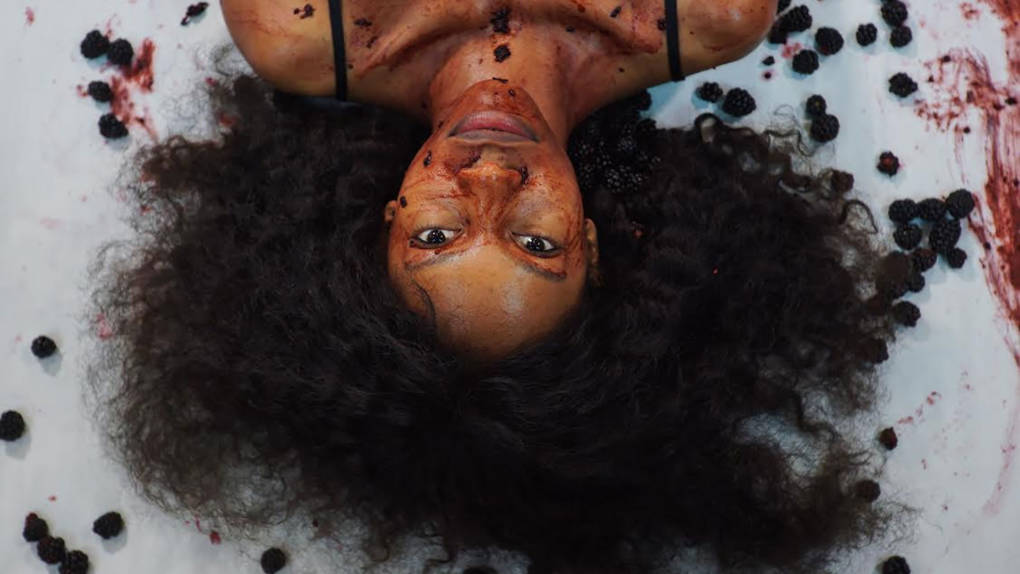
"caption": "Video still from Leila Weefur, 'Blackberry.'",
"description": "Video still from Leila Weefur, 'Blackberry.'",
"title": "LeilaWeefur.Blackberry",
"credit": "Leila Weefur",
"status": "inherit",
"isLoading": false,
"fetchFailed": false
},
"arts_13810313": {
"type": "attachments",
"id": "arts_13810313",
"meta": {
"index": "attachments_1716263798",
"site": "arts",
"id": "13810313",
"found": true
},
"parent": 13810304,
"imgSizes": {
"small": {
"file": "https://ww2.kqed.org/app/uploads/sites/2/2017/10/rc.MAIN_-520x293.jpg",
"width": 520,
"mimeType": "image/jpeg",
"height": 293
},
"twentyfourteen-full-width": {
"file": "https://ww2.kqed.org/app/uploads/sites/2/2017/10/rc.MAIN_-1038x576.jpg",
"width": 1038,
"mimeType": "image/jpeg",
"height": 576
},
"thumbnail": {
"file": "https://ww2.kqed.org/app/uploads/sites/2/2017/10/rc.MAIN_-160x90.jpg",
"width": 160,
"mimeType": "image/jpeg",
"height": 90
},
"fd-sm": {
"file": "https://ww2.kqed.org/app/uploads/sites/2/2017/10/rc.MAIN_-960x540.jpg",
"width": 960,
"mimeType": "image/jpeg",
"height": 540
},
"post-thumbnail": {
"file": "https://ww2.kqed.org/app/uploads/sites/2/2017/10/rc.MAIN_-672x372.jpg",
"width": 672,
"mimeType": "image/jpeg",
"height": 372
},
"xsmall": {
"file": "https://ww2.kqed.org/app/uploads/sites/2/2017/10/rc.MAIN_-375x211.jpg",
"width": 375,
"mimeType": "image/jpeg",
"height": 211
},
"kqedFullSize": {
"file": "https://ww2.kqed.org/app/uploads/sites/2/2017/10/rc.MAIN_.jpg",
"width": 1920,
"height": 1080
},
"large": {
"file": "https://ww2.kqed.org/app/uploads/sites/2/2017/10/rc.MAIN_-1020x574.jpg",
"width": 1020,
"mimeType": "image/jpeg",
"height": 574
},
"xlarge": {
"file": "https://ww2.kqed.org/app/uploads/sites/2/2017/10/rc.MAIN_-1180x664.jpg",
"width": 1180,
"mimeType": "image/jpeg",
"height": 664
},
"guest-author-50": {
"file": "https://ww2.kqed.org/app/uploads/sites/2/2017/10/rc.MAIN_-50x50.jpg",
"width": 50,
"mimeType": "image/jpeg",
"height": 50
},
"guest-author-96": {
"file": "https://ww2.kqed.org/app/uploads/sites/2/2017/10/rc.MAIN_-96x96.jpg",
"width": 96,
"mimeType": "image/jpeg",
"height": 96
},
"medium": {
"file": "https://ww2.kqed.org/app/uploads/sites/2/2017/10/rc.MAIN_-800x450.jpg",
"width": 800,
"mimeType": "image/jpeg",
"height": 450
},
"guest-author-64": {
"file": "https://ww2.kqed.org/app/uploads/sites/2/2017/10/rc.MAIN_-64x64.jpg",
"width": 64,
"mimeType": "image/jpeg",
"height": 64
},
"guest-author-32": {
"file": "https://ww2.kqed.org/app/uploads/sites/2/2017/10/rc.MAIN_-32x32.jpg",
"width": 32,
"mimeType": "image/jpeg",
"height": 32
},
"fd-lrg": {
"file": "https://ww2.kqed.org/app/uploads/sites/2/2017/10/rc.MAIN_-1920x1080.jpg",
"width": 1920,
"mimeType": "image/jpeg",
"height": 1080
},
"fd-med": {
"file": "https://ww2.kqed.org/app/uploads/sites/2/2017/10/rc.MAIN_-1180x664.jpg",
"width": 1180,
"mimeType": "image/jpeg",
"height": 664
},
"full-width": {
"file": "https://ww2.kqed.org/app/uploads/sites/2/2017/10/rc.MAIN_-1920x1080.jpg",
"width": 1920,
"mimeType": "image/jpeg",
"height": 1080
},
"detail": {
"file": "https://ww2.kqed.org/app/uploads/sites/2/2017/10/rc.MAIN_-150x150.jpg",
"width": 150,
"mimeType": "image/jpeg",
"height": 150
},
"medium_large": {
"file": "https://ww2.kqed.org/app/uploads/sites/2/2017/10/rc.MAIN_-768x432.jpg",
"width": 768,
"mimeType": "image/jpeg",
"height": 432
},
"guest-author-128": {
"file": "https://ww2.kqed.org/app/uploads/sites/2/2017/10/rc.MAIN_-128x128.jpg",
"width": 128,
"mimeType": "image/jpeg",
"height": 128
},
"xxsmall": {
"file": "https://ww2.kqed.org/app/uploads/sites/2/2017/10/rc.MAIN_-240x135.jpg",
"width": 240,
"mimeType": "image/jpeg",
"height": 135
}
},
"publishDate": 1507068618,
"modified": 1507068676,
"caption": "Attendees at a conversation in East Oakland about rape culture and abusive relationships.",
"description": null,
"title": "rc.MAIN",
"credit": "Pendarvis Harshaw",
"status": "inherit",
"isLoading": false,
"fetchFailed": false
},
"arts_13809576": {
"type": "attachments",
"id": "arts_13809576",
"meta": {
"index": "attachments_1716263798",
"site": "arts",
"id": "13809576",
"found": true
},
"parent": 13809574,
"imgSizes": {
"small": {
"file": "https://ww2.kqed.org/app/uploads/sites/2/2017/09/Kaep.Mural1_-520x309.jpg",
"width": 520,
"mimeType": "image/jpeg",
"height": 309
},
"twentyfourteen-full-width": {
"file": "https://ww2.kqed.org/app/uploads/sites/2/2017/09/Kaep.Mural1_-1038x576.jpg",
"width": 1038,
"mimeType": "image/jpeg",
"height": 576
},
"thumbnail": {
"file": "https://ww2.kqed.org/app/uploads/sites/2/2017/09/Kaep.Mural1_-160x95.jpg",
"width": 160,
"mimeType": "image/jpeg",
"height": 95
},
"fd-sm": {
"file": "https://ww2.kqed.org/app/uploads/sites/2/2017/09/Kaep.Mural1_-960x570.jpg",
"width": 960,
"mimeType": "image/jpeg",
"height": 570
},
"post-thumbnail": {
"file": "https://ww2.kqed.org/app/uploads/sites/2/2017/09/Kaep.Mural1_-672x372.jpg",
"width": 672,
"mimeType": "image/jpeg",
"height": 372
},
"xsmall": {
"file": "https://ww2.kqed.org/app/uploads/sites/2/2017/09/Kaep.Mural1_-375x223.jpg",
"width": 375,
"mimeType": "image/jpeg",
"height": 223
},
"kqedFullSize": {
"file": "https://ww2.kqed.org/app/uploads/sites/2/2017/09/Kaep.Mural1_.jpg",
"width": 1920,
"height": 1140
},
"large": {
"file": "https://ww2.kqed.org/app/uploads/sites/2/2017/09/Kaep.Mural1_-1020x606.jpg",
"width": 1020,
"mimeType": "image/jpeg",
"height": 606
},
"xlarge": {
"file": "https://ww2.kqed.org/app/uploads/sites/2/2017/09/Kaep.Mural1_-1180x701.jpg",
"width": 1180,
"mimeType": "image/jpeg",
"height": 701
},
"guest-author-50": {
"file": "https://ww2.kqed.org/app/uploads/sites/2/2017/09/Kaep.Mural1_-50x50.jpg",
"width": 50,
"mimeType": "image/jpeg",
"height": 50
},
"guest-author-96": {
"file": "https://ww2.kqed.org/app/uploads/sites/2/2017/09/Kaep.Mural1_-96x96.jpg",
"width": 96,
"mimeType": "image/jpeg",
"height": 96
},
"medium": {
"file": "https://ww2.kqed.org/app/uploads/sites/2/2017/09/Kaep.Mural1_-800x475.jpg",
"width": 800,
"mimeType": "image/jpeg",
"height": 475
},
"guest-author-64": {
"file": "https://ww2.kqed.org/app/uploads/sites/2/2017/09/Kaep.Mural1_-64x64.jpg",
"width": 64,
"mimeType": "image/jpeg",
"height": 64
},
"guest-author-32": {
"file": "https://ww2.kqed.org/app/uploads/sites/2/2017/09/Kaep.Mural1_-32x32.jpg",
"width": 32,
"mimeType": "image/jpeg",
"height": 32
},
"fd-lrg": {
"file": "https://ww2.kqed.org/app/uploads/sites/2/2017/09/Kaep.Mural1_-1920x1140.jpg",
"width": 1920,
"mimeType": "image/jpeg",
"height": 1140
},
"fd-med": {
"file": "https://ww2.kqed.org/app/uploads/sites/2/2017/09/Kaep.Mural1_-1180x701.jpg",
"width": 1180,
"mimeType": "image/jpeg",
"height": 701
},
"full-width": {
"file": "https://ww2.kqed.org/app/uploads/sites/2/2017/09/Kaep.Mural1_-1920x1140.jpg",
"width": 1920,
"mimeType": "image/jpeg",
"height": 1140
},
"detail": {
"file": "https://ww2.kqed.org/app/uploads/sites/2/2017/09/Kaep.Mural1_-150x150.jpg",
"width": 150,
"mimeType": "image/jpeg",
"height": 150
},
"medium_large": {
"file": "https://ww2.kqed.org/app/uploads/sites/2/2017/09/Kaep.Mural1_-768x456.jpg",
"width": 768,
"mimeType": "image/jpeg",
"height": 456
},
"guest-author-128": {
"file": "https://ww2.kqed.org/app/uploads/sites/2/2017/09/Kaep.Mural1_-128x128.jpg",
"width": 128,
"mimeType": "image/jpeg",
"height": 128
},
"xxsmall": {
"file": "https://ww2.kqed.org/app/uploads/sites/2/2017/09/Kaep.Mural1_-240x143.jpg",
"width": 240,
"mimeType": "image/jpeg",
"height": 143
}
},
"publishDate": 1506405188,
"modified": 1506405246,
"caption": "A mural of Colin Kaepernick on Telegraph Ave. in Oakland, circa 2016.",
"description": null,
"title": "Kaep.Mural1",
"credit": "Pendarvis Harshaw",
"status": "inherit",
"isLoading": false,
"fetchFailed": false
},
"arts_13808421": {
"type": "attachments",
"id": "arts_13808421",
"meta": {
"index": "attachments_1716263798",
"site": "arts",
"id": "13808421",
"found": true
},
"parent": 13808400,
"imgSizes": {
"small": {
"file": "https://ww2.kqed.org/app/uploads/sites/2/2017/09/EMN_DANCERS-copy-e1505340962953-520x338.jpg",
"width": 520,
"mimeType": "image/jpeg",
"height": 338
},
"twentyfourteen-full-width": {
"file": "https://ww2.kqed.org/app/uploads/sites/2/2017/09/EMN_DANCERS-copy-e1505340962953-1038x576.jpg",
"width": 1038,
"mimeType": "image/jpeg",
"height": 576
},
"thumbnail": {
"file": "https://ww2.kqed.org/app/uploads/sites/2/2017/09/EMN_DANCERS-copy-e1505340962953-160x104.jpg",
"width": 160,
"mimeType": "image/jpeg",
"height": 104
},
"fd-sm": {
"file": "https://ww2.kqed.org/app/uploads/sites/2/2017/09/EMN_DANCERS-copy-e1505340962953-960x624.jpg",
"width": 960,
"mimeType": "image/jpeg",
"height": 624
},
"post-thumbnail": {
"file": "https://ww2.kqed.org/app/uploads/sites/2/2017/09/EMN_DANCERS-copy-e1505340962953-672x372.jpg",
"width": 672,
"mimeType": "image/jpeg",
"height": 372
},
"xsmall": {
"file": "https://ww2.kqed.org/app/uploads/sites/2/2017/09/EMN_DANCERS-copy-e1505340962953-375x244.jpg",
"width": 375,
"mimeType": "image/jpeg",
"height": 244
},
"kqedFullSize": {
"file": "https://ww2.kqed.org/app/uploads/sites/2/2017/09/EMN_DANCERS-copy-e1505340962953.jpg",
"width": 4608,
"height": 2995
},
"large": {
"file": "https://ww2.kqed.org/app/uploads/sites/2/2017/09/EMN_DANCERS-copy-e1505340962953-1020x663.jpg",
"width": 1020,
"mimeType": "image/jpeg",
"height": 663
},
"xlarge": {
"file": "https://ww2.kqed.org/app/uploads/sites/2/2017/09/EMN_DANCERS-copy-e1505340962953-1180x767.jpg",
"width": 1180,
"mimeType": "image/jpeg",
"height": 767
},
"guest-author-50": {
"file": "https://ww2.kqed.org/app/uploads/sites/2/2017/09/EMN_DANCERS-copy-e1505340962953-50x50.jpg",
"width": 50,
"mimeType": "image/jpeg",
"height": 50
},
"guest-author-96": {
"file": "https://ww2.kqed.org/app/uploads/sites/2/2017/09/EMN_DANCERS-copy-e1505340962953-96x96.jpg",
"width": 96,
"mimeType": "image/jpeg",
"height": 96
},
"medium": {
"file": "https://ww2.kqed.org/app/uploads/sites/2/2017/09/EMN_DANCERS-copy-e1505340962953-800x520.jpg",
"width": 800,
"mimeType": "image/jpeg",
"height": 520
},
"guest-author-64": {
"file": "https://ww2.kqed.org/app/uploads/sites/2/2017/09/EMN_DANCERS-copy-e1505340962953-64x64.jpg",
"width": 64,
"mimeType": "image/jpeg",
"height": 64
},
"guest-author-32": {
"file": "https://ww2.kqed.org/app/uploads/sites/2/2017/09/EMN_DANCERS-copy-e1505340962953-32x32.jpg",
"width": 32,
"mimeType": "image/jpeg",
"height": 32
},
"fd-lrg": {
"file": "https://ww2.kqed.org/app/uploads/sites/2/2017/09/EMN_DANCERS-copy-e1505340962953-1920x1248.jpg",
"width": 1920,
"mimeType": "image/jpeg",
"height": 1248
},
"fd-med": {
"file": "https://ww2.kqed.org/app/uploads/sites/2/2017/09/EMN_DANCERS-copy-e1505340962953-1180x767.jpg",
"width": 1180,
"mimeType": "image/jpeg",
"height": 767
},
"full-width": {
"file": "https://ww2.kqed.org/app/uploads/sites/2/2017/09/EMN_DANCERS-copy-e1505340962953-1920x1248.jpg",
"width": 1920,
"mimeType": "image/jpeg",
"height": 1248
},
"detail": {
"file": "https://ww2.kqed.org/app/uploads/sites/2/2017/09/EMN_DANCERS-copy-e1505340962953-150x150.jpg",
"width": 150,
"mimeType": "image/jpeg",
"height": 150
},
"medium_large": {
"file": "https://ww2.kqed.org/app/uploads/sites/2/2017/09/EMN_DANCERS-copy-e1505340962953-768x499.jpg",
"width": 768,
"mimeType": "image/jpeg",
"height": 499
},
"guest-author-128": {
"file": "https://ww2.kqed.org/app/uploads/sites/2/2017/09/EMN_DANCERS-copy-e1505340962953-128x128.jpg",
"width": 128,
"mimeType": "image/jpeg",
"height": 128
},
"xxsmall": {
"file": "https://ww2.kqed.org/app/uploads/sites/2/2017/09/EMN_DANCERS-copy-e1505340962953-240x156.jpg",
"width": 240,
"mimeType": "image/jpeg",
"height": 156
}
},
"publishDate": 1505340812,
"modified": 1505340928,
"caption": "Ensemble Mik Nawooj",
"description": "Ensemble Mik Nawooj",
"title": "Ensemble Mik Nawooj",
"credit": "Photo: Courtesy of the artist",
"status": "inherit",
"isLoading": false,
"fetchFailed": false
},
"arts_13808111": {
"type": "attachments",
"id": "arts_13808111",
"meta": {
"index": "attachments_1716263798",
"site": "arts",
"id": "13808111",
"found": true
},
"parent": 13808042,
"imgSizes": {
"small": {
"file": "https://ww2.kqed.org/app/uploads/sites/2/2017/09/NorthPOle.MAIN_.DOnteReyna-520x293.jpg",
"width": 520,
"mimeType": "image/jpeg",
"height": 293
},
"twentyfourteen-full-width": {
"file": "https://ww2.kqed.org/app/uploads/sites/2/2017/09/NorthPOle.MAIN_.DOnteReyna-1038x576.jpg",
"width": 1038,
"mimeType": "image/jpeg",
"height": 576
},
"thumbnail": {
"file": "https://ww2.kqed.org/app/uploads/sites/2/2017/09/NorthPOle.MAIN_.DOnteReyna-160x90.jpg",
"width": 160,
"mimeType": "image/jpeg",
"height": 90
},
"fd-sm": {
"file": "https://ww2.kqed.org/app/uploads/sites/2/2017/09/NorthPOle.MAIN_.DOnteReyna-960x540.jpg",
"width": 960,
"mimeType": "image/jpeg",
"height": 540
},
"post-thumbnail": {
"file": "https://ww2.kqed.org/app/uploads/sites/2/2017/09/NorthPOle.MAIN_.DOnteReyna-672x372.jpg",
"width": 672,
"mimeType": "image/jpeg",
"height": 372
},
"xsmall": {
"file": "https://ww2.kqed.org/app/uploads/sites/2/2017/09/NorthPOle.MAIN_.DOnteReyna-375x211.jpg",
"width": 375,
"mimeType": "image/jpeg",
"height": 211
},
"kqedFullSize": {
"file": "https://ww2.kqed.org/app/uploads/sites/2/2017/09/NorthPOle.MAIN_.DOnteReyna.jpg",
"width": 1280,
"height": 720
},
"large": {
"file": "https://ww2.kqed.org/app/uploads/sites/2/2017/09/NorthPOle.MAIN_.DOnteReyna-1020x574.jpg",
"width": 1020,
"mimeType": "image/jpeg",
"height": 574
},
"xlarge": {
"file": "https://ww2.kqed.org/app/uploads/sites/2/2017/09/NorthPOle.MAIN_.DOnteReyna-1180x664.jpg",
"width": 1180,
"mimeType": "image/jpeg",
"height": 664
},
"guest-author-50": {
"file": "https://ww2.kqed.org/app/uploads/sites/2/2017/09/NorthPOle.MAIN_.DOnteReyna-50x50.jpg",
"width": 50,
"mimeType": "image/jpeg",
"height": 50
},
"guest-author-96": {
"file": "https://ww2.kqed.org/app/uploads/sites/2/2017/09/NorthPOle.MAIN_.DOnteReyna-96x96.jpg",
"width": 96,
"mimeType": "image/jpeg",
"height": 96
},
"medium": {
"file": "https://ww2.kqed.org/app/uploads/sites/2/2017/09/NorthPOle.MAIN_.DOnteReyna-800x450.jpg",
"width": 800,
"mimeType": "image/jpeg",
"height": 450
},
"guest-author-64": {
"file": "https://ww2.kqed.org/app/uploads/sites/2/2017/09/NorthPOle.MAIN_.DOnteReyna-64x64.jpg",
"width": 64,
"mimeType": "image/jpeg",
"height": 64
},
"guest-author-32": {
"file": "https://ww2.kqed.org/app/uploads/sites/2/2017/09/NorthPOle.MAIN_.DOnteReyna-32x32.jpg",
"width": 32,
"mimeType": "image/jpeg",
"height": 32
},
"fd-med": {
"file": "https://ww2.kqed.org/app/uploads/sites/2/2017/09/NorthPOle.MAIN_.DOnteReyna-1180x664.jpg",
"width": 1180,
"mimeType": "image/jpeg",
"height": 664
},
"detail": {
"file": "https://ww2.kqed.org/app/uploads/sites/2/2017/09/NorthPOle.MAIN_.DOnteReyna-150x150.jpg",
"width": 150,
"mimeType": "image/jpeg",
"height": 150
},
"medium_large": {
"file": "https://ww2.kqed.org/app/uploads/sites/2/2017/09/NorthPOle.MAIN_.DOnteReyna-768x432.jpg",
"width": 768,
"mimeType": "image/jpeg",
"height": 432
},
"guest-author-128": {
"file": "https://ww2.kqed.org/app/uploads/sites/2/2017/09/NorthPOle.MAIN_.DOnteReyna-128x128.jpg",
"width": 128,
"mimeType": "image/jpeg",
"height": 128
},
"xxsmall": {
"file": "https://ww2.kqed.org/app/uploads/sites/2/2017/09/NorthPOle.MAIN_.DOnteReyna-240x135.jpg",
"width": 240,
"mimeType": "image/jpeg",
"height": 135
}
},
"publishDate": 1505155648,
"modified": 1505155734,
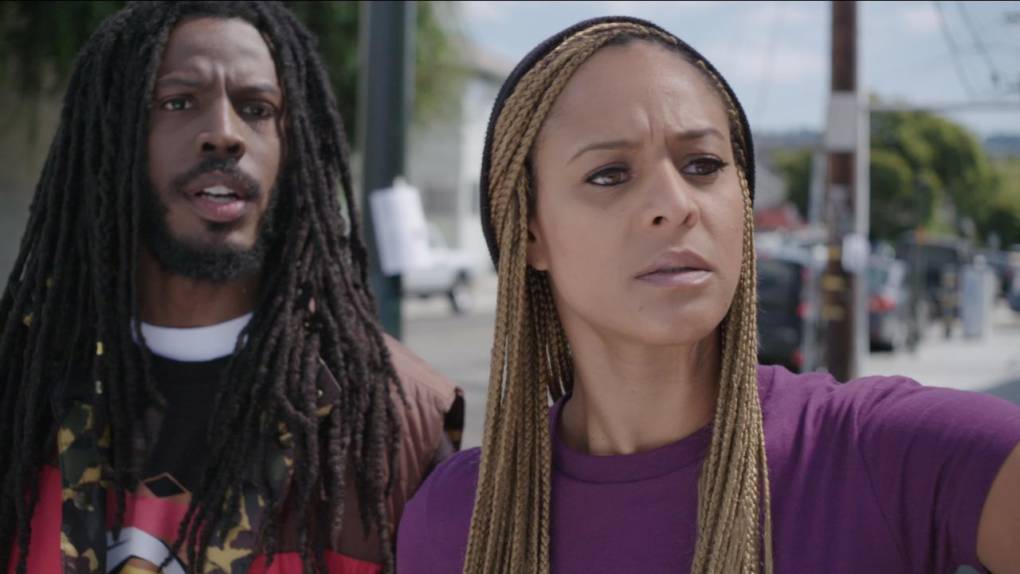
"caption": "Donte Clark and Reyna Amaya star as Marcus and Nina, two North Oakland residents battling gentrification, in 'The North Pole.'",
"description": "Donte Clark and Reyna Amaya star as Marcus and Nina, two North Oakland residents battling gentrification, in 'The North Pole.'",
"title": "NorthPOle.MAIN.DOnteReyna",
"credit": "Danny Telles/Courtesy Movement Generation",
"status": "inherit",
"isLoading": false,
"fetchFailed": false
},
"arts_13807704": {
"type": "attachments",
"id": "arts_13807704",
"meta": {
"index": "attachments_1716263798",
"site": "arts",
"id": "13807704",
"found": true
},
"parent": 13807643,
"imgSizes": {
"small": {
"file": "https://ww2.kqed.org/app/uploads/sites/2/2017/09/RickeyYO-520x293.jpg",
"width": 520,
"mimeType": "image/jpeg",
"height": 293
},
"thumbnail": {
"file": "https://ww2.kqed.org/app/uploads/sites/2/2017/09/RickeyYO-160x90.jpg",
"width": 160,
"mimeType": "image/jpeg",
"height": 90
},
"post-thumbnail": {
"file": "https://ww2.kqed.org/app/uploads/sites/2/2017/09/RickeyYO-672x372.jpg",
"width": 672,
"mimeType": "image/jpeg",
"height": 372
},
"xsmall": {
"file": "https://ww2.kqed.org/app/uploads/sites/2/2017/09/RickeyYO-375x211.jpg",
"width": 375,
"mimeType": "image/jpeg",
"height": 211
},
"kqedFullSize": {
"file": "https://ww2.kqed.org/app/uploads/sites/2/2017/09/RickeyYO.jpg",
"width": 800,
"height": 450
},
"guest-author-50": {
"file": "https://ww2.kqed.org/app/uploads/sites/2/2017/09/RickeyYO-50x50.jpg",
"width": 50,
"mimeType": "image/jpeg",
"height": 50
},
"guest-author-96": {
"file": "https://ww2.kqed.org/app/uploads/sites/2/2017/09/RickeyYO-96x96.jpg",
"width": 96,
"mimeType": "image/jpeg",
"height": 96
},
"medium": {
"file": "https://ww2.kqed.org/app/uploads/sites/2/2017/09/RickeyYO-800x450.jpg",
"width": 800,
"mimeType": "image/jpeg",
"height": 450
},
"guest-author-64": {
"file": "https://ww2.kqed.org/app/uploads/sites/2/2017/09/RickeyYO-64x64.jpg",
"width": 64,
"mimeType": "image/jpeg",
"height": 64
},
"guest-author-32": {
"file": "https://ww2.kqed.org/app/uploads/sites/2/2017/09/RickeyYO-32x32.jpg",
"width": 32,
"mimeType": "image/jpeg",
"height": 32
},
"detail": {
"file": "https://ww2.kqed.org/app/uploads/sites/2/2017/09/RickeyYO-150x150.jpg",
"width": 150,
"mimeType": "image/jpeg",
"height": 150
},
"medium_large": {
"file": "https://ww2.kqed.org/app/uploads/sites/2/2017/09/RickeyYO-768x432.jpg",
"width": 768,
"mimeType": "image/jpeg",
"height": 432
},
"guest-author-128": {
"file": "https://ww2.kqed.org/app/uploads/sites/2/2017/09/RickeyYO-128x128.jpg",
"width": 128,
"mimeType": "image/jpeg",
"height": 128
},
"xxsmall": {
"file": "https://ww2.kqed.org/app/uploads/sites/2/2017/09/RickeyYO-240x135.jpg",
"width": 240,
"mimeType": "image/jpeg",
"height": 135
}
},
"publishDate": 1504745722,
"modified": 1504745791,
"caption": "Detail from Amend TDK's 'STAY' mural, Jack London Square, Oakland.",
"description": "Detail from Amend TDK's 'STAY' mural, Jack London Square, Oakland.",
"title": "RickeyYO",
"credit": "via @amendtdk / Instagram",
"status": "inherit",
"isLoading": false,
"fetchFailed": false
},
"arts_13807259": {
"type": "attachments",
"id": "arts_13807259",
"meta": {
"index": "attachments_1716263798",
"site": "arts",
"id": "13807259",
"found": true
},
"parent": 13807166,
"imgSizes": {
"small": {
"file": "https://ww2.kqed.org/app/uploads/sites/2/2017/09/YMTK-520x293.jpg",
"width": 520,
"mimeType": "image/jpeg",
"height": 293
},
"twentyfourteen-full-width": {
"file": "https://ww2.kqed.org/app/uploads/sites/2/2017/09/YMTK-1038x576.jpg",
"width": 1038,
"mimeType": "image/jpeg",
"height": 576
},
"thumbnail": {
"file": "https://ww2.kqed.org/app/uploads/sites/2/2017/09/YMTK-160x90.jpg",
"width": 160,
"mimeType": "image/jpeg",
"height": 90
},
"fd-sm": {
"file": "https://ww2.kqed.org/app/uploads/sites/2/2017/09/YMTK-960x540.jpg",
"width": 960,
"mimeType": "image/jpeg",
"height": 540
},
"post-thumbnail": {
"file": "https://ww2.kqed.org/app/uploads/sites/2/2017/09/YMTK-672x372.jpg",
"width": 672,
"mimeType": "image/jpeg",
"height": 372
},
"xsmall": {
"file": "https://ww2.kqed.org/app/uploads/sites/2/2017/09/YMTK-375x211.jpg",
"width": 375,
"mimeType": "image/jpeg",
"height": 211
},
"kqedFullSize": {
"file": "https://ww2.kqed.org/app/uploads/sites/2/2017/09/YMTK.jpg",
"width": 1920,
"height": 1080
},
"large": {
"file": "https://ww2.kqed.org/app/uploads/sites/2/2017/09/YMTK-1020x574.jpg",
"width": 1020,
"mimeType": "image/jpeg",
"height": 574
},
"xlarge": {
"file": "https://ww2.kqed.org/app/uploads/sites/2/2017/09/YMTK-1180x664.jpg",
"width": 1180,
"mimeType": "image/jpeg",
"height": 664
},
"guest-author-50": {
"file": "https://ww2.kqed.org/app/uploads/sites/2/2017/09/YMTK-50x50.jpg",
"width": 50,
"mimeType": "image/jpeg",
"height": 50
},
"guest-author-96": {
"file": "https://ww2.kqed.org/app/uploads/sites/2/2017/09/YMTK-96x96.jpg",
"width": 96,
"mimeType": "image/jpeg",
"height": 96
},
"medium": {
"file": "https://ww2.kqed.org/app/uploads/sites/2/2017/09/YMTK-800x450.jpg",
"width": 800,
"mimeType": "image/jpeg",
"height": 450
},
"guest-author-64": {
"file": "https://ww2.kqed.org/app/uploads/sites/2/2017/09/YMTK-64x64.jpg",
"width": 64,
"mimeType": "image/jpeg",
"height": 64
},
"guest-author-32": {
"file": "https://ww2.kqed.org/app/uploads/sites/2/2017/09/YMTK-32x32.jpg",
"width": 32,
"mimeType": "image/jpeg",
"height": 32
},
"fd-lrg": {
"file": "https://ww2.kqed.org/app/uploads/sites/2/2017/09/YMTK-1920x1080.jpg",
"width": 1920,
"mimeType": "image/jpeg",
"height": 1080
},
"fd-med": {
"file": "https://ww2.kqed.org/app/uploads/sites/2/2017/09/YMTK-1180x664.jpg",
"width": 1180,
"mimeType": "image/jpeg",
"height": 664
},
"full-width": {
"file": "https://ww2.kqed.org/app/uploads/sites/2/2017/09/YMTK-1920x1080.jpg",
"width": 1920,
"mimeType": "image/jpeg",
"height": 1080
},
"detail": {
"file": "https://ww2.kqed.org/app/uploads/sites/2/2017/09/YMTK-150x150.jpg",
"width": 150,
"mimeType": "image/jpeg",
"height": 150
},
"medium_large": {
"file": "https://ww2.kqed.org/app/uploads/sites/2/2017/09/YMTK-768x432.jpg",
"width": 768,
"mimeType": "image/jpeg",
"height": 432
},
"guest-author-128": {
"file": "https://ww2.kqed.org/app/uploads/sites/2/2017/09/YMTK-128x128.jpg",
"width": 128,
"mimeType": "image/jpeg",
"height": 128
},
"xxsmall": {
"file": "https://ww2.kqed.org/app/uploads/sites/2/2017/09/YMTK-240x135.jpg",
"width": 240,
"mimeType": "image/jpeg",
"height": 135
}
},
"publishDate": 1504303664,
"modified": 1504303757,
"caption": "Raised in Oakland, YMTK (center) returns to his roots this weekend at Hiero Day 2017.",
"description": "Raised in Oakland, YMTK (center) returns to his roots this weekend at Hiero Day 2017.",
"title": "YMTK",
"credit": "YouTube",
"status": "inherit",
"isLoading": false,
"fetchFailed": false
},
"arts_13805699": {
"type": "attachments",
"id": "arts_13805699",
"meta": {
"index": "attachments_1716263798",
"site": "arts",
"id": "13805699",
"found": true
},
"parent": 13805698,
"imgSizes": {
"small": {
"file": "https://ww2.kqed.org/app/uploads/sites/2/2017/08/Ethos-2-e1502906449385-520x292.jpg",
"width": 520,
"mimeType": "image/jpeg",
"height": 292
},
"twentyfourteen-full-width": {
"file": "https://ww2.kqed.org/app/uploads/sites/2/2017/08/Ethos-2-e1502906449385-1038x576.jpg",
"width": 1038,
"mimeType": "image/jpeg",
"height": 576
},
"thumbnail": {
"file": "https://ww2.kqed.org/app/uploads/sites/2/2017/08/Ethos-2-e1502906449385-160x90.jpg",
"width": 160,
"mimeType": "image/jpeg",
"height": 90
},
"fd-sm": {
"file": "https://ww2.kqed.org/app/uploads/sites/2/2017/08/Ethos-2-e1502906449385-960x540.jpg",
"width": 960,
"mimeType": "image/jpeg",
"height": 540
},
"post-thumbnail": {
"file": "https://ww2.kqed.org/app/uploads/sites/2/2017/08/Ethos-2-e1502906449385-672x372.jpg",
"width": 672,
"mimeType": "image/jpeg",
"height": 372
},
"xsmall": {
"file": "https://ww2.kqed.org/app/uploads/sites/2/2017/08/Ethos-2-e1502906449385-375x211.jpg",
"width": 375,
"mimeType": "image/jpeg",
"height": 211
},
"kqedFullSize": {
"file": "https://ww2.kqed.org/app/uploads/sites/2/2017/08/Ethos-2-e1502906449385.jpg",
"width": 1080,
"height": 607
},
"large": {
"file": "https://ww2.kqed.org/app/uploads/sites/2/2017/08/Ethos-2-e1502906449385-1020x573.jpg",
"width": 1020,
"mimeType": "image/jpeg",
"height": 573
},
"guest-author-50": {
"file": "https://ww2.kqed.org/app/uploads/sites/2/2017/08/Ethos-2-e1502906449385-50x50.jpg",
"width": 50,
"mimeType": "image/jpeg",
"height": 50
},
"guest-author-96": {
"file": "https://ww2.kqed.org/app/uploads/sites/2/2017/08/Ethos-2-e1502906449385-96x96.jpg",
"width": 96,
"mimeType": "image/jpeg",
"height": 96
},
"medium": {
"file": "https://ww2.kqed.org/app/uploads/sites/2/2017/08/Ethos-2-e1502906449385-800x450.jpg",
"width": 800,
"mimeType": "image/jpeg",
"height": 450
},
"guest-author-64": {
"file": "https://ww2.kqed.org/app/uploads/sites/2/2017/08/Ethos-2-e1502906449385-64x64.jpg",
"width": 64,
"mimeType": "image/jpeg",
"height": 64
},
"guest-author-32": {
"file": "https://ww2.kqed.org/app/uploads/sites/2/2017/08/Ethos-2-e1502906449385-32x32.jpg",
"width": 32,
"mimeType": "image/jpeg",
"height": 32
},
"detail": {
"file": "https://ww2.kqed.org/app/uploads/sites/2/2017/08/Ethos-2-e1502906449385-150x150.jpg",
"width": 150,
"mimeType": "image/jpeg",
"height": 150
},
"medium_large": {
"file": "https://ww2.kqed.org/app/uploads/sites/2/2017/08/Ethos-2-e1502906449385-768x432.jpg",
"width": 768,
"mimeType": "image/jpeg",
"height": 432
},
"guest-author-128": {
"file": "https://ww2.kqed.org/app/uploads/sites/2/2017/08/Ethos-2-e1502906449385-128x128.jpg",
"width": 128,
"mimeType": "image/jpeg",
"height": 128
},
"xxsmall": {
"file": "https://ww2.kqed.org/app/uploads/sites/2/2017/08/Ethos-2-e1502906449385-240x135.jpg",
"width": 240,
"mimeType": "image/jpeg",
"height": 135
}
},
"publishDate": 1502906211,
"modified": 1502906402,
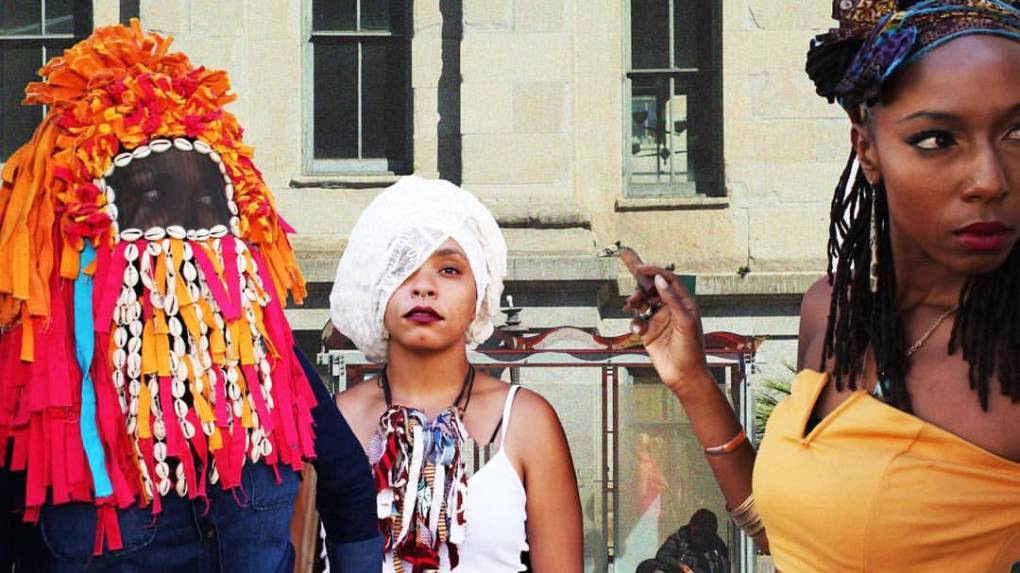
"caption": " Brit Frazier, Delina Patrice, Carol Chibueze dance and perform in Campo Santo's new show Ethos de Masquerade Brit Frazier, Delina Patrice, Carol Chibueze dance and perform in Campo Santo's new show Ethos de Masquerade",
"description": " Brit Frazier, Delina Patrice, Carol Chibueze dance and perform in Campo Santo's new show Ethos de Masquerade",
"title": "Brit Frazier, Delina Patrice, Carol Chibueze dance and perform in Campo Santo's new show Ethos de Masquerade",
"credit": "Photo: Joan Osato/Campo Santo",
"status": "inherit",
"isLoading": false,
"fetchFailed": false
},
"arts_11549430": {
"type": "attachments",
"id": "arts_11549430",
"meta": {
"index": "attachments_1716263798",
"site": "arts",
"id": "11549430",
"found": true
},
"parent": 11546388,
"imgSizes": {
"twentyfourteen-full-width": {
"file": "https://ww2.kqed.org/app/uploads/sites/2/2016/05/Los-Rakas_4-1038x576.png",
"width": 1038,
"mimeType": "image/png",
"height": 576
},
"thumbnail": {
"file": "https://ww2.kqed.org/app/uploads/sites/2/2016/05/Los-Rakas_4-400x225.png",
"width": 400,
"mimeType": "image/png",
"height": 225
},
"fd-sm": {
"file": "https://ww2.kqed.org/app/uploads/sites/2/2016/05/Los-Rakas_4-960x539.png",
"width": 960,
"mimeType": "image/png",
"height": 539
},
"post-thumbnail": {
"file": "https://ww2.kqed.org/app/uploads/sites/2/2016/05/Los-Rakas_4-672x372.png",
"width": 672,
"mimeType": "image/png",
"height": 372
},
"kqedFullSize": {
"file": "https://ww2.kqed.org/app/uploads/sites/2/2016/05/Los-Rakas_4.png",
"width": 1323,
"height": 743
},
"large": {
"file": "https://ww2.kqed.org/app/uploads/sites/2/2016/05/Los-Rakas_4-1180x663.png",
"width": 1180,
"mimeType": "image/png",
"height": 663
},
"guest-author-96": {
"file": "https://ww2.kqed.org/app/uploads/sites/2/2016/05/Los-Rakas_4-96x96.png",
"width": 96,
"mimeType": "image/png",
"height": 96
},
"medium": {
"file": "https://ww2.kqed.org/app/uploads/sites/2/2016/05/Los-Rakas_4-800x449.png",
"width": 800,
"mimeType": "image/png",
"height": 449
},
"guest-author-64": {
"file": "https://ww2.kqed.org/app/uploads/sites/2/2016/05/Los-Rakas_4-64x64.png",
"width": 64,
"mimeType": "image/png",
"height": 64
},
"guest-author-32": {
"file": "https://ww2.kqed.org/app/uploads/sites/2/2016/05/Los-Rakas_4-32x32.png",
"width": 32,
"mimeType": "image/png",
"height": 32
},
"fd-med": {
"file": "https://ww2.kqed.org/app/uploads/sites/2/2016/05/Los-Rakas_4-1180x663.png",
"width": 1180,
"mimeType": "image/png",
"height": 663
},
"detail": {
"file": "https://ww2.kqed.org/app/uploads/sites/2/2016/05/Los-Rakas_4-150x150.png",
"width": 150,
"mimeType": "image/png",
"height": 150
},
"medium_large": {
"file": "https://ww2.kqed.org/app/uploads/sites/2/2016/05/Los-Rakas_4-768x431.png",
"width": 768,
"mimeType": "image/png",
"height": 431
},
"guest-author-128": {
"file": "https://ww2.kqed.org/app/uploads/sites/2/2016/05/Los-Rakas_4-128x128.png",
"width": 128,
"mimeType": "image/png",
"height": 128
}
},
"publishDate": 1462337184,
"modified": 1462474045,
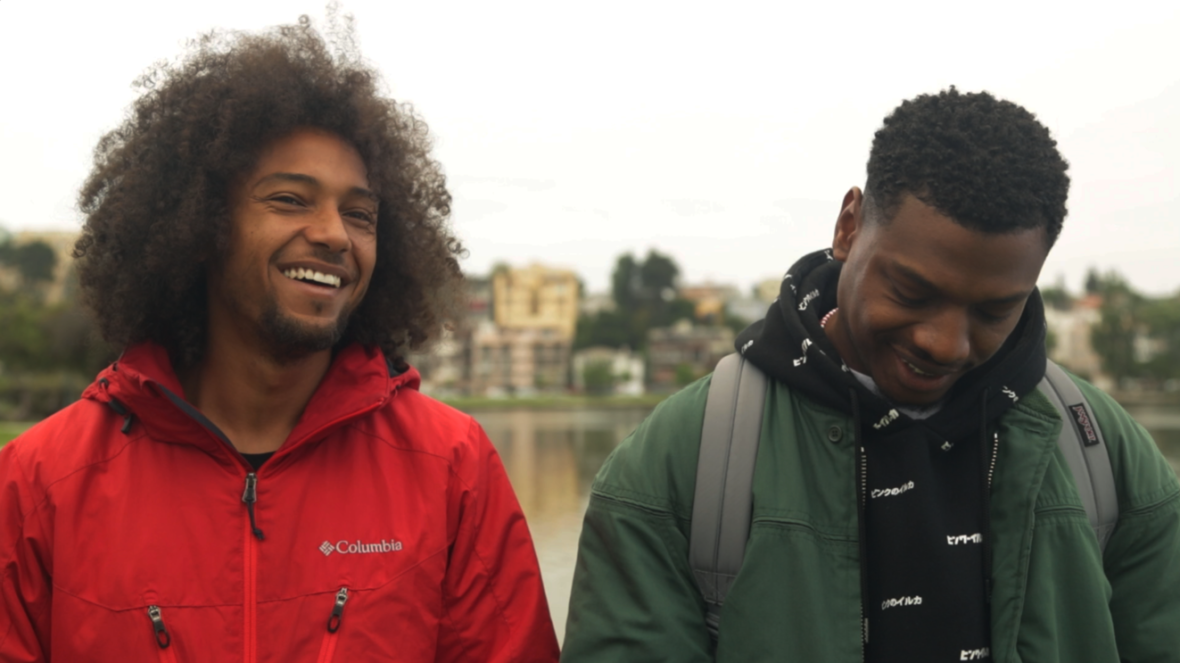
"caption": "Los Rakas in their hometown of Oakland.",
"description": "Los Rakas in their hometown of Oakland.",
"title": "Los-Rakas_4",
"credit": "Photo: Manjula Varghese",
"status": "inherit",
"isLoading": false,
"fetchFailed": false
},
"arts_12929600": {
"type": "attachments",
"id": "arts_12929600",
"meta": {
"index": "attachments_1716263798",
"site": "arts",
"id": "12929600",
"found": true
},
"parent": 12929599,
"imgSizes": {
"small": {
"file": "https://ww2.kqed.org/app/uploads/sites/2/2017/03/DoheeLeeposterframe-520x293.jpg",
"width": 520,
"mimeType": "image/jpeg",
"height": 293
},
"twentyfourteen-full-width": {
"file": "https://ww2.kqed.org/app/uploads/sites/2/2017/03/DoheeLeeposterframe-1038x576.jpg",
"width": 1038,
"mimeType": "image/jpeg",
"height": 576
},
"thumbnail": {
"file": "https://ww2.kqed.org/app/uploads/sites/2/2017/03/DoheeLeeposterframe-160x90.jpg",
"width": 160,
"mimeType": "image/jpeg",
"height": 90
},
"fd-sm": {
"file": "https://ww2.kqed.org/app/uploads/sites/2/2017/03/DoheeLeeposterframe-960x540.jpg",
"width": 960,
"mimeType": "image/jpeg",
"height": 540
},
"post-thumbnail": {
"file": "https://ww2.kqed.org/app/uploads/sites/2/2017/03/DoheeLeeposterframe-672x372.jpg",
"width": 672,
"mimeType": "image/jpeg",
"height": 372
},
"xsmall": {
"file": "https://ww2.kqed.org/app/uploads/sites/2/2017/03/DoheeLeeposterframe-375x211.jpg",
"width": 375,
"mimeType": "image/jpeg",
"height": 211
},
"kqedFullSize": {
"file": "https://ww2.kqed.org/app/uploads/sites/2/2017/03/DoheeLeeposterframe.jpg",
"width": 1920,
"height": 1080
},
"large": {
"file": "https://ww2.kqed.org/app/uploads/sites/2/2017/03/DoheeLeeposterframe-1020x574.jpg",
"width": 1020,
"mimeType": "image/jpeg",
"height": 574
},
"xlarge": {
"file": "https://ww2.kqed.org/app/uploads/sites/2/2017/03/DoheeLeeposterframe-1180x664.jpg",
"width": 1180,
"mimeType": "image/jpeg",
"height": 664
},
"guest-author-50": {
"file": "https://ww2.kqed.org/app/uploads/sites/2/2017/03/DoheeLeeposterframe-50x50.jpg",
"width": 50,
"mimeType": "image/jpeg",
"height": 50
},
"guest-author-96": {
"file": "https://ww2.kqed.org/app/uploads/sites/2/2017/03/DoheeLeeposterframe-96x96.jpg",
"width": 96,
"mimeType": "image/jpeg",
"height": 96
},
"medium": {
"file": "https://ww2.kqed.org/app/uploads/sites/2/2017/03/DoheeLeeposterframe-800x450.jpg",
"width": 800,
"mimeType": "image/jpeg",
"height": 450
},
"guest-author-64": {
"file": "https://ww2.kqed.org/app/uploads/sites/2/2017/03/DoheeLeeposterframe-64x64.jpg",
"width": 64,
"mimeType": "image/jpeg",
"height": 64
},
"guest-author-32": {
"file": "https://ww2.kqed.org/app/uploads/sites/2/2017/03/DoheeLeeposterframe-32x32.jpg",
"width": 32,
"mimeType": "image/jpeg",
"height": 32
},
"fd-lrg": {
"file": "https://ww2.kqed.org/app/uploads/sites/2/2017/03/DoheeLeeposterframe-1920x1080.jpg",
"width": 1920,
"mimeType": "image/jpeg",
"height": 1080
},
"fd-med": {
"file": "https://ww2.kqed.org/app/uploads/sites/2/2017/03/DoheeLeeposterframe-1180x664.jpg",
"width": 1180,
"mimeType": "image/jpeg",
"height": 664
},
"full-width": {
"file": "https://ww2.kqed.org/app/uploads/sites/2/2017/03/DoheeLeeposterframe-1920x1080.jpg",
"width": 1920,
"mimeType": "image/jpeg",
"height": 1080
},
"detail": {
"file": "https://ww2.kqed.org/app/uploads/sites/2/2017/03/DoheeLeeposterframe-150x150.jpg",
"width": 150,
"mimeType": "image/jpeg",
"height": 150
},
"medium_large": {
"file": "https://ww2.kqed.org/app/uploads/sites/2/2017/03/DoheeLeeposterframe-768x432.jpg",
"width": 768,
"mimeType": "image/jpeg",
"height": 432
},
"guest-author-128": {
"file": "https://ww2.kqed.org/app/uploads/sites/2/2017/03/DoheeLeeposterframe-128x128.jpg",
"width": 128,
"mimeType": "image/jpeg",
"height": 128
},
"xxsmall": {
"file": "https://ww2.kqed.org/app/uploads/sites/2/2017/03/DoheeLeeposterframe-240x135.jpg",
"width": 240,
"mimeType": "image/jpeg",
"height": 135
}
},
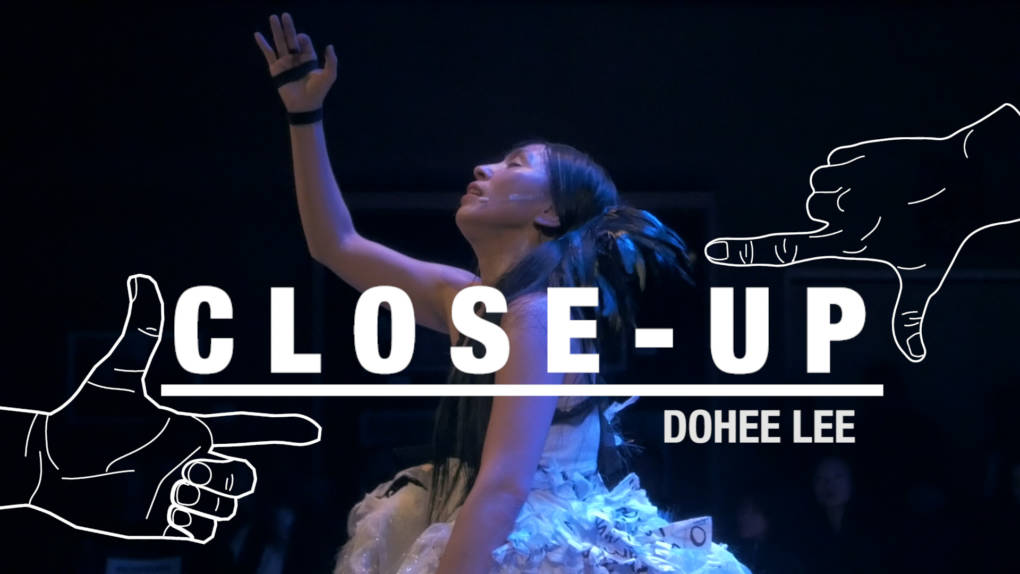
"publishDate": 1490055416,
"modified": 1490128215,
"caption": "Dohee Lee performing ‘Ara Ritual II: Time Weaves’ at Eastside Cultural Center.",
"description": "Dohee Lee performing ‘Ara Ritual II: Time Weaves’ at Eastside Cultural Center ",
"title": "DoheeLeeposterframe",
"credit": "Benjamin Michel",
"status": "inherit",
"isLoading": false,
"fetchFailed": false
},
"arts_12857734": {
"type": "attachments",
"id": "arts_12857734",
"meta": {
"index": "attachments_1716263798",
"site": "arts",
"id": "12857734",
"found": true
},
"parent": 12856496,
"imgSizes": {
"small": {
"file": "https://ww2.kqed.org/app/uploads/sites/2/2017/03/Hung.Liu_.Luzao_.MAIN_-520x300.jpg",
"width": 520,
"mimeType": "image/jpeg",
"height": 300
},
"twentyfourteen-full-width": {
"file": "https://ww2.kqed.org/app/uploads/sites/2/2017/03/Hung.Liu_.Luzao_.MAIN_-1038x576.jpg",
"width": 1038,
"mimeType": "image/jpeg",
"height": 576
},
"thumbnail": {
"file": "https://ww2.kqed.org/app/uploads/sites/2/2017/03/Hung.Liu_.Luzao_.MAIN_-160x92.jpg",
"width": 160,
"mimeType": "image/jpeg",
"height": 92
},
"fd-sm": {
"file": "https://ww2.kqed.org/app/uploads/sites/2/2017/03/Hung.Liu_.Luzao_.MAIN_-960x555.jpg",
"width": 960,
"mimeType": "image/jpeg",
"height": 555
},
"post-thumbnail": {
"file": "https://ww2.kqed.org/app/uploads/sites/2/2017/03/Hung.Liu_.Luzao_.MAIN_-672x372.jpg",
"width": 672,
"mimeType": "image/jpeg",
"height": 372
},
"xsmall": {
"file": "https://ww2.kqed.org/app/uploads/sites/2/2017/03/Hung.Liu_.Luzao_.MAIN_-375x217.jpg",
"width": 375,
"mimeType": "image/jpeg",
"height": 217
},
"kqedFullSize": {
"file": "https://ww2.kqed.org/app/uploads/sites/2/2017/03/Hung.Liu_.Luzao_.MAIN_.jpg",
"width": 1920,
"height": 1109
},
"large": {
"file": "https://ww2.kqed.org/app/uploads/sites/2/2017/03/Hung.Liu_.Luzao_.MAIN_-1020x589.jpg",
"width": 1020,
"mimeType": "image/jpeg",
"height": 589
},
"xlarge": {
"file": "https://ww2.kqed.org/app/uploads/sites/2/2017/03/Hung.Liu_.Luzao_.MAIN_-1180x682.jpg",
"width": 1180,
"mimeType": "image/jpeg",
"height": 682
},
"guest-author-50": {
"file": "https://ww2.kqed.org/app/uploads/sites/2/2017/03/Hung.Liu_.Luzao_.MAIN_-50x50.jpg",
"width": 50,
"mimeType": "image/jpeg",
"height": 50
},
"guest-author-96": {
"file": "https://ww2.kqed.org/app/uploads/sites/2/2017/03/Hung.Liu_.Luzao_.MAIN_-96x96.jpg",
"width": 96,
"mimeType": "image/jpeg",
"height": 96
},
"medium": {
"file": "https://ww2.kqed.org/app/uploads/sites/2/2017/03/Hung.Liu_.Luzao_.MAIN_-800x462.jpg",
"width": 800,
"mimeType": "image/jpeg",
"height": 462
},
"guest-author-64": {
"file": "https://ww2.kqed.org/app/uploads/sites/2/2017/03/Hung.Liu_.Luzao_.MAIN_-64x64.jpg",
"width": 64,
"mimeType": "image/jpeg",
"height": 64
},
"guest-author-32": {
"file": "https://ww2.kqed.org/app/uploads/sites/2/2017/03/Hung.Liu_.Luzao_.MAIN_-32x32.jpg",
"width": 32,
"mimeType": "image/jpeg",
"height": 32
},
"fd-lrg": {
"file": "https://ww2.kqed.org/app/uploads/sites/2/2017/03/Hung.Liu_.Luzao_.MAIN_-1920x1109.jpg",
"width": 1920,
"mimeType": "image/jpeg",
"height": 1109
},
"fd-med": {
"file": "https://ww2.kqed.org/app/uploads/sites/2/2017/03/Hung.Liu_.Luzao_.MAIN_-1180x682.jpg",
"width": 1180,
"mimeType": "image/jpeg",
"height": 682
},
"full-width": {
"file": "https://ww2.kqed.org/app/uploads/sites/2/2017/03/Hung.Liu_.Luzao_.MAIN_-1920x1109.jpg",
"width": 1920,
"mimeType": "image/jpeg",
"height": 1109
},
"detail": {
"file": "https://ww2.kqed.org/app/uploads/sites/2/2017/03/Hung.Liu_.Luzao_.MAIN_-150x150.jpg",
"width": 150,
"mimeType": "image/jpeg",
"height": 150
},
"medium_large": {
"file": "https://ww2.kqed.org/app/uploads/sites/2/2017/03/Hung.Liu_.Luzao_.MAIN_-768x444.jpg",
"width": 768,
"mimeType": "image/jpeg",
"height": 444
},
"guest-author-128": {
"file": "https://ww2.kqed.org/app/uploads/sites/2/2017/03/Hung.Liu_.Luzao_.MAIN_-128x128.jpg",
"width": 128,
"mimeType": "image/jpeg",
"height": 128
},
"xxsmall": {
"file": "https://ww2.kqed.org/app/uploads/sites/2/2017/03/Hung.Liu_.Luzao_.MAIN_-240x139.jpg",
"width": 240,
"mimeType": "image/jpeg",
"height": 139
}
},
"publishDate": 1488781190,
"modified": 1488781221,
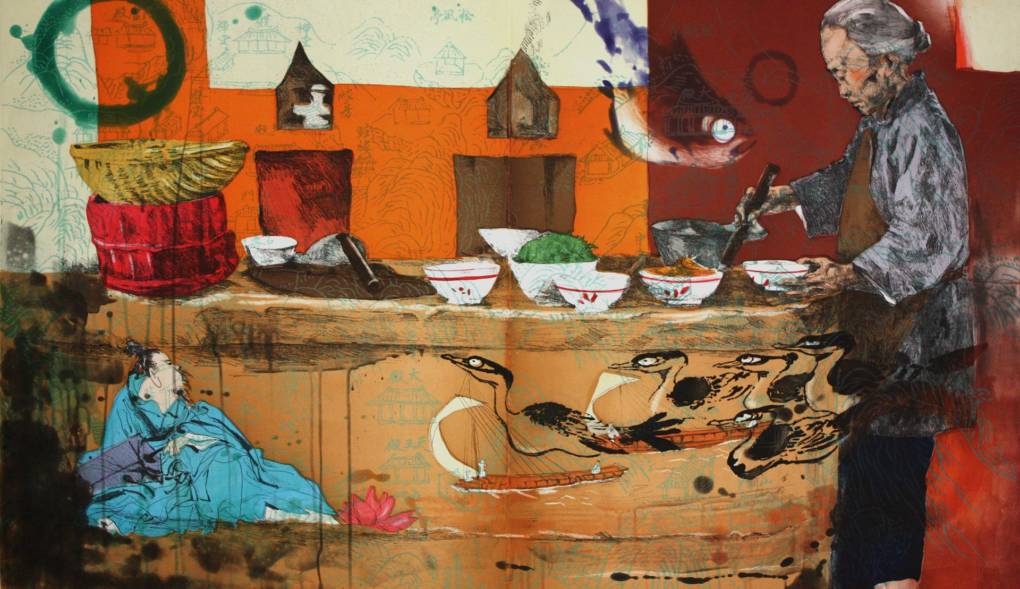
"caption": "'Luzao (Stove)' (2008), by Hung Liu. It's one of the paintings that speak to the dignity of labor in 'We Who Work' at the Santa Cruz Museum of Art and History. ",
"description": "'Luzao (Stove)' (2008), by Hung Liu. It's one of the paintings that speak to the dignity of labor in 'We Who Work' at the Santa Cruz Museum of Art and History. ",
"title": "Hung.Liu.Luzao.MAIN",
"credit": "Photo: Courtesy of Hung Liu",
"status": "inherit",
"isLoading": false,
"fetchFailed": false
},
"arts_12840777": {
"type": "attachments",
"id": "arts_12840777",
"meta": {
"index": "attachments_1716263798",
"site": "arts",
"id": "12840777",
"found": true
},
"parent": 12826437,
"imgSizes": {
"small": {
"file": "https://ww2.kqed.org/app/uploads/sites/2/2017/03/Barnette.MAIN_-520x325.jpg",
"width": 520,
"mimeType": "image/jpeg",
"height": 325
},
"twentyfourteen-full-width": {
"file": "https://ww2.kqed.org/app/uploads/sites/2/2017/03/Barnette.MAIN_-1038x576.jpg",
"width": 1038,
"mimeType": "image/jpeg",
"height": 576
},
"thumbnail": {
"file": "https://ww2.kqed.org/app/uploads/sites/2/2017/03/Barnette.MAIN_-160x100.jpg",
"width": 160,
"mimeType": "image/jpeg",
"height": 100
},
"fd-sm": {
"file": "https://ww2.kqed.org/app/uploads/sites/2/2017/03/Barnette.MAIN_-960x600.jpg",
"width": 960,
"mimeType": "image/jpeg",
"height": 600
},
"post-thumbnail": {
"file": "https://ww2.kqed.org/app/uploads/sites/2/2017/03/Barnette.MAIN_-672x372.jpg",
"width": 672,
"mimeType": "image/jpeg",
"height": 372
},
"xsmall": {
"file": "https://ww2.kqed.org/app/uploads/sites/2/2017/03/Barnette.MAIN_-375x234.jpg",
"width": 375,
"mimeType": "image/jpeg",
"height": 234
},
"kqedFullSize": {
"file": "https://ww2.kqed.org/app/uploads/sites/2/2017/03/Barnette.MAIN_.jpg",
"width": 1920,
"height": 1200
},
"large": {
"file": "https://ww2.kqed.org/app/uploads/sites/2/2017/03/Barnette.MAIN_-1020x638.jpg",
"width": 1020,
"mimeType": "image/jpeg",
"height": 638
},
"xlarge": {
"file": "https://ww2.kqed.org/app/uploads/sites/2/2017/03/Barnette.MAIN_-1180x738.jpg",
"width": 1180,
"mimeType": "image/jpeg",
"height": 738
},
"guest-author-50": {
"file": "https://ww2.kqed.org/app/uploads/sites/2/2017/03/Barnette.MAIN_-50x50.jpg",
"width": 50,
"mimeType": "image/jpeg",
"height": 50
},
"guest-author-96": {
"file": "https://ww2.kqed.org/app/uploads/sites/2/2017/03/Barnette.MAIN_-96x96.jpg",
"width": 96,
"mimeType": "image/jpeg",
"height": 96
},
"medium": {
"file": "https://ww2.kqed.org/app/uploads/sites/2/2017/03/Barnette.MAIN_-800x500.jpg",
"width": 800,
"mimeType": "image/jpeg",
"height": 500
},
"guest-author-64": {
"file": "https://ww2.kqed.org/app/uploads/sites/2/2017/03/Barnette.MAIN_-64x64.jpg",
"width": 64,
"mimeType": "image/jpeg",
"height": 64
},
"guest-author-32": {
"file": "https://ww2.kqed.org/app/uploads/sites/2/2017/03/Barnette.MAIN_-32x32.jpg",
"width": 32,
"mimeType": "image/jpeg",
"height": 32
},
"fd-lrg": {
"file": "https://ww2.kqed.org/app/uploads/sites/2/2017/03/Barnette.MAIN_-1920x1200.jpg",
"width": 1920,
"mimeType": "image/jpeg",
"height": 1200
},
"fd-med": {
"file": "https://ww2.kqed.org/app/uploads/sites/2/2017/03/Barnette.MAIN_-1180x738.jpg",
"width": 1180,
"mimeType": "image/jpeg",
"height": 738
},
"full-width": {
"file": "https://ww2.kqed.org/app/uploads/sites/2/2017/03/Barnette.MAIN_-1920x1200.jpg",
"width": 1920,
"mimeType": "image/jpeg",
"height": 1200
},
"detail": {
"file": "https://ww2.kqed.org/app/uploads/sites/2/2017/03/Barnette.MAIN_-150x150.jpg",
"width": 150,
"mimeType": "image/jpeg",
"height": 150
},
"medium_large": {
"file": "https://ww2.kqed.org/app/uploads/sites/2/2017/03/Barnette.MAIN_-768x480.jpg",
"width": 768,
"mimeType": "image/jpeg",
"height": 480
},
"guest-author-128": {
"file": "https://ww2.kqed.org/app/uploads/sites/2/2017/03/Barnette.MAIN_-128x128.jpg",
"width": 128,
"mimeType": "image/jpeg",
"height": 128
},
"xxsmall": {
"file": "https://ww2.kqed.org/app/uploads/sites/2/2017/03/Barnette.MAIN_-240x150.jpg",
"width": 240,
"mimeType": "image/jpeg",
"height": 150
}
},
"publishDate": 1488480203,
"modified": 1488480231,
"caption": "Sadie Barnette in her studio.",
"description": "Sadie Barnette in her studio.",
"title": "Barnette.MAIN",
"credit": "Photo: Sarah Burke",
"status": "inherit",
"isLoading": false,
"fetchFailed": false
}
},
"audioPlayerReducer": {
"postId": "stream_live",
"isPaused": true,
"isPlaying": false,
"pfsActive": false,
"pledgeModalIsOpen": true,
"playerDrawerIsOpen": false,
"liveAudioPlayStartedAt": 0,
"liveAudioPlayContext": ""
},
"authorsReducer": {
"byline_arts_12929599": {
"type": "authors",
"id": "byline_arts_12929599",
"meta": {
"override": true
},
"slug": "byline_arts_12929599",
"name": "Benjamin Michel",
"isLoading": false
},
"cmusiker": {
"type": "authors",
"id": "32",
"meta": {
"index": "authors_1716337520",
"id": "32",
"found": true
},
"name": "Cy Musiker",
"firstName": "Cy",
"lastName": "Musiker",
"slug": "cmusiker",
"email": "cmusiker@kqed.org",
"display_author_email": false,
"staff_mastheads": [],
"title": "KQED Contributor",
"bio": "Cy Musiker is a former co-host of The Do List and a former reporter covering the arts for KQED News and The California Report. He loves live performance, especially great theater, jazz, roots music, anything by Mahler. Cy has an MJ from UC Berkeley's School of Journalism, and got his BA from Hampshire College. His work has been recognized by the Society for Professional Journalists with their Sigma Delta Chi Award for Public Service in Journalism. When he can, Cy likes to swim in Tomales Bay, run with his dog in the East Bay Hills, and hike the Sierra.",
"avatar": "https://secure.gravatar.com/avatar/05eaba5c5696ce8f062e4ea2df428a43?s=600&d=blank&r=g",
"twitter": null,
"facebook": null,
"instagram": null,
"linkedin": null,
"sites": [
{
"site": "arts",
"roles": [
"Contributor",
"subscriber"
]
},
{
"site": "news",
"roles": [
"author"
]
},
{
"site": "bayareabites",
"roles": [
"contributor"
]
}
],
"headData": {
"title": "Cy Musiker | KQED",
"description": "KQED Contributor",
"ogImgSrc": "https://secure.gravatar.com/avatar/05eaba5c5696ce8f062e4ea2df428a43?s=600&d=blank&r=g",
"twImgSrc": "https://secure.gravatar.com/avatar/05eaba5c5696ce8f062e4ea2df428a43?s=600&d=blank&r=g"
},
"isLoading": false,
"link": "/author/cmusiker"
},
"rachael-myrow": {
"type": "authors",
"id": "251",
"meta": {
"index": "authors_1716337520",
"id": "251",
"found": true
},
"name": "Rachael Myrow",
"firstName": "Rachael",
"lastName": "Myrow",
"slug": "rachael-myrow",
"email": "rmyrow@kqed.org",
"display_author_email": true,
"staff_mastheads": [
"news"
],
"title": "Senior Editor of KQED's Silicon Valley News Desk",
"bio": "• I write and edit stories about how Silicon Valley power and policies shape everyday life in California. I’m also passionate about making Bay Area history and culture more accessible to a broad public. • I’ve been a journalist for most of my life, starting in high school with The Franklin Press in Los Angeles, where I grew up. While earning my first degree in English at UC Berkeley, I got my start in public radio at KALX-FM. After completing a second degree in journalism at Cal, I landed my first professional job at Marketplace, then moved on to KPCC (now LAist), and then KQED, where I hosted The California Report for more than seven years. • My reporting has appeared on NPR, The World, WBUR’s \u003ci>Here & Now\u003c/i>, and the BBC. I also guest host for KQED’s \u003ci>Forum\u003c/i>, as well as the Commonwealth Club in San Francisco. • I speak periodically on media, democracy and technology issues, and do voiceover work for documentaries and educational video projects. • Outside of the studio, you'll find me hiking Bay Area trails and whipping up Insta-ready meals in my kitchen. • I do not accept gifts, money, or favors from anyone connected to my reporting, I don't pay people for information, and I do not support or donate to political causes. • I strive to treat the people I report on with fairness, honesty, and respect. I also recognize there are often multiple sides to a story and work to verify information through multiple sources and documentation. If I get something wrong, I correct it.",
"avatar": "https://secure.gravatar.com/avatar/87bf8cb5874e045cdff430523a6d48b1?s=600&d=blank&r=g",
"twitter": "rachaelmyrow",
"facebook": null,
"instagram": null,
"linkedin": "https://www.linkedin.com/in/rachaelmyrow/",
"sites": [
{
"site": "arts",
"roles": [
"administrator"
]
},
{
"site": "news",
"roles": [
"edit_others_posts",
"editor"
]
},
{
"site": "futureofyou",
"roles": [
"editor"
]
},
{
"site": "bayareabites",
"roles": [
"editor"
]
},
{
"site": "stateofhealth",
"roles": [
"editor"
]
},
{
"site": "science",
"roles": [
"editor"
]
},
{
"site": "food",
"roles": [
"editor"
]
},
{
"site": "forum",
"roles": [
"editor"
]
},
{
"site": "liveblog",
"roles": [
"author"
]
}
],
"headData": {
"title": "Rachael Myrow | KQED",
"description": "Senior Editor of KQED's Silicon Valley News Desk",
"ogImgSrc": "https://secure.gravatar.com/avatar/87bf8cb5874e045cdff430523a6d48b1?s=600&d=blank&r=g",
"twImgSrc": "https://secure.gravatar.com/avatar/87bf8cb5874e045cdff430523a6d48b1?s=600&d=blank&r=g"
},
"isLoading": false,
"link": "/author/rachael-myrow"
},
"sburke": {
"type": "authors",
"id": "11323",
"meta": {
"index": "authors_1716337520",
"id": "11323",
"found": true
},
"name": "Sarah Burke",
"firstName": null,
"lastName": null,
"slug": "sburke",
"email": "sarahlburke@gmail.com",
"display_author_email": false,
"staff_mastheads": [],
"title": null,
"bio": "Sarah Burke is a journalist, critic, and curator living and working in Oakland, California. She is a regular contributor to KQED's Culture Cue, for which she writes about topics at the intersection of art, culture, and identity. Her work has been recognized with first place awards from the American Association of Alternative Newsmedia and The Society of Professional Journalists. Previously, she served as Managing Editor at the \u003cem>East Bay Express\u003c/em>. Find her on twitter at \u003ca href=\"https://twitter.com/sarahlubyburke\">@sarahlubyburke. \u003c/a>",
"avatar": "https://secure.gravatar.com/avatar/5b8e5916a3929fc7156c3fa4463cc365?s=600&d=blank&r=g",
"twitter": "sarahlubyburke",
"facebook": null,
"instagram": null,
"linkedin": null,
"sites": [
{
"site": "arts",
"roles": [
"contributor"
]
}
],
"headData": {
"title": "Sarah Burke | KQED",
"description": null,
"ogImgSrc": "https://secure.gravatar.com/avatar/5b8e5916a3929fc7156c3fa4463cc365?s=600&d=blank&r=g",
"twImgSrc": "https://secure.gravatar.com/avatar/5b8e5916a3929fc7156c3fa4463cc365?s=600&d=blank&r=g"
},
"isLoading": false,
"link": "/author/sburke"
},
"nvoynovskaya": {
"type": "authors",
"id": "11387",
"meta": {
"index": "authors_1716337520",
"id": "11387",
"found": true
},
"name": "Nastia Voynovskaya",
"firstName": "Nastia",
"lastName": "Voynovskaya",
"slug": "nvoynovskaya",
"email": "nvoynovskaya@kqed.org",
"display_author_email": false,
"staff_mastheads": [
"arts"
],
"title": "Editor and reporter",
"bio": "Nastia Voynovskaya is a reporter and editor at KQED Arts & Culture. She's been covering the arts in the Bay Area for over a decade, with a focus on music, queer culture, labor issues and grassroots organizing. She has edited KQED story series such as Trans Bay: A History of San Francisco's Gender-Diverse Community, and co-created KQED's Bay Area hip-hop history project, That's My Word. Nastia's work has been recognized by the Society of Professional Journalists and San Francisco Press Club. She holds a BA in comparative literature from UC Berkeley.",
"avatar": "https://secure.gravatar.com/avatar/5025ee460e5a85d69ca20ea6c6f2f80d7e17795c828f61ea3aecfcd924e9042e?s=600&d=blank&r=g",
"twitter": null,
"bluesky": null,
"facebook": null,
"instagram": "https://www.instagram.com/nananastia/",
"linkedin": null,
"sites": [
{
"site": "arts",
"roles": [
"administrator"
]
},
{
"site": "news",
"roles": [
"editor"
]
},
{
"site": "pop",
"roles": [
"administrator"
]
},
{
"site": "bayareabites",
"roles": [
"editor"
]
},
{
"site": "podcasts",
"roles": [
"editor"
]
},
{
"site": "hiphop",
"roles": [
"editor"
]
}
],
"headData": {
"title": "Nastia Voynovskaya | KQED",
"description": "Editor and reporter",
"ogImgSrc": "https://secure.gravatar.com/avatar/5025ee460e5a85d69ca20ea6c6f2f80d7e17795c828f61ea3aecfcd924e9042e?s=600&d=blank&r=g",
"twImgSrc": "https://secure.gravatar.com/avatar/5025ee460e5a85d69ca20ea6c6f2f80d7e17795c828f61ea3aecfcd924e9042e?s=600&d=blank&r=g"
},
"isLoading": false,
"link": "/author/nvoynovskaya"
},
"edayu": {
"type": "authors",
"id": "11391",
"meta": {
"index": "authors_1716337520",
"id": "11391",
"found": true
},
"name": "Eda Yu",
"firstName": "Eda",
"lastName": "Yu",
"slug": "edayu",
"email": "eda.cyu@gmail.com",
"display_author_email": false,
"staff_mastheads": [],
"title": "KQED Contributor",
"bio": "Eda Yu is a freelance writer and arts and culture journalist born and raised in Los Angeles, California. Her work centers the intersection of culture and identity, and her writing has appeared on platforms like VICE, Paper Magazine, and Complex. Follow her latest on Instagram and Twitter @edacyu.",
"avatar": "https://secure.gravatar.com/avatar/6dac2abe6c01e7b538d29f9c902136eb?s=600&d=blank&r=g",
"twitter": null,
"facebook": null,
"instagram": "https://www.instagram.com/edacyu/",
"linkedin": null,
"sites": [
{
"site": "arts",
"roles": [
"contributor"
]
}
],
"headData": {
"title": "Eda Yu | KQED",
"description": "KQED Contributor",
"ogImgSrc": "https://secure.gravatar.com/avatar/6dac2abe6c01e7b538d29f9c902136eb?s=600&d=blank&r=g",
"twImgSrc": "https://secure.gravatar.com/avatar/6dac2abe6c01e7b538d29f9c902136eb?s=600&d=blank&r=g"
},
"isLoading": false,
"link": "/author/edayu"
},
"ogpenn": {
"type": "authors",
"id": "11491",
"meta": {
"index": "authors_1716337520",
"id": "11491",
"found": true
},
"name": "Pendarvis Harshaw",
"firstName": "Pendarvis",
"lastName": "Harshaw",
"slug": "ogpenn",
"email": "ogpenn@gmail.com",
"display_author_email": false,
"staff_mastheads": [
"arts"
],
"title": "Community Engagement Reporter",
"bio": "Pendarvis Harshaw is an educator, host and writer with KQED Arts.",
"avatar": "https://secure.gravatar.com/avatar/972b77ee8e3f346ae2b00622661187fbfabd059b5693bbdc1475ea7a722fd4cd?s=600&d=blank&r=g",
"twitter": null,
"bluesky": null,
"facebook": null,
"instagram": "ogpenn",
"linkedin": null,
"sites": [
{
"site": "arts",
"roles": [
"administrator"
]
},
{
"site": "news",
"roles": [
"editor"
]
},
{
"site": "bayareabites",
"roles": [
"author"
]
},
{
"site": "hiphop",
"roles": [
"editor"
]
}
],
"headData": {
"title": "Pendarvis Harshaw | KQED",
"description": "Community Engagement Reporter",
"ogImgSrc": "https://secure.gravatar.com/avatar/972b77ee8e3f346ae2b00622661187fbfabd059b5693bbdc1475ea7a722fd4cd?s=600&d=blank&r=g",
"twImgSrc": "https://secure.gravatar.com/avatar/972b77ee8e3f346ae2b00622661187fbfabd059b5693bbdc1475ea7a722fd4cd?s=600&d=blank&r=g"
},
"isLoading": false,
"link": "/author/ogpenn"
}
},
"pagesReducer": {
"arts_tag_oakland": {
"type": "terms",
"id": "arts_1143",
"meta": {
"index": "terms_1716263798",
"site": "arts",
"id": "1143",
"score": 6.883923
},
"featImg": null,
"name": "Oakland",
"description": null,
"taxonomy": "tag",
"headData": {
"twImgId": null,
"twTitle": null,
"ogTitle": null,
"ogImgId": null,
"twDescription": null,
"description": null,
"title": "Oakland Archives | KQED Arts",
"ogDescription": null
},
"ttid": 692,
"slug": "oakland",
"isLoading": false,
"title": "Oakland",
"pageMeta": {
"site": "arts",
"WpPageTemplate": "page-topic-editorial",
"currentPage": 65
},
"blocks": [
{
"blockName": "kqed/post-list",
"attrs": {
"layout": "cardArticle2",
"query": "posts/arts?tag=oakland",
"seeMore": false,
"paginated": true,
"page": 65
}
},
{
"blockName": "kqed/ad"
}
]
}
},
"pfsSessionReducer": {},
"postsReducer": {
"stream_live": {
"type": "live",
"id": "stream_live",
"audioUrl": "https://streams.kqed.org/kqedradio",
"title": "Live Stream",
"excerpt": "Live Stream information currently unavailable.",
"link": "/radio",
"featImg": "",
"label": {
"name": "KQED Live",
"link": "/"
}
},
"stream_kqedNewscast": {
"type": "posts",
"id": "stream_kqedNewscast",
"audioUrl": "https://www.kqed.org/.stream/anon/radio/RDnews/newscast.mp3?_=1",
"title": "KQED Newscast",
"featImg": "",
"label": {
"name": "88.5 FM",
"link": "/"
}
},
"arts_13810477": {
"type": "posts",
"id": "arts_13810477",
"meta": {
"index": "posts_1716263798",
"site": "arts",
"id": "13810477",
"score": null,
"sort": [
1507208406000
]
},
"guestAuthors": [],
"slug": "a-reclamation-of-power-for-black-women-in-oakland",
"title": "A Reclamation of Power for Black Women in Oakland",
"publishDate": 1507208406,
"format": "image",
"headTitle": "A Reclamation of Power for Black Women in Oakland | KQED",
"labelTerm": {
"site": "arts"
},
"content": "\u003cp>“It’s kind of wild to be here at seven years,” Anyka Barber says, founder of Oakland’s Betti Ono gallery in downtown Oakland. “Space is a premium, as we all know. So being able to hold this space for seven years was no small feat.”\u003c/p>\n\u003cp>It’s also no small feat that Betti Ono opened in the first place. Tucked into the corner of Frank Ogawa Plaza, Betti Ono has brought exposure to emerging artists and fostered critical conversation around topics like race, sex, politics and identity in ways that simply did not exist in Oakland seven years ago.\u003c/p>\n\u003cp>At the time, while working in both museum spaces and community art centers, Barber noticed a lack of opportunity for women of color to enter into leadership positions — as well as a pronounced void of accessible spaces inclusive of black, brown, and indigenous bodies and art. \u003c/p>\n\u003cfigure id=\"attachment_13810508\" class=\"wp-caption aligncenter\" style=\"max-width: 600px\">\u003cimg loading=\"lazy\" decoding=\"async\" src=\"https://ww2.kqed.org/arts/wp-content/uploads/sites/2/2017/10/SashaKelley.jpg\" alt=\"Sasha Kelley, 'Circle of Black Women / ABRACADABRAKAAFRIKA.'\" width=\"600\" height=\"405\" class=\"size-full wp-image-13810508\" srcset=\"https://cdn.kqed.org/wp-content/uploads/sites/2/2017/10/SashaKelley.jpg 600w, https://cdn.kqed.org/wp-content/uploads/sites/2/2017/10/SashaKelley-160x108.jpg 160w, https://cdn.kqed.org/wp-content/uploads/sites/2/2017/10/SashaKelley-240x162.jpg 240w, https://cdn.kqed.org/wp-content/uploads/sites/2/2017/10/SashaKelley-375x253.jpg 375w, https://cdn.kqed.org/wp-content/uploads/sites/2/2017/10/SashaKelley-520x351.jpg 520w\" sizes=\"(max-width: 600px) 100vw, 600px\">\u003cfigcaption class=\"wp-caption-text\">Sasha Kelley, ‘Circle of Black Women / ABRACADABRAKAAFRIKA.’ \u003ccite>(Sasha Kelley/Betti Ono)\u003c/cite>\u003c/figcaption>\u003c/figure>\n\u003cp>“In terms of actual venues and spaces to make your work visible, to put your work out there professionally, that provided artists of color opportunity to exhibit — those were the barriers we were pushing against [in Oakland],” Barber expresses. “Breaking the mold, breaking the boxes [by saying that] artists of color — black women, black men, people of color in general — have things to say with their work. That they are talented. And deserve a platform.”\u003c/p>\n\u003cp>In an era of Oakland’s rapidly changing landscape, Betti Ono became a haven of community, accessibility, and cultural stronghold.\u003c/p>\n\u003cp>[ad fullwidth]\u003c/p>\n\u003cp>Now, for its seven-year anniversary, Betti Ono Gallery is collaborating with \u003cem>Black Women Over Breathing\u003c/em>, a movement co-founded by Adrian Walker and Danielle McCoy that seeks to emphasize the historically underrepresented importance of black women in our everyday lives. Surrounded by women his whole life, Walker wanted to pay tribute to the integral, moving roles black women have held throughout his own personal journey, as well in the world’s history.\u003c/p>\n\u003cfigure id=\"attachment_13810511\" class=\"wp-caption aligncenter\" style=\"max-width: 800px\">\u003cimg loading=\"lazy\" decoding=\"async\" src=\"https://ww2.kqed.org/arts/wp-content/uploads/sites/2/2017/10/Danielle-McCoy-800x534.jpg\" alt=\"Danielle McCoy, 'SayHerName.'\" width=\"800\" height=\"534\" class=\"size-medium wp-image-13810511\" srcset=\"https://cdn.kqed.org/wp-content/uploads/sites/2/2017/10/Danielle-McCoy-800x534.jpg 800w, https://cdn.kqed.org/wp-content/uploads/sites/2/2017/10/Danielle-McCoy-160x107.jpg 160w, https://cdn.kqed.org/wp-content/uploads/sites/2/2017/10/Danielle-McCoy-768x513.jpg 768w, https://cdn.kqed.org/wp-content/uploads/sites/2/2017/10/Danielle-McCoy-960x641.jpg 960w, https://cdn.kqed.org/wp-content/uploads/sites/2/2017/10/Danielle-McCoy-240x160.jpg 240w, https://cdn.kqed.org/wp-content/uploads/sites/2/2017/10/Danielle-McCoy-375x251.jpg 375w, https://cdn.kqed.org/wp-content/uploads/sites/2/2017/10/Danielle-McCoy-520x347.jpg 520w, https://cdn.kqed.org/wp-content/uploads/sites/2/2017/10/Danielle-McCoy.jpg 1000w\" sizes=\"(max-width: 800px) 100vw, 800px\">\u003cfigcaption class=\"wp-caption-text\">Danielle McCoy, ‘SayHerName.’ \u003ccite>(Betti Ono)\u003c/cite>\u003c/figcaption>\u003c/figure>\n\u003cp>“Black women artists — they’re amazing. I look up to them the most because their stories are so deep. Family-oriented. How they were brought up,” Walker says. “All that is rooted in my work in a way. They own this. It’s because of them…I’m honored — this seven-year anniversary — just to be a part of it.”\u003c/p>\n\u003cp>Building opportunity for emerging artists — and artists of color — is something that’s central to both Betti Ono Gallery and \u003cem>Black Women Over Breathing\u003c/em>. For the upcoming show in particular, Walker and McCoy have curated works from artists of vast backgrounds, experience, and mediums; exhibiting artists include Lukaza Branfman, Jade Fair, Kierra Johnson, Jay Katelansky, Sasha Kelley, Yetunde Olagbaju, Danielle McCoy, Lelia Weefur, and Zakiya Zazzaboi.\u003c/p>\n\u003cfigure id=\"attachment_13810517\" class=\"wp-caption alignright\" style=\"max-width: 400px\">\u003cimg loading=\"lazy\" decoding=\"async\" src=\"https://ww2.kqed.org/arts/wp-content/uploads/sites/2/2017/10/Lukaza.jpg\" alt=\"Lukaza Branfman-Verissimo, 'As Bright as Yellow.'\" width=\"400\" height=\"600\" class=\"size-full wp-image-13810517\" srcset=\"https://cdn.kqed.org/wp-content/uploads/sites/2/2017/10/Lukaza.jpg 400w, https://cdn.kqed.org/wp-content/uploads/sites/2/2017/10/Lukaza-160x240.jpg 160w, https://cdn.kqed.org/wp-content/uploads/sites/2/2017/10/Lukaza-240x360.jpg 240w, https://cdn.kqed.org/wp-content/uploads/sites/2/2017/10/Lukaza-375x563.jpg 375w\" sizes=\"(max-width: 400px) 100vw, 400px\">\u003cfigcaption class=\"wp-caption-text\">Lukaza Branfman-Verissimo, ‘As Bright as Yellow.’ \u003ccite>(Betti Ono Gallery)\u003c/cite>\u003c/figcaption>\u003c/figure>\n\u003cp>“The curators have done a great job of… really tackling critical issues affecting black women in ways that may not be so superficial, really getting into the undercurrent of what life is like. Everyday,” comments Barber. “We celebrate the culture of everyday people, but one of the intentions is to say that who we are, how we are, and how we show up is good enough. It’s enough to be seen, be respected, and be valued.”\u003c/p>\n\u003cp>Walker adds, “I just wanted black women to be able to express themselves. And how they portray what \u003cem>Black Women Over Breathing\u003c/em> is. [Across] all types of mediums. [To] do what they want and show their work in many different forms.”\u003c/p>\n\u003cp>Ultimately, Barber envisions the upcoming show simultaneously as a celebration of black womanhood and all the work done at Betti Ono over the last seven years. Both she and Walker want audiences to walk away from the space with a new cultural understanding and consciousness that may have been missing before.\u003c/p>\n\u003cp>“I think there has been a lot of pretending about how critical black women have been to the formation of this country, even while being discriminated against [and] being oppressed. So, I feel like the statement is about that: a reclamation of our power and our agency. Our lives. Period. In whatever shape or form,” Barber states. “[And] I feel like Betti Ono is going to continue being the space that continues to elevate conversations to this point.”\u003c/p>\n\u003cp>\u003cimg loading=\"lazy\" decoding=\"async\" src=\"https://ww2.kqed.org/arts/wp-content/uploads/sites/2/2016/09/Q.Logo_.Break_-800x78.jpg\" alt=\"\" width=\"800\" height=\"78\" class=\"aligncenter size-medium wp-image-12127869\" srcset=\"https://cdn.kqed.org/wp-content/uploads/sites/2/2016/09/Q.Logo_.Break_.jpg 800w, https://cdn.kqed.org/wp-content/uploads/sites/2/2016/09/Q.Logo_.Break_-400x39.jpg 400w, https://cdn.kqed.org/wp-content/uploads/sites/2/2016/09/Q.Logo_.Break_-768x75.jpg 768w\" sizes=\"(max-width: 800px) 100vw, 800px\">\u003c/p>\n\u003cp>\u003c/p>\n\u003cp>\u003cem>‘Betti Ono 7 Year Anniversary: Black Women Over Breathing’ runs Oct. 6, 2017–Jan. 5, 2018 at Betti Ono Gallery, with an \u003ca href=\"https://www.facebook.com/events/1620443231348620/\" rel=\"noopener\" target=\"_blank\">opening reception\u003c/a> from 6pm–9pm on Oct. 6. \u003ca href=\"https://bettiono.com/2017/09/15/betti-ono-celebrates-7-year-anniversary-black-women-over-breathing-exhibition/\" rel=\"noopener\" target=\"_blank\">Details here\u003c/a>.\u003c/em>\u003c/p>\n\n",
"blocks": [],
"excerpt": "At Betti Ono Gallery's seven-year anniversary, 'Black Women Over Breathing' tackles the undercurrent of critical issues affecting black women.",
"status": "publish",
"parent": 0,
"modified": 1726704445,
"stats": {
"hasAudio": false,
"hasVideo": false,
"hasChartOrMap": false,
"iframeSrcs": [],
"hasGoogleForm": false,
"hasGallery": false,
"hasHearkenModule": false,
"hasPolis": false,
"paragraphCount": 16,
"wordCount": 800
},
"headData": {
"title": "A Reclamation of Power for Black Women in Oakland | KQED",
"description": "At Betti Ono Gallery's seven-year anniversary, 'Black Women Over Breathing' tackles the undercurrent of critical issues affecting black women.",
"ogTitle": "",
"ogDescription": "",
"ogImgId": "",
"twTitle": "",
"twDescription": "",
"twImgId": "",
"schema": {
"@context": "https://schema.org",
"@type": "Article",
"headline": "A Reclamation of Power for Black Women in Oakland",
"datePublished": "2017-10-05T06:00:06-07:00",
"dateModified": "2024-09-18T17:07:25-07:00",
"image": "https://cdn.kqed.org/wp-content/uploads/2020/02/KQED-OG-Image@1x.png"
}
},
"sticky": false,
"path": "/arts/13810477/a-reclamation-of-power-for-black-women-in-oakland",
"audioTrackLength": null,
"parsedContent": [
{
"type": "contentString",
"content": "\u003cdiv class=\"post-body\">\u003cp>\u003cp>“It’s kind of wild to be here at seven years,” Anyka Barber says, founder of Oakland’s Betti Ono gallery in downtown Oakland. “Space is a premium, as we all know. So being able to hold this space for seven years was no small feat.”\u003c/p>\n\u003cp>It’s also no small feat that Betti Ono opened in the first place. Tucked into the corner of Frank Ogawa Plaza, Betti Ono has brought exposure to emerging artists and fostered critical conversation around topics like race, sex, politics and identity in ways that simply did not exist in Oakland seven years ago.\u003c/p>\n\u003cp>At the time, while working in both museum spaces and community art centers, Barber noticed a lack of opportunity for women of color to enter into leadership positions — as well as a pronounced void of accessible spaces inclusive of black, brown, and indigenous bodies and art. \u003c/p>\n\u003cfigure id=\"attachment_13810508\" class=\"wp-caption aligncenter\" style=\"max-width: 600px\">\u003cimg loading=\"lazy\" decoding=\"async\" src=\"https://ww2.kqed.org/arts/wp-content/uploads/sites/2/2017/10/SashaKelley.jpg\" alt=\"Sasha Kelley, 'Circle of Black Women / ABRACADABRAKAAFRIKA.'\" width=\"600\" height=\"405\" class=\"size-full wp-image-13810508\" srcset=\"https://cdn.kqed.org/wp-content/uploads/sites/2/2017/10/SashaKelley.jpg 600w, https://cdn.kqed.org/wp-content/uploads/sites/2/2017/10/SashaKelley-160x108.jpg 160w, https://cdn.kqed.org/wp-content/uploads/sites/2/2017/10/SashaKelley-240x162.jpg 240w, https://cdn.kqed.org/wp-content/uploads/sites/2/2017/10/SashaKelley-375x253.jpg 375w, https://cdn.kqed.org/wp-content/uploads/sites/2/2017/10/SashaKelley-520x351.jpg 520w\" sizes=\"(max-width: 600px) 100vw, 600px\">\u003cfigcaption class=\"wp-caption-text\">Sasha Kelley, ‘Circle of Black Women / ABRACADABRAKAAFRIKA.’ \u003ccite>(Sasha Kelley/Betti Ono)\u003c/cite>\u003c/figcaption>\u003c/figure>\n\u003cp>“In terms of actual venues and spaces to make your work visible, to put your work out there professionally, that provided artists of color opportunity to exhibit — those were the barriers we were pushing against [in Oakland],” Barber expresses. “Breaking the mold, breaking the boxes [by saying that] artists of color — black women, black men, people of color in general — have things to say with their work. That they are talented. And deserve a platform.”\u003c/p>\n\u003cp>In an era of Oakland’s rapidly changing landscape, Betti Ono became a haven of community, accessibility, and cultural stronghold.\u003c/p>\n\u003cp>\u003c/p>\u003c/div>",
"attributes": {
"named": {},
"numeric": []
}
},
{
"type": "component",
"content": "",
"name": "ad",
"attributes": {
"named": {
"label": "fullwidth"
},
"numeric": [
"fullwidth"
]
}
},
{
"type": "contentString",
"content": "\u003cdiv class=\"post-body\">\u003cp>\u003c/p>\n\u003cp>Now, for its seven-year anniversary, Betti Ono Gallery is collaborating with \u003cem>Black Women Over Breathing\u003c/em>, a movement co-founded by Adrian Walker and Danielle McCoy that seeks to emphasize the historically underrepresented importance of black women in our everyday lives. Surrounded by women his whole life, Walker wanted to pay tribute to the integral, moving roles black women have held throughout his own personal journey, as well in the world’s history.\u003c/p>\n\u003cfigure id=\"attachment_13810511\" class=\"wp-caption aligncenter\" style=\"max-width: 800px\">\u003cimg loading=\"lazy\" decoding=\"async\" src=\"https://ww2.kqed.org/arts/wp-content/uploads/sites/2/2017/10/Danielle-McCoy-800x534.jpg\" alt=\"Danielle McCoy, 'SayHerName.'\" width=\"800\" height=\"534\" class=\"size-medium wp-image-13810511\" srcset=\"https://cdn.kqed.org/wp-content/uploads/sites/2/2017/10/Danielle-McCoy-800x534.jpg 800w, https://cdn.kqed.org/wp-content/uploads/sites/2/2017/10/Danielle-McCoy-160x107.jpg 160w, https://cdn.kqed.org/wp-content/uploads/sites/2/2017/10/Danielle-McCoy-768x513.jpg 768w, https://cdn.kqed.org/wp-content/uploads/sites/2/2017/10/Danielle-McCoy-960x641.jpg 960w, https://cdn.kqed.org/wp-content/uploads/sites/2/2017/10/Danielle-McCoy-240x160.jpg 240w, https://cdn.kqed.org/wp-content/uploads/sites/2/2017/10/Danielle-McCoy-375x251.jpg 375w, https://cdn.kqed.org/wp-content/uploads/sites/2/2017/10/Danielle-McCoy-520x347.jpg 520w, https://cdn.kqed.org/wp-content/uploads/sites/2/2017/10/Danielle-McCoy.jpg 1000w\" sizes=\"(max-width: 800px) 100vw, 800px\">\u003cfigcaption class=\"wp-caption-text\">Danielle McCoy, ‘SayHerName.’ \u003ccite>(Betti Ono)\u003c/cite>\u003c/figcaption>\u003c/figure>\n\u003cp>“Black women artists — they’re amazing. I look up to them the most because their stories are so deep. Family-oriented. How they were brought up,” Walker says. “All that is rooted in my work in a way. They own this. It’s because of them…I’m honored — this seven-year anniversary — just to be a part of it.”\u003c/p>\n\u003cp>Building opportunity for emerging artists — and artists of color — is something that’s central to both Betti Ono Gallery and \u003cem>Black Women Over Breathing\u003c/em>. For the upcoming show in particular, Walker and McCoy have curated works from artists of vast backgrounds, experience, and mediums; exhibiting artists include Lukaza Branfman, Jade Fair, Kierra Johnson, Jay Katelansky, Sasha Kelley, Yetunde Olagbaju, Danielle McCoy, Lelia Weefur, and Zakiya Zazzaboi.\u003c/p>\n\u003cfigure id=\"attachment_13810517\" class=\"wp-caption alignright\" style=\"max-width: 400px\">\u003cimg loading=\"lazy\" decoding=\"async\" src=\"https://ww2.kqed.org/arts/wp-content/uploads/sites/2/2017/10/Lukaza.jpg\" alt=\"Lukaza Branfman-Verissimo, 'As Bright as Yellow.'\" width=\"400\" height=\"600\" class=\"size-full wp-image-13810517\" srcset=\"https://cdn.kqed.org/wp-content/uploads/sites/2/2017/10/Lukaza.jpg 400w, https://cdn.kqed.org/wp-content/uploads/sites/2/2017/10/Lukaza-160x240.jpg 160w, https://cdn.kqed.org/wp-content/uploads/sites/2/2017/10/Lukaza-240x360.jpg 240w, https://cdn.kqed.org/wp-content/uploads/sites/2/2017/10/Lukaza-375x563.jpg 375w\" sizes=\"(max-width: 400px) 100vw, 400px\">\u003cfigcaption class=\"wp-caption-text\">Lukaza Branfman-Verissimo, ‘As Bright as Yellow.’ \u003ccite>(Betti Ono Gallery)\u003c/cite>\u003c/figcaption>\u003c/figure>\n\u003cp>“The curators have done a great job of… really tackling critical issues affecting black women in ways that may not be so superficial, really getting into the undercurrent of what life is like. Everyday,” comments Barber. “We celebrate the culture of everyday people, but one of the intentions is to say that who we are, how we are, and how we show up is good enough. It’s enough to be seen, be respected, and be valued.”\u003c/p>\n\u003cp>Walker adds, “I just wanted black women to be able to express themselves. And how they portray what \u003cem>Black Women Over Breathing\u003c/em> is. [Across] all types of mediums. [To] do what they want and show their work in many different forms.”\u003c/p>\n\u003cp>Ultimately, Barber envisions the upcoming show simultaneously as a celebration of black womanhood and all the work done at Betti Ono over the last seven years. Both she and Walker want audiences to walk away from the space with a new cultural understanding and consciousness that may have been missing before.\u003c/p>\n\u003cp>“I think there has been a lot of pretending about how critical black women have been to the formation of this country, even while being discriminated against [and] being oppressed. So, I feel like the statement is about that: a reclamation of our power and our agency. Our lives. Period. In whatever shape or form,” Barber states. “[And] I feel like Betti Ono is going to continue being the space that continues to elevate conversations to this point.”\u003c/p>\n\u003cp>\u003cimg loading=\"lazy\" decoding=\"async\" src=\"https://ww2.kqed.org/arts/wp-content/uploads/sites/2/2016/09/Q.Logo_.Break_-800x78.jpg\" alt=\"\" width=\"800\" height=\"78\" class=\"aligncenter size-medium wp-image-12127869\" srcset=\"https://cdn.kqed.org/wp-content/uploads/sites/2/2016/09/Q.Logo_.Break_.jpg 800w, https://cdn.kqed.org/wp-content/uploads/sites/2/2016/09/Q.Logo_.Break_-400x39.jpg 400w, https://cdn.kqed.org/wp-content/uploads/sites/2/2016/09/Q.Logo_.Break_-768x75.jpg 768w\" sizes=\"(max-width: 800px) 100vw, 800px\">\u003c/p>\n\u003cp>\u003c/p>\n\u003cp>\u003cem>‘Betti Ono 7 Year Anniversary: Black Women Over Breathing’ runs Oct. 6, 2017–Jan. 5, 2018 at Betti Ono Gallery, with an \u003ca href=\"https://www.facebook.com/events/1620443231348620/\" rel=\"noopener\" target=\"_blank\">opening reception\u003c/a> from 6pm–9pm on Oct. 6. \u003ca href=\"https://bettiono.com/2017/09/15/betti-ono-celebrates-7-year-anniversary-black-women-over-breathing-exhibition/\" rel=\"noopener\" target=\"_blank\">Details here\u003c/a>.\u003c/em>\u003c/p>\n\n\u003c/div>\u003c/p>",
"attributes": {
"named": {},
"numeric": []
}
}
],
"link": "/arts/13810477/a-reclamation-of-power-for-black-women-in-oakland",
"authors": [
"11391"
],
"categories": [
"arts_70"
],
"tags": [
"arts_1118",
"arts_3649",
"arts_596",
"arts_1143"
],
"featImg": "arts_13810484",
"label": "arts"
},
"arts_13810304": {
"type": "posts",
"id": "arts_13810304",
"meta": {
"index": "posts_1716263798",
"site": "arts",
"id": "13810304",
"score": null,
"sort": [
1507073459000
]
},
"parent": 0,
"labelTerm": {
"site": "arts"
},
"blocks": [],
"publishDate": 1507073459,
"format": "image",
"title": "A Discussion With Oakland Artists About Rape Culture",
"headTitle": "A Discussion With Oakland Artists About Rape Culture | KQED",
"content": "\u003cp>\u003cspan style=\"font-size: 4.6875em;float: left;line-height: 0.733em;padding: 0.05em 0.1em 0 0;font-family: times, serif, georgia\">I\u003c/span>n an art studio in East Oakland two weeks ago, midway though a heavy group conversation about the elements of rape culture, the seductive bassline of the strip-club anthem “\u003ca href=\"https://www.youtube.com/watch?v=OrSadmwmmAs\" target=\"_blank\" rel=\"noopener noreferrer\">Rake It Up\u003c/a>” suddenly came blasting through the window.\u003c/p>\n\u003cp>\u003cimg loading=\"lazy\" decoding=\"async\" class=\"alignright size-thumbnail wp-image-13833985\" src=\"https://ww2.kqed.org/arts/wp-content/uploads/sites/2/2018/05/OGPenn.Cap_-160x184.jpg\" alt=\"\" width=\"160\" height=\"184\" srcset=\"https://cdn.kqed.org/wp-content/uploads/sites/2/2018/05/OGPenn.Cap_-160x184.jpg 160w, https://cdn.kqed.org/wp-content/uploads/sites/2/2018/05/OGPenn.Cap_.jpg 180w\" sizes=\"(max-width: 160px) 100vw, 160px\">\u003c/p>\n\u003cp>The majority of attendees — around 40 people — laughed at the irony. And then got back to the discussion, called to order by a talented photographer named \u003ca href=\"http://www.shotbychose.com/\" target=\"_blank\" rel=\"noopener noreferrer\">Deario “Chose” Austin\u003c/a>, a skilled vocalist named Vivian Allen, a seasoned emcee named \u003ca href=\"https://soundcloud.com/AjGod\" target=\"_blank\" rel=\"noopener noreferrer\">Ajman Thrower\u003c/a> and a hardworking music producer named Mark Weiner (a.k.a. \u003ca href=\"https://mrmarstoday.bandcamp.com/\" target=\"_blank\" rel=\"noopener noreferrer\">Mars Today\u003c/a>).\u003c/p>\n\u003cp>As the talk about navigating unhealthy relationships evolved from a venting session to a solution-based conversation, I took down every note I could. Quotes. Thoughts. Experiences. Suggestions. I left the discussion with two things in mind:\u003c/p>\n\u003cp>1. I have a lot to learn.\u003cbr>\n2. These discussions should continue.\u003c/p>\n\u003cfigure id=\"attachment_13810315\" class=\"wp-caption aligncenter\" style=\"max-width: 800px\">\u003cimg loading=\"lazy\" decoding=\"async\" class=\"size-medium wp-image-13810315\" src=\"https://ww2.kqed.org/arts/wp-content/uploads/sites/2/2017/10/rc3-800x500.jpg\" alt=\"Attendees at a conversation in East Oakland about rape culture and abusive relationships.\" width=\"800\" height=\"500\" srcset=\"https://cdn.kqed.org/wp-content/uploads/sites/2/2017/10/rc3-800x500.jpg 800w, https://cdn.kqed.org/wp-content/uploads/sites/2/2017/10/rc3-160x100.jpg 160w, https://cdn.kqed.org/wp-content/uploads/sites/2/2017/10/rc3-768x480.jpg 768w, https://cdn.kqed.org/wp-content/uploads/sites/2/2017/10/rc3-1020x638.jpg 1020w, https://cdn.kqed.org/wp-content/uploads/sites/2/2017/10/rc3.jpg 1920w, https://cdn.kqed.org/wp-content/uploads/sites/2/2017/10/rc3-1180x738.jpg 1180w, https://cdn.kqed.org/wp-content/uploads/sites/2/2017/10/rc3-960x600.jpg 960w, https://cdn.kqed.org/wp-content/uploads/sites/2/2017/10/rc3-240x150.jpg 240w, https://cdn.kqed.org/wp-content/uploads/sites/2/2017/10/rc3-375x234.jpg 375w, https://cdn.kqed.org/wp-content/uploads/sites/2/2017/10/rc3-520x325.jpg 520w\" sizes=\"(max-width: 800px) 100vw, 800px\">\u003cfigcaption class=\"wp-caption-text\">Attendees at a conversation in East Oakland about rape culture and abusive relationships. \u003ccite>(Pendarvis Harshaw)\u003c/cite>\u003c/figcaption>\u003c/figure>\n\u003cp>\u003cspan style=\"font-size: 4.6875em;float: left;line-height: 0.733em;padding: 0.05em 0.1em 0 0;font-family: times, serif, georgia\">T\u003c/span>he discussion of “rape culture” isn’t new in Oakland. We’re talking about a place that spawns the majority of sex trafficking crimes in the state — recently encompassing the Oakland Police Department in a high-profile scandal. Where elected officials and nonprofit groups have campaigns combating sex trafficking. Where there are billboards (!) fighting the issue. I mean, the word “bitch” is branded in our lexicon by \u003ca href=\"https://www.youtube.com/results?search_query=too+short+bitch\" target=\"_blank\" rel=\"noopener noreferrer\">one of our most popular musical icons\u003c/a> (who, incidentally, made the song “Freaky Tales,” which “Rake It Up” samples). You think I haven’t been to meeting or two about the misogynistic culture that exists in Oakland?\u003c/p>\n\u003caside class=\"pullquote alignright\">“I grew up not wanting to listen to R&B music because I thought that it’d make me gay.” \u003c/aside>\n\u003cp>But while discussing the elements of rape culture isn’t new around these parts, those conversations aren’t often held by artists. Schools, religious groups, and/or elected officials usually orchestrate these events. For a handful of artists to leverage their social clout, and invite fans of their work to discuss something that doesn’t necessarily coincide with their brand, was moving.\u003c/p>\n\u003cp>[ad fullwidth]\u003c/p>\n\u003cp>The majority of people in the room, too, were artists in some way or form. Some of the more thought-provoking statements I heard that evening:\u003c/p>\n\u003cp>“I grew up not wanting to listen to R&B music because I thought that it’d make me gay.”\u003c/p>\n\u003cp>“It doesn’t matter that she’s a stripper, just got off the pole and just clocked out — if she says no, don’t touch her.”\u003c/p>\n\u003cp>“Rape doesn’t wear a face, it’s not just one situation, it’s not just someone hiding in the bushes… it happens inside of families, schools and where people are supposed to be safe.”\u003c/p>\n\u003cp>“We’ve got to respect a man who stands up for women; go dumb for the right shit!”\u003c/p>\n\u003cp>“Art can help you move past the difficultly in explicitly stating something.”\u003c/p>\n\u003cp>“Men being raped is real.”\u003c/p>\n\u003cp>“Consent protects the man too, because nowadays women will say you’ve raped them when you haven’t.”\u003c/p>\n\u003cp>“A lot of men have maternal energy, hide it, and then lash out on women.”\u003c/p>\n\u003cp>“We need a culture of accountability — it starts with us first.”\u003c/p>\n\u003cfigure id=\"attachment_13810357\" class=\"wp-caption aligncenter\" style=\"max-width: 800px\">\u003cimg loading=\"lazy\" decoding=\"async\" class=\"size-medium wp-image-13810357\" src=\"https://ww2.kqed.org/arts/wp-content/uploads/sites/2/2017/10/rc4-800x322.jpg\" alt=\"Attendees at a conversation in East Oakland about rape culture and abusive relationships.\" width=\"800\" height=\"322\" srcset=\"https://cdn.kqed.org/wp-content/uploads/sites/2/2017/10/rc4-800x322.jpg 800w, https://cdn.kqed.org/wp-content/uploads/sites/2/2017/10/rc4-160x64.jpg 160w, https://cdn.kqed.org/wp-content/uploads/sites/2/2017/10/rc4-768x309.jpg 768w, https://cdn.kqed.org/wp-content/uploads/sites/2/2017/10/rc4-1020x411.jpg 1020w, https://cdn.kqed.org/wp-content/uploads/sites/2/2017/10/rc4-960x387.jpg 960w, https://cdn.kqed.org/wp-content/uploads/sites/2/2017/10/rc4-240x97.jpg 240w, https://cdn.kqed.org/wp-content/uploads/sites/2/2017/10/rc4-375x151.jpg 375w, https://cdn.kqed.org/wp-content/uploads/sites/2/2017/10/rc4-520x209.jpg 520w, https://cdn.kqed.org/wp-content/uploads/sites/2/2017/10/rc4.jpg 1100w\" sizes=\"(max-width: 800px) 100vw, 800px\">\u003cfigcaption class=\"wp-caption-text\">Attendees at a conversation in East Oakland about rape culture and abusive relationships. \u003ccite>(Pendarvis Harshaw)\u003c/cite>\u003c/figcaption>\u003c/figure>\n\u003cp>\u003cspan style=\"font-size: 4.6875em;float: left;line-height: 0.733em;padding: 0.05em 0.1em 0 0;font-family: times, serif, georgia\">“A\u003c/span>rtists neglect the fact that it’s our responsibility to express our options on these kind of things,” Vivian told me during a phone call the following day. “We’re obligated to speak on these things.”\u003c/p>\n\u003cp>After talking to Vivian, I called Chose to debrief, asking him if he believes these discussions will change anything. “It’s comparable to how African-Americans handle police brutality; with time it can change, as long as we’re doing something about it,” Chose told me. “As long as the conversation is going on, and we’re holding people accountable.”\u003c/p>\n\u003cp>But it’s not a simple conquest. There are issues we face beyond holding your homeboys accountable. There are early seeds of it planted in us from the time we learn to socialize. Growing up in Oakland, I learned the game where you grabbed a girl’s butt and ran — even before I learned how to spell rape, let alone knew what it was.\u003c/p>\n\u003cp>It takes a dominant culture to conquer a dominant culture. I’d argue that the majority of people in that room — black and brown young people from Oakland, the South, Mexico, India and Fiji — know about someone’s culture intentionally destroying their own. There are entire industries built around rape culture. This country was founded on rape culture. How do we change that? Art? Organizing? Forming a new dominant culture to overthrow the old?\u003c/p>\n\u003cp>I don’t know if it’s possible, but one thing is sure: until we openly confront it, we can’t do anything about it. And this conversation was a baby step in the right direction. Hopefully there’ll be more to come, because Oakland needs it; the world needs it.\u003c/p>\n\u003cp>\u003cimg loading=\"lazy\" decoding=\"async\" class=\"aligncenter size-full wp-image-12127869\" src=\"https://ww2.kqed.org/arts/wp-content/uploads/sites/2/2016/09/Q.Logo_.Break_.jpg\" alt=\"\" width=\"800\" height=\"78\" srcset=\"https://cdn.kqed.org/wp-content/uploads/sites/2/2016/09/Q.Logo_.Break_.jpg 800w, https://cdn.kqed.org/wp-content/uploads/sites/2/2016/09/Q.Logo_.Break_-400x39.jpg 400w, https://cdn.kqed.org/wp-content/uploads/sites/2/2016/09/Q.Logo_.Break_-768x75.jpg 768w\" sizes=\"(max-width: 800px) 100vw, 800px\">\u003c/p>\n\u003cp>\u003c/p>\n\u003cp>\u003cem>Pendarvis Harshaw is the author of ‘\u003ca href=\"http://www.latimes.com/local/abcarian/la-me-abcarian-og-harshaw-20170409-story.html\" target=\"_blank\" rel=\"noopener noreferrer\">OG Told Me\u003c/a>,’ a memoir about growing up in Oakland. Find him on Twitter \u003ca href=\"https://twitter.com/ogpenn\" target=\"_blank\" rel=\"noopener noreferrer\">here\u003c/a>.\u003c/em>\u003c/p>\n\n",
"stats": {
"hasVideo": false,
"hasChartOrMap": false,
"hasAudio": false,
"hasPolis": false,
"wordCount": 936,
"hasGoogleForm": false,
"hasGallery": false,
"hasHearkenModule": false,
"iframeSrcs": [],
"paragraphCount": 26
},
"modified": 1705029421,
"excerpt": "We often expect politicians or activists to enact social change — but the strongest power can come from collective, everyday people.",
"headData": {
"twImgId": "",
"twTitle": "",
"ogTitle": "",
"ogImgId": "",
"twDescription": "",
"description": "We often expect politicians or activists to enact social change — but the strongest power can come from collective, everyday people.",
"title": "A Discussion With Oakland Artists About Rape Culture | KQED",
"ogDescription": "",
"schema": {
"@context": "https://schema.org",
"@type": "Article",
"headline": "A Discussion With Oakland Artists About Rape Culture",
"datePublished": "2017-10-03T16:30:59-07:00",
"dateModified": "2024-01-11T19:17:01-08:00",
"image": "https://cdn.kqed.org/wp-content/uploads/2020/02/KQED-OG-Image@1x.png"
}
},
"guestAuthors": [],
"slug": "a-discussion-with-oakland-artists-about-rape-culture",
"status": "publish",
"excludeFromSiteSearch": "Include",
"sticky": false,
"articleAge": "0",
"path": "/arts/13810304/a-discussion-with-oakland-artists-about-rape-culture",
"audioTrackLength": null,
"parsedContent": [
{
"type": "contentString",
"content": "\u003cdiv class=\"post-body\">\u003cp>\u003cp>\u003cspan style=\"font-size: 4.6875em;float: left;line-height: 0.733em;padding: 0.05em 0.1em 0 0;font-family: times, serif, georgia\">I\u003c/span>n an art studio in East Oakland two weeks ago, midway though a heavy group conversation about the elements of rape culture, the seductive bassline of the strip-club anthem “\u003ca href=\"https://www.youtube.com/watch?v=OrSadmwmmAs\" target=\"_blank\" rel=\"noopener noreferrer\">Rake It Up\u003c/a>” suddenly came blasting through the window.\u003c/p>\n\u003cp>\u003cimg loading=\"lazy\" decoding=\"async\" class=\"alignright size-thumbnail wp-image-13833985\" src=\"https://ww2.kqed.org/arts/wp-content/uploads/sites/2/2018/05/OGPenn.Cap_-160x184.jpg\" alt=\"\" width=\"160\" height=\"184\" srcset=\"https://cdn.kqed.org/wp-content/uploads/sites/2/2018/05/OGPenn.Cap_-160x184.jpg 160w, https://cdn.kqed.org/wp-content/uploads/sites/2/2018/05/OGPenn.Cap_.jpg 180w\" sizes=\"(max-width: 160px) 100vw, 160px\">\u003c/p>\n\u003cp>The majority of attendees — around 40 people — laughed at the irony. And then got back to the discussion, called to order by a talented photographer named \u003ca href=\"http://www.shotbychose.com/\" target=\"_blank\" rel=\"noopener noreferrer\">Deario “Chose” Austin\u003c/a>, a skilled vocalist named Vivian Allen, a seasoned emcee named \u003ca href=\"https://soundcloud.com/AjGod\" target=\"_blank\" rel=\"noopener noreferrer\">Ajman Thrower\u003c/a> and a hardworking music producer named Mark Weiner (a.k.a. \u003ca href=\"https://mrmarstoday.bandcamp.com/\" target=\"_blank\" rel=\"noopener noreferrer\">Mars Today\u003c/a>).\u003c/p>\n\u003cp>As the talk about navigating unhealthy relationships evolved from a venting session to a solution-based conversation, I took down every note I could. Quotes. Thoughts. Experiences. Suggestions. I left the discussion with two things in mind:\u003c/p>\n\u003cp>1. I have a lot to learn.\u003cbr>\n2. These discussions should continue.\u003c/p>\n\u003cfigure id=\"attachment_13810315\" class=\"wp-caption aligncenter\" style=\"max-width: 800px\">\u003cimg loading=\"lazy\" decoding=\"async\" class=\"size-medium wp-image-13810315\" src=\"https://ww2.kqed.org/arts/wp-content/uploads/sites/2/2017/10/rc3-800x500.jpg\" alt=\"Attendees at a conversation in East Oakland about rape culture and abusive relationships.\" width=\"800\" height=\"500\" srcset=\"https://cdn.kqed.org/wp-content/uploads/sites/2/2017/10/rc3-800x500.jpg 800w, https://cdn.kqed.org/wp-content/uploads/sites/2/2017/10/rc3-160x100.jpg 160w, https://cdn.kqed.org/wp-content/uploads/sites/2/2017/10/rc3-768x480.jpg 768w, https://cdn.kqed.org/wp-content/uploads/sites/2/2017/10/rc3-1020x638.jpg 1020w, https://cdn.kqed.org/wp-content/uploads/sites/2/2017/10/rc3.jpg 1920w, https://cdn.kqed.org/wp-content/uploads/sites/2/2017/10/rc3-1180x738.jpg 1180w, https://cdn.kqed.org/wp-content/uploads/sites/2/2017/10/rc3-960x600.jpg 960w, https://cdn.kqed.org/wp-content/uploads/sites/2/2017/10/rc3-240x150.jpg 240w, https://cdn.kqed.org/wp-content/uploads/sites/2/2017/10/rc3-375x234.jpg 375w, https://cdn.kqed.org/wp-content/uploads/sites/2/2017/10/rc3-520x325.jpg 520w\" sizes=\"(max-width: 800px) 100vw, 800px\">\u003cfigcaption class=\"wp-caption-text\">Attendees at a conversation in East Oakland about rape culture and abusive relationships. \u003ccite>(Pendarvis Harshaw)\u003c/cite>\u003c/figcaption>\u003c/figure>\n\u003cp>\u003cspan style=\"font-size: 4.6875em;float: left;line-height: 0.733em;padding: 0.05em 0.1em 0 0;font-family: times, serif, georgia\">T\u003c/span>he discussion of “rape culture” isn’t new in Oakland. We’re talking about a place that spawns the majority of sex trafficking crimes in the state — recently encompassing the Oakland Police Department in a high-profile scandal. Where elected officials and nonprofit groups have campaigns combating sex trafficking. Where there are billboards (!) fighting the issue. I mean, the word “bitch” is branded in our lexicon by \u003ca href=\"https://www.youtube.com/results?search_query=too+short+bitch\" target=\"_blank\" rel=\"noopener noreferrer\">one of our most popular musical icons\u003c/a> (who, incidentally, made the song “Freaky Tales,” which “Rake It Up” samples). You think I haven’t been to meeting or two about the misogynistic culture that exists in Oakland?\u003c/p>\n\u003caside class=\"pullquote alignright\">“I grew up not wanting to listen to R&B music because I thought that it’d make me gay.” \u003c/aside>\n\u003cp>But while discussing the elements of rape culture isn’t new around these parts, those conversations aren’t often held by artists. Schools, religious groups, and/or elected officials usually orchestrate these events. For a handful of artists to leverage their social clout, and invite fans of their work to discuss something that doesn’t necessarily coincide with their brand, was moving.\u003c/p>\n\u003cp>\u003c/p>\u003c/div>",
"attributes": {
"named": {},
"numeric": []
}
},
{
"type": "component",
"content": "",
"name": "ad",
"attributes": {
"named": {
"label": "fullwidth"
},
"numeric": [
"fullwidth"
]
}
},
{
"type": "contentString",
"content": "\u003cdiv class=\"post-body\">\u003cp>\u003c/p>\n\u003cp>The majority of people in the room, too, were artists in some way or form. Some of the more thought-provoking statements I heard that evening:\u003c/p>\n\u003cp>“I grew up not wanting to listen to R&B music because I thought that it’d make me gay.”\u003c/p>\n\u003cp>“It doesn’t matter that she’s a stripper, just got off the pole and just clocked out — if she says no, don’t touch her.”\u003c/p>\n\u003cp>“Rape doesn’t wear a face, it’s not just one situation, it’s not just someone hiding in the bushes… it happens inside of families, schools and where people are supposed to be safe.”\u003c/p>\n\u003cp>“We’ve got to respect a man who stands up for women; go dumb for the right shit!”\u003c/p>\n\u003cp>“Art can help you move past the difficultly in explicitly stating something.”\u003c/p>\n\u003cp>“Men being raped is real.”\u003c/p>\n\u003cp>“Consent protects the man too, because nowadays women will say you’ve raped them when you haven’t.”\u003c/p>\n\u003cp>“A lot of men have maternal energy, hide it, and then lash out on women.”\u003c/p>\n\u003cp>“We need a culture of accountability — it starts with us first.”\u003c/p>\n\u003cfigure id=\"attachment_13810357\" class=\"wp-caption aligncenter\" style=\"max-width: 800px\">\u003cimg loading=\"lazy\" decoding=\"async\" class=\"size-medium wp-image-13810357\" src=\"https://ww2.kqed.org/arts/wp-content/uploads/sites/2/2017/10/rc4-800x322.jpg\" alt=\"Attendees at a conversation in East Oakland about rape culture and abusive relationships.\" width=\"800\" height=\"322\" srcset=\"https://cdn.kqed.org/wp-content/uploads/sites/2/2017/10/rc4-800x322.jpg 800w, https://cdn.kqed.org/wp-content/uploads/sites/2/2017/10/rc4-160x64.jpg 160w, https://cdn.kqed.org/wp-content/uploads/sites/2/2017/10/rc4-768x309.jpg 768w, https://cdn.kqed.org/wp-content/uploads/sites/2/2017/10/rc4-1020x411.jpg 1020w, https://cdn.kqed.org/wp-content/uploads/sites/2/2017/10/rc4-960x387.jpg 960w, https://cdn.kqed.org/wp-content/uploads/sites/2/2017/10/rc4-240x97.jpg 240w, https://cdn.kqed.org/wp-content/uploads/sites/2/2017/10/rc4-375x151.jpg 375w, https://cdn.kqed.org/wp-content/uploads/sites/2/2017/10/rc4-520x209.jpg 520w, https://cdn.kqed.org/wp-content/uploads/sites/2/2017/10/rc4.jpg 1100w\" sizes=\"(max-width: 800px) 100vw, 800px\">\u003cfigcaption class=\"wp-caption-text\">Attendees at a conversation in East Oakland about rape culture and abusive relationships. \u003ccite>(Pendarvis Harshaw)\u003c/cite>\u003c/figcaption>\u003c/figure>\n\u003cp>\u003cspan style=\"font-size: 4.6875em;float: left;line-height: 0.733em;padding: 0.05em 0.1em 0 0;font-family: times, serif, georgia\">“A\u003c/span>rtists neglect the fact that it’s our responsibility to express our options on these kind of things,” Vivian told me during a phone call the following day. “We’re obligated to speak on these things.”\u003c/p>\n\u003cp>After talking to Vivian, I called Chose to debrief, asking him if he believes these discussions will change anything. “It’s comparable to how African-Americans handle police brutality; with time it can change, as long as we’re doing something about it,” Chose told me. “As long as the conversation is going on, and we’re holding people accountable.”\u003c/p>\n\u003cp>But it’s not a simple conquest. There are issues we face beyond holding your homeboys accountable. There are early seeds of it planted in us from the time we learn to socialize. Growing up in Oakland, I learned the game where you grabbed a girl’s butt and ran — even before I learned how to spell rape, let alone knew what it was.\u003c/p>\n\u003cp>It takes a dominant culture to conquer a dominant culture. I’d argue that the majority of people in that room — black and brown young people from Oakland, the South, Mexico, India and Fiji — know about someone’s culture intentionally destroying their own. There are entire industries built around rape culture. This country was founded on rape culture. How do we change that? Art? Organizing? Forming a new dominant culture to overthrow the old?\u003c/p>\n\u003cp>I don’t know if it’s possible, but one thing is sure: until we openly confront it, we can’t do anything about it. And this conversation was a baby step in the right direction. Hopefully there’ll be more to come, because Oakland needs it; the world needs it.\u003c/p>\n\u003cp>\u003cimg loading=\"lazy\" decoding=\"async\" class=\"aligncenter size-full wp-image-12127869\" src=\"https://ww2.kqed.org/arts/wp-content/uploads/sites/2/2016/09/Q.Logo_.Break_.jpg\" alt=\"\" width=\"800\" height=\"78\" srcset=\"https://cdn.kqed.org/wp-content/uploads/sites/2/2016/09/Q.Logo_.Break_.jpg 800w, https://cdn.kqed.org/wp-content/uploads/sites/2/2016/09/Q.Logo_.Break_-400x39.jpg 400w, https://cdn.kqed.org/wp-content/uploads/sites/2/2016/09/Q.Logo_.Break_-768x75.jpg 768w\" sizes=\"(max-width: 800px) 100vw, 800px\">\u003c/p>\n\u003cp>\u003c/p>\n\u003cp>\u003cem>Pendarvis Harshaw is the author of ‘\u003ca href=\"http://www.latimes.com/local/abcarian/la-me-abcarian-og-harshaw-20170409-story.html\" target=\"_blank\" rel=\"noopener noreferrer\">OG Told Me\u003c/a>,’ a memoir about growing up in Oakland. Find him on Twitter \u003ca href=\"https://twitter.com/ogpenn\" target=\"_blank\" rel=\"noopener noreferrer\">here\u003c/a>.\u003c/em>\u003c/p>\n\n\u003c/div>\u003c/p>",
"attributes": {
"named": {},
"numeric": []
}
}
],
"link": "/arts/13810304/a-discussion-with-oakland-artists-about-rape-culture",
"authors": [
"11491"
],
"categories": [
"arts_2303"
],
"tags": [
"arts_2767",
"arts_1118",
"arts_596",
"arts_1143",
"arts_2462"
],
"featImg": "arts_13810313",
"label": "arts"
},
"arts_13809574": {
"type": "posts",
"id": "arts_13809574",
"meta": {
"index": "posts_1716263798",
"site": "arts",
"id": "13809574",
"score": null,
"sort": [
1506455107000
]
},
"parent": 0,
"labelTerm": {
"site": "arts"
},
"blocks": [],
"publishDate": 1506455107,
"format": "image",
"title": "America — and Colin Kaepernick — Need a New Contract",
"headTitle": "America — and Colin Kaepernick — Need a New Contract | KQED",
"content": "\u003cp>\u003cspan style=\"font-size: 4.6875em;float: left;line-height: 0.733em;padding: 0.05em 0.1em 0 0;font-family: times, serif, georgia\">E\u003c/span>xactly one year ago I took a photo of a mural of Colin Kaepernick. The mural, located on Telegraph Avenue in Oakland but now painted over, was inscribed with the words “We Got Your Back.” I posted the photo as I walked home from work, and it quickly became one of my most popular, \u003ca href=\"https://twitter.com/OGpenn/status/779138884269592577\" target=\"_blank\" rel=\"noopener noreferrer\">retweeted over 2,400 times\u003c/a>.\u003c/p>\n\u003cp>\u003cimg loading=\"lazy\" decoding=\"async\" class=\"alignright size-thumbnail wp-image-13833985\" src=\"https://ww2.kqed.org/arts/wp-content/uploads/sites/2/2018/05/OGPenn.Cap_-160x184.jpg\" alt=\"\" width=\"160\" height=\"184\" srcset=\"https://cdn.kqed.org/wp-content/uploads/sites/2/2018/05/OGPenn.Cap_-160x184.jpg 160w, https://cdn.kqed.org/wp-content/uploads/sites/2/2018/05/OGPenn.Cap_.jpg 180w\" sizes=\"(max-width: 160px) 100vw, 160px\">\u003c/p>\n\u003cp>I wonder how the mural would’ve been received if the words “We Got Your Back” weren’t a part of it; instead, just Kaepernick. I mean, even a year ago, we all knew what he stood for — or rather, knelt for. His name has become synonymous with a silent protest, one that’s both ruffled feathers and inspired people.\u003c/p>\n\u003cp>And now, after this past weekend, the protest has grown to involve Steph, Stevie, LeBron, dozens of other athletes and even \u003ca href=\"https://www.cbssports.com/nfl/news/look-national-anthem-singers-at-two-different-nfl-games-took-a-knee-on-sunday/\" target=\"_blank\" rel=\"noopener noreferrer\">those who sing the national anthem\u003c/a>. It has spread far beyond the Bay Area, and is currently dominating the national conversation.\u003c/p>\n\u003cp>But with all that conversation, Kaepernick’s original goal — to protest police brutality and the unfair treatment of people of color — is lost among the chatter. Pundits, team owners and politicians have talked and talked and talked, and what has it gotten us? \u003ca href=\"https://twitter.com/GillianA/status/912497054454370305\" target=\"_blank\" rel=\"noopener noreferrer\">Hollow signs of solidarity from Hollywood\u003c/a> that miss the point, or the NFL, in \u003ca href=\"https://www.youtube.com/watch?v=Nkg64g45yeg\" target=\"_blank\" rel=\"noopener noreferrer\">a new commercial\u003c/a>, promoting a vague sense of “unity.” (This week’s \u003cem>Sports Illustrated\u003c/em> is dedicated to the protest, with 10 athletes, coaches, and owners featured on the cover. \u003ca href=\"https://twitter.com/SInow/status/912617770734338048/photo/1\" target=\"_blank\" rel=\"noopener noreferrer\">Kaepernick isn’t one of them\u003c/a>.)\u003c/p>\n\u003cp>[ad fullwidth]\u003c/p>\n\u003cp>But it makes me think that Kaepernick’s on to something: What if we didn’t use the oppressor’s language to protest the oppression?\u003c/p>\n\u003cfigure id=\"attachment_13809507\" class=\"wp-caption aligncenter\" style=\"max-width: 800px\">\u003cimg loading=\"lazy\" decoding=\"async\" class=\"size-medium wp-image-13809507\" src=\"https://ww2.kqed.org/arts/wp-content/uploads/sites/2/2017/09/Stevie-Wonder-kneeling-800x450.jpg\" alt=\"Stevie Wonder and his son Kwame Morris onstage during the 2017 Global Citizen Festival: For Freedom. For Justice. For All. in Central Park on September 23, 2017 in New York City.\" width=\"800\" height=\"450\" srcset=\"https://cdn.kqed.org/wp-content/uploads/sites/2/2017/09/Stevie-Wonder-kneeling-800x450.jpg 800w, https://cdn.kqed.org/wp-content/uploads/sites/2/2017/09/Stevie-Wonder-kneeling-160x90.jpg 160w, https://cdn.kqed.org/wp-content/uploads/sites/2/2017/09/Stevie-Wonder-kneeling-768x432.jpg 768w, https://cdn.kqed.org/wp-content/uploads/sites/2/2017/09/Stevie-Wonder-kneeling-1020x574.jpg 1020w, https://cdn.kqed.org/wp-content/uploads/sites/2/2017/09/Stevie-Wonder-kneeling.jpg 1920w, https://cdn.kqed.org/wp-content/uploads/sites/2/2017/09/Stevie-Wonder-kneeling-1180x664.jpg 1180w, https://cdn.kqed.org/wp-content/uploads/sites/2/2017/09/Stevie-Wonder-kneeling-960x540.jpg 960w, https://cdn.kqed.org/wp-content/uploads/sites/2/2017/09/Stevie-Wonder-kneeling-240x135.jpg 240w, https://cdn.kqed.org/wp-content/uploads/sites/2/2017/09/Stevie-Wonder-kneeling-375x211.jpg 375w, https://cdn.kqed.org/wp-content/uploads/sites/2/2017/09/Stevie-Wonder-kneeling-520x293.jpg 520w\" sizes=\"(max-width: 800px) 100vw, 800px\">\u003cfigcaption class=\"wp-caption-text\">Stevie Wonder and his son Kwame Morris onstage during the 2017 Global Citizen Festival: For Freedom. For Justice. For All. in Central Park on September 23, 2017 in New York City. \u003ccite>(Angela Weiss/AFP/Getty Images)\u003c/cite>\u003c/figcaption>\u003c/figure>\n\u003cp>\u003cspan style=\"font-size: 4.6875em;float: left;line-height: 0.733em;padding: 0.05em 0.1em 0 0;font-family: times, serif, georgia\">P\u003c/span>eople of color have been fighting white supremacy for years. Organizing. Protesting. Boycotting. “Fighting the power!” John Carlos and Tommie Smith did it with a raised fist during the 1968 Olympics. A silent shot fired. Their protest, and Kaepernick’s alike, make me think: to conquer white supremacy, you can’t use the English language.\u003c/p>\n\u003cp>That’s the language the “American Contract” was written in, signed by John Hancock and friends. White men who believed they were supreme. White men who were elected, chosen, ordained to govern the masses — that’s who made rules for this land. They spoke a language that the uneducated weren’t privy to, a language that women didn’t have access to, a language that enslaved Africans, who could be killed for reading and writing. English.\u003c/p>\n\u003caside class=\"pullquote alignright\">What if we didn’t use the oppressor’s language to protest the oppression?\u003c/aside>\n\u003cp>There have been amendments, alterations, and changes to both the contract and the language, but the signed document remains. And if we’re going to do away with white supremacy, and create a world where people have equal access to the pursuit of happiness, we’re going to need a new contract. We’re going to need new signatures on that contract. We’re going to need that contract to be a byproduct of a new way of thinking. And it’s going to have to be written in a new language.\u003c/p>\n\u003cp>The new “American contract” is going to have to be radical — something the world has never seen. I can’t even fathom what full equality would look like. For the disabled and bisexual, for Muslim and Mexican, for educated and incarcerated, for every ethnicity.\u003c/p>\n\u003cp>No stereotypes. No racism. No judgment. No supreme beings. No hierarchy. Just people.\u003c/p>\n\u003cp>“Equality”? Maybe that’s not the word for it. Maybe the English language doesn’t have a word to express the contract I’m striving for. Maybe we have to create it, this new language that isn’t rooted in white supremacy.\u003c/p>\n\u003cfigure id=\"attachment_13809581\" class=\"wp-caption aligncenter\" style=\"max-width: 800px\">\u003cimg loading=\"lazy\" decoding=\"async\" class=\"size-medium wp-image-13809581\" src=\"https://ww2.kqed.org/arts/wp-content/uploads/sites/2/2017/09/Knee.NFL_-800x475.jpg\" alt=\"Justin Houston of the Kansas City Chiefs takes a knee during the National Anthem before a game against the Los Angeles Chargers, Sept. 24, 2017 in Carson, California. \" width=\"800\" height=\"475\" srcset=\"https://cdn.kqed.org/wp-content/uploads/sites/2/2017/09/Knee.NFL_-800x475.jpg 800w, https://cdn.kqed.org/wp-content/uploads/sites/2/2017/09/Knee.NFL_-160x95.jpg 160w, https://cdn.kqed.org/wp-content/uploads/sites/2/2017/09/Knee.NFL_-768x456.jpg 768w, https://cdn.kqed.org/wp-content/uploads/sites/2/2017/09/Knee.NFL_-1020x606.jpg 1020w, https://cdn.kqed.org/wp-content/uploads/sites/2/2017/09/Knee.NFL_.jpg 1920w, https://cdn.kqed.org/wp-content/uploads/sites/2/2017/09/Knee.NFL_-1180x701.jpg 1180w, https://cdn.kqed.org/wp-content/uploads/sites/2/2017/09/Knee.NFL_-960x570.jpg 960w, https://cdn.kqed.org/wp-content/uploads/sites/2/2017/09/Knee.NFL_-240x143.jpg 240w, https://cdn.kqed.org/wp-content/uploads/sites/2/2017/09/Knee.NFL_-375x223.jpg 375w, https://cdn.kqed.org/wp-content/uploads/sites/2/2017/09/Knee.NFL_-520x309.jpg 520w\" sizes=\"(max-width: 800px) 100vw, 800px\">\u003cfigcaption class=\"wp-caption-text\">Justin Houston of the Kansas City Chiefs takes a knee during the National Anthem before a game against the Los Angeles Chargers, Sept. 24, 2017 in Carson, California. \u003ccite>(Sean M. Haffey/Getty Images)\u003c/cite>\u003c/figcaption>\u003c/figure>\n\u003cp>\u003cspan style=\"font-size: 4.6875em;float: left;line-height: 0.733em;padding: 0.05em 0.1em 0 0;font-family: times, serif, georgia\">“T\u003c/span>he basic social contract is that citizens agree to follow the law, pay their taxes, and devote their love and loyalty to their country, and in exchange, the nation commits to preserve and protect and serve their interests, safeguard their freedom, and return to them in kind their first allegiance and loyalty.”\u003c/p>\n\u003cp>That’s along the lines of the kind of contract I’d want. It’d be wonderful to see it apply to all Americans, regardless of skin color, religion, sexual preference, disability, or any other defining factor. And if the above quote were to come out of the mouth of \u003ca href=\"https://www.brainyquote.com/quotes/quotes/j/jeffsessio754009.html\" target=\"_blank\" rel=\"noopener noreferrer\">someone other than Jeff Sessions\u003c/a> – who was once denied a federal judgeship by the Senate Judiciary Committee for literally being too racist, and who garnered the ire of none other than Corretta Scott King, the author, activist, civil rights leader, and wife of Martin Luther King, Jr. — that would make it a bit more convincing as well.\u003c/p>\n\u003cp>In the meantime, while the 240-year battle continues to prove that all men and women are equal, as the American contract states, we’re also waiting for Colin Kaepernick to get a new NFL contract. Because he shouldn’t be penalized for using his voice — or rather, protesting in silence.\u003c/p>\n\u003cp>I’m not fully clear on how to do this. But I am clear on one thing: if we’re going to create an equal society by fighting and eventually ending white supremacy — the thing that has been ingrained in America since before the formation of the union — we’re going to have to acknowledge its existence, not just in policing, politics, art and sports, but in something as mundane as language.\u003c/p>\n\u003cp>We’re going to have to change the way we talk about it. And we’re going to have to renegotiate this contract.\u003c/p>\n\u003cp>\u003cimg loading=\"lazy\" decoding=\"async\" class=\"aligncenter size-medium wp-image-12127869\" src=\"https://ww2.kqed.org/arts/wp-content/uploads/sites/2/2016/09/Q.Logo_.Break_-800x78.jpg\" alt=\"\" width=\"800\" height=\"78\" srcset=\"https://cdn.kqed.org/wp-content/uploads/sites/2/2016/09/Q.Logo_.Break_.jpg 800w, https://cdn.kqed.org/wp-content/uploads/sites/2/2016/09/Q.Logo_.Break_-400x39.jpg 400w, https://cdn.kqed.org/wp-content/uploads/sites/2/2016/09/Q.Logo_.Break_-768x75.jpg 768w\" sizes=\"(max-width: 800px) 100vw, 800px\">\u003c/p>\n\u003cp>[ad floatright]\u003c/p>\n\u003cp>\u003cem>Pendarvis Harshaw is the author of ‘\u003ca href=\"http://www.latimes.com/local/abcarian/la-me-abcarian-og-harshaw-20170409-story.html\" target=\"_blank\" rel=\"noopener noreferrer\">OG Told Me\u003c/a>,’ a memoir about growing up in Oakland, and a weekly columnist for KQED Arts. Find him on Twitter \u003ca href=\"https://twitter.com/ogpenn\" target=\"_blank\" rel=\"noopener noreferrer\">here\u003c/a>.\u003c/em>\u003c/p>\n\n",
"stats": {
"hasVideo": false,
"hasChartOrMap": false,
"hasAudio": false,
"hasPolis": false,
"wordCount": 1085,
"hasGoogleForm": false,
"hasGallery": false,
"hasHearkenModule": false,
"iframeSrcs": [],
"paragraphCount": 21
},
"modified": 1705029468,
"excerpt": "The national conversation on white supremacy is missing one thing from Kaepernick's silent protest: its use of a new language.",
"headData": {
"twImgId": "",
"twTitle": "",
"ogTitle": "",
"ogImgId": "",
"twDescription": "",
"description": "The national conversation on white supremacy is missing one thing from Kaepernick's silent protest: its use of a new language.",
"title": "America — and Colin Kaepernick — Need a New Contract | KQED",
"ogDescription": "",
"schema": {
"@context": "https://schema.org",
"@type": "Article",
"headline": "America — and Colin Kaepernick — Need a New Contract",
"datePublished": "2017-09-26T12:45:07-07:00",
"dateModified": "2024-01-11T19:17:48-08:00",
"image": "https://cdn.kqed.org/wp-content/uploads/2020/02/KQED-OG-Image@1x.png"
}
},
"guestAuthors": [],
"slug": "america-and-colin-kaepernick-needs-a-new-contract",
"status": "publish",
"excludeFromSiteSearch": "Include",
"sticky": false,
"articleAge": "0",
"path": "/arts/13809574/america-and-colin-kaepernick-needs-a-new-contract",
"audioTrackLength": null,
"parsedContent": [
{
"type": "contentString",
"content": "\u003cdiv class=\"post-body\">\u003cp>\u003cp>\u003cspan style=\"font-size: 4.6875em;float: left;line-height: 0.733em;padding: 0.05em 0.1em 0 0;font-family: times, serif, georgia\">E\u003c/span>xactly one year ago I took a photo of a mural of Colin Kaepernick. The mural, located on Telegraph Avenue in Oakland but now painted over, was inscribed with the words “We Got Your Back.” I posted the photo as I walked home from work, and it quickly became one of my most popular, \u003ca href=\"https://twitter.com/OGpenn/status/779138884269592577\" target=\"_blank\" rel=\"noopener noreferrer\">retweeted over 2,400 times\u003c/a>.\u003c/p>\n\u003cp>\u003cimg loading=\"lazy\" decoding=\"async\" class=\"alignright size-thumbnail wp-image-13833985\" src=\"https://ww2.kqed.org/arts/wp-content/uploads/sites/2/2018/05/OGPenn.Cap_-160x184.jpg\" alt=\"\" width=\"160\" height=\"184\" srcset=\"https://cdn.kqed.org/wp-content/uploads/sites/2/2018/05/OGPenn.Cap_-160x184.jpg 160w, https://cdn.kqed.org/wp-content/uploads/sites/2/2018/05/OGPenn.Cap_.jpg 180w\" sizes=\"(max-width: 160px) 100vw, 160px\">\u003c/p>\n\u003cp>I wonder how the mural would’ve been received if the words “We Got Your Back” weren’t a part of it; instead, just Kaepernick. I mean, even a year ago, we all knew what he stood for — or rather, knelt for. His name has become synonymous with a silent protest, one that’s both ruffled feathers and inspired people.\u003c/p>\n\u003cp>And now, after this past weekend, the protest has grown to involve Steph, Stevie, LeBron, dozens of other athletes and even \u003ca href=\"https://www.cbssports.com/nfl/news/look-national-anthem-singers-at-two-different-nfl-games-took-a-knee-on-sunday/\" target=\"_blank\" rel=\"noopener noreferrer\">those who sing the national anthem\u003c/a>. It has spread far beyond the Bay Area, and is currently dominating the national conversation.\u003c/p>\n\u003cp>But with all that conversation, Kaepernick’s original goal — to protest police brutality and the unfair treatment of people of color — is lost among the chatter. Pundits, team owners and politicians have talked and talked and talked, and what has it gotten us? \u003ca href=\"https://twitter.com/GillianA/status/912497054454370305\" target=\"_blank\" rel=\"noopener noreferrer\">Hollow signs of solidarity from Hollywood\u003c/a> that miss the point, or the NFL, in \u003ca href=\"https://www.youtube.com/watch?v=Nkg64g45yeg\" target=\"_blank\" rel=\"noopener noreferrer\">a new commercial\u003c/a>, promoting a vague sense of “unity.” (This week’s \u003cem>Sports Illustrated\u003c/em> is dedicated to the protest, with 10 athletes, coaches, and owners featured on the cover. \u003ca href=\"https://twitter.com/SInow/status/912617770734338048/photo/1\" target=\"_blank\" rel=\"noopener noreferrer\">Kaepernick isn’t one of them\u003c/a>.)\u003c/p>\n\u003cp>\u003c/p>\u003c/div>",
"attributes": {
"named": {},
"numeric": []
}
},
{
"type": "component",
"content": "",
"name": "ad",
"attributes": {
"named": {
"label": "fullwidth"
},
"numeric": [
"fullwidth"
]
}
},
{
"type": "contentString",
"content": "\u003cdiv class=\"post-body\">\u003cp>\u003c/p>\n\u003cp>But it makes me think that Kaepernick’s on to something: What if we didn’t use the oppressor’s language to protest the oppression?\u003c/p>\n\u003cfigure id=\"attachment_13809507\" class=\"wp-caption aligncenter\" style=\"max-width: 800px\">\u003cimg loading=\"lazy\" decoding=\"async\" class=\"size-medium wp-image-13809507\" src=\"https://ww2.kqed.org/arts/wp-content/uploads/sites/2/2017/09/Stevie-Wonder-kneeling-800x450.jpg\" alt=\"Stevie Wonder and his son Kwame Morris onstage during the 2017 Global Citizen Festival: For Freedom. For Justice. For All. in Central Park on September 23, 2017 in New York City.\" width=\"800\" height=\"450\" srcset=\"https://cdn.kqed.org/wp-content/uploads/sites/2/2017/09/Stevie-Wonder-kneeling-800x450.jpg 800w, https://cdn.kqed.org/wp-content/uploads/sites/2/2017/09/Stevie-Wonder-kneeling-160x90.jpg 160w, https://cdn.kqed.org/wp-content/uploads/sites/2/2017/09/Stevie-Wonder-kneeling-768x432.jpg 768w, https://cdn.kqed.org/wp-content/uploads/sites/2/2017/09/Stevie-Wonder-kneeling-1020x574.jpg 1020w, https://cdn.kqed.org/wp-content/uploads/sites/2/2017/09/Stevie-Wonder-kneeling.jpg 1920w, https://cdn.kqed.org/wp-content/uploads/sites/2/2017/09/Stevie-Wonder-kneeling-1180x664.jpg 1180w, https://cdn.kqed.org/wp-content/uploads/sites/2/2017/09/Stevie-Wonder-kneeling-960x540.jpg 960w, https://cdn.kqed.org/wp-content/uploads/sites/2/2017/09/Stevie-Wonder-kneeling-240x135.jpg 240w, https://cdn.kqed.org/wp-content/uploads/sites/2/2017/09/Stevie-Wonder-kneeling-375x211.jpg 375w, https://cdn.kqed.org/wp-content/uploads/sites/2/2017/09/Stevie-Wonder-kneeling-520x293.jpg 520w\" sizes=\"(max-width: 800px) 100vw, 800px\">\u003cfigcaption class=\"wp-caption-text\">Stevie Wonder and his son Kwame Morris onstage during the 2017 Global Citizen Festival: For Freedom. For Justice. For All. in Central Park on September 23, 2017 in New York City. \u003ccite>(Angela Weiss/AFP/Getty Images)\u003c/cite>\u003c/figcaption>\u003c/figure>\n\u003cp>\u003cspan style=\"font-size: 4.6875em;float: left;line-height: 0.733em;padding: 0.05em 0.1em 0 0;font-family: times, serif, georgia\">P\u003c/span>eople of color have been fighting white supremacy for years. Organizing. Protesting. Boycotting. “Fighting the power!” John Carlos and Tommie Smith did it with a raised fist during the 1968 Olympics. A silent shot fired. Their protest, and Kaepernick’s alike, make me think: to conquer white supremacy, you can’t use the English language.\u003c/p>\n\u003cp>That’s the language the “American Contract” was written in, signed by John Hancock and friends. White men who believed they were supreme. White men who were elected, chosen, ordained to govern the masses — that’s who made rules for this land. They spoke a language that the uneducated weren’t privy to, a language that women didn’t have access to, a language that enslaved Africans, who could be killed for reading and writing. English.\u003c/p>\n\u003caside class=\"pullquote alignright\">What if we didn’t use the oppressor’s language to protest the oppression?\u003c/aside>\n\u003cp>There have been amendments, alterations, and changes to both the contract and the language, but the signed document remains. And if we’re going to do away with white supremacy, and create a world where people have equal access to the pursuit of happiness, we’re going to need a new contract. We’re going to need new signatures on that contract. We’re going to need that contract to be a byproduct of a new way of thinking. And it’s going to have to be written in a new language.\u003c/p>\n\u003cp>The new “American contract” is going to have to be radical — something the world has never seen. I can’t even fathom what full equality would look like. For the disabled and bisexual, for Muslim and Mexican, for educated and incarcerated, for every ethnicity.\u003c/p>\n\u003cp>No stereotypes. No racism. No judgment. No supreme beings. No hierarchy. Just people.\u003c/p>\n\u003cp>“Equality”? Maybe that’s not the word for it. Maybe the English language doesn’t have a word to express the contract I’m striving for. Maybe we have to create it, this new language that isn’t rooted in white supremacy.\u003c/p>\n\u003cfigure id=\"attachment_13809581\" class=\"wp-caption aligncenter\" style=\"max-width: 800px\">\u003cimg loading=\"lazy\" decoding=\"async\" class=\"size-medium wp-image-13809581\" src=\"https://ww2.kqed.org/arts/wp-content/uploads/sites/2/2017/09/Knee.NFL_-800x475.jpg\" alt=\"Justin Houston of the Kansas City Chiefs takes a knee during the National Anthem before a game against the Los Angeles Chargers, Sept. 24, 2017 in Carson, California. \" width=\"800\" height=\"475\" srcset=\"https://cdn.kqed.org/wp-content/uploads/sites/2/2017/09/Knee.NFL_-800x475.jpg 800w, https://cdn.kqed.org/wp-content/uploads/sites/2/2017/09/Knee.NFL_-160x95.jpg 160w, https://cdn.kqed.org/wp-content/uploads/sites/2/2017/09/Knee.NFL_-768x456.jpg 768w, https://cdn.kqed.org/wp-content/uploads/sites/2/2017/09/Knee.NFL_-1020x606.jpg 1020w, https://cdn.kqed.org/wp-content/uploads/sites/2/2017/09/Knee.NFL_.jpg 1920w, https://cdn.kqed.org/wp-content/uploads/sites/2/2017/09/Knee.NFL_-1180x701.jpg 1180w, https://cdn.kqed.org/wp-content/uploads/sites/2/2017/09/Knee.NFL_-960x570.jpg 960w, https://cdn.kqed.org/wp-content/uploads/sites/2/2017/09/Knee.NFL_-240x143.jpg 240w, https://cdn.kqed.org/wp-content/uploads/sites/2/2017/09/Knee.NFL_-375x223.jpg 375w, https://cdn.kqed.org/wp-content/uploads/sites/2/2017/09/Knee.NFL_-520x309.jpg 520w\" sizes=\"(max-width: 800px) 100vw, 800px\">\u003cfigcaption class=\"wp-caption-text\">Justin Houston of the Kansas City Chiefs takes a knee during the National Anthem before a game against the Los Angeles Chargers, Sept. 24, 2017 in Carson, California. \u003ccite>(Sean M. Haffey/Getty Images)\u003c/cite>\u003c/figcaption>\u003c/figure>\n\u003cp>\u003cspan style=\"font-size: 4.6875em;float: left;line-height: 0.733em;padding: 0.05em 0.1em 0 0;font-family: times, serif, georgia\">“T\u003c/span>he basic social contract is that citizens agree to follow the law, pay their taxes, and devote their love and loyalty to their country, and in exchange, the nation commits to preserve and protect and serve their interests, safeguard their freedom, and return to them in kind their first allegiance and loyalty.”\u003c/p>\n\u003cp>That’s along the lines of the kind of contract I’d want. It’d be wonderful to see it apply to all Americans, regardless of skin color, religion, sexual preference, disability, or any other defining factor. And if the above quote were to come out of the mouth of \u003ca href=\"https://www.brainyquote.com/quotes/quotes/j/jeffsessio754009.html\" target=\"_blank\" rel=\"noopener noreferrer\">someone other than Jeff Sessions\u003c/a> – who was once denied a federal judgeship by the Senate Judiciary Committee for literally being too racist, and who garnered the ire of none other than Corretta Scott King, the author, activist, civil rights leader, and wife of Martin Luther King, Jr. — that would make it a bit more convincing as well.\u003c/p>\n\u003cp>In the meantime, while the 240-year battle continues to prove that all men and women are equal, as the American contract states, we’re also waiting for Colin Kaepernick to get a new NFL contract. Because he shouldn’t be penalized for using his voice — or rather, protesting in silence.\u003c/p>\n\u003cp>I’m not fully clear on how to do this. But I am clear on one thing: if we’re going to create an equal society by fighting and eventually ending white supremacy — the thing that has been ingrained in America since before the formation of the union — we’re going to have to acknowledge its existence, not just in policing, politics, art and sports, but in something as mundane as language.\u003c/p>\n\u003cp>We’re going to have to change the way we talk about it. And we’re going to have to renegotiate this contract.\u003c/p>\n\u003cp>\u003cimg loading=\"lazy\" decoding=\"async\" class=\"aligncenter size-medium wp-image-12127869\" src=\"https://ww2.kqed.org/arts/wp-content/uploads/sites/2/2016/09/Q.Logo_.Break_-800x78.jpg\" alt=\"\" width=\"800\" height=\"78\" srcset=\"https://cdn.kqed.org/wp-content/uploads/sites/2/2016/09/Q.Logo_.Break_.jpg 800w, https://cdn.kqed.org/wp-content/uploads/sites/2/2016/09/Q.Logo_.Break_-400x39.jpg 400w, https://cdn.kqed.org/wp-content/uploads/sites/2/2016/09/Q.Logo_.Break_-768x75.jpg 768w\" sizes=\"(max-width: 800px) 100vw, 800px\">\u003c/p>\n\u003cp>\u003c/p>\u003c/div>",
"attributes": {
"named": {},
"numeric": []
}
},
{
"type": "component",
"content": "",
"name": "ad",
"attributes": {
"named": {
"label": "floatright"
},
"numeric": [
"floatright"
]
}
},
{
"type": "contentString",
"content": "\u003cdiv class=\"post-body\">\u003cp>\u003c/p>\n\u003cp>\u003cem>Pendarvis Harshaw is the author of ‘\u003ca href=\"http://www.latimes.com/local/abcarian/la-me-abcarian-og-harshaw-20170409-story.html\" target=\"_blank\" rel=\"noopener noreferrer\">OG Told Me\u003c/a>,’ a memoir about growing up in Oakland, and a weekly columnist for KQED Arts. Find him on Twitter \u003ca href=\"https://twitter.com/ogpenn\" target=\"_blank\" rel=\"noopener noreferrer\">here\u003c/a>.\u003c/em>\u003c/p>\n\n\u003c/div>\u003c/p>",
"attributes": {
"named": {},
"numeric": []
}
}
],
"link": "/arts/13809574/america-and-colin-kaepernick-needs-a-new-contract",
"authors": [
"11491"
],
"categories": [
"arts_2303"
],
"tags": [
"arts_2558",
"arts_2767",
"arts_1118",
"arts_2565",
"arts_596",
"arts_1143",
"arts_924"
],
"featImg": "arts_13809576",
"label": "arts"
},
"arts_13808400": {
"type": "posts",
"id": "arts_13808400",
"meta": {
"index": "posts_1716263798",
"site": "arts",
"id": "13808400",
"score": null,
"sort": [
1505358568000
]
},
"parent": 0,
"labelTerm": {
"site": "arts",
"term": 140
},
"blocks": [],
"publishDate": 1505358568,
"format": "standard",
"title": "A Hip-Hop Oratorio Inspired by Loss",
"headTitle": "A Hip-Hop Oratorio Inspired by Loss | KQED",
"content": "\u003cp>\u003cspan style=\"font-weight: 400\">Oakland musician, composer and band leader \u003c/span>\u003cspan style=\"font-weight: 400\">Joowan\u003c/span>\u003ci>\u003cspan style=\"font-weight: 400\"> \u003c/span>\u003c/i>\u003cspan style=\"font-weight: 400\">Kim is always ambitious, a hip-hop artist with classical rigor. Witness his newest effort, a hip hop oratorio called \u003c/span>\u003ci>\u003cspan style=\"font-weight: 400\">Death Become Life, \u003c/span>\u003c/i>\u003cspan style=\"font-weight: 400\">written for his\u003c/span>\u003cspan style=\"font-weight: 400\"> \u003ca href=\"http://www.ensemblemiknawooj.com/\" target=\"_blank\" rel=\"noopener noreferrer\">Ensemble Mik Nawooj\u003c/a>, involving turf dancing, DJs and rappers, and a variation on the story of Orpheus and Eurydice — it’s about a girl trying to reclaim her life after the death of her boyfriend, and her journey to an underground party in search of his spirit.\u003c/span>\u003c/p>\n\u003cp>Joowan Kim told me he built the oratorio around what he called a prayer. “\u003cb>\u003ci>\u003c/i>\u003c/b>May good conquer evil, may light banish darkness and death become life,” something he said he wrote after losing his mother, grandfather and girlfriend in the same three-month period. “And we are very aware,” Kim continued, “of the environmental changes going on, and political changes, this horrible time. And we want to contribute to the positive transformation. And it’s inevitable actually, otherwise we will die, ‘we’ as in humanity.”\u003c/p>\n\u003cp>The music, including deconstructions of classic hip-hop from decades past, is more buoyant and optimistic than that description may sound. Witness the video below, or better yet, see the show at \u003ca href=\"https://proartsgallery.org/\" target=\"_blank\" rel=\"noopener noreferrer\">Pro Arts Gallery in Oakland\u003c/a>. It’s cheap — just $5. \u003ca href=\"https://proartsgallery.org/event/ensemble-mik-nawooj-death-become-life/\" target=\"_blank\" rel=\"noopener noreferrer\">Details here\u003c/a>.\u003c/p>\n\u003cp>https://www.youtube.com/watch?v=q6PfGFDNGN0\u003c/p>\n\u003cp>[ad fullwidth]\u003c/p>\u003cp>\u003c/p>\n",
"stats": {
"hasVideo": true,
"hasChartOrMap": false,
"hasAudio": false,
"hasPolis": false,
"wordCount": 235,
"hasGoogleForm": false,
"hasGallery": false,
"hasHearkenModule": false,
"iframeSrcs": [],
"paragraphCount": 5
},
"modified": 1705029547,
"excerpt": "Joowan Kim writes a hip-hop oratorio inspired by loss, with hopes of saving the planet.",
"headData": {
"twImgId": "",
"twTitle": "",
"ogTitle": "",
"ogImgId": "",
"twDescription": "",
"description": "Joowan Kim writes a hip-hop oratorio inspired by loss, with hopes of saving the planet.",
"title": "A Hip-Hop Oratorio Inspired by Loss | KQED",
"ogDescription": "",
"schema": {
"@context": "https://schema.org",
"@type": "Article",
"headline": "A Hip-Hop Oratorio Inspired by Loss",
"datePublished": "2017-09-13T20:09:28-07:00",
"dateModified": "2024-01-11T19:19:07-08:00",
"image": "https://cdn.kqed.org/wp-content/uploads/2020/02/KQED-OG-Image@1x.png"
}
},
"guestAuthors": [],
"slug": "a-hip-hop-oratorio-inspired-by-loss",
"status": "publish",
"sticky": false,
"path": "/arts/13808400/a-hip-hop-oratorio-inspired-by-loss",
"audioTrackLength": null,
"parsedContent": [
{
"type": "contentString",
"content": "\u003cdiv class=\"post-body\">\u003cp>\u003cp>\u003cspan style=\"font-weight: 400\">Oakland musician, composer and band leader \u003c/span>\u003cspan style=\"font-weight: 400\">Joowan\u003c/span>\u003ci>\u003cspan style=\"font-weight: 400\"> \u003c/span>\u003c/i>\u003cspan style=\"font-weight: 400\">Kim is always ambitious, a hip-hop artist with classical rigor. Witness his newest effort, a hip hop oratorio called \u003c/span>\u003ci>\u003cspan style=\"font-weight: 400\">Death Become Life, \u003c/span>\u003c/i>\u003cspan style=\"font-weight: 400\">written for his\u003c/span>\u003cspan style=\"font-weight: 400\"> \u003ca href=\"http://www.ensemblemiknawooj.com/\" target=\"_blank\" rel=\"noopener noreferrer\">Ensemble Mik Nawooj\u003c/a>, involving turf dancing, DJs and rappers, and a variation on the story of Orpheus and Eurydice — it’s about a girl trying to reclaim her life after the death of her boyfriend, and her journey to an underground party in search of his spirit.\u003c/span>\u003c/p>\n\u003cp>Joowan Kim told me he built the oratorio around what he called a prayer. “\u003cb>\u003ci>\u003c/i>\u003c/b>May good conquer evil, may light banish darkness and death become life,” something he said he wrote after losing his mother, grandfather and girlfriend in the same three-month period. “And we are very aware,” Kim continued, “of the environmental changes going on, and political changes, this horrible time. And we want to contribute to the positive transformation. And it’s inevitable actually, otherwise we will die, ‘we’ as in humanity.”\u003c/p>\n\u003cp>The music, including deconstructions of classic hip-hop from decades past, is more buoyant and optimistic than that description may sound. Witness the video below, or better yet, see the show at \u003ca href=\"https://proartsgallery.org/\" target=\"_blank\" rel=\"noopener noreferrer\">Pro Arts Gallery in Oakland\u003c/a>. It’s cheap — just $5. \u003ca href=\"https://proartsgallery.org/event/ensemble-mik-nawooj-death-become-life/\" target=\"_blank\" rel=\"noopener noreferrer\">Details here\u003c/a>.\u003c/p>\u003c/p>\u003cp>\u003cspan class='utils-parseShortcode-shortcodes-__youtubeShortcode__embedYoutube'>\n \u003cspan class='utils-parseShortcode-shortcodes-__youtubeShortcode__embedYoutubeInside'>\n \u003ciframe\n loading='lazy'\n class='utils-parseShortcode-shortcodes-__youtubeShortcode__youtubePlayer'\n type='text/html'\n src='//www.youtube.com/embed/q6PfGFDNGN0'\n title='//www.youtube.com/embed/q6PfGFDNGN0'\n allowfullscreen='true'\n style='border:0;'>\u003c/iframe>\n \u003c/span>\n \u003c/span>\u003c/p>\u003cp>\u003cp>\u003c/p>\u003c/div>",
"attributes": {
"named": {},
"numeric": []
}
},
{
"type": "component",
"content": "",
"name": "ad",
"attributes": {
"named": {
"label": "fullwidth"
},
"numeric": [
"fullwidth"
]
}
},
{
"type": "contentString",
"content": "\u003cdiv class=\"post-body\">\u003cp>\u003c/p>\u003cp>\u003c/p>\n\u003c/div>\u003c/p>",
"attributes": {
"named": {},
"numeric": []
}
}
],
"link": "/arts/13808400/a-hip-hop-oratorio-inspired-by-loss",
"authors": [
"32"
],
"programs": [
"arts_140"
],
"categories": [
"arts_1",
"arts_69",
"arts_75"
],
"tags": [
"arts_3649",
"arts_1006",
"arts_1420",
"arts_596",
"arts_1143",
"arts_626",
"arts_1072"
],
"featImg": "arts_13808421",
"label": "arts_140"
},
"arts_13808042": {
"type": "posts",
"id": "arts_13808042",
"meta": {
"index": "posts_1716263798",
"site": "arts",
"id": "13808042",
"score": null,
"sort": [
1505156415000
]
},
"parent": 0,
"labelTerm": {
"site": "arts"
},
"blocks": [],
"publishDate": 1505156415,
"format": "standard",
"title": "'The North Pole': I Feel You",
"headTitle": "‘The North Pole’: I Feel You | KQED",
"content": "\u003cp>As the wave of people exited the Grand Lake Theater on Thursday night, I found myself shoulder to shoulder with former Black Panther Leader and current educator Ericka Huggins. Huggins, easily five inches taller than me, leaned in to hear me as I asked what she thought about the premiere we’d just seen of the satirical web series, \u003cem>The North Pole\u003c/em>.\u003c/p>\n\u003cp>Without hesitation, she responded, “I didn’t think about it, I \u003cem>felt\u003c/em> it.”\u003c/p>\n\u003cp>\u003cimg loading=\"lazy\" decoding=\"async\" class=\"alignright size-thumbnail wp-image-13833985\" src=\"https://ww2.kqed.org/arts/wp-content/uploads/sites/2/2018/05/OGPenn.Cap_-160x184.jpg\" alt=\"\" width=\"160\" height=\"184\" srcset=\"https://cdn.kqed.org/wp-content/uploads/sites/2/2018/05/OGPenn.Cap_-160x184.jpg 160w, https://cdn.kqed.org/wp-content/uploads/sites/2/2018/05/OGPenn.Cap_.jpg 180w\" sizes=\"(max-width: 160px) 100vw, 160px\">\u003c/p>\n\u003cp>Ericka, I feel you.\u003c/p>\n\u003cp>From the moment I walked into the lobby, all the feelings were felt. I felt childhood memories of watching \u003cem>Jurassic Park\u003c/em> in that same theatre when I was 9 and running out mid-movie, scared of the huge dinosaurs. I felt the beauty of the present moment, surrounded by former co-workers, longtime friends, and people I don’t really know — but we’re “Facebook friends.” I saw people that owe me $5, as well as people that I owe my career to. I felt at home.\u003c/p>\n\u003cp>[ad fullwidth]\u003c/p>\n\u003cp>Nothing carries feelings like music, and \u003cem>The North Pole\u003c/em>’s soundtrack is no exception. I was dancing in my seat when Mistah Fab’s hyphy-era classic “\u003ca href=\"https://www.youtube.com/watch?v=vJbNS9T5WWY\" target=\"_blank\" rel=\"noopener noreferrer\">N.E.W. Oakland\u003c/a>” played, and I was nodding in approval when the storyline graciously intertwined Netta Brielle’s profound quote at the start of her song “\u003ca href=\"https://www.youtube.com/watch?v=kvTo6qouPao\" target=\"_blank\" rel=\"noopener noreferrer\">3xKrazy\u003c/a>”: “Nah, but I’m \u003cem>from\u003c/em> here, from here.”\u003c/p>\n\u003cfigure id=\"attachment_13808115\" class=\"wp-caption aligncenter\" style=\"max-width: 800px\">\u003cimg loading=\"lazy\" decoding=\"async\" class=\"size-medium wp-image-13808115\" src=\"https://ww2.kqed.org/arts/wp-content/uploads/sites/2/2017/09/NorthPole.Kamau_.Fab_-800x449.jpg\" alt=\"W. Kamau Bell and Mistah Fab in 'The North Pole.'\" width=\"800\" height=\"449\" srcset=\"https://cdn.kqed.org/wp-content/uploads/sites/2/2017/09/NorthPole.Kamau_.Fab_-800x449.jpg 800w, https://cdn.kqed.org/wp-content/uploads/sites/2/2017/09/NorthPole.Kamau_.Fab_-160x90.jpg 160w, https://cdn.kqed.org/wp-content/uploads/sites/2/2017/09/NorthPole.Kamau_.Fab_-768x431.jpg 768w, https://cdn.kqed.org/wp-content/uploads/sites/2/2017/09/NorthPole.Kamau_.Fab_-1020x573.jpg 1020w, https://cdn.kqed.org/wp-content/uploads/sites/2/2017/09/NorthPole.Kamau_.Fab_-1180x663.jpg 1180w, https://cdn.kqed.org/wp-content/uploads/sites/2/2017/09/NorthPole.Kamau_.Fab_-960x539.jpg 960w, https://cdn.kqed.org/wp-content/uploads/sites/2/2017/09/NorthPole.Kamau_.Fab_-240x135.jpg 240w, https://cdn.kqed.org/wp-content/uploads/sites/2/2017/09/NorthPole.Kamau_.Fab_-375x211.jpg 375w, https://cdn.kqed.org/wp-content/uploads/sites/2/2017/09/NorthPole.Kamau_.Fab_-520x292.jpg 520w, https://cdn.kqed.org/wp-content/uploads/sites/2/2017/09/NorthPole.Kamau_.Fab_.jpg 1280w\" sizes=\"(max-width: 800px) 100vw, 800px\">\u003cfigcaption class=\"wp-caption-text\">W. Kamau Bell and Mistah Fab in ‘The North Pole.’ \u003ccite>(Danny Telles/Courtesy Movement Generation)\u003c/cite>\u003c/figcaption>\u003c/figure>\n\u003cp>That’s part of why this web series works. It’s a valid comedic portrayal of what I know to be Oakland culture, weaved into a dramatic narrative that explores issues beyond the Bay Area.\u003c/p>\n\u003cp>It also serves as an important lesson for Hollywood — that it’s not enough to feature the culture of a people. Give light to the culture keepers; show the actual people! In \u003cem>The North Pole\u003c/em>, there are cameos by Ericka Huggins, Mistah Fab, W. Kamau Bell and many others. I was excited to see well-known poet and longtime friend Jazz Hudson’s appearance as a character who represents the “rare native,” shown donning a headwrap and big glasses, and comically analyzed by another character as “living off the land and Mac Dre mixtapes.”\u003c/p>\n\u003cp>In a later scene, my mentor and respected community elder Arnold Perkins was shown at the family reunion, drinking dark liquor and cracking jokes about masturbation. It made me feel a tad bit uneasy that a guy I know as a former Student Non-Violent Coordinating Committee member, who grew to be the head of the Alameda County Health Department, would be depicted as a dirty joke teller — but it felt good to see him the mix.\u003c/p>\n\u003cfigure id=\"attachment_13808045\" class=\"wp-caption aligncenter\" style=\"max-width: 800px\">\u003cimg loading=\"lazy\" decoding=\"async\" class=\"size-medium wp-image-13808045\" src=\"https://ww2.kqed.org/arts/wp-content/uploads/sites/2/2017/09/NorthPole.Reyna_.Stoop_-800x450.jpg\" alt=\"Nina (Reyna Amaya) gives a speech to her neighbors in 'The North Pole.'\" width=\"800\" height=\"450\" srcset=\"https://cdn.kqed.org/wp-content/uploads/sites/2/2017/09/NorthPole.Reyna_.Stoop_-800x450.jpg 800w, https://cdn.kqed.org/wp-content/uploads/sites/2/2017/09/NorthPole.Reyna_.Stoop_-160x90.jpg 160w, https://cdn.kqed.org/wp-content/uploads/sites/2/2017/09/NorthPole.Reyna_.Stoop_-768x432.jpg 768w, https://cdn.kqed.org/wp-content/uploads/sites/2/2017/09/NorthPole.Reyna_.Stoop_-1020x574.jpg 1020w, https://cdn.kqed.org/wp-content/uploads/sites/2/2017/09/NorthPole.Reyna_.Stoop_-960x540.jpg 960w, https://cdn.kqed.org/wp-content/uploads/sites/2/2017/09/NorthPole.Reyna_.Stoop_-240x135.jpg 240w, https://cdn.kqed.org/wp-content/uploads/sites/2/2017/09/NorthPole.Reyna_.Stoop_-375x211.jpg 375w, https://cdn.kqed.org/wp-content/uploads/sites/2/2017/09/NorthPole.Reyna_.Stoop_-520x292.jpg 520w, https://cdn.kqed.org/wp-content/uploads/sites/2/2017/09/NorthPole.Reyna_.Stoop_.jpg 1067w\" sizes=\"(max-width: 800px) 100vw, 800px\">\u003cfigcaption class=\"wp-caption-text\">Nina (Reyna Amaya) gives a speech to her neighbors in ‘The North Pole.’ \u003ccite>(Courtesy Movement Generation)\u003c/cite>\u003c/figcaption>\u003c/figure>\n\u003cp>Once I was hooked by the music and cameos, the show’s storyline and writing sold me. The names of each episode are that of a nature show, as if you’re getting a glimpse into a certain habitat. The narrative arc connects gentrification and global warming, and a host of other issues (sexism, racism), which might seem like a stretch at first. Actually, if you’ve ever seen Spike Lee’s \u003cem>Red Hook Summer\u003c/em>, I think this is what he was trying to do: connect all the issues of the time, all at the same time.\u003c/p>\n\u003cp>But unlike Spike, producer Josh Healey and director Yvan Iturriaga get it to work. Though there are some overly dramatic interactions, and a couple of awkward moments or jokes that don’t really land, the overall message gets out.\u003c/p>\n\u003cp>That message is an important one: global warming and gentrification are byproducts of the same mindset. “Infinite expansion in a finite world,” as one character puts it, has led to the displacement of black folks from inner cities and polar bears from the North Pole alike. And because of that mindset, you now have a diaspora of African Americans who’ve been pushed out of their “urban habitats” and spread across suburban areas like Antioch and Stockton; you also have changes in Arctic migration patterns resulting in the phenomenon of polar bears mating with grizzly bears.\u003c/p>\n\u003cp>It’s a heavy lift, a big concept, a lot to show, and a lot of feelings to deal with.\u003c/p>\n\u003cfigure id=\"attachment_13808051\" class=\"wp-caption aligncenter\" style=\"max-width: 800px\">\u003cimg loading=\"lazy\" decoding=\"async\" class=\"size-medium wp-image-13808051\" src=\"https://ww2.kqed.org/arts/wp-content/uploads/sites/2/2017/09/ErickaJosh-800x534.jpg\" alt=\"Ericka Huggins and producer Josh Healy at the premiere for 'The North Pole' at the Grand Lake Theater in Oakland, Sept. 7, 2017.\" width=\"800\" height=\"534\" srcset=\"https://cdn.kqed.org/wp-content/uploads/sites/2/2017/09/ErickaJosh-800x534.jpg 800w, https://cdn.kqed.org/wp-content/uploads/sites/2/2017/09/ErickaJosh-160x107.jpg 160w, https://cdn.kqed.org/wp-content/uploads/sites/2/2017/09/ErickaJosh-768x513.jpg 768w, https://cdn.kqed.org/wp-content/uploads/sites/2/2017/09/ErickaJosh-1020x681.jpg 1020w, https://cdn.kqed.org/wp-content/uploads/sites/2/2017/09/ErickaJosh-1920x1282.jpg 1920w, https://cdn.kqed.org/wp-content/uploads/sites/2/2017/09/ErickaJosh-1180x788.jpg 1180w, https://cdn.kqed.org/wp-content/uploads/sites/2/2017/09/ErickaJosh-960x641.jpg 960w, https://cdn.kqed.org/wp-content/uploads/sites/2/2017/09/ErickaJosh-240x160.jpg 240w, https://cdn.kqed.org/wp-content/uploads/sites/2/2017/09/ErickaJosh-375x250.jpg 375w, https://cdn.kqed.org/wp-content/uploads/sites/2/2017/09/ErickaJosh-520x347.jpg 520w, https://cdn.kqed.org/wp-content/uploads/sites/2/2017/09/ErickaJosh.jpg 2048w\" sizes=\"(max-width: 800px) 100vw, 800px\">\u003cfigcaption class=\"wp-caption-text\">Ericka Huggins and producer Josh Healy at the premiere for ‘The North Pole’ at the Grand Lake Theater in Oakland, Sept. 7, 2017. \u003ccite>(Brooke Anderson)\u003c/cite>\u003c/figcaption>\u003c/figure>\n\u003cp>I feel like people are going to question why a \u003ca href=\"http://joshhealey.org/bio/\" target=\"_blank\" rel=\"noopener noreferrer\">white guy who was raised in Washington, D.C.\u003c/a> can produce something about the Town. I feel like people are going to question why they didn’t see anything about homicides or robberies, and only a shot or two of a homeless person. I feel like people are going to question if polar bears are really mating with grizzly bears. (I looked it up, and it’s true: \u003ca href=\"https://www.theguardian.com/environment/2016/may/18/pizzly-grolar-bear-grizzly-polar-hybrid-climate-change\" target=\"_blank\" rel=\"noopener noreferrer\">the Pizzly Bear is a real thing\u003c/a>.)\u003c/p>\n\u003cp>But that’s what art is supposed to do. It’s supposed to provoke thought. It’s supposed to show societal issues and spawn conversation that will ultimately guide us toward solutions. It’s supposed to make us feel.\u003c/p>\n\u003cp>And prior to Ericka Huggins telling me that she felt the show, I felt it too. I just didn’t know how to put it into words… until now.\u003c/p>\n\u003cp>\u003cimg loading=\"lazy\" decoding=\"async\" class=\"aligncenter size-medium wp-image-12127869\" src=\"https://ww2.kqed.org/arts/wp-content/uploads/sites/2/2016/09/Q.Logo_.Break_-800x78.jpg\" alt=\"\" width=\"800\" height=\"78\" srcset=\"https://cdn.kqed.org/wp-content/uploads/sites/2/2016/09/Q.Logo_.Break_.jpg 800w, https://cdn.kqed.org/wp-content/uploads/sites/2/2016/09/Q.Logo_.Break_-400x39.jpg 400w, https://cdn.kqed.org/wp-content/uploads/sites/2/2016/09/Q.Logo_.Break_-768x75.jpg 768w\" sizes=\"(max-width: 800px) 100vw, 800px\">\u003c/p>\n\u003cp>\u003cem>Pendarvis Harshaw is the author of ‘\u003ca href=\"http://www.latimes.com/local/abcarian/la-me-abcarian-og-harshaw-20170409-story.html\" target=\"_blank\" rel=\"noopener noreferrer\">OG Told Me\u003c/a>,’ a memoir about growing up in Oakland, and a weekly columnist for KQED Arts. Find him on Twitter \u003ca href=\"https://twitter.com/ogpenn\" target=\"_blank\" rel=\"noopener noreferrer\">here\u003c/a>.\u003c/em>\u003c/p>\n\u003cp>\u003c/p>\n\u003cp>\u003cem>‘The North Pole’ premieres online Tuesday, Sept. 12, with all seven episodes available to watch in their entirety. \u003ca href=\"http://www.thenorthpoleshow.com/\" target=\"_blank\" rel=\"noopener noreferrer\">See the show and learn more about it here\u003c/a>.\u003c/em>\u003c/p>\n\n",
"stats": {
"hasVideo": false,
"hasChartOrMap": false,
"hasAudio": false,
"hasPolis": false,
"wordCount": 1011,
"hasGoogleForm": false,
"hasGallery": false,
"hasHearkenModule": false,
"iframeSrcs": [],
"paragraphCount": 21
},
"modified": 1705029574,
"excerpt": "The web series 'The North Pole,' a valid portrayal of what I know to be Oakland culture, does what art is supposed to do: make us feel as well as think.",
"headData": {
"twImgId": "",
"twTitle": "",
"ogTitle": "",
"ogImgId": "",
"twDescription": "",
"description": "The web series 'The North Pole,' a valid portrayal of what I know to be Oakland culture, does what art is supposed to do: make us feel as well as think.",
"title": "'The North Pole': I Feel You | KQED",
"ogDescription": "",
"schema": {
"@context": "https://schema.org",
"@type": "Article",
"headline": "'The North Pole': I Feel You",
"datePublished": "2017-09-11T12:00:15-07:00",
"dateModified": "2024-01-11T19:19:34-08:00",
"image": "https://cdn.kqed.org/wp-content/uploads/2020/02/KQED-OG-Image@1x.png"
}
},
"guestAuthors": [],
"slug": "the-north-pole-i-feel-you",
"status": "publish",
"excludeFromSiteSearch": "Include",
"sticky": false,
"articleAge": "0",
"path": "/arts/13808042/the-north-pole-i-feel-you",
"audioTrackLength": null,
"parsedContent": [
{
"type": "contentString",
"content": "\u003cdiv class=\"post-body\">\u003cp>\u003cp>As the wave of people exited the Grand Lake Theater on Thursday night, I found myself shoulder to shoulder with former Black Panther Leader and current educator Ericka Huggins. Huggins, easily five inches taller than me, leaned in to hear me as I asked what she thought about the premiere we’d just seen of the satirical web series, \u003cem>The North Pole\u003c/em>.\u003c/p>\n\u003cp>Without hesitation, she responded, “I didn’t think about it, I \u003cem>felt\u003c/em> it.”\u003c/p>\n\u003cp>\u003cimg loading=\"lazy\" decoding=\"async\" class=\"alignright size-thumbnail wp-image-13833985\" src=\"https://ww2.kqed.org/arts/wp-content/uploads/sites/2/2018/05/OGPenn.Cap_-160x184.jpg\" alt=\"\" width=\"160\" height=\"184\" srcset=\"https://cdn.kqed.org/wp-content/uploads/sites/2/2018/05/OGPenn.Cap_-160x184.jpg 160w, https://cdn.kqed.org/wp-content/uploads/sites/2/2018/05/OGPenn.Cap_.jpg 180w\" sizes=\"(max-width: 160px) 100vw, 160px\">\u003c/p>\n\u003cp>Ericka, I feel you.\u003c/p>\n\u003cp>From the moment I walked into the lobby, all the feelings were felt. I felt childhood memories of watching \u003cem>Jurassic Park\u003c/em> in that same theatre when I was 9 and running out mid-movie, scared of the huge dinosaurs. I felt the beauty of the present moment, surrounded by former co-workers, longtime friends, and people I don’t really know — but we’re “Facebook friends.” I saw people that owe me $5, as well as people that I owe my career to. I felt at home.\u003c/p>\n\u003cp>\u003c/p>\u003c/div>",
"attributes": {
"named": {},
"numeric": []
}
},
{
"type": "component",
"content": "",
"name": "ad",
"attributes": {
"named": {
"label": "fullwidth"
},
"numeric": [
"fullwidth"
]
}
},
{
"type": "contentString",
"content": "\u003cdiv class=\"post-body\">\u003cp>\u003c/p>\n\u003cp>Nothing carries feelings like music, and \u003cem>The North Pole\u003c/em>’s soundtrack is no exception. I was dancing in my seat when Mistah Fab’s hyphy-era classic “\u003ca href=\"https://www.youtube.com/watch?v=vJbNS9T5WWY\" target=\"_blank\" rel=\"noopener noreferrer\">N.E.W. Oakland\u003c/a>” played, and I was nodding in approval when the storyline graciously intertwined Netta Brielle’s profound quote at the start of her song “\u003ca href=\"https://www.youtube.com/watch?v=kvTo6qouPao\" target=\"_blank\" rel=\"noopener noreferrer\">3xKrazy\u003c/a>”: “Nah, but I’m \u003cem>from\u003c/em> here, from here.”\u003c/p>\n\u003cfigure id=\"attachment_13808115\" class=\"wp-caption aligncenter\" style=\"max-width: 800px\">\u003cimg loading=\"lazy\" decoding=\"async\" class=\"size-medium wp-image-13808115\" src=\"https://ww2.kqed.org/arts/wp-content/uploads/sites/2/2017/09/NorthPole.Kamau_.Fab_-800x449.jpg\" alt=\"W. Kamau Bell and Mistah Fab in 'The North Pole.'\" width=\"800\" height=\"449\" srcset=\"https://cdn.kqed.org/wp-content/uploads/sites/2/2017/09/NorthPole.Kamau_.Fab_-800x449.jpg 800w, https://cdn.kqed.org/wp-content/uploads/sites/2/2017/09/NorthPole.Kamau_.Fab_-160x90.jpg 160w, https://cdn.kqed.org/wp-content/uploads/sites/2/2017/09/NorthPole.Kamau_.Fab_-768x431.jpg 768w, https://cdn.kqed.org/wp-content/uploads/sites/2/2017/09/NorthPole.Kamau_.Fab_-1020x573.jpg 1020w, https://cdn.kqed.org/wp-content/uploads/sites/2/2017/09/NorthPole.Kamau_.Fab_-1180x663.jpg 1180w, https://cdn.kqed.org/wp-content/uploads/sites/2/2017/09/NorthPole.Kamau_.Fab_-960x539.jpg 960w, https://cdn.kqed.org/wp-content/uploads/sites/2/2017/09/NorthPole.Kamau_.Fab_-240x135.jpg 240w, https://cdn.kqed.org/wp-content/uploads/sites/2/2017/09/NorthPole.Kamau_.Fab_-375x211.jpg 375w, https://cdn.kqed.org/wp-content/uploads/sites/2/2017/09/NorthPole.Kamau_.Fab_-520x292.jpg 520w, https://cdn.kqed.org/wp-content/uploads/sites/2/2017/09/NorthPole.Kamau_.Fab_.jpg 1280w\" sizes=\"(max-width: 800px) 100vw, 800px\">\u003cfigcaption class=\"wp-caption-text\">W. Kamau Bell and Mistah Fab in ‘The North Pole.’ \u003ccite>(Danny Telles/Courtesy Movement Generation)\u003c/cite>\u003c/figcaption>\u003c/figure>\n\u003cp>That’s part of why this web series works. It’s a valid comedic portrayal of what I know to be Oakland culture, weaved into a dramatic narrative that explores issues beyond the Bay Area.\u003c/p>\n\u003cp>It also serves as an important lesson for Hollywood — that it’s not enough to feature the culture of a people. Give light to the culture keepers; show the actual people! In \u003cem>The North Pole\u003c/em>, there are cameos by Ericka Huggins, Mistah Fab, W. Kamau Bell and many others. I was excited to see well-known poet and longtime friend Jazz Hudson’s appearance as a character who represents the “rare native,” shown donning a headwrap and big glasses, and comically analyzed by another character as “living off the land and Mac Dre mixtapes.”\u003c/p>\n\u003cp>In a later scene, my mentor and respected community elder Arnold Perkins was shown at the family reunion, drinking dark liquor and cracking jokes about masturbation. It made me feel a tad bit uneasy that a guy I know as a former Student Non-Violent Coordinating Committee member, who grew to be the head of the Alameda County Health Department, would be depicted as a dirty joke teller — but it felt good to see him the mix.\u003c/p>\n\u003cfigure id=\"attachment_13808045\" class=\"wp-caption aligncenter\" style=\"max-width: 800px\">\u003cimg loading=\"lazy\" decoding=\"async\" class=\"size-medium wp-image-13808045\" src=\"https://ww2.kqed.org/arts/wp-content/uploads/sites/2/2017/09/NorthPole.Reyna_.Stoop_-800x450.jpg\" alt=\"Nina (Reyna Amaya) gives a speech to her neighbors in 'The North Pole.'\" width=\"800\" height=\"450\" srcset=\"https://cdn.kqed.org/wp-content/uploads/sites/2/2017/09/NorthPole.Reyna_.Stoop_-800x450.jpg 800w, https://cdn.kqed.org/wp-content/uploads/sites/2/2017/09/NorthPole.Reyna_.Stoop_-160x90.jpg 160w, https://cdn.kqed.org/wp-content/uploads/sites/2/2017/09/NorthPole.Reyna_.Stoop_-768x432.jpg 768w, https://cdn.kqed.org/wp-content/uploads/sites/2/2017/09/NorthPole.Reyna_.Stoop_-1020x574.jpg 1020w, https://cdn.kqed.org/wp-content/uploads/sites/2/2017/09/NorthPole.Reyna_.Stoop_-960x540.jpg 960w, https://cdn.kqed.org/wp-content/uploads/sites/2/2017/09/NorthPole.Reyna_.Stoop_-240x135.jpg 240w, https://cdn.kqed.org/wp-content/uploads/sites/2/2017/09/NorthPole.Reyna_.Stoop_-375x211.jpg 375w, https://cdn.kqed.org/wp-content/uploads/sites/2/2017/09/NorthPole.Reyna_.Stoop_-520x292.jpg 520w, https://cdn.kqed.org/wp-content/uploads/sites/2/2017/09/NorthPole.Reyna_.Stoop_.jpg 1067w\" sizes=\"(max-width: 800px) 100vw, 800px\">\u003cfigcaption class=\"wp-caption-text\">Nina (Reyna Amaya) gives a speech to her neighbors in ‘The North Pole.’ \u003ccite>(Courtesy Movement Generation)\u003c/cite>\u003c/figcaption>\u003c/figure>\n\u003cp>Once I was hooked by the music and cameos, the show’s storyline and writing sold me. The names of each episode are that of a nature show, as if you’re getting a glimpse into a certain habitat. The narrative arc connects gentrification and global warming, and a host of other issues (sexism, racism), which might seem like a stretch at first. Actually, if you’ve ever seen Spike Lee’s \u003cem>Red Hook Summer\u003c/em>, I think this is what he was trying to do: connect all the issues of the time, all at the same time.\u003c/p>\n\u003cp>But unlike Spike, producer Josh Healey and director Yvan Iturriaga get it to work. Though there are some overly dramatic interactions, and a couple of awkward moments or jokes that don’t really land, the overall message gets out.\u003c/p>\n\u003cp>That message is an important one: global warming and gentrification are byproducts of the same mindset. “Infinite expansion in a finite world,” as one character puts it, has led to the displacement of black folks from inner cities and polar bears from the North Pole alike. And because of that mindset, you now have a diaspora of African Americans who’ve been pushed out of their “urban habitats” and spread across suburban areas like Antioch and Stockton; you also have changes in Arctic migration patterns resulting in the phenomenon of polar bears mating with grizzly bears.\u003c/p>\n\u003cp>It’s a heavy lift, a big concept, a lot to show, and a lot of feelings to deal with.\u003c/p>\n\u003cfigure id=\"attachment_13808051\" class=\"wp-caption aligncenter\" style=\"max-width: 800px\">\u003cimg loading=\"lazy\" decoding=\"async\" class=\"size-medium wp-image-13808051\" src=\"https://ww2.kqed.org/arts/wp-content/uploads/sites/2/2017/09/ErickaJosh-800x534.jpg\" alt=\"Ericka Huggins and producer Josh Healy at the premiere for 'The North Pole' at the Grand Lake Theater in Oakland, Sept. 7, 2017.\" width=\"800\" height=\"534\" srcset=\"https://cdn.kqed.org/wp-content/uploads/sites/2/2017/09/ErickaJosh-800x534.jpg 800w, https://cdn.kqed.org/wp-content/uploads/sites/2/2017/09/ErickaJosh-160x107.jpg 160w, https://cdn.kqed.org/wp-content/uploads/sites/2/2017/09/ErickaJosh-768x513.jpg 768w, https://cdn.kqed.org/wp-content/uploads/sites/2/2017/09/ErickaJosh-1020x681.jpg 1020w, https://cdn.kqed.org/wp-content/uploads/sites/2/2017/09/ErickaJosh-1920x1282.jpg 1920w, https://cdn.kqed.org/wp-content/uploads/sites/2/2017/09/ErickaJosh-1180x788.jpg 1180w, https://cdn.kqed.org/wp-content/uploads/sites/2/2017/09/ErickaJosh-960x641.jpg 960w, https://cdn.kqed.org/wp-content/uploads/sites/2/2017/09/ErickaJosh-240x160.jpg 240w, https://cdn.kqed.org/wp-content/uploads/sites/2/2017/09/ErickaJosh-375x250.jpg 375w, https://cdn.kqed.org/wp-content/uploads/sites/2/2017/09/ErickaJosh-520x347.jpg 520w, https://cdn.kqed.org/wp-content/uploads/sites/2/2017/09/ErickaJosh.jpg 2048w\" sizes=\"(max-width: 800px) 100vw, 800px\">\u003cfigcaption class=\"wp-caption-text\">Ericka Huggins and producer Josh Healy at the premiere for ‘The North Pole’ at the Grand Lake Theater in Oakland, Sept. 7, 2017. \u003ccite>(Brooke Anderson)\u003c/cite>\u003c/figcaption>\u003c/figure>\n\u003cp>I feel like people are going to question why a \u003ca href=\"http://joshhealey.org/bio/\" target=\"_blank\" rel=\"noopener noreferrer\">white guy who was raised in Washington, D.C.\u003c/a> can produce something about the Town. I feel like people are going to question why they didn’t see anything about homicides or robberies, and only a shot or two of a homeless person. I feel like people are going to question if polar bears are really mating with grizzly bears. (I looked it up, and it’s true: \u003ca href=\"https://www.theguardian.com/environment/2016/may/18/pizzly-grolar-bear-grizzly-polar-hybrid-climate-change\" target=\"_blank\" rel=\"noopener noreferrer\">the Pizzly Bear is a real thing\u003c/a>.)\u003c/p>\n\u003cp>But that’s what art is supposed to do. It’s supposed to provoke thought. It’s supposed to show societal issues and spawn conversation that will ultimately guide us toward solutions. It’s supposed to make us feel.\u003c/p>\n\u003cp>And prior to Ericka Huggins telling me that she felt the show, I felt it too. I just didn’t know how to put it into words… until now.\u003c/p>\n\u003cp>\u003cimg loading=\"lazy\" decoding=\"async\" class=\"aligncenter size-medium wp-image-12127869\" src=\"https://ww2.kqed.org/arts/wp-content/uploads/sites/2/2016/09/Q.Logo_.Break_-800x78.jpg\" alt=\"\" width=\"800\" height=\"78\" srcset=\"https://cdn.kqed.org/wp-content/uploads/sites/2/2016/09/Q.Logo_.Break_.jpg 800w, https://cdn.kqed.org/wp-content/uploads/sites/2/2016/09/Q.Logo_.Break_-400x39.jpg 400w, https://cdn.kqed.org/wp-content/uploads/sites/2/2016/09/Q.Logo_.Break_-768x75.jpg 768w\" sizes=\"(max-width: 800px) 100vw, 800px\">\u003c/p>\n\u003cp>\u003cem>Pendarvis Harshaw is the author of ‘\u003ca href=\"http://www.latimes.com/local/abcarian/la-me-abcarian-og-harshaw-20170409-story.html\" target=\"_blank\" rel=\"noopener noreferrer\">OG Told Me\u003c/a>,’ a memoir about growing up in Oakland, and a weekly columnist for KQED Arts. Find him on Twitter \u003ca href=\"https://twitter.com/ogpenn\" target=\"_blank\" rel=\"noopener noreferrer\">here\u003c/a>.\u003c/em>\u003c/p>\n\u003cp>\u003c/p>\n\u003cp>\u003cem>‘The North Pole’ premieres online Tuesday, Sept. 12, with all seven episodes available to watch in their entirety. \u003ca href=\"http://www.thenorthpoleshow.com/\" target=\"_blank\" rel=\"noopener noreferrer\">See the show and learn more about it here\u003c/a>.\u003c/em>\u003c/p>\n\n\u003c/div>\u003c/p>",
"attributes": {
"named": {},
"numeric": []
}
}
],
"link": "/arts/13808042/the-north-pole-i-feel-you",
"authors": [
"11491"
],
"categories": [
"arts_2303"
],
"tags": [
"arts_2767",
"arts_1118",
"arts_1332",
"arts_2376",
"arts_596",
"arts_1143",
"arts_5422"
],
"featImg": "arts_13808111",
"label": "arts"
},
"arts_13807643": {
"type": "posts",
"id": "arts_13807643",
"meta": {
"index": "posts_1716263798",
"site": "arts",
"id": "13807643",
"score": null,
"sort": [
1504789245000
]
},
"parent": 0,
"labelTerm": {
"site": "arts"
},
"blocks": [],
"publishDate": 1504789245,
"format": "standard",
"title": "The Beauty of Changes, in Oakland and Beyond",
"headTitle": "The Beauty of Changes, in Oakland and Beyond | KQED",
"content": "\u003cp>\u003cspan style=\"font-size: 4.6875em;float: left;line-height: 0.733em;padding: 0.05em 0.1em 0 0;font-family: times, serif, georgia\">M\u003c/span>y name’s Pendarvis Harshaw. I was raised in Oakland, and find passion in reading, writing, educating and biking… Oh, and \u003ca href=\"https://ogtoldme.tumblr.com/\" target=\"_blank\" rel=\"noopener noreferrer\">talking to OGs about their life experiences\u003c/a>, but that’s another story.\u003c/p>\n\u003cp>\u003cimg loading=\"lazy\" decoding=\"async\" class=\"alignright size-thumbnail wp-image-13833985\" src=\"https://ww2.kqed.org/arts/wp-content/uploads/sites/2/2018/05/OGPenn.Cap_-160x184.jpg\" alt=\"\" width=\"160\" height=\"184\" srcset=\"https://cdn.kqed.org/wp-content/uploads/sites/2/2018/05/OGPenn.Cap_-160x184.jpg 160w, https://cdn.kqed.org/wp-content/uploads/sites/2/2018/05/OGPenn.Cap_.jpg 180w\" sizes=\"(max-width: 160px) 100vw, 160px\">\u003c/p>\n\u003cp>In my free time, I like walking on beaches and watching the process of creation and destruction. This past summer I was near Monterey Bay, and I saw a sandcastle built and then destroyed all in one day. And it made me smile.\u003c/p>\n\u003cp>Why would it make me smile? Because it was relieving to see something so carefully constructed and then rapidly demolished. Relieving because humans constantly compete with time and attempt to build things that last, when we all know that nothing is forever. Change is coming. And after that will be more change. It’s best to accept it.\u003c/p>\n\u003cp> \u003c/p>\n\u003cp>[ad fullwidth]\u003c/p>\n\u003cp>\u003cspan style=\"font-size: 4.6875em;float: left;line-height: 0.733em;padding: 0.05em 0.1em 0 0;font-family: times, serif, georgia\">T\u003c/span>here was once a mural of Oakland baseball legend Rickey Henderson on the backside of a club venue on the corner of Third and Washington Streets in Oakland’s Jack London District. The artist, \u003ca href=\"https://www.instagram.com/amendtdk/\" target=\"_blank\" rel=\"noopener noreferrer\">Amend\u003c/a>, who I met while he was in the process of completing the mural, told me how Henderson himself stopped by and gave a hat tip of approval of the piece. It was the ultimate honor in Amend’s quest to show the Town to itself, an appreciation for our culture in spite of the “changes” going on right now.\u003c/p>\n\u003cp>Not too long after completion of the artwork, the building changed ownership, and the mural was painted over with an extra-dark black coat of paint.\u003c/p>\n\u003cfigure id=\"attachment_13807707\" class=\"wp-caption aligncenter\" style=\"max-width: 640px\">\u003cimg loading=\"lazy\" decoding=\"async\" class=\"size-full wp-image-13807707\" src=\"https://ww2.kqed.org/arts/wp-content/uploads/sites/2/2017/09/Amend.jpg\" alt=\"Amend shows a passerby his A's mural-in-progress in Jack London Square.\" width=\"640\" height=\"640\" srcset=\"https://cdn.kqed.org/wp-content/uploads/sites/2/2017/09/Amend.jpg 640w, https://cdn.kqed.org/wp-content/uploads/sites/2/2017/09/Amend-160x160.jpg 160w, https://cdn.kqed.org/wp-content/uploads/sites/2/2017/09/Amend-240x240.jpg 240w, https://cdn.kqed.org/wp-content/uploads/sites/2/2017/09/Amend-375x375.jpg 375w, https://cdn.kqed.org/wp-content/uploads/sites/2/2017/09/Amend-520x520.jpg 520w, https://cdn.kqed.org/wp-content/uploads/sites/2/2017/09/Amend-32x32.jpg 32w, https://cdn.kqed.org/wp-content/uploads/sites/2/2017/09/Amend-50x50.jpg 50w, https://cdn.kqed.org/wp-content/uploads/sites/2/2017/09/Amend-64x64.jpg 64w, https://cdn.kqed.org/wp-content/uploads/sites/2/2017/09/Amend-96x96.jpg 96w, https://cdn.kqed.org/wp-content/uploads/sites/2/2017/09/Amend-128x128.jpg 128w, https://cdn.kqed.org/wp-content/uploads/sites/2/2017/09/Amend-150x150.jpg 150w\" sizes=\"(max-width: 640px) 100vw, 640px\">\u003cfigcaption class=\"wp-caption-text\">Amend shows a passerby his A’s mural-in-progress in Jack London Square. \u003ccite>(@amendtdk / via Instagram)\u003c/cite>\u003c/figcaption>\u003c/figure>\n\u003cp>Luckily, I still have photos of Amend’s work; even more importantly, I’m inspired by his efforts. There is honor in creating a moment of beauty in the face of impermanence.\u003c/p>\n\u003cp>And that’s who inspires me. The “live for the moment” kind of people. The people who leave their own mark, in their own hand. The people who say: I know this isn’t going to last forever, but dammit, while it’s here it’s going to be \u003cem>beautiful\u003c/em>.\u003c/p>\n\u003cp> \u003c/p>\n\u003cp>\u003cspan style=\"font-size: 4.6875em;float: left;line-height: 0.733em;padding: 0.05em 0.1em 0 0;font-family: times, serif, georgia\">I\u003c/span>n 2017 alone we’ve witnessed dramatic examples of destruction. The manmade disaster of the current administration is rivaled only by the natural disasters of the past few weeks, with \u003ca href=\"https://www.washingtonpost.com/news/post-nation/wp/2017/09/04/texas-continues-harvey-recovery-efforts-as-hurricane-irma-looms-in-the-atlantic/?utm_term=.1abdd95b4e57\" target=\"_blank\" rel=\"noopener noreferrer\">two hurricanes\u003c/a> and \u003ca href=\"https://www.usatoday.com/story/news/2017/09/03/19-wildfires-burn-california/629963001/\" target=\"_blank\" rel=\"noopener noreferrer\">dozens of wildfires\u003c/a>.\u003c/p>\n\u003caside class=\"pullquote alignright\">That’s who inspires me. The people who say: I know this isn’t going to last forever, but dammit, while it’s here it’s going to be beautiful.\u003c/aside>\n\u003cp>This year, we’ve also witnessed blossoms of benevolent change, sprouted from seeds planted long ago. Racist structures are being toppled, physically and metaphorically. Gender biases are readily being questioned, challenged and slowly dismantled. Socially acceptable language, symbols and customs continue to be in flux. And for better or for worse, demographics are shifting in inner cites all around the United States, changing the culture of the community — and the electoral landscape.\u003c/p>\n\u003cp>I’m a firm believer in two things. Number One, that humans cannot effectively progress if we are divided. And Number Two, that I’m not the only believer in Number One.\u003c/p>\n\u003cp>While there are divisions, they won’t last long.\u003c/p>\n\u003cp>There are people who enjoy the rich culture of Oakland, but that won’t last long if you keep displacing the culture creators and keepers. There are employers who underpay African-American women, while relying on them to fuel the economy — that won’t last long either. And there are those in a system that deports, incarcerates and subjugates members of the immigrant community while enjoying the fruits of their labor — that’s simply not sustainable.\u003c/p>\n\u003cp>There are people building sandcastles on the beach while global warming causes sea levels to rise.\u003c/p>\n\u003cp>We are given whatever time we are given. We had no say in when it started, nor do we know when it will end. But that doesn’t mean that we can’t build something meaningful, purposeful and beautiful while we’re here, even if it only lasts until the next big wave wipes it away.\u003c/p>\n\u003cfigure id=\"attachment_13807717\" class=\"wp-caption aligncenter\" style=\"max-width: 800px\">\u003cimg loading=\"lazy\" decoding=\"async\" class=\"size-full wp-image-13807717\" src=\"https://ww2.kqed.org/arts/wp-content/uploads/sites/2/2017/09/Oakland.TDK_.As_.jpg\" alt=\"The completed A"s 'STAY' mural in Jack London Square.\" width=\"800\" height=\"405\" srcset=\"https://cdn.kqed.org/wp-content/uploads/sites/2/2017/09/Oakland.TDK_.As_.jpg 800w, https://cdn.kqed.org/wp-content/uploads/sites/2/2017/09/Oakland.TDK_.As_-160x81.jpg 160w, https://cdn.kqed.org/wp-content/uploads/sites/2/2017/09/Oakland.TDK_.As_-768x389.jpg 768w, https://cdn.kqed.org/wp-content/uploads/sites/2/2017/09/Oakland.TDK_.As_-240x122.jpg 240w, https://cdn.kqed.org/wp-content/uploads/sites/2/2017/09/Oakland.TDK_.As_-375x190.jpg 375w, https://cdn.kqed.org/wp-content/uploads/sites/2/2017/09/Oakland.TDK_.As_-520x263.jpg 520w\" sizes=\"(max-width: 800px) 100vw, 800px\">\u003cfigcaption class=\"wp-caption-text\">The completed A”s ‘STAY’ mural in Jack London Square, before it was covered in black paint.\u003c/figcaption>\u003c/figure>\n\u003cp>And so I’ll be here each week, documenting meaningful, purposeful and beautiful things. I ask that you \u003ca href=\"https://twitter.com/OGpenn\" target=\"_blank\" rel=\"noopener noreferrer\">send comments, critiques and questions\u003c/a>; become participants in the construction of this work of art I call a column, for again, we evolve better when we work together.\u003c/p>\n\u003cp>And finally, I ask that you go out there and create something beautiful. Something that isn’t built to withstand the test of time, but something that’ll be appreciated now. Something that will right the wrongs of the past, despite the fact more wrongs will manifest. Something that will inspire the future dwellers of this earth to create magnificent castles — no matter what changes may come.\u003c/p>\n\u003cp>\u003cimg loading=\"lazy\" decoding=\"async\" class=\"aligncenter size-medium wp-image-12127869\" src=\"https://ww2.kqed.org/arts/wp-content/uploads/sites/2/2016/09/Q.Logo_.Break_-800x78.jpg\" alt=\"\" width=\"800\" height=\"78\" srcset=\"https://cdn.kqed.org/wp-content/uploads/sites/2/2016/09/Q.Logo_.Break_.jpg 800w, https://cdn.kqed.org/wp-content/uploads/sites/2/2016/09/Q.Logo_.Break_-400x39.jpg 400w, https://cdn.kqed.org/wp-content/uploads/sites/2/2016/09/Q.Logo_.Break_-768x75.jpg 768w\" sizes=\"(max-width: 800px) 100vw, 800px\">\u003c/p>\n\u003cp>\u003c/p>\n\u003cp>\u003cem>Pendarvis Harshaw is the author of ‘\u003ca href=\"http://www.latimes.com/local/abcarian/la-me-abcarian-og-harshaw-20170409-story.html\" target=\"_blank\" rel=\"noopener noreferrer\">OG Told Me\u003c/a>,’ a memoir about growing up in Oakland. Find him on Twitter \u003ca href=\"https://twitter.com/ogpenn\" target=\"_blank\" rel=\"noopener noreferrer\">here\u003c/a>.\u003c/em>\u003c/p>\n\n",
"stats": {
"hasVideo": false,
"hasChartOrMap": false,
"hasAudio": false,
"hasPolis": false,
"wordCount": 880,
"hasGoogleForm": false,
"hasGallery": false,
"hasHearkenModule": false,
"iframeSrcs": [],
"paragraphCount": 21
},
"modified": 1705029591,
"excerpt": "These days, beauty is erased almost as soon as it's created — but that's no reason for us to stop leaving our mark.",
"headData": {
"twImgId": "",
"twTitle": "",
"ogTitle": "",
"ogImgId": "",
"twDescription": "",
"description": "These days, beauty is erased almost as soon as it's created — but that's no reason for us to stop leaving our mark.",
"title": "The Beauty of Changes, in Oakland and Beyond | KQED",
"ogDescription": "",
"schema": {
"@context": "https://schema.org",
"@type": "Article",
"headline": "The Beauty of Changes, in Oakland and Beyond",
"datePublished": "2017-09-07T06:00:45-07:00",
"dateModified": "2024-01-11T19:19:51-08:00",
"image": "https://cdn.kqed.org/wp-content/uploads/2020/02/KQED-OG-Image@1x.png"
}
},
"guestAuthors": [],
"slug": "on-oakland-and-making-our-own-beauty-between-the-changes",
"status": "publish",
"excludeFromSiteSearch": "Include",
"sticky": false,
"articleAge": "0",
"path": "/arts/13807643/on-oakland-and-making-our-own-beauty-between-the-changes",
"audioTrackLength": null,
"parsedContent": [
{
"type": "contentString",
"content": "\u003cdiv class=\"post-body\">\u003cp>\u003cp>\u003cspan style=\"font-size: 4.6875em;float: left;line-height: 0.733em;padding: 0.05em 0.1em 0 0;font-family: times, serif, georgia\">M\u003c/span>y name’s Pendarvis Harshaw. I was raised in Oakland, and find passion in reading, writing, educating and biking… Oh, and \u003ca href=\"https://ogtoldme.tumblr.com/\" target=\"_blank\" rel=\"noopener noreferrer\">talking to OGs about their life experiences\u003c/a>, but that’s another story.\u003c/p>\n\u003cp>\u003cimg loading=\"lazy\" decoding=\"async\" class=\"alignright size-thumbnail wp-image-13833985\" src=\"https://ww2.kqed.org/arts/wp-content/uploads/sites/2/2018/05/OGPenn.Cap_-160x184.jpg\" alt=\"\" width=\"160\" height=\"184\" srcset=\"https://cdn.kqed.org/wp-content/uploads/sites/2/2018/05/OGPenn.Cap_-160x184.jpg 160w, https://cdn.kqed.org/wp-content/uploads/sites/2/2018/05/OGPenn.Cap_.jpg 180w\" sizes=\"(max-width: 160px) 100vw, 160px\">\u003c/p>\n\u003cp>In my free time, I like walking on beaches and watching the process of creation and destruction. This past summer I was near Monterey Bay, and I saw a sandcastle built and then destroyed all in one day. And it made me smile.\u003c/p>\n\u003cp>Why would it make me smile? Because it was relieving to see something so carefully constructed and then rapidly demolished. Relieving because humans constantly compete with time and attempt to build things that last, when we all know that nothing is forever. Change is coming. And after that will be more change. It’s best to accept it.\u003c/p>\n\u003cp> \u003c/p>\n\u003cp>\u003c/p>\u003c/div>",
"attributes": {
"named": {},
"numeric": []
}
},
{
"type": "component",
"content": "",
"name": "ad",
"attributes": {
"named": {
"label": "fullwidth"
},
"numeric": [
"fullwidth"
]
}
},
{
"type": "contentString",
"content": "\u003cdiv class=\"post-body\">\u003cp>\u003c/p>\n\u003cp>\u003cspan style=\"font-size: 4.6875em;float: left;line-height: 0.733em;padding: 0.05em 0.1em 0 0;font-family: times, serif, georgia\">T\u003c/span>here was once a mural of Oakland baseball legend Rickey Henderson on the backside of a club venue on the corner of Third and Washington Streets in Oakland’s Jack London District. The artist, \u003ca href=\"https://www.instagram.com/amendtdk/\" target=\"_blank\" rel=\"noopener noreferrer\">Amend\u003c/a>, who I met while he was in the process of completing the mural, told me how Henderson himself stopped by and gave a hat tip of approval of the piece. It was the ultimate honor in Amend’s quest to show the Town to itself, an appreciation for our culture in spite of the “changes” going on right now.\u003c/p>\n\u003cp>Not too long after completion of the artwork, the building changed ownership, and the mural was painted over with an extra-dark black coat of paint.\u003c/p>\n\u003cfigure id=\"attachment_13807707\" class=\"wp-caption aligncenter\" style=\"max-width: 640px\">\u003cimg loading=\"lazy\" decoding=\"async\" class=\"size-full wp-image-13807707\" src=\"https://ww2.kqed.org/arts/wp-content/uploads/sites/2/2017/09/Amend.jpg\" alt=\"Amend shows a passerby his A's mural-in-progress in Jack London Square.\" width=\"640\" height=\"640\" srcset=\"https://cdn.kqed.org/wp-content/uploads/sites/2/2017/09/Amend.jpg 640w, https://cdn.kqed.org/wp-content/uploads/sites/2/2017/09/Amend-160x160.jpg 160w, https://cdn.kqed.org/wp-content/uploads/sites/2/2017/09/Amend-240x240.jpg 240w, https://cdn.kqed.org/wp-content/uploads/sites/2/2017/09/Amend-375x375.jpg 375w, https://cdn.kqed.org/wp-content/uploads/sites/2/2017/09/Amend-520x520.jpg 520w, https://cdn.kqed.org/wp-content/uploads/sites/2/2017/09/Amend-32x32.jpg 32w, https://cdn.kqed.org/wp-content/uploads/sites/2/2017/09/Amend-50x50.jpg 50w, https://cdn.kqed.org/wp-content/uploads/sites/2/2017/09/Amend-64x64.jpg 64w, https://cdn.kqed.org/wp-content/uploads/sites/2/2017/09/Amend-96x96.jpg 96w, https://cdn.kqed.org/wp-content/uploads/sites/2/2017/09/Amend-128x128.jpg 128w, https://cdn.kqed.org/wp-content/uploads/sites/2/2017/09/Amend-150x150.jpg 150w\" sizes=\"(max-width: 640px) 100vw, 640px\">\u003cfigcaption class=\"wp-caption-text\">Amend shows a passerby his A’s mural-in-progress in Jack London Square. \u003ccite>(@amendtdk / via Instagram)\u003c/cite>\u003c/figcaption>\u003c/figure>\n\u003cp>Luckily, I still have photos of Amend’s work; even more importantly, I’m inspired by his efforts. There is honor in creating a moment of beauty in the face of impermanence.\u003c/p>\n\u003cp>And that’s who inspires me. The “live for the moment” kind of people. The people who leave their own mark, in their own hand. The people who say: I know this isn’t going to last forever, but dammit, while it’s here it’s going to be \u003cem>beautiful\u003c/em>.\u003c/p>\n\u003cp> \u003c/p>\n\u003cp>\u003cspan style=\"font-size: 4.6875em;float: left;line-height: 0.733em;padding: 0.05em 0.1em 0 0;font-family: times, serif, georgia\">I\u003c/span>n 2017 alone we’ve witnessed dramatic examples of destruction. The manmade disaster of the current administration is rivaled only by the natural disasters of the past few weeks, with \u003ca href=\"https://www.washingtonpost.com/news/post-nation/wp/2017/09/04/texas-continues-harvey-recovery-efforts-as-hurricane-irma-looms-in-the-atlantic/?utm_term=.1abdd95b4e57\" target=\"_blank\" rel=\"noopener noreferrer\">two hurricanes\u003c/a> and \u003ca href=\"https://www.usatoday.com/story/news/2017/09/03/19-wildfires-burn-california/629963001/\" target=\"_blank\" rel=\"noopener noreferrer\">dozens of wildfires\u003c/a>.\u003c/p>\n\u003caside class=\"pullquote alignright\">That’s who inspires me. The people who say: I know this isn’t going to last forever, but dammit, while it’s here it’s going to be beautiful.\u003c/aside>\n\u003cp>This year, we’ve also witnessed blossoms of benevolent change, sprouted from seeds planted long ago. Racist structures are being toppled, physically and metaphorically. Gender biases are readily being questioned, challenged and slowly dismantled. Socially acceptable language, symbols and customs continue to be in flux. And for better or for worse, demographics are shifting in inner cites all around the United States, changing the culture of the community — and the electoral landscape.\u003c/p>\n\u003cp>I’m a firm believer in two things. Number One, that humans cannot effectively progress if we are divided. And Number Two, that I’m not the only believer in Number One.\u003c/p>\n\u003cp>While there are divisions, they won’t last long.\u003c/p>\n\u003cp>There are people who enjoy the rich culture of Oakland, but that won’t last long if you keep displacing the culture creators and keepers. There are employers who underpay African-American women, while relying on them to fuel the economy — that won’t last long either. And there are those in a system that deports, incarcerates and subjugates members of the immigrant community while enjoying the fruits of their labor — that’s simply not sustainable.\u003c/p>\n\u003cp>There are people building sandcastles on the beach while global warming causes sea levels to rise.\u003c/p>\n\u003cp>We are given whatever time we are given. We had no say in when it started, nor do we know when it will end. But that doesn’t mean that we can’t build something meaningful, purposeful and beautiful while we’re here, even if it only lasts until the next big wave wipes it away.\u003c/p>\n\u003cfigure id=\"attachment_13807717\" class=\"wp-caption aligncenter\" style=\"max-width: 800px\">\u003cimg loading=\"lazy\" decoding=\"async\" class=\"size-full wp-image-13807717\" src=\"https://ww2.kqed.org/arts/wp-content/uploads/sites/2/2017/09/Oakland.TDK_.As_.jpg\" alt=\"The completed A"s 'STAY' mural in Jack London Square.\" width=\"800\" height=\"405\" srcset=\"https://cdn.kqed.org/wp-content/uploads/sites/2/2017/09/Oakland.TDK_.As_.jpg 800w, https://cdn.kqed.org/wp-content/uploads/sites/2/2017/09/Oakland.TDK_.As_-160x81.jpg 160w, https://cdn.kqed.org/wp-content/uploads/sites/2/2017/09/Oakland.TDK_.As_-768x389.jpg 768w, https://cdn.kqed.org/wp-content/uploads/sites/2/2017/09/Oakland.TDK_.As_-240x122.jpg 240w, https://cdn.kqed.org/wp-content/uploads/sites/2/2017/09/Oakland.TDK_.As_-375x190.jpg 375w, https://cdn.kqed.org/wp-content/uploads/sites/2/2017/09/Oakland.TDK_.As_-520x263.jpg 520w\" sizes=\"(max-width: 800px) 100vw, 800px\">\u003cfigcaption class=\"wp-caption-text\">The completed A”s ‘STAY’ mural in Jack London Square, before it was covered in black paint.\u003c/figcaption>\u003c/figure>\n\u003cp>And so I’ll be here each week, documenting meaningful, purposeful and beautiful things. I ask that you \u003ca href=\"https://twitter.com/OGpenn\" target=\"_blank\" rel=\"noopener noreferrer\">send comments, critiques and questions\u003c/a>; become participants in the construction of this work of art I call a column, for again, we evolve better when we work together.\u003c/p>\n\u003cp>And finally, I ask that you go out there and create something beautiful. Something that isn’t built to withstand the test of time, but something that’ll be appreciated now. Something that will right the wrongs of the past, despite the fact more wrongs will manifest. Something that will inspire the future dwellers of this earth to create magnificent castles — no matter what changes may come.\u003c/p>\n\u003cp>\u003cimg loading=\"lazy\" decoding=\"async\" class=\"aligncenter size-medium wp-image-12127869\" src=\"https://ww2.kqed.org/arts/wp-content/uploads/sites/2/2016/09/Q.Logo_.Break_-800x78.jpg\" alt=\"\" width=\"800\" height=\"78\" srcset=\"https://cdn.kqed.org/wp-content/uploads/sites/2/2016/09/Q.Logo_.Break_.jpg 800w, https://cdn.kqed.org/wp-content/uploads/sites/2/2016/09/Q.Logo_.Break_-400x39.jpg 400w, https://cdn.kqed.org/wp-content/uploads/sites/2/2016/09/Q.Logo_.Break_-768x75.jpg 768w\" sizes=\"(max-width: 800px) 100vw, 800px\">\u003c/p>\n\u003cp>\u003c/p>\n\u003cp>\u003cem>Pendarvis Harshaw is the author of ‘\u003ca href=\"http://www.latimes.com/local/abcarian/la-me-abcarian-og-harshaw-20170409-story.html\" target=\"_blank\" rel=\"noopener noreferrer\">OG Told Me\u003c/a>,’ a memoir about growing up in Oakland. Find him on Twitter \u003ca href=\"https://twitter.com/ogpenn\" target=\"_blank\" rel=\"noopener noreferrer\">here\u003c/a>.\u003c/em>\u003c/p>\n\n\u003c/div>\u003c/p>",
"attributes": {
"named": {},
"numeric": []
}
}
],
"link": "/arts/13807643/on-oakland-and-making-our-own-beauty-between-the-changes",
"authors": [
"11491"
],
"categories": [
"arts_2303"
],
"tags": [
"arts_2767",
"arts_1118",
"arts_596",
"arts_1143",
"arts_2356"
],
"featImg": "arts_13807704",
"label": "arts"
},
"arts_13807166": {
"type": "posts",
"id": "arts_13807166",
"meta": {
"index": "posts_1716263798",
"site": "arts",
"id": "13807166",
"score": null,
"sort": [
1504357248000
]
},
"parent": 0,
"labelTerm": {
"site": "arts"
},
"blocks": [],
"publishDate": 1504357248,
"format": "standard",
"title": "Hiero Day 2017: Six Rising Artists Not to Miss this Year",
"headTitle": "Hiero Day 2017: Six Rising Artists Not to Miss this Year | KQED",
"content": "\u003cp>\u003ca href=\"https://www.hieroday.com/\" target=\"_blank\" rel=\"noopener\">Hiero Day\u003c/a> is a homegrown Oakland tradition — an all-day, family-friendly block party celebrating the musical legacy of \u003ca href=\"http://www.hieroglyphics.com/\" target=\"_blank\" rel=\"noopener\">Hieroglyphics\u003c/a> and the ’90s hip-hop scene that gave them their rise. While the legendary conscious hip-hop collective closes out each year’s Labor Day festival (in a new location this year, on 18th and Poplar Streets in West Oakland), this year’s edition features plenty of hometown heroes and big-name national acts. \u003c/p>\n\u003cp>Artists not to miss include Oakland’s first lady of R&B, \u003ca href=\"https://ww2.kqed.org/arts/2017/05/17/goapele-keeps-weaves-sultry-rb-with-activism-on-dreamseeker/\" target=\"_blank\" rel=\"noopener\">Goapele\u003c/a>; Texas giant \u003ca href=\"https://twitter.com/bunbtrillog?lang=en\" target=\"_blank\" rel=\"noopener\">Bun B\u003c/a>; underground hip-hop champions \u003ca href=\"https://www.youtube.com/watch?v=oiusDE0KND8\" target=\"_blank\" rel=\"noopener\">Dead Prez\u003c/a>; pioneering female gangsta rapper \u003ca href=\"https://www.youtube.com/watch?v=_rJe2tOS90E\" target=\"_blank\" rel=\"noopener\">Yo-Yo\u003c/a>; rising Richmond singer \u003ca href=\"https://ww2.kqed.org/arts/2017/03/20/rayana-jay-wants-to-talk-about-your-messy-breakup/\" target=\"_blank\" rel=\"noopener\">Rayana Jay\u003c/a>; and, of course, \u003ca href=\"https://www.eastbayexpress.com/oakland/communing-with-the-based-god/Content?oid=4604909\" target=\"_blank\" rel=\"noopener\">Lil B the Based God\u003c/a>. But other than these oft-talked-about performers, Hiero Day features many up-and-coming artists worthy of attention. To help you navigate the fest, we’ve rounded up six must-see rising artists who might not be on your radar. \u003c/p>\n\u003cp>https://youtu.be/8dOySPXcC1M\u003c/p>\n\u003ch3>YMTK\u003c/h3>\n\u003cp>YMTK got his start singing in church in his native Oakland, and his soulful sensibilities shine through his paradisiacal, sun-soaked party jams. The L.A.-based singer’s velvety R&B vocals glide over house beats and trunk-shaking Town bass lines alike. \u003c/p>\n\u003cp>https://youtu.be/fiW9qdxlZg0\u003c/p>\n\u003ch3>Ezale\u003c/h3>\n\u003cp>Ezale represents the East Oakland neighborhood Funktown, named for a gang that reigned the area in the ’80s. But his neighborhood’s nickname also describes the exuberant rapper’s old-school, funky sound. His street anthems “Five Minutes of Funktown” and “Too High” have made him a local favorite.\u003c/p>\n\u003cp>[ad fullwidth]\u003c/p>\n\u003cp>[soundcloud url=”https://api.soundcloud.com/tracks/323113399″ params=”color=ff5500&auto_play=false&hide_related=false&show_comments=true&show_user=true&show_reposts=false” width=”100%” height=”166″ iframe=”true” /] \u003c/p>\n\u003ch3>Arumi\u003c/h3>\n\u003cp>Too $hort and jazz piano? Chopped-and-screwed baile funk? No blend of artists and genres is off-limits for San Francisco DJ-producer Arumi, whose sets can go from challenging and experimental to infectiously groovy in a matter of seconds. Her production credits include “\u003ca href=\"https://soundcloud.com/siribo510/come-with-me-prod-by-aarumi?in=aarumi/sets/collabs\" target=\"_blank\" rel=\"noopener\">Come With Me\u003c/a>” by Siri, a Hiero Day alum and daughter of Souls of Mischief’s Tajai. \u003c/p>\n\u003cp>https://youtu.be/jI56LrPKMqo\u003c/p>\n\u003ch3>Saba\u003c/h3>\n\u003cp>Chicago rapper Saba came up in the same scene as Chance the Rapper and Noname, and his work is similarly contemplative, jazzy, and poetic. His latest mixtape, \u003cem>Bucket List\u003c/em>, unfurls like a kaleidoscope of hopes and dreams interspersed with reflections on somber topics like gentrification. Saba has a substantial Bay Area following thanks to his feature on Oakland rapper Elujay’s acclaimed single “\u003ca href=\"https://youtu.be/-iWRuckbSEQ\">Soul Food\u003c/a>.”\u003c/p>\n\u003cp>https://youtu.be/QQzRU8IC0mg\u003c/p>\n\u003ch3>G Perico\u003c/h3>\n\u003cp>G Perico could be seen as the blue-bandana analogue to YG, L.A.’s foremost contemporary gangsta rapper. Perico’s latest project, \u003ci>All Blue\u003c/i>, bobs along to a G-funk bounce, its menacing bass lines underscoring the rapper’s heart-racing tales of life as an outlaw in South Central.\u003c/p>\n\u003cp>https://youtu.be/vV71CEm-svU\u003c/p>\n\u003ch3>Duckwrth\u003c/h3>\n\u003cp>L.A. rapper and singer Duckwrth got his start in music as a student at San Francisco’s Academy of Art, but has since relocated back to his hometown. His sound traverses hip-hop, punk, glam rock, funk, and R&B — but through it all, he transgresses the boundaries of both genre and gender, playing with sensuality and subverting expectations of masculinity along the way. \u003c/p>\n\u003cp>\u003cimg loading=\"lazy\" decoding=\"async\" src=\"https://ww2.kqed.org/arts/wp-content/uploads/sites/2/2016/09/Q.Logo_.Break_-800x78.jpg\" alt=\"\" width=\"800\" height=\"78\" class=\"alignnone size-medium wp-image-12127869\" srcset=\"https://cdn.kqed.org/wp-content/uploads/sites/2/2016/09/Q.Logo_.Break_.jpg 800w, https://cdn.kqed.org/wp-content/uploads/sites/2/2016/09/Q.Logo_.Break_-400x39.jpg 400w, https://cdn.kqed.org/wp-content/uploads/sites/2/2016/09/Q.Logo_.Break_-768x75.jpg 768w\" sizes=\"(max-width: 800px) 100vw, 800px\">\u003c/p>\n\u003cp>\u003c/p>\n\u003cp>\u003cem>Hiero Day gets underway with music, food, a kids’ area, live art and more on Monday, Sept. 4, at 18th and Poplar (near deFremery Park) in West Oakland. \u003ca href=\"https://www.hieroday.com/\" target=\"_blank\" rel=\"noopener\">Details here\u003c/a>.\u003c/em>\u003c/p>\n\n",
"stats": {
"hasVideo": false,
"hasChartOrMap": false,
"hasAudio": false,
"hasPolis": false,
"wordCount": 624,
"hasGoogleForm": false,
"hasGallery": false,
"hasHearkenModule": false,
"iframeSrcs": [],
"paragraphCount": 13
},
"modified": 1705029630,
"excerpt": "Come for big-name artists like Goapele, Hieroglyphics, and Bun B, but stay for these formidable underground acts. ",
"headData": {
"twImgId": "",
"twTitle": "",
"ogTitle": "",
"ogImgId": "",
"twDescription": "",
"description": "Come for big-name artists like Goapele, Hieroglyphics, and Bun B, but stay for these formidable underground acts. ",
"title": "Hiero Day 2017: Six Rising Artists Not to Miss this Year | KQED",
"ogDescription": "",
"schema": {
"@context": "https://schema.org",
"@type": "Article",
"headline": "Hiero Day 2017: Six Rising Artists Not to Miss this Year",
"datePublished": "2017-09-02T06:00:48-07:00",
"dateModified": "2024-01-11T19:20:30-08:00",
"image": "https://cdn.kqed.org/wp-content/uploads/2020/02/KQED-OG-Image@1x.png"
}
},
"guestAuthors": [],
"slug": "hiero-day-2017",
"status": "publish",
"sticky": false,
"path": "/arts/13807166/hiero-day-2017",
"audioTrackLength": null,
"parsedContent": [
{
"type": "contentString",
"content": "\u003cdiv class=\"post-body\">\u003cp>\u003cp>\u003ca href=\"https://www.hieroday.com/\" target=\"_blank\" rel=\"noopener\">Hiero Day\u003c/a> is a homegrown Oakland tradition — an all-day, family-friendly block party celebrating the musical legacy of \u003ca href=\"http://www.hieroglyphics.com/\" target=\"_blank\" rel=\"noopener\">Hieroglyphics\u003c/a> and the ’90s hip-hop scene that gave them their rise. While the legendary conscious hip-hop collective closes out each year’s Labor Day festival (in a new location this year, on 18th and Poplar Streets in West Oakland), this year’s edition features plenty of hometown heroes and big-name national acts. \u003c/p>\n\u003cp>Artists not to miss include Oakland’s first lady of R&B, \u003ca href=\"https://ww2.kqed.org/arts/2017/05/17/goapele-keeps-weaves-sultry-rb-with-activism-on-dreamseeker/\" target=\"_blank\" rel=\"noopener\">Goapele\u003c/a>; Texas giant \u003ca href=\"https://twitter.com/bunbtrillog?lang=en\" target=\"_blank\" rel=\"noopener\">Bun B\u003c/a>; underground hip-hop champions \u003ca href=\"https://www.youtube.com/watch?v=oiusDE0KND8\" target=\"_blank\" rel=\"noopener\">Dead Prez\u003c/a>; pioneering female gangsta rapper \u003ca href=\"https://www.youtube.com/watch?v=_rJe2tOS90E\" target=\"_blank\" rel=\"noopener\">Yo-Yo\u003c/a>; rising Richmond singer \u003ca href=\"https://ww2.kqed.org/arts/2017/03/20/rayana-jay-wants-to-talk-about-your-messy-breakup/\" target=\"_blank\" rel=\"noopener\">Rayana Jay\u003c/a>; and, of course, \u003ca href=\"https://www.eastbayexpress.com/oakland/communing-with-the-based-god/Content?oid=4604909\" target=\"_blank\" rel=\"noopener\">Lil B the Based God\u003c/a>. But other than these oft-talked-about performers, Hiero Day features many up-and-coming artists worthy of attention. To help you navigate the fest, we’ve rounded up six must-see rising artists who might not be on your radar. \u003c/p>\u003c/p>\u003cp>\u003cspan class='utils-parseShortcode-shortcodes-__youtubeShortcode__embedYoutube'>\n \u003cspan class='utils-parseShortcode-shortcodes-__youtubeShortcode__embedYoutubeInside'>\n \u003ciframe\n loading='lazy'\n class='utils-parseShortcode-shortcodes-__youtubeShortcode__youtubePlayer'\n type='text/html'\n src='//www.youtube.com/embed/8dOySPXcC1M'\n title='//www.youtube.com/embed/8dOySPXcC1M'\n allowfullscreen='true'\n style='border:0;'>\u003c/iframe>\n \u003c/span>\n \u003c/span>\u003c/p>\u003cp>\u003ch3>YMTK\u003c/h3>\n\u003cp>YMTK got his start singing in church in his native Oakland, and his soulful sensibilities shine through his paradisiacal, sun-soaked party jams. The L.A.-based singer’s velvety R&B vocals glide over house beats and trunk-shaking Town bass lines alike. \u003c/p>\u003c/p>\u003cp>\u003cspan class='utils-parseShortcode-shortcodes-__youtubeShortcode__embedYoutube'>\n \u003cspan class='utils-parseShortcode-shortcodes-__youtubeShortcode__embedYoutubeInside'>\n \u003ciframe\n loading='lazy'\n class='utils-parseShortcode-shortcodes-__youtubeShortcode__youtubePlayer'\n type='text/html'\n src='//www.youtube.com/embed/fiW9qdxlZg0'\n title='//www.youtube.com/embed/fiW9qdxlZg0'\n allowfullscreen='true'\n style='border:0;'>\u003c/iframe>\n \u003c/span>\n \u003c/span>\u003c/p>\u003cp>\u003ch3>Ezale\u003c/h3>\n\u003cp>Ezale represents the East Oakland neighborhood Funktown, named for a gang that reigned the area in the ’80s. But his neighborhood’s nickname also describes the exuberant rapper’s old-school, funky sound. His street anthems “Five Minutes of Funktown” and “Too High” have made him a local favorite.\u003c/p>\n\u003cp>\u003c/p>\u003c/div>",
"attributes": {
"named": {},
"numeric": []
}
},
{
"type": "component",
"content": "",
"name": "ad",
"attributes": {
"named": {
"label": "fullwidth"
},
"numeric": [
"fullwidth"
]
}
},
{
"type": "contentString",
"content": "\u003cdiv class=\"post-body\">\u003cp>\u003c/p>\n\u003cp>\u003c/p>\u003cp>\u003cdiv class='utils-parseShortcode-shortcodes-__shortcodes__shortcodeWrapper'>\n \u003ciframe width='”100%”' height='”166″'\n scrolling='no' frameborder='no'\n src='https://w.soundcloud.com/player/?url=”https://api.soundcloud.com/tracks/323113399″&visual=true&”color=ff5500&auto_play=false&hide_related=false&show_comments=true&show_user=true&show_reposts=false”'\n title='”https://api.soundcloud.com/tracks/323113399″'>\n \u003c/iframe>\n \u003c/div>\u003c/p>\u003cp> \u003c/p>\n\u003ch3>Arumi\u003c/h3>\n\u003cp>Too $hort and jazz piano? Chopped-and-screwed baile funk? No blend of artists and genres is off-limits for San Francisco DJ-producer Arumi, whose sets can go from challenging and experimental to infectiously groovy in a matter of seconds. Her production credits include “\u003ca href=\"https://soundcloud.com/siribo510/come-with-me-prod-by-aarumi?in=aarumi/sets/collabs\" target=\"_blank\" rel=\"noopener\">Come With Me\u003c/a>” by Siri, a Hiero Day alum and daughter of Souls of Mischief’s Tajai. \u003c/p>\u003c/p>\u003cp>\u003cspan class='utils-parseShortcode-shortcodes-__youtubeShortcode__embedYoutube'>\n \u003cspan class='utils-parseShortcode-shortcodes-__youtubeShortcode__embedYoutubeInside'>\n \u003ciframe\n loading='lazy'\n class='utils-parseShortcode-shortcodes-__youtubeShortcode__youtubePlayer'\n type='text/html'\n src='//www.youtube.com/embed/jI56LrPKMqo'\n title='//www.youtube.com/embed/jI56LrPKMqo'\n allowfullscreen='true'\n style='border:0;'>\u003c/iframe>\n \u003c/span>\n \u003c/span>\u003c/p>\u003cp>\u003ch3>Saba\u003c/h3>\n\u003cp>Chicago rapper Saba came up in the same scene as Chance the Rapper and Noname, and his work is similarly contemplative, jazzy, and poetic. His latest mixtape, \u003cem>Bucket List\u003c/em>, unfurls like a kaleidoscope of hopes and dreams interspersed with reflections on somber topics like gentrification. Saba has a substantial Bay Area following thanks to his feature on Oakland rapper Elujay’s acclaimed single “\u003ca href=\"https://youtu.be/-iWRuckbSEQ\">Soul Food\u003c/a>.”\u003c/p>\u003c/p>\u003cp>\u003cspan class='utils-parseShortcode-shortcodes-__youtubeShortcode__embedYoutube'>\n \u003cspan class='utils-parseShortcode-shortcodes-__youtubeShortcode__embedYoutubeInside'>\n \u003ciframe\n loading='lazy'\n class='utils-parseShortcode-shortcodes-__youtubeShortcode__youtubePlayer'\n type='text/html'\n src='//www.youtube.com/embed/QQzRU8IC0mg'\n title='//www.youtube.com/embed/QQzRU8IC0mg'\n allowfullscreen='true'\n style='border:0;'>\u003c/iframe>\n \u003c/span>\n \u003c/span>\u003c/p>\u003cp>\u003ch3>G Perico\u003c/h3>\n\u003cp>G Perico could be seen as the blue-bandana analogue to YG, L.A.’s foremost contemporary gangsta rapper. Perico’s latest project, \u003ci>All Blue\u003c/i>, bobs along to a G-funk bounce, its menacing bass lines underscoring the rapper’s heart-racing tales of life as an outlaw in South Central.\u003c/p>\u003c/p>\u003cp>\u003cspan class='utils-parseShortcode-shortcodes-__youtubeShortcode__embedYoutube'>\n \u003cspan class='utils-parseShortcode-shortcodes-__youtubeShortcode__embedYoutubeInside'>\n \u003ciframe\n loading='lazy'\n class='utils-parseShortcode-shortcodes-__youtubeShortcode__youtubePlayer'\n type='text/html'\n src='//www.youtube.com/embed/vV71CEm-svU'\n title='//www.youtube.com/embed/vV71CEm-svU'\n allowfullscreen='true'\n style='border:0;'>\u003c/iframe>\n \u003c/span>\n \u003c/span>\u003c/p>\u003cp>\u003ch3>Duckwrth\u003c/h3>\n\u003cp>L.A. rapper and singer Duckwrth got his start in music as a student at San Francisco’s Academy of Art, but has since relocated back to his hometown. His sound traverses hip-hop, punk, glam rock, funk, and R&B — but through it all, he transgresses the boundaries of both genre and gender, playing with sensuality and subverting expectations of masculinity along the way. \u003c/p>\n\u003cp>\u003cimg loading=\"lazy\" decoding=\"async\" src=\"https://ww2.kqed.org/arts/wp-content/uploads/sites/2/2016/09/Q.Logo_.Break_-800x78.jpg\" alt=\"\" width=\"800\" height=\"78\" class=\"alignnone size-medium wp-image-12127869\" srcset=\"https://cdn.kqed.org/wp-content/uploads/sites/2/2016/09/Q.Logo_.Break_.jpg 800w, https://cdn.kqed.org/wp-content/uploads/sites/2/2016/09/Q.Logo_.Break_-400x39.jpg 400w, https://cdn.kqed.org/wp-content/uploads/sites/2/2016/09/Q.Logo_.Break_-768x75.jpg 768w\" sizes=\"(max-width: 800px) 100vw, 800px\">\u003c/p>\n\u003cp>\u003c/p>\n\u003cp>\u003cem>Hiero Day gets underway with music, food, a kids’ area, live art and more on Monday, Sept. 4, at 18th and Poplar (near deFremery Park) in West Oakland. \u003ca href=\"https://www.hieroday.com/\" target=\"_blank\" rel=\"noopener\">Details here\u003c/a>.\u003c/em>\u003c/p>\n\n\u003c/div>\u003c/p>",
"attributes": {
"named": {},
"numeric": []
}
}
],
"link": "/arts/13807166/hiero-day-2017",
"authors": [
"11387"
],
"categories": [
"arts_69"
],
"tags": [
"arts_1118",
"arts_1088",
"arts_2284",
"arts_831",
"arts_596",
"arts_1143",
"arts_974"
],
"featImg": "arts_13807259",
"label": "arts"
},
"arts_13805698": {
"type": "posts",
"id": "arts_13805698",
"meta": {
"index": "posts_1716263798",
"site": "arts",
"id": "13805698",
"score": null,
"sort": [
1502953015000
]
},
"guestAuthors": [],
"slug": "on-the-air-cy-and-marcs-do-list-picks-for-august-18-2017",
"title": "On the Air: Cy and Marc's Do List Picks for Aug. 18, 2017",
"publishDate": 1502953015,
"format": "audio",
"headTitle": "On the Air: Cy and Marc’s Do List Picks for Aug. 18, 2017 | KQED",
"labelTerm": {
"term": 140,
"site": "arts"
},
"content": "\u003cp>This week, KQED’s Cy Musiker welcomes Marc Bamuthi Joseph, an artist and curator of performing arts at the Yerba Buena Center for the Arts. The two talk about an ancient masquerade tradition, the art and spirit of Oakland, and a joyous juke joint sound. The podcast also features a visit with Chef Joey Altman, and exposes his secret musical life. Listen to the show above, and click through the links below for details.\u003c/p>\n\u003cul>\n\u003cli>\u003cstrong>July 26-Aug. 26: \u003c/strong>\u003ca href=\"https://ww2.kqed.org/arts/2017/08/16/everyone-deserves-a-great-moment/\" target=\"_blank\" rel=\"noopener noreferrer\">\u003cem>The Making of a Great Moment,\u003c/em> a new play, at Z Space in San Francisco\u003c/a>\u003c/li>\n\u003cli>\u003cstrong>Aug. 9-Sept. 3\u003c/strong>: \u003ca href=\"https://ww2.kqed.org/arts/2017/08/16/african-american-history-as-a-homeric-odyssey/\" target=\"_blank\" rel=\"noopener noreferrer\">\u003cem>Black Odyssey\u003c/em> at California Shakespeare Theater\u003c/a>\u003c/li>\n\u003cli>\u003cstrong>Aug. 16-27:\u003c/strong>\u003ca href=\"https://ww2.kqed.org/arts/2017/08/16/dressing-up-to-honor-ancestors-and-the-black-lives-matter-movement/\" target=\"_blank\" rel=\"noopener noreferrer\">\u003cem> Ethos de Masquerade \u003c/em>at the Strand Theater in San Francisco\u003c/a>\u003c/li>\n\u003cli>\u003cstrong>Aug. 16 & 17\u003c/strong>:\u003ca href=\"https://ww2.kqed.org/arts/2017/08/16/the-art-soul-and-spirit-of-oakland/\" target=\"_blank\" rel=\"noopener noreferrer\"> The Art and Soul Festival fills downtown Oakland with big crowds and a joyful spirit\u003c/a>\u003c/li>\n\u003cli>\u003cstrong>Aug. 17-20:\u003c/strong> \u003ca href=\"https://ww2.kqed.org/arts/2017/08/16/uncovering-great-jazz-and-rb-of-the-past/\" target=\"_blank\" rel=\"noopener noreferrer\">The Genius of Ray Charles, Nina Simone, Miles Davis and Muscle Shoals at SFJAZZ in San Francisco\u003c/a>\u003c/li>\n\u003cli>\u003cstrong>Aug. 18:\u003c/strong> \u003ca href=\"http://www.theindependentsf.com/event/1495109-matthew-sweet-san-francisco/\" target=\"_blank\" rel=\"noopener noreferrer\">Matthew Sweet at the Independent \u003c/a>\u003c/li>\n\u003cli>\u003cstrong>Aug. 18, 24, 25:\u003c/strong>\u003ca href=\"https://ww2.kqed.org/arts/2017/08/16/soulful-jook-joint-music-from-quinn-deveaux/%E2%80%8E\" target=\"_blank\" rel=\"noopener noreferrer\"> Bluesman Quinn DeVeaux at the New Parish, Armando’s and the David Brower Center\u003c/a>\u003c/li>\n\u003c/ul>\n\u003cp>\u003cimg loading=\"lazy\" decoding=\"async\" src=\"https://ww2.kqed.org/arts/wp-content/uploads/sites/2/2016/09/Q.Logo_.Break_-800x78.jpg\" alt=\"\" width=\"800\" height=\"78\" class=\"aligncenter size-medium wp-image-12127869\" srcset=\"https://cdn.kqed.org/wp-content/uploads/sites/2/2016/09/Q.Logo_.Break_.jpg 800w, https://cdn.kqed.org/wp-content/uploads/sites/2/2016/09/Q.Logo_.Break_-400x39.jpg 400w, https://cdn.kqed.org/wp-content/uploads/sites/2/2016/09/Q.Logo_.Break_-768x75.jpg 768w\" sizes=\"(max-width: 800px) 100vw, 800px\">\u003c/p>\n\u003cp>[ad fullwidth]\u003c/p>\u003cp>\u003c/p>\n",
"blocks": [],
"excerpt": "YBCA's Marc Bamuthi Joseph joins KQED's Cy Musiker to preview great shows this week, including 'Black Odyssey,' Quinn DeVeaux, Art and Soul in Oakland, and more.",
"status": "publish",
"parent": 0,
"modified": 1726792540,
"stats": {
"hasAudio": false,
"hasVideo": false,
"hasChartOrMap": false,
"iframeSrcs": [],
"hasGoogleForm": false,
"hasGallery": false,
"hasHearkenModule": false,
"hasPolis": false,
"paragraphCount": 4,
"wordCount": 186
},
"headData": {
"title": "On the Air: Cy and Marc's Do List Picks for Aug. 18, 2017 | KQED",
"description": "YBCA's Marc Bamuthi Joseph joins KQED's Cy Musiker to preview great shows this week, including 'Black Odyssey,' Quinn DeVeaux, Art and Soul in Oakland, and more.",
"ogTitle": "",
"ogDescription": "",
"ogImgId": "",
"twTitle": "",
"twDescription": "",
"twImgId": "",
"schema": {
"@context": "https://schema.org",
"@type": "Article",
"headline": "On the Air: Cy and Marc's Do List Picks for Aug. 18, 2017",
"datePublished": "2017-08-16T23:56:55-07:00",
"dateModified": "2024-09-19T17:35:40-07:00",
"image": "https://cdn.kqed.org/wp-content/uploads/2020/02/KQED-OG-Image@1x.png"
}
},
"audioUrl": "https://www.kqed.org/.stream/anon/radio//2017/08/TheDoListforAugust182017.mp3",
"guestFields": "0",
"sticky": false,
"path": "/arts/13805698/on-the-air-cy-and-marcs-do-list-picks-for-august-18-2017",
"audioTrackLength": null,
"parsedContent": [
{
"type": "contentString",
"content": "\u003cdiv class=\"post-body\">\u003cp>\u003cp>This week, KQED’s Cy Musiker welcomes Marc Bamuthi Joseph, an artist and curator of performing arts at the Yerba Buena Center for the Arts. The two talk about an ancient masquerade tradition, the art and spirit of Oakland, and a joyous juke joint sound. The podcast also features a visit with Chef Joey Altman, and exposes his secret musical life. Listen to the show above, and click through the links below for details.\u003c/p>\n\u003cul>\n\u003cli>\u003cstrong>July 26-Aug. 26: \u003c/strong>\u003ca href=\"https://ww2.kqed.org/arts/2017/08/16/everyone-deserves-a-great-moment/\" target=\"_blank\" rel=\"noopener noreferrer\">\u003cem>The Making of a Great Moment,\u003c/em> a new play, at Z Space in San Francisco\u003c/a>\u003c/li>\n\u003cli>\u003cstrong>Aug. 9-Sept. 3\u003c/strong>: \u003ca href=\"https://ww2.kqed.org/arts/2017/08/16/african-american-history-as-a-homeric-odyssey/\" target=\"_blank\" rel=\"noopener noreferrer\">\u003cem>Black Odyssey\u003c/em> at California Shakespeare Theater\u003c/a>\u003c/li>\n\u003cli>\u003cstrong>Aug. 16-27:\u003c/strong>\u003ca href=\"https://ww2.kqed.org/arts/2017/08/16/dressing-up-to-honor-ancestors-and-the-black-lives-matter-movement/\" target=\"_blank\" rel=\"noopener noreferrer\">\u003cem> Ethos de Masquerade \u003c/em>at the Strand Theater in San Francisco\u003c/a>\u003c/li>\n\u003cli>\u003cstrong>Aug. 16 & 17\u003c/strong>:\u003ca href=\"https://ww2.kqed.org/arts/2017/08/16/the-art-soul-and-spirit-of-oakland/\" target=\"_blank\" rel=\"noopener noreferrer\"> The Art and Soul Festival fills downtown Oakland with big crowds and a joyful spirit\u003c/a>\u003c/li>\n\u003cli>\u003cstrong>Aug. 17-20:\u003c/strong> \u003ca href=\"https://ww2.kqed.org/arts/2017/08/16/uncovering-great-jazz-and-rb-of-the-past/\" target=\"_blank\" rel=\"noopener noreferrer\">The Genius of Ray Charles, Nina Simone, Miles Davis and Muscle Shoals at SFJAZZ in San Francisco\u003c/a>\u003c/li>\n\u003cli>\u003cstrong>Aug. 18:\u003c/strong> \u003ca href=\"http://www.theindependentsf.com/event/1495109-matthew-sweet-san-francisco/\" target=\"_blank\" rel=\"noopener noreferrer\">Matthew Sweet at the Independent \u003c/a>\u003c/li>\n\u003cli>\u003cstrong>Aug. 18, 24, 25:\u003c/strong>\u003ca href=\"https://ww2.kqed.org/arts/2017/08/16/soulful-jook-joint-music-from-quinn-deveaux/%E2%80%8E\" target=\"_blank\" rel=\"noopener noreferrer\"> Bluesman Quinn DeVeaux at the New Parish, Armando’s and the David Brower Center\u003c/a>\u003c/li>\n\u003c/ul>\n\u003cp>\u003cimg loading=\"lazy\" decoding=\"async\" src=\"https://ww2.kqed.org/arts/wp-content/uploads/sites/2/2016/09/Q.Logo_.Break_-800x78.jpg\" alt=\"\" width=\"800\" height=\"78\" class=\"aligncenter size-medium wp-image-12127869\" srcset=\"https://cdn.kqed.org/wp-content/uploads/sites/2/2016/09/Q.Logo_.Break_.jpg 800w, https://cdn.kqed.org/wp-content/uploads/sites/2/2016/09/Q.Logo_.Break_-400x39.jpg 400w, https://cdn.kqed.org/wp-content/uploads/sites/2/2016/09/Q.Logo_.Break_-768x75.jpg 768w\" sizes=\"(max-width: 800px) 100vw, 800px\">\u003c/p>\n\u003cp>\u003c/p>\u003c/div>",
"attributes": {
"named": {},
"numeric": []
}
},
{
"type": "component",
"content": "",
"name": "ad",
"attributes": {
"named": {
"label": "fullwidth"
},
"numeric": [
"fullwidth"
]
}
},
{
"type": "contentString",
"content": "\u003cdiv class=\"post-body\">\u003cp>\u003c/p>\u003cp>\u003c/p>\n\u003c/div>\u003c/p>",
"attributes": {
"named": {},
"numeric": []
}
}
],
"link": "/arts/13805698/on-the-air-cy-and-marcs-do-list-picks-for-august-18-2017",
"authors": [
"32"
],
"programs": [
"arts_140"
],
"categories": [
"arts_966",
"arts_76",
"arts_235",
"arts_75",
"arts_967",
"arts_70"
],
"tags": [
"arts_1118",
"arts_1006",
"arts_2151",
"arts_596",
"arts_1143",
"arts_2048",
"arts_626",
"arts_1072",
"arts_1240"
],
"featImg": "arts_13805699",
"label": "arts_140"
},
"arts_13805829": {
"type": "posts",
"id": "arts_13805829",
"meta": {
"index": "posts_1716263798",
"site": "arts",
"id": "13805829",
"score": null,
"sort": [
1502951005000
]
},
"guestAuthors": [],
"slug": "the-art-soul-and-spirit-of-oakland",
"title": "The Art, Soul and Spirit of Oakland",
"publishDate": 1502951005,
"format": "standard",
"headTitle": "The Art, Soul and Spirit of Oakland | KQED",
"labelTerm": {
"term": 140,
"site": "arts"
},
"content": "\u003cp>Oakland’s Art and Soul Festival is the best street festival I know, embracing visitors with the small town warmth of a country fair and a sense of the town’s great spirit. It’s a nice reminder of why we love this sometimes troubled city. Expect lots of food trucks and booths, and the chance not only to look at art, but to make it yourself. There’s some great music as well, including Oakland R&B singer Goapele, Panamanian hip-hop duo Los Rakas, and the John Brothers Piano Company. And it’s cheap — 12 bucks for adults, just seven for seniors, and free for kids under 12. Art and Soul in Oakland runs Saturday and Sunday, Aug. 19 and 20, in downtown Oakland; \u003ca href=\"http://artandsouloakland.com/\" target=\"_blank\" rel=\"noopener noreferrer\">details here\u003c/a>.\u003c/p>\n\u003cp>[ad fullwidth]\u003c/p>\u003cp>\u003c/p>\n",
"blocks": [],
"excerpt": "Art and Soul brings great music, food, and the feeling of a country fair to downtown Oakland.",
"status": "publish",
"parent": 0,
"modified": 1726785566,
"stats": {
"hasAudio": false,
"hasVideo": false,
"hasChartOrMap": false,
"iframeSrcs": [],
"hasGoogleForm": false,
"hasGallery": false,
"hasHearkenModule": false,
"hasPolis": false,
"paragraphCount": 3,
"wordCount": 137
},
"headData": {
"title": "The Art, Soul and Spirit of Oakland | KQED",
"description": "Art and Soul brings great music, food, and the feeling of a country fair to downtown Oakland.",
"ogTitle": "",
"ogDescription": "",
"ogImgId": "",
"twTitle": "",
"twDescription": "",
"twImgId": "",
"schema": {
"@context": "https://schema.org",
"@type": "Article",
"headline": "The Art, Soul and Spirit of Oakland",
"datePublished": "2017-08-16T23:23:25-07:00",
"dateModified": "2024-09-19T15:39:26-07:00",
"image": "https://cdn.kqed.org/wp-content/uploads/2020/02/KQED-OG-Image@1x.png"
}
},
"sticky": false,
"path": "/arts/13805829/the-art-soul-and-spirit-of-oakland",
"audioTrackLength": null,
"parsedContent": [
{
"type": "contentString",
"content": "\u003cdiv class=\"post-body\">\u003cp>\u003cp>Oakland’s Art and Soul Festival is the best street festival I know, embracing visitors with the small town warmth of a country fair and a sense of the town’s great spirit. It’s a nice reminder of why we love this sometimes troubled city. Expect lots of food trucks and booths, and the chance not only to look at art, but to make it yourself. There’s some great music as well, including Oakland R&B singer Goapele, Panamanian hip-hop duo Los Rakas, and the John Brothers Piano Company. And it’s cheap — 12 bucks for adults, just seven for seniors, and free for kids under 12. Art and Soul in Oakland runs Saturday and Sunday, Aug. 19 and 20, in downtown Oakland; \u003ca href=\"http://artandsouloakland.com/\" target=\"_blank\" rel=\"noopener noreferrer\">details here\u003c/a>.\u003c/p>\n\u003cp>\u003c/p>\u003c/div>",
"attributes": {
"named": {},
"numeric": []
}
},
{
"type": "component",
"content": "",
"name": "ad",
"attributes": {
"named": {
"label": "fullwidth"
},
"numeric": [
"fullwidth"
]
}
},
{
"type": "contentString",
"content": "\u003cdiv class=\"post-body\">\u003cp>\u003c/p>\u003cp>\u003c/p>\n\u003c/div>\u003c/p>",
"attributes": {
"named": {},
"numeric": []
}
}
],
"link": "/arts/13805829/the-art-soul-and-spirit-of-oakland",
"authors": [
"32"
],
"programs": [
"arts_140"
],
"categories": [
"arts_1",
"arts_69"
],
"tags": [
"arts_1828",
"arts_2151",
"arts_1694",
"arts_596",
"arts_1143",
"arts_626"
],
"featImg": "arts_11549430",
"label": "arts_140"
},
"arts_12929599": {
"type": "posts",
"id": "arts_12929599",
"meta": {
"index": "posts_1716263798",
"site": "arts",
"id": "12929599",
"score": null,
"sort": [
1490133609000
]
},
"guestAuthors": [],
"slug": "korean-born-artist-raises-immigrant-voices-through-performance",
"title": "Korean-Born Artist Raises Immigrant Voices Through Performance",
"publishDate": 1490133609,
"format": "video",
"headTitle": "Korean-Born Artist Raises Immigrant Voices Through Performance | KQED",
"labelTerm": {
"site": "arts"
},
"content": "\u003cp>Since Korean-born performance artist Dohee Lee’s arrival to the Bay Area in 2002, she’s been a force on the traditional and contemporary performing arts scenes — from her work with the Korean Youth Cultural Center to collaborating with experimental dance pioneer Anna Halprin and performing with Kronos Quartet.\u003c/p>\n\u003cp>The 42-year-old native of South Korea’s Jeju Island has also been a vital connector for other struggling immigrant and refugee communities. “Even though we are all different people from different countries, coming here to build new home and community, and everything as a human being, is the same,” says Lee.\u003c/p>\n\u003cp>In Korea, Lee studied traditional dance and music rooted in ancient Shamanistic ritual. When Lee toured the Bay Area as a guest performer in 2000, she was captivated by the freedom and spirit of experimentation she felt here, and two years later decided to emigrate here. Today her work often incorporates improvised movement, electronic music and video projections, creating an amalgam of old and new. “I’m reaching for an unknown place, while respecting my history,” says Lee.\u003c/p>\n\u003cp>For \u003cem>Ara Ritual II: Time Weaves\u003c/em>, staged at Eastside Cultural Center in Oakland earlier this year, Lee partnered with the Bay Area Bhutanese Youth group and the immigrant and refugee artists collective CoRazOn. In a series of workshops Lee organized and led, participants explored through movement, drawing and singing how home connects to the physical body, land and ocean. “My experience working with Dohee has been very empowering and a deep healing process,” says Robin Gurung, a refugee from Bhutan. “It has helped me find my voice.”\u003c/p>\n\u003cp>\u003cimg loading=\"lazy\" decoding=\"async\" class=\"aligncenter size-medium wp-image-12127869\" src=\"https://ww2.kqed.org/arts/wp-content/uploads/sites/2/2016/09/Q.Logo_.Break_-800x78.jpg\" alt=\"Q.Logo.Break\" width=\"800\" height=\"78\" srcset=\"https://cdn.kqed.org/wp-content/uploads/sites/2/2016/09/Q.Logo_.Break_.jpg 800w, https://cdn.kqed.org/wp-content/uploads/sites/2/2016/09/Q.Logo_.Break_-400x39.jpg 400w, https://cdn.kqed.org/wp-content/uploads/sites/2/2016/09/Q.Logo_.Break_-768x75.jpg 768w\" sizes=\"(max-width: 800px) 100vw, 800px\">\u003c/p>\n\u003cdiv class=\"hzWrap-side\">\n\u003cdiv class=\"hzload\" style=\"width: 200px;padding: 10px;margin: auto;text-align: center;background-color: #fff\">\n\u003cp>\u003cimg decoding=\"async\" style=\"width: 75px\" src=\"//huzzaz.com/images/hzload.gif\" alt=\"loading videos\">\u003c/p>\n\u003cdiv>Loading Videos…\u003c/div>\n\u003c/div>\n\u003c/div>\n\u003cp>[ad fullwidth]\u003c/p>\u003cp>\u003c/p>\n",
"blocks": [],
"excerpt": "The 42-year-old native of South Korea’s Jeju Island is a vital connector for struggling immigrant and refugee communities. ",
"status": "publish",
"parent": 0,
"modified": 1726701332,
"stats": {
"hasAudio": false,
"hasVideo": false,
"hasChartOrMap": false,
"iframeSrcs": [],
"hasGoogleForm": false,
"hasGallery": false,
"hasHearkenModule": false,
"hasPolis": false,
"paragraphCount": 8,
"wordCount": 295
},
"headData": {
"title": "Korean-Born Artist Raises Immigrant Voices Through Performance | KQED",
"description": "The 42-year-old native of South Korea’s Jeju Island is a vital connector for struggling immigrant and refugee communities. ",
"ogTitle": "",
"ogDescription": "",
"ogImgId": "",
"twTitle": "",
"twDescription": "",
"twImgId": "",
"schema": {
"@context": "https://schema.org",
"@type": "Article",
"headline": "Korean-Born Artist Raises Immigrant Voices Through Performance",
"datePublished": "2017-03-21T15:00:09-07:00",
"dateModified": "2024-09-18T16:15:32-07:00",
"image": "https://cdn.kqed.org/wp-content/uploads/2020/02/KQED-OG-Image@1x.png"
}
},
"videoEmbed": "https://vimeo.com/209301885",
"sticky": false,
"nprByline": "Benjamin Michel",
"path": "/arts/12929599/korean-born-artist-raises-immigrant-voices-through-performance",
"audioTrackLength": null,
"parsedContent": [
{
"type": "contentString",
"content": "\u003cdiv class=\"post-body\">\u003cp>\u003cp>Since Korean-born performance artist Dohee Lee’s arrival to the Bay Area in 2002, she’s been a force on the traditional and contemporary performing arts scenes — from her work with the Korean Youth Cultural Center to collaborating with experimental dance pioneer Anna Halprin and performing with Kronos Quartet.\u003c/p>\n\u003cp>The 42-year-old native of South Korea’s Jeju Island has also been a vital connector for other struggling immigrant and refugee communities. “Even though we are all different people from different countries, coming here to build new home and community, and everything as a human being, is the same,” says Lee.\u003c/p>\n\u003cp>In Korea, Lee studied traditional dance and music rooted in ancient Shamanistic ritual. When Lee toured the Bay Area as a guest performer in 2000, she was captivated by the freedom and spirit of experimentation she felt here, and two years later decided to emigrate here. Today her work often incorporates improvised movement, electronic music and video projections, creating an amalgam of old and new. “I’m reaching for an unknown place, while respecting my history,” says Lee.\u003c/p>\n\u003cp>For \u003cem>Ara Ritual II: Time Weaves\u003c/em>, staged at Eastside Cultural Center in Oakland earlier this year, Lee partnered with the Bay Area Bhutanese Youth group and the immigrant and refugee artists collective CoRazOn. In a series of workshops Lee organized and led, participants explored through movement, drawing and singing how home connects to the physical body, land and ocean. “My experience working with Dohee has been very empowering and a deep healing process,” says Robin Gurung, a refugee from Bhutan. “It has helped me find my voice.”\u003c/p>\n\u003cp>\u003cimg loading=\"lazy\" decoding=\"async\" class=\"aligncenter size-medium wp-image-12127869\" src=\"https://ww2.kqed.org/arts/wp-content/uploads/sites/2/2016/09/Q.Logo_.Break_-800x78.jpg\" alt=\"Q.Logo.Break\" width=\"800\" height=\"78\" srcset=\"https://cdn.kqed.org/wp-content/uploads/sites/2/2016/09/Q.Logo_.Break_.jpg 800w, https://cdn.kqed.org/wp-content/uploads/sites/2/2016/09/Q.Logo_.Break_-400x39.jpg 400w, https://cdn.kqed.org/wp-content/uploads/sites/2/2016/09/Q.Logo_.Break_-768x75.jpg 768w\" sizes=\"(max-width: 800px) 100vw, 800px\">\u003c/p>\n\u003cdiv class=\"hzWrap-side\">\n\u003cdiv class=\"hzload\" style=\"width: 200px;padding: 10px;margin: auto;text-align: center;background-color: #fff\">\n\u003cp>\u003cimg decoding=\"async\" style=\"width: 75px\" src=\"//huzzaz.com/images/hzload.gif\" alt=\"loading videos\">\u003c/p>\n\u003cdiv>Loading Videos…\u003c/div>\n\u003c/div>\n\u003c/div>\n\u003cp>\u003c/p>\u003c/div>",
"attributes": {
"named": {},
"numeric": []
}
},
{
"type": "component",
"content": "",
"name": "ad",
"attributes": {
"named": {
"label": "fullwidth"
},
"numeric": [
"fullwidth"
]
}
},
{
"type": "contentString",
"content": "\u003cdiv class=\"post-body\">\u003cp>\u003c/p>\u003cp>\u003c/p>\n\u003c/div>\u003c/p>",
"attributes": {
"named": {},
"numeric": []
}
}
],
"link": "/arts/12929599/korean-born-artist-raises-immigrant-voices-through-performance",
"authors": [
"byline_arts_12929599"
],
"categories": [
"arts_966",
"arts_69"
],
"tags": [
"arts_3137",
"arts_1118",
"arts_596",
"arts_1143",
"arts_1007"
],
"featImg": "arts_12929600",
"label": "arts"
},
"arts_12856496": {
"type": "posts",
"id": "arts_12856496",
"meta": {
"index": "posts_1716263798",
"site": "arts",
"id": "12856496",
"score": null,
"sort": [
1488808832000
]
},
"parent": 0,
"labelTerm": {
"site": "arts"
},
"blocks": [],
"publishDate": 1488808832,
"format": "image",
"title": "'We Who Work' Pays Tribute to Those Laboring in Santa Cruz and Beyond",
"headTitle": "‘We Who Work’ Pays Tribute to Those Laboring in Santa Cruz and Beyond | KQED",
"content": "\u003cp>A lot of \u003ca href=\"http://www.hungliu.com/\" target=\"_blank\" rel=\"noopener noreferrer\">Hung Liu\u003c/a>’s art starts with an old, black and white photograph from China. Most of the subjects in the photos are anonymous.\u003c/p>\n\u003cp>“You don’t know anything about this person,” says the Chinese-American artist from Oakland. The anonymity, she explains, gives her the freedom to take something specific and universalize it. “I will never know her name, but her image will be enshrined, in a way.”\u003c/p>\n\u003cp>\u003ca href=\"http://ww2.kqed.org/arts/2017/01/18/first-100-days-art-in-the-age-of-trump/\">\u003cimg loading=\"lazy\" decoding=\"async\" class=\"alignright size-full wp-image-12667846\" src=\"https://ww2.kqed.org/arts/wp-content/uploads/sites/2/2017/01/100Days_300x300z-1.jpg\" alt=\"100Days_300x300z\" width=\"300\" height=\"300\" srcset=\"https://cdn.kqed.org/wp-content/uploads/sites/2/2017/01/100Days_300x300z-1.jpg 300w, https://cdn.kqed.org/wp-content/uploads/sites/2/2017/01/100Days_300x300z-1-160x160.jpg 160w, https://cdn.kqed.org/wp-content/uploads/sites/2/2017/01/100Days_300x300z-1-240x240.jpg 240w, https://cdn.kqed.org/wp-content/uploads/sites/2/2017/01/100Days_300x300z-1-32x32.jpg 32w, https://cdn.kqed.org/wp-content/uploads/sites/2/2017/01/100Days_300x300z-1-50x50.jpg 50w, https://cdn.kqed.org/wp-content/uploads/sites/2/2017/01/100Days_300x300z-1-64x64.jpg 64w, https://cdn.kqed.org/wp-content/uploads/sites/2/2017/01/100Days_300x300z-1-96x96.jpg 96w, https://cdn.kqed.org/wp-content/uploads/sites/2/2017/01/100Days_300x300z-1-128x128.jpg 128w, https://cdn.kqed.org/wp-content/uploads/sites/2/2017/01/100Days_300x300z-1-150x150.jpg 150w\" sizes=\"(max-width: 300px) 100vw, 300px\">\u003c/a>\u003c/p>\n\u003cp>Take one photo of an old woman cooking on a big stove that became the inspiration for \u003cem>Luzao (Stove)\u003c/em>, pictured above. “Definitely, she’s not cooking for herself,” Liu says. “Reminds me a little of my grandma. She made shoes, but she cooked every day, day in, day out.”\u003c/p>\n\u003cp>The image of the woman is laid over an old map, to suggest she’s cooking for the world. Geese and fish fly by, and an old scholar waits in the corner for his dinner. Liu chuckles, looking at him. He’s every arrogant, effete intellectual humbled by the rumble in his belly. “Without women cooking, nothing can exist,” she says.\u003c/p>\n\u003cfigure id=\"attachment_12856704\" class=\"wp-caption aligncenter\" style=\"max-width: 800px\">\u003cimg loading=\"lazy\" decoding=\"async\" class=\"size-medium wp-image-12856704\" src=\"https://ww2.kqed.org/arts/wp-content/uploads/sites/2/2017/03/RS24487_5219499-qut-800x456.jpg\" alt=\"Mother, Daughter, and the River, 2016 by Hung Liu. A Chinese mother and daughter pull a boat upstream with ropes tied to their backs. Liu often drips linseed oil over her paintings, in this case, signifying rain, tears and sweat.\" width=\"800\" height=\"456\" srcset=\"https://cdn.kqed.org/wp-content/uploads/sites/2/2017/03/RS24487_5219499-qut-800x456.jpg 800w, https://cdn.kqed.org/wp-content/uploads/sites/2/2017/03/RS24487_5219499-qut-160x91.jpg 160w, https://cdn.kqed.org/wp-content/uploads/sites/2/2017/03/RS24487_5219499-qut-768x437.jpg 768w, https://cdn.kqed.org/wp-content/uploads/sites/2/2017/03/RS24487_5219499-qut-960x547.jpg 960w, https://cdn.kqed.org/wp-content/uploads/sites/2/2017/03/RS24487_5219499-qut-240x137.jpg 240w, https://cdn.kqed.org/wp-content/uploads/sites/2/2017/03/RS24487_5219499-qut-375x214.jpg 375w, https://cdn.kqed.org/wp-content/uploads/sites/2/2017/03/RS24487_5219499-qut-520x296.jpg 520w, https://cdn.kqed.org/wp-content/uploads/sites/2/2017/03/RS24487_5219499-qut.jpg 962w\" sizes=\"(max-width: 800px) 100vw, 800px\">\u003cfigcaption class=\"wp-caption-text\">‘Mother, Daughter, and the River’ (2016), by Hung Liu. A Chinese mother and daughter pull a boat upstream with ropes tied to their backs. Liu often drips linseed oil over her paintings, in this case, signifying rain, tears and sweat. \u003ccite>(Photo: Courtesy of Hung Liu)\u003c/cite>\u003c/figcaption>\u003c/figure>\n\u003cp>The paintings, prints and tapestries of \u003cem>We Who Work\u003c/em>, now showing at the \u003ca href=\"https://santacruzmah.org/2016/we-at-work-the-art-of-hung-liu-march-3rd-2017-june-6th-2017/\" target=\"_blank\" rel=\"noopener noreferrer\">Santa Cruz Museum of Art & History\u003c/a>, are both dreamy and provocative, surreal yet grounded in Liu’s respect for hard labor.\u003c/p>\n\u003cp>[ad fullwidth]\u003c/p>\n\u003cp>The idea is to make the invisible visible: “The people who actually work in the field, on the street, in the back of the kitchen,” Liu says. “They need to be returned to their dignity, to be honored,” adding with a wry smile, “maybe more important than rich and famous people.”\u003c/p>\n\u003cp>“All work is beautiful, in its own way,” says curator Nora Grant, adding that Liu “animates and enlarges” the struggle of the lives she depicts, “creating a new kind of truth.”\u003c/p>\n\u003cfigure id=\"attachment_12856909\" class=\"wp-caption aligncenter\" style=\"max-width: 800px\">\u003cimg loading=\"lazy\" decoding=\"async\" class=\"wp-image-12856909 size-medium\" src=\"https://ww2.kqed.org/arts/wp-content/uploads/sites/2/2017/03/RS24484_Zhuangjia-Crop-003-qut-800x450.jpg\" alt=\"Detail of Zhuangjia (Crop), 2008, by Hung Liu. A peasant woman carries corn across a field. A majority of Liu's pieces in "We Who Work" depict women. "They suffer, but they also stand for their dignity."\" width=\"800\" height=\"450\" srcset=\"https://cdn.kqed.org/wp-content/uploads/sites/2/2017/03/RS24484_Zhuangjia-Crop-003-qut-800x450.jpg 800w, https://cdn.kqed.org/wp-content/uploads/sites/2/2017/03/RS24484_Zhuangjia-Crop-003-qut-160x90.jpg 160w, https://cdn.kqed.org/wp-content/uploads/sites/2/2017/03/RS24484_Zhuangjia-Crop-003-qut-768x432.jpg 768w, https://cdn.kqed.org/wp-content/uploads/sites/2/2017/03/RS24484_Zhuangjia-Crop-003-qut-1020x574.jpg 1020w, https://cdn.kqed.org/wp-content/uploads/sites/2/2017/03/RS24484_Zhuangjia-Crop-003-qut.jpg 1920w, https://cdn.kqed.org/wp-content/uploads/sites/2/2017/03/RS24484_Zhuangjia-Crop-003-qut-1180x664.jpg 1180w, https://cdn.kqed.org/wp-content/uploads/sites/2/2017/03/RS24484_Zhuangjia-Crop-003-qut-960x540.jpg 960w, https://cdn.kqed.org/wp-content/uploads/sites/2/2017/03/RS24484_Zhuangjia-Crop-003-qut-240x135.jpg 240w, https://cdn.kqed.org/wp-content/uploads/sites/2/2017/03/RS24484_Zhuangjia-Crop-003-qut-375x211.jpg 375w, https://cdn.kqed.org/wp-content/uploads/sites/2/2017/03/RS24484_Zhuangjia-Crop-003-qut-520x293.jpg 520w\" sizes=\"(max-width: 800px) 100vw, 800px\">\u003cfigcaption class=\"wp-caption-text\">Detail of Zhuangjia (Crop), 2008, by Hung Liu. A peasant woman carries corn across a field. A majority of Liu’s pieces in “We Who Work” depict women. “They suffer, but they also stand for their dignity.” \u003ccite>(Photo: Courtesy of Hung Liu)\u003c/cite>\u003c/figcaption>\u003c/figure>\n\u003cp>If that’s the intended effect, it worked for those I talked to visiting the exhibition. Cynthia Begin of Santa Cruz describes Liu’s work as “Profound. I see pain and perseverance, and humanity’s ability to move out of that and create beauty. That’s what she’s [Liu’s] doing.”\u003c/p>\n\u003ch3>An immigrant “like so many immigrants.”\u003c/h3>\n\u003cp>Born in China in 1948, Liu grew up during Chairman Mao’s regime. During the Cultural Revolution, she worked in rice fields for four years. She immigrated to California in 1984 to study at UC San Diego.\u003c/p>\n\u003cp>Now a celebrated artist, her works have been collected by the San Francisco Museum of Modern Art, the Metropolitan Museum of Art and the Whitney Museum of American Art, among others.\u003c/p>\n\u003cp>[soundcloud url=”https://api.soundcloud.com/tracks/311005606″ params=”color=ff5500&auto_play=false&hide_related=false&show_comments=true&show_user=true&show_reposts=false” width=”100%” height=”166″ iframe=”true” /]\u003c/p>\n\u003cp>\u003cem>We Who Work\u003c/em> is not Liu’s first foray into political communication through art, but she feels a heightened sense of urgency in this political moment, when the Trump Administration is cracking down on a variety of immigrants.\u003c/p>\n\u003cp>“I’m an immigrant,” says Liu, who’s an American citizen now. “I’m part of the country, like so many immigrants from all over the world. We made [the U.S.] home.”\u003c/p>\n\u003cfigure id=\"attachment_12856908\" class=\"wp-caption aligncenter\" style=\"max-width: 800px\">\u003cimg loading=\"lazy\" decoding=\"async\" class=\"size-medium wp-image-12856908\" src=\"https://ww2.kqed.org/arts/wp-content/uploads/sites/2/2017/03/RS24486_DWC2-001-qut-800x450.jpg\" alt=\"Detail of a portrait of a housecleaning couple by Edward Ramirez (UCSC graduate in Fine Art and Sociology 2015).\" width=\"800\" height=\"450\" srcset=\"https://cdn.kqed.org/wp-content/uploads/sites/2/2017/03/RS24486_DWC2-001-qut-800x450.jpg 800w, https://cdn.kqed.org/wp-content/uploads/sites/2/2017/03/RS24486_DWC2-001-qut-160x90.jpg 160w, https://cdn.kqed.org/wp-content/uploads/sites/2/2017/03/RS24486_DWC2-001-qut-768x432.jpg 768w, https://cdn.kqed.org/wp-content/uploads/sites/2/2017/03/RS24486_DWC2-001-qut-1020x574.jpg 1020w, https://cdn.kqed.org/wp-content/uploads/sites/2/2017/03/RS24486_DWC2-001-qut-1180x664.jpg 1180w, https://cdn.kqed.org/wp-content/uploads/sites/2/2017/03/RS24486_DWC2-001-qut-960x540.jpg 960w, https://cdn.kqed.org/wp-content/uploads/sites/2/2017/03/RS24486_DWC2-001-qut-240x135.jpg 240w, https://cdn.kqed.org/wp-content/uploads/sites/2/2017/03/RS24486_DWC2-001-qut-375x211.jpg 375w, https://cdn.kqed.org/wp-content/uploads/sites/2/2017/03/RS24486_DWC2-001-qut-520x293.jpg 520w, https://cdn.kqed.org/wp-content/uploads/sites/2/2017/03/RS24486_DWC2-001-qut.jpg 1269w\" sizes=\"(max-width: 800px) 100vw, 800px\">\u003cfigcaption class=\"wp-caption-text\">Detail of a portrait of a housecleaning couple by Edward Ramirez (UCSC graduate in Fine Art and Sociology 2015). \u003ccite>(Photo: Courtesy of Edward Ramirez)\u003c/cite>\u003c/figcaption>\u003c/figure>\n\u003cp>Liu says she feels responsible as an American citizen to use her tools as an artist to influence the political discussion over the value of immigrant labor. “Labor issues overall is human issues, especially in this time.”\u003c/p>\n\u003ch3>Physical labor doesn’t just happen overseas.\u003c/h3>\n\u003cp>The museum has paired Liu’s work with photographs of working people from Santa Cruz County, along with a table full of their tools, and statistics explaining who they are and how they’re treated — and mistreated — by employers.\u003c/p>\n\u003cp>That’s all courtesy of \u003ca href=\"https://workingfordignity.ucsc.edu/\" target=\"_blank\" rel=\"noopener noreferrer\">Working for Dignity\u003c/a>, an advocacy group at UC Santa Cruz. Associate Sociology Professor Steve McKay directs the \u003ca href=\"https://labor.ucsc.edu/\" target=\"_blank\" rel=\"noopener noreferrer\">Center for Labor Studies\u003c/a> there.\u003c/p>\n\u003cp>“The numbers tell a certain story, but images of workers move people, humanizing this kind of invisible work,” McKay says. “People see that this is our community.”\u003c/p>\n\u003cfigure id=\"attachment_12856910\" class=\"wp-caption aligncenter\" style=\"max-width: 800px\">\u003cimg loading=\"lazy\" decoding=\"async\" class=\"size-medium wp-image-12856910\" src=\"https://ww2.kqed.org/arts/wp-content/uploads/sites/2/2017/03/RS24488_IMG_2916-001-qut-800x450.jpg\" alt=\"Window washer Augustin Garcia says "Behind these tools is sweat from my forehead. These tools help me pay the bills and my daughter's education."\" width=\"800\" height=\"450\" srcset=\"https://cdn.kqed.org/wp-content/uploads/sites/2/2017/03/RS24488_IMG_2916-001-qut-800x450.jpg 800w, https://cdn.kqed.org/wp-content/uploads/sites/2/2017/03/RS24488_IMG_2916-001-qut-160x90.jpg 160w, https://cdn.kqed.org/wp-content/uploads/sites/2/2017/03/RS24488_IMG_2916-001-qut-768x432.jpg 768w, https://cdn.kqed.org/wp-content/uploads/sites/2/2017/03/RS24488_IMG_2916-001-qut-1020x574.jpg 1020w, https://cdn.kqed.org/wp-content/uploads/sites/2/2017/03/RS24488_IMG_2916-001-qut.jpg 1920w, https://cdn.kqed.org/wp-content/uploads/sites/2/2017/03/RS24488_IMG_2916-001-qut-1180x664.jpg 1180w, https://cdn.kqed.org/wp-content/uploads/sites/2/2017/03/RS24488_IMG_2916-001-qut-960x541.jpg 960w, https://cdn.kqed.org/wp-content/uploads/sites/2/2017/03/RS24488_IMG_2916-001-qut-240x135.jpg 240w, https://cdn.kqed.org/wp-content/uploads/sites/2/2017/03/RS24488_IMG_2916-001-qut-375x211.jpg 375w, https://cdn.kqed.org/wp-content/uploads/sites/2/2017/03/RS24488_IMG_2916-001-qut-520x293.jpg 520w\" sizes=\"(max-width: 800px) 100vw, 800px\">\u003cfigcaption class=\"wp-caption-text\">Window washer Augustin Garcia says, “Behind these tools is sweat from my forehead. These tools help me pay the bills and my daughter’s education.” \u003ccite>(Photo Rachael Myrow/KQED)\u003c/cite>\u003c/figcaption>\u003c/figure>\n\u003cp>The truth of that statement is not just limited to the artifacts on the walls and tables. Some of those visiting the exhibition can attest to life on the lower rungs of the economic ladder.\u003c/p>\n\u003cp>UC Santa Cruz sociology student Danielle Spahr has worked in restaurants where she’s been denied her legally mandated rest breaks, one of the hardships detailed on the walls in the museum. Staring at the statistic that 50 percent of working people surveyed have been denied their rest breaks, she nods her head. “Unfortunately, that’s how it is right now.”\u003c/p>\n\u003cp>\u003cimg loading=\"lazy\" decoding=\"async\" class=\"aligncenter size-medium wp-image-12127869\" src=\"https://ww2.kqed.org/arts/wp-content/uploads/sites/2/2016/09/Q.Logo_.Break_-800x78.jpg\" alt=\"Q.Logo.Break\" width=\"800\" height=\"78\" srcset=\"https://cdn.kqed.org/wp-content/uploads/sites/2/2016/09/Q.Logo_.Break_.jpg 800w, https://cdn.kqed.org/wp-content/uploads/sites/2/2016/09/Q.Logo_.Break_-400x39.jpg 400w, https://cdn.kqed.org/wp-content/uploads/sites/2/2016/09/Q.Logo_.Break_-768x75.jpg 768w\" sizes=\"(max-width: 800px) 100vw, 800px\">\u003c/p>\n\u003cp>\u003c/p>\n\u003cp>\u003cem>‘We Who Work’ runs through Sunday, June 25. More info \u003ca href=\"https://santacruzmah.org/2016/we-at-work-the-art-of-hung-liu-march-3rd-2017-june-6th-2017/\" target=\"_blank\" rel=\"noopener noreferrer\">\u003cstrong>here\u003c/strong>\u003c/a>.\u003c/em>\u003c/p>\n\n",
"stats": {
"hasVideo": false,
"hasChartOrMap": false,
"hasAudio": false,
"hasPolis": false,
"wordCount": 1014,
"hasGoogleForm": false,
"hasGallery": false,
"hasHearkenModule": false,
"iframeSrcs": [],
"paragraphCount": 24
},
"modified": 1705031340,
"excerpt": "A new exhibition by Hung Liu at the Santa Cruz Museum of Art & History pays tribute to the working class. ",
"headData": {
"twImgId": "",
"twTitle": "",
"ogTitle": "",
"ogImgId": "",
"twDescription": "",
"description": "A new exhibition by Hung Liu at the Santa Cruz Museum of Art & History pays tribute to the working class. ",
"title": "'We Who Work' Pays Tribute to Those Laboring in Santa Cruz and Beyond | KQED",
"ogDescription": "",
"schema": {
"@context": "https://schema.org",
"@type": "Article",
"headline": "'We Who Work' Pays Tribute to Those Laboring in Santa Cruz and Beyond",
"datePublished": "2017-03-06T06:00:32-08:00",
"dateModified": "2024-01-11T19:49:00-08:00",
"image": "https://cdn.kqed.org/wp-content/uploads/2020/02/KQED-OG-Image@1x.png"
}
},
"guestAuthors": [],
"slug": "we-who-work-pays-tribute-to-those-laboring-in-santa-cruz-and-beyond",
"status": "publish",
"sticky": false,
"path": "/arts/12856496/we-who-work-pays-tribute-to-those-laboring-in-santa-cruz-and-beyond",
"audioTrackLength": null,
"parsedContent": [
{
"type": "contentString",
"content": "\u003cdiv class=\"post-body\">\u003cp>\u003cp>A lot of \u003ca href=\"http://www.hungliu.com/\" target=\"_blank\" rel=\"noopener noreferrer\">Hung Liu\u003c/a>’s art starts with an old, black and white photograph from China. Most of the subjects in the photos are anonymous.\u003c/p>\n\u003cp>“You don’t know anything about this person,” says the Chinese-American artist from Oakland. The anonymity, she explains, gives her the freedom to take something specific and universalize it. “I will never know her name, but her image will be enshrined, in a way.”\u003c/p>\n\u003cp>\u003ca href=\"http://ww2.kqed.org/arts/2017/01/18/first-100-days-art-in-the-age-of-trump/\">\u003cimg loading=\"lazy\" decoding=\"async\" class=\"alignright size-full wp-image-12667846\" src=\"https://ww2.kqed.org/arts/wp-content/uploads/sites/2/2017/01/100Days_300x300z-1.jpg\" alt=\"100Days_300x300z\" width=\"300\" height=\"300\" srcset=\"https://cdn.kqed.org/wp-content/uploads/sites/2/2017/01/100Days_300x300z-1.jpg 300w, https://cdn.kqed.org/wp-content/uploads/sites/2/2017/01/100Days_300x300z-1-160x160.jpg 160w, https://cdn.kqed.org/wp-content/uploads/sites/2/2017/01/100Days_300x300z-1-240x240.jpg 240w, https://cdn.kqed.org/wp-content/uploads/sites/2/2017/01/100Days_300x300z-1-32x32.jpg 32w, https://cdn.kqed.org/wp-content/uploads/sites/2/2017/01/100Days_300x300z-1-50x50.jpg 50w, https://cdn.kqed.org/wp-content/uploads/sites/2/2017/01/100Days_300x300z-1-64x64.jpg 64w, https://cdn.kqed.org/wp-content/uploads/sites/2/2017/01/100Days_300x300z-1-96x96.jpg 96w, https://cdn.kqed.org/wp-content/uploads/sites/2/2017/01/100Days_300x300z-1-128x128.jpg 128w, https://cdn.kqed.org/wp-content/uploads/sites/2/2017/01/100Days_300x300z-1-150x150.jpg 150w\" sizes=\"(max-width: 300px) 100vw, 300px\">\u003c/a>\u003c/p>\n\u003cp>Take one photo of an old woman cooking on a big stove that became the inspiration for \u003cem>Luzao (Stove)\u003c/em>, pictured above. “Definitely, she’s not cooking for herself,” Liu says. “Reminds me a little of my grandma. She made shoes, but she cooked every day, day in, day out.”\u003c/p>\n\u003cp>The image of the woman is laid over an old map, to suggest she’s cooking for the world. Geese and fish fly by, and an old scholar waits in the corner for his dinner. Liu chuckles, looking at him. He’s every arrogant, effete intellectual humbled by the rumble in his belly. “Without women cooking, nothing can exist,” she says.\u003c/p>\n\u003cfigure id=\"attachment_12856704\" class=\"wp-caption aligncenter\" style=\"max-width: 800px\">\u003cimg loading=\"lazy\" decoding=\"async\" class=\"size-medium wp-image-12856704\" src=\"https://ww2.kqed.org/arts/wp-content/uploads/sites/2/2017/03/RS24487_5219499-qut-800x456.jpg\" alt=\"Mother, Daughter, and the River, 2016 by Hung Liu. A Chinese mother and daughter pull a boat upstream with ropes tied to their backs. Liu often drips linseed oil over her paintings, in this case, signifying rain, tears and sweat.\" width=\"800\" height=\"456\" srcset=\"https://cdn.kqed.org/wp-content/uploads/sites/2/2017/03/RS24487_5219499-qut-800x456.jpg 800w, https://cdn.kqed.org/wp-content/uploads/sites/2/2017/03/RS24487_5219499-qut-160x91.jpg 160w, https://cdn.kqed.org/wp-content/uploads/sites/2/2017/03/RS24487_5219499-qut-768x437.jpg 768w, https://cdn.kqed.org/wp-content/uploads/sites/2/2017/03/RS24487_5219499-qut-960x547.jpg 960w, https://cdn.kqed.org/wp-content/uploads/sites/2/2017/03/RS24487_5219499-qut-240x137.jpg 240w, https://cdn.kqed.org/wp-content/uploads/sites/2/2017/03/RS24487_5219499-qut-375x214.jpg 375w, https://cdn.kqed.org/wp-content/uploads/sites/2/2017/03/RS24487_5219499-qut-520x296.jpg 520w, https://cdn.kqed.org/wp-content/uploads/sites/2/2017/03/RS24487_5219499-qut.jpg 962w\" sizes=\"(max-width: 800px) 100vw, 800px\">\u003cfigcaption class=\"wp-caption-text\">‘Mother, Daughter, and the River’ (2016), by Hung Liu. A Chinese mother and daughter pull a boat upstream with ropes tied to their backs. Liu often drips linseed oil over her paintings, in this case, signifying rain, tears and sweat. \u003ccite>(Photo: Courtesy of Hung Liu)\u003c/cite>\u003c/figcaption>\u003c/figure>\n\u003cp>The paintings, prints and tapestries of \u003cem>We Who Work\u003c/em>, now showing at the \u003ca href=\"https://santacruzmah.org/2016/we-at-work-the-art-of-hung-liu-march-3rd-2017-june-6th-2017/\" target=\"_blank\" rel=\"noopener noreferrer\">Santa Cruz Museum of Art & History\u003c/a>, are both dreamy and provocative, surreal yet grounded in Liu’s respect for hard labor.\u003c/p>\n\u003cp>\u003c/p>\u003c/div>",
"attributes": {
"named": {},
"numeric": []
}
},
{
"type": "component",
"content": "",
"name": "ad",
"attributes": {
"named": {
"label": "fullwidth"
},
"numeric": [
"fullwidth"
]
}
},
{
"type": "contentString",
"content": "\u003cdiv class=\"post-body\">\u003cp>\u003c/p>\n\u003cp>The idea is to make the invisible visible: “The people who actually work in the field, on the street, in the back of the kitchen,” Liu says. “They need to be returned to their dignity, to be honored,” adding with a wry smile, “maybe more important than rich and famous people.”\u003c/p>\n\u003cp>“All work is beautiful, in its own way,” says curator Nora Grant, adding that Liu “animates and enlarges” the struggle of the lives she depicts, “creating a new kind of truth.”\u003c/p>\n\u003cfigure id=\"attachment_12856909\" class=\"wp-caption aligncenter\" style=\"max-width: 800px\">\u003cimg loading=\"lazy\" decoding=\"async\" class=\"wp-image-12856909 size-medium\" src=\"https://ww2.kqed.org/arts/wp-content/uploads/sites/2/2017/03/RS24484_Zhuangjia-Crop-003-qut-800x450.jpg\" alt=\"Detail of Zhuangjia (Crop), 2008, by Hung Liu. A peasant woman carries corn across a field. A majority of Liu's pieces in "We Who Work" depict women. "They suffer, but they also stand for their dignity."\" width=\"800\" height=\"450\" srcset=\"https://cdn.kqed.org/wp-content/uploads/sites/2/2017/03/RS24484_Zhuangjia-Crop-003-qut-800x450.jpg 800w, https://cdn.kqed.org/wp-content/uploads/sites/2/2017/03/RS24484_Zhuangjia-Crop-003-qut-160x90.jpg 160w, https://cdn.kqed.org/wp-content/uploads/sites/2/2017/03/RS24484_Zhuangjia-Crop-003-qut-768x432.jpg 768w, https://cdn.kqed.org/wp-content/uploads/sites/2/2017/03/RS24484_Zhuangjia-Crop-003-qut-1020x574.jpg 1020w, https://cdn.kqed.org/wp-content/uploads/sites/2/2017/03/RS24484_Zhuangjia-Crop-003-qut.jpg 1920w, https://cdn.kqed.org/wp-content/uploads/sites/2/2017/03/RS24484_Zhuangjia-Crop-003-qut-1180x664.jpg 1180w, https://cdn.kqed.org/wp-content/uploads/sites/2/2017/03/RS24484_Zhuangjia-Crop-003-qut-960x540.jpg 960w, https://cdn.kqed.org/wp-content/uploads/sites/2/2017/03/RS24484_Zhuangjia-Crop-003-qut-240x135.jpg 240w, https://cdn.kqed.org/wp-content/uploads/sites/2/2017/03/RS24484_Zhuangjia-Crop-003-qut-375x211.jpg 375w, https://cdn.kqed.org/wp-content/uploads/sites/2/2017/03/RS24484_Zhuangjia-Crop-003-qut-520x293.jpg 520w\" sizes=\"(max-width: 800px) 100vw, 800px\">\u003cfigcaption class=\"wp-caption-text\">Detail of Zhuangjia (Crop), 2008, by Hung Liu. A peasant woman carries corn across a field. A majority of Liu’s pieces in “We Who Work” depict women. “They suffer, but they also stand for their dignity.” \u003ccite>(Photo: Courtesy of Hung Liu)\u003c/cite>\u003c/figcaption>\u003c/figure>\n\u003cp>If that’s the intended effect, it worked for those I talked to visiting the exhibition. Cynthia Begin of Santa Cruz describes Liu’s work as “Profound. I see pain and perseverance, and humanity’s ability to move out of that and create beauty. That’s what she’s [Liu’s] doing.”\u003c/p>\n\u003ch3>An immigrant “like so many immigrants.”\u003c/h3>\n\u003cp>Born in China in 1948, Liu grew up during Chairman Mao’s regime. During the Cultural Revolution, she worked in rice fields for four years. She immigrated to California in 1984 to study at UC San Diego.\u003c/p>\n\u003cp>Now a celebrated artist, her works have been collected by the San Francisco Museum of Modern Art, the Metropolitan Museum of Art and the Whitney Museum of American Art, among others.\u003c/p>\n\u003cp>\u003c/p>\u003cp>\u003cdiv class='utils-parseShortcode-shortcodes-__shortcodes__shortcodeWrapper'>\n \u003ciframe width='”100%”' height='”166″'\n scrolling='no' frameborder='no'\n src='https://w.soundcloud.com/player/?url=”https://api.soundcloud.com/tracks/311005606″&visual=true&”color=ff5500&auto_play=false&hide_related=false&show_comments=true&show_user=true&show_reposts=false”'\n title='”https://api.soundcloud.com/tracks/311005606″'>\n \u003c/iframe>\n \u003c/div>\u003c/p>\u003cp>\u003c/p>\n\u003cp>\u003cem>We Who Work\u003c/em> is not Liu’s first foray into political communication through art, but she feels a heightened sense of urgency in this political moment, when the Trump Administration is cracking down on a variety of immigrants.\u003c/p>\n\u003cp>“I’m an immigrant,” says Liu, who’s an American citizen now. “I’m part of the country, like so many immigrants from all over the world. We made [the U.S.] home.”\u003c/p>\n\u003cfigure id=\"attachment_12856908\" class=\"wp-caption aligncenter\" style=\"max-width: 800px\">\u003cimg loading=\"lazy\" decoding=\"async\" class=\"size-medium wp-image-12856908\" src=\"https://ww2.kqed.org/arts/wp-content/uploads/sites/2/2017/03/RS24486_DWC2-001-qut-800x450.jpg\" alt=\"Detail of a portrait of a housecleaning couple by Edward Ramirez (UCSC graduate in Fine Art and Sociology 2015).\" width=\"800\" height=\"450\" srcset=\"https://cdn.kqed.org/wp-content/uploads/sites/2/2017/03/RS24486_DWC2-001-qut-800x450.jpg 800w, https://cdn.kqed.org/wp-content/uploads/sites/2/2017/03/RS24486_DWC2-001-qut-160x90.jpg 160w, https://cdn.kqed.org/wp-content/uploads/sites/2/2017/03/RS24486_DWC2-001-qut-768x432.jpg 768w, https://cdn.kqed.org/wp-content/uploads/sites/2/2017/03/RS24486_DWC2-001-qut-1020x574.jpg 1020w, https://cdn.kqed.org/wp-content/uploads/sites/2/2017/03/RS24486_DWC2-001-qut-1180x664.jpg 1180w, https://cdn.kqed.org/wp-content/uploads/sites/2/2017/03/RS24486_DWC2-001-qut-960x540.jpg 960w, https://cdn.kqed.org/wp-content/uploads/sites/2/2017/03/RS24486_DWC2-001-qut-240x135.jpg 240w, https://cdn.kqed.org/wp-content/uploads/sites/2/2017/03/RS24486_DWC2-001-qut-375x211.jpg 375w, https://cdn.kqed.org/wp-content/uploads/sites/2/2017/03/RS24486_DWC2-001-qut-520x293.jpg 520w, https://cdn.kqed.org/wp-content/uploads/sites/2/2017/03/RS24486_DWC2-001-qut.jpg 1269w\" sizes=\"(max-width: 800px) 100vw, 800px\">\u003cfigcaption class=\"wp-caption-text\">Detail of a portrait of a housecleaning couple by Edward Ramirez (UCSC graduate in Fine Art and Sociology 2015). \u003ccite>(Photo: Courtesy of Edward Ramirez)\u003c/cite>\u003c/figcaption>\u003c/figure>\n\u003cp>Liu says she feels responsible as an American citizen to use her tools as an artist to influence the political discussion over the value of immigrant labor. “Labor issues overall is human issues, especially in this time.”\u003c/p>\n\u003ch3>Physical labor doesn’t just happen overseas.\u003c/h3>\n\u003cp>The museum has paired Liu’s work with photographs of working people from Santa Cruz County, along with a table full of their tools, and statistics explaining who they are and how they’re treated — and mistreated — by employers.\u003c/p>\n\u003cp>That’s all courtesy of \u003ca href=\"https://workingfordignity.ucsc.edu/\" target=\"_blank\" rel=\"noopener noreferrer\">Working for Dignity\u003c/a>, an advocacy group at UC Santa Cruz. Associate Sociology Professor Steve McKay directs the \u003ca href=\"https://labor.ucsc.edu/\" target=\"_blank\" rel=\"noopener noreferrer\">Center for Labor Studies\u003c/a> there.\u003c/p>\n\u003cp>“The numbers tell a certain story, but images of workers move people, humanizing this kind of invisible work,” McKay says. “People see that this is our community.”\u003c/p>\n\u003cfigure id=\"attachment_12856910\" class=\"wp-caption aligncenter\" style=\"max-width: 800px\">\u003cimg loading=\"lazy\" decoding=\"async\" class=\"size-medium wp-image-12856910\" src=\"https://ww2.kqed.org/arts/wp-content/uploads/sites/2/2017/03/RS24488_IMG_2916-001-qut-800x450.jpg\" alt=\"Window washer Augustin Garcia says "Behind these tools is sweat from my forehead. These tools help me pay the bills and my daughter's education."\" width=\"800\" height=\"450\" srcset=\"https://cdn.kqed.org/wp-content/uploads/sites/2/2017/03/RS24488_IMG_2916-001-qut-800x450.jpg 800w, https://cdn.kqed.org/wp-content/uploads/sites/2/2017/03/RS24488_IMG_2916-001-qut-160x90.jpg 160w, https://cdn.kqed.org/wp-content/uploads/sites/2/2017/03/RS24488_IMG_2916-001-qut-768x432.jpg 768w, https://cdn.kqed.org/wp-content/uploads/sites/2/2017/03/RS24488_IMG_2916-001-qut-1020x574.jpg 1020w, https://cdn.kqed.org/wp-content/uploads/sites/2/2017/03/RS24488_IMG_2916-001-qut.jpg 1920w, https://cdn.kqed.org/wp-content/uploads/sites/2/2017/03/RS24488_IMG_2916-001-qut-1180x664.jpg 1180w, https://cdn.kqed.org/wp-content/uploads/sites/2/2017/03/RS24488_IMG_2916-001-qut-960x541.jpg 960w, https://cdn.kqed.org/wp-content/uploads/sites/2/2017/03/RS24488_IMG_2916-001-qut-240x135.jpg 240w, https://cdn.kqed.org/wp-content/uploads/sites/2/2017/03/RS24488_IMG_2916-001-qut-375x211.jpg 375w, https://cdn.kqed.org/wp-content/uploads/sites/2/2017/03/RS24488_IMG_2916-001-qut-520x293.jpg 520w\" sizes=\"(max-width: 800px) 100vw, 800px\">\u003cfigcaption class=\"wp-caption-text\">Window washer Augustin Garcia says, “Behind these tools is sweat from my forehead. These tools help me pay the bills and my daughter’s education.” \u003ccite>(Photo Rachael Myrow/KQED)\u003c/cite>\u003c/figcaption>\u003c/figure>\n\u003cp>The truth of that statement is not just limited to the artifacts on the walls and tables. Some of those visiting the exhibition can attest to life on the lower rungs of the economic ladder.\u003c/p>\n\u003cp>UC Santa Cruz sociology student Danielle Spahr has worked in restaurants where she’s been denied her legally mandated rest breaks, one of the hardships detailed on the walls in the museum. Staring at the statistic that 50 percent of working people surveyed have been denied their rest breaks, she nods her head. “Unfortunately, that’s how it is right now.”\u003c/p>\n\u003cp>\u003cimg loading=\"lazy\" decoding=\"async\" class=\"aligncenter size-medium wp-image-12127869\" src=\"https://ww2.kqed.org/arts/wp-content/uploads/sites/2/2016/09/Q.Logo_.Break_-800x78.jpg\" alt=\"Q.Logo.Break\" width=\"800\" height=\"78\" srcset=\"https://cdn.kqed.org/wp-content/uploads/sites/2/2016/09/Q.Logo_.Break_.jpg 800w, https://cdn.kqed.org/wp-content/uploads/sites/2/2016/09/Q.Logo_.Break_-400x39.jpg 400w, https://cdn.kqed.org/wp-content/uploads/sites/2/2016/09/Q.Logo_.Break_-768x75.jpg 768w\" sizes=\"(max-width: 800px) 100vw, 800px\">\u003c/p>\n\u003cp>\u003c/p>\n\u003cp>\u003cem>‘We Who Work’ runs through Sunday, June 25. More info \u003ca href=\"https://santacruzmah.org/2016/we-at-work-the-art-of-hung-liu-march-3rd-2017-june-6th-2017/\" target=\"_blank\" rel=\"noopener noreferrer\">\u003cstrong>here\u003c/strong>\u003c/a>.\u003c/em>\u003c/p>\n\n\u003c/div>\u003c/p>",
"attributes": {
"named": {},
"numeric": []
}
}
],
"link": "/arts/12856496/we-who-work-pays-tribute-to-those-laboring-in-santa-cruz-and-beyond",
"authors": [
"251"
],
"categories": [
"arts_1",
"arts_235",
"arts_70"
],
"tags": [
"arts_1642",
"arts_5391",
"arts_1119",
"arts_1118",
"arts_3181",
"arts_596",
"arts_1143",
"arts_4642",
"arts_1028"
],
"featImg": "arts_12857734",
"label": "arts"
},
"arts_12826437": {
"type": "posts",
"id": "arts_12826437",
"meta": {
"index": "posts_1716263798",
"site": "arts",
"id": "12826437",
"score": null,
"sort": [
1488484855000
]
},
"guestAuthors": [],
"slug": "boomboxes-black-panthers-and-sadie-barnettes-next-generation-visual-code",
"title": "Boomboxes, Black Panthers, and Sadie Barnette's Next-Generation Visual Code",
"publishDate": 1488484855,
"format": "image",
"headTitle": "Boomboxes, Black Panthers, and Sadie Barnette’s Next-Generation Visual Code | KQED",
"labelTerm": {
"site": "arts"
},
"content": "\u003cp>Sadie Barnette’s art studio is right on the edge of West Oakland, in the surreal part that feels like two different worlds stitched together — crumbling Victorians adjacent to gleaming condominiums. When I visit her, massive complexes sprout up in the open lots surrounding the neighborhood’s historic 16th Street train station, gloriously covered in the monikers of Oakland’s best graffiti writers and surrounded by barbed wire to keep new ones out. \u003c/p>\n\u003cfigure id=\"attachment_12840782\" class=\"wp-caption alignright\" style=\"max-width: 750px\">\u003cimg loading=\"lazy\" decoding=\"async\" src=\"https://ww2.kqed.org/arts/wp-content/uploads/sites/2/2017/03/Sadie.Inline.jpg\" alt=\"Artwork by Sadie Barnette.\" width=\"750\" height=\"898\" class=\"size-full wp-image-12840782\" srcset=\"https://cdn.kqed.org/wp-content/uploads/sites/2/2017/03/Sadie.Inline.jpg 750w, https://cdn.kqed.org/wp-content/uploads/sites/2/2017/03/Sadie.Inline-160x192.jpg 160w, https://cdn.kqed.org/wp-content/uploads/sites/2/2017/03/Sadie.Inline-240x287.jpg 240w, https://cdn.kqed.org/wp-content/uploads/sites/2/2017/03/Sadie.Inline-375x449.jpg 375w, https://cdn.kqed.org/wp-content/uploads/sites/2/2017/03/Sadie.Inline-520x623.jpg 520w\" sizes=\"(max-width: 750px) 100vw, 750px\">\u003cfigcaption class=\"wp-caption-text\">Artwork by Sadie Barnette. \u003ccite>(Courtesy the artist)\u003c/cite>\u003c/figcaption>\u003c/figure>\n\u003cp>Barnette grew up in North Oakland — “Now, people would call it ‘Temescal’” — but it feels fitting that when she returns from presenting shows in New York City and Los Angeles the mixed-media artist spends much of her time in this oddly evolving neighborhood with so much latent history waiting to be recalled. Her work, which often takes the forms of photography and found objects, plays with a multi-dimensional mix of themes — but perhaps the most prominent among them is memory.\u003c/p>\n\u003cp>Barnette could easily be called the Bay Area’s breakout art star of 2016. After completing a year-long residency at The Studio Museum in Harlem in in 2015, she presented a solo show at L.A.’s Charlie James Gallery in early 2016, followed by another solo at San Francisco’s Jenkins-Johnson Gallery in September.\u003c/p>\n\u003cp>In October, Barnette — whose father, Rodney Barnette, founded the Compton chapter of the Black Panther Party in the ’60s — took over a wall in the Oakland Museum of California’s \u003cem>All Power to the People: The Black Panthers at 50\u003c/em> to present an installation derived from the 500-page file that the FBI kept on her dad’s activity.\u003c/p>\n\u003cp>While her work was still on view at OMCA, Barnette opened yet another solo show at Baxter Street gallery in New York City entitled \u003cem>Do Not Destroy \u003c/em>that featured an expanded iteration of her installation in Oakland. The show received coverage from countless publications, appearing in everything from \u003ca href=\"http://www.vogue.com/article/sadie-barnette-artist-interview-rodney-barnette-black-panther-fbi-file\">\u003cem>Vogue\u003c/em> \u003c/a>to \u003ca href=\"https://www.forbes.com/forbes/welcome/?toURL=https://www.forbes.com/sites/adamlehrer/2017/01/20/when-sadie-barnette-learned-fbi-kept-records-on-her-dads-activism-she-saw-potential-for-art/&refURL=https://www.google.com/&referrer=https://www.google.com/\">\u003cem>Forbes\u003c/em>\u003c/a>. And, on April 13 of this year, Barnette will present \u003cem>Dear 1968,…\u003c/em>, her third iteration of the installation — this time expanded into her first museum solo show — at the new \u003ca href=\"http://manettishremmuseum.ucdavis.edu/\">Manetti Shrem Museum of Art\u003c/a> in Davis.\u003c/p>\n\u003cfigure id=\"attachment_12826640\" class=\"wp-caption alignright\" style=\"max-width: 800px\">\u003cimg loading=\"lazy\" decoding=\"async\" class=\"wp-image-12826640 size-medium\" src=\"https://ww2.kqed.org/arts/wp-content/uploads/sites/2/2017/02/do-not-destroy-2-800x920.jpg\" alt=\"An early photography of Rodney Barnette. \" width=\"800\" height=\"920\" srcset=\"https://cdn.kqed.org/wp-content/uploads/sites/2/2017/02/do-not-destroy-2-800x920.jpg 800w, https://cdn.kqed.org/wp-content/uploads/sites/2/2017/02/do-not-destroy-2-160x184.jpg 160w, https://cdn.kqed.org/wp-content/uploads/sites/2/2017/02/do-not-destroy-2-768x883.jpg 768w, https://cdn.kqed.org/wp-content/uploads/sites/2/2017/02/do-not-destroy-2-1020x1173.jpg 1020w, https://cdn.kqed.org/wp-content/uploads/sites/2/2017/02/do-not-destroy-2-1180x1357.jpg 1180w, https://cdn.kqed.org/wp-content/uploads/sites/2/2017/02/do-not-destroy-2-960x1104.jpg 960w, https://cdn.kqed.org/wp-content/uploads/sites/2/2017/02/do-not-destroy-2-240x276.jpg 240w, https://cdn.kqed.org/wp-content/uploads/sites/2/2017/02/do-not-destroy-2-375x431.jpg 375w, https://cdn.kqed.org/wp-content/uploads/sites/2/2017/02/do-not-destroy-2-520x598.jpg 520w, https://cdn.kqed.org/wp-content/uploads/sites/2/2017/02/do-not-destroy-2.jpg 1739w\" sizes=\"(max-width: 800px) 100vw, 800px\">\u003cfigcaption class=\"wp-caption-text\">Rodney Barnette, circa 1968. \u003ccite>(Courtesy Sadie Barnette)\u003c/cite>\u003c/figcaption>\u003c/figure>\n\u003cp>The story undoubtedly deserves the attention. And Barnette’s work is also a timely reminder that the personal is always political.\u003c/p>\n\u003cp>[ad fullwidth]\u003c/p>\n\u003cp>Rodney Barnette always had a strong sense that he was being watched, but it wasn’t until he acquired the file through the Freedom of Information Act\u003cstrong> \u003c/strong>decades later that he knew for sure. The FBI had Barnette listed as an extremist. They interviewed his employer, high school teachers, neighbors, siblings and acquaintances. They documented decades of his life with details such as exact times he boarded flights with Angela Davis and exact quotes he uttered in meetings. It’s all in the notes.\u003c/p>\n\u003cp>Sadie Barnette frames the pinned-up files with touches borne from the lens through which she sees the world. Splotches of pink spray paint act as an unruly highlighter while pink plastic gems adorn other pieces of text. In the Oakland installation, fuchsia iridescent paper covers an entire wall displaying, at its center, a small rendering of her father’s mug shot.\u003c/p>\n\u003cfigure id=\"attachment_12826639\" class=\"wp-caption alignright\" style=\"max-width: 800px\">\u003cimg loading=\"lazy\" decoding=\"async\" class=\"size-medium wp-image-12826639\" src=\"https://ww2.kqed.org/arts/wp-content/uploads/sites/2/2017/02/do-not-destroy-1-800x1067.jpg\" alt='A piece in \"Do Not Destroy\" by Sadie Barnette. ' width=\"800\" height=\"1067\" srcset=\"https://cdn.kqed.org/wp-content/uploads/sites/2/2017/02/do-not-destroy-1-800x1067.jpg 800w, https://cdn.kqed.org/wp-content/uploads/sites/2/2017/02/do-not-destroy-1-160x213.jpg 160w, https://cdn.kqed.org/wp-content/uploads/sites/2/2017/02/do-not-destroy-1-768x1024.jpg 768w, https://cdn.kqed.org/wp-content/uploads/sites/2/2017/02/do-not-destroy-1-1020x1360.jpg 1020w, https://cdn.kqed.org/wp-content/uploads/sites/2/2017/02/do-not-destroy-1-1920x2560.jpg 1920w, https://cdn.kqed.org/wp-content/uploads/sites/2/2017/02/do-not-destroy-1-1180x1573.jpg 1180w, https://cdn.kqed.org/wp-content/uploads/sites/2/2017/02/do-not-destroy-1-960x1280.jpg 960w, https://cdn.kqed.org/wp-content/uploads/sites/2/2017/02/do-not-destroy-1-240x320.jpg 240w, https://cdn.kqed.org/wp-content/uploads/sites/2/2017/02/do-not-destroy-1-375x500.jpg 375w, https://cdn.kqed.org/wp-content/uploads/sites/2/2017/02/do-not-destroy-1-520x693.jpg 520w, https://cdn.kqed.org/wp-content/uploads/sites/2/2017/02/do-not-destroy-1.jpg 1536w\" sizes=\"(max-width: 800px) 100vw, 800px\">\u003cfigcaption class=\"wp-caption-text\">A piece in “Do Not Destroy” by Sadie Barnette. \u003ccite>(Courtesy of the artist)\u003c/cite>\u003c/figcaption>\u003c/figure>\n\u003cp>For someone who has only seen Barnette’s FBI file pieces, these touches might register simply as femme — a way of filtering the files through the lens of a young girl. But, in the context of Barnette’s full body of work, those embellishments also reveal dimensions of race, class, chronology and geography.\u003c/p>\n\u003cp>Inside Barnette’s studio, a copy of Jeff Chang’s \u003cem>We Gon’ Be Alright \u003c/em>sits next to a floral cap bearing the word “Compton” and a sculpture of a spray paint can. On the bookshelf, there’s an old boombox, a copy of Chris Johnson and Hank Willis Thomas’ \u003cem>Question Bridge\u003c/em>, and a miniature peacock chair picked up at a thrift store. Among the works on the walls is a signed print by Emory Douglas. Next to that is one of Barnette’s original pieces: A sign that reads “Rodney’s daughter” in the font Cooper Black.\u003c/p>\n\u003cp>The font is constantly recurring in Barnette’s work — just one way in which her aesthetic is adamantly populist. She likes it because it’s the font of iron-on letters and the make-your-own banners you can buy for birthday parties. “It’s pedestrian,” she says, “it’s the opposite of me designing a font.” Barnette is drawn to those commonplace adornments that can make anyone feel special. Early on in her career, for instance, she made weavings out of “fat laces” bought at the dollar store.\u003c/p>\n\u003cfigure id=\"attachment_12826438\" class=\"wp-caption aligncenter\" style=\"max-width: 800px\">\u003cimg loading=\"lazy\" decoding=\"async\" class=\"size-medium wp-image-12826438\" src=\"https://ww2.kqed.org/arts/wp-content/uploads/sites/2/2017/02/IMG_9403-800x488.jpg\" alt=\"Inside Sadie Barnette's studio. \" width=\"800\" height=\"488\" srcset=\"https://cdn.kqed.org/wp-content/uploads/sites/2/2017/02/IMG_9403-800x488.jpg 800w, https://cdn.kqed.org/wp-content/uploads/sites/2/2017/02/IMG_9403-160x98.jpg 160w, https://cdn.kqed.org/wp-content/uploads/sites/2/2017/02/IMG_9403-768x469.jpg 768w, https://cdn.kqed.org/wp-content/uploads/sites/2/2017/02/IMG_9403-1020x622.jpg 1020w, https://cdn.kqed.org/wp-content/uploads/sites/2/2017/02/IMG_9403-1920x1172.jpg 1920w, https://cdn.kqed.org/wp-content/uploads/sites/2/2017/02/IMG_9403-1180x720.jpg 1180w, https://cdn.kqed.org/wp-content/uploads/sites/2/2017/02/IMG_9403-960x586.jpg 960w, https://cdn.kqed.org/wp-content/uploads/sites/2/2017/02/IMG_9403-240x146.jpg 240w, https://cdn.kqed.org/wp-content/uploads/sites/2/2017/02/IMG_9403-375x229.jpg 375w, https://cdn.kqed.org/wp-content/uploads/sites/2/2017/02/IMG_9403-520x317.jpg 520w, https://cdn.kqed.org/wp-content/uploads/sites/2/2017/02/IMG_9403.jpg 2048w\" sizes=\"(max-width: 800px) 100vw, 800px\">\u003cfigcaption class=\"wp-caption-text\">Inside Sadie Barnette’s studio. \u003ccite>(Sarah Burke)\u003c/cite>\u003c/figcaption>\u003c/figure>\n\u003cp>Wearing a gold name necklace and bright pink lipstick, Barnette flips through her first zine, made in 2012, called \u003cem>Plus One\u003c/em>. Among the pages: A scan-like photograph of a “Black Ice” car freshener; a found advertisement featuring long acrylic nails accented with pink hearts; a photograph of the Martin Luther King Jr. Way street sign in front of a gradient made with black spray paint; and a full page of that recurring holographic glitter paper that Barnette has a clear affinity for. Here, it calls to mind the “candy” coating of a large-rimmed Cadillac.\u003c/p>\n\u003cfigure id=\"attachment_12826439\" class=\"wp-caption alignright\" style=\"max-width: 800px\">\u003cimg loading=\"lazy\" decoding=\"async\" class=\"size-medium wp-image-12826439\" src=\"https://ww2.kqed.org/arts/wp-content/uploads/sites/2/2017/02/IMG_9395-800x533.jpg\" alt='A spread in \"Plus One\" by Sadie Barnette. ' width=\"800\" height=\"533\" srcset=\"https://cdn.kqed.org/wp-content/uploads/sites/2/2017/02/IMG_9395-800x533.jpg 800w, https://cdn.kqed.org/wp-content/uploads/sites/2/2017/02/IMG_9395-160x107.jpg 160w, https://cdn.kqed.org/wp-content/uploads/sites/2/2017/02/IMG_9395-768x512.jpg 768w, https://cdn.kqed.org/wp-content/uploads/sites/2/2017/02/IMG_9395-1020x680.jpg 1020w, https://cdn.kqed.org/wp-content/uploads/sites/2/2017/02/IMG_9395-1920x1280.jpg 1920w, https://cdn.kqed.org/wp-content/uploads/sites/2/2017/02/IMG_9395-1180x787.jpg 1180w, https://cdn.kqed.org/wp-content/uploads/sites/2/2017/02/IMG_9395-960x640.jpg 960w, https://cdn.kqed.org/wp-content/uploads/sites/2/2017/02/IMG_9395-240x160.jpg 240w, https://cdn.kqed.org/wp-content/uploads/sites/2/2017/02/IMG_9395-375x250.jpg 375w, https://cdn.kqed.org/wp-content/uploads/sites/2/2017/02/IMG_9395-520x347.jpg 520w, https://cdn.kqed.org/wp-content/uploads/sites/2/2017/02/IMG_9395.jpg 2048w\" sizes=\"(max-width: 800px) 100vw, 800px\">\u003cfigcaption class=\"wp-caption-text\">A spread in “Plus One” by Sadie Barnette. \u003ccite>(Sarah Burke)\u003c/cite>\u003c/figcaption>\u003c/figure>\n\u003cp>“The whole something-from-nothing, ballin’-on-a-budget aesthetic is super important to me,” she says. “I guess you might see it in the things that have to do with Oakland or my interest in car culture … those aspects of, ‘You might not have a lot, but you’re gonna make it look like a million bucks.’”\u003c/p>\n\u003cp>There’s something telling in the fact that Barnette refers to the 16th Street train station near her studio as “the E-40 station,” alluding to the rapper’s legendary 2009 music video for Bay Area anthem “Tell Me When to Go,” featuring crews of kids in tall tees “going dumb” inside the building’s eroding walls. With her own constant collaging of aesthetic references, Barnette tells an intergenerational story using a visual code grounded in the social rituals of early-aughts Bay Area hip-hop culture.\u003c/p>\n\u003cp>“That aesthetic serves as a platform for our generation to have this conversation,” says Barnette. “Who is the person that is looking back at this family history? It’s the same girl that changes her shoe laces every day and is wearing bamboo earrings and is doing her nails and finding the political nature of representing yourself that way. It’s meaningful. They matter, those small culture-making sartorial decisions.”\u003c/p>\n\u003cp>By employing such a visual code, Barnette’s work also claims space in a fine art world that often shuts its gates to artists working in that rich realm of creative resourcefulness. And, in effect, it excludes the people who are typically privileged in “fine art” spaces by calling upon an art historical canon that’s different than the one they’re used to.\u003c/p>\n\u003cfigure id=\"attachment_12826646\" class=\"wp-caption aligncenter\" style=\"max-width: 751px\">\u003cimg loading=\"lazy\" decoding=\"async\" class=\"size-full wp-image-12826646\" src=\"https://ww2.kqed.org/arts/wp-content/uploads/sites/2/2017/02/sadie-6.jpeg\" alt='\"Crew\" by Sadie Barnette. ' width=\"751\" height=\"580\" srcset=\"https://cdn.kqed.org/wp-content/uploads/sites/2/2017/02/sadie-6.jpeg 751w, https://cdn.kqed.org/wp-content/uploads/sites/2/2017/02/sadie-6-160x124.jpeg 160w, https://cdn.kqed.org/wp-content/uploads/sites/2/2017/02/sadie-6-240x185.jpeg 240w, https://cdn.kqed.org/wp-content/uploads/sites/2/2017/02/sadie-6-375x290.jpeg 375w, https://cdn.kqed.org/wp-content/uploads/sites/2/2017/02/sadie-6-520x402.jpeg 520w\" sizes=\"(max-width: 751px) 100vw, 751px\">\u003cfigcaption class=\"wp-caption-text\">“Crew” by Sadie Barnette. \u003ccite>(Courtesy of the artist)\u003c/cite>\u003c/figcaption>\u003c/figure>\n\u003cp>“As an artist of color, you’re always aware that some of your references are going to be missed, and I sort of think of that as a fun game,” Barnette says. “There’s certain things that I won’t explain, I’ll just let them sit there, and if some people pick up on them then it’s great — and if not, sometimes it’s good to know that you don’t get everything.”\u003c/p>\n\u003cp>\u003cimg loading=\"lazy\" decoding=\"async\" src=\"https://ww2.kqed.org/arts/wp-content/uploads/sites/2/2016/09/Q.Logo_.Break_.jpg\" alt=\"Q.Logo.Break\" width=\"800\" height=\"78\" class=\"aligncenter size-full wp-image-12127869\" srcset=\"https://cdn.kqed.org/wp-content/uploads/sites/2/2016/09/Q.Logo_.Break_.jpg 800w, https://cdn.kqed.org/wp-content/uploads/sites/2/2016/09/Q.Logo_.Break_-400x39.jpg 400w, https://cdn.kqed.org/wp-content/uploads/sites/2/2016/09/Q.Logo_.Break_-768x75.jpg 768w\" sizes=\"(max-width: 800px) 100vw, 800px\">\u003c/p>\n\u003cp>[ad floatright]\u003c/p>\n\u003cp>\u003cem>See more of Sadie Barnette’s work \u003ca href=\"http://www.sadiebarnette.com/\" target=\"_blank\" rel=\"noopener\">here\u003c/a>.\u003c/em>\u003c/p>\n\n",
"blocks": [],
"excerpt": "Sadie Barnette explores political history through a modern-day hip-hop lens, reimagining her father's Black Panther FBI files alongside other cultural markers to reveal dimensions of race, class, chronology and geography.",
"status": "publish",
"parent": 0,
"modified": 1726704620,
"stats": {
"hasAudio": false,
"hasVideo": false,
"hasChartOrMap": false,
"iframeSrcs": [],
"hasGoogleForm": false,
"hasGallery": false,
"hasHearkenModule": false,
"hasPolis": false,
"paragraphCount": 21,
"wordCount": 1390
},
"headData": {
"title": "Boomboxes, Black Panthers, and Sadie Barnette's Next-Generation Visual Code | KQED",
"description": "Sadie Barnette explores political history through a modern-day hip-hop lens, reimagining her father's Black Panther FBI files alongside other cultural markers to reveal dimensions of race, class, chronology and geography.",
"ogTitle": "",
"ogDescription": "",
"ogImgId": "",
"twTitle": "",
"twDescription": "",
"twImgId": "",
"schema": {
"@context": "https://schema.org",
"@type": "Article",
"headline": "Boomboxes, Black Panthers, and Sadie Barnette's Next-Generation Visual Code",
"datePublished": "2017-03-02T12:00:55-08:00",
"dateModified": "2024-09-18T17:10:20-07:00",
"image": "https://cdn.kqed.org/wp-content/uploads/2020/02/KQED-OG-Image@1x.png"
}
},
"sticky": false,
"path": "/arts/12826437/boomboxes-black-panthers-and-sadie-barnettes-next-generation-visual-code",
"audioTrackLength": null,
"parsedContent": [
{
"type": "contentString",
"content": "\u003cdiv class=\"post-body\">\u003cp>\u003cp>Sadie Barnette’s art studio is right on the edge of West Oakland, in the surreal part that feels like two different worlds stitched together — crumbling Victorians adjacent to gleaming condominiums. When I visit her, massive complexes sprout up in the open lots surrounding the neighborhood’s historic 16th Street train station, gloriously covered in the monikers of Oakland’s best graffiti writers and surrounded by barbed wire to keep new ones out. \u003c/p>\n\u003cfigure id=\"attachment_12840782\" class=\"wp-caption alignright\" style=\"max-width: 750px\">\u003cimg loading=\"lazy\" decoding=\"async\" src=\"https://ww2.kqed.org/arts/wp-content/uploads/sites/2/2017/03/Sadie.Inline.jpg\" alt=\"Artwork by Sadie Barnette.\" width=\"750\" height=\"898\" class=\"size-full wp-image-12840782\" srcset=\"https://cdn.kqed.org/wp-content/uploads/sites/2/2017/03/Sadie.Inline.jpg 750w, https://cdn.kqed.org/wp-content/uploads/sites/2/2017/03/Sadie.Inline-160x192.jpg 160w, https://cdn.kqed.org/wp-content/uploads/sites/2/2017/03/Sadie.Inline-240x287.jpg 240w, https://cdn.kqed.org/wp-content/uploads/sites/2/2017/03/Sadie.Inline-375x449.jpg 375w, https://cdn.kqed.org/wp-content/uploads/sites/2/2017/03/Sadie.Inline-520x623.jpg 520w\" sizes=\"(max-width: 750px) 100vw, 750px\">\u003cfigcaption class=\"wp-caption-text\">Artwork by Sadie Barnette. \u003ccite>(Courtesy the artist)\u003c/cite>\u003c/figcaption>\u003c/figure>\n\u003cp>Barnette grew up in North Oakland — “Now, people would call it ‘Temescal’” — but it feels fitting that when she returns from presenting shows in New York City and Los Angeles the mixed-media artist spends much of her time in this oddly evolving neighborhood with so much latent history waiting to be recalled. Her work, which often takes the forms of photography and found objects, plays with a multi-dimensional mix of themes — but perhaps the most prominent among them is memory.\u003c/p>\n\u003cp>Barnette could easily be called the Bay Area’s breakout art star of 2016. After completing a year-long residency at The Studio Museum in Harlem in in 2015, she presented a solo show at L.A.’s Charlie James Gallery in early 2016, followed by another solo at San Francisco’s Jenkins-Johnson Gallery in September.\u003c/p>\n\u003cp>In October, Barnette — whose father, Rodney Barnette, founded the Compton chapter of the Black Panther Party in the ’60s — took over a wall in the Oakland Museum of California’s \u003cem>All Power to the People: The Black Panthers at 50\u003c/em> to present an installation derived from the 500-page file that the FBI kept on her dad’s activity.\u003c/p>\n\u003cp>While her work was still on view at OMCA, Barnette opened yet another solo show at Baxter Street gallery in New York City entitled \u003cem>Do Not Destroy \u003c/em>that featured an expanded iteration of her installation in Oakland. The show received coverage from countless publications, appearing in everything from \u003ca href=\"http://www.vogue.com/article/sadie-barnette-artist-interview-rodney-barnette-black-panther-fbi-file\">\u003cem>Vogue\u003c/em> \u003c/a>to \u003ca href=\"https://www.forbes.com/forbes/welcome/?toURL=https://www.forbes.com/sites/adamlehrer/2017/01/20/when-sadie-barnette-learned-fbi-kept-records-on-her-dads-activism-she-saw-potential-for-art/&refURL=https://www.google.com/&referrer=https://www.google.com/\">\u003cem>Forbes\u003c/em>\u003c/a>. And, on April 13 of this year, Barnette will present \u003cem>Dear 1968,…\u003c/em>, her third iteration of the installation — this time expanded into her first museum solo show — at the new \u003ca href=\"http://manettishremmuseum.ucdavis.edu/\">Manetti Shrem Museum of Art\u003c/a> in Davis.\u003c/p>\n\u003cfigure id=\"attachment_12826640\" class=\"wp-caption alignright\" style=\"max-width: 800px\">\u003cimg loading=\"lazy\" decoding=\"async\" class=\"wp-image-12826640 size-medium\" src=\"https://ww2.kqed.org/arts/wp-content/uploads/sites/2/2017/02/do-not-destroy-2-800x920.jpg\" alt=\"An early photography of Rodney Barnette. \" width=\"800\" height=\"920\" srcset=\"https://cdn.kqed.org/wp-content/uploads/sites/2/2017/02/do-not-destroy-2-800x920.jpg 800w, https://cdn.kqed.org/wp-content/uploads/sites/2/2017/02/do-not-destroy-2-160x184.jpg 160w, https://cdn.kqed.org/wp-content/uploads/sites/2/2017/02/do-not-destroy-2-768x883.jpg 768w, https://cdn.kqed.org/wp-content/uploads/sites/2/2017/02/do-not-destroy-2-1020x1173.jpg 1020w, https://cdn.kqed.org/wp-content/uploads/sites/2/2017/02/do-not-destroy-2-1180x1357.jpg 1180w, https://cdn.kqed.org/wp-content/uploads/sites/2/2017/02/do-not-destroy-2-960x1104.jpg 960w, https://cdn.kqed.org/wp-content/uploads/sites/2/2017/02/do-not-destroy-2-240x276.jpg 240w, https://cdn.kqed.org/wp-content/uploads/sites/2/2017/02/do-not-destroy-2-375x431.jpg 375w, https://cdn.kqed.org/wp-content/uploads/sites/2/2017/02/do-not-destroy-2-520x598.jpg 520w, https://cdn.kqed.org/wp-content/uploads/sites/2/2017/02/do-not-destroy-2.jpg 1739w\" sizes=\"(max-width: 800px) 100vw, 800px\">\u003cfigcaption class=\"wp-caption-text\">Rodney Barnette, circa 1968. \u003ccite>(Courtesy Sadie Barnette)\u003c/cite>\u003c/figcaption>\u003c/figure>\n\u003cp>The story undoubtedly deserves the attention. And Barnette’s work is also a timely reminder that the personal is always political.\u003c/p>\n\u003cp>\u003c/p>\u003c/div>",
"attributes": {
"named": {},
"numeric": []
}
},
{
"type": "component",
"content": "",
"name": "ad",
"attributes": {
"named": {
"label": "fullwidth"
},
"numeric": [
"fullwidth"
]
}
},
{
"type": "contentString",
"content": "\u003cdiv class=\"post-body\">\u003cp>\u003c/p>\n\u003cp>Rodney Barnette always had a strong sense that he was being watched, but it wasn’t until he acquired the file through the Freedom of Information Act\u003cstrong> \u003c/strong>decades later that he knew for sure. The FBI had Barnette listed as an extremist. They interviewed his employer, high school teachers, neighbors, siblings and acquaintances. They documented decades of his life with details such as exact times he boarded flights with Angela Davis and exact quotes he uttered in meetings. It’s all in the notes.\u003c/p>\n\u003cp>Sadie Barnette frames the pinned-up files with touches borne from the lens through which she sees the world. Splotches of pink spray paint act as an unruly highlighter while pink plastic gems adorn other pieces of text. In the Oakland installation, fuchsia iridescent paper covers an entire wall displaying, at its center, a small rendering of her father’s mug shot.\u003c/p>\n\u003cfigure id=\"attachment_12826639\" class=\"wp-caption alignright\" style=\"max-width: 800px\">\u003cimg loading=\"lazy\" decoding=\"async\" class=\"size-medium wp-image-12826639\" src=\"https://ww2.kqed.org/arts/wp-content/uploads/sites/2/2017/02/do-not-destroy-1-800x1067.jpg\" alt='A piece in \"Do Not Destroy\" by Sadie Barnette. ' width=\"800\" height=\"1067\" srcset=\"https://cdn.kqed.org/wp-content/uploads/sites/2/2017/02/do-not-destroy-1-800x1067.jpg 800w, https://cdn.kqed.org/wp-content/uploads/sites/2/2017/02/do-not-destroy-1-160x213.jpg 160w, https://cdn.kqed.org/wp-content/uploads/sites/2/2017/02/do-not-destroy-1-768x1024.jpg 768w, https://cdn.kqed.org/wp-content/uploads/sites/2/2017/02/do-not-destroy-1-1020x1360.jpg 1020w, https://cdn.kqed.org/wp-content/uploads/sites/2/2017/02/do-not-destroy-1-1920x2560.jpg 1920w, https://cdn.kqed.org/wp-content/uploads/sites/2/2017/02/do-not-destroy-1-1180x1573.jpg 1180w, https://cdn.kqed.org/wp-content/uploads/sites/2/2017/02/do-not-destroy-1-960x1280.jpg 960w, https://cdn.kqed.org/wp-content/uploads/sites/2/2017/02/do-not-destroy-1-240x320.jpg 240w, https://cdn.kqed.org/wp-content/uploads/sites/2/2017/02/do-not-destroy-1-375x500.jpg 375w, https://cdn.kqed.org/wp-content/uploads/sites/2/2017/02/do-not-destroy-1-520x693.jpg 520w, https://cdn.kqed.org/wp-content/uploads/sites/2/2017/02/do-not-destroy-1.jpg 1536w\" sizes=\"(max-width: 800px) 100vw, 800px\">\u003cfigcaption class=\"wp-caption-text\">A piece in “Do Not Destroy” by Sadie Barnette. \u003ccite>(Courtesy of the artist)\u003c/cite>\u003c/figcaption>\u003c/figure>\n\u003cp>For someone who has only seen Barnette’s FBI file pieces, these touches might register simply as femme — a way of filtering the files through the lens of a young girl. But, in the context of Barnette’s full body of work, those embellishments also reveal dimensions of race, class, chronology and geography.\u003c/p>\n\u003cp>Inside Barnette’s studio, a copy of Jeff Chang’s \u003cem>We Gon’ Be Alright \u003c/em>sits next to a floral cap bearing the word “Compton” and a sculpture of a spray paint can. On the bookshelf, there’s an old boombox, a copy of Chris Johnson and Hank Willis Thomas’ \u003cem>Question Bridge\u003c/em>, and a miniature peacock chair picked up at a thrift store. Among the works on the walls is a signed print by Emory Douglas. Next to that is one of Barnette’s original pieces: A sign that reads “Rodney’s daughter” in the font Cooper Black.\u003c/p>\n\u003cp>The font is constantly recurring in Barnette’s work — just one way in which her aesthetic is adamantly populist. She likes it because it’s the font of iron-on letters and the make-your-own banners you can buy for birthday parties. “It’s pedestrian,” she says, “it’s the opposite of me designing a font.” Barnette is drawn to those commonplace adornments that can make anyone feel special. Early on in her career, for instance, she made weavings out of “fat laces” bought at the dollar store.\u003c/p>\n\u003cfigure id=\"attachment_12826438\" class=\"wp-caption aligncenter\" style=\"max-width: 800px\">\u003cimg loading=\"lazy\" decoding=\"async\" class=\"size-medium wp-image-12826438\" src=\"https://ww2.kqed.org/arts/wp-content/uploads/sites/2/2017/02/IMG_9403-800x488.jpg\" alt=\"Inside Sadie Barnette's studio. \" width=\"800\" height=\"488\" srcset=\"https://cdn.kqed.org/wp-content/uploads/sites/2/2017/02/IMG_9403-800x488.jpg 800w, https://cdn.kqed.org/wp-content/uploads/sites/2/2017/02/IMG_9403-160x98.jpg 160w, https://cdn.kqed.org/wp-content/uploads/sites/2/2017/02/IMG_9403-768x469.jpg 768w, https://cdn.kqed.org/wp-content/uploads/sites/2/2017/02/IMG_9403-1020x622.jpg 1020w, https://cdn.kqed.org/wp-content/uploads/sites/2/2017/02/IMG_9403-1920x1172.jpg 1920w, https://cdn.kqed.org/wp-content/uploads/sites/2/2017/02/IMG_9403-1180x720.jpg 1180w, https://cdn.kqed.org/wp-content/uploads/sites/2/2017/02/IMG_9403-960x586.jpg 960w, https://cdn.kqed.org/wp-content/uploads/sites/2/2017/02/IMG_9403-240x146.jpg 240w, https://cdn.kqed.org/wp-content/uploads/sites/2/2017/02/IMG_9403-375x229.jpg 375w, https://cdn.kqed.org/wp-content/uploads/sites/2/2017/02/IMG_9403-520x317.jpg 520w, https://cdn.kqed.org/wp-content/uploads/sites/2/2017/02/IMG_9403.jpg 2048w\" sizes=\"(max-width: 800px) 100vw, 800px\">\u003cfigcaption class=\"wp-caption-text\">Inside Sadie Barnette’s studio. \u003ccite>(Sarah Burke)\u003c/cite>\u003c/figcaption>\u003c/figure>\n\u003cp>Wearing a gold name necklace and bright pink lipstick, Barnette flips through her first zine, made in 2012, called \u003cem>Plus One\u003c/em>. Among the pages: A scan-like photograph of a “Black Ice” car freshener; a found advertisement featuring long acrylic nails accented with pink hearts; a photograph of the Martin Luther King Jr. Way street sign in front of a gradient made with black spray paint; and a full page of that recurring holographic glitter paper that Barnette has a clear affinity for. Here, it calls to mind the “candy” coating of a large-rimmed Cadillac.\u003c/p>\n\u003cfigure id=\"attachment_12826439\" class=\"wp-caption alignright\" style=\"max-width: 800px\">\u003cimg loading=\"lazy\" decoding=\"async\" class=\"size-medium wp-image-12826439\" src=\"https://ww2.kqed.org/arts/wp-content/uploads/sites/2/2017/02/IMG_9395-800x533.jpg\" alt='A spread in \"Plus One\" by Sadie Barnette. ' width=\"800\" height=\"533\" srcset=\"https://cdn.kqed.org/wp-content/uploads/sites/2/2017/02/IMG_9395-800x533.jpg 800w, https://cdn.kqed.org/wp-content/uploads/sites/2/2017/02/IMG_9395-160x107.jpg 160w, https://cdn.kqed.org/wp-content/uploads/sites/2/2017/02/IMG_9395-768x512.jpg 768w, https://cdn.kqed.org/wp-content/uploads/sites/2/2017/02/IMG_9395-1020x680.jpg 1020w, https://cdn.kqed.org/wp-content/uploads/sites/2/2017/02/IMG_9395-1920x1280.jpg 1920w, https://cdn.kqed.org/wp-content/uploads/sites/2/2017/02/IMG_9395-1180x787.jpg 1180w, https://cdn.kqed.org/wp-content/uploads/sites/2/2017/02/IMG_9395-960x640.jpg 960w, https://cdn.kqed.org/wp-content/uploads/sites/2/2017/02/IMG_9395-240x160.jpg 240w, https://cdn.kqed.org/wp-content/uploads/sites/2/2017/02/IMG_9395-375x250.jpg 375w, https://cdn.kqed.org/wp-content/uploads/sites/2/2017/02/IMG_9395-520x347.jpg 520w, https://cdn.kqed.org/wp-content/uploads/sites/2/2017/02/IMG_9395.jpg 2048w\" sizes=\"(max-width: 800px) 100vw, 800px\">\u003cfigcaption class=\"wp-caption-text\">A spread in “Plus One” by Sadie Barnette. \u003ccite>(Sarah Burke)\u003c/cite>\u003c/figcaption>\u003c/figure>\n\u003cp>“The whole something-from-nothing, ballin’-on-a-budget aesthetic is super important to me,” she says. “I guess you might see it in the things that have to do with Oakland or my interest in car culture … those aspects of, ‘You might not have a lot, but you’re gonna make it look like a million bucks.’”\u003c/p>\n\u003cp>There’s something telling in the fact that Barnette refers to the 16th Street train station near her studio as “the E-40 station,” alluding to the rapper’s legendary 2009 music video for Bay Area anthem “Tell Me When to Go,” featuring crews of kids in tall tees “going dumb” inside the building’s eroding walls. With her own constant collaging of aesthetic references, Barnette tells an intergenerational story using a visual code grounded in the social rituals of early-aughts Bay Area hip-hop culture.\u003c/p>\n\u003cp>“That aesthetic serves as a platform for our generation to have this conversation,” says Barnette. “Who is the person that is looking back at this family history? It’s the same girl that changes her shoe laces every day and is wearing bamboo earrings and is doing her nails and finding the political nature of representing yourself that way. It’s meaningful. They matter, those small culture-making sartorial decisions.”\u003c/p>\n\u003cp>By employing such a visual code, Barnette’s work also claims space in a fine art world that often shuts its gates to artists working in that rich realm of creative resourcefulness. And, in effect, it excludes the people who are typically privileged in “fine art” spaces by calling upon an art historical canon that’s different than the one they’re used to.\u003c/p>\n\u003cfigure id=\"attachment_12826646\" class=\"wp-caption aligncenter\" style=\"max-width: 751px\">\u003cimg loading=\"lazy\" decoding=\"async\" class=\"size-full wp-image-12826646\" src=\"https://ww2.kqed.org/arts/wp-content/uploads/sites/2/2017/02/sadie-6.jpeg\" alt='\"Crew\" by Sadie Barnette. ' width=\"751\" height=\"580\" srcset=\"https://cdn.kqed.org/wp-content/uploads/sites/2/2017/02/sadie-6.jpeg 751w, https://cdn.kqed.org/wp-content/uploads/sites/2/2017/02/sadie-6-160x124.jpeg 160w, https://cdn.kqed.org/wp-content/uploads/sites/2/2017/02/sadie-6-240x185.jpeg 240w, https://cdn.kqed.org/wp-content/uploads/sites/2/2017/02/sadie-6-375x290.jpeg 375w, https://cdn.kqed.org/wp-content/uploads/sites/2/2017/02/sadie-6-520x402.jpeg 520w\" sizes=\"(max-width: 751px) 100vw, 751px\">\u003cfigcaption class=\"wp-caption-text\">“Crew” by Sadie Barnette. \u003ccite>(Courtesy of the artist)\u003c/cite>\u003c/figcaption>\u003c/figure>\n\u003cp>“As an artist of color, you’re always aware that some of your references are going to be missed, and I sort of think of that as a fun game,” Barnette says. “There’s certain things that I won’t explain, I’ll just let them sit there, and if some people pick up on them then it’s great — and if not, sometimes it’s good to know that you don’t get everything.”\u003c/p>\n\u003cp>\u003cimg loading=\"lazy\" decoding=\"async\" src=\"https://ww2.kqed.org/arts/wp-content/uploads/sites/2/2016/09/Q.Logo_.Break_.jpg\" alt=\"Q.Logo.Break\" width=\"800\" height=\"78\" class=\"aligncenter size-full wp-image-12127869\" srcset=\"https://cdn.kqed.org/wp-content/uploads/sites/2/2016/09/Q.Logo_.Break_.jpg 800w, https://cdn.kqed.org/wp-content/uploads/sites/2/2016/09/Q.Logo_.Break_-400x39.jpg 400w, https://cdn.kqed.org/wp-content/uploads/sites/2/2016/09/Q.Logo_.Break_-768x75.jpg 768w\" sizes=\"(max-width: 800px) 100vw, 800px\">\u003c/p>\n\u003cp>\u003c/p>\u003c/div>",
"attributes": {
"named": {},
"numeric": []
}
},
{
"type": "component",
"content": "",
"name": "ad",
"attributes": {
"named": {
"label": "floatright"
},
"numeric": [
"floatright"
]
}
},
{
"type": "contentString",
"content": "\u003cdiv class=\"post-body\">\u003cp>\u003c/p>\n\u003cp>\u003cem>See more of Sadie Barnette’s work \u003ca href=\"http://www.sadiebarnette.com/\" target=\"_blank\" rel=\"noopener\">here\u003c/a>.\u003c/em>\u003c/p>\n\n\u003c/div>\u003c/p>",
"attributes": {
"named": {},
"numeric": []
}
}
],
"link": "/arts/12826437/boomboxes-black-panthers-and-sadie-barnettes-next-generation-visual-code",
"authors": [
"11323"
],
"categories": [
"arts_70"
],
"tags": [
"arts_1522",
"arts_1118",
"arts_596",
"arts_1143",
"arts_901"
],
"featImg": "arts_12840777",
"label": "arts"
}
},
"podcastsReducer": {
"isFetching": false,
"fetchFailed": false,
"hasFetched": false,
"podcasts": {}
},
"radioProgramsReducer": {
"isFetching": false,
"fetchFailed": false,
"hasFetched": false,
"radioPrograms": {}
},
"programsReducer": {
"all-things-considered": {
"id": "all-things-considered",
"title": "All Things Considered",
"info": "Every weekday, \u003cem>All Things Considered\u003c/em> hosts Robert Siegel, Audie Cornish, Ari Shapiro, and Kelly McEvers present the program's trademark mix of news, interviews, commentaries, reviews, and offbeat features. Michel Martin hosts on the weekends.",
"airtime": "MON-FRI 1pm-2pm, 4:30pm-6:30pm\u003cbr />SAT-SUN 5pm-6pm",
"imageSrc": "https://cdn.kqed.org/wp-content/uploads/2024/04/All-Things-Considered-Podcast-Tile-360x360-1.jpg",
"officialWebsiteLink": "https://www.npr.org/programs/all-things-considered/",
"meta": {
"site": "news",
"source": "npr"
},
"link": "/radio/program/all-things-considered"
},
"american-suburb-podcast": {
"id": "american-suburb-podcast",
"title": "American Suburb: The Podcast",
"tagline": "The flip side of gentrification, told through one town",
"info": "Gentrification is changing cities across America, forcing people from neighborhoods they have long called home. Call them the displaced. Now those priced out of the Bay Area are looking for a better life in an unlikely place. American Suburb follows this migration to one California town along the Delta, 45 miles from San Francisco. But is this once sleepy suburb ready for them?",
"imageSrc": "https://cdn.kqed.org/wp-content/uploads/2024/04/American-Suburb-Podcast-Tile-703x703-1.jpg",
"officialWebsiteLink": "/news/series/american-suburb-podcast",
"meta": {
"site": "news",
"source": "kqed",
"order": 19
},
"link": "/news/series/american-suburb-podcast/",
"subscribe": {
"npr": "https://rpb3r.app.goo.gl/RBrW",
"apple": "https://itunes.apple.com/WebObjects/MZStore.woa/wa/viewPodcast?mt=2&id=1287748328",
"tuneIn": "https://tunein.com/radio/American-Suburb-p1086805/",
"rss": "https://ww2.kqed.org/news/series/american-suburb-podcast/feed/podcast",
"google": "https://podcasts.google.com/feed/aHR0cHM6Ly9mZWVkcy5tZWdhcGhvbmUuZm0vS1FJTkMzMDExODgxNjA5"
}
},
"baycurious": {
"id": "baycurious",
"title": "Bay Curious",
"tagline": "Exploring the Bay Area, one question at a time",
"info": "KQED’s new podcast, Bay Curious, gets to the bottom of the mysteries — both profound and peculiar — that give the Bay Area its unique identity. And we’ll do it with your help! You ask the questions. You decide what Bay Curious investigates. And you join us on the journey to find the answers.",
"imageSrc": "https://cdn.kqed.org/wp-content/uploads/2024/04/Bay-Curious-Podcast-Tile-703x703-1.jpg",
"imageAlt": "KQED Bay Curious",
"officialWebsiteLink": "/news/series/baycurious",
"meta": {
"site": "news",
"source": "kqed",
"order": 3
},
"link": "/podcasts/baycurious",
"subscribe": {
"apple": "https://podcasts.apple.com/us/podcast/bay-curious/id1172473406",
"npr": "https://www.npr.org/podcasts/500557090/bay-curious",
"rss": "https://ww2.kqed.org/news/category/bay-curious-podcast/feed/podcast",
"amazon": "https://music.amazon.com/podcasts/9a90d476-aa04-455d-9a4c-0871ed6216d4/bay-curious",
"stitcher": "https://www.stitcher.com/podcast/kqed/bay-curious",
"spotify": "https://open.spotify.com/show/6O76IdmhixfijmhTZLIJ8k"
}
},
"bbc-world-service": {
"id": "bbc-world-service",
"title": "BBC World Service",
"info": "The day's top stories from BBC News compiled twice daily in the week, once at weekends.",
"airtime": "MON-FRI 9pm-10pm, TUE-FRI 1am-2am",
"imageSrc": "https://cdn.kqed.org/wp-content/uploads/2024/04/BBC-World-Service-Podcast-Tile-360x360-1.jpg",
"officialWebsiteLink": "https://www.bbc.co.uk/sounds/play/live:bbc_world_service",
"meta": {
"site": "news",
"source": "BBC World Service"
},
"link": "/radio/program/bbc-world-service",
"subscribe": {
"apple": "https://itunes.apple.com/us/podcast/global-news-podcast/id135067274?mt=2",
"tuneIn": "https://tunein.com/radio/BBC-World-Service-p455581/",
"rss": "https://podcasts.files.bbci.co.uk/p02nq0gn.rss"
}
},
"californiareport": {
"id": "californiareport",
"title": "The California Report",
"tagline": "California, day by day",
"info": "KQED’s statewide radio news program providing daily coverage of issues, trends and public policy decisions.",
"imageSrc": "https://cdn.kqed.org/wp-content/uploads/2024/04/The-California-Report-Podcast-Tile-703x703-1.jpg",
"imageAlt": "KQED The California Report",
"officialWebsiteLink": "/californiareport",
"meta": {
"site": "news",
"source": "kqed",
"order": 8
},
"link": "/californiareport",
"subscribe": {
"apple": "https://podcasts.apple.com/us/podcast/kqeds-the-california-report/id79681292",
"amazon": "https://music.amazon.com/podcasts/26099305-72af-4542-9dde-ac1807fe36d5/kqed-s-the-california-report",
"npr": "https://www.npr.org/podcasts/432285393/the-california-report",
"stitcher": "https://www.stitcher.com/podcast/kqedfm-kqeds-the-california-report-podcast-8838",
"rss": "https://ww2.kqed.org/news/tag/tcram/feed/podcast"
}
},
"californiareportmagazine": {
"id": "californiareportmagazine",
"title": "The California Report Magazine",
"tagline": "Your state, your stories",
"info": "Every week, The California Report Magazine takes you on a road trip for the ears: to visit the places and meet the people who make California unique. The in-depth storytelling podcast from the California Report.",
"airtime": "FRI 4:30pm-5pm, 6:30pm-7pm, 11pm-11:30pm",
"imageSrc": "https://cdn.kqed.org/wp-content/uploads/2024/04/The-California-Report-Magazine-Podcast-Tile-703x703-1.jpg",
"imageAlt": "KQED The California Report Magazine",
"officialWebsiteLink": "/californiareportmagazine",
"meta": {
"site": "news",
"source": "kqed",
"order": 10
},
"link": "/californiareportmagazine",
"subscribe": {
"apple": "https://podcasts.apple.com/us/podcast/the-california-report-magazine/id1314750545",
"google": "https://podcasts.google.com/feed/aHR0cHM6Ly9mZWVkcy5tZWdhcGhvbmUuZm0vS1FJTkM3NjkwNjk1OTAz",
"npr": "https://www.npr.org/podcasts/564733126/the-california-report-magazine",
"stitcher": "https://www.stitcher.com/podcast/kqed/the-california-report-magazine",
"rss": "https://ww2.kqed.org/news/tag/tcrmag/feed/podcast"
}
},
"city-arts": {
"id": "city-arts",
"title": "City Arts & Lectures",
"info": "A one-hour radio program to hear celebrated writers, artists and thinkers address contemporary ideas and values, often discussing the creative process. Please note: tapes or transcripts are not available",
"imageSrc": "https://ww2.kqed.org/radio/wp-content/uploads/sites/50/2018/05/cityartsandlecture-300x300.jpg",
"officialWebsiteLink": "https://www.cityarts.net/",
"airtime": "SUN 1pm-2pm, TUE 10pm, WED 1am",
"meta": {
"site": "news",
"source": "City Arts & Lectures"
},
"link": "https://www.cityarts.net",
"subscribe": {
"tuneIn": "https://tunein.com/radio/City-Arts-and-Lectures-p692/",
"rss": "https://www.cityarts.net/feed/"
}
},
"closealltabs": {
"id": "closealltabs",
"title": "Close All Tabs",
"tagline": "Your irreverent guide to the trends redefining our world",
"info": "Close All Tabs breaks down how digital culture shapes our world through thoughtful insights and irreverent humor.",
"imageSrc": "https://cdn.kqed.org/wp-content/uploads/2025/02/CAT_2_Tile-scaled.jpg",
"imageAlt": "KQED Close All Tabs",
"officialWebsiteLink": "/podcasts/closealltabs",
"meta": {
"site": "news",
"source": "kqed",
"order": 1
},
"link": "/podcasts/closealltabs",
"subscribe": {
"apple": "https://podcasts.apple.com/us/podcast/close-all-tabs/id214663465",
"rss": "https://feeds.megaphone.fm/KQINC6993880386",
"amazon": "https://music.amazon.com/podcasts/92d9d4ac-67a3-4eed-b10a-fb45d45b1ef2/close-all-tabs",
"spotify": "https://open.spotify.com/show/6LAJFHnGK1pYXYzv6SIol6?si=deb0cae19813417c"
}
},
"code-switch-life-kit": {
"id": "code-switch-life-kit",
"title": "Code Switch / Life Kit",
"info": "\u003cem>Code Switch\u003c/em>, which listeners will hear in the first part of the hour, has fearless and much-needed conversations about race. Hosted by journalists of color, the show tackles the subject of race head-on, exploring how it impacts every part of society — from politics and pop culture to history, sports and more.\u003cbr />\u003cbr />\u003cem>Life Kit\u003c/em>, which will be in the second part of the hour, guides you through spaces and feelings no one prepares you for — from finances to mental health, from workplace microaggressions to imposter syndrome, from relationships to parenting. The show features experts with real world experience and shares their knowledge. Because everyone needs a little help being human.\u003cbr />\u003cbr />\u003ca href=\"https://www.npr.org/podcasts/510312/codeswitch\">\u003cem>Code Switch\u003c/em> offical site and podcast\u003c/a>\u003cbr />\u003ca href=\"https://www.npr.org/lifekit\">\u003cem>Life Kit\u003c/em> offical site and podcast\u003c/a>\u003cbr />",
"airtime": "SUN 9pm-10pm",
"imageSrc": "https://cdn.kqed.org/wp-content/uploads/2024/04/Code-Switch-Life-Kit-Podcast-Tile-360x360-1.jpg",
"meta": {
"site": "radio",
"source": "npr"
},
"link": "/radio/program/code-switch-life-kit",
"subscribe": {
"apple": "https://podcasts.apple.com/podcast/1112190608?mt=2&at=11l79Y&ct=nprdirectory",
"google": "https://podcasts.google.com/feed/aHR0cHM6Ly93d3cubnByLm9yZy9yc3MvcG9kY2FzdC5waHA_aWQ9NTEwMzEy",
"spotify": "https://open.spotify.com/show/3bExJ9JQpkwNhoHvaIIuyV",
"rss": "https://feeds.npr.org/510312/podcast.xml"
}
},
"commonwealth-club": {
"id": "commonwealth-club",
"title": "Commonwealth Club of California Podcast",
"info": "The Commonwealth Club of California is the nation's oldest and largest public affairs forum. As a non-partisan forum, The Club brings to the public airwaves diverse viewpoints on important topics. The Club's weekly radio broadcast - the oldest in the U.S., dating back to 1924 - is carried across the nation on public radio stations and is now podcasting. Our website archive features audio of our recent programs, as well as selected speeches from our long and distinguished history. This podcast feed is usually updated twice a week and is always un-edited.",
"airtime": "THU 10pm, FRI 1am",
"imageSrc": "https://cdn.kqed.org/wp-content/uploads/2024/04/Commonwealth-Club-Podcast-Tile-360x360-1.jpg",
"officialWebsiteLink": "https://www.commonwealthclub.org/podcasts",
"meta": {
"site": "news",
"source": "Commonwealth Club of California"
},
"link": "/radio/program/commonwealth-club",
"subscribe": {
"apple": "https://itunes.apple.com/us/podcast/commonwealth-club-of-california-podcast/id976334034?mt=2",
"google": "https://podcasts.google.com/feed/aHR0cDovL3d3dy5jb21tb253ZWFsdGhjbHViLm9yZy9hdWRpby9wb2RjYXN0L3dlZWtseS54bWw",
"tuneIn": "https://tunein.com/radio/Commonwealth-Club-of-California-p1060/"
}
},
"forum": {
"id": "forum",
"title": "Forum",
"tagline": "The conversation starts here",
"info": "KQED’s live call-in program discussing local, state, national and international issues, as well as in-depth interviews.",
"airtime": "MON-FRI 9am-11am, 10pm-11pm",
"imageSrc": "https://cdn.kqed.org/wp-content/uploads/2024/04/Forum-Podcast-Tile-703x703-1.jpg",
"imageAlt": "KQED Forum with Mina Kim and Alexis Madrigal",
"officialWebsiteLink": "/forum",
"meta": {
"site": "news",
"source": "kqed",
"order": 9
},
"link": "/forum",
"subscribe": {
"apple": "https://podcasts.apple.com/us/podcast/kqeds-forum/id73329719",
"google": "https://podcasts.google.com/feed/aHR0cHM6Ly9mZWVkcy5tZWdhcGhvbmUuZm0vS1FJTkM5NTU3MzgxNjMz",
"npr": "https://www.npr.org/podcasts/432307980/forum",
"stitcher": "https://www.stitcher.com/podcast/kqedfm-kqeds-forum-podcast",
"rss": "https://feeds.megaphone.fm/KQINC9557381633"
}
},
"freakonomics-radio": {
"id": "freakonomics-radio",
"title": "Freakonomics Radio",
"info": "Freakonomics Radio is a one-hour award-winning podcast and public-radio project hosted by Stephen Dubner, with co-author Steve Levitt as a regular guest. It is produced in partnership with WNYC.",
"imageSrc": "https://ww2.kqed.org/news/wp-content/uploads/sites/10/2018/05/freakonomicsRadio.png",
"officialWebsiteLink": "http://freakonomics.com/",
"airtime": "SUN 1am-2am, SAT 3pm-4pm",
"meta": {
"site": "radio",
"source": "WNYC"
},
"link": "/radio/program/freakonomics-radio",
"subscribe": {
"npr": "https://rpb3r.app.goo.gl/4s8b",
"apple": "https://itunes.apple.com/us/podcast/freakonomics-radio/id354668519",
"tuneIn": "https://tunein.com/podcasts/WNYC-Podcasts/Freakonomics-Radio-p272293/",
"rss": "https://feeds.feedburner.com/freakonomicsradio"
}
},
"fresh-air": {
"id": "fresh-air",
"title": "Fresh Air",
"info": "Hosted by Terry Gross, \u003cem>Fresh Air from WHYY\u003c/em> is the Peabody Award-winning weekday magazine of contemporary arts and issues. One of public radio's most popular programs, Fresh Air features intimate conversations with today's biggest luminaries.",
"airtime": "MON-FRI 7pm-8pm",
"imageSrc": "https://cdn.kqed.org/wp-content/uploads/2024/04/Fresh-Air-Podcast-Tile-360x360-1.jpg",
"officialWebsiteLink": "https://www.npr.org/programs/fresh-air/",
"meta": {
"site": "radio",
"source": "npr"
},
"link": "/radio/program/fresh-air",
"subscribe": {
"npr": "https://rpb3r.app.goo.gl/4s8b",
"apple": "https://itunes.apple.com/WebObjects/MZStore.woa/wa/viewPodcast?s=143441&mt=2&id=214089682&at=11l79Y&ct=nprdirectory",
"tuneIn": "https://tunein.com/radio/Fresh-Air-p17/",
"rss": "https://feeds.npr.org/381444908/podcast.xml"
}
},
"here-and-now": {
"id": "here-and-now",
"title": "Here & Now",
"info": "A live production of NPR and WBUR Boston, in collaboration with stations across the country, Here & Now reflects the fluid world of news as it's happening in the middle of the day, with timely, in-depth news, interviews and conversation. Hosted by Robin Young, Jeremy Hobson and Tonya Mosley.",
"airtime": "MON-THU 11am-12pm",
"imageSrc": "https://cdn.kqed.org/wp-content/uploads/2024/04/Here-And-Now-Podcast-Tile-360x360-1.jpg",
"officialWebsiteLink": "http://www.wbur.org/hereandnow",
"meta": {
"site": "news",
"source": "npr"
},
"link": "/radio/program/here-and-now",
"subsdcribe": {
"apple": "https://itunes.apple.com/WebObjects/MZStore.woa/wa/viewPodcast?mt=2&id=426698661",
"tuneIn": "https://tunein.com/radio/Here--Now-p211/",
"rss": "https://feeds.npr.org/510051/podcast.xml"
}
},
"hidden-brain": {
"id": "hidden-brain",
"title": "Hidden Brain",
"info": "Shankar Vedantam uses science and storytelling to reveal the unconscious patterns that drive human behavior, shape our choices and direct our relationships.",
"imageSrc": "https://ww2.kqed.org/radio/wp-content/uploads/sites/50/2018/05/hiddenbrain.jpg",
"officialWebsiteLink": "https://www.npr.org/series/423302056/hidden-brain",
"airtime": "SUN 7pm-8pm",
"meta": {
"site": "news",
"source": "NPR"
},
"link": "/radio/program/hidden-brain",
"subscribe": {
"apple": "https://itunes.apple.com/us/podcast/hidden-brain/id1028908750?mt=2",
"tuneIn": "https://tunein.com/podcasts/Science-Podcasts/Hidden-Brain-p787503/",
"rss": "https://feeds.npr.org/510308/podcast.xml"
}
},
"how-i-built-this": {
"id": "how-i-built-this",
"title": "How I Built This with Guy Raz",
"info": "Guy Raz dives into the stories behind some of the world's best known companies. How I Built This weaves a narrative journey about innovators, entrepreneurs and idealists—and the movements they built.",
"imageSrc": "https://ww2.kqed.org/news/wp-content/uploads/sites/10/2018/05/howIBuiltThis.png",
"officialWebsiteLink": "https://www.npr.org/podcasts/510313/how-i-built-this",
"airtime": "SUN 7:30pm-8pm",
"meta": {
"site": "news",
"source": "npr"
},
"link": "/radio/program/how-i-built-this",
"subscribe": {
"npr": "https://rpb3r.app.goo.gl/3zxy",
"apple": "https://itunes.apple.com/us/podcast/how-i-built-this-with-guy-raz/id1150510297?mt=2",
"tuneIn": "https://tunein.com/podcasts/Arts--Culture-Podcasts/How-I-Built-This-p910896/",
"rss": "https://feeds.npr.org/510313/podcast.xml"
}
},
"hyphenacion": {
"id": "hyphenacion",
"title": "Hyphenación",
"tagline": "Where conversation and cultura meet",
"info": "What kind of no sabo word is Hyphenación? For us, it’s about living within a hyphenation. Like being a third-gen Mexican-American from the Texas border now living that Bay Area Chicano life. Like Xorje! Each week we bring together a couple of hyphenated Latinos to talk all about personal life choices: family, careers, relationships, belonging … everything is on the table. ",
"imageSrc": "https://cdn.kqed.org/wp-content/uploads/2025/03/Hyphenacion_FinalAssets_PodcastTile.png",
"imageAlt": "KQED Hyphenación",
"officialWebsiteLink": "/podcasts/hyphenacion",
"meta": {
"site": "news",
"source": "kqed",
"order": 15
},
"link": "/podcasts/hyphenacion",
"subscribe": {
"apple": "https://podcasts.apple.com/us/podcast/hyphenaci%C3%B3n/id1191591838",
"spotify": "https://open.spotify.com/show/2p3Fifq96nw9BPcmFdIq0o?si=39209f7b25774f38",
"youtube": "https://www.youtube.com/c/kqedarts",
"amazon": "https://music.amazon.com/podcasts/6c3dd23c-93fb-4aab-97ba-1725fa6315f1/hyphenaci%C3%B3n",
"rss": "https://feeds.megaphone.fm/KQINC2275451163"
}
},
"jerrybrown": {
"id": "jerrybrown",
"title": "The Political Mind of Jerry Brown",
"tagline": "Lessons from a lifetime in politics",
"info": "The Political Mind of Jerry Brown brings listeners the wisdom of the former Governor, Mayor, and presidential candidate. Scott Shafer interviewed Brown for more than 40 hours, covering the former governor's life and half-century in the political game – and Brown has some lessons he'd like to share. ",
"imageSrc": "https://cdn.kqed.org/wp-content/uploads/2024/04/The-Political-Mind-of-Jerry-Brown-Podcast-Tile-703x703-1.jpg",
"imageAlt": "KQED The Political Mind of Jerry Brown",
"officialWebsiteLink": "/podcasts/jerrybrown",
"meta": {
"site": "news",
"source": "kqed",
"order": 18
},
"link": "/podcasts/jerrybrown",
"subscribe": {
"npr": "https://www.npr.org/podcasts/790253322/the-political-mind-of-jerry-brown",
"apple": "https://itunes.apple.com/us/podcast/id1492194549",
"rss": "https://ww2.kqed.org/news/series/jerrybrown/feed/podcast/",
"tuneIn": "http://tun.in/pjGcK",
"stitcher": "https://www.stitcher.com/podcast/kqed/the-political-mind-of-jerry-brown",
"spotify": "https://open.spotify.com/show/54C1dmuyFyKMFttY6X2j6r?si=K8SgRCoISNK6ZbjpXrX5-w",
"amazon": "https://music.amazon.com/podcasts/44420f75-3b0e-4301-ab3b-16da6b09e543/the-political-mind-of-jerry-brown"
}
},
"latino-usa": {
"id": "latino-usa",
"title": "Latino USA",
"airtime": "MON 1am-2am, SUN 6pm-7pm",
"info": "Latino USA, the radio journal of news and culture, is the only national, English-language radio program produced from a Latino perspective.",
"imageSrc": "https://ww2.kqed.org/radio/wp-content/uploads/sites/50/2018/04/latinoUsa.jpg",
"officialWebsiteLink": "http://latinousa.org/",
"meta": {
"site": "news",
"source": "npr"
},
"link": "/radio/program/latino-usa",
"subscribe": {
"npr": "https://rpb3r.app.goo.gl/xtTd",
"apple": "https://itunes.apple.com/WebObjects/MZStore.woa/wa/viewPodcast?s=143441&mt=2&id=79681317&at=11l79Y&ct=nprdirectory",
"tuneIn": "https://tunein.com/radio/Latino-USA-p621/",
"rss": "https://feeds.npr.org/510016/podcast.xml"
}
},
"marketplace": {
"id": "marketplace",
"title": "Marketplace",
"info": "Our flagship program, helmed by Kai Ryssdal, examines what the day in money delivered, through stories, conversations, newsworthy numbers and more. Updated Monday through Friday at about 3:30 p.m. PT.",
"airtime": "MON-FRI 4pm-4:30pm, MON-WED 6:30pm-7pm",
"imageSrc": "https://cdn.kqed.org/wp-content/uploads/2024/04/Marketplace-Podcast-Tile-360x360-1.jpg",
"officialWebsiteLink": "https://www.marketplace.org/",
"meta": {
"site": "news",
"source": "American Public Media"
},
"link": "/radio/program/marketplace",
"subscribe": {
"apple": "https://itunes.apple.com/WebObjects/MZStore.woa/wa/viewPodcast?s=143441&mt=2&id=201853034&at=11l79Y&ct=nprdirectory",
"tuneIn": "https://tunein.com/radio/APM-Marketplace-p88/",
"rss": "https://feeds.publicradio.org/public_feeds/marketplace-pm/rss/rss"
}
},
"masters-of-scale": {
"id": "masters-of-scale",
"title": "Masters of Scale",
"info": "Masters of Scale is an original podcast in which LinkedIn co-founder and Greylock Partner Reid Hoffman sets out to describe and prove theories that explain how great entrepreneurs take their companies from zero to a gazillion in ingenious fashion.",
"airtime": "Every other Wednesday June 12 through October 16 at 8pm (repeats Thursdays at 2am)",
"imageSrc": "https://cdn.kqed.org/wp-content/uploads/2024/04/Masters-of-Scale-Podcast-Tile-360x360-1.jpg",
"officialWebsiteLink": "https://mastersofscale.com/",
"meta": {
"site": "radio",
"source": "WaitWhat"
},
"link": "/radio/program/masters-of-scale",
"subscribe": {
"apple": "http://mastersofscale.app.link/",
"rss": "https://rss.art19.com/masters-of-scale"
}
},
"mindshift": {
"id": "mindshift",
"title": "MindShift",
"tagline": "A podcast about the future of learning and how we raise our kids",
"info": "The MindShift podcast explores the innovations in education that are shaping how kids learn. Hosts Ki Sung and Katrina Schwartz introduce listeners to educators, researchers, parents and students who are developing effective ways to improve how kids learn. We cover topics like how fed-up administrators are developing surprising tactics to deal with classroom disruptions; how listening to podcasts are helping kids develop reading skills; the consequences of overparenting; and why interdisciplinary learning can engage students on all ends of the traditional achievement spectrum. This podcast is part of the MindShift education site, a division of KQED News. KQED is an NPR/PBS member station based in San Francisco. You can also visit the MindShift website for episodes and supplemental blog posts or tweet us \u003ca href=\"https://twitter.com/MindShiftKQED\">@MindShiftKQED\u003c/a> or visit us at \u003ca href=\"/mindshift\">MindShift.KQED.org\u003c/a>",
"imageSrc": "https://cdn.kqed.org/wp-content/uploads/2024/04/Mindshift-Podcast-Tile-703x703-1.jpg",
"imageAlt": "KQED MindShift: How We Will Learn",
"officialWebsiteLink": "/mindshift/",
"meta": {
"site": "news",
"source": "kqed",
"order": 12
},
"link": "/podcasts/mindshift",
"subscribe": {
"apple": "https://podcasts.apple.com/us/podcast/mindshift-podcast/id1078765985",
"google": "https://podcasts.google.com/feed/aHR0cHM6Ly9mZWVkcy5tZWdhcGhvbmUuZm0vS1FJTkM1NzY0NjAwNDI5",
"npr": "https://www.npr.org/podcasts/464615685/mind-shift-podcast",
"stitcher": "https://www.stitcher.com/podcast/kqed/stories-teachers-share",
"spotify": "https://open.spotify.com/show/0MxSpNYZKNprFLCl7eEtyx"
}
},
"morning-edition": {
"id": "morning-edition",
"title": "Morning Edition",
"info": "\u003cem>Morning Edition\u003c/em> takes listeners around the country and the world with multi-faceted stories and commentaries every weekday. Hosts Steve Inskeep, David Greene and Rachel Martin bring you the latest breaking news and features to prepare you for the day.",
"airtime": "MON-FRI 3am-9am",
"imageSrc": "https://cdn.kqed.org/wp-content/uploads/2024/04/Morning-Edition-Podcast-Tile-360x360-1.jpg",
"officialWebsiteLink": "https://www.npr.org/programs/morning-edition/",
"meta": {
"site": "news",
"source": "npr"
},
"link": "/radio/program/morning-edition"
},
"onourwatch": {
"id": "onourwatch",
"title": "On Our Watch",
"tagline": "Deeply-reported investigative journalism",
"info": "For decades, the process for how police police themselves has been inconsistent – if not opaque. In some states, like California, these proceedings were completely hidden. After a new police transparency law unsealed scores of internal affairs files, our reporters set out to examine these cases and the shadow world of police discipline. On Our Watch brings listeners into the rooms where officers are questioned and witnesses are interrogated to find out who this system is really protecting. Is it the officers, or the public they've sworn to serve?",
"imageSrc": "https://cdn.kqed.org/wp-content/uploads/2024/04/On-Our-Watch-Podcast-Tile-703x703-1.jpg",
"imageAlt": "On Our Watch from NPR and KQED",
"officialWebsiteLink": "/podcasts/onourwatch",
"meta": {
"site": "news",
"source": "kqed",
"order": 11
},
"link": "/podcasts/onourwatch",
"subscribe": {
"apple": "https://podcasts.apple.com/podcast/id1567098962",
"google": "https://podcasts.google.com/feed/aHR0cHM6Ly9mZWVkcy5ucHIub3JnLzUxMDM2MC9wb2RjYXN0LnhtbD9zYz1nb29nbGVwb2RjYXN0cw",
"npr": "https://rpb3r.app.goo.gl/onourwatch",
"spotify": "https://open.spotify.com/show/0OLWoyizopu6tY1XiuX70x",
"tuneIn": "https://tunein.com/radio/On-Our-Watch-p1436229/",
"stitcher": "https://www.stitcher.com/show/on-our-watch",
"rss": "https://feeds.npr.org/510360/podcast.xml"
}
},
"on-the-media": {
"id": "on-the-media",
"title": "On The Media",
"info": "Our weekly podcast explores how the media 'sausage' is made, casts an incisive eye on fluctuations in the marketplace of ideas, and examines threats to the freedom of information and expression in America and abroad. For one hour a week, the show tries to lift the veil from the process of \"making media,\" especially news media, because it's through that lens that we see the world and the world sees us",
"airtime": "SUN 2pm-3pm, MON 12am-1am",
"imageSrc": "https://ww2.kqed.org/radio/wp-content/uploads/sites/50/2018/04/onTheMedia.png",
"officialWebsiteLink": "https://www.wnycstudios.org/shows/otm",
"meta": {
"site": "news",
"source": "wnyc"
},
"link": "/radio/program/on-the-media",
"subscribe": {
"apple": "https://itunes.apple.com/us/podcast/on-the-media/id73330715?mt=2",
"tuneIn": "https://tunein.com/radio/On-the-Media-p69/",
"rss": "http://feeds.wnyc.org/onthemedia"
}
},
"pbs-newshour": {
"id": "pbs-newshour",
"title": "PBS NewsHour",
"info": "Analysis, background reports and updates from the PBS NewsHour putting today's news in context.",
"airtime": "MON-FRI 3pm-4pm",
"imageSrc": "https://cdn.kqed.org/wp-content/uploads/2024/04/PBS-News-Hour-Podcast-Tile-360x360-1.jpg",
"officialWebsiteLink": "https://www.pbs.org/newshour/",
"meta": {
"site": "news",
"source": "pbs"
},
"link": "/radio/program/pbs-newshour",
"subscribe": {
"apple": "https://itunes.apple.com/us/podcast/pbs-newshour-full-show/id394432287?mt=2",
"tuneIn": "https://tunein.com/radio/PBS-NewsHour---Full-Show-p425698/",
"rss": "https://www.pbs.org/newshour/feeds/rss/podcasts/show"
}
},
"perspectives": {
"id": "perspectives",
"title": "Perspectives",
"tagline": "KQED's series of daily listener commentaries since 1991",
"info": "KQED's series of daily listener commentaries since 1991.",
"imageSrc": "https://cdn.kqed.org/wp-content/uploads/2025/01/Perspectives_Tile_Final.jpg",
"imageAlt": "KQED Perspectives",
"officialWebsiteLink": "/perspectives/",
"meta": {
"site": "radio",
"source": "kqed",
"order": 14
},
"link": "/perspectives",
"subscribe": {
"apple": "https://podcasts.apple.com/us/podcast/id73801135",
"npr": "https://www.npr.org/podcasts/432309616/perspectives",
"rss": "https://ww2.kqed.org/perspectives/category/perspectives/feed/",
"google": "https://podcasts.google.com/feed/aHR0cHM6Ly93dzIua3FlZC5vcmcvcGVyc3BlY3RpdmVzL2NhdGVnb3J5L3BlcnNwZWN0aXZlcy9mZWVkLw"
}
},
"planet-money": {
"id": "planet-money",
"title": "Planet Money",
"info": "The economy explained. Imagine you could call up a friend and say, Meet me at the bar and tell me what's going on with the economy. Now imagine that's actually a fun evening.",
"airtime": "SUN 3pm-4pm",
"imageSrc": "https://ww2.kqed.org/radio/wp-content/uploads/sites/50/2018/04/planetmoney.jpg",
"officialWebsiteLink": "https://www.npr.org/sections/money/",
"meta": {
"site": "news",
"source": "npr"
},
"link": "/radio/program/planet-money",
"subscribe": {
"npr": "https://rpb3r.app.goo.gl/M4f5",
"apple": "https://itunes.apple.com/us/podcast/planet-money/id290783428?mt=2",
"tuneIn": "https://tunein.com/podcasts/Business--Economics-Podcasts/Planet-Money-p164680/",
"rss": "https://feeds.npr.org/510289/podcast.xml"
}
},
"politicalbreakdown": {
"id": "politicalbreakdown",
"title": "Political Breakdown",
"tagline": "Politics from a personal perspective",
"info": "Political Breakdown is a new series that explores the political intersection of California and the nation. Each week hosts Scott Shafer and Marisa Lagos are joined with a new special guest to unpack politics -- with personality — and offer an insider’s glimpse at how politics happens.",
"airtime": "THU 6:30pm-7pm",
"imageSrc": "https://cdn.kqed.org/wp-content/uploads/2024/04/Political-Breakdown-2024-Podcast-Tile-703x703-1.jpg",
"imageAlt": "KQED Political Breakdown",
"officialWebsiteLink": "/podcasts/politicalbreakdown",
"meta": {
"site": "radio",
"source": "kqed",
"order": 5
},
"link": "/podcasts/politicalbreakdown",
"subscribe": {
"apple": "https://podcasts.apple.com/us/podcast/political-breakdown/id1327641087",
"amazon": "https://music.amazon.com/podcasts/e0c2d153-ad36-4c8d-901d-f1da6a724824/political-breakdown",
"npr": "https://www.npr.org/podcasts/572155894/political-breakdown",
"stitcher": "https://www.stitcher.com/podcast/kqed/political-breakdown",
"spotify": "https://open.spotify.com/show/07RVyIjIdk2WDuVehvBMoN",
"rss": "https://ww2.kqed.org/news/tag/political-breakdown/feed/podcast"
}
},
"possible": {
"id": "possible",
"title": "Possible",
"info": "Possible is hosted by entrepreneur Reid Hoffman and writer Aria Finger. Together in Possible, Hoffman and Finger lead enlightening discussions about building a brighter collective future. The show features interviews with visionary guests like Trevor Noah, Sam Altman and Janette Sadik-Khan. Possible paints an optimistic portrait of the world we can create through science, policy, business, art and our shared humanity. It asks: What if everything goes right for once? How can we get there? Each episode also includes a short fiction story generated by advanced AI GPT-4, serving as a thought-provoking springboard to speculate how humanity could leverage technology for good.",
"airtime": "SUN 2pm",
"imageSrc": "https://cdn.kqed.org/wp-content/uploads/2024/04/Possible-Podcast-Tile-360x360-1.jpg",
"officialWebsiteLink": "https://www.possible.fm/",
"meta": {
"site": "news",
"source": "Possible"
},
"link": "/radio/program/possible",
"subscribe": {
"apple": "https://podcasts.apple.com/us/podcast/possible/id1677184070",
"spotify": "https://open.spotify.com/show/730YpdUSNlMyPQwNnyjp4k"
}
},
"pri-the-world": {
"id": "pri-the-world",
"title": "PRI's The World: Latest Edition",
"info": "Each weekday, host Marco Werman and his team of producers bring you the world's most interesting stories in an hour of radio that reminds us just how small our planet really is.",
"airtime": "MON-FRI 2pm-3pm",
"imageSrc": "https://cdn.kqed.org/wp-content/uploads/2024/04/The-World-Podcast-Tile-360x360-1.jpg",
"officialWebsiteLink": "https://www.pri.org/programs/the-world",
"meta": {
"site": "news",
"source": "PRI"
},
"link": "/radio/program/pri-the-world",
"subscribe": {
"apple": "https://itunes.apple.com/us/podcast/pris-the-world-latest-edition/id278196007?mt=2",
"tuneIn": "https://tunein.com/podcasts/News--Politics-Podcasts/PRIs-The-World-p24/",
"rss": "http://feeds.feedburner.com/pri/theworld"
}
},
"radiolab": {
"id": "radiolab",
"title": "Radiolab",
"info": "A two-time Peabody Award-winner, Radiolab is an investigation told through sounds and stories, and centered around one big idea. In the Radiolab world, information sounds like music and science and culture collide. Hosted by Jad Abumrad and Robert Krulwich, the show is designed for listeners who demand skepticism, but appreciate wonder. WNYC Studios is the producer of other leading podcasts including Freakonomics Radio, Death, Sex & Money, On the Media and many more.",
"airtime": "SUN 12am-1am, SAT 2pm-3pm",
"imageSrc": "https://ww2.kqed.org/radio/wp-content/uploads/sites/50/2018/04/radiolab1400.png",
"officialWebsiteLink": "https://www.wnycstudios.org/shows/radiolab/",
"meta": {
"site": "science",
"source": "WNYC"
},
"link": "/radio/program/radiolab",
"subscribe": {
"apple": "https://itunes.apple.com/us/podcast/radiolab/id152249110?mt=2",
"tuneIn": "https://tunein.com/radio/RadioLab-p68032/",
"rss": "https://feeds.wnyc.org/radiolab"
}
},
"reveal": {
"id": "reveal",
"title": "Reveal",
"info": "Created by The Center for Investigative Reporting and PRX, Reveal is public radios first one-hour weekly radio show and podcast dedicated to investigative reporting. Credible, fact based and without a partisan agenda, Reveal combines the power and artistry of driveway moment storytelling with data-rich reporting on critically important issues. The result is stories that inform and inspire, arming our listeners with information to right injustices, hold the powerful accountable and improve lives.Reveal is hosted by Al Letson and showcases the award-winning work of CIR and newsrooms large and small across the nation. In a radio and podcast market crowded with choices, Reveal focuses on important and often surprising stories that illuminate the world for our listeners.",
"airtime": "SAT 4pm-5pm",
"imageSrc": "https://ww2.kqed.org/radio/wp-content/uploads/sites/50/2018/04/reveal300px.png",
"officialWebsiteLink": "https://www.revealnews.org/episodes/",
"meta": {
"site": "news",
"source": "npr"
},
"link": "/radio/program/reveal",
"subscribe": {
"apple": "https://itunes.apple.com/us/podcast/reveal/id886009669",
"tuneIn": "https://tunein.com/radio/Reveal-p679597/",
"rss": "http://feeds.revealradio.org/revealpodcast"
}
},
"rightnowish": {
"id": "rightnowish",
"title": "Rightnowish",
"tagline": "Art is where you find it",
"info": "Rightnowish digs into life in the Bay Area right now… ish. Journalist Pendarvis Harshaw takes us to galleries painted on the sides of liquor stores in West Oakland. We'll dance in warehouses in the Bayview, make smoothies with kids in South Berkeley, and listen to classical music in a 1984 Cutlass Supreme in Richmond. Every week, Pen talks to movers and shakers about how the Bay Area shapes what they create, and how they shape the place we call home.",
"imageSrc": "https://cdn.kqed.org/wp-content/uploads/2024/04/Rightnowish-Podcast-Tile-500x500-1.jpg",
"imageAlt": "KQED Rightnowish with Pendarvis Harshaw",
"officialWebsiteLink": "/podcasts/rightnowish",
"meta": {
"site": "arts",
"source": "kqed",
"order": 16
},
"link": "/podcasts/rightnowish",
"subscribe": {
"npr": "https://www.npr.org/podcasts/721590300/rightnowish",
"rss": "https://ww2.kqed.org/arts/programs/rightnowish/feed/podcast",
"apple": "https://podcasts.apple.com/us/podcast/rightnowish/id1482187648",
"stitcher": "https://www.stitcher.com/podcast/kqed/rightnowish",
"google": "https://podcasts.google.com/feed/aHR0cHM6Ly9mZWVkcy5tZWdhcGhvbmUuZm0vS1FJTkMxMjU5MTY3NDc4",
"spotify": "https://open.spotify.com/show/7kEJuafTzTVan7B78ttz1I"
}
},
"science-friday": {
"id": "science-friday",
"title": "Science Friday",
"info": "Science Friday is a weekly science talk show, broadcast live over public radio stations nationwide. Each week, the show focuses on science topics that are in the news and tries to bring an educated, balanced discussion to bear on the scientific issues at hand. Panels of expert guests join host Ira Flatow, a veteran science journalist, to discuss science and to take questions from listeners during the call-in portion of the program.",
"airtime": "FRI 11am-1pm",
"imageSrc": "https://cdn.kqed.org/wp-content/uploads/2024/04/Science-Friday-Podcast-Tile-360x360-1.jpg",
"officialWebsiteLink": "https://www.wnycstudios.org/shows/science-friday",
"meta": {
"site": "news",
"source": "npr"
},
"link": "/radio/program/science-friday",
"subscribe": {
"apple": "https://itunes.apple.com/WebObjects/MZStore.woa/wa/viewPodcast?s=143441&mt=2&id=73329284&at=11l79Y&ct=nprdirectory",
"tuneIn": "https://tunein.com/radio/Science-Friday-p394/",
"rss": "http://feeds.wnyc.org/science-friday"
}
},
"snap-judgment": {
"id": "snap-judgment",
"title": "Snap Judgment",
"tagline": "Real stories with killer beats",
"info": "The Snap Judgment radio show and podcast mixes real stories with killer beats to produce cinematic, dramatic radio. Snap's musical brand of storytelling dares listeners to see the world through the eyes of another. This is storytelling... with a BEAT!! Snap first aired on public radio stations nationwide in July 2010. Today, Snap Judgment airs on over 450 public radio stations and is brought to the airwaves by KQED & PRX.",
"airtime": "SAT 1pm-2pm, 9pm-10pm",
"imageSrc": "https://cdn.kqed.org/wp-content/uploads/2024/05/Snap-Judgment-Podcast-Tile-703x703-1.jpg",
"imageAlt": "KQED Snap Judgment",
"officialWebsiteLink": "https://snapjudgment.org",
"meta": {
"site": "arts",
"source": "kqed",
"order": 4
},
"link": "https://snapjudgment.org",
"subscribe": {
"apple": "https://podcasts.apple.com/us/podcast/snap-judgment/id283657561",
"npr": "https://www.npr.org/podcasts/449018144/snap-judgment",
"stitcher": "https://www.pandora.com/podcast/snap-judgment/PC:241?source=stitcher-sunset",
"spotify": "https://open.spotify.com/show/3Cct7ZWmxHNAtLgBTqjC5v",
"rss": "https://snap.feed.snapjudgment.org/"
}
},
"soldout": {
"id": "soldout",
"title": "SOLD OUT: Rethinking Housing in America",
"tagline": "A new future for housing",
"info": "Sold Out: Rethinking Housing in America",
"imageSrc": "https://cdn.kqed.org/wp-content/uploads/2024/04/Sold-Out-Podcast-Tile-703x703-1.jpg",
"imageAlt": "KQED Sold Out: Rethinking Housing in America",
"officialWebsiteLink": "/podcasts/soldout",
"meta": {
"site": "news",
"source": "kqed",
"order": 13
},
"link": "/podcasts/soldout",
"subscribe": {
"npr": "https://www.npr.org/podcasts/911586047/s-o-l-d-o-u-t-a-new-future-for-housing",
"apple": "https://podcasts.apple.com/us/podcast/introducing-sold-out-rethinking-housing-in-america/id1531354937",
"rss": "https://feeds.megaphone.fm/soldout",
"spotify": "https://open.spotify.com/show/38dTBSk2ISFoPiyYNoKn1X",
"stitcher": "https://www.stitcher.com/podcast/kqed/sold-out-rethinking-housing-in-america",
"tunein": "https://tunein.com/radio/SOLD-OUT-Rethinking-Housing-in-America-p1365871/"
}
},
"spooked": {
"id": "spooked",
"title": "Spooked",
"tagline": "True-life supernatural stories",
"info": "",
"imageSrc": "https://cdn.kqed.org/wp-content/uploads/2024/10/Spooked-Podcast-Tile-703x703-1.jpg",
"imageAlt": "KQED Spooked",
"officialWebsiteLink": "https://spookedpodcast.org/",
"meta": {
"site": "news",
"source": "kqed",
"order": 7
},
"link": "https://spookedpodcast.org/",
"subscribe": {
"apple": "https://podcasts.apple.com/us/podcast/spooked/id1279361017",
"npr": "https://www.npr.org/podcasts/549547848/snap-judgment-presents-spooked",
"spotify": "https://open.spotify.com/show/76571Rfl3m7PLJQZKQIGCT",
"rss": "https://feeds.simplecast.com/TBotaapn"
}
},
"tech-nation": {
"id": "tech-nation",
"title": "Tech Nation Radio Podcast",
"info": "Tech Nation is a weekly public radio program, hosted by Dr. Moira Gunn. Founded in 1993, it has grown from a simple interview show to a multi-faceted production, featuring conversations with noted technology and science leaders, and a weekly science and technology-related commentary.",
"airtime": "FRI 10pm",
"imageSrc": "https://cdn.kqed.org/wp-content/uploads/2024/04/Tech-Nation-Radio-Podcast-Tile-360x360-1.jpg",
"officialWebsiteLink": "http://technation.podomatic.com/",
"meta": {
"site": "science",
"source": "Tech Nation Media"
},
"link": "/radio/program/tech-nation",
"subscribe": {
"rss": "https://technation.podomatic.com/rss2.xml"
}
},
"ted-radio-hour": {
"id": "ted-radio-hour",
"title": "TED Radio Hour",
"info": "The TED Radio Hour is a journey through fascinating ideas, astonishing inventions, fresh approaches to old problems, and new ways to think and create.",
"airtime": "SUN 3pm-4pm, SAT 10pm-11pm",
"imageSrc": "https://ww2.kqed.org/radio/wp-content/uploads/sites/50/2018/04/tedRadioHour.jpg",
"officialWebsiteLink": "https://www.npr.org/programs/ted-radio-hour/?showDate=2018-06-22",
"meta": {
"site": "news",
"source": "npr"
},
"link": "/radio/program/ted-radio-hour",
"subscribe": {
"npr": "https://rpb3r.app.goo.gl/8vsS",
"apple": "https://itunes.apple.com/WebObjects/MZStore.woa/wa/viewPodcast?s=143441&mt=2&id=523121474&at=11l79Y&ct=nprdirectory",
"tuneIn": "https://tunein.com/radio/TED-Radio-Hour-p418021/",
"rss": "https://feeds.npr.org/510298/podcast.xml"
}
},
"thebay": {
"id": "thebay",
"title": "The Bay",
"tagline": "Local news to keep you rooted",
"info": "Host Devin Katayama walks you through the biggest story of the day with reporters and newsmakers.",
"imageSrc": "https://cdn.kqed.org/wp-content/uploads/2024/04/The-Bay-Podcast-Tile-703x703-1.jpg",
"imageAlt": "KQED The Bay",
"officialWebsiteLink": "/podcasts/thebay",
"meta": {
"site": "radio",
"source": "kqed",
"order": 2
},
"link": "/podcasts/thebay",
"subscribe": {
"apple": "https://podcasts.apple.com/us/podcast/the-bay/id1350043452",
"amazon": "https://music.amazon.com/podcasts/d800ea4c-7a2c-42f2-b861-edaf78a5db0b/the-bay",
"npr": "https://www.npr.org/podcasts/586725995/the-bay",
"stitcher": "https://www.stitcher.com/podcast/kqed/the-bay",
"spotify": "https://open.spotify.com/show/4BIKBKIujizLHlIlBNaAqQ",
"rss": "https://feeds.megaphone.fm/KQINC8259786327"
}
},
"thelatest": {
"id": "thelatest",
"title": "The Latest",
"tagline": "Trusted local news in real time",
"info": "",
"imageSrc": "https://cdn.kqed.org/wp-content/uploads/2025/05/The-Latest-2025-Podcast-Tile-703x703-1.jpg",
"imageAlt": "KQED The Latest",
"officialWebsiteLink": "/thelatest",
"meta": {
"site": "news",
"source": "kqed",
"order": 6
},
"link": "/thelatest",
"subscribe": {
"apple": "https://podcasts.apple.com/us/podcast/the-latest-from-kqed/id1197721799",
"npr": "https://www.npr.org/podcasts/1257949365/the-latest-from-k-q-e-d",
"spotify": "https://open.spotify.com/show/5KIIXMgM9GTi5AepwOYvIZ?si=bd3053fec7244dba",
"rss": "https://feeds.megaphone.fm/KQINC9137121918"
}
},
"theleap": {
"id": "theleap",
"title": "The Leap",
"tagline": "What if you closed your eyes, and jumped?",
"info": "Stories about people making dramatic, risky changes, told by award-winning public radio reporter Judy Campbell.",
"imageSrc": "https://cdn.kqed.org/wp-content/uploads/2024/04/The-Leap-Podcast-Tile-703x703-1.jpg",
"imageAlt": "KQED The Leap",
"officialWebsiteLink": "/podcasts/theleap",
"meta": {
"site": "news",
"source": "kqed",
"order": 17
},
"link": "/podcasts/theleap",
"subscribe": {
"apple": "https://podcasts.apple.com/us/podcast/the-leap/id1046668171",
"npr": "https://www.npr.org/podcasts/447248267/the-leap",
"stitcher": "https://www.stitcher.com/podcast/kqed/the-leap",
"spotify": "https://open.spotify.com/show/3sSlVHHzU0ytLwuGs1SD1U",
"rss": "https://ww2.kqed.org/news/programs/the-leap/feed/podcast"
}
},
"the-moth-radio-hour": {
"id": "the-moth-radio-hour",
"title": "The Moth Radio Hour",
"info": "Since its launch in 1997, The Moth has presented thousands of true stories, told live and without notes, to standing-room-only crowds worldwide. Moth storytellers stand alone, under a spotlight, with only a microphone and a roomful of strangers. The storyteller and the audience embark on a high-wire act of shared experience which is both terrifying and exhilarating. Since 2008, The Moth podcast has featured many of our favorite stories told live on Moth stages around the country. For information on all of our programs and live events, visit themoth.org.",
"airtime": "SAT 8pm-9pm and SUN 11am-12pm",
"imageSrc": "https://ww2.kqed.org/radio/wp-content/uploads/sites/50/2018/04/theMoth.jpg",
"officialWebsiteLink": "https://themoth.org/",
"meta": {
"site": "arts",
"source": "prx"
},
"link": "/radio/program/the-moth-radio-hour",
"subscribe": {
"apple": "https://itunes.apple.com/us/podcast/the-moth-podcast/id275699983?mt=2",
"tuneIn": "https://tunein.com/radio/The-Moth-p273888/",
"rss": "http://feeds.themoth.org/themothpodcast"
}
},
"the-new-yorker-radio-hour": {
"id": "the-new-yorker-radio-hour",
"title": "The New Yorker Radio Hour",
"info": "The New Yorker Radio Hour is a weekly program presented by the magazine's editor, David Remnick, and produced by WNYC Studios and The New Yorker. Each episode features a diverse mix of interviews, profiles, storytelling, and an occasional burst of humor inspired by the magazine, and shaped by its writers, artists, and editors. This isn't a radio version of a magazine, but something all its own, reflecting the rich possibilities of audio storytelling and conversation. Theme music for the show was composed and performed by Merrill Garbus of tUnE-YArDs.",
"airtime": "SAT 10am-11am",
"imageSrc": "https://cdn.kqed.org/wp-content/uploads/2024/04/The-New-Yorker-Podcast-Tile-360x360-1.jpg",
"officialWebsiteLink": "https://www.wnycstudios.org/shows/tnyradiohour",
"meta": {
"site": "arts",
"source": "WNYC"
},
"link": "/radio/program/the-new-yorker-radio-hour",
"subscribe": {
"apple": "https://itunes.apple.com/us/podcast/id1050430296",
"tuneIn": "https://tunein.com/podcasts/WNYC-Podcasts/New-Yorker-Radio-Hour-p803804/",
"rss": "https://feeds.feedburner.com/newyorkerradiohour"
}
},
"the-sam-sanders-show": {
"id": "the-sam-sanders-show",
"title": "The Sam Sanders Show",
"info": "One of public radio's most dynamic voices, Sam Sanders helped launch The NPR Politics Podcast and hosted NPR's hit show It's Been A Minute. Now, the award-winning host returns with something brand new, The Sam Sanders Show. Every week, Sam Sanders and friends dig into the culture that shapes our lives: what's driving the biggest trends, how artists really think, and even the memes you can't stop scrolling past. Sam is beloved for his way of unpacking the world and bringing you up close to fresh currents and engaging conversations. The Sam Sanders Show is smart, funny and always a good time.",
"airtime": "FRI 12-1pm AND SAT 11am-12pm",
"imageSrc": "https://cdn.kqed.org/wp-content/uploads/2025/11/The-Sam-Sanders-Show-Podcast-Tile-400x400-1.jpg",
"officialWebsiteLink": "https://www.kcrw.com/shows/the-sam-sanders-show/latest",
"meta": {
"site": "arts",
"source": "KCRW"
},
"link": "https://www.kcrw.com/shows/the-sam-sanders-show/latest",
"subscribe": {
"rss": "https://feed.cdnstream1.com/zjb/feed/download/ac/28/59/ac28594c-e1d0-4231-8728-61865cdc80e8.xml"
}
},
"the-splendid-table": {
"id": "the-splendid-table",
"title": "The Splendid Table",
"info": "\u003cem>The Splendid Table\u003c/em> hosts our nation's conversations about cooking, sustainability and food culture.",
"imageSrc": "https://cdn.kqed.org/wp-content/uploads/2024/04/The-Splendid-Table-Podcast-Tile-360x360-1.jpg",
"officialWebsiteLink": "https://www.splendidtable.org/",
"airtime": "SUN 10-11 pm",
"meta": {
"site": "radio",
"source": "npr"
},
"link": "/radio/program/the-splendid-table"
},
"this-american-life": {
"id": "this-american-life",
"title": "This American Life",
"info": "This American Life is a weekly public radio show, heard by 2.2 million people on more than 500 stations. Another 2.5 million people download the weekly podcast. It is hosted by Ira Glass, produced in collaboration with Chicago Public Media, delivered to stations by PRX The Public Radio Exchange, and has won all of the major broadcasting awards.",
"airtime": "SAT 12pm-1pm, 7pm-8pm",
"imageSrc": "https://ww2.kqed.org/radio/wp-content/uploads/sites/50/2018/04/thisAmericanLife.png",
"officialWebsiteLink": "https://www.thisamericanlife.org/",
"meta": {
"site": "news",
"source": "wbez"
},
"link": "/radio/program/this-american-life",
"subscribe": {
"apple": "https://itunes.apple.com/WebObjects/MZStore.woa/wa/viewPodcast?s=143441&mt=2&id=201671138&at=11l79Y&ct=nprdirectory",
"rss": "https://www.thisamericanlife.org/podcast/rss.xml"
}
},
"tinydeskradio": {
"id": "tinydeskradio",
"title": "Tiny Desk Radio",
"info": "We're bringing the best of Tiny Desk to the airwaves, only on public radio.",
"airtime": "SUN 8pm and SAT 9pm",
"imageSrc": "https://cdn.kqed.org/wp-content/uploads/2025/04/300x300-For-Member-Station-Logo-Tiny-Desk-Radio-@2x.png",
"officialWebsiteLink": "https://www.npr.org/series/g-s1-52030/tiny-desk-radio",
"meta": {
"site": "news",
"source": "npr"
},
"link": "/radio/program/tinydeskradio",
"subscribe": {
"rss": "https://feeds.npr.org/g-s1-52030/rss.xml"
}
},
"wait-wait-dont-tell-me": {
"id": "wait-wait-dont-tell-me",
"title": "Wait Wait... Don't Tell Me!",
"info": "Peter Sagal and Bill Kurtis host the weekly NPR News quiz show alongside some of the best and brightest news and entertainment personalities.",
"airtime": "SUN 10am-11am, SAT 11am-12pm, SAT 6pm-7pm",
"imageSrc": "https://cdn.kqed.org/wp-content/uploads/2024/04/Wait-Wait-Podcast-Tile-300x300-1.jpg",
"officialWebsiteLink": "https://www.npr.org/programs/wait-wait-dont-tell-me/",
"meta": {
"site": "news",
"source": "npr"
},
"link": "/radio/program/wait-wait-dont-tell-me",
"subscribe": {
"npr": "https://rpb3r.app.goo.gl/Xogv",
"apple": "https://itunes.apple.com/WebObjects/MZStore.woa/wa/viewPodcast?s=143441&mt=2&id=121493804&at=11l79Y&ct=nprdirectory",
"tuneIn": "https://tunein.com/radio/Wait-Wait-Dont-Tell-Me-p46/",
"rss": "https://feeds.npr.org/344098539/podcast.xml"
}
},
"weekend-edition-saturday": {
"id": "weekend-edition-saturday",
"title": "Weekend Edition Saturday",
"info": "Weekend Edition Saturday wraps up the week's news and offers a mix of analysis and features on a wide range of topics, including arts, sports, entertainment, and human interest stories. The two-hour program is hosted by NPR's Peabody Award-winning Scott Simon.",
"airtime": "SAT 5am-10am",
"imageSrc": "https://cdn.kqed.org/wp-content/uploads/2024/04/Weekend-Edition-Podcast-Tile-360x360-1.jpg",
"officialWebsiteLink": "https://www.npr.org/programs/weekend-edition-saturday/",
"meta": {
"site": "news",
"source": "npr"
},
"link": "/radio/program/weekend-edition-saturday"
},
"weekend-edition-sunday": {
"id": "weekend-edition-sunday",
"title": "Weekend Edition Sunday",
"info": "Weekend Edition Sunday features interviews with newsmakers, artists, scientists, politicians, musicians, writers, theologians and historians. The program has covered news events from Nelson Mandela's 1990 release from a South African prison to the capture of Saddam Hussein.",
"airtime": "SUN 5am-10am",
"imageSrc": "https://cdn.kqed.org/wp-content/uploads/2024/04/Weekend-Edition-Podcast-Tile-360x360-1.jpg",
"officialWebsiteLink": "https://www.npr.org/programs/weekend-edition-sunday/",
"meta": {
"site": "news",
"source": "npr"
},
"link": "/radio/program/weekend-edition-sunday"
}
},
"racesReducer": {},
"racesGenElectionReducer": {},
"racesGenElection2026Reducer": {},
"radioSchedulesReducer": {},
"listsReducer": {
"posts/arts?tag=oakland": {
"isFetching": false,
"latestQuery": {
"from": 768,
"size": 12
},
"vitalsOnly": false,
"totalRequested": 12,
"isLoading": false,
"isLoadingMore": true,
"total": {
"value": 791,
"relation": "eq"
},
"items": [
"arts_13810477",
"arts_13810304",
"arts_13809574",
"arts_13808400",
"arts_13808042",
"arts_13807643",
"arts_13807166",
"arts_13805698",
"arts_13805829",
"arts_12929599",
"arts_12856496",
"arts_12826437"
],
"complete": true
}
},
"recallGuideReducer": {
"intros": {},
"policy": {},
"candidates": {}
},
"savedArticleReducer": {
"articles": [],
"status": {}
},
"newslettersReducer": {
"isFetching": false,
"fetchFailed": false,
"hasFetched": false,
"newsletters": {},
"isSubscribing": false,
"isUnsubscribing": false,
"subscribedNewsletters": {}
},
"termsReducer": {
"about": {
"name": "About",
"type": "terms",
"id": "about",
"slug": "about",
"link": "/about",
"taxonomy": "site"
},
"arts": {
"name": "Arts & Culture",
"grouping": [
"arts",
"pop",
"trulyca"
],
"description": "KQED Arts provides daily in-depth coverage of the Bay Area's music, art, film, performing arts, literature and arts news, as well as cultural commentary and criticism.",
"type": "terms",
"id": "arts",
"slug": "arts",
"link": "/arts",
"taxonomy": "site"
},
"artschool": {
"name": "Art School",
"parent": "arts",
"type": "terms",
"id": "artschool",
"slug": "artschool",
"link": "/artschool",
"taxonomy": "site"
},
"bayareabites": {
"name": "KQED food",
"grouping": [
"food",
"bayareabites",
"checkplease"
],
"parent": "food",
"type": "terms",
"id": "bayareabites",
"slug": "bayareabites",
"link": "/food",
"taxonomy": "site"
},
"bayareahiphop": {
"name": "Bay Area Hiphop",
"type": "terms",
"id": "bayareahiphop",
"slug": "bayareahiphop",
"link": "/bayareahiphop",
"taxonomy": "site"
},
"campaign21": {
"name": "Campaign 21",
"type": "terms",
"id": "campaign21",
"slug": "campaign21",
"link": "/campaign21",
"taxonomy": "site"
},
"careers": {
"name": "Careers",
"type": "terms",
"id": "careers",
"slug": "careers",
"link": "/careers",
"taxonomy": "site"
},
"checkplease": {
"name": "KQED food",
"grouping": [
"food",
"bayareabites",
"checkplease"
],
"parent": "food",
"type": "terms",
"id": "checkplease",
"slug": "checkplease",
"link": "/food",
"taxonomy": "site"
},
"education": {
"name": "Education",
"grouping": [
"education"
],
"type": "terms",
"id": "education",
"slug": "education",
"link": "/education",
"taxonomy": "site"
},
"elections": {
"name": "Elections",
"type": "terms",
"id": "elections",
"slug": "elections",
"link": "/elections",
"taxonomy": "site"
},
"events": {
"name": "Events",
"type": "terms",
"id": "events",
"slug": "events",
"link": "/events",
"taxonomy": "site"
},
"event": {
"name": "Event",
"alias": "events",
"type": "terms",
"id": "event",
"slug": "event",
"link": "/event",
"taxonomy": "site"
},
"filmschoolshorts": {
"name": "Film School Shorts",
"type": "terms",
"id": "filmschoolshorts",
"slug": "filmschoolshorts",
"link": "/filmschoolshorts",
"taxonomy": "site"
},
"food": {
"name": "KQED food",
"grouping": [
"food",
"bayareabites",
"checkplease"
],
"type": "terms",
"id": "food",
"slug": "food",
"link": "/food",
"taxonomy": "site"
},
"forum": {
"name": "Forum",
"relatedContentQuery": "posts/forum?",
"parent": "news",
"type": "terms",
"id": "forum",
"slug": "forum",
"link": "/forum",
"taxonomy": "site"
},
"futureofyou": {
"name": "Future of You",
"grouping": [
"science",
"futureofyou"
],
"parent": "science",
"type": "terms",
"id": "futureofyou",
"slug": "futureofyou",
"link": "/futureofyou",
"taxonomy": "site"
},
"jpepinheart": {
"name": "KQED food",
"relatedContentQuery": "posts/food,bayareabites,checkplease",
"parent": "food",
"type": "terms",
"id": "jpepinheart",
"slug": "jpepinheart",
"link": "/food",
"taxonomy": "site"
},
"liveblog": {
"name": "Live Blog",
"type": "terms",
"id": "liveblog",
"slug": "liveblog",
"link": "/liveblog",
"taxonomy": "site"
},
"livetv": {
"name": "Live TV",
"parent": "tv",
"type": "terms",
"id": "livetv",
"slug": "livetv",
"link": "/livetv",
"taxonomy": "site"
},
"lowdown": {
"name": "The Lowdown",
"relatedContentQuery": "posts/lowdown?",
"parent": "news",
"type": "terms",
"id": "lowdown",
"slug": "lowdown",
"link": "/lowdown",
"taxonomy": "site"
},
"mindshift": {
"name": "Mindshift",
"parent": "news",
"description": "MindShift explores the future of education by highlighting the innovative – and sometimes counterintuitive – ways educators and parents are helping all children succeed.",
"type": "terms",
"id": "mindshift",
"slug": "mindshift",
"link": "/mindshift",
"taxonomy": "site"
},
"news": {
"name": "News",
"grouping": [
"news",
"forum"
],
"type": "terms",
"id": "news",
"slug": "news",
"link": "/news",
"taxonomy": "site"
},
"newsletters": {
"name": "newsletters",
"type": "terms",
"id": "newsletters",
"slug": "newsletters",
"link": "/newsletters",
"taxonomy": "site"
},
"perspectives": {
"name": "Perspectives",
"parent": "radio",
"type": "terms",
"id": "perspectives",
"slug": "perspectives",
"link": "/perspectives",
"taxonomy": "site"
},
"podcasts": {
"name": "Podcasts",
"type": "terms",
"id": "podcasts",
"slug": "podcasts",
"link": "/podcasts",
"taxonomy": "site"
},
"pop": {
"name": "Pop",
"parent": "arts",
"type": "terms",
"id": "pop",
"slug": "pop",
"link": "/pop",
"taxonomy": "site"
},
"pressroom": {
"name": "Pressroom",
"type": "terms",
"id": "pressroom",
"slug": "pressroom",
"link": "/pressroom",
"taxonomy": "site"
},
"quest": {
"name": "Quest",
"parent": "science",
"type": "terms",
"id": "quest",
"slug": "quest",
"link": "/quest",
"taxonomy": "site"
},
"radio": {
"name": "Radio",
"grouping": [
"forum",
"perspectives"
],
"description": "Listen to KQED Public Radio – home of Forum and The California Report – on 88.5 FM in San Francisco, 89.3 FM in Sacramento, 88.3 FM in Santa Rosa and 88.1 FM in Martinez.",
"type": "terms",
"id": "radio",
"slug": "radio",
"link": "/radio",
"taxonomy": "site"
},
"root": {
"name": "KQED",
"image": "https://ww2.kqed.org/app/uploads/2020/02/KQED-OG-Image@1x.png",
"imageWidth": 1200,
"imageHeight": 630,
"headData": {
"title": "KQED | News, Radio, Podcasts, TV | Public Media for Northern California",
"description": "KQED provides public radio, television, and independent reporting on issues that matter to the Bay Area. We’re the NPR and PBS member station for Northern California."
},
"type": "terms",
"id": "root",
"slug": "root",
"link": "/root",
"taxonomy": "site"
},
"science": {
"name": "Science",
"grouping": [
"science",
"futureofyou"
],
"description": "KQED Science brings you award-winning science and environment coverage from the Bay Area and beyond.",
"type": "terms",
"id": "science",
"slug": "science",
"link": "/science",
"taxonomy": "site"
},
"stateofhealth": {
"name": "State of Health",
"parent": "science",
"type": "terms",
"id": "stateofhealth",
"slug": "stateofhealth",
"link": "/stateofhealth",
"taxonomy": "site"
},
"support": {
"name": "Support",
"type": "terms",
"id": "support",
"slug": "support",
"link": "/support",
"taxonomy": "site"
},
"thedolist": {
"name": "The Do List",
"parent": "arts",
"type": "terms",
"id": "thedolist",
"slug": "thedolist",
"link": "/thedolist",
"taxonomy": "site"
},
"trulyca": {
"name": "Truly CA",
"grouping": [
"arts",
"pop",
"trulyca"
],
"parent": "arts",
"type": "terms",
"id": "trulyca",
"slug": "trulyca",
"link": "/trulyca",
"taxonomy": "site"
},
"tv": {
"name": "TV",
"type": "terms",
"id": "tv",
"slug": "tv",
"link": "/tv",
"taxonomy": "site"
},
"voterguide": {
"name": "Voter Guide",
"parent": "elections",
"alias": "elections",
"type": "terms",
"id": "voterguide",
"slug": "voterguide",
"link": "/voterguide",
"taxonomy": "site"
},
"guiaelectoral": {
"name": "Guia Electoral",
"parent": "elections",
"alias": "elections",
"type": "terms",
"id": "guiaelectoral",
"slug": "guiaelectoral",
"link": "/guiaelectoral",
"taxonomy": "site"
},
"arts_tag_oakland": {
"isLoading": true
},
"arts_1143": {
"type": "terms",
"id": "arts_1143",
"meta": {
"index": "terms_1716263798",
"site": "arts",
"id": "1143",
"found": true
},
"relationships": {},
"featImg": null,
"name": "Oakland",
"description": null,
"taxonomy": "tag",
"headData": {
"twImgId": null,
"twTitle": null,
"ogTitle": null,
"ogImgId": null,
"twDescription": null,
"description": null,
"title": "Oakland Archives | KQED Arts",
"ogDescription": null
},
"ttid": 692,
"slug": "oakland",
"isLoading": false,
"link": "/arts/tag/oakland"
},
"arts_70": {
"type": "terms",
"id": "arts_70",
"meta": {
"index": "terms_1716263798",
"site": "arts",
"id": "70",
"found": true
},
"relationships": {},
"featImg": null,
"name": "Visual Arts",
"description": null,
"taxonomy": "category",
"headData": {
"twImgId": null,
"twTitle": null,
"ogTitle": null,
"ogImgId": null,
"twDescription": null,
"description": null,
"title": "Visual Arts Archives | KQED Arts",
"ogDescription": null
},
"ttid": 71,
"slug": "visualarts",
"isLoading": false,
"link": "/arts/category/visualarts"
},
"arts_1118": {
"type": "terms",
"id": "arts_1118",
"meta": {
"index": "terms_1716263798",
"site": "arts",
"id": "1118",
"found": true
},
"relationships": {},
"featImg": null,
"name": "featured",
"description": null,
"taxonomy": "tag",
"headData": {
"twImgId": null,
"twTitle": null,
"ogTitle": null,
"ogImgId": null,
"twDescription": null,
"description": null,
"title": "featured Archives | KQED Arts",
"ogDescription": null
},
"ttid": 1135,
"slug": "featured",
"isLoading": false,
"link": "/arts/tag/featured"
},
"arts_3649": {
"type": "terms",
"id": "arts_3649",
"meta": {
"index": "terms_1716263798",
"site": "arts",
"id": "3649",
"found": true
},
"relationships": {},
"featImg": null,
"name": "galleries",
"description": null,
"taxonomy": "tag",
"headData": {
"twImgId": null,
"twTitle": null,
"ogTitle": null,
"ogImgId": null,
"twDescription": null,
"description": null,
"title": "galleries Archives | KQED Arts",
"ogDescription": null
},
"ttid": 3661,
"slug": "galleries",
"isLoading": false,
"link": "/arts/tag/galleries"
},
"arts_596": {
"type": "terms",
"id": "arts_596",
"meta": {
"index": "terms_1716263798",
"site": "arts",
"id": "596",
"found": true
},
"relationships": {},
"featImg": null,
"name": "ntv",
"description": null,
"taxonomy": "tag",
"headData": {
"twImgId": null,
"twTitle": null,
"ogTitle": null,
"ogImgId": null,
"twDescription": null,
"description": null,
"title": "ntv Archives | KQED Arts",
"ogDescription": null
},
"ttid": 602,
"slug": "ntv",
"isLoading": false,
"link": "/arts/tag/ntv"
},
"arts_2303": {
"type": "terms",
"id": "arts_2303",
"meta": {
"index": "terms_1716263798",
"site": "arts",
"id": "2303",
"found": true
},
"relationships": {},
"featImg": null,
"name": "Commentary",
"description": null,
"taxonomy": "category",
"headData": {
"twImgId": null,
"twTitle": null,
"ogTitle": null,
"ogImgId": null,
"twDescription": null,
"description": null,
"title": "Commentary Archives | KQED Arts",
"ogDescription": null
},
"ttid": 2315,
"slug": "commentary",
"isLoading": false,
"link": "/arts/category/commentary"
},
"arts_2767": {
"type": "terms",
"id": "arts_2767",
"meta": {
"index": "terms_1716263798",
"site": "arts",
"id": "2767",
"found": true
},
"relationships": {},
"featImg": null,
"name": "commentary",
"description": null,
"taxonomy": "tag",
"headData": {
"twImgId": null,
"twTitle": null,
"ogTitle": null,
"ogImgId": null,
"twDescription": null,
"description": null,
"title": "commentary Archives | KQED Arts",
"ogDescription": null
},
"ttid": 2779,
"slug": "commentary",
"isLoading": false,
"link": "/arts/tag/commentary"
},
"arts_2462": {
"type": "terms",
"id": "arts_2462",
"meta": {
"index": "terms_1716263798",
"site": "arts",
"id": "2462",
"found": true
},
"relationships": {},
"featImg": null,
"name": "sexual assault",
"description": null,
"taxonomy": "tag",
"headData": {
"twImgId": null,
"twTitle": null,
"ogTitle": null,
"ogImgId": null,
"twDescription": null,
"description": null,
"title": "sexual assault Archives | KQED Arts",
"ogDescription": null
},
"ttid": 2474,
"slug": "sexual-assault",
"isLoading": false,
"link": "/arts/tag/sexual-assault"
},
"arts_2558": {
"type": "terms",
"id": "arts_2558",
"meta": {
"index": "terms_1716263798",
"site": "arts",
"id": "2558",
"found": true
},
"relationships": {},
"featImg": null,
"name": "colin kaepernick",
"description": null,
"taxonomy": "tag",
"headData": {
"twImgId": null,
"twTitle": null,
"ogTitle": null,
"ogImgId": null,
"twDescription": null,
"description": null,
"title": "colin kaepernick Archives | KQED Arts",
"ogDescription": null
},
"ttid": 2570,
"slug": "colin-kaepernick",
"isLoading": false,
"link": "/arts/tag/colin-kaepernick"
},
"arts_2565": {
"type": "terms",
"id": "arts_2565",
"meta": {
"index": "terms_1716263798",
"site": "arts",
"id": "2565",
"found": true
},
"relationships": {},
"featImg": null,
"name": "nfl",
"description": null,
"taxonomy": "tag",
"headData": {
"twImgId": null,
"twTitle": null,
"ogTitle": null,
"ogImgId": null,
"twDescription": null,
"description": null,
"title": "nfl Archives | KQED Arts",
"ogDescription": null
},
"ttid": 2577,
"slug": "nfl",
"isLoading": false,
"link": "/arts/tag/nfl"
},
"arts_924": {
"type": "terms",
"id": "arts_924",
"meta": {
"index": "terms_1716263798",
"site": "arts",
"id": "924",
"found": true
},
"relationships": {},
"featImg": null,
"name": "R&B",
"description": null,
"taxonomy": "tag",
"headData": {
"twImgId": null,
"twTitle": null,
"ogTitle": null,
"ogImgId": null,
"twDescription": null,
"description": null,
"title": "R&B Archives | KQED Arts",
"ogDescription": null
},
"ttid": 942,
"slug": "rb",
"isLoading": false,
"link": "/arts/tag/rb"
},
"arts_140": {
"type": "terms",
"id": "arts_140",
"meta": {
"index": "terms_1716263798",
"site": "arts",
"id": "140",
"found": true
},
"relationships": {},
"name": "The Do List",
"slug": "the-do-list",
"taxonomy": "program",
"description": null,
"featImg": "https://cdn.kqed.org/wp-content/uploads/sites/2/2015/11/The-Do-LIst-logo-2014-horizontal-015.png",
"headData": {
"title": "The Do List Archives | KQED Arts",
"description": null,
"ogTitle": null,
"ogDescription": null,
"ogImgId": null,
"twTitle": null,
"twDescription": null,
"twImgId": null
},
"ttid": 141,
"isLoading": false,
"link": "/arts/program/the-do-list"
},
"arts_1": {
"type": "terms",
"id": "arts_1",
"meta": {
"index": "terms_1716263798",
"site": "arts",
"id": "1",
"found": true
},
"relationships": {},
"featImg": null,
"name": "Arts",
"description": null,
"taxonomy": "category",
"headData": {
"twImgId": null,
"twTitle": null,
"ogTitle": null,
"ogImgId": null,
"twDescription": null,
"description": null,
"title": "Arts Archives | KQED Arts",
"ogDescription": null
},
"ttid": 1,
"slug": "arts",
"isLoading": false,
"link": "/arts/category/arts"
},
"arts_69": {
"type": "terms",
"id": "arts_69",
"meta": {
"index": "terms_1716263798",
"site": "arts",
"id": "69",
"found": true
},
"relationships": {},
"featImg": null,
"name": "Music",
"description": null,
"taxonomy": "category",
"headData": {
"twImgId": null,
"twTitle": null,
"ogTitle": null,
"ogImgId": null,
"twDescription": null,
"description": null,
"title": "Music Archives | KQED Arts",
"ogDescription": null
},
"ttid": 70,
"slug": "music",
"isLoading": false,
"link": "/arts/category/music"
},
"arts_75": {
"type": "terms",
"id": "arts_75",
"meta": {
"index": "terms_1716263798",
"site": "arts",
"id": "75",
"found": true
},
"relationships": {},
"featImg": null,
"name": "Pop Culture",
"description": null,
"taxonomy": "category",
"headData": {
"twImgId": null,
"twTitle": null,
"ogTitle": null,
"ogImgId": null,
"twDescription": null,
"description": null,
"title": "Pop Culture Archives | KQED Arts",
"ogDescription": null
},
"ttid": 76,
"slug": "popculture",
"isLoading": false,
"link": "/arts/category/popculture"
},
"arts_1006": {
"type": "terms",
"id": "arts_1006",
"meta": {
"index": "terms_1716263798",
"site": "arts",
"id": "1006",
"found": true
},
"relationships": {},
"featImg": null,
"name": "guide",
"description": null,
"taxonomy": "tag",
"headData": {
"twImgId": null,
"twTitle": null,
"ogTitle": null,
"ogImgId": null,
"twDescription": null,
"description": null,
"title": "guide Archives | KQED Arts",
"ogDescription": null
},
"ttid": 1023,
"slug": "guide",
"isLoading": false,
"link": "/arts/tag/guide"
},
"arts_1420": {
"type": "terms",
"id": "arts_1420",
"meta": {
"index": "terms_1716263798",
"site": "arts",
"id": "1420",
"found": true
},
"relationships": {},
"featImg": null,
"name": "jazz",
"description": null,
"taxonomy": "tag",
"headData": {
"twImgId": null,
"twTitle": null,
"ogTitle": null,
"ogImgId": null,
"twDescription": null,
"description": null,
"title": "jazz Archives | KQED Arts",
"ogDescription": null
},
"ttid": 1432,
"slug": "jazz",
"isLoading": false,
"link": "/arts/tag/jazz"
},
"arts_626": {
"type": "terms",
"id": "arts_626",
"meta": {
"index": "terms_1716263798",
"site": "arts",
"id": "626",
"found": true
},
"relationships": {},
"featImg": null,
"name": "the-do-list-featured",
"description": null,
"taxonomy": "tag",
"headData": {
"twImgId": null,
"twTitle": null,
"ogTitle": null,
"ogImgId": null,
"twDescription": null,
"description": null,
"title": "the-do-list-featured Archives | KQED Arts",
"ogDescription": null
},
"ttid": 634,
"slug": "the-do-list-featured",
"isLoading": false,
"link": "/arts/tag/the-do-list-featured"
},
"arts_1072": {
"type": "terms",
"id": "arts_1072",
"meta": {
"index": "terms_1716263798",
"site": "arts",
"id": "1072",
"found": true
},
"relationships": {},
"featImg": null,
"name": "theater",
"description": null,
"taxonomy": "tag",
"headData": {
"twImgId": null,
"twTitle": null,
"ogTitle": null,
"ogImgId": null,
"twDescription": null,
"description": null,
"title": "theater Archives | KQED Arts",
"ogDescription": null
},
"ttid": 1089,
"slug": "theater",
"isLoading": false,
"link": "/arts/tag/theater"
},
"arts_1332": {
"type": "terms",
"id": "arts_1332",
"meta": {
"index": "terms_1716263798",
"site": "arts",
"id": "1332",
"found": true
},
"relationships": {},
"featImg": null,
"name": "gentrification",
"description": null,
"taxonomy": "tag",
"headData": {
"twImgId": null,
"twTitle": null,
"ogTitle": null,
"ogImgId": null,
"twDescription": null,
"description": null,
"title": "gentrification Archives | KQED Arts",
"ogDescription": null
},
"ttid": 1344,
"slug": "gentrification",
"isLoading": false,
"link": "/arts/tag/gentrification"
},
"arts_2376": {
"type": "terms",
"id": "arts_2376",
"meta": {
"index": "terms_1716263798",
"site": "arts",
"id": "2376",
"found": true
},
"relationships": {},
"featImg": null,
"name": "josh healy",
"description": null,
"taxonomy": "tag",
"headData": {
"twImgId": null,
"twTitle": null,
"ogTitle": null,
"ogImgId": null,
"twDescription": null,
"description": null,
"title": "josh healy Archives | KQED Arts",
"ogDescription": null
},
"ttid": 2388,
"slug": "josh-healy",
"isLoading": false,
"link": "/arts/tag/josh-healy"
},
"arts_5422": {
"type": "terms",
"id": "arts_5422",
"meta": {
"index": "terms_1716263798",
"site": "arts",
"id": "5422",
"found": true
},
"relationships": {},
"featImg": null,
"name": "television",
"description": null,
"taxonomy": "tag",
"headData": {
"twImgId": null,
"twTitle": null,
"ogTitle": null,
"ogImgId": null,
"twDescription": null,
"description": null,
"title": "television Archives | KQED Arts",
"ogDescription": null
},
"ttid": 5434,
"slug": "television",
"isLoading": false,
"link": "/arts/tag/television"
},
"arts_2356": {
"type": "terms",
"id": "arts_2356",
"meta": {
"index": "terms_1716263798",
"site": "arts",
"id": "2356",
"found": true
},
"relationships": {},
"featImg": null,
"name": "ogpenn",
"description": null,
"taxonomy": "tag",
"headData": {
"twImgId": null,
"twTitle": null,
"ogTitle": null,
"ogImgId": null,
"twDescription": null,
"description": null,
"title": "ogpenn Archives | KQED Arts",
"ogDescription": null
},
"ttid": 2368,
"slug": "ogpenn",
"isLoading": false,
"link": "/arts/tag/ogpenn"
},
"arts_1088": {
"type": "terms",
"id": "arts_1088",
"meta": {
"index": "terms_1716263798",
"site": "arts",
"id": "1088",
"found": true
},
"relationships": {},
"featImg": null,
"name": "Hiero Day",
"description": null,
"taxonomy": "tag",
"headData": {
"twImgId": null,
"twTitle": null,
"ogTitle": null,
"ogImgId": null,
"twDescription": null,
"description": null,
"title": "Hiero Day Archives | KQED Arts",
"ogDescription": null
},
"ttid": 1105,
"slug": "hiero-day",
"isLoading": false,
"link": "/arts/tag/hiero-day"
},
"arts_2284": {
"type": "terms",
"id": "arts_2284",
"meta": {
"index": "terms_1716263798",
"site": "arts",
"id": "2284",
"found": true
},
"relationships": {},
"featImg": null,
"name": "Hieroglyphics",
"description": null,
"taxonomy": "tag",
"headData": {
"twImgId": null,
"twTitle": null,
"ogTitle": null,
"ogImgId": null,
"twDescription": null,
"description": null,
"title": "Hieroglyphics Archives | KQED Arts",
"ogDescription": null
},
"ttid": 2296,
"slug": "hieroglyphics",
"isLoading": false,
"link": "/arts/tag/hieroglyphics"
},
"arts_831": {
"type": "terms",
"id": "arts_831",
"meta": {
"index": "terms_1716263798",
"site": "arts",
"id": "831",
"found": true
},
"relationships": {},
"featImg": null,
"name": "Hip Hop",
"description": null,
"taxonomy": "tag",
"headData": {
"twImgId": null,
"twTitle": null,
"socialTitle": "Fresh Off the Streets: Get Amped by the Bay's Hottest Hip-Hop Stories",
"ogTitle": null,
"ogImgId": null,
"twDescription": null,
"description": "Discover rising stars, hidden gems, and live events that'll keep your head nodding. Find your next favorite local hip hop artist right here.",
"metaRobotsNoIndex": "index",
"title": "Fresh Off the Streets: Get Amped by the Bay's Hottest Hip-Hop Stories",
"ogDescription": null
},
"ttid": 849,
"slug": "hip-hop",
"isLoading": false,
"link": "/arts/tag/hip-hop"
},
"arts_974": {
"type": "terms",
"id": "arts_974",
"meta": {
"index": "terms_1716263798",
"site": "arts",
"id": "974",
"found": true
},
"relationships": {},
"featImg": null,
"name": "rap",
"description": null,
"taxonomy": "tag",
"headData": {
"twImgId": null,
"twTitle": null,
"ogTitle": null,
"ogImgId": null,
"twDescription": null,
"description": null,
"title": "rap Archives | KQED Arts",
"ogDescription": null
},
"ttid": 992,
"slug": "rap",
"isLoading": false,
"link": "/arts/tag/rap"
},
"arts_966": {
"type": "terms",
"id": "arts_966",
"meta": {
"index": "terms_1716263798",
"site": "arts",
"id": "966",
"found": true
},
"relationships": {},
"featImg": null,
"name": "Dance",
"description": null,
"taxonomy": "category",
"headData": {
"twImgId": null,
"twTitle": null,
"ogTitle": null,
"ogImgId": null,
"twDescription": null,
"description": null,
"title": "Dance Archives | KQED Arts",
"ogDescription": null
},
"ttid": 984,
"slug": "dance",
"isLoading": false,
"link": "/arts/category/dance"
},
"arts_76": {
"type": "terms",
"id": "arts_76",
"meta": {
"index": "terms_1716263798",
"site": "arts",
"id": "76",
"found": true
},
"relationships": {},
"featImg": null,
"name": "Fashion/Design",
"description": null,
"taxonomy": "category",
"headData": {
"twImgId": null,
"twTitle": null,
"ogTitle": null,
"ogImgId": null,
"twDescription": null,
"description": null,
"title": "Fashion/Design Archives | KQED Arts",
"ogDescription": null
},
"ttid": 77,
"slug": "design",
"isLoading": false,
"link": "/arts/category/design"
},
"arts_235": {
"type": "terms",
"id": "arts_235",
"meta": {
"index": "terms_1716263798",
"site": "arts",
"id": "235",
"found": true
},
"relationships": {},
"featImg": null,
"name": "News",
"description": null,
"taxonomy": "category",
"headData": {
"twImgId": null,
"twTitle": null,
"ogTitle": null,
"ogImgId": null,
"twDescription": null,
"description": null,
"title": "News Archives | KQED Arts",
"ogDescription": null
},
"ttid": 236,
"slug": "news",
"isLoading": false,
"link": "/arts/category/news"
},
"arts_967": {
"type": "terms",
"id": "arts_967",
"meta": {
"index": "terms_1716263798",
"site": "arts",
"id": "967",
"found": true
},
"relationships": {},
"featImg": null,
"name": "Theater",
"description": null,
"taxonomy": "category",
"headData": {
"twImgId": null,
"twTitle": null,
"ogTitle": null,
"ogImgId": null,
"twDescription": null,
"description": null,
"title": "Theater Archives | KQED Arts",
"ogDescription": null
},
"ttid": 985,
"slug": "theater",
"isLoading": false,
"link": "/arts/category/theater"
},
"arts_2151": {
"type": "terms",
"id": "arts_2151",
"meta": {
"index": "terms_1716263798",
"site": "arts",
"id": "2151",
"found": true
},
"relationships": {},
"featImg": null,
"name": "Los Rakas",
"description": null,
"taxonomy": "tag",
"headData": {
"twImgId": null,
"twTitle": null,
"ogTitle": null,
"ogImgId": null,
"twDescription": null,
"description": null,
"title": "Los Rakas Archives | KQED Arts",
"ogDescription": null
},
"ttid": 2163,
"slug": "los-rakas",
"isLoading": false,
"link": "/arts/tag/los-rakas"
},
"arts_2048": {
"type": "terms",
"id": "arts_2048",
"meta": {
"index": "terms_1716263798",
"site": "arts",
"id": "2048",
"found": true
},
"relationships": {},
"featImg": null,
"name": "SFJAZZ",
"description": null,
"taxonomy": "tag",
"headData": {
"twImgId": null,
"twTitle": null,
"ogTitle": null,
"ogImgId": null,
"twDescription": null,
"description": null,
"title": "SFJAZZ Archives | KQED Arts",
"ogDescription": null
},
"ttid": 2060,
"slug": "sfjazz",
"isLoading": false,
"link": "/arts/tag/sfjazz"
},
"arts_1240": {
"type": "terms",
"id": "arts_1240",
"meta": {
"index": "terms_1716263798",
"site": "arts",
"id": "1240",
"found": true
},
"relationships": {},
"featImg": null,
"name": "Z Space",
"description": null,
"taxonomy": "tag",
"headData": {
"twImgId": null,
"twTitle": null,
"ogTitle": null,
"ogImgId": null,
"twDescription": null,
"description": null,
"title": "Z Space Archives | KQED Arts",
"ogDescription": null
},
"ttid": 1252,
"slug": "z-space",
"isLoading": false,
"link": "/arts/tag/z-space"
},
"arts_1828": {
"type": "terms",
"id": "arts_1828",
"meta": {
"index": "terms_1716263798",
"site": "arts",
"id": "1828",
"found": true
},
"relationships": {},
"featImg": null,
"name": "goapele",
"description": null,
"taxonomy": "tag",
"headData": {
"twImgId": null,
"twTitle": null,
"ogTitle": null,
"ogImgId": null,
"twDescription": null,
"description": null,
"title": "goapele Archives | KQED Arts",
"ogDescription": null
},
"ttid": 1840,
"slug": "goapele",
"isLoading": false,
"link": "/arts/tag/goapele"
},
"arts_1694": {
"type": "terms",
"id": "arts_1694",
"meta": {
"index": "terms_1716263798",
"site": "arts",
"id": "1694",
"found": true
},
"relationships": {},
"featImg": null,
"name": "music festivals",
"description": null,
"taxonomy": "tag",
"headData": {
"twImgId": null,
"twTitle": null,
"ogTitle": null,
"ogImgId": null,
"twDescription": null,
"description": null,
"title": "music festivals Archives | KQED Arts",
"ogDescription": null
},
"ttid": 1706,
"slug": "music-festivals",
"isLoading": false,
"link": "/arts/tag/music-festivals"
},
"arts_3137": {
"type": "terms",
"id": "arts_3137",
"meta": {
"index": "terms_1716263798",
"site": "arts",
"id": "3137",
"found": true
},
"relationships": {},
"featImg": null,
"name": "close up",
"description": null,
"taxonomy": "tag",
"headData": {
"twImgId": null,
"twTitle": null,
"ogTitle": null,
"ogImgId": null,
"twDescription": null,
"description": null,
"title": "close up Archives | KQED Arts",
"ogDescription": null
},
"ttid": 3149,
"slug": "close-up",
"isLoading": false,
"link": "/arts/tag/close-up"
},
"arts_1007": {
"type": "terms",
"id": "arts_1007",
"meta": {
"index": "terms_1716263798",
"site": "arts",
"id": "1007",
"found": true
},
"relationships": {},
"featImg": null,
"name": "video",
"description": null,
"taxonomy": "tag",
"headData": {
"twImgId": null,
"twTitle": null,
"ogTitle": null,
"ogImgId": null,
"twDescription": null,
"description": null,
"title": "video Archives | KQED Arts",
"ogDescription": null
},
"ttid": 1024,
"slug": "video",
"isLoading": false,
"link": "/arts/tag/video"
},
"arts_1642": {
"type": "terms",
"id": "arts_1642",
"meta": {
"index": "terms_1716263798",
"site": "arts",
"id": "1642",
"found": true
},
"relationships": {},
"featImg": null,
"name": "#100daysart",
"description": null,
"taxonomy": "tag",
"headData": {
"twImgId": null,
"twTitle": null,
"ogTitle": null,
"ogImgId": null,
"twDescription": null,
"description": null,
"title": "#100daysart Archives | KQED Arts",
"ogDescription": null
},
"ttid": 1654,
"slug": "100daysart",
"isLoading": false,
"link": "/arts/tag/100daysart"
},
"arts_5391": {
"type": "terms",
"id": "arts_5391",
"meta": {
"index": "terms_1716263798",
"site": "arts",
"id": "5391",
"found": true
},
"relationships": {},
"featImg": null,
"name": "china",
"description": null,
"taxonomy": "tag",
"headData": {
"twImgId": null,
"twTitle": null,
"ogTitle": null,
"ogImgId": null,
"twDescription": null,
"description": null,
"title": "china Archives | KQED Arts",
"ogDescription": null
},
"ttid": 5403,
"slug": "china",
"isLoading": false,
"link": "/arts/tag/china"
},
"arts_1119": {
"type": "terms",
"id": "arts_1119",
"meta": {
"index": "terms_1716263798",
"site": "arts",
"id": "1119",
"found": true
},
"relationships": {},
"featImg": null,
"name": "feature",
"description": null,
"taxonomy": "tag",
"headData": {
"twImgId": null,
"twTitle": null,
"ogTitle": null,
"ogImgId": null,
"twDescription": null,
"description": null,
"title": "feature Archives | KQED Arts",
"ogDescription": null
},
"ttid": 1136,
"slug": "feature",
"isLoading": false,
"link": "/arts/tag/feature"
},
"arts_3181": {
"type": "terms",
"id": "arts_3181",
"meta": {
"index": "terms_1716263798",
"site": "arts",
"id": "3181",
"found": true
},
"relationships": {},
"featImg": null,
"name": "Hung Liu",
"description": null,
"taxonomy": "tag",
"headData": {
"twImgId": null,
"twTitle": null,
"ogTitle": null,
"ogImgId": null,
"twDescription": null,
"description": null,
"title": "Hung Liu Archives | KQED Arts",
"ogDescription": null
},
"ttid": 3193,
"slug": "hung-liu",
"isLoading": false,
"link": "/arts/tag/hung-liu"
},
"arts_4642": {
"type": "terms",
"id": "arts_4642",
"meta": {
"index": "terms_1716263798",
"site": "arts",
"id": "4642",
"found": true
},
"relationships": {},
"featImg": null,
"name": "Rachael Myrow",
"description": null,
"taxonomy": "tag",
"headData": {
"twImgId": null,
"twTitle": null,
"ogTitle": null,
"ogImgId": null,
"twDescription": null,
"description": null,
"title": "Rachael Myrow Archives | KQED Arts",
"ogDescription": null
},
"ttid": 4654,
"slug": "rachael-myrow",
"isLoading": false,
"link": "/arts/tag/rachael-myrow"
},
"arts_1028": {
"type": "terms",
"id": "arts_1028",
"meta": {
"index": "terms_1716263798",
"site": "arts",
"id": "1028",
"found": true
},
"relationships": {},
"featImg": null,
"name": "Santa Cruz",
"description": null,
"taxonomy": "tag",
"headData": {
"twImgId": null,
"twTitle": null,
"ogTitle": null,
"ogImgId": null,
"twDescription": null,
"description": null,
"title": "Santa Cruz Archives | KQED Arts",
"ogDescription": null
},
"ttid": 1045,
"slug": "santa-cruz",
"isLoading": false,
"link": "/arts/tag/santa-cruz"
},
"arts_1522": {
"type": "terms",
"id": "arts_1522",
"meta": {
"index": "terms_1716263798",
"site": "arts",
"id": "1522",
"found": true
},
"relationships": {},
"featImg": null,
"name": "culture cue",
"description": null,
"taxonomy": "tag",
"headData": {
"twImgId": null,
"twTitle": null,
"ogTitle": null,
"ogImgId": null,
"twDescription": null,
"description": null,
"title": "culture cue Archives | KQED Arts",
"ogDescription": null
},
"ttid": 1534,
"slug": "culture-cue",
"isLoading": false,
"link": "/arts/tag/culture-cue"
},
"arts_901": {
"type": "terms",
"id": "arts_901",
"meta": {
"index": "terms_1716263798",
"site": "arts",
"id": "901",
"found": true
},
"relationships": {},
"featImg": null,
"name": "visual art",
"description": null,
"taxonomy": "tag",
"headData": {
"twImgId": null,
"twTitle": null,
"ogTitle": null,
"ogImgId": null,
"twDescription": null,
"description": null,
"title": "visual art Archives | KQED Arts",
"ogDescription": null
},
"ttid": 919,
"slug": "visual-art",
"isLoading": false,
"link": "/arts/tag/visual-art"
}
},
"userPermissionsReducer": {
"wpLoggedIn": false
},
"eventsReducer": {},
"fssReducer": {},
"tvDailyScheduleReducer": {},
"tvWeeklyScheduleReducer": {},
"tvPrimetimeScheduleReducer": {},
"tvMonthlyScheduleReducer": {},
"userAccountReducer": {
"user": {
"email": null,
"emailStatus": "EMAIL_UNVALIDATED",
"loggedStatus": "LOGGED_OUT",
"loggingChecked": false,
"articles": [],
"firstName": null,
"lastName": null,
"phoneNumber": null,
"fetchingMembership": false,
"membershipError": false,
"memberships": [
{
"id": null,
"startDate": null,
"firstName": null,
"lastName": null,
"familyNumber": null,
"memberNumber": null,
"memberSince": null,
"expirationDate": null,
"pfsEligible": false,
"isSustaining": false,
"membershipLevel": "Prospect",
"membershipStatus": "Non Member",
"lastGiftDate": null,
"renewalDate": null,
"lastDonationAmount": null
}
]
},
"authModal": {
"isOpen": false,
"view": "LANDING_VIEW"
},
"error": null
},
"youthMediaReducer": {},
"checkPleaseReducer": {
"filterData": {
"region": {
"key": "Restaurant Region",
"filters": [
"Any Region"
]
},
"cuisine": {
"key": "Restaurant Cuisine",
"filters": [
"Any Cuisine"
]
}
},
"restaurantDataById": {},
"restaurantIdsSorted": [],
"error": null
},
"userAgentReducer": {
"userAgent": "Mozilla/5.0 AppleWebKit/537.36 (KHTML, like Gecko; compatible; ClaudeBot/1.0; +claudebot@anthropic.com)",
"isBot": true
}
}