window.__IS_SSR__=true
window.__INITIAL_STATE__={
"attachmentsReducer": {
"audio_0": {
"type": "attachments",
"id": "audio_0",
"imgSizes": {
"kqedFullSize": {
"file": "https://ww2.kqed.org/news/wp-content/themes/KQED-unified/img/audio_bgs/background0.jpg"
}
}
},
"audio_1": {
"type": "attachments",
"id": "audio_1",
"imgSizes": {
"kqedFullSize": {
"file": "https://ww2.kqed.org/news/wp-content/themes/KQED-unified/img/audio_bgs/background1.jpg"
}
}
},
"audio_2": {
"type": "attachments",
"id": "audio_2",
"imgSizes": {
"kqedFullSize": {
"file": "https://ww2.kqed.org/news/wp-content/themes/KQED-unified/img/audio_bgs/background2.jpg"
}
}
},
"audio_3": {
"type": "attachments",
"id": "audio_3",
"imgSizes": {
"kqedFullSize": {
"file": "https://ww2.kqed.org/news/wp-content/themes/KQED-unified/img/audio_bgs/background3.jpg"
}
}
},
"audio_4": {
"type": "attachments",
"id": "audio_4",
"imgSizes": {
"kqedFullSize": {
"file": "https://ww2.kqed.org/news/wp-content/themes/KQED-unified/img/audio_bgs/background4.jpg"
}
}
},
"placeholder": {
"type": "attachments",
"id": "placeholder",
"imgSizes": {
"thumbnail": {
"file": "https://cdn.kqed.org/wp-content/uploads/2024/12/KQED-Default-Image-816638274-2000x1333-1-160x107.jpg",
"width": 160,
"height": 107,
"mimeType": "image/jpeg"
},
"medium": {
"file": "https://cdn.kqed.org/wp-content/uploads/2024/12/KQED-Default-Image-816638274-2000x1333-1-800x533.jpg",
"width": 800,
"height": 533,
"mimeType": "image/jpeg"
},
"medium_large": {
"file": "https://cdn.kqed.org/wp-content/uploads/2024/12/KQED-Default-Image-816638274-2000x1333-1-768x512.jpg",
"width": 768,
"height": 512,
"mimeType": "image/jpeg"
},
"large": {
"file": "https://cdn.kqed.org/wp-content/uploads/2024/12/KQED-Default-Image-816638274-2000x1333-1-1020x680.jpg",
"width": 1020,
"height": 680,
"mimeType": "image/jpeg"
},
"1536x1536": {
"file": "https://cdn.kqed.org/wp-content/uploads/2024/12/KQED-Default-Image-816638274-2000x1333-1-1536x1024.jpg",
"width": 1536,
"height": 1024,
"mimeType": "image/jpeg"
},
"fd-lrg": {
"file": "https://cdn.kqed.org/wp-content/uploads/2024/12/KQED-Default-Image-816638274-2000x1333-1-1536x1024.jpg",
"width": 1536,
"height": 1024,
"mimeType": "image/jpeg"
},
"fd-med": {
"file": "https://cdn.kqed.org/wp-content/uploads/2024/12/KQED-Default-Image-816638274-2000x1333-1-1020x680.jpg",
"width": 1020,
"height": 680,
"mimeType": "image/jpeg"
},
"fd-sm": {
"file": "https://cdn.kqed.org/wp-content/uploads/2024/12/KQED-Default-Image-816638274-2000x1333-1-800x533.jpg",
"width": 800,
"height": 533,
"mimeType": "image/jpeg"
},
"post-thumbnail": {
"file": "https://cdn.kqed.org/wp-content/uploads/2024/12/KQED-Default-Image-816638274-2000x1333-1-672x372.jpg",
"width": 672,
"height": 372,
"mimeType": "image/jpeg"
},
"twentyfourteen-full-width": {
"file": "https://cdn.kqed.org/wp-content/uploads/2024/12/KQED-Default-Image-816638274-2000x1333-1-1038x576.jpg",
"width": 1038,
"height": 576,
"mimeType": "image/jpeg"
},
"xxsmall": {
"file": "https://cdn.kqed.org/wp-content/uploads/2024/12/KQED-Default-Image-816638274-2000x1333-1-160x107.jpg",
"width": 160,
"height": 107,
"mimeType": "image/jpeg"
},
"xsmall": {
"file": "https://cdn.kqed.org/wp-content/uploads/2024/12/KQED-Default-Image-816638274-2000x1333-1-672x372.jpg",
"width": 672,
"height": 372,
"mimeType": "image/jpeg"
},
"small": {
"file": "https://cdn.kqed.org/wp-content/uploads/2024/12/KQED-Default-Image-816638274-2000x1333-1-672x372.jpg",
"width": 672,
"height": 372,
"mimeType": "image/jpeg"
},
"xlarge": {
"file": "https://cdn.kqed.org/wp-content/uploads/2024/12/KQED-Default-Image-816638274-2000x1333-1-1020x680.jpg",
"width": 1020,
"height": 680,
"mimeType": "image/jpeg"
},
"full-width": {
"file": "https://cdn.kqed.org/wp-content/uploads/2024/12/KQED-Default-Image-816638274-2000x1333-1-1920x1280.jpg",
"width": 1920,
"height": 1280,
"mimeType": "image/jpeg"
},
"guest-author-32": {
"file": "https://cdn.kqed.org/wp-content/uploads/2025/01/KQED-Default-Image-816638274-1333x1333-1-160x160.jpg",
"width": 32,
"height": 32,
"mimeType": "image/jpeg"
},
"guest-author-50": {
"file": "https://cdn.kqed.org/wp-content/uploads/2025/01/KQED-Default-Image-816638274-1333x1333-1-160x160.jpg",
"width": 50,
"height": 50,
"mimeType": "image/jpeg"
},
"guest-author-64": {
"file": "https://cdn.kqed.org/wp-content/uploads/2025/01/KQED-Default-Image-816638274-1333x1333-1-160x160.jpg",
"width": 64,
"height": 64,
"mimeType": "image/jpeg"
},
"guest-author-96": {
"file": "https://cdn.kqed.org/wp-content/uploads/2025/01/KQED-Default-Image-816638274-1333x1333-1-160x160.jpg",
"width": 96,
"height": 96,
"mimeType": "image/jpeg"
},
"guest-author-128": {
"file": "https://cdn.kqed.org/wp-content/uploads/2025/01/KQED-Default-Image-816638274-1333x1333-1-160x160.jpg",
"width": 128,
"height": 128,
"mimeType": "image/jpeg"
},
"detail": {
"file": "https://cdn.kqed.org/wp-content/uploads/2025/01/KQED-Default-Image-816638274-1333x1333-1-160x160.jpg",
"width": 160,
"height": 160,
"mimeType": "image/jpeg"
},
"kqedFullSize": {
"file": "https://cdn.kqed.org/wp-content/uploads/2024/12/KQED-Default-Image-816638274-2000x1333-1.jpg",
"width": 2000,
"height": 1333
}
}
},
"arts_13835199": {
"type": "attachments",
"id": "arts_13835199",
"meta": {
"index": "attachments_1716263798",
"site": "arts",
"id": "13835199",
"found": true
},
"parent": 13835196,
"imgSizes": {
"small": {
"file": "https://ww2.kqed.org/app/uploads/sites/2/2018/06/Jamaica.MAIN_-520x309.jpg",
"width": 520,
"mimeType": "image/jpeg",
"height": 309
},
"twentyfourteen-full-width": {
"file": "https://ww2.kqed.org/app/uploads/sites/2/2018/06/Jamaica.MAIN_-1038x576.jpg",
"width": 1038,
"mimeType": "image/jpeg",
"height": 576
},
"thumbnail": {
"file": "https://ww2.kqed.org/app/uploads/sites/2/2018/06/Jamaica.MAIN_-160x95.jpg",
"width": 160,
"mimeType": "image/jpeg",
"height": 95
},
"fd-sm": {
"file": "https://ww2.kqed.org/app/uploads/sites/2/2018/06/Jamaica.MAIN_-960x570.jpg",
"width": 960,
"mimeType": "image/jpeg",
"height": 570
},
"post-thumbnail": {
"file": "https://ww2.kqed.org/app/uploads/sites/2/2018/06/Jamaica.MAIN_-672x372.jpg",
"width": 672,
"mimeType": "image/jpeg",
"height": 372
},
"xsmall": {
"file": "https://ww2.kqed.org/app/uploads/sites/2/2018/06/Jamaica.MAIN_-375x223.jpg",
"width": 375,
"mimeType": "image/jpeg",
"height": 223
},
"kqedFullSize": {
"file": "https://ww2.kqed.org/app/uploads/sites/2/2018/06/Jamaica.MAIN_.jpg",
"width": 1920,
"height": 1140
},
"large": {
"file": "https://ww2.kqed.org/app/uploads/sites/2/2018/06/Jamaica.MAIN_-1020x606.jpg",
"width": 1020,
"mimeType": "image/jpeg",
"height": 606
},
"xlarge": {
"file": "https://ww2.kqed.org/app/uploads/sites/2/2018/06/Jamaica.MAIN_-1180x701.jpg",
"width": 1180,
"mimeType": "image/jpeg",
"height": 701
},
"complete_open_graph": {
"file": "https://ww2.kqed.org/app/uploads/sites/2/2018/06/Jamaica.MAIN_-1200x713.jpg",
"width": 1200,
"mimeType": "image/jpeg",
"height": 713
},
"guest-author-50": {
"file": "https://ww2.kqed.org/app/uploads/sites/2/2018/06/Jamaica.MAIN_-50x50.jpg",
"width": 50,
"mimeType": "image/jpeg",
"height": 50
},
"guest-author-96": {
"file": "https://ww2.kqed.org/app/uploads/sites/2/2018/06/Jamaica.MAIN_-96x96.jpg",
"width": 96,
"mimeType": "image/jpeg",
"height": 96
},
"medium": {
"file": "https://ww2.kqed.org/app/uploads/sites/2/2018/06/Jamaica.MAIN_-800x475.jpg",
"width": 800,
"mimeType": "image/jpeg",
"height": 475
},
"guest-author-64": {
"file": "https://ww2.kqed.org/app/uploads/sites/2/2018/06/Jamaica.MAIN_-64x64.jpg",
"width": 64,
"mimeType": "image/jpeg",
"height": 64
},
"guest-author-32": {
"file": "https://ww2.kqed.org/app/uploads/sites/2/2018/06/Jamaica.MAIN_-32x32.jpg",
"width": 32,
"mimeType": "image/jpeg",
"height": 32
},
"fd-lrg": {
"file": "https://ww2.kqed.org/app/uploads/sites/2/2018/06/Jamaica.MAIN_-1920x1140.jpg",
"width": 1920,
"mimeType": "image/jpeg",
"height": 1140
},
"fd-med": {
"file": "https://ww2.kqed.org/app/uploads/sites/2/2018/06/Jamaica.MAIN_-1180x701.jpg",
"width": 1180,
"mimeType": "image/jpeg",
"height": 701
},
"full-width": {
"file": "https://ww2.kqed.org/app/uploads/sites/2/2018/06/Jamaica.MAIN_-1920x1140.jpg",
"width": 1920,
"mimeType": "image/jpeg",
"height": 1140
},
"detail": {
"file": "https://ww2.kqed.org/app/uploads/sites/2/2018/06/Jamaica.MAIN_-150x150.jpg",
"width": 150,
"mimeType": "image/jpeg",
"height": 150
},
"medium_large": {
"file": "https://ww2.kqed.org/app/uploads/sites/2/2018/06/Jamaica.MAIN_-768x456.jpg",
"width": 768,
"mimeType": "image/jpeg",
"height": 456
},
"guest-author-128": {
"file": "https://ww2.kqed.org/app/uploads/sites/2/2018/06/Jamaica.MAIN_-128x128.jpg",
"width": 128,
"mimeType": "image/jpeg",
"height": 128
},
"xxsmall": {
"file": "https://ww2.kqed.org/app/uploads/sites/2/2018/06/Jamaica.MAIN_-240x143.jpg",
"width": 240,
"mimeType": "image/jpeg",
"height": 143
}
},
"publishDate": 1529179746,
"modified": 1529179858,
"caption": "Jamaica the Artist with two of his six boys in Oakland. Becoming a working artist allowed him to provide for his sons above and beyond his own upbringing. ",
"description": "Jamaica the Artist with two of his six boys in Oakland. Becoming a working artist allowed him to provide for his sons above and beyond his own upbringing. ",
"title": "Jamaica.MAIN",
"credit": "Pendarvis Harshaw",
"status": "inherit",
"isLoading": false,
"fetchFailed": false
},
"arts_13834337": {
"type": "attachments",
"id": "arts_13834337",
"meta": {
"index": "attachments_1716263798",
"site": "arts",
"id": "13834337",
"found": true
},
"parent": 13834326,
"imgSizes": {
"small": {
"file": "https://ww2.kqed.org/app/uploads/sites/2/2018/06/OakMural-Header-520x347.jpg",
"width": 520,
"mimeType": "image/jpeg",
"height": 347
},
"twentyfourteen-full-width": {
"file": "https://ww2.kqed.org/app/uploads/sites/2/2018/06/OakMural-Header-1038x576.jpg",
"width": 1038,
"mimeType": "image/jpeg",
"height": 576
},
"thumbnail": {
"file": "https://ww2.kqed.org/app/uploads/sites/2/2018/06/OakMural-Header-160x107.jpg",
"width": 160,
"mimeType": "image/jpeg",
"height": 107
},
"fd-sm": {
"file": "https://ww2.kqed.org/app/uploads/sites/2/2018/06/OakMural-Header-960x640.jpg",
"width": 960,
"mimeType": "image/jpeg",
"height": 640
},
"post-thumbnail": {
"file": "https://ww2.kqed.org/app/uploads/sites/2/2018/06/OakMural-Header-672x372.jpg",
"width": 672,
"mimeType": "image/jpeg",
"height": 372
},
"xsmall": {
"file": "https://ww2.kqed.org/app/uploads/sites/2/2018/06/OakMural-Header-375x250.jpg",
"width": 375,
"mimeType": "image/jpeg",
"height": 250
},
"kqedFullSize": {
"file": "https://ww2.kqed.org/app/uploads/sites/2/2018/06/OakMural-Header.jpg",
"width": 1920,
"height": 1280
},
"large": {
"file": "https://ww2.kqed.org/app/uploads/sites/2/2018/06/OakMural-Header-1020x680.jpg",
"width": 1020,
"mimeType": "image/jpeg",
"height": 680
},
"xlarge": {
"file": "https://ww2.kqed.org/app/uploads/sites/2/2018/06/OakMural-Header-1180x787.jpg",
"width": 1180,
"mimeType": "image/jpeg",
"height": 787
},
"complete_open_graph": {
"file": "https://ww2.kqed.org/app/uploads/sites/2/2018/06/OakMural-Header-1200x800.jpg",
"width": 1200,
"mimeType": "image/jpeg",
"height": 800
},
"guest-author-50": {
"file": "https://ww2.kqed.org/app/uploads/sites/2/2018/06/OakMural-Header-50x50.jpg",
"width": 50,
"mimeType": "image/jpeg",
"height": 50
},
"guest-author-96": {
"file": "https://ww2.kqed.org/app/uploads/sites/2/2018/06/OakMural-Header-96x96.jpg",
"width": 96,
"mimeType": "image/jpeg",
"height": 96
},
"medium": {
"file": "https://ww2.kqed.org/app/uploads/sites/2/2018/06/OakMural-Header-800x533.jpg",
"width": 800,
"mimeType": "image/jpeg",
"height": 533
},
"guest-author-64": {
"file": "https://ww2.kqed.org/app/uploads/sites/2/2018/06/OakMural-Header-64x64.jpg",
"width": 64,
"mimeType": "image/jpeg",
"height": 64
},
"guest-author-32": {
"file": "https://ww2.kqed.org/app/uploads/sites/2/2018/06/OakMural-Header-32x32.jpg",
"width": 32,
"mimeType": "image/jpeg",
"height": 32
},
"fd-lrg": {
"file": "https://ww2.kqed.org/app/uploads/sites/2/2018/06/OakMural-Header-1920x1280.jpg",
"width": 1920,
"mimeType": "image/jpeg",
"height": 1280
},
"fd-med": {
"file": "https://ww2.kqed.org/app/uploads/sites/2/2018/06/OakMural-Header-1180x787.jpg",
"width": 1180,
"mimeType": "image/jpeg",
"height": 787
},
"full-width": {
"file": "https://ww2.kqed.org/app/uploads/sites/2/2018/06/OakMural-Header-1920x1280.jpg",
"width": 1920,
"mimeType": "image/jpeg",
"height": 1280
},
"detail": {
"file": "https://ww2.kqed.org/app/uploads/sites/2/2018/06/OakMural-Header-150x150.jpg",
"width": 150,
"mimeType": "image/jpeg",
"height": 150
},
"medium_large": {
"file": "https://ww2.kqed.org/app/uploads/sites/2/2018/06/OakMural-Header-768x512.jpg",
"width": 768,
"mimeType": "image/jpeg",
"height": 512
},
"guest-author-128": {
"file": "https://ww2.kqed.org/app/uploads/sites/2/2018/06/OakMural-Header-128x128.jpg",
"width": 128,
"mimeType": "image/jpeg",
"height": 128
},
"xxsmall": {
"file": "https://ww2.kqed.org/app/uploads/sites/2/2018/06/OakMural-Header-240x160.jpg",
"width": 240,
"mimeType": "image/jpeg",
"height": 160
}
},
"publishDate": 1528182591,
"modified": 1528182627,
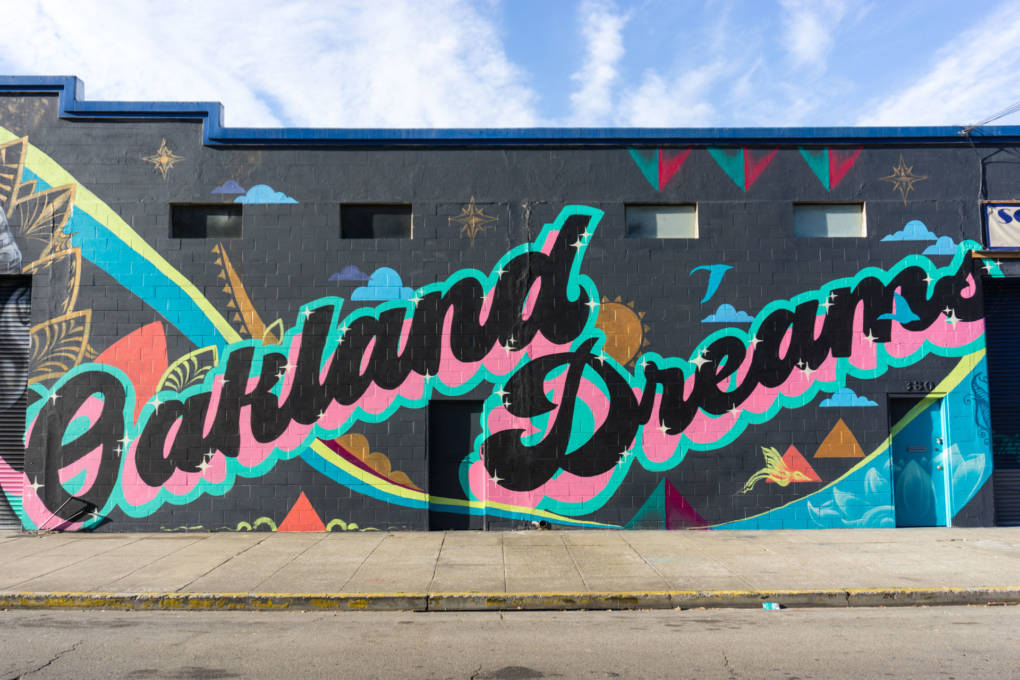
"caption": "Oakland Dreams mural by Trust Your Struggle Collective as part of Oakland Mural Festival 2018.",
"description": null,
"title": "OakMural-Header",
"credit": "Lina Blanco / KQED",
"status": "inherit",
"isLoading": false,
"fetchFailed": false
},
"arts_13833983": {
"type": "attachments",
"id": "arts_13833983",
"meta": {
"index": "attachments_1716263798",
"site": "arts",
"id": "13833983",
"found": true
},
"parent": 13833979,
"imgSizes": {
"small": {
"file": "https://ww2.kqed.org/app/uploads/sites/2/2018/05/Howard.MAIN_-520x293.jpg",
"width": 520,
"mimeType": "image/jpeg",
"height": 293
},
"twentyfourteen-full-width": {
"file": "https://ww2.kqed.org/app/uploads/sites/2/2018/05/Howard.MAIN_-1038x576.jpg",
"width": 1038,
"mimeType": "image/jpeg",
"height": 576
},
"thumbnail": {
"file": "https://ww2.kqed.org/app/uploads/sites/2/2018/05/Howard.MAIN_-160x90.jpg",
"width": 160,
"mimeType": "image/jpeg",
"height": 90
},
"fd-sm": {
"file": "https://ww2.kqed.org/app/uploads/sites/2/2018/05/Howard.MAIN_-960x540.jpg",
"width": 960,
"mimeType": "image/jpeg",
"height": 540
},
"post-thumbnail": {
"file": "https://ww2.kqed.org/app/uploads/sites/2/2018/05/Howard.MAIN_-672x372.jpg",
"width": 672,
"mimeType": "image/jpeg",
"height": 372
},
"xsmall": {
"file": "https://ww2.kqed.org/app/uploads/sites/2/2018/05/Howard.MAIN_-375x211.jpg",
"width": 375,
"mimeType": "image/jpeg",
"height": 211
},
"kqedFullSize": {
"file": "https://ww2.kqed.org/app/uploads/sites/2/2018/05/Howard.MAIN_.jpg",
"width": 1920,
"height": 1080
},
"large": {
"file": "https://ww2.kqed.org/app/uploads/sites/2/2018/05/Howard.MAIN_-1020x574.jpg",
"width": 1020,
"mimeType": "image/jpeg",
"height": 574
},
"xlarge": {
"file": "https://ww2.kqed.org/app/uploads/sites/2/2018/05/Howard.MAIN_-1180x664.jpg",
"width": 1180,
"mimeType": "image/jpeg",
"height": 664
},
"complete_open_graph": {
"file": "https://ww2.kqed.org/app/uploads/sites/2/2018/05/Howard.MAIN_-1200x675.jpg",
"width": 1200,
"mimeType": "image/jpeg",
"height": 675
},
"guest-author-50": {
"file": "https://ww2.kqed.org/app/uploads/sites/2/2018/05/Howard.MAIN_-50x50.jpg",
"width": 50,
"mimeType": "image/jpeg",
"height": 50
},
"guest-author-96": {
"file": "https://ww2.kqed.org/app/uploads/sites/2/2018/05/Howard.MAIN_-96x96.jpg",
"width": 96,
"mimeType": "image/jpeg",
"height": 96
},
"medium": {
"file": "https://ww2.kqed.org/app/uploads/sites/2/2018/05/Howard.MAIN_-800x450.jpg",
"width": 800,
"mimeType": "image/jpeg",
"height": 450
},
"guest-author-64": {
"file": "https://ww2.kqed.org/app/uploads/sites/2/2018/05/Howard.MAIN_-64x64.jpg",
"width": 64,
"mimeType": "image/jpeg",
"height": 64
},
"guest-author-32": {
"file": "https://ww2.kqed.org/app/uploads/sites/2/2018/05/Howard.MAIN_-32x32.jpg",
"width": 32,
"mimeType": "image/jpeg",
"height": 32
},
"fd-lrg": {
"file": "https://ww2.kqed.org/app/uploads/sites/2/2018/05/Howard.MAIN_-1920x1080.jpg",
"width": 1920,
"mimeType": "image/jpeg",
"height": 1080
},
"fd-med": {
"file": "https://ww2.kqed.org/app/uploads/sites/2/2018/05/Howard.MAIN_-1180x664.jpg",
"width": 1180,
"mimeType": "image/jpeg",
"height": 664
},
"full-width": {
"file": "https://ww2.kqed.org/app/uploads/sites/2/2018/05/Howard.MAIN_-1920x1080.jpg",
"width": 1920,
"mimeType": "image/jpeg",
"height": 1080
},
"detail": {
"file": "https://ww2.kqed.org/app/uploads/sites/2/2018/05/Howard.MAIN_-150x150.jpg",
"width": 150,
"mimeType": "image/jpeg",
"height": 150
},
"medium_large": {
"file": "https://ww2.kqed.org/app/uploads/sites/2/2018/05/Howard.MAIN_-768x432.jpg",
"width": 768,
"mimeType": "image/jpeg",
"height": 432
},
"guest-author-128": {
"file": "https://ww2.kqed.org/app/uploads/sites/2/2018/05/Howard.MAIN_-128x128.jpg",
"width": 128,
"mimeType": "image/jpeg",
"height": 128
},
"xxsmall": {
"file": "https://ww2.kqed.org/app/uploads/sites/2/2018/05/Howard.MAIN_-240x135.jpg",
"width": 240,
"mimeType": "image/jpeg",
"height": 135
}
},
"publishDate": 1527794083,
"modified": 1527798984,
"caption": "With a lifelong love of wildlife, Scid Howard explores the areas of the East Bay where reptiles hide.",
"description": "With a lifelong love of wildlife, Scid Howard explores the areas of the East Bay where reptiles hide.",
"title": "Howard.MAIN",
"credit": "Courtesy Scid Howard",
"status": "inherit",
"isLoading": false,
"fetchFailed": false
},
"arts_13847452": {
"type": "attachments",
"id": "arts_13847452",
"meta": {
"index": "attachments_1716263798",
"site": "arts",
"id": "13847452",
"found": true
},
"parent": 13833738,
"imgSizes": {
"twentyfourteen-full-width": {
"file": "https://ww2.kqed.org/app/uploads/sites/2/2018/05/ICCD_Oakland-1038x576.jpg",
"width": 1038,
"mimeType": "image/jpeg",
"height": 576
},
"thumbnail": {
"file": "https://ww2.kqed.org/app/uploads/sites/2/2018/05/ICCD_Oakland-160x90.jpg",
"width": 160,
"mimeType": "image/jpeg",
"height": 90
},
"post-thumbnail": {
"file": "https://ww2.kqed.org/app/uploads/sites/2/2018/05/ICCD_Oakland-672x372.jpg",
"width": 672,
"mimeType": "image/jpeg",
"height": 372
},
"kqedFullSize": {
"file": "https://ww2.kqed.org/app/uploads/sites/2/2018/05/ICCD_Oakland.jpg",
"width": 1920,
"height": 1079
},
"large": {
"file": "https://ww2.kqed.org/app/uploads/sites/2/2018/05/ICCD_Oakland-1020x573.jpg",
"width": 1020,
"mimeType": "image/jpeg",
"height": 573
},
"complete_open_graph": {
"file": "https://ww2.kqed.org/app/uploads/sites/2/2018/05/ICCD_Oakland-1200x674.jpg",
"width": 1200,
"mimeType": "image/jpeg",
"height": 674
},
"guest-author-50": {
"file": "https://ww2.kqed.org/app/uploads/sites/2/2018/05/ICCD_Oakland-50x50.jpg",
"width": 50,
"mimeType": "image/jpeg",
"height": 50
},
"guest-author-96": {
"file": "https://ww2.kqed.org/app/uploads/sites/2/2018/05/ICCD_Oakland-96x96.jpg",
"width": 96,
"mimeType": "image/jpeg",
"height": 96
},
"medium": {
"file": "https://ww2.kqed.org/app/uploads/sites/2/2018/05/ICCD_Oakland-800x450.jpg",
"width": 800,
"mimeType": "image/jpeg",
"height": 450
},
"guest-author-64": {
"file": "https://ww2.kqed.org/app/uploads/sites/2/2018/05/ICCD_Oakland-64x64.jpg",
"width": 64,
"mimeType": "image/jpeg",
"height": 64
},
"guest-author-32": {
"file": "https://ww2.kqed.org/app/uploads/sites/2/2018/05/ICCD_Oakland-32x32.jpg",
"width": 32,
"mimeType": "image/jpeg",
"height": 32
},
"full-width": {
"file": "https://ww2.kqed.org/app/uploads/sites/2/2018/05/ICCD_Oakland-1920x1079.jpg",
"width": 1920,
"mimeType": "image/jpeg",
"height": 1079
},
"detail": {
"file": "https://ww2.kqed.org/app/uploads/sites/2/2018/05/ICCD_Oakland-150x150.jpg",
"width": 150,
"mimeType": "image/jpeg",
"height": 150
},
"medium_large": {
"file": "https://ww2.kqed.org/app/uploads/sites/2/2018/05/ICCD_Oakland-768x432.jpg",
"width": 768,
"mimeType": "image/jpeg",
"height": 432
},
"guest-author-128": {
"file": "https://ww2.kqed.org/app/uploads/sites/2/2018/05/ICCD_Oakland-128x128.jpg",
"width": 128,
"mimeType": "image/jpeg",
"height": 128
}
},
"publishDate": 1545265247,
"modified": 1558569343,
"caption": "Dancer Frankie Lee Peterson III in Oakland, CA",
"description": "Dancer Frankie Lee Peterson III in Oakland, CA",
"title": "ICCD_Oakland",
"credit": null,
"status": "inherit",
"isLoading": false,
"fetchFailed": false
},
"arts_13833339": {
"type": "attachments",
"id": "arts_13833339",
"meta": {
"index": "attachments_1716263798",
"site": "arts",
"id": "13833339",
"found": true
},
"parent": 13833337,
"imgSizes": {
"small": {
"file": "https://ww2.kqed.org/app/uploads/sites/2/2018/05/16804342_1324607224252862_354272697727276894_o-e1527117772880-520x293.jpg",
"width": 520,
"mimeType": "image/jpeg",
"height": 293
},
"twentyfourteen-full-width": {
"file": "https://ww2.kqed.org/app/uploads/sites/2/2018/05/16804342_1324607224252862_354272697727276894_o-e1527117772880-1038x576.jpg",
"width": 1038,
"mimeType": "image/jpeg",
"height": 576
},
"thumbnail": {
"file": "https://ww2.kqed.org/app/uploads/sites/2/2018/05/16804342_1324607224252862_354272697727276894_o-e1527117772880-160x90.jpg",
"width": 160,
"mimeType": "image/jpeg",
"height": 90
},
"fd-sm": {
"file": "https://ww2.kqed.org/app/uploads/sites/2/2018/05/16804342_1324607224252862_354272697727276894_o-e1527117772880-960x540.jpg",
"width": 960,
"mimeType": "image/jpeg",
"height": 540
},
"post-thumbnail": {
"file": "https://ww2.kqed.org/app/uploads/sites/2/2018/05/16804342_1324607224252862_354272697727276894_o-e1527117772880-672x372.jpg",
"width": 672,
"mimeType": "image/jpeg",
"height": 372
},
"xsmall": {
"file": "https://ww2.kqed.org/app/uploads/sites/2/2018/05/16804342_1324607224252862_354272697727276894_o-e1527117772880-375x211.jpg",
"width": 375,
"mimeType": "image/jpeg",
"height": 211
},
"kqedFullSize": {
"file": "https://ww2.kqed.org/app/uploads/sites/2/2018/05/16804342_1324607224252862_354272697727276894_o-e1527117772880.jpg",
"width": 2048,
"height": 1152
},
"large": {
"file": "https://ww2.kqed.org/app/uploads/sites/2/2018/05/16804342_1324607224252862_354272697727276894_o-e1527117772880-1020x574.jpg",
"width": 1020,
"mimeType": "image/jpeg",
"height": 574
},
"xlarge": {
"file": "https://ww2.kqed.org/app/uploads/sites/2/2018/05/16804342_1324607224252862_354272697727276894_o-e1527117772880-1180x664.jpg",
"width": 1180,
"mimeType": "image/jpeg",
"height": 664
},
"complete_open_graph": {
"file": "https://ww2.kqed.org/app/uploads/sites/2/2018/05/16804342_1324607224252862_354272697727276894_o-e1527117772880-1200x675.jpg",
"width": 1200,
"mimeType": "image/jpeg",
"height": 675
},
"guest-author-50": {
"file": "https://ww2.kqed.org/app/uploads/sites/2/2018/05/16804342_1324607224252862_354272697727276894_o-e1527117772880-50x50.jpg",
"width": 50,
"mimeType": "image/jpeg",
"height": 50
},
"guest-author-96": {
"file": "https://ww2.kqed.org/app/uploads/sites/2/2018/05/16804342_1324607224252862_354272697727276894_o-e1527117772880-96x96.jpg",
"width": 96,
"mimeType": "image/jpeg",
"height": 96
},
"medium": {
"file": "https://ww2.kqed.org/app/uploads/sites/2/2018/05/16804342_1324607224252862_354272697727276894_o-e1527117772880-800x450.jpg",
"width": 800,
"mimeType": "image/jpeg",
"height": 450
},
"guest-author-64": {
"file": "https://ww2.kqed.org/app/uploads/sites/2/2018/05/16804342_1324607224252862_354272697727276894_o-e1527117772880-64x64.jpg",
"width": 64,
"mimeType": "image/jpeg",
"height": 64
},
"guest-author-32": {
"file": "https://ww2.kqed.org/app/uploads/sites/2/2018/05/16804342_1324607224252862_354272697727276894_o-e1527117772880-32x32.jpg",
"width": 32,
"mimeType": "image/jpeg",
"height": 32
},
"fd-lrg": {
"file": "https://ww2.kqed.org/app/uploads/sites/2/2018/05/16804342_1324607224252862_354272697727276894_o-e1527117772880-1920x1080.jpg",
"width": 1920,
"mimeType": "image/jpeg",
"height": 1080
},
"fd-med": {
"file": "https://ww2.kqed.org/app/uploads/sites/2/2018/05/16804342_1324607224252862_354272697727276894_o-e1527117772880-1180x664.jpg",
"width": 1180,
"mimeType": "image/jpeg",
"height": 664
},
"full-width": {
"file": "https://ww2.kqed.org/app/uploads/sites/2/2018/05/16804342_1324607224252862_354272697727276894_o-e1527117772880-1920x1080.jpg",
"width": 1920,
"mimeType": "image/jpeg",
"height": 1080
},
"detail": {
"file": "https://ww2.kqed.org/app/uploads/sites/2/2018/05/16804342_1324607224252862_354272697727276894_o-e1527117772880-150x150.jpg",
"width": 150,
"mimeType": "image/jpeg",
"height": 150
},
"medium_large": {
"file": "https://ww2.kqed.org/app/uploads/sites/2/2018/05/16804342_1324607224252862_354272697727276894_o-e1527117772880-768x432.jpg",
"width": 768,
"mimeType": "image/jpeg",
"height": 432
},
"guest-author-128": {
"file": "https://ww2.kqed.org/app/uploads/sites/2/2018/05/16804342_1324607224252862_354272697727276894_o-e1527117772880-128x128.jpg",
"width": 128,
"mimeType": "image/jpeg",
"height": 128
},
"xxsmall": {
"file": "https://ww2.kqed.org/app/uploads/sites/2/2018/05/16804342_1324607224252862_354272697727276894_o-e1527117772880-240x135.jpg",
"width": 240,
"mimeType": "image/jpeg",
"height": 135
}
},
"publishDate": 1527117498,
"modified": 1527117738,
"caption": "OutOfFocus.tv hosts their 4th Annual Video Music on May 30 at the New Parkway Theater.",
"description": "OutOfFocus.tv hosts their 4th Annual Video Music on May 30 at the New Parkway Theater.",
"title": "OutOfFocus.tv hosts their 4th Annual Video Music on May 30 at the New Parkway Theater.",
"credit": "Annie Wong",
"status": "inherit",
"isLoading": false,
"fetchFailed": false
},
"arts_13858406": {
"type": "attachments",
"id": "arts_13858406",
"meta": {
"index": "attachments_1716263798",
"site": "arts",
"id": "13858406",
"found": true
},
"parent": 13832785,
"imgSizes": {
"twentyfourteen-full-width": {
"file": "https://ww2.kqed.org/app/uploads/sites/2/2018/05/pan-american-mural-shannonbadie-1038x576.jpg",
"width": 1038,
"mimeType": "image/jpeg",
"height": 576
},
"thumbnail": {
"file": "https://ww2.kqed.org/app/uploads/sites/2/2018/05/pan-american-mural-shannonbadie-160x95.jpg",
"width": 160,
"mimeType": "image/jpeg",
"height": 95
},
"post-thumbnail": {
"file": "https://ww2.kqed.org/app/uploads/sites/2/2018/05/pan-american-mural-shannonbadie-672x372.jpg",
"width": 672,
"mimeType": "image/jpeg",
"height": 372
},
"kqedFullSize": {
"file": "https://ww2.kqed.org/app/uploads/sites/2/2018/05/pan-american-mural-shannonbadie.jpg",
"width": 1920,
"height": 1134
},
"large": {
"file": "https://ww2.kqed.org/app/uploads/sites/2/2018/05/pan-american-mural-shannonbadie-1020x602.jpg",
"width": 1020,
"mimeType": "image/jpeg",
"height": 602
},
"complete_open_graph": {
"file": "https://ww2.kqed.org/app/uploads/sites/2/2018/05/pan-american-mural-shannonbadie-1200x709.jpg",
"width": 1200,
"mimeType": "image/jpeg",
"height": 709
},
"full-width": {
"file": "https://ww2.kqed.org/app/uploads/sites/2/2018/05/pan-american-mural-shannonbadie-1920x1134.jpg",
"width": 1920,
"mimeType": "image/jpeg",
"height": 1134
},
"medium": {
"file": "https://ww2.kqed.org/app/uploads/sites/2/2018/05/pan-american-mural-shannonbadie-800x473.jpg",
"width": 800,
"mimeType": "image/jpeg",
"height": 473
},
"medium_large": {
"file": "https://ww2.kqed.org/app/uploads/sites/2/2018/05/pan-american-mural-shannonbadie-768x454.jpg",
"width": 768,
"mimeType": "image/jpeg",
"height": 454
}
},
"publishDate": 1559083704,
"modified": 1559083782,
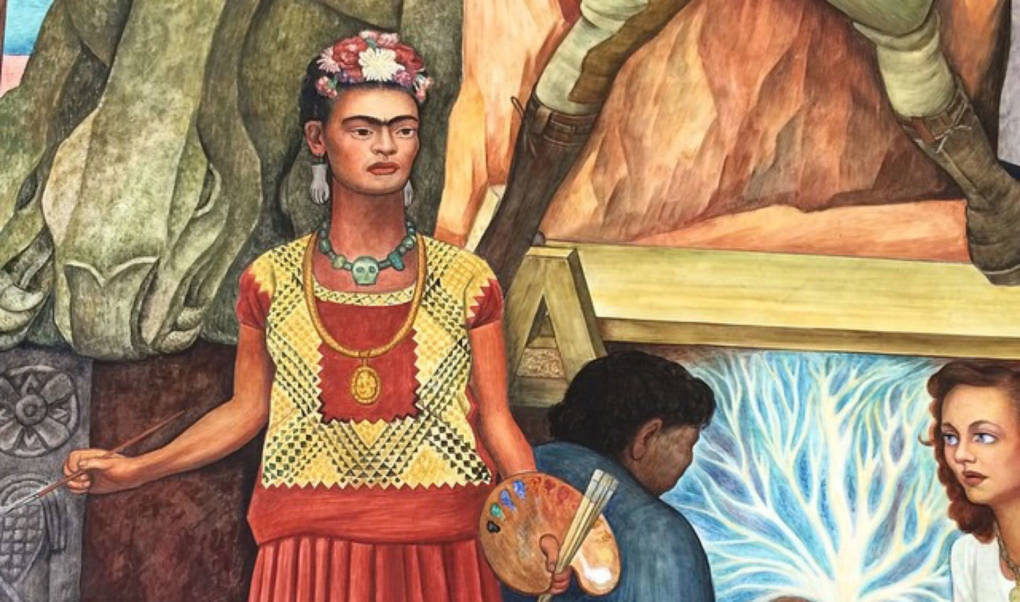
"caption": "A detail of Diego Rivera's 'Pan American Unity' mural featuring Frida Kahlo on view at City College of San Francisco. ",
"description": "A detail of Diego Rivera's 'Pan American Unity' mural featuring Frida Kahlo on view at City College of San Francisco. ",
"title": "pan-american-mural-shannonbadie",
"credit": "Shannon Badiee / Instagram",
"status": "inherit",
"isLoading": false,
"fetchFailed": false
},
"arts_13831112": {
"type": "attachments",
"id": "arts_13831112",
"meta": {
"index": "attachments_1716263798",
"site": "arts",
"id": "13831112",
"found": true
},
"parent": 13830918,
"imgSizes": {
"small": {
"file": "https://ww2.kqed.org/app/uploads/sites/2/2018/05/wam1-520x293.jpg",
"width": 520,
"mimeType": "image/jpeg",
"height": 293
},
"twentyfourteen-full-width": {
"file": "https://ww2.kqed.org/app/uploads/sites/2/2018/05/wam1-1038x576.jpg",
"width": 1038,
"mimeType": "image/jpeg",
"height": 576
},
"thumbnail": {
"file": "https://ww2.kqed.org/app/uploads/sites/2/2018/05/wam1-160x90.jpg",
"width": 160,
"mimeType": "image/jpeg",
"height": 90
},
"fd-sm": {
"file": "https://ww2.kqed.org/app/uploads/sites/2/2018/05/wam1-960x540.jpg",
"width": 960,
"mimeType": "image/jpeg",
"height": 540
},
"post-thumbnail": {
"file": "https://ww2.kqed.org/app/uploads/sites/2/2018/05/wam1-672x372.jpg",
"width": 672,
"mimeType": "image/jpeg",
"height": 372
},
"xsmall": {
"file": "https://ww2.kqed.org/app/uploads/sites/2/2018/05/wam1-375x211.jpg",
"width": 375,
"mimeType": "image/jpeg",
"height": 211
},
"kqedFullSize": {
"file": "https://ww2.kqed.org/app/uploads/sites/2/2018/05/wam1.jpg",
"width": 2048,
"height": 1152
},
"large": {
"file": "https://ww2.kqed.org/app/uploads/sites/2/2018/05/wam1-1020x574.jpg",
"width": 1020,
"mimeType": "image/jpeg",
"height": 574
},
"xlarge": {
"file": "https://ww2.kqed.org/app/uploads/sites/2/2018/05/wam1-1180x664.jpg",
"width": 1180,
"mimeType": "image/jpeg",
"height": 664
},
"complete_open_graph": {
"file": "https://ww2.kqed.org/app/uploads/sites/2/2018/05/wam1-1200x675.jpg",
"width": 1200,
"mimeType": "image/jpeg",
"height": 675
},
"guest-author-50": {
"file": "https://ww2.kqed.org/app/uploads/sites/2/2018/05/wam1-50x50.jpg",
"width": 50,
"mimeType": "image/jpeg",
"height": 50
},
"guest-author-96": {
"file": "https://ww2.kqed.org/app/uploads/sites/2/2018/05/wam1-96x96.jpg",
"width": 96,
"mimeType": "image/jpeg",
"height": 96
},
"medium": {
"file": "https://ww2.kqed.org/app/uploads/sites/2/2018/05/wam1-800x450.jpg",
"width": 800,
"mimeType": "image/jpeg",
"height": 450
},
"guest-author-64": {
"file": "https://ww2.kqed.org/app/uploads/sites/2/2018/05/wam1-64x64.jpg",
"width": 64,
"mimeType": "image/jpeg",
"height": 64
},
"guest-author-32": {
"file": "https://ww2.kqed.org/app/uploads/sites/2/2018/05/wam1-32x32.jpg",
"width": 32,
"mimeType": "image/jpeg",
"height": 32
},
"fd-lrg": {
"file": "https://ww2.kqed.org/app/uploads/sites/2/2018/05/wam1-1920x1080.jpg",
"width": 1920,
"mimeType": "image/jpeg",
"height": 1080
},
"fd-med": {
"file": "https://ww2.kqed.org/app/uploads/sites/2/2018/05/wam1-1180x664.jpg",
"width": 1180,
"mimeType": "image/jpeg",
"height": 664
},
"full-width": {
"file": "https://ww2.kqed.org/app/uploads/sites/2/2018/05/wam1-1920x1080.jpg",
"width": 1920,
"mimeType": "image/jpeg",
"height": 1080
},
"detail": {
"file": "https://ww2.kqed.org/app/uploads/sites/2/2018/05/wam1-150x150.jpg",
"width": 150,
"mimeType": "image/jpeg",
"height": 150
},
"medium_large": {
"file": "https://ww2.kqed.org/app/uploads/sites/2/2018/05/wam1-768x432.jpg",
"width": 768,
"mimeType": "image/jpeg",
"height": 432
},
"guest-author-128": {
"file": "https://ww2.kqed.org/app/uploads/sites/2/2018/05/wam1-128x128.jpg",
"width": 128,
"mimeType": "image/jpeg",
"height": 128
},
"xxsmall": {
"file": "https://ww2.kqed.org/app/uploads/sites/2/2018/05/wam1-240x135.jpg",
"width": 240,
"mimeType": "image/jpeg",
"height": 135
}
},
"publishDate": 1525384080,
"modified": 1623888992,
"caption": "Women's Audio Mission instructor Victoria Farjado leads a Girls on the Mic class at WAM's Oakland location in April 2018.",
"description": "Women's Audio Mission instructor Victoria Farjado leads a Girls on the Mic class at WAM's Oakland location.",
"title": "wam1",
"credit": "Nastia Voynovskaya",
"status": "inherit",
"altTag": "Women's Audio Mission instructor Victoria Farjado leads a Girls on the Mic class at WAM's Oakland location.",
"isLoading": false,
"fetchFailed": false
},
"arts_13831127": {
"type": "attachments",
"id": "arts_13831127",
"meta": {
"index": "attachments_1716263798",
"site": "arts",
"id": "13831127",
"found": true
},
"parent": 13831118,
"imgSizes": {
"small": {
"file": "https://ww2.kqed.org/app/uploads/sites/2/2018/05/Ekeke-520x293.jpg",
"width": 520,
"mimeType": "image/jpeg",
"height": 293
},
"twentyfourteen-full-width": {
"file": "https://ww2.kqed.org/app/uploads/sites/2/2018/05/Ekeke-1038x576.jpg",
"width": 1038,
"mimeType": "image/jpeg",
"height": 576
},
"thumbnail": {
"file": "https://ww2.kqed.org/app/uploads/sites/2/2018/05/Ekeke-160x90.jpg",
"width": 160,
"mimeType": "image/jpeg",
"height": 90
},
"fd-sm": {
"file": "https://ww2.kqed.org/app/uploads/sites/2/2018/05/Ekeke-960x540.jpg",
"width": 960,
"mimeType": "image/jpeg",
"height": 540
},
"post-thumbnail": {
"file": "https://ww2.kqed.org/app/uploads/sites/2/2018/05/Ekeke-672x372.jpg",
"width": 672,
"mimeType": "image/jpeg",
"height": 372
},
"xsmall": {
"file": "https://ww2.kqed.org/app/uploads/sites/2/2018/05/Ekeke-375x211.jpg",
"width": 375,
"mimeType": "image/jpeg",
"height": 211
},
"kqedFullSize": {
"file": "https://ww2.kqed.org/app/uploads/sites/2/2018/05/Ekeke.jpg",
"width": 1920,
"height": 1080
},
"large": {
"file": "https://ww2.kqed.org/app/uploads/sites/2/2018/05/Ekeke-1020x574.jpg",
"width": 1020,
"mimeType": "image/jpeg",
"height": 574
},
"xlarge": {
"file": "https://ww2.kqed.org/app/uploads/sites/2/2018/05/Ekeke-1180x664.jpg",
"width": 1180,
"mimeType": "image/jpeg",
"height": 664
},
"complete_open_graph": {
"file": "https://ww2.kqed.org/app/uploads/sites/2/2018/05/Ekeke-1200x675.jpg",
"width": 1200,
"mimeType": "image/jpeg",
"height": 675
},
"guest-author-50": {
"file": "https://ww2.kqed.org/app/uploads/sites/2/2018/05/Ekeke-50x50.jpg",
"width": 50,
"mimeType": "image/jpeg",
"height": 50
},
"guest-author-96": {
"file": "https://ww2.kqed.org/app/uploads/sites/2/2018/05/Ekeke-96x96.jpg",
"width": 96,
"mimeType": "image/jpeg",
"height": 96
},
"medium": {
"file": "https://ww2.kqed.org/app/uploads/sites/2/2018/05/Ekeke-800x450.jpg",
"width": 800,
"mimeType": "image/jpeg",
"height": 450
},
"guest-author-64": {
"file": "https://ww2.kqed.org/app/uploads/sites/2/2018/05/Ekeke-64x64.jpg",
"width": 64,
"mimeType": "image/jpeg",
"height": 64
},
"guest-author-32": {
"file": "https://ww2.kqed.org/app/uploads/sites/2/2018/05/Ekeke-32x32.jpg",
"width": 32,
"mimeType": "image/jpeg",
"height": 32
},
"fd-lrg": {
"file": "https://ww2.kqed.org/app/uploads/sites/2/2018/05/Ekeke-1920x1080.jpg",
"width": 1920,
"mimeType": "image/jpeg",
"height": 1080
},
"fd-med": {
"file": "https://ww2.kqed.org/app/uploads/sites/2/2018/05/Ekeke-1180x664.jpg",
"width": 1180,
"mimeType": "image/jpeg",
"height": 664
},
"full-width": {
"file": "https://ww2.kqed.org/app/uploads/sites/2/2018/05/Ekeke-1920x1080.jpg",
"width": 1920,
"mimeType": "image/jpeg",
"height": 1080
},
"detail": {
"file": "https://ww2.kqed.org/app/uploads/sites/2/2018/05/Ekeke-150x150.jpg",
"width": 150,
"mimeType": "image/jpeg",
"height": 150
},
"medium_large": {
"file": "https://ww2.kqed.org/app/uploads/sites/2/2018/05/Ekeke-768x432.jpg",
"width": 768,
"mimeType": "image/jpeg",
"height": 432
},
"guest-author-128": {
"file": "https://ww2.kqed.org/app/uploads/sites/2/2018/05/Ekeke-128x128.jpg",
"width": 128,
"mimeType": "image/jpeg",
"height": 128
},
"xxsmall": {
"file": "https://ww2.kqed.org/app/uploads/sites/2/2018/05/Ekeke-240x135.jpg",
"width": 240,
"mimeType": "image/jpeg",
"height": 135
}
},
"publishDate": 1525386286,
"modified": 1525386477,
"caption": "Angelica Ekeke presents 'The Removal' at Swedish American Hall in April 2018.",
"description": "Angelica Ekeke presents 'The Removal' at Swedish American Hall in April 2018.",
"title": "Ekeke",
"credit": "Courtesy Angelica Ekeke",
"status": "inherit",
"isLoading": false,
"fetchFailed": false
},
"arts_13830216": {
"type": "attachments",
"id": "arts_13830216",
"meta": {
"index": "attachments_1716263798",
"site": "arts",
"id": "13830216",
"found": true
},
"parent": 13830210,
"imgSizes": {
"small": {
"file": "https://ww2.kqed.org/app/uploads/sites/2/2018/04/Allblack.MAIN_-520x293.jpg",
"width": 520,
"mimeType": "image/jpeg",
"height": 293
},
"twentyfourteen-full-width": {
"file": "https://ww2.kqed.org/app/uploads/sites/2/2018/04/Allblack.MAIN_-1038x576.jpg",
"width": 1038,
"mimeType": "image/jpeg",
"height": 576
},
"thumbnail": {
"file": "https://ww2.kqed.org/app/uploads/sites/2/2018/04/Allblack.MAIN_-160x90.jpg",
"width": 160,
"mimeType": "image/jpeg",
"height": 90
},
"fd-sm": {
"file": "https://ww2.kqed.org/app/uploads/sites/2/2018/04/Allblack.MAIN_-960x540.jpg",
"width": 960,
"mimeType": "image/jpeg",
"height": 540
},
"post-thumbnail": {
"file": "https://ww2.kqed.org/app/uploads/sites/2/2018/04/Allblack.MAIN_-672x372.jpg",
"width": 672,
"mimeType": "image/jpeg",
"height": 372
},
"xsmall": {
"file": "https://ww2.kqed.org/app/uploads/sites/2/2018/04/Allblack.MAIN_-375x211.jpg",
"width": 375,
"mimeType": "image/jpeg",
"height": 211
},
"kqedFullSize": {
"file": "https://ww2.kqed.org/app/uploads/sites/2/2018/04/Allblack.MAIN_.jpg",
"width": 1920,
"height": 1080
},
"large": {
"file": "https://ww2.kqed.org/app/uploads/sites/2/2018/04/Allblack.MAIN_-1020x574.jpg",
"width": 1020,
"mimeType": "image/jpeg",
"height": 574
},
"xlarge": {
"file": "https://ww2.kqed.org/app/uploads/sites/2/2018/04/Allblack.MAIN_-1180x664.jpg",
"width": 1180,
"mimeType": "image/jpeg",
"height": 664
},
"complete_open_graph": {
"file": "https://ww2.kqed.org/app/uploads/sites/2/2018/04/Allblack.MAIN_-1200x675.jpg",
"width": 1200,
"mimeType": "image/jpeg",
"height": 675
},
"guest-author-50": {
"file": "https://ww2.kqed.org/app/uploads/sites/2/2018/04/Allblack.MAIN_-50x50.jpg",
"width": 50,
"mimeType": "image/jpeg",
"height": 50
},
"guest-author-96": {
"file": "https://ww2.kqed.org/app/uploads/sites/2/2018/04/Allblack.MAIN_-96x96.jpg",
"width": 96,
"mimeType": "image/jpeg",
"height": 96
},
"medium": {
"file": "https://ww2.kqed.org/app/uploads/sites/2/2018/04/Allblack.MAIN_-800x450.jpg",
"width": 800,
"mimeType": "image/jpeg",
"height": 450
},
"guest-author-64": {
"file": "https://ww2.kqed.org/app/uploads/sites/2/2018/04/Allblack.MAIN_-64x64.jpg",
"width": 64,
"mimeType": "image/jpeg",
"height": 64
},
"guest-author-32": {
"file": "https://ww2.kqed.org/app/uploads/sites/2/2018/04/Allblack.MAIN_-32x32.jpg",
"width": 32,
"mimeType": "image/jpeg",
"height": 32
},
"fd-lrg": {
"file": "https://ww2.kqed.org/app/uploads/sites/2/2018/04/Allblack.MAIN_-1920x1080.jpg",
"width": 1920,
"mimeType": "image/jpeg",
"height": 1080
},
"fd-med": {
"file": "https://ww2.kqed.org/app/uploads/sites/2/2018/04/Allblack.MAIN_-1180x664.jpg",
"width": 1180,
"mimeType": "image/jpeg",
"height": 664
},
"full-width": {
"file": "https://ww2.kqed.org/app/uploads/sites/2/2018/04/Allblack.MAIN_-1920x1080.jpg",
"width": 1920,
"mimeType": "image/jpeg",
"height": 1080
},
"detail": {
"file": "https://ww2.kqed.org/app/uploads/sites/2/2018/04/Allblack.MAIN_-150x150.jpg",
"width": 150,
"mimeType": "image/jpeg",
"height": 150
},
"medium_large": {
"file": "https://ww2.kqed.org/app/uploads/sites/2/2018/04/Allblack.MAIN_-768x432.jpg",
"width": 768,
"mimeType": "image/jpeg",
"height": 432
},
"guest-author-128": {
"file": "https://ww2.kqed.org/app/uploads/sites/2/2018/04/Allblack.MAIN_-128x128.jpg",
"width": 128,
"mimeType": "image/jpeg",
"height": 128
},
"xxsmall": {
"file": "https://ww2.kqed.org/app/uploads/sites/2/2018/04/Allblack.MAIN_-240x135.jpg",
"width": 240,
"mimeType": "image/jpeg",
"height": 135
}
},
"publishDate": 1524520523,
"modified": 1524520611,
"caption": "ALLBLACK in East Oakland. 'It’s my diary,' he says of his lyrics. 'I don’t regret anything I say.'",
"description": null,
"title": "Allblack.MAIN",
"credit": "Pendarvis Harshaw",
"status": "inherit",
"isLoading": false,
"fetchFailed": false
},
"arts_13829483": {
"type": "attachments",
"id": "arts_13829483",
"meta": {
"index": "attachments_1716263798",
"site": "arts",
"id": "13829483",
"found": true
},
"parent": 13829017,
"imgSizes": {
"small": {
"file": "https://ww2.kqed.org/app/uploads/sites/2/2018/04/DJ-Platurn-Header-01-1920x1080-credit-Jose-Lim-520x293.jpg",
"width": 520,
"mimeType": "image/jpeg",
"height": 293
},
"twentyfourteen-full-width": {
"file": "https://ww2.kqed.org/app/uploads/sites/2/2018/04/DJ-Platurn-Header-01-1920x1080-credit-Jose-Lim-1038x576.jpg",
"width": 1038,
"mimeType": "image/jpeg",
"height": 576
},
"thumbnail": {
"file": "https://ww2.kqed.org/app/uploads/sites/2/2018/04/DJ-Platurn-Header-01-1920x1080-credit-Jose-Lim-160x90.jpg",
"width": 160,
"mimeType": "image/jpeg",
"height": 90
},
"fd-sm": {
"file": "https://ww2.kqed.org/app/uploads/sites/2/2018/04/DJ-Platurn-Header-01-1920x1080-credit-Jose-Lim-960x540.jpg",
"width": 960,
"mimeType": "image/jpeg",
"height": 540
},
"post-thumbnail": {
"file": "https://ww2.kqed.org/app/uploads/sites/2/2018/04/DJ-Platurn-Header-01-1920x1080-credit-Jose-Lim-672x372.jpg",
"width": 672,
"mimeType": "image/jpeg",
"height": 372
},
"xsmall": {
"file": "https://ww2.kqed.org/app/uploads/sites/2/2018/04/DJ-Platurn-Header-01-1920x1080-credit-Jose-Lim-375x211.jpg",
"width": 375,
"mimeType": "image/jpeg",
"height": 211
},
"kqedFullSize": {
"file": "https://ww2.kqed.org/app/uploads/sites/2/2018/04/DJ-Platurn-Header-01-1920x1080-credit-Jose-Lim.jpg",
"width": 1920,
"height": 1080
},
"large": {
"file": "https://ww2.kqed.org/app/uploads/sites/2/2018/04/DJ-Platurn-Header-01-1920x1080-credit-Jose-Lim-1020x574.jpg",
"width": 1020,
"mimeType": "image/jpeg",
"height": 574
},
"xlarge": {
"file": "https://ww2.kqed.org/app/uploads/sites/2/2018/04/DJ-Platurn-Header-01-1920x1080-credit-Jose-Lim-1180x664.jpg",
"width": 1180,
"mimeType": "image/jpeg",
"height": 664
},
"complete_open_graph": {
"file": "https://ww2.kqed.org/app/uploads/sites/2/2018/04/DJ-Platurn-Header-01-1920x1080-credit-Jose-Lim-1200x675.jpg",
"width": 1200,
"mimeType": "image/jpeg",
"height": 675
},
"guest-author-50": {
"file": "https://ww2.kqed.org/app/uploads/sites/2/2018/04/DJ-Platurn-Header-01-1920x1080-credit-Jose-Lim-50x50.jpg",
"width": 50,
"mimeType": "image/jpeg",
"height": 50
},
"guest-author-96": {
"file": "https://ww2.kqed.org/app/uploads/sites/2/2018/04/DJ-Platurn-Header-01-1920x1080-credit-Jose-Lim-96x96.jpg",
"width": 96,
"mimeType": "image/jpeg",
"height": 96
},
"medium": {
"file": "https://ww2.kqed.org/app/uploads/sites/2/2018/04/DJ-Platurn-Header-01-1920x1080-credit-Jose-Lim-800x450.jpg",
"width": 800,
"mimeType": "image/jpeg",
"height": 450
},
"guest-author-64": {
"file": "https://ww2.kqed.org/app/uploads/sites/2/2018/04/DJ-Platurn-Header-01-1920x1080-credit-Jose-Lim-64x64.jpg",
"width": 64,
"mimeType": "image/jpeg",
"height": 64
},
"guest-author-32": {
"file": "https://ww2.kqed.org/app/uploads/sites/2/2018/04/DJ-Platurn-Header-01-1920x1080-credit-Jose-Lim-32x32.jpg",
"width": 32,
"mimeType": "image/jpeg",
"height": 32
},
"fd-lrg": {
"file": "https://ww2.kqed.org/app/uploads/sites/2/2018/04/DJ-Platurn-Header-01-1920x1080-credit-Jose-Lim-1920x1080.jpg",
"width": 1920,
"mimeType": "image/jpeg",
"height": 1080
},
"fd-med": {
"file": "https://ww2.kqed.org/app/uploads/sites/2/2018/04/DJ-Platurn-Header-01-1920x1080-credit-Jose-Lim-1180x664.jpg",
"width": 1180,
"mimeType": "image/jpeg",
"height": 664
},
"full-width": {
"file": "https://ww2.kqed.org/app/uploads/sites/2/2018/04/DJ-Platurn-Header-01-1920x1080-credit-Jose-Lim-1920x1080.jpg",
"width": 1920,
"mimeType": "image/jpeg",
"height": 1080
},
"detail": {
"file": "https://ww2.kqed.org/app/uploads/sites/2/2018/04/DJ-Platurn-Header-01-1920x1080-credit-Jose-Lim-150x150.jpg",
"width": 150,
"mimeType": "image/jpeg",
"height": 150
},
"medium_large": {
"file": "https://ww2.kqed.org/app/uploads/sites/2/2018/04/DJ-Platurn-Header-01-1920x1080-credit-Jose-Lim-768x432.jpg",
"width": 768,
"mimeType": "image/jpeg",
"height": 432
},
"guest-author-128": {
"file": "https://ww2.kqed.org/app/uploads/sites/2/2018/04/DJ-Platurn-Header-01-1920x1080-credit-Jose-Lim-128x128.jpg",
"width": 128,
"mimeType": "image/jpeg",
"height": 128
},
"xxsmall": {
"file": "https://ww2.kqed.org/app/uploads/sites/2/2018/04/DJ-Platurn-Header-01-1920x1080-credit-Jose-Lim-240x135.jpg",
"width": 240,
"mimeType": "image/jpeg",
"height": 135
}
},
"publishDate": 1523833218,
"modified": 1523833312,
"caption": null,
"description": null,
"title": "DJ-Platurn-Header-01-1920x1080-credit-Jose-Lim",
"credit": "Jose Lim",
"status": "inherit",
"isLoading": false,
"fetchFailed": false
},
"arts_13829354": {
"type": "attachments",
"id": "arts_13829354",
"meta": {
"index": "attachments_1716263798",
"site": "arts",
"id": "13829354",
"found": true
},
"parent": 13829305,
"imgSizes": {
"small": {
"file": "https://ww2.kqed.org/app/uploads/sites/2/2018/04/SolDevelopment.MAIN_-520x293.jpg",
"width": 520,
"mimeType": "image/jpeg",
"height": 293
},
"thumbnail": {
"file": "https://ww2.kqed.org/app/uploads/sites/2/2018/04/SolDevelopment.MAIN_-160x90.jpg",
"width": 160,
"mimeType": "image/jpeg",
"height": 90
},
"post-thumbnail": {
"file": "https://ww2.kqed.org/app/uploads/sites/2/2018/04/SolDevelopment.MAIN_-672x372.jpg",
"width": 672,
"mimeType": "image/jpeg",
"height": 372
},
"xsmall": {
"file": "https://ww2.kqed.org/app/uploads/sites/2/2018/04/SolDevelopment.MAIN_-375x211.jpg",
"width": 375,
"mimeType": "image/jpeg",
"height": 211
},
"kqedFullSize": {
"file": "https://ww2.kqed.org/app/uploads/sites/2/2018/04/SolDevelopment.MAIN_.jpg",
"width": 800,
"height": 450
},
"guest-author-50": {
"file": "https://ww2.kqed.org/app/uploads/sites/2/2018/04/SolDevelopment.MAIN_-50x50.jpg",
"width": 50,
"mimeType": "image/jpeg",
"height": 50
},
"guest-author-96": {
"file": "https://ww2.kqed.org/app/uploads/sites/2/2018/04/SolDevelopment.MAIN_-96x96.jpg",
"width": 96,
"mimeType": "image/jpeg",
"height": 96
},
"medium": {
"file": "https://ww2.kqed.org/app/uploads/sites/2/2018/04/SolDevelopment.MAIN_-800x450.jpg",
"width": 800,
"mimeType": "image/jpeg",
"height": 450
},
"guest-author-64": {
"file": "https://ww2.kqed.org/app/uploads/sites/2/2018/04/SolDevelopment.MAIN_-64x64.jpg",
"width": 64,
"mimeType": "image/jpeg",
"height": 64
},
"guest-author-32": {
"file": "https://ww2.kqed.org/app/uploads/sites/2/2018/04/SolDevelopment.MAIN_-32x32.jpg",
"width": 32,
"mimeType": "image/jpeg",
"height": 32
},
"detail": {
"file": "https://ww2.kqed.org/app/uploads/sites/2/2018/04/SolDevelopment.MAIN_-150x150.jpg",
"width": 150,
"mimeType": "image/jpeg",
"height": 150
},
"medium_large": {
"file": "https://ww2.kqed.org/app/uploads/sites/2/2018/04/SolDevelopment.MAIN_-768x432.jpg",
"width": 768,
"mimeType": "image/jpeg",
"height": 432
},
"guest-author-128": {
"file": "https://ww2.kqed.org/app/uploads/sites/2/2018/04/SolDevelopment.MAIN_-128x128.jpg",
"width": 128,
"mimeType": "image/jpeg",
"height": 128
},
"xxsmall": {
"file": "https://ww2.kqed.org/app/uploads/sites/2/2018/04/SolDevelopment.MAIN_-240x135.jpg",
"width": 240,
"mimeType": "image/jpeg",
"height": 135
}
},
"publishDate": 1523645351,
"modified": 1523899187,
"caption": "Sol Development's Karega Bailey, on set for the group's 'Helicopters' video. Sol Development's upcoming album touches on oppression, community and self-determination.",
"description": "Sol Development's Karega Bailey, on set for the group's 'Helicopters' video. SOl Development's upcoming album touches on oppression, community and self-determination.",
"title": "SolDevelopment.MAIN",
"credit": "Cinque- qlick",
"status": "inherit",
"isLoading": false,
"fetchFailed": false
},
"arts_13828842": {
"type": "attachments",
"id": "arts_13828842",
"meta": {
"index": "attachments_1716263798",
"site": "arts",
"id": "13828842",
"found": true
},
"parent": 13828811,
"imgSizes": {
"small": {
"file": "https://ww2.kqed.org/app/uploads/sites/2/2018/04/DSCF8635-1-520x293.jpg",
"width": 520,
"mimeType": "image/jpeg",
"height": 293
},
"twentyfourteen-full-width": {
"file": "https://ww2.kqed.org/app/uploads/sites/2/2018/04/DSCF8635-1-1038x576.jpg",
"width": 1038,
"mimeType": "image/jpeg",
"height": 576
},
"thumbnail": {
"file": "https://ww2.kqed.org/app/uploads/sites/2/2018/04/DSCF8635-1-160x90.jpg",
"width": 160,
"mimeType": "image/jpeg",
"height": 90
},
"fd-sm": {
"file": "https://ww2.kqed.org/app/uploads/sites/2/2018/04/DSCF8635-1-960x540.jpg",
"width": 960,
"mimeType": "image/jpeg",
"height": 540
},
"post-thumbnail": {
"file": "https://ww2.kqed.org/app/uploads/sites/2/2018/04/DSCF8635-1-672x372.jpg",
"width": 672,
"mimeType": "image/jpeg",
"height": 372
},
"xsmall": {
"file": "https://ww2.kqed.org/app/uploads/sites/2/2018/04/DSCF8635-1-375x211.jpg",
"width": 375,
"mimeType": "image/jpeg",
"height": 211
},
"kqedFullSize": {
"file": "https://ww2.kqed.org/app/uploads/sites/2/2018/04/DSCF8635-1.jpg",
"width": 1920,
"height": 1080
},
"large": {
"file": "https://ww2.kqed.org/app/uploads/sites/2/2018/04/DSCF8635-1-1020x574.jpg",
"width": 1020,
"mimeType": "image/jpeg",
"height": 574
},
"xlarge": {
"file": "https://ww2.kqed.org/app/uploads/sites/2/2018/04/DSCF8635-1-1180x664.jpg",
"width": 1180,
"mimeType": "image/jpeg",
"height": 664
},
"guest-author-50": {
"file": "https://ww2.kqed.org/app/uploads/sites/2/2018/04/DSCF8635-1-50x50.jpg",
"width": 50,
"mimeType": "image/jpeg",
"height": 50
},
"guest-author-96": {
"file": "https://ww2.kqed.org/app/uploads/sites/2/2018/04/DSCF8635-1-96x96.jpg",
"width": 96,
"mimeType": "image/jpeg",
"height": 96
},
"medium": {
"file": "https://ww2.kqed.org/app/uploads/sites/2/2018/04/DSCF8635-1-800x450.jpg",
"width": 800,
"mimeType": "image/jpeg",
"height": 450
},
"guest-author-64": {
"file": "https://ww2.kqed.org/app/uploads/sites/2/2018/04/DSCF8635-1-64x64.jpg",
"width": 64,
"mimeType": "image/jpeg",
"height": 64
},
"guest-author-32": {
"file": "https://ww2.kqed.org/app/uploads/sites/2/2018/04/DSCF8635-1-32x32.jpg",
"width": 32,
"mimeType": "image/jpeg",
"height": 32
},
"fd-lrg": {
"file": "https://ww2.kqed.org/app/uploads/sites/2/2018/04/DSCF8635-1-1920x1080.jpg",
"width": 1920,
"mimeType": "image/jpeg",
"height": 1080
},
"fd-med": {
"file": "https://ww2.kqed.org/app/uploads/sites/2/2018/04/DSCF8635-1-1180x664.jpg",
"width": 1180,
"mimeType": "image/jpeg",
"height": 664
},
"full-width": {
"file": "https://ww2.kqed.org/app/uploads/sites/2/2018/04/DSCF8635-1-1920x1080.jpg",
"width": 1920,
"mimeType": "image/jpeg",
"height": 1080
},
"detail": {
"file": "https://ww2.kqed.org/app/uploads/sites/2/2018/04/DSCF8635-1-150x150.jpg",
"width": 150,
"mimeType": "image/jpeg",
"height": 150
},
"medium_large": {
"file": "https://ww2.kqed.org/app/uploads/sites/2/2018/04/DSCF8635-1-768x432.jpg",
"width": 768,
"mimeType": "image/jpeg",
"height": 432
},
"guest-author-128": {
"file": "https://ww2.kqed.org/app/uploads/sites/2/2018/04/DSCF8635-1-128x128.jpg",
"width": 128,
"mimeType": "image/jpeg",
"height": 128
},
"xxsmall": {
"file": "https://ww2.kqed.org/app/uploads/sites/2/2018/04/DSCF8635-1-240x135.jpg",
"width": 240,
"mimeType": "image/jpeg",
"height": 135
}
},
"publishDate": 1522970861,
"modified": 1522973230,
"caption": "Keta Price, Candice Elder and Nick Houston (left to right) spearhead grassroots efforts to help the homeless through the East Oakland Collective. ",
"description": "Keeta Price, Candice Elder and Nick Houston (left to right) spearhead grassroots efforts to help the homeless through the East Oakland Collective. ",
"title": "DSCF8635",
"credit": "Charles Lee/@picturemesirius",
"status": "inherit",
"isLoading": false,
"fetchFailed": false
}
},
"audioPlayerReducer": {
"postId": "stream_live",
"isPaused": true,
"isPlaying": false,
"pfsActive": false,
"pledgeModalIsOpen": true,
"playerDrawerIsOpen": false,
"liveAudioPlayStartedAt": 0,
"liveAudioPlayContext": ""
},
"authorsReducer": {
"byline_arts_13833738": {
"type": "authors",
"id": "byline_arts_13833738",
"meta": {
"override": true
},
"slug": "byline_arts_13833738",
"name": "Kelly Whalen, Claudia Escobar and Jessica Jones",
"isLoading": false
},
"gmeline": {
"type": "authors",
"id": "185",
"meta": {
"index": "authors_1716337520",
"id": "185",
"found": true
},
"name": "Gabe Meline",
"firstName": "Gabe",
"lastName": "Meline",
"slug": "gmeline",
"email": "gmeline@kqed.org",
"display_author_email": true,
"staff_mastheads": [
"arts"
],
"title": "Senior Editor, KQED Arts & Culture",
"bio": "Gabe Meline entered journalism at age 15 making photocopied zines, and has since earned awards from the Edward R. Murrow Awards, the Society for Professional Journalists, the Online Journalism Awards, the Association of Alternative Newsweeklies and the California Newspaper Publishers Association. Prior to KQED, he was the editor of the \u003cem>North Bay Bohemian\u003c/em> and a touring musician. He lives with his wife and daughter in his hometown of Santa Rosa, CA.",
"avatar": "https://secure.gravatar.com/avatar/5bebe57be0d8bc2dd318934feb47299e2d2d10cba28d09d8d7afb389a2ce2bdd?s=600&d=blank&r=g",
"twitter": null,
"bluesky": null,
"facebook": null,
"instagram": null,
"linkedin": null,
"sites": [
{
"site": "",
"roles": [
"editor"
]
},
{
"site": "arts",
"roles": [
"administrator"
]
},
{
"site": "artschool",
"roles": [
"editor"
]
},
{
"site": "news",
"roles": [
"author"
]
},
{
"site": "pop",
"roles": [
"editor"
]
},
{
"site": "bayareabites",
"roles": [
"editor"
]
},
{
"site": "food",
"roles": [
"editor"
]
},
{
"site": "liveblog",
"roles": [
"editor"
]
},
{
"site": "hiphop",
"roles": [
"editor"
]
}
],
"headData": {
"title": "Gabe Meline | KQED",
"description": "Senior Editor, KQED Arts & Culture",
"ogImgSrc": "https://secure.gravatar.com/avatar/5bebe57be0d8bc2dd318934feb47299e2d2d10cba28d09d8d7afb389a2ce2bdd?s=600&d=blank&r=g",
"twImgSrc": "https://secure.gravatar.com/avatar/5bebe57be0d8bc2dd318934feb47299e2d2d10cba28d09d8d7afb389a2ce2bdd?s=600&d=blank&r=g"
},
"isLoading": false,
"link": "/author/gmeline"
},
"broos": {
"type": "authors",
"id": "3250",
"meta": {
"index": "authors_1716337520",
"id": "3250",
"found": true
},
"name": "Brandon Roos",
"firstName": "Brandon",
"lastName": "Roos",
"slug": "broos",
"email": "roos.b@sbcglobal.net",
"display_author_email": false,
"staff_mastheads": [],
"title": null,
"bio": null,
"avatar": "https://secure.gravatar.com/avatar/d3dd0b201284955bebf9395b371d1ad4?s=600&d=blank&r=g",
"twitter": null,
"facebook": null,
"instagram": null,
"linkedin": null,
"sites": [
{
"site": "arts",
"roles": [
"contributor"
]
}
],
"headData": {
"title": "Brandon Roos | KQED",
"description": null,
"ogImgSrc": "https://secure.gravatar.com/avatar/d3dd0b201284955bebf9395b371d1ad4?s=600&d=blank&r=g",
"twImgSrc": "https://secure.gravatar.com/avatar/d3dd0b201284955bebf9395b371d1ad4?s=600&d=blank&r=g"
},
"isLoading": false,
"link": "/author/broos"
},
"lblanco": {
"type": "authors",
"id": "11357",
"meta": {
"index": "authors_1716337520",
"id": "11357",
"found": true
},
"name": "Lina Blanco",
"firstName": "Lina",
"lastName": "Blanco",
"slug": "lblanco",
"email": "lblanco@kqed.org",
"display_author_email": false,
"staff_mastheads": [],
"title": null,
"bio": "Lina was a Senior Engagement Platforms Manager for KQED News, producing engagement strategies on social media at \u003ca href=\"https://twitter.com/KQEDnews\">@KQEDNews, \u003c/a>via \u003ca href=\"https://www.kqed.org/about/newsletters/\">KQED's daily newsletter\u003c/a> as well as texting campaigns with KQED readers and listeners. She also co-produces for KQED's bilingual news hub \u003ca href=\"https://www.instagram.com/kqedenespanol/\">KQED en Español\u003c/a>.\r\n\r\nLina previously worked for \u003ca href=\"https://kqed.org/arts\">KQED Arts\u003c/a> — supporting audience engagement efforts on the weekly \u003ca href=\"https://www.kqed.org/podcasts/rightnowish\">\u003cem>Rightnowish\u003c/em> \u003c/a>podcast, Webby-winning video series \u003ca href=\"https://www.kqed.org/if-cities-could-dance\">\u003cem>If Cities Could Dance\u003c/em>\u003c/a>, and daily Arts & Culture reporting. She won a \u003ca href=\"https://www.kqed.org/pressroom/10884/murrow\">National 2019 Edward R. Murrow Award for Excellence in Social Media\u003c/a> for KQED's series \u003cem>The Hustle\u003c/em>.\r\n\r\nBefore KQED, Lina worked as a graphic designer and digital storytelling facilitator at the \u003ca href=\"https://www.nativehealth.org/\">Native American Health Center\u003c/a>.\r\n\r\nShe's mom to a senior Chihuahua (plus one black cat) and lives in West Sonoma County on a small farmstead.",
"avatar": "https://secure.gravatar.com/avatar/77ec326d67223c38a436b87bcfd2a2e8?s=600&d=mm&r=g",
"twitter": "LinaBlanco",
"facebook": null,
"instagram": null,
"linkedin": null,
"sites": [
{
"site": "arts",
"roles": [
"subscriber"
]
},
{
"site": "news",
"roles": [
"subscriber"
]
},
{
"site": "pop",
"roles": [
"administrator"
]
},
{
"site": "about",
"roles": [
"administrator"
]
},
{
"site": "bayareabites",
"roles": [
"editor"
]
},
{
"site": "science",
"roles": [
"editor"
]
},
{
"site": "checkplease",
"roles": [
"editor"
]
},
{
"site": "food",
"roles": []
},
{
"site": "perspectives",
"roles": [
"editor"
]
}
],
"headData": {
"title": "Lina Blanco | KQED",
"description": null,
"ogImgSrc": "https://secure.gravatar.com/avatar/77ec326d67223c38a436b87bcfd2a2e8?s=600&d=mm&r=g",
"twImgSrc": "https://secure.gravatar.com/avatar/77ec326d67223c38a436b87bcfd2a2e8?s=600&d=mm&r=g"
},
"isLoading": false,
"link": "/author/lblanco"
},
"nvoynovskaya": {
"type": "authors",
"id": "11387",
"meta": {
"index": "authors_1716337520",
"id": "11387",
"found": true
},
"name": "Nastia Voynovskaya",
"firstName": "Nastia",
"lastName": "Voynovskaya",
"slug": "nvoynovskaya",
"email": "nvoynovskaya@kqed.org",
"display_author_email": false,
"staff_mastheads": [
"arts"
],
"title": "Editor and reporter",
"bio": "Nastia Voynovskaya is a reporter and editor at KQED Arts & Culture. She's been covering the arts in the Bay Area for over a decade, with a focus on music, queer culture, labor issues and grassroots organizing. She has edited KQED story series such as Trans Bay: A History of San Francisco's Gender-Diverse Community, and co-created KQED's Bay Area hip-hop history project, That's My Word. Nastia's work has been recognized by the Society of Professional Journalists and San Francisco Press Club. She holds a BA in comparative literature from UC Berkeley.",
"avatar": "https://secure.gravatar.com/avatar/5025ee460e5a85d69ca20ea6c6f2f80d7e17795c828f61ea3aecfcd924e9042e?s=600&d=blank&r=g",
"twitter": null,
"bluesky": null,
"facebook": null,
"instagram": "https://www.instagram.com/nananastia/",
"linkedin": null,
"sites": [
{
"site": "arts",
"roles": [
"administrator"
]
},
{
"site": "news",
"roles": [
"editor"
]
},
{
"site": "pop",
"roles": [
"administrator"
]
},
{
"site": "bayareabites",
"roles": [
"editor"
]
},
{
"site": "podcasts",
"roles": [
"editor"
]
},
{
"site": "hiphop",
"roles": [
"editor"
]
}
],
"headData": {
"title": "Nastia Voynovskaya | KQED",
"description": "Editor and reporter",
"ogImgSrc": "https://secure.gravatar.com/avatar/5025ee460e5a85d69ca20ea6c6f2f80d7e17795c828f61ea3aecfcd924e9042e?s=600&d=blank&r=g",
"twImgSrc": "https://secure.gravatar.com/avatar/5025ee460e5a85d69ca20ea6c6f2f80d7e17795c828f61ea3aecfcd924e9042e?s=600&d=blank&r=g"
},
"isLoading": false,
"link": "/author/nvoynovskaya"
},
"ogpenn": {
"type": "authors",
"id": "11491",
"meta": {
"index": "authors_1716337520",
"id": "11491",
"found": true
},
"name": "Pendarvis Harshaw",
"firstName": "Pendarvis",
"lastName": "Harshaw",
"slug": "ogpenn",
"email": "ogpenn@gmail.com",
"display_author_email": false,
"staff_mastheads": [
"arts"
],
"title": "Community Engagement Reporter",
"bio": "Pendarvis Harshaw is an educator, host and writer with KQED Arts.",
"avatar": "https://secure.gravatar.com/avatar/972b77ee8e3f346ae2b00622661187fbfabd059b5693bbdc1475ea7a722fd4cd?s=600&d=blank&r=g",
"twitter": null,
"bluesky": null,
"facebook": null,
"instagram": "ogpenn",
"linkedin": null,
"sites": [
{
"site": "arts",
"roles": [
"administrator"
]
},
{
"site": "news",
"roles": [
"editor"
]
},
{
"site": "bayareabites",
"roles": [
"author"
]
},
{
"site": "hiphop",
"roles": [
"editor"
]
}
],
"headData": {
"title": "Pendarvis Harshaw | KQED",
"description": "Community Engagement Reporter",
"ogImgSrc": "https://secure.gravatar.com/avatar/972b77ee8e3f346ae2b00622661187fbfabd059b5693bbdc1475ea7a722fd4cd?s=600&d=blank&r=g",
"twImgSrc": "https://secure.gravatar.com/avatar/972b77ee8e3f346ae2b00622661187fbfabd059b5693bbdc1475ea7a722fd4cd?s=600&d=blank&r=g"
},
"isLoading": false,
"link": "/author/ogpenn"
}
},
"pagesReducer": {
"arts_tag_oakland": {
"type": "terms",
"id": "arts_1143",
"meta": {
"index": "terms_1716263798",
"site": "arts",
"id": "1143",
"score": 6.8845096
},
"featImg": null,
"name": "Oakland",
"description": null,
"taxonomy": "tag",
"headData": {
"twImgId": null,
"twTitle": null,
"ogTitle": null,
"ogImgId": null,
"twDescription": null,
"description": null,
"title": "Oakland Archives | KQED Arts",
"ogDescription": null
},
"ttid": 692,
"slug": "oakland",
"isLoading": false,
"title": "Oakland",
"pageMeta": {
"site": "arts",
"WpPageTemplate": "page-topic-editorial",
"currentPage": 61
},
"blocks": [
{
"blockName": "kqed/post-list",
"attrs": {
"layout": "cardArticle2",
"query": "posts/arts?tag=oakland",
"seeMore": false,
"paginated": true,
"page": 61
}
},
{
"blockName": "kqed/ad"
}
]
}
},
"pfsSessionReducer": {},
"postsReducer": {
"stream_live": {
"type": "live",
"id": "stream_live",
"audioUrl": "https://streams.kqed.org/kqedradio",
"title": "Live Stream",
"excerpt": "Live Stream information currently unavailable.",
"link": "/radio",
"featImg": "",
"label": {
"name": "KQED Live",
"link": "/"
}
},
"stream_kqedNewscast": {
"type": "posts",
"id": "stream_kqedNewscast",
"audioUrl": "https://www.kqed.org/.stream/anon/radio/RDnews/newscast.mp3?_=1",
"title": "KQED Newscast",
"featImg": "",
"label": {
"name": "88.5 FM",
"link": "/"
}
},
"arts_13835196": {
"type": "posts",
"id": "arts_13835196",
"meta": {
"index": "posts_1716263798",
"site": "arts",
"id": "13835196",
"score": null,
"sort": [
1529240446000
]
},
"parent": 0,
"labelTerm": {
"site": "arts"
},
"blocks": [],
"publishDate": 1529240446,
"format": "standard",
"title": "A Father Making Art Into a Better Life for His Sons in East Oakland",
"headTitle": "A Father Making Art Into a Better Life for His Sons in East Oakland | KQED",
"content": "\u003cp>\u003cspan style=\"font-size: 4.6875em;float: left;line-height: 0.733em;padding: 0.05em 0.1em 0 0;font-family: times, serif, georgia\">J\u003c/span>amaica The Artist recently cut his long locs, so I hardly recognized him at Lake Merritt last Sunday. But he caught my attention as I overheard him discussing the ups and downs of being an artist in Oakland, as well as being a father; not just a father, but dad to six African American boys.\u003c/p>\n\u003cp>\u003cimg loading=\"lazy\" decoding=\"async\" class=\"alignright size-thumbnail wp-image-13833985\" src=\"https://ww2.kqed.org/arts/wp-content/uploads/sites/2/2018/05/OGPenn.Cap_-160x184.jpg\" alt=\"\" width=\"160\" height=\"184\" srcset=\"https://cdn.kqed.org/wp-content/uploads/sites/2/2018/05/OGPenn.Cap_-160x184.jpg 160w, https://cdn.kqed.org/wp-content/uploads/sites/2/2018/05/OGPenn.Cap_.jpg 180w\" sizes=\"(max-width: 160px) 100vw, 160px\">\u003c/p>\n\u003cp>When I looked a little closer, I realized I’d taken photos of him painting a mural, dedicated to the late rap artist known as the Jacka, on MacArthur and 94th Avenue in deep East Oakland. I also had photos of him painting by the lake just over two years ago. I can’t recall where I first met him, but I knew him, or at least his name.\u003c/p>\n\u003cp>I decided it was time I got to know his story.\u003c/p>\n\u003cp>Jamaica’s real name is Brandon Ehieze, his last name attributed to his Nigerian lineage. A friend of his nicknamed him Baby Jamaica, because of the locs he had at the time. The name stuck. Now people know him as Jamaica The Artist, or simply Jamaica.\u003c/p>\n\u003cp>[ad fullwidth]\u003c/p>\n\u003cp>And people \u003cem>know\u003c/em> him. He’s connected to a huge family of Bay Area based artists, maintaining a brotherhood-like bond with rappers like Shady Nate and working relationships with visual artists, like GATS. His networking ability and artistic skill means his work is featured all around town: on the old American Steel Building in West Oakland, on the walls of Complex Oakland on 14th and Broadway, or on the walls of Mistah Fab’s new Dope Era store.\u003c/p>\n\u003cp>He works constantly. Sleeps rarely. And is a firm believer in the motto: “You have to go through it to get to it.”\u003c/p>\n\u003cfigure id=\"attachment_13835200\" class=\"wp-caption aligncenter\" style=\"max-width: 800px\">\u003cimg loading=\"lazy\" decoding=\"async\" class=\"size-medium wp-image-13835200\" src=\"https://ww2.kqed.org/arts/wp-content/uploads/sites/2/2018/06/Jamaica.Portrait-800x533.jpg\" alt=\"Jamaica the Artist in his deep East Oakland studio.\" width=\"800\" height=\"533\" srcset=\"https://cdn.kqed.org/wp-content/uploads/sites/2/2018/06/Jamaica.Portrait-800x533.jpg 800w, https://cdn.kqed.org/wp-content/uploads/sites/2/2018/06/Jamaica.Portrait-160x107.jpg 160w, https://cdn.kqed.org/wp-content/uploads/sites/2/2018/06/Jamaica.Portrait-768x512.jpg 768w, https://cdn.kqed.org/wp-content/uploads/sites/2/2018/06/Jamaica.Portrait-1020x680.jpg 1020w, https://cdn.kqed.org/wp-content/uploads/sites/2/2018/06/Jamaica.Portrait-1200x800.jpg 1200w, https://cdn.kqed.org/wp-content/uploads/sites/2/2018/06/Jamaica.Portrait.jpg 1920w, https://cdn.kqed.org/wp-content/uploads/sites/2/2018/06/Jamaica.Portrait-1180x787.jpg 1180w, https://cdn.kqed.org/wp-content/uploads/sites/2/2018/06/Jamaica.Portrait-960x640.jpg 960w, https://cdn.kqed.org/wp-content/uploads/sites/2/2018/06/Jamaica.Portrait-240x160.jpg 240w, https://cdn.kqed.org/wp-content/uploads/sites/2/2018/06/Jamaica.Portrait-375x250.jpg 375w, https://cdn.kqed.org/wp-content/uploads/sites/2/2018/06/Jamaica.Portrait-520x347.jpg 520w\" sizes=\"(max-width: 800px) 100vw, 800px\">\u003cfigcaption class=\"wp-caption-text\">Jamaica the Artist in his deep East Oakland studio. \u003ccite>(Pendarvis Harshaw)\u003c/cite>\u003c/figcaption>\u003c/figure>\n\u003cp>\u003cspan style=\"font-size: 4.6875em;float: left;line-height: 0.733em;padding: 0.05em 0.1em 0 0;font-family: times, serif, georgia\">J\u003c/span>amaica’s studio is in the back of East Oakland, somewhere between the Coliseum and the airport, in a maze of warehouses and office buildings. Inside of his two-room studio, there’s ample evidence of his artistry. A pair of freshly painted Nike Huaraches dry on the windowsill. The T-shirt press sits stopped in mid-operation. On the table lay painted Warriors shirts, made in celebration of the most recent championship. And amidst the paint supplies and colorful creations, there’s Jamaica.\u003c/p>\n\u003cp>When I walk in the studio, he’s deep in the art of cleaning, a self-proclaimed “clean freak”—something he probably picked up while incarcerated, he tells me. So we sit down in the second room of the studio—the cleaner side—for a little chat about art, entrepreneurship and being a father to six African American boys in Oakland.\u003c/p>\n\u003cp>Two box fans buzz in the background as I place my recorder on the lip of his weed-rolling tray, letting the tape roll as he does the same with his herb. Above his head is an abstract painting of Erykah Badu, which spans the length of the wall. The first thing he tells me is his fandom of Queen Badu, and how one time he almost fought a friend because they called Erykah a b-word that wasn’t Badu.\u003c/p>\n\u003cp>The second thing he tells me is the origin story of his artistic ability.\u003c/p>\n\u003cp>The first spark came when his mother’s friend, an Oakland fire captain, used to give Jamaica sketchbooks when he was elementary school aged, around the same time Jamaica used to hit hip-hop shows with his older brother and perform as a background dancer. His own creative impulse just needed to find the right canvas, is all.\u003c/p>\n\u003cfigure id=\"attachment_13835206\" class=\"wp-caption aligncenter\" style=\"max-width: 800px\">\u003cimg loading=\"lazy\" decoding=\"async\" class=\"size-full wp-image-13835206\" src=\"https://ww2.kqed.org/arts/wp-content/uploads/sites/2/2018/06/JamaicaLakeMerritt.jpg\" alt=\"Jamaica the Artist painting at Lake Merritt.\" width=\"800\" height=\"531\" srcset=\"https://cdn.kqed.org/wp-content/uploads/sites/2/2018/06/JamaicaLakeMerritt.jpg 800w, https://cdn.kqed.org/wp-content/uploads/sites/2/2018/06/JamaicaLakeMerritt-160x106.jpg 160w, https://cdn.kqed.org/wp-content/uploads/sites/2/2018/06/JamaicaLakeMerritt-768x510.jpg 768w, https://cdn.kqed.org/wp-content/uploads/sites/2/2018/06/JamaicaLakeMerritt-240x159.jpg 240w, https://cdn.kqed.org/wp-content/uploads/sites/2/2018/06/JamaicaLakeMerritt-375x249.jpg 375w, https://cdn.kqed.org/wp-content/uploads/sites/2/2018/06/JamaicaLakeMerritt-520x345.jpg 520w\" sizes=\"(max-width: 800px) 100vw, 800px\">\u003cfigcaption class=\"wp-caption-text\">Jamaica the Artist painting at Lake Merritt. \u003ccite>(Pendarvis Harshaw)\u003c/cite>\u003c/figcaption>\u003c/figure>\n\u003cp>“I had some Bugle Boy jeans, and a yellow highlighter, I’ll never forget it,” says Jamaica. “I drew some shit on my pants, my mom saw that, and was like, ‘Boy, what the hell is wrong with you!?’” His mom properly punished him, and left him thinking, “I’m not drawing on anything else ever again in life.”\u003c/p>\n\u003cp>That lasted until one fateful night during the hyphy movement, when a group of his friends were about to perform, and needed some cool shirts made. He charged them $15 each, and created his business right then and there.\u003c/p>\n\u003cp>The business, however, was short-lived. He was soon arrested for charges related to a robbery and kidnapping; the incident happened just months after his first son was born.\u003c/p>\n\u003cp>After his release from prison, he was searching for work when, sure enough, a friend pulled up needing another shirt made. He got to work.\u003c/p>\n\u003cp>“Now I’m tearin’ stuff up when it comes to walls, shoes, canvases, clothes. And it’s like, damn, I got my ass whooped for this, and now I’m getting paid for this,” says Jamaica.\u003c/p>\n\u003cp>I ask the types of things he paints. “Shoes, shirts, walls, canvases, banners. Yeah, man, whatever you want, I’ll paint a car! Straight up, I’ll paint your house,” Jamaica says, rattling off the list without pausing for breath. “I’ve got to go finish my little cousin’s fireplace in a minute.”\u003c/p>\n\u003cfigure id=\"attachment_13835201\" class=\"wp-caption aligncenter\" style=\"max-width: 800px\">\u003cimg loading=\"lazy\" decoding=\"async\" class=\"size-medium wp-image-13835201\" src=\"https://ww2.kqed.org/arts/wp-content/uploads/sites/2/2018/06/Jamaica1-800x533.jpg\" alt=\"Jamaica the Artist in his deep East Oakland studio.\" width=\"800\" height=\"533\" srcset=\"https://cdn.kqed.org/wp-content/uploads/sites/2/2018/06/Jamaica1-800x533.jpg 800w, https://cdn.kqed.org/wp-content/uploads/sites/2/2018/06/Jamaica1-160x107.jpg 160w, https://cdn.kqed.org/wp-content/uploads/sites/2/2018/06/Jamaica1-768x512.jpg 768w, https://cdn.kqed.org/wp-content/uploads/sites/2/2018/06/Jamaica1-1020x680.jpg 1020w, https://cdn.kqed.org/wp-content/uploads/sites/2/2018/06/Jamaica1-1200x800.jpg 1200w, https://cdn.kqed.org/wp-content/uploads/sites/2/2018/06/Jamaica1.jpg 1920w, https://cdn.kqed.org/wp-content/uploads/sites/2/2018/06/Jamaica1-1180x787.jpg 1180w, https://cdn.kqed.org/wp-content/uploads/sites/2/2018/06/Jamaica1-960x640.jpg 960w, https://cdn.kqed.org/wp-content/uploads/sites/2/2018/06/Jamaica1-240x160.jpg 240w, https://cdn.kqed.org/wp-content/uploads/sites/2/2018/06/Jamaica1-375x250.jpg 375w, https://cdn.kqed.org/wp-content/uploads/sites/2/2018/06/Jamaica1-520x347.jpg 520w\" sizes=\"(max-width: 800px) 100vw, 800px\">\u003cfigcaption class=\"wp-caption-text\">Jamaica the Artist in his deep East Oakland studio. \u003ccite>(Pendarvis Harshaw)\u003c/cite>\u003c/figcaption>\u003c/figure>\n\u003cp>\u003cspan style=\"font-size: 4.6875em;float: left;line-height: 0.733em;padding: 0.05em 0.1em 0 0;font-family: times, serif, georgia\">J\u003c/span>amaica literally sleeps in his studio, which may not seem attractive to most, but it’s something he’s happy to do. “I’ve slept in trap houses with roaches, and rats, and heroin bundles, and coke addicts sleeping next to me,” Jamaica told me. “I feel good to be in an art studio I built from the ground up.”\u003c/p>\n\u003cp>And with support from his children’s mothers, his current girlfriend and his family, he manages to make sure his sons have more than he had as a child.\u003c/p>\n\u003cp>“I go back to the things that I didn’t like as a kid—did I even have the chance to say, ‘Daddy, I want them shoes?’” Jamaica reflects, noting that he grew up without his father. “It’s not like I get (my children) every pair of Jordans they want, but I make sure they have fresh clothes.”\u003c/p>\n\u003cp>He knows he’s not perfect. No parent is. Hell, no human is. With that in mind, his advice to his sons—Brandon Jr., Knowledge, Bomani, Sincere, Legend and another child due in September of this year—is almost perfection in verse:\u003c/p>\n\u003cp>“Stop following what your friends think is cool. I thought certain shit was cool, but it wasn’t. You can’t even claim your name if you aren’t living your truth.”\u003c/p>\n\u003cp>Jamaica continues, his fatherhood showing. “We live in a world where being you isn’t cool until you’re getting money for it. I always tell my sons to be the best you you can be. And then get paid for it!”\u003c/p>\n\u003cp>In other words: Go through it to get to it.\u003c/p>\n\u003cp>\u003cimg loading=\"lazy\" decoding=\"async\" class=\"aligncenter size-full wp-image-12127869\" src=\"https://ww2.kqed.org/arts/wp-content/uploads/sites/2/2016/09/Q.Logo_.Break_.jpg\" alt=\"\" width=\"800\" height=\"78\" srcset=\"https://cdn.kqed.org/wp-content/uploads/sites/2/2016/09/Q.Logo_.Break_.jpg 800w, https://cdn.kqed.org/wp-content/uploads/sites/2/2016/09/Q.Logo_.Break_-400x39.jpg 400w, https://cdn.kqed.org/wp-content/uploads/sites/2/2016/09/Q.Logo_.Break_-768x75.jpg 768w\" sizes=\"(max-width: 800px) 100vw, 800px\">\u003c/p>\n\u003cp>[ad floatright]\u003c/p>\n\u003cp>\u003cem>Pendarvis Harshaw is the author of ‘\u003ca href=\"http://www.latimes.com/local/abcarian/la-me-abcarian-og-harshaw-20170409-story.html\" target=\"_blank\" rel=\"noopener noreferrer\">OG Told Me\u003c/a>,’ a memoir about growing up in Oakland. Find him on Twitter \u003ca href=\"https://twitter.com/ogpenn\" target=\"_blank\" rel=\"noopener noreferrer\">here\u003c/a>.\u003c/em>\u003c/p>\n\n",
"stats": {
"hasVideo": false,
"hasChartOrMap": false,
"hasAudio": false,
"hasPolis": false,
"wordCount": 1226,
"hasGoogleForm": false,
"hasGallery": false,
"hasHearkenModule": false,
"iframeSrcs": [],
"paragraphCount": 29
},
"modified": 1705027628,
"excerpt": "Jamaica the Artist used to get in trouble for painting. Now he supports six sons with it.",
"headData": {
"twImgId": "",
"twTitle": "",
"ogTitle": "",
"ogImgId": "",
"twDescription": "",
"description": "Jamaica the Artist used to get in trouble for painting. Now he supports six sons with it.",
"title": "A Father Making Art Into a Better Life for His Sons in East Oakland | KQED",
"ogDescription": "",
"schema": {
"@context": "https://schema.org",
"@type": "Article",
"headline": "A Father Making Art Into a Better Life for His Sons in East Oakland",
"datePublished": "2018-06-17T06:00:46-07:00",
"dateModified": "2024-01-11T18:47:08-08:00",
"image": "https://cdn.kqed.org/wp-content/uploads/2020/02/KQED-OG-Image@1x.png"
}
},
"guestAuthors": [],
"slug": "a-father-making-art-into-a-better-life-for-his-sons-in-east-oakland",
"status": "publish",
"excludeFromSiteSearch": "Include",
"sticky": false,
"articleAge": "0",
"path": "/arts/13835196/a-father-making-art-into-a-better-life-for-his-sons-in-east-oakland",
"audioTrackLength": null,
"parsedContent": [
{
"type": "contentString",
"content": "\u003cdiv class=\"post-body\">\u003cp>\u003cp>\u003cspan style=\"font-size: 4.6875em;float: left;line-height: 0.733em;padding: 0.05em 0.1em 0 0;font-family: times, serif, georgia\">J\u003c/span>amaica The Artist recently cut his long locs, so I hardly recognized him at Lake Merritt last Sunday. But he caught my attention as I overheard him discussing the ups and downs of being an artist in Oakland, as well as being a father; not just a father, but dad to six African American boys.\u003c/p>\n\u003cp>\u003cimg loading=\"lazy\" decoding=\"async\" class=\"alignright size-thumbnail wp-image-13833985\" src=\"https://ww2.kqed.org/arts/wp-content/uploads/sites/2/2018/05/OGPenn.Cap_-160x184.jpg\" alt=\"\" width=\"160\" height=\"184\" srcset=\"https://cdn.kqed.org/wp-content/uploads/sites/2/2018/05/OGPenn.Cap_-160x184.jpg 160w, https://cdn.kqed.org/wp-content/uploads/sites/2/2018/05/OGPenn.Cap_.jpg 180w\" sizes=\"(max-width: 160px) 100vw, 160px\">\u003c/p>\n\u003cp>When I looked a little closer, I realized I’d taken photos of him painting a mural, dedicated to the late rap artist known as the Jacka, on MacArthur and 94th Avenue in deep East Oakland. I also had photos of him painting by the lake just over two years ago. I can’t recall where I first met him, but I knew him, or at least his name.\u003c/p>\n\u003cp>I decided it was time I got to know his story.\u003c/p>\n\u003cp>Jamaica’s real name is Brandon Ehieze, his last name attributed to his Nigerian lineage. A friend of his nicknamed him Baby Jamaica, because of the locs he had at the time. The name stuck. Now people know him as Jamaica The Artist, or simply Jamaica.\u003c/p>\n\u003cp>\u003c/p>\u003c/div>",
"attributes": {
"named": {},
"numeric": []
}
},
{
"type": "component",
"content": "",
"name": "ad",
"attributes": {
"named": {
"label": "fullwidth"
},
"numeric": [
"fullwidth"
]
}
},
{
"type": "contentString",
"content": "\u003cdiv class=\"post-body\">\u003cp>\u003c/p>\n\u003cp>And people \u003cem>know\u003c/em> him. He’s connected to a huge family of Bay Area based artists, maintaining a brotherhood-like bond with rappers like Shady Nate and working relationships with visual artists, like GATS. His networking ability and artistic skill means his work is featured all around town: on the old American Steel Building in West Oakland, on the walls of Complex Oakland on 14th and Broadway, or on the walls of Mistah Fab’s new Dope Era store.\u003c/p>\n\u003cp>He works constantly. Sleeps rarely. And is a firm believer in the motto: “You have to go through it to get to it.”\u003c/p>\n\u003cfigure id=\"attachment_13835200\" class=\"wp-caption aligncenter\" style=\"max-width: 800px\">\u003cimg loading=\"lazy\" decoding=\"async\" class=\"size-medium wp-image-13835200\" src=\"https://ww2.kqed.org/arts/wp-content/uploads/sites/2/2018/06/Jamaica.Portrait-800x533.jpg\" alt=\"Jamaica the Artist in his deep East Oakland studio.\" width=\"800\" height=\"533\" srcset=\"https://cdn.kqed.org/wp-content/uploads/sites/2/2018/06/Jamaica.Portrait-800x533.jpg 800w, https://cdn.kqed.org/wp-content/uploads/sites/2/2018/06/Jamaica.Portrait-160x107.jpg 160w, https://cdn.kqed.org/wp-content/uploads/sites/2/2018/06/Jamaica.Portrait-768x512.jpg 768w, https://cdn.kqed.org/wp-content/uploads/sites/2/2018/06/Jamaica.Portrait-1020x680.jpg 1020w, https://cdn.kqed.org/wp-content/uploads/sites/2/2018/06/Jamaica.Portrait-1200x800.jpg 1200w, https://cdn.kqed.org/wp-content/uploads/sites/2/2018/06/Jamaica.Portrait.jpg 1920w, https://cdn.kqed.org/wp-content/uploads/sites/2/2018/06/Jamaica.Portrait-1180x787.jpg 1180w, https://cdn.kqed.org/wp-content/uploads/sites/2/2018/06/Jamaica.Portrait-960x640.jpg 960w, https://cdn.kqed.org/wp-content/uploads/sites/2/2018/06/Jamaica.Portrait-240x160.jpg 240w, https://cdn.kqed.org/wp-content/uploads/sites/2/2018/06/Jamaica.Portrait-375x250.jpg 375w, https://cdn.kqed.org/wp-content/uploads/sites/2/2018/06/Jamaica.Portrait-520x347.jpg 520w\" sizes=\"(max-width: 800px) 100vw, 800px\">\u003cfigcaption class=\"wp-caption-text\">Jamaica the Artist in his deep East Oakland studio. \u003ccite>(Pendarvis Harshaw)\u003c/cite>\u003c/figcaption>\u003c/figure>\n\u003cp>\u003cspan style=\"font-size: 4.6875em;float: left;line-height: 0.733em;padding: 0.05em 0.1em 0 0;font-family: times, serif, georgia\">J\u003c/span>amaica’s studio is in the back of East Oakland, somewhere between the Coliseum and the airport, in a maze of warehouses and office buildings. Inside of his two-room studio, there’s ample evidence of his artistry. A pair of freshly painted Nike Huaraches dry on the windowsill. The T-shirt press sits stopped in mid-operation. On the table lay painted Warriors shirts, made in celebration of the most recent championship. And amidst the paint supplies and colorful creations, there’s Jamaica.\u003c/p>\n\u003cp>When I walk in the studio, he’s deep in the art of cleaning, a self-proclaimed “clean freak”—something he probably picked up while incarcerated, he tells me. So we sit down in the second room of the studio—the cleaner side—for a little chat about art, entrepreneurship and being a father to six African American boys in Oakland.\u003c/p>\n\u003cp>Two box fans buzz in the background as I place my recorder on the lip of his weed-rolling tray, letting the tape roll as he does the same with his herb. Above his head is an abstract painting of Erykah Badu, which spans the length of the wall. The first thing he tells me is his fandom of Queen Badu, and how one time he almost fought a friend because they called Erykah a b-word that wasn’t Badu.\u003c/p>\n\u003cp>The second thing he tells me is the origin story of his artistic ability.\u003c/p>\n\u003cp>The first spark came when his mother’s friend, an Oakland fire captain, used to give Jamaica sketchbooks when he was elementary school aged, around the same time Jamaica used to hit hip-hop shows with his older brother and perform as a background dancer. His own creative impulse just needed to find the right canvas, is all.\u003c/p>\n\u003cfigure id=\"attachment_13835206\" class=\"wp-caption aligncenter\" style=\"max-width: 800px\">\u003cimg loading=\"lazy\" decoding=\"async\" class=\"size-full wp-image-13835206\" src=\"https://ww2.kqed.org/arts/wp-content/uploads/sites/2/2018/06/JamaicaLakeMerritt.jpg\" alt=\"Jamaica the Artist painting at Lake Merritt.\" width=\"800\" height=\"531\" srcset=\"https://cdn.kqed.org/wp-content/uploads/sites/2/2018/06/JamaicaLakeMerritt.jpg 800w, https://cdn.kqed.org/wp-content/uploads/sites/2/2018/06/JamaicaLakeMerritt-160x106.jpg 160w, https://cdn.kqed.org/wp-content/uploads/sites/2/2018/06/JamaicaLakeMerritt-768x510.jpg 768w, https://cdn.kqed.org/wp-content/uploads/sites/2/2018/06/JamaicaLakeMerritt-240x159.jpg 240w, https://cdn.kqed.org/wp-content/uploads/sites/2/2018/06/JamaicaLakeMerritt-375x249.jpg 375w, https://cdn.kqed.org/wp-content/uploads/sites/2/2018/06/JamaicaLakeMerritt-520x345.jpg 520w\" sizes=\"(max-width: 800px) 100vw, 800px\">\u003cfigcaption class=\"wp-caption-text\">Jamaica the Artist painting at Lake Merritt. \u003ccite>(Pendarvis Harshaw)\u003c/cite>\u003c/figcaption>\u003c/figure>\n\u003cp>“I had some Bugle Boy jeans, and a yellow highlighter, I’ll never forget it,” says Jamaica. “I drew some shit on my pants, my mom saw that, and was like, ‘Boy, what the hell is wrong with you!?’” His mom properly punished him, and left him thinking, “I’m not drawing on anything else ever again in life.”\u003c/p>\n\u003cp>That lasted until one fateful night during the hyphy movement, when a group of his friends were about to perform, and needed some cool shirts made. He charged them $15 each, and created his business right then and there.\u003c/p>\n\u003cp>The business, however, was short-lived. He was soon arrested for charges related to a robbery and kidnapping; the incident happened just months after his first son was born.\u003c/p>\n\u003cp>After his release from prison, he was searching for work when, sure enough, a friend pulled up needing another shirt made. He got to work.\u003c/p>\n\u003cp>“Now I’m tearin’ stuff up when it comes to walls, shoes, canvases, clothes. And it’s like, damn, I got my ass whooped for this, and now I’m getting paid for this,” says Jamaica.\u003c/p>\n\u003cp>I ask the types of things he paints. “Shoes, shirts, walls, canvases, banners. Yeah, man, whatever you want, I’ll paint a car! Straight up, I’ll paint your house,” Jamaica says, rattling off the list without pausing for breath. “I’ve got to go finish my little cousin’s fireplace in a minute.”\u003c/p>\n\u003cfigure id=\"attachment_13835201\" class=\"wp-caption aligncenter\" style=\"max-width: 800px\">\u003cimg loading=\"lazy\" decoding=\"async\" class=\"size-medium wp-image-13835201\" src=\"https://ww2.kqed.org/arts/wp-content/uploads/sites/2/2018/06/Jamaica1-800x533.jpg\" alt=\"Jamaica the Artist in his deep East Oakland studio.\" width=\"800\" height=\"533\" srcset=\"https://cdn.kqed.org/wp-content/uploads/sites/2/2018/06/Jamaica1-800x533.jpg 800w, https://cdn.kqed.org/wp-content/uploads/sites/2/2018/06/Jamaica1-160x107.jpg 160w, https://cdn.kqed.org/wp-content/uploads/sites/2/2018/06/Jamaica1-768x512.jpg 768w, https://cdn.kqed.org/wp-content/uploads/sites/2/2018/06/Jamaica1-1020x680.jpg 1020w, https://cdn.kqed.org/wp-content/uploads/sites/2/2018/06/Jamaica1-1200x800.jpg 1200w, https://cdn.kqed.org/wp-content/uploads/sites/2/2018/06/Jamaica1.jpg 1920w, https://cdn.kqed.org/wp-content/uploads/sites/2/2018/06/Jamaica1-1180x787.jpg 1180w, https://cdn.kqed.org/wp-content/uploads/sites/2/2018/06/Jamaica1-960x640.jpg 960w, https://cdn.kqed.org/wp-content/uploads/sites/2/2018/06/Jamaica1-240x160.jpg 240w, https://cdn.kqed.org/wp-content/uploads/sites/2/2018/06/Jamaica1-375x250.jpg 375w, https://cdn.kqed.org/wp-content/uploads/sites/2/2018/06/Jamaica1-520x347.jpg 520w\" sizes=\"(max-width: 800px) 100vw, 800px\">\u003cfigcaption class=\"wp-caption-text\">Jamaica the Artist in his deep East Oakland studio. \u003ccite>(Pendarvis Harshaw)\u003c/cite>\u003c/figcaption>\u003c/figure>\n\u003cp>\u003cspan style=\"font-size: 4.6875em;float: left;line-height: 0.733em;padding: 0.05em 0.1em 0 0;font-family: times, serif, georgia\">J\u003c/span>amaica literally sleeps in his studio, which may not seem attractive to most, but it’s something he’s happy to do. “I’ve slept in trap houses with roaches, and rats, and heroin bundles, and coke addicts sleeping next to me,” Jamaica told me. “I feel good to be in an art studio I built from the ground up.”\u003c/p>\n\u003cp>And with support from his children’s mothers, his current girlfriend and his family, he manages to make sure his sons have more than he had as a child.\u003c/p>\n\u003cp>“I go back to the things that I didn’t like as a kid—did I even have the chance to say, ‘Daddy, I want them shoes?’” Jamaica reflects, noting that he grew up without his father. “It’s not like I get (my children) every pair of Jordans they want, but I make sure they have fresh clothes.”\u003c/p>\n\u003cp>He knows he’s not perfect. No parent is. Hell, no human is. With that in mind, his advice to his sons—Brandon Jr., Knowledge, Bomani, Sincere, Legend and another child due in September of this year—is almost perfection in verse:\u003c/p>\n\u003cp>“Stop following what your friends think is cool. I thought certain shit was cool, but it wasn’t. You can’t even claim your name if you aren’t living your truth.”\u003c/p>\n\u003cp>Jamaica continues, his fatherhood showing. “We live in a world where being you isn’t cool until you’re getting money for it. I always tell my sons to be the best you you can be. And then get paid for it!”\u003c/p>\n\u003cp>In other words: Go through it to get to it.\u003c/p>\n\u003cp>\u003cimg loading=\"lazy\" decoding=\"async\" class=\"aligncenter size-full wp-image-12127869\" src=\"https://ww2.kqed.org/arts/wp-content/uploads/sites/2/2016/09/Q.Logo_.Break_.jpg\" alt=\"\" width=\"800\" height=\"78\" srcset=\"https://cdn.kqed.org/wp-content/uploads/sites/2/2016/09/Q.Logo_.Break_.jpg 800w, https://cdn.kqed.org/wp-content/uploads/sites/2/2016/09/Q.Logo_.Break_-400x39.jpg 400w, https://cdn.kqed.org/wp-content/uploads/sites/2/2016/09/Q.Logo_.Break_-768x75.jpg 768w\" sizes=\"(max-width: 800px) 100vw, 800px\">\u003c/p>\n\u003cp>\u003c/p>\u003c/div>",
"attributes": {
"named": {},
"numeric": []
}
},
{
"type": "component",
"content": "",
"name": "ad",
"attributes": {
"named": {
"label": "floatright"
},
"numeric": [
"floatright"
]
}
},
{
"type": "contentString",
"content": "\u003cdiv class=\"post-body\">\u003cp>\u003c/p>\n\u003cp>\u003cem>Pendarvis Harshaw is the author of ‘\u003ca href=\"http://www.latimes.com/local/abcarian/la-me-abcarian-og-harshaw-20170409-story.html\" target=\"_blank\" rel=\"noopener noreferrer\">OG Told Me\u003c/a>,’ a memoir about growing up in Oakland. Find him on Twitter \u003ca href=\"https://twitter.com/ogpenn\" target=\"_blank\" rel=\"noopener noreferrer\">here\u003c/a>.\u003c/em>\u003c/p>\n\n\u003c/div>\u003c/p>",
"attributes": {
"named": {},
"numeric": []
}
}
],
"link": "/arts/13835196/a-father-making-art-into-a-better-life-for-his-sons-in-east-oakland",
"authors": [
"11491"
],
"categories": [
"arts_2303"
],
"tags": [
"arts_2767",
"arts_5016",
"arts_1903",
"arts_1118",
"arts_5139",
"arts_1737",
"arts_1143",
"arts_2356",
"arts_6285"
],
"featImg": "arts_13835199",
"label": "arts"
},
"arts_13834326": {
"type": "posts",
"id": "arts_13834326",
"meta": {
"index": "posts_1716263798",
"site": "arts",
"id": "13834326",
"score": null,
"sort": [
1528416915000
]
},
"guestAuthors": [],
"slug": "nine-new-murals-to-see-in-oakland-this-summer",
"title": "Nine New Murals To See in Oakland This Summer",
"publishDate": 1528416915,
"format": "image",
"headTitle": "Nine New Murals To See in Oakland This Summer | KQED",
"labelTerm": {
"site": "arts"
},
"content": "\u003cp>After last month’s \u003ca href=\"http://bamfestival.boomity.com/home\" target=\"_blank\" rel=\"noopener\">Oakland Mural Festival\u003c/a>, Oakland’s already-rich street art scene gained nine more stunning surfaces coated with public art. KQED Arts takes you on a tour to find out more about the artists and inspirations behind the murals.\u003c/p>\n\u003cfigure id=\"attachment_13834332\" class=\"wp-caption aligncenter\" style=\"max-width: 800px\">\u003cimg loading=\"lazy\" decoding=\"async\" class=\"wp-image-13834332 size-medium\" src=\"https://ww2.kqed.org/arts/wp-content/uploads/sites/2/2018/06/OakMural-7-800x533.jpg\" alt=\"\" width=\"800\" height=\"533\" srcset=\"https://cdn.kqed.org/wp-content/uploads/sites/2/2018/06/OakMural-7-800x533.jpg 800w, https://cdn.kqed.org/wp-content/uploads/sites/2/2018/06/OakMural-7-160x107.jpg 160w, https://cdn.kqed.org/wp-content/uploads/sites/2/2018/06/OakMural-7-768x512.jpg 768w, https://cdn.kqed.org/wp-content/uploads/sites/2/2018/06/OakMural-7-1020x680.jpg 1020w, https://cdn.kqed.org/wp-content/uploads/sites/2/2018/06/OakMural-7-960x640.jpg 960w, https://cdn.kqed.org/wp-content/uploads/sites/2/2018/06/OakMural-7-240x160.jpg 240w, https://cdn.kqed.org/wp-content/uploads/sites/2/2018/06/OakMural-7-375x250.jpg 375w, https://cdn.kqed.org/wp-content/uploads/sites/2/2018/06/OakMural-7-520x347.jpg 520w, https://cdn.kqed.org/wp-content/uploads/sites/2/2018/06/OakMural-7.jpg 1080w\" sizes=\"(max-width: 800px) 100vw, 800px\">\u003cfigcaption class=\"wp-caption-text\">‘Turfin” mural featuring the likeness of turf dancer No Noiz aka Noh Justice by Lower Bottoms Collective as part of Oakland Mural Festival 2018. \u003ccite>(Lina Blanco / KQED)\u003c/cite>\u003c/figcaption>\u003c/figure>\n\u003ch2>‘Turfin”\u003c/h2>\n\u003cp>\u003cb>Martin Luther King Jr Way and Embarcadero West\u003cbr>\n\u003ca href=\"http://www.creativeshields.com/\" target=\"_blank\" rel=\"noopener\">Creative Shields\u003c/a> a.k.a. Lower Bottoms Collective\u003c/b>\u003c/p>\n\u003cp>High above the train tracks on MLK and Embarcadero West, a turf dancer moves across a glowing Oakland skyline. Rocks quake under the weight of his steps and as he slides his way over massive concrete slabs and takes his first step right out of the frame.\u003c/p>\n\u003cp>“The mission of this was to represent authentic Oakland culture. We saw that possibility through turf dancing and showing that movement on the canvas,” explains James Shields, founder of Creative Shields and creator of the \u003ci>Hip Hop Coloring Book\u003c/i>. But why this mural, and why now?\u003c/p>\n\u003cp>“I feel like we have been losing the true authenticity in Oakland by having so many people come in and take over our equity out here—our space,” says Timothy B., an artist born and raised in Oakland.\u003c/p>\n\u003cp>[ad fullwidth]\u003c/p>\n\u003cp>The muse behind the mural is turf dancer Noh Justice (a.k.a. Nonoiz). When talking about his dance style, Noh Justice sums it up simply with what he calls “a hood ballet.” With turf dance, the creative process starts with anything around him: “Mainly our stories and our lives and things we don’t like to talk about.” It’s not the first mural he’s found himself starring in; he routinely (and proudly) points out another three Oakland walls to his kids.\u003c/p>\n\u003cp>The rocks floating around the dancer capture the force of his moves. “It shows he’s making an impact,” says Timothy, referencing the Hindu god Shiva, who destroys and recreates the world around him. “To me, he’s dancing for change. He’s making an impact and destroying his surroundings to create change for a new way of being.”\u003c/p>\n\u003cp>\u003cem>Follow their work on Instagram: \u003ca href=\"https://www.instagram.com/creativeshields/\" target=\"_blank\" rel=\"noopener\">@creativeshields\u003c/a>, \u003ca href=\"https://www.instagram.com/timothyb_art/\">@timothyb_art\u003c/a>, \u003ca href=\"https://www.instagram.com/chuckinglights/\" target=\"_blank\" rel=\"noopener\">@chuckinglights\u003c/a> and \u003ca href=\"https://www.instagram.com/berj.j.berj/\">@berj.j.berj\u003c/a>.\u003c/em>\u003c/p>\n\u003cfigure id=\"attachment_13834333\" class=\"wp-caption aligncenter\" style=\"max-width: 800px\">\u003cimg loading=\"lazy\" decoding=\"async\" class=\"size-medium wp-image-13834333\" src=\"https://ww2.kqed.org/arts/wp-content/uploads/sites/2/2018/06/OakMural-4-800x464.jpg\" alt=\"\" width=\"800\" height=\"464\" srcset=\"https://cdn.kqed.org/wp-content/uploads/sites/2/2018/06/OakMural-4-800x464.jpg 800w, https://cdn.kqed.org/wp-content/uploads/sites/2/2018/06/OakMural-4-160x93.jpg 160w, https://cdn.kqed.org/wp-content/uploads/sites/2/2018/06/OakMural-4-768x445.jpg 768w, https://cdn.kqed.org/wp-content/uploads/sites/2/2018/06/OakMural-4-1020x591.jpg 1020w, https://cdn.kqed.org/wp-content/uploads/sites/2/2018/06/OakMural-4-960x556.jpg 960w, https://cdn.kqed.org/wp-content/uploads/sites/2/2018/06/OakMural-4-240x139.jpg 240w, https://cdn.kqed.org/wp-content/uploads/sites/2/2018/06/OakMural-4-375x217.jpg 375w, https://cdn.kqed.org/wp-content/uploads/sites/2/2018/06/OakMural-4-520x301.jpg 520w, https://cdn.kqed.org/wp-content/uploads/sites/2/2018/06/OakMural-4.jpg 1080w\" sizes=\"(max-width: 800px) 100vw, 800px\">\u003cfigcaption class=\"wp-caption-text\">Artists Jack and Alise Eastgate review their completed work ‘Warmer Waters’ on the final day of Oakland Mural Festival 2018. \u003ccite>(Lina Blanco / KQED)\u003c/cite>\u003c/figcaption>\u003c/figure>\n\u003ch2>‘Warmer Waters’\u003c/h2>\n\u003cp>\u003cb>Martin Luther King Jr Way and 2nd\u003cbr>\n\u003ca href=\"http://www.aliseeastgate.com\" target=\"_blank\" rel=\"noopener\">Alise\u003c/a> and\u003ca href=\"http://www.jackeastgate.com\"> Jack\u003c/a> Eastgate\u003c/b>\u003c/p>\n\u003cp>Just blocks from the Jack London Inner Harbor, a little girl valiantly rides a whale moving westward. In \u003ci>Warmer Waters\u003c/i> (also known fondly as “Whale Rider”), artists Alise and Jack Eastgate play with movement across time and space. The whale reflects the presence of ancestors, while the little girl, adorned with symbols native to Fiji, stands between the present and future.\u003c/p>\n\u003cp>And their work is timely. Just days before completion, news broke of a beached whale found in the Jack London estuary. The industrialization of the oceans and the waning rights of people to freely move across borders inspire the Oakland-based muralists.\u003c/p>\n\u003cp>“A lot of things felt right about this wall,” says Alise. Located at 679 2nd Street, the two noted the serendipity of the address. 679 is the area code for Fiji, Jack’s birthplace, while the blooming magnolia tree just overhead brings a sense of nostalgia to Louisiana-born Alise.\u003c/p>\n\u003cp>\u003cem>Follow Alise & Jack Eastgate’s work on Instagram at \u003ca href=\"https://www.instagram.com/eastrandstudios/\">@eastrandstudios\u003c/a>.\u003c/em>\u003c/p>\n\u003cfigure id=\"attachment_13834334\" class=\"wp-caption aligncenter\" style=\"max-width: 800px\">\u003cimg loading=\"lazy\" decoding=\"async\" class=\"size-medium wp-image-13834334\" src=\"https://ww2.kqed.org/arts/wp-content/uploads/sites/2/2018/06/OakMural-6-800x533.jpg\" alt=\"\" width=\"800\" height=\"533\" srcset=\"https://cdn.kqed.org/wp-content/uploads/sites/2/2018/06/OakMural-6-800x533.jpg 800w, https://cdn.kqed.org/wp-content/uploads/sites/2/2018/06/OakMural-6-160x107.jpg 160w, https://cdn.kqed.org/wp-content/uploads/sites/2/2018/06/OakMural-6-768x512.jpg 768w, https://cdn.kqed.org/wp-content/uploads/sites/2/2018/06/OakMural-6-1020x680.jpg 1020w, https://cdn.kqed.org/wp-content/uploads/sites/2/2018/06/OakMural-6-960x640.jpg 960w, https://cdn.kqed.org/wp-content/uploads/sites/2/2018/06/OakMural-6-240x160.jpg 240w, https://cdn.kqed.org/wp-content/uploads/sites/2/2018/06/OakMural-6-375x250.jpg 375w, https://cdn.kqed.org/wp-content/uploads/sites/2/2018/06/OakMural-6-520x347.jpg 520w, https://cdn.kqed.org/wp-content/uploads/sites/2/2018/06/OakMural-6.jpg 1080w\" sizes=\"(max-width: 800px) 100vw, 800px\">\u003cfigcaption class=\"wp-caption-text\">‘Know Your Ancestors’ by Mike “Bam” Tyau and Jesus Rodriguez overlooks Martin Luther King Way and 2nd Street near the Port of Oakland. \u003ccite>(Lina Blanco / KQED)\u003c/cite>\u003c/figcaption>\u003c/figure>\n\u003ch2>‘Know Your Ancestors’\u003c/h2>\n\u003cp>\u003cb>Martin Luther King Jr Way and Embarcadero West\u003cbr>\n\u003ca href=\"http://miketyau.com\" target=\"_blank\" rel=\"noopener\">Mike “Bam” Tyau\u003c/a> and \u003ca href=\"https://www.josedejesusrodriguez.com\" target=\"_blank\" rel=\"noopener\">Jesus Rodriguez\u003c/a>\u003c/b>\u003c/p>\n\u003cp>In their latest collaboration, Mike “Bam” Tyau and Jesus Rodriguez pay vibrant homage to their roots. “Besides the Olmec and Chinese motifs as ancestral guardian totems, we painted these to remind people to go to their pillars of support during these trying times,” Mike wrote in an Instagram post at the end of the seven-day-long Oakland Mural Festival.\u003c/p>\n\u003cp>Foliage and mountains encompass two figures, references to the artists’ ancestral homelands. For Tyau, the leaves of the plants ground the composition with symbols pointing back to Mother Earth.\u003c/p>\n\u003cp>\u003cem>Follow Mike “Bam” Tyau and Jesus Rodriguez on Instagram at \u003ca href=\"https://www.instagram.com/miketyau/\" target=\"_blank\" rel=\"noopener\">@miketyau\u003c/a> and \u003ca href=\"https://www.instagram.com/ease_us/\" target=\"_blank\" rel=\"noopener\">@ease_us\u003c/a>.\u003c/em>\u003c/p>\n\u003cfigure id=\"attachment_13834338\" class=\"wp-caption aligncenter\" style=\"max-width: 800px\">\u003cimg loading=\"lazy\" decoding=\"async\" class=\"wp-image-13834338 size-medium\" src=\"https://ww2.kqed.org/arts/wp-content/uploads/sites/2/2018/06/OakMural-10-800x533.jpg\" alt=\"\" width=\"800\" height=\"533\" srcset=\"https://cdn.kqed.org/wp-content/uploads/sites/2/2018/06/OakMural-10-800x533.jpg 800w, https://cdn.kqed.org/wp-content/uploads/sites/2/2018/06/OakMural-10-160x107.jpg 160w, https://cdn.kqed.org/wp-content/uploads/sites/2/2018/06/OakMural-10-768x512.jpg 768w, https://cdn.kqed.org/wp-content/uploads/sites/2/2018/06/OakMural-10-1020x680.jpg 1020w, https://cdn.kqed.org/wp-content/uploads/sites/2/2018/06/OakMural-10-960x640.jpg 960w, https://cdn.kqed.org/wp-content/uploads/sites/2/2018/06/OakMural-10-240x160.jpg 240w, https://cdn.kqed.org/wp-content/uploads/sites/2/2018/06/OakMural-10-375x250.jpg 375w, https://cdn.kqed.org/wp-content/uploads/sites/2/2018/06/OakMural-10-520x347.jpg 520w, https://cdn.kqed.org/wp-content/uploads/sites/2/2018/06/OakMural-10.jpg 1080w\" sizes=\"(max-width: 800px) 100vw, 800px\">\u003cfigcaption class=\"wp-caption-text\">New work ‘Embassy of the Refugee’ by Caleb Duarte coming soon to Broadway and 2nd Street. \u003ccite>(Lina Blanco / KQED)\u003c/cite>\u003c/figcaption>\u003c/figure>\n\u003ch2>‘Embassy Of The Refugee’\u003c/h2>\n\u003cp>\u003cb>2nd and Broadway\u003cbr>\n\u003ca href=\"http://www.calebduarte.org/\" target=\"_blank\" rel=\"noopener\">Caleb Duarte\u003c/a> and Youth from Embassy of the Refugee Project\u003c/b>\u003c/p>\n\u003cp>“Our ability to create myth in order to understand certain realities; is what we do,” Duarte wrote on Instagram, under the image of his latest work. “Those of us with no political or economic power, exiles or displaced working people, turn to the creation of the ‘embassy of the refugee’… as a form of exercising a magical realism in order to thrive.”\u003c/p>\n\u003cp>Straddling a busy street that connects some of Oakland’s homeless encampments with million-dollar condos, Duarte’s silhouette of a figure pushing a shopping cart posits a powerful statement on the pursuit of finding “home.”\u003c/p>\n\u003cp>\u003cem>Follow Caleb Duarte on Instagram at \u003ca href=\"https://www.instagram.com/caleb_arte_/\" target=\"_blank\" rel=\"noopener\">@caleb_arte_\u003c/a>.\u003c/em>\u003c/p>\n\u003cfigure id=\"attachment_13834339\" class=\"wp-caption aligncenter\" style=\"max-width: 800px\">\u003cimg loading=\"lazy\" decoding=\"async\" class=\"size-medium wp-image-13834339\" src=\"https://ww2.kqed.org/arts/wp-content/uploads/sites/2/2018/06/OakMural-5-800x533.jpg\" alt=\"\" width=\"800\" height=\"533\" srcset=\"https://cdn.kqed.org/wp-content/uploads/sites/2/2018/06/OakMural-5-800x533.jpg 800w, https://cdn.kqed.org/wp-content/uploads/sites/2/2018/06/OakMural-5-160x107.jpg 160w, https://cdn.kqed.org/wp-content/uploads/sites/2/2018/06/OakMural-5-768x512.jpg 768w, https://cdn.kqed.org/wp-content/uploads/sites/2/2018/06/OakMural-5-1020x680.jpg 1020w, https://cdn.kqed.org/wp-content/uploads/sites/2/2018/06/OakMural-5-960x640.jpg 960w, https://cdn.kqed.org/wp-content/uploads/sites/2/2018/06/OakMural-5-240x160.jpg 240w, https://cdn.kqed.org/wp-content/uploads/sites/2/2018/06/OakMural-5-375x250.jpg 375w, https://cdn.kqed.org/wp-content/uploads/sites/2/2018/06/OakMural-5-520x347.jpg 520w, https://cdn.kqed.org/wp-content/uploads/sites/2/2018/06/OakMural-5.jpg 1080w\" sizes=\"(max-width: 800px) 100vw, 800px\">\u003cfigcaption class=\"wp-caption-text\">Trust Your Struggle collective unveiled their newest collaboration ‘Oakland Dreams’ as part of Oakland Mural Festival 2018. \u003ccite>(Lina Blanco / KQED)\u003c/cite>\u003c/figcaption>\u003c/figure>\n\u003ch2>‘Oakland Dreams’\u003c/h2>\n\u003cp>\u003cb>4th and Webster\u003cbr>\n\u003ca href=\"http://trustyourstruggle.com\" target=\"_blank\" rel=\"noopener\">Trust Your Struggle Collective\u003c/a>\u003c/b>\u003c/p>\n\u003cp>Two hands rise, palms open, up a wall. For the artists of Trust Your Struggle Collective, they simultaneously signify the power to hold on to, and reach for, your dreams.\u003c/p>\n\u003cp>Perhaps the most visually striking element of the collective’s mural are the two large words spanning the sun-soaked wall: “Oakland Dreams.” The second word pays homage to one of the founding members of the TDK (Those Damn Kids) aerosol collective, Mike “Dream” Francisco, who lost his life to gun violence in a senseless street robbery in 2000.\u003c/p>\n\u003cp>Images of flora and fauna run subtly throughout the mural. A lotus—a symbol often associated with transcendence—blooms from the sidewalk while a yellow hummingbird emerges from a red triangle glistening in the sun. Some interpretations of the hummingbird link back to the Aztec god Huitzilopochtli, a deity associated with the resurrection of a fallen warrior.\u003c/p>\n\u003cp>\u003cem>Follow Trust Your Struggle Collective on Instagram at \u003ca href=\"https://www.instagram.com/trustyourstrugglecollective/\" target=\"_blank\" rel=\"noopener\">@TrustYourStruggleCollective\u003c/a>, \u003ca href=\"https://www.instagram.com/erinyoshi/\" target=\"_blank\" rel=\"noopener\">@erinyoshi\u003c/a>, \u003ca href=\"https://www.instagram.com/nisha.k.sethi/\" target=\"_blank\" rel=\"noopener\">@Nisha.k.Sethi\u003c/a> and \u003ca href=\"https://www.instagram.com/misterbouncer/\" target=\"_blank\" rel=\"noopener\">@misterbouncer\u003c/a>.\u003c/em>\u003c/p>\n\u003cfigure id=\"attachment_13834340\" class=\"wp-caption aligncenter\" style=\"max-width: 800px\">\u003cimg loading=\"lazy\" decoding=\"async\" class=\"wp-image-13834340 size-medium\" src=\"https://ww2.kqed.org/arts/wp-content/uploads/sites/2/2018/06/OakMural-2-800x533.jpg\" alt=\"\" width=\"800\" height=\"533\" srcset=\"https://cdn.kqed.org/wp-content/uploads/sites/2/2018/06/OakMural-2-800x533.jpg 800w, https://cdn.kqed.org/wp-content/uploads/sites/2/2018/06/OakMural-2-160x107.jpg 160w, https://cdn.kqed.org/wp-content/uploads/sites/2/2018/06/OakMural-2-768x512.jpg 768w, https://cdn.kqed.org/wp-content/uploads/sites/2/2018/06/OakMural-2-1020x680.jpg 1020w, https://cdn.kqed.org/wp-content/uploads/sites/2/2018/06/OakMural-2-960x640.jpg 960w, https://cdn.kqed.org/wp-content/uploads/sites/2/2018/06/OakMural-2-240x160.jpg 240w, https://cdn.kqed.org/wp-content/uploads/sites/2/2018/06/OakMural-2-375x250.jpg 375w, https://cdn.kqed.org/wp-content/uploads/sites/2/2018/06/OakMural-2-520x347.jpg 520w, https://cdn.kqed.org/wp-content/uploads/sites/2/2018/06/OakMural-2.jpg 1080w\" sizes=\"(max-width: 800px) 100vw, 800px\">\u003cfigcaption class=\"wp-caption-text\">This mural of a giant rooster and the symbol ‘Han’ by Dave Young Kim and Erik T Burke is imbued with the symbolism of resistance. \u003ccite>(Lina Blanco / KQED)\u003c/cite>\u003c/figcaption>\u003c/figure>\n\u003ch2>‘Han’\u003c/h2>\n\u003cp>\u003cb>3rd and Webster\u003cbr>\n\u003ca href=\"https://www.daveyoungkim.com/\" target=\"_blank\" rel=\"noopener\">Dave Young Kim\u003c/a> and \u003ca href=\"http://eriktburke.com\" target=\"_blank\" rel=\"noopener\">Erik Burke\u003c/a>\u003c/b>\u003c/p>\n\u003cp>Even though this mural revolves around just three core elements—a way-larger-than-life rooster, a Chinese character and a “rising sun”—Dave Young Kim and Erik Burke’s newest work is anything but simple.\u003c/p>\n\u003cp>“The rooster traditionally symbolizes tenaciousness, never giving up,” Kim shared in an Instagram post. And in the composition, the rooster reigns supreme in spite of the Chinese symbol “恨,” pronounced “han” in Korean, that towers over its head.\u003c/p>\n\u003cp>To Kim, the symbol represents a feeling that being downtrodden could be both a burden and a source of empowerment. “It could crush you, or you could rise up and fight til the end,” he says.\u003c/p>\n\u003cp>Fittingly, the mural also gives a nod to Jack London, the prolific author who spent most of his childhood frequenting the waterfront district that now bears his name. Instead of a sun, a circular frame depicts a lone figure in a snowy landscape, facing a radiant fire for warmth. It’s painted after a photograph Burke fixated on for a long time, inspired by a scene in London’s short story “To Build A Fire.”\u003c/p>\n\u003cp>Reflecting on \u003ci>Han\u003c/i>, Kim says he found his “mural soulmate” when working with Burke. They had plenty of time to bond in the two-and-a-half days of long working hours.\u003c/p>\n\u003cp>\u003cem>Follow Dave Young Kim and Erik Burke on Instagram at \u003ca href=\"https://www.instagram.com/daveyoungkim/\" target=\"_blank\" rel=\"noopener\">@daveyoungkim\u003c/a> and \u003ca href=\"https://www.instagram.com/ou35/\" target=\"_blank\" rel=\"noopener\">@ou35\u003c/a>.\u003c/em>\u003c/p>\n\u003cfigure id=\"attachment_13834341\" class=\"wp-caption aligncenter\" style=\"max-width: 800px\">\u003cimg loading=\"lazy\" decoding=\"async\" class=\"size-medium wp-image-13834341\" src=\"https://ww2.kqed.org/arts/wp-content/uploads/sites/2/2018/06/OakMural-3-800x533.jpg\" alt=\"\" width=\"800\" height=\"533\" srcset=\"https://cdn.kqed.org/wp-content/uploads/sites/2/2018/06/OakMural-3-800x533.jpg 800w, https://cdn.kqed.org/wp-content/uploads/sites/2/2018/06/OakMural-3-160x107.jpg 160w, https://cdn.kqed.org/wp-content/uploads/sites/2/2018/06/OakMural-3-768x512.jpg 768w, https://cdn.kqed.org/wp-content/uploads/sites/2/2018/06/OakMural-3-1020x680.jpg 1020w, https://cdn.kqed.org/wp-content/uploads/sites/2/2018/06/OakMural-3-960x640.jpg 960w, https://cdn.kqed.org/wp-content/uploads/sites/2/2018/06/OakMural-3-240x160.jpg 240w, https://cdn.kqed.org/wp-content/uploads/sites/2/2018/06/OakMural-3-375x250.jpg 375w, https://cdn.kqed.org/wp-content/uploads/sites/2/2018/06/OakMural-3-520x347.jpg 520w, https://cdn.kqed.org/wp-content/uploads/sites/2/2018/06/OakMural-3.jpg 1080w\" sizes=\"(max-width: 800px) 100vw, 800px\">\u003cfigcaption class=\"wp-caption-text\">A collaborative work between Los Pobres Artistas muralist collective and students of Oakland International High School present two words ‘Earth’ and ‘Sanctuary.’ \u003ccite>(Lina Blanco / KQED)\u003c/cite>\u003c/figcaption>\u003c/figure>\n\u003ch2>‘Sanctuary Earth’\u003c/h2>\n\u003cp>\u003cb>4th and Webster\u003cbr>\n\u003ca href=\"http://lospobresartistas.com\" target=\"_blank\" rel=\"noopener\">Los Pobres Artists\u003c/a> and students from Oakland International High School\u003c/b>\u003c/p>\n\u003cp>Seven students and members of Los Pobres Artistas focused their creative energies on distilling images from the global refugee crisis. Sprawled across the right and the left sides of the mural are two words in all caps “EARTH” and “SANCTUARY.” At the center, giant hands support a raft filled with female refugees. In the foreground, schools of orange fish rise and fall as if to guide the raft safely to shore.\u003c/p>\n\u003cp>According to Los Pobres co-founder Thomas Jones, the mural stands for the idea that Earth can be a sanctuary for everybody.\u003c/p>\n\u003cp>\u003cem>Follow their work on Instagram \u003ca href=\"https://www.instagram.com/lospobresartistas/\" target=\"_blank\" rel=\"noopener\">@lospobresartistsas\u003c/a>, \u003ca href=\"https://www.instagram.com/hooperarts/\" target=\"_blank\" rel=\"noopener\">@hooperart\u003c/a>, \u003ca href=\"https://www.instagram.com/kilimunoz/\" target=\"_blank\" rel=\"noopener\">@kilimunoz\u003c/a>, \u003ca href=\"https://www.instagram.com/frederickoalvarado/\" target=\"_blank\" rel=\"noopener\">@frederickoalvarado\u003c/a> and \u003ca href=\"https://www.instagram.com/thomasjones_m/\" target=\"_blank\" rel=\"noopener\">@thomasjones_m\u003c/a>.\u003c/em>\u003c/p>\n\u003cfigure id=\"attachment_13834342\" class=\"wp-caption aligncenter\" style=\"max-width: 800px\">\u003cimg loading=\"lazy\" decoding=\"async\" class=\"size-medium wp-image-13834342\" src=\"https://ww2.kqed.org/arts/wp-content/uploads/sites/2/2018/06/OakMural-15-800x533.jpg\" alt=\"\" width=\"800\" height=\"533\" srcset=\"https://cdn.kqed.org/wp-content/uploads/sites/2/2018/06/OakMural-15-800x533.jpg 800w, https://cdn.kqed.org/wp-content/uploads/sites/2/2018/06/OakMural-15-160x107.jpg 160w, https://cdn.kqed.org/wp-content/uploads/sites/2/2018/06/OakMural-15-768x512.jpg 768w, https://cdn.kqed.org/wp-content/uploads/sites/2/2018/06/OakMural-15-1020x680.jpg 1020w, https://cdn.kqed.org/wp-content/uploads/sites/2/2018/06/OakMural-15-960x640.jpg 960w, https://cdn.kqed.org/wp-content/uploads/sites/2/2018/06/OakMural-15-240x160.jpg 240w, https://cdn.kqed.org/wp-content/uploads/sites/2/2018/06/OakMural-15-375x250.jpg 375w, https://cdn.kqed.org/wp-content/uploads/sites/2/2018/06/OakMural-15-520x347.jpg 520w, https://cdn.kqed.org/wp-content/uploads/sites/2/2018/06/OakMural-15.jpg 1080w\" sizes=\"(max-width: 800px) 100vw, 800px\">\u003cfigcaption class=\"wp-caption-text\">The unnamed work by Susan Green and Art Forces spans the back wall of SeaWolf Public House. \u003ccite>(Lina Blanco / KQED)\u003c/cite>\u003c/figcaption>\u003c/figure>\n\u003ch2>Unnamed\u003c/h2>\n\u003cp>\u003cb>4th and Webster\u003cbr>\n\u003ca href=\"http://susangreene.org/art-forces/\" target=\"_blank\" rel=\"noopener\">Susan Greene and Art Forces\u003c/a>\u003c/b>\u003c/p>\n\u003cp>Spanning the rear wall of Seawolf Public House, catch a golden-hued scene in which Cheemah, the “Mother of the Spirit-Fire” descends onto the Port of Oakland atop a giant eagle. Locals might instantly recognize the figure from a bronze statue placed in Jack London Square. Originally sculpted by Osprey Orielle Lake, the mythic being stands for “cultural diversity, world unity and care for the earth.”\u003c/p>\n\u003cp>And while the moment might look idyllic, a somewhat menacing clue stands out in the foreground. Two ships, halfway to shore, allude to the terrible reality of a colonized past.\u003c/p>\n\u003cp>\u003cem>Follow them on Instagram at \u003ca href=\"https://www.instagram.com/artforces/\" target=\"_blank\" rel=\"noopener\">@artforces\u003c/a>, \u003ca href=\"https://www.instagram.com/_attril/\" target=\"_blank\" rel=\"noopener\">@_attril\u003c/a>, \u003ca href=\"https://www.instagram.com/maxallbee/\" target=\"_blank\" rel=\"noopener\">@maxallbee\u003c/a>, \u003ca href=\"https://www.instagram.com/francolafresh/\" target=\"_blank\" rel=\"noopener\">@francolafresh\u003c/a>.\u003c/em>\u003c/p>\n\u003cfigure id=\"attachment_13834343\" class=\"wp-caption aligncenter\" style=\"max-width: 800px\">\u003cimg loading=\"lazy\" decoding=\"async\" class=\"size-medium wp-image-13834343\" src=\"https://ww2.kqed.org/arts/wp-content/uploads/sites/2/2018/06/OakMural-13-800x533.jpg\" alt=\"\" width=\"800\" height=\"533\" srcset=\"https://cdn.kqed.org/wp-content/uploads/sites/2/2018/06/OakMural-13-800x533.jpg 800w, https://cdn.kqed.org/wp-content/uploads/sites/2/2018/06/OakMural-13-160x107.jpg 160w, https://cdn.kqed.org/wp-content/uploads/sites/2/2018/06/OakMural-13-768x512.jpg 768w, https://cdn.kqed.org/wp-content/uploads/sites/2/2018/06/OakMural-13-1020x680.jpg 1020w, https://cdn.kqed.org/wp-content/uploads/sites/2/2018/06/OakMural-13-960x640.jpg 960w, https://cdn.kqed.org/wp-content/uploads/sites/2/2018/06/OakMural-13-240x160.jpg 240w, https://cdn.kqed.org/wp-content/uploads/sites/2/2018/06/OakMural-13-375x250.jpg 375w, https://cdn.kqed.org/wp-content/uploads/sites/2/2018/06/OakMural-13-520x347.jpg 520w, https://cdn.kqed.org/wp-content/uploads/sites/2/2018/06/OakMural-13.jpg 1080w\" sizes=\"(max-width: 800px) 100vw, 800px\">\u003cfigcaption class=\"wp-caption-text\">A tribute to Oakland’s elders and youth in one sprawling work by David Burke and friends.\u003c/figcaption>\u003c/figure>\n\u003ch2>‘Love Letter To Oakland’\u003c/h2>\n\u003cp>\u003cb>4th and Oak\u003cbr>\n\u003ca href=\"http://www.dburke.org/\">David Burke\u003c/a>\u003c/b>\u003c/p>\n\u003cp>In the photo-realistic \u003ci>A Love Letter to Oakland\u003c/i>, Burke and his collaborators bridge two generations. On the left, two Oakland artists, Tureeda Mikell and James Gayles, reach out across the downtown Oakland skyline toward two emerging local heroes — well-known muralist DJ Agana and youth activist Samuel Getachew. Between them, a glow lights their faces.\u003c/p>\n\u003cp>A satellite view of Oakland streets extends across the concrete canvas like roots—an enduring symbol of the city. In an interview with the \u003cem>East Bay Express\u003c/em>, Burke calls out the importance of the festival that allowed for his most recent collaboration: “[The mural] becomes part of their collective experience,” Burke said, “and must reflect the stories, the diversity, the values and the histories of that community.”\u003c/p>\n\u003cp>\u003cem>Follow David Burke and his collaborators on Instagram at \u003ca href=\"https://www.instagram.com/davidburke_studio/\" target=\"_blank\" rel=\"noopener\">@DavidBurke_Studio\u003c/a>, \u003ca href=\"https://www.instagram.com/joevicyeban/\" target=\"_blank\" rel=\"noopener\">@joevicyeban\u003c/a>, \u003ca href=\"https://www.instagram.com/dorias_brannon/\" target=\"_blank\" rel=\"noopener\">@dorias_brannon\u003c/a>, \u003ca href=\"https://www.instagram.com/blacksphinxofquartz/\" target=\"_blank\" rel=\"noopener\">@blacksphinxofquartz\u003c/a>.\u003c/em>\u003c/p>\n\u003cp>\u003cb>To make seeing these beautiful works easier, here’s a map to all the locations:\u003c/b>\u003c/p>\n\u003cp>[ad floatright]\u003c/p>\n\u003cp>\u003c!-- iframe plugin v.4.3 wordpress.org/plugins/iframe/ -->\u003cbr>\n\u003ciframe loading=\"lazy\" src=\"https://www.google.com/maps/d/embed?mid=1RyJwtH-ua5rYKrDET0kKYSXgdfhyMUZ1\" width=\"640\" height=\"480\" scrolling=\"yes\" class=\"iframe-class\" frameborder=\"0\">\u003c/iframe>\u003c/p>\n\n",
"blocks": [],
"excerpt": "Thanks to the Oakland Mural Fest, the Town now has even more public art to purview.",
"status": "publish",
"parent": 0,
"modified": 1726702734,
"stats": {
"hasAudio": false,
"hasVideo": false,
"hasChartOrMap": true,
"iframeSrcs": [
"https://www.google.com/maps/d/embed"
],
"hasGoogleForm": false,
"hasGallery": false,
"hasHearkenModule": false,
"hasPolis": false,
"paragraphCount": 49,
"wordCount": 1905
},
"headData": {
"title": "Nine New Murals To See in Oakland This Summer | KQED",
"description": "Thanks to the Oakland Mural Fest, the Town now has even more public art to purview.",
"ogTitle": "",
"ogDescription": "",
"ogImgId": "",
"twTitle": "",
"twDescription": "",
"twImgId": "",
"schema": {
"@context": "https://schema.org",
"@type": "Article",
"headline": "Nine New Murals To See in Oakland This Summer",
"datePublished": "2018-06-07T17:15:15-07:00",
"dateModified": "2024-09-18T16:38:54-07:00",
"image": "https://cdn.kqed.org/wp-content/uploads/2020/02/KQED-OG-Image@1x.png"
}
},
"sticky": false,
"path": "/arts/13834326/nine-new-murals-to-see-in-oakland-this-summer",
"audioTrackLength": null,
"parsedContent": [
{
"type": "contentString",
"content": "\u003cdiv class=\"post-body\">\u003cp>\u003cp>After last month’s \u003ca href=\"http://bamfestival.boomity.com/home\" target=\"_blank\" rel=\"noopener\">Oakland Mural Festival\u003c/a>, Oakland’s already-rich street art scene gained nine more stunning surfaces coated with public art. KQED Arts takes you on a tour to find out more about the artists and inspirations behind the murals.\u003c/p>\n\u003cfigure id=\"attachment_13834332\" class=\"wp-caption aligncenter\" style=\"max-width: 800px\">\u003cimg loading=\"lazy\" decoding=\"async\" class=\"wp-image-13834332 size-medium\" src=\"https://ww2.kqed.org/arts/wp-content/uploads/sites/2/2018/06/OakMural-7-800x533.jpg\" alt=\"\" width=\"800\" height=\"533\" srcset=\"https://cdn.kqed.org/wp-content/uploads/sites/2/2018/06/OakMural-7-800x533.jpg 800w, https://cdn.kqed.org/wp-content/uploads/sites/2/2018/06/OakMural-7-160x107.jpg 160w, https://cdn.kqed.org/wp-content/uploads/sites/2/2018/06/OakMural-7-768x512.jpg 768w, https://cdn.kqed.org/wp-content/uploads/sites/2/2018/06/OakMural-7-1020x680.jpg 1020w, https://cdn.kqed.org/wp-content/uploads/sites/2/2018/06/OakMural-7-960x640.jpg 960w, https://cdn.kqed.org/wp-content/uploads/sites/2/2018/06/OakMural-7-240x160.jpg 240w, https://cdn.kqed.org/wp-content/uploads/sites/2/2018/06/OakMural-7-375x250.jpg 375w, https://cdn.kqed.org/wp-content/uploads/sites/2/2018/06/OakMural-7-520x347.jpg 520w, https://cdn.kqed.org/wp-content/uploads/sites/2/2018/06/OakMural-7.jpg 1080w\" sizes=\"(max-width: 800px) 100vw, 800px\">\u003cfigcaption class=\"wp-caption-text\">‘Turfin” mural featuring the likeness of turf dancer No Noiz aka Noh Justice by Lower Bottoms Collective as part of Oakland Mural Festival 2018. \u003ccite>(Lina Blanco / KQED)\u003c/cite>\u003c/figcaption>\u003c/figure>\n\u003ch2>‘Turfin”\u003c/h2>\n\u003cp>\u003cb>Martin Luther King Jr Way and Embarcadero West\u003cbr>\n\u003ca href=\"http://www.creativeshields.com/\" target=\"_blank\" rel=\"noopener\">Creative Shields\u003c/a> a.k.a. Lower Bottoms Collective\u003c/b>\u003c/p>\n\u003cp>High above the train tracks on MLK and Embarcadero West, a turf dancer moves across a glowing Oakland skyline. Rocks quake under the weight of his steps and as he slides his way over massive concrete slabs and takes his first step right out of the frame.\u003c/p>\n\u003cp>“The mission of this was to represent authentic Oakland culture. We saw that possibility through turf dancing and showing that movement on the canvas,” explains James Shields, founder of Creative Shields and creator of the \u003ci>Hip Hop Coloring Book\u003c/i>. But why this mural, and why now?\u003c/p>\n\u003cp>“I feel like we have been losing the true authenticity in Oakland by having so many people come in and take over our equity out here—our space,” says Timothy B., an artist born and raised in Oakland.\u003c/p>\n\u003cp>\u003c/p>\u003c/div>",
"attributes": {
"named": {},
"numeric": []
}
},
{
"type": "component",
"content": "",
"name": "ad",
"attributes": {
"named": {
"label": "fullwidth"
},
"numeric": [
"fullwidth"
]
}
},
{
"type": "contentString",
"content": "\u003cdiv class=\"post-body\">\u003cp>\u003c/p>\n\u003cp>The muse behind the mural is turf dancer Noh Justice (a.k.a. Nonoiz). When talking about his dance style, Noh Justice sums it up simply with what he calls “a hood ballet.” With turf dance, the creative process starts with anything around him: “Mainly our stories and our lives and things we don’t like to talk about.” It’s not the first mural he’s found himself starring in; he routinely (and proudly) points out another three Oakland walls to his kids.\u003c/p>\n\u003cp>The rocks floating around the dancer capture the force of his moves. “It shows he’s making an impact,” says Timothy, referencing the Hindu god Shiva, who destroys and recreates the world around him. “To me, he’s dancing for change. He’s making an impact and destroying his surroundings to create change for a new way of being.”\u003c/p>\n\u003cp>\u003cem>Follow their work on Instagram: \u003ca href=\"https://www.instagram.com/creativeshields/\" target=\"_blank\" rel=\"noopener\">@creativeshields\u003c/a>, \u003ca href=\"https://www.instagram.com/timothyb_art/\">@timothyb_art\u003c/a>, \u003ca href=\"https://www.instagram.com/chuckinglights/\" target=\"_blank\" rel=\"noopener\">@chuckinglights\u003c/a> and \u003ca href=\"https://www.instagram.com/berj.j.berj/\">@berj.j.berj\u003c/a>.\u003c/em>\u003c/p>\n\u003cfigure id=\"attachment_13834333\" class=\"wp-caption aligncenter\" style=\"max-width: 800px\">\u003cimg loading=\"lazy\" decoding=\"async\" class=\"size-medium wp-image-13834333\" src=\"https://ww2.kqed.org/arts/wp-content/uploads/sites/2/2018/06/OakMural-4-800x464.jpg\" alt=\"\" width=\"800\" height=\"464\" srcset=\"https://cdn.kqed.org/wp-content/uploads/sites/2/2018/06/OakMural-4-800x464.jpg 800w, https://cdn.kqed.org/wp-content/uploads/sites/2/2018/06/OakMural-4-160x93.jpg 160w, https://cdn.kqed.org/wp-content/uploads/sites/2/2018/06/OakMural-4-768x445.jpg 768w, https://cdn.kqed.org/wp-content/uploads/sites/2/2018/06/OakMural-4-1020x591.jpg 1020w, https://cdn.kqed.org/wp-content/uploads/sites/2/2018/06/OakMural-4-960x556.jpg 960w, https://cdn.kqed.org/wp-content/uploads/sites/2/2018/06/OakMural-4-240x139.jpg 240w, https://cdn.kqed.org/wp-content/uploads/sites/2/2018/06/OakMural-4-375x217.jpg 375w, https://cdn.kqed.org/wp-content/uploads/sites/2/2018/06/OakMural-4-520x301.jpg 520w, https://cdn.kqed.org/wp-content/uploads/sites/2/2018/06/OakMural-4.jpg 1080w\" sizes=\"(max-width: 800px) 100vw, 800px\">\u003cfigcaption class=\"wp-caption-text\">Artists Jack and Alise Eastgate review their completed work ‘Warmer Waters’ on the final day of Oakland Mural Festival 2018. \u003ccite>(Lina Blanco / KQED)\u003c/cite>\u003c/figcaption>\u003c/figure>\n\u003ch2>‘Warmer Waters’\u003c/h2>\n\u003cp>\u003cb>Martin Luther King Jr Way and 2nd\u003cbr>\n\u003ca href=\"http://www.aliseeastgate.com\" target=\"_blank\" rel=\"noopener\">Alise\u003c/a> and\u003ca href=\"http://www.jackeastgate.com\"> Jack\u003c/a> Eastgate\u003c/b>\u003c/p>\n\u003cp>Just blocks from the Jack London Inner Harbor, a little girl valiantly rides a whale moving westward. In \u003ci>Warmer Waters\u003c/i> (also known fondly as “Whale Rider”), artists Alise and Jack Eastgate play with movement across time and space. The whale reflects the presence of ancestors, while the little girl, adorned with symbols native to Fiji, stands between the present and future.\u003c/p>\n\u003cp>And their work is timely. Just days before completion, news broke of a beached whale found in the Jack London estuary. The industrialization of the oceans and the waning rights of people to freely move across borders inspire the Oakland-based muralists.\u003c/p>\n\u003cp>“A lot of things felt right about this wall,” says Alise. Located at 679 2nd Street, the two noted the serendipity of the address. 679 is the area code for Fiji, Jack’s birthplace, while the blooming magnolia tree just overhead brings a sense of nostalgia to Louisiana-born Alise.\u003c/p>\n\u003cp>\u003cem>Follow Alise & Jack Eastgate’s work on Instagram at \u003ca href=\"https://www.instagram.com/eastrandstudios/\">@eastrandstudios\u003c/a>.\u003c/em>\u003c/p>\n\u003cfigure id=\"attachment_13834334\" class=\"wp-caption aligncenter\" style=\"max-width: 800px\">\u003cimg loading=\"lazy\" decoding=\"async\" class=\"size-medium wp-image-13834334\" src=\"https://ww2.kqed.org/arts/wp-content/uploads/sites/2/2018/06/OakMural-6-800x533.jpg\" alt=\"\" width=\"800\" height=\"533\" srcset=\"https://cdn.kqed.org/wp-content/uploads/sites/2/2018/06/OakMural-6-800x533.jpg 800w, https://cdn.kqed.org/wp-content/uploads/sites/2/2018/06/OakMural-6-160x107.jpg 160w, https://cdn.kqed.org/wp-content/uploads/sites/2/2018/06/OakMural-6-768x512.jpg 768w, https://cdn.kqed.org/wp-content/uploads/sites/2/2018/06/OakMural-6-1020x680.jpg 1020w, https://cdn.kqed.org/wp-content/uploads/sites/2/2018/06/OakMural-6-960x640.jpg 960w, https://cdn.kqed.org/wp-content/uploads/sites/2/2018/06/OakMural-6-240x160.jpg 240w, https://cdn.kqed.org/wp-content/uploads/sites/2/2018/06/OakMural-6-375x250.jpg 375w, https://cdn.kqed.org/wp-content/uploads/sites/2/2018/06/OakMural-6-520x347.jpg 520w, https://cdn.kqed.org/wp-content/uploads/sites/2/2018/06/OakMural-6.jpg 1080w\" sizes=\"(max-width: 800px) 100vw, 800px\">\u003cfigcaption class=\"wp-caption-text\">‘Know Your Ancestors’ by Mike “Bam” Tyau and Jesus Rodriguez overlooks Martin Luther King Way and 2nd Street near the Port of Oakland. \u003ccite>(Lina Blanco / KQED)\u003c/cite>\u003c/figcaption>\u003c/figure>\n\u003ch2>‘Know Your Ancestors’\u003c/h2>\n\u003cp>\u003cb>Martin Luther King Jr Way and Embarcadero West\u003cbr>\n\u003ca href=\"http://miketyau.com\" target=\"_blank\" rel=\"noopener\">Mike “Bam” Tyau\u003c/a> and \u003ca href=\"https://www.josedejesusrodriguez.com\" target=\"_blank\" rel=\"noopener\">Jesus Rodriguez\u003c/a>\u003c/b>\u003c/p>\n\u003cp>In their latest collaboration, Mike “Bam” Tyau and Jesus Rodriguez pay vibrant homage to their roots. “Besides the Olmec and Chinese motifs as ancestral guardian totems, we painted these to remind people to go to their pillars of support during these trying times,” Mike wrote in an Instagram post at the end of the seven-day-long Oakland Mural Festival.\u003c/p>\n\u003cp>Foliage and mountains encompass two figures, references to the artists’ ancestral homelands. For Tyau, the leaves of the plants ground the composition with symbols pointing back to Mother Earth.\u003c/p>\n\u003cp>\u003cem>Follow Mike “Bam” Tyau and Jesus Rodriguez on Instagram at \u003ca href=\"https://www.instagram.com/miketyau/\" target=\"_blank\" rel=\"noopener\">@miketyau\u003c/a> and \u003ca href=\"https://www.instagram.com/ease_us/\" target=\"_blank\" rel=\"noopener\">@ease_us\u003c/a>.\u003c/em>\u003c/p>\n\u003cfigure id=\"attachment_13834338\" class=\"wp-caption aligncenter\" style=\"max-width: 800px\">\u003cimg loading=\"lazy\" decoding=\"async\" class=\"wp-image-13834338 size-medium\" src=\"https://ww2.kqed.org/arts/wp-content/uploads/sites/2/2018/06/OakMural-10-800x533.jpg\" alt=\"\" width=\"800\" height=\"533\" srcset=\"https://cdn.kqed.org/wp-content/uploads/sites/2/2018/06/OakMural-10-800x533.jpg 800w, https://cdn.kqed.org/wp-content/uploads/sites/2/2018/06/OakMural-10-160x107.jpg 160w, https://cdn.kqed.org/wp-content/uploads/sites/2/2018/06/OakMural-10-768x512.jpg 768w, https://cdn.kqed.org/wp-content/uploads/sites/2/2018/06/OakMural-10-1020x680.jpg 1020w, https://cdn.kqed.org/wp-content/uploads/sites/2/2018/06/OakMural-10-960x640.jpg 960w, https://cdn.kqed.org/wp-content/uploads/sites/2/2018/06/OakMural-10-240x160.jpg 240w, https://cdn.kqed.org/wp-content/uploads/sites/2/2018/06/OakMural-10-375x250.jpg 375w, https://cdn.kqed.org/wp-content/uploads/sites/2/2018/06/OakMural-10-520x347.jpg 520w, https://cdn.kqed.org/wp-content/uploads/sites/2/2018/06/OakMural-10.jpg 1080w\" sizes=\"(max-width: 800px) 100vw, 800px\">\u003cfigcaption class=\"wp-caption-text\">New work ‘Embassy of the Refugee’ by Caleb Duarte coming soon to Broadway and 2nd Street. \u003ccite>(Lina Blanco / KQED)\u003c/cite>\u003c/figcaption>\u003c/figure>\n\u003ch2>‘Embassy Of The Refugee’\u003c/h2>\n\u003cp>\u003cb>2nd and Broadway\u003cbr>\n\u003ca href=\"http://www.calebduarte.org/\" target=\"_blank\" rel=\"noopener\">Caleb Duarte\u003c/a> and Youth from Embassy of the Refugee Project\u003c/b>\u003c/p>\n\u003cp>“Our ability to create myth in order to understand certain realities; is what we do,” Duarte wrote on Instagram, under the image of his latest work. “Those of us with no political or economic power, exiles or displaced working people, turn to the creation of the ‘embassy of the refugee’… as a form of exercising a magical realism in order to thrive.”\u003c/p>\n\u003cp>Straddling a busy street that connects some of Oakland’s homeless encampments with million-dollar condos, Duarte’s silhouette of a figure pushing a shopping cart posits a powerful statement on the pursuit of finding “home.”\u003c/p>\n\u003cp>\u003cem>Follow Caleb Duarte on Instagram at \u003ca href=\"https://www.instagram.com/caleb_arte_/\" target=\"_blank\" rel=\"noopener\">@caleb_arte_\u003c/a>.\u003c/em>\u003c/p>\n\u003cfigure id=\"attachment_13834339\" class=\"wp-caption aligncenter\" style=\"max-width: 800px\">\u003cimg loading=\"lazy\" decoding=\"async\" class=\"size-medium wp-image-13834339\" src=\"https://ww2.kqed.org/arts/wp-content/uploads/sites/2/2018/06/OakMural-5-800x533.jpg\" alt=\"\" width=\"800\" height=\"533\" srcset=\"https://cdn.kqed.org/wp-content/uploads/sites/2/2018/06/OakMural-5-800x533.jpg 800w, https://cdn.kqed.org/wp-content/uploads/sites/2/2018/06/OakMural-5-160x107.jpg 160w, https://cdn.kqed.org/wp-content/uploads/sites/2/2018/06/OakMural-5-768x512.jpg 768w, https://cdn.kqed.org/wp-content/uploads/sites/2/2018/06/OakMural-5-1020x680.jpg 1020w, https://cdn.kqed.org/wp-content/uploads/sites/2/2018/06/OakMural-5-960x640.jpg 960w, https://cdn.kqed.org/wp-content/uploads/sites/2/2018/06/OakMural-5-240x160.jpg 240w, https://cdn.kqed.org/wp-content/uploads/sites/2/2018/06/OakMural-5-375x250.jpg 375w, https://cdn.kqed.org/wp-content/uploads/sites/2/2018/06/OakMural-5-520x347.jpg 520w, https://cdn.kqed.org/wp-content/uploads/sites/2/2018/06/OakMural-5.jpg 1080w\" sizes=\"(max-width: 800px) 100vw, 800px\">\u003cfigcaption class=\"wp-caption-text\">Trust Your Struggle collective unveiled their newest collaboration ‘Oakland Dreams’ as part of Oakland Mural Festival 2018. \u003ccite>(Lina Blanco / KQED)\u003c/cite>\u003c/figcaption>\u003c/figure>\n\u003ch2>‘Oakland Dreams’\u003c/h2>\n\u003cp>\u003cb>4th and Webster\u003cbr>\n\u003ca href=\"http://trustyourstruggle.com\" target=\"_blank\" rel=\"noopener\">Trust Your Struggle Collective\u003c/a>\u003c/b>\u003c/p>\n\u003cp>Two hands rise, palms open, up a wall. For the artists of Trust Your Struggle Collective, they simultaneously signify the power to hold on to, and reach for, your dreams.\u003c/p>\n\u003cp>Perhaps the most visually striking element of the collective’s mural are the two large words spanning the sun-soaked wall: “Oakland Dreams.” The second word pays homage to one of the founding members of the TDK (Those Damn Kids) aerosol collective, Mike “Dream” Francisco, who lost his life to gun violence in a senseless street robbery in 2000.\u003c/p>\n\u003cp>Images of flora and fauna run subtly throughout the mural. A lotus—a symbol often associated with transcendence—blooms from the sidewalk while a yellow hummingbird emerges from a red triangle glistening in the sun. Some interpretations of the hummingbird link back to the Aztec god Huitzilopochtli, a deity associated with the resurrection of a fallen warrior.\u003c/p>\n\u003cp>\u003cem>Follow Trust Your Struggle Collective on Instagram at \u003ca href=\"https://www.instagram.com/trustyourstrugglecollective/\" target=\"_blank\" rel=\"noopener\">@TrustYourStruggleCollective\u003c/a>, \u003ca href=\"https://www.instagram.com/erinyoshi/\" target=\"_blank\" rel=\"noopener\">@erinyoshi\u003c/a>, \u003ca href=\"https://www.instagram.com/nisha.k.sethi/\" target=\"_blank\" rel=\"noopener\">@Nisha.k.Sethi\u003c/a> and \u003ca href=\"https://www.instagram.com/misterbouncer/\" target=\"_blank\" rel=\"noopener\">@misterbouncer\u003c/a>.\u003c/em>\u003c/p>\n\u003cfigure id=\"attachment_13834340\" class=\"wp-caption aligncenter\" style=\"max-width: 800px\">\u003cimg loading=\"lazy\" decoding=\"async\" class=\"wp-image-13834340 size-medium\" src=\"https://ww2.kqed.org/arts/wp-content/uploads/sites/2/2018/06/OakMural-2-800x533.jpg\" alt=\"\" width=\"800\" height=\"533\" srcset=\"https://cdn.kqed.org/wp-content/uploads/sites/2/2018/06/OakMural-2-800x533.jpg 800w, https://cdn.kqed.org/wp-content/uploads/sites/2/2018/06/OakMural-2-160x107.jpg 160w, https://cdn.kqed.org/wp-content/uploads/sites/2/2018/06/OakMural-2-768x512.jpg 768w, https://cdn.kqed.org/wp-content/uploads/sites/2/2018/06/OakMural-2-1020x680.jpg 1020w, https://cdn.kqed.org/wp-content/uploads/sites/2/2018/06/OakMural-2-960x640.jpg 960w, https://cdn.kqed.org/wp-content/uploads/sites/2/2018/06/OakMural-2-240x160.jpg 240w, https://cdn.kqed.org/wp-content/uploads/sites/2/2018/06/OakMural-2-375x250.jpg 375w, https://cdn.kqed.org/wp-content/uploads/sites/2/2018/06/OakMural-2-520x347.jpg 520w, https://cdn.kqed.org/wp-content/uploads/sites/2/2018/06/OakMural-2.jpg 1080w\" sizes=\"(max-width: 800px) 100vw, 800px\">\u003cfigcaption class=\"wp-caption-text\">This mural of a giant rooster and the symbol ‘Han’ by Dave Young Kim and Erik T Burke is imbued with the symbolism of resistance. \u003ccite>(Lina Blanco / KQED)\u003c/cite>\u003c/figcaption>\u003c/figure>\n\u003ch2>‘Han’\u003c/h2>\n\u003cp>\u003cb>3rd and Webster\u003cbr>\n\u003ca href=\"https://www.daveyoungkim.com/\" target=\"_blank\" rel=\"noopener\">Dave Young Kim\u003c/a> and \u003ca href=\"http://eriktburke.com\" target=\"_blank\" rel=\"noopener\">Erik Burke\u003c/a>\u003c/b>\u003c/p>\n\u003cp>Even though this mural revolves around just three core elements—a way-larger-than-life rooster, a Chinese character and a “rising sun”—Dave Young Kim and Erik Burke’s newest work is anything but simple.\u003c/p>\n\u003cp>“The rooster traditionally symbolizes tenaciousness, never giving up,” Kim shared in an Instagram post. And in the composition, the rooster reigns supreme in spite of the Chinese symbol “恨,” pronounced “han” in Korean, that towers over its head.\u003c/p>\n\u003cp>To Kim, the symbol represents a feeling that being downtrodden could be both a burden and a source of empowerment. “It could crush you, or you could rise up and fight til the end,” he says.\u003c/p>\n\u003cp>Fittingly, the mural also gives a nod to Jack London, the prolific author who spent most of his childhood frequenting the waterfront district that now bears his name. Instead of a sun, a circular frame depicts a lone figure in a snowy landscape, facing a radiant fire for warmth. It’s painted after a photograph Burke fixated on for a long time, inspired by a scene in London’s short story “To Build A Fire.”\u003c/p>\n\u003cp>Reflecting on \u003ci>Han\u003c/i>, Kim says he found his “mural soulmate” when working with Burke. They had plenty of time to bond in the two-and-a-half days of long working hours.\u003c/p>\n\u003cp>\u003cem>Follow Dave Young Kim and Erik Burke on Instagram at \u003ca href=\"https://www.instagram.com/daveyoungkim/\" target=\"_blank\" rel=\"noopener\">@daveyoungkim\u003c/a> and \u003ca href=\"https://www.instagram.com/ou35/\" target=\"_blank\" rel=\"noopener\">@ou35\u003c/a>.\u003c/em>\u003c/p>\n\u003cfigure id=\"attachment_13834341\" class=\"wp-caption aligncenter\" style=\"max-width: 800px\">\u003cimg loading=\"lazy\" decoding=\"async\" class=\"size-medium wp-image-13834341\" src=\"https://ww2.kqed.org/arts/wp-content/uploads/sites/2/2018/06/OakMural-3-800x533.jpg\" alt=\"\" width=\"800\" height=\"533\" srcset=\"https://cdn.kqed.org/wp-content/uploads/sites/2/2018/06/OakMural-3-800x533.jpg 800w, https://cdn.kqed.org/wp-content/uploads/sites/2/2018/06/OakMural-3-160x107.jpg 160w, https://cdn.kqed.org/wp-content/uploads/sites/2/2018/06/OakMural-3-768x512.jpg 768w, https://cdn.kqed.org/wp-content/uploads/sites/2/2018/06/OakMural-3-1020x680.jpg 1020w, https://cdn.kqed.org/wp-content/uploads/sites/2/2018/06/OakMural-3-960x640.jpg 960w, https://cdn.kqed.org/wp-content/uploads/sites/2/2018/06/OakMural-3-240x160.jpg 240w, https://cdn.kqed.org/wp-content/uploads/sites/2/2018/06/OakMural-3-375x250.jpg 375w, https://cdn.kqed.org/wp-content/uploads/sites/2/2018/06/OakMural-3-520x347.jpg 520w, https://cdn.kqed.org/wp-content/uploads/sites/2/2018/06/OakMural-3.jpg 1080w\" sizes=\"(max-width: 800px) 100vw, 800px\">\u003cfigcaption class=\"wp-caption-text\">A collaborative work between Los Pobres Artistas muralist collective and students of Oakland International High School present two words ‘Earth’ and ‘Sanctuary.’ \u003ccite>(Lina Blanco / KQED)\u003c/cite>\u003c/figcaption>\u003c/figure>\n\u003ch2>‘Sanctuary Earth’\u003c/h2>\n\u003cp>\u003cb>4th and Webster\u003cbr>\n\u003ca href=\"http://lospobresartistas.com\" target=\"_blank\" rel=\"noopener\">Los Pobres Artists\u003c/a> and students from Oakland International High School\u003c/b>\u003c/p>\n\u003cp>Seven students and members of Los Pobres Artistas focused their creative energies on distilling images from the global refugee crisis. Sprawled across the right and the left sides of the mural are two words in all caps “EARTH” and “SANCTUARY.” At the center, giant hands support a raft filled with female refugees. In the foreground, schools of orange fish rise and fall as if to guide the raft safely to shore.\u003c/p>\n\u003cp>According to Los Pobres co-founder Thomas Jones, the mural stands for the idea that Earth can be a sanctuary for everybody.\u003c/p>\n\u003cp>\u003cem>Follow their work on Instagram \u003ca href=\"https://www.instagram.com/lospobresartistas/\" target=\"_blank\" rel=\"noopener\">@lospobresartistsas\u003c/a>, \u003ca href=\"https://www.instagram.com/hooperarts/\" target=\"_blank\" rel=\"noopener\">@hooperart\u003c/a>, \u003ca href=\"https://www.instagram.com/kilimunoz/\" target=\"_blank\" rel=\"noopener\">@kilimunoz\u003c/a>, \u003ca href=\"https://www.instagram.com/frederickoalvarado/\" target=\"_blank\" rel=\"noopener\">@frederickoalvarado\u003c/a> and \u003ca href=\"https://www.instagram.com/thomasjones_m/\" target=\"_blank\" rel=\"noopener\">@thomasjones_m\u003c/a>.\u003c/em>\u003c/p>\n\u003cfigure id=\"attachment_13834342\" class=\"wp-caption aligncenter\" style=\"max-width: 800px\">\u003cimg loading=\"lazy\" decoding=\"async\" class=\"size-medium wp-image-13834342\" src=\"https://ww2.kqed.org/arts/wp-content/uploads/sites/2/2018/06/OakMural-15-800x533.jpg\" alt=\"\" width=\"800\" height=\"533\" srcset=\"https://cdn.kqed.org/wp-content/uploads/sites/2/2018/06/OakMural-15-800x533.jpg 800w, https://cdn.kqed.org/wp-content/uploads/sites/2/2018/06/OakMural-15-160x107.jpg 160w, https://cdn.kqed.org/wp-content/uploads/sites/2/2018/06/OakMural-15-768x512.jpg 768w, https://cdn.kqed.org/wp-content/uploads/sites/2/2018/06/OakMural-15-1020x680.jpg 1020w, https://cdn.kqed.org/wp-content/uploads/sites/2/2018/06/OakMural-15-960x640.jpg 960w, https://cdn.kqed.org/wp-content/uploads/sites/2/2018/06/OakMural-15-240x160.jpg 240w, https://cdn.kqed.org/wp-content/uploads/sites/2/2018/06/OakMural-15-375x250.jpg 375w, https://cdn.kqed.org/wp-content/uploads/sites/2/2018/06/OakMural-15-520x347.jpg 520w, https://cdn.kqed.org/wp-content/uploads/sites/2/2018/06/OakMural-15.jpg 1080w\" sizes=\"(max-width: 800px) 100vw, 800px\">\u003cfigcaption class=\"wp-caption-text\">The unnamed work by Susan Green and Art Forces spans the back wall of SeaWolf Public House. \u003ccite>(Lina Blanco / KQED)\u003c/cite>\u003c/figcaption>\u003c/figure>\n\u003ch2>Unnamed\u003c/h2>\n\u003cp>\u003cb>4th and Webster\u003cbr>\n\u003ca href=\"http://susangreene.org/art-forces/\" target=\"_blank\" rel=\"noopener\">Susan Greene and Art Forces\u003c/a>\u003c/b>\u003c/p>\n\u003cp>Spanning the rear wall of Seawolf Public House, catch a golden-hued scene in which Cheemah, the “Mother of the Spirit-Fire” descends onto the Port of Oakland atop a giant eagle. Locals might instantly recognize the figure from a bronze statue placed in Jack London Square. Originally sculpted by Osprey Orielle Lake, the mythic being stands for “cultural diversity, world unity and care for the earth.”\u003c/p>\n\u003cp>And while the moment might look idyllic, a somewhat menacing clue stands out in the foreground. Two ships, halfway to shore, allude to the terrible reality of a colonized past.\u003c/p>\n\u003cp>\u003cem>Follow them on Instagram at \u003ca href=\"https://www.instagram.com/artforces/\" target=\"_blank\" rel=\"noopener\">@artforces\u003c/a>, \u003ca href=\"https://www.instagram.com/_attril/\" target=\"_blank\" rel=\"noopener\">@_attril\u003c/a>, \u003ca href=\"https://www.instagram.com/maxallbee/\" target=\"_blank\" rel=\"noopener\">@maxallbee\u003c/a>, \u003ca href=\"https://www.instagram.com/francolafresh/\" target=\"_blank\" rel=\"noopener\">@francolafresh\u003c/a>.\u003c/em>\u003c/p>\n\u003cfigure id=\"attachment_13834343\" class=\"wp-caption aligncenter\" style=\"max-width: 800px\">\u003cimg loading=\"lazy\" decoding=\"async\" class=\"size-medium wp-image-13834343\" src=\"https://ww2.kqed.org/arts/wp-content/uploads/sites/2/2018/06/OakMural-13-800x533.jpg\" alt=\"\" width=\"800\" height=\"533\" srcset=\"https://cdn.kqed.org/wp-content/uploads/sites/2/2018/06/OakMural-13-800x533.jpg 800w, https://cdn.kqed.org/wp-content/uploads/sites/2/2018/06/OakMural-13-160x107.jpg 160w, https://cdn.kqed.org/wp-content/uploads/sites/2/2018/06/OakMural-13-768x512.jpg 768w, https://cdn.kqed.org/wp-content/uploads/sites/2/2018/06/OakMural-13-1020x680.jpg 1020w, https://cdn.kqed.org/wp-content/uploads/sites/2/2018/06/OakMural-13-960x640.jpg 960w, https://cdn.kqed.org/wp-content/uploads/sites/2/2018/06/OakMural-13-240x160.jpg 240w, https://cdn.kqed.org/wp-content/uploads/sites/2/2018/06/OakMural-13-375x250.jpg 375w, https://cdn.kqed.org/wp-content/uploads/sites/2/2018/06/OakMural-13-520x347.jpg 520w, https://cdn.kqed.org/wp-content/uploads/sites/2/2018/06/OakMural-13.jpg 1080w\" sizes=\"(max-width: 800px) 100vw, 800px\">\u003cfigcaption class=\"wp-caption-text\">A tribute to Oakland’s elders and youth in one sprawling work by David Burke and friends.\u003c/figcaption>\u003c/figure>\n\u003ch2>‘Love Letter To Oakland’\u003c/h2>\n\u003cp>\u003cb>4th and Oak\u003cbr>\n\u003ca href=\"http://www.dburke.org/\">David Burke\u003c/a>\u003c/b>\u003c/p>\n\u003cp>In the photo-realistic \u003ci>A Love Letter to Oakland\u003c/i>, Burke and his collaborators bridge two generations. On the left, two Oakland artists, Tureeda Mikell and James Gayles, reach out across the downtown Oakland skyline toward two emerging local heroes — well-known muralist DJ Agana and youth activist Samuel Getachew. Between them, a glow lights their faces.\u003c/p>\n\u003cp>A satellite view of Oakland streets extends across the concrete canvas like roots—an enduring symbol of the city. In an interview with the \u003cem>East Bay Express\u003c/em>, Burke calls out the importance of the festival that allowed for his most recent collaboration: “[The mural] becomes part of their collective experience,” Burke said, “and must reflect the stories, the diversity, the values and the histories of that community.”\u003c/p>\n\u003cp>\u003cem>Follow David Burke and his collaborators on Instagram at \u003ca href=\"https://www.instagram.com/davidburke_studio/\" target=\"_blank\" rel=\"noopener\">@DavidBurke_Studio\u003c/a>, \u003ca href=\"https://www.instagram.com/joevicyeban/\" target=\"_blank\" rel=\"noopener\">@joevicyeban\u003c/a>, \u003ca href=\"https://www.instagram.com/dorias_brannon/\" target=\"_blank\" rel=\"noopener\">@dorias_brannon\u003c/a>, \u003ca href=\"https://www.instagram.com/blacksphinxofquartz/\" target=\"_blank\" rel=\"noopener\">@blacksphinxofquartz\u003c/a>.\u003c/em>\u003c/p>\n\u003cp>\u003cb>To make seeing these beautiful works easier, here’s a map to all the locations:\u003c/b>\u003c/p>\n\u003cp>\u003c/p>\u003c/div>",
"attributes": {
"named": {},
"numeric": []
}
},
{
"type": "component",
"content": "",
"name": "ad",
"attributes": {
"named": {
"label": "floatright"
},
"numeric": [
"floatright"
]
}
},
{
"type": "contentString",
"content": "\u003cdiv class=\"post-body\">\u003cp>\u003c/p>\n\u003cp>\u003c!-- iframe plugin v.4.3 wordpress.org/plugins/iframe/ -->\u003cbr>\n\u003ciframe loading=\"lazy\" src=\"https://www.google.com/maps/d/embed?mid=1RyJwtH-ua5rYKrDET0kKYSXgdfhyMUZ1\" width=\"640\" height=\"480\" scrolling=\"yes\" class=\"iframe-class\" frameborder=\"0\">\u003c/iframe>\u003c/p>\n\n\u003c/div>\u003c/p>",
"attributes": {
"named": {},
"numeric": []
}
}
],
"link": "/arts/13834326/nine-new-murals-to-see-in-oakland-this-summer",
"authors": [
"11357"
],
"categories": [
"arts_70"
],
"tags": [
"arts_1118",
"arts_903",
"arts_1737",
"arts_1694",
"arts_596",
"arts_1143",
"arts_2628"
],
"featImg": "arts_13834337",
"label": "arts"
},
"arts_13833979": {
"type": "posts",
"id": "arts_13833979",
"meta": {
"index": "posts_1716263798",
"site": "arts",
"id": "13833979",
"score": null,
"sort": [
1527798748000
]
},
"guestAuthors": [],
"slug": "the-snake-man-of-east-oakland",
"title": "The Snake Man of East Oakland",
"publishDate": 1527798748,
"format": "image",
"headTitle": "The Snake Man of East Oakland | KQED",
"labelTerm": {
"site": "arts"
},
"content": "\u003cp>\u003cspan style=\"font-size: 4.6875em;float: left;line-height: 0.733em;padding: 0.05em 0.1em 0 0;font-family: times, serif, georgia\">T\u003c/span>he amount of reptiles inside of Scid Howard’s house outnumber the human residents five-to-one.\u003c/p>\n\u003cp>\u003cimg loading=\"lazy\" decoding=\"async\" class=\"alignright size-thumbnail wp-image-13833985\" src=\"https://ww2.kqed.org/arts/wp-content/uploads/sites/2/2018/05/OGPenn.Cap_-160x184.jpg\" alt=\"\" width=\"160\" height=\"184\" srcset=\"https://cdn.kqed.org/wp-content/uploads/sites/2/2018/05/OGPenn.Cap_-160x184.jpg 160w, https://cdn.kqed.org/wp-content/uploads/sites/2/2018/05/OGPenn.Cap_.jpg 180w\" sizes=\"(max-width: 160px) 100vw, 160px\">\u003c/p>\n\u003cp>He has geckos, salamanders, blue belly lizards and snakes: a king snake, a couple ring-necked snakes, and even a rattlesnake that he caught and domesticated. Like, with his bare hands.\u003c/p>\n\u003cp>Howard isn’t a zoologist, nor a wildlife preservationist. He’s just a guy from East Oakland who’s always had an affinity for wildlife.\u003c/p>\n\u003cp>The plastic toy animals that his mother bought for him when he was a kid were seeds sewn into his heart, and they’ve now sprouted into his full-blown passion. He has glass cages and large plastic cases that house all kinds of animals, some caught in the wild and some store-bought.\u003c/p>\n\u003cfigure id=\"attachment_13833989\" class=\"wp-caption alignright\" style=\"max-width: 800px\">\u003cimg loading=\"lazy\" decoding=\"async\" class=\"size-medium wp-image-13833989\" src=\"https://ww2.kqed.org/arts/wp-content/uploads/sites/2/2018/05/Howard.Rattler-800x1162.jpg\" alt=\"A snake at Scid Howard's house.\" width=\"800\" height=\"1162\" srcset=\"https://cdn.kqed.org/wp-content/uploads/sites/2/2018/05/Howard.Rattler.jpg 800w, https://cdn.kqed.org/wp-content/uploads/sites/2/2018/05/Howard.Rattler-160x232.jpg 160w, https://cdn.kqed.org/wp-content/uploads/sites/2/2018/05/Howard.Rattler-768x1116.jpg 768w, https://cdn.kqed.org/wp-content/uploads/sites/2/2018/05/Howard.Rattler-240x349.jpg 240w, https://cdn.kqed.org/wp-content/uploads/sites/2/2018/05/Howard.Rattler-375x545.jpg 375w, https://cdn.kqed.org/wp-content/uploads/sites/2/2018/05/Howard.Rattler-520x755.jpg 520w\" sizes=\"(max-width: 800px) 100vw, 800px\">\u003cfigcaption class=\"wp-caption-text\">A snake at Scid Howard’s house. \u003ccite>(Courtesy Scid Howard)\u003c/cite>\u003c/figcaption>\u003c/figure>\n\u003cp>“This is a breeding colony,” Howard told me as he opened one of the cases. “I’ve got three different animals in here: snakes, salamanders, and tarantulas.”\u003c/p>\n\u003cp>[ad fullwidth]\u003c/p>\n\u003cp>“Tarantulas?! Like, spiders?” I uttered.\u003c/p>\n\u003cp>“Yeah, you want to see one?” he calmly retorted.\u003c/p>\n\u003cp>“Hell yeah, I want to see one; I don’t want to hold one, though,” I said, still a little startled.\u003c/p>\n\u003cp>“Na, you don’t want to hold these,” he cautioned. “They’re venomous and they will attack.”\u003c/p>\n\u003cp>Dumbfounded, I said, “Why do you have tarantulas in your house if they’re venomous?”\u003c/p>\n\u003cp>He nonchalantly replied, “I’ve got a rattlesnake over there. I like venomous animals, I’ve always had a thing for…”\u003c/p>\n\u003cp>“Living on the wild side,” I finished his sentence for him.\u003c/p>\n\u003cp>I asked him about the leaves and shrubbery, “Where’d you get this?” He said, “It’s all from outside. I tried to make it look like what you see in the Oakland Hills; people walk past this stuff all the time and don’t know that it’s full of snakes.”\u003c/p>\n\u003cp>He went back to poking through the large container of reptiles and arachnids, and said, “Yeah, these all came from Oakland, bruh. Right here, up Keller Road.”\u003c/p>\n\u003cp>And in the very next sentence, he casually told me, “Right now I’m in the process of looking for a mountain lion, so I can record it.”\u003c/p>\n\u003cp>And that’s Scid Howard in a handbag. Snakes, spiders and mountain lions—oh my.\u003c/p>\n\u003cfigure id=\"attachment_13833988\" class=\"wp-caption aligncenter\" style=\"max-width: 1100px\">\u003cimg loading=\"lazy\" decoding=\"async\" class=\"size-full wp-image-13833988\" src=\"https://ww2.kqed.org/arts/wp-content/uploads/sites/2/2018/05/Howard.Daughter.jpg\" alt=\"Scid Howard with his daughter, on the trail.\" width=\"1100\" height=\"824\" srcset=\"https://cdn.kqed.org/wp-content/uploads/sites/2/2018/05/Howard.Daughter.jpg 1100w, https://cdn.kqed.org/wp-content/uploads/sites/2/2018/05/Howard.Daughter-160x120.jpg 160w, https://cdn.kqed.org/wp-content/uploads/sites/2/2018/05/Howard.Daughter-800x599.jpg 800w, https://cdn.kqed.org/wp-content/uploads/sites/2/2018/05/Howard.Daughter-768x575.jpg 768w, https://cdn.kqed.org/wp-content/uploads/sites/2/2018/05/Howard.Daughter-1020x764.jpg 1020w, https://cdn.kqed.org/wp-content/uploads/sites/2/2018/05/Howard.Daughter-960x719.jpg 960w, https://cdn.kqed.org/wp-content/uploads/sites/2/2018/05/Howard.Daughter-240x180.jpg 240w, https://cdn.kqed.org/wp-content/uploads/sites/2/2018/05/Howard.Daughter-375x281.jpg 375w, https://cdn.kqed.org/wp-content/uploads/sites/2/2018/05/Howard.Daughter-520x390.jpg 520w\" sizes=\"(max-width: 1100px) 100vw, 1100px\">\u003cfigcaption class=\"wp-caption-text\">Scid Howard with his daughter, on the trail. \u003ccite>(Courtesy Scid Howard)\u003c/cite>\u003c/figcaption>\u003c/figure>\n\u003cp>\u003cspan style=\"font-size: 4.6875em;float: left;line-height: 0.733em;padding: 0.05em 0.1em 0 0;font-family: times, serif, georgia\">I\u003c/span>’m fascinated with Howard’s story because he’s an African American man from the ‘hood who loves the great outdoors; and he’s not the only one. While the popular narrative that people of color, specifically African Americans, don’t like the outdoors is slowly being chipped away through organizations like OutdoorAfro and Facebook groups dedicated to POC hikes, my guy Scid takes it to the next level. He eclipses the narrative that we don’t like hiking, camping, getting in tune with nature. He toes the line of being a Dr. Doolittle / Crocodile Hunter type—and he does it all with a gold-toothed smile and locs as long as some of the snakes he owns.\u003c/p>\n\u003cp>He’s a real East Oakland kid. He’s been to sideshows, had run-ins with the law, and has lost close friends to gun violence; one even died in his arms.\u003c/p>\n\u003cp>It’s this pain that he exorcises in the great outdoors.\u003c/p>\n\u003cp>“All that stress: your homeboy getting shot, the police harassing you, racism, all of that shit goes out the door when you’re in the woods, bruh, because it’s so quiet.” He took a seat in his vivarium-styled living room, and continued to talk. “All you hear is the trees and the animals. And then you start to make connections. People think I’m crazy, but I’m starting to make more connections with animals.”\u003c/p>\n\u003cp>There \u003cem>are\u003c/em> some people who think he’s slightly off his rocker. When I told a friend I was doing a story on him, they referred to him as “Father Nature.”\u003c/p>\n\u003cp>Yet people are fascinated by his deep appreciation for the wildlife native to the East Bay; his \u003ca href=\"https://www.instagram.com/flyking45/\" target=\"_blank\" rel=\"noopener noreferrer\">20,000 followers on Instagram\u003c/a> are evidence of that. In his videos, he lifts logs looking for snakes, and films families of bobcats.\u003c/p>\n\u003cp>“Why aren’t you scared?” I asked him.\u003c/p>\n\u003cp>“Because I’m the number-one predator,” he said, without hesitation. “I’m from Oakland, we’re dodging bullets. Think I’m going to be scared of a damn wildcat?”\u003c/p>\n\u003cfigure id=\"attachment_13833990\" class=\"wp-caption aligncenter\" style=\"max-width: 1100px\">\u003cimg loading=\"lazy\" decoding=\"async\" class=\"size-full wp-image-13833990\" src=\"https://ww2.kqed.org/arts/wp-content/uploads/sites/2/2018/05/Howard.Trail_.jpg\" alt=\"Scid Howard sees the life in East Oakland others overlook.\" width=\"1100\" height=\"1100\" srcset=\"https://cdn.kqed.org/wp-content/uploads/sites/2/2018/05/Howard.Trail_.jpg 1100w, https://cdn.kqed.org/wp-content/uploads/sites/2/2018/05/Howard.Trail_-160x160.jpg 160w, https://cdn.kqed.org/wp-content/uploads/sites/2/2018/05/Howard.Trail_-800x800.jpg 800w, https://cdn.kqed.org/wp-content/uploads/sites/2/2018/05/Howard.Trail_-768x768.jpg 768w, https://cdn.kqed.org/wp-content/uploads/sites/2/2018/05/Howard.Trail_-1020x1020.jpg 1020w, https://cdn.kqed.org/wp-content/uploads/sites/2/2018/05/Howard.Trail_-960x960.jpg 960w, https://cdn.kqed.org/wp-content/uploads/sites/2/2018/05/Howard.Trail_-240x240.jpg 240w, https://cdn.kqed.org/wp-content/uploads/sites/2/2018/05/Howard.Trail_-375x375.jpg 375w, https://cdn.kqed.org/wp-content/uploads/sites/2/2018/05/Howard.Trail_-520x520.jpg 520w, https://cdn.kqed.org/wp-content/uploads/sites/2/2018/05/Howard.Trail_-32x32.jpg 32w, https://cdn.kqed.org/wp-content/uploads/sites/2/2018/05/Howard.Trail_-50x50.jpg 50w, https://cdn.kqed.org/wp-content/uploads/sites/2/2018/05/Howard.Trail_-64x64.jpg 64w, https://cdn.kqed.org/wp-content/uploads/sites/2/2018/05/Howard.Trail_-96x96.jpg 96w, https://cdn.kqed.org/wp-content/uploads/sites/2/2018/05/Howard.Trail_-128x128.jpg 128w, https://cdn.kqed.org/wp-content/uploads/sites/2/2018/05/Howard.Trail_-150x150.jpg 150w\" sizes=\"(max-width: 1100px) 100vw, 1100px\">\u003cfigcaption class=\"wp-caption-text\">Scid Howard sees the life in East Oakland others overlook. \u003ccite>(Courtesy Scid Howard)\u003c/cite>\u003c/figcaption>\u003c/figure>\n\u003cp>\u003cspan style=\"font-size: 4.6875em;float: left;line-height: 0.733em;padding: 0.05em 0.1em 0 0;font-family: times, serif, georgia\">B\u003c/span>y exploring nature and using green spaces for mental health purposes, Howard is a prime example of why the June 5 vote on Proposition 68 is important. Among other things, if passed, the ballot measure would grant $200 million toward local parks (on a per-capita basis), allocate $725 million to park poor neighborhoods and grant $218 million toward improving public access to parks.\u003c/p>\n\u003cp>Howard, whose favorite park is Redwood Heights, where he says he has secret spots (and has discovered some ancient Native American ruins), is in favor of funding the upkeep and improvement of local parks.\u003c/p>\n\u003cp>He’s also a big proponent of exposing young students of color to the benefits of indulgence in nature, as he wants to develop curriculum and speak at schools in the near future.\u003c/p>\n\u003cp>With each adventure, Scid dispels myths and inspires those who tune into his wildlife channel on social media and \u003ca href=\"https://www.youtube.com/user/mandingo45boy\" target=\"_blank\" rel=\"noopener noreferrer\">YouTube\u003c/a>.\u003c/p>\n\u003cp>At his house, before I left, he told me, “They assume Oakland is all about sideshows, pimping, hustling, selling dope, smoking weed, going to the clubs… we’re always stereotyped to be a certain way. But we are all talented in our own ways. I happen to know nature very well… I’ve found my purpose. I can’t see myself doing anything else.”\u003c/p>\n\u003cp>He then stepped outside with me into the neighborhood, the flatlands of Deep East Oakland. As we got closer to my car, he couldn’t help but to point to a grassy hill above 82nd Boulevard and say, “There’s all \u003cem>kinds\u003c/em> of alligator lizards up there.”\u003c/p>\n\u003cp>\u003cimg loading=\"lazy\" decoding=\"async\" class=\"aligncenter size-medium wp-image-12127869\" src=\"https://ww2.kqed.org/arts/wp-content/uploads/sites/2/2016/09/Q.Logo_.Break_-800x78.jpg\" alt=\"\" width=\"800\" height=\"78\" srcset=\"https://cdn.kqed.org/wp-content/uploads/sites/2/2016/09/Q.Logo_.Break_.jpg 800w, https://cdn.kqed.org/wp-content/uploads/sites/2/2016/09/Q.Logo_.Break_-400x39.jpg 400w, https://cdn.kqed.org/wp-content/uploads/sites/2/2016/09/Q.Logo_.Break_-768x75.jpg 768w\" sizes=\"(max-width: 800px) 100vw, 800px\">\u003c/p>\n\u003cp>[ad floatright]\u003c/p>\n\u003cp>\u003cem>Pendarvis Harshaw is the author of ‘\u003ca href=\"http://www.latimes.com/local/abcarian/la-me-abcarian-og-harshaw-20170409-story.html\" target=\"_blank\" rel=\"noopener noreferrer\">OG Told Me\u003c/a>,’ a memoir about growing up in Oakland. Find him on Twitter \u003ca href=\"https://twitter.com/ogpenn\" target=\"_blank\" rel=\"noopener noreferrer\">here\u003c/a>.\u003c/em>\u003c/p>\n\n",
"blocks": [],
"excerpt": "Scid Howard was raised in the streets—but now finds his purpose in the woods.",
"status": "publish",
"parent": 0,
"modified": 1726771105,
"stats": {
"hasAudio": false,
"hasVideo": false,
"hasChartOrMap": false,
"iframeSrcs": [],
"hasGoogleForm": false,
"hasGallery": false,
"hasHearkenModule": false,
"hasPolis": false,
"paragraphCount": 35,
"wordCount": 1140
},
"headData": {
"title": "The Snake Man of East Oakland | KQED",
"description": "Scid Howard was raised in the streets—but now finds his purpose in the woods.",
"ogTitle": "",
"ogDescription": "",
"ogImgId": "",
"twTitle": "",
"twDescription": "",
"twImgId": "",
"schema": {
"@context": "https://schema.org",
"@type": "Article",
"headline": "The Snake Man of East Oakland",
"datePublished": "2018-05-31T13:32:28-07:00",
"dateModified": "2024-09-19T11:38:25-07:00",
"image": "https://cdn.kqed.org/wp-content/uploads/2020/02/KQED-OG-Image@1x.png"
}
},
"sticky": false,
"excludeFromSiteSearch": "Include",
"articleAge": "0",
"path": "/arts/13833979/the-snake-man-of-east-oakland",
"audioTrackLength": null,
"parsedContent": [
{
"type": "contentString",
"content": "\u003cdiv class=\"post-body\">\u003cp>\u003cp>\u003cspan style=\"font-size: 4.6875em;float: left;line-height: 0.733em;padding: 0.05em 0.1em 0 0;font-family: times, serif, georgia\">T\u003c/span>he amount of reptiles inside of Scid Howard’s house outnumber the human residents five-to-one.\u003c/p>\n\u003cp>\u003cimg loading=\"lazy\" decoding=\"async\" class=\"alignright size-thumbnail wp-image-13833985\" src=\"https://ww2.kqed.org/arts/wp-content/uploads/sites/2/2018/05/OGPenn.Cap_-160x184.jpg\" alt=\"\" width=\"160\" height=\"184\" srcset=\"https://cdn.kqed.org/wp-content/uploads/sites/2/2018/05/OGPenn.Cap_-160x184.jpg 160w, https://cdn.kqed.org/wp-content/uploads/sites/2/2018/05/OGPenn.Cap_.jpg 180w\" sizes=\"(max-width: 160px) 100vw, 160px\">\u003c/p>\n\u003cp>He has geckos, salamanders, blue belly lizards and snakes: a king snake, a couple ring-necked snakes, and even a rattlesnake that he caught and domesticated. Like, with his bare hands.\u003c/p>\n\u003cp>Howard isn’t a zoologist, nor a wildlife preservationist. He’s just a guy from East Oakland who’s always had an affinity for wildlife.\u003c/p>\n\u003cp>The plastic toy animals that his mother bought for him when he was a kid were seeds sewn into his heart, and they’ve now sprouted into his full-blown passion. He has glass cages and large plastic cases that house all kinds of animals, some caught in the wild and some store-bought.\u003c/p>\n\u003cfigure id=\"attachment_13833989\" class=\"wp-caption alignright\" style=\"max-width: 800px\">\u003cimg loading=\"lazy\" decoding=\"async\" class=\"size-medium wp-image-13833989\" src=\"https://ww2.kqed.org/arts/wp-content/uploads/sites/2/2018/05/Howard.Rattler-800x1162.jpg\" alt=\"A snake at Scid Howard's house.\" width=\"800\" height=\"1162\" srcset=\"https://cdn.kqed.org/wp-content/uploads/sites/2/2018/05/Howard.Rattler.jpg 800w, https://cdn.kqed.org/wp-content/uploads/sites/2/2018/05/Howard.Rattler-160x232.jpg 160w, https://cdn.kqed.org/wp-content/uploads/sites/2/2018/05/Howard.Rattler-768x1116.jpg 768w, https://cdn.kqed.org/wp-content/uploads/sites/2/2018/05/Howard.Rattler-240x349.jpg 240w, https://cdn.kqed.org/wp-content/uploads/sites/2/2018/05/Howard.Rattler-375x545.jpg 375w, https://cdn.kqed.org/wp-content/uploads/sites/2/2018/05/Howard.Rattler-520x755.jpg 520w\" sizes=\"(max-width: 800px) 100vw, 800px\">\u003cfigcaption class=\"wp-caption-text\">A snake at Scid Howard’s house. \u003ccite>(Courtesy Scid Howard)\u003c/cite>\u003c/figcaption>\u003c/figure>\n\u003cp>“This is a breeding colony,” Howard told me as he opened one of the cases. “I’ve got three different animals in here: snakes, salamanders, and tarantulas.”\u003c/p>\n\u003cp>\u003c/p>\u003c/div>",
"attributes": {
"named": {},
"numeric": []
}
},
{
"type": "component",
"content": "",
"name": "ad",
"attributes": {
"named": {
"label": "fullwidth"
},
"numeric": [
"fullwidth"
]
}
},
{
"type": "contentString",
"content": "\u003cdiv class=\"post-body\">\u003cp>\u003c/p>\n\u003cp>“Tarantulas?! Like, spiders?” I uttered.\u003c/p>\n\u003cp>“Yeah, you want to see one?” he calmly retorted.\u003c/p>\n\u003cp>“Hell yeah, I want to see one; I don’t want to hold one, though,” I said, still a little startled.\u003c/p>\n\u003cp>“Na, you don’t want to hold these,” he cautioned. “They’re venomous and they will attack.”\u003c/p>\n\u003cp>Dumbfounded, I said, “Why do you have tarantulas in your house if they’re venomous?”\u003c/p>\n\u003cp>He nonchalantly replied, “I’ve got a rattlesnake over there. I like venomous animals, I’ve always had a thing for…”\u003c/p>\n\u003cp>“Living on the wild side,” I finished his sentence for him.\u003c/p>\n\u003cp>I asked him about the leaves and shrubbery, “Where’d you get this?” He said, “It’s all from outside. I tried to make it look like what you see in the Oakland Hills; people walk past this stuff all the time and don’t know that it’s full of snakes.”\u003c/p>\n\u003cp>He went back to poking through the large container of reptiles and arachnids, and said, “Yeah, these all came from Oakland, bruh. Right here, up Keller Road.”\u003c/p>\n\u003cp>And in the very next sentence, he casually told me, “Right now I’m in the process of looking for a mountain lion, so I can record it.”\u003c/p>\n\u003cp>And that’s Scid Howard in a handbag. Snakes, spiders and mountain lions—oh my.\u003c/p>\n\u003cfigure id=\"attachment_13833988\" class=\"wp-caption aligncenter\" style=\"max-width: 1100px\">\u003cimg loading=\"lazy\" decoding=\"async\" class=\"size-full wp-image-13833988\" src=\"https://ww2.kqed.org/arts/wp-content/uploads/sites/2/2018/05/Howard.Daughter.jpg\" alt=\"Scid Howard with his daughter, on the trail.\" width=\"1100\" height=\"824\" srcset=\"https://cdn.kqed.org/wp-content/uploads/sites/2/2018/05/Howard.Daughter.jpg 1100w, https://cdn.kqed.org/wp-content/uploads/sites/2/2018/05/Howard.Daughter-160x120.jpg 160w, https://cdn.kqed.org/wp-content/uploads/sites/2/2018/05/Howard.Daughter-800x599.jpg 800w, https://cdn.kqed.org/wp-content/uploads/sites/2/2018/05/Howard.Daughter-768x575.jpg 768w, https://cdn.kqed.org/wp-content/uploads/sites/2/2018/05/Howard.Daughter-1020x764.jpg 1020w, https://cdn.kqed.org/wp-content/uploads/sites/2/2018/05/Howard.Daughter-960x719.jpg 960w, https://cdn.kqed.org/wp-content/uploads/sites/2/2018/05/Howard.Daughter-240x180.jpg 240w, https://cdn.kqed.org/wp-content/uploads/sites/2/2018/05/Howard.Daughter-375x281.jpg 375w, https://cdn.kqed.org/wp-content/uploads/sites/2/2018/05/Howard.Daughter-520x390.jpg 520w\" sizes=\"(max-width: 1100px) 100vw, 1100px\">\u003cfigcaption class=\"wp-caption-text\">Scid Howard with his daughter, on the trail. \u003ccite>(Courtesy Scid Howard)\u003c/cite>\u003c/figcaption>\u003c/figure>\n\u003cp>\u003cspan style=\"font-size: 4.6875em;float: left;line-height: 0.733em;padding: 0.05em 0.1em 0 0;font-family: times, serif, georgia\">I\u003c/span>’m fascinated with Howard’s story because he’s an African American man from the ‘hood who loves the great outdoors; and he’s not the only one. While the popular narrative that people of color, specifically African Americans, don’t like the outdoors is slowly being chipped away through organizations like OutdoorAfro and Facebook groups dedicated to POC hikes, my guy Scid takes it to the next level. He eclipses the narrative that we don’t like hiking, camping, getting in tune with nature. He toes the line of being a Dr. Doolittle / Crocodile Hunter type—and he does it all with a gold-toothed smile and locs as long as some of the snakes he owns.\u003c/p>\n\u003cp>He’s a real East Oakland kid. He’s been to sideshows, had run-ins with the law, and has lost close friends to gun violence; one even died in his arms.\u003c/p>\n\u003cp>It’s this pain that he exorcises in the great outdoors.\u003c/p>\n\u003cp>“All that stress: your homeboy getting shot, the police harassing you, racism, all of that shit goes out the door when you’re in the woods, bruh, because it’s so quiet.” He took a seat in his vivarium-styled living room, and continued to talk. “All you hear is the trees and the animals. And then you start to make connections. People think I’m crazy, but I’m starting to make more connections with animals.”\u003c/p>\n\u003cp>There \u003cem>are\u003c/em> some people who think he’s slightly off his rocker. When I told a friend I was doing a story on him, they referred to him as “Father Nature.”\u003c/p>\n\u003cp>Yet people are fascinated by his deep appreciation for the wildlife native to the East Bay; his \u003ca href=\"https://www.instagram.com/flyking45/\" target=\"_blank\" rel=\"noopener noreferrer\">20,000 followers on Instagram\u003c/a> are evidence of that. In his videos, he lifts logs looking for snakes, and films families of bobcats.\u003c/p>\n\u003cp>“Why aren’t you scared?” I asked him.\u003c/p>\n\u003cp>“Because I’m the number-one predator,” he said, without hesitation. “I’m from Oakland, we’re dodging bullets. Think I’m going to be scared of a damn wildcat?”\u003c/p>\n\u003cfigure id=\"attachment_13833990\" class=\"wp-caption aligncenter\" style=\"max-width: 1100px\">\u003cimg loading=\"lazy\" decoding=\"async\" class=\"size-full wp-image-13833990\" src=\"https://ww2.kqed.org/arts/wp-content/uploads/sites/2/2018/05/Howard.Trail_.jpg\" alt=\"Scid Howard sees the life in East Oakland others overlook.\" width=\"1100\" height=\"1100\" srcset=\"https://cdn.kqed.org/wp-content/uploads/sites/2/2018/05/Howard.Trail_.jpg 1100w, https://cdn.kqed.org/wp-content/uploads/sites/2/2018/05/Howard.Trail_-160x160.jpg 160w, https://cdn.kqed.org/wp-content/uploads/sites/2/2018/05/Howard.Trail_-800x800.jpg 800w, https://cdn.kqed.org/wp-content/uploads/sites/2/2018/05/Howard.Trail_-768x768.jpg 768w, https://cdn.kqed.org/wp-content/uploads/sites/2/2018/05/Howard.Trail_-1020x1020.jpg 1020w, https://cdn.kqed.org/wp-content/uploads/sites/2/2018/05/Howard.Trail_-960x960.jpg 960w, https://cdn.kqed.org/wp-content/uploads/sites/2/2018/05/Howard.Trail_-240x240.jpg 240w, https://cdn.kqed.org/wp-content/uploads/sites/2/2018/05/Howard.Trail_-375x375.jpg 375w, https://cdn.kqed.org/wp-content/uploads/sites/2/2018/05/Howard.Trail_-520x520.jpg 520w, https://cdn.kqed.org/wp-content/uploads/sites/2/2018/05/Howard.Trail_-32x32.jpg 32w, https://cdn.kqed.org/wp-content/uploads/sites/2/2018/05/Howard.Trail_-50x50.jpg 50w, https://cdn.kqed.org/wp-content/uploads/sites/2/2018/05/Howard.Trail_-64x64.jpg 64w, https://cdn.kqed.org/wp-content/uploads/sites/2/2018/05/Howard.Trail_-96x96.jpg 96w, https://cdn.kqed.org/wp-content/uploads/sites/2/2018/05/Howard.Trail_-128x128.jpg 128w, https://cdn.kqed.org/wp-content/uploads/sites/2/2018/05/Howard.Trail_-150x150.jpg 150w\" sizes=\"(max-width: 1100px) 100vw, 1100px\">\u003cfigcaption class=\"wp-caption-text\">Scid Howard sees the life in East Oakland others overlook. \u003ccite>(Courtesy Scid Howard)\u003c/cite>\u003c/figcaption>\u003c/figure>\n\u003cp>\u003cspan style=\"font-size: 4.6875em;float: left;line-height: 0.733em;padding: 0.05em 0.1em 0 0;font-family: times, serif, georgia\">B\u003c/span>y exploring nature and using green spaces for mental health purposes, Howard is a prime example of why the June 5 vote on Proposition 68 is important. Among other things, if passed, the ballot measure would grant $200 million toward local parks (on a per-capita basis), allocate $725 million to park poor neighborhoods and grant $218 million toward improving public access to parks.\u003c/p>\n\u003cp>Howard, whose favorite park is Redwood Heights, where he says he has secret spots (and has discovered some ancient Native American ruins), is in favor of funding the upkeep and improvement of local parks.\u003c/p>\n\u003cp>He’s also a big proponent of exposing young students of color to the benefits of indulgence in nature, as he wants to develop curriculum and speak at schools in the near future.\u003c/p>\n\u003cp>With each adventure, Scid dispels myths and inspires those who tune into his wildlife channel on social media and \u003ca href=\"https://www.youtube.com/user/mandingo45boy\" target=\"_blank\" rel=\"noopener noreferrer\">YouTube\u003c/a>.\u003c/p>\n\u003cp>At his house, before I left, he told me, “They assume Oakland is all about sideshows, pimping, hustling, selling dope, smoking weed, going to the clubs… we’re always stereotyped to be a certain way. But we are all talented in our own ways. I happen to know nature very well… I’ve found my purpose. I can’t see myself doing anything else.”\u003c/p>\n\u003cp>He then stepped outside with me into the neighborhood, the flatlands of Deep East Oakland. As we got closer to my car, he couldn’t help but to point to a grassy hill above 82nd Boulevard and say, “There’s all \u003cem>kinds\u003c/em> of alligator lizards up there.”\u003c/p>\n\u003cp>\u003cimg loading=\"lazy\" decoding=\"async\" class=\"aligncenter size-medium wp-image-12127869\" src=\"https://ww2.kqed.org/arts/wp-content/uploads/sites/2/2016/09/Q.Logo_.Break_-800x78.jpg\" alt=\"\" width=\"800\" height=\"78\" srcset=\"https://cdn.kqed.org/wp-content/uploads/sites/2/2016/09/Q.Logo_.Break_.jpg 800w, https://cdn.kqed.org/wp-content/uploads/sites/2/2016/09/Q.Logo_.Break_-400x39.jpg 400w, https://cdn.kqed.org/wp-content/uploads/sites/2/2016/09/Q.Logo_.Break_-768x75.jpg 768w\" sizes=\"(max-width: 800px) 100vw, 800px\">\u003c/p>\n\u003cp>\u003c/p>\u003c/div>",
"attributes": {
"named": {},
"numeric": []
}
},
{
"type": "component",
"content": "",
"name": "ad",
"attributes": {
"named": {
"label": "floatright"
},
"numeric": [
"floatright"
]
}
},
{
"type": "contentString",
"content": "\u003cdiv class=\"post-body\">\u003cp>\u003c/p>\n\u003cp>\u003cem>Pendarvis Harshaw is the author of ‘\u003ca href=\"http://www.latimes.com/local/abcarian/la-me-abcarian-og-harshaw-20170409-story.html\" target=\"_blank\" rel=\"noopener noreferrer\">OG Told Me\u003c/a>,’ a memoir about growing up in Oakland. Find him on Twitter \u003ca href=\"https://twitter.com/ogpenn\" target=\"_blank\" rel=\"noopener noreferrer\">here\u003c/a>.\u003c/em>\u003c/p>\n\n\u003c/div>\u003c/p>",
"attributes": {
"named": {},
"numeric": []
}
}
],
"link": "/arts/13833979/the-snake-man-of-east-oakland",
"authors": [
"11491"
],
"categories": [
"arts_2303"
],
"tags": [
"arts_2767",
"arts_5016",
"arts_1118",
"arts_2832",
"arts_596",
"arts_1143",
"arts_2356"
],
"featImg": "arts_13833983",
"label": "arts"
},
"arts_13833738": {
"type": "posts",
"id": "arts_13833738",
"meta": {
"index": "posts_1716263798",
"site": "arts",
"id": "13833738",
"score": null,
"sort": [
1527634500000
]
},
"guestAuthors": [],
"slug": "frankie-lee-peterson-iii-offers-a-praise-dance-for-the-town",
"title": "Frankie Lee Peterson III Offers a Praise Dance for the Town",
"publishDate": 1527634500,
"format": "video",
"headTitle": "Frankie Lee Peterson III Offers a Praise Dance for the Town | KQED",
"labelTerm": {
"term": 4422,
"site": "arts"
},
"content": "\u003cp>Dance in Oakland might be synonymous with homegrown street styles like turfing, but the city’s creative spirit attracts people from all walks of life, and they, in turn, help shape its artistic culture.\u003c/p>\n\u003cp>Dancer Frankie Lee Peterson III moved to Oakland in 2014, inspired by the Town’s history of “a more artistic foundation for the African-American community, and all types of people fighting for each other.”\u003c/p>\n\u003cp>Since laying down his roots in the East Bay, Peterson says he has thrived professionally and personally. He’s taught at New Style Motherlode; performed with the Oakland Ballet and at the Black Choreographers Festival; and launched his personal brand .fLEE dance.\u003c/p>\n\u003cp>His distinctly poetic performances combine an array of contemporary and traditional influences, including house dance, African dance and liturgical dance, which is a form of praise dance done in church. “Oakland is totally different than any place that I’ve been,” says Peterson. “Love is just a big factor. Through my dance, I totally want to keep energizing this place.”\u003c/p>\n\u003cp>Spirituality plays a big role in Peterson’s relationship with dance, and his belief in God is the inspiration for his liberatory movements. In the video, he opens up about how dance helped him move through some personal traumas. “I want people to, when they see my dance, to be like, ‘Okay, he says he gave up on himself and now look at him,” he says.\u003c/p>\n\u003cp>[ad fullwidth]\u003c/p>\n\u003cp>\u003c/p>\n\u003cp>Watch as Peterson leaps, twirls and pirouettes in front of an \u003ca href=\"http://oaklandmuralproject.com\" target=\"_blank\" rel=\"noopener noreferrer\">Oakland Superheroes Mural, \u003c/a>outside the historic Fox Theater, and by \u003ca href=\"http://www.remember-them.org\" target=\"_blank\" rel=\"noopener noreferrer\">the Remember Them: Champions for Humanity Monument\u003c/a>, which pays homage to important figures like Maya Angelou, Frederick Douglass and Malcolm X. — \u003cem>Text by Nastia Voynovskaya \u003c/em>\u003c/p>\n\n",
"blocks": [],
"excerpt": "Inspired by a history of creative resistance, a dancer's spirit flourishes in Oakland.",
"status": "publish",
"parent": 0,
"modified": 1725920618,
"stats": {
"hasAudio": false,
"hasVideo": false,
"hasChartOrMap": false,
"iframeSrcs": [],
"hasGoogleForm": false,
"hasGallery": false,
"hasHearkenModule": false,
"hasPolis": false,
"paragraphCount": 8,
"wordCount": 304
},
"headData": {
"title": "Frankie Lee Peterson III Offers a Praise Dance for the Town | KQED",
"description": "Inspired by a history of creative resistance, a dancer's spirit flourishes in Oakland.",
"ogTitle": "",
"ogDescription": "",
"ogImgId": "",
"twTitle": "",
"twDescription": "",
"twImgId": "",
"schema": {
"@context": "https://schema.org",
"@type": "Article",
"headline": "Frankie Lee Peterson III Offers a Praise Dance for the Town",
"datePublished": "2018-05-29T15:55:00-07:00",
"dateModified": "2024-09-09T15:23:38-07:00",
"image": "https://cdn.kqed.org/wp-content/uploads/2020/02/KQED-OG-Image@1x.png"
}
},
"videoEmbed": "https://youtu.be/Uqwc0eK74W4",
"pbsMediaId": "3019558238",
"sticky": false,
"nprByline": "Kelly Whalen, Claudia Escobar and Jessica Jones",
"excludeFromSiteSearch": "Include",
"showOnAuthorArchivePages": "No",
"path": "/arts/13833738/frankie-lee-peterson-iii-offers-a-praise-dance-for-the-town",
"audioTrackLength": null,
"parsedContent": [
{
"type": "contentString",
"content": "\u003cdiv class=\"post-body\">\u003cp>\u003cp>Dance in Oakland might be synonymous with homegrown street styles like turfing, but the city’s creative spirit attracts people from all walks of life, and they, in turn, help shape its artistic culture.\u003c/p>\n\u003cp>Dancer Frankie Lee Peterson III moved to Oakland in 2014, inspired by the Town’s history of “a more artistic foundation for the African-American community, and all types of people fighting for each other.”\u003c/p>\n\u003cp>Since laying down his roots in the East Bay, Peterson says he has thrived professionally and personally. He’s taught at New Style Motherlode; performed with the Oakland Ballet and at the Black Choreographers Festival; and launched his personal brand .fLEE dance.\u003c/p>\n\u003cp>His distinctly poetic performances combine an array of contemporary and traditional influences, including house dance, African dance and liturgical dance, which is a form of praise dance done in church. “Oakland is totally different than any place that I’ve been,” says Peterson. “Love is just a big factor. Through my dance, I totally want to keep energizing this place.”\u003c/p>\n\u003cp>Spirituality plays a big role in Peterson’s relationship with dance, and his belief in God is the inspiration for his liberatory movements. In the video, he opens up about how dance helped him move through some personal traumas. “I want people to, when they see my dance, to be like, ‘Okay, he says he gave up on himself and now look at him,” he says.\u003c/p>\n\u003cp>\u003c/p>\u003c/div>",
"attributes": {
"named": {},
"numeric": []
}
},
{
"type": "component",
"content": "",
"name": "ad",
"attributes": {
"named": {
"label": "fullwidth"
},
"numeric": [
"fullwidth"
]
}
},
{
"type": "contentString",
"content": "\u003cdiv class=\"post-body\">\u003cp>\u003c/p>\n\u003cp>\u003c/p>\n\u003cp>Watch as Peterson leaps, twirls and pirouettes in front of an \u003ca href=\"http://oaklandmuralproject.com\" target=\"_blank\" rel=\"noopener noreferrer\">Oakland Superheroes Mural, \u003c/a>outside the historic Fox Theater, and by \u003ca href=\"http://www.remember-them.org\" target=\"_blank\" rel=\"noopener noreferrer\">the Remember Them: Champions for Humanity Monument\u003c/a>, which pays homage to important figures like Maya Angelou, Frederick Douglass and Malcolm X. — \u003cem>Text by Nastia Voynovskaya \u003c/em>\u003c/p>\n\n\u003c/div>\u003c/p>",
"attributes": {
"named": {},
"numeric": []
}
}
],
"link": "/arts/13833738/frankie-lee-peterson-iii-offers-a-praise-dance-for-the-town",
"authors": [
"byline_arts_13833738"
],
"series": [
"arts_4422"
],
"categories": [
"arts_966",
"arts_22189"
],
"tags": [
"arts_879",
"arts_1118",
"arts_596",
"arts_1143",
"arts_4204",
"arts_1007"
],
"featImg": "arts_13847452",
"label": "arts_4422"
},
"arts_13833337": {
"type": "posts",
"id": "arts_13833337",
"meta": {
"index": "posts_1716263798",
"site": "arts",
"id": "13833337",
"score": null,
"sort": [
1527127584000
]
},
"parent": 0,
"labelTerm": {
"site": "arts",
"term": 140
},
"blocks": [],
"publishDate": 1527127584,
"format": "standard",
"title": "Who Needs VJs With the OutOfFocus Video Music Fest?",
"headTitle": "Who Needs VJs With the OutOfFocus Video Music Fest? | KQED",
"content": "\u003cp>Let’s take a trip back into history, long ago, when MTV actually showed music videos. \u003c/p>\n\u003cp>Or rather, let’s take a trip to the New Parkway in Oakland, where they’re bringing back Kurt Loder vibes with a music video extravaganza—the fourth annual OutofFocus Video Music Fest, with music videos, animations and shorts produced by local artists. (Last year’s fest included work from local bands like Shannon and the Clams, the Younger Lovers, and Carletta Sue Kay.)\u003c/p>\n\u003cp>To top it off, at the end of the evening, the audience has the chance to select the 2018 Audience Choice Award. It’s basically the Oakland VMAs.\u003c/p>\n\u003cp>\u003cem>The Fourth Annual OutofFocus Music Video Fest gets underway Wednesday, May 30, at the New Parkway in Oakland. \u003ca href=\"http://outoffocus.tv/2018/04/17/focus-music-video-fest-2018/\" rel=\"noopener\" target=\"_blank\">Details here\u003c/a>.\u003c/em>\u003c/p>\n\u003cp>[ad fullwidth]\u003c/p>\u003cp>\u003c/p>\n",
"stats": {
"hasVideo": false,
"hasChartOrMap": false,
"hasAudio": false,
"hasPolis": false,
"wordCount": 136,
"hasGoogleForm": false,
"hasGallery": false,
"hasHearkenModule": false,
"iframeSrcs": [],
"paragraphCount": 6
},
"modified": 1705027785,
"excerpt": "Local music videos, audience awards, and homegrown talent come to Oakland.",
"headData": {
"twImgId": "",
"twTitle": "",
"ogTitle": "",
"ogImgId": "",
"twDescription": "",
"description": "Local music videos, audience awards, and homegrown talent come to Oakland.",
"title": "Who Needs VJs With the OutOfFocus Video Music Fest? | KQED",
"ogDescription": "",
"schema": {
"@context": "https://schema.org",
"@type": "Article",
"headline": "Who Needs VJs With the OutOfFocus Video Music Fest?",
"datePublished": "2018-05-23T19:06:24-07:00",
"dateModified": "2024-01-11T18:49:45-08:00",
"image": "https://cdn.kqed.org/wp-content/uploads/2020/02/KQED-OG-Image@1x.png"
}
},
"guestAuthors": [],
"slug": "who-needs-vjs-with-the-outoffocus-video-music-fest",
"status": "publish",
"sticky": false,
"path": "/arts/13833337/who-needs-vjs-with-the-outoffocus-video-music-fest",
"audioTrackLength": null,
"parsedContent": [
{
"type": "contentString",
"content": "\u003cdiv class=\"post-body\">\u003cp>\u003cp>Let’s take a trip back into history, long ago, when MTV actually showed music videos. \u003c/p>\n\u003cp>Or rather, let’s take a trip to the New Parkway in Oakland, where they’re bringing back Kurt Loder vibes with a music video extravaganza—the fourth annual OutofFocus Video Music Fest, with music videos, animations and shorts produced by local artists. (Last year’s fest included work from local bands like Shannon and the Clams, the Younger Lovers, and Carletta Sue Kay.)\u003c/p>\n\u003cp>To top it off, at the end of the evening, the audience has the chance to select the 2018 Audience Choice Award. It’s basically the Oakland VMAs.\u003c/p>\n\u003cp>\u003cem>The Fourth Annual OutofFocus Music Video Fest gets underway Wednesday, May 30, at the New Parkway in Oakland. \u003ca href=\"http://outoffocus.tv/2018/04/17/focus-music-video-fest-2018/\" rel=\"noopener\" target=\"_blank\">Details here\u003c/a>.\u003c/em>\u003c/p>\n\u003cp>\u003c/p>\u003c/div>",
"attributes": {
"named": {},
"numeric": []
}
},
{
"type": "component",
"content": "",
"name": "ad",
"attributes": {
"named": {
"label": "fullwidth"
},
"numeric": [
"fullwidth"
]
}
},
{
"type": "contentString",
"content": "\u003cdiv class=\"post-body\">\u003cp>\u003c/p>\u003cp>\u003c/p>\n\u003c/div>\u003c/p>",
"attributes": {
"named": {},
"numeric": []
}
}
],
"link": "/arts/13833337/who-needs-vjs-with-the-outoffocus-video-music-fest",
"authors": [
"185"
],
"programs": [
"arts_140"
],
"categories": [
"arts_74",
"arts_69"
],
"tags": [
"arts_2196",
"arts_596",
"arts_1143"
],
"featImg": "arts_13833339",
"label": "arts_140"
},
"arts_13832785": {
"type": "posts",
"id": "arts_13832785",
"meta": {
"index": "posts_1716263798",
"site": "arts",
"id": "13832785",
"score": null,
"sort": [
1527102041000
]
},
"guestAuthors": [],
"slug": "summertime-snaps-where-to-find-instagrammable-public-art",
"title": "The 7 Most Instagrammable Public Art Spots in the Bay Area",
"publishDate": 1527102041,
"format": "image",
"headTitle": "The 7 Most Instagrammable Public Art Spots in the Bay Area | KQED",
"labelTerm": {
"site": "arts"
},
"content": "\u003cp>In the Bay Area, art is all around you; it’s simply a matter of knowing where to look. While galleries and museums rightfully boast about their \u003ca href=\"https://www.kqed.org/arts/13857445/andy-warhol-sfmoma-see-what-we-did-there\" target=\"_blank\" rel=\"noopener\">summer shows\u003c/a>, you don’t necessarily have to step foot in a gallery in order to see (and shoot) some impressive art.\u003c/p>\n\u003cp>From the iconic masterworks to hidden gems, here’s your guide to snapping the best public art in the Bay Area.\u003c/p>\n\u003chr>\n\u003ch3>Calle 24 Latino Cultural District\u003c/h3>\n\u003ch4>\u003ca href=\"http://www.sfmuralarts.com/neighborhood/mission/2.html\" target=\"_blank\" rel=\"noopener\">More Information\u003c/a>\u003c/h4>\n\u003cp>https://www.instagram.com/p/BY3zCMuDZ9r/\u003c/p>\n\u003cp>We’d be remiss if we didn’t start in the heart of San Francisco’s longstanding \u003cem>muralista\u003c/em> community for our public art round-up. The Mission District murals—particularly along 24th Street and the Latino Cultural District—serve as San Francisco’s cultural archivists. As recent threats attempt to censor, destroy and literally \u003ca href=\"https://missionlocal.org/2017/06/missions-culture-not-for-sale-but-it-can-be-painted-over/\" target=\"_blank\" rel=\"noopener\">whitewash\u003c/a> some of the Mission’s iconic murals, exciting new movements within the community resist with paintbrushes, spray cans and creativity. Keep your eyes peeled for the work of \u003ca href=\"http://www.sfmuralarts.com/artist/precita-eyes/17.html\" target=\"_blank\" rel=\"noopener\">Precita Eyes Muralists\u003c/a>, \u003ca href=\"http://www.sfmuralarts.com/artist/mel-waters/388.html\" target=\"_blank\" rel=\"noopener\">Mel Waters\u003c/a>, \u003ca href=\"http://www.sfmuralarts.com/artist/laura-campos/8.html\" target=\"_blank\" rel=\"noopener\">Laura Campos\u003c/a>, \u003ca href=\"http://www.sfmuralarts.com/artist/eli-lippert/415.html\" target=\"_blank\" rel=\"noopener\">Eli Lippert\u003c/a> and \u003ca href=\"http://www.sfmuralarts.com/artist/marina-perez-wong/95.html\" target=\"_blank\" rel=\"noopener\">Marina Perez-Wong\u003c/a>.\u003c/p>\n\u003cp>Photo of “Once Upon A Time in The Mission” by \u003ca href=\"https://www.instagram.com/precitaeyes/\" target=\"_blank\" rel=\"noopener\">Precita Eyes, \u003c/a>\u003ca href=\"https://www.instagram.com/_attril/\" target=\"_blank\" rel=\"noopener\">@_attril\u003c/a>,\u003ca href=\"https://www.instagram.com/fouronefever/\" target=\"_blank\" rel=\"noopener\"> @fouronefever\u003c/a>, \u003ca href=\"https://www.instagram.com/cheph415/\" target=\"_blank\" rel=\"noopener\">@cheph415\u003c/a>, \u003ca href=\"https://www.instagram.com/dref415/\" target=\"_blank\" rel=\"noopener\">@dref415\u003c/a>, and \u003ca href=\"https://www.instagram.com/frederickoalvarado/\" target=\"_blank\" rel=\"noopener\">@frederickoalvarado. \u003c/a>\u003c/p>\n\u003chr>\n\u003ch3>San Jose’s Japantown Art Walk\u003c/h3>\n\u003ch3>\u003ca href=\"http://www.codeforsanjose.com/heartofthevalley\" target=\"_blank\" rel=\"noopener\">More Information\u003c/a>\u003c/h3>\n\u003cp>https://www.instagram.com/p/BqxugAhHGmU/\u003c/p>\n\u003cp>Spend any time in San Jose’s Japantown, and you’ll find yourself transported to a world of massive murals painted by the\u003ca href=\"https://www.kqed.org/arts/12899918/brightening-san-joses-japantown-one-mural-at-a-time\" target=\"_blank\" rel=\"noopener\"> Empire Seven\u003c/a> muralist crew. Founded in 2008 by Juan Carlos Araujo and Jennifer Ahn, Empire Seven and its gallery Empire Seven Studios take art into public places, creating new murals inspired by the city’s past, present and future. For them, community revitalization and beautification happens from the ground up, working with shop owners block-by-block throughout the neighborhood. Though their work is beloved by the public, street artists and muralists are no strangers to having their work defaced. Recently, Bay Area artist Jose Meza Velazquez \u003ca href=\"https://www.kqed.org/arts/13845793/walkabout-san-joses-chicano-murals\" target=\"_blank\" rel=\"noopener\">filed a lawsuit\u003c/a> against a real estate developer who painted over his iconic \u003cem>Mural de la Raza.\u003c/em> Now is a critical time to document San Jose’s murals and support the next generation of mural-makers.\u003c/p>\n\u003cp>You can follow a map of the Japantown murals with \u003ca href=\"https://www.codeforsanjose.com/heartofthevalley/\" target=\"_blank\" rel=\"noopener\">this interactive map\u003c/a> made possible by\u003ca href=\"https://www.yanyinchoy.com/\" target=\"_blank\" rel=\"noopener\"> Yan-Yin Choy\u003c/a> of \u003ca href=\"https://www.codeforsanjose.com/\" target=\"_blank\" rel=\"noopener\">Code for San Jose\u003c/a>.\u003c/p>\n\u003chr>\n\u003ch3>SoMa Street Art\u003c/h3>\n\u003cp>https://www.instagram.com/p/BbfsUhTBoMZ/\u003c/p>\n\u003cp>Ground zero for much of the city’s tech chaos, SoMa maintains its creative energy with new work from both local and international artists. Keep your eyes peeled for jaw-dropping blooms by\u003ca href=\"https://www.instagram.com/jetmar1/\" target=\"_blank\" rel=\"noopener\"> Jet Martinez\u003c/a>, vivid sheroes by \u003ca href=\"https://www.instagram.com/dj_agana/\" target=\"_blank\" rel=\"noopener\">Agana\u003c/a>, monochromatic musings of \u003ca href=\"https://www.instagram.com/zioziegler/\" target=\"_blank\" rel=\"noopener\">Zio Ziegler\u003c/a>, and portraits of resistance by \u003ca href=\"https://www.instagram.com/jessicasabogal/\" target=\"_blank\" rel=\"noopener\">Jess Sabogal\u003c/a>.\u003c/p>\n\u003chr>\n\u003ch3>‘Free To See’ at San Francisco Museum of Modern Art\u003c/h3>\n\u003ch4>\u003ca href=\"https://www.sfmoma.org/visit/free-to-see/\" target=\"_blank\" rel=\"noopener\">More Information\u003c/a>\u003c/h4>\n\u003cp>https://www.instagram.com/p/Bx3FnWOIh3A/\u003c/p>\n\u003cp>The secret’s out. From coral red bathrooms to five floors of rotating exhibitions, SFMOMA has solidified its reputation as an Instagrammer’s paradise. But while many patrons breeze by the first two floors in a rush up to the \u003ca href=\"https://www.kqed.org/arts/13832153/choose-your-own-adventure-the-summer-art-show-edition\" target=\"_blank\" rel=\"noopener\">hottest new shows\u003c/a>, they miss an art-filled playground for a photographer with a keen eye. High above the grand staircase at the museum’s third street entrance, you can stand face-to-face with the \u003ca href=\"http://sfist.com/2017/08/24/video_sfmoma_installs_largest_paint.php\" target=\"_blank\" rel=\"noopener\">first-largest painting\u003c/a> ever installed since the museum re-opened: an 80-foot-long, 20-foot-high, \u003ca href=\"https://www.sfmoma.org/exhibition/julie-mehretu-HOWL-eon-I-II\" target=\"_blank\" rel=\"noopener\">two-panel mural\u003c/a> by Julie Mehretu. Then meet a thousand—1,206 to be exact—San Franciscans and hear their stories in JR’s interactive video mural \u003cem>The Chronicles of San Francisco.\u003c/em> And on your way out, don’t overlook the vibrant \u003cem>Play Sculpture\u003c/em> by Isamu Noguchi.\u003c/p>\n\u003chr>\n\u003ch3>Diego Rivera’s Hidden San Francisco Murals\u003c/h3>\n\u003cp>https://www.instagram.com/p/ti30yuwa0J/\u003c/p>\n\u003cp>There’s no need to jet-set off to an international destination to get a slice of art history because San Francisco houses three hidden murals painted by the iconic Mexican muralist Diego Rivera. Tucked away in the Diego Rivera Theatre lobby at City College of San Francisco stands the massive \u003cem>Pan American Unity Mural\u003c/em> — the largest mural Rivera ever created. By 2020, \u003ca href=\"https://www.sfchronicle.com/entertainment/article/Diego-Rivera-mural-masterpiece-to-be-exhibited-in-12443281.php\" target=\"_blank\" rel=\"noopener\">SFMOMA\u003c/a> will move the 10-panel work into a free streetside gallery as the centerpiece of an exhibition dedicated to the legendary artist. The sheer scale and history of all three works are bound to satiate any art-hungry photographer.\u003c/p>\n\u003cp>\u003cem>Visit Rivera’s ‘The Making of a Fresco Showing the Building of a City’ at the \u003ca href=\"http://sfai.edu/about-sfai/diego-rivera-mural\" target=\"_blank\" rel=\"noopener\">San Francisco Art Institute\u003c/a> and ‘Allegory of California’ at \u003ca href=\"https://cityclubsf.com/\">City Club of San Francisco\u003c/a>.\u003c/em>\u003c/p>\n\u003chr>\n\u003ch3>Murals of Oakland: Downtown and Jack London District\u003c/h3>\n\u003ch4>\u003ca href=\"http://bamfest.org/oakland-mural-festival-map\">More Information\u003c/a>\u003c/h4>\n\u003cp>https://www.instagram.com/p/Bi52uVQH198/\u003c/p>\n\u003cp>\u003ca href=\"https://www.kqed.org/arts/13824746/young-oakland-superheroes-fight-for-their-mural\">Oakland heroes\u003c/a> and \u003ca href=\"https://localwiki.org/oakland/Girl_Mobb_Super_Wall\" target=\"_blank\" rel=\"noopener\">heroines\u003c/a> emerge from under overpasses and brighten concrete corners of The Town. Themes of representation, resistance and beauty can be found spanning across sidewalks all over Oakland, providing momentary respite from the realities of its \u003ca href=\"http://www.governing.com/gov-data/oakland-gentrification-maps-demographic-data.html\" target=\"_blank\" rel=\"noopener\">ongoing gentrification\u003c/a>. Spend an afternoon perusing the (arguably) \u003ca href=\"https://localwiki.org/oakland/Murals\">largest list of Oakland’s street art\u003c/a> maintained by Oakland Wiki, or take a walking tour of some of Oakland’s newest murals by featuring the work of \u003ca href=\"http://lospobresartistas.com/\" target=\"_blank\" rel=\"noopener\">Los Pobres Artistas\u003c/a>, \u003ca href=\"http://www.trustyourstruggle.com/a/\" target=\"_blank\" rel=\"noopener\">Trust Your Struggle\u003c/a>, \u003ca href=\"http://www.creativeshields.com/\" target=\"_blank\" rel=\"noopener\">Creative Shields\u003c/a> Creators Gone Create and \u003ca href=\"http://bamfest.org/home#fundraiser\" target=\"_blank\" rel=\"noopener\">others\u003c/a>.\u003c/p>\n\u003chr>\n\u003ch3>di Rosa’s Sculpture Garden\u003c/h3>\n\u003ch4>\u003ca href=\"http://www.dirosaart.org/outdoor-sculpture-tour/\">More Information\u003c/a>\u003c/h4>\n\u003cp>https://www.instagram.com/p/BZZUbJuneyA/\u003c/p>\n\u003cp>With over dozens of objects along a long trail on the rolling hills of wine country, \u003ca href=\"http://www.dirosaart.org/outdoor-sculpture-tour/\" target=\"_blank\" rel=\"noopener\">di Rosa’s Outdoor Sculpture Tour \u003c/a>surprises the eager photographer at every turn. Mark di Suvero’s \u003ca href=\"https://www.sculpture.org/documents/parksdir/p&g/dirosa/dirosa6.shtml\" target=\"_blank\" rel=\"noopener\">\u003cem>For Veroniva\u003c/em>\u003c/a> rises like a rubescent monument, while Gordon Huether’s aluminum \u003ca href=\"https://www.gordonhuether.com/aluminum-yucca\" target=\"_blank\" rel=\"noopener\">\u003cem>Yucca\u003c/em>\u003c/a> cuts through the soil like an offering to supernatural beings. And full disclosure, the di Rosa Outdoor Sculpture Tour isn’t quite “free, public art,” but supporting an arts organization that \u003ca href=\"https://www.kqed.org/arts/13815773/the-di-rosa-embraces-community-after-a-brush-with-disaster\" target=\"_blank\" rel=\"noopener\">served as a refuge\u003c/a> for the community after the North Bay fires should be considered $18 well spent.\u003c/p>\n\u003cp>[ad fullwidth]\u003c/p>\n\u003cp>\u003c/p>\n",
"blocks": [],
"excerpt": "From the iconic masterworks to hidden gems, here’s your guide to snapping the best public art of the Bay Area this summer.",
"status": "publish",
"parent": 0,
"modified": 1726702806,
"stats": {
"hasAudio": false,
"hasVideo": false,
"hasChartOrMap": false,
"iframeSrcs": [],
"hasGoogleForm": false,
"hasGallery": false,
"hasHearkenModule": false,
"hasPolis": false,
"paragraphCount": 14,
"wordCount": 1018
},
"headData": {
"title": "The 7 Most Instagrammable Public Art Spots in the Bay Area | KQED",
"description": "From the iconic masterworks to hidden gems, here’s your guide to snapping the best public art of the Bay Area this summer.",
"ogTitle": "",
"ogDescription": "",
"ogImgId": "",
"twTitle": "",
"twDescription": "",
"twImgId": "",
"schema": {
"@context": "https://schema.org",
"@type": "Article",
"headline": "The 7 Most Instagrammable Public Art Spots in the Bay Area",
"datePublished": "2018-05-23T12:00:41-07:00",
"dateModified": "2024-09-18T16:40:06-07:00",
"image": "https://cdn.kqed.org/wp-content/uploads/2020/02/KQED-OG-Image@1x.png"
}
},
"sticky": false,
"path": "/arts/13832785/summertime-snaps-where-to-find-instagrammable-public-art",
"audioTrackLength": null,
"parsedContent": [
{
"type": "contentString",
"content": "\u003cdiv class=\"post-body\">\u003cp>\u003cp>In the Bay Area, art is all around you; it’s simply a matter of knowing where to look. While galleries and museums rightfully boast about their \u003ca href=\"https://www.kqed.org/arts/13857445/andy-warhol-sfmoma-see-what-we-did-there\" target=\"_blank\" rel=\"noopener\">summer shows\u003c/a>, you don’t necessarily have to step foot in a gallery in order to see (and shoot) some impressive art.\u003c/p>\n\u003cp>From the iconic masterworks to hidden gems, here’s your guide to snapping the best public art in the Bay Area.\u003c/p>\n\u003chr>\n\u003ch3>Calle 24 Latino Cultural District\u003c/h3>\n\u003ch4>\u003ca href=\"http://www.sfmuralarts.com/neighborhood/mission/2.html\" target=\"_blank\" rel=\"noopener\">More Information\u003c/a>\u003c/h4>\u003c/p>\u003c/div>",
"attributes": {
"named": {},
"numeric": []
}
},
{
"type": "component",
"content": "",
"name": "instagramLink",
"attributes": {
"named": {
"instagramUrl": "https://www.instagram.com/p/BY3zCMuDZ9r/"
},
"numeric": []
}
},
{
"type": "contentString",
"content": "\u003cdiv class=\"post-body\">\u003cp>\u003cp>We’d be remiss if we didn’t start in the heart of San Francisco’s longstanding \u003cem>muralista\u003c/em> community for our public art round-up. The Mission District murals—particularly along 24th Street and the Latino Cultural District—serve as San Francisco’s cultural archivists. As recent threats attempt to censor, destroy and literally \u003ca href=\"https://missionlocal.org/2017/06/missions-culture-not-for-sale-but-it-can-be-painted-over/\" target=\"_blank\" rel=\"noopener\">whitewash\u003c/a> some of the Mission’s iconic murals, exciting new movements within the community resist with paintbrushes, spray cans and creativity. Keep your eyes peeled for the work of \u003ca href=\"http://www.sfmuralarts.com/artist/precita-eyes/17.html\" target=\"_blank\" rel=\"noopener\">Precita Eyes Muralists\u003c/a>, \u003ca href=\"http://www.sfmuralarts.com/artist/mel-waters/388.html\" target=\"_blank\" rel=\"noopener\">Mel Waters\u003c/a>, \u003ca href=\"http://www.sfmuralarts.com/artist/laura-campos/8.html\" target=\"_blank\" rel=\"noopener\">Laura Campos\u003c/a>, \u003ca href=\"http://www.sfmuralarts.com/artist/eli-lippert/415.html\" target=\"_blank\" rel=\"noopener\">Eli Lippert\u003c/a> and \u003ca href=\"http://www.sfmuralarts.com/artist/marina-perez-wong/95.html\" target=\"_blank\" rel=\"noopener\">Marina Perez-Wong\u003c/a>.\u003c/p>\n\u003cp>Photo of “Once Upon A Time in The Mission” by \u003ca href=\"https://www.instagram.com/precitaeyes/\" target=\"_blank\" rel=\"noopener\">Precita Eyes, \u003c/a>\u003ca href=\"https://www.instagram.com/_attril/\" target=\"_blank\" rel=\"noopener\">@_attril\u003c/a>,\u003ca href=\"https://www.instagram.com/fouronefever/\" target=\"_blank\" rel=\"noopener\"> @fouronefever\u003c/a>, \u003ca href=\"https://www.instagram.com/cheph415/\" target=\"_blank\" rel=\"noopener\">@cheph415\u003c/a>, \u003ca href=\"https://www.instagram.com/dref415/\" target=\"_blank\" rel=\"noopener\">@dref415\u003c/a>, and \u003ca href=\"https://www.instagram.com/frederickoalvarado/\" target=\"_blank\" rel=\"noopener\">@frederickoalvarado. \u003c/a>\u003c/p>\n\u003chr>\n\u003ch3>San Jose’s Japantown Art Walk\u003c/h3>\n\u003ch3>\u003ca href=\"http://www.codeforsanjose.com/heartofthevalley\" target=\"_blank\" rel=\"noopener\">More Information\u003c/a>\u003c/h3>\u003c/p>\u003c/div>",
"attributes": {
"named": {},
"numeric": []
}
},
{
"type": "component",
"content": "",
"name": "instagramLink",
"attributes": {
"named": {
"instagramUrl": "https://www.instagram.com/p/BqxugAhHGmU/"
},
"numeric": []
}
},
{
"type": "contentString",
"content": "\u003cdiv class=\"post-body\">\u003cp>\u003cp>Spend any time in San Jose’s Japantown, and you’ll find yourself transported to a world of massive murals painted by the\u003ca href=\"https://www.kqed.org/arts/12899918/brightening-san-joses-japantown-one-mural-at-a-time\" target=\"_blank\" rel=\"noopener\"> Empire Seven\u003c/a> muralist crew. Founded in 2008 by Juan Carlos Araujo and Jennifer Ahn, Empire Seven and its gallery Empire Seven Studios take art into public places, creating new murals inspired by the city’s past, present and future. For them, community revitalization and beautification happens from the ground up, working with shop owners block-by-block throughout the neighborhood. Though their work is beloved by the public, street artists and muralists are no strangers to having their work defaced. Recently, Bay Area artist Jose Meza Velazquez \u003ca href=\"https://www.kqed.org/arts/13845793/walkabout-san-joses-chicano-murals\" target=\"_blank\" rel=\"noopener\">filed a lawsuit\u003c/a> against a real estate developer who painted over his iconic \u003cem>Mural de la Raza.\u003c/em> Now is a critical time to document San Jose’s murals and support the next generation of mural-makers.\u003c/p>\n\u003cp>You can follow a map of the Japantown murals with \u003ca href=\"https://www.codeforsanjose.com/heartofthevalley/\" target=\"_blank\" rel=\"noopener\">this interactive map\u003c/a> made possible by\u003ca href=\"https://www.yanyinchoy.com/\" target=\"_blank\" rel=\"noopener\"> Yan-Yin Choy\u003c/a> of \u003ca href=\"https://www.codeforsanjose.com/\" target=\"_blank\" rel=\"noopener\">Code for San Jose\u003c/a>.\u003c/p>\n\u003chr>\n\u003ch3>SoMa Street Art\u003c/h3>\u003c/p>\u003c/div>",
"attributes": {
"named": {},
"numeric": []
}
},
{
"type": "component",
"content": "",
"name": "instagramLink",
"attributes": {
"named": {
"instagramUrl": "https://www.instagram.com/p/BbfsUhTBoMZ/"
},
"numeric": []
}
},
{
"type": "contentString",
"content": "\u003cdiv class=\"post-body\">\u003cp>\u003cp>Ground zero for much of the city’s tech chaos, SoMa maintains its creative energy with new work from both local and international artists. Keep your eyes peeled for jaw-dropping blooms by\u003ca href=\"https://www.instagram.com/jetmar1/\" target=\"_blank\" rel=\"noopener\"> Jet Martinez\u003c/a>, vivid sheroes by \u003ca href=\"https://www.instagram.com/dj_agana/\" target=\"_blank\" rel=\"noopener\">Agana\u003c/a>, monochromatic musings of \u003ca href=\"https://www.instagram.com/zioziegler/\" target=\"_blank\" rel=\"noopener\">Zio Ziegler\u003c/a>, and portraits of resistance by \u003ca href=\"https://www.instagram.com/jessicasabogal/\" target=\"_blank\" rel=\"noopener\">Jess Sabogal\u003c/a>.\u003c/p>\n\u003chr>\n\u003ch3>‘Free To See’ at San Francisco Museum of Modern Art\u003c/h3>\n\u003ch4>\u003ca href=\"https://www.sfmoma.org/visit/free-to-see/\" target=\"_blank\" rel=\"noopener\">More Information\u003c/a>\u003c/h4>\u003c/p>\u003c/div>",
"attributes": {
"named": {},
"numeric": []
}
},
{
"type": "component",
"content": "",
"name": "instagramLink",
"attributes": {
"named": {
"instagramUrl": "https://www.instagram.com/p/Bx3FnWOIh3A/"
},
"numeric": []
}
},
{
"type": "contentString",
"content": "\u003cdiv class=\"post-body\">\u003cp>\u003cp>The secret’s out. From coral red bathrooms to five floors of rotating exhibitions, SFMOMA has solidified its reputation as an Instagrammer’s paradise. But while many patrons breeze by the first two floors in a rush up to the \u003ca href=\"https://www.kqed.org/arts/13832153/choose-your-own-adventure-the-summer-art-show-edition\" target=\"_blank\" rel=\"noopener\">hottest new shows\u003c/a>, they miss an art-filled playground for a photographer with a keen eye. High above the grand staircase at the museum’s third street entrance, you can stand face-to-face with the \u003ca href=\"http://sfist.com/2017/08/24/video_sfmoma_installs_largest_paint.php\" target=\"_blank\" rel=\"noopener\">first-largest painting\u003c/a> ever installed since the museum re-opened: an 80-foot-long, 20-foot-high, \u003ca href=\"https://www.sfmoma.org/exhibition/julie-mehretu-HOWL-eon-I-II\" target=\"_blank\" rel=\"noopener\">two-panel mural\u003c/a> by Julie Mehretu. Then meet a thousand—1,206 to be exact—San Franciscans and hear their stories in JR’s interactive video mural \u003cem>The Chronicles of San Francisco.\u003c/em> And on your way out, don’t overlook the vibrant \u003cem>Play Sculpture\u003c/em> by Isamu Noguchi.\u003c/p>\n\u003chr>\n\u003ch3>Diego Rivera’s Hidden San Francisco Murals\u003c/h3>\u003c/p>\u003c/div>",
"attributes": {
"named": {},
"numeric": []
}
},
{
"type": "component",
"content": "",
"name": "instagramLink",
"attributes": {
"named": {
"instagramUrl": "https://www.instagram.com/p/ti30yuwa0J/"
},
"numeric": []
}
},
{
"type": "contentString",
"content": "\u003cdiv class=\"post-body\">\u003cp>\u003cp>There’s no need to jet-set off to an international destination to get a slice of art history because San Francisco houses three hidden murals painted by the iconic Mexican muralist Diego Rivera. Tucked away in the Diego Rivera Theatre lobby at City College of San Francisco stands the massive \u003cem>Pan American Unity Mural\u003c/em> — the largest mural Rivera ever created. By 2020, \u003ca href=\"https://www.sfchronicle.com/entertainment/article/Diego-Rivera-mural-masterpiece-to-be-exhibited-in-12443281.php\" target=\"_blank\" rel=\"noopener\">SFMOMA\u003c/a> will move the 10-panel work into a free streetside gallery as the centerpiece of an exhibition dedicated to the legendary artist. The sheer scale and history of all three works are bound to satiate any art-hungry photographer.\u003c/p>\n\u003cp>\u003cem>Visit Rivera’s ‘The Making of a Fresco Showing the Building of a City’ at the \u003ca href=\"http://sfai.edu/about-sfai/diego-rivera-mural\" target=\"_blank\" rel=\"noopener\">San Francisco Art Institute\u003c/a> and ‘Allegory of California’ at \u003ca href=\"https://cityclubsf.com/\">City Club of San Francisco\u003c/a>.\u003c/em>\u003c/p>\n\u003chr>\n\u003ch3>Murals of Oakland: Downtown and Jack London District\u003c/h3>\n\u003ch4>\u003ca href=\"http://bamfest.org/oakland-mural-festival-map\">More Information\u003c/a>\u003c/h4>\u003c/p>\u003c/div>",
"attributes": {
"named": {},
"numeric": []
}
},
{
"type": "component",
"content": "",
"name": "instagramLink",
"attributes": {
"named": {
"instagramUrl": "https://www.instagram.com/p/Bi52uVQH198/"
},
"numeric": []
}
},
{
"type": "contentString",
"content": "\u003cdiv class=\"post-body\">\u003cp>\u003cp>\u003ca href=\"https://www.kqed.org/arts/13824746/young-oakland-superheroes-fight-for-their-mural\">Oakland heroes\u003c/a> and \u003ca href=\"https://localwiki.org/oakland/Girl_Mobb_Super_Wall\" target=\"_blank\" rel=\"noopener\">heroines\u003c/a> emerge from under overpasses and brighten concrete corners of The Town. Themes of representation, resistance and beauty can be found spanning across sidewalks all over Oakland, providing momentary respite from the realities of its \u003ca href=\"http://www.governing.com/gov-data/oakland-gentrification-maps-demographic-data.html\" target=\"_blank\" rel=\"noopener\">ongoing gentrification\u003c/a>. Spend an afternoon perusing the (arguably) \u003ca href=\"https://localwiki.org/oakland/Murals\">largest list of Oakland’s street art\u003c/a> maintained by Oakland Wiki, or take a walking tour of some of Oakland’s newest murals by featuring the work of \u003ca href=\"http://lospobresartistas.com/\" target=\"_blank\" rel=\"noopener\">Los Pobres Artistas\u003c/a>, \u003ca href=\"http://www.trustyourstruggle.com/a/\" target=\"_blank\" rel=\"noopener\">Trust Your Struggle\u003c/a>, \u003ca href=\"http://www.creativeshields.com/\" target=\"_blank\" rel=\"noopener\">Creative Shields\u003c/a> Creators Gone Create and \u003ca href=\"http://bamfest.org/home#fundraiser\" target=\"_blank\" rel=\"noopener\">others\u003c/a>.\u003c/p>\n\u003chr>\n\u003ch3>di Rosa’s Sculpture Garden\u003c/h3>\n\u003ch4>\u003ca href=\"http://www.dirosaart.org/outdoor-sculpture-tour/\">More Information\u003c/a>\u003c/h4>\u003c/p>\u003c/div>",
"attributes": {
"named": {},
"numeric": []
}
},
{
"type": "component",
"content": "",
"name": "instagramLink",
"attributes": {
"named": {
"instagramUrl": "https://www.instagram.com/p/BZZUbJuneyA/"
},
"numeric": []
}
},
{
"type": "contentString",
"content": "\u003cdiv class=\"post-body\">\u003cp>\u003cp>With over dozens of objects along a long trail on the rolling hills of wine country, \u003ca href=\"http://www.dirosaart.org/outdoor-sculpture-tour/\" target=\"_blank\" rel=\"noopener\">di Rosa’s Outdoor Sculpture Tour \u003c/a>surprises the eager photographer at every turn. Mark di Suvero’s \u003ca href=\"https://www.sculpture.org/documents/parksdir/p&g/dirosa/dirosa6.shtml\" target=\"_blank\" rel=\"noopener\">\u003cem>For Veroniva\u003c/em>\u003c/a> rises like a rubescent monument, while Gordon Huether’s aluminum \u003ca href=\"https://www.gordonhuether.com/aluminum-yucca\" target=\"_blank\" rel=\"noopener\">\u003cem>Yucca\u003c/em>\u003c/a> cuts through the soil like an offering to supernatural beings. And full disclosure, the di Rosa Outdoor Sculpture Tour isn’t quite “free, public art,” but supporting an arts organization that \u003ca href=\"https://www.kqed.org/arts/13815773/the-di-rosa-embraces-community-after-a-brush-with-disaster\" target=\"_blank\" rel=\"noopener\">served as a refuge\u003c/a> for the community after the North Bay fires should be considered $18 well spent.\u003c/p>\n\u003cp>\u003c/p>\u003c/div>",
"attributes": {
"named": {},
"numeric": []
}
},
{
"type": "component",
"content": "",
"name": "ad",
"attributes": {
"named": {
"label": "fullwidth"
},
"numeric": [
"fullwidth"
]
}
},
{
"type": "contentString",
"content": "\u003cdiv class=\"post-body\">\u003cp>\u003c/p>\n\u003cp>\u003c/p>\n\u003c/div>\u003c/p>",
"attributes": {
"named": {},
"numeric": []
}
}
],
"link": "/arts/13832785/summertime-snaps-where-to-find-instagrammable-public-art",
"authors": [
"11357"
],
"categories": [
"arts_1",
"arts_70"
],
"tags": [
"arts_2225",
"arts_2647",
"arts_1118",
"arts_903",
"arts_7455",
"arts_2098",
"arts_1143",
"arts_2628",
"arts_4894",
"arts_1381",
"arts_4903",
"arts_901"
],
"featImg": "arts_13858406",
"label": "arts"
},
"arts_13830918": {
"type": "posts",
"id": "arts_13830918",
"meta": {
"index": "posts_1716263798",
"site": "arts",
"id": "13830918",
"score": null,
"sort": [
1525903245000
]
},
"parent": 0,
"labelTerm": {
"site": "arts"
},
"blocks": [],
"publishDate": 1525903245,
"format": "image",
"title": "How Music Nonprofits Bridge the Budget Gap in Oakland Schools",
"headTitle": "How Music Nonprofits Bridge the Budget Gap in Oakland Schools | KQED",
"content": "\u003cp>On a recent morning at Westlake Middle School in Oakland, longtime band teacher Randy Porter keeps a friendly demeanor while wrangling his students’ attention. “Turn to page 17,” he says, projecting over a cacophony of sixth graders messing with their flutes, clarinets, trumpets and saxophones. “Here’s the thing: with a little bit of focus, you could get \u003cem>every\u003c/em> line sounding that good. I know you could. Or actually, even better!”\u003c/p>\n\u003cp>Porter’s encouragement gets a boost in his next class, for seventh and eighth grade advanced band students, when local trumpet player Christopher Clarke joins him. Clarke is a teaching artist who’s here thanks to San Francisco nonprofit \u003ca href=\"https://www.sfjazz.org/education/schools-and-partnerships/\" target=\"_blank\" rel=\"noopener\">SFJAZZ\u003c/a>‘s program Jazz in Session, which brings professional musicians into classrooms to work one-on-one with students. As Porter leads the class through a 12-bar blues composition, Clarke brings three trumpet players into a glass-paneled practice room for a special session.\u003c/p>\n\u003cfigure id=\"attachment_13831113\" class=\"wp-caption aligncenter\" style=\"max-width: 800px\">\u003cimg loading=\"lazy\" decoding=\"async\" class=\"size-medium wp-image-13831113\" src=\"https://ww2.kqed.org/arts/wp-content/uploads/sites/2/2018/05/sfjazz1-800x535.jpg\" alt=\"Band teacher Randy Porter and visiting artist Christopher Clarke, who teaches at Westlake Middle School thanks to SFJAZZ' Jazz in Session initiative. \" width=\"800\" height=\"535\" srcset=\"https://cdn.kqed.org/wp-content/uploads/sites/2/2018/05/sfjazz1-800x535.jpg 800w, https://cdn.kqed.org/wp-content/uploads/sites/2/2018/05/sfjazz1-160x107.jpg 160w, https://cdn.kqed.org/wp-content/uploads/sites/2/2018/05/sfjazz1-768x514.jpg 768w, https://cdn.kqed.org/wp-content/uploads/sites/2/2018/05/sfjazz1-1020x683.jpg 1020w, https://cdn.kqed.org/wp-content/uploads/sites/2/2018/05/sfjazz1-1200x803.jpg 1200w, https://cdn.kqed.org/wp-content/uploads/sites/2/2018/05/sfjazz1.jpg 1920w, https://cdn.kqed.org/wp-content/uploads/sites/2/2018/05/sfjazz1-1180x790.jpg 1180w, https://cdn.kqed.org/wp-content/uploads/sites/2/2018/05/sfjazz1-960x643.jpg 960w, https://cdn.kqed.org/wp-content/uploads/sites/2/2018/05/sfjazz1-240x161.jpg 240w, https://cdn.kqed.org/wp-content/uploads/sites/2/2018/05/sfjazz1-375x251.jpg 375w, https://cdn.kqed.org/wp-content/uploads/sites/2/2018/05/sfjazz1-520x348.jpg 520w\" sizes=\"(max-width: 800px) 100vw, 800px\">\u003cfigcaption class=\"wp-caption-text\">Band teacher Randy Porter and visiting artist Christopher Clarke, who teaches at Westlake Middle School thanks to SFJAZZ’s Jazz in Session initiative. \u003ccite>(Nastia Voynovskaya)\u003c/cite>\u003c/figcaption>\u003c/figure>\n\u003cp>With Clarke here, the atmosphere changes; the students seem more engaged, and Porter seems relieved. “I feel like the biggest part of my job is psychologist. I gotta teach music, but there’s a lot more,” Porter says when he gets a moment to break away from his class. “More than half of our students come from a traumatic home life.”\u003c/p>\n\u003cp>SFJAZZ has had a presence in San Francisco public schools since 1984, but this year marks its major expansion into Oakland, with the goal of reaching all of the city’s middle schools. Along with fellow San Francisco nonprofit Women’s Audio Mission — which opened an Oakland location for its middle school after-school program this school year — SFJAZZ joins several Oakland music nonprofits, including Oaktown Jazz and Oakland Public Conservatory, in bolstering underfunded music programs in the Oakland Unified School District.\u003c/p>\n\u003ch3>Tackling Music Education from Multiple Fronts\u003c/h3>\n\u003cp>Last fall, SFJAZZ introduced Jazz in Session — where teaching artists like Clarke visit music classrooms — to three Oakland middle Schools: Westlake, Montera and Edna Brewer. In the coming 2018-19 school year, SFJAZZ plans to implement two more education programs in Oakland: one of them, School Day Concerts, will bring musicians like bassist Marcus Shelby and Latin jazz ensemble La Mixta Criolla to perform for assemblies at 15 different schools.\u003c/p>\n\u003cp>[ad fullwidth]\u003c/p>\n\u003cp>At two to three more middle schools, SFJAZZ is planning another program, Jazz in the Middle, which integrates a jazz curriculum into existing language arts and social studies classes at schools that don’t have band periods. (SFJAZZ has yet to announce the names of the beneficiary schools of both programs.)\u003c/p>\n\u003cfigure id=\"attachment_13831114\" class=\"wp-caption aligncenter\" style=\"max-width: 800px\">\u003cimg loading=\"lazy\" decoding=\"async\" class=\"size-medium wp-image-13831114\" src=\"https://ww2.kqed.org/arts/wp-content/uploads/sites/2/2018/05/sfjazz2-800x535.jpg\" alt=\"Beginning band class at Westlake Middle School.\" width=\"800\" height=\"535\" srcset=\"https://cdn.kqed.org/wp-content/uploads/sites/2/2018/05/sfjazz2-800x535.jpg 800w, https://cdn.kqed.org/wp-content/uploads/sites/2/2018/05/sfjazz2-160x107.jpg 160w, https://cdn.kqed.org/wp-content/uploads/sites/2/2018/05/sfjazz2-768x514.jpg 768w, https://cdn.kqed.org/wp-content/uploads/sites/2/2018/05/sfjazz2-1020x683.jpg 1020w, https://cdn.kqed.org/wp-content/uploads/sites/2/2018/05/sfjazz2-1200x803.jpg 1200w, https://cdn.kqed.org/wp-content/uploads/sites/2/2018/05/sfjazz2.jpg 1920w, https://cdn.kqed.org/wp-content/uploads/sites/2/2018/05/sfjazz2-1180x790.jpg 1180w, https://cdn.kqed.org/wp-content/uploads/sites/2/2018/05/sfjazz2-960x643.jpg 960w, https://cdn.kqed.org/wp-content/uploads/sites/2/2018/05/sfjazz2-240x161.jpg 240w, https://cdn.kqed.org/wp-content/uploads/sites/2/2018/05/sfjazz2-375x251.jpg 375w, https://cdn.kqed.org/wp-content/uploads/sites/2/2018/05/sfjazz2-520x348.jpg 520w\" sizes=\"(max-width: 800px) 100vw, 800px\">\u003cfigcaption class=\"wp-caption-text\">Beginning band class at Westlake Middle School. \u003ccite>(Nastia Voynovskaya)\u003c/cite>\u003c/figcaption>\u003c/figure>\n\u003cp>SFJAZZ Director of Education Rebecca Mauleón says she hopes SFJAZZ’s efforts will bolster the arts in the low-income school district, which has about \u003ca href=\"http://www.ofcy.org/assets/Strategic-Plan/Strategic-Plan-2016-2019-Appendix-A-Oakland-Youth-Demographic-Profile.pdf\" target=\"_blank\" rel=\"noopener\">a third of students\u003c/a> living below the poverty line. The primary aim is to contribute to students’ over all academic success, not necessarily to put them on a direct path to professional musicianship.\u003c/p>\n\u003cp>“\u003cspan style=\"font-weight: 400\">The arts are necessary skill-building tools that are part of critical thinking, collaborative learning and, in many cases, the types of job opportunities they’ll have in the future that haven’t been invented yet,” Mauleón says.\u003c/span>\u003c/p>\n\u003cp>SFJAZZ’ goal is to bring consistency to OUSD’s music programs at a time when the district faces a major \u003ca href=\"https://www.eastbaytimes.com/2017/12/14/oakland-unified-school-board-approves-9-million-in-mid-year-cuts/\" target=\"_blank\" rel=\"noopener\">budget crisis\u003c/a>. According to the\u003ca href=\"http://www.randstatestats.org/ca/stats/per-pupil-spending-(ca-only).html\" target=\"_blank\" rel=\"noopener\"> latest available data\u003c/a> from the Rand Corporation, Oakland Unified School District (OUSD) spent $13,813 per student during the 2016-17 school year. (In comparison, across the Bay in affluent Palo Alto, the school district spent $17,941 — over $4,000 more — per student.) Moreover, in December 2017, OUSD approved $9 million in mid-year budget cuts, nixing dozens of non-teaching staff positions and reducing budgets for supplies, teacher benefits and other areas.\u003c/p>\n\u003cp>Fillmore Rydeen, the manager of visual and performing arts at OUSD, says OUSD hasn’t laid off any music teachers in years, but admitted that there have been operational cuts to music:\u003cspan style=\"font-weight: 400\"> “Money we’d use to purchase instruments, supplies and things like that; repair equipment,” he says.\u003c/span>\u003c/p>\n\u003cp>Like \u003ca href=\"https://www.kqed.org/news/10897918/parents-and-administrators-in-oakland-battle-over-middle-schools-future\" target=\"_blank\" rel=\"noopener\">several other teachers at Westlake\u003c/a>, Porter maintains that traditional public schools have \u003ca href=\"https://www.eastbaytimes.com/2017/12/08/what-led-to-oakland-unifieds-budget-crisis/\" target=\"_blank\" rel=\"noopener\">taken a major hit\u003c/a> over the past decade as a result of the charter school movement. Charter schools attract high-achieving students from well-off families out of public schools like Westlake, he says, leaving students from low-income families behind.\u003c/p>\n\u003cp>In 2013, Westlake had 747 students. Porter says that number is now closer to 360. Because schools get funding based on average daily attendance, they’ve lost many resources. The principal cancelled Porter’s before-school jazz band period because of low enrollment, for instance, which cut the time he gets with his advanced students in half.\u003c/p>\n\u003cp>“We have this new era of segregation in Oakland schools,” he says.\u003c/p>\n\u003cp>At Westlake, teachers are stretched thin, Porter explains, which is why non-profit programs that send in teaching artists like Clarke can be a huge boon: “There are so many kids that have so many needs in a community like this that to be really successful is not a one-person job.”\u003c/p>\n\u003ch3>Focusing on Under-Resourced Schools\u003c/h3>\n\u003cp>Like SFJAZZ, the San Francisco-based Women’s Audio Mission (WAM) is also seeking to deepen its relationship with Oakland schools. The nonprofit has offered after-school programs on site at Oakland schools for nearly seven years, and it opened its first Oakland facility in the Fruitvale district at the start of the 2017-2018 school year.\u003c/p>\n\u003cp>“We’ve had next-to-no capacity to offer audio engineering course work for our middle school students, so having someone like Women’s Audio Mission is something that’s really critical and fills a variety of different roles in music education,” says Rydeen.\u003c/p>\n\u003cfigure id=\"attachment_13831116\" class=\"wp-caption aligncenter\" style=\"max-width: 800px\">\u003cimg loading=\"lazy\" decoding=\"async\" class=\"size-medium wp-image-13831116\" src=\"https://ww2.kqed.org/arts/wp-content/uploads/sites/2/2018/05/wam2-800x535.jpg\" alt=\"Women's Audio Mission interns assist in a podcasting class for middle schoolers at the non-profit's Oakland facility.\" width=\"800\" height=\"535\" srcset=\"https://cdn.kqed.org/wp-content/uploads/sites/2/2018/05/wam2-800x535.jpg 800w, https://cdn.kqed.org/wp-content/uploads/sites/2/2018/05/wam2-160x107.jpg 160w, https://cdn.kqed.org/wp-content/uploads/sites/2/2018/05/wam2-768x514.jpg 768w, https://cdn.kqed.org/wp-content/uploads/sites/2/2018/05/wam2-1020x683.jpg 1020w, https://cdn.kqed.org/wp-content/uploads/sites/2/2018/05/wam2-1200x803.jpg 1200w, https://cdn.kqed.org/wp-content/uploads/sites/2/2018/05/wam2.jpg 1920w, https://cdn.kqed.org/wp-content/uploads/sites/2/2018/05/wam2-1180x790.jpg 1180w, https://cdn.kqed.org/wp-content/uploads/sites/2/2018/05/wam2-960x643.jpg 960w, https://cdn.kqed.org/wp-content/uploads/sites/2/2018/05/wam2-240x161.jpg 240w, https://cdn.kqed.org/wp-content/uploads/sites/2/2018/05/wam2-375x251.jpg 375w, https://cdn.kqed.org/wp-content/uploads/sites/2/2018/05/wam2-520x348.jpg 520w\" sizes=\"(max-width: 800px) 100vw, 800px\">\u003cfigcaption class=\"wp-caption-text\">Women’s Audio Mission interns assist in a podcasting class for middle school students at the non-profit’s Oakland facility. \u003ccite>(Nastia Voynovskaya)\u003c/cite>\u003c/figcaption>\u003c/figure>\n\u003cp>As of 2017, the Oakland Unified School District has a\u003ca href=\"https://edsource.org/2017/graduation-and-dropout-rates-look-up-california-districts-and-high-schools/580171\" target=\"_blank\" rel=\"noopener\"> 35 percent dropout rate\u003c/a>, and Terri Winston, founder of Women’s Audio Mission, says that phenomenon is particularly prevalent in East Oakland. She set her sights on Fruitvale in order to reach those under-resourced students.\u003c/p>\n\u003cp>“This location in particular, there’s like eight middle schools that can walk to us,” says Winston. “It was important to us to have a location that the girls could own, that felt like, ‘This is a part of my neighborhood.'”\u003c/p>\n\u003cp>When I sit in on a class called Girls on the Mic on a recent afternoon, over a dozen sixth-grade girls from Urban Promise Academy work on podcasts in GarageBand. Most of them are bilingual English and Spanish speakers, so there’s a lot of Spanglish in the mix. One group of three giggles as they practice the introduction to their gossip podcast, which they’re calling \u003cem>Middle School Chisme. \u003c/em>Another group passionately huddles around their microphones for a podcast on LGBTQ issues. “I don’t know what I am yet,” one student confesses into the mic, “but I think everyone should be themselves!”\u003c/p>\n\u003cp>At Girls on the Mic, kids learn a wide range of skills, including recording, mixing, music production, sound for film, podcasting and live sound. “They kind of get to pick and choose and get exposed to all of these careers,” says Victoria Fajardo, a Girls on the Mic instructor.\u003c/p>\n\u003cp>Fajardo says that as a woman of color, her passion to inspire young girls in Fruitvale is deeply personal: she’s first generation Mexican American and grew up in a similarly working class, predominantly Latino neighborhood in Concord. “It’s really important for me to tell them, ‘If I can do it, you can do it,'” she says.\u003c/p>\n\u003cp>As class wraps up, the girls look invigorated; they’re still giggling from having fun being themselves on the mic. Winston says that experiences like this can help close the achievement gap by motivating students to get excited about learning. Her goal is to reach 3,000 Oakland students a year by 2020.\u003c/p>\n\u003cp>[ad floatright]\u003c/p>\n\u003cp>“They can see how this ties into their current studies,” she says. “And then: ‘Oh, maybe my current studies aren’t that bad if I can use them to make this badass art.'”\u003c/p>\n\n",
"stats": {
"hasVideo": false,
"hasChartOrMap": false,
"hasAudio": false,
"hasPolis": false,
"wordCount": 1484,
"hasGoogleForm": false,
"hasGallery": false,
"hasHearkenModule": false,
"iframeSrcs": [],
"paragraphCount": 25
},
"modified": 1705027908,
"excerpt": "A visit to classrooms in Oakland, where SFJAZZ and Women's Audio Mission are expanding music education programs during a budget crisis.",
"headData": {
"twImgId": "",
"twTitle": "",
"ogTitle": "",
"ogImgId": "",
"twDescription": "",
"description": "A visit to classrooms in Oakland, where SFJAZZ and Women's Audio Mission are expanding music education programs during a budget crisis.",
"title": "How Music Nonprofits Bridge the Budget Gap in Oakland Schools | KQED",
"ogDescription": "",
"schema": {
"@context": "https://schema.org",
"@type": "Article",
"headline": "How Music Nonprofits Bridge the Budget Gap in Oakland Schools",
"datePublished": "2018-05-09T15:00:45-07:00",
"dateModified": "2024-01-11T18:51:48-08:00",
"image": "https://cdn.kqed.org/wp-content/uploads/2020/02/KQED-OG-Image@1x.png"
}
},
"guestAuthors": [],
"slug": "lending-a-hand-to-oakland-middle-school-music-education",
"status": "publish",
"sticky": false,
"path": "/arts/13830918/lending-a-hand-to-oakland-middle-school-music-education",
"audioTrackLength": null,
"parsedContent": [
{
"type": "contentString",
"content": "\u003cdiv class=\"post-body\">\u003cp>\u003cp>On a recent morning at Westlake Middle School in Oakland, longtime band teacher Randy Porter keeps a friendly demeanor while wrangling his students’ attention. “Turn to page 17,” he says, projecting over a cacophony of sixth graders messing with their flutes, clarinets, trumpets and saxophones. “Here’s the thing: with a little bit of focus, you could get \u003cem>every\u003c/em> line sounding that good. I know you could. Or actually, even better!”\u003c/p>\n\u003cp>Porter’s encouragement gets a boost in his next class, for seventh and eighth grade advanced band students, when local trumpet player Christopher Clarke joins him. Clarke is a teaching artist who’s here thanks to San Francisco nonprofit \u003ca href=\"https://www.sfjazz.org/education/schools-and-partnerships/\" target=\"_blank\" rel=\"noopener\">SFJAZZ\u003c/a>‘s program Jazz in Session, which brings professional musicians into classrooms to work one-on-one with students. As Porter leads the class through a 12-bar blues composition, Clarke brings three trumpet players into a glass-paneled practice room for a special session.\u003c/p>\n\u003cfigure id=\"attachment_13831113\" class=\"wp-caption aligncenter\" style=\"max-width: 800px\">\u003cimg loading=\"lazy\" decoding=\"async\" class=\"size-medium wp-image-13831113\" src=\"https://ww2.kqed.org/arts/wp-content/uploads/sites/2/2018/05/sfjazz1-800x535.jpg\" alt=\"Band teacher Randy Porter and visiting artist Christopher Clarke, who teaches at Westlake Middle School thanks to SFJAZZ' Jazz in Session initiative. \" width=\"800\" height=\"535\" srcset=\"https://cdn.kqed.org/wp-content/uploads/sites/2/2018/05/sfjazz1-800x535.jpg 800w, https://cdn.kqed.org/wp-content/uploads/sites/2/2018/05/sfjazz1-160x107.jpg 160w, https://cdn.kqed.org/wp-content/uploads/sites/2/2018/05/sfjazz1-768x514.jpg 768w, https://cdn.kqed.org/wp-content/uploads/sites/2/2018/05/sfjazz1-1020x683.jpg 1020w, https://cdn.kqed.org/wp-content/uploads/sites/2/2018/05/sfjazz1-1200x803.jpg 1200w, https://cdn.kqed.org/wp-content/uploads/sites/2/2018/05/sfjazz1.jpg 1920w, https://cdn.kqed.org/wp-content/uploads/sites/2/2018/05/sfjazz1-1180x790.jpg 1180w, https://cdn.kqed.org/wp-content/uploads/sites/2/2018/05/sfjazz1-960x643.jpg 960w, https://cdn.kqed.org/wp-content/uploads/sites/2/2018/05/sfjazz1-240x161.jpg 240w, https://cdn.kqed.org/wp-content/uploads/sites/2/2018/05/sfjazz1-375x251.jpg 375w, https://cdn.kqed.org/wp-content/uploads/sites/2/2018/05/sfjazz1-520x348.jpg 520w\" sizes=\"(max-width: 800px) 100vw, 800px\">\u003cfigcaption class=\"wp-caption-text\">Band teacher Randy Porter and visiting artist Christopher Clarke, who teaches at Westlake Middle School thanks to SFJAZZ’s Jazz in Session initiative. \u003ccite>(Nastia Voynovskaya)\u003c/cite>\u003c/figcaption>\u003c/figure>\n\u003cp>With Clarke here, the atmosphere changes; the students seem more engaged, and Porter seems relieved. “I feel like the biggest part of my job is psychologist. I gotta teach music, but there’s a lot more,” Porter says when he gets a moment to break away from his class. “More than half of our students come from a traumatic home life.”\u003c/p>\n\u003cp>SFJAZZ has had a presence in San Francisco public schools since 1984, but this year marks its major expansion into Oakland, with the goal of reaching all of the city’s middle schools. Along with fellow San Francisco nonprofit Women’s Audio Mission — which opened an Oakland location for its middle school after-school program this school year — SFJAZZ joins several Oakland music nonprofits, including Oaktown Jazz and Oakland Public Conservatory, in bolstering underfunded music programs in the Oakland Unified School District.\u003c/p>\n\u003ch3>Tackling Music Education from Multiple Fronts\u003c/h3>\n\u003cp>Last fall, SFJAZZ introduced Jazz in Session — where teaching artists like Clarke visit music classrooms — to three Oakland middle Schools: Westlake, Montera and Edna Brewer. In the coming 2018-19 school year, SFJAZZ plans to implement two more education programs in Oakland: one of them, School Day Concerts, will bring musicians like bassist Marcus Shelby and Latin jazz ensemble La Mixta Criolla to perform for assemblies at 15 different schools.\u003c/p>\n\u003cp>\u003c/p>\u003c/div>",
"attributes": {
"named": {},
"numeric": []
}
},
{
"type": "component",
"content": "",
"name": "ad",
"attributes": {
"named": {
"label": "fullwidth"
},
"numeric": [
"fullwidth"
]
}
},
{
"type": "contentString",
"content": "\u003cdiv class=\"post-body\">\u003cp>\u003c/p>\n\u003cp>At two to three more middle schools, SFJAZZ is planning another program, Jazz in the Middle, which integrates a jazz curriculum into existing language arts and social studies classes at schools that don’t have band periods. (SFJAZZ has yet to announce the names of the beneficiary schools of both programs.)\u003c/p>\n\u003cfigure id=\"attachment_13831114\" class=\"wp-caption aligncenter\" style=\"max-width: 800px\">\u003cimg loading=\"lazy\" decoding=\"async\" class=\"size-medium wp-image-13831114\" src=\"https://ww2.kqed.org/arts/wp-content/uploads/sites/2/2018/05/sfjazz2-800x535.jpg\" alt=\"Beginning band class at Westlake Middle School.\" width=\"800\" height=\"535\" srcset=\"https://cdn.kqed.org/wp-content/uploads/sites/2/2018/05/sfjazz2-800x535.jpg 800w, https://cdn.kqed.org/wp-content/uploads/sites/2/2018/05/sfjazz2-160x107.jpg 160w, https://cdn.kqed.org/wp-content/uploads/sites/2/2018/05/sfjazz2-768x514.jpg 768w, https://cdn.kqed.org/wp-content/uploads/sites/2/2018/05/sfjazz2-1020x683.jpg 1020w, https://cdn.kqed.org/wp-content/uploads/sites/2/2018/05/sfjazz2-1200x803.jpg 1200w, https://cdn.kqed.org/wp-content/uploads/sites/2/2018/05/sfjazz2.jpg 1920w, https://cdn.kqed.org/wp-content/uploads/sites/2/2018/05/sfjazz2-1180x790.jpg 1180w, https://cdn.kqed.org/wp-content/uploads/sites/2/2018/05/sfjazz2-960x643.jpg 960w, https://cdn.kqed.org/wp-content/uploads/sites/2/2018/05/sfjazz2-240x161.jpg 240w, https://cdn.kqed.org/wp-content/uploads/sites/2/2018/05/sfjazz2-375x251.jpg 375w, https://cdn.kqed.org/wp-content/uploads/sites/2/2018/05/sfjazz2-520x348.jpg 520w\" sizes=\"(max-width: 800px) 100vw, 800px\">\u003cfigcaption class=\"wp-caption-text\">Beginning band class at Westlake Middle School. \u003ccite>(Nastia Voynovskaya)\u003c/cite>\u003c/figcaption>\u003c/figure>\n\u003cp>SFJAZZ Director of Education Rebecca Mauleón says she hopes SFJAZZ’s efforts will bolster the arts in the low-income school district, which has about \u003ca href=\"http://www.ofcy.org/assets/Strategic-Plan/Strategic-Plan-2016-2019-Appendix-A-Oakland-Youth-Demographic-Profile.pdf\" target=\"_blank\" rel=\"noopener\">a third of students\u003c/a> living below the poverty line. The primary aim is to contribute to students’ over all academic success, not necessarily to put them on a direct path to professional musicianship.\u003c/p>\n\u003cp>“\u003cspan style=\"font-weight: 400\">The arts are necessary skill-building tools that are part of critical thinking, collaborative learning and, in many cases, the types of job opportunities they’ll have in the future that haven’t been invented yet,” Mauleón says.\u003c/span>\u003c/p>\n\u003cp>SFJAZZ’ goal is to bring consistency to OUSD’s music programs at a time when the district faces a major \u003ca href=\"https://www.eastbaytimes.com/2017/12/14/oakland-unified-school-board-approves-9-million-in-mid-year-cuts/\" target=\"_blank\" rel=\"noopener\">budget crisis\u003c/a>. According to the\u003ca href=\"http://www.randstatestats.org/ca/stats/per-pupil-spending-(ca-only).html\" target=\"_blank\" rel=\"noopener\"> latest available data\u003c/a> from the Rand Corporation, Oakland Unified School District (OUSD) spent $13,813 per student during the 2016-17 school year. (In comparison, across the Bay in affluent Palo Alto, the school district spent $17,941 — over $4,000 more — per student.) Moreover, in December 2017, OUSD approved $9 million in mid-year budget cuts, nixing dozens of non-teaching staff positions and reducing budgets for supplies, teacher benefits and other areas.\u003c/p>\n\u003cp>Fillmore Rydeen, the manager of visual and performing arts at OUSD, says OUSD hasn’t laid off any music teachers in years, but admitted that there have been operational cuts to music:\u003cspan style=\"font-weight: 400\"> “Money we’d use to purchase instruments, supplies and things like that; repair equipment,” he says.\u003c/span>\u003c/p>\n\u003cp>Like \u003ca href=\"https://www.kqed.org/news/10897918/parents-and-administrators-in-oakland-battle-over-middle-schools-future\" target=\"_blank\" rel=\"noopener\">several other teachers at Westlake\u003c/a>, Porter maintains that traditional public schools have \u003ca href=\"https://www.eastbaytimes.com/2017/12/08/what-led-to-oakland-unifieds-budget-crisis/\" target=\"_blank\" rel=\"noopener\">taken a major hit\u003c/a> over the past decade as a result of the charter school movement. Charter schools attract high-achieving students from well-off families out of public schools like Westlake, he says, leaving students from low-income families behind.\u003c/p>\n\u003cp>In 2013, Westlake had 747 students. Porter says that number is now closer to 360. Because schools get funding based on average daily attendance, they’ve lost many resources. The principal cancelled Porter’s before-school jazz band period because of low enrollment, for instance, which cut the time he gets with his advanced students in half.\u003c/p>\n\u003cp>“We have this new era of segregation in Oakland schools,” he says.\u003c/p>\n\u003cp>At Westlake, teachers are stretched thin, Porter explains, which is why non-profit programs that send in teaching artists like Clarke can be a huge boon: “There are so many kids that have so many needs in a community like this that to be really successful is not a one-person job.”\u003c/p>\n\u003ch3>Focusing on Under-Resourced Schools\u003c/h3>\n\u003cp>Like SFJAZZ, the San Francisco-based Women’s Audio Mission (WAM) is also seeking to deepen its relationship with Oakland schools. The nonprofit has offered after-school programs on site at Oakland schools for nearly seven years, and it opened its first Oakland facility in the Fruitvale district at the start of the 2017-2018 school year.\u003c/p>\n\u003cp>“We’ve had next-to-no capacity to offer audio engineering course work for our middle school students, so having someone like Women’s Audio Mission is something that’s really critical and fills a variety of different roles in music education,” says Rydeen.\u003c/p>\n\u003cfigure id=\"attachment_13831116\" class=\"wp-caption aligncenter\" style=\"max-width: 800px\">\u003cimg loading=\"lazy\" decoding=\"async\" class=\"size-medium wp-image-13831116\" src=\"https://ww2.kqed.org/arts/wp-content/uploads/sites/2/2018/05/wam2-800x535.jpg\" alt=\"Women's Audio Mission interns assist in a podcasting class for middle schoolers at the non-profit's Oakland facility.\" width=\"800\" height=\"535\" srcset=\"https://cdn.kqed.org/wp-content/uploads/sites/2/2018/05/wam2-800x535.jpg 800w, https://cdn.kqed.org/wp-content/uploads/sites/2/2018/05/wam2-160x107.jpg 160w, https://cdn.kqed.org/wp-content/uploads/sites/2/2018/05/wam2-768x514.jpg 768w, https://cdn.kqed.org/wp-content/uploads/sites/2/2018/05/wam2-1020x683.jpg 1020w, https://cdn.kqed.org/wp-content/uploads/sites/2/2018/05/wam2-1200x803.jpg 1200w, https://cdn.kqed.org/wp-content/uploads/sites/2/2018/05/wam2.jpg 1920w, https://cdn.kqed.org/wp-content/uploads/sites/2/2018/05/wam2-1180x790.jpg 1180w, https://cdn.kqed.org/wp-content/uploads/sites/2/2018/05/wam2-960x643.jpg 960w, https://cdn.kqed.org/wp-content/uploads/sites/2/2018/05/wam2-240x161.jpg 240w, https://cdn.kqed.org/wp-content/uploads/sites/2/2018/05/wam2-375x251.jpg 375w, https://cdn.kqed.org/wp-content/uploads/sites/2/2018/05/wam2-520x348.jpg 520w\" sizes=\"(max-width: 800px) 100vw, 800px\">\u003cfigcaption class=\"wp-caption-text\">Women’s Audio Mission interns assist in a podcasting class for middle school students at the non-profit’s Oakland facility. \u003ccite>(Nastia Voynovskaya)\u003c/cite>\u003c/figcaption>\u003c/figure>\n\u003cp>As of 2017, the Oakland Unified School District has a\u003ca href=\"https://edsource.org/2017/graduation-and-dropout-rates-look-up-california-districts-and-high-schools/580171\" target=\"_blank\" rel=\"noopener\"> 35 percent dropout rate\u003c/a>, and Terri Winston, founder of Women’s Audio Mission, says that phenomenon is particularly prevalent in East Oakland. She set her sights on Fruitvale in order to reach those under-resourced students.\u003c/p>\n\u003cp>“This location in particular, there’s like eight middle schools that can walk to us,” says Winston. “It was important to us to have a location that the girls could own, that felt like, ‘This is a part of my neighborhood.'”\u003c/p>\n\u003cp>When I sit in on a class called Girls on the Mic on a recent afternoon, over a dozen sixth-grade girls from Urban Promise Academy work on podcasts in GarageBand. Most of them are bilingual English and Spanish speakers, so there’s a lot of Spanglish in the mix. One group of three giggles as they practice the introduction to their gossip podcast, which they’re calling \u003cem>Middle School Chisme. \u003c/em>Another group passionately huddles around their microphones for a podcast on LGBTQ issues. “I don’t know what I am yet,” one student confesses into the mic, “but I think everyone should be themselves!”\u003c/p>\n\u003cp>At Girls on the Mic, kids learn a wide range of skills, including recording, mixing, music production, sound for film, podcasting and live sound. “They kind of get to pick and choose and get exposed to all of these careers,” says Victoria Fajardo, a Girls on the Mic instructor.\u003c/p>\n\u003cp>Fajardo says that as a woman of color, her passion to inspire young girls in Fruitvale is deeply personal: she’s first generation Mexican American and grew up in a similarly working class, predominantly Latino neighborhood in Concord. “It’s really important for me to tell them, ‘If I can do it, you can do it,'” she says.\u003c/p>\n\u003cp>As class wraps up, the girls look invigorated; they’re still giggling from having fun being themselves on the mic. Winston says that experiences like this can help close the achievement gap by motivating students to get excited about learning. Her goal is to reach 3,000 Oakland students a year by 2020.\u003c/p>\n\u003cp>\u003c/p>\u003c/div>",
"attributes": {
"named": {},
"numeric": []
}
},
{
"type": "component",
"content": "",
"name": "ad",
"attributes": {
"named": {
"label": "floatright"
},
"numeric": [
"floatright"
]
}
},
{
"type": "contentString",
"content": "\u003cdiv class=\"post-body\">\u003cp>\u003c/p>\n\u003cp>“They can see how this ties into their current studies,” she says. “And then: ‘Oh, maybe my current studies aren’t that bad if I can use them to make this badass art.'”\u003c/p>\n\n\u003c/div>\u003c/p>",
"attributes": {
"named": {},
"numeric": []
}
}
],
"link": "/arts/13830918/lending-a-hand-to-oakland-middle-school-music-education",
"authors": [
"11387"
],
"categories": [
"arts_69",
"arts_235"
],
"tags": [
"arts_4725",
"arts_1118",
"arts_5849",
"arts_1143",
"arts_9159",
"arts_2048",
"arts_3448"
],
"featImg": "arts_13831112",
"label": "arts"
},
"arts_13831118": {
"type": "posts",
"id": "arts_13831118",
"meta": {
"index": "posts_1716263798",
"site": "arts",
"id": "13831118",
"score": null,
"sort": [
1525387144000
]
},
"parent": 0,
"labelTerm": {
"site": "arts"
},
"blocks": [],
"publishDate": 1525387144,
"format": "image",
"title": "Remembering Sahleem Tindle — Not with Words, but 'Visual Symphonies' ",
"headTitle": "Remembering Sahleem Tindle — Not with Words, but ‘Visual Symphonies’ | KQED",
"content": "\u003cp>\u003cspan style=\"font-size: 4.6875em;float: left;line-height: 0.733em;padding: 0.05em 0.1em 0 0;font-family: times, serif, georgia\">T\u003c/span>his past April, I found myself scribbling the words “Memento Mori” on a page of my notebook, using the aura from the stage lights to make sure I spelled them correctly. On stage, the gentleman at San Francisco’s Swedish American Hall was busy explaining that during post-battle victory parades, Roman Generals often kept an enslaved person by their side, whispering in their ear those words, “memento mori,” as a reminder that no living being escapes death.\u003c/p>\n\u003cp>\u003cimg loading=\"lazy\" decoding=\"async\" class=\"alignright size-thumbnail wp-image-13833985\" src=\"https://ww2.kqed.org/arts/wp-content/uploads/sites/2/2018/05/OGPenn.Cap_-160x184.jpg\" alt=\"\" width=\"160\" height=\"184\" srcset=\"https://cdn.kqed.org/wp-content/uploads/sites/2/2018/05/OGPenn.Cap_-160x184.jpg 160w, https://cdn.kqed.org/wp-content/uploads/sites/2/2018/05/OGPenn.Cap_.jpg 180w\" sizes=\"(max-width: 160px) 100vw, 160px\">\u003c/p>\n\u003cp>This was the opening performance to a weeklong series in April called Reimagine End of Life, in which speakers, artists and musicians took to stages all around San Francisco, presenting ways to look at death differently; the idea being that while death is inevitable, how one views the process is malleable. And the catalyst for that change is a simple matter of how the story is told.\u003c/p>\n\u003cp>From the second-to-last row, I took in the night’s stories: one about San Francisco’s lack of cemeteries, and how the bodies once buried there were moved (well, most of them, anyway). There was also a father and daughter who discussed the emotions of death. Eye-opening were the comments from the elder gentleman, who said he’s not worried about dying, nor old age, but missed his friends. That hit an emotional string.\u003c/p>\n\u003cp>Then there was Angelica Ekeke’s performance about the death of a man who wasn’t old but young, who still had friends, who still had family, who still had a lot of life ahead of him.\u003c/p>\n\u003cp>[ad fullwidth]\u003c/p>\n\u003cp>His name was Sahleem Tindle.\u003c/p>\n\u003cfigure id=\"attachment_13831128\" class=\"wp-caption aligncenter\" style=\"max-width: 800px\">\u003cimg loading=\"lazy\" decoding=\"async\" class=\"size-medium wp-image-13831128\" src=\"https://ww2.kqed.org/arts/wp-content/uploads/sites/2/2018/05/The-Removal_Still-1-800x450.jpg\" alt=\"Uncle Bobby, the Uncle of Oscar Grant, speaks in support nine years after Grant's death at the Alameda Courthouse, encouraging protesters to continue to organize on their journey for justice against BART Police. \" width=\"800\" height=\"450\" srcset=\"https://cdn.kqed.org/wp-content/uploads/sites/2/2018/05/The-Removal_Still-1-800x450.jpg 800w, https://cdn.kqed.org/wp-content/uploads/sites/2/2018/05/The-Removal_Still-1-160x90.jpg 160w, https://cdn.kqed.org/wp-content/uploads/sites/2/2018/05/The-Removal_Still-1-768x432.jpg 768w, https://cdn.kqed.org/wp-content/uploads/sites/2/2018/05/The-Removal_Still-1-1020x574.jpg 1020w, https://cdn.kqed.org/wp-content/uploads/sites/2/2018/05/The-Removal_Still-1-1200x675.jpg 1200w, https://cdn.kqed.org/wp-content/uploads/sites/2/2018/05/The-Removal_Still-1.jpg 1920w, https://cdn.kqed.org/wp-content/uploads/sites/2/2018/05/The-Removal_Still-1-1180x664.jpg 1180w, https://cdn.kqed.org/wp-content/uploads/sites/2/2018/05/The-Removal_Still-1-960x540.jpg 960w, https://cdn.kqed.org/wp-content/uploads/sites/2/2018/05/The-Removal_Still-1-240x135.jpg 240w, https://cdn.kqed.org/wp-content/uploads/sites/2/2018/05/The-Removal_Still-1-375x211.jpg 375w, https://cdn.kqed.org/wp-content/uploads/sites/2/2018/05/The-Removal_Still-1-520x293.jpg 520w\" sizes=\"(max-width: 800px) 100vw, 800px\">\u003cfigcaption class=\"wp-caption-text\">Uncle Bobby, the Uncle of Oscar Grant, speaks in support nine years after Grant’s death at the Alameda Courthouse, encouraging protesters to continue to organize on their journey for justice against BART Police. \u003ccite>(Courtesy Angelica Ekeke)\u003c/cite>\u003c/figcaption>\u003c/figure>\n\u003cp>\u003cspan style=\"font-size: 4.6875em;float: left;line-height: 0.733em;padding: 0.05em 0.1em 0 0;font-family: times, serif, georgia\">O\u003c/span>n the surface, Ekeke’s performance was about Tindle, and his fatal shooting by an armed BART officer in January of this year. But \u003cem>The Removal\u003c/em>, as she titled it, was also about three kinds of elimination: “The removal of these loved ones’ voices, the removal of black and brown men from society,” she tells me, “and the fight of a mother who’s speaking for the removal of the men who killed her son.”\u003c/p>\n\u003cp>Ekeke opened with details of the Tindle’s death: he was on his knees when he was shot multiple times in his back on Jan. 3, 2018, by BART officer Joseph Mateu. Even with existing body camera footage, the cascading and sometimes changing stream of information about the shooting has caused, like so many other extrajudicial executions, a storm of questions about what really happened on that day.\u003c/p>\n\u003caside class=\"pullquote alignright\">‘The difference between me and the news is that, they say they’re telling you the truth, when in fact, there is another part that’s missing.’\u003c/aside>\n\u003cp>Lost in all of this would be the real story of who Tindle was — be it not for Ekeke realizing she had to tell it. But a simple story wasn’t sufficient. A powerpoint presentation wouldn’t do. A poem or song wasn’t enough. It had to be, what Ekeke calls, a “visual symphony.”\u003c/p>\n\u003cp>At the Swedish American Hall, there was the video that played in the background. There were quick-paced clips of recorded interviews, home videos and photomontages of Tindle and his family. The footage was like watching the apex of a tearjerker movie; the stuff they show right before the credits roll.\u003c/p>\n\u003cp>And as the footage plucked every heartstring of the harp in my chest, there was Ekeke, singing her ass off.\u003c/p>\n\u003cp>I mean, high-note vocals; not church high note, but opera high note. In a celestial soprano, she sang lines brought about by the interviews with Tindle’s family, her lyrics inspired by her conversations with them, framing their words artistically.\u003c/p>\n\u003cfigure id=\"attachment_13831125\" class=\"wp-caption aligncenter\" style=\"max-width: 800px\">\u003cimg loading=\"lazy\" decoding=\"async\" class=\"size-medium wp-image-13831125\" src=\"https://ww2.kqed.org/arts/wp-content/uploads/sites/2/2018/05/The-Removal_Still-3-800x450.jpg\" alt=\"'You know, I am grateful for the time that I did have with him. Peace is going out into the world through his name; his name means peace. That’s what we need in the world now, peace.' The mother of Shaleem Tindle cries at the dinner table as she remembers the moments she shared with her son, while having dinner with her family. \" width=\"800\" height=\"450\" srcset=\"https://cdn.kqed.org/wp-content/uploads/sites/2/2018/05/The-Removal_Still-3-800x450.jpg 800w, https://cdn.kqed.org/wp-content/uploads/sites/2/2018/05/The-Removal_Still-3-160x90.jpg 160w, https://cdn.kqed.org/wp-content/uploads/sites/2/2018/05/The-Removal_Still-3-768x432.jpg 768w, https://cdn.kqed.org/wp-content/uploads/sites/2/2018/05/The-Removal_Still-3-1020x574.jpg 1020w, https://cdn.kqed.org/wp-content/uploads/sites/2/2018/05/The-Removal_Still-3-1200x675.jpg 1200w, https://cdn.kqed.org/wp-content/uploads/sites/2/2018/05/The-Removal_Still-3.jpg 1920w, https://cdn.kqed.org/wp-content/uploads/sites/2/2018/05/The-Removal_Still-3-1180x664.jpg 1180w, https://cdn.kqed.org/wp-content/uploads/sites/2/2018/05/The-Removal_Still-3-960x540.jpg 960w, https://cdn.kqed.org/wp-content/uploads/sites/2/2018/05/The-Removal_Still-3-240x135.jpg 240w, https://cdn.kqed.org/wp-content/uploads/sites/2/2018/05/The-Removal_Still-3-375x211.jpg 375w, https://cdn.kqed.org/wp-content/uploads/sites/2/2018/05/The-Removal_Still-3-520x293.jpg 520w\" sizes=\"(max-width: 800px) 100vw, 800px\">\u003cfigcaption class=\"wp-caption-text\">‘You know, I am grateful for the time that I did have with him. Peace is going out into the world through his name; his name means peace. That’s what we need in the world now, peace.’ The mother of Shaleem Tindle cries at the dinner table as she remembers the moments she shared with her son, while having dinner with her family. \u003ccite>(Courtesy Angelica Ekeke)\u003c/cite>\u003c/figcaption>\u003c/figure>\n\u003cp>Thus, she merged journalism and art, a fine line Ekeke has walked for some time now. She says she’s incorporated art into her reporting since her undergrad years, and that she’s almost always met some sort of backlash. People would tell her, “you’re always trying to make this too artistic,” or “just paint the picture, that’s it.”\u003c/p>\n\u003cp>To that, Ekeke would say, “I want this to be truth.” It’s a very risky thing to do, she says, to mix journalism and art, “but I think that it’s needed.”\u003c/p>\n\u003cp>It \u003cem>is\u003c/em> needed, especially at a time in which traditional journalism outfits are rolling over left and right, be it the \u003cem>Chicago Sun-Times\u003c/em>’ \u003ca href=\"http://thehill.com/homenews/media/384423-chicago-sun-times-leaves-front-page-blank-pleas-for-subscribers-we-need-you-to\" target=\"_blank\" rel=\"noopener noreferrer\">plea for subscribers\u003c/a>, the \u003cem>Denver Post\u003c/em>’s harsh words for their owners, the \u003cem>Sacramento Bee\u003c/em>’s recent layoffs, or the \u003cem>East Bay Times\u003c/em>, which has been constantly downsized, even after winning a Pulitzer. Meanwhile, corporate media is constantly exposed for pushing certain agendas. There needs to be something new.\u003c/p>\n\u003cp>“The difference between me and the news is that, they say they’re telling you the truth, when in fact, there is another part that’s missing,” says Ekeke. “Well, OK, I can tell the other part that’s missing.”\u003c/p>\n\u003cp>Journalism, this weird hybrid of art and public service and trade, is supposed to be unbiased and balanced, but we all know it can never completely reach that ideal. And in a world where stories dictate how people live, and in some instances, die, there needs to a new approach to how stories are told.\u003c/p>\n\u003cp>“What are some ways we can continue to engage people on different levels by touching every part of the human experience?” asks Ekeke, almost rhetorically.\u003c/p>\n\u003cp>And just as quickly, she answers her own question: “Come see the person beyond another statistic, come see who this person was. And do it in a very artistic, and still journalistic way, that will hopefully impact them on an emotional level and on an intellectual level.”\u003c/p>\n\u003cfigure id=\"attachment_13831126\" class=\"wp-caption aligncenter\" style=\"max-width: 800px\">\u003cimg loading=\"lazy\" decoding=\"async\" class=\"size-medium wp-image-13831126\" src=\"https://ww2.kqed.org/arts/wp-content/uploads/sites/2/2018/05/The-Removal_Still-5-800x450.jpg\" alt=\"A young Shaleem Tindle smiles in a featured home video. \" width=\"800\" height=\"450\" srcset=\"https://cdn.kqed.org/wp-content/uploads/sites/2/2018/05/The-Removal_Still-5-800x450.jpg 800w, https://cdn.kqed.org/wp-content/uploads/sites/2/2018/05/The-Removal_Still-5-160x90.jpg 160w, https://cdn.kqed.org/wp-content/uploads/sites/2/2018/05/The-Removal_Still-5-768x432.jpg 768w, https://cdn.kqed.org/wp-content/uploads/sites/2/2018/05/The-Removal_Still-5-1020x574.jpg 1020w, https://cdn.kqed.org/wp-content/uploads/sites/2/2018/05/The-Removal_Still-5-1200x675.jpg 1200w, https://cdn.kqed.org/wp-content/uploads/sites/2/2018/05/The-Removal_Still-5.jpg 1920w, https://cdn.kqed.org/wp-content/uploads/sites/2/2018/05/The-Removal_Still-5-1180x664.jpg 1180w, https://cdn.kqed.org/wp-content/uploads/sites/2/2018/05/The-Removal_Still-5-960x540.jpg 960w, https://cdn.kqed.org/wp-content/uploads/sites/2/2018/05/The-Removal_Still-5-240x135.jpg 240w, https://cdn.kqed.org/wp-content/uploads/sites/2/2018/05/The-Removal_Still-5-375x211.jpg 375w, https://cdn.kqed.org/wp-content/uploads/sites/2/2018/05/The-Removal_Still-5-520x293.jpg 520w\" sizes=\"(max-width: 800px) 100vw, 800px\">\u003cfigcaption class=\"wp-caption-text\">A young Shaleem Tindle smiles in a featured home video. \u003ccite>(Courtesy Angelica Ekeke)\u003c/cite>\u003c/figcaption>\u003c/figure>\n\u003cp>\u003cspan style=\"font-size: 4.6875em;float: left;line-height: 0.733em;padding: 0.05em 0.1em 0 0;font-family: times, serif, georgia\">E\u003c/span>keke’s piece indeed highlighted another case of police brutality against a young man of color, something we’ve seen so much of since the filmed shooting of Oscar Grant by a BART cop in January of 2009.\u003c/p>\n\u003cp>It was the people who took to social media, the streets, and eventually, with \u003cem>Fruitvale Station\u003c/em>, the silver screen to ensure that the young man’s story was told properly, so he would be seen as a human, flaws and all.\u003c/p>\n\u003cp>I was one of those people pushing his story to be told. I remember, while tweeting from 14th and Broadway during the protests, someone responding to me that following my social media was giving them a better picture of what was happening on the ground than CNN.\u003c/p>\n\u003cp>Traditional corporate media news is the Roman General, still a champion in the journalism world, but it’s constantly being hit with whispers of “memento mori,” reminding it of its impending doom, and need for re-creation.\u003c/p>\n\u003cp>Journalists are realizing that more and more. There needs to be a new approach to storytelling. Something that not only tells the full story but hits an emotional chord with people. And I know, I know: I’m writing this in a piece for a traditional news outlet.\u003c/p>\n\u003cp>But after watching Ekeke’s performance, all I can think is: \u003cem>Man, if only I could sing\u003c/em>.\u003c/p>\n\u003cp>\u003cimg loading=\"lazy\" decoding=\"async\" class=\"aligncenter size-medium wp-image-12127869\" src=\"https://ww2.kqed.org/arts/wp-content/uploads/sites/2/2016/09/Q.Logo_.Break_-800x78.jpg\" alt=\"\" width=\"800\" height=\"78\" srcset=\"https://cdn.kqed.org/wp-content/uploads/sites/2/2016/09/Q.Logo_.Break_.jpg 800w, https://cdn.kqed.org/wp-content/uploads/sites/2/2016/09/Q.Logo_.Break_-400x39.jpg 400w, https://cdn.kqed.org/wp-content/uploads/sites/2/2016/09/Q.Logo_.Break_-768x75.jpg 768w\" sizes=\"(max-width: 800px) 100vw, 800px\">\u003c/p>\n\u003cp>[ad floatright]\u003c/p>\n\u003cp>\u003cem>Pendarvis Harshaw is the author of ‘\u003ca href=\"http://www.latimes.com/local/abcarian/la-me-abcarian-og-harshaw-20170409-story.html\" target=\"_blank\" rel=\"noopener noreferrer\">OG Told Me\u003c/a>,’ a memoir about growing up in Oakland. Find him on Twitter \u003ca href=\"https://twitter.com/ogpenn\" target=\"_blank\" rel=\"noopener noreferrer\">here\u003c/a>.\u003c/em>\u003c/p>\n\n",
"stats": {
"hasVideo": false,
"hasChartOrMap": false,
"hasAudio": false,
"hasPolis": false,
"wordCount": 1376,
"hasGoogleForm": false,
"hasGallery": false,
"hasHearkenModule": false,
"iframeSrcs": [],
"paragraphCount": 29
},
"modified": 1705027946,
"excerpt": "Angelica Ekeke blends journalism and art to fill the gaps in traditional news reporting.",
"headData": {
"twImgId": "",
"twTitle": "",
"ogTitle": "",
"ogImgId": "",
"twDescription": "",
"description": "Angelica Ekeke blends journalism and art to fill the gaps in traditional news reporting.",
"title": "Remembering Sahleem Tindle — Not with Words, but 'Visual Symphonies' | KQED",
"ogDescription": "",
"schema": {
"@context": "https://schema.org",
"@type": "Article",
"headline": "Remembering Sahleem Tindle — Not with Words, but 'Visual Symphonies' ",
"datePublished": "2018-05-03T15:39:04-07:00",
"dateModified": "2024-01-11T18:52:26-08:00",
"image": "https://cdn.kqed.org/wp-content/uploads/2020/02/KQED-OG-Image@1x.png"
}
},
"guestAuthors": [],
"slug": "remembering-sahleem-tindle-not-with-words-but-visual-symphonies",
"status": "publish",
"excludeFromSiteSearch": "Include",
"sticky": false,
"articleAge": "0",
"path": "/arts/13831118/remembering-sahleem-tindle-not-with-words-but-visual-symphonies",
"audioTrackLength": null,
"parsedContent": [
{
"type": "contentString",
"content": "\u003cdiv class=\"post-body\">\u003cp>\u003cp>\u003cspan style=\"font-size: 4.6875em;float: left;line-height: 0.733em;padding: 0.05em 0.1em 0 0;font-family: times, serif, georgia\">T\u003c/span>his past April, I found myself scribbling the words “Memento Mori” on a page of my notebook, using the aura from the stage lights to make sure I spelled them correctly. On stage, the gentleman at San Francisco’s Swedish American Hall was busy explaining that during post-battle victory parades, Roman Generals often kept an enslaved person by their side, whispering in their ear those words, “memento mori,” as a reminder that no living being escapes death.\u003c/p>\n\u003cp>\u003cimg loading=\"lazy\" decoding=\"async\" class=\"alignright size-thumbnail wp-image-13833985\" src=\"https://ww2.kqed.org/arts/wp-content/uploads/sites/2/2018/05/OGPenn.Cap_-160x184.jpg\" alt=\"\" width=\"160\" height=\"184\" srcset=\"https://cdn.kqed.org/wp-content/uploads/sites/2/2018/05/OGPenn.Cap_-160x184.jpg 160w, https://cdn.kqed.org/wp-content/uploads/sites/2/2018/05/OGPenn.Cap_.jpg 180w\" sizes=\"(max-width: 160px) 100vw, 160px\">\u003c/p>\n\u003cp>This was the opening performance to a weeklong series in April called Reimagine End of Life, in which speakers, artists and musicians took to stages all around San Francisco, presenting ways to look at death differently; the idea being that while death is inevitable, how one views the process is malleable. And the catalyst for that change is a simple matter of how the story is told.\u003c/p>\n\u003cp>From the second-to-last row, I took in the night’s stories: one about San Francisco’s lack of cemeteries, and how the bodies once buried there were moved (well, most of them, anyway). There was also a father and daughter who discussed the emotions of death. Eye-opening were the comments from the elder gentleman, who said he’s not worried about dying, nor old age, but missed his friends. That hit an emotional string.\u003c/p>\n\u003cp>Then there was Angelica Ekeke’s performance about the death of a man who wasn’t old but young, who still had friends, who still had family, who still had a lot of life ahead of him.\u003c/p>\n\u003cp>\u003c/p>\u003c/div>",
"attributes": {
"named": {},
"numeric": []
}
},
{
"type": "component",
"content": "",
"name": "ad",
"attributes": {
"named": {
"label": "fullwidth"
},
"numeric": [
"fullwidth"
]
}
},
{
"type": "contentString",
"content": "\u003cdiv class=\"post-body\">\u003cp>\u003c/p>\n\u003cp>His name was Sahleem Tindle.\u003c/p>\n\u003cfigure id=\"attachment_13831128\" class=\"wp-caption aligncenter\" style=\"max-width: 800px\">\u003cimg loading=\"lazy\" decoding=\"async\" class=\"size-medium wp-image-13831128\" src=\"https://ww2.kqed.org/arts/wp-content/uploads/sites/2/2018/05/The-Removal_Still-1-800x450.jpg\" alt=\"Uncle Bobby, the Uncle of Oscar Grant, speaks in support nine years after Grant's death at the Alameda Courthouse, encouraging protesters to continue to organize on their journey for justice against BART Police. \" width=\"800\" height=\"450\" srcset=\"https://cdn.kqed.org/wp-content/uploads/sites/2/2018/05/The-Removal_Still-1-800x450.jpg 800w, https://cdn.kqed.org/wp-content/uploads/sites/2/2018/05/The-Removal_Still-1-160x90.jpg 160w, https://cdn.kqed.org/wp-content/uploads/sites/2/2018/05/The-Removal_Still-1-768x432.jpg 768w, https://cdn.kqed.org/wp-content/uploads/sites/2/2018/05/The-Removal_Still-1-1020x574.jpg 1020w, https://cdn.kqed.org/wp-content/uploads/sites/2/2018/05/The-Removal_Still-1-1200x675.jpg 1200w, https://cdn.kqed.org/wp-content/uploads/sites/2/2018/05/The-Removal_Still-1.jpg 1920w, https://cdn.kqed.org/wp-content/uploads/sites/2/2018/05/The-Removal_Still-1-1180x664.jpg 1180w, https://cdn.kqed.org/wp-content/uploads/sites/2/2018/05/The-Removal_Still-1-960x540.jpg 960w, https://cdn.kqed.org/wp-content/uploads/sites/2/2018/05/The-Removal_Still-1-240x135.jpg 240w, https://cdn.kqed.org/wp-content/uploads/sites/2/2018/05/The-Removal_Still-1-375x211.jpg 375w, https://cdn.kqed.org/wp-content/uploads/sites/2/2018/05/The-Removal_Still-1-520x293.jpg 520w\" sizes=\"(max-width: 800px) 100vw, 800px\">\u003cfigcaption class=\"wp-caption-text\">Uncle Bobby, the Uncle of Oscar Grant, speaks in support nine years after Grant’s death at the Alameda Courthouse, encouraging protesters to continue to organize on their journey for justice against BART Police. \u003ccite>(Courtesy Angelica Ekeke)\u003c/cite>\u003c/figcaption>\u003c/figure>\n\u003cp>\u003cspan style=\"font-size: 4.6875em;float: left;line-height: 0.733em;padding: 0.05em 0.1em 0 0;font-family: times, serif, georgia\">O\u003c/span>n the surface, Ekeke’s performance was about Tindle, and his fatal shooting by an armed BART officer in January of this year. But \u003cem>The Removal\u003c/em>, as she titled it, was also about three kinds of elimination: “The removal of these loved ones’ voices, the removal of black and brown men from society,” she tells me, “and the fight of a mother who’s speaking for the removal of the men who killed her son.”\u003c/p>\n\u003cp>Ekeke opened with details of the Tindle’s death: he was on his knees when he was shot multiple times in his back on Jan. 3, 2018, by BART officer Joseph Mateu. Even with existing body camera footage, the cascading and sometimes changing stream of information about the shooting has caused, like so many other extrajudicial executions, a storm of questions about what really happened on that day.\u003c/p>\n\u003caside class=\"pullquote alignright\">‘The difference between me and the news is that, they say they’re telling you the truth, when in fact, there is another part that’s missing.’\u003c/aside>\n\u003cp>Lost in all of this would be the real story of who Tindle was — be it not for Ekeke realizing she had to tell it. But a simple story wasn’t sufficient. A powerpoint presentation wouldn’t do. A poem or song wasn’t enough. It had to be, what Ekeke calls, a “visual symphony.”\u003c/p>\n\u003cp>At the Swedish American Hall, there was the video that played in the background. There were quick-paced clips of recorded interviews, home videos and photomontages of Tindle and his family. The footage was like watching the apex of a tearjerker movie; the stuff they show right before the credits roll.\u003c/p>\n\u003cp>And as the footage plucked every heartstring of the harp in my chest, there was Ekeke, singing her ass off.\u003c/p>\n\u003cp>I mean, high-note vocals; not church high note, but opera high note. In a celestial soprano, she sang lines brought about by the interviews with Tindle’s family, her lyrics inspired by her conversations with them, framing their words artistically.\u003c/p>\n\u003cfigure id=\"attachment_13831125\" class=\"wp-caption aligncenter\" style=\"max-width: 800px\">\u003cimg loading=\"lazy\" decoding=\"async\" class=\"size-medium wp-image-13831125\" src=\"https://ww2.kqed.org/arts/wp-content/uploads/sites/2/2018/05/The-Removal_Still-3-800x450.jpg\" alt=\"'You know, I am grateful for the time that I did have with him. Peace is going out into the world through his name; his name means peace. That’s what we need in the world now, peace.' The mother of Shaleem Tindle cries at the dinner table as she remembers the moments she shared with her son, while having dinner with her family. \" width=\"800\" height=\"450\" srcset=\"https://cdn.kqed.org/wp-content/uploads/sites/2/2018/05/The-Removal_Still-3-800x450.jpg 800w, https://cdn.kqed.org/wp-content/uploads/sites/2/2018/05/The-Removal_Still-3-160x90.jpg 160w, https://cdn.kqed.org/wp-content/uploads/sites/2/2018/05/The-Removal_Still-3-768x432.jpg 768w, https://cdn.kqed.org/wp-content/uploads/sites/2/2018/05/The-Removal_Still-3-1020x574.jpg 1020w, https://cdn.kqed.org/wp-content/uploads/sites/2/2018/05/The-Removal_Still-3-1200x675.jpg 1200w, https://cdn.kqed.org/wp-content/uploads/sites/2/2018/05/The-Removal_Still-3.jpg 1920w, https://cdn.kqed.org/wp-content/uploads/sites/2/2018/05/The-Removal_Still-3-1180x664.jpg 1180w, https://cdn.kqed.org/wp-content/uploads/sites/2/2018/05/The-Removal_Still-3-960x540.jpg 960w, https://cdn.kqed.org/wp-content/uploads/sites/2/2018/05/The-Removal_Still-3-240x135.jpg 240w, https://cdn.kqed.org/wp-content/uploads/sites/2/2018/05/The-Removal_Still-3-375x211.jpg 375w, https://cdn.kqed.org/wp-content/uploads/sites/2/2018/05/The-Removal_Still-3-520x293.jpg 520w\" sizes=\"(max-width: 800px) 100vw, 800px\">\u003cfigcaption class=\"wp-caption-text\">‘You know, I am grateful for the time that I did have with him. Peace is going out into the world through his name; his name means peace. That’s what we need in the world now, peace.’ The mother of Shaleem Tindle cries at the dinner table as she remembers the moments she shared with her son, while having dinner with her family. \u003ccite>(Courtesy Angelica Ekeke)\u003c/cite>\u003c/figcaption>\u003c/figure>\n\u003cp>Thus, she merged journalism and art, a fine line Ekeke has walked for some time now. She says she’s incorporated art into her reporting since her undergrad years, and that she’s almost always met some sort of backlash. People would tell her, “you’re always trying to make this too artistic,” or “just paint the picture, that’s it.”\u003c/p>\n\u003cp>To that, Ekeke would say, “I want this to be truth.” It’s a very risky thing to do, she says, to mix journalism and art, “but I think that it’s needed.”\u003c/p>\n\u003cp>It \u003cem>is\u003c/em> needed, especially at a time in which traditional journalism outfits are rolling over left and right, be it the \u003cem>Chicago Sun-Times\u003c/em>’ \u003ca href=\"http://thehill.com/homenews/media/384423-chicago-sun-times-leaves-front-page-blank-pleas-for-subscribers-we-need-you-to\" target=\"_blank\" rel=\"noopener noreferrer\">plea for subscribers\u003c/a>, the \u003cem>Denver Post\u003c/em>’s harsh words for their owners, the \u003cem>Sacramento Bee\u003c/em>’s recent layoffs, or the \u003cem>East Bay Times\u003c/em>, which has been constantly downsized, even after winning a Pulitzer. Meanwhile, corporate media is constantly exposed for pushing certain agendas. There needs to be something new.\u003c/p>\n\u003cp>“The difference between me and the news is that, they say they’re telling you the truth, when in fact, there is another part that’s missing,” says Ekeke. “Well, OK, I can tell the other part that’s missing.”\u003c/p>\n\u003cp>Journalism, this weird hybrid of art and public service and trade, is supposed to be unbiased and balanced, but we all know it can never completely reach that ideal. And in a world where stories dictate how people live, and in some instances, die, there needs to a new approach to how stories are told.\u003c/p>\n\u003cp>“What are some ways we can continue to engage people on different levels by touching every part of the human experience?” asks Ekeke, almost rhetorically.\u003c/p>\n\u003cp>And just as quickly, she answers her own question: “Come see the person beyond another statistic, come see who this person was. And do it in a very artistic, and still journalistic way, that will hopefully impact them on an emotional level and on an intellectual level.”\u003c/p>\n\u003cfigure id=\"attachment_13831126\" class=\"wp-caption aligncenter\" style=\"max-width: 800px\">\u003cimg loading=\"lazy\" decoding=\"async\" class=\"size-medium wp-image-13831126\" src=\"https://ww2.kqed.org/arts/wp-content/uploads/sites/2/2018/05/The-Removal_Still-5-800x450.jpg\" alt=\"A young Shaleem Tindle smiles in a featured home video. \" width=\"800\" height=\"450\" srcset=\"https://cdn.kqed.org/wp-content/uploads/sites/2/2018/05/The-Removal_Still-5-800x450.jpg 800w, https://cdn.kqed.org/wp-content/uploads/sites/2/2018/05/The-Removal_Still-5-160x90.jpg 160w, https://cdn.kqed.org/wp-content/uploads/sites/2/2018/05/The-Removal_Still-5-768x432.jpg 768w, https://cdn.kqed.org/wp-content/uploads/sites/2/2018/05/The-Removal_Still-5-1020x574.jpg 1020w, https://cdn.kqed.org/wp-content/uploads/sites/2/2018/05/The-Removal_Still-5-1200x675.jpg 1200w, https://cdn.kqed.org/wp-content/uploads/sites/2/2018/05/The-Removal_Still-5.jpg 1920w, https://cdn.kqed.org/wp-content/uploads/sites/2/2018/05/The-Removal_Still-5-1180x664.jpg 1180w, https://cdn.kqed.org/wp-content/uploads/sites/2/2018/05/The-Removal_Still-5-960x540.jpg 960w, https://cdn.kqed.org/wp-content/uploads/sites/2/2018/05/The-Removal_Still-5-240x135.jpg 240w, https://cdn.kqed.org/wp-content/uploads/sites/2/2018/05/The-Removal_Still-5-375x211.jpg 375w, https://cdn.kqed.org/wp-content/uploads/sites/2/2018/05/The-Removal_Still-5-520x293.jpg 520w\" sizes=\"(max-width: 800px) 100vw, 800px\">\u003cfigcaption class=\"wp-caption-text\">A young Shaleem Tindle smiles in a featured home video. \u003ccite>(Courtesy Angelica Ekeke)\u003c/cite>\u003c/figcaption>\u003c/figure>\n\u003cp>\u003cspan style=\"font-size: 4.6875em;float: left;line-height: 0.733em;padding: 0.05em 0.1em 0 0;font-family: times, serif, georgia\">E\u003c/span>keke’s piece indeed highlighted another case of police brutality against a young man of color, something we’ve seen so much of since the filmed shooting of Oscar Grant by a BART cop in January of 2009.\u003c/p>\n\u003cp>It was the people who took to social media, the streets, and eventually, with \u003cem>Fruitvale Station\u003c/em>, the silver screen to ensure that the young man’s story was told properly, so he would be seen as a human, flaws and all.\u003c/p>\n\u003cp>I was one of those people pushing his story to be told. I remember, while tweeting from 14th and Broadway during the protests, someone responding to me that following my social media was giving them a better picture of what was happening on the ground than CNN.\u003c/p>\n\u003cp>Traditional corporate media news is the Roman General, still a champion in the journalism world, but it’s constantly being hit with whispers of “memento mori,” reminding it of its impending doom, and need for re-creation.\u003c/p>\n\u003cp>Journalists are realizing that more and more. There needs to be a new approach to storytelling. Something that not only tells the full story but hits an emotional chord with people. And I know, I know: I’m writing this in a piece for a traditional news outlet.\u003c/p>\n\u003cp>But after watching Ekeke’s performance, all I can think is: \u003cem>Man, if only I could sing\u003c/em>.\u003c/p>\n\u003cp>\u003cimg loading=\"lazy\" decoding=\"async\" class=\"aligncenter size-medium wp-image-12127869\" src=\"https://ww2.kqed.org/arts/wp-content/uploads/sites/2/2016/09/Q.Logo_.Break_-800x78.jpg\" alt=\"\" width=\"800\" height=\"78\" srcset=\"https://cdn.kqed.org/wp-content/uploads/sites/2/2016/09/Q.Logo_.Break_.jpg 800w, https://cdn.kqed.org/wp-content/uploads/sites/2/2016/09/Q.Logo_.Break_-400x39.jpg 400w, https://cdn.kqed.org/wp-content/uploads/sites/2/2016/09/Q.Logo_.Break_-768x75.jpg 768w\" sizes=\"(max-width: 800px) 100vw, 800px\">\u003c/p>\n\u003cp>\u003c/p>\u003c/div>",
"attributes": {
"named": {},
"numeric": []
}
},
{
"type": "component",
"content": "",
"name": "ad",
"attributes": {
"named": {
"label": "floatright"
},
"numeric": [
"floatright"
]
}
},
{
"type": "contentString",
"content": "\u003cdiv class=\"post-body\">\u003cp>\u003c/p>\n\u003cp>\u003cem>Pendarvis Harshaw is the author of ‘\u003ca href=\"http://www.latimes.com/local/abcarian/la-me-abcarian-og-harshaw-20170409-story.html\" target=\"_blank\" rel=\"noopener noreferrer\">OG Told Me\u003c/a>,’ a memoir about growing up in Oakland. Find him on Twitter \u003ca href=\"https://twitter.com/ogpenn\" target=\"_blank\" rel=\"noopener noreferrer\">here\u003c/a>.\u003c/em>\u003c/p>\n\n\u003c/div>\u003c/p>",
"attributes": {
"named": {},
"numeric": []
}
}
],
"link": "/arts/13831118/remembering-sahleem-tindle-not-with-words-but-visual-symphonies",
"authors": [
"11491"
],
"categories": [
"arts_2303"
],
"tags": [
"arts_2767",
"arts_1118",
"arts_596",
"arts_1143",
"arts_4730"
],
"featImg": "arts_13831127",
"label": "arts"
},
"arts_13830210": {
"type": "posts",
"id": "arts_13830210",
"meta": {
"index": "posts_1716263798",
"site": "arts",
"id": "13830210",
"score": null,
"sort": [
1524521818000
]
},
"parent": 0,
"labelTerm": {
"site": "arts"
},
"blocks": [],
"publishDate": 1524521818,
"format": "standard",
"title": "With Brutal Honesty, Oakland's ALLBLACK Reaches Toward Peace",
"headTitle": "With Brutal Honesty, Oakland’s ALLBLACK Reaches Toward Peace | KQED",
"content": "\u003cp>\u003cspan style=\"font-size: 4.6875em;float: left;line-height: 0.733em;padding: 0.05em 0.1em 0 0;font-family: times, serif, georgia\">I\u003c/span>t was a wet afternoon, one where you could hear the rain pounding the tin roof that covers the seating area for the Sinaloa Taco trucks. ALLBLACK, the rising rap artist, breathed in a sigh of relief.\u003c/p>\n\u003cp>\u003cimg loading=\"lazy\" decoding=\"async\" class=\"alignright size-thumbnail wp-image-13833985\" src=\"https://ww2.kqed.org/arts/wp-content/uploads/sites/2/2018/05/OGPenn.Cap_-160x184.jpg\" alt=\"\" width=\"160\" height=\"184\" srcset=\"https://cdn.kqed.org/wp-content/uploads/sites/2/2018/05/OGPenn.Cap_-160x184.jpg 160w, https://cdn.kqed.org/wp-content/uploads/sites/2/2018/05/OGPenn.Cap_.jpg 180w\" sizes=\"(max-width: 160px) 100vw, 160px\">\u003c/p>\n\u003cp>“I just like the smell of the rain and all that. I dress for the winter anyway,” he said as he sat across from me, with his tattooed face, bullring nose piercing and no jacket — only a fresh white corner store issued T-shirt. “The rain is peace.”\u003c/p>\n\u003cp>At that moment, I realized ALLBLACK, given name D’Andre Sams, was a different kind of dude.\u003c/p>\n\u003cp>I mean, I already knew he was popular. I could tell from constantly hearing his music coming out of cars passing by in the streets, from the \u003ca href=\"https://www.youtube.com/results?search_query=%22allblack%22&sp=CAM%253D\" target=\"_blank\" rel=\"noopener noreferrer\">amount of plays\u003c/a> his songs have online, and the fact that some guy named Marshawn Lynch gave him a \u003ca href=\"https://twitter.com/moneylynch/status/982477779575848960?s=11\" target=\"_blank\" rel=\"noopener noreferrer\">shoutout on Twitter\u003c/a>. Oh, and there’s also the viral video of ALLBLACK verbally smashing on someone \u003ca href=\"https://www.youtube.com/watch?v=V2nzYYbrhiU\" target=\"_blank\" rel=\"noopener noreferrer\">driving around Oakland with a noose hanging in the backseat\u003c/a> of their car.\u003c/p>\n\u003cp>[ad fullwidth]\u003c/p>\n\u003cp>But what really spoke to me was \u003ca href=\"https://www.instagram.com/p/BhBEVylBBwU/\" target=\"_blank\" rel=\"noopener noreferrer\">this video\u003c/a> on ALLBLACK’s Instagram, in which a crowd chock-full of hyped teenage girls recite ALLBLACK’s lyrics verbatim, at the top of their lungs.\u003c/p>\n\u003cp>“The girls going crazy in the front row, that was my little sisters, all of ‘em. I don’t even know them, but that’s my little sisters,” said ALLBLACK. “It was beautiful to see that I could move children like that. And my music spoke to them in their own way. I ain’t never felt like that, ever!”\u003c/p>\n\u003cp>I doubled back and asked why he thought his music reached them. “I wish I had a saucy-ass answer,” he said, “but I really don’t know.”\u003c/p>\n\u003cp>But in talking to him at Sinaloa, I think I got an idea of why his music is so appealing.\u003c/p>\n\u003cfigure id=\"attachment_13830219\" class=\"wp-caption aligncenter\" style=\"max-width: 1100px\">\u003cimg loading=\"lazy\" decoding=\"async\" class=\"size-full wp-image-13830219\" src=\"https://ww2.kqed.org/arts/wp-content/uploads/sites/2/2018/04/Allblack2.brother.jpg\" alt=\"ALLBLACK reunites with a childhood brother.\" width=\"1100\" height=\"735\" srcset=\"https://cdn.kqed.org/wp-content/uploads/sites/2/2018/04/Allblack2.brother.jpg 1100w, https://cdn.kqed.org/wp-content/uploads/sites/2/2018/04/Allblack2.brother-160x107.jpg 160w, https://cdn.kqed.org/wp-content/uploads/sites/2/2018/04/Allblack2.brother-800x535.jpg 800w, https://cdn.kqed.org/wp-content/uploads/sites/2/2018/04/Allblack2.brother-768x513.jpg 768w, https://cdn.kqed.org/wp-content/uploads/sites/2/2018/04/Allblack2.brother-1020x682.jpg 1020w, https://cdn.kqed.org/wp-content/uploads/sites/2/2018/04/Allblack2.brother-960x641.jpg 960w, https://cdn.kqed.org/wp-content/uploads/sites/2/2018/04/Allblack2.brother-240x160.jpg 240w, https://cdn.kqed.org/wp-content/uploads/sites/2/2018/04/Allblack2.brother-375x251.jpg 375w, https://cdn.kqed.org/wp-content/uploads/sites/2/2018/04/Allblack2.brother-520x347.jpg 520w\" sizes=\"(max-width: 1100px) 100vw, 1100px\">\u003cfigcaption class=\"wp-caption-text\">ALLBLACK with a friend in East Oakland. \u003ccite>(Pendarvis Harshaw)\u003c/cite>\u003c/figcaption>\u003c/figure>\n\u003cp>\u003cspan style=\"font-size: 4.6875em;float: left;line-height: 0.733em;padding: 0.05em 0.1em 0 0;font-family: times, serif, georgia\">A\u003c/span>LLBLACK isn’t bashful about living and speaking his truth. And given his subject matter, it’s useful to have prime insight into the “diary,” as he calls it, of a young man who loves his mother and daughter, and also has clearly been around pimp culture. It might seem contradictory to some to have one project named \u003cem>KimsSon\u003c/em>, honoring his mother, and his latest project called \u003cem>Outcalls\u003c/em>, a nod to the oldest profession. But the way he raps candidly about it all is what makes people feel his songs.\u003c/p>\n\u003cp>His music is uptempo, almost aggressive. Not hyphy music by far, and actually more mobb music, a genre which preceded hyphy era here in The Bay. When I asked who his musical influences are, his answers further proved my theory that he is indeed a different kind of dude: “I’ll say Teddy Pendergrass, The Stylistics…”\u003c/p>\n\u003cp>I immediately cut him off. For real?! Why them? I asked. “Their music is peace,” he replied, and then kept going. “I really like the old Prince.” He said he could go on for days, naming artists like Kut Klose, whom I had never heard of. He got to the rappers: “Migos, Gucci, Wiz. I’m a big Wiz fan, like ’09 Wiz. Mixtape Wiz.” And then he mentioned some local artists, including \u003ca href=\"https://www.youtube.com/watch?v=47VQh1VLeeE\" target=\"_blank\" rel=\"noopener noreferrer\">3xKrazy\u003c/a> and \u003ca href=\"https://en.wikipedia.org/wiki/Kossisko\" target=\"_blank\" rel=\"noopener noreferrer\">Kossisko\u003c/a>, used to go by 100s.\u003c/p>\n\u003caside class=\"pullquote alignright\">I’m painting a picture. I’m helping you understand where I’m coming from. Why my emotions are my emotions.\u003c/aside>\n\u003cp>Long before ALLBLACK was rapping, he was 100s hype man, and it was 100s who pushed him to rap about his life; put his diary on tracks.\u003c/p>\n\u003cp>It made sense. ALLBLACK was already cool with the leaders of the Bay’s newest wave of talent. He went to Pinole Valley for high school — “that’s where I met P-Lo, Iamsu!, Young Bari,” said ALLBLACK. “That’s the first time I heard of Rexx Life Raj.”\u003c/p>\n\u003cp>Even more importantly, he was already relatively well known. “I’ve been popular before music,” ALLBLACK said, just moments before a random guy walked up and interrupted our interview to take a photo with him.\u003c/p>\n\u003cp>He said he was known for dancing and skateboarding, with the nickname given to him by his family, Dusty — still how many people know him. And being “outside” is a major part of his program. “I been outside. I been in other people’s hoods showing love,” said ALLBLACK. “I don’t have problems with other people, I have problems with myself.”\u003c/p>\n\u003cfigure id=\"attachment_13830218\" class=\"wp-caption aligncenter\" style=\"max-width: 1100px\">\u003cimg loading=\"lazy\" decoding=\"async\" class=\"size-full wp-image-13830218\" src=\"https://ww2.kqed.org/arts/wp-content/uploads/sites/2/2018/04/Allblack.3.jpg\" alt=\"ALLBLACK in East Oakland.\" width=\"1100\" height=\"735\" srcset=\"https://cdn.kqed.org/wp-content/uploads/sites/2/2018/04/Allblack.3.jpg 1100w, https://cdn.kqed.org/wp-content/uploads/sites/2/2018/04/Allblack.3-160x107.jpg 160w, https://cdn.kqed.org/wp-content/uploads/sites/2/2018/04/Allblack.3-800x535.jpg 800w, https://cdn.kqed.org/wp-content/uploads/sites/2/2018/04/Allblack.3-768x513.jpg 768w, https://cdn.kqed.org/wp-content/uploads/sites/2/2018/04/Allblack.3-1020x682.jpg 1020w, https://cdn.kqed.org/wp-content/uploads/sites/2/2018/04/Allblack.3-960x641.jpg 960w, https://cdn.kqed.org/wp-content/uploads/sites/2/2018/04/Allblack.3-240x160.jpg 240w, https://cdn.kqed.org/wp-content/uploads/sites/2/2018/04/Allblack.3-375x251.jpg 375w, https://cdn.kqed.org/wp-content/uploads/sites/2/2018/04/Allblack.3-520x347.jpg 520w\" sizes=\"(max-width: 1100px) 100vw, 1100px\">\u003cfigcaption class=\"wp-caption-text\">ALLBLACK in East Oakland. \u003ccite>(Pendarvis Harshaw)\u003c/cite>\u003c/figcaption>\u003c/figure>\n\u003cp>I chose not to pry further about the internal conflicts he faces. But I got a sense of it from the next question. Having a daughter, does it make you hold back, I asked, on some of the lyrics that might be seen as misogynistic?\u003c/p>\n\u003cp>“No, not at all. I mean what I say, like I said: this music is a diary. It’s not for a filter, for these people,” ALLBLACK said with the confidence of a seasoned orator. “When I write music, I don’t go and watch what I say. When you’re expressing yourself, do you filter what you’re going to say?”\u003c/p>\n\u003cp>(I do. In fact, I think many of us do. I let him keep talking.)\u003c/p>\n\u003cp>“Like I said, it’s my diary. I don’t regret anything I say. If I said it on wax, I know what I said. I’m not going to go back, like, oh we got to delete this,” ALLBLACK said.\u003c/p>\n\u003cp>Even with the context of Oakland and the issues of sex trafficking and all of that? I asked.\u003c/p>\n\u003cp>“Nope, I don’t take it back, because that’s my life,” said ALLBLACK. “I’m giving my views, I’m painting a picture. I’m helping you understand where I’m coming from. Why my emotions are my emotions.”\u003c/p>\n\u003cp>Damn. I can’t argue with that.\u003c/p>\n\u003cfigure id=\"attachment_13830217\" class=\"wp-caption aligncenter\" style=\"max-width: 1100px\">\u003cimg loading=\"lazy\" decoding=\"async\" class=\"size-full wp-image-13830217\" src=\"https://ww2.kqed.org/arts/wp-content/uploads/sites/2/2018/04/AllBlack.1.jpg\" alt=\"ALLBLACK in East Oakland.\" width=\"1100\" height=\"735\" srcset=\"https://cdn.kqed.org/wp-content/uploads/sites/2/2018/04/AllBlack.1.jpg 1100w, https://cdn.kqed.org/wp-content/uploads/sites/2/2018/04/AllBlack.1-160x107.jpg 160w, https://cdn.kqed.org/wp-content/uploads/sites/2/2018/04/AllBlack.1-800x535.jpg 800w, https://cdn.kqed.org/wp-content/uploads/sites/2/2018/04/AllBlack.1-768x513.jpg 768w, https://cdn.kqed.org/wp-content/uploads/sites/2/2018/04/AllBlack.1-1020x682.jpg 1020w, https://cdn.kqed.org/wp-content/uploads/sites/2/2018/04/AllBlack.1-960x641.jpg 960w, https://cdn.kqed.org/wp-content/uploads/sites/2/2018/04/AllBlack.1-240x160.jpg 240w, https://cdn.kqed.org/wp-content/uploads/sites/2/2018/04/AllBlack.1-375x251.jpg 375w, https://cdn.kqed.org/wp-content/uploads/sites/2/2018/04/AllBlack.1-520x347.jpg 520w\" sizes=\"(max-width: 1100px) 100vw, 1100px\">\u003cfigcaption class=\"wp-caption-text\">ALLBLACK in East Oakland. \u003ccite>(Pendarvis Harshaw)\u003c/cite>\u003c/figcaption>\u003c/figure>\n\u003cp>\u003cspan style=\"font-size: 4.6875em;float: left;line-height: 0.733em;padding: 0.05em 0.1em 0 0;font-family: times, serif, georgia\">A\u003c/span>LLBLACK speaks to the experience of many young people; an experience that doesn’t fit into a staunch dichotomy of good versus evil, one side or the other. It’s a worldview that was developed right here. You could take a fish taco from Sinaloa and toss it to the doorstep of the house where ALLBLACK was raised in East Oakland’s Rollin’ Twenties, a.k.a. “The Dubbs.”\u003c/p>\n\u003cp>He has childhood memories of his family housing an older Latino brother, who just happened to be at the taco truck during our conversation — the embrace during the reunion was heartwarming. He also has childhood memories of riding bikes on “The Blade,” or what is often called “The Hoe Stroll,” International Blvd., formerly E. 14th, and seeing the women working, getting a front-row seat to the lifestyle in his songs.\u003c/p>\n\u003cp>In the medical world, one of the hottest terms being tossed around is “\u003ca href=\"http://www.traumainformedcareproject.org/\" target=\"_blank\" rel=\"noopener noreferrer\">trauma-informed care\u003c/a>.” It’s about valuing the experience of the individual in order to find a solution to the issue. He’s providing that experience.\u003c/p>\n\u003cp>And in the real world, where we often filter ourselves, it’s appealing to have someone go on record and say what we’ve been thinking, feeling and living. He’s providing that experience.\u003c/p>\n\u003cp>Before I let ALLBLACK enjoy his burrito, I asked, years from now, what his legacy will be. His reply, “Peace.” Why peace? I responded.\u003c/p>\n\u003cp>“It’s comfort. Less worries. I can’t say, no worries. But if I’m all said and done, no regrets will be my legacy.”\u003c/p>\n\u003cp>\u003cimg loading=\"lazy\" decoding=\"async\" class=\"aligncenter size-full wp-image-12127869\" src=\"https://ww2.kqed.org/arts/wp-content/uploads/sites/2/2016/09/Q.Logo_.Break_.jpg\" alt=\"\" width=\"800\" height=\"78\" srcset=\"https://cdn.kqed.org/wp-content/uploads/sites/2/2016/09/Q.Logo_.Break_.jpg 800w, https://cdn.kqed.org/wp-content/uploads/sites/2/2016/09/Q.Logo_.Break_-400x39.jpg 400w, https://cdn.kqed.org/wp-content/uploads/sites/2/2016/09/Q.Logo_.Break_-768x75.jpg 768w\" sizes=\"(max-width: 800px) 100vw, 800px\">\u003c/p>\n\u003cp>[ad floatright]\u003c/p>\n\u003cp>\u003cem>Pendarvis Harshaw is the author of ‘\u003ca href=\"http://www.latimes.com/local/abcarian/la-me-abcarian-og-harshaw-20170409-story.html\" target=\"_blank\" rel=\"noopener noreferrer\">OG Told Me\u003c/a>,’ a memoir about growing up in Oakland. Find him on Twitter \u003ca href=\"https://twitter.com/ogpenn\" target=\"_blank\" rel=\"noopener noreferrer\">here\u003c/a>.\u003c/em>\u003c/p>\n\n",
"stats": {
"hasVideo": false,
"hasChartOrMap": false,
"hasAudio": false,
"hasPolis": false,
"wordCount": 1389,
"hasGoogleForm": false,
"hasGallery": false,
"hasHearkenModule": false,
"iframeSrcs": [],
"paragraphCount": 33
},
"modified": 1705028030,
"excerpt": "The rising Oakland rapper talks about his music's brutal honesty and being raised in The Dubbs. ",
"headData": {
"twImgId": "",
"twTitle": "",
"ogTitle": "",
"ogImgId": "",
"twDescription": "",
"description": "The rising Oakland rapper talks about his music's brutal honesty and being raised in The Dubbs. ",
"title": "With Brutal Honesty, Oakland's ALLBLACK Reaches Toward Peace | KQED",
"ogDescription": "",
"schema": {
"@context": "https://schema.org",
"@type": "Article",
"headline": "With Brutal Honesty, Oakland's ALLBLACK Reaches Toward Peace",
"datePublished": "2018-04-23T15:16:58-07:00",
"dateModified": "2024-01-11T18:53:50-08:00",
"image": "https://cdn.kqed.org/wp-content/uploads/2020/02/KQED-OG-Image@1x.png"
}
},
"guestAuthors": [],
"slug": "with-brutal-honesty-oaklands-allblack-reaches-toward-peace",
"status": "publish",
"excludeFromSiteSearch": "Include",
"sticky": false,
"articleAge": "0",
"path": "/arts/13830210/with-brutal-honesty-oaklands-allblack-reaches-toward-peace",
"audioTrackLength": null,
"parsedContent": [
{
"type": "contentString",
"content": "\u003cdiv class=\"post-body\">\u003cp>\u003cp>\u003cspan style=\"font-size: 4.6875em;float: left;line-height: 0.733em;padding: 0.05em 0.1em 0 0;font-family: times, serif, georgia\">I\u003c/span>t was a wet afternoon, one where you could hear the rain pounding the tin roof that covers the seating area for the Sinaloa Taco trucks. ALLBLACK, the rising rap artist, breathed in a sigh of relief.\u003c/p>\n\u003cp>\u003cimg loading=\"lazy\" decoding=\"async\" class=\"alignright size-thumbnail wp-image-13833985\" src=\"https://ww2.kqed.org/arts/wp-content/uploads/sites/2/2018/05/OGPenn.Cap_-160x184.jpg\" alt=\"\" width=\"160\" height=\"184\" srcset=\"https://cdn.kqed.org/wp-content/uploads/sites/2/2018/05/OGPenn.Cap_-160x184.jpg 160w, https://cdn.kqed.org/wp-content/uploads/sites/2/2018/05/OGPenn.Cap_.jpg 180w\" sizes=\"(max-width: 160px) 100vw, 160px\">\u003c/p>\n\u003cp>“I just like the smell of the rain and all that. I dress for the winter anyway,” he said as he sat across from me, with his tattooed face, bullring nose piercing and no jacket — only a fresh white corner store issued T-shirt. “The rain is peace.”\u003c/p>\n\u003cp>At that moment, I realized ALLBLACK, given name D’Andre Sams, was a different kind of dude.\u003c/p>\n\u003cp>I mean, I already knew he was popular. I could tell from constantly hearing his music coming out of cars passing by in the streets, from the \u003ca href=\"https://www.youtube.com/results?search_query=%22allblack%22&sp=CAM%253D\" target=\"_blank\" rel=\"noopener noreferrer\">amount of plays\u003c/a> his songs have online, and the fact that some guy named Marshawn Lynch gave him a \u003ca href=\"https://twitter.com/moneylynch/status/982477779575848960?s=11\" target=\"_blank\" rel=\"noopener noreferrer\">shoutout on Twitter\u003c/a>. Oh, and there’s also the viral video of ALLBLACK verbally smashing on someone \u003ca href=\"https://www.youtube.com/watch?v=V2nzYYbrhiU\" target=\"_blank\" rel=\"noopener noreferrer\">driving around Oakland with a noose hanging in the backseat\u003c/a> of their car.\u003c/p>\n\u003cp>\u003c/p>\u003c/div>",
"attributes": {
"named": {},
"numeric": []
}
},
{
"type": "component",
"content": "",
"name": "ad",
"attributes": {
"named": {
"label": "fullwidth"
},
"numeric": [
"fullwidth"
]
}
},
{
"type": "contentString",
"content": "\u003cdiv class=\"post-body\">\u003cp>\u003c/p>\n\u003cp>But what really spoke to me was \u003ca href=\"https://www.instagram.com/p/BhBEVylBBwU/\" target=\"_blank\" rel=\"noopener noreferrer\">this video\u003c/a> on ALLBLACK’s Instagram, in which a crowd chock-full of hyped teenage girls recite ALLBLACK’s lyrics verbatim, at the top of their lungs.\u003c/p>\n\u003cp>“The girls going crazy in the front row, that was my little sisters, all of ‘em. I don’t even know them, but that’s my little sisters,” said ALLBLACK. “It was beautiful to see that I could move children like that. And my music spoke to them in their own way. I ain’t never felt like that, ever!”\u003c/p>\n\u003cp>I doubled back and asked why he thought his music reached them. “I wish I had a saucy-ass answer,” he said, “but I really don’t know.”\u003c/p>\n\u003cp>But in talking to him at Sinaloa, I think I got an idea of why his music is so appealing.\u003c/p>\n\u003cfigure id=\"attachment_13830219\" class=\"wp-caption aligncenter\" style=\"max-width: 1100px\">\u003cimg loading=\"lazy\" decoding=\"async\" class=\"size-full wp-image-13830219\" src=\"https://ww2.kqed.org/arts/wp-content/uploads/sites/2/2018/04/Allblack2.brother.jpg\" alt=\"ALLBLACK reunites with a childhood brother.\" width=\"1100\" height=\"735\" srcset=\"https://cdn.kqed.org/wp-content/uploads/sites/2/2018/04/Allblack2.brother.jpg 1100w, https://cdn.kqed.org/wp-content/uploads/sites/2/2018/04/Allblack2.brother-160x107.jpg 160w, https://cdn.kqed.org/wp-content/uploads/sites/2/2018/04/Allblack2.brother-800x535.jpg 800w, https://cdn.kqed.org/wp-content/uploads/sites/2/2018/04/Allblack2.brother-768x513.jpg 768w, https://cdn.kqed.org/wp-content/uploads/sites/2/2018/04/Allblack2.brother-1020x682.jpg 1020w, https://cdn.kqed.org/wp-content/uploads/sites/2/2018/04/Allblack2.brother-960x641.jpg 960w, https://cdn.kqed.org/wp-content/uploads/sites/2/2018/04/Allblack2.brother-240x160.jpg 240w, https://cdn.kqed.org/wp-content/uploads/sites/2/2018/04/Allblack2.brother-375x251.jpg 375w, https://cdn.kqed.org/wp-content/uploads/sites/2/2018/04/Allblack2.brother-520x347.jpg 520w\" sizes=\"(max-width: 1100px) 100vw, 1100px\">\u003cfigcaption class=\"wp-caption-text\">ALLBLACK with a friend in East Oakland. \u003ccite>(Pendarvis Harshaw)\u003c/cite>\u003c/figcaption>\u003c/figure>\n\u003cp>\u003cspan style=\"font-size: 4.6875em;float: left;line-height: 0.733em;padding: 0.05em 0.1em 0 0;font-family: times, serif, georgia\">A\u003c/span>LLBLACK isn’t bashful about living and speaking his truth. And given his subject matter, it’s useful to have prime insight into the “diary,” as he calls it, of a young man who loves his mother and daughter, and also has clearly been around pimp culture. It might seem contradictory to some to have one project named \u003cem>KimsSon\u003c/em>, honoring his mother, and his latest project called \u003cem>Outcalls\u003c/em>, a nod to the oldest profession. But the way he raps candidly about it all is what makes people feel his songs.\u003c/p>\n\u003cp>His music is uptempo, almost aggressive. Not hyphy music by far, and actually more mobb music, a genre which preceded hyphy era here in The Bay. When I asked who his musical influences are, his answers further proved my theory that he is indeed a different kind of dude: “I’ll say Teddy Pendergrass, The Stylistics…”\u003c/p>\n\u003cp>I immediately cut him off. For real?! Why them? I asked. “Their music is peace,” he replied, and then kept going. “I really like the old Prince.” He said he could go on for days, naming artists like Kut Klose, whom I had never heard of. He got to the rappers: “Migos, Gucci, Wiz. I’m a big Wiz fan, like ’09 Wiz. Mixtape Wiz.” And then he mentioned some local artists, including \u003ca href=\"https://www.youtube.com/watch?v=47VQh1VLeeE\" target=\"_blank\" rel=\"noopener noreferrer\">3xKrazy\u003c/a> and \u003ca href=\"https://en.wikipedia.org/wiki/Kossisko\" target=\"_blank\" rel=\"noopener noreferrer\">Kossisko\u003c/a>, used to go by 100s.\u003c/p>\n\u003caside class=\"pullquote alignright\">I’m painting a picture. I’m helping you understand where I’m coming from. Why my emotions are my emotions.\u003c/aside>\n\u003cp>Long before ALLBLACK was rapping, he was 100s hype man, and it was 100s who pushed him to rap about his life; put his diary on tracks.\u003c/p>\n\u003cp>It made sense. ALLBLACK was already cool with the leaders of the Bay’s newest wave of talent. He went to Pinole Valley for high school — “that’s where I met P-Lo, Iamsu!, Young Bari,” said ALLBLACK. “That’s the first time I heard of Rexx Life Raj.”\u003c/p>\n\u003cp>Even more importantly, he was already relatively well known. “I’ve been popular before music,” ALLBLACK said, just moments before a random guy walked up and interrupted our interview to take a photo with him.\u003c/p>\n\u003cp>He said he was known for dancing and skateboarding, with the nickname given to him by his family, Dusty — still how many people know him. And being “outside” is a major part of his program. “I been outside. I been in other people’s hoods showing love,” said ALLBLACK. “I don’t have problems with other people, I have problems with myself.”\u003c/p>\n\u003cfigure id=\"attachment_13830218\" class=\"wp-caption aligncenter\" style=\"max-width: 1100px\">\u003cimg loading=\"lazy\" decoding=\"async\" class=\"size-full wp-image-13830218\" src=\"https://ww2.kqed.org/arts/wp-content/uploads/sites/2/2018/04/Allblack.3.jpg\" alt=\"ALLBLACK in East Oakland.\" width=\"1100\" height=\"735\" srcset=\"https://cdn.kqed.org/wp-content/uploads/sites/2/2018/04/Allblack.3.jpg 1100w, https://cdn.kqed.org/wp-content/uploads/sites/2/2018/04/Allblack.3-160x107.jpg 160w, https://cdn.kqed.org/wp-content/uploads/sites/2/2018/04/Allblack.3-800x535.jpg 800w, https://cdn.kqed.org/wp-content/uploads/sites/2/2018/04/Allblack.3-768x513.jpg 768w, https://cdn.kqed.org/wp-content/uploads/sites/2/2018/04/Allblack.3-1020x682.jpg 1020w, https://cdn.kqed.org/wp-content/uploads/sites/2/2018/04/Allblack.3-960x641.jpg 960w, https://cdn.kqed.org/wp-content/uploads/sites/2/2018/04/Allblack.3-240x160.jpg 240w, https://cdn.kqed.org/wp-content/uploads/sites/2/2018/04/Allblack.3-375x251.jpg 375w, https://cdn.kqed.org/wp-content/uploads/sites/2/2018/04/Allblack.3-520x347.jpg 520w\" sizes=\"(max-width: 1100px) 100vw, 1100px\">\u003cfigcaption class=\"wp-caption-text\">ALLBLACK in East Oakland. \u003ccite>(Pendarvis Harshaw)\u003c/cite>\u003c/figcaption>\u003c/figure>\n\u003cp>I chose not to pry further about the internal conflicts he faces. But I got a sense of it from the next question. Having a daughter, does it make you hold back, I asked, on some of the lyrics that might be seen as misogynistic?\u003c/p>\n\u003cp>“No, not at all. I mean what I say, like I said: this music is a diary. It’s not for a filter, for these people,” ALLBLACK said with the confidence of a seasoned orator. “When I write music, I don’t go and watch what I say. When you’re expressing yourself, do you filter what you’re going to say?”\u003c/p>\n\u003cp>(I do. In fact, I think many of us do. I let him keep talking.)\u003c/p>\n\u003cp>“Like I said, it’s my diary. I don’t regret anything I say. If I said it on wax, I know what I said. I’m not going to go back, like, oh we got to delete this,” ALLBLACK said.\u003c/p>\n\u003cp>Even with the context of Oakland and the issues of sex trafficking and all of that? I asked.\u003c/p>\n\u003cp>“Nope, I don’t take it back, because that’s my life,” said ALLBLACK. “I’m giving my views, I’m painting a picture. I’m helping you understand where I’m coming from. Why my emotions are my emotions.”\u003c/p>\n\u003cp>Damn. I can’t argue with that.\u003c/p>\n\u003cfigure id=\"attachment_13830217\" class=\"wp-caption aligncenter\" style=\"max-width: 1100px\">\u003cimg loading=\"lazy\" decoding=\"async\" class=\"size-full wp-image-13830217\" src=\"https://ww2.kqed.org/arts/wp-content/uploads/sites/2/2018/04/AllBlack.1.jpg\" alt=\"ALLBLACK in East Oakland.\" width=\"1100\" height=\"735\" srcset=\"https://cdn.kqed.org/wp-content/uploads/sites/2/2018/04/AllBlack.1.jpg 1100w, https://cdn.kqed.org/wp-content/uploads/sites/2/2018/04/AllBlack.1-160x107.jpg 160w, https://cdn.kqed.org/wp-content/uploads/sites/2/2018/04/AllBlack.1-800x535.jpg 800w, https://cdn.kqed.org/wp-content/uploads/sites/2/2018/04/AllBlack.1-768x513.jpg 768w, https://cdn.kqed.org/wp-content/uploads/sites/2/2018/04/AllBlack.1-1020x682.jpg 1020w, https://cdn.kqed.org/wp-content/uploads/sites/2/2018/04/AllBlack.1-960x641.jpg 960w, https://cdn.kqed.org/wp-content/uploads/sites/2/2018/04/AllBlack.1-240x160.jpg 240w, https://cdn.kqed.org/wp-content/uploads/sites/2/2018/04/AllBlack.1-375x251.jpg 375w, https://cdn.kqed.org/wp-content/uploads/sites/2/2018/04/AllBlack.1-520x347.jpg 520w\" sizes=\"(max-width: 1100px) 100vw, 1100px\">\u003cfigcaption class=\"wp-caption-text\">ALLBLACK in East Oakland. \u003ccite>(Pendarvis Harshaw)\u003c/cite>\u003c/figcaption>\u003c/figure>\n\u003cp>\u003cspan style=\"font-size: 4.6875em;float: left;line-height: 0.733em;padding: 0.05em 0.1em 0 0;font-family: times, serif, georgia\">A\u003c/span>LLBLACK speaks to the experience of many young people; an experience that doesn’t fit into a staunch dichotomy of good versus evil, one side or the other. It’s a worldview that was developed right here. You could take a fish taco from Sinaloa and toss it to the doorstep of the house where ALLBLACK was raised in East Oakland’s Rollin’ Twenties, a.k.a. “The Dubbs.”\u003c/p>\n\u003cp>He has childhood memories of his family housing an older Latino brother, who just happened to be at the taco truck during our conversation — the embrace during the reunion was heartwarming. He also has childhood memories of riding bikes on “The Blade,” or what is often called “The Hoe Stroll,” International Blvd., formerly E. 14th, and seeing the women working, getting a front-row seat to the lifestyle in his songs.\u003c/p>\n\u003cp>In the medical world, one of the hottest terms being tossed around is “\u003ca href=\"http://www.traumainformedcareproject.org/\" target=\"_blank\" rel=\"noopener noreferrer\">trauma-informed care\u003c/a>.” It’s about valuing the experience of the individual in order to find a solution to the issue. He’s providing that experience.\u003c/p>\n\u003cp>And in the real world, where we often filter ourselves, it’s appealing to have someone go on record and say what we’ve been thinking, feeling and living. He’s providing that experience.\u003c/p>\n\u003cp>Before I let ALLBLACK enjoy his burrito, I asked, years from now, what his legacy will be. His reply, “Peace.” Why peace? I responded.\u003c/p>\n\u003cp>“It’s comfort. Less worries. I can’t say, no worries. But if I’m all said and done, no regrets will be my legacy.”\u003c/p>\n\u003cp>\u003cimg loading=\"lazy\" decoding=\"async\" class=\"aligncenter size-full wp-image-12127869\" src=\"https://ww2.kqed.org/arts/wp-content/uploads/sites/2/2016/09/Q.Logo_.Break_.jpg\" alt=\"\" width=\"800\" height=\"78\" srcset=\"https://cdn.kqed.org/wp-content/uploads/sites/2/2016/09/Q.Logo_.Break_.jpg 800w, https://cdn.kqed.org/wp-content/uploads/sites/2/2016/09/Q.Logo_.Break_-400x39.jpg 400w, https://cdn.kqed.org/wp-content/uploads/sites/2/2016/09/Q.Logo_.Break_-768x75.jpg 768w\" sizes=\"(max-width: 800px) 100vw, 800px\">\u003c/p>\n\u003cp>\u003c/p>\u003c/div>",
"attributes": {
"named": {},
"numeric": []
}
},
{
"type": "component",
"content": "",
"name": "ad",
"attributes": {
"named": {
"label": "floatright"
},
"numeric": [
"floatright"
]
}
},
{
"type": "contentString",
"content": "\u003cdiv class=\"post-body\">\u003cp>\u003c/p>\n\u003cp>\u003cem>Pendarvis Harshaw is the author of ‘\u003ca href=\"http://www.latimes.com/local/abcarian/la-me-abcarian-og-harshaw-20170409-story.html\" target=\"_blank\" rel=\"noopener noreferrer\">OG Told Me\u003c/a>,’ a memoir about growing up in Oakland. Find him on Twitter \u003ca href=\"https://twitter.com/ogpenn\" target=\"_blank\" rel=\"noopener noreferrer\">here\u003c/a>.\u003c/em>\u003c/p>\n\n\u003c/div>\u003c/p>",
"attributes": {
"named": {},
"numeric": []
}
}
],
"link": "/arts/13830210/with-brutal-honesty-oaklands-allblack-reaches-toward-peace",
"authors": [
"11491"
],
"categories": [
"arts_2303",
"arts_69"
],
"tags": [
"arts_2767",
"arts_1118",
"arts_831",
"arts_596",
"arts_1143",
"arts_2356"
],
"featImg": "arts_13830216",
"label": "arts"
},
"arts_13829017": {
"type": "posts",
"id": "arts_13829017",
"meta": {
"index": "posts_1716263798",
"site": "arts",
"id": "13829017",
"score": null,
"sort": [
1524175222000
]
},
"parent": 0,
"labelTerm": {
"site": "arts"
},
"blocks": [],
"publishDate": 1524175222,
"format": "image",
"title": "DJ Platurn Reveals Iceland's Groovy Side with 'Breaking the Ice'",
"headTitle": "DJ Platurn Reveals Iceland’s Groovy Side with ‘Breaking the Ice’ | KQED",
"content": "\u003cp>On a recent evening in a warm, wood-paneled auditorium at the Oakland Museum of California, \u003ca href=\"https://djplaturn.com/\" target=\"_blank\" rel=\"noopener\">DJ Platurn\u003c/a> maintains a surprisingly low-key demeanor as he prepares to unveil his new LP, \u003cem>Breaking the Ice.\u003c/em> The collection of rare, Icelandic music took Platurn 12 years to collect and mix; it’s his most ambitious and personal project to date.\u003c/p>\n\u003cp>“There’s gonna be familiar stuff, but just enjoy the fact that you’ve never heard any of this music,” he says, pressing play on the 87-minute-long sonic tapestry he stitched together from roughly 70 songs spanning the mid-’60s through the mid’-80s. In a world that grants near-instant access to the previously unfamiliar, his invitation to simply get lost in the music feels romantically nostalgic.\u003c/p>\n\u003cp>As Platurn notes at the release party, familiar reference points pop up periodically throughout \u003cem>Breaking the Ice,\u003c/em> released last month via San Jose’s \u003ca href=\"https://needletothegroove.net/\" target=\"_blank\" rel=\"noopener\">Needle to the Groove Records\u003c/a>. There’s an Aretha Franklin cover, a “Jingle Bells” rendition that sounds like it was retouched by ’70s-era Herbie Hancock, and a short segment of a cover of the Mamas & the Papas’ “California Dreaming.” During the post-mix Q&A, Platurn reveals that the Icelandic lyrics of the latter re-frame the tune as “Farm Boy’s Dream,” a tale of city kids’ summertime excursions to the countryside, a rite of passage in Iceland.\u003c/p>\n\u003cp>[soundcloud url=”https://api.soundcloud.com/tracks/378598712″ params=”color=#ff5500&auto_play=false&hide_related=false&show_comments=true&show_user=true&show_reposts=false&show_teaser=true” width=”100%” height=”166″ iframe=”true” /]\u003c/p>\n\u003cp>This reimagining explains \u003cem>Breaking the Ice\u003c/em> quite well — curiously familiar, yet oddly distant. The project can be compared to the immersive yet dissociative pastiche of \u003cem>Since I Left You\u003c/em> by the Avalanches, or perhaps Madlib’s \u003cem>Shades of Blue\u003c/em>, the famed producer’s curated, embellished glance through the Blue Note Records archives. Platurn’s eclectic mix visits psych, soul, hard rock, folk, folk rock, and elements of R&B. Soft melodies crash into heavy drum freakouts. Children’s songs sit in the mix with proto-rap.\u003c/p>\n\u003cp>[ad fullwidth]\u003c/p>\n\u003cp>With these eclectic pairings, \u003cem>Breaking the Ice\u003c/em> pieces together a groovier side of Iceland, one that often recalls American funk and soul music. It’s a fascinating exploration of the musical history of a formerly-isolated island country best known for rock — or in recent years, the eccentric artistry of Björk and Sigur Rós.\u003c/p>\n\u003cp>The project is also deeply personal for Platurn. “I wanted to do something that meant something for our little family that traveled here 35 years ago and brought all our records with us,” he says.\u003c/p>\n\u003ch3>Unique Upbringing, Boundary-Pushing Musical Taste\u003c/h3>\n\u003cp>A few fans at the listening party comment that Platurn may well be the only person on the planet who could’ve conceived \u003cem>Breaking the Ice.\u003c/em> Indeed, his family’s extensive record collection provided him with the perfect archives to source these rare Icelandic tunes. In the ’70s, a time in Iceland the liner notes describe as “painfully unadventurous,” his father, Magnus Thordarson, was a highly influential promoter and radio DJ that broke new sounds on the airwaves. (The stage name “Platurn” comes from \u003cem>p\u003c/em>\u003cem>lötusnúður\u003c/em>, the Icelandic word for DJ or “plate turner.”)\u003c/p>\n\u003cp>https://www.youtube.com/watch?v=noKkrWo-2WE\u003c/p>\n\u003cp>Platurn grew up an avid hip-hop fan in the East Bay in the ’90s, and digging for drum breaks to sample inevitably prepared him for the decade-plus saga of “groove excavation” he refers to in the project’s mini-doc. As the mix reveals, his 20-plus years in the game have helped him develop a keen ear for a good groove.\u003c/p>\n\u003cp>Platurn spent his first seven years in the small fishing village of Stykkisólmur. That explains his culture shock when he first landed at JFK International Airport with his family in 1983.\u003c/p>\n\u003cp>“The juxtaposition from where we came from to coming here was massive,” he recalls. “I’d barely seen any movies, didn’t watch TV, anything like that. Everything was just massively new to me. All this culture is just swimming at you.”\u003c/p>\n\u003cp>Though Platurn didn’t have TV in Iceland, music was always important and apparent. There’s perhaps no better way to illustrate that than with his father’s decision to haul his 1000-plus record collection across the Atlantic to their new home in California.\u003c/p>\n\u003cp>“When I was old enough to stand on my feet, I was dancing around to Stevie Wonder’s \u003cem>Songs in the Key of Life \u003c/em>in my living room,” he adds. A recent photo on Instagram shows Platurn, bowl cut and all, sitting on a speaker with headphones on, blues legend Leadbelly spinning on the turntable.\u003c/p>\n\u003cp>https://www.instagram.com/p/BhO0BiVhxgM/\u003c/p>\n\u003cp>Growing up immersed in hip-hop culture, inspired by the likes of Ice Cube, NWA, and the Native Tongues crew, Platurn’s interests eventually led him to DJing. At 18, he purchased his own mixer and turntables through an ad in \u003cem>The Source \u003c/em>magazine with money he saved from his summer job at the YMCA. As he began collecting vinyl more regularly, digging for samples naturally led him to the dirty drums in funk and soul music.\u003c/p>\n\u003cp>Platurn first gained notoriety as a founding member of East Bay DJ crew the Oakland Faders, which also includes Joe Quixx, the former host of \u003cem>The Wake Up Show\u003c/em> on hip-hop station 106.1 KMEL. In 2010, during the rise of digital DJing, Platurn started the 45 Sessions, a recurring night at various Oakland clubs that had only one rule: no matter what the DJs played, it had to be on a seven-inch, 45 RPM record.\u003c/p>\n\u003cp>Now, at 42 years old, Platurn has been behind the decks for 24 years. That means he’s been chipping away at \u003cem>Breaking the Ice\u003c/em> for half of his professional career, a labor of love that started as an extended musical conversation with his older cousin Sveimhugi, a former DJ who resides in Reykjavik. Their shared hobby turned into an obsession, and a funkier side of Iceland’s music scene began to reveal itself.\u003c/p>\n\u003ch3>A Record Collection Tells a Personal Story\u003c/h3>\n\u003cp>Platurn first teased the music in \u003cem>Breaking the Ice\u003c/em> at a record swap in San Jose called Dig Dug, and the records instantly caught the attention of music writer David Ma, now an affiliate of Needle to the Groove Records and the author of the \u003cem>Breaking the Ice\u003c/em> liner notes.\u003c/p>\n\u003cp>“It just kind of blew us away,” Ma recalls of the crowd reaction that night. The two emailed about the possibility of releasing the music, and they even previewed the \u003cem>Breaking the Ice\u003c/em> concept in a three-part series on Ma’s music blog \u003ca href=\"https://nerdtorious.com/2009/12/21/breaking-the-ice/\">Nerdtorious\u003c/a> starting in 2009. Back then, Platurn conceived of the project as a compilation; after encountering multiple roadblocks, they settled on releasing it as a mix to better to showcase Platurn’s DJing abilities and familiarity with his source material.\u003c/p>\n\u003cp>[soundcloud url=”https://api.soundcloud.com/tracks/378600302″ params=”color=#ff5500&auto_play=false&hide_related=false&show_comments=true&show_user=true&show_reposts=false&show_teaser=true” width=”100%” height=”166″ iframe=”true” /]\u003c/p>\n\u003cp>When conceptualizing the liner notes, both Ma and Platurn wanted to tie the story back to Platurn’s father. They sat with him one evening to hear him share at length about his time as an influential promoter and DJ. “His dad’s hilarious — very forthcoming and very analytical, so it was easy to extract the importance of Iceland’s musical heyday back then,” says Ma. “I think what we did was just try to understand the shortcomings of Icelandic [music] at the time.”\u003c/p>\n\u003cp>Although \u003cem>Breaking the Ice\u003c/em> has informative, contextualizing liner notes, it does not have a tracklist, and that’s strictly by design. In similar cases, when compilations or mixes of ultra-rare music have gained traction, second-hand record prices have skyrocketed as a result, a phenomenon Platurn says he’d rather not contribute to.\u003c/p>\n\u003cp>Platurn’s protectiveness also stems from the fact that tracklists are often seen as trade secrets in the DJ world. He doesn’t leave the house with any of the records featured on the mix, and for good reason: at one point, he thought he lost several of them forever.\u003c/p>\n\u003cfigure id=\"attachment_13829481\" class=\"wp-caption aligncenter\" style=\"max-width: 1920px\">\u003cimg loading=\"lazy\" decoding=\"async\" class=\"size-full wp-image-13829481\" src=\"https://ww2.kqed.org/arts/wp-content/uploads/sites/2/2018/04/DJ-Platurn-Header-03-1920x1080-credit-Jose-Lim.jpg\" alt=\"\" width=\"1920\" height=\"1080\" srcset=\"https://cdn.kqed.org/wp-content/uploads/sites/2/2018/04/DJ-Platurn-Header-03-1920x1080-credit-Jose-Lim.jpg 1920w, https://cdn.kqed.org/wp-content/uploads/sites/2/2018/04/DJ-Platurn-Header-03-1920x1080-credit-Jose-Lim-160x90.jpg 160w, https://cdn.kqed.org/wp-content/uploads/sites/2/2018/04/DJ-Platurn-Header-03-1920x1080-credit-Jose-Lim-800x450.jpg 800w, https://cdn.kqed.org/wp-content/uploads/sites/2/2018/04/DJ-Platurn-Header-03-1920x1080-credit-Jose-Lim-768x432.jpg 768w, https://cdn.kqed.org/wp-content/uploads/sites/2/2018/04/DJ-Platurn-Header-03-1920x1080-credit-Jose-Lim-1020x574.jpg 1020w, https://cdn.kqed.org/wp-content/uploads/sites/2/2018/04/DJ-Platurn-Header-03-1920x1080-credit-Jose-Lim-1200x675.jpg 1200w, https://cdn.kqed.org/wp-content/uploads/sites/2/2018/04/DJ-Platurn-Header-03-1920x1080-credit-Jose-Lim-1180x664.jpg 1180w, https://cdn.kqed.org/wp-content/uploads/sites/2/2018/04/DJ-Platurn-Header-03-1920x1080-credit-Jose-Lim-960x540.jpg 960w, https://cdn.kqed.org/wp-content/uploads/sites/2/2018/04/DJ-Platurn-Header-03-1920x1080-credit-Jose-Lim-240x135.jpg 240w, https://cdn.kqed.org/wp-content/uploads/sites/2/2018/04/DJ-Platurn-Header-03-1920x1080-credit-Jose-Lim-375x211.jpg 375w, https://cdn.kqed.org/wp-content/uploads/sites/2/2018/04/DJ-Platurn-Header-03-1920x1080-credit-Jose-Lim-520x293.jpg 520w\" sizes=\"(max-width: 1920px) 100vw, 1920px\">\u003cfigcaption class=\"wp-caption-text\">DJ Platurn keeps the crowd engaged at the 45 Sessions Winter Sessions 2017, Nov. 17, 2017 \u003ccite>(Jose Lim)\u003c/cite>\u003c/figcaption>\u003c/figure>\n\u003cp>Five years ago, after a gig at 1015 Folsom, around 20 of the records featured on \u003cem>Breaking the Ice\u003c/em> were stolen during a car break-in. Platurn put out a call on social media and even cruised the venue’s neighborhood for weeks after the incident, offering cash to whomever might have a lead. Ten months later, a tip from a friend of a friend led him to a hard rock record shop in the Mission. Thanks to his father’s meticulous cataloging system, Platurn was able to verify that they were indeed his stolen records. Though he was prepared to pay anything, the owner only wanted what he’d paid for the stack: 100 bucks. Platurn gave him 300, thanked him profusely, and parted ways feeling much better about the state of kindness in the world.\u003c/p>\n\u003cp>“The uniqueness of all this is really high, because soul music is not supposed to come from a small island in the North Atlantic,” says Platurn. “None of it is actually 100 percent funk music or hip-hop or anything. It’s just vaguely reminiscent of it, and that’s what makes it so interesting and charming.”\u003c/p>\n\u003cp>Though he made the mix with the idea to showcase a funkier side of Icelandic music, Platurn warns that the collection of songs shouldn’t be considered any sort of definitive cultural statement. “This was my personality at play much more so than me trying to be some thorough archivist for a specific scene back then,” he notes.\u003c/p>\n\u003cp>Asked why he still chooses to collect analog records in an ever-more-digital world, he points to the nostalgia and narrative inevitably tied to one’s record collection. “Every record has a story, and that’s rad,” he says. “Not just a story of the actual release itself, but \u003cem>you\u003c/em> have a story — I have a ton of records I acquired traveling the planet, and that’s dope to me.”\u003c/p>\n\u003cp>\u003cimg loading=\"lazy\" decoding=\"async\" class=\"aligncenter size-medium wp-image-12127869\" src=\"https://ww2.kqed.org/arts/wp-content/uploads/sites/2/2016/09/Q.Logo_.Break_-800x78.jpg\" alt=\"\" width=\"800\" height=\"78\" srcset=\"https://cdn.kqed.org/wp-content/uploads/sites/2/2016/09/Q.Logo_.Break_.jpg 800w, https://cdn.kqed.org/wp-content/uploads/sites/2/2016/09/Q.Logo_.Break_-400x39.jpg 400w, https://cdn.kqed.org/wp-content/uploads/sites/2/2016/09/Q.Logo_.Break_-768x75.jpg 768w\" sizes=\"(max-width: 800px) 100vw, 800px\">\u003c/p>\n\u003cp>[ad floatright]\u003c/p>\n\u003cp>\u003cem>DJ Platurn performs as part of the Souls of Mischief Birthday Bash Friday, April 27, at the Uptown in Oakland. More info \u003ca href=\"http://www.uptownnightclub.com/event/souls-mischief-birthday-bash/\" target=\"_blank\" rel=\"noopener\">here\u003c/a>.\u003c/em>\u003c/p>\n\n",
"stats": {
"hasVideo": true,
"hasChartOrMap": false,
"hasAudio": false,
"hasPolis": false,
"wordCount": 1895,
"hasGoogleForm": false,
"hasGallery": false,
"hasHearkenModule": false,
"iframeSrcs": [],
"paragraphCount": 30
},
"modified": 1705028049,
"excerpt": "DJ Platurn, a veteran of the East Bay's hip-hop scene, delves into his Icelandic heritage and family's immigration story with his imaginative, funky new LP.",
"headData": {
"twImgId": "",
"twTitle": "",
"ogTitle": "",
"ogImgId": "",
"twDescription": "",
"description": "DJ Platurn, a veteran of the East Bay's hip-hop scene, delves into his Icelandic heritage and family's immigration story with his imaginative, funky new LP.",
"title": "DJ Platurn Reveals Iceland's Groovy Side with 'Breaking the Ice' | KQED",
"ogDescription": "",
"schema": {
"@context": "https://schema.org",
"@type": "Article",
"headline": "DJ Platurn Reveals Iceland's Groovy Side with 'Breaking the Ice'",
"datePublished": "2018-04-19T15:00:22-07:00",
"dateModified": "2024-01-11T18:54:09-08:00",
"image": "https://cdn.kqed.org/wp-content/uploads/2020/02/KQED-OG-Image@1x.png"
}
},
"guestAuthors": [],
"slug": "dj-platurn-reveals-icelands-groovy-side-with-breaking-the-ice",
"status": "publish",
"sticky": false,
"path": "/arts/13829017/dj-platurn-reveals-icelands-groovy-side-with-breaking-the-ice",
"audioTrackLength": null,
"parsedContent": [
{
"type": "contentString",
"content": "\u003cdiv class=\"post-body\">\u003cp>\u003cp>On a recent evening in a warm, wood-paneled auditorium at the Oakland Museum of California, \u003ca href=\"https://djplaturn.com/\" target=\"_blank\" rel=\"noopener\">DJ Platurn\u003c/a> maintains a surprisingly low-key demeanor as he prepares to unveil his new LP, \u003cem>Breaking the Ice.\u003c/em> The collection of rare, Icelandic music took Platurn 12 years to collect and mix; it’s his most ambitious and personal project to date.\u003c/p>\n\u003cp>“There’s gonna be familiar stuff, but just enjoy the fact that you’ve never heard any of this music,” he says, pressing play on the 87-minute-long sonic tapestry he stitched together from roughly 70 songs spanning the mid-’60s through the mid’-80s. In a world that grants near-instant access to the previously unfamiliar, his invitation to simply get lost in the music feels romantically nostalgic.\u003c/p>\n\u003cp>As Platurn notes at the release party, familiar reference points pop up periodically throughout \u003cem>Breaking the Ice,\u003c/em> released last month via San Jose’s \u003ca href=\"https://needletothegroove.net/\" target=\"_blank\" rel=\"noopener\">Needle to the Groove Records\u003c/a>. There’s an Aretha Franklin cover, a “Jingle Bells” rendition that sounds like it was retouched by ’70s-era Herbie Hancock, and a short segment of a cover of the Mamas & the Papas’ “California Dreaming.” During the post-mix Q&A, Platurn reveals that the Icelandic lyrics of the latter re-frame the tune as “Farm Boy’s Dream,” a tale of city kids’ summertime excursions to the countryside, a rite of passage in Iceland.\u003c/p>\n\u003cp>\u003c/p>\u003cp>\u003cdiv class='utils-parseShortcode-shortcodes-__shortcodes__shortcodeWrapper'>\n \u003ciframe width='”100%”' height='”166″'\n scrolling='no' frameborder='no'\n src='https://w.soundcloud.com/player/?url=”https://api.soundcloud.com/tracks/378598712″&visual=true&”color=#ff5500&auto_play=false&hide_related=false&show_comments=true&show_user=true&show_reposts=false&show_teaser=true”'\n title='”https://api.soundcloud.com/tracks/378598712″'>\n \u003c/iframe>\n \u003c/div>\u003c/p>\u003cp>\u003c/p>\n\u003cp>This reimagining explains \u003cem>Breaking the Ice\u003c/em> quite well — curiously familiar, yet oddly distant. The project can be compared to the immersive yet dissociative pastiche of \u003cem>Since I Left You\u003c/em> by the Avalanches, or perhaps Madlib’s \u003cem>Shades of Blue\u003c/em>, the famed producer’s curated, embellished glance through the Blue Note Records archives. Platurn’s eclectic mix visits psych, soul, hard rock, folk, folk rock, and elements of R&B. Soft melodies crash into heavy drum freakouts. Children’s songs sit in the mix with proto-rap.\u003c/p>\n\u003cp>\u003c/p>\u003c/div>",
"attributes": {
"named": {},
"numeric": []
}
},
{
"type": "component",
"content": "",
"name": "ad",
"attributes": {
"named": {
"label": "fullwidth"
},
"numeric": [
"fullwidth"
]
}
},
{
"type": "contentString",
"content": "\u003cdiv class=\"post-body\">\u003cp>\u003c/p>\n\u003cp>With these eclectic pairings, \u003cem>Breaking the Ice\u003c/em> pieces together a groovier side of Iceland, one that often recalls American funk and soul music. It’s a fascinating exploration of the musical history of a formerly-isolated island country best known for rock — or in recent years, the eccentric artistry of Björk and Sigur Rós.\u003c/p>\n\u003cp>The project is also deeply personal for Platurn. “I wanted to do something that meant something for our little family that traveled here 35 years ago and brought all our records with us,” he says.\u003c/p>\n\u003ch3>Unique Upbringing, Boundary-Pushing Musical Taste\u003c/h3>\n\u003cp>A few fans at the listening party comment that Platurn may well be the only person on the planet who could’ve conceived \u003cem>Breaking the Ice.\u003c/em> Indeed, his family’s extensive record collection provided him with the perfect archives to source these rare Icelandic tunes. In the ’70s, a time in Iceland the liner notes describe as “painfully unadventurous,” his father, Magnus Thordarson, was a highly influential promoter and radio DJ that broke new sounds on the airwaves. (The stage name “Platurn” comes from \u003cem>p\u003c/em>\u003cem>lötusnúður\u003c/em>, the Icelandic word for DJ or “plate turner.”)\u003c/p>\u003c/p>\u003cp>\u003cspan class='utils-parseShortcode-shortcodes-__youtubeShortcode__embedYoutube'>\n \u003cspan class='utils-parseShortcode-shortcodes-__youtubeShortcode__embedYoutubeInside'>\n \u003ciframe\n loading='lazy'\n class='utils-parseShortcode-shortcodes-__youtubeShortcode__youtubePlayer'\n type='text/html'\n src='//www.youtube.com/embed/noKkrWo-2WE'\n title='//www.youtube.com/embed/noKkrWo-2WE'\n allowfullscreen='true'\n style='border:0;'>\u003c/iframe>\n \u003c/span>\n \u003c/span>\u003c/p>\u003cp>\u003cp>Platurn grew up an avid hip-hop fan in the East Bay in the ’90s, and digging for drum breaks to sample inevitably prepared him for the decade-plus saga of “groove excavation” he refers to in the project’s mini-doc. As the mix reveals, his 20-plus years in the game have helped him develop a keen ear for a good groove.\u003c/p>\n\u003cp>Platurn spent his first seven years in the small fishing village of Stykkisólmur. That explains his culture shock when he first landed at JFK International Airport with his family in 1983.\u003c/p>\n\u003cp>“The juxtaposition from where we came from to coming here was massive,” he recalls. “I’d barely seen any movies, didn’t watch TV, anything like that. Everything was just massively new to me. All this culture is just swimming at you.”\u003c/p>\n\u003cp>Though Platurn didn’t have TV in Iceland, music was always important and apparent. There’s perhaps no better way to illustrate that than with his father’s decision to haul his 1000-plus record collection across the Atlantic to their new home in California.\u003c/p>\n\u003cp>“When I was old enough to stand on my feet, I was dancing around to Stevie Wonder’s \u003cem>Songs in the Key of Life \u003c/em>in my living room,” he adds. A recent photo on Instagram shows Platurn, bowl cut and all, sitting on a speaker with headphones on, blues legend Leadbelly spinning on the turntable.\u003c/p>\u003c/p>\u003c/div>",
"attributes": {
"named": {},
"numeric": []
}
},
{
"type": "component",
"content": "",
"name": "instagramLink",
"attributes": {
"named": {
"instagramUrl": "https://www.instagram.com/p/BhO0BiVhxgM/"
},
"numeric": []
}
},
{
"type": "contentString",
"content": "\u003cdiv class=\"post-body\">\u003cp>\u003cp>Growing up immersed in hip-hop culture, inspired by the likes of Ice Cube, NWA, and the Native Tongues crew, Platurn’s interests eventually led him to DJing. At 18, he purchased his own mixer and turntables through an ad in \u003cem>The Source \u003c/em>magazine with money he saved from his summer job at the YMCA. As he began collecting vinyl more regularly, digging for samples naturally led him to the dirty drums in funk and soul music.\u003c/p>\n\u003cp>Platurn first gained notoriety as a founding member of East Bay DJ crew the Oakland Faders, which also includes Joe Quixx, the former host of \u003cem>The Wake Up Show\u003c/em> on hip-hop station 106.1 KMEL. In 2010, during the rise of digital DJing, Platurn started the 45 Sessions, a recurring night at various Oakland clubs that had only one rule: no matter what the DJs played, it had to be on a seven-inch, 45 RPM record.\u003c/p>\n\u003cp>Now, at 42 years old, Platurn has been behind the decks for 24 years. That means he’s been chipping away at \u003cem>Breaking the Ice\u003c/em> for half of his professional career, a labor of love that started as an extended musical conversation with his older cousin Sveimhugi, a former DJ who resides in Reykjavik. Their shared hobby turned into an obsession, and a funkier side of Iceland’s music scene began to reveal itself.\u003c/p>\n\u003ch3>A Record Collection Tells a Personal Story\u003c/h3>\n\u003cp>Platurn first teased the music in \u003cem>Breaking the Ice\u003c/em> at a record swap in San Jose called Dig Dug, and the records instantly caught the attention of music writer David Ma, now an affiliate of Needle to the Groove Records and the author of the \u003cem>Breaking the Ice\u003c/em> liner notes.\u003c/p>\n\u003cp>“It just kind of blew us away,” Ma recalls of the crowd reaction that night. The two emailed about the possibility of releasing the music, and they even previewed the \u003cem>Breaking the Ice\u003c/em> concept in a three-part series on Ma’s music blog \u003ca href=\"https://nerdtorious.com/2009/12/21/breaking-the-ice/\">Nerdtorious\u003c/a> starting in 2009. Back then, Platurn conceived of the project as a compilation; after encountering multiple roadblocks, they settled on releasing it as a mix to better to showcase Platurn’s DJing abilities and familiarity with his source material.\u003c/p>\n\u003cp>\u003c/p>\u003cp>\u003cdiv class='utils-parseShortcode-shortcodes-__shortcodes__shortcodeWrapper'>\n \u003ciframe width='”100%”' height='”166″'\n scrolling='no' frameborder='no'\n src='https://w.soundcloud.com/player/?url=”https://api.soundcloud.com/tracks/378600302″&visual=true&”color=#ff5500&auto_play=false&hide_related=false&show_comments=true&show_user=true&show_reposts=false&show_teaser=true”'\n title='”https://api.soundcloud.com/tracks/378600302″'>\n \u003c/iframe>\n \u003c/div>\u003c/p>\u003cp>\u003c/p>\n\u003cp>When conceptualizing the liner notes, both Ma and Platurn wanted to tie the story back to Platurn’s father. They sat with him one evening to hear him share at length about his time as an influential promoter and DJ. “His dad’s hilarious — very forthcoming and very analytical, so it was easy to extract the importance of Iceland’s musical heyday back then,” says Ma. “I think what we did was just try to understand the shortcomings of Icelandic [music] at the time.”\u003c/p>\n\u003cp>Although \u003cem>Breaking the Ice\u003c/em> has informative, contextualizing liner notes, it does not have a tracklist, and that’s strictly by design. In similar cases, when compilations or mixes of ultra-rare music have gained traction, second-hand record prices have skyrocketed as a result, a phenomenon Platurn says he’d rather not contribute to.\u003c/p>\n\u003cp>Platurn’s protectiveness also stems from the fact that tracklists are often seen as trade secrets in the DJ world. He doesn’t leave the house with any of the records featured on the mix, and for good reason: at one point, he thought he lost several of them forever.\u003c/p>\n\u003cfigure id=\"attachment_13829481\" class=\"wp-caption aligncenter\" style=\"max-width: 1920px\">\u003cimg loading=\"lazy\" decoding=\"async\" class=\"size-full wp-image-13829481\" src=\"https://ww2.kqed.org/arts/wp-content/uploads/sites/2/2018/04/DJ-Platurn-Header-03-1920x1080-credit-Jose-Lim.jpg\" alt=\"\" width=\"1920\" height=\"1080\" srcset=\"https://cdn.kqed.org/wp-content/uploads/sites/2/2018/04/DJ-Platurn-Header-03-1920x1080-credit-Jose-Lim.jpg 1920w, https://cdn.kqed.org/wp-content/uploads/sites/2/2018/04/DJ-Platurn-Header-03-1920x1080-credit-Jose-Lim-160x90.jpg 160w, https://cdn.kqed.org/wp-content/uploads/sites/2/2018/04/DJ-Platurn-Header-03-1920x1080-credit-Jose-Lim-800x450.jpg 800w, https://cdn.kqed.org/wp-content/uploads/sites/2/2018/04/DJ-Platurn-Header-03-1920x1080-credit-Jose-Lim-768x432.jpg 768w, https://cdn.kqed.org/wp-content/uploads/sites/2/2018/04/DJ-Platurn-Header-03-1920x1080-credit-Jose-Lim-1020x574.jpg 1020w, https://cdn.kqed.org/wp-content/uploads/sites/2/2018/04/DJ-Platurn-Header-03-1920x1080-credit-Jose-Lim-1200x675.jpg 1200w, https://cdn.kqed.org/wp-content/uploads/sites/2/2018/04/DJ-Platurn-Header-03-1920x1080-credit-Jose-Lim-1180x664.jpg 1180w, https://cdn.kqed.org/wp-content/uploads/sites/2/2018/04/DJ-Platurn-Header-03-1920x1080-credit-Jose-Lim-960x540.jpg 960w, https://cdn.kqed.org/wp-content/uploads/sites/2/2018/04/DJ-Platurn-Header-03-1920x1080-credit-Jose-Lim-240x135.jpg 240w, https://cdn.kqed.org/wp-content/uploads/sites/2/2018/04/DJ-Platurn-Header-03-1920x1080-credit-Jose-Lim-375x211.jpg 375w, https://cdn.kqed.org/wp-content/uploads/sites/2/2018/04/DJ-Platurn-Header-03-1920x1080-credit-Jose-Lim-520x293.jpg 520w\" sizes=\"(max-width: 1920px) 100vw, 1920px\">\u003cfigcaption class=\"wp-caption-text\">DJ Platurn keeps the crowd engaged at the 45 Sessions Winter Sessions 2017, Nov. 17, 2017 \u003ccite>(Jose Lim)\u003c/cite>\u003c/figcaption>\u003c/figure>\n\u003cp>Five years ago, after a gig at 1015 Folsom, around 20 of the records featured on \u003cem>Breaking the Ice\u003c/em> were stolen during a car break-in. Platurn put out a call on social media and even cruised the venue’s neighborhood for weeks after the incident, offering cash to whomever might have a lead. Ten months later, a tip from a friend of a friend led him to a hard rock record shop in the Mission. Thanks to his father’s meticulous cataloging system, Platurn was able to verify that they were indeed his stolen records. Though he was prepared to pay anything, the owner only wanted what he’d paid for the stack: 100 bucks. Platurn gave him 300, thanked him profusely, and parted ways feeling much better about the state of kindness in the world.\u003c/p>\n\u003cp>“The uniqueness of all this is really high, because soul music is not supposed to come from a small island in the North Atlantic,” says Platurn. “None of it is actually 100 percent funk music or hip-hop or anything. It’s just vaguely reminiscent of it, and that’s what makes it so interesting and charming.”\u003c/p>\n\u003cp>Though he made the mix with the idea to showcase a funkier side of Icelandic music, Platurn warns that the collection of songs shouldn’t be considered any sort of definitive cultural statement. “This was my personality at play much more so than me trying to be some thorough archivist for a specific scene back then,” he notes.\u003c/p>\n\u003cp>Asked why he still chooses to collect analog records in an ever-more-digital world, he points to the nostalgia and narrative inevitably tied to one’s record collection. “Every record has a story, and that’s rad,” he says. “Not just a story of the actual release itself, but \u003cem>you\u003c/em> have a story — I have a ton of records I acquired traveling the planet, and that’s dope to me.”\u003c/p>\n\u003cp>\u003cimg loading=\"lazy\" decoding=\"async\" class=\"aligncenter size-medium wp-image-12127869\" src=\"https://ww2.kqed.org/arts/wp-content/uploads/sites/2/2016/09/Q.Logo_.Break_-800x78.jpg\" alt=\"\" width=\"800\" height=\"78\" srcset=\"https://cdn.kqed.org/wp-content/uploads/sites/2/2016/09/Q.Logo_.Break_.jpg 800w, https://cdn.kqed.org/wp-content/uploads/sites/2/2016/09/Q.Logo_.Break_-400x39.jpg 400w, https://cdn.kqed.org/wp-content/uploads/sites/2/2016/09/Q.Logo_.Break_-768x75.jpg 768w\" sizes=\"(max-width: 800px) 100vw, 800px\">\u003c/p>\n\u003cp>\u003c/p>\u003c/div>",
"attributes": {
"named": {},
"numeric": []
}
},
{
"type": "component",
"content": "",
"name": "ad",
"attributes": {
"named": {
"label": "floatright"
},
"numeric": [
"floatright"
]
}
},
{
"type": "contentString",
"content": "\u003cdiv class=\"post-body\">\u003cp>\u003c/p>\n\u003cp>\u003cem>DJ Platurn performs as part of the Souls of Mischief Birthday Bash Friday, April 27, at the Uptown in Oakland. More info \u003ca href=\"http://www.uptownnightclub.com/event/souls-mischief-birthday-bash/\" target=\"_blank\" rel=\"noopener\">here\u003c/a>.\u003c/em>\u003c/p>\n\n\u003c/div>\u003c/p>",
"attributes": {
"named": {},
"numeric": []
}
}
],
"link": "/arts/13829017/dj-platurn-reveals-icelands-groovy-side-with-breaking-the-ice",
"authors": [
"3250"
],
"categories": [
"arts_69"
],
"tags": [
"arts_2852",
"arts_1118",
"arts_596",
"arts_1143",
"arts_3741"
],
"featImg": "arts_13829483",
"label": "arts"
},
"arts_13829305": {
"type": "posts",
"id": "arts_13829305",
"meta": {
"index": "posts_1716263798",
"site": "arts",
"id": "13829305",
"score": null,
"sort": [
1523650650000
]
},
"parent": 0,
"labelTerm": {
"site": "arts"
},
"blocks": [],
"publishDate": 1523650650,
"format": "standard",
"title": "SOL Development, the Black Experience, and Hip-Hop as Healing",
"headTitle": "SOL Development, the Black Experience, and Hip-Hop as Healing | KQED",
"content": "\u003cp>\u003cspan style=\"font-size: 4.6875em;float: left;line-height: 0.733em;padding: 0.05em 0.1em 0 0;font-family: times, serif, georgia\">“W\u003c/span>hat do helicopters do for us?” Karega Bailey, lead MC of SOL Development, asked me as we sat inside of Oakland’s Zoo Labs studio earlier this year.\u003c/p>\n\u003cp>\u003cimg loading=\"lazy\" decoding=\"async\" class=\"alignright size-thumbnail wp-image-13833985\" src=\"https://ww2.kqed.org/arts/wp-content/uploads/sites/2/2018/05/OGPenn.Cap_-160x184.jpg\" alt=\"\" width=\"160\" height=\"184\" srcset=\"https://cdn.kqed.org/wp-content/uploads/sites/2/2018/05/OGPenn.Cap_-160x184.jpg 160w, https://cdn.kqed.org/wp-content/uploads/sites/2/2018/05/OGPenn.Cap_.jpg 180w\" sizes=\"(max-width: 160px) 100vw, 160px\">\u003c/p>\n\u003cp>The search engine in my mind brought up flashbacks of footage from people being passed over during Hurricane Katrina, people being followed during protests in response to the killing of Oscar Grant, and hundreds of bird’s-eye perspective videos of high-speed chases. The mental images kept flashing as SOL Development’s unreleased single, “Helicopters,” played in the background.\u003c/p>\n\u003cp>In the second verse of the song, Karega says, “Whoa! Gotta watch out for the planes too / My prayers go to Syria, we say ya’ll names too / Cause the same hate that we’ve been facing / Is the same hate that bombed they nation.”\u003c/p>\n\u003cp>That’s it. That’s one of the main messages in SOL Development’s music: acknowledging oppressive forces, not just here in California, or in the United States, but worldwide. And beyond that, their music is about combating oppression, empowering the community and pushing for self-determination. All served over this underlying baseline of love.\u003c/p>\n\u003cp>[ad fullwidth]\u003c/p>\n\u003cp>https://youtu.be/smCaoa0iA1c\u003c/p>\n\u003cp>As universally applicable as those themes might be, the music industry — specifically, the modern hip-hop business — has proven that actually selling music that touches on those topics can be difficult.\u003c/p>\n\u003cp>The top songs on hip-hop charts are often pop songs, masquerading as the music we’ve come to know as hip-hop. So how does SOL Development plan to sell uplifting hip-hop that has soulful blues-like melodies laid over beats constructed from fusion jazz?\u003c/p>\n\u003cp>More importantly, how do they plan to ensure people hear the message, when there’s so much other noise out there?\u003c/p>\n\u003cfigure id=\"attachment_13829356\" class=\"wp-caption aligncenter\" style=\"max-width: 800px\">\u003cimg loading=\"lazy\" decoding=\"async\" class=\"size-medium wp-image-13829356\" src=\"https://ww2.kqed.org/arts/wp-content/uploads/sites/2/2018/04/Power-800x601.jpg\" alt=\"On the set of Sol Development's 'Helicopters' video.\" width=\"800\" height=\"601\" srcset=\"https://cdn.kqed.org/wp-content/uploads/sites/2/2018/04/Power.jpg 800w, https://cdn.kqed.org/wp-content/uploads/sites/2/2018/04/Power-160x120.jpg 160w, https://cdn.kqed.org/wp-content/uploads/sites/2/2018/04/Power-768x577.jpg 768w, https://cdn.kqed.org/wp-content/uploads/sites/2/2018/04/Power-240x180.jpg 240w, https://cdn.kqed.org/wp-content/uploads/sites/2/2018/04/Power-375x282.jpg 375w, https://cdn.kqed.org/wp-content/uploads/sites/2/2018/04/Power-520x391.jpg 520w\" sizes=\"(max-width: 800px) 100vw, 800px\">\u003cfigcaption class=\"wp-caption-text\">On the set of Sol Development’s ‘Helicopters’ video. \u003ccite>(Cinque- qlick)\u003c/cite>\u003c/figcaption>\u003c/figure>\n\u003cp>\u003cspan style=\"font-size: 4.6875em;float: left;line-height: 0.733em;padding: 0.05em 0.1em 0 0;font-family: times, serif, georgia\">“T\u003c/span>imeless music doesn’t compete,” Bailey said in response to my question. “The goal isn’t to compete, it’s to get the music to who it’s for.”\u003c/p>\n\u003cp>Bailey’s quick response was a mic-drop moment during our listening session. Also in the studio were band member Felicia Gangloff-Bailey (who is married to Karega), manager BJ McBride, photographer Ayesha Walker, and artist/ actress Talia Taylor. I think every single one of us had that “Well, he said that!” look on our face as we let the moment linger.\u003c/p>\n\u003cfigure id=\"attachment_13829360\" class=\"wp-caption alignright\" style=\"max-width: 800px\">\u003cimg loading=\"lazy\" decoding=\"async\" class=\"size-medium wp-image-13829360\" src=\"https://ww2.kqed.org/arts/wp-content/uploads/sites/2/2018/04/SolDev.Fists_-800x1120.jpg\" alt=\"SOL Development perform at Red Bay Coffee in East Oakland.\" width=\"800\" height=\"1120\" srcset=\"https://cdn.kqed.org/wp-content/uploads/sites/2/2018/04/SolDev.Fists_-800x1120.jpg 800w, https://cdn.kqed.org/wp-content/uploads/sites/2/2018/04/SolDev.Fists_-160x224.jpg 160w, https://cdn.kqed.org/wp-content/uploads/sites/2/2018/04/SolDev.Fists_-768x1076.jpg 768w, https://cdn.kqed.org/wp-content/uploads/sites/2/2018/04/SolDev.Fists_-1020x1428.jpg 1020w, https://cdn.kqed.org/wp-content/uploads/sites/2/2018/04/SolDev.Fists_-857x1200.jpg 857w, https://cdn.kqed.org/wp-content/uploads/sites/2/2018/04/SolDev.Fists_-1180x1653.jpg 1180w, https://cdn.kqed.org/wp-content/uploads/sites/2/2018/04/SolDev.Fists_-960x1344.jpg 960w, https://cdn.kqed.org/wp-content/uploads/sites/2/2018/04/SolDev.Fists_-240x336.jpg 240w, https://cdn.kqed.org/wp-content/uploads/sites/2/2018/04/SolDev.Fists_-375x525.jpg 375w, https://cdn.kqed.org/wp-content/uploads/sites/2/2018/04/SolDev.Fists_-520x728.jpg 520w, https://cdn.kqed.org/wp-content/uploads/sites/2/2018/04/SolDev.Fists_.jpg 1371w\" sizes=\"(max-width: 800px) 100vw, 800px\">\u003cfigcaption class=\"wp-caption-text\">SOL Development perform at Red Bay Coffee in East Oakland. \u003ccite>(Pendarvis Harshaw)\u003c/cite>\u003c/figcaption>\u003c/figure>\n\u003cp>\u003cem>Timeless music doesn’t compete\u003c/em>. That’s a strong stance. And we’ll see how it holds up when their debut album, yet to be titled, drops this spring.\u003c/p>\n\u003cp>But before that happens, I can tell you that the group has been successful thus far.\u003c/p>\n\u003cp>Since I first met the folks from SOL Development, a group made of Karega Bailey, Brittany Tanner, Lauren Adams and Felicia Gangloff-Bailey, it seems like I’ve seen them everywhere. In the past two years I’ve seen them rock the Red Bay Coffee shop in East Oakland, shows on the street at First Friday in Oakland’s Uptown, and even the Oakland Museum. (I wish I could’ve seen them play the huge SXSW festival in Austin this year, just to see the crowd’s reaction, but I gather from Instagram that the group was well-received.)\u003c/p>\n\u003cp>Simply put, it’s good music: jazzy tunes, with clear lyrics and quality vocals, not to mention its themes are extremely relevant to the current news in America, especially right here in Northern California.\u003c/p>\n\u003caside class=\"pullquote alignright\">‘It’s easy to love being black, but do you love black folks? If you can’t understand the question, you’ve never tried to love black folks.’\u003c/aside>\n\u003cp>A couple of weeks ago, the shooting of Stephon Clark by a Sacramento police officer brought national attention to our state’s capitol. In the midst of the protestors, cameras and helicopters, SOL Development was right there. “I grew up on that same block,” said Bailey during a recent phone conversation. He told me that the neighborhood is a “forgotten part of Sacramento” where tourism and government dollars don’t reach.\u003c/p>\n\u003cp>To Bailey, being there for the protests was powerful, not just as a person who grew up there, but also as an artist who speaks about these issues and draws from real-world experience. “The teaching isn’t in the rhetoric. The rhetoric codes the instructions, but you have to undergo it to understand it,” Bailey told me. “This isn’t secondary research. You have to model it by living it.”\u003c/p>\n\u003cp>And modeling it isn’t always easy.\u003c/p>\n\u003cfigure id=\"attachment_13829355\" class=\"wp-caption aligncenter\" style=\"max-width: 800px\">\u003cimg loading=\"lazy\" decoding=\"async\" class=\"size-medium wp-image-13829355\" src=\"https://ww2.kqed.org/arts/wp-content/uploads/sites/2/2018/04/Piano-800x538.jpg\" alt=\"On the set of Sol Development's 'Helicopters' video.\" width=\"800\" height=\"538\" srcset=\"https://cdn.kqed.org/wp-content/uploads/sites/2/2018/04/Piano.jpg 800w, https://cdn.kqed.org/wp-content/uploads/sites/2/2018/04/Piano-160x108.jpg 160w, https://cdn.kqed.org/wp-content/uploads/sites/2/2018/04/Piano-768x516.jpg 768w, https://cdn.kqed.org/wp-content/uploads/sites/2/2018/04/Piano-240x161.jpg 240w, https://cdn.kqed.org/wp-content/uploads/sites/2/2018/04/Piano-375x252.jpg 375w, https://cdn.kqed.org/wp-content/uploads/sites/2/2018/04/Piano-520x350.jpg 520w\" sizes=\"(max-width: 800px) 100vw, 800px\">\u003cfigcaption class=\"wp-caption-text\">On the set of Sol Development’s ‘Helicopters’ video. \u003ccite>(Cinque- qlick)\u003c/cite>\u003c/figcaption>\u003c/figure>\n\u003cp>\u003cspan style=\"font-size: 4.6875em;float: left;line-height: 0.733em;padding: 0.05em 0.1em 0 0;font-family: times, serif, georgia\">B\u003c/span>ailey’s brother was shot and killed by another black man in Sacramento a few years ago. And although Bailey and his crew walk and talk a pro-African American message, he stands firm in his belief that, at times, it’s hard to love black people.\u003c/p>\n\u003cp>“It’s easy to love being black, but do you love black folks? If you can’t understand the question, you’ve never tried to love black folks,” said Bailey.\u003c/p>\n\u003cp>“We’re looking at some of the most scarred people; we’re beauty, but we’re scarred. And we haven’t received the healing, collectively. When you love wounded people, you have to be on the sacrificing end of love. And very few people are willing to be on the end of that,” said Bailey.\u003c/p>\n\u003cp>He added that it’s easy to love being black, because it’s popularized. I laughed as he said that you get to inherit the “spirit of cool.” And I silently nodded in agreement as he said it also comes with inherited wounds. “It’s not easy when you realize the guy who killed your brother, his pops is in prison too,” Bailey said.\u003c/p>\n\u003cp>Heavy. To hear that from a man who speaks of righteousness. A person who wears Black Panther logos, earth tones, and a hat that reads “Peace King.” A person who teaches at a school named after a Tupac poem, \u003ca href=\"http://rosesinconcrete.org/\" target=\"_blank\" rel=\"noopener noreferrer\">Roses In Concrete\u003c/a>. A person who, every time I’ve seen him perform, always gets a solid percentage of the crowd to raise a fist to the sky — no matter what’s going on in the world.\u003c/p>\n\u003cfigure id=\"attachment_13829357\" class=\"wp-caption aligncenter\" style=\"max-width: 800px\">\u003cimg loading=\"lazy\" decoding=\"async\" class=\"size-medium wp-image-13829357\" src=\"https://ww2.kqed.org/arts/wp-content/uploads/sites/2/2018/04/SolDev1-800x533.jpg\" alt=\"SOL Development perform at Red Bay Coffee in East Oakland.\" width=\"800\" height=\"533\" srcset=\"https://cdn.kqed.org/wp-content/uploads/sites/2/2018/04/SolDev1-800x533.jpg 800w, https://cdn.kqed.org/wp-content/uploads/sites/2/2018/04/SolDev1-160x107.jpg 160w, https://cdn.kqed.org/wp-content/uploads/sites/2/2018/04/SolDev1-768x512.jpg 768w, https://cdn.kqed.org/wp-content/uploads/sites/2/2018/04/SolDev1-1020x680.jpg 1020w, https://cdn.kqed.org/wp-content/uploads/sites/2/2018/04/SolDev1-1200x800.jpg 1200w, https://cdn.kqed.org/wp-content/uploads/sites/2/2018/04/SolDev1.jpg 1920w, https://cdn.kqed.org/wp-content/uploads/sites/2/2018/04/SolDev1-1180x787.jpg 1180w, https://cdn.kqed.org/wp-content/uploads/sites/2/2018/04/SolDev1-960x640.jpg 960w, https://cdn.kqed.org/wp-content/uploads/sites/2/2018/04/SolDev1-240x160.jpg 240w, https://cdn.kqed.org/wp-content/uploads/sites/2/2018/04/SolDev1-375x250.jpg 375w, https://cdn.kqed.org/wp-content/uploads/sites/2/2018/04/SolDev1-520x347.jpg 520w\" sizes=\"(max-width: 800px) 100vw, 800px\">\u003cfigcaption class=\"wp-caption-text\">SOL Development perform at Red Bay Coffee in East Oakland. \u003ccite>(Pendarvis Harshaw)\u003c/cite>\u003c/figcaption>\u003c/figure>\n\u003cp>Whichever old scars people are healing from, or whatever current events are causing new scars, Bailey and crew are present, consistently putting on quality shows with strong performances from Tanner, Adams and Gangloff, who also write some of the groups’ music. Constantly working strategically with other artists and notable producers like Alameda’s Trackademicks to Sacramento’s Mino Yanci.\u003c/p>\n\u003cp>Now it’s time to see how that consistency translates. How will crowds react to the group’s album? And how will it bring healing to the masses?\u003c/p>\n\u003cp>Regardless of the answers, it’s powerful in itself to hear entertainers speak of collective healing. Especially when the wounds are front-and-center, evident in the individuals, the community and the entertainment industry in itself. You don’t need to be up close to see it. It’s easily identifiable from far away; you could literally be sitting in a helicopter and see the pain in the black community in America, and how it relates to oppressed people around the world.\u003c/p>\n\u003cp>\u003cimg loading=\"lazy\" decoding=\"async\" class=\"aligncenter size-medium wp-image-12127869\" src=\"https://ww2.kqed.org/arts/wp-content/uploads/sites/2/2016/09/Q.Logo_.Break_-800x78.jpg\" alt=\"\" width=\"800\" height=\"78\" srcset=\"https://cdn.kqed.org/wp-content/uploads/sites/2/2016/09/Q.Logo_.Break_.jpg 800w, https://cdn.kqed.org/wp-content/uploads/sites/2/2016/09/Q.Logo_.Break_-400x39.jpg 400w, https://cdn.kqed.org/wp-content/uploads/sites/2/2016/09/Q.Logo_.Break_-768x75.jpg 768w\" sizes=\"(max-width: 800px) 100vw, 800px\">\u003c/p>\n\u003cp>[ad floatright]\u003c/p>\n\u003cp>\u003cem>Pendarvis Harshaw is the author of ‘\u003ca href=\"http://www.latimes.com/local/abcarian/la-me-abcarian-og-harshaw-20170409-story.html\" target=\"_blank\" rel=\"noopener noreferrer\">OG Told Me\u003c/a>,’ a memoir about growing up in Oakland, and a weekly columnist for KQED Arts. Find him on Twitter \u003ca href=\"https://twitter.com/ogpenn\" target=\"_blank\" rel=\"noopener noreferrer\">here\u003c/a>.\u003c/em>\u003c/p>\n\n",
"stats": {
"hasVideo": false,
"hasChartOrMap": false,
"hasAudio": false,
"hasPolis": false,
"wordCount": 1353,
"hasGoogleForm": false,
"hasGallery": false,
"hasHearkenModule": false,
"iframeSrcs": [],
"paragraphCount": 29
},
"modified": 1705028086,
"excerpt": "SOL Development's music combats oppression and pushes for self-determination. But how does the industry treat their brand of hip-hop?",
"headData": {
"twImgId": "",
"twTitle": "",
"ogTitle": "",
"ogImgId": "",
"twDescription": "",
"description": "SOL Development's music combats oppression and pushes for self-determination. But how does the industry treat their brand of hip-hop?",
"title": "SOL Development, the Black Experience, and Hip-Hop as Healing | KQED",
"ogDescription": "",
"schema": {
"@context": "https://schema.org",
"@type": "Article",
"headline": "SOL Development, the Black Experience, and Hip-Hop as Healing",
"datePublished": "2018-04-13T13:17:30-07:00",
"dateModified": "2024-01-11T18:54:46-08:00",
"image": "https://cdn.kqed.org/wp-content/uploads/2020/02/KQED-OG-Image@1x.png"
}
},
"guestAuthors": [],
"slug": "sol-development-the-black-experience-and-hip-hop-as-healing",
"status": "publish",
"excludeFromSiteSearch": "Include",
"sticky": false,
"articleAge": "0",
"path": "/arts/13829305/sol-development-the-black-experience-and-hip-hop-as-healing",
"audioTrackLength": null,
"parsedContent": [
{
"type": "contentString",
"content": "\u003cdiv class=\"post-body\">\u003cp>\u003cp>\u003cspan style=\"font-size: 4.6875em;float: left;line-height: 0.733em;padding: 0.05em 0.1em 0 0;font-family: times, serif, georgia\">“W\u003c/span>hat do helicopters do for us?” Karega Bailey, lead MC of SOL Development, asked me as we sat inside of Oakland’s Zoo Labs studio earlier this year.\u003c/p>\n\u003cp>\u003cimg loading=\"lazy\" decoding=\"async\" class=\"alignright size-thumbnail wp-image-13833985\" src=\"https://ww2.kqed.org/arts/wp-content/uploads/sites/2/2018/05/OGPenn.Cap_-160x184.jpg\" alt=\"\" width=\"160\" height=\"184\" srcset=\"https://cdn.kqed.org/wp-content/uploads/sites/2/2018/05/OGPenn.Cap_-160x184.jpg 160w, https://cdn.kqed.org/wp-content/uploads/sites/2/2018/05/OGPenn.Cap_.jpg 180w\" sizes=\"(max-width: 160px) 100vw, 160px\">\u003c/p>\n\u003cp>The search engine in my mind brought up flashbacks of footage from people being passed over during Hurricane Katrina, people being followed during protests in response to the killing of Oscar Grant, and hundreds of bird’s-eye perspective videos of high-speed chases. The mental images kept flashing as SOL Development’s unreleased single, “Helicopters,” played in the background.\u003c/p>\n\u003cp>In the second verse of the song, Karega says, “Whoa! Gotta watch out for the planes too / My prayers go to Syria, we say ya’ll names too / Cause the same hate that we’ve been facing / Is the same hate that bombed they nation.”\u003c/p>\n\u003cp>That’s it. That’s one of the main messages in SOL Development’s music: acknowledging oppressive forces, not just here in California, or in the United States, but worldwide. And beyond that, their music is about combating oppression, empowering the community and pushing for self-determination. All served over this underlying baseline of love.\u003c/p>\n\u003cp>\u003c/p>\u003c/div>",
"attributes": {
"named": {},
"numeric": []
}
},
{
"type": "component",
"content": "",
"name": "ad",
"attributes": {
"named": {
"label": "fullwidth"
},
"numeric": [
"fullwidth"
]
}
},
{
"type": "contentString",
"content": "\u003cdiv class=\"post-body\">\u003cp>\u003c/p>\u003c/p>\u003cp>\u003cspan class='utils-parseShortcode-shortcodes-__youtubeShortcode__embedYoutube'>\n \u003cspan class='utils-parseShortcode-shortcodes-__youtubeShortcode__embedYoutubeInside'>\n \u003ciframe\n loading='lazy'\n class='utils-parseShortcode-shortcodes-__youtubeShortcode__youtubePlayer'\n type='text/html'\n src='//www.youtube.com/embed/smCaoa0iA1c'\n title='//www.youtube.com/embed/smCaoa0iA1c'\n allowfullscreen='true'\n style='border:0;'>\u003c/iframe>\n \u003c/span>\n \u003c/span>\u003c/p>\u003cp>\u003cp>As universally applicable as those themes might be, the music industry — specifically, the modern hip-hop business — has proven that actually selling music that touches on those topics can be difficult.\u003c/p>\n\u003cp>The top songs on hip-hop charts are often pop songs, masquerading as the music we’ve come to know as hip-hop. So how does SOL Development plan to sell uplifting hip-hop that has soulful blues-like melodies laid over beats constructed from fusion jazz?\u003c/p>\n\u003cp>More importantly, how do they plan to ensure people hear the message, when there’s so much other noise out there?\u003c/p>\n\u003cfigure id=\"attachment_13829356\" class=\"wp-caption aligncenter\" style=\"max-width: 800px\">\u003cimg loading=\"lazy\" decoding=\"async\" class=\"size-medium wp-image-13829356\" src=\"https://ww2.kqed.org/arts/wp-content/uploads/sites/2/2018/04/Power-800x601.jpg\" alt=\"On the set of Sol Development's 'Helicopters' video.\" width=\"800\" height=\"601\" srcset=\"https://cdn.kqed.org/wp-content/uploads/sites/2/2018/04/Power.jpg 800w, https://cdn.kqed.org/wp-content/uploads/sites/2/2018/04/Power-160x120.jpg 160w, https://cdn.kqed.org/wp-content/uploads/sites/2/2018/04/Power-768x577.jpg 768w, https://cdn.kqed.org/wp-content/uploads/sites/2/2018/04/Power-240x180.jpg 240w, https://cdn.kqed.org/wp-content/uploads/sites/2/2018/04/Power-375x282.jpg 375w, https://cdn.kqed.org/wp-content/uploads/sites/2/2018/04/Power-520x391.jpg 520w\" sizes=\"(max-width: 800px) 100vw, 800px\">\u003cfigcaption class=\"wp-caption-text\">On the set of Sol Development’s ‘Helicopters’ video. \u003ccite>(Cinque- qlick)\u003c/cite>\u003c/figcaption>\u003c/figure>\n\u003cp>\u003cspan style=\"font-size: 4.6875em;float: left;line-height: 0.733em;padding: 0.05em 0.1em 0 0;font-family: times, serif, georgia\">“T\u003c/span>imeless music doesn’t compete,” Bailey said in response to my question. “The goal isn’t to compete, it’s to get the music to who it’s for.”\u003c/p>\n\u003cp>Bailey’s quick response was a mic-drop moment during our listening session. Also in the studio were band member Felicia Gangloff-Bailey (who is married to Karega), manager BJ McBride, photographer Ayesha Walker, and artist/ actress Talia Taylor. I think every single one of us had that “Well, he said that!” look on our face as we let the moment linger.\u003c/p>\n\u003cfigure id=\"attachment_13829360\" class=\"wp-caption alignright\" style=\"max-width: 800px\">\u003cimg loading=\"lazy\" decoding=\"async\" class=\"size-medium wp-image-13829360\" src=\"https://ww2.kqed.org/arts/wp-content/uploads/sites/2/2018/04/SolDev.Fists_-800x1120.jpg\" alt=\"SOL Development perform at Red Bay Coffee in East Oakland.\" width=\"800\" height=\"1120\" srcset=\"https://cdn.kqed.org/wp-content/uploads/sites/2/2018/04/SolDev.Fists_-800x1120.jpg 800w, https://cdn.kqed.org/wp-content/uploads/sites/2/2018/04/SolDev.Fists_-160x224.jpg 160w, https://cdn.kqed.org/wp-content/uploads/sites/2/2018/04/SolDev.Fists_-768x1076.jpg 768w, https://cdn.kqed.org/wp-content/uploads/sites/2/2018/04/SolDev.Fists_-1020x1428.jpg 1020w, https://cdn.kqed.org/wp-content/uploads/sites/2/2018/04/SolDev.Fists_-857x1200.jpg 857w, https://cdn.kqed.org/wp-content/uploads/sites/2/2018/04/SolDev.Fists_-1180x1653.jpg 1180w, https://cdn.kqed.org/wp-content/uploads/sites/2/2018/04/SolDev.Fists_-960x1344.jpg 960w, https://cdn.kqed.org/wp-content/uploads/sites/2/2018/04/SolDev.Fists_-240x336.jpg 240w, https://cdn.kqed.org/wp-content/uploads/sites/2/2018/04/SolDev.Fists_-375x525.jpg 375w, https://cdn.kqed.org/wp-content/uploads/sites/2/2018/04/SolDev.Fists_-520x728.jpg 520w, https://cdn.kqed.org/wp-content/uploads/sites/2/2018/04/SolDev.Fists_.jpg 1371w\" sizes=\"(max-width: 800px) 100vw, 800px\">\u003cfigcaption class=\"wp-caption-text\">SOL Development perform at Red Bay Coffee in East Oakland. \u003ccite>(Pendarvis Harshaw)\u003c/cite>\u003c/figcaption>\u003c/figure>\n\u003cp>\u003cem>Timeless music doesn’t compete\u003c/em>. That’s a strong stance. And we’ll see how it holds up when their debut album, yet to be titled, drops this spring.\u003c/p>\n\u003cp>But before that happens, I can tell you that the group has been successful thus far.\u003c/p>\n\u003cp>Since I first met the folks from SOL Development, a group made of Karega Bailey, Brittany Tanner, Lauren Adams and Felicia Gangloff-Bailey, it seems like I’ve seen them everywhere. In the past two years I’ve seen them rock the Red Bay Coffee shop in East Oakland, shows on the street at First Friday in Oakland’s Uptown, and even the Oakland Museum. (I wish I could’ve seen them play the huge SXSW festival in Austin this year, just to see the crowd’s reaction, but I gather from Instagram that the group was well-received.)\u003c/p>\n\u003cp>Simply put, it’s good music: jazzy tunes, with clear lyrics and quality vocals, not to mention its themes are extremely relevant to the current news in America, especially right here in Northern California.\u003c/p>\n\u003caside class=\"pullquote alignright\">‘It’s easy to love being black, but do you love black folks? If you can’t understand the question, you’ve never tried to love black folks.’\u003c/aside>\n\u003cp>A couple of weeks ago, the shooting of Stephon Clark by a Sacramento police officer brought national attention to our state’s capitol. In the midst of the protestors, cameras and helicopters, SOL Development was right there. “I grew up on that same block,” said Bailey during a recent phone conversation. He told me that the neighborhood is a “forgotten part of Sacramento” where tourism and government dollars don’t reach.\u003c/p>\n\u003cp>To Bailey, being there for the protests was powerful, not just as a person who grew up there, but also as an artist who speaks about these issues and draws from real-world experience. “The teaching isn’t in the rhetoric. The rhetoric codes the instructions, but you have to undergo it to understand it,” Bailey told me. “This isn’t secondary research. You have to model it by living it.”\u003c/p>\n\u003cp>And modeling it isn’t always easy.\u003c/p>\n\u003cfigure id=\"attachment_13829355\" class=\"wp-caption aligncenter\" style=\"max-width: 800px\">\u003cimg loading=\"lazy\" decoding=\"async\" class=\"size-medium wp-image-13829355\" src=\"https://ww2.kqed.org/arts/wp-content/uploads/sites/2/2018/04/Piano-800x538.jpg\" alt=\"On the set of Sol Development's 'Helicopters' video.\" width=\"800\" height=\"538\" srcset=\"https://cdn.kqed.org/wp-content/uploads/sites/2/2018/04/Piano.jpg 800w, https://cdn.kqed.org/wp-content/uploads/sites/2/2018/04/Piano-160x108.jpg 160w, https://cdn.kqed.org/wp-content/uploads/sites/2/2018/04/Piano-768x516.jpg 768w, https://cdn.kqed.org/wp-content/uploads/sites/2/2018/04/Piano-240x161.jpg 240w, https://cdn.kqed.org/wp-content/uploads/sites/2/2018/04/Piano-375x252.jpg 375w, https://cdn.kqed.org/wp-content/uploads/sites/2/2018/04/Piano-520x350.jpg 520w\" sizes=\"(max-width: 800px) 100vw, 800px\">\u003cfigcaption class=\"wp-caption-text\">On the set of Sol Development’s ‘Helicopters’ video. \u003ccite>(Cinque- qlick)\u003c/cite>\u003c/figcaption>\u003c/figure>\n\u003cp>\u003cspan style=\"font-size: 4.6875em;float: left;line-height: 0.733em;padding: 0.05em 0.1em 0 0;font-family: times, serif, georgia\">B\u003c/span>ailey’s brother was shot and killed by another black man in Sacramento a few years ago. And although Bailey and his crew walk and talk a pro-African American message, he stands firm in his belief that, at times, it’s hard to love black people.\u003c/p>\n\u003cp>“It’s easy to love being black, but do you love black folks? If you can’t understand the question, you’ve never tried to love black folks,” said Bailey.\u003c/p>\n\u003cp>“We’re looking at some of the most scarred people; we’re beauty, but we’re scarred. And we haven’t received the healing, collectively. When you love wounded people, you have to be on the sacrificing end of love. And very few people are willing to be on the end of that,” said Bailey.\u003c/p>\n\u003cp>He added that it’s easy to love being black, because it’s popularized. I laughed as he said that you get to inherit the “spirit of cool.” And I silently nodded in agreement as he said it also comes with inherited wounds. “It’s not easy when you realize the guy who killed your brother, his pops is in prison too,” Bailey said.\u003c/p>\n\u003cp>Heavy. To hear that from a man who speaks of righteousness. A person who wears Black Panther logos, earth tones, and a hat that reads “Peace King.” A person who teaches at a school named after a Tupac poem, \u003ca href=\"http://rosesinconcrete.org/\" target=\"_blank\" rel=\"noopener noreferrer\">Roses In Concrete\u003c/a>. A person who, every time I’ve seen him perform, always gets a solid percentage of the crowd to raise a fist to the sky — no matter what’s going on in the world.\u003c/p>\n\u003cfigure id=\"attachment_13829357\" class=\"wp-caption aligncenter\" style=\"max-width: 800px\">\u003cimg loading=\"lazy\" decoding=\"async\" class=\"size-medium wp-image-13829357\" src=\"https://ww2.kqed.org/arts/wp-content/uploads/sites/2/2018/04/SolDev1-800x533.jpg\" alt=\"SOL Development perform at Red Bay Coffee in East Oakland.\" width=\"800\" height=\"533\" srcset=\"https://cdn.kqed.org/wp-content/uploads/sites/2/2018/04/SolDev1-800x533.jpg 800w, https://cdn.kqed.org/wp-content/uploads/sites/2/2018/04/SolDev1-160x107.jpg 160w, https://cdn.kqed.org/wp-content/uploads/sites/2/2018/04/SolDev1-768x512.jpg 768w, https://cdn.kqed.org/wp-content/uploads/sites/2/2018/04/SolDev1-1020x680.jpg 1020w, https://cdn.kqed.org/wp-content/uploads/sites/2/2018/04/SolDev1-1200x800.jpg 1200w, https://cdn.kqed.org/wp-content/uploads/sites/2/2018/04/SolDev1.jpg 1920w, https://cdn.kqed.org/wp-content/uploads/sites/2/2018/04/SolDev1-1180x787.jpg 1180w, https://cdn.kqed.org/wp-content/uploads/sites/2/2018/04/SolDev1-960x640.jpg 960w, https://cdn.kqed.org/wp-content/uploads/sites/2/2018/04/SolDev1-240x160.jpg 240w, https://cdn.kqed.org/wp-content/uploads/sites/2/2018/04/SolDev1-375x250.jpg 375w, https://cdn.kqed.org/wp-content/uploads/sites/2/2018/04/SolDev1-520x347.jpg 520w\" sizes=\"(max-width: 800px) 100vw, 800px\">\u003cfigcaption class=\"wp-caption-text\">SOL Development perform at Red Bay Coffee in East Oakland. \u003ccite>(Pendarvis Harshaw)\u003c/cite>\u003c/figcaption>\u003c/figure>\n\u003cp>Whichever old scars people are healing from, or whatever current events are causing new scars, Bailey and crew are present, consistently putting on quality shows with strong performances from Tanner, Adams and Gangloff, who also write some of the groups’ music. Constantly working strategically with other artists and notable producers like Alameda’s Trackademicks to Sacramento’s Mino Yanci.\u003c/p>\n\u003cp>Now it’s time to see how that consistency translates. How will crowds react to the group’s album? And how will it bring healing to the masses?\u003c/p>\n\u003cp>Regardless of the answers, it’s powerful in itself to hear entertainers speak of collective healing. Especially when the wounds are front-and-center, evident in the individuals, the community and the entertainment industry in itself. You don’t need to be up close to see it. It’s easily identifiable from far away; you could literally be sitting in a helicopter and see the pain in the black community in America, and how it relates to oppressed people around the world.\u003c/p>\n\u003cp>\u003cimg loading=\"lazy\" decoding=\"async\" class=\"aligncenter size-medium wp-image-12127869\" src=\"https://ww2.kqed.org/arts/wp-content/uploads/sites/2/2016/09/Q.Logo_.Break_-800x78.jpg\" alt=\"\" width=\"800\" height=\"78\" srcset=\"https://cdn.kqed.org/wp-content/uploads/sites/2/2016/09/Q.Logo_.Break_.jpg 800w, https://cdn.kqed.org/wp-content/uploads/sites/2/2016/09/Q.Logo_.Break_-400x39.jpg 400w, https://cdn.kqed.org/wp-content/uploads/sites/2/2016/09/Q.Logo_.Break_-768x75.jpg 768w\" sizes=\"(max-width: 800px) 100vw, 800px\">\u003c/p>\n\u003cp>\u003c/p>\u003c/div>",
"attributes": {
"named": {},
"numeric": []
}
},
{
"type": "component",
"content": "",
"name": "ad",
"attributes": {
"named": {
"label": "floatright"
},
"numeric": [
"floatright"
]
}
},
{
"type": "contentString",
"content": "\u003cdiv class=\"post-body\">\u003cp>\u003c/p>\n\u003cp>\u003cem>Pendarvis Harshaw is the author of ‘\u003ca href=\"http://www.latimes.com/local/abcarian/la-me-abcarian-og-harshaw-20170409-story.html\" target=\"_blank\" rel=\"noopener noreferrer\">OG Told Me\u003c/a>,’ a memoir about growing up in Oakland, and a weekly columnist for KQED Arts. Find him on Twitter \u003ca href=\"https://twitter.com/ogpenn\" target=\"_blank\" rel=\"noopener noreferrer\">here\u003c/a>.\u003c/em>\u003c/p>\n\n\u003c/div>\u003c/p>",
"attributes": {
"named": {},
"numeric": []
}
}
],
"link": "/arts/13829305/sol-development-the-black-experience-and-hip-hop-as-healing",
"authors": [
"11491"
],
"categories": [
"arts_2303"
],
"tags": [
"arts_2767",
"arts_1118",
"arts_831",
"arts_596",
"arts_1143",
"arts_4502",
"arts_4505"
],
"featImg": "arts_13829354",
"label": "arts"
},
"arts_13828811": {
"type": "posts",
"id": "arts_13828811",
"meta": {
"index": "posts_1716263798",
"site": "arts",
"id": "13828811",
"score": null,
"sort": [
1522972832000
]
},
"parent": 0,
"labelTerm": {
"site": "arts"
},
"blocks": [],
"publishDate": 1522972832,
"format": "image",
"title": "In the Field with The East Oakland Collective, a Grassroots Group Aiding the Homeless",
"headTitle": "In the Field with The East Oakland Collective, a Grassroots Group Aiding the Homeless | KQED",
"content": "\u003cp>\u003cspan style=\"font-size: 4.6875em;float: left;line-height: 0.733em;padding: 0.05em 0.1em 0 0;font-family: times, serif, georgia\">A\u003c/span>s a kid, I vividly remember asking myself, how does someone end up homeless? How could you collect change all day and not have enough for a place to stay? How could there be so many empty buildings downtown, with the lights on at night, while there are people sleeping outside?\u003c/p>\n\u003cp>\u003cimg loading=\"lazy\" decoding=\"async\" class=\"alignright size-thumbnail wp-image-13833985\" src=\"https://ww2.kqed.org/arts/wp-content/uploads/sites/2/2018/05/OGPenn.Cap_-160x184.jpg\" alt=\"\" width=\"160\" height=\"184\" srcset=\"https://cdn.kqed.org/wp-content/uploads/sites/2/2018/05/OGPenn.Cap_-160x184.jpg 160w, https://cdn.kqed.org/wp-content/uploads/sites/2/2018/05/OGPenn.Cap_.jpg 180w\" sizes=\"(max-width: 160px) 100vw, 160px\">\u003c/p>\n\u003cp>I never brought those questions to the people sleeping at the bus stop, surviving under the freeway or living in temporary shelters on the sidewalk. But I should’ve asked. That’s how to get the real story about how someone becomes homeless, and how we can help them.\u003c/p>\n\u003cp>Last month, I sat at a 20-foot-long brown lunch table in the multipurpose room of Oakland SOL Middle School in East Oakland as Mitzi Lewis, a formerly unsheltered woman, engaged in a dialogue with over 40 students.\u003c/p>\n\u003cp>After an eager trio of students asked the first questions, the rest of the inquisitive 6\u003csup>th\u003c/sup> graders rapidly followed suit. It was like watching a pack of post-game reporters.\u003c/p>\n\u003cp>[ad fullwidth]\u003c/p>\n\u003cp>“Do unsheltered students go to school?” and “What can the Oakland SOL math class do to help the unsheltered?” the kids asked.\u003c/p>\n\u003cp>Lewis used her lived experience to provide answers.\u003c/p>\n\u003cfigure id=\"attachment_13828844\" class=\"wp-caption aligncenter\" style=\"max-width: 800px\">\u003cimg loading=\"lazy\" decoding=\"async\" class=\"size-medium wp-image-13828844\" src=\"https://ww2.kqed.org/arts/wp-content/uploads/sites/2/2018/04/Image-uploaded-from-iOS-3-800x600.jpg\" alt=\"Mitzi Lewis, a formerly homeless Oakland resident, talks about her life experiences with students from Sol Middle School in East Oakland.\" width=\"800\" height=\"600\" srcset=\"https://cdn.kqed.org/wp-content/uploads/sites/2/2018/04/Image-uploaded-from-iOS-3-800x600.jpg 800w, https://cdn.kqed.org/wp-content/uploads/sites/2/2018/04/Image-uploaded-from-iOS-3-160x120.jpg 160w, https://cdn.kqed.org/wp-content/uploads/sites/2/2018/04/Image-uploaded-from-iOS-3-768x576.jpg 768w, https://cdn.kqed.org/wp-content/uploads/sites/2/2018/04/Image-uploaded-from-iOS-3-1020x765.jpg 1020w, https://cdn.kqed.org/wp-content/uploads/sites/2/2018/04/Image-uploaded-from-iOS-3.jpg 1920w, https://cdn.kqed.org/wp-content/uploads/sites/2/2018/04/Image-uploaded-from-iOS-3-1180x885.jpg 1180w, https://cdn.kqed.org/wp-content/uploads/sites/2/2018/04/Image-uploaded-from-iOS-3-960x720.jpg 960w, https://cdn.kqed.org/wp-content/uploads/sites/2/2018/04/Image-uploaded-from-iOS-3-240x180.jpg 240w, https://cdn.kqed.org/wp-content/uploads/sites/2/2018/04/Image-uploaded-from-iOS-3-375x281.jpg 375w, https://cdn.kqed.org/wp-content/uploads/sites/2/2018/04/Image-uploaded-from-iOS-3-520x390.jpg 520w\" sizes=\"(max-width: 800px) 100vw, 800px\">\u003cfigcaption class=\"wp-caption-text\">Mitzi Lewis, a formerly homeless Oakland resident, talks about her life experiences with students from Oakland SOL Middle School in East Oakland. \u003ccite>(Pendarvis Harshaw )\u003c/cite>\u003c/figcaption>\u003c/figure>\n\u003cp>“I’ve never stayed at a shelter,” said Lewis. “Some are safe, some aren’t. Especially for women.”\u003c/p>\n\u003cp>She told them about dialing 2-1-1 on these ancient things called pay phones to get information on food and health services. She mentioned the double standard of churches, “where they tell you to ‘come as you are’ but judge you when you walk in the door.”\u003c/p>\n\u003cp>She told them about the compromise people face when they send their kid to school while homeless; fearing that if a staff member finds out, they’ll report the family and have child taken away.\u003c/p>\n\u003cp>She mentioned the unexpected death of one of her daughters and the depression that came thereafter. That depression led to lack of motivation, and subsequent unpaid bills, which ultimately led to homelessness.\u003c/p>\n\u003cp>\u003cspan style=\"font-size: 4.6875em;float: left;line-height: 0.733em;padding: 0.05em 0.1em 0 0;font-family: times, serif, georgia\">L\u003c/span>ewis spoke at Oakland SOL Middle School with Nick Houston, who serves as the Community Engagement Officer for The East Oakland Collective, an organization that works on a multi-tiered approach for community betterment, through civic engagement, economic empowerment and initiatives on homelessness.\u003c/p>\n\u003cp>The collective has only been around for just over two years, but during that short time, it has become a conduit for local residents to voice their concerns and take action. There’s the \u003ca href=\"https://www.facebook.com/eoakcollective/\" target=\"_blank\" rel=\"noopener noreferrer\">Facebook\u003c/a> page, which is updated multiple times per day. There are community forums, where politicians listen to their constituents. And then there are the food giveaways, the most recent of which brought out over 300 people to make lunches and toiletry bags at 7am on the Oakland SOL campus. The next one, on Apr. 15 , is expecting even more volunteers. (You can \u003ca href=\"http://bit.ly/feedthehood5\" target=\"_blank\" rel=\"noopener noreferrer\">sign up here\u003c/a>).\u003c/p>\n\u003cp>The collective even worked with Lewis to get her off the street and back on her feet by running a successful GoFundMe campaign. Lewis got the keys to her new house just days prior to speaking to the students.\u003c/p>\n\u003cfigure id=\"attachment_13828845\" class=\"wp-caption aligncenter\" style=\"max-width: 800px\">\u003cimg loading=\"lazy\" decoding=\"async\" class=\"size-medium wp-image-13828845\" src=\"https://ww2.kqed.org/arts/wp-content/uploads/sites/2/2018/04/Image-uploaded-from-iOS-2-800x600.jpg\" alt=\"Nick Houston of East Oakland Collective checks on the homeless encampments in East Oakland once a week to assess residents' needs.\" width=\"800\" height=\"600\" srcset=\"https://cdn.kqed.org/wp-content/uploads/sites/2/2018/04/Image-uploaded-from-iOS-2-800x600.jpg 800w, https://cdn.kqed.org/wp-content/uploads/sites/2/2018/04/Image-uploaded-from-iOS-2-160x120.jpg 160w, https://cdn.kqed.org/wp-content/uploads/sites/2/2018/04/Image-uploaded-from-iOS-2-768x576.jpg 768w, https://cdn.kqed.org/wp-content/uploads/sites/2/2018/04/Image-uploaded-from-iOS-2-1020x765.jpg 1020w, https://cdn.kqed.org/wp-content/uploads/sites/2/2018/04/Image-uploaded-from-iOS-2.jpg 1920w, https://cdn.kqed.org/wp-content/uploads/sites/2/2018/04/Image-uploaded-from-iOS-2-1180x885.jpg 1180w, https://cdn.kqed.org/wp-content/uploads/sites/2/2018/04/Image-uploaded-from-iOS-2-960x720.jpg 960w, https://cdn.kqed.org/wp-content/uploads/sites/2/2018/04/Image-uploaded-from-iOS-2-240x180.jpg 240w, https://cdn.kqed.org/wp-content/uploads/sites/2/2018/04/Image-uploaded-from-iOS-2-375x281.jpg 375w, https://cdn.kqed.org/wp-content/uploads/sites/2/2018/04/Image-uploaded-from-iOS-2-520x390.jpg 520w\" sizes=\"(max-width: 800px) 100vw, 800px\">\u003cfigcaption class=\"wp-caption-text\">Nick Houston of The East Oakland Collective checks on the homeless encampments in East Oakland once a week to assess residents’ needs. \u003ccite>(Pendarvis Harshaw )\u003c/cite>\u003c/figcaption>\u003c/figure>\n\u003cp>\u003cspan style=\"font-size: 4.6875em;float: left;line-height: 0.733em;padding: 0.05em 0.1em 0 0;font-family: times, serif, georgia\">L\u003c/span>ess than an hour after Lewis’ talk with the preteens concluded, Houston and I were on the streets of East Oakland. He allowed me to come along during a check-in on a nearby encampment. This is something he does a couple of times per week, sometimes during his off day from his full-time job or after work.\u003c/p>\n\u003cp>“I’ve been checking in the Deep East Oakland encampments; they’re the most overlooked encampments in Oakland,” said Houston. “But I’ve touched every encampment in Oakland.”\u003c/p>\n\u003cp>He told me about the work he does as we walked through the rain-soaked grounds. The fraught landscape looked almost like another country.\u003c/p>\n\u003cp>We came to a plot of land bordered by train tracks ran to our right and busy San Leandro Street to our left. Houses made of plywood and camping tents stood adjacent to a mound of old bike parts. There was a noticeable spot where a fire had recently occurred, one of the many encampment fires as of late.\u003c/p>\n\u003cp>“The misnomer is that the homeless population are drunks or on drugs. Most of these folks work or have income,” Houston told me as a BART train ran overhead. “They just can’t afford $2,200 for a one bedroom, or $6,000 to move in! I can’t even afford that.”\u003c/p>\n\u003cp>He followed up by telling me another reason he does the work, “For one, people don’t look at them like they’re human. And for two: shit, this could be us!”\u003c/p>\n\u003cfigure id=\"attachment_13828846\" class=\"wp-caption aligncenter\" style=\"max-width: 800px\">\u003cimg loading=\"lazy\" decoding=\"async\" class=\"size-medium wp-image-13828846\" src=\"https://ww2.kqed.org/arts/wp-content/uploads/sites/2/2018/04/Image-uploaded-from-iOS-1-800x600.jpg\" alt=\"A temporary shelter near a creek at a homeless encampment in East Oakland.\" width=\"800\" height=\"600\" srcset=\"https://cdn.kqed.org/wp-content/uploads/sites/2/2018/04/Image-uploaded-from-iOS-1-800x600.jpg 800w, https://cdn.kqed.org/wp-content/uploads/sites/2/2018/04/Image-uploaded-from-iOS-1-160x120.jpg 160w, https://cdn.kqed.org/wp-content/uploads/sites/2/2018/04/Image-uploaded-from-iOS-1-768x576.jpg 768w, https://cdn.kqed.org/wp-content/uploads/sites/2/2018/04/Image-uploaded-from-iOS-1-1020x765.jpg 1020w, https://cdn.kqed.org/wp-content/uploads/sites/2/2018/04/Image-uploaded-from-iOS-1.jpg 1920w, https://cdn.kqed.org/wp-content/uploads/sites/2/2018/04/Image-uploaded-from-iOS-1-1180x885.jpg 1180w, https://cdn.kqed.org/wp-content/uploads/sites/2/2018/04/Image-uploaded-from-iOS-1-960x720.jpg 960w, https://cdn.kqed.org/wp-content/uploads/sites/2/2018/04/Image-uploaded-from-iOS-1-240x180.jpg 240w, https://cdn.kqed.org/wp-content/uploads/sites/2/2018/04/Image-uploaded-from-iOS-1-375x281.jpg 375w, https://cdn.kqed.org/wp-content/uploads/sites/2/2018/04/Image-uploaded-from-iOS-1-520x390.jpg 520w\" sizes=\"(max-width: 800px) 100vw, 800px\">\u003cfigcaption class=\"wp-caption-text\">A temporary shelter near a creek at a homeless encampment in East Oakland. \u003ccite>(Pendarvis Harshaw )\u003c/cite>\u003c/figcaption>\u003c/figure>\n\u003cp>\u003cspan style=\"font-size: 4.6875em;float: left;line-height: 0.733em;padding: 0.05em 0.1em 0 0;font-family: times, serif, georgia\">T\u003c/span>he problem of homelessness is multilayered and needs to be tackled on multiple levels. So while Houston is checking encampments, Marquita “Keta” Price, an Oakland native who serves as the collective’s Urban and Regional Planning Officer, is networking with other stakeholders. Price says that The East Oakland Collective has worked with Alameda County Flood Control & Water Conservation District, BART and the East Bay MUD, to name a few.\u003c/p>\n\u003cp>“The networking has been the greatest gain,” Price told me over the phone. “The networking has allowed us to gain insight on what these agencies are doing.”\u003c/p>\n\u003cp>Price, a college student who works with Oakland City Councilmember Abel Guillen says, “on my lunch break, I’m taking calls for EOC.”\u003c/p>\n\u003cp>She finished by telling me that The East Oakland Collective provided an opportunity for her to apply her vision for cooperative economics, and she credits Candice Elder for that.\u003c/p>\n\u003cp>Elder is the founder and director of the East Oakland Collective. She’s a former paralegal and President of the Museum of African Diaspora Vanguard Board. She left her job to do work full-time in the community she grew up in.\u003c/p>\n\u003caside class=\"pullquote alignright\">‘We want dedicated folks who want to make change in East Oakland.’ — Candice Elder, founder of The East Oakland Collective\u003c/aside>\n\u003cp>“Driving through the East, going down Hegenberger and commuting to S.F., I could see the lack of resources,” Elder told me. “Nothing has changed, as far as development, in years. All these places I remember fondly as a child, and they were thriving. This area is the last frontier. We have to do something, I have to do something.”\u003c/p>\n\u003cp>She simply started with a Facebook group. “If I’m feeling this way, I wonder how many other people of like mind are feeling this way?” She questioned.\u003c/p>\n\u003cp>And from that, a grassroots organization grew. It’s membership based, with an application process, but fees are waived. “We are more concerned about building community power than charging people,” says Elder.\u003c/p>\n\u003cp>“We want dedicated folks who want to make change in East Oakland.”\u003c/p>\n\u003cp>What better people than the youth? And what better way to inform their efforts to create change than to give them firsthand accounts of the issues at hand?\u003c/p>\n\u003cfigure id=\"attachment_13828860\" class=\"wp-caption aligncenter\" style=\"max-width: 800px\">\u003cimg loading=\"lazy\" decoding=\"async\" class=\"size-medium wp-image-13828860\" src=\"https://ww2.kqed.org/arts/wp-content/uploads/sites/2/2018/04/DSCF8602-800x533.jpg\" alt=\"East Oakland Collective started out as a Facebook group but quickly grew into a multi-tiered action network.\" width=\"800\" height=\"533\" srcset=\"https://cdn.kqed.org/wp-content/uploads/sites/2/2018/04/DSCF8602-800x533.jpg 800w, https://cdn.kqed.org/wp-content/uploads/sites/2/2018/04/DSCF8602-160x107.jpg 160w, https://cdn.kqed.org/wp-content/uploads/sites/2/2018/04/DSCF8602-768x512.jpg 768w, https://cdn.kqed.org/wp-content/uploads/sites/2/2018/04/DSCF8602-1020x680.jpg 1020w, https://cdn.kqed.org/wp-content/uploads/sites/2/2018/04/DSCF8602.jpg 1920w, https://cdn.kqed.org/wp-content/uploads/sites/2/2018/04/DSCF8602-1180x787.jpg 1180w, https://cdn.kqed.org/wp-content/uploads/sites/2/2018/04/DSCF8602-960x640.jpg 960w, https://cdn.kqed.org/wp-content/uploads/sites/2/2018/04/DSCF8602-240x160.jpg 240w, https://cdn.kqed.org/wp-content/uploads/sites/2/2018/04/DSCF8602-375x250.jpg 375w, https://cdn.kqed.org/wp-content/uploads/sites/2/2018/04/DSCF8602-520x347.jpg 520w\" sizes=\"(max-width: 800px) 100vw, 800px\">\u003cfigcaption class=\"wp-caption-text\">East Oakland Collective started out as a Facebook group but quickly grew into a multi-tiered action network. \u003ccite>(Charles Lee/@picturemesirius)\u003c/cite>\u003c/figcaption>\u003c/figure>\n\u003cp>\u003cspan style=\"font-size: 4.6875em;float: left;line-height: 0.733em;padding: 0.05em 0.1em 0 0;font-family: times, serif, georgia\">G\u003c/span>oing back to the conversation between Mitzi Lewis and the students, there was an exchange that I heard just before leaving the campus of Oakland SOL Middle School that still resonates with me.\u003c/p>\n\u003cp>“What do our unsheltered neighbors need?” One student asked toward the end of the discussion.\u003c/p>\n\u003cp>“Other than housing,” Nick Houston added.\u003c/p>\n\u003cp>“Peace of mind,” said Lewis. Adding that a simple “hello” goes a long way.\u003c/p>\n\u003cp>Lewis concluded by saying, “You go back to your parents and tell them, just because we look different and don’t have housing, don’t judge us by the way we look.”\u003c/p>\n\u003cp>Like most kids, I was taught to not talk to strangers, and to be aware of “crazy” people. And I don’t wholeheartedly disagree with that philosophy, as safety is a priority. But, if I would’ve had a platform to engage in dialogue with people from my community, I bet it would’ve erased some of the “stranger danger,” the fear or preconceived notions surrounding homelessness — and that might have opened up more channels to assist people.\u003c/p>\n\u003cp>\u003cimg loading=\"lazy\" decoding=\"async\" class=\"aligncenter size-medium wp-image-12127869\" src=\"https://ww2.kqed.org/arts/wp-content/uploads/sites/2/2016/09/Q.Logo_.Break_-800x78.jpg\" alt=\"\" width=\"800\" height=\"78\" srcset=\"https://cdn.kqed.org/wp-content/uploads/sites/2/2016/09/Q.Logo_.Break_.jpg 800w, https://cdn.kqed.org/wp-content/uploads/sites/2/2016/09/Q.Logo_.Break_-400x39.jpg 400w, https://cdn.kqed.org/wp-content/uploads/sites/2/2016/09/Q.Logo_.Break_-768x75.jpg 768w\" sizes=\"(max-width: 800px) 100vw, 800px\">\u003c/p>\n\u003cp>[ad floatright]\u003c/p>\n\u003cp>\u003cem>Pendarvis Harshaw is the author of ‘\u003ca href=\"http://www.latimes.com/local/abcarian/la-me-abcarian-og-harshaw-20170409-story.html\" target=\"_blank\" rel=\"noopener noreferrer\">OG Told Me\u003c/a>,’ a memoir about growing up in Oakland. Find him on Twitter \u003ca href=\"https://twitter.com/ogpenn\" target=\"_blank\" rel=\"noopener noreferrer\">here\u003c/a>.\u003c/em>\u003c/p>\n\n",
"stats": {
"hasVideo": false,
"hasChartOrMap": false,
"hasAudio": false,
"hasPolis": false,
"wordCount": 1511,
"hasGoogleForm": false,
"hasGallery": false,
"hasHearkenModule": false,
"iframeSrcs": [],
"paragraphCount": 40
},
"modified": 1705028118,
"excerpt": "East Oakland Collective, a group of passionate local residents, organize their community to aid those without shelter.",
"headData": {
"twImgId": "",
"twTitle": "",
"ogTitle": "",
"ogImgId": "",
"twDescription": "",
"description": "East Oakland Collective, a group of passionate local residents, organize their community to aid those without shelter.",
"title": "In the Field with The East Oakland Collective, a Grassroots Group Aiding the Homeless | KQED",
"ogDescription": "",
"schema": {
"@context": "https://schema.org",
"@type": "Article",
"headline": "In the Field with The East Oakland Collective, a Grassroots Group Aiding the Homeless",
"datePublished": "2018-04-05T17:00:32-07:00",
"dateModified": "2024-01-11T18:55:18-08:00",
"image": "https://cdn.kqed.org/wp-content/uploads/2020/02/KQED-OG-Image@1x.png"
}
},
"guestAuthors": [],
"slug": "in-the-field-with-east-oakland-collective-a-grassroots-group-aiding-the-homeless",
"status": "publish",
"excludeFromSiteSearch": "Include",
"sticky": false,
"articleAge": "0",
"path": "/arts/13828811/in-the-field-with-east-oakland-collective-a-grassroots-group-aiding-the-homeless",
"audioTrackLength": null,
"parsedContent": [
{
"type": "contentString",
"content": "\u003cdiv class=\"post-body\">\u003cp>\u003cp>\u003cspan style=\"font-size: 4.6875em;float: left;line-height: 0.733em;padding: 0.05em 0.1em 0 0;font-family: times, serif, georgia\">A\u003c/span>s a kid, I vividly remember asking myself, how does someone end up homeless? How could you collect change all day and not have enough for a place to stay? How could there be so many empty buildings downtown, with the lights on at night, while there are people sleeping outside?\u003c/p>\n\u003cp>\u003cimg loading=\"lazy\" decoding=\"async\" class=\"alignright size-thumbnail wp-image-13833985\" src=\"https://ww2.kqed.org/arts/wp-content/uploads/sites/2/2018/05/OGPenn.Cap_-160x184.jpg\" alt=\"\" width=\"160\" height=\"184\" srcset=\"https://cdn.kqed.org/wp-content/uploads/sites/2/2018/05/OGPenn.Cap_-160x184.jpg 160w, https://cdn.kqed.org/wp-content/uploads/sites/2/2018/05/OGPenn.Cap_.jpg 180w\" sizes=\"(max-width: 160px) 100vw, 160px\">\u003c/p>\n\u003cp>I never brought those questions to the people sleeping at the bus stop, surviving under the freeway or living in temporary shelters on the sidewalk. But I should’ve asked. That’s how to get the real story about how someone becomes homeless, and how we can help them.\u003c/p>\n\u003cp>Last month, I sat at a 20-foot-long brown lunch table in the multipurpose room of Oakland SOL Middle School in East Oakland as Mitzi Lewis, a formerly unsheltered woman, engaged in a dialogue with over 40 students.\u003c/p>\n\u003cp>After an eager trio of students asked the first questions, the rest of the inquisitive 6\u003csup>th\u003c/sup> graders rapidly followed suit. It was like watching a pack of post-game reporters.\u003c/p>\n\u003cp>\u003c/p>\u003c/div>",
"attributes": {
"named": {},
"numeric": []
}
},
{
"type": "component",
"content": "",
"name": "ad",
"attributes": {
"named": {
"label": "fullwidth"
},
"numeric": [
"fullwidth"
]
}
},
{
"type": "contentString",
"content": "\u003cdiv class=\"post-body\">\u003cp>\u003c/p>\n\u003cp>“Do unsheltered students go to school?” and “What can the Oakland SOL math class do to help the unsheltered?” the kids asked.\u003c/p>\n\u003cp>Lewis used her lived experience to provide answers.\u003c/p>\n\u003cfigure id=\"attachment_13828844\" class=\"wp-caption aligncenter\" style=\"max-width: 800px\">\u003cimg loading=\"lazy\" decoding=\"async\" class=\"size-medium wp-image-13828844\" src=\"https://ww2.kqed.org/arts/wp-content/uploads/sites/2/2018/04/Image-uploaded-from-iOS-3-800x600.jpg\" alt=\"Mitzi Lewis, a formerly homeless Oakland resident, talks about her life experiences with students from Sol Middle School in East Oakland.\" width=\"800\" height=\"600\" srcset=\"https://cdn.kqed.org/wp-content/uploads/sites/2/2018/04/Image-uploaded-from-iOS-3-800x600.jpg 800w, https://cdn.kqed.org/wp-content/uploads/sites/2/2018/04/Image-uploaded-from-iOS-3-160x120.jpg 160w, https://cdn.kqed.org/wp-content/uploads/sites/2/2018/04/Image-uploaded-from-iOS-3-768x576.jpg 768w, https://cdn.kqed.org/wp-content/uploads/sites/2/2018/04/Image-uploaded-from-iOS-3-1020x765.jpg 1020w, https://cdn.kqed.org/wp-content/uploads/sites/2/2018/04/Image-uploaded-from-iOS-3.jpg 1920w, https://cdn.kqed.org/wp-content/uploads/sites/2/2018/04/Image-uploaded-from-iOS-3-1180x885.jpg 1180w, https://cdn.kqed.org/wp-content/uploads/sites/2/2018/04/Image-uploaded-from-iOS-3-960x720.jpg 960w, https://cdn.kqed.org/wp-content/uploads/sites/2/2018/04/Image-uploaded-from-iOS-3-240x180.jpg 240w, https://cdn.kqed.org/wp-content/uploads/sites/2/2018/04/Image-uploaded-from-iOS-3-375x281.jpg 375w, https://cdn.kqed.org/wp-content/uploads/sites/2/2018/04/Image-uploaded-from-iOS-3-520x390.jpg 520w\" sizes=\"(max-width: 800px) 100vw, 800px\">\u003cfigcaption class=\"wp-caption-text\">Mitzi Lewis, a formerly homeless Oakland resident, talks about her life experiences with students from Oakland SOL Middle School in East Oakland. \u003ccite>(Pendarvis Harshaw )\u003c/cite>\u003c/figcaption>\u003c/figure>\n\u003cp>“I’ve never stayed at a shelter,” said Lewis. “Some are safe, some aren’t. Especially for women.”\u003c/p>\n\u003cp>She told them about dialing 2-1-1 on these ancient things called pay phones to get information on food and health services. She mentioned the double standard of churches, “where they tell you to ‘come as you are’ but judge you when you walk in the door.”\u003c/p>\n\u003cp>She told them about the compromise people face when they send their kid to school while homeless; fearing that if a staff member finds out, they’ll report the family and have child taken away.\u003c/p>\n\u003cp>She mentioned the unexpected death of one of her daughters and the depression that came thereafter. That depression led to lack of motivation, and subsequent unpaid bills, which ultimately led to homelessness.\u003c/p>\n\u003cp>\u003cspan style=\"font-size: 4.6875em;float: left;line-height: 0.733em;padding: 0.05em 0.1em 0 0;font-family: times, serif, georgia\">L\u003c/span>ewis spoke at Oakland SOL Middle School with Nick Houston, who serves as the Community Engagement Officer for The East Oakland Collective, an organization that works on a multi-tiered approach for community betterment, through civic engagement, economic empowerment and initiatives on homelessness.\u003c/p>\n\u003cp>The collective has only been around for just over two years, but during that short time, it has become a conduit for local residents to voice their concerns and take action. There’s the \u003ca href=\"https://www.facebook.com/eoakcollective/\" target=\"_blank\" rel=\"noopener noreferrer\">Facebook\u003c/a> page, which is updated multiple times per day. There are community forums, where politicians listen to their constituents. And then there are the food giveaways, the most recent of which brought out over 300 people to make lunches and toiletry bags at 7am on the Oakland SOL campus. The next one, on Apr. 15 , is expecting even more volunteers. (You can \u003ca href=\"http://bit.ly/feedthehood5\" target=\"_blank\" rel=\"noopener noreferrer\">sign up here\u003c/a>).\u003c/p>\n\u003cp>The collective even worked with Lewis to get her off the street and back on her feet by running a successful GoFundMe campaign. Lewis got the keys to her new house just days prior to speaking to the students.\u003c/p>\n\u003cfigure id=\"attachment_13828845\" class=\"wp-caption aligncenter\" style=\"max-width: 800px\">\u003cimg loading=\"lazy\" decoding=\"async\" class=\"size-medium wp-image-13828845\" src=\"https://ww2.kqed.org/arts/wp-content/uploads/sites/2/2018/04/Image-uploaded-from-iOS-2-800x600.jpg\" alt=\"Nick Houston of East Oakland Collective checks on the homeless encampments in East Oakland once a week to assess residents' needs.\" width=\"800\" height=\"600\" srcset=\"https://cdn.kqed.org/wp-content/uploads/sites/2/2018/04/Image-uploaded-from-iOS-2-800x600.jpg 800w, https://cdn.kqed.org/wp-content/uploads/sites/2/2018/04/Image-uploaded-from-iOS-2-160x120.jpg 160w, https://cdn.kqed.org/wp-content/uploads/sites/2/2018/04/Image-uploaded-from-iOS-2-768x576.jpg 768w, https://cdn.kqed.org/wp-content/uploads/sites/2/2018/04/Image-uploaded-from-iOS-2-1020x765.jpg 1020w, https://cdn.kqed.org/wp-content/uploads/sites/2/2018/04/Image-uploaded-from-iOS-2.jpg 1920w, https://cdn.kqed.org/wp-content/uploads/sites/2/2018/04/Image-uploaded-from-iOS-2-1180x885.jpg 1180w, https://cdn.kqed.org/wp-content/uploads/sites/2/2018/04/Image-uploaded-from-iOS-2-960x720.jpg 960w, https://cdn.kqed.org/wp-content/uploads/sites/2/2018/04/Image-uploaded-from-iOS-2-240x180.jpg 240w, https://cdn.kqed.org/wp-content/uploads/sites/2/2018/04/Image-uploaded-from-iOS-2-375x281.jpg 375w, https://cdn.kqed.org/wp-content/uploads/sites/2/2018/04/Image-uploaded-from-iOS-2-520x390.jpg 520w\" sizes=\"(max-width: 800px) 100vw, 800px\">\u003cfigcaption class=\"wp-caption-text\">Nick Houston of The East Oakland Collective checks on the homeless encampments in East Oakland once a week to assess residents’ needs. \u003ccite>(Pendarvis Harshaw )\u003c/cite>\u003c/figcaption>\u003c/figure>\n\u003cp>\u003cspan style=\"font-size: 4.6875em;float: left;line-height: 0.733em;padding: 0.05em 0.1em 0 0;font-family: times, serif, georgia\">L\u003c/span>ess than an hour after Lewis’ talk with the preteens concluded, Houston and I were on the streets of East Oakland. He allowed me to come along during a check-in on a nearby encampment. This is something he does a couple of times per week, sometimes during his off day from his full-time job or after work.\u003c/p>\n\u003cp>“I’ve been checking in the Deep East Oakland encampments; they’re the most overlooked encampments in Oakland,” said Houston. “But I’ve touched every encampment in Oakland.”\u003c/p>\n\u003cp>He told me about the work he does as we walked through the rain-soaked grounds. The fraught landscape looked almost like another country.\u003c/p>\n\u003cp>We came to a plot of land bordered by train tracks ran to our right and busy San Leandro Street to our left. Houses made of plywood and camping tents stood adjacent to a mound of old bike parts. There was a noticeable spot where a fire had recently occurred, one of the many encampment fires as of late.\u003c/p>\n\u003cp>“The misnomer is that the homeless population are drunks or on drugs. Most of these folks work or have income,” Houston told me as a BART train ran overhead. “They just can’t afford $2,200 for a one bedroom, or $6,000 to move in! I can’t even afford that.”\u003c/p>\n\u003cp>He followed up by telling me another reason he does the work, “For one, people don’t look at them like they’re human. And for two: shit, this could be us!”\u003c/p>\n\u003cfigure id=\"attachment_13828846\" class=\"wp-caption aligncenter\" style=\"max-width: 800px\">\u003cimg loading=\"lazy\" decoding=\"async\" class=\"size-medium wp-image-13828846\" src=\"https://ww2.kqed.org/arts/wp-content/uploads/sites/2/2018/04/Image-uploaded-from-iOS-1-800x600.jpg\" alt=\"A temporary shelter near a creek at a homeless encampment in East Oakland.\" width=\"800\" height=\"600\" srcset=\"https://cdn.kqed.org/wp-content/uploads/sites/2/2018/04/Image-uploaded-from-iOS-1-800x600.jpg 800w, https://cdn.kqed.org/wp-content/uploads/sites/2/2018/04/Image-uploaded-from-iOS-1-160x120.jpg 160w, https://cdn.kqed.org/wp-content/uploads/sites/2/2018/04/Image-uploaded-from-iOS-1-768x576.jpg 768w, https://cdn.kqed.org/wp-content/uploads/sites/2/2018/04/Image-uploaded-from-iOS-1-1020x765.jpg 1020w, https://cdn.kqed.org/wp-content/uploads/sites/2/2018/04/Image-uploaded-from-iOS-1.jpg 1920w, https://cdn.kqed.org/wp-content/uploads/sites/2/2018/04/Image-uploaded-from-iOS-1-1180x885.jpg 1180w, https://cdn.kqed.org/wp-content/uploads/sites/2/2018/04/Image-uploaded-from-iOS-1-960x720.jpg 960w, https://cdn.kqed.org/wp-content/uploads/sites/2/2018/04/Image-uploaded-from-iOS-1-240x180.jpg 240w, https://cdn.kqed.org/wp-content/uploads/sites/2/2018/04/Image-uploaded-from-iOS-1-375x281.jpg 375w, https://cdn.kqed.org/wp-content/uploads/sites/2/2018/04/Image-uploaded-from-iOS-1-520x390.jpg 520w\" sizes=\"(max-width: 800px) 100vw, 800px\">\u003cfigcaption class=\"wp-caption-text\">A temporary shelter near a creek at a homeless encampment in East Oakland. \u003ccite>(Pendarvis Harshaw )\u003c/cite>\u003c/figcaption>\u003c/figure>\n\u003cp>\u003cspan style=\"font-size: 4.6875em;float: left;line-height: 0.733em;padding: 0.05em 0.1em 0 0;font-family: times, serif, georgia\">T\u003c/span>he problem of homelessness is multilayered and needs to be tackled on multiple levels. So while Houston is checking encampments, Marquita “Keta” Price, an Oakland native who serves as the collective’s Urban and Regional Planning Officer, is networking with other stakeholders. Price says that The East Oakland Collective has worked with Alameda County Flood Control & Water Conservation District, BART and the East Bay MUD, to name a few.\u003c/p>\n\u003cp>“The networking has been the greatest gain,” Price told me over the phone. “The networking has allowed us to gain insight on what these agencies are doing.”\u003c/p>\n\u003cp>Price, a college student who works with Oakland City Councilmember Abel Guillen says, “on my lunch break, I’m taking calls for EOC.”\u003c/p>\n\u003cp>She finished by telling me that The East Oakland Collective provided an opportunity for her to apply her vision for cooperative economics, and she credits Candice Elder for that.\u003c/p>\n\u003cp>Elder is the founder and director of the East Oakland Collective. She’s a former paralegal and President of the Museum of African Diaspora Vanguard Board. She left her job to do work full-time in the community she grew up in.\u003c/p>\n\u003caside class=\"pullquote alignright\">‘We want dedicated folks who want to make change in East Oakland.’ — Candice Elder, founder of The East Oakland Collective\u003c/aside>\n\u003cp>“Driving through the East, going down Hegenberger and commuting to S.F., I could see the lack of resources,” Elder told me. “Nothing has changed, as far as development, in years. All these places I remember fondly as a child, and they were thriving. This area is the last frontier. We have to do something, I have to do something.”\u003c/p>\n\u003cp>She simply started with a Facebook group. “If I’m feeling this way, I wonder how many other people of like mind are feeling this way?” She questioned.\u003c/p>\n\u003cp>And from that, a grassroots organization grew. It’s membership based, with an application process, but fees are waived. “We are more concerned about building community power than charging people,” says Elder.\u003c/p>\n\u003cp>“We want dedicated folks who want to make change in East Oakland.”\u003c/p>\n\u003cp>What better people than the youth? And what better way to inform their efforts to create change than to give them firsthand accounts of the issues at hand?\u003c/p>\n\u003cfigure id=\"attachment_13828860\" class=\"wp-caption aligncenter\" style=\"max-width: 800px\">\u003cimg loading=\"lazy\" decoding=\"async\" class=\"size-medium wp-image-13828860\" src=\"https://ww2.kqed.org/arts/wp-content/uploads/sites/2/2018/04/DSCF8602-800x533.jpg\" alt=\"East Oakland Collective started out as a Facebook group but quickly grew into a multi-tiered action network.\" width=\"800\" height=\"533\" srcset=\"https://cdn.kqed.org/wp-content/uploads/sites/2/2018/04/DSCF8602-800x533.jpg 800w, https://cdn.kqed.org/wp-content/uploads/sites/2/2018/04/DSCF8602-160x107.jpg 160w, https://cdn.kqed.org/wp-content/uploads/sites/2/2018/04/DSCF8602-768x512.jpg 768w, https://cdn.kqed.org/wp-content/uploads/sites/2/2018/04/DSCF8602-1020x680.jpg 1020w, https://cdn.kqed.org/wp-content/uploads/sites/2/2018/04/DSCF8602.jpg 1920w, https://cdn.kqed.org/wp-content/uploads/sites/2/2018/04/DSCF8602-1180x787.jpg 1180w, https://cdn.kqed.org/wp-content/uploads/sites/2/2018/04/DSCF8602-960x640.jpg 960w, https://cdn.kqed.org/wp-content/uploads/sites/2/2018/04/DSCF8602-240x160.jpg 240w, https://cdn.kqed.org/wp-content/uploads/sites/2/2018/04/DSCF8602-375x250.jpg 375w, https://cdn.kqed.org/wp-content/uploads/sites/2/2018/04/DSCF8602-520x347.jpg 520w\" sizes=\"(max-width: 800px) 100vw, 800px\">\u003cfigcaption class=\"wp-caption-text\">East Oakland Collective started out as a Facebook group but quickly grew into a multi-tiered action network. \u003ccite>(Charles Lee/@picturemesirius)\u003c/cite>\u003c/figcaption>\u003c/figure>\n\u003cp>\u003cspan style=\"font-size: 4.6875em;float: left;line-height: 0.733em;padding: 0.05em 0.1em 0 0;font-family: times, serif, georgia\">G\u003c/span>oing back to the conversation between Mitzi Lewis and the students, there was an exchange that I heard just before leaving the campus of Oakland SOL Middle School that still resonates with me.\u003c/p>\n\u003cp>“What do our unsheltered neighbors need?” One student asked toward the end of the discussion.\u003c/p>\n\u003cp>“Other than housing,” Nick Houston added.\u003c/p>\n\u003cp>“Peace of mind,” said Lewis. Adding that a simple “hello” goes a long way.\u003c/p>\n\u003cp>Lewis concluded by saying, “You go back to your parents and tell them, just because we look different and don’t have housing, don’t judge us by the way we look.”\u003c/p>\n\u003cp>Like most kids, I was taught to not talk to strangers, and to be aware of “crazy” people. And I don’t wholeheartedly disagree with that philosophy, as safety is a priority. But, if I would’ve had a platform to engage in dialogue with people from my community, I bet it would’ve erased some of the “stranger danger,” the fear or preconceived notions surrounding homelessness — and that might have opened up more channels to assist people.\u003c/p>\n\u003cp>\u003cimg loading=\"lazy\" decoding=\"async\" class=\"aligncenter size-medium wp-image-12127869\" src=\"https://ww2.kqed.org/arts/wp-content/uploads/sites/2/2016/09/Q.Logo_.Break_-800x78.jpg\" alt=\"\" width=\"800\" height=\"78\" srcset=\"https://cdn.kqed.org/wp-content/uploads/sites/2/2016/09/Q.Logo_.Break_.jpg 800w, https://cdn.kqed.org/wp-content/uploads/sites/2/2016/09/Q.Logo_.Break_-400x39.jpg 400w, https://cdn.kqed.org/wp-content/uploads/sites/2/2016/09/Q.Logo_.Break_-768x75.jpg 768w\" sizes=\"(max-width: 800px) 100vw, 800px\">\u003c/p>\n\u003cp>\u003c/p>\u003c/div>",
"attributes": {
"named": {},
"numeric": []
}
},
{
"type": "component",
"content": "",
"name": "ad",
"attributes": {
"named": {
"label": "floatright"
},
"numeric": [
"floatright"
]
}
},
{
"type": "contentString",
"content": "\u003cdiv class=\"post-body\">\u003cp>\u003c/p>\n\u003cp>\u003cem>Pendarvis Harshaw is the author of ‘\u003ca href=\"http://www.latimes.com/local/abcarian/la-me-abcarian-og-harshaw-20170409-story.html\" target=\"_blank\" rel=\"noopener noreferrer\">OG Told Me\u003c/a>,’ a memoir about growing up in Oakland. Find him on Twitter \u003ca href=\"https://twitter.com/ogpenn\" target=\"_blank\" rel=\"noopener noreferrer\">here\u003c/a>.\u003c/em>\u003c/p>\n\n\u003c/div>\u003c/p>",
"attributes": {
"named": {},
"numeric": []
}
}
],
"link": "/arts/13828811/in-the-field-with-east-oakland-collective-a-grassroots-group-aiding-the-homeless",
"authors": [
"11491"
],
"categories": [
"arts_2303"
],
"tags": [
"arts_4459",
"arts_2767",
"arts_1118",
"arts_1355",
"arts_596",
"arts_1143",
"arts_5183"
],
"featImg": "arts_13828842",
"label": "arts"
}
},
"podcastsReducer": {
"isFetching": false,
"fetchFailed": false,
"hasFetched": false,
"podcasts": {}
},
"radioProgramsReducer": {
"isFetching": false,
"fetchFailed": false,
"hasFetched": false,
"radioPrograms": {}
},
"programsReducer": {
"all-things-considered": {
"id": "all-things-considered",
"title": "All Things Considered",
"info": "Every weekday, \u003cem>All Things Considered\u003c/em> hosts Robert Siegel, Audie Cornish, Ari Shapiro, and Kelly McEvers present the program's trademark mix of news, interviews, commentaries, reviews, and offbeat features. Michel Martin hosts on the weekends.",
"airtime": "MON-FRI 1pm-2pm, 4:30pm-6:30pm\u003cbr />SAT-SUN 5pm-6pm",
"imageSrc": "https://cdn.kqed.org/wp-content/uploads/2024/04/All-Things-Considered-Podcast-Tile-360x360-1.jpg",
"officialWebsiteLink": "https://www.npr.org/programs/all-things-considered/",
"meta": {
"site": "news",
"source": "npr"
},
"link": "/radio/program/all-things-considered"
},
"american-suburb-podcast": {
"id": "american-suburb-podcast",
"title": "American Suburb: The Podcast",
"tagline": "The flip side of gentrification, told through one town",
"info": "Gentrification is changing cities across America, forcing people from neighborhoods they have long called home. Call them the displaced. Now those priced out of the Bay Area are looking for a better life in an unlikely place. American Suburb follows this migration to one California town along the Delta, 45 miles from San Francisco. But is this once sleepy suburb ready for them?",
"imageSrc": "https://cdn.kqed.org/wp-content/uploads/2024/04/American-Suburb-Podcast-Tile-703x703-1.jpg",
"officialWebsiteLink": "/news/series/american-suburb-podcast",
"meta": {
"site": "news",
"source": "kqed",
"order": 19
},
"link": "/news/series/american-suburb-podcast/",
"subscribe": {
"npr": "https://rpb3r.app.goo.gl/RBrW",
"apple": "https://itunes.apple.com/WebObjects/MZStore.woa/wa/viewPodcast?mt=2&id=1287748328",
"tuneIn": "https://tunein.com/radio/American-Suburb-p1086805/",
"rss": "https://ww2.kqed.org/news/series/american-suburb-podcast/feed/podcast",
"google": "https://podcasts.google.com/feed/aHR0cHM6Ly9mZWVkcy5tZWdhcGhvbmUuZm0vS1FJTkMzMDExODgxNjA5"
}
},
"baycurious": {
"id": "baycurious",
"title": "Bay Curious",
"tagline": "Exploring the Bay Area, one question at a time",
"info": "KQED’s new podcast, Bay Curious, gets to the bottom of the mysteries — both profound and peculiar — that give the Bay Area its unique identity. And we’ll do it with your help! You ask the questions. You decide what Bay Curious investigates. And you join us on the journey to find the answers.",
"imageSrc": "https://cdn.kqed.org/wp-content/uploads/2024/04/Bay-Curious-Podcast-Tile-703x703-1.jpg",
"imageAlt": "KQED Bay Curious",
"officialWebsiteLink": "/news/series/baycurious",
"meta": {
"site": "news",
"source": "kqed",
"order": 3
},
"link": "/podcasts/baycurious",
"subscribe": {
"apple": "https://podcasts.apple.com/us/podcast/bay-curious/id1172473406",
"npr": "https://www.npr.org/podcasts/500557090/bay-curious",
"rss": "https://ww2.kqed.org/news/category/bay-curious-podcast/feed/podcast",
"amazon": "https://music.amazon.com/podcasts/9a90d476-aa04-455d-9a4c-0871ed6216d4/bay-curious",
"stitcher": "https://www.stitcher.com/podcast/kqed/bay-curious",
"spotify": "https://open.spotify.com/show/6O76IdmhixfijmhTZLIJ8k"
}
},
"bbc-world-service": {
"id": "bbc-world-service",
"title": "BBC World Service",
"info": "The day's top stories from BBC News compiled twice daily in the week, once at weekends.",
"airtime": "MON-FRI 9pm-10pm, TUE-FRI 1am-2am",
"imageSrc": "https://cdn.kqed.org/wp-content/uploads/2024/04/BBC-World-Service-Podcast-Tile-360x360-1.jpg",
"officialWebsiteLink": "https://www.bbc.co.uk/sounds/play/live:bbc_world_service",
"meta": {
"site": "news",
"source": "BBC World Service"
},
"link": "/radio/program/bbc-world-service",
"subscribe": {
"apple": "https://itunes.apple.com/us/podcast/global-news-podcast/id135067274?mt=2",
"tuneIn": "https://tunein.com/radio/BBC-World-Service-p455581/",
"rss": "https://podcasts.files.bbci.co.uk/p02nq0gn.rss"
}
},
"californiareport": {
"id": "californiareport",
"title": "The California Report",
"tagline": "California, day by day",
"info": "KQED’s statewide radio news program providing daily coverage of issues, trends and public policy decisions.",
"imageSrc": "https://cdn.kqed.org/wp-content/uploads/2024/04/The-California-Report-Podcast-Tile-703x703-1.jpg",
"imageAlt": "KQED The California Report",
"officialWebsiteLink": "/californiareport",
"meta": {
"site": "news",
"source": "kqed",
"order": 8
},
"link": "/californiareport",
"subscribe": {
"apple": "https://podcasts.apple.com/us/podcast/kqeds-the-california-report/id79681292",
"amazon": "https://music.amazon.com/podcasts/26099305-72af-4542-9dde-ac1807fe36d5/kqed-s-the-california-report",
"npr": "https://www.npr.org/podcasts/432285393/the-california-report",
"stitcher": "https://www.stitcher.com/podcast/kqedfm-kqeds-the-california-report-podcast-8838",
"rss": "https://ww2.kqed.org/news/tag/tcram/feed/podcast"
}
},
"californiareportmagazine": {
"id": "californiareportmagazine",
"title": "The California Report Magazine",
"tagline": "Your state, your stories",
"info": "Every week, The California Report Magazine takes you on a road trip for the ears: to visit the places and meet the people who make California unique. The in-depth storytelling podcast from the California Report.",
"airtime": "FRI 4:30pm-5pm, 6:30pm-7pm, 11pm-11:30pm",
"imageSrc": "https://cdn.kqed.org/wp-content/uploads/2024/04/The-California-Report-Magazine-Podcast-Tile-703x703-1.jpg",
"imageAlt": "KQED The California Report Magazine",
"officialWebsiteLink": "/californiareportmagazine",
"meta": {
"site": "news",
"source": "kqed",
"order": 10
},
"link": "/californiareportmagazine",
"subscribe": {
"apple": "https://podcasts.apple.com/us/podcast/the-california-report-magazine/id1314750545",
"google": "https://podcasts.google.com/feed/aHR0cHM6Ly9mZWVkcy5tZWdhcGhvbmUuZm0vS1FJTkM3NjkwNjk1OTAz",
"npr": "https://www.npr.org/podcasts/564733126/the-california-report-magazine",
"stitcher": "https://www.stitcher.com/podcast/kqed/the-california-report-magazine",
"rss": "https://ww2.kqed.org/news/tag/tcrmag/feed/podcast"
}
},
"city-arts": {
"id": "city-arts",
"title": "City Arts & Lectures",
"info": "A one-hour radio program to hear celebrated writers, artists and thinkers address contemporary ideas and values, often discussing the creative process. Please note: tapes or transcripts are not available",
"imageSrc": "https://ww2.kqed.org/radio/wp-content/uploads/sites/50/2018/05/cityartsandlecture-300x300.jpg",
"officialWebsiteLink": "https://www.cityarts.net/",
"airtime": "SUN 1pm-2pm, TUE 10pm, WED 1am",
"meta": {
"site": "news",
"source": "City Arts & Lectures"
},
"link": "https://www.cityarts.net",
"subscribe": {
"tuneIn": "https://tunein.com/radio/City-Arts-and-Lectures-p692/",
"rss": "https://www.cityarts.net/feed/"
}
},
"closealltabs": {
"id": "closealltabs",
"title": "Close All Tabs",
"tagline": "Your irreverent guide to the trends redefining our world",
"info": "Close All Tabs breaks down how digital culture shapes our world through thoughtful insights and irreverent humor.",
"imageSrc": "https://cdn.kqed.org/wp-content/uploads/2025/02/CAT_2_Tile-scaled.jpg",
"imageAlt": "KQED Close All Tabs",
"officialWebsiteLink": "/podcasts/closealltabs",
"meta": {
"site": "news",
"source": "kqed",
"order": 1
},
"link": "/podcasts/closealltabs",
"subscribe": {
"apple": "https://podcasts.apple.com/us/podcast/close-all-tabs/id214663465",
"rss": "https://feeds.megaphone.fm/KQINC6993880386",
"amazon": "https://music.amazon.com/podcasts/92d9d4ac-67a3-4eed-b10a-fb45d45b1ef2/close-all-tabs",
"spotify": "https://open.spotify.com/show/6LAJFHnGK1pYXYzv6SIol6?si=deb0cae19813417c"
}
},
"code-switch-life-kit": {
"id": "code-switch-life-kit",
"title": "Code Switch / Life Kit",
"info": "\u003cem>Code Switch\u003c/em>, which listeners will hear in the first part of the hour, has fearless and much-needed conversations about race. Hosted by journalists of color, the show tackles the subject of race head-on, exploring how it impacts every part of society — from politics and pop culture to history, sports and more.\u003cbr />\u003cbr />\u003cem>Life Kit\u003c/em>, which will be in the second part of the hour, guides you through spaces and feelings no one prepares you for — from finances to mental health, from workplace microaggressions to imposter syndrome, from relationships to parenting. The show features experts with real world experience and shares their knowledge. Because everyone needs a little help being human.\u003cbr />\u003cbr />\u003ca href=\"https://www.npr.org/podcasts/510312/codeswitch\">\u003cem>Code Switch\u003c/em> offical site and podcast\u003c/a>\u003cbr />\u003ca href=\"https://www.npr.org/lifekit\">\u003cem>Life Kit\u003c/em> offical site and podcast\u003c/a>\u003cbr />",
"airtime": "SUN 9pm-10pm",
"imageSrc": "https://cdn.kqed.org/wp-content/uploads/2024/04/Code-Switch-Life-Kit-Podcast-Tile-360x360-1.jpg",
"meta": {
"site": "radio",
"source": "npr"
},
"link": "/radio/program/code-switch-life-kit",
"subscribe": {
"apple": "https://podcasts.apple.com/podcast/1112190608?mt=2&at=11l79Y&ct=nprdirectory",
"google": "https://podcasts.google.com/feed/aHR0cHM6Ly93d3cubnByLm9yZy9yc3MvcG9kY2FzdC5waHA_aWQ9NTEwMzEy",
"spotify": "https://open.spotify.com/show/3bExJ9JQpkwNhoHvaIIuyV",
"rss": "https://feeds.npr.org/510312/podcast.xml"
}
},
"commonwealth-club": {
"id": "commonwealth-club",
"title": "Commonwealth Club of California Podcast",
"info": "The Commonwealth Club of California is the nation's oldest and largest public affairs forum. As a non-partisan forum, The Club brings to the public airwaves diverse viewpoints on important topics. The Club's weekly radio broadcast - the oldest in the U.S., dating back to 1924 - is carried across the nation on public radio stations and is now podcasting. Our website archive features audio of our recent programs, as well as selected speeches from our long and distinguished history. This podcast feed is usually updated twice a week and is always un-edited.",
"airtime": "THU 10pm, FRI 1am",
"imageSrc": "https://cdn.kqed.org/wp-content/uploads/2024/04/Commonwealth-Club-Podcast-Tile-360x360-1.jpg",
"officialWebsiteLink": "https://www.commonwealthclub.org/podcasts",
"meta": {
"site": "news",
"source": "Commonwealth Club of California"
},
"link": "/radio/program/commonwealth-club",
"subscribe": {
"apple": "https://itunes.apple.com/us/podcast/commonwealth-club-of-california-podcast/id976334034?mt=2",
"google": "https://podcasts.google.com/feed/aHR0cDovL3d3dy5jb21tb253ZWFsdGhjbHViLm9yZy9hdWRpby9wb2RjYXN0L3dlZWtseS54bWw",
"tuneIn": "https://tunein.com/radio/Commonwealth-Club-of-California-p1060/"
}
},
"forum": {
"id": "forum",
"title": "Forum",
"tagline": "The conversation starts here",
"info": "KQED’s live call-in program discussing local, state, national and international issues, as well as in-depth interviews.",
"airtime": "MON-FRI 9am-11am, 10pm-11pm",
"imageSrc": "https://cdn.kqed.org/wp-content/uploads/2024/04/Forum-Podcast-Tile-703x703-1.jpg",
"imageAlt": "KQED Forum with Mina Kim and Alexis Madrigal",
"officialWebsiteLink": "/forum",
"meta": {
"site": "news",
"source": "kqed",
"order": 9
},
"link": "/forum",
"subscribe": {
"apple": "https://podcasts.apple.com/us/podcast/kqeds-forum/id73329719",
"google": "https://podcasts.google.com/feed/aHR0cHM6Ly9mZWVkcy5tZWdhcGhvbmUuZm0vS1FJTkM5NTU3MzgxNjMz",
"npr": "https://www.npr.org/podcasts/432307980/forum",
"stitcher": "https://www.stitcher.com/podcast/kqedfm-kqeds-forum-podcast",
"rss": "https://feeds.megaphone.fm/KQINC9557381633"
}
},
"freakonomics-radio": {
"id": "freakonomics-radio",
"title": "Freakonomics Radio",
"info": "Freakonomics Radio is a one-hour award-winning podcast and public-radio project hosted by Stephen Dubner, with co-author Steve Levitt as a regular guest. It is produced in partnership with WNYC.",
"imageSrc": "https://ww2.kqed.org/news/wp-content/uploads/sites/10/2018/05/freakonomicsRadio.png",
"officialWebsiteLink": "http://freakonomics.com/",
"airtime": "SUN 1am-2am, SAT 3pm-4pm",
"meta": {
"site": "radio",
"source": "WNYC"
},
"link": "/radio/program/freakonomics-radio",
"subscribe": {
"npr": "https://rpb3r.app.goo.gl/4s8b",
"apple": "https://itunes.apple.com/us/podcast/freakonomics-radio/id354668519",
"tuneIn": "https://tunein.com/podcasts/WNYC-Podcasts/Freakonomics-Radio-p272293/",
"rss": "https://feeds.feedburner.com/freakonomicsradio"
}
},
"fresh-air": {
"id": "fresh-air",
"title": "Fresh Air",
"info": "Hosted by Terry Gross, \u003cem>Fresh Air from WHYY\u003c/em> is the Peabody Award-winning weekday magazine of contemporary arts and issues. One of public radio's most popular programs, Fresh Air features intimate conversations with today's biggest luminaries.",
"airtime": "MON-FRI 7pm-8pm",
"imageSrc": "https://cdn.kqed.org/wp-content/uploads/2024/04/Fresh-Air-Podcast-Tile-360x360-1.jpg",
"officialWebsiteLink": "https://www.npr.org/programs/fresh-air/",
"meta": {
"site": "radio",
"source": "npr"
},
"link": "/radio/program/fresh-air",
"subscribe": {
"npr": "https://rpb3r.app.goo.gl/4s8b",
"apple": "https://itunes.apple.com/WebObjects/MZStore.woa/wa/viewPodcast?s=143441&mt=2&id=214089682&at=11l79Y&ct=nprdirectory",
"tuneIn": "https://tunein.com/radio/Fresh-Air-p17/",
"rss": "https://feeds.npr.org/381444908/podcast.xml"
}
},
"here-and-now": {
"id": "here-and-now",
"title": "Here & Now",
"info": "A live production of NPR and WBUR Boston, in collaboration with stations across the country, Here & Now reflects the fluid world of news as it's happening in the middle of the day, with timely, in-depth news, interviews and conversation. Hosted by Robin Young, Jeremy Hobson and Tonya Mosley.",
"airtime": "MON-THU 11am-12pm",
"imageSrc": "https://cdn.kqed.org/wp-content/uploads/2024/04/Here-And-Now-Podcast-Tile-360x360-1.jpg",
"officialWebsiteLink": "http://www.wbur.org/hereandnow",
"meta": {
"site": "news",
"source": "npr"
},
"link": "/radio/program/here-and-now",
"subsdcribe": {
"apple": "https://itunes.apple.com/WebObjects/MZStore.woa/wa/viewPodcast?mt=2&id=426698661",
"tuneIn": "https://tunein.com/radio/Here--Now-p211/",
"rss": "https://feeds.npr.org/510051/podcast.xml"
}
},
"hidden-brain": {
"id": "hidden-brain",
"title": "Hidden Brain",
"info": "Shankar Vedantam uses science and storytelling to reveal the unconscious patterns that drive human behavior, shape our choices and direct our relationships.",
"imageSrc": "https://ww2.kqed.org/radio/wp-content/uploads/sites/50/2018/05/hiddenbrain.jpg",
"officialWebsiteLink": "https://www.npr.org/series/423302056/hidden-brain",
"airtime": "SUN 7pm-8pm",
"meta": {
"site": "news",
"source": "NPR"
},
"link": "/radio/program/hidden-brain",
"subscribe": {
"apple": "https://itunes.apple.com/us/podcast/hidden-brain/id1028908750?mt=2",
"tuneIn": "https://tunein.com/podcasts/Science-Podcasts/Hidden-Brain-p787503/",
"rss": "https://feeds.npr.org/510308/podcast.xml"
}
},
"how-i-built-this": {
"id": "how-i-built-this",
"title": "How I Built This with Guy Raz",
"info": "Guy Raz dives into the stories behind some of the world's best known companies. How I Built This weaves a narrative journey about innovators, entrepreneurs and idealists—and the movements they built.",
"imageSrc": "https://ww2.kqed.org/news/wp-content/uploads/sites/10/2018/05/howIBuiltThis.png",
"officialWebsiteLink": "https://www.npr.org/podcasts/510313/how-i-built-this",
"airtime": "SUN 7:30pm-8pm",
"meta": {
"site": "news",
"source": "npr"
},
"link": "/radio/program/how-i-built-this",
"subscribe": {
"npr": "https://rpb3r.app.goo.gl/3zxy",
"apple": "https://itunes.apple.com/us/podcast/how-i-built-this-with-guy-raz/id1150510297?mt=2",
"tuneIn": "https://tunein.com/podcasts/Arts--Culture-Podcasts/How-I-Built-This-p910896/",
"rss": "https://feeds.npr.org/510313/podcast.xml"
}
},
"hyphenacion": {
"id": "hyphenacion",
"title": "Hyphenación",
"tagline": "Where conversation and cultura meet",
"info": "What kind of no sabo word is Hyphenación? For us, it’s about living within a hyphenation. Like being a third-gen Mexican-American from the Texas border now living that Bay Area Chicano life. Like Xorje! Each week we bring together a couple of hyphenated Latinos to talk all about personal life choices: family, careers, relationships, belonging … everything is on the table. ",
"imageSrc": "https://cdn.kqed.org/wp-content/uploads/2025/03/Hyphenacion_FinalAssets_PodcastTile.png",
"imageAlt": "KQED Hyphenación",
"officialWebsiteLink": "/podcasts/hyphenacion",
"meta": {
"site": "news",
"source": "kqed",
"order": 15
},
"link": "/podcasts/hyphenacion",
"subscribe": {
"apple": "https://podcasts.apple.com/us/podcast/hyphenaci%C3%B3n/id1191591838",
"spotify": "https://open.spotify.com/show/2p3Fifq96nw9BPcmFdIq0o?si=39209f7b25774f38",
"youtube": "https://www.youtube.com/c/kqedarts",
"amazon": "https://music.amazon.com/podcasts/6c3dd23c-93fb-4aab-97ba-1725fa6315f1/hyphenaci%C3%B3n",
"rss": "https://feeds.megaphone.fm/KQINC2275451163"
}
},
"jerrybrown": {
"id": "jerrybrown",
"title": "The Political Mind of Jerry Brown",
"tagline": "Lessons from a lifetime in politics",
"info": "The Political Mind of Jerry Brown brings listeners the wisdom of the former Governor, Mayor, and presidential candidate. Scott Shafer interviewed Brown for more than 40 hours, covering the former governor's life and half-century in the political game – and Brown has some lessons he'd like to share. ",
"imageSrc": "https://cdn.kqed.org/wp-content/uploads/2024/04/The-Political-Mind-of-Jerry-Brown-Podcast-Tile-703x703-1.jpg",
"imageAlt": "KQED The Political Mind of Jerry Brown",
"officialWebsiteLink": "/podcasts/jerrybrown",
"meta": {
"site": "news",
"source": "kqed",
"order": 18
},
"link": "/podcasts/jerrybrown",
"subscribe": {
"npr": "https://www.npr.org/podcasts/790253322/the-political-mind-of-jerry-brown",
"apple": "https://itunes.apple.com/us/podcast/id1492194549",
"rss": "https://ww2.kqed.org/news/series/jerrybrown/feed/podcast/",
"tuneIn": "http://tun.in/pjGcK",
"stitcher": "https://www.stitcher.com/podcast/kqed/the-political-mind-of-jerry-brown",
"spotify": "https://open.spotify.com/show/54C1dmuyFyKMFttY6X2j6r?si=K8SgRCoISNK6ZbjpXrX5-w",
"amazon": "https://music.amazon.com/podcasts/44420f75-3b0e-4301-ab3b-16da6b09e543/the-political-mind-of-jerry-brown"
}
},
"latino-usa": {
"id": "latino-usa",
"title": "Latino USA",
"airtime": "MON 1am-2am, SUN 6pm-7pm",
"info": "Latino USA, the radio journal of news and culture, is the only national, English-language radio program produced from a Latino perspective.",
"imageSrc": "https://ww2.kqed.org/radio/wp-content/uploads/sites/50/2018/04/latinoUsa.jpg",
"officialWebsiteLink": "http://latinousa.org/",
"meta": {
"site": "news",
"source": "npr"
},
"link": "/radio/program/latino-usa",
"subscribe": {
"npr": "https://rpb3r.app.goo.gl/xtTd",
"apple": "https://itunes.apple.com/WebObjects/MZStore.woa/wa/viewPodcast?s=143441&mt=2&id=79681317&at=11l79Y&ct=nprdirectory",
"tuneIn": "https://tunein.com/radio/Latino-USA-p621/",
"rss": "https://feeds.npr.org/510016/podcast.xml"
}
},
"marketplace": {
"id": "marketplace",
"title": "Marketplace",
"info": "Our flagship program, helmed by Kai Ryssdal, examines what the day in money delivered, through stories, conversations, newsworthy numbers and more. Updated Monday through Friday at about 3:30 p.m. PT.",
"airtime": "MON-FRI 4pm-4:30pm, MON-WED 6:30pm-7pm",
"imageSrc": "https://cdn.kqed.org/wp-content/uploads/2024/04/Marketplace-Podcast-Tile-360x360-1.jpg",
"officialWebsiteLink": "https://www.marketplace.org/",
"meta": {
"site": "news",
"source": "American Public Media"
},
"link": "/radio/program/marketplace",
"subscribe": {
"apple": "https://itunes.apple.com/WebObjects/MZStore.woa/wa/viewPodcast?s=143441&mt=2&id=201853034&at=11l79Y&ct=nprdirectory",
"tuneIn": "https://tunein.com/radio/APM-Marketplace-p88/",
"rss": "https://feeds.publicradio.org/public_feeds/marketplace-pm/rss/rss"
}
},
"masters-of-scale": {
"id": "masters-of-scale",
"title": "Masters of Scale",
"info": "Masters of Scale is an original podcast in which LinkedIn co-founder and Greylock Partner Reid Hoffman sets out to describe and prove theories that explain how great entrepreneurs take their companies from zero to a gazillion in ingenious fashion.",
"airtime": "Every other Wednesday June 12 through October 16 at 8pm (repeats Thursdays at 2am)",
"imageSrc": "https://cdn.kqed.org/wp-content/uploads/2024/04/Masters-of-Scale-Podcast-Tile-360x360-1.jpg",
"officialWebsiteLink": "https://mastersofscale.com/",
"meta": {
"site": "radio",
"source": "WaitWhat"
},
"link": "/radio/program/masters-of-scale",
"subscribe": {
"apple": "http://mastersofscale.app.link/",
"rss": "https://rss.art19.com/masters-of-scale"
}
},
"mindshift": {
"id": "mindshift",
"title": "MindShift",
"tagline": "A podcast about the future of learning and how we raise our kids",
"info": "The MindShift podcast explores the innovations in education that are shaping how kids learn. Hosts Ki Sung and Katrina Schwartz introduce listeners to educators, researchers, parents and students who are developing effective ways to improve how kids learn. We cover topics like how fed-up administrators are developing surprising tactics to deal with classroom disruptions; how listening to podcasts are helping kids develop reading skills; the consequences of overparenting; and why interdisciplinary learning can engage students on all ends of the traditional achievement spectrum. This podcast is part of the MindShift education site, a division of KQED News. KQED is an NPR/PBS member station based in San Francisco. You can also visit the MindShift website for episodes and supplemental blog posts or tweet us \u003ca href=\"https://twitter.com/MindShiftKQED\">@MindShiftKQED\u003c/a> or visit us at \u003ca href=\"/mindshift\">MindShift.KQED.org\u003c/a>",
"imageSrc": "https://cdn.kqed.org/wp-content/uploads/2024/04/Mindshift-Podcast-Tile-703x703-1.jpg",
"imageAlt": "KQED MindShift: How We Will Learn",
"officialWebsiteLink": "/mindshift/",
"meta": {
"site": "news",
"source": "kqed",
"order": 12
},
"link": "/podcasts/mindshift",
"subscribe": {
"apple": "https://podcasts.apple.com/us/podcast/mindshift-podcast/id1078765985",
"google": "https://podcasts.google.com/feed/aHR0cHM6Ly9mZWVkcy5tZWdhcGhvbmUuZm0vS1FJTkM1NzY0NjAwNDI5",
"npr": "https://www.npr.org/podcasts/464615685/mind-shift-podcast",
"stitcher": "https://www.stitcher.com/podcast/kqed/stories-teachers-share",
"spotify": "https://open.spotify.com/show/0MxSpNYZKNprFLCl7eEtyx"
}
},
"morning-edition": {
"id": "morning-edition",
"title": "Morning Edition",
"info": "\u003cem>Morning Edition\u003c/em> takes listeners around the country and the world with multi-faceted stories and commentaries every weekday. Hosts Steve Inskeep, David Greene and Rachel Martin bring you the latest breaking news and features to prepare you for the day.",
"airtime": "MON-FRI 3am-9am",
"imageSrc": "https://cdn.kqed.org/wp-content/uploads/2024/04/Morning-Edition-Podcast-Tile-360x360-1.jpg",
"officialWebsiteLink": "https://www.npr.org/programs/morning-edition/",
"meta": {
"site": "news",
"source": "npr"
},
"link": "/radio/program/morning-edition"
},
"onourwatch": {
"id": "onourwatch",
"title": "On Our Watch",
"tagline": "Deeply-reported investigative journalism",
"info": "For decades, the process for how police police themselves has been inconsistent – if not opaque. In some states, like California, these proceedings were completely hidden. After a new police transparency law unsealed scores of internal affairs files, our reporters set out to examine these cases and the shadow world of police discipline. On Our Watch brings listeners into the rooms where officers are questioned and witnesses are interrogated to find out who this system is really protecting. Is it the officers, or the public they've sworn to serve?",
"imageSrc": "https://cdn.kqed.org/wp-content/uploads/2024/04/On-Our-Watch-Podcast-Tile-703x703-1.jpg",
"imageAlt": "On Our Watch from NPR and KQED",
"officialWebsiteLink": "/podcasts/onourwatch",
"meta": {
"site": "news",
"source": "kqed",
"order": 11
},
"link": "/podcasts/onourwatch",
"subscribe": {
"apple": "https://podcasts.apple.com/podcast/id1567098962",
"google": "https://podcasts.google.com/feed/aHR0cHM6Ly9mZWVkcy5ucHIub3JnLzUxMDM2MC9wb2RjYXN0LnhtbD9zYz1nb29nbGVwb2RjYXN0cw",
"npr": "https://rpb3r.app.goo.gl/onourwatch",
"spotify": "https://open.spotify.com/show/0OLWoyizopu6tY1XiuX70x",
"tuneIn": "https://tunein.com/radio/On-Our-Watch-p1436229/",
"stitcher": "https://www.stitcher.com/show/on-our-watch",
"rss": "https://feeds.npr.org/510360/podcast.xml"
}
},
"on-the-media": {
"id": "on-the-media",
"title": "On The Media",
"info": "Our weekly podcast explores how the media 'sausage' is made, casts an incisive eye on fluctuations in the marketplace of ideas, and examines threats to the freedom of information and expression in America and abroad. For one hour a week, the show tries to lift the veil from the process of \"making media,\" especially news media, because it's through that lens that we see the world and the world sees us",
"airtime": "SUN 2pm-3pm, MON 12am-1am",
"imageSrc": "https://ww2.kqed.org/radio/wp-content/uploads/sites/50/2018/04/onTheMedia.png",
"officialWebsiteLink": "https://www.wnycstudios.org/shows/otm",
"meta": {
"site": "news",
"source": "wnyc"
},
"link": "/radio/program/on-the-media",
"subscribe": {
"apple": "https://itunes.apple.com/us/podcast/on-the-media/id73330715?mt=2",
"tuneIn": "https://tunein.com/radio/On-the-Media-p69/",
"rss": "http://feeds.wnyc.org/onthemedia"
}
},
"pbs-newshour": {
"id": "pbs-newshour",
"title": "PBS NewsHour",
"info": "Analysis, background reports and updates from the PBS NewsHour putting today's news in context.",
"airtime": "MON-FRI 3pm-4pm",
"imageSrc": "https://cdn.kqed.org/wp-content/uploads/2024/04/PBS-News-Hour-Podcast-Tile-360x360-1.jpg",
"officialWebsiteLink": "https://www.pbs.org/newshour/",
"meta": {
"site": "news",
"source": "pbs"
},
"link": "/radio/program/pbs-newshour",
"subscribe": {
"apple": "https://itunes.apple.com/us/podcast/pbs-newshour-full-show/id394432287?mt=2",
"tuneIn": "https://tunein.com/radio/PBS-NewsHour---Full-Show-p425698/",
"rss": "https://www.pbs.org/newshour/feeds/rss/podcasts/show"
}
},
"perspectives": {
"id": "perspectives",
"title": "Perspectives",
"tagline": "KQED's series of daily listener commentaries since 1991",
"info": "KQED's series of daily listener commentaries since 1991.",
"imageSrc": "https://cdn.kqed.org/wp-content/uploads/2025/01/Perspectives_Tile_Final.jpg",
"imageAlt": "KQED Perspectives",
"officialWebsiteLink": "/perspectives/",
"meta": {
"site": "radio",
"source": "kqed",
"order": 14
},
"link": "/perspectives",
"subscribe": {
"apple": "https://podcasts.apple.com/us/podcast/id73801135",
"npr": "https://www.npr.org/podcasts/432309616/perspectives",
"rss": "https://ww2.kqed.org/perspectives/category/perspectives/feed/",
"google": "https://podcasts.google.com/feed/aHR0cHM6Ly93dzIua3FlZC5vcmcvcGVyc3BlY3RpdmVzL2NhdGVnb3J5L3BlcnNwZWN0aXZlcy9mZWVkLw"
}
},
"planet-money": {
"id": "planet-money",
"title": "Planet Money",
"info": "The economy explained. Imagine you could call up a friend and say, Meet me at the bar and tell me what's going on with the economy. Now imagine that's actually a fun evening.",
"airtime": "SUN 3pm-4pm",
"imageSrc": "https://ww2.kqed.org/radio/wp-content/uploads/sites/50/2018/04/planetmoney.jpg",
"officialWebsiteLink": "https://www.npr.org/sections/money/",
"meta": {
"site": "news",
"source": "npr"
},
"link": "/radio/program/planet-money",
"subscribe": {
"npr": "https://rpb3r.app.goo.gl/M4f5",
"apple": "https://itunes.apple.com/us/podcast/planet-money/id290783428?mt=2",
"tuneIn": "https://tunein.com/podcasts/Business--Economics-Podcasts/Planet-Money-p164680/",
"rss": "https://feeds.npr.org/510289/podcast.xml"
}
},
"politicalbreakdown": {
"id": "politicalbreakdown",
"title": "Political Breakdown",
"tagline": "Politics from a personal perspective",
"info": "Political Breakdown is a new series that explores the political intersection of California and the nation. Each week hosts Scott Shafer and Marisa Lagos are joined with a new special guest to unpack politics -- with personality — and offer an insider’s glimpse at how politics happens.",
"airtime": "THU 6:30pm-7pm",
"imageSrc": "https://cdn.kqed.org/wp-content/uploads/2024/04/Political-Breakdown-2024-Podcast-Tile-703x703-1.jpg",
"imageAlt": "KQED Political Breakdown",
"officialWebsiteLink": "/podcasts/politicalbreakdown",
"meta": {
"site": "radio",
"source": "kqed",
"order": 5
},
"link": "/podcasts/politicalbreakdown",
"subscribe": {
"apple": "https://podcasts.apple.com/us/podcast/political-breakdown/id1327641087",
"amazon": "https://music.amazon.com/podcasts/e0c2d153-ad36-4c8d-901d-f1da6a724824/political-breakdown",
"npr": "https://www.npr.org/podcasts/572155894/political-breakdown",
"stitcher": "https://www.stitcher.com/podcast/kqed/political-breakdown",
"spotify": "https://open.spotify.com/show/07RVyIjIdk2WDuVehvBMoN",
"rss": "https://ww2.kqed.org/news/tag/political-breakdown/feed/podcast"
}
},
"possible": {
"id": "possible",
"title": "Possible",
"info": "Possible is hosted by entrepreneur Reid Hoffman and writer Aria Finger. Together in Possible, Hoffman and Finger lead enlightening discussions about building a brighter collective future. The show features interviews with visionary guests like Trevor Noah, Sam Altman and Janette Sadik-Khan. Possible paints an optimistic portrait of the world we can create through science, policy, business, art and our shared humanity. It asks: What if everything goes right for once? How can we get there? Each episode also includes a short fiction story generated by advanced AI GPT-4, serving as a thought-provoking springboard to speculate how humanity could leverage technology for good.",
"airtime": "SUN 2pm",
"imageSrc": "https://cdn.kqed.org/wp-content/uploads/2024/04/Possible-Podcast-Tile-360x360-1.jpg",
"officialWebsiteLink": "https://www.possible.fm/",
"meta": {
"site": "news",
"source": "Possible"
},
"link": "/radio/program/possible",
"subscribe": {
"apple": "https://podcasts.apple.com/us/podcast/possible/id1677184070",
"spotify": "https://open.spotify.com/show/730YpdUSNlMyPQwNnyjp4k"
}
},
"pri-the-world": {
"id": "pri-the-world",
"title": "PRI's The World: Latest Edition",
"info": "Each weekday, host Marco Werman and his team of producers bring you the world's most interesting stories in an hour of radio that reminds us just how small our planet really is.",
"airtime": "MON-FRI 2pm-3pm",
"imageSrc": "https://cdn.kqed.org/wp-content/uploads/2024/04/The-World-Podcast-Tile-360x360-1.jpg",
"officialWebsiteLink": "https://www.pri.org/programs/the-world",
"meta": {
"site": "news",
"source": "PRI"
},
"link": "/radio/program/pri-the-world",
"subscribe": {
"apple": "https://itunes.apple.com/us/podcast/pris-the-world-latest-edition/id278196007?mt=2",
"tuneIn": "https://tunein.com/podcasts/News--Politics-Podcasts/PRIs-The-World-p24/",
"rss": "http://feeds.feedburner.com/pri/theworld"
}
},
"radiolab": {
"id": "radiolab",
"title": "Radiolab",
"info": "A two-time Peabody Award-winner, Radiolab is an investigation told through sounds and stories, and centered around one big idea. In the Radiolab world, information sounds like music and science and culture collide. Hosted by Jad Abumrad and Robert Krulwich, the show is designed for listeners who demand skepticism, but appreciate wonder. WNYC Studios is the producer of other leading podcasts including Freakonomics Radio, Death, Sex & Money, On the Media and many more.",
"airtime": "SUN 12am-1am, SAT 2pm-3pm",
"imageSrc": "https://ww2.kqed.org/radio/wp-content/uploads/sites/50/2018/04/radiolab1400.png",
"officialWebsiteLink": "https://www.wnycstudios.org/shows/radiolab/",
"meta": {
"site": "science",
"source": "WNYC"
},
"link": "/radio/program/radiolab",
"subscribe": {
"apple": "https://itunes.apple.com/us/podcast/radiolab/id152249110?mt=2",
"tuneIn": "https://tunein.com/radio/RadioLab-p68032/",
"rss": "https://feeds.wnyc.org/radiolab"
}
},
"reveal": {
"id": "reveal",
"title": "Reveal",
"info": "Created by The Center for Investigative Reporting and PRX, Reveal is public radios first one-hour weekly radio show and podcast dedicated to investigative reporting. Credible, fact based and without a partisan agenda, Reveal combines the power and artistry of driveway moment storytelling with data-rich reporting on critically important issues. The result is stories that inform and inspire, arming our listeners with information to right injustices, hold the powerful accountable and improve lives.Reveal is hosted by Al Letson and showcases the award-winning work of CIR and newsrooms large and small across the nation. In a radio and podcast market crowded with choices, Reveal focuses on important and often surprising stories that illuminate the world for our listeners.",
"airtime": "SAT 4pm-5pm",
"imageSrc": "https://ww2.kqed.org/radio/wp-content/uploads/sites/50/2018/04/reveal300px.png",
"officialWebsiteLink": "https://www.revealnews.org/episodes/",
"meta": {
"site": "news",
"source": "npr"
},
"link": "/radio/program/reveal",
"subscribe": {
"apple": "https://itunes.apple.com/us/podcast/reveal/id886009669",
"tuneIn": "https://tunein.com/radio/Reveal-p679597/",
"rss": "http://feeds.revealradio.org/revealpodcast"
}
},
"rightnowish": {
"id": "rightnowish",
"title": "Rightnowish",
"tagline": "Art is where you find it",
"info": "Rightnowish digs into life in the Bay Area right now… ish. Journalist Pendarvis Harshaw takes us to galleries painted on the sides of liquor stores in West Oakland. We'll dance in warehouses in the Bayview, make smoothies with kids in South Berkeley, and listen to classical music in a 1984 Cutlass Supreme in Richmond. Every week, Pen talks to movers and shakers about how the Bay Area shapes what they create, and how they shape the place we call home.",
"imageSrc": "https://cdn.kqed.org/wp-content/uploads/2024/04/Rightnowish-Podcast-Tile-500x500-1.jpg",
"imageAlt": "KQED Rightnowish with Pendarvis Harshaw",
"officialWebsiteLink": "/podcasts/rightnowish",
"meta": {
"site": "arts",
"source": "kqed",
"order": 16
},
"link": "/podcasts/rightnowish",
"subscribe": {
"npr": "https://www.npr.org/podcasts/721590300/rightnowish",
"rss": "https://ww2.kqed.org/arts/programs/rightnowish/feed/podcast",
"apple": "https://podcasts.apple.com/us/podcast/rightnowish/id1482187648",
"stitcher": "https://www.stitcher.com/podcast/kqed/rightnowish",
"google": "https://podcasts.google.com/feed/aHR0cHM6Ly9mZWVkcy5tZWdhcGhvbmUuZm0vS1FJTkMxMjU5MTY3NDc4",
"spotify": "https://open.spotify.com/show/7kEJuafTzTVan7B78ttz1I"
}
},
"science-friday": {
"id": "science-friday",
"title": "Science Friday",
"info": "Science Friday is a weekly science talk show, broadcast live over public radio stations nationwide. Each week, the show focuses on science topics that are in the news and tries to bring an educated, balanced discussion to bear on the scientific issues at hand. Panels of expert guests join host Ira Flatow, a veteran science journalist, to discuss science and to take questions from listeners during the call-in portion of the program.",
"airtime": "FRI 11am-1pm",
"imageSrc": "https://cdn.kqed.org/wp-content/uploads/2024/04/Science-Friday-Podcast-Tile-360x360-1.jpg",
"officialWebsiteLink": "https://www.wnycstudios.org/shows/science-friday",
"meta": {
"site": "news",
"source": "npr"
},
"link": "/radio/program/science-friday",
"subscribe": {
"apple": "https://itunes.apple.com/WebObjects/MZStore.woa/wa/viewPodcast?s=143441&mt=2&id=73329284&at=11l79Y&ct=nprdirectory",
"tuneIn": "https://tunein.com/radio/Science-Friday-p394/",
"rss": "http://feeds.wnyc.org/science-friday"
}
},
"snap-judgment": {
"id": "snap-judgment",
"title": "Snap Judgment",
"tagline": "Real stories with killer beats",
"info": "The Snap Judgment radio show and podcast mixes real stories with killer beats to produce cinematic, dramatic radio. Snap's musical brand of storytelling dares listeners to see the world through the eyes of another. This is storytelling... with a BEAT!! Snap first aired on public radio stations nationwide in July 2010. Today, Snap Judgment airs on over 450 public radio stations and is brought to the airwaves by KQED & PRX.",
"airtime": "SAT 1pm-2pm, 9pm-10pm",
"imageSrc": "https://cdn.kqed.org/wp-content/uploads/2024/05/Snap-Judgment-Podcast-Tile-703x703-1.jpg",
"imageAlt": "KQED Snap Judgment",
"officialWebsiteLink": "https://snapjudgment.org",
"meta": {
"site": "arts",
"source": "kqed",
"order": 4
},
"link": "https://snapjudgment.org",
"subscribe": {
"apple": "https://podcasts.apple.com/us/podcast/snap-judgment/id283657561",
"npr": "https://www.npr.org/podcasts/449018144/snap-judgment",
"stitcher": "https://www.pandora.com/podcast/snap-judgment/PC:241?source=stitcher-sunset",
"spotify": "https://open.spotify.com/show/3Cct7ZWmxHNAtLgBTqjC5v",
"rss": "https://snap.feed.snapjudgment.org/"
}
},
"soldout": {
"id": "soldout",
"title": "SOLD OUT: Rethinking Housing in America",
"tagline": "A new future for housing",
"info": "Sold Out: Rethinking Housing in America",
"imageSrc": "https://cdn.kqed.org/wp-content/uploads/2024/04/Sold-Out-Podcast-Tile-703x703-1.jpg",
"imageAlt": "KQED Sold Out: Rethinking Housing in America",
"officialWebsiteLink": "/podcasts/soldout",
"meta": {
"site": "news",
"source": "kqed",
"order": 13
},
"link": "/podcasts/soldout",
"subscribe": {
"npr": "https://www.npr.org/podcasts/911586047/s-o-l-d-o-u-t-a-new-future-for-housing",
"apple": "https://podcasts.apple.com/us/podcast/introducing-sold-out-rethinking-housing-in-america/id1531354937",
"rss": "https://feeds.megaphone.fm/soldout",
"spotify": "https://open.spotify.com/show/38dTBSk2ISFoPiyYNoKn1X",
"stitcher": "https://www.stitcher.com/podcast/kqed/sold-out-rethinking-housing-in-america",
"tunein": "https://tunein.com/radio/SOLD-OUT-Rethinking-Housing-in-America-p1365871/"
}
},
"spooked": {
"id": "spooked",
"title": "Spooked",
"tagline": "True-life supernatural stories",
"info": "",
"imageSrc": "https://cdn.kqed.org/wp-content/uploads/2024/10/Spooked-Podcast-Tile-703x703-1.jpg",
"imageAlt": "KQED Spooked",
"officialWebsiteLink": "https://spookedpodcast.org/",
"meta": {
"site": "news",
"source": "kqed",
"order": 7
},
"link": "https://spookedpodcast.org/",
"subscribe": {
"apple": "https://podcasts.apple.com/us/podcast/spooked/id1279361017",
"npr": "https://www.npr.org/podcasts/549547848/snap-judgment-presents-spooked",
"spotify": "https://open.spotify.com/show/76571Rfl3m7PLJQZKQIGCT",
"rss": "https://feeds.simplecast.com/TBotaapn"
}
},
"tech-nation": {
"id": "tech-nation",
"title": "Tech Nation Radio Podcast",
"info": "Tech Nation is a weekly public radio program, hosted by Dr. Moira Gunn. Founded in 1993, it has grown from a simple interview show to a multi-faceted production, featuring conversations with noted technology and science leaders, and a weekly science and technology-related commentary.",
"airtime": "FRI 10pm",
"imageSrc": "https://cdn.kqed.org/wp-content/uploads/2024/04/Tech-Nation-Radio-Podcast-Tile-360x360-1.jpg",
"officialWebsiteLink": "http://technation.podomatic.com/",
"meta": {
"site": "science",
"source": "Tech Nation Media"
},
"link": "/radio/program/tech-nation",
"subscribe": {
"rss": "https://technation.podomatic.com/rss2.xml"
}
},
"ted-radio-hour": {
"id": "ted-radio-hour",
"title": "TED Radio Hour",
"info": "The TED Radio Hour is a journey through fascinating ideas, astonishing inventions, fresh approaches to old problems, and new ways to think and create.",
"airtime": "SUN 3pm-4pm, SAT 10pm-11pm",
"imageSrc": "https://ww2.kqed.org/radio/wp-content/uploads/sites/50/2018/04/tedRadioHour.jpg",
"officialWebsiteLink": "https://www.npr.org/programs/ted-radio-hour/?showDate=2018-06-22",
"meta": {
"site": "news",
"source": "npr"
},
"link": "/radio/program/ted-radio-hour",
"subscribe": {
"npr": "https://rpb3r.app.goo.gl/8vsS",
"apple": "https://itunes.apple.com/WebObjects/MZStore.woa/wa/viewPodcast?s=143441&mt=2&id=523121474&at=11l79Y&ct=nprdirectory",
"tuneIn": "https://tunein.com/radio/TED-Radio-Hour-p418021/",
"rss": "https://feeds.npr.org/510298/podcast.xml"
}
},
"thebay": {
"id": "thebay",
"title": "The Bay",
"tagline": "Local news to keep you rooted",
"info": "Host Devin Katayama walks you through the biggest story of the day with reporters and newsmakers.",
"imageSrc": "https://cdn.kqed.org/wp-content/uploads/2024/04/The-Bay-Podcast-Tile-703x703-1.jpg",
"imageAlt": "KQED The Bay",
"officialWebsiteLink": "/podcasts/thebay",
"meta": {
"site": "radio",
"source": "kqed",
"order": 2
},
"link": "/podcasts/thebay",
"subscribe": {
"apple": "https://podcasts.apple.com/us/podcast/the-bay/id1350043452",
"amazon": "https://music.amazon.com/podcasts/d800ea4c-7a2c-42f2-b861-edaf78a5db0b/the-bay",
"npr": "https://www.npr.org/podcasts/586725995/the-bay",
"stitcher": "https://www.stitcher.com/podcast/kqed/the-bay",
"spotify": "https://open.spotify.com/show/4BIKBKIujizLHlIlBNaAqQ",
"rss": "https://feeds.megaphone.fm/KQINC8259786327"
}
},
"thelatest": {
"id": "thelatest",
"title": "The Latest",
"tagline": "Trusted local news in real time",
"info": "",
"imageSrc": "https://cdn.kqed.org/wp-content/uploads/2025/05/The-Latest-2025-Podcast-Tile-703x703-1.jpg",
"imageAlt": "KQED The Latest",
"officialWebsiteLink": "/thelatest",
"meta": {
"site": "news",
"source": "kqed",
"order": 6
},
"link": "/thelatest",
"subscribe": {
"apple": "https://podcasts.apple.com/us/podcast/the-latest-from-kqed/id1197721799",
"npr": "https://www.npr.org/podcasts/1257949365/the-latest-from-k-q-e-d",
"spotify": "https://open.spotify.com/show/5KIIXMgM9GTi5AepwOYvIZ?si=bd3053fec7244dba",
"rss": "https://feeds.megaphone.fm/KQINC9137121918"
}
},
"theleap": {
"id": "theleap",
"title": "The Leap",
"tagline": "What if you closed your eyes, and jumped?",
"info": "Stories about people making dramatic, risky changes, told by award-winning public radio reporter Judy Campbell.",
"imageSrc": "https://cdn.kqed.org/wp-content/uploads/2024/04/The-Leap-Podcast-Tile-703x703-1.jpg",
"imageAlt": "KQED The Leap",
"officialWebsiteLink": "/podcasts/theleap",
"meta": {
"site": "news",
"source": "kqed",
"order": 17
},
"link": "/podcasts/theleap",
"subscribe": {
"apple": "https://podcasts.apple.com/us/podcast/the-leap/id1046668171",
"npr": "https://www.npr.org/podcasts/447248267/the-leap",
"stitcher": "https://www.stitcher.com/podcast/kqed/the-leap",
"spotify": "https://open.spotify.com/show/3sSlVHHzU0ytLwuGs1SD1U",
"rss": "https://ww2.kqed.org/news/programs/the-leap/feed/podcast"
}
},
"the-moth-radio-hour": {
"id": "the-moth-radio-hour",
"title": "The Moth Radio Hour",
"info": "Since its launch in 1997, The Moth has presented thousands of true stories, told live and without notes, to standing-room-only crowds worldwide. Moth storytellers stand alone, under a spotlight, with only a microphone and a roomful of strangers. The storyteller and the audience embark on a high-wire act of shared experience which is both terrifying and exhilarating. Since 2008, The Moth podcast has featured many of our favorite stories told live on Moth stages around the country. For information on all of our programs and live events, visit themoth.org.",
"airtime": "SAT 8pm-9pm and SUN 11am-12pm",
"imageSrc": "https://ww2.kqed.org/radio/wp-content/uploads/sites/50/2018/04/theMoth.jpg",
"officialWebsiteLink": "https://themoth.org/",
"meta": {
"site": "arts",
"source": "prx"
},
"link": "/radio/program/the-moth-radio-hour",
"subscribe": {
"apple": "https://itunes.apple.com/us/podcast/the-moth-podcast/id275699983?mt=2",
"tuneIn": "https://tunein.com/radio/The-Moth-p273888/",
"rss": "http://feeds.themoth.org/themothpodcast"
}
},
"the-new-yorker-radio-hour": {
"id": "the-new-yorker-radio-hour",
"title": "The New Yorker Radio Hour",
"info": "The New Yorker Radio Hour is a weekly program presented by the magazine's editor, David Remnick, and produced by WNYC Studios and The New Yorker. Each episode features a diverse mix of interviews, profiles, storytelling, and an occasional burst of humor inspired by the magazine, and shaped by its writers, artists, and editors. This isn't a radio version of a magazine, but something all its own, reflecting the rich possibilities of audio storytelling and conversation. Theme music for the show was composed and performed by Merrill Garbus of tUnE-YArDs.",
"airtime": "SAT 10am-11am",
"imageSrc": "https://cdn.kqed.org/wp-content/uploads/2024/04/The-New-Yorker-Podcast-Tile-360x360-1.jpg",
"officialWebsiteLink": "https://www.wnycstudios.org/shows/tnyradiohour",
"meta": {
"site": "arts",
"source": "WNYC"
},
"link": "/radio/program/the-new-yorker-radio-hour",
"subscribe": {
"apple": "https://itunes.apple.com/us/podcast/id1050430296",
"tuneIn": "https://tunein.com/podcasts/WNYC-Podcasts/New-Yorker-Radio-Hour-p803804/",
"rss": "https://feeds.feedburner.com/newyorkerradiohour"
}
},
"the-sam-sanders-show": {
"id": "the-sam-sanders-show",
"title": "The Sam Sanders Show",
"info": "One of public radio's most dynamic voices, Sam Sanders helped launch The NPR Politics Podcast and hosted NPR's hit show It's Been A Minute. Now, the award-winning host returns with something brand new, The Sam Sanders Show. Every week, Sam Sanders and friends dig into the culture that shapes our lives: what's driving the biggest trends, how artists really think, and even the memes you can't stop scrolling past. Sam is beloved for his way of unpacking the world and bringing you up close to fresh currents and engaging conversations. The Sam Sanders Show is smart, funny and always a good time.",
"airtime": "FRI 12-1pm AND SAT 11am-12pm",
"imageSrc": "https://cdn.kqed.org/wp-content/uploads/2025/11/The-Sam-Sanders-Show-Podcast-Tile-400x400-1.jpg",
"officialWebsiteLink": "https://www.kcrw.com/shows/the-sam-sanders-show/latest",
"meta": {
"site": "arts",
"source": "KCRW"
},
"link": "https://www.kcrw.com/shows/the-sam-sanders-show/latest",
"subscribe": {
"rss": "https://feed.cdnstream1.com/zjb/feed/download/ac/28/59/ac28594c-e1d0-4231-8728-61865cdc80e8.xml"
}
},
"the-splendid-table": {
"id": "the-splendid-table",
"title": "The Splendid Table",
"info": "\u003cem>The Splendid Table\u003c/em> hosts our nation's conversations about cooking, sustainability and food culture.",
"imageSrc": "https://cdn.kqed.org/wp-content/uploads/2024/04/The-Splendid-Table-Podcast-Tile-360x360-1.jpg",
"officialWebsiteLink": "https://www.splendidtable.org/",
"airtime": "SUN 10-11 pm",
"meta": {
"site": "radio",
"source": "npr"
},
"link": "/radio/program/the-splendid-table"
},
"this-american-life": {
"id": "this-american-life",
"title": "This American Life",
"info": "This American Life is a weekly public radio show, heard by 2.2 million people on more than 500 stations. Another 2.5 million people download the weekly podcast. It is hosted by Ira Glass, produced in collaboration with Chicago Public Media, delivered to stations by PRX The Public Radio Exchange, and has won all of the major broadcasting awards.",
"airtime": "SAT 12pm-1pm, 7pm-8pm",
"imageSrc": "https://ww2.kqed.org/radio/wp-content/uploads/sites/50/2018/04/thisAmericanLife.png",
"officialWebsiteLink": "https://www.thisamericanlife.org/",
"meta": {
"site": "news",
"source": "wbez"
},
"link": "/radio/program/this-american-life",
"subscribe": {
"apple": "https://itunes.apple.com/WebObjects/MZStore.woa/wa/viewPodcast?s=143441&mt=2&id=201671138&at=11l79Y&ct=nprdirectory",
"rss": "https://www.thisamericanlife.org/podcast/rss.xml"
}
},
"tinydeskradio": {
"id": "tinydeskradio",
"title": "Tiny Desk Radio",
"info": "We're bringing the best of Tiny Desk to the airwaves, only on public radio.",
"airtime": "SUN 8pm and SAT 9pm",
"imageSrc": "https://cdn.kqed.org/wp-content/uploads/2025/04/300x300-For-Member-Station-Logo-Tiny-Desk-Radio-@2x.png",
"officialWebsiteLink": "https://www.npr.org/series/g-s1-52030/tiny-desk-radio",
"meta": {
"site": "news",
"source": "npr"
},
"link": "/radio/program/tinydeskradio",
"subscribe": {
"rss": "https://feeds.npr.org/g-s1-52030/rss.xml"
}
},
"wait-wait-dont-tell-me": {
"id": "wait-wait-dont-tell-me",
"title": "Wait Wait... Don't Tell Me!",
"info": "Peter Sagal and Bill Kurtis host the weekly NPR News quiz show alongside some of the best and brightest news and entertainment personalities.",
"airtime": "SUN 10am-11am, SAT 11am-12pm, SAT 6pm-7pm",
"imageSrc": "https://cdn.kqed.org/wp-content/uploads/2024/04/Wait-Wait-Podcast-Tile-300x300-1.jpg",
"officialWebsiteLink": "https://www.npr.org/programs/wait-wait-dont-tell-me/",
"meta": {
"site": "news",
"source": "npr"
},
"link": "/radio/program/wait-wait-dont-tell-me",
"subscribe": {
"npr": "https://rpb3r.app.goo.gl/Xogv",
"apple": "https://itunes.apple.com/WebObjects/MZStore.woa/wa/viewPodcast?s=143441&mt=2&id=121493804&at=11l79Y&ct=nprdirectory",
"tuneIn": "https://tunein.com/radio/Wait-Wait-Dont-Tell-Me-p46/",
"rss": "https://feeds.npr.org/344098539/podcast.xml"
}
},
"weekend-edition-saturday": {
"id": "weekend-edition-saturday",
"title": "Weekend Edition Saturday",
"info": "Weekend Edition Saturday wraps up the week's news and offers a mix of analysis and features on a wide range of topics, including arts, sports, entertainment, and human interest stories. The two-hour program is hosted by NPR's Peabody Award-winning Scott Simon.",
"airtime": "SAT 5am-10am",
"imageSrc": "https://cdn.kqed.org/wp-content/uploads/2024/04/Weekend-Edition-Podcast-Tile-360x360-1.jpg",
"officialWebsiteLink": "https://www.npr.org/programs/weekend-edition-saturday/",
"meta": {
"site": "news",
"source": "npr"
},
"link": "/radio/program/weekend-edition-saturday"
},
"weekend-edition-sunday": {
"id": "weekend-edition-sunday",
"title": "Weekend Edition Sunday",
"info": "Weekend Edition Sunday features interviews with newsmakers, artists, scientists, politicians, musicians, writers, theologians and historians. The program has covered news events from Nelson Mandela's 1990 release from a South African prison to the capture of Saddam Hussein.",
"airtime": "SUN 5am-10am",
"imageSrc": "https://cdn.kqed.org/wp-content/uploads/2024/04/Weekend-Edition-Podcast-Tile-360x360-1.jpg",
"officialWebsiteLink": "https://www.npr.org/programs/weekend-edition-sunday/",
"meta": {
"site": "news",
"source": "npr"
},
"link": "/radio/program/weekend-edition-sunday"
}
},
"racesReducer": {},
"racesGenElectionReducer": {},
"racesGenElection2026Reducer": {},
"radioSchedulesReducer": {},
"listsReducer": {
"posts/arts?tag=oakland": {
"isFetching": false,
"latestQuery": {
"from": 720,
"size": 12
},
"vitalsOnly": false,
"totalRequested": 12,
"isLoading": false,
"isLoadingMore": true,
"total": {
"value": 791,
"relation": "eq"
},
"items": [
"arts_13835196",
"arts_13834326",
"arts_13833979",
"arts_13833738",
"arts_13833337",
"arts_13832785",
"arts_13830918",
"arts_13831118",
"arts_13830210",
"arts_13829017",
"arts_13829305",
"arts_13828811"
],
"complete": true
}
},
"recallGuideReducer": {
"intros": {},
"policy": {},
"candidates": {}
},
"savedArticleReducer": {
"articles": [],
"status": {}
},
"newslettersReducer": {
"isFetching": false,
"fetchFailed": false,
"hasFetched": false,
"newsletters": {},
"isSubscribing": false,
"isUnsubscribing": false,
"subscribedNewsletters": {}
},
"termsReducer": {
"about": {
"name": "About",
"type": "terms",
"id": "about",
"slug": "about",
"link": "/about",
"taxonomy": "site"
},
"arts": {
"name": "Arts & Culture",
"grouping": [
"arts",
"pop",
"trulyca"
],
"description": "KQED Arts provides daily in-depth coverage of the Bay Area's music, art, film, performing arts, literature and arts news, as well as cultural commentary and criticism.",
"type": "terms",
"id": "arts",
"slug": "arts",
"link": "/arts",
"taxonomy": "site"
},
"artschool": {
"name": "Art School",
"parent": "arts",
"type": "terms",
"id": "artschool",
"slug": "artschool",
"link": "/artschool",
"taxonomy": "site"
},
"bayareabites": {
"name": "KQED food",
"grouping": [
"food",
"bayareabites",
"checkplease"
],
"parent": "food",
"type": "terms",
"id": "bayareabites",
"slug": "bayareabites",
"link": "/food",
"taxonomy": "site"
},
"bayareahiphop": {
"name": "Bay Area Hiphop",
"type": "terms",
"id": "bayareahiphop",
"slug": "bayareahiphop",
"link": "/bayareahiphop",
"taxonomy": "site"
},
"campaign21": {
"name": "Campaign 21",
"type": "terms",
"id": "campaign21",
"slug": "campaign21",
"link": "/campaign21",
"taxonomy": "site"
},
"careers": {
"name": "Careers",
"type": "terms",
"id": "careers",
"slug": "careers",
"link": "/careers",
"taxonomy": "site"
},
"checkplease": {
"name": "KQED food",
"grouping": [
"food",
"bayareabites",
"checkplease"
],
"parent": "food",
"type": "terms",
"id": "checkplease",
"slug": "checkplease",
"link": "/food",
"taxonomy": "site"
},
"education": {
"name": "Education",
"grouping": [
"education"
],
"type": "terms",
"id": "education",
"slug": "education",
"link": "/education",
"taxonomy": "site"
},
"elections": {
"name": "Elections",
"type": "terms",
"id": "elections",
"slug": "elections",
"link": "/elections",
"taxonomy": "site"
},
"events": {
"name": "Events",
"type": "terms",
"id": "events",
"slug": "events",
"link": "/events",
"taxonomy": "site"
},
"event": {
"name": "Event",
"alias": "events",
"type": "terms",
"id": "event",
"slug": "event",
"link": "/event",
"taxonomy": "site"
},
"filmschoolshorts": {
"name": "Film School Shorts",
"type": "terms",
"id": "filmschoolshorts",
"slug": "filmschoolshorts",
"link": "/filmschoolshorts",
"taxonomy": "site"
},
"food": {
"name": "KQED food",
"grouping": [
"food",
"bayareabites",
"checkplease"
],
"type": "terms",
"id": "food",
"slug": "food",
"link": "/food",
"taxonomy": "site"
},
"forum": {
"name": "Forum",
"relatedContentQuery": "posts/forum?",
"parent": "news",
"type": "terms",
"id": "forum",
"slug": "forum",
"link": "/forum",
"taxonomy": "site"
},
"futureofyou": {
"name": "Future of You",
"grouping": [
"science",
"futureofyou"
],
"parent": "science",
"type": "terms",
"id": "futureofyou",
"slug": "futureofyou",
"link": "/futureofyou",
"taxonomy": "site"
},
"jpepinheart": {
"name": "KQED food",
"relatedContentQuery": "posts/food,bayareabites,checkplease",
"parent": "food",
"type": "terms",
"id": "jpepinheart",
"slug": "jpepinheart",
"link": "/food",
"taxonomy": "site"
},
"liveblog": {
"name": "Live Blog",
"type": "terms",
"id": "liveblog",
"slug": "liveblog",
"link": "/liveblog",
"taxonomy": "site"
},
"livetv": {
"name": "Live TV",
"parent": "tv",
"type": "terms",
"id": "livetv",
"slug": "livetv",
"link": "/livetv",
"taxonomy": "site"
},
"lowdown": {
"name": "The Lowdown",
"relatedContentQuery": "posts/lowdown?",
"parent": "news",
"type": "terms",
"id": "lowdown",
"slug": "lowdown",
"link": "/lowdown",
"taxonomy": "site"
},
"mindshift": {
"name": "Mindshift",
"parent": "news",
"description": "MindShift explores the future of education by highlighting the innovative – and sometimes counterintuitive – ways educators and parents are helping all children succeed.",
"type": "terms",
"id": "mindshift",
"slug": "mindshift",
"link": "/mindshift",
"taxonomy": "site"
},
"news": {
"name": "News",
"grouping": [
"news",
"forum"
],
"type": "terms",
"id": "news",
"slug": "news",
"link": "/news",
"taxonomy": "site"
},
"newsletters": {
"name": "newsletters",
"type": "terms",
"id": "newsletters",
"slug": "newsletters",
"link": "/newsletters",
"taxonomy": "site"
},
"perspectives": {
"name": "Perspectives",
"parent": "radio",
"type": "terms",
"id": "perspectives",
"slug": "perspectives",
"link": "/perspectives",
"taxonomy": "site"
},
"podcasts": {
"name": "Podcasts",
"type": "terms",
"id": "podcasts",
"slug": "podcasts",
"link": "/podcasts",
"taxonomy": "site"
},
"pop": {
"name": "Pop",
"parent": "arts",
"type": "terms",
"id": "pop",
"slug": "pop",
"link": "/pop",
"taxonomy": "site"
},
"pressroom": {
"name": "Pressroom",
"type": "terms",
"id": "pressroom",
"slug": "pressroom",
"link": "/pressroom",
"taxonomy": "site"
},
"quest": {
"name": "Quest",
"parent": "science",
"type": "terms",
"id": "quest",
"slug": "quest",
"link": "/quest",
"taxonomy": "site"
},
"radio": {
"name": "Radio",
"grouping": [
"forum",
"perspectives"
],
"description": "Listen to KQED Public Radio – home of Forum and The California Report – on 88.5 FM in San Francisco, 89.3 FM in Sacramento, 88.3 FM in Santa Rosa and 88.1 FM in Martinez.",
"type": "terms",
"id": "radio",
"slug": "radio",
"link": "/radio",
"taxonomy": "site"
},
"root": {
"name": "KQED",
"image": "https://ww2.kqed.org/app/uploads/2020/02/KQED-OG-Image@1x.png",
"imageWidth": 1200,
"imageHeight": 630,
"headData": {
"title": "KQED | News, Radio, Podcasts, TV | Public Media for Northern California",
"description": "KQED provides public radio, television, and independent reporting on issues that matter to the Bay Area. We’re the NPR and PBS member station for Northern California."
},
"type": "terms",
"id": "root",
"slug": "root",
"link": "/root",
"taxonomy": "site"
},
"science": {
"name": "Science",
"grouping": [
"science",
"futureofyou"
],
"description": "KQED Science brings you award-winning science and environment coverage from the Bay Area and beyond.",
"type": "terms",
"id": "science",
"slug": "science",
"link": "/science",
"taxonomy": "site"
},
"stateofhealth": {
"name": "State of Health",
"parent": "science",
"type": "terms",
"id": "stateofhealth",
"slug": "stateofhealth",
"link": "/stateofhealth",
"taxonomy": "site"
},
"support": {
"name": "Support",
"type": "terms",
"id": "support",
"slug": "support",
"link": "/support",
"taxonomy": "site"
},
"thedolist": {
"name": "The Do List",
"parent": "arts",
"type": "terms",
"id": "thedolist",
"slug": "thedolist",
"link": "/thedolist",
"taxonomy": "site"
},
"trulyca": {
"name": "Truly CA",
"grouping": [
"arts",
"pop",
"trulyca"
],
"parent": "arts",
"type": "terms",
"id": "trulyca",
"slug": "trulyca",
"link": "/trulyca",
"taxonomy": "site"
},
"tv": {
"name": "TV",
"type": "terms",
"id": "tv",
"slug": "tv",
"link": "/tv",
"taxonomy": "site"
},
"voterguide": {
"name": "Voter Guide",
"parent": "elections",
"alias": "elections",
"type": "terms",
"id": "voterguide",
"slug": "voterguide",
"link": "/voterguide",
"taxonomy": "site"
},
"guiaelectoral": {
"name": "Guia Electoral",
"parent": "elections",
"alias": "elections",
"type": "terms",
"id": "guiaelectoral",
"slug": "guiaelectoral",
"link": "/guiaelectoral",
"taxonomy": "site"
},
"arts_tag_oakland": {
"isLoading": true
},
"arts_1143": {
"type": "terms",
"id": "arts_1143",
"meta": {
"index": "terms_1716263798",
"site": "arts",
"id": "1143",
"found": true
},
"relationships": {},
"featImg": null,
"name": "Oakland",
"description": null,
"taxonomy": "tag",
"headData": {
"twImgId": null,
"twTitle": null,
"ogTitle": null,
"ogImgId": null,
"twDescription": null,
"description": null,
"title": "Oakland Archives | KQED Arts",
"ogDescription": null
},
"ttid": 692,
"slug": "oakland",
"isLoading": false,
"link": "/arts/tag/oakland"
},
"arts_2303": {
"type": "terms",
"id": "arts_2303",
"meta": {
"index": "terms_1716263798",
"site": "arts",
"id": "2303",
"found": true
},
"relationships": {},
"featImg": null,
"name": "Commentary",
"description": null,
"taxonomy": "category",
"headData": {
"twImgId": null,
"twTitle": null,
"ogTitle": null,
"ogImgId": null,
"twDescription": null,
"description": null,
"title": "Commentary Archives | KQED Arts",
"ogDescription": null
},
"ttid": 2315,
"slug": "commentary",
"isLoading": false,
"link": "/arts/category/commentary"
},
"arts_2767": {
"type": "terms",
"id": "arts_2767",
"meta": {
"index": "terms_1716263798",
"site": "arts",
"id": "2767",
"found": true
},
"relationships": {},
"featImg": null,
"name": "commentary",
"description": null,
"taxonomy": "tag",
"headData": {
"twImgId": null,
"twTitle": null,
"ogTitle": null,
"ogImgId": null,
"twDescription": null,
"description": null,
"title": "commentary Archives | KQED Arts",
"ogDescription": null
},
"ttid": 2779,
"slug": "commentary",
"isLoading": false,
"link": "/arts/tag/commentary"
},
"arts_5016": {
"type": "terms",
"id": "arts_5016",
"meta": {
"index": "terms_1716263798",
"site": "arts",
"id": "5016",
"found": true
},
"relationships": {},
"featImg": null,
"name": "east oakland",
"description": null,
"taxonomy": "tag",
"headData": {
"twImgId": null,
"twTitle": null,
"ogTitle": null,
"ogImgId": null,
"twDescription": null,
"description": null,
"title": "east oakland Archives | KQED Arts",
"ogDescription": null
},
"ttid": 5028,
"slug": "east-oakland",
"isLoading": false,
"link": "/arts/tag/east-oakland"
},
"arts_1903": {
"type": "terms",
"id": "arts_1903",
"meta": {
"index": "terms_1716263798",
"site": "arts",
"id": "1903",
"found": true
},
"relationships": {},
"featImg": null,
"name": "father's day",
"description": null,
"taxonomy": "tag",
"headData": {
"twImgId": null,
"twTitle": null,
"ogTitle": null,
"ogImgId": null,
"twDescription": null,
"description": null,
"title": "father's day Archives | KQED Arts",
"ogDescription": null
},
"ttid": 1915,
"slug": "fathers-day",
"isLoading": false,
"link": "/arts/tag/fathers-day"
},
"arts_1118": {
"type": "terms",
"id": "arts_1118",
"meta": {
"index": "terms_1716263798",
"site": "arts",
"id": "1118",
"found": true
},
"relationships": {},
"featImg": null,
"name": "featured",
"description": null,
"taxonomy": "tag",
"headData": {
"twImgId": null,
"twTitle": null,
"ogTitle": null,
"ogImgId": null,
"twDescription": null,
"description": null,
"title": "featured Archives | KQED Arts",
"ogDescription": null
},
"ttid": 1135,
"slug": "featured",
"isLoading": false,
"link": "/arts/tag/featured"
},
"arts_5139": {
"type": "terms",
"id": "arts_5139",
"meta": {
"index": "terms_1716263798",
"site": "arts",
"id": "5139",
"found": true
},
"relationships": {},
"featImg": null,
"name": "jacka",
"description": null,
"taxonomy": "tag",
"headData": {
"twImgId": null,
"twTitle": null,
"ogTitle": null,
"ogImgId": null,
"twDescription": null,
"description": null,
"title": "jacka Archives | KQED Arts",
"ogDescription": null
},
"ttid": 5151,
"slug": "jacka",
"isLoading": false,
"link": "/arts/tag/jacka"
},
"arts_1737": {
"type": "terms",
"id": "arts_1737",
"meta": {
"index": "terms_1716263798",
"site": "arts",
"id": "1737",
"found": true
},
"relationships": {},
"featImg": null,
"name": "murals",
"description": null,
"taxonomy": "tag",
"headData": {
"twImgId": null,
"twTitle": null,
"ogTitle": null,
"ogImgId": null,
"twDescription": null,
"description": null,
"title": "murals Archives | KQED Arts",
"ogDescription": null
},
"ttid": 1749,
"slug": "murals",
"isLoading": false,
"link": "/arts/tag/murals"
},
"arts_2356": {
"type": "terms",
"id": "arts_2356",
"meta": {
"index": "terms_1716263798",
"site": "arts",
"id": "2356",
"found": true
},
"relationships": {},
"featImg": null,
"name": "ogpenn",
"description": null,
"taxonomy": "tag",
"headData": {
"twImgId": null,
"twTitle": null,
"ogTitle": null,
"ogImgId": null,
"twDescription": null,
"description": null,
"title": "ogpenn Archives | KQED Arts",
"ogDescription": null
},
"ttid": 2368,
"slug": "ogpenn",
"isLoading": false,
"link": "/arts/tag/ogpenn"
},
"arts_6285": {
"type": "terms",
"id": "arts_6285",
"meta": {
"index": "terms_1716263798",
"site": "arts",
"id": "6285",
"found": true
},
"relationships": {},
"featImg": null,
"name": "Parenthood",
"description": null,
"taxonomy": "tag",
"headData": {
"twImgId": null,
"twTitle": null,
"ogTitle": null,
"ogImgId": null,
"twDescription": null,
"description": null,
"title": "Parenthood Archives | KQED Arts",
"ogDescription": null
},
"ttid": 6297,
"slug": "parenthood",
"isLoading": false,
"link": "/arts/tag/parenthood"
},
"arts_70": {
"type": "terms",
"id": "arts_70",
"meta": {
"index": "terms_1716263798",
"site": "arts",
"id": "70",
"found": true
},
"relationships": {},
"featImg": null,
"name": "Visual Arts",
"description": null,
"taxonomy": "category",
"headData": {
"twImgId": null,
"twTitle": null,
"ogTitle": null,
"ogImgId": null,
"twDescription": null,
"description": null,
"title": "Visual Arts Archives | KQED Arts",
"ogDescription": null
},
"ttid": 71,
"slug": "visualarts",
"isLoading": false,
"link": "/arts/category/visualarts"
},
"arts_903": {
"type": "terms",
"id": "arts_903",
"meta": {
"index": "terms_1716263798",
"site": "arts",
"id": "903",
"found": true
},
"relationships": {},
"featImg": null,
"name": "graffiti",
"description": null,
"taxonomy": "tag",
"headData": {
"twImgId": null,
"twTitle": null,
"ogTitle": null,
"ogImgId": null,
"twDescription": null,
"description": null,
"title": "graffiti Archives | KQED Arts",
"ogDescription": null
},
"ttid": 921,
"slug": "graffiti",
"isLoading": false,
"link": "/arts/tag/graffiti"
},
"arts_1694": {
"type": "terms",
"id": "arts_1694",
"meta": {
"index": "terms_1716263798",
"site": "arts",
"id": "1694",
"found": true
},
"relationships": {},
"featImg": null,
"name": "music festivals",
"description": null,
"taxonomy": "tag",
"headData": {
"twImgId": null,
"twTitle": null,
"ogTitle": null,
"ogImgId": null,
"twDescription": null,
"description": null,
"title": "music festivals Archives | KQED Arts",
"ogDescription": null
},
"ttid": 1706,
"slug": "music-festivals",
"isLoading": false,
"link": "/arts/tag/music-festivals"
},
"arts_596": {
"type": "terms",
"id": "arts_596",
"meta": {
"index": "terms_1716263798",
"site": "arts",
"id": "596",
"found": true
},
"relationships": {},
"featImg": null,
"name": "ntv",
"description": null,
"taxonomy": "tag",
"headData": {
"twImgId": null,
"twTitle": null,
"ogTitle": null,
"ogImgId": null,
"twDescription": null,
"description": null,
"title": "ntv Archives | KQED Arts",
"ogDescription": null
},
"ttid": 602,
"slug": "ntv",
"isLoading": false,
"link": "/arts/tag/ntv"
},
"arts_2628": {
"type": "terms",
"id": "arts_2628",
"meta": {
"index": "terms_1716263798",
"site": "arts",
"id": "2628",
"found": true
},
"relationships": {},
"name": "Public Art",
"slug": "public-art",
"taxonomy": "tag",
"description": null,
"featImg": null,
"headData": {
"title": "Public Art | KQED Arts",
"description": null,
"ogTitle": null,
"ogDescription": null,
"ogImgId": null,
"twTitle": null,
"twDescription": null,
"twImgId": null
},
"ttid": 2640,
"isLoading": false,
"link": "/arts/tag/public-art"
},
"arts_2832": {
"type": "terms",
"id": "arts_2832",
"meta": {
"index": "terms_1716263798",
"site": "arts",
"id": "2832",
"found": true
},
"relationships": {},
"featImg": null,
"name": "nature",
"description": null,
"taxonomy": "tag",
"headData": {
"twImgId": null,
"twTitle": null,
"ogTitle": null,
"ogImgId": null,
"twDescription": null,
"description": null,
"title": "nature Archives | KQED Arts",
"ogDescription": null
},
"ttid": 2844,
"slug": "nature",
"isLoading": false,
"link": "/arts/tag/nature"
},
"arts_4422": {
"type": "terms",
"id": "arts_4422",
"meta": {
"index": "terms_1716263798",
"site": "arts",
"id": "4422",
"found": true
},
"relationships": {},
"featImg": null,
"name": "If Cities Could Dance: A Video Series",
"description": null,
"taxonomy": "series",
"headData": {
"twImgId": null,
"twTitle": null,
"ogTitle": null,
"ogImgId": null,
"twDescription": null,
"description": null,
"title": "If Cities Could Dance: A Video Series Archives | KQED Arts",
"ogDescription": null
},
"ttid": 4434,
"slug": "ifcitiescoulddance",
"isLoading": false,
"link": "/arts/series/ifcitiescoulddance"
},
"arts_966": {
"type": "terms",
"id": "arts_966",
"meta": {
"index": "terms_1716263798",
"site": "arts",
"id": "966",
"found": true
},
"relationships": {},
"featImg": null,
"name": "Dance",
"description": null,
"taxonomy": "category",
"headData": {
"twImgId": null,
"twTitle": null,
"ogTitle": null,
"ogImgId": null,
"twDescription": null,
"description": null,
"title": "Dance Archives | KQED Arts",
"ogDescription": null
},
"ttid": 984,
"slug": "dance",
"isLoading": false,
"link": "/arts/category/dance"
},
"arts_22189": {
"type": "terms",
"id": "arts_22189",
"meta": {
"index": "terms_1716263798",
"site": "arts",
"id": "22189",
"found": true
},
"relationships": {},
"name": "Video",
"slug": "video",
"taxonomy": "category",
"description": null,
"featImg": null,
"headData": {
"title": "Video Archives | KQED Arts",
"description": null,
"ogTitle": null,
"ogDescription": null,
"ogImgId": null,
"twTitle": null,
"twDescription": null,
"twImgId": null
},
"ttid": 22201,
"isLoading": false,
"link": "/arts/category/video"
},
"arts_879": {
"type": "terms",
"id": "arts_879",
"meta": {
"index": "terms_1716263798",
"site": "arts",
"id": "879",
"found": true
},
"relationships": {},
"featImg": null,
"name": "dance",
"description": "Covering dance events in the Bay Area and more.",
"taxonomy": "tag",
"headData": {
"twImgId": null,
"twTitle": null,
"ogTitle": null,
"ogImgId": null,
"twDescription": null,
"description": "Covering dance events in the Bay Area and more.",
"title": "dance Archives | KQED Arts",
"ogDescription": null
},
"ttid": 897,
"slug": "dance",
"isLoading": false,
"link": "/arts/tag/dance"
},
"arts_4204": {
"type": "terms",
"id": "arts_4204",
"meta": {
"index": "terms_1716263798",
"site": "arts",
"id": "4204",
"found": true
},
"relationships": {},
"featImg": null,
"name": "top video",
"description": null,
"taxonomy": "tag",
"headData": {
"twImgId": null,
"twTitle": null,
"ogTitle": null,
"ogImgId": null,
"twDescription": null,
"description": null,
"title": "top video Archives | KQED Arts",
"ogDescription": null
},
"ttid": 4216,
"slug": "top-video",
"isLoading": false,
"link": "/arts/tag/top-video"
},
"arts_1007": {
"type": "terms",
"id": "arts_1007",
"meta": {
"index": "terms_1716263798",
"site": "arts",
"id": "1007",
"found": true
},
"relationships": {},
"featImg": null,
"name": "video",
"description": null,
"taxonomy": "tag",
"headData": {
"twImgId": null,
"twTitle": null,
"ogTitle": null,
"ogImgId": null,
"twDescription": null,
"description": null,
"title": "video Archives | KQED Arts",
"ogDescription": null
},
"ttid": 1024,
"slug": "video",
"isLoading": false,
"link": "/arts/tag/video"
},
"arts_140": {
"type": "terms",
"id": "arts_140",
"meta": {
"index": "terms_1716263798",
"site": "arts",
"id": "140",
"found": true
},
"relationships": {},
"name": "The Do List",
"slug": "the-do-list",
"taxonomy": "program",
"description": null,
"featImg": "https://cdn.kqed.org/wp-content/uploads/sites/2/2015/11/The-Do-LIst-logo-2014-horizontal-015.png",
"headData": {
"title": "The Do List Archives | KQED Arts",
"description": null,
"ogTitle": null,
"ogDescription": null,
"ogImgId": null,
"twTitle": null,
"twDescription": null,
"twImgId": null
},
"ttid": 141,
"isLoading": false,
"link": "/arts/program/the-do-list"
},
"arts_74": {
"type": "terms",
"id": "arts_74",
"meta": {
"index": "terms_1716263798",
"site": "arts",
"id": "74",
"found": true
},
"relationships": {},
"featImg": null,
"name": "Movies",
"description": null,
"taxonomy": "category",
"headData": {
"twImgId": null,
"twTitle": null,
"ogTitle": null,
"ogImgId": null,
"twDescription": null,
"description": null,
"title": "Movies Archives | KQED Arts",
"ogDescription": null
},
"ttid": 75,
"slug": "movies",
"isLoading": false,
"link": "/arts/category/movies"
},
"arts_69": {
"type": "terms",
"id": "arts_69",
"meta": {
"index": "terms_1716263798",
"site": "arts",
"id": "69",
"found": true
},
"relationships": {},
"featImg": null,
"name": "Music",
"description": null,
"taxonomy": "category",
"headData": {
"twImgId": null,
"twTitle": null,
"ogTitle": null,
"ogImgId": null,
"twDescription": null,
"description": null,
"title": "Music Archives | KQED Arts",
"ogDescription": null
},
"ttid": 70,
"slug": "music",
"isLoading": false,
"link": "/arts/category/music"
},
"arts_2196": {
"type": "terms",
"id": "arts_2196",
"meta": {
"index": "terms_1716263798",
"site": "arts",
"id": "2196",
"found": true
},
"relationships": {},
"featImg": null,
"name": "New Parkway",
"description": null,
"taxonomy": "tag",
"headData": {
"twImgId": null,
"twTitle": null,
"ogTitle": null,
"ogImgId": null,
"twDescription": null,
"description": null,
"title": "New Parkway Archives | KQED Arts",
"ogDescription": null
},
"ttid": 2208,
"slug": "new-parkway",
"isLoading": false,
"link": "/arts/tag/new-parkway"
},
"arts_1": {
"type": "terms",
"id": "arts_1",
"meta": {
"index": "terms_1716263798",
"site": "arts",
"id": "1",
"found": true
},
"relationships": {},
"featImg": null,
"name": "Arts",
"description": null,
"taxonomy": "category",
"headData": {
"twImgId": null,
"twTitle": null,
"ogTitle": null,
"ogImgId": null,
"twDescription": null,
"description": null,
"title": "Arts Archives | KQED Arts",
"ogDescription": null
},
"ttid": 1,
"slug": "arts",
"isLoading": false,
"link": "/arts/category/arts"
},
"arts_2225": {
"type": "terms",
"id": "arts_2225",
"meta": {
"index": "terms_1716263798",
"site": "arts",
"id": "2225",
"found": true
},
"relationships": {},
"featImg": null,
"name": "di Rosa",
"description": null,
"taxonomy": "tag",
"headData": {
"twImgId": null,
"twTitle": null,
"ogTitle": null,
"ogImgId": null,
"twDescription": null,
"description": null,
"title": "di Rosa Archives | KQED Arts",
"ogDescription": null
},
"ttid": 2237,
"slug": "di-rosa",
"isLoading": false,
"link": "/arts/tag/di-rosa"
},
"arts_2647": {
"type": "terms",
"id": "arts_2647",
"meta": {
"index": "terms_1716263798",
"site": "arts",
"id": "2647",
"found": true
},
"relationships": {},
"featImg": null,
"name": "Diego Rivera",
"description": null,
"taxonomy": "tag",
"headData": {
"twImgId": null,
"twTitle": null,
"ogTitle": null,
"ogImgId": null,
"twDescription": null,
"description": null,
"title": "Diego Rivera Archives | KQED Arts",
"ogDescription": null
},
"ttid": 2659,
"slug": "diego-rivera",
"isLoading": false,
"link": "/arts/tag/diego-rivera"
},
"arts_7455": {
"type": "terms",
"id": "arts_7455",
"meta": {
"index": "terms_1716263798",
"site": "arts",
"id": "7455",
"found": true
},
"relationships": {},
"featImg": null,
"name": "hot summer guide 2019",
"description": null,
"taxonomy": "tag",
"headData": {
"twImgId": null,
"twTitle": null,
"ogTitle": null,
"ogImgId": null,
"twDescription": null,
"description": null,
"title": "hot summer guide 2019 Archives | KQED Arts",
"ogDescription": null
},
"ttid": 7467,
"slug": "hot-summer-guide-2019",
"isLoading": false,
"link": "/arts/tag/hot-summer-guide-2019"
},
"arts_2098": {
"type": "terms",
"id": "arts_2098",
"meta": {
"index": "terms_1716263798",
"site": "arts",
"id": "2098",
"found": true
},
"relationships": {},
"featImg": null,
"name": "instagram",
"description": null,
"taxonomy": "tag",
"headData": {
"twImgId": null,
"twTitle": null,
"ogTitle": null,
"ogImgId": null,
"twDescription": null,
"description": null,
"title": "instagram Archives | KQED Arts",
"ogDescription": null
},
"ttid": 2110,
"slug": "instagram",
"isLoading": false,
"link": "/arts/tag/instagram"
},
"arts_4894": {
"type": "terms",
"id": "arts_4894",
"meta": {
"index": "terms_1716263798",
"site": "arts",
"id": "4894",
"found": true
},
"relationships": {},
"featImg": null,
"name": "richard serra",
"description": null,
"taxonomy": "tag",
"headData": {
"twImgId": null,
"twTitle": null,
"ogTitle": null,
"ogImgId": null,
"twDescription": null,
"description": null,
"title": "richard serra Archives | KQED Arts",
"ogDescription": null
},
"ttid": 4906,
"slug": "richard-serra",
"isLoading": false,
"link": "/arts/tag/richard-serra"
},
"arts_1381": {
"type": "terms",
"id": "arts_1381",
"meta": {
"index": "terms_1716263798",
"site": "arts",
"id": "1381",
"found": true
},
"relationships": {},
"featImg": null,
"name": "SFMOMA",
"description": null,
"taxonomy": "tag",
"headData": {
"twImgId": null,
"twTitle": null,
"ogTitle": null,
"ogImgId": null,
"twDescription": null,
"description": null,
"title": "SFMOMA Archives | KQED Arts",
"ogDescription": null
},
"ttid": 1393,
"slug": "sfmoma",
"isLoading": false,
"link": "/arts/tag/sfmoma"
},
"arts_4903": {
"type": "terms",
"id": "arts_4903",
"meta": {
"index": "terms_1716263798",
"site": "arts",
"id": "4903",
"found": true
},
"relationships": {},
"featImg": null,
"name": "soma",
"description": null,
"taxonomy": "tag",
"headData": {
"twImgId": null,
"twTitle": null,
"ogTitle": null,
"ogImgId": null,
"twDescription": null,
"description": null,
"title": "soma Archives | KQED Arts",
"ogDescription": null
},
"ttid": 4915,
"slug": "soma",
"isLoading": false,
"link": "/arts/tag/soma"
},
"arts_901": {
"type": "terms",
"id": "arts_901",
"meta": {
"index": "terms_1716263798",
"site": "arts",
"id": "901",
"found": true
},
"relationships": {},
"featImg": null,
"name": "visual art",
"description": null,
"taxonomy": "tag",
"headData": {
"twImgId": null,
"twTitle": null,
"ogTitle": null,
"ogImgId": null,
"twDescription": null,
"description": null,
"title": "visual art Archives | KQED Arts",
"ogDescription": null
},
"ttid": 919,
"slug": "visual-art",
"isLoading": false,
"link": "/arts/tag/visual-art"
},
"arts_235": {
"type": "terms",
"id": "arts_235",
"meta": {
"index": "terms_1716263798",
"site": "arts",
"id": "235",
"found": true
},
"relationships": {},
"featImg": null,
"name": "News",
"description": null,
"taxonomy": "category",
"headData": {
"twImgId": null,
"twTitle": null,
"ogTitle": null,
"ogImgId": null,
"twDescription": null,
"description": null,
"title": "News Archives | KQED Arts",
"ogDescription": null
},
"ttid": 236,
"slug": "news",
"isLoading": false,
"link": "/arts/category/news"
},
"arts_4725": {
"type": "terms",
"id": "arts_4725",
"meta": {
"index": "terms_1716263798",
"site": "arts",
"id": "4725",
"found": true
},
"relationships": {},
"featImg": null,
"name": "education",
"description": null,
"taxonomy": "tag",
"headData": {
"twImgId": null,
"twTitle": null,
"ogTitle": null,
"ogImgId": null,
"twDescription": null,
"description": null,
"title": "education Archives | KQED Arts",
"ogDescription": null
},
"ttid": 4737,
"slug": "education",
"isLoading": false,
"link": "/arts/tag/education"
},
"arts_5849": {
"type": "terms",
"id": "arts_5849",
"meta": {
"index": "terms_1716263798",
"site": "arts",
"id": "5849",
"found": true
},
"relationships": {},
"featImg": null,
"name": "long",
"description": null,
"taxonomy": "tag",
"headData": {
"twImgId": null,
"twTitle": null,
"ogTitle": null,
"ogImgId": null,
"twDescription": null,
"description": null,
"title": "long Archives | KQED Arts",
"ogDescription": null
},
"ttid": 5861,
"slug": "long",
"isLoading": false,
"link": "/arts/tag/long"
},
"arts_9159": {
"type": "terms",
"id": "arts_9159",
"meta": {
"index": "terms_1716263798",
"site": "arts",
"id": "9159",
"found": true
},
"relationships": {},
"featImg": null,
"name": "schools",
"description": null,
"taxonomy": "tag",
"headData": {
"twImgId": null,
"twTitle": null,
"ogTitle": null,
"ogImgId": null,
"twDescription": null,
"description": null,
"title": "schools Archives | KQED Arts",
"ogDescription": null
},
"ttid": 9171,
"slug": "schools",
"isLoading": false,
"link": "/arts/tag/schools"
},
"arts_2048": {
"type": "terms",
"id": "arts_2048",
"meta": {
"index": "terms_1716263798",
"site": "arts",
"id": "2048",
"found": true
},
"relationships": {},
"featImg": null,
"name": "SFJAZZ",
"description": null,
"taxonomy": "tag",
"headData": {
"twImgId": null,
"twTitle": null,
"ogTitle": null,
"ogImgId": null,
"twDescription": null,
"description": null,
"title": "SFJAZZ Archives | KQED Arts",
"ogDescription": null
},
"ttid": 2060,
"slug": "sfjazz",
"isLoading": false,
"link": "/arts/tag/sfjazz"
},
"arts_3448": {
"type": "terms",
"id": "arts_3448",
"meta": {
"index": "terms_1716263798",
"site": "arts",
"id": "3448",
"found": true
},
"relationships": {},
"featImg": null,
"name": "women's audio mission",
"description": null,
"taxonomy": "tag",
"headData": {
"twImgId": null,
"twTitle": null,
"ogTitle": null,
"ogImgId": null,
"twDescription": null,
"description": null,
"title": "women's audio mission Archives | KQED Arts",
"ogDescription": null
},
"ttid": 3460,
"slug": "womens-audio-mission",
"isLoading": false,
"link": "/arts/tag/womens-audio-mission"
},
"arts_4730": {
"type": "terms",
"id": "arts_4730",
"meta": {
"index": "terms_1716263798",
"site": "arts",
"id": "4730",
"found": true
},
"relationships": {},
"featImg": null,
"name": "police",
"description": null,
"taxonomy": "tag",
"headData": {
"twImgId": null,
"twTitle": null,
"ogTitle": null,
"ogImgId": null,
"twDescription": null,
"description": null,
"title": "police Archives | KQED Arts",
"ogDescription": null
},
"ttid": 4742,
"slug": "police",
"isLoading": false,
"link": "/arts/tag/police"
},
"arts_831": {
"type": "terms",
"id": "arts_831",
"meta": {
"index": "terms_1716263798",
"site": "arts",
"id": "831",
"found": true
},
"relationships": {},
"featImg": null,
"name": "Hip Hop",
"description": null,
"taxonomy": "tag",
"headData": {
"twImgId": null,
"twTitle": null,
"socialTitle": "Fresh Off the Streets: Get Amped by the Bay's Hottest Hip-Hop Stories",
"ogTitle": null,
"ogImgId": null,
"twDescription": null,
"description": "Discover rising stars, hidden gems, and live events that'll keep your head nodding. Find your next favorite local hip hop artist right here.",
"metaRobotsNoIndex": "index",
"title": "Fresh Off the Streets: Get Amped by the Bay's Hottest Hip-Hop Stories",
"ogDescription": null
},
"ttid": 849,
"slug": "hip-hop",
"isLoading": false,
"link": "/arts/tag/hip-hop"
},
"arts_2852": {
"type": "terms",
"id": "arts_2852",
"meta": {
"index": "terms_1716263798",
"site": "arts",
"id": "2852",
"found": true
},
"relationships": {},
"featImg": null,
"name": "DJs",
"description": null,
"taxonomy": "tag",
"headData": {
"twImgId": null,
"twTitle": null,
"ogTitle": null,
"ogImgId": null,
"twDescription": null,
"description": null,
"title": "DJs Archives | KQED Arts",
"ogDescription": null
},
"ttid": 2864,
"slug": "djs",
"isLoading": false,
"link": "/arts/tag/djs"
},
"arts_3741": {
"type": "terms",
"id": "arts_3741",
"meta": {
"index": "terms_1716263798",
"site": "arts",
"id": "3741",
"found": true
},
"relationships": {},
"featImg": null,
"name": "Vinyl",
"description": null,
"taxonomy": "tag",
"headData": {
"twImgId": null,
"twTitle": null,
"ogTitle": null,
"ogImgId": null,
"twDescription": null,
"description": null,
"title": "Vinyl Archives | KQED Arts",
"ogDescription": null
},
"ttid": 3753,
"slug": "vinyl",
"isLoading": false,
"link": "/arts/tag/vinyl"
},
"arts_4502": {
"type": "terms",
"id": "arts_4502",
"meta": {
"index": "terms_1716263798",
"site": "arts",
"id": "4502",
"found": true
},
"relationships": {},
"featImg": null,
"name": "sol development",
"description": null,
"taxonomy": "tag",
"headData": {
"twImgId": null,
"twTitle": null,
"ogTitle": null,
"ogImgId": null,
"twDescription": null,
"description": null,
"title": "sol development Archives | KQED Arts",
"ogDescription": null
},
"ttid": 4514,
"slug": "sol-development",
"isLoading": false,
"link": "/arts/tag/sol-development"
},
"arts_4505": {
"type": "terms",
"id": "arts_4505",
"meta": {
"index": "terms_1716263798",
"site": "arts",
"id": "4505",
"found": true
},
"relationships": {},
"featImg": null,
"name": "stephon clark",
"description": null,
"taxonomy": "tag",
"headData": {
"twImgId": null,
"twTitle": null,
"ogTitle": null,
"ogImgId": null,
"twDescription": null,
"description": null,
"title": "stephon clark Archives | KQED Arts",
"ogDescription": null
},
"ttid": 4517,
"slug": "stephon-clark",
"isLoading": false,
"link": "/arts/tag/stephon-clark"
},
"arts_4459": {
"type": "terms",
"id": "arts_4459",
"meta": {
"index": "terms_1716263798",
"site": "arts",
"id": "4459",
"found": true
},
"relationships": {},
"featImg": null,
"name": "activism",
"description": null,
"taxonomy": "tag",
"headData": {
"twImgId": null,
"twTitle": null,
"ogTitle": null,
"ogImgId": null,
"twDescription": null,
"description": null,
"title": "activism Archives | KQED Arts",
"ogDescription": null
},
"ttid": 4471,
"slug": "activism",
"isLoading": false,
"link": "/arts/tag/activism"
},
"arts_1355": {
"type": "terms",
"id": "arts_1355",
"meta": {
"index": "terms_1716263798",
"site": "arts",
"id": "1355",
"found": true
},
"relationships": {},
"featImg": null,
"name": "homelessness",
"description": null,
"taxonomy": "tag",
"headData": {
"twImgId": null,
"twTitle": null,
"ogTitle": null,
"ogImgId": null,
"twDescription": null,
"description": null,
"title": "homelessness Archives | KQED Arts",
"ogDescription": null
},
"ttid": 1367,
"slug": "homelessness",
"isLoading": false,
"link": "/arts/tag/homelessness"
},
"arts_5183": {
"type": "terms",
"id": "arts_5183",
"meta": {
"index": "terms_1716263798",
"site": "arts",
"id": "5183",
"found": true
},
"relationships": {},
"featImg": null,
"name": "SF Homeless Project",
"description": null,
"taxonomy": "tag",
"headData": {
"twImgId": null,
"twTitle": null,
"ogTitle": null,
"ogImgId": null,
"twDescription": null,
"description": null,
"title": "SF Homeless Project Archives | KQED Arts",
"ogDescription": null
},
"ttid": 5195,
"slug": "sf-homeless-project",
"isLoading": false,
"link": "/arts/tag/sf-homeless-project"
}
},
"userPermissionsReducer": {
"wpLoggedIn": false
},
"eventsReducer": {},
"fssReducer": {},
"tvDailyScheduleReducer": {},
"tvWeeklyScheduleReducer": {},
"tvPrimetimeScheduleReducer": {},
"tvMonthlyScheduleReducer": {},
"userAccountReducer": {
"user": {
"email": null,
"emailStatus": "EMAIL_UNVALIDATED",
"loggedStatus": "LOGGED_OUT",
"loggingChecked": false,
"articles": [],
"firstName": null,
"lastName": null,
"phoneNumber": null,
"fetchingMembership": false,
"membershipError": false,
"memberships": [
{
"id": null,
"startDate": null,
"firstName": null,
"lastName": null,
"familyNumber": null,
"memberNumber": null,
"memberSince": null,
"expirationDate": null,
"pfsEligible": false,
"isSustaining": false,
"membershipLevel": "Prospect",
"membershipStatus": "Non Member",
"lastGiftDate": null,
"renewalDate": null,
"lastDonationAmount": null
}
]
},
"authModal": {
"isOpen": false,
"view": "LANDING_VIEW"
},
"error": null
},
"youthMediaReducer": {},
"checkPleaseReducer": {
"filterData": {
"region": {
"key": "Restaurant Region",
"filters": [
"Any Region"
]
},
"cuisine": {
"key": "Restaurant Cuisine",
"filters": [
"Any Cuisine"
]
}
},
"restaurantDataById": {},
"restaurantIdsSorted": [],
"error": null
},
"userAgentReducer": {
"userAgent": "Mozilla/5.0 AppleWebKit/537.36 (KHTML, like Gecko; compatible; ClaudeBot/1.0; +claudebot@anthropic.com)",
"isBot": true
}
}