window.__IS_SSR__=true
window.__INITIAL_STATE__={
"attachmentsReducer": {
"audio_0": {
"type": "attachments",
"id": "audio_0",
"imgSizes": {
"kqedFullSize": {
"file": "https://ww2.kqed.org/news/wp-content/themes/KQED-unified/img/audio_bgs/background0.jpg"
}
}
},
"audio_1": {
"type": "attachments",
"id": "audio_1",
"imgSizes": {
"kqedFullSize": {
"file": "https://ww2.kqed.org/news/wp-content/themes/KQED-unified/img/audio_bgs/background1.jpg"
}
}
},
"audio_2": {
"type": "attachments",
"id": "audio_2",
"imgSizes": {
"kqedFullSize": {
"file": "https://ww2.kqed.org/news/wp-content/themes/KQED-unified/img/audio_bgs/background2.jpg"
}
}
},
"audio_3": {
"type": "attachments",
"id": "audio_3",
"imgSizes": {
"kqedFullSize": {
"file": "https://ww2.kqed.org/news/wp-content/themes/KQED-unified/img/audio_bgs/background3.jpg"
}
}
},
"audio_4": {
"type": "attachments",
"id": "audio_4",
"imgSizes": {
"kqedFullSize": {
"file": "https://ww2.kqed.org/news/wp-content/themes/KQED-unified/img/audio_bgs/background4.jpg"
}
}
},
"placeholder": {
"type": "attachments",
"id": "placeholder",
"imgSizes": {
"thumbnail": {
"file": "https://cdn.kqed.org/wp-content/uploads/2024/12/KQED-Default-Image-816638274-2000x1333-1-160x107.jpg",
"width": 160,
"height": 107,
"mimeType": "image/jpeg"
},
"medium": {
"file": "https://cdn.kqed.org/wp-content/uploads/2024/12/KQED-Default-Image-816638274-2000x1333-1-800x533.jpg",
"width": 800,
"height": 533,
"mimeType": "image/jpeg"
},
"medium_large": {
"file": "https://cdn.kqed.org/wp-content/uploads/2024/12/KQED-Default-Image-816638274-2000x1333-1-768x512.jpg",
"width": 768,
"height": 512,
"mimeType": "image/jpeg"
},
"large": {
"file": "https://cdn.kqed.org/wp-content/uploads/2024/12/KQED-Default-Image-816638274-2000x1333-1-1020x680.jpg",
"width": 1020,
"height": 680,
"mimeType": "image/jpeg"
},
"1536x1536": {
"file": "https://cdn.kqed.org/wp-content/uploads/2024/12/KQED-Default-Image-816638274-2000x1333-1-1536x1024.jpg",
"width": 1536,
"height": 1024,
"mimeType": "image/jpeg"
},
"fd-lrg": {
"file": "https://cdn.kqed.org/wp-content/uploads/2024/12/KQED-Default-Image-816638274-2000x1333-1-1536x1024.jpg",
"width": 1536,
"height": 1024,
"mimeType": "image/jpeg"
},
"fd-med": {
"file": "https://cdn.kqed.org/wp-content/uploads/2024/12/KQED-Default-Image-816638274-2000x1333-1-1020x680.jpg",
"width": 1020,
"height": 680,
"mimeType": "image/jpeg"
},
"fd-sm": {
"file": "https://cdn.kqed.org/wp-content/uploads/2024/12/KQED-Default-Image-816638274-2000x1333-1-800x533.jpg",
"width": 800,
"height": 533,
"mimeType": "image/jpeg"
},
"post-thumbnail": {
"file": "https://cdn.kqed.org/wp-content/uploads/2024/12/KQED-Default-Image-816638274-2000x1333-1-672x372.jpg",
"width": 672,
"height": 372,
"mimeType": "image/jpeg"
},
"twentyfourteen-full-width": {
"file": "https://cdn.kqed.org/wp-content/uploads/2024/12/KQED-Default-Image-816638274-2000x1333-1-1038x576.jpg",
"width": 1038,
"height": 576,
"mimeType": "image/jpeg"
},
"xxsmall": {
"file": "https://cdn.kqed.org/wp-content/uploads/2024/12/KQED-Default-Image-816638274-2000x1333-1-160x107.jpg",
"width": 160,
"height": 107,
"mimeType": "image/jpeg"
},
"xsmall": {
"file": "https://cdn.kqed.org/wp-content/uploads/2024/12/KQED-Default-Image-816638274-2000x1333-1-672x372.jpg",
"width": 672,
"height": 372,
"mimeType": "image/jpeg"
},
"small": {
"file": "https://cdn.kqed.org/wp-content/uploads/2024/12/KQED-Default-Image-816638274-2000x1333-1-672x372.jpg",
"width": 672,
"height": 372,
"mimeType": "image/jpeg"
},
"xlarge": {
"file": "https://cdn.kqed.org/wp-content/uploads/2024/12/KQED-Default-Image-816638274-2000x1333-1-1020x680.jpg",
"width": 1020,
"height": 680,
"mimeType": "image/jpeg"
},
"full-width": {
"file": "https://cdn.kqed.org/wp-content/uploads/2024/12/KQED-Default-Image-816638274-2000x1333-1-1920x1280.jpg",
"width": 1920,
"height": 1280,
"mimeType": "image/jpeg"
},
"guest-author-32": {
"file": "https://cdn.kqed.org/wp-content/uploads/2025/01/KQED-Default-Image-816638274-1333x1333-1-160x160.jpg",
"width": 32,
"height": 32,
"mimeType": "image/jpeg"
},
"guest-author-50": {
"file": "https://cdn.kqed.org/wp-content/uploads/2025/01/KQED-Default-Image-816638274-1333x1333-1-160x160.jpg",
"width": 50,
"height": 50,
"mimeType": "image/jpeg"
},
"guest-author-64": {
"file": "https://cdn.kqed.org/wp-content/uploads/2025/01/KQED-Default-Image-816638274-1333x1333-1-160x160.jpg",
"width": 64,
"height": 64,
"mimeType": "image/jpeg"
},
"guest-author-96": {
"file": "https://cdn.kqed.org/wp-content/uploads/2025/01/KQED-Default-Image-816638274-1333x1333-1-160x160.jpg",
"width": 96,
"height": 96,
"mimeType": "image/jpeg"
},
"guest-author-128": {
"file": "https://cdn.kqed.org/wp-content/uploads/2025/01/KQED-Default-Image-816638274-1333x1333-1-160x160.jpg",
"width": 128,
"height": 128,
"mimeType": "image/jpeg"
},
"detail": {
"file": "https://cdn.kqed.org/wp-content/uploads/2025/01/KQED-Default-Image-816638274-1333x1333-1-160x160.jpg",
"width": 160,
"height": 160,
"mimeType": "image/jpeg"
},
"kqedFullSize": {
"file": "https://cdn.kqed.org/wp-content/uploads/2024/12/KQED-Default-Image-816638274-2000x1333-1.jpg",
"width": 2000,
"height": 1333
}
}
},
"arts_13832899": {
"type": "attachments",
"id": "arts_13832899",
"meta": {
"index": "attachments_1716263798",
"site": "arts",
"id": "13832899",
"found": true
},
"parent": 13832886,
"imgSizes": {
"small": {
"file": "https://ww2.kqed.org/app/uploads/sites/2/2018/05/cover-520x293.jpg",
"width": 520,
"mimeType": "image/jpeg",
"height": 293
},
"twentyfourteen-full-width": {
"file": "https://ww2.kqed.org/app/uploads/sites/2/2018/05/cover-1038x576.jpg",
"width": 1038,
"mimeType": "image/jpeg",
"height": 576
},
"thumbnail": {
"file": "https://ww2.kqed.org/app/uploads/sites/2/2018/05/cover-160x90.jpg",
"width": 160,
"mimeType": "image/jpeg",
"height": 90
},
"fd-sm": {
"file": "https://ww2.kqed.org/app/uploads/sites/2/2018/05/cover-960x540.jpg",
"width": 960,
"mimeType": "image/jpeg",
"height": 540
},
"post-thumbnail": {
"file": "https://ww2.kqed.org/app/uploads/sites/2/2018/05/cover-672x372.jpg",
"width": 672,
"mimeType": "image/jpeg",
"height": 372
},
"xsmall": {
"file": "https://ww2.kqed.org/app/uploads/sites/2/2018/05/cover-375x211.jpg",
"width": 375,
"mimeType": "image/jpeg",
"height": 211
},
"kqedFullSize": {
"file": "https://ww2.kqed.org/app/uploads/sites/2/2018/05/cover.jpg",
"width": 1920,
"height": 1080
},
"large": {
"file": "https://ww2.kqed.org/app/uploads/sites/2/2018/05/cover-1020x574.jpg",
"width": 1020,
"mimeType": "image/jpeg",
"height": 574
},
"xlarge": {
"file": "https://ww2.kqed.org/app/uploads/sites/2/2018/05/cover-1180x664.jpg",
"width": 1180,
"mimeType": "image/jpeg",
"height": 664
},
"complete_open_graph": {
"file": "https://ww2.kqed.org/app/uploads/sites/2/2018/05/cover-1200x675.jpg",
"width": 1200,
"mimeType": "image/jpeg",
"height": 675
},
"guest-author-50": {
"file": "https://ww2.kqed.org/app/uploads/sites/2/2018/05/cover-50x50.jpg",
"width": 50,
"mimeType": "image/jpeg",
"height": 50
},
"guest-author-96": {
"file": "https://ww2.kqed.org/app/uploads/sites/2/2018/05/cover-96x96.jpg",
"width": 96,
"mimeType": "image/jpeg",
"height": 96
},
"medium": {
"file": "https://ww2.kqed.org/app/uploads/sites/2/2018/05/cover-800x450.jpg",
"width": 800,
"mimeType": "image/jpeg",
"height": 450
},
"guest-author-64": {
"file": "https://ww2.kqed.org/app/uploads/sites/2/2018/05/cover-64x64.jpg",
"width": 64,
"mimeType": "image/jpeg",
"height": 64
},
"guest-author-32": {
"file": "https://ww2.kqed.org/app/uploads/sites/2/2018/05/cover-32x32.jpg",
"width": 32,
"mimeType": "image/jpeg",
"height": 32
},
"fd-lrg": {
"file": "https://ww2.kqed.org/app/uploads/sites/2/2018/05/cover-1920x1080.jpg",
"width": 1920,
"mimeType": "image/jpeg",
"height": 1080
},
"fd-med": {
"file": "https://ww2.kqed.org/app/uploads/sites/2/2018/05/cover-1180x664.jpg",
"width": 1180,
"mimeType": "image/jpeg",
"height": 664
},
"full-width": {
"file": "https://ww2.kqed.org/app/uploads/sites/2/2018/05/cover-1920x1080.jpg",
"width": 1920,
"mimeType": "image/jpeg",
"height": 1080
},
"detail": {
"file": "https://ww2.kqed.org/app/uploads/sites/2/2018/05/cover-150x150.jpg",
"width": 150,
"mimeType": "image/jpeg",
"height": 150
},
"medium_large": {
"file": "https://ww2.kqed.org/app/uploads/sites/2/2018/05/cover-768x432.jpg",
"width": 768,
"mimeType": "image/jpeg",
"height": 432
},
"guest-author-128": {
"file": "https://ww2.kqed.org/app/uploads/sites/2/2018/05/cover-128x128.jpg",
"width": 128,
"mimeType": "image/jpeg",
"height": 128
},
"xxsmall": {
"file": "https://ww2.kqed.org/app/uploads/sites/2/2018/05/cover-240x135.jpg",
"width": 240,
"mimeType": "image/jpeg",
"height": 135
}
},
"publishDate": 1526932428,
"modified": 1526935431,
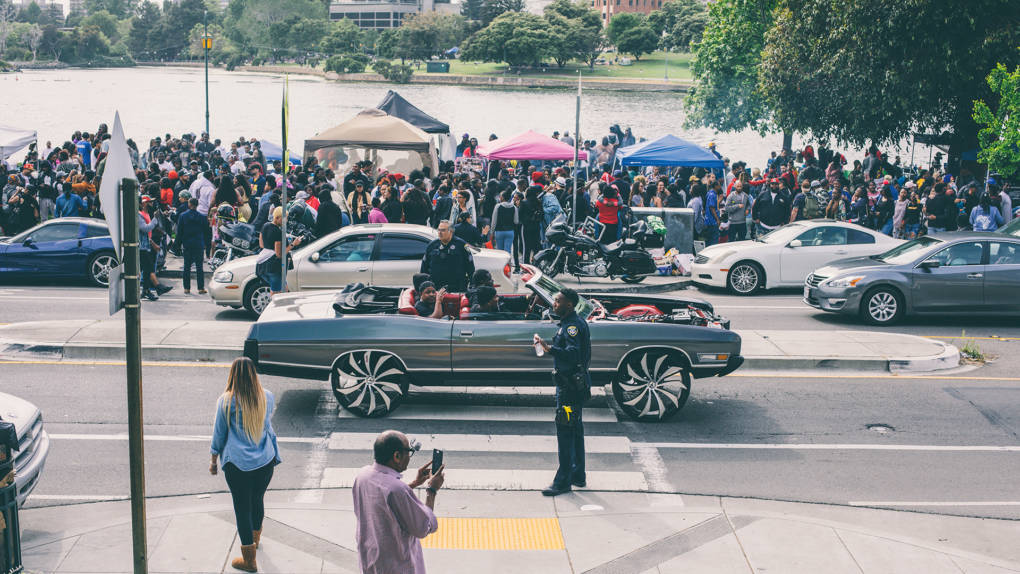
"caption": "Hundreds of black Oaklanders and their supporters came to \"BBQ'n While Black\" at Lake Merritt on May 20 following a white woman's racially charged police complaint.",
"description": "Hundreds of black Oaklanders and their supporters came to BBQ'n While Black at Lake Merritt on May 20 following a white woman's racially charged police complaint.",
"title": "cover",
"credit": "Kevin Allen",
"status": "inherit",
"isLoading": false,
"fetchFailed": false
},
"arts_13837886": {
"type": "attachments",
"id": "arts_13837886",
"meta": {
"index": "attachments_1716263798",
"site": "arts",
"id": "13837886",
"found": true
},
"parent": 13837882,
"imgSizes": {
"small": {
"file": "https://ww2.kqed.org/app/uploads/sites/2/2018/07/KevChoice_featured_nobug-520x293.jpg",
"width": 520,
"mimeType": "image/jpeg",
"height": 293
},
"twentyfourteen-full-width": {
"file": "https://ww2.kqed.org/app/uploads/sites/2/2018/07/KevChoice_featured_nobug-1038x576.jpg",
"width": 1038,
"mimeType": "image/jpeg",
"height": 576
},
"thumbnail": {
"file": "https://ww2.kqed.org/app/uploads/sites/2/2018/07/KevChoice_featured_nobug-160x90.jpg",
"width": 160,
"mimeType": "image/jpeg",
"height": 90
},
"fd-sm": {
"file": "https://ww2.kqed.org/app/uploads/sites/2/2018/07/KevChoice_featured_nobug-960x540.jpg",
"width": 960,
"mimeType": "image/jpeg",
"height": 540
},
"post-thumbnail": {
"file": "https://ww2.kqed.org/app/uploads/sites/2/2018/07/KevChoice_featured_nobug-672x372.jpg",
"width": 672,
"mimeType": "image/jpeg",
"height": 372
},
"xsmall": {
"file": "https://ww2.kqed.org/app/uploads/sites/2/2018/07/KevChoice_featured_nobug-375x211.jpg",
"width": 375,
"mimeType": "image/jpeg",
"height": 211
},
"kqedFullSize": {
"file": "https://ww2.kqed.org/app/uploads/sites/2/2018/07/KevChoice_featured_nobug.jpg",
"width": 1920,
"height": 1080
},
"large": {
"file": "https://ww2.kqed.org/app/uploads/sites/2/2018/07/KevChoice_featured_nobug-1020x574.jpg",
"width": 1020,
"mimeType": "image/jpeg",
"height": 574
},
"xlarge": {
"file": "https://ww2.kqed.org/app/uploads/sites/2/2018/07/KevChoice_featured_nobug-1180x664.jpg",
"width": 1180,
"mimeType": "image/jpeg",
"height": 664
},
"complete_open_graph": {
"file": "https://ww2.kqed.org/app/uploads/sites/2/2018/07/KevChoice_featured_nobug-1200x675.jpg",
"width": 1200,
"mimeType": "image/jpeg",
"height": 675
},
"guest-author-50": {
"file": "https://ww2.kqed.org/app/uploads/sites/2/2018/07/KevChoice_featured_nobug-50x50.jpg",
"width": 50,
"mimeType": "image/jpeg",
"height": 50
},
"guest-author-96": {
"file": "https://ww2.kqed.org/app/uploads/sites/2/2018/07/KevChoice_featured_nobug-96x96.jpg",
"width": 96,
"mimeType": "image/jpeg",
"height": 96
},
"medium": {
"file": "https://ww2.kqed.org/app/uploads/sites/2/2018/07/KevChoice_featured_nobug-800x450.jpg",
"width": 800,
"mimeType": "image/jpeg",
"height": 450
},
"guest-author-64": {
"file": "https://ww2.kqed.org/app/uploads/sites/2/2018/07/KevChoice_featured_nobug-64x64.jpg",
"width": 64,
"mimeType": "image/jpeg",
"height": 64
},
"guest-author-32": {
"file": "https://ww2.kqed.org/app/uploads/sites/2/2018/07/KevChoice_featured_nobug-32x32.jpg",
"width": 32,
"mimeType": "image/jpeg",
"height": 32
},
"fd-lrg": {
"file": "https://ww2.kqed.org/app/uploads/sites/2/2018/07/KevChoice_featured_nobug-1920x1080.jpg",
"width": 1920,
"mimeType": "image/jpeg",
"height": 1080
},
"fd-med": {
"file": "https://ww2.kqed.org/app/uploads/sites/2/2018/07/KevChoice_featured_nobug-1180x664.jpg",
"width": 1180,
"mimeType": "image/jpeg",
"height": 664
},
"full-width": {
"file": "https://ww2.kqed.org/app/uploads/sites/2/2018/07/KevChoice_featured_nobug-1920x1080.jpg",
"width": 1920,
"mimeType": "image/jpeg",
"height": 1080
},
"detail": {
"file": "https://ww2.kqed.org/app/uploads/sites/2/2018/07/KevChoice_featured_nobug-150x150.jpg",
"width": 150,
"mimeType": "image/jpeg",
"height": 150
},
"medium_large": {
"file": "https://ww2.kqed.org/app/uploads/sites/2/2018/07/KevChoice_featured_nobug-768x432.jpg",
"width": 768,
"mimeType": "image/jpeg",
"height": 432
},
"guest-author-128": {
"file": "https://ww2.kqed.org/app/uploads/sites/2/2018/07/KevChoice_featured_nobug-128x128.jpg",
"width": 128,
"mimeType": "image/jpeg",
"height": 128
},
"xxsmall": {
"file": "https://ww2.kqed.org/app/uploads/sites/2/2018/07/KevChoice_featured_nobug-240x135.jpg",
"width": 240,
"mimeType": "image/jpeg",
"height": 135
}
},
"publishDate": 1532641523,
"modified": 1532641523,
"caption": null,
"description": null,
"title": "KevChoice_featured_nobug",
"credit": null,
"status": "inherit",
"isLoading": false,
"fetchFailed": false
},
"arts_13837856": {
"type": "attachments",
"id": "arts_13837856",
"meta": {
"index": "attachments_1716263798",
"site": "arts",
"id": "13837856",
"found": true
},
"parent": 13837846,
"imgSizes": {
"small": {
"file": "https://ww2.kqed.org/app/uploads/sites/2/2018/07/SmartBomb-520x292.jpg",
"width": 520,
"mimeType": "image/jpeg",
"height": 292
},
"twentyfourteen-full-width": {
"file": "https://ww2.kqed.org/app/uploads/sites/2/2018/07/SmartBomb-1038x576.jpg",
"width": 1038,
"mimeType": "image/jpeg",
"height": 576
},
"thumbnail": {
"file": "https://ww2.kqed.org/app/uploads/sites/2/2018/07/SmartBomb-160x90.jpg",
"width": 160,
"mimeType": "image/jpeg",
"height": 90
},
"fd-sm": {
"file": "https://ww2.kqed.org/app/uploads/sites/2/2018/07/SmartBomb-960x540.jpg",
"width": 960,
"mimeType": "image/jpeg",
"height": 540
},
"post-thumbnail": {
"file": "https://ww2.kqed.org/app/uploads/sites/2/2018/07/SmartBomb-672x372.jpg",
"width": 672,
"mimeType": "image/jpeg",
"height": 372
},
"xsmall": {
"file": "https://ww2.kqed.org/app/uploads/sites/2/2018/07/SmartBomb-375x211.jpg",
"width": 375,
"mimeType": "image/jpeg",
"height": 211
},
"kqedFullSize": {
"file": "https://ww2.kqed.org/app/uploads/sites/2/2018/07/SmartBomb.jpg",
"width": 1734,
"height": 975
},
"large": {
"file": "https://ww2.kqed.org/app/uploads/sites/2/2018/07/SmartBomb-1020x574.jpg",
"width": 1020,
"mimeType": "image/jpeg",
"height": 574
},
"xlarge": {
"file": "https://ww2.kqed.org/app/uploads/sites/2/2018/07/SmartBomb-1180x663.jpg",
"width": 1180,
"mimeType": "image/jpeg",
"height": 663
},
"complete_open_graph": {
"file": "https://ww2.kqed.org/app/uploads/sites/2/2018/07/SmartBomb-1200x675.jpg",
"width": 1200,
"mimeType": "image/jpeg",
"height": 675
},
"guest-author-50": {
"file": "https://ww2.kqed.org/app/uploads/sites/2/2018/07/SmartBomb-50x50.jpg",
"width": 50,
"mimeType": "image/jpeg",
"height": 50
},
"guest-author-96": {
"file": "https://ww2.kqed.org/app/uploads/sites/2/2018/07/SmartBomb-96x96.jpg",
"width": 96,
"mimeType": "image/jpeg",
"height": 96
},
"medium": {
"file": "https://ww2.kqed.org/app/uploads/sites/2/2018/07/SmartBomb-800x450.jpg",
"width": 800,
"mimeType": "image/jpeg",
"height": 450
},
"guest-author-64": {
"file": "https://ww2.kqed.org/app/uploads/sites/2/2018/07/SmartBomb-64x64.jpg",
"width": 64,
"mimeType": "image/jpeg",
"height": 64
},
"guest-author-32": {
"file": "https://ww2.kqed.org/app/uploads/sites/2/2018/07/SmartBomb-32x32.jpg",
"width": 32,
"mimeType": "image/jpeg",
"height": 32
},
"fd-med": {
"file": "https://ww2.kqed.org/app/uploads/sites/2/2018/07/SmartBomb-1180x663.jpg",
"width": 1180,
"mimeType": "image/jpeg",
"height": 663
},
"detail": {
"file": "https://ww2.kqed.org/app/uploads/sites/2/2018/07/SmartBomb-150x150.jpg",
"width": 150,
"mimeType": "image/jpeg",
"height": 150
},
"medium_large": {
"file": "https://ww2.kqed.org/app/uploads/sites/2/2018/07/SmartBomb-768x432.jpg",
"width": 768,
"mimeType": "image/jpeg",
"height": 432
},
"guest-author-128": {
"file": "https://ww2.kqed.org/app/uploads/sites/2/2018/07/SmartBomb-128x128.jpg",
"width": 128,
"mimeType": "image/jpeg",
"height": 128
},
"xxsmall": {
"file": "https://ww2.kqed.org/app/uploads/sites/2/2018/07/SmartBomb-240x135.jpg",
"width": 240,
"mimeType": "image/jpeg",
"height": 135
}
},
"publishDate": 1532629474,
"modified": 1532648785,
"caption": "The Oakland party Smart Bomb has become the go-to destination for hip-hop beatmakers with an experimental flair. ",
"description": "The Oakland party Smart Bomb has become the go-to destination for hip-hop beatmakers with an experimental flair. ",
"title": "SmartBomb",
"credit": "Patti Miller ",
"status": "inherit",
"isLoading": false,
"fetchFailed": false
},
"arts_13837834": {
"type": "attachments",
"id": "arts_13837834",
"meta": {
"index": "attachments_1716263798",
"site": "arts",
"id": "13837834",
"found": true
},
"parent": 13837639,
"imgSizes": {
"small": {
"file": "https://ww2.kqed.org/app/uploads/sites/2/2018/07/Nia.Broobs.psd_.MAIN_-520x293.jpg",
"width": 520,
"mimeType": "image/jpeg",
"height": 293
},
"twentyfourteen-full-width": {
"file": "https://ww2.kqed.org/app/uploads/sites/2/2018/07/Nia.Broobs.psd_.MAIN_-1038x576.jpg",
"width": 1038,
"mimeType": "image/jpeg",
"height": 576
},
"thumbnail": {
"file": "https://ww2.kqed.org/app/uploads/sites/2/2018/07/Nia.Broobs.psd_.MAIN_-160x90.jpg",
"width": 160,
"mimeType": "image/jpeg",
"height": 90
},
"fd-sm": {
"file": "https://ww2.kqed.org/app/uploads/sites/2/2018/07/Nia.Broobs.psd_.MAIN_-960x540.jpg",
"width": 960,
"mimeType": "image/jpeg",
"height": 540
},
"post-thumbnail": {
"file": "https://ww2.kqed.org/app/uploads/sites/2/2018/07/Nia.Broobs.psd_.MAIN_-672x372.jpg",
"width": 672,
"mimeType": "image/jpeg",
"height": 372
},
"xsmall": {
"file": "https://ww2.kqed.org/app/uploads/sites/2/2018/07/Nia.Broobs.psd_.MAIN_-375x211.jpg",
"width": 375,
"mimeType": "image/jpeg",
"height": 211
},
"kqedFullSize": {
"file": "https://ww2.kqed.org/app/uploads/sites/2/2018/07/Nia.Broobs.psd_.MAIN_.jpg",
"width": 1920,
"height": 1080
},
"large": {
"file": "https://ww2.kqed.org/app/uploads/sites/2/2018/07/Nia.Broobs.psd_.MAIN_-1020x574.jpg",
"width": 1020,
"mimeType": "image/jpeg",
"height": 574
},
"xlarge": {
"file": "https://ww2.kqed.org/app/uploads/sites/2/2018/07/Nia.Broobs.psd_.MAIN_-1180x664.jpg",
"width": 1180,
"mimeType": "image/jpeg",
"height": 664
},
"complete_open_graph": {
"file": "https://ww2.kqed.org/app/uploads/sites/2/2018/07/Nia.Broobs.psd_.MAIN_-1200x675.jpg",
"width": 1200,
"mimeType": "image/jpeg",
"height": 675
},
"guest-author-50": {
"file": "https://ww2.kqed.org/app/uploads/sites/2/2018/07/Nia.Broobs.psd_.MAIN_-50x50.jpg",
"width": 50,
"mimeType": "image/jpeg",
"height": 50
},
"guest-author-96": {
"file": "https://ww2.kqed.org/app/uploads/sites/2/2018/07/Nia.Broobs.psd_.MAIN_-96x96.jpg",
"width": 96,
"mimeType": "image/jpeg",
"height": 96
},
"medium": {
"file": "https://ww2.kqed.org/app/uploads/sites/2/2018/07/Nia.Broobs.psd_.MAIN_-800x450.jpg",
"width": 800,
"mimeType": "image/jpeg",
"height": 450
},
"guest-author-64": {
"file": "https://ww2.kqed.org/app/uploads/sites/2/2018/07/Nia.Broobs.psd_.MAIN_-64x64.jpg",
"width": 64,
"mimeType": "image/jpeg",
"height": 64
},
"guest-author-32": {
"file": "https://ww2.kqed.org/app/uploads/sites/2/2018/07/Nia.Broobs.psd_.MAIN_-32x32.jpg",
"width": 32,
"mimeType": "image/jpeg",
"height": 32
},
"fd-lrg": {
"file": "https://ww2.kqed.org/app/uploads/sites/2/2018/07/Nia.Broobs.psd_.MAIN_-1920x1080.jpg",
"width": 1920,
"mimeType": "image/jpeg",
"height": 1080
},
"fd-med": {
"file": "https://ww2.kqed.org/app/uploads/sites/2/2018/07/Nia.Broobs.psd_.MAIN_-1180x664.jpg",
"width": 1180,
"mimeType": "image/jpeg",
"height": 664
},
"full-width": {
"file": "https://ww2.kqed.org/app/uploads/sites/2/2018/07/Nia.Broobs.psd_.MAIN_-1920x1080.jpg",
"width": 1920,
"mimeType": "image/jpeg",
"height": 1080
},
"detail": {
"file": "https://ww2.kqed.org/app/uploads/sites/2/2018/07/Nia.Broobs.psd_.MAIN_-150x150.jpg",
"width": 150,
"mimeType": "image/jpeg",
"height": 150
},
"medium_large": {
"file": "https://ww2.kqed.org/app/uploads/sites/2/2018/07/Nia.Broobs.psd_.MAIN_-768x432.jpg",
"width": 768,
"mimeType": "image/jpeg",
"height": 432
},
"guest-author-128": {
"file": "https://ww2.kqed.org/app/uploads/sites/2/2018/07/Nia.Broobs.psd_.MAIN_-128x128.jpg",
"width": 128,
"mimeType": "image/jpeg",
"height": 128
},
"xxsmall": {
"file": "https://ww2.kqed.org/app/uploads/sites/2/2018/07/Nia.Broobs.psd_.MAIN_-240x135.jpg",
"width": 240,
"mimeType": "image/jpeg",
"height": 135
}
},
"publishDate": 1532625354,
"modified": 1532625467,
"caption": "One of many tributes to Nia Wilson, who was killed Monday at MacArthur BART. ",
"description": "One of many tributes to Nia Wilson, who was killed Monday at MacArthur BART. ",
"title": "Nia.Broobs.psd.MAIN",
"credit": "Ruben Guadalupe Marquez (IG: \u003ca href=\"https://www.instagram.com/broobs.psd/?hl=en\" target=\"_blank\">@broobs.psd\u003c/a>)",
"status": "inherit",
"isLoading": false,
"fetchFailed": false
},
"arts_13837233": {
"type": "attachments",
"id": "arts_13837233",
"meta": {
"index": "attachments_1716263798",
"site": "arts",
"id": "13837233",
"found": true
},
"parent": 13837184,
"imgSizes": {
"small": {
"file": "https://ww2.kqed.org/app/uploads/sites/2/2018/07/044Blindspotting_252_C-520x293.jpg",
"width": 520,
"mimeType": "image/jpeg",
"height": 293
},
"twentyfourteen-full-width": {
"file": "https://ww2.kqed.org/app/uploads/sites/2/2018/07/044Blindspotting_252_C-1038x576.jpg",
"width": 1038,
"mimeType": "image/jpeg",
"height": 576
},
"thumbnail": {
"file": "https://ww2.kqed.org/app/uploads/sites/2/2018/07/044Blindspotting_252_C-160x90.jpg",
"width": 160,
"mimeType": "image/jpeg",
"height": 90
},
"fd-sm": {
"file": "https://ww2.kqed.org/app/uploads/sites/2/2018/07/044Blindspotting_252_C-960x540.jpg",
"width": 960,
"mimeType": "image/jpeg",
"height": 540
},
"post-thumbnail": {
"file": "https://ww2.kqed.org/app/uploads/sites/2/2018/07/044Blindspotting_252_C-672x372.jpg",
"width": 672,
"mimeType": "image/jpeg",
"height": 372
},
"xsmall": {
"file": "https://ww2.kqed.org/app/uploads/sites/2/2018/07/044Blindspotting_252_C-375x211.jpg",
"width": 375,
"mimeType": "image/jpeg",
"height": 211
},
"kqedFullSize": {
"file": "https://ww2.kqed.org/app/uploads/sites/2/2018/07/044Blindspotting_252_C.jpg",
"width": 1920,
"height": 1080
},
"large": {
"file": "https://ww2.kqed.org/app/uploads/sites/2/2018/07/044Blindspotting_252_C-1020x574.jpg",
"width": 1020,
"mimeType": "image/jpeg",
"height": 574
},
"xlarge": {
"file": "https://ww2.kqed.org/app/uploads/sites/2/2018/07/044Blindspotting_252_C-1180x664.jpg",
"width": 1180,
"mimeType": "image/jpeg",
"height": 664
},
"complete_open_graph": {
"file": "https://ww2.kqed.org/app/uploads/sites/2/2018/07/044Blindspotting_252_C-1200x675.jpg",
"width": 1200,
"mimeType": "image/jpeg",
"height": 675
},
"guest-author-50": {
"file": "https://ww2.kqed.org/app/uploads/sites/2/2018/07/044Blindspotting_252_C-50x50.jpg",
"width": 50,
"mimeType": "image/jpeg",
"height": 50
},
"guest-author-96": {
"file": "https://ww2.kqed.org/app/uploads/sites/2/2018/07/044Blindspotting_252_C-96x96.jpg",
"width": 96,
"mimeType": "image/jpeg",
"height": 96
},
"medium": {
"file": "https://ww2.kqed.org/app/uploads/sites/2/2018/07/044Blindspotting_252_C-800x450.jpg",
"width": 800,
"mimeType": "image/jpeg",
"height": 450
},
"guest-author-64": {
"file": "https://ww2.kqed.org/app/uploads/sites/2/2018/07/044Blindspotting_252_C-64x64.jpg",
"width": 64,
"mimeType": "image/jpeg",
"height": 64
},
"guest-author-32": {
"file": "https://ww2.kqed.org/app/uploads/sites/2/2018/07/044Blindspotting_252_C-32x32.jpg",
"width": 32,
"mimeType": "image/jpeg",
"height": 32
},
"fd-lrg": {
"file": "https://ww2.kqed.org/app/uploads/sites/2/2018/07/044Blindspotting_252_C-1920x1080.jpg",
"width": 1920,
"mimeType": "image/jpeg",
"height": 1080
},
"fd-med": {
"file": "https://ww2.kqed.org/app/uploads/sites/2/2018/07/044Blindspotting_252_C-1180x664.jpg",
"width": 1180,
"mimeType": "image/jpeg",
"height": 664
},
"full-width": {
"file": "https://ww2.kqed.org/app/uploads/sites/2/2018/07/044Blindspotting_252_C-1920x1080.jpg",
"width": 1920,
"mimeType": "image/jpeg",
"height": 1080
},
"detail": {
"file": "https://ww2.kqed.org/app/uploads/sites/2/2018/07/044Blindspotting_252_C-150x150.jpg",
"width": 150,
"mimeType": "image/jpeg",
"height": 150
},
"medium_large": {
"file": "https://ww2.kqed.org/app/uploads/sites/2/2018/07/044Blindspotting_252_C-768x432.jpg",
"width": 768,
"mimeType": "image/jpeg",
"height": 432
},
"guest-author-128": {
"file": "https://ww2.kqed.org/app/uploads/sites/2/2018/07/044Blindspotting_252_C-128x128.jpg",
"width": 128,
"mimeType": "image/jpeg",
"height": 128
},
"xxsmall": {
"file": "https://ww2.kqed.org/app/uploads/sites/2/2018/07/044Blindspotting_252_C-240x135.jpg",
"width": 240,
"mimeType": "image/jpeg",
"height": 135
}
},
"publishDate": 1531849549,
"modified": 1531849770,
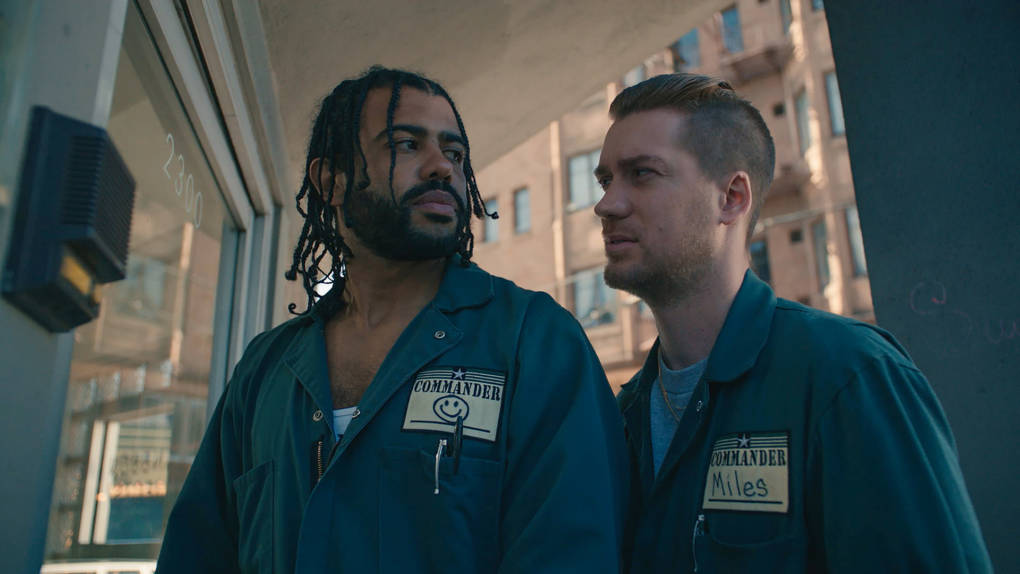
"caption": "Diggs and Casal play best friends who work together as movers in 'Blindspotting.'",
"description": "Diggs and Casal play best friends who work together as movers. ",
"title": "044Blindspotting_252_C",
"credit": "Ariel Nava",
"status": "inherit",
"isLoading": false,
"fetchFailed": false
},
"arts_13837232": {
"type": "attachments",
"id": "arts_13837232",
"meta": {
"index": "attachments_1716263798",
"site": "arts",
"id": "13837232",
"found": true
},
"parent": 13837184,
"imgSizes": {
"small": {
"file": "https://ww2.kqed.org/app/uploads/sites/2/2018/07/20180716_BLINDSPOTTING_Costley01-520x293.jpg",
"width": 520,
"mimeType": "image/jpeg",
"height": 293
},
"twentyfourteen-full-width": {
"file": "https://ww2.kqed.org/app/uploads/sites/2/2018/07/20180716_BLINDSPOTTING_Costley01-1038x576.jpg",
"width": 1038,
"mimeType": "image/jpeg",
"height": 576
},
"thumbnail": {
"file": "https://ww2.kqed.org/app/uploads/sites/2/2018/07/20180716_BLINDSPOTTING_Costley01-160x90.jpg",
"width": 160,
"mimeType": "image/jpeg",
"height": 90
},
"fd-sm": {
"file": "https://ww2.kqed.org/app/uploads/sites/2/2018/07/20180716_BLINDSPOTTING_Costley01-960x540.jpg",
"width": 960,
"mimeType": "image/jpeg",
"height": 540
},
"post-thumbnail": {
"file": "https://ww2.kqed.org/app/uploads/sites/2/2018/07/20180716_BLINDSPOTTING_Costley01-672x372.jpg",
"width": 672,
"mimeType": "image/jpeg",
"height": 372
},
"xsmall": {
"file": "https://ww2.kqed.org/app/uploads/sites/2/2018/07/20180716_BLINDSPOTTING_Costley01-375x211.jpg",
"width": 375,
"mimeType": "image/jpeg",
"height": 211
},
"kqedFullSize": {
"file": "https://ww2.kqed.org/app/uploads/sites/2/2018/07/20180716_BLINDSPOTTING_Costley01.jpg",
"width": 1920,
"height": 1080
},
"large": {
"file": "https://ww2.kqed.org/app/uploads/sites/2/2018/07/20180716_BLINDSPOTTING_Costley01-1020x574.jpg",
"width": 1020,
"mimeType": "image/jpeg",
"height": 574
},
"xlarge": {
"file": "https://ww2.kqed.org/app/uploads/sites/2/2018/07/20180716_BLINDSPOTTING_Costley01-1180x664.jpg",
"width": 1180,
"mimeType": "image/jpeg",
"height": 664
},
"complete_open_graph": {
"file": "https://ww2.kqed.org/app/uploads/sites/2/2018/07/20180716_BLINDSPOTTING_Costley01-1200x675.jpg",
"width": 1200,
"mimeType": "image/jpeg",
"height": 675
},
"guest-author-50": {
"file": "https://ww2.kqed.org/app/uploads/sites/2/2018/07/20180716_BLINDSPOTTING_Costley01-50x50.jpg",
"width": 50,
"mimeType": "image/jpeg",
"height": 50
},
"guest-author-96": {
"file": "https://ww2.kqed.org/app/uploads/sites/2/2018/07/20180716_BLINDSPOTTING_Costley01-96x96.jpg",
"width": 96,
"mimeType": "image/jpeg",
"height": 96
},
"medium": {
"file": "https://ww2.kqed.org/app/uploads/sites/2/2018/07/20180716_BLINDSPOTTING_Costley01-800x450.jpg",
"width": 800,
"mimeType": "image/jpeg",
"height": 450
},
"guest-author-64": {
"file": "https://ww2.kqed.org/app/uploads/sites/2/2018/07/20180716_BLINDSPOTTING_Costley01-64x64.jpg",
"width": 64,
"mimeType": "image/jpeg",
"height": 64
},
"guest-author-32": {
"file": "https://ww2.kqed.org/app/uploads/sites/2/2018/07/20180716_BLINDSPOTTING_Costley01-32x32.jpg",
"width": 32,
"mimeType": "image/jpeg",
"height": 32
},
"fd-lrg": {
"file": "https://ww2.kqed.org/app/uploads/sites/2/2018/07/20180716_BLINDSPOTTING_Costley01-1920x1080.jpg",
"width": 1920,
"mimeType": "image/jpeg",
"height": 1080
},
"fd-med": {
"file": "https://ww2.kqed.org/app/uploads/sites/2/2018/07/20180716_BLINDSPOTTING_Costley01-1180x664.jpg",
"width": 1180,
"mimeType": "image/jpeg",
"height": 664
},
"full-width": {
"file": "https://ww2.kqed.org/app/uploads/sites/2/2018/07/20180716_BLINDSPOTTING_Costley01-1920x1080.jpg",
"width": 1920,
"mimeType": "image/jpeg",
"height": 1080
},
"detail": {
"file": "https://ww2.kqed.org/app/uploads/sites/2/2018/07/20180716_BLINDSPOTTING_Costley01-150x150.jpg",
"width": 150,
"mimeType": "image/jpeg",
"height": 150
},
"medium_large": {
"file": "https://ww2.kqed.org/app/uploads/sites/2/2018/07/20180716_BLINDSPOTTING_Costley01-768x432.jpg",
"width": 768,
"mimeType": "image/jpeg",
"height": 432
},
"guest-author-128": {
"file": "https://ww2.kqed.org/app/uploads/sites/2/2018/07/20180716_BLINDSPOTTING_Costley01-128x128.jpg",
"width": 128,
"mimeType": "image/jpeg",
"height": 128
},
"xxsmall": {
"file": "https://ww2.kqed.org/app/uploads/sites/2/2018/07/20180716_BLINDSPOTTING_Costley01-240x135.jpg",
"width": 240,
"mimeType": "image/jpeg",
"height": 135
}
},
"publishDate": 1531849389,
"modified": 1600489145,
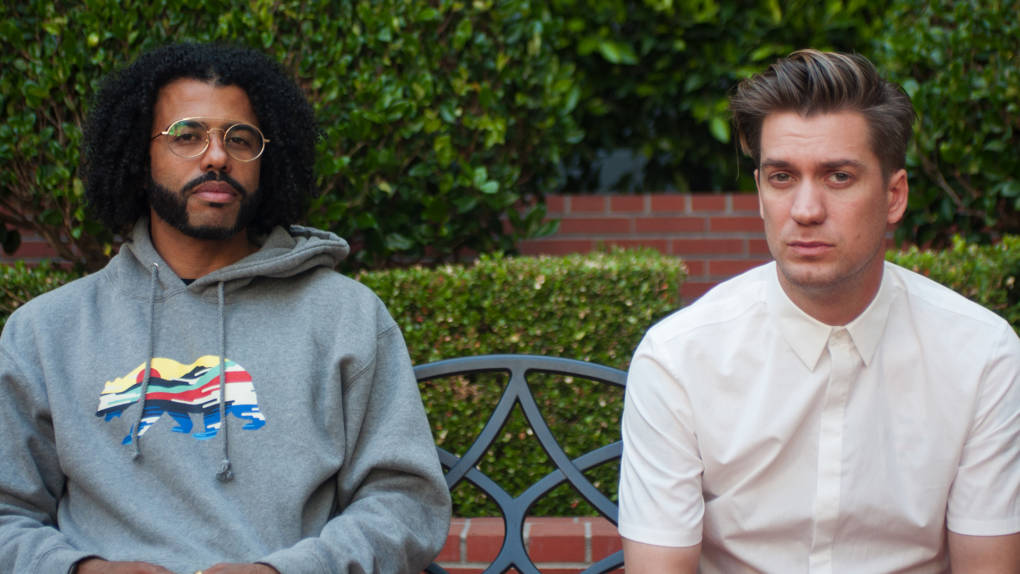
"caption": "Daveed Diggs (left) and Rafael Casal will host Celebrity Storytime to benefit Children's Fairyland in Oakland on Saturday, Sept. 26.",
"description": "Daveed Diggs (left) and Rafael Casal co-wrote and co-star in 'Blindspotting.'",
"title": "20180716_BLINDSPOTTING_Costley01",
"credit": "Drew Costley",
"status": "inherit",
"isLoading": false,
"fetchFailed": false
},
"arts_13836813": {
"type": "attachments",
"id": "arts_13836813",
"meta": {
"index": "attachments_1716263798",
"site": "arts",
"id": "13836813",
"found": true
},
"parent": 13836809,
"imgSizes": {
"small": {
"file": "https://ww2.kqed.org/app/uploads/sites/2/2018/07/PKC_forKQEDpost-520x293.jpg",
"width": 520,
"mimeType": "image/jpeg",
"height": 293
},
"twentyfourteen-full-width": {
"file": "https://ww2.kqed.org/app/uploads/sites/2/2018/07/PKC_forKQEDpost-1038x576.jpg",
"width": 1038,
"mimeType": "image/jpeg",
"height": 576
},
"thumbnail": {
"file": "https://ww2.kqed.org/app/uploads/sites/2/2018/07/PKC_forKQEDpost-160x90.jpg",
"width": 160,
"mimeType": "image/jpeg",
"height": 90
},
"fd-sm": {
"file": "https://ww2.kqed.org/app/uploads/sites/2/2018/07/PKC_forKQEDpost-960x540.jpg",
"width": 960,
"mimeType": "image/jpeg",
"height": 540
},
"post-thumbnail": {
"file": "https://ww2.kqed.org/app/uploads/sites/2/2018/07/PKC_forKQEDpost-672x372.jpg",
"width": 672,
"mimeType": "image/jpeg",
"height": 372
},
"xsmall": {
"file": "https://ww2.kqed.org/app/uploads/sites/2/2018/07/PKC_forKQEDpost-375x211.jpg",
"width": 375,
"mimeType": "image/jpeg",
"height": 211
},
"kqedFullSize": {
"file": "https://ww2.kqed.org/app/uploads/sites/2/2018/07/PKC_forKQEDpost.jpg",
"width": 1920,
"height": 1080
},
"large": {
"file": "https://ww2.kqed.org/app/uploads/sites/2/2018/07/PKC_forKQEDpost-1020x574.jpg",
"width": 1020,
"mimeType": "image/jpeg",
"height": 574
},
"xlarge": {
"file": "https://ww2.kqed.org/app/uploads/sites/2/2018/07/PKC_forKQEDpost-1180x664.jpg",
"width": 1180,
"mimeType": "image/jpeg",
"height": 664
},
"complete_open_graph": {
"file": "https://ww2.kqed.org/app/uploads/sites/2/2018/07/PKC_forKQEDpost-1200x675.jpg",
"width": 1200,
"mimeType": "image/jpeg",
"height": 675
},
"guest-author-50": {
"file": "https://ww2.kqed.org/app/uploads/sites/2/2018/07/PKC_forKQEDpost-50x50.jpg",
"width": 50,
"mimeType": "image/jpeg",
"height": 50
},
"guest-author-96": {
"file": "https://ww2.kqed.org/app/uploads/sites/2/2018/07/PKC_forKQEDpost-96x96.jpg",
"width": 96,
"mimeType": "image/jpeg",
"height": 96
},
"medium": {
"file": "https://ww2.kqed.org/app/uploads/sites/2/2018/07/PKC_forKQEDpost-800x450.jpg",
"width": 800,
"mimeType": "image/jpeg",
"height": 450
},
"guest-author-64": {
"file": "https://ww2.kqed.org/app/uploads/sites/2/2018/07/PKC_forKQEDpost-64x64.jpg",
"width": 64,
"mimeType": "image/jpeg",
"height": 64
},
"guest-author-32": {
"file": "https://ww2.kqed.org/app/uploads/sites/2/2018/07/PKC_forKQEDpost-32x32.jpg",
"width": 32,
"mimeType": "image/jpeg",
"height": 32
},
"fd-lrg": {
"file": "https://ww2.kqed.org/app/uploads/sites/2/2018/07/PKC_forKQEDpost-1920x1080.jpg",
"width": 1920,
"mimeType": "image/jpeg",
"height": 1080
},
"fd-med": {
"file": "https://ww2.kqed.org/app/uploads/sites/2/2018/07/PKC_forKQEDpost-1180x664.jpg",
"width": 1180,
"mimeType": "image/jpeg",
"height": 664
},
"full-width": {
"file": "https://ww2.kqed.org/app/uploads/sites/2/2018/07/PKC_forKQEDpost-1920x1080.jpg",
"width": 1920,
"mimeType": "image/jpeg",
"height": 1080
},
"detail": {
"file": "https://ww2.kqed.org/app/uploads/sites/2/2018/07/PKC_forKQEDpost-150x150.jpg",
"width": 150,
"mimeType": "image/jpeg",
"height": 150
},
"medium_large": {
"file": "https://ww2.kqed.org/app/uploads/sites/2/2018/07/PKC_forKQEDpost-768x432.jpg",
"width": 768,
"mimeType": "image/jpeg",
"height": 432
},
"guest-author-128": {
"file": "https://ww2.kqed.org/app/uploads/sites/2/2018/07/PKC_forKQEDpost-128x128.jpg",
"width": 128,
"mimeType": "image/jpeg",
"height": 128
},
"xxsmall": {
"file": "https://ww2.kqed.org/app/uploads/sites/2/2018/07/PKC_forKQEDpost-240x135.jpg",
"width": 240,
"mimeType": "image/jpeg",
"height": 135
}
},
"publishDate": 1531249015,
"modified": 1531249631,
"caption": null,
"description": "The People's Kitchen Collective in Oakland creates community meals",
"title": "PKC_forKQEDpost",
"credit": null,
"status": "inherit",
"isLoading": false,
"fetchFailed": false
},
"arts_13836658": {
"type": "attachments",
"id": "arts_13836658",
"meta": {
"index": "attachments_1716263798",
"site": "arts",
"id": "13836658",
"found": true
},
"parent": 13836034,
"imgSizes": {
"small": {
"file": "https://ww2.kqed.org/app/uploads/sites/2/2018/07/PTS-ASCEND286-520x293.jpg",
"width": 520,
"mimeType": "image/jpeg",
"height": 293
},
"twentyfourteen-full-width": {
"file": "https://ww2.kqed.org/app/uploads/sites/2/2018/07/PTS-ASCEND286-1038x576.jpg",
"width": 1038,
"mimeType": "image/jpeg",
"height": 576
},
"thumbnail": {
"file": "https://ww2.kqed.org/app/uploads/sites/2/2018/07/PTS-ASCEND286-160x90.jpg",
"width": 160,
"mimeType": "image/jpeg",
"height": 90
},
"fd-sm": {
"file": "https://ww2.kqed.org/app/uploads/sites/2/2018/07/PTS-ASCEND286-960x540.jpg",
"width": 960,
"mimeType": "image/jpeg",
"height": 540
},
"post-thumbnail": {
"file": "https://ww2.kqed.org/app/uploads/sites/2/2018/07/PTS-ASCEND286-672x372.jpg",
"width": 672,
"mimeType": "image/jpeg",
"height": 372
},
"xsmall": {
"file": "https://ww2.kqed.org/app/uploads/sites/2/2018/07/PTS-ASCEND286-375x211.jpg",
"width": 375,
"mimeType": "image/jpeg",
"height": 211
},
"kqedFullSize": {
"file": "https://ww2.kqed.org/app/uploads/sites/2/2018/07/PTS-ASCEND286.jpg",
"width": 1920,
"height": 1080
},
"large": {
"file": "https://ww2.kqed.org/app/uploads/sites/2/2018/07/PTS-ASCEND286-1020x574.jpg",
"width": 1020,
"mimeType": "image/jpeg",
"height": 574
},
"xlarge": {
"file": "https://ww2.kqed.org/app/uploads/sites/2/2018/07/PTS-ASCEND286-1180x664.jpg",
"width": 1180,
"mimeType": "image/jpeg",
"height": 664
},
"complete_open_graph": {
"file": "https://ww2.kqed.org/app/uploads/sites/2/2018/07/PTS-ASCEND286-1200x675.jpg",
"width": 1200,
"mimeType": "image/jpeg",
"height": 675
},
"guest-author-50": {
"file": "https://ww2.kqed.org/app/uploads/sites/2/2018/07/PTS-ASCEND286-50x50.jpg",
"width": 50,
"mimeType": "image/jpeg",
"height": 50
},
"guest-author-96": {
"file": "https://ww2.kqed.org/app/uploads/sites/2/2018/07/PTS-ASCEND286-96x96.jpg",
"width": 96,
"mimeType": "image/jpeg",
"height": 96
},
"medium": {
"file": "https://ww2.kqed.org/app/uploads/sites/2/2018/07/PTS-ASCEND286-800x450.jpg",
"width": 800,
"mimeType": "image/jpeg",
"height": 450
},
"guest-author-64": {
"file": "https://ww2.kqed.org/app/uploads/sites/2/2018/07/PTS-ASCEND286-64x64.jpg",
"width": 64,
"mimeType": "image/jpeg",
"height": 64
},
"guest-author-32": {
"file": "https://ww2.kqed.org/app/uploads/sites/2/2018/07/PTS-ASCEND286-32x32.jpg",
"width": 32,
"mimeType": "image/jpeg",
"height": 32
},
"fd-lrg": {
"file": "https://ww2.kqed.org/app/uploads/sites/2/2018/07/PTS-ASCEND286-1920x1080.jpg",
"width": 1920,
"mimeType": "image/jpeg",
"height": 1080
},
"fd-med": {
"file": "https://ww2.kqed.org/app/uploads/sites/2/2018/07/PTS-ASCEND286-1180x664.jpg",
"width": 1180,
"mimeType": "image/jpeg",
"height": 664
},
"full-width": {
"file": "https://ww2.kqed.org/app/uploads/sites/2/2018/07/PTS-ASCEND286-1920x1080.jpg",
"width": 1920,
"mimeType": "image/jpeg",
"height": 1080
},
"detail": {
"file": "https://ww2.kqed.org/app/uploads/sites/2/2018/07/PTS-ASCEND286-150x150.jpg",
"width": 150,
"mimeType": "image/jpeg",
"height": 150
},
"medium_large": {
"file": "https://ww2.kqed.org/app/uploads/sites/2/2018/07/PTS-ASCEND286-768x432.jpg",
"width": 768,
"mimeType": "image/jpeg",
"height": 432
},
"guest-author-128": {
"file": "https://ww2.kqed.org/app/uploads/sites/2/2018/07/PTS-ASCEND286-128x128.jpg",
"width": 128,
"mimeType": "image/jpeg",
"height": 128
},
"xxsmall": {
"file": "https://ww2.kqed.org/app/uploads/sites/2/2018/07/PTS-ASCEND286-240x135.jpg",
"width": 240,
"mimeType": "image/jpeg",
"height": 135
}
},
"publishDate": 1530915255,
"modified": 1530915324,
"caption": "A finished Paint The Town mural in front of the ASCEND school in Oakland. ",
"description": "A finished Paint The Town mural in front of the ASCEND school in Oakland. ",
"title": "PTS-ASCEND286",
"credit": "Courtesy of Oak DOT",
"status": "inherit",
"isLoading": false,
"fetchFailed": false
},
"arts_13836459": {
"type": "attachments",
"id": "arts_13836459",
"meta": {
"index": "attachments_1716263798",
"site": "arts",
"id": "13836459",
"found": true
},
"parent": 13836455,
"imgSizes": {
"small": {
"file": "https://ww2.kqed.org/app/uploads/sites/2/2018/07/SorryToBother.MAIN_.PeterPra-520x325.jpg",
"width": 520,
"mimeType": "image/jpeg",
"height": 325
},
"twentyfourteen-full-width": {
"file": "https://ww2.kqed.org/app/uploads/sites/2/2018/07/SorryToBother.MAIN_.PeterPra-1038x576.jpg",
"width": 1038,
"mimeType": "image/jpeg",
"height": 576
},
"thumbnail": {
"file": "https://ww2.kqed.org/app/uploads/sites/2/2018/07/SorryToBother.MAIN_.PeterPra-160x100.jpg",
"width": 160,
"mimeType": "image/jpeg",
"height": 100
},
"fd-sm": {
"file": "https://ww2.kqed.org/app/uploads/sites/2/2018/07/SorryToBother.MAIN_.PeterPra-960x600.jpg",
"width": 960,
"mimeType": "image/jpeg",
"height": 600
},
"post-thumbnail": {
"file": "https://ww2.kqed.org/app/uploads/sites/2/2018/07/SorryToBother.MAIN_.PeterPra-672x372.jpg",
"width": 672,
"mimeType": "image/jpeg",
"height": 372
},
"xsmall": {
"file": "https://ww2.kqed.org/app/uploads/sites/2/2018/07/SorryToBother.MAIN_.PeterPra-375x234.jpg",
"width": 375,
"mimeType": "image/jpeg",
"height": 234
},
"kqedFullSize": {
"file": "https://ww2.kqed.org/app/uploads/sites/2/2018/07/SorryToBother.MAIN_.PeterPra.jpg",
"width": 1400,
"height": 875
},
"large": {
"file": "https://ww2.kqed.org/app/uploads/sites/2/2018/07/SorryToBother.MAIN_.PeterPra-1020x638.jpg",
"width": 1020,
"mimeType": "image/jpeg",
"height": 638
},
"xlarge": {
"file": "https://ww2.kqed.org/app/uploads/sites/2/2018/07/SorryToBother.MAIN_.PeterPra-1180x738.jpg",
"width": 1180,
"mimeType": "image/jpeg",
"height": 738
},
"complete_open_graph": {
"file": "https://ww2.kqed.org/app/uploads/sites/2/2018/07/SorryToBother.MAIN_.PeterPra-1200x750.jpg",
"width": 1200,
"mimeType": "image/jpeg",
"height": 750
},
"guest-author-50": {
"file": "https://ww2.kqed.org/app/uploads/sites/2/2018/07/SorryToBother.MAIN_.PeterPra-50x50.jpg",
"width": 50,
"mimeType": "image/jpeg",
"height": 50
},
"guest-author-96": {
"file": "https://ww2.kqed.org/app/uploads/sites/2/2018/07/SorryToBother.MAIN_.PeterPra-96x96.jpg",
"width": 96,
"mimeType": "image/jpeg",
"height": 96
},
"medium": {
"file": "https://ww2.kqed.org/app/uploads/sites/2/2018/07/SorryToBother.MAIN_.PeterPra-800x500.jpg",
"width": 800,
"mimeType": "image/jpeg",
"height": 500
},
"guest-author-64": {
"file": "https://ww2.kqed.org/app/uploads/sites/2/2018/07/SorryToBother.MAIN_.PeterPra-64x64.jpg",
"width": 64,
"mimeType": "image/jpeg",
"height": 64
},
"guest-author-32": {
"file": "https://ww2.kqed.org/app/uploads/sites/2/2018/07/SorryToBother.MAIN_.PeterPra-32x32.jpg",
"width": 32,
"mimeType": "image/jpeg",
"height": 32
},
"fd-med": {
"file": "https://ww2.kqed.org/app/uploads/sites/2/2018/07/SorryToBother.MAIN_.PeterPra-1180x738.jpg",
"width": 1180,
"mimeType": "image/jpeg",
"height": 738
},
"detail": {
"file": "https://ww2.kqed.org/app/uploads/sites/2/2018/07/SorryToBother.MAIN_.PeterPra-150x150.jpg",
"width": 150,
"mimeType": "image/jpeg",
"height": 150
},
"medium_large": {
"file": "https://ww2.kqed.org/app/uploads/sites/2/2018/07/SorryToBother.MAIN_.PeterPra-768x480.jpg",
"width": 768,
"mimeType": "image/jpeg",
"height": 480
},
"guest-author-128": {
"file": "https://ww2.kqed.org/app/uploads/sites/2/2018/07/SorryToBother.MAIN_.PeterPra-128x128.jpg",
"width": 128,
"mimeType": "image/jpeg",
"height": 128
},
"xxsmall": {
"file": "https://ww2.kqed.org/app/uploads/sites/2/2018/07/SorryToBother.MAIN_.PeterPra-240x150.jpg",
"width": 240,
"mimeType": "image/jpeg",
"height": 150
}
},
"publishDate": 1530773407,
"modified": 1530773453,
"caption": "Lakeith Stanfield and director Boots Riley (L–R) on the set of 'Sorry to Bother You,' an Annapurna Pictures release. ",
"description": "Lakeith Stanfield and director Boots Riley (L–R) on the set of 'Sorry to Bother You,' an Annapurna Pictures release. ",
"title": "SorryToBother.MAIN.PeterPra",
"credit": "Peter Prato / Annapurna Pictures",
"status": "inherit",
"isLoading": false,
"fetchFailed": false
},
"arts_13836222": {
"type": "attachments",
"id": "arts_13836222",
"meta": {
"index": "attachments_1716263798",
"site": "arts",
"id": "13836222",
"found": true
},
"parent": 0,
"imgSizes": {
"small": {
"file": "https://ww2.kqed.org/app/uploads/sites/2/2018/06/Pen.Bike_.MAIN_-520x293.jpg",
"width": 520,
"mimeType": "image/jpeg",
"height": 293
},
"twentyfourteen-full-width": {
"file": "https://ww2.kqed.org/app/uploads/sites/2/2018/06/Pen.Bike_.MAIN_-1038x576.jpg",
"width": 1038,
"mimeType": "image/jpeg",
"height": 576
},
"thumbnail": {
"file": "https://ww2.kqed.org/app/uploads/sites/2/2018/06/Pen.Bike_.MAIN_-160x90.jpg",
"width": 160,
"mimeType": "image/jpeg",
"height": 90
},
"fd-sm": {
"file": "https://ww2.kqed.org/app/uploads/sites/2/2018/06/Pen.Bike_.MAIN_-960x540.jpg",
"width": 960,
"mimeType": "image/jpeg",
"height": 540
},
"post-thumbnail": {
"file": "https://ww2.kqed.org/app/uploads/sites/2/2018/06/Pen.Bike_.MAIN_-672x372.jpg",
"width": 672,
"mimeType": "image/jpeg",
"height": 372
},
"xsmall": {
"file": "https://ww2.kqed.org/app/uploads/sites/2/2018/06/Pen.Bike_.MAIN_-375x211.jpg",
"width": 375,
"mimeType": "image/jpeg",
"height": 211
},
"kqedFullSize": {
"file": "https://ww2.kqed.org/app/uploads/sites/2/2018/06/Pen.Bike_.MAIN_.jpg",
"width": 1920,
"height": 1080
},
"large": {
"file": "https://ww2.kqed.org/app/uploads/sites/2/2018/06/Pen.Bike_.MAIN_-1020x574.jpg",
"width": 1020,
"mimeType": "image/jpeg",
"height": 574
},
"xlarge": {
"file": "https://ww2.kqed.org/app/uploads/sites/2/2018/06/Pen.Bike_.MAIN_-1180x664.jpg",
"width": 1180,
"mimeType": "image/jpeg",
"height": 664
},
"complete_open_graph": {
"file": "https://ww2.kqed.org/app/uploads/sites/2/2018/06/Pen.Bike_.MAIN_-1200x675.jpg",
"width": 1200,
"mimeType": "image/jpeg",
"height": 675
},
"guest-author-50": {
"file": "https://ww2.kqed.org/app/uploads/sites/2/2018/06/Pen.Bike_.MAIN_-50x50.jpg",
"width": 50,
"mimeType": "image/jpeg",
"height": 50
},
"guest-author-96": {
"file": "https://ww2.kqed.org/app/uploads/sites/2/2018/06/Pen.Bike_.MAIN_-96x96.jpg",
"width": 96,
"mimeType": "image/jpeg",
"height": 96
},
"medium": {
"file": "https://ww2.kqed.org/app/uploads/sites/2/2018/06/Pen.Bike_.MAIN_-800x450.jpg",
"width": 800,
"mimeType": "image/jpeg",
"height": 450
},
"guest-author-64": {
"file": "https://ww2.kqed.org/app/uploads/sites/2/2018/06/Pen.Bike_.MAIN_-64x64.jpg",
"width": 64,
"mimeType": "image/jpeg",
"height": 64
},
"guest-author-32": {
"file": "https://ww2.kqed.org/app/uploads/sites/2/2018/06/Pen.Bike_.MAIN_-32x32.jpg",
"width": 32,
"mimeType": "image/jpeg",
"height": 32
},
"fd-lrg": {
"file": "https://ww2.kqed.org/app/uploads/sites/2/2018/06/Pen.Bike_.MAIN_-1920x1080.jpg",
"width": 1920,
"mimeType": "image/jpeg",
"height": 1080
},
"fd-med": {
"file": "https://ww2.kqed.org/app/uploads/sites/2/2018/06/Pen.Bike_.MAIN_-1180x664.jpg",
"width": 1180,
"mimeType": "image/jpeg",
"height": 664
},
"full-width": {
"file": "https://ww2.kqed.org/app/uploads/sites/2/2018/06/Pen.Bike_.MAIN_-1920x1080.jpg",
"width": 1920,
"mimeType": "image/jpeg",
"height": 1080
},
"detail": {
"file": "https://ww2.kqed.org/app/uploads/sites/2/2018/06/Pen.Bike_.MAIN_-150x150.jpg",
"width": 150,
"mimeType": "image/jpeg",
"height": 150
},
"medium_large": {
"file": "https://ww2.kqed.org/app/uploads/sites/2/2018/06/Pen.Bike_.MAIN_-768x432.jpg",
"width": 768,
"mimeType": "image/jpeg",
"height": 432
},
"guest-author-128": {
"file": "https://ww2.kqed.org/app/uploads/sites/2/2018/06/Pen.Bike_.MAIN_-128x128.jpg",
"width": 128,
"mimeType": "image/jpeg",
"height": 128
},
"xxsmall": {
"file": "https://ww2.kqed.org/app/uploads/sites/2/2018/06/Pen.Bike_.MAIN_-240x135.jpg",
"width": 240,
"mimeType": "image/jpeg",
"height": 135
}
},
"publishDate": 1530289167,
"modified": 1530289495,
"caption": "Marshawn Lynch's second 'Oakland Ride Out,' June 24, 2018.",
"description": "Marshawn Lynch's second 'Oakland Ride Out,' June 24, 2018.",
"title": "Pen.Bike.MAIN",
"credit": "Martina Patella",
"status": "inherit",
"isLoading": false,
"fetchFailed": false
},
"arts_13565334": {
"type": "attachments",
"id": "arts_13565334",
"meta": {
"index": "attachments_1716263798",
"site": "arts",
"id": "13565334",
"found": true
},
"parent": 13569504,
"imgSizes": {
"small": {
"file": "https://ww2.kqed.org/app/uploads/sites/2/2017/07/Iggy-Pop2USE-520x293.jpg",
"width": 520,
"mimeType": "image/jpeg",
"height": 293
},
"twentyfourteen-full-width": {
"file": "https://ww2.kqed.org/app/uploads/sites/2/2017/07/Iggy-Pop2USE-1038x576.jpg",
"width": 1038,
"mimeType": "image/jpeg",
"height": 576
},
"thumbnail": {
"file": "https://ww2.kqed.org/app/uploads/sites/2/2017/07/Iggy-Pop2USE-160x90.jpg",
"width": 160,
"mimeType": "image/jpeg",
"height": 90
},
"fd-sm": {
"file": "https://ww2.kqed.org/app/uploads/sites/2/2017/07/Iggy-Pop2USE-960x540.jpg",
"width": 960,
"mimeType": "image/jpeg",
"height": 540
},
"post-thumbnail": {
"file": "https://ww2.kqed.org/app/uploads/sites/2/2017/07/Iggy-Pop2USE-672x372.jpg",
"width": 672,
"mimeType": "image/jpeg",
"height": 372
},
"xsmall": {
"file": "https://ww2.kqed.org/app/uploads/sites/2/2017/07/Iggy-Pop2USE-375x211.jpg",
"width": 375,
"mimeType": "image/jpeg",
"height": 211
},
"kqedFullSize": {
"file": "https://ww2.kqed.org/app/uploads/sites/2/2017/07/Iggy-Pop2USE.jpg",
"width": 1920,
"height": 1080
},
"large": {
"file": "https://ww2.kqed.org/app/uploads/sites/2/2017/07/Iggy-Pop2USE-1020x574.jpg",
"width": 1020,
"mimeType": "image/jpeg",
"height": 574
},
"xlarge": {
"file": "https://ww2.kqed.org/app/uploads/sites/2/2017/07/Iggy-Pop2USE-1180x664.jpg",
"width": 1180,
"mimeType": "image/jpeg",
"height": 664
},
"guest-author-50": {
"file": "https://ww2.kqed.org/app/uploads/sites/2/2017/07/Iggy-Pop2USE-50x50.jpg",
"width": 50,
"mimeType": "image/jpeg",
"height": 50
},
"guest-author-96": {
"file": "https://ww2.kqed.org/app/uploads/sites/2/2017/07/Iggy-Pop2USE-96x96.jpg",
"width": 96,
"mimeType": "image/jpeg",
"height": 96
},
"medium": {
"file": "https://ww2.kqed.org/app/uploads/sites/2/2017/07/Iggy-Pop2USE-800x450.jpg",
"width": 800,
"mimeType": "image/jpeg",
"height": 450
},
"guest-author-64": {
"file": "https://ww2.kqed.org/app/uploads/sites/2/2017/07/Iggy-Pop2USE-64x64.jpg",
"width": 64,
"mimeType": "image/jpeg",
"height": 64
},
"guest-author-32": {
"file": "https://ww2.kqed.org/app/uploads/sites/2/2017/07/Iggy-Pop2USE-32x32.jpg",
"width": 32,
"mimeType": "image/jpeg",
"height": 32
},
"fd-lrg": {
"file": "https://ww2.kqed.org/app/uploads/sites/2/2017/07/Iggy-Pop2USE-1920x1080.jpg",
"width": 1920,
"mimeType": "image/jpeg",
"height": 1080
},
"fd-med": {
"file": "https://ww2.kqed.org/app/uploads/sites/2/2017/07/Iggy-Pop2USE-1180x664.jpg",
"width": 1180,
"mimeType": "image/jpeg",
"height": 664
},
"full-width": {
"file": "https://ww2.kqed.org/app/uploads/sites/2/2017/07/Iggy-Pop2USE-1920x1080.jpg",
"width": 1920,
"mimeType": "image/jpeg",
"height": 1080
},
"detail": {
"file": "https://ww2.kqed.org/app/uploads/sites/2/2017/07/Iggy-Pop2USE-150x150.jpg",
"width": 150,
"mimeType": "image/jpeg",
"height": 150
},
"medium_large": {
"file": "https://ww2.kqed.org/app/uploads/sites/2/2017/07/Iggy-Pop2USE-768x432.jpg",
"width": 768,
"mimeType": "image/jpeg",
"height": 432
},
"guest-author-128": {
"file": "https://ww2.kqed.org/app/uploads/sites/2/2017/07/Iggy-Pop2USE-128x128.jpg",
"width": 128,
"mimeType": "image/jpeg",
"height": 128
},
"xxsmall": {
"file": "https://ww2.kqed.org/app/uploads/sites/2/2017/07/Iggy-Pop2USE-240x135.jpg",
"width": 240,
"mimeType": "image/jpeg",
"height": 135
}
},
"publishDate": 1498986403,
"modified": 1531952179,
"caption": "Iggy Pop and band performing at Burger Boogaloo in 2017.",
"description": "Iggy Pop and band performing at Burger Boogaloo in 2017.",
"title": "Iggy Pop2USE",
"credit": "Kevin L. Jones/KQED",
"status": "inherit",
"isLoading": false,
"fetchFailed": false
},
"arts_13835337": {
"type": "attachments",
"id": "arts_13835337",
"meta": {
"index": "attachments_1716263798",
"site": "arts",
"id": "13835337",
"found": true
},
"parent": 13834988,
"imgSizes": {
"small": {
"file": "https://ww2.kqed.org/app/uploads/sites/2/2018/06/jaymercurysmaller-520x293.gif",
"width": 520,
"mimeType": "image/gif",
"height": 293
},
"thumbnail": {
"file": "https://ww2.kqed.org/app/uploads/sites/2/2018/06/jaymercurysmaller-160x90.gif",
"width": 160,
"mimeType": "image/gif",
"height": 90
},
"post-thumbnail": {
"file": "https://ww2.kqed.org/app/uploads/sites/2/2018/06/jaymercurysmaller-672x372.gif",
"width": 672,
"mimeType": "image/gif",
"height": 372
},
"xsmall": {
"file": "https://ww2.kqed.org/app/uploads/sites/2/2018/06/jaymercurysmaller-375x211.gif",
"width": 375,
"mimeType": "image/gif",
"height": 211
},
"kqedFullSize": {
"file": "https://ww2.kqed.org/app/uploads/sites/2/2018/06/jaymercurysmaller.gif",
"width": 800,
"height": 450
},
"guest-author-50": {
"file": "https://ww2.kqed.org/app/uploads/sites/2/2018/06/jaymercurysmaller-50x50.gif",
"width": 50,
"mimeType": "image/gif",
"height": 50
},
"guest-author-96": {
"file": "https://ww2.kqed.org/app/uploads/sites/2/2018/06/jaymercurysmaller-96x96.gif",
"width": 96,
"mimeType": "image/gif",
"height": 96
},
"medium": {
"file": "https://ww2.kqed.org/app/uploads/sites/2/2018/06/jaymercurysmaller-800x450.gif",
"width": 800,
"mimeType": "image/gif",
"height": 450
},
"guest-author-64": {
"file": "https://ww2.kqed.org/app/uploads/sites/2/2018/06/jaymercurysmaller-64x64.gif",
"width": 64,
"mimeType": "image/gif",
"height": 64
},
"guest-author-32": {
"file": "https://ww2.kqed.org/app/uploads/sites/2/2018/06/jaymercurysmaller-32x32.gif",
"width": 32,
"mimeType": "image/gif",
"height": 32
},
"detail": {
"file": "https://ww2.kqed.org/app/uploads/sites/2/2018/06/jaymercurysmaller-150x150.gif",
"width": 150,
"mimeType": "image/gif",
"height": 150
},
"medium_large": {
"file": "https://ww2.kqed.org/app/uploads/sites/2/2018/06/jaymercurysmaller-768x432.gif",
"width": 768,
"mimeType": "image/gif",
"height": 432
},
"guest-author-128": {
"file": "https://ww2.kqed.org/app/uploads/sites/2/2018/06/jaymercurysmaller-128x128.gif",
"width": 128,
"mimeType": "image/gif",
"height": 128
},
"xxsmall": {
"file": "https://ww2.kqed.org/app/uploads/sites/2/2018/06/jaymercurysmaller-240x135.gif",
"width": 240,
"mimeType": "image/gif",
"height": 135
}
},
"publishDate": 1529346957,
"modified": 1529347007,
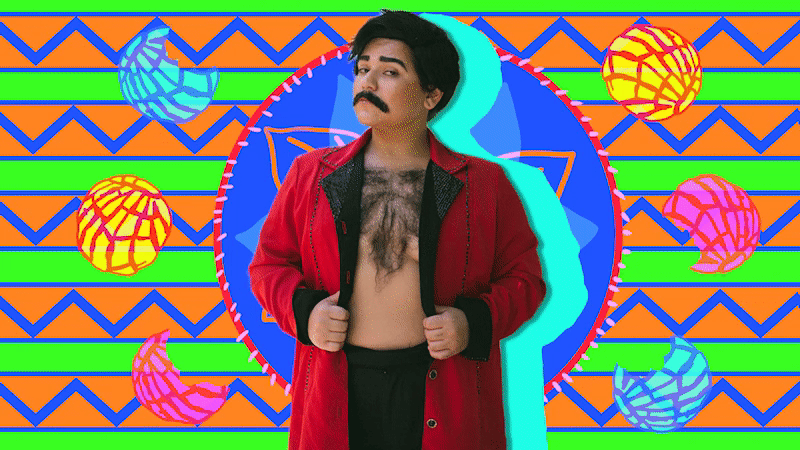
"caption": "Reigning San Francisco Drag King Jay Mercury",
"description": "Reigning San Francisco Drag King Jay Mercury",
"title": "jaymercurysmaller",
"credit": "Photo: Christina Campbell/KQED; GIF: Creo Noveno",
"status": "inherit",
"isLoading": false,
"fetchFailed": false
}
},
"audioPlayerReducer": {
"postId": "stream_live",
"isPaused": true,
"isPlaying": false,
"pfsActive": false,
"pledgeModalIsOpen": true,
"playerDrawerIsOpen": false,
"liveAudioPlayStartedAt": 0,
"liveAudioPlayContext": ""
},
"authorsReducer": {
"byline_arts_13837882": {
"type": "authors",
"id": "byline_arts_13837882",
"meta": {
"override": true
},
"slug": "byline_arts_13837882",
"name": "Omid Zoufonoun",
"isLoading": false
},
"byline_arts_13837846": {
"type": "authors",
"id": "byline_arts_13837846",
"meta": {
"override": true
},
"slug": "byline_arts_13837846",
"name": "Montse Reyes",
"isLoading": false
},
"shotchkiss": {
"type": "authors",
"id": "61",
"meta": {
"index": "authors_1716337520",
"id": "61",
"found": true
},
"name": "Sarah Hotchkiss",
"firstName": "Sarah",
"lastName": "Hotchkiss",
"slug": "shotchkiss",
"email": "shotchkiss@kqed.org",
"display_author_email": true,
"staff_mastheads": [
"arts"
],
"title": "Senior Editor",
"bio": "Sarah Hotchkiss is a San Francisco \u003ca href=\"http://www.sarahhotchkiss.com\">artist\u003c/a> and arts writer. In 2019, she received the Dorothea & Leo Rabkin Foundation grant for visual art journalism and in 2020 she received a Society of Professional Journalists, Northern California award for excellence in arts and culture reporting.",
"avatar": "https://secure.gravatar.com/avatar/bc662df144b3d27fd8b1b6f1c2a420d34e91e53154d411bb7ad353cc8b6cea8d?s=600&d=blank&r=g",
"twitter": null,
"bluesky": null,
"facebook": null,
"instagram": null,
"linkedin": null,
"sites": [
{
"site": "",
"roles": [
"editor"
]
},
{
"site": "arts",
"roles": [
"Contributor",
"administrator"
]
},
{
"site": "artschool",
"roles": [
"administrator"
]
},
{
"site": "news",
"roles": [
"editor"
]
},
{
"site": "pop",
"roles": [
"administrator"
]
},
{
"site": "bayareabites",
"roles": [
"editor"
]
},
{
"site": "spark",
"roles": [
"editor"
]
},
{
"site": "checkplease",
"roles": [
"editor"
]
}
],
"headData": {
"title": "Sarah Hotchkiss | KQED",
"description": "Senior Editor",
"ogImgSrc": "https://secure.gravatar.com/avatar/bc662df144b3d27fd8b1b6f1c2a420d34e91e53154d411bb7ad353cc8b6cea8d?s=600&d=blank&r=g",
"twImgSrc": "https://secure.gravatar.com/avatar/bc662df144b3d27fd8b1b6f1c2a420d34e91e53154d411bb7ad353cc8b6cea8d?s=600&d=blank&r=g"
},
"isLoading": false,
"link": "/author/shotchkiss"
},
"kjones": {
"type": "authors",
"id": "93",
"meta": {
"index": "authors_1716337520",
"id": "93",
"found": true
},
"name": "Kevin L. Jones",
"firstName": "Kevin",
"lastName": "Jones",
"slug": "kjones",
"email": "kjones@kqed.org",
"display_author_email": false,
"staff_mastheads": [],
"title": null,
"bio": null,
"avatar": "https://secure.gravatar.com/avatar/12c65b5633ed39d0a59bb7f497eff645?s=600&d=blank&r=g",
"twitter": null,
"facebook": null,
"instagram": null,
"linkedin": null,
"sites": [
{
"site": "arts",
"roles": [
"subscriber"
]
},
{
"site": "styleguide",
"roles": [
"contributor"
]
},
{
"site": "artschool",
"roles": [
"subscriber"
]
},
{
"site": "news",
"roles": [
"subscriber"
]
},
{
"site": "pop",
"roles": [
"subscriber"
]
}
],
"headData": {
"title": "Kevin L. Jones | KQED",
"description": null,
"ogImgSrc": "https://secure.gravatar.com/avatar/12c65b5633ed39d0a59bb7f497eff645?s=600&d=blank&r=g",
"twImgSrc": "https://secure.gravatar.com/avatar/12c65b5633ed39d0a59bb7f497eff645?s=600&d=blank&r=g"
},
"isLoading": false,
"link": "/author/kjones"
},
"kwhalen": {
"type": "authors",
"id": "3248",
"meta": {
"index": "authors_1716337520",
"id": "3248",
"found": true
},
"name": "Kelly Whalen",
"firstName": "Kelly",
"lastName": "Whalen",
"slug": "kwhalen",
"email": "kwhalen@kqed.org",
"display_author_email": false,
"staff_mastheads": [],
"title": "Senior Video Producer",
"bio": "Kelly Whalen is a filmmaker and educator who directs and produces social justice documentaries and award-winning arts and culture web series. She is the creator of KQED Arts’ three-time Webby Award-winning YouTube series \u003cem>If Cities Could Dance\u003c/em>, featuring dancers across the country representing their cities’ signature moves, and the director of \u003cem>When the Waters Get Deep\u003c/em>, a documentary about Oakland-based artists SOL Development and their work toward healing their communities’ trauma from gun violence.",
"avatar": "https://secure.gravatar.com/avatar/1a2b57e8a13abdcfc3d4966d9c0e1512?s=600&d=blank&r=g",
"twitter": "kellyfilmmaker",
"facebook": null,
"instagram": null,
"linkedin": null,
"sites": [
{
"site": "arts",
"roles": [
"subscriber"
]
}
],
"headData": {
"title": "Kelly Whalen | KQED",
"description": "Senior Video Producer",
"ogImgSrc": "https://secure.gravatar.com/avatar/1a2b57e8a13abdcfc3d4966d9c0e1512?s=600&d=blank&r=g",
"twImgSrc": "https://secure.gravatar.com/avatar/1a2b57e8a13abdcfc3d4966d9c0e1512?s=600&d=blank&r=g"
},
"isLoading": false,
"link": "/author/kwhalen"
},
"jhesig": {
"type": "authors",
"id": "11333",
"meta": {
"index": "authors_1716337520",
"id": "11333",
"found": true
},
"name": "Janelle Hessig",
"firstName": "Janelle",
"lastName": "Hessig",
"slug": "jhesig",
"email": "jhessig@kqed.org",
"display_author_email": false,
"staff_mastheads": [],
"title": "KQED Contributor",
"bio": null,
"avatar": "https://secure.gravatar.com/avatar/27dd6e3cd88f82541593bd6d8f2aec4a?s=600&d=mm&r=g",
"twitter": null,
"facebook": null,
"instagram": null,
"linkedin": null,
"sites": [
{
"site": "arts",
"roles": []
},
{
"site": "food",
"roles": []
},
{
"site": "filmschoolshorts",
"roles": [
"editor"
]
}
],
"headData": {
"title": "Janelle Hessig | KQED",
"description": "KQED Contributor",
"ogImgSrc": "https://secure.gravatar.com/avatar/27dd6e3cd88f82541593bd6d8f2aec4a?s=600&d=mm&r=g",
"twImgSrc": "https://secure.gravatar.com/avatar/27dd6e3cd88f82541593bd6d8f2aec4a?s=600&d=mm&r=g"
},
"isLoading": false,
"link": "/author/jhesig"
},
"nvoynovskaya": {
"type": "authors",
"id": "11387",
"meta": {
"index": "authors_1716337520",
"id": "11387",
"found": true
},
"name": "Nastia Voynovskaya",
"firstName": "Nastia",
"lastName": "Voynovskaya",
"slug": "nvoynovskaya",
"email": "nvoynovskaya@kqed.org",
"display_author_email": false,
"staff_mastheads": [
"arts"
],
"title": "Editor and reporter",
"bio": "Nastia Voynovskaya is a reporter and editor at KQED Arts & Culture. She's been covering the arts in the Bay Area for over a decade, with a focus on music, queer culture, labor issues and grassroots organizing. She has edited KQED story series such as Trans Bay: A History of San Francisco's Gender-Diverse Community, and co-created KQED's Bay Area hip-hop history project, That's My Word. Nastia's work has been recognized by the Society of Professional Journalists and San Francisco Press Club. She holds a BA in comparative literature from UC Berkeley.",
"avatar": "https://secure.gravatar.com/avatar/5025ee460e5a85d69ca20ea6c6f2f80d7e17795c828f61ea3aecfcd924e9042e?s=600&d=blank&r=g",
"twitter": null,
"bluesky": null,
"facebook": null,
"instagram": "https://www.instagram.com/nananastia/",
"linkedin": null,
"sites": [
{
"site": "arts",
"roles": [
"administrator"
]
},
{
"site": "news",
"roles": [
"editor"
]
},
{
"site": "pop",
"roles": [
"administrator"
]
},
{
"site": "bayareabites",
"roles": [
"editor"
]
},
{
"site": "podcasts",
"roles": [
"editor"
]
},
{
"site": "hiphop",
"roles": [
"editor"
]
}
],
"headData": {
"title": "Nastia Voynovskaya | KQED",
"description": "Editor and reporter",
"ogImgSrc": "https://secure.gravatar.com/avatar/5025ee460e5a85d69ca20ea6c6f2f80d7e17795c828f61ea3aecfcd924e9042e?s=600&d=blank&r=g",
"twImgSrc": "https://secure.gravatar.com/avatar/5025ee460e5a85d69ca20ea6c6f2f80d7e17795c828f61ea3aecfcd924e9042e?s=600&d=blank&r=g"
},
"isLoading": false,
"link": "/author/nvoynovskaya"
},
"ogpenn": {
"type": "authors",
"id": "11491",
"meta": {
"index": "authors_1716337520",
"id": "11491",
"found": true
},
"name": "Pendarvis Harshaw",
"firstName": "Pendarvis",
"lastName": "Harshaw",
"slug": "ogpenn",
"email": "ogpenn@gmail.com",
"display_author_email": false,
"staff_mastheads": [
"arts"
],
"title": "Community Engagement Reporter",
"bio": "Pendarvis Harshaw is an educator, host and writer with KQED Arts.",
"avatar": "https://secure.gravatar.com/avatar/972b77ee8e3f346ae2b00622661187fbfabd059b5693bbdc1475ea7a722fd4cd?s=600&d=blank&r=g",
"twitter": null,
"bluesky": null,
"facebook": null,
"instagram": "ogpenn",
"linkedin": null,
"sites": [
{
"site": "arts",
"roles": [
"administrator"
]
},
{
"site": "news",
"roles": [
"editor"
]
},
{
"site": "bayareabites",
"roles": [
"author"
]
},
{
"site": "hiphop",
"roles": [
"editor"
]
}
],
"headData": {
"title": "Pendarvis Harshaw | KQED",
"description": "Community Engagement Reporter",
"ogImgSrc": "https://secure.gravatar.com/avatar/972b77ee8e3f346ae2b00622661187fbfabd059b5693bbdc1475ea7a722fd4cd?s=600&d=blank&r=g",
"twImgSrc": "https://secure.gravatar.com/avatar/972b77ee8e3f346ae2b00622661187fbfabd059b5693bbdc1475ea7a722fd4cd?s=600&d=blank&r=g"
},
"isLoading": false,
"link": "/author/ogpenn"
},
"azucenarasilla": {
"type": "authors",
"id": "11624",
"meta": {
"index": "authors_1716337520",
"id": "11624",
"found": true
},
"name": "Azucena Rasilla",
"firstName": "Azucena",
"lastName": "Rasilla",
"slug": "azucenarasilla",
"email": "azucena.rasilla@gmail.com",
"display_author_email": false,
"staff_mastheads": [],
"title": null,
"bio": "Freelance Journalist I former East Bay Express I DM/email music/arts/culture tips that I can turn into stories I azucena.rasilla@gmail.com",
"avatar": "https://secure.gravatar.com/avatar/451ecba09a36b5e0f6fbb13210621eea?s=600&d=blank&r=g",
"twitter": "chroniclesofazu",
"facebook": null,
"instagram": null,
"linkedin": null,
"sites": [
{
"site": "arts",
"roles": [
"contributor"
]
},
{
"site": "bayareabites",
"roles": [
"contributor"
]
}
],
"headData": {
"title": "Azucena Rasilla | KQED",
"description": null,
"ogImgSrc": "https://secure.gravatar.com/avatar/451ecba09a36b5e0f6fbb13210621eea?s=600&d=blank&r=g",
"twImgSrc": "https://secure.gravatar.com/avatar/451ecba09a36b5e0f6fbb13210621eea?s=600&d=blank&r=g"
},
"isLoading": false,
"link": "/author/azucenarasilla"
}
},
"pagesReducer": {
"arts_tag_oakland": {
"type": "terms",
"id": "arts_1143",
"meta": {
"index": "terms_1716263798",
"site": "arts",
"id": "1143",
"score": 6.883923
},
"featImg": null,
"name": "Oakland",
"description": null,
"taxonomy": "tag",
"headData": {
"twImgId": null,
"twTitle": null,
"ogTitle": null,
"ogImgId": null,
"twDescription": null,
"description": null,
"title": "Oakland Archives | KQED Arts",
"ogDescription": null
},
"ttid": 692,
"slug": "oakland",
"isLoading": false,
"title": "Oakland",
"pageMeta": {
"site": "arts",
"WpPageTemplate": "page-topic-editorial",
"currentPage": 60
},
"blocks": [
{
"blockName": "kqed/post-list",
"attrs": {
"layout": "cardArticle2",
"query": "posts/arts?tag=oakland",
"seeMore": false,
"paginated": true,
"page": 60
}
},
{
"blockName": "kqed/ad"
}
]
}
},
"pfsSessionReducer": {},
"postsReducer": {
"stream_live": {
"type": "live",
"id": "stream_live",
"audioUrl": "https://streams.kqed.org/kqedradio",
"title": "Live Stream",
"excerpt": "Live Stream information currently unavailable.",
"link": "/radio",
"featImg": "",
"label": {
"name": "KQED Live",
"link": "/"
}
},
"stream_kqedNewscast": {
"type": "posts",
"id": "stream_kqedNewscast",
"audioUrl": "https://www.kqed.org/.stream/anon/radio/RDnews/newscast.mp3?_=1",
"title": "KQED Newscast",
"featImg": "",
"label": {
"name": "88.5 FM",
"link": "/"
}
},
"arts_13837971": {
"type": "posts",
"id": "arts_13837971",
"meta": {
"index": "posts_1716263798",
"site": "arts",
"id": "13837971",
"score": null,
"sort": [
1532973832000
]
},
"guestAuthors": [],
"slug": "oakland-gentrification-beyond-the-stats-a-conversation-with-pendarvis-harshaw",
"title": "Oakland Gentrification Beyond the Stats: A Conversation with Pendarvis Harshaw",
"publishDate": 1532973832,
"format": "image",
"headTitle": "Oakland Gentrification Beyond the Stats: A Conversation with Pendarvis Harshaw | KQED",
"labelTerm": {
"site": "arts"
},
"content": "\u003cp>The “\u003ca href=\"https://www.kqed.org/arts/13832886/were-still-here-bbqn-while-black-draws-out-oaklanders-in-force\" target=\"_blank\" rel=\"noopener noreferrer\">BBQ’n While Black\u003c/a>” protest. Marshawn Lynch’s \u003ca href=\"https://www.kqed.org/arts/13836150/the-power-of-taking-up-space-at-marshawn-lynchs-oakland-rideout\" target=\"_blank\" rel=\"noopener noreferrer\">community bike ride\u003c/a>. \u003ca href=\"https://www.kqed.org/arts/13828811/in-the-field-with-east-oakland-collective-a-grassroots-group-aiding-the-homeless\" target=\"_blank\" rel=\"noopener noreferrer\">The East Oakland Collective\u003c/a>‘s grassroots efforts to help the homeless. What do these things have in common? Regular readers of Pendarvis Harshaw’s \u003ca href=\"https://www.kqed.org/author/ogpenn\" target=\"_blank\" rel=\"noopener noreferrer\">KQED Arts column\u003c/a> will know that these are examples of Oakland’s African-American community’s resilience in the face of gentrification and displacement.\u003c/p>\n\u003cp>You’ve likely heard stories of friends and neighbors leaving The Town for cities with cheaper rents, like Antioch and Sacramento. You’ve probably noticed that homeless encampments in Oakland have grown substantially in the past few years, and that there are a lot more unsheltered people on Oakland’s streets. And you’ve seen the viral videos of the white woman who called the cops on a black family having a barbecue at Lake Merritt (prompting “BBQ’n While Black”); or the white man who \u003ca href=\"https://www.sfchronicle.com/crime/article/Charges-filed-against-Oakland-s-Jogger-12991999.php\" target=\"_blank\" rel=\"noopener noreferrer\">threw a homeless man’s belongings\u003c/a> into the same lake; or read about white residents \u003ca href=\"https://www.sfchronicle.com/bayarea/article/Black-firefighter-on-inspection-duty-in-Oakland-13021084.php\" target=\"_blank\" rel=\"noopener noreferrer\">calling the police on black firefighters\u003c/a> doing their jobs in the Oakland hills—the list goes on.\u003c/p>\n\u003cp>In a recent conversation on Facebook Live, Harshaw and I took a look at some of the statistics that tell us how much Oakland has actually changed in the past 15 years, as well as the human stories and anecdotes behind the numbers. How has Oakland’s culture shifted as its black population, which in 1980 made up 48 percent of the city’s total population, now hovers around 24 percent? What legislation has made low-income renters vulnerable to eviction and accelerated the homelessness crisis? What are Oakland natives, and black Oaklanders especially, doing to fight cultural erasure?\u003c/p>\n\u003cp>Watch below as we investigate these questions, and keep up with \u003ca href=\"https://www.kqed.org/author/ogpenn\" target=\"_blank\" rel=\"noopener noreferrer\">Harshaw’s column\u003c/a> as he continues to explore the issues facing his hometown.\u003c/p>\n\u003cp>\u003c!-- iframe plugin v.4.3 wordpress.org/plugins/iframe/ -->\u003cbr>\n\u003ciframe loading=\"lazy\" src=\"https://www.facebook.com/plugins/video.php?href=https%3A%2F%2Fwww.facebook.com%2FKQED%2Fvideos%2F10155318032461191%2F&show_text=0&width=560\" width=\"560\" height=\"315\" style=\"border:none;overflow:hidden\" scrolling=\"no\" frameborder=\"0\" allowtransparency=\"true\" allowfullscreen=\"true\" class=\"iframe-class\">\u003c/iframe>\u003c/p>\n\u003cp>[ad fullwidth]\u003c/p>\u003cp>\u003c/p>\n",
"blocks": [],
"excerpt": "Watch a statistics-based discussion of population shifts, displacement, rent control and cultural erasure.",
"status": "publish",
"parent": 0,
"modified": 1726771021,
"stats": {
"hasAudio": false,
"hasVideo": false,
"hasChartOrMap": false,
"iframeSrcs": [],
"hasGoogleForm": false,
"hasGallery": false,
"hasHearkenModule": false,
"hasPolis": false,
"paragraphCount": 7,
"wordCount": 323
},
"headData": {
"title": "Oakland Gentrification Beyond the Stats: A Conversation with Pendarvis Harshaw | KQED",
"description": "Watch a statistics-based discussion of population shifts, displacement, rent control and cultural erasure.",
"ogTitle": "",
"ogDescription": "",
"ogImgId": "",
"twTitle": "",
"twDescription": "",
"twImgId": "",
"schema": {
"@context": "https://schema.org",
"@type": "Article",
"headline": "Oakland Gentrification Beyond the Stats: A Conversation with Pendarvis Harshaw",
"datePublished": "2018-07-30T11:03:52-07:00",
"dateModified": "2024-09-19T11:37:01-07:00",
"image": "https://cdn.kqed.org/wp-content/uploads/2020/02/KQED-OG-Image@1x.png"
}
},
"sticky": false,
"excludeFromSiteSearch": "Include",
"articleAge": "0",
"path": "/arts/13837971/oakland-gentrification-beyond-the-stats-a-conversation-with-pendarvis-harshaw",
"audioTrackLength": null,
"parsedContent": [
{
"type": "contentString",
"content": "\u003cdiv class=\"post-body\">\u003cp>\u003cp>The “\u003ca href=\"https://www.kqed.org/arts/13832886/were-still-here-bbqn-while-black-draws-out-oaklanders-in-force\" target=\"_blank\" rel=\"noopener noreferrer\">BBQ’n While Black\u003c/a>” protest. Marshawn Lynch’s \u003ca href=\"https://www.kqed.org/arts/13836150/the-power-of-taking-up-space-at-marshawn-lynchs-oakland-rideout\" target=\"_blank\" rel=\"noopener noreferrer\">community bike ride\u003c/a>. \u003ca href=\"https://www.kqed.org/arts/13828811/in-the-field-with-east-oakland-collective-a-grassroots-group-aiding-the-homeless\" target=\"_blank\" rel=\"noopener noreferrer\">The East Oakland Collective\u003c/a>‘s grassroots efforts to help the homeless. What do these things have in common? Regular readers of Pendarvis Harshaw’s \u003ca href=\"https://www.kqed.org/author/ogpenn\" target=\"_blank\" rel=\"noopener noreferrer\">KQED Arts column\u003c/a> will know that these are examples of Oakland’s African-American community’s resilience in the face of gentrification and displacement.\u003c/p>\n\u003cp>You’ve likely heard stories of friends and neighbors leaving The Town for cities with cheaper rents, like Antioch and Sacramento. You’ve probably noticed that homeless encampments in Oakland have grown substantially in the past few years, and that there are a lot more unsheltered people on Oakland’s streets. And you’ve seen the viral videos of the white woman who called the cops on a black family having a barbecue at Lake Merritt (prompting “BBQ’n While Black”); or the white man who \u003ca href=\"https://www.sfchronicle.com/crime/article/Charges-filed-against-Oakland-s-Jogger-12991999.php\" target=\"_blank\" rel=\"noopener noreferrer\">threw a homeless man’s belongings\u003c/a> into the same lake; or read about white residents \u003ca href=\"https://www.sfchronicle.com/bayarea/article/Black-firefighter-on-inspection-duty-in-Oakland-13021084.php\" target=\"_blank\" rel=\"noopener noreferrer\">calling the police on black firefighters\u003c/a> doing their jobs in the Oakland hills—the list goes on.\u003c/p>\n\u003cp>In a recent conversation on Facebook Live, Harshaw and I took a look at some of the statistics that tell us how much Oakland has actually changed in the past 15 years, as well as the human stories and anecdotes behind the numbers. How has Oakland’s culture shifted as its black population, which in 1980 made up 48 percent of the city’s total population, now hovers around 24 percent? What legislation has made low-income renters vulnerable to eviction and accelerated the homelessness crisis? What are Oakland natives, and black Oaklanders especially, doing to fight cultural erasure?\u003c/p>\n\u003cp>Watch below as we investigate these questions, and keep up with \u003ca href=\"https://www.kqed.org/author/ogpenn\" target=\"_blank\" rel=\"noopener noreferrer\">Harshaw’s column\u003c/a> as he continues to explore the issues facing his hometown.\u003c/p>\n\u003cp>\u003c!-- iframe plugin v.4.3 wordpress.org/plugins/iframe/ -->\u003cbr>\n\u003ciframe loading=\"lazy\" src=\"https://www.facebook.com/plugins/video.php?href=https%3A%2F%2Fwww.facebook.com%2FKQED%2Fvideos%2F10155318032461191%2F&show_text=0&width=560\" width=\"560\" height=\"315\" style=\"border:none;overflow:hidden\" scrolling=\"no\" frameborder=\"0\" allowtransparency=\"true\" allowfullscreen=\"true\" class=\"iframe-class\">\u003c/iframe>\u003c/p>\n\u003cp>\u003c/p>\u003c/div>",
"attributes": {
"named": {},
"numeric": []
}
},
{
"type": "component",
"content": "",
"name": "ad",
"attributes": {
"named": {
"label": "fullwidth"
},
"numeric": [
"fullwidth"
]
}
},
{
"type": "contentString",
"content": "\u003cdiv class=\"post-body\">\u003cp>\u003c/p>\u003cp>\u003c/p>\n\u003c/div>\u003c/p>",
"attributes": {
"named": {},
"numeric": []
}
}
],
"link": "/arts/13837971/oakland-gentrification-beyond-the-stats-a-conversation-with-pendarvis-harshaw",
"authors": [
"11387"
],
"categories": [
"arts_2303"
],
"tags": [
"arts_4898",
"arts_2767",
"arts_1118",
"arts_1332",
"arts_1143",
"arts_4814"
],
"featImg": "arts_13832899",
"label": "arts"
},
"arts_13837882": {
"type": "posts",
"id": "arts_13837882",
"meta": {
"index": "posts_1716263798",
"site": "arts",
"id": "13837882",
"score": null,
"sort": [
1532642411000
]
},
"parent": 0,
"labelTerm": {
"site": "arts"
},
"blocks": [],
"publishDate": 1532642411,
"format": "video",
"title": "Rapper and Pianist Kev Choice Makes Music to Heal Oakland—and Himself",
"headTitle": "Rapper and Pianist Kev Choice Makes Music to Heal Oakland—and Himself | KQED",
"content": "\u003cp>Kev Choice is a rapper, educator and classically trained pianist who seems to be everywhere in the local music scene. Bay Area concertgoers might recognize him from Yoshi’s or SFJazz, where he’s performed with his Kev Choice Ensemble, or remember him from behind the keys accompanying local artists like Too Short and Rayana Jay.\u003c/p>\n\u003cp>Choice, who was born and raised in Oakland, says that his main goal with his music is to inspire people of different walks of life and create safe spaces for self-expression. \u003ca href=\"https://kevchoice.wordpress.com/\">His music\u003c/a> is also a way for him to celebrate Oakland’s culture and give back to his community. For Choice, Oakland has always been a mecca for diversity and a center of black excellence. He grew up with black teachers and role models who inspired him to pursue his musical aspirations; now as an adult, he pays it forward by regularly mentoring and performing with student musicians from local high schools.\u003c/p>\n\u003cp>“When I started my band Kev Choice Ensemble, really my first main goal was being able to have a band of young, African-American musicians who would play music at a high level and high caliber,” he says.\u003c/p>\n\u003cp>One of Choice’s most important works to date is his \u003ca href=\"https://www.oaklandsymphony.org/event/rooted-in-oakland/\">\u003cem>Soul Restoration Suite\u003c/em>\u003c/a>, a piece commissioned by the Oakland Symphony. He says he wrote it when he was going through a period of personal life changes while watching his hometown transform as a result of ongoing gentrification. “It was me trying to restore my soul and also trying to restore the soul of Oakland at the same time,” he says. The piece mixes hip-hop and classical influences (think Ravel meets A Tribe Called Quest), and Choice debuted it at the Oakland Symphony in March 2018 with the Kev Choice Ensemble, Oakland School for the Arts High School Vocal Chorus and vocalists Jennifer Johns and Viveca Hawkins.\u003c/p>\n\u003cp>“That word restoration came to me,” Choice says. “I was trying to get back to who I really am as a person—what got me into music, that desire to be better, that desire to grow—at the same time thinking about what Oakland is right now. How do we get back to that community of support, of pride?” — \u003cem>Text by Nastia Voynovskaya\u003c/em>\u003c/p>\n\u003cp>[ad fullwidth]\u003c/p>\u003cp>\u003c/p>\n",
"stats": {
"hasVideo": false,
"hasChartOrMap": false,
"hasAudio": false,
"hasPolis": false,
"wordCount": 397,
"hasGoogleForm": false,
"hasGallery": false,
"hasHearkenModule": false,
"iframeSrcs": [],
"paragraphCount": 7
},
"modified": 1705027442,
"excerpt": "Choice's 'Soul Restoration Suite' is a new kind of spiritual for a city grappling with gentrification and displacement.",
"headData": {
"twImgId": "",
"twTitle": "",
"ogTitle": "",
"ogImgId": "",
"twDescription": "",
"description": "Choice's 'Soul Restoration Suite' is a new kind of spiritual for a city grappling with gentrification and displacement.",
"title": "Rapper and Pianist Kev Choice Makes Music to Heal Oakland—and Himself | KQED",
"ogDescription": "",
"schema": {
"@context": "https://schema.org",
"@type": "Article",
"headline": "Rapper and Pianist Kev Choice Makes Music to Heal Oakland—and Himself",
"datePublished": "2018-07-26T15:00:11-07:00",
"dateModified": "2024-01-11T18:44:02-08:00",
"image": "https://cdn.kqed.org/wp-content/uploads/2020/02/KQED-OG-Image@1x.png"
}
},
"guestAuthors": [],
"slug": "rapper-and-pianist-kev-choice-makes-music-to-heal-oakland-and-himself",
"status": "publish",
"videoEmbed": "https://www.youtube.com/watch?v=tJGqo6eODgA",
"nprByline": "Omid Zoufonoun",
"excludeFromSiteSearch": "Include",
"pbsMediaId": "3071157717",
"sticky": false,
"showOnAuthorArchivePages": "No",
"path": "/arts/13837882/rapper-and-pianist-kev-choice-makes-music-to-heal-oakland-and-himself",
"audioTrackLength": null,
"parsedContent": [
{
"type": "contentString",
"content": "\u003cdiv class=\"post-body\">\u003cp>\u003cp>Kev Choice is a rapper, educator and classically trained pianist who seems to be everywhere in the local music scene. Bay Area concertgoers might recognize him from Yoshi’s or SFJazz, where he’s performed with his Kev Choice Ensemble, or remember him from behind the keys accompanying local artists like Too Short and Rayana Jay.\u003c/p>\n\u003cp>Choice, who was born and raised in Oakland, says that his main goal with his music is to inspire people of different walks of life and create safe spaces for self-expression. \u003ca href=\"https://kevchoice.wordpress.com/\">His music\u003c/a> is also a way for him to celebrate Oakland’s culture and give back to his community. For Choice, Oakland has always been a mecca for diversity and a center of black excellence. He grew up with black teachers and role models who inspired him to pursue his musical aspirations; now as an adult, he pays it forward by regularly mentoring and performing with student musicians from local high schools.\u003c/p>\n\u003cp>“When I started my band Kev Choice Ensemble, really my first main goal was being able to have a band of young, African-American musicians who would play music at a high level and high caliber,” he says.\u003c/p>\n\u003cp>One of Choice’s most important works to date is his \u003ca href=\"https://www.oaklandsymphony.org/event/rooted-in-oakland/\">\u003cem>Soul Restoration Suite\u003c/em>\u003c/a>, a piece commissioned by the Oakland Symphony. He says he wrote it when he was going through a period of personal life changes while watching his hometown transform as a result of ongoing gentrification. “It was me trying to restore my soul and also trying to restore the soul of Oakland at the same time,” he says. The piece mixes hip-hop and classical influences (think Ravel meets A Tribe Called Quest), and Choice debuted it at the Oakland Symphony in March 2018 with the Kev Choice Ensemble, Oakland School for the Arts High School Vocal Chorus and vocalists Jennifer Johns and Viveca Hawkins.\u003c/p>\n\u003cp>“That word restoration came to me,” Choice says. “I was trying to get back to who I really am as a person—what got me into music, that desire to be better, that desire to grow—at the same time thinking about what Oakland is right now. How do we get back to that community of support, of pride?” — \u003cem>Text by Nastia Voynovskaya\u003c/em>\u003c/p>\n\u003cp>\u003c/p>\u003c/div>",
"attributes": {
"named": {},
"numeric": []
}
},
{
"type": "component",
"content": "",
"name": "ad",
"attributes": {
"named": {
"label": "fullwidth"
},
"numeric": [
"fullwidth"
]
}
},
{
"type": "contentString",
"content": "\u003cdiv class=\"post-body\">\u003cp>\u003c/p>\u003cp>\u003c/p>\n\u003c/div>\u003c/p>",
"attributes": {
"named": {},
"numeric": []
}
}
],
"link": "/arts/13837882/rapper-and-pianist-kev-choice-makes-music-to-heal-oakland-and-himself",
"authors": [
"byline_arts_13837882"
],
"categories": [
"arts_69"
],
"tags": [
"arts_1118",
"arts_1332",
"arts_5371",
"arts_596",
"arts_1143",
"arts_3281",
"arts_3126",
"arts_5265",
"arts_5267",
"arts_1007"
],
"featImg": "arts_13837886",
"label": "arts"
},
"arts_13837846": {
"type": "posts",
"id": "arts_13837846",
"meta": {
"index": "posts_1716263798",
"site": "arts",
"id": "13837846",
"score": null,
"sort": [
1532633371000
]
},
"parent": 0,
"labelTerm": {
"site": "arts"
},
"blocks": [],
"publishDate": 1532633371,
"format": "standard",
"title": "Oakland's Experimental Hip-Hop Party Smart Bomb is Blowing Up",
"headTitle": "Oakland’s Experimental Hip-Hop Party Smart Bomb is Blowing Up | KQED",
"content": "\u003cp>It’s just after 11pm on a Saturday night in July, and bodies are spilling out of the second-floor venue of the Legionnaire Saloon in Oakland. It’s crowded. So crowded that finding a spot inside requires patience, fluidity and a string of “excuse me’s.”\u003c/p>\n\u003cp>The DJ, Threesixsashia, drops Deneice Williams’s airy, glittering ’70s R&B single “Free” into her set. There’s not much room to dance, but fervent nods and widely splayed smiles abound at volume 49 of the monthly beat showcase, \u003ca href=\"https://smartbomboakland.bandcamp.com/\" target=\"_blank\" rel=\"noopener\">Smart Bomb\u003c/a>.\u003c/p>\n\u003cp>Saturday nights like these have been a regular occurrence since 2013 for the East Bay music and art collective behind the popular party, which spotlights mostly local producers and DJs with an ear for experimental jazz, hip-hop and electronic sounds.\u003c/p>\n\u003cp>“It’s kind of like church,” says co-founder Jason Garcia, who also performs as \u003ca href=\"https://soundcloud.com/asonic-garcia\" target=\"_blank\" rel=\"noopener\">Asonic\u003c/a>.\u003c/p>\n\u003cp>https://youtu.be/00CRvTo6F-Q\u003c/p>\n\u003cp>[ad fullwidth]\u003c/p>\n\u003cp>Born of the imaginations of avid record collectors and crate diggers, “beat music” is a cross-pollination of R&B, hip-hop, jazz and more obscure, cerebral genres like IDM, or intelligent dance music. This type of experimental beatmaking saw a more mainstream crossover when, picking up the baton from the cult producers like Dabrye and J Dilla, producer and head of \u003ca href=\"https://www.alphapuprecords.com/\" target=\"_blank\" rel=\"noopener\">Alpha Pup Records\u003c/a>, Daddy Kev, launched the party \u003ca href=\"http://www.lowendtheoryclub.com/\" target=\"_blank\" rel=\"noopener\">Low End Theory\u003c/a> in 2006. With Low End, Daddy Kev created a platform for influential artists like Flying Lotus, DJ Nobody, Nosaj Thing, Daedelus and Glitch Mob, and laid the groundwork for creating and fostering a community of artists who spun hip-hop into a patchwork of sputtering drums, psychedelic synthesizers and near-suffocating bass.\u003c/p>\n\u003cp>“Those cats inspired everyone,” says Smart Bomb member Andrew Johnson, who makes music as Drewmin. “Everyone tried to run around and do what they were doing.”\u003c/p>\n\u003cp>While Johnson saw the beauty in Low End, he didn’t want to just reproduce the L.A. party. Instead, he sought to give it a distinctly Bay Area spin. “It’s like when people talk about sampling Dilla: don’t bite that guy, do something crazy and new if you want to honor dude,” says Johnson.\u003c/p>\n\u003cp>\u003c!-- iframe plugin v.4.3 wordpress.org/plugins/iframe/ -->\u003cbr>\n\u003ciframe loading=\"lazy\" style=\"border: 0; width: 100%; height: 120px;\" src=\"https://bandcamp.com/EmbeddedPlayer/album=2573862317/size=large/bgcol=ffffff/linkcol=0687f5/tracklist=false/artwork=small/transparent=true/\" width=\"100%\" height=\"500\" scrolling=\"yes\" class=\"iframe-class\" frameborder=\"0\">\u003c/iframe>\u003c/p>\n\u003cp>“The Bay Area has its own style,” says Garcia. “The headiest people could also be the hyphiest people. There’s a soulfulness that’s in everything, no matter what you do. You come up to the Bay for new ideas, so that’s what we’re trying to be, on the forefront of this type of music.”\u003c/p>\n\u003cp>In the beginning, it was hard to get promoters on board with the nebulous nature of Smart Bomb. “We started it out of sheer lack of any kind of consistent gathering for all the artists we hang around with,” Garcia says.\u003c/p>\n\u003cp>Smart Bomb found a home when Legionnaire owner Zack Turner was on the verge of opening his venue and looking to book local talent. The Irish pub and Smart Bomb volume one both debuted in March 2013.\u003c/p>\n\u003cp>“We were kind of on the fringe of everything,” Garcia says. For the first show, which starred his band Secret Sidewalk, whose music plays like a futurist dispatch of samples, synths and saxophones, he called up friends from different geographic and sonic pockets to assemble his “dream team” line-up: funk-oriented Oakland producer SpaceGhost, San Francisco’s Ruff Draft, Puzzle and Secret Sidewalk member Mike Boo.\u003c/p>\n\u003cp>“There was a wealth of talent in our community that never really had a place to shine before,” Garcia says. In the last five years, Smart Bomb has also booked talent from outside the Bay Area (previous names on the bill include introspective rapper/producer Quelle Chris, Watts-born beatmaker Dibia$e and Ras G, an Afrofuturist, free jazz-inspired producer and DJ out of Los Angeles) but their focus remains on Oakland talent, and people have taken notice.\u003c/p>\n\u003cp>https://youtu.be/PNi_ovN_3CQ\u003c/p>\n\u003cp>The collective is one of six DJ crews picked to play \u003ca href=\"https://www.redbull.com/us-en/music/events/red-bull-music-presents-oakland\" target=\"_blank\" rel=\"noopener\">Red Bull Music’s Oakland showcase\u003c/a> this on July 28. Alongside Club Chai, the B-Side Brujas, Another Party Fam, 45 Sessions and NVR OVR, Smart Bomb will round out a party intended to highlight the underground music scenes that make The Town was it is.\u003c/p>\n\u003cp>“As we [continue to] grow, it’s important to have a balance of shining light on new talent and exposing young people to the legends,” Garcia says. This balance of established local talent and up-and-comers, the crew envisions, is a chance to show greener artists the ropes.\u003c/p>\n\u003cp>“A lot of these young cats, they’re in their bedrooms being creative, they have amazing imaginations but they don’t know nothing about what kind of cables they need or what kind of plugs; they don’t know about how to hold the mic or what kind of mic to use; they don’t show up with anything,” Andrew explains. “It’s our responsibility to game them up.”\u003c/p>\n\u003cp>In that vein, Smart Bomb isn’t another party. It’s a space of discovery, for those on and off stage.\u003c/p>\n\u003cp>“I feel like this place has changed a lot of people’s lives, because it’s such a family oriented place,” says Cinque Mubarak, a photographer in Smart Bomb (the collective has expanded to include other types of artists who share their ethos of standing on the fringes). Before Smart Bomb, Mubarak says he was very reserved, but the monthly event opened up to him a community of artists.\u003c/p>\n\u003cp>“People grow here. They come every month and see familiar faces, especially people who have social anxiety,” Mubarak says. “I’ve seen them grow so much. If you want to be a wallflower, you can be a wallflower.”\u003c/p>\n\u003cp>\u003cimg loading=\"lazy\" decoding=\"async\" class=\"aligncenter size-medium wp-image-12127869\" src=\"https://ww2.kqed.org/arts/wp-content/uploads/sites/2/2016/09/Q.Logo_.Break_-800x78.jpg\" alt=\"\" width=\"800\" height=\"78\" srcset=\"https://cdn.kqed.org/wp-content/uploads/sites/2/2016/09/Q.Logo_.Break_.jpg 800w, https://cdn.kqed.org/wp-content/uploads/sites/2/2016/09/Q.Logo_.Break_-400x39.jpg 400w, https://cdn.kqed.org/wp-content/uploads/sites/2/2016/09/Q.Logo_.Break_-768x75.jpg 768w\" sizes=\"(max-width: 800px) 100vw, 800px\">\u003c/p>\n\u003cp>\u003c/p>\n\u003cp>\u003cem>The Smart Bomb crew performs at Red Bull Music’s Oakland showcase on July 28 at Geoffrey’s Inner Circle. Details \u003ca href=\"https://www.redbull.com/us-en/music/events/red-bull-music-presents-oakland\" target=\"_blank\" rel=\"noopener\">here\u003c/a>. \u003c/em>\u003c/p>\n\n",
"stats": {
"hasVideo": false,
"hasChartOrMap": true,
"hasAudio": false,
"hasPolis": false,
"wordCount": 1042,
"hasGoogleForm": false,
"hasGallery": false,
"hasHearkenModule": false,
"iframeSrcs": [
"https://bandcamp.com/EmbeddedPlayer/album=2573862317/size=large/bgcol=ffffff/linkcol=0687f5/tracklist=false/artwork=small/transparent=true/"
],
"paragraphCount": 23
},
"modified": 1705027447,
"excerpt": "The monthly music showcase has become the go-to destination for beatmakers, jazz heads and underground hip-hop lovers. ",
"headData": {
"twImgId": "",
"twTitle": "",
"ogTitle": "",
"ogImgId": "",
"twDescription": "",
"description": "The monthly music showcase has become the go-to destination for beatmakers, jazz heads and underground hip-hop lovers. ",
"title": "Oakland's Experimental Hip-Hop Party Smart Bomb is Blowing Up | KQED",
"ogDescription": "",
"schema": {
"@context": "https://schema.org",
"@type": "Article",
"headline": "Oakland's Experimental Hip-Hop Party Smart Bomb is Blowing Up",
"datePublished": "2018-07-26T12:29:31-07:00",
"dateModified": "2024-01-11T18:44:07-08:00",
"image": "https://cdn.kqed.org/wp-content/uploads/2020/02/KQED-OG-Image@1x.png"
}
},
"guestAuthors": [],
"slug": "oaklands-experimental-hip-hop-party-smart-bomb-is-blowing-up",
"status": "publish",
"nprByline": "Montse Reyes",
"sticky": false,
"path": "/arts/13837846/oaklands-experimental-hip-hop-party-smart-bomb-is-blowing-up",
"audioTrackLength": null,
"parsedContent": [
{
"type": "contentString",
"content": "\u003cdiv class=\"post-body\">\u003cp>\u003cp>It’s just after 11pm on a Saturday night in July, and bodies are spilling out of the second-floor venue of the Legionnaire Saloon in Oakland. It’s crowded. So crowded that finding a spot inside requires patience, fluidity and a string of “excuse me’s.”\u003c/p>\n\u003cp>The DJ, Threesixsashia, drops Deneice Williams’s airy, glittering ’70s R&B single “Free” into her set. There’s not much room to dance, but fervent nods and widely splayed smiles abound at volume 49 of the monthly beat showcase, \u003ca href=\"https://smartbomboakland.bandcamp.com/\" target=\"_blank\" rel=\"noopener\">Smart Bomb\u003c/a>.\u003c/p>\n\u003cp>Saturday nights like these have been a regular occurrence since 2013 for the East Bay music and art collective behind the popular party, which spotlights mostly local producers and DJs with an ear for experimental jazz, hip-hop and electronic sounds.\u003c/p>\n\u003cp>“It’s kind of like church,” says co-founder Jason Garcia, who also performs as \u003ca href=\"https://soundcloud.com/asonic-garcia\" target=\"_blank\" rel=\"noopener\">Asonic\u003c/a>.\u003c/p>\u003c/p>\u003cp>\u003cspan class='utils-parseShortcode-shortcodes-__youtubeShortcode__embedYoutube'>\n \u003cspan class='utils-parseShortcode-shortcodes-__youtubeShortcode__embedYoutubeInside'>\n \u003ciframe\n loading='lazy'\n class='utils-parseShortcode-shortcodes-__youtubeShortcode__youtubePlayer'\n type='text/html'\n src='//www.youtube.com/embed/00CRvTo6F-Q'\n title='//www.youtube.com/embed/00CRvTo6F-Q'\n allowfullscreen='true'\n style='border:0;'>\u003c/iframe>\n \u003c/span>\n \u003c/span>\u003c/p>\u003cp>\u003cp>\u003c/p>\u003c/div>",
"attributes": {
"named": {},
"numeric": []
}
},
{
"type": "component",
"content": "",
"name": "ad",
"attributes": {
"named": {
"label": "fullwidth"
},
"numeric": [
"fullwidth"
]
}
},
{
"type": "contentString",
"content": "\u003cdiv class=\"post-body\">\u003cp>\u003c/p>\n\u003cp>Born of the imaginations of avid record collectors and crate diggers, “beat music” is a cross-pollination of R&B, hip-hop, jazz and more obscure, cerebral genres like IDM, or intelligent dance music. This type of experimental beatmaking saw a more mainstream crossover when, picking up the baton from the cult producers like Dabrye and J Dilla, producer and head of \u003ca href=\"https://www.alphapuprecords.com/\" target=\"_blank\" rel=\"noopener\">Alpha Pup Records\u003c/a>, Daddy Kev, launched the party \u003ca href=\"http://www.lowendtheoryclub.com/\" target=\"_blank\" rel=\"noopener\">Low End Theory\u003c/a> in 2006. With Low End, Daddy Kev created a platform for influential artists like Flying Lotus, DJ Nobody, Nosaj Thing, Daedelus and Glitch Mob, and laid the groundwork for creating and fostering a community of artists who spun hip-hop into a patchwork of sputtering drums, psychedelic synthesizers and near-suffocating bass.\u003c/p>\n\u003cp>“Those cats inspired everyone,” says Smart Bomb member Andrew Johnson, who makes music as Drewmin. “Everyone tried to run around and do what they were doing.”\u003c/p>\n\u003cp>While Johnson saw the beauty in Low End, he didn’t want to just reproduce the L.A. party. Instead, he sought to give it a distinctly Bay Area spin. “It’s like when people talk about sampling Dilla: don’t bite that guy, do something crazy and new if you want to honor dude,” says Johnson.\u003c/p>\n\u003cp>\u003c!-- iframe plugin v.4.3 wordpress.org/plugins/iframe/ -->\u003cbr>\n\u003ciframe loading=\"lazy\" style=\"border: 0; width: 100%; height: 120px;\" src=\"https://bandcamp.com/EmbeddedPlayer/album=2573862317/size=large/bgcol=ffffff/linkcol=0687f5/tracklist=false/artwork=small/transparent=true/\" width=\"100%\" height=\"500\" scrolling=\"yes\" class=\"iframe-class\" frameborder=\"0\">\u003c/iframe>\u003c/p>\n\u003cp>“The Bay Area has its own style,” says Garcia. “The headiest people could also be the hyphiest people. There’s a soulfulness that’s in everything, no matter what you do. You come up to the Bay for new ideas, so that’s what we’re trying to be, on the forefront of this type of music.”\u003c/p>\n\u003cp>In the beginning, it was hard to get promoters on board with the nebulous nature of Smart Bomb. “We started it out of sheer lack of any kind of consistent gathering for all the artists we hang around with,” Garcia says.\u003c/p>\n\u003cp>Smart Bomb found a home when Legionnaire owner Zack Turner was on the verge of opening his venue and looking to book local talent. The Irish pub and Smart Bomb volume one both debuted in March 2013.\u003c/p>\n\u003cp>“We were kind of on the fringe of everything,” Garcia says. For the first show, which starred his band Secret Sidewalk, whose music plays like a futurist dispatch of samples, synths and saxophones, he called up friends from different geographic and sonic pockets to assemble his “dream team” line-up: funk-oriented Oakland producer SpaceGhost, San Francisco’s Ruff Draft, Puzzle and Secret Sidewalk member Mike Boo.\u003c/p>\n\u003cp>“There was a wealth of talent in our community that never really had a place to shine before,” Garcia says. In the last five years, Smart Bomb has also booked talent from outside the Bay Area (previous names on the bill include introspective rapper/producer Quelle Chris, Watts-born beatmaker Dibia$e and Ras G, an Afrofuturist, free jazz-inspired producer and DJ out of Los Angeles) but their focus remains on Oakland talent, and people have taken notice.\u003c/p>\u003c/p>\u003cp>\u003cspan class='utils-parseShortcode-shortcodes-__youtubeShortcode__embedYoutube'>\n \u003cspan class='utils-parseShortcode-shortcodes-__youtubeShortcode__embedYoutubeInside'>\n \u003ciframe\n loading='lazy'\n class='utils-parseShortcode-shortcodes-__youtubeShortcode__youtubePlayer'\n type='text/html'\n src='//www.youtube.com/embed/PNi_ovN_3CQ'\n title='//www.youtube.com/embed/PNi_ovN_3CQ'\n allowfullscreen='true'\n style='border:0;'>\u003c/iframe>\n \u003c/span>\n \u003c/span>\u003c/p>\u003cp>\u003cp>The collective is one of six DJ crews picked to play \u003ca href=\"https://www.redbull.com/us-en/music/events/red-bull-music-presents-oakland\" target=\"_blank\" rel=\"noopener\">Red Bull Music’s Oakland showcase\u003c/a> this on July 28. Alongside Club Chai, the B-Side Brujas, Another Party Fam, 45 Sessions and NVR OVR, Smart Bomb will round out a party intended to highlight the underground music scenes that make The Town was it is.\u003c/p>\n\u003cp>“As we [continue to] grow, it’s important to have a balance of shining light on new talent and exposing young people to the legends,” Garcia says. This balance of established local talent and up-and-comers, the crew envisions, is a chance to show greener artists the ropes.\u003c/p>\n\u003cp>“A lot of these young cats, they’re in their bedrooms being creative, they have amazing imaginations but they don’t know nothing about what kind of cables they need or what kind of plugs; they don’t know about how to hold the mic or what kind of mic to use; they don’t show up with anything,” Andrew explains. “It’s our responsibility to game them up.”\u003c/p>\n\u003cp>In that vein, Smart Bomb isn’t another party. It’s a space of discovery, for those on and off stage.\u003c/p>\n\u003cp>“I feel like this place has changed a lot of people’s lives, because it’s such a family oriented place,” says Cinque Mubarak, a photographer in Smart Bomb (the collective has expanded to include other types of artists who share their ethos of standing on the fringes). Before Smart Bomb, Mubarak says he was very reserved, but the monthly event opened up to him a community of artists.\u003c/p>\n\u003cp>“People grow here. They come every month and see familiar faces, especially people who have social anxiety,” Mubarak says. “I’ve seen them grow so much. If you want to be a wallflower, you can be a wallflower.”\u003c/p>\n\u003cp>\u003cimg loading=\"lazy\" decoding=\"async\" class=\"aligncenter size-medium wp-image-12127869\" src=\"https://ww2.kqed.org/arts/wp-content/uploads/sites/2/2016/09/Q.Logo_.Break_-800x78.jpg\" alt=\"\" width=\"800\" height=\"78\" srcset=\"https://cdn.kqed.org/wp-content/uploads/sites/2/2016/09/Q.Logo_.Break_.jpg 800w, https://cdn.kqed.org/wp-content/uploads/sites/2/2016/09/Q.Logo_.Break_-400x39.jpg 400w, https://cdn.kqed.org/wp-content/uploads/sites/2/2016/09/Q.Logo_.Break_-768x75.jpg 768w\" sizes=\"(max-width: 800px) 100vw, 800px\">\u003c/p>\n\u003cp>\u003c/p>\n\u003cp>\u003cem>The Smart Bomb crew performs at Red Bull Music’s Oakland showcase on July 28 at Geoffrey’s Inner Circle. Details \u003ca href=\"https://www.redbull.com/us-en/music/events/red-bull-music-presents-oakland\" target=\"_blank\" rel=\"noopener\">here\u003c/a>. \u003c/em>\u003c/p>\n\n\u003c/div>\u003c/p>",
"attributes": {
"named": {},
"numeric": []
}
}
],
"link": "/arts/13837846/oaklands-experimental-hip-hop-party-smart-bomb-is-blowing-up",
"authors": [
"byline_arts_13837846"
],
"categories": [
"arts_69"
],
"tags": [
"arts_1501",
"arts_3607",
"arts_1118",
"arts_831",
"arts_596",
"arts_1143",
"arts_5365"
],
"featImg": "arts_13837856",
"label": "arts"
},
"arts_13837639": {
"type": "posts",
"id": "arts_13837639",
"meta": {
"index": "posts_1716263798",
"site": "arts",
"id": "13837639",
"score": null,
"sort": [
1532627293000
]
},
"guestAuthors": [],
"slug": "nia-wilson-and-the-war-on-black-women",
"title": "Nia Wilson and the War on Black Women",
"publishDate": 1532627293,
"format": "image",
"headTitle": "Nia Wilson and the War on Black Women | KQED",
"labelTerm": {
"site": "arts"
},
"content": "\u003cp>\u003cspan style=\"font-size: 4.6875em;float: left;line-height: 0.733em;padding: 0.05em 0.1em 0 0;font-family: times, serif, georgia\">N\u003c/span>ia Wilson and her sister Lahtifa did everything right. They were just at the wrong place at the wrong time—the United States of America in 2018.\u003c/p>\n\u003cp>They paid their BART fare. They traveled together. They stayed in a well-lit part of the MacArthur BART station in Oakland at a reasonable hour on a Sunday night. And they were still attacked.\u003c/p>\n\u003cp>\u003cimg loading=\"lazy\" decoding=\"async\" class=\"alignright size-thumbnail wp-image-13833985\" src=\"https://ww2.kqed.org/arts/wp-content/uploads/sites/2/2018/05/OGPenn.Cap_-160x184.jpg\" alt=\"\" width=\"160\" height=\"184\" srcset=\"https://cdn.kqed.org/wp-content/uploads/sites/2/2018/05/OGPenn.Cap_-160x184.jpg 160w, https://cdn.kqed.org/wp-content/uploads/sites/2/2018/05/OGPenn.Cap_.jpg 180w\" sizes=\"(max-width: 160px) 100vw, 160px\">\u003c/p>\n\u003cp>As one police official put it, Nia was killed “prison style,” a knife through her neck. Her killer also stabbed her sister. Lahtifa lived. Nia didn’t.\u003c/p>\n\u003cp>The first report broke late Sunday evening, with the story widely circulated by the Monday work hours, leading the week’s news cycle. The headline “Two Young Women Stabbed” appeared beside stories of Donald Trump’s Twitter tirade against Iran and R. Kelly’s 19-minute song, in which he apparently admits what we all know he’s been doing to young women. I couldn’t listen to it. When there’s a war on black women, why would I want to listen to the enemy?\u003c/p>\n\u003cfigure id=\"attachment_13837836\" class=\"wp-caption aligncenter\" style=\"max-width: 800px\">\u003cimg loading=\"lazy\" decoding=\"async\" class=\"size-medium wp-image-13837836\" src=\"https://ww2.kqed.org/arts/wp-content/uploads/sites/2/2018/07/IMG_9449-800x533.jpg\" alt=\"People attend a vigil for Nia Wilson at MacArthur BART in Oakland, July 23, 2018.\" width=\"800\" height=\"533\" srcset=\"https://cdn.kqed.org/wp-content/uploads/sites/2/2018/07/IMG_9449-800x533.jpg 800w, https://cdn.kqed.org/wp-content/uploads/sites/2/2018/07/IMG_9449-160x107.jpg 160w, https://cdn.kqed.org/wp-content/uploads/sites/2/2018/07/IMG_9449-768x512.jpg 768w, https://cdn.kqed.org/wp-content/uploads/sites/2/2018/07/IMG_9449-1020x680.jpg 1020w, https://cdn.kqed.org/wp-content/uploads/sites/2/2018/07/IMG_9449-1200x800.jpg 1200w, https://cdn.kqed.org/wp-content/uploads/sites/2/2018/07/IMG_9449.jpg 1920w, https://cdn.kqed.org/wp-content/uploads/sites/2/2018/07/IMG_9449-1180x787.jpg 1180w, https://cdn.kqed.org/wp-content/uploads/sites/2/2018/07/IMG_9449-960x640.jpg 960w, https://cdn.kqed.org/wp-content/uploads/sites/2/2018/07/IMG_9449-240x160.jpg 240w, https://cdn.kqed.org/wp-content/uploads/sites/2/2018/07/IMG_9449-375x250.jpg 375w, https://cdn.kqed.org/wp-content/uploads/sites/2/2018/07/IMG_9449-520x347.jpg 520w\" sizes=\"(max-width: 800px) 100vw, 800px\">\u003cfigcaption class=\"wp-caption-text\">People attend a vigil for Nia Wilson at MacArthur BART in Oakland, July 23, 2018. \u003ccite>(Aaron Jamison (IG: @heru32))\u003c/cite>\u003c/figcaption>\u003c/figure>\n\u003cp>In spite of it all, photos of Nia and support for the Wilson family dominated national social media. Questions arose as to when BART would release surveillance footage or photos of the suspect, including from Oakland’s own Kehlani. As soon as BART officials published a photo of the suspected assailant, John Lee Cowell, his history surfaced: a restraining order filed against him by employees at a Richmond medical facility, a record for a robbery charge, a mention of a recent run-in with BART police. He showed a pattern of being a lewd, erratic person; someone you’d expect to commit an atrocity like this.\u003c/p>\n\u003cp>[ad fullwidth]\u003c/p>\n\u003cp>Unfortunately, Nia and Lahtifa didn’t expect it.\u003c/p>\n\u003cp>Maybe they were expecting to be safe on BART. What with all its money from the uptick in ridership and recent bond measures, its security guards and promises to replace fake decoy cameras, it should be safe to ride, right? Never mind the fact that BART had had \u003ca href=\"https://www.sfgate.com/crime/article/Teen-s-slaying-may-have-been-BART-s-third-in-13097963.php\" target=\"_blank\" rel=\"noopener noreferrer\">two other unreported homicides\u003c/a> within the past week.\u003c/p>\n\u003cp>Nia and Lahtifa were probably thinking like the majority of people walking the streets of America: if you do everything right, you’ll be safe. America, with all its laws and regulations and anti-terrorism propaganda, \u003cem>should\u003c/em> be safe—regardless of it still being America.\u003c/p>\n\u003cfigure id=\"attachment_13837839\" class=\"wp-caption aligncenter\" style=\"max-width: 600px\">\u003cimg loading=\"lazy\" decoding=\"async\" class=\"size-full wp-image-13837839\" src=\"https://ww2.kqed.org/arts/wp-content/uploads/sites/2/2018/07/Nia.jpg\" alt=\"Nia Wilson.\" width=\"600\" height=\"784\" srcset=\"https://cdn.kqed.org/wp-content/uploads/sites/2/2018/07/Nia.jpg 600w, https://cdn.kqed.org/wp-content/uploads/sites/2/2018/07/Nia-160x209.jpg 160w, https://cdn.kqed.org/wp-content/uploads/sites/2/2018/07/Nia-240x314.jpg 240w, https://cdn.kqed.org/wp-content/uploads/sites/2/2018/07/Nia-375x490.jpg 375w, https://cdn.kqed.org/wp-content/uploads/sites/2/2018/07/Nia-520x679.jpg 520w\" sizes=\"(max-width: 600px) 100vw, 600px\">\u003cfigcaption class=\"wp-caption-text\">Nia Wilson.\u003c/figcaption>\u003c/figure>\n\u003cp>\u003cspan style=\"font-size: 4.6875em;float: left;line-height: 0.733em;padding: 0.05em 0.1em 0 0;font-family: times, serif, georgia\">“S\u003c/span>till being America,” you know: a place where a white guy could “randomly” stab two black women on public transportation, and not only walk away from the scene of the crime, but get back on that same form of public transportation the next day. Then, be identified not by BART officials but by an anonymous tipster. Which then allowed the police to calmly arrest him, a domestic terrorist, with no conflict or force.\u003c/p>\n\u003cp>Ahhhh, America. You show your true colors all too often, especially to black women.\u003c/p>\n\u003caside class=\"alignright\">\n\u003cul>\n\u003cli>\u003ca href=\"https://www.kqed.org/arts/13837740/sayhername-10-illustrated-tributes-to-nia-wilson-lighting-up-social-media\" target=\"_blank\" rel=\"noopener noreferrer\">#SayHerName: 10 Illustrated Tributes to Nia Wilson Lighting Up Social Media\u003c/a>\u003c/li>\n\u003cli>\u003ca href=\"https://www.kqed.org/news/11684939/nia-wilsons-purpose-oakland-buries-a-daughter-and-demands-justice-in-her-name\" target=\"_blank\" rel=\"noopener noreferrer\">Nia Wilson’s Purpose: Oakland Buries a Daughter and Demands Justice in Her Name\u003c/a>\u003c/li>\n\u003c/ul>\n\u003c/aside>\n\u003cp>We’ve got to be honest with ourselves and realize that an unprovoked stabbing of two black women on a public transit platform by a white man isn’t just “random.” It’s a byproduct of our society, America 2018—and every year since Betsy Ross sewed the first flag.\u003c/p>\n\u003cp>These sorts of attacks, which often go unreported, are in addition to the daily injustices black women face. You know, like how according to census figures, a \u003ca href=\"https://www.independent.co.uk/news/world/americas/black-women-become-most-educated-group-in-us-a7063361.html\" target=\"_blank\" rel=\"noopener noreferrer\">higher percentage of black women are enrolled in college\u003c/a> than any other group in America, but suffer \u003ca href=\"https://www.infoplease.com/us/wage-gap/wage-gap-gender-and-race\" target=\"_blank\" rel=\"noopener noreferrer\">payment discrepancies\u003c/a>, earning 64 cents for every dollar a white man earns for the same amount of work. How black women have the highest \u003ca href=\"http://www.laist.com/2018/06/21/black_babies_die_at_twice_the_rate.php\" target=\"_blank\" rel=\"noopener noreferrer\">infant mortality rates\u003c/a>, which is tied to high rates of \u003ca href=\"https://www.propublica.org/article/black-women-disproportionately-suffer-complications-of-pregnancy-and-childbirth-lets-talk-about-it\" target=\"_blank\" rel=\"noopener noreferrer\">maternal mortality rates\u003c/a> for black women.\u003c/p>\n\u003cfigure id=\"attachment_13837837\" class=\"wp-caption aligncenter\" style=\"max-width: 800px\">\u003cimg loading=\"lazy\" decoding=\"async\" class=\"size-medium wp-image-13837837\" src=\"https://ww2.kqed.org/arts/wp-content/uploads/sites/2/2018/07/IMG_9492-800x533.jpg\" alt=\"People attend a vigil for Nia Wilson at MacArthur BART in Oakland, July 23, 2018.\" width=\"800\" height=\"533\" srcset=\"https://cdn.kqed.org/wp-content/uploads/sites/2/2018/07/IMG_9492-800x533.jpg 800w, https://cdn.kqed.org/wp-content/uploads/sites/2/2018/07/IMG_9492-160x107.jpg 160w, https://cdn.kqed.org/wp-content/uploads/sites/2/2018/07/IMG_9492-768x512.jpg 768w, https://cdn.kqed.org/wp-content/uploads/sites/2/2018/07/IMG_9492-1020x680.jpg 1020w, https://cdn.kqed.org/wp-content/uploads/sites/2/2018/07/IMG_9492-1200x800.jpg 1200w, https://cdn.kqed.org/wp-content/uploads/sites/2/2018/07/IMG_9492.jpg 1920w, https://cdn.kqed.org/wp-content/uploads/sites/2/2018/07/IMG_9492-1180x787.jpg 1180w, https://cdn.kqed.org/wp-content/uploads/sites/2/2018/07/IMG_9492-960x640.jpg 960w, https://cdn.kqed.org/wp-content/uploads/sites/2/2018/07/IMG_9492-240x160.jpg 240w, https://cdn.kqed.org/wp-content/uploads/sites/2/2018/07/IMG_9492-375x250.jpg 375w, https://cdn.kqed.org/wp-content/uploads/sites/2/2018/07/IMG_9492-520x347.jpg 520w\" sizes=\"(max-width: 800px) 100vw, 800px\">\u003cfigcaption class=\"wp-caption-text\">People attend a vigil for Nia Wilson at MacArthur BART in Oakland, July 23, 2018. \u003ccite>(Aaron Jamison (IG: @heru32))\u003c/cite>\u003c/figcaption>\u003c/figure>\n\u003cp>Along with health issues, like heart disease, stroke and diabetes, diseases related to stress are killing black women at an \u003ca href=\"https://www.self.com/story/black-women-health-conditions\" target=\"_blank\" rel=\"noopener noreferrer\">alarming rate\u003c/a>—stress often due to racism and sexism. And while homicides among women of all demographics are over 50 percent likely to be the product of their romantic/former romantic partner, black women die at a \u003ca href=\"https://www.theatlantic.com/health/archive/2017/07/homicides-women/534306/\" target=\"_blank\" rel=\"noopener noreferrer\">higher rate\u003c/a> than any other group when it comes to domestic violence.\u003c/p>\n\u003cp>The Wilson sisters were just two of the many casualties in the war on black women. Many other women read their story and now walk down the street in a deeper fear than before. And yet they continue to walk down the street, to catch the train, to pursue happiness, in spite of the world we live in.\u003c/p>\n\u003cfigure id=\"attachment_13837838\" class=\"wp-caption aligncenter\" style=\"max-width: 800px\">\u003cimg loading=\"lazy\" decoding=\"async\" class=\"size-medium wp-image-13837838\" src=\"https://ww2.kqed.org/arts/wp-content/uploads/sites/2/2018/07/IMG_9553-800x533.jpg\" alt=\"A vigil for Nia Wilson at MacArthur BART in Oakland, July 23, 2018.\" width=\"800\" height=\"533\" srcset=\"https://cdn.kqed.org/wp-content/uploads/sites/2/2018/07/IMG_9553-800x533.jpg 800w, https://cdn.kqed.org/wp-content/uploads/sites/2/2018/07/IMG_9553-160x107.jpg 160w, https://cdn.kqed.org/wp-content/uploads/sites/2/2018/07/IMG_9553-768x512.jpg 768w, https://cdn.kqed.org/wp-content/uploads/sites/2/2018/07/IMG_9553-1020x680.jpg 1020w, https://cdn.kqed.org/wp-content/uploads/sites/2/2018/07/IMG_9553-1200x800.jpg 1200w, https://cdn.kqed.org/wp-content/uploads/sites/2/2018/07/IMG_9553.jpg 1920w, https://cdn.kqed.org/wp-content/uploads/sites/2/2018/07/IMG_9553-1180x787.jpg 1180w, https://cdn.kqed.org/wp-content/uploads/sites/2/2018/07/IMG_9553-960x640.jpg 960w, https://cdn.kqed.org/wp-content/uploads/sites/2/2018/07/IMG_9553-240x160.jpg 240w, https://cdn.kqed.org/wp-content/uploads/sites/2/2018/07/IMG_9553-375x250.jpg 375w, https://cdn.kqed.org/wp-content/uploads/sites/2/2018/07/IMG_9553-520x347.jpg 520w\" sizes=\"(max-width: 800px) 100vw, 800px\">\u003cfigcaption class=\"wp-caption-text\">A vigil for Nia Wilson at MacArthur BART in Oakland, July 23, 2018. \u003ccite>(Aaron Jamison (IG: @heru32))\u003c/cite>\u003c/figcaption>\u003c/figure>\n\u003cp>\u003cspan style=\"font-size: 4.6875em;float: left;line-height: 0.733em;padding: 0.05em 0.1em 0 0;font-family: times, serif, georgia\">Y\u003c/span>es, there are individuals and organizations who work to make this place more just for women of all backgrounds. Locally, groups like \u003ca href=\"http://misssey.org/\" target=\"_blank\" rel=\"noopener noreferrer\">Misssey\u003c/a> and \u003ca href=\"http://www.cceb.org/claires-house/\" target=\"_blank\" rel=\"noopener noreferrer\">Claire’s House\u003c/a> have done and will continue to do that work. In response to this case in particular, activist and organizer \u003ca href=\"https://twitter.com/brownblaze/status/1021500677246398464\" target=\"_blank\" rel=\"noopener noreferrer\">Ashley Yates launched a GoFundMe\u003c/a> to “purchase self-defense items such as tasers, pepper spray and attention-getting devices for Black women/femmes and queer persons in Oakland and the Bay Area.”\u003c/p>\n\u003cp>But it’s not solely women’s job to remedy this war. It’d be asinine to think so. The onus is on us, the men. And I’m not just talking about the ones who commit the heinous acts, but the men who let stuff slide. The men who don’t call out misogynistic behavior in their friends. The men who knowingly benefit from a male-dominated society, and quietly go along with it.\u003c/p>\n\u003cfigure id=\"attachment_13837835\" class=\"wp-caption aligncenter\" style=\"max-width: 800px\">\u003cimg loading=\"lazy\" decoding=\"async\" class=\"size-medium wp-image-13837835\" src=\"https://ww2.kqed.org/arts/wp-content/uploads/sites/2/2018/07/IMG_9359-800x533.jpg\" alt=\"People attend a vigil for Nia Wilson at MacArthur BART in Oakland, July 23, 2018.\" width=\"800\" height=\"533\" srcset=\"https://cdn.kqed.org/wp-content/uploads/sites/2/2018/07/IMG_9359-800x533.jpg 800w, https://cdn.kqed.org/wp-content/uploads/sites/2/2018/07/IMG_9359-160x107.jpg 160w, https://cdn.kqed.org/wp-content/uploads/sites/2/2018/07/IMG_9359-768x512.jpg 768w, https://cdn.kqed.org/wp-content/uploads/sites/2/2018/07/IMG_9359-1020x680.jpg 1020w, https://cdn.kqed.org/wp-content/uploads/sites/2/2018/07/IMG_9359-1200x800.jpg 1200w, https://cdn.kqed.org/wp-content/uploads/sites/2/2018/07/IMG_9359.jpg 1920w, https://cdn.kqed.org/wp-content/uploads/sites/2/2018/07/IMG_9359-1180x787.jpg 1180w, https://cdn.kqed.org/wp-content/uploads/sites/2/2018/07/IMG_9359-960x640.jpg 960w, https://cdn.kqed.org/wp-content/uploads/sites/2/2018/07/IMG_9359-240x160.jpg 240w, https://cdn.kqed.org/wp-content/uploads/sites/2/2018/07/IMG_9359-375x250.jpg 375w, https://cdn.kqed.org/wp-content/uploads/sites/2/2018/07/IMG_9359-520x347.jpg 520w\" sizes=\"(max-width: 800px) 100vw, 800px\">\u003cfigcaption class=\"wp-caption-text\">People attend a vigil for Nia Wilson at MacArthur BART in Oakland, July 23, 2018. \u003ccite>(Aaron Jamison (IG: @heru32))\u003c/cite>\u003c/figcaption>\u003c/figure>\n\u003cp>Even myself, a man with a platform, who all too often uses it to tell a man’s point of view. It’s my job to lift the voices of the many African-American girls and women who attended a vigil for Nia on Monday afternoon. It’s my job to make sure the photos of the faces, the solemn expressions, the heartbroken children, concerned mothers, and angry community members are amplified. It’s my job to tell the world that these are people who said prayers, and then wiped their tears, balled their fists and punched the sky as they marched to where a group of white supremacists had planned to meet, letting them know we won’t stand for it.\u003c/p>\n\u003cp>The black community of Oakland is beautiful in that way. Even with our flaws and infighting, and in a city where sex trafficking and violence against women has been prevalent for decades, what we won’t let happen is a malicious attack from outsiders. I’m amazed by my community rising to call when moved to do so; such a group of resilient, artistic, spiritual, hardworking folks. People didn’t leave their anger behind social media posts this time around. They showed up at MacArthur BART and made their presence felt.\u003c/p>\n\u003cp>I’m proud to call this home. Maybe why we fight so hard is to ensure this will remain home.\u003c/p>\n\u003cp>\u003cimg loading=\"lazy\" decoding=\"async\" class=\"aligncenter size-medium wp-image-12127869\" src=\"https://ww2.kqed.org/arts/wp-content/uploads/sites/2/2016/09/Q.Logo_.Break_-800x78.jpg\" alt=\"\" width=\"800\" height=\"78\" srcset=\"https://cdn.kqed.org/wp-content/uploads/sites/2/2016/09/Q.Logo_.Break_.jpg 800w, https://cdn.kqed.org/wp-content/uploads/sites/2/2016/09/Q.Logo_.Break_-400x39.jpg 400w, https://cdn.kqed.org/wp-content/uploads/sites/2/2016/09/Q.Logo_.Break_-768x75.jpg 768w\" sizes=\"(max-width: 800px) 100vw, 800px\">\u003c/p>\n\u003cp>[ad floatright]\u003c/p>\n\u003cp>\u003cem>Pendarvis Harshaw is the author of ‘\u003ca href=\"http://www.latimes.com/local/abcarian/la-me-abcarian-og-harshaw-20170409-story.html\" target=\"_blank\" rel=\"noopener noreferrer\">OG Told Me\u003c/a>,’ a memoir about growing up in Oakland. Find him on Twitter \u003ca href=\"https://twitter.com/ogpenn\" target=\"_blank\" rel=\"noopener noreferrer\">here\u003c/a>.\u003c/em>\u003c/p>\n\n",
"blocks": [],
"excerpt": "We’ve got to realize that an unprovoked stabbing of two black women by a white man isn’t “random.”",
"status": "publish",
"parent": 0,
"modified": 1726771023,
"stats": {
"hasAudio": false,
"hasVideo": false,
"hasChartOrMap": false,
"iframeSrcs": [],
"hasGoogleForm": false,
"hasGallery": false,
"hasHearkenModule": false,
"hasPolis": false,
"paragraphCount": 24,
"wordCount": 1298
},
"headData": {
"title": "Nia Wilson and the War on Black Women | KQED",
"description": "We’ve got to realize that an unprovoked stabbing of two black women by a white man isn’t “random.”",
"ogTitle": "",
"ogDescription": "",
"ogImgId": "",
"twTitle": "",
"twDescription": "",
"twImgId": "",
"schema": {
"@context": "https://schema.org",
"@type": "Article",
"headline": "Nia Wilson and the War on Black Women",
"datePublished": "2018-07-26T10:48:13-07:00",
"dateModified": "2024-09-19T11:37:03-07:00",
"image": "https://cdn.kqed.org/wp-content/uploads/2020/02/KQED-OG-Image@1x.png"
}
},
"sticky": false,
"excludeFromSiteSearch": "Include",
"articleAge": "0",
"path": "/arts/13837639/nia-wilson-and-the-war-on-black-women",
"audioTrackLength": null,
"parsedContent": [
{
"type": "contentString",
"content": "\u003cdiv class=\"post-body\">\u003cp>\u003cp>\u003cspan style=\"font-size: 4.6875em;float: left;line-height: 0.733em;padding: 0.05em 0.1em 0 0;font-family: times, serif, georgia\">N\u003c/span>ia Wilson and her sister Lahtifa did everything right. They were just at the wrong place at the wrong time—the United States of America in 2018.\u003c/p>\n\u003cp>They paid their BART fare. They traveled together. They stayed in a well-lit part of the MacArthur BART station in Oakland at a reasonable hour on a Sunday night. And they were still attacked.\u003c/p>\n\u003cp>\u003cimg loading=\"lazy\" decoding=\"async\" class=\"alignright size-thumbnail wp-image-13833985\" src=\"https://ww2.kqed.org/arts/wp-content/uploads/sites/2/2018/05/OGPenn.Cap_-160x184.jpg\" alt=\"\" width=\"160\" height=\"184\" srcset=\"https://cdn.kqed.org/wp-content/uploads/sites/2/2018/05/OGPenn.Cap_-160x184.jpg 160w, https://cdn.kqed.org/wp-content/uploads/sites/2/2018/05/OGPenn.Cap_.jpg 180w\" sizes=\"(max-width: 160px) 100vw, 160px\">\u003c/p>\n\u003cp>As one police official put it, Nia was killed “prison style,” a knife through her neck. Her killer also stabbed her sister. Lahtifa lived. Nia didn’t.\u003c/p>\n\u003cp>The first report broke late Sunday evening, with the story widely circulated by the Monday work hours, leading the week’s news cycle. The headline “Two Young Women Stabbed” appeared beside stories of Donald Trump’s Twitter tirade against Iran and R. Kelly’s 19-minute song, in which he apparently admits what we all know he’s been doing to young women. I couldn’t listen to it. When there’s a war on black women, why would I want to listen to the enemy?\u003c/p>\n\u003cfigure id=\"attachment_13837836\" class=\"wp-caption aligncenter\" style=\"max-width: 800px\">\u003cimg loading=\"lazy\" decoding=\"async\" class=\"size-medium wp-image-13837836\" src=\"https://ww2.kqed.org/arts/wp-content/uploads/sites/2/2018/07/IMG_9449-800x533.jpg\" alt=\"People attend a vigil for Nia Wilson at MacArthur BART in Oakland, July 23, 2018.\" width=\"800\" height=\"533\" srcset=\"https://cdn.kqed.org/wp-content/uploads/sites/2/2018/07/IMG_9449-800x533.jpg 800w, https://cdn.kqed.org/wp-content/uploads/sites/2/2018/07/IMG_9449-160x107.jpg 160w, https://cdn.kqed.org/wp-content/uploads/sites/2/2018/07/IMG_9449-768x512.jpg 768w, https://cdn.kqed.org/wp-content/uploads/sites/2/2018/07/IMG_9449-1020x680.jpg 1020w, https://cdn.kqed.org/wp-content/uploads/sites/2/2018/07/IMG_9449-1200x800.jpg 1200w, https://cdn.kqed.org/wp-content/uploads/sites/2/2018/07/IMG_9449.jpg 1920w, https://cdn.kqed.org/wp-content/uploads/sites/2/2018/07/IMG_9449-1180x787.jpg 1180w, https://cdn.kqed.org/wp-content/uploads/sites/2/2018/07/IMG_9449-960x640.jpg 960w, https://cdn.kqed.org/wp-content/uploads/sites/2/2018/07/IMG_9449-240x160.jpg 240w, https://cdn.kqed.org/wp-content/uploads/sites/2/2018/07/IMG_9449-375x250.jpg 375w, https://cdn.kqed.org/wp-content/uploads/sites/2/2018/07/IMG_9449-520x347.jpg 520w\" sizes=\"(max-width: 800px) 100vw, 800px\">\u003cfigcaption class=\"wp-caption-text\">People attend a vigil for Nia Wilson at MacArthur BART in Oakland, July 23, 2018. \u003ccite>(Aaron Jamison (IG: @heru32))\u003c/cite>\u003c/figcaption>\u003c/figure>\n\u003cp>In spite of it all, photos of Nia and support for the Wilson family dominated national social media. Questions arose as to when BART would release surveillance footage or photos of the suspect, including from Oakland’s own Kehlani. As soon as BART officials published a photo of the suspected assailant, John Lee Cowell, his history surfaced: a restraining order filed against him by employees at a Richmond medical facility, a record for a robbery charge, a mention of a recent run-in with BART police. He showed a pattern of being a lewd, erratic person; someone you’d expect to commit an atrocity like this.\u003c/p>\n\u003cp>\u003c/p>\u003c/div>",
"attributes": {
"named": {},
"numeric": []
}
},
{
"type": "component",
"content": "",
"name": "ad",
"attributes": {
"named": {
"label": "fullwidth"
},
"numeric": [
"fullwidth"
]
}
},
{
"type": "contentString",
"content": "\u003cdiv class=\"post-body\">\u003cp>\u003c/p>\n\u003cp>Unfortunately, Nia and Lahtifa didn’t expect it.\u003c/p>\n\u003cp>Maybe they were expecting to be safe on BART. What with all its money from the uptick in ridership and recent bond measures, its security guards and promises to replace fake decoy cameras, it should be safe to ride, right? Never mind the fact that BART had had \u003ca href=\"https://www.sfgate.com/crime/article/Teen-s-slaying-may-have-been-BART-s-third-in-13097963.php\" target=\"_blank\" rel=\"noopener noreferrer\">two other unreported homicides\u003c/a> within the past week.\u003c/p>\n\u003cp>Nia and Lahtifa were probably thinking like the majority of people walking the streets of America: if you do everything right, you’ll be safe. America, with all its laws and regulations and anti-terrorism propaganda, \u003cem>should\u003c/em> be safe—regardless of it still being America.\u003c/p>\n\u003cfigure id=\"attachment_13837839\" class=\"wp-caption aligncenter\" style=\"max-width: 600px\">\u003cimg loading=\"lazy\" decoding=\"async\" class=\"size-full wp-image-13837839\" src=\"https://ww2.kqed.org/arts/wp-content/uploads/sites/2/2018/07/Nia.jpg\" alt=\"Nia Wilson.\" width=\"600\" height=\"784\" srcset=\"https://cdn.kqed.org/wp-content/uploads/sites/2/2018/07/Nia.jpg 600w, https://cdn.kqed.org/wp-content/uploads/sites/2/2018/07/Nia-160x209.jpg 160w, https://cdn.kqed.org/wp-content/uploads/sites/2/2018/07/Nia-240x314.jpg 240w, https://cdn.kqed.org/wp-content/uploads/sites/2/2018/07/Nia-375x490.jpg 375w, https://cdn.kqed.org/wp-content/uploads/sites/2/2018/07/Nia-520x679.jpg 520w\" sizes=\"(max-width: 600px) 100vw, 600px\">\u003cfigcaption class=\"wp-caption-text\">Nia Wilson.\u003c/figcaption>\u003c/figure>\n\u003cp>\u003cspan style=\"font-size: 4.6875em;float: left;line-height: 0.733em;padding: 0.05em 0.1em 0 0;font-family: times, serif, georgia\">“S\u003c/span>till being America,” you know: a place where a white guy could “randomly” stab two black women on public transportation, and not only walk away from the scene of the crime, but get back on that same form of public transportation the next day. Then, be identified not by BART officials but by an anonymous tipster. Which then allowed the police to calmly arrest him, a domestic terrorist, with no conflict or force.\u003c/p>\n\u003cp>Ahhhh, America. You show your true colors all too often, especially to black women.\u003c/p>\n\u003caside class=\"alignright\">\n\u003cul>\n\u003cli>\u003ca href=\"https://www.kqed.org/arts/13837740/sayhername-10-illustrated-tributes-to-nia-wilson-lighting-up-social-media\" target=\"_blank\" rel=\"noopener noreferrer\">#SayHerName: 10 Illustrated Tributes to Nia Wilson Lighting Up Social Media\u003c/a>\u003c/li>\n\u003cli>\u003ca href=\"https://www.kqed.org/news/11684939/nia-wilsons-purpose-oakland-buries-a-daughter-and-demands-justice-in-her-name\" target=\"_blank\" rel=\"noopener noreferrer\">Nia Wilson’s Purpose: Oakland Buries a Daughter and Demands Justice in Her Name\u003c/a>\u003c/li>\n\u003c/ul>\n\u003c/aside>\n\u003cp>We’ve got to be honest with ourselves and realize that an unprovoked stabbing of two black women on a public transit platform by a white man isn’t just “random.” It’s a byproduct of our society, America 2018—and every year since Betsy Ross sewed the first flag.\u003c/p>\n\u003cp>These sorts of attacks, which often go unreported, are in addition to the daily injustices black women face. You know, like how according to census figures, a \u003ca href=\"https://www.independent.co.uk/news/world/americas/black-women-become-most-educated-group-in-us-a7063361.html\" target=\"_blank\" rel=\"noopener noreferrer\">higher percentage of black women are enrolled in college\u003c/a> than any other group in America, but suffer \u003ca href=\"https://www.infoplease.com/us/wage-gap/wage-gap-gender-and-race\" target=\"_blank\" rel=\"noopener noreferrer\">payment discrepancies\u003c/a>, earning 64 cents for every dollar a white man earns for the same amount of work. How black women have the highest \u003ca href=\"http://www.laist.com/2018/06/21/black_babies_die_at_twice_the_rate.php\" target=\"_blank\" rel=\"noopener noreferrer\">infant mortality rates\u003c/a>, which is tied to high rates of \u003ca href=\"https://www.propublica.org/article/black-women-disproportionately-suffer-complications-of-pregnancy-and-childbirth-lets-talk-about-it\" target=\"_blank\" rel=\"noopener noreferrer\">maternal mortality rates\u003c/a> for black women.\u003c/p>\n\u003cfigure id=\"attachment_13837837\" class=\"wp-caption aligncenter\" style=\"max-width: 800px\">\u003cimg loading=\"lazy\" decoding=\"async\" class=\"size-medium wp-image-13837837\" src=\"https://ww2.kqed.org/arts/wp-content/uploads/sites/2/2018/07/IMG_9492-800x533.jpg\" alt=\"People attend a vigil for Nia Wilson at MacArthur BART in Oakland, July 23, 2018.\" width=\"800\" height=\"533\" srcset=\"https://cdn.kqed.org/wp-content/uploads/sites/2/2018/07/IMG_9492-800x533.jpg 800w, https://cdn.kqed.org/wp-content/uploads/sites/2/2018/07/IMG_9492-160x107.jpg 160w, https://cdn.kqed.org/wp-content/uploads/sites/2/2018/07/IMG_9492-768x512.jpg 768w, https://cdn.kqed.org/wp-content/uploads/sites/2/2018/07/IMG_9492-1020x680.jpg 1020w, https://cdn.kqed.org/wp-content/uploads/sites/2/2018/07/IMG_9492-1200x800.jpg 1200w, https://cdn.kqed.org/wp-content/uploads/sites/2/2018/07/IMG_9492.jpg 1920w, https://cdn.kqed.org/wp-content/uploads/sites/2/2018/07/IMG_9492-1180x787.jpg 1180w, https://cdn.kqed.org/wp-content/uploads/sites/2/2018/07/IMG_9492-960x640.jpg 960w, https://cdn.kqed.org/wp-content/uploads/sites/2/2018/07/IMG_9492-240x160.jpg 240w, https://cdn.kqed.org/wp-content/uploads/sites/2/2018/07/IMG_9492-375x250.jpg 375w, https://cdn.kqed.org/wp-content/uploads/sites/2/2018/07/IMG_9492-520x347.jpg 520w\" sizes=\"(max-width: 800px) 100vw, 800px\">\u003cfigcaption class=\"wp-caption-text\">People attend a vigil for Nia Wilson at MacArthur BART in Oakland, July 23, 2018. \u003ccite>(Aaron Jamison (IG: @heru32))\u003c/cite>\u003c/figcaption>\u003c/figure>\n\u003cp>Along with health issues, like heart disease, stroke and diabetes, diseases related to stress are killing black women at an \u003ca href=\"https://www.self.com/story/black-women-health-conditions\" target=\"_blank\" rel=\"noopener noreferrer\">alarming rate\u003c/a>—stress often due to racism and sexism. And while homicides among women of all demographics are over 50 percent likely to be the product of their romantic/former romantic partner, black women die at a \u003ca href=\"https://www.theatlantic.com/health/archive/2017/07/homicides-women/534306/\" target=\"_blank\" rel=\"noopener noreferrer\">higher rate\u003c/a> than any other group when it comes to domestic violence.\u003c/p>\n\u003cp>The Wilson sisters were just two of the many casualties in the war on black women. Many other women read their story and now walk down the street in a deeper fear than before. And yet they continue to walk down the street, to catch the train, to pursue happiness, in spite of the world we live in.\u003c/p>\n\u003cfigure id=\"attachment_13837838\" class=\"wp-caption aligncenter\" style=\"max-width: 800px\">\u003cimg loading=\"lazy\" decoding=\"async\" class=\"size-medium wp-image-13837838\" src=\"https://ww2.kqed.org/arts/wp-content/uploads/sites/2/2018/07/IMG_9553-800x533.jpg\" alt=\"A vigil for Nia Wilson at MacArthur BART in Oakland, July 23, 2018.\" width=\"800\" height=\"533\" srcset=\"https://cdn.kqed.org/wp-content/uploads/sites/2/2018/07/IMG_9553-800x533.jpg 800w, https://cdn.kqed.org/wp-content/uploads/sites/2/2018/07/IMG_9553-160x107.jpg 160w, https://cdn.kqed.org/wp-content/uploads/sites/2/2018/07/IMG_9553-768x512.jpg 768w, https://cdn.kqed.org/wp-content/uploads/sites/2/2018/07/IMG_9553-1020x680.jpg 1020w, https://cdn.kqed.org/wp-content/uploads/sites/2/2018/07/IMG_9553-1200x800.jpg 1200w, https://cdn.kqed.org/wp-content/uploads/sites/2/2018/07/IMG_9553.jpg 1920w, https://cdn.kqed.org/wp-content/uploads/sites/2/2018/07/IMG_9553-1180x787.jpg 1180w, https://cdn.kqed.org/wp-content/uploads/sites/2/2018/07/IMG_9553-960x640.jpg 960w, https://cdn.kqed.org/wp-content/uploads/sites/2/2018/07/IMG_9553-240x160.jpg 240w, https://cdn.kqed.org/wp-content/uploads/sites/2/2018/07/IMG_9553-375x250.jpg 375w, https://cdn.kqed.org/wp-content/uploads/sites/2/2018/07/IMG_9553-520x347.jpg 520w\" sizes=\"(max-width: 800px) 100vw, 800px\">\u003cfigcaption class=\"wp-caption-text\">A vigil for Nia Wilson at MacArthur BART in Oakland, July 23, 2018. \u003ccite>(Aaron Jamison (IG: @heru32))\u003c/cite>\u003c/figcaption>\u003c/figure>\n\u003cp>\u003cspan style=\"font-size: 4.6875em;float: left;line-height: 0.733em;padding: 0.05em 0.1em 0 0;font-family: times, serif, georgia\">Y\u003c/span>es, there are individuals and organizations who work to make this place more just for women of all backgrounds. Locally, groups like \u003ca href=\"http://misssey.org/\" target=\"_blank\" rel=\"noopener noreferrer\">Misssey\u003c/a> and \u003ca href=\"http://www.cceb.org/claires-house/\" target=\"_blank\" rel=\"noopener noreferrer\">Claire’s House\u003c/a> have done and will continue to do that work. In response to this case in particular, activist and organizer \u003ca href=\"https://twitter.com/brownblaze/status/1021500677246398464\" target=\"_blank\" rel=\"noopener noreferrer\">Ashley Yates launched a GoFundMe\u003c/a> to “purchase self-defense items such as tasers, pepper spray and attention-getting devices for Black women/femmes and queer persons in Oakland and the Bay Area.”\u003c/p>\n\u003cp>But it’s not solely women’s job to remedy this war. It’d be asinine to think so. The onus is on us, the men. And I’m not just talking about the ones who commit the heinous acts, but the men who let stuff slide. The men who don’t call out misogynistic behavior in their friends. The men who knowingly benefit from a male-dominated society, and quietly go along with it.\u003c/p>\n\u003cfigure id=\"attachment_13837835\" class=\"wp-caption aligncenter\" style=\"max-width: 800px\">\u003cimg loading=\"lazy\" decoding=\"async\" class=\"size-medium wp-image-13837835\" src=\"https://ww2.kqed.org/arts/wp-content/uploads/sites/2/2018/07/IMG_9359-800x533.jpg\" alt=\"People attend a vigil for Nia Wilson at MacArthur BART in Oakland, July 23, 2018.\" width=\"800\" height=\"533\" srcset=\"https://cdn.kqed.org/wp-content/uploads/sites/2/2018/07/IMG_9359-800x533.jpg 800w, https://cdn.kqed.org/wp-content/uploads/sites/2/2018/07/IMG_9359-160x107.jpg 160w, https://cdn.kqed.org/wp-content/uploads/sites/2/2018/07/IMG_9359-768x512.jpg 768w, https://cdn.kqed.org/wp-content/uploads/sites/2/2018/07/IMG_9359-1020x680.jpg 1020w, https://cdn.kqed.org/wp-content/uploads/sites/2/2018/07/IMG_9359-1200x800.jpg 1200w, https://cdn.kqed.org/wp-content/uploads/sites/2/2018/07/IMG_9359.jpg 1920w, https://cdn.kqed.org/wp-content/uploads/sites/2/2018/07/IMG_9359-1180x787.jpg 1180w, https://cdn.kqed.org/wp-content/uploads/sites/2/2018/07/IMG_9359-960x640.jpg 960w, https://cdn.kqed.org/wp-content/uploads/sites/2/2018/07/IMG_9359-240x160.jpg 240w, https://cdn.kqed.org/wp-content/uploads/sites/2/2018/07/IMG_9359-375x250.jpg 375w, https://cdn.kqed.org/wp-content/uploads/sites/2/2018/07/IMG_9359-520x347.jpg 520w\" sizes=\"(max-width: 800px) 100vw, 800px\">\u003cfigcaption class=\"wp-caption-text\">People attend a vigil for Nia Wilson at MacArthur BART in Oakland, July 23, 2018. \u003ccite>(Aaron Jamison (IG: @heru32))\u003c/cite>\u003c/figcaption>\u003c/figure>\n\u003cp>Even myself, a man with a platform, who all too often uses it to tell a man’s point of view. It’s my job to lift the voices of the many African-American girls and women who attended a vigil for Nia on Monday afternoon. It’s my job to make sure the photos of the faces, the solemn expressions, the heartbroken children, concerned mothers, and angry community members are amplified. It’s my job to tell the world that these are people who said prayers, and then wiped their tears, balled their fists and punched the sky as they marched to where a group of white supremacists had planned to meet, letting them know we won’t stand for it.\u003c/p>\n\u003cp>The black community of Oakland is beautiful in that way. Even with our flaws and infighting, and in a city where sex trafficking and violence against women has been prevalent for decades, what we won’t let happen is a malicious attack from outsiders. I’m amazed by my community rising to call when moved to do so; such a group of resilient, artistic, spiritual, hardworking folks. People didn’t leave their anger behind social media posts this time around. They showed up at MacArthur BART and made their presence felt.\u003c/p>\n\u003cp>I’m proud to call this home. Maybe why we fight so hard is to ensure this will remain home.\u003c/p>\n\u003cp>\u003cimg loading=\"lazy\" decoding=\"async\" class=\"aligncenter size-medium wp-image-12127869\" src=\"https://ww2.kqed.org/arts/wp-content/uploads/sites/2/2016/09/Q.Logo_.Break_-800x78.jpg\" alt=\"\" width=\"800\" height=\"78\" srcset=\"https://cdn.kqed.org/wp-content/uploads/sites/2/2016/09/Q.Logo_.Break_.jpg 800w, https://cdn.kqed.org/wp-content/uploads/sites/2/2016/09/Q.Logo_.Break_-400x39.jpg 400w, https://cdn.kqed.org/wp-content/uploads/sites/2/2016/09/Q.Logo_.Break_-768x75.jpg 768w\" sizes=\"(max-width: 800px) 100vw, 800px\">\u003c/p>\n\u003cp>\u003c/p>\u003c/div>",
"attributes": {
"named": {},
"numeric": []
}
},
{
"type": "component",
"content": "",
"name": "ad",
"attributes": {
"named": {
"label": "floatright"
},
"numeric": [
"floatright"
]
}
},
{
"type": "contentString",
"content": "\u003cdiv class=\"post-body\">\u003cp>\u003c/p>\n\u003cp>\u003cem>Pendarvis Harshaw is the author of ‘\u003ca href=\"http://www.latimes.com/local/abcarian/la-me-abcarian-og-harshaw-20170409-story.html\" target=\"_blank\" rel=\"noopener noreferrer\">OG Told Me\u003c/a>,’ a memoir about growing up in Oakland. Find him on Twitter \u003ca href=\"https://twitter.com/ogpenn\" target=\"_blank\" rel=\"noopener noreferrer\">here\u003c/a>.\u003c/em>\u003c/p>\n\n\u003c/div>\u003c/p>",
"attributes": {
"named": {},
"numeric": []
}
}
],
"link": "/arts/13837639/nia-wilson-and-the-war-on-black-women",
"authors": [
"11491"
],
"categories": [
"arts_2303"
],
"tags": [
"arts_2767",
"arts_1118",
"arts_5355",
"arts_596",
"arts_1143",
"arts_2356",
"arts_6765"
],
"featImg": "arts_13837834",
"label": "arts"
},
"arts_13837271": {
"type": "posts",
"id": "arts_13837271",
"meta": {
"index": "posts_1716263798",
"site": "arts",
"id": "13837271",
"score": null,
"sort": [
1531940608000
]
},
"guestAuthors": [],
"slug": "what-the-complicated-friendship-in-blindspotting-reveals-about-race",
"title": "What the Complicated Friendship in ‘Blindspotting’ Reveals About Race",
"publishDate": 1531940608,
"format": "image",
"headTitle": "What the Complicated Friendship in ‘Blindspotting’ Reveals About Race | KQED",
"labelTerm": {
"site": "arts"
},
"content": "\u003cp>Oftentimes, real life isn’t full of heroes and villains—it’s full of imperfect individuals trying to make do with imperfect circumstances, and wounding each other in the process. That’s a sentiment that comes across beautifully and poetically in \u003cem>Blindspotting\u003c/em>, a new film that examines a complicated friendship set to the backdrop of heightening racial tensions in an increasingly gentrifying Oakland.\u003c/p>\n\u003cp>Collin (played by co-writer Daveed Diggs) is kindhearted and quiet, and trying desperately to get through his last three days of probation without going back to jail. Miles (Diggs’ co-writer Rafael Casal) is a young dad with a comparatively stable life, but he also has an angry streak and is prone to blow-ups and confrontations. Collin is black; Miles is white. And—surprise—Collin is typically the one who faces consequences when the two best friends get in trouble, often because of Miles’s reckless behavior.\u003c/p>\n\u003cp>https://youtu.be/-9-HBqVbtTo\u003c/p>\n\u003cp>Through the guys’ day-to-day work as movers, \u003cem>Blindspotting\u003c/em> does a brilliant job showing gentrification as an ongoing process; they help an art gallery owner pack up his space, and clear out an old Victorian where a black family used to live. The film doesn’t let the viewer escape the sobering realities of the housing crisis, but the two friends’ quick-witted back-and-forth provides much-needed comic relief throughout. The culture clashes between new and old Oakland—like the guys’ friend Dez (Jon Chaffin), whose side hustles include driving for Uber and selling illegal guns, or the $10 green juice at the liquor store—are some of the funniest parts of the movie.\u003c/p>\n\u003cp>But the film’s humor often functions as laughter to keep from crying, and Collin and Miles’s radically different journeys navigating their hipster-fying city illuminate great truths about race in Oakland—and other cities in America where homeless encampments and craft cocktail bars exist on the same block. In a way, \u003cem>Blindspotting\u003c/em> is like a controlled study. Miles and Collin come from similar class backgrounds, went to the same schools and even have the same job. But their different ethnicities drastically alter how they’re treated and perceived, and the tension that grows between them as their lives change is one of the dark comedy’s most emotionally poignant threads.\u003c/p>\n\u003cp>[ad fullwidth]\u003c/p>\n\u003cp>Miles, the white friend, strives to fit in with the mostly black community he grew up in. With his slang, grill and neck tattoo, some people read him as a poser, so he constantly feels the need to prove that he’s really from The Town.\u003c/p>\n\u003cp>But despite his unquestionable Oakland cred, there are telling moments where Miles’s whiteness makes him blind to, and sometimes callous towards, other characters’ struggles—struggles that don’t directly affect him because of his race.\u003c/p>\n\u003cp>One of these crucial scenes happens when Collin comes over to Miles’s place to tell him that he witnessed a police officer kill a young, black man on his drive home the day before. Miles brushes him off and quickly goes back to roughhousing with his son, Sean. “I’m a tough guy! I’m a tough guy,” Miles makes his kid repeat while egging him on to pummel Uncle Collin with punches.\u003c/p>\n\u003cp>Miles seems oblivious to the intense emotions Collin is dealing with after witnessing the murder; to him, it’s just one of many police shootings that have made headlines in recent years. His lack of sensitivity is apparent throughout the film. Later, when watching the news about the shooting, Miles loudly talks over his girlfriend, Ashley (Jasmine Cephas Jones), who is black, as she’s processing the racialized violence on screen. The moment is quick and subtle, maybe not enough to call Miles out if you were in the room. But as the film progresses, a distinct pattern of behavior emerges, and tensions between Miles and Collin reach a fever pitch.\u003c/p>\n\u003cfigure id=\"attachment_13837242\" class=\"wp-caption aligncenter\" style=\"max-width: 800px\">\u003cimg loading=\"lazy\" decoding=\"async\" class=\"size-medium wp-image-13837242\" src=\"https://ww2.kqed.org/arts/wp-content/uploads/sites/2/2018/07/014BSG_074_C-800x433.jpg\" alt=\"Rafael Casal as Miles, Ziggy Baitinger as Sean and Jasmine Cephas Jones as Ashley in 'Blindspotting.'\" width=\"800\" height=\"433\" srcset=\"https://cdn.kqed.org/wp-content/uploads/sites/2/2018/07/014BSG_074_C-800x433.jpg 800w, https://cdn.kqed.org/wp-content/uploads/sites/2/2018/07/014BSG_074_C-160x87.jpg 160w, https://cdn.kqed.org/wp-content/uploads/sites/2/2018/07/014BSG_074_C-768x415.jpg 768w, https://cdn.kqed.org/wp-content/uploads/sites/2/2018/07/014BSG_074_C-1020x551.jpg 1020w, https://cdn.kqed.org/wp-content/uploads/sites/2/2018/07/014BSG_074_C-1200x649.jpg 1200w, https://cdn.kqed.org/wp-content/uploads/sites/2/2018/07/014BSG_074_C.jpg 1920w, https://cdn.kqed.org/wp-content/uploads/sites/2/2018/07/014BSG_074_C-1180x638.jpg 1180w, https://cdn.kqed.org/wp-content/uploads/sites/2/2018/07/014BSG_074_C-960x519.jpg 960w, https://cdn.kqed.org/wp-content/uploads/sites/2/2018/07/014BSG_074_C-240x130.jpg 240w, https://cdn.kqed.org/wp-content/uploads/sites/2/2018/07/014BSG_074_C-375x203.jpg 375w, https://cdn.kqed.org/wp-content/uploads/sites/2/2018/07/014BSG_074_C-520x281.jpg 520w\" sizes=\"(max-width: 800px) 100vw, 800px\">\u003cfigcaption class=\"wp-caption-text\">Rafael Casal as Miles, Ziggy Baitinger as Sean and Jasmine Cephas Jones as Ashley in ‘Blindspotting.’ \u003ccite>(Robby Baumgartner)\u003c/cite>\u003c/figcaption>\u003c/figure>\n\u003cp>Though Miles and Collin work together every day, their lives exist largely on parallel, separate tracks. As the clock counts down to the end of his probation, Collin is paranoid that he’ll find himself in the wrong place at the wrong time and wind up back in the system. The film poignantly articulates the tension behind every move he makes; how a police car driving by at night might not be as big a deal to a white person without a record, but, to Collin, elicits hair-raising, heart-palpitating fear that he’ll lose everything if he makes one false move. Characters like Collin’s halfway house supervisor articulate the words “convicted felon” with gravity, as if it’s a brand, a weight, that Collin must now bear.\u003c/p>\n\u003cp>Meanwhile, Miles has a chip on his shoulder because he sometimes gets mistaken for a white gentrifier. It’s easy to empathize with his anger that his city is changing; its culture and history are being erased; and fellow Oakland natives all around him are losing their homes. But the ignorant ways Miles goes about acting out his righteous anger only expose more of his blind spots about race.\u003c/p>\n\u003cp>While Miles’s worst fear is that he’ll be mistaken for a newcomer with a tech job, Collin is afraid that a paranoid white person stereotyping him as the “big, black guy with dreads” (as one character describes him) could cost him his freedom, or even his life.\u003c/p>\n\u003cfigure id=\"attachment_13837237\" class=\"wp-caption aligncenter\" style=\"max-width: 800px\">\u003cimg loading=\"lazy\" decoding=\"async\" class=\"size-medium wp-image-13837237\" src=\"https://ww2.kqed.org/arts/wp-content/uploads/sites/2/2018/07/002Blindspotting_002_C-800x431.jpg\" alt=\"Rafael Casal as Miles, Daveed Diggs as Collin and Jon Chaffin as Dez in 'Blindspotting.'\" width=\"800\" height=\"431\" srcset=\"https://cdn.kqed.org/wp-content/uploads/sites/2/2018/07/002Blindspotting_002_C-800x431.jpg 800w, https://cdn.kqed.org/wp-content/uploads/sites/2/2018/07/002Blindspotting_002_C-160x86.jpg 160w, https://cdn.kqed.org/wp-content/uploads/sites/2/2018/07/002Blindspotting_002_C-768x414.jpg 768w, https://cdn.kqed.org/wp-content/uploads/sites/2/2018/07/002Blindspotting_002_C-1020x549.jpg 1020w, https://cdn.kqed.org/wp-content/uploads/sites/2/2018/07/002Blindspotting_002_C-1200x646.jpg 1200w, https://cdn.kqed.org/wp-content/uploads/sites/2/2018/07/002Blindspotting_002_C.jpg 1920w, https://cdn.kqed.org/wp-content/uploads/sites/2/2018/07/002Blindspotting_002_C-1180x635.jpg 1180w, https://cdn.kqed.org/wp-content/uploads/sites/2/2018/07/002Blindspotting_002_C-960x517.jpg 960w, https://cdn.kqed.org/wp-content/uploads/sites/2/2018/07/002Blindspotting_002_C-240x129.jpg 240w, https://cdn.kqed.org/wp-content/uploads/sites/2/2018/07/002Blindspotting_002_C-375x202.jpg 375w, https://cdn.kqed.org/wp-content/uploads/sites/2/2018/07/002Blindspotting_002_C-520x280.jpg 520w\" sizes=\"(max-width: 800px) 100vw, 800px\">\u003cfigcaption class=\"wp-caption-text\">Rafael Casal as Miles, Daveed Diggs as Collin and Jon Chaffin as Dez in ‘Blindspotting.’ \u003ccite>(Ariel Nava)\u003c/cite>\u003c/figcaption>\u003c/figure>\n\u003cp>Despite these clashes of black and white, \u003cem>Blindspotting\u003c/em> is anything \u003cem>but\u003c/em> black-and-white. There are many positives to Miles and Collin’s friendship, too, and it’s complicated. Miles isn’t just a caricature of a blustering, blundering white guy; for all his rough edges, his realness is redeeming. Collin is also imperfect, and he has his reasons for keeping Miles in his life.\u003c/p>\n\u003cp>\u003cem>Blindspotting\u003c/em> isn’t by any means light moviegoing fare, but Diggs and Casal manage to pull off a hilarious, fast-paced comedy adventure, thanks in large part to a very funny supporting cast and director Carlos Lopez Estrada’s striking use of visuals and physical comedy.\u003c/p>\n\u003cp>\u003cem>Blindspotting\u003c/em> is no basic gentrification allegory, where the message is plainly written on the wall. It shows human relationships at their messiest and most hilarious, and has the power to make one think critically about how one’s actions impact others on a macro and micro level.\u003c/p>\n\u003cp>[ad floatright]\u003c/p>\n\u003cp>Blindspotting \u003cem>opens in select theaters July 20.\u003c/em>\u003c/p>\n\n",
"blocks": [],
"excerpt": "The two main characters' radically different journeys navigating their hipster-fying city illuminate great truths about race in Oakland—and other cities in America where homeless encampments and craft cocktail bars exist on the same block.",
"status": "publish",
"parent": 0,
"modified": 1726700888,
"stats": {
"hasAudio": false,
"hasVideo": false,
"hasChartOrMap": false,
"iframeSrcs": [],
"hasGoogleForm": false,
"hasGallery": false,
"hasHearkenModule": false,
"hasPolis": false,
"paragraphCount": 17,
"wordCount": 1158
},
"headData": {
"title": "What the Complicated Friendship in ‘Blindspotting’ Reveals About Race | KQED",
"description": "The two main characters' radically different journeys navigating their hipster-fying city illuminate great truths about race in Oakland—and other cities in America where homeless encampments and craft cocktail bars exist on the same block.",
"ogTitle": "",
"ogDescription": "",
"ogImgId": "",
"twTitle": "",
"twDescription": "",
"twImgId": "",
"schema": {
"@context": "https://schema.org",
"@type": "Article",
"headline": "What the Complicated Friendship in ‘Blindspotting’ Reveals About Race",
"datePublished": "2018-07-18T12:03:28-07:00",
"dateModified": "2024-09-18T16:08:08-07:00",
"image": "https://cdn.kqed.org/wp-content/uploads/2020/02/KQED-OG-Image@1x.png"
}
},
"sticky": false,
"path": "/arts/13837271/what-the-complicated-friendship-in-blindspotting-reveals-about-race",
"audioTrackLength": null,
"parsedContent": [
{
"type": "contentString",
"content": "\u003cdiv class=\"post-body\">\u003cp>\u003cp>Oftentimes, real life isn’t full of heroes and villains—it’s full of imperfect individuals trying to make do with imperfect circumstances, and wounding each other in the process. That’s a sentiment that comes across beautifully and poetically in \u003cem>Blindspotting\u003c/em>, a new film that examines a complicated friendship set to the backdrop of heightening racial tensions in an increasingly gentrifying Oakland.\u003c/p>\n\u003cp>Collin (played by co-writer Daveed Diggs) is kindhearted and quiet, and trying desperately to get through his last three days of probation without going back to jail. Miles (Diggs’ co-writer Rafael Casal) is a young dad with a comparatively stable life, but he also has an angry streak and is prone to blow-ups and confrontations. Collin is black; Miles is white. And—surprise—Collin is typically the one who faces consequences when the two best friends get in trouble, often because of Miles’s reckless behavior.\u003c/p>\u003c/p>\u003cp>\u003cspan class='utils-parseShortcode-shortcodes-__youtubeShortcode__embedYoutube'>\n \u003cspan class='utils-parseShortcode-shortcodes-__youtubeShortcode__embedYoutubeInside'>\n \u003ciframe\n loading='lazy'\n class='utils-parseShortcode-shortcodes-__youtubeShortcode__youtubePlayer'\n type='text/html'\n src='//www.youtube.com/embed/-9-HBqVbtTo'\n title='//www.youtube.com/embed/-9-HBqVbtTo'\n allowfullscreen='true'\n style='border:0;'>\u003c/iframe>\n \u003c/span>\n \u003c/span>\u003c/p>\u003cp>\u003cp>Through the guys’ day-to-day work as movers, \u003cem>Blindspotting\u003c/em> does a brilliant job showing gentrification as an ongoing process; they help an art gallery owner pack up his space, and clear out an old Victorian where a black family used to live. The film doesn’t let the viewer escape the sobering realities of the housing crisis, but the two friends’ quick-witted back-and-forth provides much-needed comic relief throughout. The culture clashes between new and old Oakland—like the guys’ friend Dez (Jon Chaffin), whose side hustles include driving for Uber and selling illegal guns, or the $10 green juice at the liquor store—are some of the funniest parts of the movie.\u003c/p>\n\u003cp>But the film’s humor often functions as laughter to keep from crying, and Collin and Miles’s radically different journeys navigating their hipster-fying city illuminate great truths about race in Oakland—and other cities in America where homeless encampments and craft cocktail bars exist on the same block. In a way, \u003cem>Blindspotting\u003c/em> is like a controlled study. Miles and Collin come from similar class backgrounds, went to the same schools and even have the same job. But their different ethnicities drastically alter how they’re treated and perceived, and the tension that grows between them as their lives change is one of the dark comedy’s most emotionally poignant threads.\u003c/p>\n\u003cp>\u003c/p>\u003c/div>",
"attributes": {
"named": {},
"numeric": []
}
},
{
"type": "component",
"content": "",
"name": "ad",
"attributes": {
"named": {
"label": "fullwidth"
},
"numeric": [
"fullwidth"
]
}
},
{
"type": "contentString",
"content": "\u003cdiv class=\"post-body\">\u003cp>\u003c/p>\n\u003cp>Miles, the white friend, strives to fit in with the mostly black community he grew up in. With his slang, grill and neck tattoo, some people read him as a poser, so he constantly feels the need to prove that he’s really from The Town.\u003c/p>\n\u003cp>But despite his unquestionable Oakland cred, there are telling moments where Miles’s whiteness makes him blind to, and sometimes callous towards, other characters’ struggles—struggles that don’t directly affect him because of his race.\u003c/p>\n\u003cp>One of these crucial scenes happens when Collin comes over to Miles’s place to tell him that he witnessed a police officer kill a young, black man on his drive home the day before. Miles brushes him off and quickly goes back to roughhousing with his son, Sean. “I’m a tough guy! I’m a tough guy,” Miles makes his kid repeat while egging him on to pummel Uncle Collin with punches.\u003c/p>\n\u003cp>Miles seems oblivious to the intense emotions Collin is dealing with after witnessing the murder; to him, it’s just one of many police shootings that have made headlines in recent years. His lack of sensitivity is apparent throughout the film. Later, when watching the news about the shooting, Miles loudly talks over his girlfriend, Ashley (Jasmine Cephas Jones), who is black, as she’s processing the racialized violence on screen. The moment is quick and subtle, maybe not enough to call Miles out if you were in the room. But as the film progresses, a distinct pattern of behavior emerges, and tensions between Miles and Collin reach a fever pitch.\u003c/p>\n\u003cfigure id=\"attachment_13837242\" class=\"wp-caption aligncenter\" style=\"max-width: 800px\">\u003cimg loading=\"lazy\" decoding=\"async\" class=\"size-medium wp-image-13837242\" src=\"https://ww2.kqed.org/arts/wp-content/uploads/sites/2/2018/07/014BSG_074_C-800x433.jpg\" alt=\"Rafael Casal as Miles, Ziggy Baitinger as Sean and Jasmine Cephas Jones as Ashley in 'Blindspotting.'\" width=\"800\" height=\"433\" srcset=\"https://cdn.kqed.org/wp-content/uploads/sites/2/2018/07/014BSG_074_C-800x433.jpg 800w, https://cdn.kqed.org/wp-content/uploads/sites/2/2018/07/014BSG_074_C-160x87.jpg 160w, https://cdn.kqed.org/wp-content/uploads/sites/2/2018/07/014BSG_074_C-768x415.jpg 768w, https://cdn.kqed.org/wp-content/uploads/sites/2/2018/07/014BSG_074_C-1020x551.jpg 1020w, https://cdn.kqed.org/wp-content/uploads/sites/2/2018/07/014BSG_074_C-1200x649.jpg 1200w, https://cdn.kqed.org/wp-content/uploads/sites/2/2018/07/014BSG_074_C.jpg 1920w, https://cdn.kqed.org/wp-content/uploads/sites/2/2018/07/014BSG_074_C-1180x638.jpg 1180w, https://cdn.kqed.org/wp-content/uploads/sites/2/2018/07/014BSG_074_C-960x519.jpg 960w, https://cdn.kqed.org/wp-content/uploads/sites/2/2018/07/014BSG_074_C-240x130.jpg 240w, https://cdn.kqed.org/wp-content/uploads/sites/2/2018/07/014BSG_074_C-375x203.jpg 375w, https://cdn.kqed.org/wp-content/uploads/sites/2/2018/07/014BSG_074_C-520x281.jpg 520w\" sizes=\"(max-width: 800px) 100vw, 800px\">\u003cfigcaption class=\"wp-caption-text\">Rafael Casal as Miles, Ziggy Baitinger as Sean and Jasmine Cephas Jones as Ashley in ‘Blindspotting.’ \u003ccite>(Robby Baumgartner)\u003c/cite>\u003c/figcaption>\u003c/figure>\n\u003cp>Though Miles and Collin work together every day, their lives exist largely on parallel, separate tracks. As the clock counts down to the end of his probation, Collin is paranoid that he’ll find himself in the wrong place at the wrong time and wind up back in the system. The film poignantly articulates the tension behind every move he makes; how a police car driving by at night might not be as big a deal to a white person without a record, but, to Collin, elicits hair-raising, heart-palpitating fear that he’ll lose everything if he makes one false move. Characters like Collin’s halfway house supervisor articulate the words “convicted felon” with gravity, as if it’s a brand, a weight, that Collin must now bear.\u003c/p>\n\u003cp>Meanwhile, Miles has a chip on his shoulder because he sometimes gets mistaken for a white gentrifier. It’s easy to empathize with his anger that his city is changing; its culture and history are being erased; and fellow Oakland natives all around him are losing their homes. But the ignorant ways Miles goes about acting out his righteous anger only expose more of his blind spots about race.\u003c/p>\n\u003cp>While Miles’s worst fear is that he’ll be mistaken for a newcomer with a tech job, Collin is afraid that a paranoid white person stereotyping him as the “big, black guy with dreads” (as one character describes him) could cost him his freedom, or even his life.\u003c/p>\n\u003cfigure id=\"attachment_13837237\" class=\"wp-caption aligncenter\" style=\"max-width: 800px\">\u003cimg loading=\"lazy\" decoding=\"async\" class=\"size-medium wp-image-13837237\" src=\"https://ww2.kqed.org/arts/wp-content/uploads/sites/2/2018/07/002Blindspotting_002_C-800x431.jpg\" alt=\"Rafael Casal as Miles, Daveed Diggs as Collin and Jon Chaffin as Dez in 'Blindspotting.'\" width=\"800\" height=\"431\" srcset=\"https://cdn.kqed.org/wp-content/uploads/sites/2/2018/07/002Blindspotting_002_C-800x431.jpg 800w, https://cdn.kqed.org/wp-content/uploads/sites/2/2018/07/002Blindspotting_002_C-160x86.jpg 160w, https://cdn.kqed.org/wp-content/uploads/sites/2/2018/07/002Blindspotting_002_C-768x414.jpg 768w, https://cdn.kqed.org/wp-content/uploads/sites/2/2018/07/002Blindspotting_002_C-1020x549.jpg 1020w, https://cdn.kqed.org/wp-content/uploads/sites/2/2018/07/002Blindspotting_002_C-1200x646.jpg 1200w, https://cdn.kqed.org/wp-content/uploads/sites/2/2018/07/002Blindspotting_002_C.jpg 1920w, https://cdn.kqed.org/wp-content/uploads/sites/2/2018/07/002Blindspotting_002_C-1180x635.jpg 1180w, https://cdn.kqed.org/wp-content/uploads/sites/2/2018/07/002Blindspotting_002_C-960x517.jpg 960w, https://cdn.kqed.org/wp-content/uploads/sites/2/2018/07/002Blindspotting_002_C-240x129.jpg 240w, https://cdn.kqed.org/wp-content/uploads/sites/2/2018/07/002Blindspotting_002_C-375x202.jpg 375w, https://cdn.kqed.org/wp-content/uploads/sites/2/2018/07/002Blindspotting_002_C-520x280.jpg 520w\" sizes=\"(max-width: 800px) 100vw, 800px\">\u003cfigcaption class=\"wp-caption-text\">Rafael Casal as Miles, Daveed Diggs as Collin and Jon Chaffin as Dez in ‘Blindspotting.’ \u003ccite>(Ariel Nava)\u003c/cite>\u003c/figcaption>\u003c/figure>\n\u003cp>Despite these clashes of black and white, \u003cem>Blindspotting\u003c/em> is anything \u003cem>but\u003c/em> black-and-white. There are many positives to Miles and Collin’s friendship, too, and it’s complicated. Miles isn’t just a caricature of a blustering, blundering white guy; for all his rough edges, his realness is redeeming. Collin is also imperfect, and he has his reasons for keeping Miles in his life.\u003c/p>\n\u003cp>\u003cem>Blindspotting\u003c/em> isn’t by any means light moviegoing fare, but Diggs and Casal manage to pull off a hilarious, fast-paced comedy adventure, thanks in large part to a very funny supporting cast and director Carlos Lopez Estrada’s striking use of visuals and physical comedy.\u003c/p>\n\u003cp>\u003cem>Blindspotting\u003c/em> is no basic gentrification allegory, where the message is plainly written on the wall. It shows human relationships at their messiest and most hilarious, and has the power to make one think critically about how one’s actions impact others on a macro and micro level.\u003c/p>\n\u003cp>\u003c/p>\u003c/div>",
"attributes": {
"named": {},
"numeric": []
}
},
{
"type": "component",
"content": "",
"name": "ad",
"attributes": {
"named": {
"label": "floatright"
},
"numeric": [
"floatright"
]
}
},
{
"type": "contentString",
"content": "\u003cdiv class=\"post-body\">\u003cp>\u003c/p>\n\u003cp>Blindspotting \u003cem>opens in select theaters July 20.\u003c/em>\u003c/p>\n\n\u003c/div>\u003c/p>",
"attributes": {
"named": {},
"numeric": []
}
}
],
"link": "/arts/13837271/what-the-complicated-friendship-in-blindspotting-reveals-about-race",
"authors": [
"11387"
],
"categories": [
"arts_1"
],
"tags": [
"arts_2468",
"arts_2467",
"arts_1118",
"arts_596",
"arts_1143",
"arts_5308"
],
"featImg": "arts_13837233",
"label": "arts"
},
"arts_13837184": {
"type": "posts",
"id": "arts_13837184",
"meta": {
"index": "posts_1716263798",
"site": "arts",
"id": "13837184",
"score": null,
"sort": [
1531855612000
]
},
"parent": 0,
"labelTerm": {
"site": "arts"
},
"blocks": [],
"publishDate": 1531855612,
"format": "image",
"title": "'Blindspotting' is a Spot-On Portrait of an Oakland in Flux",
"headTitle": "‘Blindspotting’ is a Spot-On Portrait of an Oakland in Flux | KQED",
"content": "\u003cp>For Oakland natives, the conversation these days is less about what high-rise is going up where: instead, it’s geared towards how these new buildings further fuel gentrification.\u003c/p>\n\u003cp>In 2017, the City of Oakland issued permits for \u003ca href=\"https://oakland.legistar.com/LegislationDetail.aspx?ID=3517396&GUID=4A2D558C-DE95-4282-8480-0998A7498256&Options=ID%7CText%7CAttachments%7COther%7C&Search=housing+element\" target=\"_blank\" rel=\"noopener noreferrer\">4,284 total units\u003c/a>, with only 324 units falling under affordable housing. This ongoing trend has changed The Town’s demographics over the past decade. For those who do not live here anymore—whether they chose to move away or were forced out—coming home is always a shocking sight, far more so than to residents who see the changes daily.\u003c/p>\n\u003cp>Oakland’s gentrification serves as the backdrop in \u003cem>Blindspotting\u003c/em>. Co-written by and starring Oakland natives Rafael Casal and Daveed Diggs, the new film explores the intersection of race, class and police brutality while telling the story of two friends, Miles and Collin, and how they navigate their daily lives. Collin (Diggs) is a convicted felon with three days left on parole, and Miles (Casal) is his hot-headed childhood friend who might jeopardize his freedom. The movie comes out Friday, July 20.\u003c/p>\n\u003cp>https://youtu.be/-9-HBqVbtTo\u003c/p>\n\u003cp>With this impressive big-screen debut, Casal and Diggs have come a long way since they met at Berkeley High School, later working on music and uploading videos videos to Casal’s \u003ca href=\"https://www.youtube.com/watch?v=j3S-Zs3tvdY\" target=\"_blank\" rel=\"noopener noreferrer\">YouTube channel\u003c/a>. Now, they live in Los Angeles, and they’ve made names for themselves outside of the Bay Area. Spoken-word poet Casal appeared on HBO’s \u003cem>Def Poetry\u003c/em>, performed and taught nationwide with YouthSpeaks (which Diggs was also a part of) and is also a two-time Brave New Voices poetry slam champion. Diggs, who raps in the group \u003ca href=\"http://www.clppng.com/\" target=\"_blank\" rel=\"noopener noreferrer\">clipping.\u003c/a>, is best-known for his dual portrayal of Thomas Jefferson and Marquis de Lafayette in the original run of the smash-hit Broadway musical \u003cem>Hamilton\u003c/em> (his portrayal earned him a Tony Award in 2016). But he’s also landed roles in the movie \u003cem>Younger\u003c/em>, ABC’s \u003cem>Black-ish\u003c/em>, and Netflix’s \u003cem>Unbreakable Kimmy Schmidt\u003c/em>.\u003c/p>\n\u003cp>[ad fullwidth]\u003c/p>\n\u003cp>The pair of friends worked on the \u003cem>Blindspotting\u003c/em> movie script over the past 10 years. When they first started, Diggs lived in Fruitvale, a few blocks away from where a BART Police officer gunned down Oscar Grant in 2009. From the script’s inception to now, the national conversation surrounding police brutality escalated and then fizzled out, as more and more cases became passing hashtags and officers were acquitted or not charged at all.\u003c/p>\n\u003cp>“That’s the biggest difference between the first draft of the script and where we ended up,” Diggs says. “We were trying to match the nature of the national conversation about these kinds of killings. When Oscar Grant was murdered, there were riots and protests; Oscar’s face was on all the shirts; there was 24-hour news cycle about it. Flash forward to now, every time one of these [killings] happens, it’s just another body on the pile.”\u003c/p>\n\u003cfigure id=\"attachment_13837233\" class=\"wp-caption aligncenter\" style=\"max-width: 800px\">\u003cimg loading=\"lazy\" decoding=\"async\" class=\"size-medium wp-image-13837233\" src=\"https://ww2.kqed.org/arts/wp-content/uploads/sites/2/2018/07/044Blindspotting_252_C-800x450.jpg\" alt=\"Diggs and Casal play best friends who work together as movers. \" width=\"800\" height=\"450\" srcset=\"https://cdn.kqed.org/wp-content/uploads/sites/2/2018/07/044Blindspotting_252_C-800x450.jpg 800w, https://cdn.kqed.org/wp-content/uploads/sites/2/2018/07/044Blindspotting_252_C-160x90.jpg 160w, https://cdn.kqed.org/wp-content/uploads/sites/2/2018/07/044Blindspotting_252_C-768x432.jpg 768w, https://cdn.kqed.org/wp-content/uploads/sites/2/2018/07/044Blindspotting_252_C-1020x574.jpg 1020w, https://cdn.kqed.org/wp-content/uploads/sites/2/2018/07/044Blindspotting_252_C-1200x675.jpg 1200w, https://cdn.kqed.org/wp-content/uploads/sites/2/2018/07/044Blindspotting_252_C.jpg 1920w, https://cdn.kqed.org/wp-content/uploads/sites/2/2018/07/044Blindspotting_252_C-1180x664.jpg 1180w, https://cdn.kqed.org/wp-content/uploads/sites/2/2018/07/044Blindspotting_252_C-960x540.jpg 960w, https://cdn.kqed.org/wp-content/uploads/sites/2/2018/07/044Blindspotting_252_C-240x135.jpg 240w, https://cdn.kqed.org/wp-content/uploads/sites/2/2018/07/044Blindspotting_252_C-375x211.jpg 375w, https://cdn.kqed.org/wp-content/uploads/sites/2/2018/07/044Blindspotting_252_C-520x293.jpg 520w\" sizes=\"(max-width: 800px) 100vw, 800px\">\u003cfigcaption class=\"wp-caption-text\">Diggs and Casal play best friends who work together as movers. \u003ccite>(Ariel Nava)\u003c/cite>\u003c/figcaption>\u003c/figure>\n\u003cp>\u003cem>Blindspotting\u003c/em> is, simply put, a love letter to Oakland. A more complex way to describe it would be as a raw, poetic and timely film that accurately depicts the trials and tribulations that people of color go through in order to survive and provide for their families—especially those convicted of a crime, who served their time and are trying to rebuild their lives within a system that wants them to fail.\u003c/p>\n\u003cp>For Oaklanders, the film will feel familiar: many of the scenes take place in recognizable locations; the hella Town Biz soundtrack includes Fantastic Negrito, Mistah F.A.B and E-40; some notable locals make cameos. And then, sadly, there’s the sight of the countless homeless encampments we see on our daily commutes. The cinematography is as beautiful as it is daunting. Moviegoers get to see the gentrified parts of Oakland that newcomers are attracted to, as well as the displacement—a blind spot for some recent transplants.\u003c/p>\n\u003ch2>Contending with The Town’s changing landscape\u003c/h2>\n\u003cp>The \u003cem>Blindspotting \u003c/em>narrative stems from a life-altering moment. Collin happens to witness a police shooting that results in the death of a black man named Randall Marshall. The film follows Collin as he navigates his final days on parole while dealing with the post-traumatic effects of witnessing the shooting—not to mention Miles’ short fuse.\u003c/p>\n\u003cp>A powerful scene shows Collin on his daily run through the Mountain View Cemetery the day after witnessing the police killing. Still disturbed from the incident, Collin begins to hallucinate and sees black men, dressed in black, standing in front of each grave he runs past. Once he reaches the the top of the hill, the last face he sees is that of a bloody Marshall.\u003c/p>\n\u003cp>“It’s Collin finally seeing where he is, and seeing himself in it,” Casal says. “The whole film, he’s realizing how similar he is to the person he saw that died, and how inevitable it feels. I think that inevitability is the PTSD. It’s the torture that it feels like everything is conspiring towards his death, because to a certain degree, it is. The probation system is hell bent on sending you back to prison. Police are policing and murdering black men at a higher rate.”\u003c/p>\n\u003cfigure id=\"attachment_13837241\" class=\"wp-caption aligncenter\" style=\"max-width: 800px\">\u003cimg loading=\"lazy\" decoding=\"async\" class=\"size-medium wp-image-13837241\" src=\"https://ww2.kqed.org/arts/wp-content/uploads/sites/2/2018/07/BSG_165_C2-800x445.jpg\" alt=\"Collin (Daveed Diggs) and Val (Janina Gavankar) in 'Blindspotting.'\" width=\"800\" height=\"445\" srcset=\"https://cdn.kqed.org/wp-content/uploads/sites/2/2018/07/BSG_165_C2-800x445.jpg 800w, https://cdn.kqed.org/wp-content/uploads/sites/2/2018/07/BSG_165_C2-160x89.jpg 160w, https://cdn.kqed.org/wp-content/uploads/sites/2/2018/07/BSG_165_C2-768x428.jpg 768w, https://cdn.kqed.org/wp-content/uploads/sites/2/2018/07/BSG_165_C2-1020x568.jpg 1020w, https://cdn.kqed.org/wp-content/uploads/sites/2/2018/07/BSG_165_C2-1200x668.jpg 1200w, https://cdn.kqed.org/wp-content/uploads/sites/2/2018/07/BSG_165_C2-1920x1069.jpg 1920w, https://cdn.kqed.org/wp-content/uploads/sites/2/2018/07/BSG_165_C2-1180x657.jpg 1180w, https://cdn.kqed.org/wp-content/uploads/sites/2/2018/07/BSG_165_C2-960x534.jpg 960w, https://cdn.kqed.org/wp-content/uploads/sites/2/2018/07/BSG_165_C2-1038x576.jpg 1038w, https://cdn.kqed.org/wp-content/uploads/sites/2/2018/07/BSG_165_C2-240x134.jpg 240w, https://cdn.kqed.org/wp-content/uploads/sites/2/2018/07/BSG_165_C2-375x209.jpg 375w, https://cdn.kqed.org/wp-content/uploads/sites/2/2018/07/BSG_165_C2-520x289.jpg 520w, https://cdn.kqed.org/wp-content/uploads/sites/2/2018/07/BSG_165_C2.jpg 2048w\" sizes=\"(max-width: 800px) 100vw, 800px\">\u003cfigcaption class=\"wp-caption-text\">Collin (Daveed Diggs) and Val (Janina Gavankar) in ‘Blindspotting.’ \u003ccite>(Ariel Nava)\u003c/cite>\u003c/figcaption>\u003c/figure>\n\u003cp>\u003cem>Blindspotting\u003c/em> does an exceptional job explaining how gentrification affects people of color who have called Oakland home for generations. Rents have sky-rocketed in recent years. (Finance site Walletwyse released a \u003ca href=\"https://www.walletwyse.com/articles/worldwide-rental-price-index/\" target=\"_blank\" rel=\"noopener noreferrer\">study\u003c/a> last week determining that Oakland has the fifth highest average rent in the world, tied with Hong Kong.) In the film, Collin and Miles work as movers, and every day as part of their job, they see how gentrification reshapes Oakland’s landscape, both structurally and racially.\u003c/p>\n\u003cp>One day, they clear “junk” out of a house in West Oakland that’s scheduled to be renovated—a house where a black family once resided. While clearing stuff out, Collin comes across a broken picture frame and a photo album; this sentimental moment makes it all the more real that this now-gutted Victorian was recently someone’s home.\u003c/p>\n\u003cp>The next day, the two friends help the owner of an art gallery move out of his space. The owner chit-chats with Collin and Miles about displacement as they pack black-and-white frames showing oak trees superimposed onto images of houses and freeways all around Oakland. “They are chopping us down,” the gallery owner tells Collin and Miles as a reference to displacement—just like oak trees were chopped down to make way for development.\u003c/p>\n\u003cp>This scene is not a far cry from what is happening today in Oakland, with West Oakland’s Alena Museum, a creative space for people of the African diaspora, \u003ca href=\"https://www.eastbaytimes.com/2018/06/17/gallery-supporting-black-artists-fighting-eviction-from-west-oakland-warehouse/\" target=\"_blank\" rel=\"noopener noreferrer\">currently facing eviction\u003c/a>.\u003c/p>\n\u003cp>Oak trees are an important element throughout the film. The setting of one of the film’s most climactic clashes between new and old Oakland is a modern, slick house stuck between two older Victorians. The home, Casal points out, was built around a dead oak tree. In one of the scenes, the homeowner proudly shows off his coffee table, an actual oak tree stump.\u003c/p>\n\u003cp>“We wrote this oak tree stump as sort of a punchline of this parallel between the clearing out of oak trees and the clearing out of poor people of color,” Casal says.\u003c/p>\n\u003cp>He and Diggs were shocked to learn that their punchline was, in fact, not far from reality.\u003c/p>\n\u003cfigure id=\"attachment_13837242\" class=\"wp-caption aligncenter\" style=\"max-width: 800px\">\u003cimg loading=\"lazy\" decoding=\"async\" class=\"size-medium wp-image-13837242\" src=\"https://ww2.kqed.org/arts/wp-content/uploads/sites/2/2018/07/014BSG_074_C-800x433.jpg\" alt=\"Rafael Casal as Miles, Ziggy Baitinger as Sean and Jasmine Cephas Jones as Ashley in 'Blindspotting.'\" width=\"800\" height=\"433\" srcset=\"https://cdn.kqed.org/wp-content/uploads/sites/2/2018/07/014BSG_074_C-800x433.jpg 800w, https://cdn.kqed.org/wp-content/uploads/sites/2/2018/07/014BSG_074_C-160x87.jpg 160w, https://cdn.kqed.org/wp-content/uploads/sites/2/2018/07/014BSG_074_C-768x415.jpg 768w, https://cdn.kqed.org/wp-content/uploads/sites/2/2018/07/014BSG_074_C-1020x551.jpg 1020w, https://cdn.kqed.org/wp-content/uploads/sites/2/2018/07/014BSG_074_C-1200x649.jpg 1200w, https://cdn.kqed.org/wp-content/uploads/sites/2/2018/07/014BSG_074_C.jpg 1920w, https://cdn.kqed.org/wp-content/uploads/sites/2/2018/07/014BSG_074_C-1180x638.jpg 1180w, https://cdn.kqed.org/wp-content/uploads/sites/2/2018/07/014BSG_074_C-960x519.jpg 960w, https://cdn.kqed.org/wp-content/uploads/sites/2/2018/07/014BSG_074_C-240x130.jpg 240w, https://cdn.kqed.org/wp-content/uploads/sites/2/2018/07/014BSG_074_C-375x203.jpg 375w, https://cdn.kqed.org/wp-content/uploads/sites/2/2018/07/014BSG_074_C-520x281.jpg 520w\" sizes=\"(max-width: 800px) 100vw, 800px\">\u003cfigcaption class=\"wp-caption-text\">Rafael Casal as Miles, Ziggy Baitinger as Sean and Jasmine Cephas Jones as Ashley in ‘Blindspotting.’ \u003ccite>(Robby Baumgartner)\u003c/cite>\u003c/figcaption>\u003c/figure>\n\u003ch2>The fight to preserve Oakland culture continues\u003c/h2>\n\u003cp>For Casal and Diggs, coming back to Oakland as visitors makes the city’s changes seem drastic—more so for them than to those who still live in Oakland and see it every day with a degree of numbness. They mention Merritt Bakery—Diggs recently posted a picture on Instagram of the duo in front of the historic eatery with the caption, “Learning to cope with change.”\u003c/p>\n\u003cp>Merritt Bakery was an iconic restaurant that served the Oakland community for over 60 years and shut down due to a fire in 2013. It then moved into the small space that was once occupied by Kwik Way Drive-In, seen in the opening sequence of \u003cem>Blindspotting\u003c/em>. (The movie takes place in a present-day, alternate Oakland, where the shuttered fast-food joint has turned into a hipster eatery.)\u003c/p>\n\u003cp>“New folks are ignoring locals, and locals are growing more and more furious and fed up with people coming in,” Casal says. “There’s tension, going into bars, going into certain restaurants—you can feel the anger on people, even when they are not vocal about it. Who are these people who’ve come in and thrown off the ecosystem, and are pushing us all out?”\u003c/p>\n\u003cp>In the film, Miles is vocal about his discontent with the changes around The Town. He has to eat a vegan burger at the newly reopened Kwik Way. He finds a fridge full of $10 green juices at his local liquor store. He gets upset at a newcomer whose car blocks Miles and Collin into a parking space with the moving truck. He laments how Oakland police officers are not from and don’t live in Oakland. (\u003ca href=\"https://www.eastbayexpress.com/oakland/black-and-female-recruits-missing-from-latest-oakland-police-academy/Content?oid=15456858\" target=\"_blank\" rel=\"noopener noreferrer\">Forty percent\u003c/a> of Oakland Police Department cops are white and nine out of 10 officers live outside of Oakland, with many in primarily white suburbs miles away.)\u003c/p>\n\u003cp>The situations that Miles and Collin experience throughout the film are vivid, all-too-true reminders of what Oaklanders see in their daily lives. For Casal and Diggs, gentrification enters conversations whenever they’re in Oakland hanging out with friends, as was the case when they visited recently to promote the film. “We were talking about where to go, and people were like, ‘This spot is still cool on this day of the week, we should go there.’ Or, ‘Nah, let’s not go there.’ We know what ‘nah’ means,” Casal says. “It means new people.”\u003c/p>\n\u003cfigure id=\"attachment_13837237\" class=\"wp-caption aligncenter\" style=\"max-width: 800px\">\u003cimg loading=\"lazy\" decoding=\"async\" class=\"size-medium wp-image-13837237\" src=\"https://ww2.kqed.org/arts/wp-content/uploads/sites/2/2018/07/002Blindspotting_002_C-800x431.jpg\" alt=\"Rafael Casal as Miles, Daveed Diggs as Collin and Jon Chaffin as Dez in 'Blindspotting.'\" width=\"800\" height=\"431\" srcset=\"https://cdn.kqed.org/wp-content/uploads/sites/2/2018/07/002Blindspotting_002_C-800x431.jpg 800w, https://cdn.kqed.org/wp-content/uploads/sites/2/2018/07/002Blindspotting_002_C-160x86.jpg 160w, https://cdn.kqed.org/wp-content/uploads/sites/2/2018/07/002Blindspotting_002_C-768x414.jpg 768w, https://cdn.kqed.org/wp-content/uploads/sites/2/2018/07/002Blindspotting_002_C-1020x549.jpg 1020w, https://cdn.kqed.org/wp-content/uploads/sites/2/2018/07/002Blindspotting_002_C-1200x646.jpg 1200w, https://cdn.kqed.org/wp-content/uploads/sites/2/2018/07/002Blindspotting_002_C.jpg 1920w, https://cdn.kqed.org/wp-content/uploads/sites/2/2018/07/002Blindspotting_002_C-1180x635.jpg 1180w, https://cdn.kqed.org/wp-content/uploads/sites/2/2018/07/002Blindspotting_002_C-960x517.jpg 960w, https://cdn.kqed.org/wp-content/uploads/sites/2/2018/07/002Blindspotting_002_C-240x129.jpg 240w, https://cdn.kqed.org/wp-content/uploads/sites/2/2018/07/002Blindspotting_002_C-375x202.jpg 375w, https://cdn.kqed.org/wp-content/uploads/sites/2/2018/07/002Blindspotting_002_C-520x280.jpg 520w\" sizes=\"(max-width: 800px) 100vw, 800px\">\u003cfigcaption class=\"wp-caption-text\">Rafael Casal as Miles, Daveed Diggs as Collin and Jon Chaffin as Dez in ‘Blindspotting.’ \u003ccite>(Ariel Nava)\u003c/cite>\u003c/figcaption>\u003c/figure>\n\u003cp>Fantastic Negrito, who is featured on the \u003cem>Blindspotting\u003c/em> soundtrack, often talks about building a bridge between the old, pre-gentrification Oakland and the new Oakland taken over by the wealthy. Is it possible to build such a bridge? “I think it’s possible, and actually, I think new people would prefer that,” Diggs says. “I don’t know how—a lot is legislative control over the market, of how you are allowed to charge folks to live here. There are people who can’t compete with folks coming in from somewhere else.”\u003c/p>\n\u003cp>Casal is less optimistic. “It’s not gonna happen,” he says.\u003c/p>\n\u003cp>Diggs says he feels like a gentrifier himself whenever he moves somewhere new. When he moved to New York, he chose to live in Washington Heights, a quickly changing neighborhood in Manhattan. “It’s a beautiful neighborhood with so many great things,” Diggs says. “There are two ways that you can move into that neighborhood. You can move there and check off the boxes: close to the subway, checked; a Starbucks on the corner, OK, checked; I have all the things I need to feel comfortable, and not have to change anything about myself. Or, you can move in there excited to participate and learn about a culture that you know nothing about. You can approach it by being a productive partner in this community—that’s a good way to move in to a place.”\u003c/p>\n\u003cp>The film’s themes of gentrification will likely resonate with audiences across the country. But \u003cem>Blindspotting\u003c/em> also serves as a time capsule of the current, ongoing battle in Oakland.\u003c/p>\n\u003cp>“We need you to tell the story of this place,” Diggs says, calling on native Oaklanders who remain rooted in The Town. “It becomes harder to tear something down when it’s in the national consciousness. They’re never gonna tear down the Washington Monument—they have to keep updating that shit every year because we know it’s there. I want that to be Oakland. I want all those Victorians to be so ingrained in people’s minds, so they wouldn’t dare tear them down. I want the barbecue around the lake to continue to get bigger as protest, as a reclaiming of space. I want all that.”\u003c/p>\n\u003cp>“The more you tell the story, the more people will recognize that they are building on top of something that already exists,” Diggs continues. “This isn’t a clean slate, you don’t get to come in here and [pretend] there are no consequences to your actions.”\u003c/p>\n\u003cp>[ad floatright]\u003c/p>\n\u003cp>Blindspotting \u003cem>opens in theaters July 20.\u003c/em>\u003c/p>\n\n",
"stats": {
"hasVideo": false,
"hasChartOrMap": false,
"hasAudio": false,
"hasPolis": false,
"wordCount": 2247,
"hasGoogleForm": false,
"hasGallery": false,
"hasHearkenModule": false,
"iframeSrcs": [],
"paragraphCount": 32
},
"modified": 1705027485,
"excerpt": "Daveed Diggs and Rafael Casal's buddy comedy smartly tackles race, class and gentrification. ",
"headData": {
"twImgId": "",
"twTitle": "",
"ogTitle": "",
"ogImgId": "",
"twDescription": "",
"description": "Daveed Diggs and Rafael Casal's buddy comedy smartly tackles race, class and gentrification. ",
"title": "'Blindspotting' is a Spot-On Portrait of an Oakland in Flux | KQED",
"ogDescription": "",
"schema": {
"@context": "https://schema.org",
"@type": "Article",
"headline": "'Blindspotting' is a Spot-On Portrait of an Oakland in Flux",
"datePublished": "2018-07-17T12:26:52-07:00",
"dateModified": "2024-01-11T18:44:45-08:00",
"image": "https://cdn.kqed.org/wp-content/uploads/2020/02/KQED-OG-Image@1x.png"
}
},
"guestAuthors": [],
"slug": "blindspotting-is-a-spot-on-portrait-of-an-oakland-in-flux",
"status": "publish",
"sticky": false,
"path": "/arts/13837184/blindspotting-is-a-spot-on-portrait-of-an-oakland-in-flux",
"audioTrackLength": null,
"parsedContent": [
{
"type": "contentString",
"content": "\u003cdiv class=\"post-body\">\u003cp>\u003cp>For Oakland natives, the conversation these days is less about what high-rise is going up where: instead, it’s geared towards how these new buildings further fuel gentrification.\u003c/p>\n\u003cp>In 2017, the City of Oakland issued permits for \u003ca href=\"https://oakland.legistar.com/LegislationDetail.aspx?ID=3517396&GUID=4A2D558C-DE95-4282-8480-0998A7498256&Options=ID%7CText%7CAttachments%7COther%7C&Search=housing+element\" target=\"_blank\" rel=\"noopener noreferrer\">4,284 total units\u003c/a>, with only 324 units falling under affordable housing. This ongoing trend has changed The Town’s demographics over the past decade. For those who do not live here anymore—whether they chose to move away or were forced out—coming home is always a shocking sight, far more so than to residents who see the changes daily.\u003c/p>\n\u003cp>Oakland’s gentrification serves as the backdrop in \u003cem>Blindspotting\u003c/em>. Co-written by and starring Oakland natives Rafael Casal and Daveed Diggs, the new film explores the intersection of race, class and police brutality while telling the story of two friends, Miles and Collin, and how they navigate their daily lives. Collin (Diggs) is a convicted felon with three days left on parole, and Miles (Casal) is his hot-headed childhood friend who might jeopardize his freedom. The movie comes out Friday, July 20.\u003c/p>\u003c/p>\u003cp>\u003cspan class='utils-parseShortcode-shortcodes-__youtubeShortcode__embedYoutube'>\n \u003cspan class='utils-parseShortcode-shortcodes-__youtubeShortcode__embedYoutubeInside'>\n \u003ciframe\n loading='lazy'\n class='utils-parseShortcode-shortcodes-__youtubeShortcode__youtubePlayer'\n type='text/html'\n src='//www.youtube.com/embed/-9-HBqVbtTo'\n title='//www.youtube.com/embed/-9-HBqVbtTo'\n allowfullscreen='true'\n style='border:0;'>\u003c/iframe>\n \u003c/span>\n \u003c/span>\u003c/p>\u003cp>\u003cp>With this impressive big-screen debut, Casal and Diggs have come a long way since they met at Berkeley High School, later working on music and uploading videos videos to Casal’s \u003ca href=\"https://www.youtube.com/watch?v=j3S-Zs3tvdY\" target=\"_blank\" rel=\"noopener noreferrer\">YouTube channel\u003c/a>. Now, they live in Los Angeles, and they’ve made names for themselves outside of the Bay Area. Spoken-word poet Casal appeared on HBO’s \u003cem>Def Poetry\u003c/em>, performed and taught nationwide with YouthSpeaks (which Diggs was also a part of) and is also a two-time Brave New Voices poetry slam champion. Diggs, who raps in the group \u003ca href=\"http://www.clppng.com/\" target=\"_blank\" rel=\"noopener noreferrer\">clipping.\u003c/a>, is best-known for his dual portrayal of Thomas Jefferson and Marquis de Lafayette in the original run of the smash-hit Broadway musical \u003cem>Hamilton\u003c/em> (his portrayal earned him a Tony Award in 2016). But he’s also landed roles in the movie \u003cem>Younger\u003c/em>, ABC’s \u003cem>Black-ish\u003c/em>, and Netflix’s \u003cem>Unbreakable Kimmy Schmidt\u003c/em>.\u003c/p>\n\u003cp>\u003c/p>\u003c/div>",
"attributes": {
"named": {},
"numeric": []
}
},
{
"type": "component",
"content": "",
"name": "ad",
"attributes": {
"named": {
"label": "fullwidth"
},
"numeric": [
"fullwidth"
]
}
},
{
"type": "contentString",
"content": "\u003cdiv class=\"post-body\">\u003cp>\u003c/p>\n\u003cp>The pair of friends worked on the \u003cem>Blindspotting\u003c/em> movie script over the past 10 years. When they first started, Diggs lived in Fruitvale, a few blocks away from where a BART Police officer gunned down Oscar Grant in 2009. From the script’s inception to now, the national conversation surrounding police brutality escalated and then fizzled out, as more and more cases became passing hashtags and officers were acquitted or not charged at all.\u003c/p>\n\u003cp>“That’s the biggest difference between the first draft of the script and where we ended up,” Diggs says. “We were trying to match the nature of the national conversation about these kinds of killings. When Oscar Grant was murdered, there were riots and protests; Oscar’s face was on all the shirts; there was 24-hour news cycle about it. Flash forward to now, every time one of these [killings] happens, it’s just another body on the pile.”\u003c/p>\n\u003cfigure id=\"attachment_13837233\" class=\"wp-caption aligncenter\" style=\"max-width: 800px\">\u003cimg loading=\"lazy\" decoding=\"async\" class=\"size-medium wp-image-13837233\" src=\"https://ww2.kqed.org/arts/wp-content/uploads/sites/2/2018/07/044Blindspotting_252_C-800x450.jpg\" alt=\"Diggs and Casal play best friends who work together as movers. \" width=\"800\" height=\"450\" srcset=\"https://cdn.kqed.org/wp-content/uploads/sites/2/2018/07/044Blindspotting_252_C-800x450.jpg 800w, https://cdn.kqed.org/wp-content/uploads/sites/2/2018/07/044Blindspotting_252_C-160x90.jpg 160w, https://cdn.kqed.org/wp-content/uploads/sites/2/2018/07/044Blindspotting_252_C-768x432.jpg 768w, https://cdn.kqed.org/wp-content/uploads/sites/2/2018/07/044Blindspotting_252_C-1020x574.jpg 1020w, https://cdn.kqed.org/wp-content/uploads/sites/2/2018/07/044Blindspotting_252_C-1200x675.jpg 1200w, https://cdn.kqed.org/wp-content/uploads/sites/2/2018/07/044Blindspotting_252_C.jpg 1920w, https://cdn.kqed.org/wp-content/uploads/sites/2/2018/07/044Blindspotting_252_C-1180x664.jpg 1180w, https://cdn.kqed.org/wp-content/uploads/sites/2/2018/07/044Blindspotting_252_C-960x540.jpg 960w, https://cdn.kqed.org/wp-content/uploads/sites/2/2018/07/044Blindspotting_252_C-240x135.jpg 240w, https://cdn.kqed.org/wp-content/uploads/sites/2/2018/07/044Blindspotting_252_C-375x211.jpg 375w, https://cdn.kqed.org/wp-content/uploads/sites/2/2018/07/044Blindspotting_252_C-520x293.jpg 520w\" sizes=\"(max-width: 800px) 100vw, 800px\">\u003cfigcaption class=\"wp-caption-text\">Diggs and Casal play best friends who work together as movers. \u003ccite>(Ariel Nava)\u003c/cite>\u003c/figcaption>\u003c/figure>\n\u003cp>\u003cem>Blindspotting\u003c/em> is, simply put, a love letter to Oakland. A more complex way to describe it would be as a raw, poetic and timely film that accurately depicts the trials and tribulations that people of color go through in order to survive and provide for their families—especially those convicted of a crime, who served their time and are trying to rebuild their lives within a system that wants them to fail.\u003c/p>\n\u003cp>For Oaklanders, the film will feel familiar: many of the scenes take place in recognizable locations; the hella Town Biz soundtrack includes Fantastic Negrito, Mistah F.A.B and E-40; some notable locals make cameos. And then, sadly, there’s the sight of the countless homeless encampments we see on our daily commutes. The cinematography is as beautiful as it is daunting. Moviegoers get to see the gentrified parts of Oakland that newcomers are attracted to, as well as the displacement—a blind spot for some recent transplants.\u003c/p>\n\u003ch2>Contending with The Town’s changing landscape\u003c/h2>\n\u003cp>The \u003cem>Blindspotting \u003c/em>narrative stems from a life-altering moment. Collin happens to witness a police shooting that results in the death of a black man named Randall Marshall. The film follows Collin as he navigates his final days on parole while dealing with the post-traumatic effects of witnessing the shooting—not to mention Miles’ short fuse.\u003c/p>\n\u003cp>A powerful scene shows Collin on his daily run through the Mountain View Cemetery the day after witnessing the police killing. Still disturbed from the incident, Collin begins to hallucinate and sees black men, dressed in black, standing in front of each grave he runs past. Once he reaches the the top of the hill, the last face he sees is that of a bloody Marshall.\u003c/p>\n\u003cp>“It’s Collin finally seeing where he is, and seeing himself in it,” Casal says. “The whole film, he’s realizing how similar he is to the person he saw that died, and how inevitable it feels. I think that inevitability is the PTSD. It’s the torture that it feels like everything is conspiring towards his death, because to a certain degree, it is. The probation system is hell bent on sending you back to prison. Police are policing and murdering black men at a higher rate.”\u003c/p>\n\u003cfigure id=\"attachment_13837241\" class=\"wp-caption aligncenter\" style=\"max-width: 800px\">\u003cimg loading=\"lazy\" decoding=\"async\" class=\"size-medium wp-image-13837241\" src=\"https://ww2.kqed.org/arts/wp-content/uploads/sites/2/2018/07/BSG_165_C2-800x445.jpg\" alt=\"Collin (Daveed Diggs) and Val (Janina Gavankar) in 'Blindspotting.'\" width=\"800\" height=\"445\" srcset=\"https://cdn.kqed.org/wp-content/uploads/sites/2/2018/07/BSG_165_C2-800x445.jpg 800w, https://cdn.kqed.org/wp-content/uploads/sites/2/2018/07/BSG_165_C2-160x89.jpg 160w, https://cdn.kqed.org/wp-content/uploads/sites/2/2018/07/BSG_165_C2-768x428.jpg 768w, https://cdn.kqed.org/wp-content/uploads/sites/2/2018/07/BSG_165_C2-1020x568.jpg 1020w, https://cdn.kqed.org/wp-content/uploads/sites/2/2018/07/BSG_165_C2-1200x668.jpg 1200w, https://cdn.kqed.org/wp-content/uploads/sites/2/2018/07/BSG_165_C2-1920x1069.jpg 1920w, https://cdn.kqed.org/wp-content/uploads/sites/2/2018/07/BSG_165_C2-1180x657.jpg 1180w, https://cdn.kqed.org/wp-content/uploads/sites/2/2018/07/BSG_165_C2-960x534.jpg 960w, https://cdn.kqed.org/wp-content/uploads/sites/2/2018/07/BSG_165_C2-1038x576.jpg 1038w, https://cdn.kqed.org/wp-content/uploads/sites/2/2018/07/BSG_165_C2-240x134.jpg 240w, https://cdn.kqed.org/wp-content/uploads/sites/2/2018/07/BSG_165_C2-375x209.jpg 375w, https://cdn.kqed.org/wp-content/uploads/sites/2/2018/07/BSG_165_C2-520x289.jpg 520w, https://cdn.kqed.org/wp-content/uploads/sites/2/2018/07/BSG_165_C2.jpg 2048w\" sizes=\"(max-width: 800px) 100vw, 800px\">\u003cfigcaption class=\"wp-caption-text\">Collin (Daveed Diggs) and Val (Janina Gavankar) in ‘Blindspotting.’ \u003ccite>(Ariel Nava)\u003c/cite>\u003c/figcaption>\u003c/figure>\n\u003cp>\u003cem>Blindspotting\u003c/em> does an exceptional job explaining how gentrification affects people of color who have called Oakland home for generations. Rents have sky-rocketed in recent years. (Finance site Walletwyse released a \u003ca href=\"https://www.walletwyse.com/articles/worldwide-rental-price-index/\" target=\"_blank\" rel=\"noopener noreferrer\">study\u003c/a> last week determining that Oakland has the fifth highest average rent in the world, tied with Hong Kong.) In the film, Collin and Miles work as movers, and every day as part of their job, they see how gentrification reshapes Oakland’s landscape, both structurally and racially.\u003c/p>\n\u003cp>One day, they clear “junk” out of a house in West Oakland that’s scheduled to be renovated—a house where a black family once resided. While clearing stuff out, Collin comes across a broken picture frame and a photo album; this sentimental moment makes it all the more real that this now-gutted Victorian was recently someone’s home.\u003c/p>\n\u003cp>The next day, the two friends help the owner of an art gallery move out of his space. The owner chit-chats with Collin and Miles about displacement as they pack black-and-white frames showing oak trees superimposed onto images of houses and freeways all around Oakland. “They are chopping us down,” the gallery owner tells Collin and Miles as a reference to displacement—just like oak trees were chopped down to make way for development.\u003c/p>\n\u003cp>This scene is not a far cry from what is happening today in Oakland, with West Oakland’s Alena Museum, a creative space for people of the African diaspora, \u003ca href=\"https://www.eastbaytimes.com/2018/06/17/gallery-supporting-black-artists-fighting-eviction-from-west-oakland-warehouse/\" target=\"_blank\" rel=\"noopener noreferrer\">currently facing eviction\u003c/a>.\u003c/p>\n\u003cp>Oak trees are an important element throughout the film. The setting of one of the film’s most climactic clashes between new and old Oakland is a modern, slick house stuck between two older Victorians. The home, Casal points out, was built around a dead oak tree. In one of the scenes, the homeowner proudly shows off his coffee table, an actual oak tree stump.\u003c/p>\n\u003cp>“We wrote this oak tree stump as sort of a punchline of this parallel between the clearing out of oak trees and the clearing out of poor people of color,” Casal says.\u003c/p>\n\u003cp>He and Diggs were shocked to learn that their punchline was, in fact, not far from reality.\u003c/p>\n\u003cfigure id=\"attachment_13837242\" class=\"wp-caption aligncenter\" style=\"max-width: 800px\">\u003cimg loading=\"lazy\" decoding=\"async\" class=\"size-medium wp-image-13837242\" src=\"https://ww2.kqed.org/arts/wp-content/uploads/sites/2/2018/07/014BSG_074_C-800x433.jpg\" alt=\"Rafael Casal as Miles, Ziggy Baitinger as Sean and Jasmine Cephas Jones as Ashley in 'Blindspotting.'\" width=\"800\" height=\"433\" srcset=\"https://cdn.kqed.org/wp-content/uploads/sites/2/2018/07/014BSG_074_C-800x433.jpg 800w, https://cdn.kqed.org/wp-content/uploads/sites/2/2018/07/014BSG_074_C-160x87.jpg 160w, https://cdn.kqed.org/wp-content/uploads/sites/2/2018/07/014BSG_074_C-768x415.jpg 768w, https://cdn.kqed.org/wp-content/uploads/sites/2/2018/07/014BSG_074_C-1020x551.jpg 1020w, https://cdn.kqed.org/wp-content/uploads/sites/2/2018/07/014BSG_074_C-1200x649.jpg 1200w, https://cdn.kqed.org/wp-content/uploads/sites/2/2018/07/014BSG_074_C.jpg 1920w, https://cdn.kqed.org/wp-content/uploads/sites/2/2018/07/014BSG_074_C-1180x638.jpg 1180w, https://cdn.kqed.org/wp-content/uploads/sites/2/2018/07/014BSG_074_C-960x519.jpg 960w, https://cdn.kqed.org/wp-content/uploads/sites/2/2018/07/014BSG_074_C-240x130.jpg 240w, https://cdn.kqed.org/wp-content/uploads/sites/2/2018/07/014BSG_074_C-375x203.jpg 375w, https://cdn.kqed.org/wp-content/uploads/sites/2/2018/07/014BSG_074_C-520x281.jpg 520w\" sizes=\"(max-width: 800px) 100vw, 800px\">\u003cfigcaption class=\"wp-caption-text\">Rafael Casal as Miles, Ziggy Baitinger as Sean and Jasmine Cephas Jones as Ashley in ‘Blindspotting.’ \u003ccite>(Robby Baumgartner)\u003c/cite>\u003c/figcaption>\u003c/figure>\n\u003ch2>The fight to preserve Oakland culture continues\u003c/h2>\n\u003cp>For Casal and Diggs, coming back to Oakland as visitors makes the city’s changes seem drastic—more so for them than to those who still live in Oakland and see it every day with a degree of numbness. They mention Merritt Bakery—Diggs recently posted a picture on Instagram of the duo in front of the historic eatery with the caption, “Learning to cope with change.”\u003c/p>\n\u003cp>Merritt Bakery was an iconic restaurant that served the Oakland community for over 60 years and shut down due to a fire in 2013. It then moved into the small space that was once occupied by Kwik Way Drive-In, seen in the opening sequence of \u003cem>Blindspotting\u003c/em>. (The movie takes place in a present-day, alternate Oakland, where the shuttered fast-food joint has turned into a hipster eatery.)\u003c/p>\n\u003cp>“New folks are ignoring locals, and locals are growing more and more furious and fed up with people coming in,” Casal says. “There’s tension, going into bars, going into certain restaurants—you can feel the anger on people, even when they are not vocal about it. Who are these people who’ve come in and thrown off the ecosystem, and are pushing us all out?”\u003c/p>\n\u003cp>In the film, Miles is vocal about his discontent with the changes around The Town. He has to eat a vegan burger at the newly reopened Kwik Way. He finds a fridge full of $10 green juices at his local liquor store. He gets upset at a newcomer whose car blocks Miles and Collin into a parking space with the moving truck. He laments how Oakland police officers are not from and don’t live in Oakland. (\u003ca href=\"https://www.eastbayexpress.com/oakland/black-and-female-recruits-missing-from-latest-oakland-police-academy/Content?oid=15456858\" target=\"_blank\" rel=\"noopener noreferrer\">Forty percent\u003c/a> of Oakland Police Department cops are white and nine out of 10 officers live outside of Oakland, with many in primarily white suburbs miles away.)\u003c/p>\n\u003cp>The situations that Miles and Collin experience throughout the film are vivid, all-too-true reminders of what Oaklanders see in their daily lives. For Casal and Diggs, gentrification enters conversations whenever they’re in Oakland hanging out with friends, as was the case when they visited recently to promote the film. “We were talking about where to go, and people were like, ‘This spot is still cool on this day of the week, we should go there.’ Or, ‘Nah, let’s not go there.’ We know what ‘nah’ means,” Casal says. “It means new people.”\u003c/p>\n\u003cfigure id=\"attachment_13837237\" class=\"wp-caption aligncenter\" style=\"max-width: 800px\">\u003cimg loading=\"lazy\" decoding=\"async\" class=\"size-medium wp-image-13837237\" src=\"https://ww2.kqed.org/arts/wp-content/uploads/sites/2/2018/07/002Blindspotting_002_C-800x431.jpg\" alt=\"Rafael Casal as Miles, Daveed Diggs as Collin and Jon Chaffin as Dez in 'Blindspotting.'\" width=\"800\" height=\"431\" srcset=\"https://cdn.kqed.org/wp-content/uploads/sites/2/2018/07/002Blindspotting_002_C-800x431.jpg 800w, https://cdn.kqed.org/wp-content/uploads/sites/2/2018/07/002Blindspotting_002_C-160x86.jpg 160w, https://cdn.kqed.org/wp-content/uploads/sites/2/2018/07/002Blindspotting_002_C-768x414.jpg 768w, https://cdn.kqed.org/wp-content/uploads/sites/2/2018/07/002Blindspotting_002_C-1020x549.jpg 1020w, https://cdn.kqed.org/wp-content/uploads/sites/2/2018/07/002Blindspotting_002_C-1200x646.jpg 1200w, https://cdn.kqed.org/wp-content/uploads/sites/2/2018/07/002Blindspotting_002_C.jpg 1920w, https://cdn.kqed.org/wp-content/uploads/sites/2/2018/07/002Blindspotting_002_C-1180x635.jpg 1180w, https://cdn.kqed.org/wp-content/uploads/sites/2/2018/07/002Blindspotting_002_C-960x517.jpg 960w, https://cdn.kqed.org/wp-content/uploads/sites/2/2018/07/002Blindspotting_002_C-240x129.jpg 240w, https://cdn.kqed.org/wp-content/uploads/sites/2/2018/07/002Blindspotting_002_C-375x202.jpg 375w, https://cdn.kqed.org/wp-content/uploads/sites/2/2018/07/002Blindspotting_002_C-520x280.jpg 520w\" sizes=\"(max-width: 800px) 100vw, 800px\">\u003cfigcaption class=\"wp-caption-text\">Rafael Casal as Miles, Daveed Diggs as Collin and Jon Chaffin as Dez in ‘Blindspotting.’ \u003ccite>(Ariel Nava)\u003c/cite>\u003c/figcaption>\u003c/figure>\n\u003cp>Fantastic Negrito, who is featured on the \u003cem>Blindspotting\u003c/em> soundtrack, often talks about building a bridge between the old, pre-gentrification Oakland and the new Oakland taken over by the wealthy. Is it possible to build such a bridge? “I think it’s possible, and actually, I think new people would prefer that,” Diggs says. “I don’t know how—a lot is legislative control over the market, of how you are allowed to charge folks to live here. There are people who can’t compete with folks coming in from somewhere else.”\u003c/p>\n\u003cp>Casal is less optimistic. “It’s not gonna happen,” he says.\u003c/p>\n\u003cp>Diggs says he feels like a gentrifier himself whenever he moves somewhere new. When he moved to New York, he chose to live in Washington Heights, a quickly changing neighborhood in Manhattan. “It’s a beautiful neighborhood with so many great things,” Diggs says. “There are two ways that you can move into that neighborhood. You can move there and check off the boxes: close to the subway, checked; a Starbucks on the corner, OK, checked; I have all the things I need to feel comfortable, and not have to change anything about myself. Or, you can move in there excited to participate and learn about a culture that you know nothing about. You can approach it by being a productive partner in this community—that’s a good way to move in to a place.”\u003c/p>\n\u003cp>The film’s themes of gentrification will likely resonate with audiences across the country. But \u003cem>Blindspotting\u003c/em> also serves as a time capsule of the current, ongoing battle in Oakland.\u003c/p>\n\u003cp>“We need you to tell the story of this place,” Diggs says, calling on native Oaklanders who remain rooted in The Town. “It becomes harder to tear something down when it’s in the national consciousness. They’re never gonna tear down the Washington Monument—they have to keep updating that shit every year because we know it’s there. I want that to be Oakland. I want all those Victorians to be so ingrained in people’s minds, so they wouldn’t dare tear them down. I want the barbecue around the lake to continue to get bigger as protest, as a reclaiming of space. I want all that.”\u003c/p>\n\u003cp>“The more you tell the story, the more people will recognize that they are building on top of something that already exists,” Diggs continues. “This isn’t a clean slate, you don’t get to come in here and [pretend] there are no consequences to your actions.”\u003c/p>\n\u003cp>\u003c/p>\u003c/div>",
"attributes": {
"named": {},
"numeric": []
}
},
{
"type": "component",
"content": "",
"name": "ad",
"attributes": {
"named": {
"label": "floatright"
},
"numeric": [
"floatright"
]
}
},
{
"type": "contentString",
"content": "\u003cdiv class=\"post-body\">\u003cp>\u003c/p>\n\u003cp>Blindspotting \u003cem>opens in theaters July 20.\u003c/em>\u003c/p>\n\n\u003c/div>\u003c/p>",
"attributes": {
"named": {},
"numeric": []
}
}
],
"link": "/arts/13837184/blindspotting-is-a-spot-on-portrait-of-an-oakland-in-flux",
"authors": [
"11624"
],
"categories": [
"arts_74"
],
"tags": [
"arts_2468",
"arts_2467",
"arts_1118",
"arts_1332",
"arts_596",
"arts_1143",
"arts_5308"
],
"featImg": "arts_13837232",
"label": "arts"
},
"arts_13836809": {
"type": "posts",
"id": "arts_13836809",
"meta": {
"index": "posts_1716263798",
"site": "arts",
"id": "13836809",
"score": null,
"sort": [
1531260047000
]
},
"guestAuthors": [],
"slug": "peoples-kitchen-collective-serves-up-a-recipe-for-resilience",
"title": "People’s Kitchen Collective Serves Up a Recipe for Resilience",
"publishDate": 1531260047,
"format": "video",
"headTitle": "People’s Kitchen Collective Serves Up a Recipe for Resilience | KQED",
"labelTerm": {
"site": "arts"
},
"content": "\u003cp class=\"p1\">You can’t fight for justice, equity and freedom on an empty stomach. The co-founders of \u003ca href=\"http://peopleskitchencollective.com/\" target=\"_blank\" rel=\"noopener noreferrer\">\u003cspan class=\"s1\">People’s Kitchen Collective\u003c/span>\u003c/a> (PKC), Sita Kuratomi Bhaumik, Jocelyn Jackson and Saqib Keval, believe in the power of conversation and community over shared meals—and the necessity of bridging racial, religious and generational divides to build solidarity.\u003c/p>\n\u003cp class=\"p1\">Over the course of a year, PKC organized a four-meal series called “From the FARM, to the KITCHEN, to the TABLE, to the STREETS,” nourishing people with courses sourced from their own family recipes, community members and historical references. As PKC says, “In our kitchen, food has flavor.”\u003c/p>\n\u003cp class=\"p1\">“TABLE” brought together communities affected by xenophobic immigration policies, including Flora Ninomiya, a survivor of the internment camps of Japanese Americans established under Executive Order 9066, and Misha Abbas, a Muslim textile artist from Pakistan.\u003c/p>\n\u003cp class=\"p1\">“The Muslim travel ban and the idea that we don’t belong here, that’s how the Japanese were seen,” says Abbas, who created and naturally died furoshiki, traditional Japanese wrapping cloths, using flowers from Ninomiya’s land. “We’re part of the same struggle.”\u003c/p>\n\u003cp class=\"p1\">For the culminating meal, PKC fed 500 guests, with dishes inspired by the Black Panthers’ Free Breakfast Program—at a single long table that spanned an entire West Oakland city block.\u003c/p>\n\u003cp>[ad fullwidth]\u003c/p>\n\u003cp class=\"p1\">“We’re Black and brown people at a table together in a Black and brown neighborhood, claiming space, and that’s political,” says Keval. This is especially true in West Oakland, where rapid gentrification is pushing longtime residents and artists out of the neighborhood. One need only a look at the Alena Museum, the community arts space out of which PKC has operated the last two years, and \u003ca href=\"https://www.mercurynews.com/2018/06/17/gallery-supporting-black-artists-fighting-eviction-from-west-oakland\" target=\"_blank\" rel=\"noopener noreferrer\">\u003cspan class=\"s1\">its likely displacement\u003c/span>\u003c/a>, as an example of looming cultural erasure in the neighborhood.\u003c/p>\n\u003cp>\u003c/p>\n\u003cp class=\"p1\">PKC’s mission to “nourish the revolution” is both radical and completely in earnest. “At every meal,” Keval says, “we want you to be moved, moved out into a place where you’re publicly advocating for the issues that matter.” — \u003cem>Text by Sarah Hotchkiss\u003c/em>\u003c/p>\n\n",
"blocks": [],
"excerpt": "The Oakland-based collective feeds hundreds of people at a time, bridging racial, religious and generational divides to build community. ",
"status": "publish",
"parent": 0,
"modified": 1726771041,
"stats": {
"hasAudio": false,
"hasVideo": false,
"hasChartOrMap": false,
"iframeSrcs": [],
"hasGoogleForm": false,
"hasGallery": false,
"hasHearkenModule": false,
"hasPolis": false,
"paragraphCount": 2,
"wordCount": 374
},
"headData": {
"title": "People’s Kitchen Collective Serves Up a Recipe for Resilience | KQED",
"description": "The Oakland-based collective feeds hundreds of people at a time, bridging racial, religious and generational divides to build community. ",
"ogTitle": "",
"ogDescription": "",
"ogImgId": "",
"twTitle": "",
"twDescription": "",
"twImgId": "",
"schema": {
"@context": "https://schema.org",
"@type": "Article",
"headline": "People’s Kitchen Collective Serves Up a Recipe for Resilience",
"datePublished": "2018-07-10T15:00:47-07:00",
"dateModified": "2024-09-19T11:37:21-07:00",
"image": "https://cdn.kqed.org/wp-content/uploads/2020/02/KQED-OG-Image@1x.png"
}
},
"videoEmbed": "https://vimeo.com/277920203",
"pbsMediaId": "3070979762",
"sticky": false,
"excludeFromSiteSearch": "Include",
"path": "/arts/13836809/peoples-kitchen-collective-serves-up-a-recipe-for-resilience",
"audioTrackLength": null,
"parsedContent": [
{
"type": "contentString",
"content": "\u003cdiv class=\"post-body\">\u003cp>\u003cp class=\"p1\">You can’t fight for justice, equity and freedom on an empty stomach. The co-founders of \u003ca href=\"http://peopleskitchencollective.com/\" target=\"_blank\" rel=\"noopener noreferrer\">\u003cspan class=\"s1\">People’s Kitchen Collective\u003c/span>\u003c/a> (PKC), Sita Kuratomi Bhaumik, Jocelyn Jackson and Saqib Keval, believe in the power of conversation and community over shared meals—and the necessity of bridging racial, religious and generational divides to build solidarity.\u003c/p>\n\u003cp class=\"p1\">Over the course of a year, PKC organized a four-meal series called “From the FARM, to the KITCHEN, to the TABLE, to the STREETS,” nourishing people with courses sourced from their own family recipes, community members and historical references. As PKC says, “In our kitchen, food has flavor.”\u003c/p>\n\u003cp class=\"p1\">“TABLE” brought together communities affected by xenophobic immigration policies, including Flora Ninomiya, a survivor of the internment camps of Japanese Americans established under Executive Order 9066, and Misha Abbas, a Muslim textile artist from Pakistan.\u003c/p>\n\u003cp class=\"p1\">“The Muslim travel ban and the idea that we don’t belong here, that’s how the Japanese were seen,” says Abbas, who created and naturally died furoshiki, traditional Japanese wrapping cloths, using flowers from Ninomiya’s land. “We’re part of the same struggle.”\u003c/p>\n\u003cp class=\"p1\">For the culminating meal, PKC fed 500 guests, with dishes inspired by the Black Panthers’ Free Breakfast Program—at a single long table that spanned an entire West Oakland city block.\u003c/p>\n\u003cp>\u003c/p>\u003c/div>",
"attributes": {
"named": {},
"numeric": []
}
},
{
"type": "component",
"content": "",
"name": "ad",
"attributes": {
"named": {
"label": "fullwidth"
},
"numeric": [
"fullwidth"
]
}
},
{
"type": "contentString",
"content": "\u003cdiv class=\"post-body\">\u003cp>\u003c/p>\n\u003cp class=\"p1\">“We’re Black and brown people at a table together in a Black and brown neighborhood, claiming space, and that’s political,” says Keval. This is especially true in West Oakland, where rapid gentrification is pushing longtime residents and artists out of the neighborhood. One need only a look at the Alena Museum, the community arts space out of which PKC has operated the last two years, and \u003ca href=\"https://www.mercurynews.com/2018/06/17/gallery-supporting-black-artists-fighting-eviction-from-west-oakland\" target=\"_blank\" rel=\"noopener noreferrer\">\u003cspan class=\"s1\">its likely displacement\u003c/span>\u003c/a>, as an example of looming cultural erasure in the neighborhood.\u003c/p>\n\u003cp>\u003c/p>\n\u003cp class=\"p1\">PKC’s mission to “nourish the revolution” is both radical and completely in earnest. “At every meal,” Keval says, “we want you to be moved, moved out into a place where you’re publicly advocating for the issues that matter.” — \u003cem>Text by Sarah Hotchkiss\u003c/em>\u003c/p>\n\n\u003c/div>\u003c/p>",
"attributes": {
"named": {},
"numeric": []
}
}
],
"link": "/arts/13836809/peoples-kitchen-collective-serves-up-a-recipe-for-resilience",
"authors": [
"3248"
],
"categories": [
"arts_1"
],
"tags": [
"arts_1118",
"arts_1297",
"arts_5266",
"arts_4205",
"arts_1143",
"arts_5264",
"arts_3126",
"arts_5265",
"arts_5267",
"arts_1007"
],
"featImg": "arts_13836813",
"label": "arts"
},
"arts_13836034": {
"type": "posts",
"id": "arts_13836034",
"meta": {
"index": "posts_1716263798",
"site": "arts",
"id": "13836034",
"score": null,
"sort": [
1531062027000
]
},
"guestAuthors": [],
"slug": "oakland-dots-new-mural-program-is-street-art-literally",
"title": "Oakland DOT's New Mural Program is Street Art—Literally",
"publishDate": 1531062027,
"format": "standard",
"headTitle": "Oakland DOT’s New Mural Program is Street Art—Literally | KQED",
"labelTerm": {
"site": "arts"
},
"content": "\u003cp>This summer, the Oakland Department of Transportation (OakDOT) is bringing neighborhoods together to beautify their streets as part of a new program called “\u003ca href=\"https://www.oaklandca.gov/services/dot/paint-the-town\" rel=\"noopener\" target=\"_blank\">Paint The Town\u003c/a>.”\u003c/p>\n\u003cp>The program, which began in May of this year, supplies permission and resources to artists who want to paint temporary murals on Oakland streets. The OakDOT started Paint the Town with the intention of giving local residents a sense of ownership in their neighborhoods, especially in under-resourced areas. \u003c/p>\n\u003cp>“Paint the Town is the first step in re-imagining what our streets are and what they can be,” OakDOT transportation planner Lily Brown said. \u003c/p>\n\u003cfigure id=\"attachment_13836047\" class=\"wp-caption aligncenter\" style=\"max-width: 800px\">\u003cimg loading=\"lazy\" decoding=\"async\" src=\"https://ww2.kqed.org/arts/wp-content/uploads/sites/2/2018/06/Oakland-Mural-PTT-800x450.jpg\" alt=\"Overhead shot of a new mural in Oakland, at Herman and Ayala Streets.\" width=\"800\" height=\"450\" class=\"size-medium wp-image-13836047\" srcset=\"https://cdn.kqed.org/wp-content/uploads/sites/2/2018/06/Oakland-Mural-PTT.jpg 800w, https://cdn.kqed.org/wp-content/uploads/sites/2/2018/06/Oakland-Mural-PTT-160x90.jpg 160w, https://cdn.kqed.org/wp-content/uploads/sites/2/2018/06/Oakland-Mural-PTT-768x432.jpg 768w, https://cdn.kqed.org/wp-content/uploads/sites/2/2018/06/Oakland-Mural-PTT-240x135.jpg 240w, https://cdn.kqed.org/wp-content/uploads/sites/2/2018/06/Oakland-Mural-PTT-375x211.jpg 375w, https://cdn.kqed.org/wp-content/uploads/sites/2/2018/06/Oakland-Mural-PTT-520x293.jpg 520w\" sizes=\"(max-width: 800px) 100vw, 800px\">\u003cfigcaption class=\"wp-caption-text\">Overhead shot of a new mural in Oakland, at Herman and Ayala Streets. \u003ccite>(Courtesy of Oakland DOT)\u003c/cite>\u003c/figcaption>\u003c/figure>\n\u003cp>Paint The Town came about from the results of the city’s 2017 \u003ca href=\"https://medium.com/@Oakland/transforming-oaklands-streets-into-public-space-b6ecb3fe7304\" rel=\"noopener\" target=\"_blank\">Request for Community Interest\u003c/a> survey. The 130 respondents said they wanted the city to use its resources to turn streets and crosswalks into works of art. \u003c/p>\n\u003cp>“Transforming a busy street doesn’t always need complicated plans or millions of dollars. There is real potential for Oaklanders to create playful and artistic public spaces,” the OakDOT report stated. \u003c/p>\n\u003cp>[ad fullwidth]\u003c/p>\n\u003cp>After a call for submissions last winter, the city approved 30 mural applications. Each winner receives a $300 gift card for paint, plus liability insurance for the street closure. For seven winners, the Oakland Fund for Public Innovation pays for all materials and even assists with day-of logistics. \u003c/p>\n\u003cp>Of the 42 applications it received, the city focused on approving applications for projects in disadvantaged areas. For every one mural approved in a census tract with a low level of disadvantage, the city wanted two in high-to-medium disadvantaged areas. In the end, the city surpassed its intended 2-to-1 ratio, approving 27 projects in high-to-medium neighborhoods and three in areas of low disadvantage.\u003c/p>\n\u003cp>“We exceeded the goal for advancing equity in this program,” Brown said. \u003c/p>\n\u003cfigure id=\"attachment_13836668\" class=\"wp-caption aligncenter\" style=\"max-width: 800px\">\u003cimg loading=\"lazy\" decoding=\"async\" src=\"https://ww2.kqed.org/arts/wp-content/uploads/sites/2/2018/07/PTS-ASCEND258-800x450.jpg\" alt=\"Students help paint a mural near the ASCEND School in Oakland.\" width=\"800\" height=\"450\" class=\"size-medium wp-image-13836668\" srcset=\"https://cdn.kqed.org/wp-content/uploads/sites/2/2018/07/PTS-ASCEND258-800x450.jpg 800w, https://cdn.kqed.org/wp-content/uploads/sites/2/2018/07/PTS-ASCEND258-160x90.jpg 160w, https://cdn.kqed.org/wp-content/uploads/sites/2/2018/07/PTS-ASCEND258-768x432.jpg 768w, https://cdn.kqed.org/wp-content/uploads/sites/2/2018/07/PTS-ASCEND258-1020x574.jpg 1020w, https://cdn.kqed.org/wp-content/uploads/sites/2/2018/07/PTS-ASCEND258-1200x675.jpg 1200w, https://cdn.kqed.org/wp-content/uploads/sites/2/2018/07/PTS-ASCEND258.jpg 1920w, https://cdn.kqed.org/wp-content/uploads/sites/2/2018/07/PTS-ASCEND258-1180x664.jpg 1180w, https://cdn.kqed.org/wp-content/uploads/sites/2/2018/07/PTS-ASCEND258-960x540.jpg 960w, https://cdn.kqed.org/wp-content/uploads/sites/2/2018/07/PTS-ASCEND258-240x135.jpg 240w, https://cdn.kqed.org/wp-content/uploads/sites/2/2018/07/PTS-ASCEND258-375x211.jpg 375w, https://cdn.kqed.org/wp-content/uploads/sites/2/2018/07/PTS-ASCEND258-520x293.jpg 520w\" sizes=\"(max-width: 800px) 100vw, 800px\">\u003cfigcaption class=\"wp-caption-text\">Students help paint a mural near the ASCEND School in Oakland. \u003ccite>(Courtesy of OakDOT)\u003c/cite>\u003c/figcaption>\u003c/figure>\n\u003cp>Paint The Town is currently in its pilot phase, but Brown says it’s proven to be quite successful. Local groups have painted \u003ca href=\"https://hoodline.com/2018/06/street-art-deal-oakland-dot-rolls-out-beautification-program\" rel=\"noopener\" target=\"_blank\">four murals since May\u003c/a>—the most recent a giant hummingbird on 25th Street, between Telegraph and Northgate Avenues.\u003c/p>\n\u003cp>Brown says the mural events are much like block parties, with the bonus of providing “an activity where people have to work together to accomplish something.” She attended the first mural painting at Dashwood and Arthur in East Oakland, and said that the event was a joyous occasion where participants and visitors alike expressed pride in the resulting art work. “Some people even got out of their cars to take pictures,” she said.\u003c/p>\n\u003cp>\u003c/p>\n\u003cp>“That’s the best part about Paint The Town: it’s something that seems really simple and relatively cheap but it has this huge, positive ripple effect,” Brown added. “A street doesn’t just have to be gray asphalt that cars are speeding through; it can be a canvas for people to showcase their neighborhood pride and their uniqueness. They can help foster a sense of ownership.”\u003c/p>\n\n",
"blocks": [],
"excerpt": "Oakland's Department of Transportation is helping local neighborhoods turn streets into communal works of art.",
"status": "publish",
"parent": 0,
"modified": 1726704964,
"stats": {
"hasAudio": false,
"hasVideo": false,
"hasChartOrMap": false,
"iframeSrcs": [],
"hasGoogleForm": false,
"hasGallery": false,
"hasHearkenModule": false,
"hasPolis": false,
"paragraphCount": 13,
"wordCount": 537
},
"headData": {
"title": "Oakland DOT's New Mural Program is Street Art—Literally | KQED",
"description": "Oakland's Department of Transportation is helping local neighborhoods turn streets into communal works of art.",
"ogTitle": "",
"ogDescription": "",
"ogImgId": "",
"twTitle": "",
"twDescription": "",
"twImgId": "",
"schema": {
"@context": "https://schema.org",
"@type": "Article",
"headline": "Oakland DOT's New Mural Program is Street Art—Literally",
"datePublished": "2018-07-08T08:00:27-07:00",
"dateModified": "2024-09-18T17:16:04-07:00",
"image": "https://cdn.kqed.org/wp-content/uploads/2020/02/KQED-OG-Image@1x.png"
}
},
"sticky": false,
"path": "/arts/13836034/oakland-dots-new-mural-program-is-street-art-literally",
"audioTrackLength": null,
"parsedContent": [
{
"type": "contentString",
"content": "\u003cdiv class=\"post-body\">\u003cp>\u003cp>This summer, the Oakland Department of Transportation (OakDOT) is bringing neighborhoods together to beautify their streets as part of a new program called “\u003ca href=\"https://www.oaklandca.gov/services/dot/paint-the-town\" rel=\"noopener\" target=\"_blank\">Paint The Town\u003c/a>.”\u003c/p>\n\u003cp>The program, which began in May of this year, supplies permission and resources to artists who want to paint temporary murals on Oakland streets. The OakDOT started Paint the Town with the intention of giving local residents a sense of ownership in their neighborhoods, especially in under-resourced areas. \u003c/p>\n\u003cp>“Paint the Town is the first step in re-imagining what our streets are and what they can be,” OakDOT transportation planner Lily Brown said. \u003c/p>\n\u003cfigure id=\"attachment_13836047\" class=\"wp-caption aligncenter\" style=\"max-width: 800px\">\u003cimg loading=\"lazy\" decoding=\"async\" src=\"https://ww2.kqed.org/arts/wp-content/uploads/sites/2/2018/06/Oakland-Mural-PTT-800x450.jpg\" alt=\"Overhead shot of a new mural in Oakland, at Herman and Ayala Streets.\" width=\"800\" height=\"450\" class=\"size-medium wp-image-13836047\" srcset=\"https://cdn.kqed.org/wp-content/uploads/sites/2/2018/06/Oakland-Mural-PTT.jpg 800w, https://cdn.kqed.org/wp-content/uploads/sites/2/2018/06/Oakland-Mural-PTT-160x90.jpg 160w, https://cdn.kqed.org/wp-content/uploads/sites/2/2018/06/Oakland-Mural-PTT-768x432.jpg 768w, https://cdn.kqed.org/wp-content/uploads/sites/2/2018/06/Oakland-Mural-PTT-240x135.jpg 240w, https://cdn.kqed.org/wp-content/uploads/sites/2/2018/06/Oakland-Mural-PTT-375x211.jpg 375w, https://cdn.kqed.org/wp-content/uploads/sites/2/2018/06/Oakland-Mural-PTT-520x293.jpg 520w\" sizes=\"(max-width: 800px) 100vw, 800px\">\u003cfigcaption class=\"wp-caption-text\">Overhead shot of a new mural in Oakland, at Herman and Ayala Streets. \u003ccite>(Courtesy of Oakland DOT)\u003c/cite>\u003c/figcaption>\u003c/figure>\n\u003cp>Paint The Town came about from the results of the city’s 2017 \u003ca href=\"https://medium.com/@Oakland/transforming-oaklands-streets-into-public-space-b6ecb3fe7304\" rel=\"noopener\" target=\"_blank\">Request for Community Interest\u003c/a> survey. The 130 respondents said they wanted the city to use its resources to turn streets and crosswalks into works of art. \u003c/p>\n\u003cp>“Transforming a busy street doesn’t always need complicated plans or millions of dollars. There is real potential for Oaklanders to create playful and artistic public spaces,” the OakDOT report stated. \u003c/p>\n\u003cp>\u003c/p>\u003c/div>",
"attributes": {
"named": {},
"numeric": []
}
},
{
"type": "component",
"content": "",
"name": "ad",
"attributes": {
"named": {
"label": "fullwidth"
},
"numeric": [
"fullwidth"
]
}
},
{
"type": "contentString",
"content": "\u003cdiv class=\"post-body\">\u003cp>\u003c/p>\n\u003cp>After a call for submissions last winter, the city approved 30 mural applications. Each winner receives a $300 gift card for paint, plus liability insurance for the street closure. For seven winners, the Oakland Fund for Public Innovation pays for all materials and even assists with day-of logistics. \u003c/p>\n\u003cp>Of the 42 applications it received, the city focused on approving applications for projects in disadvantaged areas. For every one mural approved in a census tract with a low level of disadvantage, the city wanted two in high-to-medium disadvantaged areas. In the end, the city surpassed its intended 2-to-1 ratio, approving 27 projects in high-to-medium neighborhoods and three in areas of low disadvantage.\u003c/p>\n\u003cp>“We exceeded the goal for advancing equity in this program,” Brown said. \u003c/p>\n\u003cfigure id=\"attachment_13836668\" class=\"wp-caption aligncenter\" style=\"max-width: 800px\">\u003cimg loading=\"lazy\" decoding=\"async\" src=\"https://ww2.kqed.org/arts/wp-content/uploads/sites/2/2018/07/PTS-ASCEND258-800x450.jpg\" alt=\"Students help paint a mural near the ASCEND School in Oakland.\" width=\"800\" height=\"450\" class=\"size-medium wp-image-13836668\" srcset=\"https://cdn.kqed.org/wp-content/uploads/sites/2/2018/07/PTS-ASCEND258-800x450.jpg 800w, https://cdn.kqed.org/wp-content/uploads/sites/2/2018/07/PTS-ASCEND258-160x90.jpg 160w, https://cdn.kqed.org/wp-content/uploads/sites/2/2018/07/PTS-ASCEND258-768x432.jpg 768w, https://cdn.kqed.org/wp-content/uploads/sites/2/2018/07/PTS-ASCEND258-1020x574.jpg 1020w, https://cdn.kqed.org/wp-content/uploads/sites/2/2018/07/PTS-ASCEND258-1200x675.jpg 1200w, https://cdn.kqed.org/wp-content/uploads/sites/2/2018/07/PTS-ASCEND258.jpg 1920w, https://cdn.kqed.org/wp-content/uploads/sites/2/2018/07/PTS-ASCEND258-1180x664.jpg 1180w, https://cdn.kqed.org/wp-content/uploads/sites/2/2018/07/PTS-ASCEND258-960x540.jpg 960w, https://cdn.kqed.org/wp-content/uploads/sites/2/2018/07/PTS-ASCEND258-240x135.jpg 240w, https://cdn.kqed.org/wp-content/uploads/sites/2/2018/07/PTS-ASCEND258-375x211.jpg 375w, https://cdn.kqed.org/wp-content/uploads/sites/2/2018/07/PTS-ASCEND258-520x293.jpg 520w\" sizes=\"(max-width: 800px) 100vw, 800px\">\u003cfigcaption class=\"wp-caption-text\">Students help paint a mural near the ASCEND School in Oakland. \u003ccite>(Courtesy of OakDOT)\u003c/cite>\u003c/figcaption>\u003c/figure>\n\u003cp>Paint The Town is currently in its pilot phase, but Brown says it’s proven to be quite successful. Local groups have painted \u003ca href=\"https://hoodline.com/2018/06/street-art-deal-oakland-dot-rolls-out-beautification-program\" rel=\"noopener\" target=\"_blank\">four murals since May\u003c/a>—the most recent a giant hummingbird on 25th Street, between Telegraph and Northgate Avenues.\u003c/p>\n\u003cp>Brown says the mural events are much like block parties, with the bonus of providing “an activity where people have to work together to accomplish something.” She attended the first mural painting at Dashwood and Arthur in East Oakland, and said that the event was a joyous occasion where participants and visitors alike expressed pride in the resulting art work. “Some people even got out of their cars to take pictures,” she said.\u003c/p>\n\u003cp>\u003c/p>\n\u003cp>“That’s the best part about Paint The Town: it’s something that seems really simple and relatively cheap but it has this huge, positive ripple effect,” Brown added. “A street doesn’t just have to be gray asphalt that cars are speeding through; it can be a canvas for people to showcase their neighborhood pride and their uniqueness. They can help foster a sense of ownership.”\u003c/p>\n\n\u003c/div>\u003c/p>",
"attributes": {
"named": {},
"numeric": []
}
}
],
"link": "/arts/13836034/oakland-dots-new-mural-program-is-street-art-literally",
"authors": [
"93"
],
"categories": [
"arts_235",
"arts_70"
],
"tags": [
"arts_1118",
"arts_1737",
"arts_596",
"arts_1143"
],
"featImg": "arts_13836658",
"label": "arts"
},
"arts_13836455": {
"type": "posts",
"id": "arts_13836455",
"meta": {
"index": "posts_1716263798",
"site": "arts",
"id": "13836455",
"score": null,
"sort": [
1530802839000
]
},
"guestAuthors": [],
"slug": "in-sorry-to-bother-you-an-alternate-universe-oakland-is-still-true-and-familiar",
"title": "In 'Sorry To Bother You,' an Alternate-Universe Oakland Rings True",
"publishDate": 1530802839,
"format": "image",
"headTitle": "In ‘Sorry To Bother You,’ an Alternate-Universe Oakland Rings True | KQED",
"labelTerm": {
"site": "arts"
},
"content": "\u003cp>If you feel your cheeks burning with familiarity as you watch Boots Riley’s directorial debut \u003cem>Sorry To Bother You\u003c/em>, you’re not alone—especially if you’re from Oakland. Whether it’s the film’s reference to The Rusty Skupper, where Oakland party promoter Geoffrey Pete once threw parties, or the iconic Cathedral Building at Telegraph and Broadway, or downtown dive bar The Layover, I caught about 20 hot flashes as a veritable déjà-vu checklist unfolded on the screen. Telemarketing job with ex-punk middle management? Check. Boyfriend that lived in a garage? Check. Paying for gas for your not-even-close-to-legal rustbucket car with pocket change? You know it.\u003c/p>\n\u003cp>Set in an alternate-universe Oakland, \u003cem>Sorry To Bother You\u003c/em> follows Cassius Green, played by \u003cem>Atlanta\u003c/em>’s Lakeith Stanfield, as he makes one Faustian moral compromise after another in pursuit of paying the bills. Cassius’ downward spiral begins with a coworker (Danny Glover) advising him to “use your white voice” (a tone reminiscent of a children’s show puppet, dubbed by real-life white guy David Cross) in order to climb the ladder at his telemarketing job (set in the Kaiser building in downtown Oakland). It then winds its way through a dark corporate netherworld of slimy despair. The “don’t sell out” moral of the story is delivered with all of the subtlety of a circus clown with an erection, but appropriately so—there’s nothing subtle in being a person of color fighting to survive capitalism.\u003c/p>\n\u003cfigure id=\"attachment_13836461\" class=\"wp-caption aligncenter\" style=\"max-width: 800px\">\u003cimg loading=\"lazy\" decoding=\"async\" class=\"size-medium wp-image-13836461\" src=\"https://ww2.kqed.org/arts/wp-content/uploads/sites/2/2018/07/SorryToBotherYou.Scraper-800x533.jpg\" alt=\"Tessa Thompson, Lakeith Stanfield, Boots Riley and Jermaine Fowler from the cast of 'Sorry to Bother You' with members of the Scraper Bike team in Oakland.\" width=\"800\" height=\"533\" srcset=\"https://cdn.kqed.org/wp-content/uploads/sites/2/2018/07/SorryToBotherYou.Scraper.jpg 800w, https://cdn.kqed.org/wp-content/uploads/sites/2/2018/07/SorryToBotherYou.Scraper-160x107.jpg 160w, https://cdn.kqed.org/wp-content/uploads/sites/2/2018/07/SorryToBotherYou.Scraper-768x512.jpg 768w, https://cdn.kqed.org/wp-content/uploads/sites/2/2018/07/SorryToBotherYou.Scraper-240x160.jpg 240w, https://cdn.kqed.org/wp-content/uploads/sites/2/2018/07/SorryToBotherYou.Scraper-375x250.jpg 375w, https://cdn.kqed.org/wp-content/uploads/sites/2/2018/07/SorryToBotherYou.Scraper-520x346.jpg 520w\" sizes=\"(max-width: 800px) 100vw, 800px\">\u003cfigcaption class=\"wp-caption-text\">Tessa Thompson, Lakeith Stanfield, Boots Riley and Jermaine Fowler from the cast of ‘Sorry to Bother You’ with members of the Scraper Bike team in Oakland. \u003ccite>(Pete Lee / Courtesy Annapurna Pictures)\u003c/cite>\u003c/figcaption>\u003c/figure>\n\u003cp>Could there be parallels between Cassius’ rise from telemarketing pit worker to “power caller” and Riley’s path from hometown activist musician to widely lauded Hollywood director? Riley may not be as accessible as he once was as he undertakes a grueling promotional tour for the film, but even a brief conversation puts any fears of moral compromise to rest.\u003c/p>\n\u003cp>When I ask Riley a question about his movie, it turns into a lengthy history on the necessity of rent control. In other words, this is still the same Boots Riley that most people know from his 25 years fronting radical East Bay hip-hop group The Coup. And it’s Riley’s intimacy with the Oakland that a lot of us know—full of artists and activists, diverse, and currently under siege by corporate interests—that lends an undercurrent of believability to the kaleidoscopic version of The Town presented in \u003cem>Sorry To Bother You\u003c/em>. Degrading jobs, homelessness, corporate greed, and police brutality are viewed through a cartoon lens that’s equal parts hilarious and horrifying. It’s a balancing act that could easily take a wrong turn in the hands of an outsider with a two-dimensional view of Oakland, but in Riley’s hands, there’s a lot of truth in the bright and absurd universe that he’s constructed.\u003c/p>\n\u003cfigure id=\"attachment_13836464\" class=\"wp-caption aligncenter\" style=\"max-width: 800px\">\u003cimg loading=\"lazy\" decoding=\"async\" class=\"size-medium wp-image-13836464\" src=\"https://ww2.kqed.org/arts/wp-content/uploads/sites/2/2018/07/SorryToBotherYou.TessaLakei-800x533.jpg\" alt=\"Tessa Thompson and Lakeith Stanfield in 'Sorry to Bother You.'\" width=\"800\" height=\"533\" srcset=\"https://cdn.kqed.org/wp-content/uploads/sites/2/2018/07/SorryToBotherYou.TessaLakei.jpg 800w, https://cdn.kqed.org/wp-content/uploads/sites/2/2018/07/SorryToBotherYou.TessaLakei-160x107.jpg 160w, https://cdn.kqed.org/wp-content/uploads/sites/2/2018/07/SorryToBotherYou.TessaLakei-768x512.jpg 768w, https://cdn.kqed.org/wp-content/uploads/sites/2/2018/07/SorryToBotherYou.TessaLakei-240x160.jpg 240w, https://cdn.kqed.org/wp-content/uploads/sites/2/2018/07/SorryToBotherYou.TessaLakei-375x250.jpg 375w, https://cdn.kqed.org/wp-content/uploads/sites/2/2018/07/SorryToBotherYou.TessaLakei-520x346.jpg 520w\" sizes=\"(max-width: 800px) 100vw, 800px\">\u003cfigcaption class=\"wp-caption-text\">Tessa Thompson and Lakeith Stanfield in ‘Sorry to Bother You.’ \u003ccite>(Courtesy Annapurna Pictures)\u003c/cite>\u003c/figcaption>\u003c/figure>\n\u003cp>Riley will be the first to tell you he didn’t construct it alone. True to his Communist roots, \u003cem>Sorry To Bother You\u003c/em> was a collective effort. In addition to phenomenal production designer Jason Kisvarday (\u003cem>Swiss Army Man\u003c/em>) and costume designer Deirdra Govan, a host of local talent contributed to the color and animated details that make the film as fun to watch as an R-rated version of \u003cem>Pee Wee’s Playhouse\u003c/em>. The graphic lettering that appears throughout the film was designed by local children’s book illustrator J. Otto Seibold. You might be able to spot a few of your friends and neighbors in the protest scene on Franklin Street alongside an “Adult Content” sculpture created by conceptual artist Spy Emerson. Rapper and philanthropist Mistah F.A.B. has a memorable cameo. (As for institutional support, Riley got assistance from SFFILM, the Rainin Foundation, and McSweeney’s, which originally published the script in 2014, among others.)\u003c/p>\n\u003cp>[ad fullwidth]\u003c/p>\n\u003cp>Local music fans might also notice a humorous mention in the film of journalist Eric Arnold, who distinguished himself by writing about Oakland hip-hop in publications like \u003cem>4080\u003c/em>, \u003cem>The Source\u003c/em>, \u003cem>Wax Poetics\u003c/em>, \u003cem>Complex\u003c/em>, and the \u003cem>East Bay Express\u003c/em>.\u003c/p>\n\u003cp>“That Eric Arnold thing,” Riley explains, “that was one of those things where you’re writing and you’re like ‘What’s this character’s name?’ and you put it down thinking you’ll change it later to something that sounds cool. And then I just realized as it was being said, ‘Oh, I never changed that one.’ I had to call him up and be like ‘Your name is in the movie.’”\u003c/p>\n\u003cp>The fashion in the film? Oakland again. Tessa Thompson’s character Detroit is a radical artist with a strong moral compass and an enviable wardrobe, which Thompson and costume designer Govan designed by driving through Oakland and observing women around town. Detroit wears oversized J. Otto Seibold-designed text earrings that read “You’re Gonna Have To Fight/Your Own Damn War” (shoutout to Prince), a bikini made from latex gloves, a hairstyle directly inspired by a friend of Riley’s named Messiah, and a shirt that reads “The Future is Female Ejaculation.”\u003c/p>\n\u003cfigure id=\"attachment_13836462\" class=\"wp-caption aligncenter\" style=\"max-width: 800px\">\u003cimg loading=\"lazy\" decoding=\"async\" class=\"size-medium wp-image-13836462\" src=\"https://ww2.kqed.org/arts/wp-content/uploads/sites/2/2018/07/SorryToBotherYou.Tessa_-800x335.jpg\" alt=\"Tessa Thompson in 'Sorry to Bother You,' with earrings designed by J. Otto Seibold.\" width=\"800\" height=\"335\" srcset=\"https://cdn.kqed.org/wp-content/uploads/sites/2/2018/07/SorryToBotherYou.Tessa_-800x335.jpg 800w, https://cdn.kqed.org/wp-content/uploads/sites/2/2018/07/SorryToBotherYou.Tessa_-160x67.jpg 160w, https://cdn.kqed.org/wp-content/uploads/sites/2/2018/07/SorryToBotherYou.Tessa_-768x322.jpg 768w, https://cdn.kqed.org/wp-content/uploads/sites/2/2018/07/SorryToBotherYou.Tessa_-1020x427.jpg 1020w, https://cdn.kqed.org/wp-content/uploads/sites/2/2018/07/SorryToBotherYou.Tessa_-1200x503.jpg 1200w, https://cdn.kqed.org/wp-content/uploads/sites/2/2018/07/SorryToBotherYou.Tessa_.jpg 1920w, https://cdn.kqed.org/wp-content/uploads/sites/2/2018/07/SorryToBotherYou.Tessa_-1180x494.jpg 1180w, https://cdn.kqed.org/wp-content/uploads/sites/2/2018/07/SorryToBotherYou.Tessa_-960x402.jpg 960w, https://cdn.kqed.org/wp-content/uploads/sites/2/2018/07/SorryToBotherYou.Tessa_-240x101.jpg 240w, https://cdn.kqed.org/wp-content/uploads/sites/2/2018/07/SorryToBotherYou.Tessa_-375x157.jpg 375w, https://cdn.kqed.org/wp-content/uploads/sites/2/2018/07/SorryToBotherYou.Tessa_-520x218.jpg 520w\" sizes=\"(max-width: 800px) 100vw, 800px\">\u003cfigcaption class=\"wp-caption-text\">Tessa Thompson in ‘Sorry to Bother You,’ with earrings designed by J. Otto Seibold. \u003ccite>(Courtesy Annapurna Pictures)\u003c/cite>\u003c/figcaption>\u003c/figure>\n\u003cp>\u003cem>Sorry To Bother You\u003c/em> isn’t the first black science fiction film set in Oakland. The other well-known two, Sun Ra’s \u003cem>Space is the Place\u003c/em> and Ryan Coogler’s \u003cem>Black Panther\u003c/em>, are decidedly afrofuturist, whereas \u003cem>Sorry To Bother You\u003c/em> feels like it exists outside that amorphous genre. Maybe because, in spite of its magical realism, it’s tethered to so much reality.\u003c/p>\n\u003cp>“My beef with a lot of sci-fi is that going so far in the future, or going into space, or going into another dimension makes it so safe that nobody cares what you’re saying,” Riley tells me. “You can make something that’s threatening revolution, but if it’s happening in space or it’s happening in the Chicago of 200 years from now, no one will really care. No one will find it threatening.”\u003c/p>\n\u003cp>Indeed, even the fantasy elements of \u003cem>Sorry To Bother You\u003c/em> seem plausible. The employee living quarters of the Worry Free corporation – bunk-bed barracks reminiscent of an Ikea-sponsored orphanage – would scarcely raise an eyebrow if you came across it during a Craigslist housing search in the Bay Area nowadays. But it wasn’t so long ago though that a greedy landlord charging $2,000 to live in a sheet fort off Fruitvale would have fueled dozens of outraged Facebook posts.\u003c/p>\n\u003cfigure id=\"attachment_13836463\" class=\"wp-caption aligncenter\" style=\"max-width: 800px\">\u003cimg loading=\"lazy\" decoding=\"async\" class=\"size-medium wp-image-13836463\" src=\"https://ww2.kqed.org/arts/wp-content/uploads/sites/2/2018/07/SorryToBotherYou.TessaBike-800x533.jpg\" alt=\"Tessa Thompson on the set of 'Sorry to Bother You.'\" width=\"800\" height=\"533\" srcset=\"https://cdn.kqed.org/wp-content/uploads/sites/2/2018/07/SorryToBotherYou.TessaBike-800x533.jpg 800w, https://cdn.kqed.org/wp-content/uploads/sites/2/2018/07/SorryToBotherYou.TessaBike-160x107.jpg 160w, https://cdn.kqed.org/wp-content/uploads/sites/2/2018/07/SorryToBotherYou.TessaBike-768x512.jpg 768w, https://cdn.kqed.org/wp-content/uploads/sites/2/2018/07/SorryToBotherYou.TessaBike-1020x680.jpg 1020w, https://cdn.kqed.org/wp-content/uploads/sites/2/2018/07/SorryToBotherYou.TessaBike-1200x800.jpg 1200w, https://cdn.kqed.org/wp-content/uploads/sites/2/2018/07/SorryToBotherYou.TessaBike.jpg 1920w, https://cdn.kqed.org/wp-content/uploads/sites/2/2018/07/SorryToBotherYou.TessaBike-1180x787.jpg 1180w, https://cdn.kqed.org/wp-content/uploads/sites/2/2018/07/SorryToBotherYou.TessaBike-960x640.jpg 960w, https://cdn.kqed.org/wp-content/uploads/sites/2/2018/07/SorryToBotherYou.TessaBike-240x160.jpg 240w, https://cdn.kqed.org/wp-content/uploads/sites/2/2018/07/SorryToBotherYou.TessaBike-375x250.jpg 375w, https://cdn.kqed.org/wp-content/uploads/sites/2/2018/07/SorryToBotherYou.TessaBike-520x347.jpg 520w\" sizes=\"(max-width: 800px) 100vw, 800px\">\u003cfigcaption class=\"wp-caption-text\">Tessa Thompson on the set of ‘Sorry to Bother You.’ \u003ccite>(Courtesy Annapurna Pictures)\u003c/cite>\u003c/figcaption>\u003c/figure>\n\u003cp>Given this steep decline in expectations of decency, coupled with the rapid advancements in technology that have occurred since the original script was drafted in 2012, I wondered if there had been anything Riley had to remove because it had proven prophetic.\u003c/p>\n\u003cp>“There were things that I had to change because they got too normal. Omari [Hardwick]’s character had a line, and this is in the script that ended up being published in 2014, where he says ‘Worry Free is going to make America great again’… So I had to take that out,” Riley tells me. “There’s the whole soda commercial in it, which is very much like the Kylie Jenner Pepsi commercial. All of the homeless camps—that’s in the script. They didn’t exist then. Not to the scale that it is now.”\u003c/p>\n\u003cp>Although it contains much that will be relatable, particularly for Bay Area audiences, \u003cem>Sorry To Bother You\u003c/em> is also, well, insane. As Cassius begins the upward climb that triggers his downward spiral, recovery wisdom dictates that he will eventually hit the proverbial rock bottom. But the moment never seems to come. \u003cem>“This must be it… Oh damn! Ok, THIS must be it. Nope…”\u003c/em> The film reaches a \u003cem>Caligula\u003c/em> level of batshittery that comes out of the blue, trust me.\u003c/p>\n\u003cp>And despite \u003cem>Sorry To Bother You\u003c/em>’s wild and subversive nature, don’t make the same misstep I made and call it a cult film. Not to Riley, anyway. He predicts that it’s exactly the type of movie a growing segment of the mainstream is craving; the same audience that made Jordan Peele’s horror film \u003cem>Get Out\u003c/em> such a huge success.\u003c/p>\n\u003cp>Peele came from comedy, and Riley came from hip-hop. But Riley also comes from Oakland, and that’s what gives \u003cem>Sorry to Bother You\u003c/em> its magic. When a creative and ambitious 47-year-old anarchist rapper Trojan-horses his way into Hollywood, the result is something new, a thrilling type of chaos bulging at the seams and somehow still fitting into the regimented structure of filmmaking. A man who went from “\u003ca href=\"http://www.metrolyrics.com/sneakin-in-lyrics-the-coup.html\" target=\"_blank\" rel=\"noopener\">sneakin’ in to Eastmont Cinemas\u003c/a>” to making a widely distributed and star-studded revolutionary film? That might be the most magical element of all.\u003c/p>\n\u003cp>\u003cimg loading=\"lazy\" decoding=\"async\" class=\"aligncenter size-medium wp-image-12127869\" src=\"https://ww2.kqed.org/arts/wp-content/uploads/sites/2/2016/09/Q.Logo_.Break_-800x78.jpg\" alt=\"\" width=\"800\" height=\"78\" srcset=\"https://cdn.kqed.org/wp-content/uploads/sites/2/2016/09/Q.Logo_.Break_.jpg 800w, https://cdn.kqed.org/wp-content/uploads/sites/2/2016/09/Q.Logo_.Break_-400x39.jpg 400w, https://cdn.kqed.org/wp-content/uploads/sites/2/2016/09/Q.Logo_.Break_-768x75.jpg 768w\" sizes=\"(max-width: 800px) 100vw, 800px\">\u003c/p>\n\u003cp>[ad floatright]\u003c/p>\n\u003cp>\u003cem>‘Sorry to Bother You’ is released in theaters Friday, July 6.\u003c/em>\u003c/p>\n\n",
"blocks": [],
"excerpt": "Boots Riley discusses the magical-realist version of Oakland in his debut film 'Sorry to Bother You.'",
"status": "publish",
"parent": 0,
"modified": 1730143356,
"stats": {
"hasAudio": false,
"hasVideo": false,
"hasChartOrMap": false,
"iframeSrcs": [],
"hasGoogleForm": false,
"hasGallery": false,
"hasHearkenModule": false,
"hasPolis": false,
"paragraphCount": 20,
"wordCount": 1633
},
"headData": {
"title": "In 'Sorry To Bother You,' an Alternate-Universe Oakland Rings True | KQED",
"description": "Boots Riley discusses the magical-realist version of Oakland in his debut film 'Sorry to Bother You.'",
"ogTitle": "",
"ogDescription": "",
"ogImgId": "",
"twTitle": "",
"twDescription": "",
"twImgId": "",
"schema": {
"@context": "https://schema.org",
"@type": "Article",
"headline": "In 'Sorry To Bother You,' an Alternate-Universe Oakland Rings True",
"datePublished": "2018-07-05T08:00:39-07:00",
"dateModified": "2024-10-28T12:22:36-07:00",
"image": "https://cdn.kqed.org/wp-content/uploads/2020/02/KQED-OG-Image@1x.png"
}
},
"sticky": false,
"nprStoryId": "kqed-13836455",
"excludeFromSiteSearch": "Include",
"articleAge": "0",
"path": "/arts/13836455/in-sorry-to-bother-you-an-alternate-universe-oakland-is-still-true-and-familiar",
"audioTrackLength": null,
"parsedContent": [
{
"type": "contentString",
"content": "\u003cdiv class=\"post-body\">\u003cp>\u003cp>If you feel your cheeks burning with familiarity as you watch Boots Riley’s directorial debut \u003cem>Sorry To Bother You\u003c/em>, you’re not alone—especially if you’re from Oakland. Whether it’s the film’s reference to The Rusty Skupper, where Oakland party promoter Geoffrey Pete once threw parties, or the iconic Cathedral Building at Telegraph and Broadway, or downtown dive bar The Layover, I caught about 20 hot flashes as a veritable déjà-vu checklist unfolded on the screen. Telemarketing job with ex-punk middle management? Check. Boyfriend that lived in a garage? Check. Paying for gas for your not-even-close-to-legal rustbucket car with pocket change? You know it.\u003c/p>\n\u003cp>Set in an alternate-universe Oakland, \u003cem>Sorry To Bother You\u003c/em> follows Cassius Green, played by \u003cem>Atlanta\u003c/em>’s Lakeith Stanfield, as he makes one Faustian moral compromise after another in pursuit of paying the bills. Cassius’ downward spiral begins with a coworker (Danny Glover) advising him to “use your white voice” (a tone reminiscent of a children’s show puppet, dubbed by real-life white guy David Cross) in order to climb the ladder at his telemarketing job (set in the Kaiser building in downtown Oakland). It then winds its way through a dark corporate netherworld of slimy despair. The “don’t sell out” moral of the story is delivered with all of the subtlety of a circus clown with an erection, but appropriately so—there’s nothing subtle in being a person of color fighting to survive capitalism.\u003c/p>\n\u003cfigure id=\"attachment_13836461\" class=\"wp-caption aligncenter\" style=\"max-width: 800px\">\u003cimg loading=\"lazy\" decoding=\"async\" class=\"size-medium wp-image-13836461\" src=\"https://ww2.kqed.org/arts/wp-content/uploads/sites/2/2018/07/SorryToBotherYou.Scraper-800x533.jpg\" alt=\"Tessa Thompson, Lakeith Stanfield, Boots Riley and Jermaine Fowler from the cast of 'Sorry to Bother You' with members of the Scraper Bike team in Oakland.\" width=\"800\" height=\"533\" srcset=\"https://cdn.kqed.org/wp-content/uploads/sites/2/2018/07/SorryToBotherYou.Scraper.jpg 800w, https://cdn.kqed.org/wp-content/uploads/sites/2/2018/07/SorryToBotherYou.Scraper-160x107.jpg 160w, https://cdn.kqed.org/wp-content/uploads/sites/2/2018/07/SorryToBotherYou.Scraper-768x512.jpg 768w, https://cdn.kqed.org/wp-content/uploads/sites/2/2018/07/SorryToBotherYou.Scraper-240x160.jpg 240w, https://cdn.kqed.org/wp-content/uploads/sites/2/2018/07/SorryToBotherYou.Scraper-375x250.jpg 375w, https://cdn.kqed.org/wp-content/uploads/sites/2/2018/07/SorryToBotherYou.Scraper-520x346.jpg 520w\" sizes=\"(max-width: 800px) 100vw, 800px\">\u003cfigcaption class=\"wp-caption-text\">Tessa Thompson, Lakeith Stanfield, Boots Riley and Jermaine Fowler from the cast of ‘Sorry to Bother You’ with members of the Scraper Bike team in Oakland. \u003ccite>(Pete Lee / Courtesy Annapurna Pictures)\u003c/cite>\u003c/figcaption>\u003c/figure>\n\u003cp>Could there be parallels between Cassius’ rise from telemarketing pit worker to “power caller” and Riley’s path from hometown activist musician to widely lauded Hollywood director? Riley may not be as accessible as he once was as he undertakes a grueling promotional tour for the film, but even a brief conversation puts any fears of moral compromise to rest.\u003c/p>\n\u003cp>When I ask Riley a question about his movie, it turns into a lengthy history on the necessity of rent control. In other words, this is still the same Boots Riley that most people know from his 25 years fronting radical East Bay hip-hop group The Coup. And it’s Riley’s intimacy with the Oakland that a lot of us know—full of artists and activists, diverse, and currently under siege by corporate interests—that lends an undercurrent of believability to the kaleidoscopic version of The Town presented in \u003cem>Sorry To Bother You\u003c/em>. Degrading jobs, homelessness, corporate greed, and police brutality are viewed through a cartoon lens that’s equal parts hilarious and horrifying. It’s a balancing act that could easily take a wrong turn in the hands of an outsider with a two-dimensional view of Oakland, but in Riley’s hands, there’s a lot of truth in the bright and absurd universe that he’s constructed.\u003c/p>\n\u003cfigure id=\"attachment_13836464\" class=\"wp-caption aligncenter\" style=\"max-width: 800px\">\u003cimg loading=\"lazy\" decoding=\"async\" class=\"size-medium wp-image-13836464\" src=\"https://ww2.kqed.org/arts/wp-content/uploads/sites/2/2018/07/SorryToBotherYou.TessaLakei-800x533.jpg\" alt=\"Tessa Thompson and Lakeith Stanfield in 'Sorry to Bother You.'\" width=\"800\" height=\"533\" srcset=\"https://cdn.kqed.org/wp-content/uploads/sites/2/2018/07/SorryToBotherYou.TessaLakei.jpg 800w, https://cdn.kqed.org/wp-content/uploads/sites/2/2018/07/SorryToBotherYou.TessaLakei-160x107.jpg 160w, https://cdn.kqed.org/wp-content/uploads/sites/2/2018/07/SorryToBotherYou.TessaLakei-768x512.jpg 768w, https://cdn.kqed.org/wp-content/uploads/sites/2/2018/07/SorryToBotherYou.TessaLakei-240x160.jpg 240w, https://cdn.kqed.org/wp-content/uploads/sites/2/2018/07/SorryToBotherYou.TessaLakei-375x250.jpg 375w, https://cdn.kqed.org/wp-content/uploads/sites/2/2018/07/SorryToBotherYou.TessaLakei-520x346.jpg 520w\" sizes=\"(max-width: 800px) 100vw, 800px\">\u003cfigcaption class=\"wp-caption-text\">Tessa Thompson and Lakeith Stanfield in ‘Sorry to Bother You.’ \u003ccite>(Courtesy Annapurna Pictures)\u003c/cite>\u003c/figcaption>\u003c/figure>\n\u003cp>Riley will be the first to tell you he didn’t construct it alone. True to his Communist roots, \u003cem>Sorry To Bother You\u003c/em> was a collective effort. In addition to phenomenal production designer Jason Kisvarday (\u003cem>Swiss Army Man\u003c/em>) and costume designer Deirdra Govan, a host of local talent contributed to the color and animated details that make the film as fun to watch as an R-rated version of \u003cem>Pee Wee’s Playhouse\u003c/em>. The graphic lettering that appears throughout the film was designed by local children’s book illustrator J. Otto Seibold. You might be able to spot a few of your friends and neighbors in the protest scene on Franklin Street alongside an “Adult Content” sculpture created by conceptual artist Spy Emerson. Rapper and philanthropist Mistah F.A.B. has a memorable cameo. (As for institutional support, Riley got assistance from SFFILM, the Rainin Foundation, and McSweeney’s, which originally published the script in 2014, among others.)\u003c/p>\n\u003cp>\u003c/p>\u003c/div>",
"attributes": {
"named": {},
"numeric": []
}
},
{
"type": "component",
"content": "",
"name": "ad",
"attributes": {
"named": {
"label": "fullwidth"
},
"numeric": [
"fullwidth"
]
}
},
{
"type": "contentString",
"content": "\u003cdiv class=\"post-body\">\u003cp>\u003c/p>\n\u003cp>Local music fans might also notice a humorous mention in the film of journalist Eric Arnold, who distinguished himself by writing about Oakland hip-hop in publications like \u003cem>4080\u003c/em>, \u003cem>The Source\u003c/em>, \u003cem>Wax Poetics\u003c/em>, \u003cem>Complex\u003c/em>, and the \u003cem>East Bay Express\u003c/em>.\u003c/p>\n\u003cp>“That Eric Arnold thing,” Riley explains, “that was one of those things where you’re writing and you’re like ‘What’s this character’s name?’ and you put it down thinking you’ll change it later to something that sounds cool. And then I just realized as it was being said, ‘Oh, I never changed that one.’ I had to call him up and be like ‘Your name is in the movie.’”\u003c/p>\n\u003cp>The fashion in the film? Oakland again. Tessa Thompson’s character Detroit is a radical artist with a strong moral compass and an enviable wardrobe, which Thompson and costume designer Govan designed by driving through Oakland and observing women around town. Detroit wears oversized J. Otto Seibold-designed text earrings that read “You’re Gonna Have To Fight/Your Own Damn War” (shoutout to Prince), a bikini made from latex gloves, a hairstyle directly inspired by a friend of Riley’s named Messiah, and a shirt that reads “The Future is Female Ejaculation.”\u003c/p>\n\u003cfigure id=\"attachment_13836462\" class=\"wp-caption aligncenter\" style=\"max-width: 800px\">\u003cimg loading=\"lazy\" decoding=\"async\" class=\"size-medium wp-image-13836462\" src=\"https://ww2.kqed.org/arts/wp-content/uploads/sites/2/2018/07/SorryToBotherYou.Tessa_-800x335.jpg\" alt=\"Tessa Thompson in 'Sorry to Bother You,' with earrings designed by J. Otto Seibold.\" width=\"800\" height=\"335\" srcset=\"https://cdn.kqed.org/wp-content/uploads/sites/2/2018/07/SorryToBotherYou.Tessa_-800x335.jpg 800w, https://cdn.kqed.org/wp-content/uploads/sites/2/2018/07/SorryToBotherYou.Tessa_-160x67.jpg 160w, https://cdn.kqed.org/wp-content/uploads/sites/2/2018/07/SorryToBotherYou.Tessa_-768x322.jpg 768w, https://cdn.kqed.org/wp-content/uploads/sites/2/2018/07/SorryToBotherYou.Tessa_-1020x427.jpg 1020w, https://cdn.kqed.org/wp-content/uploads/sites/2/2018/07/SorryToBotherYou.Tessa_-1200x503.jpg 1200w, https://cdn.kqed.org/wp-content/uploads/sites/2/2018/07/SorryToBotherYou.Tessa_.jpg 1920w, https://cdn.kqed.org/wp-content/uploads/sites/2/2018/07/SorryToBotherYou.Tessa_-1180x494.jpg 1180w, https://cdn.kqed.org/wp-content/uploads/sites/2/2018/07/SorryToBotherYou.Tessa_-960x402.jpg 960w, https://cdn.kqed.org/wp-content/uploads/sites/2/2018/07/SorryToBotherYou.Tessa_-240x101.jpg 240w, https://cdn.kqed.org/wp-content/uploads/sites/2/2018/07/SorryToBotherYou.Tessa_-375x157.jpg 375w, https://cdn.kqed.org/wp-content/uploads/sites/2/2018/07/SorryToBotherYou.Tessa_-520x218.jpg 520w\" sizes=\"(max-width: 800px) 100vw, 800px\">\u003cfigcaption class=\"wp-caption-text\">Tessa Thompson in ‘Sorry to Bother You,’ with earrings designed by J. Otto Seibold. \u003ccite>(Courtesy Annapurna Pictures)\u003c/cite>\u003c/figcaption>\u003c/figure>\n\u003cp>\u003cem>Sorry To Bother You\u003c/em> isn’t the first black science fiction film set in Oakland. The other well-known two, Sun Ra’s \u003cem>Space is the Place\u003c/em> and Ryan Coogler’s \u003cem>Black Panther\u003c/em>, are decidedly afrofuturist, whereas \u003cem>Sorry To Bother You\u003c/em> feels like it exists outside that amorphous genre. Maybe because, in spite of its magical realism, it’s tethered to so much reality.\u003c/p>\n\u003cp>“My beef with a lot of sci-fi is that going so far in the future, or going into space, or going into another dimension makes it so safe that nobody cares what you’re saying,” Riley tells me. “You can make something that’s threatening revolution, but if it’s happening in space or it’s happening in the Chicago of 200 years from now, no one will really care. No one will find it threatening.”\u003c/p>\n\u003cp>Indeed, even the fantasy elements of \u003cem>Sorry To Bother You\u003c/em> seem plausible. The employee living quarters of the Worry Free corporation – bunk-bed barracks reminiscent of an Ikea-sponsored orphanage – would scarcely raise an eyebrow if you came across it during a Craigslist housing search in the Bay Area nowadays. But it wasn’t so long ago though that a greedy landlord charging $2,000 to live in a sheet fort off Fruitvale would have fueled dozens of outraged Facebook posts.\u003c/p>\n\u003cfigure id=\"attachment_13836463\" class=\"wp-caption aligncenter\" style=\"max-width: 800px\">\u003cimg loading=\"lazy\" decoding=\"async\" class=\"size-medium wp-image-13836463\" src=\"https://ww2.kqed.org/arts/wp-content/uploads/sites/2/2018/07/SorryToBotherYou.TessaBike-800x533.jpg\" alt=\"Tessa Thompson on the set of 'Sorry to Bother You.'\" width=\"800\" height=\"533\" srcset=\"https://cdn.kqed.org/wp-content/uploads/sites/2/2018/07/SorryToBotherYou.TessaBike-800x533.jpg 800w, https://cdn.kqed.org/wp-content/uploads/sites/2/2018/07/SorryToBotherYou.TessaBike-160x107.jpg 160w, https://cdn.kqed.org/wp-content/uploads/sites/2/2018/07/SorryToBotherYou.TessaBike-768x512.jpg 768w, https://cdn.kqed.org/wp-content/uploads/sites/2/2018/07/SorryToBotherYou.TessaBike-1020x680.jpg 1020w, https://cdn.kqed.org/wp-content/uploads/sites/2/2018/07/SorryToBotherYou.TessaBike-1200x800.jpg 1200w, https://cdn.kqed.org/wp-content/uploads/sites/2/2018/07/SorryToBotherYou.TessaBike.jpg 1920w, https://cdn.kqed.org/wp-content/uploads/sites/2/2018/07/SorryToBotherYou.TessaBike-1180x787.jpg 1180w, https://cdn.kqed.org/wp-content/uploads/sites/2/2018/07/SorryToBotherYou.TessaBike-960x640.jpg 960w, https://cdn.kqed.org/wp-content/uploads/sites/2/2018/07/SorryToBotherYou.TessaBike-240x160.jpg 240w, https://cdn.kqed.org/wp-content/uploads/sites/2/2018/07/SorryToBotherYou.TessaBike-375x250.jpg 375w, https://cdn.kqed.org/wp-content/uploads/sites/2/2018/07/SorryToBotherYou.TessaBike-520x347.jpg 520w\" sizes=\"(max-width: 800px) 100vw, 800px\">\u003cfigcaption class=\"wp-caption-text\">Tessa Thompson on the set of ‘Sorry to Bother You.’ \u003ccite>(Courtesy Annapurna Pictures)\u003c/cite>\u003c/figcaption>\u003c/figure>\n\u003cp>Given this steep decline in expectations of decency, coupled with the rapid advancements in technology that have occurred since the original script was drafted in 2012, I wondered if there had been anything Riley had to remove because it had proven prophetic.\u003c/p>\n\u003cp>“There were things that I had to change because they got too normal. Omari [Hardwick]’s character had a line, and this is in the script that ended up being published in 2014, where he says ‘Worry Free is going to make America great again’… So I had to take that out,” Riley tells me. “There’s the whole soda commercial in it, which is very much like the Kylie Jenner Pepsi commercial. All of the homeless camps—that’s in the script. They didn’t exist then. Not to the scale that it is now.”\u003c/p>\n\u003cp>Although it contains much that will be relatable, particularly for Bay Area audiences, \u003cem>Sorry To Bother You\u003c/em> is also, well, insane. As Cassius begins the upward climb that triggers his downward spiral, recovery wisdom dictates that he will eventually hit the proverbial rock bottom. But the moment never seems to come. \u003cem>“This must be it… Oh damn! Ok, THIS must be it. Nope…”\u003c/em> The film reaches a \u003cem>Caligula\u003c/em> level of batshittery that comes out of the blue, trust me.\u003c/p>\n\u003cp>And despite \u003cem>Sorry To Bother You\u003c/em>’s wild and subversive nature, don’t make the same misstep I made and call it a cult film. Not to Riley, anyway. He predicts that it’s exactly the type of movie a growing segment of the mainstream is craving; the same audience that made Jordan Peele’s horror film \u003cem>Get Out\u003c/em> such a huge success.\u003c/p>\n\u003cp>Peele came from comedy, and Riley came from hip-hop. But Riley also comes from Oakland, and that’s what gives \u003cem>Sorry to Bother You\u003c/em> its magic. When a creative and ambitious 47-year-old anarchist rapper Trojan-horses his way into Hollywood, the result is something new, a thrilling type of chaos bulging at the seams and somehow still fitting into the regimented structure of filmmaking. A man who went from “\u003ca href=\"http://www.metrolyrics.com/sneakin-in-lyrics-the-coup.html\" target=\"_blank\" rel=\"noopener\">sneakin’ in to Eastmont Cinemas\u003c/a>” to making a widely distributed and star-studded revolutionary film? That might be the most magical element of all.\u003c/p>\n\u003cp>\u003cimg loading=\"lazy\" decoding=\"async\" class=\"aligncenter size-medium wp-image-12127869\" src=\"https://ww2.kqed.org/arts/wp-content/uploads/sites/2/2016/09/Q.Logo_.Break_-800x78.jpg\" alt=\"\" width=\"800\" height=\"78\" srcset=\"https://cdn.kqed.org/wp-content/uploads/sites/2/2016/09/Q.Logo_.Break_.jpg 800w, https://cdn.kqed.org/wp-content/uploads/sites/2/2016/09/Q.Logo_.Break_-400x39.jpg 400w, https://cdn.kqed.org/wp-content/uploads/sites/2/2016/09/Q.Logo_.Break_-768x75.jpg 768w\" sizes=\"(max-width: 800px) 100vw, 800px\">\u003c/p>\n\u003cp>\u003c/p>\u003c/div>",
"attributes": {
"named": {},
"numeric": []
}
},
{
"type": "component",
"content": "",
"name": "ad",
"attributes": {
"named": {
"label": "floatright"
},
"numeric": [
"floatright"
]
}
},
{
"type": "contentString",
"content": "\u003cdiv class=\"post-body\">\u003cp>\u003c/p>\n\u003cp>\u003cem>‘Sorry to Bother You’ is released in theaters Friday, July 6.\u003c/em>\u003c/p>\n\n\u003c/div>\u003c/p>",
"attributes": {
"named": {},
"numeric": []
}
}
],
"link": "/arts/13836455/in-sorry-to-bother-you-an-alternate-universe-oakland-is-still-true-and-familiar",
"authors": [
"11333"
],
"categories": [
"arts_74",
"arts_69"
],
"tags": [
"arts_1998",
"arts_831",
"arts_596",
"arts_1143",
"arts_1999"
],
"featImg": "arts_13836459",
"label": "arts"
},
"arts_13836150": {
"type": "posts",
"id": "arts_13836150",
"meta": {
"index": "posts_1716263798",
"site": "arts",
"id": "13836150",
"score": null,
"sort": [
1530291626000
]
},
"parent": 0,
"labelTerm": {
"site": "arts"
},
"blocks": [],
"publishDate": 1530291626,
"format": "image",
"title": "The Power of Taking Up Space: Marshawn Lynch's Oakland Rideout",
"headTitle": "The Power of Taking Up Space: Marshawn Lynch’s Oakland Rideout | KQED",
"content": "\u003cp>\u003cspan style=\"font-size: 4.6875em;float: left;line-height: 0.733em;padding: 0.05em 0.1em 0 0;font-family: times, serif, georgia\">I\u003c/span> wasn’t sure what to expect when I rode up on my 21-speed to the Beastmode store in downtown Oakland, my daughter sitting comfy in the child seat attached to the back of my bike. Even though it was past her nap time, I figured we’d just see what all the commotion was about.\u003c/p>\n\u003cp>\u003cimg loading=\"lazy\" decoding=\"async\" class=\"alignright size-thumbnail wp-image-13833985\" src=\"https://ww2.kqed.org/arts/wp-content/uploads/sites/2/2018/05/OGPenn.Cap_-160x184.jpg\" alt=\"\" width=\"160\" height=\"184\" srcset=\"https://cdn.kqed.org/wp-content/uploads/sites/2/2018/05/OGPenn.Cap_-160x184.jpg 160w, https://cdn.kqed.org/wp-content/uploads/sites/2/2018/05/OGPenn.Cap_.jpg 180w\" sizes=\"(max-width: 160px) 100vw, 160px\">\u003c/p>\n\u003cp>At first, I only saw 25-35 other people on bikes gathered on Broadway in front of the store, awaiting the start of Oakland Rideout 2, the second city-wide ride hosted by NFL players Marshawn Lynch and Josh Johnson. But then I pushed past the first cadre of cyclists, peeked around the corner at 10th Street toward Washington Street, and boom: a massive fleet of cyclists and scooter riders. \u003cem>Hundreds\u003c/em> of them. All waiting on the start of the ride.\u003c/p>\n\u003cp>Oakland Rideout is just that: a bike ride. It’s not a protest, or a demonstration. But in a year when people of color have had the police called on them for \u003ca href=\"https://www.youtube.com/watch?v=Fh9D_PUe7QI\" target=\"_blank\" rel=\"noopener noreferrer\">BBQing\u003c/a>, \u003ca href=\"https://www.kqed.org/news/11676866/permit-patty-goes-viral-after-threatening-to-call-cops-on-girl-selling-water-in-san-francisco\" target=\"_blank\" rel=\"noopener noreferrer\">selling water\u003c/a>, \u003ca href=\"https://www.nytimes.com/2018/06/26/us/oakland-black-firefighter-bias.html\" target=\"_blank\" rel=\"noopener noreferrer\">being a firefighter\u003c/a>, \u003ca href=\"https://www.nytimes.com/2018/05/08/us/airbnb-black-women-police.html\" target=\"_blank\" rel=\"noopener noreferrer\">checking out of an Airbnb\u003c/a>, \u003ca href=\"https://www.motherjones.com/crime-justice/2018/05/11-more-things-you-cannot-do-while-black-starbucks-nordstrom-rack-1/\" target=\"_blank\" rel=\"noopener noreferrer\">sleeping in their own dorm\u003c/a>—the \u003ca href=\"https://www.washingtonpost.com/national/living-while-black-viral-videos-raise-concerns-about-everyday-racial-profiling/2018/05/29/d4bd630a-5b74-11e8-8836-a4a123c359ab_story.html?noredirect=on&utm_term=.1346554b7279\" target=\"_blank\" rel=\"noopener noreferrer\">list goes on\u003c/a>—simply \u003ca href=\"https://www.kqed.org/arts/13832886/were-still-here-bbqn-while-black-draws-out-oaklanders-in-force\" target=\"_blank\" rel=\"noopener noreferrer\">taking up space and celebrating together\u003c/a> is an act of liberation in itself.\u003c/p>\n\u003cp>And yeah, there were big names involved. Along with Marshawn Lynch, the ride involved a handful of pro BMX riders, SE Bikes, and even a business sponsor (Lime, which manages those green bikes around town).\u003c/p>\n\u003cp>[ad fullwidth]\u003c/p>\n\u003cp>But really, the ride was about the young people.\u003c/p>\n\u003cfigure id=\"attachment_13836228\" class=\"wp-caption aligncenter\" style=\"max-width: 800px\">\u003cimg loading=\"lazy\" decoding=\"async\" class=\"size-medium wp-image-13836228\" src=\"https://ww2.kqed.org/arts/wp-content/uploads/sites/2/2018/06/Pen.Bikes_.Surfing-800x600.jpg\" alt=\"Marshawn Lynch's second 'Oakland Ride Out,' June 24, 2018.\" width=\"800\" height=\"600\" srcset=\"https://cdn.kqed.org/wp-content/uploads/sites/2/2018/06/Pen.Bikes_.Surfing-800x600.jpg 800w, https://cdn.kqed.org/wp-content/uploads/sites/2/2018/06/Pen.Bikes_.Surfing-160x120.jpg 160w, https://cdn.kqed.org/wp-content/uploads/sites/2/2018/06/Pen.Bikes_.Surfing-768x576.jpg 768w, https://cdn.kqed.org/wp-content/uploads/sites/2/2018/06/Pen.Bikes_.Surfing-1020x765.jpg 1020w, https://cdn.kqed.org/wp-content/uploads/sites/2/2018/06/Pen.Bikes_.Surfing-1200x900.jpg 1200w, https://cdn.kqed.org/wp-content/uploads/sites/2/2018/06/Pen.Bikes_.Surfing.jpg 1920w, https://cdn.kqed.org/wp-content/uploads/sites/2/2018/06/Pen.Bikes_.Surfing-1180x885.jpg 1180w, https://cdn.kqed.org/wp-content/uploads/sites/2/2018/06/Pen.Bikes_.Surfing-960x720.jpg 960w, https://cdn.kqed.org/wp-content/uploads/sites/2/2018/06/Pen.Bikes_.Surfing-240x180.jpg 240w, https://cdn.kqed.org/wp-content/uploads/sites/2/2018/06/Pen.Bikes_.Surfing-375x281.jpg 375w, https://cdn.kqed.org/wp-content/uploads/sites/2/2018/06/Pen.Bikes_.Surfing-520x390.jpg 520w\" sizes=\"(max-width: 800px) 100vw, 800px\">\u003cfigcaption class=\"wp-caption-text\">Marshawn Lynch’s second Oakland Rideout, June 24, 2018. \u003ccite>(Pendarvis Harshaw)\u003c/cite>\u003c/figcaption>\u003c/figure>\n\u003cp>\u003cspan style=\"font-size: 4.6875em;float: left;line-height: 0.733em;padding: 0.05em 0.1em 0 0;font-family: times, serif, georgia\">W\u003c/span>hile waiting for the ride to start, one young brother rode in my direction, standing with one foot on his seat and the other on his handlebars, as he “surfed” his bike past the “For Lease” sign at the base of a newly constructed building full of overpriced apartments.\u003c/p>\n\u003cp>Moments later, NFL star Marshawn Lynch, Beastmode himself, pulled up and hopped out of the passenger seat of what looked to be a late-’90s–early-2000s four-door Honda Civic; “an under bucket” would probably be the best local colloquialism I’d use to describe the vehicle. A crowd of teenagers flocked around him as he and his cousin, NFL Quarterback Josh Johnson, prepared to ride out.\u003c/p>\n\u003cp>A couple minutes after noon, the platoon took to the streets; I fell inline. First commandeering Broadway, headed north to 11th street, where we made a right and headed east. We went through the tunnel by the museum and around the southern fringe of Lake Merritt, before banging a right on \u003ca href=\"https://www.sfgate.com/bayarea/article/Oakland-Renames-East-14th-Street-It-ll-be-2983004.php\" target=\"_blank\" rel=\"noopener noreferrer\">East 14th Street\u003c/a>.\u003c/p>\n\u003cfigure id=\"attachment_13836226\" class=\"wp-caption aligncenter\" style=\"max-width: 800px\">\u003cimg loading=\"lazy\" decoding=\"async\" class=\"size-medium wp-image-13836226\" src=\"https://ww2.kqed.org/arts/wp-content/uploads/sites/2/2018/06/Pen.Bikes_.MarshawnnLady-800x533.jpg\" alt=\"Marshawn Lynch's second 'Oakland Ride Out,' June 24, 2018.\" width=\"800\" height=\"533\" srcset=\"https://cdn.kqed.org/wp-content/uploads/sites/2/2018/06/Pen.Bikes_.MarshawnnLady-800x533.jpg 800w, https://cdn.kqed.org/wp-content/uploads/sites/2/2018/06/Pen.Bikes_.MarshawnnLady-160x107.jpg 160w, https://cdn.kqed.org/wp-content/uploads/sites/2/2018/06/Pen.Bikes_.MarshawnnLady-768x512.jpg 768w, https://cdn.kqed.org/wp-content/uploads/sites/2/2018/06/Pen.Bikes_.MarshawnnLady-1020x680.jpg 1020w, https://cdn.kqed.org/wp-content/uploads/sites/2/2018/06/Pen.Bikes_.MarshawnnLady-1200x800.jpg 1200w, https://cdn.kqed.org/wp-content/uploads/sites/2/2018/06/Pen.Bikes_.MarshawnnLady.jpg 1920w, https://cdn.kqed.org/wp-content/uploads/sites/2/2018/06/Pen.Bikes_.MarshawnnLady-1180x787.jpg 1180w, https://cdn.kqed.org/wp-content/uploads/sites/2/2018/06/Pen.Bikes_.MarshawnnLady-960x640.jpg 960w, https://cdn.kqed.org/wp-content/uploads/sites/2/2018/06/Pen.Bikes_.MarshawnnLady-240x160.jpg 240w, https://cdn.kqed.org/wp-content/uploads/sites/2/2018/06/Pen.Bikes_.MarshawnnLady-375x250.jpg 375w, https://cdn.kqed.org/wp-content/uploads/sites/2/2018/06/Pen.Bikes_.MarshawnnLady-520x347.jpg 520w\" sizes=\"(max-width: 800px) 100vw, 800px\">\u003cfigcaption class=\"wp-caption-text\">Marshawn Lynch’s second Oakland Rideout, June 24, 2018. \u003ccite>(Martina Patella)\u003c/cite>\u003c/figcaption>\u003c/figure>\n\u003cp>The first neighborhood we hit is commonly referred to as Funktown. There, Asian storeowners and residents stood curbside, cameras in hand as they recorded the stream of what had easily grown to over 1,000 cyclists.\u003c/p>\n\u003cp>All shades of black, brown and white people were in motion through East Oakland—mostly boys and men, but plenty of women scattered in the pack too. All ages, too: I saw some artists who are OGs in the graffiti world, and cheered on the push of an elementary-aged kid as he rode a bike that looked like its training wheels had just been taken off.\u003c/p>\n\u003cp>All the while, my daughter was comfy in her seat, waving at people; she didn’t appear to be thinking about that nap, and probably wouldn’t have been able to sleep through the music anyway. There were people with Bluetooth speakers, a couple folks with three-wheel bikes allowing them to carry larger speakers, and even one guy who had a studio monitor-sized speaker strapped to his back.\u003c/p>\n\u003cfigure id=\"attachment_13836227\" class=\"wp-caption aligncenter\" style=\"max-width: 800px\">\u003cimg loading=\"lazy\" decoding=\"async\" class=\"size-medium wp-image-13836227\" src=\"https://ww2.kqed.org/arts/wp-content/uploads/sites/2/2018/06/Pen.Bikes_.StreetBW-800x450.jpg\" alt=\"Marshawn Lynch's second 'Oakland Ride Out,' June 24, 2018.\" width=\"800\" height=\"450\" srcset=\"https://cdn.kqed.org/wp-content/uploads/sites/2/2018/06/Pen.Bikes_.StreetBW-800x450.jpg 800w, https://cdn.kqed.org/wp-content/uploads/sites/2/2018/06/Pen.Bikes_.StreetBW-160x90.jpg 160w, https://cdn.kqed.org/wp-content/uploads/sites/2/2018/06/Pen.Bikes_.StreetBW-768x432.jpg 768w, https://cdn.kqed.org/wp-content/uploads/sites/2/2018/06/Pen.Bikes_.StreetBW-1020x574.jpg 1020w, https://cdn.kqed.org/wp-content/uploads/sites/2/2018/06/Pen.Bikes_.StreetBW-1200x675.jpg 1200w, https://cdn.kqed.org/wp-content/uploads/sites/2/2018/06/Pen.Bikes_.StreetBW.jpg 1920w, https://cdn.kqed.org/wp-content/uploads/sites/2/2018/06/Pen.Bikes_.StreetBW-1180x664.jpg 1180w, https://cdn.kqed.org/wp-content/uploads/sites/2/2018/06/Pen.Bikes_.StreetBW-960x540.jpg 960w, https://cdn.kqed.org/wp-content/uploads/sites/2/2018/06/Pen.Bikes_.StreetBW-240x135.jpg 240w, https://cdn.kqed.org/wp-content/uploads/sites/2/2018/06/Pen.Bikes_.StreetBW-375x211.jpg 375w, https://cdn.kqed.org/wp-content/uploads/sites/2/2018/06/Pen.Bikes_.StreetBW-520x293.jpg 520w\" sizes=\"(max-width: 800px) 100vw, 800px\">\u003cfigcaption class=\"wp-caption-text\">Marshawn Lynch’s second Oakland Rideout, June 24, 2018. \u003ccite>(Pendarvis Harshaw)\u003c/cite>\u003c/figcaption>\u003c/figure>\n\u003cp>These mobile sound systems blasted well-known hits from local artists, folks like Mac Dre, Kamaiyah and ALLBLACK, and the people on the streets couldn’t help but watch in amazement. The young black sister on the corner with the short skirt and tall heels who smiled as we passed. The older Latino brother in the 10-gallon hat who waved as he stepped outside of the Iglesia. The little Filipino kids on their apartment stairs who pointed in awe as the fleet flew by.\u003c/p>\n\u003cp>This procession might sound chaotic, but it wasn’t. The professional BMX riders and others working the event paused at each intersection to make sure traffic didn’t cross our path. They were also vocal toward the cyclists, demanding we all stay to the right, so as to not block oncoming traffic.\u003c/p>\n\u003cp>We dodged potholes and kept pedaling as we came around the corner near Rainbow Recreational Center, where the scene was parade-like. People stood on their porches cheering for us and asking us where we were going. We traveled up Seminary, in the direction of where a man had been killed on the Friday night prior to the ride, but turned a left on Foothill before reaching the crime scene. Some people cut through the parking lot of the newly constructed Seminary Point shopping center, hitting wheelies and doing bunny hops over the curbs.\u003c/p>\n\u003cfigure id=\"attachment_13836223\" class=\"wp-caption aligncenter\" style=\"max-width: 800px\">\u003cimg loading=\"lazy\" decoding=\"async\" class=\"size-medium wp-image-13836223\" src=\"https://ww2.kqed.org/arts/wp-content/uploads/sites/2/2018/06/Pen.Bike_.Wheelie-800x534.jpg\" alt=\"Marshawn Lynch's second 'Oakland Ride Out,' June 24, 2018.\" width=\"800\" height=\"534\" srcset=\"https://cdn.kqed.org/wp-content/uploads/sites/2/2018/06/Pen.Bike_.Wheelie-800x534.jpg 800w, https://cdn.kqed.org/wp-content/uploads/sites/2/2018/06/Pen.Bike_.Wheelie-160x107.jpg 160w, https://cdn.kqed.org/wp-content/uploads/sites/2/2018/06/Pen.Bike_.Wheelie-768x513.jpg 768w, https://cdn.kqed.org/wp-content/uploads/sites/2/2018/06/Pen.Bike_.Wheelie-1020x681.jpg 1020w, https://cdn.kqed.org/wp-content/uploads/sites/2/2018/06/Pen.Bike_.Wheelie-1200x801.jpg 1200w, https://cdn.kqed.org/wp-content/uploads/sites/2/2018/06/Pen.Bike_.Wheelie.jpg 1920w, https://cdn.kqed.org/wp-content/uploads/sites/2/2018/06/Pen.Bike_.Wheelie-1180x788.jpg 1180w, https://cdn.kqed.org/wp-content/uploads/sites/2/2018/06/Pen.Bike_.Wheelie-960x641.jpg 960w, https://cdn.kqed.org/wp-content/uploads/sites/2/2018/06/Pen.Bike_.Wheelie-240x160.jpg 240w, https://cdn.kqed.org/wp-content/uploads/sites/2/2018/06/Pen.Bike_.Wheelie-375x250.jpg 375w, https://cdn.kqed.org/wp-content/uploads/sites/2/2018/06/Pen.Bike_.Wheelie-520x347.jpg 520w\" sizes=\"(max-width: 800px) 100vw, 800px\">\u003cfigcaption class=\"wp-caption-text\">Marshawn Lynch’s second Oakland Rideout, June 24, 2018. \u003ccite>(Martina Patella)\u003c/cite>\u003c/figcaption>\u003c/figure>\n\u003cp>We biked through the smell of weed being smoked and BBQ grills getting lit. We passed the Muslim Brothers in suits in front of the mosque, past Fremont High, then past the Mac Dre mural and the “We Buy Ugly Homes” advertisement. People in cars stuck their arms out the window for high-fives.\u003c/p>\n\u003cp>We eventually ended up at San Antonio Park for our first real rest. It was enough time for my daughter to have a snack, run through the grass and play on the swings. (Nap? What nap?) An impromptu bike sideshow started in the middle of the street, as someone on a dirt bike swang donuts and people gathered around to watch; Marshawn and Josh included.\u003c/p>\n\u003cp>After the smokers got their tokes and the sippers wet their lips, people were back on the road: Lake Merritt bound.\u003c/p>\n\u003cfigure id=\"attachment_13836225\" class=\"wp-caption aligncenter\" style=\"max-width: 800px\">\u003cimg loading=\"lazy\" decoding=\"async\" class=\"size-medium wp-image-13836225\" src=\"https://ww2.kqed.org/arts/wp-content/uploads/sites/2/2018/06/Pen.Bikes_.MAIN2_.Group_-800x450.jpg\" alt=\"Marshawn Lynch's second 'Oakland Ride Out,' June 24, 2018.\" width=\"800\" height=\"450\" srcset=\"https://cdn.kqed.org/wp-content/uploads/sites/2/2018/06/Pen.Bikes_.MAIN2_.Group_-800x450.jpg 800w, https://cdn.kqed.org/wp-content/uploads/sites/2/2018/06/Pen.Bikes_.MAIN2_.Group_-160x90.jpg 160w, https://cdn.kqed.org/wp-content/uploads/sites/2/2018/06/Pen.Bikes_.MAIN2_.Group_-768x432.jpg 768w, https://cdn.kqed.org/wp-content/uploads/sites/2/2018/06/Pen.Bikes_.MAIN2_.Group_-1020x574.jpg 1020w, https://cdn.kqed.org/wp-content/uploads/sites/2/2018/06/Pen.Bikes_.MAIN2_.Group_-1200x675.jpg 1200w, https://cdn.kqed.org/wp-content/uploads/sites/2/2018/06/Pen.Bikes_.MAIN2_.Group_.jpg 1920w, https://cdn.kqed.org/wp-content/uploads/sites/2/2018/06/Pen.Bikes_.MAIN2_.Group_-1180x664.jpg 1180w, https://cdn.kqed.org/wp-content/uploads/sites/2/2018/06/Pen.Bikes_.MAIN2_.Group_-960x540.jpg 960w, https://cdn.kqed.org/wp-content/uploads/sites/2/2018/06/Pen.Bikes_.MAIN2_.Group_-240x135.jpg 240w, https://cdn.kqed.org/wp-content/uploads/sites/2/2018/06/Pen.Bikes_.MAIN2_.Group_-375x211.jpg 375w, https://cdn.kqed.org/wp-content/uploads/sites/2/2018/06/Pen.Bikes_.MAIN2_.Group_-520x293.jpg 520w\" sizes=\"(max-width: 800px) 100vw, 800px\">\u003cfigcaption class=\"wp-caption-text\">Marshawn Lynch’s second Oakland Rideout, June 24, 2018. \u003ccite>(Martina Patella)\u003c/cite>\u003c/figcaption>\u003c/figure>\n\u003cp>\u003cspan style=\"font-size: 4.6875em;float: left;line-height: 0.733em;padding: 0.05em 0.1em 0 0;font-family: times, serif, georgia\">A\u003c/span>s we descended on the Lakeshore side of Lake Merritt, I thought about all that’s transpired in that area over the past few weeks: the stories of “BBQ Becky” and “Jogger Joe,” and how those cases were largely about power, privilege and policing the lives of people of color. Even the story from a day prior to the bike ride, across the Bay, where a white woman called the police on a little black girl for selling water—the “Permit Patty” incident.\u003c/p>\n\u003cp>Whether it’s the selling of water, sleeping in a makeshift dwelling or preparing food with family, these stories are about people of color simply existing, and people with perceived power policing their existence.\u003c/p>\n\u003cfigure id=\"attachment_13836224\" class=\"wp-caption aligncenter\" style=\"max-width: 640px\">\u003cimg loading=\"lazy\" decoding=\"async\" class=\"size-large wp-image-13836224\" src=\"https://ww2.kqed.org/arts/wp-content/uploads/sites/2/2018/06/Pen.Bikes_.kidonstairs-1020x1528.jpg\" alt=\"Marshawn Lynch's second 'Oakland Ride Out,' June 24, 2018.\" width=\"640\" height=\"959\" srcset=\"https://cdn.kqed.org/wp-content/uploads/sites/2/2018/06/Pen.Bikes_.kidonstairs-1020x1528.jpg 1020w, https://cdn.kqed.org/wp-content/uploads/sites/2/2018/06/Pen.Bikes_.kidonstairs-160x240.jpg 160w, https://cdn.kqed.org/wp-content/uploads/sites/2/2018/06/Pen.Bikes_.kidonstairs-800x1198.jpg 800w, https://cdn.kqed.org/wp-content/uploads/sites/2/2018/06/Pen.Bikes_.kidonstairs-768x1150.jpg 768w, https://cdn.kqed.org/wp-content/uploads/sites/2/2018/06/Pen.Bikes_.kidonstairs-801x1200.jpg 801w, https://cdn.kqed.org/wp-content/uploads/sites/2/2018/06/Pen.Bikes_.kidonstairs-1180x1767.jpg 1180w, https://cdn.kqed.org/wp-content/uploads/sites/2/2018/06/Pen.Bikes_.kidonstairs-960x1438.jpg 960w, https://cdn.kqed.org/wp-content/uploads/sites/2/2018/06/Pen.Bikes_.kidonstairs-240x359.jpg 240w, https://cdn.kqed.org/wp-content/uploads/sites/2/2018/06/Pen.Bikes_.kidonstairs-375x562.jpg 375w, https://cdn.kqed.org/wp-content/uploads/sites/2/2018/06/Pen.Bikes_.kidonstairs-520x779.jpg 520w, https://cdn.kqed.org/wp-content/uploads/sites/2/2018/06/Pen.Bikes_.kidonstairs.jpg 1282w\" sizes=\"(max-width: 640px) 100vw, 640px\">\u003cfigcaption class=\"wp-caption-text\">Marshawn Lynch’s second Oakland Rideout, June 24, 2018. \u003ccite>(Martina Patella)\u003c/cite>\u003c/figcaption>\u003c/figure>\n\u003cp>But on Sunday afternoon, the bikers weren’t having that. They were existing to the fullest; living their best life, as the kids say.\u003c/p>\n\u003cp>I saw the late June sun bounce off of so many gold grills that day.\u003c/p>\n\u003cp>I mean, I also saw a half-dozen minor bike accidents; people falling after trying to stunt on wheelies or ride with no hands. One young man on a double-decker scraper bike without brakes rear-ended someone else. But I didn’t see any injuries, nor any major conflicts between bikers or drivers. Everyone who fell got back up and kept riding.\u003c/p>\n\u003cp>And even that aspect of the ride is important. These kids were free to make mistakes, which all too often isn’t the case for young people of color in America. Mistakes? Hell, for some, simply existing is its own consequence.\u003c/p>\n\u003cfigure id=\"attachment_13836230\" class=\"wp-caption aligncenter\" style=\"max-width: 800px\">\u003cimg loading=\"lazy\" decoding=\"async\" class=\"size-medium wp-image-13836230\" src=\"https://ww2.kqed.org/arts/wp-content/uploads/sites/2/2018/06/Pen.Bikes_.pack_.end_-800x600.jpg\" alt=\"Marshawn Lynch's second 'Oakland Ride Out,' June 24, 2018.\" width=\"800\" height=\"600\" srcset=\"https://cdn.kqed.org/wp-content/uploads/sites/2/2018/06/Pen.Bikes_.pack_.end_-800x600.jpg 800w, https://cdn.kqed.org/wp-content/uploads/sites/2/2018/06/Pen.Bikes_.pack_.end_-160x120.jpg 160w, https://cdn.kqed.org/wp-content/uploads/sites/2/2018/06/Pen.Bikes_.pack_.end_-768x576.jpg 768w, https://cdn.kqed.org/wp-content/uploads/sites/2/2018/06/Pen.Bikes_.pack_.end_-1020x765.jpg 1020w, https://cdn.kqed.org/wp-content/uploads/sites/2/2018/06/Pen.Bikes_.pack_.end_-1200x900.jpg 1200w, https://cdn.kqed.org/wp-content/uploads/sites/2/2018/06/Pen.Bikes_.pack_.end_.jpg 1920w, https://cdn.kqed.org/wp-content/uploads/sites/2/2018/06/Pen.Bikes_.pack_.end_-1180x885.jpg 1180w, https://cdn.kqed.org/wp-content/uploads/sites/2/2018/06/Pen.Bikes_.pack_.end_-960x720.jpg 960w, https://cdn.kqed.org/wp-content/uploads/sites/2/2018/06/Pen.Bikes_.pack_.end_-240x180.jpg 240w, https://cdn.kqed.org/wp-content/uploads/sites/2/2018/06/Pen.Bikes_.pack_.end_-375x281.jpg 375w, https://cdn.kqed.org/wp-content/uploads/sites/2/2018/06/Pen.Bikes_.pack_.end_-520x390.jpg 520w\" sizes=\"(max-width: 800px) 100vw, 800px\">\u003cfigcaption class=\"wp-caption-text\">Marshawn Lynch’s second Oakland Rideout, June 24, 2018. \u003ccite>(Pendarvis Harshaw)\u003c/cite>\u003c/figcaption>\u003c/figure>\n\u003cp>And no, Marshawn and Josh, the sponsors and the BMX riders—they weren’t organizing a protest. They weren’t politicizing the people of Oakland. They were just giving folks a chance to get out, exist in public, and claim their space. That’s worth a lot these days.\u003c/p>\n\u003cp>As the seemingly never-ending trail of bikes wrapped around the northern portion of Lake Merritt, flowing from Lakeshore to Grand, eventually back downtown and then toward Marshawn and Josh’s alma mater, Oakland Tech, my daughter and I spun off. It was well past her nap time, and almost time for mine.\u003c/p>\n\u003cp>\u003cimg loading=\"lazy\" decoding=\"async\" class=\"aligncenter size-medium wp-image-12127869\" src=\"https://ww2.kqed.org/arts/wp-content/uploads/sites/2/2016/09/Q.Logo_.Break_-800x78.jpg\" alt=\"\" width=\"800\" height=\"78\" srcset=\"https://cdn.kqed.org/wp-content/uploads/sites/2/2016/09/Q.Logo_.Break_.jpg 800w, https://cdn.kqed.org/wp-content/uploads/sites/2/2016/09/Q.Logo_.Break_-400x39.jpg 400w, https://cdn.kqed.org/wp-content/uploads/sites/2/2016/09/Q.Logo_.Break_-768x75.jpg 768w\" sizes=\"(max-width: 800px) 100vw, 800px\">\u003c/p>\n\u003cp>[ad floatright]\u003c/p>\n\u003cp>\u003cem>Pendarvis Harshaw is the author of ‘\u003ca href=\"http://www.latimes.com/local/abcarian/la-me-abcarian-og-harshaw-20170409-story.html\" target=\"_blank\" rel=\"noopener noreferrer\">OG Told Me\u003c/a>,’ a memoir about growing up in Oakland. Find him on Twitter \u003ca href=\"https://twitter.com/ogpenn\" target=\"_blank\" rel=\"noopener noreferrer\">here\u003c/a>.\u003c/em>\u003c/p>\n\n",
"stats": {
"hasVideo": false,
"hasChartOrMap": false,
"hasAudio": false,
"hasPolis": false,
"wordCount": 1475,
"hasGoogleForm": false,
"hasGallery": false,
"hasHearkenModule": false,
"iframeSrcs": [],
"paragraphCount": 30
},
"modified": 1705027553,
"excerpt": "At Beastmode's community bike ride, I witnessed Oakland living its best life in the streets.",
"headData": {
"twImgId": "",
"twTitle": "",
"ogTitle": "",
"ogImgId": "",
"twDescription": "",
"description": "At Beastmode's community bike ride, I witnessed Oakland living its best life in the streets.",
"title": "The Power of Taking Up Space: Marshawn Lynch's Oakland Rideout | KQED",
"ogDescription": "",
"schema": {
"@context": "https://schema.org",
"@type": "Article",
"headline": "The Power of Taking Up Space: Marshawn Lynch's Oakland Rideout",
"datePublished": "2018-06-29T10:00:26-07:00",
"dateModified": "2024-01-11T18:45:53-08:00",
"image": "https://cdn.kqed.org/wp-content/uploads/2020/02/KQED-OG-Image@1x.png"
}
},
"guestAuthors": [],
"slug": "the-power-of-taking-up-space-at-marshawn-lynchs-oakland-rideout",
"status": "publish",
"excludeFromSiteSearch": "Include",
"sticky": false,
"articleAge": "0",
"path": "/arts/13836150/the-power-of-taking-up-space-at-marshawn-lynchs-oakland-rideout",
"audioTrackLength": null,
"parsedContent": [
{
"type": "contentString",
"content": "\u003cdiv class=\"post-body\">\u003cp>\u003cp>\u003cspan style=\"font-size: 4.6875em;float: left;line-height: 0.733em;padding: 0.05em 0.1em 0 0;font-family: times, serif, georgia\">I\u003c/span> wasn’t sure what to expect when I rode up on my 21-speed to the Beastmode store in downtown Oakland, my daughter sitting comfy in the child seat attached to the back of my bike. Even though it was past her nap time, I figured we’d just see what all the commotion was about.\u003c/p>\n\u003cp>\u003cimg loading=\"lazy\" decoding=\"async\" class=\"alignright size-thumbnail wp-image-13833985\" src=\"https://ww2.kqed.org/arts/wp-content/uploads/sites/2/2018/05/OGPenn.Cap_-160x184.jpg\" alt=\"\" width=\"160\" height=\"184\" srcset=\"https://cdn.kqed.org/wp-content/uploads/sites/2/2018/05/OGPenn.Cap_-160x184.jpg 160w, https://cdn.kqed.org/wp-content/uploads/sites/2/2018/05/OGPenn.Cap_.jpg 180w\" sizes=\"(max-width: 160px) 100vw, 160px\">\u003c/p>\n\u003cp>At first, I only saw 25-35 other people on bikes gathered on Broadway in front of the store, awaiting the start of Oakland Rideout 2, the second city-wide ride hosted by NFL players Marshawn Lynch and Josh Johnson. But then I pushed past the first cadre of cyclists, peeked around the corner at 10th Street toward Washington Street, and boom: a massive fleet of cyclists and scooter riders. \u003cem>Hundreds\u003c/em> of them. All waiting on the start of the ride.\u003c/p>\n\u003cp>Oakland Rideout is just that: a bike ride. It’s not a protest, or a demonstration. But in a year when people of color have had the police called on them for \u003ca href=\"https://www.youtube.com/watch?v=Fh9D_PUe7QI\" target=\"_blank\" rel=\"noopener noreferrer\">BBQing\u003c/a>, \u003ca href=\"https://www.kqed.org/news/11676866/permit-patty-goes-viral-after-threatening-to-call-cops-on-girl-selling-water-in-san-francisco\" target=\"_blank\" rel=\"noopener noreferrer\">selling water\u003c/a>, \u003ca href=\"https://www.nytimes.com/2018/06/26/us/oakland-black-firefighter-bias.html\" target=\"_blank\" rel=\"noopener noreferrer\">being a firefighter\u003c/a>, \u003ca href=\"https://www.nytimes.com/2018/05/08/us/airbnb-black-women-police.html\" target=\"_blank\" rel=\"noopener noreferrer\">checking out of an Airbnb\u003c/a>, \u003ca href=\"https://www.motherjones.com/crime-justice/2018/05/11-more-things-you-cannot-do-while-black-starbucks-nordstrom-rack-1/\" target=\"_blank\" rel=\"noopener noreferrer\">sleeping in their own dorm\u003c/a>—the \u003ca href=\"https://www.washingtonpost.com/national/living-while-black-viral-videos-raise-concerns-about-everyday-racial-profiling/2018/05/29/d4bd630a-5b74-11e8-8836-a4a123c359ab_story.html?noredirect=on&utm_term=.1346554b7279\" target=\"_blank\" rel=\"noopener noreferrer\">list goes on\u003c/a>—simply \u003ca href=\"https://www.kqed.org/arts/13832886/were-still-here-bbqn-while-black-draws-out-oaklanders-in-force\" target=\"_blank\" rel=\"noopener noreferrer\">taking up space and celebrating together\u003c/a> is an act of liberation in itself.\u003c/p>\n\u003cp>And yeah, there were big names involved. Along with Marshawn Lynch, the ride involved a handful of pro BMX riders, SE Bikes, and even a business sponsor (Lime, which manages those green bikes around town).\u003c/p>\n\u003cp>\u003c/p>\u003c/div>",
"attributes": {
"named": {},
"numeric": []
}
},
{
"type": "component",
"content": "",
"name": "ad",
"attributes": {
"named": {
"label": "fullwidth"
},
"numeric": [
"fullwidth"
]
}
},
{
"type": "contentString",
"content": "\u003cdiv class=\"post-body\">\u003cp>\u003c/p>\n\u003cp>But really, the ride was about the young people.\u003c/p>\n\u003cfigure id=\"attachment_13836228\" class=\"wp-caption aligncenter\" style=\"max-width: 800px\">\u003cimg loading=\"lazy\" decoding=\"async\" class=\"size-medium wp-image-13836228\" src=\"https://ww2.kqed.org/arts/wp-content/uploads/sites/2/2018/06/Pen.Bikes_.Surfing-800x600.jpg\" alt=\"Marshawn Lynch's second 'Oakland Ride Out,' June 24, 2018.\" width=\"800\" height=\"600\" srcset=\"https://cdn.kqed.org/wp-content/uploads/sites/2/2018/06/Pen.Bikes_.Surfing-800x600.jpg 800w, https://cdn.kqed.org/wp-content/uploads/sites/2/2018/06/Pen.Bikes_.Surfing-160x120.jpg 160w, https://cdn.kqed.org/wp-content/uploads/sites/2/2018/06/Pen.Bikes_.Surfing-768x576.jpg 768w, https://cdn.kqed.org/wp-content/uploads/sites/2/2018/06/Pen.Bikes_.Surfing-1020x765.jpg 1020w, https://cdn.kqed.org/wp-content/uploads/sites/2/2018/06/Pen.Bikes_.Surfing-1200x900.jpg 1200w, https://cdn.kqed.org/wp-content/uploads/sites/2/2018/06/Pen.Bikes_.Surfing.jpg 1920w, https://cdn.kqed.org/wp-content/uploads/sites/2/2018/06/Pen.Bikes_.Surfing-1180x885.jpg 1180w, https://cdn.kqed.org/wp-content/uploads/sites/2/2018/06/Pen.Bikes_.Surfing-960x720.jpg 960w, https://cdn.kqed.org/wp-content/uploads/sites/2/2018/06/Pen.Bikes_.Surfing-240x180.jpg 240w, https://cdn.kqed.org/wp-content/uploads/sites/2/2018/06/Pen.Bikes_.Surfing-375x281.jpg 375w, https://cdn.kqed.org/wp-content/uploads/sites/2/2018/06/Pen.Bikes_.Surfing-520x390.jpg 520w\" sizes=\"(max-width: 800px) 100vw, 800px\">\u003cfigcaption class=\"wp-caption-text\">Marshawn Lynch’s second Oakland Rideout, June 24, 2018. \u003ccite>(Pendarvis Harshaw)\u003c/cite>\u003c/figcaption>\u003c/figure>\n\u003cp>\u003cspan style=\"font-size: 4.6875em;float: left;line-height: 0.733em;padding: 0.05em 0.1em 0 0;font-family: times, serif, georgia\">W\u003c/span>hile waiting for the ride to start, one young brother rode in my direction, standing with one foot on his seat and the other on his handlebars, as he “surfed” his bike past the “For Lease” sign at the base of a newly constructed building full of overpriced apartments.\u003c/p>\n\u003cp>Moments later, NFL star Marshawn Lynch, Beastmode himself, pulled up and hopped out of the passenger seat of what looked to be a late-’90s–early-2000s four-door Honda Civic; “an under bucket” would probably be the best local colloquialism I’d use to describe the vehicle. A crowd of teenagers flocked around him as he and his cousin, NFL Quarterback Josh Johnson, prepared to ride out.\u003c/p>\n\u003cp>A couple minutes after noon, the platoon took to the streets; I fell inline. First commandeering Broadway, headed north to 11th street, where we made a right and headed east. We went through the tunnel by the museum and around the southern fringe of Lake Merritt, before banging a right on \u003ca href=\"https://www.sfgate.com/bayarea/article/Oakland-Renames-East-14th-Street-It-ll-be-2983004.php\" target=\"_blank\" rel=\"noopener noreferrer\">East 14th Street\u003c/a>.\u003c/p>\n\u003cfigure id=\"attachment_13836226\" class=\"wp-caption aligncenter\" style=\"max-width: 800px\">\u003cimg loading=\"lazy\" decoding=\"async\" class=\"size-medium wp-image-13836226\" src=\"https://ww2.kqed.org/arts/wp-content/uploads/sites/2/2018/06/Pen.Bikes_.MarshawnnLady-800x533.jpg\" alt=\"Marshawn Lynch's second 'Oakland Ride Out,' June 24, 2018.\" width=\"800\" height=\"533\" srcset=\"https://cdn.kqed.org/wp-content/uploads/sites/2/2018/06/Pen.Bikes_.MarshawnnLady-800x533.jpg 800w, https://cdn.kqed.org/wp-content/uploads/sites/2/2018/06/Pen.Bikes_.MarshawnnLady-160x107.jpg 160w, https://cdn.kqed.org/wp-content/uploads/sites/2/2018/06/Pen.Bikes_.MarshawnnLady-768x512.jpg 768w, https://cdn.kqed.org/wp-content/uploads/sites/2/2018/06/Pen.Bikes_.MarshawnnLady-1020x680.jpg 1020w, https://cdn.kqed.org/wp-content/uploads/sites/2/2018/06/Pen.Bikes_.MarshawnnLady-1200x800.jpg 1200w, https://cdn.kqed.org/wp-content/uploads/sites/2/2018/06/Pen.Bikes_.MarshawnnLady.jpg 1920w, https://cdn.kqed.org/wp-content/uploads/sites/2/2018/06/Pen.Bikes_.MarshawnnLady-1180x787.jpg 1180w, https://cdn.kqed.org/wp-content/uploads/sites/2/2018/06/Pen.Bikes_.MarshawnnLady-960x640.jpg 960w, https://cdn.kqed.org/wp-content/uploads/sites/2/2018/06/Pen.Bikes_.MarshawnnLady-240x160.jpg 240w, https://cdn.kqed.org/wp-content/uploads/sites/2/2018/06/Pen.Bikes_.MarshawnnLady-375x250.jpg 375w, https://cdn.kqed.org/wp-content/uploads/sites/2/2018/06/Pen.Bikes_.MarshawnnLady-520x347.jpg 520w\" sizes=\"(max-width: 800px) 100vw, 800px\">\u003cfigcaption class=\"wp-caption-text\">Marshawn Lynch’s second Oakland Rideout, June 24, 2018. \u003ccite>(Martina Patella)\u003c/cite>\u003c/figcaption>\u003c/figure>\n\u003cp>The first neighborhood we hit is commonly referred to as Funktown. There, Asian storeowners and residents stood curbside, cameras in hand as they recorded the stream of what had easily grown to over 1,000 cyclists.\u003c/p>\n\u003cp>All shades of black, brown and white people were in motion through East Oakland—mostly boys and men, but plenty of women scattered in the pack too. All ages, too: I saw some artists who are OGs in the graffiti world, and cheered on the push of an elementary-aged kid as he rode a bike that looked like its training wheels had just been taken off.\u003c/p>\n\u003cp>All the while, my daughter was comfy in her seat, waving at people; she didn’t appear to be thinking about that nap, and probably wouldn’t have been able to sleep through the music anyway. There were people with Bluetooth speakers, a couple folks with three-wheel bikes allowing them to carry larger speakers, and even one guy who had a studio monitor-sized speaker strapped to his back.\u003c/p>\n\u003cfigure id=\"attachment_13836227\" class=\"wp-caption aligncenter\" style=\"max-width: 800px\">\u003cimg loading=\"lazy\" decoding=\"async\" class=\"size-medium wp-image-13836227\" src=\"https://ww2.kqed.org/arts/wp-content/uploads/sites/2/2018/06/Pen.Bikes_.StreetBW-800x450.jpg\" alt=\"Marshawn Lynch's second 'Oakland Ride Out,' June 24, 2018.\" width=\"800\" height=\"450\" srcset=\"https://cdn.kqed.org/wp-content/uploads/sites/2/2018/06/Pen.Bikes_.StreetBW-800x450.jpg 800w, https://cdn.kqed.org/wp-content/uploads/sites/2/2018/06/Pen.Bikes_.StreetBW-160x90.jpg 160w, https://cdn.kqed.org/wp-content/uploads/sites/2/2018/06/Pen.Bikes_.StreetBW-768x432.jpg 768w, https://cdn.kqed.org/wp-content/uploads/sites/2/2018/06/Pen.Bikes_.StreetBW-1020x574.jpg 1020w, https://cdn.kqed.org/wp-content/uploads/sites/2/2018/06/Pen.Bikes_.StreetBW-1200x675.jpg 1200w, https://cdn.kqed.org/wp-content/uploads/sites/2/2018/06/Pen.Bikes_.StreetBW.jpg 1920w, https://cdn.kqed.org/wp-content/uploads/sites/2/2018/06/Pen.Bikes_.StreetBW-1180x664.jpg 1180w, https://cdn.kqed.org/wp-content/uploads/sites/2/2018/06/Pen.Bikes_.StreetBW-960x540.jpg 960w, https://cdn.kqed.org/wp-content/uploads/sites/2/2018/06/Pen.Bikes_.StreetBW-240x135.jpg 240w, https://cdn.kqed.org/wp-content/uploads/sites/2/2018/06/Pen.Bikes_.StreetBW-375x211.jpg 375w, https://cdn.kqed.org/wp-content/uploads/sites/2/2018/06/Pen.Bikes_.StreetBW-520x293.jpg 520w\" sizes=\"(max-width: 800px) 100vw, 800px\">\u003cfigcaption class=\"wp-caption-text\">Marshawn Lynch’s second Oakland Rideout, June 24, 2018. \u003ccite>(Pendarvis Harshaw)\u003c/cite>\u003c/figcaption>\u003c/figure>\n\u003cp>These mobile sound systems blasted well-known hits from local artists, folks like Mac Dre, Kamaiyah and ALLBLACK, and the people on the streets couldn’t help but watch in amazement. The young black sister on the corner with the short skirt and tall heels who smiled as we passed. The older Latino brother in the 10-gallon hat who waved as he stepped outside of the Iglesia. The little Filipino kids on their apartment stairs who pointed in awe as the fleet flew by.\u003c/p>\n\u003cp>This procession might sound chaotic, but it wasn’t. The professional BMX riders and others working the event paused at each intersection to make sure traffic didn’t cross our path. They were also vocal toward the cyclists, demanding we all stay to the right, so as to not block oncoming traffic.\u003c/p>\n\u003cp>We dodged potholes and kept pedaling as we came around the corner near Rainbow Recreational Center, where the scene was parade-like. People stood on their porches cheering for us and asking us where we were going. We traveled up Seminary, in the direction of where a man had been killed on the Friday night prior to the ride, but turned a left on Foothill before reaching the crime scene. Some people cut through the parking lot of the newly constructed Seminary Point shopping center, hitting wheelies and doing bunny hops over the curbs.\u003c/p>\n\u003cfigure id=\"attachment_13836223\" class=\"wp-caption aligncenter\" style=\"max-width: 800px\">\u003cimg loading=\"lazy\" decoding=\"async\" class=\"size-medium wp-image-13836223\" src=\"https://ww2.kqed.org/arts/wp-content/uploads/sites/2/2018/06/Pen.Bike_.Wheelie-800x534.jpg\" alt=\"Marshawn Lynch's second 'Oakland Ride Out,' June 24, 2018.\" width=\"800\" height=\"534\" srcset=\"https://cdn.kqed.org/wp-content/uploads/sites/2/2018/06/Pen.Bike_.Wheelie-800x534.jpg 800w, https://cdn.kqed.org/wp-content/uploads/sites/2/2018/06/Pen.Bike_.Wheelie-160x107.jpg 160w, https://cdn.kqed.org/wp-content/uploads/sites/2/2018/06/Pen.Bike_.Wheelie-768x513.jpg 768w, https://cdn.kqed.org/wp-content/uploads/sites/2/2018/06/Pen.Bike_.Wheelie-1020x681.jpg 1020w, https://cdn.kqed.org/wp-content/uploads/sites/2/2018/06/Pen.Bike_.Wheelie-1200x801.jpg 1200w, https://cdn.kqed.org/wp-content/uploads/sites/2/2018/06/Pen.Bike_.Wheelie.jpg 1920w, https://cdn.kqed.org/wp-content/uploads/sites/2/2018/06/Pen.Bike_.Wheelie-1180x788.jpg 1180w, https://cdn.kqed.org/wp-content/uploads/sites/2/2018/06/Pen.Bike_.Wheelie-960x641.jpg 960w, https://cdn.kqed.org/wp-content/uploads/sites/2/2018/06/Pen.Bike_.Wheelie-240x160.jpg 240w, https://cdn.kqed.org/wp-content/uploads/sites/2/2018/06/Pen.Bike_.Wheelie-375x250.jpg 375w, https://cdn.kqed.org/wp-content/uploads/sites/2/2018/06/Pen.Bike_.Wheelie-520x347.jpg 520w\" sizes=\"(max-width: 800px) 100vw, 800px\">\u003cfigcaption class=\"wp-caption-text\">Marshawn Lynch’s second Oakland Rideout, June 24, 2018. \u003ccite>(Martina Patella)\u003c/cite>\u003c/figcaption>\u003c/figure>\n\u003cp>We biked through the smell of weed being smoked and BBQ grills getting lit. We passed the Muslim Brothers in suits in front of the mosque, past Fremont High, then past the Mac Dre mural and the “We Buy Ugly Homes” advertisement. People in cars stuck their arms out the window for high-fives.\u003c/p>\n\u003cp>We eventually ended up at San Antonio Park for our first real rest. It was enough time for my daughter to have a snack, run through the grass and play on the swings. (Nap? What nap?) An impromptu bike sideshow started in the middle of the street, as someone on a dirt bike swang donuts and people gathered around to watch; Marshawn and Josh included.\u003c/p>\n\u003cp>After the smokers got their tokes and the sippers wet their lips, people were back on the road: Lake Merritt bound.\u003c/p>\n\u003cfigure id=\"attachment_13836225\" class=\"wp-caption aligncenter\" style=\"max-width: 800px\">\u003cimg loading=\"lazy\" decoding=\"async\" class=\"size-medium wp-image-13836225\" src=\"https://ww2.kqed.org/arts/wp-content/uploads/sites/2/2018/06/Pen.Bikes_.MAIN2_.Group_-800x450.jpg\" alt=\"Marshawn Lynch's second 'Oakland Ride Out,' June 24, 2018.\" width=\"800\" height=\"450\" srcset=\"https://cdn.kqed.org/wp-content/uploads/sites/2/2018/06/Pen.Bikes_.MAIN2_.Group_-800x450.jpg 800w, https://cdn.kqed.org/wp-content/uploads/sites/2/2018/06/Pen.Bikes_.MAIN2_.Group_-160x90.jpg 160w, https://cdn.kqed.org/wp-content/uploads/sites/2/2018/06/Pen.Bikes_.MAIN2_.Group_-768x432.jpg 768w, https://cdn.kqed.org/wp-content/uploads/sites/2/2018/06/Pen.Bikes_.MAIN2_.Group_-1020x574.jpg 1020w, https://cdn.kqed.org/wp-content/uploads/sites/2/2018/06/Pen.Bikes_.MAIN2_.Group_-1200x675.jpg 1200w, https://cdn.kqed.org/wp-content/uploads/sites/2/2018/06/Pen.Bikes_.MAIN2_.Group_.jpg 1920w, https://cdn.kqed.org/wp-content/uploads/sites/2/2018/06/Pen.Bikes_.MAIN2_.Group_-1180x664.jpg 1180w, https://cdn.kqed.org/wp-content/uploads/sites/2/2018/06/Pen.Bikes_.MAIN2_.Group_-960x540.jpg 960w, https://cdn.kqed.org/wp-content/uploads/sites/2/2018/06/Pen.Bikes_.MAIN2_.Group_-240x135.jpg 240w, https://cdn.kqed.org/wp-content/uploads/sites/2/2018/06/Pen.Bikes_.MAIN2_.Group_-375x211.jpg 375w, https://cdn.kqed.org/wp-content/uploads/sites/2/2018/06/Pen.Bikes_.MAIN2_.Group_-520x293.jpg 520w\" sizes=\"(max-width: 800px) 100vw, 800px\">\u003cfigcaption class=\"wp-caption-text\">Marshawn Lynch’s second Oakland Rideout, June 24, 2018. \u003ccite>(Martina Patella)\u003c/cite>\u003c/figcaption>\u003c/figure>\n\u003cp>\u003cspan style=\"font-size: 4.6875em;float: left;line-height: 0.733em;padding: 0.05em 0.1em 0 0;font-family: times, serif, georgia\">A\u003c/span>s we descended on the Lakeshore side of Lake Merritt, I thought about all that’s transpired in that area over the past few weeks: the stories of “BBQ Becky” and “Jogger Joe,” and how those cases were largely about power, privilege and policing the lives of people of color. Even the story from a day prior to the bike ride, across the Bay, where a white woman called the police on a little black girl for selling water—the “Permit Patty” incident.\u003c/p>\n\u003cp>Whether it’s the selling of water, sleeping in a makeshift dwelling or preparing food with family, these stories are about people of color simply existing, and people with perceived power policing their existence.\u003c/p>\n\u003cfigure id=\"attachment_13836224\" class=\"wp-caption aligncenter\" style=\"max-width: 640px\">\u003cimg loading=\"lazy\" decoding=\"async\" class=\"size-large wp-image-13836224\" src=\"https://ww2.kqed.org/arts/wp-content/uploads/sites/2/2018/06/Pen.Bikes_.kidonstairs-1020x1528.jpg\" alt=\"Marshawn Lynch's second 'Oakland Ride Out,' June 24, 2018.\" width=\"640\" height=\"959\" srcset=\"https://cdn.kqed.org/wp-content/uploads/sites/2/2018/06/Pen.Bikes_.kidonstairs-1020x1528.jpg 1020w, https://cdn.kqed.org/wp-content/uploads/sites/2/2018/06/Pen.Bikes_.kidonstairs-160x240.jpg 160w, https://cdn.kqed.org/wp-content/uploads/sites/2/2018/06/Pen.Bikes_.kidonstairs-800x1198.jpg 800w, https://cdn.kqed.org/wp-content/uploads/sites/2/2018/06/Pen.Bikes_.kidonstairs-768x1150.jpg 768w, https://cdn.kqed.org/wp-content/uploads/sites/2/2018/06/Pen.Bikes_.kidonstairs-801x1200.jpg 801w, https://cdn.kqed.org/wp-content/uploads/sites/2/2018/06/Pen.Bikes_.kidonstairs-1180x1767.jpg 1180w, https://cdn.kqed.org/wp-content/uploads/sites/2/2018/06/Pen.Bikes_.kidonstairs-960x1438.jpg 960w, https://cdn.kqed.org/wp-content/uploads/sites/2/2018/06/Pen.Bikes_.kidonstairs-240x359.jpg 240w, https://cdn.kqed.org/wp-content/uploads/sites/2/2018/06/Pen.Bikes_.kidonstairs-375x562.jpg 375w, https://cdn.kqed.org/wp-content/uploads/sites/2/2018/06/Pen.Bikes_.kidonstairs-520x779.jpg 520w, https://cdn.kqed.org/wp-content/uploads/sites/2/2018/06/Pen.Bikes_.kidonstairs.jpg 1282w\" sizes=\"(max-width: 640px) 100vw, 640px\">\u003cfigcaption class=\"wp-caption-text\">Marshawn Lynch’s second Oakland Rideout, June 24, 2018. \u003ccite>(Martina Patella)\u003c/cite>\u003c/figcaption>\u003c/figure>\n\u003cp>But on Sunday afternoon, the bikers weren’t having that. They were existing to the fullest; living their best life, as the kids say.\u003c/p>\n\u003cp>I saw the late June sun bounce off of so many gold grills that day.\u003c/p>\n\u003cp>I mean, I also saw a half-dozen minor bike accidents; people falling after trying to stunt on wheelies or ride with no hands. One young man on a double-decker scraper bike without brakes rear-ended someone else. But I didn’t see any injuries, nor any major conflicts between bikers or drivers. Everyone who fell got back up and kept riding.\u003c/p>\n\u003cp>And even that aspect of the ride is important. These kids were free to make mistakes, which all too often isn’t the case for young people of color in America. Mistakes? Hell, for some, simply existing is its own consequence.\u003c/p>\n\u003cfigure id=\"attachment_13836230\" class=\"wp-caption aligncenter\" style=\"max-width: 800px\">\u003cimg loading=\"lazy\" decoding=\"async\" class=\"size-medium wp-image-13836230\" src=\"https://ww2.kqed.org/arts/wp-content/uploads/sites/2/2018/06/Pen.Bikes_.pack_.end_-800x600.jpg\" alt=\"Marshawn Lynch's second 'Oakland Ride Out,' June 24, 2018.\" width=\"800\" height=\"600\" srcset=\"https://cdn.kqed.org/wp-content/uploads/sites/2/2018/06/Pen.Bikes_.pack_.end_-800x600.jpg 800w, https://cdn.kqed.org/wp-content/uploads/sites/2/2018/06/Pen.Bikes_.pack_.end_-160x120.jpg 160w, https://cdn.kqed.org/wp-content/uploads/sites/2/2018/06/Pen.Bikes_.pack_.end_-768x576.jpg 768w, https://cdn.kqed.org/wp-content/uploads/sites/2/2018/06/Pen.Bikes_.pack_.end_-1020x765.jpg 1020w, https://cdn.kqed.org/wp-content/uploads/sites/2/2018/06/Pen.Bikes_.pack_.end_-1200x900.jpg 1200w, https://cdn.kqed.org/wp-content/uploads/sites/2/2018/06/Pen.Bikes_.pack_.end_.jpg 1920w, https://cdn.kqed.org/wp-content/uploads/sites/2/2018/06/Pen.Bikes_.pack_.end_-1180x885.jpg 1180w, https://cdn.kqed.org/wp-content/uploads/sites/2/2018/06/Pen.Bikes_.pack_.end_-960x720.jpg 960w, https://cdn.kqed.org/wp-content/uploads/sites/2/2018/06/Pen.Bikes_.pack_.end_-240x180.jpg 240w, https://cdn.kqed.org/wp-content/uploads/sites/2/2018/06/Pen.Bikes_.pack_.end_-375x281.jpg 375w, https://cdn.kqed.org/wp-content/uploads/sites/2/2018/06/Pen.Bikes_.pack_.end_-520x390.jpg 520w\" sizes=\"(max-width: 800px) 100vw, 800px\">\u003cfigcaption class=\"wp-caption-text\">Marshawn Lynch’s second Oakland Rideout, June 24, 2018. \u003ccite>(Pendarvis Harshaw)\u003c/cite>\u003c/figcaption>\u003c/figure>\n\u003cp>And no, Marshawn and Josh, the sponsors and the BMX riders—they weren’t organizing a protest. They weren’t politicizing the people of Oakland. They were just giving folks a chance to get out, exist in public, and claim their space. That’s worth a lot these days.\u003c/p>\n\u003cp>As the seemingly never-ending trail of bikes wrapped around the northern portion of Lake Merritt, flowing from Lakeshore to Grand, eventually back downtown and then toward Marshawn and Josh’s alma mater, Oakland Tech, my daughter and I spun off. It was well past her nap time, and almost time for mine.\u003c/p>\n\u003cp>\u003cimg loading=\"lazy\" decoding=\"async\" class=\"aligncenter size-medium wp-image-12127869\" src=\"https://ww2.kqed.org/arts/wp-content/uploads/sites/2/2016/09/Q.Logo_.Break_-800x78.jpg\" alt=\"\" width=\"800\" height=\"78\" srcset=\"https://cdn.kqed.org/wp-content/uploads/sites/2/2016/09/Q.Logo_.Break_.jpg 800w, https://cdn.kqed.org/wp-content/uploads/sites/2/2016/09/Q.Logo_.Break_-400x39.jpg 400w, https://cdn.kqed.org/wp-content/uploads/sites/2/2016/09/Q.Logo_.Break_-768x75.jpg 768w\" sizes=\"(max-width: 800px) 100vw, 800px\">\u003c/p>\n\u003cp>\u003c/p>\u003c/div>",
"attributes": {
"named": {},
"numeric": []
}
},
{
"type": "component",
"content": "",
"name": "ad",
"attributes": {
"named": {
"label": "floatright"
},
"numeric": [
"floatright"
]
}
},
{
"type": "contentString",
"content": "\u003cdiv class=\"post-body\">\u003cp>\u003c/p>\n\u003cp>\u003cem>Pendarvis Harshaw is the author of ‘\u003ca href=\"http://www.latimes.com/local/abcarian/la-me-abcarian-og-harshaw-20170409-story.html\" target=\"_blank\" rel=\"noopener noreferrer\">OG Told Me\u003c/a>,’ a memoir about growing up in Oakland. Find him on Twitter \u003ca href=\"https://twitter.com/ogpenn\" target=\"_blank\" rel=\"noopener noreferrer\">here\u003c/a>.\u003c/em>\u003c/p>\n\n\u003c/div>\u003c/p>",
"attributes": {
"named": {},
"numeric": []
}
}
],
"link": "/arts/13836150/the-power-of-taking-up-space-at-marshawn-lynchs-oakland-rideout",
"authors": [
"11491"
],
"categories": [
"arts_2303",
"arts_235"
],
"tags": [
"arts_2767",
"arts_1118",
"arts_596",
"arts_1143",
"arts_2356",
"arts_6765",
"arts_4506"
],
"featImg": "arts_13836222",
"label": "arts"
},
"arts_13836097": {
"type": "posts",
"id": "arts_13836097",
"meta": {
"index": "posts_1716263798",
"site": "arts",
"id": "13836097",
"score": null,
"sort": [
1530149266000
]
},
"guestAuthors": [],
"slug": "homeless-cleared-from-mosswood-park-ahead-of-burger-boogaloo",
"title": "Homeless Cleared from Oakland's Mosswood Park Ahead of Burger Boogaloo",
"publishDate": 1530149266,
"format": "standard",
"headTitle": "Homeless Cleared from Oakland’s Mosswood Park Ahead of Burger Boogaloo | KQED",
"labelTerm": {
"site": "arts"
},
"content": "\u003cp>Oakland police officers cleared out homeless camps at Oakland’s Mosswood Park Tuesday, days before the popular punk festival Burger Boogaloo.\u003c/p>\n\u003cp>The sweep removed an estimated 20 people living in tents on the park grounds, according to Joe DeVries, assistant to the Oakland City Administrator. While the removal occurred just days before Burger Boogaloo, DeVries said that the city cleared the homeless in preparation for a program serving disabled youth. The program, which had been on hiatus since 2016 following a fire at the park’s recreation center, expects 150 participants next month.\u003c/p>\n\u003cp>Concerns over issues created by the encampment, such as the sizable amount of syringes littering the grounds, led to the city clearing the park, a decision DeVries said was announced four months ago.\u003c/p>\n\u003cp>“We can’t have 150 disabled students recreating in a park where we routinely collect hundreds of hypodermic needles,” DeVries \u003ca href=\"https://www.eastbaytimes.com/2018/06/26/homeless-cleared-out-of-north-oakland-park/\" rel=\"noopener\" target=\"_blank\">told the \u003cem>East Bay Times\u003c/em>\u003c/a>. \u003c/p>\n\u003cp>Meanwhile, news of the sweep \u003ca href=\"https://twitter.com/Indybay/status/1011699489332068356\" rel=\"noopener\" target=\"_blank\">spread on social media\u003c/a>, where \u003ca href=\"https://www.facebook.com/totaltrashproductions/\" rel=\"noopener\" target=\"_blank\">Burger Boogaloo promoters\u003c/a> came under \u003ca href=\"https://twitter.com/charmainesnames/status/1011821672775630854\" rel=\"noopener\" target=\"_blank\">criticism\u003c/a>. \u003c/p>\n\u003cp>[ad fullwidth]\u003c/p>\n\u003cp>Burger Boogaloo released an official statement Wednesday afternoon.\u003c/p>\n\u003cp>“Burger Boogaloo is pained by the ongoing homeless crisis in Oakland and everywhere,” it read. “As a consequence of events and programs planned at Mosswood Park, including our permitted event, people living there were asked to leave by Oakland Police. Prior to the Tuesday expulsion, Burger Boogaloo staff spent time assisting people in the park with the move.”\u003c/p>\n\u003cp>Burger Boogaloo also stated that it had donated to \u003ca href=\"http://apcollaborative.org/\" rel=\"noopener\" target=\"_blank\">Alameda Point Collaborative\u003c/a> and \u003ca href=\"http://www.homeaway.org/\" rel=\"noopener\" target=\"_blank\">A Home Away From Homelessness\u003c/a>, two homeless assistance organizations, adding that “we encourage our friends and anyone concerned about the plight of people here in our community to do the same.”\u003c/p>\n\u003cp>The festival further announced that the \u003ca href=\"http://homelessactioncenter.org/\" rel=\"noopener\" target=\"_blank\">Homeless Action Center\u003c/a> will have a presence at the two-day festival, with members collecting donations.\u003c/p>\n\u003cp>Calls to Boogaloo founder Marcos Ribak were not returned at press time.\u003c/p>\n\u003cp>Issues of homelessness have overlapped with the local music scene in recent weeks, with Jason Perkins of local venues the New Parish and Brick & Mortar Music Hall \u003ca href=\"https://www.eastbayexpress.com/SevenDays/archives/2018/06/14/jason-perkins-of-parish-entertainment-group-dubbed-valenciavigilante-accused-of-accosting-homeless-man\" rel=\"noopener\" target=\"_blank\">caught on security video pepper-spraying a homeless man\u003c/a>. Some say Perkins also appears to have been behind flyers posted around the Brick & Mortar Music Hall which called for homeless people to clear out, and \u003ca href=\"https://www.eastbayexpress.com/SevenDays/archives/2018/06/14/jason-perkins-of-parish-entertainment-group-dubbed-valenciavigilante-accused-of-accosting-homeless-man\" rel=\"noopener\" target=\"_blank\">threatened physical violence and burning\u003c/a> for those who did not. (A homeless benefit featuring Equipto, La Misa Negra and Mistah F.A.B. scheduled at the New Parish was \u003ca href=\"https://www.kqed.org/arts/13835668/with-latest-album-equipto-calls-out-housing-crisis-and-gentrification\" rel=\"noopener\" target=\"_blank\">moved to a different venue\u003c/a> in response.)\u003c/p>\n\u003cp>Aleksander Prechtl, friend of Ribak and singer for the band Battleship, who are scheduled to perform at the festival this weekend, told KQED that he was “confident” Boogaloo’s organizers “advocated the city on behalf of the homeless and would assist in minimizing the disruption to their lives.”\u003c/p>\n\u003cp>“I’ve known Marcos for many years and have no reason to think he’d be anything but kind and generous to everyone, especially the homeless,” Prechtl wrote in an email.\u003c/p>\n\u003cp>Prechtl opined that because the festival uses only half the park, an option might have been to move the encampment to another site in the park, but away from the festival. He added that it’s on the city to “treat the housing crisis as the emergency it is.”\u003c/p>\n\u003cp>“We should not allow homelessness to be ever seen as normal nor acceptable. We, as a society, need to treat housing and healthcare as the human rights that they are,” Prechtl wrote. \u003c/p>\n\u003cp> \u003c/p>\n\u003cp>\u003c/p>\n\u003cp>\u003cem>This story has been updated.\u003c/em>\u003c/p>\n\n",
"blocks": [],
"excerpt": "The festival came under criticism after Oakland Police cleared an estimated 20 homeless people living in tents this week.",
"status": "publish",
"parent": 0,
"modified": 1726771056,
"stats": {
"hasAudio": false,
"hasVideo": false,
"hasChartOrMap": false,
"iframeSrcs": [],
"hasGoogleForm": false,
"hasGallery": false,
"hasHearkenModule": false,
"hasPolis": false,
"paragraphCount": 18,
"wordCount": 604
},
"headData": {
"title": "Homeless Cleared from Oakland's Mosswood Park Ahead of Burger Boogaloo | KQED",
"description": "The festival came under criticism after Oakland Police cleared an estimated 20 homeless people living in tents this week.",
"ogTitle": "",
"ogDescription": "",
"ogImgId": "",
"twTitle": "",
"twDescription": "",
"twImgId": "",
"schema": {
"@context": "https://schema.org",
"@type": "Article",
"headline": "Homeless Cleared from Oakland's Mosswood Park Ahead of Burger Boogaloo",
"datePublished": "2018-06-27T18:27:46-07:00",
"dateModified": "2024-09-19T11:37:36-07:00",
"image": "https://cdn.kqed.org/wp-content/uploads/2020/02/KQED-OG-Image@1x.png"
}
},
"sticky": false,
"path": "/arts/13836097/homeless-cleared-from-mosswood-park-ahead-of-burger-boogaloo",
"audioTrackLength": null,
"parsedContent": [
{
"type": "contentString",
"content": "\u003cdiv class=\"post-body\">\u003cp>\u003cp>Oakland police officers cleared out homeless camps at Oakland’s Mosswood Park Tuesday, days before the popular punk festival Burger Boogaloo.\u003c/p>\n\u003cp>The sweep removed an estimated 20 people living in tents on the park grounds, according to Joe DeVries, assistant to the Oakland City Administrator. While the removal occurred just days before Burger Boogaloo, DeVries said that the city cleared the homeless in preparation for a program serving disabled youth. The program, which had been on hiatus since 2016 following a fire at the park’s recreation center, expects 150 participants next month.\u003c/p>\n\u003cp>Concerns over issues created by the encampment, such as the sizable amount of syringes littering the grounds, led to the city clearing the park, a decision DeVries said was announced four months ago.\u003c/p>\n\u003cp>“We can’t have 150 disabled students recreating in a park where we routinely collect hundreds of hypodermic needles,” DeVries \u003ca href=\"https://www.eastbaytimes.com/2018/06/26/homeless-cleared-out-of-north-oakland-park/\" rel=\"noopener\" target=\"_blank\">told the \u003cem>East Bay Times\u003c/em>\u003c/a>. \u003c/p>\n\u003cp>Meanwhile, news of the sweep \u003ca href=\"https://twitter.com/Indybay/status/1011699489332068356\" rel=\"noopener\" target=\"_blank\">spread on social media\u003c/a>, where \u003ca href=\"https://www.facebook.com/totaltrashproductions/\" rel=\"noopener\" target=\"_blank\">Burger Boogaloo promoters\u003c/a> came under \u003ca href=\"https://twitter.com/charmainesnames/status/1011821672775630854\" rel=\"noopener\" target=\"_blank\">criticism\u003c/a>. \u003c/p>\n\u003cp>\u003c/p>\u003c/div>",
"attributes": {
"named": {},
"numeric": []
}
},
{
"type": "component",
"content": "",
"name": "ad",
"attributes": {
"named": {
"label": "fullwidth"
},
"numeric": [
"fullwidth"
]
}
},
{
"type": "contentString",
"content": "\u003cdiv class=\"post-body\">\u003cp>\u003c/p>\n\u003cp>Burger Boogaloo released an official statement Wednesday afternoon.\u003c/p>\n\u003cp>“Burger Boogaloo is pained by the ongoing homeless crisis in Oakland and everywhere,” it read. “As a consequence of events and programs planned at Mosswood Park, including our permitted event, people living there were asked to leave by Oakland Police. Prior to the Tuesday expulsion, Burger Boogaloo staff spent time assisting people in the park with the move.”\u003c/p>\n\u003cp>Burger Boogaloo also stated that it had donated to \u003ca href=\"http://apcollaborative.org/\" rel=\"noopener\" target=\"_blank\">Alameda Point Collaborative\u003c/a> and \u003ca href=\"http://www.homeaway.org/\" rel=\"noopener\" target=\"_blank\">A Home Away From Homelessness\u003c/a>, two homeless assistance organizations, adding that “we encourage our friends and anyone concerned about the plight of people here in our community to do the same.”\u003c/p>\n\u003cp>The festival further announced that the \u003ca href=\"http://homelessactioncenter.org/\" rel=\"noopener\" target=\"_blank\">Homeless Action Center\u003c/a> will have a presence at the two-day festival, with members collecting donations.\u003c/p>\n\u003cp>Calls to Boogaloo founder Marcos Ribak were not returned at press time.\u003c/p>\n\u003cp>Issues of homelessness have overlapped with the local music scene in recent weeks, with Jason Perkins of local venues the New Parish and Brick & Mortar Music Hall \u003ca href=\"https://www.eastbayexpress.com/SevenDays/archives/2018/06/14/jason-perkins-of-parish-entertainment-group-dubbed-valenciavigilante-accused-of-accosting-homeless-man\" rel=\"noopener\" target=\"_blank\">caught on security video pepper-spraying a homeless man\u003c/a>. Some say Perkins also appears to have been behind flyers posted around the Brick & Mortar Music Hall which called for homeless people to clear out, and \u003ca href=\"https://www.eastbayexpress.com/SevenDays/archives/2018/06/14/jason-perkins-of-parish-entertainment-group-dubbed-valenciavigilante-accused-of-accosting-homeless-man\" rel=\"noopener\" target=\"_blank\">threatened physical violence and burning\u003c/a> for those who did not. (A homeless benefit featuring Equipto, La Misa Negra and Mistah F.A.B. scheduled at the New Parish was \u003ca href=\"https://www.kqed.org/arts/13835668/with-latest-album-equipto-calls-out-housing-crisis-and-gentrification\" rel=\"noopener\" target=\"_blank\">moved to a different venue\u003c/a> in response.)\u003c/p>\n\u003cp>Aleksander Prechtl, friend of Ribak and singer for the band Battleship, who are scheduled to perform at the festival this weekend, told KQED that he was “confident” Boogaloo’s organizers “advocated the city on behalf of the homeless and would assist in minimizing the disruption to their lives.”\u003c/p>\n\u003cp>“I’ve known Marcos for many years and have no reason to think he’d be anything but kind and generous to everyone, especially the homeless,” Prechtl wrote in an email.\u003c/p>\n\u003cp>Prechtl opined that because the festival uses only half the park, an option might have been to move the encampment to another site in the park, but away from the festival. He added that it’s on the city to “treat the housing crisis as the emergency it is.”\u003c/p>\n\u003cp>“We should not allow homelessness to be ever seen as normal nor acceptable. We, as a society, need to treat housing and healthcare as the human rights that they are,” Prechtl wrote. \u003c/p>\n\u003cp> \u003c/p>\n\u003cp>\u003c/p>\n\u003cp>\u003cem>This story has been updated.\u003c/em>\u003c/p>\n\n\u003c/div>\u003c/p>",
"attributes": {
"named": {},
"numeric": []
}
}
],
"link": "/arts/13836097/homeless-cleared-from-mosswood-park-ahead-of-burger-boogaloo",
"authors": [
"93"
],
"categories": [
"arts_69",
"arts_235"
],
"tags": [
"arts_1448",
"arts_1693",
"arts_5209",
"arts_1355",
"arts_4165",
"arts_1143",
"arts_4730",
"arts_5183"
],
"featImg": "arts_13565334",
"label": "arts"
},
"arts_13834988": {
"type": "posts",
"id": "arts_13834988",
"meta": {
"index": "posts_1716263798",
"site": "arts",
"id": "13834988",
"score": null,
"sort": [
1529434805000
]
},
"guestAuthors": [],
"slug": "drag-king-jay-mercury-defies-machismo-with-body-rolls-and-sombrero-pasties",
"title": "Drag King Jay Mercury Defies Machismo with Body Rolls and Sombrero Pasties",
"publishDate": 1529434805,
"format": "image",
"headTitle": "Drag King Jay Mercury Defies Machismo with Body Rolls and Sombrero Pasties | KQED",
"labelTerm": {
"site": "arts"
},
"content": "\u003cp>\u003cem>Editor’s Note: \u003c/em>The Changing Face of Drag\u003cem> is a five-part KQED Arts series spotlighting innovative performers pushing the boundaries of drag in the Bay Area. Click to read more \u003ca href=\"https://www.kqed.org/arts/series/changing-face-of-drag\" target=\"_blank\" rel=\"noopener\">about the series\u003c/a>. \u003c/em>\u003c/p>\n\u003cfigure id=\"attachment_13835317\" class=\"wp-caption alignright\" style=\"max-width: 250px\">\u003cimg loading=\"lazy\" decoding=\"async\" class=\"size-full wp-image-13835317\" src=\"https://ww2.kqed.org/arts/wp-content/uploads/sites/2/2018/06/jayinfo.png\" alt=\"Creo Noveno/KQED\" width=\"250\" height=\"333\" srcset=\"https://cdn.kqed.org/wp-content/uploads/sites/2/2018/06/jayinfo.png 250w, https://cdn.kqed.org/wp-content/uploads/sites/2/2018/06/jayinfo-160x213.png 160w, https://cdn.kqed.org/wp-content/uploads/sites/2/2018/06/jayinfo-240x320.png 240w\" sizes=\"(max-width: 250px) 100vw, 250px\">\u003cfigcaption class=\"wp-caption-text\">Creo Noveno/KQED\u003c/figcaption>\u003c/figure>\n\u003cp>The winning number, the showstopper that led \u003ca href=\"https://emjaymercury.com/bio/\" target=\"_blank\" rel=\"noopener\">Jay Mercury\u003c/a> to be crowned winner of San Francisco’s 2017 \u003ca href=\"http://sfdragkingcontest.com/index.html\" target=\"_blank\" rel=\"noopener\">Drag King contest\u003c/a> (a title shared with performance artist El SeVan), involves two miniature sombreros, a chest hairpiece, a Mexican flag that comes out of Mercury’s pants and Vicente Fernández’s mariachi classic “\u003ca href=\"https://youtu.be/YZBHetgXKb4\" target=\"_blank\" rel=\"noopener\">El Rey\u003c/a>.”\u003c/p>\n\u003cp>“I remember thinking, ‘They don’t even know what the f-ck is going to happen right now,’” Mercury says.\u003c/p>\n\u003cp>At the end of the performance, the crowd erupted into screams and applause, securing Mercury’s claim to the crown. For Mercury, the drag king persona of Oakland-based Rebecca Salas, it was a validating moment as someone who identifies as Latinx and takes pride in her Chicana heritage.\u003c/p>\n\u003cp>“There’s no kings of color, practically, especially Chicana or Mexican,” she explains. “I remember doing it and feeling like, ‘Oh god, I’m being such a token Latin person right now.’” Then she realized the audience was singing along; the act resonated with them.\u003c/p>\n\u003cfigure id=\"attachment_13835011\" class=\"wp-caption aligncenter\" style=\"max-width: 1200px\">\u003cimg loading=\"lazy\" decoding=\"async\" class=\"size-full wp-image-13835011\" src=\"https://ww2.kqed.org/arts/wp-content/uploads/sites/2/2018/06/JayMercury_3.jpg\" alt=\"Jay Mercury in Oakland\" width=\"1200\" height=\"800\" srcset=\"https://cdn.kqed.org/wp-content/uploads/sites/2/2018/06/JayMercury_3.jpg 1200w, https://cdn.kqed.org/wp-content/uploads/sites/2/2018/06/JayMercury_3-160x107.jpg 160w, https://cdn.kqed.org/wp-content/uploads/sites/2/2018/06/JayMercury_3-800x533.jpg 800w, https://cdn.kqed.org/wp-content/uploads/sites/2/2018/06/JayMercury_3-768x512.jpg 768w, https://cdn.kqed.org/wp-content/uploads/sites/2/2018/06/JayMercury_3-1020x680.jpg 1020w, https://cdn.kqed.org/wp-content/uploads/sites/2/2018/06/JayMercury_3-1180x787.jpg 1180w, https://cdn.kqed.org/wp-content/uploads/sites/2/2018/06/JayMercury_3-960x640.jpg 960w, https://cdn.kqed.org/wp-content/uploads/sites/2/2018/06/JayMercury_3-240x160.jpg 240w, https://cdn.kqed.org/wp-content/uploads/sites/2/2018/06/JayMercury_3-375x250.jpg 375w, https://cdn.kqed.org/wp-content/uploads/sites/2/2018/06/JayMercury_3-520x347.jpg 520w\" sizes=\"(max-width: 1200px) 100vw, 1200px\">\u003cfigcaption class=\"wp-caption-text\">Jay Mercury in Oakland \u003ccite>(Christina Campbell/KQED)\u003c/cite>\u003c/figcaption>\u003c/figure>\n\u003cp>Salas found her way to drag through what might seem like an unlikely route: burlesque. Just before her debut as her burlesque persona, Emjay Mercury, at the 2016 Folsom Street Fair, Dahlia Kash a.k.a. Javier Miguel, Salas’ burlesque mom/drag dad (or the person who initiated her into both art forms), encouraged her to get on stage at the venerable Oakland gay and lesbian bar, the \u003ca href=\"http://whitehorsebar.com/\" target=\"_blank\" rel=\"noopener\">White Horse\u003c/a>, during a night hosted by the drag troupe \u003ca href=\"http://therebelkingsofoak.wixsite.com/rkoakland\" target=\"_blank\" rel=\"noopener\">Rebel Kings of Oakland\u003c/a> (RKO). In need of another stage name, Salas dropped a few letters and Jay Mercury was born.\u003c/p>\n\u003cp>[ad fullwidth]\u003c/p>\n\u003cp>After that initial show in August 2016, Salas was hooked. “I just kept going back.”\u003c/p>\n\u003cp>Mercury is now an official member of the RKO troupe (initiation looks like a group marriage proposal, bended knee and all). To produce their shows, the members of RKO communicate via a Slack channel. “It’s a job!” says Salas. The group hosts shows at the White Horse every first and third Wednesday of the month, an event billed as “not your average drag king show!” And as Emjay, Salas performs at burlesque nights like Hubba Hubba at San Francisco’s DNA Lounge.\u003c/p>\n\u003cfigure id=\"attachment_13835010\" class=\"wp-caption aligncenter\" style=\"max-width: 1200px\">\u003cimg loading=\"lazy\" decoding=\"async\" class=\"size-full wp-image-13835010\" src=\"https://ww2.kqed.org/arts/wp-content/uploads/sites/2/2018/06/JayMercury_2.jpg\" alt=\"Jay Mercury in Oakland\" width=\"1200\" height=\"800\" srcset=\"https://cdn.kqed.org/wp-content/uploads/sites/2/2018/06/JayMercury_2.jpg 1200w, https://cdn.kqed.org/wp-content/uploads/sites/2/2018/06/JayMercury_2-160x107.jpg 160w, https://cdn.kqed.org/wp-content/uploads/sites/2/2018/06/JayMercury_2-800x533.jpg 800w, https://cdn.kqed.org/wp-content/uploads/sites/2/2018/06/JayMercury_2-768x512.jpg 768w, https://cdn.kqed.org/wp-content/uploads/sites/2/2018/06/JayMercury_2-1020x680.jpg 1020w, https://cdn.kqed.org/wp-content/uploads/sites/2/2018/06/JayMercury_2-1180x787.jpg 1180w, https://cdn.kqed.org/wp-content/uploads/sites/2/2018/06/JayMercury_2-960x640.jpg 960w, https://cdn.kqed.org/wp-content/uploads/sites/2/2018/06/JayMercury_2-240x160.jpg 240w, https://cdn.kqed.org/wp-content/uploads/sites/2/2018/06/JayMercury_2-375x250.jpg 375w, https://cdn.kqed.org/wp-content/uploads/sites/2/2018/06/JayMercury_2-520x347.jpg 520w\" sizes=\"(max-width: 1200px) 100vw, 1200px\">\u003cfigcaption class=\"wp-caption-text\">Jay Mercury in Oakland \u003ccite>(Christina Campbell/KQED)\u003c/cite>\u003c/figcaption>\u003c/figure>\n\u003cp>Differentiating between Emjay and Jay, high-femme seductress and macho drag king, might seem confusing, but Salas says it’s emblematic of her own gender fluidity, something she’s discovered through performing. “I do a lot of gender-bending acts, and sometimes the lines get blurred between the two personas,” she says.\u003c/p>\n\u003cp>At Hubba Hubba, where Salas says “people go to see boobies and butts,” she sometimes takes the stage as Jay, stripping down to a taped chest adorned with pasties that look like a man’s nipples. And the audiences cheer just as enthusiastically.\u003c/p>\n\u003cp>“I just like to keep pushing and pushing those boundaries of what a woman is expected to do and what a man’s expected to do, or what anyone in between is expected to do,” she says.\u003c/p>\n\u003cp>\u003ci>Please note: The video below contains partial nudity.\u003c/i>\u003cbr>\nhttps://youtu.be/twM-wr6vZzU\u003c/p>\n\u003cp>Salas grew up in Fresno and moved to the Bay Area to study philosophy and ancient Greek at St. Mary’s College of California. And while those areas of study might seem far removed from bar stages, stripteases and Jay’s charming, mustachioed swagger, Salas’ classical language degree focused on performative recitation. And crafting an argument in philosophy, she says, is weirdly similar to the process of building an act for a stage persona.\u003c/p>\n\u003cp>So how would one describe Jay Mercury now, two years into his existence? “He’s kind of a creep. Sometimes we call him tío, uncle. At least in my family, you’re always going to have the crazy drunk tío,” Salas explains. Think Cheech Marin for looks, body rolls as a staple dance move and a face animated by plenty of waggling eyebrows. “He’s the amplified little man inside me.”\u003c/p>\n\u003cp>For Salas, the mainstream popularity of drag and the success of \u003cem>RuPaul’s Drag Race\u003c/em> is a double-edged sword. “A lot more intersectionality in the drag world is happening and it’s super awesome, but I will admit it’s more so for the queens,” she says.\u003c/p>\n\u003cfigure id=\"attachment_13835341\" class=\"wp-caption aligncenter\" style=\"max-width: 1200px\">\u003cimg loading=\"lazy\" decoding=\"async\" class=\"size-full wp-image-13835341\" src=\"https://ww2.kqed.org/arts/wp-content/uploads/sites/2/2018/06/JayMercury_4.jpg\" alt=\"Jay Mercury in Oakland\" width=\"1200\" height=\"800\" srcset=\"https://cdn.kqed.org/wp-content/uploads/sites/2/2018/06/JayMercury_4.jpg 1200w, https://cdn.kqed.org/wp-content/uploads/sites/2/2018/06/JayMercury_4-160x107.jpg 160w, https://cdn.kqed.org/wp-content/uploads/sites/2/2018/06/JayMercury_4-800x533.jpg 800w, https://cdn.kqed.org/wp-content/uploads/sites/2/2018/06/JayMercury_4-768x512.jpg 768w, https://cdn.kqed.org/wp-content/uploads/sites/2/2018/06/JayMercury_4-1020x680.jpg 1020w, https://cdn.kqed.org/wp-content/uploads/sites/2/2018/06/JayMercury_4-1180x787.jpg 1180w, https://cdn.kqed.org/wp-content/uploads/sites/2/2018/06/JayMercury_4-960x640.jpg 960w, https://cdn.kqed.org/wp-content/uploads/sites/2/2018/06/JayMercury_4-240x160.jpg 240w, https://cdn.kqed.org/wp-content/uploads/sites/2/2018/06/JayMercury_4-375x250.jpg 375w, https://cdn.kqed.org/wp-content/uploads/sites/2/2018/06/JayMercury_4-520x347.jpg 520w\" sizes=\"(max-width: 1200px) 100vw, 1200px\">\u003cfigcaption class=\"wp-caption-text\">Jay Mercury in Oakland \u003ccite>(Christina Campbell/KQED)\u003c/cite>\u003c/figcaption>\u003c/figure>\n\u003cp>In 2016, when \u003ci>\u003ca href=\"https://www.advocate.com/people/2016/8/24/quiet-children-rupaul-has-things-say-about-trump-awards-and-cops\" target=\"_blank\" rel=\"noopener\">The Advocate\u003c/a>\u003c/i> asked RuPaul if drag kings would one day appear on the show, the host responded, “Maybe on another show, but if you mix it up it’s like trying to make a Mac computer compatible with a PC—they don’t really mix.” Then, in a March 2018 interview with \u003cem>\u003ca href=\"https://www.theguardian.com/tv-and-radio/2018/mar/03/rupaul-drag-race-big-f-you-to-male-dominated-culture\" target=\"_blank\" rel=\"noopener\">The Guardian\u003c/a>\u003c/em>, RuPaul further ignited the queer community by stating that he would “probably not” allow a transgender woman to compete on the reality show.\u003c/p>\n\u003cp>“Personally I don’t watch the show as much after that happened, because it leaves a bad taste in your mouth,” Salas says, “but that doesn’t negate everything that that show and that person have done for the queer community.”\u003c/p>\n\u003cp>“All drag is valid, all drag is beautiful,” she continues. “Nobody should be out there trying to enforce whatever their ideas are.”\u003c/p>\n\u003cp>Salas says watching the next generation of drag kings coming up in the Bay Area scene is both exciting and scary. “I gotta step up my game,” she says. “Because they’re just blowing it out of the water over here.”\u003c/p>\n\u003cp>She sees a shift from presentations of male illusion—acts that focus on “passing” as a cisgender man—to performances that complicate traditional ideas of masculinity. “I’d say there’s a lot more emotion in drag and people aren’t afraid to share their stories,” Salas says.\u003c/p>\n\u003cfigure id=\"attachment_13835009\" class=\"wp-caption aligncenter\" style=\"max-width: 1200px\">\u003cimg loading=\"lazy\" decoding=\"async\" class=\"size-full wp-image-13835009\" src=\"https://ww2.kqed.org/arts/wp-content/uploads/sites/2/2018/06/JayMercury_1.jpg\" alt=\"Jay Mercury in Oakland\" width=\"1200\" height=\"800\" srcset=\"https://cdn.kqed.org/wp-content/uploads/sites/2/2018/06/JayMercury_1.jpg 1200w, https://cdn.kqed.org/wp-content/uploads/sites/2/2018/06/JayMercury_1-160x107.jpg 160w, https://cdn.kqed.org/wp-content/uploads/sites/2/2018/06/JayMercury_1-800x533.jpg 800w, https://cdn.kqed.org/wp-content/uploads/sites/2/2018/06/JayMercury_1-768x512.jpg 768w, https://cdn.kqed.org/wp-content/uploads/sites/2/2018/06/JayMercury_1-1020x680.jpg 1020w, https://cdn.kqed.org/wp-content/uploads/sites/2/2018/06/JayMercury_1-1180x787.jpg 1180w, https://cdn.kqed.org/wp-content/uploads/sites/2/2018/06/JayMercury_1-960x640.jpg 960w, https://cdn.kqed.org/wp-content/uploads/sites/2/2018/06/JayMercury_1-240x160.jpg 240w, https://cdn.kqed.org/wp-content/uploads/sites/2/2018/06/JayMercury_1-375x250.jpg 375w, https://cdn.kqed.org/wp-content/uploads/sites/2/2018/06/JayMercury_1-520x347.jpg 520w\" sizes=\"(max-width: 1200px) 100vw, 1200px\">\u003cfigcaption class=\"wp-caption-text\">Jay Mercury in Oakland \u003ccite>(Christina Campbell/KQED)\u003c/cite>\u003c/figcaption>\u003c/figure>\n\u003cp>With Jay Mercury, part of the story Salas hopes to relate on stage is being a drag king of color. “It took me a while to kind of find my voice on that, because I didn’t realize there’s not that many of us,” Salas says. Her family is supportive of what she calls “my very fun hobby,” but she has many queer Latinx friends who no longer have relationships with their parents or families.\u003c/p>\n\u003cp>“The fact is when you grow up in not only a culture but a religion that is generally not very accepting of those things or understanding, it’s very difficult,” Salas says. “That’s why I never saw drag kings in Fresno, ever.”\u003c/p>\n\u003cp>Salas believes in the possibility of shifting the way her culture views gender roles, one drag performance at a time. “There’s so much love and passion in Latin culture, especially for your family. There’s just lessons to be learned, and if I can do anything, not necessarily in teaching people but showing them my story, hopefully that can make an impact.”\u003c/p>\n\u003cp>\u003cimg loading=\"lazy\" decoding=\"async\" class=\"aligncenter size-full wp-image-13835025\" src=\"https://ww2.kqed.org/arts/wp-content/uploads/sites/2/2018/06/Compact_Logo_Break.jpg\" alt=\"\" width=\"800\" height=\"78\" srcset=\"https://cdn.kqed.org/wp-content/uploads/sites/2/2018/06/Compact_Logo_Break.jpg 800w, https://cdn.kqed.org/wp-content/uploads/sites/2/2018/06/Compact_Logo_Break-160x16.jpg 160w, https://cdn.kqed.org/wp-content/uploads/sites/2/2018/06/Compact_Logo_Break-768x75.jpg 768w, https://cdn.kqed.org/wp-content/uploads/sites/2/2018/06/Compact_Logo_Break-240x23.jpg 240w, https://cdn.kqed.org/wp-content/uploads/sites/2/2018/06/Compact_Logo_Break-375x37.jpg 375w, https://cdn.kqed.org/wp-content/uploads/sites/2/2018/06/Compact_Logo_Break-520x51.jpg 520w\" sizes=\"(max-width: 800px) 100vw, 800px\">\u003c/p>\n\u003cp>[ad floatright]\u003c/p>\n\u003cp>\u003ci>Catch Jay Mercury in Peepshow at \u003ca href=\"https://undergroundnomads.wordpress.com/2018/06/13/june-19-peepshow-drag-burlesque-variety-at-underground-nomads-for-pride-month/\" target=\"_blank\" rel=\"noopener\">F8 in San Francisco\u003c/a> on June 19. Mercury also performs at \u003ca href=\"https://www.ticketfly.com/purchase/event/1708636?utm_medium=api\" target=\"_blank\" rel=\"noopener\">Nudie Nu Boi’s\u003c/a> at San Francisco’s Monarch and with Rebel Kings of Oakland at the \u003ca href=\"http://whitehorsebar.com/event/rebel-kings-3/?instance_id=52379\" target=\"_blank\" rel=\"noopener\">White Horse\u003c/a>, both on June 20.\u003c/i>\u003c/p>\n\n",
"blocks": [],
"excerpt": "Jay Mercury is a king on a mission to challenge gender norms both in and outside of drag.",
"status": "publish",
"parent": 0,
"modified": 1726771080,
"stats": {
"hasAudio": false,
"hasVideo": false,
"hasChartOrMap": false,
"iframeSrcs": [],
"hasGoogleForm": false,
"hasGallery": false,
"hasHearkenModule": false,
"hasPolis": false,
"paragraphCount": 27,
"wordCount": 1338
},
"headData": {
"title": "Drag King Jay Mercury Defies Machismo with Body Rolls and Sombrero Pasties | KQED",
"description": "Jay Mercury is a king on a mission to challenge gender norms both in and outside of drag.",
"ogTitle": "",
"ogDescription": "",
"ogImgId": "",
"twTitle": "",
"twDescription": "",
"twImgId": "",
"schema": {
"@context": "https://schema.org",
"@type": "Article",
"headline": "Drag King Jay Mercury Defies Machismo with Body Rolls and Sombrero Pasties",
"datePublished": "2018-06-19T12:00:05-07:00",
"dateModified": "2024-09-19T11:38:00-07:00",
"image": "https://cdn.kqed.org/wp-content/uploads/2020/02/KQED-OG-Image@1x.png"
}
},
"sticky": false,
"path": "/arts/13834988/drag-king-jay-mercury-defies-machismo-with-body-rolls-and-sombrero-pasties",
"audioTrackLength": null,
"parsedContent": [
{
"type": "contentString",
"content": "\u003cdiv class=\"post-body\">\u003cp>\u003cp>\u003cem>Editor’s Note: \u003c/em>The Changing Face of Drag\u003cem> is a five-part KQED Arts series spotlighting innovative performers pushing the boundaries of drag in the Bay Area. Click to read more \u003ca href=\"https://www.kqed.org/arts/series/changing-face-of-drag\" target=\"_blank\" rel=\"noopener\">about the series\u003c/a>. \u003c/em>\u003c/p>\n\u003cfigure id=\"attachment_13835317\" class=\"wp-caption alignright\" style=\"max-width: 250px\">\u003cimg loading=\"lazy\" decoding=\"async\" class=\"size-full wp-image-13835317\" src=\"https://ww2.kqed.org/arts/wp-content/uploads/sites/2/2018/06/jayinfo.png\" alt=\"Creo Noveno/KQED\" width=\"250\" height=\"333\" srcset=\"https://cdn.kqed.org/wp-content/uploads/sites/2/2018/06/jayinfo.png 250w, https://cdn.kqed.org/wp-content/uploads/sites/2/2018/06/jayinfo-160x213.png 160w, https://cdn.kqed.org/wp-content/uploads/sites/2/2018/06/jayinfo-240x320.png 240w\" sizes=\"(max-width: 250px) 100vw, 250px\">\u003cfigcaption class=\"wp-caption-text\">Creo Noveno/KQED\u003c/figcaption>\u003c/figure>\n\u003cp>The winning number, the showstopper that led \u003ca href=\"https://emjaymercury.com/bio/\" target=\"_blank\" rel=\"noopener\">Jay Mercury\u003c/a> to be crowned winner of San Francisco’s 2017 \u003ca href=\"http://sfdragkingcontest.com/index.html\" target=\"_blank\" rel=\"noopener\">Drag King contest\u003c/a> (a title shared with performance artist El SeVan), involves two miniature sombreros, a chest hairpiece, a Mexican flag that comes out of Mercury’s pants and Vicente Fernández’s mariachi classic “\u003ca href=\"https://youtu.be/YZBHetgXKb4\" target=\"_blank\" rel=\"noopener\">El Rey\u003c/a>.”\u003c/p>\n\u003cp>“I remember thinking, ‘They don’t even know what the f-ck is going to happen right now,’” Mercury says.\u003c/p>\n\u003cp>At the end of the performance, the crowd erupted into screams and applause, securing Mercury’s claim to the crown. For Mercury, the drag king persona of Oakland-based Rebecca Salas, it was a validating moment as someone who identifies as Latinx and takes pride in her Chicana heritage.\u003c/p>\n\u003cp>“There’s no kings of color, practically, especially Chicana or Mexican,” she explains. “I remember doing it and feeling like, ‘Oh god, I’m being such a token Latin person right now.’” Then she realized the audience was singing along; the act resonated with them.\u003c/p>\n\u003cfigure id=\"attachment_13835011\" class=\"wp-caption aligncenter\" style=\"max-width: 1200px\">\u003cimg loading=\"lazy\" decoding=\"async\" class=\"size-full wp-image-13835011\" src=\"https://ww2.kqed.org/arts/wp-content/uploads/sites/2/2018/06/JayMercury_3.jpg\" alt=\"Jay Mercury in Oakland\" width=\"1200\" height=\"800\" srcset=\"https://cdn.kqed.org/wp-content/uploads/sites/2/2018/06/JayMercury_3.jpg 1200w, https://cdn.kqed.org/wp-content/uploads/sites/2/2018/06/JayMercury_3-160x107.jpg 160w, https://cdn.kqed.org/wp-content/uploads/sites/2/2018/06/JayMercury_3-800x533.jpg 800w, https://cdn.kqed.org/wp-content/uploads/sites/2/2018/06/JayMercury_3-768x512.jpg 768w, https://cdn.kqed.org/wp-content/uploads/sites/2/2018/06/JayMercury_3-1020x680.jpg 1020w, https://cdn.kqed.org/wp-content/uploads/sites/2/2018/06/JayMercury_3-1180x787.jpg 1180w, https://cdn.kqed.org/wp-content/uploads/sites/2/2018/06/JayMercury_3-960x640.jpg 960w, https://cdn.kqed.org/wp-content/uploads/sites/2/2018/06/JayMercury_3-240x160.jpg 240w, https://cdn.kqed.org/wp-content/uploads/sites/2/2018/06/JayMercury_3-375x250.jpg 375w, https://cdn.kqed.org/wp-content/uploads/sites/2/2018/06/JayMercury_3-520x347.jpg 520w\" sizes=\"(max-width: 1200px) 100vw, 1200px\">\u003cfigcaption class=\"wp-caption-text\">Jay Mercury in Oakland \u003ccite>(Christina Campbell/KQED)\u003c/cite>\u003c/figcaption>\u003c/figure>\n\u003cp>Salas found her way to drag through what might seem like an unlikely route: burlesque. Just before her debut as her burlesque persona, Emjay Mercury, at the 2016 Folsom Street Fair, Dahlia Kash a.k.a. Javier Miguel, Salas’ burlesque mom/drag dad (or the person who initiated her into both art forms), encouraged her to get on stage at the venerable Oakland gay and lesbian bar, the \u003ca href=\"http://whitehorsebar.com/\" target=\"_blank\" rel=\"noopener\">White Horse\u003c/a>, during a night hosted by the drag troupe \u003ca href=\"http://therebelkingsofoak.wixsite.com/rkoakland\" target=\"_blank\" rel=\"noopener\">Rebel Kings of Oakland\u003c/a> (RKO). In need of another stage name, Salas dropped a few letters and Jay Mercury was born.\u003c/p>\n\u003cp>\u003c/p>\u003c/div>",
"attributes": {
"named": {},
"numeric": []
}
},
{
"type": "component",
"content": "",
"name": "ad",
"attributes": {
"named": {
"label": "fullwidth"
},
"numeric": [
"fullwidth"
]
}
},
{
"type": "contentString",
"content": "\u003cdiv class=\"post-body\">\u003cp>\u003c/p>\n\u003cp>After that initial show in August 2016, Salas was hooked. “I just kept going back.”\u003c/p>\n\u003cp>Mercury is now an official member of the RKO troupe (initiation looks like a group marriage proposal, bended knee and all). To produce their shows, the members of RKO communicate via a Slack channel. “It’s a job!” says Salas. The group hosts shows at the White Horse every first and third Wednesday of the month, an event billed as “not your average drag king show!” And as Emjay, Salas performs at burlesque nights like Hubba Hubba at San Francisco’s DNA Lounge.\u003c/p>\n\u003cfigure id=\"attachment_13835010\" class=\"wp-caption aligncenter\" style=\"max-width: 1200px\">\u003cimg loading=\"lazy\" decoding=\"async\" class=\"size-full wp-image-13835010\" src=\"https://ww2.kqed.org/arts/wp-content/uploads/sites/2/2018/06/JayMercury_2.jpg\" alt=\"Jay Mercury in Oakland\" width=\"1200\" height=\"800\" srcset=\"https://cdn.kqed.org/wp-content/uploads/sites/2/2018/06/JayMercury_2.jpg 1200w, https://cdn.kqed.org/wp-content/uploads/sites/2/2018/06/JayMercury_2-160x107.jpg 160w, https://cdn.kqed.org/wp-content/uploads/sites/2/2018/06/JayMercury_2-800x533.jpg 800w, https://cdn.kqed.org/wp-content/uploads/sites/2/2018/06/JayMercury_2-768x512.jpg 768w, https://cdn.kqed.org/wp-content/uploads/sites/2/2018/06/JayMercury_2-1020x680.jpg 1020w, https://cdn.kqed.org/wp-content/uploads/sites/2/2018/06/JayMercury_2-1180x787.jpg 1180w, https://cdn.kqed.org/wp-content/uploads/sites/2/2018/06/JayMercury_2-960x640.jpg 960w, https://cdn.kqed.org/wp-content/uploads/sites/2/2018/06/JayMercury_2-240x160.jpg 240w, https://cdn.kqed.org/wp-content/uploads/sites/2/2018/06/JayMercury_2-375x250.jpg 375w, https://cdn.kqed.org/wp-content/uploads/sites/2/2018/06/JayMercury_2-520x347.jpg 520w\" sizes=\"(max-width: 1200px) 100vw, 1200px\">\u003cfigcaption class=\"wp-caption-text\">Jay Mercury in Oakland \u003ccite>(Christina Campbell/KQED)\u003c/cite>\u003c/figcaption>\u003c/figure>\n\u003cp>Differentiating between Emjay and Jay, high-femme seductress and macho drag king, might seem confusing, but Salas says it’s emblematic of her own gender fluidity, something she’s discovered through performing. “I do a lot of gender-bending acts, and sometimes the lines get blurred between the two personas,” she says.\u003c/p>\n\u003cp>At Hubba Hubba, where Salas says “people go to see boobies and butts,” she sometimes takes the stage as Jay, stripping down to a taped chest adorned with pasties that look like a man’s nipples. And the audiences cheer just as enthusiastically.\u003c/p>\n\u003cp>“I just like to keep pushing and pushing those boundaries of what a woman is expected to do and what a man’s expected to do, or what anyone in between is expected to do,” she says.\u003c/p>\n\u003cp>\u003ci>Please note: The video below contains partial nudity.\u003c/i>\u003cbr>\u003c/p>\u003cp>\u003cspan class='utils-parseShortcode-shortcodes-__youtubeShortcode__embedYoutube'>\n \u003cspan class='utils-parseShortcode-shortcodes-__youtubeShortcode__embedYoutubeInside'>\n \u003ciframe\n loading='lazy'\n class='utils-parseShortcode-shortcodes-__youtubeShortcode__youtubePlayer'\n type='text/html'\n src='//www.youtube.com/embed/twM-wr6vZzU'\n title='//www.youtube.com/embed/twM-wr6vZzU'\n allowfullscreen='true'\n style='border:0;'>\u003c/iframe>\n \u003c/span>\n \u003c/span>\u003c/p>\u003cp>\u003cp>Salas grew up in Fresno and moved to the Bay Area to study philosophy and ancient Greek at St. Mary’s College of California. And while those areas of study might seem far removed from bar stages, stripteases and Jay’s charming, mustachioed swagger, Salas’ classical language degree focused on performative recitation. And crafting an argument in philosophy, she says, is weirdly similar to the process of building an act for a stage persona.\u003c/p>\n\u003cp>So how would one describe Jay Mercury now, two years into his existence? “He’s kind of a creep. Sometimes we call him tío, uncle. At least in my family, you’re always going to have the crazy drunk tío,” Salas explains. Think Cheech Marin for looks, body rolls as a staple dance move and a face animated by plenty of waggling eyebrows. “He’s the amplified little man inside me.”\u003c/p>\n\u003cp>For Salas, the mainstream popularity of drag and the success of \u003cem>RuPaul’s Drag Race\u003c/em> is a double-edged sword. “A lot more intersectionality in the drag world is happening and it’s super awesome, but I will admit it’s more so for the queens,” she says.\u003c/p>\n\u003cfigure id=\"attachment_13835341\" class=\"wp-caption aligncenter\" style=\"max-width: 1200px\">\u003cimg loading=\"lazy\" decoding=\"async\" class=\"size-full wp-image-13835341\" src=\"https://ww2.kqed.org/arts/wp-content/uploads/sites/2/2018/06/JayMercury_4.jpg\" alt=\"Jay Mercury in Oakland\" width=\"1200\" height=\"800\" srcset=\"https://cdn.kqed.org/wp-content/uploads/sites/2/2018/06/JayMercury_4.jpg 1200w, https://cdn.kqed.org/wp-content/uploads/sites/2/2018/06/JayMercury_4-160x107.jpg 160w, https://cdn.kqed.org/wp-content/uploads/sites/2/2018/06/JayMercury_4-800x533.jpg 800w, https://cdn.kqed.org/wp-content/uploads/sites/2/2018/06/JayMercury_4-768x512.jpg 768w, https://cdn.kqed.org/wp-content/uploads/sites/2/2018/06/JayMercury_4-1020x680.jpg 1020w, https://cdn.kqed.org/wp-content/uploads/sites/2/2018/06/JayMercury_4-1180x787.jpg 1180w, https://cdn.kqed.org/wp-content/uploads/sites/2/2018/06/JayMercury_4-960x640.jpg 960w, https://cdn.kqed.org/wp-content/uploads/sites/2/2018/06/JayMercury_4-240x160.jpg 240w, https://cdn.kqed.org/wp-content/uploads/sites/2/2018/06/JayMercury_4-375x250.jpg 375w, https://cdn.kqed.org/wp-content/uploads/sites/2/2018/06/JayMercury_4-520x347.jpg 520w\" sizes=\"(max-width: 1200px) 100vw, 1200px\">\u003cfigcaption class=\"wp-caption-text\">Jay Mercury in Oakland \u003ccite>(Christina Campbell/KQED)\u003c/cite>\u003c/figcaption>\u003c/figure>\n\u003cp>In 2016, when \u003ci>\u003ca href=\"https://www.advocate.com/people/2016/8/24/quiet-children-rupaul-has-things-say-about-trump-awards-and-cops\" target=\"_blank\" rel=\"noopener\">The Advocate\u003c/a>\u003c/i> asked RuPaul if drag kings would one day appear on the show, the host responded, “Maybe on another show, but if you mix it up it’s like trying to make a Mac computer compatible with a PC—they don’t really mix.” Then, in a March 2018 interview with \u003cem>\u003ca href=\"https://www.theguardian.com/tv-and-radio/2018/mar/03/rupaul-drag-race-big-f-you-to-male-dominated-culture\" target=\"_blank\" rel=\"noopener\">The Guardian\u003c/a>\u003c/em>, RuPaul further ignited the queer community by stating that he would “probably not” allow a transgender woman to compete on the reality show.\u003c/p>\n\u003cp>“Personally I don’t watch the show as much after that happened, because it leaves a bad taste in your mouth,” Salas says, “but that doesn’t negate everything that that show and that person have done for the queer community.”\u003c/p>\n\u003cp>“All drag is valid, all drag is beautiful,” she continues. “Nobody should be out there trying to enforce whatever their ideas are.”\u003c/p>\n\u003cp>Salas says watching the next generation of drag kings coming up in the Bay Area scene is both exciting and scary. “I gotta step up my game,” she says. “Because they’re just blowing it out of the water over here.”\u003c/p>\n\u003cp>She sees a shift from presentations of male illusion—acts that focus on “passing” as a cisgender man—to performances that complicate traditional ideas of masculinity. “I’d say there’s a lot more emotion in drag and people aren’t afraid to share their stories,” Salas says.\u003c/p>\n\u003cfigure id=\"attachment_13835009\" class=\"wp-caption aligncenter\" style=\"max-width: 1200px\">\u003cimg loading=\"lazy\" decoding=\"async\" class=\"size-full wp-image-13835009\" src=\"https://ww2.kqed.org/arts/wp-content/uploads/sites/2/2018/06/JayMercury_1.jpg\" alt=\"Jay Mercury in Oakland\" width=\"1200\" height=\"800\" srcset=\"https://cdn.kqed.org/wp-content/uploads/sites/2/2018/06/JayMercury_1.jpg 1200w, https://cdn.kqed.org/wp-content/uploads/sites/2/2018/06/JayMercury_1-160x107.jpg 160w, https://cdn.kqed.org/wp-content/uploads/sites/2/2018/06/JayMercury_1-800x533.jpg 800w, https://cdn.kqed.org/wp-content/uploads/sites/2/2018/06/JayMercury_1-768x512.jpg 768w, https://cdn.kqed.org/wp-content/uploads/sites/2/2018/06/JayMercury_1-1020x680.jpg 1020w, https://cdn.kqed.org/wp-content/uploads/sites/2/2018/06/JayMercury_1-1180x787.jpg 1180w, https://cdn.kqed.org/wp-content/uploads/sites/2/2018/06/JayMercury_1-960x640.jpg 960w, https://cdn.kqed.org/wp-content/uploads/sites/2/2018/06/JayMercury_1-240x160.jpg 240w, https://cdn.kqed.org/wp-content/uploads/sites/2/2018/06/JayMercury_1-375x250.jpg 375w, https://cdn.kqed.org/wp-content/uploads/sites/2/2018/06/JayMercury_1-520x347.jpg 520w\" sizes=\"(max-width: 1200px) 100vw, 1200px\">\u003cfigcaption class=\"wp-caption-text\">Jay Mercury in Oakland \u003ccite>(Christina Campbell/KQED)\u003c/cite>\u003c/figcaption>\u003c/figure>\n\u003cp>With Jay Mercury, part of the story Salas hopes to relate on stage is being a drag king of color. “It took me a while to kind of find my voice on that, because I didn’t realize there’s not that many of us,” Salas says. Her family is supportive of what she calls “my very fun hobby,” but she has many queer Latinx friends who no longer have relationships with their parents or families.\u003c/p>\n\u003cp>“The fact is when you grow up in not only a culture but a religion that is generally not very accepting of those things or understanding, it’s very difficult,” Salas says. “That’s why I never saw drag kings in Fresno, ever.”\u003c/p>\n\u003cp>Salas believes in the possibility of shifting the way her culture views gender roles, one drag performance at a time. “There’s so much love and passion in Latin culture, especially for your family. There’s just lessons to be learned, and if I can do anything, not necessarily in teaching people but showing them my story, hopefully that can make an impact.”\u003c/p>\n\u003cp>\u003cimg loading=\"lazy\" decoding=\"async\" class=\"aligncenter size-full wp-image-13835025\" src=\"https://ww2.kqed.org/arts/wp-content/uploads/sites/2/2018/06/Compact_Logo_Break.jpg\" alt=\"\" width=\"800\" height=\"78\" srcset=\"https://cdn.kqed.org/wp-content/uploads/sites/2/2018/06/Compact_Logo_Break.jpg 800w, https://cdn.kqed.org/wp-content/uploads/sites/2/2018/06/Compact_Logo_Break-160x16.jpg 160w, https://cdn.kqed.org/wp-content/uploads/sites/2/2018/06/Compact_Logo_Break-768x75.jpg 768w, https://cdn.kqed.org/wp-content/uploads/sites/2/2018/06/Compact_Logo_Break-240x23.jpg 240w, https://cdn.kqed.org/wp-content/uploads/sites/2/2018/06/Compact_Logo_Break-375x37.jpg 375w, https://cdn.kqed.org/wp-content/uploads/sites/2/2018/06/Compact_Logo_Break-520x51.jpg 520w\" sizes=\"(max-width: 800px) 100vw, 800px\">\u003c/p>\n\u003cp>\u003c/p>\u003c/div>",
"attributes": {
"named": {},
"numeric": []
}
},
{
"type": "component",
"content": "",
"name": "ad",
"attributes": {
"named": {
"label": "floatright"
},
"numeric": [
"floatright"
]
}
},
{
"type": "contentString",
"content": "\u003cdiv class=\"post-body\">\u003cp>\u003c/p>\n\u003cp>\u003ci>Catch Jay Mercury in Peepshow at \u003ca href=\"https://undergroundnomads.wordpress.com/2018/06/13/june-19-peepshow-drag-burlesque-variety-at-underground-nomads-for-pride-month/\" target=\"_blank\" rel=\"noopener\">F8 in San Francisco\u003c/a> on June 19. Mercury also performs at \u003ca href=\"https://www.ticketfly.com/purchase/event/1708636?utm_medium=api\" target=\"_blank\" rel=\"noopener\">Nudie Nu Boi’s\u003c/a> at San Francisco’s Monarch and with Rebel Kings of Oakland at the \u003ca href=\"http://whitehorsebar.com/event/rebel-kings-3/?instance_id=52379\" target=\"_blank\" rel=\"noopener\">White Horse\u003c/a>, both on June 20.\u003c/i>\u003c/p>\n\n\u003c/div>\u003c/p>",
"attributes": {
"named": {},
"numeric": []
}
}
],
"link": "/arts/13834988/drag-king-jay-mercury-defies-machismo-with-body-rolls-and-sombrero-pasties",
"authors": [
"61"
],
"categories": [
"arts_1"
],
"tags": [
"arts_5133",
"arts_1556",
"arts_1118",
"arts_596",
"arts_1143"
],
"featImg": "arts_13835337",
"label": "arts"
}
},
"podcastsReducer": {
"isFetching": false,
"fetchFailed": false,
"hasFetched": false,
"podcasts": {}
},
"radioProgramsReducer": {
"isFetching": false,
"fetchFailed": false,
"hasFetched": false,
"radioPrograms": {}
},
"programsReducer": {
"all-things-considered": {
"id": "all-things-considered",
"title": "All Things Considered",
"info": "Every weekday, \u003cem>All Things Considered\u003c/em> hosts Robert Siegel, Audie Cornish, Ari Shapiro, and Kelly McEvers present the program's trademark mix of news, interviews, commentaries, reviews, and offbeat features. Michel Martin hosts on the weekends.",
"airtime": "MON-FRI 1pm-2pm, 4:30pm-6:30pm\u003cbr />SAT-SUN 5pm-6pm",
"imageSrc": "https://cdn.kqed.org/wp-content/uploads/2024/04/All-Things-Considered-Podcast-Tile-360x360-1.jpg",
"officialWebsiteLink": "https://www.npr.org/programs/all-things-considered/",
"meta": {
"site": "news",
"source": "npr"
},
"link": "/radio/program/all-things-considered"
},
"american-suburb-podcast": {
"id": "american-suburb-podcast",
"title": "American Suburb: The Podcast",
"tagline": "The flip side of gentrification, told through one town",
"info": "Gentrification is changing cities across America, forcing people from neighborhoods they have long called home. Call them the displaced. Now those priced out of the Bay Area are looking for a better life in an unlikely place. American Suburb follows this migration to one California town along the Delta, 45 miles from San Francisco. But is this once sleepy suburb ready for them?",
"imageSrc": "https://cdn.kqed.org/wp-content/uploads/2024/04/American-Suburb-Podcast-Tile-703x703-1.jpg",
"officialWebsiteLink": "/news/series/american-suburb-podcast",
"meta": {
"site": "news",
"source": "kqed",
"order": 19
},
"link": "/news/series/american-suburb-podcast/",
"subscribe": {
"npr": "https://rpb3r.app.goo.gl/RBrW",
"apple": "https://itunes.apple.com/WebObjects/MZStore.woa/wa/viewPodcast?mt=2&id=1287748328",
"tuneIn": "https://tunein.com/radio/American-Suburb-p1086805/",
"rss": "https://ww2.kqed.org/news/series/american-suburb-podcast/feed/podcast",
"google": "https://podcasts.google.com/feed/aHR0cHM6Ly9mZWVkcy5tZWdhcGhvbmUuZm0vS1FJTkMzMDExODgxNjA5"
}
},
"baycurious": {
"id": "baycurious",
"title": "Bay Curious",
"tagline": "Exploring the Bay Area, one question at a time",
"info": "KQED’s new podcast, Bay Curious, gets to the bottom of the mysteries — both profound and peculiar — that give the Bay Area its unique identity. And we’ll do it with your help! You ask the questions. You decide what Bay Curious investigates. And you join us on the journey to find the answers.",
"imageSrc": "https://cdn.kqed.org/wp-content/uploads/2024/04/Bay-Curious-Podcast-Tile-703x703-1.jpg",
"imageAlt": "KQED Bay Curious",
"officialWebsiteLink": "/news/series/baycurious",
"meta": {
"site": "news",
"source": "kqed",
"order": 3
},
"link": "/podcasts/baycurious",
"subscribe": {
"apple": "https://podcasts.apple.com/us/podcast/bay-curious/id1172473406",
"npr": "https://www.npr.org/podcasts/500557090/bay-curious",
"rss": "https://ww2.kqed.org/news/category/bay-curious-podcast/feed/podcast",
"amazon": "https://music.amazon.com/podcasts/9a90d476-aa04-455d-9a4c-0871ed6216d4/bay-curious",
"stitcher": "https://www.stitcher.com/podcast/kqed/bay-curious",
"spotify": "https://open.spotify.com/show/6O76IdmhixfijmhTZLIJ8k"
}
},
"bbc-world-service": {
"id": "bbc-world-service",
"title": "BBC World Service",
"info": "The day's top stories from BBC News compiled twice daily in the week, once at weekends.",
"airtime": "MON-FRI 9pm-10pm, TUE-FRI 1am-2am",
"imageSrc": "https://cdn.kqed.org/wp-content/uploads/2024/04/BBC-World-Service-Podcast-Tile-360x360-1.jpg",
"officialWebsiteLink": "https://www.bbc.co.uk/sounds/play/live:bbc_world_service",
"meta": {
"site": "news",
"source": "BBC World Service"
},
"link": "/radio/program/bbc-world-service",
"subscribe": {
"apple": "https://itunes.apple.com/us/podcast/global-news-podcast/id135067274?mt=2",
"tuneIn": "https://tunein.com/radio/BBC-World-Service-p455581/",
"rss": "https://podcasts.files.bbci.co.uk/p02nq0gn.rss"
}
},
"californiareport": {
"id": "californiareport",
"title": "The California Report",
"tagline": "California, day by day",
"info": "KQED’s statewide radio news program providing daily coverage of issues, trends and public policy decisions.",
"imageSrc": "https://cdn.kqed.org/wp-content/uploads/2024/04/The-California-Report-Podcast-Tile-703x703-1.jpg",
"imageAlt": "KQED The California Report",
"officialWebsiteLink": "/californiareport",
"meta": {
"site": "news",
"source": "kqed",
"order": 8
},
"link": "/californiareport",
"subscribe": {
"apple": "https://podcasts.apple.com/us/podcast/kqeds-the-california-report/id79681292",
"amazon": "https://music.amazon.com/podcasts/26099305-72af-4542-9dde-ac1807fe36d5/kqed-s-the-california-report",
"npr": "https://www.npr.org/podcasts/432285393/the-california-report",
"stitcher": "https://www.stitcher.com/podcast/kqedfm-kqeds-the-california-report-podcast-8838",
"rss": "https://ww2.kqed.org/news/tag/tcram/feed/podcast"
}
},
"californiareportmagazine": {
"id": "californiareportmagazine",
"title": "The California Report Magazine",
"tagline": "Your state, your stories",
"info": "Every week, The California Report Magazine takes you on a road trip for the ears: to visit the places and meet the people who make California unique. The in-depth storytelling podcast from the California Report.",
"airtime": "FRI 4:30pm-5pm, 6:30pm-7pm, 11pm-11:30pm",
"imageSrc": "https://cdn.kqed.org/wp-content/uploads/2024/04/The-California-Report-Magazine-Podcast-Tile-703x703-1.jpg",
"imageAlt": "KQED The California Report Magazine",
"officialWebsiteLink": "/californiareportmagazine",
"meta": {
"site": "news",
"source": "kqed",
"order": 10
},
"link": "/californiareportmagazine",
"subscribe": {
"apple": "https://podcasts.apple.com/us/podcast/the-california-report-magazine/id1314750545",
"google": "https://podcasts.google.com/feed/aHR0cHM6Ly9mZWVkcy5tZWdhcGhvbmUuZm0vS1FJTkM3NjkwNjk1OTAz",
"npr": "https://www.npr.org/podcasts/564733126/the-california-report-magazine",
"stitcher": "https://www.stitcher.com/podcast/kqed/the-california-report-magazine",
"rss": "https://ww2.kqed.org/news/tag/tcrmag/feed/podcast"
}
},
"city-arts": {
"id": "city-arts",
"title": "City Arts & Lectures",
"info": "A one-hour radio program to hear celebrated writers, artists and thinkers address contemporary ideas and values, often discussing the creative process. Please note: tapes or transcripts are not available",
"imageSrc": "https://ww2.kqed.org/radio/wp-content/uploads/sites/50/2018/05/cityartsandlecture-300x300.jpg",
"officialWebsiteLink": "https://www.cityarts.net/",
"airtime": "SUN 1pm-2pm, TUE 10pm, WED 1am",
"meta": {
"site": "news",
"source": "City Arts & Lectures"
},
"link": "https://www.cityarts.net",
"subscribe": {
"tuneIn": "https://tunein.com/radio/City-Arts-and-Lectures-p692/",
"rss": "https://www.cityarts.net/feed/"
}
},
"closealltabs": {
"id": "closealltabs",
"title": "Close All Tabs",
"tagline": "Your irreverent guide to the trends redefining our world",
"info": "Close All Tabs breaks down how digital culture shapes our world through thoughtful insights and irreverent humor.",
"imageSrc": "https://cdn.kqed.org/wp-content/uploads/2025/02/CAT_2_Tile-scaled.jpg",
"imageAlt": "KQED Close All Tabs",
"officialWebsiteLink": "/podcasts/closealltabs",
"meta": {
"site": "news",
"source": "kqed",
"order": 1
},
"link": "/podcasts/closealltabs",
"subscribe": {
"apple": "https://podcasts.apple.com/us/podcast/close-all-tabs/id214663465",
"rss": "https://feeds.megaphone.fm/KQINC6993880386",
"amazon": "https://music.amazon.com/podcasts/92d9d4ac-67a3-4eed-b10a-fb45d45b1ef2/close-all-tabs",
"spotify": "https://open.spotify.com/show/6LAJFHnGK1pYXYzv6SIol6?si=deb0cae19813417c"
}
},
"code-switch-life-kit": {
"id": "code-switch-life-kit",
"title": "Code Switch / Life Kit",
"info": "\u003cem>Code Switch\u003c/em>, which listeners will hear in the first part of the hour, has fearless and much-needed conversations about race. Hosted by journalists of color, the show tackles the subject of race head-on, exploring how it impacts every part of society — from politics and pop culture to history, sports and more.\u003cbr />\u003cbr />\u003cem>Life Kit\u003c/em>, which will be in the second part of the hour, guides you through spaces and feelings no one prepares you for — from finances to mental health, from workplace microaggressions to imposter syndrome, from relationships to parenting. The show features experts with real world experience and shares their knowledge. Because everyone needs a little help being human.\u003cbr />\u003cbr />\u003ca href=\"https://www.npr.org/podcasts/510312/codeswitch\">\u003cem>Code Switch\u003c/em> offical site and podcast\u003c/a>\u003cbr />\u003ca href=\"https://www.npr.org/lifekit\">\u003cem>Life Kit\u003c/em> offical site and podcast\u003c/a>\u003cbr />",
"airtime": "SUN 9pm-10pm",
"imageSrc": "https://cdn.kqed.org/wp-content/uploads/2024/04/Code-Switch-Life-Kit-Podcast-Tile-360x360-1.jpg",
"meta": {
"site": "radio",
"source": "npr"
},
"link": "/radio/program/code-switch-life-kit",
"subscribe": {
"apple": "https://podcasts.apple.com/podcast/1112190608?mt=2&at=11l79Y&ct=nprdirectory",
"google": "https://podcasts.google.com/feed/aHR0cHM6Ly93d3cubnByLm9yZy9yc3MvcG9kY2FzdC5waHA_aWQ9NTEwMzEy",
"spotify": "https://open.spotify.com/show/3bExJ9JQpkwNhoHvaIIuyV",
"rss": "https://feeds.npr.org/510312/podcast.xml"
}
},
"commonwealth-club": {
"id": "commonwealth-club",
"title": "Commonwealth Club of California Podcast",
"info": "The Commonwealth Club of California is the nation's oldest and largest public affairs forum. As a non-partisan forum, The Club brings to the public airwaves diverse viewpoints on important topics. The Club's weekly radio broadcast - the oldest in the U.S., dating back to 1924 - is carried across the nation on public radio stations and is now podcasting. Our website archive features audio of our recent programs, as well as selected speeches from our long and distinguished history. This podcast feed is usually updated twice a week and is always un-edited.",
"airtime": "THU 10pm, FRI 1am",
"imageSrc": "https://cdn.kqed.org/wp-content/uploads/2024/04/Commonwealth-Club-Podcast-Tile-360x360-1.jpg",
"officialWebsiteLink": "https://www.commonwealthclub.org/podcasts",
"meta": {
"site": "news",
"source": "Commonwealth Club of California"
},
"link": "/radio/program/commonwealth-club",
"subscribe": {
"apple": "https://itunes.apple.com/us/podcast/commonwealth-club-of-california-podcast/id976334034?mt=2",
"google": "https://podcasts.google.com/feed/aHR0cDovL3d3dy5jb21tb253ZWFsdGhjbHViLm9yZy9hdWRpby9wb2RjYXN0L3dlZWtseS54bWw",
"tuneIn": "https://tunein.com/radio/Commonwealth-Club-of-California-p1060/"
}
},
"forum": {
"id": "forum",
"title": "Forum",
"tagline": "The conversation starts here",
"info": "KQED’s live call-in program discussing local, state, national and international issues, as well as in-depth interviews.",
"airtime": "MON-FRI 9am-11am, 10pm-11pm",
"imageSrc": "https://cdn.kqed.org/wp-content/uploads/2024/04/Forum-Podcast-Tile-703x703-1.jpg",
"imageAlt": "KQED Forum with Mina Kim and Alexis Madrigal",
"officialWebsiteLink": "/forum",
"meta": {
"site": "news",
"source": "kqed",
"order": 9
},
"link": "/forum",
"subscribe": {
"apple": "https://podcasts.apple.com/us/podcast/kqeds-forum/id73329719",
"google": "https://podcasts.google.com/feed/aHR0cHM6Ly9mZWVkcy5tZWdhcGhvbmUuZm0vS1FJTkM5NTU3MzgxNjMz",
"npr": "https://www.npr.org/podcasts/432307980/forum",
"stitcher": "https://www.stitcher.com/podcast/kqedfm-kqeds-forum-podcast",
"rss": "https://feeds.megaphone.fm/KQINC9557381633"
}
},
"freakonomics-radio": {
"id": "freakonomics-radio",
"title": "Freakonomics Radio",
"info": "Freakonomics Radio is a one-hour award-winning podcast and public-radio project hosted by Stephen Dubner, with co-author Steve Levitt as a regular guest. It is produced in partnership with WNYC.",
"imageSrc": "https://ww2.kqed.org/news/wp-content/uploads/sites/10/2018/05/freakonomicsRadio.png",
"officialWebsiteLink": "http://freakonomics.com/",
"airtime": "SUN 1am-2am, SAT 3pm-4pm",
"meta": {
"site": "radio",
"source": "WNYC"
},
"link": "/radio/program/freakonomics-radio",
"subscribe": {
"npr": "https://rpb3r.app.goo.gl/4s8b",
"apple": "https://itunes.apple.com/us/podcast/freakonomics-radio/id354668519",
"tuneIn": "https://tunein.com/podcasts/WNYC-Podcasts/Freakonomics-Radio-p272293/",
"rss": "https://feeds.feedburner.com/freakonomicsradio"
}
},
"fresh-air": {
"id": "fresh-air",
"title": "Fresh Air",
"info": "Hosted by Terry Gross, \u003cem>Fresh Air from WHYY\u003c/em> is the Peabody Award-winning weekday magazine of contemporary arts and issues. One of public radio's most popular programs, Fresh Air features intimate conversations with today's biggest luminaries.",
"airtime": "MON-FRI 7pm-8pm",
"imageSrc": "https://cdn.kqed.org/wp-content/uploads/2024/04/Fresh-Air-Podcast-Tile-360x360-1.jpg",
"officialWebsiteLink": "https://www.npr.org/programs/fresh-air/",
"meta": {
"site": "radio",
"source": "npr"
},
"link": "/radio/program/fresh-air",
"subscribe": {
"npr": "https://rpb3r.app.goo.gl/4s8b",
"apple": "https://itunes.apple.com/WebObjects/MZStore.woa/wa/viewPodcast?s=143441&mt=2&id=214089682&at=11l79Y&ct=nprdirectory",
"tuneIn": "https://tunein.com/radio/Fresh-Air-p17/",
"rss": "https://feeds.npr.org/381444908/podcast.xml"
}
},
"here-and-now": {
"id": "here-and-now",
"title": "Here & Now",
"info": "A live production of NPR and WBUR Boston, in collaboration with stations across the country, Here & Now reflects the fluid world of news as it's happening in the middle of the day, with timely, in-depth news, interviews and conversation. Hosted by Robin Young, Jeremy Hobson and Tonya Mosley.",
"airtime": "MON-THU 11am-12pm",
"imageSrc": "https://cdn.kqed.org/wp-content/uploads/2024/04/Here-And-Now-Podcast-Tile-360x360-1.jpg",
"officialWebsiteLink": "http://www.wbur.org/hereandnow",
"meta": {
"site": "news",
"source": "npr"
},
"link": "/radio/program/here-and-now",
"subsdcribe": {
"apple": "https://itunes.apple.com/WebObjects/MZStore.woa/wa/viewPodcast?mt=2&id=426698661",
"tuneIn": "https://tunein.com/radio/Here--Now-p211/",
"rss": "https://feeds.npr.org/510051/podcast.xml"
}
},
"hidden-brain": {
"id": "hidden-brain",
"title": "Hidden Brain",
"info": "Shankar Vedantam uses science and storytelling to reveal the unconscious patterns that drive human behavior, shape our choices and direct our relationships.",
"imageSrc": "https://ww2.kqed.org/radio/wp-content/uploads/sites/50/2018/05/hiddenbrain.jpg",
"officialWebsiteLink": "https://www.npr.org/series/423302056/hidden-brain",
"airtime": "SUN 7pm-8pm",
"meta": {
"site": "news",
"source": "NPR"
},
"link": "/radio/program/hidden-brain",
"subscribe": {
"apple": "https://itunes.apple.com/us/podcast/hidden-brain/id1028908750?mt=2",
"tuneIn": "https://tunein.com/podcasts/Science-Podcasts/Hidden-Brain-p787503/",
"rss": "https://feeds.npr.org/510308/podcast.xml"
}
},
"how-i-built-this": {
"id": "how-i-built-this",
"title": "How I Built This with Guy Raz",
"info": "Guy Raz dives into the stories behind some of the world's best known companies. How I Built This weaves a narrative journey about innovators, entrepreneurs and idealists—and the movements they built.",
"imageSrc": "https://ww2.kqed.org/news/wp-content/uploads/sites/10/2018/05/howIBuiltThis.png",
"officialWebsiteLink": "https://www.npr.org/podcasts/510313/how-i-built-this",
"airtime": "SUN 7:30pm-8pm",
"meta": {
"site": "news",
"source": "npr"
},
"link": "/radio/program/how-i-built-this",
"subscribe": {
"npr": "https://rpb3r.app.goo.gl/3zxy",
"apple": "https://itunes.apple.com/us/podcast/how-i-built-this-with-guy-raz/id1150510297?mt=2",
"tuneIn": "https://tunein.com/podcasts/Arts--Culture-Podcasts/How-I-Built-This-p910896/",
"rss": "https://feeds.npr.org/510313/podcast.xml"
}
},
"hyphenacion": {
"id": "hyphenacion",
"title": "Hyphenación",
"tagline": "Where conversation and cultura meet",
"info": "What kind of no sabo word is Hyphenación? For us, it’s about living within a hyphenation. Like being a third-gen Mexican-American from the Texas border now living that Bay Area Chicano life. Like Xorje! Each week we bring together a couple of hyphenated Latinos to talk all about personal life choices: family, careers, relationships, belonging … everything is on the table. ",
"imageSrc": "https://cdn.kqed.org/wp-content/uploads/2025/03/Hyphenacion_FinalAssets_PodcastTile.png",
"imageAlt": "KQED Hyphenación",
"officialWebsiteLink": "/podcasts/hyphenacion",
"meta": {
"site": "news",
"source": "kqed",
"order": 15
},
"link": "/podcasts/hyphenacion",
"subscribe": {
"apple": "https://podcasts.apple.com/us/podcast/hyphenaci%C3%B3n/id1191591838",
"spotify": "https://open.spotify.com/show/2p3Fifq96nw9BPcmFdIq0o?si=39209f7b25774f38",
"youtube": "https://www.youtube.com/c/kqedarts",
"amazon": "https://music.amazon.com/podcasts/6c3dd23c-93fb-4aab-97ba-1725fa6315f1/hyphenaci%C3%B3n",
"rss": "https://feeds.megaphone.fm/KQINC2275451163"
}
},
"jerrybrown": {
"id": "jerrybrown",
"title": "The Political Mind of Jerry Brown",
"tagline": "Lessons from a lifetime in politics",
"info": "The Political Mind of Jerry Brown brings listeners the wisdom of the former Governor, Mayor, and presidential candidate. Scott Shafer interviewed Brown for more than 40 hours, covering the former governor's life and half-century in the political game – and Brown has some lessons he'd like to share. ",
"imageSrc": "https://cdn.kqed.org/wp-content/uploads/2024/04/The-Political-Mind-of-Jerry-Brown-Podcast-Tile-703x703-1.jpg",
"imageAlt": "KQED The Political Mind of Jerry Brown",
"officialWebsiteLink": "/podcasts/jerrybrown",
"meta": {
"site": "news",
"source": "kqed",
"order": 18
},
"link": "/podcasts/jerrybrown",
"subscribe": {
"npr": "https://www.npr.org/podcasts/790253322/the-political-mind-of-jerry-brown",
"apple": "https://itunes.apple.com/us/podcast/id1492194549",
"rss": "https://ww2.kqed.org/news/series/jerrybrown/feed/podcast/",
"tuneIn": "http://tun.in/pjGcK",
"stitcher": "https://www.stitcher.com/podcast/kqed/the-political-mind-of-jerry-brown",
"spotify": "https://open.spotify.com/show/54C1dmuyFyKMFttY6X2j6r?si=K8SgRCoISNK6ZbjpXrX5-w",
"amazon": "https://music.amazon.com/podcasts/44420f75-3b0e-4301-ab3b-16da6b09e543/the-political-mind-of-jerry-brown"
}
},
"latino-usa": {
"id": "latino-usa",
"title": "Latino USA",
"airtime": "MON 1am-2am, SUN 6pm-7pm",
"info": "Latino USA, the radio journal of news and culture, is the only national, English-language radio program produced from a Latino perspective.",
"imageSrc": "https://ww2.kqed.org/radio/wp-content/uploads/sites/50/2018/04/latinoUsa.jpg",
"officialWebsiteLink": "http://latinousa.org/",
"meta": {
"site": "news",
"source": "npr"
},
"link": "/radio/program/latino-usa",
"subscribe": {
"npr": "https://rpb3r.app.goo.gl/xtTd",
"apple": "https://itunes.apple.com/WebObjects/MZStore.woa/wa/viewPodcast?s=143441&mt=2&id=79681317&at=11l79Y&ct=nprdirectory",
"tuneIn": "https://tunein.com/radio/Latino-USA-p621/",
"rss": "https://feeds.npr.org/510016/podcast.xml"
}
},
"marketplace": {
"id": "marketplace",
"title": "Marketplace",
"info": "Our flagship program, helmed by Kai Ryssdal, examines what the day in money delivered, through stories, conversations, newsworthy numbers and more. Updated Monday through Friday at about 3:30 p.m. PT.",
"airtime": "MON-FRI 4pm-4:30pm, MON-WED 6:30pm-7pm",
"imageSrc": "https://cdn.kqed.org/wp-content/uploads/2024/04/Marketplace-Podcast-Tile-360x360-1.jpg",
"officialWebsiteLink": "https://www.marketplace.org/",
"meta": {
"site": "news",
"source": "American Public Media"
},
"link": "/radio/program/marketplace",
"subscribe": {
"apple": "https://itunes.apple.com/WebObjects/MZStore.woa/wa/viewPodcast?s=143441&mt=2&id=201853034&at=11l79Y&ct=nprdirectory",
"tuneIn": "https://tunein.com/radio/APM-Marketplace-p88/",
"rss": "https://feeds.publicradio.org/public_feeds/marketplace-pm/rss/rss"
}
},
"masters-of-scale": {
"id": "masters-of-scale",
"title": "Masters of Scale",
"info": "Masters of Scale is an original podcast in which LinkedIn co-founder and Greylock Partner Reid Hoffman sets out to describe and prove theories that explain how great entrepreneurs take their companies from zero to a gazillion in ingenious fashion.",
"airtime": "Every other Wednesday June 12 through October 16 at 8pm (repeats Thursdays at 2am)",
"imageSrc": "https://cdn.kqed.org/wp-content/uploads/2024/04/Masters-of-Scale-Podcast-Tile-360x360-1.jpg",
"officialWebsiteLink": "https://mastersofscale.com/",
"meta": {
"site": "radio",
"source": "WaitWhat"
},
"link": "/radio/program/masters-of-scale",
"subscribe": {
"apple": "http://mastersofscale.app.link/",
"rss": "https://rss.art19.com/masters-of-scale"
}
},
"mindshift": {
"id": "mindshift",
"title": "MindShift",
"tagline": "A podcast about the future of learning and how we raise our kids",
"info": "The MindShift podcast explores the innovations in education that are shaping how kids learn. Hosts Ki Sung and Katrina Schwartz introduce listeners to educators, researchers, parents and students who are developing effective ways to improve how kids learn. We cover topics like how fed-up administrators are developing surprising tactics to deal with classroom disruptions; how listening to podcasts are helping kids develop reading skills; the consequences of overparenting; and why interdisciplinary learning can engage students on all ends of the traditional achievement spectrum. This podcast is part of the MindShift education site, a division of KQED News. KQED is an NPR/PBS member station based in San Francisco. You can also visit the MindShift website for episodes and supplemental blog posts or tweet us \u003ca href=\"https://twitter.com/MindShiftKQED\">@MindShiftKQED\u003c/a> or visit us at \u003ca href=\"/mindshift\">MindShift.KQED.org\u003c/a>",
"imageSrc": "https://cdn.kqed.org/wp-content/uploads/2024/04/Mindshift-Podcast-Tile-703x703-1.jpg",
"imageAlt": "KQED MindShift: How We Will Learn",
"officialWebsiteLink": "/mindshift/",
"meta": {
"site": "news",
"source": "kqed",
"order": 12
},
"link": "/podcasts/mindshift",
"subscribe": {
"apple": "https://podcasts.apple.com/us/podcast/mindshift-podcast/id1078765985",
"google": "https://podcasts.google.com/feed/aHR0cHM6Ly9mZWVkcy5tZWdhcGhvbmUuZm0vS1FJTkM1NzY0NjAwNDI5",
"npr": "https://www.npr.org/podcasts/464615685/mind-shift-podcast",
"stitcher": "https://www.stitcher.com/podcast/kqed/stories-teachers-share",
"spotify": "https://open.spotify.com/show/0MxSpNYZKNprFLCl7eEtyx"
}
},
"morning-edition": {
"id": "morning-edition",
"title": "Morning Edition",
"info": "\u003cem>Morning Edition\u003c/em> takes listeners around the country and the world with multi-faceted stories and commentaries every weekday. Hosts Steve Inskeep, David Greene and Rachel Martin bring you the latest breaking news and features to prepare you for the day.",
"airtime": "MON-FRI 3am-9am",
"imageSrc": "https://cdn.kqed.org/wp-content/uploads/2024/04/Morning-Edition-Podcast-Tile-360x360-1.jpg",
"officialWebsiteLink": "https://www.npr.org/programs/morning-edition/",
"meta": {
"site": "news",
"source": "npr"
},
"link": "/radio/program/morning-edition"
},
"onourwatch": {
"id": "onourwatch",
"title": "On Our Watch",
"tagline": "Deeply-reported investigative journalism",
"info": "For decades, the process for how police police themselves has been inconsistent – if not opaque. In some states, like California, these proceedings were completely hidden. After a new police transparency law unsealed scores of internal affairs files, our reporters set out to examine these cases and the shadow world of police discipline. On Our Watch brings listeners into the rooms where officers are questioned and witnesses are interrogated to find out who this system is really protecting. Is it the officers, or the public they've sworn to serve?",
"imageSrc": "https://cdn.kqed.org/wp-content/uploads/2024/04/On-Our-Watch-Podcast-Tile-703x703-1.jpg",
"imageAlt": "On Our Watch from NPR and KQED",
"officialWebsiteLink": "/podcasts/onourwatch",
"meta": {
"site": "news",
"source": "kqed",
"order": 11
},
"link": "/podcasts/onourwatch",
"subscribe": {
"apple": "https://podcasts.apple.com/podcast/id1567098962",
"google": "https://podcasts.google.com/feed/aHR0cHM6Ly9mZWVkcy5ucHIub3JnLzUxMDM2MC9wb2RjYXN0LnhtbD9zYz1nb29nbGVwb2RjYXN0cw",
"npr": "https://rpb3r.app.goo.gl/onourwatch",
"spotify": "https://open.spotify.com/show/0OLWoyizopu6tY1XiuX70x",
"tuneIn": "https://tunein.com/radio/On-Our-Watch-p1436229/",
"stitcher": "https://www.stitcher.com/show/on-our-watch",
"rss": "https://feeds.npr.org/510360/podcast.xml"
}
},
"on-the-media": {
"id": "on-the-media",
"title": "On The Media",
"info": "Our weekly podcast explores how the media 'sausage' is made, casts an incisive eye on fluctuations in the marketplace of ideas, and examines threats to the freedom of information and expression in America and abroad. For one hour a week, the show tries to lift the veil from the process of \"making media,\" especially news media, because it's through that lens that we see the world and the world sees us",
"airtime": "SUN 2pm-3pm, MON 12am-1am",
"imageSrc": "https://ww2.kqed.org/radio/wp-content/uploads/sites/50/2018/04/onTheMedia.png",
"officialWebsiteLink": "https://www.wnycstudios.org/shows/otm",
"meta": {
"site": "news",
"source": "wnyc"
},
"link": "/radio/program/on-the-media",
"subscribe": {
"apple": "https://itunes.apple.com/us/podcast/on-the-media/id73330715?mt=2",
"tuneIn": "https://tunein.com/radio/On-the-Media-p69/",
"rss": "http://feeds.wnyc.org/onthemedia"
}
},
"pbs-newshour": {
"id": "pbs-newshour",
"title": "PBS NewsHour",
"info": "Analysis, background reports and updates from the PBS NewsHour putting today's news in context.",
"airtime": "MON-FRI 3pm-4pm",
"imageSrc": "https://cdn.kqed.org/wp-content/uploads/2024/04/PBS-News-Hour-Podcast-Tile-360x360-1.jpg",
"officialWebsiteLink": "https://www.pbs.org/newshour/",
"meta": {
"site": "news",
"source": "pbs"
},
"link": "/radio/program/pbs-newshour",
"subscribe": {
"apple": "https://itunes.apple.com/us/podcast/pbs-newshour-full-show/id394432287?mt=2",
"tuneIn": "https://tunein.com/radio/PBS-NewsHour---Full-Show-p425698/",
"rss": "https://www.pbs.org/newshour/feeds/rss/podcasts/show"
}
},
"perspectives": {
"id": "perspectives",
"title": "Perspectives",
"tagline": "KQED's series of daily listener commentaries since 1991",
"info": "KQED's series of daily listener commentaries since 1991.",
"imageSrc": "https://cdn.kqed.org/wp-content/uploads/2025/01/Perspectives_Tile_Final.jpg",
"imageAlt": "KQED Perspectives",
"officialWebsiteLink": "/perspectives/",
"meta": {
"site": "radio",
"source": "kqed",
"order": 14
},
"link": "/perspectives",
"subscribe": {
"apple": "https://podcasts.apple.com/us/podcast/id73801135",
"npr": "https://www.npr.org/podcasts/432309616/perspectives",
"rss": "https://ww2.kqed.org/perspectives/category/perspectives/feed/",
"google": "https://podcasts.google.com/feed/aHR0cHM6Ly93dzIua3FlZC5vcmcvcGVyc3BlY3RpdmVzL2NhdGVnb3J5L3BlcnNwZWN0aXZlcy9mZWVkLw"
}
},
"planet-money": {
"id": "planet-money",
"title": "Planet Money",
"info": "The economy explained. Imagine you could call up a friend and say, Meet me at the bar and tell me what's going on with the economy. Now imagine that's actually a fun evening.",
"airtime": "SUN 3pm-4pm",
"imageSrc": "https://ww2.kqed.org/radio/wp-content/uploads/sites/50/2018/04/planetmoney.jpg",
"officialWebsiteLink": "https://www.npr.org/sections/money/",
"meta": {
"site": "news",
"source": "npr"
},
"link": "/radio/program/planet-money",
"subscribe": {
"npr": "https://rpb3r.app.goo.gl/M4f5",
"apple": "https://itunes.apple.com/us/podcast/planet-money/id290783428?mt=2",
"tuneIn": "https://tunein.com/podcasts/Business--Economics-Podcasts/Planet-Money-p164680/",
"rss": "https://feeds.npr.org/510289/podcast.xml"
}
},
"politicalbreakdown": {
"id": "politicalbreakdown",
"title": "Political Breakdown",
"tagline": "Politics from a personal perspective",
"info": "Political Breakdown is a new series that explores the political intersection of California and the nation. Each week hosts Scott Shafer and Marisa Lagos are joined with a new special guest to unpack politics -- with personality — and offer an insider’s glimpse at how politics happens.",
"airtime": "THU 6:30pm-7pm",
"imageSrc": "https://cdn.kqed.org/wp-content/uploads/2024/04/Political-Breakdown-2024-Podcast-Tile-703x703-1.jpg",
"imageAlt": "KQED Political Breakdown",
"officialWebsiteLink": "/podcasts/politicalbreakdown",
"meta": {
"site": "radio",
"source": "kqed",
"order": 5
},
"link": "/podcasts/politicalbreakdown",
"subscribe": {
"apple": "https://podcasts.apple.com/us/podcast/political-breakdown/id1327641087",
"amazon": "https://music.amazon.com/podcasts/e0c2d153-ad36-4c8d-901d-f1da6a724824/political-breakdown",
"npr": "https://www.npr.org/podcasts/572155894/political-breakdown",
"stitcher": "https://www.stitcher.com/podcast/kqed/political-breakdown",
"spotify": "https://open.spotify.com/show/07RVyIjIdk2WDuVehvBMoN",
"rss": "https://ww2.kqed.org/news/tag/political-breakdown/feed/podcast"
}
},
"possible": {
"id": "possible",
"title": "Possible",
"info": "Possible is hosted by entrepreneur Reid Hoffman and writer Aria Finger. Together in Possible, Hoffman and Finger lead enlightening discussions about building a brighter collective future. The show features interviews with visionary guests like Trevor Noah, Sam Altman and Janette Sadik-Khan. Possible paints an optimistic portrait of the world we can create through science, policy, business, art and our shared humanity. It asks: What if everything goes right for once? How can we get there? Each episode also includes a short fiction story generated by advanced AI GPT-4, serving as a thought-provoking springboard to speculate how humanity could leverage technology for good.",
"airtime": "SUN 2pm",
"imageSrc": "https://cdn.kqed.org/wp-content/uploads/2024/04/Possible-Podcast-Tile-360x360-1.jpg",
"officialWebsiteLink": "https://www.possible.fm/",
"meta": {
"site": "news",
"source": "Possible"
},
"link": "/radio/program/possible",
"subscribe": {
"apple": "https://podcasts.apple.com/us/podcast/possible/id1677184070",
"spotify": "https://open.spotify.com/show/730YpdUSNlMyPQwNnyjp4k"
}
},
"pri-the-world": {
"id": "pri-the-world",
"title": "PRI's The World: Latest Edition",
"info": "Each weekday, host Marco Werman and his team of producers bring you the world's most interesting stories in an hour of radio that reminds us just how small our planet really is.",
"airtime": "MON-FRI 2pm-3pm",
"imageSrc": "https://cdn.kqed.org/wp-content/uploads/2024/04/The-World-Podcast-Tile-360x360-1.jpg",
"officialWebsiteLink": "https://www.pri.org/programs/the-world",
"meta": {
"site": "news",
"source": "PRI"
},
"link": "/radio/program/pri-the-world",
"subscribe": {
"apple": "https://itunes.apple.com/us/podcast/pris-the-world-latest-edition/id278196007?mt=2",
"tuneIn": "https://tunein.com/podcasts/News--Politics-Podcasts/PRIs-The-World-p24/",
"rss": "http://feeds.feedburner.com/pri/theworld"
}
},
"radiolab": {
"id": "radiolab",
"title": "Radiolab",
"info": "A two-time Peabody Award-winner, Radiolab is an investigation told through sounds and stories, and centered around one big idea. In the Radiolab world, information sounds like music and science and culture collide. Hosted by Jad Abumrad and Robert Krulwich, the show is designed for listeners who demand skepticism, but appreciate wonder. WNYC Studios is the producer of other leading podcasts including Freakonomics Radio, Death, Sex & Money, On the Media and many more.",
"airtime": "SUN 12am-1am, SAT 2pm-3pm",
"imageSrc": "https://ww2.kqed.org/radio/wp-content/uploads/sites/50/2018/04/radiolab1400.png",
"officialWebsiteLink": "https://www.wnycstudios.org/shows/radiolab/",
"meta": {
"site": "science",
"source": "WNYC"
},
"link": "/radio/program/radiolab",
"subscribe": {
"apple": "https://itunes.apple.com/us/podcast/radiolab/id152249110?mt=2",
"tuneIn": "https://tunein.com/radio/RadioLab-p68032/",
"rss": "https://feeds.wnyc.org/radiolab"
}
},
"reveal": {
"id": "reveal",
"title": "Reveal",
"info": "Created by The Center for Investigative Reporting and PRX, Reveal is public radios first one-hour weekly radio show and podcast dedicated to investigative reporting. Credible, fact based and without a partisan agenda, Reveal combines the power and artistry of driveway moment storytelling with data-rich reporting on critically important issues. The result is stories that inform and inspire, arming our listeners with information to right injustices, hold the powerful accountable and improve lives.Reveal is hosted by Al Letson and showcases the award-winning work of CIR and newsrooms large and small across the nation. In a radio and podcast market crowded with choices, Reveal focuses on important and often surprising stories that illuminate the world for our listeners.",
"airtime": "SAT 4pm-5pm",
"imageSrc": "https://ww2.kqed.org/radio/wp-content/uploads/sites/50/2018/04/reveal300px.png",
"officialWebsiteLink": "https://www.revealnews.org/episodes/",
"meta": {
"site": "news",
"source": "npr"
},
"link": "/radio/program/reveal",
"subscribe": {
"apple": "https://itunes.apple.com/us/podcast/reveal/id886009669",
"tuneIn": "https://tunein.com/radio/Reveal-p679597/",
"rss": "http://feeds.revealradio.org/revealpodcast"
}
},
"rightnowish": {
"id": "rightnowish",
"title": "Rightnowish",
"tagline": "Art is where you find it",
"info": "Rightnowish digs into life in the Bay Area right now… ish. Journalist Pendarvis Harshaw takes us to galleries painted on the sides of liquor stores in West Oakland. We'll dance in warehouses in the Bayview, make smoothies with kids in South Berkeley, and listen to classical music in a 1984 Cutlass Supreme in Richmond. Every week, Pen talks to movers and shakers about how the Bay Area shapes what they create, and how they shape the place we call home.",
"imageSrc": "https://cdn.kqed.org/wp-content/uploads/2024/04/Rightnowish-Podcast-Tile-500x500-1.jpg",
"imageAlt": "KQED Rightnowish with Pendarvis Harshaw",
"officialWebsiteLink": "/podcasts/rightnowish",
"meta": {
"site": "arts",
"source": "kqed",
"order": 16
},
"link": "/podcasts/rightnowish",
"subscribe": {
"npr": "https://www.npr.org/podcasts/721590300/rightnowish",
"rss": "https://ww2.kqed.org/arts/programs/rightnowish/feed/podcast",
"apple": "https://podcasts.apple.com/us/podcast/rightnowish/id1482187648",
"stitcher": "https://www.stitcher.com/podcast/kqed/rightnowish",
"google": "https://podcasts.google.com/feed/aHR0cHM6Ly9mZWVkcy5tZWdhcGhvbmUuZm0vS1FJTkMxMjU5MTY3NDc4",
"spotify": "https://open.spotify.com/show/7kEJuafTzTVan7B78ttz1I"
}
},
"science-friday": {
"id": "science-friday",
"title": "Science Friday",
"info": "Science Friday is a weekly science talk show, broadcast live over public radio stations nationwide. Each week, the show focuses on science topics that are in the news and tries to bring an educated, balanced discussion to bear on the scientific issues at hand. Panels of expert guests join host Ira Flatow, a veteran science journalist, to discuss science and to take questions from listeners during the call-in portion of the program.",
"airtime": "FRI 11am-1pm",
"imageSrc": "https://cdn.kqed.org/wp-content/uploads/2024/04/Science-Friday-Podcast-Tile-360x360-1.jpg",
"officialWebsiteLink": "https://www.wnycstudios.org/shows/science-friday",
"meta": {
"site": "news",
"source": "npr"
},
"link": "/radio/program/science-friday",
"subscribe": {
"apple": "https://itunes.apple.com/WebObjects/MZStore.woa/wa/viewPodcast?s=143441&mt=2&id=73329284&at=11l79Y&ct=nprdirectory",
"tuneIn": "https://tunein.com/radio/Science-Friday-p394/",
"rss": "http://feeds.wnyc.org/science-friday"
}
},
"snap-judgment": {
"id": "snap-judgment",
"title": "Snap Judgment",
"tagline": "Real stories with killer beats",
"info": "The Snap Judgment radio show and podcast mixes real stories with killer beats to produce cinematic, dramatic radio. Snap's musical brand of storytelling dares listeners to see the world through the eyes of another. This is storytelling... with a BEAT!! Snap first aired on public radio stations nationwide in July 2010. Today, Snap Judgment airs on over 450 public radio stations and is brought to the airwaves by KQED & PRX.",
"airtime": "SAT 1pm-2pm, 9pm-10pm",
"imageSrc": "https://cdn.kqed.org/wp-content/uploads/2024/05/Snap-Judgment-Podcast-Tile-703x703-1.jpg",
"imageAlt": "KQED Snap Judgment",
"officialWebsiteLink": "https://snapjudgment.org",
"meta": {
"site": "arts",
"source": "kqed",
"order": 4
},
"link": "https://snapjudgment.org",
"subscribe": {
"apple": "https://podcasts.apple.com/us/podcast/snap-judgment/id283657561",
"npr": "https://www.npr.org/podcasts/449018144/snap-judgment",
"stitcher": "https://www.pandora.com/podcast/snap-judgment/PC:241?source=stitcher-sunset",
"spotify": "https://open.spotify.com/show/3Cct7ZWmxHNAtLgBTqjC5v",
"rss": "https://snap.feed.snapjudgment.org/"
}
},
"soldout": {
"id": "soldout",
"title": "SOLD OUT: Rethinking Housing in America",
"tagline": "A new future for housing",
"info": "Sold Out: Rethinking Housing in America",
"imageSrc": "https://cdn.kqed.org/wp-content/uploads/2024/04/Sold-Out-Podcast-Tile-703x703-1.jpg",
"imageAlt": "KQED Sold Out: Rethinking Housing in America",
"officialWebsiteLink": "/podcasts/soldout",
"meta": {
"site": "news",
"source": "kqed",
"order": 13
},
"link": "/podcasts/soldout",
"subscribe": {
"npr": "https://www.npr.org/podcasts/911586047/s-o-l-d-o-u-t-a-new-future-for-housing",
"apple": "https://podcasts.apple.com/us/podcast/introducing-sold-out-rethinking-housing-in-america/id1531354937",
"rss": "https://feeds.megaphone.fm/soldout",
"spotify": "https://open.spotify.com/show/38dTBSk2ISFoPiyYNoKn1X",
"stitcher": "https://www.stitcher.com/podcast/kqed/sold-out-rethinking-housing-in-america",
"tunein": "https://tunein.com/radio/SOLD-OUT-Rethinking-Housing-in-America-p1365871/"
}
},
"spooked": {
"id": "spooked",
"title": "Spooked",
"tagline": "True-life supernatural stories",
"info": "",
"imageSrc": "https://cdn.kqed.org/wp-content/uploads/2024/10/Spooked-Podcast-Tile-703x703-1.jpg",
"imageAlt": "KQED Spooked",
"officialWebsiteLink": "https://spookedpodcast.org/",
"meta": {
"site": "news",
"source": "kqed",
"order": 7
},
"link": "https://spookedpodcast.org/",
"subscribe": {
"apple": "https://podcasts.apple.com/us/podcast/spooked/id1279361017",
"npr": "https://www.npr.org/podcasts/549547848/snap-judgment-presents-spooked",
"spotify": "https://open.spotify.com/show/76571Rfl3m7PLJQZKQIGCT",
"rss": "https://feeds.simplecast.com/TBotaapn"
}
},
"tech-nation": {
"id": "tech-nation",
"title": "Tech Nation Radio Podcast",
"info": "Tech Nation is a weekly public radio program, hosted by Dr. Moira Gunn. Founded in 1993, it has grown from a simple interview show to a multi-faceted production, featuring conversations with noted technology and science leaders, and a weekly science and technology-related commentary.",
"airtime": "FRI 10pm",
"imageSrc": "https://cdn.kqed.org/wp-content/uploads/2024/04/Tech-Nation-Radio-Podcast-Tile-360x360-1.jpg",
"officialWebsiteLink": "http://technation.podomatic.com/",
"meta": {
"site": "science",
"source": "Tech Nation Media"
},
"link": "/radio/program/tech-nation",
"subscribe": {
"rss": "https://technation.podomatic.com/rss2.xml"
}
},
"ted-radio-hour": {
"id": "ted-radio-hour",
"title": "TED Radio Hour",
"info": "The TED Radio Hour is a journey through fascinating ideas, astonishing inventions, fresh approaches to old problems, and new ways to think and create.",
"airtime": "SUN 3pm-4pm, SAT 10pm-11pm",
"imageSrc": "https://ww2.kqed.org/radio/wp-content/uploads/sites/50/2018/04/tedRadioHour.jpg",
"officialWebsiteLink": "https://www.npr.org/programs/ted-radio-hour/?showDate=2018-06-22",
"meta": {
"site": "news",
"source": "npr"
},
"link": "/radio/program/ted-radio-hour",
"subscribe": {
"npr": "https://rpb3r.app.goo.gl/8vsS",
"apple": "https://itunes.apple.com/WebObjects/MZStore.woa/wa/viewPodcast?s=143441&mt=2&id=523121474&at=11l79Y&ct=nprdirectory",
"tuneIn": "https://tunein.com/radio/TED-Radio-Hour-p418021/",
"rss": "https://feeds.npr.org/510298/podcast.xml"
}
},
"thebay": {
"id": "thebay",
"title": "The Bay",
"tagline": "Local news to keep you rooted",
"info": "Host Devin Katayama walks you through the biggest story of the day with reporters and newsmakers.",
"imageSrc": "https://cdn.kqed.org/wp-content/uploads/2024/04/The-Bay-Podcast-Tile-703x703-1.jpg",
"imageAlt": "KQED The Bay",
"officialWebsiteLink": "/podcasts/thebay",
"meta": {
"site": "radio",
"source": "kqed",
"order": 2
},
"link": "/podcasts/thebay",
"subscribe": {
"apple": "https://podcasts.apple.com/us/podcast/the-bay/id1350043452",
"amazon": "https://music.amazon.com/podcasts/d800ea4c-7a2c-42f2-b861-edaf78a5db0b/the-bay",
"npr": "https://www.npr.org/podcasts/586725995/the-bay",
"stitcher": "https://www.stitcher.com/podcast/kqed/the-bay",
"spotify": "https://open.spotify.com/show/4BIKBKIujizLHlIlBNaAqQ",
"rss": "https://feeds.megaphone.fm/KQINC8259786327"
}
},
"thelatest": {
"id": "thelatest",
"title": "The Latest",
"tagline": "Trusted local news in real time",
"info": "",
"imageSrc": "https://cdn.kqed.org/wp-content/uploads/2025/05/The-Latest-2025-Podcast-Tile-703x703-1.jpg",
"imageAlt": "KQED The Latest",
"officialWebsiteLink": "/thelatest",
"meta": {
"site": "news",
"source": "kqed",
"order": 6
},
"link": "/thelatest",
"subscribe": {
"apple": "https://podcasts.apple.com/us/podcast/the-latest-from-kqed/id1197721799",
"npr": "https://www.npr.org/podcasts/1257949365/the-latest-from-k-q-e-d",
"spotify": "https://open.spotify.com/show/5KIIXMgM9GTi5AepwOYvIZ?si=bd3053fec7244dba",
"rss": "https://feeds.megaphone.fm/KQINC9137121918"
}
},
"theleap": {
"id": "theleap",
"title": "The Leap",
"tagline": "What if you closed your eyes, and jumped?",
"info": "Stories about people making dramatic, risky changes, told by award-winning public radio reporter Judy Campbell.",
"imageSrc": "https://cdn.kqed.org/wp-content/uploads/2024/04/The-Leap-Podcast-Tile-703x703-1.jpg",
"imageAlt": "KQED The Leap",
"officialWebsiteLink": "/podcasts/theleap",
"meta": {
"site": "news",
"source": "kqed",
"order": 17
},
"link": "/podcasts/theleap",
"subscribe": {
"apple": "https://podcasts.apple.com/us/podcast/the-leap/id1046668171",
"npr": "https://www.npr.org/podcasts/447248267/the-leap",
"stitcher": "https://www.stitcher.com/podcast/kqed/the-leap",
"spotify": "https://open.spotify.com/show/3sSlVHHzU0ytLwuGs1SD1U",
"rss": "https://ww2.kqed.org/news/programs/the-leap/feed/podcast"
}
},
"the-moth-radio-hour": {
"id": "the-moth-radio-hour",
"title": "The Moth Radio Hour",
"info": "Since its launch in 1997, The Moth has presented thousands of true stories, told live and without notes, to standing-room-only crowds worldwide. Moth storytellers stand alone, under a spotlight, with only a microphone and a roomful of strangers. The storyteller and the audience embark on a high-wire act of shared experience which is both terrifying and exhilarating. Since 2008, The Moth podcast has featured many of our favorite stories told live on Moth stages around the country. For information on all of our programs and live events, visit themoth.org.",
"airtime": "SAT 8pm-9pm and SUN 11am-12pm",
"imageSrc": "https://ww2.kqed.org/radio/wp-content/uploads/sites/50/2018/04/theMoth.jpg",
"officialWebsiteLink": "https://themoth.org/",
"meta": {
"site": "arts",
"source": "prx"
},
"link": "/radio/program/the-moth-radio-hour",
"subscribe": {
"apple": "https://itunes.apple.com/us/podcast/the-moth-podcast/id275699983?mt=2",
"tuneIn": "https://tunein.com/radio/The-Moth-p273888/",
"rss": "http://feeds.themoth.org/themothpodcast"
}
},
"the-new-yorker-radio-hour": {
"id": "the-new-yorker-radio-hour",
"title": "The New Yorker Radio Hour",
"info": "The New Yorker Radio Hour is a weekly program presented by the magazine's editor, David Remnick, and produced by WNYC Studios and The New Yorker. Each episode features a diverse mix of interviews, profiles, storytelling, and an occasional burst of humor inspired by the magazine, and shaped by its writers, artists, and editors. This isn't a radio version of a magazine, but something all its own, reflecting the rich possibilities of audio storytelling and conversation. Theme music for the show was composed and performed by Merrill Garbus of tUnE-YArDs.",
"airtime": "SAT 10am-11am",
"imageSrc": "https://cdn.kqed.org/wp-content/uploads/2024/04/The-New-Yorker-Podcast-Tile-360x360-1.jpg",
"officialWebsiteLink": "https://www.wnycstudios.org/shows/tnyradiohour",
"meta": {
"site": "arts",
"source": "WNYC"
},
"link": "/radio/program/the-new-yorker-radio-hour",
"subscribe": {
"apple": "https://itunes.apple.com/us/podcast/id1050430296",
"tuneIn": "https://tunein.com/podcasts/WNYC-Podcasts/New-Yorker-Radio-Hour-p803804/",
"rss": "https://feeds.feedburner.com/newyorkerradiohour"
}
},
"the-sam-sanders-show": {
"id": "the-sam-sanders-show",
"title": "The Sam Sanders Show",
"info": "One of public radio's most dynamic voices, Sam Sanders helped launch The NPR Politics Podcast and hosted NPR's hit show It's Been A Minute. Now, the award-winning host returns with something brand new, The Sam Sanders Show. Every week, Sam Sanders and friends dig into the culture that shapes our lives: what's driving the biggest trends, how artists really think, and even the memes you can't stop scrolling past. Sam is beloved for his way of unpacking the world and bringing you up close to fresh currents and engaging conversations. The Sam Sanders Show is smart, funny and always a good time.",
"airtime": "FRI 12-1pm AND SAT 11am-12pm",
"imageSrc": "https://cdn.kqed.org/wp-content/uploads/2025/11/The-Sam-Sanders-Show-Podcast-Tile-400x400-1.jpg",
"officialWebsiteLink": "https://www.kcrw.com/shows/the-sam-sanders-show/latest",
"meta": {
"site": "arts",
"source": "KCRW"
},
"link": "https://www.kcrw.com/shows/the-sam-sanders-show/latest",
"subscribe": {
"rss": "https://feed.cdnstream1.com/zjb/feed/download/ac/28/59/ac28594c-e1d0-4231-8728-61865cdc80e8.xml"
}
},
"the-splendid-table": {
"id": "the-splendid-table",
"title": "The Splendid Table",
"info": "\u003cem>The Splendid Table\u003c/em> hosts our nation's conversations about cooking, sustainability and food culture.",
"imageSrc": "https://cdn.kqed.org/wp-content/uploads/2024/04/The-Splendid-Table-Podcast-Tile-360x360-1.jpg",
"officialWebsiteLink": "https://www.splendidtable.org/",
"airtime": "SUN 10-11 pm",
"meta": {
"site": "radio",
"source": "npr"
},
"link": "/radio/program/the-splendid-table"
},
"this-american-life": {
"id": "this-american-life",
"title": "This American Life",
"info": "This American Life is a weekly public radio show, heard by 2.2 million people on more than 500 stations. Another 2.5 million people download the weekly podcast. It is hosted by Ira Glass, produced in collaboration with Chicago Public Media, delivered to stations by PRX The Public Radio Exchange, and has won all of the major broadcasting awards.",
"airtime": "SAT 12pm-1pm, 7pm-8pm",
"imageSrc": "https://ww2.kqed.org/radio/wp-content/uploads/sites/50/2018/04/thisAmericanLife.png",
"officialWebsiteLink": "https://www.thisamericanlife.org/",
"meta": {
"site": "news",
"source": "wbez"
},
"link": "/radio/program/this-american-life",
"subscribe": {
"apple": "https://itunes.apple.com/WebObjects/MZStore.woa/wa/viewPodcast?s=143441&mt=2&id=201671138&at=11l79Y&ct=nprdirectory",
"rss": "https://www.thisamericanlife.org/podcast/rss.xml"
}
},
"tinydeskradio": {
"id": "tinydeskradio",
"title": "Tiny Desk Radio",
"info": "We're bringing the best of Tiny Desk to the airwaves, only on public radio.",
"airtime": "SUN 8pm and SAT 9pm",
"imageSrc": "https://cdn.kqed.org/wp-content/uploads/2025/04/300x300-For-Member-Station-Logo-Tiny-Desk-Radio-@2x.png",
"officialWebsiteLink": "https://www.npr.org/series/g-s1-52030/tiny-desk-radio",
"meta": {
"site": "news",
"source": "npr"
},
"link": "/radio/program/tinydeskradio",
"subscribe": {
"rss": "https://feeds.npr.org/g-s1-52030/rss.xml"
}
},
"wait-wait-dont-tell-me": {
"id": "wait-wait-dont-tell-me",
"title": "Wait Wait... Don't Tell Me!",
"info": "Peter Sagal and Bill Kurtis host the weekly NPR News quiz show alongside some of the best and brightest news and entertainment personalities.",
"airtime": "SUN 10am-11am, SAT 11am-12pm, SAT 6pm-7pm",
"imageSrc": "https://cdn.kqed.org/wp-content/uploads/2024/04/Wait-Wait-Podcast-Tile-300x300-1.jpg",
"officialWebsiteLink": "https://www.npr.org/programs/wait-wait-dont-tell-me/",
"meta": {
"site": "news",
"source": "npr"
},
"link": "/radio/program/wait-wait-dont-tell-me",
"subscribe": {
"npr": "https://rpb3r.app.goo.gl/Xogv",
"apple": "https://itunes.apple.com/WebObjects/MZStore.woa/wa/viewPodcast?s=143441&mt=2&id=121493804&at=11l79Y&ct=nprdirectory",
"tuneIn": "https://tunein.com/radio/Wait-Wait-Dont-Tell-Me-p46/",
"rss": "https://feeds.npr.org/344098539/podcast.xml"
}
},
"weekend-edition-saturday": {
"id": "weekend-edition-saturday",
"title": "Weekend Edition Saturday",
"info": "Weekend Edition Saturday wraps up the week's news and offers a mix of analysis and features on a wide range of topics, including arts, sports, entertainment, and human interest stories. The two-hour program is hosted by NPR's Peabody Award-winning Scott Simon.",
"airtime": "SAT 5am-10am",
"imageSrc": "https://cdn.kqed.org/wp-content/uploads/2024/04/Weekend-Edition-Podcast-Tile-360x360-1.jpg",
"officialWebsiteLink": "https://www.npr.org/programs/weekend-edition-saturday/",
"meta": {
"site": "news",
"source": "npr"
},
"link": "/radio/program/weekend-edition-saturday"
},
"weekend-edition-sunday": {
"id": "weekend-edition-sunday",
"title": "Weekend Edition Sunday",
"info": "Weekend Edition Sunday features interviews with newsmakers, artists, scientists, politicians, musicians, writers, theologians and historians. The program has covered news events from Nelson Mandela's 1990 release from a South African prison to the capture of Saddam Hussein.",
"airtime": "SUN 5am-10am",
"imageSrc": "https://cdn.kqed.org/wp-content/uploads/2024/04/Weekend-Edition-Podcast-Tile-360x360-1.jpg",
"officialWebsiteLink": "https://www.npr.org/programs/weekend-edition-sunday/",
"meta": {
"site": "news",
"source": "npr"
},
"link": "/radio/program/weekend-edition-sunday"
}
},
"racesReducer": {},
"racesGenElectionReducer": {},
"racesGenElection2026Reducer": {},
"radioSchedulesReducer": {},
"listsReducer": {
"posts/arts?tag=oakland": {
"isFetching": false,
"latestQuery": {
"from": 708,
"size": 12
},
"vitalsOnly": false,
"totalRequested": 12,
"isLoading": false,
"isLoadingMore": true,
"total": {
"value": 791,
"relation": "eq"
},
"items": [
"arts_13837971",
"arts_13837882",
"arts_13837846",
"arts_13837639",
"arts_13837271",
"arts_13837184",
"arts_13836809",
"arts_13836034",
"arts_13836455",
"arts_13836150",
"arts_13836097",
"arts_13834988"
],
"complete": true
}
},
"recallGuideReducer": {
"intros": {},
"policy": {},
"candidates": {}
},
"savedArticleReducer": {
"articles": [],
"status": {}
},
"newslettersReducer": {
"isFetching": false,
"fetchFailed": false,
"hasFetched": false,
"newsletters": {},
"isSubscribing": false,
"isUnsubscribing": false,
"subscribedNewsletters": {}
},
"termsReducer": {
"about": {
"name": "About",
"type": "terms",
"id": "about",
"slug": "about",
"link": "/about",
"taxonomy": "site"
},
"arts": {
"name": "Arts & Culture",
"grouping": [
"arts",
"pop",
"trulyca"
],
"description": "KQED Arts provides daily in-depth coverage of the Bay Area's music, art, film, performing arts, literature and arts news, as well as cultural commentary and criticism.",
"type": "terms",
"id": "arts",
"slug": "arts",
"link": "/arts",
"taxonomy": "site"
},
"artschool": {
"name": "Art School",
"parent": "arts",
"type": "terms",
"id": "artschool",
"slug": "artschool",
"link": "/artschool",
"taxonomy": "site"
},
"bayareabites": {
"name": "KQED food",
"grouping": [
"food",
"bayareabites",
"checkplease"
],
"parent": "food",
"type": "terms",
"id": "bayareabites",
"slug": "bayareabites",
"link": "/food",
"taxonomy": "site"
},
"bayareahiphop": {
"name": "Bay Area Hiphop",
"type": "terms",
"id": "bayareahiphop",
"slug": "bayareahiphop",
"link": "/bayareahiphop",
"taxonomy": "site"
},
"campaign21": {
"name": "Campaign 21",
"type": "terms",
"id": "campaign21",
"slug": "campaign21",
"link": "/campaign21",
"taxonomy": "site"
},
"careers": {
"name": "Careers",
"type": "terms",
"id": "careers",
"slug": "careers",
"link": "/careers",
"taxonomy": "site"
},
"checkplease": {
"name": "KQED food",
"grouping": [
"food",
"bayareabites",
"checkplease"
],
"parent": "food",
"type": "terms",
"id": "checkplease",
"slug": "checkplease",
"link": "/food",
"taxonomy": "site"
},
"education": {
"name": "Education",
"grouping": [
"education"
],
"type": "terms",
"id": "education",
"slug": "education",
"link": "/education",
"taxonomy": "site"
},
"elections": {
"name": "Elections",
"type": "terms",
"id": "elections",
"slug": "elections",
"link": "/elections",
"taxonomy": "site"
},
"events": {
"name": "Events",
"type": "terms",
"id": "events",
"slug": "events",
"link": "/events",
"taxonomy": "site"
},
"event": {
"name": "Event",
"alias": "events",
"type": "terms",
"id": "event",
"slug": "event",
"link": "/event",
"taxonomy": "site"
},
"filmschoolshorts": {
"name": "Film School Shorts",
"type": "terms",
"id": "filmschoolshorts",
"slug": "filmschoolshorts",
"link": "/filmschoolshorts",
"taxonomy": "site"
},
"food": {
"name": "KQED food",
"grouping": [
"food",
"bayareabites",
"checkplease"
],
"type": "terms",
"id": "food",
"slug": "food",
"link": "/food",
"taxonomy": "site"
},
"forum": {
"name": "Forum",
"relatedContentQuery": "posts/forum?",
"parent": "news",
"type": "terms",
"id": "forum",
"slug": "forum",
"link": "/forum",
"taxonomy": "site"
},
"futureofyou": {
"name": "Future of You",
"grouping": [
"science",
"futureofyou"
],
"parent": "science",
"type": "terms",
"id": "futureofyou",
"slug": "futureofyou",
"link": "/futureofyou",
"taxonomy": "site"
},
"jpepinheart": {
"name": "KQED food",
"relatedContentQuery": "posts/food,bayareabites,checkplease",
"parent": "food",
"type": "terms",
"id": "jpepinheart",
"slug": "jpepinheart",
"link": "/food",
"taxonomy": "site"
},
"liveblog": {
"name": "Live Blog",
"type": "terms",
"id": "liveblog",
"slug": "liveblog",
"link": "/liveblog",
"taxonomy": "site"
},
"livetv": {
"name": "Live TV",
"parent": "tv",
"type": "terms",
"id": "livetv",
"slug": "livetv",
"link": "/livetv",
"taxonomy": "site"
},
"lowdown": {
"name": "The Lowdown",
"relatedContentQuery": "posts/lowdown?",
"parent": "news",
"type": "terms",
"id": "lowdown",
"slug": "lowdown",
"link": "/lowdown",
"taxonomy": "site"
},
"mindshift": {
"name": "Mindshift",
"parent": "news",
"description": "MindShift explores the future of education by highlighting the innovative – and sometimes counterintuitive – ways educators and parents are helping all children succeed.",
"type": "terms",
"id": "mindshift",
"slug": "mindshift",
"link": "/mindshift",
"taxonomy": "site"
},
"news": {
"name": "News",
"grouping": [
"news",
"forum"
],
"type": "terms",
"id": "news",
"slug": "news",
"link": "/news",
"taxonomy": "site"
},
"newsletters": {
"name": "newsletters",
"type": "terms",
"id": "newsletters",
"slug": "newsletters",
"link": "/newsletters",
"taxonomy": "site"
},
"perspectives": {
"name": "Perspectives",
"parent": "radio",
"type": "terms",
"id": "perspectives",
"slug": "perspectives",
"link": "/perspectives",
"taxonomy": "site"
},
"podcasts": {
"name": "Podcasts",
"type": "terms",
"id": "podcasts",
"slug": "podcasts",
"link": "/podcasts",
"taxonomy": "site"
},
"pop": {
"name": "Pop",
"parent": "arts",
"type": "terms",
"id": "pop",
"slug": "pop",
"link": "/pop",
"taxonomy": "site"
},
"pressroom": {
"name": "Pressroom",
"type": "terms",
"id": "pressroom",
"slug": "pressroom",
"link": "/pressroom",
"taxonomy": "site"
},
"quest": {
"name": "Quest",
"parent": "science",
"type": "terms",
"id": "quest",
"slug": "quest",
"link": "/quest",
"taxonomy": "site"
},
"radio": {
"name": "Radio",
"grouping": [
"forum",
"perspectives"
],
"description": "Listen to KQED Public Radio – home of Forum and The California Report – on 88.5 FM in San Francisco, 89.3 FM in Sacramento, 88.3 FM in Santa Rosa and 88.1 FM in Martinez.",
"type": "terms",
"id": "radio",
"slug": "radio",
"link": "/radio",
"taxonomy": "site"
},
"root": {
"name": "KQED",
"image": "https://ww2.kqed.org/app/uploads/2020/02/KQED-OG-Image@1x.png",
"imageWidth": 1200,
"imageHeight": 630,
"headData": {
"title": "KQED | News, Radio, Podcasts, TV | Public Media for Northern California",
"description": "KQED provides public radio, television, and independent reporting on issues that matter to the Bay Area. We’re the NPR and PBS member station for Northern California."
},
"type": "terms",
"id": "root",
"slug": "root",
"link": "/root",
"taxonomy": "site"
},
"science": {
"name": "Science",
"grouping": [
"science",
"futureofyou"
],
"description": "KQED Science brings you award-winning science and environment coverage from the Bay Area and beyond.",
"type": "terms",
"id": "science",
"slug": "science",
"link": "/science",
"taxonomy": "site"
},
"stateofhealth": {
"name": "State of Health",
"parent": "science",
"type": "terms",
"id": "stateofhealth",
"slug": "stateofhealth",
"link": "/stateofhealth",
"taxonomy": "site"
},
"support": {
"name": "Support",
"type": "terms",
"id": "support",
"slug": "support",
"link": "/support",
"taxonomy": "site"
},
"thedolist": {
"name": "The Do List",
"parent": "arts",
"type": "terms",
"id": "thedolist",
"slug": "thedolist",
"link": "/thedolist",
"taxonomy": "site"
},
"trulyca": {
"name": "Truly CA",
"grouping": [
"arts",
"pop",
"trulyca"
],
"parent": "arts",
"type": "terms",
"id": "trulyca",
"slug": "trulyca",
"link": "/trulyca",
"taxonomy": "site"
},
"tv": {
"name": "TV",
"type": "terms",
"id": "tv",
"slug": "tv",
"link": "/tv",
"taxonomy": "site"
},
"voterguide": {
"name": "Voter Guide",
"parent": "elections",
"alias": "elections",
"type": "terms",
"id": "voterguide",
"slug": "voterguide",
"link": "/voterguide",
"taxonomy": "site"
},
"guiaelectoral": {
"name": "Guia Electoral",
"parent": "elections",
"alias": "elections",
"type": "terms",
"id": "guiaelectoral",
"slug": "guiaelectoral",
"link": "/guiaelectoral",
"taxonomy": "site"
},
"arts_tag_oakland": {
"isLoading": true
},
"arts_1143": {
"type": "terms",
"id": "arts_1143",
"meta": {
"index": "terms_1716263798",
"site": "arts",
"id": "1143",
"found": true
},
"relationships": {},
"featImg": null,
"name": "Oakland",
"description": null,
"taxonomy": "tag",
"headData": {
"twImgId": null,
"twTitle": null,
"ogTitle": null,
"ogImgId": null,
"twDescription": null,
"description": null,
"title": "Oakland Archives | KQED Arts",
"ogDescription": null
},
"ttid": 692,
"slug": "oakland",
"isLoading": false,
"link": "/arts/tag/oakland"
},
"arts_2303": {
"type": "terms",
"id": "arts_2303",
"meta": {
"index": "terms_1716263798",
"site": "arts",
"id": "2303",
"found": true
},
"relationships": {},
"featImg": null,
"name": "Commentary",
"description": null,
"taxonomy": "category",
"headData": {
"twImgId": null,
"twTitle": null,
"ogTitle": null,
"ogImgId": null,
"twDescription": null,
"description": null,
"title": "Commentary Archives | KQED Arts",
"ogDescription": null
},
"ttid": 2315,
"slug": "commentary",
"isLoading": false,
"link": "/arts/category/commentary"
},
"arts_4898": {
"type": "terms",
"id": "arts_4898",
"meta": {
"index": "terms_1716263798",
"site": "arts",
"id": "4898",
"found": true
},
"relationships": {},
"featImg": null,
"name": "bbq'n while black",
"description": null,
"taxonomy": "tag",
"headData": {
"twImgId": null,
"twTitle": null,
"ogTitle": null,
"ogImgId": null,
"twDescription": null,
"description": null,
"title": "bbq'n while black Archives | KQED Arts",
"ogDescription": null
},
"ttid": 4910,
"slug": "bbqn-while-black",
"isLoading": false,
"link": "/arts/tag/bbqn-while-black"
},
"arts_2767": {
"type": "terms",
"id": "arts_2767",
"meta": {
"index": "terms_1716263798",
"site": "arts",
"id": "2767",
"found": true
},
"relationships": {},
"featImg": null,
"name": "commentary",
"description": null,
"taxonomy": "tag",
"headData": {
"twImgId": null,
"twTitle": null,
"ogTitle": null,
"ogImgId": null,
"twDescription": null,
"description": null,
"title": "commentary Archives | KQED Arts",
"ogDescription": null
},
"ttid": 2779,
"slug": "commentary",
"isLoading": false,
"link": "/arts/tag/commentary"
},
"arts_1118": {
"type": "terms",
"id": "arts_1118",
"meta": {
"index": "terms_1716263798",
"site": "arts",
"id": "1118",
"found": true
},
"relationships": {},
"featImg": null,
"name": "featured",
"description": null,
"taxonomy": "tag",
"headData": {
"twImgId": null,
"twTitle": null,
"ogTitle": null,
"ogImgId": null,
"twDescription": null,
"description": null,
"title": "featured Archives | KQED Arts",
"ogDescription": null
},
"ttid": 1135,
"slug": "featured",
"isLoading": false,
"link": "/arts/tag/featured"
},
"arts_1332": {
"type": "terms",
"id": "arts_1332",
"meta": {
"index": "terms_1716263798",
"site": "arts",
"id": "1332",
"found": true
},
"relationships": {},
"featImg": null,
"name": "gentrification",
"description": null,
"taxonomy": "tag",
"headData": {
"twImgId": null,
"twTitle": null,
"ogTitle": null,
"ogImgId": null,
"twDescription": null,
"description": null,
"title": "gentrification Archives | KQED Arts",
"ogDescription": null
},
"ttid": 1344,
"slug": "gentrification",
"isLoading": false,
"link": "/arts/tag/gentrification"
},
"arts_4814": {
"type": "terms",
"id": "arts_4814",
"meta": {
"index": "terms_1716263798",
"site": "arts",
"id": "4814",
"found": true
},
"relationships": {},
"featImg": null,
"name": "pendarvis harshaw",
"description": null,
"taxonomy": "tag",
"headData": {
"twImgId": null,
"twTitle": null,
"ogTitle": null,
"ogImgId": null,
"twDescription": null,
"description": null,
"title": "pendarvis harshaw Archives | KQED Arts",
"ogDescription": null
},
"ttid": 4826,
"slug": "pendarvis-harshaw",
"isLoading": false,
"link": "/arts/tag/pendarvis-harshaw"
},
"arts_69": {
"type": "terms",
"id": "arts_69",
"meta": {
"index": "terms_1716263798",
"site": "arts",
"id": "69",
"found": true
},
"relationships": {},
"featImg": null,
"name": "Music",
"description": null,
"taxonomy": "category",
"headData": {
"twImgId": null,
"twTitle": null,
"ogTitle": null,
"ogImgId": null,
"twDescription": null,
"description": null,
"title": "Music Archives | KQED Arts",
"ogDescription": null
},
"ttid": 70,
"slug": "music",
"isLoading": false,
"link": "/arts/category/music"
},
"arts_5371": {
"type": "terms",
"id": "arts_5371",
"meta": {
"index": "terms_1716263798",
"site": "arts",
"id": "5371",
"found": true
},
"relationships": {},
"featImg": null,
"name": "Kev Choice",
"description": null,
"taxonomy": "tag",
"headData": {
"twImgId": null,
"twTitle": null,
"ogTitle": null,
"ogImgId": null,
"twDescription": null,
"description": null,
"title": "Kev Choice Archives | KQED Arts",
"ogDescription": null
},
"ttid": 5383,
"slug": "kev-choice",
"isLoading": false,
"link": "/arts/tag/kev-choice"
},
"arts_596": {
"type": "terms",
"id": "arts_596",
"meta": {
"index": "terms_1716263798",
"site": "arts",
"id": "596",
"found": true
},
"relationships": {},
"featImg": null,
"name": "ntv",
"description": null,
"taxonomy": "tag",
"headData": {
"twImgId": null,
"twTitle": null,
"ogTitle": null,
"ogImgId": null,
"twDescription": null,
"description": null,
"title": "ntv Archives | KQED Arts",
"ogDescription": null
},
"ttid": 602,
"slug": "ntv",
"isLoading": false,
"link": "/arts/tag/ntv"
},
"arts_3281": {
"type": "terms",
"id": "arts_3281",
"meta": {
"index": "terms_1716263798",
"site": "arts",
"id": "3281",
"found": true
},
"relationships": {},
"featImg": null,
"name": "Oakland Symphony",
"description": null,
"taxonomy": "tag",
"headData": {
"twImgId": null,
"twTitle": null,
"ogTitle": null,
"ogImgId": null,
"twDescription": null,
"description": null,
"title": "Oakland Symphony Archives | KQED Arts",
"ogDescription": null
},
"ttid": 3293,
"slug": "oakland-symphony",
"isLoading": false,
"link": "/arts/tag/oakland-symphony"
},
"arts_3126": {
"type": "terms",
"id": "arts_3126",
"meta": {
"index": "terms_1716263798",
"site": "arts",
"id": "3126",
"found": true
},
"relationships": {},
"featImg": null,
"name": "represent",
"description": null,
"taxonomy": "tag",
"headData": {
"twImgId": null,
"twTitle": null,
"ogTitle": null,
"ogImgId": null,
"twDescription": null,
"description": null,
"title": "represent Archives | KQED Arts",
"ogDescription": null
},
"ttid": 3138,
"slug": "represent",
"isLoading": false,
"link": "/arts/tag/represent"
},
"arts_5265": {
"type": "terms",
"id": "arts_5265",
"meta": {
"index": "terms_1716263798",
"site": "arts",
"id": "5265",
"found": true
},
"relationships": {},
"featImg": null,
"name": "social justice",
"description": null,
"taxonomy": "tag",
"headData": {
"twImgId": null,
"twTitle": null,
"ogTitle": null,
"ogImgId": null,
"twDescription": null,
"description": null,
"title": "social justice Archives | KQED Arts",
"ogDescription": null
},
"ttid": 5277,
"slug": "social-justice",
"isLoading": false,
"link": "/arts/tag/social-justice"
},
"arts_5267": {
"type": "terms",
"id": "arts_5267",
"meta": {
"index": "terms_1716263798",
"site": "arts",
"id": "5267",
"found": true
},
"relationships": {},
"featImg": null,
"name": "topvideo",
"description": null,
"taxonomy": "tag",
"headData": {
"twImgId": null,
"twTitle": null,
"ogTitle": null,
"ogImgId": null,
"twDescription": null,
"description": null,
"title": "topvideo Archives | KQED Arts",
"ogDescription": null
},
"ttid": 5279,
"slug": "topvideo",
"isLoading": false,
"link": "/arts/tag/topvideo"
},
"arts_1007": {
"type": "terms",
"id": "arts_1007",
"meta": {
"index": "terms_1716263798",
"site": "arts",
"id": "1007",
"found": true
},
"relationships": {},
"featImg": null,
"name": "video",
"description": null,
"taxonomy": "tag",
"headData": {
"twImgId": null,
"twTitle": null,
"ogTitle": null,
"ogImgId": null,
"twDescription": null,
"description": null,
"title": "video Archives | KQED Arts",
"ogDescription": null
},
"ttid": 1024,
"slug": "video",
"isLoading": false,
"link": "/arts/tag/video"
},
"arts_1501": {
"type": "terms",
"id": "arts_1501",
"meta": {
"index": "terms_1716263798",
"site": "arts",
"id": "1501",
"found": true
},
"relationships": {},
"featImg": null,
"name": "electronic music",
"description": null,
"taxonomy": "tag",
"headData": {
"twImgId": null,
"twTitle": null,
"ogTitle": null,
"ogImgId": null,
"twDescription": null,
"description": null,
"title": "electronic music Archives | KQED Arts",
"ogDescription": null
},
"ttid": 1513,
"slug": "electronic-music",
"isLoading": false,
"link": "/arts/tag/electronic-music"
},
"arts_3607": {
"type": "terms",
"id": "arts_3607",
"meta": {
"index": "terms_1716263798",
"site": "arts",
"id": "3607",
"found": true
},
"relationships": {},
"featImg": null,
"name": "experimental music",
"description": null,
"taxonomy": "tag",
"headData": {
"twImgId": null,
"twTitle": null,
"ogTitle": null,
"ogImgId": null,
"twDescription": null,
"description": null,
"title": "experimental music Archives | KQED Arts",
"ogDescription": null
},
"ttid": 3619,
"slug": "experimental-music",
"isLoading": false,
"link": "/arts/tag/experimental-music"
},
"arts_831": {
"type": "terms",
"id": "arts_831",
"meta": {
"index": "terms_1716263798",
"site": "arts",
"id": "831",
"found": true
},
"relationships": {},
"featImg": null,
"name": "Hip Hop",
"description": null,
"taxonomy": "tag",
"headData": {
"twImgId": null,
"twTitle": null,
"socialTitle": "Fresh Off the Streets: Get Amped by the Bay's Hottest Hip-Hop Stories",
"ogTitle": null,
"ogImgId": null,
"twDescription": null,
"description": "Discover rising stars, hidden gems, and live events that'll keep your head nodding. Find your next favorite local hip hop artist right here.",
"metaRobotsNoIndex": "index",
"title": "Fresh Off the Streets: Get Amped by the Bay's Hottest Hip-Hop Stories",
"ogDescription": null
},
"ttid": 849,
"slug": "hip-hop",
"isLoading": false,
"link": "/arts/tag/hip-hop"
},
"arts_5365": {
"type": "terms",
"id": "arts_5365",
"meta": {
"index": "terms_1716263798",
"site": "arts",
"id": "5365",
"found": true
},
"relationships": {},
"featImg": null,
"name": "red bull music",
"description": null,
"taxonomy": "tag",
"headData": {
"twImgId": null,
"twTitle": null,
"ogTitle": null,
"ogImgId": null,
"twDescription": null,
"description": null,
"title": "red bull music Archives | KQED Arts",
"ogDescription": null
},
"ttid": 5377,
"slug": "red-bull-music",
"isLoading": false,
"link": "/arts/tag/red-bull-music"
},
"arts_5355": {
"type": "terms",
"id": "arts_5355",
"meta": {
"index": "terms_1716263798",
"site": "arts",
"id": "5355",
"found": true
},
"relationships": {},
"featImg": null,
"name": "nia wilson",
"description": null,
"taxonomy": "tag",
"headData": {
"twImgId": null,
"twTitle": null,
"ogTitle": null,
"ogImgId": null,
"twDescription": null,
"description": null,
"title": "nia wilson Archives | KQED Arts",
"ogDescription": null
},
"ttid": 5367,
"slug": "nia-wilson",
"isLoading": false,
"link": "/arts/tag/nia-wilson"
},
"arts_2356": {
"type": "terms",
"id": "arts_2356",
"meta": {
"index": "terms_1716263798",
"site": "arts",
"id": "2356",
"found": true
},
"relationships": {},
"featImg": null,
"name": "ogpenn",
"description": null,
"taxonomy": "tag",
"headData": {
"twImgId": null,
"twTitle": null,
"ogTitle": null,
"ogImgId": null,
"twDescription": null,
"description": null,
"title": "ogpenn Archives | KQED Arts",
"ogDescription": null
},
"ttid": 2368,
"slug": "ogpenn",
"isLoading": false,
"link": "/arts/tag/ogpenn"
},
"arts_6765": {
"type": "terms",
"id": "arts_6765",
"meta": {
"index": "terms_1716263798",
"site": "arts",
"id": "6765",
"found": true
},
"relationships": {},
"featImg": null,
"name": "PHtopstories",
"description": null,
"taxonomy": "tag",
"headData": {
"twImgId": null,
"twTitle": null,
"ogTitle": null,
"ogImgId": null,
"twDescription": null,
"description": null,
"title": "PHtopstories Archives | KQED Arts",
"ogDescription": null
},
"ttid": 6777,
"slug": "phtopstories",
"isLoading": false,
"link": "/arts/tag/phtopstories"
},
"arts_1": {
"type": "terms",
"id": "arts_1",
"meta": {
"index": "terms_1716263798",
"site": "arts",
"id": "1",
"found": true
},
"relationships": {},
"featImg": null,
"name": "Arts",
"description": null,
"taxonomy": "category",
"headData": {
"twImgId": null,
"twTitle": null,
"ogTitle": null,
"ogImgId": null,
"twDescription": null,
"description": null,
"title": "Arts Archives | KQED Arts",
"ogDescription": null
},
"ttid": 1,
"slug": "arts",
"isLoading": false,
"link": "/arts/category/arts"
},
"arts_2468": {
"type": "terms",
"id": "arts_2468",
"meta": {
"index": "terms_1716263798",
"site": "arts",
"id": "2468",
"found": true
},
"relationships": {},
"featImg": null,
"name": "blindspotting",
"description": null,
"taxonomy": "tag",
"headData": {
"twImgId": null,
"twTitle": null,
"ogTitle": null,
"ogImgId": null,
"twDescription": null,
"description": null,
"title": "blindspotting Archives | KQED Arts",
"ogDescription": null
},
"ttid": 2480,
"slug": "blindspotting",
"isLoading": false,
"link": "/arts/tag/blindspotting"
},
"arts_2467": {
"type": "terms",
"id": "arts_2467",
"meta": {
"index": "terms_1716263798",
"site": "arts",
"id": "2467",
"found": true
},
"relationships": {},
"featImg": null,
"name": "daveed diggs",
"description": null,
"taxonomy": "tag",
"headData": {
"twImgId": null,
"twTitle": null,
"ogTitle": null,
"ogImgId": null,
"twDescription": null,
"description": null,
"title": "daveed diggs Archives | KQED Arts",
"ogDescription": null
},
"ttid": 2479,
"slug": "daveed-diggs",
"isLoading": false,
"link": "/arts/tag/daveed-diggs"
},
"arts_5308": {
"type": "terms",
"id": "arts_5308",
"meta": {
"index": "terms_1716263798",
"site": "arts",
"id": "5308",
"found": true
},
"relationships": {},
"featImg": null,
"name": "rafael casal",
"description": null,
"taxonomy": "tag",
"headData": {
"twImgId": null,
"twTitle": null,
"ogTitle": null,
"ogImgId": null,
"twDescription": null,
"description": null,
"title": "rafael casal Archives | KQED Arts",
"ogDescription": null
},
"ttid": 5320,
"slug": "rafael-casal",
"isLoading": false,
"link": "/arts/tag/rafael-casal"
},
"arts_74": {
"type": "terms",
"id": "arts_74",
"meta": {
"index": "terms_1716263798",
"site": "arts",
"id": "74",
"found": true
},
"relationships": {},
"featImg": null,
"name": "Movies",
"description": null,
"taxonomy": "category",
"headData": {
"twImgId": null,
"twTitle": null,
"ogTitle": null,
"ogImgId": null,
"twDescription": null,
"description": null,
"title": "Movies Archives | KQED Arts",
"ogDescription": null
},
"ttid": 75,
"slug": "movies",
"isLoading": false,
"link": "/arts/category/movies"
},
"arts_1297": {
"type": "terms",
"id": "arts_1297",
"meta": {
"index": "terms_1716263798",
"site": "arts",
"id": "1297",
"found": true
},
"relationships": {},
"featImg": null,
"name": "food",
"description": null,
"taxonomy": "tag",
"headData": {
"twImgId": null,
"twTitle": null,
"ogTitle": null,
"ogImgId": null,
"twDescription": null,
"description": null,
"title": "food Archives | KQED Arts",
"ogDescription": null
},
"ttid": 1309,
"slug": "food",
"isLoading": false,
"link": "/arts/tag/food"
},
"arts_5266": {
"type": "terms",
"id": "arts_5266",
"meta": {
"index": "terms_1716263798",
"site": "arts",
"id": "5266",
"found": true
},
"relationships": {},
"featImg": null,
"name": "KQED Arts",
"description": null,
"taxonomy": "tag",
"headData": {
"twImgId": null,
"twTitle": null,
"ogTitle": null,
"ogImgId": null,
"twDescription": null,
"description": null,
"title": "KQED Arts Archives | KQED Arts",
"ogDescription": null
},
"ttid": 5278,
"slug": "kqed-arts",
"isLoading": false,
"link": "/arts/tag/kqed-arts"
},
"arts_4205": {
"type": "terms",
"id": "arts_4205",
"meta": {
"index": "terms_1716263798",
"site": "arts",
"id": "4205",
"found": true
},
"relationships": {},
"featImg": null,
"name": "latest video",
"description": null,
"taxonomy": "tag",
"headData": {
"twImgId": null,
"twTitle": null,
"ogTitle": null,
"ogImgId": null,
"twDescription": null,
"description": null,
"title": "latest video Archives | KQED Arts",
"ogDescription": null
},
"ttid": 4217,
"slug": "latest-video",
"isLoading": false,
"link": "/arts/tag/latest-video"
},
"arts_5264": {
"type": "terms",
"id": "arts_5264",
"meta": {
"index": "terms_1716263798",
"site": "arts",
"id": "5264",
"found": true
},
"relationships": {},
"featImg": null,
"name": "People's Kitchen Collective",
"description": null,
"taxonomy": "tag",
"headData": {
"twImgId": null,
"twTitle": null,
"ogTitle": null,
"ogImgId": null,
"twDescription": null,
"description": null,
"title": "People's Kitchen Collective Archives | KQED Arts",
"ogDescription": null
},
"ttid": 5276,
"slug": "peoples-kitchen-collective",
"isLoading": false,
"link": "/arts/tag/peoples-kitchen-collective"
},
"arts_235": {
"type": "terms",
"id": "arts_235",
"meta": {
"index": "terms_1716263798",
"site": "arts",
"id": "235",
"found": true
},
"relationships": {},
"featImg": null,
"name": "News",
"description": null,
"taxonomy": "category",
"headData": {
"twImgId": null,
"twTitle": null,
"ogTitle": null,
"ogImgId": null,
"twDescription": null,
"description": null,
"title": "News Archives | KQED Arts",
"ogDescription": null
},
"ttid": 236,
"slug": "news",
"isLoading": false,
"link": "/arts/category/news"
},
"arts_70": {
"type": "terms",
"id": "arts_70",
"meta": {
"index": "terms_1716263798",
"site": "arts",
"id": "70",
"found": true
},
"relationships": {},
"featImg": null,
"name": "Visual Arts",
"description": null,
"taxonomy": "category",
"headData": {
"twImgId": null,
"twTitle": null,
"ogTitle": null,
"ogImgId": null,
"twDescription": null,
"description": null,
"title": "Visual Arts Archives | KQED Arts",
"ogDescription": null
},
"ttid": 71,
"slug": "visualarts",
"isLoading": false,
"link": "/arts/category/visualarts"
},
"arts_1737": {
"type": "terms",
"id": "arts_1737",
"meta": {
"index": "terms_1716263798",
"site": "arts",
"id": "1737",
"found": true
},
"relationships": {},
"featImg": null,
"name": "murals",
"description": null,
"taxonomy": "tag",
"headData": {
"twImgId": null,
"twTitle": null,
"ogTitle": null,
"ogImgId": null,
"twDescription": null,
"description": null,
"title": "murals Archives | KQED Arts",
"ogDescription": null
},
"ttid": 1749,
"slug": "murals",
"isLoading": false,
"link": "/arts/tag/murals"
},
"arts_1998": {
"type": "terms",
"id": "arts_1998",
"meta": {
"index": "terms_1716263798",
"site": "arts",
"id": "1998",
"found": true
},
"relationships": {},
"featImg": null,
"name": "Boots Riley",
"description": null,
"taxonomy": "tag",
"headData": {
"twImgId": null,
"twTitle": null,
"ogTitle": null,
"ogImgId": null,
"twDescription": null,
"description": null,
"title": "Boots Riley Archives | KQED Arts",
"ogDescription": null
},
"ttid": 2010,
"slug": "boots-riley",
"isLoading": false,
"link": "/arts/tag/boots-riley"
},
"arts_1999": {
"type": "terms",
"id": "arts_1999",
"meta": {
"index": "terms_1716263798",
"site": "arts",
"id": "1999",
"found": true
},
"relationships": {},
"featImg": null,
"name": "Sorry to Bother You",
"description": null,
"taxonomy": "tag",
"headData": {
"twImgId": null,
"twTitle": null,
"ogTitle": null,
"ogImgId": null,
"twDescription": null,
"description": null,
"title": "Sorry to Bother You Archives | KQED Arts",
"ogDescription": null
},
"ttid": 2011,
"slug": "sorry-to-bother-you",
"isLoading": false,
"link": "/arts/tag/sorry-to-bother-you"
},
"arts_4506": {
"type": "terms",
"id": "arts_4506",
"meta": {
"index": "terms_1716263798",
"site": "arts",
"id": "4506",
"found": true
},
"relationships": {},
"featImg": null,
"name": "Sports",
"description": null,
"taxonomy": "tag",
"headData": {
"twImgId": null,
"twTitle": null,
"ogTitle": null,
"ogImgId": null,
"twDescription": null,
"description": null,
"title": "Sports Archives | KQED Arts",
"ogDescription": null
},
"ttid": 4518,
"slug": "sports",
"isLoading": false,
"link": "/arts/tag/sports"
},
"arts_1448": {
"type": "terms",
"id": "arts_1448",
"meta": {
"index": "terms_1716263798",
"site": "arts",
"id": "1448",
"found": true
},
"relationships": {},
"featImg": null,
"name": "art wire",
"description": null,
"taxonomy": "tag",
"headData": {
"twImgId": null,
"twTitle": null,
"ogTitle": null,
"ogImgId": null,
"twDescription": null,
"description": null,
"title": "art wire Archives | KQED Arts",
"ogDescription": null
},
"ttid": 1460,
"slug": "art-wire",
"isLoading": false,
"link": "/arts/tag/art-wire"
},
"arts_1693": {
"type": "terms",
"id": "arts_1693",
"meta": {
"index": "terms_1716263798",
"site": "arts",
"id": "1693",
"found": true
},
"relationships": {},
"featImg": null,
"name": "burger boogaloo",
"description": null,
"taxonomy": "tag",
"headData": {
"twImgId": null,
"twTitle": null,
"ogTitle": null,
"ogImgId": null,
"twDescription": null,
"description": null,
"title": "burger boogaloo Archives | KQED Arts",
"ogDescription": null
},
"ttid": 1705,
"slug": "burger-boogaloo",
"isLoading": false,
"link": "/arts/tag/burger-boogaloo"
},
"arts_5209": {
"type": "terms",
"id": "arts_5209",
"meta": {
"index": "terms_1716263798",
"site": "arts",
"id": "5209",
"found": true
},
"relationships": {},
"featImg": null,
"name": "homeless",
"description": null,
"taxonomy": "tag",
"headData": {
"twImgId": null,
"twTitle": null,
"ogTitle": null,
"ogImgId": null,
"twDescription": null,
"description": null,
"title": "homeless Archives | KQED Arts",
"ogDescription": null
},
"ttid": 5221,
"slug": "homeless",
"isLoading": false,
"link": "/arts/tag/homeless"
},
"arts_1355": {
"type": "terms",
"id": "arts_1355",
"meta": {
"index": "terms_1716263798",
"site": "arts",
"id": "1355",
"found": true
},
"relationships": {},
"featImg": null,
"name": "homelessness",
"description": null,
"taxonomy": "tag",
"headData": {
"twImgId": null,
"twTitle": null,
"ogTitle": null,
"ogImgId": null,
"twDescription": null,
"description": null,
"title": "homelessness Archives | KQED Arts",
"ogDescription": null
},
"ttid": 1367,
"slug": "homelessness",
"isLoading": false,
"link": "/arts/tag/homelessness"
},
"arts_4165": {
"type": "terms",
"id": "arts_4165",
"meta": {
"index": "terms_1716263798",
"site": "arts",
"id": "4165",
"found": true
},
"relationships": {},
"featImg": null,
"name": "mosswood park",
"description": null,
"taxonomy": "tag",
"headData": {
"twImgId": null,
"twTitle": null,
"ogTitle": null,
"ogImgId": null,
"twDescription": null,
"description": null,
"title": "mosswood park Archives | KQED Arts",
"ogDescription": null
},
"ttid": 4177,
"slug": "mosswood-park",
"isLoading": false,
"link": "/arts/tag/mosswood-park"
},
"arts_4730": {
"type": "terms",
"id": "arts_4730",
"meta": {
"index": "terms_1716263798",
"site": "arts",
"id": "4730",
"found": true
},
"relationships": {},
"featImg": null,
"name": "police",
"description": null,
"taxonomy": "tag",
"headData": {
"twImgId": null,
"twTitle": null,
"ogTitle": null,
"ogImgId": null,
"twDescription": null,
"description": null,
"title": "police Archives | KQED Arts",
"ogDescription": null
},
"ttid": 4742,
"slug": "police",
"isLoading": false,
"link": "/arts/tag/police"
},
"arts_5183": {
"type": "terms",
"id": "arts_5183",
"meta": {
"index": "terms_1716263798",
"site": "arts",
"id": "5183",
"found": true
},
"relationships": {},
"featImg": null,
"name": "SF Homeless Project",
"description": null,
"taxonomy": "tag",
"headData": {
"twImgId": null,
"twTitle": null,
"ogTitle": null,
"ogImgId": null,
"twDescription": null,
"description": null,
"title": "SF Homeless Project Archives | KQED Arts",
"ogDescription": null
},
"ttid": 5195,
"slug": "sf-homeless-project",
"isLoading": false,
"link": "/arts/tag/sf-homeless-project"
},
"arts_5133": {
"type": "terms",
"id": "arts_5133",
"meta": {
"index": "terms_1716263798",
"site": "arts",
"id": "5133",
"found": true
},
"relationships": {},
"featImg": null,
"name": "Changing Face of Drag",
"description": null,
"taxonomy": "tag",
"headData": {
"twImgId": null,
"twTitle": null,
"ogTitle": null,
"ogImgId": null,
"twDescription": null,
"description": null,
"title": "Changing Face of Drag Archives | KQED Arts",
"ogDescription": null
},
"ttid": 5145,
"slug": "changing-face-of-drag",
"isLoading": false,
"link": "/arts/tag/changing-face-of-drag"
},
"arts_1556": {
"type": "terms",
"id": "arts_1556",
"meta": {
"index": "terms_1716263798",
"site": "arts",
"id": "1556",
"found": true
},
"relationships": {},
"featImg": null,
"name": "drag",
"description": null,
"taxonomy": "tag",
"headData": {
"twImgId": null,
"twTitle": null,
"ogTitle": null,
"ogImgId": null,
"twDescription": null,
"description": null,
"title": "drag Archives | KQED Arts",
"ogDescription": null
},
"ttid": 1568,
"slug": "drag",
"isLoading": false,
"link": "/arts/tag/drag"
}
},
"userPermissionsReducer": {
"wpLoggedIn": false
},
"eventsReducer": {},
"fssReducer": {},
"tvDailyScheduleReducer": {},
"tvWeeklyScheduleReducer": {},
"tvPrimetimeScheduleReducer": {},
"tvMonthlyScheduleReducer": {},
"userAccountReducer": {
"user": {
"email": null,
"emailStatus": "EMAIL_UNVALIDATED",
"loggedStatus": "LOGGED_OUT",
"loggingChecked": false,
"articles": [],
"firstName": null,
"lastName": null,
"phoneNumber": null,
"fetchingMembership": false,
"membershipError": false,
"memberships": [
{
"id": null,
"startDate": null,
"firstName": null,
"lastName": null,
"familyNumber": null,
"memberNumber": null,
"memberSince": null,
"expirationDate": null,
"pfsEligible": false,
"isSustaining": false,
"membershipLevel": "Prospect",
"membershipStatus": "Non Member",
"lastGiftDate": null,
"renewalDate": null,
"lastDonationAmount": null
}
]
},
"authModal": {
"isOpen": false,
"view": "LANDING_VIEW"
},
"error": null
},
"youthMediaReducer": {},
"checkPleaseReducer": {
"filterData": {
"region": {
"key": "Restaurant Region",
"filters": [
"Any Region"
]
},
"cuisine": {
"key": "Restaurant Cuisine",
"filters": [
"Any Cuisine"
]
}
},
"restaurantDataById": {},
"restaurantIdsSorted": [],
"error": null
},
"userAgentReducer": {
"userAgent": "Mozilla/5.0 AppleWebKit/537.36 (KHTML, like Gecko; compatible; ClaudeBot/1.0; +claudebot@anthropic.com)",
"isBot": true
}
}