window.__IS_SSR__=true
window.__INITIAL_STATE__={
"attachmentsReducer": {
"audio_0": {
"type": "attachments",
"id": "audio_0",
"imgSizes": {
"kqedFullSize": {
"file": "https://ww2.kqed.org/news/wp-content/themes/KQED-unified/img/audio_bgs/background0.jpg"
}
}
},
"audio_1": {
"type": "attachments",
"id": "audio_1",
"imgSizes": {
"kqedFullSize": {
"file": "https://ww2.kqed.org/news/wp-content/themes/KQED-unified/img/audio_bgs/background1.jpg"
}
}
},
"audio_2": {
"type": "attachments",
"id": "audio_2",
"imgSizes": {
"kqedFullSize": {
"file": "https://ww2.kqed.org/news/wp-content/themes/KQED-unified/img/audio_bgs/background2.jpg"
}
}
},
"audio_3": {
"type": "attachments",
"id": "audio_3",
"imgSizes": {
"kqedFullSize": {
"file": "https://ww2.kqed.org/news/wp-content/themes/KQED-unified/img/audio_bgs/background3.jpg"
}
}
},
"audio_4": {
"type": "attachments",
"id": "audio_4",
"imgSizes": {
"kqedFullSize": {
"file": "https://ww2.kqed.org/news/wp-content/themes/KQED-unified/img/audio_bgs/background4.jpg"
}
}
},
"placeholder": {
"type": "attachments",
"id": "placeholder",
"imgSizes": {
"thumbnail": {
"file": "https://cdn.kqed.org/wp-content/uploads/2024/12/KQED-Default-Image-816638274-2000x1333-1-160x107.jpg",
"width": 160,
"height": 107,
"mimeType": "image/jpeg"
},
"medium": {
"file": "https://cdn.kqed.org/wp-content/uploads/2024/12/KQED-Default-Image-816638274-2000x1333-1-800x533.jpg",
"width": 800,
"height": 533,
"mimeType": "image/jpeg"
},
"medium_large": {
"file": "https://cdn.kqed.org/wp-content/uploads/2024/12/KQED-Default-Image-816638274-2000x1333-1-768x512.jpg",
"width": 768,
"height": 512,
"mimeType": "image/jpeg"
},
"large": {
"file": "https://cdn.kqed.org/wp-content/uploads/2024/12/KQED-Default-Image-816638274-2000x1333-1-1020x680.jpg",
"width": 1020,
"height": 680,
"mimeType": "image/jpeg"
},
"1536x1536": {
"file": "https://cdn.kqed.org/wp-content/uploads/2024/12/KQED-Default-Image-816638274-2000x1333-1-1536x1024.jpg",
"width": 1536,
"height": 1024,
"mimeType": "image/jpeg"
},
"fd-lrg": {
"file": "https://cdn.kqed.org/wp-content/uploads/2024/12/KQED-Default-Image-816638274-2000x1333-1-1536x1024.jpg",
"width": 1536,
"height": 1024,
"mimeType": "image/jpeg"
},
"fd-med": {
"file": "https://cdn.kqed.org/wp-content/uploads/2024/12/KQED-Default-Image-816638274-2000x1333-1-1020x680.jpg",
"width": 1020,
"height": 680,
"mimeType": "image/jpeg"
},
"fd-sm": {
"file": "https://cdn.kqed.org/wp-content/uploads/2024/12/KQED-Default-Image-816638274-2000x1333-1-800x533.jpg",
"width": 800,
"height": 533,
"mimeType": "image/jpeg"
},
"post-thumbnail": {
"file": "https://cdn.kqed.org/wp-content/uploads/2024/12/KQED-Default-Image-816638274-2000x1333-1-672x372.jpg",
"width": 672,
"height": 372,
"mimeType": "image/jpeg"
},
"twentyfourteen-full-width": {
"file": "https://cdn.kqed.org/wp-content/uploads/2024/12/KQED-Default-Image-816638274-2000x1333-1-1038x576.jpg",
"width": 1038,
"height": 576,
"mimeType": "image/jpeg"
},
"xxsmall": {
"file": "https://cdn.kqed.org/wp-content/uploads/2024/12/KQED-Default-Image-816638274-2000x1333-1-160x107.jpg",
"width": 160,
"height": 107,
"mimeType": "image/jpeg"
},
"xsmall": {
"file": "https://cdn.kqed.org/wp-content/uploads/2024/12/KQED-Default-Image-816638274-2000x1333-1-672x372.jpg",
"width": 672,
"height": 372,
"mimeType": "image/jpeg"
},
"small": {
"file": "https://cdn.kqed.org/wp-content/uploads/2024/12/KQED-Default-Image-816638274-2000x1333-1-672x372.jpg",
"width": 672,
"height": 372,
"mimeType": "image/jpeg"
},
"xlarge": {
"file": "https://cdn.kqed.org/wp-content/uploads/2024/12/KQED-Default-Image-816638274-2000x1333-1-1020x680.jpg",
"width": 1020,
"height": 680,
"mimeType": "image/jpeg"
},
"full-width": {
"file": "https://cdn.kqed.org/wp-content/uploads/2024/12/KQED-Default-Image-816638274-2000x1333-1-1920x1280.jpg",
"width": 1920,
"height": 1280,
"mimeType": "image/jpeg"
},
"guest-author-32": {
"file": "https://cdn.kqed.org/wp-content/uploads/2025/01/KQED-Default-Image-816638274-1333x1333-1-160x160.jpg",
"width": 32,
"height": 32,
"mimeType": "image/jpeg"
},
"guest-author-50": {
"file": "https://cdn.kqed.org/wp-content/uploads/2025/01/KQED-Default-Image-816638274-1333x1333-1-160x160.jpg",
"width": 50,
"height": 50,
"mimeType": "image/jpeg"
},
"guest-author-64": {
"file": "https://cdn.kqed.org/wp-content/uploads/2025/01/KQED-Default-Image-816638274-1333x1333-1-160x160.jpg",
"width": 64,
"height": 64,
"mimeType": "image/jpeg"
},
"guest-author-96": {
"file": "https://cdn.kqed.org/wp-content/uploads/2025/01/KQED-Default-Image-816638274-1333x1333-1-160x160.jpg",
"width": 96,
"height": 96,
"mimeType": "image/jpeg"
},
"guest-author-128": {
"file": "https://cdn.kqed.org/wp-content/uploads/2025/01/KQED-Default-Image-816638274-1333x1333-1-160x160.jpg",
"width": 128,
"height": 128,
"mimeType": "image/jpeg"
},
"detail": {
"file": "https://cdn.kqed.org/wp-content/uploads/2025/01/KQED-Default-Image-816638274-1333x1333-1-160x160.jpg",
"width": 160,
"height": 160,
"mimeType": "image/jpeg"
},
"kqedFullSize": {
"file": "https://cdn.kqed.org/wp-content/uploads/2024/12/KQED-Default-Image-816638274-2000x1333-1.jpg",
"width": 2000,
"height": 1333
}
}
},
"arts_13973912": {
"type": "attachments",
"id": "arts_13973912",
"meta": {
"index": "attachments_1716263798",
"site": "arts",
"id": "13973912",
"found": true
},
"title": "freaky-tales-illustration_3",
"publishDate": 1743541686,
"status": "inherit",
"parent": 13973907,
"modified": 1743544297,
"caption": "The Oakland movie ‘Freaky Tales’ is based on actual events and people from 1987, including (L–R) Kamala Parks, George Stephens, Bailey Brown, ‘Sleepy’ Floyd, Tamra Goins, Too Short, Freddy B and Dave Dictor. ",
"credit": "Murray Bowles/Gary Reyes via Getty Images/Dangerous Music/75 Girls Records/Manic D Press; Illustration by Darren Tu/KQED",
"altTag": "Green lightning strikes from above onto a collage of rappers, punk rockers and basketball players.",
"description": null,
"imgSizes": {
"medium": {
"file": "https://cdn.kqed.org/wp-content/uploads/sites/2/2025/04/freaky-tales-illustration_3-800x517.jpg",
"width": 800,
"height": 517,
"mimeType": "image/jpeg"
},
"large": {
"file": "https://cdn.kqed.org/wp-content/uploads/sites/2/2025/04/freaky-tales-illustration_3-1020x659.jpg",
"width": 1020,
"height": 659,
"mimeType": "image/jpeg"
},
"thumbnail": {
"file": "https://cdn.kqed.org/wp-content/uploads/sites/2/2025/04/freaky-tales-illustration_3-160x103.jpg",
"width": 160,
"height": 103,
"mimeType": "image/jpeg"
},
"medium_large": {
"file": "https://cdn.kqed.org/wp-content/uploads/sites/2/2025/04/freaky-tales-illustration_3-768x496.jpg",
"width": 768,
"height": 496,
"mimeType": "image/jpeg"
},
"1536x1536": {
"file": "https://cdn.kqed.org/wp-content/uploads/sites/2/2025/04/freaky-tales-illustration_3-1536x992.jpg",
"width": 1536,
"height": 992,
"mimeType": "image/jpeg"
},
"post-thumbnail": {
"file": "https://cdn.kqed.org/wp-content/uploads/sites/2/2025/04/freaky-tales-illustration_3-672x372.jpg",
"width": 672,
"height": 372,
"mimeType": "image/jpeg"
},
"twentyfourteen-full-width": {
"file": "https://cdn.kqed.org/wp-content/uploads/sites/2/2025/04/freaky-tales-illustration_3-1038x576.jpg",
"width": 1038,
"height": 576,
"mimeType": "image/jpeg"
},
"kqedFullSize": {
"file": "https://cdn.kqed.org/wp-content/uploads/sites/2/2025/04/freaky-tales-illustration_3.jpg",
"width": 1920,
"height": 1240
}
},
"isLoading": false,
"fetchFailed": false
},
"arts_13973766": {
"type": "attachments",
"id": "arts_13973766",
"meta": {
"index": "attachments_1716263798",
"site": "arts",
"id": "13973766",
"found": true
},
"title": "Vernon Davis",
"publishDate": 1743349067,
"status": "inherit",
"parent": 13973724,
"modified": 1743349165,
"caption": "Former San Francisco 49ers star Vernon Davis plays the role of an illusionist named Elias in the film 'The Masquerade.'",
"credit": "Courtesy of The Masquerade",
"altTag": "A man in a black coat strikes a pose on stage as a light is shown in the distance.",
"description": null,
"imgSizes": {
"medium": {
"file": "https://cdn.kqed.org/wp-content/uploads/sites/2/2025/03/Screenshot-2025-03-30-at-8.36.12 AM-800x459.png",
"width": 800,
"height": 459,
"mimeType": "image/png"
},
"large": {
"file": "https://cdn.kqed.org/wp-content/uploads/sites/2/2025/03/Screenshot-2025-03-30-at-8.36.12 AM-1020x585.png",
"width": 1020,
"height": 585,
"mimeType": "image/png"
},
"thumbnail": {
"file": "https://cdn.kqed.org/wp-content/uploads/sites/2/2025/03/Screenshot-2025-03-30-at-8.36.12 AM-160x92.png",
"width": 160,
"height": 92,
"mimeType": "image/png"
},
"medium_large": {
"file": "https://cdn.kqed.org/wp-content/uploads/sites/2/2025/03/Screenshot-2025-03-30-at-8.36.12 AM-768x440.png",
"width": 768,
"height": 440,
"mimeType": "image/png"
},
"1536x1536": {
"file": "https://cdn.kqed.org/wp-content/uploads/sites/2/2025/03/Screenshot-2025-03-30-at-8.36.12 AM-1536x881.png",
"width": 1536,
"height": 881,
"mimeType": "image/png"
},
"2048x2048": {
"file": "https://cdn.kqed.org/wp-content/uploads/sites/2/2025/03/Screenshot-2025-03-30-at-8.36.12 AM-2048x1174.png",
"width": 2048,
"height": 1174,
"mimeType": "image/png"
},
"post-thumbnail": {
"file": "https://cdn.kqed.org/wp-content/uploads/sites/2/2025/03/Screenshot-2025-03-30-at-8.36.12 AM-672x372.png",
"width": 672,
"height": 372,
"mimeType": "image/png"
},
"twentyfourteen-full-width": {
"file": "https://cdn.kqed.org/wp-content/uploads/sites/2/2025/03/Screenshot-2025-03-30-at-8.36.12 AM-1038x576.png",
"width": 1038,
"height": 576,
"mimeType": "image/png"
},
"full-width": {
"file": "https://cdn.kqed.org/wp-content/uploads/sites/2/2025/03/Screenshot-2025-03-30-at-8.36.12 AM-1920x1101.png",
"width": 1920,
"height": 1101,
"mimeType": "image/png"
},
"kqedFullSize": {
"file": "https://cdn.kqed.org/wp-content/uploads/sites/2/2025/03/Screenshot-2025-03-30-at-8.36.12 AM.png",
"width": 2972,
"height": 1704
}
},
"isLoading": false,
"fetchFailed": false
},
"arts_13973553": {
"type": "attachments",
"id": "arts_13973553",
"meta": {
"index": "attachments_1716263798",
"site": "arts",
"id": "13973553",
"found": true
},
"title": "'All Skate Roll Bounce'",
"publishDate": 1742927926,
"status": "inherit",
"parent": 13973477,
"modified": 1743022415,
"caption": "'All Skate Roll Bounce,' taken in Houston's Third ward in 2018.",
"credit": "Brittani \"Brittsense\" Sensabaugh",
"altTag": "A little girl sits on the sidewalk in the splits while wearing roller skates.",
"description": null,
"imgSizes": {
"medium": {
"file": "https://cdn.kqed.org/wp-content/uploads/sites/2/2025/03/0-4-800x560.jpg",
"width": 800,
"height": 560,
"mimeType": "image/jpeg"
},
"large": {
"file": "https://cdn.kqed.org/wp-content/uploads/sites/2/2025/03/0-4-1020x714.jpg",
"width": 1020,
"height": 714,
"mimeType": "image/jpeg"
},
"thumbnail": {
"file": "https://cdn.kqed.org/wp-content/uploads/sites/2/2025/03/0-4-160x112.jpg",
"width": 160,
"height": 112,
"mimeType": "image/jpeg"
},
"medium_large": {
"file": "https://cdn.kqed.org/wp-content/uploads/sites/2/2025/03/0-4-768x537.jpg",
"width": 768,
"height": 537,
"mimeType": "image/jpeg"
},
"1536x1536": {
"file": "https://cdn.kqed.org/wp-content/uploads/sites/2/2025/03/0-4-1536x1075.jpg",
"width": 1536,
"height": 1075,
"mimeType": "image/jpeg"
},
"2048x2048": {
"file": "https://cdn.kqed.org/wp-content/uploads/sites/2/2025/03/0-4-2048x1433.jpg",
"width": 2048,
"height": 1433,
"mimeType": "image/jpeg"
},
"post-thumbnail": {
"file": "https://cdn.kqed.org/wp-content/uploads/sites/2/2025/03/0-4-672x372.jpg",
"width": 672,
"height": 372,
"mimeType": "image/jpeg"
},
"twentyfourteen-full-width": {
"file": "https://cdn.kqed.org/wp-content/uploads/sites/2/2025/03/0-4-1038x576.jpg",
"width": 1038,
"height": 576,
"mimeType": "image/jpeg"
},
"full-width": {
"file": "https://cdn.kqed.org/wp-content/uploads/sites/2/2025/03/0-4-1920x1343.jpg",
"width": 1920,
"height": 1343,
"mimeType": "image/jpeg"
},
"kqedFullSize": {
"file": "https://cdn.kqed.org/wp-content/uploads/sites/2/2025/03/0-4.jpg",
"width": 2351,
"height": 1645
}
},
"isLoading": false,
"fetchFailed": false
},
"arts_13936339": {
"type": "attachments",
"id": "arts_13936339",
"meta": {
"index": "attachments_1716263798",
"site": "arts",
"id": "13936339",
"found": true
},
"parent": 13936332,
"imgSizes": {
"twentyfourteen-full-width": {
"file": "https://ww2.kqed.org/app/uploads/sites/2/2023/10/tchaka_griot-1038x576.jpg",
"width": 1038,
"mimeType": "image/jpeg",
"height": 576
},
"thumbnail": {
"file": "https://ww2.kqed.org/app/uploads/sites/2/2023/10/tchaka_griot-160x110.jpg",
"width": 160,
"mimeType": "image/jpeg",
"height": 110
},
"post-thumbnail": {
"file": "https://ww2.kqed.org/app/uploads/sites/2/2023/10/tchaka_griot-672x372.jpg",
"width": 672,
"mimeType": "image/jpeg",
"height": 372
},
"kqedFullSize": {
"file": "https://ww2.kqed.org/app/uploads/sites/2/2023/10/tchaka_griot.jpg",
"width": 2000,
"height": 1375
},
"large": {
"file": "https://ww2.kqed.org/app/uploads/sites/2/2023/10/tchaka_griot-1020x701.jpg",
"width": 1020,
"mimeType": "image/jpeg",
"height": 701
},
"1536x1536": {
"file": "https://ww2.kqed.org/app/uploads/sites/2/2023/10/tchaka_griot-1536x1056.jpg",
"width": 1536,
"mimeType": "image/jpeg",
"height": 1056
},
"full-width": {
"file": "https://ww2.kqed.org/app/uploads/sites/2/2023/10/tchaka_griot-1920x1320.jpg",
"width": 1920,
"mimeType": "image/jpeg",
"height": 1320
},
"medium": {
"file": "https://ww2.kqed.org/app/uploads/sites/2/2023/10/tchaka_griot-800x550.jpg",
"width": 800,
"mimeType": "image/jpeg",
"height": 550
},
"medium_large": {
"file": "https://ww2.kqed.org/app/uploads/sites/2/2023/10/tchaka_griot-768x528.jpg",
"width": 768,
"mimeType": "image/jpeg",
"height": 528
}
},
"publishDate": 1697136077,
"modified": 1697136195,
"caption": "Griot, a citrus-marinated fried pork dish, is one of the Haitian specialties served at T'chaka in Old Oakland.",
"description": null,
"title": "tchaka_griot",
"credit": "Luke Tsai/KQED",
"status": "inherit",
"altTag": "Fried pork, rice, plantains and pikliz (pickled cabbage and carrots) on a dark blue plate.",
"isLoading": false,
"fetchFailed": false
},
"arts_13972807": {
"type": "attachments",
"id": "arts_13972807",
"meta": {
"index": "attachments_1716263798",
"site": "arts",
"id": "13972807",
"found": true
},
"title": "250306-CORNER STORE DATES FOR RAMADAN-MD-02-KQED",
"publishDate": 1741370949,
"status": "inherit",
"parent": 0,
"modified": 1741732268,
"caption": "Dates for sale at the Jalisco Market corner store in East Oakland on March 6, 2025.",
"credit": "Martin do Nascimento/KQED",
"altTag": "A box of dates in a produce display, between trays of apples and coconuts.",
"description": null,
"imgSizes": {
"medium": {
"file": "https://cdn.kqed.org/wp-content/uploads/sites/2/2025/03/250306-CORNER-STORE-DATES-FOR-RAMADAN-MD-02-KQED-800x533.jpg",
"width": 800,
"height": 533,
"mimeType": "image/jpeg"
},
"large": {
"file": "https://cdn.kqed.org/wp-content/uploads/sites/2/2025/03/250306-CORNER-STORE-DATES-FOR-RAMADAN-MD-02-KQED-1020x680.jpg",
"width": 1020,
"height": 680,
"mimeType": "image/jpeg"
},
"thumbnail": {
"file": "https://cdn.kqed.org/wp-content/uploads/sites/2/2025/03/250306-CORNER-STORE-DATES-FOR-RAMADAN-MD-02-KQED-160x107.jpg",
"width": 160,
"height": 107,
"mimeType": "image/jpeg"
},
"medium_large": {
"file": "https://cdn.kqed.org/wp-content/uploads/sites/2/2025/03/250306-CORNER-STORE-DATES-FOR-RAMADAN-MD-02-KQED-768x512.jpg",
"width": 768,
"height": 512,
"mimeType": "image/jpeg"
},
"1536x1536": {
"file": "https://cdn.kqed.org/wp-content/uploads/sites/2/2025/03/250306-CORNER-STORE-DATES-FOR-RAMADAN-MD-02-KQED-1536x1024.jpg",
"width": 1536,
"height": 1024,
"mimeType": "image/jpeg"
},
"post-thumbnail": {
"file": "https://cdn.kqed.org/wp-content/uploads/sites/2/2025/03/250306-CORNER-STORE-DATES-FOR-RAMADAN-MD-02-KQED-672x372.jpg",
"width": 672,
"height": 372,
"mimeType": "image/jpeg"
},
"twentyfourteen-full-width": {
"file": "https://cdn.kqed.org/wp-content/uploads/sites/2/2025/03/250306-CORNER-STORE-DATES-FOR-RAMADAN-MD-02-KQED-1038x576.jpg",
"width": 1038,
"height": 576,
"mimeType": "image/jpeg"
},
"full-width": {
"file": "https://cdn.kqed.org/wp-content/uploads/sites/2/2025/03/250306-CORNER-STORE-DATES-FOR-RAMADAN-MD-02-KQED-1920x1280.jpg",
"width": 1920,
"height": 1280,
"mimeType": "image/jpeg"
},
"kqedFullSize": {
"file": "https://cdn.kqed.org/wp-content/uploads/sites/2/2025/03/250306-CORNER-STORE-DATES-FOR-RAMADAN-MD-02-KQED.jpg",
"width": 2000,
"height": 1333
}
},
"isLoading": false,
"fetchFailed": false
},
"arts_13972744": {
"type": "attachments",
"id": "arts_13972744",
"meta": {
"index": "attachments_1716263798",
"site": "arts",
"id": "13972744",
"found": true
},
"title": "20250305_ELIS-CLUB_DMB_00011-KQED",
"publishDate": 1741290599,
"status": "inherit",
"parent": 0,
"modified": 1741290772,
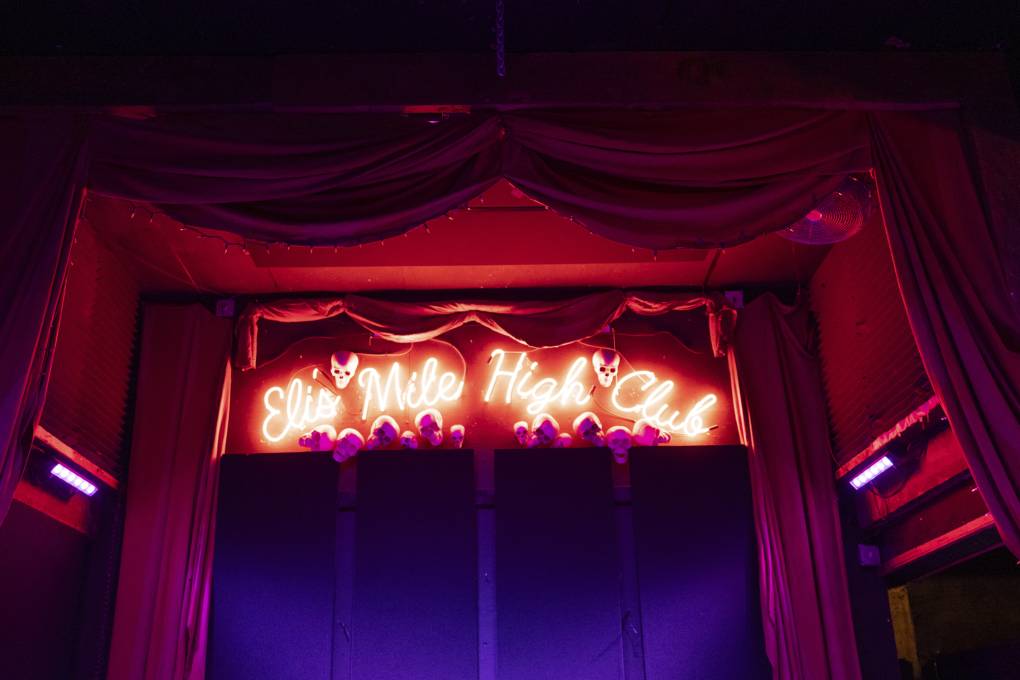
"caption": "The stage at Eli's Mile High Club, the historic North Oakland blues club and community hub located on Martin Luther King Jr Way, seen here on Wednesday, March 5, 2025. The club has been a home for musicians for decades, and Patane says the city has red-tagged its large back patio - a key component of the experience - and business is subsequently very down.",
"credit": "David M. Barreda/KQED",
"altTag": null,
"description": null,
"imgSizes": {
"medium": {
"file": "https://cdn.kqed.org/wp-content/uploads/sites/2/2025/03/20250305_ELIS-CLUB_DMB_00011-KQED-800x533.jpg",
"width": 800,
"height": 533,
"mimeType": "image/jpeg"
},
"large": {
"file": "https://cdn.kqed.org/wp-content/uploads/sites/2/2025/03/20250305_ELIS-CLUB_DMB_00011-KQED-1020x680.jpg",
"width": 1020,
"height": 680,
"mimeType": "image/jpeg"
},
"thumbnail": {
"file": "https://cdn.kqed.org/wp-content/uploads/sites/2/2025/03/20250305_ELIS-CLUB_DMB_00011-KQED-160x107.jpg",
"width": 160,
"height": 107,
"mimeType": "image/jpeg"
},
"medium_large": {
"file": "https://cdn.kqed.org/wp-content/uploads/sites/2/2025/03/20250305_ELIS-CLUB_DMB_00011-KQED-768x512.jpg",
"width": 768,
"height": 512,
"mimeType": "image/jpeg"
},
"1536x1536": {
"file": "https://cdn.kqed.org/wp-content/uploads/sites/2/2025/03/20250305_ELIS-CLUB_DMB_00011-KQED-1536x1024.jpg",
"width": 1536,
"height": 1024,
"mimeType": "image/jpeg"
},
"post-thumbnail": {
"file": "https://cdn.kqed.org/wp-content/uploads/sites/2/2025/03/20250305_ELIS-CLUB_DMB_00011-KQED-672x372.jpg",
"width": 672,
"height": 372,
"mimeType": "image/jpeg"
},
"twentyfourteen-full-width": {
"file": "https://cdn.kqed.org/wp-content/uploads/sites/2/2025/03/20250305_ELIS-CLUB_DMB_00011-KQED-1038x576.jpg",
"width": 1038,
"height": 576,
"mimeType": "image/jpeg"
},
"full-width": {
"file": "https://cdn.kqed.org/wp-content/uploads/sites/2/2025/03/20250305_ELIS-CLUB_DMB_00011-KQED-1920x1280.jpg",
"width": 1920,
"height": 1280,
"mimeType": "image/jpeg"
},
"kqedFullSize": {
"file": "https://cdn.kqed.org/wp-content/uploads/sites/2/2025/03/20250305_ELIS-CLUB_DMB_00011-KQED.jpg",
"width": 2000,
"height": 1333
}
},
"isLoading": false,
"fetchFailed": false
},
"arts_13972836": {
"type": "attachments",
"id": "arts_13972836",
"meta": {
"index": "attachments_1716263798",
"site": "arts",
"id": "13972836",
"found": true
},
"title": "Dimondkitchen2 crop",
"publishDate": 1741377431,
"status": "inherit",
"parent": 13972834,
"modified": 1741377520,
"caption": "An Oakland-style picnic.",
"credit": "Thien Pham",
"altTag": "Two men stand in front of a car outside a convenience store at night, devouring takeout cartons of soul food.",
"description": null,
"imgSizes": {
"medium": {
"file": "https://cdn.kqed.org/wp-content/uploads/sites/2/2025/03/Dimondkitchen2-crop-800x450.jpg",
"width": 800,
"height": 450,
"mimeType": "image/jpeg"
},
"large": {
"file": "https://cdn.kqed.org/wp-content/uploads/sites/2/2025/03/Dimondkitchen2-crop-1020x574.jpg",
"width": 1020,
"height": 574,
"mimeType": "image/jpeg"
},
"thumbnail": {
"file": "https://cdn.kqed.org/wp-content/uploads/sites/2/2025/03/Dimondkitchen2-crop-160x90.jpg",
"width": 160,
"height": 90,
"mimeType": "image/jpeg"
},
"medium_large": {
"file": "https://cdn.kqed.org/wp-content/uploads/sites/2/2025/03/Dimondkitchen2-crop-768x432.jpg",
"width": 768,
"height": 432,
"mimeType": "image/jpeg"
},
"1536x1536": {
"file": "https://cdn.kqed.org/wp-content/uploads/sites/2/2025/03/Dimondkitchen2-crop-1536x864.jpg",
"width": 1536,
"height": 864,
"mimeType": "image/jpeg"
},
"post-thumbnail": {
"file": "https://cdn.kqed.org/wp-content/uploads/sites/2/2025/03/Dimondkitchen2-crop-672x372.jpg",
"width": 672,
"height": 372,
"mimeType": "image/jpeg"
},
"twentyfourteen-full-width": {
"file": "https://cdn.kqed.org/wp-content/uploads/sites/2/2025/03/Dimondkitchen2-crop-1038x576.jpg",
"width": 1038,
"height": 576,
"mimeType": "image/jpeg"
},
"kqedFullSize": {
"file": "https://cdn.kqed.org/wp-content/uploads/sites/2/2025/03/Dimondkitchen2-crop.jpg",
"width": 1920,
"height": 1080
}
},
"isLoading": false,
"fetchFailed": false
},
"arts_13972819": {
"type": "attachments",
"id": "arts_13972819",
"meta": {
"index": "attachments_1716263798",
"site": "arts",
"id": "13972819",
"found": true
},
"title": "482091445_1175648754348508_7483825898031593969_n",
"publishDate": 1741372725,
"status": "inherit",
"parent": 13972818,
"modified": 1741375878,
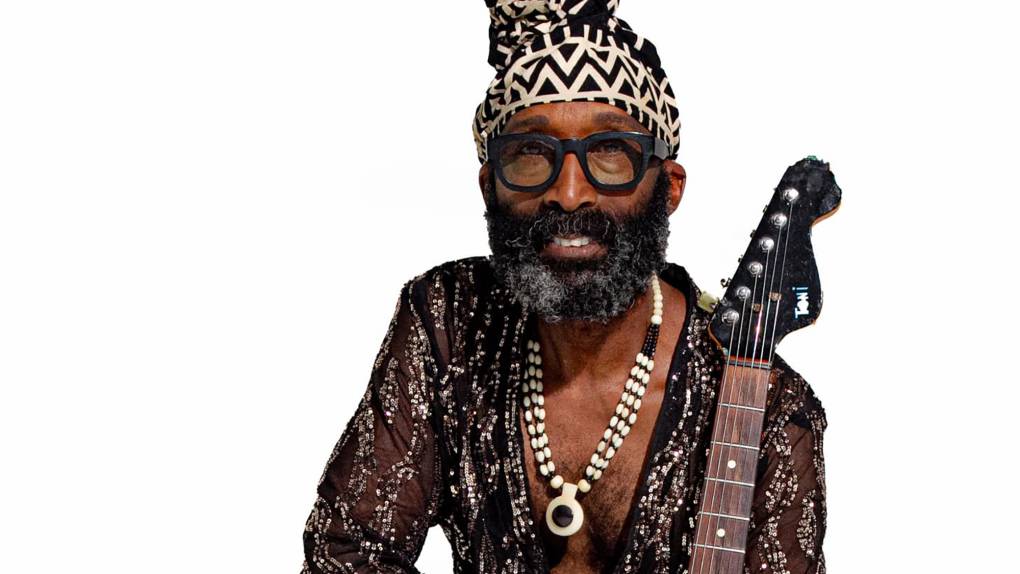
"caption": "D'Wayne Wiggins founded R&B group Tony! Toni! Toné! and mentored generations of upcoming musicians from his hometown of Oakland. ",
"credit": "Tony! Toni! Tone! / Instagram",
"altTag": "A man in glasses holding a guitar in a necklace and decorative shirt",
"description": null,
"imgSizes": {
"medium": {
"file": "https://cdn.kqed.org/wp-content/uploads/sites/2/2025/03/482091445_1175648754348508_7483825898031593969_n-800x450.jpg",
"width": 800,
"height": 450,
"mimeType": "image/jpeg"
},
"large": {
"file": "https://cdn.kqed.org/wp-content/uploads/sites/2/2025/03/482091445_1175648754348508_7483825898031593969_n-1020x574.jpg",
"width": 1020,
"height": 574,
"mimeType": "image/jpeg"
},
"thumbnail": {
"file": "https://cdn.kqed.org/wp-content/uploads/sites/2/2025/03/482091445_1175648754348508_7483825898031593969_n-160x90.jpg",
"width": 160,
"height": 90,
"mimeType": "image/jpeg"
},
"medium_large": {
"file": "https://cdn.kqed.org/wp-content/uploads/sites/2/2025/03/482091445_1175648754348508_7483825898031593969_n-768x432.jpg",
"width": 768,
"height": 432,
"mimeType": "image/jpeg"
},
"1536x1536": {
"file": "https://cdn.kqed.org/wp-content/uploads/sites/2/2025/03/482091445_1175648754348508_7483825898031593969_n-1536x865.jpg",
"width": 1536,
"height": 865,
"mimeType": "image/jpeg"
},
"post-thumbnail": {
"file": "https://cdn.kqed.org/wp-content/uploads/sites/2/2025/03/482091445_1175648754348508_7483825898031593969_n-672x372.jpg",
"width": 672,
"height": 372,
"mimeType": "image/jpeg"
},
"twentyfourteen-full-width": {
"file": "https://cdn.kqed.org/wp-content/uploads/sites/2/2025/03/482091445_1175648754348508_7483825898031593969_n-1038x576.jpg",
"width": 1038,
"height": 576,
"mimeType": "image/jpeg"
},
"full-width": {
"file": "https://cdn.kqed.org/wp-content/uploads/sites/2/2025/03/482091445_1175648754348508_7483825898031593969_n-1920x1081.jpg",
"width": 1920,
"height": 1081,
"mimeType": "image/jpeg"
},
"kqedFullSize": {
"file": "https://cdn.kqed.org/wp-content/uploads/sites/2/2025/03/482091445_1175648754348508_7483825898031593969_n.jpg",
"width": 2000,
"height": 1126
}
},
"isLoading": false,
"fetchFailed": false
},
"arts_13972647": {
"type": "attachments",
"id": "arts_13972647",
"meta": {
"index": "attachments_1716263798",
"site": "arts",
"id": "13972647",
"found": true
},
"title": "GettyImages-489406330",
"publishDate": 1741205629,
"status": "inherit",
"parent": 13972636,
"modified": 1741205685,
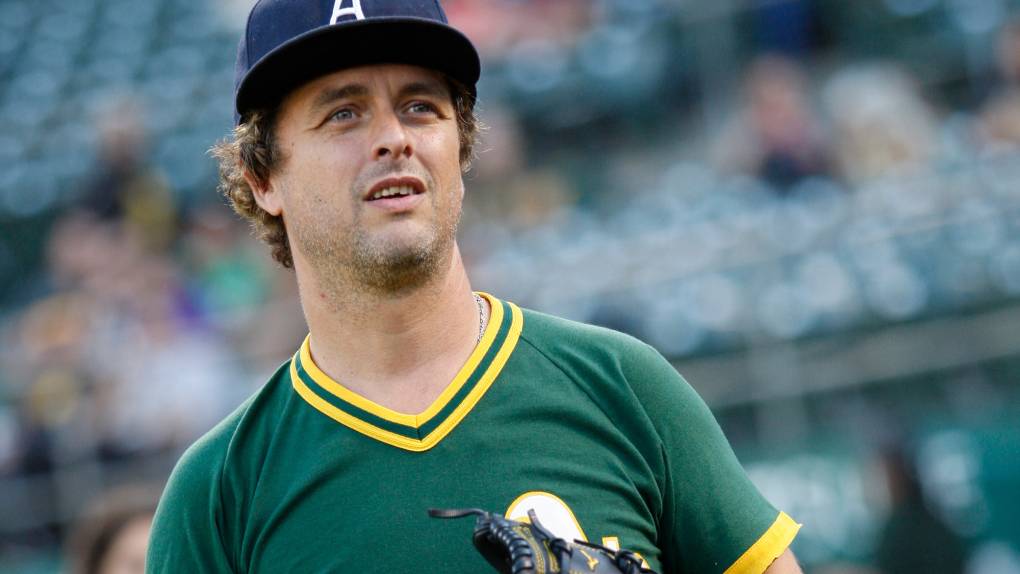
"caption": "Billie Joe Armstrong of Green Day stands on field before a game between the Seattle Mariners and the Oakland Athletics at the Oakland Coliseum on Sept. 5, 2015 in Oakland, California.",
"credit": "Michael Zagaris/Oakland Athletics/Getty Images",
"altTag": "A man in a baseball jersey and cap holds a baseball glove in his hand",
"description": null,
"imgSizes": {
"medium": {
"file": "https://cdn.kqed.org/wp-content/uploads/sites/2/2025/03/GettyImages-489406330-800x450.jpg",
"width": 800,
"height": 450,
"mimeType": "image/jpeg"
},
"large": {
"file": "https://cdn.kqed.org/wp-content/uploads/sites/2/2025/03/GettyImages-489406330-1020x574.jpg",
"width": 1020,
"height": 574,
"mimeType": "image/jpeg"
},
"thumbnail": {
"file": "https://cdn.kqed.org/wp-content/uploads/sites/2/2025/03/GettyImages-489406330-160x90.jpg",
"width": 160,
"height": 90,
"mimeType": "image/jpeg"
},
"medium_large": {
"file": "https://cdn.kqed.org/wp-content/uploads/sites/2/2025/03/GettyImages-489406330-768x432.jpg",
"width": 768,
"height": 432,
"mimeType": "image/jpeg"
},
"1536x1536": {
"file": "https://cdn.kqed.org/wp-content/uploads/sites/2/2025/03/GettyImages-489406330-1536x864.jpg",
"width": 1536,
"height": 864,
"mimeType": "image/jpeg"
},
"post-thumbnail": {
"file": "https://cdn.kqed.org/wp-content/uploads/sites/2/2025/03/GettyImages-489406330-672x372.jpg",
"width": 672,
"height": 372,
"mimeType": "image/jpeg"
},
"twentyfourteen-full-width": {
"file": "https://cdn.kqed.org/wp-content/uploads/sites/2/2025/03/GettyImages-489406330-1038x576.jpg",
"width": 1038,
"height": 576,
"mimeType": "image/jpeg"
},
"full-width": {
"file": "https://cdn.kqed.org/wp-content/uploads/sites/2/2025/03/GettyImages-489406330-1920x1080.jpg",
"width": 1920,
"height": 1080,
"mimeType": "image/jpeg"
},
"kqedFullSize": {
"file": "https://cdn.kqed.org/wp-content/uploads/sites/2/2025/03/GettyImages-489406330.jpg",
"width": 2000,
"height": 1125
}
},
"isLoading": false,
"fetchFailed": false
},
"arts_13972638": {
"type": "attachments",
"id": "arts_13972638",
"meta": {
"index": "attachments_1716263798",
"site": "arts",
"id": "13972638",
"found": true
},
"title": "Angel Adedokun and Bob Menacho by Jennifer Jupiter Benorden",
"publishDate": 1741202416,
"status": "inherit",
"parent": 13972628,
"modified": 1741202546,
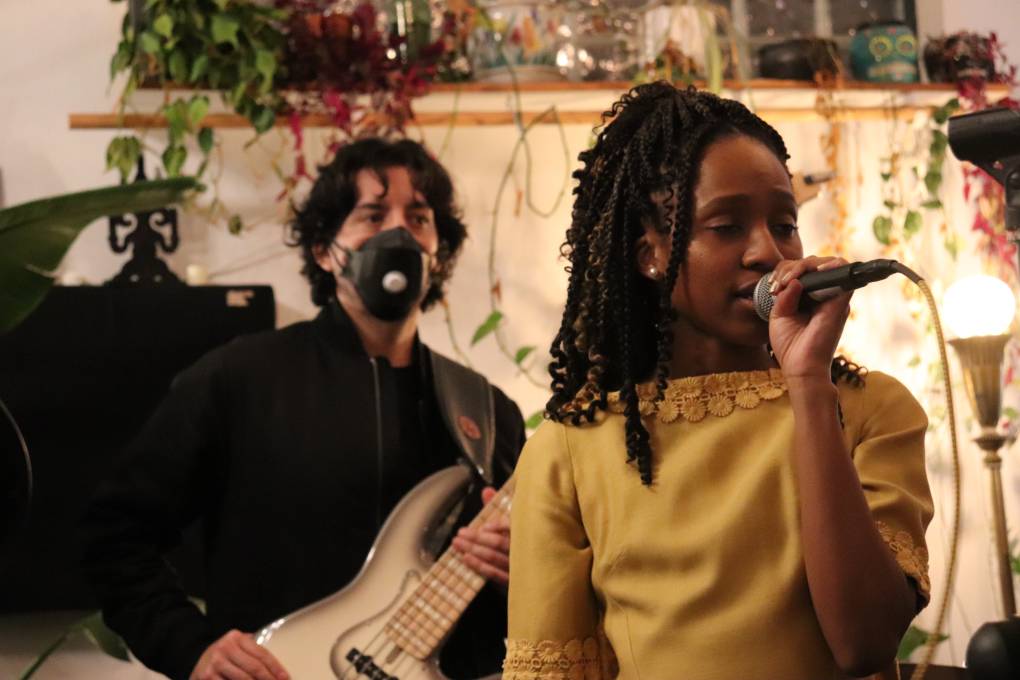
"caption": "Angel Adedokun and Bob Menacho (right to left) perform at Wyldflower Arts in Oakland in January 2025.",
"credit": "Jennifer Jupiter Benorden",
"altTag": "A singer sings into a microphone while a guitarist, who is wearing an N95 mask, plays behind her.",
"description": null,
"imgSizes": {
"medium": {
"file": "https://cdn.kqed.org/wp-content/uploads/sites/2/2025/03/Angel-Adedokun-and-Bob-Menacho-by-Jennifer-Jupiter-Benorden-800x533.jpg",
"width": 800,
"height": 533,
"mimeType": "image/jpeg"
},
"large": {
"file": "https://cdn.kqed.org/wp-content/uploads/sites/2/2025/03/Angel-Adedokun-and-Bob-Menacho-by-Jennifer-Jupiter-Benorden-1020x680.jpg",
"width": 1020,
"height": 680,
"mimeType": "image/jpeg"
},
"thumbnail": {
"file": "https://cdn.kqed.org/wp-content/uploads/sites/2/2025/03/Angel-Adedokun-and-Bob-Menacho-by-Jennifer-Jupiter-Benorden-160x107.jpg",
"width": 160,
"height": 107,
"mimeType": "image/jpeg"
},
"medium_large": {
"file": "https://cdn.kqed.org/wp-content/uploads/sites/2/2025/03/Angel-Adedokun-and-Bob-Menacho-by-Jennifer-Jupiter-Benorden-768x512.jpg",
"width": 768,
"height": 512,
"mimeType": "image/jpeg"
},
"1536x1536": {
"file": "https://cdn.kqed.org/wp-content/uploads/sites/2/2025/03/Angel-Adedokun-and-Bob-Menacho-by-Jennifer-Jupiter-Benorden-1536x1024.jpg",
"width": 1536,
"height": 1024,
"mimeType": "image/jpeg"
},
"2048x2048": {
"file": "https://cdn.kqed.org/wp-content/uploads/sites/2/2025/03/Angel-Adedokun-and-Bob-Menacho-by-Jennifer-Jupiter-Benorden-2048x1365.jpg",
"width": 2048,
"height": 1365,
"mimeType": "image/jpeg"
},
"post-thumbnail": {
"file": "https://cdn.kqed.org/wp-content/uploads/sites/2/2025/03/Angel-Adedokun-and-Bob-Menacho-by-Jennifer-Jupiter-Benorden-672x372.jpg",
"width": 672,
"height": 372,
"mimeType": "image/jpeg"
},
"twentyfourteen-full-width": {
"file": "https://cdn.kqed.org/wp-content/uploads/sites/2/2025/03/Angel-Adedokun-and-Bob-Menacho-by-Jennifer-Jupiter-Benorden-1038x576.jpg",
"width": 1038,
"height": 576,
"mimeType": "image/jpeg"
},
"full-width": {
"file": "https://cdn.kqed.org/wp-content/uploads/sites/2/2025/03/Angel-Adedokun-and-Bob-Menacho-by-Jennifer-Jupiter-Benorden-1920x1280.jpg",
"width": 1920,
"height": 1280,
"mimeType": "image/jpeg"
},
"kqedFullSize": {
"file": "https://cdn.kqed.org/wp-content/uploads/sites/2/2025/03/Angel-Adedokun-and-Bob-Menacho-by-Jennifer-Jupiter-Benorden-scaled.jpg",
"width": 2560,
"height": 1707
}
},
"isLoading": false,
"fetchFailed": false
},
"arts_13972455": {
"type": "attachments",
"id": "arts_13972455",
"meta": {
"index": "attachments_1716263798",
"site": "arts",
"id": "13972455",
"found": true
},
"title": "screenshot_2025-02-27_at_7.54.13___am",
"publishDate": 1740767959,
"status": "inherit",
"parent": 13972340,
"modified": 1740768121,
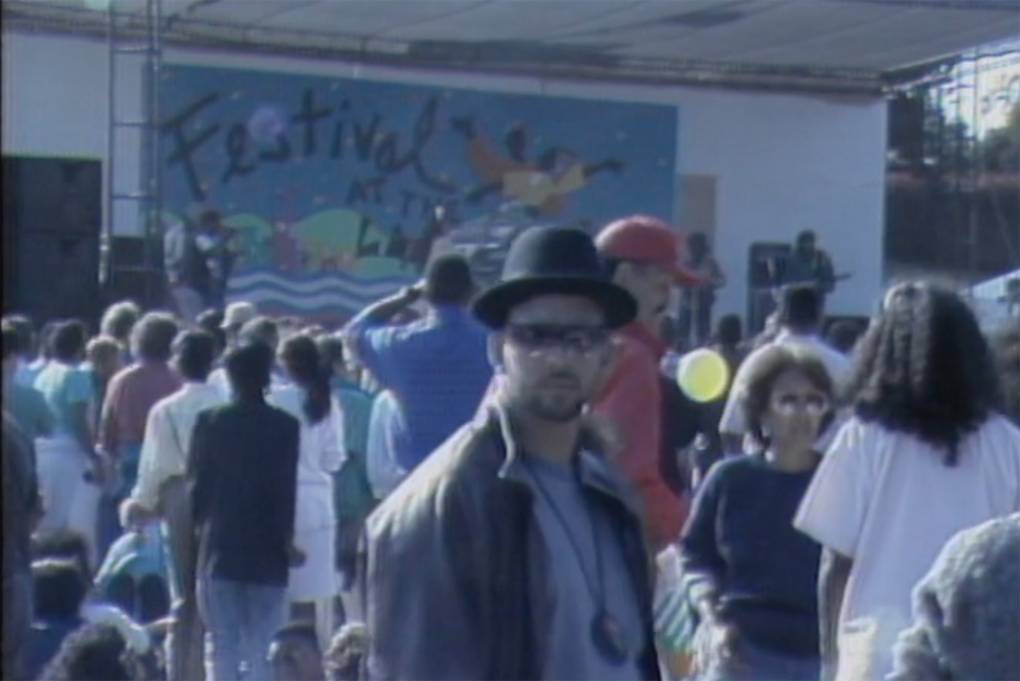
"caption": "An unidentified man stands in a crowd during Festival at the Lake in Oakland. Old VHS tapes of the festival from the 1980s were recently digitized and uploaded online. ",
"credit": "Oakland History Center/California Revealed",
"altTag": "A man in a black derby hat and leather jacket looks at the camera, surrounded by people, with a stage in the background",
"description": null,
"imgSizes": {
"medium": {
"file": "https://cdn.kqed.org/wp-content/uploads/sites/2/2025/02/screenshot_2025-02-27_at_7.54.13___am-800x534.jpg",
"width": 800,
"height": 534,
"mimeType": "image/jpeg"
},
"large": {
"file": "https://cdn.kqed.org/wp-content/uploads/sites/2/2025/02/screenshot_2025-02-27_at_7.54.13___am-1020x681.jpg",
"width": 1020,
"height": 681,
"mimeType": "image/jpeg"
},
"thumbnail": {
"file": "https://cdn.kqed.org/wp-content/uploads/sites/2/2025/02/screenshot_2025-02-27_at_7.54.13___am-160x107.jpg",
"width": 160,
"height": 107,
"mimeType": "image/jpeg"
},
"medium_large": {
"file": "https://cdn.kqed.org/wp-content/uploads/sites/2/2025/02/screenshot_2025-02-27_at_7.54.13___am-768x513.jpg",
"width": 768,
"height": 513,
"mimeType": "image/jpeg"
},
"1536x1536": {
"file": "https://cdn.kqed.org/wp-content/uploads/sites/2/2025/02/screenshot_2025-02-27_at_7.54.13___am-1536x1025.jpg",
"width": 1536,
"height": 1025,
"mimeType": "image/jpeg"
},
"post-thumbnail": {
"file": "https://cdn.kqed.org/wp-content/uploads/sites/2/2025/02/screenshot_2025-02-27_at_7.54.13___am-672x372.jpg",
"width": 672,
"height": 372,
"mimeType": "image/jpeg"
},
"twentyfourteen-full-width": {
"file": "https://cdn.kqed.org/wp-content/uploads/sites/2/2025/02/screenshot_2025-02-27_at_7.54.13___am-1038x576.jpg",
"width": 1038,
"height": 576,
"mimeType": "image/jpeg"
},
"full-width": {
"file": "https://cdn.kqed.org/wp-content/uploads/sites/2/2025/02/screenshot_2025-02-27_at_7.54.13___am-1920x1282.jpg",
"width": 1920,
"height": 1282,
"mimeType": "image/jpeg"
},
"kqedFullSize": {
"file": "https://cdn.kqed.org/wp-content/uploads/sites/2/2025/02/screenshot_2025-02-27_at_7.54.13___am.jpg",
"width": 2000,
"height": 1335
}
},
"isLoading": false,
"fetchFailed": false
},
"arts_13972428": {
"type": "attachments",
"id": "arts_13972428",
"meta": {
"index": "attachments_1716263798",
"site": "arts",
"id": "13972428",
"found": true
},
"title": "CWO 40th Anniversary 10.03.24",
"publishDate": 1740695731,
"status": "inherit",
"parent": 13972426,
"modified": 1740695840,
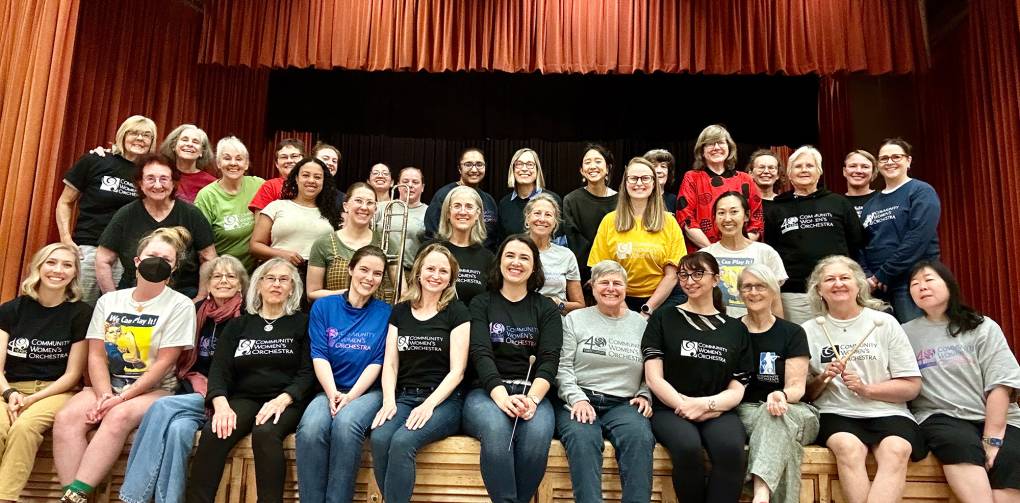
"caption": "Oakland's Community Women's Orchestra is one of a small number of all-female orchestras left in the United States.",
"credit": "Courtesy of Wendy Shiraki",
"altTag": "Women in casual T-shirts and jeans, some holding musical instruments, pose for a group photo.",
"description": null,
"imgSizes": {
"medium": {
"file": "https://cdn.kqed.org/wp-content/uploads/sites/2/2025/02/CWO-40th-Anniversary-10.03.24-800x394.jpg",
"width": 800,
"height": 394,
"mimeType": "image/jpeg"
},
"large": {
"file": "https://cdn.kqed.org/wp-content/uploads/sites/2/2025/02/CWO-40th-Anniversary-10.03.24-1020x503.jpg",
"width": 1020,
"height": 503,
"mimeType": "image/jpeg"
},
"thumbnail": {
"file": "https://cdn.kqed.org/wp-content/uploads/sites/2/2025/02/CWO-40th-Anniversary-10.03.24-160x79.jpg",
"width": 160,
"height": 79,
"mimeType": "image/jpeg"
},
"medium_large": {
"file": "https://cdn.kqed.org/wp-content/uploads/sites/2/2025/02/CWO-40th-Anniversary-10.03.24-768x379.jpg",
"width": 768,
"height": 379,
"mimeType": "image/jpeg"
},
"1536x1536": {
"file": "https://cdn.kqed.org/wp-content/uploads/sites/2/2025/02/CWO-40th-Anniversary-10.03.24-1536x757.jpg",
"width": 1536,
"height": 757,
"mimeType": "image/jpeg"
},
"post-thumbnail": {
"file": "https://cdn.kqed.org/wp-content/uploads/sites/2/2025/02/CWO-40th-Anniversary-10.03.24-672x372.jpg",
"width": 672,
"height": 372,
"mimeType": "image/jpeg"
},
"twentyfourteen-full-width": {
"file": "https://cdn.kqed.org/wp-content/uploads/sites/2/2025/02/CWO-40th-Anniversary-10.03.24-1038x576.jpg",
"width": 1038,
"height": 576,
"mimeType": "image/jpeg"
},
"full-width": {
"file": "https://cdn.kqed.org/wp-content/uploads/sites/2/2025/02/CWO-40th-Anniversary-10.03.24-1920x947.jpg",
"width": 1920,
"height": 947,
"mimeType": "image/jpeg"
},
"kqedFullSize": {
"file": "https://cdn.kqed.org/wp-content/uploads/sites/2/2025/02/CWO-40th-Anniversary-10.03.24.jpg",
"width": 2000,
"height": 986
}
},
"isLoading": false,
"fetchFailed": false
}
},
"audioPlayerReducer": {
"postId": "stream_live",
"isPaused": true,
"isPlaying": false,
"pfsActive": false,
"pledgeModalIsOpen": true,
"playerDrawerIsOpen": false,
"liveAudioPlayStartedAt": 0,
"liveAudioPlayContext": ""
},
"authorsReducer": {
"gmeline": {
"type": "authors",
"id": "185",
"meta": {
"index": "authors_1716337520",
"id": "185",
"found": true
},
"name": "Gabe Meline",
"firstName": "Gabe",
"lastName": "Meline",
"slug": "gmeline",
"email": "gmeline@kqed.org",
"display_author_email": true,
"staff_mastheads": [
"arts"
],
"title": "Senior Editor, KQED Arts & Culture",
"bio": "Gabe Meline entered journalism at age 15 making photocopied zines, and has since earned awards from the Edward R. Murrow Awards, the Society for Professional Journalists, the Online Journalism Awards, the Association of Alternative Newsweeklies and the California Newspaper Publishers Association. Prior to KQED, he was the editor of the \u003cem>North Bay Bohemian\u003c/em> and a touring musician. He lives with his wife and daughter in his hometown of Santa Rosa, CA.",
"avatar": "https://secure.gravatar.com/avatar/5bebe57be0d8bc2dd318934feb47299e2d2d10cba28d09d8d7afb389a2ce2bdd?s=600&d=blank&r=g",
"twitter": null,
"bluesky": null,
"facebook": null,
"instagram": null,
"linkedin": null,
"sites": [
{
"site": "",
"roles": [
"editor"
]
},
{
"site": "arts",
"roles": [
"administrator"
]
},
{
"site": "artschool",
"roles": [
"editor"
]
},
{
"site": "news",
"roles": [
"author"
]
},
{
"site": "pop",
"roles": [
"editor"
]
},
{
"site": "bayareabites",
"roles": [
"editor"
]
},
{
"site": "food",
"roles": [
"editor"
]
},
{
"site": "liveblog",
"roles": [
"editor"
]
},
{
"site": "hiphop",
"roles": [
"editor"
]
}
],
"headData": {
"title": "Gabe Meline | KQED",
"description": "Senior Editor, KQED Arts & Culture",
"ogImgSrc": "https://secure.gravatar.com/avatar/5bebe57be0d8bc2dd318934feb47299e2d2d10cba28d09d8d7afb389a2ce2bdd?s=600&d=blank&r=g",
"twImgSrc": "https://secure.gravatar.com/avatar/5bebe57be0d8bc2dd318934feb47299e2d2d10cba28d09d8d7afb389a2ce2bdd?s=600&d=blank&r=g"
},
"isLoading": false,
"link": "/author/gmeline"
},
"ogpenn": {
"type": "authors",
"id": "11491",
"meta": {
"index": "authors_1716337520",
"id": "11491",
"found": true
},
"name": "Pendarvis Harshaw",
"firstName": "Pendarvis",
"lastName": "Harshaw",
"slug": "ogpenn",
"email": "ogpenn@gmail.com",
"display_author_email": false,
"staff_mastheads": [
"arts"
],
"title": "Community Engagement Reporter",
"bio": "Pendarvis Harshaw is an educator, host and writer with KQED Arts.",
"avatar": "https://secure.gravatar.com/avatar/972b77ee8e3f346ae2b00622661187fbfabd059b5693bbdc1475ea7a722fd4cd?s=600&d=blank&r=g",
"twitter": null,
"bluesky": null,
"facebook": null,
"instagram": "ogpenn",
"linkedin": null,
"sites": [
{
"site": "arts",
"roles": [
"administrator"
]
},
{
"site": "news",
"roles": [
"editor"
]
},
{
"site": "bayareabites",
"roles": [
"author"
]
},
{
"site": "hiphop",
"roles": [
"editor"
]
}
],
"headData": {
"title": "Pendarvis Harshaw | KQED",
"description": "Community Engagement Reporter",
"ogImgSrc": "https://secure.gravatar.com/avatar/972b77ee8e3f346ae2b00622661187fbfabd059b5693bbdc1475ea7a722fd4cd?s=600&d=blank&r=g",
"twImgSrc": "https://secure.gravatar.com/avatar/972b77ee8e3f346ae2b00622661187fbfabd059b5693bbdc1475ea7a722fd4cd?s=600&d=blank&r=g"
},
"isLoading": false,
"link": "/author/ogpenn"
},
"bshoot": {
"type": "authors",
"id": "11715",
"meta": {
"index": "authors_1716337520",
"id": "11715",
"found": true
},
"name": "Britta Shoot",
"firstName": "Britta",
"lastName": "Shoot",
"slug": "bshoot",
"email": "workywork@brittashoot.com",
"display_author_email": false,
"staff_mastheads": [],
"title": "KQED Contributor",
"bio": "Britta Shoot is a writer and editor in San Francisco.",
"avatar": "https://secure.gravatar.com/avatar/acc24724f6e238cb6a6dc3b611340c2c?s=600&d=blank&r=g",
"twitter": "brittashoot",
"facebook": null,
"instagram": null,
"linkedin": null,
"sites": [
{
"site": "arts",
"roles": [
"contributor"
]
}
],
"headData": {
"title": "Britta Shoot | KQED",
"description": "KQED Contributor",
"ogImgSrc": "https://secure.gravatar.com/avatar/acc24724f6e238cb6a6dc3b611340c2c?s=600&d=blank&r=g",
"twImgSrc": "https://secure.gravatar.com/avatar/acc24724f6e238cb6a6dc3b611340c2c?s=600&d=blank&r=g"
},
"isLoading": false,
"link": "/author/bshoot"
},
"ltsai": {
"type": "authors",
"id": "11743",
"meta": {
"index": "authors_1716337520",
"id": "11743",
"found": true
},
"name": "Luke Tsai",
"firstName": "Luke",
"lastName": "Tsai",
"slug": "ltsai",
"email": "ltsai@kqed.org",
"display_author_email": true,
"staff_mastheads": [
"arts"
],
"title": "Food Editor",
"bio": "Luke Tsai is KQED's food editor and resident stinky tofu connoisseur. Prior to KQED, he was an editor at Eater SF, \u003cem>San Francisco \u003c/em>magazine, and the \u003cem>East Bay Express\u003c/em>, and his work has also appeared in TASTE, the \u003cem>San Francisco Chronicle\u003c/em>, and the \u003cem>Best Food Writing\u003c/em> anthology. When he isn't writing or editing, you'll find him eating most everything he can get his hands on.",
"avatar": "https://secure.gravatar.com/avatar/1e59b45bf191526e7339d6ba46e33a57b2030d25c27660ecc64ea3cb863e34f7?s=600&d=blank&r=g",
"twitter": "theluketsai",
"bluesky": null,
"facebook": null,
"instagram": null,
"linkedin": null,
"sites": [
{
"site": "",
"roles": [
"editor"
]
},
{
"site": "arts",
"roles": [
"administrator"
]
},
{
"site": "news",
"roles": [
"editor",
"contributor"
]
},
{
"site": "bayareabites",
"roles": [
"editor"
]
},
{
"site": "food",
"roles": [
"editor"
]
}
],
"headData": {
"title": "Luke Tsai | KQED",
"description": "Food Editor",
"ogImgSrc": "https://secure.gravatar.com/avatar/1e59b45bf191526e7339d6ba46e33a57b2030d25c27660ecc64ea3cb863e34f7?s=600&d=blank&r=g",
"twImgSrc": "https://secure.gravatar.com/avatar/1e59b45bf191526e7339d6ba46e33a57b2030d25c27660ecc64ea3cb863e34f7?s=600&d=blank&r=g"
},
"isLoading": false,
"link": "/author/ltsai"
},
"tpham": {
"type": "authors",
"id": "11753",
"meta": {
"index": "authors_1716337520",
"id": "11753",
"found": true
},
"name": "Thien Pham",
"firstName": "Thien",
"lastName": "Pham",
"slug": "tpham",
"email": "thiendog@gmail.com",
"display_author_email": false,
"staff_mastheads": [],
"title": "KQED Contributor",
"bio": null,
"avatar": "https://secure.gravatar.com/avatar/fa68ed7d6a785e5294a7bb79a3f409c3?s=600&d=blank&r=g",
"twitter": null,
"facebook": null,
"instagram": null,
"linkedin": null,
"sites": [
{
"site": "arts",
"roles": [
"contributor"
]
}
],
"headData": {
"title": "Thien Pham | KQED",
"description": "KQED Contributor",
"ogImgSrc": "https://secure.gravatar.com/avatar/fa68ed7d6a785e5294a7bb79a3f409c3?s=600&d=blank&r=g",
"twImgSrc": "https://secure.gravatar.com/avatar/fa68ed7d6a785e5294a7bb79a3f409c3?s=600&d=blank&r=g"
},
"isLoading": false,
"link": "/author/tpham"
},
"sfaulise": {
"type": "authors",
"id": "11919",
"meta": {
"index": "authors_1716337520",
"id": "11919",
"found": true
},
"name": "Shannon Faulise",
"firstName": "Shannon",
"lastName": "Faulise",
"slug": "sfaulise",
"email": "sfaulise@kqed.org",
"display_author_email": false,
"staff_mastheads": [],
"title": "Editorial Intern",
"bio": "Shannon Faulise is an Arts & Culture Intern at KQED. She is a graduate of the UC Berkeley Graduate School of Journalism, where she concentrated on photojournalism and feature writing. Shannon's photos, audio pieces and written stories have appeared in The Oaklandside, The Redwood City Pulse and KALX. Outside of reporting, Shannon loves kpop, women's sports and concerts.",
"avatar": "https://secure.gravatar.com/avatar/febc963f05f7504cabb0e9d0c9b8aa4e?s=600&d=blank&r=g",
"twitter": null,
"facebook": null,
"instagram": null,
"linkedin": null,
"sites": [
{
"site": "arts",
"roles": [
"contributor"
]
},
{
"site": "news",
"roles": []
}
],
"headData": {
"title": "Shannon Faulise | KQED",
"description": "Editorial Intern",
"ogImgSrc": "https://secure.gravatar.com/avatar/febc963f05f7504cabb0e9d0c9b8aa4e?s=600&d=blank&r=g",
"twImgSrc": "https://secure.gravatar.com/avatar/febc963f05f7504cabb0e9d0c9b8aa4e?s=600&d=blank&r=g"
},
"isLoading": false,
"link": "/author/sfaulise"
}
},
"pagesReducer": {
"arts_tag_oakland": {
"type": "terms",
"id": "arts_1143",
"meta": {
"index": "terms_1716263798",
"site": "arts",
"id": "1143",
"score": 6.883923
},
"featImg": null,
"name": "Oakland",
"description": null,
"taxonomy": "tag",
"headData": {
"twImgId": null,
"twTitle": null,
"ogTitle": null,
"ogImgId": null,
"twDescription": null,
"description": null,
"title": "Oakland Archives | KQED Arts",
"ogDescription": null
},
"ttid": 692,
"slug": "oakland",
"isLoading": false,
"title": "Oakland",
"pageMeta": {
"site": "arts",
"WpPageTemplate": "page-topic-editorial",
"currentPage": 11
},
"blocks": [
{
"blockName": "kqed/post-list",
"attrs": {
"layout": "cardArticle2",
"query": "posts/arts?tag=oakland",
"seeMore": false,
"paginated": true,
"page": 11
}
},
{
"blockName": "kqed/ad"
}
]
}
},
"pfsSessionReducer": {},
"postsReducer": {
"stream_live": {
"type": "live",
"id": "stream_live",
"audioUrl": "https://streams.kqed.org/kqedradio",
"title": "Live Stream",
"excerpt": "Live Stream information currently unavailable.",
"link": "/radio",
"featImg": "",
"label": {
"name": "KQED Live",
"link": "/"
}
},
"stream_kqedNewscast": {
"type": "posts",
"id": "stream_kqedNewscast",
"audioUrl": "https://www.kqed.org/.stream/anon/radio/RDnews/newscast.mp3?_=1",
"title": "KQED Newscast",
"featImg": "",
"label": {
"name": "88.5 FM",
"link": "/"
}
},
"arts_13973907": {
"type": "posts",
"id": "arts_13973907",
"meta": {
"index": "posts_1716263798",
"site": "arts",
"id": "13973907",
"score": null,
"sort": [
1743602453000
]
},
"guestAuthors": [],
"slug": "freaky-tales-true-stories-pedro-pascal-too-short-924-gilman-oakland",
"title": "The Real-Life Tales Behind ‘Freaky Tales’",
"publishDate": 1743602453,
"format": "standard",
"headTitle": "The Real-Life Tales Behind ‘Freaky Tales’ | KQED",
"labelTerm": {
"site": "arts"
},
"content": "\u003cp>It was not your usual Wednesday night at the \u003ca href=\"https://www.kqed.org/arts/tag/grand-lake-theatre\">Grand Lake Theatre\u003c/a>.\u003c/p>\n\u003cp>Outside Oakland’s movie palace in March, Hollywood actors made their way down the red carpet. Rap legends and punk OGs mingled beneath the marquee. Fans got on their tiptoes behind the line of TV cameras, jockeying for a glimpse of the film’s star, Pedro Pascal.\u003c/p>\n\u003cp>Premieres at the Grand Lake are always exciting, but they’re extra special when the movie is \u003ca href=\"https://www.kqed.org/arts/13974034/freaky-tales-movie-easter-eggs-locations-cameos-oakland\">filmed and set in Oakland\u003c/a>. \u003cem>Freaky Tales\u003c/em>, from screenwriting and directing team Ryan Fleck and Anna Boden (\u003cem>Half Nelson, Captain Marvel\u003c/em>), is a revenge-fantasy flick that takes place in the year 1987. It’s filmed at Oakland landmarks, including the Oakland Coliseum, Giant Burger and the old Loard’s ice cream parlor on Coolidge and MacArthur. Marshawn Lynch and Rancid’s Tim Armstrong make cameos, as does Oakland rap icon \u003ca href=\"https://www.kqed.org/arts/tag/too-short\">Too Short\u003c/a>, who narrates and helped produce the film.\u003c/p>\n\u003cfigure id=\"attachment_13973843\" class=\"wp-caption aligncenter\" style=\"max-width: 2000px\">\u003cimg loading=\"lazy\" decoding=\"async\" class=\"size-full wp-image-13973843\" src=\"https://cdn.kqed.org/wp-content/uploads/sites/2/2025/03/20250319_FREAKYTALES_GC-114-KQED.jpg\" alt=\"\" width=\"2000\" height=\"1333\" srcset=\"https://cdn.kqed.org/wp-content/uploads/sites/2/2025/03/20250319_FREAKYTALES_GC-114-KQED.jpg 2000w, https://cdn.kqed.org/wp-content/uploads/sites/2/2025/03/20250319_FREAKYTALES_GC-114-KQED-800x533.jpg 800w, https://cdn.kqed.org/wp-content/uploads/sites/2/2025/03/20250319_FREAKYTALES_GC-114-KQED-1020x680.jpg 1020w, https://cdn.kqed.org/wp-content/uploads/sites/2/2025/03/20250319_FREAKYTALES_GC-114-KQED-160x107.jpg 160w, https://cdn.kqed.org/wp-content/uploads/sites/2/2025/03/20250319_FREAKYTALES_GC-114-KQED-768x512.jpg 768w, https://cdn.kqed.org/wp-content/uploads/sites/2/2025/03/20250319_FREAKYTALES_GC-114-KQED-1536x1024.jpg 1536w, https://cdn.kqed.org/wp-content/uploads/sites/2/2025/03/20250319_FREAKYTALES_GC-114-KQED-1920x1280.jpg 1920w\" sizes=\"auto, (max-width: 2000px) 100vw, 2000px\">\u003cfigcaption class=\"wp-caption-text\">Fans crowd the sidewalk for the ‘Freaky Tales’ special screening at the Grand Lake Theater in Oakland on March 19, 2025. \u003ccite>(Gina Castro/KQED)\u003c/cite>\u003c/figcaption>\u003c/figure>\n\u003cfigure id=\"attachment_13973838\" class=\"wp-caption aligncenter\" style=\"max-width: 2000px\">\u003cimg loading=\"lazy\" decoding=\"async\" class=\"size-full wp-image-13973838\" src=\"https://cdn.kqed.org/wp-content/uploads/sites/2/2025/03/20250319_FREAKYTALES_GC-73-KQED.jpg\" alt=\"\" width=\"2000\" height=\"1333\" srcset=\"https://cdn.kqed.org/wp-content/uploads/sites/2/2025/03/20250319_FREAKYTALES_GC-73-KQED.jpg 2000w, https://cdn.kqed.org/wp-content/uploads/sites/2/2025/03/20250319_FREAKYTALES_GC-73-KQED-800x533.jpg 800w, https://cdn.kqed.org/wp-content/uploads/sites/2/2025/03/20250319_FREAKYTALES_GC-73-KQED-1020x680.jpg 1020w, https://cdn.kqed.org/wp-content/uploads/sites/2/2025/03/20250319_FREAKYTALES_GC-73-KQED-160x107.jpg 160w, https://cdn.kqed.org/wp-content/uploads/sites/2/2025/03/20250319_FREAKYTALES_GC-73-KQED-768x512.jpg 768w, https://cdn.kqed.org/wp-content/uploads/sites/2/2025/03/20250319_FREAKYTALES_GC-73-KQED-1536x1024.jpg 1536w, https://cdn.kqed.org/wp-content/uploads/sites/2/2025/03/20250319_FREAKYTALES_GC-73-KQED-1920x1280.jpg 1920w\" sizes=\"auto, (max-width: 2000px) 100vw, 2000px\">\u003cfigcaption class=\"wp-caption-text\">Pedro Pascal poses on the red carpet before the ‘Freaky Tales’ premiere at the Grand Lake Theater in Oakland on March 19, 2025. \u003ccite>(Gina Castro/KQED)\u003c/cite>\u003c/figcaption>\u003c/figure>\n\u003cp>It’s full, in other words, of \u003ca href=\"https://www.kqed.org/arts/13974034/freaky-tales-movie-easter-eggs-locations-cameos-oakland\">people and locations that carry name recognition for locals\u003c/a>. But nationally, Oakland has never quite received proper credit for its contributions to American culture at large. As rapper \u003ca href=\"https://www.kqed.org/arts/13921058/watch-rising-oakland-rap-star-symbas-tiny-desk-concert\">Symba\u003c/a>, who plays Too Short in the film, remarked on the red carpet, “People get their curations, their whole make-up, from things that we created here.”\u003c/p>\n\u003cp>\u003cem>Freaky Tales\u003c/em>, then, is a movie about a town with a permanent underdog complex — and, fittingly, it’s told through different chapters, interconnected by Pascal’s performance as a hitman, that have underdogs as their heroes. A ragtag bunch of pacifist punk rockers beats up a crew of Nazi skinheads. Two teenage girls in a rap battle rip to shreds a rapper known for objectifying women. A basketball point guard comes alive for a mind-blowing fourth quarter in a historic comeback win.\u003c/p>\n\u003cp>[ad fullwidth]\u003c/p>\n\u003cp>The freakiest thing of all? These are events that really happened.\u003c/p>\n\u003cfigure id=\"attachment_13973913\" class=\"wp-caption aligncenter\" style=\"max-width: 2000px\">\u003cimg loading=\"lazy\" decoding=\"async\" class=\"size-full wp-image-13973913\" src=\"https://cdn.kqed.org/wp-content/uploads/sites/2/2025/04/FT_01151RC2.jpg\" alt=\"\" width=\"2000\" height=\"1333\" srcset=\"https://cdn.kqed.org/wp-content/uploads/sites/2/2025/04/FT_01151RC2.jpg 2000w, https://cdn.kqed.org/wp-content/uploads/sites/2/2025/04/FT_01151RC2-800x533.jpg 800w, https://cdn.kqed.org/wp-content/uploads/sites/2/2025/04/FT_01151RC2-1020x680.jpg 1020w, https://cdn.kqed.org/wp-content/uploads/sites/2/2025/04/FT_01151RC2-160x107.jpg 160w, https://cdn.kqed.org/wp-content/uploads/sites/2/2025/04/FT_01151RC2-768x512.jpg 768w, https://cdn.kqed.org/wp-content/uploads/sites/2/2025/04/FT_01151RC2-1536x1024.jpg 1536w, https://cdn.kqed.org/wp-content/uploads/sites/2/2025/04/FT_01151RC2-1920x1280.jpg 1920w\" sizes=\"auto, (max-width: 2000px) 100vw, 2000px\">\u003cfigcaption class=\"wp-caption-text\">Jay Ellis as Sleepy Floyd in ‘Freaky Tales,’ surrounded by other actors in a scene outside the Oakland Coliseum. \u003ccite>(Lionsgate Films)\u003c/cite>\u003c/figcaption>\u003c/figure>\n\u003cp>Thankfully, the events depicted in \u003cem>Freaky Tales\u003c/em> involved people who are still around to witness what likely seemed impossible 38 years ago: a Hollywood movie with Oakland as its true star. Here are some of their real-life tales.\u003c/p>\n\u003ch2>Punching Nazis: A punk love story\u003c/h2>\n\u003cp>The first chapter of \u003cem>Freaky Tales\u003c/em> follows young couple Tina (Ji-young Yoo) and Lucid (Jack Champion) as they navigate an increasing menace to their home-base punk collective of \u003ca href=\"https://www.kqed.org/arts/tag/924-gilman\">924 Gilman\u003c/a>: neo-Nazi skinheads, who barge into shows, knock people to the ground, assault girls and women and destroy band equipment.\u003c/p>\n\u003cp>After taking a vote led by security guard Greg (LeQuan Antonio Bennett), the punks decide to fight back. During an Operation Ivy show at the Berkeley club, the Nazi skinheads return, but this time they’re met by a wall of punks armed with bats, chains and trash can lids. Battered in the ensuing brawl, the defeated Nazis pile into their smashed and dented pickup truck and drive away to the El Cerrito hills.\u003c/p>\n\u003cfigure id=\"attachment_13973920\" class=\"wp-caption aligncenter\" style=\"max-width: 2000px\">\u003cimg loading=\"lazy\" decoding=\"async\" class=\"size-full wp-image-13973920\" src=\"https://cdn.kqed.org/wp-content/uploads/sites/2/2025/04/SkinheadLineup.jpg\" alt=\"\" width=\"2000\" height=\"1499\" srcset=\"https://cdn.kqed.org/wp-content/uploads/sites/2/2025/04/SkinheadLineup.jpg 2000w, https://cdn.kqed.org/wp-content/uploads/sites/2/2025/04/SkinheadLineup-800x600.jpg 800w, https://cdn.kqed.org/wp-content/uploads/sites/2/2025/04/SkinheadLineup-1020x764.jpg 1020w, https://cdn.kqed.org/wp-content/uploads/sites/2/2025/04/SkinheadLineup-160x120.jpg 160w, https://cdn.kqed.org/wp-content/uploads/sites/2/2025/04/SkinheadLineup-768x576.jpg 768w, https://cdn.kqed.org/wp-content/uploads/sites/2/2025/04/SkinheadLineup-1536x1151.jpg 1536w, https://cdn.kqed.org/wp-content/uploads/sites/2/2025/04/SkinheadLineup-1920x1439.jpg 1920w\" sizes=\"auto, (max-width: 2000px) 100vw, 2000px\">\u003cfigcaption class=\"wp-caption-text\">A group of Nazi skinheads approaches punk club 924 Gilman in a scene from ‘Freaky Tales.’ \u003ccite>(Lionsgate Films)\u003c/cite>\u003c/figcaption>\u003c/figure>\n\u003cfigure id=\"attachment_13973928\" class=\"wp-caption aligncenter\" style=\"max-width: 2000px\">\u003cimg loading=\"lazy\" decoding=\"async\" class=\"size-full wp-image-13973928\" src=\"https://cdn.kqed.org/wp-content/uploads/sites/2/2025/04/GILMAN-143.jpg\" alt=\"\" width=\"2000\" height=\"1333\" srcset=\"https://cdn.kqed.org/wp-content/uploads/sites/2/2025/04/GILMAN-143.jpg 2000w, https://cdn.kqed.org/wp-content/uploads/sites/2/2025/04/GILMAN-143-800x533.jpg 800w, https://cdn.kqed.org/wp-content/uploads/sites/2/2025/04/GILMAN-143-1020x680.jpg 1020w, https://cdn.kqed.org/wp-content/uploads/sites/2/2025/04/GILMAN-143-160x107.jpg 160w, https://cdn.kqed.org/wp-content/uploads/sites/2/2025/04/GILMAN-143-768x512.jpg 768w, https://cdn.kqed.org/wp-content/uploads/sites/2/2025/04/GILMAN-143-1536x1024.jpg 1536w, https://cdn.kqed.org/wp-content/uploads/sites/2/2025/04/GILMAN-143-1920x1280.jpg 1920w\" sizes=\"auto, (max-width: 2000px) 100vw, 2000px\">\u003cfigcaption class=\"wp-caption-text\">In 1987, skinheads caused trouble at punk shows around the country, including at 924 Gilman in Berkeley, pictured. \u003ccite>(Murray Bowles)\u003c/cite>\u003c/figcaption>\u003c/figure>\n\u003cp>Minus a few details, the chapter is remarkably true to real-life events. Fleck and Boden had a good roadmap: the fight is recalled at length in \u003ca href=\"https://www.kqed.org/arts/13239750/the-definitive-documentary-on-east-bay-punk-is-coming-pit-warning\">the East Bay punk documentary \u003cem>Turn It Around\u003c/em>\u003c/a>, directed by Gilman alum Corbett Redford, who came on as a technical advisor for the film.\u003c/p>\n\u003cp>“Greg” in the film is based on George Stephens, a.k.a. George Hated, who in 1987 lived in West Oakland, sang in the band The Hated and served as head of security at Gilman. In an interview, Stephens, now 57, recalled walking out to the sidewalk that night and seeing Nondo, his friend who was also working security, lying in the gutter outside the front door.\u003c/p>\n\u003cp>[aside postID='arts_13974034']“And there were three Nazis standing over him, one holding a bat. So I grabbed the bat out of the guy’s hands and hit the three of them, got Nondo up, and got him inside,” Stephens said.\u003c/p>\n\u003cp>On any other night, that might have been the end of it. But just like in the film, the punks at Gilman had vowed to fight, and emptied into the street. Even Dave Dictor, the singer of “peace-punk” band MDC, who were headlining that night, joined in wielding an aluminum crutch.\u003c/p>\n\u003cp>“More people came out, and it turned into an absolute mess,” said Stephens.\u003c/p>\n\u003cfigure id=\"attachment_13973959\" class=\"wp-caption aligncenter\" style=\"max-width: 2000px\">\u003cimg loading=\"lazy\" decoding=\"async\" class=\"size-full wp-image-13973959\" src=\"https://cdn.kqed.org/wp-content/uploads/sites/2/2025/04/250401-VARIOUS-FREAKY-TALES-MD-07-KQED-2.jpg\" alt=\"\" width=\"2000\" height=\"1333\" srcset=\"https://cdn.kqed.org/wp-content/uploads/sites/2/2025/04/250401-VARIOUS-FREAKY-TALES-MD-07-KQED-2.jpg 2000w, https://cdn.kqed.org/wp-content/uploads/sites/2/2025/04/250401-VARIOUS-FREAKY-TALES-MD-07-KQED-2-800x533.jpg 800w, https://cdn.kqed.org/wp-content/uploads/sites/2/2025/04/250401-VARIOUS-FREAKY-TALES-MD-07-KQED-2-1020x680.jpg 1020w, https://cdn.kqed.org/wp-content/uploads/sites/2/2025/04/250401-VARIOUS-FREAKY-TALES-MD-07-KQED-2-160x107.jpg 160w, https://cdn.kqed.org/wp-content/uploads/sites/2/2025/04/250401-VARIOUS-FREAKY-TALES-MD-07-KQED-2-768x512.jpg 768w, https://cdn.kqed.org/wp-content/uploads/sites/2/2025/04/250401-VARIOUS-FREAKY-TALES-MD-07-KQED-2-1536x1024.jpg 1536w, https://cdn.kqed.org/wp-content/uploads/sites/2/2025/04/250401-VARIOUS-FREAKY-TALES-MD-07-KQED-2-1920x1280.jpg 1920w\" sizes=\"auto, (max-width: 2000px) 100vw, 2000px\">\u003cfigcaption class=\"wp-caption-text\">George Stephens today, pictured in Alameda on April 1, 2025. \u003ccite>(Martin do Nascimento/KQED)\u003c/cite>\u003c/figcaption>\u003c/figure>\n\u003cp>Kamala Parks, who co-founded Gilman and drummed in several bands, remembered the nuanced deliberations about retaliating against Nazis among volunteers at the club, whose door rules stated “No Fighting.”\u003c/p>\n\u003cp>“A lot of folks who had previously taken a more pacifist standpoint had been convinced to fight back, mainly because skinhead violence had gotten more pronounced,” she said. (Parks herself had been punched in the face by a skinhead during a previous melee across town.)\u003c/p>\n\u003cp>By the end of the brawl outside Gilman, the punks had won. They even chased the Nazis across the street and smashed up their pickup truck before the skinheads sped away, fleeing.\u003c/p>\n\u003cfigure id=\"attachment_13973986\" class=\"wp-caption aligncenter\" style=\"max-width: 1025px\">\u003cimg loading=\"lazy\" decoding=\"async\" class=\"size-full wp-image-13973986\" src=\"https://cdn.kqed.org/wp-content/uploads/sites/2/2025/04/Kamla.Flyer_.George.Rules_.jpg\" alt=\"\" width=\"1025\" height=\"1319\" srcset=\"https://cdn.kqed.org/wp-content/uploads/sites/2/2025/04/Kamla.Flyer_.George.Rules_.jpg 1025w, https://cdn.kqed.org/wp-content/uploads/sites/2/2025/04/Kamla.Flyer_.George.Rules_-800x1029.jpg 800w, https://cdn.kqed.org/wp-content/uploads/sites/2/2025/04/Kamla.Flyer_.George.Rules_-1020x1313.jpg 1020w, https://cdn.kqed.org/wp-content/uploads/sites/2/2025/04/Kamla.Flyer_.George.Rules_-160x206.jpg 160w, https://cdn.kqed.org/wp-content/uploads/sites/2/2025/04/Kamla.Flyer_.George.Rules_-768x988.jpg 768w\" sizes=\"auto, (max-width: 1025px) 100vw, 1025px\">\u003cfigcaption class=\"wp-caption-text\">(Clockwise from upper left) Kamala Parks drums with Cringer at 924 Gilman in 1990; the flyer for the show at Gilman on the night of the Nazi brawl, May 17, 1987; George Hated sings with the Hated at Gilman in 1992; rules posted at Gilman’s front door. \u003ccite>(Murray Bowles)\u003c/cite>\u003c/figcaption>\u003c/figure>\n\u003cp>“My heart was pounding right out of my chest,” Dave Dictor, MDC’s singer, recalled in \u003ca href=\"https://www.goodreads.com/book/show/29363293-mdc\">his 2016 autobiography\u003c/a>. “Right after the battle it was time to get on stage and sing, but I was too numb to be able to change gears to talk about it from the stage. As I remember, we just plowed through the set.”\u003c/p>\n\u003cp>Those mixed emotions were real, Parks said. “There was euphoria, but there’s dread, because you don’t know what’s going to happen next. You don’t know if they’re going to come back with a bigger group of people.”\u003c/p>\n\u003cfigure id=\"attachment_13973991\" class=\"wp-caption aligncenter\" style=\"max-width: 2000px\">\u003cimg loading=\"lazy\" decoding=\"async\" class=\"wp-image-13973991 size-full\" src=\"https://cdn.kqed.org/wp-content/uploads/sites/2/2025/04/250401-VARIOUS-FREAKY-TALES-MD-05-KQED-4.jpg\" alt=\"\" width=\"2000\" height=\"1333\" srcset=\"https://cdn.kqed.org/wp-content/uploads/sites/2/2025/04/250401-VARIOUS-FREAKY-TALES-MD-05-KQED-4.jpg 2000w, https://cdn.kqed.org/wp-content/uploads/sites/2/2025/04/250401-VARIOUS-FREAKY-TALES-MD-05-KQED-4-800x533.jpg 800w, https://cdn.kqed.org/wp-content/uploads/sites/2/2025/04/250401-VARIOUS-FREAKY-TALES-MD-05-KQED-4-1020x680.jpg 1020w, https://cdn.kqed.org/wp-content/uploads/sites/2/2025/04/250401-VARIOUS-FREAKY-TALES-MD-05-KQED-4-160x107.jpg 160w, https://cdn.kqed.org/wp-content/uploads/sites/2/2025/04/250401-VARIOUS-FREAKY-TALES-MD-05-KQED-4-768x512.jpg 768w, https://cdn.kqed.org/wp-content/uploads/sites/2/2025/04/250401-VARIOUS-FREAKY-TALES-MD-05-KQED-4-1536x1024.jpg 1536w, https://cdn.kqed.org/wp-content/uploads/sites/2/2025/04/250401-VARIOUS-FREAKY-TALES-MD-05-KQED-4-1920x1280.jpg 1920w\" sizes=\"auto, (max-width: 2000px) 100vw, 2000px\">\u003cfigcaption class=\"wp-caption-text\">Kamala Parks today, pictured in downtown Oakland on April 1, 2025. \u003ccite>(Martin do Nascimento/KQED)\u003c/cite>\u003c/figcaption>\u003c/figure>\n\u003cp>Parks stayed on edge for a few weeks afterward. Amazingly, the Nazis never came back to Gilman.\u003c/p>\n\u003cp>As Stephens points out, though, they never went away for good.\u003c/p>\n\u003cp>“I mean, we live in America,” Stephens said. “It’s not surprising that the Proud Boys are back. That fringe has never really gone away in America.”\u003c/p>\n\u003cfigure id=\"attachment_13973946\" class=\"wp-caption aligncenter\" style=\"max-width: 2000px\">\u003cimg loading=\"lazy\" decoding=\"async\" class=\"size-full wp-image-13973946\" src=\"https://cdn.kqed.org/wp-content/uploads/sites/2/2025/04/250401-VARIOUS-FREAKY-TALES-MD-08-KQED.jpg\" alt=\"\" width=\"2000\" height=\"1333\" srcset=\"https://cdn.kqed.org/wp-content/uploads/sites/2/2025/04/250401-VARIOUS-FREAKY-TALES-MD-08-KQED.jpg 2000w, https://cdn.kqed.org/wp-content/uploads/sites/2/2025/04/250401-VARIOUS-FREAKY-TALES-MD-08-KQED-800x533.jpg 800w, https://cdn.kqed.org/wp-content/uploads/sites/2/2025/04/250401-VARIOUS-FREAKY-TALES-MD-08-KQED-1020x680.jpg 1020w, https://cdn.kqed.org/wp-content/uploads/sites/2/2025/04/250401-VARIOUS-FREAKY-TALES-MD-08-KQED-160x107.jpg 160w, https://cdn.kqed.org/wp-content/uploads/sites/2/2025/04/250401-VARIOUS-FREAKY-TALES-MD-08-KQED-768x512.jpg 768w, https://cdn.kqed.org/wp-content/uploads/sites/2/2025/04/250401-VARIOUS-FREAKY-TALES-MD-08-KQED-1536x1024.jpg 1536w, https://cdn.kqed.org/wp-content/uploads/sites/2/2025/04/250401-VARIOUS-FREAKY-TALES-MD-08-KQED-1920x1280.jpg 1920w\" sizes=\"auto, (max-width: 2000px) 100vw, 2000px\">\u003cfigcaption class=\"wp-caption-text\">924 Gilman St. in Berkeley on April 1, 2025. \u003ccite>(Martin do Nascimento/KQED)\u003c/cite>\u003c/figcaption>\u003c/figure>\n\u003ch2>You want a bit of danger, step into my zone\u003c/h2>\n\u003cp>“Ryan will tell you, he’s been pitching me a version of \u003cem>Freaky Tales\u003c/em> for literally 15 years,” said Anna Boden, the film’s co-writer and co-director, in an interview. Her filmmaking partner, Ryan Fleck, grew up in Oakland; Boden in Massachusetts.\u003c/p>\n\u003cp>“And he grew up listening to Too Short’s music and I did not. And so I was listening to Too Short’s music for the first time as a grown woman. And it was, like, a \u003cem>very\u003c/em> different experience for me than it was for Ryan,” she said of Short’s explicit and often misogynist subject material.\u003c/p>\n\u003cfigure id=\"attachment_13973969\" class=\"wp-caption aligncenter\" style=\"max-width: 1208px\">\u003cimg loading=\"lazy\" decoding=\"async\" class=\"size-full wp-image-13973969\" src=\"https://cdn.kqed.org/wp-content/uploads/sites/2/2025/04/Short.FreddyB.jpg\" alt=\"\" width=\"1208\" height=\"598\" srcset=\"https://cdn.kqed.org/wp-content/uploads/sites/2/2025/04/Short.FreddyB.jpg 1208w, https://cdn.kqed.org/wp-content/uploads/sites/2/2025/04/Short.FreddyB-800x396.jpg 800w, https://cdn.kqed.org/wp-content/uploads/sites/2/2025/04/Short.FreddyB-1020x505.jpg 1020w, https://cdn.kqed.org/wp-content/uploads/sites/2/2025/04/Short.FreddyB-160x79.jpg 160w, https://cdn.kqed.org/wp-content/uploads/sites/2/2025/04/Short.FreddyB-768x380.jpg 768w\" sizes=\"auto, (max-width: 1208px) 100vw, 1208px\">\u003cfigcaption class=\"wp-caption-text\">Too Short on the cover of his single ‘Freaky Tales,’ circa 1988; at right, Short’s early rap partner Freddy B in 1992. \u003ccite>(Dangerous Music/Serious Sounds)\u003c/cite>\u003c/figcaption>\u003c/figure>\n\u003cp>But one song stuck out for Boden. In “\u003ca href=\"https://www.youtube.com/watch?v=MfSYngzHOsY\">Don’t Fight the Feelin’\u003c/a>” from the 1989 album \u003cem>Life Is… Too Short\u003c/em>, Short trades verses with a female rap duo called Danger Zone, who insult his bankroll, poke fun at his bad breath and make repeated references to his size below the belt: “Do they call you Short because of your height or your width? / Diss me boy, I’ll hang your balls from a cliff.”\u003c/p>\n\u003cp>Boden knew she had found her entry to the story. “Hearing him allow himself to be taken down by these young women was kind of mind-blowing to me,” she said.\u003c/p>\n\u003cp>In the film, Barbie and Entice from Danger Zone are approached by Lenny G (the rapper Stunnaman02, in a role based on Short’s early rap partner \u003ca href=\"http://www.kqed.org/bayareahiphop/timeline#too-short-and-freddy-b-start-making-handmade-tapes\">Freddy B\u003c/a>) to battle Short onstage at the Town’s hottest nightclub, Sweet Jimmie’s. Dubious of the proposition, but tired of being mistreated at their day job scooping ice cream, they accept.\u003c/p>\n\u003cfigure id=\"attachment_13973921\" class=\"wp-caption aligncenter\" style=\"max-width: 2000px\">\u003cimg loading=\"lazy\" decoding=\"async\" class=\"size-full wp-image-13973921\" src=\"https://cdn.kqed.org/wp-content/uploads/sites/2/2025/04/FT_00825RC2.jpg\" alt=\"\" width=\"2000\" height=\"1333\" srcset=\"https://cdn.kqed.org/wp-content/uploads/sites/2/2025/04/FT_00825RC2.jpg 2000w, https://cdn.kqed.org/wp-content/uploads/sites/2/2025/04/FT_00825RC2-800x533.jpg 800w, https://cdn.kqed.org/wp-content/uploads/sites/2/2025/04/FT_00825RC2-1020x680.jpg 1020w, https://cdn.kqed.org/wp-content/uploads/sites/2/2025/04/FT_00825RC2-160x107.jpg 160w, https://cdn.kqed.org/wp-content/uploads/sites/2/2025/04/FT_00825RC2-768x512.jpg 768w, https://cdn.kqed.org/wp-content/uploads/sites/2/2025/04/FT_00825RC2-1536x1024.jpg 1536w, https://cdn.kqed.org/wp-content/uploads/sites/2/2025/04/FT_00825RC2-1920x1280.jpg 1920w\" sizes=\"auto, (max-width: 2000px) 100vw, 2000px\">\u003cfigcaption class=\"wp-caption-text\">(L–R) Dominique Thorne and Normani as Danger Zone’s Barbie and Entice in a scene from ‘Freaky Tales.’ \u003ccite>(Lionsgate Films)\u003c/cite>\u003c/figcaption>\u003c/figure>\n\u003cp>The song unfolds in a thrilling scene, verse for verse, with actor and rapper Symba portraying Short’s hunched gait and coy taunting. (Symba asked Short for pointers, “and he sent me four videos, and was like, ‘Just embody this, and you’ll be alright,’” he said.) Danger Zone, meanwhile, keep coming back with heat, and win over the crowd. By the end, Short daps up the girls, conceding a draw, if not defeat.\u003c/p>\n\u003cp>In reality, “Don’t Fight the Feelin’” came together in the studio, not on stage.\u003c/p>\n\u003cp>Today, Tamra Goins is a talent agent in L.A. But in 1987, she was Entice — the 15-year-old East Oakland girl who linked up with her cousin, Bailey Brown, to form Danger Zone. They’d met Short through \u003ca href=\"https://www.kqed.org/arts/13934715/kimmie-fresh-real-freaky-tales-oakland\">the female rap pioneer Kimmie Fresh\u003c/a> years before recording “Don’t Fight the Feelin’,” she said in an interview. Danger Zone had even been signed to Short’s Dangerous Music label, which released their song “\u003ca href=\"https://www.youtube.com/watch?v=SvMjOBASvbc\">Jailbait\u003c/a>,” a blunt warning to underage girls about predatory men.\u003c/p>\n\u003cfigure id=\"attachment_13973922\" class=\"wp-caption aligncenter\" style=\"max-width: 944px\">\u003cimg loading=\"lazy\" decoding=\"async\" class=\"size-full wp-image-13973922\" src=\"https://cdn.kqed.org/wp-content/uploads/sites/2/2025/04/DangerZone.jpg\" alt=\"\" width=\"944\" height=\"808\" srcset=\"https://cdn.kqed.org/wp-content/uploads/sites/2/2025/04/DangerZone.jpg 944w, https://cdn.kqed.org/wp-content/uploads/sites/2/2025/04/DangerZone-800x685.jpg 800w, https://cdn.kqed.org/wp-content/uploads/sites/2/2025/04/DangerZone-160x137.jpg 160w, https://cdn.kqed.org/wp-content/uploads/sites/2/2025/04/DangerZone-768x657.jpg 768w\" sizes=\"auto, (max-width: 944px) 100vw, 944px\">\u003cfigcaption class=\"wp-caption-text\">Fifteen-year-old cousins Bailey Brown and Tamra Goins, a.k.a. Barbie and Entice of Danger Zone, pictured in 1988. \u003ccite>(Dangerous Music)\u003c/cite>\u003c/figcaption>\u003c/figure>\n\u003cp>When Short’s manager, Randy Austin, pitched the concept for “Don’t Fight the Feelin’” to be included on Short’s next full-length album, Goins was hesitant, just like her character in the movie.\u003c/p>\n\u003cp>“We’re terrified, right? Because one, we’re kids. Two, Short was known to call people head doctors. I think I was still a virgin! So we just were terrified of what he could possibly say,” Goins said.\u003c/p>\n\u003cp>Laying down the track at engineer Al Eaton’s One Little Indian studio in Richmond — essentially Eaton’s living room — Goins and Brown came for Short so viciously that the men present, like rappers Spice 1 and Rappin’ 4-Tay, kept laughing and ruining the take. “They’re running out of the house, cracking up, laughing,” said Goins. “We can’t even get through it!”\u003c/p>\n\u003cfigure id=\"attachment_13973836\" class=\"wp-caption aligncenter\" style=\"max-width: 2000px\">\u003cimg loading=\"lazy\" decoding=\"async\" class=\"size-full wp-image-13973836\" src=\"https://cdn.kqed.org/wp-content/uploads/sites/2/2025/03/20250319_FREAKYTALES_GC-33-KQED.jpg\" alt=\"\" width=\"2000\" height=\"1333\" srcset=\"https://cdn.kqed.org/wp-content/uploads/sites/2/2025/03/20250319_FREAKYTALES_GC-33-KQED.jpg 2000w, https://cdn.kqed.org/wp-content/uploads/sites/2/2025/03/20250319_FREAKYTALES_GC-33-KQED-800x533.jpg 800w, https://cdn.kqed.org/wp-content/uploads/sites/2/2025/03/20250319_FREAKYTALES_GC-33-KQED-1020x680.jpg 1020w, https://cdn.kqed.org/wp-content/uploads/sites/2/2025/03/20250319_FREAKYTALES_GC-33-KQED-160x107.jpg 160w, https://cdn.kqed.org/wp-content/uploads/sites/2/2025/03/20250319_FREAKYTALES_GC-33-KQED-768x512.jpg 768w, https://cdn.kqed.org/wp-content/uploads/sites/2/2025/03/20250319_FREAKYTALES_GC-33-KQED-1536x1024.jpg 1536w, https://cdn.kqed.org/wp-content/uploads/sites/2/2025/03/20250319_FREAKYTALES_GC-33-KQED-1920x1280.jpg 1920w\" sizes=\"auto, (max-width: 2000px) 100vw, 2000px\">\u003cfigcaption class=\"wp-caption-text\">(L–R) Co-director Ryan Fleck high-fives Tamra Goins, a.k.a. Entice from Danger Zone, ahead of the ‘Freaky Tales’ premiere at the Grand Lake Theater in Oakland on March 19, 2025. \u003ccite>(Gina Castro/KQED)\u003c/cite>\u003c/figcaption>\u003c/figure>\n\u003cp>Short was similarly unprepared for Danger Zone’s verses.\u003c/p>\n\u003cp>“We made the song, I did my two verses. And it was supposed to be about an old dude pullin’ up in his car flirting with these young girls,” Short explained on Nick Cannon’s \u003cem>We Playin’ Spades\u003c/em> podcast. “My verse was kinda nice. And they came back rippin’ me to shreds!”\u003c/p>\n\u003cp>[aside postID='arts_13934715']Short was rattled, but “I went home and listened to it, and I was like, ‘Damn, this is kind of cool … let me go back and talk a lotta shit about \u003cem>them\u003c/em>, and it’ll be a crazy song!’’\u003c/p>\n\u003cp>After redoing his verses to match Danger Zone’s venom and adding Rappin’ 4-Tay to the track, the song grew to a ridiculous length of over 8 minutes. \u003ca href=\"http://www.kqed.org/bayareahiphop/timeline#kimmie-fresh-answers-too-shorts-freaky-tales-with-the-girls-story\">Kimmie Fresh had released her own eight-minute diss track to Short\u003c/a>, but this was men and women on the same song, a battle of the sexes on wax. Short knew it was gold.\u003c/p>\n\u003cfigure id=\"attachment_13973963\" class=\"wp-caption aligncenter\" style=\"max-width: 2000px\">\u003cimg loading=\"lazy\" decoding=\"async\" class=\"size-full wp-image-13973963\" src=\"https://cdn.kqed.org/wp-content/uploads/sites/2/2025/04/GettyImages-1943659116.jpg\" alt=\"\" width=\"2000\" height=\"1213\" srcset=\"https://cdn.kqed.org/wp-content/uploads/sites/2/2025/04/GettyImages-1943659116.jpg 2000w, https://cdn.kqed.org/wp-content/uploads/sites/2/2025/04/GettyImages-1943659116-800x485.jpg 800w, https://cdn.kqed.org/wp-content/uploads/sites/2/2025/04/GettyImages-1943659116-1020x619.jpg 1020w, https://cdn.kqed.org/wp-content/uploads/sites/2/2025/04/GettyImages-1943659116-160x97.jpg 160w, https://cdn.kqed.org/wp-content/uploads/sites/2/2025/04/GettyImages-1943659116-768x466.jpg 768w, https://cdn.kqed.org/wp-content/uploads/sites/2/2025/04/GettyImages-1943659116-1536x932.jpg 1536w, https://cdn.kqed.org/wp-content/uploads/sites/2/2025/04/GettyImages-1943659116-1920x1164.jpg 1920w\" sizes=\"auto, (max-width: 2000px) 100vw, 2000px\">\u003cfigcaption class=\"wp-caption-text\">Danger Zone’s Tamra Goins (Entice) at far left, and Bailey Brown (Barbie) third from left, in a group photo of the cast and crew of ‘Freaky Tales’ at the Sundance Film Festival in January 2024. \u003ccite>(Dia Dipasupil/Getty Images)\u003c/cite>\u003c/figcaption>\u003c/figure>\n\u003cp>Despite the song’s legendary status, Danger Zone never performed “Don’t Fight the Feelin’” live onstage with Short, as depicted in \u003cem>Freaky Tales\u003c/em>. (Goins and Short have done the song without Brown a handful of times at cruises and sorority events.) Brown, who later traveled the world as a dancer for MC Hammer, \u003ca href=\"https://www.tiktok.com/@getaroundwithbaileybrown\">currently lives in Ghana\u003c/a> most of the year, scriptwriting and producing.\u003c/p>\n\u003cp>Now 53, Goins is proud of the song’s longevity among fans like Shaquille O’Neal, who lovingly \u003ca href=\"https://youtu.be/APrhXcftYPs?feature=shared&t=204\">goaded her into performing it on \u003cem>Sway’s Universe\u003c/em> in 2011\u003c/a>. But it comes with a dash of concern for her former 15-year-old self, rapping so brazenly amid the older pimps and players that inspired “Jailbait.”\u003c/p>\n\u003cp>“Sometimes I’ll look back at the lyrics and I go, ‘Oh!’” she said. “I’m a mom now. I’ll be like, ‘And why was your name \u003cem>Entice\u003c/em>?’”\u003c/p>\n\u003cfigure id=\"attachment_13973926\" class=\"wp-caption aligncenter\" style=\"max-width: 1427px\">\u003cimg loading=\"lazy\" decoding=\"async\" class=\"size-full wp-image-13973926\" src=\"https://cdn.kqed.org/wp-content/uploads/sites/2/2025/04/SleepyFloyd.May101987.jpg\" alt=\"\" width=\"1427\" height=\"1884\" srcset=\"https://cdn.kqed.org/wp-content/uploads/sites/2/2025/04/SleepyFloyd.May101987.jpg 1427w, https://cdn.kqed.org/wp-content/uploads/sites/2/2025/04/SleepyFloyd.May101987-800x1056.jpg 800w, https://cdn.kqed.org/wp-content/uploads/sites/2/2025/04/SleepyFloyd.May101987-1020x1347.jpg 1020w, https://cdn.kqed.org/wp-content/uploads/sites/2/2025/04/SleepyFloyd.May101987-160x211.jpg 160w, https://cdn.kqed.org/wp-content/uploads/sites/2/2025/04/SleepyFloyd.May101987-768x1014.jpg 768w, https://cdn.kqed.org/wp-content/uploads/sites/2/2025/04/SleepyFloyd.May101987-1163x1536.jpg 1163w\" sizes=\"auto, (max-width: 1427px) 100vw, 1427px\">\u003cfigcaption class=\"wp-caption-text\">The Golden State Warriors’ Eric ‘Sleepy’ Floyd drives to the basket past Los Angeles Lakers’ James Worthy during their playoff game at the Oakland Arena on May 10, 1987. Floyd scored an NBA playoff record-setting 29 points in the fourth quarter, 12 field goals in the same quarter and 39 points in a half, to lead the Warriors to a 129-121 victory over the Lakers. \u003ccite>(Gary Reyes/Oakland Tribune via Getty Images)\u003c/cite>\u003c/figcaption>\u003c/figure>\n\u003ch2>A warrior in more ways than one\u003c/h2>\n\u003cp>\u003cem>Freaky Tales\u003c/em>’ final chapter revolves around a story so well-known that it’s in the record books. In Game 4 of the 1987 NBA playoffs, the \u003ca href=\"https://www.kqed.org/arts/tag/warriors\">Warriors\u003c/a> were down 3-0 against the Lakers and trailed 102-88 going into the fourth quarter.\u003c/p>\n\u003cp>Out of nowhere, Eric “Sleepy” Floyd roared into action, scoring 29 points in the fourth quarter to propel the Warriors to victory. Game announcer Greg Papa, baffled and slightly hoarse, was moved to exclaim, “\u003ca href=\"https://youtu.be/u1sVoWIhUKg?feature=shared&t=135\">Sleepy Floyd is Superman!\u003c/a>”\u003c/p>\n\u003cp>It still stands today as the NBA postseason record for the most points scored by a player in a single quarter.\u003c/p>\n\u003cfigure id=\"attachment_13973835\" class=\"wp-caption aligncenter\" style=\"max-width: 2000px\">\u003cimg loading=\"lazy\" decoding=\"async\" class=\"size-full wp-image-13973835\" src=\"https://cdn.kqed.org/wp-content/uploads/sites/2/2025/03/20250319_FREAKYTALES_GC-7-KQED.jpg\" alt=\"\" width=\"2000\" height=\"1333\" srcset=\"https://cdn.kqed.org/wp-content/uploads/sites/2/2025/03/20250319_FREAKYTALES_GC-7-KQED.jpg 2000w, https://cdn.kqed.org/wp-content/uploads/sites/2/2025/03/20250319_FREAKYTALES_GC-7-KQED-800x533.jpg 800w, https://cdn.kqed.org/wp-content/uploads/sites/2/2025/03/20250319_FREAKYTALES_GC-7-KQED-1020x680.jpg 1020w, https://cdn.kqed.org/wp-content/uploads/sites/2/2025/03/20250319_FREAKYTALES_GC-7-KQED-160x107.jpg 160w, https://cdn.kqed.org/wp-content/uploads/sites/2/2025/03/20250319_FREAKYTALES_GC-7-KQED-768x512.jpg 768w, https://cdn.kqed.org/wp-content/uploads/sites/2/2025/03/20250319_FREAKYTALES_GC-7-KQED-1536x1024.jpg 1536w, https://cdn.kqed.org/wp-content/uploads/sites/2/2025/03/20250319_FREAKYTALES_GC-7-KQED-1920x1280.jpg 1920w\" sizes=\"auto, (max-width: 2000px) 100vw, 2000px\">\u003cfigcaption class=\"wp-caption-text\">Eric ‘Sleepy’ Floyd enters the ‘Freaky Tales’ premiere at the Grand Lake Theater in Oakland on March 19, 2025. \u003ccite>(Gina Castro/KQED)\u003c/cite>\u003c/figcaption>\u003c/figure>\n\u003cp>Outside the Grand Lake last month, Sleepy Floyd seemed surprised and humbled that his achievement is now part of a Hollywood film. Calling \u003cem>Freaky Tales\u003c/em> “a love song to Oakland,” the point guard, now 65 and living in his home state of North Carolina, remarked that “just to have it centered around that game, truly I’m just blessed and honored to be a part of it.”\u003c/p>\n\u003cp>Floyd, who in the same matchup against the Lakers also set the record for the most points scored in a half of a playoff game with 39, is portrayed in \u003cem>Freaky Tales\u003c/em> by Jay Ellis (\u003cem>Insecure, Top Gun: Maverick\u003c/em>). Without giving away too much, Sleepy Floyd becomes the star of the film’s climax, diverging drastically from real-life events, complete with supernatural samurai skills.\u003c/p>\n\u003cp>“They made me look a lot cooler than I actually am,” Floyd said with a chuckle.\u003c/p>\n\u003cfigure id=\"attachment_13973842\" class=\"wp-caption aligncenter\" style=\"max-width: 2000px\">\u003cimg loading=\"lazy\" decoding=\"async\" class=\"size-full wp-image-13973842\" src=\"https://cdn.kqed.org/wp-content/uploads/sites/2/2025/03/20250319_FREAKYTALES_GC-110-KQED.jpg\" alt=\"\" width=\"2000\" height=\"1333\" srcset=\"https://cdn.kqed.org/wp-content/uploads/sites/2/2025/03/20250319_FREAKYTALES_GC-110-KQED.jpg 2000w, https://cdn.kqed.org/wp-content/uploads/sites/2/2025/03/20250319_FREAKYTALES_GC-110-KQED-800x533.jpg 800w, https://cdn.kqed.org/wp-content/uploads/sites/2/2025/03/20250319_FREAKYTALES_GC-110-KQED-1020x680.jpg 1020w, https://cdn.kqed.org/wp-content/uploads/sites/2/2025/03/20250319_FREAKYTALES_GC-110-KQED-160x107.jpg 160w, https://cdn.kqed.org/wp-content/uploads/sites/2/2025/03/20250319_FREAKYTALES_GC-110-KQED-768x512.jpg 768w, https://cdn.kqed.org/wp-content/uploads/sites/2/2025/03/20250319_FREAKYTALES_GC-110-KQED-1536x1024.jpg 1536w, https://cdn.kqed.org/wp-content/uploads/sites/2/2025/03/20250319_FREAKYTALES_GC-110-KQED-1920x1280.jpg 1920w\" sizes=\"auto, (max-width: 2000px) 100vw, 2000px\">\u003cfigcaption class=\"wp-caption-text\">The ‘Freaky Tales’ cast, with Pedro Pascal and Jay Ellis at center, pose on the red carpet ahead of the Oakland premiere at the Grand Lake Theater on March 19, 2025. \u003ccite>(Gina Castro/KQED)\u003c/cite>\u003c/figcaption>\u003c/figure>\n\u003cp>The Gilman punks’ beatdown, Danger Zone’s dominance, Sleepy Floyd’s fireworks — \u003cem>Freaky Tales\u003c/em> makes clear to a nationwide moviegoing audience what Oakland has always known about itself: this is a place of amazing people, events and stories.\u003c/p>\n\u003cp>Asked about Oakland on the red carpet at the Grand Lake premiere, Pedro Pascal put it simply: “It’s the raddest city in the world.”\u003c/p>\n\u003chr>\n\u003cp>[ad floatright]\u003c/p>\n\u003cp>\u003cem>‘Freaky Tales’ opens in wide release on Friday, April 4. \u003c/em>\u003c/p>\n\n",
"blocks": [],
"excerpt": "A Nazi beatdown, an Oakland rap battle, a hoops miracle — the new Pedro Pascal movie is based on actual people and events.",
"status": "publish",
"parent": 0,
"modified": 1754968054,
"stats": {
"hasAudio": false,
"hasVideo": false,
"hasChartOrMap": false,
"iframeSrcs": [],
"hasGoogleForm": false,
"hasGallery": false,
"hasHearkenModule": false,
"hasPolis": false,
"paragraphCount": 51,
"wordCount": 2887
},
"headData": {
"title": "‘Freaky Tales’ Is Based on These Crazy-But-True Stories From Oakland | KQED",
"description": "The new Pedro Pascal movie depicts a Nazi beatdown, a rap battle and a hoops miracle — all of which actually happened in 1987.",
"ogTitle": "The Real-Life Tales Behind ‘Freaky Tales’",
"ogDescription": "A Nazi beatdown, an Oakland rap battle, a hoops miracle — the new Pedro Pascal movie is based on actual people and events.",
"ogImgId": "",
"twTitle": "The Real-Life Tales Behind ‘Freaky Tales’",
"twDescription": "A Nazi beatdown, an Oakland rap battle, a hoops miracle — the new Pedro Pascal movie is based on actual people and events.",
"twImgId": "",
"socialTitle": "‘Freaky Tales’ Is Based on These Crazy-But-True Stories From Oakland %%page%% %%sep%% KQED",
"socialDescription": "The new Pedro Pascal movie depicts a Nazi beatdown, a rap battle and a hoops miracle — all of which actually happened in 1987.",
"schema": {
"@context": "https://schema.org",
"@type": "Article",
"headline": "The Real-Life Tales Behind ‘Freaky Tales’",
"datePublished": "2025-04-02T07:00:53-07:00",
"dateModified": "2025-08-11T20:07:34-07:00",
"image": "https://cdn.kqed.org/wp-content/uploads/2020/02/KQED-OG-Image@1x.png"
}
},
"primaryCategory": {
"termId": 1,
"slug": "arts",
"name": "Arts"
},
"audioUrl": "https://traffic.omny.fm/d/clips/0af137ef-751e-4b19-a055-aaef00d2d578/ffca7e9f-6831-41c5-bcaf-aaef00f5a073/7eb73cbd-23a7-4796-b09d-b2b4010b45e3/audio.mp3",
"sticky": false,
"nprStoryId": "kqed-13973907",
"templateType": "standard",
"featuredImageType": "standard",
"excludeFromSiteSearch": "Include",
"articleAge": "0",
"path": "/arts/13973907/freaky-tales-true-stories-pedro-pascal-too-short-924-gilman-oakland",
"audioTrackLength": null,
"parsedContent": [
{
"type": "contentString",
"content": "\u003cdiv class=\"post-body\">\u003cp>\u003cp>It was not your usual Wednesday night at the \u003ca href=\"https://www.kqed.org/arts/tag/grand-lake-theatre\">Grand Lake Theatre\u003c/a>.\u003c/p>\n\u003cp>Outside Oakland’s movie palace in March, Hollywood actors made their way down the red carpet. Rap legends and punk OGs mingled beneath the marquee. Fans got on their tiptoes behind the line of TV cameras, jockeying for a glimpse of the film’s star, Pedro Pascal.\u003c/p>\n\u003cp>Premieres at the Grand Lake are always exciting, but they’re extra special when the movie is \u003ca href=\"https://www.kqed.org/arts/13974034/freaky-tales-movie-easter-eggs-locations-cameos-oakland\">filmed and set in Oakland\u003c/a>. \u003cem>Freaky Tales\u003c/em>, from screenwriting and directing team Ryan Fleck and Anna Boden (\u003cem>Half Nelson, Captain Marvel\u003c/em>), is a revenge-fantasy flick that takes place in the year 1987. It’s filmed at Oakland landmarks, including the Oakland Coliseum, Giant Burger and the old Loard’s ice cream parlor on Coolidge and MacArthur. Marshawn Lynch and Rancid’s Tim Armstrong make cameos, as does Oakland rap icon \u003ca href=\"https://www.kqed.org/arts/tag/too-short\">Too Short\u003c/a>, who narrates and helped produce the film.\u003c/p>\n\u003cfigure id=\"attachment_13973843\" class=\"wp-caption aligncenter\" style=\"max-width: 2000px\">\u003cimg loading=\"lazy\" decoding=\"async\" class=\"size-full wp-image-13973843\" src=\"https://cdn.kqed.org/wp-content/uploads/sites/2/2025/03/20250319_FREAKYTALES_GC-114-KQED.jpg\" alt=\"\" width=\"2000\" height=\"1333\" srcset=\"https://cdn.kqed.org/wp-content/uploads/sites/2/2025/03/20250319_FREAKYTALES_GC-114-KQED.jpg 2000w, https://cdn.kqed.org/wp-content/uploads/sites/2/2025/03/20250319_FREAKYTALES_GC-114-KQED-800x533.jpg 800w, https://cdn.kqed.org/wp-content/uploads/sites/2/2025/03/20250319_FREAKYTALES_GC-114-KQED-1020x680.jpg 1020w, https://cdn.kqed.org/wp-content/uploads/sites/2/2025/03/20250319_FREAKYTALES_GC-114-KQED-160x107.jpg 160w, https://cdn.kqed.org/wp-content/uploads/sites/2/2025/03/20250319_FREAKYTALES_GC-114-KQED-768x512.jpg 768w, https://cdn.kqed.org/wp-content/uploads/sites/2/2025/03/20250319_FREAKYTALES_GC-114-KQED-1536x1024.jpg 1536w, https://cdn.kqed.org/wp-content/uploads/sites/2/2025/03/20250319_FREAKYTALES_GC-114-KQED-1920x1280.jpg 1920w\" sizes=\"auto, (max-width: 2000px) 100vw, 2000px\">\u003cfigcaption class=\"wp-caption-text\">Fans crowd the sidewalk for the ‘Freaky Tales’ special screening at the Grand Lake Theater in Oakland on March 19, 2025. \u003ccite>(Gina Castro/KQED)\u003c/cite>\u003c/figcaption>\u003c/figure>\n\u003cfigure id=\"attachment_13973838\" class=\"wp-caption aligncenter\" style=\"max-width: 2000px\">\u003cimg loading=\"lazy\" decoding=\"async\" class=\"size-full wp-image-13973838\" src=\"https://cdn.kqed.org/wp-content/uploads/sites/2/2025/03/20250319_FREAKYTALES_GC-73-KQED.jpg\" alt=\"\" width=\"2000\" height=\"1333\" srcset=\"https://cdn.kqed.org/wp-content/uploads/sites/2/2025/03/20250319_FREAKYTALES_GC-73-KQED.jpg 2000w, https://cdn.kqed.org/wp-content/uploads/sites/2/2025/03/20250319_FREAKYTALES_GC-73-KQED-800x533.jpg 800w, https://cdn.kqed.org/wp-content/uploads/sites/2/2025/03/20250319_FREAKYTALES_GC-73-KQED-1020x680.jpg 1020w, https://cdn.kqed.org/wp-content/uploads/sites/2/2025/03/20250319_FREAKYTALES_GC-73-KQED-160x107.jpg 160w, https://cdn.kqed.org/wp-content/uploads/sites/2/2025/03/20250319_FREAKYTALES_GC-73-KQED-768x512.jpg 768w, https://cdn.kqed.org/wp-content/uploads/sites/2/2025/03/20250319_FREAKYTALES_GC-73-KQED-1536x1024.jpg 1536w, https://cdn.kqed.org/wp-content/uploads/sites/2/2025/03/20250319_FREAKYTALES_GC-73-KQED-1920x1280.jpg 1920w\" sizes=\"auto, (max-width: 2000px) 100vw, 2000px\">\u003cfigcaption class=\"wp-caption-text\">Pedro Pascal poses on the red carpet before the ‘Freaky Tales’ premiere at the Grand Lake Theater in Oakland on March 19, 2025. \u003ccite>(Gina Castro/KQED)\u003c/cite>\u003c/figcaption>\u003c/figure>\n\u003cp>It’s full, in other words, of \u003ca href=\"https://www.kqed.org/arts/13974034/freaky-tales-movie-easter-eggs-locations-cameos-oakland\">people and locations that carry name recognition for locals\u003c/a>. But nationally, Oakland has never quite received proper credit for its contributions to American culture at large. As rapper \u003ca href=\"https://www.kqed.org/arts/13921058/watch-rising-oakland-rap-star-symbas-tiny-desk-concert\">Symba\u003c/a>, who plays Too Short in the film, remarked on the red carpet, “People get their curations, their whole make-up, from things that we created here.”\u003c/p>\n\u003cp>\u003cem>Freaky Tales\u003c/em>, then, is a movie about a town with a permanent underdog complex — and, fittingly, it’s told through different chapters, interconnected by Pascal’s performance as a hitman, that have underdogs as their heroes. A ragtag bunch of pacifist punk rockers beats up a crew of Nazi skinheads. Two teenage girls in a rap battle rip to shreds a rapper known for objectifying women. A basketball point guard comes alive for a mind-blowing fourth quarter in a historic comeback win.\u003c/p>\n\u003cp>\u003c/p>\u003c/div>",
"attributes": {
"named": {},
"numeric": []
}
},
{
"type": "component",
"content": "",
"name": "ad",
"attributes": {
"named": {
"label": "fullwidth"
},
"numeric": [
"fullwidth"
]
}
},
{
"type": "contentString",
"content": "\u003cdiv class=\"post-body\">\u003cp>\u003c/p>\n\u003cp>The freakiest thing of all? These are events that really happened.\u003c/p>\n\u003cfigure id=\"attachment_13973913\" class=\"wp-caption aligncenter\" style=\"max-width: 2000px\">\u003cimg loading=\"lazy\" decoding=\"async\" class=\"size-full wp-image-13973913\" src=\"https://cdn.kqed.org/wp-content/uploads/sites/2/2025/04/FT_01151RC2.jpg\" alt=\"\" width=\"2000\" height=\"1333\" srcset=\"https://cdn.kqed.org/wp-content/uploads/sites/2/2025/04/FT_01151RC2.jpg 2000w, https://cdn.kqed.org/wp-content/uploads/sites/2/2025/04/FT_01151RC2-800x533.jpg 800w, https://cdn.kqed.org/wp-content/uploads/sites/2/2025/04/FT_01151RC2-1020x680.jpg 1020w, https://cdn.kqed.org/wp-content/uploads/sites/2/2025/04/FT_01151RC2-160x107.jpg 160w, https://cdn.kqed.org/wp-content/uploads/sites/2/2025/04/FT_01151RC2-768x512.jpg 768w, https://cdn.kqed.org/wp-content/uploads/sites/2/2025/04/FT_01151RC2-1536x1024.jpg 1536w, https://cdn.kqed.org/wp-content/uploads/sites/2/2025/04/FT_01151RC2-1920x1280.jpg 1920w\" sizes=\"auto, (max-width: 2000px) 100vw, 2000px\">\u003cfigcaption class=\"wp-caption-text\">Jay Ellis as Sleepy Floyd in ‘Freaky Tales,’ surrounded by other actors in a scene outside the Oakland Coliseum. \u003ccite>(Lionsgate Films)\u003c/cite>\u003c/figcaption>\u003c/figure>\n\u003cp>Thankfully, the events depicted in \u003cem>Freaky Tales\u003c/em> involved people who are still around to witness what likely seemed impossible 38 years ago: a Hollywood movie with Oakland as its true star. Here are some of their real-life tales.\u003c/p>\n\u003ch2>Punching Nazis: A punk love story\u003c/h2>\n\u003cp>The first chapter of \u003cem>Freaky Tales\u003c/em> follows young couple Tina (Ji-young Yoo) and Lucid (Jack Champion) as they navigate an increasing menace to their home-base punk collective of \u003ca href=\"https://www.kqed.org/arts/tag/924-gilman\">924 Gilman\u003c/a>: neo-Nazi skinheads, who barge into shows, knock people to the ground, assault girls and women and destroy band equipment.\u003c/p>\n\u003cp>After taking a vote led by security guard Greg (LeQuan Antonio Bennett), the punks decide to fight back. During an Operation Ivy show at the Berkeley club, the Nazi skinheads return, but this time they’re met by a wall of punks armed with bats, chains and trash can lids. Battered in the ensuing brawl, the defeated Nazis pile into their smashed and dented pickup truck and drive away to the El Cerrito hills.\u003c/p>\n\u003cfigure id=\"attachment_13973920\" class=\"wp-caption aligncenter\" style=\"max-width: 2000px\">\u003cimg loading=\"lazy\" decoding=\"async\" class=\"size-full wp-image-13973920\" src=\"https://cdn.kqed.org/wp-content/uploads/sites/2/2025/04/SkinheadLineup.jpg\" alt=\"\" width=\"2000\" height=\"1499\" srcset=\"https://cdn.kqed.org/wp-content/uploads/sites/2/2025/04/SkinheadLineup.jpg 2000w, https://cdn.kqed.org/wp-content/uploads/sites/2/2025/04/SkinheadLineup-800x600.jpg 800w, https://cdn.kqed.org/wp-content/uploads/sites/2/2025/04/SkinheadLineup-1020x764.jpg 1020w, https://cdn.kqed.org/wp-content/uploads/sites/2/2025/04/SkinheadLineup-160x120.jpg 160w, https://cdn.kqed.org/wp-content/uploads/sites/2/2025/04/SkinheadLineup-768x576.jpg 768w, https://cdn.kqed.org/wp-content/uploads/sites/2/2025/04/SkinheadLineup-1536x1151.jpg 1536w, https://cdn.kqed.org/wp-content/uploads/sites/2/2025/04/SkinheadLineup-1920x1439.jpg 1920w\" sizes=\"auto, (max-width: 2000px) 100vw, 2000px\">\u003cfigcaption class=\"wp-caption-text\">A group of Nazi skinheads approaches punk club 924 Gilman in a scene from ‘Freaky Tales.’ \u003ccite>(Lionsgate Films)\u003c/cite>\u003c/figcaption>\u003c/figure>\n\u003cfigure id=\"attachment_13973928\" class=\"wp-caption aligncenter\" style=\"max-width: 2000px\">\u003cimg loading=\"lazy\" decoding=\"async\" class=\"size-full wp-image-13973928\" src=\"https://cdn.kqed.org/wp-content/uploads/sites/2/2025/04/GILMAN-143.jpg\" alt=\"\" width=\"2000\" height=\"1333\" srcset=\"https://cdn.kqed.org/wp-content/uploads/sites/2/2025/04/GILMAN-143.jpg 2000w, https://cdn.kqed.org/wp-content/uploads/sites/2/2025/04/GILMAN-143-800x533.jpg 800w, https://cdn.kqed.org/wp-content/uploads/sites/2/2025/04/GILMAN-143-1020x680.jpg 1020w, https://cdn.kqed.org/wp-content/uploads/sites/2/2025/04/GILMAN-143-160x107.jpg 160w, https://cdn.kqed.org/wp-content/uploads/sites/2/2025/04/GILMAN-143-768x512.jpg 768w, https://cdn.kqed.org/wp-content/uploads/sites/2/2025/04/GILMAN-143-1536x1024.jpg 1536w, https://cdn.kqed.org/wp-content/uploads/sites/2/2025/04/GILMAN-143-1920x1280.jpg 1920w\" sizes=\"auto, (max-width: 2000px) 100vw, 2000px\">\u003cfigcaption class=\"wp-caption-text\">In 1987, skinheads caused trouble at punk shows around the country, including at 924 Gilman in Berkeley, pictured. \u003ccite>(Murray Bowles)\u003c/cite>\u003c/figcaption>\u003c/figure>\n\u003cp>Minus a few details, the chapter is remarkably true to real-life events. Fleck and Boden had a good roadmap: the fight is recalled at length in \u003ca href=\"https://www.kqed.org/arts/13239750/the-definitive-documentary-on-east-bay-punk-is-coming-pit-warning\">the East Bay punk documentary \u003cem>Turn It Around\u003c/em>\u003c/a>, directed by Gilman alum Corbett Redford, who came on as a technical advisor for the film.\u003c/p>\n\u003cp>“Greg” in the film is based on George Stephens, a.k.a. George Hated, who in 1987 lived in West Oakland, sang in the band The Hated and served as head of security at Gilman. In an interview, Stephens, now 57, recalled walking out to the sidewalk that night and seeing Nondo, his friend who was also working security, lying in the gutter outside the front door.\u003c/p>\n\u003cp>\u003c/p>\u003c/div>",
"attributes": {
"named": {},
"numeric": []
}
},
{
"type": "component",
"content": "",
"name": "aside",
"attributes": {
"named": {
"postid": "arts_13974034",
"label": ""
},
"numeric": []
}
},
{
"type": "contentString",
"content": "\u003cdiv class=\"post-body\">\u003cp>“And there were three Nazis standing over him, one holding a bat. So I grabbed the bat out of the guy’s hands and hit the three of them, got Nondo up, and got him inside,” Stephens said.\u003c/p>\n\u003cp>On any other night, that might have been the end of it. But just like in the film, the punks at Gilman had vowed to fight, and emptied into the street. Even Dave Dictor, the singer of “peace-punk” band MDC, who were headlining that night, joined in wielding an aluminum crutch.\u003c/p>\n\u003cp>“More people came out, and it turned into an absolute mess,” said Stephens.\u003c/p>\n\u003cfigure id=\"attachment_13973959\" class=\"wp-caption aligncenter\" style=\"max-width: 2000px\">\u003cimg loading=\"lazy\" decoding=\"async\" class=\"size-full wp-image-13973959\" src=\"https://cdn.kqed.org/wp-content/uploads/sites/2/2025/04/250401-VARIOUS-FREAKY-TALES-MD-07-KQED-2.jpg\" alt=\"\" width=\"2000\" height=\"1333\" srcset=\"https://cdn.kqed.org/wp-content/uploads/sites/2/2025/04/250401-VARIOUS-FREAKY-TALES-MD-07-KQED-2.jpg 2000w, https://cdn.kqed.org/wp-content/uploads/sites/2/2025/04/250401-VARIOUS-FREAKY-TALES-MD-07-KQED-2-800x533.jpg 800w, https://cdn.kqed.org/wp-content/uploads/sites/2/2025/04/250401-VARIOUS-FREAKY-TALES-MD-07-KQED-2-1020x680.jpg 1020w, https://cdn.kqed.org/wp-content/uploads/sites/2/2025/04/250401-VARIOUS-FREAKY-TALES-MD-07-KQED-2-160x107.jpg 160w, https://cdn.kqed.org/wp-content/uploads/sites/2/2025/04/250401-VARIOUS-FREAKY-TALES-MD-07-KQED-2-768x512.jpg 768w, https://cdn.kqed.org/wp-content/uploads/sites/2/2025/04/250401-VARIOUS-FREAKY-TALES-MD-07-KQED-2-1536x1024.jpg 1536w, https://cdn.kqed.org/wp-content/uploads/sites/2/2025/04/250401-VARIOUS-FREAKY-TALES-MD-07-KQED-2-1920x1280.jpg 1920w\" sizes=\"auto, (max-width: 2000px) 100vw, 2000px\">\u003cfigcaption class=\"wp-caption-text\">George Stephens today, pictured in Alameda on April 1, 2025. \u003ccite>(Martin do Nascimento/KQED)\u003c/cite>\u003c/figcaption>\u003c/figure>\n\u003cp>Kamala Parks, who co-founded Gilman and drummed in several bands, remembered the nuanced deliberations about retaliating against Nazis among volunteers at the club, whose door rules stated “No Fighting.”\u003c/p>\n\u003cp>“A lot of folks who had previously taken a more pacifist standpoint had been convinced to fight back, mainly because skinhead violence had gotten more pronounced,” she said. (Parks herself had been punched in the face by a skinhead during a previous melee across town.)\u003c/p>\n\u003cp>By the end of the brawl outside Gilman, the punks had won. They even chased the Nazis across the street and smashed up their pickup truck before the skinheads sped away, fleeing.\u003c/p>\n\u003cfigure id=\"attachment_13973986\" class=\"wp-caption aligncenter\" style=\"max-width: 1025px\">\u003cimg loading=\"lazy\" decoding=\"async\" class=\"size-full wp-image-13973986\" src=\"https://cdn.kqed.org/wp-content/uploads/sites/2/2025/04/Kamla.Flyer_.George.Rules_.jpg\" alt=\"\" width=\"1025\" height=\"1319\" srcset=\"https://cdn.kqed.org/wp-content/uploads/sites/2/2025/04/Kamla.Flyer_.George.Rules_.jpg 1025w, https://cdn.kqed.org/wp-content/uploads/sites/2/2025/04/Kamla.Flyer_.George.Rules_-800x1029.jpg 800w, https://cdn.kqed.org/wp-content/uploads/sites/2/2025/04/Kamla.Flyer_.George.Rules_-1020x1313.jpg 1020w, https://cdn.kqed.org/wp-content/uploads/sites/2/2025/04/Kamla.Flyer_.George.Rules_-160x206.jpg 160w, https://cdn.kqed.org/wp-content/uploads/sites/2/2025/04/Kamla.Flyer_.George.Rules_-768x988.jpg 768w\" sizes=\"auto, (max-width: 1025px) 100vw, 1025px\">\u003cfigcaption class=\"wp-caption-text\">(Clockwise from upper left) Kamala Parks drums with Cringer at 924 Gilman in 1990; the flyer for the show at Gilman on the night of the Nazi brawl, May 17, 1987; George Hated sings with the Hated at Gilman in 1992; rules posted at Gilman’s front door. \u003ccite>(Murray Bowles)\u003c/cite>\u003c/figcaption>\u003c/figure>\n\u003cp>“My heart was pounding right out of my chest,” Dave Dictor, MDC’s singer, recalled in \u003ca href=\"https://www.goodreads.com/book/show/29363293-mdc\">his 2016 autobiography\u003c/a>. “Right after the battle it was time to get on stage and sing, but I was too numb to be able to change gears to talk about it from the stage. As I remember, we just plowed through the set.”\u003c/p>\n\u003cp>Those mixed emotions were real, Parks said. “There was euphoria, but there’s dread, because you don’t know what’s going to happen next. You don’t know if they’re going to come back with a bigger group of people.”\u003c/p>\n\u003cfigure id=\"attachment_13973991\" class=\"wp-caption aligncenter\" style=\"max-width: 2000px\">\u003cimg loading=\"lazy\" decoding=\"async\" class=\"wp-image-13973991 size-full\" src=\"https://cdn.kqed.org/wp-content/uploads/sites/2/2025/04/250401-VARIOUS-FREAKY-TALES-MD-05-KQED-4.jpg\" alt=\"\" width=\"2000\" height=\"1333\" srcset=\"https://cdn.kqed.org/wp-content/uploads/sites/2/2025/04/250401-VARIOUS-FREAKY-TALES-MD-05-KQED-4.jpg 2000w, https://cdn.kqed.org/wp-content/uploads/sites/2/2025/04/250401-VARIOUS-FREAKY-TALES-MD-05-KQED-4-800x533.jpg 800w, https://cdn.kqed.org/wp-content/uploads/sites/2/2025/04/250401-VARIOUS-FREAKY-TALES-MD-05-KQED-4-1020x680.jpg 1020w, https://cdn.kqed.org/wp-content/uploads/sites/2/2025/04/250401-VARIOUS-FREAKY-TALES-MD-05-KQED-4-160x107.jpg 160w, https://cdn.kqed.org/wp-content/uploads/sites/2/2025/04/250401-VARIOUS-FREAKY-TALES-MD-05-KQED-4-768x512.jpg 768w, https://cdn.kqed.org/wp-content/uploads/sites/2/2025/04/250401-VARIOUS-FREAKY-TALES-MD-05-KQED-4-1536x1024.jpg 1536w, https://cdn.kqed.org/wp-content/uploads/sites/2/2025/04/250401-VARIOUS-FREAKY-TALES-MD-05-KQED-4-1920x1280.jpg 1920w\" sizes=\"auto, (max-width: 2000px) 100vw, 2000px\">\u003cfigcaption class=\"wp-caption-text\">Kamala Parks today, pictured in downtown Oakland on April 1, 2025. \u003ccite>(Martin do Nascimento/KQED)\u003c/cite>\u003c/figcaption>\u003c/figure>\n\u003cp>Parks stayed on edge for a few weeks afterward. Amazingly, the Nazis never came back to Gilman.\u003c/p>\n\u003cp>As Stephens points out, though, they never went away for good.\u003c/p>\n\u003cp>“I mean, we live in America,” Stephens said. “It’s not surprising that the Proud Boys are back. That fringe has never really gone away in America.”\u003c/p>\n\u003cfigure id=\"attachment_13973946\" class=\"wp-caption aligncenter\" style=\"max-width: 2000px\">\u003cimg loading=\"lazy\" decoding=\"async\" class=\"size-full wp-image-13973946\" src=\"https://cdn.kqed.org/wp-content/uploads/sites/2/2025/04/250401-VARIOUS-FREAKY-TALES-MD-08-KQED.jpg\" alt=\"\" width=\"2000\" height=\"1333\" srcset=\"https://cdn.kqed.org/wp-content/uploads/sites/2/2025/04/250401-VARIOUS-FREAKY-TALES-MD-08-KQED.jpg 2000w, https://cdn.kqed.org/wp-content/uploads/sites/2/2025/04/250401-VARIOUS-FREAKY-TALES-MD-08-KQED-800x533.jpg 800w, https://cdn.kqed.org/wp-content/uploads/sites/2/2025/04/250401-VARIOUS-FREAKY-TALES-MD-08-KQED-1020x680.jpg 1020w, https://cdn.kqed.org/wp-content/uploads/sites/2/2025/04/250401-VARIOUS-FREAKY-TALES-MD-08-KQED-160x107.jpg 160w, https://cdn.kqed.org/wp-content/uploads/sites/2/2025/04/250401-VARIOUS-FREAKY-TALES-MD-08-KQED-768x512.jpg 768w, https://cdn.kqed.org/wp-content/uploads/sites/2/2025/04/250401-VARIOUS-FREAKY-TALES-MD-08-KQED-1536x1024.jpg 1536w, https://cdn.kqed.org/wp-content/uploads/sites/2/2025/04/250401-VARIOUS-FREAKY-TALES-MD-08-KQED-1920x1280.jpg 1920w\" sizes=\"auto, (max-width: 2000px) 100vw, 2000px\">\u003cfigcaption class=\"wp-caption-text\">924 Gilman St. in Berkeley on April 1, 2025. \u003ccite>(Martin do Nascimento/KQED)\u003c/cite>\u003c/figcaption>\u003c/figure>\n\u003ch2>You want a bit of danger, step into my zone\u003c/h2>\n\u003cp>“Ryan will tell you, he’s been pitching me a version of \u003cem>Freaky Tales\u003c/em> for literally 15 years,” said Anna Boden, the film’s co-writer and co-director, in an interview. Her filmmaking partner, Ryan Fleck, grew up in Oakland; Boden in Massachusetts.\u003c/p>\n\u003cp>“And he grew up listening to Too Short’s music and I did not. And so I was listening to Too Short’s music for the first time as a grown woman. And it was, like, a \u003cem>very\u003c/em> different experience for me than it was for Ryan,” she said of Short’s explicit and often misogynist subject material.\u003c/p>\n\u003cfigure id=\"attachment_13973969\" class=\"wp-caption aligncenter\" style=\"max-width: 1208px\">\u003cimg loading=\"lazy\" decoding=\"async\" class=\"size-full wp-image-13973969\" src=\"https://cdn.kqed.org/wp-content/uploads/sites/2/2025/04/Short.FreddyB.jpg\" alt=\"\" width=\"1208\" height=\"598\" srcset=\"https://cdn.kqed.org/wp-content/uploads/sites/2/2025/04/Short.FreddyB.jpg 1208w, https://cdn.kqed.org/wp-content/uploads/sites/2/2025/04/Short.FreddyB-800x396.jpg 800w, https://cdn.kqed.org/wp-content/uploads/sites/2/2025/04/Short.FreddyB-1020x505.jpg 1020w, https://cdn.kqed.org/wp-content/uploads/sites/2/2025/04/Short.FreddyB-160x79.jpg 160w, https://cdn.kqed.org/wp-content/uploads/sites/2/2025/04/Short.FreddyB-768x380.jpg 768w\" sizes=\"auto, (max-width: 1208px) 100vw, 1208px\">\u003cfigcaption class=\"wp-caption-text\">Too Short on the cover of his single ‘Freaky Tales,’ circa 1988; at right, Short’s early rap partner Freddy B in 1992. \u003ccite>(Dangerous Music/Serious Sounds)\u003c/cite>\u003c/figcaption>\u003c/figure>\n\u003cp>But one song stuck out for Boden. In “\u003ca href=\"https://www.youtube.com/watch?v=MfSYngzHOsY\">Don’t Fight the Feelin’\u003c/a>” from the 1989 album \u003cem>Life Is… Too Short\u003c/em>, Short trades verses with a female rap duo called Danger Zone, who insult his bankroll, poke fun at his bad breath and make repeated references to his size below the belt: “Do they call you Short because of your height or your width? / Diss me boy, I’ll hang your balls from a cliff.”\u003c/p>\n\u003cp>Boden knew she had found her entry to the story. “Hearing him allow himself to be taken down by these young women was kind of mind-blowing to me,” she said.\u003c/p>\n\u003cp>In the film, Barbie and Entice from Danger Zone are approached by Lenny G (the rapper Stunnaman02, in a role based on Short’s early rap partner \u003ca href=\"http://www.kqed.org/bayareahiphop/timeline#too-short-and-freddy-b-start-making-handmade-tapes\">Freddy B\u003c/a>) to battle Short onstage at the Town’s hottest nightclub, Sweet Jimmie’s. Dubious of the proposition, but tired of being mistreated at their day job scooping ice cream, they accept.\u003c/p>\n\u003cfigure id=\"attachment_13973921\" class=\"wp-caption aligncenter\" style=\"max-width: 2000px\">\u003cimg loading=\"lazy\" decoding=\"async\" class=\"size-full wp-image-13973921\" src=\"https://cdn.kqed.org/wp-content/uploads/sites/2/2025/04/FT_00825RC2.jpg\" alt=\"\" width=\"2000\" height=\"1333\" srcset=\"https://cdn.kqed.org/wp-content/uploads/sites/2/2025/04/FT_00825RC2.jpg 2000w, https://cdn.kqed.org/wp-content/uploads/sites/2/2025/04/FT_00825RC2-800x533.jpg 800w, https://cdn.kqed.org/wp-content/uploads/sites/2/2025/04/FT_00825RC2-1020x680.jpg 1020w, https://cdn.kqed.org/wp-content/uploads/sites/2/2025/04/FT_00825RC2-160x107.jpg 160w, https://cdn.kqed.org/wp-content/uploads/sites/2/2025/04/FT_00825RC2-768x512.jpg 768w, https://cdn.kqed.org/wp-content/uploads/sites/2/2025/04/FT_00825RC2-1536x1024.jpg 1536w, https://cdn.kqed.org/wp-content/uploads/sites/2/2025/04/FT_00825RC2-1920x1280.jpg 1920w\" sizes=\"auto, (max-width: 2000px) 100vw, 2000px\">\u003cfigcaption class=\"wp-caption-text\">(L–R) Dominique Thorne and Normani as Danger Zone’s Barbie and Entice in a scene from ‘Freaky Tales.’ \u003ccite>(Lionsgate Films)\u003c/cite>\u003c/figcaption>\u003c/figure>\n\u003cp>The song unfolds in a thrilling scene, verse for verse, with actor and rapper Symba portraying Short’s hunched gait and coy taunting. (Symba asked Short for pointers, “and he sent me four videos, and was like, ‘Just embody this, and you’ll be alright,’” he said.) Danger Zone, meanwhile, keep coming back with heat, and win over the crowd. By the end, Short daps up the girls, conceding a draw, if not defeat.\u003c/p>\n\u003cp>In reality, “Don’t Fight the Feelin’” came together in the studio, not on stage.\u003c/p>\n\u003cp>Today, Tamra Goins is a talent agent in L.A. But in 1987, she was Entice — the 15-year-old East Oakland girl who linked up with her cousin, Bailey Brown, to form Danger Zone. They’d met Short through \u003ca href=\"https://www.kqed.org/arts/13934715/kimmie-fresh-real-freaky-tales-oakland\">the female rap pioneer Kimmie Fresh\u003c/a> years before recording “Don’t Fight the Feelin’,” she said in an interview. Danger Zone had even been signed to Short’s Dangerous Music label, which released their song “\u003ca href=\"https://www.youtube.com/watch?v=SvMjOBASvbc\">Jailbait\u003c/a>,” a blunt warning to underage girls about predatory men.\u003c/p>\n\u003cfigure id=\"attachment_13973922\" class=\"wp-caption aligncenter\" style=\"max-width: 944px\">\u003cimg loading=\"lazy\" decoding=\"async\" class=\"size-full wp-image-13973922\" src=\"https://cdn.kqed.org/wp-content/uploads/sites/2/2025/04/DangerZone.jpg\" alt=\"\" width=\"944\" height=\"808\" srcset=\"https://cdn.kqed.org/wp-content/uploads/sites/2/2025/04/DangerZone.jpg 944w, https://cdn.kqed.org/wp-content/uploads/sites/2/2025/04/DangerZone-800x685.jpg 800w, https://cdn.kqed.org/wp-content/uploads/sites/2/2025/04/DangerZone-160x137.jpg 160w, https://cdn.kqed.org/wp-content/uploads/sites/2/2025/04/DangerZone-768x657.jpg 768w\" sizes=\"auto, (max-width: 944px) 100vw, 944px\">\u003cfigcaption class=\"wp-caption-text\">Fifteen-year-old cousins Bailey Brown and Tamra Goins, a.k.a. Barbie and Entice of Danger Zone, pictured in 1988. \u003ccite>(Dangerous Music)\u003c/cite>\u003c/figcaption>\u003c/figure>\n\u003cp>When Short’s manager, Randy Austin, pitched the concept for “Don’t Fight the Feelin’” to be included on Short’s next full-length album, Goins was hesitant, just like her character in the movie.\u003c/p>\n\u003cp>“We’re terrified, right? Because one, we’re kids. Two, Short was known to call people head doctors. I think I was still a virgin! So we just were terrified of what he could possibly say,” Goins said.\u003c/p>\n\u003cp>Laying down the track at engineer Al Eaton’s One Little Indian studio in Richmond — essentially Eaton’s living room — Goins and Brown came for Short so viciously that the men present, like rappers Spice 1 and Rappin’ 4-Tay, kept laughing and ruining the take. “They’re running out of the house, cracking up, laughing,” said Goins. “We can’t even get through it!”\u003c/p>\n\u003cfigure id=\"attachment_13973836\" class=\"wp-caption aligncenter\" style=\"max-width: 2000px\">\u003cimg loading=\"lazy\" decoding=\"async\" class=\"size-full wp-image-13973836\" src=\"https://cdn.kqed.org/wp-content/uploads/sites/2/2025/03/20250319_FREAKYTALES_GC-33-KQED.jpg\" alt=\"\" width=\"2000\" height=\"1333\" srcset=\"https://cdn.kqed.org/wp-content/uploads/sites/2/2025/03/20250319_FREAKYTALES_GC-33-KQED.jpg 2000w, https://cdn.kqed.org/wp-content/uploads/sites/2/2025/03/20250319_FREAKYTALES_GC-33-KQED-800x533.jpg 800w, https://cdn.kqed.org/wp-content/uploads/sites/2/2025/03/20250319_FREAKYTALES_GC-33-KQED-1020x680.jpg 1020w, https://cdn.kqed.org/wp-content/uploads/sites/2/2025/03/20250319_FREAKYTALES_GC-33-KQED-160x107.jpg 160w, https://cdn.kqed.org/wp-content/uploads/sites/2/2025/03/20250319_FREAKYTALES_GC-33-KQED-768x512.jpg 768w, https://cdn.kqed.org/wp-content/uploads/sites/2/2025/03/20250319_FREAKYTALES_GC-33-KQED-1536x1024.jpg 1536w, https://cdn.kqed.org/wp-content/uploads/sites/2/2025/03/20250319_FREAKYTALES_GC-33-KQED-1920x1280.jpg 1920w\" sizes=\"auto, (max-width: 2000px) 100vw, 2000px\">\u003cfigcaption class=\"wp-caption-text\">(L–R) Co-director Ryan Fleck high-fives Tamra Goins, a.k.a. Entice from Danger Zone, ahead of the ‘Freaky Tales’ premiere at the Grand Lake Theater in Oakland on March 19, 2025. \u003ccite>(Gina Castro/KQED)\u003c/cite>\u003c/figcaption>\u003c/figure>\n\u003cp>Short was similarly unprepared for Danger Zone’s verses.\u003c/p>\n\u003cp>“We made the song, I did my two verses. And it was supposed to be about an old dude pullin’ up in his car flirting with these young girls,” Short explained on Nick Cannon’s \u003cem>We Playin’ Spades\u003c/em> podcast. “My verse was kinda nice. And they came back rippin’ me to shreds!”\u003c/p>\n\u003cp>\u003c/p>\u003c/div>",
"attributes": {
"named": {},
"numeric": []
}
},
{
"type": "component",
"content": "",
"name": "aside",
"attributes": {
"named": {
"postid": "arts_13934715",
"label": ""
},
"numeric": []
}
},
{
"type": "contentString",
"content": "\u003cdiv class=\"post-body\">\u003cp>Short was rattled, but “I went home and listened to it, and I was like, ‘Damn, this is kind of cool … let me go back and talk a lotta shit about \u003cem>them\u003c/em>, and it’ll be a crazy song!’’\u003c/p>\n\u003cp>After redoing his verses to match Danger Zone’s venom and adding Rappin’ 4-Tay to the track, the song grew to a ridiculous length of over 8 minutes. \u003ca href=\"http://www.kqed.org/bayareahiphop/timeline#kimmie-fresh-answers-too-shorts-freaky-tales-with-the-girls-story\">Kimmie Fresh had released her own eight-minute diss track to Short\u003c/a>, but this was men and women on the same song, a battle of the sexes on wax. Short knew it was gold.\u003c/p>\n\u003cfigure id=\"attachment_13973963\" class=\"wp-caption aligncenter\" style=\"max-width: 2000px\">\u003cimg loading=\"lazy\" decoding=\"async\" class=\"size-full wp-image-13973963\" src=\"https://cdn.kqed.org/wp-content/uploads/sites/2/2025/04/GettyImages-1943659116.jpg\" alt=\"\" width=\"2000\" height=\"1213\" srcset=\"https://cdn.kqed.org/wp-content/uploads/sites/2/2025/04/GettyImages-1943659116.jpg 2000w, https://cdn.kqed.org/wp-content/uploads/sites/2/2025/04/GettyImages-1943659116-800x485.jpg 800w, https://cdn.kqed.org/wp-content/uploads/sites/2/2025/04/GettyImages-1943659116-1020x619.jpg 1020w, https://cdn.kqed.org/wp-content/uploads/sites/2/2025/04/GettyImages-1943659116-160x97.jpg 160w, https://cdn.kqed.org/wp-content/uploads/sites/2/2025/04/GettyImages-1943659116-768x466.jpg 768w, https://cdn.kqed.org/wp-content/uploads/sites/2/2025/04/GettyImages-1943659116-1536x932.jpg 1536w, https://cdn.kqed.org/wp-content/uploads/sites/2/2025/04/GettyImages-1943659116-1920x1164.jpg 1920w\" sizes=\"auto, (max-width: 2000px) 100vw, 2000px\">\u003cfigcaption class=\"wp-caption-text\">Danger Zone’s Tamra Goins (Entice) at far left, and Bailey Brown (Barbie) third from left, in a group photo of the cast and crew of ‘Freaky Tales’ at the Sundance Film Festival in January 2024. \u003ccite>(Dia Dipasupil/Getty Images)\u003c/cite>\u003c/figcaption>\u003c/figure>\n\u003cp>Despite the song’s legendary status, Danger Zone never performed “Don’t Fight the Feelin’” live onstage with Short, as depicted in \u003cem>Freaky Tales\u003c/em>. (Goins and Short have done the song without Brown a handful of times at cruises and sorority events.) Brown, who later traveled the world as a dancer for MC Hammer, \u003ca href=\"https://www.tiktok.com/@getaroundwithbaileybrown\">currently lives in Ghana\u003c/a> most of the year, scriptwriting and producing.\u003c/p>\n\u003cp>Now 53, Goins is proud of the song’s longevity among fans like Shaquille O’Neal, who lovingly \u003ca href=\"https://youtu.be/APrhXcftYPs?feature=shared&t=204\">goaded her into performing it on \u003cem>Sway’s Universe\u003c/em> in 2011\u003c/a>. But it comes with a dash of concern for her former 15-year-old self, rapping so brazenly amid the older pimps and players that inspired “Jailbait.”\u003c/p>\n\u003cp>“Sometimes I’ll look back at the lyrics and I go, ‘Oh!’” she said. “I’m a mom now. I’ll be like, ‘And why was your name \u003cem>Entice\u003c/em>?’”\u003c/p>\n\u003cfigure id=\"attachment_13973926\" class=\"wp-caption aligncenter\" style=\"max-width: 1427px\">\u003cimg loading=\"lazy\" decoding=\"async\" class=\"size-full wp-image-13973926\" src=\"https://cdn.kqed.org/wp-content/uploads/sites/2/2025/04/SleepyFloyd.May101987.jpg\" alt=\"\" width=\"1427\" height=\"1884\" srcset=\"https://cdn.kqed.org/wp-content/uploads/sites/2/2025/04/SleepyFloyd.May101987.jpg 1427w, https://cdn.kqed.org/wp-content/uploads/sites/2/2025/04/SleepyFloyd.May101987-800x1056.jpg 800w, https://cdn.kqed.org/wp-content/uploads/sites/2/2025/04/SleepyFloyd.May101987-1020x1347.jpg 1020w, https://cdn.kqed.org/wp-content/uploads/sites/2/2025/04/SleepyFloyd.May101987-160x211.jpg 160w, https://cdn.kqed.org/wp-content/uploads/sites/2/2025/04/SleepyFloyd.May101987-768x1014.jpg 768w, https://cdn.kqed.org/wp-content/uploads/sites/2/2025/04/SleepyFloyd.May101987-1163x1536.jpg 1163w\" sizes=\"auto, (max-width: 1427px) 100vw, 1427px\">\u003cfigcaption class=\"wp-caption-text\">The Golden State Warriors’ Eric ‘Sleepy’ Floyd drives to the basket past Los Angeles Lakers’ James Worthy during their playoff game at the Oakland Arena on May 10, 1987. Floyd scored an NBA playoff record-setting 29 points in the fourth quarter, 12 field goals in the same quarter and 39 points in a half, to lead the Warriors to a 129-121 victory over the Lakers. \u003ccite>(Gary Reyes/Oakland Tribune via Getty Images)\u003c/cite>\u003c/figcaption>\u003c/figure>\n\u003ch2>A warrior in more ways than one\u003c/h2>\n\u003cp>\u003cem>Freaky Tales\u003c/em>’ final chapter revolves around a story so well-known that it’s in the record books. In Game 4 of the 1987 NBA playoffs, the \u003ca href=\"https://www.kqed.org/arts/tag/warriors\">Warriors\u003c/a> were down 3-0 against the Lakers and trailed 102-88 going into the fourth quarter.\u003c/p>\n\u003cp>Out of nowhere, Eric “Sleepy” Floyd roared into action, scoring 29 points in the fourth quarter to propel the Warriors to victory. Game announcer Greg Papa, baffled and slightly hoarse, was moved to exclaim, “\u003ca href=\"https://youtu.be/u1sVoWIhUKg?feature=shared&t=135\">Sleepy Floyd is Superman!\u003c/a>”\u003c/p>\n\u003cp>It still stands today as the NBA postseason record for the most points scored by a player in a single quarter.\u003c/p>\n\u003cfigure id=\"attachment_13973835\" class=\"wp-caption aligncenter\" style=\"max-width: 2000px\">\u003cimg loading=\"lazy\" decoding=\"async\" class=\"size-full wp-image-13973835\" src=\"https://cdn.kqed.org/wp-content/uploads/sites/2/2025/03/20250319_FREAKYTALES_GC-7-KQED.jpg\" alt=\"\" width=\"2000\" height=\"1333\" srcset=\"https://cdn.kqed.org/wp-content/uploads/sites/2/2025/03/20250319_FREAKYTALES_GC-7-KQED.jpg 2000w, https://cdn.kqed.org/wp-content/uploads/sites/2/2025/03/20250319_FREAKYTALES_GC-7-KQED-800x533.jpg 800w, https://cdn.kqed.org/wp-content/uploads/sites/2/2025/03/20250319_FREAKYTALES_GC-7-KQED-1020x680.jpg 1020w, https://cdn.kqed.org/wp-content/uploads/sites/2/2025/03/20250319_FREAKYTALES_GC-7-KQED-160x107.jpg 160w, https://cdn.kqed.org/wp-content/uploads/sites/2/2025/03/20250319_FREAKYTALES_GC-7-KQED-768x512.jpg 768w, https://cdn.kqed.org/wp-content/uploads/sites/2/2025/03/20250319_FREAKYTALES_GC-7-KQED-1536x1024.jpg 1536w, https://cdn.kqed.org/wp-content/uploads/sites/2/2025/03/20250319_FREAKYTALES_GC-7-KQED-1920x1280.jpg 1920w\" sizes=\"auto, (max-width: 2000px) 100vw, 2000px\">\u003cfigcaption class=\"wp-caption-text\">Eric ‘Sleepy’ Floyd enters the ‘Freaky Tales’ premiere at the Grand Lake Theater in Oakland on March 19, 2025. \u003ccite>(Gina Castro/KQED)\u003c/cite>\u003c/figcaption>\u003c/figure>\n\u003cp>Outside the Grand Lake last month, Sleepy Floyd seemed surprised and humbled that his achievement is now part of a Hollywood film. Calling \u003cem>Freaky Tales\u003c/em> “a love song to Oakland,” the point guard, now 65 and living in his home state of North Carolina, remarked that “just to have it centered around that game, truly I’m just blessed and honored to be a part of it.”\u003c/p>\n\u003cp>Floyd, who in the same matchup against the Lakers also set the record for the most points scored in a half of a playoff game with 39, is portrayed in \u003cem>Freaky Tales\u003c/em> by Jay Ellis (\u003cem>Insecure, Top Gun: Maverick\u003c/em>). Without giving away too much, Sleepy Floyd becomes the star of the film’s climax, diverging drastically from real-life events, complete with supernatural samurai skills.\u003c/p>\n\u003cp>“They made me look a lot cooler than I actually am,” Floyd said with a chuckle.\u003c/p>\n\u003cfigure id=\"attachment_13973842\" class=\"wp-caption aligncenter\" style=\"max-width: 2000px\">\u003cimg loading=\"lazy\" decoding=\"async\" class=\"size-full wp-image-13973842\" src=\"https://cdn.kqed.org/wp-content/uploads/sites/2/2025/03/20250319_FREAKYTALES_GC-110-KQED.jpg\" alt=\"\" width=\"2000\" height=\"1333\" srcset=\"https://cdn.kqed.org/wp-content/uploads/sites/2/2025/03/20250319_FREAKYTALES_GC-110-KQED.jpg 2000w, https://cdn.kqed.org/wp-content/uploads/sites/2/2025/03/20250319_FREAKYTALES_GC-110-KQED-800x533.jpg 800w, https://cdn.kqed.org/wp-content/uploads/sites/2/2025/03/20250319_FREAKYTALES_GC-110-KQED-1020x680.jpg 1020w, https://cdn.kqed.org/wp-content/uploads/sites/2/2025/03/20250319_FREAKYTALES_GC-110-KQED-160x107.jpg 160w, https://cdn.kqed.org/wp-content/uploads/sites/2/2025/03/20250319_FREAKYTALES_GC-110-KQED-768x512.jpg 768w, https://cdn.kqed.org/wp-content/uploads/sites/2/2025/03/20250319_FREAKYTALES_GC-110-KQED-1536x1024.jpg 1536w, https://cdn.kqed.org/wp-content/uploads/sites/2/2025/03/20250319_FREAKYTALES_GC-110-KQED-1920x1280.jpg 1920w\" sizes=\"auto, (max-width: 2000px) 100vw, 2000px\">\u003cfigcaption class=\"wp-caption-text\">The ‘Freaky Tales’ cast, with Pedro Pascal and Jay Ellis at center, pose on the red carpet ahead of the Oakland premiere at the Grand Lake Theater on March 19, 2025. \u003ccite>(Gina Castro/KQED)\u003c/cite>\u003c/figcaption>\u003c/figure>\n\u003cp>The Gilman punks’ beatdown, Danger Zone’s dominance, Sleepy Floyd’s fireworks — \u003cem>Freaky Tales\u003c/em> makes clear to a nationwide moviegoing audience what Oakland has always known about itself: this is a place of amazing people, events and stories.\u003c/p>\n\u003cp>Asked about Oakland on the red carpet at the Grand Lake premiere, Pedro Pascal put it simply: “It’s the raddest city in the world.”\u003c/p>\n\u003chr>\n\u003cp>\u003c/p>\u003c/div>",
"attributes": {
"named": {},
"numeric": []
}
},
{
"type": "component",
"content": "",
"name": "ad",
"attributes": {
"named": {
"label": "floatright"
},
"numeric": [
"floatright"
]
}
},
{
"type": "contentString",
"content": "\u003cdiv class=\"post-body\">\u003cp>\u003c/p>\n\u003cp>\u003cem>‘Freaky Tales’ opens in wide release on Friday, April 4. \u003c/em>\u003c/p>\n\n\u003c/div>\u003c/p>",
"attributes": {
"named": {},
"numeric": []
}
}
],
"link": "/arts/13973907/freaky-tales-true-stories-pedro-pascal-too-short-924-gilman-oakland",
"authors": [
"185"
],
"categories": [
"arts_1",
"arts_7862",
"arts_74",
"arts_69",
"arts_235",
"arts_75",
"arts_13238"
],
"tags": [
"arts_21795",
"arts_10342",
"arts_10278",
"arts_10422",
"arts_9346",
"arts_22117",
"arts_1143",
"arts_822",
"arts_913",
"arts_22382",
"arts_19347",
"arts_3478"
],
"featImg": "arts_13973912",
"label": "arts"
},
"arts_13973724": {
"type": "posts",
"id": "arts_13973724",
"meta": {
"index": "posts_1716263798",
"site": "arts",
"id": "13973724",
"score": null,
"sort": [
1743444527000
]
},
"guestAuthors": [],
"slug": "the-masquerade-film-vernon-davis-joslyn-rose-lyons-oakland",
"title": "Former 49er Vernon Davis and Oakland Artists Star In ‘The Masquerade’",
"publishDate": 1743444527,
"format": "standard",
"headTitle": "Former 49er Vernon Davis and Oakland Artists Star In ‘The Masquerade’ | KQED",
"labelTerm": {},
"content": "\u003cp>What if it were possible for city developers and elected officials to see the future consequences of their actions before making decisions? And what if they could revisit a younger version of themselves and get reacquainted with the dreams that originally led them to a position of political power?\u003c/p>\n\u003cp>These questions about influence, community and the illusions created by the passing of time are at the heart of the short film \u003ca href=\"https://vimeo.com/1062803374?share=copy\" target=\"_blank\" rel=\"noopener\">\u003cem>The Masquerade\u003c/em>\u003c/a>. Written and directed by award-winning filmmaker \u003ca href=\"https://www.imdb.com/name/nm1764418/\" target=\"_blank\" rel=\"noopener\">Joslyn Rose Lyons\u003c/a>, the film debuts Tuesday, April 1, at Oakland’s Grand Lake Theatre.\u003c/p>\n\u003cp>Alongside \u003cem>\u003ca href=\"https://indienightfilmfestival.com/nature-boy/\" target=\"_blank\" rel=\"noopener\">The Nature of the World\u003c/a>\u003c/em>, \u003ca href=\"https://www.youtube.com/watch?v=hZBbYDF3l5g\" target=\"_blank\" rel=\"noopener\">\u003cem>Tales of the Town\u003c/em>\u003c/a> and a teaser of \u003ca href=\"https://www.youtube.com/watch?v=mzpxWnQ0gLk\" target=\"_blank\" rel=\"noopener\">\u003cem>See It Thru: The Jacka Docu-Series\u003c/em>\u003c/a>, the film will screen as part of the theater’s \u003ca href=\"https://www.tickettailor.com/events/indienightfilmfestival/1616087\" target=\"_blank\" rel=\"noopener\">Indie Night Bay Area\u003c/a> event.\u003c/p>\n\u003cfigure id=\"attachment_13973770\" class=\"wp-caption aligncenter\" style=\"max-width: 800px\">\u003cimg loading=\"lazy\" decoding=\"async\" class=\"size-medium wp-image-13973770\" src=\"https://cdn.kqed.org/wp-content/uploads/sites/2/2025/03/Screenshot-2025-03-30-at-8.37.28%E2%80%AFAM-800x456.png\" alt=\"A man on stage in all black clothing\" width=\"800\" height=\"456\" srcset=\"https://cdn.kqed.org/wp-content/uploads/sites/2/2025/03/Screenshot-2025-03-30-at-8.37.28 AM-800x456.png 800w, https://cdn.kqed.org/wp-content/uploads/sites/2/2025/03/Screenshot-2025-03-30-at-8.37.28 AM-1020x581.png 1020w, https://cdn.kqed.org/wp-content/uploads/sites/2/2025/03/Screenshot-2025-03-30-at-8.37.28 AM-160x91.png 160w, https://cdn.kqed.org/wp-content/uploads/sites/2/2025/03/Screenshot-2025-03-30-at-8.37.28 AM-768x438.png 768w, https://cdn.kqed.org/wp-content/uploads/sites/2/2025/03/Screenshot-2025-03-30-at-8.37.28 AM-1536x875.png 1536w, https://cdn.kqed.org/wp-content/uploads/sites/2/2025/03/Screenshot-2025-03-30-at-8.37.28 AM-2048x1167.png 2048w, https://cdn.kqed.org/wp-content/uploads/sites/2/2025/03/Screenshot-2025-03-30-at-8.37.28 AM-1920x1094.png 1920w\" sizes=\"auto, (max-width: 800px) 100vw, 800px\">\u003cfigcaption class=\"wp-caption-text\">Former San Francisco 49ers star Vernon Davis plays Elias, an illusionist, in the film ‘The Masquerade.’ \u003ccite>(From the film 'The Masquerade')\u003c/cite>\u003c/figcaption>\u003c/figure>\n\u003cp>\u003cem>The Masquerade\u003c/em>, set in the fictional town of Nova Heights, is made in the image of Anytown, USA where development and culture clash — but Oakland is clearly an inspiration for the film. The action takes place around an elegant dinner table, where community stakeholders discuss the city’s ability to retain its history and spirit while it grasps for a high-tech future.\u003c/p>\n\u003cp>Lyons, who was born in Berkeley and raised in Oakland, wrote the film after seeing so many changes in her hometown. She calls it a love letter to time, even while parts of it feel like a diss track to change.\u003c/p>\n\u003cp>[ad fullwidth]\u003c/p>\n\u003cp>“I grew up and went to school in Oakland my whole life,” says Lyons, listing Claremont Middle School, Bishop O’Dowd and California College of the Arts as institutions that shaped her as a person and artist.\u003c/p>\n\u003cp>She says the changes to the Town over the past decade, specifically the loss of the A’s, Raiders and Warriors, are illustrative of a city in flux.\u003c/p>\n\u003cp>“We’re the only city in this country that has ever lost all of its professional sports teams,” she says. “You don’t even have to be a sports fan to to understand the magnitude of what that means for an economy of a city, for the soul of a city and ultimately for its dreams.”\u003c/p>\n\u003cfigure id=\"attachment_13973767\" class=\"wp-caption aligncenter\" style=\"max-width: 800px\">\u003cimg loading=\"lazy\" decoding=\"async\" class=\"size-medium wp-image-13973767\" src=\"https://cdn.kqed.org/wp-content/uploads/sites/2/2025/03/Directors-chair-800x1067.jpg\" alt=\"A copy of the script of the film 'The Masquerade' rests in Joslyn Rose Lyon's director's chair. \" width=\"800\" height=\"1067\" srcset=\"https://cdn.kqed.org/wp-content/uploads/sites/2/2025/03/Directors-chair-800x1067.jpg 800w, https://cdn.kqed.org/wp-content/uploads/sites/2/2025/03/Directors-chair-1020x1360.jpg 1020w, https://cdn.kqed.org/wp-content/uploads/sites/2/2025/03/Directors-chair-160x213.jpg 160w, https://cdn.kqed.org/wp-content/uploads/sites/2/2025/03/Directors-chair-768x1024.jpg 768w, https://cdn.kqed.org/wp-content/uploads/sites/2/2025/03/Directors-chair-1152x1536.jpg 1152w, https://cdn.kqed.org/wp-content/uploads/sites/2/2025/03/Directors-chair-1536x2048.jpg 1536w, https://cdn.kqed.org/wp-content/uploads/sites/2/2025/03/Directors-chair-scaled.jpg 1920w\" sizes=\"auto, (max-width: 800px) 100vw, 800px\">\u003cfigcaption class=\"wp-caption-text\">A copy of the script of the film ‘The Masquerade’ rests in Joslyn Rose Lyon’s director’s chair. \u003ccite>(Joslyn Rose Lyons)\u003c/cite>\u003c/figcaption>\u003c/figure>\n\u003cp>Dreams are a big part of \u003cem>The Masquerade\u003c/em>, and also the focus of Lyons’ forthcoming initiative, in partnership with Oaklandish, to support artists and creatives called Oakland Dream Makers.\u003c/p>\n\u003cp>“Oakland,” she says, “gave me the ability to dream, and gave me the foundation to feel like I had a voice.”\u003c/p>\n\u003cp>Lyons has used that voice to tell some significant stories. She’s the director of \u003cem>\u003ca href=\"https://www.imdb.com/title/tt21878148/?ref_=nm_flmg_job_1_cdt_img_2\" target=\"_blank\" rel=\"noopener\">Stand\u003c/a>\u003c/em>, the Emmy-nominated documentary on basketball star and activist Mahmoud Abdul-Rauf, which features the Bay Area’s own Steph Curry and Academy award-winning actor Mahershala Ali. She served as the impact producer on \u003cem>\u003ca href=\"https://www.imdb.com/title/tt7309234/\" target=\"_blank\" rel=\"noopener\">Barbara Lee: Speaking Truth to Power\u003c/a>\u003c/em>, a film about the legacy of Congresswoman Barbara Lee. Additionally, Lyons has produced music videos for Bay Area artists Hieroglyphics, Too $hort, E-40 and Mahershala Ali back when he was rapping under the stage name \u003ca href=\"https://www.youtube.com/watch?v=c53CbxdVuoo\">Prince Ali\u003c/a>.\u003c/p>\n\u003cfigure id=\"attachment_13973768\" class=\"wp-caption aligncenter\" style=\"max-width: 800px\">\u003cimg loading=\"lazy\" decoding=\"async\" class=\"size-medium wp-image-13973768\" src=\"https://cdn.kqed.org/wp-content/uploads/sites/2/2025/03/IMG_7119-800x575.jpg\" alt=\"An image of people looking at a TV monitor on a movie production set. \" width=\"800\" height=\"575\" srcset=\"https://cdn.kqed.org/wp-content/uploads/sites/2/2025/03/IMG_7119-800x575.jpg 800w, https://cdn.kqed.org/wp-content/uploads/sites/2/2025/03/IMG_7119-1020x733.jpg 1020w, https://cdn.kqed.org/wp-content/uploads/sites/2/2025/03/IMG_7119-160x115.jpg 160w, https://cdn.kqed.org/wp-content/uploads/sites/2/2025/03/IMG_7119-768x552.jpg 768w, https://cdn.kqed.org/wp-content/uploads/sites/2/2025/03/IMG_7119.jpg 1125w\" sizes=\"auto, (max-width: 800px) 100vw, 800px\">\u003cfigcaption class=\"wp-caption-text\">Joslyn Rose Lyons, Vernon Davis and crew on the set of ‘The Masquerade.’ \u003ccite>(Courtesy of Joslyn Rose Lyons)\u003c/cite>\u003c/figcaption>\u003c/figure>\n\u003cp>Lyons knows all about pursuing and achieving a dream. But, as she asks in her most recent film, what happens when the source for dreaming is turned off? When the institutions that build the individuals put income over community?\u003c/p>\n\u003cp>These scenarios compelled her to write a piece envisioning what the behind-the-scenes meetings might entail. As the full cast sits at a long fancy dinner table, the conversation is anchored by two brothers: one arguing for the smart city of the future and the other holding tight to the soul of a city from the past.\u003c/p>\n\u003cp>One brother, an artist and activist named Jason, is played by \u003ca class=\"sc-cd7dc4b7-1 kVdWAO\" href=\"https://www.imdb.com/name/nm6642489/?ref_=tt_cst_t_3\" data-testid=\"title-cast-item__actor\">Omar Bolden\u003c/a>. The other brother, a businessman named Jared, is portrayed by \u003ca class=\"sc-cd7dc4b7-1 kVdWAO\" href=\"https://www.imdb.com/name/nm9471242/?ref_=tt_cst_t_2\" data-testid=\"title-cast-item__actor\">Dushaun Thompson\u003c/a>.\u003c/p>\n\u003cp>The two are flanked by a reporter, a real estate tycoon, a city planner, a billionaire investor, a choreographer, an architect, an arts commissioner and a tech investor. The fictional role of Mayor Rasheed is played by Oakland actor \u003ca href=\"https://www.imdb.com/name/nm0480358/\" target=\"_blank\" rel=\"noopener\">Donald E. Lacy Jr.\u003c/a>\u003c/p>\n\u003cp>https://vimeo.com/1062803374\u003c/p>\n\u003cp>Behind the scenes, Lacy Jr. is also an activist. The 1997 \u003ca href=\"https://www.cnn.com/2019/04/27/us/redemption-project-donald-lacy-christopher-smith-forgiveness/index.html\" target=\"_blank\" rel=\"noopener\">murder of Lacy Jr.’s first child, LoEshé Lacy\u003c/a>, led him to found the \u003ca href=\"https://www.lovelifefoundation.org/\" target=\"_blank\" rel=\"noopener\">LoveLife Foundation\u003c/a>, which combats violence in Oakland. The foundation’s name is also the basis for \u003ca href=\"https://www.oaklandca.gov/topics/oaklandlovelife#:~:text=Love%20Life%20Motto-,About%20the%20Love%20Life%20Motto,cry%20to%20embody%20Oakland%20love.\" target=\"_blank\" rel=\"noopener\">Oakland’s official motto, “Love Life.”\u003c/a>\u003c/p>\n\u003cp>After reading the script for \u003cem>The Masquerade\u003c/em>, Lyons says, Lacy Jr. told her that he’d sat in on a lot of political meetings in his life, and they match her script exactly.\u003c/p>\n\u003cp>While city council meetings have been known to be dramatic, \u003cem>The Masquerade\u003c/em> goes a bit further, as former San Francisco 49ers tight end Vernon Davis plays an illusionist who brings visions of the past and the future into the discussion about community development.\u003c/p>\n\u003cp>Lyons says Davis approached the stage with the same discipline and commitment that he brought to football. In the film, Davis’ character, dressed in a black jacket, blue scarf and black leather gloves, eloquently leads the rest of the cast through a hypnosis in order to reveal what they once dreamed of becoming, and the potential consequences of the decisions they’re making now.\u003c/p>\n\u003cp>“There was a lot of drama in the way that he played it,” Lyons says of Davis. “He took it off the page in a way that I did not imagine, but it totally worked.”\u003c/p>\n\u003cfigure id=\"attachment_13973771\" class=\"wp-caption aligncenter\" style=\"max-width: 3000px\">\u003cimg loading=\"lazy\" decoding=\"async\" class=\"wp-image-13973771 size-full\" src=\"https://cdn.kqed.org/wp-content/uploads/sites/2/2025/03/Screenshot-2025-03-28-at-7.22.13%E2%80%AFAM.png\" alt=\"A woman makes a face of concern as she sits at a dinner table. \" width=\"3000\" height=\"1674\" srcset=\"https://cdn.kqed.org/wp-content/uploads/sites/2/2025/03/Screenshot-2025-03-28-at-7.22.13 AM.png 3000w, https://cdn.kqed.org/wp-content/uploads/sites/2/2025/03/Screenshot-2025-03-28-at-7.22.13 AM-800x446.png 800w, https://cdn.kqed.org/wp-content/uploads/sites/2/2025/03/Screenshot-2025-03-28-at-7.22.13 AM-1020x569.png 1020w, https://cdn.kqed.org/wp-content/uploads/sites/2/2025/03/Screenshot-2025-03-28-at-7.22.13 AM-160x89.png 160w, https://cdn.kqed.org/wp-content/uploads/sites/2/2025/03/Screenshot-2025-03-28-at-7.22.13 AM-768x429.png 768w, https://cdn.kqed.org/wp-content/uploads/sites/2/2025/03/Screenshot-2025-03-28-at-7.22.13 AM-1536x857.png 1536w, https://cdn.kqed.org/wp-content/uploads/sites/2/2025/03/Screenshot-2025-03-28-at-7.22.13 AM-2048x1143.png 2048w, https://cdn.kqed.org/wp-content/uploads/sites/2/2025/03/Screenshot-2025-03-28-at-7.22.13 AM-1920x1071.png 1920w\" sizes=\"auto, (max-width: 3000px) 100vw, 3000px\">\u003cfigcaption class=\"wp-caption-text\">Oakland’s Simone Leanora plays the role of an arts commissioner named Lucy in ‘The Masquerade.’ \u003ccite>(From the film 'The Masquerade')\u003c/cite>\u003c/figcaption>\u003c/figure>\n\u003cp>Through both the film’s subject matter and cast, the movie pulls directly from the Oakland arts community. Lucy, the film’s arts commissioner, is played by \u003ca href=\"https://msha.ke/simoneleanora?fbclid=PAZXh0bgNhZW0CMTEAAabJHcqxwA9mxJWZ0cHwT-HlBxlRThN9T5By3WsW9N9_D4Dlp1oBeGb9nCc_aem_gpKS9Zrrag7_sJS-qGtXUQ\" target=\"_blank\" rel=\"noopener\">Simone Leanora\u003c/a>. She and \u003ca href=\"https://www.msryannicole.com/home\" target=\"_blank\" rel=\"noopener\">RyanNicole Austin\u003c/a>, who plays an architect named Sable, are both products of Oakland schools and arts institutions.\u003c/p>\n\u003cp>A step further into the meta nature of the film is the presence of renowned turf dancer \u003ca href=\"https://www.instagram.com/icecold3000/?hl=en\" target=\"_blank\" rel=\"noopener\">Gary “Ice Cold 3000” Morgan.\u003c/a>\u003c/p>\n\u003cp>“I called him at the last minute,” says Lyons, asking if he’d like to turf dance with a modern contemporary dance group for her short film. “He pulled up the next day and did his thing,” she says.\u003c/p>\n\u003cp>Ice Cold 3000, who along with his group the \u003ca href=\"https://www.instagram.com/theturffeinz/?hl=en\" target=\"_blank\" rel=\"noopener\">Turf Feinz\u003c/a> recently performed alongside \u003ca href=\"https://www.kqed.org/arts/13971637/kendrick-lamar-super-bowl-halftime-performance\" target=\"_blank\" rel=\"noopener\">Kendrick Lamar at this year’s Super Bowl halftime show\u003c/a>, has been giggin’ on stages and in videos for over a two decades. He and Lyons met in 2013 when she directed an E-40 music video “\u003ca href=\"https://www.youtube.com/watch?v=qjoEKzTqUF0\" target=\"_blank\" rel=\"noopener\">Fast Lane\u003c/a>”and have stayed in contact since.\u003c/p>\n\u003cfigure id=\"attachment_13973774\" class=\"wp-caption aligncenter\" style=\"max-width: 800px\">\u003cimg loading=\"lazy\" decoding=\"async\" class=\"size-medium wp-image-13973774\" src=\"https://cdn.kqed.org/wp-content/uploads/sites/2/2025/03/Screenshot-2025-03-30-at-9.43.48%E2%80%AFAM-800x446.png\" alt='An image of dancer Gary \"Ice Cold 3000\" Morgan, dressed in all black, squatting as he is in the middle of a dance move. ' width=\"800\" height=\"446\" srcset=\"https://cdn.kqed.org/wp-content/uploads/sites/2/2025/03/Screenshot-2025-03-30-at-9.43.48 AM-800x446.png 800w, https://cdn.kqed.org/wp-content/uploads/sites/2/2025/03/Screenshot-2025-03-30-at-9.43.48 AM-1020x569.png 1020w, https://cdn.kqed.org/wp-content/uploads/sites/2/2025/03/Screenshot-2025-03-30-at-9.43.48 AM-160x89.png 160w, https://cdn.kqed.org/wp-content/uploads/sites/2/2025/03/Screenshot-2025-03-30-at-9.43.48 AM-768x428.png 768w, https://cdn.kqed.org/wp-content/uploads/sites/2/2025/03/Screenshot-2025-03-30-at-9.43.48 AM-1536x857.png 1536w, https://cdn.kqed.org/wp-content/uploads/sites/2/2025/03/Screenshot-2025-03-30-at-9.43.48 AM-2048x1143.png 2048w, https://cdn.kqed.org/wp-content/uploads/sites/2/2025/03/Screenshot-2025-03-30-at-9.43.48 AM-1920x1071.png 1920w\" sizes=\"auto, (max-width: 800px) 100vw, 800px\">\u003cfigcaption class=\"wp-caption-text\">Gary “Ice Cold 3000” Morgan squats in the middle of a dance routine in the film ‘The Masquerade.’\u003c/figcaption>\u003c/figure>\n\u003cp>Lyons sees Ice Cold 3000, who gained notoriety after performing in the viral 2009 video “\u003ca href=\"https://www.kqed.org/bayareahiphop/timeline#turfing-goes-viral-with-yak-films-rip-rich-d-video\" target=\"_blank\" rel=\"noopener\">RIP RichD Dancing In The Rain\u003c/a>,” as an artist whose work is an intricate part of the city’s fabric. She stops short of saying that artists have to be activists, but she does believe that it’s up to artists, including herself, to “be honest reflections of the things we’re observing.”\u003c/p>\n\u003cp>“And ultimately,” she adds, “the conversation I would like this piece to start is, what does community mean to you? And what does it mean for our future?”\u003c/p>\n\u003cp>She closes by asking, “Where does art live?” Which, in the midst of thoughts around city development and a government in disarray, also leaves the unspoken lingering question: \u003cem>where does art die?\u003c/em>\u003c/p>\n\u003chr>\n\u003cp>[ad floatright]\u003c/p>\n\u003cp>\u003cem>‘The Masquerade’ screens on Tuesday, April 1, at the Grand Lake Theatre in Oakland as a part of Indie Night Bay Area. \u003ca href=\"https://www.tickettailor.com/events/indienightfilmfestival/1616087?fbclid=PAZXh0bgNhZW0CMTEAAaaJqMe79p9qXfZwsERlYjzR5tpOgCjoypNktzc53fdMDwR2Rwr87xp0-Es_aem_ojk6NDoRuvFhwmr843OutQ\" target=\"_blank\" rel=\"noopener\">Details here\u003c/a>. \u003c/em>\u003c/p>\n\n",
"blocks": [],
"excerpt": "Inspired by changes in Oakland, the short film raises deep questions about preserving the soul of a city. ",
"status": "publish",
"parent": 0,
"modified": 1743449145,
"stats": {
"hasAudio": false,
"hasVideo": false,
"hasChartOrMap": false,
"iframeSrcs": [],
"hasGoogleForm": false,
"hasGallery": false,
"hasHearkenModule": false,
"hasPolis": false,
"paragraphCount": 30,
"wordCount": 1394
},
"headData": {
"title": "Former 49er Vernon Davis and Oakland Artists Star In ‘The Masquerade’ | KQED",
"description": "Inspired by changes in Oakland, the short film raises deep questions about preserving the soul of a city. ",
"ogTitle": "",
"ogDescription": "",
"ogImgId": "",
"twTitle": "",
"twDescription": "",
"twImgId": "",
"schema": {
"@context": "https://schema.org",
"@type": "Article",
"headline": "Former 49er Vernon Davis and Oakland Artists Star In ‘The Masquerade’",
"datePublished": "2025-03-31T11:08:47-07:00",
"dateModified": "2025-03-31T12:25:45-07:00",
"image": "https://cdn.kqed.org/wp-content/uploads/2020/02/KQED-OG-Image@1x.png"
}
},
"source": "The Do List",
"sourceUrl": "https://www.kqed.org/thedolist",
"sticky": false,
"nprStoryId": "kqed-13973724",
"templateType": "standard",
"featuredImageType": "standard",
"excludeFromSiteSearch": "Include",
"articleAge": "0",
"path": "/arts/13973724/the-masquerade-film-vernon-davis-joslyn-rose-lyons-oakland",
"audioTrackLength": null,
"parsedContent": [
{
"type": "contentString",
"content": "\u003cdiv class=\"post-body\">\u003cp>\u003cp>What if it were possible for city developers and elected officials to see the future consequences of their actions before making decisions? And what if they could revisit a younger version of themselves and get reacquainted with the dreams that originally led them to a position of political power?\u003c/p>\n\u003cp>These questions about influence, community and the illusions created by the passing of time are at the heart of the short film \u003ca href=\"https://vimeo.com/1062803374?share=copy\" target=\"_blank\" rel=\"noopener\">\u003cem>The Masquerade\u003c/em>\u003c/a>. Written and directed by award-winning filmmaker \u003ca href=\"https://www.imdb.com/name/nm1764418/\" target=\"_blank\" rel=\"noopener\">Joslyn Rose Lyons\u003c/a>, the film debuts Tuesday, April 1, at Oakland’s Grand Lake Theatre.\u003c/p>\n\u003cp>Alongside \u003cem>\u003ca href=\"https://indienightfilmfestival.com/nature-boy/\" target=\"_blank\" rel=\"noopener\">The Nature of the World\u003c/a>\u003c/em>, \u003ca href=\"https://www.youtube.com/watch?v=hZBbYDF3l5g\" target=\"_blank\" rel=\"noopener\">\u003cem>Tales of the Town\u003c/em>\u003c/a> and a teaser of \u003ca href=\"https://www.youtube.com/watch?v=mzpxWnQ0gLk\" target=\"_blank\" rel=\"noopener\">\u003cem>See It Thru: The Jacka Docu-Series\u003c/em>\u003c/a>, the film will screen as part of the theater’s \u003ca href=\"https://www.tickettailor.com/events/indienightfilmfestival/1616087\" target=\"_blank\" rel=\"noopener\">Indie Night Bay Area\u003c/a> event.\u003c/p>\n\u003cfigure id=\"attachment_13973770\" class=\"wp-caption aligncenter\" style=\"max-width: 800px\">\u003cimg loading=\"lazy\" decoding=\"async\" class=\"size-medium wp-image-13973770\" src=\"https://cdn.kqed.org/wp-content/uploads/sites/2/2025/03/Screenshot-2025-03-30-at-8.37.28%E2%80%AFAM-800x456.png\" alt=\"A man on stage in all black clothing\" width=\"800\" height=\"456\" srcset=\"https://cdn.kqed.org/wp-content/uploads/sites/2/2025/03/Screenshot-2025-03-30-at-8.37.28 AM-800x456.png 800w, https://cdn.kqed.org/wp-content/uploads/sites/2/2025/03/Screenshot-2025-03-30-at-8.37.28 AM-1020x581.png 1020w, https://cdn.kqed.org/wp-content/uploads/sites/2/2025/03/Screenshot-2025-03-30-at-8.37.28 AM-160x91.png 160w, https://cdn.kqed.org/wp-content/uploads/sites/2/2025/03/Screenshot-2025-03-30-at-8.37.28 AM-768x438.png 768w, https://cdn.kqed.org/wp-content/uploads/sites/2/2025/03/Screenshot-2025-03-30-at-8.37.28 AM-1536x875.png 1536w, https://cdn.kqed.org/wp-content/uploads/sites/2/2025/03/Screenshot-2025-03-30-at-8.37.28 AM-2048x1167.png 2048w, https://cdn.kqed.org/wp-content/uploads/sites/2/2025/03/Screenshot-2025-03-30-at-8.37.28 AM-1920x1094.png 1920w\" sizes=\"auto, (max-width: 800px) 100vw, 800px\">\u003cfigcaption class=\"wp-caption-text\">Former San Francisco 49ers star Vernon Davis plays Elias, an illusionist, in the film ‘The Masquerade.’ \u003ccite>(From the film 'The Masquerade')\u003c/cite>\u003c/figcaption>\u003c/figure>\n\u003cp>\u003cem>The Masquerade\u003c/em>, set in the fictional town of Nova Heights, is made in the image of Anytown, USA where development and culture clash — but Oakland is clearly an inspiration for the film. The action takes place around an elegant dinner table, where community stakeholders discuss the city’s ability to retain its history and spirit while it grasps for a high-tech future.\u003c/p>\n\u003cp>Lyons, who was born in Berkeley and raised in Oakland, wrote the film after seeing so many changes in her hometown. She calls it a love letter to time, even while parts of it feel like a diss track to change.\u003c/p>\n\u003cp>\u003c/p>\u003c/div>",
"attributes": {
"named": {},
"numeric": []
}
},
{
"type": "component",
"content": "",
"name": "ad",
"attributes": {
"named": {
"label": "fullwidth"
},
"numeric": [
"fullwidth"
]
}
},
{
"type": "contentString",
"content": "\u003cdiv class=\"post-body\">\u003cp>\u003c/p>\n\u003cp>“I grew up and went to school in Oakland my whole life,” says Lyons, listing Claremont Middle School, Bishop O’Dowd and California College of the Arts as institutions that shaped her as a person and artist.\u003c/p>\n\u003cp>She says the changes to the Town over the past decade, specifically the loss of the A’s, Raiders and Warriors, are illustrative of a city in flux.\u003c/p>\n\u003cp>“We’re the only city in this country that has ever lost all of its professional sports teams,” she says. “You don’t even have to be a sports fan to to understand the magnitude of what that means for an economy of a city, for the soul of a city and ultimately for its dreams.”\u003c/p>\n\u003cfigure id=\"attachment_13973767\" class=\"wp-caption aligncenter\" style=\"max-width: 800px\">\u003cimg loading=\"lazy\" decoding=\"async\" class=\"size-medium wp-image-13973767\" src=\"https://cdn.kqed.org/wp-content/uploads/sites/2/2025/03/Directors-chair-800x1067.jpg\" alt=\"A copy of the script of the film 'The Masquerade' rests in Joslyn Rose Lyon's director's chair. \" width=\"800\" height=\"1067\" srcset=\"https://cdn.kqed.org/wp-content/uploads/sites/2/2025/03/Directors-chair-800x1067.jpg 800w, https://cdn.kqed.org/wp-content/uploads/sites/2/2025/03/Directors-chair-1020x1360.jpg 1020w, https://cdn.kqed.org/wp-content/uploads/sites/2/2025/03/Directors-chair-160x213.jpg 160w, https://cdn.kqed.org/wp-content/uploads/sites/2/2025/03/Directors-chair-768x1024.jpg 768w, https://cdn.kqed.org/wp-content/uploads/sites/2/2025/03/Directors-chair-1152x1536.jpg 1152w, https://cdn.kqed.org/wp-content/uploads/sites/2/2025/03/Directors-chair-1536x2048.jpg 1536w, https://cdn.kqed.org/wp-content/uploads/sites/2/2025/03/Directors-chair-scaled.jpg 1920w\" sizes=\"auto, (max-width: 800px) 100vw, 800px\">\u003cfigcaption class=\"wp-caption-text\">A copy of the script of the film ‘The Masquerade’ rests in Joslyn Rose Lyon’s director’s chair. \u003ccite>(Joslyn Rose Lyons)\u003c/cite>\u003c/figcaption>\u003c/figure>\n\u003cp>Dreams are a big part of \u003cem>The Masquerade\u003c/em>, and also the focus of Lyons’ forthcoming initiative, in partnership with Oaklandish, to support artists and creatives called Oakland Dream Makers.\u003c/p>\n\u003cp>“Oakland,” she says, “gave me the ability to dream, and gave me the foundation to feel like I had a voice.”\u003c/p>\n\u003cp>Lyons has used that voice to tell some significant stories. She’s the director of \u003cem>\u003ca href=\"https://www.imdb.com/title/tt21878148/?ref_=nm_flmg_job_1_cdt_img_2\" target=\"_blank\" rel=\"noopener\">Stand\u003c/a>\u003c/em>, the Emmy-nominated documentary on basketball star and activist Mahmoud Abdul-Rauf, which features the Bay Area’s own Steph Curry and Academy award-winning actor Mahershala Ali. She served as the impact producer on \u003cem>\u003ca href=\"https://www.imdb.com/title/tt7309234/\" target=\"_blank\" rel=\"noopener\">Barbara Lee: Speaking Truth to Power\u003c/a>\u003c/em>, a film about the legacy of Congresswoman Barbara Lee. Additionally, Lyons has produced music videos for Bay Area artists Hieroglyphics, Too $hort, E-40 and Mahershala Ali back when he was rapping under the stage name \u003ca href=\"https://www.youtube.com/watch?v=c53CbxdVuoo\">Prince Ali\u003c/a>.\u003c/p>\n\u003cfigure id=\"attachment_13973768\" class=\"wp-caption aligncenter\" style=\"max-width: 800px\">\u003cimg loading=\"lazy\" decoding=\"async\" class=\"size-medium wp-image-13973768\" src=\"https://cdn.kqed.org/wp-content/uploads/sites/2/2025/03/IMG_7119-800x575.jpg\" alt=\"An image of people looking at a TV monitor on a movie production set. \" width=\"800\" height=\"575\" srcset=\"https://cdn.kqed.org/wp-content/uploads/sites/2/2025/03/IMG_7119-800x575.jpg 800w, https://cdn.kqed.org/wp-content/uploads/sites/2/2025/03/IMG_7119-1020x733.jpg 1020w, https://cdn.kqed.org/wp-content/uploads/sites/2/2025/03/IMG_7119-160x115.jpg 160w, https://cdn.kqed.org/wp-content/uploads/sites/2/2025/03/IMG_7119-768x552.jpg 768w, https://cdn.kqed.org/wp-content/uploads/sites/2/2025/03/IMG_7119.jpg 1125w\" sizes=\"auto, (max-width: 800px) 100vw, 800px\">\u003cfigcaption class=\"wp-caption-text\">Joslyn Rose Lyons, Vernon Davis and crew on the set of ‘The Masquerade.’ \u003ccite>(Courtesy of Joslyn Rose Lyons)\u003c/cite>\u003c/figcaption>\u003c/figure>\n\u003cp>Lyons knows all about pursuing and achieving a dream. But, as she asks in her most recent film, what happens when the source for dreaming is turned off? When the institutions that build the individuals put income over community?\u003c/p>\n\u003cp>These scenarios compelled her to write a piece envisioning what the behind-the-scenes meetings might entail. As the full cast sits at a long fancy dinner table, the conversation is anchored by two brothers: one arguing for the smart city of the future and the other holding tight to the soul of a city from the past.\u003c/p>\n\u003cp>One brother, an artist and activist named Jason, is played by \u003ca class=\"sc-cd7dc4b7-1 kVdWAO\" href=\"https://www.imdb.com/name/nm6642489/?ref_=tt_cst_t_3\" data-testid=\"title-cast-item__actor\">Omar Bolden\u003c/a>. The other brother, a businessman named Jared, is portrayed by \u003ca class=\"sc-cd7dc4b7-1 kVdWAO\" href=\"https://www.imdb.com/name/nm9471242/?ref_=tt_cst_t_2\" data-testid=\"title-cast-item__actor\">Dushaun Thompson\u003c/a>.\u003c/p>\n\u003cp>The two are flanked by a reporter, a real estate tycoon, a city planner, a billionaire investor, a choreographer, an architect, an arts commissioner and a tech investor. The fictional role of Mayor Rasheed is played by Oakland actor \u003ca href=\"https://www.imdb.com/name/nm0480358/\" target=\"_blank\" rel=\"noopener\">Donald E. Lacy Jr.\u003c/a>\u003c/p>\u003c/p>\u003c/div>",
"attributes": {
"named": {},
"numeric": []
}
},
{
"type": "component",
"content": "",
"name": "vimeoLink",
"attributes": {
"named": {
"vimeoId": "1062803374"
},
"numeric": []
}
},
{
"type": "contentString",
"content": "\u003cdiv class=\"post-body\">\u003cp>\u003cp>Behind the scenes, Lacy Jr. is also an activist. The 1997 \u003ca href=\"https://www.cnn.com/2019/04/27/us/redemption-project-donald-lacy-christopher-smith-forgiveness/index.html\" target=\"_blank\" rel=\"noopener\">murder of Lacy Jr.’s first child, LoEshé Lacy\u003c/a>, led him to found the \u003ca href=\"https://www.lovelifefoundation.org/\" target=\"_blank\" rel=\"noopener\">LoveLife Foundation\u003c/a>, which combats violence in Oakland. The foundation’s name is also the basis for \u003ca href=\"https://www.oaklandca.gov/topics/oaklandlovelife#:~:text=Love%20Life%20Motto-,About%20the%20Love%20Life%20Motto,cry%20to%20embody%20Oakland%20love.\" target=\"_blank\" rel=\"noopener\">Oakland’s official motto, “Love Life.”\u003c/a>\u003c/p>\n\u003cp>After reading the script for \u003cem>The Masquerade\u003c/em>, Lyons says, Lacy Jr. told her that he’d sat in on a lot of political meetings in his life, and they match her script exactly.\u003c/p>\n\u003cp>While city council meetings have been known to be dramatic, \u003cem>The Masquerade\u003c/em> goes a bit further, as former San Francisco 49ers tight end Vernon Davis plays an illusionist who brings visions of the past and the future into the discussion about community development.\u003c/p>\n\u003cp>Lyons says Davis approached the stage with the same discipline and commitment that he brought to football. In the film, Davis’ character, dressed in a black jacket, blue scarf and black leather gloves, eloquently leads the rest of the cast through a hypnosis in order to reveal what they once dreamed of becoming, and the potential consequences of the decisions they’re making now.\u003c/p>\n\u003cp>“There was a lot of drama in the way that he played it,” Lyons says of Davis. “He took it off the page in a way that I did not imagine, but it totally worked.”\u003c/p>\n\u003cfigure id=\"attachment_13973771\" class=\"wp-caption aligncenter\" style=\"max-width: 3000px\">\u003cimg loading=\"lazy\" decoding=\"async\" class=\"wp-image-13973771 size-full\" src=\"https://cdn.kqed.org/wp-content/uploads/sites/2/2025/03/Screenshot-2025-03-28-at-7.22.13%E2%80%AFAM.png\" alt=\"A woman makes a face of concern as she sits at a dinner table. \" width=\"3000\" height=\"1674\" srcset=\"https://cdn.kqed.org/wp-content/uploads/sites/2/2025/03/Screenshot-2025-03-28-at-7.22.13 AM.png 3000w, https://cdn.kqed.org/wp-content/uploads/sites/2/2025/03/Screenshot-2025-03-28-at-7.22.13 AM-800x446.png 800w, https://cdn.kqed.org/wp-content/uploads/sites/2/2025/03/Screenshot-2025-03-28-at-7.22.13 AM-1020x569.png 1020w, https://cdn.kqed.org/wp-content/uploads/sites/2/2025/03/Screenshot-2025-03-28-at-7.22.13 AM-160x89.png 160w, https://cdn.kqed.org/wp-content/uploads/sites/2/2025/03/Screenshot-2025-03-28-at-7.22.13 AM-768x429.png 768w, https://cdn.kqed.org/wp-content/uploads/sites/2/2025/03/Screenshot-2025-03-28-at-7.22.13 AM-1536x857.png 1536w, https://cdn.kqed.org/wp-content/uploads/sites/2/2025/03/Screenshot-2025-03-28-at-7.22.13 AM-2048x1143.png 2048w, https://cdn.kqed.org/wp-content/uploads/sites/2/2025/03/Screenshot-2025-03-28-at-7.22.13 AM-1920x1071.png 1920w\" sizes=\"auto, (max-width: 3000px) 100vw, 3000px\">\u003cfigcaption class=\"wp-caption-text\">Oakland’s Simone Leanora plays the role of an arts commissioner named Lucy in ‘The Masquerade.’ \u003ccite>(From the film 'The Masquerade')\u003c/cite>\u003c/figcaption>\u003c/figure>\n\u003cp>Through both the film’s subject matter and cast, the movie pulls directly from the Oakland arts community. Lucy, the film’s arts commissioner, is played by \u003ca href=\"https://msha.ke/simoneleanora?fbclid=PAZXh0bgNhZW0CMTEAAabJHcqxwA9mxJWZ0cHwT-HlBxlRThN9T5By3WsW9N9_D4Dlp1oBeGb9nCc_aem_gpKS9Zrrag7_sJS-qGtXUQ\" target=\"_blank\" rel=\"noopener\">Simone Leanora\u003c/a>. She and \u003ca href=\"https://www.msryannicole.com/home\" target=\"_blank\" rel=\"noopener\">RyanNicole Austin\u003c/a>, who plays an architect named Sable, are both products of Oakland schools and arts institutions.\u003c/p>\n\u003cp>A step further into the meta nature of the film is the presence of renowned turf dancer \u003ca href=\"https://www.instagram.com/icecold3000/?hl=en\" target=\"_blank\" rel=\"noopener\">Gary “Ice Cold 3000” Morgan.\u003c/a>\u003c/p>\n\u003cp>“I called him at the last minute,” says Lyons, asking if he’d like to turf dance with a modern contemporary dance group for her short film. “He pulled up the next day and did his thing,” she says.\u003c/p>\n\u003cp>Ice Cold 3000, who along with his group the \u003ca href=\"https://www.instagram.com/theturffeinz/?hl=en\" target=\"_blank\" rel=\"noopener\">Turf Feinz\u003c/a> recently performed alongside \u003ca href=\"https://www.kqed.org/arts/13971637/kendrick-lamar-super-bowl-halftime-performance\" target=\"_blank\" rel=\"noopener\">Kendrick Lamar at this year’s Super Bowl halftime show\u003c/a>, has been giggin’ on stages and in videos for over a two decades. He and Lyons met in 2013 when she directed an E-40 music video “\u003ca href=\"https://www.youtube.com/watch?v=qjoEKzTqUF0\" target=\"_blank\" rel=\"noopener\">Fast Lane\u003c/a>”and have stayed in contact since.\u003c/p>\n\u003cfigure id=\"attachment_13973774\" class=\"wp-caption aligncenter\" style=\"max-width: 800px\">\u003cimg loading=\"lazy\" decoding=\"async\" class=\"size-medium wp-image-13973774\" src=\"https://cdn.kqed.org/wp-content/uploads/sites/2/2025/03/Screenshot-2025-03-30-at-9.43.48%E2%80%AFAM-800x446.png\" alt='An image of dancer Gary \"Ice Cold 3000\" Morgan, dressed in all black, squatting as he is in the middle of a dance move. ' width=\"800\" height=\"446\" srcset=\"https://cdn.kqed.org/wp-content/uploads/sites/2/2025/03/Screenshot-2025-03-30-at-9.43.48 AM-800x446.png 800w, https://cdn.kqed.org/wp-content/uploads/sites/2/2025/03/Screenshot-2025-03-30-at-9.43.48 AM-1020x569.png 1020w, https://cdn.kqed.org/wp-content/uploads/sites/2/2025/03/Screenshot-2025-03-30-at-9.43.48 AM-160x89.png 160w, https://cdn.kqed.org/wp-content/uploads/sites/2/2025/03/Screenshot-2025-03-30-at-9.43.48 AM-768x428.png 768w, https://cdn.kqed.org/wp-content/uploads/sites/2/2025/03/Screenshot-2025-03-30-at-9.43.48 AM-1536x857.png 1536w, https://cdn.kqed.org/wp-content/uploads/sites/2/2025/03/Screenshot-2025-03-30-at-9.43.48 AM-2048x1143.png 2048w, https://cdn.kqed.org/wp-content/uploads/sites/2/2025/03/Screenshot-2025-03-30-at-9.43.48 AM-1920x1071.png 1920w\" sizes=\"auto, (max-width: 800px) 100vw, 800px\">\u003cfigcaption class=\"wp-caption-text\">Gary “Ice Cold 3000” Morgan squats in the middle of a dance routine in the film ‘The Masquerade.’\u003c/figcaption>\u003c/figure>\n\u003cp>Lyons sees Ice Cold 3000, who gained notoriety after performing in the viral 2009 video “\u003ca href=\"https://www.kqed.org/bayareahiphop/timeline#turfing-goes-viral-with-yak-films-rip-rich-d-video\" target=\"_blank\" rel=\"noopener\">RIP RichD Dancing In The Rain\u003c/a>,” as an artist whose work is an intricate part of the city’s fabric. She stops short of saying that artists have to be activists, but she does believe that it’s up to artists, including herself, to “be honest reflections of the things we’re observing.”\u003c/p>\n\u003cp>“And ultimately,” she adds, “the conversation I would like this piece to start is, what does community mean to you? And what does it mean for our future?”\u003c/p>\n\u003cp>She closes by asking, “Where does art live?” Which, in the midst of thoughts around city development and a government in disarray, also leaves the unspoken lingering question: \u003cem>where does art die?\u003c/em>\u003c/p>\n\u003chr>\n\u003cp>\u003c/p>\u003c/div>",
"attributes": {
"named": {},
"numeric": []
}
},
{
"type": "component",
"content": "",
"name": "ad",
"attributes": {
"named": {
"label": "floatright"
},
"numeric": [
"floatright"
]
}
},
{
"type": "contentString",
"content": "\u003cdiv class=\"post-body\">\u003cp>\u003c/p>\n\u003cp>\u003cem>‘The Masquerade’ screens on Tuesday, April 1, at the Grand Lake Theatre in Oakland as a part of Indie Night Bay Area. \u003ca href=\"https://www.tickettailor.com/events/indienightfilmfestival/1616087?fbclid=PAZXh0bgNhZW0CMTEAAaaJqMe79p9qXfZwsERlYjzR5tpOgCjoypNktzc53fdMDwR2Rwr87xp0-Es_aem_ojk6NDoRuvFhwmr843OutQ\" target=\"_blank\" rel=\"noopener\">Details here\u003c/a>. \u003c/em>\u003c/p>\n\n\u003c/div>\u003c/p>",
"attributes": {
"named": {},
"numeric": []
}
}
],
"link": "/arts/13973724/the-masquerade-film-vernon-davis-joslyn-rose-lyons-oakland",
"authors": [
"11491"
],
"categories": [
"arts_1",
"arts_74",
"arts_22313"
],
"tags": [
"arts_10278",
"arts_1332",
"arts_22117",
"arts_1143",
"arts_21840"
],
"featImg": "arts_13973766",
"label": "source_arts_13973724"
},
"arts_13973477": {
"type": "posts",
"id": "arts_13973477",
"meta": {
"index": "posts_1716263798",
"site": "arts",
"id": "13973477",
"score": null,
"sort": [
1743026627000
]
},
"guestAuthors": [],
"slug": "photographer-brittsense-oakland-roots-coliseum",
"title": "Photographer Brittani ‘Brittsense’ Sensabaugh Revisits Her Oakland Roots",
"publishDate": 1743026627,
"format": "standard",
"headTitle": "Photographer Brittani ‘Brittsense’ Sensabaugh Revisits Her Oakland Roots | KQED",
"labelTerm": {
"term": 140,
"site": "arts"
},
"content": "\u003cp>Last Saturday, over 26,000 fans pulled up to the Oakland Roots’ home opener at the Coliseum. And though the team lost 2-1 to Monterey Bay FC, fans took home a W for the culture.\u003c/p>\n\u003cp>After a land blessing from Ohlone tribal spokesperson and co-director of \u003ca href=\"https://www.youtube.com/watch?v=h8HHoFZ3fXY\" target=\"_blank\" rel=\"noopener\">the Sogorea Te’ Land Trust, Corrina Gould\u003c/a>, rising Oakland vocalist \u003ca href=\"https://www.instagram.com/p/DHjXXS3Sucb/\" target=\"_blank\" rel=\"noopener\">Ysenia Martinez\u003c/a> sang the national anthem. \u003ca href=\"https://www.instagram.com/felakutchii/\" target=\"_blank\" rel=\"noopener\">DJ Fela Kutchii\u003c/a> got the crowd dancing as the game started, and then at halftime West Coast hip-hop founding father \u003ca href=\"https://www.kqed.org/arts/tag/too-short\" target=\"_blank\" rel=\"noopener\">Too $hort\u003c/a> performed an anthem of his own.\u003c/p>\n\u003cp>After the game, a 15-minute firework exhibition lit up the East Oakland sky while some of the Town’s greatest songs played through the stadium’s speakers.\u003c/p>\n\u003cfigure id=\"attachment_13973624\" class=\"wp-caption aligncenter\" style=\"max-width: 800px\">\u003cimg loading=\"lazy\" decoding=\"async\" class=\"wp-image-13973624 size-medium\" src=\"https://cdn.kqed.org/wp-content/uploads/sites/2/2025/03/media_38330308_38084227_compressed-800x1199.jpg\" alt=\"After the Oakland Roots first soccer match of the season, Justin Rasmussen (left) and Wolfgang Prentice (right) stand on a dark field as fireworks light up the sky above the Oakland Coliseum.\" width=\"800\" height=\"1199\" srcset=\"https://cdn.kqed.org/wp-content/uploads/sites/2/2025/03/media_38330308_38084227_compressed-800x1199.jpg 800w, https://cdn.kqed.org/wp-content/uploads/sites/2/2025/03/media_38330308_38084227_compressed-1020x1529.jpg 1020w, https://cdn.kqed.org/wp-content/uploads/sites/2/2025/03/media_38330308_38084227_compressed-160x240.jpg 160w, https://cdn.kqed.org/wp-content/uploads/sites/2/2025/03/media_38330308_38084227_compressed-768x1151.jpg 768w, https://cdn.kqed.org/wp-content/uploads/sites/2/2025/03/media_38330308_38084227_compressed-1025x1536.jpg 1025w, https://cdn.kqed.org/wp-content/uploads/sites/2/2025/03/media_38330308_38084227_compressed-1366x2048.jpg 1366w, https://cdn.kqed.org/wp-content/uploads/sites/2/2025/03/media_38330308_38084227_compressed.jpg 1680w\" sizes=\"auto, (max-width: 800px) 100vw, 800px\">\u003cfigcaption class=\"wp-caption-text\">After the Oakland Roots first soccer match of the season, Justin Rasmussen (left) and Wolfgang Prentice (right) stand on a dark field as fireworks light up the sky above the Oakland Coliseum. \u003ccite>(Courtesy of Oakland Roots SC)\u003c/cite>\u003c/figcaption>\u003c/figure>\n\u003cp>The opening night celebration is directly in-line with what the Oakland Roots, and their sister team, \u003ca href=\"https://www.oaklandsoulsc.com/\" target=\"_blank\" rel=\"noopener\">the Oakland Soul\u003c/a>, have been doing since 2018: showing love to Bay Area artists and culture keepers. While it’s common for sports teams to highlight their region’s culture, this organization is truly putting on for the Town.\u003c/p>\n\u003cp>They have backing from legendary local athletes. They’ve showcased a wide array of artists, taken on philanthropic endeavors and gotten involved in the public school system.\u003c/p>\n\u003cp>[ad fullwidth]\u003c/p>\n\u003cp>At their next home game on March 29, the soccer club is set to host a Rooted & Rising: Women’s Empowerment Night, which will feature the work of renowned photographer \u003ca href=\"https://www.instagram.com/brittsense/?hl=en\" target=\"_blank\" rel=\"noopener\">Brittani “Brittsense” Sensabaugh\u003c/a>.\u003c/p>\n\u003cfigure id=\"attachment_13973554\" class=\"wp-caption aligncenter\" style=\"max-width: 800px\">\u003cimg loading=\"lazy\" decoding=\"async\" class=\"wp-image-13973554 size-medium\" src=\"https://cdn.kqed.org/wp-content/uploads/sites/2/2025/03/0-5-1-800x1200.jpg\" alt='Photographer Brittani \"Brittsense\" Sensabaugh puts the camera down and poses for a photo. ' width=\"800\" height=\"1200\" srcset=\"https://cdn.kqed.org/wp-content/uploads/sites/2/2025/03/0-5-1-800x1200.jpg 800w, https://cdn.kqed.org/wp-content/uploads/sites/2/2025/03/0-5-1-1020x1530.jpg 1020w, https://cdn.kqed.org/wp-content/uploads/sites/2/2025/03/0-5-1-160x240.jpg 160w, https://cdn.kqed.org/wp-content/uploads/sites/2/2025/03/0-5-1-768x1152.jpg 768w, https://cdn.kqed.org/wp-content/uploads/sites/2/2025/03/0-5-1-1024x1536.jpg 1024w, https://cdn.kqed.org/wp-content/uploads/sites/2/2025/03/0-5-1.jpg 1097w\" sizes=\"auto, (max-width: 800px) 100vw, 800px\">\u003cfigcaption class=\"wp-caption-text\">Photographer Brittani ‘Brittsense’ Sensabaugh puts the camera down and poses for a photo. \u003ccite>(Courtesy of Brittani \"Brittsense\" Sensabaugh)\u003c/cite>\u003c/figcaption>\u003c/figure>\n\u003cp>Brittsense’s work features beautiful images of people from across the country, from housing projects in Watts to working class neighborhoods on the south side of Chicago. She’s documented the brilliant culture that exists in areas that officials have deemed blighted — places that are over-policed, where schools are underfunded. Her body of work shows the beauty of Black folks, despite it all.\u003c/p>\n\u003cp>Her recent exhibition, \u003cem>Reach The World, But Touch The Hood First\u003c/em>, is a series of images of babies smiling, little girls with colorful beads in their hair and young boys pausing while drinking from open fire hydrants. It’s been shown \u003ca href=\"https://www.artsy.net/show/richard-beavers-gallery-reach-the-world-but-touch-the-hood-first?sort=partner_show_position\" target=\"_blank\" rel=\"noopener\">at galleries in New York\u003c/a> and \u003ca href=\"https://www.instagram.com/brittsense/p/DGCS-R9PwMQ/?img_index=2\" target=\"_blank\" rel=\"noopener\">featured on MTA Subway\u003c/a> advertisements.\u003c/p>\n\u003cp>But Brittsense, who moved back to California a few years ago after a long stint on the East Coast, hasn’t had her work shown in her hometown of Oakland in nearly a decade. So this weekend she’s calling her pop-up show at the Coliseum \u003cem>Return Home To Ourselves\u003c/em>.\u003c/p>\n\u003cp>https://www.youtube.com/watch?v=Zk5P1BhFeRc\u003c/p>\n\u003cp>“I’m from 85th and D Street,” says \u003ca href=\"https://www.instagram.com/brittsense/?hl=en\" target=\"_blank\" rel=\"noopener\">Brittsense\u003c/a>. “So the Coliseum is right down the block from where I grew up.”\u003c/p>\n\u003cp>The duration of a soccer game might be an unusually short time for an art show, but Brittsense says it’s a big moment nonetheless.\u003c/p>\n\u003cp>“It’s really like a homecoming, or a home welcoming game,” Brittsense says, noting the parallels between her journey back to home base and professional soccer’s return to the Oakland Coliseum — the place where, in 1967, \u003ca href=\"https://soccerhistoryusa.org/asha/sanfrancisco.html\" target=\"_blank\" rel=\"noopener\">the Oakland Clippers\u003c/a> played in one of the earliest professional soccer matches in U.S. history. [aside postid='arts_13973027']\u003c/p>\n\u003cp>Though not directly sports-related, Brittsense’s work is intertwined in another way. She calls the exhibition “a one-day spirit activation,” or “a ceremony reminding us of our traditions and the rituals that we come from.”\u003c/p>\n\u003cp>Edreece Arghandiwal, co-founder and chief marketing officer of the Oakland Roots, agrees. The team is showcasing Brittsense’s work to tell a story about art and Oakland.\u003c/p>\n\u003cp>“That’s the beauty of what [the Roots] are doing,” he says. “If we were just a soccer team, it wouldn’t make sense at all.”\u003c/p>\n\u003cp>Brittsense’s work will be displayed in the former site of an Oakland A’s merch store near section 105. The gallery is the brainchild of Roots’ Director of Community Engagement, Nelda Kerr.\u003c/p>\n\u003cfigure id=\"attachment_13973626\" class=\"wp-caption aligncenter\" style=\"max-width: 800px\">\u003cimg loading=\"lazy\" decoding=\"async\" class=\"size-medium wp-image-13973626\" src=\"https://cdn.kqed.org/wp-content/uploads/sites/2/2025/03/IMG_0565-800x554.jpg\" alt=\"A exhibition of painted portraits inside of the Oakland Coliseum. \" width=\"800\" height=\"554\" srcset=\"https://cdn.kqed.org/wp-content/uploads/sites/2/2025/03/IMG_0565-800x554.jpg 800w, https://cdn.kqed.org/wp-content/uploads/sites/2/2025/03/IMG_0565-1020x707.jpg 1020w, https://cdn.kqed.org/wp-content/uploads/sites/2/2025/03/IMG_0565-160x111.jpg 160w, https://cdn.kqed.org/wp-content/uploads/sites/2/2025/03/IMG_0565-768x532.jpg 768w, https://cdn.kqed.org/wp-content/uploads/sites/2/2025/03/IMG_0565-1536x1064.jpg 1536w, https://cdn.kqed.org/wp-content/uploads/sites/2/2025/03/IMG_0565-2048x1419.jpg 2048w, https://cdn.kqed.org/wp-content/uploads/sites/2/2025/03/IMG_0565-1920x1330.jpg 1920w\" sizes=\"auto, (max-width: 800px) 100vw, 800px\">\u003cfigcaption class=\"wp-caption-text\">The ‘Faces of Fremont’ exhibition, as shown at the Oakland Coliseum on March 22 during the season opener for the Oakland Roots. \u003ccite>(John Christie)\u003c/cite>\u003c/figcaption>\u003c/figure>\n\u003cp>“It’s kind of a flat-wall, bare-bones space,” says Kerr. When the team did a walk-through last year, she noted that it had potential and good lighting. “So I said,” Kerr recalls, “‘I’m gonna turn it into an art gallery.’”\u003c/p>\n\u003cp>During the first home game of the season last weekend, the space featured an exhibition called \u003cem>Faces of Fremont\u003c/em>, a series of painted portraits from students at East Oakland’s Fremont High School. “I chose Fremont,” says Kerr, “because Too $hort was our halftime performer and he went to Fremont.”\u003c/p>\n\u003cfigure id=\"attachment_13973604\" class=\"wp-caption aligncenter\" style=\"max-width: 800px\">\u003cimg loading=\"lazy\" decoding=\"async\" class=\"wp-image-13973604 size-medium\" src=\"https://cdn.kqed.org/wp-content/uploads/sites/2/2025/03/0-6-800x1101.jpg\" alt=\"\" width=\"800\" height=\"1101\" srcset=\"https://cdn.kqed.org/wp-content/uploads/sites/2/2025/03/0-6-800x1101.jpg 800w, https://cdn.kqed.org/wp-content/uploads/sites/2/2025/03/0-6-1020x1404.jpg 1020w, https://cdn.kqed.org/wp-content/uploads/sites/2/2025/03/0-6-160x220.jpg 160w, https://cdn.kqed.org/wp-content/uploads/sites/2/2025/03/0-6-768x1057.jpg 768w, https://cdn.kqed.org/wp-content/uploads/sites/2/2025/03/0-6-1116x1536.jpg 1116w, https://cdn.kqed.org/wp-content/uploads/sites/2/2025/03/0-6.jpg 1195w\" sizes=\"auto, (max-width: 800px) 100vw, 800px\">\u003cfigcaption class=\"wp-caption-text\">‘Sun Shinning Up,’ taken in Harlem, New York in 2015. \u003ccite>(Brittani \"Brittsense\" Sensabaugh)\u003c/cite>\u003c/figcaption>\u003c/figure>\n\u003cp>In thinking of women who really showcase the strength of Oakland, Kerr says Brittsense absolutely encapsulates that. “And the power and strength of her photography,” says Kerr, “is just going to be such a surprise and delight for people who come to a game not expecting this kind of community activation.”\u003c/p>\n\u003cp>Brittsense’s display will be more than images; the photographer says it’s going to be a “holistic oasis” complete with candles and massage therapy. \u003cb>\u003c/b>“I want safeness,” says Brittsense. “Protection and safeness for three hours.” [aside postid='arts_13973469']\u003c/p>\n\u003cp>Acknowledging that people are dealing with a lot right now, be it local or national politics, family, financial or other concerns, Brittsense is clear that her craft can lend a hand to the healing process. “I document us from a lens of love and not trauma,” she says. “So, it’s just the beginning of a conversation for us to heal.”\u003c/p>\n\u003cp>A practitioner of the healing process, she’s also growing from her own wounds. She says this exhibition is her way to honor the legacy of her late mother who transitioned three years ago. “The love that my mother gave to me,” says Brittsense, “I gave to the world.”\u003cb> \u003c/b>\u003c/p>\n\u003cfigure id=\"attachment_13973605\" class=\"wp-caption aligncenter\" style=\"max-width: 800px\">\u003cimg loading=\"lazy\" decoding=\"async\" class=\"wp-image-13973605 size-medium\" src=\"https://cdn.kqed.org/wp-content/uploads/sites/2/2025/03/0-4-1-800x1091.jpg\" alt=\"\" width=\"800\" height=\"1091\" srcset=\"https://cdn.kqed.org/wp-content/uploads/sites/2/2025/03/0-4-1-800x1091.jpg 800w, https://cdn.kqed.org/wp-content/uploads/sites/2/2025/03/0-4-1-1020x1391.jpg 1020w, https://cdn.kqed.org/wp-content/uploads/sites/2/2025/03/0-4-1-160x218.jpg 160w, https://cdn.kqed.org/wp-content/uploads/sites/2/2025/03/0-4-1-768x1048.jpg 768w, https://cdn.kqed.org/wp-content/uploads/sites/2/2025/03/0-4-1-1126x1536.jpg 1126w, https://cdn.kqed.org/wp-content/uploads/sites/2/2025/03/0-4-1.jpg 1206w\" sizes=\"auto, (max-width: 800px) 100vw, 800px\">\u003cfigcaption class=\"wp-caption-text\">‘Cold Summer,’ taken in Brownsville Brooklyn in 2015. \u003ccite>(Brittani \"Brittsense\" Sensabaugh)\u003c/cite>\u003c/figcaption>\u003c/figure>\n\u003cp>Now she wants to use that love to cultivate safe spaces, where people can process and reflect. Currently, this is something Brittsense does in classrooms around Oakland through her work at the youth media nonprofit YouthBeat. And now that she’s broken the seal on exhibiting her work locally, she wants to do more of the same.\u003c/p>\n\u003cp>Ultimately Brittsense says — in a fitting metaphor for the Oakland soccer team — her goal is to get people to return to their roots.\u003c/p>\n\u003cp>She wants to remind people to dig deep within and “cultivate a blueprint of self” in order to heal from traumas they’ve experienced. “We have the tools,” she says, “because we are the tools.”\u003c/p>\n\u003chr>\n\u003cp>[ad floatright]\u003c/p>\n\u003cp>\u003cem>Brittsense’s exhibit ‘Return Home to Ourselves’ will be on display during the \u003ca href=\"https://www.oaklandrootssc.com/schedule/\">Oakland Roots’ game at the Oakland Coliseum on March 29\u003c/a>. \u003c/em>\u003c/p>\n\n",
"blocks": [],
"excerpt": "At the soccer club’s March 29 match, the artist will exhibit her photos of overlooked beauty in Black communities.",
"status": "publish",
"parent": 0,
"modified": 1743172378,
"stats": {
"hasAudio": false,
"hasVideo": true,
"hasChartOrMap": false,
"iframeSrcs": [],
"hasGoogleForm": false,
"hasGallery": false,
"hasHearkenModule": false,
"hasPolis": false,
"paragraphCount": 28,
"wordCount": 1280
},
"headData": {
"title": "Oakland Roots to Honor Renowned Photographer Brittsense | KQED",
"description": "At the soccer club’s March 29 match, the artist will exhibit her photos of overlooked beauty in Black communities.",
"ogTitle": "Photographer Brittani “Brittsense” Sensabaugh Revisits Her Oakland Roots",
"ogDescription": "",
"ogImgId": "",
"twTitle": "Photographer Brittani “Brittsense” Sensabaugh Revisits Her Oakland Roots",
"twDescription": "",
"twImgId": "",
"socialTitle": "Oakland Roots to Honor Renowned Photographer Brittsense%%page%% %%sep%% KQED",
"schema": {
"@context": "https://schema.org",
"@type": "Article",
"headline": "Photographer Brittani ‘Brittsense’ Sensabaugh Revisits Her Oakland Roots",
"datePublished": "2025-03-26T15:03:47-07:00",
"dateModified": "2025-03-28T07:32:58-07:00",
"image": "https://cdn.kqed.org/wp-content/uploads/2020/02/KQED-OG-Image@1x.png"
}
},
"sticky": false,
"nprStoryId": "kqed-13973477",
"templateType": "standard",
"featuredImageType": "standard",
"excludeFromSiteSearch": "Include",
"articleAge": "0",
"path": "/arts/13973477/photographer-brittsense-oakland-roots-coliseum",
"audioTrackLength": null,
"parsedContent": [
{
"type": "contentString",
"content": "\u003cdiv class=\"post-body\">\u003cp>\u003cp>Last Saturday, over 26,000 fans pulled up to the Oakland Roots’ home opener at the Coliseum. And though the team lost 2-1 to Monterey Bay FC, fans took home a W for the culture.\u003c/p>\n\u003cp>After a land blessing from Ohlone tribal spokesperson and co-director of \u003ca href=\"https://www.youtube.com/watch?v=h8HHoFZ3fXY\" target=\"_blank\" rel=\"noopener\">the Sogorea Te’ Land Trust, Corrina Gould\u003c/a>, rising Oakland vocalist \u003ca href=\"https://www.instagram.com/p/DHjXXS3Sucb/\" target=\"_blank\" rel=\"noopener\">Ysenia Martinez\u003c/a> sang the national anthem. \u003ca href=\"https://www.instagram.com/felakutchii/\" target=\"_blank\" rel=\"noopener\">DJ Fela Kutchii\u003c/a> got the crowd dancing as the game started, and then at halftime West Coast hip-hop founding father \u003ca href=\"https://www.kqed.org/arts/tag/too-short\" target=\"_blank\" rel=\"noopener\">Too $hort\u003c/a> performed an anthem of his own.\u003c/p>\n\u003cp>After the game, a 15-minute firework exhibition lit up the East Oakland sky while some of the Town’s greatest songs played through the stadium’s speakers.\u003c/p>\n\u003cfigure id=\"attachment_13973624\" class=\"wp-caption aligncenter\" style=\"max-width: 800px\">\u003cimg loading=\"lazy\" decoding=\"async\" class=\"wp-image-13973624 size-medium\" src=\"https://cdn.kqed.org/wp-content/uploads/sites/2/2025/03/media_38330308_38084227_compressed-800x1199.jpg\" alt=\"After the Oakland Roots first soccer match of the season, Justin Rasmussen (left) and Wolfgang Prentice (right) stand on a dark field as fireworks light up the sky above the Oakland Coliseum.\" width=\"800\" height=\"1199\" srcset=\"https://cdn.kqed.org/wp-content/uploads/sites/2/2025/03/media_38330308_38084227_compressed-800x1199.jpg 800w, https://cdn.kqed.org/wp-content/uploads/sites/2/2025/03/media_38330308_38084227_compressed-1020x1529.jpg 1020w, https://cdn.kqed.org/wp-content/uploads/sites/2/2025/03/media_38330308_38084227_compressed-160x240.jpg 160w, https://cdn.kqed.org/wp-content/uploads/sites/2/2025/03/media_38330308_38084227_compressed-768x1151.jpg 768w, https://cdn.kqed.org/wp-content/uploads/sites/2/2025/03/media_38330308_38084227_compressed-1025x1536.jpg 1025w, https://cdn.kqed.org/wp-content/uploads/sites/2/2025/03/media_38330308_38084227_compressed-1366x2048.jpg 1366w, https://cdn.kqed.org/wp-content/uploads/sites/2/2025/03/media_38330308_38084227_compressed.jpg 1680w\" sizes=\"auto, (max-width: 800px) 100vw, 800px\">\u003cfigcaption class=\"wp-caption-text\">After the Oakland Roots first soccer match of the season, Justin Rasmussen (left) and Wolfgang Prentice (right) stand on a dark field as fireworks light up the sky above the Oakland Coliseum. \u003ccite>(Courtesy of Oakland Roots SC)\u003c/cite>\u003c/figcaption>\u003c/figure>\n\u003cp>The opening night celebration is directly in-line with what the Oakland Roots, and their sister team, \u003ca href=\"https://www.oaklandsoulsc.com/\" target=\"_blank\" rel=\"noopener\">the Oakland Soul\u003c/a>, have been doing since 2018: showing love to Bay Area artists and culture keepers. While it’s common for sports teams to highlight their region’s culture, this organization is truly putting on for the Town.\u003c/p>\n\u003cp>They have backing from legendary local athletes. They’ve showcased a wide array of artists, taken on philanthropic endeavors and gotten involved in the public school system.\u003c/p>\n\u003cp>\u003c/p>\u003c/div>",
"attributes": {
"named": {},
"numeric": []
}
},
{
"type": "component",
"content": "",
"name": "ad",
"attributes": {
"named": {
"label": "fullwidth"
},
"numeric": [
"fullwidth"
]
}
},
{
"type": "contentString",
"content": "\u003cdiv class=\"post-body\">\u003cp>\u003c/p>\n\u003cp>At their next home game on March 29, the soccer club is set to host a Rooted & Rising: Women’s Empowerment Night, which will feature the work of renowned photographer \u003ca href=\"https://www.instagram.com/brittsense/?hl=en\" target=\"_blank\" rel=\"noopener\">Brittani “Brittsense” Sensabaugh\u003c/a>.\u003c/p>\n\u003cfigure id=\"attachment_13973554\" class=\"wp-caption aligncenter\" style=\"max-width: 800px\">\u003cimg loading=\"lazy\" decoding=\"async\" class=\"wp-image-13973554 size-medium\" src=\"https://cdn.kqed.org/wp-content/uploads/sites/2/2025/03/0-5-1-800x1200.jpg\" alt='Photographer Brittani \"Brittsense\" Sensabaugh puts the camera down and poses for a photo. ' width=\"800\" height=\"1200\" srcset=\"https://cdn.kqed.org/wp-content/uploads/sites/2/2025/03/0-5-1-800x1200.jpg 800w, https://cdn.kqed.org/wp-content/uploads/sites/2/2025/03/0-5-1-1020x1530.jpg 1020w, https://cdn.kqed.org/wp-content/uploads/sites/2/2025/03/0-5-1-160x240.jpg 160w, https://cdn.kqed.org/wp-content/uploads/sites/2/2025/03/0-5-1-768x1152.jpg 768w, https://cdn.kqed.org/wp-content/uploads/sites/2/2025/03/0-5-1-1024x1536.jpg 1024w, https://cdn.kqed.org/wp-content/uploads/sites/2/2025/03/0-5-1.jpg 1097w\" sizes=\"auto, (max-width: 800px) 100vw, 800px\">\u003cfigcaption class=\"wp-caption-text\">Photographer Brittani ‘Brittsense’ Sensabaugh puts the camera down and poses for a photo. \u003ccite>(Courtesy of Brittani \"Brittsense\" Sensabaugh)\u003c/cite>\u003c/figcaption>\u003c/figure>\n\u003cp>Brittsense’s work features beautiful images of people from across the country, from housing projects in Watts to working class neighborhoods on the south side of Chicago. She’s documented the brilliant culture that exists in areas that officials have deemed blighted — places that are over-policed, where schools are underfunded. Her body of work shows the beauty of Black folks, despite it all.\u003c/p>\n\u003cp>Her recent exhibition, \u003cem>Reach The World, But Touch The Hood First\u003c/em>, is a series of images of babies smiling, little girls with colorful beads in their hair and young boys pausing while drinking from open fire hydrants. It’s been shown \u003ca href=\"https://www.artsy.net/show/richard-beavers-gallery-reach-the-world-but-touch-the-hood-first?sort=partner_show_position\" target=\"_blank\" rel=\"noopener\">at galleries in New York\u003c/a> and \u003ca href=\"https://www.instagram.com/brittsense/p/DGCS-R9PwMQ/?img_index=2\" target=\"_blank\" rel=\"noopener\">featured on MTA Subway\u003c/a> advertisements.\u003c/p>\n\u003cp>But Brittsense, who moved back to California a few years ago after a long stint on the East Coast, hasn’t had her work shown in her hometown of Oakland in nearly a decade. So this weekend she’s calling her pop-up show at the Coliseum \u003cem>Return Home To Ourselves\u003c/em>.\u003c/p>\u003c/p>\u003cp>\u003cspan class='utils-parseShortcode-shortcodes-__youtubeShortcode__embedYoutube'>\n \u003cspan class='utils-parseShortcode-shortcodes-__youtubeShortcode__embedYoutubeInside'>\n \u003ciframe\n loading='lazy'\n class='utils-parseShortcode-shortcodes-__youtubeShortcode__youtubePlayer'\n type='text/html'\n src='//www.youtube.com/embed/Zk5P1BhFeRc'\n title='//www.youtube.com/embed/Zk5P1BhFeRc'\n allowfullscreen='true'\n style='border:0;'>\u003c/iframe>\n \u003c/span>\n \u003c/span>\u003c/p>\u003cp>\u003cp>“I’m from 85th and D Street,” says \u003ca href=\"https://www.instagram.com/brittsense/?hl=en\" target=\"_blank\" rel=\"noopener\">Brittsense\u003c/a>. “So the Coliseum is right down the block from where I grew up.”\u003c/p>\n\u003cp>The duration of a soccer game might be an unusually short time for an art show, but Brittsense says it’s a big moment nonetheless.\u003c/p>\n\u003cp>“It’s really like a homecoming, or a home welcoming game,” Brittsense says, noting the parallels between her journey back to home base and professional soccer’s return to the Oakland Coliseum — the place where, in 1967, \u003ca href=\"https://soccerhistoryusa.org/asha/sanfrancisco.html\" target=\"_blank\" rel=\"noopener\">the Oakland Clippers\u003c/a> played in one of the earliest professional soccer matches in U.S. history. \u003c/p>\u003c/div>",
"attributes": {
"named": {},
"numeric": []
}
},
{
"type": "component",
"content": "",
"name": "aside",
"attributes": {
"named": {
"postid": "arts_13973027",
"label": ""
},
"numeric": []
}
},
{
"type": "contentString",
"content": "\u003cdiv class=\"post-body\">\u003cp>\u003c/p>\n\u003cp>Though not directly sports-related, Brittsense’s work is intertwined in another way. She calls the exhibition “a one-day spirit activation,” or “a ceremony reminding us of our traditions and the rituals that we come from.”\u003c/p>\n\u003cp>Edreece Arghandiwal, co-founder and chief marketing officer of the Oakland Roots, agrees. The team is showcasing Brittsense’s work to tell a story about art and Oakland.\u003c/p>\n\u003cp>“That’s the beauty of what [the Roots] are doing,” he says. “If we were just a soccer team, it wouldn’t make sense at all.”\u003c/p>\n\u003cp>Brittsense’s work will be displayed in the former site of an Oakland A’s merch store near section 105. The gallery is the brainchild of Roots’ Director of Community Engagement, Nelda Kerr.\u003c/p>\n\u003cfigure id=\"attachment_13973626\" class=\"wp-caption aligncenter\" style=\"max-width: 800px\">\u003cimg loading=\"lazy\" decoding=\"async\" class=\"size-medium wp-image-13973626\" src=\"https://cdn.kqed.org/wp-content/uploads/sites/2/2025/03/IMG_0565-800x554.jpg\" alt=\"A exhibition of painted portraits inside of the Oakland Coliseum. \" width=\"800\" height=\"554\" srcset=\"https://cdn.kqed.org/wp-content/uploads/sites/2/2025/03/IMG_0565-800x554.jpg 800w, https://cdn.kqed.org/wp-content/uploads/sites/2/2025/03/IMG_0565-1020x707.jpg 1020w, https://cdn.kqed.org/wp-content/uploads/sites/2/2025/03/IMG_0565-160x111.jpg 160w, https://cdn.kqed.org/wp-content/uploads/sites/2/2025/03/IMG_0565-768x532.jpg 768w, https://cdn.kqed.org/wp-content/uploads/sites/2/2025/03/IMG_0565-1536x1064.jpg 1536w, https://cdn.kqed.org/wp-content/uploads/sites/2/2025/03/IMG_0565-2048x1419.jpg 2048w, https://cdn.kqed.org/wp-content/uploads/sites/2/2025/03/IMG_0565-1920x1330.jpg 1920w\" sizes=\"auto, (max-width: 800px) 100vw, 800px\">\u003cfigcaption class=\"wp-caption-text\">The ‘Faces of Fremont’ exhibition, as shown at the Oakland Coliseum on March 22 during the season opener for the Oakland Roots. \u003ccite>(John Christie)\u003c/cite>\u003c/figcaption>\u003c/figure>\n\u003cp>“It’s kind of a flat-wall, bare-bones space,” says Kerr. When the team did a walk-through last year, she noted that it had potential and good lighting. “So I said,” Kerr recalls, “‘I’m gonna turn it into an art gallery.’”\u003c/p>\n\u003cp>During the first home game of the season last weekend, the space featured an exhibition called \u003cem>Faces of Fremont\u003c/em>, a series of painted portraits from students at East Oakland’s Fremont High School. “I chose Fremont,” says Kerr, “because Too $hort was our halftime performer and he went to Fremont.”\u003c/p>\n\u003cfigure id=\"attachment_13973604\" class=\"wp-caption aligncenter\" style=\"max-width: 800px\">\u003cimg loading=\"lazy\" decoding=\"async\" class=\"wp-image-13973604 size-medium\" src=\"https://cdn.kqed.org/wp-content/uploads/sites/2/2025/03/0-6-800x1101.jpg\" alt=\"\" width=\"800\" height=\"1101\" srcset=\"https://cdn.kqed.org/wp-content/uploads/sites/2/2025/03/0-6-800x1101.jpg 800w, https://cdn.kqed.org/wp-content/uploads/sites/2/2025/03/0-6-1020x1404.jpg 1020w, https://cdn.kqed.org/wp-content/uploads/sites/2/2025/03/0-6-160x220.jpg 160w, https://cdn.kqed.org/wp-content/uploads/sites/2/2025/03/0-6-768x1057.jpg 768w, https://cdn.kqed.org/wp-content/uploads/sites/2/2025/03/0-6-1116x1536.jpg 1116w, https://cdn.kqed.org/wp-content/uploads/sites/2/2025/03/0-6.jpg 1195w\" sizes=\"auto, (max-width: 800px) 100vw, 800px\">\u003cfigcaption class=\"wp-caption-text\">‘Sun Shinning Up,’ taken in Harlem, New York in 2015. \u003ccite>(Brittani \"Brittsense\" Sensabaugh)\u003c/cite>\u003c/figcaption>\u003c/figure>\n\u003cp>In thinking of women who really showcase the strength of Oakland, Kerr says Brittsense absolutely encapsulates that. “And the power and strength of her photography,” says Kerr, “is just going to be such a surprise and delight for people who come to a game not expecting this kind of community activation.”\u003c/p>\n\u003cp>Brittsense’s display will be more than images; the photographer says it’s going to be a “holistic oasis” complete with candles and massage therapy. \u003cb>\u003c/b>“I want safeness,” says Brittsense. “Protection and safeness for three hours.” \u003c/p>\u003c/div>",
"attributes": {
"named": {},
"numeric": []
}
},
{
"type": "component",
"content": "",
"name": "aside",
"attributes": {
"named": {
"postid": "arts_13973469",
"label": ""
},
"numeric": []
}
},
{
"type": "contentString",
"content": "\u003cdiv class=\"post-body\">\u003cp>\u003c/p>\n\u003cp>Acknowledging that people are dealing with a lot right now, be it local or national politics, family, financial or other concerns, Brittsense is clear that her craft can lend a hand to the healing process. “I document us from a lens of love and not trauma,” she says. “So, it’s just the beginning of a conversation for us to heal.”\u003c/p>\n\u003cp>A practitioner of the healing process, she’s also growing from her own wounds. She says this exhibition is her way to honor the legacy of her late mother who transitioned three years ago. “The love that my mother gave to me,” says Brittsense, “I gave to the world.”\u003cb> \u003c/b>\u003c/p>\n\u003cfigure id=\"attachment_13973605\" class=\"wp-caption aligncenter\" style=\"max-width: 800px\">\u003cimg loading=\"lazy\" decoding=\"async\" class=\"wp-image-13973605 size-medium\" src=\"https://cdn.kqed.org/wp-content/uploads/sites/2/2025/03/0-4-1-800x1091.jpg\" alt=\"\" width=\"800\" height=\"1091\" srcset=\"https://cdn.kqed.org/wp-content/uploads/sites/2/2025/03/0-4-1-800x1091.jpg 800w, https://cdn.kqed.org/wp-content/uploads/sites/2/2025/03/0-4-1-1020x1391.jpg 1020w, https://cdn.kqed.org/wp-content/uploads/sites/2/2025/03/0-4-1-160x218.jpg 160w, https://cdn.kqed.org/wp-content/uploads/sites/2/2025/03/0-4-1-768x1048.jpg 768w, https://cdn.kqed.org/wp-content/uploads/sites/2/2025/03/0-4-1-1126x1536.jpg 1126w, https://cdn.kqed.org/wp-content/uploads/sites/2/2025/03/0-4-1.jpg 1206w\" sizes=\"auto, (max-width: 800px) 100vw, 800px\">\u003cfigcaption class=\"wp-caption-text\">‘Cold Summer,’ taken in Brownsville Brooklyn in 2015. \u003ccite>(Brittani \"Brittsense\" Sensabaugh)\u003c/cite>\u003c/figcaption>\u003c/figure>\n\u003cp>Now she wants to use that love to cultivate safe spaces, where people can process and reflect. Currently, this is something Brittsense does in classrooms around Oakland through her work at the youth media nonprofit YouthBeat. And now that she’s broken the seal on exhibiting her work locally, she wants to do more of the same.\u003c/p>\n\u003cp>Ultimately Brittsense says — in a fitting metaphor for the Oakland soccer team — her goal is to get people to return to their roots.\u003c/p>\n\u003cp>She wants to remind people to dig deep within and “cultivate a blueprint of self” in order to heal from traumas they’ve experienced. “We have the tools,” she says, “because we are the tools.”\u003c/p>\n\u003chr>\n\u003cp>\u003c/p>\u003c/div>",
"attributes": {
"named": {},
"numeric": []
}
},
{
"type": "component",
"content": "",
"name": "ad",
"attributes": {
"named": {
"label": "floatright"
},
"numeric": [
"floatright"
]
}
},
{
"type": "contentString",
"content": "\u003cdiv class=\"post-body\">\u003cp>\u003c/p>\n\u003cp>\u003cem>Brittsense’s exhibit ‘Return Home to Ourselves’ will be on display during the \u003ca href=\"https://www.oaklandrootssc.com/schedule/\">Oakland Roots’ game at the Oakland Coliseum on March 29\u003c/a>. \u003c/em>\u003c/p>\n\n\u003c/div>\u003c/p>",
"attributes": {
"named": {},
"numeric": []
}
}
],
"link": "/arts/13973477/photographer-brittsense-oakland-roots-coliseum",
"authors": [
"11491"
],
"programs": [
"arts_140"
],
"categories": [
"arts_1",
"arts_13238"
],
"tags": [
"arts_10342",
"arts_10278",
"arts_1143",
"arts_5489",
"arts_22450",
"arts_21960"
],
"featImg": "arts_13973553",
"label": "arts_140"
},
"arts_13973275": {
"type": "posts",
"id": "arts_13973275",
"meta": {
"index": "posts_1716263798",
"site": "arts",
"id": "13973275",
"score": null,
"sort": [
1742417295000
]
},
"guestAuthors": [],
"slug": "best-deals-oakland-berkeley-restaurant-week-2025",
"title": "The Best Deals of Oakland and Berkeley Restaurant Weeks",
"publishDate": 1742417295,
"format": "standard",
"headTitle": "The Best Deals of Oakland and Berkeley Restaurant Weeks | KQED",
"labelTerm": {},
"content": "\u003cp>It’s that time of the year again, when food lovers don their comfiest loose-fitting pants for a weeklong jamboree of prix-fixe meal deals. We’re talking, of course, about Restaurant Week, and for value-conscious \u003ca href=\"https://www.kqed.org/arts/tag/east-bay\">East Bay\u003c/a> diners, the rest of this month is especially jam-packed: Both \u003ca href=\"https://www.visitoakland.com/events/annual-events/restaurant-week/\">Oakland\u003c/a> (March 20–30) and \u003ca href=\"https://www.visitberkeley.com/food-drinks/restaurant-week/\">Berkeley\u003c/a> (March 21–31) are hosting their respective Restaurant Week promotions.\u003c/p>\n\u003cp>For this year’s event, Oakland is leaning heavily into its recently-nabbed title as “best food city in the U.S.” (according to a \u003ca href=\"https://www.cntraveler.com/gallery/best-food-cities-in-the-us-readers-choice-awards\">\u003ci>Condé Nast Traveler\u003c/i> poll\u003c/a>) — a much-needed feather in its cap during these tumultuous times. Meanwhile, this year’s Berkeley Restaurant Week has a chocolate theme, with a number of participants offering \u003ca href=\"https://www.visitberkeley.com/food-drinks/restaurant-week/plant-based-tier/\">dessert specials\u003c/a> in addition to the usual array of discounted meal deals.\u003c/p>\n\u003cp>It’s a lot of information to sort through, though. For instance, the Oakland tourism bureau’s \u003ca href=\"https://www.visitoakland.com/events/annual-events/restaurant-week/\">website for the promotion\u003c/a> lists no fewer than 145 participating restaurants, about two dozen of which hadn’t yet specified their Restaurant Week menus as of this posting (including personal favorites like \u003ca href=\"https://www.kqed.org/arts/13936332/tchaka-haitian-restaurant-oakland\">T’chaka\u003c/a>, \u003ca href=\"https://www.kqed.org/arts/13958114/todos-oakland-la-casita-comeback-menudo-pozole\">Todos\u003c/a> and \u003ca href=\"https://www.kqed.org/arts/13962759/viridian-asian-american-cocktail-bar-late-night-food-oakland\">Viridian\u003c/a>).\u003c/p>\n\u003cp>So, to make it easier to map out your dining plan, I’ve put together a handy guide to 10 of my favorite Oakland and Berkeley Restaurant Week deals this year — the restaurants offering the steepest discounts and/or the most interesting special menus.\u003c/p>\n\u003ch2>OAKLAND\u003c/h2>\n\u003cfigure id=\"attachment_13973344\" class=\"wp-caption alignnone\" style=\"max-width: 2000px\">\u003cimg loading=\"lazy\" decoding=\"async\" class=\"size-full wp-image-13973344\" src=\"https://cdn.kqed.org/wp-content/uploads/sites/2/2025/03/cocobreeze-chicken.jpg\" alt=\"Jerk chicken, plantains and rice in a takeout container.\" width=\"2000\" height=\"1500\" srcset=\"https://cdn.kqed.org/wp-content/uploads/sites/2/2025/03/cocobreeze-chicken.jpg 2000w, https://cdn.kqed.org/wp-content/uploads/sites/2/2025/03/cocobreeze-chicken-800x600.jpg 800w, https://cdn.kqed.org/wp-content/uploads/sites/2/2025/03/cocobreeze-chicken-1020x765.jpg 1020w, https://cdn.kqed.org/wp-content/uploads/sites/2/2025/03/cocobreeze-chicken-160x120.jpg 160w, https://cdn.kqed.org/wp-content/uploads/sites/2/2025/03/cocobreeze-chicken-768x576.jpg 768w, https://cdn.kqed.org/wp-content/uploads/sites/2/2025/03/cocobreeze-chicken-1536x1152.jpg 1536w, https://cdn.kqed.org/wp-content/uploads/sites/2/2025/03/cocobreeze-chicken-1920x1440.jpg 1920w\" sizes=\"auto, (max-width: 2000px) 100vw, 2000px\">\u003cfigcaption class=\"wp-caption-text\">A jerk chicken plate from Cocobreeze. \u003ccite>(Luke Tsai/KQED)\u003c/cite>\u003c/figcaption>\u003c/figure>\n\u003ch2>\u003ca href=\"https://www.visitoakland.com/listing/cocobreeze-caribbean-restaurant-%7c-orw25-special-offer/8281/\">Cocobreeze\u003c/a>\u003cbr>\n\u003cem>2370 High St.\u003c/em>\u003c/h2>\n\u003cp>Cocobreeze is probably the East Bay’s top spot for Caribbean-style curries and roti wraps. What I like about their Restaurant Week four-course prix-fixe is how there are different special entrees over the course of the week — so, oxtails on both Saturdays (March 22 and 29) and a special brunch menu on Sundays (March 23 and 30).\u003c/p>\n\u003ch2>\u003ca href=\"https://www.visitoakland.com/listing/tarts-de-feybesse-%7c-orw25-special-offer/8237/\">Tarts de Feybesse\u003c/a>\u003cbr>\n\u003cem>224 24th St.\u003c/em>\u003c/h2>\n\u003cp>Before opening Oakland’s newest buzzy French bakery, Monique and Paul Feybesse sold some of the Bay Area’s most exquisitely beautiful breads and pastries out of their home kitchen in Vallejo. For Restaurant Week, they’ll be running two specials: a tarte flambée with smoked carrots and pea shoots and a seeded epi loaf.\u003c/p>\n\u003cfigure id=\"attachment_13973345\" class=\"wp-caption alignnone\" style=\"max-width: 2000px\">\u003cimg loading=\"lazy\" decoding=\"async\" class=\"size-full wp-image-13973345\" src=\"https://cdn.kqed.org/wp-content/uploads/sites/2/2025/03/chimmelier-wings.jpg\" alt=\"A plate of Korean fried chicken wings.\" width=\"2000\" height=\"1500\" srcset=\"https://cdn.kqed.org/wp-content/uploads/sites/2/2025/03/chimmelier-wings.jpg 2000w, https://cdn.kqed.org/wp-content/uploads/sites/2/2025/03/chimmelier-wings-800x600.jpg 800w, https://cdn.kqed.org/wp-content/uploads/sites/2/2025/03/chimmelier-wings-1020x765.jpg 1020w, https://cdn.kqed.org/wp-content/uploads/sites/2/2025/03/chimmelier-wings-160x120.jpg 160w, https://cdn.kqed.org/wp-content/uploads/sites/2/2025/03/chimmelier-wings-768x576.jpg 768w, https://cdn.kqed.org/wp-content/uploads/sites/2/2025/03/chimmelier-wings-1536x1152.jpg 1536w, https://cdn.kqed.org/wp-content/uploads/sites/2/2025/03/chimmelier-wings-1920x1440.jpg 1920w\" sizes=\"auto, (max-width: 2000px) 100vw, 2000px\">\u003cfigcaption class=\"wp-caption-text\">The honey butter chicken wings at Chimmelier’s Berkeley location. \u003ccite>(Luke Tsai/KQED)\u003c/cite>\u003c/figcaption>\u003c/figure>\n\u003ch2>\u003ca href=\"https://www.visitoakland.com/listing/oh-g-burger-%7c-orw25-special-offer/8262/\">Oh G Burger\u003c/a> x \u003ca href=\"https://www.visitoakland.com/listing/chimmelier-%7c-orw25-special-offer/8190/\">Chimmelier\u003c/a>\u003cbr>\n\u003cem>3905 Broadway\u003c/em>\u003c/h2>\n\u003cp>This newly opened collaboration between the folks behind longtime KBBQ staple Ohgane and a flashy L.A.-based chicken outfit sells some of the East Bay’s tastiest smash burgers and Korean fried chicken wings. They’re offering a $15 lunch deal for a standard smash burger or small fried chicken sandwich, fries and a drink — a savings of about $6, as you essentially get the fries for free. (But if it’s your first visit, I highly recommend also trying the wings and maybe one of the Korean American–inflected options, like the Bulgogi Burger.)\u003c/p>\n\u003ch2>\u003ca href=\"https://www.visitoakland.com/listing/jaji-%7c-orw25-special-offer/8261/\">Jaji\u003c/a>\u003cbr>\n\u003cem>422 24th St.\u003c/em>\u003c/h2>\n\u003cp>This Uptown newcomer specializes in upscale, modern Afghan cuisine, and its three-course, $65-per-person dinner prix-fixe (with a minimum of two diners participating) looks like one of the best deals of the week: If you select the most expensive options for the appetizer (confit duck dumpling, $30) and entree (whole trout, $72), you’re already saving $37, not even counting dessert.\u003c/p>\n\u003ch2>\u003ca href=\"https://www.visitoakland.com/listing/burdell-%7c-orw25-special-offer/8122/\">Burdell\u003c/a>\u003cbr>\n\u003cem>4640 Telegraph Ave.\u003c/em>\u003c/h2>\n\u003cp>With its refined takes on soul food, Burdell might be the most celebrated fine dining restaurant to open in the Bay Area in the past two years. It’s offering a dinner special exclusively for Restaurant Week: a double smothered pork chop with a wild mushroom and bacon gravy. Even regular degular smothered pork chops are an impossibly lovely, decadent thing, so I’m especially curious to see what chef Geoff Davis’ take is like.\u003c/p>\n\u003ch2>BERKELEY\u003c/h2>\n\u003cfigure id=\"attachment_13954348\" class=\"wp-caption alignnone\" style=\"max-width: 2016px\">\u003cimg loading=\"lazy\" decoding=\"async\" class=\"size-full wp-image-13954348\" src=\"https://cdn.kqed.org/wp-content/uploads/sites/2/2024/03/gaumenkitzel-featured-crop.jpg\" alt=\"German pork schnitzel topped with a fried egg, on a white plate.\" width=\"2016\" height=\"1386\" srcset=\"https://cdn.kqed.org/wp-content/uploads/sites/2/2024/03/gaumenkitzel-featured-crop.jpg 2016w, https://cdn.kqed.org/wp-content/uploads/sites/2/2024/03/gaumenkitzel-featured-crop-800x550.jpg 800w, https://cdn.kqed.org/wp-content/uploads/sites/2/2024/03/gaumenkitzel-featured-crop-1020x701.jpg 1020w, https://cdn.kqed.org/wp-content/uploads/sites/2/2024/03/gaumenkitzel-featured-crop-160x110.jpg 160w, https://cdn.kqed.org/wp-content/uploads/sites/2/2024/03/gaumenkitzel-featured-crop-768x528.jpg 768w, https://cdn.kqed.org/wp-content/uploads/sites/2/2024/03/gaumenkitzel-featured-crop-1536x1056.jpg 1536w, https://cdn.kqed.org/wp-content/uploads/sites/2/2024/03/gaumenkitzel-featured-crop-1920x1320.jpg 1920w\" sizes=\"auto, (max-width: 2016px) 100vw, 2016px\">\u003cfigcaption class=\"wp-caption-text\">Crispy pork schnitzel, one of the now-closed Gaumenkitzel, which has been reborn, at a new location, as Anja’s Kitchen. \u003ccite>(Luke Tsai/KQED)\u003c/cite>\u003c/figcaption>\u003c/figure>\n\u003ch2>\u003ca href=\"https://www.visitberkeley.com/directory/anjas-kitchen/\">Anja’s Kitchen\u003c/a>\u003cbr>\n\u003cem>1966 University Ave.\u003c/em>\u003c/h2>\n\u003cp>Almost exactly one year ago, German food lovers mourned the \u003ca href=\"https://www.kqed.org/arts/13954342/gaumenkitzel-berkeley-german-restaurant-closing\">closure of Gaumenkitzel\u003c/a>, which had low-key been one of Berkeley’s best restaurants for more than a decade. Anja’s is chef Anja Voth’s new, cozier, more modest little cafe, and for her Restaurant Week \u003ca href=\"https://s3-us-west-1.amazonaws.com/visit-berkeley/CMS/Anjas-Kitchen.pdf?mtime=20250313112123\">menu\u003c/a>, she’ll be bringing back at least one old Gaumenkitzel classic: my all-time favorite pork schnitzel, this time served in sandwich form.\u003c/p>\n\u003ch2>\u003ca href=\"https://www.visitberkeley.com/directory/pyeong-chang-tofu/\">Pyeong Chang Tofu\u003c/a>\u003cbr>\n\u003cem>1269 University Ave.\u003c/em>\u003c/h2>\n\u003cp>The beloved soondubu house is running a \u003ca href=\"https://s3-us-west-1.amazonaws.com/visit-berkeley/CMS/Pyeong-Chang-Tofu_250317_161501.pdf?mtime=20250317161501\">$35 prix-fixe\u003c/a> that features one of its signature tofu stews as well as the kimchi pancake Samin Nosrat (of \u003ci>Salt Fat Acid Heat \u003c/i>fame) loved so much she wrote a love letter to it in the \u003ca href=\"https://www.nytimes.com/2020/06/10/magazine/bored-with-the-same-old-try-these-crispy-kimchi-pancakes.html\">\u003ci>New York Times\u003c/i>\u003c/a>\u003ci>. \u003c/i>Value-wise, that’s about a $7 savings off the regular menu prices.\u003c/p>\n\u003cfigure id=\"attachment_13973346\" class=\"wp-caption alignnone\" style=\"max-width: 2000px\">\u003cimg loading=\"lazy\" decoding=\"async\" class=\"size-full wp-image-13973346\" src=\"https://cdn.kqed.org/wp-content/uploads/sites/2/2025/03/fish-and-bird-meatball.jpg\" alt=\"Meatball in brown gravy in a white serving plate.\" width=\"2000\" height=\"1500\" srcset=\"https://cdn.kqed.org/wp-content/uploads/sites/2/2025/03/fish-and-bird-meatball.jpg 2000w, https://cdn.kqed.org/wp-content/uploads/sites/2/2025/03/fish-and-bird-meatball-800x600.jpg 800w, https://cdn.kqed.org/wp-content/uploads/sites/2/2025/03/fish-and-bird-meatball-1020x765.jpg 1020w, https://cdn.kqed.org/wp-content/uploads/sites/2/2025/03/fish-and-bird-meatball-160x120.jpg 160w, https://cdn.kqed.org/wp-content/uploads/sites/2/2025/03/fish-and-bird-meatball-768x576.jpg 768w, https://cdn.kqed.org/wp-content/uploads/sites/2/2025/03/fish-and-bird-meatball-1536x1152.jpg 1536w, https://cdn.kqed.org/wp-content/uploads/sites/2/2025/03/fish-and-bird-meatball-1920x1440.jpg 1920w\" sizes=\"auto, (max-width: 2000px) 100vw, 2000px\">\u003cfigcaption class=\"wp-caption-text\">An earlier takeout version of Fish & Bird’s nikomi hamburg — a giant meatball in gravy. \u003ccite>(Luke Tsai/KQED)\u003c/cite>\u003c/figcaption>\u003c/figure>\n\u003ch2>\u003ca href=\"https://www.visitberkeley.com/directory/fish-bird-sousaku-izakaya/\">Fish & Bird Sousaku Izakaya\u003c/a>\u003cbr>\n\u003cem>2451 Shattuck Ave.\u003c/em>\u003c/h2>\n\u003cp>This sleek izakaya is serving a \u003ca href=\"https://s3-us-west-1.amazonaws.com/visit-berkeley/CMS/Fish-Bird.pdf?mtime=20250313112140\">three-course, $54 dinner prix-fixe\u003c/a> that includes as an option a version of one of my all-time favorite dishes from the COVID takeout-only prepared foods era: the wagyu nikomi hamburg steak — a giant meatball simmered in the most delicious savory brown gravy.\u003c/p>\n\u003ch2>\u003ca href=\"https://www.visitberkeley.com/directory/thayirsadam/\">Thayir Sadam\u003c/a>\u003cbr>\n\u003cem>2379 Telegraph Ave.\u003c/em>\u003c/h2>\n\u003cp>One of Berkeley’s most \u003ca href=\"https://www.sfchronicle.com/food/restaurants/article/thayir-sadam-berkeley-indian-restaurant-19890521.php\">intriguing new restaurants\u003c/a>, Thayir Sadam specializes in South Indian curd rice, served with your choice of sweet and savory toppings. Its \u003ca href=\"https://s3-us-west-1.amazonaws.com/visit-berkeley/CMS/Thayirsadam.pdf?mtime=20250313112223\">Restaurant Week menu\u003c/a> leans into the sweets, with a variety of special toppings, drinks and pastries on offer.\u003c/p>\n\u003ch2>\u003ca href=\"https://www.visitberkeley.com/directory/myungrang-berkeley/\">Myungrang\u003c/a>\u003cbr>\n\u003cem>2598 Telegraph Ave.\u003c/em>\u003c/h2>\n\u003cp>Myungrang specializes in crunchy, oozy, outrageously topped Korean hot dogs — and during Restaurant Week, you’ll get a free taiyaki (fish-shaped pastry) with the purchase of any dog or tteokbokki.\u003c/p>\n\u003cp>[ad fullwidth]\u003c/p>\u003cp>\u003c/p>\n",
"blocks": [],
"excerpt": "It's a great time to revisit old favorites and explore newcomers in two of the Bay's great food scenes.",
"status": "publish",
"parent": 0,
"modified": 1742590685,
"stats": {
"hasAudio": false,
"hasVideo": false,
"hasChartOrMap": false,
"iframeSrcs": [],
"hasGoogleForm": false,
"hasGallery": false,
"hasHearkenModule": false,
"hasPolis": false,
"paragraphCount": 16,
"wordCount": 1010
},
"headData": {
"title": "The Best Deals of Oakland and Berkeley Restaurant Weeks | KQED",
"description": "It's a great time to revisit old favorites and explore newcomers in two of the Bay's great food scenes.",
"ogTitle": "",
"ogDescription": "",
"ogImgId": "",
"twTitle": "",
"twDescription": "",
"twImgId": "",
"schema": {
"@context": "https://schema.org",
"@type": "Article",
"headline": "The Best Deals of Oakland and Berkeley Restaurant Weeks",
"datePublished": "2025-03-19T13:48:15-07:00",
"dateModified": "2025-03-21T13:58:05-07:00",
"image": "https://cdn.kqed.org/wp-content/uploads/2020/02/KQED-OG-Image@1x.png"
}
},
"source": "The Do List",
"sourceUrl": "https://www.kqed.org/thedolist",
"sticky": false,
"nprStoryId": "kqed-13973275",
"templateType": "standard",
"featuredImageType": "standard",
"excludeFromSiteSearch": "Include",
"articleAge": "0",
"path": "/arts/13973275/best-deals-oakland-berkeley-restaurant-week-2025",
"audioTrackLength": null,
"parsedContent": [
{
"type": "contentString",
"content": "\u003cdiv class=\"post-body\">\u003cp>\u003cp>It’s that time of the year again, when food lovers don their comfiest loose-fitting pants for a weeklong jamboree of prix-fixe meal deals. We’re talking, of course, about Restaurant Week, and for value-conscious \u003ca href=\"https://www.kqed.org/arts/tag/east-bay\">East Bay\u003c/a> diners, the rest of this month is especially jam-packed: Both \u003ca href=\"https://www.visitoakland.com/events/annual-events/restaurant-week/\">Oakland\u003c/a> (March 20–30) and \u003ca href=\"https://www.visitberkeley.com/food-drinks/restaurant-week/\">Berkeley\u003c/a> (March 21–31) are hosting their respective Restaurant Week promotions.\u003c/p>\n\u003cp>For this year’s event, Oakland is leaning heavily into its recently-nabbed title as “best food city in the U.S.” (according to a \u003ca href=\"https://www.cntraveler.com/gallery/best-food-cities-in-the-us-readers-choice-awards\">\u003ci>Condé Nast Traveler\u003c/i> poll\u003c/a>) — a much-needed feather in its cap during these tumultuous times. Meanwhile, this year’s Berkeley Restaurant Week has a chocolate theme, with a number of participants offering \u003ca href=\"https://www.visitberkeley.com/food-drinks/restaurant-week/plant-based-tier/\">dessert specials\u003c/a> in addition to the usual array of discounted meal deals.\u003c/p>\n\u003cp>It’s a lot of information to sort through, though. For instance, the Oakland tourism bureau’s \u003ca href=\"https://www.visitoakland.com/events/annual-events/restaurant-week/\">website for the promotion\u003c/a> lists no fewer than 145 participating restaurants, about two dozen of which hadn’t yet specified their Restaurant Week menus as of this posting (including personal favorites like \u003ca href=\"https://www.kqed.org/arts/13936332/tchaka-haitian-restaurant-oakland\">T’chaka\u003c/a>, \u003ca href=\"https://www.kqed.org/arts/13958114/todos-oakland-la-casita-comeback-menudo-pozole\">Todos\u003c/a> and \u003ca href=\"https://www.kqed.org/arts/13962759/viridian-asian-american-cocktail-bar-late-night-food-oakland\">Viridian\u003c/a>).\u003c/p>\n\u003cp>So, to make it easier to map out your dining plan, I’ve put together a handy guide to 10 of my favorite Oakland and Berkeley Restaurant Week deals this year — the restaurants offering the steepest discounts and/or the most interesting special menus.\u003c/p>\n\u003ch2>OAKLAND\u003c/h2>\n\u003cfigure id=\"attachment_13973344\" class=\"wp-caption alignnone\" style=\"max-width: 2000px\">\u003cimg loading=\"lazy\" decoding=\"async\" class=\"size-full wp-image-13973344\" src=\"https://cdn.kqed.org/wp-content/uploads/sites/2/2025/03/cocobreeze-chicken.jpg\" alt=\"Jerk chicken, plantains and rice in a takeout container.\" width=\"2000\" height=\"1500\" srcset=\"https://cdn.kqed.org/wp-content/uploads/sites/2/2025/03/cocobreeze-chicken.jpg 2000w, https://cdn.kqed.org/wp-content/uploads/sites/2/2025/03/cocobreeze-chicken-800x600.jpg 800w, https://cdn.kqed.org/wp-content/uploads/sites/2/2025/03/cocobreeze-chicken-1020x765.jpg 1020w, https://cdn.kqed.org/wp-content/uploads/sites/2/2025/03/cocobreeze-chicken-160x120.jpg 160w, https://cdn.kqed.org/wp-content/uploads/sites/2/2025/03/cocobreeze-chicken-768x576.jpg 768w, https://cdn.kqed.org/wp-content/uploads/sites/2/2025/03/cocobreeze-chicken-1536x1152.jpg 1536w, https://cdn.kqed.org/wp-content/uploads/sites/2/2025/03/cocobreeze-chicken-1920x1440.jpg 1920w\" sizes=\"auto, (max-width: 2000px) 100vw, 2000px\">\u003cfigcaption class=\"wp-caption-text\">A jerk chicken plate from Cocobreeze. \u003ccite>(Luke Tsai/KQED)\u003c/cite>\u003c/figcaption>\u003c/figure>\n\u003ch2>\u003ca href=\"https://www.visitoakland.com/listing/cocobreeze-caribbean-restaurant-%7c-orw25-special-offer/8281/\">Cocobreeze\u003c/a>\u003cbr>\n\u003cem>2370 High St.\u003c/em>\u003c/h2>\n\u003cp>Cocobreeze is probably the East Bay’s top spot for Caribbean-style curries and roti wraps. What I like about their Restaurant Week four-course prix-fixe is how there are different special entrees over the course of the week — so, oxtails on both Saturdays (March 22 and 29) and a special brunch menu on Sundays (March 23 and 30).\u003c/p>\n\u003ch2>\u003ca href=\"https://www.visitoakland.com/listing/tarts-de-feybesse-%7c-orw25-special-offer/8237/\">Tarts de Feybesse\u003c/a>\u003cbr>\n\u003cem>224 24th St.\u003c/em>\u003c/h2>\n\u003cp>Before opening Oakland’s newest buzzy French bakery, Monique and Paul Feybesse sold some of the Bay Area’s most exquisitely beautiful breads and pastries out of their home kitchen in Vallejo. For Restaurant Week, they’ll be running two specials: a tarte flambée with smoked carrots and pea shoots and a seeded epi loaf.\u003c/p>\n\u003cfigure id=\"attachment_13973345\" class=\"wp-caption alignnone\" style=\"max-width: 2000px\">\u003cimg loading=\"lazy\" decoding=\"async\" class=\"size-full wp-image-13973345\" src=\"https://cdn.kqed.org/wp-content/uploads/sites/2/2025/03/chimmelier-wings.jpg\" alt=\"A plate of Korean fried chicken wings.\" width=\"2000\" height=\"1500\" srcset=\"https://cdn.kqed.org/wp-content/uploads/sites/2/2025/03/chimmelier-wings.jpg 2000w, https://cdn.kqed.org/wp-content/uploads/sites/2/2025/03/chimmelier-wings-800x600.jpg 800w, https://cdn.kqed.org/wp-content/uploads/sites/2/2025/03/chimmelier-wings-1020x765.jpg 1020w, https://cdn.kqed.org/wp-content/uploads/sites/2/2025/03/chimmelier-wings-160x120.jpg 160w, https://cdn.kqed.org/wp-content/uploads/sites/2/2025/03/chimmelier-wings-768x576.jpg 768w, https://cdn.kqed.org/wp-content/uploads/sites/2/2025/03/chimmelier-wings-1536x1152.jpg 1536w, https://cdn.kqed.org/wp-content/uploads/sites/2/2025/03/chimmelier-wings-1920x1440.jpg 1920w\" sizes=\"auto, (max-width: 2000px) 100vw, 2000px\">\u003cfigcaption class=\"wp-caption-text\">The honey butter chicken wings at Chimmelier’s Berkeley location. \u003ccite>(Luke Tsai/KQED)\u003c/cite>\u003c/figcaption>\u003c/figure>\n\u003ch2>\u003ca href=\"https://www.visitoakland.com/listing/oh-g-burger-%7c-orw25-special-offer/8262/\">Oh G Burger\u003c/a> x \u003ca href=\"https://www.visitoakland.com/listing/chimmelier-%7c-orw25-special-offer/8190/\">Chimmelier\u003c/a>\u003cbr>\n\u003cem>3905 Broadway\u003c/em>\u003c/h2>\n\u003cp>This newly opened collaboration between the folks behind longtime KBBQ staple Ohgane and a flashy L.A.-based chicken outfit sells some of the East Bay’s tastiest smash burgers and Korean fried chicken wings. They’re offering a $15 lunch deal for a standard smash burger or small fried chicken sandwich, fries and a drink — a savings of about $6, as you essentially get the fries for free. (But if it’s your first visit, I highly recommend also trying the wings and maybe one of the Korean American–inflected options, like the Bulgogi Burger.)\u003c/p>\n\u003ch2>\u003ca href=\"https://www.visitoakland.com/listing/jaji-%7c-orw25-special-offer/8261/\">Jaji\u003c/a>\u003cbr>\n\u003cem>422 24th St.\u003c/em>\u003c/h2>\n\u003cp>This Uptown newcomer specializes in upscale, modern Afghan cuisine, and its three-course, $65-per-person dinner prix-fixe (with a minimum of two diners participating) looks like one of the best deals of the week: If you select the most expensive options for the appetizer (confit duck dumpling, $30) and entree (whole trout, $72), you’re already saving $37, not even counting dessert.\u003c/p>\n\u003ch2>\u003ca href=\"https://www.visitoakland.com/listing/burdell-%7c-orw25-special-offer/8122/\">Burdell\u003c/a>\u003cbr>\n\u003cem>4640 Telegraph Ave.\u003c/em>\u003c/h2>\n\u003cp>With its refined takes on soul food, Burdell might be the most celebrated fine dining restaurant to open in the Bay Area in the past two years. It’s offering a dinner special exclusively for Restaurant Week: a double smothered pork chop with a wild mushroom and bacon gravy. Even regular degular smothered pork chops are an impossibly lovely, decadent thing, so I’m especially curious to see what chef Geoff Davis’ take is like.\u003c/p>\n\u003ch2>BERKELEY\u003c/h2>\n\u003cfigure id=\"attachment_13954348\" class=\"wp-caption alignnone\" style=\"max-width: 2016px\">\u003cimg loading=\"lazy\" decoding=\"async\" class=\"size-full wp-image-13954348\" src=\"https://cdn.kqed.org/wp-content/uploads/sites/2/2024/03/gaumenkitzel-featured-crop.jpg\" alt=\"German pork schnitzel topped with a fried egg, on a white plate.\" width=\"2016\" height=\"1386\" srcset=\"https://cdn.kqed.org/wp-content/uploads/sites/2/2024/03/gaumenkitzel-featured-crop.jpg 2016w, https://cdn.kqed.org/wp-content/uploads/sites/2/2024/03/gaumenkitzel-featured-crop-800x550.jpg 800w, https://cdn.kqed.org/wp-content/uploads/sites/2/2024/03/gaumenkitzel-featured-crop-1020x701.jpg 1020w, https://cdn.kqed.org/wp-content/uploads/sites/2/2024/03/gaumenkitzel-featured-crop-160x110.jpg 160w, https://cdn.kqed.org/wp-content/uploads/sites/2/2024/03/gaumenkitzel-featured-crop-768x528.jpg 768w, https://cdn.kqed.org/wp-content/uploads/sites/2/2024/03/gaumenkitzel-featured-crop-1536x1056.jpg 1536w, https://cdn.kqed.org/wp-content/uploads/sites/2/2024/03/gaumenkitzel-featured-crop-1920x1320.jpg 1920w\" sizes=\"auto, (max-width: 2016px) 100vw, 2016px\">\u003cfigcaption class=\"wp-caption-text\">Crispy pork schnitzel, one of the now-closed Gaumenkitzel, which has been reborn, at a new location, as Anja’s Kitchen. \u003ccite>(Luke Tsai/KQED)\u003c/cite>\u003c/figcaption>\u003c/figure>\n\u003ch2>\u003ca href=\"https://www.visitberkeley.com/directory/anjas-kitchen/\">Anja’s Kitchen\u003c/a>\u003cbr>\n\u003cem>1966 University Ave.\u003c/em>\u003c/h2>\n\u003cp>Almost exactly one year ago, German food lovers mourned the \u003ca href=\"https://www.kqed.org/arts/13954342/gaumenkitzel-berkeley-german-restaurant-closing\">closure of Gaumenkitzel\u003c/a>, which had low-key been one of Berkeley’s best restaurants for more than a decade. Anja’s is chef Anja Voth’s new, cozier, more modest little cafe, and for her Restaurant Week \u003ca href=\"https://s3-us-west-1.amazonaws.com/visit-berkeley/CMS/Anjas-Kitchen.pdf?mtime=20250313112123\">menu\u003c/a>, she’ll be bringing back at least one old Gaumenkitzel classic: my all-time favorite pork schnitzel, this time served in sandwich form.\u003c/p>\n\u003ch2>\u003ca href=\"https://www.visitberkeley.com/directory/pyeong-chang-tofu/\">Pyeong Chang Tofu\u003c/a>\u003cbr>\n\u003cem>1269 University Ave.\u003c/em>\u003c/h2>\n\u003cp>The beloved soondubu house is running a \u003ca href=\"https://s3-us-west-1.amazonaws.com/visit-berkeley/CMS/Pyeong-Chang-Tofu_250317_161501.pdf?mtime=20250317161501\">$35 prix-fixe\u003c/a> that features one of its signature tofu stews as well as the kimchi pancake Samin Nosrat (of \u003ci>Salt Fat Acid Heat \u003c/i>fame) loved so much she wrote a love letter to it in the \u003ca href=\"https://www.nytimes.com/2020/06/10/magazine/bored-with-the-same-old-try-these-crispy-kimchi-pancakes.html\">\u003ci>New York Times\u003c/i>\u003c/a>\u003ci>. \u003c/i>Value-wise, that’s about a $7 savings off the regular menu prices.\u003c/p>\n\u003cfigure id=\"attachment_13973346\" class=\"wp-caption alignnone\" style=\"max-width: 2000px\">\u003cimg loading=\"lazy\" decoding=\"async\" class=\"size-full wp-image-13973346\" src=\"https://cdn.kqed.org/wp-content/uploads/sites/2/2025/03/fish-and-bird-meatball.jpg\" alt=\"Meatball in brown gravy in a white serving plate.\" width=\"2000\" height=\"1500\" srcset=\"https://cdn.kqed.org/wp-content/uploads/sites/2/2025/03/fish-and-bird-meatball.jpg 2000w, https://cdn.kqed.org/wp-content/uploads/sites/2/2025/03/fish-and-bird-meatball-800x600.jpg 800w, https://cdn.kqed.org/wp-content/uploads/sites/2/2025/03/fish-and-bird-meatball-1020x765.jpg 1020w, https://cdn.kqed.org/wp-content/uploads/sites/2/2025/03/fish-and-bird-meatball-160x120.jpg 160w, https://cdn.kqed.org/wp-content/uploads/sites/2/2025/03/fish-and-bird-meatball-768x576.jpg 768w, https://cdn.kqed.org/wp-content/uploads/sites/2/2025/03/fish-and-bird-meatball-1536x1152.jpg 1536w, https://cdn.kqed.org/wp-content/uploads/sites/2/2025/03/fish-and-bird-meatball-1920x1440.jpg 1920w\" sizes=\"auto, (max-width: 2000px) 100vw, 2000px\">\u003cfigcaption class=\"wp-caption-text\">An earlier takeout version of Fish & Bird’s nikomi hamburg — a giant meatball in gravy. \u003ccite>(Luke Tsai/KQED)\u003c/cite>\u003c/figcaption>\u003c/figure>\n\u003ch2>\u003ca href=\"https://www.visitberkeley.com/directory/fish-bird-sousaku-izakaya/\">Fish & Bird Sousaku Izakaya\u003c/a>\u003cbr>\n\u003cem>2451 Shattuck Ave.\u003c/em>\u003c/h2>\n\u003cp>This sleek izakaya is serving a \u003ca href=\"https://s3-us-west-1.amazonaws.com/visit-berkeley/CMS/Fish-Bird.pdf?mtime=20250313112140\">three-course, $54 dinner prix-fixe\u003c/a> that includes as an option a version of one of my all-time favorite dishes from the COVID takeout-only prepared foods era: the wagyu nikomi hamburg steak — a giant meatball simmered in the most delicious savory brown gravy.\u003c/p>\n\u003ch2>\u003ca href=\"https://www.visitberkeley.com/directory/thayirsadam/\">Thayir Sadam\u003c/a>\u003cbr>\n\u003cem>2379 Telegraph Ave.\u003c/em>\u003c/h2>\n\u003cp>One of Berkeley’s most \u003ca href=\"https://www.sfchronicle.com/food/restaurants/article/thayir-sadam-berkeley-indian-restaurant-19890521.php\">intriguing new restaurants\u003c/a>, Thayir Sadam specializes in South Indian curd rice, served with your choice of sweet and savory toppings. Its \u003ca href=\"https://s3-us-west-1.amazonaws.com/visit-berkeley/CMS/Thayirsadam.pdf?mtime=20250313112223\">Restaurant Week menu\u003c/a> leans into the sweets, with a variety of special toppings, drinks and pastries on offer.\u003c/p>\n\u003ch2>\u003ca href=\"https://www.visitberkeley.com/directory/myungrang-berkeley/\">Myungrang\u003c/a>\u003cbr>\n\u003cem>2598 Telegraph Ave.\u003c/em>\u003c/h2>\n\u003cp>Myungrang specializes in crunchy, oozy, outrageously topped Korean hot dogs — and during Restaurant Week, you’ll get a free taiyaki (fish-shaped pastry) with the purchase of any dog or tteokbokki.\u003c/p>\n\u003cp>\u003c/p>\u003c/div>",
"attributes": {
"named": {},
"numeric": []
}
},
{
"type": "component",
"content": "",
"name": "ad",
"attributes": {
"named": {
"label": "fullwidth"
},
"numeric": [
"fullwidth"
]
}
},
{
"type": "contentString",
"content": "\u003cdiv class=\"post-body\">\u003cp>\u003c/p>\u003cp>\u003c/p>\n\u003c/div>\u003c/p>",
"attributes": {
"named": {},
"numeric": []
}
}
],
"link": "/arts/13973275/best-deals-oakland-berkeley-restaurant-week-2025",
"authors": [
"11743"
],
"programs": [
"arts_140"
],
"categories": [
"arts_1",
"arts_12276",
"arts_22313"
],
"tags": [
"arts_22040",
"arts_1270",
"arts_10278",
"arts_10422",
"arts_1297",
"arts_1143",
"arts_585"
],
"featImg": "arts_13936339",
"label": "source_arts_13973275"
},
"arts_13972955": {
"type": "posts",
"id": "arts_13972955",
"meta": {
"index": "posts_1716263798",
"site": "arts",
"id": "13972955",
"score": null,
"sort": [
1741733216000
]
},
"guestAuthors": [],
"slug": "ramadan-dates-oakland-corner-stores-saba-grocers",
"title": "Looking for Dates for Ramadan? Go to the Corner Store",
"publishDate": 1741733216,
"format": "standard",
"headTitle": "Looking for Dates for Ramadan? Go to the Corner Store | KQED",
"labelTerm": {},
"content": "\u003cp>For as long as the holy month of \u003ca href=\"https://www.kqed.org/arts/tag/ramadan\">Ramadan\u003c/a> has been celebrated, Muslims around the world have broken their daily fast by eating one food more than any other: the soft, sticky-sweet, nutrient-rich date. It’s a tradition that goes back over 1,400 years, to \u003ca href=\"https://www.reddit.com/r/islam/comments/12hw10f/prophet_muhammad_pbuh_knew_what_was_up_with_dates/\">the Prophet Muhammed himself\u003c/a>.\u003c/p>\n\u003cp>Here in the Bay Area, that usually means Muslims will stock up on dates for Ramadan at their favorite Middle Eastern grocer or one of the big supermarket chains. But during this year’s holiday season, some lucky Oakland residents can also find dates at a more unlikely place: their local corner store.\u003c/p>\n\u003cp>At Jalisco Market in Deep East Oakland, for instance, a big box of Medjool dates is prominently displayed in the fluorescent-lit refrigerator for fresh produce right at the front of the store, sandwiched between some coconuts and a tray of apples. “Healthy Food for All,” reads the sign above the fridge.\u003c/p>\n\u003cp>If none of that squares with your vision of a typical corner store or liquor store in East Oakland, well, that’s precisely the point.\u003c/p>\n\u003cfigure id=\"attachment_13972810\" class=\"wp-caption alignnone\" style=\"max-width: 2000px\">\u003cimg loading=\"lazy\" decoding=\"async\" class=\"size-full wp-image-13972810\" src=\"https://cdn.kqed.org/wp-content/uploads/sites/2/2025/03/250306-CORNER-STORE-DATES-FOR-RAMADAN-MD-08-KQED.jpg\" alt='Bright display of fresh produce inside a corner store. The sign above reads, \"Healthy Food for All.\"' width=\"2000\" height=\"1333\" srcset=\"https://cdn.kqed.org/wp-content/uploads/sites/2/2025/03/250306-CORNER-STORE-DATES-FOR-RAMADAN-MD-08-KQED.jpg 2000w, https://cdn.kqed.org/wp-content/uploads/sites/2/2025/03/250306-CORNER-STORE-DATES-FOR-RAMADAN-MD-08-KQED-800x533.jpg 800w, https://cdn.kqed.org/wp-content/uploads/sites/2/2025/03/250306-CORNER-STORE-DATES-FOR-RAMADAN-MD-08-KQED-1020x680.jpg 1020w, https://cdn.kqed.org/wp-content/uploads/sites/2/2025/03/250306-CORNER-STORE-DATES-FOR-RAMADAN-MD-08-KQED-160x107.jpg 160w, https://cdn.kqed.org/wp-content/uploads/sites/2/2025/03/250306-CORNER-STORE-DATES-FOR-RAMADAN-MD-08-KQED-768x512.jpg 768w, https://cdn.kqed.org/wp-content/uploads/sites/2/2025/03/250306-CORNER-STORE-DATES-FOR-RAMADAN-MD-08-KQED-1536x1024.jpg 1536w, https://cdn.kqed.org/wp-content/uploads/sites/2/2025/03/250306-CORNER-STORE-DATES-FOR-RAMADAN-MD-08-KQED-1920x1280.jpg 1920w\" sizes=\"auto, (max-width: 2000px) 100vw, 2000px\">\u003cfigcaption class=\"wp-caption-text\">Fresh produce for sale at Jalisco Market, where fruits and vegetables are displayed right in the front of the store. \u003ccite>(Martin do Nascimento/KQED)\u003c/cite>\u003c/figcaption>\u003c/figure>\n\u003cp>“It was always just chips, candy and soda,” Essai Talib, a Yemeni American who runs Jalisco Market along with his family, recalls of the store’s standard junk food inventory during its early years. Talib says he’s been eating dates for iftar (the traditional fast-breaking meal taken right after sunset during Ramadan) for as long as he can remember. This year, the Talibs decided to stock dates during the holiday season in part for their own use, and also to cater to Muslim customers, who make up a small but significant segment of the store’s clientele.\u003c/p>\n\u003cp>[ad fullwidth]\u003c/p>\n\u003cp>But the dates are only one tiny part of the store’s revamp. Ten years ago, Talib couldn’t have imagined that the entire front of his store would be dominated by shelves piled high with tomatoes, papayas, plantains and assorted chili peppers — that in a neighborhood with relatively few fresh food options, Jalisco Market would become a destination for healthy fruits and vegetables.\u003c/p>\n\u003cp>The change comes thanks to an Oakland nonprofit called \u003ca href=\"https://sabagrocers.org/\">Saba Grocers Initiative\u003c/a>, which has helped turn a dozen corner stores around the city into viable produce markets. Talib says his family always hoped to offer fresh produce to the community; they didn’t go into business because they \u003ci>wanted \u003c/i>to sell only junk food, cigarettes and booze. But when they tried sourcing fruits and vegetables on their own, the logistics proved to be untenable. Traditional produce distributors required the store to buy in bulk — a 25-pound box of tomatoes or 40-pound case of apples. There was no way for a small corner store to churn through that kind of volume, especially without the specialized refrigerators that supermarkets use to store and display their produce. “We’d sell a few, and the rest would go bad,” Talib says. “There was always more waste than we would sell.”\u003c/p>\n\u003cfigure id=\"attachment_13972860\" class=\"wp-caption alignnone\" style=\"max-width: 2000px\">\u003cimg loading=\"lazy\" decoding=\"async\" class=\"size-full wp-image-13972860\" src=\"https://cdn.kqed.org/wp-content/uploads/sites/2/2025/03/250306-CORNER-STORE-DATES-FOR-RAMADAN-MD-15-KQED-1.jpg\" alt='A man leans against the gate in front of a corner store. The blue awning reads, \"Jalisco Market.\"' width=\"2000\" height=\"1333\" srcset=\"https://cdn.kqed.org/wp-content/uploads/sites/2/2025/03/250306-CORNER-STORE-DATES-FOR-RAMADAN-MD-15-KQED-1.jpg 2000w, https://cdn.kqed.org/wp-content/uploads/sites/2/2025/03/250306-CORNER-STORE-DATES-FOR-RAMADAN-MD-15-KQED-1-800x533.jpg 800w, https://cdn.kqed.org/wp-content/uploads/sites/2/2025/03/250306-CORNER-STORE-DATES-FOR-RAMADAN-MD-15-KQED-1-1020x680.jpg 1020w, https://cdn.kqed.org/wp-content/uploads/sites/2/2025/03/250306-CORNER-STORE-DATES-FOR-RAMADAN-MD-15-KQED-1-160x107.jpg 160w, https://cdn.kqed.org/wp-content/uploads/sites/2/2025/03/250306-CORNER-STORE-DATES-FOR-RAMADAN-MD-15-KQED-1-768x512.jpg 768w, https://cdn.kqed.org/wp-content/uploads/sites/2/2025/03/250306-CORNER-STORE-DATES-FOR-RAMADAN-MD-15-KQED-1-1536x1024.jpg 1536w, https://cdn.kqed.org/wp-content/uploads/sites/2/2025/03/250306-CORNER-STORE-DATES-FOR-RAMADAN-MD-15-KQED-1-1920x1280.jpg 1920w\" sizes=\"auto, (max-width: 2000px) 100vw, 2000px\">\u003cfigcaption class=\"wp-caption-text\">Essai Talib and his family have run the market for more than a decade. \u003ccite>(Martin do Nascimento/KQED)\u003c/cite>\u003c/figcaption>\u003c/figure>\n\u003cp>About five years ago, the Talibs turned to Saba Grocers for help. Launched in 2019 with \u003ca href=\"https://oaklandside.org/2021/12/07/more-liquor-stores-in-oakland-are-selling-fresh-produce-with-help-from-saba-grocers-initiative/\">$200,000 worth of Oakland soda tax money\u003c/a>, the nonprofit focuses specifically on helping corner stores like Jalisco Market access fresh produce. Saba cofounder Lina Ghanem explains that her main inspiration was research indicating that nearly half of African American and Latino children in Oakland were expected to develop diabetes during their lifetime. “And our corner stores tend to be the main outlet where youth and children are getting soda,” Ghanem says.\u003c/p>\n\u003cp>\u003cspan style=\"font-weight: 400\">\u003cspan style=\"color: #2b2b2b;font-weight: 400\">[aside postID='arts_13972704,arts_13972834,news_12029204']\u003c/span>\u003c/span>The idea, then, was to make it much easier for these corner stores to provide healthier alternatives. So, Saba Grocers is the one who buys the big cases of produce and then breaks them down to redistribute on its ecommerce platform for participating stores, allowing a small corner store to buy just a couple of pounds of apples if it wants to. The nonprofit also buys small refrigerators and allows the markets to use them free of charge, as long as they’re used for storing fresh produce. And it provides free delivery, so store owners don’t have to personally drive over to the Jack London wholesale market at midnight to source their produce.\u003c/p>\n\u003cp>“We’re just trying to level the playing field,” Ghanem says.\u003c/p>\n\u003cp>For Jalisco Market, the program has been astoundingly successful. In the beginning, Talib says, the store had just the one small fridge of fruits and vegetables all the way in the back of the store. But the fresh produce proved to be so popular with customers that the Talibs dedicated more shelf space to it, pushing the chips and soda further and further back. “When you walk into the store now, the first thing you see is the produce,” Talib says. Now, he says, many of the parents who stop by the store on Sundays after church will buy an apple or an orange for their kids instead of chips or soda.\u003c/p>\n\u003cfigure id=\"attachment_13972811\" class=\"wp-caption alignnone\" style=\"max-width: 2000px\">\u003cimg loading=\"lazy\" decoding=\"async\" class=\"size-full wp-image-13972811\" src=\"https://cdn.kqed.org/wp-content/uploads/sites/2/2025/03/250306-CORNER-STORE-DATES-FOR-RAMADAN-MD-10-KQED.jpg\" alt=\"A customer picks through a display of tomatoes.\" width=\"2000\" height=\"1333\" srcset=\"https://cdn.kqed.org/wp-content/uploads/sites/2/2025/03/250306-CORNER-STORE-DATES-FOR-RAMADAN-MD-10-KQED.jpg 2000w, https://cdn.kqed.org/wp-content/uploads/sites/2/2025/03/250306-CORNER-STORE-DATES-FOR-RAMADAN-MD-10-KQED-800x533.jpg 800w, https://cdn.kqed.org/wp-content/uploads/sites/2/2025/03/250306-CORNER-STORE-DATES-FOR-RAMADAN-MD-10-KQED-1020x680.jpg 1020w, https://cdn.kqed.org/wp-content/uploads/sites/2/2025/03/250306-CORNER-STORE-DATES-FOR-RAMADAN-MD-10-KQED-160x107.jpg 160w, https://cdn.kqed.org/wp-content/uploads/sites/2/2025/03/250306-CORNER-STORE-DATES-FOR-RAMADAN-MD-10-KQED-768x512.jpg 768w, https://cdn.kqed.org/wp-content/uploads/sites/2/2025/03/250306-CORNER-STORE-DATES-FOR-RAMADAN-MD-10-KQED-1536x1024.jpg 1536w, https://cdn.kqed.org/wp-content/uploads/sites/2/2025/03/250306-CORNER-STORE-DATES-FOR-RAMADAN-MD-10-KQED-1920x1280.jpg 1920w\" sizes=\"auto, (max-width: 2000px) 100vw, 2000px\">\u003cfigcaption class=\"wp-caption-text\">Customer Niles Dison picks tomatoes from Jalisco Market’s fresh produce section. \u003ccite>(Martin do Nascimento/KQED)\u003c/cite>\u003c/figcaption>\u003c/figure>\n\u003cfigure id=\"attachment_13972812\" class=\"wp-caption alignnone\" style=\"max-width: 2000px\">\u003cimg loading=\"lazy\" decoding=\"async\" class=\"size-full wp-image-13972812\" src=\"https://cdn.kqed.org/wp-content/uploads/sites/2/2025/03/250306-CORNER-STORE-DATES-FOR-RAMADAN-MD-11-KQED.jpg\" alt=\"A customer holds up a bunch of scallions from a fresh produce display.\" width=\"2000\" height=\"1333\" srcset=\"https://cdn.kqed.org/wp-content/uploads/sites/2/2025/03/250306-CORNER-STORE-DATES-FOR-RAMADAN-MD-11-KQED.jpg 2000w, https://cdn.kqed.org/wp-content/uploads/sites/2/2025/03/250306-CORNER-STORE-DATES-FOR-RAMADAN-MD-11-KQED-800x533.jpg 800w, https://cdn.kqed.org/wp-content/uploads/sites/2/2025/03/250306-CORNER-STORE-DATES-FOR-RAMADAN-MD-11-KQED-1020x680.jpg 1020w, https://cdn.kqed.org/wp-content/uploads/sites/2/2025/03/250306-CORNER-STORE-DATES-FOR-RAMADAN-MD-11-KQED-160x107.jpg 160w, https://cdn.kqed.org/wp-content/uploads/sites/2/2025/03/250306-CORNER-STORE-DATES-FOR-RAMADAN-MD-11-KQED-768x512.jpg 768w, https://cdn.kqed.org/wp-content/uploads/sites/2/2025/03/250306-CORNER-STORE-DATES-FOR-RAMADAN-MD-11-KQED-1536x1024.jpg 1536w, https://cdn.kqed.org/wp-content/uploads/sites/2/2025/03/250306-CORNER-STORE-DATES-FOR-RAMADAN-MD-11-KQED-1920x1280.jpg 1920w\" sizes=\"auto, (max-width: 2000px) 100vw, 2000px\">\u003cfigcaption class=\"wp-caption-text\">Ahmed Kassim inspects a bunch of green onions for sale. \u003ccite>(Martin do Nascimento/KQED)\u003c/cite>\u003c/figcaption>\u003c/figure>\n\u003cp>The initiative has also provided Jalisco Market with the opportunity to sell seasonally and culturally specific items that you wouldn’t expect to find at a corner store — like the dates, which Ghanem is sourcing this year through the Syrian family that operates the Damask Rose cafe in North Oakland, who ship Medjool dates in from Southern California and distribute them locally. For Ramadan, Saba Grocers is offering the dates to its markets at a discounted price. In addition to Jalisco Market, two other Arab American–owned corner stores are selling dates for Ramadan through Saba Grocers this year: A&G Market in the San Antonio District and Royal Foods on MacArthur Boulevard.\u003c/p>\n\u003cp>As a Palestinian American who grew up in a refugee camp in Amman, Jordan, Ghanem says she finds it particularly rewarding to work with the corner store community in Oakland, which is heavily Arab American and Muslim. According to Ghanem, 120 of the 200 corner stores in Oakland are owned by Arab Americans — most of them, like the Talibs, from Yemen. And one of the best outcomes of the Saba Grocers Initiative, she says, is the way it’s helped improve participating corner stores’ relationship with the communities in which they operate. Many of the stores are located in neighborhoods that are predominantly Black, Ghanem says, and there was some feeling that this was an “extractive business process” — that these store owners were making money off the community by selling junk food to their kids.\u003c/p>\n\u003cp>“The residents would complain about it,” she says. “Now, with the fresh produce in there, the residents are happier with our stores, and there’s a more familiar relationship happening there.”\u003c/p>\n\u003cfigure id=\"attachment_13972806\" class=\"wp-caption alignnone\" style=\"max-width: 2000px\">\u003cimg loading=\"lazy\" decoding=\"async\" class=\"size-full wp-image-13972806\" src=\"https://cdn.kqed.org/wp-content/uploads/sites/2/2025/03/250306-CORNER-STORE-DATES-FOR-RAMADAN-MD-01-KQED.jpg\" alt=\"Close-up of a box of dates.\" width=\"2000\" height=\"1333\" srcset=\"https://cdn.kqed.org/wp-content/uploads/sites/2/2025/03/250306-CORNER-STORE-DATES-FOR-RAMADAN-MD-01-KQED.jpg 2000w, https://cdn.kqed.org/wp-content/uploads/sites/2/2025/03/250306-CORNER-STORE-DATES-FOR-RAMADAN-MD-01-KQED-800x533.jpg 800w, https://cdn.kqed.org/wp-content/uploads/sites/2/2025/03/250306-CORNER-STORE-DATES-FOR-RAMADAN-MD-01-KQED-1020x680.jpg 1020w, https://cdn.kqed.org/wp-content/uploads/sites/2/2025/03/250306-CORNER-STORE-DATES-FOR-RAMADAN-MD-01-KQED-160x107.jpg 160w, https://cdn.kqed.org/wp-content/uploads/sites/2/2025/03/250306-CORNER-STORE-DATES-FOR-RAMADAN-MD-01-KQED-768x512.jpg 768w, https://cdn.kqed.org/wp-content/uploads/sites/2/2025/03/250306-CORNER-STORE-DATES-FOR-RAMADAN-MD-01-KQED-1536x1024.jpg 1536w, https://cdn.kqed.org/wp-content/uploads/sites/2/2025/03/250306-CORNER-STORE-DATES-FOR-RAMADAN-MD-01-KQED-1920x1280.jpg 1920w\" sizes=\"auto, (max-width: 2000px) 100vw, 2000px\">\u003cfigcaption class=\"wp-caption-text\">The market is selling dates to cater to Muslim customers during Ramadan — and maybe beyond. \u003ccite>(Martin do Nascimento/KQED)\u003c/cite>\u003c/figcaption>\u003c/figure>\n\u003cp>Through the program, stores are also able to request culturally appropriate foods for their neighborhoods — things like nopales, chayote, bok choy, lychees and tamarind.\u003c/p>\n\u003cp>Jalisco Market’s Talib says he’s just glad to see how happy his Muslim customers are when they realize that the store is carrying dates during this holy season — that they don’t have to go out of their way to go to a bigger, more specialized market. And who knows? If it seems like there’s a demand for it, Talib says, they might even start selling dates year-round. “Whether it’s dates or anything else, we just try to listen to our customers and see what they want.”\u003c/p>\n\u003chr>\n\u003cp>[ad floatright]\u003c/p>\n\u003cp>\u003ci>Jalisco Market is located at 9170 Edes Ave. in Oakland. A&G Market is at 1849 E. 21st St., and Royal Foods is at 7615 MacArthur Blvd. All three stores are selling dates for Ramadan through \u003c/i>\u003ca href=\"https://sabagrocers.org/\">\u003ci>Saba Grocers Initiative\u003c/i>\u003c/a>\u003ci>.\u003c/i>\u003c/p>\n\n",
"blocks": [],
"excerpt": "It's part of a nonprofit initiative that's helping small Oakland markets sell fresh produce instead of just chips and soda.",
"status": "publish",
"parent": 0,
"modified": 1741893191,
"stats": {
"hasAudio": false,
"hasVideo": false,
"hasChartOrMap": false,
"iframeSrcs": [],
"hasGoogleForm": false,
"hasGallery": false,
"hasHearkenModule": false,
"hasPolis": false,
"paragraphCount": 19,
"wordCount": 1409
},
"headData": {
"title": "Where to Buy Dates for Ramadan in Oakland: Corner Stores | KQED",
"description": "It's part of a nonprofit initiative that's helping small Oakland markets sell fresh produce instead of just chips and soda.",
"ogTitle": "Looking for Dates for Ramadan? Go to the Corner Store",
"ogDescription": "",
"ogImgId": "",
"twTitle": "Looking for Dates for Ramadan? Go to the Corner Store",
"twDescription": "",
"twImgId": "",
"socialTitle": "Where to Buy Dates for Ramadan in Oakland: Corner Stores %%page%% %%sep%% KQED",
"schema": {
"@context": "https://schema.org",
"@type": "Article",
"headline": "Looking for Dates for Ramadan? Go to the Corner Store",
"datePublished": "2025-03-11T15:46:56-07:00",
"dateModified": "2025-03-13T12:13:11-07:00",
"image": "https://cdn.kqed.org/wp-content/uploads/2020/02/KQED-OG-Image@1x.png"
}
},
"source": "Food",
"sourceUrl": "https://www.kqed.org/food",
"sticky": false,
"nprStoryId": "kqed-13972955",
"templateType": "standard",
"featuredImageType": "standard",
"excludeFromSiteSearch": "Include",
"articleAge": "0",
"path": "/arts/13972955/ramadan-dates-oakland-corner-stores-saba-grocers",
"audioTrackLength": null,
"parsedContent": [
{
"type": "contentString",
"content": "\u003cdiv class=\"post-body\">\u003cp>\u003cp>For as long as the holy month of \u003ca href=\"https://www.kqed.org/arts/tag/ramadan\">Ramadan\u003c/a> has been celebrated, Muslims around the world have broken their daily fast by eating one food more than any other: the soft, sticky-sweet, nutrient-rich date. It’s a tradition that goes back over 1,400 years, to \u003ca href=\"https://www.reddit.com/r/islam/comments/12hw10f/prophet_muhammad_pbuh_knew_what_was_up_with_dates/\">the Prophet Muhammed himself\u003c/a>.\u003c/p>\n\u003cp>Here in the Bay Area, that usually means Muslims will stock up on dates for Ramadan at their favorite Middle Eastern grocer or one of the big supermarket chains. But during this year’s holiday season, some lucky Oakland residents can also find dates at a more unlikely place: their local corner store.\u003c/p>\n\u003cp>At Jalisco Market in Deep East Oakland, for instance, a big box of Medjool dates is prominently displayed in the fluorescent-lit refrigerator for fresh produce right at the front of the store, sandwiched between some coconuts and a tray of apples. “Healthy Food for All,” reads the sign above the fridge.\u003c/p>\n\u003cp>If none of that squares with your vision of a typical corner store or liquor store in East Oakland, well, that’s precisely the point.\u003c/p>\n\u003cfigure id=\"attachment_13972810\" class=\"wp-caption alignnone\" style=\"max-width: 2000px\">\u003cimg loading=\"lazy\" decoding=\"async\" class=\"size-full wp-image-13972810\" src=\"https://cdn.kqed.org/wp-content/uploads/sites/2/2025/03/250306-CORNER-STORE-DATES-FOR-RAMADAN-MD-08-KQED.jpg\" alt='Bright display of fresh produce inside a corner store. The sign above reads, \"Healthy Food for All.\"' width=\"2000\" height=\"1333\" srcset=\"https://cdn.kqed.org/wp-content/uploads/sites/2/2025/03/250306-CORNER-STORE-DATES-FOR-RAMADAN-MD-08-KQED.jpg 2000w, https://cdn.kqed.org/wp-content/uploads/sites/2/2025/03/250306-CORNER-STORE-DATES-FOR-RAMADAN-MD-08-KQED-800x533.jpg 800w, https://cdn.kqed.org/wp-content/uploads/sites/2/2025/03/250306-CORNER-STORE-DATES-FOR-RAMADAN-MD-08-KQED-1020x680.jpg 1020w, https://cdn.kqed.org/wp-content/uploads/sites/2/2025/03/250306-CORNER-STORE-DATES-FOR-RAMADAN-MD-08-KQED-160x107.jpg 160w, https://cdn.kqed.org/wp-content/uploads/sites/2/2025/03/250306-CORNER-STORE-DATES-FOR-RAMADAN-MD-08-KQED-768x512.jpg 768w, https://cdn.kqed.org/wp-content/uploads/sites/2/2025/03/250306-CORNER-STORE-DATES-FOR-RAMADAN-MD-08-KQED-1536x1024.jpg 1536w, https://cdn.kqed.org/wp-content/uploads/sites/2/2025/03/250306-CORNER-STORE-DATES-FOR-RAMADAN-MD-08-KQED-1920x1280.jpg 1920w\" sizes=\"auto, (max-width: 2000px) 100vw, 2000px\">\u003cfigcaption class=\"wp-caption-text\">Fresh produce for sale at Jalisco Market, where fruits and vegetables are displayed right in the front of the store. \u003ccite>(Martin do Nascimento/KQED)\u003c/cite>\u003c/figcaption>\u003c/figure>\n\u003cp>“It was always just chips, candy and soda,” Essai Talib, a Yemeni American who runs Jalisco Market along with his family, recalls of the store’s standard junk food inventory during its early years. Talib says he’s been eating dates for iftar (the traditional fast-breaking meal taken right after sunset during Ramadan) for as long as he can remember. This year, the Talibs decided to stock dates during the holiday season in part for their own use, and also to cater to Muslim customers, who make up a small but significant segment of the store’s clientele.\u003c/p>\n\u003cp>\u003c/p>\u003c/div>",
"attributes": {
"named": {},
"numeric": []
}
},
{
"type": "component",
"content": "",
"name": "ad",
"attributes": {
"named": {
"label": "fullwidth"
},
"numeric": [
"fullwidth"
]
}
},
{
"type": "contentString",
"content": "\u003cdiv class=\"post-body\">\u003cp>\u003c/p>\n\u003cp>But the dates are only one tiny part of the store’s revamp. Ten years ago, Talib couldn’t have imagined that the entire front of his store would be dominated by shelves piled high with tomatoes, papayas, plantains and assorted chili peppers — that in a neighborhood with relatively few fresh food options, Jalisco Market would become a destination for healthy fruits and vegetables.\u003c/p>\n\u003cp>The change comes thanks to an Oakland nonprofit called \u003ca href=\"https://sabagrocers.org/\">Saba Grocers Initiative\u003c/a>, which has helped turn a dozen corner stores around the city into viable produce markets. Talib says his family always hoped to offer fresh produce to the community; they didn’t go into business because they \u003ci>wanted \u003c/i>to sell only junk food, cigarettes and booze. But when they tried sourcing fruits and vegetables on their own, the logistics proved to be untenable. Traditional produce distributors required the store to buy in bulk — a 25-pound box of tomatoes or 40-pound case of apples. There was no way for a small corner store to churn through that kind of volume, especially without the specialized refrigerators that supermarkets use to store and display their produce. “We’d sell a few, and the rest would go bad,” Talib says. “There was always more waste than we would sell.”\u003c/p>\n\u003cfigure id=\"attachment_13972860\" class=\"wp-caption alignnone\" style=\"max-width: 2000px\">\u003cimg loading=\"lazy\" decoding=\"async\" class=\"size-full wp-image-13972860\" src=\"https://cdn.kqed.org/wp-content/uploads/sites/2/2025/03/250306-CORNER-STORE-DATES-FOR-RAMADAN-MD-15-KQED-1.jpg\" alt='A man leans against the gate in front of a corner store. The blue awning reads, \"Jalisco Market.\"' width=\"2000\" height=\"1333\" srcset=\"https://cdn.kqed.org/wp-content/uploads/sites/2/2025/03/250306-CORNER-STORE-DATES-FOR-RAMADAN-MD-15-KQED-1.jpg 2000w, https://cdn.kqed.org/wp-content/uploads/sites/2/2025/03/250306-CORNER-STORE-DATES-FOR-RAMADAN-MD-15-KQED-1-800x533.jpg 800w, https://cdn.kqed.org/wp-content/uploads/sites/2/2025/03/250306-CORNER-STORE-DATES-FOR-RAMADAN-MD-15-KQED-1-1020x680.jpg 1020w, https://cdn.kqed.org/wp-content/uploads/sites/2/2025/03/250306-CORNER-STORE-DATES-FOR-RAMADAN-MD-15-KQED-1-160x107.jpg 160w, https://cdn.kqed.org/wp-content/uploads/sites/2/2025/03/250306-CORNER-STORE-DATES-FOR-RAMADAN-MD-15-KQED-1-768x512.jpg 768w, https://cdn.kqed.org/wp-content/uploads/sites/2/2025/03/250306-CORNER-STORE-DATES-FOR-RAMADAN-MD-15-KQED-1-1536x1024.jpg 1536w, https://cdn.kqed.org/wp-content/uploads/sites/2/2025/03/250306-CORNER-STORE-DATES-FOR-RAMADAN-MD-15-KQED-1-1920x1280.jpg 1920w\" sizes=\"auto, (max-width: 2000px) 100vw, 2000px\">\u003cfigcaption class=\"wp-caption-text\">Essai Talib and his family have run the market for more than a decade. \u003ccite>(Martin do Nascimento/KQED)\u003c/cite>\u003c/figcaption>\u003c/figure>\n\u003cp>About five years ago, the Talibs turned to Saba Grocers for help. Launched in 2019 with \u003ca href=\"https://oaklandside.org/2021/12/07/more-liquor-stores-in-oakland-are-selling-fresh-produce-with-help-from-saba-grocers-initiative/\">$200,000 worth of Oakland soda tax money\u003c/a>, the nonprofit focuses specifically on helping corner stores like Jalisco Market access fresh produce. Saba cofounder Lina Ghanem explains that her main inspiration was research indicating that nearly half of African American and Latino children in Oakland were expected to develop diabetes during their lifetime. “And our corner stores tend to be the main outlet where youth and children are getting soda,” Ghanem says.\u003c/p>\n\u003cp>\u003cspan style=\"font-weight: 400\">\u003cspan style=\"color: #2b2b2b;font-weight: 400\">\u003c/p>\u003c/div>",
"attributes": {
"named": {},
"numeric": []
}
},
{
"type": "component",
"content": "",
"name": "aside",
"attributes": {
"named": {
"postid": "arts_13972704,arts_13972834,news_12029204",
"label": ""
},
"numeric": []
}
},
{
"type": "contentString",
"content": "\u003cdiv class=\"post-body\">\u003cp>\u003c/span>\u003c/span>The idea, then, was to make it much easier for these corner stores to provide healthier alternatives. So, Saba Grocers is the one who buys the big cases of produce and then breaks them down to redistribute on its ecommerce platform for participating stores, allowing a small corner store to buy just a couple of pounds of apples if it wants to. The nonprofit also buys small refrigerators and allows the markets to use them free of charge, as long as they’re used for storing fresh produce. And it provides free delivery, so store owners don’t have to personally drive over to the Jack London wholesale market at midnight to source their produce.\u003c/p>\n\u003cp>“We’re just trying to level the playing field,” Ghanem says.\u003c/p>\n\u003cp>For Jalisco Market, the program has been astoundingly successful. In the beginning, Talib says, the store had just the one small fridge of fruits and vegetables all the way in the back of the store. But the fresh produce proved to be so popular with customers that the Talibs dedicated more shelf space to it, pushing the chips and soda further and further back. “When you walk into the store now, the first thing you see is the produce,” Talib says. Now, he says, many of the parents who stop by the store on Sundays after church will buy an apple or an orange for their kids instead of chips or soda.\u003c/p>\n\u003cfigure id=\"attachment_13972811\" class=\"wp-caption alignnone\" style=\"max-width: 2000px\">\u003cimg loading=\"lazy\" decoding=\"async\" class=\"size-full wp-image-13972811\" src=\"https://cdn.kqed.org/wp-content/uploads/sites/2/2025/03/250306-CORNER-STORE-DATES-FOR-RAMADAN-MD-10-KQED.jpg\" alt=\"A customer picks through a display of tomatoes.\" width=\"2000\" height=\"1333\" srcset=\"https://cdn.kqed.org/wp-content/uploads/sites/2/2025/03/250306-CORNER-STORE-DATES-FOR-RAMADAN-MD-10-KQED.jpg 2000w, https://cdn.kqed.org/wp-content/uploads/sites/2/2025/03/250306-CORNER-STORE-DATES-FOR-RAMADAN-MD-10-KQED-800x533.jpg 800w, https://cdn.kqed.org/wp-content/uploads/sites/2/2025/03/250306-CORNER-STORE-DATES-FOR-RAMADAN-MD-10-KQED-1020x680.jpg 1020w, https://cdn.kqed.org/wp-content/uploads/sites/2/2025/03/250306-CORNER-STORE-DATES-FOR-RAMADAN-MD-10-KQED-160x107.jpg 160w, https://cdn.kqed.org/wp-content/uploads/sites/2/2025/03/250306-CORNER-STORE-DATES-FOR-RAMADAN-MD-10-KQED-768x512.jpg 768w, https://cdn.kqed.org/wp-content/uploads/sites/2/2025/03/250306-CORNER-STORE-DATES-FOR-RAMADAN-MD-10-KQED-1536x1024.jpg 1536w, https://cdn.kqed.org/wp-content/uploads/sites/2/2025/03/250306-CORNER-STORE-DATES-FOR-RAMADAN-MD-10-KQED-1920x1280.jpg 1920w\" sizes=\"auto, (max-width: 2000px) 100vw, 2000px\">\u003cfigcaption class=\"wp-caption-text\">Customer Niles Dison picks tomatoes from Jalisco Market’s fresh produce section. \u003ccite>(Martin do Nascimento/KQED)\u003c/cite>\u003c/figcaption>\u003c/figure>\n\u003cfigure id=\"attachment_13972812\" class=\"wp-caption alignnone\" style=\"max-width: 2000px\">\u003cimg loading=\"lazy\" decoding=\"async\" class=\"size-full wp-image-13972812\" src=\"https://cdn.kqed.org/wp-content/uploads/sites/2/2025/03/250306-CORNER-STORE-DATES-FOR-RAMADAN-MD-11-KQED.jpg\" alt=\"A customer holds up a bunch of scallions from a fresh produce display.\" width=\"2000\" height=\"1333\" srcset=\"https://cdn.kqed.org/wp-content/uploads/sites/2/2025/03/250306-CORNER-STORE-DATES-FOR-RAMADAN-MD-11-KQED.jpg 2000w, https://cdn.kqed.org/wp-content/uploads/sites/2/2025/03/250306-CORNER-STORE-DATES-FOR-RAMADAN-MD-11-KQED-800x533.jpg 800w, https://cdn.kqed.org/wp-content/uploads/sites/2/2025/03/250306-CORNER-STORE-DATES-FOR-RAMADAN-MD-11-KQED-1020x680.jpg 1020w, https://cdn.kqed.org/wp-content/uploads/sites/2/2025/03/250306-CORNER-STORE-DATES-FOR-RAMADAN-MD-11-KQED-160x107.jpg 160w, https://cdn.kqed.org/wp-content/uploads/sites/2/2025/03/250306-CORNER-STORE-DATES-FOR-RAMADAN-MD-11-KQED-768x512.jpg 768w, https://cdn.kqed.org/wp-content/uploads/sites/2/2025/03/250306-CORNER-STORE-DATES-FOR-RAMADAN-MD-11-KQED-1536x1024.jpg 1536w, https://cdn.kqed.org/wp-content/uploads/sites/2/2025/03/250306-CORNER-STORE-DATES-FOR-RAMADAN-MD-11-KQED-1920x1280.jpg 1920w\" sizes=\"auto, (max-width: 2000px) 100vw, 2000px\">\u003cfigcaption class=\"wp-caption-text\">Ahmed Kassim inspects a bunch of green onions for sale. \u003ccite>(Martin do Nascimento/KQED)\u003c/cite>\u003c/figcaption>\u003c/figure>\n\u003cp>The initiative has also provided Jalisco Market with the opportunity to sell seasonally and culturally specific items that you wouldn’t expect to find at a corner store — like the dates, which Ghanem is sourcing this year through the Syrian family that operates the Damask Rose cafe in North Oakland, who ship Medjool dates in from Southern California and distribute them locally. For Ramadan, Saba Grocers is offering the dates to its markets at a discounted price. In addition to Jalisco Market, two other Arab American–owned corner stores are selling dates for Ramadan through Saba Grocers this year: A&G Market in the San Antonio District and Royal Foods on MacArthur Boulevard.\u003c/p>\n\u003cp>As a Palestinian American who grew up in a refugee camp in Amman, Jordan, Ghanem says she finds it particularly rewarding to work with the corner store community in Oakland, which is heavily Arab American and Muslim. According to Ghanem, 120 of the 200 corner stores in Oakland are owned by Arab Americans — most of them, like the Talibs, from Yemen. And one of the best outcomes of the Saba Grocers Initiative, she says, is the way it’s helped improve participating corner stores’ relationship with the communities in which they operate. Many of the stores are located in neighborhoods that are predominantly Black, Ghanem says, and there was some feeling that this was an “extractive business process” — that these store owners were making money off the community by selling junk food to their kids.\u003c/p>\n\u003cp>“The residents would complain about it,” she says. “Now, with the fresh produce in there, the residents are happier with our stores, and there’s a more familiar relationship happening there.”\u003c/p>\n\u003cfigure id=\"attachment_13972806\" class=\"wp-caption alignnone\" style=\"max-width: 2000px\">\u003cimg loading=\"lazy\" decoding=\"async\" class=\"size-full wp-image-13972806\" src=\"https://cdn.kqed.org/wp-content/uploads/sites/2/2025/03/250306-CORNER-STORE-DATES-FOR-RAMADAN-MD-01-KQED.jpg\" alt=\"Close-up of a box of dates.\" width=\"2000\" height=\"1333\" srcset=\"https://cdn.kqed.org/wp-content/uploads/sites/2/2025/03/250306-CORNER-STORE-DATES-FOR-RAMADAN-MD-01-KQED.jpg 2000w, https://cdn.kqed.org/wp-content/uploads/sites/2/2025/03/250306-CORNER-STORE-DATES-FOR-RAMADAN-MD-01-KQED-800x533.jpg 800w, https://cdn.kqed.org/wp-content/uploads/sites/2/2025/03/250306-CORNER-STORE-DATES-FOR-RAMADAN-MD-01-KQED-1020x680.jpg 1020w, https://cdn.kqed.org/wp-content/uploads/sites/2/2025/03/250306-CORNER-STORE-DATES-FOR-RAMADAN-MD-01-KQED-160x107.jpg 160w, https://cdn.kqed.org/wp-content/uploads/sites/2/2025/03/250306-CORNER-STORE-DATES-FOR-RAMADAN-MD-01-KQED-768x512.jpg 768w, https://cdn.kqed.org/wp-content/uploads/sites/2/2025/03/250306-CORNER-STORE-DATES-FOR-RAMADAN-MD-01-KQED-1536x1024.jpg 1536w, https://cdn.kqed.org/wp-content/uploads/sites/2/2025/03/250306-CORNER-STORE-DATES-FOR-RAMADAN-MD-01-KQED-1920x1280.jpg 1920w\" sizes=\"auto, (max-width: 2000px) 100vw, 2000px\">\u003cfigcaption class=\"wp-caption-text\">The market is selling dates to cater to Muslim customers during Ramadan — and maybe beyond. \u003ccite>(Martin do Nascimento/KQED)\u003c/cite>\u003c/figcaption>\u003c/figure>\n\u003cp>Through the program, stores are also able to request culturally appropriate foods for their neighborhoods — things like nopales, chayote, bok choy, lychees and tamarind.\u003c/p>\n\u003cp>Jalisco Market’s Talib says he’s just glad to see how happy his Muslim customers are when they realize that the store is carrying dates during this holy season — that they don’t have to go out of their way to go to a bigger, more specialized market. And who knows? If it seems like there’s a demand for it, Talib says, they might even start selling dates year-round. “Whether it’s dates or anything else, we just try to listen to our customers and see what they want.”\u003c/p>\n\u003chr>\n\u003cp>\u003c/p>\u003c/div>",
"attributes": {
"named": {},
"numeric": []
}
},
{
"type": "component",
"content": "",
"name": "ad",
"attributes": {
"named": {
"label": "floatright"
},
"numeric": [
"floatright"
]
}
},
{
"type": "contentString",
"content": "\u003cdiv class=\"post-body\">\u003cp>\u003c/p>\n\u003cp>\u003ci>Jalisco Market is located at 9170 Edes Ave. in Oakland. A&G Market is at 1849 E. 21st St., and Royal Foods is at 7615 MacArthur Blvd. All three stores are selling dates for Ramadan through \u003c/i>\u003ca href=\"https://sabagrocers.org/\">\u003ci>Saba Grocers Initiative\u003c/i>\u003c/a>\u003ci>.\u003c/i>\u003c/p>\n\n\u003c/div>\u003c/p>",
"attributes": {
"named": {},
"numeric": []
}
}
],
"link": "/arts/13972955/ramadan-dates-oakland-corner-stores-saba-grocers",
"authors": [
"11743"
],
"categories": [
"arts_1",
"arts_12276"
],
"tags": [
"arts_5016",
"arts_10278",
"arts_1297",
"arts_21762",
"arts_1143",
"arts_22063"
],
"featImg": "arts_13972807",
"label": "source_arts_13972955"
},
"arts_13972851": {
"type": "posts",
"id": "arts_13972851",
"meta": {
"index": "posts_1716263798",
"site": "arts",
"id": "13972851",
"score": null,
"sort": [
1741395351000
]
},
"guestAuthors": [],
"slug": "elis-mile-high-club-oakland-patio-closure",
"title": "Eli’s Mile High Club in Oakland Is in Danger of Closing, Owner Says",
"publishDate": 1741395351,
"format": "standard",
"headTitle": "Eli’s Mile High Club in Oakland Is in Danger of Closing, Owner Says | KQED",
"labelTerm": {
"site": "arts"
},
"content": "\u003cp>The historic North Oakland nightclub Eli’s Mile High Club is in danger of closing, its owner has announced. \u003c/p>\n\u003cp>On Wednesday, during a small community meeting at the club, Eli’s owner and operator Matthew Patane told the audience that Eli’s was in immediate need of financial and legal assistance, primarily due to the City of Oakland closing its large back patio. \u003c/p>\n\u003cp>“The city became aware of some zoning issues about two and a half years ago,” Patane said to the crowd. “Our patio was never on their radar, or they never really knew it existed.”\u003c/p>\n\u003cfigure id=\"attachment_13972745\" class=\"wp-caption aligncenter\" style=\"max-width: 2000px\">\u003cimg loading=\"lazy\" decoding=\"async\" src=\"https://cdn.kqed.org/wp-content/uploads/sites/2/2025/03/20250305_ELIS-CLUB_DMB_00174-KQED.jpg\" alt=\"\" width=\"2000\" height=\"1333\" class=\"size-full wp-image-13972745\" srcset=\"https://cdn.kqed.org/wp-content/uploads/sites/2/2025/03/20250305_ELIS-CLUB_DMB_00174-KQED.jpg 2000w, https://cdn.kqed.org/wp-content/uploads/sites/2/2025/03/20250305_ELIS-CLUB_DMB_00174-KQED-800x533.jpg 800w, https://cdn.kqed.org/wp-content/uploads/sites/2/2025/03/20250305_ELIS-CLUB_DMB_00174-KQED-1020x680.jpg 1020w, https://cdn.kqed.org/wp-content/uploads/sites/2/2025/03/20250305_ELIS-CLUB_DMB_00174-KQED-160x107.jpg 160w, https://cdn.kqed.org/wp-content/uploads/sites/2/2025/03/20250305_ELIS-CLUB_DMB_00174-KQED-768x512.jpg 768w, https://cdn.kqed.org/wp-content/uploads/sites/2/2025/03/20250305_ELIS-CLUB_DMB_00174-KQED-1536x1024.jpg 1536w, https://cdn.kqed.org/wp-content/uploads/sites/2/2025/03/20250305_ELIS-CLUB_DMB_00174-KQED-1920x1280.jpg 1920w\" sizes=\"auto, (max-width: 2000px) 100vw, 2000px\">\u003cfigcaption class=\"wp-caption-text\">The now-closed back patio at Eli’s Mile High Club, the historic North Oakland blues club and community hub located on Martin Luther King Jr Way, seen here on Wednesday, March 5, 2025. \u003ccite>(David M. Barreda/KQED)\u003c/cite>\u003c/figcaption>\u003c/figure>\n\u003cp>After months of negotiating with the city, Patane said, code enforcement officers slapped the patio with a red tag in November 2024, despite the fact that fire marshals and health department officials had previously inspected and had no issue with the space.\u003c/p>\n\u003cp>As a result, Patane said the club has been forced to downsize employment, reduce hours and relocate show opportunities to other venues. \u003c/p>\n\u003cp>[ad fullwidth]\u003c/p>\n\u003cp>“My concerns are for my staff, they’re losing their jobs,” Patane said. “My concern is for the 50 years of history this place has given to the East Bay.”\u003c/p>\n\u003cp>Oakland code enforcement officials did not respond to inquiries from KQED regarding the patio closure.\u003c/p>\n\u003cfigure id=\"attachment_13972746\" class=\"wp-caption aligncenter\" style=\"max-width: 2000px\">\u003cimg loading=\"lazy\" decoding=\"async\" src=\"https://cdn.kqed.org/wp-content/uploads/sites/2/2025/03/20250305_ELIS-CLUB_DMB_00634-KQED.jpg\" alt=\"\" width=\"2000\" height=\"1333\" class=\"size-full wp-image-13972746\" srcset=\"https://cdn.kqed.org/wp-content/uploads/sites/2/2025/03/20250305_ELIS-CLUB_DMB_00634-KQED.jpg 2000w, https://cdn.kqed.org/wp-content/uploads/sites/2/2025/03/20250305_ELIS-CLUB_DMB_00634-KQED-800x533.jpg 800w, https://cdn.kqed.org/wp-content/uploads/sites/2/2025/03/20250305_ELIS-CLUB_DMB_00634-KQED-1020x680.jpg 1020w, https://cdn.kqed.org/wp-content/uploads/sites/2/2025/03/20250305_ELIS-CLUB_DMB_00634-KQED-160x107.jpg 160w, https://cdn.kqed.org/wp-content/uploads/sites/2/2025/03/20250305_ELIS-CLUB_DMB_00634-KQED-768x512.jpg 768w, https://cdn.kqed.org/wp-content/uploads/sites/2/2025/03/20250305_ELIS-CLUB_DMB_00634-KQED-1536x1024.jpg 1536w, https://cdn.kqed.org/wp-content/uploads/sites/2/2025/03/20250305_ELIS-CLUB_DMB_00634-KQED-1920x1280.jpg 1920w\" sizes=\"auto, (max-width: 2000px) 100vw, 2000px\">\u003cfigcaption class=\"wp-caption-text\">Owner and operator Matthew Patane, center, holds a community meeting at Eli’s Mile High Club, the historic North Oakland blues club and community hub located on Martin Luther King Jr Way, on Wednesday, March 5, 2025. \u003ccite>(David M. Barreda/KQED)\u003c/cite>\u003c/figcaption>\u003c/figure>\n\u003cp>Currently, the club is hoping to raise funds and get help from the community to make up for lost revenue and put money toward legal assistance. \u003c/p>\n\u003cp>“We are reaching out for any pro bono legal aid, whether it be property, business or entertainment law, zoning or planning — anybody that has experience or is willing to help,” said Patane.\u003c/p>\n\u003cp>The club is also asking for the community to \u003ca href=\"%E2%80%9Dmailto:elismhbar@gmail.com%E2%80%9D\">email testimonials and vintage photographs\u003c/a> of the back patio space. Anything from the club’s opening in 1974 to the present day is welcome, but photos at least 10 years old are extra helpful in order to show preexisting use. \u003c/p>\n\u003cfigure id=\"attachment_13972747\" class=\"wp-caption aligncenter\" style=\"max-width: 2000px\">\u003cimg loading=\"lazy\" decoding=\"async\" src=\"https://cdn.kqed.org/wp-content/uploads/sites/2/2025/03/20250305_ELIS-CLUB_DMB_00921-KQED.jpg\" alt=\"\" width=\"2000\" height=\"1334\" class=\"size-full wp-image-13972747\" srcset=\"https://cdn.kqed.org/wp-content/uploads/sites/2/2025/03/20250305_ELIS-CLUB_DMB_00921-KQED.jpg 2000w, https://cdn.kqed.org/wp-content/uploads/sites/2/2025/03/20250305_ELIS-CLUB_DMB_00921-KQED-800x534.jpg 800w, https://cdn.kqed.org/wp-content/uploads/sites/2/2025/03/20250305_ELIS-CLUB_DMB_00921-KQED-1020x680.jpg 1020w, https://cdn.kqed.org/wp-content/uploads/sites/2/2025/03/20250305_ELIS-CLUB_DMB_00921-KQED-160x107.jpg 160w, https://cdn.kqed.org/wp-content/uploads/sites/2/2025/03/20250305_ELIS-CLUB_DMB_00921-KQED-768x512.jpg 768w, https://cdn.kqed.org/wp-content/uploads/sites/2/2025/03/20250305_ELIS-CLUB_DMB_00921-KQED-1536x1025.jpg 1536w, https://cdn.kqed.org/wp-content/uploads/sites/2/2025/03/20250305_ELIS-CLUB_DMB_00921-KQED-1920x1281.jpg 1920w\" sizes=\"auto, (max-width: 2000px) 100vw, 2000px\">\u003cfigcaption class=\"wp-caption-text\">A message board shows the schedule of Monday Night Blues at Eli’s Mile High Club, the historic North Oakland blues club and community hub located on Martin Luther King Jr Way, on Wednesday, March 5, 2025. \u003ccite>(David M. Barreda/KQED)\u003c/cite>\u003c/figcaption>\u003c/figure>\n\u003cp>In the meantime, Eli’s is downscaling their business model to make ends meet.\u003c/p>\n\u003cp>“I’m hoping that…we can keep the doors open long enough to just get through this,” Patane said. “We’re in total compliance with this process,” he added, “We would just like it to happen a little faster than our bank account can afford.” \u003c/p>\n\u003cp>Jessie Leigh Smith, a musician and associate publisher at San Francisco Magazine, has been attending Eli’s Monday Blues Nights regularly since 2018, and said it would be a huge loss to the Bay Area music scene if the club were to close for good. She first discovered Eli’s through her harmonica mentor, who told her to attend every week as if her life depended on it. \u003c/p>\n\u003cp>“It was one of those things where you go by yourself every week but as soon as you get there, you’re not alone,” Smith said. “You’re there with a whole group of really warm, welcoming people, you really feel that sense of community.”\u003c/p>\n\u003cfigure id=\"attachment_13972748\" class=\"wp-caption aligncenter\" style=\"max-width: 2000px\">\u003cimg loading=\"lazy\" decoding=\"async\" src=\"https://cdn.kqed.org/wp-content/uploads/sites/2/2025/03/20250305_ELIS-CLUB_DMB_00002-KQED.jpg\" alt=\"\" width=\"2000\" height=\"1333\" class=\"size-full wp-image-13972748\" srcset=\"https://cdn.kqed.org/wp-content/uploads/sites/2/2025/03/20250305_ELIS-CLUB_DMB_00002-KQED.jpg 2000w, https://cdn.kqed.org/wp-content/uploads/sites/2/2025/03/20250305_ELIS-CLUB_DMB_00002-KQED-800x533.jpg 800w, https://cdn.kqed.org/wp-content/uploads/sites/2/2025/03/20250305_ELIS-CLUB_DMB_00002-KQED-1020x680.jpg 1020w, https://cdn.kqed.org/wp-content/uploads/sites/2/2025/03/20250305_ELIS-CLUB_DMB_00002-KQED-160x107.jpg 160w, https://cdn.kqed.org/wp-content/uploads/sites/2/2025/03/20250305_ELIS-CLUB_DMB_00002-KQED-768x512.jpg 768w, https://cdn.kqed.org/wp-content/uploads/sites/2/2025/03/20250305_ELIS-CLUB_DMB_00002-KQED-1536x1024.jpg 1536w, https://cdn.kqed.org/wp-content/uploads/sites/2/2025/03/20250305_ELIS-CLUB_DMB_00002-KQED-1920x1280.jpg 1920w\" sizes=\"auto, (max-width: 2000px) 100vw, 2000px\">\u003cfigcaption class=\"wp-caption-text\">Eli’s Mile High Club, the historic North Oakland blues club and community hub located on Martin Luther King Jr Way, seen here on Wednesday, March 5, 2025. \u003ccite>(David M. Barreda/KQED)\u003c/cite>\u003c/figcaption>\u003c/figure>\n\u003cp>Smith also noted the diversity of its patrons, from Berkeley undergrads to blues legends in their 80s. “It’s like an intergenerational melting pot, age just kind of fades away when you’re there,” she said. “It’s a special place.” \u003c/p>\n\u003cp>Patane said he’s made contact with Oakland councilmember Carroll Fife’s office, and is hoping for an opportunity to discuss the club’s situation at a public meeting with the city of Oakland. \u003c/p>\n\u003cp>“I feel really blessed to be part of this community, hearing stories from patrons that have been coming here for decades to people who’ve just discovered it,” Patane said, his voice breaking a bit. “I just want to keep the doors open.” \u003c/p>\n\u003chr>\n\u003cp>\u003c/p>\n\u003cp>\u003cem>Eli’s Mile High Club is currently soliciting donations via \u003ca href=\"https://www.gofundme.com/f/keep-elis-mile-high-club-alive-in-oakland\">GoFundMe\u003c/a>.\u003c/em>\u003c/p>\n\n",
"blocks": [],
"excerpt": "The historic nightclub, over 50 years old, recently had its large patio shut down by the city. \r\n",
"status": "publish",
"parent": 0,
"modified": 1742495874,
"stats": {
"hasAudio": false,
"hasVideo": false,
"hasChartOrMap": false,
"iframeSrcs": [],
"hasGoogleForm": false,
"hasGallery": false,
"hasHearkenModule": false,
"hasPolis": false,
"paragraphCount": 20,
"wordCount": 822
},
"headData": {
"title": "Eli’s Mile High Club in Oakland Is in Danger of Closing, Owner Says | KQED",
"description": "The historic nightclub, over 50 years old, recently had its large patio shut down by the city. \r\n",
"ogTitle": "",
"ogDescription": "",
"ogImgId": "",
"twTitle": "",
"twDescription": "",
"twImgId": "",
"schema": {
"@context": "https://schema.org",
"@type": "Article",
"headline": "Eli’s Mile High Club in Oakland Is in Danger of Closing, Owner Says",
"datePublished": "2025-03-07T16:55:51-08:00",
"dateModified": "2025-03-20T11:37:54-07:00",
"image": "https://cdn.kqed.org/wp-content/uploads/2020/02/KQED-OG-Image@1x.png"
}
},
"sticky": false,
"nprStoryId": "kqed-13972851",
"templateType": "standard",
"featuredImageType": "standard",
"excludeFromSiteSearch": "Include",
"articleAge": "0",
"path": "/arts/13972851/elis-mile-high-club-oakland-patio-closure",
"audioTrackLength": null,
"parsedContent": [
{
"type": "contentString",
"content": "\u003cdiv class=\"post-body\">\u003cp>\u003cp>The historic North Oakland nightclub Eli’s Mile High Club is in danger of closing, its owner has announced. \u003c/p>\n\u003cp>On Wednesday, during a small community meeting at the club, Eli’s owner and operator Matthew Patane told the audience that Eli’s was in immediate need of financial and legal assistance, primarily due to the City of Oakland closing its large back patio. \u003c/p>\n\u003cp>“The city became aware of some zoning issues about two and a half years ago,” Patane said to the crowd. “Our patio was never on their radar, or they never really knew it existed.”\u003c/p>\n\u003cfigure id=\"attachment_13972745\" class=\"wp-caption aligncenter\" style=\"max-width: 2000px\">\u003cimg loading=\"lazy\" decoding=\"async\" src=\"https://cdn.kqed.org/wp-content/uploads/sites/2/2025/03/20250305_ELIS-CLUB_DMB_00174-KQED.jpg\" alt=\"\" width=\"2000\" height=\"1333\" class=\"size-full wp-image-13972745\" srcset=\"https://cdn.kqed.org/wp-content/uploads/sites/2/2025/03/20250305_ELIS-CLUB_DMB_00174-KQED.jpg 2000w, https://cdn.kqed.org/wp-content/uploads/sites/2/2025/03/20250305_ELIS-CLUB_DMB_00174-KQED-800x533.jpg 800w, https://cdn.kqed.org/wp-content/uploads/sites/2/2025/03/20250305_ELIS-CLUB_DMB_00174-KQED-1020x680.jpg 1020w, https://cdn.kqed.org/wp-content/uploads/sites/2/2025/03/20250305_ELIS-CLUB_DMB_00174-KQED-160x107.jpg 160w, https://cdn.kqed.org/wp-content/uploads/sites/2/2025/03/20250305_ELIS-CLUB_DMB_00174-KQED-768x512.jpg 768w, https://cdn.kqed.org/wp-content/uploads/sites/2/2025/03/20250305_ELIS-CLUB_DMB_00174-KQED-1536x1024.jpg 1536w, https://cdn.kqed.org/wp-content/uploads/sites/2/2025/03/20250305_ELIS-CLUB_DMB_00174-KQED-1920x1280.jpg 1920w\" sizes=\"auto, (max-width: 2000px) 100vw, 2000px\">\u003cfigcaption class=\"wp-caption-text\">The now-closed back patio at Eli’s Mile High Club, the historic North Oakland blues club and community hub located on Martin Luther King Jr Way, seen here on Wednesday, March 5, 2025. \u003ccite>(David M. Barreda/KQED)\u003c/cite>\u003c/figcaption>\u003c/figure>\n\u003cp>After months of negotiating with the city, Patane said, code enforcement officers slapped the patio with a red tag in November 2024, despite the fact that fire marshals and health department officials had previously inspected and had no issue with the space.\u003c/p>\n\u003cp>As a result, Patane said the club has been forced to downsize employment, reduce hours and relocate show opportunities to other venues. \u003c/p>\n\u003cp>\u003c/p>\u003c/div>",
"attributes": {
"named": {},
"numeric": []
}
},
{
"type": "component",
"content": "",
"name": "ad",
"attributes": {
"named": {
"label": "fullwidth"
},
"numeric": [
"fullwidth"
]
}
},
{
"type": "contentString",
"content": "\u003cdiv class=\"post-body\">\u003cp>\u003c/p>\n\u003cp>“My concerns are for my staff, they’re losing their jobs,” Patane said. “My concern is for the 50 years of history this place has given to the East Bay.”\u003c/p>\n\u003cp>Oakland code enforcement officials did not respond to inquiries from KQED regarding the patio closure.\u003c/p>\n\u003cfigure id=\"attachment_13972746\" class=\"wp-caption aligncenter\" style=\"max-width: 2000px\">\u003cimg loading=\"lazy\" decoding=\"async\" src=\"https://cdn.kqed.org/wp-content/uploads/sites/2/2025/03/20250305_ELIS-CLUB_DMB_00634-KQED.jpg\" alt=\"\" width=\"2000\" height=\"1333\" class=\"size-full wp-image-13972746\" srcset=\"https://cdn.kqed.org/wp-content/uploads/sites/2/2025/03/20250305_ELIS-CLUB_DMB_00634-KQED.jpg 2000w, https://cdn.kqed.org/wp-content/uploads/sites/2/2025/03/20250305_ELIS-CLUB_DMB_00634-KQED-800x533.jpg 800w, https://cdn.kqed.org/wp-content/uploads/sites/2/2025/03/20250305_ELIS-CLUB_DMB_00634-KQED-1020x680.jpg 1020w, https://cdn.kqed.org/wp-content/uploads/sites/2/2025/03/20250305_ELIS-CLUB_DMB_00634-KQED-160x107.jpg 160w, https://cdn.kqed.org/wp-content/uploads/sites/2/2025/03/20250305_ELIS-CLUB_DMB_00634-KQED-768x512.jpg 768w, https://cdn.kqed.org/wp-content/uploads/sites/2/2025/03/20250305_ELIS-CLUB_DMB_00634-KQED-1536x1024.jpg 1536w, https://cdn.kqed.org/wp-content/uploads/sites/2/2025/03/20250305_ELIS-CLUB_DMB_00634-KQED-1920x1280.jpg 1920w\" sizes=\"auto, (max-width: 2000px) 100vw, 2000px\">\u003cfigcaption class=\"wp-caption-text\">Owner and operator Matthew Patane, center, holds a community meeting at Eli’s Mile High Club, the historic North Oakland blues club and community hub located on Martin Luther King Jr Way, on Wednesday, March 5, 2025. \u003ccite>(David M. Barreda/KQED)\u003c/cite>\u003c/figcaption>\u003c/figure>\n\u003cp>Currently, the club is hoping to raise funds and get help from the community to make up for lost revenue and put money toward legal assistance. \u003c/p>\n\u003cp>“We are reaching out for any pro bono legal aid, whether it be property, business or entertainment law, zoning or planning — anybody that has experience or is willing to help,” said Patane.\u003c/p>\n\u003cp>The club is also asking for the community to \u003ca href=\"%E2%80%9Dmailto:elismhbar@gmail.com%E2%80%9D\">email testimonials and vintage photographs\u003c/a> of the back patio space. Anything from the club’s opening in 1974 to the present day is welcome, but photos at least 10 years old are extra helpful in order to show preexisting use. \u003c/p>\n\u003cfigure id=\"attachment_13972747\" class=\"wp-caption aligncenter\" style=\"max-width: 2000px\">\u003cimg loading=\"lazy\" decoding=\"async\" src=\"https://cdn.kqed.org/wp-content/uploads/sites/2/2025/03/20250305_ELIS-CLUB_DMB_00921-KQED.jpg\" alt=\"\" width=\"2000\" height=\"1334\" class=\"size-full wp-image-13972747\" srcset=\"https://cdn.kqed.org/wp-content/uploads/sites/2/2025/03/20250305_ELIS-CLUB_DMB_00921-KQED.jpg 2000w, https://cdn.kqed.org/wp-content/uploads/sites/2/2025/03/20250305_ELIS-CLUB_DMB_00921-KQED-800x534.jpg 800w, https://cdn.kqed.org/wp-content/uploads/sites/2/2025/03/20250305_ELIS-CLUB_DMB_00921-KQED-1020x680.jpg 1020w, https://cdn.kqed.org/wp-content/uploads/sites/2/2025/03/20250305_ELIS-CLUB_DMB_00921-KQED-160x107.jpg 160w, https://cdn.kqed.org/wp-content/uploads/sites/2/2025/03/20250305_ELIS-CLUB_DMB_00921-KQED-768x512.jpg 768w, https://cdn.kqed.org/wp-content/uploads/sites/2/2025/03/20250305_ELIS-CLUB_DMB_00921-KQED-1536x1025.jpg 1536w, https://cdn.kqed.org/wp-content/uploads/sites/2/2025/03/20250305_ELIS-CLUB_DMB_00921-KQED-1920x1281.jpg 1920w\" sizes=\"auto, (max-width: 2000px) 100vw, 2000px\">\u003cfigcaption class=\"wp-caption-text\">A message board shows the schedule of Monday Night Blues at Eli’s Mile High Club, the historic North Oakland blues club and community hub located on Martin Luther King Jr Way, on Wednesday, March 5, 2025. \u003ccite>(David M. Barreda/KQED)\u003c/cite>\u003c/figcaption>\u003c/figure>\n\u003cp>In the meantime, Eli’s is downscaling their business model to make ends meet.\u003c/p>\n\u003cp>“I’m hoping that…we can keep the doors open long enough to just get through this,” Patane said. “We’re in total compliance with this process,” he added, “We would just like it to happen a little faster than our bank account can afford.” \u003c/p>\n\u003cp>Jessie Leigh Smith, a musician and associate publisher at San Francisco Magazine, has been attending Eli’s Monday Blues Nights regularly since 2018, and said it would be a huge loss to the Bay Area music scene if the club were to close for good. She first discovered Eli’s through her harmonica mentor, who told her to attend every week as if her life depended on it. \u003c/p>\n\u003cp>“It was one of those things where you go by yourself every week but as soon as you get there, you’re not alone,” Smith said. “You’re there with a whole group of really warm, welcoming people, you really feel that sense of community.”\u003c/p>\n\u003cfigure id=\"attachment_13972748\" class=\"wp-caption aligncenter\" style=\"max-width: 2000px\">\u003cimg loading=\"lazy\" decoding=\"async\" src=\"https://cdn.kqed.org/wp-content/uploads/sites/2/2025/03/20250305_ELIS-CLUB_DMB_00002-KQED.jpg\" alt=\"\" width=\"2000\" height=\"1333\" class=\"size-full wp-image-13972748\" srcset=\"https://cdn.kqed.org/wp-content/uploads/sites/2/2025/03/20250305_ELIS-CLUB_DMB_00002-KQED.jpg 2000w, https://cdn.kqed.org/wp-content/uploads/sites/2/2025/03/20250305_ELIS-CLUB_DMB_00002-KQED-800x533.jpg 800w, https://cdn.kqed.org/wp-content/uploads/sites/2/2025/03/20250305_ELIS-CLUB_DMB_00002-KQED-1020x680.jpg 1020w, https://cdn.kqed.org/wp-content/uploads/sites/2/2025/03/20250305_ELIS-CLUB_DMB_00002-KQED-160x107.jpg 160w, https://cdn.kqed.org/wp-content/uploads/sites/2/2025/03/20250305_ELIS-CLUB_DMB_00002-KQED-768x512.jpg 768w, https://cdn.kqed.org/wp-content/uploads/sites/2/2025/03/20250305_ELIS-CLUB_DMB_00002-KQED-1536x1024.jpg 1536w, https://cdn.kqed.org/wp-content/uploads/sites/2/2025/03/20250305_ELIS-CLUB_DMB_00002-KQED-1920x1280.jpg 1920w\" sizes=\"auto, (max-width: 2000px) 100vw, 2000px\">\u003cfigcaption class=\"wp-caption-text\">Eli’s Mile High Club, the historic North Oakland blues club and community hub located on Martin Luther King Jr Way, seen here on Wednesday, March 5, 2025. \u003ccite>(David M. Barreda/KQED)\u003c/cite>\u003c/figcaption>\u003c/figure>\n\u003cp>Smith also noted the diversity of its patrons, from Berkeley undergrads to blues legends in their 80s. “It’s like an intergenerational melting pot, age just kind of fades away when you’re there,” she said. “It’s a special place.” \u003c/p>\n\u003cp>Patane said he’s made contact with Oakland councilmember Carroll Fife’s office, and is hoping for an opportunity to discuss the club’s situation at a public meeting with the city of Oakland. \u003c/p>\n\u003cp>“I feel really blessed to be part of this community, hearing stories from patrons that have been coming here for decades to people who’ve just discovered it,” Patane said, his voice breaking a bit. “I just want to keep the doors open.” \u003c/p>\n\u003chr>\n\u003cp>\u003c/p>\n\u003cp>\u003cem>Eli’s Mile High Club is currently soliciting donations via \u003ca href=\"https://www.gofundme.com/f/keep-elis-mile-high-club-alive-in-oakland\">GoFundMe\u003c/a>.\u003c/em>\u003c/p>\n\n\u003c/div>\u003c/p>",
"attributes": {
"named": {},
"numeric": []
}
}
],
"link": "/arts/13972851/elis-mile-high-club-oakland-patio-closure",
"authors": [
"11919"
],
"categories": [
"arts_1",
"arts_69"
],
"tags": [
"arts_1808",
"arts_10331",
"arts_22438",
"arts_10342",
"arts_22437",
"arts_1143"
],
"featImg": "arts_13972744",
"label": "arts"
},
"arts_13972834": {
"type": "posts",
"id": "arts_13972834",
"meta": {
"index": "posts_1716263798",
"site": "arts",
"id": "13972834",
"score": null,
"sort": [
1741378323000
]
},
"guestAuthors": [],
"slug": "convenience-store-soul-food-oakland-dimond-kitchen-late-night",
"title": "Some of the Bay Area’s Tastiest Soul Food Is Sold Out of a Convenience Store in Oakland",
"publishDate": 1741378323,
"format": "aside",
"headTitle": "Some of the Bay Area’s Tastiest Soul Food Is Sold Out of a Convenience Store in Oakland | KQED",
"labelTerm": {},
"content": "\u003cfigure id=\"attachment_13972837\" class=\"wp-caption alignnone\" style=\"max-width: 1920px\">\u003cimg loading=\"lazy\" decoding=\"async\" class=\"size-full wp-image-13972837\" src=\"https://cdn.kqed.org/wp-content/uploads/sites/2/2025/03/Dimondkitchen1.jpg\" alt=\"Two men in glasses devouring chicken wings, collard greens, mac and cheese, and other soul food dishes.\" width=\"1920\" height=\"1920\" srcset=\"https://cdn.kqed.org/wp-content/uploads/sites/2/2025/03/Dimondkitchen1.jpg 1920w, https://cdn.kqed.org/wp-content/uploads/sites/2/2025/03/Dimondkitchen1-800x800.jpg 800w, https://cdn.kqed.org/wp-content/uploads/sites/2/2025/03/Dimondkitchen1-1020x1020.jpg 1020w, https://cdn.kqed.org/wp-content/uploads/sites/2/2025/03/Dimondkitchen1-160x160.jpg 160w, https://cdn.kqed.org/wp-content/uploads/sites/2/2025/03/Dimondkitchen1-768x768.jpg 768w, https://cdn.kqed.org/wp-content/uploads/sites/2/2025/03/Dimondkitchen1-1536x1536.jpg 1536w\" sizes=\"auto, (max-width: 1920px) 100vw, 1920px\">\u003cfigcaption class=\"wp-caption-text\">Sold inside the Two Star Market convenience store in Oakland, Dimond Kitchen’s soul food is so good, you want devour it right away — even if there aren’t any tables or chairs. \u003ccite>(Thien Pham)\u003c/cite>\u003c/figcaption>\u003c/figure>\n\u003cp>\u003ca href=\"https://www.kqed.org/arts/tag/the-midnight-diners\">\u003ci>The Midnight Diners\u003c/i>\u003c/a>\u003ci> is a regular collaboration between KQED food editor Luke Tsai and graphic novelist \u003c/i>\u003ca href=\"https://www.instagram.com/thiendog/?hl=en\">\u003ci>Thien Pham\u003c/i>\u003c/a>\u003ci>. Follow them each week as they explore the hot pot restaurants, taco carts and 24-hour casino buffets that make up the Bay Area’s after-hours dining scene.\u003c/i>\u003c/p>\n\u003cp>Located across the street from a weed dispensary in \u003ca href=\"https://www.kqed.org/arts/tag/oakland\">Oakland’s\u003c/a> Dimond District, the Two Star Market looks like any other corner convenience store in the Bay — bright fluorescent lights, fridges stacked with beer and wine coolers, and shelves upon shelves of chips and candy.\u003c/p>\n\u003cp>Well, except for this: The store also features a fully equipped kitchen that serves some of the tastiest soul food in Oakland.\u003c/p>\n\u003cp>“Dimond Kitchen,” the grand opening banner outside reads. “Food for the Soul.” The restaurant-inside-a-corner-store markets itself as the Bay Area’s \u003ca href=\"https://www.instagram.com/dimond_kitchen_us_catering/\">only late-night soul food spot\u003c/a>, which seems \u003ca href=\"https://www.kqed.org/arts/13969092/late-night-soul-food-gumbo-san-leandro-nellas-place\">mostly true\u003c/a> — even if it was \u003ci>more\u003c/i> apt a few years ago when the business used to set up on the sidewalk, on Broadway or Telegraph, selling ribs and meatloaf plates to the bar crowd until as late as 2 a.m. These days, the convenience store iteration of Dimond Kitchen is open until midnight on weekends, and that still feels like a miracle — to be able to snag a piping-hot plate of pork chops, greens, and mac and cheese during your late-night liquor store run.\u003c/p>\n\u003cp>My abiding love of restaurants embedded inside \u003ca href=\"https://eastbayexpress.com/hidden-in-plain-sight-norma-meat-amp-deli-1/\">liquor stores\u003c/a> and \u003ca href=\"https://www.kqed.org/arts/13950577/halal-king-yemeni-restaurant-gas-station-richmond\">gas station convenience stores\u003c/a> is well-documented at this point, including a long obsession with \u003ca href=\"https://eastbayexpress.com/borinquen-soul-dishes-out-puerto-rican-grandma-food-inside-an-oakland-convenience-store-2-1/\">Borinquen Soul\u003c/a>, which sold the most delicious Puerto Rican pernil and arroz con gandules I’d ever eaten out of this very same slightly janky corner store kitchen.\u003c/p>\n\u003cp>[ad fullwidth]\u003c/p>\n\u003cp>What I love most, I think, is the joy of discovery — of stumbling on unexpected deliciousness in an unusually casual or inappropriate setting. “What?” we said to the woman working the counter at 10 o’clock on a recent Friday night. “You serve \u003ci>oxtails\u003c/i> on the weekend?” Even before we’d ordered our food, we were making plans to come back.\u003c/p>\n\u003cp>At Dimond Kitchen, you should be prepared for the food to take a little while, especially if you order anything beyond the spread of entrees and side dishes already laid out in warming trays on the steam table. The chicken wings are fried to order. So are the pork chops, before they get smothered in gravy. And the \u003ca href=\"https://www.kqed.org/arts/13900855/garlic-noodles-sf-bay-area-iconic-foods-thanh-long-smellys\">garlic noodles\u003c/a> are tossed fresh in a hot pan — again, all to order. With just one or two cooks cranking plates out of that tiny, bootstrapped convenience store kitchen, it’s no wonder we waited a solid 40 minutes.\u003c/p>\n\u003cfigure id=\"attachment_13972838\" class=\"wp-caption alignnone\" style=\"max-width: 1920px\">\u003cimg loading=\"lazy\" decoding=\"async\" class=\"size-full wp-image-13972838\" src=\"https://cdn.kqed.org/wp-content/uploads/sites/2/2025/03/Dimondkitchen2.jpg\" alt=\"\" width=\"1920\" height=\"1920\" srcset=\"https://cdn.kqed.org/wp-content/uploads/sites/2/2025/03/Dimondkitchen2.jpg 1920w, https://cdn.kqed.org/wp-content/uploads/sites/2/2025/03/Dimondkitchen2-800x800.jpg 800w, https://cdn.kqed.org/wp-content/uploads/sites/2/2025/03/Dimondkitchen2-1020x1020.jpg 1020w, https://cdn.kqed.org/wp-content/uploads/sites/2/2025/03/Dimondkitchen2-160x160.jpg 160w, https://cdn.kqed.org/wp-content/uploads/sites/2/2025/03/Dimondkitchen2-768x768.jpg 768w, https://cdn.kqed.org/wp-content/uploads/sites/2/2025/03/Dimondkitchen2-1536x1536.jpg 1536w\" sizes=\"auto, (max-width: 1920px) 100vw, 1920px\">\u003cfigcaption class=\"wp-caption-text\">An Oakland-style picnic. \u003ccite>(Thien Pham)\u003c/cite>\u003c/figcaption>\u003c/figure>\n\u003cp>How much you enjoy that wait might depend on how you feel about the late-night corner store vibe, which has its own brand of joyously chaotic Town energy. A white guy in a hoodie tried to sweet-talk the staff into letting him buy a (nonexistent) “two-meat, one-side” combo plate. (“It’s twice the meat, half the sorrow,” he quipped, nonsensically.) A young woman with long braids slapped a couple of dollar bills onto the counter after the chef gave her a few extra tubs of housemade hot sauce, shrugging him off when he said she didn’t have to pay. Every once in a while, someone would burst into the store cussing jovially.\u003c/p>\n\u003cp>“Chef, you can smell that shit up the street!” one of them shouted.\u003c/p>\n\u003cp>Most everyone seemed like they were a regular. Which makes sense because once our food arrived, each takeout carton steaming-hot and filled almost to overflowing, we stopped thinking about anything else except how astoundingly delicious it all was.\u003c/p>\n\u003cp>\u003cspan style=\"font-weight: 400\">\u003cspan style=\"color: #2b2b2b;font-weight: 400\">[aside postID='arts_13972197,arts_13969092,arts_13966030']\u003c/span>\u003c/span>The special of the day was smothered pork chops — juicy, bone-in specimens drowned generously in a savory brown gravy that was pitch perfect, neither too thick nor too thin. The kind of gravy that makes you want to eat a boatload of white rice.\u003c/p>\n\u003cp>Another excellent vehicle for rice (or noodles) was the garlic shrimp. Vaguely Alfredo-like in its creamy richness, the sauce was slightly spicy, a little bit sweet, and thoroughly addicting. Meanwhile, the fried chicken wings — arguably the staple of the menu — were plump and full-sized (with the tips attached), impeccably seasoned and succulent as all get-out. These were as delicious plain as they were with a drizzle of Crystal or the restaurant’s sweet, housemade hot sauce.\u003c/p>\n\u003cp>What really made the meal, however, was the abundance of side dishes, which we found to be even tastier than the mains. There were sweet, syrupy yams and gloriously golden-crusted jalapeño mac and cheese. There was dirty rice that \u003ci>actually\u003c/i> tasted dirty, in the best way, with a livery depth of flavor we couldn’t get enough of. Best of all, there were soft collard greens soaked in a pool of potlikker so tasty and potent, I would happily drink a whole bowl of it on its own.\u003c/p>\n\u003cp>It all comes out smelling so intoxicatingly good, you want to devour it right away — which is a slight problem, because the corner-store setting means there aren’t any tables or seats to speak of. But on a clear evening, when the night air isn’t too chilly, you can do what we did and set up a very Oakland-style picnic: Lay your bounty on the hood of your car, right there in the convenience store parking lot. Roll up your sleeves. And dig in.\u003c/p>\n\u003chr>\n\u003cp>\u003c/p>\n\u003cp>\u003ca href=\"https://www.instagram.com/dimond_kitchen_us_catering/\">\u003ci>Dimond Kitchen\u003c/i>\u003c/a>\u003ci> is open Tuesday through Thursday, 2–10 p.m., and Friday through Sunday 1 p.m.–midnight inside Two Star Market at 2020 MacArthur Blvd. in Oakland — though it’s best to call ahead to confirm their hours.\u003c/i>\u003c/p>\n\n",
"blocks": [],
"excerpt": "Dimond Kitchen slings amazing chicken wings and smothered pork chops, with all the fixins, until midnight on weekends.",
"status": "publish",
"parent": 0,
"modified": 1741974920,
"stats": {
"hasAudio": false,
"hasVideo": false,
"hasChartOrMap": false,
"iframeSrcs": [],
"hasGoogleForm": false,
"hasGallery": false,
"hasHearkenModule": false,
"hasPolis": false,
"paragraphCount": 17,
"wordCount": 1048
},
"headData": {
"title": "A Corner Store in Oakland Sells Some of the Best Soul Food in the Bay | KQED",
"description": "Dimond Kitchen slings amazing chicken wings and smothered pork chops, with all the fixins, until midnight on weekends.",
"ogTitle": "Some of the Bay Area’s Tastiest Soul Food Is Sold Out of a Convenience Store in Oakland",
"ogDescription": "",
"ogImgId": "",
"twTitle": "Some of the Bay Area’s Tastiest Soul Food Is Sold Out of a Convenience Store in Oakland",
"twDescription": "",
"twImgId": "",
"socialTitle": "A Corner Store in Oakland Sells Some of the Best Soul Food in the Bay %%page%% %%sep%% KQED",
"schema": {
"@context": "https://schema.org",
"@type": "Article",
"headline": "Some of the Bay Area’s Tastiest Soul Food Is Sold Out of a Convenience Store in Oakland",
"datePublished": "2025-03-07T12:12:03-08:00",
"dateModified": "2025-03-14T10:55:20-07:00",
"image": "https://cdn.kqed.org/wp-content/uploads/2020/02/KQED-OG-Image@1x.png"
}
},
"source": "The Midnight Diners",
"sourceUrl": "https://www.kqed.org/arts/tag/the-midnight-diners",
"sticky": false,
"nprStoryId": "kqed-13972834",
"templateType": "standard",
"featuredImageType": "standard",
"excludeFromSiteSearch": "Include",
"articleAge": "0",
"path": "/arts/13972834/convenience-store-soul-food-oakland-dimond-kitchen-late-night",
"audioTrackLength": null,
"parsedContent": [
{
"type": "contentString",
"content": "\u003cdiv class=\"post-body\">\u003cp>\u003cfigure id=\"attachment_13972837\" class=\"wp-caption alignnone\" style=\"max-width: 1920px\">\u003cimg loading=\"lazy\" decoding=\"async\" class=\"size-full wp-image-13972837\" src=\"https://cdn.kqed.org/wp-content/uploads/sites/2/2025/03/Dimondkitchen1.jpg\" alt=\"Two men in glasses devouring chicken wings, collard greens, mac and cheese, and other soul food dishes.\" width=\"1920\" height=\"1920\" srcset=\"https://cdn.kqed.org/wp-content/uploads/sites/2/2025/03/Dimondkitchen1.jpg 1920w, https://cdn.kqed.org/wp-content/uploads/sites/2/2025/03/Dimondkitchen1-800x800.jpg 800w, https://cdn.kqed.org/wp-content/uploads/sites/2/2025/03/Dimondkitchen1-1020x1020.jpg 1020w, https://cdn.kqed.org/wp-content/uploads/sites/2/2025/03/Dimondkitchen1-160x160.jpg 160w, https://cdn.kqed.org/wp-content/uploads/sites/2/2025/03/Dimondkitchen1-768x768.jpg 768w, https://cdn.kqed.org/wp-content/uploads/sites/2/2025/03/Dimondkitchen1-1536x1536.jpg 1536w\" sizes=\"auto, (max-width: 1920px) 100vw, 1920px\">\u003cfigcaption class=\"wp-caption-text\">Sold inside the Two Star Market convenience store in Oakland, Dimond Kitchen’s soul food is so good, you want devour it right away — even if there aren’t any tables or chairs. \u003ccite>(Thien Pham)\u003c/cite>\u003c/figcaption>\u003c/figure>\n\u003cp>\u003ca href=\"https://www.kqed.org/arts/tag/the-midnight-diners\">\u003ci>The Midnight Diners\u003c/i>\u003c/a>\u003ci> is a regular collaboration between KQED food editor Luke Tsai and graphic novelist \u003c/i>\u003ca href=\"https://www.instagram.com/thiendog/?hl=en\">\u003ci>Thien Pham\u003c/i>\u003c/a>\u003ci>. Follow them each week as they explore the hot pot restaurants, taco carts and 24-hour casino buffets that make up the Bay Area’s after-hours dining scene.\u003c/i>\u003c/p>\n\u003cp>Located across the street from a weed dispensary in \u003ca href=\"https://www.kqed.org/arts/tag/oakland\">Oakland’s\u003c/a> Dimond District, the Two Star Market looks like any other corner convenience store in the Bay — bright fluorescent lights, fridges stacked with beer and wine coolers, and shelves upon shelves of chips and candy.\u003c/p>\n\u003cp>Well, except for this: The store also features a fully equipped kitchen that serves some of the tastiest soul food in Oakland.\u003c/p>\n\u003cp>“Dimond Kitchen,” the grand opening banner outside reads. “Food for the Soul.” The restaurant-inside-a-corner-store markets itself as the Bay Area’s \u003ca href=\"https://www.instagram.com/dimond_kitchen_us_catering/\">only late-night soul food spot\u003c/a>, which seems \u003ca href=\"https://www.kqed.org/arts/13969092/late-night-soul-food-gumbo-san-leandro-nellas-place\">mostly true\u003c/a> — even if it was \u003ci>more\u003c/i> apt a few years ago when the business used to set up on the sidewalk, on Broadway or Telegraph, selling ribs and meatloaf plates to the bar crowd until as late as 2 a.m. These days, the convenience store iteration of Dimond Kitchen is open until midnight on weekends, and that still feels like a miracle — to be able to snag a piping-hot plate of pork chops, greens, and mac and cheese during your late-night liquor store run.\u003c/p>\n\u003cp>My abiding love of restaurants embedded inside \u003ca href=\"https://eastbayexpress.com/hidden-in-plain-sight-norma-meat-amp-deli-1/\">liquor stores\u003c/a> and \u003ca href=\"https://www.kqed.org/arts/13950577/halal-king-yemeni-restaurant-gas-station-richmond\">gas station convenience stores\u003c/a> is well-documented at this point, including a long obsession with \u003ca href=\"https://eastbayexpress.com/borinquen-soul-dishes-out-puerto-rican-grandma-food-inside-an-oakland-convenience-store-2-1/\">Borinquen Soul\u003c/a>, which sold the most delicious Puerto Rican pernil and arroz con gandules I’d ever eaten out of this very same slightly janky corner store kitchen.\u003c/p>\n\u003cp>\u003c/p>\u003c/div>",
"attributes": {
"named": {},
"numeric": []
}
},
{
"type": "component",
"content": "",
"name": "ad",
"attributes": {
"named": {
"label": "fullwidth"
},
"numeric": [
"fullwidth"
]
}
},
{
"type": "contentString",
"content": "\u003cdiv class=\"post-body\">\u003cp>\u003c/p>\n\u003cp>What I love most, I think, is the joy of discovery — of stumbling on unexpected deliciousness in an unusually casual or inappropriate setting. “What?” we said to the woman working the counter at 10 o’clock on a recent Friday night. “You serve \u003ci>oxtails\u003c/i> on the weekend?” Even before we’d ordered our food, we were making plans to come back.\u003c/p>\n\u003cp>At Dimond Kitchen, you should be prepared for the food to take a little while, especially if you order anything beyond the spread of entrees and side dishes already laid out in warming trays on the steam table. The chicken wings are fried to order. So are the pork chops, before they get smothered in gravy. And the \u003ca href=\"https://www.kqed.org/arts/13900855/garlic-noodles-sf-bay-area-iconic-foods-thanh-long-smellys\">garlic noodles\u003c/a> are tossed fresh in a hot pan — again, all to order. With just one or two cooks cranking plates out of that tiny, bootstrapped convenience store kitchen, it’s no wonder we waited a solid 40 minutes.\u003c/p>\n\u003cfigure id=\"attachment_13972838\" class=\"wp-caption alignnone\" style=\"max-width: 1920px\">\u003cimg loading=\"lazy\" decoding=\"async\" class=\"size-full wp-image-13972838\" src=\"https://cdn.kqed.org/wp-content/uploads/sites/2/2025/03/Dimondkitchen2.jpg\" alt=\"\" width=\"1920\" height=\"1920\" srcset=\"https://cdn.kqed.org/wp-content/uploads/sites/2/2025/03/Dimondkitchen2.jpg 1920w, https://cdn.kqed.org/wp-content/uploads/sites/2/2025/03/Dimondkitchen2-800x800.jpg 800w, https://cdn.kqed.org/wp-content/uploads/sites/2/2025/03/Dimondkitchen2-1020x1020.jpg 1020w, https://cdn.kqed.org/wp-content/uploads/sites/2/2025/03/Dimondkitchen2-160x160.jpg 160w, https://cdn.kqed.org/wp-content/uploads/sites/2/2025/03/Dimondkitchen2-768x768.jpg 768w, https://cdn.kqed.org/wp-content/uploads/sites/2/2025/03/Dimondkitchen2-1536x1536.jpg 1536w\" sizes=\"auto, (max-width: 1920px) 100vw, 1920px\">\u003cfigcaption class=\"wp-caption-text\">An Oakland-style picnic. \u003ccite>(Thien Pham)\u003c/cite>\u003c/figcaption>\u003c/figure>\n\u003cp>How much you enjoy that wait might depend on how you feel about the late-night corner store vibe, which has its own brand of joyously chaotic Town energy. A white guy in a hoodie tried to sweet-talk the staff into letting him buy a (nonexistent) “two-meat, one-side” combo plate. (“It’s twice the meat, half the sorrow,” he quipped, nonsensically.) A young woman with long braids slapped a couple of dollar bills onto the counter after the chef gave her a few extra tubs of housemade hot sauce, shrugging him off when he said she didn’t have to pay. Every once in a while, someone would burst into the store cussing jovially.\u003c/p>\n\u003cp>“Chef, you can smell that shit up the street!” one of them shouted.\u003c/p>\n\u003cp>Most everyone seemed like they were a regular. Which makes sense because once our food arrived, each takeout carton steaming-hot and filled almost to overflowing, we stopped thinking about anything else except how astoundingly delicious it all was.\u003c/p>\n\u003cp>\u003cspan style=\"font-weight: 400\">\u003cspan style=\"color: #2b2b2b;font-weight: 400\">\u003c/p>\u003c/div>",
"attributes": {
"named": {},
"numeric": []
}
},
{
"type": "component",
"content": "",
"name": "aside",
"attributes": {
"named": {
"postid": "arts_13972197,arts_13969092,arts_13966030",
"label": ""
},
"numeric": []
}
},
{
"type": "contentString",
"content": "\u003cdiv class=\"post-body\">\u003cp>\u003c/span>\u003c/span>The special of the day was smothered pork chops — juicy, bone-in specimens drowned generously in a savory brown gravy that was pitch perfect, neither too thick nor too thin. The kind of gravy that makes you want to eat a boatload of white rice.\u003c/p>\n\u003cp>Another excellent vehicle for rice (or noodles) was the garlic shrimp. Vaguely Alfredo-like in its creamy richness, the sauce was slightly spicy, a little bit sweet, and thoroughly addicting. Meanwhile, the fried chicken wings — arguably the staple of the menu — were plump and full-sized (with the tips attached), impeccably seasoned and succulent as all get-out. These were as delicious plain as they were with a drizzle of Crystal or the restaurant’s sweet, housemade hot sauce.\u003c/p>\n\u003cp>What really made the meal, however, was the abundance of side dishes, which we found to be even tastier than the mains. There were sweet, syrupy yams and gloriously golden-crusted jalapeño mac and cheese. There was dirty rice that \u003ci>actually\u003c/i> tasted dirty, in the best way, with a livery depth of flavor we couldn’t get enough of. Best of all, there were soft collard greens soaked in a pool of potlikker so tasty and potent, I would happily drink a whole bowl of it on its own.\u003c/p>\n\u003cp>It all comes out smelling so intoxicatingly good, you want to devour it right away — which is a slight problem, because the corner-store setting means there aren’t any tables or seats to speak of. But on a clear evening, when the night air isn’t too chilly, you can do what we did and set up a very Oakland-style picnic: Lay your bounty on the hood of your car, right there in the convenience store parking lot. Roll up your sleeves. And dig in.\u003c/p>\n\u003chr>\n\u003cp>\u003c/p>\n\u003cp>\u003ca href=\"https://www.instagram.com/dimond_kitchen_us_catering/\">\u003ci>Dimond Kitchen\u003c/i>\u003c/a>\u003ci> is open Tuesday through Thursday, 2–10 p.m., and Friday through Sunday 1 p.m.–midnight inside Two Star Market at 2020 MacArthur Blvd. in Oakland — though it’s best to call ahead to confirm their hours.\u003c/i>\u003c/p>\n\n\u003c/div>\u003c/p>",
"attributes": {
"named": {},
"numeric": []
}
}
],
"link": "/arts/13972834/convenience-store-soul-food-oakland-dimond-kitchen-late-night",
"authors": [
"11743",
"11753"
],
"series": [
"arts_22316"
],
"categories": [
"arts_1",
"arts_12276"
],
"tags": [
"arts_10278",
"arts_1297",
"arts_8805",
"arts_1143",
"arts_14729",
"arts_21928"
],
"featImg": "arts_13972836",
"label": "source_arts_13972834"
},
"arts_13972818": {
"type": "posts",
"id": "arts_13972818",
"meta": {
"index": "posts_1716263798",
"site": "arts",
"id": "13972818",
"score": null,
"sort": [
1741372896000
]
},
"guestAuthors": [],
"slug": "dwayne-wiggins-dead-oakland-musician-tony-toni-tone-died",
"title": "D’Wayne Wiggins, Legendary Oakland Musician and Mentor, Dies at 64",
"publishDate": 1741372896,
"format": "standard",
"headTitle": "D’Wayne Wiggins, Legendary Oakland Musician and Mentor, Dies at 64 | KQED",
"labelTerm": {
"site": "arts"
},
"content": "\u003cp>D’Wayne Wiggins, founding member of the legendary R&B group Tony! Toni! Toné!, died Friday morning. He was 64. \u003c/p>\n\u003cp>The cause of death was complications from bladder cancer, which he had been battling for the past year, according to an Instagram post from the Wiggins family. \u003c/p>\n\u003cp>“D’Wayne’s life was incomparable, and his music and service impacted millions around the world, including in his hometown of Oakland, California,” the family wrote. \u003c/p>\n\u003cfigure id=\"attachment_13972822\" class=\"wp-caption aligncenter\" style=\"max-width: 2000px\">\u003cimg loading=\"lazy\" decoding=\"async\" src=\"https://cdn.kqed.org/wp-content/uploads/sites/2/2025/03/GettyImages-479424812.jpg\" alt=\"\" width=\"2000\" height=\"1333\" class=\"size-full wp-image-13972822\" srcset=\"https://cdn.kqed.org/wp-content/uploads/sites/2/2025/03/GettyImages-479424812.jpg 2000w, https://cdn.kqed.org/wp-content/uploads/sites/2/2025/03/GettyImages-479424812-800x533.jpg 800w, https://cdn.kqed.org/wp-content/uploads/sites/2/2025/03/GettyImages-479424812-1020x680.jpg 1020w, https://cdn.kqed.org/wp-content/uploads/sites/2/2025/03/GettyImages-479424812-160x107.jpg 160w, https://cdn.kqed.org/wp-content/uploads/sites/2/2025/03/GettyImages-479424812-768x512.jpg 768w, https://cdn.kqed.org/wp-content/uploads/sites/2/2025/03/GettyImages-479424812-1536x1024.jpg 1536w, https://cdn.kqed.org/wp-content/uploads/sites/2/2025/03/GettyImages-479424812-1920x1280.jpg 1920w\" sizes=\"auto, (max-width: 2000px) 100vw, 2000px\">\u003cfigcaption class=\"wp-caption-text\">D’Wayne Wiggins performs at 94.7 The WAVE’s Soulful Summer Concert at The Greek Theatre on July 3, 2015 in Los Angeles, California. \u003ccite>(Leon Bennett/Getty Images)\u003c/cite>\u003c/figcaption>\u003c/figure>\n\u003cp>With his brother Raphael Saadiq and cousin Timothy Christian Riley, Wiggins formed Tony! Toni! Toné! in 1986 and enjoyed huge success on the R&B charts. But it was his mentorship of younger artists and community work in his hometown of Oakland that made him especially beloved locally.\u003c/p>\n\u003cp>After founding his West Oakland recording studio House of Music, Wiggins worked with young artists like Beyoncé, Keyshia Cole, Kehlani and Zendaya, giving each much-needed support either in the studio or in management at early stages of their careers. \u003c/p>\n\u003cp>[ad fullwidth]\u003c/p>\n\u003cp>“So very sad to hear this news,” \u003ca href=\"https://www.instagram.com/p/DG6wr2Fy56C/\">Tina Knowles wrote on Instagram\u003c/a>, reporting that she and her daughter Beyoncé had just reminisced at length about Wiggins securing a record deal for Destiny’s Child when the members were just 15 and 16. Wiggins also recorded and produced the group’s first album. \u003c/p>\n\u003cp>“He was so kind. So patient, so multi-talented and generous. Beyoncé said that he influenced and taught her so much,” she wrote. \u003c/p>\n\u003cfigure id=\"attachment_13972823\" class=\"wp-caption aligncenter\" style=\"max-width: 1392px\">\u003cimg loading=\"lazy\" decoding=\"async\" src=\"https://cdn.kqed.org/wp-content/uploads/sites/2/2025/03/GettyImages-1406594275.jpg\" alt=\"\" width=\"1392\" height=\"2000\" class=\"size-full wp-image-13972823\" srcset=\"https://cdn.kqed.org/wp-content/uploads/sites/2/2025/03/GettyImages-1406594275.jpg 1392w, https://cdn.kqed.org/wp-content/uploads/sites/2/2025/03/GettyImages-1406594275-800x1149.jpg 800w, https://cdn.kqed.org/wp-content/uploads/sites/2/2025/03/GettyImages-1406594275-1020x1466.jpg 1020w, https://cdn.kqed.org/wp-content/uploads/sites/2/2025/03/GettyImages-1406594275-160x230.jpg 160w, https://cdn.kqed.org/wp-content/uploads/sites/2/2025/03/GettyImages-1406594275-768x1103.jpg 768w, https://cdn.kqed.org/wp-content/uploads/sites/2/2025/03/GettyImages-1406594275-1069x1536.jpg 1069w\" sizes=\"auto, (max-width: 1392px) 100vw, 1392px\">\u003cfigcaption class=\"wp-caption-text\">D’wayne Wiggins poses for photos at V-103 FM radio in Chicago, Illinois in May 1999. \u003ccite>(Raymond Boyd/Getty Images)\u003c/cite>\u003c/figcaption>\u003c/figure>\n\u003cp>As an award-winning guitarist, songwriter and producer, Wiggins’ list of hits includes “Anniversary,” “Whatever You Want” and “Feels Good.” With Tony! Toni! Toné!, he released four albums that went either Gold, Platinum, or Double Platinum. \u003c/p>\n\u003cp>“The music is the score to our lives, you know,” Wiggins \u003ca href=\"https://www.kqed.org/arts/13937961/tony-toni-tone-reunion-oakland-interview-paramount-theatre\">told KQED in 2023\u003c/a>. “It helped us stay focused.” \u003c/p>\n\u003cp>Wiggins also produced films, including \u003cem>Life Is\u003c/em>, a documentary of Oakland rapper Too Short, and produced songs for Bay Area rap artists like San Quinn, The Coup and Messy Marv. \u003c/p>\n\u003cp>[aside postID='arts_13937961']After the 1998 release of the group’s final album \u003cem>House of Music\u003c/em>, Wiggins continued Tony! Toni! Toné! as a touring act with other members.\u003c/p>\n\u003cp>“We walked away from the industry. It wasn’t like we weren’t selling [records]. We just had other goals that we wanted to pursue,” Wiggins told KQED.\u003c/p>\n\u003cp>In 2023, original members Wiggins, Saadiq and Riley reunited for a Tony! Toni! Toné! tour, including two sold-out shows at Oakland’s Paramount Theatre. \u003c/p>\n\u003cfigure id=\"attachment_13972824\" class=\"wp-caption aligncenter\" style=\"max-width: 2000px\">\u003cimg loading=\"lazy\" decoding=\"async\" src=\"https://cdn.kqed.org/wp-content/uploads/sites/2/2025/03/GettyImages-1277909099.jpg\" alt=\"\" width=\"2000\" height=\"1285\" class=\"size-full wp-image-13972824\" srcset=\"https://cdn.kqed.org/wp-content/uploads/sites/2/2025/03/GettyImages-1277909099.jpg 2000w, https://cdn.kqed.org/wp-content/uploads/sites/2/2025/03/GettyImages-1277909099-800x514.jpg 800w, https://cdn.kqed.org/wp-content/uploads/sites/2/2025/03/GettyImages-1277909099-1020x655.jpg 1020w, https://cdn.kqed.org/wp-content/uploads/sites/2/2025/03/GettyImages-1277909099-160x103.jpg 160w, https://cdn.kqed.org/wp-content/uploads/sites/2/2025/03/GettyImages-1277909099-768x493.jpg 768w, https://cdn.kqed.org/wp-content/uploads/sites/2/2025/03/GettyImages-1277909099-1536x987.jpg 1536w, https://cdn.kqed.org/wp-content/uploads/sites/2/2025/03/GettyImages-1277909099-1920x1234.jpg 1920w\" sizes=\"auto, (max-width: 2000px) 100vw, 2000px\">\u003cfigcaption class=\"wp-caption-text\">Singer and musician D’Wayne Wiggins of Tony! Toni! Toné! performs during the WGCI-FM ‘Power Fest ’88’ concert at Navy Pier in Chicago, Illinois in August 1988. \u003ccite>(Raymond Boyd/Getty Images)\u003c/cite>\u003c/figcaption>\u003c/figure>\n\u003cp>An active member of his Oakland community, Wiggins worked with East Oakland’s Youth Uprising, a community center adjacent to Wiggins’ alma mater Castlemont High School. He started \u003ca href=\"https://www.facebook.com/youthaidnonprofit/posts/653125888163449/\">MindSeed Studios\u003c/a>, which provided after school programming to children and youth in East Oakland. He also launched social spaces like the cafe Jahva House, near downtown Oakland.\u003c/p>\n\u003cp>“I didn’t wanna do any clubs. I saw the noise that came with clubs,” Wiggins told KQED about Jahva House. “And my daughter, I wanted her to see family business. So that was a life-changer for me. I learned so much … It was very reciprocal for the Town.”\u003c/p>\n\u003cp>Wiggins also was known for quiet acts of assistance to those in need. As just one example, Kimmie Fresh, one of the Bay Area’s first female rappers, \u003ca href=\"https://www.kqed.org/arts/13934715/kimmie-fresh-real-freaky-tales-oakland\">told KQED\u003c/a> that during a time when she was couch-surfing, Wiggins built her a cafe in his studio so she could start her own business and get on her feet again. \u003c/p>\n\u003cp>\u003c/p>\n\u003cp>Wiggins was surrounded by friends and family Friday morning, the family wrote. Services have not yet been announced. \u003c/p>\n\n",
"blocks": [],
"excerpt": "The founding member of Tony! Toni! Toné! and mentor to Beyoncé, Zendaya and others died Friday morning.",
"status": "publish",
"parent": 0,
"modified": 1742272484,
"stats": {
"hasAudio": false,
"hasVideo": false,
"hasChartOrMap": false,
"iframeSrcs": [],
"hasGoogleForm": false,
"hasGallery": false,
"hasHearkenModule": false,
"hasPolis": false,
"paragraphCount": 19,
"wordCount": 725
},
"headData": {
"title": "D’Wayne Wiggins, Legendary Oakland Musician and Mentor, Dies at 64 | KQED",
"description": "The founding member of Tony! Toni! Toné! and mentor to Beyoncé, Zendaya and others died Friday morning.",
"ogTitle": "",
"ogDescription": "",
"ogImgId": "",
"twTitle": "",
"twDescription": "",
"twImgId": "",
"schema": {
"@context": "https://schema.org",
"@type": "Article",
"headline": "D’Wayne Wiggins, Legendary Oakland Musician and Mentor, Dies at 64",
"datePublished": "2025-03-07T10:41:36-08:00",
"dateModified": "2025-03-17T21:34:44-07:00",
"image": "https://cdn.kqed.org/wp-content/uploads/2020/02/KQED-OG-Image@1x.png"
}
},
"sticky": false,
"nprStoryId": "kqed-13972818",
"templateType": "standard",
"featuredImageType": "standard",
"excludeFromSiteSearch": "Include",
"articleAge": "0",
"path": "/arts/13972818/dwayne-wiggins-dead-oakland-musician-tony-toni-tone-died",
"audioTrackLength": null,
"parsedContent": [
{
"type": "contentString",
"content": "\u003cdiv class=\"post-body\">\u003cp>\u003cp>D’Wayne Wiggins, founding member of the legendary R&B group Tony! Toni! Toné!, died Friday morning. He was 64. \u003c/p>\n\u003cp>The cause of death was complications from bladder cancer, which he had been battling for the past year, according to an Instagram post from the Wiggins family. \u003c/p>\n\u003cp>“D’Wayne’s life was incomparable, and his music and service impacted millions around the world, including in his hometown of Oakland, California,” the family wrote. \u003c/p>\n\u003cfigure id=\"attachment_13972822\" class=\"wp-caption aligncenter\" style=\"max-width: 2000px\">\u003cimg loading=\"lazy\" decoding=\"async\" src=\"https://cdn.kqed.org/wp-content/uploads/sites/2/2025/03/GettyImages-479424812.jpg\" alt=\"\" width=\"2000\" height=\"1333\" class=\"size-full wp-image-13972822\" srcset=\"https://cdn.kqed.org/wp-content/uploads/sites/2/2025/03/GettyImages-479424812.jpg 2000w, https://cdn.kqed.org/wp-content/uploads/sites/2/2025/03/GettyImages-479424812-800x533.jpg 800w, https://cdn.kqed.org/wp-content/uploads/sites/2/2025/03/GettyImages-479424812-1020x680.jpg 1020w, https://cdn.kqed.org/wp-content/uploads/sites/2/2025/03/GettyImages-479424812-160x107.jpg 160w, https://cdn.kqed.org/wp-content/uploads/sites/2/2025/03/GettyImages-479424812-768x512.jpg 768w, https://cdn.kqed.org/wp-content/uploads/sites/2/2025/03/GettyImages-479424812-1536x1024.jpg 1536w, https://cdn.kqed.org/wp-content/uploads/sites/2/2025/03/GettyImages-479424812-1920x1280.jpg 1920w\" sizes=\"auto, (max-width: 2000px) 100vw, 2000px\">\u003cfigcaption class=\"wp-caption-text\">D’Wayne Wiggins performs at 94.7 The WAVE’s Soulful Summer Concert at The Greek Theatre on July 3, 2015 in Los Angeles, California. \u003ccite>(Leon Bennett/Getty Images)\u003c/cite>\u003c/figcaption>\u003c/figure>\n\u003cp>With his brother Raphael Saadiq and cousin Timothy Christian Riley, Wiggins formed Tony! Toni! Toné! in 1986 and enjoyed huge success on the R&B charts. But it was his mentorship of younger artists and community work in his hometown of Oakland that made him especially beloved locally.\u003c/p>\n\u003cp>After founding his West Oakland recording studio House of Music, Wiggins worked with young artists like Beyoncé, Keyshia Cole, Kehlani and Zendaya, giving each much-needed support either in the studio or in management at early stages of their careers. \u003c/p>\n\u003cp>\u003c/p>\u003c/div>",
"attributes": {
"named": {},
"numeric": []
}
},
{
"type": "component",
"content": "",
"name": "ad",
"attributes": {
"named": {
"label": "fullwidth"
},
"numeric": [
"fullwidth"
]
}
},
{
"type": "contentString",
"content": "\u003cdiv class=\"post-body\">\u003cp>\u003c/p>\n\u003cp>“So very sad to hear this news,” \u003ca href=\"https://www.instagram.com/p/DG6wr2Fy56C/\">Tina Knowles wrote on Instagram\u003c/a>, reporting that she and her daughter Beyoncé had just reminisced at length about Wiggins securing a record deal for Destiny’s Child when the members were just 15 and 16. Wiggins also recorded and produced the group’s first album. \u003c/p>\n\u003cp>“He was so kind. So patient, so multi-talented and generous. Beyoncé said that he influenced and taught her so much,” she wrote. \u003c/p>\n\u003cfigure id=\"attachment_13972823\" class=\"wp-caption aligncenter\" style=\"max-width: 1392px\">\u003cimg loading=\"lazy\" decoding=\"async\" src=\"https://cdn.kqed.org/wp-content/uploads/sites/2/2025/03/GettyImages-1406594275.jpg\" alt=\"\" width=\"1392\" height=\"2000\" class=\"size-full wp-image-13972823\" srcset=\"https://cdn.kqed.org/wp-content/uploads/sites/2/2025/03/GettyImages-1406594275.jpg 1392w, https://cdn.kqed.org/wp-content/uploads/sites/2/2025/03/GettyImages-1406594275-800x1149.jpg 800w, https://cdn.kqed.org/wp-content/uploads/sites/2/2025/03/GettyImages-1406594275-1020x1466.jpg 1020w, https://cdn.kqed.org/wp-content/uploads/sites/2/2025/03/GettyImages-1406594275-160x230.jpg 160w, https://cdn.kqed.org/wp-content/uploads/sites/2/2025/03/GettyImages-1406594275-768x1103.jpg 768w, https://cdn.kqed.org/wp-content/uploads/sites/2/2025/03/GettyImages-1406594275-1069x1536.jpg 1069w\" sizes=\"auto, (max-width: 1392px) 100vw, 1392px\">\u003cfigcaption class=\"wp-caption-text\">D’wayne Wiggins poses for photos at V-103 FM radio in Chicago, Illinois in May 1999. \u003ccite>(Raymond Boyd/Getty Images)\u003c/cite>\u003c/figcaption>\u003c/figure>\n\u003cp>As an award-winning guitarist, songwriter and producer, Wiggins’ list of hits includes “Anniversary,” “Whatever You Want” and “Feels Good.” With Tony! Toni! Toné!, he released four albums that went either Gold, Platinum, or Double Platinum. \u003c/p>\n\u003cp>“The music is the score to our lives, you know,” Wiggins \u003ca href=\"https://www.kqed.org/arts/13937961/tony-toni-tone-reunion-oakland-interview-paramount-theatre\">told KQED in 2023\u003c/a>. “It helped us stay focused.” \u003c/p>\n\u003cp>Wiggins also produced films, including \u003cem>Life Is\u003c/em>, a documentary of Oakland rapper Too Short, and produced songs for Bay Area rap artists like San Quinn, The Coup and Messy Marv. \u003c/p>\n\u003cp>\u003c/p>\u003c/div>",
"attributes": {
"named": {},
"numeric": []
}
},
{
"type": "component",
"content": "",
"name": "aside",
"attributes": {
"named": {
"postid": "arts_13937961",
"label": ""
},
"numeric": []
}
},
{
"type": "contentString",
"content": "\u003cdiv class=\"post-body\">\u003cp>After the 1998 release of the group’s final album \u003cem>House of Music\u003c/em>, Wiggins continued Tony! Toni! Toné! as a touring act with other members.\u003c/p>\n\u003cp>“We walked away from the industry. It wasn’t like we weren’t selling [records]. We just had other goals that we wanted to pursue,” Wiggins told KQED.\u003c/p>\n\u003cp>In 2023, original members Wiggins, Saadiq and Riley reunited for a Tony! Toni! Toné! tour, including two sold-out shows at Oakland’s Paramount Theatre. \u003c/p>\n\u003cfigure id=\"attachment_13972824\" class=\"wp-caption aligncenter\" style=\"max-width: 2000px\">\u003cimg loading=\"lazy\" decoding=\"async\" src=\"https://cdn.kqed.org/wp-content/uploads/sites/2/2025/03/GettyImages-1277909099.jpg\" alt=\"\" width=\"2000\" height=\"1285\" class=\"size-full wp-image-13972824\" srcset=\"https://cdn.kqed.org/wp-content/uploads/sites/2/2025/03/GettyImages-1277909099.jpg 2000w, https://cdn.kqed.org/wp-content/uploads/sites/2/2025/03/GettyImages-1277909099-800x514.jpg 800w, https://cdn.kqed.org/wp-content/uploads/sites/2/2025/03/GettyImages-1277909099-1020x655.jpg 1020w, https://cdn.kqed.org/wp-content/uploads/sites/2/2025/03/GettyImages-1277909099-160x103.jpg 160w, https://cdn.kqed.org/wp-content/uploads/sites/2/2025/03/GettyImages-1277909099-768x493.jpg 768w, https://cdn.kqed.org/wp-content/uploads/sites/2/2025/03/GettyImages-1277909099-1536x987.jpg 1536w, https://cdn.kqed.org/wp-content/uploads/sites/2/2025/03/GettyImages-1277909099-1920x1234.jpg 1920w\" sizes=\"auto, (max-width: 2000px) 100vw, 2000px\">\u003cfigcaption class=\"wp-caption-text\">Singer and musician D’Wayne Wiggins of Tony! Toni! Toné! performs during the WGCI-FM ‘Power Fest ’88’ concert at Navy Pier in Chicago, Illinois in August 1988. \u003ccite>(Raymond Boyd/Getty Images)\u003c/cite>\u003c/figcaption>\u003c/figure>\n\u003cp>An active member of his Oakland community, Wiggins worked with East Oakland’s Youth Uprising, a community center adjacent to Wiggins’ alma mater Castlemont High School. He started \u003ca href=\"https://www.facebook.com/youthaidnonprofit/posts/653125888163449/\">MindSeed Studios\u003c/a>, which provided after school programming to children and youth in East Oakland. He also launched social spaces like the cafe Jahva House, near downtown Oakland.\u003c/p>\n\u003cp>“I didn’t wanna do any clubs. I saw the noise that came with clubs,” Wiggins told KQED about Jahva House. “And my daughter, I wanted her to see family business. So that was a life-changer for me. I learned so much … It was very reciprocal for the Town.”\u003c/p>\n\u003cp>Wiggins also was known for quiet acts of assistance to those in need. As just one example, Kimmie Fresh, one of the Bay Area’s first female rappers, \u003ca href=\"https://www.kqed.org/arts/13934715/kimmie-fresh-real-freaky-tales-oakland\">told KQED\u003c/a> that during a time when she was couch-surfing, Wiggins built her a cafe in his studio so she could start her own business and get on her feet again. \u003c/p>\n\u003cp>\u003c/p>\n\u003cp>Wiggins was surrounded by friends and family Friday morning, the family wrote. Services have not yet been announced. \u003c/p>\n\n\u003c/div>\u003c/p>",
"attributes": {
"named": {},
"numeric": []
}
}
],
"link": "/arts/13972818/dwayne-wiggins-dead-oakland-musician-tony-toni-tone-died",
"authors": [
"11491",
"185"
],
"categories": [
"arts_1",
"arts_69",
"arts_235",
"arts_1564"
],
"tags": [
"arts_1686",
"arts_22436",
"arts_10342",
"arts_10278",
"arts_1143",
"arts_1091",
"arts_21789",
"arts_924"
],
"featImg": "arts_13972819",
"label": "arts"
},
"arts_13972636": {
"type": "posts",
"id": "arts_13972636",
"meta": {
"index": "posts_1716263798",
"site": "arts",
"id": "13972636",
"score": null,
"sort": [
1741206679000
]
},
"guestAuthors": [],
"slug": "billie-joe-armstrong-too-short-oakland-ballers-baseball",
"title": "Billie Joe Armstrong, Too Short Invest in Oakland Ballers Baseball",
"publishDate": 1741206679,
"format": "aside",
"headTitle": "Billie Joe Armstrong, Too Short Invest in Oakland Ballers Baseball | KQED",
"labelTerm": {
"site": "arts"
},
"content": "\u003cfigure id=\"attachment_13972648\" class=\"wp-caption aligncenter\" style=\"max-width: 2000px\">\u003cimg loading=\"lazy\" decoding=\"async\" class=\"size-full wp-image-13972648\" src=\"https://cdn.kqed.org/wp-content/uploads/sites/2/2025/03/bj.as_.jpg\" alt=\"A man in a baseball jersey and cap holds a baseball glove in his hand\" width=\"2000\" height=\"2000\" srcset=\"https://cdn.kqed.org/wp-content/uploads/sites/2/2025/03/bj.as_.jpg 2000w, https://cdn.kqed.org/wp-content/uploads/sites/2/2025/03/bj.as_-800x800.jpg 800w, https://cdn.kqed.org/wp-content/uploads/sites/2/2025/03/bj.as_-1020x1020.jpg 1020w, https://cdn.kqed.org/wp-content/uploads/sites/2/2025/03/bj.as_-160x160.jpg 160w, https://cdn.kqed.org/wp-content/uploads/sites/2/2025/03/bj.as_-768x768.jpg 768w, https://cdn.kqed.org/wp-content/uploads/sites/2/2025/03/bj.as_-1536x1536.jpg 1536w, https://cdn.kqed.org/wp-content/uploads/sites/2/2025/03/bj.as_-1920x1920.jpg 1920w\" sizes=\"auto, (max-width: 2000px) 100vw, 2000px\">\u003cfigcaption class=\"wp-caption-text\">Billie Joe Armstrong of Green Day stands on field before a game between the Seattle Mariners and the Oakland Athletics at the Oakland Coliseum on Sept. 5, 2015 in Oakland, California. In the wake of the A’s departure from Oakland, the East Bay-raised rock star has since switched his allegiance to the Oakland Ballers, joining rapper Too Short as an investor in the franchise. \u003ccite>(Michael Zagaris/Oakland Athletics/Getty Images)\u003c/cite>\u003c/figcaption>\u003c/figure>\n\u003cp>Last year, Green Day frontman Billie Joe Armstrong \u003ca href=\"https://www.youtube.com/watch?v=6233qjZSTuE\">posted an video\u003c/a> from the Rogers Center in Toronto, showing the East Bay-raised rock star spray painting over the stadium’s Oakland A’s logo with an \u003ca href=\"https://www.instagram.com/p/C-JvddatdD3/?img_index=1\" target=\"_blank\" rel=\"noopener\">Oakland Ballers logo\u003c/a>. The video, in a way, foreshadowed this week’s news.\u003c/p>\n\u003cp>The Oakland Ballers have announced that Armstrong, along with pioneering Oakland rapper and entrepreneur Too Short, are now investors in the Ballers. They join a long list of fans who also own a portion of the team.\u003c/p>\n\u003cp>\u003ca href=\"https://www.oaklandballers.com/landing/index\" target=\"_blank\" rel=\"noopener\">The Ballers\u003c/a>, a second-year professional baseball franchise that plays in the independent Pioneer League, hosts their home games at West Oakland’s Raimondi Park. Last year, over the course of 48 home games, the team attracted more than 92,000 fans.\u003c/p>\n\u003cp>[aside postID='arts_13960687']Ahead of the inaugural season, the team’s founders, Bryan Carmel and Paul Freedman, opened the doors to potential investors. They hoped that local sports fans who’ve been dismayed by other franchises leaving Oakland would show up — and they did.\u003c/p>\n\u003cp>2,200 people raised over $1.2 million dollars in support of the team. The Ballers are back at it this year, looking to raise $2 million. With the social collateral that Armstrong and Too Short bring, the team is well on its way.\u003c/p>\n\u003cp>[ad fullwidth]\u003c/p>\n\u003cp>“We’re delighted that Too $hort and Billie Joe Armstrong will be joining our ownership group, along with thousands of Oakland fan owners,” said Ballers co-founder Paul Freedman in\u003ca href=\"https://www.oaklandballers.com/news/2025/03/too-short-billie-joe-armstrong-owner-community-invest\" target=\"_blank\" rel=\"noopener\"> a statement\u003c/a>. “These two local legends were real supporters in our first season, and it’s great to now have them on board in a more formal capacity.”\u003c/p>\n\u003cp>https://x.com/OaklandBallers/status/1809772352051507422\u003c/p>\n\u003cp>In an interview with \u003cem>\u003ca href=\"https://www.hollywoodreporter.com/news/general-news/billie-joe-armstrong-too-short-oakland-ballers-1236155122/\" target=\"_blank\" rel=\"noopener\">The Hollywood Reporter\u003c/a>, \u003c/em>Armstrong said that “after the A’s left, the town was heartbroken. The Ballers are going to bring good vibes back to Oakland and the broader East Bay.”\u003c/p>\n\u003cp>Too Short echoed his sentiments, telling the publication, “If I can’t brag on a big-league franchise I can brag on being a Baller.”\u003c/p>\n\u003cp>[aside postID='news_11988883']The Ballers other co-founder, Carmel, said, “This isn’t a case of celebrities coming in to save the day. It’s a local team, and Billie Joe and Too $hort are just some better-known locals.”\u003c/p>\n\u003cp>Armstrong himself showed up to a ballers game last year in West Oakland, the neighborhood that inspired the Green Day song “Welcome to Paradise.” He is also an investor in the soccer club the \u003ca href=\"https://www.oaklandrootssc.com/\">Oakland Roots\u003c/a>.\u003c/p>\n\u003cp>\u003c/p>\n\u003cp>The first game of the Oakland Ballers’ second season is scheduled for\u003ca href=\"https://www.oaklandballers.com/sports/bsb/2025/schedule\" target=\"_blank\" rel=\"noopener\"> May 20\u003c/a>.\u003c/p>\n\n",
"blocks": [],
"excerpt": "The rapper and rock star join a list of investors bringing professional baseball back to the East Bay.",
"status": "publish",
"parent": 0,
"modified": 1741215191,
"stats": {
"hasAudio": false,
"hasVideo": false,
"hasChartOrMap": false,
"iframeSrcs": [],
"hasGoogleForm": false,
"hasGallery": false,
"hasHearkenModule": false,
"hasPolis": false,
"paragraphCount": 13,
"wordCount": 531
},
"headData": {
"title": "Billie Joe Armstrong, Too Short Invest in Oakland Ballers Baseball | KQED",
"description": "The rapper and rock star join a list of investors bringing professional baseball back to the East Bay.",
"ogTitle": "",
"ogDescription": "",
"ogImgId": "",
"twTitle": "",
"twDescription": "",
"twImgId": "",
"schema": {
"@context": "https://schema.org",
"@type": "Article",
"headline": "Billie Joe Armstrong, Too Short Invest in Oakland Ballers Baseball",
"datePublished": "2025-03-05T12:31:19-08:00",
"dateModified": "2025-03-05T14:53:11-08:00",
"image": "https://cdn.kqed.org/wp-content/uploads/2020/02/KQED-OG-Image@1x.png"
}
},
"sticky": false,
"nprStoryId": "kqed-13972636",
"templateType": "standard",
"featuredImageType": "standard",
"excludeFromSiteSearch": "Include",
"articleAge": "0",
"path": "/arts/13972636/billie-joe-armstrong-too-short-oakland-ballers-baseball",
"audioTrackLength": null,
"parsedContent": [
{
"type": "contentString",
"content": "\u003cdiv class=\"post-body\">\u003cp>\u003cfigure id=\"attachment_13972648\" class=\"wp-caption aligncenter\" style=\"max-width: 2000px\">\u003cimg loading=\"lazy\" decoding=\"async\" class=\"size-full wp-image-13972648\" src=\"https://cdn.kqed.org/wp-content/uploads/sites/2/2025/03/bj.as_.jpg\" alt=\"A man in a baseball jersey and cap holds a baseball glove in his hand\" width=\"2000\" height=\"2000\" srcset=\"https://cdn.kqed.org/wp-content/uploads/sites/2/2025/03/bj.as_.jpg 2000w, https://cdn.kqed.org/wp-content/uploads/sites/2/2025/03/bj.as_-800x800.jpg 800w, https://cdn.kqed.org/wp-content/uploads/sites/2/2025/03/bj.as_-1020x1020.jpg 1020w, https://cdn.kqed.org/wp-content/uploads/sites/2/2025/03/bj.as_-160x160.jpg 160w, https://cdn.kqed.org/wp-content/uploads/sites/2/2025/03/bj.as_-768x768.jpg 768w, https://cdn.kqed.org/wp-content/uploads/sites/2/2025/03/bj.as_-1536x1536.jpg 1536w, https://cdn.kqed.org/wp-content/uploads/sites/2/2025/03/bj.as_-1920x1920.jpg 1920w\" sizes=\"auto, (max-width: 2000px) 100vw, 2000px\">\u003cfigcaption class=\"wp-caption-text\">Billie Joe Armstrong of Green Day stands on field before a game between the Seattle Mariners and the Oakland Athletics at the Oakland Coliseum on Sept. 5, 2015 in Oakland, California. In the wake of the A’s departure from Oakland, the East Bay-raised rock star has since switched his allegiance to the Oakland Ballers, joining rapper Too Short as an investor in the franchise. \u003ccite>(Michael Zagaris/Oakland Athletics/Getty Images)\u003c/cite>\u003c/figcaption>\u003c/figure>\n\u003cp>Last year, Green Day frontman Billie Joe Armstrong \u003ca href=\"https://www.youtube.com/watch?v=6233qjZSTuE\">posted an video\u003c/a> from the Rogers Center in Toronto, showing the East Bay-raised rock star spray painting over the stadium’s Oakland A’s logo with an \u003ca href=\"https://www.instagram.com/p/C-JvddatdD3/?img_index=1\" target=\"_blank\" rel=\"noopener\">Oakland Ballers logo\u003c/a>. The video, in a way, foreshadowed this week’s news.\u003c/p>\n\u003cp>The Oakland Ballers have announced that Armstrong, along with pioneering Oakland rapper and entrepreneur Too Short, are now investors in the Ballers. They join a long list of fans who also own a portion of the team.\u003c/p>\n\u003cp>\u003ca href=\"https://www.oaklandballers.com/landing/index\" target=\"_blank\" rel=\"noopener\">The Ballers\u003c/a>, a second-year professional baseball franchise that plays in the independent Pioneer League, hosts their home games at West Oakland’s Raimondi Park. Last year, over the course of 48 home games, the team attracted more than 92,000 fans.\u003c/p>\n\u003cp>\u003c/p>\u003c/div>",
"attributes": {
"named": {},
"numeric": []
}
},
{
"type": "component",
"content": "",
"name": "aside",
"attributes": {
"named": {
"postid": "arts_13960687",
"label": ""
},
"numeric": []
}
},
{
"type": "contentString",
"content": "\u003cdiv class=\"post-body\">\u003cp>Ahead of the inaugural season, the team’s founders, Bryan Carmel and Paul Freedman, opened the doors to potential investors. They hoped that local sports fans who’ve been dismayed by other franchises leaving Oakland would show up — and they did.\u003c/p>\n\u003cp>2,200 people raised over $1.2 million dollars in support of the team. The Ballers are back at it this year, looking to raise $2 million. With the social collateral that Armstrong and Too Short bring, the team is well on its way.\u003c/p>\n\u003cp>\u003c/p>\u003c/div>",
"attributes": {
"named": {},
"numeric": []
}
},
{
"type": "component",
"content": "",
"name": "ad",
"attributes": {
"named": {
"label": "fullwidth"
},
"numeric": [
"fullwidth"
]
}
},
{
"type": "contentString",
"content": "\u003cdiv class=\"post-body\">\u003cp>\u003c/p>\n\u003cp>“We’re delighted that Too $hort and Billie Joe Armstrong will be joining our ownership group, along with thousands of Oakland fan owners,” said Ballers co-founder Paul Freedman in\u003ca href=\"https://www.oaklandballers.com/news/2025/03/too-short-billie-joe-armstrong-owner-community-invest\" target=\"_blank\" rel=\"noopener\"> a statement\u003c/a>. “These two local legends were real supporters in our first season, and it’s great to now have them on board in a more formal capacity.”\u003c/p>\u003c/p>\u003c/div>",
"attributes": {
"named": {},
"numeric": []
}
},
{
"type": "component",
"content": "",
"name": "singleTwitterStatus",
"attributes": {
"named": {
"id": "1809772352051507422"
},
"numeric": []
}
},
{
"type": "contentString",
"content": "\u003cdiv class=\"post-body\">\u003cp>\n\u003cp>In an interview with \u003cem>\u003ca href=\"https://www.hollywoodreporter.com/news/general-news/billie-joe-armstrong-too-short-oakland-ballers-1236155122/\" target=\"_blank\" rel=\"noopener\">The Hollywood Reporter\u003c/a>, \u003c/em>Armstrong said that “after the A’s left, the town was heartbroken. The Ballers are going to bring good vibes back to Oakland and the broader East Bay.”\u003c/p>\n\u003cp>Too Short echoed his sentiments, telling the publication, “If I can’t brag on a big-league franchise I can brag on being a Baller.”\u003c/p>\n\u003cp>\u003c/p>\u003c/div>",
"attributes": {
"named": {},
"numeric": []
}
},
{
"type": "component",
"content": "",
"name": "aside",
"attributes": {
"named": {
"postid": "news_11988883",
"label": ""
},
"numeric": []
}
},
{
"type": "contentString",
"content": "\u003cdiv class=\"post-body\">\u003cp>The Ballers other co-founder, Carmel, said, “This isn’t a case of celebrities coming in to save the day. It’s a local team, and Billie Joe and Too $hort are just some better-known locals.”\u003c/p>\n\u003cp>Armstrong himself showed up to a ballers game last year in West Oakland, the neighborhood that inspired the Green Day song “Welcome to Paradise.” He is also an investor in the soccer club the \u003ca href=\"https://www.oaklandrootssc.com/\">Oakland Roots\u003c/a>.\u003c/p>\n\u003cp>\u003c/p>\n\u003cp>The first game of the Oakland Ballers’ second season is scheduled for\u003ca href=\"https://www.oaklandballers.com/sports/bsb/2025/schedule\" target=\"_blank\" rel=\"noopener\"> May 20\u003c/a>.\u003c/p>\n\n\u003c/div>\u003c/p>",
"attributes": {
"named": {},
"numeric": []
}
}
],
"link": "/arts/13972636/billie-joe-armstrong-too-short-oakland-ballers-baseball",
"authors": [
"11491"
],
"categories": [
"arts_1",
"arts_69",
"arts_235",
"arts_75",
"arts_13238"
],
"tags": [
"arts_10092",
"arts_1543",
"arts_1143",
"arts_1551",
"arts_21764",
"arts_3478"
],
"featImg": "arts_13972647",
"label": "arts"
},
"arts_13972628": {
"type": "posts",
"id": "arts_13972628",
"meta": {
"index": "posts_1716263798",
"site": "arts",
"id": "13972628",
"score": null,
"sort": [
1741204095000
]
},
"guestAuthors": [],
"slug": "masks-required-covid-cautious-concerts-oakland-bay-area",
"title": "Why Masks-Required Concerts Still Sell Out in the Bay Area",
"publishDate": 1741204095,
"format": "standard",
"headTitle": "Why Masks-Required Concerts Still Sell Out in the Bay Area | KQED",
"labelTerm": {
"term": 140,
"site": "arts"
},
"content": "\u003cp>It’s a little after 7 p.m. on a cool January night in Oakland. At \u003ca href=\"https://wyldflowrarts.com/\">Wyldflowr Arts\u003c/a>, an inviting new arts space with cozy thrifted sofas, everyone in the 40-person audience has a signature look — a favorite respirator mask, that is. A white 3M Aura N95 with a decorative chain draped over the front. A neon orange KF94. A black Moldex Airwave N95 that resembles an armadillo.\u003c/p>\n\u003cp>On a table by the door, \u003ca href=\"https://www.instagram.com/mask4mask.bay.area/\">Mask 4 Mask Bay Area\u003c/a> displays free harm reduction supplies, including rapid antigen tests and more respirators, many equipped with airtight valves so concert-goers can consume bar drinks through a straw without unmasking. Around the room, four air purifiers quietly whirr.\u003c/p>\n\u003cp>The performers, some of whom unmask to sing or play wind instruments, have all taken a \u003ca href=\"https://covid19testingtoolkit.centerforhealthsecurity.org/basics/types-of-covid-19-tests/diagnostic-tests/molecular-tests\">molecular test for COVID-19\u003c/a>. That includes the opener, multigenre chanteuse \u003ca href=\"https://www.angeladedokun.com/\">Angel Adedokun\u003c/a>, and members of the headlining jazz fusion band \u003ca href=\"http://rebirthcanal.com/\">Rebirth Canal\u003c/a>, with Camille Mai on vocals and piano and her partner, \u003ca href=\"https://www.danielrieramusic.com/\">Daniel Riera\u003c/a>, on EWI (electronic wind instrument) and flute. Mai proudly notes she connected with drummer Shawn Myers and bassist Kevin Goldberg through the so-called COVID-cautious community, one of several terms for a loose, varied conglomerate of people who regularly mask and take other precautions against the spread of COVID and other airborne illnesses.\u003c/p>\n\u003cfigure id=\"attachment_13972640\" class=\"wp-caption aligncenter\" style=\"max-width: 2560px\">\u003cimg loading=\"lazy\" decoding=\"async\" class=\"size-full wp-image-13972640\" src=\"https://cdn.kqed.org/wp-content/uploads/sites/2/2025/03/Camille-Mai-of-Rebirth-Canal-making-opening-announcements-scaled.jpg\" alt=\"A singer wearing a mask looks out onto the audience while her band sets up. \" width=\"2560\" height=\"1707\" srcset=\"https://cdn.kqed.org/wp-content/uploads/sites/2/2025/03/Camille-Mai-of-Rebirth-Canal-making-opening-announcements-scaled.jpg 2560w, https://cdn.kqed.org/wp-content/uploads/sites/2/2025/03/Camille-Mai-of-Rebirth-Canal-making-opening-announcements-800x533.jpg 800w, https://cdn.kqed.org/wp-content/uploads/sites/2/2025/03/Camille-Mai-of-Rebirth-Canal-making-opening-announcements-1020x680.jpg 1020w, https://cdn.kqed.org/wp-content/uploads/sites/2/2025/03/Camille-Mai-of-Rebirth-Canal-making-opening-announcements-160x107.jpg 160w, https://cdn.kqed.org/wp-content/uploads/sites/2/2025/03/Camille-Mai-of-Rebirth-Canal-making-opening-announcements-768x512.jpg 768w, https://cdn.kqed.org/wp-content/uploads/sites/2/2025/03/Camille-Mai-of-Rebirth-Canal-making-opening-announcements-1536x1024.jpg 1536w, https://cdn.kqed.org/wp-content/uploads/sites/2/2025/03/Camille-Mai-of-Rebirth-Canal-making-opening-announcements-2048x1365.jpg 2048w, https://cdn.kqed.org/wp-content/uploads/sites/2/2025/03/Camille-Mai-of-Rebirth-Canal-making-opening-announcements-1920x1280.jpg 1920w\" sizes=\"auto, (max-width: 2560px) 100vw, 2560px\">\u003cfigcaption class=\"wp-caption-text\">Camille Mai of Rebirth Canal makes an opening announcement. \u003ccite>(Jennifer Jupiter Benorden )\u003c/cite>\u003c/figcaption>\u003c/figure>\n\u003cp>Rebirth Canal and Adedokun will return to Wyldflower Arts for \u003ca href=\"https://www.eventbrite.com/e/rebirth-canal-angel-adedokun-a-covid-conscious-concert-tickets-1266881319129\">another COVID-conscious concert on April 27\u003c/a>. Their sold-out January performance attracted a wide array of fans. One attendee traveled from Davis for the show, while a couple living a few blocks away was able to attend due to the venue’s proximity to their home, even though one of them is otherwise mostly housebound due to disabilities. Another Oakland couple, who introduced themselves as Cal and Grant, are both high school teachers who mask and run air purifiers in their classrooms. They studied jazz and miss shows where they aren’t the only masked attendees.\u003c/p>\n\u003cp>“If I make a connection here and we want to try to be friends, I know we’re working from the same reality,” Cal explains while Grant sips his bottled Modelo through a straw, using the valve installed in his mask.\u003c/p>\n\u003cp>[ad fullwidth]\u003c/p>\n\u003cp>Camille Mai has long been \u003ca href=\"https://www.berkeleyside.org/2019/10/31/camille-mays-band-rebirth-canal-plays-the-back-room\">open about her chronic pain\u003c/a>. She also endured two difficult COVID infections that each left her in recovery for about three months. Mai’s soulful performances include subtle adaptations for her disabilities, such as beautiful piano solos between singing so she can catch her breath.\u003c/p>\n\u003cp>“I resigned myself to only playing outdoor shows until they invent PrEP for COVID,” she says, referencing the HIV-prevention drug.\u003c/p>\n\u003cfigure id=\"attachment_13972641\" class=\"wp-caption aligncenter\" style=\"max-width: 2560px\">\u003cimg loading=\"lazy\" decoding=\"async\" class=\"size-full wp-image-13972641\" src=\"https://cdn.kqed.org/wp-content/uploads/sites/2/2025/03/Audience-scaled.jpg\" alt=\"An audience at a small concert wears N95 masks. \" width=\"2560\" height=\"1707\" srcset=\"https://cdn.kqed.org/wp-content/uploads/sites/2/2025/03/Audience-scaled.jpg 2560w, https://cdn.kqed.org/wp-content/uploads/sites/2/2025/03/Audience-800x533.jpg 800w, https://cdn.kqed.org/wp-content/uploads/sites/2/2025/03/Audience-1020x680.jpg 1020w, https://cdn.kqed.org/wp-content/uploads/sites/2/2025/03/Audience-160x107.jpg 160w, https://cdn.kqed.org/wp-content/uploads/sites/2/2025/03/Audience-768x512.jpg 768w, https://cdn.kqed.org/wp-content/uploads/sites/2/2025/03/Audience-1536x1024.jpg 1536w, https://cdn.kqed.org/wp-content/uploads/sites/2/2025/03/Audience-2048x1365.jpg 2048w, https://cdn.kqed.org/wp-content/uploads/sites/2/2025/03/Audience-1920x1280.jpg 1920w\" sizes=\"auto, (max-width: 2560px) 100vw, 2560px\">\u003cfigcaption class=\"wp-caption-text\">Masks-required shows have an enthusiastic following of health-conscious music fans, some of whom are immunocompromised. \u003ccite>(Jennifer Jupiter Benorden )\u003c/cite>\u003c/figcaption>\u003c/figure>\n\u003cp>Although COVID transmission \u003ca href=\"https://www.mayoclinic.org/diseases-conditions/coronavirus/in-depth/safe-activities-during-covid19/art-20489385\">occurs outdoors\u003c/a>, better airflow and wind can lower the risk. But outdoor venues aren’t always an option, so at indoor shows it’s up to the audience to protect performers by masking. “For a while, I didn’t have any community on the same page with me,” Mai adds.\u003c/p>\n\u003cp>Slowly, though, like-minded musicians are finding one another. Noticing that Adedokun popped on a mask every time she rehearsed with Mai’s partner Riera, Mai asked her to join the bill for this latest show. Adedokun, whose soul-driven set featured Prince covers and original songs, says testing and masking is basic consideration of others’ safety. “Even if you may not care about COVID and how it affects your body, many people still do,” she explains. [aside postid='arts_13971906']\u003c/p>\n\u003cp>Mai started more actively seeking out other COVID-informed musicians after a \u003ca href=\"https://www.instagram.com/p/DBeOVOzPoY_/\">sold-out 2024 Halloween show\u003c/a> with \u003ca href=\"https://www.jiintodaybreak.com/\">Jiinto Daybreak\u003c/a>, an indie band that formed in early 2020, shortly before stay-at-home orders went into effect in San Francisco. Nao Luka, Jiinto Daybreak’s frontwoman, wasn’t sure if or how her band would ever perform publicly. She says it’s difficult as it is to be an independent musician, without these additional safety considerations. But after years of managing her own health conditions, she realized protecting her health is crucial for the longevity of her career.\u003c/p>\n\u003cp>“It’s really sad to hear about so many performers no longer being able to perform because of long COVID or other health issues that they developed after having COVID, as well as canceled shows and tours,” Luka explains. “I think most non-COVID-cautious musicians think about COVID precautions only being for the sake of disabled and immunocompromised folks, and don’t realize that these are real issues that the musicians themselves can be impacted by and are all at risk for.” [aside postid='arts_13961701']\u003c/p>\n\u003cp>While small collectives like the \u003ca href=\"https://www.kqed.org/arts/13961701/diy-museum-queer-collective-oakland-accessibilitiy\">DIY Museum\u003c/a> and large institutions like the Berkeley Repertory Theatre offer mask-required events, musicians have little to no institutional support. In the past year, local COVID-aware acts have assembled their own lineups for outdoor venues like \u003ca href=\"https://www.thenewfarmsf.org/\">The New Farm\u003c/a> and organized backyard and house shows that typically sold out within days. Last summer, on a short nationwide tour, singer-songwriter \u003ca href=\"https://zeoboekbinder.com/\">Zoe Boekbinder\u003c/a> booked COVID-safer venues and required masks. They played three nights at Bay Area venues, including an East Oakland private yard and in an alley behind a San Mateo music school run by a vocal coach who requires masks.\u003c/p>\n\u003cfigure id=\"attachment_13972642\" class=\"wp-caption aligncenter\" style=\"max-width: 2560px\">\u003cimg loading=\"lazy\" decoding=\"async\" class=\"size-full wp-image-13972642\" src=\"https://cdn.kqed.org/wp-content/uploads/sites/2/2025/03/Mask4Mask-Bay-Area-free-supplies-at-Rebirth-Canal-show-Jan-2025-credit-Shoot-scaled.jpg\" alt=\"A close-up of a table with zines, COVID tests and other supplies.\" width=\"2560\" height=\"1707\" srcset=\"https://cdn.kqed.org/wp-content/uploads/sites/2/2025/03/Mask4Mask-Bay-Area-free-supplies-at-Rebirth-Canal-show-Jan-2025-credit-Shoot-scaled.jpg 2560w, https://cdn.kqed.org/wp-content/uploads/sites/2/2025/03/Mask4Mask-Bay-Area-free-supplies-at-Rebirth-Canal-show-Jan-2025-credit-Shoot-800x533.jpg 800w, https://cdn.kqed.org/wp-content/uploads/sites/2/2025/03/Mask4Mask-Bay-Area-free-supplies-at-Rebirth-Canal-show-Jan-2025-credit-Shoot-1020x680.jpg 1020w, https://cdn.kqed.org/wp-content/uploads/sites/2/2025/03/Mask4Mask-Bay-Area-free-supplies-at-Rebirth-Canal-show-Jan-2025-credit-Shoot-160x107.jpg 160w, https://cdn.kqed.org/wp-content/uploads/sites/2/2025/03/Mask4Mask-Bay-Area-free-supplies-at-Rebirth-Canal-show-Jan-2025-credit-Shoot-768x512.jpg 768w, https://cdn.kqed.org/wp-content/uploads/sites/2/2025/03/Mask4Mask-Bay-Area-free-supplies-at-Rebirth-Canal-show-Jan-2025-credit-Shoot-1536x1024.jpg 1536w, https://cdn.kqed.org/wp-content/uploads/sites/2/2025/03/Mask4Mask-Bay-Area-free-supplies-at-Rebirth-Canal-show-Jan-2025-credit-Shoot-2048x1365.jpg 2048w, https://cdn.kqed.org/wp-content/uploads/sites/2/2025/03/Mask4Mask-Bay-Area-free-supplies-at-Rebirth-Canal-show-Jan-2025-credit-Shoot-1920x1280.jpg 1920w\" sizes=\"auto, (max-width: 2560px) 100vw, 2560px\">\u003cfigcaption class=\"wp-caption-text\">Mask 4 Mask offered free COVID tests, informational zines, masks and other supplies at Rebirth Canal’s January show at Wyldflower Arts. \u003ccite>(Britta Shoot)\u003c/cite>\u003c/figcaption>\u003c/figure>\n\u003cp>Boekbinder’s success was built in part on another masks-required tour by Seattle math rock band \u003ca href=\"https://glassbeach.band/\">Glass Beach\u003c/a>. When Glass Beach performed at San Francisco’s The Independent in April 2024, the band’s mask request was supported by a local mask bloc, \u003ca href=\"https://thesicktimes.org/2024/03/12/how-mask-blocs-are-keeping-communities-safe-with-neglected-government-stockpiles/\">a type of mutual aid group\u003c/a> that distributes free high-filtration masks. (Full disclosure: the reporter is part of \u003ca href=\"https://www.instagram.com/maskblocsunsetsf/#\">local groups that distributes free masks\u003c/a>, which supported the Glass Beach concert.)\u003c/p>\n\u003cp>Observing the unwavering demand for safer shows, Mai is pondering a bigger series, potentially featuring performers who might not take everyday precautions against airborne viruses but would be willing to take a molecular test to perform maskless for a wider audience. “There are world-class musicians whose shows aren’t accessible to us,” she says. “I’d love to bring them to this community.”\u003c/p>\n\u003chr>\n\u003cp>[ad floatright]\u003c/p>\n\u003cp>\u003cem>Rebirth Canal and Angel Adedokun return to Wyldflower Arts in Oakland for a COVID-cautious concert on April 27. \u003ca href=\"https://www.eventbrite.com/e/rebirth-canal-angel-adedokun-a-covid-conscious-concert-tickets-1266881319129\">Details and tickets here\u003c/a>. \u003c/em>\u003c/p>\n\n",
"blocks": [],
"excerpt": "COVID-conscious musicians and fans have created a tight-knit, DIY scene that’s all about accessibility.",
"status": "publish",
"parent": 0,
"modified": 1783463299,
"stats": {
"hasAudio": false,
"hasVideo": false,
"hasChartOrMap": false,
"iframeSrcs": [],
"hasGoogleForm": false,
"hasGallery": false,
"hasHearkenModule": false,
"hasPolis": false,
"paragraphCount": 17,
"wordCount": 1126
},
"headData": {
"title": "Why Masks-Required Concerts Still Sell Out in the Bay Area | KQED",
"description": "COVID-conscious musicians and fans have created a tight-knit, DIY scene that’s all about accessibility.",
"ogTitle": "",
"ogDescription": "",
"ogImgId": "",
"twTitle": "",
"twDescription": "",
"twImgId": "",
"schema": {
"@context": "https://schema.org",
"@type": "Article",
"headline": "Why Masks-Required Concerts Still Sell Out in the Bay Area",
"datePublished": "2025-03-05T11:48:15-08:00",
"dateModified": "2026-07-07T15:28:19-07:00",
"image": "https://cdn.kqed.org/wp-content/uploads/2020/02/KQED-OG-Image@1x.png"
}
},
"primaryCategory": {
"termId": 1,
"slug": "arts",
"name": "Arts"
},
"sticky": false,
"nprStoryId": "kqed-13972628",
"templateType": "standard",
"featuredImageType": "standard",
"excludeFromSiteSearch": "Include",
"showOnAuthorArchivePages": "No",
"articleAge": "0",
"path": "/arts/13972628/masks-required-covid-cautious-concerts-oakland-bay-area",
"audioTrackLength": null,
"parsedContent": [
{
"type": "contentString",
"content": "\u003cdiv class=\"post-body\">\u003cp>\u003cp>It’s a little after 7 p.m. on a cool January night in Oakland. At \u003ca href=\"https://wyldflowrarts.com/\">Wyldflowr Arts\u003c/a>, an inviting new arts space with cozy thrifted sofas, everyone in the 40-person audience has a signature look — a favorite respirator mask, that is. A white 3M Aura N95 with a decorative chain draped over the front. A neon orange KF94. A black Moldex Airwave N95 that resembles an armadillo.\u003c/p>\n\u003cp>On a table by the door, \u003ca href=\"https://www.instagram.com/mask4mask.bay.area/\">Mask 4 Mask Bay Area\u003c/a> displays free harm reduction supplies, including rapid antigen tests and more respirators, many equipped with airtight valves so concert-goers can consume bar drinks through a straw without unmasking. Around the room, four air purifiers quietly whirr.\u003c/p>\n\u003cp>The performers, some of whom unmask to sing or play wind instruments, have all taken a \u003ca href=\"https://covid19testingtoolkit.centerforhealthsecurity.org/basics/types-of-covid-19-tests/diagnostic-tests/molecular-tests\">molecular test for COVID-19\u003c/a>. That includes the opener, multigenre chanteuse \u003ca href=\"https://www.angeladedokun.com/\">Angel Adedokun\u003c/a>, and members of the headlining jazz fusion band \u003ca href=\"http://rebirthcanal.com/\">Rebirth Canal\u003c/a>, with Camille Mai on vocals and piano and her partner, \u003ca href=\"https://www.danielrieramusic.com/\">Daniel Riera\u003c/a>, on EWI (electronic wind instrument) and flute. Mai proudly notes she connected with drummer Shawn Myers and bassist Kevin Goldberg through the so-called COVID-cautious community, one of several terms for a loose, varied conglomerate of people who regularly mask and take other precautions against the spread of COVID and other airborne illnesses.\u003c/p>\n\u003cfigure id=\"attachment_13972640\" class=\"wp-caption aligncenter\" style=\"max-width: 2560px\">\u003cimg loading=\"lazy\" decoding=\"async\" class=\"size-full wp-image-13972640\" src=\"https://cdn.kqed.org/wp-content/uploads/sites/2/2025/03/Camille-Mai-of-Rebirth-Canal-making-opening-announcements-scaled.jpg\" alt=\"A singer wearing a mask looks out onto the audience while her band sets up. \" width=\"2560\" height=\"1707\" srcset=\"https://cdn.kqed.org/wp-content/uploads/sites/2/2025/03/Camille-Mai-of-Rebirth-Canal-making-opening-announcements-scaled.jpg 2560w, https://cdn.kqed.org/wp-content/uploads/sites/2/2025/03/Camille-Mai-of-Rebirth-Canal-making-opening-announcements-800x533.jpg 800w, https://cdn.kqed.org/wp-content/uploads/sites/2/2025/03/Camille-Mai-of-Rebirth-Canal-making-opening-announcements-1020x680.jpg 1020w, https://cdn.kqed.org/wp-content/uploads/sites/2/2025/03/Camille-Mai-of-Rebirth-Canal-making-opening-announcements-160x107.jpg 160w, https://cdn.kqed.org/wp-content/uploads/sites/2/2025/03/Camille-Mai-of-Rebirth-Canal-making-opening-announcements-768x512.jpg 768w, https://cdn.kqed.org/wp-content/uploads/sites/2/2025/03/Camille-Mai-of-Rebirth-Canal-making-opening-announcements-1536x1024.jpg 1536w, https://cdn.kqed.org/wp-content/uploads/sites/2/2025/03/Camille-Mai-of-Rebirth-Canal-making-opening-announcements-2048x1365.jpg 2048w, https://cdn.kqed.org/wp-content/uploads/sites/2/2025/03/Camille-Mai-of-Rebirth-Canal-making-opening-announcements-1920x1280.jpg 1920w\" sizes=\"auto, (max-width: 2560px) 100vw, 2560px\">\u003cfigcaption class=\"wp-caption-text\">Camille Mai of Rebirth Canal makes an opening announcement. \u003ccite>(Jennifer Jupiter Benorden )\u003c/cite>\u003c/figcaption>\u003c/figure>\n\u003cp>Rebirth Canal and Adedokun will return to Wyldflower Arts for \u003ca href=\"https://www.eventbrite.com/e/rebirth-canal-angel-adedokun-a-covid-conscious-concert-tickets-1266881319129\">another COVID-conscious concert on April 27\u003c/a>. Their sold-out January performance attracted a wide array of fans. One attendee traveled from Davis for the show, while a couple living a few blocks away was able to attend due to the venue’s proximity to their home, even though one of them is otherwise mostly housebound due to disabilities. Another Oakland couple, who introduced themselves as Cal and Grant, are both high school teachers who mask and run air purifiers in their classrooms. They studied jazz and miss shows where they aren’t the only masked attendees.\u003c/p>\n\u003cp>“If I make a connection here and we want to try to be friends, I know we’re working from the same reality,” Cal explains while Grant sips his bottled Modelo through a straw, using the valve installed in his mask.\u003c/p>\n\u003cp>\u003c/p>\u003c/div>",
"attributes": {
"named": {},
"numeric": []
}
},
{
"type": "component",
"content": "",
"name": "ad",
"attributes": {
"named": {
"label": "fullwidth"
},
"numeric": [
"fullwidth"
]
}
},
{
"type": "contentString",
"content": "\u003cdiv class=\"post-body\">\u003cp>\u003c/p>\n\u003cp>Camille Mai has long been \u003ca href=\"https://www.berkeleyside.org/2019/10/31/camille-mays-band-rebirth-canal-plays-the-back-room\">open about her chronic pain\u003c/a>. She also endured two difficult COVID infections that each left her in recovery for about three months. Mai’s soulful performances include subtle adaptations for her disabilities, such as beautiful piano solos between singing so she can catch her breath.\u003c/p>\n\u003cp>“I resigned myself to only playing outdoor shows until they invent PrEP for COVID,” she says, referencing the HIV-prevention drug.\u003c/p>\n\u003cfigure id=\"attachment_13972641\" class=\"wp-caption aligncenter\" style=\"max-width: 2560px\">\u003cimg loading=\"lazy\" decoding=\"async\" class=\"size-full wp-image-13972641\" src=\"https://cdn.kqed.org/wp-content/uploads/sites/2/2025/03/Audience-scaled.jpg\" alt=\"An audience at a small concert wears N95 masks. \" width=\"2560\" height=\"1707\" srcset=\"https://cdn.kqed.org/wp-content/uploads/sites/2/2025/03/Audience-scaled.jpg 2560w, https://cdn.kqed.org/wp-content/uploads/sites/2/2025/03/Audience-800x533.jpg 800w, https://cdn.kqed.org/wp-content/uploads/sites/2/2025/03/Audience-1020x680.jpg 1020w, https://cdn.kqed.org/wp-content/uploads/sites/2/2025/03/Audience-160x107.jpg 160w, https://cdn.kqed.org/wp-content/uploads/sites/2/2025/03/Audience-768x512.jpg 768w, https://cdn.kqed.org/wp-content/uploads/sites/2/2025/03/Audience-1536x1024.jpg 1536w, https://cdn.kqed.org/wp-content/uploads/sites/2/2025/03/Audience-2048x1365.jpg 2048w, https://cdn.kqed.org/wp-content/uploads/sites/2/2025/03/Audience-1920x1280.jpg 1920w\" sizes=\"auto, (max-width: 2560px) 100vw, 2560px\">\u003cfigcaption class=\"wp-caption-text\">Masks-required shows have an enthusiastic following of health-conscious music fans, some of whom are immunocompromised. \u003ccite>(Jennifer Jupiter Benorden )\u003c/cite>\u003c/figcaption>\u003c/figure>\n\u003cp>Although COVID transmission \u003ca href=\"https://www.mayoclinic.org/diseases-conditions/coronavirus/in-depth/safe-activities-during-covid19/art-20489385\">occurs outdoors\u003c/a>, better airflow and wind can lower the risk. But outdoor venues aren’t always an option, so at indoor shows it’s up to the audience to protect performers by masking. “For a while, I didn’t have any community on the same page with me,” Mai adds.\u003c/p>\n\u003cp>Slowly, though, like-minded musicians are finding one another. Noticing that Adedokun popped on a mask every time she rehearsed with Mai’s partner Riera, Mai asked her to join the bill for this latest show. Adedokun, whose soul-driven set featured Prince covers and original songs, says testing and masking is basic consideration of others’ safety. “Even if you may not care about COVID and how it affects your body, many people still do,” she explains. \u003c/p>\u003c/div>",
"attributes": {
"named": {},
"numeric": []
}
},
{
"type": "component",
"content": "",
"name": "aside",
"attributes": {
"named": {
"postid": "arts_13971906",
"label": ""
},
"numeric": []
}
},
{
"type": "contentString",
"content": "\u003cdiv class=\"post-body\">\u003cp>\u003c/p>\n\u003cp>Mai started more actively seeking out other COVID-informed musicians after a \u003ca href=\"https://www.instagram.com/p/DBeOVOzPoY_/\">sold-out 2024 Halloween show\u003c/a> with \u003ca href=\"https://www.jiintodaybreak.com/\">Jiinto Daybreak\u003c/a>, an indie band that formed in early 2020, shortly before stay-at-home orders went into effect in San Francisco. Nao Luka, Jiinto Daybreak’s frontwoman, wasn’t sure if or how her band would ever perform publicly. She says it’s difficult as it is to be an independent musician, without these additional safety considerations. But after years of managing her own health conditions, she realized protecting her health is crucial for the longevity of her career.\u003c/p>\n\u003cp>“It’s really sad to hear about so many performers no longer being able to perform because of long COVID or other health issues that they developed after having COVID, as well as canceled shows and tours,” Luka explains. “I think most non-COVID-cautious musicians think about COVID precautions only being for the sake of disabled and immunocompromised folks, and don’t realize that these are real issues that the musicians themselves can be impacted by and are all at risk for.” \u003c/p>\u003c/div>",
"attributes": {
"named": {},
"numeric": []
}
},
{
"type": "component",
"content": "",
"name": "aside",
"attributes": {
"named": {
"postid": "arts_13961701",
"label": ""
},
"numeric": []
}
},
{
"type": "contentString",
"content": "\u003cdiv class=\"post-body\">\u003cp>\u003c/p>\n\u003cp>While small collectives like the \u003ca href=\"https://www.kqed.org/arts/13961701/diy-museum-queer-collective-oakland-accessibilitiy\">DIY Museum\u003c/a> and large institutions like the Berkeley Repertory Theatre offer mask-required events, musicians have little to no institutional support. In the past year, local COVID-aware acts have assembled their own lineups for outdoor venues like \u003ca href=\"https://www.thenewfarmsf.org/\">The New Farm\u003c/a> and organized backyard and house shows that typically sold out within days. Last summer, on a short nationwide tour, singer-songwriter \u003ca href=\"https://zeoboekbinder.com/\">Zoe Boekbinder\u003c/a> booked COVID-safer venues and required masks. They played three nights at Bay Area venues, including an East Oakland private yard and in an alley behind a San Mateo music school run by a vocal coach who requires masks.\u003c/p>\n\u003cfigure id=\"attachment_13972642\" class=\"wp-caption aligncenter\" style=\"max-width: 2560px\">\u003cimg loading=\"lazy\" decoding=\"async\" class=\"size-full wp-image-13972642\" src=\"https://cdn.kqed.org/wp-content/uploads/sites/2/2025/03/Mask4Mask-Bay-Area-free-supplies-at-Rebirth-Canal-show-Jan-2025-credit-Shoot-scaled.jpg\" alt=\"A close-up of a table with zines, COVID tests and other supplies.\" width=\"2560\" height=\"1707\" srcset=\"https://cdn.kqed.org/wp-content/uploads/sites/2/2025/03/Mask4Mask-Bay-Area-free-supplies-at-Rebirth-Canal-show-Jan-2025-credit-Shoot-scaled.jpg 2560w, https://cdn.kqed.org/wp-content/uploads/sites/2/2025/03/Mask4Mask-Bay-Area-free-supplies-at-Rebirth-Canal-show-Jan-2025-credit-Shoot-800x533.jpg 800w, https://cdn.kqed.org/wp-content/uploads/sites/2/2025/03/Mask4Mask-Bay-Area-free-supplies-at-Rebirth-Canal-show-Jan-2025-credit-Shoot-1020x680.jpg 1020w, https://cdn.kqed.org/wp-content/uploads/sites/2/2025/03/Mask4Mask-Bay-Area-free-supplies-at-Rebirth-Canal-show-Jan-2025-credit-Shoot-160x107.jpg 160w, https://cdn.kqed.org/wp-content/uploads/sites/2/2025/03/Mask4Mask-Bay-Area-free-supplies-at-Rebirth-Canal-show-Jan-2025-credit-Shoot-768x512.jpg 768w, https://cdn.kqed.org/wp-content/uploads/sites/2/2025/03/Mask4Mask-Bay-Area-free-supplies-at-Rebirth-Canal-show-Jan-2025-credit-Shoot-1536x1024.jpg 1536w, https://cdn.kqed.org/wp-content/uploads/sites/2/2025/03/Mask4Mask-Bay-Area-free-supplies-at-Rebirth-Canal-show-Jan-2025-credit-Shoot-2048x1365.jpg 2048w, https://cdn.kqed.org/wp-content/uploads/sites/2/2025/03/Mask4Mask-Bay-Area-free-supplies-at-Rebirth-Canal-show-Jan-2025-credit-Shoot-1920x1280.jpg 1920w\" sizes=\"auto, (max-width: 2560px) 100vw, 2560px\">\u003cfigcaption class=\"wp-caption-text\">Mask 4 Mask offered free COVID tests, informational zines, masks and other supplies at Rebirth Canal’s January show at Wyldflower Arts. \u003ccite>(Britta Shoot)\u003c/cite>\u003c/figcaption>\u003c/figure>\n\u003cp>Boekbinder’s success was built in part on another masks-required tour by Seattle math rock band \u003ca href=\"https://glassbeach.band/\">Glass Beach\u003c/a>. When Glass Beach performed at San Francisco’s The Independent in April 2024, the band’s mask request was supported by a local mask bloc, \u003ca href=\"https://thesicktimes.org/2024/03/12/how-mask-blocs-are-keeping-communities-safe-with-neglected-government-stockpiles/\">a type of mutual aid group\u003c/a> that distributes free high-filtration masks. (Full disclosure: the reporter is part of \u003ca href=\"https://www.instagram.com/maskblocsunsetsf/#\">local groups that distributes free masks\u003c/a>, which supported the Glass Beach concert.)\u003c/p>\n\u003cp>Observing the unwavering demand for safer shows, Mai is pondering a bigger series, potentially featuring performers who might not take everyday precautions against airborne viruses but would be willing to take a molecular test to perform maskless for a wider audience. “There are world-class musicians whose shows aren’t accessible to us,” she says. “I’d love to bring them to this community.”\u003c/p>\n\u003chr>\n\u003cp>\u003c/p>\u003c/div>",
"attributes": {
"named": {},
"numeric": []
}
},
{
"type": "component",
"content": "",
"name": "ad",
"attributes": {
"named": {
"label": "floatright"
},
"numeric": [
"floatright"
]
}
},
{
"type": "contentString",
"content": "\u003cdiv class=\"post-body\">\u003cp>\u003c/p>\n\u003cp>\u003cem>Rebirth Canal and Angel Adedokun return to Wyldflower Arts in Oakland for a COVID-cautious concert on April 27. \u003ca href=\"https://www.eventbrite.com/e/rebirth-canal-angel-adedokun-a-covid-conscious-concert-tickets-1266881319129\">Details and tickets here\u003c/a>. \u003c/em>\u003c/p>\n\n\u003c/div>\u003c/p>",
"attributes": {
"named": {},
"numeric": []
}
}
],
"link": "/arts/13972628/masks-required-covid-cautious-concerts-oakland-bay-area",
"authors": [
"11715"
],
"programs": [
"arts_140"
],
"categories": [
"arts_1"
],
"tags": [
"arts_10589",
"arts_22430",
"arts_9693",
"arts_10278",
"arts_1143"
],
"featImg": "arts_13972638",
"label": "arts_140"
},
"arts_13972340": {
"type": "posts",
"id": "arts_13972340",
"meta": {
"index": "posts_1716263798",
"site": "arts",
"id": "13972340",
"score": null,
"sort": [
1740772852000
]
},
"guestAuthors": [],
"slug": "festival-at-the-lake-oakland-video-footage",
"title": "Check Out These Old VHS Tapes of Festival at the Lake",
"publishDate": 1740772852,
"format": "standard",
"headTitle": "Check Out These Old VHS Tapes of Festival at the Lake | KQED",
"labelTerm": {
"site": "arts"
},
"content": "\u003cp>\u003ca href=\"https://www.kqed.org/news/11690787/when-oakland-was-a-chocolate-city-a-brief-history-of-festival-at-the-lake\">Festival at the Lake\u003c/a>, held annually in Oakland from 1982–1997, holds \u003ca href=\"https://localwiki.org/oakland/Festival_at_the_Lake\">warm memories for many longtime Oakland residents\u003c/a>. Unfortunately, not much footage from the festival exists. \u003c/p>\n\u003cp>So it was like digging up gold to find, on the website of the archival organization \u003ca href=\"https://californiarevealed.org/\">California Revealed\u003c/a>, a page titled “\u003cspan class=\"field field--name-title field--type-string field--label-hidden\">\u003ca href=\"https://californiarevealed.org/do/c8920fb4-893f-45df-b6bb-677984a98d5b\" target=\"_blank\" rel=\"noopener\">Festival at the Lake: Tapes 1-8\u003c/a>.”\u003c/span>\u003c/p>\n\u003cp>The VHS footage, contributed by the \u003ca href=\"https://oaklandlibrary.org/ohc/\">Oakland History Center\u003c/a> at the Oakland Public Library, shows hosts, performers, vendors and event attendees. It contains performances by clown-faced kids from Prescott Elementary School and adult dancers and drummers performing world music.\u003c/p>\n\u003cp>\u003ciframe loading=\"lazy\" src=\"https://archive.org/embed/copl_000136\" width=\"640\" height=\"480\" frameborder=\"0\" webkitallowfullscreen=\"true\" mozallowfullscreen=\"true\" allowfullscreen>\u003c/iframe>\u003c/p>\n\u003cp>\u003cem>\u003ca href=\"https://californiarevealed.org/do/c8920fb4-893f-45df-b6bb-677984a98d5b\">All eight tapes of Festival at the Lake can be viewed here\u003c/a>.\u003c/em>\u003c/p>\n\u003cp>[ad fullwidth]\u003c/p>\n\u003cp>There’s also some familiar faces. About 18 minutes into the first video, the president of the board of the Festival at the Lake, Wes Coolidge, is introduced by Barbara Schaaf, mother of former Oakland Mayor Libby Schaaf.\u003c/p>\n\u003cp>“Ladies and gentlemen,” Coolidge says, addressing the crowd, “you may not believe this, but the Festival at the Lake is the largest urban fair in California. And one of the largest fairs of its kind in the United States of America.”\u003c/p>\n\u003cp>And while the unknown camera operator has a bit of a wandering eye, with choppy footage and sometimes audio-free filming, the approach uniquely captures the era in ways that other footage of Festival at the Lake — by \u003ca href=\"https://archive.org/details/copl_000149\">TV news cameras\u003c/a> or \u003ca href=\"https://www.youtube.com/watch?v=7p2EwQL4wyY\">music video directors\u003c/a> — simply doesn’t.\u003c/p>\n\u003cp>[aside postID='news_11690787']The fashion and glasses, hairstyles and headwear. The old logos of event sponsors like the Lucky grocery store and 7-UP. Nostalgia sinks in at the sight of the mock fire helmets that the Oakland Fire Department often passed out to kids.\u003c/p>\n\u003cp>Also seen is the architecture around Lake Merritt. Adjacent to Fairyland, near Lake Merritt’s bandstand, glimpses of downtown Oakland’s old skyline appear, before the construction of new office buildings and high-rise apartments.\u003c/p>\n\u003cp>This “wandering eye” creates an un-curated archive vastly different than the videos that proliferate social media after major events nowadays. Access to technology and our appetite for storytelling mean that footage is almost always filtered or edited to fit into shareable clips. \u003c/p>\n\u003cfigure id=\"attachment_13972404\" class=\"wp-caption aligncenter\" style=\"max-width: 1320px\">\u003cimg loading=\"lazy\" decoding=\"async\" src=\"https://cdn.kqed.org/wp-content/uploads/sites/2/2025/02/480939408_1029903862316247_8023862359179876969_n.jpg\" alt='A boy in a suit poses for a photo while holding a flag that reads, \"Black Joy Parade.\"' width=\"1320\" height=\"1650\" class=\"size-full wp-image-13972404\" srcset=\"https://cdn.kqed.org/wp-content/uploads/sites/2/2025/02/480939408_1029903862316247_8023862359179876969_n.jpg 1320w, https://cdn.kqed.org/wp-content/uploads/sites/2/2025/02/480939408_1029903862316247_8023862359179876969_n-800x1000.jpg 800w, https://cdn.kqed.org/wp-content/uploads/sites/2/2025/02/480939408_1029903862316247_8023862359179876969_n-1020x1275.jpg 1020w, https://cdn.kqed.org/wp-content/uploads/sites/2/2025/02/480939408_1029903862316247_8023862359179876969_n-160x200.jpg 160w, https://cdn.kqed.org/wp-content/uploads/sites/2/2025/02/480939408_1029903862316247_8023862359179876969_n-768x960.jpg 768w, https://cdn.kqed.org/wp-content/uploads/sites/2/2025/02/480939408_1029903862316247_8023862359179876969_n-1229x1536.jpg 1229w\" sizes=\"auto, (max-width: 1320px) 100vw, 1320px\">\u003cfigcaption class=\"wp-caption-text\">Amari Rashad, a young Oakland-based author and artist, stops for a photo at the 2025 Black Joy Parade in downtown Oakland. \u003ccite>(\u003ca href=\"https://www.instagram.com/amirthephotographer/\">Amir Abdul-Shakur\u003c/a>)\u003c/cite>\u003c/figcaption>\u003c/figure>\n\u003cp>Last weekend’s \u003ca href=\"https://www.instagram.com/blackjoyparade/\" target=\"_blank\" rel=\"noopener\">Black Joy Parade\u003c/a> in Oakland is a prime example.\u003c/p>\n\u003cp>In the midst of musicians and dancers, fly fashionistas and cute kids, artistic attendees took to the streets and documented the gathering in regal manner. I double-tapped Instagram posts to show my appreciation of images from \u003ca href=\"https://www.instagram.com/amirthephotographer/\" target=\"_blank\" rel=\"noopener\">Amir Abdul-Shakur\u003c/a> and \u003ca href=\"https://www.instagram.com/p/DGi_eP5yksk/\" target=\"_blank\" rel=\"noopener\">Stephanie J. Alcazar\u003c/a>, as well as \u003ca href=\"https://www.instagram.com/p/DGhMO-4RoOH/\" target=\"_blank\" rel=\"noopener\">Brandon Robinson\u003c/a>, \u003ca href=\"https://www.instagram.com/p/DGdnZIAP1kr/\" target=\"_blank\" rel=\"noopener\">Kvn Alln\u003c/a> and \u003ca href=\"https://www.instagram.com/p/DGjBlg1RSvs/?img_index=1\" target=\"_blank\" rel=\"noopener\">Sabrina Sellers\u003c/a>.\u003c/p>\n\u003cp>To take life as we see it and frame it in a way that succinctly tells the story is a magnificent talent. It takes patience, focus and imagination. It’s an art that’s taken for granted, because it happens so often.\u003c/p>\n\u003cp>At the same time, as shown in the tapes of Festival by the Lake, there’s some value to the uncle who shows up to the event, turns on the camera and lets the tape run. It’s an aimless approach that doesn’t play well in the social media era. It’s almost like, \u003cem>get to the point: why are you showing me all this?\u003c/em>\u003c/p>\n\u003cp>But when you realize how fast the world changes, you gain an appreciation for seeing “all of this.”\u003c/p>\n\u003cfigure id=\"attachment_13972436\" class=\"wp-caption aligncenter\" style=\"max-width: 1097px\">\u003cimg loading=\"lazy\" decoding=\"async\" src=\"https://cdn.kqed.org/wp-content/uploads/sites/2/2025/02/BJP-SSellers-02533.jpg\" alt=\"A candid shot of people attending a parade and festival in downtown Oakland.\" width=\"1097\" height=\"1645\" class=\"size-full wp-image-13972436\" srcset=\"https://cdn.kqed.org/wp-content/uploads/sites/2/2025/02/BJP-SSellers-02533.jpg 1097w, https://cdn.kqed.org/wp-content/uploads/sites/2/2025/02/BJP-SSellers-02533-800x1200.jpg 800w, https://cdn.kqed.org/wp-content/uploads/sites/2/2025/02/BJP-SSellers-02533-1020x1530.jpg 1020w, https://cdn.kqed.org/wp-content/uploads/sites/2/2025/02/BJP-SSellers-02533-160x240.jpg 160w, https://cdn.kqed.org/wp-content/uploads/sites/2/2025/02/BJP-SSellers-02533-768x1152.jpg 768w, https://cdn.kqed.org/wp-content/uploads/sites/2/2025/02/BJP-SSellers-02533-1024x1536.jpg 1024w\" sizes=\"auto, (max-width: 1097px) 100vw, 1097px\">\u003cfigcaption class=\"wp-caption-text\">The kiss, the smile, the smoke: Black Joy in one frame. \u003ccite>(\u003ca href=\"https://www.instagram.com/sabrinashireen/\">Sabrina Sellers\u003c/a>)\u003c/cite>\u003c/figcaption>\u003c/figure>\n\u003cp>The day after Black Joy Parade, as photographers and influencers paired songs with their image reels and added filters to their videos, the \u003ca href=\"https://www.eventbrite.com/e/6th-annual-lakefest-oakland-tickets-1252510144559?aff=oddtdtcreator\" target=\"_blank\" rel=\"noopener\">6th Annual LakeFest\u003c/a> was announced, set for June 21, 2025 — Juneteenth weekend. As one of the many annual events held on the shores of Oakland’s crown jewel, Lakefest is directly inspired by the legacy of Festival at the Lake.\u003c/p>\n\u003cp>I imagine, 40 years from now, we’ll all be pulling up old social media posts of LakeFest to be transported back to what things were like in 2025.\u003c/p>\n\u003cp>And while the curated images should live in museums, or at least be preserved in readily available internet archives, I also hope there’s surviving footage from someone’s uncle who simply turned their camera on and did a 360-degree turn to capture the world around him.\u003c/p>\n\u003chr>\n\u003cp>\u003c/p>\n\u003cp>\u003cem>Archival tapes of Festival at the Lake can be viewed \u003ca href=\"http://All%20eight%20tapes%20of%20Festival%20at%20the%20Lake%20can%20be%20viewed\">here\u003c/a>. LakeFest Oakland takes place Saturday, June 21, on the north shore of Lake Merritt in Oakland; \u003ca href=\"https://www.eventbrite.com/e/6th-annual-lakefest-oakland-tickets-1252510144559?aff=oddtdtcreator\">details here\u003c/a>.\u003c/em>\u003c/p>\n\n",
"blocks": [],
"excerpt": "VHS footage of Oakland’s annual festival, unfiltered and unedited, offers a refreshing look at 1980s history.",
"status": "publish",
"parent": 0,
"modified": 1741384096,
"stats": {
"hasAudio": false,
"hasVideo": false,
"hasChartOrMap": false,
"iframeSrcs": [],
"hasGoogleForm": false,
"hasGallery": false,
"hasHearkenModule": false,
"hasPolis": false,
"paragraphCount": 22,
"wordCount": 787
},
"headData": {
"title": "Check Out These Old VHS Tapes of Festival at the Lake | KQED",
"description": "VHS footage of Oakland’s annual festival, unfiltered and unedited, offers a refreshing look at 1980s history.",
"ogTitle": "",
"ogDescription": "",
"ogImgId": "",
"twTitle": "",
"twDescription": "",
"twImgId": "",
"schema": {
"@context": "https://schema.org",
"@type": "Article",
"headline": "Check Out These Old VHS Tapes of Festival at the Lake",
"datePublished": "2025-02-28T12:00:52-08:00",
"dateModified": "2025-03-07T13:48:16-08:00",
"image": "https://cdn.kqed.org/wp-content/uploads/2020/02/KQED-OG-Image@1x.png"
}
},
"sticky": false,
"nprStoryId": "kqed-13972340",
"templateType": "standard",
"featuredImageType": "standard",
"excludeFromSiteSearch": "Include",
"articleAge": "0",
"path": "/arts/13972340/festival-at-the-lake-oakland-video-footage",
"audioTrackLength": null,
"parsedContent": [
{
"type": "contentString",
"content": "\u003cdiv class=\"post-body\">\u003cp>\u003cp>\u003ca href=\"https://www.kqed.org/news/11690787/when-oakland-was-a-chocolate-city-a-brief-history-of-festival-at-the-lake\">Festival at the Lake\u003c/a>, held annually in Oakland from 1982–1997, holds \u003ca href=\"https://localwiki.org/oakland/Festival_at_the_Lake\">warm memories for many longtime Oakland residents\u003c/a>. Unfortunately, not much footage from the festival exists. \u003c/p>\n\u003cp>So it was like digging up gold to find, on the website of the archival organization \u003ca href=\"https://californiarevealed.org/\">California Revealed\u003c/a>, a page titled “\u003cspan class=\"field field--name-title field--type-string field--label-hidden\">\u003ca href=\"https://californiarevealed.org/do/c8920fb4-893f-45df-b6bb-677984a98d5b\" target=\"_blank\" rel=\"noopener\">Festival at the Lake: Tapes 1-8\u003c/a>.”\u003c/span>\u003c/p>\n\u003cp>The VHS footage, contributed by the \u003ca href=\"https://oaklandlibrary.org/ohc/\">Oakland History Center\u003c/a> at the Oakland Public Library, shows hosts, performers, vendors and event attendees. It contains performances by clown-faced kids from Prescott Elementary School and adult dancers and drummers performing world music.\u003c/p>\n\u003cp>\u003ciframe loading=\"lazy\" src=\"https://archive.org/embed/copl_000136\" width=\"640\" height=\"480\" frameborder=\"0\" webkitallowfullscreen=\"true\" mozallowfullscreen=\"true\" allowfullscreen>\u003c/iframe>\u003c/p>\n\u003cp>\u003cem>\u003ca href=\"https://californiarevealed.org/do/c8920fb4-893f-45df-b6bb-677984a98d5b\">All eight tapes of Festival at the Lake can be viewed here\u003c/a>.\u003c/em>\u003c/p>\n\u003cp>\u003c/p>\u003c/div>",
"attributes": {
"named": {},
"numeric": []
}
},
{
"type": "component",
"content": "",
"name": "ad",
"attributes": {
"named": {
"label": "fullwidth"
},
"numeric": [
"fullwidth"
]
}
},
{
"type": "contentString",
"content": "\u003cdiv class=\"post-body\">\u003cp>\u003c/p>\n\u003cp>There’s also some familiar faces. About 18 minutes into the first video, the president of the board of the Festival at the Lake, Wes Coolidge, is introduced by Barbara Schaaf, mother of former Oakland Mayor Libby Schaaf.\u003c/p>\n\u003cp>“Ladies and gentlemen,” Coolidge says, addressing the crowd, “you may not believe this, but the Festival at the Lake is the largest urban fair in California. And one of the largest fairs of its kind in the United States of America.”\u003c/p>\n\u003cp>And while the unknown camera operator has a bit of a wandering eye, with choppy footage and sometimes audio-free filming, the approach uniquely captures the era in ways that other footage of Festival at the Lake — by \u003ca href=\"https://archive.org/details/copl_000149\">TV news cameras\u003c/a> or \u003ca href=\"https://www.youtube.com/watch?v=7p2EwQL4wyY\">music video directors\u003c/a> — simply doesn’t.\u003c/p>\n\u003cp>\u003c/p>\u003c/div>",
"attributes": {
"named": {},
"numeric": []
}
},
{
"type": "component",
"content": "",
"name": "aside",
"attributes": {
"named": {
"postid": "news_11690787",
"label": ""
},
"numeric": []
}
},
{
"type": "contentString",
"content": "\u003cdiv class=\"post-body\">\u003cp>The fashion and glasses, hairstyles and headwear. The old logos of event sponsors like the Lucky grocery store and 7-UP. Nostalgia sinks in at the sight of the mock fire helmets that the Oakland Fire Department often passed out to kids.\u003c/p>\n\u003cp>Also seen is the architecture around Lake Merritt. Adjacent to Fairyland, near Lake Merritt’s bandstand, glimpses of downtown Oakland’s old skyline appear, before the construction of new office buildings and high-rise apartments.\u003c/p>\n\u003cp>This “wandering eye” creates an un-curated archive vastly different than the videos that proliferate social media after major events nowadays. Access to technology and our appetite for storytelling mean that footage is almost always filtered or edited to fit into shareable clips. \u003c/p>\n\u003cfigure id=\"attachment_13972404\" class=\"wp-caption aligncenter\" style=\"max-width: 1320px\">\u003cimg loading=\"lazy\" decoding=\"async\" src=\"https://cdn.kqed.org/wp-content/uploads/sites/2/2025/02/480939408_1029903862316247_8023862359179876969_n.jpg\" alt='A boy in a suit poses for a photo while holding a flag that reads, \"Black Joy Parade.\"' width=\"1320\" height=\"1650\" class=\"size-full wp-image-13972404\" srcset=\"https://cdn.kqed.org/wp-content/uploads/sites/2/2025/02/480939408_1029903862316247_8023862359179876969_n.jpg 1320w, https://cdn.kqed.org/wp-content/uploads/sites/2/2025/02/480939408_1029903862316247_8023862359179876969_n-800x1000.jpg 800w, https://cdn.kqed.org/wp-content/uploads/sites/2/2025/02/480939408_1029903862316247_8023862359179876969_n-1020x1275.jpg 1020w, https://cdn.kqed.org/wp-content/uploads/sites/2/2025/02/480939408_1029903862316247_8023862359179876969_n-160x200.jpg 160w, https://cdn.kqed.org/wp-content/uploads/sites/2/2025/02/480939408_1029903862316247_8023862359179876969_n-768x960.jpg 768w, https://cdn.kqed.org/wp-content/uploads/sites/2/2025/02/480939408_1029903862316247_8023862359179876969_n-1229x1536.jpg 1229w\" sizes=\"auto, (max-width: 1320px) 100vw, 1320px\">\u003cfigcaption class=\"wp-caption-text\">Amari Rashad, a young Oakland-based author and artist, stops for a photo at the 2025 Black Joy Parade in downtown Oakland. \u003ccite>(\u003ca href=\"https://www.instagram.com/amirthephotographer/\">Amir Abdul-Shakur\u003c/a>)\u003c/cite>\u003c/figcaption>\u003c/figure>\n\u003cp>Last weekend’s \u003ca href=\"https://www.instagram.com/blackjoyparade/\" target=\"_blank\" rel=\"noopener\">Black Joy Parade\u003c/a> in Oakland is a prime example.\u003c/p>\n\u003cp>In the midst of musicians and dancers, fly fashionistas and cute kids, artistic attendees took to the streets and documented the gathering in regal manner. I double-tapped Instagram posts to show my appreciation of images from \u003ca href=\"https://www.instagram.com/amirthephotographer/\" target=\"_blank\" rel=\"noopener\">Amir Abdul-Shakur\u003c/a> and \u003ca href=\"https://www.instagram.com/p/DGi_eP5yksk/\" target=\"_blank\" rel=\"noopener\">Stephanie J. Alcazar\u003c/a>, as well as \u003ca href=\"https://www.instagram.com/p/DGhMO-4RoOH/\" target=\"_blank\" rel=\"noopener\">Brandon Robinson\u003c/a>, \u003ca href=\"https://www.instagram.com/p/DGdnZIAP1kr/\" target=\"_blank\" rel=\"noopener\">Kvn Alln\u003c/a> and \u003ca href=\"https://www.instagram.com/p/DGjBlg1RSvs/?img_index=1\" target=\"_blank\" rel=\"noopener\">Sabrina Sellers\u003c/a>.\u003c/p>\n\u003cp>To take life as we see it and frame it in a way that succinctly tells the story is a magnificent talent. It takes patience, focus and imagination. It’s an art that’s taken for granted, because it happens so often.\u003c/p>\n\u003cp>At the same time, as shown in the tapes of Festival by the Lake, there’s some value to the uncle who shows up to the event, turns on the camera and lets the tape run. It’s an aimless approach that doesn’t play well in the social media era. It’s almost like, \u003cem>get to the point: why are you showing me all this?\u003c/em>\u003c/p>\n\u003cp>But when you realize how fast the world changes, you gain an appreciation for seeing “all of this.”\u003c/p>\n\u003cfigure id=\"attachment_13972436\" class=\"wp-caption aligncenter\" style=\"max-width: 1097px\">\u003cimg loading=\"lazy\" decoding=\"async\" src=\"https://cdn.kqed.org/wp-content/uploads/sites/2/2025/02/BJP-SSellers-02533.jpg\" alt=\"A candid shot of people attending a parade and festival in downtown Oakland.\" width=\"1097\" height=\"1645\" class=\"size-full wp-image-13972436\" srcset=\"https://cdn.kqed.org/wp-content/uploads/sites/2/2025/02/BJP-SSellers-02533.jpg 1097w, https://cdn.kqed.org/wp-content/uploads/sites/2/2025/02/BJP-SSellers-02533-800x1200.jpg 800w, https://cdn.kqed.org/wp-content/uploads/sites/2/2025/02/BJP-SSellers-02533-1020x1530.jpg 1020w, https://cdn.kqed.org/wp-content/uploads/sites/2/2025/02/BJP-SSellers-02533-160x240.jpg 160w, https://cdn.kqed.org/wp-content/uploads/sites/2/2025/02/BJP-SSellers-02533-768x1152.jpg 768w, https://cdn.kqed.org/wp-content/uploads/sites/2/2025/02/BJP-SSellers-02533-1024x1536.jpg 1024w\" sizes=\"auto, (max-width: 1097px) 100vw, 1097px\">\u003cfigcaption class=\"wp-caption-text\">The kiss, the smile, the smoke: Black Joy in one frame. \u003ccite>(\u003ca href=\"https://www.instagram.com/sabrinashireen/\">Sabrina Sellers\u003c/a>)\u003c/cite>\u003c/figcaption>\u003c/figure>\n\u003cp>The day after Black Joy Parade, as photographers and influencers paired songs with their image reels and added filters to their videos, the \u003ca href=\"https://www.eventbrite.com/e/6th-annual-lakefest-oakland-tickets-1252510144559?aff=oddtdtcreator\" target=\"_blank\" rel=\"noopener\">6th Annual LakeFest\u003c/a> was announced, set for June 21, 2025 — Juneteenth weekend. As one of the many annual events held on the shores of Oakland’s crown jewel, Lakefest is directly inspired by the legacy of Festival at the Lake.\u003c/p>\n\u003cp>I imagine, 40 years from now, we’ll all be pulling up old social media posts of LakeFest to be transported back to what things were like in 2025.\u003c/p>\n\u003cp>And while the curated images should live in museums, or at least be preserved in readily available internet archives, I also hope there’s surviving footage from someone’s uncle who simply turned their camera on and did a 360-degree turn to capture the world around him.\u003c/p>\n\u003chr>\n\u003cp>\u003c/p>\n\u003cp>\u003cem>Archival tapes of Festival at the Lake can be viewed \u003ca href=\"http://All%20eight%20tapes%20of%20Festival%20at%20the%20Lake%20can%20be%20viewed\">here\u003c/a>. LakeFest Oakland takes place Saturday, June 21, on the north shore of Lake Merritt in Oakland; \u003ca href=\"https://www.eventbrite.com/e/6th-annual-lakefest-oakland-tickets-1252510144559?aff=oddtdtcreator\">details here\u003c/a>.\u003c/em>\u003c/p>\n\n\u003c/div>\u003c/p>",
"attributes": {
"named": {},
"numeric": []
}
}
],
"link": "/arts/13972340/festival-at-the-lake-oakland-video-footage",
"authors": [
"11491"
],
"categories": [
"arts_1",
"arts_7862"
],
"tags": [
"arts_4097",
"arts_10342",
"arts_10278",
"arts_2640",
"arts_1785",
"arts_1143"
],
"featImg": "arts_13972455",
"label": "arts"
},
"arts_13972426": {
"type": "posts",
"id": "arts_13972426",
"meta": {
"index": "posts_1716263798",
"site": "arts",
"id": "13972426",
"score": null,
"sort": [
1740696096000
]
},
"guestAuthors": [],
"slug": "womens-orchestra-oakland-40-year-anniversary-concert",
"title": "One of the Last Remaining All-Women’s Orchestras Celebrates 40 Years in Oakland",
"publishDate": 1740696096,
"format": "standard",
"headTitle": "One of the Last Remaining All-Women’s Orchestras Celebrates 40 Years in Oakland | KQED",
"labelTerm": {
"term": 140,
"site": "arts"
},
"content": "\u003cp>Sue Leonardi’s trumpet lay dormant in its case for 14 years until one day in 1997, when one of her neighbors came by to welcome her to her new neighborhood in \u003ca href=\"https://www.kqed.org/arts/tag/oakland\">Oakland\u003c/a>. He had heard she was a trumpet player and wanted her to join his band. To her own surprise, she said yes.\u003c/p>\n\u003cp>The neighbor’s gig turned out to be a mariachi band, a style of music Leonardi had never played before. But it got her to pick up her horn again and helped erase her regret of having ever set it down in the first place. Leonardi moved on from mariachi to playing with the San Francisco Pride Band, where, at a rehearsal in 2000, a colleague told her there was a women’s orchestra in dire need of a trumpet player. She went to one of their rehearsals, and the rest was history: Twenty-five years later, Leonardi is still playing with that all-women’s group — the \u003ca href=\"https://www.communitywomensorchestra.org/\">Community Women’s Orchestra\u003c/a> in Oakland.\u003c/p>\n\u003cp>“I feel like a women’s orchestra is such an underdog,” said Leonardi. “And I’m a really big fan of underdogs.”\u003c/p>\n\u003cp>The orchestra, founded in 1985, was originally created to be a supplementary group to the professional, San Francisco-based Women’s Philharmonic. The two coexisted until 2004, when the Philharmonic shuttered, but the Community Women’s Orchestra carried on. Now, the CWO is one of just a handful of all-women’s orchestras left in the country. “There’s only three that I’m aware of,” says the orchestra’s conductor, Samantha Burgess.\u003c/p>\n\u003cp>This year, the CWO is celebrating its 40th anniversary and gearing up for two concerts to commemorate the season. The first of the two is happening Sunday, March 2, ahead of International Women’s Day, and will feature women composers like Louise Farrenc.\u003c/p>\n\u003cp>[ad fullwidth]\u003c/p>\n\u003cp>“What I love about Louise Farrenc is that she was one of the first female professors at the Paris Conservatory of Music,” Burgess says, noting that Farrenc managed to use her success as a composer to demand and win equal pay to her male colleagues in the 1800s. “It’s such a great story,” Burgess says. “I thought it fit really well with the program.”\u003c/p>\n\u003cp>Sunday’s concert will be in-person, but for a few years, like so many other organizations, the orchestra had to choose between pausing or moving online when COVID-19 hit. The orchestra opted to go virtual. Leonardi says it’s miraculous that the orchestra made it through the pandemic, especially as an amateur orchestra, considering how badly the live music scene was hit at the time. In the early pandemic years, the CWO was still able to put on three online concerts. Leonardi explains that with the help of a click track (a digital audio track that acts as a metronome), every musician individually recorded their own part, then sent it in to oboe and English horn player Wendy Shiraki, who compiled all of the recordings and turned them into one unified orchestral piece.\u003c/p>\n\u003cp>“It wasn’t easy,” says Leonardi. “But it kept us together.”\u003c/p>\n\u003cp>\u003cspan style=\"font-weight: 400\">\u003cspan style=\"color: #2b2b2b;font-weight: 400\">[aside postID='arts_13970454,arts_13969242,arts_13967421']\u003c/span>\u003c/span>Throughout its 40 years of existence, the Community Women’s Orchestra has been a home and community for countless musicians and conductors. Leonardi says it’s wonderful to see women of all ages, from their 20s into their 70s, come and go over the years — and to see them gain experience not just with playing instruments, but with composing and conducting too. CWO’s composer-in-residence June Bonacich, for example, once had the orchestra perform a piece she created called “The Visit with Grandpa” in which the tuba part was “grandpa,” and two flutes and a piccolo took on the role of the grandkids.\u003c/p>\n\u003cp>Burgess feels similarly to Leonardi. “It’s hard to find opportunities as a young female conductor that really allow you to develop and have an outlet for your artistic voice,” she says. “So I feel very lucky to have this group that I can do that with.”\u003c/p>\n\u003cp>When asked what sets the CWO apart in being able to keep its doors open after so many years, Leonardi says she wishes she knew. Maybe it’s because the orchestra isn’t professional level, because it’s based in Oakland, because it doesn’t require auditions. Maybe it’s just that there are so many women interested in celebrating and uplifting other women in music.\u003c/p>\n\u003cp>“I really don’t know what the key is,” she says. “I just think it’s miraculous that we’re still here.”\u003c/p>\n\u003chr>\n\u003cp>\u003c/p>\n\u003cp>\u003ci>The Community Women’s Orchestra concert “La Femme Francaise” will be on Sunday, March 2 at 4 p.m. at the First Presbyterian Church of Oakland (2619 Broadway). Get tickets \u003c/i>\u003ca href=\"https://www.communitywomensorchestra.org/concert-tickets\">\u003ci>here\u003c/i>\u003c/a>\u003ci>.\u003c/i>\u003c/p>\n\n",
"blocks": [],
"excerpt": "The Community Women's Orchestra will perform work by female composers ahead of International Women's Day.",
"status": "publish",
"parent": 0,
"modified": 1740699421,
"stats": {
"hasAudio": false,
"hasVideo": false,
"hasChartOrMap": false,
"iframeSrcs": [],
"hasGoogleForm": false,
"hasGallery": false,
"hasHearkenModule": false,
"hasPolis": false,
"paragraphCount": 15,
"wordCount": 859
},
"headData": {
"title": "One of the Last Remaining All-Women’s Orchestras Celebrates 40 Years in Oakland | KQED",
"description": "The Community Women's Orchestra will perform work by female composers ahead of International Women's Day.",
"ogTitle": "",
"ogDescription": "",
"ogImgId": "",
"twTitle": "",
"twDescription": "",
"twImgId": "",
"schema": {
"@context": "https://schema.org",
"@type": "Article",
"headline": "One of the Last Remaining All-Women’s Orchestras Celebrates 40 Years in Oakland",
"datePublished": "2025-02-27T14:41:36-08:00",
"dateModified": "2025-02-27T15:37:01-08:00",
"image": "https://cdn.kqed.org/wp-content/uploads/2020/02/KQED-OG-Image@1x.png"
}
},
"sticky": false,
"nprStoryId": "kqed-13972426",
"templateType": "standard",
"featuredImageType": "standard",
"excludeFromSiteSearch": "Include",
"articleAge": "0",
"path": "/arts/13972426/womens-orchestra-oakland-40-year-anniversary-concert",
"audioTrackLength": null,
"parsedContent": [
{
"type": "contentString",
"content": "\u003cdiv class=\"post-body\">\u003cp>\u003cp>Sue Leonardi’s trumpet lay dormant in its case for 14 years until one day in 1997, when one of her neighbors came by to welcome her to her new neighborhood in \u003ca href=\"https://www.kqed.org/arts/tag/oakland\">Oakland\u003c/a>. He had heard she was a trumpet player and wanted her to join his band. To her own surprise, she said yes.\u003c/p>\n\u003cp>The neighbor’s gig turned out to be a mariachi band, a style of music Leonardi had never played before. But it got her to pick up her horn again and helped erase her regret of having ever set it down in the first place. Leonardi moved on from mariachi to playing with the San Francisco Pride Band, where, at a rehearsal in 2000, a colleague told her there was a women’s orchestra in dire need of a trumpet player. She went to one of their rehearsals, and the rest was history: Twenty-five years later, Leonardi is still playing with that all-women’s group — the \u003ca href=\"https://www.communitywomensorchestra.org/\">Community Women’s Orchestra\u003c/a> in Oakland.\u003c/p>\n\u003cp>“I feel like a women’s orchestra is such an underdog,” said Leonardi. “And I’m a really big fan of underdogs.”\u003c/p>\n\u003cp>The orchestra, founded in 1985, was originally created to be a supplementary group to the professional, San Francisco-based Women’s Philharmonic. The two coexisted until 2004, when the Philharmonic shuttered, but the Community Women’s Orchestra carried on. Now, the CWO is one of just a handful of all-women’s orchestras left in the country. “There’s only three that I’m aware of,” says the orchestra’s conductor, Samantha Burgess.\u003c/p>\n\u003cp>This year, the CWO is celebrating its 40th anniversary and gearing up for two concerts to commemorate the season. The first of the two is happening Sunday, March 2, ahead of International Women’s Day, and will feature women composers like Louise Farrenc.\u003c/p>\n\u003cp>\u003c/p>\u003c/div>",
"attributes": {
"named": {},
"numeric": []
}
},
{
"type": "component",
"content": "",
"name": "ad",
"attributes": {
"named": {
"label": "fullwidth"
},
"numeric": [
"fullwidth"
]
}
},
{
"type": "contentString",
"content": "\u003cdiv class=\"post-body\">\u003cp>\u003c/p>\n\u003cp>“What I love about Louise Farrenc is that she was one of the first female professors at the Paris Conservatory of Music,” Burgess says, noting that Farrenc managed to use her success as a composer to demand and win equal pay to her male colleagues in the 1800s. “It’s such a great story,” Burgess says. “I thought it fit really well with the program.”\u003c/p>\n\u003cp>Sunday’s concert will be in-person, but for a few years, like so many other organizations, the orchestra had to choose between pausing or moving online when COVID-19 hit. The orchestra opted to go virtual. Leonardi says it’s miraculous that the orchestra made it through the pandemic, especially as an amateur orchestra, considering how badly the live music scene was hit at the time. In the early pandemic years, the CWO was still able to put on three online concerts. Leonardi explains that with the help of a click track (a digital audio track that acts as a metronome), every musician individually recorded their own part, then sent it in to oboe and English horn player Wendy Shiraki, who compiled all of the recordings and turned them into one unified orchestral piece.\u003c/p>\n\u003cp>“It wasn’t easy,” says Leonardi. “But it kept us together.”\u003c/p>\n\u003cp>\u003cspan style=\"font-weight: 400\">\u003cspan style=\"color: #2b2b2b;font-weight: 400\">\u003c/p>\u003c/div>",
"attributes": {
"named": {},
"numeric": []
}
},
{
"type": "component",
"content": "",
"name": "aside",
"attributes": {
"named": {
"postid": "arts_13970454,arts_13969242,arts_13967421",
"label": ""
},
"numeric": []
}
},
{
"type": "contentString",
"content": "\u003cdiv class=\"post-body\">\u003cp>\u003c/span>\u003c/span>Throughout its 40 years of existence, the Community Women’s Orchestra has been a home and community for countless musicians and conductors. Leonardi says it’s wonderful to see women of all ages, from their 20s into their 70s, come and go over the years — and to see them gain experience not just with playing instruments, but with composing and conducting too. CWO’s composer-in-residence June Bonacich, for example, once had the orchestra perform a piece she created called “The Visit with Grandpa” in which the tuba part was “grandpa,” and two flutes and a piccolo took on the role of the grandkids.\u003c/p>\n\u003cp>Burgess feels similarly to Leonardi. “It’s hard to find opportunities as a young female conductor that really allow you to develop and have an outlet for your artistic voice,” she says. “So I feel very lucky to have this group that I can do that with.”\u003c/p>\n\u003cp>When asked what sets the CWO apart in being able to keep its doors open after so many years, Leonardi says she wishes she knew. Maybe it’s because the orchestra isn’t professional level, because it’s based in Oakland, because it doesn’t require auditions. Maybe it’s just that there are so many women interested in celebrating and uplifting other women in music.\u003c/p>\n\u003cp>“I really don’t know what the key is,” she says. “I just think it’s miraculous that we’re still here.”\u003c/p>\n\u003chr>\n\u003cp>\u003c/p>\n\u003cp>\u003ci>The Community Women’s Orchestra concert “La Femme Francaise” will be on Sunday, March 2 at 4 p.m. at the First Presbyterian Church of Oakland (2619 Broadway). Get tickets \u003c/i>\u003ca href=\"https://www.communitywomensorchestra.org/concert-tickets\">\u003ci>here\u003c/i>\u003c/a>\u003ci>.\u003c/i>\u003c/p>\n\n\u003c/div>\u003c/p>",
"attributes": {
"named": {},
"numeric": []
}
}
],
"link": "/arts/13972426/womens-orchestra-oakland-40-year-anniversary-concert",
"authors": [
"11919"
],
"programs": [
"arts_140"
],
"categories": [
"arts_1",
"arts_69",
"arts_22313"
],
"tags": [
"arts_1312",
"arts_10278",
"arts_1143",
"arts_585"
],
"featImg": "arts_13972428",
"label": "arts_140"
}
},
"podcastsReducer": {
"isFetching": false,
"fetchFailed": false,
"hasFetched": false,
"podcasts": {}
},
"radioProgramsReducer": {
"isFetching": false,
"fetchFailed": false,
"hasFetched": false,
"radioPrograms": {}
},
"programsReducer": {
"all-things-considered": {
"id": "all-things-considered",
"title": "All Things Considered",
"info": "Every weekday, \u003cem>All Things Considered\u003c/em> hosts Robert Siegel, Audie Cornish, Ari Shapiro, and Kelly McEvers present the program's trademark mix of news, interviews, commentaries, reviews, and offbeat features. Michel Martin hosts on the weekends.",
"airtime": "MON-FRI 1pm-2pm, 4:30pm-6:30pm\u003cbr />SAT-SUN 5pm-6pm",
"imageSrc": "https://cdn.kqed.org/wp-content/uploads/2024/04/All-Things-Considered-Podcast-Tile-360x360-1.jpg",
"officialWebsiteLink": "https://www.npr.org/programs/all-things-considered/",
"meta": {
"site": "news",
"source": "npr"
},
"link": "/radio/program/all-things-considered"
},
"american-suburb-podcast": {
"id": "american-suburb-podcast",
"title": "American Suburb: The Podcast",
"tagline": "The flip side of gentrification, told through one town",
"info": "Gentrification is changing cities across America, forcing people from neighborhoods they have long called home. Call them the displaced. Now those priced out of the Bay Area are looking for a better life in an unlikely place. American Suburb follows this migration to one California town along the Delta, 45 miles from San Francisco. But is this once sleepy suburb ready for them?",
"imageSrc": "https://cdn.kqed.org/wp-content/uploads/2024/04/American-Suburb-Podcast-Tile-703x703-1.jpg",
"officialWebsiteLink": "/news/series/american-suburb-podcast",
"meta": {
"site": "news",
"source": "kqed",
"order": 19
},
"link": "/news/series/american-suburb-podcast/",
"subscribe": {
"npr": "https://rpb3r.app.goo.gl/RBrW",
"apple": "https://itunes.apple.com/WebObjects/MZStore.woa/wa/viewPodcast?mt=2&id=1287748328",
"tuneIn": "https://tunein.com/radio/American-Suburb-p1086805/",
"rss": "https://ww2.kqed.org/news/series/american-suburb-podcast/feed/podcast",
"google": "https://podcasts.google.com/feed/aHR0cHM6Ly9mZWVkcy5tZWdhcGhvbmUuZm0vS1FJTkMzMDExODgxNjA5"
}
},
"baycurious": {
"id": "baycurious",
"title": "Bay Curious",
"tagline": "Exploring the Bay Area, one question at a time",
"info": "KQED’s new podcast, Bay Curious, gets to the bottom of the mysteries — both profound and peculiar — that give the Bay Area its unique identity. And we’ll do it with your help! You ask the questions. You decide what Bay Curious investigates. And you join us on the journey to find the answers.",
"imageSrc": "https://cdn.kqed.org/wp-content/uploads/2024/04/Bay-Curious-Podcast-Tile-703x703-1.jpg",
"imageAlt": "KQED Bay Curious",
"officialWebsiteLink": "/news/series/baycurious",
"meta": {
"site": "news",
"source": "kqed",
"order": 3
},
"link": "/podcasts/baycurious",
"subscribe": {
"apple": "https://podcasts.apple.com/us/podcast/bay-curious/id1172473406",
"npr": "https://www.npr.org/podcasts/500557090/bay-curious",
"rss": "https://ww2.kqed.org/news/category/bay-curious-podcast/feed/podcast",
"amazon": "https://music.amazon.com/podcasts/9a90d476-aa04-455d-9a4c-0871ed6216d4/bay-curious",
"stitcher": "https://www.stitcher.com/podcast/kqed/bay-curious",
"spotify": "https://open.spotify.com/show/6O76IdmhixfijmhTZLIJ8k"
}
},
"bbc-world-service": {
"id": "bbc-world-service",
"title": "BBC World Service",
"info": "The day's top stories from BBC News compiled twice daily in the week, once at weekends.",
"airtime": "MON-FRI 9pm-10pm, TUE-FRI 1am-2am",
"imageSrc": "https://cdn.kqed.org/wp-content/uploads/2024/04/BBC-World-Service-Podcast-Tile-360x360-1.jpg",
"officialWebsiteLink": "https://www.bbc.co.uk/sounds/play/live:bbc_world_service",
"meta": {
"site": "news",
"source": "BBC World Service"
},
"link": "/radio/program/bbc-world-service",
"subscribe": {
"apple": "https://itunes.apple.com/us/podcast/global-news-podcast/id135067274?mt=2",
"tuneIn": "https://tunein.com/radio/BBC-World-Service-p455581/",
"rss": "https://podcasts.files.bbci.co.uk/p02nq0gn.rss"
}
},
"californiareport": {
"id": "californiareport",
"title": "The California Report",
"tagline": "California, day by day",
"info": "KQED’s statewide radio news program providing daily coverage of issues, trends and public policy decisions.",
"imageSrc": "https://cdn.kqed.org/wp-content/uploads/2024/04/The-California-Report-Podcast-Tile-703x703-1.jpg",
"imageAlt": "KQED The California Report",
"officialWebsiteLink": "/californiareport",
"meta": {
"site": "news",
"source": "kqed",
"order": 8
},
"link": "/californiareport",
"subscribe": {
"apple": "https://podcasts.apple.com/us/podcast/kqeds-the-california-report/id79681292",
"amazon": "https://music.amazon.com/podcasts/26099305-72af-4542-9dde-ac1807fe36d5/kqed-s-the-california-report",
"npr": "https://www.npr.org/podcasts/432285393/the-california-report",
"stitcher": "https://www.stitcher.com/podcast/kqedfm-kqeds-the-california-report-podcast-8838",
"rss": "https://ww2.kqed.org/news/tag/tcram/feed/podcast"
}
},
"californiareportmagazine": {
"id": "californiareportmagazine",
"title": "The California Report Magazine",
"tagline": "Your state, your stories",
"info": "Every week, The California Report Magazine takes you on a road trip for the ears: to visit the places and meet the people who make California unique. The in-depth storytelling podcast from the California Report.",
"airtime": "FRI 4:30pm-5pm, 6:30pm-7pm, 11pm-11:30pm",
"imageSrc": "https://cdn.kqed.org/wp-content/uploads/2024/04/The-California-Report-Magazine-Podcast-Tile-703x703-1.jpg",
"imageAlt": "KQED The California Report Magazine",
"officialWebsiteLink": "/californiareportmagazine",
"meta": {
"site": "news",
"source": "kqed",
"order": 10
},
"link": "/californiareportmagazine",
"subscribe": {
"apple": "https://podcasts.apple.com/us/podcast/the-california-report-magazine/id1314750545",
"google": "https://podcasts.google.com/feed/aHR0cHM6Ly9mZWVkcy5tZWdhcGhvbmUuZm0vS1FJTkM3NjkwNjk1OTAz",
"npr": "https://www.npr.org/podcasts/564733126/the-california-report-magazine",
"stitcher": "https://www.stitcher.com/podcast/kqed/the-california-report-magazine",
"rss": "https://ww2.kqed.org/news/tag/tcrmag/feed/podcast"
}
},
"city-arts": {
"id": "city-arts",
"title": "City Arts & Lectures",
"info": "A one-hour radio program to hear celebrated writers, artists and thinkers address contemporary ideas and values, often discussing the creative process. Please note: tapes or transcripts are not available",
"imageSrc": "https://ww2.kqed.org/radio/wp-content/uploads/sites/50/2018/05/cityartsandlecture-300x300.jpg",
"officialWebsiteLink": "https://www.cityarts.net/",
"airtime": "SUN 1pm-2pm, TUE 10pm, WED 1am",
"meta": {
"site": "news",
"source": "City Arts & Lectures"
},
"link": "https://www.cityarts.net",
"subscribe": {
"tuneIn": "https://tunein.com/radio/City-Arts-and-Lectures-p692/",
"rss": "https://www.cityarts.net/feed/"
}
},
"closealltabs": {
"id": "closealltabs",
"title": "Close All Tabs",
"tagline": "Your irreverent guide to the trends redefining our world",
"info": "Close All Tabs breaks down how digital culture shapes our world through thoughtful insights and irreverent humor.",
"imageSrc": "https://cdn.kqed.org/wp-content/uploads/2025/02/CAT_2_Tile-scaled.jpg",
"imageAlt": "KQED Close All Tabs",
"officialWebsiteLink": "/podcasts/closealltabs",
"meta": {
"site": "news",
"source": "kqed",
"order": 1
},
"link": "/podcasts/closealltabs",
"subscribe": {
"apple": "https://podcasts.apple.com/us/podcast/close-all-tabs/id214663465",
"rss": "https://feeds.megaphone.fm/KQINC6993880386",
"amazon": "https://music.amazon.com/podcasts/92d9d4ac-67a3-4eed-b10a-fb45d45b1ef2/close-all-tabs",
"spotify": "https://open.spotify.com/show/6LAJFHnGK1pYXYzv6SIol6?si=deb0cae19813417c"
}
},
"code-switch-life-kit": {
"id": "code-switch-life-kit",
"title": "Code Switch / Life Kit",
"info": "\u003cem>Code Switch\u003c/em>, which listeners will hear in the first part of the hour, has fearless and much-needed conversations about race. Hosted by journalists of color, the show tackles the subject of race head-on, exploring how it impacts every part of society — from politics and pop culture to history, sports and more.\u003cbr />\u003cbr />\u003cem>Life Kit\u003c/em>, which will be in the second part of the hour, guides you through spaces and feelings no one prepares you for — from finances to mental health, from workplace microaggressions to imposter syndrome, from relationships to parenting. The show features experts with real world experience and shares their knowledge. Because everyone needs a little help being human.\u003cbr />\u003cbr />\u003ca href=\"https://www.npr.org/podcasts/510312/codeswitch\">\u003cem>Code Switch\u003c/em> offical site and podcast\u003c/a>\u003cbr />\u003ca href=\"https://www.npr.org/lifekit\">\u003cem>Life Kit\u003c/em> offical site and podcast\u003c/a>\u003cbr />",
"airtime": "SUN 9pm-10pm",
"imageSrc": "https://cdn.kqed.org/wp-content/uploads/2024/04/Code-Switch-Life-Kit-Podcast-Tile-360x360-1.jpg",
"meta": {
"site": "radio",
"source": "npr"
},
"link": "/radio/program/code-switch-life-kit",
"subscribe": {
"apple": "https://podcasts.apple.com/podcast/1112190608?mt=2&at=11l79Y&ct=nprdirectory",
"google": "https://podcasts.google.com/feed/aHR0cHM6Ly93d3cubnByLm9yZy9yc3MvcG9kY2FzdC5waHA_aWQ9NTEwMzEy",
"spotify": "https://open.spotify.com/show/3bExJ9JQpkwNhoHvaIIuyV",
"rss": "https://feeds.npr.org/510312/podcast.xml"
}
},
"commonwealth-club": {
"id": "commonwealth-club",
"title": "Commonwealth Club of California Podcast",
"info": "The Commonwealth Club of California is the nation's oldest and largest public affairs forum. As a non-partisan forum, The Club brings to the public airwaves diverse viewpoints on important topics. The Club's weekly radio broadcast - the oldest in the U.S., dating back to 1924 - is carried across the nation on public radio stations and is now podcasting. Our website archive features audio of our recent programs, as well as selected speeches from our long and distinguished history. This podcast feed is usually updated twice a week and is always un-edited.",
"airtime": "THU 10pm, FRI 1am",
"imageSrc": "https://cdn.kqed.org/wp-content/uploads/2024/04/Commonwealth-Club-Podcast-Tile-360x360-1.jpg",
"officialWebsiteLink": "https://www.commonwealthclub.org/podcasts",
"meta": {
"site": "news",
"source": "Commonwealth Club of California"
},
"link": "/radio/program/commonwealth-club",
"subscribe": {
"apple": "https://itunes.apple.com/us/podcast/commonwealth-club-of-california-podcast/id976334034?mt=2",
"google": "https://podcasts.google.com/feed/aHR0cDovL3d3dy5jb21tb253ZWFsdGhjbHViLm9yZy9hdWRpby9wb2RjYXN0L3dlZWtseS54bWw",
"tuneIn": "https://tunein.com/radio/Commonwealth-Club-of-California-p1060/"
}
},
"forum": {
"id": "forum",
"title": "Forum",
"tagline": "The conversation starts here",
"info": "KQED’s live call-in program discussing local, state, national and international issues, as well as in-depth interviews.",
"airtime": "MON-FRI 9am-11am, 10pm-11pm",
"imageSrc": "https://cdn.kqed.org/wp-content/uploads/2024/04/Forum-Podcast-Tile-703x703-1.jpg",
"imageAlt": "KQED Forum with Mina Kim and Alexis Madrigal",
"officialWebsiteLink": "/forum",
"meta": {
"site": "news",
"source": "kqed",
"order": 9
},
"link": "/forum",
"subscribe": {
"apple": "https://podcasts.apple.com/us/podcast/kqeds-forum/id73329719",
"google": "https://podcasts.google.com/feed/aHR0cHM6Ly9mZWVkcy5tZWdhcGhvbmUuZm0vS1FJTkM5NTU3MzgxNjMz",
"npr": "https://www.npr.org/podcasts/432307980/forum",
"stitcher": "https://www.stitcher.com/podcast/kqedfm-kqeds-forum-podcast",
"rss": "https://feeds.megaphone.fm/KQINC9557381633"
}
},
"freakonomics-radio": {
"id": "freakonomics-radio",
"title": "Freakonomics Radio",
"info": "Freakonomics Radio is a one-hour award-winning podcast and public-radio project hosted by Stephen Dubner, with co-author Steve Levitt as a regular guest. It is produced in partnership with WNYC.",
"imageSrc": "https://ww2.kqed.org/news/wp-content/uploads/sites/10/2018/05/freakonomicsRadio.png",
"officialWebsiteLink": "http://freakonomics.com/",
"airtime": "SUN 1am-2am, SAT 3pm-4pm",
"meta": {
"site": "radio",
"source": "WNYC"
},
"link": "/radio/program/freakonomics-radio",
"subscribe": {
"npr": "https://rpb3r.app.goo.gl/4s8b",
"apple": "https://itunes.apple.com/us/podcast/freakonomics-radio/id354668519",
"tuneIn": "https://tunein.com/podcasts/WNYC-Podcasts/Freakonomics-Radio-p272293/",
"rss": "https://feeds.feedburner.com/freakonomicsradio"
}
},
"fresh-air": {
"id": "fresh-air",
"title": "Fresh Air",
"info": "Hosted by Terry Gross, \u003cem>Fresh Air from WHYY\u003c/em> is the Peabody Award-winning weekday magazine of contemporary arts and issues. One of public radio's most popular programs, Fresh Air features intimate conversations with today's biggest luminaries.",
"airtime": "MON-FRI 7pm-8pm",
"imageSrc": "https://cdn.kqed.org/wp-content/uploads/2024/04/Fresh-Air-Podcast-Tile-360x360-1.jpg",
"officialWebsiteLink": "https://www.npr.org/programs/fresh-air/",
"meta": {
"site": "radio",
"source": "npr"
},
"link": "/radio/program/fresh-air",
"subscribe": {
"npr": "https://rpb3r.app.goo.gl/4s8b",
"apple": "https://itunes.apple.com/WebObjects/MZStore.woa/wa/viewPodcast?s=143441&mt=2&id=214089682&at=11l79Y&ct=nprdirectory",
"tuneIn": "https://tunein.com/radio/Fresh-Air-p17/",
"rss": "https://feeds.npr.org/381444908/podcast.xml"
}
},
"here-and-now": {
"id": "here-and-now",
"title": "Here & Now",
"info": "A live production of NPR and WBUR Boston, in collaboration with stations across the country, Here & Now reflects the fluid world of news as it's happening in the middle of the day, with timely, in-depth news, interviews and conversation. Hosted by Robin Young, Jeremy Hobson and Tonya Mosley.",
"airtime": "MON-THU 11am-12pm",
"imageSrc": "https://cdn.kqed.org/wp-content/uploads/2024/04/Here-And-Now-Podcast-Tile-360x360-1.jpg",
"officialWebsiteLink": "http://www.wbur.org/hereandnow",
"meta": {
"site": "news",
"source": "npr"
},
"link": "/radio/program/here-and-now",
"subsdcribe": {
"apple": "https://itunes.apple.com/WebObjects/MZStore.woa/wa/viewPodcast?mt=2&id=426698661",
"tuneIn": "https://tunein.com/radio/Here--Now-p211/",
"rss": "https://feeds.npr.org/510051/podcast.xml"
}
},
"hidden-brain": {
"id": "hidden-brain",
"title": "Hidden Brain",
"info": "Shankar Vedantam uses science and storytelling to reveal the unconscious patterns that drive human behavior, shape our choices and direct our relationships.",
"imageSrc": "https://ww2.kqed.org/radio/wp-content/uploads/sites/50/2018/05/hiddenbrain.jpg",
"officialWebsiteLink": "https://www.npr.org/series/423302056/hidden-brain",
"airtime": "SUN 7pm-8pm",
"meta": {
"site": "news",
"source": "NPR"
},
"link": "/radio/program/hidden-brain",
"subscribe": {
"apple": "https://itunes.apple.com/us/podcast/hidden-brain/id1028908750?mt=2",
"tuneIn": "https://tunein.com/podcasts/Science-Podcasts/Hidden-Brain-p787503/",
"rss": "https://feeds.npr.org/510308/podcast.xml"
}
},
"how-i-built-this": {
"id": "how-i-built-this",
"title": "How I Built This with Guy Raz",
"info": "Guy Raz dives into the stories behind some of the world's best known companies. How I Built This weaves a narrative journey about innovators, entrepreneurs and idealists—and the movements they built.",
"imageSrc": "https://ww2.kqed.org/news/wp-content/uploads/sites/10/2018/05/howIBuiltThis.png",
"officialWebsiteLink": "https://www.npr.org/podcasts/510313/how-i-built-this",
"airtime": "SUN 7:30pm-8pm",
"meta": {
"site": "news",
"source": "npr"
},
"link": "/radio/program/how-i-built-this",
"subscribe": {
"npr": "https://rpb3r.app.goo.gl/3zxy",
"apple": "https://itunes.apple.com/us/podcast/how-i-built-this-with-guy-raz/id1150510297?mt=2",
"tuneIn": "https://tunein.com/podcasts/Arts--Culture-Podcasts/How-I-Built-This-p910896/",
"rss": "https://feeds.npr.org/510313/podcast.xml"
}
},
"hyphenacion": {
"id": "hyphenacion",
"title": "Hyphenación",
"tagline": "Where conversation and cultura meet",
"info": "What kind of no sabo word is Hyphenación? For us, it’s about living within a hyphenation. Like being a third-gen Mexican-American from the Texas border now living that Bay Area Chicano life. Like Xorje! Each week we bring together a couple of hyphenated Latinos to talk all about personal life choices: family, careers, relationships, belonging … everything is on the table. ",
"imageSrc": "https://cdn.kqed.org/wp-content/uploads/2025/03/Hyphenacion_FinalAssets_PodcastTile.png",
"imageAlt": "KQED Hyphenación",
"officialWebsiteLink": "/podcasts/hyphenacion",
"meta": {
"site": "news",
"source": "kqed",
"order": 15
},
"link": "/podcasts/hyphenacion",
"subscribe": {
"apple": "https://podcasts.apple.com/us/podcast/hyphenaci%C3%B3n/id1191591838",
"spotify": "https://open.spotify.com/show/2p3Fifq96nw9BPcmFdIq0o?si=39209f7b25774f38",
"youtube": "https://www.youtube.com/c/kqedarts",
"amazon": "https://music.amazon.com/podcasts/6c3dd23c-93fb-4aab-97ba-1725fa6315f1/hyphenaci%C3%B3n",
"rss": "https://feeds.megaphone.fm/KQINC2275451163"
}
},
"jerrybrown": {
"id": "jerrybrown",
"title": "The Political Mind of Jerry Brown",
"tagline": "Lessons from a lifetime in politics",
"info": "The Political Mind of Jerry Brown brings listeners the wisdom of the former Governor, Mayor, and presidential candidate. Scott Shafer interviewed Brown for more than 40 hours, covering the former governor's life and half-century in the political game – and Brown has some lessons he'd like to share. ",
"imageSrc": "https://cdn.kqed.org/wp-content/uploads/2024/04/The-Political-Mind-of-Jerry-Brown-Podcast-Tile-703x703-1.jpg",
"imageAlt": "KQED The Political Mind of Jerry Brown",
"officialWebsiteLink": "/podcasts/jerrybrown",
"meta": {
"site": "news",
"source": "kqed",
"order": 18
},
"link": "/podcasts/jerrybrown",
"subscribe": {
"npr": "https://www.npr.org/podcasts/790253322/the-political-mind-of-jerry-brown",
"apple": "https://itunes.apple.com/us/podcast/id1492194549",
"rss": "https://ww2.kqed.org/news/series/jerrybrown/feed/podcast/",
"tuneIn": "http://tun.in/pjGcK",
"stitcher": "https://www.stitcher.com/podcast/kqed/the-political-mind-of-jerry-brown",
"spotify": "https://open.spotify.com/show/54C1dmuyFyKMFttY6X2j6r?si=K8SgRCoISNK6ZbjpXrX5-w",
"amazon": "https://music.amazon.com/podcasts/44420f75-3b0e-4301-ab3b-16da6b09e543/the-political-mind-of-jerry-brown"
}
},
"latino-usa": {
"id": "latino-usa",
"title": "Latino USA",
"airtime": "MON 1am-2am, SUN 6pm-7pm",
"info": "Latino USA, the radio journal of news and culture, is the only national, English-language radio program produced from a Latino perspective.",
"imageSrc": "https://ww2.kqed.org/radio/wp-content/uploads/sites/50/2018/04/latinoUsa.jpg",
"officialWebsiteLink": "http://latinousa.org/",
"meta": {
"site": "news",
"source": "npr"
},
"link": "/radio/program/latino-usa",
"subscribe": {
"npr": "https://rpb3r.app.goo.gl/xtTd",
"apple": "https://itunes.apple.com/WebObjects/MZStore.woa/wa/viewPodcast?s=143441&mt=2&id=79681317&at=11l79Y&ct=nprdirectory",
"tuneIn": "https://tunein.com/radio/Latino-USA-p621/",
"rss": "https://feeds.npr.org/510016/podcast.xml"
}
},
"marketplace": {
"id": "marketplace",
"title": "Marketplace",
"info": "Our flagship program, helmed by Kai Ryssdal, examines what the day in money delivered, through stories, conversations, newsworthy numbers and more. Updated Monday through Friday at about 3:30 p.m. PT.",
"airtime": "MON-FRI 4pm-4:30pm, MON-WED 6:30pm-7pm",
"imageSrc": "https://cdn.kqed.org/wp-content/uploads/2024/04/Marketplace-Podcast-Tile-360x360-1.jpg",
"officialWebsiteLink": "https://www.marketplace.org/",
"meta": {
"site": "news",
"source": "American Public Media"
},
"link": "/radio/program/marketplace",
"subscribe": {
"apple": "https://itunes.apple.com/WebObjects/MZStore.woa/wa/viewPodcast?s=143441&mt=2&id=201853034&at=11l79Y&ct=nprdirectory",
"tuneIn": "https://tunein.com/radio/APM-Marketplace-p88/",
"rss": "https://feeds.publicradio.org/public_feeds/marketplace-pm/rss/rss"
}
},
"masters-of-scale": {
"id": "masters-of-scale",
"title": "Masters of Scale",
"info": "Masters of Scale is an original podcast in which LinkedIn co-founder and Greylock Partner Reid Hoffman sets out to describe and prove theories that explain how great entrepreneurs take their companies from zero to a gazillion in ingenious fashion.",
"airtime": "Every other Wednesday June 12 through October 16 at 8pm (repeats Thursdays at 2am)",
"imageSrc": "https://cdn.kqed.org/wp-content/uploads/2024/04/Masters-of-Scale-Podcast-Tile-360x360-1.jpg",
"officialWebsiteLink": "https://mastersofscale.com/",
"meta": {
"site": "radio",
"source": "WaitWhat"
},
"link": "/radio/program/masters-of-scale",
"subscribe": {
"apple": "http://mastersofscale.app.link/",
"rss": "https://rss.art19.com/masters-of-scale"
}
},
"mindshift": {
"id": "mindshift",
"title": "MindShift",
"tagline": "A podcast about the future of learning and how we raise our kids",
"info": "The MindShift podcast explores the innovations in education that are shaping how kids learn. Hosts Ki Sung and Katrina Schwartz introduce listeners to educators, researchers, parents and students who are developing effective ways to improve how kids learn. We cover topics like how fed-up administrators are developing surprising tactics to deal with classroom disruptions; how listening to podcasts are helping kids develop reading skills; the consequences of overparenting; and why interdisciplinary learning can engage students on all ends of the traditional achievement spectrum. This podcast is part of the MindShift education site, a division of KQED News. KQED is an NPR/PBS member station based in San Francisco. You can also visit the MindShift website for episodes and supplemental blog posts or tweet us \u003ca href=\"https://twitter.com/MindShiftKQED\">@MindShiftKQED\u003c/a> or visit us at \u003ca href=\"/mindshift\">MindShift.KQED.org\u003c/a>",
"imageSrc": "https://cdn.kqed.org/wp-content/uploads/2024/04/Mindshift-Podcast-Tile-703x703-1.jpg",
"imageAlt": "KQED MindShift: How We Will Learn",
"officialWebsiteLink": "/mindshift/",
"meta": {
"site": "news",
"source": "kqed",
"order": 12
},
"link": "/podcasts/mindshift",
"subscribe": {
"apple": "https://podcasts.apple.com/us/podcast/mindshift-podcast/id1078765985",
"google": "https://podcasts.google.com/feed/aHR0cHM6Ly9mZWVkcy5tZWdhcGhvbmUuZm0vS1FJTkM1NzY0NjAwNDI5",
"npr": "https://www.npr.org/podcasts/464615685/mind-shift-podcast",
"stitcher": "https://www.stitcher.com/podcast/kqed/stories-teachers-share",
"spotify": "https://open.spotify.com/show/0MxSpNYZKNprFLCl7eEtyx"
}
},
"morning-edition": {
"id": "morning-edition",
"title": "Morning Edition",
"info": "\u003cem>Morning Edition\u003c/em> takes listeners around the country and the world with multi-faceted stories and commentaries every weekday. Hosts Steve Inskeep, David Greene and Rachel Martin bring you the latest breaking news and features to prepare you for the day.",
"airtime": "MON-FRI 3am-9am",
"imageSrc": "https://cdn.kqed.org/wp-content/uploads/2024/04/Morning-Edition-Podcast-Tile-360x360-1.jpg",
"officialWebsiteLink": "https://www.npr.org/programs/morning-edition/",
"meta": {
"site": "news",
"source": "npr"
},
"link": "/radio/program/morning-edition"
},
"onourwatch": {
"id": "onourwatch",
"title": "On Our Watch",
"tagline": "Deeply-reported investigative journalism",
"info": "For decades, the process for how police police themselves has been inconsistent – if not opaque. In some states, like California, these proceedings were completely hidden. After a new police transparency law unsealed scores of internal affairs files, our reporters set out to examine these cases and the shadow world of police discipline. On Our Watch brings listeners into the rooms where officers are questioned and witnesses are interrogated to find out who this system is really protecting. Is it the officers, or the public they've sworn to serve?",
"imageSrc": "https://cdn.kqed.org/wp-content/uploads/2024/04/On-Our-Watch-Podcast-Tile-703x703-1.jpg",
"imageAlt": "On Our Watch from NPR and KQED",
"officialWebsiteLink": "/podcasts/onourwatch",
"meta": {
"site": "news",
"source": "kqed",
"order": 11
},
"link": "/podcasts/onourwatch",
"subscribe": {
"apple": "https://podcasts.apple.com/podcast/id1567098962",
"google": "https://podcasts.google.com/feed/aHR0cHM6Ly9mZWVkcy5ucHIub3JnLzUxMDM2MC9wb2RjYXN0LnhtbD9zYz1nb29nbGVwb2RjYXN0cw",
"npr": "https://rpb3r.app.goo.gl/onourwatch",
"spotify": "https://open.spotify.com/show/0OLWoyizopu6tY1XiuX70x",
"tuneIn": "https://tunein.com/radio/On-Our-Watch-p1436229/",
"stitcher": "https://www.stitcher.com/show/on-our-watch",
"rss": "https://feeds.npr.org/510360/podcast.xml"
}
},
"on-the-media": {
"id": "on-the-media",
"title": "On The Media",
"info": "Our weekly podcast explores how the media 'sausage' is made, casts an incisive eye on fluctuations in the marketplace of ideas, and examines threats to the freedom of information and expression in America and abroad. For one hour a week, the show tries to lift the veil from the process of \"making media,\" especially news media, because it's through that lens that we see the world and the world sees us",
"airtime": "SUN 2pm-3pm, MON 12am-1am",
"imageSrc": "https://ww2.kqed.org/radio/wp-content/uploads/sites/50/2018/04/onTheMedia.png",
"officialWebsiteLink": "https://www.wnycstudios.org/shows/otm",
"meta": {
"site": "news",
"source": "wnyc"
},
"link": "/radio/program/on-the-media",
"subscribe": {
"apple": "https://itunes.apple.com/us/podcast/on-the-media/id73330715?mt=2",
"tuneIn": "https://tunein.com/radio/On-the-Media-p69/",
"rss": "http://feeds.wnyc.org/onthemedia"
}
},
"pbs-newshour": {
"id": "pbs-newshour",
"title": "PBS NewsHour",
"info": "Analysis, background reports and updates from the PBS NewsHour putting today's news in context.",
"airtime": "MON-FRI 3pm-4pm",
"imageSrc": "https://cdn.kqed.org/wp-content/uploads/2024/04/PBS-News-Hour-Podcast-Tile-360x360-1.jpg",
"officialWebsiteLink": "https://www.pbs.org/newshour/",
"meta": {
"site": "news",
"source": "pbs"
},
"link": "/radio/program/pbs-newshour",
"subscribe": {
"apple": "https://itunes.apple.com/us/podcast/pbs-newshour-full-show/id394432287?mt=2",
"tuneIn": "https://tunein.com/radio/PBS-NewsHour---Full-Show-p425698/",
"rss": "https://www.pbs.org/newshour/feeds/rss/podcasts/show"
}
},
"perspectives": {
"id": "perspectives",
"title": "Perspectives",
"tagline": "KQED's series of daily listener commentaries since 1991",
"info": "KQED's series of daily listener commentaries since 1991.",
"imageSrc": "https://cdn.kqed.org/wp-content/uploads/2025/01/Perspectives_Tile_Final.jpg",
"imageAlt": "KQED Perspectives",
"officialWebsiteLink": "/perspectives/",
"meta": {
"site": "radio",
"source": "kqed",
"order": 14
},
"link": "/perspectives",
"subscribe": {
"apple": "https://podcasts.apple.com/us/podcast/id73801135",
"npr": "https://www.npr.org/podcasts/432309616/perspectives",
"rss": "https://ww2.kqed.org/perspectives/category/perspectives/feed/",
"google": "https://podcasts.google.com/feed/aHR0cHM6Ly93dzIua3FlZC5vcmcvcGVyc3BlY3RpdmVzL2NhdGVnb3J5L3BlcnNwZWN0aXZlcy9mZWVkLw"
}
},
"planet-money": {
"id": "planet-money",
"title": "Planet Money",
"info": "The economy explained. Imagine you could call up a friend and say, Meet me at the bar and tell me what's going on with the economy. Now imagine that's actually a fun evening.",
"airtime": "SUN 3pm-4pm",
"imageSrc": "https://ww2.kqed.org/radio/wp-content/uploads/sites/50/2018/04/planetmoney.jpg",
"officialWebsiteLink": "https://www.npr.org/sections/money/",
"meta": {
"site": "news",
"source": "npr"
},
"link": "/radio/program/planet-money",
"subscribe": {
"npr": "https://rpb3r.app.goo.gl/M4f5",
"apple": "https://itunes.apple.com/us/podcast/planet-money/id290783428?mt=2",
"tuneIn": "https://tunein.com/podcasts/Business--Economics-Podcasts/Planet-Money-p164680/",
"rss": "https://feeds.npr.org/510289/podcast.xml"
}
},
"politicalbreakdown": {
"id": "politicalbreakdown",
"title": "Political Breakdown",
"tagline": "Politics from a personal perspective",
"info": "Political Breakdown is a new series that explores the political intersection of California and the nation. Each week hosts Scott Shafer and Marisa Lagos are joined with a new special guest to unpack politics -- with personality — and offer an insider’s glimpse at how politics happens.",
"airtime": "THU 6:30pm-7pm",
"imageSrc": "https://cdn.kqed.org/wp-content/uploads/2024/04/Political-Breakdown-2024-Podcast-Tile-703x703-1.jpg",
"imageAlt": "KQED Political Breakdown",
"officialWebsiteLink": "/podcasts/politicalbreakdown",
"meta": {
"site": "radio",
"source": "kqed",
"order": 5
},
"link": "/podcasts/politicalbreakdown",
"subscribe": {
"apple": "https://podcasts.apple.com/us/podcast/political-breakdown/id1327641087",
"amazon": "https://music.amazon.com/podcasts/e0c2d153-ad36-4c8d-901d-f1da6a724824/political-breakdown",
"npr": "https://www.npr.org/podcasts/572155894/political-breakdown",
"stitcher": "https://www.stitcher.com/podcast/kqed/political-breakdown",
"spotify": "https://open.spotify.com/show/07RVyIjIdk2WDuVehvBMoN",
"rss": "https://ww2.kqed.org/news/tag/political-breakdown/feed/podcast"
}
},
"possible": {
"id": "possible",
"title": "Possible",
"info": "Possible is hosted by entrepreneur Reid Hoffman and writer Aria Finger. Together in Possible, Hoffman and Finger lead enlightening discussions about building a brighter collective future. The show features interviews with visionary guests like Trevor Noah, Sam Altman and Janette Sadik-Khan. Possible paints an optimistic portrait of the world we can create through science, policy, business, art and our shared humanity. It asks: What if everything goes right for once? How can we get there? Each episode also includes a short fiction story generated by advanced AI GPT-4, serving as a thought-provoking springboard to speculate how humanity could leverage technology for good.",
"airtime": "SUN 2pm",
"imageSrc": "https://cdn.kqed.org/wp-content/uploads/2024/04/Possible-Podcast-Tile-360x360-1.jpg",
"officialWebsiteLink": "https://www.possible.fm/",
"meta": {
"site": "news",
"source": "Possible"
},
"link": "/radio/program/possible",
"subscribe": {
"apple": "https://podcasts.apple.com/us/podcast/possible/id1677184070",
"spotify": "https://open.spotify.com/show/730YpdUSNlMyPQwNnyjp4k"
}
},
"pri-the-world": {
"id": "pri-the-world",
"title": "PRI's The World: Latest Edition",
"info": "Each weekday, host Marco Werman and his team of producers bring you the world's most interesting stories in an hour of radio that reminds us just how small our planet really is.",
"airtime": "MON-FRI 2pm-3pm",
"imageSrc": "https://cdn.kqed.org/wp-content/uploads/2024/04/The-World-Podcast-Tile-360x360-1.jpg",
"officialWebsiteLink": "https://www.pri.org/programs/the-world",
"meta": {
"site": "news",
"source": "PRI"
},
"link": "/radio/program/pri-the-world",
"subscribe": {
"apple": "https://itunes.apple.com/us/podcast/pris-the-world-latest-edition/id278196007?mt=2",
"tuneIn": "https://tunein.com/podcasts/News--Politics-Podcasts/PRIs-The-World-p24/",
"rss": "http://feeds.feedburner.com/pri/theworld"
}
},
"radiolab": {
"id": "radiolab",
"title": "Radiolab",
"info": "A two-time Peabody Award-winner, Radiolab is an investigation told through sounds and stories, and centered around one big idea. In the Radiolab world, information sounds like music and science and culture collide. Hosted by Jad Abumrad and Robert Krulwich, the show is designed for listeners who demand skepticism, but appreciate wonder. WNYC Studios is the producer of other leading podcasts including Freakonomics Radio, Death, Sex & Money, On the Media and many more.",
"airtime": "SUN 12am-1am, SAT 2pm-3pm",
"imageSrc": "https://ww2.kqed.org/radio/wp-content/uploads/sites/50/2018/04/radiolab1400.png",
"officialWebsiteLink": "https://www.wnycstudios.org/shows/radiolab/",
"meta": {
"site": "science",
"source": "WNYC"
},
"link": "/radio/program/radiolab",
"subscribe": {
"apple": "https://itunes.apple.com/us/podcast/radiolab/id152249110?mt=2",
"tuneIn": "https://tunein.com/radio/RadioLab-p68032/",
"rss": "https://feeds.wnyc.org/radiolab"
}
},
"reveal": {
"id": "reveal",
"title": "Reveal",
"info": "Created by The Center for Investigative Reporting and PRX, Reveal is public radios first one-hour weekly radio show and podcast dedicated to investigative reporting. Credible, fact based and without a partisan agenda, Reveal combines the power and artistry of driveway moment storytelling with data-rich reporting on critically important issues. The result is stories that inform and inspire, arming our listeners with information to right injustices, hold the powerful accountable and improve lives.Reveal is hosted by Al Letson and showcases the award-winning work of CIR and newsrooms large and small across the nation. In a radio and podcast market crowded with choices, Reveal focuses on important and often surprising stories that illuminate the world for our listeners.",
"airtime": "SAT 4pm-5pm",
"imageSrc": "https://ww2.kqed.org/radio/wp-content/uploads/sites/50/2018/04/reveal300px.png",
"officialWebsiteLink": "https://www.revealnews.org/episodes/",
"meta": {
"site": "news",
"source": "npr"
},
"link": "/radio/program/reveal",
"subscribe": {
"apple": "https://itunes.apple.com/us/podcast/reveal/id886009669",
"tuneIn": "https://tunein.com/radio/Reveal-p679597/",
"rss": "http://feeds.revealradio.org/revealpodcast"
}
},
"rightnowish": {
"id": "rightnowish",
"title": "Rightnowish",
"tagline": "Art is where you find it",
"info": "Rightnowish digs into life in the Bay Area right now… ish. Journalist Pendarvis Harshaw takes us to galleries painted on the sides of liquor stores in West Oakland. We'll dance in warehouses in the Bayview, make smoothies with kids in South Berkeley, and listen to classical music in a 1984 Cutlass Supreme in Richmond. Every week, Pen talks to movers and shakers about how the Bay Area shapes what they create, and how they shape the place we call home.",
"imageSrc": "https://cdn.kqed.org/wp-content/uploads/2024/04/Rightnowish-Podcast-Tile-500x500-1.jpg",
"imageAlt": "KQED Rightnowish with Pendarvis Harshaw",
"officialWebsiteLink": "/podcasts/rightnowish",
"meta": {
"site": "arts",
"source": "kqed",
"order": 16
},
"link": "/podcasts/rightnowish",
"subscribe": {
"npr": "https://www.npr.org/podcasts/721590300/rightnowish",
"rss": "https://ww2.kqed.org/arts/programs/rightnowish/feed/podcast",
"apple": "https://podcasts.apple.com/us/podcast/rightnowish/id1482187648",
"stitcher": "https://www.stitcher.com/podcast/kqed/rightnowish",
"google": "https://podcasts.google.com/feed/aHR0cHM6Ly9mZWVkcy5tZWdhcGhvbmUuZm0vS1FJTkMxMjU5MTY3NDc4",
"spotify": "https://open.spotify.com/show/7kEJuafTzTVan7B78ttz1I"
}
},
"science-friday": {
"id": "science-friday",
"title": "Science Friday",
"info": "Science Friday is a weekly science talk show, broadcast live over public radio stations nationwide. Each week, the show focuses on science topics that are in the news and tries to bring an educated, balanced discussion to bear on the scientific issues at hand. Panels of expert guests join host Ira Flatow, a veteran science journalist, to discuss science and to take questions from listeners during the call-in portion of the program.",
"airtime": "FRI 11am-1pm",
"imageSrc": "https://cdn.kqed.org/wp-content/uploads/2024/04/Science-Friday-Podcast-Tile-360x360-1.jpg",
"officialWebsiteLink": "https://www.wnycstudios.org/shows/science-friday",
"meta": {
"site": "news",
"source": "npr"
},
"link": "/radio/program/science-friday",
"subscribe": {
"apple": "https://itunes.apple.com/WebObjects/MZStore.woa/wa/viewPodcast?s=143441&mt=2&id=73329284&at=11l79Y&ct=nprdirectory",
"tuneIn": "https://tunein.com/radio/Science-Friday-p394/",
"rss": "http://feeds.wnyc.org/science-friday"
}
},
"snap-judgment": {
"id": "snap-judgment",
"title": "Snap Judgment",
"tagline": "Real stories with killer beats",
"info": "The Snap Judgment radio show and podcast mixes real stories with killer beats to produce cinematic, dramatic radio. Snap's musical brand of storytelling dares listeners to see the world through the eyes of another. This is storytelling... with a BEAT!! Snap first aired on public radio stations nationwide in July 2010. Today, Snap Judgment airs on over 450 public radio stations and is brought to the airwaves by KQED & PRX.",
"airtime": "SAT 1pm-2pm, 9pm-10pm",
"imageSrc": "https://cdn.kqed.org/wp-content/uploads/2024/05/Snap-Judgment-Podcast-Tile-703x703-1.jpg",
"imageAlt": "KQED Snap Judgment",
"officialWebsiteLink": "https://snapjudgment.org",
"meta": {
"site": "arts",
"source": "kqed",
"order": 4
},
"link": "https://snapjudgment.org",
"subscribe": {
"apple": "https://podcasts.apple.com/us/podcast/snap-judgment/id283657561",
"npr": "https://www.npr.org/podcasts/449018144/snap-judgment",
"stitcher": "https://www.pandora.com/podcast/snap-judgment/PC:241?source=stitcher-sunset",
"spotify": "https://open.spotify.com/show/3Cct7ZWmxHNAtLgBTqjC5v",
"rss": "https://snap.feed.snapjudgment.org/"
}
},
"soldout": {
"id": "soldout",
"title": "SOLD OUT: Rethinking Housing in America",
"tagline": "A new future for housing",
"info": "Sold Out: Rethinking Housing in America",
"imageSrc": "https://cdn.kqed.org/wp-content/uploads/2024/04/Sold-Out-Podcast-Tile-703x703-1.jpg",
"imageAlt": "KQED Sold Out: Rethinking Housing in America",
"officialWebsiteLink": "/podcasts/soldout",
"meta": {
"site": "news",
"source": "kqed",
"order": 13
},
"link": "/podcasts/soldout",
"subscribe": {
"npr": "https://www.npr.org/podcasts/911586047/s-o-l-d-o-u-t-a-new-future-for-housing",
"apple": "https://podcasts.apple.com/us/podcast/introducing-sold-out-rethinking-housing-in-america/id1531354937",
"rss": "https://feeds.megaphone.fm/soldout",
"spotify": "https://open.spotify.com/show/38dTBSk2ISFoPiyYNoKn1X",
"stitcher": "https://www.stitcher.com/podcast/kqed/sold-out-rethinking-housing-in-america",
"tunein": "https://tunein.com/radio/SOLD-OUT-Rethinking-Housing-in-America-p1365871/"
}
},
"spooked": {
"id": "spooked",
"title": "Spooked",
"tagline": "True-life supernatural stories",
"info": "",
"imageSrc": "https://cdn.kqed.org/wp-content/uploads/2024/10/Spooked-Podcast-Tile-703x703-1.jpg",
"imageAlt": "KQED Spooked",
"officialWebsiteLink": "https://spookedpodcast.org/",
"meta": {
"site": "news",
"source": "kqed",
"order": 7
},
"link": "https://spookedpodcast.org/",
"subscribe": {
"apple": "https://podcasts.apple.com/us/podcast/spooked/id1279361017",
"npr": "https://www.npr.org/podcasts/549547848/snap-judgment-presents-spooked",
"spotify": "https://open.spotify.com/show/76571Rfl3m7PLJQZKQIGCT",
"rss": "https://feeds.simplecast.com/TBotaapn"
}
},
"tech-nation": {
"id": "tech-nation",
"title": "Tech Nation Radio Podcast",
"info": "Tech Nation is a weekly public radio program, hosted by Dr. Moira Gunn. Founded in 1993, it has grown from a simple interview show to a multi-faceted production, featuring conversations with noted technology and science leaders, and a weekly science and technology-related commentary.",
"airtime": "FRI 10pm",
"imageSrc": "https://cdn.kqed.org/wp-content/uploads/2024/04/Tech-Nation-Radio-Podcast-Tile-360x360-1.jpg",
"officialWebsiteLink": "http://technation.podomatic.com/",
"meta": {
"site": "science",
"source": "Tech Nation Media"
},
"link": "/radio/program/tech-nation",
"subscribe": {
"rss": "https://technation.podomatic.com/rss2.xml"
}
},
"ted-radio-hour": {
"id": "ted-radio-hour",
"title": "TED Radio Hour",
"info": "The TED Radio Hour is a journey through fascinating ideas, astonishing inventions, fresh approaches to old problems, and new ways to think and create.",
"airtime": "SUN 3pm-4pm, SAT 10pm-11pm",
"imageSrc": "https://ww2.kqed.org/radio/wp-content/uploads/sites/50/2018/04/tedRadioHour.jpg",
"officialWebsiteLink": "https://www.npr.org/programs/ted-radio-hour/?showDate=2018-06-22",
"meta": {
"site": "news",
"source": "npr"
},
"link": "/radio/program/ted-radio-hour",
"subscribe": {
"npr": "https://rpb3r.app.goo.gl/8vsS",
"apple": "https://itunes.apple.com/WebObjects/MZStore.woa/wa/viewPodcast?s=143441&mt=2&id=523121474&at=11l79Y&ct=nprdirectory",
"tuneIn": "https://tunein.com/radio/TED-Radio-Hour-p418021/",
"rss": "https://feeds.npr.org/510298/podcast.xml"
}
},
"thebay": {
"id": "thebay",
"title": "The Bay",
"tagline": "Local news to keep you rooted",
"info": "Host Devin Katayama walks you through the biggest story of the day with reporters and newsmakers.",
"imageSrc": "https://cdn.kqed.org/wp-content/uploads/2024/04/The-Bay-Podcast-Tile-703x703-1.jpg",
"imageAlt": "KQED The Bay",
"officialWebsiteLink": "/podcasts/thebay",
"meta": {
"site": "radio",
"source": "kqed",
"order": 2
},
"link": "/podcasts/thebay",
"subscribe": {
"apple": "https://podcasts.apple.com/us/podcast/the-bay/id1350043452",
"amazon": "https://music.amazon.com/podcasts/d800ea4c-7a2c-42f2-b861-edaf78a5db0b/the-bay",
"npr": "https://www.npr.org/podcasts/586725995/the-bay",
"stitcher": "https://www.stitcher.com/podcast/kqed/the-bay",
"spotify": "https://open.spotify.com/show/4BIKBKIujizLHlIlBNaAqQ",
"rss": "https://feeds.megaphone.fm/KQINC8259786327"
}
},
"thelatest": {
"id": "thelatest",
"title": "The Latest",
"tagline": "Trusted local news in real time",
"info": "",
"imageSrc": "https://cdn.kqed.org/wp-content/uploads/2025/05/The-Latest-2025-Podcast-Tile-703x703-1.jpg",
"imageAlt": "KQED The Latest",
"officialWebsiteLink": "/thelatest",
"meta": {
"site": "news",
"source": "kqed",
"order": 6
},
"link": "/thelatest",
"subscribe": {
"apple": "https://podcasts.apple.com/us/podcast/the-latest-from-kqed/id1197721799",
"npr": "https://www.npr.org/podcasts/1257949365/the-latest-from-k-q-e-d",
"spotify": "https://open.spotify.com/show/5KIIXMgM9GTi5AepwOYvIZ?si=bd3053fec7244dba",
"rss": "https://feeds.megaphone.fm/KQINC9137121918"
}
},
"theleap": {
"id": "theleap",
"title": "The Leap",
"tagline": "What if you closed your eyes, and jumped?",
"info": "Stories about people making dramatic, risky changes, told by award-winning public radio reporter Judy Campbell.",
"imageSrc": "https://cdn.kqed.org/wp-content/uploads/2024/04/The-Leap-Podcast-Tile-703x703-1.jpg",
"imageAlt": "KQED The Leap",
"officialWebsiteLink": "/podcasts/theleap",
"meta": {
"site": "news",
"source": "kqed",
"order": 17
},
"link": "/podcasts/theleap",
"subscribe": {
"apple": "https://podcasts.apple.com/us/podcast/the-leap/id1046668171",
"npr": "https://www.npr.org/podcasts/447248267/the-leap",
"stitcher": "https://www.stitcher.com/podcast/kqed/the-leap",
"spotify": "https://open.spotify.com/show/3sSlVHHzU0ytLwuGs1SD1U",
"rss": "https://ww2.kqed.org/news/programs/the-leap/feed/podcast"
}
},
"the-moth-radio-hour": {
"id": "the-moth-radio-hour",
"title": "The Moth Radio Hour",
"info": "Since its launch in 1997, The Moth has presented thousands of true stories, told live and without notes, to standing-room-only crowds worldwide. Moth storytellers stand alone, under a spotlight, with only a microphone and a roomful of strangers. The storyteller and the audience embark on a high-wire act of shared experience which is both terrifying and exhilarating. Since 2008, The Moth podcast has featured many of our favorite stories told live on Moth stages around the country. For information on all of our programs and live events, visit themoth.org.",
"airtime": "SAT 8pm-9pm and SUN 11am-12pm",
"imageSrc": "https://ww2.kqed.org/radio/wp-content/uploads/sites/50/2018/04/theMoth.jpg",
"officialWebsiteLink": "https://themoth.org/",
"meta": {
"site": "arts",
"source": "prx"
},
"link": "/radio/program/the-moth-radio-hour",
"subscribe": {
"apple": "https://itunes.apple.com/us/podcast/the-moth-podcast/id275699983?mt=2",
"tuneIn": "https://tunein.com/radio/The-Moth-p273888/",
"rss": "http://feeds.themoth.org/themothpodcast"
}
},
"the-new-yorker-radio-hour": {
"id": "the-new-yorker-radio-hour",
"title": "The New Yorker Radio Hour",
"info": "The New Yorker Radio Hour is a weekly program presented by the magazine's editor, David Remnick, and produced by WNYC Studios and The New Yorker. Each episode features a diverse mix of interviews, profiles, storytelling, and an occasional burst of humor inspired by the magazine, and shaped by its writers, artists, and editors. This isn't a radio version of a magazine, but something all its own, reflecting the rich possibilities of audio storytelling and conversation. Theme music for the show was composed and performed by Merrill Garbus of tUnE-YArDs.",
"airtime": "SAT 10am-11am",
"imageSrc": "https://cdn.kqed.org/wp-content/uploads/2024/04/The-New-Yorker-Podcast-Tile-360x360-1.jpg",
"officialWebsiteLink": "https://www.wnycstudios.org/shows/tnyradiohour",
"meta": {
"site": "arts",
"source": "WNYC"
},
"link": "/radio/program/the-new-yorker-radio-hour",
"subscribe": {
"apple": "https://itunes.apple.com/us/podcast/id1050430296",
"tuneIn": "https://tunein.com/podcasts/WNYC-Podcasts/New-Yorker-Radio-Hour-p803804/",
"rss": "https://feeds.feedburner.com/newyorkerradiohour"
}
},
"the-sam-sanders-show": {
"id": "the-sam-sanders-show",
"title": "The Sam Sanders Show",
"info": "One of public radio's most dynamic voices, Sam Sanders helped launch The NPR Politics Podcast and hosted NPR's hit show It's Been A Minute. Now, the award-winning host returns with something brand new, The Sam Sanders Show. Every week, Sam Sanders and friends dig into the culture that shapes our lives: what's driving the biggest trends, how artists really think, and even the memes you can't stop scrolling past. Sam is beloved for his way of unpacking the world and bringing you up close to fresh currents and engaging conversations. The Sam Sanders Show is smart, funny and always a good time.",
"airtime": "FRI 12-1pm AND SAT 11am-12pm",
"imageSrc": "https://cdn.kqed.org/wp-content/uploads/2025/11/The-Sam-Sanders-Show-Podcast-Tile-400x400-1.jpg",
"officialWebsiteLink": "https://www.kcrw.com/shows/the-sam-sanders-show/latest",
"meta": {
"site": "arts",
"source": "KCRW"
},
"link": "https://www.kcrw.com/shows/the-sam-sanders-show/latest",
"subscribe": {
"rss": "https://feed.cdnstream1.com/zjb/feed/download/ac/28/59/ac28594c-e1d0-4231-8728-61865cdc80e8.xml"
}
},
"the-splendid-table": {
"id": "the-splendid-table",
"title": "The Splendid Table",
"info": "\u003cem>The Splendid Table\u003c/em> hosts our nation's conversations about cooking, sustainability and food culture.",
"imageSrc": "https://cdn.kqed.org/wp-content/uploads/2024/04/The-Splendid-Table-Podcast-Tile-360x360-1.jpg",
"officialWebsiteLink": "https://www.splendidtable.org/",
"airtime": "SUN 10-11 pm",
"meta": {
"site": "radio",
"source": "npr"
},
"link": "/radio/program/the-splendid-table"
},
"this-american-life": {
"id": "this-american-life",
"title": "This American Life",
"info": "This American Life is a weekly public radio show, heard by 2.2 million people on more than 500 stations. Another 2.5 million people download the weekly podcast. It is hosted by Ira Glass, produced in collaboration with Chicago Public Media, delivered to stations by PRX The Public Radio Exchange, and has won all of the major broadcasting awards.",
"airtime": "SAT 12pm-1pm, 7pm-8pm",
"imageSrc": "https://ww2.kqed.org/radio/wp-content/uploads/sites/50/2018/04/thisAmericanLife.png",
"officialWebsiteLink": "https://www.thisamericanlife.org/",
"meta": {
"site": "news",
"source": "wbez"
},
"link": "/radio/program/this-american-life",
"subscribe": {
"apple": "https://itunes.apple.com/WebObjects/MZStore.woa/wa/viewPodcast?s=143441&mt=2&id=201671138&at=11l79Y&ct=nprdirectory",
"rss": "https://www.thisamericanlife.org/podcast/rss.xml"
}
},
"tinydeskradio": {
"id": "tinydeskradio",
"title": "Tiny Desk Radio",
"info": "We're bringing the best of Tiny Desk to the airwaves, only on public radio.",
"airtime": "SUN 8pm and SAT 9pm",
"imageSrc": "https://cdn.kqed.org/wp-content/uploads/2025/04/300x300-For-Member-Station-Logo-Tiny-Desk-Radio-@2x.png",
"officialWebsiteLink": "https://www.npr.org/series/g-s1-52030/tiny-desk-radio",
"meta": {
"site": "news",
"source": "npr"
},
"link": "/radio/program/tinydeskradio",
"subscribe": {
"rss": "https://feeds.npr.org/g-s1-52030/rss.xml"
}
},
"wait-wait-dont-tell-me": {
"id": "wait-wait-dont-tell-me",
"title": "Wait Wait... Don't Tell Me!",
"info": "Peter Sagal and Bill Kurtis host the weekly NPR News quiz show alongside some of the best and brightest news and entertainment personalities.",
"airtime": "SUN 10am-11am, SAT 11am-12pm, SAT 6pm-7pm",
"imageSrc": "https://cdn.kqed.org/wp-content/uploads/2024/04/Wait-Wait-Podcast-Tile-300x300-1.jpg",
"officialWebsiteLink": "https://www.npr.org/programs/wait-wait-dont-tell-me/",
"meta": {
"site": "news",
"source": "npr"
},
"link": "/radio/program/wait-wait-dont-tell-me",
"subscribe": {
"npr": "https://rpb3r.app.goo.gl/Xogv",
"apple": "https://itunes.apple.com/WebObjects/MZStore.woa/wa/viewPodcast?s=143441&mt=2&id=121493804&at=11l79Y&ct=nprdirectory",
"tuneIn": "https://tunein.com/radio/Wait-Wait-Dont-Tell-Me-p46/",
"rss": "https://feeds.npr.org/344098539/podcast.xml"
}
},
"weekend-edition-saturday": {
"id": "weekend-edition-saturday",
"title": "Weekend Edition Saturday",
"info": "Weekend Edition Saturday wraps up the week's news and offers a mix of analysis and features on a wide range of topics, including arts, sports, entertainment, and human interest stories. The two-hour program is hosted by NPR's Peabody Award-winning Scott Simon.",
"airtime": "SAT 5am-10am",
"imageSrc": "https://cdn.kqed.org/wp-content/uploads/2024/04/Weekend-Edition-Podcast-Tile-360x360-1.jpg",
"officialWebsiteLink": "https://www.npr.org/programs/weekend-edition-saturday/",
"meta": {
"site": "news",
"source": "npr"
},
"link": "/radio/program/weekend-edition-saturday"
},
"weekend-edition-sunday": {
"id": "weekend-edition-sunday",
"title": "Weekend Edition Sunday",
"info": "Weekend Edition Sunday features interviews with newsmakers, artists, scientists, politicians, musicians, writers, theologians and historians. The program has covered news events from Nelson Mandela's 1990 release from a South African prison to the capture of Saddam Hussein.",
"airtime": "SUN 5am-10am",
"imageSrc": "https://cdn.kqed.org/wp-content/uploads/2024/04/Weekend-Edition-Podcast-Tile-360x360-1.jpg",
"officialWebsiteLink": "https://www.npr.org/programs/weekend-edition-sunday/",
"meta": {
"site": "news",
"source": "npr"
},
"link": "/radio/program/weekend-edition-sunday"
}
},
"racesReducer": {},
"racesGenElectionReducer": {},
"racesGenElection2026Reducer": {},
"radioSchedulesReducer": {},
"listsReducer": {
"posts/arts?tag=oakland": {
"isFetching": false,
"latestQuery": {
"from": 120,
"size": 12
},
"vitalsOnly": false,
"totalRequested": 12,
"isLoading": false,
"isLoadingMore": true,
"total": {
"value": 791,
"relation": "eq"
},
"items": [
"arts_13973907",
"arts_13973724",
"arts_13973477",
"arts_13973275",
"arts_13972955",
"arts_13972851",
"arts_13972834",
"arts_13972818",
"arts_13972636",
"arts_13972628",
"arts_13972340",
"arts_13972426"
],
"complete": true
}
},
"recallGuideReducer": {
"intros": {},
"policy": {},
"candidates": {}
},
"savedArticleReducer": {
"articles": [],
"status": {}
},
"newslettersReducer": {
"isFetching": false,
"fetchFailed": false,
"hasFetched": false,
"newsletters": {},
"isSubscribing": false,
"isUnsubscribing": false,
"subscribedNewsletters": {}
},
"termsReducer": {
"about": {
"name": "About",
"type": "terms",
"id": "about",
"slug": "about",
"link": "/about",
"taxonomy": "site"
},
"arts": {
"name": "Arts & Culture",
"grouping": [
"arts",
"pop",
"trulyca"
],
"description": "KQED Arts provides daily in-depth coverage of the Bay Area's music, art, film, performing arts, literature and arts news, as well as cultural commentary and criticism.",
"type": "terms",
"id": "arts",
"slug": "arts",
"link": "/arts",
"taxonomy": "site"
},
"artschool": {
"name": "Art School",
"parent": "arts",
"type": "terms",
"id": "artschool",
"slug": "artschool",
"link": "/artschool",
"taxonomy": "site"
},
"bayareabites": {
"name": "KQED food",
"grouping": [
"food",
"bayareabites",
"checkplease"
],
"parent": "food",
"type": "terms",
"id": "bayareabites",
"slug": "bayareabites",
"link": "/food",
"taxonomy": "site"
},
"bayareahiphop": {
"name": "Bay Area Hiphop",
"type": "terms",
"id": "bayareahiphop",
"slug": "bayareahiphop",
"link": "/bayareahiphop",
"taxonomy": "site"
},
"campaign21": {
"name": "Campaign 21",
"type": "terms",
"id": "campaign21",
"slug": "campaign21",
"link": "/campaign21",
"taxonomy": "site"
},
"careers": {
"name": "Careers",
"type": "terms",
"id": "careers",
"slug": "careers",
"link": "/careers",
"taxonomy": "site"
},
"checkplease": {
"name": "KQED food",
"grouping": [
"food",
"bayareabites",
"checkplease"
],
"parent": "food",
"type": "terms",
"id": "checkplease",
"slug": "checkplease",
"link": "/food",
"taxonomy": "site"
},
"education": {
"name": "Education",
"grouping": [
"education"
],
"type": "terms",
"id": "education",
"slug": "education",
"link": "/education",
"taxonomy": "site"
},
"elections": {
"name": "Elections",
"type": "terms",
"id": "elections",
"slug": "elections",
"link": "/elections",
"taxonomy": "site"
},
"events": {
"name": "Events",
"type": "terms",
"id": "events",
"slug": "events",
"link": "/events",
"taxonomy": "site"
},
"event": {
"name": "Event",
"alias": "events",
"type": "terms",
"id": "event",
"slug": "event",
"link": "/event",
"taxonomy": "site"
},
"filmschoolshorts": {
"name": "Film School Shorts",
"type": "terms",
"id": "filmschoolshorts",
"slug": "filmschoolshorts",
"link": "/filmschoolshorts",
"taxonomy": "site"
},
"food": {
"name": "KQED food",
"grouping": [
"food",
"bayareabites",
"checkplease"
],
"type": "terms",
"id": "food",
"slug": "food",
"link": "/food",
"taxonomy": "site"
},
"forum": {
"name": "Forum",
"relatedContentQuery": "posts/forum?",
"parent": "news",
"type": "terms",
"id": "forum",
"slug": "forum",
"link": "/forum",
"taxonomy": "site"
},
"futureofyou": {
"name": "Future of You",
"grouping": [
"science",
"futureofyou"
],
"parent": "science",
"type": "terms",
"id": "futureofyou",
"slug": "futureofyou",
"link": "/futureofyou",
"taxonomy": "site"
},
"jpepinheart": {
"name": "KQED food",
"relatedContentQuery": "posts/food,bayareabites,checkplease",
"parent": "food",
"type": "terms",
"id": "jpepinheart",
"slug": "jpepinheart",
"link": "/food",
"taxonomy": "site"
},
"liveblog": {
"name": "Live Blog",
"type": "terms",
"id": "liveblog",
"slug": "liveblog",
"link": "/liveblog",
"taxonomy": "site"
},
"livetv": {
"name": "Live TV",
"parent": "tv",
"type": "terms",
"id": "livetv",
"slug": "livetv",
"link": "/livetv",
"taxonomy": "site"
},
"lowdown": {
"name": "The Lowdown",
"relatedContentQuery": "posts/lowdown?",
"parent": "news",
"type": "terms",
"id": "lowdown",
"slug": "lowdown",
"link": "/lowdown",
"taxonomy": "site"
},
"mindshift": {
"name": "Mindshift",
"parent": "news",
"description": "MindShift explores the future of education by highlighting the innovative – and sometimes counterintuitive – ways educators and parents are helping all children succeed.",
"type": "terms",
"id": "mindshift",
"slug": "mindshift",
"link": "/mindshift",
"taxonomy": "site"
},
"news": {
"name": "News",
"grouping": [
"news",
"forum"
],
"type": "terms",
"id": "news",
"slug": "news",
"link": "/news",
"taxonomy": "site"
},
"newsletters": {
"name": "newsletters",
"type": "terms",
"id": "newsletters",
"slug": "newsletters",
"link": "/newsletters",
"taxonomy": "site"
},
"perspectives": {
"name": "Perspectives",
"parent": "radio",
"type": "terms",
"id": "perspectives",
"slug": "perspectives",
"link": "/perspectives",
"taxonomy": "site"
},
"podcasts": {
"name": "Podcasts",
"type": "terms",
"id": "podcasts",
"slug": "podcasts",
"link": "/podcasts",
"taxonomy": "site"
},
"pop": {
"name": "Pop",
"parent": "arts",
"type": "terms",
"id": "pop",
"slug": "pop",
"link": "/pop",
"taxonomy": "site"
},
"pressroom": {
"name": "Pressroom",
"type": "terms",
"id": "pressroom",
"slug": "pressroom",
"link": "/pressroom",
"taxonomy": "site"
},
"quest": {
"name": "Quest",
"parent": "science",
"type": "terms",
"id": "quest",
"slug": "quest",
"link": "/quest",
"taxonomy": "site"
},
"radio": {
"name": "Radio",
"grouping": [
"forum",
"perspectives"
],
"description": "Listen to KQED Public Radio – home of Forum and The California Report – on 88.5 FM in San Francisco, 89.3 FM in Sacramento, 88.3 FM in Santa Rosa and 88.1 FM in Martinez.",
"type": "terms",
"id": "radio",
"slug": "radio",
"link": "/radio",
"taxonomy": "site"
},
"root": {
"name": "KQED",
"image": "https://ww2.kqed.org/app/uploads/2020/02/KQED-OG-Image@1x.png",
"imageWidth": 1200,
"imageHeight": 630,
"headData": {
"title": "KQED | News, Radio, Podcasts, TV | Public Media for Northern California",
"description": "KQED provides public radio, television, and independent reporting on issues that matter to the Bay Area. We’re the NPR and PBS member station for Northern California."
},
"type": "terms",
"id": "root",
"slug": "root",
"link": "/root",
"taxonomy": "site"
},
"science": {
"name": "Science",
"grouping": [
"science",
"futureofyou"
],
"description": "KQED Science brings you award-winning science and environment coverage from the Bay Area and beyond.",
"type": "terms",
"id": "science",
"slug": "science",
"link": "/science",
"taxonomy": "site"
},
"stateofhealth": {
"name": "State of Health",
"parent": "science",
"type": "terms",
"id": "stateofhealth",
"slug": "stateofhealth",
"link": "/stateofhealth",
"taxonomy": "site"
},
"support": {
"name": "Support",
"type": "terms",
"id": "support",
"slug": "support",
"link": "/support",
"taxonomy": "site"
},
"thedolist": {
"name": "The Do List",
"parent": "arts",
"type": "terms",
"id": "thedolist",
"slug": "thedolist",
"link": "/thedolist",
"taxonomy": "site"
},
"trulyca": {
"name": "Truly CA",
"grouping": [
"arts",
"pop",
"trulyca"
],
"parent": "arts",
"type": "terms",
"id": "trulyca",
"slug": "trulyca",
"link": "/trulyca",
"taxonomy": "site"
},
"tv": {
"name": "TV",
"type": "terms",
"id": "tv",
"slug": "tv",
"link": "/tv",
"taxonomy": "site"
},
"voterguide": {
"name": "Voter Guide",
"parent": "elections",
"alias": "elections",
"type": "terms",
"id": "voterguide",
"slug": "voterguide",
"link": "/voterguide",
"taxonomy": "site"
},
"guiaelectoral": {
"name": "Guia Electoral",
"parent": "elections",
"alias": "elections",
"type": "terms",
"id": "guiaelectoral",
"slug": "guiaelectoral",
"link": "/guiaelectoral",
"taxonomy": "site"
},
"arts_tag_oakland": {
"isLoading": true
},
"arts_1143": {
"type": "terms",
"id": "arts_1143",
"meta": {
"index": "terms_1716263798",
"site": "arts",
"id": "1143",
"found": true
},
"relationships": {},
"featImg": null,
"name": "Oakland",
"description": null,
"taxonomy": "tag",
"headData": {
"twImgId": null,
"twTitle": null,
"ogTitle": null,
"ogImgId": null,
"twDescription": null,
"description": null,
"title": "Oakland Archives | KQED Arts",
"ogDescription": null
},
"ttid": 692,
"slug": "oakland",
"isLoading": false,
"link": "/arts/tag/oakland"
},
"source_arts_13973724": {
"type": "terms",
"id": "source_arts_13973724",
"meta": {
"override": true
},
"name": "The Do List",
"link": "https://www.kqed.org/thedolist",
"isLoading": false
},
"source_arts_13973275": {
"type": "terms",
"id": "source_arts_13973275",
"meta": {
"override": true
},
"name": "The Do List",
"link": "https://www.kqed.org/thedolist",
"isLoading": false
},
"source_arts_13972955": {
"type": "terms",
"id": "source_arts_13972955",
"meta": {
"override": true
},
"name": "Food",
"link": "https://www.kqed.org/food",
"isLoading": false
},
"source_arts_13972834": {
"type": "terms",
"id": "source_arts_13972834",
"meta": {
"override": true
},
"name": "The Midnight Diners",
"link": "https://www.kqed.org/arts/tag/the-midnight-diners",
"isLoading": false
},
"arts_1": {
"type": "terms",
"id": "arts_1",
"meta": {
"index": "terms_1716263798",
"site": "arts",
"id": "1",
"found": true
},
"relationships": {},
"featImg": null,
"name": "Arts",
"description": null,
"taxonomy": "category",
"headData": {
"twImgId": null,
"twTitle": null,
"ogTitle": null,
"ogImgId": null,
"twDescription": null,
"description": null,
"title": "Arts Archives | KQED Arts",
"ogDescription": null
},
"ttid": 1,
"slug": "arts",
"isLoading": false,
"link": "/arts/category/arts"
},
"arts_7862": {
"type": "terms",
"id": "arts_7862",
"meta": {
"index": "terms_1716263798",
"site": "arts",
"id": "7862",
"found": true
},
"relationships": {},
"featImg": null,
"name": "History",
"description": null,
"taxonomy": "category",
"headData": {
"twImgId": null,
"twTitle": null,
"ogTitle": null,
"ogImgId": null,
"twDescription": null,
"description": null,
"title": "History Archives | KQED Arts",
"ogDescription": null
},
"ttid": 7874,
"slug": "history",
"isLoading": false,
"link": "/arts/category/history"
},
"arts_74": {
"type": "terms",
"id": "arts_74",
"meta": {
"index": "terms_1716263798",
"site": "arts",
"id": "74",
"found": true
},
"relationships": {},
"featImg": null,
"name": "Movies",
"description": null,
"taxonomy": "category",
"headData": {
"twImgId": null,
"twTitle": null,
"ogTitle": null,
"ogImgId": null,
"twDescription": null,
"description": null,
"title": "Movies Archives | KQED Arts",
"ogDescription": null
},
"ttid": 75,
"slug": "movies",
"isLoading": false,
"link": "/arts/category/movies"
},
"arts_69": {
"type": "terms",
"id": "arts_69",
"meta": {
"index": "terms_1716263798",
"site": "arts",
"id": "69",
"found": true
},
"relationships": {},
"featImg": null,
"name": "Music",
"description": null,
"taxonomy": "category",
"headData": {
"twImgId": null,
"twTitle": null,
"ogTitle": null,
"ogImgId": null,
"twDescription": null,
"description": null,
"title": "Music Archives | KQED Arts",
"ogDescription": null
},
"ttid": 70,
"slug": "music",
"isLoading": false,
"link": "/arts/category/music"
},
"arts_235": {
"type": "terms",
"id": "arts_235",
"meta": {
"index": "terms_1716263798",
"site": "arts",
"id": "235",
"found": true
},
"relationships": {},
"featImg": null,
"name": "News",
"description": null,
"taxonomy": "category",
"headData": {
"twImgId": null,
"twTitle": null,
"ogTitle": null,
"ogImgId": null,
"twDescription": null,
"description": null,
"title": "News Archives | KQED Arts",
"ogDescription": null
},
"ttid": 236,
"slug": "news",
"isLoading": false,
"link": "/arts/category/news"
},
"arts_75": {
"type": "terms",
"id": "arts_75",
"meta": {
"index": "terms_1716263798",
"site": "arts",
"id": "75",
"found": true
},
"relationships": {},
"featImg": null,
"name": "Pop Culture",
"description": null,
"taxonomy": "category",
"headData": {
"twImgId": null,
"twTitle": null,
"ogTitle": null,
"ogImgId": null,
"twDescription": null,
"description": null,
"title": "Pop Culture Archives | KQED Arts",
"ogDescription": null
},
"ttid": 76,
"slug": "popculture",
"isLoading": false,
"link": "/arts/category/popculture"
},
"arts_13238": {
"type": "terms",
"id": "arts_13238",
"meta": {
"index": "terms_1716263798",
"site": "arts",
"id": "13238",
"found": true
},
"relationships": {},
"featImg": null,
"name": "Sports",
"description": null,
"taxonomy": "category",
"headData": {
"twImgId": null,
"twTitle": null,
"ogTitle": null,
"ogImgId": null,
"twDescription": null,
"description": null,
"title": "Sports Archives | KQED Arts",
"ogDescription": null
},
"ttid": 13250,
"slug": "sports",
"isLoading": false,
"link": "/arts/category/sports"
},
"arts_21795": {
"type": "terms",
"id": "arts_21795",
"meta": {
"index": "terms_1716263798",
"site": "arts",
"id": "21795",
"found": true
},
"relationships": {},
"featImg": null,
"name": "924 gilman",
"description": null,
"taxonomy": "tag",
"headData": {
"twImgId": null,
"twTitle": null,
"ogTitle": null,
"ogImgId": null,
"twDescription": null,
"description": null,
"title": "924 gilman Archives | KQED Arts",
"ogDescription": null
},
"ttid": 21807,
"slug": "924-gilman",
"isLoading": false,
"link": "/arts/tag/924-gilman"
},
"arts_10342": {
"type": "terms",
"id": "arts_10342",
"meta": {
"index": "terms_1716263798",
"site": "arts",
"id": "10342",
"found": true
},
"relationships": {},
"featImg": null,
"name": "editorspick",
"description": null,
"taxonomy": "tag",
"headData": {
"twImgId": null,
"twTitle": null,
"ogTitle": null,
"ogImgId": null,
"twDescription": null,
"description": null,
"title": "editorspick Archives | KQED Arts",
"ogDescription": null
},
"ttid": 10354,
"slug": "editorspick",
"isLoading": false,
"link": "/arts/tag/editorspick"
},
"arts_10278": {
"type": "terms",
"id": "arts_10278",
"meta": {
"index": "terms_1716263798",
"site": "arts",
"id": "10278",
"found": true
},
"relationships": {},
"featImg": null,
"name": "featured-arts",
"description": null,
"taxonomy": "tag",
"headData": {
"twImgId": null,
"twTitle": null,
"ogTitle": null,
"ogImgId": null,
"twDescription": null,
"description": null,
"title": "featured-arts Archives | KQED Arts",
"ogDescription": null
},
"ttid": 10290,
"slug": "featured-arts",
"isLoading": false,
"link": "/arts/tag/featured-arts"
},
"arts_10422": {
"type": "terms",
"id": "arts_10422",
"meta": {
"index": "terms_1716263798",
"site": "arts",
"id": "10422",
"found": true
},
"relationships": {},
"featImg": null,
"name": "featured-news",
"description": null,
"taxonomy": "tag",
"headData": {
"twImgId": null,
"twTitle": null,
"ogTitle": null,
"ogImgId": null,
"twDescription": null,
"description": null,
"title": "featured-news Archives | KQED Arts",
"ogDescription": null
},
"ttid": 10434,
"slug": "featured-news",
"isLoading": false,
"link": "/arts/tag/featured-news"
},
"arts_9346": {
"type": "terms",
"id": "arts_9346",
"meta": {
"index": "terms_1716263798",
"site": "arts",
"id": "9346",
"found": true
},
"relationships": {},
"featImg": null,
"name": "golden state warriors",
"description": null,
"taxonomy": "tag",
"headData": {
"twImgId": null,
"twTitle": null,
"ogTitle": null,
"ogImgId": null,
"twDescription": null,
"description": null,
"title": "golden state warriors Archives | KQED Arts",
"ogDescription": null
},
"ttid": 9358,
"slug": "golden-state-warriors",
"isLoading": false,
"link": "/arts/tag/golden-state-warriors"
},
"arts_22117": {
"type": "terms",
"id": "arts_22117",
"meta": {
"index": "terms_1716263798",
"site": "arts",
"id": "22117",
"found": true
},
"relationships": {},
"featImg": null,
"name": "grand lake theatre",
"description": null,
"taxonomy": "tag",
"headData": {
"twImgId": null,
"twTitle": null,
"ogTitle": null,
"ogImgId": null,
"twDescription": null,
"description": null,
"title": "grand lake theatre Archives | KQED Arts",
"ogDescription": null
},
"ttid": 22129,
"slug": "grand-lake-theatre",
"isLoading": false,
"link": "/arts/tag/grand-lake-theatre"
},
"arts_822": {
"type": "terms",
"id": "arts_822",
"meta": {
"index": "terms_1716263798",
"site": "arts",
"id": "822",
"found": true
},
"relationships": {},
"featImg": null,
"name": "photography",
"description": null,
"taxonomy": "tag",
"headData": {
"twImgId": null,
"twTitle": null,
"ogTitle": null,
"ogImgId": null,
"twDescription": null,
"description": null,
"title": "photography Archives | KQED Arts",
"ogDescription": null
},
"ttid": 840,
"slug": "photography",
"isLoading": false,
"link": "/arts/tag/photography"
},
"arts_913": {
"type": "terms",
"id": "arts_913",
"meta": {
"index": "terms_1716263798",
"site": "arts",
"id": "913",
"found": true
},
"relationships": {},
"featImg": null,
"name": "punk",
"description": null,
"taxonomy": "tag",
"headData": {
"twImgId": null,
"twTitle": null,
"ogTitle": null,
"ogImgId": null,
"twDescription": null,
"description": null,
"title": "punk Archives | KQED Arts",
"ogDescription": null
},
"ttid": 931,
"slug": "punk",
"isLoading": false,
"link": "/arts/tag/punk"
},
"arts_22382": {
"type": "terms",
"id": "arts_22382",
"meta": {
"index": "terms_1716263798",
"site": "arts",
"id": "22382",
"found": true
},
"relationships": {},
"name": "rap music",
"slug": "rap-music",
"taxonomy": "tag",
"description": null,
"featImg": null,
"headData": {
"title": "rap music | KQED Arts",
"description": null,
"ogTitle": null,
"ogDescription": null,
"ogImgId": null,
"twTitle": null,
"twDescription": null,
"twImgId": null
},
"ttid": 22394,
"isLoading": false,
"link": "/arts/tag/rap-music"
},
"arts_19347": {
"type": "terms",
"id": "arts_19347",
"meta": {
"index": "terms_1716263798",
"site": "arts",
"id": "19347",
"found": true
},
"relationships": {},
"featImg": null,
"name": "tmw-latest",
"description": null,
"taxonomy": "tag",
"headData": {
"twImgId": null,
"twTitle": null,
"ogTitle": null,
"ogImgId": null,
"twDescription": null,
"description": null,
"title": "tmw-latest Archives | KQED Arts",
"ogDescription": null
},
"ttid": 19359,
"slug": "tmw-latest",
"isLoading": false,
"link": "/arts/tag/tmw-latest"
},
"arts_3478": {
"type": "terms",
"id": "arts_3478",
"meta": {
"index": "terms_1716263798",
"site": "arts",
"id": "3478",
"found": true
},
"relationships": {},
"featImg": null,
"name": "Too Short",
"description": null,
"taxonomy": "tag",
"headData": {
"twImgId": null,
"twTitle": null,
"ogTitle": null,
"ogImgId": null,
"twDescription": null,
"description": null,
"title": "Too Short Archives | KQED Arts",
"ogDescription": null
},
"ttid": 3490,
"slug": "too-short",
"isLoading": false,
"link": "/arts/tag/too-short"
},
"arts_21866": {
"type": "terms",
"id": "arts_21866",
"meta": {
"index": "terms_1716263798",
"site": "arts",
"id": "21866",
"found": true
},
"relationships": {},
"featImg": null,
"name": "Arts and Culture",
"description": null,
"taxonomy": "interest",
"headData": {
"twImgId": null,
"twTitle": null,
"ogTitle": null,
"ogImgId": null,
"twDescription": null,
"description": null,
"title": "Arts and Culture Archives | KQED Arts",
"ogDescription": null
},
"ttid": 21878,
"slug": "arts-and-culture",
"isLoading": false,
"link": "/arts/interest/arts-and-culture"
},
"arts_21872": {
"type": "terms",
"id": "arts_21872",
"meta": {
"index": "terms_1716263798",
"site": "arts",
"id": "21872",
"found": true
},
"relationships": {},
"featImg": null,
"name": "Berkeley",
"description": null,
"taxonomy": "interest",
"headData": {
"twImgId": null,
"twTitle": null,
"ogTitle": null,
"ogImgId": null,
"twDescription": null,
"description": null,
"title": "Berkeley Archives | KQED Arts",
"ogDescription": null
},
"ttid": 21884,
"slug": "berkeley",
"isLoading": false,
"link": "/arts/interest/berkeley"
},
"arts_21871": {
"type": "terms",
"id": "arts_21871",
"meta": {
"index": "terms_1716263798",
"site": "arts",
"id": "21871",
"found": true
},
"relationships": {},
"featImg": null,
"name": "East Bay",
"description": null,
"taxonomy": "interest",
"headData": {
"twImgId": null,
"twTitle": null,
"ogTitle": null,
"ogImgId": null,
"twDescription": null,
"description": null,
"title": "East Bay Archives | KQED Arts",
"ogDescription": null
},
"ttid": 21883,
"slug": "east-bay",
"isLoading": false,
"link": "/arts/interest/east-bay"
},
"arts_21879": {
"type": "terms",
"id": "arts_21879",
"meta": {
"index": "terms_1716263798",
"site": "arts",
"id": "21879",
"found": true
},
"relationships": {},
"featImg": null,
"name": "Entertainment",
"description": null,
"taxonomy": "interest",
"headData": {
"twImgId": null,
"twTitle": null,
"ogTitle": null,
"ogImgId": null,
"twDescription": null,
"description": null,
"title": "Entertainment Archives | KQED Arts",
"ogDescription": null
},
"ttid": 21891,
"slug": "entertainment",
"isLoading": false,
"link": "/arts/interest/entertainment"
},
"arts_21863": {
"type": "terms",
"id": "arts_21863",
"meta": {
"index": "terms_1716263798",
"site": "arts",
"id": "21863",
"found": true
},
"relationships": {},
"featImg": null,
"name": "News",
"description": null,
"taxonomy": "interest",
"headData": {
"twImgId": null,
"twTitle": null,
"ogTitle": null,
"ogImgId": null,
"twDescription": null,
"description": null,
"title": "News Archives | KQED Arts",
"ogDescription": null
},
"ttid": 21875,
"slug": "news",
"isLoading": false,
"link": "/arts/interest/news"
},
"arts_21860": {
"type": "terms",
"id": "arts_21860",
"meta": {
"index": "terms_1716263798",
"site": "arts",
"id": "21860",
"found": true
},
"relationships": {},
"featImg": null,
"name": "Oakland",
"description": null,
"taxonomy": "interest",
"headData": {
"twImgId": null,
"twTitle": null,
"ogTitle": null,
"ogImgId": null,
"twDescription": null,
"description": null,
"title": "Oakland Archives | KQED Arts",
"ogDescription": null
},
"ttid": 21872,
"slug": "oakland",
"isLoading": false,
"link": "/arts/interest/oakland"
},
"arts_22313": {
"type": "terms",
"id": "arts_22313",
"meta": {
"index": "terms_1716263798",
"site": "arts",
"id": "22313",
"found": true
},
"relationships": {},
"name": "The Do List",
"slug": "the-do-list",
"taxonomy": "category",
"description": null,
"featImg": null,
"headData": {
"title": "The Do List | KQED Arts",
"description": null,
"ogTitle": null,
"ogDescription": null,
"ogImgId": null,
"twTitle": null,
"twDescription": null,
"twImgId": null
},
"ttid": 22325,
"isLoading": false,
"link": "/arts/category/the-do-list"
},
"arts_1332": {
"type": "terms",
"id": "arts_1332",
"meta": {
"index": "terms_1716263798",
"site": "arts",
"id": "1332",
"found": true
},
"relationships": {},
"featImg": null,
"name": "gentrification",
"description": null,
"taxonomy": "tag",
"headData": {
"twImgId": null,
"twTitle": null,
"ogTitle": null,
"ogImgId": null,
"twDescription": null,
"description": null,
"title": "gentrification Archives | KQED Arts",
"ogDescription": null
},
"ttid": 1344,
"slug": "gentrification",
"isLoading": false,
"link": "/arts/tag/gentrification"
},
"arts_21840": {
"type": "terms",
"id": "arts_21840",
"meta": {
"index": "terms_1716263798",
"site": "arts",
"id": "21840",
"found": true
},
"relationships": {},
"featImg": null,
"name": "turf dancing",
"description": null,
"taxonomy": "tag",
"headData": {
"twImgId": null,
"twTitle": null,
"ogTitle": null,
"ogImgId": null,
"twDescription": null,
"description": null,
"title": "turf dancing Archives | KQED Arts",
"ogDescription": null
},
"ttid": 21852,
"slug": "turf-dancing",
"isLoading": false,
"link": "/arts/tag/turf-dancing"
},
"arts_140": {
"type": "terms",
"id": "arts_140",
"meta": {
"index": "terms_1716263798",
"site": "arts",
"id": "140",
"found": true
},
"relationships": {},
"name": "The Do List",
"slug": "the-do-list",
"taxonomy": "program",
"description": null,
"featImg": "https://cdn.kqed.org/wp-content/uploads/sites/2/2015/11/The-Do-LIst-logo-2014-horizontal-015.png",
"headData": {
"title": "The Do List Archives | KQED Arts",
"description": null,
"ogTitle": null,
"ogDescription": null,
"ogImgId": null,
"twTitle": null,
"twDescription": null,
"twImgId": null
},
"ttid": 141,
"isLoading": false,
"link": "/arts/program/the-do-list"
},
"arts_5489": {
"type": "terms",
"id": "arts_5489",
"meta": {
"index": "terms_1716263798",
"site": "arts",
"id": "5489",
"found": true
},
"relationships": {},
"featImg": null,
"name": "oakland coliseum",
"description": null,
"taxonomy": "tag",
"headData": {
"twImgId": null,
"twTitle": null,
"ogTitle": null,
"ogImgId": null,
"twDescription": null,
"description": null,
"title": "oakland coliseum Archives | KQED Arts",
"ogDescription": null
},
"ttid": 5501,
"slug": "oakland-coliseum",
"isLoading": false,
"link": "/arts/tag/oakland-coliseum"
},
"arts_22450": {
"type": "terms",
"id": "arts_22450",
"meta": {
"index": "terms_1716263798",
"site": "arts",
"id": "22450",
"found": true
},
"relationships": {},
"name": "Oakland Roots",
"slug": "oakland-roots",
"taxonomy": "tag",
"description": null,
"featImg": null,
"headData": {
"title": "Oakland Roots | KQED Arts",
"description": null,
"ogTitle": null,
"ogDescription": null,
"ogImgId": null,
"twTitle": null,
"twDescription": null,
"twImgId": null
},
"ttid": 22462,
"isLoading": false,
"link": "/arts/tag/oakland-roots"
},
"arts_21960": {
"type": "terms",
"id": "arts_21960",
"meta": {
"index": "terms_1716263798",
"site": "arts",
"id": "21960",
"found": true
},
"relationships": {},
"featImg": null,
"name": "soccer",
"description": null,
"taxonomy": "tag",
"headData": {
"twImgId": null,
"twTitle": null,
"ogTitle": null,
"ogImgId": null,
"twDescription": null,
"description": null,
"title": "soccer Archives | KQED Arts",
"ogDescription": null
},
"ttid": 21972,
"slug": "soccer",
"isLoading": false,
"link": "/arts/tag/soccer"
},
"arts_12276": {
"type": "terms",
"id": "arts_12276",
"meta": {
"index": "terms_1716263798",
"site": "arts",
"id": "12276",
"found": true
},
"relationships": {},
"featImg": null,
"name": "Food",
"description": null,
"taxonomy": "category",
"headData": {
"twImgId": null,
"twTitle": null,
"ogTitle": null,
"ogImgId": null,
"twDescription": null,
"description": "Explore the Bay Area culinary scene through KQED's food stories, recipes, dining experiences, and stories from the diverse tastemakers that define the Bay's cuisines.",
"title": "Bay Area Food Archives, Articles, News, and Reviews | KQED",
"ogDescription": null
},
"ttid": 12288,
"slug": "food",
"isLoading": false,
"link": "/arts/category/food"
},
"arts_22040": {
"type": "terms",
"id": "arts_22040",
"meta": {
"index": "terms_1716263798",
"site": "arts",
"id": "22040",
"found": true
},
"relationships": {},
"featImg": null,
"name": "arts",
"description": null,
"taxonomy": "tag",
"headData": {
"twImgId": null,
"twTitle": null,
"ogTitle": null,
"ogImgId": null,
"twDescription": null,
"description": null,
"title": "arts Archives | KQED Arts",
"ogDescription": null
},
"ttid": 22052,
"slug": "arts",
"isLoading": false,
"link": "/arts/tag/arts"
},
"arts_1270": {
"type": "terms",
"id": "arts_1270",
"meta": {
"index": "terms_1716263798",
"site": "arts",
"id": "1270",
"found": true
},
"relationships": {},
"featImg": null,
"name": "Berkeley",
"description": null,
"taxonomy": "tag",
"headData": {
"twImgId": null,
"twTitle": null,
"ogTitle": null,
"ogImgId": null,
"twDescription": null,
"description": null,
"title": "Berkeley Archives | KQED Arts",
"ogDescription": null
},
"ttid": 1282,
"slug": "berkeley",
"isLoading": false,
"link": "/arts/tag/berkeley"
},
"arts_1297": {
"type": "terms",
"id": "arts_1297",
"meta": {
"index": "terms_1716263798",
"site": "arts",
"id": "1297",
"found": true
},
"relationships": {},
"featImg": null,
"name": "food",
"description": null,
"taxonomy": "tag",
"headData": {
"twImgId": null,
"twTitle": null,
"ogTitle": null,
"ogImgId": null,
"twDescription": null,
"description": null,
"title": "food Archives | KQED Arts",
"ogDescription": null
},
"ttid": 1309,
"slug": "food",
"isLoading": false,
"link": "/arts/tag/food"
},
"arts_585": {
"type": "terms",
"id": "arts_585",
"meta": {
"index": "terms_1716263798",
"site": "arts",
"id": "585",
"found": true
},
"relationships": {},
"featImg": null,
"name": "thedolist",
"description": null,
"taxonomy": "tag",
"headData": {
"twImgId": null,
"twTitle": null,
"ogTitle": null,
"ogImgId": null,
"twDescription": null,
"description": null,
"title": "thedolist Archives | KQED Arts",
"ogDescription": null
},
"ttid": 590,
"slug": "thedolist",
"isLoading": false,
"link": "/arts/tag/thedolist"
},
"arts_21870": {
"type": "terms",
"id": "arts_21870",
"meta": {
"index": "terms_1716263798",
"site": "arts",
"id": "21870",
"found": true
},
"relationships": {},
"featImg": null,
"name": "Events",
"description": null,
"taxonomy": "interest",
"headData": {
"twImgId": null,
"twTitle": null,
"ogTitle": null,
"ogImgId": null,
"twDescription": null,
"description": null,
"title": "Events Archives | KQED Arts",
"ogDescription": null
},
"ttid": 21882,
"slug": "events",
"isLoading": false,
"link": "/arts/interest/events"
},
"arts_21865": {
"type": "terms",
"id": "arts_21865",
"meta": {
"index": "terms_1716263798",
"site": "arts",
"id": "21865",
"found": true
},
"relationships": {},
"featImg": null,
"name": "Food and Drink",
"description": null,
"taxonomy": "interest",
"headData": {
"twImgId": null,
"twTitle": null,
"ogTitle": null,
"ogImgId": null,
"twDescription": null,
"description": null,
"title": "Food and Drink Archives | KQED Arts",
"ogDescription": null
},
"ttid": 21877,
"slug": "food-and-drink",
"isLoading": false,
"link": "/arts/interest/food-and-drink"
},
"arts_5016": {
"type": "terms",
"id": "arts_5016",
"meta": {
"index": "terms_1716263798",
"site": "arts",
"id": "5016",
"found": true
},
"relationships": {},
"featImg": null,
"name": "east oakland",
"description": null,
"taxonomy": "tag",
"headData": {
"twImgId": null,
"twTitle": null,
"ogTitle": null,
"ogImgId": null,
"twDescription": null,
"description": null,
"title": "east oakland Archives | KQED Arts",
"ogDescription": null
},
"ttid": 5028,
"slug": "east-oakland",
"isLoading": false,
"link": "/arts/tag/east-oakland"
},
"arts_21762": {
"type": "terms",
"id": "arts_21762",
"meta": {
"index": "terms_1716263798",
"site": "arts",
"id": "21762",
"found": true
},
"relationships": {},
"featImg": null,
"name": "Islam",
"description": null,
"taxonomy": "tag",
"headData": {
"twImgId": null,
"twTitle": null,
"ogTitle": null,
"ogImgId": null,
"twDescription": null,
"description": null,
"title": "Islam Archives | KQED Arts",
"ogDescription": null
},
"ttid": 21774,
"slug": "islam",
"isLoading": false,
"link": "/arts/tag/islam"
},
"arts_22063": {
"type": "terms",
"id": "arts_22063",
"meta": {
"index": "terms_1716263798",
"site": "arts",
"id": "22063",
"found": true
},
"relationships": {},
"featImg": null,
"name": "ramadan",
"description": null,
"taxonomy": "tag",
"headData": {
"twImgId": null,
"twTitle": null,
"ogTitle": null,
"ogImgId": null,
"twDescription": null,
"description": null,
"title": "ramadan Archives | KQED Arts",
"ogDescription": null
},
"ttid": 22075,
"slug": "ramadan",
"isLoading": false,
"link": "/arts/tag/ramadan"
},
"arts_21877": {
"type": "terms",
"id": "arts_21877",
"meta": {
"index": "terms_1716263798",
"site": "arts",
"id": "21877",
"found": true
},
"relationships": {},
"featImg": null,
"name": "Health",
"description": null,
"taxonomy": "interest",
"headData": {
"twImgId": null,
"twTitle": null,
"ogTitle": null,
"ogImgId": null,
"twDescription": null,
"description": null,
"title": "Health Archives | KQED Arts",
"ogDescription": null
},
"ttid": 21889,
"slug": "health",
"isLoading": false,
"link": "/arts/interest/health"
},
"arts_21878": {
"type": "terms",
"id": "arts_21878",
"meta": {
"index": "terms_1716263798",
"site": "arts",
"id": "21878",
"found": true
},
"relationships": {},
"featImg": null,
"name": "Immigration",
"description": null,
"taxonomy": "interest",
"headData": {
"twImgId": null,
"twTitle": null,
"ogTitle": null,
"ogImgId": null,
"twDescription": null,
"description": null,
"title": "Immigration Archives | KQED Arts",
"ogDescription": null
},
"ttid": 21890,
"slug": "immigration",
"isLoading": false,
"link": "/arts/interest/immigration"
},
"arts_1808": {
"type": "terms",
"id": "arts_1808",
"meta": {
"index": "terms_1716263798",
"site": "arts",
"id": "1808",
"found": true
},
"relationships": {},
"featImg": null,
"name": "blues music",
"description": null,
"taxonomy": "tag",
"headData": {
"twImgId": null,
"twTitle": null,
"ogTitle": null,
"ogImgId": null,
"twDescription": null,
"description": null,
"title": "blues music Archives | KQED Arts",
"ogDescription": null
},
"ttid": 1820,
"slug": "blues-music",
"isLoading": false,
"link": "/arts/tag/blues-music"
},
"arts_10331": {
"type": "terms",
"id": "arts_10331",
"meta": {
"index": "terms_1716263798",
"site": "arts",
"id": "10331",
"found": true
},
"relationships": {},
"featImg": null,
"name": "closures",
"description": null,
"taxonomy": "tag",
"headData": {
"twImgId": null,
"twTitle": null,
"ogTitle": null,
"ogImgId": null,
"twDescription": null,
"description": null,
"title": "closures Archives | KQED Arts",
"ogDescription": null
},
"ttid": 10343,
"slug": "closures",
"isLoading": false,
"link": "/arts/tag/closures"
},
"arts_22438": {
"type": "terms",
"id": "arts_22438",
"meta": {
"index": "terms_1716263798",
"site": "arts",
"id": "22438",
"found": true
},
"relationships": {},
"name": "clubs",
"slug": "clubs",
"taxonomy": "tag",
"description": null,
"featImg": null,
"headData": {
"title": "clubs | KQED Arts",
"description": null,
"ogTitle": null,
"ogDescription": null,
"ogImgId": null,
"twTitle": null,
"twDescription": null,
"twImgId": null
},
"ttid": 22450,
"isLoading": false,
"link": "/arts/tag/clubs"
},
"arts_22437": {
"type": "terms",
"id": "arts_22437",
"meta": {
"index": "terms_1716263798",
"site": "arts",
"id": "22437",
"found": true
},
"relationships": {},
"name": "nightclubs",
"slug": "nightclubs",
"taxonomy": "tag",
"description": null,
"featImg": null,
"headData": {
"title": "nightclubs | KQED Arts",
"description": null,
"ogTitle": null,
"ogDescription": null,
"ogImgId": null,
"twTitle": null,
"twDescription": null,
"twImgId": null
},
"ttid": 22449,
"isLoading": false,
"link": "/arts/tag/nightclubs"
},
"arts_22316": {
"type": "terms",
"id": "arts_22316",
"meta": {
"index": "terms_1716263798",
"site": "arts",
"id": "22316",
"found": true
},
"relationships": {},
"name": "The Midnight Diners",
"slug": "midnight-diners",
"taxonomy": "series",
"description": null,
"featImg": null,
"headData": {
"title": "The Midnight Diners | KQED Arts",
"description": null,
"ogTitle": null,
"ogDescription": null,
"ogImgId": null,
"twTitle": null,
"twDescription": null,
"twImgId": null
},
"ttid": 22328,
"isLoading": false,
"link": "/arts/series/midnight-diners"
},
"arts_8805": {
"type": "terms",
"id": "arts_8805",
"meta": {
"index": "terms_1716263798",
"site": "arts",
"id": "8805",
"found": true
},
"relationships": {},
"featImg": null,
"name": "late night",
"description": null,
"taxonomy": "tag",
"headData": {
"twImgId": null,
"twTitle": null,
"ogTitle": null,
"ogImgId": null,
"twDescription": null,
"description": null,
"title": "late night Archives | KQED Arts",
"ogDescription": null
},
"ttid": 8817,
"slug": "late-night",
"isLoading": false,
"link": "/arts/tag/late-night"
},
"arts_14729": {
"type": "terms",
"id": "arts_14729",
"meta": {
"index": "terms_1716263798",
"site": "arts",
"id": "14729",
"found": true
},
"relationships": {},
"featImg": null,
"name": "soul food",
"description": null,
"taxonomy": "tag",
"headData": {
"twImgId": null,
"twTitle": null,
"ogTitle": null,
"ogImgId": null,
"twDescription": null,
"description": null,
"title": "soul food Archives | KQED Arts",
"ogDescription": null
},
"ttid": 14741,
"slug": "soul-food",
"isLoading": false,
"link": "/arts/tag/soul-food"
},
"arts_21928": {
"type": "terms",
"id": "arts_21928",
"meta": {
"index": "terms_1716263798",
"site": "arts",
"id": "21928",
"found": true
},
"relationships": {},
"featImg": null,
"name": "The Midnight Diners",
"description": "The Midnight Diners is a regular collaboration between KQED food editor Luke Tsai and artist Thien Pham. Follow them each week as they explore the hot pot restaurants, taco carts and 24-hour casino buffets that make up the Bay Area’s after-hours dining scene.",
"taxonomy": "tag",
"headData": {
"twImgId": null,
"twTitle": null,
"ogTitle": null,
"ogImgId": null,
"twDescription": null,
"description": "The Midnight Diners is a regular collaboration between KQED food editor Luke Tsai and artist Thien Pham. Follow them each week as they explore the hot pot restaurants, taco carts and 24-hour casino buffets that make up the Bay Area’s after-hours dining scene.",
"title": "The Midnight Diners Archives | KQED Arts",
"ogDescription": null
},
"ttid": 21940,
"slug": "the-midnight-diners",
"isLoading": false,
"link": "/arts/tag/the-midnight-diners"
},
"arts_21868": {
"type": "terms",
"id": "arts_21868",
"meta": {
"index": "terms_1716263798",
"site": "arts",
"id": "21868",
"found": true
},
"relationships": {},
"featImg": null,
"name": "California",
"description": null,
"taxonomy": "interest",
"headData": {
"twImgId": null,
"twTitle": null,
"ogTitle": null,
"ogImgId": null,
"twDescription": null,
"description": null,
"title": "California Archives | KQED Arts",
"ogDescription": null
},
"ttid": 21880,
"slug": "california",
"isLoading": false,
"link": "/arts/interest/california"
},
"arts_1564": {
"type": "terms",
"id": "arts_1564",
"meta": {
"index": "terms_1716263798",
"site": "arts",
"id": "1564",
"found": true
},
"relationships": {},
"featImg": null,
"name": "Remembrance",
"description": null,
"taxonomy": "category",
"headData": {
"twImgId": null,
"twTitle": null,
"ogTitle": null,
"ogImgId": null,
"twDescription": null,
"description": null,
"title": "Remembrance Archives | KQED Arts",
"ogDescription": null
},
"ttid": 1576,
"slug": "remembrance",
"isLoading": false,
"link": "/arts/category/remembrance"
},
"arts_1686": {
"type": "terms",
"id": "arts_1686",
"meta": {
"index": "terms_1716263798",
"site": "arts",
"id": "1686",
"found": true
},
"relationships": {},
"featImg": null,
"name": "beyonce",
"description": null,
"taxonomy": "tag",
"headData": {
"twImgId": null,
"twTitle": null,
"ogTitle": null,
"ogImgId": null,
"twDescription": null,
"description": null,
"title": "beyonce Archives | KQED Arts",
"ogDescription": null
},
"ttid": 1698,
"slug": "beyonce",
"isLoading": false,
"link": "/arts/tag/beyonce"
},
"arts_22436": {
"type": "terms",
"id": "arts_22436",
"meta": {
"index": "terms_1716263798",
"site": "arts",
"id": "22436",
"found": true
},
"relationships": {},
"name": "dwayne wiggins",
"slug": "dwayne-wiggins",
"taxonomy": "tag",
"description": null,
"featImg": null,
"headData": {
"title": "dwayne wiggins | KQED Arts",
"description": null,
"ogTitle": null,
"ogDescription": null,
"ogImgId": null,
"twTitle": null,
"twDescription": null,
"twImgId": null
},
"ttid": 22448,
"isLoading": false,
"link": "/arts/tag/dwayne-wiggins"
},
"arts_1091": {
"type": "terms",
"id": "arts_1091",
"meta": {
"index": "terms_1716263798",
"site": "arts",
"id": "1091",
"found": true
},
"relationships": {},
"featImg": null,
"name": "obit",
"description": null,
"taxonomy": "tag",
"headData": {
"twImgId": null,
"twTitle": null,
"ogTitle": null,
"ogImgId": null,
"twDescription": null,
"description": null,
"title": "obit Archives | KQED Arts",
"ogDescription": null
},
"ttid": 1108,
"slug": "obit",
"isLoading": false,
"link": "/arts/tag/obit"
},
"arts_21789": {
"type": "terms",
"id": "arts_21789",
"meta": {
"index": "terms_1716263798",
"site": "arts",
"id": "21789",
"found": true
},
"relationships": {},
"featImg": null,
"name": "obituary",
"description": null,
"taxonomy": "tag",
"headData": {
"twImgId": null,
"twTitle": null,
"ogTitle": null,
"ogImgId": null,
"twDescription": null,
"description": null,
"title": "obituary Archives | KQED Arts",
"ogDescription": null
},
"ttid": 21801,
"slug": "obituary",
"isLoading": false,
"link": "/arts/tag/obituary"
},
"arts_924": {
"type": "terms",
"id": "arts_924",
"meta": {
"index": "terms_1716263798",
"site": "arts",
"id": "924",
"found": true
},
"relationships": {},
"featImg": null,
"name": "R&B",
"description": null,
"taxonomy": "tag",
"headData": {
"twImgId": null,
"twTitle": null,
"ogTitle": null,
"ogImgId": null,
"twDescription": null,
"description": null,
"title": "R&B Archives | KQED Arts",
"ogDescription": null
},
"ttid": 942,
"slug": "rb",
"isLoading": false,
"link": "/arts/tag/rb"
},
"arts_10092": {
"type": "terms",
"id": "arts_10092",
"meta": {
"index": "terms_1716263798",
"site": "arts",
"id": "10092",
"found": true
},
"relationships": {},
"featImg": null,
"name": "Baseball",
"description": null,
"taxonomy": "tag",
"headData": {
"twImgId": null,
"twTitle": null,
"ogTitle": null,
"ogImgId": null,
"twDescription": null,
"description": null,
"title": "Baseball Archives | KQED Arts",
"ogDescription": null
},
"ttid": 10104,
"slug": "baseball",
"isLoading": false,
"link": "/arts/tag/baseball"
},
"arts_1543": {
"type": "terms",
"id": "arts_1543",
"meta": {
"index": "terms_1716263798",
"site": "arts",
"id": "1543",
"found": true
},
"relationships": {},
"featImg": null,
"name": "green day",
"description": null,
"taxonomy": "tag",
"headData": {
"twImgId": null,
"twTitle": null,
"ogTitle": null,
"ogImgId": null,
"twDescription": null,
"description": null,
"title": "green day Archives | KQED Arts",
"ogDescription": null
},
"ttid": 1555,
"slug": "green-day",
"isLoading": false,
"link": "/arts/tag/green-day"
},
"arts_1551": {
"type": "terms",
"id": "arts_1551",
"meta": {
"index": "terms_1716263798",
"site": "arts",
"id": "1551",
"found": true
},
"relationships": {},
"featImg": null,
"name": "oakland a's",
"description": null,
"taxonomy": "tag",
"headData": {
"twImgId": null,
"twTitle": null,
"ogTitle": null,
"ogImgId": null,
"twDescription": null,
"description": null,
"title": "oakland a's Archives | KQED Arts",
"ogDescription": null
},
"ttid": 1563,
"slug": "oakland-as",
"isLoading": false,
"link": "/arts/tag/oakland-as"
},
"arts_21764": {
"type": "terms",
"id": "arts_21764",
"meta": {
"index": "terms_1716263798",
"site": "arts",
"id": "21764",
"found": true
},
"relationships": {},
"name": "Oakland Ballers",
"slug": "oakland-ballers",
"taxonomy": "tag",
"description": null,
"featImg": null,
"headData": {
"title": "Oakland Ballers | KQED Arts",
"description": null,
"ogTitle": null,
"ogDescription": null,
"ogImgId": null,
"twTitle": null,
"twDescription": null,
"twImgId": null
},
"ttid": 21776,
"isLoading": false,
"link": "/arts/tag/oakland-ballers"
},
"arts_10589": {
"type": "terms",
"id": "arts_10589",
"meta": {
"index": "terms_1716263798",
"site": "arts",
"id": "10589",
"found": true
},
"relationships": {},
"featImg": null,
"name": "&Music",
"description": null,
"taxonomy": "tag",
"headData": {
"twImgId": null,
"twTitle": null,
"ogTitle": null,
"ogImgId": null,
"twDescription": null,
"description": null,
"title": "&Music Archives | KQED Arts",
"ogDescription": null
},
"ttid": 10601,
"slug": "music",
"isLoading": false,
"link": "/arts/tag/music"
},
"arts_22430": {
"type": "terms",
"id": "arts_22430",
"meta": {
"index": "terms_1716263798",
"site": "arts",
"id": "22430",
"found": true
},
"relationships": {},
"name": "accessibility",
"slug": "accessibility",
"taxonomy": "tag",
"description": null,
"featImg": null,
"headData": {
"title": "accessibility | KQED Arts",
"description": null,
"ogTitle": null,
"ogDescription": null,
"ogImgId": null,
"twTitle": null,
"twDescription": null,
"twImgId": null
},
"ttid": 22442,
"isLoading": false,
"link": "/arts/tag/accessibility"
},
"arts_9693": {
"type": "terms",
"id": "arts_9693",
"meta": {
"index": "terms_1716263798",
"site": "arts",
"id": "9693",
"found": true
},
"relationships": {},
"featImg": null,
"name": "disability",
"description": null,
"taxonomy": "tag",
"headData": {
"twImgId": null,
"twTitle": null,
"ogTitle": null,
"ogImgId": null,
"twDescription": null,
"description": null,
"title": "disability Archives | KQED Arts",
"ogDescription": null
},
"ttid": 9705,
"slug": "disability",
"isLoading": false,
"link": "/arts/tag/disability"
},
"arts_4097": {
"type": "terms",
"id": "arts_4097",
"meta": {
"index": "terms_1716263798",
"site": "arts",
"id": "4097",
"found": true
},
"relationships": {},
"featImg": null,
"name": "black history",
"description": null,
"taxonomy": "tag",
"headData": {
"twImgId": null,
"twTitle": null,
"ogTitle": null,
"ogImgId": null,
"twDescription": null,
"description": null,
"title": "black history Archives | KQED Arts",
"ogDescription": null
},
"ttid": 4109,
"slug": "black-history",
"isLoading": false,
"link": "/arts/tag/black-history"
},
"arts_2640": {
"type": "terms",
"id": "arts_2640",
"meta": {
"index": "terms_1716263798",
"site": "arts",
"id": "2640",
"found": true
},
"relationships": {},
"featImg": null,
"name": "history",
"description": null,
"taxonomy": "tag",
"headData": {
"twImgId": null,
"twTitle": null,
"ogTitle": null,
"ogImgId": null,
"twDescription": null,
"description": null,
"title": "history Archives | KQED Arts",
"ogDescription": null
},
"ttid": 2652,
"slug": "history",
"isLoading": false,
"link": "/arts/tag/history"
},
"arts_1785": {
"type": "terms",
"id": "arts_1785",
"meta": {
"index": "terms_1716263798",
"site": "arts",
"id": "1785",
"found": true
},
"relationships": {},
"featImg": null,
"name": "lake merritt",
"description": null,
"taxonomy": "tag",
"headData": {
"twImgId": null,
"twTitle": null,
"ogTitle": null,
"ogImgId": null,
"twDescription": null,
"description": null,
"title": "lake merritt Archives | KQED Arts",
"ogDescription": null
},
"ttid": 1797,
"slug": "lake-merritt",
"isLoading": false,
"link": "/arts/tag/lake-merritt"
},
"arts_1312": {
"type": "terms",
"id": "arts_1312",
"meta": {
"index": "terms_1716263798",
"site": "arts",
"id": "1312",
"found": true
},
"relationships": {},
"featImg": null,
"name": "classical music",
"description": null,
"taxonomy": "tag",
"headData": {
"twImgId": null,
"twTitle": null,
"socialTitle": "From Symphony Hall to Hidden Gems: Bay Area's Classical Music Stories",
"ogTitle": null,
"ogImgId": null,
"twDescription": null,
"description": "Immerse yourself in the Bay Area's rich classical music world! KQED brings you news, educational resources, and event listings.",
"metaRobotsNoIndex": "index",
"title": "From Symphony Hall to Hidden Gems: Bay Area's Classical Music Stories",
"ogDescription": null
},
"ttid": 1324,
"slug": "classical-music",
"isLoading": false,
"link": "/arts/tag/classical-music"
}
},
"userPermissionsReducer": {
"wpLoggedIn": false
},
"eventsReducer": {},
"fssReducer": {},
"tvDailyScheduleReducer": {},
"tvWeeklyScheduleReducer": {},
"tvPrimetimeScheduleReducer": {},
"tvMonthlyScheduleReducer": {},
"userAccountReducer": {
"user": {
"email": null,
"emailStatus": "EMAIL_UNVALIDATED",
"loggedStatus": "LOGGED_OUT",
"loggingChecked": false,
"articles": [],
"firstName": null,
"lastName": null,
"phoneNumber": null,
"fetchingMembership": false,
"membershipError": false,
"memberships": [
{
"id": null,
"startDate": null,
"firstName": null,
"lastName": null,
"familyNumber": null,
"memberNumber": null,
"memberSince": null,
"expirationDate": null,
"pfsEligible": false,
"isSustaining": false,
"membershipLevel": "Prospect",
"membershipStatus": "Non Member",
"lastGiftDate": null,
"renewalDate": null,
"lastDonationAmount": null
}
]
},
"authModal": {
"isOpen": false,
"view": "LANDING_VIEW"
},
"error": null
},
"youthMediaReducer": {},
"checkPleaseReducer": {
"filterData": {
"region": {
"key": "Restaurant Region",
"filters": [
"Any Region"
]
},
"cuisine": {
"key": "Restaurant Cuisine",
"filters": [
"Any Cuisine"
]
}
},
"restaurantDataById": {},
"restaurantIdsSorted": [],
"error": null
},
"userAgentReducer": {
"userAgent": "Mozilla/5.0 AppleWebKit/537.36 (KHTML, like Gecko; compatible; ClaudeBot/1.0; +claudebot@anthropic.com)",
"isBot": true
}
}