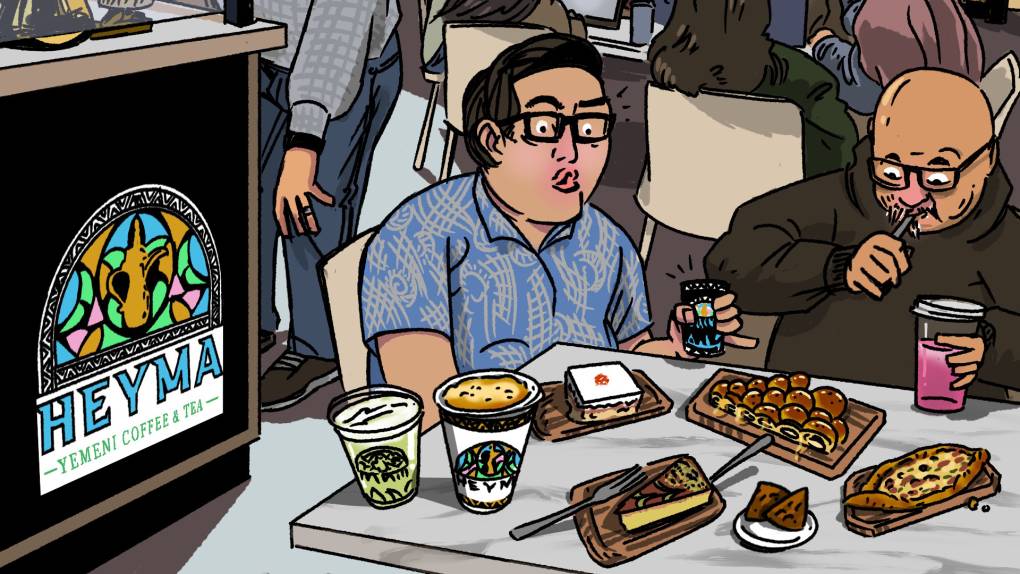
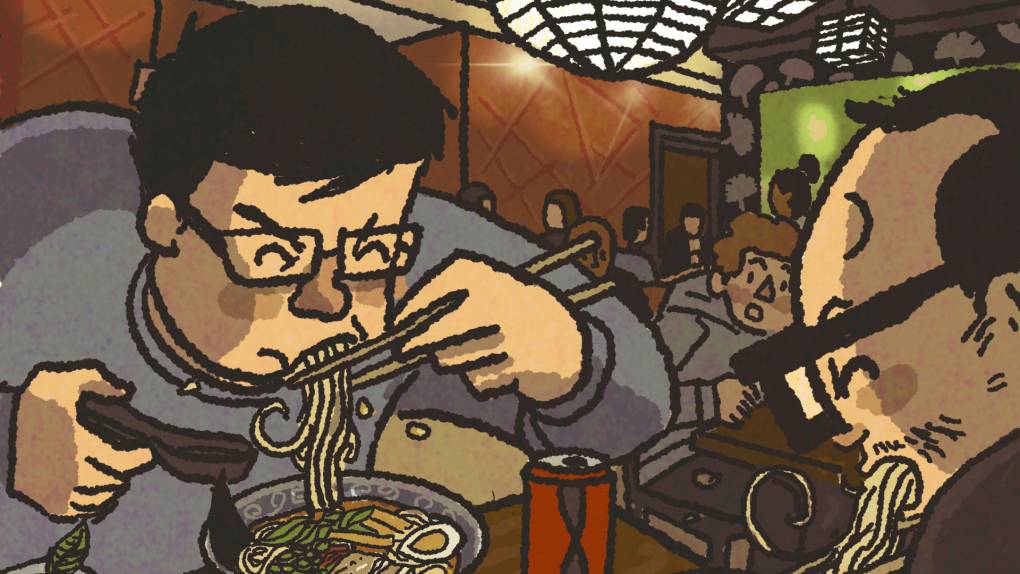
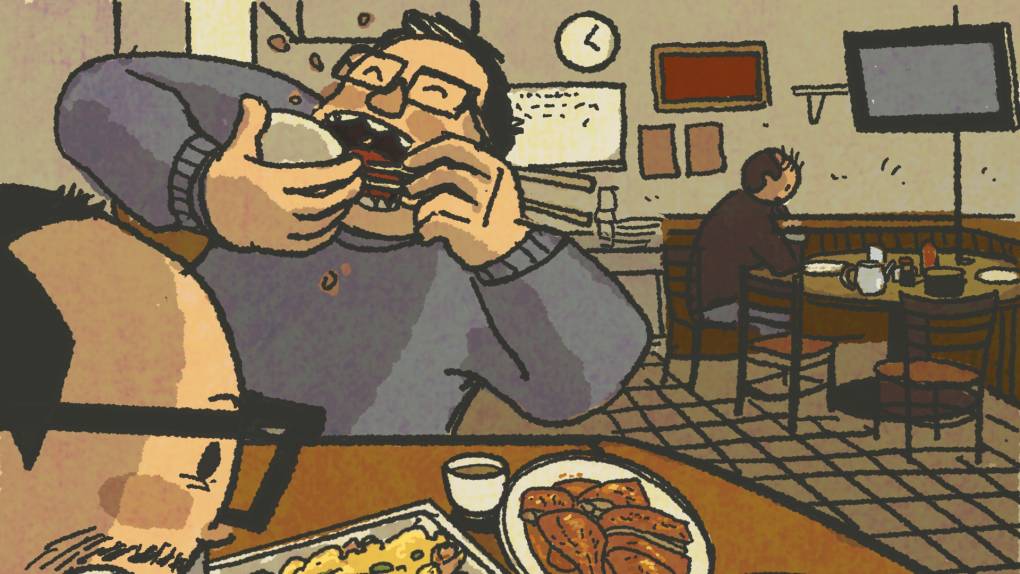
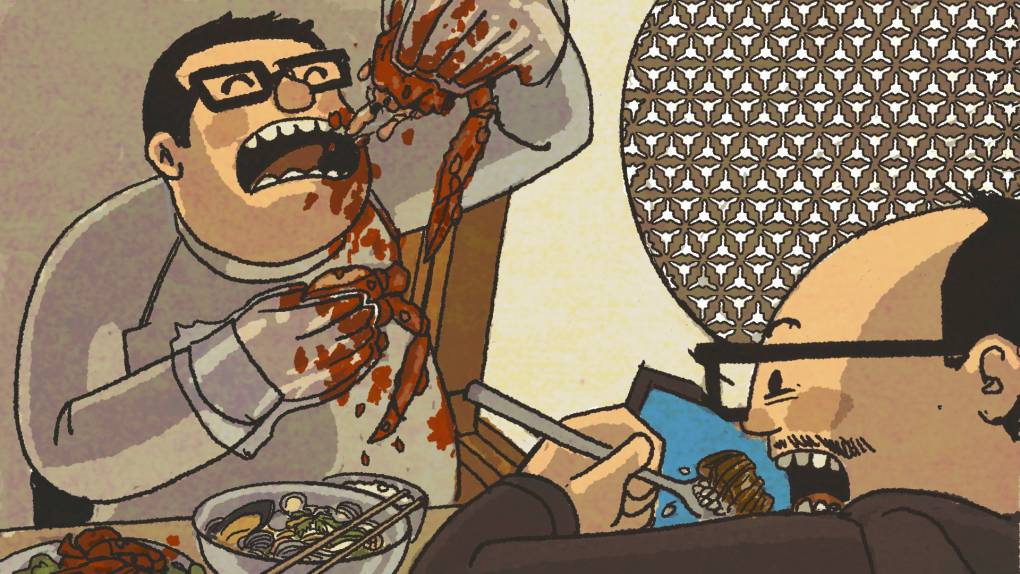
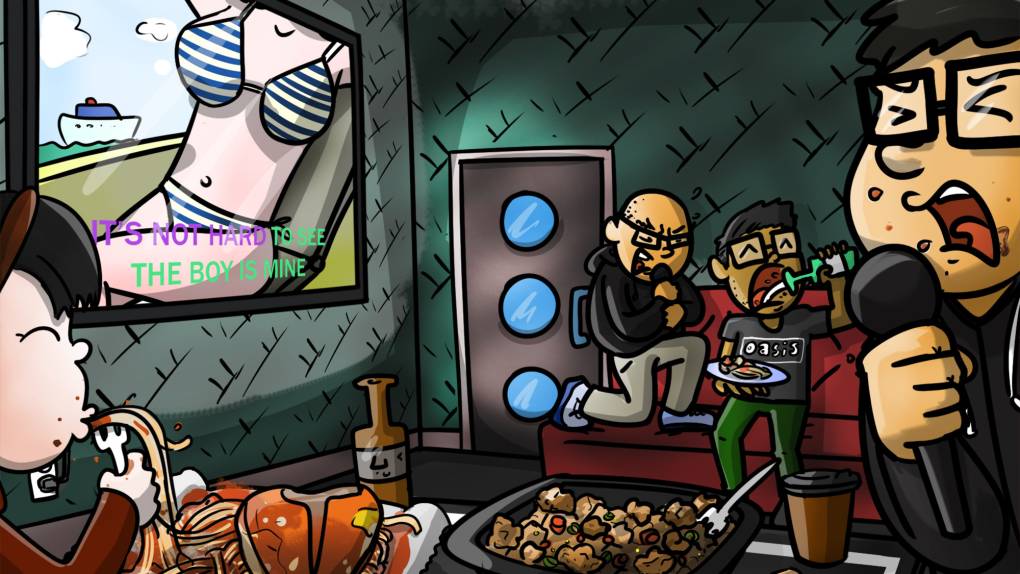
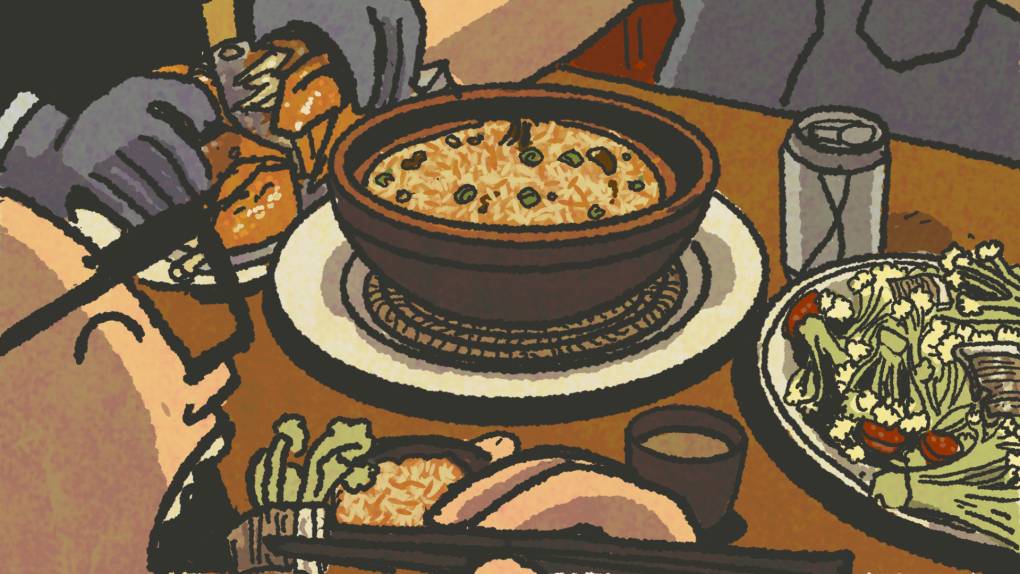
window.__IS_SSR__=true
window.__INITIAL_STATE__={
"attachmentsReducer": {
"audio_0": {
"type": "attachments",
"id": "audio_0",
"imgSizes": {
"kqedFullSize": {
"file": "https://ww2.kqed.org/news/wp-content/themes/KQED-unified/img/audio_bgs/background0.jpg"
}
}
},
"audio_1": {
"type": "attachments",
"id": "audio_1",
"imgSizes": {
"kqedFullSize": {
"file": "https://ww2.kqed.org/news/wp-content/themes/KQED-unified/img/audio_bgs/background1.jpg"
}
}
},
"audio_2": {
"type": "attachments",
"id": "audio_2",
"imgSizes": {
"kqedFullSize": {
"file": "https://ww2.kqed.org/news/wp-content/themes/KQED-unified/img/audio_bgs/background2.jpg"
}
}
},
"audio_3": {
"type": "attachments",
"id": "audio_3",
"imgSizes": {
"kqedFullSize": {
"file": "https://ww2.kqed.org/news/wp-content/themes/KQED-unified/img/audio_bgs/background3.jpg"
}
}
},
"audio_4": {
"type": "attachments",
"id": "audio_4",
"imgSizes": {
"kqedFullSize": {
"file": "https://ww2.kqed.org/news/wp-content/themes/KQED-unified/img/audio_bgs/background4.jpg"
}
}
},
"placeholder": {
"type": "attachments",
"id": "placeholder",
"imgSizes": {
"thumbnail": {
"file": "https://cdn.kqed.org/wp-content/uploads/2024/12/KQED-Default-Image-816638274-2000x1333-1-160x107.jpg",
"width": 160,
"height": 107,
"mimeType": "image/jpeg"
},
"medium": {
"file": "https://cdn.kqed.org/wp-content/uploads/2024/12/KQED-Default-Image-816638274-2000x1333-1-800x533.jpg",
"width": 800,
"height": 533,
"mimeType": "image/jpeg"
},
"medium_large": {
"file": "https://cdn.kqed.org/wp-content/uploads/2024/12/KQED-Default-Image-816638274-2000x1333-1-768x512.jpg",
"width": 768,
"height": 512,
"mimeType": "image/jpeg"
},
"large": {
"file": "https://cdn.kqed.org/wp-content/uploads/2024/12/KQED-Default-Image-816638274-2000x1333-1-1020x680.jpg",
"width": 1020,
"height": 680,
"mimeType": "image/jpeg"
},
"1536x1536": {
"file": "https://cdn.kqed.org/wp-content/uploads/2024/12/KQED-Default-Image-816638274-2000x1333-1-1536x1024.jpg",
"width": 1536,
"height": 1024,
"mimeType": "image/jpeg"
},
"fd-lrg": {
"file": "https://cdn.kqed.org/wp-content/uploads/2024/12/KQED-Default-Image-816638274-2000x1333-1-1536x1024.jpg",
"width": 1536,
"height": 1024,
"mimeType": "image/jpeg"
},
"fd-med": {
"file": "https://cdn.kqed.org/wp-content/uploads/2024/12/KQED-Default-Image-816638274-2000x1333-1-1020x680.jpg",
"width": 1020,
"height": 680,
"mimeType": "image/jpeg"
},
"fd-sm": {
"file": "https://cdn.kqed.org/wp-content/uploads/2024/12/KQED-Default-Image-816638274-2000x1333-1-800x533.jpg",
"width": 800,
"height": 533,
"mimeType": "image/jpeg"
},
"post-thumbnail": {
"file": "https://cdn.kqed.org/wp-content/uploads/2024/12/KQED-Default-Image-816638274-2000x1333-1-672x372.jpg",
"width": 672,
"height": 372,
"mimeType": "image/jpeg"
},
"twentyfourteen-full-width": {
"file": "https://cdn.kqed.org/wp-content/uploads/2024/12/KQED-Default-Image-816638274-2000x1333-1-1038x576.jpg",
"width": 1038,
"height": 576,
"mimeType": "image/jpeg"
},
"xxsmall": {
"file": "https://cdn.kqed.org/wp-content/uploads/2024/12/KQED-Default-Image-816638274-2000x1333-1-160x107.jpg",
"width": 160,
"height": 107,
"mimeType": "image/jpeg"
},
"xsmall": {
"file": "https://cdn.kqed.org/wp-content/uploads/2024/12/KQED-Default-Image-816638274-2000x1333-1-672x372.jpg",
"width": 672,
"height": 372,
"mimeType": "image/jpeg"
},
"small": {
"file": "https://cdn.kqed.org/wp-content/uploads/2024/12/KQED-Default-Image-816638274-2000x1333-1-672x372.jpg",
"width": 672,
"height": 372,
"mimeType": "image/jpeg"
},
"xlarge": {
"file": "https://cdn.kqed.org/wp-content/uploads/2024/12/KQED-Default-Image-816638274-2000x1333-1-1020x680.jpg",
"width": 1020,
"height": 680,
"mimeType": "image/jpeg"
},
"full-width": {
"file": "https://cdn.kqed.org/wp-content/uploads/2024/12/KQED-Default-Image-816638274-2000x1333-1-1920x1280.jpg",
"width": 1920,
"height": 1280,
"mimeType": "image/jpeg"
},
"guest-author-32": {
"file": "https://cdn.kqed.org/wp-content/uploads/2025/01/KQED-Default-Image-816638274-1333x1333-1-160x160.jpg",
"width": 32,
"height": 32,
"mimeType": "image/jpeg"
},
"guest-author-50": {
"file": "https://cdn.kqed.org/wp-content/uploads/2025/01/KQED-Default-Image-816638274-1333x1333-1-160x160.jpg",
"width": 50,
"height": 50,
"mimeType": "image/jpeg"
},
"guest-author-64": {
"file": "https://cdn.kqed.org/wp-content/uploads/2025/01/KQED-Default-Image-816638274-1333x1333-1-160x160.jpg",
"width": 64,
"height": 64,
"mimeType": "image/jpeg"
},
"guest-author-96": {
"file": "https://cdn.kqed.org/wp-content/uploads/2025/01/KQED-Default-Image-816638274-1333x1333-1-160x160.jpg",
"width": 96,
"height": 96,
"mimeType": "image/jpeg"
},
"guest-author-128": {
"file": "https://cdn.kqed.org/wp-content/uploads/2025/01/KQED-Default-Image-816638274-1333x1333-1-160x160.jpg",
"width": 128,
"height": 128,
"mimeType": "image/jpeg"
},
"detail": {
"file": "https://cdn.kqed.org/wp-content/uploads/2025/01/KQED-Default-Image-816638274-1333x1333-1-160x160.jpg",
"width": 160,
"height": 160,
"mimeType": "image/jpeg"
},
"kqedFullSize": {
"file": "https://cdn.kqed.org/wp-content/uploads/2024/12/KQED-Default-Image-816638274-2000x1333-1.jpg",
"width": 2000,
"height": 1333
}
}
},
"arts_13975911": {
"type": "attachments",
"id": "arts_13975911",
"meta": {
"index": "attachments_1716263798",
"site": "arts",
"id": "13975911",
"found": true
},
"title": "heyma-1 cropped",
"publishDate": 1746748662,
"status": "inherit",
"parent": 13975908,
"modified": 1746748805,
"caption": "In Berkeley, Heyma Yemeni Coffee combines both traditional and contemporary aspects of Yemeni coffee culture.",
"credit": "Wahab Algarmi",
"altTag": "Illustration: two men sit in front of a table loaded with cakes, pastries and coffee.",
"description": null,
"imgSizes": {
"medium": {
"file": "https://cdn.kqed.org/wp-content/uploads/sites/2/2025/05/heyma-1-cropped-800x450.jpg",
"width": 800,
"height": 450,
"mimeType": "image/jpeg"
},
"large": {
"file": "https://cdn.kqed.org/wp-content/uploads/sites/2/2025/05/heyma-1-cropped-1020x574.jpg",
"width": 1020,
"height": 574,
"mimeType": "image/jpeg"
},
"thumbnail": {
"file": "https://cdn.kqed.org/wp-content/uploads/sites/2/2025/05/heyma-1-cropped-160x90.jpg",
"width": 160,
"height": 90,
"mimeType": "image/jpeg"
},
"medium_large": {
"file": "https://cdn.kqed.org/wp-content/uploads/sites/2/2025/05/heyma-1-cropped-768x432.jpg",
"width": 768,
"height": 432,
"mimeType": "image/jpeg"
},
"1536x1536": {
"file": "https://cdn.kqed.org/wp-content/uploads/sites/2/2025/05/heyma-1-cropped-1536x864.jpg",
"width": 1536,
"height": 864,
"mimeType": "image/jpeg"
},
"post-thumbnail": {
"file": "https://cdn.kqed.org/wp-content/uploads/sites/2/2025/05/heyma-1-cropped-672x372.jpg",
"width": 672,
"height": 372,
"mimeType": "image/jpeg"
},
"twentyfourteen-full-width": {
"file": "https://cdn.kqed.org/wp-content/uploads/sites/2/2025/05/heyma-1-cropped-1038x576.jpg",
"width": 1038,
"height": 576,
"mimeType": "image/jpeg"
},
"kqedFullSize": {
"file": "https://cdn.kqed.org/wp-content/uploads/sites/2/2025/05/heyma-1-cropped.jpg",
"width": 1920,
"height": 1080
}
},
"isLoading": false,
"fetchFailed": false
},
"arts_13975316": {
"type": "attachments",
"id": "arts_13975316",
"meta": {
"index": "attachments_1716263798",
"site": "arts",
"id": "13975316",
"found": true
},
"title": "hinodeya1-crop",
"publishDate": 1745539212,
"status": "inherit",
"parent": 13975308,
"modified": 1745539244,
"caption": "Hinodeya Ramen's Union Square location is known for its late hours and its seafood-based dashi broth.",
"credit": "Thien Pham",
"altTag": "Illustration: two men slurp bowls of ramen inside a crowded restaurant.",
"description": null,
"imgSizes": {
"medium": {
"file": "https://cdn.kqed.org/wp-content/uploads/sites/2/2025/04/hinodeya1-crop-800x450.jpg",
"width": 800,
"height": 450,
"mimeType": "image/jpeg"
},
"large": {
"file": "https://cdn.kqed.org/wp-content/uploads/sites/2/2025/04/hinodeya1-crop-1020x574.jpg",
"width": 1020,
"height": 574,
"mimeType": "image/jpeg"
},
"thumbnail": {
"file": "https://cdn.kqed.org/wp-content/uploads/sites/2/2025/04/hinodeya1-crop-160x90.jpg",
"width": 160,
"height": 90,
"mimeType": "image/jpeg"
},
"medium_large": {
"file": "https://cdn.kqed.org/wp-content/uploads/sites/2/2025/04/hinodeya1-crop-768x432.jpg",
"width": 768,
"height": 432,
"mimeType": "image/jpeg"
},
"1536x1536": {
"file": "https://cdn.kqed.org/wp-content/uploads/sites/2/2025/04/hinodeya1-crop-1536x864.jpg",
"width": 1536,
"height": 864,
"mimeType": "image/jpeg"
},
"post-thumbnail": {
"file": "https://cdn.kqed.org/wp-content/uploads/sites/2/2025/04/hinodeya1-crop-672x372.jpg",
"width": 672,
"height": 372,
"mimeType": "image/jpeg"
},
"twentyfourteen-full-width": {
"file": "https://cdn.kqed.org/wp-content/uploads/sites/2/2025/04/hinodeya1-crop-1038x576.jpg",
"width": 1038,
"height": 576,
"mimeType": "image/jpeg"
},
"kqedFullSize": {
"file": "https://cdn.kqed.org/wp-content/uploads/sites/2/2025/04/hinodeya1-crop.jpg",
"width": 1920,
"height": 1080
}
},
"isLoading": false,
"fetchFailed": false
},
"arts_13974389": {
"type": "attachments",
"id": "arts_13974389",
"meta": {
"index": "attachments_1716263798",
"site": "arts",
"id": "13974389",
"found": true
},
"title": "newgoldmedal-crop",
"publishDate": 1744330129,
"status": "inherit",
"parent": 13974383,
"modified": 1744349583,
"caption": "New Gold Medal has been a local favorite for homey Cantonese food in Oakland Chinatown since 2007.",
"credit": "Thien Pham",
"altTag": "Two men devour a table full of Cantonese dishes, including chow mein and fried pork chops.",
"description": null,
"imgSizes": {
"medium": {
"file": "https://cdn.kqed.org/wp-content/uploads/sites/2/2025/04/newgoldmedal-crop-800x450.jpg",
"width": 800,
"height": 450,
"mimeType": "image/jpeg"
},
"large": {
"file": "https://cdn.kqed.org/wp-content/uploads/sites/2/2025/04/newgoldmedal-crop-1020x574.jpg",
"width": 1020,
"height": 574,
"mimeType": "image/jpeg"
},
"thumbnail": {
"file": "https://cdn.kqed.org/wp-content/uploads/sites/2/2025/04/newgoldmedal-crop-160x90.jpg",
"width": 160,
"height": 90,
"mimeType": "image/jpeg"
},
"medium_large": {
"file": "https://cdn.kqed.org/wp-content/uploads/sites/2/2025/04/newgoldmedal-crop-768x432.jpg",
"width": 768,
"height": 432,
"mimeType": "image/jpeg"
},
"1536x1536": {
"file": "https://cdn.kqed.org/wp-content/uploads/sites/2/2025/04/newgoldmedal-crop-1536x864.jpg",
"width": 1536,
"height": 864,
"mimeType": "image/jpeg"
},
"post-thumbnail": {
"file": "https://cdn.kqed.org/wp-content/uploads/sites/2/2025/04/newgoldmedal-crop-672x372.jpg",
"width": 672,
"height": 372,
"mimeType": "image/jpeg"
},
"twentyfourteen-full-width": {
"file": "https://cdn.kqed.org/wp-content/uploads/sites/2/2025/04/newgoldmedal-crop-1038x576.jpg",
"width": 1038,
"height": 576,
"mimeType": "image/jpeg"
},
"kqedFullSize": {
"file": "https://cdn.kqed.org/wp-content/uploads/sites/2/2025/04/newgoldmedal-crop.jpg",
"width": 1920,
"height": 1080
}
},
"isLoading": false,
"fetchFailed": false
},
"arts_13973437": {
"type": "attachments",
"id": "arts_13973437",
"meta": {
"index": "attachments_1716263798",
"site": "arts",
"id": "13973437",
"found": true
},
"title": "ONDAM-crop",
"publishDate": 1742515354,
"status": "inherit",
"parent": 13973430,
"modified": 1742515490,
"caption": "One of Ondam's signature dishes is its spicy raw marinated crab. Located in Santa Clara, the Korean restaurant is open until 1 a.m. on weekends.",
"credit": "Thien Pham",
"altTag": "Illustration: a man devours a crab dripping with red sauce (with red stains all over his shirt) while his companion looks on.",
"description": null,
"imgSizes": {
"medium": {
"file": "https://cdn.kqed.org/wp-content/uploads/sites/2/2025/03/ONDAM-crop-800x450.jpg",
"width": 800,
"height": 450,
"mimeType": "image/jpeg"
},
"large": {
"file": "https://cdn.kqed.org/wp-content/uploads/sites/2/2025/03/ONDAM-crop-1020x574.jpg",
"width": 1020,
"height": 574,
"mimeType": "image/jpeg"
},
"thumbnail": {
"file": "https://cdn.kqed.org/wp-content/uploads/sites/2/2025/03/ONDAM-crop-160x90.jpg",
"width": 160,
"height": 90,
"mimeType": "image/jpeg"
},
"medium_large": {
"file": "https://cdn.kqed.org/wp-content/uploads/sites/2/2025/03/ONDAM-crop-768x432.jpg",
"width": 768,
"height": 432,
"mimeType": "image/jpeg"
},
"1536x1536": {
"file": "https://cdn.kqed.org/wp-content/uploads/sites/2/2025/03/ONDAM-crop-1536x864.jpg",
"width": 1536,
"height": 864,
"mimeType": "image/jpeg"
},
"post-thumbnail": {
"file": "https://cdn.kqed.org/wp-content/uploads/sites/2/2025/03/ONDAM-crop-672x372.jpg",
"width": 672,
"height": 372,
"mimeType": "image/jpeg"
},
"twentyfourteen-full-width": {
"file": "https://cdn.kqed.org/wp-content/uploads/sites/2/2025/03/ONDAM-crop-1038x576.jpg",
"width": 1038,
"height": 576,
"mimeType": "image/jpeg"
},
"kqedFullSize": {
"file": "https://cdn.kqed.org/wp-content/uploads/sites/2/2025/03/ONDAM-crop.jpg",
"width": 1920,
"height": 1080
}
},
"isLoading": false,
"fetchFailed": false
},
"arts_13972836": {
"type": "attachments",
"id": "arts_13972836",
"meta": {
"index": "attachments_1716263798",
"site": "arts",
"id": "13972836",
"found": true
},
"title": "Dimondkitchen2 crop",
"publishDate": 1741377431,
"status": "inherit",
"parent": 13972834,
"modified": 1741377520,
"caption": "An Oakland-style picnic.",
"credit": "Thien Pham",
"altTag": "Two men stand in front of a car outside a convenience store at night, devouring takeout cartons of soul food.",
"description": null,
"imgSizes": {
"medium": {
"file": "https://cdn.kqed.org/wp-content/uploads/sites/2/2025/03/Dimondkitchen2-crop-800x450.jpg",
"width": 800,
"height": 450,
"mimeType": "image/jpeg"
},
"large": {
"file": "https://cdn.kqed.org/wp-content/uploads/sites/2/2025/03/Dimondkitchen2-crop-1020x574.jpg",
"width": 1020,
"height": 574,
"mimeType": "image/jpeg"
},
"thumbnail": {
"file": "https://cdn.kqed.org/wp-content/uploads/sites/2/2025/03/Dimondkitchen2-crop-160x90.jpg",
"width": 160,
"height": 90,
"mimeType": "image/jpeg"
},
"medium_large": {
"file": "https://cdn.kqed.org/wp-content/uploads/sites/2/2025/03/Dimondkitchen2-crop-768x432.jpg",
"width": 768,
"height": 432,
"mimeType": "image/jpeg"
},
"1536x1536": {
"file": "https://cdn.kqed.org/wp-content/uploads/sites/2/2025/03/Dimondkitchen2-crop-1536x864.jpg",
"width": 1536,
"height": 864,
"mimeType": "image/jpeg"
},
"post-thumbnail": {
"file": "https://cdn.kqed.org/wp-content/uploads/sites/2/2025/03/Dimondkitchen2-crop-672x372.jpg",
"width": 672,
"height": 372,
"mimeType": "image/jpeg"
},
"twentyfourteen-full-width": {
"file": "https://cdn.kqed.org/wp-content/uploads/sites/2/2025/03/Dimondkitchen2-crop-1038x576.jpg",
"width": 1038,
"height": 576,
"mimeType": "image/jpeg"
},
"kqedFullSize": {
"file": "https://cdn.kqed.org/wp-content/uploads/sites/2/2025/03/Dimondkitchen2-crop.jpg",
"width": 1920,
"height": 1080
}
},
"isLoading": false,
"fetchFailed": false
},
"arts_13972707": {
"type": "attachments",
"id": "arts_13972707",
"meta": {
"index": "attachments_1716263798",
"site": "arts",
"id": "13972707",
"found": true
},
"title": "Suhoor Fest drone view_Awaiten Films",
"publishDate": 1741234906,
"status": "inherit",
"parent": 13972704,
"modified": 1741235080,
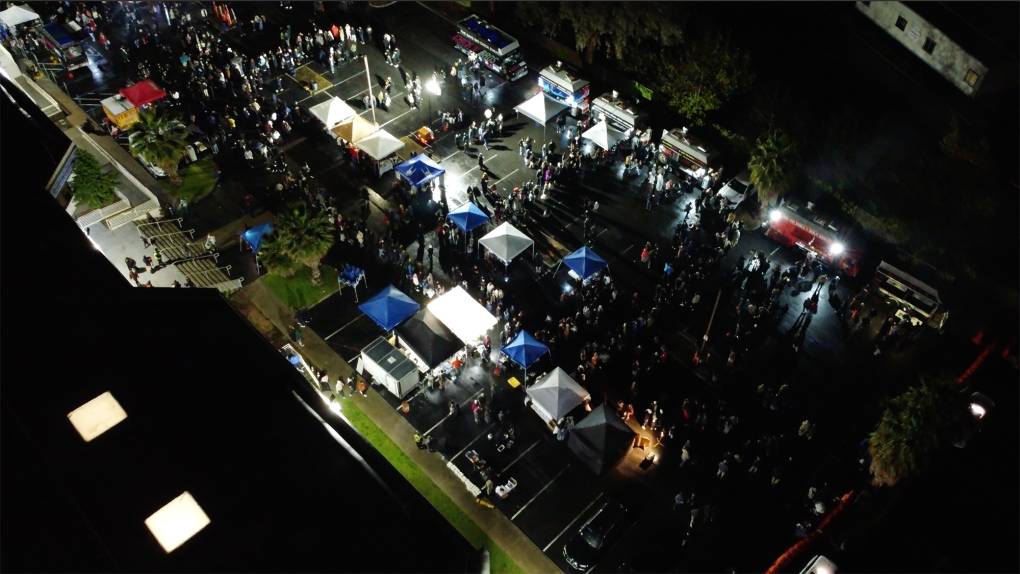
"caption": "Thousands of Bay Area Muslims will attend this year's Suhoor Fest, a massive halal food festival that starts at 11 p.m. on March 15 and stays open until 5 a.m.",
"credit": "Awaiten Films, courtesy of Halal Fest",
"altTag": "Still image of a drone video showing a night market festival from overhead.",
"description": null,
"imgSizes": {
"medium": {
"file": "https://cdn.kqed.org/wp-content/uploads/sites/2/2025/03/Suhoor-Fest-drone-view_Awaiten-Films-800x450.jpg",
"width": 800,
"height": 450,
"mimeType": "image/jpeg"
},
"large": {
"file": "https://cdn.kqed.org/wp-content/uploads/sites/2/2025/03/Suhoor-Fest-drone-view_Awaiten-Films-1020x574.jpg",
"width": 1020,
"height": 574,
"mimeType": "image/jpeg"
},
"thumbnail": {
"file": "https://cdn.kqed.org/wp-content/uploads/sites/2/2025/03/Suhoor-Fest-drone-view_Awaiten-Films-160x90.jpg",
"width": 160,
"height": 90,
"mimeType": "image/jpeg"
},
"medium_large": {
"file": "https://cdn.kqed.org/wp-content/uploads/sites/2/2025/03/Suhoor-Fest-drone-view_Awaiten-Films-768x432.jpg",
"width": 768,
"height": 432,
"mimeType": "image/jpeg"
},
"1536x1536": {
"file": "https://cdn.kqed.org/wp-content/uploads/sites/2/2025/03/Suhoor-Fest-drone-view_Awaiten-Films-1536x864.jpg",
"width": 1536,
"height": 864,
"mimeType": "image/jpeg"
},
"post-thumbnail": {
"file": "https://cdn.kqed.org/wp-content/uploads/sites/2/2025/03/Suhoor-Fest-drone-view_Awaiten-Films-672x372.jpg",
"width": 672,
"height": 372,
"mimeType": "image/jpeg"
},
"twentyfourteen-full-width": {
"file": "https://cdn.kqed.org/wp-content/uploads/sites/2/2025/03/Suhoor-Fest-drone-view_Awaiten-Films-1038x576.jpg",
"width": 1038,
"height": 576,
"mimeType": "image/jpeg"
},
"full-width": {
"file": "https://cdn.kqed.org/wp-content/uploads/sites/2/2025/03/Suhoor-Fest-drone-view_Awaiten-Films-1920x1080.jpg",
"width": 1920,
"height": 1080,
"mimeType": "image/jpeg"
},
"kqedFullSize": {
"file": "https://cdn.kqed.org/wp-content/uploads/sites/2/2025/03/Suhoor-Fest-drone-view_Awaiten-Films.jpg",
"width": 2000,
"height": 1125
}
},
"isLoading": false,
"fetchFailed": false
},
"arts_13972200": {
"type": "attachments",
"id": "arts_13972200",
"meta": {
"index": "attachments_1716263798",
"site": "arts",
"id": "13972200",
"found": true
},
"title": "beeps crop",
"publishDate": 1740177688,
"status": "inherit",
"parent": 13972197,
"modified": 1740177797,
"caption": "You don't have to be a teen to enjoy the burgers and fries at Beep's Burgers, an Ocean Avenue institution since 1962.",
"credit": "Thien Pham",
"altTag": "Illustration: Two Asian men in glasses devour a burger and fries.",
"description": null,
"imgSizes": {
"medium": {
"file": "https://cdn.kqed.org/wp-content/uploads/sites/2/2025/02/beeps-crop-800x450.jpg",
"width": 800,
"height": 450,
"mimeType": "image/jpeg"
},
"large": {
"file": "https://cdn.kqed.org/wp-content/uploads/sites/2/2025/02/beeps-crop-1020x574.jpg",
"width": 1020,
"height": 574,
"mimeType": "image/jpeg"
},
"thumbnail": {
"file": "https://cdn.kqed.org/wp-content/uploads/sites/2/2025/02/beeps-crop-160x90.jpg",
"width": 160,
"height": 90,
"mimeType": "image/jpeg"
},
"medium_large": {
"file": "https://cdn.kqed.org/wp-content/uploads/sites/2/2025/02/beeps-crop-768x432.jpg",
"width": 768,
"height": 432,
"mimeType": "image/jpeg"
},
"1536x1536": {
"file": "https://cdn.kqed.org/wp-content/uploads/sites/2/2025/02/beeps-crop-1536x864.jpg",
"width": 1536,
"height": 864,
"mimeType": "image/jpeg"
},
"post-thumbnail": {
"file": "https://cdn.kqed.org/wp-content/uploads/sites/2/2025/02/beeps-crop-672x372.jpg",
"width": 672,
"height": 372,
"mimeType": "image/jpeg"
},
"twentyfourteen-full-width": {
"file": "https://cdn.kqed.org/wp-content/uploads/sites/2/2025/02/beeps-crop-1038x576.jpg",
"width": 1038,
"height": 576,
"mimeType": "image/jpeg"
},
"kqedFullSize": {
"file": "https://cdn.kqed.org/wp-content/uploads/sites/2/2025/02/beeps-crop.jpg",
"width": 1920,
"height": 1080
}
},
"isLoading": false,
"fetchFailed": false
},
"arts_13971538": {
"type": "attachments",
"id": "arts_13971538",
"meta": {
"index": "attachments_1716263798",
"site": "arts",
"id": "13971538",
"found": true
},
"title": "Untitled_Artwork 1-crop",
"publishDate": 1738892501,
"status": "inherit",
"parent": 13971532,
"modified": 1738892540,
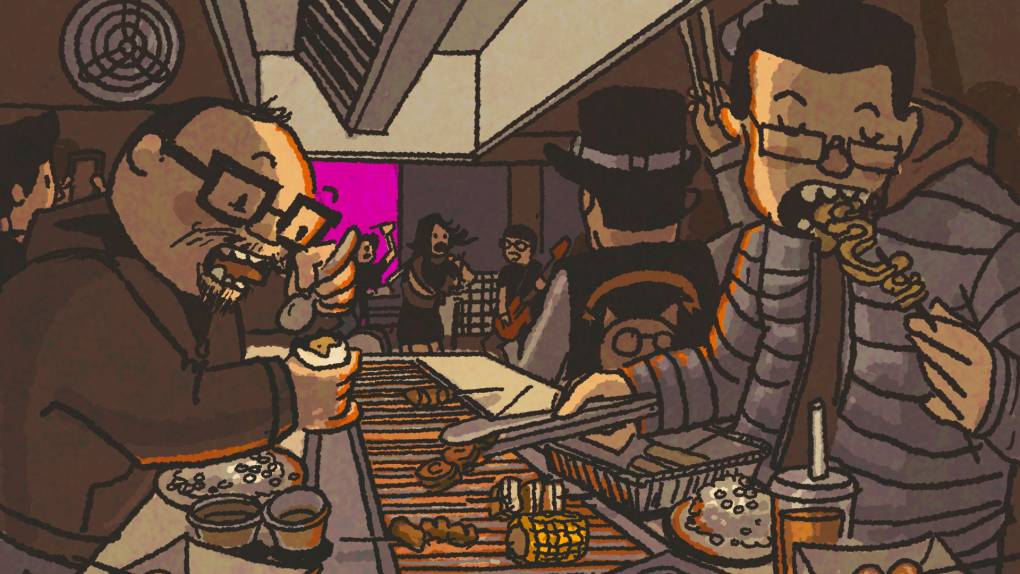
"caption": "At The Grill at Miss G, the centerpiece of the restaurant is a large communal grill. Located in Hayward, the Filipino barbecue spot is known for its raucous late-night atmosphere. ",
"credit": "Thien Pham",
"altTag": "Illustration: Two men grill their own meat skewers at a large communal grill while a band performs in the background.",
"description": null,
"imgSizes": {
"medium": {
"file": "https://cdn.kqed.org/wp-content/uploads/sites/2/2025/02/Untitled_Artwork-1-crop-800x450.jpg",
"width": 800,
"height": 450,
"mimeType": "image/jpeg"
},
"large": {
"file": "https://cdn.kqed.org/wp-content/uploads/sites/2/2025/02/Untitled_Artwork-1-crop-1020x574.jpg",
"width": 1020,
"height": 574,
"mimeType": "image/jpeg"
},
"thumbnail": {
"file": "https://cdn.kqed.org/wp-content/uploads/sites/2/2025/02/Untitled_Artwork-1-crop-160x90.jpg",
"width": 160,
"height": 90,
"mimeType": "image/jpeg"
},
"medium_large": {
"file": "https://cdn.kqed.org/wp-content/uploads/sites/2/2025/02/Untitled_Artwork-1-crop-768x432.jpg",
"width": 768,
"height": 432,
"mimeType": "image/jpeg"
},
"1536x1536": {
"file": "https://cdn.kqed.org/wp-content/uploads/sites/2/2025/02/Untitled_Artwork-1-crop-1536x864.jpg",
"width": 1536,
"height": 864,
"mimeType": "image/jpeg"
},
"post-thumbnail": {
"file": "https://cdn.kqed.org/wp-content/uploads/sites/2/2025/02/Untitled_Artwork-1-crop-672x372.jpg",
"width": 672,
"height": 372,
"mimeType": "image/jpeg"
},
"twentyfourteen-full-width": {
"file": "https://cdn.kqed.org/wp-content/uploads/sites/2/2025/02/Untitled_Artwork-1-crop-1038x576.jpg",
"width": 1038,
"height": 576,
"mimeType": "image/jpeg"
},
"kqedFullSize": {
"file": "https://cdn.kqed.org/wp-content/uploads/sites/2/2025/02/Untitled_Artwork-1-crop.jpg",
"width": 1920,
"height": 1080
}
},
"isLoading": false,
"fetchFailed": false
},
"arts_13970442": {
"type": "attachments",
"id": "arts_13970442",
"meta": {
"index": "attachments_1716263798",
"site": "arts",
"id": "13970442",
"found": true
},
"title": "haililao2-crop",
"publishDate": 1737074922,
"status": "inherit",
"parent": 0,
"modified": 1737075068,
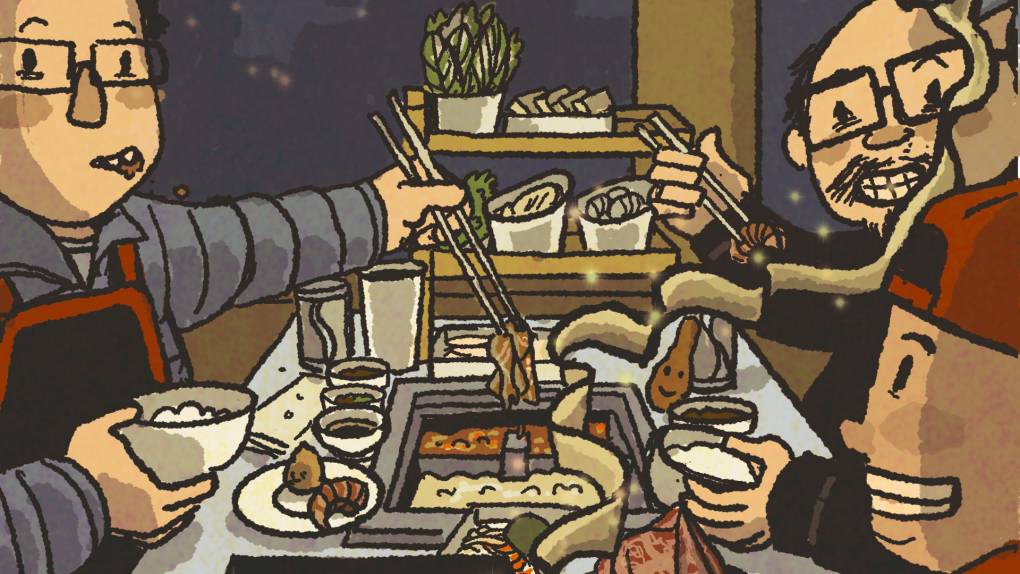
"caption": "At HaiDiLao, dinner might come with a tableside 'dancing noodle' show. The high-end hot pot restaurant's Fremont location is open until 2 a.m. every night.",
"credit": "Thien Pham",
"altTag": "Illustration: Two men watch a noodle maker while eating hot pot.",
"description": null,
"imgSizes": {
"medium": {
"file": "https://cdn.kqed.org/wp-content/uploads/sites/2/2025/01/haililao2-crop-800x450.jpg",
"width": 800,
"height": 450,
"mimeType": "image/jpeg"
},
"large": {
"file": "https://cdn.kqed.org/wp-content/uploads/sites/2/2025/01/haililao2-crop-1020x574.jpg",
"width": 1020,
"height": 574,
"mimeType": "image/jpeg"
},
"thumbnail": {
"file": "https://cdn.kqed.org/wp-content/uploads/sites/2/2025/01/haililao2-crop-160x90.jpg",
"width": 160,
"height": 90,
"mimeType": "image/jpeg"
},
"medium_large": {
"file": "https://cdn.kqed.org/wp-content/uploads/sites/2/2025/01/haililao2-crop-768x432.jpg",
"width": 768,
"height": 432,
"mimeType": "image/jpeg"
},
"1536x1536": {
"file": "https://cdn.kqed.org/wp-content/uploads/sites/2/2025/01/haililao2-crop-1536x864.jpg",
"width": 1536,
"height": 864,
"mimeType": "image/jpeg"
},
"post-thumbnail": {
"file": "https://cdn.kqed.org/wp-content/uploads/sites/2/2025/01/haililao2-crop-672x372.jpg",
"width": 672,
"height": 372,
"mimeType": "image/jpeg"
},
"twentyfourteen-full-width": {
"file": "https://cdn.kqed.org/wp-content/uploads/sites/2/2025/01/haililao2-crop-1038x576.jpg",
"width": 1038,
"height": 576,
"mimeType": "image/jpeg"
},
"kqedFullSize": {
"file": "https://cdn.kqed.org/wp-content/uploads/sites/2/2025/01/haililao2-crop.jpg",
"width": 1920,
"height": 1080
}
},
"isLoading": false,
"fetchFailed": false
},
"arts_13969094": {
"type": "attachments",
"id": "arts_13969094",
"meta": {
"index": "attachments_1716263798",
"site": "arts",
"id": "13969094",
"found": true
},
"title": "Nellasplace1-crop",
"publishDate": 1733445614,
"status": "inherit",
"parent": 13969092,
"modified": 1733445712,
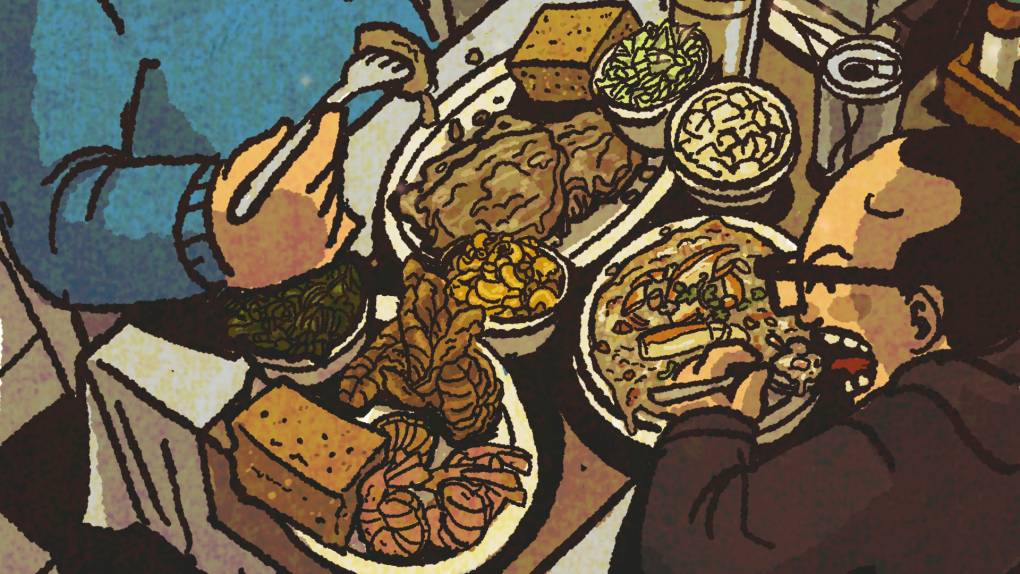
"caption": "Nella's Place has a quiet, down-home elegance. The San Leandro soul food spot also serves some of the Bay Area's tastiest gumbo.",
"credit": "Thien Pham",
"altTag": "Illustration: Two men devour several plates of soul food: gumbo, a fried seafood platter, smothered pork chops.",
"description": null,
"imgSizes": {
"medium": {
"file": "https://cdn.kqed.org/wp-content/uploads/sites/2/2024/12/Nellasplace1-crop-800x450.jpg",
"width": 800,
"height": 450,
"mimeType": "image/jpeg"
},
"large": {
"file": "https://cdn.kqed.org/wp-content/uploads/sites/2/2024/12/Nellasplace1-crop-1020x574.jpg",
"width": 1020,
"height": 574,
"mimeType": "image/jpeg"
},
"thumbnail": {
"file": "https://cdn.kqed.org/wp-content/uploads/sites/2/2024/12/Nellasplace1-crop-160x90.jpg",
"width": 160,
"height": 90,
"mimeType": "image/jpeg"
},
"medium_large": {
"file": "https://cdn.kqed.org/wp-content/uploads/sites/2/2024/12/Nellasplace1-crop-768x432.jpg",
"width": 768,
"height": 432,
"mimeType": "image/jpeg"
},
"1536x1536": {
"file": "https://cdn.kqed.org/wp-content/uploads/sites/2/2024/12/Nellasplace1-crop-1536x864.jpg",
"width": 1536,
"height": 864,
"mimeType": "image/jpeg"
},
"post-thumbnail": {
"file": "https://cdn.kqed.org/wp-content/uploads/sites/2/2024/12/Nellasplace1-crop-672x372.jpg",
"width": 672,
"height": 372,
"mimeType": "image/jpeg"
},
"twentyfourteen-full-width": {
"file": "https://cdn.kqed.org/wp-content/uploads/sites/2/2024/12/Nellasplace1-crop-1038x576.jpg",
"width": 1038,
"height": 576,
"mimeType": "image/jpeg"
},
"kqedFullSize": {
"file": "https://cdn.kqed.org/wp-content/uploads/sites/2/2024/12/Nellasplace1-crop.jpg",
"width": 1920,
"height": 1080
}
},
"isLoading": false,
"fetchFailed": false
},
"arts_13968151": {
"type": "attachments",
"id": "arts_13968151",
"meta": {
"index": "attachments_1716263798",
"site": "arts",
"id": "13968151",
"found": true
},
"title": "2 - Karaoke Room-crop",
"publishDate": 1731630451,
"status": "inherit",
"parent": 13968142,
"modified": 1731630496,
"caption": "At South San Francisco's E Plus Karaoke and Cafe, the food and the vibes are both top-notch.",
"credit": "Raynato Castro",
"altTag": "Illustration: Three middle-aged men singing their hearts out at karaoke while a woman placidly eats a plate of spaghetti.",
"description": null,
"imgSizes": {
"medium": {
"file": "https://cdn.kqed.org/wp-content/uploads/sites/2/2024/11/2-Karaoke-Room-crop-800x450.jpg",
"width": 800,
"height": 450,
"mimeType": "image/jpeg"
},
"large": {
"file": "https://cdn.kqed.org/wp-content/uploads/sites/2/2024/11/2-Karaoke-Room-crop-1020x574.jpg",
"width": 1020,
"height": 574,
"mimeType": "image/jpeg"
},
"thumbnail": {
"file": "https://cdn.kqed.org/wp-content/uploads/sites/2/2024/11/2-Karaoke-Room-crop-160x90.jpg",
"width": 160,
"height": 90,
"mimeType": "image/jpeg"
},
"medium_large": {
"file": "https://cdn.kqed.org/wp-content/uploads/sites/2/2024/11/2-Karaoke-Room-crop-768x432.jpg",
"width": 768,
"height": 432,
"mimeType": "image/jpeg"
},
"1536x1536": {
"file": "https://cdn.kqed.org/wp-content/uploads/sites/2/2024/11/2-Karaoke-Room-crop-1536x864.jpg",
"width": 1536,
"height": 864,
"mimeType": "image/jpeg"
},
"post-thumbnail": {
"file": "https://cdn.kqed.org/wp-content/uploads/sites/2/2024/11/2-Karaoke-Room-crop-672x372.jpg",
"width": 672,
"height": 372,
"mimeType": "image/jpeg"
},
"twentyfourteen-full-width": {
"file": "https://cdn.kqed.org/wp-content/uploads/sites/2/2024/11/2-Karaoke-Room-crop-1038x576.jpg",
"width": 1038,
"height": 576,
"mimeType": "image/jpeg"
},
"full-width": {
"file": "https://cdn.kqed.org/wp-content/uploads/sites/2/2024/11/2-Karaoke-Room-crop-1920x1080.jpg",
"width": 1920,
"height": 1080,
"mimeType": "image/jpeg"
},
"kqedFullSize": {
"file": "https://cdn.kqed.org/wp-content/uploads/sites/2/2024/11/2-Karaoke-Room-crop.jpg",
"width": 2000,
"height": 1125
}
},
"isLoading": false,
"fetchFailed": false
},
"arts_13967574": {
"type": "attachments",
"id": "arts_13967574",
"meta": {
"index": "attachments_1716263798",
"site": "arts",
"id": "13967574",
"found": true
},
"title": "Taishan2-crop",
"publishDate": 1730416410,
"status": "inherit",
"parent": 13967564,
"modified": 1730416462,
"caption": "Taishan Cuisine is one of a handful of restaurants in San Francisco Chinatown that specializes in Taishanese cooking, including its standout yellow eel claypot rice.",
"credit": "Thien Pham",
"altTag": "Illustration: A man devouring a Chinese meal with chopsticks.",
"description": null,
"imgSizes": {
"medium": {
"file": "https://cdn.kqed.org/wp-content/uploads/sites/2/2024/10/Taishan2-crop-800x450.jpg",
"width": 800,
"height": 450,
"mimeType": "image/jpeg"
},
"large": {
"file": "https://cdn.kqed.org/wp-content/uploads/sites/2/2024/10/Taishan2-crop-1020x574.jpg",
"width": 1020,
"height": 574,
"mimeType": "image/jpeg"
},
"thumbnail": {
"file": "https://cdn.kqed.org/wp-content/uploads/sites/2/2024/10/Taishan2-crop-160x90.jpg",
"width": 160,
"height": 90,
"mimeType": "image/jpeg"
},
"medium_large": {
"file": "https://cdn.kqed.org/wp-content/uploads/sites/2/2024/10/Taishan2-crop-768x432.jpg",
"width": 768,
"height": 432,
"mimeType": "image/jpeg"
},
"1536x1536": {
"file": "https://cdn.kqed.org/wp-content/uploads/sites/2/2024/10/Taishan2-crop-1536x864.jpg",
"width": 1536,
"height": 864,
"mimeType": "image/jpeg"
},
"post-thumbnail": {
"file": "https://cdn.kqed.org/wp-content/uploads/sites/2/2024/10/Taishan2-crop-672x372.jpg",
"width": 672,
"height": 372,
"mimeType": "image/jpeg"
},
"twentyfourteen-full-width": {
"file": "https://cdn.kqed.org/wp-content/uploads/sites/2/2024/10/Taishan2-crop-1038x576.jpg",
"width": 1038,
"height": 576,
"mimeType": "image/jpeg"
},
"kqedFullSize": {
"file": "https://cdn.kqed.org/wp-content/uploads/sites/2/2024/10/Taishan2-crop.jpg",
"width": 1920,
"height": 1080
}
},
"isLoading": false,
"fetchFailed": false
}
},
"audioPlayerReducer": {
"postId": "stream_live",
"isPaused": true,
"isPlaying": false,
"pfsActive": false,
"pledgeModalIsOpen": true,
"playerDrawerIsOpen": false,
"liveAudioPlayStartedAt": 0,
"liveAudioPlayContext": ""
},
"authorsReducer": {
"byline_arts_13975908": {
"type": "authors",
"id": "byline_arts_13975908",
"meta": {
"override": true
},
"slug": "byline_arts_13975908",
"name": "Luke Tsai and Wahab Algarmi",
"isLoading": false
},
"ltsai": {
"type": "authors",
"id": "11743",
"meta": {
"index": "authors_1716337520",
"id": "11743",
"found": true
},
"name": "Luke Tsai",
"firstName": "Luke",
"lastName": "Tsai",
"slug": "ltsai",
"email": "ltsai@kqed.org",
"display_author_email": true,
"staff_mastheads": [
"arts"
],
"title": "Food Editor",
"bio": "Luke Tsai is KQED's food editor and resident stinky tofu connoisseur. Prior to KQED, he was an editor at Eater SF, \u003cem>San Francisco \u003c/em>magazine, and the \u003cem>East Bay Express\u003c/em>, and his work has also appeared in TASTE, the \u003cem>San Francisco Chronicle\u003c/em>, and the \u003cem>Best Food Writing\u003c/em> anthology. When he isn't writing or editing, you'll find him eating most everything he can get his hands on.",
"avatar": "https://secure.gravatar.com/avatar/1e59b45bf191526e7339d6ba46e33a57b2030d25c27660ecc64ea3cb863e34f7?s=600&d=blank&r=g",
"twitter": "theluketsai",
"bluesky": null,
"facebook": null,
"instagram": null,
"linkedin": null,
"sites": [
{
"site": "",
"roles": [
"editor"
]
},
{
"site": "arts",
"roles": [
"administrator"
]
},
{
"site": "news",
"roles": [
"editor",
"contributor"
]
},
{
"site": "bayareabites",
"roles": [
"editor"
]
},
{
"site": "food",
"roles": [
"editor"
]
}
],
"headData": {
"title": "Luke Tsai | KQED",
"description": "Food Editor",
"ogImgSrc": "https://secure.gravatar.com/avatar/1e59b45bf191526e7339d6ba46e33a57b2030d25c27660ecc64ea3cb863e34f7?s=600&d=blank&r=g",
"twImgSrc": "https://secure.gravatar.com/avatar/1e59b45bf191526e7339d6ba46e33a57b2030d25c27660ecc64ea3cb863e34f7?s=600&d=blank&r=g"
},
"isLoading": false,
"link": "/author/ltsai"
},
"tpham": {
"type": "authors",
"id": "11753",
"meta": {
"index": "authors_1716337520",
"id": "11753",
"found": true
},
"name": "Thien Pham",
"firstName": "Thien",
"lastName": "Pham",
"slug": "tpham",
"email": "thiendog@gmail.com",
"display_author_email": false,
"staff_mastheads": [],
"title": "KQED Contributor",
"bio": null,
"avatar": "https://secure.gravatar.com/avatar/fa68ed7d6a785e5294a7bb79a3f409c3?s=600&d=blank&r=g",
"twitter": null,
"facebook": null,
"instagram": null,
"linkedin": null,
"sites": [
{
"site": "arts",
"roles": [
"contributor"
]
}
],
"headData": {
"title": "Thien Pham | KQED",
"description": "KQED Contributor",
"ogImgSrc": "https://secure.gravatar.com/avatar/fa68ed7d6a785e5294a7bb79a3f409c3?s=600&d=blank&r=g",
"twImgSrc": "https://secure.gravatar.com/avatar/fa68ed7d6a785e5294a7bb79a3f409c3?s=600&d=blank&r=g"
},
"isLoading": false,
"link": "/author/tpham"
},
"rcastro": {
"type": "authors",
"id": "11907",
"meta": {
"index": "authors_1716337520",
"id": "11907",
"found": true
},
"name": "Raynato Castro",
"firstName": "Raynato",
"lastName": "Castro",
"slug": "rcastro",
"email": "rcastrodds@gmail.com",
"display_author_email": false,
"staff_mastheads": [],
"title": "KQED Contributor",
"bio": null,
"avatar": "https://secure.gravatar.com/avatar/09976336176dd6a8edb95255611bea20?s=600&d=blank&r=g",
"twitter": null,
"facebook": null,
"instagram": null,
"linkedin": null,
"sites": [
{
"site": "arts",
"roles": [
"contributor"
]
}
],
"headData": {
"title": "Raynato Castro | KQED",
"description": "KQED Contributor",
"ogImgSrc": "https://secure.gravatar.com/avatar/09976336176dd6a8edb95255611bea20?s=600&d=blank&r=g",
"twImgSrc": "https://secure.gravatar.com/avatar/09976336176dd6a8edb95255611bea20?s=600&d=blank&r=g"
},
"isLoading": false,
"link": "/author/rcastro"
}
},
"pagesReducer": {
"arts_tag_late-night": {
"type": "terms",
"id": "arts_8805",
"meta": {
"index": "terms_1716263798",
"site": "arts",
"id": "8805",
"score": 9.553133
},
"featImg": null,
"name": "late night",
"description": null,
"taxonomy": "tag",
"headData": {
"twImgId": null,
"twTitle": null,
"ogTitle": null,
"ogImgId": null,
"twDescription": null,
"description": null,
"title": "late night Archives | KQED Arts",
"ogDescription": null
},
"ttid": 8817,
"slug": "late-night",
"isLoading": false,
"title": "late night",
"pageMeta": {
"site": "arts",
"WpPageTemplate": "page-topic-editorial",
"currentPage": 3
},
"blocks": [
{
"blockName": "kqed/post-list",
"attrs": {
"layout": "cardArticle2",
"query": "posts/arts?tag=late-night",
"seeMore": false,
"paginated": true,
"page": 3
}
},
{
"blockName": "kqed/ad"
}
]
}
},
"pfsSessionReducer": {},
"postsReducer": {
"stream_live": {
"type": "live",
"id": "stream_live",
"audioUrl": "https://streams.kqed.org/kqedradio",
"title": "Live Stream",
"excerpt": "Live Stream information currently unavailable.",
"link": "/radio",
"featImg": "",
"label": {
"name": "KQED Live",
"link": "/"
}
},
"stream_kqedNewscast": {
"type": "posts",
"id": "stream_kqedNewscast",
"audioUrl": "https://www.kqed.org/.stream/anon/radio/RDnews/newscast.mp3?_=1",
"title": "KQED Newscast",
"featImg": "",
"label": {
"name": "88.5 FM",
"link": "/"
}
},
"arts_13975908": {
"type": "posts",
"id": "arts_13975908",
"meta": {
"index": "posts_1716263798",
"site": "arts",
"id": "13975908",
"score": null,
"sort": [
1746749446000
]
},
"guestAuthors": [],
"slug": "heyma-yemeni-coffee-shop-berkeley-late-night",
"title": "A Yemeni Coffee Shop Keeps the Masses Well Caffeinated Until Midnight",
"publishDate": 1746749446,
"format": "aside",
"headTitle": "A Yemeni Coffee Shop Keeps the Masses Well Caffeinated Until Midnight | KQED",
"labelTerm": {},
"content": "\u003cfigure id=\"attachment_13975912\" class=\"wp-caption alignnone\" style=\"max-width: 1920px\">\u003cimg loading=\"lazy\" decoding=\"async\" class=\"size-full wp-image-13975912\" src=\"https://cdn.kqed.org/wp-content/uploads/sites/2/2025/05/heyma-1.jpg\" alt=\"\" width=\"1920\" height=\"1920\" srcset=\"https://cdn.kqed.org/wp-content/uploads/sites/2/2025/05/heyma-1.jpg 1920w, https://cdn.kqed.org/wp-content/uploads/sites/2/2025/05/heyma-1-800x800.jpg 800w, https://cdn.kqed.org/wp-content/uploads/sites/2/2025/05/heyma-1-1020x1020.jpg 1020w, https://cdn.kqed.org/wp-content/uploads/sites/2/2025/05/heyma-1-160x160.jpg 160w, https://cdn.kqed.org/wp-content/uploads/sites/2/2025/05/heyma-1-768x768.jpg 768w, https://cdn.kqed.org/wp-content/uploads/sites/2/2025/05/heyma-1-1536x1536.jpg 1536w\" sizes=\"auto, (max-width: 1920px) 100vw, 1920px\">\u003cfigcaption class=\"wp-caption-text\">In Berkeley, Heyma Yemeni Coffee combines both traditional and contemporary aspects of Yemeni coffee culture. \u003ccite>(Wahab Algarmi)\u003c/cite>\u003c/figcaption>\u003c/figure>\n\u003cp>\u003ca href=\"https://www.kqed.org/arts/tag/the-midnight-diners\">\u003ci>The Midnight Diners\u003c/i>\u003c/a>\u003ci> is a regular collaboration between KQED food editor Luke Tsai and graphic novelist \u003c/i>\u003ca href=\"https://www.instagram.com/thiendog/?hl=en\">\u003ci>Thien Pham\u003c/i>\u003c/a>\u003ci>. Follow them each week as they explore the hot pot restaurants, taco carts and 24-hour casino buffets that make up the Bay Area’s after-hours dining scene. This week they were joined by guest artist \u003c/i>\u003ca href=\"https://www.instagram.com/wahabalg/\">\u003ci>Wahab Algarmi\u003c/i>\u003c/a>\u003ci>, whose debut middle grade graphic novel, \u003c/i>\u003ca href=\"https://www.harpercollins.com/products/almost-sunset-wahab-algarmi?variant=42563431989282\">Almost Sunset\u003c/a>\u003ci>, is available in bookstores now. \u003c/i>\u003c/p>\n\u003cp>In a college town like Berkeley, a \u003ca href=\"https://www.kqed.org/arts/tag/coffee-shops\">coffee shop\u003c/a> open past 10 o’clock at night is a precious commodity. These days, night owl students looking for a place to caffeinate and park their laptops for a couple of hours are more than likely to find themselves at one type of cafe in particular: a Yemeni coffee house.\u003c/p>\n\u003cp>So when we dropped by \u003ca href=\"https://www.instagram.com/heymacoffee/\">Heyma Yemeni Coffee\u003c/a> on a late Sunday night shortly before finals week at UC Berkeley, it was both surprising and completely \u003ci>unsurprising\u003c/i> to see how packed the place was, with a throng of undergrads waiting in line to buy blistering-hot cups of coffee infused with cardamom and maybe a honey-soaked pastry for good measure.\u003c/p>\n\u003cp>If you’ve been paying attention to the local coffee scene, you might know that Heyma is one of the dozen or so \u003ca href=\"https://www.sfchronicle.com/food/restaurants/article/yemeni-coffee-shop-cafe-18270887.php\">Yemeni coffee shops\u003c/a> that have opened in the Bay Area, all in the past three years, at a rate that only seems to be accelerating. They all have a similar vibe, with their Arab design elements and menus heavy on spiced coffees and the same handful of Yemeni pastries.\u003c/p>\n\u003cp>At Heyma, the design is the first thing you notice — the cozy little alcoves lined with black-and-gold arabesque and, in the center of the room, the traditional U-shaped Majlis sofa, where a couple of college kids were sprawled out with their MacBooks. Still, at first glance, you might mistake the place for any other trendy Gen Z cafe or boba shop. The emphasis of the branding and the menu is skewed toward the kinds of flashy drinks and desserts currently popular on TikTok and Instagram: There are matcha lattes and Redbull mojitos, and we spotted at least three or four variations on \u003ca href=\"https://www.nytimes.com/2025/01/23/dining/dubai-chocolate-cant-get-knafeh-it.html\">Dubai chocolate\u003c/a>.\u003c/p>\n\u003cfigure id=\"attachment_13975914\" class=\"wp-caption alignnone\" style=\"max-width: 1920px\">\u003cimg loading=\"lazy\" decoding=\"async\" class=\"size-full wp-image-13975914\" src=\"https://cdn.kqed.org/wp-content/uploads/sites/2/2025/05/heyma-2.jpg\" alt='Illustration: The exterior of a busy coffee shop lit up at night. The sign says, \"Heyma Coffee & Tea\"' width=\"1920\" height=\"1920\" srcset=\"https://cdn.kqed.org/wp-content/uploads/sites/2/2025/05/heyma-2.jpg 1920w, https://cdn.kqed.org/wp-content/uploads/sites/2/2025/05/heyma-2-800x800.jpg 800w, https://cdn.kqed.org/wp-content/uploads/sites/2/2025/05/heyma-2-1020x1020.jpg 1020w, https://cdn.kqed.org/wp-content/uploads/sites/2/2025/05/heyma-2-160x160.jpg 160w, https://cdn.kqed.org/wp-content/uploads/sites/2/2025/05/heyma-2-768x768.jpg 768w, https://cdn.kqed.org/wp-content/uploads/sites/2/2025/05/heyma-2-1536x1536.jpg 1536w\" sizes=\"auto, (max-width: 1920px) 100vw, 1920px\">\u003cfigcaption class=\"wp-caption-text\">Heyma stays open until midnight on weekends. \u003ccite>(Wahab Algarmi)\u003c/cite>\u003c/figcaption>\u003c/figure>\n\u003cp>At the same time, it’s clear that this is a place of real cultural pride. Just inside the entrance, a large sign summarizes the long history of coffee in Yemen, where 15th century Sufi monks were believed to be the \u003ca href=\"https://www.undp.org/stories/yemeni-coffee-personal-us\">first people to cultivate it\u003c/a> as a beverage. Above the counter, a poem in untranslated Arabic — “\u003ca href=\"https://www.youtube.com/watch?v=LNxDY8jIpCE\">Love and Coffee\u003c/a>,” by the Yemeni poet Mutaher Ali Al-Eryani — celebrates the joy of the coffee harvest. At the bottom of the digital menu board, it says simply, “Free Palestine.”\u003c/p>\n\u003cp>[ad fullwidth]\u003c/p>\n\u003cp>The demographics of the shop’s clientele reflects this mix of influences. During our visit, about half the customers were the same laptop-toting college kids you’ll find at any late-night cafe in Berkeley. The other half consisted of Arab Americans of all ages just hanging out, including one big family that came in at around 10 o’clock, kids clambering over the sofa, everyone dressed up as though they’d just come from the symphony. They ordered such a big spread of food, the staff brought it out in a wooden crate.\u003c/p>\n\u003cp>When the Arabic speaker in our group asked one of the shop’s young Yemeni American baristas whether they sell any drinks that are uniquely Yemeni, he was quick to recommend an off-menu limeade — just lime juice, water and sugar (perhaps a little bit of cream?), whirred in a blender until light and frothy. It’s the same drink you’ll find on any street corner in Yemen, we were told. And it was incredibly refreshing, easily the best drink we had all night.\u003c/p>\n\u003cp>\u003cspan style=\"font-weight: 400\">\u003cspan style=\"color: #2b2b2b;font-weight: 400\">[aside postID='arts_13975308,arts_13954597,arts_13966812']\u003c/span>\u003c/span>Meanwhile, the most striking of the pastries was the honeycomb: dough balls stuffed with cream cheese, arranged into a pleasingly geometric cake-slice shape, drizzled with honey, and then blasted in the oven until everything puffs up golden-brown. It was fun pulling the balls apart at the table, like monkey bread; each bite struck a nice balance between sweet and savory. If you want a toasty carb bomb that’s purely savory, the oniony beef sambusas and boat-shaped cheese manakish both hit the spot.\u003c/p>\n\u003cp>Heyma also goes straight to the top of the list of places I’ll hit up when I’m in the mood for cake at 11 o’clock at night (which for me is at least two or three nights a week). Among the many Dubai chocolate riffs on the menu, we wound up ordering a slice of green and black Dubai chocolate cheesecake, which was as tasty as it was aesthetically pleasing (if perhaps not as pistachio-y as we would have liked). My favorite, though, was the saffron milk cake — one of the many tres-leches-like cakes that the shop sells. It came soaked through with milk and sweet condensed milk and topped with a layer of whipped cream, and was so impossibly moist and airy-light, I would have happily eaten two more slices.\u003c/p>\n\u003cp>Of course, you can’t talk about a Yemeni coffee shop without trying the coffee itself, even if it is 11 p.m. on a work night. And here’s where I have to admit my own hubris: In my desire to try a swath of the menu, I ordered — and finished — not one but two of Heyma’s coffee drinks. First, I had the cardamom and cinnamon–infused Heyma Latte, whose spiced sweetness reminded me of drinks I’ve had at other second-generation diasporic Yemeni and Palestinian cafes. And then the mufawaar, a more traditional medium-roast coffee brewed with cardamom and cream. It was wonderfully fragrant and, as it turns out, very, very strong.\u003c/p>\n\u003cp>I enjoyed both drinks very much at the time. And I enjoyed reminiscing about them, too, a little while later, when I lay in bed wide awake at 3 a.m.\u003c/p>\n\u003chr>\n\u003cp>[ad floatright]\u003c/p>\n\u003cp>\u003ca href=\"https://www.instagram.com/heymacoffee/\">\u003ci>Heyma Yemeni Coffee\u003c/i>\u003c/a>\u003ci> is open Monday through Thursday 7:30 a.m.–11:30 p.m., Friday 7:30 a.m.–midnight, Saturday 8 a.m.-midnight, and Sunday 8 a.m.–11 p.m. at 1122 University Ave. in Berkeley. \u003c/i>\u003c/p>\n\n",
"blocks": [],
"excerpt": "Heyma’s pastries and cardamom-infused lattes are late-night fuel for Berkeley college students and families alike.",
"status": "publish",
"parent": 0,
"modified": 1746749446,
"stats": {
"hasAudio": false,
"hasVideo": false,
"hasChartOrMap": false,
"iframeSrcs": [],
"hasGoogleForm": false,
"hasGallery": false,
"hasHearkenModule": false,
"hasPolis": false,
"paragraphCount": 15,
"wordCount": 1118
},
"headData": {
"title": "Heyma Yemeni Coffee Keeps Berkeley Well Caffeinated Until Midnight | KQED",
"description": "Heyma’s pastries and cardamom-infused lattes are late-night fuel for Berkeley college students and families alike.",
"ogTitle": "A Yemeni Coffee Shop Keeps the Masses Well Caffeinated Until Midnight",
"ogDescription": "",
"ogImgId": "",
"twTitle": "A Yemeni Coffee Shop Keeps the Masses Well Caffeinated Until Midnight",
"twDescription": "",
"twImgId": "",
"socialTitle": "Heyma Yemeni Coffee Keeps Berkeley Well Caffeinated Until Midnight %%page%% %%sep%% KQED",
"schema": {
"@context": "https://schema.org",
"@type": "Article",
"headline": "A Yemeni Coffee Shop Keeps the Masses Well Caffeinated Until Midnight",
"datePublished": "2025-05-08T17:10:46-07:00",
"dateModified": "2025-05-08T17:10:46-07:00",
"image": "https://cdn.kqed.org/wp-content/uploads/2020/02/KQED-OG-Image@1x.png"
}
},
"source": "The Midnight Diners",
"sourceUrl": "https://www.kqed.org/arts/tag/the-midnight-diners",
"sticky": false,
"nprByline": "Luke Tsai and Wahab Algarmi",
"nprStoryId": "kqed-13975908",
"templateType": "standard",
"featuredImageType": "standard",
"excludeFromSiteSearch": "Include",
"showOnAuthorArchivePages": "No",
"articleAge": "0",
"path": "/arts/13975908/heyma-yemeni-coffee-shop-berkeley-late-night",
"audioTrackLength": null,
"parsedContent": [
{
"type": "contentString",
"content": "\u003cdiv class=\"post-body\">\u003cp>\u003cfigure id=\"attachment_13975912\" class=\"wp-caption alignnone\" style=\"max-width: 1920px\">\u003cimg loading=\"lazy\" decoding=\"async\" class=\"size-full wp-image-13975912\" src=\"https://cdn.kqed.org/wp-content/uploads/sites/2/2025/05/heyma-1.jpg\" alt=\"\" width=\"1920\" height=\"1920\" srcset=\"https://cdn.kqed.org/wp-content/uploads/sites/2/2025/05/heyma-1.jpg 1920w, https://cdn.kqed.org/wp-content/uploads/sites/2/2025/05/heyma-1-800x800.jpg 800w, https://cdn.kqed.org/wp-content/uploads/sites/2/2025/05/heyma-1-1020x1020.jpg 1020w, https://cdn.kqed.org/wp-content/uploads/sites/2/2025/05/heyma-1-160x160.jpg 160w, https://cdn.kqed.org/wp-content/uploads/sites/2/2025/05/heyma-1-768x768.jpg 768w, https://cdn.kqed.org/wp-content/uploads/sites/2/2025/05/heyma-1-1536x1536.jpg 1536w\" sizes=\"auto, (max-width: 1920px) 100vw, 1920px\">\u003cfigcaption class=\"wp-caption-text\">In Berkeley, Heyma Yemeni Coffee combines both traditional and contemporary aspects of Yemeni coffee culture. \u003ccite>(Wahab Algarmi)\u003c/cite>\u003c/figcaption>\u003c/figure>\n\u003cp>\u003ca href=\"https://www.kqed.org/arts/tag/the-midnight-diners\">\u003ci>The Midnight Diners\u003c/i>\u003c/a>\u003ci> is a regular collaboration between KQED food editor Luke Tsai and graphic novelist \u003c/i>\u003ca href=\"https://www.instagram.com/thiendog/?hl=en\">\u003ci>Thien Pham\u003c/i>\u003c/a>\u003ci>. Follow them each week as they explore the hot pot restaurants, taco carts and 24-hour casino buffets that make up the Bay Area’s after-hours dining scene. This week they were joined by guest artist \u003c/i>\u003ca href=\"https://www.instagram.com/wahabalg/\">\u003ci>Wahab Algarmi\u003c/i>\u003c/a>\u003ci>, whose debut middle grade graphic novel, \u003c/i>\u003ca href=\"https://www.harpercollins.com/products/almost-sunset-wahab-algarmi?variant=42563431989282\">Almost Sunset\u003c/a>\u003ci>, is available in bookstores now. \u003c/i>\u003c/p>\n\u003cp>In a college town like Berkeley, a \u003ca href=\"https://www.kqed.org/arts/tag/coffee-shops\">coffee shop\u003c/a> open past 10 o’clock at night is a precious commodity. These days, night owl students looking for a place to caffeinate and park their laptops for a couple of hours are more than likely to find themselves at one type of cafe in particular: a Yemeni coffee house.\u003c/p>\n\u003cp>So when we dropped by \u003ca href=\"https://www.instagram.com/heymacoffee/\">Heyma Yemeni Coffee\u003c/a> on a late Sunday night shortly before finals week at UC Berkeley, it was both surprising and completely \u003ci>unsurprising\u003c/i> to see how packed the place was, with a throng of undergrads waiting in line to buy blistering-hot cups of coffee infused with cardamom and maybe a honey-soaked pastry for good measure.\u003c/p>\n\u003cp>If you’ve been paying attention to the local coffee scene, you might know that Heyma is one of the dozen or so \u003ca href=\"https://www.sfchronicle.com/food/restaurants/article/yemeni-coffee-shop-cafe-18270887.php\">Yemeni coffee shops\u003c/a> that have opened in the Bay Area, all in the past three years, at a rate that only seems to be accelerating. They all have a similar vibe, with their Arab design elements and menus heavy on spiced coffees and the same handful of Yemeni pastries.\u003c/p>\n\u003cp>At Heyma, the design is the first thing you notice — the cozy little alcoves lined with black-and-gold arabesque and, in the center of the room, the traditional U-shaped Majlis sofa, where a couple of college kids were sprawled out with their MacBooks. Still, at first glance, you might mistake the place for any other trendy Gen Z cafe or boba shop. The emphasis of the branding and the menu is skewed toward the kinds of flashy drinks and desserts currently popular on TikTok and Instagram: There are matcha lattes and Redbull mojitos, and we spotted at least three or four variations on \u003ca href=\"https://www.nytimes.com/2025/01/23/dining/dubai-chocolate-cant-get-knafeh-it.html\">Dubai chocolate\u003c/a>.\u003c/p>\n\u003cfigure id=\"attachment_13975914\" class=\"wp-caption alignnone\" style=\"max-width: 1920px\">\u003cimg loading=\"lazy\" decoding=\"async\" class=\"size-full wp-image-13975914\" src=\"https://cdn.kqed.org/wp-content/uploads/sites/2/2025/05/heyma-2.jpg\" alt='Illustration: The exterior of a busy coffee shop lit up at night. The sign says, \"Heyma Coffee & Tea\"' width=\"1920\" height=\"1920\" srcset=\"https://cdn.kqed.org/wp-content/uploads/sites/2/2025/05/heyma-2.jpg 1920w, https://cdn.kqed.org/wp-content/uploads/sites/2/2025/05/heyma-2-800x800.jpg 800w, https://cdn.kqed.org/wp-content/uploads/sites/2/2025/05/heyma-2-1020x1020.jpg 1020w, https://cdn.kqed.org/wp-content/uploads/sites/2/2025/05/heyma-2-160x160.jpg 160w, https://cdn.kqed.org/wp-content/uploads/sites/2/2025/05/heyma-2-768x768.jpg 768w, https://cdn.kqed.org/wp-content/uploads/sites/2/2025/05/heyma-2-1536x1536.jpg 1536w\" sizes=\"auto, (max-width: 1920px) 100vw, 1920px\">\u003cfigcaption class=\"wp-caption-text\">Heyma stays open until midnight on weekends. \u003ccite>(Wahab Algarmi)\u003c/cite>\u003c/figcaption>\u003c/figure>\n\u003cp>At the same time, it’s clear that this is a place of real cultural pride. Just inside the entrance, a large sign summarizes the long history of coffee in Yemen, where 15th century Sufi monks were believed to be the \u003ca href=\"https://www.undp.org/stories/yemeni-coffee-personal-us\">first people to cultivate it\u003c/a> as a beverage. Above the counter, a poem in untranslated Arabic — “\u003ca href=\"https://www.youtube.com/watch?v=LNxDY8jIpCE\">Love and Coffee\u003c/a>,” by the Yemeni poet Mutaher Ali Al-Eryani — celebrates the joy of the coffee harvest. At the bottom of the digital menu board, it says simply, “Free Palestine.”\u003c/p>\n\u003cp>\u003c/p>\u003c/div>",
"attributes": {
"named": {},
"numeric": []
}
},
{
"type": "component",
"content": "",
"name": "ad",
"attributes": {
"named": {
"label": "fullwidth"
},
"numeric": [
"fullwidth"
]
}
},
{
"type": "contentString",
"content": "\u003cdiv class=\"post-body\">\u003cp>\u003c/p>\n\u003cp>The demographics of the shop’s clientele reflects this mix of influences. During our visit, about half the customers were the same laptop-toting college kids you’ll find at any late-night cafe in Berkeley. The other half consisted of Arab Americans of all ages just hanging out, including one big family that came in at around 10 o’clock, kids clambering over the sofa, everyone dressed up as though they’d just come from the symphony. They ordered such a big spread of food, the staff brought it out in a wooden crate.\u003c/p>\n\u003cp>When the Arabic speaker in our group asked one of the shop’s young Yemeni American baristas whether they sell any drinks that are uniquely Yemeni, he was quick to recommend an off-menu limeade — just lime juice, water and sugar (perhaps a little bit of cream?), whirred in a blender until light and frothy. It’s the same drink you’ll find on any street corner in Yemen, we were told. And it was incredibly refreshing, easily the best drink we had all night.\u003c/p>\n\u003cp>\u003cspan style=\"font-weight: 400\">\u003cspan style=\"color: #2b2b2b;font-weight: 400\">\u003c/p>\u003c/div>",
"attributes": {
"named": {},
"numeric": []
}
},
{
"type": "component",
"content": "",
"name": "aside",
"attributes": {
"named": {
"postid": "arts_13975308,arts_13954597,arts_13966812",
"label": ""
},
"numeric": []
}
},
{
"type": "contentString",
"content": "\u003cdiv class=\"post-body\">\u003cp>\u003c/span>\u003c/span>Meanwhile, the most striking of the pastries was the honeycomb: dough balls stuffed with cream cheese, arranged into a pleasingly geometric cake-slice shape, drizzled with honey, and then blasted in the oven until everything puffs up golden-brown. It was fun pulling the balls apart at the table, like monkey bread; each bite struck a nice balance between sweet and savory. If you want a toasty carb bomb that’s purely savory, the oniony beef sambusas and boat-shaped cheese manakish both hit the spot.\u003c/p>\n\u003cp>Heyma also goes straight to the top of the list of places I’ll hit up when I’m in the mood for cake at 11 o’clock at night (which for me is at least two or three nights a week). Among the many Dubai chocolate riffs on the menu, we wound up ordering a slice of green and black Dubai chocolate cheesecake, which was as tasty as it was aesthetically pleasing (if perhaps not as pistachio-y as we would have liked). My favorite, though, was the saffron milk cake — one of the many tres-leches-like cakes that the shop sells. It came soaked through with milk and sweet condensed milk and topped with a layer of whipped cream, and was so impossibly moist and airy-light, I would have happily eaten two more slices.\u003c/p>\n\u003cp>Of course, you can’t talk about a Yemeni coffee shop without trying the coffee itself, even if it is 11 p.m. on a work night. And here’s where I have to admit my own hubris: In my desire to try a swath of the menu, I ordered — and finished — not one but two of Heyma’s coffee drinks. First, I had the cardamom and cinnamon–infused Heyma Latte, whose spiced sweetness reminded me of drinks I’ve had at other second-generation diasporic Yemeni and Palestinian cafes. And then the mufawaar, a more traditional medium-roast coffee brewed with cardamom and cream. It was wonderfully fragrant and, as it turns out, very, very strong.\u003c/p>\n\u003cp>I enjoyed both drinks very much at the time. And I enjoyed reminiscing about them, too, a little while later, when I lay in bed wide awake at 3 a.m.\u003c/p>\n\u003chr>\n\u003cp>\u003c/p>\u003c/div>",
"attributes": {
"named": {},
"numeric": []
}
},
{
"type": "component",
"content": "",
"name": "ad",
"attributes": {
"named": {
"label": "floatright"
},
"numeric": [
"floatright"
]
}
},
{
"type": "contentString",
"content": "\u003cdiv class=\"post-body\">\u003cp>\u003c/p>\n\u003cp>\u003ca href=\"https://www.instagram.com/heymacoffee/\">\u003ci>Heyma Yemeni Coffee\u003c/i>\u003c/a>\u003ci> is open Monday through Thursday 7:30 a.m.–11:30 p.m., Friday 7:30 a.m.–midnight, Saturday 8 a.m.-midnight, and Sunday 8 a.m.–11 p.m. at 1122 University Ave. in Berkeley. \u003c/i>\u003c/p>\n\n\u003c/div>\u003c/p>",
"attributes": {
"named": {},
"numeric": []
}
}
],
"link": "/arts/13975908/heyma-yemeni-coffee-shop-berkeley-late-night",
"authors": [
"byline_arts_13975908"
],
"series": [
"arts_22316"
],
"categories": [
"arts_1",
"arts_12276"
],
"tags": [
"arts_1270",
"arts_20950",
"arts_10278",
"arts_1297",
"arts_8805",
"arts_21928"
],
"featImg": "arts_13975911",
"label": "source_arts_13975908"
},
"arts_13975308": {
"type": "posts",
"id": "arts_13975308",
"meta": {
"index": "posts_1716263798",
"site": "arts",
"id": "13975308",
"score": null,
"sort": [
1745539452000
]
},
"guestAuthors": [],
"slug": "hinodeya-dashi-ramen-late-night-san-francisco-union-square",
"title": "This Union Square Ramen Shop Slings Pure Ocean Umami Until 3:30 a.m.",
"publishDate": 1745539452,
"format": "aside",
"headTitle": "This Union Square Ramen Shop Slings Pure Ocean Umami Until 3:30 a.m. | KQED",
"labelTerm": {},
"content": "\u003cfigure id=\"attachment_13975312\" class=\"wp-caption alignnone\" style=\"max-width: 1920px\">\u003cimg loading=\"lazy\" decoding=\"async\" class=\"size-full wp-image-13975312\" src=\"https://cdn.kqed.org/wp-content/uploads/sites/2/2025/04/hinodeya1.jpg\" alt=\"Illustration: two men slurp bowls of ramen inside a crowded restaurant.\" width=\"1920\" height=\"1920\" srcset=\"https://cdn.kqed.org/wp-content/uploads/sites/2/2025/04/hinodeya1.jpg 1920w, https://cdn.kqed.org/wp-content/uploads/sites/2/2025/04/hinodeya1-800x800.jpg 800w, https://cdn.kqed.org/wp-content/uploads/sites/2/2025/04/hinodeya1-1020x1020.jpg 1020w, https://cdn.kqed.org/wp-content/uploads/sites/2/2025/04/hinodeya1-160x160.jpg 160w, https://cdn.kqed.org/wp-content/uploads/sites/2/2025/04/hinodeya1-768x768.jpg 768w, https://cdn.kqed.org/wp-content/uploads/sites/2/2025/04/hinodeya1-1536x1536.jpg 1536w\" sizes=\"auto, (max-width: 1920px) 100vw, 1920px\">\u003cfigcaption class=\"wp-caption-text\">Hinodeya Ramen’s Union Square location is known for its late hours and its seafood-based dashi broth. \u003ccite>(Thien Pham)\u003c/cite>\u003c/figcaption>\u003c/figure>\n\u003cp>\u003ca href=\"https://www.kqed.org/arts/tag/the-midnight-diners\">\u003ci>The Midnight Diners\u003c/i>\u003c/a>\u003ci> is a regular collaboration between KQED food editor Luke Tsai and graphic novelist \u003c/i>\u003ca href=\"https://www.instagram.com/thiendog/?hl=en\">\u003ci>Thien Pham\u003c/i>\u003c/a>\u003ci>. Follow them each week as they explore the hot pot restaurants, taco carts and 24-hour casino buffets that make up the Bay Area’s after-hours dining scene.\u003c/i>\u003c/p>\n\u003cp>At 11 o’clock on a recent Friday night, the busiest restaurant in Union Square wasn’t a pizza joint or all-night diner, but instead a tiny ramen shop specializing in a relatively undersung, niche soup style. That about sums up \u003ca href=\"https://www.kqed.org/arts/tag/san-francisco\">San Francisco\u003c/a> food culture in a nutshell.\u003c/p>\n\u003cp>The noodle shop in question is \u003ca href=\"https://hinodeyaramen.com/\">Hinodeya Ramen\u003c/a>, which first brought its vaunted dashi ramen to San Francisco from Japan’s \u003ca href=\"https://tabelog.com/en/saitama/A1104/A110402/11030891/\">Saitama prefecture\u003c/a> in \u003ca href=\"https://sf.eater.com/2016/11/15/13644518/hinodeya-dashi-ramen-japantown-san-francisco\">2016\u003c/a>. Its owners made the bold move of opening a new late-night Union Square outpost in 2022 — in the thick of the pandemic, when the vibes downtown were perhaps at their \u003ca href=\"https://www.sfchronicle.com/sf/article/sf-union-square-alliance-17321368.php\">lowest point\u003c/a>. It’s one of just a small handful of restaurants in the neighborhood that are open past midnight. In fact, on weekends you can still get a bowl of steaming-hot ramen as late as 3:30 a.m.\u003c/p>\n\u003cp>Of course thousands of words have been written about downtown San Francisco’s \u003ca href=\"https://www.kqed.org/arts/13939383/downtown-san-francisco-doom-spiral-sucka-flea-market-holiday-spirit\">retail apocalypse\u003c/a> and the slow-simmering \u003ca href=\"https://www.sfchronicle.com/sf/article/union-square-macys-18693950.php?utm_content=hed&sid=616ef88e1a685b526a1e6649&ss=A&st_rid=661447bf-9cf8-473c-87cb-db1dea567b1c&utm_source=newsletter&utm_medium=email&utm_term=headlines&utm_campaign=sfc_morningfix\">demise of Union Square\u003c/a>. But at least within the tight, noisy confines of this pint-sized ramen restaurant, you would never guess any of that. During the entirety of our visit, the dining room was filled to capacity — more than 30 ramen eaters crammed practically shoulder to shoulder — with what looked to be an equal mix of SF locals and tourists. At the table next to us: a smiley college-age Latino couple on a date. A few tables down: a big, multi-generational Asian American family, including an 80-plus-year-old grandma with her face mask pulled down for ease of slurping.\u003c/p>\n\u003cp>Our server told us they get one big rush of customers from around 10 p.m. to midnight, and then another at 2 a.m., when the bars let out. Everyone seemed to be having a good time.\u003c/p>\n\u003cp>[ad fullwidth]\u003c/p>\n\u003cp>You may have heard that in Japan, ramen is considered fast food, which isn’t a statement on quality but a matter of pure speed and accessibility. Hinodeya stays true to that spirit: Even though there were five or six parties ahead of us in line when we first stepped through the restaurant’s curtained doorway at a little past 10 o’clock, we were seated within minutes. The food also came out in a flash, just minutes after I buzzed in our QR code orders on my phone.\u003c/p>\n\u003cfigure id=\"attachment_13975314\" class=\"wp-caption alignnone\" style=\"max-width: 1920px\">\u003cimg loading=\"lazy\" decoding=\"async\" class=\"size-full wp-image-13975314\" src=\"https://cdn.kqed.org/wp-content/uploads/sites/2/2025/04/hinodeya2.jpg\" alt='Illustration: Exterior of a ramen restaurant at night. The sign reads \"Hinodeya Ramen Bar.\"' width=\"1920\" height=\"1920\" srcset=\"https://cdn.kqed.org/wp-content/uploads/sites/2/2025/04/hinodeya2.jpg 1920w, https://cdn.kqed.org/wp-content/uploads/sites/2/2025/04/hinodeya2-800x800.jpg 800w, https://cdn.kqed.org/wp-content/uploads/sites/2/2025/04/hinodeya2-1020x1020.jpg 1020w, https://cdn.kqed.org/wp-content/uploads/sites/2/2025/04/hinodeya2-160x160.jpg 160w, https://cdn.kqed.org/wp-content/uploads/sites/2/2025/04/hinodeya2-768x768.jpg 768w, https://cdn.kqed.org/wp-content/uploads/sites/2/2025/04/hinodeya2-1536x1536.jpg 1536w\" sizes=\"auto, (max-width: 1920px) 100vw, 1920px\">\u003cfigcaption class=\"wp-caption-text\">Open since 2022, the Union Square shop is open until 3:30 a.m. on weekends. \u003ccite>(Thien Pham)\u003c/cite>\u003c/figcaption>\u003c/figure>\n\u003cp>In comparison to other top ramen shops, the noodles, chashu, soft-boiled egg and other toppings at Hinodeya are all perfectly adequate. But the shop’s be-all end-all is its dashi broth — especially for ramen enthusiasts tired of the thick, creamy, extra fatty tonkotsu style that’s so pervasive in the Bay Area. Instead of just boiling bones to smithereens, the basis of Hinodeya’s standard house ramen is a relatively light, clear soup that’s all balance and nuance, oriented around the umami of the sea: kombu, bonito flakes and scallop bouillon. The dried scallop, in particular, gives the broth an incredible depth of oceanic flavor, and a touch of pork fat adds just the right amount of luxurious richness.\u003c/p>\n\u003cp>The dashi broth is low-key one of my favorite ramen broths in the Bay; it’s the kind of soup I could slurp down once or twice a week without ever getting tired of it. It feels frankly preposterous to have access to something this good, served this quickly, at 2 or 3 in the morning — right smack in the middle of Union Square, no less.\u003c/p>\n\u003cp>\u003cspan style=\"font-weight: 400\">\u003cspan style=\"color: #2b2b2b;font-weight: 400\">[aside postID='arts_13974383,arts_13973430,arts_13972197']\u003c/span>\u003c/span>Hinodeya also offers a bunch of special ramens, available in limited quantities, like a sukiyaki beef ramen and a ramen topped with fried pork cutlet. And so the other nice thing about the Union Square shop is that, at least during our visit, all of the specials were still available even at 11 p.m. In keeping with the ocean umami theme, we went with the shop’s other signature dish, the hamaguri ramen, which comes topped with a couple dozen sweet littleneck clams in their shells. Here, Hinodeya’s standard dashi soup gets doctored up with a hit of fresh garlic and, of course, all of the clams’ briny juices. This is the ramen for you if you’re a linguine alle vongole lover — if your favorite part of an order of steamed Quahogs is sipping the clam liquor at the bottom of the bowl.\u003c/p>\n\u003cp>The non-ramen dishes at Hinodeya are equally well calibrated for late-night enjoyment, like the juicy, crisp-bottomed gyoza, which come with a side of salty concentrated dashi broth — the ideal dipping sauce, it turns out. If you’re feeling extra hungry, you can finish off the meal with a big ol’ bowl of rice. We opted for the gyudon, a hearty rice bowl that comes topped with thin slices of tender, soy-sauce-simmered beef and a runny-yolked poached egg. But plain white rice would also hit the spot, especially for \u003ca href=\"https://jewidiarta.medium.com/tetsu-kariya-akira-hanasaki-oishinbo-a-la-carte-ramen-gyoza-f69d4bb812e3\">connoisseurs who know the pleasures\u003c/a> of using rice to soak up the last dregs of your leftover ramen broth.\u003c/p>\n\u003cp>We saved just enough room for one last, not-too-sweet bite for dessert: a little square bowl of jello-like matcha pudding topped with a dollop of whipped cream. And just like that, about an hour after we sat down, even having taken our time, we were back out on the street, our bellies full, the taste of the ocean on our tongues. Up above us, the glittering lights of the big Union Square hotels shined just as brightly as they ever did.\u003c/p>\n\u003chr>\n\u003cp>[ad floatright]\u003c/p>\n\u003cp>\u003ci>Hinodeya Ramen’s \u003c/i>\u003ca href=\"https://hinodeya-unionsquare.square.site/\">\u003ci>Union Square location\u003c/i>\u003c/a>\u003ci> is open 10 a.m.–3:30 a.m. Fridays and Saturdays and 10 a.m.–1:30 p.m. the rest of the week at 219 O’Farrell St. in San Francisco. The restaurant also has locations in Japantown, the Financial District, Newark and San Jose.\u003c/i>\u003c/p>\n\n",
"blocks": [],
"excerpt": "Hinodeya Ramen's rare dashi broth is a favorite among both locals and tourists.",
"status": "publish",
"parent": 0,
"modified": 1745540206,
"stats": {
"hasAudio": false,
"hasVideo": false,
"hasChartOrMap": false,
"iframeSrcs": [],
"hasGoogleForm": false,
"hasGallery": false,
"hasHearkenModule": false,
"hasPolis": false,
"paragraphCount": 14,
"wordCount": 1108
},
"headData": {
"title": "Hinodeya Serves Rare Late-Night Ramen in SF's Union Square | KQED",
"description": "Hinodeya Ramen's rare dashi broth is a favorite among both locals and tourists.",
"ogTitle": "This Union Square Ramen Shop Slings Pure Ocean Umami Until 3:30 a.m.",
"ogDescription": "",
"ogImgId": "",
"twTitle": "This Union Square Ramen Shop Slings Pure Ocean Umami Until 3:30 a.m.",
"twDescription": "",
"twImgId": "",
"socialTitle": "Hinodeya Serves Rare Late-Night Ramen in SF's Union Square%%page%% %%sep%% KQED",
"schema": {
"@context": "https://schema.org",
"@type": "Article",
"headline": "This Union Square Ramen Shop Slings Pure Ocean Umami Until 3:30 a.m.",
"datePublished": "2025-04-24T17:04:12-07:00",
"dateModified": "2025-04-24T17:16:46-07:00",
"image": "https://cdn.kqed.org/wp-content/uploads/2020/02/KQED-OG-Image@1x.png"
}
},
"source": "The Midnight Diners",
"sourceUrl": "https://www.kqed.org/arts/tag/the-midnight-diners",
"sticky": false,
"nprStoryId": "kqed-13975308",
"templateType": "standard",
"featuredImageType": "standard",
"excludeFromSiteSearch": "Include",
"articleAge": "0",
"path": "/arts/13975308/hinodeya-dashi-ramen-late-night-san-francisco-union-square",
"audioTrackLength": null,
"parsedContent": [
{
"type": "contentString",
"content": "\u003cdiv class=\"post-body\">\u003cp>\u003cfigure id=\"attachment_13975312\" class=\"wp-caption alignnone\" style=\"max-width: 1920px\">\u003cimg loading=\"lazy\" decoding=\"async\" class=\"size-full wp-image-13975312\" src=\"https://cdn.kqed.org/wp-content/uploads/sites/2/2025/04/hinodeya1.jpg\" alt=\"Illustration: two men slurp bowls of ramen inside a crowded restaurant.\" width=\"1920\" height=\"1920\" srcset=\"https://cdn.kqed.org/wp-content/uploads/sites/2/2025/04/hinodeya1.jpg 1920w, https://cdn.kqed.org/wp-content/uploads/sites/2/2025/04/hinodeya1-800x800.jpg 800w, https://cdn.kqed.org/wp-content/uploads/sites/2/2025/04/hinodeya1-1020x1020.jpg 1020w, https://cdn.kqed.org/wp-content/uploads/sites/2/2025/04/hinodeya1-160x160.jpg 160w, https://cdn.kqed.org/wp-content/uploads/sites/2/2025/04/hinodeya1-768x768.jpg 768w, https://cdn.kqed.org/wp-content/uploads/sites/2/2025/04/hinodeya1-1536x1536.jpg 1536w\" sizes=\"auto, (max-width: 1920px) 100vw, 1920px\">\u003cfigcaption class=\"wp-caption-text\">Hinodeya Ramen’s Union Square location is known for its late hours and its seafood-based dashi broth. \u003ccite>(Thien Pham)\u003c/cite>\u003c/figcaption>\u003c/figure>\n\u003cp>\u003ca href=\"https://www.kqed.org/arts/tag/the-midnight-diners\">\u003ci>The Midnight Diners\u003c/i>\u003c/a>\u003ci> is a regular collaboration between KQED food editor Luke Tsai and graphic novelist \u003c/i>\u003ca href=\"https://www.instagram.com/thiendog/?hl=en\">\u003ci>Thien Pham\u003c/i>\u003c/a>\u003ci>. Follow them each week as they explore the hot pot restaurants, taco carts and 24-hour casino buffets that make up the Bay Area’s after-hours dining scene.\u003c/i>\u003c/p>\n\u003cp>At 11 o’clock on a recent Friday night, the busiest restaurant in Union Square wasn’t a pizza joint or all-night diner, but instead a tiny ramen shop specializing in a relatively undersung, niche soup style. That about sums up \u003ca href=\"https://www.kqed.org/arts/tag/san-francisco\">San Francisco\u003c/a> food culture in a nutshell.\u003c/p>\n\u003cp>The noodle shop in question is \u003ca href=\"https://hinodeyaramen.com/\">Hinodeya Ramen\u003c/a>, which first brought its vaunted dashi ramen to San Francisco from Japan’s \u003ca href=\"https://tabelog.com/en/saitama/A1104/A110402/11030891/\">Saitama prefecture\u003c/a> in \u003ca href=\"https://sf.eater.com/2016/11/15/13644518/hinodeya-dashi-ramen-japantown-san-francisco\">2016\u003c/a>. Its owners made the bold move of opening a new late-night Union Square outpost in 2022 — in the thick of the pandemic, when the vibes downtown were perhaps at their \u003ca href=\"https://www.sfchronicle.com/sf/article/sf-union-square-alliance-17321368.php\">lowest point\u003c/a>. It’s one of just a small handful of restaurants in the neighborhood that are open past midnight. In fact, on weekends you can still get a bowl of steaming-hot ramen as late as 3:30 a.m.\u003c/p>\n\u003cp>Of course thousands of words have been written about downtown San Francisco’s \u003ca href=\"https://www.kqed.org/arts/13939383/downtown-san-francisco-doom-spiral-sucka-flea-market-holiday-spirit\">retail apocalypse\u003c/a> and the slow-simmering \u003ca href=\"https://www.sfchronicle.com/sf/article/union-square-macys-18693950.php?utm_content=hed&sid=616ef88e1a685b526a1e6649&ss=A&st_rid=661447bf-9cf8-473c-87cb-db1dea567b1c&utm_source=newsletter&utm_medium=email&utm_term=headlines&utm_campaign=sfc_morningfix\">demise of Union Square\u003c/a>. But at least within the tight, noisy confines of this pint-sized ramen restaurant, you would never guess any of that. During the entirety of our visit, the dining room was filled to capacity — more than 30 ramen eaters crammed practically shoulder to shoulder — with what looked to be an equal mix of SF locals and tourists. At the table next to us: a smiley college-age Latino couple on a date. A few tables down: a big, multi-generational Asian American family, including an 80-plus-year-old grandma with her face mask pulled down for ease of slurping.\u003c/p>\n\u003cp>Our server told us they get one big rush of customers from around 10 p.m. to midnight, and then another at 2 a.m., when the bars let out. Everyone seemed to be having a good time.\u003c/p>\n\u003cp>\u003c/p>\u003c/div>",
"attributes": {
"named": {},
"numeric": []
}
},
{
"type": "component",
"content": "",
"name": "ad",
"attributes": {
"named": {
"label": "fullwidth"
},
"numeric": [
"fullwidth"
]
}
},
{
"type": "contentString",
"content": "\u003cdiv class=\"post-body\">\u003cp>\u003c/p>\n\u003cp>You may have heard that in Japan, ramen is considered fast food, which isn’t a statement on quality but a matter of pure speed and accessibility. Hinodeya stays true to that spirit: Even though there were five or six parties ahead of us in line when we first stepped through the restaurant’s curtained doorway at a little past 10 o’clock, we were seated within minutes. The food also came out in a flash, just minutes after I buzzed in our QR code orders on my phone.\u003c/p>\n\u003cfigure id=\"attachment_13975314\" class=\"wp-caption alignnone\" style=\"max-width: 1920px\">\u003cimg loading=\"lazy\" decoding=\"async\" class=\"size-full wp-image-13975314\" src=\"https://cdn.kqed.org/wp-content/uploads/sites/2/2025/04/hinodeya2.jpg\" alt='Illustration: Exterior of a ramen restaurant at night. The sign reads \"Hinodeya Ramen Bar.\"' width=\"1920\" height=\"1920\" srcset=\"https://cdn.kqed.org/wp-content/uploads/sites/2/2025/04/hinodeya2.jpg 1920w, https://cdn.kqed.org/wp-content/uploads/sites/2/2025/04/hinodeya2-800x800.jpg 800w, https://cdn.kqed.org/wp-content/uploads/sites/2/2025/04/hinodeya2-1020x1020.jpg 1020w, https://cdn.kqed.org/wp-content/uploads/sites/2/2025/04/hinodeya2-160x160.jpg 160w, https://cdn.kqed.org/wp-content/uploads/sites/2/2025/04/hinodeya2-768x768.jpg 768w, https://cdn.kqed.org/wp-content/uploads/sites/2/2025/04/hinodeya2-1536x1536.jpg 1536w\" sizes=\"auto, (max-width: 1920px) 100vw, 1920px\">\u003cfigcaption class=\"wp-caption-text\">Open since 2022, the Union Square shop is open until 3:30 a.m. on weekends. \u003ccite>(Thien Pham)\u003c/cite>\u003c/figcaption>\u003c/figure>\n\u003cp>In comparison to other top ramen shops, the noodles, chashu, soft-boiled egg and other toppings at Hinodeya are all perfectly adequate. But the shop’s be-all end-all is its dashi broth — especially for ramen enthusiasts tired of the thick, creamy, extra fatty tonkotsu style that’s so pervasive in the Bay Area. Instead of just boiling bones to smithereens, the basis of Hinodeya’s standard house ramen is a relatively light, clear soup that’s all balance and nuance, oriented around the umami of the sea: kombu, bonito flakes and scallop bouillon. The dried scallop, in particular, gives the broth an incredible depth of oceanic flavor, and a touch of pork fat adds just the right amount of luxurious richness.\u003c/p>\n\u003cp>The dashi broth is low-key one of my favorite ramen broths in the Bay; it’s the kind of soup I could slurp down once or twice a week without ever getting tired of it. It feels frankly preposterous to have access to something this good, served this quickly, at 2 or 3 in the morning — right smack in the middle of Union Square, no less.\u003c/p>\n\u003cp>\u003cspan style=\"font-weight: 400\">\u003cspan style=\"color: #2b2b2b;font-weight: 400\">\u003c/p>\u003c/div>",
"attributes": {
"named": {},
"numeric": []
}
},
{
"type": "component",
"content": "",
"name": "aside",
"attributes": {
"named": {
"postid": "arts_13974383,arts_13973430,arts_13972197",
"label": ""
},
"numeric": []
}
},
{
"type": "contentString",
"content": "\u003cdiv class=\"post-body\">\u003cp>\u003c/span>\u003c/span>Hinodeya also offers a bunch of special ramens, available in limited quantities, like a sukiyaki beef ramen and a ramen topped with fried pork cutlet. And so the other nice thing about the Union Square shop is that, at least during our visit, all of the specials were still available even at 11 p.m. In keeping with the ocean umami theme, we went with the shop’s other signature dish, the hamaguri ramen, which comes topped with a couple dozen sweet littleneck clams in their shells. Here, Hinodeya’s standard dashi soup gets doctored up with a hit of fresh garlic and, of course, all of the clams’ briny juices. This is the ramen for you if you’re a linguine alle vongole lover — if your favorite part of an order of steamed Quahogs is sipping the clam liquor at the bottom of the bowl.\u003c/p>\n\u003cp>The non-ramen dishes at Hinodeya are equally well calibrated for late-night enjoyment, like the juicy, crisp-bottomed gyoza, which come with a side of salty concentrated dashi broth — the ideal dipping sauce, it turns out. If you’re feeling extra hungry, you can finish off the meal with a big ol’ bowl of rice. We opted for the gyudon, a hearty rice bowl that comes topped with thin slices of tender, soy-sauce-simmered beef and a runny-yolked poached egg. But plain white rice would also hit the spot, especially for \u003ca href=\"https://jewidiarta.medium.com/tetsu-kariya-akira-hanasaki-oishinbo-a-la-carte-ramen-gyoza-f69d4bb812e3\">connoisseurs who know the pleasures\u003c/a> of using rice to soak up the last dregs of your leftover ramen broth.\u003c/p>\n\u003cp>We saved just enough room for one last, not-too-sweet bite for dessert: a little square bowl of jello-like matcha pudding topped with a dollop of whipped cream. And just like that, about an hour after we sat down, even having taken our time, we were back out on the street, our bellies full, the taste of the ocean on our tongues. Up above us, the glittering lights of the big Union Square hotels shined just as brightly as they ever did.\u003c/p>\n\u003chr>\n\u003cp>\u003c/p>\u003c/div>",
"attributes": {
"named": {},
"numeric": []
}
},
{
"type": "component",
"content": "",
"name": "ad",
"attributes": {
"named": {
"label": "floatright"
},
"numeric": [
"floatright"
]
}
},
{
"type": "contentString",
"content": "\u003cdiv class=\"post-body\">\u003cp>\u003c/p>\n\u003cp>\u003ci>Hinodeya Ramen’s \u003c/i>\u003ca href=\"https://hinodeya-unionsquare.square.site/\">\u003ci>Union Square location\u003c/i>\u003c/a>\u003ci> is open 10 a.m.–3:30 a.m. Fridays and Saturdays and 10 a.m.–1:30 p.m. the rest of the week at 219 O’Farrell St. in San Francisco. The restaurant also has locations in Japantown, the Financial District, Newark and San Jose.\u003c/i>\u003c/p>\n\n\u003c/div>\u003c/p>",
"attributes": {
"named": {},
"numeric": []
}
}
],
"link": "/arts/13975308/hinodeya-dashi-ramen-late-night-san-francisco-union-square",
"authors": [
"11743",
"11753"
],
"series": [
"arts_22316"
],
"categories": [
"arts_1",
"arts_12276",
"arts_235"
],
"tags": [
"arts_10278",
"arts_1297",
"arts_8805",
"arts_13915",
"arts_1146",
"arts_21928"
],
"featImg": "arts_13975316",
"label": "source_arts_13975308"
},
"arts_13974383": {
"type": "posts",
"id": "arts_13974383",
"meta": {
"index": "posts_1716263798",
"site": "arts",
"id": "13974383",
"score": null,
"sort": [
1744398117000
]
},
"guestAuthors": [],
"slug": "oakland-chinatown-new-gold-medal-late-night",
"title": "This Classic Oakland Chinatown Restaurant Hits the Spot at 3 a.m.",
"publishDate": 1744398117,
"format": "aside",
"headTitle": "This Classic Oakland Chinatown Restaurant Hits the Spot at 3 a.m. | KQED",
"labelTerm": {},
"content": "\u003cfigure id=\"attachment_13974388\" class=\"wp-caption alignnone\" style=\"max-width: 1920px\">\u003cimg loading=\"lazy\" decoding=\"async\" class=\"size-full wp-image-13974388\" src=\"https://cdn.kqed.org/wp-content/uploads/sites/2/2025/04/newgoldmedal.jpg\" alt=\"Two men devour a table full of Cantonese dishes, including chow mein and fried pork chops.\" width=\"1920\" height=\"1920\" srcset=\"https://cdn.kqed.org/wp-content/uploads/sites/2/2025/04/newgoldmedal.jpg 1920w, https://cdn.kqed.org/wp-content/uploads/sites/2/2025/04/newgoldmedal-800x800.jpg 800w, https://cdn.kqed.org/wp-content/uploads/sites/2/2025/04/newgoldmedal-1020x1020.jpg 1020w, https://cdn.kqed.org/wp-content/uploads/sites/2/2025/04/newgoldmedal-160x160.jpg 160w, https://cdn.kqed.org/wp-content/uploads/sites/2/2025/04/newgoldmedal-768x768.jpg 768w, https://cdn.kqed.org/wp-content/uploads/sites/2/2025/04/newgoldmedal-1536x1536.jpg 1536w\" sizes=\"auto, (max-width: 1920px) 100vw, 1920px\">\u003cfigcaption class=\"wp-caption-text\">New Gold Medal has been a local favorite for homey Cantonese food in Oakland Chinatown since 2007 \u003ccite>(Thien Pham)\u003c/cite>\u003c/figcaption>\u003c/figure>\n\u003cp>\u003ca href=\"https://www.kqed.org/arts/tag/the-midnight-diners\">\u003ci>The Midnight Diners\u003c/i>\u003c/a>\u003ci> is a regular collaboration between KQED food editor Luke Tsai and graphic novelist \u003c/i>\u003ca href=\"https://www.instagram.com/thiendog/?hl=en\">\u003ci>Thien Pham\u003c/i>\u003c/a>\u003ci>. Follow them each week as they explore the hot pot restaurants, taco carts and 24-hour casino buffets that make up the Bay Area’s after-hours dining scene.\u003c/i>\u003c/p>\n\u003cp>Even in the days when everyone would complain about how nothing in Oakland was open past midnight (which is to say, literally the entire time I lived in Oakland), there was always New Gold Medal — the one no-frills Cantonese spot in \u003ca href=\"https://www.kqed.org/arts/tag/chinatown\">Chinatown\u003c/a> where you could get a steaming-hot plate of beef chow fun or a bowl of wonton soup until 3 o’clock in the morning.\u003c/p>\n\u003cp>How many of us have rolled in through those doors, slightly hammered, with a crew seven or eight deep after the bars and clubs let out, or solo after getting off a late work shift, or halfway through an all-night study session? If you live in the East Bay and have ever gotten extremely, extremely hungry in the middle of the night these past two decades, it’s even odds that New Gold Medal has saved your life at least once or twice. (Going even further back, \u003ca href=\"https://eastbayexpress.com/the-hungry-insomniac-1/\">Sun Hong Kong\u003c/a> held court at the same 8th Street location, with a similar menu and late-night hours, starting in the ’80s.)\u003c/p>\n\u003cp>The good news is that New Gold Medal is still around, \u003ci>still \u003c/i>open until 3 a.m. It still sits in the same classic Chinatown building with the tall, narrow windows and glazed tile eaves — still has the same picturesque tableau of glistening, well-bronzed ducks hanging in the window above a fat stack of fried dough sticks.\u003c/p>\n\u003cp>Most importantly? The food is just as good as it ever was and still hits perfectly when eaten at or around midnight.\u003c/p>\n\u003cp>[ad fullwidth]\u003c/p>\n\u003cp>Admittedly, \u003ci>some \u003c/i>things have changed. For one, at least during our visit at around 11 o’clock on a weeknight, the crowd was a lot more subdued than I remember — less party time and more tired gig workers enjoying a late dinner before going home to crash for the night. If anything, this made for even more satisfying people-watching: There was an older Cantonese family — a lady with a walker hunched over a bowl of soup, a severe-looking gentleman with a black sport coat and tidy, slicked-back hair. The whole group of them looked like they’d be stone-cold killers at the mahjong table. In the corner, a middle-aged South Asian guy had ordered two dishes and a tureen of soup all for himself and was absolutely going to town.\u003c/p>\n\u003cp>Another change: I regret to inform you that the days of the $6.50 rice plate and $16 whole roast duck — staples of my 2010s initiation as an NGM devotee — are long gone. The prices have gone up here just like they have everywhere in the Bay, so these days most items on the menu will run you $15 to $20. But the portions are still as generous as they ever were, so the upshot is that you can drop about $60 on three dishes and a big tub of rice, eat until you’re stuffed, and go home happy and full, with plenty of leftovers for lunch the next day. Not exactly something to complain about.\u003c/p>\n\u003cfigure id=\"attachment_13974391\" class=\"wp-caption alignnone\" style=\"max-width: 1920px\">\u003cimg loading=\"lazy\" decoding=\"async\" class=\"size-full wp-image-13974391\" src=\"https://cdn.kqed.org/wp-content/uploads/sites/2/2025/04/newgoldmedal2.jpg\" alt='Exterior facade of a Chinese restaurant at night. The sign reads, \"New Gold Medal.\"' width=\"1920\" height=\"1920\" srcset=\"https://cdn.kqed.org/wp-content/uploads/sites/2/2025/04/newgoldmedal2.jpg 1920w, https://cdn.kqed.org/wp-content/uploads/sites/2/2025/04/newgoldmedal2-800x800.jpg 800w, https://cdn.kqed.org/wp-content/uploads/sites/2/2025/04/newgoldmedal2-1020x1020.jpg 1020w, https://cdn.kqed.org/wp-content/uploads/sites/2/2025/04/newgoldmedal2-160x160.jpg 160w, https://cdn.kqed.org/wp-content/uploads/sites/2/2025/04/newgoldmedal2-768x768.jpg 768w, https://cdn.kqed.org/wp-content/uploads/sites/2/2025/04/newgoldmedal2-1536x1536.jpg 1536w\" sizes=\"auto, (max-width: 1920px) 100vw, 1920px\">\u003cfigcaption class=\"wp-caption-text\">The restaurant is one of just a handful of Chinatown spots that’s open late — until 3 a.m. most nights. \u003ccite>(Thien Pham)\u003c/cite>\u003c/figcaption>\u003c/figure>\n\u003cp>New Gold Medal isn’t the kind of destination restaurant that has some rare specialty dish it’s famous for. But if you like homey Cantonese food, its vast menu covers all of the standards — and does almost all of them exceptionally well. It might be best known for its Cantonese-style barbecue, and on a good day, the crispy-skinned roast pork is as tasty as any version you can find in the East Bay. It can be hit or miss, though — and if you’re coming late at night, chances are, the only cuts left in the case will be sad and dry. We went instead with the duck, which is reliably juicy and succulent at all hours, roasted slowly until the fat renders down to a particularly luscious texture. I have to stop myself from eating half a bird all by myself.\u003c/p>\n\u003cp>\u003cspan style=\"font-weight: 400\">\u003cspan style=\"color: #2b2b2b;font-weight: 400\">[aside postID='arts_13973430,arts_13972834,arts_13956218']\u003c/span>\u003c/span>On this visit, we also devoured a plate of the Gold Medal chow mein, a crispy nest of fried noodles topped with a slurry of assorted meats, seafood and enough bok choy and shiitake mushrooms to make you feel like you got your meal’s worth of veggies. The salt-and-pepper fried pork chops came out tremendously hot and crispy, sprinkled with sliced garlic and jalapeños, and cut into hefty pieces that were super satisfying to gnaw off the bone.\u003c/p>\n\u003cp>But it almost doesn’t matter what you order. Every regular has their own favorites, running the gamut from war wonton soup to the assortment of clay pot rice dishes and stir-fried noodles. My own personal favorite is the stir-fried shrimp and eggs, a dish I’ve ordered at at least a dozen other restaurants in the Bay. But the scallion-flecked eggs never come out as light and fluffy as they do here — slippery enough to make the dish all the more comforting when you scoop it up over a big bowl of white rice. For me, no trip to New Gold Medal is complete without this dish.\u003c/p>\n\u003cp>Meanwhile, a couple of middle-aged ladies who’ve been at the restaurant forever run the place with efficiency and good humor, cracking jokes with regulars — equally adept, it seems, in English, Cantonese and Mandarin, and probably several other dialects I’m not aware of.\u003c/p>\n\u003cp>These days, all we hear about is how the Bay Area’s Chinatowns are dying, and how Oakland Chinatown, in particular, was killed off by the COVID era and its aftermath. All the more reason to celebrate the survivors, then — to give thanks that even now, you can stumble into New Gold Medal at 3 a.m. and eat probably the best meal you’ll eat all week.\u003c/p>\n\u003chr>\n\u003cp>[ad floatright]\u003c/p>\n\u003cp>\u003ci>New Gold Medal is open 9 a.m.–3 a.m. daily except for Tuesdays, when it closes at midnight. The restaurant is located at 389 8th St. in Oakland.\u003c/i>\u003c/p>\n\n",
"blocks": [],
"excerpt": "New Gold Medal has long been a late-night favorite for no-frills Cantonese food.",
"status": "publish",
"parent": 0,
"modified": 1744401367,
"stats": {
"hasAudio": false,
"hasVideo": false,
"hasChartOrMap": false,
"iframeSrcs": [],
"hasGoogleForm": false,
"hasGallery": false,
"hasHearkenModule": false,
"hasPolis": false,
"paragraphCount": 15,
"wordCount": 1122
},
"headData": {
"title": "New Gold Medal Is Oakland Chinatown’s Late-Night Classic | KQED",
"description": "New Gold Medal has long been a late-night favorite for no-frills Cantonese food.",
"ogTitle": "This Classic Oakland Chinatown Restaurant Hits the Spot at 3 a.m.",
"ogDescription": "",
"ogImgId": "",
"twTitle": "This Classic Oakland Chinatown Restaurant Hits the Spot at 3 a.m.",
"twDescription": "",
"twImgId": "",
"socialTitle": "New Gold Medal Is Oakland Chinatown’s Late-Night Classic %%page%% %%sep%% KQED",
"schema": {
"@context": "https://schema.org",
"@type": "Article",
"headline": "This Classic Oakland Chinatown Restaurant Hits the Spot at 3 a.m.",
"datePublished": "2025-04-11T12:01:57-07:00",
"dateModified": "2025-04-11T12:56:07-07:00",
"image": "https://cdn.kqed.org/wp-content/uploads/2020/02/KQED-OG-Image@1x.png"
}
},
"source": "The Midnight Diners",
"sourceUrl": "https://www.kqed.org/arts/tag/the-midnight-diners",
"sticky": false,
"nprStoryId": "kqed-13974383",
"templateType": "standard",
"featuredImageType": "standard",
"excludeFromSiteSearch": "Include",
"articleAge": "0",
"path": "/arts/13974383/oakland-chinatown-new-gold-medal-late-night",
"audioTrackLength": null,
"parsedContent": [
{
"type": "contentString",
"content": "\u003cdiv class=\"post-body\">\u003cp>\u003cfigure id=\"attachment_13974388\" class=\"wp-caption alignnone\" style=\"max-width: 1920px\">\u003cimg loading=\"lazy\" decoding=\"async\" class=\"size-full wp-image-13974388\" src=\"https://cdn.kqed.org/wp-content/uploads/sites/2/2025/04/newgoldmedal.jpg\" alt=\"Two men devour a table full of Cantonese dishes, including chow mein and fried pork chops.\" width=\"1920\" height=\"1920\" srcset=\"https://cdn.kqed.org/wp-content/uploads/sites/2/2025/04/newgoldmedal.jpg 1920w, https://cdn.kqed.org/wp-content/uploads/sites/2/2025/04/newgoldmedal-800x800.jpg 800w, https://cdn.kqed.org/wp-content/uploads/sites/2/2025/04/newgoldmedal-1020x1020.jpg 1020w, https://cdn.kqed.org/wp-content/uploads/sites/2/2025/04/newgoldmedal-160x160.jpg 160w, https://cdn.kqed.org/wp-content/uploads/sites/2/2025/04/newgoldmedal-768x768.jpg 768w, https://cdn.kqed.org/wp-content/uploads/sites/2/2025/04/newgoldmedal-1536x1536.jpg 1536w\" sizes=\"auto, (max-width: 1920px) 100vw, 1920px\">\u003cfigcaption class=\"wp-caption-text\">New Gold Medal has been a local favorite for homey Cantonese food in Oakland Chinatown since 2007 \u003ccite>(Thien Pham)\u003c/cite>\u003c/figcaption>\u003c/figure>\n\u003cp>\u003ca href=\"https://www.kqed.org/arts/tag/the-midnight-diners\">\u003ci>The Midnight Diners\u003c/i>\u003c/a>\u003ci> is a regular collaboration between KQED food editor Luke Tsai and graphic novelist \u003c/i>\u003ca href=\"https://www.instagram.com/thiendog/?hl=en\">\u003ci>Thien Pham\u003c/i>\u003c/a>\u003ci>. Follow them each week as they explore the hot pot restaurants, taco carts and 24-hour casino buffets that make up the Bay Area’s after-hours dining scene.\u003c/i>\u003c/p>\n\u003cp>Even in the days when everyone would complain about how nothing in Oakland was open past midnight (which is to say, literally the entire time I lived in Oakland), there was always New Gold Medal — the one no-frills Cantonese spot in \u003ca href=\"https://www.kqed.org/arts/tag/chinatown\">Chinatown\u003c/a> where you could get a steaming-hot plate of beef chow fun or a bowl of wonton soup until 3 o’clock in the morning.\u003c/p>\n\u003cp>How many of us have rolled in through those doors, slightly hammered, with a crew seven or eight deep after the bars and clubs let out, or solo after getting off a late work shift, or halfway through an all-night study session? If you live in the East Bay and have ever gotten extremely, extremely hungry in the middle of the night these past two decades, it’s even odds that New Gold Medal has saved your life at least once or twice. (Going even further back, \u003ca href=\"https://eastbayexpress.com/the-hungry-insomniac-1/\">Sun Hong Kong\u003c/a> held court at the same 8th Street location, with a similar menu and late-night hours, starting in the ’80s.)\u003c/p>\n\u003cp>The good news is that New Gold Medal is still around, \u003ci>still \u003c/i>open until 3 a.m. It still sits in the same classic Chinatown building with the tall, narrow windows and glazed tile eaves — still has the same picturesque tableau of glistening, well-bronzed ducks hanging in the window above a fat stack of fried dough sticks.\u003c/p>\n\u003cp>Most importantly? The food is just as good as it ever was and still hits perfectly when eaten at or around midnight.\u003c/p>\n\u003cp>\u003c/p>\u003c/div>",
"attributes": {
"named": {},
"numeric": []
}
},
{
"type": "component",
"content": "",
"name": "ad",
"attributes": {
"named": {
"label": "fullwidth"
},
"numeric": [
"fullwidth"
]
}
},
{
"type": "contentString",
"content": "\u003cdiv class=\"post-body\">\u003cp>\u003c/p>\n\u003cp>Admittedly, \u003ci>some \u003c/i>things have changed. For one, at least during our visit at around 11 o’clock on a weeknight, the crowd was a lot more subdued than I remember — less party time and more tired gig workers enjoying a late dinner before going home to crash for the night. If anything, this made for even more satisfying people-watching: There was an older Cantonese family — a lady with a walker hunched over a bowl of soup, a severe-looking gentleman with a black sport coat and tidy, slicked-back hair. The whole group of them looked like they’d be stone-cold killers at the mahjong table. In the corner, a middle-aged South Asian guy had ordered two dishes and a tureen of soup all for himself and was absolutely going to town.\u003c/p>\n\u003cp>Another change: I regret to inform you that the days of the $6.50 rice plate and $16 whole roast duck — staples of my 2010s initiation as an NGM devotee — are long gone. The prices have gone up here just like they have everywhere in the Bay, so these days most items on the menu will run you $15 to $20. But the portions are still as generous as they ever were, so the upshot is that you can drop about $60 on three dishes and a big tub of rice, eat until you’re stuffed, and go home happy and full, with plenty of leftovers for lunch the next day. Not exactly something to complain about.\u003c/p>\n\u003cfigure id=\"attachment_13974391\" class=\"wp-caption alignnone\" style=\"max-width: 1920px\">\u003cimg loading=\"lazy\" decoding=\"async\" class=\"size-full wp-image-13974391\" src=\"https://cdn.kqed.org/wp-content/uploads/sites/2/2025/04/newgoldmedal2.jpg\" alt='Exterior facade of a Chinese restaurant at night. The sign reads, \"New Gold Medal.\"' width=\"1920\" height=\"1920\" srcset=\"https://cdn.kqed.org/wp-content/uploads/sites/2/2025/04/newgoldmedal2.jpg 1920w, https://cdn.kqed.org/wp-content/uploads/sites/2/2025/04/newgoldmedal2-800x800.jpg 800w, https://cdn.kqed.org/wp-content/uploads/sites/2/2025/04/newgoldmedal2-1020x1020.jpg 1020w, https://cdn.kqed.org/wp-content/uploads/sites/2/2025/04/newgoldmedal2-160x160.jpg 160w, https://cdn.kqed.org/wp-content/uploads/sites/2/2025/04/newgoldmedal2-768x768.jpg 768w, https://cdn.kqed.org/wp-content/uploads/sites/2/2025/04/newgoldmedal2-1536x1536.jpg 1536w\" sizes=\"auto, (max-width: 1920px) 100vw, 1920px\">\u003cfigcaption class=\"wp-caption-text\">The restaurant is one of just a handful of Chinatown spots that’s open late — until 3 a.m. most nights. \u003ccite>(Thien Pham)\u003c/cite>\u003c/figcaption>\u003c/figure>\n\u003cp>New Gold Medal isn’t the kind of destination restaurant that has some rare specialty dish it’s famous for. But if you like homey Cantonese food, its vast menu covers all of the standards — and does almost all of them exceptionally well. It might be best known for its Cantonese-style barbecue, and on a good day, the crispy-skinned roast pork is as tasty as any version you can find in the East Bay. It can be hit or miss, though — and if you’re coming late at night, chances are, the only cuts left in the case will be sad and dry. We went instead with the duck, which is reliably juicy and succulent at all hours, roasted slowly until the fat renders down to a particularly luscious texture. I have to stop myself from eating half a bird all by myself.\u003c/p>\n\u003cp>\u003cspan style=\"font-weight: 400\">\u003cspan style=\"color: #2b2b2b;font-weight: 400\">\u003c/p>\u003c/div>",
"attributes": {
"named": {},
"numeric": []
}
},
{
"type": "component",
"content": "",
"name": "aside",
"attributes": {
"named": {
"postid": "arts_13973430,arts_13972834,arts_13956218",
"label": ""
},
"numeric": []
}
},
{
"type": "contentString",
"content": "\u003cdiv class=\"post-body\">\u003cp>\u003c/span>\u003c/span>On this visit, we also devoured a plate of the Gold Medal chow mein, a crispy nest of fried noodles topped with a slurry of assorted meats, seafood and enough bok choy and shiitake mushrooms to make you feel like you got your meal’s worth of veggies. The salt-and-pepper fried pork chops came out tremendously hot and crispy, sprinkled with sliced garlic and jalapeños, and cut into hefty pieces that were super satisfying to gnaw off the bone.\u003c/p>\n\u003cp>But it almost doesn’t matter what you order. Every regular has their own favorites, running the gamut from war wonton soup to the assortment of clay pot rice dishes and stir-fried noodles. My own personal favorite is the stir-fried shrimp and eggs, a dish I’ve ordered at at least a dozen other restaurants in the Bay. But the scallion-flecked eggs never come out as light and fluffy as they do here — slippery enough to make the dish all the more comforting when you scoop it up over a big bowl of white rice. For me, no trip to New Gold Medal is complete without this dish.\u003c/p>\n\u003cp>Meanwhile, a couple of middle-aged ladies who’ve been at the restaurant forever run the place with efficiency and good humor, cracking jokes with regulars — equally adept, it seems, in English, Cantonese and Mandarin, and probably several other dialects I’m not aware of.\u003c/p>\n\u003cp>These days, all we hear about is how the Bay Area’s Chinatowns are dying, and how Oakland Chinatown, in particular, was killed off by the COVID era and its aftermath. All the more reason to celebrate the survivors, then — to give thanks that even now, you can stumble into New Gold Medal at 3 a.m. and eat probably the best meal you’ll eat all week.\u003c/p>\n\u003chr>\n\u003cp>\u003c/p>\u003c/div>",
"attributes": {
"named": {},
"numeric": []
}
},
{
"type": "component",
"content": "",
"name": "ad",
"attributes": {
"named": {
"label": "floatright"
},
"numeric": [
"floatright"
]
}
},
{
"type": "contentString",
"content": "\u003cdiv class=\"post-body\">\u003cp>\u003c/p>\n\u003cp>\u003ci>New Gold Medal is open 9 a.m.–3 a.m. daily except for Tuesdays, when it closes at midnight. The restaurant is located at 389 8th St. in Oakland.\u003c/i>\u003c/p>\n\n\u003c/div>\u003c/p>",
"attributes": {
"named": {},
"numeric": []
}
}
],
"link": "/arts/13974383/oakland-chinatown-new-gold-medal-late-night",
"authors": [
"11743",
"11753"
],
"series": [
"arts_22316"
],
"categories": [
"arts_1",
"arts_12276"
],
"tags": [
"arts_2654",
"arts_21727",
"arts_10422",
"arts_1297",
"arts_8805",
"arts_1143",
"arts_21928"
],
"featImg": "arts_13974389",
"label": "source_arts_13974383"
},
"arts_13973430": {
"type": "posts",
"id": "arts_13973430",
"meta": {
"index": "posts_1716263798",
"site": "arts",
"id": "13973430",
"score": null,
"sort": [
1742516133000
]
},
"guestAuthors": [],
"slug": "best-korean-spicy-raw-crabs-ondam-santa-clara-late-night",
"title": "Korean Spicy Raw Crabs Are the Best Late-Night Snack",
"publishDate": 1742516133,
"format": "aside",
"headTitle": "Korean Spicy Raw Crabs Are the Best Late-Night Snack | KQED",
"labelTerm": {},
"content": "\u003cfigure id=\"attachment_13973438\" class=\"wp-caption alignnone\" style=\"max-width: 1920px\">\u003cimg loading=\"lazy\" decoding=\"async\" class=\"size-full wp-image-13973438\" src=\"https://cdn.kqed.org/wp-content/uploads/sites/2/2025/03/ONDAM.jpg\" alt=\"Illustration: a man devours a crab dripping with red sauce (with red stains all over his shirt) while his companion looks on.\" width=\"1920\" height=\"1920\" srcset=\"https://cdn.kqed.org/wp-content/uploads/sites/2/2025/03/ONDAM.jpg 1920w, https://cdn.kqed.org/wp-content/uploads/sites/2/2025/03/ONDAM-800x800.jpg 800w, https://cdn.kqed.org/wp-content/uploads/sites/2/2025/03/ONDAM-1020x1020.jpg 1020w, https://cdn.kqed.org/wp-content/uploads/sites/2/2025/03/ONDAM-160x160.jpg 160w, https://cdn.kqed.org/wp-content/uploads/sites/2/2025/03/ONDAM-768x768.jpg 768w, https://cdn.kqed.org/wp-content/uploads/sites/2/2025/03/ONDAM-1536x1536.jpg 1536w\" sizes=\"auto, (max-width: 1920px) 100vw, 1920px\">\u003cfigcaption class=\"wp-caption-text\">One of Ondam’s signature dishes is its spicy raw marinated crab. Located in Santa Clara, the Korean restaurant is open until 1 a.m. on weekends. \u003ccite>(Thien Pham)\u003c/cite>\u003c/figcaption>\u003c/figure>\n\u003cp>\u003ca href=\"https://www.kqed.org/arts/tag/the-midnight-diners\">\u003ci>The Midnight Diners\u003c/i>\u003c/a>\u003ci> is a regular collaboration between KQED food editor Luke Tsai and graphic novelist \u003c/i>\u003ca href=\"https://www.instagram.com/thiendog/?hl=en\">\u003ci>Thien Pham\u003c/i>\u003c/a>\u003ci>. Follow them each week as they explore the hot pot restaurants, taco carts and 24-hour casino buffets that make up the Bay Area’s after-hours dining scene.\u003c/i>\u003c/p>\n\u003cp>It looked like the scene of an unspeakable crime. I pulled off my red-stained plastic gloves and surveyed the damage: the pile of crimson-soaked carcasses, limbs torn off, bits of raw flesh oozing out from open crevices. My hands were sticky (and a little bit sweet??) underneath the gloves, my pants also spattered bright blood red and possibly ruined.\u003c/p>\n\u003cp>All in all, it was just an average night at \u003ca href=\"https://www.instagram.com/ondam_official/?hl=en\">Ondam\u003c/a>, a newish late-night Korean restaurant in Santa Clara. We’d come in search of a rare delicacy, \u003ca href=\"https://www.maangchi.com/recipe/yangnyeom-gejang\">yangnyeom gejang\u003c/a>, or spicy raw marinated crabs — delicious victims of the aforementioned carnage. The dish has been a \u003ca href=\"https://www.tiktok.com/@hoemgirl/video/7218383423558257962\">viral hit\u003c/a> on Korean American TikTok and Instagram for a few years now, but has only recently started to appear on \u003ca href=\"https://www.sfchronicle.com/food/restaurants/article/crab-korean-k-banchan-18615070.php\">a handful of Bay Area menus\u003c/a>, often at restaurants, like Ondam, that specialize in booze-friendly fare.\u003c/p>\n\u003cp>Late on a recent Friday night, the restaurant was jam-packed with Asian American twenty- and thirtysomethings, many of them chatting amiably in Korean. Even though about a dozen diners were ahead of us in line, we were seated quickly. The place is a model of efficiency, with a brisk, no-nonsense approach to service and iPad menus on every table.\u003c/p>\n\u003cp>While the raw marinated crabs are one of Ondam’s most \u003ca href=\"https://www.yelp.com/biz/ondam-santa-clara?q=crab\">popular\u003c/a>, attention-grabbing dishes, we only saw them on a couple other tables. That’s probably because they’re a whole commitment, and you need to come properly prepared, ready to give them your full attention. At $35 a pop, they actually feel like a bargain because the portion size is tremendous — a giant Jenga tower of saucy, chili-stained blue crabs stacked high on the plate. There were so many that we lost count, but I must have eaten eight or 10 of the little crustaceans all by myself.\u003c/p>\n\u003cp>[ad fullwidth]\u003c/p>\n\u003cp>The marinade consisted of gochugaru (Korean chili powder), garlic, fresh chilies and soy sauce, which combined with the crab’s juices to form a spicy-sweet paste. The shells were soft enough that you could bite right through to get at the meat inside. What I like to do, though, is put on those plastic gloves and use both hands to smoosh the crab until its soft, gelatinous flesh oozes out over a bowl of hot rice. What a treat it was to luxuriate in the natural sweetness of the raw crab, whose taste and jelly-like texture were reminiscent of really fresh shrimp sashimi. Mixed with the (mildly) fiery kick of that bright red sauce, it was almost impossible to stop eating. And even wearing gloves, you’re bound to make a mess.\u003c/p>\n\u003cp>Would my doctor advise me to eat this at 11 o’clock at night on the regular? If this was wrong, I didn’t want to be right.\u003c/p>\n\u003cfigure id=\"attachment_13973440\" class=\"wp-caption alignnone\" style=\"max-width: 1920px\">\u003cimg loading=\"lazy\" decoding=\"async\" class=\"size-full wp-image-13973440\" src=\"https://cdn.kqed.org/wp-content/uploads/sites/2/2025/03/ONDAM2.jpg\" alt='Illustration: the exterior of a restaurant at night. The sign reads \"Ondam Korean Restaurant.\"' width=\"1920\" height=\"1920\" srcset=\"https://cdn.kqed.org/wp-content/uploads/sites/2/2025/03/ONDAM2.jpg 1920w, https://cdn.kqed.org/wp-content/uploads/sites/2/2025/03/ONDAM2-800x800.jpg 800w, https://cdn.kqed.org/wp-content/uploads/sites/2/2025/03/ONDAM2-1020x1020.jpg 1020w, https://cdn.kqed.org/wp-content/uploads/sites/2/2025/03/ONDAM2-160x160.jpg 160w, https://cdn.kqed.org/wp-content/uploads/sites/2/2025/03/ONDAM2-768x768.jpg 768w, https://cdn.kqed.org/wp-content/uploads/sites/2/2025/03/ONDAM2-1536x1536.jpg 1536w\" sizes=\"auto, (max-width: 1920px) 100vw, 1920px\">\u003cfigcaption class=\"wp-caption-text\">The restaurant is a late-night hotspot, especially for Korean Americans in the Santa Clara area. \u003ccite>(Thien Pham)\u003c/cite>\u003c/figcaption>\u003c/figure>\n\u003cp>Even if you’re squeamish about the idea of eating raw crab, Ondam serves some of the tastiest Korean food we’ve had in the Bay Area in quite some time. In fact, most of the tables around us were ordering more typical Korean pub standards — fried chicken, \u003ca href=\"https://www.kqed.org/arts/13961328/bay-pocha-late-night-korean-pub-bossam-army-stew-sf\">army stew\u003c/a> and tteokbokki. Based on our initial exploration of the menu, this is a restaurant that does the classics well. The complimentary banchan spread, for instance, was nothing but bangers: a tangle of soft, uncommonly savory potato matchsticks; perfectly seasoned sauteed spinach; a mound of creamy (and surprisingly addicting!) macaroni salad flecked with sweet corn kernels.\u003c/p>\n\u003cp>But the restaurant also boasts a wealth of dishes that are harder to find in the Bay Area. For instance, it has an extensive selection of kalguksu, or Korean noodle soups featuring handmade knife-cut noodles. The clam kalguksu we ordered came overloaded with clams and mussels, and the broth had a wonderfully deep and soothing flavor, having extracted all of the shellfish’s briny sweetness. On a cold night, it warmed us up from the inside.\u003c/p>\n\u003cp>\u003cspan style=\"font-weight: 400\">\u003cspan style=\"color: #2b2b2b;font-weight: 400\">[aside postID='arts_13972834,arts_13957143,arts_13965215']\u003c/span>\u003c/span>There was a sweet, garlicky version of yukhoe, or Korean beef tartare, crowned with a golden egg yolk and served with crunchy slivers of Asian pear. And there was a whole menu of sotbap, a rice dish that’s a lesser known cousin of bibimbap, where all of the ingredients get cooked together in one pot. The steak sotbap turned out to be one of the most luxurious dishes of the night. The steak itself was cut into large, substantial chunks that were seared to a perfect, extraordinarily juicy medium-rare.\u003c/p>\n\u003cp>Saved for a future visit: the six different jeongol (hot pot) dishes, and the elaborate spread of raw meats or seafood that get \u003ca href=\"https://www.instagram.com/ondam_official/p/C3zRYBLuCUo/\">cooked gently in a cypress wood steamer\u003c/a> and served with an array of dipping sauces — a preparation I haven’t seen at any other Korean restaurant in the Bay.\u003c/p>\n\u003cp>You might find one or two of these lesser-known items from Ondam’s menu at Korean restaurants in Oakland or San Francisco, but \u003ca href=\"https://web.archive.org/web/20181212124912/https://www.modernluxury.com/san-francisco/story/different-kind-of-koreatown\">only in Santa Clara\u003c/a> is it typical to find such a wide array. And based on how crowded the dining room was during our visit, right now Ondam is \u003ci>the\u003c/i> place to be in Santa Clara, at least if you’re looking for a late-night feast.\u003c/p>\n\u003cp>Do learn from our mistakes, though, especially if the raw crabs are at the top of your agenda. Don’t wear any clothing you wouldn’t want getting dirty. And consider ordering just one or two dishes to start out, so you can focus on working your way through those crabs before the table gets cluttered and overcrowded. At that point, every bowl and utensil on the table might already be stained red, and one false move will send your sauce-splattered chopsticks flying through the air … and onto your favorite trousers.\u003c/p>\n\u003cp>Not that we wouldn’t do it all again in a second.\u003c/p>\n\u003chr>\n\u003cp>[ad floatright]\u003c/p>\n\u003cp>\u003ca href=\"https://www.instagram.com/ondam_official/?hl=en\">\u003ci>Ondam\u003c/i>\u003c/a>\u003ci> is open Sunday through Thursday, 11 a.m.–midnight, and Friday through Saturday 11 a.m.–1 a.m. at 2450 El Camino Real in Santa Clara.\u003c/i>\u003c/p>\n\n",
"blocks": [],
"excerpt": "Ondam, in Santa Clara, serves one of the best versions until 1 a.m. on weekends.",
"status": "publish",
"parent": 0,
"modified": 1742516133,
"stats": {
"hasAudio": false,
"hasVideo": false,
"hasChartOrMap": false,
"iframeSrcs": [],
"hasGoogleForm": false,
"hasGallery": false,
"hasHearkenModule": false,
"hasPolis": false,
"paragraphCount": 17,
"wordCount": 1128
},
"headData": {
"title": "The Best Korean Spicy Raw Crabs at Ondam in Santa Clara | KQED",
"description": "Ondam, in Santa Clara, serves one of the best versions until 1 a.m. on weekends.",
"ogTitle": "Korean Spicy Raw Crabs Are the Best Late-Night Snack",
"ogDescription": "",
"ogImgId": "",
"twTitle": "Korean Spicy Raw Crabs Are the Best Late-Night Snack",
"twDescription": "",
"twImgId": "",
"socialTitle": "The Best Korean Spicy Raw Crabs at Ondam in Santa Clara %%page%% %%sep%% KQED",
"schema": {
"@context": "https://schema.org",
"@type": "Article",
"headline": "Korean Spicy Raw Crabs Are the Best Late-Night Snack",
"datePublished": "2025-03-20T17:15:33-07:00",
"dateModified": "2025-03-20T17:15:33-07:00",
"image": "https://cdn.kqed.org/wp-content/uploads/2020/02/KQED-OG-Image@1x.png"
}
},
"source": "The Midnight Diners",
"sourceUrl": "https://www.kqed.org/arts/tag/the-midnight-diners",
"sticky": false,
"nprStoryId": "kqed-13973430",
"templateType": "standard",
"featuredImageType": "standard",
"excludeFromSiteSearch": "Include",
"articleAge": "0",
"path": "/arts/13973430/best-korean-spicy-raw-crabs-ondam-santa-clara-late-night",
"audioTrackLength": null,
"parsedContent": [
{
"type": "contentString",
"content": "\u003cdiv class=\"post-body\">\u003cp>\u003cfigure id=\"attachment_13973438\" class=\"wp-caption alignnone\" style=\"max-width: 1920px\">\u003cimg loading=\"lazy\" decoding=\"async\" class=\"size-full wp-image-13973438\" src=\"https://cdn.kqed.org/wp-content/uploads/sites/2/2025/03/ONDAM.jpg\" alt=\"Illustration: a man devours a crab dripping with red sauce (with red stains all over his shirt) while his companion looks on.\" width=\"1920\" height=\"1920\" srcset=\"https://cdn.kqed.org/wp-content/uploads/sites/2/2025/03/ONDAM.jpg 1920w, https://cdn.kqed.org/wp-content/uploads/sites/2/2025/03/ONDAM-800x800.jpg 800w, https://cdn.kqed.org/wp-content/uploads/sites/2/2025/03/ONDAM-1020x1020.jpg 1020w, https://cdn.kqed.org/wp-content/uploads/sites/2/2025/03/ONDAM-160x160.jpg 160w, https://cdn.kqed.org/wp-content/uploads/sites/2/2025/03/ONDAM-768x768.jpg 768w, https://cdn.kqed.org/wp-content/uploads/sites/2/2025/03/ONDAM-1536x1536.jpg 1536w\" sizes=\"auto, (max-width: 1920px) 100vw, 1920px\">\u003cfigcaption class=\"wp-caption-text\">One of Ondam’s signature dishes is its spicy raw marinated crab. Located in Santa Clara, the Korean restaurant is open until 1 a.m. on weekends. \u003ccite>(Thien Pham)\u003c/cite>\u003c/figcaption>\u003c/figure>\n\u003cp>\u003ca href=\"https://www.kqed.org/arts/tag/the-midnight-diners\">\u003ci>The Midnight Diners\u003c/i>\u003c/a>\u003ci> is a regular collaboration between KQED food editor Luke Tsai and graphic novelist \u003c/i>\u003ca href=\"https://www.instagram.com/thiendog/?hl=en\">\u003ci>Thien Pham\u003c/i>\u003c/a>\u003ci>. Follow them each week as they explore the hot pot restaurants, taco carts and 24-hour casino buffets that make up the Bay Area’s after-hours dining scene.\u003c/i>\u003c/p>\n\u003cp>It looked like the scene of an unspeakable crime. I pulled off my red-stained plastic gloves and surveyed the damage: the pile of crimson-soaked carcasses, limbs torn off, bits of raw flesh oozing out from open crevices. My hands were sticky (and a little bit sweet??) underneath the gloves, my pants also spattered bright blood red and possibly ruined.\u003c/p>\n\u003cp>All in all, it was just an average night at \u003ca href=\"https://www.instagram.com/ondam_official/?hl=en\">Ondam\u003c/a>, a newish late-night Korean restaurant in Santa Clara. We’d come in search of a rare delicacy, \u003ca href=\"https://www.maangchi.com/recipe/yangnyeom-gejang\">yangnyeom gejang\u003c/a>, or spicy raw marinated crabs — delicious victims of the aforementioned carnage. The dish has been a \u003ca href=\"https://www.tiktok.com/@hoemgirl/video/7218383423558257962\">viral hit\u003c/a> on Korean American TikTok and Instagram for a few years now, but has only recently started to appear on \u003ca href=\"https://www.sfchronicle.com/food/restaurants/article/crab-korean-k-banchan-18615070.php\">a handful of Bay Area menus\u003c/a>, often at restaurants, like Ondam, that specialize in booze-friendly fare.\u003c/p>\n\u003cp>Late on a recent Friday night, the restaurant was jam-packed with Asian American twenty- and thirtysomethings, many of them chatting amiably in Korean. Even though about a dozen diners were ahead of us in line, we were seated quickly. The place is a model of efficiency, with a brisk, no-nonsense approach to service and iPad menus on every table.\u003c/p>\n\u003cp>While the raw marinated crabs are one of Ondam’s most \u003ca href=\"https://www.yelp.com/biz/ondam-santa-clara?q=crab\">popular\u003c/a>, attention-grabbing dishes, we only saw them on a couple other tables. That’s probably because they’re a whole commitment, and you need to come properly prepared, ready to give them your full attention. At $35 a pop, they actually feel like a bargain because the portion size is tremendous — a giant Jenga tower of saucy, chili-stained blue crabs stacked high on the plate. There were so many that we lost count, but I must have eaten eight or 10 of the little crustaceans all by myself.\u003c/p>\n\u003cp>\u003c/p>\u003c/div>",
"attributes": {
"named": {},
"numeric": []
}
},
{
"type": "component",
"content": "",
"name": "ad",
"attributes": {
"named": {
"label": "fullwidth"
},
"numeric": [
"fullwidth"
]
}
},
{
"type": "contentString",
"content": "\u003cdiv class=\"post-body\">\u003cp>\u003c/p>\n\u003cp>The marinade consisted of gochugaru (Korean chili powder), garlic, fresh chilies and soy sauce, which combined with the crab’s juices to form a spicy-sweet paste. The shells were soft enough that you could bite right through to get at the meat inside. What I like to do, though, is put on those plastic gloves and use both hands to smoosh the crab until its soft, gelatinous flesh oozes out over a bowl of hot rice. What a treat it was to luxuriate in the natural sweetness of the raw crab, whose taste and jelly-like texture were reminiscent of really fresh shrimp sashimi. Mixed with the (mildly) fiery kick of that bright red sauce, it was almost impossible to stop eating. And even wearing gloves, you’re bound to make a mess.\u003c/p>\n\u003cp>Would my doctor advise me to eat this at 11 o’clock at night on the regular? If this was wrong, I didn’t want to be right.\u003c/p>\n\u003cfigure id=\"attachment_13973440\" class=\"wp-caption alignnone\" style=\"max-width: 1920px\">\u003cimg loading=\"lazy\" decoding=\"async\" class=\"size-full wp-image-13973440\" src=\"https://cdn.kqed.org/wp-content/uploads/sites/2/2025/03/ONDAM2.jpg\" alt='Illustration: the exterior of a restaurant at night. The sign reads \"Ondam Korean Restaurant.\"' width=\"1920\" height=\"1920\" srcset=\"https://cdn.kqed.org/wp-content/uploads/sites/2/2025/03/ONDAM2.jpg 1920w, https://cdn.kqed.org/wp-content/uploads/sites/2/2025/03/ONDAM2-800x800.jpg 800w, https://cdn.kqed.org/wp-content/uploads/sites/2/2025/03/ONDAM2-1020x1020.jpg 1020w, https://cdn.kqed.org/wp-content/uploads/sites/2/2025/03/ONDAM2-160x160.jpg 160w, https://cdn.kqed.org/wp-content/uploads/sites/2/2025/03/ONDAM2-768x768.jpg 768w, https://cdn.kqed.org/wp-content/uploads/sites/2/2025/03/ONDAM2-1536x1536.jpg 1536w\" sizes=\"auto, (max-width: 1920px) 100vw, 1920px\">\u003cfigcaption class=\"wp-caption-text\">The restaurant is a late-night hotspot, especially for Korean Americans in the Santa Clara area. \u003ccite>(Thien Pham)\u003c/cite>\u003c/figcaption>\u003c/figure>\n\u003cp>Even if you’re squeamish about the idea of eating raw crab, Ondam serves some of the tastiest Korean food we’ve had in the Bay Area in quite some time. In fact, most of the tables around us were ordering more typical Korean pub standards — fried chicken, \u003ca href=\"https://www.kqed.org/arts/13961328/bay-pocha-late-night-korean-pub-bossam-army-stew-sf\">army stew\u003c/a> and tteokbokki. Based on our initial exploration of the menu, this is a restaurant that does the classics well. The complimentary banchan spread, for instance, was nothing but bangers: a tangle of soft, uncommonly savory potato matchsticks; perfectly seasoned sauteed spinach; a mound of creamy (and surprisingly addicting!) macaroni salad flecked with sweet corn kernels.\u003c/p>\n\u003cp>But the restaurant also boasts a wealth of dishes that are harder to find in the Bay Area. For instance, it has an extensive selection of kalguksu, or Korean noodle soups featuring handmade knife-cut noodles. The clam kalguksu we ordered came overloaded with clams and mussels, and the broth had a wonderfully deep and soothing flavor, having extracted all of the shellfish’s briny sweetness. On a cold night, it warmed us up from the inside.\u003c/p>\n\u003cp>\u003cspan style=\"font-weight: 400\">\u003cspan style=\"color: #2b2b2b;font-weight: 400\">\u003c/p>\u003c/div>",
"attributes": {
"named": {},
"numeric": []
}
},
{
"type": "component",
"content": "",
"name": "aside",
"attributes": {
"named": {
"postid": "arts_13972834,arts_13957143,arts_13965215",
"label": ""
},
"numeric": []
}
},
{
"type": "contentString",
"content": "\u003cdiv class=\"post-body\">\u003cp>\u003c/span>\u003c/span>There was a sweet, garlicky version of yukhoe, or Korean beef tartare, crowned with a golden egg yolk and served with crunchy slivers of Asian pear. And there was a whole menu of sotbap, a rice dish that’s a lesser known cousin of bibimbap, where all of the ingredients get cooked together in one pot. The steak sotbap turned out to be one of the most luxurious dishes of the night. The steak itself was cut into large, substantial chunks that were seared to a perfect, extraordinarily juicy medium-rare.\u003c/p>\n\u003cp>Saved for a future visit: the six different jeongol (hot pot) dishes, and the elaborate spread of raw meats or seafood that get \u003ca href=\"https://www.instagram.com/ondam_official/p/C3zRYBLuCUo/\">cooked gently in a cypress wood steamer\u003c/a> and served with an array of dipping sauces — a preparation I haven’t seen at any other Korean restaurant in the Bay.\u003c/p>\n\u003cp>You might find one or two of these lesser-known items from Ondam’s menu at Korean restaurants in Oakland or San Francisco, but \u003ca href=\"https://web.archive.org/web/20181212124912/https://www.modernluxury.com/san-francisco/story/different-kind-of-koreatown\">only in Santa Clara\u003c/a> is it typical to find such a wide array. And based on how crowded the dining room was during our visit, right now Ondam is \u003ci>the\u003c/i> place to be in Santa Clara, at least if you’re looking for a late-night feast.\u003c/p>\n\u003cp>Do learn from our mistakes, though, especially if the raw crabs are at the top of your agenda. Don’t wear any clothing you wouldn’t want getting dirty. And consider ordering just one or two dishes to start out, so you can focus on working your way through those crabs before the table gets cluttered and overcrowded. At that point, every bowl and utensil on the table might already be stained red, and one false move will send your sauce-splattered chopsticks flying through the air … and onto your favorite trousers.\u003c/p>\n\u003cp>Not that we wouldn’t do it all again in a second.\u003c/p>\n\u003chr>\n\u003cp>\u003c/p>\u003c/div>",
"attributes": {
"named": {},
"numeric": []
}
},
{
"type": "component",
"content": "",
"name": "ad",
"attributes": {
"named": {
"label": "floatright"
},
"numeric": [
"floatright"
]
}
},
{
"type": "contentString",
"content": "\u003cdiv class=\"post-body\">\u003cp>\u003c/p>\n\u003cp>\u003ca href=\"https://www.instagram.com/ondam_official/?hl=en\">\u003ci>Ondam\u003c/i>\u003c/a>\u003ci> is open Sunday through Thursday, 11 a.m.–midnight, and Friday through Saturday 11 a.m.–1 a.m. at 2450 El Camino Real in Santa Clara.\u003c/i>\u003c/p>\n\n\u003c/div>\u003c/p>",
"attributes": {
"named": {},
"numeric": []
}
}
],
"link": "/arts/13973430/best-korean-spicy-raw-crabs-ondam-santa-clara-late-night",
"authors": [
"11743",
"11753"
],
"series": [
"arts_22316"
],
"categories": [
"arts_1",
"arts_12276"
],
"tags": [
"arts_10278",
"arts_1297",
"arts_15803",
"arts_8805",
"arts_22323",
"arts_21928"
],
"featImg": "arts_13973437",
"label": "source_arts_13973430"
},
"arts_13972834": {
"type": "posts",
"id": "arts_13972834",
"meta": {
"index": "posts_1716263798",
"site": "arts",
"id": "13972834",
"score": null,
"sort": [
1741378323000
]
},
"guestAuthors": [],
"slug": "convenience-store-soul-food-oakland-dimond-kitchen-late-night",
"title": "Some of the Bay Area’s Tastiest Soul Food Is Sold Out of a Convenience Store in Oakland",
"publishDate": 1741378323,
"format": "aside",
"headTitle": "Some of the Bay Area’s Tastiest Soul Food Is Sold Out of a Convenience Store in Oakland | KQED",
"labelTerm": {},
"content": "\u003cfigure id=\"attachment_13972837\" class=\"wp-caption alignnone\" style=\"max-width: 1920px\">\u003cimg loading=\"lazy\" decoding=\"async\" class=\"size-full wp-image-13972837\" src=\"https://cdn.kqed.org/wp-content/uploads/sites/2/2025/03/Dimondkitchen1.jpg\" alt=\"Two men in glasses devouring chicken wings, collard greens, mac and cheese, and other soul food dishes.\" width=\"1920\" height=\"1920\" srcset=\"https://cdn.kqed.org/wp-content/uploads/sites/2/2025/03/Dimondkitchen1.jpg 1920w, https://cdn.kqed.org/wp-content/uploads/sites/2/2025/03/Dimondkitchen1-800x800.jpg 800w, https://cdn.kqed.org/wp-content/uploads/sites/2/2025/03/Dimondkitchen1-1020x1020.jpg 1020w, https://cdn.kqed.org/wp-content/uploads/sites/2/2025/03/Dimondkitchen1-160x160.jpg 160w, https://cdn.kqed.org/wp-content/uploads/sites/2/2025/03/Dimondkitchen1-768x768.jpg 768w, https://cdn.kqed.org/wp-content/uploads/sites/2/2025/03/Dimondkitchen1-1536x1536.jpg 1536w\" sizes=\"auto, (max-width: 1920px) 100vw, 1920px\">\u003cfigcaption class=\"wp-caption-text\">Sold inside the Two Star Market convenience store in Oakland, Dimond Kitchen’s soul food is so good, you want devour it right away — even if there aren’t any tables or chairs. \u003ccite>(Thien Pham)\u003c/cite>\u003c/figcaption>\u003c/figure>\n\u003cp>\u003ca href=\"https://www.kqed.org/arts/tag/the-midnight-diners\">\u003ci>The Midnight Diners\u003c/i>\u003c/a>\u003ci> is a regular collaboration between KQED food editor Luke Tsai and graphic novelist \u003c/i>\u003ca href=\"https://www.instagram.com/thiendog/?hl=en\">\u003ci>Thien Pham\u003c/i>\u003c/a>\u003ci>. Follow them each week as they explore the hot pot restaurants, taco carts and 24-hour casino buffets that make up the Bay Area’s after-hours dining scene.\u003c/i>\u003c/p>\n\u003cp>Located across the street from a weed dispensary in \u003ca href=\"https://www.kqed.org/arts/tag/oakland\">Oakland’s\u003c/a> Dimond District, the Two Star Market looks like any other corner convenience store in the Bay — bright fluorescent lights, fridges stacked with beer and wine coolers, and shelves upon shelves of chips and candy.\u003c/p>\n\u003cp>Well, except for this: The store also features a fully equipped kitchen that serves some of the tastiest soul food in Oakland.\u003c/p>\n\u003cp>“Dimond Kitchen,” the grand opening banner outside reads. “Food for the Soul.” The restaurant-inside-a-corner-store markets itself as the Bay Area’s \u003ca href=\"https://www.instagram.com/dimond_kitchen_us_catering/\">only late-night soul food spot\u003c/a>, which seems \u003ca href=\"https://www.kqed.org/arts/13969092/late-night-soul-food-gumbo-san-leandro-nellas-place\">mostly true\u003c/a> — even if it was \u003ci>more\u003c/i> apt a few years ago when the business used to set up on the sidewalk, on Broadway or Telegraph, selling ribs and meatloaf plates to the bar crowd until as late as 2 a.m. These days, the convenience store iteration of Dimond Kitchen is open until midnight on weekends, and that still feels like a miracle — to be able to snag a piping-hot plate of pork chops, greens, and mac and cheese during your late-night liquor store run.\u003c/p>\n\u003cp>My abiding love of restaurants embedded inside \u003ca href=\"https://eastbayexpress.com/hidden-in-plain-sight-norma-meat-amp-deli-1/\">liquor stores\u003c/a> and \u003ca href=\"https://www.kqed.org/arts/13950577/halal-king-yemeni-restaurant-gas-station-richmond\">gas station convenience stores\u003c/a> is well-documented at this point, including a long obsession with \u003ca href=\"https://eastbayexpress.com/borinquen-soul-dishes-out-puerto-rican-grandma-food-inside-an-oakland-convenience-store-2-1/\">Borinquen Soul\u003c/a>, which sold the most delicious Puerto Rican pernil and arroz con gandules I’d ever eaten out of this very same slightly janky corner store kitchen.\u003c/p>\n\u003cp>[ad fullwidth]\u003c/p>\n\u003cp>What I love most, I think, is the joy of discovery — of stumbling on unexpected deliciousness in an unusually casual or inappropriate setting. “What?” we said to the woman working the counter at 10 o’clock on a recent Friday night. “You serve \u003ci>oxtails\u003c/i> on the weekend?” Even before we’d ordered our food, we were making plans to come back.\u003c/p>\n\u003cp>At Dimond Kitchen, you should be prepared for the food to take a little while, especially if you order anything beyond the spread of entrees and side dishes already laid out in warming trays on the steam table. The chicken wings are fried to order. So are the pork chops, before they get smothered in gravy. And the \u003ca href=\"https://www.kqed.org/arts/13900855/garlic-noodles-sf-bay-area-iconic-foods-thanh-long-smellys\">garlic noodles\u003c/a> are tossed fresh in a hot pan — again, all to order. With just one or two cooks cranking plates out of that tiny, bootstrapped convenience store kitchen, it’s no wonder we waited a solid 40 minutes.\u003c/p>\n\u003cfigure id=\"attachment_13972838\" class=\"wp-caption alignnone\" style=\"max-width: 1920px\">\u003cimg loading=\"lazy\" decoding=\"async\" class=\"size-full wp-image-13972838\" src=\"https://cdn.kqed.org/wp-content/uploads/sites/2/2025/03/Dimondkitchen2.jpg\" alt=\"\" width=\"1920\" height=\"1920\" srcset=\"https://cdn.kqed.org/wp-content/uploads/sites/2/2025/03/Dimondkitchen2.jpg 1920w, https://cdn.kqed.org/wp-content/uploads/sites/2/2025/03/Dimondkitchen2-800x800.jpg 800w, https://cdn.kqed.org/wp-content/uploads/sites/2/2025/03/Dimondkitchen2-1020x1020.jpg 1020w, https://cdn.kqed.org/wp-content/uploads/sites/2/2025/03/Dimondkitchen2-160x160.jpg 160w, https://cdn.kqed.org/wp-content/uploads/sites/2/2025/03/Dimondkitchen2-768x768.jpg 768w, https://cdn.kqed.org/wp-content/uploads/sites/2/2025/03/Dimondkitchen2-1536x1536.jpg 1536w\" sizes=\"auto, (max-width: 1920px) 100vw, 1920px\">\u003cfigcaption class=\"wp-caption-text\">An Oakland-style picnic. \u003ccite>(Thien Pham)\u003c/cite>\u003c/figcaption>\u003c/figure>\n\u003cp>How much you enjoy that wait might depend on how you feel about the late-night corner store vibe, which has its own brand of joyously chaotic Town energy. A white guy in a hoodie tried to sweet-talk the staff into letting him buy a (nonexistent) “two-meat, one-side” combo plate. (“It’s twice the meat, half the sorrow,” he quipped, nonsensically.) A young woman with long braids slapped a couple of dollar bills onto the counter after the chef gave her a few extra tubs of housemade hot sauce, shrugging him off when he said she didn’t have to pay. Every once in a while, someone would burst into the store cussing jovially.\u003c/p>\n\u003cp>“Chef, you can smell that shit up the street!” one of them shouted.\u003c/p>\n\u003cp>Most everyone seemed like they were a regular. Which makes sense because once our food arrived, each takeout carton steaming-hot and filled almost to overflowing, we stopped thinking about anything else except how astoundingly delicious it all was.\u003c/p>\n\u003cp>\u003cspan style=\"font-weight: 400\">\u003cspan style=\"color: #2b2b2b;font-weight: 400\">[aside postID='arts_13972197,arts_13969092,arts_13966030']\u003c/span>\u003c/span>The special of the day was smothered pork chops — juicy, bone-in specimens drowned generously in a savory brown gravy that was pitch perfect, neither too thick nor too thin. The kind of gravy that makes you want to eat a boatload of white rice.\u003c/p>\n\u003cp>Another excellent vehicle for rice (or noodles) was the garlic shrimp. Vaguely Alfredo-like in its creamy richness, the sauce was slightly spicy, a little bit sweet, and thoroughly addicting. Meanwhile, the fried chicken wings — arguably the staple of the menu — were plump and full-sized (with the tips attached), impeccably seasoned and succulent as all get-out. These were as delicious plain as they were with a drizzle of Crystal or the restaurant’s sweet, housemade hot sauce.\u003c/p>\n\u003cp>What really made the meal, however, was the abundance of side dishes, which we found to be even tastier than the mains. There were sweet, syrupy yams and gloriously golden-crusted jalapeño mac and cheese. There was dirty rice that \u003ci>actually\u003c/i> tasted dirty, in the best way, with a livery depth of flavor we couldn’t get enough of. Best of all, there were soft collard greens soaked in a pool of potlikker so tasty and potent, I would happily drink a whole bowl of it on its own.\u003c/p>\n\u003cp>It all comes out smelling so intoxicatingly good, you want to devour it right away — which is a slight problem, because the corner-store setting means there aren’t any tables or seats to speak of. But on a clear evening, when the night air isn’t too chilly, you can do what we did and set up a very Oakland-style picnic: Lay your bounty on the hood of your car, right there in the convenience store parking lot. Roll up your sleeves. And dig in.\u003c/p>\n\u003chr>\n\u003cp>\u003c/p>\n\u003cp>\u003ca href=\"https://www.instagram.com/dimond_kitchen_us_catering/\">\u003ci>Dimond Kitchen\u003c/i>\u003c/a>\u003ci> is open Tuesday through Thursday, 2–10 p.m., and Friday through Sunday 1 p.m.–midnight inside Two Star Market at 2020 MacArthur Blvd. in Oakland — though it’s best to call ahead to confirm their hours.\u003c/i>\u003c/p>\n\n",
"blocks": [],
"excerpt": "Dimond Kitchen slings amazing chicken wings and smothered pork chops, with all the fixins, until midnight on weekends.",
"status": "publish",
"parent": 0,
"modified": 1741974920,
"stats": {
"hasAudio": false,
"hasVideo": false,
"hasChartOrMap": false,
"iframeSrcs": [],
"hasGoogleForm": false,
"hasGallery": false,
"hasHearkenModule": false,
"hasPolis": false,
"paragraphCount": 17,
"wordCount": 1048
},
"headData": {
"title": "A Corner Store in Oakland Sells Some of the Best Soul Food in the Bay | KQED",
"description": "Dimond Kitchen slings amazing chicken wings and smothered pork chops, with all the fixins, until midnight on weekends.",
"ogTitle": "Some of the Bay Area’s Tastiest Soul Food Is Sold Out of a Convenience Store in Oakland",
"ogDescription": "",
"ogImgId": "",
"twTitle": "Some of the Bay Area’s Tastiest Soul Food Is Sold Out of a Convenience Store in Oakland",
"twDescription": "",
"twImgId": "",
"socialTitle": "A Corner Store in Oakland Sells Some of the Best Soul Food in the Bay %%page%% %%sep%% KQED",
"schema": {
"@context": "https://schema.org",
"@type": "Article",
"headline": "Some of the Bay Area’s Tastiest Soul Food Is Sold Out of a Convenience Store in Oakland",
"datePublished": "2025-03-07T12:12:03-08:00",
"dateModified": "2025-03-14T10:55:20-07:00",
"image": "https://cdn.kqed.org/wp-content/uploads/2020/02/KQED-OG-Image@1x.png"
}
},
"source": "The Midnight Diners",
"sourceUrl": "https://www.kqed.org/arts/tag/the-midnight-diners",
"sticky": false,
"nprStoryId": "kqed-13972834",
"templateType": "standard",
"featuredImageType": "standard",
"excludeFromSiteSearch": "Include",
"articleAge": "0",
"path": "/arts/13972834/convenience-store-soul-food-oakland-dimond-kitchen-late-night",
"audioTrackLength": null,
"parsedContent": [
{
"type": "contentString",
"content": "\u003cdiv class=\"post-body\">\u003cp>\u003cfigure id=\"attachment_13972837\" class=\"wp-caption alignnone\" style=\"max-width: 1920px\">\u003cimg loading=\"lazy\" decoding=\"async\" class=\"size-full wp-image-13972837\" src=\"https://cdn.kqed.org/wp-content/uploads/sites/2/2025/03/Dimondkitchen1.jpg\" alt=\"Two men in glasses devouring chicken wings, collard greens, mac and cheese, and other soul food dishes.\" width=\"1920\" height=\"1920\" srcset=\"https://cdn.kqed.org/wp-content/uploads/sites/2/2025/03/Dimondkitchen1.jpg 1920w, https://cdn.kqed.org/wp-content/uploads/sites/2/2025/03/Dimondkitchen1-800x800.jpg 800w, https://cdn.kqed.org/wp-content/uploads/sites/2/2025/03/Dimondkitchen1-1020x1020.jpg 1020w, https://cdn.kqed.org/wp-content/uploads/sites/2/2025/03/Dimondkitchen1-160x160.jpg 160w, https://cdn.kqed.org/wp-content/uploads/sites/2/2025/03/Dimondkitchen1-768x768.jpg 768w, https://cdn.kqed.org/wp-content/uploads/sites/2/2025/03/Dimondkitchen1-1536x1536.jpg 1536w\" sizes=\"auto, (max-width: 1920px) 100vw, 1920px\">\u003cfigcaption class=\"wp-caption-text\">Sold inside the Two Star Market convenience store in Oakland, Dimond Kitchen’s soul food is so good, you want devour it right away — even if there aren’t any tables or chairs. \u003ccite>(Thien Pham)\u003c/cite>\u003c/figcaption>\u003c/figure>\n\u003cp>\u003ca href=\"https://www.kqed.org/arts/tag/the-midnight-diners\">\u003ci>The Midnight Diners\u003c/i>\u003c/a>\u003ci> is a regular collaboration between KQED food editor Luke Tsai and graphic novelist \u003c/i>\u003ca href=\"https://www.instagram.com/thiendog/?hl=en\">\u003ci>Thien Pham\u003c/i>\u003c/a>\u003ci>. Follow them each week as they explore the hot pot restaurants, taco carts and 24-hour casino buffets that make up the Bay Area’s after-hours dining scene.\u003c/i>\u003c/p>\n\u003cp>Located across the street from a weed dispensary in \u003ca href=\"https://www.kqed.org/arts/tag/oakland\">Oakland’s\u003c/a> Dimond District, the Two Star Market looks like any other corner convenience store in the Bay — bright fluorescent lights, fridges stacked with beer and wine coolers, and shelves upon shelves of chips and candy.\u003c/p>\n\u003cp>Well, except for this: The store also features a fully equipped kitchen that serves some of the tastiest soul food in Oakland.\u003c/p>\n\u003cp>“Dimond Kitchen,” the grand opening banner outside reads. “Food for the Soul.” The restaurant-inside-a-corner-store markets itself as the Bay Area’s \u003ca href=\"https://www.instagram.com/dimond_kitchen_us_catering/\">only late-night soul food spot\u003c/a>, which seems \u003ca href=\"https://www.kqed.org/arts/13969092/late-night-soul-food-gumbo-san-leandro-nellas-place\">mostly true\u003c/a> — even if it was \u003ci>more\u003c/i> apt a few years ago when the business used to set up on the sidewalk, on Broadway or Telegraph, selling ribs and meatloaf plates to the bar crowd until as late as 2 a.m. These days, the convenience store iteration of Dimond Kitchen is open until midnight on weekends, and that still feels like a miracle — to be able to snag a piping-hot plate of pork chops, greens, and mac and cheese during your late-night liquor store run.\u003c/p>\n\u003cp>My abiding love of restaurants embedded inside \u003ca href=\"https://eastbayexpress.com/hidden-in-plain-sight-norma-meat-amp-deli-1/\">liquor stores\u003c/a> and \u003ca href=\"https://www.kqed.org/arts/13950577/halal-king-yemeni-restaurant-gas-station-richmond\">gas station convenience stores\u003c/a> is well-documented at this point, including a long obsession with \u003ca href=\"https://eastbayexpress.com/borinquen-soul-dishes-out-puerto-rican-grandma-food-inside-an-oakland-convenience-store-2-1/\">Borinquen Soul\u003c/a>, which sold the most delicious Puerto Rican pernil and arroz con gandules I’d ever eaten out of this very same slightly janky corner store kitchen.\u003c/p>\n\u003cp>\u003c/p>\u003c/div>",
"attributes": {
"named": {},
"numeric": []
}
},
{
"type": "component",
"content": "",
"name": "ad",
"attributes": {
"named": {
"label": "fullwidth"
},
"numeric": [
"fullwidth"
]
}
},
{
"type": "contentString",
"content": "\u003cdiv class=\"post-body\">\u003cp>\u003c/p>\n\u003cp>What I love most, I think, is the joy of discovery — of stumbling on unexpected deliciousness in an unusually casual or inappropriate setting. “What?” we said to the woman working the counter at 10 o’clock on a recent Friday night. “You serve \u003ci>oxtails\u003c/i> on the weekend?” Even before we’d ordered our food, we were making plans to come back.\u003c/p>\n\u003cp>At Dimond Kitchen, you should be prepared for the food to take a little while, especially if you order anything beyond the spread of entrees and side dishes already laid out in warming trays on the steam table. The chicken wings are fried to order. So are the pork chops, before they get smothered in gravy. And the \u003ca href=\"https://www.kqed.org/arts/13900855/garlic-noodles-sf-bay-area-iconic-foods-thanh-long-smellys\">garlic noodles\u003c/a> are tossed fresh in a hot pan — again, all to order. With just one or two cooks cranking plates out of that tiny, bootstrapped convenience store kitchen, it’s no wonder we waited a solid 40 minutes.\u003c/p>\n\u003cfigure id=\"attachment_13972838\" class=\"wp-caption alignnone\" style=\"max-width: 1920px\">\u003cimg loading=\"lazy\" decoding=\"async\" class=\"size-full wp-image-13972838\" src=\"https://cdn.kqed.org/wp-content/uploads/sites/2/2025/03/Dimondkitchen2.jpg\" alt=\"\" width=\"1920\" height=\"1920\" srcset=\"https://cdn.kqed.org/wp-content/uploads/sites/2/2025/03/Dimondkitchen2.jpg 1920w, https://cdn.kqed.org/wp-content/uploads/sites/2/2025/03/Dimondkitchen2-800x800.jpg 800w, https://cdn.kqed.org/wp-content/uploads/sites/2/2025/03/Dimondkitchen2-1020x1020.jpg 1020w, https://cdn.kqed.org/wp-content/uploads/sites/2/2025/03/Dimondkitchen2-160x160.jpg 160w, https://cdn.kqed.org/wp-content/uploads/sites/2/2025/03/Dimondkitchen2-768x768.jpg 768w, https://cdn.kqed.org/wp-content/uploads/sites/2/2025/03/Dimondkitchen2-1536x1536.jpg 1536w\" sizes=\"auto, (max-width: 1920px) 100vw, 1920px\">\u003cfigcaption class=\"wp-caption-text\">An Oakland-style picnic. \u003ccite>(Thien Pham)\u003c/cite>\u003c/figcaption>\u003c/figure>\n\u003cp>How much you enjoy that wait might depend on how you feel about the late-night corner store vibe, which has its own brand of joyously chaotic Town energy. A white guy in a hoodie tried to sweet-talk the staff into letting him buy a (nonexistent) “two-meat, one-side” combo plate. (“It’s twice the meat, half the sorrow,” he quipped, nonsensically.) A young woman with long braids slapped a couple of dollar bills onto the counter after the chef gave her a few extra tubs of housemade hot sauce, shrugging him off when he said she didn’t have to pay. Every once in a while, someone would burst into the store cussing jovially.\u003c/p>\n\u003cp>“Chef, you can smell that shit up the street!” one of them shouted.\u003c/p>\n\u003cp>Most everyone seemed like they were a regular. Which makes sense because once our food arrived, each takeout carton steaming-hot and filled almost to overflowing, we stopped thinking about anything else except how astoundingly delicious it all was.\u003c/p>\n\u003cp>\u003cspan style=\"font-weight: 400\">\u003cspan style=\"color: #2b2b2b;font-weight: 400\">\u003c/p>\u003c/div>",
"attributes": {
"named": {},
"numeric": []
}
},
{
"type": "component",
"content": "",
"name": "aside",
"attributes": {
"named": {
"postid": "arts_13972197,arts_13969092,arts_13966030",
"label": ""
},
"numeric": []
}
},
{
"type": "contentString",
"content": "\u003cdiv class=\"post-body\">\u003cp>\u003c/span>\u003c/span>The special of the day was smothered pork chops — juicy, bone-in specimens drowned generously in a savory brown gravy that was pitch perfect, neither too thick nor too thin. The kind of gravy that makes you want to eat a boatload of white rice.\u003c/p>\n\u003cp>Another excellent vehicle for rice (or noodles) was the garlic shrimp. Vaguely Alfredo-like in its creamy richness, the sauce was slightly spicy, a little bit sweet, and thoroughly addicting. Meanwhile, the fried chicken wings — arguably the staple of the menu — were plump and full-sized (with the tips attached), impeccably seasoned and succulent as all get-out. These were as delicious plain as they were with a drizzle of Crystal or the restaurant’s sweet, housemade hot sauce.\u003c/p>\n\u003cp>What really made the meal, however, was the abundance of side dishes, which we found to be even tastier than the mains. There were sweet, syrupy yams and gloriously golden-crusted jalapeño mac and cheese. There was dirty rice that \u003ci>actually\u003c/i> tasted dirty, in the best way, with a livery depth of flavor we couldn’t get enough of. Best of all, there were soft collard greens soaked in a pool of potlikker so tasty and potent, I would happily drink a whole bowl of it on its own.\u003c/p>\n\u003cp>It all comes out smelling so intoxicatingly good, you want to devour it right away — which is a slight problem, because the corner-store setting means there aren’t any tables or seats to speak of. But on a clear evening, when the night air isn’t too chilly, you can do what we did and set up a very Oakland-style picnic: Lay your bounty on the hood of your car, right there in the convenience store parking lot. Roll up your sleeves. And dig in.\u003c/p>\n\u003chr>\n\u003cp>\u003c/p>\n\u003cp>\u003ca href=\"https://www.instagram.com/dimond_kitchen_us_catering/\">\u003ci>Dimond Kitchen\u003c/i>\u003c/a>\u003ci> is open Tuesday through Thursday, 2–10 p.m., and Friday through Sunday 1 p.m.–midnight inside Two Star Market at 2020 MacArthur Blvd. in Oakland — though it’s best to call ahead to confirm their hours.\u003c/i>\u003c/p>\n\n\u003c/div>\u003c/p>",
"attributes": {
"named": {},
"numeric": []
}
}
],
"link": "/arts/13972834/convenience-store-soul-food-oakland-dimond-kitchen-late-night",
"authors": [
"11743",
"11753"
],
"series": [
"arts_22316"
],
"categories": [
"arts_1",
"arts_12276"
],
"tags": [
"arts_10278",
"arts_1297",
"arts_8805",
"arts_1143",
"arts_14729",
"arts_21928"
],
"featImg": "arts_13972836",
"label": "source_arts_13972834"
},
"arts_13972704": {
"type": "posts",
"id": "arts_13972704",
"meta": {
"index": "posts_1716263798",
"site": "arts",
"id": "13972704",
"score": null,
"sort": [
1741276826000
]
},
"guestAuthors": [],
"slug": "suhoor-fest-ramadan-san-jose-halal-food-festival-2025",
"title": "Suhoor Fest Is the Bay Area’s Biggest Halal Food Festival ",
"publishDate": 1741276826,
"format": "standard",
"headTitle": "Suhoor Fest Is the Bay Area’s Biggest Halal Food Festival | KQED",
"labelTerm": {},
"content": "\u003cp>During \u003ca href=\"https://www.kqed.org/news/12029204/ramadan-2025-where-to-find-iftar-and-suhoor-in-the-bay-area\">Ramadan\u003c/a>, billions of Muslims around the world observe suhoor, the nightly pre-dawn meal taken in preparation for a day of fasting, which one can eat quietly at home — say, taking down a couple of Medjool dates while still groggy with sleep. For thousands of Bay Area Muslims, it also serves as the occasion for the year’s biggest halal food festival: \u003ca href=\"https://www.instagram.com/p/DGXWjk6xQSW/?hl=en\">Suhoor Fest\u003c/a>, a mammoth convocation of food stalls, art and clothing vendors, and lively Arabic music, all crammed together in a football field–sized parking lot in San Jose.\u003c/p>\n\u003cp>Now in its fourth year, Suhoor Fest is one of the largest events of its kind in the U.S. — so big, says \u003ca href=\"https://www.instagram.com/elhalalamigos/?hl=en\">El Halal Amigos\u003c/a> owner Hisham Abdelfattah, “It feels like every Muslim in California is there.” This year’s edition will take place on Sat., March 15, from 11 p.m. to 5 a.m., at the \u003ca href=\"https://www.saba-igc.org/\">SABA Center\u003c/a> in North San Jose.\u003c/p>\n\u003cp>Organized by \u003ca href=\"https://www.halalfest.com/\">Halal Fest\u003c/a>, which has hosted halal food events in the Bay Area since 2013, Suhoor Fest is one of the many community gatherings that were born as a response to pandemic isolation. Founder Irfan Rydhan explains that he wanted to recreate the “back-home” feeling that Bay Area Muslims might have experienced in the Arab world and other Muslim-majority countries like Malaysia or Pakistan, where his father is from.\u003c/p>\n\u003cp>“Everything is usually shut down during the daytime, and then after sunset, that’s when everybody breaks their fast, and then they start to go out to participate in the street food,” Rydhan says.\u003c/p>\n\u003cp>Suhoor Fest is the Halal Fest team’s attempt to bring that lively atmosphere to the Bay — the streets lit up, everyone outside mingling until late into the night.\u003c/p>\n\u003cfigure id=\"attachment_13972709\" class=\"wp-caption alignnone\" style=\"max-width: 1920px\">\u003cimg loading=\"lazy\" decoding=\"async\" class=\"size-full wp-image-13972709\" src=\"https://cdn.kqed.org/wp-content/uploads/sites/2/2025/03/halal-tacos-scaled.jpg\" alt=\"A plate with three al pastor tacos topped with diced pineapple.\" width=\"1920\" height=\"2560\" srcset=\"https://cdn.kqed.org/wp-content/uploads/sites/2/2025/03/halal-tacos-scaled.jpg 1920w, https://cdn.kqed.org/wp-content/uploads/sites/2/2025/03/halal-tacos-800x1067.jpg 800w, https://cdn.kqed.org/wp-content/uploads/sites/2/2025/03/halal-tacos-1020x1360.jpg 1020w, https://cdn.kqed.org/wp-content/uploads/sites/2/2025/03/halal-tacos-160x213.jpg 160w, https://cdn.kqed.org/wp-content/uploads/sites/2/2025/03/halal-tacos-768x1024.jpg 768w, https://cdn.kqed.org/wp-content/uploads/sites/2/2025/03/halal-tacos-1152x1536.jpg 1152w, https://cdn.kqed.org/wp-content/uploads/sites/2/2025/03/halal-tacos-1536x2048.jpg 1536w\" sizes=\"auto, (max-width: 1920px) 100vw, 1920px\">\u003cfigcaption class=\"wp-caption-text\">A plate of halal tacos — one of the many cuisines represented at Suhoor Fest. \u003ccite>(Courtesy of Halal Fest)\u003c/cite>\u003c/figcaption>\u003c/figure>\n\u003cp>The 2025 edition of Suhoor Fest looks to be the largest one yet, with a lineup 21 halal food and beverage vendors, including a handful of prominent first-timers. \u003ca href=\"https://www.kqed.org/arts/13961613/zareens-pakistani-indian-palo-alto-late-night\">Zareen’s\u003c/a>, maybe the Peninsula’s most beloved Pakistani-Indian restaurant, will have a stall set up for the first time. \u003ca href=\"https://www.instagram.com/p/DGwzUeDxEic/\">Manakish Oven\u003c/a>, a new Palestinian spot in San Jose, will sling its array of popular flatbreads. And, for visitors who like their shawarma with a side of lumpia, the \u003ca href=\"https://www.instagram.com/cabalensweetandsavory/\">Cabalen Sweet & Savory\u003c/a> truck will be on hand to sell its unique hybrid of Filipino and Middle Eastern cuisines.\u003c/p>\n\u003cp>[ad fullwidth]\u003c/p>\n\u003cp>Of course, \u003ca href=\"https://www.kqed.org/arts/13954374/suhoor-fest-san-jose-ramadan-el-halal-amigos\">returning Suhoor Fest anchors\u003c/a> like El Halal Amigos will once again draw some of the event’s longest lines. This year, Abdelfattah says he’ll be trying something new for his street tacos, melting cheese on the tortilla, quesataco-style, while it crisps on the griddle.\u003c/p>\n\u003cp>Other new features this year include an exotic car show and a \u003ca href=\"https://www.instagram.com/mocktailswithmoose/\">mocktail pop-up\u003c/a>. There’s also the option to buy $50 VIP tickets (admission is otherwise free) that come with a grab bag of coupons and other assorted treats — a T-shirt, a can of Palestinian American–owned \u003ca href=\"https://www.northjersey.com/story/news/2024/11/29/coca-cola-boycott-drink-palestina-nj/76435834007/?fbclid=PAZXh0bgNhZW0CMTEAAabo5MfVL2MAlEuq_7s1WaCk-uPV7DHdRGZop33XBhq1ZauqwvFYkFz3B9Y_aem_3aujgUTONpA9dxr3MdICXA\">Drink Palestina\u003c/a> soda (which donates 10% of its profits to Palestinian relief), a raffle ticket for a chance to attend the Warriors’ \u003ca href=\"https://www.instagram.com/muslimhoop/reel/DF8i7FYP16V/\">Muslim Heritage Night\u003c/a> game at Chase Center, and more.\u003c/p>\n\u003cp>\u003cspan style=\"font-weight: 400\">\u003cspan style=\"color: #2b2b2b;font-weight: 400\">[aside postID='news_12029204,arts_13961613,arts_13950577']\u003c/span>\u003c/span>In many ways, Suhoor Fest is the biggest, most joyous party of the year for the Bay Area’s Muslim communities. But this year’s event is also tinged with pain and worry, with \u003ca href=\"https://www.reuters.com/graphics/ISRAEL-PALESTINIANS/FATALITIES/byvrxlqeqve/\">more than 48,000 Palestinians\u003c/a> reported to have been killed since the start of Israel’s war on Gaza and attacks on the occupied West Bank, and a tenuous ceasefire many fear is on the \u003ca href=\"https://www.bbc.com/news/articles/ckgz7p85mdgo\">brink of collapse\u003c/a>.\u003c/p>\n\u003cp>“Yes, it is Ramadan. It’s the most beautiful time of the year,” Abdelfattah says. “But it’s also very, very hard to enjoy all of the beautiful things that come with Ramadan because of what’s happening in Gaza, specifically.”\u003c/p>\n\u003cp>Both Rydhan and Abdelfattah cite the sense of responsibility they feel toward to the broader Bay Area Muslim community to practice Sadaqah, or charity, during Ramadan — to, as Rydhan puts it, always be thinking about “our brothers and sisters around the world, especially in Palestine and Gaza.” Toward that end, Suhoor Fest will be partnering with the nonprofit \u003ca href=\"https://irusa.org/\">Islamic Relief USA\u003c/a>, which will have a booth set up to collect donations for Gaza.\u003c/p>\n\u003cfigure id=\"attachment_13972710\" class=\"wp-caption alignnone\" style=\"max-width: 2000px\">\u003cimg loading=\"lazy\" decoding=\"async\" class=\"size-full wp-image-13972710\" src=\"https://cdn.kqed.org/wp-content/uploads/sites/2/2025/03/el-halal-amigos-suhoor.jpg\" alt=\"A crowded dining room inside a restaurant.\" width=\"2000\" height=\"2000\" srcset=\"https://cdn.kqed.org/wp-content/uploads/sites/2/2025/03/el-halal-amigos-suhoor.jpg 2000w, https://cdn.kqed.org/wp-content/uploads/sites/2/2025/03/el-halal-amigos-suhoor-800x800.jpg 800w, https://cdn.kqed.org/wp-content/uploads/sites/2/2025/03/el-halal-amigos-suhoor-1020x1020.jpg 1020w, https://cdn.kqed.org/wp-content/uploads/sites/2/2025/03/el-halal-amigos-suhoor-160x160.jpg 160w, https://cdn.kqed.org/wp-content/uploads/sites/2/2025/03/el-halal-amigos-suhoor-768x768.jpg 768w, https://cdn.kqed.org/wp-content/uploads/sites/2/2025/03/el-halal-amigos-suhoor-1536x1536.jpg 1536w, https://cdn.kqed.org/wp-content/uploads/sites/2/2025/03/el-halal-amigos-suhoor-1920x1920.jpg 1920w\" sizes=\"auto, (max-width: 2000px) 100vw, 2000px\">\u003cfigcaption class=\"wp-caption-text\">Hisham Abdelfattah, chef-owner of San Jose’s El Halal Amigos, works the crowd during last year’s suhoor event at his restaurant. \u003ccite>(Courtesy of El Halal Amigos)\u003c/cite>\u003c/figcaption>\u003c/figure>\n\u003cp>Abdelfattah will also host a separate Suhoor Night event at El Halal Amigos (with a \u003ca href=\"https://www.instagram.com/p/DG08ZLTyoUk/\">special guest appearance by Zareen’s\u003c/a>) on Fri., March 21, where he’ll serve beef bacon breakfast burritos and donate 20% of the proceeds to Islamic Relief.\u003c/p>\n\u003cp>Of course, one of the most unique aspects of Suhoor Fest is that it runs all the way until 5 o’clock in the morning — and every year, there’s always a healthy crowd that stays to the end to share a quieter, more contemplative moment with their community. After all, Abdelfattah says, “The reason why it runs until 5 a.m. is because we’re all still together to pray right at sunrise after we’ve filled our bellies.”\u003c/p>\n\u003chr>\n\u003cp>\u003c/p>\n\u003cp>\u003ci>\u003ca href=\"https://www.instagram.com/p/DFwla4Ex3Xy/?hl=en\">Suhoor Fest\u003c/a> will take place on Saturday, March 15, from 11 p.m.–5 a.m., in the parking lot of the SABA Islamic Center (4415 Fortran Ct., San Jose). El Halal Amigos’ separate Suhoor Night event will take place 10 p.m.–3 a.m. on Friday, March 21 at 1100 Lincoln Avenue in San Jose. Zareen’s will also host a Suhoor Night at its Palo Alto location on Saturday, March 22.\u003c/i>\u003c/p>\n\n",
"blocks": [],
"excerpt": "This year’s all-night Ramadan celebration in San Jose promises to be the most ambitious one yet.",
"status": "publish",
"parent": 0,
"modified": 1741379255,
"stats": {
"hasAudio": false,
"hasVideo": false,
"hasChartOrMap": false,
"iframeSrcs": [],
"hasGoogleForm": false,
"hasGallery": false,
"hasHearkenModule": false,
"hasPolis": false,
"paragraphCount": 16,
"wordCount": 1006
},
"headData": {
"title": "Suhoor Fest Is the Bay Area’s Biggest Halal Food Festival | KQED",
"description": "This year’s all-night Ramadan celebration in San Jose promises to be the most ambitious one yet.",
"ogTitle": "",
"ogDescription": "",
"ogImgId": "",
"twTitle": "",
"twDescription": "",
"twImgId": "",
"schema": {
"@context": "https://schema.org",
"@type": "Article",
"headline": "Suhoor Fest Is the Bay Area’s Biggest Halal Food Festival ",
"datePublished": "2025-03-06T08:00:26-08:00",
"dateModified": "2025-03-07T12:27:35-08:00",
"image": "https://cdn.kqed.org/wp-content/uploads/2020/02/KQED-OG-Image@1x.png"
}
},
"source": "Food",
"sourceUrl": "https://www.kqed.org/food",
"sticky": false,
"nprStoryId": "kqed-13972704",
"templateType": "standard",
"featuredImageType": "standard",
"excludeFromSiteSearch": "Include",
"articleAge": "0",
"path": "/arts/13972704/suhoor-fest-ramadan-san-jose-halal-food-festival-2025",
"audioTrackLength": null,
"parsedContent": [
{
"type": "contentString",
"content": "\u003cdiv class=\"post-body\">\u003cp>\u003cp>During \u003ca href=\"https://www.kqed.org/news/12029204/ramadan-2025-where-to-find-iftar-and-suhoor-in-the-bay-area\">Ramadan\u003c/a>, billions of Muslims around the world observe suhoor, the nightly pre-dawn meal taken in preparation for a day of fasting, which one can eat quietly at home — say, taking down a couple of Medjool dates while still groggy with sleep. For thousands of Bay Area Muslims, it also serves as the occasion for the year’s biggest halal food festival: \u003ca href=\"https://www.instagram.com/p/DGXWjk6xQSW/?hl=en\">Suhoor Fest\u003c/a>, a mammoth convocation of food stalls, art and clothing vendors, and lively Arabic music, all crammed together in a football field–sized parking lot in San Jose.\u003c/p>\n\u003cp>Now in its fourth year, Suhoor Fest is one of the largest events of its kind in the U.S. — so big, says \u003ca href=\"https://www.instagram.com/elhalalamigos/?hl=en\">El Halal Amigos\u003c/a> owner Hisham Abdelfattah, “It feels like every Muslim in California is there.” This year’s edition will take place on Sat., March 15, from 11 p.m. to 5 a.m., at the \u003ca href=\"https://www.saba-igc.org/\">SABA Center\u003c/a> in North San Jose.\u003c/p>\n\u003cp>Organized by \u003ca href=\"https://www.halalfest.com/\">Halal Fest\u003c/a>, which has hosted halal food events in the Bay Area since 2013, Suhoor Fest is one of the many community gatherings that were born as a response to pandemic isolation. Founder Irfan Rydhan explains that he wanted to recreate the “back-home” feeling that Bay Area Muslims might have experienced in the Arab world and other Muslim-majority countries like Malaysia or Pakistan, where his father is from.\u003c/p>\n\u003cp>“Everything is usually shut down during the daytime, and then after sunset, that’s when everybody breaks their fast, and then they start to go out to participate in the street food,” Rydhan says.\u003c/p>\n\u003cp>Suhoor Fest is the Halal Fest team’s attempt to bring that lively atmosphere to the Bay — the streets lit up, everyone outside mingling until late into the night.\u003c/p>\n\u003cfigure id=\"attachment_13972709\" class=\"wp-caption alignnone\" style=\"max-width: 1920px\">\u003cimg loading=\"lazy\" decoding=\"async\" class=\"size-full wp-image-13972709\" src=\"https://cdn.kqed.org/wp-content/uploads/sites/2/2025/03/halal-tacos-scaled.jpg\" alt=\"A plate with three al pastor tacos topped with diced pineapple.\" width=\"1920\" height=\"2560\" srcset=\"https://cdn.kqed.org/wp-content/uploads/sites/2/2025/03/halal-tacos-scaled.jpg 1920w, https://cdn.kqed.org/wp-content/uploads/sites/2/2025/03/halal-tacos-800x1067.jpg 800w, https://cdn.kqed.org/wp-content/uploads/sites/2/2025/03/halal-tacos-1020x1360.jpg 1020w, https://cdn.kqed.org/wp-content/uploads/sites/2/2025/03/halal-tacos-160x213.jpg 160w, https://cdn.kqed.org/wp-content/uploads/sites/2/2025/03/halal-tacos-768x1024.jpg 768w, https://cdn.kqed.org/wp-content/uploads/sites/2/2025/03/halal-tacos-1152x1536.jpg 1152w, https://cdn.kqed.org/wp-content/uploads/sites/2/2025/03/halal-tacos-1536x2048.jpg 1536w\" sizes=\"auto, (max-width: 1920px) 100vw, 1920px\">\u003cfigcaption class=\"wp-caption-text\">A plate of halal tacos — one of the many cuisines represented at Suhoor Fest. \u003ccite>(Courtesy of Halal Fest)\u003c/cite>\u003c/figcaption>\u003c/figure>\n\u003cp>The 2025 edition of Suhoor Fest looks to be the largest one yet, with a lineup 21 halal food and beverage vendors, including a handful of prominent first-timers. \u003ca href=\"https://www.kqed.org/arts/13961613/zareens-pakistani-indian-palo-alto-late-night\">Zareen’s\u003c/a>, maybe the Peninsula’s most beloved Pakistani-Indian restaurant, will have a stall set up for the first time. \u003ca href=\"https://www.instagram.com/p/DGwzUeDxEic/\">Manakish Oven\u003c/a>, a new Palestinian spot in San Jose, will sling its array of popular flatbreads. And, for visitors who like their shawarma with a side of lumpia, the \u003ca href=\"https://www.instagram.com/cabalensweetandsavory/\">Cabalen Sweet & Savory\u003c/a> truck will be on hand to sell its unique hybrid of Filipino and Middle Eastern cuisines.\u003c/p>\n\u003cp>\u003c/p>\u003c/div>",
"attributes": {
"named": {},
"numeric": []
}
},
{
"type": "component",
"content": "",
"name": "ad",
"attributes": {
"named": {
"label": "fullwidth"
},
"numeric": [
"fullwidth"
]
}
},
{
"type": "contentString",
"content": "\u003cdiv class=\"post-body\">\u003cp>\u003c/p>\n\u003cp>Of course, \u003ca href=\"https://www.kqed.org/arts/13954374/suhoor-fest-san-jose-ramadan-el-halal-amigos\">returning Suhoor Fest anchors\u003c/a> like El Halal Amigos will once again draw some of the event’s longest lines. This year, Abdelfattah says he’ll be trying something new for his street tacos, melting cheese on the tortilla, quesataco-style, while it crisps on the griddle.\u003c/p>\n\u003cp>Other new features this year include an exotic car show and a \u003ca href=\"https://www.instagram.com/mocktailswithmoose/\">mocktail pop-up\u003c/a>. There’s also the option to buy $50 VIP tickets (admission is otherwise free) that come with a grab bag of coupons and other assorted treats — a T-shirt, a can of Palestinian American–owned \u003ca href=\"https://www.northjersey.com/story/news/2024/11/29/coca-cola-boycott-drink-palestina-nj/76435834007/?fbclid=PAZXh0bgNhZW0CMTEAAabo5MfVL2MAlEuq_7s1WaCk-uPV7DHdRGZop33XBhq1ZauqwvFYkFz3B9Y_aem_3aujgUTONpA9dxr3MdICXA\">Drink Palestina\u003c/a> soda (which donates 10% of its profits to Palestinian relief), a raffle ticket for a chance to attend the Warriors’ \u003ca href=\"https://www.instagram.com/muslimhoop/reel/DF8i7FYP16V/\">Muslim Heritage Night\u003c/a> game at Chase Center, and more.\u003c/p>\n\u003cp>\u003cspan style=\"font-weight: 400\">\u003cspan style=\"color: #2b2b2b;font-weight: 400\">\u003c/p>\u003c/div>",
"attributes": {
"named": {},
"numeric": []
}
},
{
"type": "component",
"content": "",
"name": "aside",
"attributes": {
"named": {
"postid": "news_12029204,arts_13961613,arts_13950577",
"label": ""
},
"numeric": []
}
},
{
"type": "contentString",
"content": "\u003cdiv class=\"post-body\">\u003cp>\u003c/span>\u003c/span>In many ways, Suhoor Fest is the biggest, most joyous party of the year for the Bay Area’s Muslim communities. But this year’s event is also tinged with pain and worry, with \u003ca href=\"https://www.reuters.com/graphics/ISRAEL-PALESTINIANS/FATALITIES/byvrxlqeqve/\">more than 48,000 Palestinians\u003c/a> reported to have been killed since the start of Israel’s war on Gaza and attacks on the occupied West Bank, and a tenuous ceasefire many fear is on the \u003ca href=\"https://www.bbc.com/news/articles/ckgz7p85mdgo\">brink of collapse\u003c/a>.\u003c/p>\n\u003cp>“Yes, it is Ramadan. It’s the most beautiful time of the year,” Abdelfattah says. “But it’s also very, very hard to enjoy all of the beautiful things that come with Ramadan because of what’s happening in Gaza, specifically.”\u003c/p>\n\u003cp>Both Rydhan and Abdelfattah cite the sense of responsibility they feel toward to the broader Bay Area Muslim community to practice Sadaqah, or charity, during Ramadan — to, as Rydhan puts it, always be thinking about “our brothers and sisters around the world, especially in Palestine and Gaza.” Toward that end, Suhoor Fest will be partnering with the nonprofit \u003ca href=\"https://irusa.org/\">Islamic Relief USA\u003c/a>, which will have a booth set up to collect donations for Gaza.\u003c/p>\n\u003cfigure id=\"attachment_13972710\" class=\"wp-caption alignnone\" style=\"max-width: 2000px\">\u003cimg loading=\"lazy\" decoding=\"async\" class=\"size-full wp-image-13972710\" src=\"https://cdn.kqed.org/wp-content/uploads/sites/2/2025/03/el-halal-amigos-suhoor.jpg\" alt=\"A crowded dining room inside a restaurant.\" width=\"2000\" height=\"2000\" srcset=\"https://cdn.kqed.org/wp-content/uploads/sites/2/2025/03/el-halal-amigos-suhoor.jpg 2000w, https://cdn.kqed.org/wp-content/uploads/sites/2/2025/03/el-halal-amigos-suhoor-800x800.jpg 800w, https://cdn.kqed.org/wp-content/uploads/sites/2/2025/03/el-halal-amigos-suhoor-1020x1020.jpg 1020w, https://cdn.kqed.org/wp-content/uploads/sites/2/2025/03/el-halal-amigos-suhoor-160x160.jpg 160w, https://cdn.kqed.org/wp-content/uploads/sites/2/2025/03/el-halal-amigos-suhoor-768x768.jpg 768w, https://cdn.kqed.org/wp-content/uploads/sites/2/2025/03/el-halal-amigos-suhoor-1536x1536.jpg 1536w, https://cdn.kqed.org/wp-content/uploads/sites/2/2025/03/el-halal-amigos-suhoor-1920x1920.jpg 1920w\" sizes=\"auto, (max-width: 2000px) 100vw, 2000px\">\u003cfigcaption class=\"wp-caption-text\">Hisham Abdelfattah, chef-owner of San Jose’s El Halal Amigos, works the crowd during last year’s suhoor event at his restaurant. \u003ccite>(Courtesy of El Halal Amigos)\u003c/cite>\u003c/figcaption>\u003c/figure>\n\u003cp>Abdelfattah will also host a separate Suhoor Night event at El Halal Amigos (with a \u003ca href=\"https://www.instagram.com/p/DG08ZLTyoUk/\">special guest appearance by Zareen’s\u003c/a>) on Fri., March 21, where he’ll serve beef bacon breakfast burritos and donate 20% of the proceeds to Islamic Relief.\u003c/p>\n\u003cp>Of course, one of the most unique aspects of Suhoor Fest is that it runs all the way until 5 o’clock in the morning — and every year, there’s always a healthy crowd that stays to the end to share a quieter, more contemplative moment with their community. After all, Abdelfattah says, “The reason why it runs until 5 a.m. is because we’re all still together to pray right at sunrise after we’ve filled our bellies.”\u003c/p>\n\u003chr>\n\u003cp>\u003c/p>\n\u003cp>\u003ci>\u003ca href=\"https://www.instagram.com/p/DFwla4Ex3Xy/?hl=en\">Suhoor Fest\u003c/a> will take place on Saturday, March 15, from 11 p.m.–5 a.m., in the parking lot of the SABA Islamic Center (4415 Fortran Ct., San Jose). El Halal Amigos’ separate Suhoor Night event will take place 10 p.m.–3 a.m. on Friday, March 21 at 1100 Lincoln Avenue in San Jose. Zareen’s will also host a Suhoor Night at its Palo Alto location on Saturday, March 22.\u003c/i>\u003c/p>\n\n\u003c/div>\u003c/p>",
"attributes": {
"named": {},
"numeric": []
}
}
],
"link": "/arts/13972704/suhoor-fest-ramadan-san-jose-halal-food-festival-2025",
"authors": [
"11743"
],
"programs": [
"arts_140"
],
"categories": [
"arts_1",
"arts_12276",
"arts_22313"
],
"tags": [
"arts_10278",
"arts_1297",
"arts_21762",
"arts_8805",
"arts_22063",
"arts_1084",
"arts_12982",
"arts_585"
],
"featImg": "arts_13972707",
"label": "source_arts_13972704"
},
"arts_13972197": {
"type": "posts",
"id": "arts_13972197",
"meta": {
"index": "posts_1716263798",
"site": "arts",
"id": "13972197",
"score": null,
"sort": [
1740178072000
]
},
"guestAuthors": [],
"slug": "beeps-burgers-best-late-night-san-francisco-milkshakes",
"title": "Believe the Teens: Beep’s Is SF’s Best Spot for Late-Night Burgers and Shakes",
"publishDate": 1740178072,
"format": "aside",
"headTitle": "Believe the Teens: Beep’s Is SF’s Best Spot for Late-Night Burgers and Shakes | KQED",
"labelTerm": {},
"content": "\u003cfigure id=\"attachment_13972201\" class=\"wp-caption alignnone\" style=\"max-width: 1920px\">\u003cimg loading=\"lazy\" decoding=\"async\" class=\"size-full wp-image-13972201\" src=\"https://cdn.kqed.org/wp-content/uploads/sites/2/2025/02/Untitled_Artwork-5.jpg\" alt=\"Illustration: Two Asian men in glasses devour a burger and fries.\" width=\"1920\" height=\"1920\" srcset=\"https://cdn.kqed.org/wp-content/uploads/sites/2/2025/02/Untitled_Artwork-5.jpg 1920w, https://cdn.kqed.org/wp-content/uploads/sites/2/2025/02/Untitled_Artwork-5-800x800.jpg 800w, https://cdn.kqed.org/wp-content/uploads/sites/2/2025/02/Untitled_Artwork-5-1020x1020.jpg 1020w, https://cdn.kqed.org/wp-content/uploads/sites/2/2025/02/Untitled_Artwork-5-160x160.jpg 160w, https://cdn.kqed.org/wp-content/uploads/sites/2/2025/02/Untitled_Artwork-5-768x768.jpg 768w, https://cdn.kqed.org/wp-content/uploads/sites/2/2025/02/Untitled_Artwork-5-1536x1536.jpg 1536w\" sizes=\"auto, (max-width: 1920px) 100vw, 1920px\">\u003cfigcaption class=\"wp-caption-text\">You don’t have to be a teen to enjoy the burgers and fries at Beep’s Burgers, an Ocean Avenue institution since 1962. \u003ccite>(Thien Pham)\u003c/cite>\u003c/figcaption>\u003c/figure>\n\u003cp>\u003ca href=\"https://www.kqed.org/arts/tag/the-midnight-diners\">\u003ci>The Midnight Diners\u003c/i>\u003c/a>\u003ci> is a regular collaboration between KQED food editor Luke Tsai and graphic novelist \u003c/i>\u003ca href=\"https://www.instagram.com/thiendog/?hl=en\">\u003ci>Thien Pham\u003c/i>\u003c/a>\u003ci>. Follow them each week as they explore the hot pot restaurants, taco carts and 24-hour casino buffets that make up the Bay Area’s after-hours dining scene.\u003c/i>\u003c/p>\n\u003cp>The ’60s-style neon “Beep’s Burgers” sign, with its blinking, stylized satellite logo, called out to us like a beacon in the night.\u003c/p>\n\u003cp>We’d come to Ocean Avenue at 10 o’clock on a cold, rainy Friday because we heard that this old-school drive-up burger shack is open until 2 a.m. — and that it’s \u003ci>the\u003c/i> late-night food spot for local teens, who are utterly devoted to the garlic fries and the chocolate shakes.\u003c/p>\n\u003cp>Turns out it’s true: Big, giggly groups of high schoolers kept pulling up all night, in matching varsity jackets after the game, or amped up on adrenaline on their way to a party. There were teenage couples, arm in arm. Lone wolf teens, there strictly for the food. Others arrived in minivans with their parents and siblings, all buttoned up in suits and ties on their way to the night service at a nearby church. The high school teacher in our duo even ran into a current student of his — who’d driven all the way from Oakland with his family to satisfy a burger craving.\u003c/p>\n\u003cp>If you have a teenager in your life, there are even odds you’ll run into them at Beep’s too.\u003c/p>\n\u003cp>[ad fullwidth]\u003c/p>\n\u003cp>As expected, everyone was ordering milkshakes and big, heaping trays of fries, which, if memory serves correctly, constitute something like 60% of the American teenage diet. You can trust their expertise on this topic is what I’m saying.\u003c/p>\n\u003cp>Usually, when Beep’s has gotten press in the decades since the restaurant first opened in 1962, it’s for being anachronistically affordable — “the best $7 burger in San Francisco,” \u003ca href=\"https://sf.eater.com/2017/12/19/16790324/beeps-burgers-classic-san-francisco-review\">one 2017 review\u003c/a> proclaimed. Like everywhere else in the city, the prices here have crept up a bit: The quarter-pound burger now starts at $9.25, without fries or a drink. Still cheap enough for a student budget, especially if you split an order of fries. More to the point, you’d be hard-pressed to find a better burger in the city at a lower price (and yes, that includes In-n-Out).\u003c/p>\n\u003cfigure id=\"attachment_13972202\" class=\"wp-caption alignnone\" style=\"max-width: 1920px\">\u003cimg loading=\"lazy\" decoding=\"async\" class=\"size-full wp-image-13972202\" src=\"https://cdn.kqed.org/wp-content/uploads/sites/2/2025/02/Untitled_Artwork-4.jpg\" alt=\"Illustration: A burger shack lit up at night. The neon sign reads, "Beep's Burgers."\" width=\"1920\" height=\"1920\" srcset=\"https://cdn.kqed.org/wp-content/uploads/sites/2/2025/02/Untitled_Artwork-4.jpg 1920w, https://cdn.kqed.org/wp-content/uploads/sites/2/2025/02/Untitled_Artwork-4-800x800.jpg 800w, https://cdn.kqed.org/wp-content/uploads/sites/2/2025/02/Untitled_Artwork-4-1020x1020.jpg 1020w, https://cdn.kqed.org/wp-content/uploads/sites/2/2025/02/Untitled_Artwork-4-160x160.jpg 160w, https://cdn.kqed.org/wp-content/uploads/sites/2/2025/02/Untitled_Artwork-4-768x768.jpg 768w, https://cdn.kqed.org/wp-content/uploads/sites/2/2025/02/Untitled_Artwork-4-1536x1536.jpg 1536w\" sizes=\"auto, (max-width: 1920px) 100vw, 1920px\">\u003cfigcaption class=\"wp-caption-text\">The neon-lit burger shack is open until 2 a.m. every night. \u003ccite>(Thien Pham)\u003c/cite>\u003c/figcaption>\u003c/figure>\n\u003cp>The cheeseburger had everything I look for: a well-charred crust on a loosely compacted, exceptionally juicy patty. Melty American cheese (or cheddar for the wrong-headed). A squishy bun. There’s nothing complicated happening here; the closest comparison would be a really good backyard burger. We didn’t see until too late that you have to ask for pickles and onions, but the high school regulars behind us in line had their orders down to a science, requesting In-n-Out-style customizations like the addition of both grilled \u003ci>and\u003c/i> raw onions.\u003c/p>\n\u003cp>The only thing we didn’t love were those very popular garlic fries. We’d been expecting more of a ballpark style, overloaded with heaps of fresh garlic, and these were more subdued, with a starchy outer coating that stayed somewhat crispy while they cooled. They were fine. Mostly, we wished they were a lot hotter.\u003c/p>\n\u003cp>\u003cspan style=\"font-weight: 400\">\u003cspan style=\"color: #2b2b2b;font-weight: 400\">[aside postID='arts_13971532,arts_13966812,arts_13959808']\u003c/span>\u003c/span>Just about everything else was fantastic. The compact, impeccably crunchy fried chicken sandwich was hot and juicy, and so much easier to eat than the behemothic chicken sandwiches most trendy shops are selling these days. The onion rings were similarly well-fried — the crisp breading a counterpoint to their soft, sweet, slippery insides. Even the very standard-looking chicken nuggets were much better than the norm.\u003c/p>\n\u003cp>If you’re going to go to Beep’s for one thing, though, let it be for those milkshakes, which are thick and substantial but still slurpable through a straw as soon as they come out. Both the chocolate and the Oreo were some of the very best we’ve had in the Bay — the rare shakes you drink down to the last drop.\u003c/p>\n\u003cp>The thing that’s great about Beep’s is how lively and social it feels, even though you’re essentially eating in a small, crowded parking lot. Double- and triple-parking seems to be the norm, and there’s almost no seating to speak of — just one picnic table (abandoned on this drizzly night) and a longish counter running along the front of the shop. Most customers either grabbed their food to go or sat back in their cars with the doors open, stereos blasting, to scarf it down while it was fresh and hot.\u003c/p>\n\u003cp>You don’t have to be a teenager to feel the buzz of excitement of being out late with the people you like best — of sharing a mess of fries, with the night still young and full of promise. You don’t even have to \u003ci>like\u003c/i> the burgers to feel a twinge of sweet nostalgia for that kind of free and easy life. But the burgers definitely help.\u003c/p>\n\u003chr>\n\u003cp>\u003c/p>\n\u003cp>\u003ca href=\"https://www.instagram.com/beepsburgers/?hl=en\">\u003ci>Beep’s Burgers\u003c/i>\u003c/a>\u003ci> is open Monday through Saturday, 10 a.m.–2 a.m., and Sunday 11 a.m.–2 a.m. at 1051 Ocean Ave. in San Francisco. There’s also a newer East Bay location in Danville.\u003c/i>\u003c/p>\n\n",
"blocks": [],
"excerpt": "The Ocean Avenue burger shack is open until 2 a.m. daily.",
"status": "publish",
"parent": 0,
"modified": 1740178575,
"stats": {
"hasAudio": false,
"hasVideo": false,
"hasChartOrMap": false,
"iframeSrcs": [],
"hasGoogleForm": false,
"hasGallery": false,
"hasHearkenModule": false,
"hasPolis": false,
"paragraphCount": 16,
"wordCount": 972
},
"headData": {
"title": "Beep’s Serves SF’s Best Late-Night Burgers and Shakes | KQED",
"description": "The Ocean Avenue burger shack is open until 2 a.m. daily.",
"ogTitle": "Believe the Teens: Beep’s Is SF’s Best Spot for Late-Night Burgers and Shakes",
"ogDescription": "",
"ogImgId": "",
"twTitle": "Believe the Teens: Beep’s Is SF’s Best Spot for Late-Night Burgers and Shakes",
"twDescription": "",
"twImgId": "",
"socialTitle": "Beep’s Serves SF’s Best Late-Night Burgers and Shakes%%page%% %%sep%% KQED",
"schema": {
"@context": "https://schema.org",
"@type": "Article",
"headline": "Believe the Teens: Beep’s Is SF’s Best Spot for Late-Night Burgers and Shakes",
"datePublished": "2025-02-21T14:47:52-08:00",
"dateModified": "2025-02-21T14:56:15-08:00",
"image": "https://cdn.kqed.org/wp-content/uploads/2020/02/KQED-OG-Image@1x.png"
}
},
"source": "The Midnight Diners",
"sourceUrl": "https://www.kqed.org/arts/tag/the-midnight-diners",
"sticky": false,
"nprStoryId": "kqed-13972197",
"excludeFromSiteSearch": "Include",
"articleAge": "0",
"path": "/arts/13972197/beeps-burgers-best-late-night-san-francisco-milkshakes",
"audioTrackLength": null,
"parsedContent": [
{
"type": "contentString",
"content": "\u003cdiv class=\"post-body\">\u003cp>\u003cfigure id=\"attachment_13972201\" class=\"wp-caption alignnone\" style=\"max-width: 1920px\">\u003cimg loading=\"lazy\" decoding=\"async\" class=\"size-full wp-image-13972201\" src=\"https://cdn.kqed.org/wp-content/uploads/sites/2/2025/02/Untitled_Artwork-5.jpg\" alt=\"Illustration: Two Asian men in glasses devour a burger and fries.\" width=\"1920\" height=\"1920\" srcset=\"https://cdn.kqed.org/wp-content/uploads/sites/2/2025/02/Untitled_Artwork-5.jpg 1920w, https://cdn.kqed.org/wp-content/uploads/sites/2/2025/02/Untitled_Artwork-5-800x800.jpg 800w, https://cdn.kqed.org/wp-content/uploads/sites/2/2025/02/Untitled_Artwork-5-1020x1020.jpg 1020w, https://cdn.kqed.org/wp-content/uploads/sites/2/2025/02/Untitled_Artwork-5-160x160.jpg 160w, https://cdn.kqed.org/wp-content/uploads/sites/2/2025/02/Untitled_Artwork-5-768x768.jpg 768w, https://cdn.kqed.org/wp-content/uploads/sites/2/2025/02/Untitled_Artwork-5-1536x1536.jpg 1536w\" sizes=\"auto, (max-width: 1920px) 100vw, 1920px\">\u003cfigcaption class=\"wp-caption-text\">You don’t have to be a teen to enjoy the burgers and fries at Beep’s Burgers, an Ocean Avenue institution since 1962. \u003ccite>(Thien Pham)\u003c/cite>\u003c/figcaption>\u003c/figure>\n\u003cp>\u003ca href=\"https://www.kqed.org/arts/tag/the-midnight-diners\">\u003ci>The Midnight Diners\u003c/i>\u003c/a>\u003ci> is a regular collaboration between KQED food editor Luke Tsai and graphic novelist \u003c/i>\u003ca href=\"https://www.instagram.com/thiendog/?hl=en\">\u003ci>Thien Pham\u003c/i>\u003c/a>\u003ci>. Follow them each week as they explore the hot pot restaurants, taco carts and 24-hour casino buffets that make up the Bay Area’s after-hours dining scene.\u003c/i>\u003c/p>\n\u003cp>The ’60s-style neon “Beep’s Burgers” sign, with its blinking, stylized satellite logo, called out to us like a beacon in the night.\u003c/p>\n\u003cp>We’d come to Ocean Avenue at 10 o’clock on a cold, rainy Friday because we heard that this old-school drive-up burger shack is open until 2 a.m. — and that it’s \u003ci>the\u003c/i> late-night food spot for local teens, who are utterly devoted to the garlic fries and the chocolate shakes.\u003c/p>\n\u003cp>Turns out it’s true: Big, giggly groups of high schoolers kept pulling up all night, in matching varsity jackets after the game, or amped up on adrenaline on their way to a party. There were teenage couples, arm in arm. Lone wolf teens, there strictly for the food. Others arrived in minivans with their parents and siblings, all buttoned up in suits and ties on their way to the night service at a nearby church. The high school teacher in our duo even ran into a current student of his — who’d driven all the way from Oakland with his family to satisfy a burger craving.\u003c/p>\n\u003cp>If you have a teenager in your life, there are even odds you’ll run into them at Beep’s too.\u003c/p>\n\u003cp>\u003c/p>\u003c/div>",
"attributes": {
"named": {},
"numeric": []
}
},
{
"type": "component",
"content": "",
"name": "ad",
"attributes": {
"named": {
"label": "fullwidth"
},
"numeric": [
"fullwidth"
]
}
},
{
"type": "contentString",
"content": "\u003cdiv class=\"post-body\">\u003cp>\u003c/p>\n\u003cp>As expected, everyone was ordering milkshakes and big, heaping trays of fries, which, if memory serves correctly, constitute something like 60% of the American teenage diet. You can trust their expertise on this topic is what I’m saying.\u003c/p>\n\u003cp>Usually, when Beep’s has gotten press in the decades since the restaurant first opened in 1962, it’s for being anachronistically affordable — “the best $7 burger in San Francisco,” \u003ca href=\"https://sf.eater.com/2017/12/19/16790324/beeps-burgers-classic-san-francisco-review\">one 2017 review\u003c/a> proclaimed. Like everywhere else in the city, the prices here have crept up a bit: The quarter-pound burger now starts at $9.25, without fries or a drink. Still cheap enough for a student budget, especially if you split an order of fries. More to the point, you’d be hard-pressed to find a better burger in the city at a lower price (and yes, that includes In-n-Out).\u003c/p>\n\u003cfigure id=\"attachment_13972202\" class=\"wp-caption alignnone\" style=\"max-width: 1920px\">\u003cimg loading=\"lazy\" decoding=\"async\" class=\"size-full wp-image-13972202\" src=\"https://cdn.kqed.org/wp-content/uploads/sites/2/2025/02/Untitled_Artwork-4.jpg\" alt=\"Illustration: A burger shack lit up at night. The neon sign reads, "Beep's Burgers."\" width=\"1920\" height=\"1920\" srcset=\"https://cdn.kqed.org/wp-content/uploads/sites/2/2025/02/Untitled_Artwork-4.jpg 1920w, https://cdn.kqed.org/wp-content/uploads/sites/2/2025/02/Untitled_Artwork-4-800x800.jpg 800w, https://cdn.kqed.org/wp-content/uploads/sites/2/2025/02/Untitled_Artwork-4-1020x1020.jpg 1020w, https://cdn.kqed.org/wp-content/uploads/sites/2/2025/02/Untitled_Artwork-4-160x160.jpg 160w, https://cdn.kqed.org/wp-content/uploads/sites/2/2025/02/Untitled_Artwork-4-768x768.jpg 768w, https://cdn.kqed.org/wp-content/uploads/sites/2/2025/02/Untitled_Artwork-4-1536x1536.jpg 1536w\" sizes=\"auto, (max-width: 1920px) 100vw, 1920px\">\u003cfigcaption class=\"wp-caption-text\">The neon-lit burger shack is open until 2 a.m. every night. \u003ccite>(Thien Pham)\u003c/cite>\u003c/figcaption>\u003c/figure>\n\u003cp>The cheeseburger had everything I look for: a well-charred crust on a loosely compacted, exceptionally juicy patty. Melty American cheese (or cheddar for the wrong-headed). A squishy bun. There’s nothing complicated happening here; the closest comparison would be a really good backyard burger. We didn’t see until too late that you have to ask for pickles and onions, but the high school regulars behind us in line had their orders down to a science, requesting In-n-Out-style customizations like the addition of both grilled \u003ci>and\u003c/i> raw onions.\u003c/p>\n\u003cp>The only thing we didn’t love were those very popular garlic fries. We’d been expecting more of a ballpark style, overloaded with heaps of fresh garlic, and these were more subdued, with a starchy outer coating that stayed somewhat crispy while they cooled. They were fine. Mostly, we wished they were a lot hotter.\u003c/p>\n\u003cp>\u003cspan style=\"font-weight: 400\">\u003cspan style=\"color: #2b2b2b;font-weight: 400\">\u003c/p>\u003c/div>",
"attributes": {
"named": {},
"numeric": []
}
},
{
"type": "component",
"content": "",
"name": "aside",
"attributes": {
"named": {
"postid": "arts_13971532,arts_13966812,arts_13959808",
"label": ""
},
"numeric": []
}
},
{
"type": "contentString",
"content": "\u003cdiv class=\"post-body\">\u003cp>\u003c/span>\u003c/span>Just about everything else was fantastic. The compact, impeccably crunchy fried chicken sandwich was hot and juicy, and so much easier to eat than the behemothic chicken sandwiches most trendy shops are selling these days. The onion rings were similarly well-fried — the crisp breading a counterpoint to their soft, sweet, slippery insides. Even the very standard-looking chicken nuggets were much better than the norm.\u003c/p>\n\u003cp>If you’re going to go to Beep’s for one thing, though, let it be for those milkshakes, which are thick and substantial but still slurpable through a straw as soon as they come out. Both the chocolate and the Oreo were some of the very best we’ve had in the Bay — the rare shakes you drink down to the last drop.\u003c/p>\n\u003cp>The thing that’s great about Beep’s is how lively and social it feels, even though you’re essentially eating in a small, crowded parking lot. Double- and triple-parking seems to be the norm, and there’s almost no seating to speak of — just one picnic table (abandoned on this drizzly night) and a longish counter running along the front of the shop. Most customers either grabbed their food to go or sat back in their cars with the doors open, stereos blasting, to scarf it down while it was fresh and hot.\u003c/p>\n\u003cp>You don’t have to be a teenager to feel the buzz of excitement of being out late with the people you like best — of sharing a mess of fries, with the night still young and full of promise. You don’t even have to \u003ci>like\u003c/i> the burgers to feel a twinge of sweet nostalgia for that kind of free and easy life. But the burgers definitely help.\u003c/p>\n\u003chr>\n\u003cp>\u003c/p>\n\u003cp>\u003ca href=\"https://www.instagram.com/beepsburgers/?hl=en\">\u003ci>Beep’s Burgers\u003c/i>\u003c/a>\u003ci> is open Monday through Saturday, 10 a.m.–2 a.m., and Sunday 11 a.m.–2 a.m. at 1051 Ocean Ave. in San Francisco. There’s also a newer East Bay location in Danville.\u003c/i>\u003c/p>\n\n\u003c/div>\u003c/p>",
"attributes": {
"named": {},
"numeric": []
}
}
],
"link": "/arts/13972197/beeps-burgers-best-late-night-san-francisco-milkshakes",
"authors": [
"11743",
"11753"
],
"series": [
"arts_22316"
],
"categories": [
"arts_1",
"arts_12276"
],
"tags": [
"arts_21946",
"arts_10278",
"arts_1297",
"arts_8805",
"arts_1146",
"arts_5658",
"arts_931",
"arts_21928"
],
"featImg": "arts_13972200",
"label": "source_arts_13972197"
},
"arts_13971532": {
"type": "posts",
"id": "arts_13971532",
"meta": {
"index": "posts_1716263798",
"site": "arts",
"id": "13971532",
"score": null,
"sort": [
1738893153000
]
},
"guestAuthors": [],
"slug": "hayward-filipino-barbecue-the-grill-by-miss-g-midnight-diners",
"title": "The Grill by Miss G Is the Rowdiest Late-Night Filipino Meat Stick Party in the Bay",
"publishDate": 1738893153,
"format": "aside",
"headTitle": "The Grill by Miss G Is the Rowdiest Late-Night Filipino Meat Stick Party in the Bay | KQED",
"labelTerm": {},
"content": "\u003cfigure id=\"attachment_13971537\" class=\"wp-caption alignnone\" style=\"max-width: 1920px\">\u003cimg loading=\"lazy\" decoding=\"async\" class=\"size-full wp-image-13971537\" src=\"https://cdn.kqed.org/wp-content/uploads/sites/2/2025/02/Untitled_Artwork-1.jpg\" alt=\"Illustration: Two men grill their own meat skewers at a large communal grill while a band performs in the background.\" width=\"1920\" height=\"1920\" srcset=\"https://cdn.kqed.org/wp-content/uploads/sites/2/2025/02/Untitled_Artwork-1.jpg 1920w, https://cdn.kqed.org/wp-content/uploads/sites/2/2025/02/Untitled_Artwork-1-800x800.jpg 800w, https://cdn.kqed.org/wp-content/uploads/sites/2/2025/02/Untitled_Artwork-1-1020x1020.jpg 1020w, https://cdn.kqed.org/wp-content/uploads/sites/2/2025/02/Untitled_Artwork-1-160x160.jpg 160w, https://cdn.kqed.org/wp-content/uploads/sites/2/2025/02/Untitled_Artwork-1-768x768.jpg 768w, https://cdn.kqed.org/wp-content/uploads/sites/2/2025/02/Untitled_Artwork-1-1536x1536.jpg 1536w\" sizes=\"auto, (max-width: 1920px) 100vw, 1920px\">\u003cfigcaption class=\"wp-caption-text\">At The Grill at Miss G, the centerpiece of the restaurant is a large communal grill. Located in Hayward, the Filipino barbecue spot is known for its raucous late-night atmosphere. \u003ccite>(Thien Pham)\u003c/cite>\u003c/figcaption>\u003c/figure>\n\u003cp>\u003ca href=\"https://www.kqed.org/arts/tag/the-midnight-diners\">\u003ci>The Midnight Diners\u003c/i>\u003c/a>\u003ci> is a regular collaboration between KQED food editor Luke Tsai and graphic novelist \u003c/i>\u003ca href=\"https://www.instagram.com/thiendog/?hl=en\">\u003ci>Thien Pham\u003c/i>\u003c/a>\u003ci>. Follow them each week as they explore the hot pot restaurants, taco carts and 24-hour casino buffets that make up the Bay Area’s after-hours dining scene.\u003c/i>\u003c/p>\n\u003cp>It’s hard to describe how overstimulating it was walking into \u003ca href=\"https://www.instagram.com/thegrillby_missg/\">The Grill by Miss G\u003c/a> at 9 o’clock on a recent Friday night. The Hayward \u003ca href=\"https://www.kqed.org/arts/tag/filipino-food\">Filipino\u003c/a> meat skewers spot was about as packed as I’ve ever seen any restaurant — practically standing room only, so crowded we could barely squeeze our way in. A Filipino cover band was singing an emo rock version of Madonna’s “Crazy For You,” to raucous applause. And, as it turns out, a local Filipino motorcycle gang, the Crispy Patas, were having a holiday party, so about half the people there were rough-and-tumble types decked out in heavy leather jackets emblazoned with a stylized, goggles-wearing cartoon pig head.\u003c/p>\n\u003cp>Then there were regular folks like us, who’d come just to grab a late dinner. For us, the main point of interest was the big, communal grill in the middle of the restaurant, wafting with smoke and the smell of charred meat, where about a dozen diners were lined up, cooking skewer after sticky-sweet meat skewer.\u003c/p>\n\u003cp>If that sounds like a lot of things going on at once, well, that’s The Grill by Miss G — maybe the rowdiest, most high-spirited and \u003ci>most Filipino\u003c/i> late-night Filipino restaurant in the Bay. The kind of spot where every night feels like a party.\u003c/p>\n\u003cp>The restaurant has been an East Bay staple since 2017, mostly under its original name, Toto’s Grill. I discovered the place during the height of the pandemic, when the dining room and self-grilling station were closed. Undeterred, groups of friends and family would simply bring their takeout cartons out to the parking lot, set their spread of hot skewers on the hood of their car, and blast the stereo — voilà, an impromptu picnic.\u003c/p>\n\u003cp>[ad fullwidth]\u003c/p>\n\u003cp>It was one of my most memorable COVID-era takeout meals, and I swore I’d come back for the full experience once restrictions were lifted. By the time I did, a new owner had rebranded the restaurant as “The Grill by Miss G,” extended its weekend hours to midnight, and turned the place into even more of a party spot — more concerts, more live-band karaoke, more appearances by Filipino celebrities. (Recent collaborations have featured \u003ci>X-Factor Philippines \u003c/i>finalist \u003ca href=\"https://www.instagram.com/p/DCRvh2Nvv0L/\">Mark Mabasa\u003c/a> and the chess grandmaster Eugene Torre.)\u003c/p>\n\u003cp>The biggest attraction, though, is still those meat sticks. The Bay Area has no shortage of Filipino barbecue joints — Daly City legend \u003ca href=\"https://www.filamcuisine.com/\">Fil-Am Cuisine\u003c/a> is probably the most famous of the bunch, but you’ll find a big tray of pork skewers at almost any turo-turo steam table joint. The Grill, however, is the only restaurant I’ve been to in the Bay that really evokes the spirit of street-side Filipino barbecue.\u003c/p>\n\u003cfigure id=\"attachment_13971539\" class=\"wp-caption alignnone\" style=\"max-width: 1920px\">\u003cimg loading=\"lazy\" decoding=\"async\" class=\"size-full wp-image-13971539\" src=\"https://cdn.kqed.org/wp-content/uploads/sites/2/2025/02/Untitled_Artwork-3-1.jpg\" alt='Illustration: The exterior of a restaurant lit up at night. The sign in front reads, \"The Grill by Miss G.\"' width=\"1920\" height=\"1920\" srcset=\"https://cdn.kqed.org/wp-content/uploads/sites/2/2025/02/Untitled_Artwork-3-1.jpg 1920w, https://cdn.kqed.org/wp-content/uploads/sites/2/2025/02/Untitled_Artwork-3-1-800x800.jpg 800w, https://cdn.kqed.org/wp-content/uploads/sites/2/2025/02/Untitled_Artwork-3-1-1020x1020.jpg 1020w, https://cdn.kqed.org/wp-content/uploads/sites/2/2025/02/Untitled_Artwork-3-1-160x160.jpg 160w, https://cdn.kqed.org/wp-content/uploads/sites/2/2025/02/Untitled_Artwork-3-1-768x768.jpg 768w, https://cdn.kqed.org/wp-content/uploads/sites/2/2025/02/Untitled_Artwork-3-1-1536x1536.jpg 1536w\" sizes=\"auto, (max-width: 1920px) 100vw, 1920px\">\u003cfigcaption class=\"wp-caption-text\">Formerly known as Toto’s Grill, the restaurant is open until midnight on the weekend. \u003ccite>(Thien Pham)\u003c/cite>\u003c/figcaption>\u003c/figure>\n\u003cp>Part of that has to do with the sheer variety of meats on offer, most priced at around $2 a stick. You can, of course, get your standard pork and chicken skewers, which are plump, full of flavor and exceptionally well-charred — a solid foundation for your meal. But half the fun of eating at The Grill is trying out the gnarlier offal cuts lined up on the buffet counter. On the night of our visit, almost every diner snagged several sticks of fatty pork intestine, which softened to a stretchy, super-rich consistency when heated on the grill, and were delicious dipped in spicy vinegar sauce. And where else are you going to get chicken isaw (grilled chicken intestines)? These were an even hotter ticket, kept hidden behind the counter so you have to know to ask for them. Each skewer is just one long intestine, folded into a tight coil and threaded onto the stick. Its intense gameyness and rubber band–like texture make it a delicacy for advanced offal eaters.\u003c/p>\n\u003cp>Even if innards aren’t your thing, you’ll still find plenty of fun dishes to try. The Grill’s bright orange kwek kwek, or batter-fried quail eggs, are the pinnacle homey, comforting street food — crunchy on the outside with a soft, creamy yolk in the center. And we loved the kikiam, a kind of fish cake wrapped in crispy tofu skin, which was especially tasty when slathered in the restaurant’s sweet, \u003ca href=\"https://www.certifiedfoodies.com/2013/08/14/fish-ball-sauce-recipe/\">Manong’s-style\u003c/a> brown fishball sauce.\u003c/p>\n\u003cp>On the night of our visit, the restaurant was selling little tubs of oxtail caldereta studded with green olives and peas, the meat stewed to saucy, tender, suck-on-the-bones perfection — fantastic ladled over white rice. The Grill is also one of a relatively small number of Bay Area restaurants where you can get balut, the legendary Filipino specialty of boiled fertilized duck eggs. It was my first time. I cracked open the top of the shell to sip the warm broth inside. Sprinkled the tiny, embryonic bird with a bit of salt, pepper and vinegar. Then, with a burst of courage, took it all down in one decisive slurp. The duck embryo itself was surprisingly soft and earthy-tasting, and absolutely delicious.\u003c/p>\n\u003cp>\u003cspan style=\"font-weight: 400\">\u003cspan style=\"color: #2b2b2b;font-weight: 400\">[aside postID='arts_13970445,arts_13956683,arts_13968142']\u003c/span>\u003c/span>Of course, the other thing that sets The Grill apart is the self-grilling aspect — though, to be clear, everything is cooked ahead of time, so the grill at the center of the restaurant is more of a reheating station. Still, we loved the communal aspect of the experience. If you’ve ever seen the shiny, state-of-the-art grills you might find at an upscale Korean BBQ spot, this is … not that. If anything, the grill itself is a little bit janky, with hot spots randomly shooting out flames, and other sections that are barely warm.\u003c/p>\n\u003cp>But everyone brings the tray of skewers they’ve selected to the grill at the center of the restaurant, and stands around, shoulder to shoulder with strangers. Afraid of overcooking our meats, we carefully tended to just a handful of sticks at a time, flipping each one over until they started sizzling. (The others around us were clearly old pros, lining up 20 or 30 sticks in one go like it was nothing.)\u003c/p>\n\u003cp>What we loved most was this uniquely Filipino family party atmosphere, like we’d gathered at a gregarious auntie’s house or in a church basement. Though it’s poor etiquette to hog a space at the grill for too long while people are waiting, we all ate at least a couple of skewers fresh, when they were at their hot and juicy peak, before heading back to our tables. People sipped liquids of unknown provenance from paper cups. Meanwhile, maybe five feet from the grill, the emcee for the night was belting out 4 Non Blondes’ “What’s Up?” like a rock star, working the crowd with a full band to back her up, her voice and her verve practically indistinguishable from the original (though her slight Filipino accent somehow made it even more bad-ass). We had to full-on shout in order to carry on any kind of conversation.\u003c/p>\n\u003cp>It was a spectacle all right, and maybe more stimulation than I usually crave on a Friday night — and also, easily, the most fun I’d had at dinner in months.\u003c/p>\n\u003chr>\n\u003cp>[ad floatright]\u003c/p>\n\u003cp>\u003ca href=\"https://www.instagram.com/thegrillby_missg/\">\u003ci>The Grill By Miss G\u003c/i>\u003c/a>\u003ci> is open Thursday 2–10 p.m., Friday and Saturday 2 p.m.–midnight, and Sunday noon–8 p.m. at 21933 Foothill Blvd. in Hayward. \u003c/i>\u003c/p>\n\n",
"blocks": [],
"excerpt": "Come for the grilled skewers. Stay for the communal vibes, high-level karaoke and balut. ",
"status": "publish",
"parent": 0,
"modified": 1740178519,
"stats": {
"hasAudio": false,
"hasVideo": false,
"hasChartOrMap": false,
"iframeSrcs": [],
"hasGoogleForm": false,
"hasGallery": false,
"hasHearkenModule": false,
"hasPolis": false,
"paragraphCount": 17,
"wordCount": 1376
},
"headData": {
"title": "The Best Late-Night Filipino BBQ Spot in the Bay Is in Hayward | KQED",
"description": "Come for the grilled skewers. Stay for the communal vibes, high-level karaoke and balut. ",
"ogTitle": "The Grill by Miss G Is the Rowdiest Late-Night Filipino Meat Stick Party in the Bay",
"ogDescription": "",
"ogImgId": "",
"twTitle": "The Grill by Miss G Is the Rowdiest Late-Night Filipino Meat Stick Party in the Bay",
"twDescription": "",
"twImgId": "",
"socialTitle": "The Best Late-Night Filipino BBQ Spot in the Bay Is in Hayward %%page%% %%sep%% KQED",
"schema": {
"@context": "https://schema.org",
"@type": "Article",
"headline": "The Grill by Miss G Is the Rowdiest Late-Night Filipino Meat Stick Party in the Bay",
"datePublished": "2025-02-06T17:52:33-08:00",
"dateModified": "2025-02-21T14:55:19-08:00",
"image": "https://cdn.kqed.org/wp-content/uploads/2020/02/KQED-OG-Image@1x.png"
}
},
"source": "The Midnight Diners",
"sourceUrl": "https://www.kqed.org/arts/tag/the-midnight-diners",
"sticky": false,
"nprStoryId": "kqed-13971532",
"excludeFromSiteSearch": "Include",
"articleAge": "0",
"path": "/arts/13971532/hayward-filipino-barbecue-the-grill-by-miss-g-midnight-diners",
"audioTrackLength": null,
"parsedContent": [
{
"type": "contentString",
"content": "\u003cdiv class=\"post-body\">\u003cp>\u003cfigure id=\"attachment_13971537\" class=\"wp-caption alignnone\" style=\"max-width: 1920px\">\u003cimg loading=\"lazy\" decoding=\"async\" class=\"size-full wp-image-13971537\" src=\"https://cdn.kqed.org/wp-content/uploads/sites/2/2025/02/Untitled_Artwork-1.jpg\" alt=\"Illustration: Two men grill their own meat skewers at a large communal grill while a band performs in the background.\" width=\"1920\" height=\"1920\" srcset=\"https://cdn.kqed.org/wp-content/uploads/sites/2/2025/02/Untitled_Artwork-1.jpg 1920w, https://cdn.kqed.org/wp-content/uploads/sites/2/2025/02/Untitled_Artwork-1-800x800.jpg 800w, https://cdn.kqed.org/wp-content/uploads/sites/2/2025/02/Untitled_Artwork-1-1020x1020.jpg 1020w, https://cdn.kqed.org/wp-content/uploads/sites/2/2025/02/Untitled_Artwork-1-160x160.jpg 160w, https://cdn.kqed.org/wp-content/uploads/sites/2/2025/02/Untitled_Artwork-1-768x768.jpg 768w, https://cdn.kqed.org/wp-content/uploads/sites/2/2025/02/Untitled_Artwork-1-1536x1536.jpg 1536w\" sizes=\"auto, (max-width: 1920px) 100vw, 1920px\">\u003cfigcaption class=\"wp-caption-text\">At The Grill at Miss G, the centerpiece of the restaurant is a large communal grill. Located in Hayward, the Filipino barbecue spot is known for its raucous late-night atmosphere. \u003ccite>(Thien Pham)\u003c/cite>\u003c/figcaption>\u003c/figure>\n\u003cp>\u003ca href=\"https://www.kqed.org/arts/tag/the-midnight-diners\">\u003ci>The Midnight Diners\u003c/i>\u003c/a>\u003ci> is a regular collaboration between KQED food editor Luke Tsai and graphic novelist \u003c/i>\u003ca href=\"https://www.instagram.com/thiendog/?hl=en\">\u003ci>Thien Pham\u003c/i>\u003c/a>\u003ci>. Follow them each week as they explore the hot pot restaurants, taco carts and 24-hour casino buffets that make up the Bay Area’s after-hours dining scene.\u003c/i>\u003c/p>\n\u003cp>It’s hard to describe how overstimulating it was walking into \u003ca href=\"https://www.instagram.com/thegrillby_missg/\">The Grill by Miss G\u003c/a> at 9 o’clock on a recent Friday night. The Hayward \u003ca href=\"https://www.kqed.org/arts/tag/filipino-food\">Filipino\u003c/a> meat skewers spot was about as packed as I’ve ever seen any restaurant — practically standing room only, so crowded we could barely squeeze our way in. A Filipino cover band was singing an emo rock version of Madonna’s “Crazy For You,” to raucous applause. And, as it turns out, a local Filipino motorcycle gang, the Crispy Patas, were having a holiday party, so about half the people there were rough-and-tumble types decked out in heavy leather jackets emblazoned with a stylized, goggles-wearing cartoon pig head.\u003c/p>\n\u003cp>Then there were regular folks like us, who’d come just to grab a late dinner. For us, the main point of interest was the big, communal grill in the middle of the restaurant, wafting with smoke and the smell of charred meat, where about a dozen diners were lined up, cooking skewer after sticky-sweet meat skewer.\u003c/p>\n\u003cp>If that sounds like a lot of things going on at once, well, that’s The Grill by Miss G — maybe the rowdiest, most high-spirited and \u003ci>most Filipino\u003c/i> late-night Filipino restaurant in the Bay. The kind of spot where every night feels like a party.\u003c/p>\n\u003cp>The restaurant has been an East Bay staple since 2017, mostly under its original name, Toto’s Grill. I discovered the place during the height of the pandemic, when the dining room and self-grilling station were closed. Undeterred, groups of friends and family would simply bring their takeout cartons out to the parking lot, set their spread of hot skewers on the hood of their car, and blast the stereo — voilà, an impromptu picnic.\u003c/p>\n\u003cp>\u003c/p>\u003c/div>",
"attributes": {
"named": {},
"numeric": []
}
},
{
"type": "component",
"content": "",
"name": "ad",
"attributes": {
"named": {
"label": "fullwidth"
},
"numeric": [
"fullwidth"
]
}
},
{
"type": "contentString",
"content": "\u003cdiv class=\"post-body\">\u003cp>\u003c/p>\n\u003cp>It was one of my most memorable COVID-era takeout meals, and I swore I’d come back for the full experience once restrictions were lifted. By the time I did, a new owner had rebranded the restaurant as “The Grill by Miss G,” extended its weekend hours to midnight, and turned the place into even more of a party spot — more concerts, more live-band karaoke, more appearances by Filipino celebrities. (Recent collaborations have featured \u003ci>X-Factor Philippines \u003c/i>finalist \u003ca href=\"https://www.instagram.com/p/DCRvh2Nvv0L/\">Mark Mabasa\u003c/a> and the chess grandmaster Eugene Torre.)\u003c/p>\n\u003cp>The biggest attraction, though, is still those meat sticks. The Bay Area has no shortage of Filipino barbecue joints — Daly City legend \u003ca href=\"https://www.filamcuisine.com/\">Fil-Am Cuisine\u003c/a> is probably the most famous of the bunch, but you’ll find a big tray of pork skewers at almost any turo-turo steam table joint. The Grill, however, is the only restaurant I’ve been to in the Bay that really evokes the spirit of street-side Filipino barbecue.\u003c/p>\n\u003cfigure id=\"attachment_13971539\" class=\"wp-caption alignnone\" style=\"max-width: 1920px\">\u003cimg loading=\"lazy\" decoding=\"async\" class=\"size-full wp-image-13971539\" src=\"https://cdn.kqed.org/wp-content/uploads/sites/2/2025/02/Untitled_Artwork-3-1.jpg\" alt='Illustration: The exterior of a restaurant lit up at night. The sign in front reads, \"The Grill by Miss G.\"' width=\"1920\" height=\"1920\" srcset=\"https://cdn.kqed.org/wp-content/uploads/sites/2/2025/02/Untitled_Artwork-3-1.jpg 1920w, https://cdn.kqed.org/wp-content/uploads/sites/2/2025/02/Untitled_Artwork-3-1-800x800.jpg 800w, https://cdn.kqed.org/wp-content/uploads/sites/2/2025/02/Untitled_Artwork-3-1-1020x1020.jpg 1020w, https://cdn.kqed.org/wp-content/uploads/sites/2/2025/02/Untitled_Artwork-3-1-160x160.jpg 160w, https://cdn.kqed.org/wp-content/uploads/sites/2/2025/02/Untitled_Artwork-3-1-768x768.jpg 768w, https://cdn.kqed.org/wp-content/uploads/sites/2/2025/02/Untitled_Artwork-3-1-1536x1536.jpg 1536w\" sizes=\"auto, (max-width: 1920px) 100vw, 1920px\">\u003cfigcaption class=\"wp-caption-text\">Formerly known as Toto’s Grill, the restaurant is open until midnight on the weekend. \u003ccite>(Thien Pham)\u003c/cite>\u003c/figcaption>\u003c/figure>\n\u003cp>Part of that has to do with the sheer variety of meats on offer, most priced at around $2 a stick. You can, of course, get your standard pork and chicken skewers, which are plump, full of flavor and exceptionally well-charred — a solid foundation for your meal. But half the fun of eating at The Grill is trying out the gnarlier offal cuts lined up on the buffet counter. On the night of our visit, almost every diner snagged several sticks of fatty pork intestine, which softened to a stretchy, super-rich consistency when heated on the grill, and were delicious dipped in spicy vinegar sauce. And where else are you going to get chicken isaw (grilled chicken intestines)? These were an even hotter ticket, kept hidden behind the counter so you have to know to ask for them. Each skewer is just one long intestine, folded into a tight coil and threaded onto the stick. Its intense gameyness and rubber band–like texture make it a delicacy for advanced offal eaters.\u003c/p>\n\u003cp>Even if innards aren’t your thing, you’ll still find plenty of fun dishes to try. The Grill’s bright orange kwek kwek, or batter-fried quail eggs, are the pinnacle homey, comforting street food — crunchy on the outside with a soft, creamy yolk in the center. And we loved the kikiam, a kind of fish cake wrapped in crispy tofu skin, which was especially tasty when slathered in the restaurant’s sweet, \u003ca href=\"https://www.certifiedfoodies.com/2013/08/14/fish-ball-sauce-recipe/\">Manong’s-style\u003c/a> brown fishball sauce.\u003c/p>\n\u003cp>On the night of our visit, the restaurant was selling little tubs of oxtail caldereta studded with green olives and peas, the meat stewed to saucy, tender, suck-on-the-bones perfection — fantastic ladled over white rice. The Grill is also one of a relatively small number of Bay Area restaurants where you can get balut, the legendary Filipino specialty of boiled fertilized duck eggs. It was my first time. I cracked open the top of the shell to sip the warm broth inside. Sprinkled the tiny, embryonic bird with a bit of salt, pepper and vinegar. Then, with a burst of courage, took it all down in one decisive slurp. The duck embryo itself was surprisingly soft and earthy-tasting, and absolutely delicious.\u003c/p>\n\u003cp>\u003cspan style=\"font-weight: 400\">\u003cspan style=\"color: #2b2b2b;font-weight: 400\">\u003c/p>\u003c/div>",
"attributes": {
"named": {},
"numeric": []
}
},
{
"type": "component",
"content": "",
"name": "aside",
"attributes": {
"named": {
"postid": "arts_13970445,arts_13956683,arts_13968142",
"label": ""
},
"numeric": []
}
},
{
"type": "contentString",
"content": "\u003cdiv class=\"post-body\">\u003cp>\u003c/span>\u003c/span>Of course, the other thing that sets The Grill apart is the self-grilling aspect — though, to be clear, everything is cooked ahead of time, so the grill at the center of the restaurant is more of a reheating station. Still, we loved the communal aspect of the experience. If you’ve ever seen the shiny, state-of-the-art grills you might find at an upscale Korean BBQ spot, this is … not that. If anything, the grill itself is a little bit janky, with hot spots randomly shooting out flames, and other sections that are barely warm.\u003c/p>\n\u003cp>But everyone brings the tray of skewers they’ve selected to the grill at the center of the restaurant, and stands around, shoulder to shoulder with strangers. Afraid of overcooking our meats, we carefully tended to just a handful of sticks at a time, flipping each one over until they started sizzling. (The others around us were clearly old pros, lining up 20 or 30 sticks in one go like it was nothing.)\u003c/p>\n\u003cp>What we loved most was this uniquely Filipino family party atmosphere, like we’d gathered at a gregarious auntie’s house or in a church basement. Though it’s poor etiquette to hog a space at the grill for too long while people are waiting, we all ate at least a couple of skewers fresh, when they were at their hot and juicy peak, before heading back to our tables. People sipped liquids of unknown provenance from paper cups. Meanwhile, maybe five feet from the grill, the emcee for the night was belting out 4 Non Blondes’ “What’s Up?” like a rock star, working the crowd with a full band to back her up, her voice and her verve practically indistinguishable from the original (though her slight Filipino accent somehow made it even more bad-ass). We had to full-on shout in order to carry on any kind of conversation.\u003c/p>\n\u003cp>It was a spectacle all right, and maybe more stimulation than I usually crave on a Friday night — and also, easily, the most fun I’d had at dinner in months.\u003c/p>\n\u003chr>\n\u003cp>\u003c/p>\u003c/div>",
"attributes": {
"named": {},
"numeric": []
}
},
{
"type": "component",
"content": "",
"name": "ad",
"attributes": {
"named": {
"label": "floatright"
},
"numeric": [
"floatright"
]
}
},
{
"type": "contentString",
"content": "\u003cdiv class=\"post-body\">\u003cp>\u003c/p>\n\u003cp>\u003ca href=\"https://www.instagram.com/thegrillby_missg/\">\u003ci>The Grill By Miss G\u003c/i>\u003c/a>\u003ci> is open Thursday 2–10 p.m., Friday and Saturday 2 p.m.–midnight, and Sunday noon–8 p.m. at 21933 Foothill Blvd. in Hayward. \u003c/i>\u003c/p>\n\n\u003c/div>\u003c/p>",
"attributes": {
"named": {},
"numeric": []
}
}
],
"link": "/arts/13971532/hayward-filipino-barbecue-the-grill-by-miss-g-midnight-diners",
"authors": [
"11743",
"11753"
],
"series": [
"arts_22316"
],
"categories": [
"arts_1",
"arts_12276"
],
"tags": [
"arts_13831",
"arts_10278",
"arts_14183",
"arts_1297",
"arts_22278",
"arts_8805",
"arts_21928"
],
"featImg": "arts_13971538",
"label": "source_arts_13971532"
},
"arts_13970445": {
"type": "posts",
"id": "arts_13970445",
"meta": {
"index": "posts_1716263798",
"site": "arts",
"id": "13970445",
"score": null,
"sort": [
1737076268000
]
},
"guestAuthors": [],
"slug": "haidilao-hot-pot-fremont-late-night",
"title": "HaiDiLao Brings a Bit of Razzle Dazzle to Fremont’s Late-Night Hot Pot Scene",
"publishDate": 1737076268,
"format": "aside",
"headTitle": "HaiDiLao Brings a Bit of Razzle Dazzle to Fremont’s Late-Night Hot Pot Scene | KQED",
"labelTerm": {},
"content": "\u003cfigure id=\"attachment_13970444\" class=\"wp-caption alignnone\" style=\"max-width: 1920px\">\u003cimg loading=\"lazy\" decoding=\"async\" class=\"size-full wp-image-13970444\" src=\"https://cdn.kqed.org/wp-content/uploads/sites/2/2025/01/haililao2.jpg\" alt=\"Illustration: Two men watch a noodle maker while eating hot pot.\" width=\"1920\" height=\"1920\" srcset=\"https://cdn.kqed.org/wp-content/uploads/sites/2/2025/01/haililao2.jpg 1920w, https://cdn.kqed.org/wp-content/uploads/sites/2/2025/01/haililao2-800x800.jpg 800w, https://cdn.kqed.org/wp-content/uploads/sites/2/2025/01/haililao2-1020x1020.jpg 1020w, https://cdn.kqed.org/wp-content/uploads/sites/2/2025/01/haililao2-160x160.jpg 160w, https://cdn.kqed.org/wp-content/uploads/sites/2/2025/01/haililao2-768x768.jpg 768w, https://cdn.kqed.org/wp-content/uploads/sites/2/2025/01/haililao2-1536x1536.jpg 1536w\" sizes=\"auto, (max-width: 1920px) 100vw, 1920px\">\u003cfigcaption class=\"wp-caption-text\">At HaiDiLao, dinner might come with a tableside ‘dancing noodle’ show. The high-end hot pot restaurant’s Fremont location is open until 2 a.m. every night. \u003ccite>(Thien Pham)\u003c/cite>\u003c/figcaption>\u003c/figure>\n\u003cp>\u003ca href=\"https://www.kqed.org/arts/tag/the-midnight-diners\">\u003ci>The Midnight Diners\u003c/i>\u003c/a>\u003ci> is a regular collaboration between KQED food editor Luke Tsai and graphic novelist \u003c/i>\u003ca href=\"https://www.instagram.com/thiendog/?hl=en\">\u003ci>Thien Pham\u003c/i>\u003c/a>\u003ci>. Follow them each week as they explore the hot pot restaurants, taco carts and 24-hour casino buffets that make up the Bay Area’s after-hours dining scene.\u003c/i>\u003c/p>\n\u003cp>When I was growing up in my immigrant Chinese-Taiwanese household in the ’80s and ’90s, my family thought of hot pot as the humblest of home foods — perfect for cold, lazy days when you couldn’t be bothered to cook, but not really even a meal suitable for company, much less something you’d splurge on at a fancy restaurant.\u003c/p>\n\u003cp>We never could have imagined today’s landscape of pristine malatang bars and all-you-can-eat \u003ca href=\"https://www.kqed.org/arts/13965215/all-you-can-eat-wagyu-beef-hot-pot-shabu-shabu-mikiya-santa-clara\">wagyu beef shabu shabu\u003c/a>. Who could have guessed that hot pot would become a trendy luxury food, with high-end mega-chains multiplying across East Asia and eventually landing here in the Bay? And in many neighborhoods, these epicenters of hot, bubbling broth might be the only restaurant in the general vicinity that’s open late.\u003c/p>\n\u003cp>That’s how we ended up at \u003ca href=\"https://www.instagram.com/haidilao_us/?hl=en\">HaiDiLao\u003c/a> in a Fremont strip mall at 10 o’clock on a Friday night, sliding into an open booth inside a bright, expansive dining room packed mostly with young Asian Americans. The restaurant is open until 2 a.m. every night, and its late-night hours are especially appealing to the budget-minded: On weekends starting at 9:30 p.m. (and 8:30 on weekdays), there’s a 31% happy hour discount on all hot pot dishes — or, as it’s phrased in Chinese, “69% price.” (Nice.)\u003c/p>\n\u003cp>If you’ve heard of HaiDiLao, that’s probably because it’s literally the largest, most successful hot pot chain in the world, with an estimated \u003ca href=\"https://www.forbes.com/sites/blakemorgan/2024/05/15/the-5-secrets-of-haidilaos-114b-dollar-customer-experience-success/\">$14 billion market cap\u003c/a> and more than 1,300 locations in China, its home base, alone. In Asia, the chain is ubiquitous enough that hot pot snobs consider it tacky, with some haters going so far as to call it the “\u003ca href=\"https://www.reddit.com/r/Taipei/comments/189mw16/comment/kbsd3je/\">overpriced McDonald’s of hot pot restaurants\u003c/a>.” Here in the Bay Area, however, it’s still a relative novelty, with just one other location (in Cupertino) — and both the food and the experience are good enough to outshine most of the local competition.\u003c/p>\n\u003cp>[ad fullwidth]\u003c/p>\n\u003cp>HaiDiLao’s claim to fame is its focus on providing a more luxurious, pampering approach to the customer experience, which expresses itself in what felt to me like particularly Chinese ways. The overflow waiting area (basically a bar counter) has several Chinese checkers boards, that little magnetic fishing game that every Chinese kid played when they were little and even an electronic eyeglass cleaner. You also get a whole apron, not just a bib, to keep your clothes clean of splattering broth. And little R2-D2–sized robot trolleys bring your raw ingredients to the table because why not?\u003c/p>\n\u003cfigure id=\"attachment_13970443\" class=\"wp-caption alignnone\" style=\"max-width: 1920px\">\u003cimg loading=\"lazy\" decoding=\"async\" class=\"size-full wp-image-13970443\" src=\"https://cdn.kqed.org/wp-content/uploads/sites/2/2025/01/haililao.jpg\" alt=\"Illustration: Exterior of a restaurant. The sign reads "Haidilao Hot Pot," and there's a statue of a panda in a cape in front.\" width=\"1920\" height=\"1920\" srcset=\"https://cdn.kqed.org/wp-content/uploads/sites/2/2025/01/haililao.jpg 1920w, https://cdn.kqed.org/wp-content/uploads/sites/2/2025/01/haililao-800x800.jpg 800w, https://cdn.kqed.org/wp-content/uploads/sites/2/2025/01/haililao-1020x1020.jpg 1020w, https://cdn.kqed.org/wp-content/uploads/sites/2/2025/01/haililao-160x160.jpg 160w, https://cdn.kqed.org/wp-content/uploads/sites/2/2025/01/haililao-768x768.jpg 768w, https://cdn.kqed.org/wp-content/uploads/sites/2/2025/01/haililao-1536x1536.jpg 1536w\" sizes=\"auto, (max-width: 1920px) 100vw, 1920px\">\u003cfigcaption class=\"wp-caption-text\">The global mega-chain currently has two Bay Area outposts, in Fremont and Cupertino. \u003ccite>(Thien Pham)\u003c/cite>\u003c/figcaption>\u003c/figure>\n\u003cp>Even with the late-night discount, this is an expensive meal — easily upwards of $50 a person depending on your appetite and ordering discipline, which puts it in the same price tier as the fanciest all-you-can-eat joints. So it’s good that the food mostly stacks up.\u003c/p>\n\u003cp>Start with the soup base, which HaiDiLao offers in eight varieties, listed on the iPad menu from spiciest (the Chengdu-style beef tallow hot pot brimming with red chilies) to not spicy at all (say, the mushroom- or tomato-based broths). We opted for a split pot, with the medium-hot spicy pork bone broth and a more mild broth made with pork stomach and chicken. The former was flecked pieces of kimchi, for a bit of a Korean vibe, and had a good depth of the flavor. The latter — our favorite — had the subtle medicinal quality of a home-cooked broth and a slight gaminess from the slices of chewy, tender stomach. This is one you actually want to drink as a soup, especially on a cold night. (Pro tip: If at the end of the meal you tell the server, “I like your soup base” — in English or Mandarin — they’ll give you an extra bag of broth to bring home with your leftovers.)\u003c/p>\n\u003cp>We were also impressed by the sheer variety of offerings beyond the typical plates of thinly sliced meat. The fresh seafood options are especially robust. We loved the thick, lush slices of marinated basa, which came pre-seasoned, deliciously, with a hint of numbing Sichuan peppercorn. One of the more unusual offerings were little cigars of shrimp paste wrapped in some kind of spongy fungus and crowned with a scattering of flying fish roe at the tip. Once they firmed up in the broth, they bore an unfortunate resemblance to half-flaccid penises — but uncommonly tasty ones, especially when dipped into the garlicky sesame paste dipping sauce that I’d concocted at the serve-yourself sauce station.\u003c/p>\n\u003cp>\u003cspan style=\"font-weight: 400\">\u003cspan style=\"color: #2b2b2b;font-weight: 400\">[aside postID='arts_13969092,arts_13965215,arts_13952384']\u003c/span>\u003c/span>And even though HaiDiLao doesn’t boast the innately decadent all-you-can-eat model of a high-end buffet like \u003ca href=\"https://www.kqed.org/arts/13965215/all-you-can-eat-wagyu-beef-hot-pot-shabu-shabu-mikiya-santa-clara\">Mikiya\u003c/a>, it does have its own elements of razzle dazzle and charm that help make for a fun night out. Wagyu lovers can splurge on the “wagyu tree,” which, true to its name, is a big mound of ice upon which they’ve arranged a portion of extremely well-marbled Japanese beef so that it does resemble a pink, meaty Christmas tree. Is it Instagram and TikTok bait? Of course. Is the meat some of the most extraordinarily soft and tender I’ve had for hot pot? Also yes.\u003c/p>\n\u003cp>Most memorably, for just $5, you can order a tableside “dancing noodle” show, inspired by the style of flashy hand-pulled noodle-making you’ll see in parts of northern China. In our case, it turned out to be a young Latino guy who pulled up to our table and asked if we had any song requests before queuing up Pitbull’s “DJ Got Us Falling in Love” on his phone. The performance that followed was akin to watching a pizza man at a rave, as he stretched a piece of dough longer and longer, spinning it around, over his head and behind his back, whipping the noodle toward us — just kidding! — and causing it to form quick ripples. (Afterward, he explained that he’d started at HaiDiLao as a busboy and basically taught himself how to pull noodles just by watching the previous Chinese noodle master, who didn’t speak any English. Immigrants! They get the job done.)\u003c/p>\n\u003cp>We were so distracted by the song and dance of it all — a spectacle I never could have imagined as a young, naive hot pot eater — that we almost forgot to fish the finished noodles out of the broth. Even gone a bit soft, they were thoroughly, slurpably enjoyable.\u003c/p>\n\u003chr>\n\u003cp>[ad floatright]\u003c/p>\n\u003cp>\u003ci>HaiDiLao Hot Pot’s Fremont location is open Mon. to Thu. 11:30 a.m.–2 a.m. and Fri. to Sun. 11 a.m.–2 a.m. at 43349 Boscell Rd. The restaurant also has a location in Cupertino.\u003c/i>\u003c/p>\n\n",
"blocks": [],
"excerpt": "The Chinese mega-chain's East Bay outpost is open until 2 a.m. every night.",
"status": "publish",
"parent": 0,
"modified": 1737076268,
"stats": {
"hasAudio": false,
"hasVideo": false,
"hasChartOrMap": false,
"iframeSrcs": [],
"hasGoogleForm": false,
"hasGallery": false,
"hasHearkenModule": false,
"hasPolis": false,
"paragraphCount": 15,
"wordCount": 1290
},
"headData": {
"title": "HaiDiLao Brings Late-Night Hot Pot to Fremont | KQED",
"description": "The Chinese mega-chain's East Bay outpost is open until 2 a.m. every night.",
"ogTitle": "HaiDiLao Brings a Bit of Razzle Dazzle to Fremont’s Late-Night Hot Pot Scene",
"ogDescription": "",
"ogImgId": "",
"twTitle": "HaiDiLao Brings a Bit of Razzle Dazzle to Fremont’s Late-Night Hot Pot Scene",
"twDescription": "",
"twImgId": "",
"socialTitle": "HaiDiLao Brings Late-Night Hot Pot to Fremont %%page%% %%sep%% KQED",
"schema": {
"@context": "https://schema.org",
"@type": "Article",
"headline": "HaiDiLao Brings a Bit of Razzle Dazzle to Fremont’s Late-Night Hot Pot Scene",
"datePublished": "2025-01-16T17:11:08-08:00",
"dateModified": "2025-01-16T17:11:08-08:00",
"image": "https://cdn.kqed.org/wp-content/uploads/2020/02/KQED-OG-Image@1x.png"
}
},
"source": "The Midnight Diners",
"sourceUrl": "https://www.kqed.org/arts/tag/the-midnight-diners",
"sticky": false,
"nprStoryId": "kqed-13970445",
"excludeFromSiteSearch": "Include",
"articleAge": "0",
"path": "/arts/13970445/haidilao-hot-pot-fremont-late-night",
"audioTrackLength": null,
"parsedContent": [
{
"type": "contentString",
"content": "\u003cdiv class=\"post-body\">\u003cp>\u003cfigure id=\"attachment_13970444\" class=\"wp-caption alignnone\" style=\"max-width: 1920px\">\u003cimg loading=\"lazy\" decoding=\"async\" class=\"size-full wp-image-13970444\" src=\"https://cdn.kqed.org/wp-content/uploads/sites/2/2025/01/haililao2.jpg\" alt=\"Illustration: Two men watch a noodle maker while eating hot pot.\" width=\"1920\" height=\"1920\" srcset=\"https://cdn.kqed.org/wp-content/uploads/sites/2/2025/01/haililao2.jpg 1920w, https://cdn.kqed.org/wp-content/uploads/sites/2/2025/01/haililao2-800x800.jpg 800w, https://cdn.kqed.org/wp-content/uploads/sites/2/2025/01/haililao2-1020x1020.jpg 1020w, https://cdn.kqed.org/wp-content/uploads/sites/2/2025/01/haililao2-160x160.jpg 160w, https://cdn.kqed.org/wp-content/uploads/sites/2/2025/01/haililao2-768x768.jpg 768w, https://cdn.kqed.org/wp-content/uploads/sites/2/2025/01/haililao2-1536x1536.jpg 1536w\" sizes=\"auto, (max-width: 1920px) 100vw, 1920px\">\u003cfigcaption class=\"wp-caption-text\">At HaiDiLao, dinner might come with a tableside ‘dancing noodle’ show. The high-end hot pot restaurant’s Fremont location is open until 2 a.m. every night. \u003ccite>(Thien Pham)\u003c/cite>\u003c/figcaption>\u003c/figure>\n\u003cp>\u003ca href=\"https://www.kqed.org/arts/tag/the-midnight-diners\">\u003ci>The Midnight Diners\u003c/i>\u003c/a>\u003ci> is a regular collaboration between KQED food editor Luke Tsai and graphic novelist \u003c/i>\u003ca href=\"https://www.instagram.com/thiendog/?hl=en\">\u003ci>Thien Pham\u003c/i>\u003c/a>\u003ci>. Follow them each week as they explore the hot pot restaurants, taco carts and 24-hour casino buffets that make up the Bay Area’s after-hours dining scene.\u003c/i>\u003c/p>\n\u003cp>When I was growing up in my immigrant Chinese-Taiwanese household in the ’80s and ’90s, my family thought of hot pot as the humblest of home foods — perfect for cold, lazy days when you couldn’t be bothered to cook, but not really even a meal suitable for company, much less something you’d splurge on at a fancy restaurant.\u003c/p>\n\u003cp>We never could have imagined today’s landscape of pristine malatang bars and all-you-can-eat \u003ca href=\"https://www.kqed.org/arts/13965215/all-you-can-eat-wagyu-beef-hot-pot-shabu-shabu-mikiya-santa-clara\">wagyu beef shabu shabu\u003c/a>. Who could have guessed that hot pot would become a trendy luxury food, with high-end mega-chains multiplying across East Asia and eventually landing here in the Bay? And in many neighborhoods, these epicenters of hot, bubbling broth might be the only restaurant in the general vicinity that’s open late.\u003c/p>\n\u003cp>That’s how we ended up at \u003ca href=\"https://www.instagram.com/haidilao_us/?hl=en\">HaiDiLao\u003c/a> in a Fremont strip mall at 10 o’clock on a Friday night, sliding into an open booth inside a bright, expansive dining room packed mostly with young Asian Americans. The restaurant is open until 2 a.m. every night, and its late-night hours are especially appealing to the budget-minded: On weekends starting at 9:30 p.m. (and 8:30 on weekdays), there’s a 31% happy hour discount on all hot pot dishes — or, as it’s phrased in Chinese, “69% price.” (Nice.)\u003c/p>\n\u003cp>If you’ve heard of HaiDiLao, that’s probably because it’s literally the largest, most successful hot pot chain in the world, with an estimated \u003ca href=\"https://www.forbes.com/sites/blakemorgan/2024/05/15/the-5-secrets-of-haidilaos-114b-dollar-customer-experience-success/\">$14 billion market cap\u003c/a> and more than 1,300 locations in China, its home base, alone. In Asia, the chain is ubiquitous enough that hot pot snobs consider it tacky, with some haters going so far as to call it the “\u003ca href=\"https://www.reddit.com/r/Taipei/comments/189mw16/comment/kbsd3je/\">overpriced McDonald’s of hot pot restaurants\u003c/a>.” Here in the Bay Area, however, it’s still a relative novelty, with just one other location (in Cupertino) — and both the food and the experience are good enough to outshine most of the local competition.\u003c/p>\n\u003cp>\u003c/p>\u003c/div>",
"attributes": {
"named": {},
"numeric": []
}
},
{
"type": "component",
"content": "",
"name": "ad",
"attributes": {
"named": {
"label": "fullwidth"
},
"numeric": [
"fullwidth"
]
}
},
{
"type": "contentString",
"content": "\u003cdiv class=\"post-body\">\u003cp>\u003c/p>\n\u003cp>HaiDiLao’s claim to fame is its focus on providing a more luxurious, pampering approach to the customer experience, which expresses itself in what felt to me like particularly Chinese ways. The overflow waiting area (basically a bar counter) has several Chinese checkers boards, that little magnetic fishing game that every Chinese kid played when they were little and even an electronic eyeglass cleaner. You also get a whole apron, not just a bib, to keep your clothes clean of splattering broth. And little R2-D2–sized robot trolleys bring your raw ingredients to the table because why not?\u003c/p>\n\u003cfigure id=\"attachment_13970443\" class=\"wp-caption alignnone\" style=\"max-width: 1920px\">\u003cimg loading=\"lazy\" decoding=\"async\" class=\"size-full wp-image-13970443\" src=\"https://cdn.kqed.org/wp-content/uploads/sites/2/2025/01/haililao.jpg\" alt=\"Illustration: Exterior of a restaurant. The sign reads "Haidilao Hot Pot," and there's a statue of a panda in a cape in front.\" width=\"1920\" height=\"1920\" srcset=\"https://cdn.kqed.org/wp-content/uploads/sites/2/2025/01/haililao.jpg 1920w, https://cdn.kqed.org/wp-content/uploads/sites/2/2025/01/haililao-800x800.jpg 800w, https://cdn.kqed.org/wp-content/uploads/sites/2/2025/01/haililao-1020x1020.jpg 1020w, https://cdn.kqed.org/wp-content/uploads/sites/2/2025/01/haililao-160x160.jpg 160w, https://cdn.kqed.org/wp-content/uploads/sites/2/2025/01/haililao-768x768.jpg 768w, https://cdn.kqed.org/wp-content/uploads/sites/2/2025/01/haililao-1536x1536.jpg 1536w\" sizes=\"auto, (max-width: 1920px) 100vw, 1920px\">\u003cfigcaption class=\"wp-caption-text\">The global mega-chain currently has two Bay Area outposts, in Fremont and Cupertino. \u003ccite>(Thien Pham)\u003c/cite>\u003c/figcaption>\u003c/figure>\n\u003cp>Even with the late-night discount, this is an expensive meal — easily upwards of $50 a person depending on your appetite and ordering discipline, which puts it in the same price tier as the fanciest all-you-can-eat joints. So it’s good that the food mostly stacks up.\u003c/p>\n\u003cp>Start with the soup base, which HaiDiLao offers in eight varieties, listed on the iPad menu from spiciest (the Chengdu-style beef tallow hot pot brimming with red chilies) to not spicy at all (say, the mushroom- or tomato-based broths). We opted for a split pot, with the medium-hot spicy pork bone broth and a more mild broth made with pork stomach and chicken. The former was flecked pieces of kimchi, for a bit of a Korean vibe, and had a good depth of the flavor. The latter — our favorite — had the subtle medicinal quality of a home-cooked broth and a slight gaminess from the slices of chewy, tender stomach. This is one you actually want to drink as a soup, especially on a cold night. (Pro tip: If at the end of the meal you tell the server, “I like your soup base” — in English or Mandarin — they’ll give you an extra bag of broth to bring home with your leftovers.)\u003c/p>\n\u003cp>We were also impressed by the sheer variety of offerings beyond the typical plates of thinly sliced meat. The fresh seafood options are especially robust. We loved the thick, lush slices of marinated basa, which came pre-seasoned, deliciously, with a hint of numbing Sichuan peppercorn. One of the more unusual offerings were little cigars of shrimp paste wrapped in some kind of spongy fungus and crowned with a scattering of flying fish roe at the tip. Once they firmed up in the broth, they bore an unfortunate resemblance to half-flaccid penises — but uncommonly tasty ones, especially when dipped into the garlicky sesame paste dipping sauce that I’d concocted at the serve-yourself sauce station.\u003c/p>\n\u003cp>\u003cspan style=\"font-weight: 400\">\u003cspan style=\"color: #2b2b2b;font-weight: 400\">\u003c/p>\u003c/div>",
"attributes": {
"named": {},
"numeric": []
}
},
{
"type": "component",
"content": "",
"name": "aside",
"attributes": {
"named": {
"postid": "arts_13969092,arts_13965215,arts_13952384",
"label": ""
},
"numeric": []
}
},
{
"type": "contentString",
"content": "\u003cdiv class=\"post-body\">\u003cp>\u003c/span>\u003c/span>And even though HaiDiLao doesn’t boast the innately decadent all-you-can-eat model of a high-end buffet like \u003ca href=\"https://www.kqed.org/arts/13965215/all-you-can-eat-wagyu-beef-hot-pot-shabu-shabu-mikiya-santa-clara\">Mikiya\u003c/a>, it does have its own elements of razzle dazzle and charm that help make for a fun night out. Wagyu lovers can splurge on the “wagyu tree,” which, true to its name, is a big mound of ice upon which they’ve arranged a portion of extremely well-marbled Japanese beef so that it does resemble a pink, meaty Christmas tree. Is it Instagram and TikTok bait? Of course. Is the meat some of the most extraordinarily soft and tender I’ve had for hot pot? Also yes.\u003c/p>\n\u003cp>Most memorably, for just $5, you can order a tableside “dancing noodle” show, inspired by the style of flashy hand-pulled noodle-making you’ll see in parts of northern China. In our case, it turned out to be a young Latino guy who pulled up to our table and asked if we had any song requests before queuing up Pitbull’s “DJ Got Us Falling in Love” on his phone. The performance that followed was akin to watching a pizza man at a rave, as he stretched a piece of dough longer and longer, spinning it around, over his head and behind his back, whipping the noodle toward us — just kidding! — and causing it to form quick ripples. (Afterward, he explained that he’d started at HaiDiLao as a busboy and basically taught himself how to pull noodles just by watching the previous Chinese noodle master, who didn’t speak any English. Immigrants! They get the job done.)\u003c/p>\n\u003cp>We were so distracted by the song and dance of it all — a spectacle I never could have imagined as a young, naive hot pot eater — that we almost forgot to fish the finished noodles out of the broth. Even gone a bit soft, they were thoroughly, slurpably enjoyable.\u003c/p>\n\u003chr>\n\u003cp>\u003c/p>\u003c/div>",
"attributes": {
"named": {},
"numeric": []
}
},
{
"type": "component",
"content": "",
"name": "ad",
"attributes": {
"named": {
"label": "floatright"
},
"numeric": [
"floatright"
]
}
},
{
"type": "contentString",
"content": "\u003cdiv class=\"post-body\">\u003cp>\u003c/p>\n\u003cp>\u003ci>HaiDiLao Hot Pot’s Fremont location is open Mon. to Thu. 11:30 a.m.–2 a.m. and Fri. to Sun. 11 a.m.–2 a.m. at 43349 Boscell Rd. The restaurant also has a location in Cupertino.\u003c/i>\u003c/p>\n\n\u003c/div>\u003c/p>",
"attributes": {
"named": {},
"numeric": []
}
}
],
"link": "/arts/13970445/haidilao-hot-pot-fremont-late-night",
"authors": [
"11743",
"11753"
],
"series": [
"arts_22316"
],
"categories": [
"arts_1",
"arts_12276"
],
"tags": [
"arts_21727",
"arts_10278",
"arts_1297",
"arts_7496",
"arts_8805",
"arts_21928"
],
"featImg": "arts_13970442",
"label": "source_arts_13970445"
},
"arts_13969092": {
"type": "posts",
"id": "arts_13969092",
"meta": {
"index": "posts_1716263798",
"site": "arts",
"id": "13969092",
"score": null,
"sort": [
1733447240000
]
},
"guestAuthors": [],
"slug": "late-night-soul-food-gumbo-san-leandro-nellas-place",
"title": "This Soul Food Spot in San Leandro Serves Some of the Tastiest Gumbo in the Bay",
"publishDate": 1733447240,
"format": "aside",
"headTitle": "This Soul Food Spot in San Leandro Serves Some of the Tastiest Gumbo in the Bay | KQED",
"labelTerm": {},
"content": "\u003cfigure id=\"attachment_13969095\" class=\"wp-caption alignnone\" style=\"max-width: 1920px\">\u003cimg loading=\"lazy\" decoding=\"async\" class=\"size-full wp-image-13969095\" src=\"https://cdn.kqed.org/wp-content/uploads/sites/2/2024/12/Nellasplace1.jpg\" alt=\"Illustration: Two men devour several plates of soul food: gumbo, a fried seafood platter, smothered pork chops.\" width=\"1920\" height=\"1920\" srcset=\"https://cdn.kqed.org/wp-content/uploads/sites/2/2024/12/Nellasplace1.jpg 1920w, https://cdn.kqed.org/wp-content/uploads/sites/2/2024/12/Nellasplace1-800x800.jpg 800w, https://cdn.kqed.org/wp-content/uploads/sites/2/2024/12/Nellasplace1-1020x1020.jpg 1020w, https://cdn.kqed.org/wp-content/uploads/sites/2/2024/12/Nellasplace1-160x160.jpg 160w, https://cdn.kqed.org/wp-content/uploads/sites/2/2024/12/Nellasplace1-768x768.jpg 768w, https://cdn.kqed.org/wp-content/uploads/sites/2/2024/12/Nellasplace1-1536x1536.jpg 1536w\" sizes=\"auto, (max-width: 1920px) 100vw, 1920px\">\u003cfigcaption class=\"wp-caption-text\">Nella’s Place has a quiet, down-home elegance. The San Leandro soul food spot also serves some of the Bay Area’s tastiest gumbo. \u003ccite>(Thien Pham)\u003c/cite>\u003c/figcaption>\u003c/figure>\n\u003cp>\u003ca href=\"https://www.kqed.org/arts/tag/the-midnight-diners\">\u003ci>The Midnight Diners\u003c/i>\u003c/a>\u003ci> is a regular collaboration between KQED food editor Luke Tsai and graphic novelist \u003c/i>\u003ca href=\"https://www.instagram.com/thiendog/?hl=en\">\u003ci>Thien Pham\u003c/i>\u003c/a>\u003ci>. Follow them each week as they explore the hot pot restaurants, taco carts and 24-hour casino buffets that make up the Bay Area’s after-hours dining scene.\u003c/i>\u003c/p>\n\u003cp>Walking into \u003ca href=\"https://www.instagram.com/nellasplace1/\">Nella’s Place\u003c/a>, a soul food restaurant on a quiet corner in San Leandro, feels like stepping into the living room of a particularly stylish auntie. The color scheme is all silver and white: bedazzled vases, three-ring chandeliers, curtains and tablecloths. Some of it is brand new with the tags still on, like you’re at a furniture showroom. The speakers play a steady stream of smooth R&B slow jams from the 1970s — deep cuts from the likes of Rose Royce and The Stylistics.\u003c/p>\n\u003cp>All in all, the place has a quiet, down-home, distinctly grown-up kind of elegance. Oh, and also: There’s a pot of gumbo simmering on the stove, and you swear it smells better than anything you’ve smelled before.\u003c/p>\n\u003cp>We had driven down to Nella’s — which until recently went by “Sistas Soul Food Kafe” — late on a Friday night expressly because we were in the mood for soul food. The restaurant is open until 10 p.m. and does its last call at 9:30 (we made it just in time) — so it’s pushing up against the border of what might rightfully be categorized as a late-night food spot. Then again, with so many Bay Area soul food spots turning their lights out by 8 o’clock, the ability to get a hold of a plate of smothered turkey wings after 9 felt downright miraculous.\u003c/p>\n\u003cp>On the night of our visit, there was a steady stream of takeout customers all the way up until closing time. Almost all of them were older Black men, in their 60s or 70s, stopping in by themselves to pick up a late dinner — in my experience, a sure sign that the food was going to be a hit.\u003c/p>\n\u003cfigure id=\"attachment_13969099\" class=\"wp-caption alignnone\" style=\"max-width: 1920px\">\u003cimg loading=\"lazy\" decoding=\"async\" class=\"size-full wp-image-13969099\" src=\"https://cdn.kqed.org/wp-content/uploads/sites/2/2024/12/Nellasplace-2.jpg\" alt=\"Illustration: Exterior of a restaurant at night. The sign reads, "Nella's Place" in ornate lettering.\" width=\"1920\" height=\"1920\" srcset=\"https://cdn.kqed.org/wp-content/uploads/sites/2/2024/12/Nellasplace-2.jpg 1920w, https://cdn.kqed.org/wp-content/uploads/sites/2/2024/12/Nellasplace-2-800x800.jpg 800w, https://cdn.kqed.org/wp-content/uploads/sites/2/2024/12/Nellasplace-2-1020x1020.jpg 1020w, https://cdn.kqed.org/wp-content/uploads/sites/2/2024/12/Nellasplace-2-160x160.jpg 160w, https://cdn.kqed.org/wp-content/uploads/sites/2/2024/12/Nellasplace-2-768x768.jpg 768w, https://cdn.kqed.org/wp-content/uploads/sites/2/2024/12/Nellasplace-2-1536x1536.jpg 1536w\" sizes=\"auto, (max-width: 1920px) 100vw, 1920px\">\u003cfigcaption class=\"wp-caption-text\">The restaurant is located on a quiet corner in San Leandro. \u003ccite>(Thien Pham)\u003c/cite>\u003c/figcaption>\u003c/figure>\n\u003cp>It certainly didn’t disappoint. Start with the restaurant’s signature gumbo, which even in its smaller “lunch”-size portion came in an enormous bowl filled to the brim with andouille sausage, chicken slow-simmered long enough that even the bones had nearly disintegrated, and a big, generous pile of crab legs. And the broth! It was dark and smoky, savory and briny like the sea. I don’t want to say it was the best gumbo I’ve ever eaten in the Bay, but it’s hard for me to recall a better version. We licked the bowl clean even though we knew it meant we’d never finish all the other food we’d ordered.\u003c/p>\n\u003cp>[ad fullwidth]\u003c/p>\n\u003cp>And what a spread it was. There were pork chops smothered in a thick, savory gravy, the meat still tender and juicy after being batter-fried — on the saltier side, but delicious over white rice. (The owner also brought over a sample of her turkey chops — the breast sliced into thick “chops” and prepared the same way — and we liked those even better.) There was a sublimely oozy version of mac and cheese, made with the big, extra-wide elbows and spiked with jalapeños. There was even crisp stir-fried cabbage — a refreshing vegetable addition to an otherwise heavy meal.\u003c/p>\n\u003cp>\u003cspan style=\"font-weight: 400\">\u003cspan style=\"color: #2b2b2b;font-weight: 400\">[aside postID='arts_13968142,arts_13953702,arts_13952384']\u003c/span>\u003c/span>Of course we had to try the fried fish too, and the basa was top-tier, light and crisp without a hint of extra grease. It went especially well with Nella’s potato salad, which had been blended until it was smooth and airy-light, almost like whipped potatoes, with that bright, classic Southern flavor profile.\u003c/p>\n\u003cp>At that point, we didn’t really have room for dessert, but it was hard to resist the charms of the banana pudding cake, which was phenomenal — moist and not too sweet, and studded with soft Nilla Wafers.\u003c/p>\n\u003cp>We were properly stuffed, then, with a big clamshell container of leftovers under each arm, when we stumbled out into the night, the smell of gumbo and pork gravy on our breaths. We listened to the voices of the old men busting each other’s chops inside the Black barbershop next door and made plans to come back soon — even if it was just for a slice of cake.\u003c/p>\n\u003chr>\n\u003cp>\u003c/p>\n\u003cp>\u003ca href=\"https://nellasplace.com/\">\u003ci>Nella’s Place\u003c/i>\u003c/a>\u003ci> is open Wednesday through Sunday 5 –10 p.m. at 571 Bancroft Ave. in San Leandro. Last call for food orders is at 9:30.\u003c/i>\u003c/p>\n\n",
"blocks": [],
"excerpt": "Nella’s Place is the rare soul food spot that’s open fairly late.",
"status": "publish",
"parent": 0,
"modified": 1733593101,
"stats": {
"hasAudio": false,
"hasVideo": false,
"hasChartOrMap": false,
"iframeSrcs": [],
"hasGoogleForm": false,
"hasGallery": false,
"hasHearkenModule": false,
"hasPolis": false,
"paragraphCount": 13,
"wordCount": 841
},
"headData": {
"title": "Nella's Place in San Leandro Serves Some of the Best Gumbo in the Bay | KQED",
"description": "Nella’s Place is the rare soul food spot that’s open fairly late.",
"ogTitle": "This Soul Food Spot in San Leandro Serves Some of the Tastiest Gumbo in the Bay",
"ogDescription": "",
"ogImgId": "",
"twTitle": "This Soul Food Spot in San Leandro Serves Some of the Tastiest Gumbo in the Bay",
"twDescription": "",
"twImgId": "",
"socialTitle": "Nella's Place in San Leandro Serves Some of the Best Gumbo in the Bay %%page%% %%sep%% KQED",
"schema": {
"@context": "https://schema.org",
"@type": "Article",
"headline": "This Soul Food Spot in San Leandro Serves Some of the Tastiest Gumbo in the Bay",
"datePublished": "2024-12-05T17:07:20-08:00",
"dateModified": "2024-12-07T09:38:21-08:00",
"image": "https://cdn.kqed.org/wp-content/uploads/2020/02/KQED-OG-Image@1x.png"
}
},
"source": "The Midnight Diners",
"sourceUrl": "https://www.kqed.org/arts/series/midnight-diners",
"sticky": false,
"nprStoryId": "kqed-13969092",
"excludeFromSiteSearch": "Include",
"articleAge": "0",
"path": "/arts/13969092/late-night-soul-food-gumbo-san-leandro-nellas-place",
"audioTrackLength": null,
"parsedContent": [
{
"type": "contentString",
"content": "\u003cdiv class=\"post-body\">\u003cp>\u003cfigure id=\"attachment_13969095\" class=\"wp-caption alignnone\" style=\"max-width: 1920px\">\u003cimg loading=\"lazy\" decoding=\"async\" class=\"size-full wp-image-13969095\" src=\"https://cdn.kqed.org/wp-content/uploads/sites/2/2024/12/Nellasplace1.jpg\" alt=\"Illustration: Two men devour several plates of soul food: gumbo, a fried seafood platter, smothered pork chops.\" width=\"1920\" height=\"1920\" srcset=\"https://cdn.kqed.org/wp-content/uploads/sites/2/2024/12/Nellasplace1.jpg 1920w, https://cdn.kqed.org/wp-content/uploads/sites/2/2024/12/Nellasplace1-800x800.jpg 800w, https://cdn.kqed.org/wp-content/uploads/sites/2/2024/12/Nellasplace1-1020x1020.jpg 1020w, https://cdn.kqed.org/wp-content/uploads/sites/2/2024/12/Nellasplace1-160x160.jpg 160w, https://cdn.kqed.org/wp-content/uploads/sites/2/2024/12/Nellasplace1-768x768.jpg 768w, https://cdn.kqed.org/wp-content/uploads/sites/2/2024/12/Nellasplace1-1536x1536.jpg 1536w\" sizes=\"auto, (max-width: 1920px) 100vw, 1920px\">\u003cfigcaption class=\"wp-caption-text\">Nella’s Place has a quiet, down-home elegance. The San Leandro soul food spot also serves some of the Bay Area’s tastiest gumbo. \u003ccite>(Thien Pham)\u003c/cite>\u003c/figcaption>\u003c/figure>\n\u003cp>\u003ca href=\"https://www.kqed.org/arts/tag/the-midnight-diners\">\u003ci>The Midnight Diners\u003c/i>\u003c/a>\u003ci> is a regular collaboration between KQED food editor Luke Tsai and graphic novelist \u003c/i>\u003ca href=\"https://www.instagram.com/thiendog/?hl=en\">\u003ci>Thien Pham\u003c/i>\u003c/a>\u003ci>. Follow them each week as they explore the hot pot restaurants, taco carts and 24-hour casino buffets that make up the Bay Area’s after-hours dining scene.\u003c/i>\u003c/p>\n\u003cp>Walking into \u003ca href=\"https://www.instagram.com/nellasplace1/\">Nella’s Place\u003c/a>, a soul food restaurant on a quiet corner in San Leandro, feels like stepping into the living room of a particularly stylish auntie. The color scheme is all silver and white: bedazzled vases, three-ring chandeliers, curtains and tablecloths. Some of it is brand new with the tags still on, like you’re at a furniture showroom. The speakers play a steady stream of smooth R&B slow jams from the 1970s — deep cuts from the likes of Rose Royce and The Stylistics.\u003c/p>\n\u003cp>All in all, the place has a quiet, down-home, distinctly grown-up kind of elegance. Oh, and also: There’s a pot of gumbo simmering on the stove, and you swear it smells better than anything you’ve smelled before.\u003c/p>\n\u003cp>We had driven down to Nella’s — which until recently went by “Sistas Soul Food Kafe” — late on a Friday night expressly because we were in the mood for soul food. The restaurant is open until 10 p.m. and does its last call at 9:30 (we made it just in time) — so it’s pushing up against the border of what might rightfully be categorized as a late-night food spot. Then again, with so many Bay Area soul food spots turning their lights out by 8 o’clock, the ability to get a hold of a plate of smothered turkey wings after 9 felt downright miraculous.\u003c/p>\n\u003cp>On the night of our visit, there was a steady stream of takeout customers all the way up until closing time. Almost all of them were older Black men, in their 60s or 70s, stopping in by themselves to pick up a late dinner — in my experience, a sure sign that the food was going to be a hit.\u003c/p>\n\u003cfigure id=\"attachment_13969099\" class=\"wp-caption alignnone\" style=\"max-width: 1920px\">\u003cimg loading=\"lazy\" decoding=\"async\" class=\"size-full wp-image-13969099\" src=\"https://cdn.kqed.org/wp-content/uploads/sites/2/2024/12/Nellasplace-2.jpg\" alt=\"Illustration: Exterior of a restaurant at night. The sign reads, "Nella's Place" in ornate lettering.\" width=\"1920\" height=\"1920\" srcset=\"https://cdn.kqed.org/wp-content/uploads/sites/2/2024/12/Nellasplace-2.jpg 1920w, https://cdn.kqed.org/wp-content/uploads/sites/2/2024/12/Nellasplace-2-800x800.jpg 800w, https://cdn.kqed.org/wp-content/uploads/sites/2/2024/12/Nellasplace-2-1020x1020.jpg 1020w, https://cdn.kqed.org/wp-content/uploads/sites/2/2024/12/Nellasplace-2-160x160.jpg 160w, https://cdn.kqed.org/wp-content/uploads/sites/2/2024/12/Nellasplace-2-768x768.jpg 768w, https://cdn.kqed.org/wp-content/uploads/sites/2/2024/12/Nellasplace-2-1536x1536.jpg 1536w\" sizes=\"auto, (max-width: 1920px) 100vw, 1920px\">\u003cfigcaption class=\"wp-caption-text\">The restaurant is located on a quiet corner in San Leandro. \u003ccite>(Thien Pham)\u003c/cite>\u003c/figcaption>\u003c/figure>\n\u003cp>It certainly didn’t disappoint. Start with the restaurant’s signature gumbo, which even in its smaller “lunch”-size portion came in an enormous bowl filled to the brim with andouille sausage, chicken slow-simmered long enough that even the bones had nearly disintegrated, and a big, generous pile of crab legs. And the broth! It was dark and smoky, savory and briny like the sea. I don’t want to say it was the best gumbo I’ve ever eaten in the Bay, but it’s hard for me to recall a better version. We licked the bowl clean even though we knew it meant we’d never finish all the other food we’d ordered.\u003c/p>\n\u003cp>\u003c/p>\u003c/div>",
"attributes": {
"named": {},
"numeric": []
}
},
{
"type": "component",
"content": "",
"name": "ad",
"attributes": {
"named": {
"label": "fullwidth"
},
"numeric": [
"fullwidth"
]
}
},
{
"type": "contentString",
"content": "\u003cdiv class=\"post-body\">\u003cp>\u003c/p>\n\u003cp>And what a spread it was. There were pork chops smothered in a thick, savory gravy, the meat still tender and juicy after being batter-fried — on the saltier side, but delicious over white rice. (The owner also brought over a sample of her turkey chops — the breast sliced into thick “chops” and prepared the same way — and we liked those even better.) There was a sublimely oozy version of mac and cheese, made with the big, extra-wide elbows and spiked with jalapeños. There was even crisp stir-fried cabbage — a refreshing vegetable addition to an otherwise heavy meal.\u003c/p>\n\u003cp>\u003cspan style=\"font-weight: 400\">\u003cspan style=\"color: #2b2b2b;font-weight: 400\">\u003c/p>\u003c/div>",
"attributes": {
"named": {},
"numeric": []
}
},
{
"type": "component",
"content": "",
"name": "aside",
"attributes": {
"named": {
"postid": "arts_13968142,arts_13953702,arts_13952384",
"label": ""
},
"numeric": []
}
},
{
"type": "contentString",
"content": "\u003cdiv class=\"post-body\">\u003cp>\u003c/span>\u003c/span>Of course we had to try the fried fish too, and the basa was top-tier, light and crisp without a hint of extra grease. It went especially well with Nella’s potato salad, which had been blended until it was smooth and airy-light, almost like whipped potatoes, with that bright, classic Southern flavor profile.\u003c/p>\n\u003cp>At that point, we didn’t really have room for dessert, but it was hard to resist the charms of the banana pudding cake, which was phenomenal — moist and not too sweet, and studded with soft Nilla Wafers.\u003c/p>\n\u003cp>We were properly stuffed, then, with a big clamshell container of leftovers under each arm, when we stumbled out into the night, the smell of gumbo and pork gravy on our breaths. We listened to the voices of the old men busting each other’s chops inside the Black barbershop next door and made plans to come back soon — even if it was just for a slice of cake.\u003c/p>\n\u003chr>\n\u003cp>\u003c/p>\n\u003cp>\u003ca href=\"https://nellasplace.com/\">\u003ci>Nella’s Place\u003c/i>\u003c/a>\u003ci> is open Wednesday through Sunday 5 –10 p.m. at 571 Bancroft Ave. in San Leandro. Last call for food orders is at 9:30.\u003c/i>\u003c/p>\n\n\u003c/div>\u003c/p>",
"attributes": {
"named": {},
"numeric": []
}
}
],
"link": "/arts/13969092/late-night-soul-food-gumbo-san-leandro-nellas-place",
"authors": [
"11743",
"11753"
],
"series": [
"arts_22316"
],
"categories": [
"arts_1",
"arts_12276"
],
"tags": [
"arts_5620",
"arts_10278",
"arts_1297",
"arts_8805",
"arts_1635",
"arts_14729",
"arts_21928"
],
"featImg": "arts_13969094",
"label": "source_arts_13969092"
},
"arts_13968142": {
"type": "posts",
"id": "arts_13968142",
"meta": {
"index": "posts_1716263798",
"site": "arts",
"id": "13968142",
"score": null,
"sort": [
1731631009000
]
},
"guestAuthors": [],
"slug": "karaoke-south-san-francisco-hong-kong-late-night-restaurant-noodles-e-plus",
"title": "In South San Francisco, Noodles and Karaoke Are the Perfect Late-Night Combo",
"publishDate": 1731631009,
"format": "aside",
"headTitle": "In South San Francisco, Noodles and Karaoke Are the Perfect Late-Night Combo | KQED",
"labelTerm": {},
"content": "\u003cfigure id=\"attachment_13968150\" class=\"wp-caption alignnone\" style=\"max-width: 2000px\">\u003cimg loading=\"lazy\" decoding=\"async\" class=\"size-full wp-image-13968150\" src=\"https://cdn.kqed.org/wp-content/uploads/sites/2/2024/11/2-Karaoke-Room.jpg\" alt=\"Illustration: Three middle-aged men singing their hearts out at karaoke while a woman placidly eats a plate of spaghetti.\" width=\"2000\" height=\"2000\" srcset=\"https://cdn.kqed.org/wp-content/uploads/sites/2/2024/11/2-Karaoke-Room.jpg 2000w, https://cdn.kqed.org/wp-content/uploads/sites/2/2024/11/2-Karaoke-Room-800x800.jpg 800w, https://cdn.kqed.org/wp-content/uploads/sites/2/2024/11/2-Karaoke-Room-1020x1020.jpg 1020w, https://cdn.kqed.org/wp-content/uploads/sites/2/2024/11/2-Karaoke-Room-160x160.jpg 160w, https://cdn.kqed.org/wp-content/uploads/sites/2/2024/11/2-Karaoke-Room-768x768.jpg 768w, https://cdn.kqed.org/wp-content/uploads/sites/2/2024/11/2-Karaoke-Room-1536x1536.jpg 1536w, https://cdn.kqed.org/wp-content/uploads/sites/2/2024/11/2-Karaoke-Room-1920x1920.jpg 1920w\" sizes=\"(max-width: 2000px) 100vw, 2000px\">\u003cfigcaption class=\"wp-caption-text\">At South San Francisco’s E Plus Karaoke and Cafe, the food and the vibes are both top-notch. \u003ccite>(Raynato Castro)\u003c/cite>\u003c/figcaption>\u003c/figure>\n\u003cp>\u003ca href=\"https://www.kqed.org/arts/tag/the-midnight-diners\">\u003ci>The Midnight Diners\u003c/i>\u003c/a>\u003ci> is a regular collaboration between KQED food editor Luke Tsai and graphic novelist \u003c/i>\u003ca href=\"https://www.instagram.com/thiendog/?hl=en\">\u003ci>Thien Pham\u003c/i>\u003c/a>\u003ci>. Follow them each week as they explore the hot pot restaurants, taco carts and 24-hour casino buffets that make up the Bay Area’s after-hours dining scene. This week’s guest artist is local dentist — and \u003c/i>\u003ca href=\"https://www.kqed.org/pop/18439/happy-20th-birthday-wonderwall\">\u003ci>Oasis\u003c/i>\u003c/a>\u003ci> superfan — Raynato Castro.\u003c/i>\u003c/p>\n\u003cp>E Plus Karaoke and Cafe isn’t exactly the world’s most inviting restaurant. Located on a sparse, warehouse-y block of South San Francisco, the dimly lit building is easy to miss if you aren’t actively looking for the “WE ARE OPEN” banner hanging high up on the wall.\u003c/p>\n\u003cp>\u003ci>Was\u003c/i> it open? And was it even a restaurant, really? When we pulled up at 9 o’clock on a Friday night, the front door was locked shut, and a slightly passive-aggressive signboard half-scolded us: “Sorry no dine-in, TO-GO only.” After a minute of uncertainty, a burly security guard with extensive face tattoos finally emerged and asked us, affably, if we’d made a reservation.\u003c/p>\n\u003cp>We had. In fact, we’d been planning this night for months.\u003c/p>\n\u003cp>The reason we’d come to this slightly sketchy-looking shoebox of a karaoke joint was because, like so many of our Asian brethren, we live for karaoke — and also because we’d heard rumors that, in addition to having sweet private rooms (a.k.a. the only style of karaoke I abide) and superior song selection, E Plus also serves surprisingly good Cantonese food. Specifically, the sign in the window promises 港式西餐 — a genre of East-West fusion cuisine characteristic of Hong Kong–style coffee shops.\u003c/p>\n\u003cp>[ad fullwidth]\u003c/p>\n\u003cp>To be clear, though, the emphasis is on the karaoke. You aren’t even allowed to eat inside if you haven’t reserved one of those private karaoke rooms ahead of time. But apart from the karaoke, the place is probably best known for being one of just a handful of late-night takeout options in the immediate vicinity of the San Francisco International Airport. Both the kitchen and the karaoke are open until 1:30 a.m. every night.\u003c/p>\n\u003cp>All of which is to say, it didn’t necessarily \u003ci>seem\u003c/i> like there was any incentive for the E Plus kitchen to crank out much better than C plus food.\u003c/p>\n\u003cfigure id=\"attachment_13968154\" class=\"wp-caption alignnone\" style=\"max-width: 2000px\">\u003cimg loading=\"lazy\" decoding=\"async\" class=\"size-full wp-image-13968154\" src=\"https://cdn.kqed.org/wp-content/uploads/sites/2/2024/11/1-Exterior.jpg\" alt='Illustration: The exterior of E Plus Karaoke and Cafe on a dark night with a full moon. The banner on top of the building reads, \"WE ARE OPEN.\"' width=\"2000\" height=\"2000\" srcset=\"https://cdn.kqed.org/wp-content/uploads/sites/2/2024/11/1-Exterior.jpg 2000w, https://cdn.kqed.org/wp-content/uploads/sites/2/2024/11/1-Exterior-800x800.jpg 800w, https://cdn.kqed.org/wp-content/uploads/sites/2/2024/11/1-Exterior-1020x1020.jpg 1020w, https://cdn.kqed.org/wp-content/uploads/sites/2/2024/11/1-Exterior-160x160.jpg 160w, https://cdn.kqed.org/wp-content/uploads/sites/2/2024/11/1-Exterior-768x768.jpg 768w, https://cdn.kqed.org/wp-content/uploads/sites/2/2024/11/1-Exterior-1536x1536.jpg 1536w, https://cdn.kqed.org/wp-content/uploads/sites/2/2024/11/1-Exterior-1920x1920.jpg 1920w\" sizes=\"(max-width: 2000px) 100vw, 2000px\">\u003cfigcaption class=\"wp-caption-text\">Don’t be deceived by the building’s somewhat uninviting exterior. \u003ccite>(Raynato Castro)\u003c/cite>\u003c/figcaption>\u003c/figure>\n\u003cp>One pro tip: Everyone knows the key to a successful karaoke night is assembling the right crew. That’s especially true at E Plus, because the smallest size room will run you $58 an hour (with a two-hour minimum) even before you factor in food and drink — Lord knows, a pricey date night in this economy. But if you can cobble together at least a group of four, E Plus offers a $38 per person combo deal that’s a legitimate bargain: Each person picks a dish and a non-alcoholic drink, and two hours of karaoke time are included.\u003c/p>\n\u003cp>Anyway, our group of four put in our order and then promptly forgot about it in the excitement of scoping out the room we’d been assigned, with its big, shiny couches, moody neon backlighting, and top-notch sound system. Before we knew it, we were fully in our feelings: broing out to an especially lonesome rendition of Savage Garden’s “Truly Madly Deeply” and straining our voices to hit the high notes of the late, great Biz Markie’s “Just a Friend.”\u003c/p>\n\u003cp>Quietly, a staff member brought in the food we’d ordered, crouching down so she wouldn’t block our view of the lyrics. And would you believe that every dish was a hit?\u003c/p>\n\u003cp>Dry-style beef chow fun is a litmus test for any self-respecting \u003ca href=\"https://www.kqed.org/arts/13962284/four-kings-hong-kong-restaurant-san-francisco-chinatown-hella-hungry-interview\">Canto food spot\u003c/a>, and E Plus’s version is as solid a rendition as I’ve had recently: soft, pliable noodles and well-charred beef, all glistening with a wonderfully savory soy sauce sheen. We took one bite and knew we were in good hands.\u003c/p>\n\u003cp>Another house special is the spicy salt-and-pepper fried chicken cartilage, and it’s a knockout — a generous, piping-hot portion of crispy popcorn chicken, essentially, with a little bit of extra texture for good measure. This is the ideal accompaniment to cold beer or sake (both available for purchase) — and exactly the kind of finger food that’s convenient when you want to pop something in your mouth during, say, the 27-second instrumental intro to “Boys of Summer.”\u003c/p>\n\u003cp>\u003cspan style=\"font-weight: 400\">\u003cspan style=\"color: #2b2b2b;font-weight: 400\">[aside postID='arts_13967564,arts_13965215,arts_13961613']\u003c/span>\u003c/span>The roast duck pancake, meanwhile, turns out to be a kind of hybrid between jianbing (a kind of northern Chinese street food crepe) and a Peking duck wrap. The eggy crepe is flecked with black sesame seeds, brushed with hoisin sauce, and then piled with slices of roast duck and rolled up like a burrito. I loved the bit of crispy duck skin you get in every bite, but you’ll want to devour this quickly, as soon as it comes out, before the crepe goes limp and cold.\u003c/p>\n\u003cp>The most classic Hong Kong cafe–style dish that we ordered was the baked pork chop spaghetti — a pile of sweet, ketchup-spiked red sauce spaghetti topped with two big, juicy pork chops and an outlandish amount of stretchy melted cheese. Friends, this is late-night comfort food at its carby finest (though, admittedly, not the easiest or neatest dish to share).\u003c/p>\n\u003cp>To drink, E Plus offers a very respectable rendition of Hong Kong milk tea, served either cold or hot. But more adventurous diners may want to try the most surprising and delightful — and most overtly Hong Kong — menu item: hot Coke with lemon. It is what it sounds like: regular ol’ Coca-Cola, heated up to the temperature of hot tea so that it loses its fizz and amps up its sweetness, then mixed with a few thin rounds of lemon. Served this way, the drink tastes faintly medicinal — and indeed, in Hong Kong it’s a popular home remedy for a cough or sore throat.\u003c/p>\n\u003cp>I like to think it made our singing voices especially potent.\u003c/p>\n\u003cp>Granted, there were some of us who sang with the sweet, dulcet tones of a Filipino angel … and others who, well, compensated for our tone deafness by singing with our whole chest 100% of the time — and not hanging onto even one shred of our dignity. I’ll leave you to imagine who took Whitney’s part and who stepped in as Mariah in the big power-ballad duet moment of the night, “When You Believe.” Who crooned the most mournful old-man version of Gordon Lightfoot’s “If You Could Read My Mind.” And who hit the high notes in “Let It Go” so sweetly and perfectly, we \u003ci>all\u003c/i> thought we’d turned into Disney princesses.\u003c/p>\n\u003cp>After all, the first and only rule of (private room) karaoke is that you keep those memories for yourself. Bury the video evidence. Never speak of it again. At least until the next time you get an irrepressible hankering for Don Henley and deep-fried chicken cartilage, and round up the whole gang once again.\u003c/p>\n\u003chr>\n\u003cp>[ad floatright]\u003c/p>\n\u003cp>\u003ca href=\"https://www.eplusstudio94080.com/\">\u003ci>E Plus Karaoke and Cafe\u003c/i>\u003c/a>\u003ci> is open 3 p.m.–1:30 a.m. daily at 490 S. Airport Blvd. Ste. A in South San Francisco. Call ahead to reserve a karaoke room if you plan to dine in.\u003c/i>\u003c/p>\n\n",
"blocks": [],
"excerpt": "E Plus is the perfect spot to sing your sorrows away — and enjoy some tasty Hong Kong cafe food too.",
"status": "publish",
"parent": 0,
"modified": 1731632246,
"stats": {
"hasAudio": false,
"hasVideo": false,
"hasChartOrMap": false,
"iframeSrcs": [],
"hasGoogleForm": false,
"hasGallery": false,
"hasHearkenModule": false,
"hasPolis": false,
"paragraphCount": 21,
"wordCount": 1336
},
"headData": {
"title": "Noodles and Karaoke Are the Perfect Late-Night Combo in South San Francisco | KQED",
"description": "E Plus is the perfect spot to sing your sorrows away — and enjoy some tasty Hong Kong cafe food too.",
"ogTitle": "In South San Francisco, Noodles and Karaoke Are the Perfect Late-Night Combo",
"ogDescription": "",
"ogImgId": "",
"twTitle": "In South San Francisco, Noodles and Karaoke Are the Perfect Late-Night Combo",
"twDescription": "",
"twImgId": "",
"socialTitle": "Noodles and Karaoke Are the Perfect Late-Night Combo in South San Francisco %%page%% %%sep%% KQED",
"schema": {
"@context": "https://schema.org",
"@type": "Article",
"headline": "In South San Francisco, Noodles and Karaoke Are the Perfect Late-Night Combo",
"datePublished": "2024-11-14T16:36:49-08:00",
"dateModified": "2024-11-14T16:57:26-08:00",
"image": "https://cdn.kqed.org/wp-content/uploads/2020/02/KQED-OG-Image@1x.png"
}
},
"source": "The Midnight Diners",
"sourceUrl": "https://www.kqed.org/arts/tag/the-midnight-diners",
"sticky": false,
"nprStoryId": "kqed-13968142",
"excludeFromSiteSearch": "Include",
"articleAge": "0",
"path": "/arts/13968142/karaoke-south-san-francisco-hong-kong-late-night-restaurant-noodles-e-plus",
"audioTrackLength": null,
"parsedContent": [
{
"type": "contentString",
"content": "\u003cdiv class=\"post-body\">\u003cp>\u003cfigure id=\"attachment_13968150\" class=\"wp-caption alignnone\" style=\"max-width: 2000px\">\u003cimg loading=\"lazy\" decoding=\"async\" class=\"size-full wp-image-13968150\" src=\"https://cdn.kqed.org/wp-content/uploads/sites/2/2024/11/2-Karaoke-Room.jpg\" alt=\"Illustration: Three middle-aged men singing their hearts out at karaoke while a woman placidly eats a plate of spaghetti.\" width=\"2000\" height=\"2000\" srcset=\"https://cdn.kqed.org/wp-content/uploads/sites/2/2024/11/2-Karaoke-Room.jpg 2000w, https://cdn.kqed.org/wp-content/uploads/sites/2/2024/11/2-Karaoke-Room-800x800.jpg 800w, https://cdn.kqed.org/wp-content/uploads/sites/2/2024/11/2-Karaoke-Room-1020x1020.jpg 1020w, https://cdn.kqed.org/wp-content/uploads/sites/2/2024/11/2-Karaoke-Room-160x160.jpg 160w, https://cdn.kqed.org/wp-content/uploads/sites/2/2024/11/2-Karaoke-Room-768x768.jpg 768w, https://cdn.kqed.org/wp-content/uploads/sites/2/2024/11/2-Karaoke-Room-1536x1536.jpg 1536w, https://cdn.kqed.org/wp-content/uploads/sites/2/2024/11/2-Karaoke-Room-1920x1920.jpg 1920w\" sizes=\"(max-width: 2000px) 100vw, 2000px\">\u003cfigcaption class=\"wp-caption-text\">At South San Francisco’s E Plus Karaoke and Cafe, the food and the vibes are both top-notch. \u003ccite>(Raynato Castro)\u003c/cite>\u003c/figcaption>\u003c/figure>\n\u003cp>\u003ca href=\"https://www.kqed.org/arts/tag/the-midnight-diners\">\u003ci>The Midnight Diners\u003c/i>\u003c/a>\u003ci> is a regular collaboration between KQED food editor Luke Tsai and graphic novelist \u003c/i>\u003ca href=\"https://www.instagram.com/thiendog/?hl=en\">\u003ci>Thien Pham\u003c/i>\u003c/a>\u003ci>. Follow them each week as they explore the hot pot restaurants, taco carts and 24-hour casino buffets that make up the Bay Area’s after-hours dining scene. This week’s guest artist is local dentist — and \u003c/i>\u003ca href=\"https://www.kqed.org/pop/18439/happy-20th-birthday-wonderwall\">\u003ci>Oasis\u003c/i>\u003c/a>\u003ci> superfan — Raynato Castro.\u003c/i>\u003c/p>\n\u003cp>E Plus Karaoke and Cafe isn’t exactly the world’s most inviting restaurant. Located on a sparse, warehouse-y block of South San Francisco, the dimly lit building is easy to miss if you aren’t actively looking for the “WE ARE OPEN” banner hanging high up on the wall.\u003c/p>\n\u003cp>\u003ci>Was\u003c/i> it open? And was it even a restaurant, really? When we pulled up at 9 o’clock on a Friday night, the front door was locked shut, and a slightly passive-aggressive signboard half-scolded us: “Sorry no dine-in, TO-GO only.” After a minute of uncertainty, a burly security guard with extensive face tattoos finally emerged and asked us, affably, if we’d made a reservation.\u003c/p>\n\u003cp>We had. In fact, we’d been planning this night for months.\u003c/p>\n\u003cp>The reason we’d come to this slightly sketchy-looking shoebox of a karaoke joint was because, like so many of our Asian brethren, we live for karaoke — and also because we’d heard rumors that, in addition to having sweet private rooms (a.k.a. the only style of karaoke I abide) and superior song selection, E Plus also serves surprisingly good Cantonese food. Specifically, the sign in the window promises 港式西餐 — a genre of East-West fusion cuisine characteristic of Hong Kong–style coffee shops.\u003c/p>\n\u003cp>\u003c/p>\u003c/div>",
"attributes": {
"named": {},
"numeric": []
}
},
{
"type": "component",
"content": "",
"name": "ad",
"attributes": {
"named": {
"label": "fullwidth"
},
"numeric": [
"fullwidth"
]
}
},
{
"type": "contentString",
"content": "\u003cdiv class=\"post-body\">\u003cp>\u003c/p>\n\u003cp>To be clear, though, the emphasis is on the karaoke. You aren’t even allowed to eat inside if you haven’t reserved one of those private karaoke rooms ahead of time. But apart from the karaoke, the place is probably best known for being one of just a handful of late-night takeout options in the immediate vicinity of the San Francisco International Airport. Both the kitchen and the karaoke are open until 1:30 a.m. every night.\u003c/p>\n\u003cp>All of which is to say, it didn’t necessarily \u003ci>seem\u003c/i> like there was any incentive for the E Plus kitchen to crank out much better than C plus food.\u003c/p>\n\u003cfigure id=\"attachment_13968154\" class=\"wp-caption alignnone\" style=\"max-width: 2000px\">\u003cimg loading=\"lazy\" decoding=\"async\" class=\"size-full wp-image-13968154\" src=\"https://cdn.kqed.org/wp-content/uploads/sites/2/2024/11/1-Exterior.jpg\" alt='Illustration: The exterior of E Plus Karaoke and Cafe on a dark night with a full moon. The banner on top of the building reads, \"WE ARE OPEN.\"' width=\"2000\" height=\"2000\" srcset=\"https://cdn.kqed.org/wp-content/uploads/sites/2/2024/11/1-Exterior.jpg 2000w, https://cdn.kqed.org/wp-content/uploads/sites/2/2024/11/1-Exterior-800x800.jpg 800w, https://cdn.kqed.org/wp-content/uploads/sites/2/2024/11/1-Exterior-1020x1020.jpg 1020w, https://cdn.kqed.org/wp-content/uploads/sites/2/2024/11/1-Exterior-160x160.jpg 160w, https://cdn.kqed.org/wp-content/uploads/sites/2/2024/11/1-Exterior-768x768.jpg 768w, https://cdn.kqed.org/wp-content/uploads/sites/2/2024/11/1-Exterior-1536x1536.jpg 1536w, https://cdn.kqed.org/wp-content/uploads/sites/2/2024/11/1-Exterior-1920x1920.jpg 1920w\" sizes=\"(max-width: 2000px) 100vw, 2000px\">\u003cfigcaption class=\"wp-caption-text\">Don’t be deceived by the building’s somewhat uninviting exterior. \u003ccite>(Raynato Castro)\u003c/cite>\u003c/figcaption>\u003c/figure>\n\u003cp>One pro tip: Everyone knows the key to a successful karaoke night is assembling the right crew. That’s especially true at E Plus, because the smallest size room will run you $58 an hour (with a two-hour minimum) even before you factor in food and drink — Lord knows, a pricey date night in this economy. But if you can cobble together at least a group of four, E Plus offers a $38 per person combo deal that’s a legitimate bargain: Each person picks a dish and a non-alcoholic drink, and two hours of karaoke time are included.\u003c/p>\n\u003cp>Anyway, our group of four put in our order and then promptly forgot about it in the excitement of scoping out the room we’d been assigned, with its big, shiny couches, moody neon backlighting, and top-notch sound system. Before we knew it, we were fully in our feelings: broing out to an especially lonesome rendition of Savage Garden’s “Truly Madly Deeply” and straining our voices to hit the high notes of the late, great Biz Markie’s “Just a Friend.”\u003c/p>\n\u003cp>Quietly, a staff member brought in the food we’d ordered, crouching down so she wouldn’t block our view of the lyrics. And would you believe that every dish was a hit?\u003c/p>\n\u003cp>Dry-style beef chow fun is a litmus test for any self-respecting \u003ca href=\"https://www.kqed.org/arts/13962284/four-kings-hong-kong-restaurant-san-francisco-chinatown-hella-hungry-interview\">Canto food spot\u003c/a>, and E Plus’s version is as solid a rendition as I’ve had recently: soft, pliable noodles and well-charred beef, all glistening with a wonderfully savory soy sauce sheen. We took one bite and knew we were in good hands.\u003c/p>\n\u003cp>Another house special is the spicy salt-and-pepper fried chicken cartilage, and it’s a knockout — a generous, piping-hot portion of crispy popcorn chicken, essentially, with a little bit of extra texture for good measure. This is the ideal accompaniment to cold beer or sake (both available for purchase) — and exactly the kind of finger food that’s convenient when you want to pop something in your mouth during, say, the 27-second instrumental intro to “Boys of Summer.”\u003c/p>\n\u003cp>\u003cspan style=\"font-weight: 400\">\u003cspan style=\"color: #2b2b2b;font-weight: 400\">\u003c/p>\u003c/div>",
"attributes": {
"named": {},
"numeric": []
}
},
{
"type": "component",
"content": "",
"name": "aside",
"attributes": {
"named": {
"postid": "arts_13967564,arts_13965215,arts_13961613",
"label": ""
},
"numeric": []
}
},
{
"type": "contentString",
"content": "\u003cdiv class=\"post-body\">\u003cp>\u003c/span>\u003c/span>The roast duck pancake, meanwhile, turns out to be a kind of hybrid between jianbing (a kind of northern Chinese street food crepe) and a Peking duck wrap. The eggy crepe is flecked with black sesame seeds, brushed with hoisin sauce, and then piled with slices of roast duck and rolled up like a burrito. I loved the bit of crispy duck skin you get in every bite, but you’ll want to devour this quickly, as soon as it comes out, before the crepe goes limp and cold.\u003c/p>\n\u003cp>The most classic Hong Kong cafe–style dish that we ordered was the baked pork chop spaghetti — a pile of sweet, ketchup-spiked red sauce spaghetti topped with two big, juicy pork chops and an outlandish amount of stretchy melted cheese. Friends, this is late-night comfort food at its carby finest (though, admittedly, not the easiest or neatest dish to share).\u003c/p>\n\u003cp>To drink, E Plus offers a very respectable rendition of Hong Kong milk tea, served either cold or hot. But more adventurous diners may want to try the most surprising and delightful — and most overtly Hong Kong — menu item: hot Coke with lemon. It is what it sounds like: regular ol’ Coca-Cola, heated up to the temperature of hot tea so that it loses its fizz and amps up its sweetness, then mixed with a few thin rounds of lemon. Served this way, the drink tastes faintly medicinal — and indeed, in Hong Kong it’s a popular home remedy for a cough or sore throat.\u003c/p>\n\u003cp>I like to think it made our singing voices especially potent.\u003c/p>\n\u003cp>Granted, there were some of us who sang with the sweet, dulcet tones of a Filipino angel … and others who, well, compensated for our tone deafness by singing with our whole chest 100% of the time — and not hanging onto even one shred of our dignity. I’ll leave you to imagine who took Whitney’s part and who stepped in as Mariah in the big power-ballad duet moment of the night, “When You Believe.” Who crooned the most mournful old-man version of Gordon Lightfoot’s “If You Could Read My Mind.” And who hit the high notes in “Let It Go” so sweetly and perfectly, we \u003ci>all\u003c/i> thought we’d turned into Disney princesses.\u003c/p>\n\u003cp>After all, the first and only rule of (private room) karaoke is that you keep those memories for yourself. Bury the video evidence. Never speak of it again. At least until the next time you get an irrepressible hankering for Don Henley and deep-fried chicken cartilage, and round up the whole gang once again.\u003c/p>\n\u003chr>\n\u003cp>\u003c/p>\u003c/div>",
"attributes": {
"named": {},
"numeric": []
}
},
{
"type": "component",
"content": "",
"name": "ad",
"attributes": {
"named": {
"label": "floatright"
},
"numeric": [
"floatright"
]
}
},
{
"type": "contentString",
"content": "\u003cdiv class=\"post-body\">\u003cp>\u003c/p>\n\u003cp>\u003ca href=\"https://www.eplusstudio94080.com/\">\u003ci>E Plus Karaoke and Cafe\u003c/i>\u003c/a>\u003ci> is open 3 p.m.–1:30 a.m. daily at 490 S. Airport Blvd. Ste. A in South San Francisco. Call ahead to reserve a karaoke room if you plan to dine in.\u003c/i>\u003c/p>\n\n\u003c/div>\u003c/p>",
"attributes": {
"named": {},
"numeric": []
}
}
],
"link": "/arts/13968142/karaoke-south-san-francisco-hong-kong-late-night-restaurant-noodles-e-plus",
"authors": [
"11743",
"11907"
],
"series": [
"arts_22316"
],
"categories": [
"arts_1",
"arts_12276"
],
"tags": [
"arts_21727",
"arts_10278",
"arts_1297",
"arts_8805",
"arts_4200",
"arts_21928"
],
"featImg": "arts_13968151",
"label": "source_arts_13968142"
},
"arts_13967564": {
"type": "posts",
"id": "arts_13967564",
"meta": {
"index": "posts_1716263798",
"site": "arts",
"id": "13967564",
"score": null,
"sort": [
1730417056000
]
},
"guestAuthors": [],
"slug": "taishan-cuisine-san-francisco-chinatown-late-night-food",
"title": "Taishan Cuisine Is Keeping Chinatown’s Late-Night Food Scene Alive",
"publishDate": 1730417056,
"format": "aside",
"headTitle": "Taishan Cuisine Is Keeping Chinatown’s Late-Night Food Scene Alive | KQED",
"labelTerm": {},
"content": "\u003cfigure id=\"attachment_13967573\" class=\"wp-caption alignnone\" style=\"max-width: 1920px\">\u003cimg loading=\"lazy\" decoding=\"async\" class=\"size-full wp-image-13967573\" src=\"https://cdn.kqed.org/wp-content/uploads/sites/2/2024/10/Taishan2.jpg\" alt=\"Illustration: Two men devouring a Chinese meal with chopsticks.\" width=\"1920\" height=\"1920\" srcset=\"https://cdn.kqed.org/wp-content/uploads/sites/2/2024/10/Taishan2.jpg 1920w, https://cdn.kqed.org/wp-content/uploads/sites/2/2024/10/Taishan2-800x800.jpg 800w, https://cdn.kqed.org/wp-content/uploads/sites/2/2024/10/Taishan2-1020x1020.jpg 1020w, https://cdn.kqed.org/wp-content/uploads/sites/2/2024/10/Taishan2-160x160.jpg 160w, https://cdn.kqed.org/wp-content/uploads/sites/2/2024/10/Taishan2-768x768.jpg 768w, https://cdn.kqed.org/wp-content/uploads/sites/2/2024/10/Taishan2-1536x1536.jpg 1536w\" sizes=\"(max-width: 1920px) 100vw, 1920px\">\u003cfigcaption class=\"wp-caption-text\">Taishan Cuisine is one of a handful of restaurants in San Francisco that specializes in Taishanese cooking, including its standout yellow eel claypot rice. \u003ccite>(Thien Pham)\u003c/cite>\u003c/figcaption>\u003c/figure>\n\u003cp>\u003ca href=\"https://www.kqed.org/arts/tag/the-midnight-diners\">\u003ci>The Midnight Diners\u003c/i>\u003c/a>\u003ci> is a regular collaboration between KQED food editor Luke Tsai and graphic novelist \u003c/i>\u003ca href=\"https://www.instagram.com/thiendog/?hl=en\">\u003ci>Thien Pham\u003c/i>\u003c/a>\u003ci>. Follow them each week as they explore the hot pot restaurants, taco carts and 24-hour casino buffets that make up the Bay Area’s after-hours dining scene.\u003c/i>\u003c/p>\n\u003cp>Late-night meals in San Francisco Chinatown are a long and storied tradition going back more than 100 years — for \u003ca href=\"https://gastronomica.org/2004/11/04/late-night-lions-den-chinese-restaurant-nightclubs-1940s-san-francisco/\">club-hoppers\u003c/a>, post-shift restaurant workers, \u003ca href=\"https://www.hungryonion.org/t/sf-chinatown-chinatown-food-memories/7734/6\">hippies\u003c/a>, Beat poets and boozehounds making one final pit stop after last call.\u003c/p>\n\u003cp>They’re also all but extinct.\u003c/p>\n\u003cp>These days, you can count on one hand the number of Chinatown restaurants open later than 9 p.m. \u003ca href=\"https://www.kqed.org/food/1337752/remembering-sam-wos-edsel-ford-fong-san-franciscos-rudest-waiter\">Sam Wo\u003c/a>, the neighborhood’s oldest and most iconic after-hours spot, recently announced it will \u003ca href=\"https://www.sfgate.com/food/article/sf-sam-wo-restaurant-sale-risk-of-closure-19808509.php\">close at the end of the year\u003c/a> (barring an eleventh-hour miracle) — and it hasn’t been open past 8:30 since pre-pandemic times anyway. These days, if you’re craving a bowl of jook or a plate of sizzling hot beef chow fun after midnight, you’ll find more options out in the Richmond or the Sunset than you will anywhere in the vicinity of Chinatown.\u003c/p>\n\u003cp>It’s hard, then, to overstate the value of a place like Taishan Cuisine, which very quietly serves some of the tastiest Chinese food in San Francisco until 3 a.m. every night. Quietly, anyway, to those outside the community: Taishan is your \u003ca href=\"https://www.kqed.org/arts/13962284/four-kings-hong-kong-restaurant-san-francisco-chinatown-hella-hungry-interview\">favorite Chinese chef’s\u003c/a> favorite Chinatown joint — a low-key cult favorite among \u003ca href=\"https://www.instagram.com/fuchsiadunlop/p/CztzEKex4G7/\">connoisseurs\u003c/a> of regional Chinese cuisine. And at a little before 10 o’clock on a recent Friday night, the dining room was bustling almost exclusively with Cantonese-speaking locals and only seemed to get busier the later it got.\u003c/p>\n\u003cp>[ad fullwidth]\u003c/p>\n\u003cp>Taishan opened in 2020, barely a month before lockdown, but it’s one of those Chinatown restaurants that looks and feels like it’s been around forever: weathered wooden tables, handwritten specials, the Hong Kong news playing on the TV. A series of red and yellow framed posters highlighting specific menu items has a vintage ’60s design aesthetic. (Each one is inscribed with a poetic Chinese idiom: A medicinal-looking pork belly hot pot dish, for instance, promises to fill men with vigor and serve as a “beauty salon” for women.) The only things that look new are the shiny, high-tech induction burners on each table, for hot pot, which feel almost anachronistic in this setting.\u003c/p>\n\u003cfigure id=\"attachment_13967575\" class=\"wp-caption alignnone\" style=\"max-width: 1920px\">\u003cimg loading=\"lazy\" decoding=\"async\" class=\"size-full wp-image-13967575\" src=\"https://cdn.kqed.org/wp-content/uploads/sites/2/2024/10/Taishan.jpg\" alt=\"Illustration: Exterior of Taishan Cuisine restaurant lit up at night.\" width=\"1920\" height=\"1920\" srcset=\"https://cdn.kqed.org/wp-content/uploads/sites/2/2024/10/Taishan.jpg 1920w, https://cdn.kqed.org/wp-content/uploads/sites/2/2024/10/Taishan-800x800.jpg 800w, https://cdn.kqed.org/wp-content/uploads/sites/2/2024/10/Taishan-1020x1020.jpg 1020w, https://cdn.kqed.org/wp-content/uploads/sites/2/2024/10/Taishan-160x160.jpg 160w, https://cdn.kqed.org/wp-content/uploads/sites/2/2024/10/Taishan-768x768.jpg 768w, https://cdn.kqed.org/wp-content/uploads/sites/2/2024/10/Taishan-1536x1536.jpg 1536w\" sizes=\"(max-width: 1920px) 100vw, 1920px\">\u003cfigcaption class=\"wp-caption-text\">Open until 3 a.m. every night, the restaurant is one of the last remaining late-night food spots in Chinatown. \u003ccite>(Thien Pham)\u003c/cite>\u003c/figcaption>\u003c/figure>\n\u003cp>The restaurant has one of those wide-spanning Chinese menus that can be intimidating for a first-time visitor. There’s a whole page dedicated to hot pot and another page for dim sum. It has a rice porridge section and a noodle section, with a handful of Chinese American standbys like Mongolian beef and sweet and sour chicken mixed in.\u003c/p>\n\u003cp>But the restaurant’s name itself gives a clear indication of what you should order: Taishan, aka Toisan, is the part of China’s Guangdong province from which many of the earliest immigrants to California hailed during the Gold Rush, back in the 1850s — the ones who built up San Francisco’s Chinatown. In that sense, you could say that Taishanese food is Chinatown’s mother cuisine, but today, only a handful of spots in San Francisco explicitly market themselves as specializing in dishes from that region.\u003c/p>\n\u003cp>\u003cspan style=\"font-weight: 400\">\u003cspan style=\"color: #2b2b2b;font-weight: 400\">[aside postID='arts_13966812,arts_13963437,arts_13956218']\u003c/span>\u003c/span>At Taishan Cuisine, most of these are listed as “house specials” or “chef’s specials,” and sometimes include the word “Taishan” in the name of the dish. If you stick to these, you’ll do very well for yourself. So, of course we had to order the Taishan roast chicken, which turns out to be a whole, foil-wrapped chicken with golden-brown skin that our efficient server disassembles tableside. Which is to say she rips it apart limb from limb — head, neck and all — with gloved hands until we’re left with a tidy pile of meat and bones. It comes with no sauce or seasoning dip, so we worry it might be a touch bland. But the chicken’s own juices are so flavorful, and the meat is so tender and, well, supremely chicken-y, we can’t stop eating it.\u003c/p>\n\u003cp>Another Taishan classic: a plate of Chinese cauliflower (skinnier and more pleasantly crunchy than Western varietals), which comes studded with garlic and tossed with thick slices of preserved sausage until it’s slicked with pork fat and salty juices. It’s one of the most delicious and addicting vegetable stir-fries I’ve eaten in a while.\u003c/p>\n\u003cp>Taishanese food is probably best known for its claypot rice dishes, the most famous being yellow eel claypot rice. At Taishan Cuisine, it’s the biggest splurge on the menu at $48, but the portion is big enough to feed four people easily. It’s hard to describe how fragrant this pot of rice was when our server lifted up the lid. Again, there isn’t much seasoning to speak of — just a bit of soy sauce mixed with rendered eel fat to coat each glistening grain of rice. The eel itself, shredded into small chunks, tastes akin to a mild catfish — mild enough that you can order the dish as a fine and luxurious substitute for white rice, to accompany the rest of your meal. And the best part? The toasty, crunchy, utterly glorious crust that forms at the bottom of the pot.\u003c/p>\n\u003cp>If we hadn’t already, in typical fashion, ordered way too much food for two people, we would have loved to try the Taishan-style braised goose or cleansed our palate with the cloudy beef bone soup we saw on several other tables around us. As it was, I felt like we’d barely scratched the surface of what the restaurant, and the cuisine, had to offer.\u003c/p>\n\u003cp>For the last few weeks, then, this is the meal I keep thinking about. When the hunger pangs strike past midnight, I start daydreaming about claypot rice — and, maybe, for a return to a time when all of Chinatown is lit up late into the night with jook shops and noodle houses and stylish Hong Kong–style cafes. For now, it’ll have to be enough to plan my next meal at Taishan Cuisine. As long as they’re around, Chinatown’s late-night food scene isn’t dead yet.\u003c/p>\n\u003chr>\n\u003cp>[ad floatright]\u003c/p>\n\u003cp>\u003ci>Taishan Cuisine is open 11 a.m.–3 p.m. and 5 p.m.–3 a.m. daily at 781 Broadway in San Francisco.\u003c/i>\u003c/p>\n\n",
"blocks": [],
"excerpt": "A local favorite, the restaurant serves claypot rice and other Taishanese specialties until 3 a.m. ",
"status": "publish",
"parent": 0,
"modified": 1730417056,
"stats": {
"hasAudio": false,
"hasVideo": false,
"hasChartOrMap": false,
"iframeSrcs": [],
"hasGoogleForm": false,
"hasGallery": false,
"hasHearkenModule": false,
"hasPolis": false,
"paragraphCount": 16,
"wordCount": 1192
},
"headData": {
"title": "Taishan Cuisine Is Keeping SF Chinatown’s Late-Night Food Scene Alive | KQED",
"description": "A local favorite, the restaurant serves claypot rice and other Taishanese specialties until 3 a.m. ",
"ogTitle": "Taishan Cuisine Is Keeping Chinatown’s Late-Night Food Scene Alive",
"ogDescription": "",
"ogImgId": "",
"twTitle": "Taishan Cuisine Is Keeping Chinatown’s Late-Night Food Scene Alive",
"twDescription": "",
"twImgId": "",
"socialTitle": "Taishan Cuisine Is Keeping SF Chinatown’s Late-Night Food Scene Alive %%page%% %%sep%% KQED",
"schema": {
"@context": "https://schema.org",
"@type": "Article",
"headline": "Taishan Cuisine Is Keeping Chinatown’s Late-Night Food Scene Alive",
"datePublished": "2024-10-31T16:24:16-07:00",
"dateModified": "2024-10-31T16:24:16-07:00",
"image": "https://cdn.kqed.org/wp-content/uploads/2020/02/KQED-OG-Image@1x.png"
}
},
"source": "The Midnight Diners",
"sourceUrl": "https://www.kqed.org/arts/tag/the-midnight-diners",
"sticky": false,
"nprStoryId": "kqed-13967564",
"excludeFromSiteSearch": "Include",
"articleAge": "0",
"path": "/arts/13967564/taishan-cuisine-san-francisco-chinatown-late-night-food",
"audioTrackLength": null,
"parsedContent": [
{
"type": "contentString",
"content": "\u003cdiv class=\"post-body\">\u003cp>\u003cfigure id=\"attachment_13967573\" class=\"wp-caption alignnone\" style=\"max-width: 1920px\">\u003cimg loading=\"lazy\" decoding=\"async\" class=\"size-full wp-image-13967573\" src=\"https://cdn.kqed.org/wp-content/uploads/sites/2/2024/10/Taishan2.jpg\" alt=\"Illustration: Two men devouring a Chinese meal with chopsticks.\" width=\"1920\" height=\"1920\" srcset=\"https://cdn.kqed.org/wp-content/uploads/sites/2/2024/10/Taishan2.jpg 1920w, https://cdn.kqed.org/wp-content/uploads/sites/2/2024/10/Taishan2-800x800.jpg 800w, https://cdn.kqed.org/wp-content/uploads/sites/2/2024/10/Taishan2-1020x1020.jpg 1020w, https://cdn.kqed.org/wp-content/uploads/sites/2/2024/10/Taishan2-160x160.jpg 160w, https://cdn.kqed.org/wp-content/uploads/sites/2/2024/10/Taishan2-768x768.jpg 768w, https://cdn.kqed.org/wp-content/uploads/sites/2/2024/10/Taishan2-1536x1536.jpg 1536w\" sizes=\"(max-width: 1920px) 100vw, 1920px\">\u003cfigcaption class=\"wp-caption-text\">Taishan Cuisine is one of a handful of restaurants in San Francisco that specializes in Taishanese cooking, including its standout yellow eel claypot rice. \u003ccite>(Thien Pham)\u003c/cite>\u003c/figcaption>\u003c/figure>\n\u003cp>\u003ca href=\"https://www.kqed.org/arts/tag/the-midnight-diners\">\u003ci>The Midnight Diners\u003c/i>\u003c/a>\u003ci> is a regular collaboration between KQED food editor Luke Tsai and graphic novelist \u003c/i>\u003ca href=\"https://www.instagram.com/thiendog/?hl=en\">\u003ci>Thien Pham\u003c/i>\u003c/a>\u003ci>. Follow them each week as they explore the hot pot restaurants, taco carts and 24-hour casino buffets that make up the Bay Area’s after-hours dining scene.\u003c/i>\u003c/p>\n\u003cp>Late-night meals in San Francisco Chinatown are a long and storied tradition going back more than 100 years — for \u003ca href=\"https://gastronomica.org/2004/11/04/late-night-lions-den-chinese-restaurant-nightclubs-1940s-san-francisco/\">club-hoppers\u003c/a>, post-shift restaurant workers, \u003ca href=\"https://www.hungryonion.org/t/sf-chinatown-chinatown-food-memories/7734/6\">hippies\u003c/a>, Beat poets and boozehounds making one final pit stop after last call.\u003c/p>\n\u003cp>They’re also all but extinct.\u003c/p>\n\u003cp>These days, you can count on one hand the number of Chinatown restaurants open later than 9 p.m. \u003ca href=\"https://www.kqed.org/food/1337752/remembering-sam-wos-edsel-ford-fong-san-franciscos-rudest-waiter\">Sam Wo\u003c/a>, the neighborhood’s oldest and most iconic after-hours spot, recently announced it will \u003ca href=\"https://www.sfgate.com/food/article/sf-sam-wo-restaurant-sale-risk-of-closure-19808509.php\">close at the end of the year\u003c/a> (barring an eleventh-hour miracle) — and it hasn’t been open past 8:30 since pre-pandemic times anyway. These days, if you’re craving a bowl of jook or a plate of sizzling hot beef chow fun after midnight, you’ll find more options out in the Richmond or the Sunset than you will anywhere in the vicinity of Chinatown.\u003c/p>\n\u003cp>It’s hard, then, to overstate the value of a place like Taishan Cuisine, which very quietly serves some of the tastiest Chinese food in San Francisco until 3 a.m. every night. Quietly, anyway, to those outside the community: Taishan is your \u003ca href=\"https://www.kqed.org/arts/13962284/four-kings-hong-kong-restaurant-san-francisco-chinatown-hella-hungry-interview\">favorite Chinese chef’s\u003c/a> favorite Chinatown joint — a low-key cult favorite among \u003ca href=\"https://www.instagram.com/fuchsiadunlop/p/CztzEKex4G7/\">connoisseurs\u003c/a> of regional Chinese cuisine. And at a little before 10 o’clock on a recent Friday night, the dining room was bustling almost exclusively with Cantonese-speaking locals and only seemed to get busier the later it got.\u003c/p>\n\u003cp>\u003c/p>\u003c/div>",
"attributes": {
"named": {},
"numeric": []
}
},
{
"type": "component",
"content": "",
"name": "ad",
"attributes": {
"named": {
"label": "fullwidth"
},
"numeric": [
"fullwidth"
]
}
},
{
"type": "contentString",
"content": "\u003cdiv class=\"post-body\">\u003cp>\u003c/p>\n\u003cp>Taishan opened in 2020, barely a month before lockdown, but it’s one of those Chinatown restaurants that looks and feels like it’s been around forever: weathered wooden tables, handwritten specials, the Hong Kong news playing on the TV. A series of red and yellow framed posters highlighting specific menu items has a vintage ’60s design aesthetic. (Each one is inscribed with a poetic Chinese idiom: A medicinal-looking pork belly hot pot dish, for instance, promises to fill men with vigor and serve as a “beauty salon” for women.) The only things that look new are the shiny, high-tech induction burners on each table, for hot pot, which feel almost anachronistic in this setting.\u003c/p>\n\u003cfigure id=\"attachment_13967575\" class=\"wp-caption alignnone\" style=\"max-width: 1920px\">\u003cimg loading=\"lazy\" decoding=\"async\" class=\"size-full wp-image-13967575\" src=\"https://cdn.kqed.org/wp-content/uploads/sites/2/2024/10/Taishan.jpg\" alt=\"Illustration: Exterior of Taishan Cuisine restaurant lit up at night.\" width=\"1920\" height=\"1920\" srcset=\"https://cdn.kqed.org/wp-content/uploads/sites/2/2024/10/Taishan.jpg 1920w, https://cdn.kqed.org/wp-content/uploads/sites/2/2024/10/Taishan-800x800.jpg 800w, https://cdn.kqed.org/wp-content/uploads/sites/2/2024/10/Taishan-1020x1020.jpg 1020w, https://cdn.kqed.org/wp-content/uploads/sites/2/2024/10/Taishan-160x160.jpg 160w, https://cdn.kqed.org/wp-content/uploads/sites/2/2024/10/Taishan-768x768.jpg 768w, https://cdn.kqed.org/wp-content/uploads/sites/2/2024/10/Taishan-1536x1536.jpg 1536w\" sizes=\"(max-width: 1920px) 100vw, 1920px\">\u003cfigcaption class=\"wp-caption-text\">Open until 3 a.m. every night, the restaurant is one of the last remaining late-night food spots in Chinatown. \u003ccite>(Thien Pham)\u003c/cite>\u003c/figcaption>\u003c/figure>\n\u003cp>The restaurant has one of those wide-spanning Chinese menus that can be intimidating for a first-time visitor. There’s a whole page dedicated to hot pot and another page for dim sum. It has a rice porridge section and a noodle section, with a handful of Chinese American standbys like Mongolian beef and sweet and sour chicken mixed in.\u003c/p>\n\u003cp>But the restaurant’s name itself gives a clear indication of what you should order: Taishan, aka Toisan, is the part of China’s Guangdong province from which many of the earliest immigrants to California hailed during the Gold Rush, back in the 1850s — the ones who built up San Francisco’s Chinatown. In that sense, you could say that Taishanese food is Chinatown’s mother cuisine, but today, only a handful of spots in San Francisco explicitly market themselves as specializing in dishes from that region.\u003c/p>\n\u003cp>\u003cspan style=\"font-weight: 400\">\u003cspan style=\"color: #2b2b2b;font-weight: 400\">\u003c/p>\u003c/div>",
"attributes": {
"named": {},
"numeric": []
}
},
{
"type": "component",
"content": "",
"name": "aside",
"attributes": {
"named": {
"postid": "arts_13966812,arts_13963437,arts_13956218",
"label": ""
},
"numeric": []
}
},
{
"type": "contentString",
"content": "\u003cdiv class=\"post-body\">\u003cp>\u003c/span>\u003c/span>At Taishan Cuisine, most of these are listed as “house specials” or “chef’s specials,” and sometimes include the word “Taishan” in the name of the dish. If you stick to these, you’ll do very well for yourself. So, of course we had to order the Taishan roast chicken, which turns out to be a whole, foil-wrapped chicken with golden-brown skin that our efficient server disassembles tableside. Which is to say she rips it apart limb from limb — head, neck and all — with gloved hands until we’re left with a tidy pile of meat and bones. It comes with no sauce or seasoning dip, so we worry it might be a touch bland. But the chicken’s own juices are so flavorful, and the meat is so tender and, well, supremely chicken-y, we can’t stop eating it.\u003c/p>\n\u003cp>Another Taishan classic: a plate of Chinese cauliflower (skinnier and more pleasantly crunchy than Western varietals), which comes studded with garlic and tossed with thick slices of preserved sausage until it’s slicked with pork fat and salty juices. It’s one of the most delicious and addicting vegetable stir-fries I’ve eaten in a while.\u003c/p>\n\u003cp>Taishanese food is probably best known for its claypot rice dishes, the most famous being yellow eel claypot rice. At Taishan Cuisine, it’s the biggest splurge on the menu at $48, but the portion is big enough to feed four people easily. It’s hard to describe how fragrant this pot of rice was when our server lifted up the lid. Again, there isn’t much seasoning to speak of — just a bit of soy sauce mixed with rendered eel fat to coat each glistening grain of rice. The eel itself, shredded into small chunks, tastes akin to a mild catfish — mild enough that you can order the dish as a fine and luxurious substitute for white rice, to accompany the rest of your meal. And the best part? The toasty, crunchy, utterly glorious crust that forms at the bottom of the pot.\u003c/p>\n\u003cp>If we hadn’t already, in typical fashion, ordered way too much food for two people, we would have loved to try the Taishan-style braised goose or cleansed our palate with the cloudy beef bone soup we saw on several other tables around us. As it was, I felt like we’d barely scratched the surface of what the restaurant, and the cuisine, had to offer.\u003c/p>\n\u003cp>For the last few weeks, then, this is the meal I keep thinking about. When the hunger pangs strike past midnight, I start daydreaming about claypot rice — and, maybe, for a return to a time when all of Chinatown is lit up late into the night with jook shops and noodle houses and stylish Hong Kong–style cafes. For now, it’ll have to be enough to plan my next meal at Taishan Cuisine. As long as they’re around, Chinatown’s late-night food scene isn’t dead yet.\u003c/p>\n\u003chr>\n\u003cp>\u003c/p>\u003c/div>",
"attributes": {
"named": {},
"numeric": []
}
},
{
"type": "component",
"content": "",
"name": "ad",
"attributes": {
"named": {
"label": "floatright"
},
"numeric": [
"floatright"
]
}
},
{
"type": "contentString",
"content": "\u003cdiv class=\"post-body\">\u003cp>\u003c/p>\n\u003cp>\u003ci>Taishan Cuisine is open 11 a.m.–3 p.m. and 5 p.m.–3 a.m. daily at 781 Broadway in San Francisco.\u003c/i>\u003c/p>\n\n\u003c/div>\u003c/p>",
"attributes": {
"named": {},
"numeric": []
}
}
],
"link": "/arts/13967564/taishan-cuisine-san-francisco-chinatown-late-night-food",
"authors": [
"11743",
"11753"
],
"series": [
"arts_22316"
],
"categories": [
"arts_1",
"arts_12276"
],
"tags": [
"arts_2654",
"arts_21727",
"arts_10278",
"arts_1297",
"arts_8805",
"arts_1146",
"arts_21928"
],
"featImg": "arts_13967574",
"label": "source_arts_13967564"
}
},
"podcastsReducer": {
"isFetching": false,
"fetchFailed": false,
"hasFetched": false,
"podcasts": {}
},
"radioProgramsReducer": {
"isFetching": false,
"fetchFailed": false,
"hasFetched": false,
"radioPrograms": {}
},
"programsReducer": {
"all-things-considered": {
"id": "all-things-considered",
"title": "All Things Considered",
"info": "Every weekday, \u003cem>All Things Considered\u003c/em> hosts Robert Siegel, Audie Cornish, Ari Shapiro, and Kelly McEvers present the program's trademark mix of news, interviews, commentaries, reviews, and offbeat features. Michel Martin hosts on the weekends.",
"airtime": "MON-FRI 1pm-2pm, 4:30pm-6:30pm\u003cbr />SAT-SUN 5pm-6pm",
"imageSrc": "https://cdn.kqed.org/wp-content/uploads/2024/04/All-Things-Considered-Podcast-Tile-360x360-1.jpg",
"officialWebsiteLink": "https://www.npr.org/programs/all-things-considered/",
"meta": {
"site": "news",
"source": "npr"
},
"link": "/radio/program/all-things-considered"
},
"american-suburb-podcast": {
"id": "american-suburb-podcast",
"title": "American Suburb: The Podcast",
"tagline": "The flip side of gentrification, told through one town",
"info": "Gentrification is changing cities across America, forcing people from neighborhoods they have long called home. Call them the displaced. Now those priced out of the Bay Area are looking for a better life in an unlikely place. American Suburb follows this migration to one California town along the Delta, 45 miles from San Francisco. But is this once sleepy suburb ready for them?",
"imageSrc": "https://cdn.kqed.org/wp-content/uploads/2024/04/American-Suburb-Podcast-Tile-703x703-1.jpg",
"officialWebsiteLink": "/news/series/american-suburb-podcast",
"meta": {
"site": "news",
"source": "kqed",
"order": 19
},
"link": "/news/series/american-suburb-podcast/",
"subscribe": {
"npr": "https://rpb3r.app.goo.gl/RBrW",
"apple": "https://itunes.apple.com/WebObjects/MZStore.woa/wa/viewPodcast?mt=2&id=1287748328",
"tuneIn": "https://tunein.com/radio/American-Suburb-p1086805/",
"rss": "https://ww2.kqed.org/news/series/american-suburb-podcast/feed/podcast",
"google": "https://podcasts.google.com/feed/aHR0cHM6Ly9mZWVkcy5tZWdhcGhvbmUuZm0vS1FJTkMzMDExODgxNjA5"
}
},
"baycurious": {
"id": "baycurious",
"title": "Bay Curious",
"tagline": "Exploring the Bay Area, one question at a time",
"info": "KQED’s new podcast, Bay Curious, gets to the bottom of the mysteries — both profound and peculiar — that give the Bay Area its unique identity. And we’ll do it with your help! You ask the questions. You decide what Bay Curious investigates. And you join us on the journey to find the answers.",
"imageSrc": "https://cdn.kqed.org/wp-content/uploads/2024/04/Bay-Curious-Podcast-Tile-703x703-1.jpg",
"imageAlt": "KQED Bay Curious",
"officialWebsiteLink": "/news/series/baycurious",
"meta": {
"site": "news",
"source": "kqed",
"order": 3
},
"link": "/podcasts/baycurious",
"subscribe": {
"apple": "https://podcasts.apple.com/us/podcast/bay-curious/id1172473406",
"npr": "https://www.npr.org/podcasts/500557090/bay-curious",
"rss": "https://ww2.kqed.org/news/category/bay-curious-podcast/feed/podcast",
"amazon": "https://music.amazon.com/podcasts/9a90d476-aa04-455d-9a4c-0871ed6216d4/bay-curious",
"stitcher": "https://www.stitcher.com/podcast/kqed/bay-curious",
"spotify": "https://open.spotify.com/show/6O76IdmhixfijmhTZLIJ8k"
}
},
"bbc-world-service": {
"id": "bbc-world-service",
"title": "BBC World Service",
"info": "The day's top stories from BBC News compiled twice daily in the week, once at weekends.",
"airtime": "MON-FRI 9pm-10pm, TUE-FRI 1am-2am",
"imageSrc": "https://cdn.kqed.org/wp-content/uploads/2024/04/BBC-World-Service-Podcast-Tile-360x360-1.jpg",
"officialWebsiteLink": "https://www.bbc.co.uk/sounds/play/live:bbc_world_service",
"meta": {
"site": "news",
"source": "BBC World Service"
},
"link": "/radio/program/bbc-world-service",
"subscribe": {
"apple": "https://itunes.apple.com/us/podcast/global-news-podcast/id135067274?mt=2",
"tuneIn": "https://tunein.com/radio/BBC-World-Service-p455581/",
"rss": "https://podcasts.files.bbci.co.uk/p02nq0gn.rss"
}
},
"californiareport": {
"id": "californiareport",
"title": "The California Report",
"tagline": "California, day by day",
"info": "KQED’s statewide radio news program providing daily coverage of issues, trends and public policy decisions.",
"imageSrc": "https://cdn.kqed.org/wp-content/uploads/2024/04/The-California-Report-Podcast-Tile-703x703-1.jpg",
"imageAlt": "KQED The California Report",
"officialWebsiteLink": "/californiareport",
"meta": {
"site": "news",
"source": "kqed",
"order": 8
},
"link": "/californiareport",
"subscribe": {
"apple": "https://podcasts.apple.com/us/podcast/kqeds-the-california-report/id79681292",
"amazon": "https://music.amazon.com/podcasts/26099305-72af-4542-9dde-ac1807fe36d5/kqed-s-the-california-report",
"npr": "https://www.npr.org/podcasts/432285393/the-california-report",
"stitcher": "https://www.stitcher.com/podcast/kqedfm-kqeds-the-california-report-podcast-8838",
"rss": "https://ww2.kqed.org/news/tag/tcram/feed/podcast"
}
},
"californiareportmagazine": {
"id": "californiareportmagazine",
"title": "The California Report Magazine",
"tagline": "Your state, your stories",
"info": "Every week, The California Report Magazine takes you on a road trip for the ears: to visit the places and meet the people who make California unique. The in-depth storytelling podcast from the California Report.",
"airtime": "FRI 4:30pm-5pm, 6:30pm-7pm, 11pm-11:30pm",
"imageSrc": "https://cdn.kqed.org/wp-content/uploads/2024/04/The-California-Report-Magazine-Podcast-Tile-703x703-1.jpg",
"imageAlt": "KQED The California Report Magazine",
"officialWebsiteLink": "/californiareportmagazine",
"meta": {
"site": "news",
"source": "kqed",
"order": 10
},
"link": "/californiareportmagazine",
"subscribe": {
"apple": "https://podcasts.apple.com/us/podcast/the-california-report-magazine/id1314750545",
"google": "https://podcasts.google.com/feed/aHR0cHM6Ly9mZWVkcy5tZWdhcGhvbmUuZm0vS1FJTkM3NjkwNjk1OTAz",
"npr": "https://www.npr.org/podcasts/564733126/the-california-report-magazine",
"stitcher": "https://www.stitcher.com/podcast/kqed/the-california-report-magazine",
"rss": "https://ww2.kqed.org/news/tag/tcrmag/feed/podcast"
}
},
"city-arts": {
"id": "city-arts",
"title": "City Arts & Lectures",
"info": "A one-hour radio program to hear celebrated writers, artists and thinkers address contemporary ideas and values, often discussing the creative process. Please note: tapes or transcripts are not available",
"imageSrc": "https://ww2.kqed.org/radio/wp-content/uploads/sites/50/2018/05/cityartsandlecture-300x300.jpg",
"officialWebsiteLink": "https://www.cityarts.net/",
"airtime": "SUN 1pm-2pm, TUE 10pm, WED 1am",
"meta": {
"site": "news",
"source": "City Arts & Lectures"
},
"link": "https://www.cityarts.net",
"subscribe": {
"tuneIn": "https://tunein.com/radio/City-Arts-and-Lectures-p692/",
"rss": "https://www.cityarts.net/feed/"
}
},
"closealltabs": {
"id": "closealltabs",
"title": "Close All Tabs",
"tagline": "Your irreverent guide to the trends redefining our world",
"info": "Close All Tabs breaks down how digital culture shapes our world through thoughtful insights and irreverent humor.",
"imageSrc": "https://cdn.kqed.org/wp-content/uploads/2025/02/CAT_2_Tile-scaled.jpg",
"imageAlt": "KQED Close All Tabs",
"officialWebsiteLink": "/podcasts/closealltabs",
"meta": {
"site": "news",
"source": "kqed",
"order": 1
},
"link": "/podcasts/closealltabs",
"subscribe": {
"apple": "https://podcasts.apple.com/us/podcast/close-all-tabs/id214663465",
"rss": "https://feeds.megaphone.fm/KQINC6993880386",
"amazon": "https://music.amazon.com/podcasts/92d9d4ac-67a3-4eed-b10a-fb45d45b1ef2/close-all-tabs",
"spotify": "https://open.spotify.com/show/6LAJFHnGK1pYXYzv6SIol6?si=deb0cae19813417c"
}
},
"code-switch-life-kit": {
"id": "code-switch-life-kit",
"title": "Code Switch / Life Kit",
"info": "\u003cem>Code Switch\u003c/em>, which listeners will hear in the first part of the hour, has fearless and much-needed conversations about race. Hosted by journalists of color, the show tackles the subject of race head-on, exploring how it impacts every part of society — from politics and pop culture to history, sports and more.\u003cbr />\u003cbr />\u003cem>Life Kit\u003c/em>, which will be in the second part of the hour, guides you through spaces and feelings no one prepares you for — from finances to mental health, from workplace microaggressions to imposter syndrome, from relationships to parenting. The show features experts with real world experience and shares their knowledge. Because everyone needs a little help being human.\u003cbr />\u003cbr />\u003ca href=\"https://www.npr.org/podcasts/510312/codeswitch\">\u003cem>Code Switch\u003c/em> offical site and podcast\u003c/a>\u003cbr />\u003ca href=\"https://www.npr.org/lifekit\">\u003cem>Life Kit\u003c/em> offical site and podcast\u003c/a>\u003cbr />",
"airtime": "SUN 9pm-10pm",
"imageSrc": "https://cdn.kqed.org/wp-content/uploads/2024/04/Code-Switch-Life-Kit-Podcast-Tile-360x360-1.jpg",
"meta": {
"site": "radio",
"source": "npr"
},
"link": "/radio/program/code-switch-life-kit",
"subscribe": {
"apple": "https://podcasts.apple.com/podcast/1112190608?mt=2&at=11l79Y&ct=nprdirectory",
"google": "https://podcasts.google.com/feed/aHR0cHM6Ly93d3cubnByLm9yZy9yc3MvcG9kY2FzdC5waHA_aWQ9NTEwMzEy",
"spotify": "https://open.spotify.com/show/3bExJ9JQpkwNhoHvaIIuyV",
"rss": "https://feeds.npr.org/510312/podcast.xml"
}
},
"commonwealth-club": {
"id": "commonwealth-club",
"title": "Commonwealth Club of California Podcast",
"info": "The Commonwealth Club of California is the nation's oldest and largest public affairs forum. As a non-partisan forum, The Club brings to the public airwaves diverse viewpoints on important topics. The Club's weekly radio broadcast - the oldest in the U.S., dating back to 1924 - is carried across the nation on public radio stations and is now podcasting. Our website archive features audio of our recent programs, as well as selected speeches from our long and distinguished history. This podcast feed is usually updated twice a week and is always un-edited.",
"airtime": "THU 10pm, FRI 1am",
"imageSrc": "https://cdn.kqed.org/wp-content/uploads/2024/04/Commonwealth-Club-Podcast-Tile-360x360-1.jpg",
"officialWebsiteLink": "https://www.commonwealthclub.org/podcasts",
"meta": {
"site": "news",
"source": "Commonwealth Club of California"
},
"link": "/radio/program/commonwealth-club",
"subscribe": {
"apple": "https://itunes.apple.com/us/podcast/commonwealth-club-of-california-podcast/id976334034?mt=2",
"google": "https://podcasts.google.com/feed/aHR0cDovL3d3dy5jb21tb253ZWFsdGhjbHViLm9yZy9hdWRpby9wb2RjYXN0L3dlZWtseS54bWw",
"tuneIn": "https://tunein.com/radio/Commonwealth-Club-of-California-p1060/"
}
},
"forum": {
"id": "forum",
"title": "Forum",
"tagline": "The conversation starts here",
"info": "KQED’s live call-in program discussing local, state, national and international issues, as well as in-depth interviews.",
"airtime": "MON-FRI 9am-11am, 10pm-11pm",
"imageSrc": "https://cdn.kqed.org/wp-content/uploads/2024/04/Forum-Podcast-Tile-703x703-1.jpg",
"imageAlt": "KQED Forum with Mina Kim and Alexis Madrigal",
"officialWebsiteLink": "/forum",
"meta": {
"site": "news",
"source": "kqed",
"order": 9
},
"link": "/forum",
"subscribe": {
"apple": "https://podcasts.apple.com/us/podcast/kqeds-forum/id73329719",
"google": "https://podcasts.google.com/feed/aHR0cHM6Ly9mZWVkcy5tZWdhcGhvbmUuZm0vS1FJTkM5NTU3MzgxNjMz",
"npr": "https://www.npr.org/podcasts/432307980/forum",
"stitcher": "https://www.stitcher.com/podcast/kqedfm-kqeds-forum-podcast",
"rss": "https://feeds.megaphone.fm/KQINC9557381633"
}
},
"freakonomics-radio": {
"id": "freakonomics-radio",
"title": "Freakonomics Radio",
"info": "Freakonomics Radio is a one-hour award-winning podcast and public-radio project hosted by Stephen Dubner, with co-author Steve Levitt as a regular guest. It is produced in partnership with WNYC.",
"imageSrc": "https://ww2.kqed.org/news/wp-content/uploads/sites/10/2018/05/freakonomicsRadio.png",
"officialWebsiteLink": "http://freakonomics.com/",
"airtime": "SUN 1am-2am, SAT 3pm-4pm",
"meta": {
"site": "radio",
"source": "WNYC"
},
"link": "/radio/program/freakonomics-radio",
"subscribe": {
"npr": "https://rpb3r.app.goo.gl/4s8b",
"apple": "https://itunes.apple.com/us/podcast/freakonomics-radio/id354668519",
"tuneIn": "https://tunein.com/podcasts/WNYC-Podcasts/Freakonomics-Radio-p272293/",
"rss": "https://feeds.feedburner.com/freakonomicsradio"
}
},
"fresh-air": {
"id": "fresh-air",
"title": "Fresh Air",
"info": "Hosted by Terry Gross, \u003cem>Fresh Air from WHYY\u003c/em> is the Peabody Award-winning weekday magazine of contemporary arts and issues. One of public radio's most popular programs, Fresh Air features intimate conversations with today's biggest luminaries.",
"airtime": "MON-FRI 7pm-8pm",
"imageSrc": "https://cdn.kqed.org/wp-content/uploads/2024/04/Fresh-Air-Podcast-Tile-360x360-1.jpg",
"officialWebsiteLink": "https://www.npr.org/programs/fresh-air/",
"meta": {
"site": "radio",
"source": "npr"
},
"link": "/radio/program/fresh-air",
"subscribe": {
"npr": "https://rpb3r.app.goo.gl/4s8b",
"apple": "https://itunes.apple.com/WebObjects/MZStore.woa/wa/viewPodcast?s=143441&mt=2&id=214089682&at=11l79Y&ct=nprdirectory",
"tuneIn": "https://tunein.com/radio/Fresh-Air-p17/",
"rss": "https://feeds.npr.org/381444908/podcast.xml"
}
},
"here-and-now": {
"id": "here-and-now",
"title": "Here & Now",
"info": "A live production of NPR and WBUR Boston, in collaboration with stations across the country, Here & Now reflects the fluid world of news as it's happening in the middle of the day, with timely, in-depth news, interviews and conversation. Hosted by Robin Young, Jeremy Hobson and Tonya Mosley.",
"airtime": "MON-THU 11am-12pm",
"imageSrc": "https://cdn.kqed.org/wp-content/uploads/2024/04/Here-And-Now-Podcast-Tile-360x360-1.jpg",
"officialWebsiteLink": "http://www.wbur.org/hereandnow",
"meta": {
"site": "news",
"source": "npr"
},
"link": "/radio/program/here-and-now",
"subsdcribe": {
"apple": "https://itunes.apple.com/WebObjects/MZStore.woa/wa/viewPodcast?mt=2&id=426698661",
"tuneIn": "https://tunein.com/radio/Here--Now-p211/",
"rss": "https://feeds.npr.org/510051/podcast.xml"
}
},
"hidden-brain": {
"id": "hidden-brain",
"title": "Hidden Brain",
"info": "Shankar Vedantam uses science and storytelling to reveal the unconscious patterns that drive human behavior, shape our choices and direct our relationships.",
"imageSrc": "https://ww2.kqed.org/radio/wp-content/uploads/sites/50/2018/05/hiddenbrain.jpg",
"officialWebsiteLink": "https://www.npr.org/series/423302056/hidden-brain",
"airtime": "SUN 7pm-8pm",
"meta": {
"site": "news",
"source": "NPR"
},
"link": "/radio/program/hidden-brain",
"subscribe": {
"apple": "https://itunes.apple.com/us/podcast/hidden-brain/id1028908750?mt=2",
"tuneIn": "https://tunein.com/podcasts/Science-Podcasts/Hidden-Brain-p787503/",
"rss": "https://feeds.npr.org/510308/podcast.xml"
}
},
"how-i-built-this": {
"id": "how-i-built-this",
"title": "How I Built This with Guy Raz",
"info": "Guy Raz dives into the stories behind some of the world's best known companies. How I Built This weaves a narrative journey about innovators, entrepreneurs and idealists—and the movements they built.",
"imageSrc": "https://ww2.kqed.org/news/wp-content/uploads/sites/10/2018/05/howIBuiltThis.png",
"officialWebsiteLink": "https://www.npr.org/podcasts/510313/how-i-built-this",
"airtime": "SUN 7:30pm-8pm",
"meta": {
"site": "news",
"source": "npr"
},
"link": "/radio/program/how-i-built-this",
"subscribe": {
"npr": "https://rpb3r.app.goo.gl/3zxy",
"apple": "https://itunes.apple.com/us/podcast/how-i-built-this-with-guy-raz/id1150510297?mt=2",
"tuneIn": "https://tunein.com/podcasts/Arts--Culture-Podcasts/How-I-Built-This-p910896/",
"rss": "https://feeds.npr.org/510313/podcast.xml"
}
},
"hyphenacion": {
"id": "hyphenacion",
"title": "Hyphenación",
"tagline": "Where conversation and cultura meet",
"info": "What kind of no sabo word is Hyphenación? For us, it’s about living within a hyphenation. Like being a third-gen Mexican-American from the Texas border now living that Bay Area Chicano life. Like Xorje! Each week we bring together a couple of hyphenated Latinos to talk all about personal life choices: family, careers, relationships, belonging … everything is on the table. ",
"imageSrc": "https://cdn.kqed.org/wp-content/uploads/2025/03/Hyphenacion_FinalAssets_PodcastTile.png",
"imageAlt": "KQED Hyphenación",
"officialWebsiteLink": "/podcasts/hyphenacion",
"meta": {
"site": "news",
"source": "kqed",
"order": 15
},
"link": "/podcasts/hyphenacion",
"subscribe": {
"apple": "https://podcasts.apple.com/us/podcast/hyphenaci%C3%B3n/id1191591838",
"spotify": "https://open.spotify.com/show/2p3Fifq96nw9BPcmFdIq0o?si=39209f7b25774f38",
"youtube": "https://www.youtube.com/c/kqedarts",
"amazon": "https://music.amazon.com/podcasts/6c3dd23c-93fb-4aab-97ba-1725fa6315f1/hyphenaci%C3%B3n",
"rss": "https://feeds.megaphone.fm/KQINC2275451163"
}
},
"jerrybrown": {
"id": "jerrybrown",
"title": "The Political Mind of Jerry Brown",
"tagline": "Lessons from a lifetime in politics",
"info": "The Political Mind of Jerry Brown brings listeners the wisdom of the former Governor, Mayor, and presidential candidate. Scott Shafer interviewed Brown for more than 40 hours, covering the former governor's life and half-century in the political game – and Brown has some lessons he'd like to share. ",
"imageSrc": "https://cdn.kqed.org/wp-content/uploads/2024/04/The-Political-Mind-of-Jerry-Brown-Podcast-Tile-703x703-1.jpg",
"imageAlt": "KQED The Political Mind of Jerry Brown",
"officialWebsiteLink": "/podcasts/jerrybrown",
"meta": {
"site": "news",
"source": "kqed",
"order": 18
},
"link": "/podcasts/jerrybrown",
"subscribe": {
"npr": "https://www.npr.org/podcasts/790253322/the-political-mind-of-jerry-brown",
"apple": "https://itunes.apple.com/us/podcast/id1492194549",
"rss": "https://ww2.kqed.org/news/series/jerrybrown/feed/podcast/",
"tuneIn": "http://tun.in/pjGcK",
"stitcher": "https://www.stitcher.com/podcast/kqed/the-political-mind-of-jerry-brown",
"spotify": "https://open.spotify.com/show/54C1dmuyFyKMFttY6X2j6r?si=K8SgRCoISNK6ZbjpXrX5-w",
"amazon": "https://music.amazon.com/podcasts/44420f75-3b0e-4301-ab3b-16da6b09e543/the-political-mind-of-jerry-brown"
}
},
"latino-usa": {
"id": "latino-usa",
"title": "Latino USA",
"airtime": "MON 1am-2am, SUN 6pm-7pm",
"info": "Latino USA, the radio journal of news and culture, is the only national, English-language radio program produced from a Latino perspective.",
"imageSrc": "https://ww2.kqed.org/radio/wp-content/uploads/sites/50/2018/04/latinoUsa.jpg",
"officialWebsiteLink": "http://latinousa.org/",
"meta": {
"site": "news",
"source": "npr"
},
"link": "/radio/program/latino-usa",
"subscribe": {
"npr": "https://rpb3r.app.goo.gl/xtTd",
"apple": "https://itunes.apple.com/WebObjects/MZStore.woa/wa/viewPodcast?s=143441&mt=2&id=79681317&at=11l79Y&ct=nprdirectory",
"tuneIn": "https://tunein.com/radio/Latino-USA-p621/",
"rss": "https://feeds.npr.org/510016/podcast.xml"
}
},
"marketplace": {
"id": "marketplace",
"title": "Marketplace",
"info": "Our flagship program, helmed by Kai Ryssdal, examines what the day in money delivered, through stories, conversations, newsworthy numbers and more. Updated Monday through Friday at about 3:30 p.m. PT.",
"airtime": "MON-FRI 4pm-4:30pm, MON-WED 6:30pm-7pm",
"imageSrc": "https://cdn.kqed.org/wp-content/uploads/2024/04/Marketplace-Podcast-Tile-360x360-1.jpg",
"officialWebsiteLink": "https://www.marketplace.org/",
"meta": {
"site": "news",
"source": "American Public Media"
},
"link": "/radio/program/marketplace",
"subscribe": {
"apple": "https://itunes.apple.com/WebObjects/MZStore.woa/wa/viewPodcast?s=143441&mt=2&id=201853034&at=11l79Y&ct=nprdirectory",
"tuneIn": "https://tunein.com/radio/APM-Marketplace-p88/",
"rss": "https://feeds.publicradio.org/public_feeds/marketplace-pm/rss/rss"
}
},
"masters-of-scale": {
"id": "masters-of-scale",
"title": "Masters of Scale",
"info": "Masters of Scale is an original podcast in which LinkedIn co-founder and Greylock Partner Reid Hoffman sets out to describe and prove theories that explain how great entrepreneurs take their companies from zero to a gazillion in ingenious fashion.",
"airtime": "Every other Wednesday June 12 through October 16 at 8pm (repeats Thursdays at 2am)",
"imageSrc": "https://cdn.kqed.org/wp-content/uploads/2024/04/Masters-of-Scale-Podcast-Tile-360x360-1.jpg",
"officialWebsiteLink": "https://mastersofscale.com/",
"meta": {
"site": "radio",
"source": "WaitWhat"
},
"link": "/radio/program/masters-of-scale",
"subscribe": {
"apple": "http://mastersofscale.app.link/",
"rss": "https://rss.art19.com/masters-of-scale"
}
},
"mindshift": {
"id": "mindshift",
"title": "MindShift",
"tagline": "A podcast about the future of learning and how we raise our kids",
"info": "The MindShift podcast explores the innovations in education that are shaping how kids learn. Hosts Ki Sung and Katrina Schwartz introduce listeners to educators, researchers, parents and students who are developing effective ways to improve how kids learn. We cover topics like how fed-up administrators are developing surprising tactics to deal with classroom disruptions; how listening to podcasts are helping kids develop reading skills; the consequences of overparenting; and why interdisciplinary learning can engage students on all ends of the traditional achievement spectrum. This podcast is part of the MindShift education site, a division of KQED News. KQED is an NPR/PBS member station based in San Francisco. You can also visit the MindShift website for episodes and supplemental blog posts or tweet us \u003ca href=\"https://twitter.com/MindShiftKQED\">@MindShiftKQED\u003c/a> or visit us at \u003ca href=\"/mindshift\">MindShift.KQED.org\u003c/a>",
"imageSrc": "https://cdn.kqed.org/wp-content/uploads/2024/04/Mindshift-Podcast-Tile-703x703-1.jpg",
"imageAlt": "KQED MindShift: How We Will Learn",
"officialWebsiteLink": "/mindshift/",
"meta": {
"site": "news",
"source": "kqed",
"order": 12
},
"link": "/podcasts/mindshift",
"subscribe": {
"apple": "https://podcasts.apple.com/us/podcast/mindshift-podcast/id1078765985",
"google": "https://podcasts.google.com/feed/aHR0cHM6Ly9mZWVkcy5tZWdhcGhvbmUuZm0vS1FJTkM1NzY0NjAwNDI5",
"npr": "https://www.npr.org/podcasts/464615685/mind-shift-podcast",
"stitcher": "https://www.stitcher.com/podcast/kqed/stories-teachers-share",
"spotify": "https://open.spotify.com/show/0MxSpNYZKNprFLCl7eEtyx"
}
},
"morning-edition": {
"id": "morning-edition",
"title": "Morning Edition",
"info": "\u003cem>Morning Edition\u003c/em> takes listeners around the country and the world with multi-faceted stories and commentaries every weekday. Hosts Steve Inskeep, David Greene and Rachel Martin bring you the latest breaking news and features to prepare you for the day.",
"airtime": "MON-FRI 3am-9am",
"imageSrc": "https://cdn.kqed.org/wp-content/uploads/2024/04/Morning-Edition-Podcast-Tile-360x360-1.jpg",
"officialWebsiteLink": "https://www.npr.org/programs/morning-edition/",
"meta": {
"site": "news",
"source": "npr"
},
"link": "/radio/program/morning-edition"
},
"onourwatch": {
"id": "onourwatch",
"title": "On Our Watch",
"tagline": "Deeply-reported investigative journalism",
"info": "For decades, the process for how police police themselves has been inconsistent – if not opaque. In some states, like California, these proceedings were completely hidden. After a new police transparency law unsealed scores of internal affairs files, our reporters set out to examine these cases and the shadow world of police discipline. On Our Watch brings listeners into the rooms where officers are questioned and witnesses are interrogated to find out who this system is really protecting. Is it the officers, or the public they've sworn to serve?",
"imageSrc": "https://cdn.kqed.org/wp-content/uploads/2024/04/On-Our-Watch-Podcast-Tile-703x703-1.jpg",
"imageAlt": "On Our Watch from NPR and KQED",
"officialWebsiteLink": "/podcasts/onourwatch",
"meta": {
"site": "news",
"source": "kqed",
"order": 11
},
"link": "/podcasts/onourwatch",
"subscribe": {
"apple": "https://podcasts.apple.com/podcast/id1567098962",
"google": "https://podcasts.google.com/feed/aHR0cHM6Ly9mZWVkcy5ucHIub3JnLzUxMDM2MC9wb2RjYXN0LnhtbD9zYz1nb29nbGVwb2RjYXN0cw",
"npr": "https://rpb3r.app.goo.gl/onourwatch",
"spotify": "https://open.spotify.com/show/0OLWoyizopu6tY1XiuX70x",
"tuneIn": "https://tunein.com/radio/On-Our-Watch-p1436229/",
"stitcher": "https://www.stitcher.com/show/on-our-watch",
"rss": "https://feeds.npr.org/510360/podcast.xml"
}
},
"on-the-media": {
"id": "on-the-media",
"title": "On The Media",
"info": "Our weekly podcast explores how the media 'sausage' is made, casts an incisive eye on fluctuations in the marketplace of ideas, and examines threats to the freedom of information and expression in America and abroad. For one hour a week, the show tries to lift the veil from the process of \"making media,\" especially news media, because it's through that lens that we see the world and the world sees us",
"airtime": "SUN 2pm-3pm, MON 12am-1am",
"imageSrc": "https://ww2.kqed.org/radio/wp-content/uploads/sites/50/2018/04/onTheMedia.png",
"officialWebsiteLink": "https://www.wnycstudios.org/shows/otm",
"meta": {
"site": "news",
"source": "wnyc"
},
"link": "/radio/program/on-the-media",
"subscribe": {
"apple": "https://itunes.apple.com/us/podcast/on-the-media/id73330715?mt=2",
"tuneIn": "https://tunein.com/radio/On-the-Media-p69/",
"rss": "http://feeds.wnyc.org/onthemedia"
}
},
"pbs-newshour": {
"id": "pbs-newshour",
"title": "PBS NewsHour",
"info": "Analysis, background reports and updates from the PBS NewsHour putting today's news in context.",
"airtime": "MON-FRI 3pm-4pm",
"imageSrc": "https://cdn.kqed.org/wp-content/uploads/2024/04/PBS-News-Hour-Podcast-Tile-360x360-1.jpg",
"officialWebsiteLink": "https://www.pbs.org/newshour/",
"meta": {
"site": "news",
"source": "pbs"
},
"link": "/radio/program/pbs-newshour",
"subscribe": {
"apple": "https://itunes.apple.com/us/podcast/pbs-newshour-full-show/id394432287?mt=2",
"tuneIn": "https://tunein.com/radio/PBS-NewsHour---Full-Show-p425698/",
"rss": "https://www.pbs.org/newshour/feeds/rss/podcasts/show"
}
},
"perspectives": {
"id": "perspectives",
"title": "Perspectives",
"tagline": "KQED's series of daily listener commentaries since 1991",
"info": "KQED's series of daily listener commentaries since 1991.",
"imageSrc": "https://cdn.kqed.org/wp-content/uploads/2025/01/Perspectives_Tile_Final.jpg",
"imageAlt": "KQED Perspectives",
"officialWebsiteLink": "/perspectives/",
"meta": {
"site": "radio",
"source": "kqed",
"order": 14
},
"link": "/perspectives",
"subscribe": {
"apple": "https://podcasts.apple.com/us/podcast/id73801135",
"npr": "https://www.npr.org/podcasts/432309616/perspectives",
"rss": "https://ww2.kqed.org/perspectives/category/perspectives/feed/",
"google": "https://podcasts.google.com/feed/aHR0cHM6Ly93dzIua3FlZC5vcmcvcGVyc3BlY3RpdmVzL2NhdGVnb3J5L3BlcnNwZWN0aXZlcy9mZWVkLw"
}
},
"planet-money": {
"id": "planet-money",
"title": "Planet Money",
"info": "The economy explained. Imagine you could call up a friend and say, Meet me at the bar and tell me what's going on with the economy. Now imagine that's actually a fun evening.",
"airtime": "SUN 3pm-4pm",
"imageSrc": "https://ww2.kqed.org/radio/wp-content/uploads/sites/50/2018/04/planetmoney.jpg",
"officialWebsiteLink": "https://www.npr.org/sections/money/",
"meta": {
"site": "news",
"source": "npr"
},
"link": "/radio/program/planet-money",
"subscribe": {
"npr": "https://rpb3r.app.goo.gl/M4f5",
"apple": "https://itunes.apple.com/us/podcast/planet-money/id290783428?mt=2",
"tuneIn": "https://tunein.com/podcasts/Business--Economics-Podcasts/Planet-Money-p164680/",
"rss": "https://feeds.npr.org/510289/podcast.xml"
}
},
"politicalbreakdown": {
"id": "politicalbreakdown",
"title": "Political Breakdown",
"tagline": "Politics from a personal perspective",
"info": "Political Breakdown is a new series that explores the political intersection of California and the nation. Each week hosts Scott Shafer and Marisa Lagos are joined with a new special guest to unpack politics -- with personality — and offer an insider’s glimpse at how politics happens.",
"airtime": "THU 6:30pm-7pm",
"imageSrc": "https://cdn.kqed.org/wp-content/uploads/2024/04/Political-Breakdown-2024-Podcast-Tile-703x703-1.jpg",
"imageAlt": "KQED Political Breakdown",
"officialWebsiteLink": "/podcasts/politicalbreakdown",
"meta": {
"site": "radio",
"source": "kqed",
"order": 5
},
"link": "/podcasts/politicalbreakdown",
"subscribe": {
"apple": "https://podcasts.apple.com/us/podcast/political-breakdown/id1327641087",
"amazon": "https://music.amazon.com/podcasts/e0c2d153-ad36-4c8d-901d-f1da6a724824/political-breakdown",
"npr": "https://www.npr.org/podcasts/572155894/political-breakdown",
"stitcher": "https://www.stitcher.com/podcast/kqed/political-breakdown",
"spotify": "https://open.spotify.com/show/07RVyIjIdk2WDuVehvBMoN",
"rss": "https://ww2.kqed.org/news/tag/political-breakdown/feed/podcast"
}
},
"possible": {
"id": "possible",
"title": "Possible",
"info": "Possible is hosted by entrepreneur Reid Hoffman and writer Aria Finger. Together in Possible, Hoffman and Finger lead enlightening discussions about building a brighter collective future. The show features interviews with visionary guests like Trevor Noah, Sam Altman and Janette Sadik-Khan. Possible paints an optimistic portrait of the world we can create through science, policy, business, art and our shared humanity. It asks: What if everything goes right for once? How can we get there? Each episode also includes a short fiction story generated by advanced AI GPT-4, serving as a thought-provoking springboard to speculate how humanity could leverage technology for good.",
"airtime": "SUN 2pm",
"imageSrc": "https://cdn.kqed.org/wp-content/uploads/2024/04/Possible-Podcast-Tile-360x360-1.jpg",
"officialWebsiteLink": "https://www.possible.fm/",
"meta": {
"site": "news",
"source": "Possible"
},
"link": "/radio/program/possible",
"subscribe": {
"apple": "https://podcasts.apple.com/us/podcast/possible/id1677184070",
"spotify": "https://open.spotify.com/show/730YpdUSNlMyPQwNnyjp4k"
}
},
"pri-the-world": {
"id": "pri-the-world",
"title": "PRI's The World: Latest Edition",
"info": "Each weekday, host Marco Werman and his team of producers bring you the world's most interesting stories in an hour of radio that reminds us just how small our planet really is.",
"airtime": "MON-FRI 2pm-3pm",
"imageSrc": "https://cdn.kqed.org/wp-content/uploads/2024/04/The-World-Podcast-Tile-360x360-1.jpg",
"officialWebsiteLink": "https://www.pri.org/programs/the-world",
"meta": {
"site": "news",
"source": "PRI"
},
"link": "/radio/program/pri-the-world",
"subscribe": {
"apple": "https://itunes.apple.com/us/podcast/pris-the-world-latest-edition/id278196007?mt=2",
"tuneIn": "https://tunein.com/podcasts/News--Politics-Podcasts/PRIs-The-World-p24/",
"rss": "http://feeds.feedburner.com/pri/theworld"
}
},
"radiolab": {
"id": "radiolab",
"title": "Radiolab",
"info": "A two-time Peabody Award-winner, Radiolab is an investigation told through sounds and stories, and centered around one big idea. In the Radiolab world, information sounds like music and science and culture collide. Hosted by Jad Abumrad and Robert Krulwich, the show is designed for listeners who demand skepticism, but appreciate wonder. WNYC Studios is the producer of other leading podcasts including Freakonomics Radio, Death, Sex & Money, On the Media and many more.",
"airtime": "SUN 12am-1am, SAT 2pm-3pm",
"imageSrc": "https://ww2.kqed.org/radio/wp-content/uploads/sites/50/2018/04/radiolab1400.png",
"officialWebsiteLink": "https://www.wnycstudios.org/shows/radiolab/",
"meta": {
"site": "science",
"source": "WNYC"
},
"link": "/radio/program/radiolab",
"subscribe": {
"apple": "https://itunes.apple.com/us/podcast/radiolab/id152249110?mt=2",
"tuneIn": "https://tunein.com/radio/RadioLab-p68032/",
"rss": "https://feeds.wnyc.org/radiolab"
}
},
"reveal": {
"id": "reveal",
"title": "Reveal",
"info": "Created by The Center for Investigative Reporting and PRX, Reveal is public radios first one-hour weekly radio show and podcast dedicated to investigative reporting. Credible, fact based and without a partisan agenda, Reveal combines the power and artistry of driveway moment storytelling with data-rich reporting on critically important issues. The result is stories that inform and inspire, arming our listeners with information to right injustices, hold the powerful accountable and improve lives.Reveal is hosted by Al Letson and showcases the award-winning work of CIR and newsrooms large and small across the nation. In a radio and podcast market crowded with choices, Reveal focuses on important and often surprising stories that illuminate the world for our listeners.",
"airtime": "SAT 4pm-5pm",
"imageSrc": "https://ww2.kqed.org/radio/wp-content/uploads/sites/50/2018/04/reveal300px.png",
"officialWebsiteLink": "https://www.revealnews.org/episodes/",
"meta": {
"site": "news",
"source": "npr"
},
"link": "/radio/program/reveal",
"subscribe": {
"apple": "https://itunes.apple.com/us/podcast/reveal/id886009669",
"tuneIn": "https://tunein.com/radio/Reveal-p679597/",
"rss": "http://feeds.revealradio.org/revealpodcast"
}
},
"rightnowish": {
"id": "rightnowish",
"title": "Rightnowish",
"tagline": "Art is where you find it",
"info": "Rightnowish digs into life in the Bay Area right now… ish. Journalist Pendarvis Harshaw takes us to galleries painted on the sides of liquor stores in West Oakland. We'll dance in warehouses in the Bayview, make smoothies with kids in South Berkeley, and listen to classical music in a 1984 Cutlass Supreme in Richmond. Every week, Pen talks to movers and shakers about how the Bay Area shapes what they create, and how they shape the place we call home.",
"imageSrc": "https://cdn.kqed.org/wp-content/uploads/2024/04/Rightnowish-Podcast-Tile-500x500-1.jpg",
"imageAlt": "KQED Rightnowish with Pendarvis Harshaw",
"officialWebsiteLink": "/podcasts/rightnowish",
"meta": {
"site": "arts",
"source": "kqed",
"order": 16
},
"link": "/podcasts/rightnowish",
"subscribe": {
"npr": "https://www.npr.org/podcasts/721590300/rightnowish",
"rss": "https://ww2.kqed.org/arts/programs/rightnowish/feed/podcast",
"apple": "https://podcasts.apple.com/us/podcast/rightnowish/id1482187648",
"stitcher": "https://www.stitcher.com/podcast/kqed/rightnowish",
"google": "https://podcasts.google.com/feed/aHR0cHM6Ly9mZWVkcy5tZWdhcGhvbmUuZm0vS1FJTkMxMjU5MTY3NDc4",
"spotify": "https://open.spotify.com/show/7kEJuafTzTVan7B78ttz1I"
}
},
"science-friday": {
"id": "science-friday",
"title": "Science Friday",
"info": "Science Friday is a weekly science talk show, broadcast live over public radio stations nationwide. Each week, the show focuses on science topics that are in the news and tries to bring an educated, balanced discussion to bear on the scientific issues at hand. Panels of expert guests join host Ira Flatow, a veteran science journalist, to discuss science and to take questions from listeners during the call-in portion of the program.",
"airtime": "FRI 11am-1pm",
"imageSrc": "https://cdn.kqed.org/wp-content/uploads/2024/04/Science-Friday-Podcast-Tile-360x360-1.jpg",
"officialWebsiteLink": "https://www.wnycstudios.org/shows/science-friday",
"meta": {
"site": "news",
"source": "npr"
},
"link": "/radio/program/science-friday",
"subscribe": {
"apple": "https://itunes.apple.com/WebObjects/MZStore.woa/wa/viewPodcast?s=143441&mt=2&id=73329284&at=11l79Y&ct=nprdirectory",
"tuneIn": "https://tunein.com/radio/Science-Friday-p394/",
"rss": "http://feeds.wnyc.org/science-friday"
}
},
"snap-judgment": {
"id": "snap-judgment",
"title": "Snap Judgment",
"tagline": "Real stories with killer beats",
"info": "The Snap Judgment radio show and podcast mixes real stories with killer beats to produce cinematic, dramatic radio. Snap's musical brand of storytelling dares listeners to see the world through the eyes of another. This is storytelling... with a BEAT!! Snap first aired on public radio stations nationwide in July 2010. Today, Snap Judgment airs on over 450 public radio stations and is brought to the airwaves by KQED & PRX.",
"airtime": "SAT 1pm-2pm, 9pm-10pm",
"imageSrc": "https://cdn.kqed.org/wp-content/uploads/2024/05/Snap-Judgment-Podcast-Tile-703x703-1.jpg",
"imageAlt": "KQED Snap Judgment",
"officialWebsiteLink": "https://snapjudgment.org",
"meta": {
"site": "arts",
"source": "kqed",
"order": 4
},
"link": "https://snapjudgment.org",
"subscribe": {
"apple": "https://podcasts.apple.com/us/podcast/snap-judgment/id283657561",
"npr": "https://www.npr.org/podcasts/449018144/snap-judgment",
"stitcher": "https://www.pandora.com/podcast/snap-judgment/PC:241?source=stitcher-sunset",
"spotify": "https://open.spotify.com/show/3Cct7ZWmxHNAtLgBTqjC5v",
"rss": "https://snap.feed.snapjudgment.org/"
}
},
"soldout": {
"id": "soldout",
"title": "SOLD OUT: Rethinking Housing in America",
"tagline": "A new future for housing",
"info": "Sold Out: Rethinking Housing in America",
"imageSrc": "https://cdn.kqed.org/wp-content/uploads/2024/04/Sold-Out-Podcast-Tile-703x703-1.jpg",
"imageAlt": "KQED Sold Out: Rethinking Housing in America",
"officialWebsiteLink": "/podcasts/soldout",
"meta": {
"site": "news",
"source": "kqed",
"order": 13
},
"link": "/podcasts/soldout",
"subscribe": {
"npr": "https://www.npr.org/podcasts/911586047/s-o-l-d-o-u-t-a-new-future-for-housing",
"apple": "https://podcasts.apple.com/us/podcast/introducing-sold-out-rethinking-housing-in-america/id1531354937",
"rss": "https://feeds.megaphone.fm/soldout",
"spotify": "https://open.spotify.com/show/38dTBSk2ISFoPiyYNoKn1X",
"stitcher": "https://www.stitcher.com/podcast/kqed/sold-out-rethinking-housing-in-america",
"tunein": "https://tunein.com/radio/SOLD-OUT-Rethinking-Housing-in-America-p1365871/"
}
},
"spooked": {
"id": "spooked",
"title": "Spooked",
"tagline": "True-life supernatural stories",
"info": "",
"imageSrc": "https://cdn.kqed.org/wp-content/uploads/2024/10/Spooked-Podcast-Tile-703x703-1.jpg",
"imageAlt": "KQED Spooked",
"officialWebsiteLink": "https://spookedpodcast.org/",
"meta": {
"site": "news",
"source": "kqed",
"order": 7
},
"link": "https://spookedpodcast.org/",
"subscribe": {
"apple": "https://podcasts.apple.com/us/podcast/spooked/id1279361017",
"npr": "https://www.npr.org/podcasts/549547848/snap-judgment-presents-spooked",
"spotify": "https://open.spotify.com/show/76571Rfl3m7PLJQZKQIGCT",
"rss": "https://feeds.simplecast.com/TBotaapn"
}
},
"tech-nation": {
"id": "tech-nation",
"title": "Tech Nation Radio Podcast",
"info": "Tech Nation is a weekly public radio program, hosted by Dr. Moira Gunn. Founded in 1993, it has grown from a simple interview show to a multi-faceted production, featuring conversations with noted technology and science leaders, and a weekly science and technology-related commentary.",
"airtime": "FRI 10pm",
"imageSrc": "https://cdn.kqed.org/wp-content/uploads/2024/04/Tech-Nation-Radio-Podcast-Tile-360x360-1.jpg",
"officialWebsiteLink": "http://technation.podomatic.com/",
"meta": {
"site": "science",
"source": "Tech Nation Media"
},
"link": "/radio/program/tech-nation",
"subscribe": {
"rss": "https://technation.podomatic.com/rss2.xml"
}
},
"ted-radio-hour": {
"id": "ted-radio-hour",
"title": "TED Radio Hour",
"info": "The TED Radio Hour is a journey through fascinating ideas, astonishing inventions, fresh approaches to old problems, and new ways to think and create.",
"airtime": "SUN 3pm-4pm, SAT 10pm-11pm",
"imageSrc": "https://ww2.kqed.org/radio/wp-content/uploads/sites/50/2018/04/tedRadioHour.jpg",
"officialWebsiteLink": "https://www.npr.org/programs/ted-radio-hour/?showDate=2018-06-22",
"meta": {
"site": "news",
"source": "npr"
},
"link": "/radio/program/ted-radio-hour",
"subscribe": {
"npr": "https://rpb3r.app.goo.gl/8vsS",
"apple": "https://itunes.apple.com/WebObjects/MZStore.woa/wa/viewPodcast?s=143441&mt=2&id=523121474&at=11l79Y&ct=nprdirectory",
"tuneIn": "https://tunein.com/radio/TED-Radio-Hour-p418021/",
"rss": "https://feeds.npr.org/510298/podcast.xml"
}
},
"thebay": {
"id": "thebay",
"title": "The Bay",
"tagline": "Local news to keep you rooted",
"info": "Host Devin Katayama walks you through the biggest story of the day with reporters and newsmakers.",
"imageSrc": "https://cdn.kqed.org/wp-content/uploads/2024/04/The-Bay-Podcast-Tile-703x703-1.jpg",
"imageAlt": "KQED The Bay",
"officialWebsiteLink": "/podcasts/thebay",
"meta": {
"site": "radio",
"source": "kqed",
"order": 2
},
"link": "/podcasts/thebay",
"subscribe": {
"apple": "https://podcasts.apple.com/us/podcast/the-bay/id1350043452",
"amazon": "https://music.amazon.com/podcasts/d800ea4c-7a2c-42f2-b861-edaf78a5db0b/the-bay",
"npr": "https://www.npr.org/podcasts/586725995/the-bay",
"stitcher": "https://www.stitcher.com/podcast/kqed/the-bay",
"spotify": "https://open.spotify.com/show/4BIKBKIujizLHlIlBNaAqQ",
"rss": "https://feeds.megaphone.fm/KQINC8259786327"
}
},
"thelatest": {
"id": "thelatest",
"title": "The Latest",
"tagline": "Trusted local news in real time",
"info": "",
"imageSrc": "https://cdn.kqed.org/wp-content/uploads/2025/05/The-Latest-2025-Podcast-Tile-703x703-1.jpg",
"imageAlt": "KQED The Latest",
"officialWebsiteLink": "/thelatest",
"meta": {
"site": "news",
"source": "kqed",
"order": 6
},
"link": "/thelatest",
"subscribe": {
"apple": "https://podcasts.apple.com/us/podcast/the-latest-from-kqed/id1197721799",
"npr": "https://www.npr.org/podcasts/1257949365/the-latest-from-k-q-e-d",
"spotify": "https://open.spotify.com/show/5KIIXMgM9GTi5AepwOYvIZ?si=bd3053fec7244dba",
"rss": "https://feeds.megaphone.fm/KQINC9137121918"
}
},
"theleap": {
"id": "theleap",
"title": "The Leap",
"tagline": "What if you closed your eyes, and jumped?",
"info": "Stories about people making dramatic, risky changes, told by award-winning public radio reporter Judy Campbell.",
"imageSrc": "https://cdn.kqed.org/wp-content/uploads/2024/04/The-Leap-Podcast-Tile-703x703-1.jpg",
"imageAlt": "KQED The Leap",
"officialWebsiteLink": "/podcasts/theleap",
"meta": {
"site": "news",
"source": "kqed",
"order": 17
},
"link": "/podcasts/theleap",
"subscribe": {
"apple": "https://podcasts.apple.com/us/podcast/the-leap/id1046668171",
"npr": "https://www.npr.org/podcasts/447248267/the-leap",
"stitcher": "https://www.stitcher.com/podcast/kqed/the-leap",
"spotify": "https://open.spotify.com/show/3sSlVHHzU0ytLwuGs1SD1U",
"rss": "https://ww2.kqed.org/news/programs/the-leap/feed/podcast"
}
},
"the-moth-radio-hour": {
"id": "the-moth-radio-hour",
"title": "The Moth Radio Hour",
"info": "Since its launch in 1997, The Moth has presented thousands of true stories, told live and without notes, to standing-room-only crowds worldwide. Moth storytellers stand alone, under a spotlight, with only a microphone and a roomful of strangers. The storyteller and the audience embark on a high-wire act of shared experience which is both terrifying and exhilarating. Since 2008, The Moth podcast has featured many of our favorite stories told live on Moth stages around the country. For information on all of our programs and live events, visit themoth.org.",
"airtime": "SAT 8pm-9pm and SUN 11am-12pm",
"imageSrc": "https://ww2.kqed.org/radio/wp-content/uploads/sites/50/2018/04/theMoth.jpg",
"officialWebsiteLink": "https://themoth.org/",
"meta": {
"site": "arts",
"source": "prx"
},
"link": "/radio/program/the-moth-radio-hour",
"subscribe": {
"apple": "https://itunes.apple.com/us/podcast/the-moth-podcast/id275699983?mt=2",
"tuneIn": "https://tunein.com/radio/The-Moth-p273888/",
"rss": "http://feeds.themoth.org/themothpodcast"
}
},
"the-new-yorker-radio-hour": {
"id": "the-new-yorker-radio-hour",
"title": "The New Yorker Radio Hour",
"info": "The New Yorker Radio Hour is a weekly program presented by the magazine's editor, David Remnick, and produced by WNYC Studios and The New Yorker. Each episode features a diverse mix of interviews, profiles, storytelling, and an occasional burst of humor inspired by the magazine, and shaped by its writers, artists, and editors. This isn't a radio version of a magazine, but something all its own, reflecting the rich possibilities of audio storytelling and conversation. Theme music for the show was composed and performed by Merrill Garbus of tUnE-YArDs.",
"airtime": "SAT 10am-11am",
"imageSrc": "https://cdn.kqed.org/wp-content/uploads/2024/04/The-New-Yorker-Podcast-Tile-360x360-1.jpg",
"officialWebsiteLink": "https://www.wnycstudios.org/shows/tnyradiohour",
"meta": {
"site": "arts",
"source": "WNYC"
},
"link": "/radio/program/the-new-yorker-radio-hour",
"subscribe": {
"apple": "https://itunes.apple.com/us/podcast/id1050430296",
"tuneIn": "https://tunein.com/podcasts/WNYC-Podcasts/New-Yorker-Radio-Hour-p803804/",
"rss": "https://feeds.feedburner.com/newyorkerradiohour"
}
},
"the-sam-sanders-show": {
"id": "the-sam-sanders-show",
"title": "The Sam Sanders Show",
"info": "One of public radio's most dynamic voices, Sam Sanders helped launch The NPR Politics Podcast and hosted NPR's hit show It's Been A Minute. Now, the award-winning host returns with something brand new, The Sam Sanders Show. Every week, Sam Sanders and friends dig into the culture that shapes our lives: what's driving the biggest trends, how artists really think, and even the memes you can't stop scrolling past. Sam is beloved for his way of unpacking the world and bringing you up close to fresh currents and engaging conversations. The Sam Sanders Show is smart, funny and always a good time.",
"airtime": "FRI 12-1pm AND SAT 11am-12pm",
"imageSrc": "https://cdn.kqed.org/wp-content/uploads/2025/11/The-Sam-Sanders-Show-Podcast-Tile-400x400-1.jpg",
"officialWebsiteLink": "https://www.kcrw.com/shows/the-sam-sanders-show/latest",
"meta": {
"site": "arts",
"source": "KCRW"
},
"link": "https://www.kcrw.com/shows/the-sam-sanders-show/latest",
"subscribe": {
"rss": "https://feed.cdnstream1.com/zjb/feed/download/ac/28/59/ac28594c-e1d0-4231-8728-61865cdc80e8.xml"
}
},
"the-splendid-table": {
"id": "the-splendid-table",
"title": "The Splendid Table",
"info": "\u003cem>The Splendid Table\u003c/em> hosts our nation's conversations about cooking, sustainability and food culture.",
"imageSrc": "https://cdn.kqed.org/wp-content/uploads/2024/04/The-Splendid-Table-Podcast-Tile-360x360-1.jpg",
"officialWebsiteLink": "https://www.splendidtable.org/",
"airtime": "SUN 10-11 pm",
"meta": {
"site": "radio",
"source": "npr"
},
"link": "/radio/program/the-splendid-table"
},
"this-american-life": {
"id": "this-american-life",
"title": "This American Life",
"info": "This American Life is a weekly public radio show, heard by 2.2 million people on more than 500 stations. Another 2.5 million people download the weekly podcast. It is hosted by Ira Glass, produced in collaboration with Chicago Public Media, delivered to stations by PRX The Public Radio Exchange, and has won all of the major broadcasting awards.",
"airtime": "SAT 12pm-1pm, 7pm-8pm",
"imageSrc": "https://ww2.kqed.org/radio/wp-content/uploads/sites/50/2018/04/thisAmericanLife.png",
"officialWebsiteLink": "https://www.thisamericanlife.org/",
"meta": {
"site": "news",
"source": "wbez"
},
"link": "/radio/program/this-american-life",
"subscribe": {
"apple": "https://itunes.apple.com/WebObjects/MZStore.woa/wa/viewPodcast?s=143441&mt=2&id=201671138&at=11l79Y&ct=nprdirectory",
"rss": "https://www.thisamericanlife.org/podcast/rss.xml"
}
},
"tinydeskradio": {
"id": "tinydeskradio",
"title": "Tiny Desk Radio",
"info": "We're bringing the best of Tiny Desk to the airwaves, only on public radio.",
"airtime": "SUN 8pm and SAT 9pm",
"imageSrc": "https://cdn.kqed.org/wp-content/uploads/2025/04/300x300-For-Member-Station-Logo-Tiny-Desk-Radio-@2x.png",
"officialWebsiteLink": "https://www.npr.org/series/g-s1-52030/tiny-desk-radio",
"meta": {
"site": "news",
"source": "npr"
},
"link": "/radio/program/tinydeskradio",
"subscribe": {
"rss": "https://feeds.npr.org/g-s1-52030/rss.xml"
}
},
"wait-wait-dont-tell-me": {
"id": "wait-wait-dont-tell-me",
"title": "Wait Wait... Don't Tell Me!",
"info": "Peter Sagal and Bill Kurtis host the weekly NPR News quiz show alongside some of the best and brightest news and entertainment personalities.",
"airtime": "SUN 10am-11am, SAT 11am-12pm, SAT 6pm-7pm",
"imageSrc": "https://cdn.kqed.org/wp-content/uploads/2024/04/Wait-Wait-Podcast-Tile-300x300-1.jpg",
"officialWebsiteLink": "https://www.npr.org/programs/wait-wait-dont-tell-me/",
"meta": {
"site": "news",
"source": "npr"
},
"link": "/radio/program/wait-wait-dont-tell-me",
"subscribe": {
"npr": "https://rpb3r.app.goo.gl/Xogv",
"apple": "https://itunes.apple.com/WebObjects/MZStore.woa/wa/viewPodcast?s=143441&mt=2&id=121493804&at=11l79Y&ct=nprdirectory",
"tuneIn": "https://tunein.com/radio/Wait-Wait-Dont-Tell-Me-p46/",
"rss": "https://feeds.npr.org/344098539/podcast.xml"
}
},
"weekend-edition-saturday": {
"id": "weekend-edition-saturday",
"title": "Weekend Edition Saturday",
"info": "Weekend Edition Saturday wraps up the week's news and offers a mix of analysis and features on a wide range of topics, including arts, sports, entertainment, and human interest stories. The two-hour program is hosted by NPR's Peabody Award-winning Scott Simon.",
"airtime": "SAT 5am-10am",
"imageSrc": "https://cdn.kqed.org/wp-content/uploads/2024/04/Weekend-Edition-Podcast-Tile-360x360-1.jpg",
"officialWebsiteLink": "https://www.npr.org/programs/weekend-edition-saturday/",
"meta": {
"site": "news",
"source": "npr"
},
"link": "/radio/program/weekend-edition-saturday"
},
"weekend-edition-sunday": {
"id": "weekend-edition-sunday",
"title": "Weekend Edition Sunday",
"info": "Weekend Edition Sunday features interviews with newsmakers, artists, scientists, politicians, musicians, writers, theologians and historians. The program has covered news events from Nelson Mandela's 1990 release from a South African prison to the capture of Saddam Hussein.",
"airtime": "SUN 5am-10am",
"imageSrc": "https://cdn.kqed.org/wp-content/uploads/2024/04/Weekend-Edition-Podcast-Tile-360x360-1.jpg",
"officialWebsiteLink": "https://www.npr.org/programs/weekend-edition-sunday/",
"meta": {
"site": "news",
"source": "npr"
},
"link": "/radio/program/weekend-edition-sunday"
}
},
"racesReducer": {},
"racesGenElectionReducer": {},
"racesGenElection2026Reducer": {},
"radioSchedulesReducer": {},
"listsReducer": {
"posts/arts?tag=late-night": {
"isFetching": false,
"latestQuery": {
"from": 24,
"size": 12
},
"vitalsOnly": false,
"totalRequested": 12,
"isLoading": false,
"isLoadingMore": true,
"total": {
"value": 80,
"relation": "eq"
},
"items": [
"arts_13975908",
"arts_13975308",
"arts_13974383",
"arts_13973430",
"arts_13972834",
"arts_13972704",
"arts_13972197",
"arts_13971532",
"arts_13970445",
"arts_13969092",
"arts_13968142",
"arts_13967564"
],
"complete": true
}
},
"recallGuideReducer": {
"intros": {},
"policy": {},
"candidates": {}
},
"savedArticleReducer": {
"articles": [],
"status": {}
},
"newslettersReducer": {
"isFetching": false,
"fetchFailed": false,
"hasFetched": false,
"newsletters": {},
"isSubscribing": false,
"isUnsubscribing": false,
"subscribedNewsletters": {}
},
"termsReducer": {
"about": {
"name": "About",
"type": "terms",
"id": "about",
"slug": "about",
"link": "/about",
"taxonomy": "site"
},
"arts": {
"name": "Arts & Culture",
"grouping": [
"arts",
"pop",
"trulyca"
],
"description": "KQED Arts provides daily in-depth coverage of the Bay Area's music, art, film, performing arts, literature and arts news, as well as cultural commentary and criticism.",
"type": "terms",
"id": "arts",
"slug": "arts",
"link": "/arts",
"taxonomy": "site"
},
"artschool": {
"name": "Art School",
"parent": "arts",
"type": "terms",
"id": "artschool",
"slug": "artschool",
"link": "/artschool",
"taxonomy": "site"
},
"bayareabites": {
"name": "KQED food",
"grouping": [
"food",
"bayareabites",
"checkplease"
],
"parent": "food",
"type": "terms",
"id": "bayareabites",
"slug": "bayareabites",
"link": "/food",
"taxonomy": "site"
},
"bayareahiphop": {
"name": "Bay Area Hiphop",
"type": "terms",
"id": "bayareahiphop",
"slug": "bayareahiphop",
"link": "/bayareahiphop",
"taxonomy": "site"
},
"campaign21": {
"name": "Campaign 21",
"type": "terms",
"id": "campaign21",
"slug": "campaign21",
"link": "/campaign21",
"taxonomy": "site"
},
"careers": {
"name": "Careers",
"type": "terms",
"id": "careers",
"slug": "careers",
"link": "/careers",
"taxonomy": "site"
},
"checkplease": {
"name": "KQED food",
"grouping": [
"food",
"bayareabites",
"checkplease"
],
"parent": "food",
"type": "terms",
"id": "checkplease",
"slug": "checkplease",
"link": "/food",
"taxonomy": "site"
},
"education": {
"name": "Education",
"grouping": [
"education"
],
"type": "terms",
"id": "education",
"slug": "education",
"link": "/education",
"taxonomy": "site"
},
"elections": {
"name": "Elections",
"type": "terms",
"id": "elections",
"slug": "elections",
"link": "/elections",
"taxonomy": "site"
},
"events": {
"name": "Events",
"type": "terms",
"id": "events",
"slug": "events",
"link": "/events",
"taxonomy": "site"
},
"event": {
"name": "Event",
"alias": "events",
"type": "terms",
"id": "event",
"slug": "event",
"link": "/event",
"taxonomy": "site"
},
"filmschoolshorts": {
"name": "Film School Shorts",
"type": "terms",
"id": "filmschoolshorts",
"slug": "filmschoolshorts",
"link": "/filmschoolshorts",
"taxonomy": "site"
},
"food": {
"name": "KQED food",
"grouping": [
"food",
"bayareabites",
"checkplease"
],
"type": "terms",
"id": "food",
"slug": "food",
"link": "/food",
"taxonomy": "site"
},
"forum": {
"name": "Forum",
"relatedContentQuery": "posts/forum?",
"parent": "news",
"type": "terms",
"id": "forum",
"slug": "forum",
"link": "/forum",
"taxonomy": "site"
},
"futureofyou": {
"name": "Future of You",
"grouping": [
"science",
"futureofyou"
],
"parent": "science",
"type": "terms",
"id": "futureofyou",
"slug": "futureofyou",
"link": "/futureofyou",
"taxonomy": "site"
},
"jpepinheart": {
"name": "KQED food",
"relatedContentQuery": "posts/food,bayareabites,checkplease",
"parent": "food",
"type": "terms",
"id": "jpepinheart",
"slug": "jpepinheart",
"link": "/food",
"taxonomy": "site"
},
"liveblog": {
"name": "Live Blog",
"type": "terms",
"id": "liveblog",
"slug": "liveblog",
"link": "/liveblog",
"taxonomy": "site"
},
"livetv": {
"name": "Live TV",
"parent": "tv",
"type": "terms",
"id": "livetv",
"slug": "livetv",
"link": "/livetv",
"taxonomy": "site"
},
"lowdown": {
"name": "The Lowdown",
"relatedContentQuery": "posts/lowdown?",
"parent": "news",
"type": "terms",
"id": "lowdown",
"slug": "lowdown",
"link": "/lowdown",
"taxonomy": "site"
},
"mindshift": {
"name": "Mindshift",
"parent": "news",
"description": "MindShift explores the future of education by highlighting the innovative – and sometimes counterintuitive – ways educators and parents are helping all children succeed.",
"type": "terms",
"id": "mindshift",
"slug": "mindshift",
"link": "/mindshift",
"taxonomy": "site"
},
"news": {
"name": "News",
"grouping": [
"news",
"forum"
],
"type": "terms",
"id": "news",
"slug": "news",
"link": "/news",
"taxonomy": "site"
},
"newsletters": {
"name": "newsletters",
"type": "terms",
"id": "newsletters",
"slug": "newsletters",
"link": "/newsletters",
"taxonomy": "site"
},
"perspectives": {
"name": "Perspectives",
"parent": "radio",
"type": "terms",
"id": "perspectives",
"slug": "perspectives",
"link": "/perspectives",
"taxonomy": "site"
},
"podcasts": {
"name": "Podcasts",
"type": "terms",
"id": "podcasts",
"slug": "podcasts",
"link": "/podcasts",
"taxonomy": "site"
},
"pop": {
"name": "Pop",
"parent": "arts",
"type": "terms",
"id": "pop",
"slug": "pop",
"link": "/pop",
"taxonomy": "site"
},
"pressroom": {
"name": "Pressroom",
"type": "terms",
"id": "pressroom",
"slug": "pressroom",
"link": "/pressroom",
"taxonomy": "site"
},
"quest": {
"name": "Quest",
"parent": "science",
"type": "terms",
"id": "quest",
"slug": "quest",
"link": "/quest",
"taxonomy": "site"
},
"radio": {
"name": "Radio",
"grouping": [
"forum",
"perspectives"
],
"description": "Listen to KQED Public Radio – home of Forum and The California Report – on 88.5 FM in San Francisco, 89.3 FM in Sacramento, 88.3 FM in Santa Rosa and 88.1 FM in Martinez.",
"type": "terms",
"id": "radio",
"slug": "radio",
"link": "/radio",
"taxonomy": "site"
},
"root": {
"name": "KQED",
"image": "https://ww2.kqed.org/app/uploads/2020/02/KQED-OG-Image@1x.png",
"imageWidth": 1200,
"imageHeight": 630,
"headData": {
"title": "KQED | News, Radio, Podcasts, TV | Public Media for Northern California",
"description": "KQED provides public radio, television, and independent reporting on issues that matter to the Bay Area. We’re the NPR and PBS member station for Northern California."
},
"type": "terms",
"id": "root",
"slug": "root",
"link": "/root",
"taxonomy": "site"
},
"science": {
"name": "Science",
"grouping": [
"science",
"futureofyou"
],
"description": "KQED Science brings you award-winning science and environment coverage from the Bay Area and beyond.",
"type": "terms",
"id": "science",
"slug": "science",
"link": "/science",
"taxonomy": "site"
},
"stateofhealth": {
"name": "State of Health",
"parent": "science",
"type": "terms",
"id": "stateofhealth",
"slug": "stateofhealth",
"link": "/stateofhealth",
"taxonomy": "site"
},
"support": {
"name": "Support",
"type": "terms",
"id": "support",
"slug": "support",
"link": "/support",
"taxonomy": "site"
},
"thedolist": {
"name": "The Do List",
"parent": "arts",
"type": "terms",
"id": "thedolist",
"slug": "thedolist",
"link": "/thedolist",
"taxonomy": "site"
},
"trulyca": {
"name": "Truly CA",
"grouping": [
"arts",
"pop",
"trulyca"
],
"parent": "arts",
"type": "terms",
"id": "trulyca",
"slug": "trulyca",
"link": "/trulyca",
"taxonomy": "site"
},
"tv": {
"name": "TV",
"type": "terms",
"id": "tv",
"slug": "tv",
"link": "/tv",
"taxonomy": "site"
},
"voterguide": {
"name": "Voter Guide",
"parent": "elections",
"alias": "elections",
"type": "terms",
"id": "voterguide",
"slug": "voterguide",
"link": "/voterguide",
"taxonomy": "site"
},
"guiaelectoral": {
"name": "Guia Electoral",
"parent": "elections",
"alias": "elections",
"type": "terms",
"id": "guiaelectoral",
"slug": "guiaelectoral",
"link": "/guiaelectoral",
"taxonomy": "site"
},
"arts_tag_late-night": {
"isLoading": true
},
"arts_8805": {
"type": "terms",
"id": "arts_8805",
"meta": {
"index": "terms_1716263798",
"site": "arts",
"id": "8805",
"found": true
},
"relationships": {},
"featImg": null,
"name": "late night",
"description": null,
"taxonomy": "tag",
"headData": {
"twImgId": null,
"twTitle": null,
"ogTitle": null,
"ogImgId": null,
"twDescription": null,
"description": null,
"title": "late night Archives | KQED Arts",
"ogDescription": null
},
"ttid": 8817,
"slug": "late-night",
"isLoading": false,
"link": "/arts/tag/late-night"
},
"source_arts_13975908": {
"type": "terms",
"id": "source_arts_13975908",
"meta": {
"override": true
},
"name": "The Midnight Diners",
"link": "https://www.kqed.org/arts/tag/the-midnight-diners",
"isLoading": false
},
"source_arts_13975308": {
"type": "terms",
"id": "source_arts_13975308",
"meta": {
"override": true
},
"name": "The Midnight Diners",
"link": "https://www.kqed.org/arts/tag/the-midnight-diners",
"isLoading": false
},
"source_arts_13974383": {
"type": "terms",
"id": "source_arts_13974383",
"meta": {
"override": true
},
"name": "The Midnight Diners",
"link": "https://www.kqed.org/arts/tag/the-midnight-diners",
"isLoading": false
},
"source_arts_13973430": {
"type": "terms",
"id": "source_arts_13973430",
"meta": {
"override": true
},
"name": "The Midnight Diners",
"link": "https://www.kqed.org/arts/tag/the-midnight-diners",
"isLoading": false
},
"source_arts_13972834": {
"type": "terms",
"id": "source_arts_13972834",
"meta": {
"override": true
},
"name": "The Midnight Diners",
"link": "https://www.kqed.org/arts/tag/the-midnight-diners",
"isLoading": false
},
"source_arts_13972704": {
"type": "terms",
"id": "source_arts_13972704",
"meta": {
"override": true
},
"name": "Food",
"link": "https://www.kqed.org/food",
"isLoading": false
},
"source_arts_13972197": {
"type": "terms",
"id": "source_arts_13972197",
"meta": {
"override": true
},
"name": "The Midnight Diners",
"link": "https://www.kqed.org/arts/tag/the-midnight-diners",
"isLoading": false
},
"source_arts_13971532": {
"type": "terms",
"id": "source_arts_13971532",
"meta": {
"override": true
},
"name": "The Midnight Diners",
"link": "https://www.kqed.org/arts/tag/the-midnight-diners",
"isLoading": false
},
"source_arts_13970445": {
"type": "terms",
"id": "source_arts_13970445",
"meta": {
"override": true
},
"name": "The Midnight Diners",
"link": "https://www.kqed.org/arts/tag/the-midnight-diners",
"isLoading": false
},
"source_arts_13969092": {
"type": "terms",
"id": "source_arts_13969092",
"meta": {
"override": true
},
"name": "The Midnight Diners",
"link": "https://www.kqed.org/arts/series/midnight-diners",
"isLoading": false
},
"source_arts_13968142": {
"type": "terms",
"id": "source_arts_13968142",
"meta": {
"override": true
},
"name": "The Midnight Diners",
"link": "https://www.kqed.org/arts/tag/the-midnight-diners",
"isLoading": false
},
"source_arts_13967564": {
"type": "terms",
"id": "source_arts_13967564",
"meta": {
"override": true
},
"name": "The Midnight Diners",
"link": "https://www.kqed.org/arts/tag/the-midnight-diners",
"isLoading": false
},
"arts_22316": {
"type": "terms",
"id": "arts_22316",
"meta": {
"index": "terms_1716263798",
"site": "arts",
"id": "22316",
"found": true
},
"relationships": {},
"name": "The Midnight Diners",
"slug": "midnight-diners",
"taxonomy": "series",
"description": null,
"featImg": null,
"headData": {
"title": "The Midnight Diners | KQED Arts",
"description": null,
"ogTitle": null,
"ogDescription": null,
"ogImgId": null,
"twTitle": null,
"twDescription": null,
"twImgId": null
},
"ttid": 22328,
"isLoading": false,
"link": "/arts/series/midnight-diners"
},
"arts_1": {
"type": "terms",
"id": "arts_1",
"meta": {
"index": "terms_1716263798",
"site": "arts",
"id": "1",
"found": true
},
"relationships": {},
"featImg": null,
"name": "Arts",
"description": null,
"taxonomy": "category",
"headData": {
"twImgId": null,
"twTitle": null,
"ogTitle": null,
"ogImgId": null,
"twDescription": null,
"description": null,
"title": "Arts Archives | KQED Arts",
"ogDescription": null
},
"ttid": 1,
"slug": "arts",
"isLoading": false,
"link": "/arts/category/arts"
},
"arts_12276": {
"type": "terms",
"id": "arts_12276",
"meta": {
"index": "terms_1716263798",
"site": "arts",
"id": "12276",
"found": true
},
"relationships": {},
"featImg": null,
"name": "Food",
"description": null,
"taxonomy": "category",
"headData": {
"twImgId": null,
"twTitle": null,
"ogTitle": null,
"ogImgId": null,
"twDescription": null,
"description": "Explore the Bay Area culinary scene through KQED's food stories, recipes, dining experiences, and stories from the diverse tastemakers that define the Bay's cuisines.",
"title": "Bay Area Food Archives, Articles, News, and Reviews | KQED",
"ogDescription": null
},
"ttid": 12288,
"slug": "food",
"isLoading": false,
"link": "/arts/category/food"
},
"arts_1270": {
"type": "terms",
"id": "arts_1270",
"meta": {
"index": "terms_1716263798",
"site": "arts",
"id": "1270",
"found": true
},
"relationships": {},
"featImg": null,
"name": "Berkeley",
"description": null,
"taxonomy": "tag",
"headData": {
"twImgId": null,
"twTitle": null,
"ogTitle": null,
"ogImgId": null,
"twDescription": null,
"description": null,
"title": "Berkeley Archives | KQED Arts",
"ogDescription": null
},
"ttid": 1282,
"slug": "berkeley",
"isLoading": false,
"link": "/arts/tag/berkeley"
},
"arts_20950": {
"type": "terms",
"id": "arts_20950",
"meta": {
"index": "terms_1716263798",
"site": "arts",
"id": "20950",
"found": true
},
"relationships": {},
"featImg": null,
"name": "coffee shops",
"description": null,
"taxonomy": "tag",
"headData": {
"twImgId": null,
"twTitle": null,
"ogTitle": null,
"ogImgId": null,
"twDescription": null,
"description": null,
"title": "coffee shops Archives | KQED Arts",
"ogDescription": null
},
"ttid": 20962,
"slug": "coffee-shops",
"isLoading": false,
"link": "/arts/tag/coffee-shops"
},
"arts_10278": {
"type": "terms",
"id": "arts_10278",
"meta": {
"index": "terms_1716263798",
"site": "arts",
"id": "10278",
"found": true
},
"relationships": {},
"featImg": null,
"name": "featured-arts",
"description": null,
"taxonomy": "tag",
"headData": {
"twImgId": null,
"twTitle": null,
"ogTitle": null,
"ogImgId": null,
"twDescription": null,
"description": null,
"title": "featured-arts Archives | KQED Arts",
"ogDescription": null
},
"ttid": 10290,
"slug": "featured-arts",
"isLoading": false,
"link": "/arts/tag/featured-arts"
},
"arts_1297": {
"type": "terms",
"id": "arts_1297",
"meta": {
"index": "terms_1716263798",
"site": "arts",
"id": "1297",
"found": true
},
"relationships": {},
"featImg": null,
"name": "food",
"description": null,
"taxonomy": "tag",
"headData": {
"twImgId": null,
"twTitle": null,
"ogTitle": null,
"ogImgId": null,
"twDescription": null,
"description": null,
"title": "food Archives | KQED Arts",
"ogDescription": null
},
"ttid": 1309,
"slug": "food",
"isLoading": false,
"link": "/arts/tag/food"
},
"arts_21928": {
"type": "terms",
"id": "arts_21928",
"meta": {
"index": "terms_1716263798",
"site": "arts",
"id": "21928",
"found": true
},
"relationships": {},
"featImg": null,
"name": "The Midnight Diners",
"description": "The Midnight Diners is a regular collaboration between KQED food editor Luke Tsai and artist Thien Pham. Follow them each week as they explore the hot pot restaurants, taco carts and 24-hour casino buffets that make up the Bay Area’s after-hours dining scene.",
"taxonomy": "tag",
"headData": {
"twImgId": null,
"twTitle": null,
"ogTitle": null,
"ogImgId": null,
"twDescription": null,
"description": "The Midnight Diners is a regular collaboration between KQED food editor Luke Tsai and artist Thien Pham. Follow them each week as they explore the hot pot restaurants, taco carts and 24-hour casino buffets that make up the Bay Area’s after-hours dining scene.",
"title": "The Midnight Diners Archives | KQED Arts",
"ogDescription": null
},
"ttid": 21940,
"slug": "the-midnight-diners",
"isLoading": false,
"link": "/arts/tag/the-midnight-diners"
},
"arts_21866": {
"type": "terms",
"id": "arts_21866",
"meta": {
"index": "terms_1716263798",
"site": "arts",
"id": "21866",
"found": true
},
"relationships": {},
"featImg": null,
"name": "Arts and Culture",
"description": null,
"taxonomy": "interest",
"headData": {
"twImgId": null,
"twTitle": null,
"ogTitle": null,
"ogImgId": null,
"twDescription": null,
"description": null,
"title": "Arts and Culture Archives | KQED Arts",
"ogDescription": null
},
"ttid": 21878,
"slug": "arts-and-culture",
"isLoading": false,
"link": "/arts/interest/arts-and-culture"
},
"arts_21872": {
"type": "terms",
"id": "arts_21872",
"meta": {
"index": "terms_1716263798",
"site": "arts",
"id": "21872",
"found": true
},
"relationships": {},
"featImg": null,
"name": "Berkeley",
"description": null,
"taxonomy": "interest",
"headData": {
"twImgId": null,
"twTitle": null,
"ogTitle": null,
"ogImgId": null,
"twDescription": null,
"description": null,
"title": "Berkeley Archives | KQED Arts",
"ogDescription": null
},
"ttid": 21884,
"slug": "berkeley",
"isLoading": false,
"link": "/arts/interest/berkeley"
},
"arts_21871": {
"type": "terms",
"id": "arts_21871",
"meta": {
"index": "terms_1716263798",
"site": "arts",
"id": "21871",
"found": true
},
"relationships": {},
"featImg": null,
"name": "East Bay",
"description": null,
"taxonomy": "interest",
"headData": {
"twImgId": null,
"twTitle": null,
"ogTitle": null,
"ogImgId": null,
"twDescription": null,
"description": null,
"title": "East Bay Archives | KQED Arts",
"ogDescription": null
},
"ttid": 21883,
"slug": "east-bay",
"isLoading": false,
"link": "/arts/interest/east-bay"
},
"arts_21865": {
"type": "terms",
"id": "arts_21865",
"meta": {
"index": "terms_1716263798",
"site": "arts",
"id": "21865",
"found": true
},
"relationships": {},
"featImg": null,
"name": "Food and Drink",
"description": null,
"taxonomy": "interest",
"headData": {
"twImgId": null,
"twTitle": null,
"ogTitle": null,
"ogImgId": null,
"twDescription": null,
"description": null,
"title": "Food and Drink Archives | KQED Arts",
"ogDescription": null
},
"ttid": 21877,
"slug": "food-and-drink",
"isLoading": false,
"link": "/arts/interest/food-and-drink"
},
"arts_21863": {
"type": "terms",
"id": "arts_21863",
"meta": {
"index": "terms_1716263798",
"site": "arts",
"id": "21863",
"found": true
},
"relationships": {},
"featImg": null,
"name": "News",
"description": null,
"taxonomy": "interest",
"headData": {
"twImgId": null,
"twTitle": null,
"ogTitle": null,
"ogImgId": null,
"twDescription": null,
"description": null,
"title": "News Archives | KQED Arts",
"ogDescription": null
},
"ttid": 21875,
"slug": "news",
"isLoading": false,
"link": "/arts/interest/news"
},
"arts_235": {
"type": "terms",
"id": "arts_235",
"meta": {
"index": "terms_1716263798",
"site": "arts",
"id": "235",
"found": true
},
"relationships": {},
"featImg": null,
"name": "News",
"description": null,
"taxonomy": "category",
"headData": {
"twImgId": null,
"twTitle": null,
"ogTitle": null,
"ogImgId": null,
"twDescription": null,
"description": null,
"title": "News Archives | KQED Arts",
"ogDescription": null
},
"ttid": 236,
"slug": "news",
"isLoading": false,
"link": "/arts/category/news"
},
"arts_13915": {
"type": "terms",
"id": "arts_13915",
"meta": {
"index": "terms_1716263798",
"site": "arts",
"id": "13915",
"found": true
},
"relationships": {},
"featImg": null,
"name": "ramen",
"description": null,
"taxonomy": "tag",
"headData": {
"twImgId": null,
"twTitle": null,
"ogTitle": null,
"ogImgId": null,
"twDescription": null,
"description": null,
"title": "ramen Archives | KQED Arts",
"ogDescription": null
},
"ttid": 13927,
"slug": "ramen",
"isLoading": false,
"link": "/arts/tag/ramen"
},
"arts_1146": {
"type": "terms",
"id": "arts_1146",
"meta": {
"index": "terms_1716263798",
"site": "arts",
"id": "1146",
"found": true
},
"relationships": {},
"featImg": null,
"name": "San Francisco",
"description": null,
"taxonomy": "tag",
"headData": {
"twImgId": null,
"twTitle": null,
"ogTitle": null,
"ogImgId": null,
"twDescription": null,
"description": null,
"title": "San Francisco Archives | KQED Arts",
"ogDescription": null
},
"ttid": 701,
"slug": "san-francisco",
"isLoading": false,
"link": "/arts/tag/san-francisco"
},
"arts_21879": {
"type": "terms",
"id": "arts_21879",
"meta": {
"index": "terms_1716263798",
"site": "arts",
"id": "21879",
"found": true
},
"relationships": {},
"featImg": null,
"name": "Entertainment",
"description": null,
"taxonomy": "interest",
"headData": {
"twImgId": null,
"twTitle": null,
"ogTitle": null,
"ogImgId": null,
"twDescription": null,
"description": null,
"title": "Entertainment Archives | KQED Arts",
"ogDescription": null
},
"ttid": 21891,
"slug": "entertainment",
"isLoading": false,
"link": "/arts/interest/entertainment"
},
"arts_21859": {
"type": "terms",
"id": "arts_21859",
"meta": {
"index": "terms_1716263798",
"site": "arts",
"id": "21859",
"found": true
},
"relationships": {},
"featImg": null,
"name": "San Francisco",
"description": null,
"taxonomy": "interest",
"headData": {
"twImgId": null,
"twTitle": null,
"ogTitle": null,
"ogImgId": null,
"twDescription": null,
"description": null,
"title": "San Francisco Archives | KQED Arts",
"ogDescription": null
},
"ttid": 21871,
"slug": "san-francisco",
"isLoading": false,
"link": "/arts/interest/san-francisco"
},
"arts_2654": {
"type": "terms",
"id": "arts_2654",
"meta": {
"index": "terms_1716263798",
"site": "arts",
"id": "2654",
"found": true
},
"relationships": {},
"featImg": null,
"name": "chinatown",
"description": null,
"taxonomy": "tag",
"headData": {
"twImgId": null,
"twTitle": null,
"ogTitle": null,
"ogImgId": null,
"twDescription": null,
"description": null,
"title": "chinatown Archives | KQED Arts",
"ogDescription": null
},
"ttid": 2666,
"slug": "chinatown",
"isLoading": false,
"link": "/arts/tag/chinatown"
},
"arts_21727": {
"type": "terms",
"id": "arts_21727",
"meta": {
"index": "terms_1716263798",
"site": "arts",
"id": "21727",
"found": true
},
"relationships": {},
"featImg": null,
"name": "chinese food",
"description": null,
"taxonomy": "tag",
"headData": {
"twImgId": null,
"twTitle": null,
"ogTitle": null,
"ogImgId": null,
"twDescription": null,
"description": null,
"title": "chinese food Archives | KQED Arts",
"ogDescription": null
},
"ttid": 21739,
"slug": "chinese-food",
"isLoading": false,
"link": "/arts/tag/chinese-food"
},
"arts_10422": {
"type": "terms",
"id": "arts_10422",
"meta": {
"index": "terms_1716263798",
"site": "arts",
"id": "10422",
"found": true
},
"relationships": {},
"featImg": null,
"name": "featured-news",
"description": null,
"taxonomy": "tag",
"headData": {
"twImgId": null,
"twTitle": null,
"ogTitle": null,
"ogImgId": null,
"twDescription": null,
"description": null,
"title": "featured-news Archives | KQED Arts",
"ogDescription": null
},
"ttid": 10434,
"slug": "featured-news",
"isLoading": false,
"link": "/arts/tag/featured-news"
},
"arts_1143": {
"type": "terms",
"id": "arts_1143",
"meta": {
"index": "terms_1716263798",
"site": "arts",
"id": "1143",
"found": true
},
"relationships": {},
"featImg": null,
"name": "Oakland",
"description": null,
"taxonomy": "tag",
"headData": {
"twImgId": null,
"twTitle": null,
"ogTitle": null,
"ogImgId": null,
"twDescription": null,
"description": null,
"title": "Oakland Archives | KQED Arts",
"ogDescription": null
},
"ttid": 692,
"slug": "oakland",
"isLoading": false,
"link": "/arts/tag/oakland"
},
"arts_21860": {
"type": "terms",
"id": "arts_21860",
"meta": {
"index": "terms_1716263798",
"site": "arts",
"id": "21860",
"found": true
},
"relationships": {},
"featImg": null,
"name": "Oakland",
"description": null,
"taxonomy": "interest",
"headData": {
"twImgId": null,
"twTitle": null,
"ogTitle": null,
"ogImgId": null,
"twDescription": null,
"description": null,
"title": "Oakland Archives | KQED Arts",
"ogDescription": null
},
"ttid": 21872,
"slug": "oakland",
"isLoading": false,
"link": "/arts/interest/oakland"
},
"arts_15803": {
"type": "terms",
"id": "arts_15803",
"meta": {
"index": "terms_1716263798",
"site": "arts",
"id": "15803",
"found": true
},
"relationships": {},
"featImg": null,
"name": "korean food",
"description": null,
"taxonomy": "tag",
"headData": {
"twImgId": null,
"twTitle": null,
"ogTitle": null,
"ogImgId": null,
"twDescription": null,
"description": null,
"title": "korean food Archives | KQED Arts",
"ogDescription": null
},
"ttid": 15815,
"slug": "korean-food",
"isLoading": false,
"link": "/arts/tag/korean-food"
},
"arts_22323": {
"type": "terms",
"id": "arts_22323",
"meta": {
"index": "terms_1716263798",
"site": "arts",
"id": "22323",
"found": true
},
"relationships": {},
"name": "Santa Clara",
"slug": "santa-clara",
"taxonomy": "tag",
"description": null,
"featImg": null,
"headData": {
"title": "Santa Clara | KQED Arts",
"description": null,
"ogTitle": null,
"ogDescription": null,
"ogImgId": null,
"twTitle": null,
"twDescription": null,
"twImgId": null
},
"ttid": 22335,
"isLoading": false,
"link": "/arts/tag/santa-clara"
},
"arts_21861": {
"type": "terms",
"id": "arts_21861",
"meta": {
"index": "terms_1716263798",
"site": "arts",
"id": "21861",
"found": true
},
"relationships": {},
"featImg": null,
"name": "South Bay",
"description": null,
"taxonomy": "interest",
"headData": {
"twImgId": null,
"twTitle": null,
"ogTitle": null,
"ogImgId": null,
"twDescription": null,
"description": null,
"title": "South Bay Archives | KQED Arts",
"ogDescription": null
},
"ttid": 21873,
"slug": "south-bay",
"isLoading": false,
"link": "/arts/interest/south-bay"
},
"arts_14729": {
"type": "terms",
"id": "arts_14729",
"meta": {
"index": "terms_1716263798",
"site": "arts",
"id": "14729",
"found": true
},
"relationships": {},
"featImg": null,
"name": "soul food",
"description": null,
"taxonomy": "tag",
"headData": {
"twImgId": null,
"twTitle": null,
"ogTitle": null,
"ogImgId": null,
"twDescription": null,
"description": null,
"title": "soul food Archives | KQED Arts",
"ogDescription": null
},
"ttid": 14741,
"slug": "soul-food",
"isLoading": false,
"link": "/arts/tag/soul-food"
},
"arts_21868": {
"type": "terms",
"id": "arts_21868",
"meta": {
"index": "terms_1716263798",
"site": "arts",
"id": "21868",
"found": true
},
"relationships": {},
"featImg": null,
"name": "California",
"description": null,
"taxonomy": "interest",
"headData": {
"twImgId": null,
"twTitle": null,
"ogTitle": null,
"ogImgId": null,
"twDescription": null,
"description": null,
"title": "California Archives | KQED Arts",
"ogDescription": null
},
"ttid": 21880,
"slug": "california",
"isLoading": false,
"link": "/arts/interest/california"
},
"arts_140": {
"type": "terms",
"id": "arts_140",
"meta": {
"index": "terms_1716263798",
"site": "arts",
"id": "140",
"found": true
},
"relationships": {},
"name": "The Do List",
"slug": "the-do-list",
"taxonomy": "program",
"description": null,
"featImg": "https://cdn.kqed.org/wp-content/uploads/sites/2/2015/11/The-Do-LIst-logo-2014-horizontal-015.png",
"headData": {
"title": "The Do List Archives | KQED Arts",
"description": null,
"ogTitle": null,
"ogDescription": null,
"ogImgId": null,
"twTitle": null,
"twDescription": null,
"twImgId": null
},
"ttid": 141,
"isLoading": false,
"link": "/arts/program/the-do-list"
},
"arts_22313": {
"type": "terms",
"id": "arts_22313",
"meta": {
"index": "terms_1716263798",
"site": "arts",
"id": "22313",
"found": true
},
"relationships": {},
"name": "The Do List",
"slug": "the-do-list",
"taxonomy": "category",
"description": null,
"featImg": null,
"headData": {
"title": "The Do List | KQED Arts",
"description": null,
"ogTitle": null,
"ogDescription": null,
"ogImgId": null,
"twTitle": null,
"twDescription": null,
"twImgId": null
},
"ttid": 22325,
"isLoading": false,
"link": "/arts/category/the-do-list"
},
"arts_21762": {
"type": "terms",
"id": "arts_21762",
"meta": {
"index": "terms_1716263798",
"site": "arts",
"id": "21762",
"found": true
},
"relationships": {},
"featImg": null,
"name": "Islam",
"description": null,
"taxonomy": "tag",
"headData": {
"twImgId": null,
"twTitle": null,
"ogTitle": null,
"ogImgId": null,
"twDescription": null,
"description": null,
"title": "Islam Archives | KQED Arts",
"ogDescription": null
},
"ttid": 21774,
"slug": "islam",
"isLoading": false,
"link": "/arts/tag/islam"
},
"arts_22063": {
"type": "terms",
"id": "arts_22063",
"meta": {
"index": "terms_1716263798",
"site": "arts",
"id": "22063",
"found": true
},
"relationships": {},
"featImg": null,
"name": "ramadan",
"description": null,
"taxonomy": "tag",
"headData": {
"twImgId": null,
"twTitle": null,
"ogTitle": null,
"ogImgId": null,
"twDescription": null,
"description": null,
"title": "ramadan Archives | KQED Arts",
"ogDescription": null
},
"ttid": 22075,
"slug": "ramadan",
"isLoading": false,
"link": "/arts/tag/ramadan"
},
"arts_1084": {
"type": "terms",
"id": "arts_1084",
"meta": {
"index": "terms_1716263798",
"site": "arts",
"id": "1084",
"found": true
},
"relationships": {},
"featImg": null,
"name": "San Jose",
"description": null,
"taxonomy": "tag",
"headData": {
"twImgId": null,
"twTitle": null,
"ogTitle": null,
"ogImgId": null,
"twDescription": null,
"description": null,
"title": "San Jose Archives | KQED Arts",
"ogDescription": null
},
"ttid": 1101,
"slug": "san-jose",
"isLoading": false,
"link": "/arts/tag/san-jose"
},
"arts_12982": {
"type": "terms",
"id": "arts_12982",
"meta": {
"index": "terms_1716263798",
"site": "arts",
"id": "12982",
"found": true
},
"relationships": {},
"featImg": null,
"name": "street vendors",
"description": null,
"taxonomy": "tag",
"headData": {
"twImgId": null,
"twTitle": null,
"ogTitle": null,
"ogImgId": null,
"twDescription": null,
"description": null,
"title": "street vendors Archives | KQED Arts",
"ogDescription": null
},
"ttid": 12994,
"slug": "street-vendors",
"isLoading": false,
"link": "/arts/tag/street-vendors"
},
"arts_585": {
"type": "terms",
"id": "arts_585",
"meta": {
"index": "terms_1716263798",
"site": "arts",
"id": "585",
"found": true
},
"relationships": {},
"featImg": null,
"name": "thedolist",
"description": null,
"taxonomy": "tag",
"headData": {
"twImgId": null,
"twTitle": null,
"ogTitle": null,
"ogImgId": null,
"twDescription": null,
"description": null,
"title": "thedolist Archives | KQED Arts",
"ogDescription": null
},
"ttid": 590,
"slug": "thedolist",
"isLoading": false,
"link": "/arts/tag/thedolist"
},
"arts_21870": {
"type": "terms",
"id": "arts_21870",
"meta": {
"index": "terms_1716263798",
"site": "arts",
"id": "21870",
"found": true
},
"relationships": {},
"featImg": null,
"name": "Events",
"description": null,
"taxonomy": "interest",
"headData": {
"twImgId": null,
"twTitle": null,
"ogTitle": null,
"ogImgId": null,
"twDescription": null,
"description": null,
"title": "Events Archives | KQED Arts",
"ogDescription": null
},
"ttid": 21882,
"slug": "events",
"isLoading": false,
"link": "/arts/interest/events"
},
"arts_21946": {
"type": "terms",
"id": "arts_21946",
"meta": {
"index": "terms_1716263798",
"site": "arts",
"id": "21946",
"found": true
},
"relationships": {},
"featImg": null,
"name": "burger",
"description": null,
"taxonomy": "tag",
"headData": {
"twImgId": null,
"twTitle": null,
"ogTitle": null,
"ogImgId": null,
"twDescription": null,
"description": null,
"title": "burger Archives | KQED Arts",
"ogDescription": null
},
"ttid": 21958,
"slug": "burger",
"isLoading": false,
"link": "/arts/tag/burger"
},
"arts_5658": {
"type": "terms",
"id": "arts_5658",
"meta": {
"index": "terms_1716263798",
"site": "arts",
"id": "5658",
"found": true
},
"relationships": {},
"featImg": null,
"name": "teenagers",
"description": null,
"taxonomy": "tag",
"headData": {
"twImgId": null,
"twTitle": null,
"ogTitle": null,
"ogImgId": null,
"twDescription": null,
"description": null,
"title": "teenagers Archives | KQED Arts",
"ogDescription": null
},
"ttid": 5670,
"slug": "teenagers",
"isLoading": false,
"link": "/arts/tag/teenagers"
},
"arts_931": {
"type": "terms",
"id": "arts_931",
"meta": {
"index": "terms_1716263798",
"site": "arts",
"id": "931",
"found": true
},
"relationships": {},
"featImg": null,
"name": "teens",
"description": null,
"taxonomy": "tag",
"headData": {
"twImgId": null,
"twTitle": null,
"ogTitle": null,
"ogImgId": null,
"twDescription": null,
"description": null,
"title": "teens Archives | KQED Arts",
"ogDescription": null
},
"ttid": 949,
"slug": "teens",
"isLoading": false,
"link": "/arts/tag/teens"
},
"arts_13831": {
"type": "terms",
"id": "arts_13831",
"meta": {
"index": "terms_1716263798",
"site": "arts",
"id": "13831",
"found": true
},
"relationships": {},
"featImg": null,
"name": "barbecue",
"description": null,
"taxonomy": "tag",
"headData": {
"twImgId": null,
"twTitle": null,
"ogTitle": null,
"ogImgId": null,
"twDescription": null,
"description": null,
"title": "barbecue Archives | KQED Arts",
"ogDescription": null
},
"ttid": 13843,
"slug": "barbecue",
"isLoading": false,
"link": "/arts/tag/barbecue"
},
"arts_14183": {
"type": "terms",
"id": "arts_14183",
"meta": {
"index": "terms_1716263798",
"site": "arts",
"id": "14183",
"found": true
},
"relationships": {},
"featImg": null,
"name": "Filipino food",
"description": null,
"taxonomy": "tag",
"headData": {
"twImgId": null,
"twTitle": null,
"ogTitle": null,
"ogImgId": null,
"twDescription": null,
"description": null,
"title": "Filipino food Archives | KQED Arts",
"ogDescription": null
},
"ttid": 14195,
"slug": "filipino-food",
"isLoading": false,
"link": "/arts/tag/filipino-food"
},
"arts_22278": {
"type": "terms",
"id": "arts_22278",
"meta": {
"index": "terms_1716263798",
"site": "arts",
"id": "22278",
"found": true
},
"relationships": {},
"name": "hayward",
"slug": "hayward",
"taxonomy": "tag",
"description": null,
"featImg": null,
"headData": {
"title": "hayward | KQED Arts",
"description": null,
"ogTitle": null,
"ogDescription": null,
"ogImgId": null,
"twTitle": null,
"twDescription": null,
"twImgId": null
},
"ttid": 22290,
"isLoading": false,
"link": "/arts/tag/hayward"
},
"arts_7496": {
"type": "terms",
"id": "arts_7496",
"meta": {
"index": "terms_1716263798",
"site": "arts",
"id": "7496",
"found": true
},
"relationships": {},
"featImg": null,
"name": "Fremont",
"description": null,
"taxonomy": "tag",
"headData": {
"twImgId": null,
"twTitle": null,
"ogTitle": null,
"ogImgId": null,
"twDescription": null,
"description": null,
"title": "Fremont Archives | KQED Arts",
"ogDescription": null
},
"ttid": 7508,
"slug": "fremont",
"isLoading": false,
"link": "/arts/tag/fremont"
},
"arts_5620": {
"type": "terms",
"id": "arts_5620",
"meta": {
"index": "terms_1716263798",
"site": "arts",
"id": "5620",
"found": true
},
"relationships": {},
"featImg": null,
"name": "cajun",
"description": null,
"taxonomy": "tag",
"headData": {
"twImgId": null,
"twTitle": null,
"ogTitle": null,
"ogImgId": null,
"twDescription": null,
"description": null,
"title": "cajun Archives | KQED Arts",
"ogDescription": null
},
"ttid": 5632,
"slug": "cajun",
"isLoading": false,
"link": "/arts/tag/cajun"
},
"arts_1635": {
"type": "terms",
"id": "arts_1635",
"meta": {
"index": "terms_1716263798",
"site": "arts",
"id": "1635",
"found": true
},
"relationships": {},
"featImg": null,
"name": "San Leandro",
"description": null,
"taxonomy": "tag",
"headData": {
"twImgId": null,
"twTitle": null,
"ogTitle": null,
"ogImgId": null,
"twDescription": null,
"description": null,
"title": "San Leandro Archives | KQED Arts",
"ogDescription": null
},
"ttid": 1647,
"slug": "san-leandro",
"isLoading": false,
"link": "/arts/tag/san-leandro"
},
"arts_4200": {
"type": "terms",
"id": "arts_4200",
"meta": {
"index": "terms_1716263798",
"site": "arts",
"id": "4200",
"found": true
},
"relationships": {},
"featImg": null,
"name": "South San Francisco",
"description": null,
"taxonomy": "tag",
"headData": {
"twImgId": null,
"twTitle": null,
"ogTitle": null,
"ogImgId": null,
"twDescription": null,
"description": null,
"title": "South San Francisco Archives | KQED Arts",
"ogDescription": null
},
"ttid": 4212,
"slug": "south-san-francisco",
"isLoading": false,
"link": "/arts/tag/south-san-francisco"
},
"arts_21874": {
"type": "terms",
"id": "arts_21874",
"meta": {
"index": "terms_1716263798",
"site": "arts",
"id": "21874",
"found": true
},
"relationships": {},
"featImg": null,
"name": "Peninsula",
"description": null,
"taxonomy": "interest",
"headData": {
"twImgId": null,
"twTitle": null,
"ogTitle": null,
"ogImgId": null,
"twDescription": null,
"description": null,
"title": "Peninsula Archives | KQED Arts",
"ogDescription": null
},
"ttid": 21886,
"slug": "peninsula",
"isLoading": false,
"link": "/arts/interest/peninsula"
}
},
"userPermissionsReducer": {
"wpLoggedIn": false
},
"eventsReducer": {},
"fssReducer": {},
"tvDailyScheduleReducer": {},
"tvWeeklyScheduleReducer": {},
"tvPrimetimeScheduleReducer": {},
"tvMonthlyScheduleReducer": {},
"userAccountReducer": {
"user": {
"email": null,
"emailStatus": "EMAIL_UNVALIDATED",
"loggedStatus": "LOGGED_OUT",
"loggingChecked": false,
"articles": [],
"firstName": null,
"lastName": null,
"phoneNumber": null,
"fetchingMembership": false,
"membershipError": false,
"memberships": [
{
"id": null,
"startDate": null,
"firstName": null,
"lastName": null,
"familyNumber": null,
"memberNumber": null,
"memberSince": null,
"expirationDate": null,
"pfsEligible": false,
"isSustaining": false,
"membershipLevel": "Prospect",
"membershipStatus": "Non Member",
"lastGiftDate": null,
"renewalDate": null,
"lastDonationAmount": null
}
]
},
"authModal": {
"isOpen": false,
"view": "LANDING_VIEW"
},
"error": null
},
"youthMediaReducer": {},
"checkPleaseReducer": {
"filterData": {
"region": {
"key": "Restaurant Region",
"filters": [
"Any Region"
]
},
"cuisine": {
"key": "Restaurant Cuisine",
"filters": [
"Any Cuisine"
]
}
},
"restaurantDataById": {},
"restaurantIdsSorted": [],
"error": null
},
"userAgentReducer": {
"userAgent": "Mozilla/5.0 AppleWebKit/537.36 (KHTML, like Gecko; compatible; ClaudeBot/1.0; +claudebot@anthropic.com)",
"isBot": true
}
}