window.__IS_SSR__=true
window.__INITIAL_STATE__={
"attachmentsReducer": {
"audio_0": {
"type": "attachments",
"id": "audio_0",
"imgSizes": {
"kqedFullSize": {
"file": "https://ww2.kqed.org/news/wp-content/themes/KQED-unified/img/audio_bgs/background0.jpg"
}
}
},
"audio_1": {
"type": "attachments",
"id": "audio_1",
"imgSizes": {
"kqedFullSize": {
"file": "https://ww2.kqed.org/news/wp-content/themes/KQED-unified/img/audio_bgs/background1.jpg"
}
}
},
"audio_2": {
"type": "attachments",
"id": "audio_2",
"imgSizes": {
"kqedFullSize": {
"file": "https://ww2.kqed.org/news/wp-content/themes/KQED-unified/img/audio_bgs/background2.jpg"
}
}
},
"audio_3": {
"type": "attachments",
"id": "audio_3",
"imgSizes": {
"kqedFullSize": {
"file": "https://ww2.kqed.org/news/wp-content/themes/KQED-unified/img/audio_bgs/background3.jpg"
}
}
},
"audio_4": {
"type": "attachments",
"id": "audio_4",
"imgSizes": {
"kqedFullSize": {
"file": "https://ww2.kqed.org/news/wp-content/themes/KQED-unified/img/audio_bgs/background4.jpg"
}
}
},
"placeholder": {
"type": "attachments",
"id": "placeholder",
"imgSizes": {
"thumbnail": {
"file": "https://cdn.kqed.org/wp-content/uploads/2024/12/KQED-Default-Image-816638274-2000x1333-1-160x107.jpg",
"width": 160,
"height": 107,
"mimeType": "image/jpeg"
},
"medium": {
"file": "https://cdn.kqed.org/wp-content/uploads/2024/12/KQED-Default-Image-816638274-2000x1333-1-800x533.jpg",
"width": 800,
"height": 533,
"mimeType": "image/jpeg"
},
"medium_large": {
"file": "https://cdn.kqed.org/wp-content/uploads/2024/12/KQED-Default-Image-816638274-2000x1333-1-768x512.jpg",
"width": 768,
"height": 512,
"mimeType": "image/jpeg"
},
"large": {
"file": "https://cdn.kqed.org/wp-content/uploads/2024/12/KQED-Default-Image-816638274-2000x1333-1-1020x680.jpg",
"width": 1020,
"height": 680,
"mimeType": "image/jpeg"
},
"1536x1536": {
"file": "https://cdn.kqed.org/wp-content/uploads/2024/12/KQED-Default-Image-816638274-2000x1333-1-1536x1024.jpg",
"width": 1536,
"height": 1024,
"mimeType": "image/jpeg"
},
"fd-lrg": {
"file": "https://cdn.kqed.org/wp-content/uploads/2024/12/KQED-Default-Image-816638274-2000x1333-1-1536x1024.jpg",
"width": 1536,
"height": 1024,
"mimeType": "image/jpeg"
},
"fd-med": {
"file": "https://cdn.kqed.org/wp-content/uploads/2024/12/KQED-Default-Image-816638274-2000x1333-1-1020x680.jpg",
"width": 1020,
"height": 680,
"mimeType": "image/jpeg"
},
"fd-sm": {
"file": "https://cdn.kqed.org/wp-content/uploads/2024/12/KQED-Default-Image-816638274-2000x1333-1-800x533.jpg",
"width": 800,
"height": 533,
"mimeType": "image/jpeg"
},
"post-thumbnail": {
"file": "https://cdn.kqed.org/wp-content/uploads/2024/12/KQED-Default-Image-816638274-2000x1333-1-672x372.jpg",
"width": 672,
"height": 372,
"mimeType": "image/jpeg"
},
"twentyfourteen-full-width": {
"file": "https://cdn.kqed.org/wp-content/uploads/2024/12/KQED-Default-Image-816638274-2000x1333-1-1038x576.jpg",
"width": 1038,
"height": 576,
"mimeType": "image/jpeg"
},
"xxsmall": {
"file": "https://cdn.kqed.org/wp-content/uploads/2024/12/KQED-Default-Image-816638274-2000x1333-1-160x107.jpg",
"width": 160,
"height": 107,
"mimeType": "image/jpeg"
},
"xsmall": {
"file": "https://cdn.kqed.org/wp-content/uploads/2024/12/KQED-Default-Image-816638274-2000x1333-1-672x372.jpg",
"width": 672,
"height": 372,
"mimeType": "image/jpeg"
},
"small": {
"file": "https://cdn.kqed.org/wp-content/uploads/2024/12/KQED-Default-Image-816638274-2000x1333-1-672x372.jpg",
"width": 672,
"height": 372,
"mimeType": "image/jpeg"
},
"xlarge": {
"file": "https://cdn.kqed.org/wp-content/uploads/2024/12/KQED-Default-Image-816638274-2000x1333-1-1020x680.jpg",
"width": 1020,
"height": 680,
"mimeType": "image/jpeg"
},
"full-width": {
"file": "https://cdn.kqed.org/wp-content/uploads/2024/12/KQED-Default-Image-816638274-2000x1333-1-1920x1280.jpg",
"width": 1920,
"height": 1280,
"mimeType": "image/jpeg"
},
"guest-author-32": {
"file": "https://cdn.kqed.org/wp-content/uploads/2025/01/KQED-Default-Image-816638274-1333x1333-1-160x160.jpg",
"width": 32,
"height": 32,
"mimeType": "image/jpeg"
},
"guest-author-50": {
"file": "https://cdn.kqed.org/wp-content/uploads/2025/01/KQED-Default-Image-816638274-1333x1333-1-160x160.jpg",
"width": 50,
"height": 50,
"mimeType": "image/jpeg"
},
"guest-author-64": {
"file": "https://cdn.kqed.org/wp-content/uploads/2025/01/KQED-Default-Image-816638274-1333x1333-1-160x160.jpg",
"width": 64,
"height": 64,
"mimeType": "image/jpeg"
},
"guest-author-96": {
"file": "https://cdn.kqed.org/wp-content/uploads/2025/01/KQED-Default-Image-816638274-1333x1333-1-160x160.jpg",
"width": 96,
"height": 96,
"mimeType": "image/jpeg"
},
"guest-author-128": {
"file": "https://cdn.kqed.org/wp-content/uploads/2025/01/KQED-Default-Image-816638274-1333x1333-1-160x160.jpg",
"width": 128,
"height": 128,
"mimeType": "image/jpeg"
},
"detail": {
"file": "https://cdn.kqed.org/wp-content/uploads/2025/01/KQED-Default-Image-816638274-1333x1333-1-160x160.jpg",
"width": 160,
"height": 160,
"mimeType": "image/jpeg"
},
"kqedFullSize": {
"file": "https://cdn.kqed.org/wp-content/uploads/2024/12/KQED-Default-Image-816638274-2000x1333-1.jpg",
"width": 2000,
"height": 1333
}
}
},
"arts_13808628": {
"type": "attachments",
"id": "arts_13808628",
"meta": {
"index": "attachments_1716263798",
"site": "arts",
"id": "13808628",
"found": true
},
"parent": 13808627,
"imgSizes": {
"small": {
"file": "https://ww2.kqed.org/app/uploads/sites/2/2017/09/RS26520_DAVE_SANDERS-2-520x293.jpg",
"width": 520,
"mimeType": "image/jpeg",
"height": 293
},
"twentyfourteen-full-width": {
"file": "https://ww2.kqed.org/app/uploads/sites/2/2017/09/RS26520_DAVE_SANDERS-2-1038x576.jpg",
"width": 1038,
"mimeType": "image/jpeg",
"height": 576
},
"thumbnail": {
"file": "https://ww2.kqed.org/app/uploads/sites/2/2017/09/RS26520_DAVE_SANDERS-2-160x90.jpg",
"width": 160,
"mimeType": "image/jpeg",
"height": 90
},
"fd-sm": {
"file": "https://ww2.kqed.org/app/uploads/sites/2/2017/09/RS26520_DAVE_SANDERS-2-960x540.jpg",
"width": 960,
"mimeType": "image/jpeg",
"height": 540
},
"post-thumbnail": {
"file": "https://ww2.kqed.org/app/uploads/sites/2/2017/09/RS26520_DAVE_SANDERS-2-672x372.jpg",
"width": 672,
"mimeType": "image/jpeg",
"height": 372
},
"xsmall": {
"file": "https://ww2.kqed.org/app/uploads/sites/2/2017/09/RS26520_DAVE_SANDERS-2-375x211.jpg",
"width": 375,
"mimeType": "image/jpeg",
"height": 211
},
"kqedFullSize": {
"file": "https://ww2.kqed.org/app/uploads/sites/2/2017/09/RS26520_DAVE_SANDERS-2.jpg",
"width": 3840,
"height": 2160
},
"large": {
"file": "https://ww2.kqed.org/app/uploads/sites/2/2017/09/RS26520_DAVE_SANDERS-2-1020x574.jpg",
"width": 1020,
"mimeType": "image/jpeg",
"height": 574
},
"xlarge": {
"file": "https://ww2.kqed.org/app/uploads/sites/2/2017/09/RS26520_DAVE_SANDERS-2-1180x664.jpg",
"width": 1180,
"mimeType": "image/jpeg",
"height": 664
},
"guest-author-50": {
"file": "https://ww2.kqed.org/app/uploads/sites/2/2017/09/RS26520_DAVE_SANDERS-2-50x50.jpg",
"width": 50,
"mimeType": "image/jpeg",
"height": 50
},
"guest-author-96": {
"file": "https://ww2.kqed.org/app/uploads/sites/2/2017/09/RS26520_DAVE_SANDERS-2-96x96.jpg",
"width": 96,
"mimeType": "image/jpeg",
"height": 96
},
"medium": {
"file": "https://ww2.kqed.org/app/uploads/sites/2/2017/09/RS26520_DAVE_SANDERS-2-800x450.jpg",
"width": 800,
"mimeType": "image/jpeg",
"height": 450
},
"guest-author-64": {
"file": "https://ww2.kqed.org/app/uploads/sites/2/2017/09/RS26520_DAVE_SANDERS-2-64x64.jpg",
"width": 64,
"mimeType": "image/jpeg",
"height": 64
},
"guest-author-32": {
"file": "https://ww2.kqed.org/app/uploads/sites/2/2017/09/RS26520_DAVE_SANDERS-2-32x32.jpg",
"width": 32,
"mimeType": "image/jpeg",
"height": 32
},
"fd-lrg": {
"file": "https://ww2.kqed.org/app/uploads/sites/2/2017/09/RS26520_DAVE_SANDERS-2-1920x1080.jpg",
"width": 1920,
"mimeType": "image/jpeg",
"height": 1080
},
"fd-med": {
"file": "https://ww2.kqed.org/app/uploads/sites/2/2017/09/RS26520_DAVE_SANDERS-2-1180x664.jpg",
"width": 1180,
"mimeType": "image/jpeg",
"height": 664
},
"full-width": {
"file": "https://ww2.kqed.org/app/uploads/sites/2/2017/09/RS26520_DAVE_SANDERS-2-1920x1080.jpg",
"width": 1920,
"mimeType": "image/jpeg",
"height": 1080
},
"detail": {
"file": "https://ww2.kqed.org/app/uploads/sites/2/2017/09/RS26520_DAVE_SANDERS-2-150x150.jpg",
"width": 150,
"mimeType": "image/jpeg",
"height": 150
},
"medium_large": {
"file": "https://ww2.kqed.org/app/uploads/sites/2/2017/09/RS26520_DAVE_SANDERS-2-768x432.jpg",
"width": 768,
"mimeType": "image/jpeg",
"height": 432
},
"guest-author-128": {
"file": "https://ww2.kqed.org/app/uploads/sites/2/2017/09/RS26520_DAVE_SANDERS-2-128x128.jpg",
"width": 128,
"mimeType": "image/jpeg",
"height": 128
},
"xxsmall": {
"file": "https://ww2.kqed.org/app/uploads/sites/2/2017/09/RS26520_DAVE_SANDERS-2-240x135.jpg",
"width": 240,
"mimeType": "image/jpeg",
"height": 135
}
},
"publishDate": 1505455508,
"modified": 1505455898,
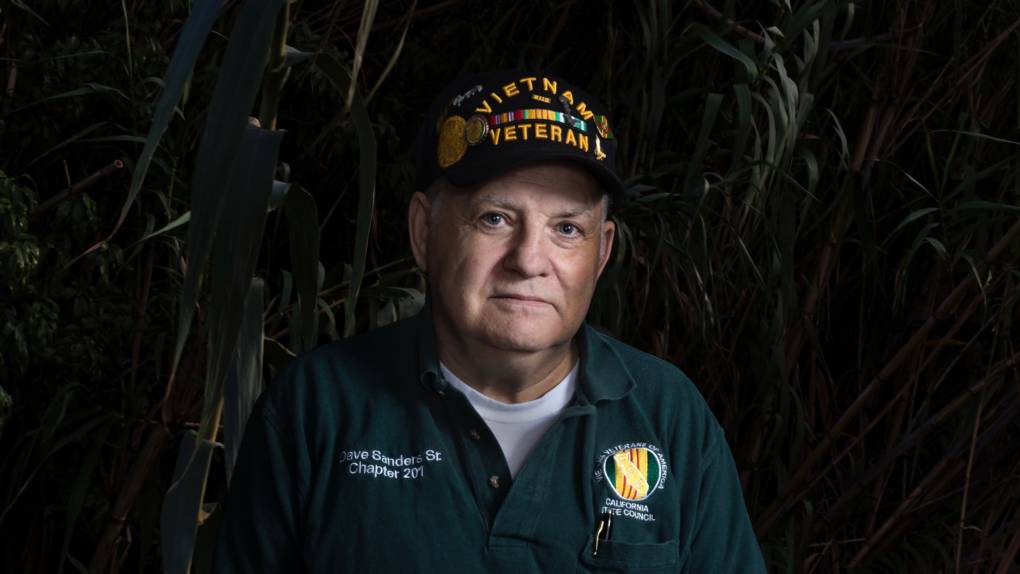
"caption": "Dave Sanders doesn’t regret his willingness to enlist. \"We did what our country wanted - the military portion of our country and the politicians. But, you know, the more I know, the sadder I get.\"",
"description": "Dave Sanders doesn’t regret his willingness to enlist. \"We did what our country wanted - the military portion of our country and the politicians. But, you know, the more I know, the sadder I get.\"",
"title": "RS26520_DAVE_SANDERS-2",
"credit": "Courtesy of Thomas Sanders",
"status": "inherit",
"isLoading": false,
"fetchFailed": false
},
"arts_13807917": {
"type": "attachments",
"id": "arts_13807917",
"meta": {
"index": "attachments_1716263798",
"site": "arts",
"id": "13807917",
"found": true
},
"parent": 13807891,
"imgSizes": {
"small": {
"file": "https://ww2.kqed.org/app/uploads/sites/2/2017/09/DACA.Main_-520x325.jpg",
"width": 520,
"mimeType": "image/jpeg",
"height": 325
},
"twentyfourteen-full-width": {
"file": "https://ww2.kqed.org/app/uploads/sites/2/2017/09/DACA.Main_-1038x576.jpg",
"width": 1038,
"mimeType": "image/jpeg",
"height": 576
},
"thumbnail": {
"file": "https://ww2.kqed.org/app/uploads/sites/2/2017/09/DACA.Main_-160x100.jpg",
"width": 160,
"mimeType": "image/jpeg",
"height": 100
},
"fd-sm": {
"file": "https://ww2.kqed.org/app/uploads/sites/2/2017/09/DACA.Main_-960x600.jpg",
"width": 960,
"mimeType": "image/jpeg",
"height": 600
},
"post-thumbnail": {
"file": "https://ww2.kqed.org/app/uploads/sites/2/2017/09/DACA.Main_-672x372.jpg",
"width": 672,
"mimeType": "image/jpeg",
"height": 372
},
"xsmall": {
"file": "https://ww2.kqed.org/app/uploads/sites/2/2017/09/DACA.Main_-375x234.jpg",
"width": 375,
"mimeType": "image/jpeg",
"height": 234
},
"kqedFullSize": {
"file": "https://ww2.kqed.org/app/uploads/sites/2/2017/09/DACA.Main_.jpg",
"width": 1920,
"height": 1200
},
"large": {
"file": "https://ww2.kqed.org/app/uploads/sites/2/2017/09/DACA.Main_-1020x638.jpg",
"width": 1020,
"mimeType": "image/jpeg",
"height": 638
},
"xlarge": {
"file": "https://ww2.kqed.org/app/uploads/sites/2/2017/09/DACA.Main_-1180x738.jpg",
"width": 1180,
"mimeType": "image/jpeg",
"height": 738
},
"guest-author-50": {
"file": "https://ww2.kqed.org/app/uploads/sites/2/2017/09/DACA.Main_-50x50.jpg",
"width": 50,
"mimeType": "image/jpeg",
"height": 50
},
"guest-author-96": {
"file": "https://ww2.kqed.org/app/uploads/sites/2/2017/09/DACA.Main_-96x96.jpg",
"width": 96,
"mimeType": "image/jpeg",
"height": 96
},
"medium": {
"file": "https://ww2.kqed.org/app/uploads/sites/2/2017/09/DACA.Main_-800x500.jpg",
"width": 800,
"mimeType": "image/jpeg",
"height": 500
},
"guest-author-64": {
"file": "https://ww2.kqed.org/app/uploads/sites/2/2017/09/DACA.Main_-64x64.jpg",
"width": 64,
"mimeType": "image/jpeg",
"height": 64
},
"guest-author-32": {
"file": "https://ww2.kqed.org/app/uploads/sites/2/2017/09/DACA.Main_-32x32.jpg",
"width": 32,
"mimeType": "image/jpeg",
"height": 32
},
"fd-lrg": {
"file": "https://ww2.kqed.org/app/uploads/sites/2/2017/09/DACA.Main_-1920x1200.jpg",
"width": 1920,
"mimeType": "image/jpeg",
"height": 1200
},
"fd-med": {
"file": "https://ww2.kqed.org/app/uploads/sites/2/2017/09/DACA.Main_-1180x738.jpg",
"width": 1180,
"mimeType": "image/jpeg",
"height": 738
},
"full-width": {
"file": "https://ww2.kqed.org/app/uploads/sites/2/2017/09/DACA.Main_-1920x1200.jpg",
"width": 1920,
"mimeType": "image/jpeg",
"height": 1200
},
"detail": {
"file": "https://ww2.kqed.org/app/uploads/sites/2/2017/09/DACA.Main_-150x150.jpg",
"width": 150,
"mimeType": "image/jpeg",
"height": 150
},
"medium_large": {
"file": "https://ww2.kqed.org/app/uploads/sites/2/2017/09/DACA.Main_-768x480.jpg",
"width": 768,
"mimeType": "image/jpeg",
"height": 480
},
"guest-author-128": {
"file": "https://ww2.kqed.org/app/uploads/sites/2/2017/09/DACA.Main_-128x128.jpg",
"width": 128,
"mimeType": "image/jpeg",
"height": 128
},
"xxsmall": {
"file": "https://ww2.kqed.org/app/uploads/sites/2/2017/09/DACA.Main_-240x150.jpg",
"width": 240,
"mimeType": "image/jpeg",
"height": 150
}
},
"publishDate": 1504827126,
"modified": 1504827232,
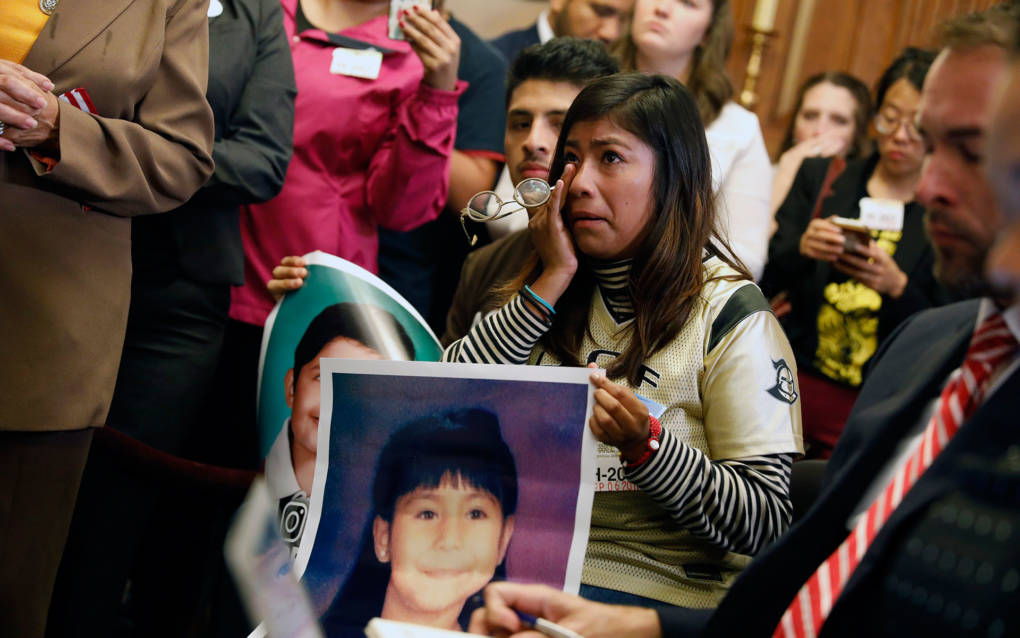
"caption": "Karen Caudillo cries as she looks on during a news conference about President Donald Trump's decision to end the Deferred Action for Childhood Arrivals (DACA) program at the U.S. Capitol on September 6, 2017 in Washington, D.C. ",
"description": "Karen Caudillo cries as she looks on during a news conference about President Donald Trump's decision to end the Deferred Action for Childhood Arrivals (DACA) program at the U.S. Capitol on September 6, 2017 in Washington, D.C. ",
"title": "DACA.Main",
"credit": "Photo: Aaron P. Bernstein/Getty Images",
"status": "inherit",
"isLoading": false,
"fetchFailed": false
},
"arts_13807213": {
"type": "attachments",
"id": "arts_13807213",
"meta": {
"index": "attachments_1716263798",
"site": "arts",
"id": "13807213",
"found": true
},
"parent": 13807203,
"imgSizes": {
"small": {
"file": "https://ww2.kqed.org/app/uploads/sites/2/2017/09/ThiBui.MAIN_-520x293.jpg",
"width": 520,
"mimeType": "image/jpeg",
"height": 293
},
"twentyfourteen-full-width": {
"file": "https://ww2.kqed.org/app/uploads/sites/2/2017/09/ThiBui.MAIN_-1038x576.jpg",
"width": 1038,
"mimeType": "image/jpeg",
"height": 576
},
"thumbnail": {
"file": "https://ww2.kqed.org/app/uploads/sites/2/2017/09/ThiBui.MAIN_-160x90.jpg",
"width": 160,
"mimeType": "image/jpeg",
"height": 90
},
"fd-sm": {
"file": "https://ww2.kqed.org/app/uploads/sites/2/2017/09/ThiBui.MAIN_-960x540.jpg",
"width": 960,
"mimeType": "image/jpeg",
"height": 540
},
"post-thumbnail": {
"file": "https://ww2.kqed.org/app/uploads/sites/2/2017/09/ThiBui.MAIN_-672x372.jpg",
"width": 672,
"mimeType": "image/jpeg",
"height": 372
},
"xsmall": {
"file": "https://ww2.kqed.org/app/uploads/sites/2/2017/09/ThiBui.MAIN_-375x211.jpg",
"width": 375,
"mimeType": "image/jpeg",
"height": 211
},
"kqedFullSize": {
"file": "https://ww2.kqed.org/app/uploads/sites/2/2017/09/ThiBui.MAIN_.jpg",
"width": 1920,
"height": 1080
},
"large": {
"file": "https://ww2.kqed.org/app/uploads/sites/2/2017/09/ThiBui.MAIN_-1020x574.jpg",
"width": 1020,
"mimeType": "image/jpeg",
"height": 574
},
"xlarge": {
"file": "https://ww2.kqed.org/app/uploads/sites/2/2017/09/ThiBui.MAIN_-1180x664.jpg",
"width": 1180,
"mimeType": "image/jpeg",
"height": 664
},
"guest-author-50": {
"file": "https://ww2.kqed.org/app/uploads/sites/2/2017/09/ThiBui.MAIN_-50x50.jpg",
"width": 50,
"mimeType": "image/jpeg",
"height": 50
},
"guest-author-96": {
"file": "https://ww2.kqed.org/app/uploads/sites/2/2017/09/ThiBui.MAIN_-96x96.jpg",
"width": 96,
"mimeType": "image/jpeg",
"height": 96
},
"medium": {
"file": "https://ww2.kqed.org/app/uploads/sites/2/2017/09/ThiBui.MAIN_-800x450.jpg",
"width": 800,
"mimeType": "image/jpeg",
"height": 450
},
"guest-author-64": {
"file": "https://ww2.kqed.org/app/uploads/sites/2/2017/09/ThiBui.MAIN_-64x64.jpg",
"width": 64,
"mimeType": "image/jpeg",
"height": 64
},
"guest-author-32": {
"file": "https://ww2.kqed.org/app/uploads/sites/2/2017/09/ThiBui.MAIN_-32x32.jpg",
"width": 32,
"mimeType": "image/jpeg",
"height": 32
},
"fd-lrg": {
"file": "https://ww2.kqed.org/app/uploads/sites/2/2017/09/ThiBui.MAIN_-1920x1080.jpg",
"width": 1920,
"mimeType": "image/jpeg",
"height": 1080
},
"fd-med": {
"file": "https://ww2.kqed.org/app/uploads/sites/2/2017/09/ThiBui.MAIN_-1180x664.jpg",
"width": 1180,
"mimeType": "image/jpeg",
"height": 664
},
"full-width": {
"file": "https://ww2.kqed.org/app/uploads/sites/2/2017/09/ThiBui.MAIN_-1920x1080.jpg",
"width": 1920,
"mimeType": "image/jpeg",
"height": 1080
},
"detail": {
"file": "https://ww2.kqed.org/app/uploads/sites/2/2017/09/ThiBui.MAIN_-150x150.jpg",
"width": 150,
"mimeType": "image/jpeg",
"height": 150
},
"medium_large": {
"file": "https://ww2.kqed.org/app/uploads/sites/2/2017/09/ThiBui.MAIN_-768x432.jpg",
"width": 768,
"mimeType": "image/jpeg",
"height": 432
},
"guest-author-128": {
"file": "https://ww2.kqed.org/app/uploads/sites/2/2017/09/ThiBui.MAIN_-128x128.jpg",
"width": 128,
"mimeType": "image/jpeg",
"height": 128
},
"xxsmall": {
"file": "https://ww2.kqed.org/app/uploads/sites/2/2017/09/ThiBui.MAIN_-240x135.jpg",
"width": 240,
"mimeType": "image/jpeg",
"height": 135
}
},
"publishDate": 1504286822,
"modified": 1504286870,
"caption": "Thi Bui. ",
"description": "Thi Bui. ",
"title": "ThiBui.MAIN",
"credit": "Courtesy Abrams Books",
"status": "inherit",
"isLoading": false,
"fetchFailed": false
},
"arts_13805477": {
"type": "attachments",
"id": "arts_13805477",
"meta": {
"index": "attachments_1716263798",
"site": "arts",
"id": "13805477",
"found": true
},
"parent": 13804985,
"imgSizes": {
"small": {
"file": "https://ww2.kqed.org/app/uploads/sites/2/2017/08/Ticket.Spine_-520x293.jpg",
"width": 520,
"mimeType": "image/jpeg",
"height": 293
},
"twentyfourteen-full-width": {
"file": "https://ww2.kqed.org/app/uploads/sites/2/2017/08/Ticket.Spine_-1038x576.jpg",
"width": 1038,
"mimeType": "image/jpeg",
"height": 576
},
"thumbnail": {
"file": "https://ww2.kqed.org/app/uploads/sites/2/2017/08/Ticket.Spine_-160x90.jpg",
"width": 160,
"mimeType": "image/jpeg",
"height": 90
},
"fd-sm": {
"file": "https://ww2.kqed.org/app/uploads/sites/2/2017/08/Ticket.Spine_-960x540.jpg",
"width": 960,
"mimeType": "image/jpeg",
"height": 540
},
"post-thumbnail": {
"file": "https://ww2.kqed.org/app/uploads/sites/2/2017/08/Ticket.Spine_-672x372.jpg",
"width": 672,
"mimeType": "image/jpeg",
"height": 372
},
"xsmall": {
"file": "https://ww2.kqed.org/app/uploads/sites/2/2017/08/Ticket.Spine_-375x211.jpg",
"width": 375,
"mimeType": "image/jpeg",
"height": 211
},
"kqedFullSize": {
"file": "https://ww2.kqed.org/app/uploads/sites/2/2017/08/Ticket.Spine_.jpg",
"width": 1180,
"height": 664
},
"large": {
"file": "https://ww2.kqed.org/app/uploads/sites/2/2017/08/Ticket.Spine_-1020x574.jpg",
"width": 1020,
"mimeType": "image/jpeg",
"height": 574
},
"xlarge": {
"file": "https://ww2.kqed.org/app/uploads/sites/2/2017/08/Ticket.Spine_-1180x664.jpg",
"width": 1180,
"mimeType": "image/jpeg",
"height": 664
},
"guest-author-50": {
"file": "https://ww2.kqed.org/app/uploads/sites/2/2017/08/Ticket.Spine_-50x50.jpg",
"width": 50,
"mimeType": "image/jpeg",
"height": 50
},
"guest-author-96": {
"file": "https://ww2.kqed.org/app/uploads/sites/2/2017/08/Ticket.Spine_-96x96.jpg",
"width": 96,
"mimeType": "image/jpeg",
"height": 96
},
"medium": {
"file": "https://ww2.kqed.org/app/uploads/sites/2/2017/08/Ticket.Spine_-800x450.jpg",
"width": 800,
"mimeType": "image/jpeg",
"height": 450
},
"guest-author-64": {
"file": "https://ww2.kqed.org/app/uploads/sites/2/2017/08/Ticket.Spine_-64x64.jpg",
"width": 64,
"mimeType": "image/jpeg",
"height": 64
},
"guest-author-32": {
"file": "https://ww2.kqed.org/app/uploads/sites/2/2017/08/Ticket.Spine_-32x32.jpg",
"width": 32,
"mimeType": "image/jpeg",
"height": 32
},
"fd-med": {
"file": "https://ww2.kqed.org/app/uploads/sites/2/2017/08/Ticket.Spine_-1180x664.jpg",
"width": 1180,
"mimeType": "image/jpeg",
"height": 664
},
"detail": {
"file": "https://ww2.kqed.org/app/uploads/sites/2/2017/08/Ticket.Spine_-150x150.jpg",
"width": 150,
"mimeType": "image/jpeg",
"height": 150
},
"medium_large": {
"file": "https://ww2.kqed.org/app/uploads/sites/2/2017/08/Ticket.Spine_-768x432.jpg",
"width": 768,
"mimeType": "image/jpeg",
"height": 432
},
"guest-author-128": {
"file": "https://ww2.kqed.org/app/uploads/sites/2/2017/08/Ticket.Spine_-128x128.jpg",
"width": 128,
"mimeType": "image/jpeg",
"height": 128
},
"xxsmall": {
"file": "https://ww2.kqed.org/app/uploads/sites/2/2017/08/Ticket.Spine_-240x135.jpg",
"width": 240,
"mimeType": "image/jpeg",
"height": 135
}
},
"publishDate": 1502753988,
"modified": 1502753988,
"caption": null,
"description": null,
"title": "Ticket.Spine",
"credit": null,
"status": "inherit",
"isLoading": false,
"fetchFailed": false
},
"arts_13284585": {
"type": "attachments",
"id": "arts_13284585",
"meta": {
"index": "attachments_1716263798",
"site": "arts",
"id": "13284585",
"found": true
},
"parent": 0,
"imgSizes": {
"small": {
"file": "https://ww2.kqed.org/app/uploads/sites/2/2017/05/UndocYouthIG.MAIN_-520x325.jpg",
"width": 520,
"mimeType": "image/jpeg",
"height": 325
},
"twentyfourteen-full-width": {
"file": "https://ww2.kqed.org/app/uploads/sites/2/2017/05/UndocYouthIG.MAIN_-1038x576.jpg",
"width": 1038,
"mimeType": "image/jpeg",
"height": 576
},
"thumbnail": {
"file": "https://ww2.kqed.org/app/uploads/sites/2/2017/05/UndocYouthIG.MAIN_-160x100.jpg",
"width": 160,
"mimeType": "image/jpeg",
"height": 100
},
"fd-sm": {
"file": "https://ww2.kqed.org/app/uploads/sites/2/2017/05/UndocYouthIG.MAIN_-960x600.jpg",
"width": 960,
"mimeType": "image/jpeg",
"height": 600
},
"post-thumbnail": {
"file": "https://ww2.kqed.org/app/uploads/sites/2/2017/05/UndocYouthIG.MAIN_-672x372.jpg",
"width": 672,
"mimeType": "image/jpeg",
"height": 372
},
"xsmall": {
"file": "https://ww2.kqed.org/app/uploads/sites/2/2017/05/UndocYouthIG.MAIN_-375x234.jpg",
"width": 375,
"mimeType": "image/jpeg",
"height": 234
},
"kqedFullSize": {
"file": "https://ww2.kqed.org/app/uploads/sites/2/2017/05/UndocYouthIG.MAIN_.jpg",
"width": 1920,
"height": 1200
},
"large": {
"file": "https://ww2.kqed.org/app/uploads/sites/2/2017/05/UndocYouthIG.MAIN_-1020x638.jpg",
"width": 1020,
"mimeType": "image/jpeg",
"height": 638
},
"xlarge": {
"file": "https://ww2.kqed.org/app/uploads/sites/2/2017/05/UndocYouthIG.MAIN_-1180x738.jpg",
"width": 1180,
"mimeType": "image/jpeg",
"height": 738
},
"guest-author-50": {
"file": "https://ww2.kqed.org/app/uploads/sites/2/2017/05/UndocYouthIG.MAIN_-50x50.jpg",
"width": 50,
"mimeType": "image/jpeg",
"height": 50
},
"guest-author-96": {
"file": "https://ww2.kqed.org/app/uploads/sites/2/2017/05/UndocYouthIG.MAIN_-96x96.jpg",
"width": 96,
"mimeType": "image/jpeg",
"height": 96
},
"medium": {
"file": "https://ww2.kqed.org/app/uploads/sites/2/2017/05/UndocYouthIG.MAIN_-800x500.jpg",
"width": 800,
"mimeType": "image/jpeg",
"height": 500
},
"guest-author-64": {
"file": "https://ww2.kqed.org/app/uploads/sites/2/2017/05/UndocYouthIG.MAIN_-64x64.jpg",
"width": 64,
"mimeType": "image/jpeg",
"height": 64
},
"guest-author-32": {
"file": "https://ww2.kqed.org/app/uploads/sites/2/2017/05/UndocYouthIG.MAIN_-32x32.jpg",
"width": 32,
"mimeType": "image/jpeg",
"height": 32
},
"fd-lrg": {
"file": "https://ww2.kqed.org/app/uploads/sites/2/2017/05/UndocYouthIG.MAIN_-1920x1200.jpg",
"width": 1920,
"mimeType": "image/jpeg",
"height": 1200
},
"fd-med": {
"file": "https://ww2.kqed.org/app/uploads/sites/2/2017/05/UndocYouthIG.MAIN_-1180x738.jpg",
"width": 1180,
"mimeType": "image/jpeg",
"height": 738
},
"full-width": {
"file": "https://ww2.kqed.org/app/uploads/sites/2/2017/05/UndocYouthIG.MAIN_-1920x1200.jpg",
"width": 1920,
"mimeType": "image/jpeg",
"height": 1200
},
"detail": {
"file": "https://ww2.kqed.org/app/uploads/sites/2/2017/05/UndocYouthIG.MAIN_-150x150.jpg",
"width": 150,
"mimeType": "image/jpeg",
"height": 150
},
"medium_large": {
"file": "https://ww2.kqed.org/app/uploads/sites/2/2017/05/UndocYouthIG.MAIN_-768x480.jpg",
"width": 768,
"mimeType": "image/jpeg",
"height": 480
},
"guest-author-128": {
"file": "https://ww2.kqed.org/app/uploads/sites/2/2017/05/UndocYouthIG.MAIN_-128x128.jpg",
"width": 128,
"mimeType": "image/jpeg",
"height": 128
},
"xxsmall": {
"file": "https://ww2.kqed.org/app/uploads/sites/2/2017/05/UndocYouthIG.MAIN_-240x150.jpg",
"width": 240,
"mimeType": "image/jpeg",
"height": 150
}
},
"publishDate": 1495487176,
"modified": 1495487248,
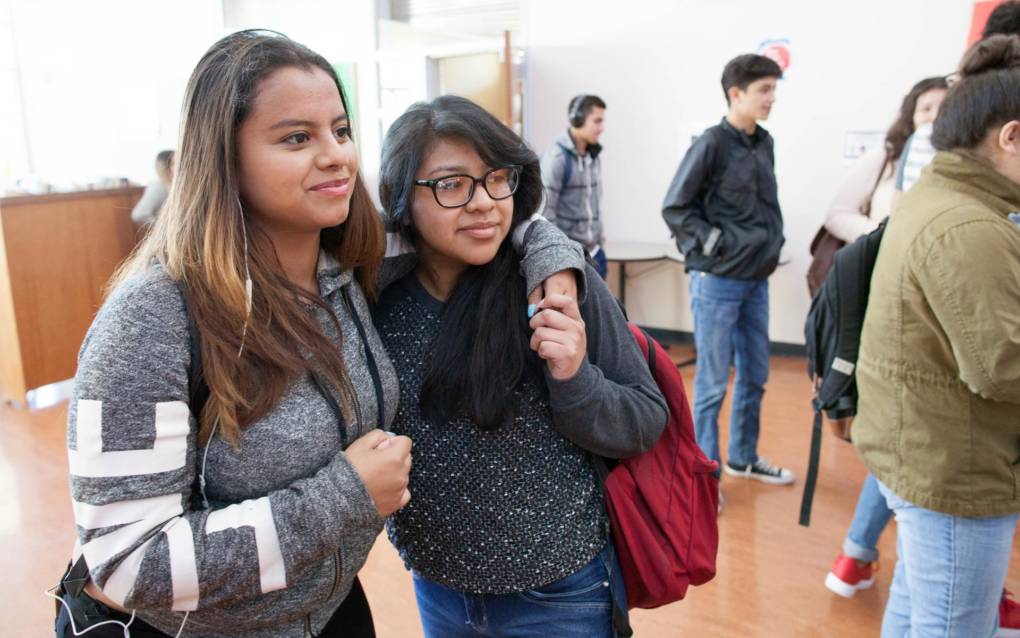
"caption": "Alejandra (right), an undocumented high school student in Oakland, with a friend. ",
"description": "Alejandra (right), an undocumented high school student in Oakland, with a friend. ",
"title": "UndocYouthIG.MAIN",
"credit": "Courtesy Undocumented Lives",
"status": "inherit",
"isLoading": false,
"fetchFailed": false
},
"arts_13153719": {
"type": "attachments",
"id": "arts_13153719",
"meta": {
"index": "attachments_1716263798",
"site": "arts",
"id": "13153719",
"found": true
},
"parent": 13153718,
"imgSizes": {
"small": {
"file": "https://ww2.kqed.org/app/uploads/sites/2/2017/05/Salmabestforkqedpost-520x293.jpg",
"width": 520,
"mimeType": "image/jpeg",
"height": 293
},
"twentyfourteen-full-width": {
"file": "https://ww2.kqed.org/app/uploads/sites/2/2017/05/Salmabestforkqedpost-1038x576.jpg",
"width": 1038,
"mimeType": "image/jpeg",
"height": 576
},
"thumbnail": {
"file": "https://ww2.kqed.org/app/uploads/sites/2/2017/05/Salmabestforkqedpost-160x90.jpg",
"width": 160,
"mimeType": "image/jpeg",
"height": 90
},
"fd-sm": {
"file": "https://ww2.kqed.org/app/uploads/sites/2/2017/05/Salmabestforkqedpost-960x540.jpg",
"width": 960,
"mimeType": "image/jpeg",
"height": 540
},
"post-thumbnail": {
"file": "https://ww2.kqed.org/app/uploads/sites/2/2017/05/Salmabestforkqedpost-672x372.jpg",
"width": 672,
"mimeType": "image/jpeg",
"height": 372
},
"xsmall": {
"file": "https://ww2.kqed.org/app/uploads/sites/2/2017/05/Salmabestforkqedpost-375x211.jpg",
"width": 375,
"mimeType": "image/jpeg",
"height": 211
},
"kqedFullSize": {
"file": "https://ww2.kqed.org/app/uploads/sites/2/2017/05/Salmabestforkqedpost.jpg",
"width": 1920,
"height": 1080
},
"large": {
"file": "https://ww2.kqed.org/app/uploads/sites/2/2017/05/Salmabestforkqedpost-1020x574.jpg",
"width": 1020,
"mimeType": "image/jpeg",
"height": 574
},
"xlarge": {
"file": "https://ww2.kqed.org/app/uploads/sites/2/2017/05/Salmabestforkqedpost-1180x664.jpg",
"width": 1180,
"mimeType": "image/jpeg",
"height": 664
},
"guest-author-50": {
"file": "https://ww2.kqed.org/app/uploads/sites/2/2017/05/Salmabestforkqedpost-50x50.jpg",
"width": 50,
"mimeType": "image/jpeg",
"height": 50
},
"guest-author-96": {
"file": "https://ww2.kqed.org/app/uploads/sites/2/2017/05/Salmabestforkqedpost-96x96.jpg",
"width": 96,
"mimeType": "image/jpeg",
"height": 96
},
"medium": {
"file": "https://ww2.kqed.org/app/uploads/sites/2/2017/05/Salmabestforkqedpost-800x450.jpg",
"width": 800,
"mimeType": "image/jpeg",
"height": 450
},
"guest-author-64": {
"file": "https://ww2.kqed.org/app/uploads/sites/2/2017/05/Salmabestforkqedpost-64x64.jpg",
"width": 64,
"mimeType": "image/jpeg",
"height": 64
},
"guest-author-32": {
"file": "https://ww2.kqed.org/app/uploads/sites/2/2017/05/Salmabestforkqedpost-32x32.jpg",
"width": 32,
"mimeType": "image/jpeg",
"height": 32
},
"fd-lrg": {
"file": "https://ww2.kqed.org/app/uploads/sites/2/2017/05/Salmabestforkqedpost-1920x1080.jpg",
"width": 1920,
"mimeType": "image/jpeg",
"height": 1080
},
"fd-med": {
"file": "https://ww2.kqed.org/app/uploads/sites/2/2017/05/Salmabestforkqedpost-1180x664.jpg",
"width": 1180,
"mimeType": "image/jpeg",
"height": 664
},
"full-width": {
"file": "https://ww2.kqed.org/app/uploads/sites/2/2017/05/Salmabestforkqedpost-1920x1080.jpg",
"width": 1920,
"mimeType": "image/jpeg",
"height": 1080
},
"detail": {
"file": "https://ww2.kqed.org/app/uploads/sites/2/2017/05/Salmabestforkqedpost-150x150.jpg",
"width": 150,
"mimeType": "image/jpeg",
"height": 150
},
"medium_large": {
"file": "https://ww2.kqed.org/app/uploads/sites/2/2017/05/Salmabestforkqedpost-768x432.jpg",
"width": 768,
"mimeType": "image/jpeg",
"height": 432
},
"guest-author-128": {
"file": "https://ww2.kqed.org/app/uploads/sites/2/2017/05/Salmabestforkqedpost-128x128.jpg",
"width": 128,
"mimeType": "image/jpeg",
"height": 128
},
"xxsmall": {
"file": "https://ww2.kqed.org/app/uploads/sites/2/2017/05/Salmabestforkqedpost-240x135.jpg",
"width": 240,
"mimeType": "image/jpeg",
"height": 135
}
},
"publishDate": 1493838004,
"modified": 1493838058,
"caption": null,
"description": "Sudanese Singer Salma Al Aasal",
"title": "Sudanese Singer Salma Al Aasal",
"credit": null,
"status": "inherit",
"isLoading": false,
"fetchFailed": false
},
"arts_13113403": {
"type": "attachments",
"id": "arts_13113403",
"meta": {
"index": "attachments_1716263798",
"site": "arts",
"id": "13113403",
"found": true
},
"parent": 13113401,
"imgSizes": {
"small": {
"file": "https://ww2.kqed.org/app/uploads/sites/2/2017/04/RS25034_Enlow_Parent_Skit-017-qut-520x293.jpg",
"width": 520,
"mimeType": "image/jpeg",
"height": 293
},
"twentyfourteen-full-width": {
"file": "https://ww2.kqed.org/app/uploads/sites/2/2017/04/RS25034_Enlow_Parent_Skit-017-qut-1038x576.jpg",
"width": 1038,
"mimeType": "image/jpeg",
"height": 576
},
"thumbnail": {
"file": "https://ww2.kqed.org/app/uploads/sites/2/2017/04/RS25034_Enlow_Parent_Skit-017-qut-160x90.jpg",
"width": 160,
"mimeType": "image/jpeg",
"height": 90
},
"fd-sm": {
"file": "https://ww2.kqed.org/app/uploads/sites/2/2017/04/RS25034_Enlow_Parent_Skit-017-qut-960x541.jpg",
"width": 960,
"mimeType": "image/jpeg",
"height": 541
},
"post-thumbnail": {
"file": "https://ww2.kqed.org/app/uploads/sites/2/2017/04/RS25034_Enlow_Parent_Skit-017-qut-672x372.jpg",
"width": 672,
"mimeType": "image/jpeg",
"height": 372
},
"xsmall": {
"file": "https://ww2.kqed.org/app/uploads/sites/2/2017/04/RS25034_Enlow_Parent_Skit-017-qut-375x211.jpg",
"width": 375,
"mimeType": "image/jpeg",
"height": 211
},
"kqedFullSize": {
"file": "https://ww2.kqed.org/app/uploads/sites/2/2017/04/RS25034_Enlow_Parent_Skit-017-qut.jpg",
"width": 1920,
"height": 1082
},
"large": {
"file": "https://ww2.kqed.org/app/uploads/sites/2/2017/04/RS25034_Enlow_Parent_Skit-017-qut-1020x575.jpg",
"width": 1020,
"mimeType": "image/jpeg",
"height": 575
},
"xlarge": {
"file": "https://ww2.kqed.org/app/uploads/sites/2/2017/04/RS25034_Enlow_Parent_Skit-017-qut-1180x665.jpg",
"width": 1180,
"mimeType": "image/jpeg",
"height": 665
},
"guest-author-50": {
"file": "https://ww2.kqed.org/app/uploads/sites/2/2017/04/RS25034_Enlow_Parent_Skit-017-qut-50x50.jpg",
"width": 50,
"mimeType": "image/jpeg",
"height": 50
},
"guest-author-96": {
"file": "https://ww2.kqed.org/app/uploads/sites/2/2017/04/RS25034_Enlow_Parent_Skit-017-qut-96x96.jpg",
"width": 96,
"mimeType": "image/jpeg",
"height": 96
},
"medium": {
"file": "https://ww2.kqed.org/app/uploads/sites/2/2017/04/RS25034_Enlow_Parent_Skit-017-qut-800x451.jpg",
"width": 800,
"mimeType": "image/jpeg",
"height": 451
},
"guest-author-64": {
"file": "https://ww2.kqed.org/app/uploads/sites/2/2017/04/RS25034_Enlow_Parent_Skit-017-qut-64x64.jpg",
"width": 64,
"mimeType": "image/jpeg",
"height": 64
},
"guest-author-32": {
"file": "https://ww2.kqed.org/app/uploads/sites/2/2017/04/RS25034_Enlow_Parent_Skit-017-qut-32x32.jpg",
"width": 32,
"mimeType": "image/jpeg",
"height": 32
},
"fd-lrg": {
"file": "https://ww2.kqed.org/app/uploads/sites/2/2017/04/RS25034_Enlow_Parent_Skit-017-qut-1920x1082.jpg",
"width": 1920,
"mimeType": "image/jpeg",
"height": 1082
},
"fd-med": {
"file": "https://ww2.kqed.org/app/uploads/sites/2/2017/04/RS25034_Enlow_Parent_Skit-017-qut-1180x665.jpg",
"width": 1180,
"mimeType": "image/jpeg",
"height": 665
},
"full-width": {
"file": "https://ww2.kqed.org/app/uploads/sites/2/2017/04/RS25034_Enlow_Parent_Skit-017-qut-1920x1082.jpg",
"width": 1920,
"mimeType": "image/jpeg",
"height": 1082
},
"detail": {
"file": "https://ww2.kqed.org/app/uploads/sites/2/2017/04/RS25034_Enlow_Parent_Skit-017-qut-150x150.jpg",
"width": 150,
"mimeType": "image/jpeg",
"height": 150
},
"medium_large": {
"file": "https://ww2.kqed.org/app/uploads/sites/2/2017/04/RS25034_Enlow_Parent_Skit-017-qut-768x433.jpg",
"width": 768,
"mimeType": "image/jpeg",
"height": 433
},
"guest-author-128": {
"file": "https://ww2.kqed.org/app/uploads/sites/2/2017/04/RS25034_Enlow_Parent_Skit-017-qut-128x128.jpg",
"width": 128,
"mimeType": "image/jpeg",
"height": 128
},
"xxsmall": {
"file": "https://ww2.kqed.org/app/uploads/sites/2/2017/04/RS25034_Enlow_Parent_Skit-017-qut-240x135.jpg",
"width": 240,
"mimeType": "image/jpeg",
"height": 135
}
},
"publishDate": 1493234177,
"modified": 1493657392,
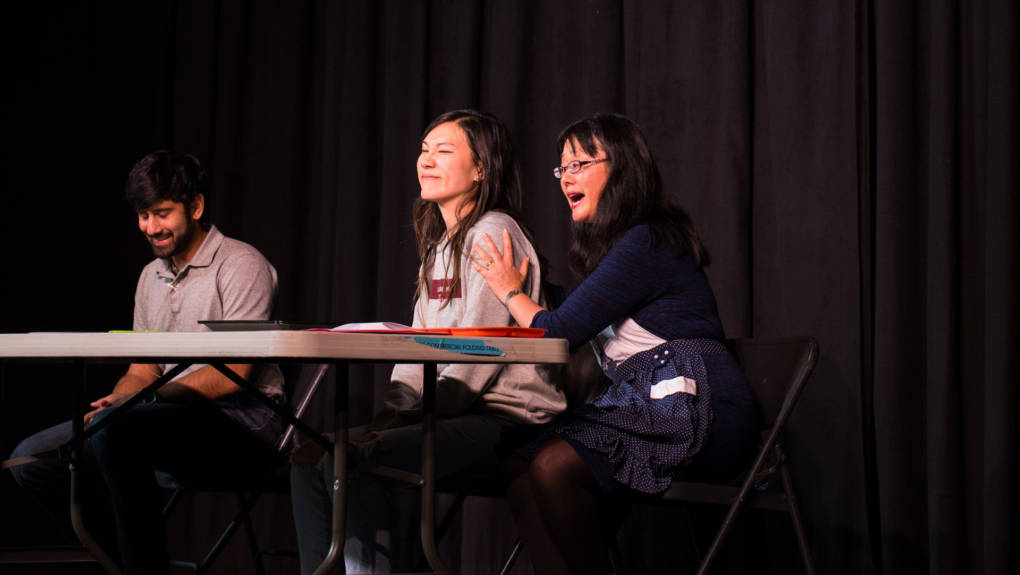
"caption": "Stanford psychiatrists use the maxim \"Show, don't tell,\" to demonstrate how parents can cultivate emotional closeness with their teenagers - or emotional distance. In this vignette, Dr. Rona Hu plays a mother who disapproves when her daughter, played by Dr. Grace Lee, brings home a non-Chinese boyfriend, playing by Dr. Francesco Dandekar.",
"description": "Stanford psychiatrists use the maxim \"Show, don't tell,\" to demonstrate how parents can cultivate emotional closeness with their teenagers - or emotional distance. In this vignette, Dr. Rona Hu plays a mother who disapproves when her daughter, played by Dr. Grace Lee, brings home a non-Chinese boyfriend, playing by Dr. Francesco Dandekar.",
"title": "RS25034_Enlow_Parent_Skit-017-qut",
"credit": "Photo: Jeff Enlow/KQED",
"status": "inherit",
"isLoading": false,
"fetchFailed": false
},
"arts_13095267": {
"type": "attachments",
"id": "arts_13095267",
"meta": {
"index": "attachments_1716263798",
"site": "arts",
"id": "13095267",
"found": true
},
"parent": 13080398,
"imgSizes": {
"small": {
"file": "https://ww2.kqed.org/app/uploads/sites/2/2017/04/ImmigrationWall-520x325.jpg",
"width": 520,
"mimeType": "image/jpeg",
"height": 325
},
"twentyfourteen-full-width": {
"file": "https://ww2.kqed.org/app/uploads/sites/2/2017/04/ImmigrationWall-1038x576.jpg",
"width": 1038,
"mimeType": "image/jpeg",
"height": 576
},
"thumbnail": {
"file": "https://ww2.kqed.org/app/uploads/sites/2/2017/04/ImmigrationWall-160x100.jpg",
"width": 160,
"mimeType": "image/jpeg",
"height": 100
},
"fd-sm": {
"file": "https://ww2.kqed.org/app/uploads/sites/2/2017/04/ImmigrationWall-960x600.jpg",
"width": 960,
"mimeType": "image/jpeg",
"height": 600
},
"post-thumbnail": {
"file": "https://ww2.kqed.org/app/uploads/sites/2/2017/04/ImmigrationWall-672x372.jpg",
"width": 672,
"mimeType": "image/jpeg",
"height": 372
},
"xsmall": {
"file": "https://ww2.kqed.org/app/uploads/sites/2/2017/04/ImmigrationWall-375x234.jpg",
"width": 375,
"mimeType": "image/jpeg",
"height": 234
},
"kqedFullSize": {
"file": "https://ww2.kqed.org/app/uploads/sites/2/2017/04/ImmigrationWall.jpg",
"width": 1920,
"height": 1200
},
"large": {
"file": "https://ww2.kqed.org/app/uploads/sites/2/2017/04/ImmigrationWall-1020x638.jpg",
"width": 1020,
"mimeType": "image/jpeg",
"height": 638
},
"xlarge": {
"file": "https://ww2.kqed.org/app/uploads/sites/2/2017/04/ImmigrationWall-1180x738.jpg",
"width": 1180,
"mimeType": "image/jpeg",
"height": 738
},
"guest-author-50": {
"file": "https://ww2.kqed.org/app/uploads/sites/2/2017/04/ImmigrationWall-50x50.jpg",
"width": 50,
"mimeType": "image/jpeg",
"height": 50
},
"guest-author-96": {
"file": "https://ww2.kqed.org/app/uploads/sites/2/2017/04/ImmigrationWall-96x96.jpg",
"width": 96,
"mimeType": "image/jpeg",
"height": 96
},
"medium": {
"file": "https://ww2.kqed.org/app/uploads/sites/2/2017/04/ImmigrationWall-800x500.jpg",
"width": 800,
"mimeType": "image/jpeg",
"height": 500
},
"guest-author-64": {
"file": "https://ww2.kqed.org/app/uploads/sites/2/2017/04/ImmigrationWall-64x64.jpg",
"width": 64,
"mimeType": "image/jpeg",
"height": 64
},
"guest-author-32": {
"file": "https://ww2.kqed.org/app/uploads/sites/2/2017/04/ImmigrationWall-32x32.jpg",
"width": 32,
"mimeType": "image/jpeg",
"height": 32
},
"fd-lrg": {
"file": "https://ww2.kqed.org/app/uploads/sites/2/2017/04/ImmigrationWall-1920x1200.jpg",
"width": 1920,
"mimeType": "image/jpeg",
"height": 1200
},
"fd-med": {
"file": "https://ww2.kqed.org/app/uploads/sites/2/2017/04/ImmigrationWall-1180x738.jpg",
"width": 1180,
"mimeType": "image/jpeg",
"height": 738
},
"full-width": {
"file": "https://ww2.kqed.org/app/uploads/sites/2/2017/04/ImmigrationWall-1920x1200.jpg",
"width": 1920,
"mimeType": "image/jpeg",
"height": 1200
},
"detail": {
"file": "https://ww2.kqed.org/app/uploads/sites/2/2017/04/ImmigrationWall-150x150.jpg",
"width": 150,
"mimeType": "image/jpeg",
"height": 150
},
"medium_large": {
"file": "https://ww2.kqed.org/app/uploads/sites/2/2017/04/ImmigrationWall-768x480.jpg",
"width": 768,
"mimeType": "image/jpeg",
"height": 480
},
"guest-author-128": {
"file": "https://ww2.kqed.org/app/uploads/sites/2/2017/04/ImmigrationWall-128x128.jpg",
"width": 128,
"mimeType": "image/jpeg",
"height": 128
},
"xxsmall": {
"file": "https://ww2.kqed.org/app/uploads/sites/2/2017/04/ImmigrationWall-240x150.jpg",
"width": 240,
"mimeType": "image/jpeg",
"height": 150
}
},
"publishDate": 1492924654,
"modified": 1492924714,
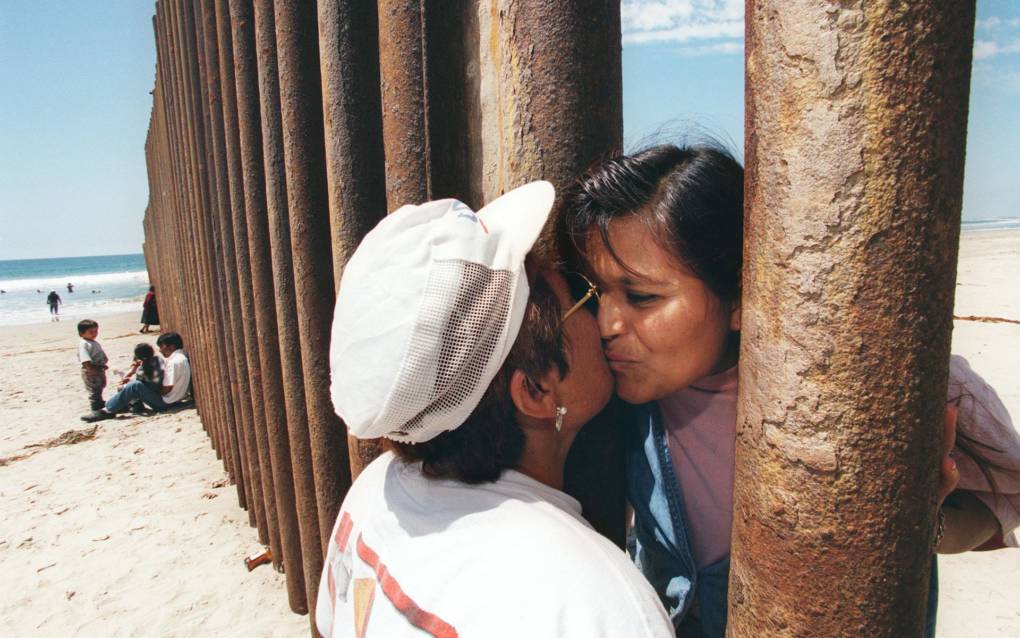
"caption": "Esther Pereyra Rubalcaba (L) kisses her daughter Patricia through the wall separating the US and the Mexican territories in Tijuana, Mexico, on August 19, 1997.",
"description": "Esther Pereyra Rubalcaba (L) kisses her daughter Patricia through the wall separating the US and the Mexican territories in Tijuana, Mexico, on August 19, 1997.",
"title": "ImmigrationWall",
"credit": "Photo: Hector Mata/AFP/Getty Images",
"status": "inherit",
"isLoading": false,
"fetchFailed": false
},
"arts_13002769": {
"type": "attachments",
"id": "arts_13002769",
"meta": {
"index": "attachments_1716263798",
"site": "arts",
"id": "13002769",
"found": true
},
"parent": 12997257,
"imgSizes": {
"small": {
"file": "https://ww2.kqed.org/app/uploads/sites/2/2017/04/ARTS_CHILAQUILES_JULIOFAVIANNA-520x293.jpg",
"width": 520,
"mimeType": "image/jpeg",
"height": 293
},
"twentyfourteen-full-width": {
"file": "https://ww2.kqed.org/app/uploads/sites/2/2017/04/ARTS_CHILAQUILES_JULIOFAVIANNA-1038x576.jpg",
"width": 1038,
"mimeType": "image/jpeg",
"height": 576
},
"thumbnail": {
"file": "https://ww2.kqed.org/app/uploads/sites/2/2017/04/ARTS_CHILAQUILES_JULIOFAVIANNA-160x90.jpg",
"width": 160,
"mimeType": "image/jpeg",
"height": 90
},
"fd-sm": {
"file": "https://ww2.kqed.org/app/uploads/sites/2/2017/04/ARTS_CHILAQUILES_JULIOFAVIANNA-960x540.jpg",
"width": 960,
"mimeType": "image/jpeg",
"height": 540
},
"post-thumbnail": {
"file": "https://ww2.kqed.org/app/uploads/sites/2/2017/04/ARTS_CHILAQUILES_JULIOFAVIANNA-672x372.jpg",
"width": 672,
"mimeType": "image/jpeg",
"height": 372
},
"xsmall": {
"file": "https://ww2.kqed.org/app/uploads/sites/2/2017/04/ARTS_CHILAQUILES_JULIOFAVIANNA-375x211.jpg",
"width": 375,
"mimeType": "image/jpeg",
"height": 211
},
"kqedFullSize": {
"file": "https://ww2.kqed.org/app/uploads/sites/2/2017/04/ARTS_CHILAQUILES_JULIOFAVIANNA.jpg",
"width": 1920,
"height": 1080
},
"large": {
"file": "https://ww2.kqed.org/app/uploads/sites/2/2017/04/ARTS_CHILAQUILES_JULIOFAVIANNA-1020x574.jpg",
"width": 1020,
"mimeType": "image/jpeg",
"height": 574
},
"xlarge": {
"file": "https://ww2.kqed.org/app/uploads/sites/2/2017/04/ARTS_CHILAQUILES_JULIOFAVIANNA-1180x664.jpg",
"width": 1180,
"mimeType": "image/jpeg",
"height": 664
},
"guest-author-50": {
"file": "https://ww2.kqed.org/app/uploads/sites/2/2017/04/ARTS_CHILAQUILES_JULIOFAVIANNA-50x50.jpg",
"width": 50,
"mimeType": "image/jpeg",
"height": 50
},
"guest-author-96": {
"file": "https://ww2.kqed.org/app/uploads/sites/2/2017/04/ARTS_CHILAQUILES_JULIOFAVIANNA-96x96.jpg",
"width": 96,
"mimeType": "image/jpeg",
"height": 96
},
"medium": {
"file": "https://ww2.kqed.org/app/uploads/sites/2/2017/04/ARTS_CHILAQUILES_JULIOFAVIANNA-800x450.jpg",
"width": 800,
"mimeType": "image/jpeg",
"height": 450
},
"guest-author-64": {
"file": "https://ww2.kqed.org/app/uploads/sites/2/2017/04/ARTS_CHILAQUILES_JULIOFAVIANNA-64x64.jpg",
"width": 64,
"mimeType": "image/jpeg",
"height": 64
},
"guest-author-32": {
"file": "https://ww2.kqed.org/app/uploads/sites/2/2017/04/ARTS_CHILAQUILES_JULIOFAVIANNA-32x32.jpg",
"width": 32,
"mimeType": "image/jpeg",
"height": 32
},
"fd-lrg": {
"file": "https://ww2.kqed.org/app/uploads/sites/2/2017/04/ARTS_CHILAQUILES_JULIOFAVIANNA-1920x1080.jpg",
"width": 1920,
"mimeType": "image/jpeg",
"height": 1080
},
"fd-med": {
"file": "https://ww2.kqed.org/app/uploads/sites/2/2017/04/ARTS_CHILAQUILES_JULIOFAVIANNA-1180x664.jpg",
"width": 1180,
"mimeType": "image/jpeg",
"height": 664
},
"full-width": {
"file": "https://ww2.kqed.org/app/uploads/sites/2/2017/04/ARTS_CHILAQUILES_JULIOFAVIANNA-1920x1080.jpg",
"width": 1920,
"mimeType": "image/jpeg",
"height": 1080
},
"detail": {
"file": "https://ww2.kqed.org/app/uploads/sites/2/2017/04/ARTS_CHILAQUILES_JULIOFAVIANNA-150x150.jpg",
"width": 150,
"mimeType": "image/jpeg",
"height": 150
},
"medium_large": {
"file": "https://ww2.kqed.org/app/uploads/sites/2/2017/04/ARTS_CHILAQUILES_JULIOFAVIANNA-768x432.jpg",
"width": 768,
"mimeType": "image/jpeg",
"height": 432
},
"guest-author-128": {
"file": "https://ww2.kqed.org/app/uploads/sites/2/2017/04/ARTS_CHILAQUILES_JULIOFAVIANNA-128x128.jpg",
"width": 128,
"mimeType": "image/jpeg",
"height": 128
},
"xxsmall": {
"file": "https://ww2.kqed.org/app/uploads/sites/2/2017/04/ARTS_CHILAQUILES_JULIOFAVIANNA-240x135.jpg",
"width": 240,
"mimeType": "image/jpeg",
"height": 135
}
},
"publishDate": 1491336375,
"modified": 1491433744,
"caption": null,
"description": null,
"title": "ARTS_CHILAQUILES_JULIOFAVIANNA",
"credit": "Julio Salgado illusrtation",
"status": "inherit",
"isLoading": false,
"fetchFailed": false
},
"arts_12866627": {
"type": "attachments",
"id": "arts_12866627",
"meta": {
"index": "attachments_1716263798",
"site": "arts",
"id": "12866627",
"found": true
},
"parent": 12866617,
"imgSizes": {
"small": {
"file": "https://ww2.kqed.org/app/uploads/sites/2/2017/03/keyboard-3-2-520x293.jpg",
"width": 520,
"mimeType": "image/jpeg",
"height": 293
},
"twentyfourteen-full-width": {
"file": "https://ww2.kqed.org/app/uploads/sites/2/2017/03/keyboard-3-2-1038x576.jpg",
"width": 1038,
"mimeType": "image/jpeg",
"height": 576
},
"thumbnail": {
"file": "https://ww2.kqed.org/app/uploads/sites/2/2017/03/keyboard-3-2-160x90.jpg",
"width": 160,
"mimeType": "image/jpeg",
"height": 90
},
"fd-sm": {
"file": "https://ww2.kqed.org/app/uploads/sites/2/2017/03/keyboard-3-2-960x540.jpg",
"width": 960,
"mimeType": "image/jpeg",
"height": 540
},
"post-thumbnail": {
"file": "https://ww2.kqed.org/app/uploads/sites/2/2017/03/keyboard-3-2-672x372.jpg",
"width": 672,
"mimeType": "image/jpeg",
"height": 372
},
"xsmall": {
"file": "https://ww2.kqed.org/app/uploads/sites/2/2017/03/keyboard-3-2-375x211.jpg",
"width": 375,
"mimeType": "image/jpeg",
"height": 211
},
"kqedFullSize": {
"file": "https://ww2.kqed.org/app/uploads/sites/2/2017/03/keyboard-3-2.jpg",
"width": 1920,
"height": 1080
},
"large": {
"file": "https://ww2.kqed.org/app/uploads/sites/2/2017/03/keyboard-3-2-1020x574.jpg",
"width": 1020,
"mimeType": "image/jpeg",
"height": 574
},
"xlarge": {
"file": "https://ww2.kqed.org/app/uploads/sites/2/2017/03/keyboard-3-2-1180x664.jpg",
"width": 1180,
"mimeType": "image/jpeg",
"height": 664
},
"guest-author-50": {
"file": "https://ww2.kqed.org/app/uploads/sites/2/2017/03/keyboard-3-2-50x50.jpg",
"width": 50,
"mimeType": "image/jpeg",
"height": 50
},
"guest-author-96": {
"file": "https://ww2.kqed.org/app/uploads/sites/2/2017/03/keyboard-3-2-96x96.jpg",
"width": 96,
"mimeType": "image/jpeg",
"height": 96
},
"medium": {
"file": "https://ww2.kqed.org/app/uploads/sites/2/2017/03/keyboard-3-2-800x450.jpg",
"width": 800,
"mimeType": "image/jpeg",
"height": 450
},
"guest-author-64": {
"file": "https://ww2.kqed.org/app/uploads/sites/2/2017/03/keyboard-3-2-64x64.jpg",
"width": 64,
"mimeType": "image/jpeg",
"height": 64
},
"guest-author-32": {
"file": "https://ww2.kqed.org/app/uploads/sites/2/2017/03/keyboard-3-2-32x32.jpg",
"width": 32,
"mimeType": "image/jpeg",
"height": 32
},
"fd-lrg": {
"file": "https://ww2.kqed.org/app/uploads/sites/2/2017/03/keyboard-3-2-1920x1080.jpg",
"width": 1920,
"mimeType": "image/jpeg",
"height": 1080
},
"fd-med": {
"file": "https://ww2.kqed.org/app/uploads/sites/2/2017/03/keyboard-3-2-1180x664.jpg",
"width": 1180,
"mimeType": "image/jpeg",
"height": 664
},
"full-width": {
"file": "https://ww2.kqed.org/app/uploads/sites/2/2017/03/keyboard-3-2-1920x1080.jpg",
"width": 1920,
"mimeType": "image/jpeg",
"height": 1080
},
"detail": {
"file": "https://ww2.kqed.org/app/uploads/sites/2/2017/03/keyboard-3-2-150x150.jpg",
"width": 150,
"mimeType": "image/jpeg",
"height": 150
},
"medium_large": {
"file": "https://ww2.kqed.org/app/uploads/sites/2/2017/03/keyboard-3-2-768x432.jpg",
"width": 768,
"mimeType": "image/jpeg",
"height": 432
},
"guest-author-128": {
"file": "https://ww2.kqed.org/app/uploads/sites/2/2017/03/keyboard-3-2-128x128.jpg",
"width": 128,
"mimeType": "image/jpeg",
"height": 128
},
"xxsmall": {
"file": "https://ww2.kqed.org/app/uploads/sites/2/2017/03/keyboard-3-2-240x135.jpg",
"width": 240,
"mimeType": "image/jpeg",
"height": 135
}
},
"publishDate": 1488935372,
"modified": 1488936463,
"caption": null,
"description": null,
"title": "Sahba Aminikia",
"credit": null,
"status": "inherit",
"isLoading": false,
"fetchFailed": false
},
"arts_12737929": {
"type": "attachments",
"id": "arts_12737929",
"meta": {
"index": "attachments_1716263798",
"site": "arts",
"id": "12737929",
"found": true
},
"parent": 12736227,
"imgSizes": {
"small": {
"file": "https://ww2.kqed.org/app/uploads/sites/2/2017/02/immigrantshow_posterframeoption2-520x293.jpg",
"width": 520,
"mimeType": "image/jpeg",
"height": 293
},
"twentyfourteen-full-width": {
"file": "https://ww2.kqed.org/app/uploads/sites/2/2017/02/immigrantshow_posterframeoption2-1038x576.jpg",
"width": 1038,
"mimeType": "image/jpeg",
"height": 576
},
"thumbnail": {
"file": "https://ww2.kqed.org/app/uploads/sites/2/2017/02/immigrantshow_posterframeoption2-160x90.jpg",
"width": 160,
"mimeType": "image/jpeg",
"height": 90
},
"fd-sm": {
"file": "https://ww2.kqed.org/app/uploads/sites/2/2017/02/immigrantshow_posterframeoption2-960x540.jpg",
"width": 960,
"mimeType": "image/jpeg",
"height": 540
},
"post-thumbnail": {
"file": "https://ww2.kqed.org/app/uploads/sites/2/2017/02/immigrantshow_posterframeoption2-672x372.jpg",
"width": 672,
"mimeType": "image/jpeg",
"height": 372
},
"xsmall": {
"file": "https://ww2.kqed.org/app/uploads/sites/2/2017/02/immigrantshow_posterframeoption2-375x211.jpg",
"width": 375,
"mimeType": "image/jpeg",
"height": 211
},
"kqedFullSize": {
"file": "https://ww2.kqed.org/app/uploads/sites/2/2017/02/immigrantshow_posterframeoption2.jpg",
"width": 1920,
"height": 1080
},
"large": {
"file": "https://ww2.kqed.org/app/uploads/sites/2/2017/02/immigrantshow_posterframeoption2-1020x574.jpg",
"width": 1020,
"mimeType": "image/jpeg",
"height": 574
},
"xlarge": {
"file": "https://ww2.kqed.org/app/uploads/sites/2/2017/02/immigrantshow_posterframeoption2-1180x664.jpg",
"width": 1180,
"mimeType": "image/jpeg",
"height": 664
},
"guest-author-50": {
"file": "https://ww2.kqed.org/app/uploads/sites/2/2017/02/immigrantshow_posterframeoption2-50x50.jpg",
"width": 50,
"mimeType": "image/jpeg",
"height": 50
},
"guest-author-96": {
"file": "https://ww2.kqed.org/app/uploads/sites/2/2017/02/immigrantshow_posterframeoption2-96x96.jpg",
"width": 96,
"mimeType": "image/jpeg",
"height": 96
},
"medium": {
"file": "https://ww2.kqed.org/app/uploads/sites/2/2017/02/immigrantshow_posterframeoption2-800x450.jpg",
"width": 800,
"mimeType": "image/jpeg",
"height": 450
},
"guest-author-64": {
"file": "https://ww2.kqed.org/app/uploads/sites/2/2017/02/immigrantshow_posterframeoption2-64x64.jpg",
"width": 64,
"mimeType": "image/jpeg",
"height": 64
},
"guest-author-32": {
"file": "https://ww2.kqed.org/app/uploads/sites/2/2017/02/immigrantshow_posterframeoption2-32x32.jpg",
"width": 32,
"mimeType": "image/jpeg",
"height": 32
},
"fd-lrg": {
"file": "https://ww2.kqed.org/app/uploads/sites/2/2017/02/immigrantshow_posterframeoption2-1920x1080.jpg",
"width": 1920,
"mimeType": "image/jpeg",
"height": 1080
},
"fd-med": {
"file": "https://ww2.kqed.org/app/uploads/sites/2/2017/02/immigrantshow_posterframeoption2-1180x664.jpg",
"width": 1180,
"mimeType": "image/jpeg",
"height": 664
},
"full-width": {
"file": "https://ww2.kqed.org/app/uploads/sites/2/2017/02/immigrantshow_posterframeoption2-1920x1080.jpg",
"width": 1920,
"mimeType": "image/jpeg",
"height": 1080
},
"detail": {
"file": "https://ww2.kqed.org/app/uploads/sites/2/2017/02/immigrantshow_posterframeoption2-150x150.jpg",
"width": 150,
"mimeType": "image/jpeg",
"height": 150
},
"medium_large": {
"file": "https://ww2.kqed.org/app/uploads/sites/2/2017/02/immigrantshow_posterframeoption2-768x432.jpg",
"width": 768,
"mimeType": "image/jpeg",
"height": 432
},
"guest-author-128": {
"file": "https://ww2.kqed.org/app/uploads/sites/2/2017/02/immigrantshow_posterframeoption2-128x128.jpg",
"width": 128,
"mimeType": "image/jpeg",
"height": 128
},
"xxsmall": {
"file": "https://ww2.kqed.org/app/uploads/sites/2/2017/02/immigrantshow_posterframeoption2-240x135.jpg",
"width": 240,
"mimeType": "image/jpeg",
"height": 135
}
},
"publishDate": 1486548800,
"modified": 1486548837,
"caption": "'With Liberty and Justice for Some\" art show at Walter Maciel Gallery",
"description": "'With Liberty and Justice for Some\" art show at Walter Maciel Gallery",
"title": "immigrantshow_posterframeoption2",
"credit": null,
"status": "inherit",
"isLoading": false,
"fetchFailed": false
},
"arts_12292032": {
"type": "attachments",
"id": "arts_12292032",
"meta": {
"index": "attachments_1716263798",
"site": "arts",
"id": "12292032",
"found": true
},
"parent": 12291457,
"imgSizes": {
"small": {
"file": "https://ww2.kqed.org/app/uploads/sites/2/2016/11/Weareagainstthewallposter-520x293.jpg",
"width": 520,
"mimeType": "image/jpeg",
"height": 293
},
"twentyfourteen-full-width": {
"file": "https://ww2.kqed.org/app/uploads/sites/2/2016/11/Weareagainstthewallposter-1038x576.jpg",
"width": 1038,
"mimeType": "image/jpeg",
"height": 576
},
"thumbnail": {
"file": "https://ww2.kqed.org/app/uploads/sites/2/2016/11/Weareagainstthewallposter-160x90.jpg",
"width": 160,
"mimeType": "image/jpeg",
"height": 90
},
"fd-sm": {
"file": "https://ww2.kqed.org/app/uploads/sites/2/2016/11/Weareagainstthewallposter-960x540.jpg",
"width": 960,
"mimeType": "image/jpeg",
"height": 540
},
"post-thumbnail": {
"file": "https://ww2.kqed.org/app/uploads/sites/2/2016/11/Weareagainstthewallposter-672x372.jpg",
"width": 672,
"mimeType": "image/jpeg",
"height": 372
},
"xsmall": {
"file": "https://ww2.kqed.org/app/uploads/sites/2/2016/11/Weareagainstthewallposter-375x211.jpg",
"width": 375,
"mimeType": "image/jpeg",
"height": 211
},
"kqedFullSize": {
"file": "https://ww2.kqed.org/app/uploads/sites/2/2016/11/Weareagainstthewallposter.jpg",
"width": 1852,
"height": 1042
},
"large": {
"file": "https://ww2.kqed.org/app/uploads/sites/2/2016/11/Weareagainstthewallposter-1020x574.jpg",
"width": 1020,
"mimeType": "image/jpeg",
"height": 574
},
"xlarge": {
"file": "https://ww2.kqed.org/app/uploads/sites/2/2016/11/Weareagainstthewallposter-1180x664.jpg",
"width": 1180,
"mimeType": "image/jpeg",
"height": 664
},
"guest-author-50": {
"file": "https://ww2.kqed.org/app/uploads/sites/2/2016/11/Weareagainstthewallposter-50x50.jpg",
"width": 50,
"mimeType": "image/jpeg",
"height": 50
},
"guest-author-96": {
"file": "https://ww2.kqed.org/app/uploads/sites/2/2016/11/Weareagainstthewallposter-96x96.jpg",
"width": 96,
"mimeType": "image/jpeg",
"height": 96
},
"medium": {
"file": "https://ww2.kqed.org/app/uploads/sites/2/2016/11/Weareagainstthewallposter-800x450.jpg",
"width": 800,
"mimeType": "image/jpeg",
"height": 450
},
"guest-author-64": {
"file": "https://ww2.kqed.org/app/uploads/sites/2/2016/11/Weareagainstthewallposter-64x64.jpg",
"width": 64,
"mimeType": "image/jpeg",
"height": 64
},
"guest-author-32": {
"file": "https://ww2.kqed.org/app/uploads/sites/2/2016/11/Weareagainstthewallposter-32x32.jpg",
"width": 32,
"mimeType": "image/jpeg",
"height": 32
},
"fd-med": {
"file": "https://ww2.kqed.org/app/uploads/sites/2/2016/11/Weareagainstthewallposter-1180x664.jpg",
"width": 1180,
"mimeType": "image/jpeg",
"height": 664
},
"detail": {
"file": "https://ww2.kqed.org/app/uploads/sites/2/2016/11/Weareagainstthewallposter-150x150.jpg",
"width": 150,
"mimeType": "image/jpeg",
"height": 150
},
"medium_large": {
"file": "https://ww2.kqed.org/app/uploads/sites/2/2016/11/Weareagainstthewallposter-768x432.jpg",
"width": 768,
"mimeType": "image/jpeg",
"height": 432
},
"guest-author-128": {
"file": "https://ww2.kqed.org/app/uploads/sites/2/2016/11/Weareagainstthewallposter-128x128.jpg",
"width": 128,
"mimeType": "image/jpeg",
"height": 128
},
"xxsmall": {
"file": "https://ww2.kqed.org/app/uploads/sites/2/2016/11/Weareagainstthewallposter-240x135.jpg",
"width": 240,
"mimeType": "image/jpeg",
"height": 135
}
},
"publishDate": 1478139387,
"modified": 1484695483,
"caption": "Artist Sita Kuratomi Bhaumik (center) with the makers at Piñatas Las Morenitas.",
"description": "Artist Sita Kuratomi Bhaumik (center) with the makers at Piñatas Las Morenitas ",
"title": "weareagainstthewallposter",
"credit": "Photo: Kelly Whalen",
"status": "inherit",
"isLoading": false,
"fetchFailed": false
}
},
"audioPlayerReducer": {
"postId": "stream_live",
"isPaused": true,
"isPlaying": false,
"pfsActive": false,
"pledgeModalIsOpen": true,
"playerDrawerIsOpen": false,
"liveAudioPlayStartedAt": 0,
"liveAudioPlayContext": ""
},
"authorsReducer": {
"byline_arts_13807891": {
"type": "authors",
"id": "byline_arts_13807891",
"meta": {
"override": true
},
"slug": "byline_arts_13807891",
"name": "Maria",
"isLoading": false
},
"byline_arts_13807203": {
"type": "authors",
"id": "byline_arts_13807203",
"meta": {
"override": true
},
"slug": "byline_arts_13807203",
"name": "Irene Noguchi",
"isLoading": false
},
"byline_arts_13153718": {
"type": "authors",
"id": "byline_arts_13153718",
"meta": {
"override": true
},
"slug": "byline_arts_13153718",
"name": "Elie Khadra ",
"isLoading": false
},
"byline_arts_12866617": {
"type": "authors",
"id": "byline_arts_12866617",
"meta": {
"override": true
},
"slug": "byline_arts_12866617",
"name": "Omid Zoufonoun",
"isLoading": false
},
"shotchkiss": {
"type": "authors",
"id": "61",
"meta": {
"index": "authors_1716337520",
"id": "61",
"found": true
},
"name": "Sarah Hotchkiss",
"firstName": "Sarah",
"lastName": "Hotchkiss",
"slug": "shotchkiss",
"email": "shotchkiss@kqed.org",
"display_author_email": true,
"staff_mastheads": [
"arts"
],
"title": "Senior Editor",
"bio": "Sarah Hotchkiss is a San Francisco \u003ca href=\"http://www.sarahhotchkiss.com\">artist\u003c/a> and arts writer. In 2019, she received the Dorothea & Leo Rabkin Foundation grant for visual art journalism and in 2020 she received a Society of Professional Journalists, Northern California award for excellence in arts and culture reporting.",
"avatar": "https://secure.gravatar.com/avatar/bc662df144b3d27fd8b1b6f1c2a420d34e91e53154d411bb7ad353cc8b6cea8d?s=600&d=blank&r=g",
"twitter": null,
"bluesky": null,
"facebook": null,
"instagram": null,
"linkedin": null,
"sites": [
{
"site": "",
"roles": [
"editor"
]
},
{
"site": "arts",
"roles": [
"Contributor",
"administrator"
]
},
{
"site": "artschool",
"roles": [
"administrator"
]
},
{
"site": "news",
"roles": [
"editor"
]
},
{
"site": "pop",
"roles": [
"administrator"
]
},
{
"site": "bayareabites",
"roles": [
"editor"
]
},
{
"site": "spark",
"roles": [
"editor"
]
},
{
"site": "checkplease",
"roles": [
"editor"
]
}
],
"headData": {
"title": "Sarah Hotchkiss | KQED",
"description": "Senior Editor",
"ogImgSrc": "https://secure.gravatar.com/avatar/bc662df144b3d27fd8b1b6f1c2a420d34e91e53154d411bb7ad353cc8b6cea8d?s=600&d=blank&r=g",
"twImgSrc": "https://secure.gravatar.com/avatar/bc662df144b3d27fd8b1b6f1c2a420d34e91e53154d411bb7ad353cc8b6cea8d?s=600&d=blank&r=g"
},
"isLoading": false,
"link": "/author/shotchkiss"
},
"irojascontreras": {
"type": "authors",
"id": "78",
"meta": {
"index": "authors_1716337520",
"id": "78",
"found": true
},
"name": "Ingrid Rojas Contreras",
"firstName": "Ingrid",
"lastName": "Rojas Contreras",
"slug": "irojascontreras",
"email": "ingrid.rojas.c@gmail.com",
"display_author_email": false,
"staff_mastheads": [],
"title": null,
"bio": "Ingrid Rojas Contreras lives in San Francisco with her books. Her debut novel\u003cem> Fruit of the Drunken Tree \u003c/em>is forthcoming from Doubleday (Summer 2018). Find more at \u003ca href=\"http://www.ingridrojascontreras.com\">www.ingridrojascontreras.com\u003c/a>.",
"avatar": "https://secure.gravatar.com/avatar/908d94de9342e71b9d5ceaa8152a16a0?s=600&d=blank&r=g",
"twitter": null,
"facebook": null,
"instagram": null,
"linkedin": null,
"sites": [
{
"site": "arts",
"roles": [
"Contributor",
"contributor"
]
}
],
"headData": {
"title": "Ingrid Rojas Contreras | KQED",
"description": null,
"ogImgSrc": "https://secure.gravatar.com/avatar/908d94de9342e71b9d5ceaa8152a16a0?s=600&d=blank&r=g",
"twImgSrc": "https://secure.gravatar.com/avatar/908d94de9342e71b9d5ceaa8152a16a0?s=600&d=blank&r=g"
},
"isLoading": false,
"link": "/author/irojascontreras"
},
"rachael-myrow": {
"type": "authors",
"id": "251",
"meta": {
"index": "authors_1716337520",
"id": "251",
"found": true
},
"name": "Rachael Myrow",
"firstName": "Rachael",
"lastName": "Myrow",
"slug": "rachael-myrow",
"email": "rmyrow@kqed.org",
"display_author_email": true,
"staff_mastheads": [
"news"
],
"title": "Senior Editor of KQED's Silicon Valley News Desk",
"bio": "• I write and edit stories about how Silicon Valley power and policies shape everyday life in California. I’m also passionate about making Bay Area history and culture more accessible to a broad public. • I’ve been a journalist for most of my life, starting in high school with The Franklin Press in Los Angeles, where I grew up. While earning my first degree in English at UC Berkeley, I got my start in public radio at KALX-FM. After completing a second degree in journalism at Cal, I landed my first professional job at Marketplace, then moved on to KPCC (now LAist), and then KQED, where I hosted The California Report for more than seven years. • My reporting has appeared on NPR, The World, WBUR’s \u003ci>Here & Now\u003c/i>, and the BBC. I also guest host for KQED’s \u003ci>Forum\u003c/i>, as well as the Commonwealth Club in San Francisco. • I speak periodically on media, democracy and technology issues, and do voiceover work for documentaries and educational video projects. • Outside of the studio, you'll find me hiking Bay Area trails and whipping up Insta-ready meals in my kitchen. • I do not accept gifts, money, or favors from anyone connected to my reporting, I don't pay people for information, and I do not support or donate to political causes. • I strive to treat the people I report on with fairness, honesty, and respect. I also recognize there are often multiple sides to a story and work to verify information through multiple sources and documentation. If I get something wrong, I correct it.",
"avatar": "https://secure.gravatar.com/avatar/3ed8a3c5f26025e4a805ba634cda8cd764906b97438a6d9ce216b044e340da4e?s=600&d=blank&r=g",
"twitter": "rachaelmyrow",
"bluesky": null,
"facebook": null,
"instagram": null,
"linkedin": "https://www.linkedin.com/in/rachaelmyrow/",
"sites": [
{
"site": "arts",
"roles": [
"administrator"
]
},
{
"site": "news",
"roles": [
"edit_others_posts",
"editor"
]
},
{
"site": "futureofyou",
"roles": [
"editor"
]
},
{
"site": "bayareabites",
"roles": [
"editor"
]
},
{
"site": "stateofhealth",
"roles": [
"editor"
]
},
{
"site": "science",
"roles": [
"editor"
]
},
{
"site": "food",
"roles": [
"editor"
]
},
{
"site": "forum",
"roles": [
"editor"
]
},
{
"site": "liveblog",
"roles": [
"author"
]
}
],
"headData": {
"title": "Rachael Myrow | KQED",
"description": "Senior Editor of KQED's Silicon Valley News Desk",
"ogImgSrc": "https://secure.gravatar.com/avatar/3ed8a3c5f26025e4a805ba634cda8cd764906b97438a6d9ce216b044e340da4e?s=600&d=blank&r=g",
"twImgSrc": "https://secure.gravatar.com/avatar/3ed8a3c5f26025e4a805ba634cda8cd764906b97438a6d9ce216b044e340da4e?s=600&d=blank&r=g"
},
"isLoading": false,
"link": "/author/rachael-myrow"
},
"kwhalen": {
"type": "authors",
"id": "3248",
"meta": {
"index": "authors_1716337520",
"id": "3248",
"found": true
},
"name": "Kelly Whalen",
"firstName": "Kelly",
"lastName": "Whalen",
"slug": "kwhalen",
"email": "kwhalen@kqed.org",
"display_author_email": false,
"staff_mastheads": [],
"title": "Senior Video Producer",
"bio": "Kelly Whalen is a filmmaker and educator who directs and produces social justice documentaries and award-winning arts and culture web series. She is the creator of KQED Arts’ three-time Webby Award-winning YouTube series \u003cem>If Cities Could Dance\u003c/em>, featuring dancers across the country representing their cities’ signature moves, and the director of \u003cem>When the Waters Get Deep\u003c/em>, a documentary about Oakland-based artists SOL Development and their work toward healing their communities’ trauma from gun violence.",
"avatar": "https://secure.gravatar.com/avatar/1a2b57e8a13abdcfc3d4966d9c0e1512?s=600&d=blank&r=g",
"twitter": "kellyfilmmaker",
"facebook": null,
"instagram": null,
"linkedin": null,
"sites": [
{
"site": "arts",
"roles": [
"subscriber"
]
}
],
"headData": {
"title": "Kelly Whalen | KQED",
"description": "Senior Video Producer",
"ogImgSrc": "https://secure.gravatar.com/avatar/1a2b57e8a13abdcfc3d4966d9c0e1512?s=600&d=blank&r=g",
"twImgSrc": "https://secure.gravatar.com/avatar/1a2b57e8a13abdcfc3d4966d9c0e1512?s=600&d=blank&r=g"
},
"isLoading": false,
"link": "/author/kwhalen"
},
"cescobar": {
"type": "authors",
"id": "11241",
"meta": {
"index": "authors_1716337520",
"id": "11241",
"found": true
},
"name": "Claudia Escobar",
"firstName": "Claudia",
"lastName": "Escobar",
"slug": "cescobar",
"email": "cescobar@kqed.org",
"display_author_email": false,
"staff_mastheads": [],
"title": "KQED Contributor",
"bio": "Tropical latin visual story teller extraordinaire! bread maker apprentice.",
"avatar": "https://secure.gravatar.com/avatar/39af590a0e19126bafbf121ec9d891a77a3d680061d7cc03d720efe706992707?s=600&d=blank&r=g",
"twitter": null,
"bluesky": null,
"facebook": null,
"instagram": null,
"linkedin": null,
"sites": [
{
"site": "arts",
"roles": [
"subscriber"
]
},
{
"site": "news",
"roles": [
"author"
]
}
],
"headData": {
"title": "Claudia Escobar | KQED",
"description": "KQED Contributor",
"ogImgSrc": "https://secure.gravatar.com/avatar/39af590a0e19126bafbf121ec9d891a77a3d680061d7cc03d720efe706992707?s=600&d=blank&r=g",
"twImgSrc": "https://secure.gravatar.com/avatar/39af590a0e19126bafbf121ec9d891a77a3d680061d7cc03d720efe706992707?s=600&d=blank&r=g"
},
"isLoading": false,
"link": "/author/cescobar"
},
"sburke": {
"type": "authors",
"id": "11323",
"meta": {
"index": "authors_1716337520",
"id": "11323",
"found": true
},
"name": "Sarah Burke",
"firstName": "Sarah",
"lastName": "Burke",
"slug": "sburke",
"email": "sarahlburke@gmail.com",
"display_author_email": false,
"staff_mastheads": [],
"title": "KQED Contributor",
"bio": "Sarah Burke is a journalist, critic, and curator living and working in Oakland, California. She is a regular contributor to KQED's Culture Cue, for which she writes about topics at the intersection of art, culture, and identity. Her work has been recognized with first place awards from the American Association of Alternative Newsmedia and The Society of Professional Journalists. Previously, she served as Managing Editor at the \u003cem>East Bay Express\u003c/em>. Find her on twitter at \u003ca href=\"https://twitter.com/sarahlubyburke\">@sarahlubyburke. \u003c/a>",
"avatar": "https://secure.gravatar.com/avatar/ea2a423eaf2fff65d31ec42d2a88bb6b96668e41e653ffa1945172c043a786b2?s=600&d=blank&r=g",
"twitter": "sarahlubyburke",
"bluesky": null,
"facebook": null,
"instagram": null,
"linkedin": null,
"sites": [
{
"site": "arts",
"roles": [
"subscriber"
]
}
],
"headData": {
"title": "Sarah Burke | KQED",
"description": "KQED Contributor",
"ogImgSrc": "https://secure.gravatar.com/avatar/ea2a423eaf2fff65d31ec42d2a88bb6b96668e41e653ffa1945172c043a786b2?s=600&d=blank&r=g",
"twImgSrc": "https://secure.gravatar.com/avatar/ea2a423eaf2fff65d31ec42d2a88bb6b96668e41e653ffa1945172c043a786b2?s=600&d=blank&r=g"
},
"isLoading": false,
"link": "/author/sburke"
}
},
"pagesReducer": {
"arts_tag_immigration": {
"type": "terms",
"id": "arts_1773",
"meta": {
"index": "terms_1716263798",
"site": "arts",
"id": "1773",
"score": 6.906845
},
"featImg": null,
"name": "immigration",
"description": null,
"taxonomy": "tag",
"headData": {
"twImgId": null,
"twTitle": null,
"ogTitle": null,
"ogImgId": null,
"twDescription": null,
"description": null,
"title": "immigration Archives | KQED Arts",
"ogDescription": null
},
"ttid": 1785,
"slug": "immigration",
"isLoading": false,
"title": "immigration",
"pageMeta": {
"site": "arts",
"WpPageTemplate": "page-topic-editorial",
"currentPage": 7
},
"blocks": [
{
"blockName": "kqed/post-list",
"attrs": {
"layout": "cardArticle2",
"query": "posts/arts?tag=immigration",
"seeMore": false,
"paginated": true,
"page": 7
}
},
{
"blockName": "kqed/ad"
}
]
}
},
"pfsSessionReducer": {},
"postsReducer": {
"stream_live": {
"type": "live",
"id": "stream_live",
"audioUrl": "https://streams.kqed.org/kqedradio",
"title": "Live Stream",
"excerpt": "Live Stream information currently unavailable.",
"link": "/radio",
"featImg": "",
"label": {
"name": "KQED Live",
"link": "/"
}
},
"stream_kqedNewscast": {
"type": "posts",
"id": "stream_kqedNewscast",
"audioUrl": "https://www.kqed.org/.stream/anon/radio/RDnews/newscast.mp3?_=1",
"title": "KQED Newscast",
"featImg": "",
"label": {
"name": "88.5 FM",
"link": "/"
}
},
"arts_13808627": {
"type": "posts",
"id": "arts_13808627",
"meta": {
"index": "posts_1716263798",
"site": "arts",
"id": "13808627",
"score": null,
"sort": [
1505494810000
]
},
"guestAuthors": [],
"slug": "photographic-portraits-bring-you-face-to-face-with-the-vietnam-war",
"title": "Photographic Portraits Bring You Face to Face With the Vietnam War",
"publishDate": 1505494810,
"format": "image",
"headTitle": "Photographic Portraits Bring You Face to Face With the Vietnam War | KQED",
"labelTerm": {
"site": "arts"
},
"content": "\u003cp>They’re older and grayer now, the men and women who stare unsmiling into the camera. Their figures, shot against a black background, are superimposed on jungle foliage. It looks as if they’ve been surprised, at night, in a private moment: remembering the Vietnam War.\u003c/p>\n\u003cp>That’s the feeling San Francisco Bay Area photographer \u003ca href=\"http://tomsandersphoto.com\" target=\"_blank\" rel=\"noopener noreferrer\">Thomas Sanders\u003c/a> is aiming for. As an undergraduate at Cal Poly San Luis Obispo, he started a series of portraits of World War II veterans that would eventually lead to a book called \u003ca href=\"http://tomsandersphoto.com/portfolio/\" target=\"_blank\" rel=\"noopener noreferrer\">\u003cem>The Last Good War\u003c/em>\u003c/a>. As a graduate student at San Jose State, Sanders launched \u003ca href=\"http://tomsandersphoto.com/vietnam-war/\" target=\"_blank\" rel=\"noopener noreferrer\">something similar\u003c/a> with U.S. veterans of the Vietnam War, as well as South Vietnamese veterans, and other Vietnamese refugees who came to California.\u003c/p>\n\u003cp>“The idea is that the viewer becomes emotionally enthralled by the portrait,” Sanders says. “Then, right next to the photo, is a brief history on that veteran or immigrant, and they get to learn an individual story about them.”\u003c/p>\n\u003cfigure id=\"attachment_13815358\" class=\"wp-caption aligncenter\" style=\"max-width: 800px\">\u003cimg loading=\"lazy\" decoding=\"async\" class=\"size-medium wp-image-13815358\" src=\"https://ww2.kqed.org/arts/wp-content/uploads/sites/2/2017/09/Thuy-B-800x450.jpg\" alt='Thuy B. says she will always miss her home country. During the Vietnam War, her family was forced to flee south to escape the advancing Viet Cong. \"People got panic-stricken. More and more people evacuated every day. My mother also made decision to leave for Saigon. It was a long, exhausting journey full of pain, stress, and fear.\"' width=\"800\" height=\"450\" srcset=\"https://cdn.kqed.org/wp-content/uploads/sites/2/2017/09/Thuy-B.jpg 800w, https://cdn.kqed.org/wp-content/uploads/sites/2/2017/09/Thuy-B-160x90.jpg 160w, https://cdn.kqed.org/wp-content/uploads/sites/2/2017/09/Thuy-B-768x432.jpg 768w, https://cdn.kqed.org/wp-content/uploads/sites/2/2017/09/Thuy-B-240x135.jpg 240w, https://cdn.kqed.org/wp-content/uploads/sites/2/2017/09/Thuy-B-375x211.jpg 375w, https://cdn.kqed.org/wp-content/uploads/sites/2/2017/09/Thuy-B-520x293.jpg 520w\" sizes=\"(max-width: 800px) 100vw, 800px\">\u003cfigcaption class=\"wp-caption-text\">Thuy B. says she will always miss her home country. During the Vietnam War, her family was forced to flee south to escape the advancing Viet Cong. “People got panic-stricken. More and more people evacuated every day. My mother also made decision to leave for Saigon. It was a long, exhausting journey full of pain, stress, and fear.” \u003ccite>(Thomas Sanders)\u003c/cite>\u003c/figcaption>\u003c/figure>\n\u003cp>Sanders has been working with veterans groups and the \u003ca href=\"http://www.sjelks.com/home/\" target=\"_blank\" rel=\"noopener noreferrer\">San Jose Elks Club\u003c/a> to identify people like 69 year-old Dave Sanders — no relation to Thomas — who brought a piece of shrapnel with him to the photo shoot. “From a 122 millimeter rocket that almost got me. Almost!”\u003c/p>\n\u003cp>Dave Sanders doesn’t have any illusions about the war, but he’s proud that he enlisted. He volunteered for military service right out of high school. “All of our friends were being drafted. So the inevitable was coming,” he says.\u003c/p>\n\u003cfigure id=\"attachment_13815359\" class=\"wp-caption alignright\" style=\"max-width: 800px\">\u003cimg loading=\"lazy\" decoding=\"async\" class=\"size-medium wp-image-13815359\" src=\"https://ww2.kqed.org/arts/wp-content/uploads/sites/2/2017/09/Rob-Petty-800x1200.jpg\" alt=\"Ron Petty was a helicopter pilot. The necklace he's holding is the bullet that hit him while he was flying in Vietnam. After medics pulled that bullet out of him, he put it on a chain. Photographer Thomas Sanders says he’s been taken by the fact many of his subjects carry grim mementos. "I think, the Vietnam veterans - some of them carry their war relics with them as a reminder that they’re living," he says.\" width=\"800\" height=\"1200\" srcset=\"https://cdn.kqed.org/wp-content/uploads/sites/2/2017/09/Rob-Petty.jpg 800w, https://cdn.kqed.org/wp-content/uploads/sites/2/2017/09/Rob-Petty-160x240.jpg 160w, https://cdn.kqed.org/wp-content/uploads/sites/2/2017/09/Rob-Petty-768x1152.jpg 768w, https://cdn.kqed.org/wp-content/uploads/sites/2/2017/09/Rob-Petty-240x360.jpg 240w, https://cdn.kqed.org/wp-content/uploads/sites/2/2017/09/Rob-Petty-375x563.jpg 375w, https://cdn.kqed.org/wp-content/uploads/sites/2/2017/09/Rob-Petty-520x780.jpg 520w\" sizes=\"(max-width: 800px) 100vw, 800px\">\u003cfigcaption class=\"wp-caption-text\">Ron Petty was a helicopter pilot. The necklace he’s holding is the bullet that hit him while he was flying in Vietnam. After medics pulled that bullet out of him, he put it on a chain. Photographer Thomas Sanders says he’s been taken by the fact many of his subjects carry grim mementos. “I think, the Vietnam veterans – some of them carry their war relics with them as a reminder that they’re living,” he says. \u003ccite>(Thomas Sanders)\u003c/cite>\u003c/figcaption>\u003c/figure>\n\u003cp>Sanders made it back in one piece from Vietnam after a one -year tour of duty from May of 1967 to May of 1968. He returned home 50 pounds lighter, but carrying the weight of post traumatic stress disorder.\u003c/p>\n\u003cp>[ad fullwidth]\u003c/p>\n\u003cp>“We did what our country wanted – the military portion of our country and the politicians – but, you know, the more I know, the sadder I get,” Sanders reflects. “I really have a lot of hate and discontent in my mind for people like McNamara, Westmoreland: those that sent other people to die.”\u003c/p>\n\u003cp>Army General William Westmoreland commanded U.S. forces from 1964 to 1968. Defense Secretary Robert McNamara was in charge in the administration in Washington , D.C.\u003c/p>\n\u003cp>I ask Dave Sanders, “If you had Robert McNamara sitting in front of you right now, what would you say to him?” He thinks for a moment, gathering himself. Then he says emphatically, “I’d kill the son-of-a-bitch, for the 58,000 guys that we have on a wall.\u003c/p>\n\u003cp>He’s talking about the American service members who died or went missing. Their names are etched on the polished black rock of the \u003ca href=\"https://www.nps.gov/vive/index.htm\" target=\"_blank\" rel=\"noopener noreferrer\">Vietnam Veterans Memorial\u003c/a> in Washington, D.C.\u003c/p>\n\u003cp>Thomas Sanders has photographed about 200 people for the Vietnam project so far, mostly in and around San Jose. The region is home to one of the largest populations of expatriate Vietnamese in the United States.\u003c/p>\n\u003cfigure id=\"attachment_13815357\" class=\"wp-caption aligncenter\" style=\"max-width: 800px\">\u003cimg loading=\"lazy\" decoding=\"async\" class=\"size-medium wp-image-13815357\" src=\"https://ww2.kqed.org/arts/wp-content/uploads/sites/2/2017/09/Vet-photos-Loc-800x450.jpg\" alt='Loc Vu, an 85-year-old retired colonel who served in the Army of the Republic of Vietnam, holds a bust of a South Vietnamese soldier at the Viet Museum in San Jose. \"This is a beautiful work from the museum,\" he says. \"It reminds me of the unknown soldier.\"' width=\"800\" height=\"450\" srcset=\"https://cdn.kqed.org/wp-content/uploads/sites/2/2017/09/Vet-photos-Loc.jpg 800w, https://cdn.kqed.org/wp-content/uploads/sites/2/2017/09/Vet-photos-Loc-160x90.jpg 160w, https://cdn.kqed.org/wp-content/uploads/sites/2/2017/09/Vet-photos-Loc-768x432.jpg 768w, https://cdn.kqed.org/wp-content/uploads/sites/2/2017/09/Vet-photos-Loc-240x135.jpg 240w, https://cdn.kqed.org/wp-content/uploads/sites/2/2017/09/Vet-photos-Loc-375x211.jpg 375w, https://cdn.kqed.org/wp-content/uploads/sites/2/2017/09/Vet-photos-Loc-520x293.jpg 520w\" sizes=\"(max-width: 800px) 100vw, 800px\">\u003cfigcaption class=\"wp-caption-text\">Loc Vu, an 85-year-old retired colonel who served in the Army of the Republic of Vietnam, holds a bust of a South Vietnamese soldier at the Viet Museum in San Jose. “This is a beautiful work from the museum,” he says. “It reminds me of the unknown soldier.” \u003ccite>(Thomas Sanders)\u003c/cite>\u003c/figcaption>\u003c/figure>\n\u003cp>People like Loc Vu, an 85-year-old retired colonel who served in the Army of the Republic of Vietnam, are eager to participate in the project.\u003c/p>\n\u003cp>Vu has a history of taking leadership roles. Not long after he arrived in San Jose in the mid-1970s, Vu took the helm of the \u003ca href=\"https://www.facebook.com/irccsanjose/\" target=\"_blank\" rel=\"noopener noreferrer\">Immigrant Resettlement and Cultural Center\u003c/a>. Now he runs the \u003ca href=\"http://www.mercurynews.com/2007/08/25/san-joses-new-vietnamese-museum-elicits-deep-emotions/\" target=\"_blank\" rel=\"noopener noreferrer\">Viet Museum\u003c/a> in San Jose’s History Park, a modest, re-purposed Victorian house stuffed to the gills with framed photos, maps, artwork, and other mementos from the Vietnam War.\u003c/p>\n\u003cp>[audio src=\"https://www.kqed.org/.stream/anon/radio/tcrmag/2017/09/TCRPM20170915seg2VietnamPortraits.mp3\" title=\"Vietnam Portraits\" program=\"The California Report\" image=\"https://ww2.kqed.org/arts/wp-content/uploads/sites/2/2017/09/RS26520_DAVE_SANDERS-2-1920x1080.jpg\"]\u003c/p>\n\u003cp>Every item, Vu says, tells a story. Four machine guns mounted on the wall, for instance, serve as pointed reminders of multi-national meddling in Vietnam. “One make by France. One make by Russia. One make by [the] Americans. One make by Chinese Communists. Given to the young Vietnamese, North and South, to die in the Vietnam War,” he says.\u003c/p>\n\u003cp>He adds that the concepts of “winning” or “losing” a war mean nothing to those who fight and die in them. “That is the lesson I want to bring to our children,” he says.\u003c/p>\n\u003cp>Vu has been a helpful community liaison for photographer Thomas Sanders, who is too young to have experienced the war, even as a news story.\u003c/p>\n\u003cfigure id=\"attachment_13815361\" class=\"wp-caption alignright\" style=\"max-width: 800px\">\u003cimg loading=\"lazy\" decoding=\"async\" class=\"size-medium wp-image-13815361\" src=\"https://ww2.kqed.org/arts/wp-content/uploads/sites/2/2017/09/Meal-LEtter-800x1200.jpg\" alt=\"Humidity disintegrated paper in the jungles of Vietnam. Resourceful American soldiers used alternatives like the sturdy cardboard wrappers their food rations came in to write letters home to loved ones.\" width=\"800\" height=\"1200\" srcset=\"https://cdn.kqed.org/wp-content/uploads/sites/2/2017/09/Meal-LEtter.jpg 800w, https://cdn.kqed.org/wp-content/uploads/sites/2/2017/09/Meal-LEtter-160x240.jpg 160w, https://cdn.kqed.org/wp-content/uploads/sites/2/2017/09/Meal-LEtter-768x1152.jpg 768w, https://cdn.kqed.org/wp-content/uploads/sites/2/2017/09/Meal-LEtter-240x360.jpg 240w, https://cdn.kqed.org/wp-content/uploads/sites/2/2017/09/Meal-LEtter-375x563.jpg 375w, https://cdn.kqed.org/wp-content/uploads/sites/2/2017/09/Meal-LEtter-520x780.jpg 520w\" sizes=\"(max-width: 800px) 100vw, 800px\">\u003cfigcaption class=\"wp-caption-text\">Humidity disintegrated paper in the jungles of Vietnam. Resourceful American soldiers used alternatives like the sturdy cardboard wrappers their food rations came in to write letters home to loved ones. \u003ccite>(Thomas Sanders)\u003c/cite>\u003c/figcaption>\u003c/figure>\n\u003cp>This project has taught Sanders some of that history.\u003c/p>\n\u003cp>Vu counts that as a personal win. He wants that kind of history lesson for second generation Vietnamese-Americans as well.\u003c/p>\n\u003cp>“I’m very worried our next generation in the United States do not remember why the Vietnamese are here: where they came from, when, and the reasons why,” he says.\u003c/p>\n\u003cp>As for Thomas Sanders, he hopes to publish some of the portraits in a book. He wants them to serve as a document for those too young to remember the war, and a memento for those too old to forget.\u003c/p>\n\u003cp>“It’s important that these Vietnam veterans and the immigrants get the opportunity to tell their story,” he says. “It’s therapeutic. It gives them the opportunity to be honored.”\u003c/p>\n\u003cp>\u003cimg loading=\"lazy\" decoding=\"async\" class=\"alignright size-medium wp-image-12127869\" src=\"https://ww2.kqed.org/arts/wp-content/uploads/sites/2/2016/09/Q.Logo_.Break_-800x78.jpg\" alt=\"\" width=\"800\" height=\"78\" srcset=\"https://cdn.kqed.org/wp-content/uploads/sites/2/2016/09/Q.Logo_.Break_.jpg 800w, https://cdn.kqed.org/wp-content/uploads/sites/2/2016/09/Q.Logo_.Break_-400x39.jpg 400w, https://cdn.kqed.org/wp-content/uploads/sites/2/2016/09/Q.Logo_.Break_-768x75.jpg 768w\" sizes=\"(max-width: 800px) 100vw, 800px\">\u003c/p>\n\u003cp>[ad floatright]\u003c/p>\n\u003cp>\u003cem>To see more stories and photographs from KQED’s series about the impact of the Vietnam War on the Bay Area and other communities in California, visit \u003ca href=\"https://ww2.kqed.org/arts/programs/vietnamwar/\" target=\"_blank\" rel=\"noopener noreferrer\">kqed.org/vietnamwar\u003c/a>. \u003c/em>\u003c/p>\n\n",
"blocks": [],
"excerpt": "Photographer Thomas Sanders is working on a series of portraits of those who survived the Vietnam War.",
"status": "publish",
"parent": 0,
"modified": 1729112024,
"stats": {
"hasAudio": true,
"hasVideo": false,
"hasChartOrMap": false,
"iframeSrcs": [],
"hasGoogleForm": false,
"hasGallery": false,
"hasHearkenModule": false,
"hasPolis": false,
"paragraphCount": 25,
"wordCount": 1210
},
"headData": {
"title": "Photographic Portraits Bring You Face to Face With the Vietnam War | KQED",
"description": "Photographer Thomas Sanders is working on a series of portraits of those who survived the Vietnam War.",
"ogTitle": "",
"ogDescription": "",
"ogImgId": "",
"twTitle": "",
"twDescription": "",
"twImgId": "",
"schema": {
"@context": "https://schema.org",
"@type": "Article",
"headline": "Photographic Portraits Bring You Face to Face With the Vietnam War",
"datePublished": "2017-09-15T10:00:10-07:00",
"dateModified": "2024-10-16T13:53:44-07:00",
"image": "https://cdn.kqed.org/wp-content/uploads/2020/02/KQED-OG-Image@1x.png"
}
},
"audioUrl": "https://www.kqed.org/.stream/anon/radio/tcrmag/2017/09/TCRPM20170915seg2VietnamPortraits.mp3",
"sticky": false,
"path": "/arts/13808627/photographic-portraits-bring-you-face-to-face-with-the-vietnam-war",
"audioDuration": null,
"audioTrackLength": null,
"parsedContent": [
{
"type": "contentString",
"content": "\u003cdiv class=\"post-body\">\u003cp>\u003cp>They’re older and grayer now, the men and women who stare unsmiling into the camera. Their figures, shot against a black background, are superimposed on jungle foliage. It looks as if they’ve been surprised, at night, in a private moment: remembering the Vietnam War.\u003c/p>\n\u003cp>That’s the feeling San Francisco Bay Area photographer \u003ca href=\"http://tomsandersphoto.com\" target=\"_blank\" rel=\"noopener noreferrer\">Thomas Sanders\u003c/a> is aiming for. As an undergraduate at Cal Poly San Luis Obispo, he started a series of portraits of World War II veterans that would eventually lead to a book called \u003ca href=\"http://tomsandersphoto.com/portfolio/\" target=\"_blank\" rel=\"noopener noreferrer\">\u003cem>The Last Good War\u003c/em>\u003c/a>. As a graduate student at San Jose State, Sanders launched \u003ca href=\"http://tomsandersphoto.com/vietnam-war/\" target=\"_blank\" rel=\"noopener noreferrer\">something similar\u003c/a> with U.S. veterans of the Vietnam War, as well as South Vietnamese veterans, and other Vietnamese refugees who came to California.\u003c/p>\n\u003cp>“The idea is that the viewer becomes emotionally enthralled by the portrait,” Sanders says. “Then, right next to the photo, is a brief history on that veteran or immigrant, and they get to learn an individual story about them.”\u003c/p>\n\u003cfigure id=\"attachment_13815358\" class=\"wp-caption aligncenter\" style=\"max-width: 800px\">\u003cimg loading=\"lazy\" decoding=\"async\" class=\"size-medium wp-image-13815358\" src=\"https://ww2.kqed.org/arts/wp-content/uploads/sites/2/2017/09/Thuy-B-800x450.jpg\" alt='Thuy B. says she will always miss her home country. During the Vietnam War, her family was forced to flee south to escape the advancing Viet Cong. \"People got panic-stricken. More and more people evacuated every day. My mother also made decision to leave for Saigon. It was a long, exhausting journey full of pain, stress, and fear.\"' width=\"800\" height=\"450\" srcset=\"https://cdn.kqed.org/wp-content/uploads/sites/2/2017/09/Thuy-B.jpg 800w, https://cdn.kqed.org/wp-content/uploads/sites/2/2017/09/Thuy-B-160x90.jpg 160w, https://cdn.kqed.org/wp-content/uploads/sites/2/2017/09/Thuy-B-768x432.jpg 768w, https://cdn.kqed.org/wp-content/uploads/sites/2/2017/09/Thuy-B-240x135.jpg 240w, https://cdn.kqed.org/wp-content/uploads/sites/2/2017/09/Thuy-B-375x211.jpg 375w, https://cdn.kqed.org/wp-content/uploads/sites/2/2017/09/Thuy-B-520x293.jpg 520w\" sizes=\"(max-width: 800px) 100vw, 800px\">\u003cfigcaption class=\"wp-caption-text\">Thuy B. says she will always miss her home country. During the Vietnam War, her family was forced to flee south to escape the advancing Viet Cong. “People got panic-stricken. More and more people evacuated every day. My mother also made decision to leave for Saigon. It was a long, exhausting journey full of pain, stress, and fear.” \u003ccite>(Thomas Sanders)\u003c/cite>\u003c/figcaption>\u003c/figure>\n\u003cp>Sanders has been working with veterans groups and the \u003ca href=\"http://www.sjelks.com/home/\" target=\"_blank\" rel=\"noopener noreferrer\">San Jose Elks Club\u003c/a> to identify people like 69 year-old Dave Sanders — no relation to Thomas — who brought a piece of shrapnel with him to the photo shoot. “From a 122 millimeter rocket that almost got me. Almost!”\u003c/p>\n\u003cp>Dave Sanders doesn’t have any illusions about the war, but he’s proud that he enlisted. He volunteered for military service right out of high school. “All of our friends were being drafted. So the inevitable was coming,” he says.\u003c/p>\n\u003cfigure id=\"attachment_13815359\" class=\"wp-caption alignright\" style=\"max-width: 800px\">\u003cimg loading=\"lazy\" decoding=\"async\" class=\"size-medium wp-image-13815359\" src=\"https://ww2.kqed.org/arts/wp-content/uploads/sites/2/2017/09/Rob-Petty-800x1200.jpg\" alt=\"Ron Petty was a helicopter pilot. The necklace he's holding is the bullet that hit him while he was flying in Vietnam. After medics pulled that bullet out of him, he put it on a chain. Photographer Thomas Sanders says he’s been taken by the fact many of his subjects carry grim mementos. "I think, the Vietnam veterans - some of them carry their war relics with them as a reminder that they’re living," he says.\" width=\"800\" height=\"1200\" srcset=\"https://cdn.kqed.org/wp-content/uploads/sites/2/2017/09/Rob-Petty.jpg 800w, https://cdn.kqed.org/wp-content/uploads/sites/2/2017/09/Rob-Petty-160x240.jpg 160w, https://cdn.kqed.org/wp-content/uploads/sites/2/2017/09/Rob-Petty-768x1152.jpg 768w, https://cdn.kqed.org/wp-content/uploads/sites/2/2017/09/Rob-Petty-240x360.jpg 240w, https://cdn.kqed.org/wp-content/uploads/sites/2/2017/09/Rob-Petty-375x563.jpg 375w, https://cdn.kqed.org/wp-content/uploads/sites/2/2017/09/Rob-Petty-520x780.jpg 520w\" sizes=\"(max-width: 800px) 100vw, 800px\">\u003cfigcaption class=\"wp-caption-text\">Ron Petty was a helicopter pilot. The necklace he’s holding is the bullet that hit him while he was flying in Vietnam. After medics pulled that bullet out of him, he put it on a chain. Photographer Thomas Sanders says he’s been taken by the fact many of his subjects carry grim mementos. “I think, the Vietnam veterans – some of them carry their war relics with them as a reminder that they’re living,” he says. \u003ccite>(Thomas Sanders)\u003c/cite>\u003c/figcaption>\u003c/figure>\n\u003cp>Sanders made it back in one piece from Vietnam after a one -year tour of duty from May of 1967 to May of 1968. He returned home 50 pounds lighter, but carrying the weight of post traumatic stress disorder.\u003c/p>\n\u003cp>\u003c/p>\u003c/div>",
"attributes": {
"named": {},
"numeric": []
}
},
{
"type": "component",
"content": "",
"name": "ad",
"attributes": {
"named": {
"label": "fullwidth"
},
"numeric": [
"fullwidth"
]
}
},
{
"type": "contentString",
"content": "\u003cdiv class=\"post-body\">\u003cp>\u003c/p>\n\u003cp>“We did what our country wanted – the military portion of our country and the politicians – but, you know, the more I know, the sadder I get,” Sanders reflects. “I really have a lot of hate and discontent in my mind for people like McNamara, Westmoreland: those that sent other people to die.”\u003c/p>\n\u003cp>Army General William Westmoreland commanded U.S. forces from 1964 to 1968. Defense Secretary Robert McNamara was in charge in the administration in Washington , D.C.\u003c/p>\n\u003cp>I ask Dave Sanders, “If you had Robert McNamara sitting in front of you right now, what would you say to him?” He thinks for a moment, gathering himself. Then he says emphatically, “I’d kill the son-of-a-bitch, for the 58,000 guys that we have on a wall.\u003c/p>\n\u003cp>He’s talking about the American service members who died or went missing. Their names are etched on the polished black rock of the \u003ca href=\"https://www.nps.gov/vive/index.htm\" target=\"_blank\" rel=\"noopener noreferrer\">Vietnam Veterans Memorial\u003c/a> in Washington, D.C.\u003c/p>\n\u003cp>Thomas Sanders has photographed about 200 people for the Vietnam project so far, mostly in and around San Jose. The region is home to one of the largest populations of expatriate Vietnamese in the United States.\u003c/p>\n\u003cfigure id=\"attachment_13815357\" class=\"wp-caption aligncenter\" style=\"max-width: 800px\">\u003cimg loading=\"lazy\" decoding=\"async\" class=\"size-medium wp-image-13815357\" src=\"https://ww2.kqed.org/arts/wp-content/uploads/sites/2/2017/09/Vet-photos-Loc-800x450.jpg\" alt='Loc Vu, an 85-year-old retired colonel who served in the Army of the Republic of Vietnam, holds a bust of a South Vietnamese soldier at the Viet Museum in San Jose. \"This is a beautiful work from the museum,\" he says. \"It reminds me of the unknown soldier.\"' width=\"800\" height=\"450\" srcset=\"https://cdn.kqed.org/wp-content/uploads/sites/2/2017/09/Vet-photos-Loc.jpg 800w, https://cdn.kqed.org/wp-content/uploads/sites/2/2017/09/Vet-photos-Loc-160x90.jpg 160w, https://cdn.kqed.org/wp-content/uploads/sites/2/2017/09/Vet-photos-Loc-768x432.jpg 768w, https://cdn.kqed.org/wp-content/uploads/sites/2/2017/09/Vet-photos-Loc-240x135.jpg 240w, https://cdn.kqed.org/wp-content/uploads/sites/2/2017/09/Vet-photos-Loc-375x211.jpg 375w, https://cdn.kqed.org/wp-content/uploads/sites/2/2017/09/Vet-photos-Loc-520x293.jpg 520w\" sizes=\"(max-width: 800px) 100vw, 800px\">\u003cfigcaption class=\"wp-caption-text\">Loc Vu, an 85-year-old retired colonel who served in the Army of the Republic of Vietnam, holds a bust of a South Vietnamese soldier at the Viet Museum in San Jose. “This is a beautiful work from the museum,” he says. “It reminds me of the unknown soldier.” \u003ccite>(Thomas Sanders)\u003c/cite>\u003c/figcaption>\u003c/figure>\n\u003cp>People like Loc Vu, an 85-year-old retired colonel who served in the Army of the Republic of Vietnam, are eager to participate in the project.\u003c/p>\n\u003cp>Vu has a history of taking leadership roles. Not long after he arrived in San Jose in the mid-1970s, Vu took the helm of the \u003ca href=\"https://www.facebook.com/irccsanjose/\" target=\"_blank\" rel=\"noopener noreferrer\">Immigrant Resettlement and Cultural Center\u003c/a>. Now he runs the \u003ca href=\"http://www.mercurynews.com/2007/08/25/san-joses-new-vietnamese-museum-elicits-deep-emotions/\" target=\"_blank\" rel=\"noopener noreferrer\">Viet Museum\u003c/a> in San Jose’s History Park, a modest, re-purposed Victorian house stuffed to the gills with framed photos, maps, artwork, and other mementos from the Vietnam War.\u003c/p>\n\u003cp>\u003c/p>\u003c/div>",
"attributes": {
"named": {},
"numeric": []
}
},
{
"type": "component",
"content": "",
"name": "audio",
"attributes": {
"named": {
"src": "https://www.kqed.org/.stream/anon/radio/tcrmag/2017/09/TCRPM20170915seg2VietnamPortraits.mp3",
"title": "Vietnam Portraits",
"program": "The California Report",
"image": "https://ww2.kqed.org/arts/wp-content/uploads/sites/2/2017/09/RS26520_DAVE_SANDERS-2-1920x1080.jpg",
"label": ""
},
"numeric": []
}
},
{
"type": "contentString",
"content": "\u003cdiv class=\"post-body\">\u003cp>\u003c/p>\n\u003cp>Every item, Vu says, tells a story. Four machine guns mounted on the wall, for instance, serve as pointed reminders of multi-national meddling in Vietnam. “One make by France. One make by Russia. One make by [the] Americans. One make by Chinese Communists. Given to the young Vietnamese, North and South, to die in the Vietnam War,” he says.\u003c/p>\n\u003cp>He adds that the concepts of “winning” or “losing” a war mean nothing to those who fight and die in them. “That is the lesson I want to bring to our children,” he says.\u003c/p>\n\u003cp>Vu has been a helpful community liaison for photographer Thomas Sanders, who is too young to have experienced the war, even as a news story.\u003c/p>\n\u003cfigure id=\"attachment_13815361\" class=\"wp-caption alignright\" style=\"max-width: 800px\">\u003cimg loading=\"lazy\" decoding=\"async\" class=\"size-medium wp-image-13815361\" src=\"https://ww2.kqed.org/arts/wp-content/uploads/sites/2/2017/09/Meal-LEtter-800x1200.jpg\" alt=\"Humidity disintegrated paper in the jungles of Vietnam. Resourceful American soldiers used alternatives like the sturdy cardboard wrappers their food rations came in to write letters home to loved ones.\" width=\"800\" height=\"1200\" srcset=\"https://cdn.kqed.org/wp-content/uploads/sites/2/2017/09/Meal-LEtter.jpg 800w, https://cdn.kqed.org/wp-content/uploads/sites/2/2017/09/Meal-LEtter-160x240.jpg 160w, https://cdn.kqed.org/wp-content/uploads/sites/2/2017/09/Meal-LEtter-768x1152.jpg 768w, https://cdn.kqed.org/wp-content/uploads/sites/2/2017/09/Meal-LEtter-240x360.jpg 240w, https://cdn.kqed.org/wp-content/uploads/sites/2/2017/09/Meal-LEtter-375x563.jpg 375w, https://cdn.kqed.org/wp-content/uploads/sites/2/2017/09/Meal-LEtter-520x780.jpg 520w\" sizes=\"(max-width: 800px) 100vw, 800px\">\u003cfigcaption class=\"wp-caption-text\">Humidity disintegrated paper in the jungles of Vietnam. Resourceful American soldiers used alternatives like the sturdy cardboard wrappers their food rations came in to write letters home to loved ones. \u003ccite>(Thomas Sanders)\u003c/cite>\u003c/figcaption>\u003c/figure>\n\u003cp>This project has taught Sanders some of that history.\u003c/p>\n\u003cp>Vu counts that as a personal win. He wants that kind of history lesson for second generation Vietnamese-Americans as well.\u003c/p>\n\u003cp>“I’m very worried our next generation in the United States do not remember why the Vietnamese are here: where they came from, when, and the reasons why,” he says.\u003c/p>\n\u003cp>As for Thomas Sanders, he hopes to publish some of the portraits in a book. He wants them to serve as a document for those too young to remember the war, and a memento for those too old to forget.\u003c/p>\n\u003cp>“It’s important that these Vietnam veterans and the immigrants get the opportunity to tell their story,” he says. “It’s therapeutic. It gives them the opportunity to be honored.”\u003c/p>\n\u003cp>\u003cimg loading=\"lazy\" decoding=\"async\" class=\"alignright size-medium wp-image-12127869\" src=\"https://ww2.kqed.org/arts/wp-content/uploads/sites/2/2016/09/Q.Logo_.Break_-800x78.jpg\" alt=\"\" width=\"800\" height=\"78\" srcset=\"https://cdn.kqed.org/wp-content/uploads/sites/2/2016/09/Q.Logo_.Break_.jpg 800w, https://cdn.kqed.org/wp-content/uploads/sites/2/2016/09/Q.Logo_.Break_-400x39.jpg 400w, https://cdn.kqed.org/wp-content/uploads/sites/2/2016/09/Q.Logo_.Break_-768x75.jpg 768w\" sizes=\"(max-width: 800px) 100vw, 800px\">\u003c/p>\n\u003cp>\u003c/p>\u003c/div>",
"attributes": {
"named": {},
"numeric": []
}
},
{
"type": "component",
"content": "",
"name": "ad",
"attributes": {
"named": {
"label": "floatright"
},
"numeric": [
"floatright"
]
}
},
{
"type": "contentString",
"content": "\u003cdiv class=\"post-body\">\u003cp>\u003c/p>\n\u003cp>\u003cem>To see more stories and photographs from KQED’s series about the impact of the Vietnam War on the Bay Area and other communities in California, visit \u003ca href=\"https://ww2.kqed.org/arts/programs/vietnamwar/\" target=\"_blank\" rel=\"noopener noreferrer\">kqed.org/vietnamwar\u003c/a>. \u003c/em>\u003c/p>\n\n\u003c/div>\u003c/p>",
"attributes": {
"named": {},
"numeric": []
}
}
],
"link": "/arts/13808627/photographic-portraits-bring-you-face-to-face-with-the-vietnam-war",
"authors": [
"251"
],
"categories": [
"arts_22352",
"arts_235",
"arts_70"
],
"tags": [
"arts_1118",
"arts_1773",
"arts_596",
"arts_822",
"arts_4642",
"arts_1084",
"arts_2475",
"arts_2473"
],
"featImg": "arts_13808628",
"label": "arts"
},
"arts_13807891": {
"type": "posts",
"id": "arts_13807891",
"meta": {
"index": "posts_1716263798",
"site": "arts",
"id": "13807891",
"score": null,
"sort": [
1504875620000
]
},
"guestAuthors": [],
"slug": "dear-trump-im-a-daca-kid-and-heres-what-youre-doing-to-us",
"title": "Dear Trump: I'm a DACA Kid—and Here's What You're Doing to Us",
"publishDate": 1504875620,
"format": "image",
"headTitle": "Dear Trump: I’m a DACA Kid—and Here’s What You’re Doing to Us | KQED",
"labelTerm": {
"site": "arts"
},
"content": "\u003cp>\u003cem>Editor’s Note: “Maria” is an active member of the Bay Area arts community who, as a recipient of the Deferred Action for Childhood Arrivals program, came out as undocumented in 2012. The administration’s declaration this week to rescind the program puts her future in jeopardy, and guides our choice to protect her identity.\u003c/em>\u003c/p>\n\u003cp>\u003cimg loading=\"lazy\" decoding=\"async\" class=\"aligncenter size-full wp-image-12904247\" src=\"https://ww2.kqed.org/arts/wp-content/uploads/sites/2/2017/03/Q.Logo_.Break_-400x39.jpg\" alt=\"\" width=\"400\" height=\"39\" srcset=\"https://cdn.kqed.org/wp-content/uploads/sites/2/2017/03/Q.Logo_.Break_-400x39.jpg 400w, https://cdn.kqed.org/wp-content/uploads/sites/2/2017/03/Q.Logo_.Break_-400x39-160x16.jpg 160w, https://cdn.kqed.org/wp-content/uploads/sites/2/2017/03/Q.Logo_.Break_-400x39-240x23.jpg 240w, https://cdn.kqed.org/wp-content/uploads/sites/2/2017/03/Q.Logo_.Break_-400x39-375x37.jpg 375w\" sizes=\"(max-width: 400px) 100vw, 400px\">\u003c/p>\n\u003cp>\u003cstrong>Dear President Trump\u003c/strong>,\u003c/p>\n\u003cp>Do you know what it’s like to live in the shadows?\u003c/p>\n\u003cp>I do. I completed kindergarten through high school in California. I wasn’t born in America, but I’ve lived here for more than 23 years. It’s the only home I’ve ever known.\u003c/p>\n\u003cp>[ad fullwidth]\u003c/p>\n\u003cp>My mother and I immigrated to the United States from Mexico when I was four years old. All I know about Mexico are the few stories my mother shared — of working as a maid, or a receptionist, or selling handmade hair bows on the street to support us. She could barely make ends meet, and needed to leave Mexico to escape an unhealthy relationship with my father.\u003c/p>\n\u003cp>Growing up, I felt like I couldn’t tell anyone I wasn’t born in the United States because I was scared of being deported. It was difficult going to high school knowing that even if I got good grades and went to college, I’d be unlikely to get a decent job once my employer asked me to provide proof of employment eligibility.\u003c/p>\n\u003cfigure id=\"attachment_13807915\" class=\"wp-caption aligncenter\" style=\"max-width: 800px\">\u003cimg loading=\"lazy\" decoding=\"async\" class=\"size-medium wp-image-13807915\" src=\"https://ww2.kqed.org/arts/wp-content/uploads/sites/2/2017/09/DACA.CloseUp-800x585.jpg\" alt=\"Pro-immigration activist Omar Martinez attends a rally in front of the U.S. Supreme Court April 18, 2016 in Washington, D.C. \" width=\"800\" height=\"585\" srcset=\"https://cdn.kqed.org/wp-content/uploads/sites/2/2017/09/DACA.CloseUp-800x585.jpg 800w, https://cdn.kqed.org/wp-content/uploads/sites/2/2017/09/DACA.CloseUp-160x117.jpg 160w, https://cdn.kqed.org/wp-content/uploads/sites/2/2017/09/DACA.CloseUp-768x562.jpg 768w, https://cdn.kqed.org/wp-content/uploads/sites/2/2017/09/DACA.CloseUp-1020x746.jpg 1020w, https://cdn.kqed.org/wp-content/uploads/sites/2/2017/09/DACA.CloseUp.jpg 1920w, https://cdn.kqed.org/wp-content/uploads/sites/2/2017/09/DACA.CloseUp-1180x863.jpg 1180w, https://cdn.kqed.org/wp-content/uploads/sites/2/2017/09/DACA.CloseUp-960x702.jpg 960w, https://cdn.kqed.org/wp-content/uploads/sites/2/2017/09/DACA.CloseUp-240x176.jpg 240w, https://cdn.kqed.org/wp-content/uploads/sites/2/2017/09/DACA.CloseUp-375x274.jpg 375w, https://cdn.kqed.org/wp-content/uploads/sites/2/2017/09/DACA.CloseUp-520x380.jpg 520w\" sizes=\"(max-width: 800px) 100vw, 800px\">\u003cfigcaption class=\"wp-caption-text\">Pro-immigration activist Omar Martinez attends a rally in front of the U.S. Supreme Court April 18, 2016 in Washington, D.C. \u003ccite>(Alex Wong/Getty Images)\u003c/cite>\u003c/figcaption>\u003c/figure>\n\u003cp>I had to skip out-of-state class field trips, because flying on an airplane means having to show ID and, for me, the possibility of being shipped back to Mexico and never seeing my family again. I couldn’t get a drivers license when I was 16 like the rest of my classmates. I rode my bike as a main form of transportation until 2012, when I applied for Deferred Action for Childhood Arrivals (DACA).\u003c/p>\n\u003cp>This same program that 800,000 other immigrant youth signed up for allowed me to receive a state ID, a drivers license and a work permit. I was able to come out of the shadows and meet others in my situation. I realized I was not alone. I stopped being scared of getting shipped off to Mexico where I wouldn’t understand a copy of a local newspaper because I never learned how to read or write in Spanish.\u003c/p>\n\u003cp>One of your election promises was to end DACA as soon as you came into office — but then shortly after you won the election, you said people like me could “rest easy” because you were going after criminals.\u003c/p>\n\u003cp>Does that mean you’ve labeled me a criminal after all? Should I have told my mother to leave me in Mexico to fend for myself at the age of four, or to stay with a man who never cared for us?\u003c/p>\n\u003cfigure id=\"attachment_13807916\" class=\"wp-caption aligncenter\" style=\"max-width: 800px\">\u003cimg loading=\"lazy\" decoding=\"async\" class=\"size-medium wp-image-13807916\" src=\"https://ww2.kqed.org/arts/wp-content/uploads/sites/2/2017/09/DACA.FillOut-800x541.jpg\" alt=\"A family fills out an application for Deferred Action for Childhood Arrivals (DACA), at a workshop on February 18, 2015 in New York City. \" width=\"800\" height=\"541\" srcset=\"https://cdn.kqed.org/wp-content/uploads/sites/2/2017/09/DACA.FillOut-800x541.jpg 800w, https://cdn.kqed.org/wp-content/uploads/sites/2/2017/09/DACA.FillOut-160x108.jpg 160w, https://cdn.kqed.org/wp-content/uploads/sites/2/2017/09/DACA.FillOut-768x520.jpg 768w, https://cdn.kqed.org/wp-content/uploads/sites/2/2017/09/DACA.FillOut-1020x690.jpg 1020w, https://cdn.kqed.org/wp-content/uploads/sites/2/2017/09/DACA.FillOut.jpg 1920w, https://cdn.kqed.org/wp-content/uploads/sites/2/2017/09/DACA.FillOut-1180x798.jpg 1180w, https://cdn.kqed.org/wp-content/uploads/sites/2/2017/09/DACA.FillOut-960x650.jpg 960w, https://cdn.kqed.org/wp-content/uploads/sites/2/2017/09/DACA.FillOut-240x162.jpg 240w, https://cdn.kqed.org/wp-content/uploads/sites/2/2017/09/DACA.FillOut-375x254.jpg 375w, https://cdn.kqed.org/wp-content/uploads/sites/2/2017/09/DACA.FillOut-520x352.jpg 520w\" sizes=\"(max-width: 800px) 100vw, 800px\">\u003cfigcaption class=\"wp-caption-text\">A family fills out an application for Deferred Action for Childhood Arrivals (DACA), at a workshop on February 18, 2015 in New York City. \u003ccite>(John Moore/Getty Images)\u003c/cite>\u003c/figcaption>\u003c/figure>\n\u003cp>I willingly completed the DACA application because it was the only way for me to obtain a legal presence in the United States. The process was long and it took me months to track down the necessary documents to apply. I had to get copies of my school records, print out five years’ worth of bank account statements, and track down a vaccine record to show proof that I’d entered the United States as a minor. I had to put my life on paper for USCIS to conduct a background check and determine if I posed a national threat. I was fingerprinted, I answered dozens of questions, and I had to figure out how to write, in just a half-page of space, why I deserved the right to work. I reapplied twice and paid nearly $500 for each two-year work permit.\u003c/p>\n\u003cp>Though I’ve lived here my whole life, the program did not make me a citizen or classify me as one. I still can’t vote, travel outside of the U.S. or apply for federal aid for college, yet the program has given me comfort. It’s allowed me to pursue my dreams of attending college, and earn a career in the arts that I’m proud of. But now that comfort is gone.\u003c/p>\n\u003cp>Have you ever had to look someone you love in the eye and then tell them everything is going to be OK when you have a sinking feeling in your heart that it’s not?\u003c/p>\n\u003cp>I have. I had to put on a strong face for my mother as I felt my heart racing with fear after U.S. Attorney General Jeff Sessions announced your decision to end the DACA program on Tuesday. I had to hide my shaking hands from her as I promised her I would be fine. Act like my dreams weren’t crushed into a million pieces. I told her I might still have two years of protection from deportation because I’d recently sent off my renewal application, even though I wasn’t sure if it would be honored.\u003c/p>\n\u003cfigure id=\"attachment_13807918\" class=\"wp-caption aligncenter\" style=\"max-width: 800px\">\u003cimg loading=\"lazy\" decoding=\"async\" class=\"size-medium wp-image-13807918\" src=\"https://ww2.kqed.org/arts/wp-content/uploads/sites/2/2017/09/DACA.Mother-800x546.jpg\" alt=\"Six-year-old Sophie Cruz (L) of Los Angeles is held by her mother Zoyla Cruz (R) after she spoke to members of the media in front of the U.S. Supreme Court April 18, 2016 in Washington, D.C.\" width=\"800\" height=\"546\" srcset=\"https://cdn.kqed.org/wp-content/uploads/sites/2/2017/09/DACA.Mother-800x546.jpg 800w, https://cdn.kqed.org/wp-content/uploads/sites/2/2017/09/DACA.Mother-160x109.jpg 160w, https://cdn.kqed.org/wp-content/uploads/sites/2/2017/09/DACA.Mother-768x524.jpg 768w, https://cdn.kqed.org/wp-content/uploads/sites/2/2017/09/DACA.Mother-1020x696.jpg 1020w, https://cdn.kqed.org/wp-content/uploads/sites/2/2017/09/DACA.Mother.jpg 1920w, https://cdn.kqed.org/wp-content/uploads/sites/2/2017/09/DACA.Mother-1180x805.jpg 1180w, https://cdn.kqed.org/wp-content/uploads/sites/2/2017/09/DACA.Mother-960x655.jpg 960w, https://cdn.kqed.org/wp-content/uploads/sites/2/2017/09/DACA.Mother-240x164.jpg 240w, https://cdn.kqed.org/wp-content/uploads/sites/2/2017/09/DACA.Mother-375x256.jpg 375w, https://cdn.kqed.org/wp-content/uploads/sites/2/2017/09/DACA.Mother-520x355.jpg 520w\" sizes=\"(max-width: 800px) 100vw, 800px\">\u003cfigcaption class=\"wp-caption-text\">Six-year-old Sophie Cruz (L) of Los Angeles is held by her mother Zoyla Cruz (R) after she spoke to members of the media in front of the U.S. Supreme Court April 18, 2016 in Washington, D.C. \u003ccite>(Alex Wong/Getty Images)\u003c/cite>\u003c/figcaption>\u003c/figure>\n\u003cp>You publicly stated “We love the DREAMers.” Is love making someone else deliver the blow of your decision?\u003c/p>\n\u003cp>The legal eviction notice in California is 30 days — is love giving a six-month notice? Does that seem like the right amount of time to evict 800,000 immigrant youth out of the country?\u003c/p>\n\u003cp>My story is just one of many. I am one of thousands of people registered in databases somewhere in the United States who now stand to be deported and ripped from our homes.\u003c/p>\n\u003cp>You passed our fate along to Congress. I don’t have a say in what is going to happen, but technically you still do. So I urge to question your actions one more time, and ask: is this what love is?\u003c/p>\n\u003cp>Sincerely,\u003c/p>\n\u003cp>Maria\u003c/p>\n\u003cp>[ad floatright]\u003c/p>\n\u003cp>\u003cimg loading=\"lazy\" decoding=\"async\" class=\"aligncenter size-medium wp-image-12127869\" src=\"https://ww2.kqed.org/arts/wp-content/uploads/sites/2/2016/09/Q.Logo_.Break_-800x78.jpg\" alt=\"\" width=\"800\" height=\"78\" srcset=\"https://cdn.kqed.org/wp-content/uploads/sites/2/2016/09/Q.Logo_.Break_.jpg 800w, https://cdn.kqed.org/wp-content/uploads/sites/2/2016/09/Q.Logo_.Break_-400x39.jpg 400w, https://cdn.kqed.org/wp-content/uploads/sites/2/2016/09/Q.Logo_.Break_-768x75.jpg 768w\" sizes=\"(max-width: 800px) 100vw, 800px\">\u003c/p>\n\n",
"blocks": [],
"excerpt": "Do you know what it's like to live in the shadows? I do.",
"status": "publish",
"parent": 0,
"modified": 1729112026,
"stats": {
"hasAudio": false,
"hasVideo": false,
"hasChartOrMap": false,
"iframeSrcs": [],
"hasGoogleForm": false,
"hasGallery": false,
"hasHearkenModule": false,
"hasPolis": false,
"paragraphCount": 24,
"wordCount": 1090
},
"headData": {
"title": "Dear Trump: I'm a DACA Kid—and Here's What You're Doing to Us | KQED",
"description": "Do you know what it's like to live in the shadows? I do.",
"ogTitle": "",
"ogDescription": "",
"ogImgId": "",
"twTitle": "",
"twDescription": "",
"twImgId": "",
"schema": {
"@context": "https://schema.org",
"@type": "Article",
"headline": "Dear Trump: I'm a DACA Kid—and Here's What You're Doing to Us",
"datePublished": "2017-09-08T06:00:20-07:00",
"dateModified": "2024-10-16T13:53:46-07:00",
"image": "https://cdn.kqed.org/wp-content/uploads/2020/02/KQED-OG-Image@1x.png"
}
},
"sticky": false,
"nprByline": "Maria",
"path": "/arts/13807891/dear-trump-im-a-daca-kid-and-heres-what-youre-doing-to-us",
"audioTrackLength": null,
"parsedContent": [
{
"type": "contentString",
"content": "\u003cdiv class=\"post-body\">\u003cp>\u003cp>\u003cem>Editor’s Note: “Maria” is an active member of the Bay Area arts community who, as a recipient of the Deferred Action for Childhood Arrivals program, came out as undocumented in 2012. The administration’s declaration this week to rescind the program puts her future in jeopardy, and guides our choice to protect her identity.\u003c/em>\u003c/p>\n\u003cp>\u003cimg loading=\"lazy\" decoding=\"async\" class=\"aligncenter size-full wp-image-12904247\" src=\"https://ww2.kqed.org/arts/wp-content/uploads/sites/2/2017/03/Q.Logo_.Break_-400x39.jpg\" alt=\"\" width=\"400\" height=\"39\" srcset=\"https://cdn.kqed.org/wp-content/uploads/sites/2/2017/03/Q.Logo_.Break_-400x39.jpg 400w, https://cdn.kqed.org/wp-content/uploads/sites/2/2017/03/Q.Logo_.Break_-400x39-160x16.jpg 160w, https://cdn.kqed.org/wp-content/uploads/sites/2/2017/03/Q.Logo_.Break_-400x39-240x23.jpg 240w, https://cdn.kqed.org/wp-content/uploads/sites/2/2017/03/Q.Logo_.Break_-400x39-375x37.jpg 375w\" sizes=\"(max-width: 400px) 100vw, 400px\">\u003c/p>\n\u003cp>\u003cstrong>Dear President Trump\u003c/strong>,\u003c/p>\n\u003cp>Do you know what it’s like to live in the shadows?\u003c/p>\n\u003cp>I do. I completed kindergarten through high school in California. I wasn’t born in America, but I’ve lived here for more than 23 years. It’s the only home I’ve ever known.\u003c/p>\n\u003cp>\u003c/p>\u003c/div>",
"attributes": {
"named": {},
"numeric": []
}
},
{
"type": "component",
"content": "",
"name": "ad",
"attributes": {
"named": {
"label": "fullwidth"
},
"numeric": [
"fullwidth"
]
}
},
{
"type": "contentString",
"content": "\u003cdiv class=\"post-body\">\u003cp>\u003c/p>\n\u003cp>My mother and I immigrated to the United States from Mexico when I was four years old. All I know about Mexico are the few stories my mother shared — of working as a maid, or a receptionist, or selling handmade hair bows on the street to support us. She could barely make ends meet, and needed to leave Mexico to escape an unhealthy relationship with my father.\u003c/p>\n\u003cp>Growing up, I felt like I couldn’t tell anyone I wasn’t born in the United States because I was scared of being deported. It was difficult going to high school knowing that even if I got good grades and went to college, I’d be unlikely to get a decent job once my employer asked me to provide proof of employment eligibility.\u003c/p>\n\u003cfigure id=\"attachment_13807915\" class=\"wp-caption aligncenter\" style=\"max-width: 800px\">\u003cimg loading=\"lazy\" decoding=\"async\" class=\"size-medium wp-image-13807915\" src=\"https://ww2.kqed.org/arts/wp-content/uploads/sites/2/2017/09/DACA.CloseUp-800x585.jpg\" alt=\"Pro-immigration activist Omar Martinez attends a rally in front of the U.S. Supreme Court April 18, 2016 in Washington, D.C. \" width=\"800\" height=\"585\" srcset=\"https://cdn.kqed.org/wp-content/uploads/sites/2/2017/09/DACA.CloseUp-800x585.jpg 800w, https://cdn.kqed.org/wp-content/uploads/sites/2/2017/09/DACA.CloseUp-160x117.jpg 160w, https://cdn.kqed.org/wp-content/uploads/sites/2/2017/09/DACA.CloseUp-768x562.jpg 768w, https://cdn.kqed.org/wp-content/uploads/sites/2/2017/09/DACA.CloseUp-1020x746.jpg 1020w, https://cdn.kqed.org/wp-content/uploads/sites/2/2017/09/DACA.CloseUp.jpg 1920w, https://cdn.kqed.org/wp-content/uploads/sites/2/2017/09/DACA.CloseUp-1180x863.jpg 1180w, https://cdn.kqed.org/wp-content/uploads/sites/2/2017/09/DACA.CloseUp-960x702.jpg 960w, https://cdn.kqed.org/wp-content/uploads/sites/2/2017/09/DACA.CloseUp-240x176.jpg 240w, https://cdn.kqed.org/wp-content/uploads/sites/2/2017/09/DACA.CloseUp-375x274.jpg 375w, https://cdn.kqed.org/wp-content/uploads/sites/2/2017/09/DACA.CloseUp-520x380.jpg 520w\" sizes=\"(max-width: 800px) 100vw, 800px\">\u003cfigcaption class=\"wp-caption-text\">Pro-immigration activist Omar Martinez attends a rally in front of the U.S. Supreme Court April 18, 2016 in Washington, D.C. \u003ccite>(Alex Wong/Getty Images)\u003c/cite>\u003c/figcaption>\u003c/figure>\n\u003cp>I had to skip out-of-state class field trips, because flying on an airplane means having to show ID and, for me, the possibility of being shipped back to Mexico and never seeing my family again. I couldn’t get a drivers license when I was 16 like the rest of my classmates. I rode my bike as a main form of transportation until 2012, when I applied for Deferred Action for Childhood Arrivals (DACA).\u003c/p>\n\u003cp>This same program that 800,000 other immigrant youth signed up for allowed me to receive a state ID, a drivers license and a work permit. I was able to come out of the shadows and meet others in my situation. I realized I was not alone. I stopped being scared of getting shipped off to Mexico where I wouldn’t understand a copy of a local newspaper because I never learned how to read or write in Spanish.\u003c/p>\n\u003cp>One of your election promises was to end DACA as soon as you came into office — but then shortly after you won the election, you said people like me could “rest easy” because you were going after criminals.\u003c/p>\n\u003cp>Does that mean you’ve labeled me a criminal after all? Should I have told my mother to leave me in Mexico to fend for myself at the age of four, or to stay with a man who never cared for us?\u003c/p>\n\u003cfigure id=\"attachment_13807916\" class=\"wp-caption aligncenter\" style=\"max-width: 800px\">\u003cimg loading=\"lazy\" decoding=\"async\" class=\"size-medium wp-image-13807916\" src=\"https://ww2.kqed.org/arts/wp-content/uploads/sites/2/2017/09/DACA.FillOut-800x541.jpg\" alt=\"A family fills out an application for Deferred Action for Childhood Arrivals (DACA), at a workshop on February 18, 2015 in New York City. \" width=\"800\" height=\"541\" srcset=\"https://cdn.kqed.org/wp-content/uploads/sites/2/2017/09/DACA.FillOut-800x541.jpg 800w, https://cdn.kqed.org/wp-content/uploads/sites/2/2017/09/DACA.FillOut-160x108.jpg 160w, https://cdn.kqed.org/wp-content/uploads/sites/2/2017/09/DACA.FillOut-768x520.jpg 768w, https://cdn.kqed.org/wp-content/uploads/sites/2/2017/09/DACA.FillOut-1020x690.jpg 1020w, https://cdn.kqed.org/wp-content/uploads/sites/2/2017/09/DACA.FillOut.jpg 1920w, https://cdn.kqed.org/wp-content/uploads/sites/2/2017/09/DACA.FillOut-1180x798.jpg 1180w, https://cdn.kqed.org/wp-content/uploads/sites/2/2017/09/DACA.FillOut-960x650.jpg 960w, https://cdn.kqed.org/wp-content/uploads/sites/2/2017/09/DACA.FillOut-240x162.jpg 240w, https://cdn.kqed.org/wp-content/uploads/sites/2/2017/09/DACA.FillOut-375x254.jpg 375w, https://cdn.kqed.org/wp-content/uploads/sites/2/2017/09/DACA.FillOut-520x352.jpg 520w\" sizes=\"(max-width: 800px) 100vw, 800px\">\u003cfigcaption class=\"wp-caption-text\">A family fills out an application for Deferred Action for Childhood Arrivals (DACA), at a workshop on February 18, 2015 in New York City. \u003ccite>(John Moore/Getty Images)\u003c/cite>\u003c/figcaption>\u003c/figure>\n\u003cp>I willingly completed the DACA application because it was the only way for me to obtain a legal presence in the United States. The process was long and it took me months to track down the necessary documents to apply. I had to get copies of my school records, print out five years’ worth of bank account statements, and track down a vaccine record to show proof that I’d entered the United States as a minor. I had to put my life on paper for USCIS to conduct a background check and determine if I posed a national threat. I was fingerprinted, I answered dozens of questions, and I had to figure out how to write, in just a half-page of space, why I deserved the right to work. I reapplied twice and paid nearly $500 for each two-year work permit.\u003c/p>\n\u003cp>Though I’ve lived here my whole life, the program did not make me a citizen or classify me as one. I still can’t vote, travel outside of the U.S. or apply for federal aid for college, yet the program has given me comfort. It’s allowed me to pursue my dreams of attending college, and earn a career in the arts that I’m proud of. But now that comfort is gone.\u003c/p>\n\u003cp>Have you ever had to look someone you love in the eye and then tell them everything is going to be OK when you have a sinking feeling in your heart that it’s not?\u003c/p>\n\u003cp>I have. I had to put on a strong face for my mother as I felt my heart racing with fear after U.S. Attorney General Jeff Sessions announced your decision to end the DACA program on Tuesday. I had to hide my shaking hands from her as I promised her I would be fine. Act like my dreams weren’t crushed into a million pieces. I told her I might still have two years of protection from deportation because I’d recently sent off my renewal application, even though I wasn’t sure if it would be honored.\u003c/p>\n\u003cfigure id=\"attachment_13807918\" class=\"wp-caption aligncenter\" style=\"max-width: 800px\">\u003cimg loading=\"lazy\" decoding=\"async\" class=\"size-medium wp-image-13807918\" src=\"https://ww2.kqed.org/arts/wp-content/uploads/sites/2/2017/09/DACA.Mother-800x546.jpg\" alt=\"Six-year-old Sophie Cruz (L) of Los Angeles is held by her mother Zoyla Cruz (R) after she spoke to members of the media in front of the U.S. Supreme Court April 18, 2016 in Washington, D.C.\" width=\"800\" height=\"546\" srcset=\"https://cdn.kqed.org/wp-content/uploads/sites/2/2017/09/DACA.Mother-800x546.jpg 800w, https://cdn.kqed.org/wp-content/uploads/sites/2/2017/09/DACA.Mother-160x109.jpg 160w, https://cdn.kqed.org/wp-content/uploads/sites/2/2017/09/DACA.Mother-768x524.jpg 768w, https://cdn.kqed.org/wp-content/uploads/sites/2/2017/09/DACA.Mother-1020x696.jpg 1020w, https://cdn.kqed.org/wp-content/uploads/sites/2/2017/09/DACA.Mother.jpg 1920w, https://cdn.kqed.org/wp-content/uploads/sites/2/2017/09/DACA.Mother-1180x805.jpg 1180w, https://cdn.kqed.org/wp-content/uploads/sites/2/2017/09/DACA.Mother-960x655.jpg 960w, https://cdn.kqed.org/wp-content/uploads/sites/2/2017/09/DACA.Mother-240x164.jpg 240w, https://cdn.kqed.org/wp-content/uploads/sites/2/2017/09/DACA.Mother-375x256.jpg 375w, https://cdn.kqed.org/wp-content/uploads/sites/2/2017/09/DACA.Mother-520x355.jpg 520w\" sizes=\"(max-width: 800px) 100vw, 800px\">\u003cfigcaption class=\"wp-caption-text\">Six-year-old Sophie Cruz (L) of Los Angeles is held by her mother Zoyla Cruz (R) after she spoke to members of the media in front of the U.S. Supreme Court April 18, 2016 in Washington, D.C. \u003ccite>(Alex Wong/Getty Images)\u003c/cite>\u003c/figcaption>\u003c/figure>\n\u003cp>You publicly stated “We love the DREAMers.” Is love making someone else deliver the blow of your decision?\u003c/p>\n\u003cp>The legal eviction notice in California is 30 days — is love giving a six-month notice? Does that seem like the right amount of time to evict 800,000 immigrant youth out of the country?\u003c/p>\n\u003cp>My story is just one of many. I am one of thousands of people registered in databases somewhere in the United States who now stand to be deported and ripped from our homes.\u003c/p>\n\u003cp>You passed our fate along to Congress. I don’t have a say in what is going to happen, but technically you still do. So I urge to question your actions one more time, and ask: is this what love is?\u003c/p>\n\u003cp>Sincerely,\u003c/p>\n\u003cp>Maria\u003c/p>\n\u003cp>\u003c/p>\u003c/div>",
"attributes": {
"named": {},
"numeric": []
}
},
{
"type": "component",
"content": "",
"name": "ad",
"attributes": {
"named": {
"label": "floatright"
},
"numeric": [
"floatright"
]
}
},
{
"type": "contentString",
"content": "\u003cdiv class=\"post-body\">\u003cp>\u003c/p>\n\u003cp>\u003cimg loading=\"lazy\" decoding=\"async\" class=\"aligncenter size-medium wp-image-12127869\" src=\"https://ww2.kqed.org/arts/wp-content/uploads/sites/2/2016/09/Q.Logo_.Break_-800x78.jpg\" alt=\"\" width=\"800\" height=\"78\" srcset=\"https://cdn.kqed.org/wp-content/uploads/sites/2/2016/09/Q.Logo_.Break_.jpg 800w, https://cdn.kqed.org/wp-content/uploads/sites/2/2016/09/Q.Logo_.Break_-400x39.jpg 400w, https://cdn.kqed.org/wp-content/uploads/sites/2/2016/09/Q.Logo_.Break_-768x75.jpg 768w\" sizes=\"(max-width: 800px) 100vw, 800px\">\u003c/p>\n\n\u003c/div>\u003c/p>",
"attributes": {
"named": {},
"numeric": []
}
}
],
"link": "/arts/13807891/dear-trump-im-a-daca-kid-and-heres-what-youre-doing-to-us",
"authors": [
"byline_arts_13807891"
],
"categories": [
"arts_22352",
"arts_235"
],
"tags": [
"arts_2370",
"arts_1118",
"arts_1773",
"arts_596"
],
"featImg": "arts_13807917",
"label": "arts"
},
"arts_13807203": {
"type": "posts",
"id": "arts_13807203",
"meta": {
"index": "posts_1716263798",
"site": "arts",
"id": "13807203",
"score": null,
"sort": [
1504288859000
]
},
"guestAuthors": [],
"slug": "a-vietnam-story-told-through-the-eyes-of-refugee-parents",
"title": "A Vietnam Story Told Through the Eyes of Refugee Parents",
"publishDate": 1504288859,
"format": "standard",
"headTitle": "A Vietnam Story Told Through the Eyes of Refugee Parents | KQED",
"labelTerm": {
"site": "arts"
},
"content": "\u003cp>At first glance, Thi Bui’s illustrated memoir tells the story of her family fleeing Vietnam in the 1970s to start life anew in California. But on a deeper level, the book transcends the stereotypical refugee plot line. \u003cem>The Best We Could Do\u003c/em> is the story of parents and children: the sacrifices that Bui’s parents make, and the struggles their children don’t fully understand until much, much later. \u003c/p>\n\u003cp>Through gorgeous illustrations and rich prose, the Berkeley artist crafts an homage to her parents’ complicated lives, weaving it through the backdrop of Vietnam’s own complicated history.\u003c/p>\n\u003cfigure id=\"attachment_13807216\" class=\"wp-caption alignright\" style=\"max-width: 640px\">\u003cimg loading=\"lazy\" decoding=\"async\" src=\"https://ww2.kqed.org/arts/wp-content/uploads/sites/2/2017/09/BestWeCouldDoCover1-1020x1436.jpg\" alt=\"'The Best That We Could Do,' 2017.\" width=\"640\" height=\"901\" class=\"size-large wp-image-13807216\" srcset=\"https://cdn.kqed.org/wp-content/uploads/sites/2/2017/09/BestWeCouldDoCover1-1020x1436.jpg 1020w, https://cdn.kqed.org/wp-content/uploads/sites/2/2017/09/BestWeCouldDoCover1-160x225.jpg 160w, https://cdn.kqed.org/wp-content/uploads/sites/2/2017/09/BestWeCouldDoCover1-800x1126.jpg 800w, https://cdn.kqed.org/wp-content/uploads/sites/2/2017/09/BestWeCouldDoCover1-768x1081.jpg 768w, https://cdn.kqed.org/wp-content/uploads/sites/2/2017/09/BestWeCouldDoCover1-1180x1661.jpg 1180w, https://cdn.kqed.org/wp-content/uploads/sites/2/2017/09/BestWeCouldDoCover1-960x1351.jpg 960w, https://cdn.kqed.org/wp-content/uploads/sites/2/2017/09/BestWeCouldDoCover1-240x338.jpg 240w, https://cdn.kqed.org/wp-content/uploads/sites/2/2017/09/BestWeCouldDoCover1-375x528.jpg 375w, https://cdn.kqed.org/wp-content/uploads/sites/2/2017/09/BestWeCouldDoCover1-520x732.jpg 520w, https://cdn.kqed.org/wp-content/uploads/sites/2/2017/09/BestWeCouldDoCover1.jpg 1364w\" sizes=\"(max-width: 640px) 100vw, 640px\">\u003cfigcaption class=\"wp-caption-text\">‘The Best That We Could Do,’ 2017. \u003ccite>(Courtesy Abrams Books)\u003c/cite>\u003c/figcaption>\u003c/figure>\n\u003cp>At first, Bui’s thick inked lines show a mother overworked at her $3/hr. assembly-line job, and an unemployed father angrily chain smoking in the corner. But then Bui paints the fuller picture of her parents’ past, showing a well-educated, French-speaking mother who aimed to become a doctor, and a working-class father abandoned by his own parents who witnessed executions and violent uprisings as the war unfolded around them.\u003c/p>\n\u003cp>Bui says she didn’t fully understand her parents until she gave birth to her own son. “I appreciated them a lot more because I realized how hard it was to be a parent and not mess up,” she says. In the end, she paints her parents as deeply human: flawed yet persistently hopeful in their own ways.\u003c/p>\n\u003cp>She explains that the book’s title is rooted in that very contradiction: “Sometimes the best we can do isn’t good enough, and sometimes the best we can do is very heroic and amazing. And both those things can come from the same people.”\u003c/p>\n\u003cp>[ad fullwidth]\u003c/p>\n\u003cp>\u003cimg loading=\"lazy\" decoding=\"async\" src=\"https://ww2.kqed.org/arts/wp-content/uploads/sites/2/2017/03/Q.Logo_.Break_-400x39.jpg\" alt=\"\" width=\"400\" height=\"39\" class=\"aligncenter size-full wp-image-12904247\" srcset=\"https://cdn.kqed.org/wp-content/uploads/sites/2/2017/03/Q.Logo_.Break_-400x39.jpg 400w, https://cdn.kqed.org/wp-content/uploads/sites/2/2017/03/Q.Logo_.Break_-400x39-160x16.jpg 160w, https://cdn.kqed.org/wp-content/uploads/sites/2/2017/03/Q.Logo_.Break_-400x39-240x23.jpg 240w, https://cdn.kqed.org/wp-content/uploads/sites/2/2017/03/Q.Logo_.Break_-400x39-375x37.jpg 375w\" sizes=\"(max-width: 400px) 100vw, 400px\">\u003c/p>\n\u003cp>\u003cstrong>In your memoir, you talk about how your parents were very private about their past. But you also reveal incredible details about their youth — even very painful parts. How did you get them to open up?\u003c/strong>\u003c/p>\n\u003cp>I just got better and better at asking questions. A big part of it was becoming a parent. It was a big change in my own perspective. I became a better oral historian and got better at putting myself in their shoes, and understanding what it was like to be them, rather than asking from the point of view of being their child.\u003c/p>\n\u003cp>\u003cstrong>I noticed the perspective of your dad changed over the course of the book. You started off painting him as very cold and angry, that he felt trapped at home unemployed and babysitting the kids. Then you go back in time, and show how his parents abandoned him, and later how he rescued a boat full of refugees while crossing the ocean. Why did you portray him as more empathetic in the end? \u003c/strong>\u003c/p>\n\u003cp>I thought a lot about representations of Asian men and Asian fathers both in American literature and Asian-American literature, and Asian fathers really get a bad rap. It was really important to me to be able to let him be a hero — and the chapter when he drives the boat, that really comes through.\u003c/p>\n\u003cfigure id=\"attachment_13807214\" class=\"wp-caption aligncenter\" style=\"max-width: 800px\">\u003cimg loading=\"lazy\" decoding=\"async\" src=\"https://ww2.kqed.org/arts/wp-content/uploads/sites/2/2017/09/BestWeCouldDoA-800x554.jpg\" alt=\"'The Best That We Could Do,' 2017.\" width=\"800\" height=\"554\" class=\"size-medium wp-image-13807214\" srcset=\"https://cdn.kqed.org/wp-content/uploads/sites/2/2017/09/BestWeCouldDoA-800x554.jpg 800w, https://cdn.kqed.org/wp-content/uploads/sites/2/2017/09/BestWeCouldDoA-160x111.jpg 160w, https://cdn.kqed.org/wp-content/uploads/sites/2/2017/09/BestWeCouldDoA-768x532.jpg 768w, https://cdn.kqed.org/wp-content/uploads/sites/2/2017/09/BestWeCouldDoA-1020x706.jpg 1020w, https://cdn.kqed.org/wp-content/uploads/sites/2/2017/09/BestWeCouldDoA.jpg 1920w, https://cdn.kqed.org/wp-content/uploads/sites/2/2017/09/BestWeCouldDoA-1180x817.jpg 1180w, https://cdn.kqed.org/wp-content/uploads/sites/2/2017/09/BestWeCouldDoA-960x665.jpg 960w, https://cdn.kqed.org/wp-content/uploads/sites/2/2017/09/BestWeCouldDoA-240x166.jpg 240w, https://cdn.kqed.org/wp-content/uploads/sites/2/2017/09/BestWeCouldDoA-375x260.jpg 375w, https://cdn.kqed.org/wp-content/uploads/sites/2/2017/09/BestWeCouldDoA-520x360.jpg 520w\" sizes=\"(max-width: 800px) 100vw, 800px\">\u003cfigcaption class=\"wp-caption-text\">‘The Best That We Could Do,’ 2017. \u003ccite>(Courtesy Abrams Books)\u003c/cite>\u003c/figcaption>\u003c/figure>\n\u003cp>\u003cstrong>You write about “intentional lessons” and “unintentional lessons” that one learns as an immigrant to a new country. What do you mean by that?\u003c/strong>\u003c/p>\n\u003cp>What I realized about my father is he a very afraid person. All though my childhood and life, he’s been very afraid of everything and it’s very crippling. It makes him dependent on my mom and his children to be his ambassadors in the world, and it’s left him feeling unfulfilled in the United States. When I was a child, it was terrifying to be taken care of by someone who was always terrified. That passing on of fear was an unintentional lesson that the world is a terrifying place.\u003c/p>\n\u003cp>\u003cstrong>You say you’re worried that the scars your parents have from war and trauma is something you “inherit” as the second generation, as the child of immigrants. In the book, you write, “How much of me is my own, and how much is stamped into my blood and bone, predestined?… That being my father’s child, I, too, was a product of war.” How do you break free of inheriting that burden?\u003c/strong>\u003c/p>\n\u003cp>Maybe being American isn’t always a bad thing. We grew up with our parents saying we were Americanized, and they took it as a bad thing since it meant loss of our Vietnamese side. But there is something to be said about that American lens: feeling the right to be happy, speak our opinions… and sometimes that is a useful trait when you need to combat that feeling of helplessness as a refugee. \u003c/p>\n\u003cfigure id=\"attachment_13807217\" class=\"wp-caption alignright\" style=\"max-width: 640px\">\u003cimg loading=\"lazy\" decoding=\"async\" src=\"https://ww2.kqed.org/arts/wp-content/uploads/sites/2/2017/09/ThiBuiheadshot1-1020x1530.jpg\" alt=\"Thi Bui.\" width=\"640\" height=\"960\" class=\"size-large wp-image-13807217\" srcset=\"https://cdn.kqed.org/wp-content/uploads/sites/2/2017/09/ThiBuiheadshot1-1020x1530.jpg 1020w, https://cdn.kqed.org/wp-content/uploads/sites/2/2017/09/ThiBuiheadshot1-160x240.jpg 160w, https://cdn.kqed.org/wp-content/uploads/sites/2/2017/09/ThiBuiheadshot1-800x1200.jpg 800w, https://cdn.kqed.org/wp-content/uploads/sites/2/2017/09/ThiBuiheadshot1-768x1152.jpg 768w, https://cdn.kqed.org/wp-content/uploads/sites/2/2017/09/ThiBuiheadshot1-1180x1770.jpg 1180w, https://cdn.kqed.org/wp-content/uploads/sites/2/2017/09/ThiBuiheadshot1-960x1440.jpg 960w, https://cdn.kqed.org/wp-content/uploads/sites/2/2017/09/ThiBuiheadshot1-240x360.jpg 240w, https://cdn.kqed.org/wp-content/uploads/sites/2/2017/09/ThiBuiheadshot1-375x563.jpg 375w, https://cdn.kqed.org/wp-content/uploads/sites/2/2017/09/ThiBuiheadshot1-520x780.jpg 520w, https://cdn.kqed.org/wp-content/uploads/sites/2/2017/09/ThiBuiheadshot1.jpg 1280w\" sizes=\"(max-width: 640px) 100vw, 640px\">\u003cfigcaption class=\"wp-caption-text\">Thi Bui. \u003ccite>(Courtesy Abrams Books)\u003c/cite>\u003c/figcaption>\u003c/figure>\n\u003cp>\u003cstrong>I’ve read that you worked on a special art project with your students who are also immigrants. \u003c/strong>\u003c/p>\n\u003cp>I’m on leave right now, but I’m an art teacher in Oakland at a school I helped start that is 100-percent for immigrant teens. Ten years ago we opened this school, and students came with so much life experience they couldn’t express in English. I thought if I taught them some simple things about comics, they could tell their stories and surprise me. We raised funds so each student could have a copy of his or her own “book.”\u003c/p>\n\u003cp>\u003cstrong>What were some of your favorite stories? \u003c/strong>\u003c/p>\n\u003cp>Oh gosh, so many! There’s the story of the boy who worked as a farmer in El Salvador and would wake up really early to study, then work on the farm, then rush to school, then rush back home — miles of travel. He had sort of plodded along in school since he hadn’t had [the time to study] because of that double life he lived. So when he wrote his story, he honored farmers he knew he had to work so hard.\u003c/p>\n\u003cp>Another girl dubbed her story “The Odyssey” and talks about coming with a \u003cem>coyote\u003c/em> and riding a train through Mexico to the U.S. and getting caught by immigration. They had lots of stories about missing friends and family back home, and how things were different when they came here. But they were very guarded about it. I think the language barrier keeps them from expressing everything they want to say. And maybe because in an environment where all the students are immigrants, they think it’s not that special, what they went through.\u003c/p>\n\u003cfigure id=\"attachment_13807215\" class=\"wp-caption aligncenter\" style=\"max-width: 800px\">\u003cimg loading=\"lazy\" decoding=\"async\" src=\"https://ww2.kqed.org/arts/wp-content/uploads/sites/2/2017/09/BestWeCouldDoB-800x554.jpg\" alt=\"'The Best That We Could Do,' 2017.\" width=\"800\" height=\"554\" class=\"size-medium wp-image-13807215\" srcset=\"https://cdn.kqed.org/wp-content/uploads/sites/2/2017/09/BestWeCouldDoB-800x554.jpg 800w, https://cdn.kqed.org/wp-content/uploads/sites/2/2017/09/BestWeCouldDoB-160x111.jpg 160w, https://cdn.kqed.org/wp-content/uploads/sites/2/2017/09/BestWeCouldDoB-768x532.jpg 768w, https://cdn.kqed.org/wp-content/uploads/sites/2/2017/09/BestWeCouldDoB-1020x706.jpg 1020w, https://cdn.kqed.org/wp-content/uploads/sites/2/2017/09/BestWeCouldDoB.jpg 1920w, https://cdn.kqed.org/wp-content/uploads/sites/2/2017/09/BestWeCouldDoB-1180x817.jpg 1180w, https://cdn.kqed.org/wp-content/uploads/sites/2/2017/09/BestWeCouldDoB-960x665.jpg 960w, https://cdn.kqed.org/wp-content/uploads/sites/2/2017/09/BestWeCouldDoB-240x166.jpg 240w, https://cdn.kqed.org/wp-content/uploads/sites/2/2017/09/BestWeCouldDoB-375x260.jpg 375w, https://cdn.kqed.org/wp-content/uploads/sites/2/2017/09/BestWeCouldDoB-520x360.jpg 520w\" sizes=\"(max-width: 800px) 100vw, 800px\">\u003cfigcaption class=\"wp-caption-text\">‘The Best That We Could Do,’ 2017. \u003ccite>(Courtesy Abrams Books)\u003c/cite>\u003c/figcaption>\u003c/figure>\n\u003cp>\u003cstrong>Did helping them shape those narratives affect your own storytelling? \u003c/strong>\u003c/p>\n\u003cp>It made me more hungry to write this book. And working in my free time really sharpened the hunger to get it done. Storytelling is my form of therapy.\u003c/p>\n\u003cp>\u003cstrong>What do you want people to think about when they finish reading your book?\u003c/strong>\u003c/p>\n\u003cp>The lessons that we learn are not that profound, and we keep learning them over and over again. It boils down to what I say with the book. Vietnamese people are people, too. It’s easy to romanticize or demonize or dehumanize other people in war. My hope is that people can see the humanity of others and the value of other lives rather than just our own.\u003c/p>\n\u003cp>\u003cimg loading=\"lazy\" decoding=\"async\" src=\"https://ww2.kqed.org/arts/wp-content/uploads/sites/2/2016/09/Q.Logo_.Break_-800x78.jpg\" alt=\"\" width=\"800\" height=\"78\" class=\"aligncenter size-medium wp-image-12127869\" srcset=\"https://cdn.kqed.org/wp-content/uploads/sites/2/2016/09/Q.Logo_.Break_.jpg 800w, https://cdn.kqed.org/wp-content/uploads/sites/2/2016/09/Q.Logo_.Break_-400x39.jpg 400w, https://cdn.kqed.org/wp-content/uploads/sites/2/2016/09/Q.Logo_.Break_-768x75.jpg 768w\" sizes=\"(max-width: 800px) 100vw, 800px\">\u003c/p>\n\u003cp>[ad floatright]\u003c/p>\n\u003cp>\u003cem>Thi Bui appears Thursday, Sept. 14, at Books Inc. in Berkeley in conversation with Lauren Markham; \u003ca href=\"http://www.booksinc.net/event/lauren-markham-thi-bui-books-inc-berkeley\" target=\"_blank\" rel=\"noopener\">details here\u003c/a>. She also appears Sunday, Sept. 24, at Eastwind Books of Berkeley; \u003ca href=\"https://www.eventbrite.com/e/book-talk-with-thi-bui-tickets-36735776697\" target=\"_blank\" rel=\"noopener\">details here\u003c/a>.\u003c/em>\u003c/p>\n\n",
"blocks": [],
"excerpt": "Talking with Thi Bui, the Berkeley author and illustrator of 'The Best We Could Do' — a gorgeous memoir of her parents' struggles immigrating from Vietnam.",
"status": "publish",
"parent": 0,
"modified": 1729112028,
"stats": {
"hasAudio": false,
"hasVideo": false,
"hasChartOrMap": false,
"iframeSrcs": [],
"hasGoogleForm": false,
"hasGallery": false,
"hasHearkenModule": false,
"hasPolis": false,
"paragraphCount": 27,
"wordCount": 1294
},
"headData": {
"title": "A Vietnam Story Told Through the Eyes of Refugee Parents | KQED",
"description": "Talking with Thi Bui, the Berkeley author and illustrator of 'The Best We Could Do' — a gorgeous memoir of her parents' struggles immigrating from Vietnam.",
"ogTitle": "",
"ogDescription": "",
"ogImgId": "",
"twTitle": "",
"twDescription": "",
"twImgId": "",
"schema": {
"@context": "https://schema.org",
"@type": "Article",
"headline": "A Vietnam Story Told Through the Eyes of Refugee Parents",
"datePublished": "2017-09-01T11:00:59-07:00",
"dateModified": "2024-10-16T13:53:48-07:00",
"image": "https://cdn.kqed.org/wp-content/uploads/2020/02/KQED-OG-Image@1x.png"
}
},
"sticky": false,
"nprByline": "Irene Noguchi",
"path": "/arts/13807203/a-vietnam-story-told-through-the-eyes-of-refugee-parents",
"audioTrackLength": null,
"parsedContent": [
{
"type": "contentString",
"content": "\u003cdiv class=\"post-body\">\u003cp>\u003cp>At first glance, Thi Bui’s illustrated memoir tells the story of her family fleeing Vietnam in the 1970s to start life anew in California. But on a deeper level, the book transcends the stereotypical refugee plot line. \u003cem>The Best We Could Do\u003c/em> is the story of parents and children: the sacrifices that Bui’s parents make, and the struggles their children don’t fully understand until much, much later. \u003c/p>\n\u003cp>Through gorgeous illustrations and rich prose, the Berkeley artist crafts an homage to her parents’ complicated lives, weaving it through the backdrop of Vietnam’s own complicated history.\u003c/p>\n\u003cfigure id=\"attachment_13807216\" class=\"wp-caption alignright\" style=\"max-width: 640px\">\u003cimg loading=\"lazy\" decoding=\"async\" src=\"https://ww2.kqed.org/arts/wp-content/uploads/sites/2/2017/09/BestWeCouldDoCover1-1020x1436.jpg\" alt=\"'The Best That We Could Do,' 2017.\" width=\"640\" height=\"901\" class=\"size-large wp-image-13807216\" srcset=\"https://cdn.kqed.org/wp-content/uploads/sites/2/2017/09/BestWeCouldDoCover1-1020x1436.jpg 1020w, https://cdn.kqed.org/wp-content/uploads/sites/2/2017/09/BestWeCouldDoCover1-160x225.jpg 160w, https://cdn.kqed.org/wp-content/uploads/sites/2/2017/09/BestWeCouldDoCover1-800x1126.jpg 800w, https://cdn.kqed.org/wp-content/uploads/sites/2/2017/09/BestWeCouldDoCover1-768x1081.jpg 768w, https://cdn.kqed.org/wp-content/uploads/sites/2/2017/09/BestWeCouldDoCover1-1180x1661.jpg 1180w, https://cdn.kqed.org/wp-content/uploads/sites/2/2017/09/BestWeCouldDoCover1-960x1351.jpg 960w, https://cdn.kqed.org/wp-content/uploads/sites/2/2017/09/BestWeCouldDoCover1-240x338.jpg 240w, https://cdn.kqed.org/wp-content/uploads/sites/2/2017/09/BestWeCouldDoCover1-375x528.jpg 375w, https://cdn.kqed.org/wp-content/uploads/sites/2/2017/09/BestWeCouldDoCover1-520x732.jpg 520w, https://cdn.kqed.org/wp-content/uploads/sites/2/2017/09/BestWeCouldDoCover1.jpg 1364w\" sizes=\"(max-width: 640px) 100vw, 640px\">\u003cfigcaption class=\"wp-caption-text\">‘The Best That We Could Do,’ 2017. \u003ccite>(Courtesy Abrams Books)\u003c/cite>\u003c/figcaption>\u003c/figure>\n\u003cp>At first, Bui’s thick inked lines show a mother overworked at her $3/hr. assembly-line job, and an unemployed father angrily chain smoking in the corner. But then Bui paints the fuller picture of her parents’ past, showing a well-educated, French-speaking mother who aimed to become a doctor, and a working-class father abandoned by his own parents who witnessed executions and violent uprisings as the war unfolded around them.\u003c/p>\n\u003cp>Bui says she didn’t fully understand her parents until she gave birth to her own son. “I appreciated them a lot more because I realized how hard it was to be a parent and not mess up,” she says. In the end, she paints her parents as deeply human: flawed yet persistently hopeful in their own ways.\u003c/p>\n\u003cp>She explains that the book’s title is rooted in that very contradiction: “Sometimes the best we can do isn’t good enough, and sometimes the best we can do is very heroic and amazing. And both those things can come from the same people.”\u003c/p>\n\u003cp>\u003c/p>\u003c/div>",
"attributes": {
"named": {},
"numeric": []
}
},
{
"type": "component",
"content": "",
"name": "ad",
"attributes": {
"named": {
"label": "fullwidth"
},
"numeric": [
"fullwidth"
]
}
},
{
"type": "contentString",
"content": "\u003cdiv class=\"post-body\">\u003cp>\u003c/p>\n\u003cp>\u003cimg loading=\"lazy\" decoding=\"async\" src=\"https://ww2.kqed.org/arts/wp-content/uploads/sites/2/2017/03/Q.Logo_.Break_-400x39.jpg\" alt=\"\" width=\"400\" height=\"39\" class=\"aligncenter size-full wp-image-12904247\" srcset=\"https://cdn.kqed.org/wp-content/uploads/sites/2/2017/03/Q.Logo_.Break_-400x39.jpg 400w, https://cdn.kqed.org/wp-content/uploads/sites/2/2017/03/Q.Logo_.Break_-400x39-160x16.jpg 160w, https://cdn.kqed.org/wp-content/uploads/sites/2/2017/03/Q.Logo_.Break_-400x39-240x23.jpg 240w, https://cdn.kqed.org/wp-content/uploads/sites/2/2017/03/Q.Logo_.Break_-400x39-375x37.jpg 375w\" sizes=\"(max-width: 400px) 100vw, 400px\">\u003c/p>\n\u003cp>\u003cstrong>In your memoir, you talk about how your parents were very private about their past. But you also reveal incredible details about their youth — even very painful parts. How did you get them to open up?\u003c/strong>\u003c/p>\n\u003cp>I just got better and better at asking questions. A big part of it was becoming a parent. It was a big change in my own perspective. I became a better oral historian and got better at putting myself in their shoes, and understanding what it was like to be them, rather than asking from the point of view of being their child.\u003c/p>\n\u003cp>\u003cstrong>I noticed the perspective of your dad changed over the course of the book. You started off painting him as very cold and angry, that he felt trapped at home unemployed and babysitting the kids. Then you go back in time, and show how his parents abandoned him, and later how he rescued a boat full of refugees while crossing the ocean. Why did you portray him as more empathetic in the end? \u003c/strong>\u003c/p>\n\u003cp>I thought a lot about representations of Asian men and Asian fathers both in American literature and Asian-American literature, and Asian fathers really get a bad rap. It was really important to me to be able to let him be a hero — and the chapter when he drives the boat, that really comes through.\u003c/p>\n\u003cfigure id=\"attachment_13807214\" class=\"wp-caption aligncenter\" style=\"max-width: 800px\">\u003cimg loading=\"lazy\" decoding=\"async\" src=\"https://ww2.kqed.org/arts/wp-content/uploads/sites/2/2017/09/BestWeCouldDoA-800x554.jpg\" alt=\"'The Best That We Could Do,' 2017.\" width=\"800\" height=\"554\" class=\"size-medium wp-image-13807214\" srcset=\"https://cdn.kqed.org/wp-content/uploads/sites/2/2017/09/BestWeCouldDoA-800x554.jpg 800w, https://cdn.kqed.org/wp-content/uploads/sites/2/2017/09/BestWeCouldDoA-160x111.jpg 160w, https://cdn.kqed.org/wp-content/uploads/sites/2/2017/09/BestWeCouldDoA-768x532.jpg 768w, https://cdn.kqed.org/wp-content/uploads/sites/2/2017/09/BestWeCouldDoA-1020x706.jpg 1020w, https://cdn.kqed.org/wp-content/uploads/sites/2/2017/09/BestWeCouldDoA.jpg 1920w, https://cdn.kqed.org/wp-content/uploads/sites/2/2017/09/BestWeCouldDoA-1180x817.jpg 1180w, https://cdn.kqed.org/wp-content/uploads/sites/2/2017/09/BestWeCouldDoA-960x665.jpg 960w, https://cdn.kqed.org/wp-content/uploads/sites/2/2017/09/BestWeCouldDoA-240x166.jpg 240w, https://cdn.kqed.org/wp-content/uploads/sites/2/2017/09/BestWeCouldDoA-375x260.jpg 375w, https://cdn.kqed.org/wp-content/uploads/sites/2/2017/09/BestWeCouldDoA-520x360.jpg 520w\" sizes=\"(max-width: 800px) 100vw, 800px\">\u003cfigcaption class=\"wp-caption-text\">‘The Best That We Could Do,’ 2017. \u003ccite>(Courtesy Abrams Books)\u003c/cite>\u003c/figcaption>\u003c/figure>\n\u003cp>\u003cstrong>You write about “intentional lessons” and “unintentional lessons” that one learns as an immigrant to a new country. What do you mean by that?\u003c/strong>\u003c/p>\n\u003cp>What I realized about my father is he a very afraid person. All though my childhood and life, he’s been very afraid of everything and it’s very crippling. It makes him dependent on my mom and his children to be his ambassadors in the world, and it’s left him feeling unfulfilled in the United States. When I was a child, it was terrifying to be taken care of by someone who was always terrified. That passing on of fear was an unintentional lesson that the world is a terrifying place.\u003c/p>\n\u003cp>\u003cstrong>You say you’re worried that the scars your parents have from war and trauma is something you “inherit” as the second generation, as the child of immigrants. In the book, you write, “How much of me is my own, and how much is stamped into my blood and bone, predestined?… That being my father’s child, I, too, was a product of war.” How do you break free of inheriting that burden?\u003c/strong>\u003c/p>\n\u003cp>Maybe being American isn’t always a bad thing. We grew up with our parents saying we were Americanized, and they took it as a bad thing since it meant loss of our Vietnamese side. But there is something to be said about that American lens: feeling the right to be happy, speak our opinions… and sometimes that is a useful trait when you need to combat that feeling of helplessness as a refugee. \u003c/p>\n\u003cfigure id=\"attachment_13807217\" class=\"wp-caption alignright\" style=\"max-width: 640px\">\u003cimg loading=\"lazy\" decoding=\"async\" src=\"https://ww2.kqed.org/arts/wp-content/uploads/sites/2/2017/09/ThiBuiheadshot1-1020x1530.jpg\" alt=\"Thi Bui.\" width=\"640\" height=\"960\" class=\"size-large wp-image-13807217\" srcset=\"https://cdn.kqed.org/wp-content/uploads/sites/2/2017/09/ThiBuiheadshot1-1020x1530.jpg 1020w, https://cdn.kqed.org/wp-content/uploads/sites/2/2017/09/ThiBuiheadshot1-160x240.jpg 160w, https://cdn.kqed.org/wp-content/uploads/sites/2/2017/09/ThiBuiheadshot1-800x1200.jpg 800w, https://cdn.kqed.org/wp-content/uploads/sites/2/2017/09/ThiBuiheadshot1-768x1152.jpg 768w, https://cdn.kqed.org/wp-content/uploads/sites/2/2017/09/ThiBuiheadshot1-1180x1770.jpg 1180w, https://cdn.kqed.org/wp-content/uploads/sites/2/2017/09/ThiBuiheadshot1-960x1440.jpg 960w, https://cdn.kqed.org/wp-content/uploads/sites/2/2017/09/ThiBuiheadshot1-240x360.jpg 240w, https://cdn.kqed.org/wp-content/uploads/sites/2/2017/09/ThiBuiheadshot1-375x563.jpg 375w, https://cdn.kqed.org/wp-content/uploads/sites/2/2017/09/ThiBuiheadshot1-520x780.jpg 520w, https://cdn.kqed.org/wp-content/uploads/sites/2/2017/09/ThiBuiheadshot1.jpg 1280w\" sizes=\"(max-width: 640px) 100vw, 640px\">\u003cfigcaption class=\"wp-caption-text\">Thi Bui. \u003ccite>(Courtesy Abrams Books)\u003c/cite>\u003c/figcaption>\u003c/figure>\n\u003cp>\u003cstrong>I’ve read that you worked on a special art project with your students who are also immigrants. \u003c/strong>\u003c/p>\n\u003cp>I’m on leave right now, but I’m an art teacher in Oakland at a school I helped start that is 100-percent for immigrant teens. Ten years ago we opened this school, and students came with so much life experience they couldn’t express in English. I thought if I taught them some simple things about comics, they could tell their stories and surprise me. We raised funds so each student could have a copy of his or her own “book.”\u003c/p>\n\u003cp>\u003cstrong>What were some of your favorite stories? \u003c/strong>\u003c/p>\n\u003cp>Oh gosh, so many! There’s the story of the boy who worked as a farmer in El Salvador and would wake up really early to study, then work on the farm, then rush to school, then rush back home — miles of travel. He had sort of plodded along in school since he hadn’t had [the time to study] because of that double life he lived. So when he wrote his story, he honored farmers he knew he had to work so hard.\u003c/p>\n\u003cp>Another girl dubbed her story “The Odyssey” and talks about coming with a \u003cem>coyote\u003c/em> and riding a train through Mexico to the U.S. and getting caught by immigration. They had lots of stories about missing friends and family back home, and how things were different when they came here. But they were very guarded about it. I think the language barrier keeps them from expressing everything they want to say. And maybe because in an environment where all the students are immigrants, they think it’s not that special, what they went through.\u003c/p>\n\u003cfigure id=\"attachment_13807215\" class=\"wp-caption aligncenter\" style=\"max-width: 800px\">\u003cimg loading=\"lazy\" decoding=\"async\" src=\"https://ww2.kqed.org/arts/wp-content/uploads/sites/2/2017/09/BestWeCouldDoB-800x554.jpg\" alt=\"'The Best That We Could Do,' 2017.\" width=\"800\" height=\"554\" class=\"size-medium wp-image-13807215\" srcset=\"https://cdn.kqed.org/wp-content/uploads/sites/2/2017/09/BestWeCouldDoB-800x554.jpg 800w, https://cdn.kqed.org/wp-content/uploads/sites/2/2017/09/BestWeCouldDoB-160x111.jpg 160w, https://cdn.kqed.org/wp-content/uploads/sites/2/2017/09/BestWeCouldDoB-768x532.jpg 768w, https://cdn.kqed.org/wp-content/uploads/sites/2/2017/09/BestWeCouldDoB-1020x706.jpg 1020w, https://cdn.kqed.org/wp-content/uploads/sites/2/2017/09/BestWeCouldDoB.jpg 1920w, https://cdn.kqed.org/wp-content/uploads/sites/2/2017/09/BestWeCouldDoB-1180x817.jpg 1180w, https://cdn.kqed.org/wp-content/uploads/sites/2/2017/09/BestWeCouldDoB-960x665.jpg 960w, https://cdn.kqed.org/wp-content/uploads/sites/2/2017/09/BestWeCouldDoB-240x166.jpg 240w, https://cdn.kqed.org/wp-content/uploads/sites/2/2017/09/BestWeCouldDoB-375x260.jpg 375w, https://cdn.kqed.org/wp-content/uploads/sites/2/2017/09/BestWeCouldDoB-520x360.jpg 520w\" sizes=\"(max-width: 800px) 100vw, 800px\">\u003cfigcaption class=\"wp-caption-text\">‘The Best That We Could Do,’ 2017. \u003ccite>(Courtesy Abrams Books)\u003c/cite>\u003c/figcaption>\u003c/figure>\n\u003cp>\u003cstrong>Did helping them shape those narratives affect your own storytelling? \u003c/strong>\u003c/p>\n\u003cp>It made me more hungry to write this book. And working in my free time really sharpened the hunger to get it done. Storytelling is my form of therapy.\u003c/p>\n\u003cp>\u003cstrong>What do you want people to think about when they finish reading your book?\u003c/strong>\u003c/p>\n\u003cp>The lessons that we learn are not that profound, and we keep learning them over and over again. It boils down to what I say with the book. Vietnamese people are people, too. It’s easy to romanticize or demonize or dehumanize other people in war. My hope is that people can see the humanity of others and the value of other lives rather than just our own.\u003c/p>\n\u003cp>\u003cimg loading=\"lazy\" decoding=\"async\" src=\"https://ww2.kqed.org/arts/wp-content/uploads/sites/2/2016/09/Q.Logo_.Break_-800x78.jpg\" alt=\"\" width=\"800\" height=\"78\" class=\"aligncenter size-medium wp-image-12127869\" srcset=\"https://cdn.kqed.org/wp-content/uploads/sites/2/2016/09/Q.Logo_.Break_.jpg 800w, https://cdn.kqed.org/wp-content/uploads/sites/2/2016/09/Q.Logo_.Break_-400x39.jpg 400w, https://cdn.kqed.org/wp-content/uploads/sites/2/2016/09/Q.Logo_.Break_-768x75.jpg 768w\" sizes=\"(max-width: 800px) 100vw, 800px\">\u003c/p>\n\u003cp>\u003c/p>\u003c/div>",
"attributes": {
"named": {},
"numeric": []
}
},
{
"type": "component",
"content": "",
"name": "ad",
"attributes": {
"named": {
"label": "floatright"
},
"numeric": [
"floatright"
]
}
},
{
"type": "contentString",
"content": "\u003cdiv class=\"post-body\">\u003cp>\u003c/p>\n\u003cp>\u003cem>Thi Bui appears Thursday, Sept. 14, at Books Inc. in Berkeley in conversation with Lauren Markham; \u003ca href=\"http://www.booksinc.net/event/lauren-markham-thi-bui-books-inc-berkeley\" target=\"_blank\" rel=\"noopener\">details here\u003c/a>. She also appears Sunday, Sept. 24, at Eastwind Books of Berkeley; \u003ca href=\"https://www.eventbrite.com/e/book-talk-with-thi-bui-tickets-36735776697\" target=\"_blank\" rel=\"noopener\">details here\u003c/a>.\u003c/em>\u003c/p>\n\n\u003c/div>\u003c/p>",
"attributes": {
"named": {},
"numeric": []
}
}
],
"link": "/arts/13807203/a-vietnam-story-told-through-the-eyes-of-refugee-parents",
"authors": [
"byline_arts_13807203"
],
"categories": [
"arts_73",
"arts_22352"
],
"tags": [
"arts_1942",
"arts_1118",
"arts_1773",
"arts_596",
"arts_4358"
],
"featImg": "arts_13807213",
"label": "arts"
},
"arts_13804985": {
"type": "posts",
"id": "arts_13804985",
"meta": {
"index": "posts_1716263798",
"site": "arts",
"id": "13804985",
"score": null,
"sort": [
1502809245000
]
},
"guestAuthors": [],
"slug": "merit-based-immigration-reform-the-fictional-character-edition",
"title": "Merit-Based Immigration Reform: The Fictional Character Edition",
"publishDate": 1502809245,
"format": "image",
"headTitle": "Merit-Based Immigration Reform: The Fictional Character Edition | KQED",
"labelTerm": {
"site": "arts"
},
"content": "\u003cp>A \u003ca href=\"http://time.com/4887574/trump-raise-act-immigration/\" target=\"_blank\" rel=\"noopener\">recent online test by Time magazine\u003c/a> has been flying around the internet — it uses rules outlined in President Trump’s proposed \u003ca href=\"https://www.cotton.senate.gov/files/documents/170802_New_RAISE_Act_Bill_Text.pdf\">immigration reform\u003c/a> to determine if you, the test-taker, would be approved for a visa under Trump’s RAISE Act. The minimum score is 30 points, and the desirable qualities toward those points include youth, higher education, and deep pockets. Isn’t that all of us? Not so. (This writer scored a 28.)\u003c/p>\n\u003cp>Even the 2016 Nobel Laureate in literature, Svetlana Alexievich — honored “for her polyphonic writings, a monument to suffering and courage in our time” — is apparently not good enough for this country under Trump’s plan. Unless, of course, the Belarusian writer who spends most of her time collecting oral histories about what life was like pre- and post-Soviet Union has $1.35 million to invest. Then this administration would be willing to overlook her dabbling in the dark, low-yielding arts of the humanities.\u003c/p>\n\u003cp>Apparently, it doesn’t matter if you’ve dedicated your life to “trying to understand why suffering cannot be converted to freedom” if you also cannot convert that thought into currency.\u003c/p>\n\u003cp>But enough about real people. What about 2017’s fictional recent arrivals? How would they fare in this \u003ca href=\"http://time.com/4887574/trump-raise-act-immigration/\">test\u003c/a>? I looked at three debut novels published this year that feature fictional immigrant newcomers, and took the liberty to fill out the test for them to see how they’d do.\u003c/p>\n\u003cp> \u003c/p>\n\u003cp>[ad fullwidth]\u003c/p>\n\u003cp>\u003cem>\u003cimg loading=\"lazy\" decoding=\"async\" class=\"alignleft wp-image-13804987 size-thumbnail\" src=\"https://ww2.kqed.org/arts/wp-content/uploads/sites/2/2017/08/barzini-160x241.jpg\" alt=\"\" width=\"160\" height=\"241\" srcset=\"https://cdn.kqed.org/wp-content/uploads/sites/2/2017/08/barzini-160x241.jpg 160w, https://cdn.kqed.org/wp-content/uploads/sites/2/2017/08/barzini-240x362.jpg 240w, https://cdn.kqed.org/wp-content/uploads/sites/2/2017/08/barzini.jpg 331w\" sizes=\"(max-width: 160px) 100vw, 160px\">\u003c/em>\u003c/p>\n\u003ch3>Things that Happened Before the Earthquake by Chiara Barzini\u003c/h3>\n\u003cp>\u003cstrong>\u003cem>Applicant: Eugenia’s family\u003c/em>\u003c/strong>\u003cbr>\n\u003cstrong>\u003cem>Origin: Rome, Italy\u003c/em>\u003c/strong>\u003cbr>\n\u003cstrong>\u003cem>Score: 15\u003cbr>\nStatus: Ineligible\u003c/em>\u003c/strong>\u003c/p>\n\u003cp>An Italian patriarch forces his family to move to L.A. just as the Rodney King riots are subsiding in order to fulfill his dream of making an Italian-Hollywood horror film. However, in the tradition of the manic and hilarious prose of Gary Shteyngart, the glamour and glitz of America remains firmly out of reach. For Eugenia, the eldest daughter, this miss is harshly felt. There are no pools, no fancy cars, no evanescent sunlight. Instead, she is stationed in a bizarre neighborhood marooned by a long highway, where her only friends are a thrift store owner missing part of an ear and the young dubious producer helping her father, Ettero, with the film. Often praying to the Virgin Mary to ease her troubles, she pleads at some point for the Mother of God to provide a solution for her feeling out of place, pointing out, “It’s easier to be a Virgin who gives birth than to be an Italian who lives on Victory and Sepulveda. Amen.”\u003c/p>\n\u003cp>\u003cem>\u003cstrong>Immigration Test Notes\u003c/strong>: As entertaining as they may seem, this Italian family failed to achieve eligibility to apply for a visa in part for the ambiguous job offer that brings them to the U.S. — Ettero is billed as a journalist, though he is a filmmaker. Not that the suspicious offer of the job disqualifies them, rather, it is the salary, which I guesstimate to be less than $77,900, and is therefore worth exactly zero points.\u003c/em>\u003c/p>\n\u003cp> \u003c/p>\n\u003ch3>\u003cem>\u003cimg loading=\"lazy\" decoding=\"async\" class=\"alignleft wp-image-13804988 size-thumbnail\" src=\"https://ww2.kqed.org/arts/wp-content/uploads/sites/2/2017/08/ko-160x241.jpg\" alt=\"\" width=\"160\" height=\"241\" srcset=\"https://cdn.kqed.org/wp-content/uploads/sites/2/2017/08/ko-160x241.jpg 160w, https://cdn.kqed.org/wp-content/uploads/sites/2/2017/08/ko-800x1207.jpg 800w, https://cdn.kqed.org/wp-content/uploads/sites/2/2017/08/ko-768x1159.jpg 768w, https://cdn.kqed.org/wp-content/uploads/sites/2/2017/08/ko-1020x1539.jpg 1020w, https://cdn.kqed.org/wp-content/uploads/sites/2/2017/08/ko-1180x1781.jpg 1180w, https://cdn.kqed.org/wp-content/uploads/sites/2/2017/08/ko-960x1449.jpg 960w, https://cdn.kqed.org/wp-content/uploads/sites/2/2017/08/ko-240x362.jpg 240w, https://cdn.kqed.org/wp-content/uploads/sites/2/2017/08/ko-375x566.jpg 375w, https://cdn.kqed.org/wp-content/uploads/sites/2/2017/08/ko-520x785.jpg 520w, https://cdn.kqed.org/wp-content/uploads/sites/2/2017/08/ko.jpg 1839w\" sizes=\"(max-width: 160px) 100vw, 160px\">The Leavers\u003c/em> by Lisa Ko\u003cbr>\n\u003c/h3>\n\u003cp>\u003cem>Score: 8\u003cbr>\n\u003c/em>\u003cstrong>\u003cem>Applicant: Peilan\u003cbr>\n\u003c/em>\u003c/strong>\u003cstrong>\u003cem>Origin: China\u003c/em>\u003cem>\u003cbr>\n\u003c/em>\u003c/strong>\u003cstrong>\u003cem>Status: Ineligible\u003c/em>\u003c/strong>\u003c/p>\n\u003cp>This touching and sensitive novel, which won the PEN/Bellwether Prize, is the story of a boy whose mother is undocumented and one day does not return from work. A white family adopts the boy, Deming, but he is never able to put from his mind his mother’s disappearance. Lisa Ko is a subtle, intelligent writer, drawing up the complications of assimilation in simple terms. When Deming’s mother, Peilan, arrives to America, she becomes Polly. “So it was Polly, not Peilan, who was doing thirteen-hour shifts in a garment factory, the same work Peilan had done in China except for eight times more money, and it was Polly who paid too much rent for a sleeping bag on the floor.” For his part, Deming is renamed Daniel by his adoptive parents: “Daniel had lay dormant in Deming until adolescence, and now Deming was a hairball tumor jammed deep in Daniel’s gut.” A beautiful, daring debut.\u003c/p>\n\u003cp>\u003cem>\u003cstrong>Immigration Test Notes\u003c/strong>: Peilan, who comes into the U.S. as undocumented, does not speak good English, does not get very many points for schooling, and also, she did not recently win an Olympic medal. \u003c/em>\u003c/p>\n\u003cp> \u003c/p>\n\u003cp>\u003cimg loading=\"lazy\" decoding=\"async\" class=\"alignleft wp-image-13804989 size-thumbnail\" src=\"https://ww2.kqed.org/arts/wp-content/uploads/sites/2/2017/08/batuman-160x244.jpg\" alt=\"\" width=\"160\" height=\"244\" srcset=\"https://cdn.kqed.org/wp-content/uploads/sites/2/2017/08/batuman-160x244.jpg 160w, https://cdn.kqed.org/wp-content/uploads/sites/2/2017/08/batuman-240x366.jpg 240w, https://cdn.kqed.org/wp-content/uploads/sites/2/2017/08/batuman-375x572.jpg 375w, https://cdn.kqed.org/wp-content/uploads/sites/2/2017/08/batuman-520x793.jpg 520w, https://cdn.kqed.org/wp-content/uploads/sites/2/2017/08/batuman.jpg 755w\" sizes=\"(max-width: 160px) 100vw, 160px\">\u003c/p>\n\u003ch3>\u003cem>The Idiot by Elif Batuman\u003cbr>\n\u003c/em>\u003c/h3>\n\u003cp>\u003cstrong>Score 28\u003cbr>\n\u003c/strong>\u003cstrong>Applicant: Selin’s Parents\u003cbr>\n\u003c/strong>\u003cstrong>Origin: Turkey\u003cbr>\n\u003c/strong>\u003cstrong>Status: Ineligible\u003c/strong>\u003c/p>\n\u003cp>In the times when e-mail is a new shiny thing, Selin, the daughter of Turkish immigrants, tries to survive her first year at Harvard. This cunning, engrossing novel is filled with delightful conundrums that made me many times put the book down so that I could consider — for example, what is the structural equivalency between a tissue box and a book? Batuman writes, “Both consisted of slips of white paper in a cardboard case; yet — and this was ironic — there was very little functional equivalence, especially if the book wasn’t yours.” This is also a story of freshman love, and all freshman things that eventually also fade and are lost in the transition of growing up.\u003c/p>\n\u003cp>\u003cem>\u003cstrong>Immigration Test Notes\u003c/strong>: Selin’s parents are educated, and though they warrant a check in the box marking a foreign master’s degree in science, technology, engineering or mathematics (worth a whopping 8 points), in the end it was not enough. Probably because their lack of a Nobel prize. Sad!\u003c/em>\u003c/p>\n\u003cp>\u003cimg loading=\"lazy\" decoding=\"async\" class=\"aligncenter size-full wp-image-12935470\" src=\"https://ww2.kqed.org/arts/wp-content/uploads/sites/2/2017/03/Spine-1.jpg\" alt=\"\" width=\"800\" height=\"42\" srcset=\"https://cdn.kqed.org/wp-content/uploads/sites/2/2017/03/Spine-1.jpg 800w, https://cdn.kqed.org/wp-content/uploads/sites/2/2017/03/Spine-1-160x8.jpg 160w, https://cdn.kqed.org/wp-content/uploads/sites/2/2017/03/Spine-1-768x40.jpg 768w, https://cdn.kqed.org/wp-content/uploads/sites/2/2017/03/Spine-1-240x13.jpg 240w, https://cdn.kqed.org/wp-content/uploads/sites/2/2017/03/Spine-1-375x20.jpg 375w, https://cdn.kqed.org/wp-content/uploads/sites/2/2017/03/Spine-1-520x27.jpg 520w\" sizes=\"(max-width: 800px) 100vw, 800px\">\u003c/p>\n\u003cp>\u003cem>‘The Leavers’ and ‘The Idiot’ are available wherever books are sold. Catch Chiara Barzini, author of ‘Things that Happened Before the Earthquake,’ at Green Apple Books on the Park (1231 9th Ave., San Francisco) on Thursday, Aug. 17, at 7:30pm.\u003c/em>\u003c/p>\n\u003cp>\u003c/p>\n\u003cp>\u003cem>The Spine is a biweekly book column. Catch us back here in two weeks.\u003c/em>\u003c/p>\n\n",
"blocks": [],
"excerpt": "How would characters from works of fiction fare under Trump's proposed immigration rules?",
"status": "publish",
"parent": 0,
"modified": 1729112029,
"stats": {
"hasAudio": false,
"hasVideo": false,
"hasChartOrMap": false,
"iframeSrcs": [],
"hasGoogleForm": false,
"hasGallery": false,
"hasHearkenModule": false,
"hasPolis": false,
"paragraphCount": 20,
"wordCount": 1000
},
"headData": {
"title": "Merit-Based Immigration Reform: The Fictional Character Edition | KQED",
"description": "How would characters from works of fiction fare under Trump's proposed immigration rules?",
"ogTitle": "",
"ogDescription": "",
"ogImgId": "",
"twTitle": "",
"twDescription": "",
"twImgId": "",
"schema": {
"@context": "https://schema.org",
"@type": "Article",
"headline": "Merit-Based Immigration Reform: The Fictional Character Edition",
"datePublished": "2017-08-15T08:00:45-07:00",
"dateModified": "2024-10-16T13:53:49-07:00",
"image": "https://cdn.kqed.org/wp-content/uploads/2020/02/KQED-OG-Image@1x.png"
}
},
"sticky": false,
"path": "/arts/13804985/merit-based-immigration-reform-the-fictional-character-edition",
"audioTrackLength": null,
"parsedContent": [
{
"type": "contentString",
"content": "\u003cdiv class=\"post-body\">\u003cp>\u003cp>A \u003ca href=\"http://time.com/4887574/trump-raise-act-immigration/\" target=\"_blank\" rel=\"noopener\">recent online test by Time magazine\u003c/a> has been flying around the internet — it uses rules outlined in President Trump’s proposed \u003ca href=\"https://www.cotton.senate.gov/files/documents/170802_New_RAISE_Act_Bill_Text.pdf\">immigration reform\u003c/a> to determine if you, the test-taker, would be approved for a visa under Trump’s RAISE Act. The minimum score is 30 points, and the desirable qualities toward those points include youth, higher education, and deep pockets. Isn’t that all of us? Not so. (This writer scored a 28.)\u003c/p>\n\u003cp>Even the 2016 Nobel Laureate in literature, Svetlana Alexievich — honored “for her polyphonic writings, a monument to suffering and courage in our time” — is apparently not good enough for this country under Trump’s plan. Unless, of course, the Belarusian writer who spends most of her time collecting oral histories about what life was like pre- and post-Soviet Union has $1.35 million to invest. Then this administration would be willing to overlook her dabbling in the dark, low-yielding arts of the humanities.\u003c/p>\n\u003cp>Apparently, it doesn’t matter if you’ve dedicated your life to “trying to understand why suffering cannot be converted to freedom” if you also cannot convert that thought into currency.\u003c/p>\n\u003cp>But enough about real people. What about 2017’s fictional recent arrivals? How would they fare in this \u003ca href=\"http://time.com/4887574/trump-raise-act-immigration/\">test\u003c/a>? I looked at three debut novels published this year that feature fictional immigrant newcomers, and took the liberty to fill out the test for them to see how they’d do.\u003c/p>\n\u003cp> \u003c/p>\n\u003cp>\u003c/p>\u003c/div>",
"attributes": {
"named": {},
"numeric": []
}
},
{
"type": "component",
"content": "",
"name": "ad",
"attributes": {
"named": {
"label": "fullwidth"
},
"numeric": [
"fullwidth"
]
}
},
{
"type": "contentString",
"content": "\u003cdiv class=\"post-body\">\u003cp>\u003c/p>\n\u003cp>\u003cem>\u003cimg loading=\"lazy\" decoding=\"async\" class=\"alignleft wp-image-13804987 size-thumbnail\" src=\"https://ww2.kqed.org/arts/wp-content/uploads/sites/2/2017/08/barzini-160x241.jpg\" alt=\"\" width=\"160\" height=\"241\" srcset=\"https://cdn.kqed.org/wp-content/uploads/sites/2/2017/08/barzini-160x241.jpg 160w, https://cdn.kqed.org/wp-content/uploads/sites/2/2017/08/barzini-240x362.jpg 240w, https://cdn.kqed.org/wp-content/uploads/sites/2/2017/08/barzini.jpg 331w\" sizes=\"(max-width: 160px) 100vw, 160px\">\u003c/em>\u003c/p>\n\u003ch3>Things that Happened Before the Earthquake by Chiara Barzini\u003c/h3>\n\u003cp>\u003cstrong>\u003cem>Applicant: Eugenia’s family\u003c/em>\u003c/strong>\u003cbr>\n\u003cstrong>\u003cem>Origin: Rome, Italy\u003c/em>\u003c/strong>\u003cbr>\n\u003cstrong>\u003cem>Score: 15\u003cbr>\nStatus: Ineligible\u003c/em>\u003c/strong>\u003c/p>\n\u003cp>An Italian patriarch forces his family to move to L.A. just as the Rodney King riots are subsiding in order to fulfill his dream of making an Italian-Hollywood horror film. However, in the tradition of the manic and hilarious prose of Gary Shteyngart, the glamour and glitz of America remains firmly out of reach. For Eugenia, the eldest daughter, this miss is harshly felt. There are no pools, no fancy cars, no evanescent sunlight. Instead, she is stationed in a bizarre neighborhood marooned by a long highway, where her only friends are a thrift store owner missing part of an ear and the young dubious producer helping her father, Ettero, with the film. Often praying to the Virgin Mary to ease her troubles, she pleads at some point for the Mother of God to provide a solution for her feeling out of place, pointing out, “It’s easier to be a Virgin who gives birth than to be an Italian who lives on Victory and Sepulveda. Amen.”\u003c/p>\n\u003cp>\u003cem>\u003cstrong>Immigration Test Notes\u003c/strong>: As entertaining as they may seem, this Italian family failed to achieve eligibility to apply for a visa in part for the ambiguous job offer that brings them to the U.S. — Ettero is billed as a journalist, though he is a filmmaker. Not that the suspicious offer of the job disqualifies them, rather, it is the salary, which I guesstimate to be less than $77,900, and is therefore worth exactly zero points.\u003c/em>\u003c/p>\n\u003cp> \u003c/p>\n\u003ch3>\u003cem>\u003cimg loading=\"lazy\" decoding=\"async\" class=\"alignleft wp-image-13804988 size-thumbnail\" src=\"https://ww2.kqed.org/arts/wp-content/uploads/sites/2/2017/08/ko-160x241.jpg\" alt=\"\" width=\"160\" height=\"241\" srcset=\"https://cdn.kqed.org/wp-content/uploads/sites/2/2017/08/ko-160x241.jpg 160w, https://cdn.kqed.org/wp-content/uploads/sites/2/2017/08/ko-800x1207.jpg 800w, https://cdn.kqed.org/wp-content/uploads/sites/2/2017/08/ko-768x1159.jpg 768w, https://cdn.kqed.org/wp-content/uploads/sites/2/2017/08/ko-1020x1539.jpg 1020w, https://cdn.kqed.org/wp-content/uploads/sites/2/2017/08/ko-1180x1781.jpg 1180w, https://cdn.kqed.org/wp-content/uploads/sites/2/2017/08/ko-960x1449.jpg 960w, https://cdn.kqed.org/wp-content/uploads/sites/2/2017/08/ko-240x362.jpg 240w, https://cdn.kqed.org/wp-content/uploads/sites/2/2017/08/ko-375x566.jpg 375w, https://cdn.kqed.org/wp-content/uploads/sites/2/2017/08/ko-520x785.jpg 520w, https://cdn.kqed.org/wp-content/uploads/sites/2/2017/08/ko.jpg 1839w\" sizes=\"(max-width: 160px) 100vw, 160px\">The Leavers\u003c/em> by Lisa Ko\u003cbr>\n\u003c/h3>\n\u003cp>\u003cem>Score: 8\u003cbr>\n\u003c/em>\u003cstrong>\u003cem>Applicant: Peilan\u003cbr>\n\u003c/em>\u003c/strong>\u003cstrong>\u003cem>Origin: China\u003c/em>\u003cem>\u003cbr>\n\u003c/em>\u003c/strong>\u003cstrong>\u003cem>Status: Ineligible\u003c/em>\u003c/strong>\u003c/p>\n\u003cp>This touching and sensitive novel, which won the PEN/Bellwether Prize, is the story of a boy whose mother is undocumented and one day does not return from work. A white family adopts the boy, Deming, but he is never able to put from his mind his mother’s disappearance. Lisa Ko is a subtle, intelligent writer, drawing up the complications of assimilation in simple terms. When Deming’s mother, Peilan, arrives to America, she becomes Polly. “So it was Polly, not Peilan, who was doing thirteen-hour shifts in a garment factory, the same work Peilan had done in China except for eight times more money, and it was Polly who paid too much rent for a sleeping bag on the floor.” For his part, Deming is renamed Daniel by his adoptive parents: “Daniel had lay dormant in Deming until adolescence, and now Deming was a hairball tumor jammed deep in Daniel’s gut.” A beautiful, daring debut.\u003c/p>\n\u003cp>\u003cem>\u003cstrong>Immigration Test Notes\u003c/strong>: Peilan, who comes into the U.S. as undocumented, does not speak good English, does not get very many points for schooling, and also, she did not recently win an Olympic medal. \u003c/em>\u003c/p>\n\u003cp> \u003c/p>\n\u003cp>\u003cimg loading=\"lazy\" decoding=\"async\" class=\"alignleft wp-image-13804989 size-thumbnail\" src=\"https://ww2.kqed.org/arts/wp-content/uploads/sites/2/2017/08/batuman-160x244.jpg\" alt=\"\" width=\"160\" height=\"244\" srcset=\"https://cdn.kqed.org/wp-content/uploads/sites/2/2017/08/batuman-160x244.jpg 160w, https://cdn.kqed.org/wp-content/uploads/sites/2/2017/08/batuman-240x366.jpg 240w, https://cdn.kqed.org/wp-content/uploads/sites/2/2017/08/batuman-375x572.jpg 375w, https://cdn.kqed.org/wp-content/uploads/sites/2/2017/08/batuman-520x793.jpg 520w, https://cdn.kqed.org/wp-content/uploads/sites/2/2017/08/batuman.jpg 755w\" sizes=\"(max-width: 160px) 100vw, 160px\">\u003c/p>\n\u003ch3>\u003cem>The Idiot by Elif Batuman\u003cbr>\n\u003c/em>\u003c/h3>\n\u003cp>\u003cstrong>Score 28\u003cbr>\n\u003c/strong>\u003cstrong>Applicant: Selin’s Parents\u003cbr>\n\u003c/strong>\u003cstrong>Origin: Turkey\u003cbr>\n\u003c/strong>\u003cstrong>Status: Ineligible\u003c/strong>\u003c/p>\n\u003cp>In the times when e-mail is a new shiny thing, Selin, the daughter of Turkish immigrants, tries to survive her first year at Harvard. This cunning, engrossing novel is filled with delightful conundrums that made me many times put the book down so that I could consider — for example, what is the structural equivalency between a tissue box and a book? Batuman writes, “Both consisted of slips of white paper in a cardboard case; yet — and this was ironic — there was very little functional equivalence, especially if the book wasn’t yours.” This is also a story of freshman love, and all freshman things that eventually also fade and are lost in the transition of growing up.\u003c/p>\n\u003cp>\u003cem>\u003cstrong>Immigration Test Notes\u003c/strong>: Selin’s parents are educated, and though they warrant a check in the box marking a foreign master’s degree in science, technology, engineering or mathematics (worth a whopping 8 points), in the end it was not enough. Probably because their lack of a Nobel prize. Sad!\u003c/em>\u003c/p>\n\u003cp>\u003cimg loading=\"lazy\" decoding=\"async\" class=\"aligncenter size-full wp-image-12935470\" src=\"https://ww2.kqed.org/arts/wp-content/uploads/sites/2/2017/03/Spine-1.jpg\" alt=\"\" width=\"800\" height=\"42\" srcset=\"https://cdn.kqed.org/wp-content/uploads/sites/2/2017/03/Spine-1.jpg 800w, https://cdn.kqed.org/wp-content/uploads/sites/2/2017/03/Spine-1-160x8.jpg 160w, https://cdn.kqed.org/wp-content/uploads/sites/2/2017/03/Spine-1-768x40.jpg 768w, https://cdn.kqed.org/wp-content/uploads/sites/2/2017/03/Spine-1-240x13.jpg 240w, https://cdn.kqed.org/wp-content/uploads/sites/2/2017/03/Spine-1-375x20.jpg 375w, https://cdn.kqed.org/wp-content/uploads/sites/2/2017/03/Spine-1-520x27.jpg 520w\" sizes=\"(max-width: 800px) 100vw, 800px\">\u003c/p>\n\u003cp>\u003cem>‘The Leavers’ and ‘The Idiot’ are available wherever books are sold. Catch Chiara Barzini, author of ‘Things that Happened Before the Earthquake,’ at Green Apple Books on the Park (1231 9th Ave., San Francisco) on Thursday, Aug. 17, at 7:30pm.\u003c/em>\u003c/p>\n\u003cp>\u003c/p>\n\u003cp>\u003cem>The Spine is a biweekly book column. Catch us back here in two weeks.\u003c/em>\u003c/p>\n\n\u003c/div>\u003c/p>",
"attributes": {
"named": {},
"numeric": []
}
}
],
"link": "/arts/13804985/merit-based-immigration-reform-the-fictional-character-edition",
"authors": [
"78"
],
"categories": [
"arts_73",
"arts_22352"
],
"tags": [
"arts_1118",
"arts_1773",
"arts_596"
],
"featImg": "arts_13805477",
"label": "arts"
},
"arts_13280241": {
"type": "posts",
"id": "arts_13280241",
"meta": {
"index": "posts_1716263798",
"site": "arts",
"id": "13280241",
"score": null,
"sort": [
1495717233000
]
},
"guestAuthors": [],
"slug": "undocumented-youth-tell-their-stories-on-instagram",
"title": "Undocumented Youth Tell Their Stories on Instagram",
"publishDate": 1495717233,
"format": "image",
"headTitle": "Undocumented Youth Tell Their Stories on Instagram | KQED",
"labelTerm": {
"site": "arts"
},
"content": "\u003cp>If you’re like most people, your Instagram feed is populated with food, vacations, selfies and cats. And then there’s the \u003cem>Undocumented Lives\u003c/em> account — containing, as an example, a photograph by Diana Clock, in which a 19-year-old named Bismark stands in front of a college building with a stare at once hopeful and apprehensive. The caption, culled from an interview with Melissa Pandika, shares that Bismark crossed the U.S.-Mexico border at 17 years old, with brother and sister in tow.\u003c/p>\n\u003cp>“We’re terrified of what might happen, but that’s not going to deter us from anything. It just means that I have to take more precautions, and speak to my parents and my siblings about what we can and can’t do anymore,” Bismark is quoted saying. “We’re saving up money, making sure we all know how to confront an ICE agent. … Making sure our house, at least, is somewhere we can feel safe.”\u003c/p>\n\u003cp>\u003ca href=\"https://www.instagram.com/p/BQy3B7sg6Lk/?taken-by=undocumentedlives\">https://www.instagram.com/p/BQy3B7sg6Lk/?taken-by=undocumentedlives\u003c/a>\u003c/p>\n\u003cp>Bismark — a college student and lead organizer with North Bay Immigrant Youth Union, which advocates for undocumented youth — is one of many undocumented students that Bay Area journalists Clock and Pandika photographed and interviewed over the past year as part of their ongoing project, \u003cem>Undocumented Lives\u003c/em>. Their intention: to provide a platform for undocumented youth to counter conservative narratives about migrants by telling their own stories.\u003c/p>\n\u003cp>“Much of the coverage on undocumented immigrants I had encountered tended to describe them as this faceless, monolithic group,” writes Pandika over email. “I wanted to learn about who these immigrants were, beyond the statistics and political debate, but as individuals, each with unique stories.”\u003c/p>\n\u003cfigure id=\"attachment_13280504\" class=\"wp-caption aligncenter\" style=\"max-width: 800px\">\u003cimg loading=\"lazy\" decoding=\"async\" class=\"wp-image-13280504 size-medium\" src=\"https://ww2.kqed.org/arts/wp-content/uploads/sites/2/2017/05/02-800x533.jpg\" alt=\"\" width=\"800\" height=\"533\" srcset=\"https://cdn.kqed.org/wp-content/uploads/sites/2/2017/05/02-800x533.jpg 800w, https://cdn.kqed.org/wp-content/uploads/sites/2/2017/05/02-160x107.jpg 160w, https://cdn.kqed.org/wp-content/uploads/sites/2/2017/05/02-768x512.jpg 768w, https://cdn.kqed.org/wp-content/uploads/sites/2/2017/05/02-1020x680.jpg 1020w, https://cdn.kqed.org/wp-content/uploads/sites/2/2017/05/02-1920x1280.jpg 1920w, https://cdn.kqed.org/wp-content/uploads/sites/2/2017/05/02-1180x787.jpg 1180w, https://cdn.kqed.org/wp-content/uploads/sites/2/2017/05/02-960x640.jpg 960w, https://cdn.kqed.org/wp-content/uploads/sites/2/2017/05/02-240x160.jpg 240w, https://cdn.kqed.org/wp-content/uploads/sites/2/2017/05/02-375x250.jpg 375w, https://cdn.kqed.org/wp-content/uploads/sites/2/2017/05/02-520x347.jpg 520w\" sizes=\"(max-width: 800px) 100vw, 800px\">\u003cfigcaption class=\"wp-caption-text\">Cuahuctemoc, an undocumented UC Berkeley graduate. \u003ccite>(Courtesy Undocumented Lives)\u003c/cite>\u003c/figcaption>\u003c/figure>\n\u003cp>Pandika’s own parents lived undocumented in the United States for a short time, and she always had trouble placing herself in their shoes when hearing their stories, she says. When she began the project last year, “I wanted to understand further what it means to be young and undocumented in the U.S. — especially in the face of a possible Trump presidency — and help others do the same.”\u003c/p>\n\u003cp>[ad fullwidth]\u003c/p>\n\u003cp>Pandika and Clock started off by getting to know one student, who they had been introduced to by a friend who teaches high school in Oakland. After getting to know each other and building trust, their first subject then began introducing Pandika and Clock to others. Students also began reaching out to them through the \u003cem>Undocumented Lives\u003c/em> \u003ca href=\"https://www.instagram.com/undocumentedlives/\">Instagram account\u003c/a>.\u003c/p>\n\u003cp>Throughout the project, Panika and Clock have made sure that the youth they work with feel safe and comfortable, as well as being careful not to share too much identifying information. The duo works solely with young immigrants covered by Deferred Action for Childhood Arrivals (DACA), a policy implemented by the Obama administration in 2012 that protects eligible immigrant youth from deportation. Still, Trump promised several times on the campaign trail that he would repeal DACA once in office — and though the policy is still in place, 23-year-old DACA recipient \u003ca href=\"https://www.washingtonpost.com/news/morning-mix/wp/2017/04/19/the-trump-administration-has-deported-a-dreamer-for-first-time-advocates-say/?utm_term=.6ea450954026\">Juan Manuel Montes-Bojorquez \u003c/a>was deported in February without explanation.\u003c/p>\n\u003cp>“I think they feel like they don’t have that many rights, and they need to fight for what rights they do have to make sure that they’re not repealed,” Clock says of the subjects. “I think that’s motivating them to share. That’s exactly why we wanted to do this project, to give them a spotlight.”\u003c/p>\n\u003cfigure id=\"attachment_13280502\" class=\"wp-caption aligncenter\" style=\"max-width: 800px\">\u003cimg loading=\"lazy\" decoding=\"async\" src=\"https://ww2.kqed.org/arts/wp-content/uploads/sites/2/2017/05/04-e1495431953208-800x639.jpg\" alt=\"\" width=\"800\" height=\"639\" class=\"size-medium wp-image-13280502\" srcset=\"https://cdn.kqed.org/wp-content/uploads/sites/2/2017/05/04-e1495431953208-800x639.jpg 800w, https://cdn.kqed.org/wp-content/uploads/sites/2/2017/05/04-e1495431953208-160x128.jpg 160w, https://cdn.kqed.org/wp-content/uploads/sites/2/2017/05/04-e1495431953208-768x614.jpg 768w, https://cdn.kqed.org/wp-content/uploads/sites/2/2017/05/04-e1495431953208-1020x815.jpg 1020w, https://cdn.kqed.org/wp-content/uploads/sites/2/2017/05/04-e1495431953208-1180x943.jpg 1180w, https://cdn.kqed.org/wp-content/uploads/sites/2/2017/05/04-e1495431953208-960x767.jpg 960w, https://cdn.kqed.org/wp-content/uploads/sites/2/2017/05/04-e1495431953208-240x192.jpg 240w, https://cdn.kqed.org/wp-content/uploads/sites/2/2017/05/04-e1495431953208-375x300.jpg 375w, https://cdn.kqed.org/wp-content/uploads/sites/2/2017/05/04-e1495431953208-520x415.jpg 520w, https://cdn.kqed.org/wp-content/uploads/sites/2/2017/05/04-e1495431953208.jpg 1333w\" sizes=\"(max-width: 800px) 100vw, 800px\">\u003cfigcaption class=\"wp-caption-text\">Kevin, an undocumented UC Berkeley student. \u003ccite>(Courtesy Undocumented Lives)\u003c/cite>\u003c/figcaption>\u003c/figure>\n\u003cp>\u003cem>Undocumented Lives\u003c/em> mostly features high school students, but also includes some college students, as well as a few who have already graduated. The majority interviewed are involved with community organizing and volunteering, while many others go to school during the day and work in the evenings to alleviate difficult financial circumstances at home. Clock and Pandika follow them throughout their day, then interview them about their lives, backstories, fears, and dreams for the future.\u003c/p>\n\u003cp>Pandika and Clock have also published pieces on specific subtleties of the undocumented experience that are often left out of even progressive narratives about immigrants, such as the emotional nuances of being \u003ca href=\"http://fusion.kinja.com/you-have-to-come-out-of-the-closet-twice-what-its-li-1793859267\">both undocumented and queer\u003c/a>, and \u003ca href=\"https://www.vice.com/en_us/article/it-sucks-to-be-undocumented-when-youre-an-average-student\">the excessive pressure put on undocumented students to be the best in their classes\u003c/a>.\u003c/p>\n\u003cp>“These students are not necessarily only valedictorians or criminals,” says Clock. “There are many students who fall in the middle, and they’re just normal students who are trying to go about their lives and doing the best they can.”\u003c/p>\n\u003cp>\u003ca href=\"https://www.instagram.com/p/BPtWnpgDc7H/?taken-by=undocumentedlives\">https://www.instagram.com/p/BPtWnpgDc7H/?taken-by=undocumentedlives\u003c/a>\u003c/p>\n\u003cp>Included in Pandika and Clock’s \u003ca href=\"http://fusion.kinja.com/you-have-to-come-out-of-the-closet-twice-what-its-li-1793859267\">Fusion piece\u003c/a> about queer undocumented youth, Bismark expands on the particular difficulties of that intersection, which can be difficult to explain to both the queer community and the undocumented community. “I’m a survivor of sexual assault, so if I were to be detained, I would definitely be scared. A lot of folks don’t like to acknowledge the higher rates of assault queer and trans folks face in detention,” Bismark says. “But we can’t hide anymore. We can’t afford that. We’ve been through our time in the closet. It’s time to step up and not be ashamed.”\u003c/p>\n\u003cp>\u003cimg loading=\"lazy\" decoding=\"async\" src=\"https://ww2.kqed.org/arts/wp-content/uploads/sites/2/2016/09/Q.Logo_.Break_-800x78.jpg\" alt=\"\" width=\"800\" height=\"78\" class=\"aligncenter size-medium wp-image-12127869\" srcset=\"https://cdn.kqed.org/wp-content/uploads/sites/2/2016/09/Q.Logo_.Break_.jpg 800w, https://cdn.kqed.org/wp-content/uploads/sites/2/2016/09/Q.Logo_.Break_-400x39.jpg 400w, https://cdn.kqed.org/wp-content/uploads/sites/2/2016/09/Q.Logo_.Break_-768x75.jpg 768w\" sizes=\"(max-width: 800px) 100vw, 800px\">\u003c/p>\n\u003cp>\u003c/p>\n\u003cp>\u003cem>‘Undocumented Lives’ will be exhibited beginning June 2 at UFO Gallery in Berkeley. The show features Clock’s photographs alongside excerpts from Pandika’s interviews. \u003ca href=\"https://www.facebook.com/events/691808990998686/\">Opening reception\u003c/a> on June 2 from 6–10pm; all proceeds benefit \u003ca href=\"https://defineamerican.com/\">Define American\u003c/a>, a nonprofit aimed at changing the conversation around immigration and citizenship.\u003c/em>\u003c/p>\n\n",
"blocks": [],
"excerpt": "The 'Undocumented Youth' account allows DACA students to step out of the shadows and advocate for immigration reform.",
"status": "publish",
"parent": 0,
"modified": 1729112032,
"stats": {
"hasAudio": false,
"hasVideo": false,
"hasChartOrMap": false,
"iframeSrcs": [],
"hasGoogleForm": false,
"hasGallery": false,
"hasHearkenModule": false,
"hasPolis": false,
"paragraphCount": 16,
"wordCount": 979
},
"headData": {
"title": "Undocumented Youth Tell Their Stories on Instagram | KQED",
"description": "The 'Undocumented Youth' account allows DACA students to step out of the shadows and advocate for immigration reform.",
"ogTitle": "",
"ogDescription": "",
"ogImgId": "",
"twTitle": "",
"twDescription": "",
"twImgId": "",
"schema": {
"@context": "https://schema.org",
"@type": "Article",
"headline": "Undocumented Youth Tell Their Stories on Instagram",
"datePublished": "2017-05-25T06:00:33-07:00",
"dateModified": "2024-10-16T13:53:52-07:00",
"image": "https://cdn.kqed.org/wp-content/uploads/2020/02/KQED-OG-Image@1x.png"
}
},
"sticky": false,
"path": "/arts/13280241/undocumented-youth-tell-their-stories-on-instagram",
"audioTrackLength": null,
"parsedContent": [
{
"type": "contentString",
"content": "\u003cdiv class=\"post-body\">\u003cp>\u003cp>If you’re like most people, your Instagram feed is populated with food, vacations, selfies and cats. And then there’s the \u003cem>Undocumented Lives\u003c/em> account — containing, as an example, a photograph by Diana Clock, in which a 19-year-old named Bismark stands in front of a college building with a stare at once hopeful and apprehensive. The caption, culled from an interview with Melissa Pandika, shares that Bismark crossed the U.S.-Mexico border at 17 years old, with brother and sister in tow.\u003c/p>\n\u003cp>“We’re terrified of what might happen, but that’s not going to deter us from anything. It just means that I have to take more precautions, and speak to my parents and my siblings about what we can and can’t do anymore,” Bismark is quoted saying. “We’re saving up money, making sure we all know how to confront an ICE agent. … Making sure our house, at least, is somewhere we can feel safe.”\u003c/p>\n\u003cp>\u003ca href=\"https://www.instagram.com/p/BQy3B7sg6Lk/?taken-by=undocumentedlives\">https://www.instagram.com/p/BQy3B7sg6Lk/?taken-by=undocumentedlives\u003c/a>\u003c/p>\n\u003cp>Bismark — a college student and lead organizer with North Bay Immigrant Youth Union, which advocates for undocumented youth — is one of many undocumented students that Bay Area journalists Clock and Pandika photographed and interviewed over the past year as part of their ongoing project, \u003cem>Undocumented Lives\u003c/em>. Their intention: to provide a platform for undocumented youth to counter conservative narratives about migrants by telling their own stories.\u003c/p>\n\u003cp>“Much of the coverage on undocumented immigrants I had encountered tended to describe them as this faceless, monolithic group,” writes Pandika over email. “I wanted to learn about who these immigrants were, beyond the statistics and political debate, but as individuals, each with unique stories.”\u003c/p>\n\u003cfigure id=\"attachment_13280504\" class=\"wp-caption aligncenter\" style=\"max-width: 800px\">\u003cimg loading=\"lazy\" decoding=\"async\" class=\"wp-image-13280504 size-medium\" src=\"https://ww2.kqed.org/arts/wp-content/uploads/sites/2/2017/05/02-800x533.jpg\" alt=\"\" width=\"800\" height=\"533\" srcset=\"https://cdn.kqed.org/wp-content/uploads/sites/2/2017/05/02-800x533.jpg 800w, https://cdn.kqed.org/wp-content/uploads/sites/2/2017/05/02-160x107.jpg 160w, https://cdn.kqed.org/wp-content/uploads/sites/2/2017/05/02-768x512.jpg 768w, https://cdn.kqed.org/wp-content/uploads/sites/2/2017/05/02-1020x680.jpg 1020w, https://cdn.kqed.org/wp-content/uploads/sites/2/2017/05/02-1920x1280.jpg 1920w, https://cdn.kqed.org/wp-content/uploads/sites/2/2017/05/02-1180x787.jpg 1180w, https://cdn.kqed.org/wp-content/uploads/sites/2/2017/05/02-960x640.jpg 960w, https://cdn.kqed.org/wp-content/uploads/sites/2/2017/05/02-240x160.jpg 240w, https://cdn.kqed.org/wp-content/uploads/sites/2/2017/05/02-375x250.jpg 375w, https://cdn.kqed.org/wp-content/uploads/sites/2/2017/05/02-520x347.jpg 520w\" sizes=\"(max-width: 800px) 100vw, 800px\">\u003cfigcaption class=\"wp-caption-text\">Cuahuctemoc, an undocumented UC Berkeley graduate. \u003ccite>(Courtesy Undocumented Lives)\u003c/cite>\u003c/figcaption>\u003c/figure>\n\u003cp>Pandika’s own parents lived undocumented in the United States for a short time, and she always had trouble placing herself in their shoes when hearing their stories, she says. When she began the project last year, “I wanted to understand further what it means to be young and undocumented in the U.S. — especially in the face of a possible Trump presidency — and help others do the same.”\u003c/p>\n\u003cp>\u003c/p>\u003c/div>",
"attributes": {
"named": {},
"numeric": []
}
},
{
"type": "component",
"content": "",
"name": "ad",
"attributes": {
"named": {
"label": "fullwidth"
},
"numeric": [
"fullwidth"
]
}
},
{
"type": "contentString",
"content": "\u003cdiv class=\"post-body\">\u003cp>\u003c/p>\n\u003cp>Pandika and Clock started off by getting to know one student, who they had been introduced to by a friend who teaches high school in Oakland. After getting to know each other and building trust, their first subject then began introducing Pandika and Clock to others. Students also began reaching out to them through the \u003cem>Undocumented Lives\u003c/em> \u003ca href=\"https://www.instagram.com/undocumentedlives/\">Instagram account\u003c/a>.\u003c/p>\n\u003cp>Throughout the project, Panika and Clock have made sure that the youth they work with feel safe and comfortable, as well as being careful not to share too much identifying information. The duo works solely with young immigrants covered by Deferred Action for Childhood Arrivals (DACA), a policy implemented by the Obama administration in 2012 that protects eligible immigrant youth from deportation. Still, Trump promised several times on the campaign trail that he would repeal DACA once in office — and though the policy is still in place, 23-year-old DACA recipient \u003ca href=\"https://www.washingtonpost.com/news/morning-mix/wp/2017/04/19/the-trump-administration-has-deported-a-dreamer-for-first-time-advocates-say/?utm_term=.6ea450954026\">Juan Manuel Montes-Bojorquez \u003c/a>was deported in February without explanation.\u003c/p>\n\u003cp>“I think they feel like they don’t have that many rights, and they need to fight for what rights they do have to make sure that they’re not repealed,” Clock says of the subjects. “I think that’s motivating them to share. That’s exactly why we wanted to do this project, to give them a spotlight.”\u003c/p>\n\u003cfigure id=\"attachment_13280502\" class=\"wp-caption aligncenter\" style=\"max-width: 800px\">\u003cimg loading=\"lazy\" decoding=\"async\" src=\"https://ww2.kqed.org/arts/wp-content/uploads/sites/2/2017/05/04-e1495431953208-800x639.jpg\" alt=\"\" width=\"800\" height=\"639\" class=\"size-medium wp-image-13280502\" srcset=\"https://cdn.kqed.org/wp-content/uploads/sites/2/2017/05/04-e1495431953208-800x639.jpg 800w, https://cdn.kqed.org/wp-content/uploads/sites/2/2017/05/04-e1495431953208-160x128.jpg 160w, https://cdn.kqed.org/wp-content/uploads/sites/2/2017/05/04-e1495431953208-768x614.jpg 768w, https://cdn.kqed.org/wp-content/uploads/sites/2/2017/05/04-e1495431953208-1020x815.jpg 1020w, https://cdn.kqed.org/wp-content/uploads/sites/2/2017/05/04-e1495431953208-1180x943.jpg 1180w, https://cdn.kqed.org/wp-content/uploads/sites/2/2017/05/04-e1495431953208-960x767.jpg 960w, https://cdn.kqed.org/wp-content/uploads/sites/2/2017/05/04-e1495431953208-240x192.jpg 240w, https://cdn.kqed.org/wp-content/uploads/sites/2/2017/05/04-e1495431953208-375x300.jpg 375w, https://cdn.kqed.org/wp-content/uploads/sites/2/2017/05/04-e1495431953208-520x415.jpg 520w, https://cdn.kqed.org/wp-content/uploads/sites/2/2017/05/04-e1495431953208.jpg 1333w\" sizes=\"(max-width: 800px) 100vw, 800px\">\u003cfigcaption class=\"wp-caption-text\">Kevin, an undocumented UC Berkeley student. \u003ccite>(Courtesy Undocumented Lives)\u003c/cite>\u003c/figcaption>\u003c/figure>\n\u003cp>\u003cem>Undocumented Lives\u003c/em> mostly features high school students, but also includes some college students, as well as a few who have already graduated. The majority interviewed are involved with community organizing and volunteering, while many others go to school during the day and work in the evenings to alleviate difficult financial circumstances at home. Clock and Pandika follow them throughout their day, then interview them about their lives, backstories, fears, and dreams for the future.\u003c/p>\n\u003cp>Pandika and Clock have also published pieces on specific subtleties of the undocumented experience that are often left out of even progressive narratives about immigrants, such as the emotional nuances of being \u003ca href=\"http://fusion.kinja.com/you-have-to-come-out-of-the-closet-twice-what-its-li-1793859267\">both undocumented and queer\u003c/a>, and \u003ca href=\"https://www.vice.com/en_us/article/it-sucks-to-be-undocumented-when-youre-an-average-student\">the excessive pressure put on undocumented students to be the best in their classes\u003c/a>.\u003c/p>\n\u003cp>“These students are not necessarily only valedictorians or criminals,” says Clock. “There are many students who fall in the middle, and they’re just normal students who are trying to go about their lives and doing the best they can.”\u003c/p>\n\u003cp>\u003ca href=\"https://www.instagram.com/p/BPtWnpgDc7H/?taken-by=undocumentedlives\">https://www.instagram.com/p/BPtWnpgDc7H/?taken-by=undocumentedlives\u003c/a>\u003c/p>\n\u003cp>Included in Pandika and Clock’s \u003ca href=\"http://fusion.kinja.com/you-have-to-come-out-of-the-closet-twice-what-its-li-1793859267\">Fusion piece\u003c/a> about queer undocumented youth, Bismark expands on the particular difficulties of that intersection, which can be difficult to explain to both the queer community and the undocumented community. “I’m a survivor of sexual assault, so if I were to be detained, I would definitely be scared. A lot of folks don’t like to acknowledge the higher rates of assault queer and trans folks face in detention,” Bismark says. “But we can’t hide anymore. We can’t afford that. We’ve been through our time in the closet. It’s time to step up and not be ashamed.”\u003c/p>\n\u003cp>\u003cimg loading=\"lazy\" decoding=\"async\" src=\"https://ww2.kqed.org/arts/wp-content/uploads/sites/2/2016/09/Q.Logo_.Break_-800x78.jpg\" alt=\"\" width=\"800\" height=\"78\" class=\"aligncenter size-medium wp-image-12127869\" srcset=\"https://cdn.kqed.org/wp-content/uploads/sites/2/2016/09/Q.Logo_.Break_.jpg 800w, https://cdn.kqed.org/wp-content/uploads/sites/2/2016/09/Q.Logo_.Break_-400x39.jpg 400w, https://cdn.kqed.org/wp-content/uploads/sites/2/2016/09/Q.Logo_.Break_-768x75.jpg 768w\" sizes=\"(max-width: 800px) 100vw, 800px\">\u003c/p>\n\u003cp>\u003c/p>\n\u003cp>\u003cem>‘Undocumented Lives’ will be exhibited beginning June 2 at UFO Gallery in Berkeley. The show features Clock’s photographs alongside excerpts from Pandika’s interviews. \u003ca href=\"https://www.facebook.com/events/691808990998686/\">Opening reception\u003c/a> on June 2 from 6–10pm; all proceeds benefit \u003ca href=\"https://defineamerican.com/\">Define American\u003c/a>, a nonprofit aimed at changing the conversation around immigration and citizenship.\u003c/em>\u003c/p>\n\n\u003c/div>\u003c/p>",
"attributes": {
"named": {},
"numeric": []
}
}
],
"link": "/arts/13280241/undocumented-youth-tell-their-stories-on-instagram",
"authors": [
"11323"
],
"categories": [
"arts_22352",
"arts_70"
],
"tags": [
"arts_1522",
"arts_1118",
"arts_1773",
"arts_596"
],
"featImg": "arts_13284585",
"label": "arts"
},
"arts_13153718": {
"type": "posts",
"id": "arts_13153718",
"meta": {
"index": "posts_1716263798",
"site": "arts",
"id": "13153718",
"score": null,
"sort": [
1493841917000
]
},
"guestAuthors": [],
"slug": "salma-al-aasal-the-voice-no-travel-ban-could-silence",
"title": "Salma Al Aasal, the Voice No Travel Ban Could Silence",
"publishDate": 1493841917,
"format": "video",
"headTitle": "Salma Al Aasal, the Voice No Travel Ban Could Silence | KQED",
"labelTerm": {
"site": "arts"
},
"content": "\u003cp>Salma Al Aasal, 51, learned to sing in Sudan as a child, before moving to Egypt and, eventually, America. But nobody in her adopted country had heard her voice — until a concert in Oakland this year. \u003ca href=\"https://ww2.kqed.org/arts/2017/03/13/music-from-seven-muslim-majority-countries-in-notes-against-the-ban/\" target=\"_blank\" rel=\"noopener noreferrer\">\u003cem>Notes Against the Ban\u003c/em>\u003c/a>, featuring music from the seven countries targeted in President Trump’s travel ban, showcased music from Libya, Yemen, Iran, Syria, Somalia, Sudan and Iraq, and served dual roles as ambassadorial outreach and as a healing salve. And Salma Al Aasal, raised amidst political tumult and finding a new home in the Bay Area, finally took center stage.\u003c/p>\n\u003cp>Watch as Salma tells her incredible story — and listen as she sings from the depths of the heart.\u003c/p>\n\u003cp>\u003cem>\u003ca href=\"https://www.facebook.com/events/1536378753048300\" target=\"_blank\" rel=\"noopener noreferrer\">Salma will be performing again May 13, 2017, with the Aswat Ensemble at Skyline College Theater\u003c/a>\u003c/em>\u003c/p>\n\u003cp>\u003cimg loading=\"lazy\" decoding=\"async\" class=\"aligncenter size-full wp-image-12127869\" src=\"https://ww2.kqed.org/arts/wp-content/uploads/sites/2/2016/09/Q.Logo_.Break_.jpg\" alt=\"Q.Logo.Break\" width=\"800\" height=\"78\" srcset=\"https://cdn.kqed.org/wp-content/uploads/sites/2/2016/09/Q.Logo_.Break_.jpg 800w, https://cdn.kqed.org/wp-content/uploads/sites/2/2016/09/Q.Logo_.Break_-400x39.jpg 400w, https://cdn.kqed.org/wp-content/uploads/sites/2/2016/09/Q.Logo_.Break_-768x75.jpg 768w\" sizes=\"(max-width: 800px) 100vw, 800px\">\u003c/p>\n\u003cp>\u003cstrong>\u003cem>Watch more from KQED’s ‘Represent’ video collection:\u003c/em>\u003c/strong>\u003c/p>\n\u003cp>[ad fullwidth]\u003c/p>\n\u003cp>\u003c/p>\n\u003cp>\u003c!-- iframe plugin v.4.3 wordpress.org/plugins/iframe/ -->\u003cbr>\n\u003ciframe loading=\"lazy\" class=\"hzframe\" src=\"https://huzzaz.com/proembed/represent-2?layout=grid&vpp=12&search=1&titleoverlay=1\" height=\"0\" width=\"100%\" frameborder=\"0\" allowtransparency=\"true\" scrolling=\"yes\">\u003c/iframe>\u003cbr>\n[huzzaz_js]\u003c/p>\n\n",
"blocks": [],
"excerpt": "Watch the singer's incredible journey in song, from Sudan to Hayward.",
"status": "publish",
"parent": 0,
"modified": 1729112034,
"stats": {
"hasAudio": false,
"hasVideo": false,
"hasChartOrMap": true,
"iframeSrcs": [
"https://huzzaz.com/proembed/represent-2"
],
"hasGoogleForm": false,
"hasGallery": false,
"hasHearkenModule": false,
"hasPolis": false,
"paragraphCount": 8,
"wordCount": 152
},
"headData": {
"title": "Salma Al Aasal, the Voice No Travel Ban Could Silence | KQED",
"description": "Watch the singer's incredible journey in song, from Sudan to Hayward.",
"ogTitle": "",
"ogDescription": "",
"ogImgId": "",
"twTitle": "",
"twDescription": "",
"twImgId": "",
"schema": {
"@context": "https://schema.org",
"@type": "Article",
"headline": "Salma Al Aasal, the Voice No Travel Ban Could Silence",
"datePublished": "2017-05-03T13:05:17-07:00",
"dateModified": "2024-10-16T13:53:54-07:00",
"image": "https://cdn.kqed.org/wp-content/uploads/2020/02/KQED-OG-Image@1x.png"
}
},
"videoEmbed": "https://vimeo.com/215884295",
"sticky": false,
"nprByline": "Elie Khadra ",
"path": "/arts/13153718/salma-al-aasal-the-voice-no-travel-ban-could-silence",
"audioTrackLength": null,
"parsedContent": [
{
"type": "contentString",
"content": "\u003cdiv class=\"post-body\">\u003cp>\u003cp>Salma Al Aasal, 51, learned to sing in Sudan as a child, before moving to Egypt and, eventually, America. But nobody in her adopted country had heard her voice — until a concert in Oakland this year. \u003ca href=\"https://ww2.kqed.org/arts/2017/03/13/music-from-seven-muslim-majority-countries-in-notes-against-the-ban/\" target=\"_blank\" rel=\"noopener noreferrer\">\u003cem>Notes Against the Ban\u003c/em>\u003c/a>, featuring music from the seven countries targeted in President Trump’s travel ban, showcased music from Libya, Yemen, Iran, Syria, Somalia, Sudan and Iraq, and served dual roles as ambassadorial outreach and as a healing salve. And Salma Al Aasal, raised amidst political tumult and finding a new home in the Bay Area, finally took center stage.\u003c/p>\n\u003cp>Watch as Salma tells her incredible story — and listen as she sings from the depths of the heart.\u003c/p>\n\u003cp>\u003cem>\u003ca href=\"https://www.facebook.com/events/1536378753048300\" target=\"_blank\" rel=\"noopener noreferrer\">Salma will be performing again May 13, 2017, with the Aswat Ensemble at Skyline College Theater\u003c/a>\u003c/em>\u003c/p>\n\u003cp>\u003cimg loading=\"lazy\" decoding=\"async\" class=\"aligncenter size-full wp-image-12127869\" src=\"https://ww2.kqed.org/arts/wp-content/uploads/sites/2/2016/09/Q.Logo_.Break_.jpg\" alt=\"Q.Logo.Break\" width=\"800\" height=\"78\" srcset=\"https://cdn.kqed.org/wp-content/uploads/sites/2/2016/09/Q.Logo_.Break_.jpg 800w, https://cdn.kqed.org/wp-content/uploads/sites/2/2016/09/Q.Logo_.Break_-400x39.jpg 400w, https://cdn.kqed.org/wp-content/uploads/sites/2/2016/09/Q.Logo_.Break_-768x75.jpg 768w\" sizes=\"(max-width: 800px) 100vw, 800px\">\u003c/p>\n\u003cp>\u003cstrong>\u003cem>Watch more from KQED’s ‘Represent’ video collection:\u003c/em>\u003c/strong>\u003c/p>\n\u003cp>\u003c/p>\u003c/div>",
"attributes": {
"named": {},
"numeric": []
}
},
{
"type": "component",
"content": "",
"name": "ad",
"attributes": {
"named": {
"label": "fullwidth"
},
"numeric": [
"fullwidth"
]
}
},
{
"type": "contentString",
"content": "\u003cdiv class=\"post-body\">\u003cp>\u003c/p>\n\u003cp>\u003c/p>\n\u003cp>\u003c!-- iframe plugin v.4.3 wordpress.org/plugins/iframe/ -->\u003cbr>\n\u003ciframe loading=\"lazy\" class=\"hzframe\" src=\"https://huzzaz.com/proembed/represent-2?layout=grid&vpp=12&search=1&titleoverlay=1\" height=\"0\" width=\"100%\" frameborder=\"0\" allowtransparency=\"true\" scrolling=\"yes\">\u003c/iframe>\u003cbr>\n[huzzaz_js]\u003c/p>\n\n\u003c/div>\u003c/p>",
"attributes": {
"named": {},
"numeric": []
}
}
],
"link": "/arts/13153718/salma-al-aasal-the-voice-no-travel-ban-could-silence",
"authors": [
"byline_arts_13153718"
],
"categories": [
"arts_22352",
"arts_69"
],
"tags": [
"arts_1118",
"arts_1773",
"arts_596",
"arts_5826",
"arts_1007",
"arts_20228"
],
"featImg": "arts_13153719",
"label": "arts"
},
"arts_13113401": {
"type": "posts",
"id": "arts_13113401",
"meta": {
"index": "posts_1716263798",
"site": "arts",
"id": "13113401",
"score": null,
"sort": [
1493650851000
]
},
"guestAuthors": [],
"slug": "stanford-psychiatrists-take-to-the-stage",
"title": "Stanford Psychiatrists Take to the Stage",
"publishDate": 1493650851,
"format": "audio",
"headTitle": "Stanford Psychiatrists Take to the Stage | KQED",
"labelTerm": {
"site": "arts"
},
"content": "\u003cp>In Palo Alto, where Asian Americans make up nearly 40 percent of the \u003ca href=\"https://www.pausd.org/sites/default/files/pdn-news/attachments/Elementary%20Enrollment%20Demographics.pdf\" target=\"_blank\" rel=\"noopener\">student population\u003c/a>, they also make up roughly 40 percent of youth suicides over the last decade. And in just the last two years, four out of five teen suicides in Palo Alto have been East Asian kids.\u003c/p>\n\u003cp>But many parents are first-generation immigrants, leery of acknowledging and addressing mental health problems. So psychiatrists at \u003ca href=\"http://www.stanfordchipao.com/\" target=\"_blank\" rel=\"noopener\">Stanford University\u003c/a> are turning to an unlikely art form to start the conversation: theater.\u003c/p>\n\u003cp>“A lot of parents are reluctant to talk about their own feelings,” says \u003ca href=\"https://med.stanford.edu/profiles/rona-hu\" target=\"_blank\" rel=\"noopener\">Dr. Rona Hu\u003c/a>, a second-generation Chinese American Stanford psychiatrist and the main force behind a volunteer theater troupe whose job it is to model good parenting techniques informed by American psychiatry. “Immigrant parents often aren’t aware of or prepared for the way that their teenagers behave in this culture, because it’s so different from the way that they were raised.”\u003c/p>\n\u003cfigure id=\"attachment_13113614\" class=\"wp-caption aligncenter\" style=\"max-width: 800px\">\u003cimg loading=\"lazy\" decoding=\"async\" class=\"wp-image-13113614 size-medium\" src=\"https://ww2.kqed.org/arts/wp-content/uploads/sites/2/2017/04/RS25054_Enlow_Parent_Skit-005-qut-800x451.jpg\" alt=\"Each vignette is based on real life, and the psychiatrists channel their younger selves, as well as older relatives when performing on stage. Dr. Rona Hu says she draws on a combination of her mother and her aunt.\" width=\"800\" height=\"451\" srcset=\"https://cdn.kqed.org/wp-content/uploads/sites/2/2017/04/RS25054_Enlow_Parent_Skit-005-qut-800x451.jpg 800w, https://cdn.kqed.org/wp-content/uploads/sites/2/2017/04/RS25054_Enlow_Parent_Skit-005-qut-160x90.jpg 160w, https://cdn.kqed.org/wp-content/uploads/sites/2/2017/04/RS25054_Enlow_Parent_Skit-005-qut-768x433.jpg 768w, https://cdn.kqed.org/wp-content/uploads/sites/2/2017/04/RS25054_Enlow_Parent_Skit-005-qut-1020x575.jpg 1020w, https://cdn.kqed.org/wp-content/uploads/sites/2/2017/04/RS25054_Enlow_Parent_Skit-005-qut.jpg 1920w, https://cdn.kqed.org/wp-content/uploads/sites/2/2017/04/RS25054_Enlow_Parent_Skit-005-qut-1180x665.jpg 1180w, https://cdn.kqed.org/wp-content/uploads/sites/2/2017/04/RS25054_Enlow_Parent_Skit-005-qut-960x541.jpg 960w, https://cdn.kqed.org/wp-content/uploads/sites/2/2017/04/RS25054_Enlow_Parent_Skit-005-qut-240x135.jpg 240w, https://cdn.kqed.org/wp-content/uploads/sites/2/2017/04/RS25054_Enlow_Parent_Skit-005-qut-375x211.jpg 375w, https://cdn.kqed.org/wp-content/uploads/sites/2/2017/04/RS25054_Enlow_Parent_Skit-005-qut-520x293.jpg 520w\" sizes=\"(max-width: 800px) 100vw, 800px\">\u003cfigcaption class=\"wp-caption-text\">Each vignette is based on real life, and the psychiatrists channel their younger selves, as well as older relatives when performing on stage. Dr. Rona Hu says she draws on a combination of her mother and her aunt. \u003ccite>(Photo: Jeff Enlow/KQED)\u003c/cite>\u003c/figcaption>\u003c/figure>\n\u003cp>Hu, who has no performing arts training beyond one drama class in 9th grade, came up with the idea of theatrical, therapeutic vignettes in 2015 while making the rounds as a speaker on mental health at local schools. Parents would come up to her after lectures and panel discussions and ask for more practical help. “You can \u003cem>tell\u003c/em> us to communicate better with our teenagers,” Hu says of her interactions with parents. “But \u003cem>show\u003c/em> us. How do we do it?”\u003c/p>\n\u003cp>She was also inspired by her days as a resident at the University of California, San Francisco (UCSF), where faculty members used theatrical vignettes to help young doctors learn how to interact with difficult patients. During these sessions, teachers would act out a negative exchange, talk in character about what went wrong, and then reenact the scene to demonstrate a better outcome.\u003c/p>\n\u003cp>[ad fullwidth]\u003c/p>\n\u003cp>Hu’s theater troupe is comprised mostly of medical professionals who write and perform skits inspired by their first and second-generation immigrant experience. They’ve been performing since March of 2016.\u003c/p>\n\u003cfigure id=\"attachment_13113615\" class=\"wp-caption aligncenter\" style=\"max-width: 800px\">\u003cimg loading=\"lazy\" decoding=\"async\" class=\"size-medium wp-image-13113615\" src=\"https://ww2.kqed.org/arts/wp-content/uploads/sites/2/2017/04/RS25055_Enlow_Parent_Skit-007-qut-800x451.jpg\" alt='In \"Awkward Hug,\" a son, played by Stanford student Jason Li, has to beg for a physical expression of affection from his father, played by Dr. Steven Sust. ' width=\"800\" height=\"451\" srcset=\"https://cdn.kqed.org/wp-content/uploads/sites/2/2017/04/RS25055_Enlow_Parent_Skit-007-qut-800x451.jpg 800w, https://cdn.kqed.org/wp-content/uploads/sites/2/2017/04/RS25055_Enlow_Parent_Skit-007-qut-160x90.jpg 160w, https://cdn.kqed.org/wp-content/uploads/sites/2/2017/04/RS25055_Enlow_Parent_Skit-007-qut-768x433.jpg 768w, https://cdn.kqed.org/wp-content/uploads/sites/2/2017/04/RS25055_Enlow_Parent_Skit-007-qut-1020x575.jpg 1020w, https://cdn.kqed.org/wp-content/uploads/sites/2/2017/04/RS25055_Enlow_Parent_Skit-007-qut.jpg 1920w, https://cdn.kqed.org/wp-content/uploads/sites/2/2017/04/RS25055_Enlow_Parent_Skit-007-qut-1180x665.jpg 1180w, https://cdn.kqed.org/wp-content/uploads/sites/2/2017/04/RS25055_Enlow_Parent_Skit-007-qut-960x541.jpg 960w, https://cdn.kqed.org/wp-content/uploads/sites/2/2017/04/RS25055_Enlow_Parent_Skit-007-qut-240x135.jpg 240w, https://cdn.kqed.org/wp-content/uploads/sites/2/2017/04/RS25055_Enlow_Parent_Skit-007-qut-375x211.jpg 375w, https://cdn.kqed.org/wp-content/uploads/sites/2/2017/04/RS25055_Enlow_Parent_Skit-007-qut-520x293.jpg 520w\" sizes=\"(max-width: 800px) 100vw, 800px\">\u003cfigcaption class=\"wp-caption-text\">In “Awkward Hug,” a son, played by Stanford student Jason Li, has to beg for a physical expression of affection from his father, played by Dr. Steven Sust. \u003ccite>(Photo: Jeff Enlow/KQED)\u003c/cite>\u003c/figcaption>\u003c/figure>\n\u003cp>On a recent evening, the troupe performed at Jordan Middle School in Palo Alto for an audience of roughly 100 parents.\u003c/p>\n\u003cp>With the barest of sets and costumes, the cast – most of them medical professionals – played out six uncomfortable conversations, covering topics like bad language, poor test scores, and depression.\u003c/p>\n\u003cp>In the staged scenes, the parents all love their children, but their tendency to respond with shock, anger or denial drives an emotional wedge between the generations.\u003c/p>\n\u003cp>Though the scenes are often played broadly for laughs, they also reflect real-life experience. Hu says, “I’ve had any number of parents coming up to me with tears rolling down their cheeks, saying, ‘That vignette was my life.’”\u003c/p>\n\u003cp>\u003ciframe loading=\"lazy\" title=\"Vignettes for Asian Parents of Teens - "What's Wrong With You!"\" width=\"640\" height=\"360\" src=\"https://www.youtube.com/embed/3FFMhUEzB9A?feature=oembed\" frameborder=\"0\" allow=\"accelerometer; autoplay; clipboard-write; encrypted-media; gyroscope; picture-in-picture; web-share\" referrerpolicy=\"strict-origin-when-cross-origin\" allowfullscreen>\u003c/iframe>\u003c/p>\n\u003cp>As with the skits at UCSF, a moderator “interviews” the actors after their scene, so they can explain the psychological underpinnings of the argument. The audience also has an opportunity to weigh in with questions.\u003c/p>\n\u003cp>Then, the actor-psychiatrists model on stage what good parenting looks like. The father who first berated his son for failing another math test offers sympathy and practical solutions instead. The mother who first laughed off her daughter’s depression now agrees to help her consult a medical professional.\u003c/p>\n\u003cp>The overall idea of the theater project is to get parents talking about applying emotional intelligence to their daily interactions with their children. “’What’s wrong, sweetie?’ versus ‘What’s wrong with you?’ which sounds accusatory,” Hu says. “Especially if they’ve been raised in a culture where it was taboo to talk about feelings, these are skills that will take some work to acquire.”\u003c/p>\n\u003cfigure id=\"attachment_13113823\" class=\"wp-caption aligncenter\" style=\"max-width: 800px\">\u003cimg loading=\"lazy\" decoding=\"async\" class=\"wp-image-13113823 size-medium\" src=\"https://ww2.kqed.org/arts/wp-content/uploads/sites/2/2017/04/RS25037_Enlow_Parent_Skit-034-qut-800x450.jpg\" alt='In \"Just Be Happy,\" Dr. Bibi Das plays a mother struggling to talk to her daughter, played by Preeti Talwai, about depression.' width=\"800\" height=\"450\" srcset=\"https://cdn.kqed.org/wp-content/uploads/sites/2/2017/04/RS25037_Enlow_Parent_Skit-034-qut-800x450.jpg 800w, https://cdn.kqed.org/wp-content/uploads/sites/2/2017/04/RS25037_Enlow_Parent_Skit-034-qut-160x90.jpg 160w, https://cdn.kqed.org/wp-content/uploads/sites/2/2017/04/RS25037_Enlow_Parent_Skit-034-qut-768x432.jpg 768w, https://cdn.kqed.org/wp-content/uploads/sites/2/2017/04/RS25037_Enlow_Parent_Skit-034-qut-1020x574.jpg 1020w, https://cdn.kqed.org/wp-content/uploads/sites/2/2017/04/RS25037_Enlow_Parent_Skit-034-qut.jpg 1920w, https://cdn.kqed.org/wp-content/uploads/sites/2/2017/04/RS25037_Enlow_Parent_Skit-034-qut-1180x664.jpg 1180w, https://cdn.kqed.org/wp-content/uploads/sites/2/2017/04/RS25037_Enlow_Parent_Skit-034-qut-960x541.jpg 960w, https://cdn.kqed.org/wp-content/uploads/sites/2/2017/04/RS25037_Enlow_Parent_Skit-034-qut-240x135.jpg 240w, https://cdn.kqed.org/wp-content/uploads/sites/2/2017/04/RS25037_Enlow_Parent_Skit-034-qut-375x211.jpg 375w, https://cdn.kqed.org/wp-content/uploads/sites/2/2017/04/RS25037_Enlow_Parent_Skit-034-qut-520x293.jpg 520w\" sizes=\"(max-width: 800px) 100vw, 800px\">\u003cfigcaption class=\"wp-caption-text\">In “Just Be Happy,” Dr. Bibi Das plays a mother struggling to talk to her daughter, played by Preeti Talwai, about depression. \u003ccite>(Photo: Jeff Enlow/KQED)\u003c/cite>\u003c/figcaption>\u003c/figure>\n\u003cp>Federal researchers who \u003ca href=\"https://www.sccgov.org/sites/sccphd/en-us/Partners/collabproj/epi-aid/Pages/epi-aid.aspx\" target=\"_blank\" rel=\"noopener\">delved into the data\u003c/a> found many teen suicides in Palo Alto in recent years had underlying mental health issues. Each case is unique, but Hu says a child that feels his or her parent is an ally is less likely to hide problems that could develop into something serious, or even life-threatening.\u003c/p>\n\u003cp>“If the parent knows about the issue, then they can do something about it,” Hu says. “But if they don’t know, then there’s really nothing they can do.”\u003c/p>\n\u003cp>Gloria Zhang, a Palo Alto parent present at the Jordan Middle School event, says she doesn’t want to wait till there’s a crisis to develop a better relationship with her middle schooler. She says she feels like she could use more training to talk to her son without losing her temper. “I want to improve; communicate with him better, to let him to understand I love him,” Zhang says. “I want him healthy.”\u003c/p>\n\u003cfigure id=\"attachment_13113824\" class=\"wp-caption aligncenter\" style=\"max-width: 800px\">\u003cimg loading=\"lazy\" decoding=\"async\" class=\"wp-image-13113824 size-medium\" src=\"https://ww2.kqed.org/arts/wp-content/uploads/sites/2/2017/04/RS25035_Enlow_Parent_Skit-020-qut-800x451.jpg\" alt='In \"Party Dress,\" Jaime Jimenez, assistant nurse manager for inpatient psychiatry at Stanford, plays a dad shocked at what his teenage daughter, played by Dr. Renee Garcia, is wearing.' width=\"800\" height=\"451\" srcset=\"https://cdn.kqed.org/wp-content/uploads/sites/2/2017/04/RS25035_Enlow_Parent_Skit-020-qut-800x451.jpg 800w, https://cdn.kqed.org/wp-content/uploads/sites/2/2017/04/RS25035_Enlow_Parent_Skit-020-qut-160x90.jpg 160w, https://cdn.kqed.org/wp-content/uploads/sites/2/2017/04/RS25035_Enlow_Parent_Skit-020-qut-768x433.jpg 768w, https://cdn.kqed.org/wp-content/uploads/sites/2/2017/04/RS25035_Enlow_Parent_Skit-020-qut-1020x575.jpg 1020w, https://cdn.kqed.org/wp-content/uploads/sites/2/2017/04/RS25035_Enlow_Parent_Skit-020-qut.jpg 1920w, https://cdn.kqed.org/wp-content/uploads/sites/2/2017/04/RS25035_Enlow_Parent_Skit-020-qut-1180x665.jpg 1180w, https://cdn.kqed.org/wp-content/uploads/sites/2/2017/04/RS25035_Enlow_Parent_Skit-020-qut-960x541.jpg 960w, https://cdn.kqed.org/wp-content/uploads/sites/2/2017/04/RS25035_Enlow_Parent_Skit-020-qut-240x135.jpg 240w, https://cdn.kqed.org/wp-content/uploads/sites/2/2017/04/RS25035_Enlow_Parent_Skit-020-qut-375x211.jpg 375w, https://cdn.kqed.org/wp-content/uploads/sites/2/2017/04/RS25035_Enlow_Parent_Skit-020-qut-520x293.jpg 520w\" sizes=\"(max-width: 800px) 100vw, 800px\">\u003cfigcaption class=\"wp-caption-text\">In “Party Dress,” Jaime Jimenez, assistant nurse manager for inpatient psychiatry at Stanford, plays a dad shocked at what his teenage daughter, played by Dr. Renee Garcia, is wearing. \u003ccite>(Photo: Jeff Enlow/KQED)\u003c/cite>\u003c/figcaption>\u003c/figure>\n\u003cp>That feeling isn’t limited to East Asian parents. By popular demand, the troupe has expanded its audience base to include Latino and South Asian families.\u003c/p>\n\u003cp>The Stanford psychiatrists are currently applying for grants to study whether the skits work in a scientific sense — as well as a theatrical one.\u003c/p>\n\u003cp>\u003cimg loading=\"lazy\" decoding=\"async\" class=\"aligncenter size-medium wp-image-12127869\" src=\"https://ww2.kqed.org/arts/wp-content/uploads/sites/2/2016/09/Q.Logo_.Break_-800x78.jpg\" alt=\"Q.Logo.Break\" width=\"800\" height=\"78\" srcset=\"https://cdn.kqed.org/wp-content/uploads/sites/2/2016/09/Q.Logo_.Break_.jpg 800w, https://cdn.kqed.org/wp-content/uploads/sites/2/2016/09/Q.Logo_.Break_-400x39.jpg 400w, https://cdn.kqed.org/wp-content/uploads/sites/2/2016/09/Q.Logo_.Break_-768x75.jpg 768w\" sizes=\"(max-width: 800px) 100vw, 800px\">\u003c/p>\n\u003cp>\u003c/p>\n\u003cp>\u003cem>The Stanford psychiatrists perform next for the American Psychiatric Association Saturday, May 20, in San Diego. More info \u003ca href=\"https://www.psychiatry.org/psychiatrists/meetings/annual-meeting\" target=\"_blank\" rel=\"noopener\">\u003cstrong>here\u003c/strong>\u003c/a>.\u003c/em>\u003c/p>\n\n",
"blocks": [],
"excerpt": "In Palo Alto, where Asian Americans make up roughly 40 percent of youth suicides, Stanford psychiatrists are writing and performing skits aimed at educating parents to have more productive conversations with their children.",
"status": "publish",
"parent": 0,
"modified": 1729112036,
"stats": {
"hasAudio": false,
"hasVideo": true,
"hasChartOrMap": false,
"iframeSrcs": [],
"hasGoogleForm": false,
"hasGallery": false,
"hasHearkenModule": false,
"hasPolis": false,
"paragraphCount": 23,
"wordCount": 1023
},
"headData": {
"title": "Stanford Psychiatrists Take to the Stage | KQED",
"description": "In Palo Alto, where Asian Americans make up roughly 40 percent of youth suicides, Stanford psychiatrists are writing and performing skits aimed at educating parents to have more productive conversations with their children.",
"ogTitle": "",
"ogDescription": "",
"ogImgId": "",
"twTitle": "",
"twDescription": "",
"twImgId": "",
"schema": {
"@context": "https://schema.org",
"@type": "Article",
"headline": "Stanford Psychiatrists Take to the Stage",
"datePublished": "2017-05-01T08:00:51-07:00",
"dateModified": "2024-10-16T13:53:56-07:00",
"image": "https://cdn.kqed.org/wp-content/uploads/2020/02/KQED-OG-Image@1x.png"
}
},
"audioUrl": "http://www.kqed.org/.stream/anon/radio/tcr/2017/05/MentalHealthTheatre170501.mp3",
"sticky": false,
"path": "/arts/13113401/stanford-psychiatrists-take-to-the-stage",
"audioTrackLength": null,
"parsedContent": [
{
"type": "contentString",
"content": "\u003cdiv class=\"post-body\">\u003cp>\u003cp>In Palo Alto, where Asian Americans make up nearly 40 percent of the \u003ca href=\"https://www.pausd.org/sites/default/files/pdn-news/attachments/Elementary%20Enrollment%20Demographics.pdf\" target=\"_blank\" rel=\"noopener\">student population\u003c/a>, they also make up roughly 40 percent of youth suicides over the last decade. And in just the last two years, four out of five teen suicides in Palo Alto have been East Asian kids.\u003c/p>\n\u003cp>But many parents are first-generation immigrants, leery of acknowledging and addressing mental health problems. So psychiatrists at \u003ca href=\"http://www.stanfordchipao.com/\" target=\"_blank\" rel=\"noopener\">Stanford University\u003c/a> are turning to an unlikely art form to start the conversation: theater.\u003c/p>\n\u003cp>“A lot of parents are reluctant to talk about their own feelings,” says \u003ca href=\"https://med.stanford.edu/profiles/rona-hu\" target=\"_blank\" rel=\"noopener\">Dr. Rona Hu\u003c/a>, a second-generation Chinese American Stanford psychiatrist and the main force behind a volunteer theater troupe whose job it is to model good parenting techniques informed by American psychiatry. “Immigrant parents often aren’t aware of or prepared for the way that their teenagers behave in this culture, because it’s so different from the way that they were raised.”\u003c/p>\n\u003cfigure id=\"attachment_13113614\" class=\"wp-caption aligncenter\" style=\"max-width: 800px\">\u003cimg loading=\"lazy\" decoding=\"async\" class=\"wp-image-13113614 size-medium\" src=\"https://ww2.kqed.org/arts/wp-content/uploads/sites/2/2017/04/RS25054_Enlow_Parent_Skit-005-qut-800x451.jpg\" alt=\"Each vignette is based on real life, and the psychiatrists channel their younger selves, as well as older relatives when performing on stage. Dr. Rona Hu says she draws on a combination of her mother and her aunt.\" width=\"800\" height=\"451\" srcset=\"https://cdn.kqed.org/wp-content/uploads/sites/2/2017/04/RS25054_Enlow_Parent_Skit-005-qut-800x451.jpg 800w, https://cdn.kqed.org/wp-content/uploads/sites/2/2017/04/RS25054_Enlow_Parent_Skit-005-qut-160x90.jpg 160w, https://cdn.kqed.org/wp-content/uploads/sites/2/2017/04/RS25054_Enlow_Parent_Skit-005-qut-768x433.jpg 768w, https://cdn.kqed.org/wp-content/uploads/sites/2/2017/04/RS25054_Enlow_Parent_Skit-005-qut-1020x575.jpg 1020w, https://cdn.kqed.org/wp-content/uploads/sites/2/2017/04/RS25054_Enlow_Parent_Skit-005-qut.jpg 1920w, https://cdn.kqed.org/wp-content/uploads/sites/2/2017/04/RS25054_Enlow_Parent_Skit-005-qut-1180x665.jpg 1180w, https://cdn.kqed.org/wp-content/uploads/sites/2/2017/04/RS25054_Enlow_Parent_Skit-005-qut-960x541.jpg 960w, https://cdn.kqed.org/wp-content/uploads/sites/2/2017/04/RS25054_Enlow_Parent_Skit-005-qut-240x135.jpg 240w, https://cdn.kqed.org/wp-content/uploads/sites/2/2017/04/RS25054_Enlow_Parent_Skit-005-qut-375x211.jpg 375w, https://cdn.kqed.org/wp-content/uploads/sites/2/2017/04/RS25054_Enlow_Parent_Skit-005-qut-520x293.jpg 520w\" sizes=\"(max-width: 800px) 100vw, 800px\">\u003cfigcaption class=\"wp-caption-text\">Each vignette is based on real life, and the psychiatrists channel their younger selves, as well as older relatives when performing on stage. Dr. Rona Hu says she draws on a combination of her mother and her aunt. \u003ccite>(Photo: Jeff Enlow/KQED)\u003c/cite>\u003c/figcaption>\u003c/figure>\n\u003cp>Hu, who has no performing arts training beyond one drama class in 9th grade, came up with the idea of theatrical, therapeutic vignettes in 2015 while making the rounds as a speaker on mental health at local schools. Parents would come up to her after lectures and panel discussions and ask for more practical help. “You can \u003cem>tell\u003c/em> us to communicate better with our teenagers,” Hu says of her interactions with parents. “But \u003cem>show\u003c/em> us. How do we do it?”\u003c/p>\n\u003cp>She was also inspired by her days as a resident at the University of California, San Francisco (UCSF), where faculty members used theatrical vignettes to help young doctors learn how to interact with difficult patients. During these sessions, teachers would act out a negative exchange, talk in character about what went wrong, and then reenact the scene to demonstrate a better outcome.\u003c/p>\n\u003cp>\u003c/p>\u003c/div>",
"attributes": {
"named": {},
"numeric": []
}
},
{
"type": "component",
"content": "",
"name": "ad",
"attributes": {
"named": {
"label": "fullwidth"
},
"numeric": [
"fullwidth"
]
}
},
{
"type": "contentString",
"content": "\u003cdiv class=\"post-body\">\u003cp>\u003c/p>\n\u003cp>Hu’s theater troupe is comprised mostly of medical professionals who write and perform skits inspired by their first and second-generation immigrant experience. They’ve been performing since March of 2016.\u003c/p>\n\u003cfigure id=\"attachment_13113615\" class=\"wp-caption aligncenter\" style=\"max-width: 800px\">\u003cimg loading=\"lazy\" decoding=\"async\" class=\"size-medium wp-image-13113615\" src=\"https://ww2.kqed.org/arts/wp-content/uploads/sites/2/2017/04/RS25055_Enlow_Parent_Skit-007-qut-800x451.jpg\" alt='In \"Awkward Hug,\" a son, played by Stanford student Jason Li, has to beg for a physical expression of affection from his father, played by Dr. Steven Sust. ' width=\"800\" height=\"451\" srcset=\"https://cdn.kqed.org/wp-content/uploads/sites/2/2017/04/RS25055_Enlow_Parent_Skit-007-qut-800x451.jpg 800w, https://cdn.kqed.org/wp-content/uploads/sites/2/2017/04/RS25055_Enlow_Parent_Skit-007-qut-160x90.jpg 160w, https://cdn.kqed.org/wp-content/uploads/sites/2/2017/04/RS25055_Enlow_Parent_Skit-007-qut-768x433.jpg 768w, https://cdn.kqed.org/wp-content/uploads/sites/2/2017/04/RS25055_Enlow_Parent_Skit-007-qut-1020x575.jpg 1020w, https://cdn.kqed.org/wp-content/uploads/sites/2/2017/04/RS25055_Enlow_Parent_Skit-007-qut.jpg 1920w, https://cdn.kqed.org/wp-content/uploads/sites/2/2017/04/RS25055_Enlow_Parent_Skit-007-qut-1180x665.jpg 1180w, https://cdn.kqed.org/wp-content/uploads/sites/2/2017/04/RS25055_Enlow_Parent_Skit-007-qut-960x541.jpg 960w, https://cdn.kqed.org/wp-content/uploads/sites/2/2017/04/RS25055_Enlow_Parent_Skit-007-qut-240x135.jpg 240w, https://cdn.kqed.org/wp-content/uploads/sites/2/2017/04/RS25055_Enlow_Parent_Skit-007-qut-375x211.jpg 375w, https://cdn.kqed.org/wp-content/uploads/sites/2/2017/04/RS25055_Enlow_Parent_Skit-007-qut-520x293.jpg 520w\" sizes=\"(max-width: 800px) 100vw, 800px\">\u003cfigcaption class=\"wp-caption-text\">In “Awkward Hug,” a son, played by Stanford student Jason Li, has to beg for a physical expression of affection from his father, played by Dr. Steven Sust. \u003ccite>(Photo: Jeff Enlow/KQED)\u003c/cite>\u003c/figcaption>\u003c/figure>\n\u003cp>On a recent evening, the troupe performed at Jordan Middle School in Palo Alto for an audience of roughly 100 parents.\u003c/p>\n\u003cp>With the barest of sets and costumes, the cast – most of them medical professionals – played out six uncomfortable conversations, covering topics like bad language, poor test scores, and depression.\u003c/p>\n\u003cp>In the staged scenes, the parents all love their children, but their tendency to respond with shock, anger or denial drives an emotional wedge between the generations.\u003c/p>\n\u003cp>Though the scenes are often played broadly for laughs, they also reflect real-life experience. Hu says, “I’ve had any number of parents coming up to me with tears rolling down their cheeks, saying, ‘That vignette was my life.’”\u003c/p>\n\u003cp>\u003ciframe loading=\"lazy\" title=\"Vignettes for Asian Parents of Teens - "What's Wrong With You!"\" width=\"640\" height=\"360\" src=\"https://www.youtube.com/embed/3FFMhUEzB9A?feature=oembed\" frameborder=\"0\" allow=\"accelerometer; autoplay; clipboard-write; encrypted-media; gyroscope; picture-in-picture; web-share\" referrerpolicy=\"strict-origin-when-cross-origin\" allowfullscreen>\u003c/iframe>\u003c/p>\n\u003cp>As with the skits at UCSF, a moderator “interviews” the actors after their scene, so they can explain the psychological underpinnings of the argument. The audience also has an opportunity to weigh in with questions.\u003c/p>\n\u003cp>Then, the actor-psychiatrists model on stage what good parenting looks like. The father who first berated his son for failing another math test offers sympathy and practical solutions instead. The mother who first laughed off her daughter’s depression now agrees to help her consult a medical professional.\u003c/p>\n\u003cp>The overall idea of the theater project is to get parents talking about applying emotional intelligence to their daily interactions with their children. “’What’s wrong, sweetie?’ versus ‘What’s wrong with you?’ which sounds accusatory,” Hu says. “Especially if they’ve been raised in a culture where it was taboo to talk about feelings, these are skills that will take some work to acquire.”\u003c/p>\n\u003cfigure id=\"attachment_13113823\" class=\"wp-caption aligncenter\" style=\"max-width: 800px\">\u003cimg loading=\"lazy\" decoding=\"async\" class=\"wp-image-13113823 size-medium\" src=\"https://ww2.kqed.org/arts/wp-content/uploads/sites/2/2017/04/RS25037_Enlow_Parent_Skit-034-qut-800x450.jpg\" alt='In \"Just Be Happy,\" Dr. Bibi Das plays a mother struggling to talk to her daughter, played by Preeti Talwai, about depression.' width=\"800\" height=\"450\" srcset=\"https://cdn.kqed.org/wp-content/uploads/sites/2/2017/04/RS25037_Enlow_Parent_Skit-034-qut-800x450.jpg 800w, https://cdn.kqed.org/wp-content/uploads/sites/2/2017/04/RS25037_Enlow_Parent_Skit-034-qut-160x90.jpg 160w, https://cdn.kqed.org/wp-content/uploads/sites/2/2017/04/RS25037_Enlow_Parent_Skit-034-qut-768x432.jpg 768w, https://cdn.kqed.org/wp-content/uploads/sites/2/2017/04/RS25037_Enlow_Parent_Skit-034-qut-1020x574.jpg 1020w, https://cdn.kqed.org/wp-content/uploads/sites/2/2017/04/RS25037_Enlow_Parent_Skit-034-qut.jpg 1920w, https://cdn.kqed.org/wp-content/uploads/sites/2/2017/04/RS25037_Enlow_Parent_Skit-034-qut-1180x664.jpg 1180w, https://cdn.kqed.org/wp-content/uploads/sites/2/2017/04/RS25037_Enlow_Parent_Skit-034-qut-960x541.jpg 960w, https://cdn.kqed.org/wp-content/uploads/sites/2/2017/04/RS25037_Enlow_Parent_Skit-034-qut-240x135.jpg 240w, https://cdn.kqed.org/wp-content/uploads/sites/2/2017/04/RS25037_Enlow_Parent_Skit-034-qut-375x211.jpg 375w, https://cdn.kqed.org/wp-content/uploads/sites/2/2017/04/RS25037_Enlow_Parent_Skit-034-qut-520x293.jpg 520w\" sizes=\"(max-width: 800px) 100vw, 800px\">\u003cfigcaption class=\"wp-caption-text\">In “Just Be Happy,” Dr. Bibi Das plays a mother struggling to talk to her daughter, played by Preeti Talwai, about depression. \u003ccite>(Photo: Jeff Enlow/KQED)\u003c/cite>\u003c/figcaption>\u003c/figure>\n\u003cp>Federal researchers who \u003ca href=\"https://www.sccgov.org/sites/sccphd/en-us/Partners/collabproj/epi-aid/Pages/epi-aid.aspx\" target=\"_blank\" rel=\"noopener\">delved into the data\u003c/a> found many teen suicides in Palo Alto in recent years had underlying mental health issues. Each case is unique, but Hu says a child that feels his or her parent is an ally is less likely to hide problems that could develop into something serious, or even life-threatening.\u003c/p>\n\u003cp>“If the parent knows about the issue, then they can do something about it,” Hu says. “But if they don’t know, then there’s really nothing they can do.”\u003c/p>\n\u003cp>Gloria Zhang, a Palo Alto parent present at the Jordan Middle School event, says she doesn’t want to wait till there’s a crisis to develop a better relationship with her middle schooler. She says she feels like she could use more training to talk to her son without losing her temper. “I want to improve; communicate with him better, to let him to understand I love him,” Zhang says. “I want him healthy.”\u003c/p>\n\u003cfigure id=\"attachment_13113824\" class=\"wp-caption aligncenter\" style=\"max-width: 800px\">\u003cimg loading=\"lazy\" decoding=\"async\" class=\"wp-image-13113824 size-medium\" src=\"https://ww2.kqed.org/arts/wp-content/uploads/sites/2/2017/04/RS25035_Enlow_Parent_Skit-020-qut-800x451.jpg\" alt='In \"Party Dress,\" Jaime Jimenez, assistant nurse manager for inpatient psychiatry at Stanford, plays a dad shocked at what his teenage daughter, played by Dr. Renee Garcia, is wearing.' width=\"800\" height=\"451\" srcset=\"https://cdn.kqed.org/wp-content/uploads/sites/2/2017/04/RS25035_Enlow_Parent_Skit-020-qut-800x451.jpg 800w, https://cdn.kqed.org/wp-content/uploads/sites/2/2017/04/RS25035_Enlow_Parent_Skit-020-qut-160x90.jpg 160w, https://cdn.kqed.org/wp-content/uploads/sites/2/2017/04/RS25035_Enlow_Parent_Skit-020-qut-768x433.jpg 768w, https://cdn.kqed.org/wp-content/uploads/sites/2/2017/04/RS25035_Enlow_Parent_Skit-020-qut-1020x575.jpg 1020w, https://cdn.kqed.org/wp-content/uploads/sites/2/2017/04/RS25035_Enlow_Parent_Skit-020-qut.jpg 1920w, https://cdn.kqed.org/wp-content/uploads/sites/2/2017/04/RS25035_Enlow_Parent_Skit-020-qut-1180x665.jpg 1180w, https://cdn.kqed.org/wp-content/uploads/sites/2/2017/04/RS25035_Enlow_Parent_Skit-020-qut-960x541.jpg 960w, https://cdn.kqed.org/wp-content/uploads/sites/2/2017/04/RS25035_Enlow_Parent_Skit-020-qut-240x135.jpg 240w, https://cdn.kqed.org/wp-content/uploads/sites/2/2017/04/RS25035_Enlow_Parent_Skit-020-qut-375x211.jpg 375w, https://cdn.kqed.org/wp-content/uploads/sites/2/2017/04/RS25035_Enlow_Parent_Skit-020-qut-520x293.jpg 520w\" sizes=\"(max-width: 800px) 100vw, 800px\">\u003cfigcaption class=\"wp-caption-text\">In “Party Dress,” Jaime Jimenez, assistant nurse manager for inpatient psychiatry at Stanford, plays a dad shocked at what his teenage daughter, played by Dr. Renee Garcia, is wearing. \u003ccite>(Photo: Jeff Enlow/KQED)\u003c/cite>\u003c/figcaption>\u003c/figure>\n\u003cp>That feeling isn’t limited to East Asian parents. By popular demand, the troupe has expanded its audience base to include Latino and South Asian families.\u003c/p>\n\u003cp>The Stanford psychiatrists are currently applying for grants to study whether the skits work in a scientific sense — as well as a theatrical one.\u003c/p>\n\u003cp>\u003cimg loading=\"lazy\" decoding=\"async\" class=\"aligncenter size-medium wp-image-12127869\" src=\"https://ww2.kqed.org/arts/wp-content/uploads/sites/2/2016/09/Q.Logo_.Break_-800x78.jpg\" alt=\"Q.Logo.Break\" width=\"800\" height=\"78\" srcset=\"https://cdn.kqed.org/wp-content/uploads/sites/2/2016/09/Q.Logo_.Break_.jpg 800w, https://cdn.kqed.org/wp-content/uploads/sites/2/2016/09/Q.Logo_.Break_-400x39.jpg 400w, https://cdn.kqed.org/wp-content/uploads/sites/2/2016/09/Q.Logo_.Break_-768x75.jpg 768w\" sizes=\"(max-width: 800px) 100vw, 800px\">\u003c/p>\n\u003cp>\u003c/p>\n\u003cp>\u003cem>The Stanford psychiatrists perform next for the American Psychiatric Association Saturday, May 20, in San Diego. More info \u003ca href=\"https://www.psychiatry.org/psychiatrists/meetings/annual-meeting\" target=\"_blank\" rel=\"noopener\">\u003cstrong>here\u003c/strong>\u003c/a>.\u003c/em>\u003c/p>\n\n\u003c/div>\u003c/p>",
"attributes": {
"named": {},
"numeric": []
}
}
],
"link": "/arts/13113401/stanford-psychiatrists-take-to-the-stage",
"authors": [
"251"
],
"categories": [
"arts_22352",
"arts_235",
"arts_967"
],
"tags": [
"arts_4672",
"arts_5391",
"arts_1119",
"arts_1118",
"arts_1773",
"arts_4670",
"arts_596",
"arts_4642",
"arts_3001"
],
"featImg": "arts_13113403",
"label": "arts"
},
"arts_13080398": {
"type": "posts",
"id": "arts_13080398",
"meta": {
"index": "posts_1716263798",
"site": "arts",
"id": "13080398",
"score": null,
"sort": [
1492959619000
]
},
"guestAuthors": [],
"slug": "two-books-to-end-your-circular-arguments-about-immigration",
"title": "Two Books to End Your Circular Arguments About Immigration",
"publishDate": 1492959619,
"format": "image",
"headTitle": "Two Books to End Your Circular Arguments About Immigration | KQED",
"labelTerm": {
"site": "arts"
},
"content": "\u003cp class=\"graf graf--p\">Do you read the comments? I read the comments. I read them after articles on immigration specifically, because the arguments tend to trickle down to the same thing and I like thinking about patterns and semantics. With immigration, you can almost do a countdown—six or seven comments in, a common disagreement appears: are Native Americans original inhabitants or immigrants? The irate will say that Native Americans crossed the Bering Strait and so they are immigrants, and this is one way of saying \u003cem class=\"markup--em markup--p-em\">the country doesn’t belong to them\u003c/em>, as well as \u003cem class=\"markup--em markup--p-em\">the country belongs to those who took possession of it.\u003c/em>\u003c/p>\n\u003cp class=\"graf graf--p\">Two books I read this month promise to take your arguments from the general to the specific: \u003cem class=\"markup--em markup--p-em\">Violent Borders: Refugees and the Right to Move \u003c/em>by Reece Jones (a history of borders, focusing among others on the US-Mexico border, Bangladesh, and Palestine) and \u003cem class=\"markup--em markup--p-em\">Chasing the Harvest (\u003c/em>an oral history of migrant workers in California agriculture). Each provide a wholly focused view on immigration.\u003c/p>\n\u003cp class=\"graf graf--p\">\u003cimg loading=\"lazy\" decoding=\"async\" class=\"alignright wp-image-13080402\" src=\"https://ww2.kqed.org/arts/wp-content/uploads/sites/2/2017/04/9781784784713-05f53ae9004b878750eeda11d3b87cde-160x242.jpg\" alt=\"9781784784713-05f53ae9004b878750eeda11d3b87cde\" width=\"300\" height=\"453\" srcset=\"https://cdn.kqed.org/wp-content/uploads/sites/2/2017/04/9781784784713-05f53ae9004b878750eeda11d3b87cde-160x242.jpg 160w, https://cdn.kqed.org/wp-content/uploads/sites/2/2017/04/9781784784713-05f53ae9004b878750eeda11d3b87cde-240x362.jpg 240w, https://cdn.kqed.org/wp-content/uploads/sites/2/2017/04/9781784784713-05f53ae9004b878750eeda11d3b87cde-375x566.jpg 375w, https://cdn.kqed.org/wp-content/uploads/sites/2/2017/04/9781784784713-05f53ae9004b878750eeda11d3b87cde-520x785.jpg 520w, https://cdn.kqed.org/wp-content/uploads/sites/2/2017/04/9781784784713-05f53ae9004b878750eeda11d3b87cde.jpg 700w\" sizes=\"(max-width: 300px) 100vw, 300px\">\u003c/p>\n\u003cp class=\"graf graf--p\">The United States is one of a few countries whose immigration philosophy is \u003cem class=\"markup--em markup--p-em\">jus solis\u003c/em> or right of land, which means that if you spend enough time on U.S. territory you have a right to citizenship. But who has that right and if it matters how they entered is our all-consuming question.\u003c/p>\n\u003cp class=\"graf graf--p\">In \u003cem class=\"markup--em markup--p-em\">Violent Borders\u003c/em>, Jones provides plenty of examples of how these semantic arguments lead to inequality, isolation, racism, and institutional loss of liberty for entire groups of people. This is the case of the Rohingya, a Muslim minority in Myanmar. As recently as 1982, Myanmar (then Burma) passed a law granting citizenship to specific ethnic groups. It did not include Muslims and so, though the Rohingya never moved an inch, they became foreigners in their own land stripped of rights of labor, travel and representation in government. Myanmar claims the Rohingya immigrated from Bangladesh. Bangladesh argues the Rohingya did not originate there. The Rohingya are stateless and in limbo. They cannot even claim refugee status in another country, because having no state, they cannot prove their origin.\u003c/p>\n\u003cp>[ad fullwidth]\u003c/p>\n\u003cp class=\"graf graf--p\">If this doesn’t slightly remind you of the migrants of California, then your next read needs to be \u003cem class=\"markup--em markup--p-em\">Chasing the Harvest\u003c/em> (edited by Gabriel Thompson). This book is moving, informative, and quite a page-turner. It is full of joy and pathos with narrators that take you from love of land and family to the shocking circumstance of modern-day labor camps.\u003c/p>\n\u003cp class=\"graf graf--p\">\u003cimg loading=\"lazy\" decoding=\"async\" class=\"alignright wp-image-13080403\" src=\"https://ww2.kqed.org/arts/wp-content/uploads/sites/2/2017/04/chasingtheharvest.jpg\" alt=\"Chasing the Harvest.indd\" width=\"300\" height=\"450\" srcset=\"https://cdn.kqed.org/wp-content/uploads/sites/2/2017/04/chasingtheharvest.jpg 800w, https://cdn.kqed.org/wp-content/uploads/sites/2/2017/04/chasingtheharvest-160x240.jpg 160w, https://cdn.kqed.org/wp-content/uploads/sites/2/2017/04/chasingtheharvest-768x1153.jpg 768w, https://cdn.kqed.org/wp-content/uploads/sites/2/2017/04/chasingtheharvest-240x360.jpg 240w, https://cdn.kqed.org/wp-content/uploads/sites/2/2017/04/chasingtheharvest-375x563.jpg 375w, https://cdn.kqed.org/wp-content/uploads/sites/2/2017/04/chasingtheharvest-520x781.jpg 520w\" sizes=\"(max-width: 300px) 100vw, 300px\">\u003c/p>\n\u003cp class=\"graf graf--p\">Coachella (yes, \u003cem class=\"markup--em markup--p-em\">that\u003c/em> Coachella, the one teeming with off-duty models wearing flower crowns) is where one narrator from \u003cem class=\"markup--em markup--p-em\">Chasing the Harvest \u003c/em>saw migrant grape workers living in the direst of conditions—their only water source a canal contaminated with pesticide. Jose Saldivar told Gabriel Thompson:\u003c/p>\n\u003cblockquote>\n\u003cp class=\"graf graf--p graf--startsWithDoubleQuote\">There was a family that came from Mexicali, a father and his two sons. We met working in the fields, in an orange orchard. We spoke, and the man asked me, “Can I stay out here in the orchard? Will there be any problem?” He had nowhere else to go. I said, “No, there shouldn’t be a problem as long as you don’t make any problems.” He came with a pickup, and he slept there in the camper and cooked his food outside. He and his sons came everyday to the canal to wash themselves. One day the man started to itch badly. He got sick and developed a rash. The bosses sent him to a hospital in San Diego, and in San Diego the man died. His body was completely covered in blisters and sores. I know this because his sons came back and told me what had happened. And they never knew what chemical it was that affected him.\u003c/p>\n\u003c/blockquote>\n\u003cp class=\"graf graf--p\">This is not the worst of stories in \u003cem class=\"markup--em markup--p-em\">Chasing the Harvest. \u003c/em>These two books provide a direct look at borders and the people who borders wreak havoc upon, who are — in the words of another migrant worker from \u003cem class=\"markup--em markup--p-em\">Chasing the Harvest\u003c/em>, Roberto Valdez — the bodies who “harvest the lemons you use to make the lemonade you’re now drinking. The strawberries that your children eat, we cut them. The grapes that you see in the markets, we cut them. We’re dying out there in the fields.”\u003c/p>\n\u003cp class=\"graf graf--p\">In \u003cem class=\"markup--em markup--p-em\">Violent Borders\u003c/em>, Jones asks: “Are humans defined primarily by our attachments to place or by movement? One way of thinking about humanity is to see humans as a sedentary species with deep ancestral connections to homelands[…] However, movement is also a critical part of humanity and the modern condition.” The conflict between desire for movement and ownership over place is at the core of these two important books.\u003c/p>\n\u003cp class=\"graf graf--p\">Let me return to comment threads. Though juvenile, they are important because of semantics: the philosophical base of who has a right to be in a country and make a life comes down to a poetic question.\u003c/p>\n\u003cp class=\"graf graf--p\">While the U.S. believes in \u003cem class=\"markup--em markup--p-em\">jus solis\u003c/em>, most of the world believes in \u003cem class=\"markup--em markup--p-em\">jus sanguinis, \u003c/em>or right of blood, which means that only those who mix their blood with the original inhabitants can call themselves citizens. Nationalism in America wants to flirt with an ethnic definition of citizenship — in other words, it envisions an America that believes in \u003cem>jus sanguinis\u003c/em> — but it doesn’t quite come off, and here’s why: for America to switch to \u003cem>jus sanguinis\u003c/em>, it would imply that any person who did not mix blood with the original inhabitants (i.e. Native Americans — who, though they crossed the Bering Strait, \u003cem class=\"markup--em markup--p-em\">are\u003c/em> the original inhabitants) would become a foreign national. You would become, as the Rohingya, stateless, and in limbo.\u003c/p>\n\u003cp class=\"graf graf--p\">\u003cimg loading=\"lazy\" decoding=\"async\" class=\"alignright size-full wp-image-12935470\" src=\"https://ww2.kqed.org/arts/wp-content/uploads/sites/2/2017/03/Spine-1.jpg\" alt=\"Spine\" width=\"800\" height=\"42\" srcset=\"https://cdn.kqed.org/wp-content/uploads/sites/2/2017/03/Spine-1.jpg 800w, https://cdn.kqed.org/wp-content/uploads/sites/2/2017/03/Spine-1-160x8.jpg 160w, https://cdn.kqed.org/wp-content/uploads/sites/2/2017/03/Spine-1-768x40.jpg 768w, https://cdn.kqed.org/wp-content/uploads/sites/2/2017/03/Spine-1-240x13.jpg 240w, https://cdn.kqed.org/wp-content/uploads/sites/2/2017/03/Spine-1-375x20.jpg 375w, https://cdn.kqed.org/wp-content/uploads/sites/2/2017/03/Spine-1-520x27.jpg 520w\" sizes=\"(max-width: 800px) 100vw, 800px\">\u003c/p>\n\u003cp>\u003c/p>\n\u003cp class=\"graf graf--p\">\u003cem class=\"markup--em markup--p-em\">The writer appeared in conversation with Reece Jones at City Lights Bookstore on April 12. ‘Violent Borders’ is \u003ca href=\"https://www.versobooks.com/search?utf8=%E2%9C%93&q=violent+borders&commit=\">out now\u003c/a> from Verso Books. ‘Chasing the Harvest’ is available this May from \u003ca href=\"http://voiceofwitness.org/\">Voice of Witness\u003c/a>, a San Francisco oral history project started by Dave Eggers. \u003c/em>\u003c/p>\n\n",
"blocks": [],
"excerpt": "'Violent Borders: Refugees and the Right to Move' and 'Chasing the Harvest' each provide a wholly focused view on immigration.",
"status": "publish",
"parent": 0,
"modified": 1729112038,
"stats": {
"hasAudio": false,
"hasVideo": false,
"hasChartOrMap": false,
"iframeSrcs": [],
"hasGoogleForm": false,
"hasGallery": false,
"hasHearkenModule": false,
"hasPolis": false,
"paragraphCount": 2,
"wordCount": 1015
},
"headData": {
"title": "Two Books to End Your Circular Arguments About Immigration | KQED",
"description": "'Violent Borders: Refugees and the Right to Move' and 'Chasing the Harvest' each provide a wholly focused view on immigration.",
"ogTitle": "",
"ogDescription": "",
"ogImgId": "",
"twTitle": "",
"twDescription": "",
"twImgId": "",
"schema": {
"@context": "https://schema.org",
"@type": "Article",
"headline": "Two Books to End Your Circular Arguments About Immigration",
"datePublished": "2017-04-23T08:00:19-07:00",
"dateModified": "2024-10-16T13:53:58-07:00",
"image": "https://cdn.kqed.org/wp-content/uploads/2020/02/KQED-OG-Image@1x.png"
}
},
"sticky": false,
"path": "/arts/13080398/two-books-to-end-your-circular-arguments-about-immigration",
"audioTrackLength": null,
"parsedContent": [
{
"type": "contentString",
"content": "\u003cdiv class=\"post-body\">\u003cp>\u003cp class=\"graf graf--p\">Do you read the comments? I read the comments. I read them after articles on immigration specifically, because the arguments tend to trickle down to the same thing and I like thinking about patterns and semantics. With immigration, you can almost do a countdown—six or seven comments in, a common disagreement appears: are Native Americans original inhabitants or immigrants? The irate will say that Native Americans crossed the Bering Strait and so they are immigrants, and this is one way of saying \u003cem class=\"markup--em markup--p-em\">the country doesn’t belong to them\u003c/em>, as well as \u003cem class=\"markup--em markup--p-em\">the country belongs to those who took possession of it.\u003c/em>\u003c/p>\n\u003cp class=\"graf graf--p\">Two books I read this month promise to take your arguments from the general to the specific: \u003cem class=\"markup--em markup--p-em\">Violent Borders: Refugees and the Right to Move \u003c/em>by Reece Jones (a history of borders, focusing among others on the US-Mexico border, Bangladesh, and Palestine) and \u003cem class=\"markup--em markup--p-em\">Chasing the Harvest (\u003c/em>an oral history of migrant workers in California agriculture). Each provide a wholly focused view on immigration.\u003c/p>\n\u003cp class=\"graf graf--p\">\u003cimg loading=\"lazy\" decoding=\"async\" class=\"alignright wp-image-13080402\" src=\"https://ww2.kqed.org/arts/wp-content/uploads/sites/2/2017/04/9781784784713-05f53ae9004b878750eeda11d3b87cde-160x242.jpg\" alt=\"9781784784713-05f53ae9004b878750eeda11d3b87cde\" width=\"300\" height=\"453\" srcset=\"https://cdn.kqed.org/wp-content/uploads/sites/2/2017/04/9781784784713-05f53ae9004b878750eeda11d3b87cde-160x242.jpg 160w, https://cdn.kqed.org/wp-content/uploads/sites/2/2017/04/9781784784713-05f53ae9004b878750eeda11d3b87cde-240x362.jpg 240w, https://cdn.kqed.org/wp-content/uploads/sites/2/2017/04/9781784784713-05f53ae9004b878750eeda11d3b87cde-375x566.jpg 375w, https://cdn.kqed.org/wp-content/uploads/sites/2/2017/04/9781784784713-05f53ae9004b878750eeda11d3b87cde-520x785.jpg 520w, https://cdn.kqed.org/wp-content/uploads/sites/2/2017/04/9781784784713-05f53ae9004b878750eeda11d3b87cde.jpg 700w\" sizes=\"(max-width: 300px) 100vw, 300px\">\u003c/p>\n\u003cp class=\"graf graf--p\">The United States is one of a few countries whose immigration philosophy is \u003cem class=\"markup--em markup--p-em\">jus solis\u003c/em> or right of land, which means that if you spend enough time on U.S. territory you have a right to citizenship. But who has that right and if it matters how they entered is our all-consuming question.\u003c/p>\n\u003cp class=\"graf graf--p\">In \u003cem class=\"markup--em markup--p-em\">Violent Borders\u003c/em>, Jones provides plenty of examples of how these semantic arguments lead to inequality, isolation, racism, and institutional loss of liberty for entire groups of people. This is the case of the Rohingya, a Muslim minority in Myanmar. As recently as 1982, Myanmar (then Burma) passed a law granting citizenship to specific ethnic groups. It did not include Muslims and so, though the Rohingya never moved an inch, they became foreigners in their own land stripped of rights of labor, travel and representation in government. Myanmar claims the Rohingya immigrated from Bangladesh. Bangladesh argues the Rohingya did not originate there. The Rohingya are stateless and in limbo. They cannot even claim refugee status in another country, because having no state, they cannot prove their origin.\u003c/p>\n\u003cp>\u003c/p>\u003c/div>",
"attributes": {
"named": {},
"numeric": []
}
},
{
"type": "component",
"content": "",
"name": "ad",
"attributes": {
"named": {
"label": "fullwidth"
},
"numeric": [
"fullwidth"
]
}
},
{
"type": "contentString",
"content": "\u003cdiv class=\"post-body\">\u003cp>\u003c/p>\n\u003cp class=\"graf graf--p\">If this doesn’t slightly remind you of the migrants of California, then your next read needs to be \u003cem class=\"markup--em markup--p-em\">Chasing the Harvest\u003c/em> (edited by Gabriel Thompson). This book is moving, informative, and quite a page-turner. It is full of joy and pathos with narrators that take you from love of land and family to the shocking circumstance of modern-day labor camps.\u003c/p>\n\u003cp class=\"graf graf--p\">\u003cimg loading=\"lazy\" decoding=\"async\" class=\"alignright wp-image-13080403\" src=\"https://ww2.kqed.org/arts/wp-content/uploads/sites/2/2017/04/chasingtheharvest.jpg\" alt=\"Chasing the Harvest.indd\" width=\"300\" height=\"450\" srcset=\"https://cdn.kqed.org/wp-content/uploads/sites/2/2017/04/chasingtheharvest.jpg 800w, https://cdn.kqed.org/wp-content/uploads/sites/2/2017/04/chasingtheharvest-160x240.jpg 160w, https://cdn.kqed.org/wp-content/uploads/sites/2/2017/04/chasingtheharvest-768x1153.jpg 768w, https://cdn.kqed.org/wp-content/uploads/sites/2/2017/04/chasingtheharvest-240x360.jpg 240w, https://cdn.kqed.org/wp-content/uploads/sites/2/2017/04/chasingtheharvest-375x563.jpg 375w, https://cdn.kqed.org/wp-content/uploads/sites/2/2017/04/chasingtheharvest-520x781.jpg 520w\" sizes=\"(max-width: 300px) 100vw, 300px\">\u003c/p>\n\u003cp class=\"graf graf--p\">Coachella (yes, \u003cem class=\"markup--em markup--p-em\">that\u003c/em> Coachella, the one teeming with off-duty models wearing flower crowns) is where one narrator from \u003cem class=\"markup--em markup--p-em\">Chasing the Harvest \u003c/em>saw migrant grape workers living in the direst of conditions—their only water source a canal contaminated with pesticide. Jose Saldivar told Gabriel Thompson:\u003c/p>\n\u003cblockquote>\n\u003cp class=\"graf graf--p graf--startsWithDoubleQuote\">There was a family that came from Mexicali, a father and his two sons. We met working in the fields, in an orange orchard. We spoke, and the man asked me, “Can I stay out here in the orchard? Will there be any problem?” He had nowhere else to go. I said, “No, there shouldn’t be a problem as long as you don’t make any problems.” He came with a pickup, and he slept there in the camper and cooked his food outside. He and his sons came everyday to the canal to wash themselves. One day the man started to itch badly. He got sick and developed a rash. The bosses sent him to a hospital in San Diego, and in San Diego the man died. His body was completely covered in blisters and sores. I know this because his sons came back and told me what had happened. And they never knew what chemical it was that affected him.\u003c/p>\n\u003c/blockquote>\n\u003cp class=\"graf graf--p\">This is not the worst of stories in \u003cem class=\"markup--em markup--p-em\">Chasing the Harvest. \u003c/em>These two books provide a direct look at borders and the people who borders wreak havoc upon, who are — in the words of another migrant worker from \u003cem class=\"markup--em markup--p-em\">Chasing the Harvest\u003c/em>, Roberto Valdez — the bodies who “harvest the lemons you use to make the lemonade you’re now drinking. The strawberries that your children eat, we cut them. The grapes that you see in the markets, we cut them. We’re dying out there in the fields.”\u003c/p>\n\u003cp class=\"graf graf--p\">In \u003cem class=\"markup--em markup--p-em\">Violent Borders\u003c/em>, Jones asks: “Are humans defined primarily by our attachments to place or by movement? One way of thinking about humanity is to see humans as a sedentary species with deep ancestral connections to homelands[…] However, movement is also a critical part of humanity and the modern condition.” The conflict between desire for movement and ownership over place is at the core of these two important books.\u003c/p>\n\u003cp class=\"graf graf--p\">Let me return to comment threads. Though juvenile, they are important because of semantics: the philosophical base of who has a right to be in a country and make a life comes down to a poetic question.\u003c/p>\n\u003cp class=\"graf graf--p\">While the U.S. believes in \u003cem class=\"markup--em markup--p-em\">jus solis\u003c/em>, most of the world believes in \u003cem class=\"markup--em markup--p-em\">jus sanguinis, \u003c/em>or right of blood, which means that only those who mix their blood with the original inhabitants can call themselves citizens. Nationalism in America wants to flirt with an ethnic definition of citizenship — in other words, it envisions an America that believes in \u003cem>jus sanguinis\u003c/em> — but it doesn’t quite come off, and here’s why: for America to switch to \u003cem>jus sanguinis\u003c/em>, it would imply that any person who did not mix blood with the original inhabitants (i.e. Native Americans — who, though they crossed the Bering Strait, \u003cem class=\"markup--em markup--p-em\">are\u003c/em> the original inhabitants) would become a foreign national. You would become, as the Rohingya, stateless, and in limbo.\u003c/p>\n\u003cp class=\"graf graf--p\">\u003cimg loading=\"lazy\" decoding=\"async\" class=\"alignright size-full wp-image-12935470\" src=\"https://ww2.kqed.org/arts/wp-content/uploads/sites/2/2017/03/Spine-1.jpg\" alt=\"Spine\" width=\"800\" height=\"42\" srcset=\"https://cdn.kqed.org/wp-content/uploads/sites/2/2017/03/Spine-1.jpg 800w, https://cdn.kqed.org/wp-content/uploads/sites/2/2017/03/Spine-1-160x8.jpg 160w, https://cdn.kqed.org/wp-content/uploads/sites/2/2017/03/Spine-1-768x40.jpg 768w, https://cdn.kqed.org/wp-content/uploads/sites/2/2017/03/Spine-1-240x13.jpg 240w, https://cdn.kqed.org/wp-content/uploads/sites/2/2017/03/Spine-1-375x20.jpg 375w, https://cdn.kqed.org/wp-content/uploads/sites/2/2017/03/Spine-1-520x27.jpg 520w\" sizes=\"(max-width: 800px) 100vw, 800px\">\u003c/p>\n\u003cp>\u003c/p>\n\u003cp class=\"graf graf--p\">\u003cem class=\"markup--em markup--p-em\">The writer appeared in conversation with Reece Jones at City Lights Bookstore on April 12. ‘Violent Borders’ is \u003ca href=\"https://www.versobooks.com/search?utf8=%E2%9C%93&q=violent+borders&commit=\">out now\u003c/a> from Verso Books. ‘Chasing the Harvest’ is available this May from \u003ca href=\"http://voiceofwitness.org/\">Voice of Witness\u003c/a>, a San Francisco oral history project started by Dave Eggers. \u003c/em>\u003c/p>\n\n\u003c/div>\u003c/p>",
"attributes": {
"named": {},
"numeric": []
}
}
],
"link": "/arts/13080398/two-books-to-end-your-circular-arguments-about-immigration",
"authors": [
"78"
],
"categories": [
"arts_73",
"arts_22352"
],
"tags": [
"arts_1118",
"arts_1773",
"arts_596",
"arts_769",
"arts_1234"
],
"featImg": "arts_13095267",
"label": "arts"
},
"arts_12997257": {
"type": "posts",
"id": "arts_12997257",
"meta": {
"index": "posts_1716263798",
"site": "arts",
"id": "12997257",
"score": null,
"sort": [
1491343377000
]
},
"guestAuthors": [],
"slug": "the-recipe-for-radical-visibility-and-chilaquiles-with-a-side-of-kale-salad",
"title": "The Recipe for Radical Visibility and Chilaquiles (with a Side of Kale Salad)",
"publishDate": 1491343377,
"format": "video",
"headTitle": "The Recipe for Radical Visibility and Chilaquiles (with a Side of Kale Salad) | KQED",
"labelTerm": {
"site": "arts"
},
"content": "\u003cp>Creating radical visibility — for artists of color, queer artists, undocumented artists — is hard work. And people doing hard work need to eat well. Over chilaquiles, a traditional Mexican dish of fried corn tortillas covered in sauce and queso fresco, \u003ca href=\"http://www.culturestrike.org/\" target=\"_blank\" rel=\"noopener\">CultureStrike\u003c/a> co-founder \u003ca href=\"http://favianna.tumblr.com/\" target=\"_blank\" rel=\"noopener\">Favianna Rodriguez\u003c/a> and queer undocumented artist and cartoonist \u003ca href=\"http://juliosalgadoart.com/\" target=\"_blank\" rel=\"noopener\">Julio Salgado\u003c/a> dish out more than just a delicious meal.\u003c/p>\n\u003cp>\u003ca href=\"http://ww2.kqed.org/arts/2017/01/18/first-100-days-art-in-the-age-of-trump/\">\u003cimg loading=\"lazy\" decoding=\"async\" class=\"alignright size-full wp-image-12667846\" src=\"https://ww2.kqed.org/arts/wp-content/uploads/sites/2/2017/01/100Days_300x300z-1.jpg\" alt=\"100Days_300x300z\" width=\"300\" height=\"300\" srcset=\"https://cdn.kqed.org/wp-content/uploads/sites/2/2017/01/100Days_300x300z-1.jpg 300w, https://cdn.kqed.org/wp-content/uploads/sites/2/2017/01/100Days_300x300z-1-160x160.jpg 160w, https://cdn.kqed.org/wp-content/uploads/sites/2/2017/01/100Days_300x300z-1-240x240.jpg 240w, https://cdn.kqed.org/wp-content/uploads/sites/2/2017/01/100Days_300x300z-1-32x32.jpg 32w, https://cdn.kqed.org/wp-content/uploads/sites/2/2017/01/100Days_300x300z-1-50x50.jpg 50w, https://cdn.kqed.org/wp-content/uploads/sites/2/2017/01/100Days_300x300z-1-64x64.jpg 64w, https://cdn.kqed.org/wp-content/uploads/sites/2/2017/01/100Days_300x300z-1-96x96.jpg 96w, https://cdn.kqed.org/wp-content/uploads/sites/2/2017/01/100Days_300x300z-1-128x128.jpg 128w, https://cdn.kqed.org/wp-content/uploads/sites/2/2017/01/100Days_300x300z-1-150x150.jpg 150w\" sizes=\"auto, (max-width: 300px) 100vw, 300px\">\u003c/a>\u003c/p>\n\u003cp>“The entire ecosystem of the arts does not have enough of us in it,” Rodriguez says of artists of color. “It’s not just about being represented, it’s about us having real power.”\u003c/p>\n\u003cp>For Salgado, whose work is informed by his various identities, but not defined by them, the current political climate makes him question his decision to be out — both as a queer man and an undocumented immigrant. But, he says, “The artist in me is like, ‘No.’”\u003c/p>\n\u003cp>“We definitely need to have stories — especially now,” Rodriguez says “of joy and pleasure and just our complicated humanity.”\u003c/p>\n\u003cp>[ad fullwidth]\u003c/p>\n\u003cp>So cook up some chilaquiles with your friends and loved ones, tell stories of joy and pleasure and buen provecho!\u003c/p>\n\u003ch3>Favi and Julio’s Chilaquiles and Kale Salad\u003c/h3>\n\u003cp>\u003cstrong>Cook time:\u003c/strong> 15 minutes\u003c/p>\n\u003cp>\u003cstrong>Ingredients:\u003c/strong>\u003c/p>\n\u003cul>\n\u003cli>onions\u003c/li>\n\u003cli>corn tortillas\u003c/li>\n\u003cli>olive oil\u003c/li>\n\u003cli>tomato sauce\u003c/li>\n\u003cli>queso fresco\u003c/li>\n\u003c/ul>\n\u003cp>\u003cstrong>Salad directions:\u003c/strong> Mix miso, olive oil, rice vinegar and soy sauce together for the dressing, add to kale salad and let it sit to soften the leaves.\u003c/p>\n\u003cp>\u003cstrong>Chilaquiles directions:\u003c/strong> Cut the onions and saute them in oil. Add more oil, cut the tortillas into quarters and fry them to taste. (Rodriguez recommends “a little soft and a little crispy.”) Add the tomato sauce (or red or green salsa, or mole), stir and serve. Top with queso fresco and as Rodriguez says, “Boom you got chilaquiles!”\u003c/p>\n\u003cp>\u003ci>Text by Sarah Hotchkiss\u003c/i>\u003c/p>\n\u003cp>\u003cimg loading=\"lazy\" decoding=\"async\" class=\"aligncenter size-full wp-image-12127869\" src=\"https://ww2.kqed.org/arts/wp-content/uploads/sites/2/2016/09/Q.Logo_.Break_.jpg\" alt=\"Q.Logo.Break\" width=\"800\" height=\"78\" srcset=\"https://cdn.kqed.org/wp-content/uploads/sites/2/2016/09/Q.Logo_.Break_.jpg 800w, https://cdn.kqed.org/wp-content/uploads/sites/2/2016/09/Q.Logo_.Break_-400x39.jpg 400w, https://cdn.kqed.org/wp-content/uploads/sites/2/2016/09/Q.Logo_.Break_-768x75.jpg 768w\" sizes=\"auto, (max-width: 800px) 100vw, 800px\">\u003c/p>\n\u003cp>\u003cstrong>Watch more from the Represent Video Collection\u003c/strong>\u003c/p>\n\u003cp>\u003c/p>\n\u003cp>\u003c!-- iframe plugin v.4.3 wordpress.org/plugins/iframe/ -->\u003cbr>\n\u003ciframe loading=\"lazy\" class=\"hzframe\" src=\"https://huzzaz.com/proembed/represent-2?layout=grid&vpp=12&search=1&titleoverlay=1\" height=\"0\" width=\"100%\" frameborder=\"0\" allowtransparency=\"true\" scrolling=\"yes\">\u003c/iframe>\u003cbr>\n[huzzaz_js]\u003c/p>\n\n",
"blocks": [],
"excerpt": "Favianna Rodriguez and queer undocumented artist Julio Salgado talk about representation, power, identity and art, all over a delicious meal.\r\n\r\n",
"status": "publish",
"parent": 0,
"modified": 1741366840,
"stats": {
"hasAudio": false,
"hasVideo": false,
"hasChartOrMap": true,
"iframeSrcs": [
"https://huzzaz.com/proembed/represent-2"
],
"hasGoogleForm": false,
"hasGallery": false,
"hasHearkenModule": false,
"hasPolis": false,
"paragraphCount": 16,
"wordCount": 323
},
"headData": {
"title": "The Recipe for Radical Visibility and Chilaquiles (with a Side of Kale Salad) | KQED",
"description": "Favianna Rodriguez and queer undocumented artist Julio Salgado talk about representation, power, identity and art, all over a delicious meal.\r\n\r\n",
"ogTitle": "",
"ogDescription": "",
"ogImgId": "",
"twTitle": "",
"twDescription": "",
"twImgId": "",
"schema": {
"@context": "https://schema.org",
"@type": "Article",
"headline": "The Recipe for Radical Visibility and Chilaquiles (with a Side of Kale Salad)",
"datePublished": "2017-04-04T15:02:57-07:00",
"dateModified": "2025-03-07T09:00:40-08:00",
"image": "https://cdn.kqed.org/wp-content/uploads/2020/02/KQED-OG-Image@1x.png"
}
},
"videoEmbed": "https://vimeo.com/211390668",
"sticky": false,
"path": "/arts/12997257/the-recipe-for-radical-visibility-and-chilaquiles-with-a-side-of-kale-salad",
"audioTrackLength": null,
"parsedContent": [
{
"type": "contentString",
"content": "\u003cdiv class=\"post-body\">\u003cp>\u003cp>Creating radical visibility — for artists of color, queer artists, undocumented artists — is hard work. And people doing hard work need to eat well. Over chilaquiles, a traditional Mexican dish of fried corn tortillas covered in sauce and queso fresco, \u003ca href=\"http://www.culturestrike.org/\" target=\"_blank\" rel=\"noopener\">CultureStrike\u003c/a> co-founder \u003ca href=\"http://favianna.tumblr.com/\" target=\"_blank\" rel=\"noopener\">Favianna Rodriguez\u003c/a> and queer undocumented artist and cartoonist \u003ca href=\"http://juliosalgadoart.com/\" target=\"_blank\" rel=\"noopener\">Julio Salgado\u003c/a> dish out more than just a delicious meal.\u003c/p>\n\u003cp>\u003ca href=\"http://ww2.kqed.org/arts/2017/01/18/first-100-days-art-in-the-age-of-trump/\">\u003cimg loading=\"lazy\" decoding=\"async\" class=\"alignright size-full wp-image-12667846\" src=\"https://ww2.kqed.org/arts/wp-content/uploads/sites/2/2017/01/100Days_300x300z-1.jpg\" alt=\"100Days_300x300z\" width=\"300\" height=\"300\" srcset=\"https://cdn.kqed.org/wp-content/uploads/sites/2/2017/01/100Days_300x300z-1.jpg 300w, https://cdn.kqed.org/wp-content/uploads/sites/2/2017/01/100Days_300x300z-1-160x160.jpg 160w, https://cdn.kqed.org/wp-content/uploads/sites/2/2017/01/100Days_300x300z-1-240x240.jpg 240w, https://cdn.kqed.org/wp-content/uploads/sites/2/2017/01/100Days_300x300z-1-32x32.jpg 32w, https://cdn.kqed.org/wp-content/uploads/sites/2/2017/01/100Days_300x300z-1-50x50.jpg 50w, https://cdn.kqed.org/wp-content/uploads/sites/2/2017/01/100Days_300x300z-1-64x64.jpg 64w, https://cdn.kqed.org/wp-content/uploads/sites/2/2017/01/100Days_300x300z-1-96x96.jpg 96w, https://cdn.kqed.org/wp-content/uploads/sites/2/2017/01/100Days_300x300z-1-128x128.jpg 128w, https://cdn.kqed.org/wp-content/uploads/sites/2/2017/01/100Days_300x300z-1-150x150.jpg 150w\" sizes=\"auto, (max-width: 300px) 100vw, 300px\">\u003c/a>\u003c/p>\n\u003cp>“The entire ecosystem of the arts does not have enough of us in it,” Rodriguez says of artists of color. “It’s not just about being represented, it’s about us having real power.”\u003c/p>\n\u003cp>For Salgado, whose work is informed by his various identities, but not defined by them, the current political climate makes him question his decision to be out — both as a queer man and an undocumented immigrant. But, he says, “The artist in me is like, ‘No.’”\u003c/p>\n\u003cp>“We definitely need to have stories — especially now,” Rodriguez says “of joy and pleasure and just our complicated humanity.”\u003c/p>\n\u003cp>\u003c/p>\u003c/div>",
"attributes": {
"named": {},
"numeric": []
}
},
{
"type": "component",
"content": "",
"name": "ad",
"attributes": {
"named": {
"label": "fullwidth"
},
"numeric": [
"fullwidth"
]
}
},
{
"type": "contentString",
"content": "\u003cdiv class=\"post-body\">\u003cp>\u003c/p>\n\u003cp>So cook up some chilaquiles with your friends and loved ones, tell stories of joy and pleasure and buen provecho!\u003c/p>\n\u003ch3>Favi and Julio’s Chilaquiles and Kale Salad\u003c/h3>\n\u003cp>\u003cstrong>Cook time:\u003c/strong> 15 minutes\u003c/p>\n\u003cp>\u003cstrong>Ingredients:\u003c/strong>\u003c/p>\n\u003cul>\n\u003cli>onions\u003c/li>\n\u003cli>corn tortillas\u003c/li>\n\u003cli>olive oil\u003c/li>\n\u003cli>tomato sauce\u003c/li>\n\u003cli>queso fresco\u003c/li>\n\u003c/ul>\n\u003cp>\u003cstrong>Salad directions:\u003c/strong> Mix miso, olive oil, rice vinegar and soy sauce together for the dressing, add to kale salad and let it sit to soften the leaves.\u003c/p>\n\u003cp>\u003cstrong>Chilaquiles directions:\u003c/strong> Cut the onions and saute them in oil. Add more oil, cut the tortillas into quarters and fry them to taste. (Rodriguez recommends “a little soft and a little crispy.”) Add the tomato sauce (or red or green salsa, or mole), stir and serve. Top with queso fresco and as Rodriguez says, “Boom you got chilaquiles!”\u003c/p>\n\u003cp>\u003ci>Text by Sarah Hotchkiss\u003c/i>\u003c/p>\n\u003cp>\u003cimg loading=\"lazy\" decoding=\"async\" class=\"aligncenter size-full wp-image-12127869\" src=\"https://ww2.kqed.org/arts/wp-content/uploads/sites/2/2016/09/Q.Logo_.Break_.jpg\" alt=\"Q.Logo.Break\" width=\"800\" height=\"78\" srcset=\"https://cdn.kqed.org/wp-content/uploads/sites/2/2016/09/Q.Logo_.Break_.jpg 800w, https://cdn.kqed.org/wp-content/uploads/sites/2/2016/09/Q.Logo_.Break_-400x39.jpg 400w, https://cdn.kqed.org/wp-content/uploads/sites/2/2016/09/Q.Logo_.Break_-768x75.jpg 768w\" sizes=\"auto, (max-width: 800px) 100vw, 800px\">\u003c/p>\n\u003cp>\u003cstrong>Watch more from the Represent Video Collection\u003c/strong>\u003c/p>\n\u003cp>\u003c/p>\n\u003cp>\u003c!-- iframe plugin v.4.3 wordpress.org/plugins/iframe/ -->\u003cbr>\n\u003ciframe loading=\"lazy\" class=\"hzframe\" src=\"https://huzzaz.com/proembed/represent-2?layout=grid&vpp=12&search=1&titleoverlay=1\" height=\"0\" width=\"100%\" frameborder=\"0\" allowtransparency=\"true\" scrolling=\"yes\">\u003c/iframe>\u003cbr>\n[huzzaz_js]\u003c/p>\n\n\u003c/div>\u003c/p>",
"attributes": {
"named": {},
"numeric": []
}
}
],
"link": "/arts/12997257/the-recipe-for-radical-visibility-and-chilaquiles-with-a-side-of-kale-salad",
"authors": [
"11241"
],
"categories": [
"arts_22352",
"arts_235",
"arts_70"
],
"tags": [
"arts_1642",
"arts_3149",
"arts_1118",
"arts_1297",
"arts_1773",
"arts_3226",
"arts_596",
"arts_3126",
"arts_1007",
"arts_901"
],
"featImg": "arts_13002769",
"label": "arts"
},
"arts_12866617": {
"type": "posts",
"id": "arts_12866617",
"meta": {
"index": "posts_1716263798",
"site": "arts",
"id": "12866617",
"score": null,
"sort": [
1488936721000
]
},
"guestAuthors": [],
"slug": "iranian-born-composer-sahba-aminikia-bridges-worlds-in-extreme-times",
"title": "Iranian-Born Composer Sahba Aminikia Bridges Worlds in Extreme Times",
"publishDate": 1488936721,
"format": "video",
"headTitle": "Iranian-Born Composer Sahba Aminikia Bridges Worlds in Extreme Times | KQED",
"labelTerm": {
"site": "arts"
},
"content": "\u003cp>As a western-trained classical musician who grew up in a musical household filled with traditional Persian music, I have a special place in my heart for any artist who draws upon their own heritage while creating a relevant voice in our increasingly complex and plural world. Iranian-born composer Sahba Aminikia is just that kind of artist.\u003c/p>\n\u003cp>\u003ca href=\"http://ww2.kqed.org/arts/2017/01/18/first-100-days-art-in-the-age-of-trump/\">\u003cimg loading=\"lazy\" decoding=\"async\" class=\"alignright size-full wp-image-12667846\" src=\"https://ww2.kqed.org/arts/wp-content/uploads/sites/2/2017/01/100Days_300x300z-1.jpg\" alt=\"100Days_300x300z\" width=\"300\" height=\"300\" srcset=\"https://cdn.kqed.org/wp-content/uploads/sites/2/2017/01/100Days_300x300z-1.jpg 300w, https://cdn.kqed.org/wp-content/uploads/sites/2/2017/01/100Days_300x300z-1-160x160.jpg 160w, https://cdn.kqed.org/wp-content/uploads/sites/2/2017/01/100Days_300x300z-1-240x240.jpg 240w, https://cdn.kqed.org/wp-content/uploads/sites/2/2017/01/100Days_300x300z-1-32x32.jpg 32w, https://cdn.kqed.org/wp-content/uploads/sites/2/2017/01/100Days_300x300z-1-50x50.jpg 50w, https://cdn.kqed.org/wp-content/uploads/sites/2/2017/01/100Days_300x300z-1-64x64.jpg 64w, https://cdn.kqed.org/wp-content/uploads/sites/2/2017/01/100Days_300x300z-1-96x96.jpg 96w, https://cdn.kqed.org/wp-content/uploads/sites/2/2017/01/100Days_300x300z-1-128x128.jpg 128w, https://cdn.kqed.org/wp-content/uploads/sites/2/2017/01/100Days_300x300z-1-150x150.jpg 150w\" sizes=\"(max-width: 300px) 100vw, 300px\">\u003c/a>\u003c/p>\n\u003cp>In the middle of rehearsals for the 10 works that Aminikia composed, arranged and presented at \u003ca href=\"http://kronosquartet.org/kronos-festival-2017\" target=\"_blank\" rel=\"noopener noreferrer\">last month’s annual Kronos Festival\u003c/a>, airports across the country were rocked by chaos and protests in response to President Trump’s travel ban against refugees and visa- and green card-holders from seven Muslim-majority countries — including Aminikia’s own home country of Iran. Aminikia, a refugee himself, came to the United States in 2006 to study music, a pursuit inconceivable in Iran given his Baha’i faith. (One of Iran’s religious minority groups, the Baha’i face serious discrimination and are deprived of basic human rights, including the \u003ca href=\"https://www.theguardian.com/world/2013/feb/27/bahai-student-expelled-iranian-university\">\u003cspan class=\"s1\">right to education\u003c/span>\u003c/a>.)\u003c/p>\n\u003cp>For Aminikia, the ban felt not only personal, but against all he holds dear in America. “It’s inhumane and has nothing to do with the human values that this country holds,” Aminikia told me. “We are going through an extreme time and if I can create that [cultural] bridge, that serves my purpose as a human being.”\u003c/p>\n\u003cfigure id=\"attachment_12867059\" class=\"wp-caption aligncenter\" style=\"max-width: 1438px\">\u003cimg loading=\"lazy\" decoding=\"async\" class=\"size-full wp-image-12867059\" src=\"https://ww2.kqed.org/arts/wp-content/uploads/sites/2/2017/03/Sahba.David_.jpg\" alt=\"Sahba Aminikia in rehearsal with Kronos Quartet's David Harrington.\" width=\"1438\" height=\"809\" srcset=\"https://cdn.kqed.org/wp-content/uploads/sites/2/2017/03/Sahba.David_.jpg 1438w, https://cdn.kqed.org/wp-content/uploads/sites/2/2017/03/Sahba.David_-160x90.jpg 160w, https://cdn.kqed.org/wp-content/uploads/sites/2/2017/03/Sahba.David_-800x450.jpg 800w, https://cdn.kqed.org/wp-content/uploads/sites/2/2017/03/Sahba.David_-768x432.jpg 768w, https://cdn.kqed.org/wp-content/uploads/sites/2/2017/03/Sahba.David_-1020x574.jpg 1020w, https://cdn.kqed.org/wp-content/uploads/sites/2/2017/03/Sahba.David_-1180x664.jpg 1180w, https://cdn.kqed.org/wp-content/uploads/sites/2/2017/03/Sahba.David_-960x540.jpg 960w, https://cdn.kqed.org/wp-content/uploads/sites/2/2017/03/Sahba.David_-240x135.jpg 240w, https://cdn.kqed.org/wp-content/uploads/sites/2/2017/03/Sahba.David_-375x211.jpg 375w, https://cdn.kqed.org/wp-content/uploads/sites/2/2017/03/Sahba.David_-520x293.jpg 520w\" sizes=\"(max-width: 1438px) 100vw, 1438px\">\u003cfigcaption class=\"wp-caption-text\">Sahba Aminikia in rehearsal with Kronos Quartet’s David Harrington. \u003ccite>(Omid Zoufonoun)\u003c/cite>\u003c/figcaption>\u003c/figure>\n\u003cp>When Kronos Performing Arts Association commissioned Aminikia to compose a 30-minute sacred work to stand as a centerpiece of the Kronos Festival, Aminikia reached out to the founding director of the Afghanistan National Music Institute to suggest a collaboration combining the recorded voices of more than two dozen Afghan students with live singing by the San Francisco Girls Chorus. The result was ‘Music of Spheres,’ interwoven with the four string voices of the Kronos Quartet. To bridge worlds on opposite sides of the globe, Aminikia immediately went about selecting Persian lullabies for the project because, he says, “Everyone, no matter what nationality you are coming from or what color you are, or what culture you come from, you are always bound to lullabies.”\u003c/p>\n\u003cp>[ad fullwidth]\u003c/p>\n\u003cp>As the conductor of the Oakland Symphony Youth Orchestra, I had recently spoken to Aminikia about commissioning an orchestral work specifically because he embodies exactly that kind of Janus-like figure, straddling multiple cultural realities, paying them respect while maintaining his own voice as kind of musical bridge. Before our own collaboration would come to fruition, I was able to capture Aminikia in the video above, bridging these voices with the Kronos Quartet in a symbiosis that is rare to find, and impossible to force into creation.\u003c/p>\n\u003cp>\u003c/p>\n\u003cp>\u003cimg loading=\"lazy\" decoding=\"async\" class=\"aligncenter size-full wp-image-12127869\" src=\"https://ww2.kqed.org/arts/wp-content/uploads/sites/2/2016/09/Q.Logo_.Break_.jpg\" alt=\"Q.Logo.Break\" width=\"800\" height=\"78\" srcset=\"https://cdn.kqed.org/wp-content/uploads/sites/2/2016/09/Q.Logo_.Break_.jpg 800w, https://cdn.kqed.org/wp-content/uploads/sites/2/2016/09/Q.Logo_.Break_-400x39.jpg 400w, https://cdn.kqed.org/wp-content/uploads/sites/2/2016/09/Q.Logo_.Break_-768x75.jpg 768w\" sizes=\"(max-width: 800px) 100vw, 800px\">\u003c/p>\n\n",
"blocks": [],
"excerpt": "A refugee from Iran, Aminikia brings together the voices of Afghan students and the San Francisco Girls Chorus, interwoven with the four string voices of the Kronos Quartet. ",
"status": "publish",
"parent": 0,
"modified": 1729112042,
"stats": {
"hasAudio": false,
"hasVideo": false,
"hasChartOrMap": false,
"iframeSrcs": [],
"hasGoogleForm": false,
"hasGallery": false,
"hasHearkenModule": false,
"hasPolis": false,
"paragraphCount": 9,
"wordCount": 469
},
"headData": {
"title": "Iranian-Born Composer Sahba Aminikia Bridges Worlds in Extreme Times | KQED",
"description": "A refugee from Iran, Aminikia brings together the voices of Afghan students and the San Francisco Girls Chorus, interwoven with the four string voices of the Kronos Quartet. ",
"ogTitle": "",
"ogDescription": "",
"ogImgId": "",
"twTitle": "",
"twDescription": "",
"twImgId": "",
"schema": {
"@context": "https://schema.org",
"@type": "Article",
"headline": "Iranian-Born Composer Sahba Aminikia Bridges Worlds in Extreme Times",
"datePublished": "2017-03-07T17:32:01-08:00",
"dateModified": "2024-10-16T13:54:02-07:00",
"image": "https://cdn.kqed.org/wp-content/uploads/2020/02/KQED-OG-Image@1x.png"
}
},
"videoEmbed": "https://www.youtube.com/watch?v=dGOCeL8uBnw",
"sticky": false,
"nprByline": "Omid Zoufonoun",
"path": "/arts/12866617/iranian-born-composer-sahba-aminikia-bridges-worlds-in-extreme-times",
"audioTrackLength": null,
"parsedContent": [
{
"type": "contentString",
"content": "\u003cdiv class=\"post-body\">\u003cp>\u003cp>As a western-trained classical musician who grew up in a musical household filled with traditional Persian music, I have a special place in my heart for any artist who draws upon their own heritage while creating a relevant voice in our increasingly complex and plural world. Iranian-born composer Sahba Aminikia is just that kind of artist.\u003c/p>\n\u003cp>\u003ca href=\"http://ww2.kqed.org/arts/2017/01/18/first-100-days-art-in-the-age-of-trump/\">\u003cimg loading=\"lazy\" decoding=\"async\" class=\"alignright size-full wp-image-12667846\" src=\"https://ww2.kqed.org/arts/wp-content/uploads/sites/2/2017/01/100Days_300x300z-1.jpg\" alt=\"100Days_300x300z\" width=\"300\" height=\"300\" srcset=\"https://cdn.kqed.org/wp-content/uploads/sites/2/2017/01/100Days_300x300z-1.jpg 300w, https://cdn.kqed.org/wp-content/uploads/sites/2/2017/01/100Days_300x300z-1-160x160.jpg 160w, https://cdn.kqed.org/wp-content/uploads/sites/2/2017/01/100Days_300x300z-1-240x240.jpg 240w, https://cdn.kqed.org/wp-content/uploads/sites/2/2017/01/100Days_300x300z-1-32x32.jpg 32w, https://cdn.kqed.org/wp-content/uploads/sites/2/2017/01/100Days_300x300z-1-50x50.jpg 50w, https://cdn.kqed.org/wp-content/uploads/sites/2/2017/01/100Days_300x300z-1-64x64.jpg 64w, https://cdn.kqed.org/wp-content/uploads/sites/2/2017/01/100Days_300x300z-1-96x96.jpg 96w, https://cdn.kqed.org/wp-content/uploads/sites/2/2017/01/100Days_300x300z-1-128x128.jpg 128w, https://cdn.kqed.org/wp-content/uploads/sites/2/2017/01/100Days_300x300z-1-150x150.jpg 150w\" sizes=\"(max-width: 300px) 100vw, 300px\">\u003c/a>\u003c/p>\n\u003cp>In the middle of rehearsals for the 10 works that Aminikia composed, arranged and presented at \u003ca href=\"http://kronosquartet.org/kronos-festival-2017\" target=\"_blank\" rel=\"noopener noreferrer\">last month’s annual Kronos Festival\u003c/a>, airports across the country were rocked by chaos and protests in response to President Trump’s travel ban against refugees and visa- and green card-holders from seven Muslim-majority countries — including Aminikia’s own home country of Iran. Aminikia, a refugee himself, came to the United States in 2006 to study music, a pursuit inconceivable in Iran given his Baha’i faith. (One of Iran’s religious minority groups, the Baha’i face serious discrimination and are deprived of basic human rights, including the \u003ca href=\"https://www.theguardian.com/world/2013/feb/27/bahai-student-expelled-iranian-university\">\u003cspan class=\"s1\">right to education\u003c/span>\u003c/a>.)\u003c/p>\n\u003cp>For Aminikia, the ban felt not only personal, but against all he holds dear in America. “It’s inhumane and has nothing to do with the human values that this country holds,” Aminikia told me. “We are going through an extreme time and if I can create that [cultural] bridge, that serves my purpose as a human being.”\u003c/p>\n\u003cfigure id=\"attachment_12867059\" class=\"wp-caption aligncenter\" style=\"max-width: 1438px\">\u003cimg loading=\"lazy\" decoding=\"async\" class=\"size-full wp-image-12867059\" src=\"https://ww2.kqed.org/arts/wp-content/uploads/sites/2/2017/03/Sahba.David_.jpg\" alt=\"Sahba Aminikia in rehearsal with Kronos Quartet's David Harrington.\" width=\"1438\" height=\"809\" srcset=\"https://cdn.kqed.org/wp-content/uploads/sites/2/2017/03/Sahba.David_.jpg 1438w, https://cdn.kqed.org/wp-content/uploads/sites/2/2017/03/Sahba.David_-160x90.jpg 160w, https://cdn.kqed.org/wp-content/uploads/sites/2/2017/03/Sahba.David_-800x450.jpg 800w, https://cdn.kqed.org/wp-content/uploads/sites/2/2017/03/Sahba.David_-768x432.jpg 768w, https://cdn.kqed.org/wp-content/uploads/sites/2/2017/03/Sahba.David_-1020x574.jpg 1020w, https://cdn.kqed.org/wp-content/uploads/sites/2/2017/03/Sahba.David_-1180x664.jpg 1180w, https://cdn.kqed.org/wp-content/uploads/sites/2/2017/03/Sahba.David_-960x540.jpg 960w, https://cdn.kqed.org/wp-content/uploads/sites/2/2017/03/Sahba.David_-240x135.jpg 240w, https://cdn.kqed.org/wp-content/uploads/sites/2/2017/03/Sahba.David_-375x211.jpg 375w, https://cdn.kqed.org/wp-content/uploads/sites/2/2017/03/Sahba.David_-520x293.jpg 520w\" sizes=\"(max-width: 1438px) 100vw, 1438px\">\u003cfigcaption class=\"wp-caption-text\">Sahba Aminikia in rehearsal with Kronos Quartet’s David Harrington. \u003ccite>(Omid Zoufonoun)\u003c/cite>\u003c/figcaption>\u003c/figure>\n\u003cp>When Kronos Performing Arts Association commissioned Aminikia to compose a 30-minute sacred work to stand as a centerpiece of the Kronos Festival, Aminikia reached out to the founding director of the Afghanistan National Music Institute to suggest a collaboration combining the recorded voices of more than two dozen Afghan students with live singing by the San Francisco Girls Chorus. The result was ‘Music of Spheres,’ interwoven with the four string voices of the Kronos Quartet. To bridge worlds on opposite sides of the globe, Aminikia immediately went about selecting Persian lullabies for the project because, he says, “Everyone, no matter what nationality you are coming from or what color you are, or what culture you come from, you are always bound to lullabies.”\u003c/p>\n\u003cp>\u003c/p>\u003c/div>",
"attributes": {
"named": {},
"numeric": []
}
},
{
"type": "component",
"content": "",
"name": "ad",
"attributes": {
"named": {
"label": "fullwidth"
},
"numeric": [
"fullwidth"
]
}
},
{
"type": "contentString",
"content": "\u003cdiv class=\"post-body\">\u003cp>\u003c/p>\n\u003cp>As the conductor of the Oakland Symphony Youth Orchestra, I had recently spoken to Aminikia about commissioning an orchestral work specifically because he embodies exactly that kind of Janus-like figure, straddling multiple cultural realities, paying them respect while maintaining his own voice as kind of musical bridge. Before our own collaboration would come to fruition, I was able to capture Aminikia in the video above, bridging these voices with the Kronos Quartet in a symbiosis that is rare to find, and impossible to force into creation.\u003c/p>\n\u003cp>\u003c/p>\n\u003cp>\u003cimg loading=\"lazy\" decoding=\"async\" class=\"aligncenter size-full wp-image-12127869\" src=\"https://ww2.kqed.org/arts/wp-content/uploads/sites/2/2016/09/Q.Logo_.Break_.jpg\" alt=\"Q.Logo.Break\" width=\"800\" height=\"78\" srcset=\"https://cdn.kqed.org/wp-content/uploads/sites/2/2016/09/Q.Logo_.Break_.jpg 800w, https://cdn.kqed.org/wp-content/uploads/sites/2/2016/09/Q.Logo_.Break_-400x39.jpg 400w, https://cdn.kqed.org/wp-content/uploads/sites/2/2016/09/Q.Logo_.Break_-768x75.jpg 768w\" sizes=\"(max-width: 800px) 100vw, 800px\">\u003c/p>\n\n\u003c/div>\u003c/p>",
"attributes": {
"named": {},
"numeric": []
}
}
],
"link": "/arts/12866617/iranian-born-composer-sahba-aminikia-bridges-worlds-in-extreme-times",
"authors": [
"byline_arts_12866617"
],
"categories": [
"arts_22352",
"arts_69"
],
"tags": [
"arts_1642",
"arts_15393",
"arts_1118",
"arts_1773",
"arts_1494",
"arts_596",
"arts_5826",
"arts_3126",
"arts_1007"
],
"featImg": "arts_12866627",
"label": "arts"
},
"arts_12736227": {
"type": "posts",
"id": "arts_12736227",
"meta": {
"index": "posts_1716263798",
"site": "arts",
"id": "12736227",
"score": null,
"sort": [
1486564200000
]
},
"guestAuthors": [],
"slug": "portraits-of-an-immigrant-filled-nation-at-walter-maciel-gallery",
"title": "Portraits of an Immigrant-Filled Nation at Walter Maciel Gallery",
"publishDate": 1486564200,
"format": "video",
"headTitle": "Portraits of an Immigrant-Filled Nation at Walter Maciel Gallery | KQED",
"labelTerm": {
"site": "arts"
},
"content": "\u003cp>When Bay Area artist Monica Lundy and Los Angeles gallery-owner Walter Maciel organized the massive group exhibition \u003ci>With Liberty and Justice for Some\u003c/i>, they had no idea how prescient it was. The show of 113 artists, which opened on Jan. 7 with the highest attendance Maciel has seen in his 11 years of operation, centers around a group of 82 8-by-8-inch portraits of immigrants, arranged to resemble an American flag. The symbolism is unavoidable.\u003c/p>\n\u003cp>\u003ca href=\"http://ww2.kqed.org/arts/2017/01/18/first-100-days-art-in-the-age-of-trump/\">\u003cimg loading=\"lazy\" decoding=\"async\" class=\"alignright size-full wp-image-12667846\" src=\"https://ww2.kqed.org/arts/wp-content/uploads/sites/2/2017/01/100Days_300x300z-1.jpg\" alt=\"100Days_300x300z\" width=\"300\" height=\"300\" srcset=\"https://cdn.kqed.org/wp-content/uploads/sites/2/2017/01/100Days_300x300z-1.jpg 300w, https://cdn.kqed.org/wp-content/uploads/sites/2/2017/01/100Days_300x300z-1-160x160.jpg 160w, https://cdn.kqed.org/wp-content/uploads/sites/2/2017/01/100Days_300x300z-1-240x240.jpg 240w, https://cdn.kqed.org/wp-content/uploads/sites/2/2017/01/100Days_300x300z-1-32x32.jpg 32w, https://cdn.kqed.org/wp-content/uploads/sites/2/2017/01/100Days_300x300z-1-50x50.jpg 50w, https://cdn.kqed.org/wp-content/uploads/sites/2/2017/01/100Days_300x300z-1-64x64.jpg 64w, https://cdn.kqed.org/wp-content/uploads/sites/2/2017/01/100Days_300x300z-1-96x96.jpg 96w, https://cdn.kqed.org/wp-content/uploads/sites/2/2017/01/100Days_300x300z-1-128x128.jpg 128w, https://cdn.kqed.org/wp-content/uploads/sites/2/2017/01/100Days_300x300z-1-150x150.jpg 150w\" sizes=\"(max-width: 300px) 100vw, 300px\">\u003c/a>\u003c/p>\n\u003cp>Back when Donald Trump was still the President-elect, long before his Jan. 27 executive order became a flashpoint for pro-immigrant rallies at airports across the nation, Lundy, like many in her artistic community, felt both helpless and determined to do something, anything, in response to Trump’s presidency.\u003c/p>\n\u003cp>“We wanted the project to be supportive of some of the communities under attack by this incoming administration,” Lundy told KQED Arts. “That Mexicans are being threatened with deportation, and Muslims, of being shut out, it reminds me of the history of bigotry in this country.”\u003c/p>\n\u003cp>She found a willing partner for the project in Maciel, and the call for portraits of immigrants took shape quickly. Bay Area artists involved in the show include longtime Mills College professor and Chinese-born painter Hung Liu, Phillip Hua, Yulia Pinkusevich, Rodney Ewing, Dave Kim and Soad Kader. Each chose to represent either a close friend or family member, or in the case of Ewing, personal hero and pan-Africanist Marcus Garvey.\u003c/p>\n\u003cp>[ad fullwidth]\u003c/p>\n\u003cp>Immigrants represented in the 158 portraits on view at \u003ca href=\"http://www.waltermacielgallery.com\" target=\"_blank\" rel=\"noopener\">Walter Maciel Gallery\u003c/a> include well-known figures more regularly defined by their contributions to American society than their foreign birthplaces: former Secretary of State Madeline Albright, Albert Einstein, Stokely Carmichael, Bela Lugosi, and naturalist John Muir.\u003c/p>\n\u003cp>Alongside the easily recognized faces are the immigrants known only to those who lovingly rendered their portraits: artists’ parents, neighbors, teachers and loved ones. Immigrants are ubiquitous, the portraits emphasize; to delegitimize their presence in the United States would rip apart the very fabric of our democracy.\u003c/p>\n\u003cp>Putting, as Maciel says, their money where their mouths are, the gallery is donating 30 percent of all artwork sales to the ACLU, The Trevor Project, the Center for Reproductive Rights, Planned Parenthood, the Los Angeles LGBT Center and the San Francisco LGBT Center. Twenty portraits have already sold. “We are using our strength and capabilities to make a statement, but also directly supporting those organizations on the front line of taking on this administration,” says Maciel.\u003c/p>\n\u003cp>\u003ci>Video by Kelly Whalen, Text by Sarah Hotchkiss\u003c/i>\u003c/p>\n\u003cp>\u003cimg loading=\"lazy\" decoding=\"async\" class=\"aligncenter size-full wp-image-12127869\" src=\"https://ww2.kqed.org/arts/wp-content/uploads/sites/2/2016/09/Q.Logo_.Break_.jpg\" alt=\"Q.Logo.Break\" width=\"800\" height=\"78\" srcset=\"https://cdn.kqed.org/wp-content/uploads/sites/2/2016/09/Q.Logo_.Break_.jpg 800w, https://cdn.kqed.org/wp-content/uploads/sites/2/2016/09/Q.Logo_.Break_-400x39.jpg 400w, https://cdn.kqed.org/wp-content/uploads/sites/2/2016/09/Q.Logo_.Break_-768x75.jpg 768w\" sizes=\"(max-width: 800px) 100vw, 800px\">\u003c/p>\n\u003cp>\u003c/p>\n\u003cp>\u003ci>\u003cb>With Liberty and Justice for Some\u003c/b> is on view at Walter Maciel Gallery in Los Angeles through March 4, 2017. For more information visit waltermacielgallery.com.\u003c/i>\u003c/p>\n\n",
"blocks": [],
"excerpt": "Portraits of immigrants bring humanity back into the political conversation at the Los Angeles exhibition 'With Liberty and Justice for Some.'",
"status": "publish",
"parent": 0,
"modified": 1729112044,
"stats": {
"hasAudio": false,
"hasVideo": false,
"hasChartOrMap": false,
"iframeSrcs": [],
"hasGoogleForm": false,
"hasGallery": false,
"hasHearkenModule": false,
"hasPolis": false,
"paragraphCount": 13,
"wordCount": 460
},
"headData": {
"title": "Portraits of an Immigrant-Filled Nation at Walter Maciel Gallery | KQED",
"description": "Portraits of immigrants bring humanity back into the political conversation at the Los Angeles exhibition 'With Liberty and Justice for Some.'",
"ogTitle": "",
"ogDescription": "",
"ogImgId": "",
"twTitle": "",
"twDescription": "",
"twImgId": "",
"schema": {
"@context": "https://schema.org",
"@type": "Article",
"headline": "Portraits of an Immigrant-Filled Nation at Walter Maciel Gallery",
"datePublished": "2017-02-08T06:30:00-08:00",
"dateModified": "2024-10-16T13:54:04-07:00",
"image": "https://cdn.kqed.org/wp-content/uploads/2020/02/KQED-OG-Image@1x.png"
}
},
"videoEmbed": "https://www.youtube.com/watch?v=aiOuyy7zrO4",
"sticky": false,
"path": "/arts/12736227/portraits-of-an-immigrant-filled-nation-at-walter-maciel-gallery",
"audioTrackLength": null,
"parsedContent": [
{
"type": "contentString",
"content": "\u003cdiv class=\"post-body\">\u003cp>\u003cp>When Bay Area artist Monica Lundy and Los Angeles gallery-owner Walter Maciel organized the massive group exhibition \u003ci>With Liberty and Justice for Some\u003c/i>, they had no idea how prescient it was. The show of 113 artists, which opened on Jan. 7 with the highest attendance Maciel has seen in his 11 years of operation, centers around a group of 82 8-by-8-inch portraits of immigrants, arranged to resemble an American flag. The symbolism is unavoidable.\u003c/p>\n\u003cp>\u003ca href=\"http://ww2.kqed.org/arts/2017/01/18/first-100-days-art-in-the-age-of-trump/\">\u003cimg loading=\"lazy\" decoding=\"async\" class=\"alignright size-full wp-image-12667846\" src=\"https://ww2.kqed.org/arts/wp-content/uploads/sites/2/2017/01/100Days_300x300z-1.jpg\" alt=\"100Days_300x300z\" width=\"300\" height=\"300\" srcset=\"https://cdn.kqed.org/wp-content/uploads/sites/2/2017/01/100Days_300x300z-1.jpg 300w, https://cdn.kqed.org/wp-content/uploads/sites/2/2017/01/100Days_300x300z-1-160x160.jpg 160w, https://cdn.kqed.org/wp-content/uploads/sites/2/2017/01/100Days_300x300z-1-240x240.jpg 240w, https://cdn.kqed.org/wp-content/uploads/sites/2/2017/01/100Days_300x300z-1-32x32.jpg 32w, https://cdn.kqed.org/wp-content/uploads/sites/2/2017/01/100Days_300x300z-1-50x50.jpg 50w, https://cdn.kqed.org/wp-content/uploads/sites/2/2017/01/100Days_300x300z-1-64x64.jpg 64w, https://cdn.kqed.org/wp-content/uploads/sites/2/2017/01/100Days_300x300z-1-96x96.jpg 96w, https://cdn.kqed.org/wp-content/uploads/sites/2/2017/01/100Days_300x300z-1-128x128.jpg 128w, https://cdn.kqed.org/wp-content/uploads/sites/2/2017/01/100Days_300x300z-1-150x150.jpg 150w\" sizes=\"(max-width: 300px) 100vw, 300px\">\u003c/a>\u003c/p>\n\u003cp>Back when Donald Trump was still the President-elect, long before his Jan. 27 executive order became a flashpoint for pro-immigrant rallies at airports across the nation, Lundy, like many in her artistic community, felt both helpless and determined to do something, anything, in response to Trump’s presidency.\u003c/p>\n\u003cp>“We wanted the project to be supportive of some of the communities under attack by this incoming administration,” Lundy told KQED Arts. “That Mexicans are being threatened with deportation, and Muslims, of being shut out, it reminds me of the history of bigotry in this country.”\u003c/p>\n\u003cp>She found a willing partner for the project in Maciel, and the call for portraits of immigrants took shape quickly. Bay Area artists involved in the show include longtime Mills College professor and Chinese-born painter Hung Liu, Phillip Hua, Yulia Pinkusevich, Rodney Ewing, Dave Kim and Soad Kader. Each chose to represent either a close friend or family member, or in the case of Ewing, personal hero and pan-Africanist Marcus Garvey.\u003c/p>\n\u003cp>\u003c/p>\u003c/div>",
"attributes": {
"named": {},
"numeric": []
}
},
{
"type": "component",
"content": "",
"name": "ad",
"attributes": {
"named": {
"label": "fullwidth"
},
"numeric": [
"fullwidth"
]
}
},
{
"type": "contentString",
"content": "\u003cdiv class=\"post-body\">\u003cp>\u003c/p>\n\u003cp>Immigrants represented in the 158 portraits on view at \u003ca href=\"http://www.waltermacielgallery.com\" target=\"_blank\" rel=\"noopener\">Walter Maciel Gallery\u003c/a> include well-known figures more regularly defined by their contributions to American society than their foreign birthplaces: former Secretary of State Madeline Albright, Albert Einstein, Stokely Carmichael, Bela Lugosi, and naturalist John Muir.\u003c/p>\n\u003cp>Alongside the easily recognized faces are the immigrants known only to those who lovingly rendered their portraits: artists’ parents, neighbors, teachers and loved ones. Immigrants are ubiquitous, the portraits emphasize; to delegitimize their presence in the United States would rip apart the very fabric of our democracy.\u003c/p>\n\u003cp>Putting, as Maciel says, their money where their mouths are, the gallery is donating 30 percent of all artwork sales to the ACLU, The Trevor Project, the Center for Reproductive Rights, Planned Parenthood, the Los Angeles LGBT Center and the San Francisco LGBT Center. Twenty portraits have already sold. “We are using our strength and capabilities to make a statement, but also directly supporting those organizations on the front line of taking on this administration,” says Maciel.\u003c/p>\n\u003cp>\u003ci>Video by Kelly Whalen, Text by Sarah Hotchkiss\u003c/i>\u003c/p>\n\u003cp>\u003cimg loading=\"lazy\" decoding=\"async\" class=\"aligncenter size-full wp-image-12127869\" src=\"https://ww2.kqed.org/arts/wp-content/uploads/sites/2/2016/09/Q.Logo_.Break_.jpg\" alt=\"Q.Logo.Break\" width=\"800\" height=\"78\" srcset=\"https://cdn.kqed.org/wp-content/uploads/sites/2/2016/09/Q.Logo_.Break_.jpg 800w, https://cdn.kqed.org/wp-content/uploads/sites/2/2016/09/Q.Logo_.Break_-400x39.jpg 400w, https://cdn.kqed.org/wp-content/uploads/sites/2/2016/09/Q.Logo_.Break_-768x75.jpg 768w\" sizes=\"(max-width: 800px) 100vw, 800px\">\u003c/p>\n\u003cp>\u003c/p>\n\u003cp>\u003ci>\u003cb>With Liberty and Justice for Some\u003c/b> is on view at Walter Maciel Gallery in Los Angeles through March 4, 2017. For more information visit waltermacielgallery.com.\u003c/i>\u003c/p>\n\n\u003c/div>\u003c/p>",
"attributes": {
"named": {},
"numeric": []
}
}
],
"link": "/arts/12736227/portraits-of-an-immigrant-filled-nation-at-walter-maciel-gallery",
"authors": [
"61",
"3248"
],
"categories": [
"arts_22352",
"arts_70"
],
"tags": [
"arts_1642",
"arts_1118",
"arts_3181",
"arts_1773",
"arts_596",
"arts_5826",
"arts_3126",
"arts_1007"
],
"featImg": "arts_12737929",
"label": "arts"
},
"arts_12291457": {
"type": "posts",
"id": "arts_12291457",
"meta": {
"index": "posts_1716263798",
"site": "arts",
"id": "12291457",
"score": null,
"sort": [
1478139954000
]
},
"guestAuthors": [],
"slug": "instead-of-dividing-a-border-wall-of-pinatas-brings-a-community-together",
"title": "Instead of Dividing, a Border Wall of Piñatas Brings a Community Together",
"publishDate": 1478139954,
"format": "video",
"headTitle": "Instead of Dividing, a Border Wall of Piñatas Brings a Community Together | KQED",
"labelTerm": {
"site": "arts"
},
"content": "\u003cp>The plural pronoun in \u003cem>\u003ca href=\"https://www.soex.org/projects-exhibitions/estamos-contra-el-muro-we-are-against-wall\" target=\"_blank\" rel=\"noopener\">Estamos contra el muro | We Are Against the Wall\u003c/a>\u003c/em>, the title of \u003ca href=\"http://sitabhaumik.com/home.html\" target=\"_blank\" rel=\"noopener\">Sita Kuratomi Bhaumik\u003c/a>’s recent exhibition at San Francisco nonprofit Southern Exposure, was no casual stylistic decision.\u003c/p>\n\u003cp>The installation of hundreds of handmade brick-shaped piñatas, assembled to mimic the border wall between the United States and Mexico, was a deeply collaborative cross-cultural project — spearheaded by Bhaumik, yes, but realized by countless artists, makers and community members.\u003c/p>\n\u003cp>[contextly_sidebar id=”ypF44o0CWluEh6OLBRMj4DPOihBNyaiF”]\u003c/p>\n\u003cp>Bhaumik, the first-generation daughter of two immigrants (her father is from West Bengal, her mother is Japanese Colombian), constantly seeks out intersections between communities of color in her artistic practice, whether those intersections occur in food, physical space, or social and political causes.\u003c/p>\n\u003cp>For \u003cem>We Are Against the Wall\u003c/em>, Bhaumik’s collaborators hailed from as far away as Mexico to as close as Noe Valley; each held a personal stake in the project. Victor Martínez at Oakland’s Piñatas Las Morenitas fabricated most of the gray tissue-paper-covered blocks, with his partner Francisco León. Miniature piñatas by Isaías D. Rodríguez, aka the \u003ca href=\"http://littlepinatamaker.weebly.com/store/c1/Featured_Products.html\" target=\"_blank\" rel=\"noopener\">Little Piñata Maker\u003c/a>, provided a scale model of presidential nominee Donald Trump’s proposed expansions to the existing border wall. And throughout the exhibition, a soundtrack of migration-themed songs selected by \u003ca href=\"http://lapelanga.com/about/\" target=\"_blank\" rel=\"noopener\">La Pelanga DJ collective\u003c/a> filled the gallery space.\u003c/p>\n\u003cp>[ad fullwidth]\u003c/p>\n\u003cp>But Bhaumik’s wall truly came to life when \u003ca href=\"http://cececarpio.com/\" target=\"_blank\" rel=\"noopener\">Cece Carpio\u003c/a> of the art collective \u003ca href=\"http://tys.mvmt.com/\" target=\"_blank\" rel=\"noopener\">Trust Your Struggle\u003c/a> “defaced” the piñatas with spray-painted slogans like “The hands that build can also tear down.” Participants in the Young Queens on the Rise program of \u003ca href=\"http://mncsf.org/home/youth-development-leadership/\" target=\"_blank\" rel=\"noopener\">Mission Girls\u003c/a> added their own personal messages. Suddenly, the piñata wall wasn’t just a symbolic boundary line, but a repository for the thoughts and feelings of the people the real wall attempts to separate.\u003c/p>\n\u003cp>Those feelings reached their ultimate cathartic release on Oct. 15, at the project’s \u003ca href=\"https://www.soex.org/events/fall-la-ca%C3%ADda-community-demolition-party\" target=\"_blank\" rel=\"noopener\">community demolition party\u003c/a>, a piñata wall smashing fueled by food prepared by Bhaumik and chef Norma Listman. As the wall came crashing down, the piñatas burst open to reveal packets of hot sauce and devalued Mexican pesos, Bhaumik’s tongue-in-cheek reference to Trump’s call for Mexico to fund his border wall plans.\u003c/p>\n\u003cp>“The only reason to build a wall in my opinion is to destroy it,” Bhaumik says. Triumphantly.\u003c/p>\n\u003cp>\u003c/p>\n\u003cp>\u003cem>Video by Kelly Whalen, Text by Sarah Hotchkiss\u003c/em>\u003c/p>\n\n",
"blocks": [],
"excerpt": "How Artist Sita Kuratomi Bhaumik used cake boxes, tissue paper and tamal-stuffed sandwiches, to change the conversation around the U.S.-Mexico border ",
"status": "publish",
"parent": 0,
"modified": 1729112046,
"stats": {
"hasAudio": false,
"hasVideo": false,
"hasChartOrMap": false,
"iframeSrcs": [],
"hasGoogleForm": false,
"hasGallery": false,
"hasHearkenModule": false,
"hasPolis": false,
"paragraphCount": 11,
"wordCount": 439
},
"headData": {
"title": "Instead of Dividing, a Border Wall of Piñatas Brings a Community Together | KQED",
"description": "How Artist Sita Kuratomi Bhaumik used cake boxes, tissue paper and tamal-stuffed sandwiches, to change the conversation around the U.S.-Mexico border ",
"ogTitle": "",
"ogDescription": "",
"ogImgId": "",
"twTitle": "",
"twDescription": "",
"twImgId": "",
"schema": {
"@context": "https://schema.org",
"@type": "Article",
"headline": "Instead of Dividing, a Border Wall of Piñatas Brings a Community Together",
"datePublished": "2016-11-02T19:25:54-07:00",
"dateModified": "2024-10-16T13:54:06-07:00",
"image": "https://cdn.kqed.org/wp-content/uploads/2020/02/KQED-OG-Image@1x.png"
}
},
"videoEmbed": "https://youtu.be/tVuFp9Gep2o",
"sticky": false,
"path": "/arts/12291457/instead-of-dividing-a-border-wall-of-pinatas-brings-a-community-together",
"audioTrackLength": null,
"parsedContent": [
{
"type": "contentString",
"content": "\u003cdiv class=\"post-body\">\u003cp>\u003cp>The plural pronoun in \u003cem>\u003ca href=\"https://www.soex.org/projects-exhibitions/estamos-contra-el-muro-we-are-against-wall\" target=\"_blank\" rel=\"noopener\">Estamos contra el muro | We Are Against the Wall\u003c/a>\u003c/em>, the title of \u003ca href=\"http://sitabhaumik.com/home.html\" target=\"_blank\" rel=\"noopener\">Sita Kuratomi Bhaumik\u003c/a>’s recent exhibition at San Francisco nonprofit Southern Exposure, was no casual stylistic decision.\u003c/p>\n\u003cp>The installation of hundreds of handmade brick-shaped piñatas, assembled to mimic the border wall between the United States and Mexico, was a deeply collaborative cross-cultural project — spearheaded by Bhaumik, yes, but realized by countless artists, makers and community members.\u003c/p>\n\u003cp>\u003c/p>\u003cp>\u003c/p>\u003cp>\u003c/p>\n\u003cp>Bhaumik, the first-generation daughter of two immigrants (her father is from West Bengal, her mother is Japanese Colombian), constantly seeks out intersections between communities of color in her artistic practice, whether those intersections occur in food, physical space, or social and political causes.\u003c/p>\n\u003cp>For \u003cem>We Are Against the Wall\u003c/em>, Bhaumik’s collaborators hailed from as far away as Mexico to as close as Noe Valley; each held a personal stake in the project. Victor Martínez at Oakland’s Piñatas Las Morenitas fabricated most of the gray tissue-paper-covered blocks, with his partner Francisco León. Miniature piñatas by Isaías D. Rodríguez, aka the \u003ca href=\"http://littlepinatamaker.weebly.com/store/c1/Featured_Products.html\" target=\"_blank\" rel=\"noopener\">Little Piñata Maker\u003c/a>, provided a scale model of presidential nominee Donald Trump’s proposed expansions to the existing border wall. And throughout the exhibition, a soundtrack of migration-themed songs selected by \u003ca href=\"http://lapelanga.com/about/\" target=\"_blank\" rel=\"noopener\">La Pelanga DJ collective\u003c/a> filled the gallery space.\u003c/p>\n\u003cp>\u003c/p>\u003c/div>",
"attributes": {
"named": {},
"numeric": []
}
},
{
"type": "component",
"content": "",
"name": "ad",
"attributes": {
"named": {
"label": "fullwidth"
},
"numeric": [
"fullwidth"
]
}
},
{
"type": "contentString",
"content": "\u003cdiv class=\"post-body\">\u003cp>\u003c/p>\n\u003cp>But Bhaumik’s wall truly came to life when \u003ca href=\"http://cececarpio.com/\" target=\"_blank\" rel=\"noopener\">Cece Carpio\u003c/a> of the art collective \u003ca href=\"http://tys.mvmt.com/\" target=\"_blank\" rel=\"noopener\">Trust Your Struggle\u003c/a> “defaced” the piñatas with spray-painted slogans like “The hands that build can also tear down.” Participants in the Young Queens on the Rise program of \u003ca href=\"http://mncsf.org/home/youth-development-leadership/\" target=\"_blank\" rel=\"noopener\">Mission Girls\u003c/a> added their own personal messages. Suddenly, the piñata wall wasn’t just a symbolic boundary line, but a repository for the thoughts and feelings of the people the real wall attempts to separate.\u003c/p>\n\u003cp>Those feelings reached their ultimate cathartic release on Oct. 15, at the project’s \u003ca href=\"https://www.soex.org/events/fall-la-ca%C3%ADda-community-demolition-party\" target=\"_blank\" rel=\"noopener\">community demolition party\u003c/a>, a piñata wall smashing fueled by food prepared by Bhaumik and chef Norma Listman. As the wall came crashing down, the piñatas burst open to reveal packets of hot sauce and devalued Mexican pesos, Bhaumik’s tongue-in-cheek reference to Trump’s call for Mexico to fund his border wall plans.\u003c/p>\n\u003cp>“The only reason to build a wall in my opinion is to destroy it,” Bhaumik says. Triumphantly.\u003c/p>\n\u003cp>\u003c/p>\n\u003cp>\u003cem>Video by Kelly Whalen, Text by Sarah Hotchkiss\u003c/em>\u003c/p>\n\n\u003c/div>\u003c/p>",
"attributes": {
"named": {},
"numeric": []
}
}
],
"link": "/arts/12291457/instead-of-dividing-a-border-wall-of-pinatas-brings-a-community-together",
"authors": [
"3248",
"61"
],
"categories": [
"arts_22352",
"arts_70"
],
"tags": [
"arts_1118",
"arts_1773",
"arts_596",
"arts_3126",
"arts_2887",
"arts_1007"
],
"featImg": "arts_12292032",
"label": "arts"
}
},
"podcastsReducer": {
"isFetching": false,
"fetchFailed": false,
"hasFetched": false,
"podcasts": {}
},
"radioProgramsReducer": {
"isFetching": false,
"fetchFailed": false,
"hasFetched": false,
"radioPrograms": {}
},
"radioSearchSegmentsReducer": {},
"programsReducer": {
"all-things-considered": {
"id": "all-things-considered",
"title": "All Things Considered",
"info": "Every weekday, \u003cem>All Things Considered\u003c/em> hosts Robert Siegel, Audie Cornish, Ari Shapiro, and Kelly McEvers present the program's trademark mix of news, interviews, commentaries, reviews, and offbeat features. Michel Martin hosts on the weekends.",
"airtime": "MON-FRI 1pm-2pm, 4:30pm-6:30pm\u003cbr />SAT-SUN 5pm-6pm",
"imageSrc": "https://cdn.kqed.org/wp-content/uploads/2024/04/All-Things-Considered-Podcast-Tile-360x360-1.jpg",
"officialWebsiteLink": "https://www.npr.org/programs/all-things-considered/",
"meta": {
"site": "news",
"source": "npr"
},
"link": "/radio/program/all-things-considered"
},
"american-suburb-podcast": {
"id": "american-suburb-podcast",
"title": "American Suburb: The Podcast",
"tagline": "The flip side of gentrification, told through one town",
"info": "Gentrification is changing cities across America, forcing people from neighborhoods they have long called home. Call them the displaced. Now those priced out of the Bay Area are looking for a better life in an unlikely place. American Suburb follows this migration to one California town along the Delta, 45 miles from San Francisco. But is this once sleepy suburb ready for them?",
"imageSrc": "https://cdn.kqed.org/wp-content/uploads/2024/04/American-Suburb-Podcast-Tile-703x703-1.jpg",
"officialWebsiteLink": "/news/series/american-suburb-podcast",
"meta": {
"site": "news",
"source": "kqed",
"order": 19
},
"link": "/news/series/american-suburb-podcast/",
"subscribe": {
"npr": "https://rpb3r.app.goo.gl/RBrW",
"apple": "https://itunes.apple.com/WebObjects/MZStore.woa/wa/viewPodcast?mt=2&id=1287748328",
"tuneIn": "https://tunein.com/radio/American-Suburb-p1086805/",
"rss": "https://ww2.kqed.org/news/series/american-suburb-podcast/feed/podcast",
"google": "https://podcasts.google.com/feed/aHR0cHM6Ly9mZWVkcy5tZWdhcGhvbmUuZm0vS1FJTkMzMDExODgxNjA5"
}
},
"baycurious": {
"id": "baycurious",
"title": "Bay Curious",
"tagline": "Exploring the Bay Area, one question at a time",
"info": "KQED’s new podcast, Bay Curious, gets to the bottom of the mysteries — both profound and peculiar — that give the Bay Area its unique identity. And we’ll do it with your help! You ask the questions. You decide what Bay Curious investigates. And you join us on the journey to find the answers.",
"imageSrc": "https://cdn.kqed.org/wp-content/uploads/2024/04/Bay-Curious-Podcast-Tile-703x703-1.jpg",
"imageAlt": "KQED Bay Curious",
"officialWebsiteLink": "/news/series/baycurious",
"meta": {
"site": "news",
"source": "kqed",
"order": 3
},
"link": "/podcasts/baycurious",
"subscribe": {
"apple": "https://podcasts.apple.com/us/podcast/bay-curious/id1172473406",
"npr": "https://www.npr.org/podcasts/500557090/bay-curious",
"rss": "https://ww2.kqed.org/news/category/bay-curious-podcast/feed/podcast",
"amazon": "https://music.amazon.com/podcasts/9a90d476-aa04-455d-9a4c-0871ed6216d4/bay-curious",
"stitcher": "https://www.stitcher.com/podcast/kqed/bay-curious",
"spotify": "https://open.spotify.com/show/6O76IdmhixfijmhTZLIJ8k"
}
},
"bbc-world-service": {
"id": "bbc-world-service",
"title": "BBC World Service",
"info": "The day's top stories from BBC News compiled twice daily in the week, once at weekends.",
"airtime": "MON-FRI 9pm-10pm, TUE-FRI 1am-2am",
"imageSrc": "https://cdn.kqed.org/wp-content/uploads/2024/04/BBC-World-Service-Podcast-Tile-360x360-1.jpg",
"officialWebsiteLink": "https://www.bbc.co.uk/sounds/play/live:bbc_world_service",
"meta": {
"site": "news",
"source": "BBC World Service"
},
"link": "/radio/program/bbc-world-service",
"subscribe": {
"apple": "https://itunes.apple.com/us/podcast/global-news-podcast/id135067274?mt=2",
"tuneIn": "https://tunein.com/radio/BBC-World-Service-p455581/",
"rss": "https://podcasts.files.bbci.co.uk/p02nq0gn.rss"
}
},
"californiareport": {
"id": "californiareport",
"title": "The California Report",
"tagline": "California, day by day",
"info": "KQED’s statewide radio news program providing daily coverage of issues, trends and public policy decisions.",
"imageSrc": "https://cdn.kqed.org/wp-content/uploads/2024/04/The-California-Report-Podcast-Tile-703x703-1.jpg",
"imageAlt": "KQED The California Report",
"officialWebsiteLink": "/californiareport",
"meta": {
"site": "news",
"source": "kqed",
"order": 8
},
"link": "/californiareport",
"subscribe": {
"apple": "https://podcasts.apple.com/us/podcast/kqeds-the-california-report/id79681292",
"amazon": "https://music.amazon.com/podcasts/26099305-72af-4542-9dde-ac1807fe36d5/kqed-s-the-california-report",
"npr": "https://www.npr.org/podcasts/432285393/the-california-report",
"stitcher": "https://www.stitcher.com/podcast/kqedfm-kqeds-the-california-report-podcast-8838",
"rss": "https://ww2.kqed.org/news/tag/tcram/feed/podcast"
}
},
"californiareportmagazine": {
"id": "californiareportmagazine",
"title": "The California Report Magazine",
"tagline": "Your state, your stories",
"info": "Every week, The California Report Magazine takes you on a road trip for the ears: to visit the places and meet the people who make California unique. The in-depth storytelling podcast from the California Report.",
"airtime": "FRI 4:30pm-5pm, 6:30pm-7pm, 11pm-11:30pm",
"imageSrc": "https://cdn.kqed.org/wp-content/uploads/2024/04/The-California-Report-Magazine-Podcast-Tile-703x703-1.jpg",
"imageAlt": "KQED The California Report Magazine",
"officialWebsiteLink": "/californiareportmagazine",
"meta": {
"site": "news",
"source": "kqed",
"order": 10
},
"link": "/californiareportmagazine",
"subscribe": {
"apple": "https://podcasts.apple.com/us/podcast/the-california-report-magazine/id1314750545",
"google": "https://podcasts.google.com/feed/aHR0cHM6Ly9mZWVkcy5tZWdhcGhvbmUuZm0vS1FJTkM3NjkwNjk1OTAz",
"npr": "https://www.npr.org/podcasts/564733126/the-california-report-magazine",
"stitcher": "https://www.stitcher.com/podcast/kqed/the-california-report-magazine",
"rss": "https://ww2.kqed.org/news/tag/tcrmag/feed/podcast"
}
},
"city-arts": {
"id": "city-arts",
"title": "City Arts & Lectures",
"info": "A one-hour radio program to hear celebrated writers, artists and thinkers address contemporary ideas and values, often discussing the creative process. Please note: tapes or transcripts are not available",
"imageSrc": "https://ww2.kqed.org/radio/wp-content/uploads/sites/50/2018/05/cityartsandlecture-300x300.jpg",
"officialWebsiteLink": "https://www.cityarts.net/",
"airtime": "SUN 1pm-2pm, TUE 10pm, WED 1am",
"meta": {
"site": "news",
"source": "City Arts & Lectures"
},
"link": "https://www.cityarts.net",
"subscribe": {
"tuneIn": "https://tunein.com/radio/City-Arts-and-Lectures-p692/",
"rss": "https://www.cityarts.net/feed/"
}
},
"closealltabs": {
"id": "closealltabs",
"title": "Close All Tabs",
"tagline": "Your irreverent guide to the trends redefining our world",
"info": "Close All Tabs breaks down how digital culture shapes our world through thoughtful insights and irreverent humor.",
"imageSrc": "https://cdn.kqed.org/wp-content/uploads/2025/02/CAT_2_Tile-scaled.jpg",
"imageAlt": "KQED Close All Tabs",
"officialWebsiteLink": "/podcasts/closealltabs",
"meta": {
"site": "news",
"source": "kqed",
"order": 1
},
"link": "/podcasts/closealltabs",
"subscribe": {
"apple": "https://podcasts.apple.com/us/podcast/close-all-tabs/id214663465",
"rss": "https://feeds.megaphone.fm/KQINC6993880386",
"amazon": "https://music.amazon.com/podcasts/92d9d4ac-67a3-4eed-b10a-fb45d45b1ef2/close-all-tabs",
"spotify": "https://open.spotify.com/show/6LAJFHnGK1pYXYzv6SIol6?si=deb0cae19813417c"
}
},
"code-switch-life-kit": {
"id": "code-switch-life-kit",
"title": "Code Switch / Life Kit",
"info": "\u003cem>Code Switch\u003c/em>, which listeners will hear in the first part of the hour, has fearless and much-needed conversations about race. Hosted by journalists of color, the show tackles the subject of race head-on, exploring how it impacts every part of society — from politics and pop culture to history, sports and more.\u003cbr />\u003cbr />\u003cem>Life Kit\u003c/em>, which will be in the second part of the hour, guides you through spaces and feelings no one prepares you for — from finances to mental health, from workplace microaggressions to imposter syndrome, from relationships to parenting. The show features experts with real world experience and shares their knowledge. Because everyone needs a little help being human.\u003cbr />\u003cbr />\u003ca href=\"https://www.npr.org/podcasts/510312/codeswitch\">\u003cem>Code Switch\u003c/em> offical site and podcast\u003c/a>\u003cbr />\u003ca href=\"https://www.npr.org/lifekit\">\u003cem>Life Kit\u003c/em> offical site and podcast\u003c/a>\u003cbr />",
"airtime": "SUN 9pm-10pm",
"imageSrc": "https://cdn.kqed.org/wp-content/uploads/2024/04/Code-Switch-Life-Kit-Podcast-Tile-360x360-1.jpg",
"meta": {
"site": "radio",
"source": "npr"
},
"link": "/radio/program/code-switch-life-kit",
"subscribe": {
"apple": "https://podcasts.apple.com/podcast/1112190608?mt=2&at=11l79Y&ct=nprdirectory",
"google": "https://podcasts.google.com/feed/aHR0cHM6Ly93d3cubnByLm9yZy9yc3MvcG9kY2FzdC5waHA_aWQ9NTEwMzEy",
"spotify": "https://open.spotify.com/show/3bExJ9JQpkwNhoHvaIIuyV",
"rss": "https://feeds.npr.org/510312/podcast.xml"
}
},
"commonwealth-club": {
"id": "commonwealth-club",
"title": "Commonwealth Club of California Podcast",
"info": "The Commonwealth Club of California is the nation's oldest and largest public affairs forum. As a non-partisan forum, The Club brings to the public airwaves diverse viewpoints on important topics. The Club's weekly radio broadcast - the oldest in the U.S., dating back to 1924 - is carried across the nation on public radio stations and is now podcasting. Our website archive features audio of our recent programs, as well as selected speeches from our long and distinguished history. This podcast feed is usually updated twice a week and is always un-edited.",
"airtime": "THU 10pm, FRI 1am",
"imageSrc": "https://cdn.kqed.org/wp-content/uploads/2024/04/Commonwealth-Club-Podcast-Tile-360x360-1.jpg",
"officialWebsiteLink": "https://www.commonwealthclub.org/podcasts",
"meta": {
"site": "news",
"source": "Commonwealth Club of California"
},
"link": "/radio/program/commonwealth-club",
"subscribe": {
"apple": "https://itunes.apple.com/us/podcast/commonwealth-club-of-california-podcast/id976334034?mt=2",
"google": "https://podcasts.google.com/feed/aHR0cDovL3d3dy5jb21tb253ZWFsdGhjbHViLm9yZy9hdWRpby9wb2RjYXN0L3dlZWtseS54bWw",
"tuneIn": "https://tunein.com/radio/Commonwealth-Club-of-California-p1060/"
}
},
"forum": {
"id": "forum",
"title": "Forum",
"tagline": "The conversation starts here",
"info": "KQED’s live call-in program discussing local, state, national and international issues, as well as in-depth interviews.",
"airtime": "MON-FRI 9am-11am, 10pm-11pm",
"imageSrc": "https://cdn.kqed.org/wp-content/uploads/2024/04/Forum-Podcast-Tile-703x703-1.jpg",
"imageAlt": "KQED Forum with Mina Kim and Alexis Madrigal",
"officialWebsiteLink": "/forum",
"meta": {
"site": "news",
"source": "kqed",
"order": 9
},
"link": "/forum",
"subscribe": {
"apple": "https://podcasts.apple.com/us/podcast/kqeds-forum/id73329719",
"google": "https://podcasts.google.com/feed/aHR0cHM6Ly9mZWVkcy5tZWdhcGhvbmUuZm0vS1FJTkM5NTU3MzgxNjMz",
"npr": "https://www.npr.org/podcasts/432307980/forum",
"stitcher": "https://www.stitcher.com/podcast/kqedfm-kqeds-forum-podcast",
"rss": "https://feeds.megaphone.fm/KQINC9557381633"
}
},
"freakonomics-radio": {
"id": "freakonomics-radio",
"title": "Freakonomics Radio",
"info": "Freakonomics Radio is a one-hour award-winning podcast and public-radio project hosted by Stephen Dubner, with co-author Steve Levitt as a regular guest. It is produced in partnership with WNYC.",
"imageSrc": "https://ww2.kqed.org/news/wp-content/uploads/sites/10/2018/05/freakonomicsRadio.png",
"officialWebsiteLink": "http://freakonomics.com/",
"airtime": "SUN 1am-2am, SAT 3pm-4pm",
"meta": {
"site": "radio",
"source": "WNYC"
},
"link": "/radio/program/freakonomics-radio",
"subscribe": {
"npr": "https://rpb3r.app.goo.gl/4s8b",
"apple": "https://itunes.apple.com/us/podcast/freakonomics-radio/id354668519",
"tuneIn": "https://tunein.com/podcasts/WNYC-Podcasts/Freakonomics-Radio-p272293/",
"rss": "https://feeds.feedburner.com/freakonomicsradio"
}
},
"fresh-air": {
"id": "fresh-air",
"title": "Fresh Air",
"info": "Hosted by Terry Gross, \u003cem>Fresh Air from WHYY\u003c/em> is the Peabody Award-winning weekday magazine of contemporary arts and issues. One of public radio's most popular programs, Fresh Air features intimate conversations with today's biggest luminaries.",
"airtime": "MON-FRI 7pm-8pm",
"imageSrc": "https://cdn.kqed.org/wp-content/uploads/2024/04/Fresh-Air-Podcast-Tile-360x360-1.jpg",
"officialWebsiteLink": "https://www.npr.org/programs/fresh-air/",
"meta": {
"site": "radio",
"source": "npr"
},
"link": "/radio/program/fresh-air",
"subscribe": {
"npr": "https://rpb3r.app.goo.gl/4s8b",
"apple": "https://itunes.apple.com/WebObjects/MZStore.woa/wa/viewPodcast?s=143441&mt=2&id=214089682&at=11l79Y&ct=nprdirectory",
"tuneIn": "https://tunein.com/radio/Fresh-Air-p17/",
"rss": "https://feeds.npr.org/381444908/podcast.xml"
}
},
"here-and-now": {
"id": "here-and-now",
"title": "Here & Now",
"info": "A live production of NPR and WBUR Boston, in collaboration with stations across the country, Here & Now reflects the fluid world of news as it's happening in the middle of the day, with timely, in-depth news, interviews and conversation. Hosted by Robin Young, Jeremy Hobson and Tonya Mosley.",
"airtime": "MON-THU 11am-12pm",
"imageSrc": "https://cdn.kqed.org/wp-content/uploads/2024/04/Here-And-Now-Podcast-Tile-360x360-1.jpg",
"officialWebsiteLink": "http://www.wbur.org/hereandnow",
"meta": {
"site": "news",
"source": "npr"
},
"link": "/radio/program/here-and-now",
"subsdcribe": {
"apple": "https://itunes.apple.com/WebObjects/MZStore.woa/wa/viewPodcast?mt=2&id=426698661",
"tuneIn": "https://tunein.com/radio/Here--Now-p211/",
"rss": "https://feeds.npr.org/510051/podcast.xml"
}
},
"hidden-brain": {
"id": "hidden-brain",
"title": "Hidden Brain",
"info": "Shankar Vedantam uses science and storytelling to reveal the unconscious patterns that drive human behavior, shape our choices and direct our relationships.",
"imageSrc": "https://ww2.kqed.org/radio/wp-content/uploads/sites/50/2018/05/hiddenbrain.jpg",
"officialWebsiteLink": "https://www.npr.org/series/423302056/hidden-brain",
"airtime": "SUN 7pm-8pm",
"meta": {
"site": "news",
"source": "NPR"
},
"link": "/radio/program/hidden-brain",
"subscribe": {
"apple": "https://itunes.apple.com/us/podcast/hidden-brain/id1028908750?mt=2",
"tuneIn": "https://tunein.com/podcasts/Science-Podcasts/Hidden-Brain-p787503/",
"rss": "https://feeds.npr.org/510308/podcast.xml"
}
},
"how-i-built-this": {
"id": "how-i-built-this",
"title": "How I Built This with Guy Raz",
"info": "Guy Raz dives into the stories behind some of the world's best known companies. How I Built This weaves a narrative journey about innovators, entrepreneurs and idealists—and the movements they built.",
"imageSrc": "https://ww2.kqed.org/news/wp-content/uploads/sites/10/2018/05/howIBuiltThis.png",
"officialWebsiteLink": "https://www.npr.org/podcasts/510313/how-i-built-this",
"airtime": "SUN 7:30pm-8pm",
"meta": {
"site": "news",
"source": "npr"
},
"link": "/radio/program/how-i-built-this",
"subscribe": {
"npr": "https://rpb3r.app.goo.gl/3zxy",
"apple": "https://itunes.apple.com/us/podcast/how-i-built-this-with-guy-raz/id1150510297?mt=2",
"tuneIn": "https://tunein.com/podcasts/Arts--Culture-Podcasts/How-I-Built-This-p910896/",
"rss": "https://feeds.npr.org/510313/podcast.xml"
}
},
"hyphenacion": {
"id": "hyphenacion",
"title": "Hyphenación",
"tagline": "Where conversation and cultura meet",
"info": "What kind of no sabo word is Hyphenación? For us, it’s about living within a hyphenation. Like being a third-gen Mexican-American from the Texas border now living that Bay Area Chicano life. Like Xorje! Each week we bring together a couple of hyphenated Latinos to talk all about personal life choices: family, careers, relationships, belonging … everything is on the table. ",
"imageSrc": "https://cdn.kqed.org/wp-content/uploads/2025/03/Hyphenacion_FinalAssets_PodcastTile.png",
"imageAlt": "KQED Hyphenación",
"officialWebsiteLink": "/podcasts/hyphenacion",
"meta": {
"site": "news",
"source": "kqed",
"order": 15
},
"link": "/podcasts/hyphenacion",
"subscribe": {
"apple": "https://podcasts.apple.com/us/podcast/hyphenaci%C3%B3n/id1191591838",
"spotify": "https://open.spotify.com/show/2p3Fifq96nw9BPcmFdIq0o?si=39209f7b25774f38",
"youtube": "https://www.youtube.com/c/kqedarts",
"amazon": "https://music.amazon.com/podcasts/6c3dd23c-93fb-4aab-97ba-1725fa6315f1/hyphenaci%C3%B3n",
"rss": "https://feeds.megaphone.fm/KQINC2275451163"
}
},
"jerrybrown": {
"id": "jerrybrown",
"title": "The Political Mind of Jerry Brown",
"tagline": "Lessons from a lifetime in politics",
"info": "The Political Mind of Jerry Brown brings listeners the wisdom of the former Governor, Mayor, and presidential candidate. Scott Shafer interviewed Brown for more than 40 hours, covering the former governor's life and half-century in the political game – and Brown has some lessons he'd like to share. ",
"imageSrc": "https://cdn.kqed.org/wp-content/uploads/2024/04/The-Political-Mind-of-Jerry-Brown-Podcast-Tile-703x703-1.jpg",
"imageAlt": "KQED The Political Mind of Jerry Brown",
"officialWebsiteLink": "/podcasts/jerrybrown",
"meta": {
"site": "news",
"source": "kqed",
"order": 18
},
"link": "/podcasts/jerrybrown",
"subscribe": {
"npr": "https://www.npr.org/podcasts/790253322/the-political-mind-of-jerry-brown",
"apple": "https://itunes.apple.com/us/podcast/id1492194549",
"rss": "https://ww2.kqed.org/news/series/jerrybrown/feed/podcast/",
"tuneIn": "http://tun.in/pjGcK",
"stitcher": "https://www.stitcher.com/podcast/kqed/the-political-mind-of-jerry-brown",
"spotify": "https://open.spotify.com/show/54C1dmuyFyKMFttY6X2j6r?si=K8SgRCoISNK6ZbjpXrX5-w",
"amazon": "https://music.amazon.com/podcasts/44420f75-3b0e-4301-ab3b-16da6b09e543/the-political-mind-of-jerry-brown"
}
},
"latino-usa": {
"id": "latino-usa",
"title": "Latino USA",
"airtime": "MON 1am-2am, SUN 6pm-7pm",
"info": "Latino USA, the radio journal of news and culture, is the only national, English-language radio program produced from a Latino perspective.",
"imageSrc": "https://ww2.kqed.org/radio/wp-content/uploads/sites/50/2018/04/latinoUsa.jpg",
"officialWebsiteLink": "http://latinousa.org/",
"meta": {
"site": "news",
"source": "npr"
},
"link": "/radio/program/latino-usa",
"subscribe": {
"npr": "https://rpb3r.app.goo.gl/xtTd",
"apple": "https://itunes.apple.com/WebObjects/MZStore.woa/wa/viewPodcast?s=143441&mt=2&id=79681317&at=11l79Y&ct=nprdirectory",
"tuneIn": "https://tunein.com/radio/Latino-USA-p621/",
"rss": "https://feeds.npr.org/510016/podcast.xml"
}
},
"marketplace": {
"id": "marketplace",
"title": "Marketplace",
"info": "Our flagship program, helmed by Kai Ryssdal, examines what the day in money delivered, through stories, conversations, newsworthy numbers and more. Updated Monday through Friday at about 3:30 p.m. PT.",
"airtime": "MON-FRI 4pm-4:30pm, MON-WED 6:30pm-7pm",
"imageSrc": "https://cdn.kqed.org/wp-content/uploads/2024/04/Marketplace-Podcast-Tile-360x360-1.jpg",
"officialWebsiteLink": "https://www.marketplace.org/",
"meta": {
"site": "news",
"source": "American Public Media"
},
"link": "/radio/program/marketplace",
"subscribe": {
"apple": "https://itunes.apple.com/WebObjects/MZStore.woa/wa/viewPodcast?s=143441&mt=2&id=201853034&at=11l79Y&ct=nprdirectory",
"tuneIn": "https://tunein.com/radio/APM-Marketplace-p88/",
"rss": "https://feeds.publicradio.org/public_feeds/marketplace-pm/rss/rss"
}
},
"masters-of-scale": {
"id": "masters-of-scale",
"title": "Masters of Scale",
"info": "Masters of Scale is an original podcast in which LinkedIn co-founder and Greylock Partner Reid Hoffman sets out to describe and prove theories that explain how great entrepreneurs take their companies from zero to a gazillion in ingenious fashion.",
"airtime": "Every other Wednesday June 12 through October 16 at 8pm (repeats Thursdays at 2am)",
"imageSrc": "https://cdn.kqed.org/wp-content/uploads/2024/04/Masters-of-Scale-Podcast-Tile-360x360-1.jpg",
"officialWebsiteLink": "https://mastersofscale.com/",
"meta": {
"site": "radio",
"source": "WaitWhat"
},
"link": "/radio/program/masters-of-scale",
"subscribe": {
"apple": "http://mastersofscale.app.link/",
"rss": "https://rss.art19.com/masters-of-scale"
}
},
"mindshift": {
"id": "mindshift",
"title": "MindShift",
"tagline": "A podcast about the future of learning and how we raise our kids",
"info": "The MindShift podcast explores the innovations in education that are shaping how kids learn. Hosts Ki Sung and Katrina Schwartz introduce listeners to educators, researchers, parents and students who are developing effective ways to improve how kids learn. We cover topics like how fed-up administrators are developing surprising tactics to deal with classroom disruptions; how listening to podcasts are helping kids develop reading skills; the consequences of overparenting; and why interdisciplinary learning can engage students on all ends of the traditional achievement spectrum. This podcast is part of the MindShift education site, a division of KQED News. KQED is an NPR/PBS member station based in San Francisco. You can also visit the MindShift website for episodes and supplemental blog posts or tweet us \u003ca href=\"https://twitter.com/MindShiftKQED\">@MindShiftKQED\u003c/a> or visit us at \u003ca href=\"/mindshift\">MindShift.KQED.org\u003c/a>",
"imageSrc": "https://cdn.kqed.org/wp-content/uploads/2024/04/Mindshift-Podcast-Tile-703x703-1.jpg",
"imageAlt": "KQED MindShift: How We Will Learn",
"officialWebsiteLink": "/mindshift/",
"meta": {
"site": "news",
"source": "kqed",
"order": 12
},
"link": "/podcasts/mindshift",
"subscribe": {
"apple": "https://podcasts.apple.com/us/podcast/mindshift-podcast/id1078765985",
"google": "https://podcasts.google.com/feed/aHR0cHM6Ly9mZWVkcy5tZWdhcGhvbmUuZm0vS1FJTkM1NzY0NjAwNDI5",
"npr": "https://www.npr.org/podcasts/464615685/mind-shift-podcast",
"stitcher": "https://www.stitcher.com/podcast/kqed/stories-teachers-share",
"spotify": "https://open.spotify.com/show/0MxSpNYZKNprFLCl7eEtyx"
}
},
"morning-edition": {
"id": "morning-edition",
"title": "Morning Edition",
"info": "\u003cem>Morning Edition\u003c/em> takes listeners around the country and the world with multi-faceted stories and commentaries every weekday. Hosts Steve Inskeep, David Greene and Rachel Martin bring you the latest breaking news and features to prepare you for the day.",
"airtime": "MON-FRI 3am-9am",
"imageSrc": "https://cdn.kqed.org/wp-content/uploads/2024/04/Morning-Edition-Podcast-Tile-360x360-1.jpg",
"officialWebsiteLink": "https://www.npr.org/programs/morning-edition/",
"meta": {
"site": "news",
"source": "npr"
},
"link": "/radio/program/morning-edition"
},
"onourwatch": {
"id": "onourwatch",
"title": "On Our Watch",
"tagline": "Deeply-reported investigative journalism",
"info": "For decades, the process for how police police themselves has been inconsistent – if not opaque. In some states, like California, these proceedings were completely hidden. After a new police transparency law unsealed scores of internal affairs files, our reporters set out to examine these cases and the shadow world of police discipline. On Our Watch brings listeners into the rooms where officers are questioned and witnesses are interrogated to find out who this system is really protecting. Is it the officers, or the public they've sworn to serve?",
"imageSrc": "https://cdn.kqed.org/wp-content/uploads/2024/04/On-Our-Watch-Podcast-Tile-703x703-1.jpg",
"imageAlt": "On Our Watch from NPR and KQED",
"officialWebsiteLink": "/podcasts/onourwatch",
"meta": {
"site": "news",
"source": "kqed",
"order": 11
},
"link": "/podcasts/onourwatch",
"subscribe": {
"apple": "https://podcasts.apple.com/podcast/id1567098962",
"google": "https://podcasts.google.com/feed/aHR0cHM6Ly9mZWVkcy5ucHIub3JnLzUxMDM2MC9wb2RjYXN0LnhtbD9zYz1nb29nbGVwb2RjYXN0cw",
"npr": "https://rpb3r.app.goo.gl/onourwatch",
"spotify": "https://open.spotify.com/show/0OLWoyizopu6tY1XiuX70x",
"tuneIn": "https://tunein.com/radio/On-Our-Watch-p1436229/",
"stitcher": "https://www.stitcher.com/show/on-our-watch",
"rss": "https://feeds.npr.org/510360/podcast.xml"
}
},
"on-the-media": {
"id": "on-the-media",
"title": "On The Media",
"info": "Our weekly podcast explores how the media 'sausage' is made, casts an incisive eye on fluctuations in the marketplace of ideas, and examines threats to the freedom of information and expression in America and abroad. For one hour a week, the show tries to lift the veil from the process of \"making media,\" especially news media, because it's through that lens that we see the world and the world sees us",
"airtime": "SUN 2pm-3pm, MON 12am-1am",
"imageSrc": "https://ww2.kqed.org/radio/wp-content/uploads/sites/50/2018/04/onTheMedia.png",
"officialWebsiteLink": "https://www.wnycstudios.org/shows/otm",
"meta": {
"site": "news",
"source": "wnyc"
},
"link": "/radio/program/on-the-media",
"subscribe": {
"apple": "https://itunes.apple.com/us/podcast/on-the-media/id73330715?mt=2",
"tuneIn": "https://tunein.com/radio/On-the-Media-p69/",
"rss": "http://feeds.wnyc.org/onthemedia"
}
},
"pbs-newshour": {
"id": "pbs-newshour",
"title": "PBS NewsHour",
"info": "Analysis, background reports and updates from the PBS NewsHour putting today's news in context.",
"airtime": "MON-FRI 3pm-4pm",
"imageSrc": "https://cdn.kqed.org/wp-content/uploads/2024/04/PBS-News-Hour-Podcast-Tile-360x360-1.jpg",
"officialWebsiteLink": "https://www.pbs.org/newshour/",
"meta": {
"site": "news",
"source": "pbs"
},
"link": "/radio/program/pbs-newshour",
"subscribe": {
"apple": "https://itunes.apple.com/us/podcast/pbs-newshour-full-show/id394432287?mt=2",
"tuneIn": "https://tunein.com/radio/PBS-NewsHour---Full-Show-p425698/",
"rss": "https://www.pbs.org/newshour/feeds/rss/podcasts/show"
}
},
"perspectives": {
"id": "perspectives",
"title": "Perspectives",
"tagline": "KQED's series of daily listener commentaries since 1991",
"info": "KQED's series of daily listener commentaries since 1991.",
"imageSrc": "https://cdn.kqed.org/wp-content/uploads/2025/01/Perspectives_Tile_Final.jpg",
"imageAlt": "KQED Perspectives",
"officialWebsiteLink": "/perspectives/",
"meta": {
"site": "radio",
"source": "kqed",
"order": 14
},
"link": "/perspectives",
"subscribe": {
"apple": "https://podcasts.apple.com/us/podcast/id73801135",
"npr": "https://www.npr.org/podcasts/432309616/perspectives",
"rss": "https://ww2.kqed.org/perspectives/category/perspectives/feed/",
"google": "https://podcasts.google.com/feed/aHR0cHM6Ly93dzIua3FlZC5vcmcvcGVyc3BlY3RpdmVzL2NhdGVnb3J5L3BlcnNwZWN0aXZlcy9mZWVkLw"
}
},
"planet-money": {
"id": "planet-money",
"title": "Planet Money",
"info": "The economy explained. Imagine you could call up a friend and say, Meet me at the bar and tell me what's going on with the economy. Now imagine that's actually a fun evening.",
"airtime": "SUN 3pm-4pm",
"imageSrc": "https://ww2.kqed.org/radio/wp-content/uploads/sites/50/2018/04/planetmoney.jpg",
"officialWebsiteLink": "https://www.npr.org/sections/money/",
"meta": {
"site": "news",
"source": "npr"
},
"link": "/radio/program/planet-money",
"subscribe": {
"npr": "https://rpb3r.app.goo.gl/M4f5",
"apple": "https://itunes.apple.com/us/podcast/planet-money/id290783428?mt=2",
"tuneIn": "https://tunein.com/podcasts/Business--Economics-Podcasts/Planet-Money-p164680/",
"rss": "https://feeds.npr.org/510289/podcast.xml"
}
},
"politicalbreakdown": {
"id": "politicalbreakdown",
"title": "Political Breakdown",
"tagline": "Politics from a personal perspective",
"info": "Political Breakdown is a new series that explores the political intersection of California and the nation. Each week hosts Scott Shafer and Marisa Lagos are joined with a new special guest to unpack politics -- with personality — and offer an insider’s glimpse at how politics happens.",
"airtime": "THU 6:30pm-7pm",
"imageSrc": "https://cdn.kqed.org/wp-content/uploads/2024/04/Political-Breakdown-2024-Podcast-Tile-703x703-1.jpg",
"imageAlt": "KQED Political Breakdown",
"officialWebsiteLink": "/podcasts/politicalbreakdown",
"meta": {
"site": "radio",
"source": "kqed",
"order": 5
},
"link": "/podcasts/politicalbreakdown",
"subscribe": {
"apple": "https://podcasts.apple.com/us/podcast/political-breakdown/id1327641087",
"amazon": "https://music.amazon.com/podcasts/e0c2d153-ad36-4c8d-901d-f1da6a724824/political-breakdown",
"npr": "https://www.npr.org/podcasts/572155894/political-breakdown",
"stitcher": "https://www.stitcher.com/podcast/kqed/political-breakdown",
"spotify": "https://open.spotify.com/show/07RVyIjIdk2WDuVehvBMoN",
"rss": "https://ww2.kqed.org/news/tag/political-breakdown/feed/podcast"
}
},
"possible": {
"id": "possible",
"title": "Possible",
"info": "Possible is hosted by entrepreneur Reid Hoffman and writer Aria Finger. Together in Possible, Hoffman and Finger lead enlightening discussions about building a brighter collective future. The show features interviews with visionary guests like Trevor Noah, Sam Altman and Janette Sadik-Khan. Possible paints an optimistic portrait of the world we can create through science, policy, business, art and our shared humanity. It asks: What if everything goes right for once? How can we get there? Each episode also includes a short fiction story generated by advanced AI GPT-4, serving as a thought-provoking springboard to speculate how humanity could leverage technology for good.",
"airtime": "SUN 2pm",
"imageSrc": "https://cdn.kqed.org/wp-content/uploads/2024/04/Possible-Podcast-Tile-360x360-1.jpg",
"officialWebsiteLink": "https://www.possible.fm/",
"meta": {
"site": "news",
"source": "Possible"
},
"link": "/radio/program/possible",
"subscribe": {
"apple": "https://podcasts.apple.com/us/podcast/possible/id1677184070",
"spotify": "https://open.spotify.com/show/730YpdUSNlMyPQwNnyjp4k"
}
},
"pri-the-world": {
"id": "pri-the-world",
"title": "PRI's The World: Latest Edition",
"info": "Each weekday, host Marco Werman and his team of producers bring you the world's most interesting stories in an hour of radio that reminds us just how small our planet really is.",
"airtime": "MON-FRI 2pm-3pm",
"imageSrc": "https://cdn.kqed.org/wp-content/uploads/2024/04/The-World-Podcast-Tile-360x360-1.jpg",
"officialWebsiteLink": "https://www.pri.org/programs/the-world",
"meta": {
"site": "news",
"source": "PRI"
},
"link": "/radio/program/pri-the-world",
"subscribe": {
"apple": "https://itunes.apple.com/us/podcast/pris-the-world-latest-edition/id278196007?mt=2",
"tuneIn": "https://tunein.com/podcasts/News--Politics-Podcasts/PRIs-The-World-p24/",
"rss": "http://feeds.feedburner.com/pri/theworld"
}
},
"radiolab": {
"id": "radiolab",
"title": "Radiolab",
"info": "A two-time Peabody Award-winner, Radiolab is an investigation told through sounds and stories, and centered around one big idea. In the Radiolab world, information sounds like music and science and culture collide. Hosted by Jad Abumrad and Robert Krulwich, the show is designed for listeners who demand skepticism, but appreciate wonder. WNYC Studios is the producer of other leading podcasts including Freakonomics Radio, Death, Sex & Money, On the Media and many more.",
"airtime": "SUN 12am-1am, SAT 2pm-3pm",
"imageSrc": "https://ww2.kqed.org/radio/wp-content/uploads/sites/50/2018/04/radiolab1400.png",
"officialWebsiteLink": "https://www.wnycstudios.org/shows/radiolab/",
"meta": {
"site": "science",
"source": "WNYC"
},
"link": "/radio/program/radiolab",
"subscribe": {
"apple": "https://itunes.apple.com/us/podcast/radiolab/id152249110?mt=2",
"tuneIn": "https://tunein.com/radio/RadioLab-p68032/",
"rss": "https://feeds.wnyc.org/radiolab"
}
},
"reveal": {
"id": "reveal",
"title": "Reveal",
"info": "Created by The Center for Investigative Reporting and PRX, Reveal is public radios first one-hour weekly radio show and podcast dedicated to investigative reporting. Credible, fact based and without a partisan agenda, Reveal combines the power and artistry of driveway moment storytelling with data-rich reporting on critically important issues. The result is stories that inform and inspire, arming our listeners with information to right injustices, hold the powerful accountable and improve lives.Reveal is hosted by Al Letson and showcases the award-winning work of CIR and newsrooms large and small across the nation. In a radio and podcast market crowded with choices, Reveal focuses on important and often surprising stories that illuminate the world for our listeners.",
"airtime": "SAT 4pm-5pm",
"imageSrc": "https://ww2.kqed.org/radio/wp-content/uploads/sites/50/2018/04/reveal300px.png",
"officialWebsiteLink": "https://www.revealnews.org/episodes/",
"meta": {
"site": "news",
"source": "npr"
},
"link": "/radio/program/reveal",
"subscribe": {
"apple": "https://itunes.apple.com/us/podcast/reveal/id886009669",
"tuneIn": "https://tunein.com/radio/Reveal-p679597/",
"rss": "http://feeds.revealradio.org/revealpodcast"
}
},
"rightnowish": {
"id": "rightnowish",
"title": "Rightnowish",
"tagline": "Art is where you find it",
"info": "Rightnowish digs into life in the Bay Area right now… ish. Journalist Pendarvis Harshaw takes us to galleries painted on the sides of liquor stores in West Oakland. We'll dance in warehouses in the Bayview, make smoothies with kids in South Berkeley, and listen to classical music in a 1984 Cutlass Supreme in Richmond. Every week, Pen talks to movers and shakers about how the Bay Area shapes what they create, and how they shape the place we call home.",
"imageSrc": "https://cdn.kqed.org/wp-content/uploads/2024/04/Rightnowish-Podcast-Tile-500x500-1.jpg",
"imageAlt": "KQED Rightnowish with Pendarvis Harshaw",
"officialWebsiteLink": "/podcasts/rightnowish",
"meta": {
"site": "arts",
"source": "kqed",
"order": 16
},
"link": "/podcasts/rightnowish",
"subscribe": {
"npr": "https://www.npr.org/podcasts/721590300/rightnowish",
"rss": "https://ww2.kqed.org/arts/programs/rightnowish/feed/podcast",
"apple": "https://podcasts.apple.com/us/podcast/rightnowish/id1482187648",
"stitcher": "https://www.stitcher.com/podcast/kqed/rightnowish",
"google": "https://podcasts.google.com/feed/aHR0cHM6Ly9mZWVkcy5tZWdhcGhvbmUuZm0vS1FJTkMxMjU5MTY3NDc4",
"spotify": "https://open.spotify.com/show/7kEJuafTzTVan7B78ttz1I"
}
},
"science-friday": {
"id": "science-friday",
"title": "Science Friday",
"info": "Science Friday is a weekly science talk show, broadcast live over public radio stations nationwide. Each week, the show focuses on science topics that are in the news and tries to bring an educated, balanced discussion to bear on the scientific issues at hand. Panels of expert guests join host Ira Flatow, a veteran science journalist, to discuss science and to take questions from listeners during the call-in portion of the program.",
"airtime": "FRI 11am-1pm",
"imageSrc": "https://cdn.kqed.org/wp-content/uploads/2024/04/Science-Friday-Podcast-Tile-360x360-1.jpg",
"officialWebsiteLink": "https://www.wnycstudios.org/shows/science-friday",
"meta": {
"site": "news",
"source": "npr"
},
"link": "/radio/program/science-friday",
"subscribe": {
"apple": "https://itunes.apple.com/WebObjects/MZStore.woa/wa/viewPodcast?s=143441&mt=2&id=73329284&at=11l79Y&ct=nprdirectory",
"tuneIn": "https://tunein.com/radio/Science-Friday-p394/",
"rss": "http://feeds.wnyc.org/science-friday"
}
},
"snap-judgment": {
"id": "snap-judgment",
"title": "Snap Judgment",
"tagline": "Real stories with killer beats",
"info": "The Snap Judgment radio show and podcast mixes real stories with killer beats to produce cinematic, dramatic radio. Snap's musical brand of storytelling dares listeners to see the world through the eyes of another. This is storytelling... with a BEAT!! Snap first aired on public radio stations nationwide in July 2010. Today, Snap Judgment airs on over 450 public radio stations and is brought to the airwaves by KQED & PRX.",
"airtime": "SAT 1pm-2pm, 9pm-10pm",
"imageSrc": "https://cdn.kqed.org/wp-content/uploads/2024/05/Snap-Judgment-Podcast-Tile-703x703-1.jpg",
"imageAlt": "KQED Snap Judgment",
"officialWebsiteLink": "https://snapjudgment.org",
"meta": {
"site": "arts",
"source": "kqed",
"order": 4
},
"link": "https://snapjudgment.org",
"subscribe": {
"apple": "https://podcasts.apple.com/us/podcast/snap-judgment/id283657561",
"npr": "https://www.npr.org/podcasts/449018144/snap-judgment",
"stitcher": "https://www.pandora.com/podcast/snap-judgment/PC:241?source=stitcher-sunset",
"spotify": "https://open.spotify.com/show/3Cct7ZWmxHNAtLgBTqjC5v",
"rss": "https://snap.feed.snapjudgment.org/"
}
},
"soldout": {
"id": "soldout",
"title": "SOLD OUT: Rethinking Housing in America",
"tagline": "A new future for housing",
"info": "Sold Out: Rethinking Housing in America",
"imageSrc": "https://cdn.kqed.org/wp-content/uploads/2024/04/Sold-Out-Podcast-Tile-703x703-1.jpg",
"imageAlt": "KQED Sold Out: Rethinking Housing in America",
"officialWebsiteLink": "/podcasts/soldout",
"meta": {
"site": "news",
"source": "kqed",
"order": 13
},
"link": "/podcasts/soldout",
"subscribe": {
"npr": "https://www.npr.org/podcasts/911586047/s-o-l-d-o-u-t-a-new-future-for-housing",
"apple": "https://podcasts.apple.com/us/podcast/introducing-sold-out-rethinking-housing-in-america/id1531354937",
"rss": "https://feeds.megaphone.fm/soldout",
"spotify": "https://open.spotify.com/show/38dTBSk2ISFoPiyYNoKn1X",
"stitcher": "https://www.stitcher.com/podcast/kqed/sold-out-rethinking-housing-in-america",
"tunein": "https://tunein.com/radio/SOLD-OUT-Rethinking-Housing-in-America-p1365871/"
}
},
"spooked": {
"id": "spooked",
"title": "Spooked",
"tagline": "True-life supernatural stories",
"info": "",
"imageSrc": "https://cdn.kqed.org/wp-content/uploads/2024/10/Spooked-Podcast-Tile-703x703-1.jpg",
"imageAlt": "KQED Spooked",
"officialWebsiteLink": "https://spookedpodcast.org/",
"meta": {
"site": "news",
"source": "kqed",
"order": 7
},
"link": "https://spookedpodcast.org/",
"subscribe": {
"apple": "https://podcasts.apple.com/us/podcast/spooked/id1279361017",
"npr": "https://www.npr.org/podcasts/549547848/snap-judgment-presents-spooked",
"spotify": "https://open.spotify.com/show/76571Rfl3m7PLJQZKQIGCT",
"rss": "https://feeds.simplecast.com/TBotaapn"
}
},
"tech-nation": {
"id": "tech-nation",
"title": "Tech Nation Radio Podcast",
"info": "Tech Nation is a weekly public radio program, hosted by Dr. Moira Gunn. Founded in 1993, it has grown from a simple interview show to a multi-faceted production, featuring conversations with noted technology and science leaders, and a weekly science and technology-related commentary.",
"airtime": "FRI 10pm",
"imageSrc": "https://cdn.kqed.org/wp-content/uploads/2024/04/Tech-Nation-Radio-Podcast-Tile-360x360-1.jpg",
"officialWebsiteLink": "http://technation.podomatic.com/",
"meta": {
"site": "science",
"source": "Tech Nation Media"
},
"link": "/radio/program/tech-nation",
"subscribe": {
"rss": "https://technation.podomatic.com/rss2.xml"
}
},
"ted-radio-hour": {
"id": "ted-radio-hour",
"title": "TED Radio Hour",
"info": "The TED Radio Hour is a journey through fascinating ideas, astonishing inventions, fresh approaches to old problems, and new ways to think and create.",
"airtime": "SUN 3pm-4pm, SAT 10pm-11pm",
"imageSrc": "https://ww2.kqed.org/radio/wp-content/uploads/sites/50/2018/04/tedRadioHour.jpg",
"officialWebsiteLink": "https://www.npr.org/programs/ted-radio-hour/?showDate=2018-06-22",
"meta": {
"site": "news",
"source": "npr"
},
"link": "/radio/program/ted-radio-hour",
"subscribe": {
"npr": "https://rpb3r.app.goo.gl/8vsS",
"apple": "https://itunes.apple.com/WebObjects/MZStore.woa/wa/viewPodcast?s=143441&mt=2&id=523121474&at=11l79Y&ct=nprdirectory",
"tuneIn": "https://tunein.com/radio/TED-Radio-Hour-p418021/",
"rss": "https://feeds.npr.org/510298/podcast.xml"
}
},
"thebay": {
"id": "thebay",
"title": "The Bay",
"tagline": "Local news to keep you rooted",
"info": "Host Devin Katayama walks you through the biggest story of the day with reporters and newsmakers.",
"imageSrc": "https://cdn.kqed.org/wp-content/uploads/2024/04/The-Bay-Podcast-Tile-703x703-1.jpg",
"imageAlt": "KQED The Bay",
"officialWebsiteLink": "/podcasts/thebay",
"meta": {
"site": "radio",
"source": "kqed",
"order": 2
},
"link": "/podcasts/thebay",
"subscribe": {
"apple": "https://podcasts.apple.com/us/podcast/the-bay/id1350043452",
"amazon": "https://music.amazon.com/podcasts/d800ea4c-7a2c-42f2-b861-edaf78a5db0b/the-bay",
"npr": "https://www.npr.org/podcasts/586725995/the-bay",
"stitcher": "https://www.stitcher.com/podcast/kqed/the-bay",
"spotify": "https://open.spotify.com/show/4BIKBKIujizLHlIlBNaAqQ",
"rss": "https://feeds.megaphone.fm/KQINC8259786327"
}
},
"thelatest": {
"id": "thelatest",
"title": "The Latest",
"tagline": "Trusted local news in real time",
"info": "",
"imageSrc": "https://cdn.kqed.org/wp-content/uploads/2025/05/The-Latest-2025-Podcast-Tile-703x703-1.jpg",
"imageAlt": "KQED The Latest",
"officialWebsiteLink": "/thelatest",
"meta": {
"site": "news",
"source": "kqed",
"order": 6
},
"link": "/thelatest",
"subscribe": {
"apple": "https://podcasts.apple.com/us/podcast/the-latest-from-kqed/id1197721799",
"npr": "https://www.npr.org/podcasts/1257949365/the-latest-from-k-q-e-d",
"spotify": "https://open.spotify.com/show/5KIIXMgM9GTi5AepwOYvIZ?si=bd3053fec7244dba",
"rss": "https://feeds.megaphone.fm/KQINC9137121918"
}
},
"theleap": {
"id": "theleap",
"title": "The Leap",
"tagline": "What if you closed your eyes, and jumped?",
"info": "Stories about people making dramatic, risky changes, told by award-winning public radio reporter Judy Campbell.",
"imageSrc": "https://cdn.kqed.org/wp-content/uploads/2024/04/The-Leap-Podcast-Tile-703x703-1.jpg",
"imageAlt": "KQED The Leap",
"officialWebsiteLink": "/podcasts/theleap",
"meta": {
"site": "news",
"source": "kqed",
"order": 17
},
"link": "/podcasts/theleap",
"subscribe": {
"apple": "https://podcasts.apple.com/us/podcast/the-leap/id1046668171",
"npr": "https://www.npr.org/podcasts/447248267/the-leap",
"stitcher": "https://www.stitcher.com/podcast/kqed/the-leap",
"spotify": "https://open.spotify.com/show/3sSlVHHzU0ytLwuGs1SD1U",
"rss": "https://ww2.kqed.org/news/programs/the-leap/feed/podcast"
}
},
"the-moth-radio-hour": {
"id": "the-moth-radio-hour",
"title": "The Moth Radio Hour",
"info": "Since its launch in 1997, The Moth has presented thousands of true stories, told live and without notes, to standing-room-only crowds worldwide. Moth storytellers stand alone, under a spotlight, with only a microphone and a roomful of strangers. The storyteller and the audience embark on a high-wire act of shared experience which is both terrifying and exhilarating. Since 2008, The Moth podcast has featured many of our favorite stories told live on Moth stages around the country. For information on all of our programs and live events, visit themoth.org.",
"airtime": "SAT 8pm-9pm and SUN 11am-12pm",
"imageSrc": "https://ww2.kqed.org/radio/wp-content/uploads/sites/50/2018/04/theMoth.jpg",
"officialWebsiteLink": "https://themoth.org/",
"meta": {
"site": "arts",
"source": "prx"
},
"link": "/radio/program/the-moth-radio-hour",
"subscribe": {
"apple": "https://itunes.apple.com/us/podcast/the-moth-podcast/id275699983?mt=2",
"tuneIn": "https://tunein.com/radio/The-Moth-p273888/",
"rss": "http://feeds.themoth.org/themothpodcast"
}
},
"the-new-yorker-radio-hour": {
"id": "the-new-yorker-radio-hour",
"title": "The New Yorker Radio Hour",
"info": "The New Yorker Radio Hour is a weekly program presented by the magazine's editor, David Remnick, and produced by WNYC Studios and The New Yorker. Each episode features a diverse mix of interviews, profiles, storytelling, and an occasional burst of humor inspired by the magazine, and shaped by its writers, artists, and editors. This isn't a radio version of a magazine, but something all its own, reflecting the rich possibilities of audio storytelling and conversation. Theme music for the show was composed and performed by Merrill Garbus of tUnE-YArDs.",
"airtime": "SAT 10am-11am",
"imageSrc": "https://cdn.kqed.org/wp-content/uploads/2024/04/The-New-Yorker-Podcast-Tile-360x360-1.jpg",
"officialWebsiteLink": "https://www.wnycstudios.org/shows/tnyradiohour",
"meta": {
"site": "arts",
"source": "WNYC"
},
"link": "/radio/program/the-new-yorker-radio-hour",
"subscribe": {
"apple": "https://itunes.apple.com/us/podcast/id1050430296",
"tuneIn": "https://tunein.com/podcasts/WNYC-Podcasts/New-Yorker-Radio-Hour-p803804/",
"rss": "https://feeds.feedburner.com/newyorkerradiohour"
}
},
"the-sam-sanders-show": {
"id": "the-sam-sanders-show",
"title": "The Sam Sanders Show",
"info": "One of public radio's most dynamic voices, Sam Sanders helped launch The NPR Politics Podcast and hosted NPR's hit show It's Been A Minute. Now, the award-winning host returns with something brand new, The Sam Sanders Show. Every week, Sam Sanders and friends dig into the culture that shapes our lives: what's driving the biggest trends, how artists really think, and even the memes you can't stop scrolling past. Sam is beloved for his way of unpacking the world and bringing you up close to fresh currents and engaging conversations. The Sam Sanders Show is smart, funny and always a good time.",
"airtime": "FRI 12-1pm AND SAT 11am-12pm",
"imageSrc": "https://cdn.kqed.org/wp-content/uploads/2025/11/The-Sam-Sanders-Show-Podcast-Tile-400x400-1.jpg",
"officialWebsiteLink": "https://www.kcrw.com/shows/the-sam-sanders-show/latest",
"meta": {
"site": "arts",
"source": "KCRW"
},
"link": "https://www.kcrw.com/shows/the-sam-sanders-show/latest",
"subscribe": {
"rss": "https://feed.cdnstream1.com/zjb/feed/download/ac/28/59/ac28594c-e1d0-4231-8728-61865cdc80e8.xml"
}
},
"the-splendid-table": {
"id": "the-splendid-table",
"title": "The Splendid Table",
"info": "\u003cem>The Splendid Table\u003c/em> hosts our nation's conversations about cooking, sustainability and food culture.",
"imageSrc": "https://cdn.kqed.org/wp-content/uploads/2024/04/The-Splendid-Table-Podcast-Tile-360x360-1.jpg",
"officialWebsiteLink": "https://www.splendidtable.org/",
"airtime": "SUN 10-11 pm",
"meta": {
"site": "radio",
"source": "npr"
},
"link": "/radio/program/the-splendid-table"
},
"this-american-life": {
"id": "this-american-life",
"title": "This American Life",
"info": "This American Life is a weekly public radio show, heard by 2.2 million people on more than 500 stations. Another 2.5 million people download the weekly podcast. It is hosted by Ira Glass, produced in collaboration with Chicago Public Media, delivered to stations by PRX The Public Radio Exchange, and has won all of the major broadcasting awards.",
"airtime": "SAT 12pm-1pm, 7pm-8pm",
"imageSrc": "https://ww2.kqed.org/radio/wp-content/uploads/sites/50/2018/04/thisAmericanLife.png",
"officialWebsiteLink": "https://www.thisamericanlife.org/",
"meta": {
"site": "news",
"source": "wbez"
},
"link": "/radio/program/this-american-life",
"subscribe": {
"apple": "https://itunes.apple.com/WebObjects/MZStore.woa/wa/viewPodcast?s=143441&mt=2&id=201671138&at=11l79Y&ct=nprdirectory",
"rss": "https://www.thisamericanlife.org/podcast/rss.xml"
}
},
"tinydeskradio": {
"id": "tinydeskradio",
"title": "Tiny Desk Radio",
"info": "We're bringing the best of Tiny Desk to the airwaves, only on public radio.",
"airtime": "SUN 8pm and SAT 9pm",
"imageSrc": "https://cdn.kqed.org/wp-content/uploads/2025/04/300x300-For-Member-Station-Logo-Tiny-Desk-Radio-@2x.png",
"officialWebsiteLink": "https://www.npr.org/series/g-s1-52030/tiny-desk-radio",
"meta": {
"site": "news",
"source": "npr"
},
"link": "/radio/program/tinydeskradio",
"subscribe": {
"rss": "https://feeds.npr.org/g-s1-52030/rss.xml"
}
},
"wait-wait-dont-tell-me": {
"id": "wait-wait-dont-tell-me",
"title": "Wait Wait... Don't Tell Me!",
"info": "Peter Sagal and Bill Kurtis host the weekly NPR News quiz show alongside some of the best and brightest news and entertainment personalities.",
"airtime": "SUN 10am-11am, SAT 11am-12pm, SAT 6pm-7pm",
"imageSrc": "https://cdn.kqed.org/wp-content/uploads/2024/04/Wait-Wait-Podcast-Tile-300x300-1.jpg",
"officialWebsiteLink": "https://www.npr.org/programs/wait-wait-dont-tell-me/",
"meta": {
"site": "news",
"source": "npr"
},
"link": "/radio/program/wait-wait-dont-tell-me",
"subscribe": {
"npr": "https://rpb3r.app.goo.gl/Xogv",
"apple": "https://itunes.apple.com/WebObjects/MZStore.woa/wa/viewPodcast?s=143441&mt=2&id=121493804&at=11l79Y&ct=nprdirectory",
"tuneIn": "https://tunein.com/radio/Wait-Wait-Dont-Tell-Me-p46/",
"rss": "https://feeds.npr.org/344098539/podcast.xml"
}
},
"weekend-edition-saturday": {
"id": "weekend-edition-saturday",
"title": "Weekend Edition Saturday",
"info": "Weekend Edition Saturday wraps up the week's news and offers a mix of analysis and features on a wide range of topics, including arts, sports, entertainment, and human interest stories. The two-hour program is hosted by NPR's Peabody Award-winning Scott Simon.",
"airtime": "SAT 5am-10am",
"imageSrc": "https://cdn.kqed.org/wp-content/uploads/2024/04/Weekend-Edition-Podcast-Tile-360x360-1.jpg",
"officialWebsiteLink": "https://www.npr.org/programs/weekend-edition-saturday/",
"meta": {
"site": "news",
"source": "npr"
},
"link": "/radio/program/weekend-edition-saturday"
},
"weekend-edition-sunday": {
"id": "weekend-edition-sunday",
"title": "Weekend Edition Sunday",
"info": "Weekend Edition Sunday features interviews with newsmakers, artists, scientists, politicians, musicians, writers, theologians and historians. The program has covered news events from Nelson Mandela's 1990 release from a South African prison to the capture of Saddam Hussein.",
"airtime": "SUN 5am-10am",
"imageSrc": "https://cdn.kqed.org/wp-content/uploads/2024/04/Weekend-Edition-Podcast-Tile-360x360-1.jpg",
"officialWebsiteLink": "https://www.npr.org/programs/weekend-edition-sunday/",
"meta": {
"site": "news",
"source": "npr"
},
"link": "/radio/program/weekend-edition-sunday"
}
},
"racesReducer": {},
"racesGenElectionReducer": {},
"racesGenElection2026Reducer": {},
"radioSchedulesReducer": {},
"listsReducer": {
"posts/arts?tag=immigration": {
"isFetching": false,
"latestQuery": {
"from": 72,
"size": 12
},
"vitalsOnly": false,
"totalRequested": 12,
"isLoading": false,
"isLoadingMore": true,
"total": {
"value": 85,
"relation": "eq"
},
"items": [
"arts_13808627",
"arts_13807891",
"arts_13807203",
"arts_13804985",
"arts_13280241",
"arts_13153718",
"arts_13113401",
"arts_13080398",
"arts_12997257",
"arts_12866617",
"arts_12736227",
"arts_12291457"
],
"complete": true
}
},
"recallGuideReducer": {
"intros": {},
"policy": {},
"candidates": {}
},
"savedArticleReducer": {
"articles": [],
"status": {}
},
"newslettersReducer": {
"isFetching": false,
"fetchFailed": false,
"hasFetched": false,
"newsletters": {},
"isSubscribing": false,
"isUnsubscribing": false,
"subscribedNewsletters": {}
},
"termsReducer": {
"about": {
"name": "About",
"type": "terms",
"id": "about",
"slug": "about",
"link": "/about",
"taxonomy": "site"
},
"arts": {
"name": "Arts & Culture",
"grouping": [
"arts",
"pop",
"trulyca"
],
"description": "KQED Arts provides daily in-depth coverage of the Bay Area's music, art, film, performing arts, literature and arts news, as well as cultural commentary and criticism.",
"type": "terms",
"id": "arts",
"slug": "arts",
"link": "/arts",
"taxonomy": "site"
},
"artschool": {
"name": "Art School",
"parent": "arts",
"type": "terms",
"id": "artschool",
"slug": "artschool",
"link": "/artschool",
"taxonomy": "site"
},
"bayareabites": {
"name": "KQED food",
"grouping": [
"food",
"bayareabites",
"checkplease"
],
"parent": "food",
"type": "terms",
"id": "bayareabites",
"slug": "bayareabites",
"link": "/food",
"taxonomy": "site"
},
"bayareahiphop": {
"name": "Bay Area Hiphop",
"type": "terms",
"id": "bayareahiphop",
"slug": "bayareahiphop",
"link": "/bayareahiphop",
"taxonomy": "site"
},
"campaign21": {
"name": "Campaign 21",
"type": "terms",
"id": "campaign21",
"slug": "campaign21",
"link": "/campaign21",
"taxonomy": "site"
},
"careers": {
"name": "Careers",
"type": "terms",
"id": "careers",
"slug": "careers",
"link": "/careers",
"taxonomy": "site"
},
"checkplease": {
"name": "KQED food",
"grouping": [
"food",
"bayareabites",
"checkplease"
],
"parent": "food",
"type": "terms",
"id": "checkplease",
"slug": "checkplease",
"link": "/food",
"taxonomy": "site"
},
"education": {
"name": "Education",
"grouping": [
"education"
],
"type": "terms",
"id": "education",
"slug": "education",
"link": "/education",
"taxonomy": "site"
},
"elections": {
"name": "Elections",
"type": "terms",
"id": "elections",
"slug": "elections",
"link": "/elections",
"taxonomy": "site"
},
"events": {
"name": "Events",
"type": "terms",
"id": "events",
"slug": "events",
"link": "/events",
"taxonomy": "site"
},
"event": {
"name": "Event",
"alias": "events",
"type": "terms",
"id": "event",
"slug": "event",
"link": "/event",
"taxonomy": "site"
},
"filmschoolshorts": {
"name": "Film School Shorts",
"type": "terms",
"id": "filmschoolshorts",
"slug": "filmschoolshorts",
"link": "/filmschoolshorts",
"taxonomy": "site"
},
"food": {
"name": "KQED food",
"grouping": [
"food",
"bayareabites",
"checkplease"
],
"type": "terms",
"id": "food",
"slug": "food",
"link": "/food",
"taxonomy": "site"
},
"forum": {
"name": "Forum",
"relatedContentQuery": "posts/forum?",
"parent": "news",
"type": "terms",
"id": "forum",
"slug": "forum",
"link": "/forum",
"taxonomy": "site"
},
"futureofyou": {
"name": "Future of You",
"grouping": [
"science",
"futureofyou"
],
"parent": "science",
"type": "terms",
"id": "futureofyou",
"slug": "futureofyou",
"link": "/futureofyou",
"taxonomy": "site"
},
"jpepinheart": {
"name": "KQED food",
"relatedContentQuery": "posts/food,bayareabites,checkplease",
"parent": "food",
"type": "terms",
"id": "jpepinheart",
"slug": "jpepinheart",
"link": "/food",
"taxonomy": "site"
},
"liveblog": {
"name": "Live Blog",
"type": "terms",
"id": "liveblog",
"slug": "liveblog",
"link": "/liveblog",
"taxonomy": "site"
},
"livetv": {
"name": "Live TV",
"parent": "tv",
"type": "terms",
"id": "livetv",
"slug": "livetv",
"link": "/livetv",
"taxonomy": "site"
},
"lowdown": {
"name": "The Lowdown",
"relatedContentQuery": "posts/lowdown?",
"parent": "news",
"type": "terms",
"id": "lowdown",
"slug": "lowdown",
"link": "/lowdown",
"taxonomy": "site"
},
"mindshift": {
"name": "Mindshift",
"parent": "news",
"description": "MindShift explores the future of education by highlighting the innovative – and sometimes counterintuitive – ways educators and parents are helping all children succeed.",
"type": "terms",
"id": "mindshift",
"slug": "mindshift",
"link": "/mindshift",
"taxonomy": "site"
},
"news": {
"name": "News",
"grouping": [
"news",
"forum"
],
"type": "terms",
"id": "news",
"slug": "news",
"link": "/news",
"taxonomy": "site"
},
"newsletters": {
"name": "newsletters",
"type": "terms",
"id": "newsletters",
"slug": "newsletters",
"link": "/newsletters",
"taxonomy": "site"
},
"perspectives": {
"name": "Perspectives",
"parent": "radio",
"type": "terms",
"id": "perspectives",
"slug": "perspectives",
"link": "/perspectives",
"taxonomy": "site"
},
"podcasts": {
"name": "Podcasts",
"type": "terms",
"id": "podcasts",
"slug": "podcasts",
"link": "/podcasts",
"taxonomy": "site"
},
"pop": {
"name": "Pop",
"parent": "arts",
"type": "terms",
"id": "pop",
"slug": "pop",
"link": "/pop",
"taxonomy": "site"
},
"pressroom": {
"name": "Pressroom",
"type": "terms",
"id": "pressroom",
"slug": "pressroom",
"link": "/pressroom",
"taxonomy": "site"
},
"quest": {
"name": "Quest",
"parent": "science",
"type": "terms",
"id": "quest",
"slug": "quest",
"link": "/quest",
"taxonomy": "site"
},
"radio": {
"name": "Radio",
"grouping": [
"forum",
"perspectives"
],
"description": "Listen to KQED Public Radio – home of Forum and The California Report – on 88.5 FM in San Francisco, 89.3 FM in Sacramento, 88.3 FM in Santa Rosa and 88.1 FM in Martinez.",
"type": "terms",
"id": "radio",
"slug": "radio",
"link": "/radio",
"taxonomy": "site"
},
"root": {
"name": "KQED",
"image": "https://ww2.kqed.org/app/uploads/2020/02/KQED-OG-Image@1x.png",
"imageWidth": 1200,
"imageHeight": 630,
"headData": {
"title": "KQED | News, Radio, Podcasts, TV | Public Media for Northern California",
"description": "KQED provides public radio, television, and independent reporting on issues that matter to the Bay Area. We’re the NPR and PBS member station for Northern California."
},
"type": "terms",
"id": "root",
"slug": "root",
"link": "/root",
"taxonomy": "site"
},
"science": {
"name": "Science",
"grouping": [
"science",
"futureofyou"
],
"description": "KQED Science brings you award-winning science and environment coverage from the Bay Area and beyond.",
"type": "terms",
"id": "science",
"slug": "science",
"link": "/science",
"taxonomy": "site"
},
"stateofhealth": {
"name": "State of Health",
"parent": "science",
"type": "terms",
"id": "stateofhealth",
"slug": "stateofhealth",
"link": "/stateofhealth",
"taxonomy": "site"
},
"support": {
"name": "Support",
"type": "terms",
"id": "support",
"slug": "support",
"link": "/support",
"taxonomy": "site"
},
"thedolist": {
"name": "The Do List",
"parent": "arts",
"type": "terms",
"id": "thedolist",
"slug": "thedolist",
"link": "/thedolist",
"taxonomy": "site"
},
"trulyca": {
"name": "Truly CA",
"grouping": [
"arts",
"pop",
"trulyca"
],
"parent": "arts",
"type": "terms",
"id": "trulyca",
"slug": "trulyca",
"link": "/trulyca",
"taxonomy": "site"
},
"tv": {
"name": "TV",
"type": "terms",
"id": "tv",
"slug": "tv",
"link": "/tv",
"taxonomy": "site"
},
"voterguide": {
"name": "Voter Guide",
"parent": "elections",
"alias": "elections",
"type": "terms",
"id": "voterguide",
"slug": "voterguide",
"link": "/voterguide",
"taxonomy": "site"
},
"guiaelectoral": {
"name": "Guia Electoral",
"parent": "elections",
"alias": "elections",
"type": "terms",
"id": "guiaelectoral",
"slug": "guiaelectoral",
"link": "/guiaelectoral",
"taxonomy": "site"
},
"arts_tag_immigration": {
"isLoading": true
},
"arts_1773": {
"type": "terms",
"id": "arts_1773",
"meta": {
"index": "terms_1716263798",
"site": "arts",
"id": "1773",
"found": true
},
"relationships": {},
"featImg": null,
"name": "immigration",
"description": null,
"taxonomy": "tag",
"headData": {
"twImgId": null,
"twTitle": null,
"ogTitle": null,
"ogImgId": null,
"twDescription": null,
"description": null,
"title": "immigration Archives | KQED Arts",
"ogDescription": null
},
"ttid": 1785,
"slug": "immigration",
"isLoading": false,
"link": "/arts/tag/immigration"
},
"arts_22352": {
"type": "terms",
"id": "arts_22352",
"meta": {
"index": "terms_1716263798",
"site": "arts",
"id": "22352",
"found": true
},
"relationships": {},
"name": "Immigration",
"slug": "immigration",
"taxonomy": "category",
"description": null,
"featImg": null,
"headData": {
"title": "Immigration | KQED Arts",
"description": null,
"ogTitle": null,
"ogDescription": null,
"ogImgId": null,
"twTitle": null,
"twDescription": null,
"twImgId": null
},
"ttid": 22364,
"isLoading": false,
"link": "/arts/category/immigration"
},
"arts_235": {
"type": "terms",
"id": "arts_235",
"meta": {
"index": "terms_1716263798",
"site": "arts",
"id": "235",
"found": true
},
"relationships": {},
"featImg": null,
"name": "News",
"description": null,
"taxonomy": "category",
"headData": {
"twImgId": null,
"twTitle": null,
"ogTitle": null,
"ogImgId": null,
"twDescription": null,
"description": null,
"title": "News Archives | KQED Arts",
"ogDescription": null
},
"ttid": 236,
"slug": "news",
"isLoading": false,
"link": "/arts/category/news"
},
"arts_70": {
"type": "terms",
"id": "arts_70",
"meta": {
"index": "terms_1716263798",
"site": "arts",
"id": "70",
"found": true
},
"relationships": {},
"featImg": null,
"name": "Visual Arts",
"description": null,
"taxonomy": "category",
"headData": {
"twImgId": null,
"twTitle": null,
"ogTitle": null,
"ogImgId": null,
"twDescription": null,
"description": null,
"title": "Visual Arts Archives | KQED Arts",
"ogDescription": null
},
"ttid": 71,
"slug": "visualarts",
"isLoading": false,
"link": "/arts/category/visualarts"
},
"arts_1118": {
"type": "terms",
"id": "arts_1118",
"meta": {
"index": "terms_1716263798",
"site": "arts",
"id": "1118",
"found": true
},
"relationships": {},
"featImg": null,
"name": "featured",
"description": null,
"taxonomy": "tag",
"headData": {
"twImgId": null,
"twTitle": null,
"ogTitle": null,
"ogImgId": null,
"twDescription": null,
"description": null,
"title": "featured Archives | KQED Arts",
"ogDescription": null
},
"ttid": 1135,
"slug": "featured",
"isLoading": false,
"link": "/arts/tag/featured"
},
"arts_596": {
"type": "terms",
"id": "arts_596",
"meta": {
"index": "terms_1716263798",
"site": "arts",
"id": "596",
"found": true
},
"relationships": {},
"featImg": null,
"name": "ntv",
"description": null,
"taxonomy": "tag",
"headData": {
"twImgId": null,
"twTitle": null,
"ogTitle": null,
"ogImgId": null,
"twDescription": null,
"description": null,
"title": "ntv Archives | KQED Arts",
"ogDescription": null
},
"ttid": 602,
"slug": "ntv",
"isLoading": false,
"link": "/arts/tag/ntv"
},
"arts_822": {
"type": "terms",
"id": "arts_822",
"meta": {
"index": "terms_1716263798",
"site": "arts",
"id": "822",
"found": true
},
"relationships": {},
"featImg": null,
"name": "photography",
"description": null,
"taxonomy": "tag",
"headData": {
"twImgId": null,
"twTitle": null,
"ogTitle": null,
"ogImgId": null,
"twDescription": null,
"description": null,
"title": "photography Archives | KQED Arts",
"ogDescription": null
},
"ttid": 840,
"slug": "photography",
"isLoading": false,
"link": "/arts/tag/photography"
},
"arts_4642": {
"type": "terms",
"id": "arts_4642",
"meta": {
"index": "terms_1716263798",
"site": "arts",
"id": "4642",
"found": true
},
"relationships": {},
"featImg": null,
"name": "Rachael Myrow",
"description": null,
"taxonomy": "tag",
"headData": {
"twImgId": null,
"twTitle": null,
"ogTitle": null,
"ogImgId": null,
"twDescription": null,
"description": null,
"title": "Rachael Myrow Archives | KQED Arts",
"ogDescription": null
},
"ttid": 4654,
"slug": "rachael-myrow",
"isLoading": false,
"link": "/arts/tag/rachael-myrow"
},
"arts_1084": {
"type": "terms",
"id": "arts_1084",
"meta": {
"index": "terms_1716263798",
"site": "arts",
"id": "1084",
"found": true
},
"relationships": {},
"featImg": null,
"name": "San Jose",
"description": null,
"taxonomy": "tag",
"headData": {
"twImgId": null,
"twTitle": null,
"ogTitle": null,
"ogImgId": null,
"twDescription": null,
"description": null,
"title": "San Jose Archives | KQED Arts",
"ogDescription": null
},
"ttid": 1101,
"slug": "san-jose",
"isLoading": false,
"link": "/arts/tag/san-jose"
},
"arts_2475": {
"type": "terms",
"id": "arts_2475",
"meta": {
"index": "terms_1716263798",
"site": "arts",
"id": "2475",
"found": true
},
"relationships": {},
"featImg": null,
"name": "South Bay",
"description": null,
"taxonomy": "tag",
"headData": {
"twImgId": null,
"twTitle": null,
"ogTitle": null,
"ogImgId": null,
"twDescription": null,
"description": null,
"title": "South Bay Archives | KQED Arts",
"ogDescription": null
},
"ttid": 2487,
"slug": "south-bay",
"isLoading": false,
"link": "/arts/tag/south-bay"
},
"arts_2473": {
"type": "terms",
"id": "arts_2473",
"meta": {
"index": "terms_1716263798",
"site": "arts",
"id": "2473",
"found": true
},
"relationships": {},
"featImg": null,
"name": "Vietnam",
"description": null,
"taxonomy": "tag",
"headData": {
"twImgId": null,
"twTitle": null,
"ogTitle": null,
"ogImgId": null,
"twDescription": null,
"description": null,
"title": "Vietnam Archives | KQED Arts",
"ogDescription": null
},
"ttid": 2485,
"slug": "vietnam",
"isLoading": false,
"link": "/arts/tag/vietnam"
},
"arts_2370": {
"type": "terms",
"id": "arts_2370",
"meta": {
"index": "terms_1716263798",
"site": "arts",
"id": "2370",
"found": true
},
"relationships": {},
"featImg": null,
"name": "daca",
"description": null,
"taxonomy": "tag",
"headData": {
"twImgId": null,
"twTitle": null,
"ogTitle": null,
"ogImgId": null,
"twDescription": null,
"description": null,
"title": "daca Archives | KQED Arts",
"ogDescription": null
},
"ttid": 2382,
"slug": "daca",
"isLoading": false,
"link": "/arts/tag/daca"
},
"arts_73": {
"type": "terms",
"id": "arts_73",
"meta": {
"index": "terms_1716263798",
"site": "arts",
"id": "73",
"found": true
},
"relationships": {},
"featImg": null,
"name": "Books",
"description": null,
"taxonomy": "category",
"headData": {
"twImgId": null,
"twTitle": null,
"ogTitle": null,
"ogImgId": null,
"twDescription": null,
"description": null,
"title": "Books Archives | KQED Arts",
"ogDescription": null
},
"ttid": 74,
"slug": "literature",
"isLoading": false,
"link": "/arts/category/literature"
},
"arts_1942": {
"type": "terms",
"id": "arts_1942",
"meta": {
"index": "terms_1716263798",
"site": "arts",
"id": "1942",
"found": true
},
"relationships": {},
"featImg": null,
"name": "comics",
"description": null,
"taxonomy": "tag",
"headData": {
"twImgId": null,
"twTitle": null,
"ogTitle": null,
"ogImgId": null,
"twDescription": null,
"description": null,
"title": "comics Archives | KQED Arts",
"ogDescription": null
},
"ttid": 1954,
"slug": "comics",
"isLoading": false,
"link": "/arts/tag/comics"
},
"arts_4358": {
"type": "terms",
"id": "arts_4358",
"meta": {
"index": "terms_1716263798",
"site": "arts",
"id": "4358",
"found": true
},
"relationships": {},
"featImg": null,
"name": "TGAR news",
"description": null,
"taxonomy": "tag",
"headData": {
"twImgId": null,
"twTitle": null,
"ogTitle": null,
"ogImgId": null,
"twDescription": null,
"description": null,
"title": "TGAR news Archives | KQED Arts",
"ogDescription": null
},
"ttid": 4370,
"slug": "tgar-news",
"isLoading": false,
"link": "/arts/tag/tgar-news"
},
"arts_1522": {
"type": "terms",
"id": "arts_1522",
"meta": {
"index": "terms_1716263798",
"site": "arts",
"id": "1522",
"found": true
},
"relationships": {},
"featImg": null,
"name": "culture cue",
"description": null,
"taxonomy": "tag",
"headData": {
"twImgId": null,
"twTitle": null,
"ogTitle": null,
"ogImgId": null,
"twDescription": null,
"description": null,
"title": "culture cue Archives | KQED Arts",
"ogDescription": null
},
"ttid": 1534,
"slug": "culture-cue",
"isLoading": false,
"link": "/arts/tag/culture-cue"
},
"arts_69": {
"type": "terms",
"id": "arts_69",
"meta": {
"index": "terms_1716263798",
"site": "arts",
"id": "69",
"found": true
},
"relationships": {},
"featImg": null,
"name": "Music",
"description": null,
"taxonomy": "category",
"headData": {
"twImgId": null,
"twTitle": null,
"ogTitle": null,
"ogImgId": null,
"twDescription": null,
"description": null,
"title": "Music Archives | KQED Arts",
"ogDescription": null
},
"ttid": 70,
"slug": "music",
"isLoading": false,
"link": "/arts/category/music"
},
"arts_5826": {
"type": "terms",
"id": "arts_5826",
"meta": {
"index": "terms_1716263798",
"site": "arts",
"id": "5826",
"found": true
},
"relationships": {},
"featImg": null,
"name": "politics",
"description": null,
"taxonomy": "tag",
"headData": {
"twImgId": null,
"twTitle": null,
"ogTitle": null,
"ogImgId": null,
"twDescription": null,
"description": null,
"title": "politics Archives | KQED Arts",
"ogDescription": null
},
"ttid": 5838,
"slug": "politics",
"isLoading": false,
"link": "/arts/tag/politics"
},
"arts_1007": {
"type": "terms",
"id": "arts_1007",
"meta": {
"index": "terms_1716263798",
"site": "arts",
"id": "1007",
"found": true
},
"relationships": {},
"featImg": null,
"name": "video",
"description": null,
"taxonomy": "tag",
"headData": {
"twImgId": null,
"twTitle": null,
"ogTitle": null,
"ogImgId": null,
"twDescription": null,
"description": null,
"title": "video Archives | KQED Arts",
"ogDescription": null
},
"ttid": 1024,
"slug": "video",
"isLoading": false,
"link": "/arts/tag/video"
},
"arts_20228": {
"type": "terms",
"id": "arts_20228",
"meta": {
"index": "terms_1716263798",
"site": "arts",
"id": "20228",
"found": true
},
"relationships": {},
"featImg": null,
"name": "world music",
"description": null,
"taxonomy": "tag",
"headData": {
"twImgId": null,
"twTitle": null,
"ogTitle": null,
"ogImgId": null,
"twDescription": null,
"description": null,
"title": "world music Archives | KQED Arts",
"ogDescription": null
},
"ttid": 20240,
"slug": "world-music",
"isLoading": false,
"link": "/arts/tag/world-music"
},
"arts_967": {
"type": "terms",
"id": "arts_967",
"meta": {
"index": "terms_1716263798",
"site": "arts",
"id": "967",
"found": true
},
"relationships": {},
"featImg": null,
"name": "Theater",
"description": null,
"taxonomy": "category",
"headData": {
"twImgId": null,
"twTitle": null,
"ogTitle": null,
"ogImgId": null,
"twDescription": null,
"description": null,
"title": "Theater Archives | KQED Arts",
"ogDescription": null
},
"ttid": 985,
"slug": "theater",
"isLoading": false,
"link": "/arts/category/theater"
},
"arts_4672": {
"type": "terms",
"id": "arts_4672",
"meta": {
"index": "terms_1716263798",
"site": "arts",
"id": "4672",
"found": true
},
"relationships": {},
"featImg": null,
"name": "Asian American",
"description": null,
"taxonomy": "tag",
"headData": {
"twImgId": null,
"twTitle": null,
"ogTitle": null,
"ogImgId": null,
"twDescription": null,
"description": null,
"title": "Asian American Archives | KQED Arts",
"ogDescription": null
},
"ttid": 4684,
"slug": "asian-american",
"isLoading": false,
"link": "/arts/tag/asian-american"
},
"arts_5391": {
"type": "terms",
"id": "arts_5391",
"meta": {
"index": "terms_1716263798",
"site": "arts",
"id": "5391",
"found": true
},
"relationships": {},
"featImg": null,
"name": "china",
"description": null,
"taxonomy": "tag",
"headData": {
"twImgId": null,
"twTitle": null,
"ogTitle": null,
"ogImgId": null,
"twDescription": null,
"description": null,
"title": "china Archives | KQED Arts",
"ogDescription": null
},
"ttid": 5403,
"slug": "china",
"isLoading": false,
"link": "/arts/tag/china"
},
"arts_1119": {
"type": "terms",
"id": "arts_1119",
"meta": {
"index": "terms_1716263798",
"site": "arts",
"id": "1119",
"found": true
},
"relationships": {},
"featImg": null,
"name": "feature",
"description": null,
"taxonomy": "tag",
"headData": {
"twImgId": null,
"twTitle": null,
"ogTitle": null,
"ogImgId": null,
"twDescription": null,
"description": null,
"title": "feature Archives | KQED Arts",
"ogDescription": null
},
"ttid": 1136,
"slug": "feature",
"isLoading": false,
"link": "/arts/tag/feature"
},
"arts_4670": {
"type": "terms",
"id": "arts_4670",
"meta": {
"index": "terms_1716263798",
"site": "arts",
"id": "4670",
"found": true
},
"relationships": {},
"featImg": null,
"name": "Indian",
"description": null,
"taxonomy": "tag",
"headData": {
"twImgId": null,
"twTitle": null,
"ogTitle": null,
"ogImgId": null,
"twDescription": null,
"description": null,
"title": "Indian Archives | KQED Arts",
"ogDescription": null
},
"ttid": 4682,
"slug": "indian",
"isLoading": false,
"link": "/arts/tag/indian"
},
"arts_3001": {
"type": "terms",
"id": "arts_3001",
"meta": {
"index": "terms_1716263798",
"site": "arts",
"id": "3001",
"found": true
},
"relationships": {},
"featImg": null,
"name": "silicon valley",
"description": null,
"taxonomy": "tag",
"headData": {
"twImgId": null,
"twTitle": null,
"ogTitle": null,
"ogImgId": null,
"twDescription": null,
"description": null,
"title": "silicon valley Archives | KQED Arts",
"ogDescription": null
},
"ttid": 3013,
"slug": "silicon-valley",
"isLoading": false,
"link": "/arts/tag/silicon-valley"
},
"arts_769": {
"type": "terms",
"id": "arts_769",
"meta": {
"index": "terms_1716263798",
"site": "arts",
"id": "769",
"found": true
},
"relationships": {},
"featImg": null,
"name": "review",
"description": null,
"taxonomy": "tag",
"headData": {
"twImgId": null,
"twTitle": null,
"ogTitle": null,
"ogImgId": null,
"twDescription": null,
"description": null,
"title": "review Archives | KQED Arts",
"ogDescription": null
},
"ttid": 787,
"slug": "review",
"isLoading": false,
"link": "/arts/tag/review"
},
"arts_1234": {
"type": "terms",
"id": "arts_1234",
"meta": {
"index": "terms_1716263798",
"site": "arts",
"id": "1234",
"found": true
},
"relationships": {},
"featImg": null,
"name": "the spine",
"description": null,
"taxonomy": "tag",
"headData": {
"twImgId": null,
"twTitle": null,
"ogTitle": null,
"ogImgId": null,
"twDescription": null,
"description": null,
"title": "the spine Archives | KQED Arts",
"ogDescription": null
},
"ttid": 1246,
"slug": "the-spine",
"isLoading": false,
"link": "/arts/tag/the-spine"
},
"arts_1642": {
"type": "terms",
"id": "arts_1642",
"meta": {
"index": "terms_1716263798",
"site": "arts",
"id": "1642",
"found": true
},
"relationships": {},
"featImg": null,
"name": "#100daysart",
"description": null,
"taxonomy": "tag",
"headData": {
"twImgId": null,
"twTitle": null,
"ogTitle": null,
"ogImgId": null,
"twDescription": null,
"description": null,
"title": "#100daysart Archives | KQED Arts",
"ogDescription": null
},
"ttid": 1654,
"slug": "100daysart",
"isLoading": false,
"link": "/arts/tag/100daysart"
},
"arts_3149": {
"type": "terms",
"id": "arts_3149",
"meta": {
"index": "terms_1716263798",
"site": "arts",
"id": "3149",
"found": true
},
"relationships": {},
"featImg": null,
"name": "Favianna Rodriguez",
"description": null,
"taxonomy": "tag",
"headData": {
"twImgId": null,
"twTitle": null,
"ogTitle": null,
"ogImgId": null,
"twDescription": null,
"description": null,
"title": "Favianna Rodriguez Archives | KQED Arts",
"ogDescription": null
},
"ttid": 3161,
"slug": "favianna-rodriguez",
"isLoading": false,
"link": "/arts/tag/favianna-rodriguez"
},
"arts_1297": {
"type": "terms",
"id": "arts_1297",
"meta": {
"index": "terms_1716263798",
"site": "arts",
"id": "1297",
"found": true
},
"relationships": {},
"featImg": null,
"name": "food",
"description": null,
"taxonomy": "tag",
"headData": {
"twImgId": null,
"twTitle": null,
"ogTitle": null,
"ogImgId": null,
"twDescription": null,
"description": null,
"title": "food Archives | KQED Arts",
"ogDescription": null
},
"ttid": 1309,
"slug": "food",
"isLoading": false,
"link": "/arts/tag/food"
},
"arts_3226": {
"type": "terms",
"id": "arts_3226",
"meta": {
"index": "terms_1716263798",
"site": "arts",
"id": "3226",
"found": true
},
"relationships": {},
"name": "LGBTQ+",
"slug": "lgbtq",
"taxonomy": "tag",
"description": null,
"featImg": null,
"headData": {
"title": "LGBTQ+ | KQED Arts",
"description": null,
"ogTitle": null,
"ogDescription": null,
"ogImgId": null,
"twTitle": null,
"twDescription": null,
"twImgId": null
},
"ttid": 3238,
"isLoading": false,
"link": "/arts/tag/lgbtq"
},
"arts_3126": {
"type": "terms",
"id": "arts_3126",
"meta": {
"index": "terms_1716263798",
"site": "arts",
"id": "3126",
"found": true
},
"relationships": {},
"featImg": null,
"name": "represent",
"description": null,
"taxonomy": "tag",
"headData": {
"twImgId": null,
"twTitle": null,
"ogTitle": null,
"ogImgId": null,
"twDescription": null,
"description": null,
"title": "represent Archives | KQED Arts",
"ogDescription": null
},
"ttid": 3138,
"slug": "represent",
"isLoading": false,
"link": "/arts/tag/represent"
},
"arts_901": {
"type": "terms",
"id": "arts_901",
"meta": {
"index": "terms_1716263798",
"site": "arts",
"id": "901",
"found": true
},
"relationships": {},
"featImg": null,
"name": "visual art",
"description": null,
"taxonomy": "tag",
"headData": {
"twImgId": null,
"twTitle": null,
"ogTitle": null,
"ogImgId": null,
"twDescription": null,
"description": null,
"title": "visual art Archives | KQED Arts",
"ogDescription": null
},
"ttid": 919,
"slug": "visual-art",
"isLoading": false,
"link": "/arts/tag/visual-art"
},
"arts_15393": {
"type": "terms",
"id": "arts_15393",
"meta": {
"index": "terms_1716263798",
"site": "arts",
"id": "15393",
"found": true
},
"relationships": {},
"featImg": null,
"name": "classical",
"description": null,
"taxonomy": "tag",
"headData": {
"twImgId": null,
"twTitle": null,
"ogTitle": null,
"ogImgId": null,
"twDescription": null,
"description": null,
"title": "classical Archives | KQED Arts",
"ogDescription": null
},
"ttid": 15405,
"slug": "classical",
"isLoading": false,
"link": "/arts/tag/classical"
},
"arts_1494": {
"type": "terms",
"id": "arts_1494",
"meta": {
"index": "terms_1716263798",
"site": "arts",
"id": "1494",
"found": true
},
"relationships": {},
"featImg": null,
"name": "Iran",
"description": null,
"taxonomy": "tag",
"headData": {
"twImgId": null,
"twTitle": null,
"ogTitle": null,
"ogImgId": null,
"twDescription": null,
"description": null,
"title": "Iran Archives | KQED Arts",
"ogDescription": null
},
"ttid": 1506,
"slug": "iran",
"isLoading": false,
"link": "/arts/tag/iran"
},
"arts_3181": {
"type": "terms",
"id": "arts_3181",
"meta": {
"index": "terms_1716263798",
"site": "arts",
"id": "3181",
"found": true
},
"relationships": {},
"featImg": null,
"name": "Hung Liu",
"description": null,
"taxonomy": "tag",
"headData": {
"twImgId": null,
"twTitle": null,
"ogTitle": null,
"ogImgId": null,
"twDescription": null,
"description": null,
"title": "Hung Liu Archives | KQED Arts",
"ogDescription": null
},
"ttid": 3193,
"slug": "hung-liu",
"isLoading": false,
"link": "/arts/tag/hung-liu"
},
"arts_2887": {
"type": "terms",
"id": "arts_2887",
"meta": {
"index": "terms_1716263798",
"site": "arts",
"id": "2887",
"found": true
},
"relationships": {},
"featImg": null,
"name": "southern exposure",
"description": null,
"taxonomy": "tag",
"headData": {
"twImgId": null,
"twTitle": null,
"ogTitle": null,
"ogImgId": null,
"twDescription": null,
"description": null,
"title": "southern exposure Archives | KQED Arts",
"ogDescription": null
},
"ttid": 2899,
"slug": "southern-exposure",
"isLoading": false,
"link": "/arts/tag/southern-exposure"
}
},
"userPermissionsReducer": {
"wpLoggedIn": false
},
"eventsReducer": {},
"fssReducer": {},
"tvDailyScheduleReducer": {},
"tvWeeklyScheduleReducer": {},
"tvPrimetimeScheduleReducer": {},
"tvMonthlyScheduleReducer": {},
"userAccountReducer": {
"user": {
"email": null,
"emailStatus": "EMAIL_UNVALIDATED",
"loggedStatus": "LOGGED_OUT",
"loggingChecked": false,
"articles": [],
"firstName": null,
"lastName": null,
"phoneNumber": null,
"fetchingMembership": false,
"membershipError": false,
"memberships": [
{
"id": null,
"startDate": null,
"firstName": null,
"lastName": null,
"familyNumber": null,
"memberNumber": null,
"memberSince": null,
"expirationDate": null,
"pfsEligible": false,
"isSustaining": false,
"membershipLevel": "Prospect",
"membershipStatus": "Non Member",
"lastGiftDate": null,
"renewalDate": null,
"lastDonationAmount": null
}
]
},
"authModal": {
"isOpen": false,
"view": "LANDING_VIEW"
},
"error": null
},
"youthMediaReducer": {},
"checkPleaseReducer": {
"filterData": {
"region": {
"key": "Restaurant Region",
"filters": [
"Any Region"
]
},
"cuisine": {
"key": "Restaurant Cuisine",
"filters": [
"Any Cuisine"
]
}
},
"restaurantDataById": {},
"restaurantIdsSorted": [],
"error": null
},
"userAgentReducer": {
"userAgent": "Mozilla/5.0 AppleWebKit/537.36 (KHTML, like Gecko; compatible; ClaudeBot/1.0; +claudebot@anthropic.com)",
"isBot": true
},
"requestOutcomesReducer": {
"notFound": []
}
}