window.__IS_SSR__=true
window.__INITIAL_STATE__={
"attachmentsReducer": {
"audio_0": {
"type": "attachments",
"id": "audio_0",
"imgSizes": {
"kqedFullSize": {
"file": "https://ww2.kqed.org/news/wp-content/themes/KQED-unified/img/audio_bgs/background0.jpg"
}
}
},
"audio_1": {
"type": "attachments",
"id": "audio_1",
"imgSizes": {
"kqedFullSize": {
"file": "https://ww2.kqed.org/news/wp-content/themes/KQED-unified/img/audio_bgs/background1.jpg"
}
}
},
"audio_2": {
"type": "attachments",
"id": "audio_2",
"imgSizes": {
"kqedFullSize": {
"file": "https://ww2.kqed.org/news/wp-content/themes/KQED-unified/img/audio_bgs/background2.jpg"
}
}
},
"audio_3": {
"type": "attachments",
"id": "audio_3",
"imgSizes": {
"kqedFullSize": {
"file": "https://ww2.kqed.org/news/wp-content/themes/KQED-unified/img/audio_bgs/background3.jpg"
}
}
},
"audio_4": {
"type": "attachments",
"id": "audio_4",
"imgSizes": {
"kqedFullSize": {
"file": "https://ww2.kqed.org/news/wp-content/themes/KQED-unified/img/audio_bgs/background4.jpg"
}
}
},
"placeholder": {
"type": "attachments",
"id": "placeholder",
"imgSizes": {
"thumbnail": {
"file": "https://cdn.kqed.org/wp-content/uploads/2024/12/KQED-Default-Image-816638274-2000x1333-1-160x107.jpg",
"width": 160,
"height": 107,
"mimeType": "image/jpeg"
},
"medium": {
"file": "https://cdn.kqed.org/wp-content/uploads/2024/12/KQED-Default-Image-816638274-2000x1333-1-800x533.jpg",
"width": 800,
"height": 533,
"mimeType": "image/jpeg"
},
"medium_large": {
"file": "https://cdn.kqed.org/wp-content/uploads/2024/12/KQED-Default-Image-816638274-2000x1333-1-768x512.jpg",
"width": 768,
"height": 512,
"mimeType": "image/jpeg"
},
"large": {
"file": "https://cdn.kqed.org/wp-content/uploads/2024/12/KQED-Default-Image-816638274-2000x1333-1-1020x680.jpg",
"width": 1020,
"height": 680,
"mimeType": "image/jpeg"
},
"1536x1536": {
"file": "https://cdn.kqed.org/wp-content/uploads/2024/12/KQED-Default-Image-816638274-2000x1333-1-1536x1024.jpg",
"width": 1536,
"height": 1024,
"mimeType": "image/jpeg"
},
"fd-lrg": {
"file": "https://cdn.kqed.org/wp-content/uploads/2024/12/KQED-Default-Image-816638274-2000x1333-1-1536x1024.jpg",
"width": 1536,
"height": 1024,
"mimeType": "image/jpeg"
},
"fd-med": {
"file": "https://cdn.kqed.org/wp-content/uploads/2024/12/KQED-Default-Image-816638274-2000x1333-1-1020x680.jpg",
"width": 1020,
"height": 680,
"mimeType": "image/jpeg"
},
"fd-sm": {
"file": "https://cdn.kqed.org/wp-content/uploads/2024/12/KQED-Default-Image-816638274-2000x1333-1-800x533.jpg",
"width": 800,
"height": 533,
"mimeType": "image/jpeg"
},
"post-thumbnail": {
"file": "https://cdn.kqed.org/wp-content/uploads/2024/12/KQED-Default-Image-816638274-2000x1333-1-672x372.jpg",
"width": 672,
"height": 372,
"mimeType": "image/jpeg"
},
"twentyfourteen-full-width": {
"file": "https://cdn.kqed.org/wp-content/uploads/2024/12/KQED-Default-Image-816638274-2000x1333-1-1038x576.jpg",
"width": 1038,
"height": 576,
"mimeType": "image/jpeg"
},
"xxsmall": {
"file": "https://cdn.kqed.org/wp-content/uploads/2024/12/KQED-Default-Image-816638274-2000x1333-1-160x107.jpg",
"width": 160,
"height": 107,
"mimeType": "image/jpeg"
},
"xsmall": {
"file": "https://cdn.kqed.org/wp-content/uploads/2024/12/KQED-Default-Image-816638274-2000x1333-1-672x372.jpg",
"width": 672,
"height": 372,
"mimeType": "image/jpeg"
},
"small": {
"file": "https://cdn.kqed.org/wp-content/uploads/2024/12/KQED-Default-Image-816638274-2000x1333-1-672x372.jpg",
"width": 672,
"height": 372,
"mimeType": "image/jpeg"
},
"xlarge": {
"file": "https://cdn.kqed.org/wp-content/uploads/2024/12/KQED-Default-Image-816638274-2000x1333-1-1020x680.jpg",
"width": 1020,
"height": 680,
"mimeType": "image/jpeg"
},
"full-width": {
"file": "https://cdn.kqed.org/wp-content/uploads/2024/12/KQED-Default-Image-816638274-2000x1333-1-1920x1280.jpg",
"width": 1920,
"height": 1280,
"mimeType": "image/jpeg"
},
"guest-author-32": {
"file": "https://cdn.kqed.org/wp-content/uploads/2025/01/KQED-Default-Image-816638274-1333x1333-1-160x160.jpg",
"width": 32,
"height": 32,
"mimeType": "image/jpeg"
},
"guest-author-50": {
"file": "https://cdn.kqed.org/wp-content/uploads/2025/01/KQED-Default-Image-816638274-1333x1333-1-160x160.jpg",
"width": 50,
"height": 50,
"mimeType": "image/jpeg"
},
"guest-author-64": {
"file": "https://cdn.kqed.org/wp-content/uploads/2025/01/KQED-Default-Image-816638274-1333x1333-1-160x160.jpg",
"width": 64,
"height": 64,
"mimeType": "image/jpeg"
},
"guest-author-96": {
"file": "https://cdn.kqed.org/wp-content/uploads/2025/01/KQED-Default-Image-816638274-1333x1333-1-160x160.jpg",
"width": 96,
"height": 96,
"mimeType": "image/jpeg"
},
"guest-author-128": {
"file": "https://cdn.kqed.org/wp-content/uploads/2025/01/KQED-Default-Image-816638274-1333x1333-1-160x160.jpg",
"width": 128,
"height": 128,
"mimeType": "image/jpeg"
},
"detail": {
"file": "https://cdn.kqed.org/wp-content/uploads/2025/01/KQED-Default-Image-816638274-1333x1333-1-160x160.jpg",
"width": 160,
"height": 160,
"mimeType": "image/jpeg"
},
"kqedFullSize": {
"file": "https://cdn.kqed.org/wp-content/uploads/2024/12/KQED-Default-Image-816638274-2000x1333-1.jpg",
"width": 2000,
"height": 1333
}
}
},
"arts_13823724": {
"type": "attachments",
"id": "arts_13823724",
"meta": {
"index": "attachments_1716263798",
"site": "arts",
"id": "13823724",
"found": true
},
"parent": 13823558,
"imgSizes": {
"small": {
"file": "https://ww2.kqed.org/app/uploads/sites/2/2018/02/MadToBeNormal_COVER-520x293.jpg",
"width": 520,
"mimeType": "image/jpeg",
"height": 293
},
"twentyfourteen-full-width": {
"file": "https://ww2.kqed.org/app/uploads/sites/2/2018/02/MadToBeNormal_COVER-1038x576.jpg",
"width": 1038,
"mimeType": "image/jpeg",
"height": 576
},
"thumbnail": {
"file": "https://ww2.kqed.org/app/uploads/sites/2/2018/02/MadToBeNormal_COVER-160x90.jpg",
"width": 160,
"mimeType": "image/jpeg",
"height": 90
},
"fd-sm": {
"file": "https://ww2.kqed.org/app/uploads/sites/2/2018/02/MadToBeNormal_COVER-960x540.jpg",
"width": 960,
"mimeType": "image/jpeg",
"height": 540
},
"post-thumbnail": {
"file": "https://ww2.kqed.org/app/uploads/sites/2/2018/02/MadToBeNormal_COVER-672x372.jpg",
"width": 672,
"mimeType": "image/jpeg",
"height": 372
},
"xsmall": {
"file": "https://ww2.kqed.org/app/uploads/sites/2/2018/02/MadToBeNormal_COVER-375x211.jpg",
"width": 375,
"mimeType": "image/jpeg",
"height": 211
},
"kqedFullSize": {
"file": "https://ww2.kqed.org/app/uploads/sites/2/2018/02/MadToBeNormal_COVER.jpg",
"width": 1920,
"height": 1080
},
"large": {
"file": "https://ww2.kqed.org/app/uploads/sites/2/2018/02/MadToBeNormal_COVER-1020x574.jpg",
"width": 1020,
"mimeType": "image/jpeg",
"height": 574
},
"xlarge": {
"file": "https://ww2.kqed.org/app/uploads/sites/2/2018/02/MadToBeNormal_COVER-1180x664.jpg",
"width": 1180,
"mimeType": "image/jpeg",
"height": 664
},
"guest-author-50": {
"file": "https://ww2.kqed.org/app/uploads/sites/2/2018/02/MadToBeNormal_COVER-50x50.jpg",
"width": 50,
"mimeType": "image/jpeg",
"height": 50
},
"guest-author-96": {
"file": "https://ww2.kqed.org/app/uploads/sites/2/2018/02/MadToBeNormal_COVER-96x96.jpg",
"width": 96,
"mimeType": "image/jpeg",
"height": 96
},
"medium": {
"file": "https://ww2.kqed.org/app/uploads/sites/2/2018/02/MadToBeNormal_COVER-800x450.jpg",
"width": 800,
"mimeType": "image/jpeg",
"height": 450
},
"guest-author-64": {
"file": "https://ww2.kqed.org/app/uploads/sites/2/2018/02/MadToBeNormal_COVER-64x64.jpg",
"width": 64,
"mimeType": "image/jpeg",
"height": 64
},
"guest-author-32": {
"file": "https://ww2.kqed.org/app/uploads/sites/2/2018/02/MadToBeNormal_COVER-32x32.jpg",
"width": 32,
"mimeType": "image/jpeg",
"height": 32
},
"fd-lrg": {
"file": "https://ww2.kqed.org/app/uploads/sites/2/2018/02/MadToBeNormal_COVER-1920x1080.jpg",
"width": 1920,
"mimeType": "image/jpeg",
"height": 1080
},
"fd-med": {
"file": "https://ww2.kqed.org/app/uploads/sites/2/2018/02/MadToBeNormal_COVER-1180x664.jpg",
"width": 1180,
"mimeType": "image/jpeg",
"height": 664
},
"full-width": {
"file": "https://ww2.kqed.org/app/uploads/sites/2/2018/02/MadToBeNormal_COVER-1920x1080.jpg",
"width": 1920,
"mimeType": "image/jpeg",
"height": 1080
},
"detail": {
"file": "https://ww2.kqed.org/app/uploads/sites/2/2018/02/MadToBeNormal_COVER-150x150.jpg",
"width": 150,
"mimeType": "image/jpeg",
"height": 150
},
"medium_large": {
"file": "https://ww2.kqed.org/app/uploads/sites/2/2018/02/MadToBeNormal_COVER-768x432.jpg",
"width": 768,
"mimeType": "image/jpeg",
"height": 432
},
"guest-author-128": {
"file": "https://ww2.kqed.org/app/uploads/sites/2/2018/02/MadToBeNormal_COVER-128x128.jpg",
"width": 128,
"mimeType": "image/jpeg",
"height": 128
},
"xxsmall": {
"file": "https://ww2.kqed.org/app/uploads/sites/2/2018/02/MadToBeNormal_COVER-240x135.jpg",
"width": 240,
"mimeType": "image/jpeg",
"height": 135
}
},
"publishDate": 1517858674,
"modified": 1517858757,
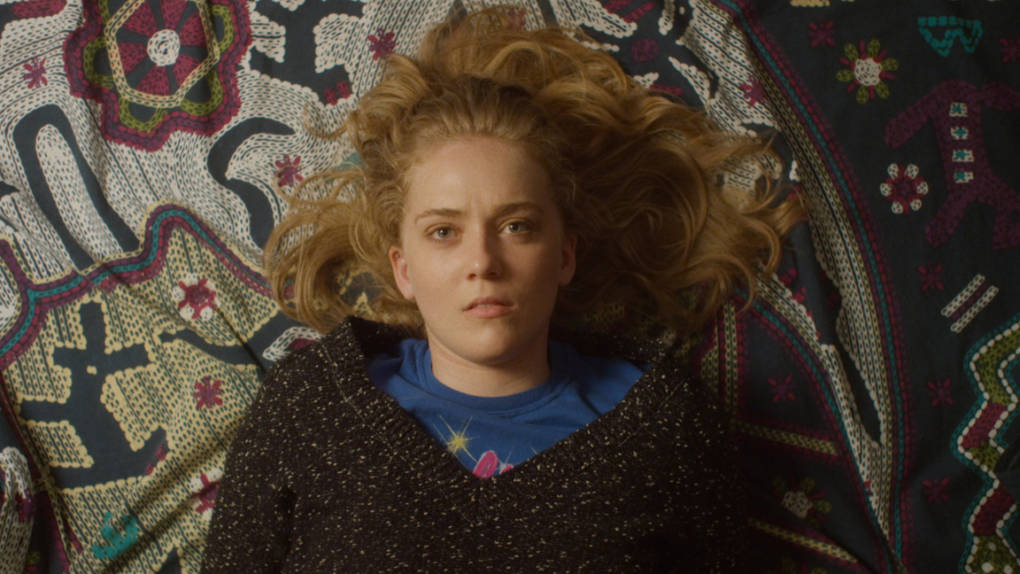
"caption": "Gabriel Byrne, David Tennant and Elizabeth Moss in 'Mad to be Normal.'",
"description": "Gabriel Byrne, David Tennant and Elizabeth Moss in 'Mad to be Normal.'",
"title": "MadToBeNormal_COVER",
"credit": "Courtesy of Samuel Goldwyn Films",
"status": "inherit",
"isLoading": false,
"fetchFailed": false
},
"arts_13823705": {
"type": "attachments",
"id": "arts_13823705",
"meta": {
"index": "attachments_1716263798",
"site": "arts",
"id": "13823705",
"found": true
},
"parent": 13823548,
"imgSizes": {
"small": {
"file": "https://ww2.kqed.org/app/uploads/sites/2/2018/02/ForNow_COVER-520x293.jpg",
"width": 520,
"mimeType": "image/jpeg",
"height": 293
},
"twentyfourteen-full-width": {
"file": "https://ww2.kqed.org/app/uploads/sites/2/2018/02/ForNow_COVER-1038x576.jpg",
"width": 1038,
"mimeType": "image/jpeg",
"height": 576
},
"thumbnail": {
"file": "https://ww2.kqed.org/app/uploads/sites/2/2018/02/ForNow_COVER-160x90.jpg",
"width": 160,
"mimeType": "image/jpeg",
"height": 90
},
"fd-sm": {
"file": "https://ww2.kqed.org/app/uploads/sites/2/2018/02/ForNow_COVER-960x540.jpg",
"width": 960,
"mimeType": "image/jpeg",
"height": 540
},
"post-thumbnail": {
"file": "https://ww2.kqed.org/app/uploads/sites/2/2018/02/ForNow_COVER-672x372.jpg",
"width": 672,
"mimeType": "image/jpeg",
"height": 372
},
"xsmall": {
"file": "https://ww2.kqed.org/app/uploads/sites/2/2018/02/ForNow_COVER-375x211.jpg",
"width": 375,
"mimeType": "image/jpeg",
"height": 211
},
"kqedFullSize": {
"file": "https://ww2.kqed.org/app/uploads/sites/2/2018/02/ForNow_COVER.jpg",
"width": 1152,
"height": 648
},
"large": {
"file": "https://ww2.kqed.org/app/uploads/sites/2/2018/02/ForNow_COVER-1020x574.jpg",
"width": 1020,
"mimeType": "image/jpeg",
"height": 574
},
"guest-author-50": {
"file": "https://ww2.kqed.org/app/uploads/sites/2/2018/02/ForNow_COVER-50x50.jpg",
"width": 50,
"mimeType": "image/jpeg",
"height": 50
},
"guest-author-96": {
"file": "https://ww2.kqed.org/app/uploads/sites/2/2018/02/ForNow_COVER-96x96.jpg",
"width": 96,
"mimeType": "image/jpeg",
"height": 96
},
"medium": {
"file": "https://ww2.kqed.org/app/uploads/sites/2/2018/02/ForNow_COVER-800x450.jpg",
"width": 800,
"mimeType": "image/jpeg",
"height": 450
},
"guest-author-64": {
"file": "https://ww2.kqed.org/app/uploads/sites/2/2018/02/ForNow_COVER-64x64.jpg",
"width": 64,
"mimeType": "image/jpeg",
"height": 64
},
"guest-author-32": {
"file": "https://ww2.kqed.org/app/uploads/sites/2/2018/02/ForNow_COVER-32x32.jpg",
"width": 32,
"mimeType": "image/jpeg",
"height": 32
},
"detail": {
"file": "https://ww2.kqed.org/app/uploads/sites/2/2018/02/ForNow_COVER-150x150.jpg",
"width": 150,
"mimeType": "image/jpeg",
"height": 150
},
"medium_large": {
"file": "https://ww2.kqed.org/app/uploads/sites/2/2018/02/ForNow_COVER-768x432.jpg",
"width": 768,
"mimeType": "image/jpeg",
"height": 432
},
"guest-author-128": {
"file": "https://ww2.kqed.org/app/uploads/sites/2/2018/02/ForNow_COVER-128x128.jpg",
"width": 128,
"mimeType": "image/jpeg",
"height": 128
},
"xxsmall": {
"file": "https://ww2.kqed.org/app/uploads/sites/2/2018/02/ForNow_COVER-240x135.jpg",
"width": 240,
"mimeType": "image/jpeg",
"height": 135
}
},
"publishDate": 1517856509,
"modified": 1517856754,
"caption": "Still from 'For Now.'",
"description": "Still from 'For Now.'",
"title": "ForNow_COVER",
"credit": "Courtesy of SF IndieFest",
"status": "inherit",
"isLoading": false,
"fetchFailed": false
},
"arts_13823276": {
"type": "attachments",
"id": "arts_13823276",
"meta": {
"index": "attachments_1716263798",
"site": "arts",
"id": "13823276",
"found": true
},
"parent": 13823239,
"imgSizes": {
"small": {
"file": "https://ww2.kqed.org/app/uploads/sites/2/2018/01/Bergman_Saraband_003_COVER-520x293.jpg",
"width": 520,
"mimeType": "image/jpeg",
"height": 293
},
"twentyfourteen-full-width": {
"file": "https://ww2.kqed.org/app/uploads/sites/2/2018/01/Bergman_Saraband_003_COVER-1038x576.jpg",
"width": 1038,
"mimeType": "image/jpeg",
"height": 576
},
"thumbnail": {
"file": "https://ww2.kqed.org/app/uploads/sites/2/2018/01/Bergman_Saraband_003_COVER-160x90.jpg",
"width": 160,
"mimeType": "image/jpeg",
"height": 90
},
"fd-sm": {
"file": "https://ww2.kqed.org/app/uploads/sites/2/2018/01/Bergman_Saraband_003_COVER-960x540.jpg",
"width": 960,
"mimeType": "image/jpeg",
"height": 540
},
"post-thumbnail": {
"file": "https://ww2.kqed.org/app/uploads/sites/2/2018/01/Bergman_Saraband_003_COVER-672x372.jpg",
"width": 672,
"mimeType": "image/jpeg",
"height": 372
},
"xsmall": {
"file": "https://ww2.kqed.org/app/uploads/sites/2/2018/01/Bergman_Saraband_003_COVER-375x211.jpg",
"width": 375,
"mimeType": "image/jpeg",
"height": 211
},
"kqedFullSize": {
"file": "https://ww2.kqed.org/app/uploads/sites/2/2018/01/Bergman_Saraband_003_COVER.jpg",
"width": 1920,
"height": 1080
},
"large": {
"file": "https://ww2.kqed.org/app/uploads/sites/2/2018/01/Bergman_Saraband_003_COVER-1020x574.jpg",
"width": 1020,
"mimeType": "image/jpeg",
"height": 574
},
"xlarge": {
"file": "https://ww2.kqed.org/app/uploads/sites/2/2018/01/Bergman_Saraband_003_COVER-1180x664.jpg",
"width": 1180,
"mimeType": "image/jpeg",
"height": 664
},
"guest-author-50": {
"file": "https://ww2.kqed.org/app/uploads/sites/2/2018/01/Bergman_Saraband_003_COVER-50x50.jpg",
"width": 50,
"mimeType": "image/jpeg",
"height": 50
},
"guest-author-96": {
"file": "https://ww2.kqed.org/app/uploads/sites/2/2018/01/Bergman_Saraband_003_COVER-96x96.jpg",
"width": 96,
"mimeType": "image/jpeg",
"height": 96
},
"medium": {
"file": "https://ww2.kqed.org/app/uploads/sites/2/2018/01/Bergman_Saraband_003_COVER-800x450.jpg",
"width": 800,
"mimeType": "image/jpeg",
"height": 450
},
"guest-author-64": {
"file": "https://ww2.kqed.org/app/uploads/sites/2/2018/01/Bergman_Saraband_003_COVER-64x64.jpg",
"width": 64,
"mimeType": "image/jpeg",
"height": 64
},
"guest-author-32": {
"file": "https://ww2.kqed.org/app/uploads/sites/2/2018/01/Bergman_Saraband_003_COVER-32x32.jpg",
"width": 32,
"mimeType": "image/jpeg",
"height": 32
},
"fd-lrg": {
"file": "https://ww2.kqed.org/app/uploads/sites/2/2018/01/Bergman_Saraband_003_COVER-1920x1080.jpg",
"width": 1920,
"mimeType": "image/jpeg",
"height": 1080
},
"fd-med": {
"file": "https://ww2.kqed.org/app/uploads/sites/2/2018/01/Bergman_Saraband_003_COVER-1180x664.jpg",
"width": 1180,
"mimeType": "image/jpeg",
"height": 664
},
"full-width": {
"file": "https://ww2.kqed.org/app/uploads/sites/2/2018/01/Bergman_Saraband_003_COVER-1920x1080.jpg",
"width": 1920,
"mimeType": "image/jpeg",
"height": 1080
},
"detail": {
"file": "https://ww2.kqed.org/app/uploads/sites/2/2018/01/Bergman_Saraband_003_COVER-150x150.jpg",
"width": 150,
"mimeType": "image/jpeg",
"height": 150
},
"medium_large": {
"file": "https://ww2.kqed.org/app/uploads/sites/2/2018/01/Bergman_Saraband_003_COVER-768x432.jpg",
"width": 768,
"mimeType": "image/jpeg",
"height": 432
},
"guest-author-128": {
"file": "https://ww2.kqed.org/app/uploads/sites/2/2018/01/Bergman_Saraband_003_COVER-128x128.jpg",
"width": 128,
"mimeType": "image/jpeg",
"height": 128
},
"xxsmall": {
"file": "https://ww2.kqed.org/app/uploads/sites/2/2018/01/Bergman_Saraband_003_COVER-240x135.jpg",
"width": 240,
"mimeType": "image/jpeg",
"height": 135
}
},
"publishDate": 1517428171,
"modified": 1517428310,
"caption": "Liv Ullmann, Julia Dufvenius and Ingmar Bergman on the set of 'Saraband'",
"description": "Liv Ullmann, Julia Dufvenius and Ingmar Bergman on the set of 'Saraband'",
"title": "Bergman_Saraband_003_COVER",
"credit": "Photo by Bengt Wanselius; Courtesy of Sony Pictures Classics",
"status": "inherit",
"isLoading": false,
"fetchFailed": false
},
"arts_13820349": {
"type": "attachments",
"id": "arts_13820349",
"meta": {
"index": "attachments_1716263798",
"site": "arts",
"id": "13820349",
"found": true
},
"parent": 13820341,
"imgSizes": {
"small": {
"file": "https://ww2.kqed.org/app/uploads/sites/2/2018/01/mgyg7michelletea_COVER-520x293.jpg",
"width": 520,
"mimeType": "image/jpeg",
"height": 293
},
"thumbnail": {
"file": "https://ww2.kqed.org/app/uploads/sites/2/2018/01/mgyg7michelletea_COVER-160x90.jpg",
"width": 160,
"mimeType": "image/jpeg",
"height": 90
},
"fd-sm": {
"file": "https://ww2.kqed.org/app/uploads/sites/2/2018/01/mgyg7michelletea_COVER-960x540.jpg",
"width": 960,
"mimeType": "image/jpeg",
"height": 540
},
"post-thumbnail": {
"file": "https://ww2.kqed.org/app/uploads/sites/2/2018/01/mgyg7michelletea_COVER-672x372.jpg",
"width": 672,
"mimeType": "image/jpeg",
"height": 372
},
"xsmall": {
"file": "https://ww2.kqed.org/app/uploads/sites/2/2018/01/mgyg7michelletea_COVER-375x211.jpg",
"width": 375,
"mimeType": "image/jpeg",
"height": 211
},
"kqedFullSize": {
"file": "https://ww2.kqed.org/app/uploads/sites/2/2018/01/mgyg7michelletea_COVER.jpg",
"width": 1000,
"height": 563
},
"guest-author-50": {
"file": "https://ww2.kqed.org/app/uploads/sites/2/2018/01/mgyg7michelletea_COVER-50x50.jpg",
"width": 50,
"mimeType": "image/jpeg",
"height": 50
},
"guest-author-96": {
"file": "https://ww2.kqed.org/app/uploads/sites/2/2018/01/mgyg7michelletea_COVER-96x96.jpg",
"width": 96,
"mimeType": "image/jpeg",
"height": 96
},
"medium": {
"file": "https://ww2.kqed.org/app/uploads/sites/2/2018/01/mgyg7michelletea_COVER-800x450.jpg",
"width": 800,
"mimeType": "image/jpeg",
"height": 450
},
"guest-author-64": {
"file": "https://ww2.kqed.org/app/uploads/sites/2/2018/01/mgyg7michelletea_COVER-64x64.jpg",
"width": 64,
"mimeType": "image/jpeg",
"height": 64
},
"guest-author-32": {
"file": "https://ww2.kqed.org/app/uploads/sites/2/2018/01/mgyg7michelletea_COVER-32x32.jpg",
"width": 32,
"mimeType": "image/jpeg",
"height": 32
},
"detail": {
"file": "https://ww2.kqed.org/app/uploads/sites/2/2018/01/mgyg7michelletea_COVER-150x150.jpg",
"width": 150,
"mimeType": "image/jpeg",
"height": 150
},
"medium_large": {
"file": "https://ww2.kqed.org/app/uploads/sites/2/2018/01/mgyg7michelletea_COVER-768x432.jpg",
"width": 768,
"mimeType": "image/jpeg",
"height": 432
},
"guest-author-128": {
"file": "https://ww2.kqed.org/app/uploads/sites/2/2018/01/mgyg7michelletea_COVER-128x128.jpg",
"width": 128,
"mimeType": "image/jpeg",
"height": 128
},
"xxsmall": {
"file": "https://ww2.kqed.org/app/uploads/sites/2/2018/01/mgyg7michelletea_COVER-240x135.jpg",
"width": 240,
"mimeType": "image/jpeg",
"height": 135
}
},
"publishDate": 1517257148,
"modified": 1517257475,
"caption": "Michelle Tea presenting 'By Hook or Crook' at the second-ever my gaze///yr gaze screening, in Oakland.",
"description": "Michelle Tea presenting 'By Hook or Crook' at the second-ever my gaze///yr gaze screening, in Oakland.",
"title": "mgyg7michelletea_COVER",
"credit": "Courtesy of Irwin Swirnoff",
"status": "inherit",
"isLoading": false,
"fetchFailed": false
},
"arts_13820332": {
"type": "attachments",
"id": "arts_13820332",
"meta": {
"index": "attachments_1716263798",
"site": "arts",
"id": "13820332",
"found": true
},
"parent": 13820326,
"imgSizes": {
"small": {
"file": "https://ww2.kqed.org/app/uploads/sites/2/2018/01/Let-the-Sunshine-In-COVER-520x293.jpg",
"width": 520,
"mimeType": "image/jpeg",
"height": 293
},
"twentyfourteen-full-width": {
"file": "https://ww2.kqed.org/app/uploads/sites/2/2018/01/Let-the-Sunshine-In-COVER-1038x576.jpg",
"width": 1038,
"mimeType": "image/jpeg",
"height": 576
},
"thumbnail": {
"file": "https://ww2.kqed.org/app/uploads/sites/2/2018/01/Let-the-Sunshine-In-COVER-160x90.jpg",
"width": 160,
"mimeType": "image/jpeg",
"height": 90
},
"fd-sm": {
"file": "https://ww2.kqed.org/app/uploads/sites/2/2018/01/Let-the-Sunshine-In-COVER-960x540.jpg",
"width": 960,
"mimeType": "image/jpeg",
"height": 540
},
"post-thumbnail": {
"file": "https://ww2.kqed.org/app/uploads/sites/2/2018/01/Let-the-Sunshine-In-COVER-672x372.jpg",
"width": 672,
"mimeType": "image/jpeg",
"height": 372
},
"xsmall": {
"file": "https://ww2.kqed.org/app/uploads/sites/2/2018/01/Let-the-Sunshine-In-COVER-375x211.jpg",
"width": 375,
"mimeType": "image/jpeg",
"height": 211
},
"kqedFullSize": {
"file": "https://ww2.kqed.org/app/uploads/sites/2/2018/01/Let-the-Sunshine-In-COVER.jpg",
"width": 1920,
"height": 1080
},
"large": {
"file": "https://ww2.kqed.org/app/uploads/sites/2/2018/01/Let-the-Sunshine-In-COVER-1020x574.jpg",
"width": 1020,
"mimeType": "image/jpeg",
"height": 574
},
"xlarge": {
"file": "https://ww2.kqed.org/app/uploads/sites/2/2018/01/Let-the-Sunshine-In-COVER-1180x664.jpg",
"width": 1180,
"mimeType": "image/jpeg",
"height": 664
},
"guest-author-50": {
"file": "https://ww2.kqed.org/app/uploads/sites/2/2018/01/Let-the-Sunshine-In-COVER-50x50.jpg",
"width": 50,
"mimeType": "image/jpeg",
"height": 50
},
"guest-author-96": {
"file": "https://ww2.kqed.org/app/uploads/sites/2/2018/01/Let-the-Sunshine-In-COVER-96x96.jpg",
"width": 96,
"mimeType": "image/jpeg",
"height": 96
},
"medium": {
"file": "https://ww2.kqed.org/app/uploads/sites/2/2018/01/Let-the-Sunshine-In-COVER-800x450.jpg",
"width": 800,
"mimeType": "image/jpeg",
"height": 450
},
"guest-author-64": {
"file": "https://ww2.kqed.org/app/uploads/sites/2/2018/01/Let-the-Sunshine-In-COVER-64x64.jpg",
"width": 64,
"mimeType": "image/jpeg",
"height": 64
},
"guest-author-32": {
"file": "https://ww2.kqed.org/app/uploads/sites/2/2018/01/Let-the-Sunshine-In-COVER-32x32.jpg",
"width": 32,
"mimeType": "image/jpeg",
"height": 32
},
"fd-lrg": {
"file": "https://ww2.kqed.org/app/uploads/sites/2/2018/01/Let-the-Sunshine-In-COVER-1920x1080.jpg",
"width": 1920,
"mimeType": "image/jpeg",
"height": 1080
},
"fd-med": {
"file": "https://ww2.kqed.org/app/uploads/sites/2/2018/01/Let-the-Sunshine-In-COVER-1180x664.jpg",
"width": 1180,
"mimeType": "image/jpeg",
"height": 664
},
"full-width": {
"file": "https://ww2.kqed.org/app/uploads/sites/2/2018/01/Let-the-Sunshine-In-COVER-1920x1080.jpg",
"width": 1920,
"mimeType": "image/jpeg",
"height": 1080
},
"detail": {
"file": "https://ww2.kqed.org/app/uploads/sites/2/2018/01/Let-the-Sunshine-In-COVER-150x150.jpg",
"width": 150,
"mimeType": "image/jpeg",
"height": 150
},
"medium_large": {
"file": "https://ww2.kqed.org/app/uploads/sites/2/2018/01/Let-the-Sunshine-In-COVER-768x432.jpg",
"width": 768,
"mimeType": "image/jpeg",
"height": 432
},
"guest-author-128": {
"file": "https://ww2.kqed.org/app/uploads/sites/2/2018/01/Let-the-Sunshine-In-COVER-128x128.jpg",
"width": 128,
"mimeType": "image/jpeg",
"height": 128
},
"xxsmall": {
"file": "https://ww2.kqed.org/app/uploads/sites/2/2018/01/Let-the-Sunshine-In-COVER-240x135.jpg",
"width": 240,
"mimeType": "image/jpeg",
"height": 135
}
},
"publishDate": 1517242009,
"modified": 1517242059,
"caption": "Still from Claire Denis' 'Let the Sunshine In.'",
"description": "Still from Claire Denis' 'Let the Sunshine In.'",
"title": "Let the Sunshine In COVER",
"credit": "Courtesy of SFFILM",
"status": "inherit",
"isLoading": false,
"fetchFailed": false
},
"arts_13819538": {
"type": "attachments",
"id": "arts_13819538",
"meta": {
"index": "attachments_1716263798",
"site": "arts",
"id": "13819538",
"found": true
},
"parent": 13819510,
"imgSizes": {
"small": {
"file": "https://ww2.kqed.org/app/uploads/sites/2/2018/01/Screenshot-2018-01-18-at-11.04.17-PM-520x306.png",
"width": 520,
"mimeType": "image/png",
"height": 306
},
"thumbnail": {
"file": "https://ww2.kqed.org/app/uploads/sites/2/2018/01/Screenshot-2018-01-18-at-11.04.17-PM-160x94.png",
"width": 160,
"mimeType": "image/png",
"height": 94
},
"post-thumbnail": {
"file": "https://ww2.kqed.org/app/uploads/sites/2/2018/01/Screenshot-2018-01-18-at-11.04.17-PM-638x372.png",
"width": 638,
"mimeType": "image/png",
"height": 372
},
"xsmall": {
"file": "https://ww2.kqed.org/app/uploads/sites/2/2018/01/Screenshot-2018-01-18-at-11.04.17-PM-375x220.png",
"width": 375,
"mimeType": "image/png",
"height": 220
},
"kqedFullSize": {
"file": "https://ww2.kqed.org/app/uploads/sites/2/2018/01/Screenshot-2018-01-18-at-11.04.17-PM.png",
"width": 638,
"height": 375
},
"guest-author-50": {
"file": "https://ww2.kqed.org/app/uploads/sites/2/2018/01/Screenshot-2018-01-18-at-11.04.17-PM-50x50.png",
"width": 50,
"mimeType": "image/png",
"height": 50
},
"guest-author-96": {
"file": "https://ww2.kqed.org/app/uploads/sites/2/2018/01/Screenshot-2018-01-18-at-11.04.17-PM-96x96.png",
"width": 96,
"mimeType": "image/png",
"height": 96
},
"guest-author-64": {
"file": "https://ww2.kqed.org/app/uploads/sites/2/2018/01/Screenshot-2018-01-18-at-11.04.17-PM-64x64.png",
"width": 64,
"mimeType": "image/png",
"height": 64
},
"detail": {
"file": "https://ww2.kqed.org/app/uploads/sites/2/2018/01/Screenshot-2018-01-18-at-11.04.17-PM-150x150.png",
"width": 150,
"mimeType": "image/png",
"height": 150
},
"guest-author-32": {
"file": "https://ww2.kqed.org/app/uploads/sites/2/2018/01/Screenshot-2018-01-18-at-11.04.17-PM-32x32.png",
"width": 32,
"mimeType": "image/png",
"height": 32
},
"guest-author-128": {
"file": "https://ww2.kqed.org/app/uploads/sites/2/2018/01/Screenshot-2018-01-18-at-11.04.17-PM-128x128.png",
"width": 128,
"mimeType": "image/png",
"height": 128
},
"xxsmall": {
"file": "https://ww2.kqed.org/app/uploads/sites/2/2018/01/Screenshot-2018-01-18-at-11.04.17-PM-240x141.png",
"width": 240,
"mimeType": "image/png",
"height": 141
}
},
"publishDate": 1516345484,
"modified": 1516994807,
"caption": "Detail from 'The Notebook' in Crystal Vielula's Queer Movie Stills series.",
"description": "Detail from 'The Notebook' in Crystal Vielula's Queer Movie Stills series.",
"title": "Screenshot 2018-01-18 at 11.04.17 PM",
"credit": "Courtesy Crystal Vielula",
"status": "inherit",
"isLoading": false,
"fetchFailed": false
},
"arts_13820069": {
"type": "attachments",
"id": "arts_13820069",
"meta": {
"index": "attachments_1716263798",
"site": "arts",
"id": "13820069",
"found": true
},
"parent": 13820068,
"imgSizes": {
"small": {
"file": "https://ww2.kqed.org/app/uploads/sites/2/2018/01/insultstill1_wide-c90de3f1eec2cbfba9bc2d79e8bc577539d5c1d0-520x292.jpg",
"width": 520,
"mimeType": "image/jpeg",
"height": 292
},
"twentyfourteen-full-width": {
"file": "https://ww2.kqed.org/app/uploads/sites/2/2018/01/insultstill1_wide-c90de3f1eec2cbfba9bc2d79e8bc577539d5c1d0-1038x576.jpg",
"width": 1038,
"mimeType": "image/jpeg",
"height": 576
},
"thumbnail": {
"file": "https://ww2.kqed.org/app/uploads/sites/2/2018/01/insultstill1_wide-c90de3f1eec2cbfba9bc2d79e8bc577539d5c1d0-160x90.jpg",
"width": 160,
"mimeType": "image/jpeg",
"height": 90
},
"fd-sm": {
"file": "https://ww2.kqed.org/app/uploads/sites/2/2018/01/insultstill1_wide-c90de3f1eec2cbfba9bc2d79e8bc577539d5c1d0-960x540.jpg",
"width": 960,
"mimeType": "image/jpeg",
"height": 540
},
"post-thumbnail": {
"file": "https://ww2.kqed.org/app/uploads/sites/2/2018/01/insultstill1_wide-c90de3f1eec2cbfba9bc2d79e8bc577539d5c1d0-672x372.jpg",
"width": 672,
"mimeType": "image/jpeg",
"height": 372
},
"xsmall": {
"file": "https://ww2.kqed.org/app/uploads/sites/2/2018/01/insultstill1_wide-c90de3f1eec2cbfba9bc2d79e8bc577539d5c1d0-375x211.jpg",
"width": 375,
"mimeType": "image/jpeg",
"height": 211
},
"kqedFullSize": {
"file": "https://ww2.kqed.org/app/uploads/sites/2/2018/01/insultstill1_wide-c90de3f1eec2cbfba9bc2d79e8bc577539d5c1d0.jpg",
"width": 2048,
"height": 1152
},
"large": {
"file": "https://ww2.kqed.org/app/uploads/sites/2/2018/01/insultstill1_wide-c90de3f1eec2cbfba9bc2d79e8bc577539d5c1d0-1020x574.jpg",
"width": 1020,
"mimeType": "image/jpeg",
"height": 574
},
"xlarge": {
"file": "https://ww2.kqed.org/app/uploads/sites/2/2018/01/insultstill1_wide-c90de3f1eec2cbfba9bc2d79e8bc577539d5c1d0-1180x664.jpg",
"width": 1180,
"mimeType": "image/jpeg",
"height": 664
},
"guest-author-50": {
"file": "https://ww2.kqed.org/app/uploads/sites/2/2018/01/insultstill1_wide-c90de3f1eec2cbfba9bc2d79e8bc577539d5c1d0-50x50.jpg",
"width": 50,
"mimeType": "image/jpeg",
"height": 50
},
"guest-author-96": {
"file": "https://ww2.kqed.org/app/uploads/sites/2/2018/01/insultstill1_wide-c90de3f1eec2cbfba9bc2d79e8bc577539d5c1d0-96x96.jpg",
"width": 96,
"mimeType": "image/jpeg",
"height": 96
},
"medium": {
"file": "https://ww2.kqed.org/app/uploads/sites/2/2018/01/insultstill1_wide-c90de3f1eec2cbfba9bc2d79e8bc577539d5c1d0-800x450.jpg",
"width": 800,
"mimeType": "image/jpeg",
"height": 450
},
"guest-author-64": {
"file": "https://ww2.kqed.org/app/uploads/sites/2/2018/01/insultstill1_wide-c90de3f1eec2cbfba9bc2d79e8bc577539d5c1d0-64x64.jpg",
"width": 64,
"mimeType": "image/jpeg",
"height": 64
},
"guest-author-32": {
"file": "https://ww2.kqed.org/app/uploads/sites/2/2018/01/insultstill1_wide-c90de3f1eec2cbfba9bc2d79e8bc577539d5c1d0-32x32.jpg",
"width": 32,
"mimeType": "image/jpeg",
"height": 32
},
"fd-lrg": {
"file": "https://ww2.kqed.org/app/uploads/sites/2/2018/01/insultstill1_wide-c90de3f1eec2cbfba9bc2d79e8bc577539d5c1d0-1920x1080.jpg",
"width": 1920,
"mimeType": "image/jpeg",
"height": 1080
},
"fd-med": {
"file": "https://ww2.kqed.org/app/uploads/sites/2/2018/01/insultstill1_wide-c90de3f1eec2cbfba9bc2d79e8bc577539d5c1d0-1180x664.jpg",
"width": 1180,
"mimeType": "image/jpeg",
"height": 664
},
"full-width": {
"file": "https://ww2.kqed.org/app/uploads/sites/2/2018/01/insultstill1_wide-c90de3f1eec2cbfba9bc2d79e8bc577539d5c1d0-1920x1080.jpg",
"width": 1920,
"mimeType": "image/jpeg",
"height": 1080
},
"detail": {
"file": "https://ww2.kqed.org/app/uploads/sites/2/2018/01/insultstill1_wide-c90de3f1eec2cbfba9bc2d79e8bc577539d5c1d0-150x150.jpg",
"width": 150,
"mimeType": "image/jpeg",
"height": 150
},
"medium_large": {
"file": "https://ww2.kqed.org/app/uploads/sites/2/2018/01/insultstill1_wide-c90de3f1eec2cbfba9bc2d79e8bc577539d5c1d0-768x432.jpg",
"width": 768,
"mimeType": "image/jpeg",
"height": 432
},
"guest-author-128": {
"file": "https://ww2.kqed.org/app/uploads/sites/2/2018/01/insultstill1_wide-c90de3f1eec2cbfba9bc2d79e8bc577539d5c1d0-128x128.jpg",
"width": 128,
"mimeType": "image/jpeg",
"height": 128
},
"xxsmall": {
"file": "https://ww2.kqed.org/app/uploads/sites/2/2018/01/insultstill1_wide-c90de3f1eec2cbfba9bc2d79e8bc577539d5c1d0-240x135.jpg",
"width": 240,
"mimeType": "image/jpeg",
"height": 135
}
},
"publishDate": 1516919080,
"modified": 1516921549,
"caption": "In 'The Insult,' a minor argument between a Lebanese Christian named Toni (Adel Karam, left) and a Palestinian refugee named Yasser (Kamel El Basha) spirals out of control.",
"description": "In 'The Insult,' a minor argument between a Lebanese Christian named Toni (Adel Karam, left) and a Palestinian refugee named Yasser (Kamel El Basha) spirals out of control.",
"title": "In The Insult, a minor argument between a Lebanese Christian named Toni (Adel Karam, left) and a Palestinian refugee named Yasser (Kamel El Basha) spirals out of control.",
"credit": "Courtesy of Cohen Media Group",
"status": "inherit",
"isLoading": false,
"fetchFailed": false
},
"arts_13844965": {
"type": "attachments",
"id": "arts_13844965",
"meta": {
"index": "attachments_1716263798",
"site": "arts",
"id": "13844965",
"found": true
},
"parent": 13820054,
"imgSizes": {
"small": {
"file": "https://ww2.kqed.org/app/uploads/sites/2/2018/01/PeteNicks_BTL_Thumbnail-520x293.jpg",
"width": 520,
"mimeType": "image/jpeg",
"height": 293
},
"twentyfourteen-full-width": {
"file": "https://ww2.kqed.org/app/uploads/sites/2/2018/01/PeteNicks_BTL_Thumbnail-1038x576.jpg",
"width": 1038,
"mimeType": "image/jpeg",
"height": 576
},
"thumbnail": {
"file": "https://ww2.kqed.org/app/uploads/sites/2/2018/01/PeteNicks_BTL_Thumbnail-160x90.jpg",
"width": 160,
"mimeType": "image/jpeg",
"height": 90
},
"fd-sm": {
"file": "https://ww2.kqed.org/app/uploads/sites/2/2018/01/PeteNicks_BTL_Thumbnail-960x540.jpg",
"width": 960,
"mimeType": "image/jpeg",
"height": 540
},
"post-thumbnail": {
"file": "https://ww2.kqed.org/app/uploads/sites/2/2018/01/PeteNicks_BTL_Thumbnail-672x372.jpg",
"width": 672,
"mimeType": "image/jpeg",
"height": 372
},
"xsmall": {
"file": "https://ww2.kqed.org/app/uploads/sites/2/2018/01/PeteNicks_BTL_Thumbnail-375x211.jpg",
"width": 375,
"mimeType": "image/jpeg",
"height": 211
},
"kqedFullSize": {
"file": "https://ww2.kqed.org/app/uploads/sites/2/2018/01/PeteNicks_BTL_Thumbnail.jpg",
"width": 1920,
"height": 1080
},
"large": {
"file": "https://ww2.kqed.org/app/uploads/sites/2/2018/01/PeteNicks_BTL_Thumbnail-1020x574.jpg",
"width": 1020,
"mimeType": "image/jpeg",
"height": 574
},
"xlarge": {
"file": "https://ww2.kqed.org/app/uploads/sites/2/2018/01/PeteNicks_BTL_Thumbnail-1180x664.jpg",
"width": 1180,
"mimeType": "image/jpeg",
"height": 664
},
"complete_open_graph": {
"file": "https://ww2.kqed.org/app/uploads/sites/2/2018/01/PeteNicks_BTL_Thumbnail-1200x675.jpg",
"width": 1200,
"mimeType": "image/jpeg",
"height": 675
},
"guest-author-50": {
"file": "https://ww2.kqed.org/app/uploads/sites/2/2018/01/PeteNicks_BTL_Thumbnail-50x50.jpg",
"width": 50,
"mimeType": "image/jpeg",
"height": 50
},
"guest-author-96": {
"file": "https://ww2.kqed.org/app/uploads/sites/2/2018/01/PeteNicks_BTL_Thumbnail-96x96.jpg",
"width": 96,
"mimeType": "image/jpeg",
"height": 96
},
"medium": {
"file": "https://ww2.kqed.org/app/uploads/sites/2/2018/01/PeteNicks_BTL_Thumbnail-800x450.jpg",
"width": 800,
"mimeType": "image/jpeg",
"height": 450
},
"guest-author-64": {
"file": "https://ww2.kqed.org/app/uploads/sites/2/2018/01/PeteNicks_BTL_Thumbnail-64x64.jpg",
"width": 64,
"mimeType": "image/jpeg",
"height": 64
},
"guest-author-32": {
"file": "https://ww2.kqed.org/app/uploads/sites/2/2018/01/PeteNicks_BTL_Thumbnail-32x32.jpg",
"width": 32,
"mimeType": "image/jpeg",
"height": 32
},
"fd-lrg": {
"file": "https://ww2.kqed.org/app/uploads/sites/2/2018/01/PeteNicks_BTL_Thumbnail-1920x1080.jpg",
"width": 1920,
"mimeType": "image/jpeg",
"height": 1080
},
"fd-med": {
"file": "https://ww2.kqed.org/app/uploads/sites/2/2018/01/PeteNicks_BTL_Thumbnail-1180x664.jpg",
"width": 1180,
"mimeType": "image/jpeg",
"height": 664
},
"full-width": {
"file": "https://ww2.kqed.org/app/uploads/sites/2/2018/01/PeteNicks_BTL_Thumbnail-1920x1080.jpg",
"width": 1920,
"mimeType": "image/jpeg",
"height": 1080
},
"detail": {
"file": "https://ww2.kqed.org/app/uploads/sites/2/2018/01/PeteNicks_BTL_Thumbnail-150x150.jpg",
"width": 150,
"mimeType": "image/jpeg",
"height": 150
},
"medium_large": {
"file": "https://ww2.kqed.org/app/uploads/sites/2/2018/01/PeteNicks_BTL_Thumbnail-768x432.jpg",
"width": 768,
"mimeType": "image/jpeg",
"height": 432
},
"guest-author-128": {
"file": "https://ww2.kqed.org/app/uploads/sites/2/2018/01/PeteNicks_BTL_Thumbnail-128x128.jpg",
"width": 128,
"mimeType": "image/jpeg",
"height": 128
},
"xxsmall": {
"file": "https://ww2.kqed.org/app/uploads/sites/2/2018/01/PeteNicks_BTL_Thumbnail-240x135.jpg",
"width": 240,
"mimeType": "image/jpeg",
"height": 135
}
},
"publishDate": 1542247824,
"modified": 1542247824,
"caption": null,
"description": null,
"title": "PeteNicks_BTL_Thumbnail",
"credit": null,
"status": "inherit",
"isLoading": false,
"fetchFailed": false
},
"arts_13819822": {
"type": "attachments",
"id": "arts_13819822",
"meta": {
"index": "attachments_1716263798",
"site": "arts",
"id": "13819822",
"found": true
},
"parent": 0,
"imgSizes": {
"small": {
"file": "https://ww2.kqed.org/app/uploads/sites/2/2018/01/JordanPeele-520x293.jpg",
"width": 520,
"mimeType": "image/jpeg",
"height": 293
},
"twentyfourteen-full-width": {
"file": "https://ww2.kqed.org/app/uploads/sites/2/2018/01/JordanPeele-1038x576.jpg",
"width": 1038,
"mimeType": "image/jpeg",
"height": 576
},
"thumbnail": {
"file": "https://ww2.kqed.org/app/uploads/sites/2/2018/01/JordanPeele-160x90.jpg",
"width": 160,
"mimeType": "image/jpeg",
"height": 90
},
"fd-sm": {
"file": "https://ww2.kqed.org/app/uploads/sites/2/2018/01/JordanPeele-960x540.jpg",
"width": 960,
"mimeType": "image/jpeg",
"height": 540
},
"post-thumbnail": {
"file": "https://ww2.kqed.org/app/uploads/sites/2/2018/01/JordanPeele-672x372.jpg",
"width": 672,
"mimeType": "image/jpeg",
"height": 372
},
"xsmall": {
"file": "https://ww2.kqed.org/app/uploads/sites/2/2018/01/JordanPeele-375x211.jpg",
"width": 375,
"mimeType": "image/jpeg",
"height": 211
},
"kqedFullSize": {
"file": "https://ww2.kqed.org/app/uploads/sites/2/2018/01/JordanPeele.jpg",
"width": 1920,
"height": 1080
},
"large": {
"file": "https://ww2.kqed.org/app/uploads/sites/2/2018/01/JordanPeele-1020x574.jpg",
"width": 1020,
"mimeType": "image/jpeg",
"height": 574
},
"xlarge": {
"file": "https://ww2.kqed.org/app/uploads/sites/2/2018/01/JordanPeele-1180x664.jpg",
"width": 1180,
"mimeType": "image/jpeg",
"height": 664
},
"guest-author-50": {
"file": "https://ww2.kqed.org/app/uploads/sites/2/2018/01/JordanPeele-50x50.jpg",
"width": 50,
"mimeType": "image/jpeg",
"height": 50
},
"guest-author-96": {
"file": "https://ww2.kqed.org/app/uploads/sites/2/2018/01/JordanPeele-96x96.jpg",
"width": 96,
"mimeType": "image/jpeg",
"height": 96
},
"medium": {
"file": "https://ww2.kqed.org/app/uploads/sites/2/2018/01/JordanPeele-800x450.jpg",
"width": 800,
"mimeType": "image/jpeg",
"height": 450
},
"guest-author-64": {
"file": "https://ww2.kqed.org/app/uploads/sites/2/2018/01/JordanPeele-64x64.jpg",
"width": 64,
"mimeType": "image/jpeg",
"height": 64
},
"guest-author-32": {
"file": "https://ww2.kqed.org/app/uploads/sites/2/2018/01/JordanPeele-32x32.jpg",
"width": 32,
"mimeType": "image/jpeg",
"height": 32
},
"fd-lrg": {
"file": "https://ww2.kqed.org/app/uploads/sites/2/2018/01/JordanPeele-1920x1080.jpg",
"width": 1920,
"mimeType": "image/jpeg",
"height": 1080
},
"fd-med": {
"file": "https://ww2.kqed.org/app/uploads/sites/2/2018/01/JordanPeele-1180x664.jpg",
"width": 1180,
"mimeType": "image/jpeg",
"height": 664
},
"full-width": {
"file": "https://ww2.kqed.org/app/uploads/sites/2/2018/01/JordanPeele-1920x1080.jpg",
"width": 1920,
"mimeType": "image/jpeg",
"height": 1080
},
"detail": {
"file": "https://ww2.kqed.org/app/uploads/sites/2/2018/01/JordanPeele-150x150.jpg",
"width": 150,
"mimeType": "image/jpeg",
"height": 150
},
"medium_large": {
"file": "https://ww2.kqed.org/app/uploads/sites/2/2018/01/JordanPeele-768x432.jpg",
"width": 768,
"mimeType": "image/jpeg",
"height": 432
},
"guest-author-128": {
"file": "https://ww2.kqed.org/app/uploads/sites/2/2018/01/JordanPeele-128x128.jpg",
"width": 128,
"mimeType": "image/jpeg",
"height": 128
},
"xxsmall": {
"file": "https://ww2.kqed.org/app/uploads/sites/2/2018/01/JordanPeele-240x135.jpg",
"width": 240,
"mimeType": "image/jpeg",
"height": 135
}
},
"publishDate": 1516739715,
"modified": 1516739793,
"caption": "Filmmaker Jordan Peele attends the 24th Annual Screen Actors Guild Awards at The Shrine Auditorium on Jan. 21, 2018 in Los Angeles. ",
"description": "Filmmaker Jordan Peele attends the 24th Annual Screen Actors Guild Awards at The Shrine Auditorium on Jan. 21, 2018 in Los Angeles. ",
"title": "JordanPeele",
"credit": "Emma McIntyre/Getty Images for Turner Image",
"status": "inherit",
"isLoading": false,
"fetchFailed": false
},
"arts_13819712": {
"type": "attachments",
"id": "arts_13819712",
"meta": {
"index": "attachments_1716263798",
"site": "arts",
"id": "13819712",
"found": true
},
"parent": 13819496,
"imgSizes": {
"small": {
"file": "https://ww2.kqed.org/app/uploads/sites/2/2018/01/the-man-who-cheated-himself_COVER-520x292.jpg",
"width": 520,
"mimeType": "image/jpeg",
"height": 292
},
"twentyfourteen-full-width": {
"file": "https://ww2.kqed.org/app/uploads/sites/2/2018/01/the-man-who-cheated-himself_COVER-1038x576.jpg",
"width": 1038,
"mimeType": "image/jpeg",
"height": 576
},
"thumbnail": {
"file": "https://ww2.kqed.org/app/uploads/sites/2/2018/01/the-man-who-cheated-himself_COVER-160x90.jpg",
"width": 160,
"mimeType": "image/jpeg",
"height": 90
},
"fd-sm": {
"file": "https://ww2.kqed.org/app/uploads/sites/2/2018/01/the-man-who-cheated-himself_COVER-960x539.jpg",
"width": 960,
"mimeType": "image/jpeg",
"height": 539
},
"post-thumbnail": {
"file": "https://ww2.kqed.org/app/uploads/sites/2/2018/01/the-man-who-cheated-himself_COVER-672x372.jpg",
"width": 672,
"mimeType": "image/jpeg",
"height": 372
},
"xsmall": {
"file": "https://ww2.kqed.org/app/uploads/sites/2/2018/01/the-man-who-cheated-himself_COVER-375x211.jpg",
"width": 375,
"mimeType": "image/jpeg",
"height": 211
},
"kqedFullSize": {
"file": "https://ww2.kqed.org/app/uploads/sites/2/2018/01/the-man-who-cheated-himself_COVER.jpg",
"width": 1372,
"height": 771
},
"large": {
"file": "https://ww2.kqed.org/app/uploads/sites/2/2018/01/the-man-who-cheated-himself_COVER-1020x573.jpg",
"width": 1020,
"mimeType": "image/jpeg",
"height": 573
},
"xlarge": {
"file": "https://ww2.kqed.org/app/uploads/sites/2/2018/01/the-man-who-cheated-himself_COVER-1180x663.jpg",
"width": 1180,
"mimeType": "image/jpeg",
"height": 663
},
"guest-author-50": {
"file": "https://ww2.kqed.org/app/uploads/sites/2/2018/01/the-man-who-cheated-himself_COVER-50x50.jpg",
"width": 50,
"mimeType": "image/jpeg",
"height": 50
},
"guest-author-96": {
"file": "https://ww2.kqed.org/app/uploads/sites/2/2018/01/the-man-who-cheated-himself_COVER-96x96.jpg",
"width": 96,
"mimeType": "image/jpeg",
"height": 96
},
"medium": {
"file": "https://ww2.kqed.org/app/uploads/sites/2/2018/01/the-man-who-cheated-himself_COVER-800x450.jpg",
"width": 800,
"mimeType": "image/jpeg",
"height": 450
},
"guest-author-64": {
"file": "https://ww2.kqed.org/app/uploads/sites/2/2018/01/the-man-who-cheated-himself_COVER-64x64.jpg",
"width": 64,
"mimeType": "image/jpeg",
"height": 64
},
"guest-author-32": {
"file": "https://ww2.kqed.org/app/uploads/sites/2/2018/01/the-man-who-cheated-himself_COVER-32x32.jpg",
"width": 32,
"mimeType": "image/jpeg",
"height": 32
},
"fd-med": {
"file": "https://ww2.kqed.org/app/uploads/sites/2/2018/01/the-man-who-cheated-himself_COVER-1180x663.jpg",
"width": 1180,
"mimeType": "image/jpeg",
"height": 663
},
"detail": {
"file": "https://ww2.kqed.org/app/uploads/sites/2/2018/01/the-man-who-cheated-himself_COVER-150x150.jpg",
"width": 150,
"mimeType": "image/jpeg",
"height": 150
},
"medium_large": {
"file": "https://ww2.kqed.org/app/uploads/sites/2/2018/01/the-man-who-cheated-himself_COVER-768x432.jpg",
"width": 768,
"mimeType": "image/jpeg",
"height": 432
},
"guest-author-128": {
"file": "https://ww2.kqed.org/app/uploads/sites/2/2018/01/the-man-who-cheated-himself_COVER-128x128.jpg",
"width": 128,
"mimeType": "image/jpeg",
"height": 128
},
"xxsmall": {
"file": "https://ww2.kqed.org/app/uploads/sites/2/2018/01/the-man-who-cheated-himself_COVER-240x135.jpg",
"width": 240,
"mimeType": "image/jpeg",
"height": 135
}
},
"publishDate": 1516647951,
"modified": 1516648132,
"caption": "Michael Curtiz, 'The Man Who Cheated Himself,' 1950.",
"description": null,
"title": "the man who cheated himself_COVER",
"credit": "Courtesy of Film Noir Foundation",
"status": "inherit",
"isLoading": false,
"fetchFailed": false
},
"arts_13819465": {
"type": "attachments",
"id": "arts_13819465",
"meta": {
"index": "attachments_1716263798",
"site": "arts",
"id": "13819465",
"found": true
},
"parent": 13819451,
"imgSizes": {
"small": {
"file": "https://ww2.kqed.org/app/uploads/sites/2/2018/01/Eames.MAIN_.TDL_-520x293.jpg",
"width": 520,
"mimeType": "image/jpeg",
"height": 293
},
"twentyfourteen-full-width": {
"file": "https://ww2.kqed.org/app/uploads/sites/2/2018/01/Eames.MAIN_.TDL_-1038x576.jpg",
"width": 1038,
"mimeType": "image/jpeg",
"height": 576
},
"thumbnail": {
"file": "https://ww2.kqed.org/app/uploads/sites/2/2018/01/Eames.MAIN_.TDL_-160x90.jpg",
"width": 160,
"mimeType": "image/jpeg",
"height": 90
},
"fd-sm": {
"file": "https://ww2.kqed.org/app/uploads/sites/2/2018/01/Eames.MAIN_.TDL_-960x540.jpg",
"width": 960,
"mimeType": "image/jpeg",
"height": 540
},
"post-thumbnail": {
"file": "https://ww2.kqed.org/app/uploads/sites/2/2018/01/Eames.MAIN_.TDL_-672x372.jpg",
"width": 672,
"mimeType": "image/jpeg",
"height": 372
},
"xsmall": {
"file": "https://ww2.kqed.org/app/uploads/sites/2/2018/01/Eames.MAIN_.TDL_-375x211.jpg",
"width": 375,
"mimeType": "image/jpeg",
"height": 211
},
"kqedFullSize": {
"file": "https://ww2.kqed.org/app/uploads/sites/2/2018/01/Eames.MAIN_.TDL_.jpg",
"width": 1920,
"height": 1080
},
"large": {
"file": "https://ww2.kqed.org/app/uploads/sites/2/2018/01/Eames.MAIN_.TDL_-1020x574.jpg",
"width": 1020,
"mimeType": "image/jpeg",
"height": 574
},
"xlarge": {
"file": "https://ww2.kqed.org/app/uploads/sites/2/2018/01/Eames.MAIN_.TDL_-1180x664.jpg",
"width": 1180,
"mimeType": "image/jpeg",
"height": 664
},
"guest-author-50": {
"file": "https://ww2.kqed.org/app/uploads/sites/2/2018/01/Eames.MAIN_.TDL_-50x50.jpg",
"width": 50,
"mimeType": "image/jpeg",
"height": 50
},
"guest-author-96": {
"file": "https://ww2.kqed.org/app/uploads/sites/2/2018/01/Eames.MAIN_.TDL_-96x96.jpg",
"width": 96,
"mimeType": "image/jpeg",
"height": 96
},
"medium": {
"file": "https://ww2.kqed.org/app/uploads/sites/2/2018/01/Eames.MAIN_.TDL_-800x450.jpg",
"width": 800,
"mimeType": "image/jpeg",
"height": 450
},
"guest-author-64": {
"file": "https://ww2.kqed.org/app/uploads/sites/2/2018/01/Eames.MAIN_.TDL_-64x64.jpg",
"width": 64,
"mimeType": "image/jpeg",
"height": 64
},
"guest-author-32": {
"file": "https://ww2.kqed.org/app/uploads/sites/2/2018/01/Eames.MAIN_.TDL_-32x32.jpg",
"width": 32,
"mimeType": "image/jpeg",
"height": 32
},
"fd-lrg": {
"file": "https://ww2.kqed.org/app/uploads/sites/2/2018/01/Eames.MAIN_.TDL_-1920x1080.jpg",
"width": 1920,
"mimeType": "image/jpeg",
"height": 1080
},
"fd-med": {
"file": "https://ww2.kqed.org/app/uploads/sites/2/2018/01/Eames.MAIN_.TDL_-1180x664.jpg",
"width": 1180,
"mimeType": "image/jpeg",
"height": 664
},
"full-width": {
"file": "https://ww2.kqed.org/app/uploads/sites/2/2018/01/Eames.MAIN_.TDL_-1920x1080.jpg",
"width": 1920,
"mimeType": "image/jpeg",
"height": 1080
},
"detail": {
"file": "https://ww2.kqed.org/app/uploads/sites/2/2018/01/Eames.MAIN_.TDL_-150x150.jpg",
"width": 150,
"mimeType": "image/jpeg",
"height": 150
},
"medium_large": {
"file": "https://ww2.kqed.org/app/uploads/sites/2/2018/01/Eames.MAIN_.TDL_-768x432.jpg",
"width": 768,
"mimeType": "image/jpeg",
"height": 432
},
"guest-author-128": {
"file": "https://ww2.kqed.org/app/uploads/sites/2/2018/01/Eames.MAIN_.TDL_-128x128.jpg",
"width": 128,
"mimeType": "image/jpeg",
"height": 128
},
"xxsmall": {
"file": "https://ww2.kqed.org/app/uploads/sites/2/2018/01/Eames.MAIN_.TDL_-240x135.jpg",
"width": 240,
"mimeType": "image/jpeg",
"height": 135
}
},
"publishDate": 1516242141,
"modified": 1516242190,
"caption": "Dancers from Kristin Damrow's production of 'Eames.'",
"description": null,
"title": "Eames.MAIN.TDL",
"credit": "George E. Baker",
"status": "inherit",
"isLoading": false,
"fetchFailed": false
},
"arts_13819449": {
"type": "attachments",
"id": "arts_13819449",
"meta": {
"index": "attachments_1716263798",
"site": "arts",
"id": "13819449",
"found": true
},
"parent": 13819445,
"imgSizes": {
"small": {
"file": "https://ww2.kqed.org/app/uploads/sites/2/2018/01/say-anything1-520x293.jpg",
"width": 520,
"mimeType": "image/jpeg",
"height": 293
},
"twentyfourteen-full-width": {
"file": "https://ww2.kqed.org/app/uploads/sites/2/2018/01/say-anything1-1038x576.jpg",
"width": 1038,
"mimeType": "image/jpeg",
"height": 576
},
"thumbnail": {
"file": "https://ww2.kqed.org/app/uploads/sites/2/2018/01/say-anything1-160x90.jpg",
"width": 160,
"mimeType": "image/jpeg",
"height": 90
},
"fd-sm": {
"file": "https://ww2.kqed.org/app/uploads/sites/2/2018/01/say-anything1-960x540.jpg",
"width": 960,
"mimeType": "image/jpeg",
"height": 540
},
"post-thumbnail": {
"file": "https://ww2.kqed.org/app/uploads/sites/2/2018/01/say-anything1-672x372.jpg",
"width": 672,
"mimeType": "image/jpeg",
"height": 372
},
"xsmall": {
"file": "https://ww2.kqed.org/app/uploads/sites/2/2018/01/say-anything1-375x211.jpg",
"width": 375,
"mimeType": "image/jpeg",
"height": 211
},
"kqedFullSize": {
"file": "https://ww2.kqed.org/app/uploads/sites/2/2018/01/say-anything1.jpg",
"width": 1920,
"height": 1080
},
"large": {
"file": "https://ww2.kqed.org/app/uploads/sites/2/2018/01/say-anything1-1020x574.jpg",
"width": 1020,
"mimeType": "image/jpeg",
"height": 574
},
"xlarge": {
"file": "https://ww2.kqed.org/app/uploads/sites/2/2018/01/say-anything1-1180x664.jpg",
"width": 1180,
"mimeType": "image/jpeg",
"height": 664
},
"guest-author-50": {
"file": "https://ww2.kqed.org/app/uploads/sites/2/2018/01/say-anything1-50x50.jpg",
"width": 50,
"mimeType": "image/jpeg",
"height": 50
},
"guest-author-96": {
"file": "https://ww2.kqed.org/app/uploads/sites/2/2018/01/say-anything1-96x96.jpg",
"width": 96,
"mimeType": "image/jpeg",
"height": 96
},
"medium": {
"file": "https://ww2.kqed.org/app/uploads/sites/2/2018/01/say-anything1-800x450.jpg",
"width": 800,
"mimeType": "image/jpeg",
"height": 450
},
"guest-author-64": {
"file": "https://ww2.kqed.org/app/uploads/sites/2/2018/01/say-anything1-64x64.jpg",
"width": 64,
"mimeType": "image/jpeg",
"height": 64
},
"guest-author-32": {
"file": "https://ww2.kqed.org/app/uploads/sites/2/2018/01/say-anything1-32x32.jpg",
"width": 32,
"mimeType": "image/jpeg",
"height": 32
},
"fd-lrg": {
"file": "https://ww2.kqed.org/app/uploads/sites/2/2018/01/say-anything1-1920x1080.jpg",
"width": 1920,
"mimeType": "image/jpeg",
"height": 1080
},
"fd-med": {
"file": "https://ww2.kqed.org/app/uploads/sites/2/2018/01/say-anything1-1180x664.jpg",
"width": 1180,
"mimeType": "image/jpeg",
"height": 664
},
"full-width": {
"file": "https://ww2.kqed.org/app/uploads/sites/2/2018/01/say-anything1-1920x1080.jpg",
"width": 1920,
"mimeType": "image/jpeg",
"height": 1080
},
"detail": {
"file": "https://ww2.kqed.org/app/uploads/sites/2/2018/01/say-anything1-150x150.jpg",
"width": 150,
"mimeType": "image/jpeg",
"height": 150
},
"medium_large": {
"file": "https://ww2.kqed.org/app/uploads/sites/2/2018/01/say-anything1-768x432.jpg",
"width": 768,
"mimeType": "image/jpeg",
"height": 432
},
"guest-author-128": {
"file": "https://ww2.kqed.org/app/uploads/sites/2/2018/01/say-anything1-128x128.jpg",
"width": 128,
"mimeType": "image/jpeg",
"height": 128
},
"xxsmall": {
"file": "https://ww2.kqed.org/app/uploads/sites/2/2018/01/say-anything1-240x135.jpg",
"width": 240,
"mimeType": "image/jpeg",
"height": 135
}
},
"publishDate": 1516238685,
"modified": 1516238745,
"caption": "Will 'In Your Eyes' be played at Sketchfest's tribute to the music of '80s and '90s movies? We shall see.",
"description": "Will 'In Your Eyes' be played at Sketchfest's tribute to the music of '80s and '90s movies? We shall see.",
"title": "say-anything1",
"credit": null,
"status": "inherit",
"isLoading": false,
"fetchFailed": false
}
},
"audioPlayerReducer": {
"postId": "stream_live",
"isPaused": true,
"isPlaying": false,
"pfsActive": false,
"pledgeModalIsOpen": true,
"playerDrawerIsOpen": false,
"liveAudioPlayStartedAt": 0,
"liveAudioPlayContext": ""
},
"authorsReducer": {
"byline_arts_13820068": {
"type": "authors",
"id": "byline_arts_13820068",
"meta": {
"override": true
},
"slug": "byline_arts_13820068",
"name": "Bilal Qureshi",
"isLoading": false
},
"mfox": {
"type": "authors",
"id": "22",
"meta": {
"index": "authors_1716337520",
"id": "22",
"found": true
},
"name": "Michael Fox",
"firstName": "Michael",
"lastName": "Fox",
"slug": "mfox",
"email": "foxonfilm@yahoo.com",
"display_author_email": false,
"staff_mastheads": [],
"title": "KQED Contributor",
"bio": "Michael Fox has written about film for dozens of publications since 1987. He is a founding member of the San Francisco Bay Area Film Critics Circle.",
"avatar": "https://secure.gravatar.com/avatar/d9849d6c659c41414795c471d907bb97b396e2a32b88e20e6ff66f65fbdd6dcd?s=600&d=blank&r=g",
"twitter": null,
"bluesky": null,
"facebook": null,
"instagram": null,
"linkedin": null,
"sites": [
{
"site": "arts",
"roles": [
"Contributor",
"contributor"
]
}
],
"headData": {
"title": "Michael Fox | KQED",
"description": "KQED Contributor",
"ogImgSrc": "https://secure.gravatar.com/avatar/d9849d6c659c41414795c471d907bb97b396e2a32b88e20e6ff66f65fbdd6dcd?s=600&d=blank&r=g",
"twImgSrc": "https://secure.gravatar.com/avatar/d9849d6c659c41414795c471d907bb97b396e2a32b88e20e6ff66f65fbdd6dcd?s=600&d=blank&r=g"
},
"isLoading": false,
"link": "/author/mfox"
},
"shotchkiss": {
"type": "authors",
"id": "61",
"meta": {
"index": "authors_1716337520",
"id": "61",
"found": true
},
"name": "Sarah Hotchkiss",
"firstName": "Sarah",
"lastName": "Hotchkiss",
"slug": "shotchkiss",
"email": "shotchkiss@kqed.org",
"display_author_email": true,
"staff_mastheads": [
"arts"
],
"title": "Senior Editor",
"bio": "Sarah Hotchkiss is a San Francisco \u003ca href=\"http://www.sarahhotchkiss.com\">artist\u003c/a> and arts writer. In 2019, she received the Dorothea & Leo Rabkin Foundation grant for visual art journalism and in 2020 she received a Society of Professional Journalists, Northern California award for excellence in arts and culture reporting.",
"avatar": "https://secure.gravatar.com/avatar/bc662df144b3d27fd8b1b6f1c2a420d34e91e53154d411bb7ad353cc8b6cea8d?s=600&d=blank&r=g",
"twitter": null,
"bluesky": null,
"facebook": null,
"instagram": null,
"linkedin": null,
"sites": [
{
"site": "",
"roles": [
"editor"
]
},
{
"site": "arts",
"roles": [
"Contributor",
"administrator"
]
},
{
"site": "artschool",
"roles": [
"administrator"
]
},
{
"site": "news",
"roles": [
"editor"
]
},
{
"site": "pop",
"roles": [
"administrator"
]
},
{
"site": "bayareabites",
"roles": [
"editor"
]
},
{
"site": "spark",
"roles": [
"editor"
]
},
{
"site": "checkplease",
"roles": [
"editor"
]
}
],
"headData": {
"title": "Sarah Hotchkiss | KQED",
"description": "Senior Editor",
"ogImgSrc": "https://secure.gravatar.com/avatar/bc662df144b3d27fd8b1b6f1c2a420d34e91e53154d411bb7ad353cc8b6cea8d?s=600&d=blank&r=g",
"twImgSrc": "https://secure.gravatar.com/avatar/bc662df144b3d27fd8b1b6f1c2a420d34e91e53154d411bb7ad353cc8b6cea8d?s=600&d=blank&r=g"
},
"isLoading": false,
"link": "/author/shotchkiss"
},
"gmeline": {
"type": "authors",
"id": "185",
"meta": {
"index": "authors_1716337520",
"id": "185",
"found": true
},
"name": "Gabe Meline",
"firstName": "Gabe",
"lastName": "Meline",
"slug": "gmeline",
"email": "gmeline@kqed.org",
"display_author_email": true,
"staff_mastheads": [
"arts"
],
"title": "Senior Editor, KQED Arts & Culture",
"bio": "Gabe Meline entered journalism at age 15 making photocopied zines, and has since earned awards from the Edward R. Murrow Awards, the Society for Professional Journalists, the Online Journalism Awards, the Association of Alternative Newsweeklies and the California Newspaper Publishers Association. Prior to KQED, he was the editor of the \u003cem>North Bay Bohemian\u003c/em> and a touring musician. He lives with his wife and daughter in his hometown of Santa Rosa, CA.",
"avatar": "https://secure.gravatar.com/avatar/5bebe57be0d8bc2dd318934feb47299e2d2d10cba28d09d8d7afb389a2ce2bdd?s=600&d=blank&r=g",
"twitter": null,
"bluesky": null,
"facebook": null,
"instagram": null,
"linkedin": null,
"sites": [
{
"site": "",
"roles": [
"editor"
]
},
{
"site": "arts",
"roles": [
"administrator"
]
},
{
"site": "artschool",
"roles": [
"editor"
]
},
{
"site": "news",
"roles": [
"author"
]
},
{
"site": "pop",
"roles": [
"editor"
]
},
{
"site": "bayareabites",
"roles": [
"editor"
]
},
{
"site": "food",
"roles": [
"editor"
]
},
{
"site": "forum",
"roles": [
"administrator"
]
},
{
"site": "liveblog",
"roles": [
"editor"
]
},
{
"site": "hiphop",
"roles": [
"editor"
]
}
],
"headData": {
"title": "Gabe Meline | KQED",
"description": "Senior Editor, KQED Arts & Culture",
"ogImgSrc": "https://secure.gravatar.com/avatar/5bebe57be0d8bc2dd318934feb47299e2d2d10cba28d09d8d7afb389a2ce2bdd?s=600&d=blank&r=g",
"twImgSrc": "https://secure.gravatar.com/avatar/5bebe57be0d8bc2dd318934feb47299e2d2d10cba28d09d8d7afb389a2ce2bdd?s=600&d=blank&r=g"
},
"isLoading": false,
"link": "/author/gmeline"
},
"carlysevern": {
"type": "authors",
"id": "3243",
"meta": {
"index": "authors_1716337520",
"id": "3243",
"found": true
},
"name": "Carly Severn",
"firstName": "Carly",
"lastName": "Severn",
"slug": "carlysevern",
"email": "csevern@kqed.org",
"display_author_email": false,
"staff_mastheads": [
"news"
],
"title": "Senior Editor, Audience News ",
"bio": "Carly is KQED's Senior Editor of Audience News on the Digital News team, and has reported for the California Report Magazine, Bay Curious and KQED Arts. She's formerly the host of \u003ca href=\"http://ww2.kqed.org/pop/category/the-cooler/\" rel=\"noopener noreferrer\">The Cooler\u003c/a> podcast.",
"avatar": "https://secure.gravatar.com/avatar/54037bf5c128fe678f0ef26cec97a93f2e7f220a22d7285703328f12c42c1b1d?s=600&d=blank&r=g",
"twitter": "teacupinthebay",
"bluesky": null,
"facebook": null,
"instagram": null,
"linkedin": null,
"sites": [
{
"site": "",
"roles": [
"editor"
]
},
{
"site": "arts",
"roles": [
"editor"
]
},
{
"site": "news",
"roles": [
"administrator"
]
},
{
"site": "pop",
"roles": [
"editor"
]
},
{
"site": "futureofyou",
"roles": [
"editor"
]
},
{
"site": "about",
"roles": [
"administrator"
]
},
{
"site": "mindshift",
"roles": [
"editor"
]
},
{
"site": "bayareabites",
"roles": [
"editor"
]
},
{
"site": "stateofhealth",
"roles": [
"editor"
]
},
{
"site": "science",
"roles": [
"editor"
]
},
{
"site": "food",
"roles": [
"contributor"
]
},
{
"site": "forum",
"roles": [
"editor"
]
},
{
"site": "perspectives",
"roles": [
"administrator"
]
},
{
"site": "liveblog",
"roles": [
"editor"
]
}
],
"headData": {
"title": "Carly Severn | KQED",
"description": "Senior Editor, Audience News ",
"ogImgSrc": "https://secure.gravatar.com/avatar/54037bf5c128fe678f0ef26cec97a93f2e7f220a22d7285703328f12c42c1b1d?s=600&d=blank&r=g",
"twImgSrc": "https://secure.gravatar.com/avatar/54037bf5c128fe678f0ef26cec97a93f2e7f220a22d7285703328f12c42c1b1d?s=600&d=blank&r=g"
},
"isLoading": false,
"link": "/author/carlysevern"
},
"kwhalen": {
"type": "authors",
"id": "3248",
"meta": {
"index": "authors_1716337520",
"id": "3248",
"found": true
},
"name": "Kelly Whalen",
"firstName": "Kelly",
"lastName": "Whalen",
"slug": "kwhalen",
"email": "kwhalen@kqed.org",
"display_author_email": false,
"staff_mastheads": [],
"title": "Senior Video Producer",
"bio": "Kelly Whalen is a filmmaker and educator who directs and produces social justice documentaries and award-winning arts and culture web series. She is the creator of KQED Arts’ three-time Webby Award-winning YouTube series \u003cem>If Cities Could Dance\u003c/em>, featuring dancers across the country representing their cities’ signature moves, and the director of \u003cem>When the Waters Get Deep\u003c/em>, a documentary about Oakland-based artists SOL Development and their work toward healing their communities’ trauma from gun violence.",
"avatar": "https://secure.gravatar.com/avatar/1a2b57e8a13abdcfc3d4966d9c0e1512?s=600&d=blank&r=g",
"twitter": "kellyfilmmaker",
"facebook": null,
"instagram": null,
"linkedin": null,
"sites": [
{
"site": "arts",
"roles": [
"subscriber"
]
}
],
"headData": {
"title": "Kelly Whalen | KQED",
"description": "Senior Video Producer",
"ogImgSrc": "https://secure.gravatar.com/avatar/1a2b57e8a13abdcfc3d4966d9c0e1512?s=600&d=blank&r=g",
"twImgSrc": "https://secure.gravatar.com/avatar/1a2b57e8a13abdcfc3d4966d9c0e1512?s=600&d=blank&r=g"
},
"isLoading": false,
"link": "/author/kwhalen"
}
},
"pagesReducer": {
"arts_tag_film": {
"type": "terms",
"id": "arts_977",
"meta": {
"index": "terms_1716263798",
"site": "arts",
"id": "977",
"score": 8.284364
},
"name": "Film",
"slug": "film",
"taxonomy": "tag",
"description": null,
"featImg": null,
"headData": {
"title": "Film Archives | KQED Arts",
"description": null,
"ogTitle": null,
"ogDescription": null,
"ogImgId": null,
"twTitle": null,
"twDescription": null,
"twImgId": null
},
"ttid": 995,
"isLoading": false,
"title": "Film",
"pageMeta": {
"site": "arts",
"WpPageTemplate": "page-topic-editorial",
"currentPage": 50
},
"blocks": [
{
"blockName": "kqed/post-list",
"attrs": {
"layout": "cardArticle2",
"query": "posts/arts?tag=film",
"seeMore": false,
"paginated": true,
"page": 50
}
},
{
"blockName": "kqed/ad"
}
]
}
},
"pfsSessionReducer": {},
"postsReducer": {
"stream_live": {
"type": "live",
"id": "stream_live",
"audioUrl": "https://streams.kqed.org/kqedradio",
"title": "Live Stream",
"excerpt": "Live Stream information currently unavailable.",
"link": "/radio",
"featImg": "",
"label": {
"name": "KQED Live",
"link": "/"
}
},
"stream_kqedNewscast": {
"type": "posts",
"id": "stream_kqedNewscast",
"audioUrl": "https://www.kqed.org/.stream/anon/radio/RDnews/newscast.mp3?_=1",
"title": "KQED Newscast",
"featImg": "",
"label": {
"name": "88.5 FM",
"link": "/"
}
},
"arts_13823558": {
"type": "posts",
"id": "arts_13823558",
"meta": {
"index": "posts_1716263798",
"site": "arts",
"id": "13823558",
"score": null,
"sort": [
1518451213000
]
},
"parent": 0,
"labelTerm": {
"site": "arts"
},
"blocks": [],
"publishDate": 1518451213,
"format": "standard",
"title": "Now Playing! Mostly British Film Fest Basks in Empire’s Fading Light",
"headTitle": "Now Playing! Mostly British Film Fest Basks in Empire’s Fading Light | KQED",
"content": "\u003cp>From its inception 10 years ago, the annual \u003ca href=\"http://mostlybritish.org\" target=\"_blank\" rel=\"noopener\">Mostly British Film Festival\u003c/a> (Feb. 15-22 at the Vogue) has gone beyond and below the \u003cem>Masterpiece Theatre\u003c/em> period affairs so beloved by KQED viewers. Long before Brexit was merely a crass, bad idea in some dodgy politician’s bonnet, the MBFF’s lifeblood has always been the gritty realities of contemporary Britain, augmented with a choice selection of edgy classics from yesteryear. Like most festivals, Mostly British sandwiches the tougher-minded fare, which typically doesn’t receive theatrical distribution, between hunks of well-appointed, crowd-comforting ci-ne-mah.\u003c/p>\n\u003cfigure id=\"attachment_13823723\" class=\"wp-caption aligncenter\" style=\"max-width: 1200px\">\u003cimg loading=\"lazy\" decoding=\"async\" src=\"https://ww2.kqed.org/arts/wp-content/uploads/sites/2/2018/02/AllamRidgeHippopotamus_1200.jpg\" alt=\"Roger Allam and Dean Ridge in 'The Hippopotamus.'\" width=\"1200\" height=\"530\" class=\"size-full wp-image-13823723\" srcset=\"https://cdn.kqed.org/wp-content/uploads/sites/2/2018/02/AllamRidgeHippopotamus_1200.jpg 1200w, https://cdn.kqed.org/wp-content/uploads/sites/2/2018/02/AllamRidgeHippopotamus_1200-160x71.jpg 160w, https://cdn.kqed.org/wp-content/uploads/sites/2/2018/02/AllamRidgeHippopotamus_1200-800x353.jpg 800w, https://cdn.kqed.org/wp-content/uploads/sites/2/2018/02/AllamRidgeHippopotamus_1200-768x339.jpg 768w, https://cdn.kqed.org/wp-content/uploads/sites/2/2018/02/AllamRidgeHippopotamus_1200-1020x451.jpg 1020w, https://cdn.kqed.org/wp-content/uploads/sites/2/2018/02/AllamRidgeHippopotamus_1200-1180x521.jpg 1180w, https://cdn.kqed.org/wp-content/uploads/sites/2/2018/02/AllamRidgeHippopotamus_1200-960x424.jpg 960w, https://cdn.kqed.org/wp-content/uploads/sites/2/2018/02/AllamRidgeHippopotamus_1200-240x106.jpg 240w, https://cdn.kqed.org/wp-content/uploads/sites/2/2018/02/AllamRidgeHippopotamus_1200-375x166.jpg 375w, https://cdn.kqed.org/wp-content/uploads/sites/2/2018/02/AllamRidgeHippopotamus_1200-520x230.jpg 520w\" sizes=\"(max-width: 1200px) 100vw, 1200px\">\u003cfigcaption class=\"wp-caption-text\">Roger Allam and Dean Ridge in ‘The Hippopotamus.’ \u003ccite>(Courtesy of Mostly British Film Festival)\u003c/cite>\u003c/figcaption>\u003c/figure>\n\u003cp>So you’ll see lots of familiar faces, notably David Tennant (of \u003cem>Broadchurch\u003c/em> and \u003cem>Dr. Who\u003c/em>) as innovative Scottish psychotherapist Dr. RD Laing in the fest opener \u003cem>Mad to be Normal\u003c/em> (Feb. 15) and \u003cem>Downton Abbey\u003c/em>’s Joanne Froggatt fielding questions on the Vogue stage before she appears as a psychic’s partner in the new American indie \u003cem>A Crooked Somebody\u003c/em> (Feb. 16). \u003cem>Orlando\u003c/em> director Sally Potter’s scabrous black comedy of manners \u003cem>The Party\u003c/em> (Feb. 16) boasts the brilliant Kristin Scott-Thomas and Timothy Spall, while John Jenck’s adaptation of Stephen Fry’s cuttingly funny novel, \u003cem>The Hippopotamus\u003c/em> (Feb. 17), catalogs a failed writer’s drunken shenanigans on a country getaway. Smart people with messy lives, you say, but where’s the grit? Oh, it’s there, all right.\u003c/p>\n\u003cp>\u003cimg loading=\"lazy\" decoding=\"async\" src=\"https://ww2.kqed.org/arts/wp-content/uploads/sites/2/2016/09/Q.Logo_.Break_.jpg\" alt=\"\" width=\"800\" height=\"78\" class=\"aligncenter size-full wp-image-12127869\" srcset=\"https://cdn.kqed.org/wp-content/uploads/sites/2/2016/09/Q.Logo_.Break_.jpg 800w, https://cdn.kqed.org/wp-content/uploads/sites/2/2016/09/Q.Logo_.Break_-400x39.jpg 400w, https://cdn.kqed.org/wp-content/uploads/sites/2/2016/09/Q.Logo_.Break_-768x75.jpg 768w\" sizes=\"(max-width: 800px) 100vw, 800px\">\u003c/p>\n\u003cp>\u003ci>The Mostly British Film Festival plays Feb. 12-22 at the Vogue Theatre in San Francisco. For tickets and more information, \u003ca href=\"http://mostlybritish.org/\" rel=\"noopener\" target=\"_blank\">click here\u003c/a>.\u003c/i>\u003c/p>\n\u003cp>[ad fullwidth]\u003c/p>\u003cp>\u003c/p>\n",
"stats": {
"hasVideo": false,
"hasChartOrMap": false,
"hasAudio": false,
"hasPolis": false,
"wordCount": 282,
"hasGoogleForm": false,
"hasGallery": false,
"hasHearkenModule": false,
"iframeSrcs": [],
"paragraphCount": 6
},
"modified": 1705028541,
"excerpt": "Familiar names aside, MBFF's life blood has always been the gritty realities of contemporary Britain.",
"headData": {
"twImgId": "",
"twTitle": "",
"ogTitle": "",
"ogImgId": "",
"twDescription": "",
"description": "Familiar names aside, MBFF's life blood has always been the gritty realities of contemporary Britain.",
"title": "Now Playing! Mostly British Film Fest Basks in Empire’s Fading Light | KQED",
"ogDescription": "",
"schema": {
"@context": "https://schema.org",
"@type": "Article",
"headline": "Now Playing! Mostly British Film Fest Basks in Empire’s Fading Light",
"datePublished": "2018-02-12T08:00:13-08:00",
"dateModified": "2024-01-11T19:02:21-08:00",
"image": "https://cdn.kqed.org/wp-content/uploads/2020/02/KQED-OG-Image@1x.png"
}
},
"guestAuthors": [],
"slug": "now-playing-mostly-british-basks-in-empires-fading-light",
"status": "publish",
"sticky": false,
"path": "/arts/13823558/now-playing-mostly-british-basks-in-empires-fading-light",
"audioTrackLength": null,
"parsedContent": [
{
"type": "contentString",
"content": "\u003cdiv class=\"post-body\">\u003cp>\u003cp>From its inception 10 years ago, the annual \u003ca href=\"http://mostlybritish.org\" target=\"_blank\" rel=\"noopener\">Mostly British Film Festival\u003c/a> (Feb. 15-22 at the Vogue) has gone beyond and below the \u003cem>Masterpiece Theatre\u003c/em> period affairs so beloved by KQED viewers. Long before Brexit was merely a crass, bad idea in some dodgy politician’s bonnet, the MBFF’s lifeblood has always been the gritty realities of contemporary Britain, augmented with a choice selection of edgy classics from yesteryear. Like most festivals, Mostly British sandwiches the tougher-minded fare, which typically doesn’t receive theatrical distribution, between hunks of well-appointed, crowd-comforting ci-ne-mah.\u003c/p>\n\u003cfigure id=\"attachment_13823723\" class=\"wp-caption aligncenter\" style=\"max-width: 1200px\">\u003cimg loading=\"lazy\" decoding=\"async\" src=\"https://ww2.kqed.org/arts/wp-content/uploads/sites/2/2018/02/AllamRidgeHippopotamus_1200.jpg\" alt=\"Roger Allam and Dean Ridge in 'The Hippopotamus.'\" width=\"1200\" height=\"530\" class=\"size-full wp-image-13823723\" srcset=\"https://cdn.kqed.org/wp-content/uploads/sites/2/2018/02/AllamRidgeHippopotamus_1200.jpg 1200w, https://cdn.kqed.org/wp-content/uploads/sites/2/2018/02/AllamRidgeHippopotamus_1200-160x71.jpg 160w, https://cdn.kqed.org/wp-content/uploads/sites/2/2018/02/AllamRidgeHippopotamus_1200-800x353.jpg 800w, https://cdn.kqed.org/wp-content/uploads/sites/2/2018/02/AllamRidgeHippopotamus_1200-768x339.jpg 768w, https://cdn.kqed.org/wp-content/uploads/sites/2/2018/02/AllamRidgeHippopotamus_1200-1020x451.jpg 1020w, https://cdn.kqed.org/wp-content/uploads/sites/2/2018/02/AllamRidgeHippopotamus_1200-1180x521.jpg 1180w, https://cdn.kqed.org/wp-content/uploads/sites/2/2018/02/AllamRidgeHippopotamus_1200-960x424.jpg 960w, https://cdn.kqed.org/wp-content/uploads/sites/2/2018/02/AllamRidgeHippopotamus_1200-240x106.jpg 240w, https://cdn.kqed.org/wp-content/uploads/sites/2/2018/02/AllamRidgeHippopotamus_1200-375x166.jpg 375w, https://cdn.kqed.org/wp-content/uploads/sites/2/2018/02/AllamRidgeHippopotamus_1200-520x230.jpg 520w\" sizes=\"(max-width: 1200px) 100vw, 1200px\">\u003cfigcaption class=\"wp-caption-text\">Roger Allam and Dean Ridge in ‘The Hippopotamus.’ \u003ccite>(Courtesy of Mostly British Film Festival)\u003c/cite>\u003c/figcaption>\u003c/figure>\n\u003cp>So you’ll see lots of familiar faces, notably David Tennant (of \u003cem>Broadchurch\u003c/em> and \u003cem>Dr. Who\u003c/em>) as innovative Scottish psychotherapist Dr. RD Laing in the fest opener \u003cem>Mad to be Normal\u003c/em> (Feb. 15) and \u003cem>Downton Abbey\u003c/em>’s Joanne Froggatt fielding questions on the Vogue stage before she appears as a psychic’s partner in the new American indie \u003cem>A Crooked Somebody\u003c/em> (Feb. 16). \u003cem>Orlando\u003c/em> director Sally Potter’s scabrous black comedy of manners \u003cem>The Party\u003c/em> (Feb. 16) boasts the brilliant Kristin Scott-Thomas and Timothy Spall, while John Jenck’s adaptation of Stephen Fry’s cuttingly funny novel, \u003cem>The Hippopotamus\u003c/em> (Feb. 17), catalogs a failed writer’s drunken shenanigans on a country getaway. Smart people with messy lives, you say, but where’s the grit? Oh, it’s there, all right.\u003c/p>\n\u003cp>\u003cimg loading=\"lazy\" decoding=\"async\" src=\"https://ww2.kqed.org/arts/wp-content/uploads/sites/2/2016/09/Q.Logo_.Break_.jpg\" alt=\"\" width=\"800\" height=\"78\" class=\"aligncenter size-full wp-image-12127869\" srcset=\"https://cdn.kqed.org/wp-content/uploads/sites/2/2016/09/Q.Logo_.Break_.jpg 800w, https://cdn.kqed.org/wp-content/uploads/sites/2/2016/09/Q.Logo_.Break_-400x39.jpg 400w, https://cdn.kqed.org/wp-content/uploads/sites/2/2016/09/Q.Logo_.Break_-768x75.jpg 768w\" sizes=\"(max-width: 800px) 100vw, 800px\">\u003c/p>\n\u003cp>\u003ci>The Mostly British Film Festival plays Feb. 12-22 at the Vogue Theatre in San Francisco. For tickets and more information, \u003ca href=\"http://mostlybritish.org/\" rel=\"noopener\" target=\"_blank\">click here\u003c/a>.\u003c/i>\u003c/p>\n\u003cp>\u003c/p>\u003c/div>",
"attributes": {
"named": {},
"numeric": []
}
},
{
"type": "component",
"content": "",
"name": "ad",
"attributes": {
"named": {
"label": "fullwidth"
},
"numeric": [
"fullwidth"
]
}
},
{
"type": "contentString",
"content": "\u003cdiv class=\"post-body\">\u003cp>\u003c/p>\u003cp>\u003c/p>\n\u003c/div>\u003c/p>",
"attributes": {
"named": {},
"numeric": []
}
}
],
"link": "/arts/13823558/now-playing-mostly-british-basks-in-empires-fading-light",
"authors": [
"22"
],
"categories": [
"arts_74"
],
"tags": [
"arts_1118",
"arts_977",
"arts_596"
],
"featImg": "arts_13823724",
"label": "arts"
},
"arts_13823548": {
"type": "posts",
"id": "arts_13823548",
"meta": {
"index": "posts_1716263798",
"site": "arts",
"id": "13823548",
"score": null,
"sort": [
1517860800000
]
},
"parent": 0,
"labelTerm": {
"site": "arts"
},
"blocks": [],
"publishDate": 1517860800,
"format": "standard",
"title": "Now Playing! SF IndieFest Eyes Millennials on the Margins",
"headTitle": "Now Playing! SF IndieFest Eyes Millennials on the Margins | KQED",
"content": "\u003cp>\u003ca href=\"http://sfindie.com/celebrating-20-years-of-independent-cinema-in-san-francisco/\" rel=\"noopener\" target=\"_blank\">SF IndieFest\u003c/a>, as the San Francisco Independent Film Festival has been affectionately known from the day Jeff Ross conceived it 20 years ago, is a million miles from Hollywood. \u003c/p>\n\u003cp>It’s even further removed, if that’s possible, from an American independent cinema that long ago evolved from a bunch of pissed-off outsiders into a sedate, Sundance-sanctioned niche where respected character actors play the leads in small-scale adult dramas. (These worlds intersect at the Academy Awards, where a couple indies every year are embraced as underdog mascots. It’s become so routine that nobody even sees it anymore as proof of Hollywood’s abandonment of movies for adults.)\u003c/p>\n\u003cfigure id=\"attachment_13823706\" class=\"wp-caption aligncenter\" style=\"max-width: 780px\">\u003cimg loading=\"lazy\" decoding=\"async\" src=\"https://ww2.kqed.org/arts/wp-content/uploads/sites/2/2018/02/Withdrawn.jpg\" alt=\"Still from 'Withdrawn.'\" width=\"780\" height=\"519\" class=\"size-full wp-image-13823706\" srcset=\"https://cdn.kqed.org/wp-content/uploads/sites/2/2018/02/Withdrawn.jpg 780w, https://cdn.kqed.org/wp-content/uploads/sites/2/2018/02/Withdrawn-160x106.jpg 160w, https://cdn.kqed.org/wp-content/uploads/sites/2/2018/02/Withdrawn-768x511.jpg 768w, https://cdn.kqed.org/wp-content/uploads/sites/2/2018/02/Withdrawn-240x160.jpg 240w, https://cdn.kqed.org/wp-content/uploads/sites/2/2018/02/Withdrawn-375x250.jpg 375w, https://cdn.kqed.org/wp-content/uploads/sites/2/2018/02/Withdrawn-520x346.jpg 520w\" sizes=\"(max-width: 780px) 100vw, 780px\">\u003cfigcaption class=\"wp-caption-text\">Still from ‘Withdrawn.’ \u003ccite>(Courtesy of SF IndieFest)\u003c/cite>\u003c/figcaption>\u003c/figure>\n\u003cp>You’ll rarely recognize the director or the stars of a SF IndieFest film, which feeds into the festival’s ethos of discovery and experimentation. This year’s program, unspooling Feb. 1-15 primarily at the Roxie and Victoria, is something of an exception due to the array of familiar titles (\u003cem>Bubba Ho-Tep\u003c/em>, \u003cem>Funny Ha Ha\u003c/em>) revived from previous Indiefests. \u003c/p>\n\u003cp>But gravitate to the unknowns, for the festival’s true allure is entering the world of an iconoclast with a narrow but distinct view of the world. Writer/director/actor Adrian Murray, for example, who blurs the existential and practical lines between slacking and scamming in \u003cem>Withdrawn\u003c/em> (Feb. 2 and 8). Or Australian writer-director-actress Hannah Barlow, who pushes even further into quasi-autobiography with her contemporary California road movie \u003cem>For Now\u003c/em>. DIY filmmaking has come of age, and the results are pretty consistently exciting rather than pretty and polished.\u003c/p>\n\u003cp>\u003cimg loading=\"lazy\" decoding=\"async\" src=\"https://ww2.kqed.org/arts/wp-content/uploads/sites/2/2016/09/Q.Logo_.Break_.jpg\" alt=\"\" width=\"800\" height=\"78\" class=\"aligncenter size-full wp-image-12127869\" srcset=\"https://cdn.kqed.org/wp-content/uploads/sites/2/2016/09/Q.Logo_.Break_.jpg 800w, https://cdn.kqed.org/wp-content/uploads/sites/2/2016/09/Q.Logo_.Break_-400x39.jpg 400w, https://cdn.kqed.org/wp-content/uploads/sites/2/2016/09/Q.Logo_.Break_-768x75.jpg 768w\" sizes=\"(max-width: 800px) 100vw, 800px\">\u003c/p>\n\u003cp>[ad fullwidth]\u003c/p>\n\u003cp>\u003c/p>\n\u003cp>\u003ci>The 20th San Francisco Independent Film Festival plays through Feb. 15, 2018 at the Roxie and Victoria theaters in San Francisco. For tickets and more information, \u003ca href=\"http://sfindie.com/festivals/sf-indiefest/\" rel=\"noopener\" target=\"_blank\">click here\u003c/a>.\u003c/i>\u003c/p>\n\n",
"stats": {
"hasVideo": false,
"hasChartOrMap": false,
"hasAudio": false,
"hasPolis": false,
"wordCount": 310,
"hasGoogleForm": false,
"hasGallery": false,
"hasHearkenModule": false,
"iframeSrcs": [],
"paragraphCount": 8
},
"modified": 1705028594,
"excerpt": "A million miles from both Hollywood and established American independent cinema, IndieFest celebrates iconoclasts.",
"headData": {
"twImgId": "",
"twTitle": "",
"ogTitle": "",
"ogImgId": "",
"twDescription": "",
"description": "A million miles from both Hollywood and established American independent cinema, IndieFest celebrates iconoclasts.",
"title": "Now Playing! SF IndieFest Eyes Millennials on the Margins | KQED",
"ogDescription": "",
"schema": {
"@context": "https://schema.org",
"@type": "Article",
"headline": "Now Playing! SF IndieFest Eyes Millennials on the Margins",
"datePublished": "2018-02-05T12:00:00-08:00",
"dateModified": "2024-01-11T19:03:14-08:00",
"image": "https://cdn.kqed.org/wp-content/uploads/2020/02/KQED-OG-Image@1x.png"
}
},
"guestAuthors": [],
"slug": "now-playing-sf-indiefest-eyes-millennials-on-the-margins",
"status": "publish",
"sticky": false,
"path": "/arts/13823548/now-playing-sf-indiefest-eyes-millennials-on-the-margins",
"audioTrackLength": null,
"parsedContent": [
{
"type": "contentString",
"content": "\u003cdiv class=\"post-body\">\u003cp>\u003cp>\u003ca href=\"http://sfindie.com/celebrating-20-years-of-independent-cinema-in-san-francisco/\" rel=\"noopener\" target=\"_blank\">SF IndieFest\u003c/a>, as the San Francisco Independent Film Festival has been affectionately known from the day Jeff Ross conceived it 20 years ago, is a million miles from Hollywood. \u003c/p>\n\u003cp>It’s even further removed, if that’s possible, from an American independent cinema that long ago evolved from a bunch of pissed-off outsiders into a sedate, Sundance-sanctioned niche where respected character actors play the leads in small-scale adult dramas. (These worlds intersect at the Academy Awards, where a couple indies every year are embraced as underdog mascots. It’s become so routine that nobody even sees it anymore as proof of Hollywood’s abandonment of movies for adults.)\u003c/p>\n\u003cfigure id=\"attachment_13823706\" class=\"wp-caption aligncenter\" style=\"max-width: 780px\">\u003cimg loading=\"lazy\" decoding=\"async\" src=\"https://ww2.kqed.org/arts/wp-content/uploads/sites/2/2018/02/Withdrawn.jpg\" alt=\"Still from 'Withdrawn.'\" width=\"780\" height=\"519\" class=\"size-full wp-image-13823706\" srcset=\"https://cdn.kqed.org/wp-content/uploads/sites/2/2018/02/Withdrawn.jpg 780w, https://cdn.kqed.org/wp-content/uploads/sites/2/2018/02/Withdrawn-160x106.jpg 160w, https://cdn.kqed.org/wp-content/uploads/sites/2/2018/02/Withdrawn-768x511.jpg 768w, https://cdn.kqed.org/wp-content/uploads/sites/2/2018/02/Withdrawn-240x160.jpg 240w, https://cdn.kqed.org/wp-content/uploads/sites/2/2018/02/Withdrawn-375x250.jpg 375w, https://cdn.kqed.org/wp-content/uploads/sites/2/2018/02/Withdrawn-520x346.jpg 520w\" sizes=\"(max-width: 780px) 100vw, 780px\">\u003cfigcaption class=\"wp-caption-text\">Still from ‘Withdrawn.’ \u003ccite>(Courtesy of SF IndieFest)\u003c/cite>\u003c/figcaption>\u003c/figure>\n\u003cp>You’ll rarely recognize the director or the stars of a SF IndieFest film, which feeds into the festival’s ethos of discovery and experimentation. This year’s program, unspooling Feb. 1-15 primarily at the Roxie and Victoria, is something of an exception due to the array of familiar titles (\u003cem>Bubba Ho-Tep\u003c/em>, \u003cem>Funny Ha Ha\u003c/em>) revived from previous Indiefests. \u003c/p>\n\u003cp>But gravitate to the unknowns, for the festival’s true allure is entering the world of an iconoclast with a narrow but distinct view of the world. Writer/director/actor Adrian Murray, for example, who blurs the existential and practical lines between slacking and scamming in \u003cem>Withdrawn\u003c/em> (Feb. 2 and 8). Or Australian writer-director-actress Hannah Barlow, who pushes even further into quasi-autobiography with her contemporary California road movie \u003cem>For Now\u003c/em>. DIY filmmaking has come of age, and the results are pretty consistently exciting rather than pretty and polished.\u003c/p>\n\u003cp>\u003cimg loading=\"lazy\" decoding=\"async\" src=\"https://ww2.kqed.org/arts/wp-content/uploads/sites/2/2016/09/Q.Logo_.Break_.jpg\" alt=\"\" width=\"800\" height=\"78\" class=\"aligncenter size-full wp-image-12127869\" srcset=\"https://cdn.kqed.org/wp-content/uploads/sites/2/2016/09/Q.Logo_.Break_.jpg 800w, https://cdn.kqed.org/wp-content/uploads/sites/2/2016/09/Q.Logo_.Break_-400x39.jpg 400w, https://cdn.kqed.org/wp-content/uploads/sites/2/2016/09/Q.Logo_.Break_-768x75.jpg 768w\" sizes=\"(max-width: 800px) 100vw, 800px\">\u003c/p>\n\u003cp>\u003c/p>\u003c/div>",
"attributes": {
"named": {},
"numeric": []
}
},
{
"type": "component",
"content": "",
"name": "ad",
"attributes": {
"named": {
"label": "fullwidth"
},
"numeric": [
"fullwidth"
]
}
},
{
"type": "contentString",
"content": "\u003cdiv class=\"post-body\">\u003cp>\u003c/p>\n\u003cp>\u003c/p>\n\u003cp>\u003ci>The 20th San Francisco Independent Film Festival plays through Feb. 15, 2018 at the Roxie and Victoria theaters in San Francisco. For tickets and more information, \u003ca href=\"http://sfindie.com/festivals/sf-indiefest/\" rel=\"noopener\" target=\"_blank\">click here\u003c/a>.\u003c/i>\u003c/p>\n\n\u003c/div>\u003c/p>",
"attributes": {
"named": {},
"numeric": []
}
}
],
"link": "/arts/13823548/now-playing-sf-indiefest-eyes-millennials-on-the-margins",
"authors": [
"22"
],
"categories": [
"arts_74"
],
"tags": [
"arts_1118",
"arts_977",
"arts_596",
"arts_3847"
],
"featImg": "arts_13823705",
"label": "arts"
},
"arts_13823239": {
"type": "posts",
"id": "arts_13823239",
"meta": {
"index": "posts_1716263798",
"site": "arts",
"id": "13823239",
"score": null,
"sort": [
1517430262000
]
},
"parent": 0,
"labelTerm": {
"site": "arts"
},
"blocks": [],
"publishDate": 1517430262,
"format": "standard",
"title": "Whose 'Muse?' Liv Ullmann Talks Bergman and Beyond",
"headTitle": "Whose ‘Muse?’ Liv Ullmann Talks Bergman and Beyond | KQED",
"content": "\u003cp>As my phone interview with Liv Ullmann draws to a close, I hear papers rustling in her New York hotel room. “I had all these notes about Bergman,” she confides with a laugh, she never referred to them. So much the better, for the great actress (and accomplished director, in her own right) had been wondrously in the moment, drawing on a pinpoint memory to elucidate the essence of her alliance with the Swedish icon Ingmar Bergman.\u003c/p>\n\u003cp>“I had been an actress for seven years, [and] I felt that I had been an actress my whole life,” Ullmann says, recounting their meeting in the mid-1960s. “I had worked with one of his closest collaborators, Bibi Andersson, and I came to Stockholm to visit her. He was an incredible filmmaker in my mind already then. I met him on the street and he had heard about me and seen my films, and he said immediately, ‘I would like to work with you.’ Though that movie never happened, \u003cem>Persona\u003c/em> happened because of that meeting. I think he was very struck, standing there on the street with Bibi and with me, by our alikeness in the way we looked and in the way we talked.\u003c/p>\n\u003cfigure id=\"attachment_13823278\" class=\"wp-caption aligncenter\" style=\"max-width: 1200px\">\u003cimg loading=\"lazy\" decoding=\"async\" class=\"size-full wp-image-13823278\" src=\"https://ww2.kqed.org/arts/wp-content/uploads/sites/2/2018/01/Bergman_Shame_002_12-.jpg\" alt=\"Liv Ullmann and Max Von Sydow in 'Shame,' 1968.\" width=\"1200\" height=\"962\" srcset=\"https://cdn.kqed.org/wp-content/uploads/sites/2/2018/01/Bergman_Shame_002_12-.jpg 1200w, https://cdn.kqed.org/wp-content/uploads/sites/2/2018/01/Bergman_Shame_002_12--160x128.jpg 160w, https://cdn.kqed.org/wp-content/uploads/sites/2/2018/01/Bergman_Shame_002_12--800x641.jpg 800w, https://cdn.kqed.org/wp-content/uploads/sites/2/2018/01/Bergman_Shame_002_12--768x616.jpg 768w, https://cdn.kqed.org/wp-content/uploads/sites/2/2018/01/Bergman_Shame_002_12--1020x818.jpg 1020w, https://cdn.kqed.org/wp-content/uploads/sites/2/2018/01/Bergman_Shame_002_12--1180x946.jpg 1180w, https://cdn.kqed.org/wp-content/uploads/sites/2/2018/01/Bergman_Shame_002_12--960x770.jpg 960w, https://cdn.kqed.org/wp-content/uploads/sites/2/2018/01/Bergman_Shame_002_12--240x192.jpg 240w, https://cdn.kqed.org/wp-content/uploads/sites/2/2018/01/Bergman_Shame_002_12--375x301.jpg 375w, https://cdn.kqed.org/wp-content/uploads/sites/2/2018/01/Bergman_Shame_002_12--520x417.jpg 520w\" sizes=\"(max-width: 1200px) 100vw, 1200px\">\u003cfigcaption class=\"wp-caption-text\">Liv Ullmann and Max Von Sydow in ‘Shame,’ 1968. \u003ccite>(Courtesy of BAMPFA)\u003c/cite>\u003c/figcaption>\u003c/figure>\n\u003cp>“When the picture I was supposed to be in was cancelled, Bibi and I went on a cultural tour to Poland and Czechoslovakia. We were told that Ingmar was ill and was in the hospital. But he always became ill when he didn’t want to do something. [In] Czechoslovakia we were told by the embassy that we had to come back to Sweden because he was well again and he had made a new script in the hospital, and that was \u003cem>Persona\u003c/em>.”\u003c/p>\n\u003cp>A harrowing portrayal of the identity and power dynamics between an actress who’s stopped speaking (Ullmann) and her nurse (Andersson), \u003cem>Persona\u003c/em> (1966) made international stars out of both actresses. It’s the natural choice to open \u003ca href=\"https://bampfa.org/program/bergman-100-tribute-liv-ullmann\" target=\"_blank\" rel=\"noopener\">Bergman 100: A Tribute to Liv Ullmann\u003c/a> on Thursday, Feb. 1, the first of five programs in BAMPFA’s year-long celebration of Bergman’s centennial.\u003c/p>\n\u003cp>Ullmann’s in-person appearances at BAMPFA, at this show and for \u003cem>Shame\u003c/em> (1968) on Feb. 3, are both sold out. Screenings have been added on Feb. 3 and 4, respectively, but she won’t be present. The \u003ca href=\"https://rafaelfilm.cafilm.org/liv-ullmann/\" target=\"_blank\" rel=\"noopener\">Smith Rafael Film Center\u003c/a> in San Rafael hosts Ullmann for an evening of conversation and clips on Feb. 2, and a discussion following \u003cem>Autumn Sonata\u003c/em> (1978) on Feb. 4. Ullmann will then introduce \u003cem>Faithless\u003c/em>, the 2000 film she directed from Bergman’s screenplay.\u003c/p>\n\u003cfigure id=\"attachment_13823284\" class=\"wp-caption aligncenter\" style=\"max-width: 1200px\">\u003cimg loading=\"lazy\" decoding=\"async\" class=\"size-full wp-image-13823284\" src=\"https://ww2.kqed.org/arts/wp-content/uploads/sites/2/2018/01/Bergman_Autumn-Sonata_002_1200.jpg\" alt=\"Liv Ullmann and Ingrid Bergman in 'Autumn Sonata,' 1978.\" width=\"1200\" height=\"804\" srcset=\"https://cdn.kqed.org/wp-content/uploads/sites/2/2018/01/Bergman_Autumn-Sonata_002_1200.jpg 1200w, https://cdn.kqed.org/wp-content/uploads/sites/2/2018/01/Bergman_Autumn-Sonata_002_1200-160x107.jpg 160w, https://cdn.kqed.org/wp-content/uploads/sites/2/2018/01/Bergman_Autumn-Sonata_002_1200-800x536.jpg 800w, https://cdn.kqed.org/wp-content/uploads/sites/2/2018/01/Bergman_Autumn-Sonata_002_1200-768x515.jpg 768w, https://cdn.kqed.org/wp-content/uploads/sites/2/2018/01/Bergman_Autumn-Sonata_002_1200-1020x683.jpg 1020w, https://cdn.kqed.org/wp-content/uploads/sites/2/2018/01/Bergman_Autumn-Sonata_002_1200-1180x791.jpg 1180w, https://cdn.kqed.org/wp-content/uploads/sites/2/2018/01/Bergman_Autumn-Sonata_002_1200-960x643.jpg 960w, https://cdn.kqed.org/wp-content/uploads/sites/2/2018/01/Bergman_Autumn-Sonata_002_1200-240x161.jpg 240w, https://cdn.kqed.org/wp-content/uploads/sites/2/2018/01/Bergman_Autumn-Sonata_002_1200-375x251.jpg 375w, https://cdn.kqed.org/wp-content/uploads/sites/2/2018/01/Bergman_Autumn-Sonata_002_1200-520x348.jpg 520w\" sizes=\"(max-width: 1200px) 100vw, 1200px\">\u003cfigcaption class=\"wp-caption-text\">Liv Ullmann and Ingrid Bergman in ‘Autumn Sonata,’ 1978. \u003ccite>(Courtesy of BAMPFA )\u003c/cite>\u003c/figcaption>\u003c/figure>\n\u003cp>“He was struck by something that he had seen with Bibi and me, and he built \u003cem>Persona\u003c/em> on that thing,” Ullmann says. “We never saw it as an incredible movie at the time. I was 25 years old, I didn’t really understand it and neither did Bibi, but we understood the feelings. I knew one thing very well, and that I was him. Not that I could verbalize what I knew or understood about him but I recognized him, and I think he recognized me. He was almost 50, he had come to a sad moment where he wanted to isolate and not talk and turn away from society and people and love and everything. And he put all of that into my part. Bibi was the other part — maybe she was him, too — that wanted to connect, to understand.”\u003c/p>\n\u003cp>[ad fullwidth]\u003c/p>\n\u003cp>A small film but a penetrating character study, \u003cem>Persona\u003c/em> marked a change in Bergman’s moviemaking as well as Ullmann’s breakthrough. While the director advised his stock company of Max von Sydow, Erland Josephson and Bibi and Harriet Andersson not to travel or take roles in big films, he wasn’t opposed when Ullmann did it.\u003c/p>\n\u003cp>“Ingmar would sometimes be asked, ‘What about Liv, and all this world fame she got suddenly?’ ‘Well, it doesn’t matter for her because she’ll always be this girl from Norway. That’s who she is,’” Ullmann recalls. “I think what we recognized in each other was that I was doing things that he would have liked to do but he just couldn’t. That’s why very quickly after I met him he decided to live on [the island of] Gotland.”\u003c/p>\n\u003cfigure id=\"attachment_13823282\" class=\"wp-caption aligncenter\" style=\"max-width: 1200px\">\u003cimg loading=\"lazy\" decoding=\"async\" class=\"size-full wp-image-13823282\" src=\"https://ww2.kqed.org/arts/wp-content/uploads/sites/2/2018/01/Bergman_Hour-of-the-Wolf_003_1200.jpg\" alt=\"Liv Ullmann, Max von Sydow and Gertrud Fridh in 'Hour of the Wolf,' 1968.\" width=\"1200\" height=\"940\" srcset=\"https://cdn.kqed.org/wp-content/uploads/sites/2/2018/01/Bergman_Hour-of-the-Wolf_003_1200.jpg 1200w, https://cdn.kqed.org/wp-content/uploads/sites/2/2018/01/Bergman_Hour-of-the-Wolf_003_1200-160x125.jpg 160w, https://cdn.kqed.org/wp-content/uploads/sites/2/2018/01/Bergman_Hour-of-the-Wolf_003_1200-800x627.jpg 800w, https://cdn.kqed.org/wp-content/uploads/sites/2/2018/01/Bergman_Hour-of-the-Wolf_003_1200-768x602.jpg 768w, https://cdn.kqed.org/wp-content/uploads/sites/2/2018/01/Bergman_Hour-of-the-Wolf_003_1200-1020x799.jpg 1020w, https://cdn.kqed.org/wp-content/uploads/sites/2/2018/01/Bergman_Hour-of-the-Wolf_003_1200-1180x924.jpg 1180w, https://cdn.kqed.org/wp-content/uploads/sites/2/2018/01/Bergman_Hour-of-the-Wolf_003_1200-960x752.jpg 960w, https://cdn.kqed.org/wp-content/uploads/sites/2/2018/01/Bergman_Hour-of-the-Wolf_003_1200-240x188.jpg 240w, https://cdn.kqed.org/wp-content/uploads/sites/2/2018/01/Bergman_Hour-of-the-Wolf_003_1200-375x294.jpg 375w, https://cdn.kqed.org/wp-content/uploads/sites/2/2018/01/Bergman_Hour-of-the-Wolf_003_1200-520x407.jpg 520w\" sizes=\"(max-width: 1200px) 100vw, 1200px\">\u003cfigcaption class=\"wp-caption-text\">Liv Ullmann, Max von Sydow and Gertrud Fridh in ‘Hour of the Wolf,’ 1968. \u003ccite>(Courtesy of BAMPFA)\u003c/cite>\u003c/figcaption>\u003c/figure>\n\u003cp>Ullmann describes Bergman and his wife jetting to New York for one night in 1975 to see her play Nora onstage in Henrik Ibsen’s \u003cem>A Doll’s House\u003c/em>, which prompts a singularly incongruous anecdote.\u003c/p>\n\u003cp>“He came once to Los Angeles and thought maybe he would do a movie there, but he packed up immediately,” Ullmann says. “Barbra Streisand called him and said, ‘I’m having a swimming pool party tomorrow, just bring your bathing suit and come over.’ That’s when he decided he had to go home very, very, very quickly. Home, and to his island. That would have never happened to me, because I would have thought, ‘Oh, what fun. I’m going to do that.’”\u003c/p>\n\u003cp>The power of Ullmann’s acting derives from her bravery — her willingness to explore raw, painful situations — matched by an ability to express thoughts and emotions with extraordinary immediacy and transparency.\u003c/p>\n\u003cfigure id=\"attachment_13823288\" class=\"wp-caption aligncenter\" style=\"max-width: 1200px\">\u003cimg loading=\"lazy\" decoding=\"async\" src=\"https://ww2.kqed.org/arts/wp-content/uploads/sites/2/2018/01/Bergman_Saraband_008_1200.jpg\" alt=\"Liv Ullmann in 'Saraband,' 2003.\" width=\"1200\" height=\"801\" class=\"size-full wp-image-13823288\" srcset=\"https://cdn.kqed.org/wp-content/uploads/sites/2/2018/01/Bergman_Saraband_008_1200.jpg 1200w, https://cdn.kqed.org/wp-content/uploads/sites/2/2018/01/Bergman_Saraband_008_1200-160x107.jpg 160w, https://cdn.kqed.org/wp-content/uploads/sites/2/2018/01/Bergman_Saraband_008_1200-800x534.jpg 800w, https://cdn.kqed.org/wp-content/uploads/sites/2/2018/01/Bergman_Saraband_008_1200-768x513.jpg 768w, https://cdn.kqed.org/wp-content/uploads/sites/2/2018/01/Bergman_Saraband_008_1200-1020x681.jpg 1020w, https://cdn.kqed.org/wp-content/uploads/sites/2/2018/01/Bergman_Saraband_008_1200-1180x788.jpg 1180w, https://cdn.kqed.org/wp-content/uploads/sites/2/2018/01/Bergman_Saraband_008_1200-960x641.jpg 960w, https://cdn.kqed.org/wp-content/uploads/sites/2/2018/01/Bergman_Saraband_008_1200-240x160.jpg 240w, https://cdn.kqed.org/wp-content/uploads/sites/2/2018/01/Bergman_Saraband_008_1200-375x250.jpg 375w, https://cdn.kqed.org/wp-content/uploads/sites/2/2018/01/Bergman_Saraband_008_1200-520x347.jpg 520w\" sizes=\"(max-width: 1200px) 100vw, 1200px\">\u003cfigcaption class=\"wp-caption-text\">Liv Ullmann in ‘Saraband,’ 2003. \u003ccite>(Photo by Bengt Wanselius; Courtesy of Sony Pictures Classics)\u003c/cite>\u003c/figcaption>\u003c/figure>\n\u003cp>“I’m not a character actor, because I can’t do this wonderful thing that [Gary Oldman], who played Churchill [in \u003cem>Darkest Hour\u003c/em>] did. But whoever I’m supposed to be, I can let the feelings of that person go through me but it all goes through Liv. It goes through the face. I don’t have to act. I can be, and that’s my way of being an actress,” she says.\u003c/p>\n\u003cp>Bergman certainly recognized, and appreciated, that quality in Ullmann over the course of the dozen films that they made together. But she suggests that it was her ability to recognize Bergman in her characters, without their discussing it, that he appreciated the most.\u003c/p>\n\u003cp>“Like all great directors, he doesn’t tell you what you’re feeling and where you came from and your background and all those things,” Ullmann says, referring to the late director in the present tense. “But you are never allowed to change the words, and he gave you wonderful blocking without explaining too much why you get up from the chair and you walk a little here, and there, and [say] these lines, and then you end up sitting in another corner on another chair. I would always think, ‘It’s not about [my character]. This is something about Ingmar.’”\u003c/p>\n\u003cp>A related memory comes unbid to Ullmann, making her pages of notes superfluous.\u003c/p>\n\u003cfigure id=\"attachment_13823283\" class=\"wp-caption aligncenter\" style=\"max-width: 1200px\">\u003cimg loading=\"lazy\" decoding=\"async\" class=\"size-full wp-image-13823283\" src=\"https://ww2.kqed.org/arts/wp-content/uploads/sites/2/2018/01/Bergman_Saraband_007_1200.jpg\" alt=\"Ingmar Bergman on the set of 'Saraband,' 2003.\" width=\"1200\" height=\"801\" srcset=\"https://cdn.kqed.org/wp-content/uploads/sites/2/2018/01/Bergman_Saraband_007_1200.jpg 1200w, https://cdn.kqed.org/wp-content/uploads/sites/2/2018/01/Bergman_Saraband_007_1200-160x107.jpg 160w, https://cdn.kqed.org/wp-content/uploads/sites/2/2018/01/Bergman_Saraband_007_1200-800x534.jpg 800w, https://cdn.kqed.org/wp-content/uploads/sites/2/2018/01/Bergman_Saraband_007_1200-768x513.jpg 768w, https://cdn.kqed.org/wp-content/uploads/sites/2/2018/01/Bergman_Saraband_007_1200-1020x681.jpg 1020w, https://cdn.kqed.org/wp-content/uploads/sites/2/2018/01/Bergman_Saraband_007_1200-1180x788.jpg 1180w, https://cdn.kqed.org/wp-content/uploads/sites/2/2018/01/Bergman_Saraband_007_1200-960x641.jpg 960w, https://cdn.kqed.org/wp-content/uploads/sites/2/2018/01/Bergman_Saraband_007_1200-240x160.jpg 240w, https://cdn.kqed.org/wp-content/uploads/sites/2/2018/01/Bergman_Saraband_007_1200-375x250.jpg 375w, https://cdn.kqed.org/wp-content/uploads/sites/2/2018/01/Bergman_Saraband_007_1200-520x347.jpg 520w\" sizes=\"(max-width: 1200px) 100vw, 1200px\">\u003cfigcaption class=\"wp-caption-text\">Ingmar Bergman on the set of ‘Saraband,’ 2003. \u003ccite>(Photo by Bengt Wanselius; Courtesy of Sony Pictures Classics)\u003c/cite>\u003c/figcaption>\u003c/figure>\n\u003cp>“I did a suicide scene in \u003cem>Face to Face\u003c/em> (1976) and he never told me what to do, except to take a lot of pills and end up on the bed where I was sitting and more or less die. The only thing he did was I heard him say to somebody, ‘Did you take away the sleeping pills and put sugar pills?’ He knew I heard it. So he gave me that private fantasy: ‘Oh, maybe they didn’t.’ But I was thinking, this is a suicide that Ingmar really would like to do. And that he would do in his mother’s home.”\u003c/p>\n\u003cp>Ullmann adds, “He never said, ‘thank you, thank you,’ so I just had to invent new things. But it was all in the framework of Ingmar. It’s very hard to explain, but that’s how it was.”\u003c/p>\n\u003cp>\u003cimg loading=\"lazy\" decoding=\"async\" class=\"aligncenter size-full wp-image-12127869\" src=\"https://ww2.kqed.org/arts/wp-content/uploads/sites/2/2016/09/Q.Logo_.Break_.jpg\" alt=\"\" width=\"800\" height=\"78\" srcset=\"https://cdn.kqed.org/wp-content/uploads/sites/2/2016/09/Q.Logo_.Break_.jpg 800w, https://cdn.kqed.org/wp-content/uploads/sites/2/2016/09/Q.Logo_.Break_-400x39.jpg 400w, https://cdn.kqed.org/wp-content/uploads/sites/2/2016/09/Q.Logo_.Break_-768x75.jpg 768w\" sizes=\"(max-width: 800px) 100vw, 800px\">\u003c/p>\n\u003cp>[ad floatright]\u003c/p>\n\u003cp>\u003cem>Bergman 100: A Tribute to Liv Ullmann runs Feb. 1—24, 2018 at the Berkeley Art Museum and Pacific Film Archive. For more information, \u003ca href=\"https://bampfa.org/program/bergman-100-tribute-liv-ullmann\" target=\"_blank\" rel=\"noopener\">click here\u003c/a>. \u003c/em>\u003c/p>\n\n",
"stats": {
"hasVideo": false,
"hasChartOrMap": false,
"hasAudio": false,
"hasPolis": false,
"wordCount": 1436,
"hasGoogleForm": false,
"hasGallery": false,
"hasHearkenModule": false,
"iframeSrcs": [],
"paragraphCount": 21
},
"modified": 1705028638,
"excerpt": "The great actress and director discusses Ingmar Bergman's influence on her career — and his aversion to Barbara Streisand's pool parties.",
"headData": {
"twImgId": "",
"twTitle": "",
"ogTitle": "",
"ogImgId": "",
"twDescription": "",
"description": "The great actress and director discusses Ingmar Bergman's influence on her career — and his aversion to Barbara Streisand's pool parties.",
"title": "Whose 'Muse?' Liv Ullmann Talks Bergman and Beyond | KQED",
"ogDescription": "",
"schema": {
"@context": "https://schema.org",
"@type": "Article",
"headline": "Whose 'Muse?' Liv Ullmann Talks Bergman and Beyond",
"datePublished": "2018-01-31T12:24:22-08:00",
"dateModified": "2024-01-11T19:03:58-08:00",
"image": "https://cdn.kqed.org/wp-content/uploads/2020/02/KQED-OG-Image@1x.png"
}
},
"guestAuthors": [],
"slug": "whose-muse-liv-ullmann-talks-bergman-and-beyond",
"status": "publish",
"sticky": false,
"path": "/arts/13823239/whose-muse-liv-ullmann-talks-bergman-and-beyond",
"audioTrackLength": null,
"parsedContent": [
{
"type": "contentString",
"content": "\u003cdiv class=\"post-body\">\u003cp>\u003cp>As my phone interview with Liv Ullmann draws to a close, I hear papers rustling in her New York hotel room. “I had all these notes about Bergman,” she confides with a laugh, she never referred to them. So much the better, for the great actress (and accomplished director, in her own right) had been wondrously in the moment, drawing on a pinpoint memory to elucidate the essence of her alliance with the Swedish icon Ingmar Bergman.\u003c/p>\n\u003cp>“I had been an actress for seven years, [and] I felt that I had been an actress my whole life,” Ullmann says, recounting their meeting in the mid-1960s. “I had worked with one of his closest collaborators, Bibi Andersson, and I came to Stockholm to visit her. He was an incredible filmmaker in my mind already then. I met him on the street and he had heard about me and seen my films, and he said immediately, ‘I would like to work with you.’ Though that movie never happened, \u003cem>Persona\u003c/em> happened because of that meeting. I think he was very struck, standing there on the street with Bibi and with me, by our alikeness in the way we looked and in the way we talked.\u003c/p>\n\u003cfigure id=\"attachment_13823278\" class=\"wp-caption aligncenter\" style=\"max-width: 1200px\">\u003cimg loading=\"lazy\" decoding=\"async\" class=\"size-full wp-image-13823278\" src=\"https://ww2.kqed.org/arts/wp-content/uploads/sites/2/2018/01/Bergman_Shame_002_12-.jpg\" alt=\"Liv Ullmann and Max Von Sydow in 'Shame,' 1968.\" width=\"1200\" height=\"962\" srcset=\"https://cdn.kqed.org/wp-content/uploads/sites/2/2018/01/Bergman_Shame_002_12-.jpg 1200w, https://cdn.kqed.org/wp-content/uploads/sites/2/2018/01/Bergman_Shame_002_12--160x128.jpg 160w, https://cdn.kqed.org/wp-content/uploads/sites/2/2018/01/Bergman_Shame_002_12--800x641.jpg 800w, https://cdn.kqed.org/wp-content/uploads/sites/2/2018/01/Bergman_Shame_002_12--768x616.jpg 768w, https://cdn.kqed.org/wp-content/uploads/sites/2/2018/01/Bergman_Shame_002_12--1020x818.jpg 1020w, https://cdn.kqed.org/wp-content/uploads/sites/2/2018/01/Bergman_Shame_002_12--1180x946.jpg 1180w, https://cdn.kqed.org/wp-content/uploads/sites/2/2018/01/Bergman_Shame_002_12--960x770.jpg 960w, https://cdn.kqed.org/wp-content/uploads/sites/2/2018/01/Bergman_Shame_002_12--240x192.jpg 240w, https://cdn.kqed.org/wp-content/uploads/sites/2/2018/01/Bergman_Shame_002_12--375x301.jpg 375w, https://cdn.kqed.org/wp-content/uploads/sites/2/2018/01/Bergman_Shame_002_12--520x417.jpg 520w\" sizes=\"(max-width: 1200px) 100vw, 1200px\">\u003cfigcaption class=\"wp-caption-text\">Liv Ullmann and Max Von Sydow in ‘Shame,’ 1968. \u003ccite>(Courtesy of BAMPFA)\u003c/cite>\u003c/figcaption>\u003c/figure>\n\u003cp>“When the picture I was supposed to be in was cancelled, Bibi and I went on a cultural tour to Poland and Czechoslovakia. We were told that Ingmar was ill and was in the hospital. But he always became ill when he didn’t want to do something. [In] Czechoslovakia we were told by the embassy that we had to come back to Sweden because he was well again and he had made a new script in the hospital, and that was \u003cem>Persona\u003c/em>.”\u003c/p>\n\u003cp>A harrowing portrayal of the identity and power dynamics between an actress who’s stopped speaking (Ullmann) and her nurse (Andersson), \u003cem>Persona\u003c/em> (1966) made international stars out of both actresses. It’s the natural choice to open \u003ca href=\"https://bampfa.org/program/bergman-100-tribute-liv-ullmann\" target=\"_blank\" rel=\"noopener\">Bergman 100: A Tribute to Liv Ullmann\u003c/a> on Thursday, Feb. 1, the first of five programs in BAMPFA’s year-long celebration of Bergman’s centennial.\u003c/p>\n\u003cp>Ullmann’s in-person appearances at BAMPFA, at this show and for \u003cem>Shame\u003c/em> (1968) on Feb. 3, are both sold out. Screenings have been added on Feb. 3 and 4, respectively, but she won’t be present. The \u003ca href=\"https://rafaelfilm.cafilm.org/liv-ullmann/\" target=\"_blank\" rel=\"noopener\">Smith Rafael Film Center\u003c/a> in San Rafael hosts Ullmann for an evening of conversation and clips on Feb. 2, and a discussion following \u003cem>Autumn Sonata\u003c/em> (1978) on Feb. 4. Ullmann will then introduce \u003cem>Faithless\u003c/em>, the 2000 film she directed from Bergman’s screenplay.\u003c/p>\n\u003cfigure id=\"attachment_13823284\" class=\"wp-caption aligncenter\" style=\"max-width: 1200px\">\u003cimg loading=\"lazy\" decoding=\"async\" class=\"size-full wp-image-13823284\" src=\"https://ww2.kqed.org/arts/wp-content/uploads/sites/2/2018/01/Bergman_Autumn-Sonata_002_1200.jpg\" alt=\"Liv Ullmann and Ingrid Bergman in 'Autumn Sonata,' 1978.\" width=\"1200\" height=\"804\" srcset=\"https://cdn.kqed.org/wp-content/uploads/sites/2/2018/01/Bergman_Autumn-Sonata_002_1200.jpg 1200w, https://cdn.kqed.org/wp-content/uploads/sites/2/2018/01/Bergman_Autumn-Sonata_002_1200-160x107.jpg 160w, https://cdn.kqed.org/wp-content/uploads/sites/2/2018/01/Bergman_Autumn-Sonata_002_1200-800x536.jpg 800w, https://cdn.kqed.org/wp-content/uploads/sites/2/2018/01/Bergman_Autumn-Sonata_002_1200-768x515.jpg 768w, https://cdn.kqed.org/wp-content/uploads/sites/2/2018/01/Bergman_Autumn-Sonata_002_1200-1020x683.jpg 1020w, https://cdn.kqed.org/wp-content/uploads/sites/2/2018/01/Bergman_Autumn-Sonata_002_1200-1180x791.jpg 1180w, https://cdn.kqed.org/wp-content/uploads/sites/2/2018/01/Bergman_Autumn-Sonata_002_1200-960x643.jpg 960w, https://cdn.kqed.org/wp-content/uploads/sites/2/2018/01/Bergman_Autumn-Sonata_002_1200-240x161.jpg 240w, https://cdn.kqed.org/wp-content/uploads/sites/2/2018/01/Bergman_Autumn-Sonata_002_1200-375x251.jpg 375w, https://cdn.kqed.org/wp-content/uploads/sites/2/2018/01/Bergman_Autumn-Sonata_002_1200-520x348.jpg 520w\" sizes=\"(max-width: 1200px) 100vw, 1200px\">\u003cfigcaption class=\"wp-caption-text\">Liv Ullmann and Ingrid Bergman in ‘Autumn Sonata,’ 1978. \u003ccite>(Courtesy of BAMPFA )\u003c/cite>\u003c/figcaption>\u003c/figure>\n\u003cp>“He was struck by something that he had seen with Bibi and me, and he built \u003cem>Persona\u003c/em> on that thing,” Ullmann says. “We never saw it as an incredible movie at the time. I was 25 years old, I didn’t really understand it and neither did Bibi, but we understood the feelings. I knew one thing very well, and that I was him. Not that I could verbalize what I knew or understood about him but I recognized him, and I think he recognized me. He was almost 50, he had come to a sad moment where he wanted to isolate and not talk and turn away from society and people and love and everything. And he put all of that into my part. Bibi was the other part — maybe she was him, too — that wanted to connect, to understand.”\u003c/p>\n\u003cp>\u003c/p>\u003c/div>",
"attributes": {
"named": {},
"numeric": []
}
},
{
"type": "component",
"content": "",
"name": "ad",
"attributes": {
"named": {
"label": "fullwidth"
},
"numeric": [
"fullwidth"
]
}
},
{
"type": "contentString",
"content": "\u003cdiv class=\"post-body\">\u003cp>\u003c/p>\n\u003cp>A small film but a penetrating character study, \u003cem>Persona\u003c/em> marked a change in Bergman’s moviemaking as well as Ullmann’s breakthrough. While the director advised his stock company of Max von Sydow, Erland Josephson and Bibi and Harriet Andersson not to travel or take roles in big films, he wasn’t opposed when Ullmann did it.\u003c/p>\n\u003cp>“Ingmar would sometimes be asked, ‘What about Liv, and all this world fame she got suddenly?’ ‘Well, it doesn’t matter for her because she’ll always be this girl from Norway. That’s who she is,’” Ullmann recalls. “I think what we recognized in each other was that I was doing things that he would have liked to do but he just couldn’t. That’s why very quickly after I met him he decided to live on [the island of] Gotland.”\u003c/p>\n\u003cfigure id=\"attachment_13823282\" class=\"wp-caption aligncenter\" style=\"max-width: 1200px\">\u003cimg loading=\"lazy\" decoding=\"async\" class=\"size-full wp-image-13823282\" src=\"https://ww2.kqed.org/arts/wp-content/uploads/sites/2/2018/01/Bergman_Hour-of-the-Wolf_003_1200.jpg\" alt=\"Liv Ullmann, Max von Sydow and Gertrud Fridh in 'Hour of the Wolf,' 1968.\" width=\"1200\" height=\"940\" srcset=\"https://cdn.kqed.org/wp-content/uploads/sites/2/2018/01/Bergman_Hour-of-the-Wolf_003_1200.jpg 1200w, https://cdn.kqed.org/wp-content/uploads/sites/2/2018/01/Bergman_Hour-of-the-Wolf_003_1200-160x125.jpg 160w, https://cdn.kqed.org/wp-content/uploads/sites/2/2018/01/Bergman_Hour-of-the-Wolf_003_1200-800x627.jpg 800w, https://cdn.kqed.org/wp-content/uploads/sites/2/2018/01/Bergman_Hour-of-the-Wolf_003_1200-768x602.jpg 768w, https://cdn.kqed.org/wp-content/uploads/sites/2/2018/01/Bergman_Hour-of-the-Wolf_003_1200-1020x799.jpg 1020w, https://cdn.kqed.org/wp-content/uploads/sites/2/2018/01/Bergman_Hour-of-the-Wolf_003_1200-1180x924.jpg 1180w, https://cdn.kqed.org/wp-content/uploads/sites/2/2018/01/Bergman_Hour-of-the-Wolf_003_1200-960x752.jpg 960w, https://cdn.kqed.org/wp-content/uploads/sites/2/2018/01/Bergman_Hour-of-the-Wolf_003_1200-240x188.jpg 240w, https://cdn.kqed.org/wp-content/uploads/sites/2/2018/01/Bergman_Hour-of-the-Wolf_003_1200-375x294.jpg 375w, https://cdn.kqed.org/wp-content/uploads/sites/2/2018/01/Bergman_Hour-of-the-Wolf_003_1200-520x407.jpg 520w\" sizes=\"(max-width: 1200px) 100vw, 1200px\">\u003cfigcaption class=\"wp-caption-text\">Liv Ullmann, Max von Sydow and Gertrud Fridh in ‘Hour of the Wolf,’ 1968. \u003ccite>(Courtesy of BAMPFA)\u003c/cite>\u003c/figcaption>\u003c/figure>\n\u003cp>Ullmann describes Bergman and his wife jetting to New York for one night in 1975 to see her play Nora onstage in Henrik Ibsen’s \u003cem>A Doll’s House\u003c/em>, which prompts a singularly incongruous anecdote.\u003c/p>\n\u003cp>“He came once to Los Angeles and thought maybe he would do a movie there, but he packed up immediately,” Ullmann says. “Barbra Streisand called him and said, ‘I’m having a swimming pool party tomorrow, just bring your bathing suit and come over.’ That’s when he decided he had to go home very, very, very quickly. Home, and to his island. That would have never happened to me, because I would have thought, ‘Oh, what fun. I’m going to do that.’”\u003c/p>\n\u003cp>The power of Ullmann’s acting derives from her bravery — her willingness to explore raw, painful situations — matched by an ability to express thoughts and emotions with extraordinary immediacy and transparency.\u003c/p>\n\u003cfigure id=\"attachment_13823288\" class=\"wp-caption aligncenter\" style=\"max-width: 1200px\">\u003cimg loading=\"lazy\" decoding=\"async\" src=\"https://ww2.kqed.org/arts/wp-content/uploads/sites/2/2018/01/Bergman_Saraband_008_1200.jpg\" alt=\"Liv Ullmann in 'Saraband,' 2003.\" width=\"1200\" height=\"801\" class=\"size-full wp-image-13823288\" srcset=\"https://cdn.kqed.org/wp-content/uploads/sites/2/2018/01/Bergman_Saraband_008_1200.jpg 1200w, https://cdn.kqed.org/wp-content/uploads/sites/2/2018/01/Bergman_Saraband_008_1200-160x107.jpg 160w, https://cdn.kqed.org/wp-content/uploads/sites/2/2018/01/Bergman_Saraband_008_1200-800x534.jpg 800w, https://cdn.kqed.org/wp-content/uploads/sites/2/2018/01/Bergman_Saraband_008_1200-768x513.jpg 768w, https://cdn.kqed.org/wp-content/uploads/sites/2/2018/01/Bergman_Saraband_008_1200-1020x681.jpg 1020w, https://cdn.kqed.org/wp-content/uploads/sites/2/2018/01/Bergman_Saraband_008_1200-1180x788.jpg 1180w, https://cdn.kqed.org/wp-content/uploads/sites/2/2018/01/Bergman_Saraband_008_1200-960x641.jpg 960w, https://cdn.kqed.org/wp-content/uploads/sites/2/2018/01/Bergman_Saraband_008_1200-240x160.jpg 240w, https://cdn.kqed.org/wp-content/uploads/sites/2/2018/01/Bergman_Saraband_008_1200-375x250.jpg 375w, https://cdn.kqed.org/wp-content/uploads/sites/2/2018/01/Bergman_Saraband_008_1200-520x347.jpg 520w\" sizes=\"(max-width: 1200px) 100vw, 1200px\">\u003cfigcaption class=\"wp-caption-text\">Liv Ullmann in ‘Saraband,’ 2003. \u003ccite>(Photo by Bengt Wanselius; Courtesy of Sony Pictures Classics)\u003c/cite>\u003c/figcaption>\u003c/figure>\n\u003cp>“I’m not a character actor, because I can’t do this wonderful thing that [Gary Oldman], who played Churchill [in \u003cem>Darkest Hour\u003c/em>] did. But whoever I’m supposed to be, I can let the feelings of that person go through me but it all goes through Liv. It goes through the face. I don’t have to act. I can be, and that’s my way of being an actress,” she says.\u003c/p>\n\u003cp>Bergman certainly recognized, and appreciated, that quality in Ullmann over the course of the dozen films that they made together. But she suggests that it was her ability to recognize Bergman in her characters, without their discussing it, that he appreciated the most.\u003c/p>\n\u003cp>“Like all great directors, he doesn’t tell you what you’re feeling and where you came from and your background and all those things,” Ullmann says, referring to the late director in the present tense. “But you are never allowed to change the words, and he gave you wonderful blocking without explaining too much why you get up from the chair and you walk a little here, and there, and [say] these lines, and then you end up sitting in another corner on another chair. I would always think, ‘It’s not about [my character]. This is something about Ingmar.’”\u003c/p>\n\u003cp>A related memory comes unbid to Ullmann, making her pages of notes superfluous.\u003c/p>\n\u003cfigure id=\"attachment_13823283\" class=\"wp-caption aligncenter\" style=\"max-width: 1200px\">\u003cimg loading=\"lazy\" decoding=\"async\" class=\"size-full wp-image-13823283\" src=\"https://ww2.kqed.org/arts/wp-content/uploads/sites/2/2018/01/Bergman_Saraband_007_1200.jpg\" alt=\"Ingmar Bergman on the set of 'Saraband,' 2003.\" width=\"1200\" height=\"801\" srcset=\"https://cdn.kqed.org/wp-content/uploads/sites/2/2018/01/Bergman_Saraband_007_1200.jpg 1200w, https://cdn.kqed.org/wp-content/uploads/sites/2/2018/01/Bergman_Saraband_007_1200-160x107.jpg 160w, https://cdn.kqed.org/wp-content/uploads/sites/2/2018/01/Bergman_Saraband_007_1200-800x534.jpg 800w, https://cdn.kqed.org/wp-content/uploads/sites/2/2018/01/Bergman_Saraband_007_1200-768x513.jpg 768w, https://cdn.kqed.org/wp-content/uploads/sites/2/2018/01/Bergman_Saraband_007_1200-1020x681.jpg 1020w, https://cdn.kqed.org/wp-content/uploads/sites/2/2018/01/Bergman_Saraband_007_1200-1180x788.jpg 1180w, https://cdn.kqed.org/wp-content/uploads/sites/2/2018/01/Bergman_Saraband_007_1200-960x641.jpg 960w, https://cdn.kqed.org/wp-content/uploads/sites/2/2018/01/Bergman_Saraband_007_1200-240x160.jpg 240w, https://cdn.kqed.org/wp-content/uploads/sites/2/2018/01/Bergman_Saraband_007_1200-375x250.jpg 375w, https://cdn.kqed.org/wp-content/uploads/sites/2/2018/01/Bergman_Saraband_007_1200-520x347.jpg 520w\" sizes=\"(max-width: 1200px) 100vw, 1200px\">\u003cfigcaption class=\"wp-caption-text\">Ingmar Bergman on the set of ‘Saraband,’ 2003. \u003ccite>(Photo by Bengt Wanselius; Courtesy of Sony Pictures Classics)\u003c/cite>\u003c/figcaption>\u003c/figure>\n\u003cp>“I did a suicide scene in \u003cem>Face to Face\u003c/em> (1976) and he never told me what to do, except to take a lot of pills and end up on the bed where I was sitting and more or less die. The only thing he did was I heard him say to somebody, ‘Did you take away the sleeping pills and put sugar pills?’ He knew I heard it. So he gave me that private fantasy: ‘Oh, maybe they didn’t.’ But I was thinking, this is a suicide that Ingmar really would like to do. And that he would do in his mother’s home.”\u003c/p>\n\u003cp>Ullmann adds, “He never said, ‘thank you, thank you,’ so I just had to invent new things. But it was all in the framework of Ingmar. It’s very hard to explain, but that’s how it was.”\u003c/p>\n\u003cp>\u003cimg loading=\"lazy\" decoding=\"async\" class=\"aligncenter size-full wp-image-12127869\" src=\"https://ww2.kqed.org/arts/wp-content/uploads/sites/2/2016/09/Q.Logo_.Break_.jpg\" alt=\"\" width=\"800\" height=\"78\" srcset=\"https://cdn.kqed.org/wp-content/uploads/sites/2/2016/09/Q.Logo_.Break_.jpg 800w, https://cdn.kqed.org/wp-content/uploads/sites/2/2016/09/Q.Logo_.Break_-400x39.jpg 400w, https://cdn.kqed.org/wp-content/uploads/sites/2/2016/09/Q.Logo_.Break_-768x75.jpg 768w\" sizes=\"(max-width: 800px) 100vw, 800px\">\u003c/p>\n\u003cp>\u003c/p>\u003c/div>",
"attributes": {
"named": {},
"numeric": []
}
},
{
"type": "component",
"content": "",
"name": "ad",
"attributes": {
"named": {
"label": "floatright"
},
"numeric": [
"floatright"
]
}
},
{
"type": "contentString",
"content": "\u003cdiv class=\"post-body\">\u003cp>\u003c/p>\n\u003cp>\u003cem>Bergman 100: A Tribute to Liv Ullmann runs Feb. 1—24, 2018 at the Berkeley Art Museum and Pacific Film Archive. For more information, \u003ca href=\"https://bampfa.org/program/bergman-100-tribute-liv-ullmann\" target=\"_blank\" rel=\"noopener\">click here\u003c/a>. \u003c/em>\u003c/p>\n\n\u003c/div>\u003c/p>",
"attributes": {
"named": {},
"numeric": []
}
}
],
"link": "/arts/13823239/whose-muse-liv-ullmann-talks-bergman-and-beyond",
"authors": [
"22"
],
"categories": [
"arts_74"
],
"tags": [
"arts_2227",
"arts_1118",
"arts_977",
"arts_1050",
"arts_596"
],
"featImg": "arts_13823276",
"label": "arts"
},
"arts_13820341": {
"type": "posts",
"id": "arts_13820341",
"meta": {
"index": "posts_1716263798",
"site": "arts",
"id": "13820341",
"score": null,
"sort": [
1517260554000
]
},
"guestAuthors": [],
"slug": "queer-film-my-gaze-yr-gaze-alley-cat-books-irwin-swirnoff",
"title": "Projecting the Fight Against Queer Erasure, Film by Film",
"publishDate": 1517260554,
"format": "standard",
"headTitle": "Projecting the Fight Against Queer Erasure, Film by Film | KQED",
"labelTerm": {
"site": "arts"
},
"content": "\u003cp>The free raffle is causing uproarious laughter in the back room of San Francisco’s Alley Cat Books. Irwin Swirnoff, organizer of the queer film series \u003ca href=\"https://www.facebook.com/events/2002696679948371/\" rel=\"noopener\" target=\"_blank\">my gaze///yr gaze\u003c/a>, dips his hand into a bag to select the next lucky audience member. The items up for grabs include Queen Latifah’s 2000 autobiography \u003ci>Ladies First\u003c/i>, a 45 of Gloria Gaynor singing “I Will Survive,” and a cassette of British R&B group Soul II Soul, featuring their 1989 single “Keep on Movin.’” \u003c/p>\n\u003cp>“And the winner is… ‘More desperate than Taylor Swift’!” he announces. A young woman sheepishly raises her hand and accepts the bundle of prizes to cheers and applause. \u003c/p>\n\u003cp>Over the course of the night, Swirnoff raffles away four more collections of odds and ends, setting a convivial tone for the night’s main event — a screening of director Tony Richardson’s 1961 film \u003ci>\u003ca href=\"https://en.wikipedia.org/wiki/A_Taste_of_Honey_(film)\" rel=\"noopener\" target=\"_blank\">A Taste of Honey\u003c/a>\u003c/i>. On the first Sunday of every month (barring travel or sickness on the part of Swirnoff), a small crowd gathers in the back room of \u003ca href=\"http://www.alleycatbookshop.com/\" rel=\"noopener\" target=\"_blank\">Alley Cat Books\u003c/a> to watch and discuss a film chosen by a guest selector. \u003c/p>\n\u003cfigure id=\"attachment_13820343\" class=\"wp-caption aligncenter\" style=\"max-width: 675px\">\u003cimg loading=\"lazy\" decoding=\"async\" src=\"https://ww2.kqed.org/arts/wp-content/uploads/sites/2/2018/01/mgyg5irwinross.jpg\" alt=\"Irwin Swirnoff raffling off a Diana Ross LP in Oakland.\" width=\"675\" height=\"586\" class=\"size-full wp-image-13820343\" srcset=\"https://cdn.kqed.org/wp-content/uploads/sites/2/2018/01/mgyg5irwinross.jpg 675w, https://cdn.kqed.org/wp-content/uploads/sites/2/2018/01/mgyg5irwinross-160x139.jpg 160w, https://cdn.kqed.org/wp-content/uploads/sites/2/2018/01/mgyg5irwinross-240x208.jpg 240w, https://cdn.kqed.org/wp-content/uploads/sites/2/2018/01/mgyg5irwinross-375x326.jpg 375w, https://cdn.kqed.org/wp-content/uploads/sites/2/2018/01/mgyg5irwinross-520x451.jpg 520w\" sizes=\"(max-width: 675px) 100vw, 675px\">\u003cfigcaption class=\"wp-caption-text\">Irwin Swirnoff raffling off a Diana Ross LP in Oakland. \u003ccite>(Courtesy of Irwin Swirnoff)\u003c/cite>\u003c/figcaption>\u003c/figure>\n\u003cp>January’s film pick comes courtesy of \u003ca href=\"https://ww2.kqed.org/arts/2015/10/23/alive-and-well-and-right-where-he-wants-to-be/\" rel=\"noopener\" target=\"_blank\">Brontez Purnell\u003c/a>, choreographer, dancer, writer, filmmaker and performance artist with a deep and abiding love for \u003ci>A Taste of Honey\u003c/i>. “Next to \u003ci>The Color Purple\u003c/i>,” Purnell says, “this is is one of my favorite films.” \u003c/p>\n\u003cp>After the movie — a gritty depiction of a young woman in working-class Manchester — the conversation in the room is broad and energetic. Imagine returning to the best college film course you never took: discussions of queer theory punctuated by personal exclamations of “I loved it when—!” Swirnoff, a multidisciplinary artist and \u003ca href=\"http://kxsf.fm/shows\" rel=\"noopener\" target=\"_blank\">longtime DJ\u003c/a>, also teaches film courses at Cal State Monterey Bay and USF; he occupies the role of seminar leader with ease.\u003c/p>\n\u003cfigure id=\"attachment_13820347\" class=\"wp-caption aligncenter\" style=\"max-width: 900px\">\u003cimg loading=\"lazy\" decoding=\"async\" src=\"https://ww2.kqed.org/arts/wp-content/uploads/sites/2/2018/01/mgygtasteofbrontez.jpg\" alt=\"The event flyer for the my gaze///yr gaze screening of 'A Taste of Honey.'\" width=\"900\" height=\"684\" class=\"size-full wp-image-13820347\" srcset=\"https://cdn.kqed.org/wp-content/uploads/sites/2/2018/01/mgygtasteofbrontez.jpg 900w, https://cdn.kqed.org/wp-content/uploads/sites/2/2018/01/mgygtasteofbrontez-160x122.jpg 160w, https://cdn.kqed.org/wp-content/uploads/sites/2/2018/01/mgygtasteofbrontez-800x608.jpg 800w, https://cdn.kqed.org/wp-content/uploads/sites/2/2018/01/mgygtasteofbrontez-768x584.jpg 768w, https://cdn.kqed.org/wp-content/uploads/sites/2/2018/01/mgygtasteofbrontez-240x182.jpg 240w, https://cdn.kqed.org/wp-content/uploads/sites/2/2018/01/mgygtasteofbrontez-375x285.jpg 375w, https://cdn.kqed.org/wp-content/uploads/sites/2/2018/01/mgygtasteofbrontez-520x395.jpg 520w\" sizes=\"(max-width: 900px) 100vw, 900px\">\u003cfigcaption class=\"wp-caption-text\">The event flyer for the my gaze///yr gaze screening of ‘A Taste of Honey.’ \u003ccite>(Courtesy of Irwin Swirnoff)\u003c/cite>\u003c/figcaption>\u003c/figure>\n\u003cp>This post-screening conversation is just as important to Swirnoff as the opportunity to watch interesting and often hard-to-find films. For him, it’s all about gathering a diverse group of people who wouldn’t normally bump into one another. “One of the most exciting parts of the series has been the intergenerational crowds,” he says.\u003c/p>\n\u003cp>[ad fullwidth]\u003c/p>\n\u003cp>“For an entire decade plus, there was no bandwidth in the queer community beyond ‘How am I going to help my loved one stay alive another day,’” Swirnoff says. “We’re no longer in crisis, and that’s allowed us to be able to have these other conversations and think about progressive things like gender identity and fluidity.”\u003c/p>\n\u003cfigure id=\"attachment_13820344\" class=\"wp-caption aligncenter\" style=\"max-width: 750px\">\u003cimg loading=\"lazy\" decoding=\"async\" src=\"https://ww2.kqed.org/arts/wp-content/uploads/sites/2/2018/01/mgyg2jaipink.jpg\" alt=\"Film selector Jai Carillo holding his choice, James Bidgood's 1971 'Pink Narcissus.'\" width=\"750\" height=\"689\" class=\"size-full wp-image-13820344\" srcset=\"https://cdn.kqed.org/wp-content/uploads/sites/2/2018/01/mgyg2jaipink.jpg 750w, https://cdn.kqed.org/wp-content/uploads/sites/2/2018/01/mgyg2jaipink-160x147.jpg 160w, https://cdn.kqed.org/wp-content/uploads/sites/2/2018/01/mgyg2jaipink-240x220.jpg 240w, https://cdn.kqed.org/wp-content/uploads/sites/2/2018/01/mgyg2jaipink-375x345.jpg 375w, https://cdn.kqed.org/wp-content/uploads/sites/2/2018/01/mgyg2jaipink-520x478.jpg 520w\" sizes=\"(max-width: 750px) 100vw, 750px\">\u003cfigcaption class=\"wp-caption-text\">Film selector Jai Carillo holding his choice, James Bidgood’s 1971 ‘Pink Narcissus.’ \u003ccite>(Courtesy of Irwin Swirnoff)\u003c/cite>\u003c/figcaption>\u003c/figure>\n\u003cp>Swirnoff moved the series to Alley Cat in 2015 (it started in 2013 at the now-defunct Oakland gallery n/a), the same year the Lexington, San Francisco’s last lesbian bar, closed its doors. Against this backdrop of community erasure, Swirnoff says, “It felt doubly important to create this space.” And while bars and clubs are crucial hubs of queer culture, he saw the value in fostering different kinds of interactions — not just dancing and drinking — without the involvement of money or commerce. When there’s an admission price, he notes, an event immediately excludes certain members of the community. \u003c/p>\n\u003cp>Past screenings range from major motion pictures (John Carpenter’s 1988 horror flick \u003ci>They Live\u003c/i>) and art house favorites (Gregg Araki’s 2004 film \u003ci>Mysterious Skin\u003c/i>) to experimental films (Charles Atlas’ 1994 \u003ci>Superhoney\u003c/i>) and foreign LGBTQ cinema. Guest selectors include Bay Area luminaries like Michelle Tea, Sophia Wang and Davia Spain.\u003c/p>\n\u003cfigure id=\"attachment_13820348\" class=\"wp-caption aligncenter\" style=\"max-width: 600px\">\u003cimg loading=\"lazy\" decoding=\"async\" src=\"https://ww2.kqed.org/arts/wp-content/uploads/sites/2/2018/01/mgyglawofdesire.jpg\" alt=\"The flyer for the upcoming my gaze///yr gaze screening of 'La Ley Del Deseo (Law Of Desire).'\" width=\"600\" height=\"666\" class=\"size-full wp-image-13820348\" srcset=\"https://cdn.kqed.org/wp-content/uploads/sites/2/2018/01/mgyglawofdesire.jpg 600w, https://cdn.kqed.org/wp-content/uploads/sites/2/2018/01/mgyglawofdesire-160x178.jpg 160w, https://cdn.kqed.org/wp-content/uploads/sites/2/2018/01/mgyglawofdesire-240x266.jpg 240w, https://cdn.kqed.org/wp-content/uploads/sites/2/2018/01/mgyglawofdesire-375x416.jpg 375w, https://cdn.kqed.org/wp-content/uploads/sites/2/2018/01/mgyglawofdesire-520x577.jpg 520w\" sizes=\"(max-width: 600px) 100vw, 600px\">\u003cfigcaption class=\"wp-caption-text\">The flyer for the upcoming my gaze///yr gaze screening of ‘La Ley Del Deseo (Law Of Desire).’ \u003ccite>(Courtesy of Irwin Swirnoff)\u003c/cite>\u003c/figcaption>\u003c/figure>\n\u003cp>The next my gaze///yr gaze screening takes place Sunday, Feb. 4, with \u003ca href=\"http://www.darkentriesrecords.com/\" rel=\"noopener\" target=\"_blank\">Dark Entries Records\u003c/a> founder Josh Cheon introducing Pedro Almodóvar’s 1987 film ‘La Ley Del Deseo (Law of Desire).’ According to the event announcement: “Using melodrama to perfection, the film is a sizzling exploration of passion and desire.”\u003c/p>\n\u003cp>“One month it might be super challenging avant garde, super campy and playful, serious, or a weird sci-fi,” Swirnoff says. “It takes us to different places each month and brings a different audience each time.”\u003c/p>\n\u003cfigure id=\"attachment_13820346\" class=\"wp-caption aligncenter\" style=\"max-width: 1200px\">\u003cimg loading=\"lazy\" decoding=\"async\" src=\"https://ww2.kqed.org/arts/wp-content/uploads/sites/2/2018/01/mgyg44rotimiwindow.jpg\" alt=\"A my gaze///yr gaze flyer in the window of Alley Cat Books for the first San Francisco screening in 2015.\" width=\"1200\" height=\"987\" class=\"size-full wp-image-13820346\" srcset=\"https://cdn.kqed.org/wp-content/uploads/sites/2/2018/01/mgyg44rotimiwindow.jpg 1200w, https://cdn.kqed.org/wp-content/uploads/sites/2/2018/01/mgyg44rotimiwindow-160x132.jpg 160w, https://cdn.kqed.org/wp-content/uploads/sites/2/2018/01/mgyg44rotimiwindow-800x658.jpg 800w, https://cdn.kqed.org/wp-content/uploads/sites/2/2018/01/mgyg44rotimiwindow-768x632.jpg 768w, https://cdn.kqed.org/wp-content/uploads/sites/2/2018/01/mgyg44rotimiwindow-1020x839.jpg 1020w, https://cdn.kqed.org/wp-content/uploads/sites/2/2018/01/mgyg44rotimiwindow-1180x971.jpg 1180w, https://cdn.kqed.org/wp-content/uploads/sites/2/2018/01/mgyg44rotimiwindow-960x790.jpg 960w, https://cdn.kqed.org/wp-content/uploads/sites/2/2018/01/mgyg44rotimiwindow-240x197.jpg 240w, https://cdn.kqed.org/wp-content/uploads/sites/2/2018/01/mgyg44rotimiwindow-375x308.jpg 375w, https://cdn.kqed.org/wp-content/uploads/sites/2/2018/01/mgyg44rotimiwindow-520x428.jpg 520w\" sizes=\"(max-width: 1200px) 100vw, 1200px\">\u003cfigcaption class=\"wp-caption-text\">A my gaze///yr gaze flyer in the window of Alley Cat Books for the first San Francisco screening in 2015. \u003ccite>(Courtesy of Irwin Swirnoff)\u003c/cite>\u003c/figcaption>\u003c/figure>\n\u003cp>And if the post-screening conversation proves too lengthy and energetic for Alley Cat’s back room, there’s always Taqueria Vallarta. “Sometimes people carry on across the street — they’re really fun nights,” Tedesco says.\u003c/p>\n\u003cp>After \u003ci>A Taste of Honey\u003c/i> and a conversation about sexual politics in 1960s England, Swirnoff asks the room if anyone has any events coming up. It’s his way of broadening the connections created over the course of the night.\u003c/p>\n\u003cp>Talking about what’s been lost in the queer community — and in the Bay Area at large — isn’t enough, he says. “What are we doing to maintain what’s great about San Francisco?” Swirnoff asks. “It’s easy to mourn things when they’ve gone, but I try to emphasize that we have to support and champion the things that we still love here. Because if we don’t, they’ll be taken away.”\u003c/p>\n\u003cp>\u003cimg loading=\"lazy\" decoding=\"async\" src=\"https://ww2.kqed.org/arts/wp-content/uploads/sites/2/2016/09/Q.Logo_.Break_.jpg\" alt=\"\" width=\"800\" height=\"78\" class=\"aligncenter size-full wp-image-12127869\" srcset=\"https://cdn.kqed.org/wp-content/uploads/sites/2/2016/09/Q.Logo_.Break_.jpg 800w, https://cdn.kqed.org/wp-content/uploads/sites/2/2016/09/Q.Logo_.Break_-400x39.jpg 400w, https://cdn.kqed.org/wp-content/uploads/sites/2/2016/09/Q.Logo_.Break_-768x75.jpg 768w\" sizes=\"(max-width: 800px) 100vw, 800px\">\u003c/p>\n\u003cp>\u003c/p>\n\u003cp>\u003ci>The next my gaze///yr gaze screening, of Pedro Almodóvar’s 1987 film ‘La Ley Del Deseo (Law of Desire),’ takes place Sunday, Feb. 4, 6pm at San Francisco’s Alley Cat Books (3036 24th St). For more information, \u003ca href=\"https://www.facebook.com/events/2002696679948371/\" rel=\"noopener\" target=\"_blank\">click here\u003c/a>.\u003c/i> \u003c/p>\n\n",
"blocks": [],
"excerpt": "Each month, Irwin Swirnoff invites a guest to screen and discuss a film in the back room of San Francisco's Alley Cat Books as part of the free series my gaze///yr gaze.",
"status": "publish",
"parent": 0,
"modified": 1726781897,
"stats": {
"hasAudio": false,
"hasVideo": false,
"hasChartOrMap": false,
"iframeSrcs": [],
"hasGoogleForm": false,
"hasGallery": false,
"hasHearkenModule": false,
"hasPolis": false,
"paragraphCount": 18,
"wordCount": 1042
},
"headData": {
"title": "Projecting the Fight Against Queer Erasure, Film by Film | KQED",
"description": "Each month, Irwin Swirnoff invites a guest to screen and discuss a film in the back room of San Francisco's Alley Cat Books as part of the free series my gaze///yr gaze.",
"ogTitle": "",
"ogDescription": "",
"ogImgId": "",
"twTitle": "",
"twDescription": "",
"twImgId": "",
"schema": {
"@context": "https://schema.org",
"@type": "Article",
"headline": "Projecting the Fight Against Queer Erasure, Film by Film",
"datePublished": "2018-01-29T13:15:54-08:00",
"dateModified": "2024-09-19T14:38:17-07:00",
"image": "https://cdn.kqed.org/wp-content/uploads/2020/02/KQED-OG-Image@1x.png"
}
},
"sticky": false,
"path": "/arts/13820341/queer-film-my-gaze-yr-gaze-alley-cat-books-irwin-swirnoff",
"audioTrackLength": null,
"parsedContent": [
{
"type": "contentString",
"content": "\u003cdiv class=\"post-body\">\u003cp>\u003cp>The free raffle is causing uproarious laughter in the back room of San Francisco’s Alley Cat Books. Irwin Swirnoff, organizer of the queer film series \u003ca href=\"https://www.facebook.com/events/2002696679948371/\" rel=\"noopener\" target=\"_blank\">my gaze///yr gaze\u003c/a>, dips his hand into a bag to select the next lucky audience member. The items up for grabs include Queen Latifah’s 2000 autobiography \u003ci>Ladies First\u003c/i>, a 45 of Gloria Gaynor singing “I Will Survive,” and a cassette of British R&B group Soul II Soul, featuring their 1989 single “Keep on Movin.’” \u003c/p>\n\u003cp>“And the winner is… ‘More desperate than Taylor Swift’!” he announces. A young woman sheepishly raises her hand and accepts the bundle of prizes to cheers and applause. \u003c/p>\n\u003cp>Over the course of the night, Swirnoff raffles away four more collections of odds and ends, setting a convivial tone for the night’s main event — a screening of director Tony Richardson’s 1961 film \u003ci>\u003ca href=\"https://en.wikipedia.org/wiki/A_Taste_of_Honey_(film)\" rel=\"noopener\" target=\"_blank\">A Taste of Honey\u003c/a>\u003c/i>. On the first Sunday of every month (barring travel or sickness on the part of Swirnoff), a small crowd gathers in the back room of \u003ca href=\"http://www.alleycatbookshop.com/\" rel=\"noopener\" target=\"_blank\">Alley Cat Books\u003c/a> to watch and discuss a film chosen by a guest selector. \u003c/p>\n\u003cfigure id=\"attachment_13820343\" class=\"wp-caption aligncenter\" style=\"max-width: 675px\">\u003cimg loading=\"lazy\" decoding=\"async\" src=\"https://ww2.kqed.org/arts/wp-content/uploads/sites/2/2018/01/mgyg5irwinross.jpg\" alt=\"Irwin Swirnoff raffling off a Diana Ross LP in Oakland.\" width=\"675\" height=\"586\" class=\"size-full wp-image-13820343\" srcset=\"https://cdn.kqed.org/wp-content/uploads/sites/2/2018/01/mgyg5irwinross.jpg 675w, https://cdn.kqed.org/wp-content/uploads/sites/2/2018/01/mgyg5irwinross-160x139.jpg 160w, https://cdn.kqed.org/wp-content/uploads/sites/2/2018/01/mgyg5irwinross-240x208.jpg 240w, https://cdn.kqed.org/wp-content/uploads/sites/2/2018/01/mgyg5irwinross-375x326.jpg 375w, https://cdn.kqed.org/wp-content/uploads/sites/2/2018/01/mgyg5irwinross-520x451.jpg 520w\" sizes=\"(max-width: 675px) 100vw, 675px\">\u003cfigcaption class=\"wp-caption-text\">Irwin Swirnoff raffling off a Diana Ross LP in Oakland. \u003ccite>(Courtesy of Irwin Swirnoff)\u003c/cite>\u003c/figcaption>\u003c/figure>\n\u003cp>January’s film pick comes courtesy of \u003ca href=\"https://ww2.kqed.org/arts/2015/10/23/alive-and-well-and-right-where-he-wants-to-be/\" rel=\"noopener\" target=\"_blank\">Brontez Purnell\u003c/a>, choreographer, dancer, writer, filmmaker and performance artist with a deep and abiding love for \u003ci>A Taste of Honey\u003c/i>. “Next to \u003ci>The Color Purple\u003c/i>,” Purnell says, “this is is one of my favorite films.” \u003c/p>\n\u003cp>After the movie — a gritty depiction of a young woman in working-class Manchester — the conversation in the room is broad and energetic. Imagine returning to the best college film course you never took: discussions of queer theory punctuated by personal exclamations of “I loved it when—!” Swirnoff, a multidisciplinary artist and \u003ca href=\"http://kxsf.fm/shows\" rel=\"noopener\" target=\"_blank\">longtime DJ\u003c/a>, also teaches film courses at Cal State Monterey Bay and USF; he occupies the role of seminar leader with ease.\u003c/p>\n\u003cfigure id=\"attachment_13820347\" class=\"wp-caption aligncenter\" style=\"max-width: 900px\">\u003cimg loading=\"lazy\" decoding=\"async\" src=\"https://ww2.kqed.org/arts/wp-content/uploads/sites/2/2018/01/mgygtasteofbrontez.jpg\" alt=\"The event flyer for the my gaze///yr gaze screening of 'A Taste of Honey.'\" width=\"900\" height=\"684\" class=\"size-full wp-image-13820347\" srcset=\"https://cdn.kqed.org/wp-content/uploads/sites/2/2018/01/mgygtasteofbrontez.jpg 900w, https://cdn.kqed.org/wp-content/uploads/sites/2/2018/01/mgygtasteofbrontez-160x122.jpg 160w, https://cdn.kqed.org/wp-content/uploads/sites/2/2018/01/mgygtasteofbrontez-800x608.jpg 800w, https://cdn.kqed.org/wp-content/uploads/sites/2/2018/01/mgygtasteofbrontez-768x584.jpg 768w, https://cdn.kqed.org/wp-content/uploads/sites/2/2018/01/mgygtasteofbrontez-240x182.jpg 240w, https://cdn.kqed.org/wp-content/uploads/sites/2/2018/01/mgygtasteofbrontez-375x285.jpg 375w, https://cdn.kqed.org/wp-content/uploads/sites/2/2018/01/mgygtasteofbrontez-520x395.jpg 520w\" sizes=\"(max-width: 900px) 100vw, 900px\">\u003cfigcaption class=\"wp-caption-text\">The event flyer for the my gaze///yr gaze screening of ‘A Taste of Honey.’ \u003ccite>(Courtesy of Irwin Swirnoff)\u003c/cite>\u003c/figcaption>\u003c/figure>\n\u003cp>This post-screening conversation is just as important to Swirnoff as the opportunity to watch interesting and often hard-to-find films. For him, it’s all about gathering a diverse group of people who wouldn’t normally bump into one another. “One of the most exciting parts of the series has been the intergenerational crowds,” he says.\u003c/p>\n\u003cp>\u003c/p>\u003c/div>",
"attributes": {
"named": {},
"numeric": []
}
},
{
"type": "component",
"content": "",
"name": "ad",
"attributes": {
"named": {
"label": "fullwidth"
},
"numeric": [
"fullwidth"
]
}
},
{
"type": "contentString",
"content": "\u003cdiv class=\"post-body\">\u003cp>\u003c/p>\n\u003cp>“For an entire decade plus, there was no bandwidth in the queer community beyond ‘How am I going to help my loved one stay alive another day,’” Swirnoff says. “We’re no longer in crisis, and that’s allowed us to be able to have these other conversations and think about progressive things like gender identity and fluidity.”\u003c/p>\n\u003cfigure id=\"attachment_13820344\" class=\"wp-caption aligncenter\" style=\"max-width: 750px\">\u003cimg loading=\"lazy\" decoding=\"async\" src=\"https://ww2.kqed.org/arts/wp-content/uploads/sites/2/2018/01/mgyg2jaipink.jpg\" alt=\"Film selector Jai Carillo holding his choice, James Bidgood's 1971 'Pink Narcissus.'\" width=\"750\" height=\"689\" class=\"size-full wp-image-13820344\" srcset=\"https://cdn.kqed.org/wp-content/uploads/sites/2/2018/01/mgyg2jaipink.jpg 750w, https://cdn.kqed.org/wp-content/uploads/sites/2/2018/01/mgyg2jaipink-160x147.jpg 160w, https://cdn.kqed.org/wp-content/uploads/sites/2/2018/01/mgyg2jaipink-240x220.jpg 240w, https://cdn.kqed.org/wp-content/uploads/sites/2/2018/01/mgyg2jaipink-375x345.jpg 375w, https://cdn.kqed.org/wp-content/uploads/sites/2/2018/01/mgyg2jaipink-520x478.jpg 520w\" sizes=\"(max-width: 750px) 100vw, 750px\">\u003cfigcaption class=\"wp-caption-text\">Film selector Jai Carillo holding his choice, James Bidgood’s 1971 ‘Pink Narcissus.’ \u003ccite>(Courtesy of Irwin Swirnoff)\u003c/cite>\u003c/figcaption>\u003c/figure>\n\u003cp>Swirnoff moved the series to Alley Cat in 2015 (it started in 2013 at the now-defunct Oakland gallery n/a), the same year the Lexington, San Francisco’s last lesbian bar, closed its doors. Against this backdrop of community erasure, Swirnoff says, “It felt doubly important to create this space.” And while bars and clubs are crucial hubs of queer culture, he saw the value in fostering different kinds of interactions — not just dancing and drinking — without the involvement of money or commerce. When there’s an admission price, he notes, an event immediately excludes certain members of the community. \u003c/p>\n\u003cp>Past screenings range from major motion pictures (John Carpenter’s 1988 horror flick \u003ci>They Live\u003c/i>) and art house favorites (Gregg Araki’s 2004 film \u003ci>Mysterious Skin\u003c/i>) to experimental films (Charles Atlas’ 1994 \u003ci>Superhoney\u003c/i>) and foreign LGBTQ cinema. Guest selectors include Bay Area luminaries like Michelle Tea, Sophia Wang and Davia Spain.\u003c/p>\n\u003cfigure id=\"attachment_13820348\" class=\"wp-caption aligncenter\" style=\"max-width: 600px\">\u003cimg loading=\"lazy\" decoding=\"async\" src=\"https://ww2.kqed.org/arts/wp-content/uploads/sites/2/2018/01/mgyglawofdesire.jpg\" alt=\"The flyer for the upcoming my gaze///yr gaze screening of 'La Ley Del Deseo (Law Of Desire).'\" width=\"600\" height=\"666\" class=\"size-full wp-image-13820348\" srcset=\"https://cdn.kqed.org/wp-content/uploads/sites/2/2018/01/mgyglawofdesire.jpg 600w, https://cdn.kqed.org/wp-content/uploads/sites/2/2018/01/mgyglawofdesire-160x178.jpg 160w, https://cdn.kqed.org/wp-content/uploads/sites/2/2018/01/mgyglawofdesire-240x266.jpg 240w, https://cdn.kqed.org/wp-content/uploads/sites/2/2018/01/mgyglawofdesire-375x416.jpg 375w, https://cdn.kqed.org/wp-content/uploads/sites/2/2018/01/mgyglawofdesire-520x577.jpg 520w\" sizes=\"(max-width: 600px) 100vw, 600px\">\u003cfigcaption class=\"wp-caption-text\">The flyer for the upcoming my gaze///yr gaze screening of ‘La Ley Del Deseo (Law Of Desire).’ \u003ccite>(Courtesy of Irwin Swirnoff)\u003c/cite>\u003c/figcaption>\u003c/figure>\n\u003cp>The next my gaze///yr gaze screening takes place Sunday, Feb. 4, with \u003ca href=\"http://www.darkentriesrecords.com/\" rel=\"noopener\" target=\"_blank\">Dark Entries Records\u003c/a> founder Josh Cheon introducing Pedro Almodóvar’s 1987 film ‘La Ley Del Deseo (Law of Desire).’ According to the event announcement: “Using melodrama to perfection, the film is a sizzling exploration of passion and desire.”\u003c/p>\n\u003cp>“One month it might be super challenging avant garde, super campy and playful, serious, or a weird sci-fi,” Swirnoff says. “It takes us to different places each month and brings a different audience each time.”\u003c/p>\n\u003cfigure id=\"attachment_13820346\" class=\"wp-caption aligncenter\" style=\"max-width: 1200px\">\u003cimg loading=\"lazy\" decoding=\"async\" src=\"https://ww2.kqed.org/arts/wp-content/uploads/sites/2/2018/01/mgyg44rotimiwindow.jpg\" alt=\"A my gaze///yr gaze flyer in the window of Alley Cat Books for the first San Francisco screening in 2015.\" width=\"1200\" height=\"987\" class=\"size-full wp-image-13820346\" srcset=\"https://cdn.kqed.org/wp-content/uploads/sites/2/2018/01/mgyg44rotimiwindow.jpg 1200w, https://cdn.kqed.org/wp-content/uploads/sites/2/2018/01/mgyg44rotimiwindow-160x132.jpg 160w, https://cdn.kqed.org/wp-content/uploads/sites/2/2018/01/mgyg44rotimiwindow-800x658.jpg 800w, https://cdn.kqed.org/wp-content/uploads/sites/2/2018/01/mgyg44rotimiwindow-768x632.jpg 768w, https://cdn.kqed.org/wp-content/uploads/sites/2/2018/01/mgyg44rotimiwindow-1020x839.jpg 1020w, https://cdn.kqed.org/wp-content/uploads/sites/2/2018/01/mgyg44rotimiwindow-1180x971.jpg 1180w, https://cdn.kqed.org/wp-content/uploads/sites/2/2018/01/mgyg44rotimiwindow-960x790.jpg 960w, https://cdn.kqed.org/wp-content/uploads/sites/2/2018/01/mgyg44rotimiwindow-240x197.jpg 240w, https://cdn.kqed.org/wp-content/uploads/sites/2/2018/01/mgyg44rotimiwindow-375x308.jpg 375w, https://cdn.kqed.org/wp-content/uploads/sites/2/2018/01/mgyg44rotimiwindow-520x428.jpg 520w\" sizes=\"(max-width: 1200px) 100vw, 1200px\">\u003cfigcaption class=\"wp-caption-text\">A my gaze///yr gaze flyer in the window of Alley Cat Books for the first San Francisco screening in 2015. \u003ccite>(Courtesy of Irwin Swirnoff)\u003c/cite>\u003c/figcaption>\u003c/figure>\n\u003cp>And if the post-screening conversation proves too lengthy and energetic for Alley Cat’s back room, there’s always Taqueria Vallarta. “Sometimes people carry on across the street — they’re really fun nights,” Tedesco says.\u003c/p>\n\u003cp>After \u003ci>A Taste of Honey\u003c/i> and a conversation about sexual politics in 1960s England, Swirnoff asks the room if anyone has any events coming up. It’s his way of broadening the connections created over the course of the night.\u003c/p>\n\u003cp>Talking about what’s been lost in the queer community — and in the Bay Area at large — isn’t enough, he says. “What are we doing to maintain what’s great about San Francisco?” Swirnoff asks. “It’s easy to mourn things when they’ve gone, but I try to emphasize that we have to support and champion the things that we still love here. Because if we don’t, they’ll be taken away.”\u003c/p>\n\u003cp>\u003cimg loading=\"lazy\" decoding=\"async\" src=\"https://ww2.kqed.org/arts/wp-content/uploads/sites/2/2016/09/Q.Logo_.Break_.jpg\" alt=\"\" width=\"800\" height=\"78\" class=\"aligncenter size-full wp-image-12127869\" srcset=\"https://cdn.kqed.org/wp-content/uploads/sites/2/2016/09/Q.Logo_.Break_.jpg 800w, https://cdn.kqed.org/wp-content/uploads/sites/2/2016/09/Q.Logo_.Break_-400x39.jpg 400w, https://cdn.kqed.org/wp-content/uploads/sites/2/2016/09/Q.Logo_.Break_-768x75.jpg 768w\" sizes=\"(max-width: 800px) 100vw, 800px\">\u003c/p>\n\u003cp>\u003c/p>\n\u003cp>\u003ci>The next my gaze///yr gaze screening, of Pedro Almodóvar’s 1987 film ‘La Ley Del Deseo (Law of Desire),’ takes place Sunday, Feb. 4, 6pm at San Francisco’s Alley Cat Books (3036 24th St). For more information, \u003ca href=\"https://www.facebook.com/events/2002696679948371/\" rel=\"noopener\" target=\"_blank\">click here\u003c/a>.\u003c/i> \u003c/p>\n\n\u003c/div>\u003c/p>",
"attributes": {
"named": {},
"numeric": []
}
}
],
"link": "/arts/13820341/queer-film-my-gaze-yr-gaze-alley-cat-books-irwin-swirnoff",
"authors": [
"61"
],
"categories": [
"arts_74",
"arts_235"
],
"tags": [
"arts_928",
"arts_1118",
"arts_977",
"arts_5849",
"arts_596"
],
"featImg": "arts_13820349",
"label": "arts"
},
"arts_13820326": {
"type": "posts",
"id": "arts_13820326",
"meta": {
"index": "posts_1716263798",
"site": "arts",
"id": "13820326",
"score": null,
"sort": [
1517242130000
]
},
"parent": 0,
"labelTerm": {
"site": "arts"
},
"blocks": [],
"publishDate": 1517242130,
"format": "standard",
"title": "Now Playing! Modern Cinema Crosses Borders with Claire Denis",
"headTitle": "Now Playing! Modern Cinema Crosses Borders with Claire Denis | KQED",
"content": "\u003cp>The French director Claire Denis grew up in colonial West Africa, where she learned what it’s like being privileged, resented and an outsider. She sensuously evoked that hothouse of emotions in her semi-autobiographical 1988 debut, \u003cem>Chocolat\u003c/em>, one of several Africa-set films she’s made over the course of her career. But even in the heart of Paris, where the protagonist of \u003cem>Friday Night\u003c/em> (2002) is locked in a symphonic traffic jam at a pivotal juncture in her relationship, Denis can convey passion along with the sense of being utterly alone.\u003c/p>\n\u003cp>\u003cem>Friday Night\u003c/em> (Feb. 1) and \u003cem>Chocolat\u003c/em> (Feb. 2) are the perfect openers for \u003ca href=\"https://www.sfmoma.org/event/series/modern-cinema-claire-denis/#more-upcoming-events-89117\" rel=\"noopener\" target=\"_blank\">Claire Denis: Seeing Is Believing\u003c/a> (Feb. 1–18 at SFMOMA), the latest and most profound of the Modern Cinema programs curated by the museum and SFFILM. Each series explores one contemporary director across three weekends through several works as well as those of influential predecessors (Ozu, Godard, Fassbinder, Cassavetes and Djibril Diop Mambety, among others, in this case).\u003c/p>\n\u003cfigure id=\"attachment_13820331\" class=\"wp-caption aligncenter\" style=\"max-width: 1200px\">\u003cimg loading=\"lazy\" decoding=\"async\" src=\"https://ww2.kqed.org/arts/wp-content/uploads/sites/2/2018/01/Chocolat-1200.jpg\" alt=\"Still from Claire Denis' 'Chocolat.'\" width=\"1200\" height=\"806\" class=\"size-full wp-image-13820331\" srcset=\"https://cdn.kqed.org/wp-content/uploads/sites/2/2018/01/Chocolat-1200.jpg 1200w, https://cdn.kqed.org/wp-content/uploads/sites/2/2018/01/Chocolat-1200-160x107.jpg 160w, https://cdn.kqed.org/wp-content/uploads/sites/2/2018/01/Chocolat-1200-800x537.jpg 800w, https://cdn.kqed.org/wp-content/uploads/sites/2/2018/01/Chocolat-1200-768x516.jpg 768w, https://cdn.kqed.org/wp-content/uploads/sites/2/2018/01/Chocolat-1200-1020x685.jpg 1020w, https://cdn.kqed.org/wp-content/uploads/sites/2/2018/01/Chocolat-1200-1180x793.jpg 1180w, https://cdn.kqed.org/wp-content/uploads/sites/2/2018/01/Chocolat-1200-960x645.jpg 960w, https://cdn.kqed.org/wp-content/uploads/sites/2/2018/01/Chocolat-1200-240x161.jpg 240w, https://cdn.kqed.org/wp-content/uploads/sites/2/2018/01/Chocolat-1200-375x252.jpg 375w, https://cdn.kqed.org/wp-content/uploads/sites/2/2018/01/Chocolat-1200-520x349.jpg 520w\" sizes=\"(max-width: 1200px) 100vw, 1200px\">\u003cfigcaption class=\"wp-caption-text\">Still from Claire Denis’ ‘Chocolat.’ \u003ccite>(Courtesy of SFFILM)\u003c/cite>\u003c/figcaption>\u003c/figure>\n\u003cp>The lineup is brilliantly chosen from beginning to end, though I am surprised at the omission of the late Maurice Pialat, the unflinching, unsentimental French director whom Denis seems most akin to. Her films are about people trying to cross over, to find a home of their own, to connect with another human being, in a world devised around baser motivations. The opening weekend includes Denis’ entry in last year’s Cannes Film Festival, \u003cem>Let the Sunshine In\u003c/em> (Feb. 3), an intimate study of a new divorcee (Juliette Binoche) assiduously embracing her freedom. Like so many of Denis’ characters, she’s willing to take exceptional risks to get what she needs.\u003c/p>\n\u003cp>\u003cimg loading=\"lazy\" decoding=\"async\" src=\"https://ww2.kqed.org/arts/wp-content/uploads/sites/2/2016/09/Q.Logo_.Break_.jpg\" alt=\"\" width=\"800\" height=\"78\" class=\"aligncenter size-full wp-image-12127869\" srcset=\"https://cdn.kqed.org/wp-content/uploads/sites/2/2016/09/Q.Logo_.Break_.jpg 800w, https://cdn.kqed.org/wp-content/uploads/sites/2/2016/09/Q.Logo_.Break_-400x39.jpg 400w, https://cdn.kqed.org/wp-content/uploads/sites/2/2016/09/Q.Logo_.Break_-768x75.jpg 768w\" sizes=\"(max-width: 800px) 100vw, 800px\">\u003c/p>\n\u003cp>[ad fullwidth]\u003c/p>\u003cp>\u003c/p>\n",
"stats": {
"hasVideo": false,
"hasChartOrMap": false,
"hasAudio": false,
"hasPolis": false,
"wordCount": 295,
"hasGoogleForm": false,
"hasGallery": false,
"hasHearkenModule": false,
"iframeSrcs": [],
"paragraphCount": 6
},
"modified": 1705028671,
"excerpt": "The unflinching French filmmaker's characters take exceptional risks carving out homes of their own, and connecting with other human beings.",
"headData": {
"twImgId": "",
"twTitle": "",
"ogTitle": "",
"ogImgId": "",
"twDescription": "",
"description": "The unflinching French filmmaker's characters take exceptional risks carving out homes of their own, and connecting with other human beings.",
"title": "Now Playing! Modern Cinema Crosses Borders with Claire Denis | KQED",
"ogDescription": "",
"schema": {
"@context": "https://schema.org",
"@type": "Article",
"headline": "Now Playing! Modern Cinema Crosses Borders with Claire Denis",
"datePublished": "2018-01-29T08:08:50-08:00",
"dateModified": "2024-01-11T19:04:31-08:00",
"image": "https://cdn.kqed.org/wp-content/uploads/2020/02/KQED-OG-Image@1x.png"
}
},
"guestAuthors": [],
"slug": "now-playing-crossing-borders-with-claire-denis",
"status": "publish",
"sticky": false,
"path": "/arts/13820326/now-playing-crossing-borders-with-claire-denis",
"audioTrackLength": null,
"parsedContent": [
{
"type": "contentString",
"content": "\u003cdiv class=\"post-body\">\u003cp>\u003cp>The French director Claire Denis grew up in colonial West Africa, where she learned what it’s like being privileged, resented and an outsider. She sensuously evoked that hothouse of emotions in her semi-autobiographical 1988 debut, \u003cem>Chocolat\u003c/em>, one of several Africa-set films she’s made over the course of her career. But even in the heart of Paris, where the protagonist of \u003cem>Friday Night\u003c/em> (2002) is locked in a symphonic traffic jam at a pivotal juncture in her relationship, Denis can convey passion along with the sense of being utterly alone.\u003c/p>\n\u003cp>\u003cem>Friday Night\u003c/em> (Feb. 1) and \u003cem>Chocolat\u003c/em> (Feb. 2) are the perfect openers for \u003ca href=\"https://www.sfmoma.org/event/series/modern-cinema-claire-denis/#more-upcoming-events-89117\" rel=\"noopener\" target=\"_blank\">Claire Denis: Seeing Is Believing\u003c/a> (Feb. 1–18 at SFMOMA), the latest and most profound of the Modern Cinema programs curated by the museum and SFFILM. Each series explores one contemporary director across three weekends through several works as well as those of influential predecessors (Ozu, Godard, Fassbinder, Cassavetes and Djibril Diop Mambety, among others, in this case).\u003c/p>\n\u003cfigure id=\"attachment_13820331\" class=\"wp-caption aligncenter\" style=\"max-width: 1200px\">\u003cimg loading=\"lazy\" decoding=\"async\" src=\"https://ww2.kqed.org/arts/wp-content/uploads/sites/2/2018/01/Chocolat-1200.jpg\" alt=\"Still from Claire Denis' 'Chocolat.'\" width=\"1200\" height=\"806\" class=\"size-full wp-image-13820331\" srcset=\"https://cdn.kqed.org/wp-content/uploads/sites/2/2018/01/Chocolat-1200.jpg 1200w, https://cdn.kqed.org/wp-content/uploads/sites/2/2018/01/Chocolat-1200-160x107.jpg 160w, https://cdn.kqed.org/wp-content/uploads/sites/2/2018/01/Chocolat-1200-800x537.jpg 800w, https://cdn.kqed.org/wp-content/uploads/sites/2/2018/01/Chocolat-1200-768x516.jpg 768w, https://cdn.kqed.org/wp-content/uploads/sites/2/2018/01/Chocolat-1200-1020x685.jpg 1020w, https://cdn.kqed.org/wp-content/uploads/sites/2/2018/01/Chocolat-1200-1180x793.jpg 1180w, https://cdn.kqed.org/wp-content/uploads/sites/2/2018/01/Chocolat-1200-960x645.jpg 960w, https://cdn.kqed.org/wp-content/uploads/sites/2/2018/01/Chocolat-1200-240x161.jpg 240w, https://cdn.kqed.org/wp-content/uploads/sites/2/2018/01/Chocolat-1200-375x252.jpg 375w, https://cdn.kqed.org/wp-content/uploads/sites/2/2018/01/Chocolat-1200-520x349.jpg 520w\" sizes=\"(max-width: 1200px) 100vw, 1200px\">\u003cfigcaption class=\"wp-caption-text\">Still from Claire Denis’ ‘Chocolat.’ \u003ccite>(Courtesy of SFFILM)\u003c/cite>\u003c/figcaption>\u003c/figure>\n\u003cp>The lineup is brilliantly chosen from beginning to end, though I am surprised at the omission of the late Maurice Pialat, the unflinching, unsentimental French director whom Denis seems most akin to. Her films are about people trying to cross over, to find a home of their own, to connect with another human being, in a world devised around baser motivations. The opening weekend includes Denis’ entry in last year’s Cannes Film Festival, \u003cem>Let the Sunshine In\u003c/em> (Feb. 3), an intimate study of a new divorcee (Juliette Binoche) assiduously embracing her freedom. Like so many of Denis’ characters, she’s willing to take exceptional risks to get what she needs.\u003c/p>\n\u003cp>\u003cimg loading=\"lazy\" decoding=\"async\" src=\"https://ww2.kqed.org/arts/wp-content/uploads/sites/2/2016/09/Q.Logo_.Break_.jpg\" alt=\"\" width=\"800\" height=\"78\" class=\"aligncenter size-full wp-image-12127869\" srcset=\"https://cdn.kqed.org/wp-content/uploads/sites/2/2016/09/Q.Logo_.Break_.jpg 800w, https://cdn.kqed.org/wp-content/uploads/sites/2/2016/09/Q.Logo_.Break_-400x39.jpg 400w, https://cdn.kqed.org/wp-content/uploads/sites/2/2016/09/Q.Logo_.Break_-768x75.jpg 768w\" sizes=\"(max-width: 800px) 100vw, 800px\">\u003c/p>\n\u003cp>\u003c/p>\u003c/div>",
"attributes": {
"named": {},
"numeric": []
}
},
{
"type": "component",
"content": "",
"name": "ad",
"attributes": {
"named": {
"label": "fullwidth"
},
"numeric": [
"fullwidth"
]
}
},
{
"type": "contentString",
"content": "\u003cdiv class=\"post-body\">\u003cp>\u003c/p>\u003cp>\u003c/p>\n\u003c/div>\u003c/p>",
"attributes": {
"named": {},
"numeric": []
}
}
],
"link": "/arts/13820326/now-playing-crossing-borders-with-claire-denis",
"authors": [
"22"
],
"categories": [
"arts_74"
],
"tags": [
"arts_1118",
"arts_977",
"arts_1006",
"arts_596",
"arts_3772",
"arts_1381"
],
"featImg": "arts_13820332",
"label": "arts"
},
"arts_13819510": {
"type": "posts",
"id": "arts_13819510",
"meta": {
"index": "posts_1716263798",
"site": "arts",
"id": "13819510",
"score": null,
"sort": [
1516982450000
]
},
"parent": 0,
"labelTerm": {
"site": "arts"
},
"blocks": [],
"publishDate": 1516982450,
"format": "standard",
"title": "With 'Queer Movie Stills', SF Artist Reframes Cinematic Romance",
"headTitle": "With ‘Queer Movie Stills’, SF Artist Reframes Cinematic Romance | KQED",
"content": "\u003cp>\u003cem>Grease. Say Anything. Titanic. The Notebook.\u003c/em> At first glance the images in \u003cem>Queer Movie Stills\u003c/em> look just like brightly colored renderings of iconic moments from popular cinema romances of the last four decades.\u003c/p>\n\u003cp>Yet a closer look reveals that the John Cusack look-alike holding a stereo is actually a pink-haired woman. The figures standing on the ship’s prow are both female — and “John Travolta” is a girl.\u003c/p>\n\u003cfigure id=\"attachment_13819541\" class=\"wp-caption alignnone\" style=\"max-width: 632px\">\u003cimg loading=\"lazy\" decoding=\"async\" class=\"size-full wp-image-13819541\" src=\"https://ww2.kqed.org/arts/wp-content/uploads/sites/2/2018/01/say-anything_orig.jpg\" alt=\"\" width=\"632\" height=\"800\" srcset=\"https://cdn.kqed.org/wp-content/uploads/sites/2/2018/01/say-anything_orig.jpg 632w, https://cdn.kqed.org/wp-content/uploads/sites/2/2018/01/say-anything_orig-160x203.jpg 160w, https://cdn.kqed.org/wp-content/uploads/sites/2/2018/01/say-anything_orig-240x304.jpg 240w, https://cdn.kqed.org/wp-content/uploads/sites/2/2018/01/say-anything_orig-375x475.jpg 375w, https://cdn.kqed.org/wp-content/uploads/sites/2/2018/01/say-anything_orig-520x658.jpg 520w\" sizes=\"(max-width: 632px) 100vw, 632px\">\u003cfigcaption class=\"wp-caption-text\">Detail from ‘Say Anything’ in Crystal Vielula’s Queer Movie Stills series. \u003ccite>(Courtesy Crystal Vielula)\u003c/cite>\u003c/figcaption>\u003c/figure>\n\u003cp>The work of San Francisco artist and fashion designer \u003ca href=\"https://www.crystalvielula.com/\">Crystal Vielula\u003c/a>, this exuberant series that exhibited in the city’s Castro neighborhood earlier this year plays with popular culture’s quintessential romance scenes — transforming them into queer love stories. “Because it’s hard to find representation of happy queer love in popular media,” Vielula says, “we need to create them in our own imaginations.”\u003c/p>\n\u003cp>The intent here, in Vielula’s words, is “recreating the narrative and claiming it” — “changing the world in the way that you would like to see it, rather than maybe how it is right now.” She was inspired to begin work on the series in 2017 by observing the chronic absence of positive representation of LGBTQ relationships, while she herself was in a happy lesbian partnership.\u003c/p>\n\u003cfigure id=\"attachment_13819542\" class=\"wp-caption alignnone\" style=\"max-width: 623px\">\u003cimg loading=\"lazy\" decoding=\"async\" class=\"size-full wp-image-13819542\" src=\"https://ww2.kqed.org/arts/wp-content/uploads/sites/2/2018/01/ghost_orig.jpg\" alt=\"\" width=\"623\" height=\"800\" srcset=\"https://cdn.kqed.org/wp-content/uploads/sites/2/2018/01/ghost_orig.jpg 623w, https://cdn.kqed.org/wp-content/uploads/sites/2/2018/01/ghost_orig-160x205.jpg 160w, https://cdn.kqed.org/wp-content/uploads/sites/2/2018/01/ghost_orig-240x308.jpg 240w, https://cdn.kqed.org/wp-content/uploads/sites/2/2018/01/ghost_orig-375x482.jpg 375w, https://cdn.kqed.org/wp-content/uploads/sites/2/2018/01/ghost_orig-520x668.jpg 520w\" sizes=\"(max-width: 623px) 100vw, 623px\">\u003cfigcaption class=\"wp-caption-text\">Detail from ‘Ghost’ in Crystal Vielula’s Queer Movie Stills series. \u003ccite>(Courtesy Crytal Vielula)\u003c/cite>\u003c/figcaption>\u003c/figure>\n\u003cp>“We would always try to find movies to watch together — like romantic comedies or anything that would be nice and fun to watch,” she says. Yet in movies like 2013’s \u003cem>Blue is the Warmest Color\u003c/em>, they saw only situations in which “the couple ends up breaking up because one of them ends up deciding they’re straight again” — or dies. Finding it “very strange not to be able to find any representations of a ‘happily ever after’” in popular visual culture that mirrored her own experience, Vielula went about creating them.\u003c/p>\n\u003cp>[ad fullwidth]\u003c/p>\n\u003cp>With their bright, saturated color palettes and poppy aesthetic, Vielula’s series intentionally reimagines these newly-queered scenes with an overwhelmingly “super positive” look and feel. Her figures also feature hyper-colorized, thoroughly unrealistic skin and hair tones, to signal an ideological departure from conventional media narratives of “white people in straight relationships,” as she puts it.\u003c/p>\n\u003cp>Without clear facial features, her reimagined film figures act as symbolic blank canvases ready to receive the viewer: “I wanted people to be able,” she says, “to imagine themselves in it — not specific to race.” Her personal favorite in the series is the \u003cem>Dirty Dancing\u003c/em>-inspired image, because of its representation of “an exciting romantic moment” — and because “I’ve always loved that movie.”\u003c/p>\n\u003cfigure id=\"attachment_13819539\" class=\"wp-caption alignnone\" style=\"max-width: 643px\">\u003cimg loading=\"lazy\" decoding=\"async\" class=\"size-full wp-image-13819539\" src=\"https://ww2.kqed.org/arts/wp-content/uploads/sites/2/2018/01/hey-silvia-dirty-dancing_orig.jpg\" alt=\"\" width=\"643\" height=\"800\" srcset=\"https://cdn.kqed.org/wp-content/uploads/sites/2/2018/01/hey-silvia-dirty-dancing_orig.jpg 643w, https://cdn.kqed.org/wp-content/uploads/sites/2/2018/01/hey-silvia-dirty-dancing_orig-160x199.jpg 160w, https://cdn.kqed.org/wp-content/uploads/sites/2/2018/01/hey-silvia-dirty-dancing_orig-240x299.jpg 240w, https://cdn.kqed.org/wp-content/uploads/sites/2/2018/01/hey-silvia-dirty-dancing_orig-375x467.jpg 375w, https://cdn.kqed.org/wp-content/uploads/sites/2/2018/01/hey-silvia-dirty-dancing_orig-520x647.jpg 520w\" sizes=\"(max-width: 643px) 100vw, 643px\">\u003cfigcaption class=\"wp-caption-text\">Detail from ‘Hey Silvia/Dirty Dancing’ in Crystal Vielula’s Queer Movie Stills series. \u003ccite>(Courtesy Crystal Vielula)\u003c/cite>\u003c/figcaption>\u003c/figure>\n\u003cp>Vielula is also the artist behind the much-Instagrammed \u003ca href=\"https://www.crystalvielula.com/murals.html\" target=\"_blank\" rel=\"noopener\">queer pride murals in San Francisco’s Clarion Alley\u003c/a>, with their joyous depictions of affectionate, animal-headed same-sex couples. She sees \u003cem>Queer Movie Stills\u003c/em> as a continuation of that impulse towards positivity as both the message and the medium — to highlight the very lack of it in conventional representations of queer love.\u003c/p>\n\u003cp>In this respect, Vielula says, her work is “not outright activist artwork” — but “more a possibility for the future.” Framing things in this irresistibly irrepressible way, she hopes, will be the digestible. “Then,” Vielula says, “people can really think about ‘Oh, why \u003cem>did\u003c/em> I think that queer love actually wasn’t real love?’ and ‘Why \u003cem>did\u003c/em> I think it was fine that all movie romances were straight?’”\u003c/p>\n\u003cfigure id=\"attachment_13819543\" class=\"wp-caption alignnone\" style=\"max-width: 636px\">\u003cimg loading=\"lazy\" decoding=\"async\" class=\"size-full wp-image-13819543\" src=\"https://ww2.kqed.org/arts/wp-content/uploads/sites/2/2018/01/titanic_orig.jpg\" alt=\"\" width=\"636\" height=\"800\" srcset=\"https://cdn.kqed.org/wp-content/uploads/sites/2/2018/01/titanic_orig.jpg 636w, https://cdn.kqed.org/wp-content/uploads/sites/2/2018/01/titanic_orig-160x201.jpg 160w, https://cdn.kqed.org/wp-content/uploads/sites/2/2018/01/titanic_orig-240x302.jpg 240w, https://cdn.kqed.org/wp-content/uploads/sites/2/2018/01/titanic_orig-375x472.jpg 375w, https://cdn.kqed.org/wp-content/uploads/sites/2/2018/01/titanic_orig-520x654.jpg 520w\" sizes=\"(max-width: 636px) 100vw, 636px\">\u003cfigcaption class=\"wp-caption-text\">Detail from ‘Titanic’ in Crystal Vielula’s Queer Movie Stills series. \u003ccite>(Courtesy Crystal Vielula)\u003c/cite>\u003c/figcaption>\u003c/figure>\n\u003cp>Asked whether she thinks positive LGBTQ representation in today’s popular culture has at least begun to progress beyond the scenes she refashions, Vielula is hopeful — she’s a fan of Amazon’s \u003cem>Transparent\u003c/em>, in particular — but acknowledges there’s still a long way to go.\u003c/p>\n\u003cp>As for her \u003cem>Queer Movie Stills\u003c/em> series, she hopes that for younger members of the LGBTQ community perhaps still finding their path forward, it might serve to “make them feel like they’re part of a community of people that can have happy, romantic lives.” And that, she adds, “the ‘romantic fairytale’ is possible for all people to experience in their lives.”\u003c/p>\n\u003cp>\u003cimg loading=\"lazy\" decoding=\"async\" class=\"aligncenter size-full wp-image-12127869\" src=\"https://ww2.kqed.org/arts/wp-content/uploads/sites/2/2016/09/Q.Logo_.Break_.jpg\" alt=\"\" width=\"800\" height=\"78\" srcset=\"https://cdn.kqed.org/wp-content/uploads/sites/2/2016/09/Q.Logo_.Break_.jpg 800w, https://cdn.kqed.org/wp-content/uploads/sites/2/2016/09/Q.Logo_.Break_-400x39.jpg 400w, https://cdn.kqed.org/wp-content/uploads/sites/2/2016/09/Q.Logo_.Break_-768x75.jpg 768w\" sizes=\"(max-width: 800px) 100vw, 800px\">\u003c/p>\n\u003cp>\u003c/p>\n\u003cp>\u003cem>Crystal Vielula’s ‘Queer Movie Stills’ was on display at \u003ca href=\"https://spikescoffee.com/\" target=\"_blank\" rel=\"noopener\">Spike’s Coffees and Teas\u003c/a> (4117 19th Street) in San Francisco in January 2018.\u003c/em>\u003c/p>\n\n",
"stats": {
"hasVideo": false,
"hasChartOrMap": false,
"hasAudio": false,
"hasPolis": false,
"wordCount": 830,
"hasGoogleForm": false,
"hasGallery": false,
"hasHearkenModule": false,
"iframeSrcs": [],
"paragraphCount": 15
},
"modified": 1705028683,
"excerpt": "Crystal Vielula's transforms iconic movie scenes into queer love stories with brightly colored, exuberant drawings.",
"headData": {
"twImgId": "",
"twTitle": "",
"ogTitle": "",
"ogImgId": "",
"twDescription": "",
"description": "Crystal Vielula's transforms iconic movie scenes into queer love stories with brightly colored, exuberant drawings.",
"title": "With 'Queer Movie Stills', SF Artist Reframes Cinematic Romance | KQED",
"ogDescription": "",
"schema": {
"@context": "https://schema.org",
"@type": "Article",
"headline": "With 'Queer Movie Stills', SF Artist Reframes Cinematic Romance",
"datePublished": "2018-01-26T08:00:50-08:00",
"dateModified": "2024-01-11T19:04:43-08:00",
"image": "https://cdn.kqed.org/wp-content/uploads/2020/02/KQED-OG-Image@1x.png"
}
},
"guestAuthors": [],
"slug": "with-queer-movie-stills-s-f-artist-reframes-cinematic-romance",
"status": "publish",
"sticky": false,
"path": "/arts/13819510/with-queer-movie-stills-s-f-artist-reframes-cinematic-romance",
"audioTrackLength": null,
"parsedContent": [
{
"type": "contentString",
"content": "\u003cdiv class=\"post-body\">\u003cp>\u003cp>\u003cem>Grease. Say Anything. Titanic. The Notebook.\u003c/em> At first glance the images in \u003cem>Queer Movie Stills\u003c/em> look just like brightly colored renderings of iconic moments from popular cinema romances of the last four decades.\u003c/p>\n\u003cp>Yet a closer look reveals that the John Cusack look-alike holding a stereo is actually a pink-haired woman. The figures standing on the ship’s prow are both female — and “John Travolta” is a girl.\u003c/p>\n\u003cfigure id=\"attachment_13819541\" class=\"wp-caption alignnone\" style=\"max-width: 632px\">\u003cimg loading=\"lazy\" decoding=\"async\" class=\"size-full wp-image-13819541\" src=\"https://ww2.kqed.org/arts/wp-content/uploads/sites/2/2018/01/say-anything_orig.jpg\" alt=\"\" width=\"632\" height=\"800\" srcset=\"https://cdn.kqed.org/wp-content/uploads/sites/2/2018/01/say-anything_orig.jpg 632w, https://cdn.kqed.org/wp-content/uploads/sites/2/2018/01/say-anything_orig-160x203.jpg 160w, https://cdn.kqed.org/wp-content/uploads/sites/2/2018/01/say-anything_orig-240x304.jpg 240w, https://cdn.kqed.org/wp-content/uploads/sites/2/2018/01/say-anything_orig-375x475.jpg 375w, https://cdn.kqed.org/wp-content/uploads/sites/2/2018/01/say-anything_orig-520x658.jpg 520w\" sizes=\"(max-width: 632px) 100vw, 632px\">\u003cfigcaption class=\"wp-caption-text\">Detail from ‘Say Anything’ in Crystal Vielula’s Queer Movie Stills series. \u003ccite>(Courtesy Crystal Vielula)\u003c/cite>\u003c/figcaption>\u003c/figure>\n\u003cp>The work of San Francisco artist and fashion designer \u003ca href=\"https://www.crystalvielula.com/\">Crystal Vielula\u003c/a>, this exuberant series that exhibited in the city’s Castro neighborhood earlier this year plays with popular culture’s quintessential romance scenes — transforming them into queer love stories. “Because it’s hard to find representation of happy queer love in popular media,” Vielula says, “we need to create them in our own imaginations.”\u003c/p>\n\u003cp>The intent here, in Vielula’s words, is “recreating the narrative and claiming it” — “changing the world in the way that you would like to see it, rather than maybe how it is right now.” She was inspired to begin work on the series in 2017 by observing the chronic absence of positive representation of LGBTQ relationships, while she herself was in a happy lesbian partnership.\u003c/p>\n\u003cfigure id=\"attachment_13819542\" class=\"wp-caption alignnone\" style=\"max-width: 623px\">\u003cimg loading=\"lazy\" decoding=\"async\" class=\"size-full wp-image-13819542\" src=\"https://ww2.kqed.org/arts/wp-content/uploads/sites/2/2018/01/ghost_orig.jpg\" alt=\"\" width=\"623\" height=\"800\" srcset=\"https://cdn.kqed.org/wp-content/uploads/sites/2/2018/01/ghost_orig.jpg 623w, https://cdn.kqed.org/wp-content/uploads/sites/2/2018/01/ghost_orig-160x205.jpg 160w, https://cdn.kqed.org/wp-content/uploads/sites/2/2018/01/ghost_orig-240x308.jpg 240w, https://cdn.kqed.org/wp-content/uploads/sites/2/2018/01/ghost_orig-375x482.jpg 375w, https://cdn.kqed.org/wp-content/uploads/sites/2/2018/01/ghost_orig-520x668.jpg 520w\" sizes=\"(max-width: 623px) 100vw, 623px\">\u003cfigcaption class=\"wp-caption-text\">Detail from ‘Ghost’ in Crystal Vielula’s Queer Movie Stills series. \u003ccite>(Courtesy Crytal Vielula)\u003c/cite>\u003c/figcaption>\u003c/figure>\n\u003cp>“We would always try to find movies to watch together — like romantic comedies or anything that would be nice and fun to watch,” she says. Yet in movies like 2013’s \u003cem>Blue is the Warmest Color\u003c/em>, they saw only situations in which “the couple ends up breaking up because one of them ends up deciding they’re straight again” — or dies. Finding it “very strange not to be able to find any representations of a ‘happily ever after’” in popular visual culture that mirrored her own experience, Vielula went about creating them.\u003c/p>\n\u003cp>\u003c/p>\u003c/div>",
"attributes": {
"named": {},
"numeric": []
}
},
{
"type": "component",
"content": "",
"name": "ad",
"attributes": {
"named": {
"label": "fullwidth"
},
"numeric": [
"fullwidth"
]
}
},
{
"type": "contentString",
"content": "\u003cdiv class=\"post-body\">\u003cp>\u003c/p>\n\u003cp>With their bright, saturated color palettes and poppy aesthetic, Vielula’s series intentionally reimagines these newly-queered scenes with an overwhelmingly “super positive” look and feel. Her figures also feature hyper-colorized, thoroughly unrealistic skin and hair tones, to signal an ideological departure from conventional media narratives of “white people in straight relationships,” as she puts it.\u003c/p>\n\u003cp>Without clear facial features, her reimagined film figures act as symbolic blank canvases ready to receive the viewer: “I wanted people to be able,” she says, “to imagine themselves in it — not specific to race.” Her personal favorite in the series is the \u003cem>Dirty Dancing\u003c/em>-inspired image, because of its representation of “an exciting romantic moment” — and because “I’ve always loved that movie.”\u003c/p>\n\u003cfigure id=\"attachment_13819539\" class=\"wp-caption alignnone\" style=\"max-width: 643px\">\u003cimg loading=\"lazy\" decoding=\"async\" class=\"size-full wp-image-13819539\" src=\"https://ww2.kqed.org/arts/wp-content/uploads/sites/2/2018/01/hey-silvia-dirty-dancing_orig.jpg\" alt=\"\" width=\"643\" height=\"800\" srcset=\"https://cdn.kqed.org/wp-content/uploads/sites/2/2018/01/hey-silvia-dirty-dancing_orig.jpg 643w, https://cdn.kqed.org/wp-content/uploads/sites/2/2018/01/hey-silvia-dirty-dancing_orig-160x199.jpg 160w, https://cdn.kqed.org/wp-content/uploads/sites/2/2018/01/hey-silvia-dirty-dancing_orig-240x299.jpg 240w, https://cdn.kqed.org/wp-content/uploads/sites/2/2018/01/hey-silvia-dirty-dancing_orig-375x467.jpg 375w, https://cdn.kqed.org/wp-content/uploads/sites/2/2018/01/hey-silvia-dirty-dancing_orig-520x647.jpg 520w\" sizes=\"(max-width: 643px) 100vw, 643px\">\u003cfigcaption class=\"wp-caption-text\">Detail from ‘Hey Silvia/Dirty Dancing’ in Crystal Vielula’s Queer Movie Stills series. \u003ccite>(Courtesy Crystal Vielula)\u003c/cite>\u003c/figcaption>\u003c/figure>\n\u003cp>Vielula is also the artist behind the much-Instagrammed \u003ca href=\"https://www.crystalvielula.com/murals.html\" target=\"_blank\" rel=\"noopener\">queer pride murals in San Francisco’s Clarion Alley\u003c/a>, with their joyous depictions of affectionate, animal-headed same-sex couples. She sees \u003cem>Queer Movie Stills\u003c/em> as a continuation of that impulse towards positivity as both the message and the medium — to highlight the very lack of it in conventional representations of queer love.\u003c/p>\n\u003cp>In this respect, Vielula says, her work is “not outright activist artwork” — but “more a possibility for the future.” Framing things in this irresistibly irrepressible way, she hopes, will be the digestible. “Then,” Vielula says, “people can really think about ‘Oh, why \u003cem>did\u003c/em> I think that queer love actually wasn’t real love?’ and ‘Why \u003cem>did\u003c/em> I think it was fine that all movie romances were straight?’”\u003c/p>\n\u003cfigure id=\"attachment_13819543\" class=\"wp-caption alignnone\" style=\"max-width: 636px\">\u003cimg loading=\"lazy\" decoding=\"async\" class=\"size-full wp-image-13819543\" src=\"https://ww2.kqed.org/arts/wp-content/uploads/sites/2/2018/01/titanic_orig.jpg\" alt=\"\" width=\"636\" height=\"800\" srcset=\"https://cdn.kqed.org/wp-content/uploads/sites/2/2018/01/titanic_orig.jpg 636w, https://cdn.kqed.org/wp-content/uploads/sites/2/2018/01/titanic_orig-160x201.jpg 160w, https://cdn.kqed.org/wp-content/uploads/sites/2/2018/01/titanic_orig-240x302.jpg 240w, https://cdn.kqed.org/wp-content/uploads/sites/2/2018/01/titanic_orig-375x472.jpg 375w, https://cdn.kqed.org/wp-content/uploads/sites/2/2018/01/titanic_orig-520x654.jpg 520w\" sizes=\"(max-width: 636px) 100vw, 636px\">\u003cfigcaption class=\"wp-caption-text\">Detail from ‘Titanic’ in Crystal Vielula’s Queer Movie Stills series. \u003ccite>(Courtesy Crystal Vielula)\u003c/cite>\u003c/figcaption>\u003c/figure>\n\u003cp>Asked whether she thinks positive LGBTQ representation in today’s popular culture has at least begun to progress beyond the scenes she refashions, Vielula is hopeful — she’s a fan of Amazon’s \u003cem>Transparent\u003c/em>, in particular — but acknowledges there’s still a long way to go.\u003c/p>\n\u003cp>As for her \u003cem>Queer Movie Stills\u003c/em> series, she hopes that for younger members of the LGBTQ community perhaps still finding their path forward, it might serve to “make them feel like they’re part of a community of people that can have happy, romantic lives.” And that, she adds, “the ‘romantic fairytale’ is possible for all people to experience in their lives.”\u003c/p>\n\u003cp>\u003cimg loading=\"lazy\" decoding=\"async\" class=\"aligncenter size-full wp-image-12127869\" src=\"https://ww2.kqed.org/arts/wp-content/uploads/sites/2/2016/09/Q.Logo_.Break_.jpg\" alt=\"\" width=\"800\" height=\"78\" srcset=\"https://cdn.kqed.org/wp-content/uploads/sites/2/2016/09/Q.Logo_.Break_.jpg 800w, https://cdn.kqed.org/wp-content/uploads/sites/2/2016/09/Q.Logo_.Break_-400x39.jpg 400w, https://cdn.kqed.org/wp-content/uploads/sites/2/2016/09/Q.Logo_.Break_-768x75.jpg 768w\" sizes=\"(max-width: 800px) 100vw, 800px\">\u003c/p>\n\u003cp>\u003c/p>\n\u003cp>\u003cem>Crystal Vielula’s ‘Queer Movie Stills’ was on display at \u003ca href=\"https://spikescoffee.com/\" target=\"_blank\" rel=\"noopener\">Spike’s Coffees and Teas\u003c/a> (4117 19th Street) in San Francisco in January 2018.\u003c/em>\u003c/p>\n\n\u003c/div>\u003c/p>",
"attributes": {
"named": {},
"numeric": []
}
}
],
"link": "/arts/13819510/with-queer-movie-stills-s-f-artist-reframes-cinematic-romance",
"authors": [
"3243"
],
"categories": [
"arts_70"
],
"tags": [
"arts_1118",
"arts_977",
"arts_596"
],
"featImg": "arts_13819538",
"label": "arts"
},
"arts_13820068": {
"type": "posts",
"id": "arts_13820068",
"meta": {
"index": "posts_1716263798",
"site": "arts",
"id": "13820068",
"score": null,
"sort": [
1516982413000
]
},
"parent": 0,
"labelTerm": {
"site": "arts",
"term": 137
},
"blocks": [],
"publishDate": 1516982413,
"format": "standard",
"title": "In 'The Insult,' All Politics Is A Local Neighborhood Squabble",
"headTitle": "In ‘The Insult,’ All Politics Is A Local Neighborhood Squabble | KQED",
"content": "\u003cp>Can something as simple as saying “I’m sorry” stop a looming war in the Middle East?\u003c/p>\n\u003cp>That’s the premise of a new film called \u003cem>The Insult\u003c/em> — it’s Lebanon’s entry to the Oscars. In it, a neighborhood spat pushes the city of Beirut to the brink of chaos.\u003c/p>\n\u003cp>Filmmaker Ziad Doueiri says he was inspired by a real-life incident. He was watering his plants on the balcony of his home in Beirut, when the water spilled out onto a construction worker below.\u003c/p>\n\u003cp>“So I leaned on the balcony — I yelled at him, he yelled back, he says, ‘You’re a dog,'” Doueiri says. “And then this thing led to a bigger insult, which — I threw an insult at him. Joelle [Touma], the co-screenwriter, was standing behind me that day, and she says, ‘How could you insult a Palestinian as you said. This is so bad, what you just said.’ I said, ‘You’re right.’ So I came down to apologize and then the guy refused my apology because he was very hurt.” \u003c/p>\n\u003cp>That argument is pushed to its extreme in Doueiri’s new film. Water leaks off a Christian man’s balcony onto a Palestinian construction worker below. \u003c/p>\n\u003cp>[ad fullwidth]\u003c/p>\n\u003cp>Arguments ensue. Insults are thrown. Neither man is willing to apologize.\u003c/p>\n\u003cfigure id=\"attachment_13820074\" class=\"wp-caption aligncenter\" style=\"max-width: 1200px\">\u003cimg loading=\"lazy\" decoding=\"async\" src=\"https://ww2.kqed.org/arts/wp-content/uploads/sites/2/2018/01/InsultStill3_1200.jpg\" alt=\"Adel Karam in 'The Insult.'\" width=\"1200\" height=\"800\" class=\"size-full wp-image-13820074\" srcset=\"https://cdn.kqed.org/wp-content/uploads/sites/2/2018/01/InsultStill3_1200.jpg 1200w, https://cdn.kqed.org/wp-content/uploads/sites/2/2018/01/InsultStill3_1200-160x107.jpg 160w, https://cdn.kqed.org/wp-content/uploads/sites/2/2018/01/InsultStill3_1200-800x533.jpg 800w, https://cdn.kqed.org/wp-content/uploads/sites/2/2018/01/InsultStill3_1200-768x512.jpg 768w, https://cdn.kqed.org/wp-content/uploads/sites/2/2018/01/InsultStill3_1200-1020x680.jpg 1020w, https://cdn.kqed.org/wp-content/uploads/sites/2/2018/01/InsultStill3_1200-1180x787.jpg 1180w, https://cdn.kqed.org/wp-content/uploads/sites/2/2018/01/InsultStill3_1200-960x640.jpg 960w, https://cdn.kqed.org/wp-content/uploads/sites/2/2018/01/InsultStill3_1200-240x160.jpg 240w, https://cdn.kqed.org/wp-content/uploads/sites/2/2018/01/InsultStill3_1200-375x250.jpg 375w, https://cdn.kqed.org/wp-content/uploads/sites/2/2018/01/InsultStill3_1200-520x347.jpg 520w\" sizes=\"(max-width: 1200px) 100vw, 1200px\">\u003cfigcaption class=\"wp-caption-text\">Adel Karam in ‘The Insult.’ \u003ccite>(Courtesy of Cohen Media Group)\u003c/cite>\u003c/figcaption>\u003c/figure>\n\u003cp>“It’s very rare in my culture where you can have somebody who does something and he comes face-to-face, says, ‘Look, I really apologize,'” Doueiri says. “It’s not part of our culture. Sometime the simplest thing can be the beginning of resolving a much bigger problem. So that’s why this guy in the film, he wants an apology. All he wants is an apology and then later we start finding out why.”\u003c/p>\n\u003cp>The why has to do with Lebanon’s past — the religious and ethnic divisions that tore the country into warring factions. From 1975-1990, the Lebanese Civil War killed more than a hundred thousand people.\u003c/p>\n\u003cp>“Lebanon, in spite of its smallness — it’s only 4 million people — it’s still extremely rich because it’s one of those places that has all the religions in it,” Doueiri says. “You have Christians, Shiites, Sunnis, Catholics, Protestants, Armenians, Turks. All of it. You know, you have 16 religions that are all recognized by the government. It’s what it made it diversified, complex and fiery.”\u003c/p>\n\u003cp>And it remains flammable, says Lebanese-born arts journalist Nana Asfour. She says what has kept those communities together since the Civil War is only a shaky peace.\u003c/p>\n\u003cp>“The theme that Ziad is taking on, which is this whole idea that the war ended abruptly without any national conciliation — you know, we need to address what happened and take it head-on — it’s something that a lot of Lebanese filmmakers and artists and writers of his generation have been sort of pushing for in their own works,” Asfour says. “That idea that there has been what they call a historical amnesia that has happened in Lebanon where everybody thinks, ‘Let’s look forward and not look back,’ and how problematic that is because all the problems that led to the war have not been dealt with appropriately and anything can happen to bring them back.”\u003c/p>\n\u003cfigure id=\"attachment_13820075\" class=\"wp-caption aligncenter\" style=\"max-width: 1200px\">\u003cimg loading=\"lazy\" decoding=\"async\" src=\"https://ww2.kqed.org/arts/wp-content/uploads/sites/2/2018/01/InsultStill4_1200.jpg\" alt=\"Rita Hayek and Adel Karam in 'The Insult.'\" width=\"1200\" height=\"800\" class=\"size-full wp-image-13820075\" srcset=\"https://cdn.kqed.org/wp-content/uploads/sites/2/2018/01/InsultStill4_1200.jpg 1200w, https://cdn.kqed.org/wp-content/uploads/sites/2/2018/01/InsultStill4_1200-160x107.jpg 160w, https://cdn.kqed.org/wp-content/uploads/sites/2/2018/01/InsultStill4_1200-800x533.jpg 800w, https://cdn.kqed.org/wp-content/uploads/sites/2/2018/01/InsultStill4_1200-768x512.jpg 768w, https://cdn.kqed.org/wp-content/uploads/sites/2/2018/01/InsultStill4_1200-1020x680.jpg 1020w, https://cdn.kqed.org/wp-content/uploads/sites/2/2018/01/InsultStill4_1200-1180x787.jpg 1180w, https://cdn.kqed.org/wp-content/uploads/sites/2/2018/01/InsultStill4_1200-960x640.jpg 960w, https://cdn.kqed.org/wp-content/uploads/sites/2/2018/01/InsultStill4_1200-240x160.jpg 240w, https://cdn.kqed.org/wp-content/uploads/sites/2/2018/01/InsultStill4_1200-375x250.jpg 375w, https://cdn.kqed.org/wp-content/uploads/sites/2/2018/01/InsultStill4_1200-520x347.jpg 520w\" sizes=\"(max-width: 1200px) 100vw, 1200px\">\u003cfigcaption class=\"wp-caption-text\">Rita Hayek and Adel Karam in ‘The Insult.’ \u003ccite>(Courtesy of Cohen Media Group)\u003c/cite>\u003c/figcaption>\u003c/figure>\n\u003cp>In \u003cem>The Insult\u003c/em> the argument over leaking water goes to trial. The proceedings go viral. Palestinians and Christians start fighting on the streets.\u003c/p>\n\u003cp>The politics on screen are still so sensitive that Ziad Doueiri’s previous film was banned in the Arab world. It was called \u003cem>The Attack\u003c/em> and it was about Arab citizens of Israel. Doueiri filmed part of the story in Israel, which is against Lebanese law.\u003c/p>\n\u003cp>The director says artists have to be free to explore other points of view.\u003c/p>\n\u003cp>“I grew up all my life considering the other side as the ultimate enemy but I am still curious,” Doueiri says. “I want to know who are those people. I am for dialogue. I am for bridging gaps. This is how I am. This is what we do for living. Crossing borders is what we do for a living.\u003c/p>\n\u003cp>“So whether we talk about tolerance or we want to look at the other side of the rock just to see what is their narrative, what is their discourse, those people you grew up all your life hating so much. But they must have a point of view. \u003cem>The Insult\u003c/em> is a response to that.”\u003c/p>\n\u003cp>\u003cem>The Insult\u003c/em> is also facing protests, led by the BDS movement, which calls for boycotts, divestment and sanctions against Israel. Activists have accused Doueiri of being pro-Israeli and have launched a social media campaign accusing him of acquiescing to Israeli occupation.\u003c/p>\n\u003cfigure id=\"attachment_13820073\" class=\"wp-caption aligncenter\" style=\"max-width: 1200px\">\u003cimg loading=\"lazy\" decoding=\"async\" src=\"https://ww2.kqed.org/arts/wp-content/uploads/sites/2/2018/01/InsultStill2_1200.jpg\" alt=\"Nadim Hobeika, Kamel El Basha and Diamand Bou Abboud in 'The Insult.'\" width=\"1200\" height=\"504\" class=\"size-full wp-image-13820073\" srcset=\"https://cdn.kqed.org/wp-content/uploads/sites/2/2018/01/InsultStill2_1200.jpg 1200w, https://cdn.kqed.org/wp-content/uploads/sites/2/2018/01/InsultStill2_1200-160x67.jpg 160w, https://cdn.kqed.org/wp-content/uploads/sites/2/2018/01/InsultStill2_1200-800x336.jpg 800w, https://cdn.kqed.org/wp-content/uploads/sites/2/2018/01/InsultStill2_1200-768x323.jpg 768w, https://cdn.kqed.org/wp-content/uploads/sites/2/2018/01/InsultStill2_1200-1020x428.jpg 1020w, https://cdn.kqed.org/wp-content/uploads/sites/2/2018/01/InsultStill2_1200-1180x496.jpg 1180w, https://cdn.kqed.org/wp-content/uploads/sites/2/2018/01/InsultStill2_1200-960x403.jpg 960w, https://cdn.kqed.org/wp-content/uploads/sites/2/2018/01/InsultStill2_1200-240x101.jpg 240w, https://cdn.kqed.org/wp-content/uploads/sites/2/2018/01/InsultStill2_1200-375x158.jpg 375w, https://cdn.kqed.org/wp-content/uploads/sites/2/2018/01/InsultStill2_1200-520x218.jpg 520w\" sizes=\"(max-width: 1200px) 100vw, 1200px\">\u003cfigcaption class=\"wp-caption-text\">Nadim Hobeika, Kamel El Basha and Diamand Bou Abboud in ‘The Insult.’ \u003ccite>(Courtesy of Cohen Media Group)\u003c/cite>\u003c/figcaption>\u003c/figure>\n\u003cp>After \u003cem>The Insult\u003c/em> premiered at the Venice Film Festival, Doueiri was detained at the Beirut airport. The film’s premiere in the West Bank was cancelled. \u003c/p>\n\u003cp>“The BDS purpose is what?” Doueiri says. “Defend Palestine. When you go and you forbid a film where the main actor, a Palestinian guy [Kamel El Basha], won best [actor] award at Venice Film Festival — first time in history that a Palestinian actor win in Venice or anywhere else in the world, first time! — when the BDS, who are supposed to be protecting Palestinian rights, stop this Palestinian actor to present his movies in Ramallah, basically you’re screwing yourself in the head. It doesn’t make any logic.”\u003c/p>\n\u003cp>Ziad Doueri says he won’t apologize. And given the firestorm around his work, Doueiri says he was shocked that Lebanon chose \u003cem>The Insult\u003c/em> as its entry to this year’s Oscars.\u003c/p>\n\u003cp>“That was my award,” he says. “I already got my award. Nobody believed that it would happen. I mean Lebanon does take you by surprise from time to time.”\u003c/p>\n\u003cp>Ziad Doueiri says his cinema takes him by surprise too.\u003c/p>\n\u003cp>His default setting is angry and cynical. He’s been known to throw insults. But he says it’s through his films that he calms down.\u003c/p>\n\u003cp>“In my film, I try to tap into the moderate part of me,” Doueiri says. “Otherwise you lose your mind. But if you let me out there, I can be a lot angrier. If you hear what I really think, I would be the subject of a different interview.”\u003c/p>\n\u003cp>Ziad Doueiri says his films are his way of healing the scars that still divide Beirut — and his way of pouring water over the insults that inflame so easily.\u003c/p>\n\u003cp>https://youtu.be/QEQDZL6bAXo\u003c/p>\n\u003cp>[ad floatright]\u003c/p>\n\u003cp>\u003cimg loading=\"lazy\" decoding=\"async\" src=\"https://ww2.kqed.org/arts/wp-content/uploads/sites/2/2016/09/Q.Logo_.Break_.jpg\" alt=\"\" width=\"800\" height=\"78\" class=\"aligncenter size-full wp-image-12127869\" srcset=\"https://cdn.kqed.org/wp-content/uploads/sites/2/2016/09/Q.Logo_.Break_.jpg 800w, https://cdn.kqed.org/wp-content/uploads/sites/2/2016/09/Q.Logo_.Break_-400x39.jpg 400w, https://cdn.kqed.org/wp-content/uploads/sites/2/2016/09/Q.Logo_.Break_-768x75.jpg 768w\" sizes=\"(max-width: 800px) 100vw, 800px\">\u003c/p>\n\n",
"stats": {
"hasVideo": false,
"hasChartOrMap": false,
"hasAudio": false,
"hasPolis": false,
"wordCount": 1202,
"hasGoogleForm": false,
"hasGallery": false,
"hasHearkenModule": false,
"iframeSrcs": [],
"paragraphCount": 28
},
"modified": 1705028685,
"excerpt": "Ziad Doueiri's new Oscar-nominated film is about the religious and tribal divisions in contemporary Lebanon -- and how a small altercation in Beirut can spiral out of control.",
"headData": {
"twImgId": "",
"twTitle": "",
"ogTitle": "",
"ogImgId": "",
"twDescription": "",
"description": "Ziad Doueiri's new Oscar-nominated film is about the religious and tribal divisions in contemporary Lebanon -- and how a small altercation in Beirut can spiral out of control.",
"title": "In 'The Insult,' All Politics Is A Local Neighborhood Squabble | KQED",
"ogDescription": "",
"schema": {
"@context": "https://schema.org",
"@type": "Article",
"headline": "In 'The Insult,' All Politics Is A Local Neighborhood Squabble",
"datePublished": "2018-01-26T08:00:13-08:00",
"dateModified": "2024-01-11T19:04:45-08:00",
"image": "https://cdn.kqed.org/wp-content/uploads/2020/02/KQED-OG-Image@1x.png"
}
},
"guestAuthors": [],
"slug": "in-the-insult-all-politics-is-a-local-neighborhood-squabble",
"status": "publish",
"nprApiLink": "http://api.npr.org/query?id=577741958&apiKey=MDAxOTAwOTE4MDEyMTkxMDAzNjczZDljZA004",
"nprByline": "Bilal Qureshi",
"nprStoryDate": "Mon, 15 Jan 2018 16:19:00 -0500",
"nprLastModifiedDate": "Tue, 16 Jan 2018 07:23:34 -0500",
"sticky": false,
"nprHtmlLink": "https://www.npr.org/2018/01/15/577741958/in-the-insult-all-politics-is-a-local-neighborhood-squabble?ft=nprml&f=577741958",
"nprAudio": "https://ondemand.npr.org/anon.npr-mp3/npr/atc/2018/01/20180115_atc_in_the_insult_all_politics_is_a_local_neighborhood_squabble.mp3?orgId=1&topicId=1045&d=350&p=2&story=577741958&ft=nprml&f=577741958",
"nprImageAgency": "Courtesy of the Cohen Media Group",
"nprAudioM3u": "http://api.npr.org/m3u/1578172804-7ca30c.m3u?orgId=1&topicId=1045&d=350&p=2&story=577741958&ft=nprml&f=577741958",
"nprStoryId": "577741958",
"nprRetrievedStory": "1",
"nprPubDate": "Mon, 15 Jan 2018 20:33:00 -0500",
"path": "/arts/13820068/in-the-insult-all-politics-is-a-local-neighborhood-squabble",
"audioUrl": "https://ondemand.npr.org/anon.npr-mp3/npr/atc/2018/01/20180115_atc_in_the_insult_all_politics_is_a_local_neighborhood_squabble.mp3?orgId=1&topicId=1045&d=350&p=2&story=577741958&ft=nprml&f=577741958",
"audioTrackLength": null,
"parsedContent": [
{
"type": "contentString",
"content": "\u003cdiv class=\"post-body\">\u003cp>\u003cp>Can something as simple as saying “I’m sorry” stop a looming war in the Middle East?\u003c/p>\n\u003cp>That’s the premise of a new film called \u003cem>The Insult\u003c/em> — it’s Lebanon’s entry to the Oscars. In it, a neighborhood spat pushes the city of Beirut to the brink of chaos.\u003c/p>\n\u003cp>Filmmaker Ziad Doueiri says he was inspired by a real-life incident. He was watering his plants on the balcony of his home in Beirut, when the water spilled out onto a construction worker below.\u003c/p>\n\u003cp>“So I leaned on the balcony — I yelled at him, he yelled back, he says, ‘You’re a dog,'” Doueiri says. “And then this thing led to a bigger insult, which — I threw an insult at him. Joelle [Touma], the co-screenwriter, was standing behind me that day, and she says, ‘How could you insult a Palestinian as you said. This is so bad, what you just said.’ I said, ‘You’re right.’ So I came down to apologize and then the guy refused my apology because he was very hurt.” \u003c/p>\n\u003cp>That argument is pushed to its extreme in Doueiri’s new film. Water leaks off a Christian man’s balcony onto a Palestinian construction worker below. \u003c/p>\n\u003cp>\u003c/p>\u003c/div>",
"attributes": {
"named": {},
"numeric": []
}
},
{
"type": "component",
"content": "",
"name": "ad",
"attributes": {
"named": {
"label": "fullwidth"
},
"numeric": [
"fullwidth"
]
}
},
{
"type": "contentString",
"content": "\u003cdiv class=\"post-body\">\u003cp>\u003c/p>\n\u003cp>Arguments ensue. Insults are thrown. Neither man is willing to apologize.\u003c/p>\n\u003cfigure id=\"attachment_13820074\" class=\"wp-caption aligncenter\" style=\"max-width: 1200px\">\u003cimg loading=\"lazy\" decoding=\"async\" src=\"https://ww2.kqed.org/arts/wp-content/uploads/sites/2/2018/01/InsultStill3_1200.jpg\" alt=\"Adel Karam in 'The Insult.'\" width=\"1200\" height=\"800\" class=\"size-full wp-image-13820074\" srcset=\"https://cdn.kqed.org/wp-content/uploads/sites/2/2018/01/InsultStill3_1200.jpg 1200w, https://cdn.kqed.org/wp-content/uploads/sites/2/2018/01/InsultStill3_1200-160x107.jpg 160w, https://cdn.kqed.org/wp-content/uploads/sites/2/2018/01/InsultStill3_1200-800x533.jpg 800w, https://cdn.kqed.org/wp-content/uploads/sites/2/2018/01/InsultStill3_1200-768x512.jpg 768w, https://cdn.kqed.org/wp-content/uploads/sites/2/2018/01/InsultStill3_1200-1020x680.jpg 1020w, https://cdn.kqed.org/wp-content/uploads/sites/2/2018/01/InsultStill3_1200-1180x787.jpg 1180w, https://cdn.kqed.org/wp-content/uploads/sites/2/2018/01/InsultStill3_1200-960x640.jpg 960w, https://cdn.kqed.org/wp-content/uploads/sites/2/2018/01/InsultStill3_1200-240x160.jpg 240w, https://cdn.kqed.org/wp-content/uploads/sites/2/2018/01/InsultStill3_1200-375x250.jpg 375w, https://cdn.kqed.org/wp-content/uploads/sites/2/2018/01/InsultStill3_1200-520x347.jpg 520w\" sizes=\"(max-width: 1200px) 100vw, 1200px\">\u003cfigcaption class=\"wp-caption-text\">Adel Karam in ‘The Insult.’ \u003ccite>(Courtesy of Cohen Media Group)\u003c/cite>\u003c/figcaption>\u003c/figure>\n\u003cp>“It’s very rare in my culture where you can have somebody who does something and he comes face-to-face, says, ‘Look, I really apologize,'” Doueiri says. “It’s not part of our culture. Sometime the simplest thing can be the beginning of resolving a much bigger problem. So that’s why this guy in the film, he wants an apology. All he wants is an apology and then later we start finding out why.”\u003c/p>\n\u003cp>The why has to do with Lebanon’s past — the religious and ethnic divisions that tore the country into warring factions. From 1975-1990, the Lebanese Civil War killed more than a hundred thousand people.\u003c/p>\n\u003cp>“Lebanon, in spite of its smallness — it’s only 4 million people — it’s still extremely rich because it’s one of those places that has all the religions in it,” Doueiri says. “You have Christians, Shiites, Sunnis, Catholics, Protestants, Armenians, Turks. All of it. You know, you have 16 religions that are all recognized by the government. It’s what it made it diversified, complex and fiery.”\u003c/p>\n\u003cp>And it remains flammable, says Lebanese-born arts journalist Nana Asfour. She says what has kept those communities together since the Civil War is only a shaky peace.\u003c/p>\n\u003cp>“The theme that Ziad is taking on, which is this whole idea that the war ended abruptly without any national conciliation — you know, we need to address what happened and take it head-on — it’s something that a lot of Lebanese filmmakers and artists and writers of his generation have been sort of pushing for in their own works,” Asfour says. “That idea that there has been what they call a historical amnesia that has happened in Lebanon where everybody thinks, ‘Let’s look forward and not look back,’ and how problematic that is because all the problems that led to the war have not been dealt with appropriately and anything can happen to bring them back.”\u003c/p>\n\u003cfigure id=\"attachment_13820075\" class=\"wp-caption aligncenter\" style=\"max-width: 1200px\">\u003cimg loading=\"lazy\" decoding=\"async\" src=\"https://ww2.kqed.org/arts/wp-content/uploads/sites/2/2018/01/InsultStill4_1200.jpg\" alt=\"Rita Hayek and Adel Karam in 'The Insult.'\" width=\"1200\" height=\"800\" class=\"size-full wp-image-13820075\" srcset=\"https://cdn.kqed.org/wp-content/uploads/sites/2/2018/01/InsultStill4_1200.jpg 1200w, https://cdn.kqed.org/wp-content/uploads/sites/2/2018/01/InsultStill4_1200-160x107.jpg 160w, https://cdn.kqed.org/wp-content/uploads/sites/2/2018/01/InsultStill4_1200-800x533.jpg 800w, https://cdn.kqed.org/wp-content/uploads/sites/2/2018/01/InsultStill4_1200-768x512.jpg 768w, https://cdn.kqed.org/wp-content/uploads/sites/2/2018/01/InsultStill4_1200-1020x680.jpg 1020w, https://cdn.kqed.org/wp-content/uploads/sites/2/2018/01/InsultStill4_1200-1180x787.jpg 1180w, https://cdn.kqed.org/wp-content/uploads/sites/2/2018/01/InsultStill4_1200-960x640.jpg 960w, https://cdn.kqed.org/wp-content/uploads/sites/2/2018/01/InsultStill4_1200-240x160.jpg 240w, https://cdn.kqed.org/wp-content/uploads/sites/2/2018/01/InsultStill4_1200-375x250.jpg 375w, https://cdn.kqed.org/wp-content/uploads/sites/2/2018/01/InsultStill4_1200-520x347.jpg 520w\" sizes=\"(max-width: 1200px) 100vw, 1200px\">\u003cfigcaption class=\"wp-caption-text\">Rita Hayek and Adel Karam in ‘The Insult.’ \u003ccite>(Courtesy of Cohen Media Group)\u003c/cite>\u003c/figcaption>\u003c/figure>\n\u003cp>In \u003cem>The Insult\u003c/em> the argument over leaking water goes to trial. The proceedings go viral. Palestinians and Christians start fighting on the streets.\u003c/p>\n\u003cp>The politics on screen are still so sensitive that Ziad Doueiri’s previous film was banned in the Arab world. It was called \u003cem>The Attack\u003c/em> and it was about Arab citizens of Israel. Doueiri filmed part of the story in Israel, which is against Lebanese law.\u003c/p>\n\u003cp>The director says artists have to be free to explore other points of view.\u003c/p>\n\u003cp>“I grew up all my life considering the other side as the ultimate enemy but I am still curious,” Doueiri says. “I want to know who are those people. I am for dialogue. I am for bridging gaps. This is how I am. This is what we do for living. Crossing borders is what we do for a living.\u003c/p>\n\u003cp>“So whether we talk about tolerance or we want to look at the other side of the rock just to see what is their narrative, what is their discourse, those people you grew up all your life hating so much. But they must have a point of view. \u003cem>The Insult\u003c/em> is a response to that.”\u003c/p>\n\u003cp>\u003cem>The Insult\u003c/em> is also facing protests, led by the BDS movement, which calls for boycotts, divestment and sanctions against Israel. Activists have accused Doueiri of being pro-Israeli and have launched a social media campaign accusing him of acquiescing to Israeli occupation.\u003c/p>\n\u003cfigure id=\"attachment_13820073\" class=\"wp-caption aligncenter\" style=\"max-width: 1200px\">\u003cimg loading=\"lazy\" decoding=\"async\" src=\"https://ww2.kqed.org/arts/wp-content/uploads/sites/2/2018/01/InsultStill2_1200.jpg\" alt=\"Nadim Hobeika, Kamel El Basha and Diamand Bou Abboud in 'The Insult.'\" width=\"1200\" height=\"504\" class=\"size-full wp-image-13820073\" srcset=\"https://cdn.kqed.org/wp-content/uploads/sites/2/2018/01/InsultStill2_1200.jpg 1200w, https://cdn.kqed.org/wp-content/uploads/sites/2/2018/01/InsultStill2_1200-160x67.jpg 160w, https://cdn.kqed.org/wp-content/uploads/sites/2/2018/01/InsultStill2_1200-800x336.jpg 800w, https://cdn.kqed.org/wp-content/uploads/sites/2/2018/01/InsultStill2_1200-768x323.jpg 768w, https://cdn.kqed.org/wp-content/uploads/sites/2/2018/01/InsultStill2_1200-1020x428.jpg 1020w, https://cdn.kqed.org/wp-content/uploads/sites/2/2018/01/InsultStill2_1200-1180x496.jpg 1180w, https://cdn.kqed.org/wp-content/uploads/sites/2/2018/01/InsultStill2_1200-960x403.jpg 960w, https://cdn.kqed.org/wp-content/uploads/sites/2/2018/01/InsultStill2_1200-240x101.jpg 240w, https://cdn.kqed.org/wp-content/uploads/sites/2/2018/01/InsultStill2_1200-375x158.jpg 375w, https://cdn.kqed.org/wp-content/uploads/sites/2/2018/01/InsultStill2_1200-520x218.jpg 520w\" sizes=\"(max-width: 1200px) 100vw, 1200px\">\u003cfigcaption class=\"wp-caption-text\">Nadim Hobeika, Kamel El Basha and Diamand Bou Abboud in ‘The Insult.’ \u003ccite>(Courtesy of Cohen Media Group)\u003c/cite>\u003c/figcaption>\u003c/figure>\n\u003cp>After \u003cem>The Insult\u003c/em> premiered at the Venice Film Festival, Doueiri was detained at the Beirut airport. The film’s premiere in the West Bank was cancelled. \u003c/p>\n\u003cp>“The BDS purpose is what?” Doueiri says. “Defend Palestine. When you go and you forbid a film where the main actor, a Palestinian guy [Kamel El Basha], won best [actor] award at Venice Film Festival — first time in history that a Palestinian actor win in Venice or anywhere else in the world, first time! — when the BDS, who are supposed to be protecting Palestinian rights, stop this Palestinian actor to present his movies in Ramallah, basically you’re screwing yourself in the head. It doesn’t make any logic.”\u003c/p>\n\u003cp>Ziad Doueri says he won’t apologize. And given the firestorm around his work, Doueiri says he was shocked that Lebanon chose \u003cem>The Insult\u003c/em> as its entry to this year’s Oscars.\u003c/p>\n\u003cp>“That was my award,” he says. “I already got my award. Nobody believed that it would happen. I mean Lebanon does take you by surprise from time to time.”\u003c/p>\n\u003cp>Ziad Doueiri says his cinema takes him by surprise too.\u003c/p>\n\u003cp>His default setting is angry and cynical. He’s been known to throw insults. But he says it’s through his films that he calms down.\u003c/p>\n\u003cp>“In my film, I try to tap into the moderate part of me,” Doueiri says. “Otherwise you lose your mind. But if you let me out there, I can be a lot angrier. If you hear what I really think, I would be the subject of a different interview.”\u003c/p>\n\u003cp>Ziad Doueiri says his films are his way of healing the scars that still divide Beirut — and his way of pouring water over the insults that inflame so easily.\u003c/p>\u003c/p>\u003cp>\u003cspan class='utils-parseShortcode-shortcodes-__youtubeShortcode__embedYoutube'>\n \u003cspan class='utils-parseShortcode-shortcodes-__youtubeShortcode__embedYoutubeInside'>\n \u003ciframe\n loading='lazy'\n class='utils-parseShortcode-shortcodes-__youtubeShortcode__youtubePlayer'\n type='text/html'\n src='//www.youtube.com/embed/QEQDZL6bAXo'\n title='//www.youtube.com/embed/QEQDZL6bAXo'\n allowfullscreen='true'\n style='border:0;'>\u003c/iframe>\n \u003c/span>\n \u003c/span>\u003c/p>\u003cp>\u003cp>\u003c/p>\u003c/div>",
"attributes": {
"named": {},
"numeric": []
}
},
{
"type": "component",
"content": "",
"name": "ad",
"attributes": {
"named": {
"label": "floatright"
},
"numeric": [
"floatright"
]
}
},
{
"type": "contentString",
"content": "\u003cdiv class=\"post-body\">\u003cp>\u003c/p>\n\u003cp>\u003cimg loading=\"lazy\" decoding=\"async\" src=\"https://ww2.kqed.org/arts/wp-content/uploads/sites/2/2016/09/Q.Logo_.Break_.jpg\" alt=\"\" width=\"800\" height=\"78\" class=\"aligncenter size-full wp-image-12127869\" srcset=\"https://cdn.kqed.org/wp-content/uploads/sites/2/2016/09/Q.Logo_.Break_.jpg 800w, https://cdn.kqed.org/wp-content/uploads/sites/2/2016/09/Q.Logo_.Break_-400x39.jpg 400w, https://cdn.kqed.org/wp-content/uploads/sites/2/2016/09/Q.Logo_.Break_-768x75.jpg 768w\" sizes=\"(max-width: 800px) 100vw, 800px\">\u003c/p>\n\n\u003c/div>\u003c/p>",
"attributes": {
"named": {},
"numeric": []
}
}
],
"link": "/arts/13820068/in-the-insult-all-politics-is-a-local-neighborhood-squabble",
"authors": [
"byline_arts_13820068"
],
"categories": [
"arts_74"
],
"tags": [
"arts_1118",
"arts_977",
"arts_769"
],
"affiliates": [
"arts_137"
],
"featImg": "arts_13820069",
"label": "arts_137"
},
"arts_13820054": {
"type": "posts",
"id": "arts_13820054",
"meta": {
"index": "posts_1716263798",
"site": "arts",
"id": "13820054",
"score": null,
"sort": [
1516921517000
]
},
"parent": 0,
"labelTerm": {
"site": "arts",
"term": 3500
},
"blocks": [],
"publishDate": 1516921517,
"format": "video",
"title": "Filmmaker Peter Nicks Navigates Opposing Worlds in 'The Force'",
"headTitle": "Filmmaker Peter Nicks Navigates Opposing Worlds in ‘The Force’ | KQED",
"content": "\u003cp>\u003cem>Editor’s Note: \u003ca href=\"https://www.kqed.org/arts/series/behind-the-lens\" target=\"_blank\" rel=\"noopener noreferrer\">Behind the Lens\u003c/a> is a digital video series featuring bold California indie filmmakers pushing the boundaries of their craft. Each episode captures the personal experiences that inform a filmmaker’s work and the risks they take to bring stories to the screen.\u003c/em>\u003c/p>\n\u003cp>\u003cspan style=\"font-weight: 400\">Documentary filmmaker Peter Nicks doesn’t hold any illusions that his work will save the world. For him, filmmaking is just one element of culture that slowly propels humanity forward, together.\u003c/span>\u003c/p>\n\u003cp>\u003cspan style=\"font-weight: 400\">So when Nicks directed \u003cem>The Force\u003c/em> — the story of two turbulent years in the Oakland Police Department, filmed while embedded in its ranks — he did so with a stridently objective eye. The film premiered in 2017 at Sundance, where Nicks was awarded the Directing Award for U.S. Documentary, and broadcasts nationally this week on \u003ca href=\"http://www.pbs.org/independentlens/films/the-force/.\" target=\"_blank\" rel=\"noopener noreferrer\">PBS’ \u003c/a>\u003cem>Independent Lens.\u003c/em> \u003c/span>\u003c/p>\n\u003cp>\u003cspan style=\"font-weight: 400\">The documentary is the second in a trilogy of films examining the city of Oakland through its public institutions, produced by Nick’s nonprofit\u003ca href=\"http://www.openhood.org/\" target=\"_blank\" rel=\"noopener noreferrer\"> Open’hood\u003c/a> and inspired in part by the HBO series \u003c/span>\u003ci>\u003cspan style=\"font-weight: 400\">The Wire. \u003c/span>\u003c/i>\u003cspan style=\"font-weight: 400\">(Nicks’ critically acclaimed \u003c/span>\u003ci>\u003cspan style=\"font-weight: 400\">The Waiting Room,\u003c/span>\u003c/i>\u003cspan style=\"font-weight: 400\"> told from inside Oakland’s Highland Hospital, was the first in the trilogy; he plans to embed in the city’s schools for the third.)\u003c/span>\u003c/p>\n\u003cp>\u003cspan style=\"font-weight: 400\">As filmmakers, Nicks and his team had unprecedented access to the OPD during filming, which began in 2014 as the Black Lives Matter movement emerged. “The department was trying to confront this problem of implicit bias,” Nicks says, “and at the same time trying to keep a city safe.” \u003c/span>\u003c/p>\n\u003cp>[ad fullwidth]\u003c/p>\n\u003cp>\u003cspan style=\"font-weight: 400\">“One of the things I noticed right away was the feeling of being in a police car,” Nicks says. People automatically look at the police with antagonism and mistrust, he noted, and the officers internalized that. But just as easily understood, Nicks says, is the perspective of community members who feel profiled and harassed by the police.\u003c/span>\u003c/p>\n\u003cp>\u003cspan style=\"font-weight: 400\">Bridging rather than widening that divide is one Nicks’ primary goals. “As a filmmaker I want to try to bring people into another point of view,” he says. His own personal story, including encounters with the criminal justice system, he says, helped him approach complex matters with sensitivity and authenticity. \u003c/span>\u003c/p>\n\u003cp>\u003cspan style=\"font-weight: 400\">Watch our latest \u003cem>Behind the Lens\u003c/em> spotlight on local filmmakers, as Nicks and his team capture Black Lives Matter protests, OPD trainees, community vigils, and police missteps, all the way up to the documentary’s explosive coda: a sex scandal involving over a dozen members of the department. – \u003cem>Text by Sarah Hotchkiss\u003c/em>\u003c/span>\u003c/p>\n\u003cp>\u003c/p>\n\u003cp>\u003cem>The Force is \u003ca href=\"http://www.pbs.org/independentlens/films/the-force/\" target=\"_blank\" rel=\"noopener noreferrer\">available for free streaming\u003c/a> on PBS until Feb. 4, 2018, and then available on Netflix. \u003c/em>\u003c/p>\n\n",
"stats": {
"hasVideo": false,
"hasChartOrMap": false,
"hasAudio": false,
"hasPolis": false,
"wordCount": 461,
"hasGoogleForm": false,
"hasGallery": false,
"hasHearkenModule": false,
"iframeSrcs": [],
"paragraphCount": 11
},
"modified": 1705028688,
"excerpt": "The Director, who spent two years embedded with the Oakland Police Department, explains why we ‘have to learn how to hold multiple truths simultaneously.’",
"headData": {
"twImgId": "",
"twTitle": "",
"ogTitle": "",
"ogImgId": "",
"twDescription": "",
"description": "The Director, who spent two years embedded with the Oakland Police Department, explains why we ‘have to learn how to hold multiple truths simultaneously.’",
"title": "Filmmaker Peter Nicks Navigates Opposing Worlds in 'The Force' | KQED",
"ogDescription": "",
"schema": {
"@context": "https://schema.org",
"@type": "Article",
"headline": "Filmmaker Peter Nicks Navigates Opposing Worlds in 'The Force'",
"datePublished": "2018-01-25T15:05:17-08:00",
"dateModified": "2024-01-11T19:04:48-08:00",
"image": "https://cdn.kqed.org/wp-content/uploads/2020/02/KQED-OG-Image@1x.png"
}
},
"guestAuthors": [],
"slug": "filmmaker-peter-nicks-embraces-complexity-in-oakland-pd-doc-the-force",
"status": "publish",
"videoEmbed": "https://vimeo.com/252782727",
"excludeFromSiteSearch": "Include",
"pbsMediaId": "3018259612",
"sticky": false,
"path": "/arts/13820054/filmmaker-peter-nicks-embraces-complexity-in-oakland-pd-doc-the-force",
"audioTrackLength": null,
"parsedContent": [
{
"type": "contentString",
"content": "\u003cdiv class=\"post-body\">\u003cp>\u003cp>\u003cem>Editor’s Note: \u003ca href=\"https://www.kqed.org/arts/series/behind-the-lens\" target=\"_blank\" rel=\"noopener noreferrer\">Behind the Lens\u003c/a> is a digital video series featuring bold California indie filmmakers pushing the boundaries of their craft. Each episode captures the personal experiences that inform a filmmaker’s work and the risks they take to bring stories to the screen.\u003c/em>\u003c/p>\n\u003cp>\u003cspan style=\"font-weight: 400\">Documentary filmmaker Peter Nicks doesn’t hold any illusions that his work will save the world. For him, filmmaking is just one element of culture that slowly propels humanity forward, together.\u003c/span>\u003c/p>\n\u003cp>\u003cspan style=\"font-weight: 400\">So when Nicks directed \u003cem>The Force\u003c/em> — the story of two turbulent years in the Oakland Police Department, filmed while embedded in its ranks — he did so with a stridently objective eye. The film premiered in 2017 at Sundance, where Nicks was awarded the Directing Award for U.S. Documentary, and broadcasts nationally this week on \u003ca href=\"http://www.pbs.org/independentlens/films/the-force/.\" target=\"_blank\" rel=\"noopener noreferrer\">PBS’ \u003c/a>\u003cem>Independent Lens.\u003c/em> \u003c/span>\u003c/p>\n\u003cp>\u003cspan style=\"font-weight: 400\">The documentary is the second in a trilogy of films examining the city of Oakland through its public institutions, produced by Nick’s nonprofit\u003ca href=\"http://www.openhood.org/\" target=\"_blank\" rel=\"noopener noreferrer\"> Open’hood\u003c/a> and inspired in part by the HBO series \u003c/span>\u003ci>\u003cspan style=\"font-weight: 400\">The Wire. \u003c/span>\u003c/i>\u003cspan style=\"font-weight: 400\">(Nicks’ critically acclaimed \u003c/span>\u003ci>\u003cspan style=\"font-weight: 400\">The Waiting Room,\u003c/span>\u003c/i>\u003cspan style=\"font-weight: 400\"> told from inside Oakland’s Highland Hospital, was the first in the trilogy; he plans to embed in the city’s schools for the third.)\u003c/span>\u003c/p>\n\u003cp>\u003cspan style=\"font-weight: 400\">As filmmakers, Nicks and his team had unprecedented access to the OPD during filming, which began in 2014 as the Black Lives Matter movement emerged. “The department was trying to confront this problem of implicit bias,” Nicks says, “and at the same time trying to keep a city safe.” \u003c/span>\u003c/p>\n\u003cp>\u003c/p>\u003c/div>",
"attributes": {
"named": {},
"numeric": []
}
},
{
"type": "component",
"content": "",
"name": "ad",
"attributes": {
"named": {
"label": "fullwidth"
},
"numeric": [
"fullwidth"
]
}
},
{
"type": "contentString",
"content": "\u003cdiv class=\"post-body\">\u003cp>\u003c/p>\n\u003cp>\u003cspan style=\"font-weight: 400\">“One of the things I noticed right away was the feeling of being in a police car,” Nicks says. People automatically look at the police with antagonism and mistrust, he noted, and the officers internalized that. But just as easily understood, Nicks says, is the perspective of community members who feel profiled and harassed by the police.\u003c/span>\u003c/p>\n\u003cp>\u003cspan style=\"font-weight: 400\">Bridging rather than widening that divide is one Nicks’ primary goals. “As a filmmaker I want to try to bring people into another point of view,” he says. His own personal story, including encounters with the criminal justice system, he says, helped him approach complex matters with sensitivity and authenticity. \u003c/span>\u003c/p>\n\u003cp>\u003cspan style=\"font-weight: 400\">Watch our latest \u003cem>Behind the Lens\u003c/em> spotlight on local filmmakers, as Nicks and his team capture Black Lives Matter protests, OPD trainees, community vigils, and police missteps, all the way up to the documentary’s explosive coda: a sex scandal involving over a dozen members of the department. – \u003cem>Text by Sarah Hotchkiss\u003c/em>\u003c/span>\u003c/p>\n\u003cp>\u003c/p>\n\u003cp>\u003cem>The Force is \u003ca href=\"http://www.pbs.org/independentlens/films/the-force/\" target=\"_blank\" rel=\"noopener noreferrer\">available for free streaming\u003c/a> on PBS until Feb. 4, 2018, and then available on Netflix. \u003c/em>\u003c/p>\n\n\u003c/div>\u003c/p>",
"attributes": {
"named": {},
"numeric": []
}
}
],
"link": "/arts/13820054/filmmaker-peter-nicks-embraces-complexity-in-oakland-pd-doc-the-force",
"authors": [
"3248"
],
"series": [
"arts_3500"
],
"categories": [
"arts_74"
],
"tags": [
"arts_2771",
"arts_3156",
"arts_1118",
"arts_977",
"arts_4205",
"arts_596",
"arts_4730",
"arts_4204",
"arts_1007"
],
"featImg": "arts_13844965",
"label": "arts_3500"
},
"arts_13819809": {
"type": "posts",
"id": "arts_13819809",
"meta": {
"index": "posts_1716263798",
"site": "arts",
"id": "13819809",
"score": null,
"sort": [
1516740549000
]
},
"parent": 0,
"labelTerm": {
"site": "arts"
},
"blocks": [],
"publishDate": 1516740549,
"format": "standard",
"title": "After #OscarsSoWhite and #MeToo, the Academy Finally Listens",
"headTitle": "After #OscarsSoWhite and #MeToo, the Academy Finally Listens | KQED",
"content": "\u003cp>Each year’s \u003ca href=\"http://oscar.go.com/nominees\" target=\"_blank\" rel=\"noopener\">Oscar nominations\u003c/a> provoke both cheers and eye rolls, and 2018 is no exception. Directing and Original Screenplay nods to Jordan Peele for \u003cem>Get Out\u003c/em>, \u003cem>and\u003c/em> Best Picture plus Best Actor nominations for Daniel Kaluuya? Cool. A Best Picture slot for \u003cem>The Post\u003c/em> despite zero recognition in the technical categories, or anywhere other than Meryl Streep’s expected nomination? Weird. Best Director nods for two first-timers (Peele and Greta Gerwig)? A terrific boost for their careers. A Best Actor nomination for Denzel Washington? Clearly, given \u003cem>Roman J. Israel, Esq.’s\u003c/em> low box office numbers, more Academy members saw his performance than did paying customers.\u003c/p>\n\u003cp>[contextly_sidebar id=”q6YX94zNcMmSuj84pLo2IFtDSguMtsRz”]\u003c/p>\n\u003cp>The most encouraging news to be gleaned from this year’s nominations is that the industry appears to have turned a corner after the \u003ca href=\"https://ww2.kqed.org/arts/2016/02/26/the-bay-area-talks-back-to-hollywood/\" target=\"_blank\" rel=\"noopener\">#OscarsSoWhite\u003c/a> debacle. With Mary J. Blige (\u003cem>Mudbound\u003c/em>) and Octavia Spencer (\u003cem>The Shape of Water\u003c/em>) in the Supporting Actress category (along with Kaluuya and Washington in Best Actor), a fifth of the 20 nominated actors are black. Nominations don’t tell the whole story, of course, but you can’t get nominated if you don’t get cast. If the visibility and heat brought to bear by #OscarsSoWhite is resulting in more roles for actors of color, well, keep the pressure on.\u003c/p>\n\u003cp>From a gender-equality perspective, the nomination of Rachel Morrison (\u003cem>Mudbound\u003c/em>) in the Cinematography category — the first woman to be so recognized — is a huge development. Director Dee Rees (along with co-writer and producer Virgil Williams) was recognized for the adapted screenplay for \u003cem>Mudbound\u003c/em>, while Greta Gerwig (\u003cem>Lady Bird\u003c/em>) and Emily V. Gordon (\u003cem>The Big Sick\u003c/em>, co-written with Kumail Najiani) were, as expected, nominated for Original Screenplay.\u003c/p>\n\u003cfigure id=\"attachment_13819821\" class=\"wp-caption aligncenter\" style=\"max-width: 800px\">\u003cimg loading=\"lazy\" decoding=\"async\" class=\"size-medium wp-image-13819821\" src=\"https://ww2.kqed.org/arts/wp-content/uploads/sites/2/2018/01/GretaGerwig-800x563.jpg\" alt=\"Director Greta Gerwig attends the 24th Annual Screen Actors Guild Awards at The Shrine Auditorium on Jan. 21, 2018 in Los Angeles.\" width=\"800\" height=\"563\" srcset=\"https://cdn.kqed.org/wp-content/uploads/sites/2/2018/01/GretaGerwig-800x563.jpg 800w, https://cdn.kqed.org/wp-content/uploads/sites/2/2018/01/GretaGerwig-160x113.jpg 160w, https://cdn.kqed.org/wp-content/uploads/sites/2/2018/01/GretaGerwig-768x540.jpg 768w, https://cdn.kqed.org/wp-content/uploads/sites/2/2018/01/GretaGerwig-1020x718.jpg 1020w, https://cdn.kqed.org/wp-content/uploads/sites/2/2018/01/GretaGerwig.jpg 1920w, https://cdn.kqed.org/wp-content/uploads/sites/2/2018/01/GretaGerwig-1180x830.jpg 1180w, https://cdn.kqed.org/wp-content/uploads/sites/2/2018/01/GretaGerwig-960x676.jpg 960w, https://cdn.kqed.org/wp-content/uploads/sites/2/2018/01/GretaGerwig-240x169.jpg 240w, https://cdn.kqed.org/wp-content/uploads/sites/2/2018/01/GretaGerwig-375x264.jpg 375w, https://cdn.kqed.org/wp-content/uploads/sites/2/2018/01/GretaGerwig-520x366.jpg 520w\" sizes=\"(max-width: 800px) 100vw, 800px\">\u003cfigcaption class=\"wp-caption-text\">Director Greta Gerwig attends the 24th Annual Screen Actors Guild Awards at The Shrine Auditorium on Jan. 21, 2018 in Los Angeles. \u003ccite>(Christopher Polk/Getty Images for Turner Image)\u003c/cite>\u003c/figcaption>\u003c/figure>\n\u003cp>Last year’s movies were made in 2016 and don’t address the Trump effect, but the voting took place amid the ongoing #MeToo revelations. It’s conceivable that some Academy members didn’t watch perennial fave Kate Winslet’s performance in \u003cem>Wonder Wheel\u003c/em> because there was no way they were going to endorse a Woody Allen movie. (To be clear, the charges leveled against him remain allegations.) But the nominations include an implicit acknowledgement of Hollywood’s sexual abuse scandals.\u003c/p>\n\u003cp>[ad fullwidth]\u003c/p>\n\u003cp>Christopher Plummer, who received a surprise nomination in the Supporting Actor category, was hired to replace the disgraced Kevin Spacey after \u003cem>All the Money in the World\u003c/em> was finished, and to reshoot numerous scenes. Even if not a single presenter or winner mentions sexual harassment on Oscar Night — an unlikely scenario — we’ll be reminded of Spacey’s (and Weinstein’s) transgressions every time the camera focuses on Plummer.\u003c/p>\n\u003cp>Several other Academy Award-nominated films feature explorations of sexuality that would upset Mike Pence: the coming-of-age romance \u003cem>Call Me by Your Name\u003c/em> (Best Picture, Actor: Timothee Chalemet; Adapted Screenplay: James Ivory, and Original Song) and the Chilean drama about a grieving transgender woman, \u003cem>A Fantastic Woman\u003c/em> (Foreign Language).\u003c/p>\n\u003cfigure id=\"attachment_13819820\" class=\"wp-caption aligncenter\" style=\"max-width: 800px\">\u003cimg loading=\"lazy\" decoding=\"async\" class=\"size-medium wp-image-13819820\" src=\"https://ww2.kqed.org/arts/wp-content/uploads/sites/2/2018/01/CallMeByYourName-800x450.jpg\" alt=\"Timothée Chalamet and Armie Hammer in 'Call Me By Your Name,' nominated for four Academy Awards.\" width=\"800\" height=\"450\" srcset=\"https://cdn.kqed.org/wp-content/uploads/sites/2/2018/01/CallMeByYourName-800x450.jpg 800w, https://cdn.kqed.org/wp-content/uploads/sites/2/2018/01/CallMeByYourName-160x90.jpg 160w, https://cdn.kqed.org/wp-content/uploads/sites/2/2018/01/CallMeByYourName-768x432.jpg 768w, https://cdn.kqed.org/wp-content/uploads/sites/2/2018/01/CallMeByYourName-1020x574.jpg 1020w, https://cdn.kqed.org/wp-content/uploads/sites/2/2018/01/CallMeByYourName.jpg 1920w, https://cdn.kqed.org/wp-content/uploads/sites/2/2018/01/CallMeByYourName-1180x664.jpg 1180w, https://cdn.kqed.org/wp-content/uploads/sites/2/2018/01/CallMeByYourName-960x540.jpg 960w, https://cdn.kqed.org/wp-content/uploads/sites/2/2018/01/CallMeByYourName-240x135.jpg 240w, https://cdn.kqed.org/wp-content/uploads/sites/2/2018/01/CallMeByYourName-375x211.jpg 375w, https://cdn.kqed.org/wp-content/uploads/sites/2/2018/01/CallMeByYourName-520x293.jpg 520w\" sizes=\"(max-width: 800px) 100vw, 800px\">\u003cfigcaption class=\"wp-caption-text\">Timothée Chalamet and Armie Hammer in ‘Call Me By Your Name,’ nominated for four Academy Awards. \u003ccite>(Sony Pictures Classics)\u003c/cite>\u003c/figcaption>\u003c/figure>\n\u003cp>Meanwhile, the aforementioned \u003cem>Mudbound\u003c/em> (Netflix) and \u003cem>The Big Sick\u003c/em> (Amazon) represent the Oscars’ highest-profile feature films from the major streaming services, who increasingly fancy themselves as mini-studios (with mammoth budgets). Netflix also scored with \u003cem>Icarus\u003c/em> and \u003cem>Strong Island\u003c/em> (both Documentary Feature) and \u003cem>Heroin(e)\u003c/em> (Documentary Short), three prestigious nominations that should bolster the company’s longstanding embrace of quality nonfiction. (While offsetting Netflix’s bottomless inventory of lackluster true-crime series and docs.)\u003c/p>\n\u003cp>Speaking of docs, Bay Area filmmakers were shut out in categories where they frequently contend. Indeed, the only locals who will need to rent tuxedos are the sound artists and visual effects experts who worked on \u003cem>Star Wars: The Last Jedi\u003c/em>.\u003c/p>\n\u003cp>It is customary, at this point, to expertly and decisively handicap the nominees and predict the winners. Actually, that’s sport for every moviegoer. I will just say that this year feels a lot like the last few, with several films attracting devoted constituencies — with each film’s fans lukewarm toward the others. We can only count on two things for certain: a few new faces stepping into the spotlight and seizing their moment, and every star of any stature denouncing the current administration’s policies.\u003c/p>\n\u003cp>\u003c/p>\n\u003cp>\u003cimg loading=\"lazy\" decoding=\"async\" class=\"alignright size-medium wp-image-12127869\" src=\"https://ww2.kqed.org/arts/wp-content/uploads/sites/2/2016/09/Q.Logo_.Break_-800x78.jpg\" alt=\"\" width=\"800\" height=\"78\" srcset=\"https://cdn.kqed.org/wp-content/uploads/sites/2/2016/09/Q.Logo_.Break_.jpg 800w, https://cdn.kqed.org/wp-content/uploads/sites/2/2016/09/Q.Logo_.Break_-400x39.jpg 400w, https://cdn.kqed.org/wp-content/uploads/sites/2/2016/09/Q.Logo_.Break_-768x75.jpg 768w\" sizes=\"(max-width: 800px) 100vw, 800px\">\u003c/p>\n\n",
"stats": {
"hasVideo": false,
"hasChartOrMap": false,
"hasAudio": false,
"hasPolis": false,
"wordCount": 772,
"hasGoogleForm": false,
"hasGallery": false,
"hasHearkenModule": false,
"iframeSrcs": [],
"paragraphCount": 13
},
"modified": 1705028720,
"excerpt": "This year's nominations feature the diversity audiences have demanded for the past several years.",
"headData": {
"twImgId": "",
"twTitle": "",
"ogTitle": "",
"ogImgId": "",
"twDescription": "",
"description": "This year's nominations feature the diversity audiences have demanded for the past several years.",
"title": "After #OscarsSoWhite and #MeToo, the Academy Finally Listens | KQED",
"ogDescription": "",
"schema": {
"@context": "https://schema.org",
"@type": "Article",
"headline": "After #OscarsSoWhite and #MeToo, the Academy Finally Listens",
"datePublished": "2018-01-23T12:49:09-08:00",
"dateModified": "2024-01-11T19:05:20-08:00",
"image": "https://cdn.kqed.org/wp-content/uploads/2020/02/KQED-OG-Image@1x.png"
}
},
"guestAuthors": [],
"slug": "after-oscarssowhite-and-metoo-the-academy-finally-listens",
"status": "publish",
"sticky": false,
"path": "/arts/13819809/after-oscarssowhite-and-metoo-the-academy-finally-listens",
"audioTrackLength": null,
"parsedContent": [
{
"type": "contentString",
"content": "\u003cdiv class=\"post-body\">\u003cp>\u003cp>Each year’s \u003ca href=\"http://oscar.go.com/nominees\" target=\"_blank\" rel=\"noopener\">Oscar nominations\u003c/a> provoke both cheers and eye rolls, and 2018 is no exception. Directing and Original Screenplay nods to Jordan Peele for \u003cem>Get Out\u003c/em>, \u003cem>and\u003c/em> Best Picture plus Best Actor nominations for Daniel Kaluuya? Cool. A Best Picture slot for \u003cem>The Post\u003c/em> despite zero recognition in the technical categories, or anywhere other than Meryl Streep’s expected nomination? Weird. Best Director nods for two first-timers (Peele and Greta Gerwig)? A terrific boost for their careers. A Best Actor nomination for Denzel Washington? Clearly, given \u003cem>Roman J. Israel, Esq.’s\u003c/em> low box office numbers, more Academy members saw his performance than did paying customers.\u003c/p>\n\u003cp>\u003c/p>\u003cp>\u003c/p>\u003cp>\u003c/p>\n\u003cp>The most encouraging news to be gleaned from this year’s nominations is that the industry appears to have turned a corner after the \u003ca href=\"https://ww2.kqed.org/arts/2016/02/26/the-bay-area-talks-back-to-hollywood/\" target=\"_blank\" rel=\"noopener\">#OscarsSoWhite\u003c/a> debacle. With Mary J. Blige (\u003cem>Mudbound\u003c/em>) and Octavia Spencer (\u003cem>The Shape of Water\u003c/em>) in the Supporting Actress category (along with Kaluuya and Washington in Best Actor), a fifth of the 20 nominated actors are black. Nominations don’t tell the whole story, of course, but you can’t get nominated if you don’t get cast. If the visibility and heat brought to bear by #OscarsSoWhite is resulting in more roles for actors of color, well, keep the pressure on.\u003c/p>\n\u003cp>From a gender-equality perspective, the nomination of Rachel Morrison (\u003cem>Mudbound\u003c/em>) in the Cinematography category — the first woman to be so recognized — is a huge development. Director Dee Rees (along with co-writer and producer Virgil Williams) was recognized for the adapted screenplay for \u003cem>Mudbound\u003c/em>, while Greta Gerwig (\u003cem>Lady Bird\u003c/em>) and Emily V. Gordon (\u003cem>The Big Sick\u003c/em>, co-written with Kumail Najiani) were, as expected, nominated for Original Screenplay.\u003c/p>\n\u003cfigure id=\"attachment_13819821\" class=\"wp-caption aligncenter\" style=\"max-width: 800px\">\u003cimg loading=\"lazy\" decoding=\"async\" class=\"size-medium wp-image-13819821\" src=\"https://ww2.kqed.org/arts/wp-content/uploads/sites/2/2018/01/GretaGerwig-800x563.jpg\" alt=\"Director Greta Gerwig attends the 24th Annual Screen Actors Guild Awards at The Shrine Auditorium on Jan. 21, 2018 in Los Angeles.\" width=\"800\" height=\"563\" srcset=\"https://cdn.kqed.org/wp-content/uploads/sites/2/2018/01/GretaGerwig-800x563.jpg 800w, https://cdn.kqed.org/wp-content/uploads/sites/2/2018/01/GretaGerwig-160x113.jpg 160w, https://cdn.kqed.org/wp-content/uploads/sites/2/2018/01/GretaGerwig-768x540.jpg 768w, https://cdn.kqed.org/wp-content/uploads/sites/2/2018/01/GretaGerwig-1020x718.jpg 1020w, https://cdn.kqed.org/wp-content/uploads/sites/2/2018/01/GretaGerwig.jpg 1920w, https://cdn.kqed.org/wp-content/uploads/sites/2/2018/01/GretaGerwig-1180x830.jpg 1180w, https://cdn.kqed.org/wp-content/uploads/sites/2/2018/01/GretaGerwig-960x676.jpg 960w, https://cdn.kqed.org/wp-content/uploads/sites/2/2018/01/GretaGerwig-240x169.jpg 240w, https://cdn.kqed.org/wp-content/uploads/sites/2/2018/01/GretaGerwig-375x264.jpg 375w, https://cdn.kqed.org/wp-content/uploads/sites/2/2018/01/GretaGerwig-520x366.jpg 520w\" sizes=\"(max-width: 800px) 100vw, 800px\">\u003cfigcaption class=\"wp-caption-text\">Director Greta Gerwig attends the 24th Annual Screen Actors Guild Awards at The Shrine Auditorium on Jan. 21, 2018 in Los Angeles. \u003ccite>(Christopher Polk/Getty Images for Turner Image)\u003c/cite>\u003c/figcaption>\u003c/figure>\n\u003cp>Last year’s movies were made in 2016 and don’t address the Trump effect, but the voting took place amid the ongoing #MeToo revelations. It’s conceivable that some Academy members didn’t watch perennial fave Kate Winslet’s performance in \u003cem>Wonder Wheel\u003c/em> because there was no way they were going to endorse a Woody Allen movie. (To be clear, the charges leveled against him remain allegations.) But the nominations include an implicit acknowledgement of Hollywood’s sexual abuse scandals.\u003c/p>\n\u003cp>\u003c/p>\u003c/div>",
"attributes": {
"named": {},
"numeric": []
}
},
{
"type": "component",
"content": "",
"name": "ad",
"attributes": {
"named": {
"label": "fullwidth"
},
"numeric": [
"fullwidth"
]
}
},
{
"type": "contentString",
"content": "\u003cdiv class=\"post-body\">\u003cp>\u003c/p>\n\u003cp>Christopher Plummer, who received a surprise nomination in the Supporting Actor category, was hired to replace the disgraced Kevin Spacey after \u003cem>All the Money in the World\u003c/em> was finished, and to reshoot numerous scenes. Even if not a single presenter or winner mentions sexual harassment on Oscar Night — an unlikely scenario — we’ll be reminded of Spacey’s (and Weinstein’s) transgressions every time the camera focuses on Plummer.\u003c/p>\n\u003cp>Several other Academy Award-nominated films feature explorations of sexuality that would upset Mike Pence: the coming-of-age romance \u003cem>Call Me by Your Name\u003c/em> (Best Picture, Actor: Timothee Chalemet; Adapted Screenplay: James Ivory, and Original Song) and the Chilean drama about a grieving transgender woman, \u003cem>A Fantastic Woman\u003c/em> (Foreign Language).\u003c/p>\n\u003cfigure id=\"attachment_13819820\" class=\"wp-caption aligncenter\" style=\"max-width: 800px\">\u003cimg loading=\"lazy\" decoding=\"async\" class=\"size-medium wp-image-13819820\" src=\"https://ww2.kqed.org/arts/wp-content/uploads/sites/2/2018/01/CallMeByYourName-800x450.jpg\" alt=\"Timothée Chalamet and Armie Hammer in 'Call Me By Your Name,' nominated for four Academy Awards.\" width=\"800\" height=\"450\" srcset=\"https://cdn.kqed.org/wp-content/uploads/sites/2/2018/01/CallMeByYourName-800x450.jpg 800w, https://cdn.kqed.org/wp-content/uploads/sites/2/2018/01/CallMeByYourName-160x90.jpg 160w, https://cdn.kqed.org/wp-content/uploads/sites/2/2018/01/CallMeByYourName-768x432.jpg 768w, https://cdn.kqed.org/wp-content/uploads/sites/2/2018/01/CallMeByYourName-1020x574.jpg 1020w, https://cdn.kqed.org/wp-content/uploads/sites/2/2018/01/CallMeByYourName.jpg 1920w, https://cdn.kqed.org/wp-content/uploads/sites/2/2018/01/CallMeByYourName-1180x664.jpg 1180w, https://cdn.kqed.org/wp-content/uploads/sites/2/2018/01/CallMeByYourName-960x540.jpg 960w, https://cdn.kqed.org/wp-content/uploads/sites/2/2018/01/CallMeByYourName-240x135.jpg 240w, https://cdn.kqed.org/wp-content/uploads/sites/2/2018/01/CallMeByYourName-375x211.jpg 375w, https://cdn.kqed.org/wp-content/uploads/sites/2/2018/01/CallMeByYourName-520x293.jpg 520w\" sizes=\"(max-width: 800px) 100vw, 800px\">\u003cfigcaption class=\"wp-caption-text\">Timothée Chalamet and Armie Hammer in ‘Call Me By Your Name,’ nominated for four Academy Awards. \u003ccite>(Sony Pictures Classics)\u003c/cite>\u003c/figcaption>\u003c/figure>\n\u003cp>Meanwhile, the aforementioned \u003cem>Mudbound\u003c/em> (Netflix) and \u003cem>The Big Sick\u003c/em> (Amazon) represent the Oscars’ highest-profile feature films from the major streaming services, who increasingly fancy themselves as mini-studios (with mammoth budgets). Netflix also scored with \u003cem>Icarus\u003c/em> and \u003cem>Strong Island\u003c/em> (both Documentary Feature) and \u003cem>Heroin(e)\u003c/em> (Documentary Short), three prestigious nominations that should bolster the company’s longstanding embrace of quality nonfiction. (While offsetting Netflix’s bottomless inventory of lackluster true-crime series and docs.)\u003c/p>\n\u003cp>Speaking of docs, Bay Area filmmakers were shut out in categories where they frequently contend. Indeed, the only locals who will need to rent tuxedos are the sound artists and visual effects experts who worked on \u003cem>Star Wars: The Last Jedi\u003c/em>.\u003c/p>\n\u003cp>It is customary, at this point, to expertly and decisively handicap the nominees and predict the winners. Actually, that’s sport for every moviegoer. I will just say that this year feels a lot like the last few, with several films attracting devoted constituencies — with each film’s fans lukewarm toward the others. We can only count on two things for certain: a few new faces stepping into the spotlight and seizing their moment, and every star of any stature denouncing the current administration’s policies.\u003c/p>\n\u003cp>\u003c/p>\n\u003cp>\u003cimg loading=\"lazy\" decoding=\"async\" class=\"alignright size-medium wp-image-12127869\" src=\"https://ww2.kqed.org/arts/wp-content/uploads/sites/2/2016/09/Q.Logo_.Break_-800x78.jpg\" alt=\"\" width=\"800\" height=\"78\" srcset=\"https://cdn.kqed.org/wp-content/uploads/sites/2/2016/09/Q.Logo_.Break_.jpg 800w, https://cdn.kqed.org/wp-content/uploads/sites/2/2016/09/Q.Logo_.Break_-400x39.jpg 400w, https://cdn.kqed.org/wp-content/uploads/sites/2/2016/09/Q.Logo_.Break_-768x75.jpg 768w\" sizes=\"(max-width: 800px) 100vw, 800px\">\u003c/p>\n\n\u003c/div>\u003c/p>",
"attributes": {
"named": {},
"numeric": []
}
}
],
"link": "/arts/13819809/after-oscarssowhite-and-metoo-the-academy-finally-listens",
"authors": [
"22"
],
"categories": [
"arts_74"
],
"tags": [
"arts_3701",
"arts_1118",
"arts_977",
"arts_12322",
"arts_596",
"arts_3698"
],
"featImg": "arts_13819822",
"label": "arts"
},
"arts_13819496": {
"type": "posts",
"id": "arts_13819496",
"meta": {
"index": "posts_1716263798",
"site": "arts",
"id": "13819496",
"score": null,
"sort": [
1516651235000
]
},
"parent": 0,
"labelTerm": {
"site": "arts"
},
"blocks": [],
"publishDate": 1516651235,
"format": "standard",
"title": "Now Playing! Noir City Keeps Things Dark and Twisty at the Castro",
"headTitle": "Now Playing! Noir City Keeps Things Dark and Twisty at the Castro | KQED",
"content": "\u003cp>Michael Curtiz, the Hungarian-born director of \u003cem>Casablanca\u003c/em>, \u003cem>Mildred Pierce\u003c/em> and dozens and dozens of other Warner Brothers films from the 1920s to the ’50s, remains the most perplexing major figure of the studio era. A volatile tyrant who helmed numerous great films, he made an even larger number of duds. Was he a great artist or just an expert technician who triumphed with grade-A scripts and actors but couldn’t transcend the subpar material he was assigned before and after his prime? If that question holds any meaning for you, seek out Alan K. Rode’s massive new biography, \u003cem>\u003ca href=\"https://www.amazon.com/Michael-Curtiz-Life-Screen-Classics/dp/0813173914\" rel=\"noopener\" target=\"_blank\">Michael Curtiz: A Life in Film\u003c/a>\u003c/em>.\u003c/p>\n\u003cfigure id=\"attachment_13819713\" class=\"wp-caption aligncenter\" style=\"max-width: 1600px\">\u003cimg loading=\"lazy\" decoding=\"async\" src=\"https://ww2.kqed.org/arts/wp-content/uploads/sites/2/2018/01/Unsuspected-ClaudeRains-JoanCaulfield.jpg\" alt=\"Scene from 'The Unsuspected' with Joan Caulfield and Claude Rains, 1947.\" width=\"1600\" height=\"1139\" class=\"size-full wp-image-13819713\" srcset=\"https://cdn.kqed.org/wp-content/uploads/sites/2/2018/01/Unsuspected-ClaudeRains-JoanCaulfield.jpg 1600w, https://cdn.kqed.org/wp-content/uploads/sites/2/2018/01/Unsuspected-ClaudeRains-JoanCaulfield-160x114.jpg 160w, https://cdn.kqed.org/wp-content/uploads/sites/2/2018/01/Unsuspected-ClaudeRains-JoanCaulfield-800x570.jpg 800w, https://cdn.kqed.org/wp-content/uploads/sites/2/2018/01/Unsuspected-ClaudeRains-JoanCaulfield-768x547.jpg 768w, https://cdn.kqed.org/wp-content/uploads/sites/2/2018/01/Unsuspected-ClaudeRains-JoanCaulfield-1020x726.jpg 1020w, https://cdn.kqed.org/wp-content/uploads/sites/2/2018/01/Unsuspected-ClaudeRains-JoanCaulfield-1180x840.jpg 1180w, https://cdn.kqed.org/wp-content/uploads/sites/2/2018/01/Unsuspected-ClaudeRains-JoanCaulfield-960x683.jpg 960w, https://cdn.kqed.org/wp-content/uploads/sites/2/2018/01/Unsuspected-ClaudeRains-JoanCaulfield-240x171.jpg 240w, https://cdn.kqed.org/wp-content/uploads/sites/2/2018/01/Unsuspected-ClaudeRains-JoanCaulfield-375x267.jpg 375w, https://cdn.kqed.org/wp-content/uploads/sites/2/2018/01/Unsuspected-ClaudeRains-JoanCaulfield-520x370.jpg 520w\" sizes=\"(max-width: 1600px) 100vw, 1600px\">\u003cfigcaption class=\"wp-caption-text\">Scene from ‘The Unsuspected’ with Joan Caulfield and Claude Rains, 1947. \u003ccite>(Courtesy of Film Noir Foundation)\u003c/cite>\u003c/figcaption>\u003c/figure>\n\u003cp>Or arrange to be at the Castro the night of Jan. 31, when Rode signs his admirably researched tome on the mezzanine after introducing Curtiz’s lesser-known murder mystery, \u003cem>The Unsuspected\u003c/em> (with Claude Rains, best known as Capt. Louis Renault), at the 16th annual edition of \u003ca href=\"http://www.noircity.com/index.html\" rel=\"noopener\" target=\"_blank\">Noir City\u003c/a> (Jan. 26—Feb. 4). The other half of the 1947 double bill, the Film Noir Foundation-funded restoration of \u003cem>High Tide\u003c/em>, is a nifty, twisty tale recounted in flashback from the low-budget studio Monogram Pictures. Only hardcore noirists will recognize the actors’ names, quite unlike the cast of the Warners’ movie.\u003c/p>\n\u003cp>Up and down the lineup, Noir City barkeep Eddie Muller has rounded up some of the usual suspects — \u003cem>I Wake Up Screaming\u003c/em>, \u003cem>This Gun For Hire\u003c/em>, \u003cem>Shadow of a Doubt\u003c/em>, \u003cem>The Black Dahlia\u003c/em>, \u003cem>The Big Heat\u003c/em> — and paired them with gritty, offbeat B movies. From his little fiefdom in heaven, Michael Curtiz claps his hands, calls for rain and directs you to pack a flask.\u003c/p>\n\u003cp>\u003cimg loading=\"lazy\" decoding=\"async\" src=\"https://ww2.kqed.org/arts/wp-content/uploads/sites/2/2016/09/Q.Logo_.Break_.jpg\" alt=\"\" width=\"800\" height=\"78\" class=\"aligncenter size-full wp-image-12127869\" srcset=\"https://cdn.kqed.org/wp-content/uploads/sites/2/2016/09/Q.Logo_.Break_.jpg 800w, https://cdn.kqed.org/wp-content/uploads/sites/2/2016/09/Q.Logo_.Break_-400x39.jpg 400w, https://cdn.kqed.org/wp-content/uploads/sites/2/2016/09/Q.Logo_.Break_-768x75.jpg 768w\" sizes=\"(max-width: 800px) 100vw, 800px\">\u003c/p>\n\u003cp>[ad fullwidth]\u003c/p>\u003cp>\u003c/p>\n",
"stats": {
"hasVideo": false,
"hasChartOrMap": false,
"hasAudio": false,
"hasPolis": false,
"wordCount": 302,
"hasGoogleForm": false,
"hasGallery": false,
"hasHearkenModule": false,
"iframeSrcs": [],
"paragraphCount": 6
},
"modified": 1705028729,
"excerpt": "The 16th edition of Noir City covers the waterfront, from outright nobodies to the legendary Michael Curtiz.",
"headData": {
"twImgId": "",
"twTitle": "",
"ogTitle": "",
"ogImgId": "",
"twDescription": "",
"description": "The 16th edition of Noir City covers the waterfront, from outright nobodies to the legendary Michael Curtiz.",
"title": "Now Playing! Noir City Keeps Things Dark and Twisty at the Castro | KQED",
"ogDescription": "",
"schema": {
"@context": "https://schema.org",
"@type": "Article",
"headline": "Now Playing! Noir City Keeps Things Dark and Twisty at the Castro",
"datePublished": "2018-01-22T12:00:35-08:00",
"dateModified": "2024-01-11T19:05:29-08:00",
"image": "https://cdn.kqed.org/wp-content/uploads/2020/02/KQED-OG-Image@1x.png"
}
},
"guestAuthors": [],
"slug": "now-playing-noir-city-keeps-things-dark-and-twisty-at-the-castro",
"status": "publish",
"sticky": false,
"path": "/arts/13819496/now-playing-noir-city-keeps-things-dark-and-twisty-at-the-castro",
"audioTrackLength": null,
"parsedContent": [
{
"type": "contentString",
"content": "\u003cdiv class=\"post-body\">\u003cp>\u003cp>Michael Curtiz, the Hungarian-born director of \u003cem>Casablanca\u003c/em>, \u003cem>Mildred Pierce\u003c/em> and dozens and dozens of other Warner Brothers films from the 1920s to the ’50s, remains the most perplexing major figure of the studio era. A volatile tyrant who helmed numerous great films, he made an even larger number of duds. Was he a great artist or just an expert technician who triumphed with grade-A scripts and actors but couldn’t transcend the subpar material he was assigned before and after his prime? If that question holds any meaning for you, seek out Alan K. Rode’s massive new biography, \u003cem>\u003ca href=\"https://www.amazon.com/Michael-Curtiz-Life-Screen-Classics/dp/0813173914\" rel=\"noopener\" target=\"_blank\">Michael Curtiz: A Life in Film\u003c/a>\u003c/em>.\u003c/p>\n\u003cfigure id=\"attachment_13819713\" class=\"wp-caption aligncenter\" style=\"max-width: 1600px\">\u003cimg loading=\"lazy\" decoding=\"async\" src=\"https://ww2.kqed.org/arts/wp-content/uploads/sites/2/2018/01/Unsuspected-ClaudeRains-JoanCaulfield.jpg\" alt=\"Scene from 'The Unsuspected' with Joan Caulfield and Claude Rains, 1947.\" width=\"1600\" height=\"1139\" class=\"size-full wp-image-13819713\" srcset=\"https://cdn.kqed.org/wp-content/uploads/sites/2/2018/01/Unsuspected-ClaudeRains-JoanCaulfield.jpg 1600w, https://cdn.kqed.org/wp-content/uploads/sites/2/2018/01/Unsuspected-ClaudeRains-JoanCaulfield-160x114.jpg 160w, https://cdn.kqed.org/wp-content/uploads/sites/2/2018/01/Unsuspected-ClaudeRains-JoanCaulfield-800x570.jpg 800w, https://cdn.kqed.org/wp-content/uploads/sites/2/2018/01/Unsuspected-ClaudeRains-JoanCaulfield-768x547.jpg 768w, https://cdn.kqed.org/wp-content/uploads/sites/2/2018/01/Unsuspected-ClaudeRains-JoanCaulfield-1020x726.jpg 1020w, https://cdn.kqed.org/wp-content/uploads/sites/2/2018/01/Unsuspected-ClaudeRains-JoanCaulfield-1180x840.jpg 1180w, https://cdn.kqed.org/wp-content/uploads/sites/2/2018/01/Unsuspected-ClaudeRains-JoanCaulfield-960x683.jpg 960w, https://cdn.kqed.org/wp-content/uploads/sites/2/2018/01/Unsuspected-ClaudeRains-JoanCaulfield-240x171.jpg 240w, https://cdn.kqed.org/wp-content/uploads/sites/2/2018/01/Unsuspected-ClaudeRains-JoanCaulfield-375x267.jpg 375w, https://cdn.kqed.org/wp-content/uploads/sites/2/2018/01/Unsuspected-ClaudeRains-JoanCaulfield-520x370.jpg 520w\" sizes=\"(max-width: 1600px) 100vw, 1600px\">\u003cfigcaption class=\"wp-caption-text\">Scene from ‘The Unsuspected’ with Joan Caulfield and Claude Rains, 1947. \u003ccite>(Courtesy of Film Noir Foundation)\u003c/cite>\u003c/figcaption>\u003c/figure>\n\u003cp>Or arrange to be at the Castro the night of Jan. 31, when Rode signs his admirably researched tome on the mezzanine after introducing Curtiz’s lesser-known murder mystery, \u003cem>The Unsuspected\u003c/em> (with Claude Rains, best known as Capt. Louis Renault), at the 16th annual edition of \u003ca href=\"http://www.noircity.com/index.html\" rel=\"noopener\" target=\"_blank\">Noir City\u003c/a> (Jan. 26—Feb. 4). The other half of the 1947 double bill, the Film Noir Foundation-funded restoration of \u003cem>High Tide\u003c/em>, is a nifty, twisty tale recounted in flashback from the low-budget studio Monogram Pictures. Only hardcore noirists will recognize the actors’ names, quite unlike the cast of the Warners’ movie.\u003c/p>\n\u003cp>Up and down the lineup, Noir City barkeep Eddie Muller has rounded up some of the usual suspects — \u003cem>I Wake Up Screaming\u003c/em>, \u003cem>This Gun For Hire\u003c/em>, \u003cem>Shadow of a Doubt\u003c/em>, \u003cem>The Black Dahlia\u003c/em>, \u003cem>The Big Heat\u003c/em> — and paired them with gritty, offbeat B movies. From his little fiefdom in heaven, Michael Curtiz claps his hands, calls for rain and directs you to pack a flask.\u003c/p>\n\u003cp>\u003cimg loading=\"lazy\" decoding=\"async\" src=\"https://ww2.kqed.org/arts/wp-content/uploads/sites/2/2016/09/Q.Logo_.Break_.jpg\" alt=\"\" width=\"800\" height=\"78\" class=\"aligncenter size-full wp-image-12127869\" srcset=\"https://cdn.kqed.org/wp-content/uploads/sites/2/2016/09/Q.Logo_.Break_.jpg 800w, https://cdn.kqed.org/wp-content/uploads/sites/2/2016/09/Q.Logo_.Break_-400x39.jpg 400w, https://cdn.kqed.org/wp-content/uploads/sites/2/2016/09/Q.Logo_.Break_-768x75.jpg 768w\" sizes=\"(max-width: 800px) 100vw, 800px\">\u003c/p>\n\u003cp>\u003c/p>\u003c/div>",
"attributes": {
"named": {},
"numeric": []
}
},
{
"type": "component",
"content": "",
"name": "ad",
"attributes": {
"named": {
"label": "fullwidth"
},
"numeric": [
"fullwidth"
]
}
},
{
"type": "contentString",
"content": "\u003cdiv class=\"post-body\">\u003cp>\u003c/p>\u003cp>\u003c/p>\n\u003c/div>\u003c/p>",
"attributes": {
"named": {},
"numeric": []
}
}
],
"link": "/arts/13819496/now-playing-noir-city-keeps-things-dark-and-twisty-at-the-castro",
"authors": [
"22"
],
"categories": [
"arts_74"
],
"tags": [
"arts_3547",
"arts_1118",
"arts_977",
"arts_596"
],
"featImg": "arts_13819712",
"label": "arts"
},
"arts_13819451": {
"type": "posts",
"id": "arts_13819451",
"meta": {
"index": "posts_1716263798",
"site": "arts",
"id": "13819451",
"score": null,
"sort": [
1516244424000
]
},
"parent": 0,
"labelTerm": {
"site": "arts",
"term": 140
},
"blocks": [],
"publishDate": 1516244424,
"format": "audio",
"title": "On The Air: Suzie and Gabe's Picks for Jan. 19, 2018",
"headTitle": "On The Air: Suzie and Gabe’s Picks for Jan. 19, 2018 | KQED",
"content": "\u003cp>Our main squeeze Cy Musiker is away, which means Suzie Racho is the orange juice to my Champagne for this week’s Do List. We’re talking about three erstwhile traditions in San Francisco — Noir City, Sketchfest and Noise Pop — and a few outliers that caught our eye. All are smooth as a morning cocktail.\u003c/p>\n\u003cp>On with the show!\u003c/p>\n\u003cp>\u003cstrong>Now through Jan. 28\u003c/strong>: There’s some \u003ca href=\"https://ww2.kqed.org/arts/2018/01/17/80s-movies-cabaret-jazz-and-made-up-musicals/\" rel=\"noopener\" target=\"_blank\">offbeat musical mayhem happening at Sketchfest\u003c/a> this year, with Jeff Goldblum, Kevin McDonald and more.\u003c/p>\n\u003cp>\u003cstrong>Jan. 24\u003c/strong>: He sings. He plays. He rambles about aliens. \u003ca href=\"https://ww2.kqed.org/arts/2018/01/17/the-glittery-space-obsessed-reggae-producer-ahead-of-his-time/\" rel=\"noopener\" target=\"_blank\">He’s Lee “Scratch” Perry, and he’s the most innovative thing to happen to the studio remix\u003c/a>. \u003c/p>\n\u003cp>\u003cstrong>Jan. 25–28\u003c/strong>: How does one choreograph a show about midcentury modern furniture? For Kristin Damrow, \u003ca href=\"https://ww2.kqed.org/arts/2018/01/17/a-new-dance-show-about-ray-and-charles-eames/\" rel=\"noopener\" target=\"_blank\">Ray and Charles Eames serve as perfect inspiration\u003c/a>.\u003c/p>\n\u003cp>[ad fullwidth]\u003c/p>\n\u003cp>\u003cstrong>Jan. 26–Feb. 4\u003c/strong>: You ain’t seen nothin’ ’til you’ve seen a film at \u003ca href=\"https://ww2.kqed.org/arts/2018/01/17/on-the-big-screen-noir-tales-from-the-cold-hard-streets/\" rel=\"noopener\" target=\"_blank\">Noir City, the grittiest little long-running film noir festival in town\u003c/a>.\u003c/p>\n\u003cp>\u003cstrong>Feb 19–25\u003c/strong>: Bending with the zeitgeist, \u003ca href=\"https://ww2.kqed.org/arts/2018/01/05/complete-noise-pop-lineup-is-here-now-with-extra-rap-and-rb/\" rel=\"noopener\" target=\"_blank\">Noise Pop has added some rappers and R&B artists\u003c/a>.\u003c/p>\n\u003cp>\u003c/p>\n\u003cp>\u003cimg loading=\"lazy\" decoding=\"async\" src=\"https://ww2.kqed.org/arts/wp-content/uploads/sites/2/2016/09/Q.Logo_.Break_-800x78.jpg\" alt=\"\" width=\"800\" height=\"78\" class=\"aligncenter size-medium wp-image-12127869\" srcset=\"https://cdn.kqed.org/wp-content/uploads/sites/2/2016/09/Q.Logo_.Break_.jpg 800w, https://cdn.kqed.org/wp-content/uploads/sites/2/2016/09/Q.Logo_.Break_-400x39.jpg 400w, https://cdn.kqed.org/wp-content/uploads/sites/2/2016/09/Q.Logo_.Break_-768x75.jpg 768w\" sizes=\"(max-width: 800px) 100vw, 800px\">\u003c/p>\n\n",
"stats": {
"hasVideo": false,
"hasChartOrMap": false,
"hasAudio": false,
"hasPolis": false,
"wordCount": 197,
"hasGoogleForm": false,
"hasGallery": false,
"hasHearkenModule": false,
"iframeSrcs": [],
"paragraphCount": 10
},
"modified": 1705028746,
"excerpt": "This week on the Do List, we're talking about Sketchfest, Noise Pop, Noir City, Lee \"Scratch\" Perry, and an intriguing new dance show based on Ray and Charles Eames.",
"headData": {
"twImgId": "",
"twTitle": "",
"ogTitle": "",
"ogImgId": "",
"twDescription": "",
"description": "This week on the Do List, we're talking about Sketchfest, Noise Pop, Noir City, Lee "Scratch" Perry, and an intriguing new dance show based on Ray and Charles Eames.",
"title": "On The Air: Suzie and Gabe's Picks for Jan. 19, 2018 | KQED",
"ogDescription": "",
"schema": {
"@context": "https://schema.org",
"@type": "Article",
"headline": "On The Air: Suzie and Gabe's Picks for Jan. 19, 2018",
"datePublished": "2018-01-17T19:00:24-08:00",
"dateModified": "2024-01-11T19:05:46-08:00",
"image": "https://cdn.kqed.org/wp-content/uploads/2020/02/KQED-OG-Image@1x.png"
}
},
"guestAuthors": [],
"slug": "on-the-air-suzie-and-gabes-picks-for-jan-19-2018",
"status": "publish",
"audioUrl": "https://www.kqed.org/.stream/anon/radio/thedolist/2018/01/TDL20180119.mp3",
"sticky": false,
"path": "/arts/13819451/on-the-air-suzie-and-gabes-picks-for-jan-19-2018",
"audioTrackLength": null,
"parsedContent": [
{
"type": "contentString",
"content": "\u003cdiv class=\"post-body\">\u003cp>\u003cp>Our main squeeze Cy Musiker is away, which means Suzie Racho is the orange juice to my Champagne for this week’s Do List. We’re talking about three erstwhile traditions in San Francisco — Noir City, Sketchfest and Noise Pop — and a few outliers that caught our eye. All are smooth as a morning cocktail.\u003c/p>\n\u003cp>On with the show!\u003c/p>\n\u003cp>\u003cstrong>Now through Jan. 28\u003c/strong>: There’s some \u003ca href=\"https://ww2.kqed.org/arts/2018/01/17/80s-movies-cabaret-jazz-and-made-up-musicals/\" rel=\"noopener\" target=\"_blank\">offbeat musical mayhem happening at Sketchfest\u003c/a> this year, with Jeff Goldblum, Kevin McDonald and more.\u003c/p>\n\u003cp>\u003cstrong>Jan. 24\u003c/strong>: He sings. He plays. He rambles about aliens. \u003ca href=\"https://ww2.kqed.org/arts/2018/01/17/the-glittery-space-obsessed-reggae-producer-ahead-of-his-time/\" rel=\"noopener\" target=\"_blank\">He’s Lee “Scratch” Perry, and he’s the most innovative thing to happen to the studio remix\u003c/a>. \u003c/p>\n\u003cp>\u003cstrong>Jan. 25–28\u003c/strong>: How does one choreograph a show about midcentury modern furniture? For Kristin Damrow, \u003ca href=\"https://ww2.kqed.org/arts/2018/01/17/a-new-dance-show-about-ray-and-charles-eames/\" rel=\"noopener\" target=\"_blank\">Ray and Charles Eames serve as perfect inspiration\u003c/a>.\u003c/p>\n\u003cp>\u003c/p>\u003c/div>",
"attributes": {
"named": {},
"numeric": []
}
},
{
"type": "component",
"content": "",
"name": "ad",
"attributes": {
"named": {
"label": "fullwidth"
},
"numeric": [
"fullwidth"
]
}
},
{
"type": "contentString",
"content": "\u003cdiv class=\"post-body\">\u003cp>\u003c/p>\n\u003cp>\u003cstrong>Jan. 26–Feb. 4\u003c/strong>: You ain’t seen nothin’ ’til you’ve seen a film at \u003ca href=\"https://ww2.kqed.org/arts/2018/01/17/on-the-big-screen-noir-tales-from-the-cold-hard-streets/\" rel=\"noopener\" target=\"_blank\">Noir City, the grittiest little long-running film noir festival in town\u003c/a>.\u003c/p>\n\u003cp>\u003cstrong>Feb 19–25\u003c/strong>: Bending with the zeitgeist, \u003ca href=\"https://ww2.kqed.org/arts/2018/01/05/complete-noise-pop-lineup-is-here-now-with-extra-rap-and-rb/\" rel=\"noopener\" target=\"_blank\">Noise Pop has added some rappers and R&B artists\u003c/a>.\u003c/p>\n\u003cp>\u003c/p>\n\u003cp>\u003cimg loading=\"lazy\" decoding=\"async\" src=\"https://ww2.kqed.org/arts/wp-content/uploads/sites/2/2016/09/Q.Logo_.Break_-800x78.jpg\" alt=\"\" width=\"800\" height=\"78\" class=\"aligncenter size-medium wp-image-12127869\" srcset=\"https://cdn.kqed.org/wp-content/uploads/sites/2/2016/09/Q.Logo_.Break_.jpg 800w, https://cdn.kqed.org/wp-content/uploads/sites/2/2016/09/Q.Logo_.Break_-400x39.jpg 400w, https://cdn.kqed.org/wp-content/uploads/sites/2/2016/09/Q.Logo_.Break_-768x75.jpg 768w\" sizes=\"(max-width: 800px) 100vw, 800px\">\u003c/p>\n\n\u003c/div>\u003c/p>",
"attributes": {
"named": {},
"numeric": []
}
}
],
"link": "/arts/13819451/on-the-air-suzie-and-gabes-picks-for-jan-19-2018",
"authors": [
"185"
],
"programs": [
"arts_140"
],
"categories": [
"arts_1",
"arts_968",
"arts_966",
"arts_74",
"arts_69"
],
"tags": [
"arts_3670",
"arts_549",
"arts_1118",
"arts_977",
"arts_1022",
"arts_596",
"arts_1406"
],
"featImg": "arts_13819465",
"label": "arts_140"
},
"arts_13819445": {
"type": "posts",
"id": "arts_13819445",
"meta": {
"index": "posts_1716263798",
"site": "arts",
"id": "13819445",
"score": null,
"sort": [
1516238797000
]
},
"parent": 0,
"labelTerm": {
"site": "arts",
"term": 140
},
"blocks": [],
"publishDate": 1516238797,
"format": "standard",
"title": "'80s Movies, Cabaret Jazz and Made-Up Musicals",
"headTitle": "’80s Movies, Cabaret Jazz and Made-Up Musicals | KQED",
"content": "\u003cp>We’re in the middle of Sketchfest as we speak, but they recently added a few more shows that marry comedy and music. There’s the Kids in the Hall’s Kevin McDonald and his ’90s-based rock opera \u003cem>\u003ca href=\"https://sfsketchfest2018.sched.com/event/CzHz/kevin-mcdonalds-cheaters-in-love-a-rock-opera\" rel=\"noopener\" target=\"_blank\">Cheaters in Love\u003c/a>\u003c/em>, the podcast \u003ca href=\"https://sfsketchfest2018.sched.com/event-goers/43e19ec5818a5feffc032acaada986d0\" rel=\"noopener\" target=\"_blank\">Off Book\u003c/a>, which creates an improvised musical.\u003c/p>\n\u003cp>Something my Do List co-host Suzie Racho is looking forward to is \u003cem>\u003ca href=\"https://sfsketchfest2018.sched.com/event/CzJ6/soundtracks-live-scenes-and-songs-from-a-classic-80s-movie?iframe=no&w=100%&sidebar=no&bg=no\" rel=\"noopener\" target=\"_blank\">Soundtracks Live: Scenes and Songs from a Classic ’80s Movie\u003c/a>\u003c/em> with folks like Fred Armisen, Rachel Dratch, Tom Lennon and more — and they’re raising money for 826 Valencia, so it’s for a good cause. \u003c/p>\n\u003cfigure id=\"attachment_11222233\" class=\"wp-caption aligncenter\" style=\"max-width: 800px\">\u003cimg loading=\"lazy\" decoding=\"async\" src=\"https://ww2.kqed.org/arts/wp-content/uploads/sites/2/2016/01/goldblumjazz_0210_custom-4be61fa5c457deb6436224a6f646920f4f747dc8-s800-c85-800x532.jpg\" alt=\"\" width=\"800\" height=\"532\" class=\"size-medium wp-image-11222233\" srcset=\"https://cdn.kqed.org/wp-content/uploads/sites/2/2016/01/goldblumjazz_0210_custom-4be61fa5c457deb6436224a6f646920f4f747dc8-s800-c85.jpg 800w, https://cdn.kqed.org/wp-content/uploads/sites/2/2016/01/goldblumjazz_0210_custom-4be61fa5c457deb6436224a6f646920f4f747dc8-s800-c85-400x266.jpg 400w, https://cdn.kqed.org/wp-content/uploads/sites/2/2016/01/goldblumjazz_0210_custom-4be61fa5c457deb6436224a6f646920f4f747dc8-s800-c85-768x511.jpg 768w\" sizes=\"(max-width: 800px) 100vw, 800px\">\u003cfigcaption class=\"wp-caption-text\">Jeff Goldblum performing at the Rockwell club in LA. \u003ccite>(Hayley Bartels / NPR)\u003c/cite>\u003c/figcaption>\u003c/figure>\n\u003cp>And, mixing movies and cabaret-style jazz, there’s \u003ca href=\"https://sfsketchfest2018.sched.com/event/CzHq/jeff-goldblum-and-the-mildred-snitzer-orchestra\" rel=\"noopener\" target=\"_blank\">Jeff Goldblum, who appears with his jazz band, The Mildred Snitzer Orchestra\u003c/a>, at the Marines Memorial Theater. Goldblum is actually a darn good piano player, and often hobnobs with the crowd — judging from my Instagram feed, everyone I know who’s gone to see him has been able to meet him afterward. Sketchfest runs until Jan. 28; \u003ca href=\"https://www.sfsketchfest.com/\" rel=\"noopener\" target=\"_blank\">details here\u003c/a>.\u003c/p>\n\u003cp>[ad fullwidth]\u003c/p>\u003cp>\u003c/p>\n",
"stats": {
"hasVideo": false,
"hasChartOrMap": false,
"hasAudio": false,
"hasPolis": false,
"wordCount": 193,
"hasGoogleForm": false,
"hasGallery": false,
"hasHearkenModule": false,
"iframeSrcs": [],
"paragraphCount": 5
},
"modified": 1705028747,
"excerpt": "Sketchfest is already underway, but a few late musical additions to the lineup deserve mention.",
"headData": {
"twImgId": "",
"twTitle": "",
"ogTitle": "",
"ogImgId": "",
"twDescription": "",
"description": "Sketchfest is already underway, but a few late musical additions to the lineup deserve mention.",
"title": "'80s Movies, Cabaret Jazz and Made-Up Musicals | KQED",
"ogDescription": "",
"schema": {
"@context": "https://schema.org",
"@type": "Article",
"headline": "'80s Movies, Cabaret Jazz and Made-Up Musicals",
"datePublished": "2018-01-17T17:26:37-08:00",
"dateModified": "2024-01-11T19:05:47-08:00",
"image": "https://cdn.kqed.org/wp-content/uploads/2020/02/KQED-OG-Image@1x.png"
}
},
"guestAuthors": [],
"slug": "80s-movies-cabaret-jazz-and-made-up-musicals",
"status": "publish",
"sticky": false,
"path": "/arts/13819445/80s-movies-cabaret-jazz-and-made-up-musicals",
"audioTrackLength": null,
"parsedContent": [
{
"type": "contentString",
"content": "\u003cdiv class=\"post-body\">\u003cp>\u003cp>We’re in the middle of Sketchfest as we speak, but they recently added a few more shows that marry comedy and music. There’s the Kids in the Hall’s Kevin McDonald and his ’90s-based rock opera \u003cem>\u003ca href=\"https://sfsketchfest2018.sched.com/event/CzHz/kevin-mcdonalds-cheaters-in-love-a-rock-opera\" rel=\"noopener\" target=\"_blank\">Cheaters in Love\u003c/a>\u003c/em>, the podcast \u003ca href=\"https://sfsketchfest2018.sched.com/event-goers/43e19ec5818a5feffc032acaada986d0\" rel=\"noopener\" target=\"_blank\">Off Book\u003c/a>, which creates an improvised musical.\u003c/p>\n\u003cp>Something my Do List co-host Suzie Racho is looking forward to is \u003cem>\u003ca href=\"https://sfsketchfest2018.sched.com/event/CzJ6/soundtracks-live-scenes-and-songs-from-a-classic-80s-movie?iframe=no&w=100%&sidebar=no&bg=no\" rel=\"noopener\" target=\"_blank\">Soundtracks Live: Scenes and Songs from a Classic ’80s Movie\u003c/a>\u003c/em> with folks like Fred Armisen, Rachel Dratch, Tom Lennon and more — and they’re raising money for 826 Valencia, so it’s for a good cause. \u003c/p>\n\u003cfigure id=\"attachment_11222233\" class=\"wp-caption aligncenter\" style=\"max-width: 800px\">\u003cimg loading=\"lazy\" decoding=\"async\" src=\"https://ww2.kqed.org/arts/wp-content/uploads/sites/2/2016/01/goldblumjazz_0210_custom-4be61fa5c457deb6436224a6f646920f4f747dc8-s800-c85-800x532.jpg\" alt=\"\" width=\"800\" height=\"532\" class=\"size-medium wp-image-11222233\" srcset=\"https://cdn.kqed.org/wp-content/uploads/sites/2/2016/01/goldblumjazz_0210_custom-4be61fa5c457deb6436224a6f646920f4f747dc8-s800-c85.jpg 800w, https://cdn.kqed.org/wp-content/uploads/sites/2/2016/01/goldblumjazz_0210_custom-4be61fa5c457deb6436224a6f646920f4f747dc8-s800-c85-400x266.jpg 400w, https://cdn.kqed.org/wp-content/uploads/sites/2/2016/01/goldblumjazz_0210_custom-4be61fa5c457deb6436224a6f646920f4f747dc8-s800-c85-768x511.jpg 768w\" sizes=\"(max-width: 800px) 100vw, 800px\">\u003cfigcaption class=\"wp-caption-text\">Jeff Goldblum performing at the Rockwell club in LA. \u003ccite>(Hayley Bartels / NPR)\u003c/cite>\u003c/figcaption>\u003c/figure>\n\u003cp>And, mixing movies and cabaret-style jazz, there’s \u003ca href=\"https://sfsketchfest2018.sched.com/event/CzHq/jeff-goldblum-and-the-mildred-snitzer-orchestra\" rel=\"noopener\" target=\"_blank\">Jeff Goldblum, who appears with his jazz band, The Mildred Snitzer Orchestra\u003c/a>, at the Marines Memorial Theater. Goldblum is actually a darn good piano player, and often hobnobs with the crowd — judging from my Instagram feed, everyone I know who’s gone to see him has been able to meet him afterward. Sketchfest runs until Jan. 28; \u003ca href=\"https://www.sfsketchfest.com/\" rel=\"noopener\" target=\"_blank\">details here\u003c/a>.\u003c/p>\n\u003cp>\u003c/p>\u003c/div>",
"attributes": {
"named": {},
"numeric": []
}
},
{
"type": "component",
"content": "",
"name": "ad",
"attributes": {
"named": {
"label": "fullwidth"
},
"numeric": [
"fullwidth"
]
}
},
{
"type": "contentString",
"content": "\u003cdiv class=\"post-body\">\u003cp>\u003c/p>\u003cp>\u003c/p>\n\u003c/div>\u003c/p>",
"attributes": {
"named": {},
"numeric": []
}
}
],
"link": "/arts/13819445/80s-movies-cabaret-jazz-and-made-up-musicals",
"authors": [
"185"
],
"programs": [
"arts_140"
],
"categories": [
"arts_968"
],
"tags": [
"arts_549",
"arts_977"
],
"featImg": "arts_13819449",
"label": "arts_140"
}
},
"podcastsReducer": {
"isFetching": false,
"fetchFailed": false,
"hasFetched": false,
"podcasts": {}
},
"radioProgramsReducer": {
"isFetching": false,
"fetchFailed": false,
"hasFetched": false,
"radioPrograms": {}
},
"radioSearchSegmentsReducer": {},
"programsReducer": {
"all-things-considered": {
"id": "all-things-considered",
"title": "All Things Considered",
"info": "Every weekday, \u003cem>All Things Considered\u003c/em> hosts Robert Siegel, Audie Cornish, Ari Shapiro, and Kelly McEvers present the program's trademark mix of news, interviews, commentaries, reviews, and offbeat features. Michel Martin hosts on the weekends.",
"airtime": "MON-FRI 1pm-2pm, 4:30pm-6:30pm\u003cbr />SAT-SUN 5pm-6pm",
"imageSrc": "https://cdn.kqed.org/wp-content/uploads/2024/04/All-Things-Considered-Podcast-Tile-360x360-1.jpg",
"officialWebsiteLink": "https://www.npr.org/programs/all-things-considered/",
"meta": {
"site": "news",
"source": "npr"
},
"link": "/radio/program/all-things-considered"
},
"american-suburb-podcast": {
"id": "american-suburb-podcast",
"title": "American Suburb: The Podcast",
"tagline": "The flip side of gentrification, told through one town",
"info": "Gentrification is changing cities across America, forcing people from neighborhoods they have long called home. Call them the displaced. Now those priced out of the Bay Area are looking for a better life in an unlikely place. American Suburb follows this migration to one California town along the Delta, 45 miles from San Francisco. But is this once sleepy suburb ready for them?",
"imageSrc": "https://cdn.kqed.org/wp-content/uploads/2024/04/American-Suburb-Podcast-Tile-703x703-1.jpg",
"officialWebsiteLink": "/news/series/american-suburb-podcast",
"meta": {
"site": "news",
"source": "kqed",
"order": 19
},
"link": "/news/series/american-suburb-podcast/",
"subscribe": {
"npr": "https://rpb3r.app.goo.gl/RBrW",
"apple": "https://itunes.apple.com/WebObjects/MZStore.woa/wa/viewPodcast?mt=2&id=1287748328",
"tuneIn": "https://tunein.com/radio/American-Suburb-p1086805/",
"rss": "https://ww2.kqed.org/news/series/american-suburb-podcast/feed/podcast",
"google": "https://podcasts.google.com/feed/aHR0cHM6Ly9mZWVkcy5tZWdhcGhvbmUuZm0vS1FJTkMzMDExODgxNjA5"
}
},
"baycurious": {
"id": "baycurious",
"title": "Bay Curious",
"tagline": "Exploring the Bay Area, one question at a time",
"info": "KQED’s new podcast, Bay Curious, gets to the bottom of the mysteries — both profound and peculiar — that give the Bay Area its unique identity. And we’ll do it with your help! You ask the questions. You decide what Bay Curious investigates. And you join us on the journey to find the answers.",
"imageSrc": "https://cdn.kqed.org/wp-content/uploads/2024/04/Bay-Curious-Podcast-Tile-703x703-1.jpg",
"imageAlt": "KQED Bay Curious",
"officialWebsiteLink": "/news/series/baycurious",
"meta": {
"site": "news",
"source": "kqed",
"order": 3
},
"link": "/podcasts/baycurious",
"subscribe": {
"apple": "https://podcasts.apple.com/us/podcast/bay-curious/id1172473406",
"npr": "https://www.npr.org/podcasts/500557090/bay-curious",
"rss": "https://ww2.kqed.org/news/category/bay-curious-podcast/feed/podcast",
"amazon": "https://music.amazon.com/podcasts/9a90d476-aa04-455d-9a4c-0871ed6216d4/bay-curious",
"stitcher": "https://www.stitcher.com/podcast/kqed/bay-curious",
"spotify": "https://open.spotify.com/show/6O76IdmhixfijmhTZLIJ8k"
}
},
"bbc-world-service": {
"id": "bbc-world-service",
"title": "BBC World Service",
"info": "The day's top stories from BBC News compiled twice daily in the week, once at weekends.",
"airtime": "MON-FRI 9pm-10pm, TUE-FRI 1am-2am",
"imageSrc": "https://cdn.kqed.org/wp-content/uploads/2024/04/BBC-World-Service-Podcast-Tile-360x360-1.jpg",
"officialWebsiteLink": "https://www.bbc.co.uk/sounds/play/live:bbc_world_service",
"meta": {
"site": "news",
"source": "BBC World Service"
},
"link": "/radio/program/bbc-world-service",
"subscribe": {
"apple": "https://itunes.apple.com/us/podcast/global-news-podcast/id135067274?mt=2",
"tuneIn": "https://tunein.com/radio/BBC-World-Service-p455581/",
"rss": "https://podcasts.files.bbci.co.uk/p02nq0gn.rss"
}
},
"californiareport": {
"id": "californiareport",
"title": "The California Report",
"tagline": "California, day by day",
"info": "KQED’s statewide radio news program providing daily coverage of issues, trends and public policy decisions.",
"imageSrc": "https://cdn.kqed.org/wp-content/uploads/2024/04/The-California-Report-Podcast-Tile-703x703-1.jpg",
"imageAlt": "KQED The California Report",
"officialWebsiteLink": "/californiareport",
"meta": {
"site": "news",
"source": "kqed",
"order": 8
},
"link": "/californiareport",
"subscribe": {
"apple": "https://podcasts.apple.com/us/podcast/kqeds-the-california-report/id79681292",
"amazon": "https://music.amazon.com/podcasts/26099305-72af-4542-9dde-ac1807fe36d5/kqed-s-the-california-report",
"npr": "https://www.npr.org/podcasts/432285393/the-california-report",
"stitcher": "https://www.stitcher.com/podcast/kqedfm-kqeds-the-california-report-podcast-8838",
"rss": "https://ww2.kqed.org/news/tag/tcram/feed/podcast"
}
},
"californiareportmagazine": {
"id": "californiareportmagazine",
"title": "The California Report Magazine",
"tagline": "Your state, your stories",
"info": "Every week, The California Report Magazine takes you on a road trip for the ears: to visit the places and meet the people who make California unique. The in-depth storytelling podcast from the California Report.",
"airtime": "FRI 4:30pm-5pm, 6:30pm-7pm, 11pm-11:30pm",
"imageSrc": "https://cdn.kqed.org/wp-content/uploads/2024/04/The-California-Report-Magazine-Podcast-Tile-703x703-1.jpg",
"imageAlt": "KQED The California Report Magazine",
"officialWebsiteLink": "/californiareportmagazine",
"meta": {
"site": "news",
"source": "kqed",
"order": 10
},
"link": "/californiareportmagazine",
"subscribe": {
"apple": "https://podcasts.apple.com/us/podcast/the-california-report-magazine/id1314750545",
"google": "https://podcasts.google.com/feed/aHR0cHM6Ly9mZWVkcy5tZWdhcGhvbmUuZm0vS1FJTkM3NjkwNjk1OTAz",
"npr": "https://www.npr.org/podcasts/564733126/the-california-report-magazine",
"stitcher": "https://www.stitcher.com/podcast/kqed/the-california-report-magazine",
"rss": "https://ww2.kqed.org/news/tag/tcrmag/feed/podcast"
}
},
"city-arts": {
"id": "city-arts",
"title": "City Arts & Lectures",
"info": "A one-hour radio program to hear celebrated writers, artists and thinkers address contemporary ideas and values, often discussing the creative process. Please note: tapes or transcripts are not available",
"imageSrc": "https://ww2.kqed.org/radio/wp-content/uploads/sites/50/2018/05/cityartsandlecture-300x300.jpg",
"officialWebsiteLink": "https://www.cityarts.net/",
"airtime": "SUN 1pm-2pm, TUE 10pm, WED 1am",
"meta": {
"site": "news",
"source": "City Arts & Lectures"
},
"link": "https://www.cityarts.net",
"subscribe": {
"tuneIn": "https://tunein.com/radio/City-Arts-and-Lectures-p692/",
"rss": "https://www.cityarts.net/feed/"
}
},
"closealltabs": {
"id": "closealltabs",
"title": "Close All Tabs",
"tagline": "Your irreverent guide to the trends redefining our world",
"info": "Close All Tabs breaks down how digital culture shapes our world through thoughtful insights and irreverent humor.",
"imageSrc": "https://cdn.kqed.org/wp-content/uploads/2025/02/CAT_2_Tile-scaled.jpg",
"imageAlt": "KQED Close All Tabs",
"officialWebsiteLink": "/podcasts/closealltabs",
"meta": {
"site": "news",
"source": "kqed",
"order": 1
},
"link": "/podcasts/closealltabs",
"subscribe": {
"apple": "https://podcasts.apple.com/us/podcast/close-all-tabs/id214663465",
"rss": "https://feeds.megaphone.fm/KQINC6993880386",
"amazon": "https://music.amazon.com/podcasts/92d9d4ac-67a3-4eed-b10a-fb45d45b1ef2/close-all-tabs",
"spotify": "https://open.spotify.com/show/6LAJFHnGK1pYXYzv6SIol6?si=deb0cae19813417c"
}
},
"code-switch-life-kit": {
"id": "code-switch-life-kit",
"title": "Code Switch / Life Kit",
"info": "\u003cem>Code Switch\u003c/em>, which listeners will hear in the first part of the hour, has fearless and much-needed conversations about race. Hosted by journalists of color, the show tackles the subject of race head-on, exploring how it impacts every part of society — from politics and pop culture to history, sports and more.\u003cbr />\u003cbr />\u003cem>Life Kit\u003c/em>, which will be in the second part of the hour, guides you through spaces and feelings no one prepares you for — from finances to mental health, from workplace microaggressions to imposter syndrome, from relationships to parenting. The show features experts with real world experience and shares their knowledge. Because everyone needs a little help being human.\u003cbr />\u003cbr />\u003ca href=\"https://www.npr.org/podcasts/510312/codeswitch\">\u003cem>Code Switch\u003c/em> offical site and podcast\u003c/a>\u003cbr />\u003ca href=\"https://www.npr.org/lifekit\">\u003cem>Life Kit\u003c/em> offical site and podcast\u003c/a>\u003cbr />",
"airtime": "SUN 9pm-10pm",
"imageSrc": "https://cdn.kqed.org/wp-content/uploads/2024/04/Code-Switch-Life-Kit-Podcast-Tile-360x360-1.jpg",
"meta": {
"site": "radio",
"source": "npr"
},
"link": "/radio/program/code-switch-life-kit",
"subscribe": {
"apple": "https://podcasts.apple.com/podcast/1112190608?mt=2&at=11l79Y&ct=nprdirectory",
"google": "https://podcasts.google.com/feed/aHR0cHM6Ly93d3cubnByLm9yZy9yc3MvcG9kY2FzdC5waHA_aWQ9NTEwMzEy",
"spotify": "https://open.spotify.com/show/3bExJ9JQpkwNhoHvaIIuyV",
"rss": "https://feeds.npr.org/510312/podcast.xml"
}
},
"commonwealth-club": {
"id": "commonwealth-club",
"title": "Commonwealth Club of California Podcast",
"info": "The Commonwealth Club of California is the nation's oldest and largest public affairs forum. As a non-partisan forum, The Club brings to the public airwaves diverse viewpoints on important topics. The Club's weekly radio broadcast - the oldest in the U.S., dating back to 1924 - is carried across the nation on public radio stations and is now podcasting. Our website archive features audio of our recent programs, as well as selected speeches from our long and distinguished history. This podcast feed is usually updated twice a week and is always un-edited.",
"airtime": "THU 10pm, FRI 1am",
"imageSrc": "https://cdn.kqed.org/wp-content/uploads/2024/04/Commonwealth-Club-Podcast-Tile-360x360-1.jpg",
"officialWebsiteLink": "https://www.commonwealthclub.org/podcasts",
"meta": {
"site": "news",
"source": "Commonwealth Club of California"
},
"link": "/radio/program/commonwealth-club",
"subscribe": {
"apple": "https://itunes.apple.com/us/podcast/commonwealth-club-of-california-podcast/id976334034?mt=2",
"google": "https://podcasts.google.com/feed/aHR0cDovL3d3dy5jb21tb253ZWFsdGhjbHViLm9yZy9hdWRpby9wb2RjYXN0L3dlZWtseS54bWw",
"tuneIn": "https://tunein.com/radio/Commonwealth-Club-of-California-p1060/"
}
},
"forum": {
"id": "forum",
"title": "Forum",
"tagline": "The conversation starts here",
"info": "KQED’s live call-in program discussing local, state, national and international issues, as well as in-depth interviews.",
"airtime": "MON-FRI 9am-11am, 10pm-11pm",
"imageSrc": "https://cdn.kqed.org/wp-content/uploads/2024/04/Forum-Podcast-Tile-703x703-1.jpg",
"imageAlt": "KQED Forum with Mina Kim and Alexis Madrigal",
"officialWebsiteLink": "/forum",
"meta": {
"site": "news",
"source": "kqed",
"order": 9
},
"link": "/forum",
"subscribe": {
"apple": "https://podcasts.apple.com/us/podcast/kqeds-forum/id73329719",
"google": "https://podcasts.google.com/feed/aHR0cHM6Ly9mZWVkcy5tZWdhcGhvbmUuZm0vS1FJTkM5NTU3MzgxNjMz",
"npr": "https://www.npr.org/podcasts/432307980/forum",
"stitcher": "https://www.stitcher.com/podcast/kqedfm-kqeds-forum-podcast",
"rss": "https://feeds.megaphone.fm/KQINC9557381633"
}
},
"freakonomics-radio": {
"id": "freakonomics-radio",
"title": "Freakonomics Radio",
"info": "Freakonomics Radio is a one-hour award-winning podcast and public-radio project hosted by Stephen Dubner, with co-author Steve Levitt as a regular guest. It is produced in partnership with WNYC.",
"imageSrc": "https://ww2.kqed.org/news/wp-content/uploads/sites/10/2018/05/freakonomicsRadio.png",
"officialWebsiteLink": "http://freakonomics.com/",
"airtime": "SUN 1am-2am, SAT 3pm-4pm",
"meta": {
"site": "radio",
"source": "WNYC"
},
"link": "/radio/program/freakonomics-radio",
"subscribe": {
"npr": "https://rpb3r.app.goo.gl/4s8b",
"apple": "https://itunes.apple.com/us/podcast/freakonomics-radio/id354668519",
"tuneIn": "https://tunein.com/podcasts/WNYC-Podcasts/Freakonomics-Radio-p272293/",
"rss": "https://feeds.feedburner.com/freakonomicsradio"
}
},
"fresh-air": {
"id": "fresh-air",
"title": "Fresh Air",
"info": "Hosted by Terry Gross, \u003cem>Fresh Air from WHYY\u003c/em> is the Peabody Award-winning weekday magazine of contemporary arts and issues. One of public radio's most popular programs, Fresh Air features intimate conversations with today's biggest luminaries.",
"airtime": "MON-FRI 7pm-8pm",
"imageSrc": "https://cdn.kqed.org/wp-content/uploads/2024/04/Fresh-Air-Podcast-Tile-360x360-1.jpg",
"officialWebsiteLink": "https://www.npr.org/programs/fresh-air/",
"meta": {
"site": "radio",
"source": "npr"
},
"link": "/radio/program/fresh-air",
"subscribe": {
"npr": "https://rpb3r.app.goo.gl/4s8b",
"apple": "https://itunes.apple.com/WebObjects/MZStore.woa/wa/viewPodcast?s=143441&mt=2&id=214089682&at=11l79Y&ct=nprdirectory",
"tuneIn": "https://tunein.com/radio/Fresh-Air-p17/",
"rss": "https://feeds.npr.org/381444908/podcast.xml"
}
},
"here-and-now": {
"id": "here-and-now",
"title": "Here & Now",
"info": "A live production of NPR and WBUR Boston, in collaboration with stations across the country, Here & Now reflects the fluid world of news as it's happening in the middle of the day, with timely, in-depth news, interviews and conversation. Hosted by Robin Young, Jeremy Hobson and Tonya Mosley.",
"airtime": "MON-THU 11am-12pm",
"imageSrc": "https://cdn.kqed.org/wp-content/uploads/2024/04/Here-And-Now-Podcast-Tile-360x360-1.jpg",
"officialWebsiteLink": "http://www.wbur.org/hereandnow",
"meta": {
"site": "news",
"source": "npr"
},
"link": "/radio/program/here-and-now",
"subsdcribe": {
"apple": "https://itunes.apple.com/WebObjects/MZStore.woa/wa/viewPodcast?mt=2&id=426698661",
"tuneIn": "https://tunein.com/radio/Here--Now-p211/",
"rss": "https://feeds.npr.org/510051/podcast.xml"
}
},
"hidden-brain": {
"id": "hidden-brain",
"title": "Hidden Brain",
"info": "Shankar Vedantam uses science and storytelling to reveal the unconscious patterns that drive human behavior, shape our choices and direct our relationships.",
"imageSrc": "https://ww2.kqed.org/radio/wp-content/uploads/sites/50/2018/05/hiddenbrain.jpg",
"officialWebsiteLink": "https://www.npr.org/series/423302056/hidden-brain",
"airtime": "SUN 7pm-8pm",
"meta": {
"site": "news",
"source": "NPR"
},
"link": "/radio/program/hidden-brain",
"subscribe": {
"apple": "https://itunes.apple.com/us/podcast/hidden-brain/id1028908750?mt=2",
"tuneIn": "https://tunein.com/podcasts/Science-Podcasts/Hidden-Brain-p787503/",
"rss": "https://feeds.npr.org/510308/podcast.xml"
}
},
"how-i-built-this": {
"id": "how-i-built-this",
"title": "How I Built This with Guy Raz",
"info": "Guy Raz dives into the stories behind some of the world's best known companies. How I Built This weaves a narrative journey about innovators, entrepreneurs and idealists—and the movements they built.",
"imageSrc": "https://ww2.kqed.org/news/wp-content/uploads/sites/10/2018/05/howIBuiltThis.png",
"officialWebsiteLink": "https://www.npr.org/podcasts/510313/how-i-built-this",
"airtime": "SUN 7:30pm-8pm",
"meta": {
"site": "news",
"source": "npr"
},
"link": "/radio/program/how-i-built-this",
"subscribe": {
"npr": "https://rpb3r.app.goo.gl/3zxy",
"apple": "https://itunes.apple.com/us/podcast/how-i-built-this-with-guy-raz/id1150510297?mt=2",
"tuneIn": "https://tunein.com/podcasts/Arts--Culture-Podcasts/How-I-Built-This-p910896/",
"rss": "https://feeds.npr.org/510313/podcast.xml"
}
},
"hyphenacion": {
"id": "hyphenacion",
"title": "Hyphenación",
"tagline": "Where conversation and cultura meet",
"info": "What kind of no sabo word is Hyphenación? For us, it’s about living within a hyphenation. Like being a third-gen Mexican-American from the Texas border now living that Bay Area Chicano life. Like Xorje! Each week we bring together a couple of hyphenated Latinos to talk all about personal life choices: family, careers, relationships, belonging … everything is on the table. ",
"imageSrc": "https://cdn.kqed.org/wp-content/uploads/2025/03/Hyphenacion_FinalAssets_PodcastTile.png",
"imageAlt": "KQED Hyphenación",
"officialWebsiteLink": "/podcasts/hyphenacion",
"meta": {
"site": "news",
"source": "kqed",
"order": 15
},
"link": "/podcasts/hyphenacion",
"subscribe": {
"apple": "https://podcasts.apple.com/us/podcast/hyphenaci%C3%B3n/id1191591838",
"spotify": "https://open.spotify.com/show/2p3Fifq96nw9BPcmFdIq0o?si=39209f7b25774f38",
"youtube": "https://www.youtube.com/c/kqedarts",
"amazon": "https://music.amazon.com/podcasts/6c3dd23c-93fb-4aab-97ba-1725fa6315f1/hyphenaci%C3%B3n",
"rss": "https://feeds.megaphone.fm/KQINC2275451163"
}
},
"jerrybrown": {
"id": "jerrybrown",
"title": "The Political Mind of Jerry Brown",
"tagline": "Lessons from a lifetime in politics",
"info": "The Political Mind of Jerry Brown brings listeners the wisdom of the former Governor, Mayor, and presidential candidate. Scott Shafer interviewed Brown for more than 40 hours, covering the former governor's life and half-century in the political game – and Brown has some lessons he'd like to share. ",
"imageSrc": "https://cdn.kqed.org/wp-content/uploads/2024/04/The-Political-Mind-of-Jerry-Brown-Podcast-Tile-703x703-1.jpg",
"imageAlt": "KQED The Political Mind of Jerry Brown",
"officialWebsiteLink": "/podcasts/jerrybrown",
"meta": {
"site": "news",
"source": "kqed",
"order": 18
},
"link": "/podcasts/jerrybrown",
"subscribe": {
"npr": "https://www.npr.org/podcasts/790253322/the-political-mind-of-jerry-brown",
"apple": "https://itunes.apple.com/us/podcast/id1492194549",
"rss": "https://ww2.kqed.org/news/series/jerrybrown/feed/podcast/",
"tuneIn": "http://tun.in/pjGcK",
"stitcher": "https://www.stitcher.com/podcast/kqed/the-political-mind-of-jerry-brown",
"spotify": "https://open.spotify.com/show/54C1dmuyFyKMFttY6X2j6r?si=K8SgRCoISNK6ZbjpXrX5-w",
"amazon": "https://music.amazon.com/podcasts/44420f75-3b0e-4301-ab3b-16da6b09e543/the-political-mind-of-jerry-brown"
}
},
"latino-usa": {
"id": "latino-usa",
"title": "Latino USA",
"airtime": "MON 1am-2am, SUN 6pm-7pm",
"info": "Latino USA, the radio journal of news and culture, is the only national, English-language radio program produced from a Latino perspective.",
"imageSrc": "https://ww2.kqed.org/radio/wp-content/uploads/sites/50/2018/04/latinoUsa.jpg",
"officialWebsiteLink": "http://latinousa.org/",
"meta": {
"site": "news",
"source": "npr"
},
"link": "/radio/program/latino-usa",
"subscribe": {
"npr": "https://rpb3r.app.goo.gl/xtTd",
"apple": "https://itunes.apple.com/WebObjects/MZStore.woa/wa/viewPodcast?s=143441&mt=2&id=79681317&at=11l79Y&ct=nprdirectory",
"tuneIn": "https://tunein.com/radio/Latino-USA-p621/",
"rss": "https://feeds.npr.org/510016/podcast.xml"
}
},
"marketplace": {
"id": "marketplace",
"title": "Marketplace",
"info": "Our flagship program, helmed by Kai Ryssdal, examines what the day in money delivered, through stories, conversations, newsworthy numbers and more. Updated Monday through Friday at about 3:30 p.m. PT.",
"airtime": "MON-FRI 4pm-4:30pm, MON-WED 6:30pm-7pm",
"imageSrc": "https://cdn.kqed.org/wp-content/uploads/2024/04/Marketplace-Podcast-Tile-360x360-1.jpg",
"officialWebsiteLink": "https://www.marketplace.org/",
"meta": {
"site": "news",
"source": "American Public Media"
},
"link": "/radio/program/marketplace",
"subscribe": {
"apple": "https://itunes.apple.com/WebObjects/MZStore.woa/wa/viewPodcast?s=143441&mt=2&id=201853034&at=11l79Y&ct=nprdirectory",
"tuneIn": "https://tunein.com/radio/APM-Marketplace-p88/",
"rss": "https://feeds.publicradio.org/public_feeds/marketplace-pm/rss/rss"
}
},
"masters-of-scale": {
"id": "masters-of-scale",
"title": "Masters of Scale",
"info": "Masters of Scale is an original podcast in which LinkedIn co-founder and Greylock Partner Reid Hoffman sets out to describe and prove theories that explain how great entrepreneurs take their companies from zero to a gazillion in ingenious fashion.",
"airtime": "Every other Wednesday June 12 through October 16 at 8pm (repeats Thursdays at 2am)",
"imageSrc": "https://cdn.kqed.org/wp-content/uploads/2024/04/Masters-of-Scale-Podcast-Tile-360x360-1.jpg",
"officialWebsiteLink": "https://mastersofscale.com/",
"meta": {
"site": "radio",
"source": "WaitWhat"
},
"link": "/radio/program/masters-of-scale",
"subscribe": {
"apple": "http://mastersofscale.app.link/",
"rss": "https://rss.art19.com/masters-of-scale"
}
},
"mindshift": {
"id": "mindshift",
"title": "MindShift",
"tagline": "A podcast about the future of learning and how we raise our kids",
"info": "The MindShift podcast explores the innovations in education that are shaping how kids learn. Hosts Ki Sung and Katrina Schwartz introduce listeners to educators, researchers, parents and students who are developing effective ways to improve how kids learn. We cover topics like how fed-up administrators are developing surprising tactics to deal with classroom disruptions; how listening to podcasts are helping kids develop reading skills; the consequences of overparenting; and why interdisciplinary learning can engage students on all ends of the traditional achievement spectrum. This podcast is part of the MindShift education site, a division of KQED News. KQED is an NPR/PBS member station based in San Francisco. You can also visit the MindShift website for episodes and supplemental blog posts or tweet us \u003ca href=\"https://twitter.com/MindShiftKQED\">@MindShiftKQED\u003c/a> or visit us at \u003ca href=\"/mindshift\">MindShift.KQED.org\u003c/a>",
"imageSrc": "https://cdn.kqed.org/wp-content/uploads/2024/04/Mindshift-Podcast-Tile-703x703-1.jpg",
"imageAlt": "KQED MindShift: How We Will Learn",
"officialWebsiteLink": "/mindshift/",
"meta": {
"site": "news",
"source": "kqed",
"order": 12
},
"link": "/podcasts/mindshift",
"subscribe": {
"apple": "https://podcasts.apple.com/us/podcast/mindshift-podcast/id1078765985",
"google": "https://podcasts.google.com/feed/aHR0cHM6Ly9mZWVkcy5tZWdhcGhvbmUuZm0vS1FJTkM1NzY0NjAwNDI5",
"npr": "https://www.npr.org/podcasts/464615685/mind-shift-podcast",
"stitcher": "https://www.stitcher.com/podcast/kqed/stories-teachers-share",
"spotify": "https://open.spotify.com/show/0MxSpNYZKNprFLCl7eEtyx"
}
},
"morning-edition": {
"id": "morning-edition",
"title": "Morning Edition",
"info": "\u003cem>Morning Edition\u003c/em> takes listeners around the country and the world with multi-faceted stories and commentaries every weekday. Hosts Steve Inskeep, David Greene and Rachel Martin bring you the latest breaking news and features to prepare you for the day.",
"airtime": "MON-FRI 3am-9am",
"imageSrc": "https://cdn.kqed.org/wp-content/uploads/2024/04/Morning-Edition-Podcast-Tile-360x360-1.jpg",
"officialWebsiteLink": "https://www.npr.org/programs/morning-edition/",
"meta": {
"site": "news",
"source": "npr"
},
"link": "/radio/program/morning-edition"
},
"onourwatch": {
"id": "onourwatch",
"title": "On Our Watch",
"tagline": "Deeply-reported investigative journalism",
"info": "For decades, the process for how police police themselves has been inconsistent – if not opaque. In some states, like California, these proceedings were completely hidden. After a new police transparency law unsealed scores of internal affairs files, our reporters set out to examine these cases and the shadow world of police discipline. On Our Watch brings listeners into the rooms where officers are questioned and witnesses are interrogated to find out who this system is really protecting. Is it the officers, or the public they've sworn to serve?",
"imageSrc": "https://cdn.kqed.org/wp-content/uploads/2024/04/On-Our-Watch-Podcast-Tile-703x703-1.jpg",
"imageAlt": "On Our Watch from NPR and KQED",
"officialWebsiteLink": "/podcasts/onourwatch",
"meta": {
"site": "news",
"source": "kqed",
"order": 11
},
"link": "/podcasts/onourwatch",
"subscribe": {
"apple": "https://podcasts.apple.com/podcast/id1567098962",
"google": "https://podcasts.google.com/feed/aHR0cHM6Ly9mZWVkcy5ucHIub3JnLzUxMDM2MC9wb2RjYXN0LnhtbD9zYz1nb29nbGVwb2RjYXN0cw",
"npr": "https://rpb3r.app.goo.gl/onourwatch",
"spotify": "https://open.spotify.com/show/0OLWoyizopu6tY1XiuX70x",
"tuneIn": "https://tunein.com/radio/On-Our-Watch-p1436229/",
"stitcher": "https://www.stitcher.com/show/on-our-watch",
"rss": "https://feeds.npr.org/510360/podcast.xml"
}
},
"on-the-media": {
"id": "on-the-media",
"title": "On The Media",
"info": "Our weekly podcast explores how the media 'sausage' is made, casts an incisive eye on fluctuations in the marketplace of ideas, and examines threats to the freedom of information and expression in America and abroad. For one hour a week, the show tries to lift the veil from the process of \"making media,\" especially news media, because it's through that lens that we see the world and the world sees us",
"airtime": "SUN 2pm-3pm, MON 12am-1am",
"imageSrc": "https://ww2.kqed.org/radio/wp-content/uploads/sites/50/2018/04/onTheMedia.png",
"officialWebsiteLink": "https://www.wnycstudios.org/shows/otm",
"meta": {
"site": "news",
"source": "wnyc"
},
"link": "/radio/program/on-the-media",
"subscribe": {
"apple": "https://itunes.apple.com/us/podcast/on-the-media/id73330715?mt=2",
"tuneIn": "https://tunein.com/radio/On-the-Media-p69/",
"rss": "http://feeds.wnyc.org/onthemedia"
}
},
"pbs-newshour": {
"id": "pbs-newshour",
"title": "PBS NewsHour",
"info": "Analysis, background reports and updates from the PBS NewsHour putting today's news in context.",
"airtime": "MON-FRI 3pm-4pm",
"imageSrc": "https://cdn.kqed.org/wp-content/uploads/2024/04/PBS-News-Hour-Podcast-Tile-360x360-1.jpg",
"officialWebsiteLink": "https://www.pbs.org/newshour/",
"meta": {
"site": "news",
"source": "pbs"
},
"link": "/radio/program/pbs-newshour",
"subscribe": {
"apple": "https://itunes.apple.com/us/podcast/pbs-newshour-full-show/id394432287?mt=2",
"tuneIn": "https://tunein.com/radio/PBS-NewsHour---Full-Show-p425698/",
"rss": "https://www.pbs.org/newshour/feeds/rss/podcasts/show"
}
},
"perspectives": {
"id": "perspectives",
"title": "Perspectives",
"tagline": "KQED's series of daily listener commentaries since 1991",
"info": "KQED's series of daily listener commentaries since 1991.",
"imageSrc": "https://cdn.kqed.org/wp-content/uploads/2025/01/Perspectives_Tile_Final.jpg",
"imageAlt": "KQED Perspectives",
"officialWebsiteLink": "/perspectives/",
"meta": {
"site": "radio",
"source": "kqed",
"order": 14
},
"link": "/perspectives",
"subscribe": {
"apple": "https://podcasts.apple.com/us/podcast/id73801135",
"npr": "https://www.npr.org/podcasts/432309616/perspectives",
"rss": "https://ww2.kqed.org/perspectives/category/perspectives/feed/",
"google": "https://podcasts.google.com/feed/aHR0cHM6Ly93dzIua3FlZC5vcmcvcGVyc3BlY3RpdmVzL2NhdGVnb3J5L3BlcnNwZWN0aXZlcy9mZWVkLw"
}
},
"planet-money": {
"id": "planet-money",
"title": "Planet Money",
"info": "The economy explained. Imagine you could call up a friend and say, Meet me at the bar and tell me what's going on with the economy. Now imagine that's actually a fun evening.",
"airtime": "SUN 3pm-4pm",
"imageSrc": "https://ww2.kqed.org/radio/wp-content/uploads/sites/50/2018/04/planetmoney.jpg",
"officialWebsiteLink": "https://www.npr.org/sections/money/",
"meta": {
"site": "news",
"source": "npr"
},
"link": "/radio/program/planet-money",
"subscribe": {
"npr": "https://rpb3r.app.goo.gl/M4f5",
"apple": "https://itunes.apple.com/us/podcast/planet-money/id290783428?mt=2",
"tuneIn": "https://tunein.com/podcasts/Business--Economics-Podcasts/Planet-Money-p164680/",
"rss": "https://feeds.npr.org/510289/podcast.xml"
}
},
"politicalbreakdown": {
"id": "politicalbreakdown",
"title": "Political Breakdown",
"tagline": "Politics from a personal perspective",
"info": "Political Breakdown is a new series that explores the political intersection of California and the nation. Each week hosts Scott Shafer and Marisa Lagos are joined with a new special guest to unpack politics -- with personality — and offer an insider’s glimpse at how politics happens.",
"airtime": "THU 6:30pm-7pm",
"imageSrc": "https://cdn.kqed.org/wp-content/uploads/2024/04/Political-Breakdown-2024-Podcast-Tile-703x703-1.jpg",
"imageAlt": "KQED Political Breakdown",
"officialWebsiteLink": "/podcasts/politicalbreakdown",
"meta": {
"site": "radio",
"source": "kqed",
"order": 5
},
"link": "/podcasts/politicalbreakdown",
"subscribe": {
"apple": "https://podcasts.apple.com/us/podcast/political-breakdown/id1327641087",
"amazon": "https://music.amazon.com/podcasts/e0c2d153-ad36-4c8d-901d-f1da6a724824/political-breakdown",
"npr": "https://www.npr.org/podcasts/572155894/political-breakdown",
"stitcher": "https://www.stitcher.com/podcast/kqed/political-breakdown",
"spotify": "https://open.spotify.com/show/07RVyIjIdk2WDuVehvBMoN",
"rss": "https://ww2.kqed.org/news/tag/political-breakdown/feed/podcast"
}
},
"possible": {
"id": "possible",
"title": "Possible",
"info": "Possible is hosted by entrepreneur Reid Hoffman and writer Aria Finger. Together in Possible, Hoffman and Finger lead enlightening discussions about building a brighter collective future. The show features interviews with visionary guests like Trevor Noah, Sam Altman and Janette Sadik-Khan. Possible paints an optimistic portrait of the world we can create through science, policy, business, art and our shared humanity. It asks: What if everything goes right for once? How can we get there? Each episode also includes a short fiction story generated by advanced AI GPT-4, serving as a thought-provoking springboard to speculate how humanity could leverage technology for good.",
"airtime": "SUN 2pm",
"imageSrc": "https://cdn.kqed.org/wp-content/uploads/2024/04/Possible-Podcast-Tile-360x360-1.jpg",
"officialWebsiteLink": "https://www.possible.fm/",
"meta": {
"site": "news",
"source": "Possible"
},
"link": "/radio/program/possible",
"subscribe": {
"apple": "https://podcasts.apple.com/us/podcast/possible/id1677184070",
"spotify": "https://open.spotify.com/show/730YpdUSNlMyPQwNnyjp4k"
}
},
"pri-the-world": {
"id": "pri-the-world",
"title": "PRI's The World: Latest Edition",
"info": "Each weekday, host Marco Werman and his team of producers bring you the world's most interesting stories in an hour of radio that reminds us just how small our planet really is.",
"airtime": "MON-FRI 2pm-3pm",
"imageSrc": "https://cdn.kqed.org/wp-content/uploads/2024/04/The-World-Podcast-Tile-360x360-1.jpg",
"officialWebsiteLink": "https://www.pri.org/programs/the-world",
"meta": {
"site": "news",
"source": "PRI"
},
"link": "/radio/program/pri-the-world",
"subscribe": {
"apple": "https://itunes.apple.com/us/podcast/pris-the-world-latest-edition/id278196007?mt=2",
"tuneIn": "https://tunein.com/podcasts/News--Politics-Podcasts/PRIs-The-World-p24/",
"rss": "http://feeds.feedburner.com/pri/theworld"
}
},
"radiolab": {
"id": "radiolab",
"title": "Radiolab",
"info": "A two-time Peabody Award-winner, Radiolab is an investigation told through sounds and stories, and centered around one big idea. In the Radiolab world, information sounds like music and science and culture collide. Hosted by Jad Abumrad and Robert Krulwich, the show is designed for listeners who demand skepticism, but appreciate wonder. WNYC Studios is the producer of other leading podcasts including Freakonomics Radio, Death, Sex & Money, On the Media and many more.",
"airtime": "SUN 12am-1am, SAT 2pm-3pm",
"imageSrc": "https://ww2.kqed.org/radio/wp-content/uploads/sites/50/2018/04/radiolab1400.png",
"officialWebsiteLink": "https://www.wnycstudios.org/shows/radiolab/",
"meta": {
"site": "science",
"source": "WNYC"
},
"link": "/radio/program/radiolab",
"subscribe": {
"apple": "https://itunes.apple.com/us/podcast/radiolab/id152249110?mt=2",
"tuneIn": "https://tunein.com/radio/RadioLab-p68032/",
"rss": "https://feeds.wnyc.org/radiolab"
}
},
"reveal": {
"id": "reveal",
"title": "Reveal",
"info": "Created by The Center for Investigative Reporting and PRX, Reveal is public radios first one-hour weekly radio show and podcast dedicated to investigative reporting. Credible, fact based and without a partisan agenda, Reveal combines the power and artistry of driveway moment storytelling with data-rich reporting on critically important issues. The result is stories that inform and inspire, arming our listeners with information to right injustices, hold the powerful accountable and improve lives.Reveal is hosted by Al Letson and showcases the award-winning work of CIR and newsrooms large and small across the nation. In a radio and podcast market crowded with choices, Reveal focuses on important and often surprising stories that illuminate the world for our listeners.",
"airtime": "SAT 4pm-5pm",
"imageSrc": "https://ww2.kqed.org/radio/wp-content/uploads/sites/50/2018/04/reveal300px.png",
"officialWebsiteLink": "https://www.revealnews.org/episodes/",
"meta": {
"site": "news",
"source": "npr"
},
"link": "/radio/program/reveal",
"subscribe": {
"apple": "https://itunes.apple.com/us/podcast/reveal/id886009669",
"tuneIn": "https://tunein.com/radio/Reveal-p679597/",
"rss": "http://feeds.revealradio.org/revealpodcast"
}
},
"rightnowish": {
"id": "rightnowish",
"title": "Rightnowish",
"tagline": "Art is where you find it",
"info": "Rightnowish digs into life in the Bay Area right now… ish. Journalist Pendarvis Harshaw takes us to galleries painted on the sides of liquor stores in West Oakland. We'll dance in warehouses in the Bayview, make smoothies with kids in South Berkeley, and listen to classical music in a 1984 Cutlass Supreme in Richmond. Every week, Pen talks to movers and shakers about how the Bay Area shapes what they create, and how they shape the place we call home.",
"imageSrc": "https://cdn.kqed.org/wp-content/uploads/2024/04/Rightnowish-Podcast-Tile-500x500-1.jpg",
"imageAlt": "KQED Rightnowish with Pendarvis Harshaw",
"officialWebsiteLink": "/podcasts/rightnowish",
"meta": {
"site": "arts",
"source": "kqed",
"order": 16
},
"link": "/podcasts/rightnowish",
"subscribe": {
"npr": "https://www.npr.org/podcasts/721590300/rightnowish",
"rss": "https://ww2.kqed.org/arts/programs/rightnowish/feed/podcast",
"apple": "https://podcasts.apple.com/us/podcast/rightnowish/id1482187648",
"stitcher": "https://www.stitcher.com/podcast/kqed/rightnowish",
"google": "https://podcasts.google.com/feed/aHR0cHM6Ly9mZWVkcy5tZWdhcGhvbmUuZm0vS1FJTkMxMjU5MTY3NDc4",
"spotify": "https://open.spotify.com/show/7kEJuafTzTVan7B78ttz1I"
}
},
"science-friday": {
"id": "science-friday",
"title": "Science Friday",
"info": "Science Friday is a weekly science talk show, broadcast live over public radio stations nationwide. Each week, the show focuses on science topics that are in the news and tries to bring an educated, balanced discussion to bear on the scientific issues at hand. Panels of expert guests join host Ira Flatow, a veteran science journalist, to discuss science and to take questions from listeners during the call-in portion of the program.",
"airtime": "FRI 11am-1pm",
"imageSrc": "https://cdn.kqed.org/wp-content/uploads/2024/04/Science-Friday-Podcast-Tile-360x360-1.jpg",
"officialWebsiteLink": "https://www.wnycstudios.org/shows/science-friday",
"meta": {
"site": "news",
"source": "npr"
},
"link": "/radio/program/science-friday",
"subscribe": {
"apple": "https://itunes.apple.com/WebObjects/MZStore.woa/wa/viewPodcast?s=143441&mt=2&id=73329284&at=11l79Y&ct=nprdirectory",
"tuneIn": "https://tunein.com/radio/Science-Friday-p394/",
"rss": "http://feeds.wnyc.org/science-friday"
}
},
"snap-judgment": {
"id": "snap-judgment",
"title": "Snap Judgment",
"tagline": "Real stories with killer beats",
"info": "The Snap Judgment radio show and podcast mixes real stories with killer beats to produce cinematic, dramatic radio. Snap's musical brand of storytelling dares listeners to see the world through the eyes of another. This is storytelling... with a BEAT!! Snap first aired on public radio stations nationwide in July 2010. Today, Snap Judgment airs on over 450 public radio stations and is brought to the airwaves by KQED & PRX.",
"airtime": "SAT 1pm-2pm, 9pm-10pm",
"imageSrc": "https://cdn.kqed.org/wp-content/uploads/2024/05/Snap-Judgment-Podcast-Tile-703x703-1.jpg",
"imageAlt": "KQED Snap Judgment",
"officialWebsiteLink": "https://snapjudgment.org",
"meta": {
"site": "arts",
"source": "kqed",
"order": 4
},
"link": "https://snapjudgment.org",
"subscribe": {
"apple": "https://podcasts.apple.com/us/podcast/snap-judgment/id283657561",
"npr": "https://www.npr.org/podcasts/449018144/snap-judgment",
"stitcher": "https://www.pandora.com/podcast/snap-judgment/PC:241?source=stitcher-sunset",
"spotify": "https://open.spotify.com/show/3Cct7ZWmxHNAtLgBTqjC5v",
"rss": "https://snap.feed.snapjudgment.org/"
}
},
"soldout": {
"id": "soldout",
"title": "SOLD OUT: Rethinking Housing in America",
"tagline": "A new future for housing",
"info": "Sold Out: Rethinking Housing in America",
"imageSrc": "https://cdn.kqed.org/wp-content/uploads/2024/04/Sold-Out-Podcast-Tile-703x703-1.jpg",
"imageAlt": "KQED Sold Out: Rethinking Housing in America",
"officialWebsiteLink": "/podcasts/soldout",
"meta": {
"site": "news",
"source": "kqed",
"order": 13
},
"link": "/podcasts/soldout",
"subscribe": {
"npr": "https://www.npr.org/podcasts/911586047/s-o-l-d-o-u-t-a-new-future-for-housing",
"apple": "https://podcasts.apple.com/us/podcast/introducing-sold-out-rethinking-housing-in-america/id1531354937",
"rss": "https://feeds.megaphone.fm/soldout",
"spotify": "https://open.spotify.com/show/38dTBSk2ISFoPiyYNoKn1X",
"stitcher": "https://www.stitcher.com/podcast/kqed/sold-out-rethinking-housing-in-america",
"tunein": "https://tunein.com/radio/SOLD-OUT-Rethinking-Housing-in-America-p1365871/"
}
},
"spooked": {
"id": "spooked",
"title": "Spooked",
"tagline": "True-life supernatural stories",
"info": "",
"imageSrc": "https://cdn.kqed.org/wp-content/uploads/2024/10/Spooked-Podcast-Tile-703x703-1.jpg",
"imageAlt": "KQED Spooked",
"officialWebsiteLink": "https://spookedpodcast.org/",
"meta": {
"site": "news",
"source": "kqed",
"order": 7
},
"link": "https://spookedpodcast.org/",
"subscribe": {
"apple": "https://podcasts.apple.com/us/podcast/spooked/id1279361017",
"npr": "https://www.npr.org/podcasts/549547848/snap-judgment-presents-spooked",
"spotify": "https://open.spotify.com/show/76571Rfl3m7PLJQZKQIGCT",
"rss": "https://feeds.simplecast.com/TBotaapn"
}
},
"tech-nation": {
"id": "tech-nation",
"title": "Tech Nation Radio Podcast",
"info": "Tech Nation is a weekly public radio program, hosted by Dr. Moira Gunn. Founded in 1993, it has grown from a simple interview show to a multi-faceted production, featuring conversations with noted technology and science leaders, and a weekly science and technology-related commentary.",
"airtime": "FRI 10pm",
"imageSrc": "https://cdn.kqed.org/wp-content/uploads/2024/04/Tech-Nation-Radio-Podcast-Tile-360x360-1.jpg",
"officialWebsiteLink": "http://technation.podomatic.com/",
"meta": {
"site": "science",
"source": "Tech Nation Media"
},
"link": "/radio/program/tech-nation",
"subscribe": {
"rss": "https://technation.podomatic.com/rss2.xml"
}
},
"ted-radio-hour": {
"id": "ted-radio-hour",
"title": "TED Radio Hour",
"info": "The TED Radio Hour is a journey through fascinating ideas, astonishing inventions, fresh approaches to old problems, and new ways to think and create.",
"airtime": "SUN 3pm-4pm, SAT 10pm-11pm",
"imageSrc": "https://ww2.kqed.org/radio/wp-content/uploads/sites/50/2018/04/tedRadioHour.jpg",
"officialWebsiteLink": "https://www.npr.org/programs/ted-radio-hour/?showDate=2018-06-22",
"meta": {
"site": "news",
"source": "npr"
},
"link": "/radio/program/ted-radio-hour",
"subscribe": {
"npr": "https://rpb3r.app.goo.gl/8vsS",
"apple": "https://itunes.apple.com/WebObjects/MZStore.woa/wa/viewPodcast?s=143441&mt=2&id=523121474&at=11l79Y&ct=nprdirectory",
"tuneIn": "https://tunein.com/radio/TED-Radio-Hour-p418021/",
"rss": "https://feeds.npr.org/510298/podcast.xml"
}
},
"thebay": {
"id": "thebay",
"title": "The Bay",
"tagline": "Local news to keep you rooted",
"info": "Host Devin Katayama walks you through the biggest story of the day with reporters and newsmakers.",
"imageSrc": "https://cdn.kqed.org/wp-content/uploads/2024/04/The-Bay-Podcast-Tile-703x703-1.jpg",
"imageAlt": "KQED The Bay",
"officialWebsiteLink": "/podcasts/thebay",
"meta": {
"site": "radio",
"source": "kqed",
"order": 2
},
"link": "/podcasts/thebay",
"subscribe": {
"apple": "https://podcasts.apple.com/us/podcast/the-bay/id1350043452",
"amazon": "https://music.amazon.com/podcasts/d800ea4c-7a2c-42f2-b861-edaf78a5db0b/the-bay",
"npr": "https://www.npr.org/podcasts/586725995/the-bay",
"stitcher": "https://www.stitcher.com/podcast/kqed/the-bay",
"spotify": "https://open.spotify.com/show/4BIKBKIujizLHlIlBNaAqQ",
"rss": "https://feeds.megaphone.fm/KQINC8259786327"
}
},
"thelatest": {
"id": "thelatest",
"title": "The Latest",
"tagline": "Trusted local news in real time",
"info": "",
"imageSrc": "https://cdn.kqed.org/wp-content/uploads/2025/05/The-Latest-2025-Podcast-Tile-703x703-1.jpg",
"imageAlt": "KQED The Latest",
"officialWebsiteLink": "/thelatest",
"meta": {
"site": "news",
"source": "kqed",
"order": 6
},
"link": "/thelatest",
"subscribe": {
"apple": "https://podcasts.apple.com/us/podcast/the-latest-from-kqed/id1197721799",
"npr": "https://www.npr.org/podcasts/1257949365/the-latest-from-k-q-e-d",
"spotify": "https://open.spotify.com/show/5KIIXMgM9GTi5AepwOYvIZ?si=bd3053fec7244dba",
"rss": "https://feeds.megaphone.fm/KQINC9137121918"
}
},
"theleap": {
"id": "theleap",
"title": "The Leap",
"tagline": "What if you closed your eyes, and jumped?",
"info": "Stories about people making dramatic, risky changes, told by award-winning public radio reporter Judy Campbell.",
"imageSrc": "https://cdn.kqed.org/wp-content/uploads/2024/04/The-Leap-Podcast-Tile-703x703-1.jpg",
"imageAlt": "KQED The Leap",
"officialWebsiteLink": "/podcasts/theleap",
"meta": {
"site": "news",
"source": "kqed",
"order": 17
},
"link": "/podcasts/theleap",
"subscribe": {
"apple": "https://podcasts.apple.com/us/podcast/the-leap/id1046668171",
"npr": "https://www.npr.org/podcasts/447248267/the-leap",
"stitcher": "https://www.stitcher.com/podcast/kqed/the-leap",
"spotify": "https://open.spotify.com/show/3sSlVHHzU0ytLwuGs1SD1U",
"rss": "https://ww2.kqed.org/news/programs/the-leap/feed/podcast"
}
},
"the-moth-radio-hour": {
"id": "the-moth-radio-hour",
"title": "The Moth Radio Hour",
"info": "Since its launch in 1997, The Moth has presented thousands of true stories, told live and without notes, to standing-room-only crowds worldwide. Moth storytellers stand alone, under a spotlight, with only a microphone and a roomful of strangers. The storyteller and the audience embark on a high-wire act of shared experience which is both terrifying and exhilarating. Since 2008, The Moth podcast has featured many of our favorite stories told live on Moth stages around the country. For information on all of our programs and live events, visit themoth.org.",
"airtime": "SAT 8pm-9pm and SUN 11am-12pm",
"imageSrc": "https://ww2.kqed.org/radio/wp-content/uploads/sites/50/2018/04/theMoth.jpg",
"officialWebsiteLink": "https://themoth.org/",
"meta": {
"site": "arts",
"source": "prx"
},
"link": "/radio/program/the-moth-radio-hour",
"subscribe": {
"apple": "https://itunes.apple.com/us/podcast/the-moth-podcast/id275699983?mt=2",
"tuneIn": "https://tunein.com/radio/The-Moth-p273888/",
"rss": "http://feeds.themoth.org/themothpodcast"
}
},
"the-new-yorker-radio-hour": {
"id": "the-new-yorker-radio-hour",
"title": "The New Yorker Radio Hour",
"info": "The New Yorker Radio Hour is a weekly program presented by the magazine's editor, David Remnick, and produced by WNYC Studios and The New Yorker. Each episode features a diverse mix of interviews, profiles, storytelling, and an occasional burst of humor inspired by the magazine, and shaped by its writers, artists, and editors. This isn't a radio version of a magazine, but something all its own, reflecting the rich possibilities of audio storytelling and conversation. Theme music for the show was composed and performed by Merrill Garbus of tUnE-YArDs.",
"airtime": "SAT 10am-11am",
"imageSrc": "https://cdn.kqed.org/wp-content/uploads/2024/04/The-New-Yorker-Podcast-Tile-360x360-1.jpg",
"officialWebsiteLink": "https://www.wnycstudios.org/shows/tnyradiohour",
"meta": {
"site": "arts",
"source": "WNYC"
},
"link": "/radio/program/the-new-yorker-radio-hour",
"subscribe": {
"apple": "https://itunes.apple.com/us/podcast/id1050430296",
"tuneIn": "https://tunein.com/podcasts/WNYC-Podcasts/New-Yorker-Radio-Hour-p803804/",
"rss": "https://feeds.feedburner.com/newyorkerradiohour"
}
},
"the-sam-sanders-show": {
"id": "the-sam-sanders-show",
"title": "The Sam Sanders Show",
"info": "One of public radio's most dynamic voices, Sam Sanders helped launch The NPR Politics Podcast and hosted NPR's hit show It's Been A Minute. Now, the award-winning host returns with something brand new, The Sam Sanders Show. Every week, Sam Sanders and friends dig into the culture that shapes our lives: what's driving the biggest trends, how artists really think, and even the memes you can't stop scrolling past. Sam is beloved for his way of unpacking the world and bringing you up close to fresh currents and engaging conversations. The Sam Sanders Show is smart, funny and always a good time.",
"airtime": "FRI 12-1pm AND SAT 11am-12pm",
"imageSrc": "https://cdn.kqed.org/wp-content/uploads/2025/11/The-Sam-Sanders-Show-Podcast-Tile-400x400-1.jpg",
"officialWebsiteLink": "https://www.kcrw.com/shows/the-sam-sanders-show/latest",
"meta": {
"site": "arts",
"source": "KCRW"
},
"link": "https://www.kcrw.com/shows/the-sam-sanders-show/latest",
"subscribe": {
"rss": "https://feed.cdnstream1.com/zjb/feed/download/ac/28/59/ac28594c-e1d0-4231-8728-61865cdc80e8.xml"
}
},
"the-splendid-table": {
"id": "the-splendid-table",
"title": "The Splendid Table",
"info": "\u003cem>The Splendid Table\u003c/em> hosts our nation's conversations about cooking, sustainability and food culture.",
"imageSrc": "https://cdn.kqed.org/wp-content/uploads/2024/04/The-Splendid-Table-Podcast-Tile-360x360-1.jpg",
"officialWebsiteLink": "https://www.splendidtable.org/",
"airtime": "SUN 10-11 pm",
"meta": {
"site": "radio",
"source": "npr"
},
"link": "/radio/program/the-splendid-table"
},
"this-american-life": {
"id": "this-american-life",
"title": "This American Life",
"info": "This American Life is a weekly public radio show, heard by 2.2 million people on more than 500 stations. Another 2.5 million people download the weekly podcast. It is hosted by Ira Glass, produced in collaboration with Chicago Public Media, delivered to stations by PRX The Public Radio Exchange, and has won all of the major broadcasting awards.",
"airtime": "SAT 12pm-1pm, 7pm-8pm",
"imageSrc": "https://ww2.kqed.org/radio/wp-content/uploads/sites/50/2018/04/thisAmericanLife.png",
"officialWebsiteLink": "https://www.thisamericanlife.org/",
"meta": {
"site": "news",
"source": "wbez"
},
"link": "/radio/program/this-american-life",
"subscribe": {
"apple": "https://itunes.apple.com/WebObjects/MZStore.woa/wa/viewPodcast?s=143441&mt=2&id=201671138&at=11l79Y&ct=nprdirectory",
"rss": "https://www.thisamericanlife.org/podcast/rss.xml"
}
},
"tinydeskradio": {
"id": "tinydeskradio",
"title": "Tiny Desk Radio",
"info": "We're bringing the best of Tiny Desk to the airwaves, only on public radio.",
"airtime": "SUN 8pm and SAT 9pm",
"imageSrc": "https://cdn.kqed.org/wp-content/uploads/2025/04/300x300-For-Member-Station-Logo-Tiny-Desk-Radio-@2x.png",
"officialWebsiteLink": "https://www.npr.org/series/g-s1-52030/tiny-desk-radio",
"meta": {
"site": "news",
"source": "npr"
},
"link": "/radio/program/tinydeskradio",
"subscribe": {
"rss": "https://feeds.npr.org/g-s1-52030/rss.xml"
}
},
"wait-wait-dont-tell-me": {
"id": "wait-wait-dont-tell-me",
"title": "Wait Wait... Don't Tell Me!",
"info": "Peter Sagal and Bill Kurtis host the weekly NPR News quiz show alongside some of the best and brightest news and entertainment personalities.",
"airtime": "SUN 10am-11am, SAT 11am-12pm, SAT 6pm-7pm",
"imageSrc": "https://cdn.kqed.org/wp-content/uploads/2024/04/Wait-Wait-Podcast-Tile-300x300-1.jpg",
"officialWebsiteLink": "https://www.npr.org/programs/wait-wait-dont-tell-me/",
"meta": {
"site": "news",
"source": "npr"
},
"link": "/radio/program/wait-wait-dont-tell-me",
"subscribe": {
"npr": "https://rpb3r.app.goo.gl/Xogv",
"apple": "https://itunes.apple.com/WebObjects/MZStore.woa/wa/viewPodcast?s=143441&mt=2&id=121493804&at=11l79Y&ct=nprdirectory",
"tuneIn": "https://tunein.com/radio/Wait-Wait-Dont-Tell-Me-p46/",
"rss": "https://feeds.npr.org/344098539/podcast.xml"
}
},
"weekend-edition-saturday": {
"id": "weekend-edition-saturday",
"title": "Weekend Edition Saturday",
"info": "Weekend Edition Saturday wraps up the week's news and offers a mix of analysis and features on a wide range of topics, including arts, sports, entertainment, and human interest stories. The two-hour program is hosted by NPR's Peabody Award-winning Scott Simon.",
"airtime": "SAT 5am-10am",
"imageSrc": "https://cdn.kqed.org/wp-content/uploads/2024/04/Weekend-Edition-Podcast-Tile-360x360-1.jpg",
"officialWebsiteLink": "https://www.npr.org/programs/weekend-edition-saturday/",
"meta": {
"site": "news",
"source": "npr"
},
"link": "/radio/program/weekend-edition-saturday"
},
"weekend-edition-sunday": {
"id": "weekend-edition-sunday",
"title": "Weekend Edition Sunday",
"info": "Weekend Edition Sunday features interviews with newsmakers, artists, scientists, politicians, musicians, writers, theologians and historians. The program has covered news events from Nelson Mandela's 1990 release from a South African prison to the capture of Saddam Hussein.",
"airtime": "SUN 5am-10am",
"imageSrc": "https://cdn.kqed.org/wp-content/uploads/2024/04/Weekend-Edition-Podcast-Tile-360x360-1.jpg",
"officialWebsiteLink": "https://www.npr.org/programs/weekend-edition-sunday/",
"meta": {
"site": "news",
"source": "npr"
},
"link": "/radio/program/weekend-edition-sunday"
}
},
"racesReducer": {},
"racesGenElectionReducer": {},
"racesGenElection2026Reducer": {},
"racesGenElection2026PresidentialReducer": {},
"radioSchedulesReducer": {},
"listsReducer": {
"posts/arts?tag=film": {
"isFetching": false,
"latestQuery": {
"from": 588,
"size": 12
},
"vitalsOnly": false,
"totalRequested": 12,
"isLoading": false,
"isLoadingMore": true,
"total": {
"value": 656,
"relation": "eq"
},
"items": [
"arts_13823558",
"arts_13823548",
"arts_13823239",
"arts_13820341",
"arts_13820326",
"arts_13819510",
"arts_13820068",
"arts_13820054",
"arts_13819809",
"arts_13819496",
"arts_13819451",
"arts_13819445"
],
"complete": true
}
},
"recallGuideReducer": {
"intros": {},
"policy": {},
"candidates": {}
},
"savedArticleReducer": {
"articles": [],
"status": {}
},
"newslettersReducer": {
"isFetching": false,
"fetchFailed": false,
"hasFetched": false,
"newsletters": {},
"isSubscribing": false,
"isUnsubscribing": false,
"subscribedNewsletters": {}
},
"termsReducer": {
"about": {
"name": "About",
"type": "terms",
"id": "about",
"slug": "about",
"link": "/about",
"taxonomy": "site"
},
"arts": {
"name": "Arts & Culture",
"grouping": [
"arts",
"pop",
"trulyca"
],
"description": "KQED Arts provides daily in-depth coverage of the Bay Area's music, art, film, performing arts, literature and arts news, as well as cultural commentary and criticism.",
"type": "terms",
"id": "arts",
"slug": "arts",
"link": "/arts",
"taxonomy": "site"
},
"artschool": {
"name": "Art School",
"parent": "arts",
"type": "terms",
"id": "artschool",
"slug": "artschool",
"link": "/artschool",
"taxonomy": "site"
},
"bayareabites": {
"name": "KQED food",
"grouping": [
"food",
"bayareabites",
"checkplease"
],
"parent": "food",
"type": "terms",
"id": "bayareabites",
"slug": "bayareabites",
"link": "/food",
"taxonomy": "site"
},
"bayareahiphop": {
"name": "Bay Area Hiphop",
"type": "terms",
"id": "bayareahiphop",
"slug": "bayareahiphop",
"link": "/bayareahiphop",
"taxonomy": "site"
},
"campaign21": {
"name": "Campaign 21",
"type": "terms",
"id": "campaign21",
"slug": "campaign21",
"link": "/campaign21",
"taxonomy": "site"
},
"careers": {
"name": "Careers",
"type": "terms",
"id": "careers",
"slug": "careers",
"link": "/careers",
"taxonomy": "site"
},
"checkplease": {
"name": "KQED food",
"grouping": [
"food",
"bayareabites",
"checkplease"
],
"parent": "food",
"type": "terms",
"id": "checkplease",
"slug": "checkplease",
"link": "/food",
"taxonomy": "site"
},
"education": {
"name": "Education",
"grouping": [
"education"
],
"type": "terms",
"id": "education",
"slug": "education",
"link": "/education",
"taxonomy": "site"
},
"elections": {
"name": "Elections",
"type": "terms",
"id": "elections",
"slug": "elections",
"link": "/elections",
"taxonomy": "site"
},
"events": {
"name": "Events",
"type": "terms",
"id": "events",
"slug": "events",
"link": "/events",
"taxonomy": "site"
},
"event": {
"name": "Event",
"alias": "events",
"type": "terms",
"id": "event",
"slug": "event",
"link": "/event",
"taxonomy": "site"
},
"filmschoolshorts": {
"name": "Film School Shorts",
"type": "terms",
"id": "filmschoolshorts",
"slug": "filmschoolshorts",
"link": "/filmschoolshorts",
"taxonomy": "site"
},
"food": {
"name": "KQED food",
"grouping": [
"food",
"bayareabites",
"checkplease"
],
"type": "terms",
"id": "food",
"slug": "food",
"link": "/food",
"taxonomy": "site"
},
"forum": {
"name": "Forum",
"relatedContentQuery": "posts/forum?",
"parent": "news",
"type": "terms",
"id": "forum",
"slug": "forum",
"link": "/forum",
"taxonomy": "site"
},
"futureofyou": {
"name": "Future of You",
"grouping": [
"science",
"futureofyou"
],
"parent": "science",
"type": "terms",
"id": "futureofyou",
"slug": "futureofyou",
"link": "/futureofyou",
"taxonomy": "site"
},
"jpepinheart": {
"name": "KQED food",
"relatedContentQuery": "posts/food,bayareabites,checkplease",
"parent": "food",
"type": "terms",
"id": "jpepinheart",
"slug": "jpepinheart",
"link": "/food",
"taxonomy": "site"
},
"liveblog": {
"name": "Live Blog",
"type": "terms",
"id": "liveblog",
"slug": "liveblog",
"link": "/liveblog",
"taxonomy": "site"
},
"livetv": {
"name": "Live TV",
"parent": "tv",
"type": "terms",
"id": "livetv",
"slug": "livetv",
"link": "/livetv",
"taxonomy": "site"
},
"lowdown": {
"name": "The Lowdown",
"relatedContentQuery": "posts/lowdown?",
"parent": "news",
"type": "terms",
"id": "lowdown",
"slug": "lowdown",
"link": "/lowdown",
"taxonomy": "site"
},
"mindshift": {
"name": "Mindshift",
"parent": "news",
"description": "MindShift explores the future of education by highlighting the innovative – and sometimes counterintuitive – ways educators and parents are helping all children succeed.",
"type": "terms",
"id": "mindshift",
"slug": "mindshift",
"link": "/mindshift",
"taxonomy": "site"
},
"news": {
"name": "News",
"grouping": [
"news",
"forum"
],
"type": "terms",
"id": "news",
"slug": "news",
"link": "/news",
"taxonomy": "site"
},
"newsletters": {
"name": "newsletters",
"type": "terms",
"id": "newsletters",
"slug": "newsletters",
"link": "/newsletters",
"taxonomy": "site"
},
"perspectives": {
"name": "Perspectives",
"parent": "radio",
"type": "terms",
"id": "perspectives",
"slug": "perspectives",
"link": "/perspectives",
"taxonomy": "site"
},
"podcasts": {
"name": "Podcasts",
"type": "terms",
"id": "podcasts",
"slug": "podcasts",
"link": "/podcasts",
"taxonomy": "site"
},
"pop": {
"name": "Pop",
"parent": "arts",
"type": "terms",
"id": "pop",
"slug": "pop",
"link": "/pop",
"taxonomy": "site"
},
"pressroom": {
"name": "Pressroom",
"type": "terms",
"id": "pressroom",
"slug": "pressroom",
"link": "/pressroom",
"taxonomy": "site"
},
"quest": {
"name": "Quest",
"parent": "science",
"type": "terms",
"id": "quest",
"slug": "quest",
"link": "/quest",
"taxonomy": "site"
},
"radio": {
"name": "Radio",
"grouping": [
"forum",
"perspectives"
],
"description": "Listen to KQED Public Radio – home of Forum and The California Report – on 88.5 FM in San Francisco, 89.3 FM in Sacramento, 88.3 FM in Santa Rosa and 88.1 FM in Martinez.",
"type": "terms",
"id": "radio",
"slug": "radio",
"link": "/radio",
"taxonomy": "site"
},
"root": {
"name": "KQED",
"image": "https://ww2.kqed.org/app/uploads/2020/02/KQED-OG-Image@1x.png",
"imageWidth": 1200,
"imageHeight": 630,
"headData": {
"title": "KQED | News, Radio, Podcasts, TV | Public Media for Northern California",
"description": "KQED provides public radio, television, and independent reporting on issues that matter to the Bay Area. We’re the NPR and PBS member station for Northern California."
},
"type": "terms",
"id": "root",
"slug": "root",
"link": "/root",
"taxonomy": "site"
},
"science": {
"name": "Science",
"grouping": [
"science",
"futureofyou"
],
"description": "KQED Science brings you award-winning science and environment coverage from the Bay Area and beyond.",
"type": "terms",
"id": "science",
"slug": "science",
"link": "/science",
"taxonomy": "site"
},
"stateofhealth": {
"name": "State of Health",
"parent": "science",
"type": "terms",
"id": "stateofhealth",
"slug": "stateofhealth",
"link": "/stateofhealth",
"taxonomy": "site"
},
"support": {
"name": "Support",
"type": "terms",
"id": "support",
"slug": "support",
"link": "/support",
"taxonomy": "site"
},
"thedolist": {
"name": "The Do List",
"parent": "arts",
"type": "terms",
"id": "thedolist",
"slug": "thedolist",
"link": "/thedolist",
"taxonomy": "site"
},
"trulyca": {
"name": "Truly CA",
"grouping": [
"arts",
"pop",
"trulyca"
],
"parent": "arts",
"type": "terms",
"id": "trulyca",
"slug": "trulyca",
"link": "/trulyca",
"taxonomy": "site"
},
"tv": {
"name": "TV",
"type": "terms",
"id": "tv",
"slug": "tv",
"link": "/tv",
"taxonomy": "site"
},
"voterguide": {
"name": "Voter Guide",
"parent": "elections",
"alias": "elections",
"type": "terms",
"id": "voterguide",
"slug": "voterguide",
"link": "/voterguide",
"taxonomy": "site"
},
"guiaelectoral": {
"name": "Guia Electoral",
"parent": "elections",
"alias": "elections",
"type": "terms",
"id": "guiaelectoral",
"slug": "guiaelectoral",
"link": "/guiaelectoral",
"taxonomy": "site"
},
"arts_tag_film": {
"isLoading": true
},
"arts_977": {
"type": "terms",
"id": "arts_977",
"meta": {
"index": "terms_1716263798",
"site": "arts",
"id": "977",
"found": true
},
"relationships": {},
"name": "Film",
"slug": "film",
"taxonomy": "tag",
"description": null,
"featImg": null,
"headData": {
"title": "Film Archives | KQED Arts",
"description": null,
"ogTitle": null,
"ogDescription": null,
"ogImgId": null,
"twTitle": null,
"twDescription": null,
"twImgId": null
},
"ttid": 995,
"isLoading": false,
"link": "/arts/tag/film"
},
"arts_74": {
"type": "terms",
"id": "arts_74",
"meta": {
"index": "terms_1716263798",
"site": "arts",
"id": "74",
"found": true
},
"relationships": {},
"featImg": null,
"name": "Movies",
"description": null,
"taxonomy": "category",
"headData": {
"twImgId": null,
"twTitle": null,
"ogTitle": null,
"ogImgId": null,
"twDescription": null,
"description": null,
"title": "Movies Archives | KQED Arts",
"ogDescription": null
},
"ttid": 75,
"slug": "movies",
"isLoading": false,
"link": "/arts/category/movies"
},
"arts_1118": {
"type": "terms",
"id": "arts_1118",
"meta": {
"index": "terms_1716263798",
"site": "arts",
"id": "1118",
"found": true
},
"relationships": {},
"featImg": null,
"name": "featured",
"description": null,
"taxonomy": "tag",
"headData": {
"twImgId": null,
"twTitle": null,
"ogTitle": null,
"ogImgId": null,
"twDescription": null,
"description": null,
"title": "featured Archives | KQED Arts",
"ogDescription": null
},
"ttid": 1135,
"slug": "featured",
"isLoading": false,
"link": "/arts/tag/featured"
},
"arts_596": {
"type": "terms",
"id": "arts_596",
"meta": {
"index": "terms_1716263798",
"site": "arts",
"id": "596",
"found": true
},
"relationships": {},
"featImg": null,
"name": "ntv",
"description": null,
"taxonomy": "tag",
"headData": {
"twImgId": null,
"twTitle": null,
"ogTitle": null,
"ogImgId": null,
"twDescription": null,
"description": null,
"title": "ntv Archives | KQED Arts",
"ogDescription": null
},
"ttid": 602,
"slug": "ntv",
"isLoading": false,
"link": "/arts/tag/ntv"
},
"arts_3847": {
"type": "terms",
"id": "arts_3847",
"meta": {
"index": "terms_1716263798",
"site": "arts",
"id": "3847",
"found": true
},
"relationships": {},
"featImg": null,
"name": "sf indiefest",
"description": null,
"taxonomy": "tag",
"headData": {
"twImgId": null,
"twTitle": null,
"ogTitle": null,
"ogImgId": null,
"twDescription": null,
"description": null,
"title": "sf indiefest Archives | KQED Arts",
"ogDescription": null
},
"ttid": 3859,
"slug": "sf-indiefest",
"isLoading": false,
"link": "/arts/tag/sf-indiefest"
},
"arts_2227": {
"type": "terms",
"id": "arts_2227",
"meta": {
"index": "terms_1716263798",
"site": "arts",
"id": "2227",
"found": true
},
"relationships": {},
"featImg": null,
"name": "BAMPFA",
"description": null,
"taxonomy": "tag",
"headData": {
"twImgId": null,
"twTitle": null,
"ogTitle": null,
"ogImgId": null,
"twDescription": null,
"description": null,
"title": "BAMPFA Archives | KQED Arts",
"ogDescription": null
},
"ttid": 2239,
"slug": "bampfa",
"isLoading": false,
"link": "/arts/tag/bampfa"
},
"arts_1050": {
"type": "terms",
"id": "arts_1050",
"meta": {
"index": "terms_1716263798",
"site": "arts",
"id": "1050",
"found": true
},
"relationships": {},
"featImg": null,
"name": "interview",
"description": null,
"taxonomy": "tag",
"headData": {
"twImgId": null,
"twTitle": null,
"ogTitle": null,
"ogImgId": null,
"twDescription": null,
"description": null,
"title": "interview Archives | KQED Arts",
"ogDescription": null
},
"ttid": 1067,
"slug": "interview",
"isLoading": false,
"link": "/arts/tag/interview"
},
"arts_235": {
"type": "terms",
"id": "arts_235",
"meta": {
"index": "terms_1716263798",
"site": "arts",
"id": "235",
"found": true
},
"relationships": {},
"featImg": null,
"name": "News",
"description": null,
"taxonomy": "category",
"headData": {
"twImgId": null,
"twTitle": null,
"ogTitle": null,
"ogImgId": null,
"twDescription": null,
"description": null,
"title": "News Archives | KQED Arts",
"ogDescription": null
},
"ttid": 236,
"slug": "news",
"isLoading": false,
"link": "/arts/category/news"
},
"arts_928": {
"type": "terms",
"id": "arts_928",
"meta": {
"index": "terms_1716263798",
"site": "arts",
"id": "928",
"found": true
},
"relationships": {},
"featImg": null,
"name": "books",
"description": null,
"taxonomy": "tag",
"headData": {
"twImgId": null,
"twTitle": null,
"ogTitle": null,
"ogImgId": null,
"twDescription": null,
"description": null,
"title": "books Archives | KQED Arts",
"ogDescription": null
},
"ttid": 946,
"slug": "books",
"isLoading": false,
"link": "/arts/tag/books"
},
"arts_5849": {
"type": "terms",
"id": "arts_5849",
"meta": {
"index": "terms_1716263798",
"site": "arts",
"id": "5849",
"found": true
},
"relationships": {},
"featImg": null,
"name": "long",
"description": null,
"taxonomy": "tag",
"headData": {
"twImgId": null,
"twTitle": null,
"ogTitle": null,
"ogImgId": null,
"twDescription": null,
"description": null,
"title": "long Archives | KQED Arts",
"ogDescription": null
},
"ttid": 5861,
"slug": "long",
"isLoading": false,
"link": "/arts/tag/long"
},
"arts_1006": {
"type": "terms",
"id": "arts_1006",
"meta": {
"index": "terms_1716263798",
"site": "arts",
"id": "1006",
"found": true
},
"relationships": {},
"featImg": null,
"name": "guide",
"description": null,
"taxonomy": "tag",
"headData": {
"twImgId": null,
"twTitle": null,
"ogTitle": null,
"ogImgId": null,
"twDescription": null,
"description": null,
"title": "guide Archives | KQED Arts",
"ogDescription": null
},
"ttid": 1023,
"slug": "guide",
"isLoading": false,
"link": "/arts/tag/guide"
},
"arts_3772": {
"type": "terms",
"id": "arts_3772",
"meta": {
"index": "terms_1716263798",
"site": "arts",
"id": "3772",
"found": true
},
"relationships": {},
"name": "SFFILM",
"slug": "sffilm",
"taxonomy": "tag",
"description": null,
"featImg": null,
"headData": {
"title": "SFFILM | KQED Arts",
"description": null,
"ogTitle": null,
"ogDescription": null,
"ogImgId": null,
"twTitle": null,
"twDescription": null,
"twImgId": null
},
"ttid": 3784,
"isLoading": false,
"link": "/arts/tag/sffilm"
},
"arts_1381": {
"type": "terms",
"id": "arts_1381",
"meta": {
"index": "terms_1716263798",
"site": "arts",
"id": "1381",
"found": true
},
"relationships": {},
"featImg": null,
"name": "SFMOMA",
"description": null,
"taxonomy": "tag",
"headData": {
"twImgId": null,
"twTitle": null,
"ogTitle": null,
"ogImgId": null,
"twDescription": null,
"description": null,
"title": "SFMOMA Archives | KQED Arts",
"ogDescription": null
},
"ttid": 1393,
"slug": "sfmoma",
"isLoading": false,
"link": "/arts/tag/sfmoma"
},
"arts_70": {
"type": "terms",
"id": "arts_70",
"meta": {
"index": "terms_1716263798",
"site": "arts",
"id": "70",
"found": true
},
"relationships": {},
"featImg": null,
"name": "Visual Arts",
"description": null,
"taxonomy": "category",
"headData": {
"twImgId": null,
"twTitle": null,
"ogTitle": null,
"ogImgId": null,
"twDescription": null,
"description": null,
"title": "Visual Arts Archives | KQED Arts",
"ogDescription": null
},
"ttid": 71,
"slug": "visualarts",
"isLoading": false,
"link": "/arts/category/visualarts"
},
"arts_769": {
"type": "terms",
"id": "arts_769",
"meta": {
"index": "terms_1716263798",
"site": "arts",
"id": "769",
"found": true
},
"relationships": {},
"featImg": null,
"name": "review",
"description": null,
"taxonomy": "tag",
"headData": {
"twImgId": null,
"twTitle": null,
"ogTitle": null,
"ogImgId": null,
"twDescription": null,
"description": null,
"title": "review Archives | KQED Arts",
"ogDescription": null
},
"ttid": 787,
"slug": "review",
"isLoading": false,
"link": "/arts/tag/review"
},
"arts_137": {
"type": "terms",
"id": "arts_137",
"meta": {
"index": "terms_1716263798",
"site": "arts",
"id": "137",
"found": true
},
"relationships": {},
"featImg": "https://ww2.kqed.org/app/uploads/sites/2/2014/04/logo-npr-lg1.png",
"name": "NPR",
"description": null,
"taxonomy": "affiliate",
"headData": {
"twImgId": null,
"twTitle": null,
"ogTitle": null,
"ogImgId": null,
"twDescription": null,
"description": null,
"title": "NPR Archives | KQED Arts",
"ogDescription": null
},
"ttid": 138,
"slug": "npr",
"isLoading": false,
"link": "/arts/affiliate/npr"
},
"arts_3500": {
"type": "terms",
"id": "arts_3500",
"meta": {
"index": "terms_1716263798",
"site": "arts",
"id": "3500",
"found": true
},
"relationships": {},
"featImg": "https://ww2.kqed.org/app/uploads/sites/2/2017/12/MosesFinal.jpg",
"name": "Behind the Lens",
"description": "\u003cstrong>\u003cem>Behind the Lens\u003c/em>\u003c/strong> is a KQED Arts web video series featuring up and coming Bay Area documentary and narrative filmmakers, committed to telling compelling stories about our communities and their aspirations.",
"taxonomy": "series",
"headData": {
"twImgId": null,
"twTitle": null,
"ogTitle": null,
"ogImgId": null,
"twDescription": null,
"description": "Behind the Lens is a KQED Arts web video series featuring up and coming Bay Area documentary and narrative filmmakers, committed to telling compelling stories about our communities and their aspirations.",
"title": "Behind the Lens Archives | KQED Arts",
"ogDescription": null
},
"ttid": 3512,
"slug": "behind-the-lens",
"isLoading": false,
"link": "/arts/series/behind-the-lens"
},
"arts_2771": {
"type": "terms",
"id": "arts_2771",
"meta": {
"index": "terms_1716263798",
"site": "arts",
"id": "2771",
"found": true
},
"relationships": {},
"featImg": null,
"name": "behind the lens",
"description": null,
"taxonomy": "tag",
"headData": {
"twImgId": null,
"twTitle": null,
"ogTitle": null,
"ogImgId": null,
"twDescription": null,
"description": null,
"title": "behind the lens Archives | KQED Arts",
"ogDescription": null
},
"ttid": 2783,
"slug": "behind-the-lens",
"isLoading": false,
"link": "/arts/tag/behind-the-lens"
},
"arts_3156": {
"type": "terms",
"id": "arts_3156",
"meta": {
"index": "terms_1716263798",
"site": "arts",
"id": "3156",
"found": true
},
"relationships": {},
"featImg": null,
"name": "Black Lives Matter",
"description": null,
"taxonomy": "tag",
"headData": {
"twImgId": null,
"twTitle": null,
"ogTitle": null,
"ogImgId": null,
"twDescription": null,
"description": null,
"title": "Black Lives Matter Archives | KQED Arts",
"ogDescription": null
},
"ttid": 3168,
"slug": "black-lives-matter",
"isLoading": false,
"link": "/arts/tag/black-lives-matter"
},
"arts_4205": {
"type": "terms",
"id": "arts_4205",
"meta": {
"index": "terms_1716263798",
"site": "arts",
"id": "4205",
"found": true
},
"relationships": {},
"featImg": null,
"name": "latest video",
"description": null,
"taxonomy": "tag",
"headData": {
"twImgId": null,
"twTitle": null,
"ogTitle": null,
"ogImgId": null,
"twDescription": null,
"description": null,
"title": "latest video Archives | KQED Arts",
"ogDescription": null
},
"ttid": 4217,
"slug": "latest-video",
"isLoading": false,
"link": "/arts/tag/latest-video"
},
"arts_4730": {
"type": "terms",
"id": "arts_4730",
"meta": {
"index": "terms_1716263798",
"site": "arts",
"id": "4730",
"found": true
},
"relationships": {},
"featImg": null,
"name": "police",
"description": null,
"taxonomy": "tag",
"headData": {
"twImgId": null,
"twTitle": null,
"ogTitle": null,
"ogImgId": null,
"twDescription": null,
"description": null,
"title": "police Archives | KQED Arts",
"ogDescription": null
},
"ttid": 4742,
"slug": "police",
"isLoading": false,
"link": "/arts/tag/police"
},
"arts_4204": {
"type": "terms",
"id": "arts_4204",
"meta": {
"index": "terms_1716263798",
"site": "arts",
"id": "4204",
"found": true
},
"relationships": {},
"featImg": null,
"name": "top video",
"description": null,
"taxonomy": "tag",
"headData": {
"twImgId": null,
"twTitle": null,
"ogTitle": null,
"ogImgId": null,
"twDescription": null,
"description": null,
"title": "top video Archives | KQED Arts",
"ogDescription": null
},
"ttid": 4216,
"slug": "top-video",
"isLoading": false,
"link": "/arts/tag/top-video"
},
"arts_1007": {
"type": "terms",
"id": "arts_1007",
"meta": {
"index": "terms_1716263798",
"site": "arts",
"id": "1007",
"found": true
},
"relationships": {},
"featImg": null,
"name": "video",
"description": null,
"taxonomy": "tag",
"headData": {
"twImgId": null,
"twTitle": null,
"ogTitle": null,
"ogImgId": null,
"twDescription": null,
"description": null,
"title": "video Archives | KQED Arts",
"ogDescription": null
},
"ttid": 1024,
"slug": "video",
"isLoading": false,
"link": "/arts/tag/video"
},
"arts_3701": {
"type": "terms",
"id": "arts_3701",
"meta": {
"index": "terms_1716263798",
"site": "arts",
"id": "3701",
"found": true
},
"relationships": {},
"featImg": null,
"name": "academy awards",
"description": null,
"taxonomy": "tag",
"headData": {
"twImgId": null,
"twTitle": null,
"ogTitle": null,
"ogImgId": null,
"twDescription": null,
"description": null,
"title": "academy awards Archives | KQED Arts",
"ogDescription": null
},
"ttid": 3713,
"slug": "academy-awards",
"isLoading": false,
"link": "/arts/tag/academy-awards"
},
"arts_12322": {
"type": "terms",
"id": "arts_12322",
"meta": {
"index": "terms_1716263798",
"site": "arts",
"id": "12322",
"found": true
},
"relationships": {},
"featImg": null,
"name": "films",
"description": null,
"taxonomy": "tag",
"headData": {
"twImgId": null,
"twTitle": null,
"ogTitle": null,
"ogImgId": null,
"twDescription": null,
"description": null,
"title": "films Archives | KQED Arts",
"ogDescription": null
},
"ttid": 12334,
"slug": "films",
"isLoading": false,
"link": "/arts/tag/films"
},
"arts_3698": {
"type": "terms",
"id": "arts_3698",
"meta": {
"index": "terms_1716263798",
"site": "arts",
"id": "3698",
"found": true
},
"relationships": {},
"featImg": null,
"name": "oscars",
"description": null,
"taxonomy": "tag",
"headData": {
"twImgId": null,
"twTitle": null,
"ogTitle": null,
"ogImgId": null,
"twDescription": null,
"description": null,
"title": "oscars Archives | KQED Arts",
"ogDescription": null
},
"ttid": 3710,
"slug": "oscars",
"isLoading": false,
"link": "/arts/tag/oscars"
},
"arts_3547": {
"type": "terms",
"id": "arts_3547",
"meta": {
"index": "terms_1716263798",
"site": "arts",
"id": "3547",
"found": true
},
"relationships": {},
"featImg": null,
"name": "castro",
"description": null,
"taxonomy": "tag",
"headData": {
"twImgId": null,
"twTitle": null,
"ogTitle": null,
"ogImgId": null,
"twDescription": null,
"description": null,
"title": "castro Archives | KQED Arts",
"ogDescription": null
},
"ttid": 3559,
"slug": "castro",
"isLoading": false,
"link": "/arts/tag/castro"
},
"arts_140": {
"type": "terms",
"id": "arts_140",
"meta": {
"index": "terms_1716263798",
"site": "arts",
"id": "140",
"found": true
},
"relationships": {},
"name": "The Do List",
"slug": "the-do-list",
"taxonomy": "program",
"description": null,
"featImg": "https://cdn.kqed.org/wp-content/uploads/sites/2/2015/11/The-Do-LIst-logo-2014-horizontal-015.png",
"headData": {
"title": "The Do List Archives | KQED Arts",
"description": null,
"ogTitle": null,
"ogDescription": null,
"ogImgId": null,
"twTitle": null,
"twDescription": null,
"twImgId": null
},
"ttid": 141,
"isLoading": false,
"link": "/arts/program/the-do-list"
},
"arts_1": {
"type": "terms",
"id": "arts_1",
"meta": {
"index": "terms_1716263798",
"site": "arts",
"id": "1",
"found": true
},
"relationships": {},
"featImg": null,
"name": "Arts",
"description": null,
"taxonomy": "category",
"headData": {
"twImgId": null,
"twTitle": null,
"ogTitle": null,
"ogImgId": null,
"twDescription": null,
"description": null,
"title": "Arts Archives | KQED Arts",
"ogDescription": null
},
"ttid": 1,
"slug": "arts",
"isLoading": false,
"link": "/arts/category/arts"
},
"arts_968": {
"type": "terms",
"id": "arts_968",
"meta": {
"index": "terms_1716263798",
"site": "arts",
"id": "968",
"found": true
},
"relationships": {},
"featImg": null,
"name": "Comedy",
"description": null,
"taxonomy": "category",
"headData": {
"twImgId": null,
"twTitle": null,
"ogTitle": null,
"ogImgId": null,
"twDescription": null,
"description": null,
"title": "Comedy Archives | KQED Arts",
"ogDescription": null
},
"ttid": 986,
"slug": "comedy",
"isLoading": false,
"link": "/arts/category/comedy"
},
"arts_966": {
"type": "terms",
"id": "arts_966",
"meta": {
"index": "terms_1716263798",
"site": "arts",
"id": "966",
"found": true
},
"relationships": {},
"featImg": null,
"name": "Dance",
"description": null,
"taxonomy": "category",
"headData": {
"twImgId": null,
"twTitle": null,
"ogTitle": null,
"ogImgId": null,
"twDescription": null,
"description": null,
"title": "Dance Archives | KQED Arts",
"ogDescription": null
},
"ttid": 984,
"slug": "dance",
"isLoading": false,
"link": "/arts/category/dance"
},
"arts_69": {
"type": "terms",
"id": "arts_69",
"meta": {
"index": "terms_1716263798",
"site": "arts",
"id": "69",
"found": true
},
"relationships": {},
"featImg": null,
"name": "Music",
"description": null,
"taxonomy": "category",
"headData": {
"twImgId": null,
"twTitle": null,
"ogTitle": null,
"ogImgId": null,
"twDescription": null,
"description": null,
"title": "Music Archives | KQED Arts",
"ogDescription": null
},
"ttid": 70,
"slug": "music",
"isLoading": false,
"link": "/arts/category/music"
},
"arts_3670": {
"type": "terms",
"id": "arts_3670",
"meta": {
"index": "terms_1716263798",
"site": "arts",
"id": "3670",
"found": true
},
"relationships": {},
"featImg": null,
"name": "castro theater",
"description": null,
"taxonomy": "tag",
"headData": {
"twImgId": null,
"twTitle": null,
"ogTitle": null,
"ogImgId": null,
"twDescription": null,
"description": null,
"title": "castro theater Archives | KQED Arts",
"ogDescription": null
},
"ttid": 3682,
"slug": "castro-theater",
"isLoading": false,
"link": "/arts/tag/castro-theater"
},
"arts_549": {
"type": "terms",
"id": "arts_549",
"meta": {
"index": "terms_1716263798",
"site": "arts",
"id": "549",
"found": true
},
"relationships": {},
"featImg": null,
"name": "comedy",
"description": null,
"taxonomy": "tag",
"headData": {
"twImgId": null,
"twTitle": null,
"ogTitle": null,
"ogImgId": null,
"twDescription": null,
"description": null,
"title": "comedy Archives | KQED Arts",
"ogDescription": null
},
"ttid": 550,
"slug": "comedy",
"isLoading": false,
"link": "/arts/tag/comedy"
},
"arts_1022": {
"type": "terms",
"id": "arts_1022",
"meta": {
"index": "terms_1716263798",
"site": "arts",
"id": "1022",
"found": true
},
"relationships": {},
"featImg": null,
"name": "noise pop",
"description": null,
"taxonomy": "tag",
"headData": {
"twImgId": null,
"twTitle": null,
"ogTitle": null,
"ogImgId": null,
"twDescription": null,
"description": null,
"title": "noise pop Archives | KQED Arts",
"ogDescription": null
},
"ttid": 1039,
"slug": "noise-pop",
"isLoading": false,
"link": "/arts/tag/noise-pop"
},
"arts_1406": {
"type": "terms",
"id": "arts_1406",
"meta": {
"index": "terms_1716263798",
"site": "arts",
"id": "1406",
"found": true
},
"relationships": {},
"featImg": null,
"name": "ODC",
"description": null,
"taxonomy": "tag",
"headData": {
"twImgId": null,
"twTitle": null,
"ogTitle": null,
"ogImgId": null,
"twDescription": null,
"description": null,
"title": "ODC Archives | KQED Arts",
"ogDescription": null
},
"ttid": 1418,
"slug": "odc",
"isLoading": false,
"link": "/arts/tag/odc"
}
},
"userPermissionsReducer": {
"wpLoggedIn": false
},
"eventsReducer": {},
"fssReducer": {},
"tvDailyScheduleReducer": {},
"tvWeeklyScheduleReducer": {},
"tvPrimetimeScheduleReducer": {},
"tvMonthlyScheduleReducer": {},
"userAccountReducer": {
"user": {
"email": null,
"emailStatus": "EMAIL_UNVALIDATED",
"loggedStatus": "LOGGED_OUT",
"loggingChecked": false,
"articles": [],
"firstName": null,
"lastName": null,
"phoneNumber": null,
"fetchingMembership": false,
"membershipError": false,
"memberships": [
{
"id": null,
"startDate": null,
"firstName": null,
"lastName": null,
"familyNumber": null,
"memberNumber": null,
"memberSince": null,
"expirationDate": null,
"pfsEligible": false,
"isSustaining": false,
"membershipLevel": "Prospect",
"membershipStatus": "Non Member",
"lastGiftDate": null,
"renewalDate": null,
"lastDonationAmount": null
}
]
},
"authModal": {
"isOpen": false,
"view": "LANDING_VIEW"
},
"error": null
},
"youthMediaReducer": {},
"checkPleaseReducer": {
"filterData": {
"region": {
"key": "Restaurant Region",
"filters": [
"Any Region"
]
},
"cuisine": {
"key": "Restaurant Cuisine",
"filters": [
"Any Cuisine"
]
}
},
"restaurantDataById": {},
"restaurantIdsSorted": [],
"error": null
},
"userAgentReducer": {
"userAgent": "Mozilla/5.0 AppleWebKit/537.36 (KHTML, like Gecko; compatible; ClaudeBot/1.0; +claudebot@anthropic.com)",
"isBot": true
},
"requestOutcomesReducer": {
"notFound": []
}
}