window.__IS_SSR__=true
window.__INITIAL_STATE__={
"attachmentsReducer": {
"audio_0": {
"type": "attachments",
"id": "audio_0",
"imgSizes": {
"kqedFullSize": {
"file": "https://ww2.kqed.org/news/wp-content/themes/KQED-unified/img/audio_bgs/background0.jpg"
}
}
},
"audio_1": {
"type": "attachments",
"id": "audio_1",
"imgSizes": {
"kqedFullSize": {
"file": "https://ww2.kqed.org/news/wp-content/themes/KQED-unified/img/audio_bgs/background1.jpg"
}
}
},
"audio_2": {
"type": "attachments",
"id": "audio_2",
"imgSizes": {
"kqedFullSize": {
"file": "https://ww2.kqed.org/news/wp-content/themes/KQED-unified/img/audio_bgs/background2.jpg"
}
}
},
"audio_3": {
"type": "attachments",
"id": "audio_3",
"imgSizes": {
"kqedFullSize": {
"file": "https://ww2.kqed.org/news/wp-content/themes/KQED-unified/img/audio_bgs/background3.jpg"
}
}
},
"audio_4": {
"type": "attachments",
"id": "audio_4",
"imgSizes": {
"kqedFullSize": {
"file": "https://ww2.kqed.org/news/wp-content/themes/KQED-unified/img/audio_bgs/background4.jpg"
}
}
},
"placeholder": {
"type": "attachments",
"id": "placeholder",
"imgSizes": {
"thumbnail": {
"file": "https://cdn.kqed.org/wp-content/uploads/2024/12/KQED-Default-Image-816638274-2000x1333-1-160x107.jpg",
"width": 160,
"height": 107,
"mimeType": "image/jpeg"
},
"medium": {
"file": "https://cdn.kqed.org/wp-content/uploads/2024/12/KQED-Default-Image-816638274-2000x1333-1-800x533.jpg",
"width": 800,
"height": 533,
"mimeType": "image/jpeg"
},
"medium_large": {
"file": "https://cdn.kqed.org/wp-content/uploads/2024/12/KQED-Default-Image-816638274-2000x1333-1-768x512.jpg",
"width": 768,
"height": 512,
"mimeType": "image/jpeg"
},
"large": {
"file": "https://cdn.kqed.org/wp-content/uploads/2024/12/KQED-Default-Image-816638274-2000x1333-1-1020x680.jpg",
"width": 1020,
"height": 680,
"mimeType": "image/jpeg"
},
"1536x1536": {
"file": "https://cdn.kqed.org/wp-content/uploads/2024/12/KQED-Default-Image-816638274-2000x1333-1-1536x1024.jpg",
"width": 1536,
"height": 1024,
"mimeType": "image/jpeg"
},
"fd-lrg": {
"file": "https://cdn.kqed.org/wp-content/uploads/2024/12/KQED-Default-Image-816638274-2000x1333-1-1536x1024.jpg",
"width": 1536,
"height": 1024,
"mimeType": "image/jpeg"
},
"fd-med": {
"file": "https://cdn.kqed.org/wp-content/uploads/2024/12/KQED-Default-Image-816638274-2000x1333-1-1020x680.jpg",
"width": 1020,
"height": 680,
"mimeType": "image/jpeg"
},
"fd-sm": {
"file": "https://cdn.kqed.org/wp-content/uploads/2024/12/KQED-Default-Image-816638274-2000x1333-1-800x533.jpg",
"width": 800,
"height": 533,
"mimeType": "image/jpeg"
},
"post-thumbnail": {
"file": "https://cdn.kqed.org/wp-content/uploads/2024/12/KQED-Default-Image-816638274-2000x1333-1-672x372.jpg",
"width": 672,
"height": 372,
"mimeType": "image/jpeg"
},
"twentyfourteen-full-width": {
"file": "https://cdn.kqed.org/wp-content/uploads/2024/12/KQED-Default-Image-816638274-2000x1333-1-1038x576.jpg",
"width": 1038,
"height": 576,
"mimeType": "image/jpeg"
},
"xxsmall": {
"file": "https://cdn.kqed.org/wp-content/uploads/2024/12/KQED-Default-Image-816638274-2000x1333-1-160x107.jpg",
"width": 160,
"height": 107,
"mimeType": "image/jpeg"
},
"xsmall": {
"file": "https://cdn.kqed.org/wp-content/uploads/2024/12/KQED-Default-Image-816638274-2000x1333-1-672x372.jpg",
"width": 672,
"height": 372,
"mimeType": "image/jpeg"
},
"small": {
"file": "https://cdn.kqed.org/wp-content/uploads/2024/12/KQED-Default-Image-816638274-2000x1333-1-672x372.jpg",
"width": 672,
"height": 372,
"mimeType": "image/jpeg"
},
"xlarge": {
"file": "https://cdn.kqed.org/wp-content/uploads/2024/12/KQED-Default-Image-816638274-2000x1333-1-1020x680.jpg",
"width": 1020,
"height": 680,
"mimeType": "image/jpeg"
},
"full-width": {
"file": "https://cdn.kqed.org/wp-content/uploads/2024/12/KQED-Default-Image-816638274-2000x1333-1-1920x1280.jpg",
"width": 1920,
"height": 1280,
"mimeType": "image/jpeg"
},
"guest-author-32": {
"file": "https://cdn.kqed.org/wp-content/uploads/2025/01/KQED-Default-Image-816638274-1333x1333-1-160x160.jpg",
"width": 32,
"height": 32,
"mimeType": "image/jpeg"
},
"guest-author-50": {
"file": "https://cdn.kqed.org/wp-content/uploads/2025/01/KQED-Default-Image-816638274-1333x1333-1-160x160.jpg",
"width": 50,
"height": 50,
"mimeType": "image/jpeg"
},
"guest-author-64": {
"file": "https://cdn.kqed.org/wp-content/uploads/2025/01/KQED-Default-Image-816638274-1333x1333-1-160x160.jpg",
"width": 64,
"height": 64,
"mimeType": "image/jpeg"
},
"guest-author-96": {
"file": "https://cdn.kqed.org/wp-content/uploads/2025/01/KQED-Default-Image-816638274-1333x1333-1-160x160.jpg",
"width": 96,
"height": 96,
"mimeType": "image/jpeg"
},
"guest-author-128": {
"file": "https://cdn.kqed.org/wp-content/uploads/2025/01/KQED-Default-Image-816638274-1333x1333-1-160x160.jpg",
"width": 128,
"height": 128,
"mimeType": "image/jpeg"
},
"detail": {
"file": "https://cdn.kqed.org/wp-content/uploads/2025/01/KQED-Default-Image-816638274-1333x1333-1-160x160.jpg",
"width": 160,
"height": 160,
"mimeType": "image/jpeg"
},
"kqedFullSize": {
"file": "https://cdn.kqed.org/wp-content/uploads/2024/12/KQED-Default-Image-816638274-2000x1333-1.jpg",
"width": 2000,
"height": 1333
}
}
},
"arts_13849017": {
"type": "attachments",
"id": "arts_13849017",
"meta": {
"index": "attachments_1716263798",
"site": "arts",
"id": "13849017",
"found": true
},
"parent": 13849005,
"imgSizes": {
"twentyfourteen-full-width": {
"file": "https://ww2.kqed.org/app/uploads/sites/2/2019/01/nokia-and-grande-1-1038x576.jpg",
"width": 1038,
"mimeType": "image/jpeg",
"height": 576
},
"thumbnail": {
"file": "https://ww2.kqed.org/app/uploads/sites/2/2019/01/nokia-and-grande-1-160x90.jpg",
"width": 160,
"mimeType": "image/jpeg",
"height": 90
},
"post-thumbnail": {
"file": "https://ww2.kqed.org/app/uploads/sites/2/2019/01/nokia-and-grande-1-672x372.jpg",
"width": 672,
"mimeType": "image/jpeg",
"height": 372
},
"kqedFullSize": {
"file": "https://ww2.kqed.org/app/uploads/sites/2/2019/01/nokia-and-grande-1.jpg",
"width": 1920,
"height": 1080
},
"large": {
"file": "https://ww2.kqed.org/app/uploads/sites/2/2019/01/nokia-and-grande-1-1020x574.jpg",
"width": 1020,
"mimeType": "image/jpeg",
"height": 574
},
"complete_open_graph": {
"file": "https://ww2.kqed.org/app/uploads/sites/2/2019/01/nokia-and-grande-1-1200x675.jpg",
"width": 1200,
"mimeType": "image/jpeg",
"height": 675
},
"guest-author-50": {
"file": "https://ww2.kqed.org/app/uploads/sites/2/2019/01/nokia-and-grande-1-50x50.jpg",
"width": 50,
"mimeType": "image/jpeg",
"height": 50
},
"guest-author-96": {
"file": "https://ww2.kqed.org/app/uploads/sites/2/2019/01/nokia-and-grande-1-96x96.jpg",
"width": 96,
"mimeType": "image/jpeg",
"height": 96
},
"medium": {
"file": "https://ww2.kqed.org/app/uploads/sites/2/2019/01/nokia-and-grande-1-800x450.jpg",
"width": 800,
"mimeType": "image/jpeg",
"height": 450
},
"guest-author-64": {
"file": "https://ww2.kqed.org/app/uploads/sites/2/2019/01/nokia-and-grande-1-64x64.jpg",
"width": 64,
"mimeType": "image/jpeg",
"height": 64
},
"guest-author-32": {
"file": "https://ww2.kqed.org/app/uploads/sites/2/2019/01/nokia-and-grande-1-32x32.jpg",
"width": 32,
"mimeType": "image/jpeg",
"height": 32
},
"full-width": {
"file": "https://ww2.kqed.org/app/uploads/sites/2/2019/01/nokia-and-grande-1-1920x1080.jpg",
"width": 1920,
"mimeType": "image/jpeg",
"height": 1080
},
"detail": {
"file": "https://ww2.kqed.org/app/uploads/sites/2/2019/01/nokia-and-grande-1-150x150.jpg",
"width": 150,
"mimeType": "image/jpeg",
"height": 150
},
"medium_large": {
"file": "https://ww2.kqed.org/app/uploads/sites/2/2019/01/nokia-and-grande-1-768x432.jpg",
"width": 768,
"mimeType": "image/jpeg",
"height": 432
},
"guest-author-128": {
"file": "https://ww2.kqed.org/app/uploads/sites/2/2019/01/nokia-and-grande-1-128x128.jpg",
"width": 128,
"mimeType": "image/jpeg",
"height": 128
}
},
"publishDate": 1547846804,
"modified": 1547846977,
"caption": "Princess Nokia (left) accuses Ariana Grande of imitating her song \"Mine\" with her new single, \"7 Rings.\"",
"description": "Princess Nokia (left) accuses Ariana Grande of imitating her song \"Mine\" with her new single, \"7 Rings.\"",
"title": "nokia and grande",
"credit": "Mike Coppola/Angela Weiss/Getty Images ",
"status": "inherit",
"isLoading": false,
"fetchFailed": false
},
"arts_13848279": {
"type": "attachments",
"id": "arts_13848279",
"meta": {
"index": "attachments_1716263798",
"site": "arts",
"id": "13848279",
"found": true
},
"parent": 13848278,
"imgSizes": {
"twentyfourteen-full-width": {
"file": "https://ww2.kqed.org/app/uploads/sites/2/2019/01/gettyimages-490064598_custom-d7673c83e6e9cd3a9bbcbbe399ff9e53eb985c0c-e1546901406276-1038x576.jpg",
"width": 1038,
"mimeType": "image/jpeg",
"height": 576
},
"thumbnail": {
"file": "https://ww2.kqed.org/app/uploads/sites/2/2019/01/gettyimages-490064598_custom-d7673c83e6e9cd3a9bbcbbe399ff9e53eb985c0c-e1546901406276-160x111.jpg",
"width": 160,
"mimeType": "image/jpeg",
"height": 111
},
"post-thumbnail": {
"file": "https://ww2.kqed.org/app/uploads/sites/2/2019/01/gettyimages-490064598_custom-d7673c83e6e9cd3a9bbcbbe399ff9e53eb985c0c-e1546901406276-672x372.jpg",
"width": 672,
"mimeType": "image/jpeg",
"height": 372
},
"kqedFullSize": {
"file": "https://ww2.kqed.org/app/uploads/sites/2/2019/01/gettyimages-490064598_custom-d7673c83e6e9cd3a9bbcbbe399ff9e53eb985c0c-e1546901406276.jpg",
"width": 1920,
"height": 1328
},
"large": {
"file": "https://ww2.kqed.org/app/uploads/sites/2/2019/01/gettyimages-490064598_custom-d7673c83e6e9cd3a9bbcbbe399ff9e53eb985c0c-e1546901406276-1020x706.jpg",
"width": 1020,
"mimeType": "image/jpeg",
"height": 706
},
"complete_open_graph": {
"file": "https://ww2.kqed.org/app/uploads/sites/2/2019/01/gettyimages-490064598_custom-d7673c83e6e9cd3a9bbcbbe399ff9e53eb985c0c-e1546901406276-1200x830.jpg",
"width": 1200,
"mimeType": "image/jpeg",
"height": 830
},
"guest-author-50": {
"file": "https://ww2.kqed.org/app/uploads/sites/2/2019/01/gettyimages-490064598_custom-d7673c83e6e9cd3a9bbcbbe399ff9e53eb985c0c-e1546901406276-50x50.jpg",
"width": 50,
"mimeType": "image/jpeg",
"height": 50
},
"guest-author-96": {
"file": "https://ww2.kqed.org/app/uploads/sites/2/2019/01/gettyimages-490064598_custom-d7673c83e6e9cd3a9bbcbbe399ff9e53eb985c0c-e1546901406276-96x96.jpg",
"width": 96,
"mimeType": "image/jpeg",
"height": 96
},
"medium": {
"file": "https://ww2.kqed.org/app/uploads/sites/2/2019/01/gettyimages-490064598_custom-d7673c83e6e9cd3a9bbcbbe399ff9e53eb985c0c-e1546901406276-800x553.jpg",
"width": 800,
"mimeType": "image/jpeg",
"height": 553
},
"guest-author-64": {
"file": "https://ww2.kqed.org/app/uploads/sites/2/2019/01/gettyimages-490064598_custom-d7673c83e6e9cd3a9bbcbbe399ff9e53eb985c0c-e1546901406276-64x64.jpg",
"width": 64,
"mimeType": "image/jpeg",
"height": 64
},
"guest-author-32": {
"file": "https://ww2.kqed.org/app/uploads/sites/2/2019/01/gettyimages-490064598_custom-d7673c83e6e9cd3a9bbcbbe399ff9e53eb985c0c-e1546901406276-32x32.jpg",
"width": 32,
"mimeType": "image/jpeg",
"height": 32
},
"full-width": {
"file": "https://ww2.kqed.org/app/uploads/sites/2/2019/01/gettyimages-490064598_custom-d7673c83e6e9cd3a9bbcbbe399ff9e53eb985c0c-e1546901406276-1920x1328.jpg",
"width": 1920,
"mimeType": "image/jpeg",
"height": 1328
},
"detail": {
"file": "https://ww2.kqed.org/app/uploads/sites/2/2019/01/gettyimages-490064598_custom-d7673c83e6e9cd3a9bbcbbe399ff9e53eb985c0c-e1546901406276-150x150.jpg",
"width": 150,
"mimeType": "image/jpeg",
"height": 150
},
"medium_large": {
"file": "https://ww2.kqed.org/app/uploads/sites/2/2019/01/gettyimages-490064598_custom-d7673c83e6e9cd3a9bbcbbe399ff9e53eb985c0c-e1546901406276-768x531.jpg",
"width": 768,
"mimeType": "image/jpeg",
"height": 531
},
"guest-author-128": {
"file": "https://ww2.kqed.org/app/uploads/sites/2/2019/01/gettyimages-490064598_custom-d7673c83e6e9cd3a9bbcbbe399ff9e53eb985c0c-e1546901406276-128x128.jpg",
"width": 128,
"mimeType": "image/jpeg",
"height": 128
}
},
"publishDate": 1546901282,
"modified": 1546901393,
"caption": "R. Kelly onstage in Brooklyn in September 2015.",
"description": "R. Kelly onstage in Brooklyn in September 2015.",
"title": "R. Kelly onstage in Brooklyn in September 2015.",
"credit": "Mike Pont/Getty Images",
"status": "inherit",
"isLoading": false,
"fetchFailed": false
},
"arts_13848517": {
"type": "attachments",
"id": "arts_13848517",
"meta": {
"index": "attachments_1716263798",
"site": "arts",
"id": "13848517",
"found": true
},
"parent": 13848369,
"imgSizes": {
"twentyfourteen-full-width": {
"file": "https://ww2.kqed.org/app/uploads/sites/2/2019/01/PattiSmith.IG_.MAIN1_-1038x576.jpg",
"width": 1038,
"mimeType": "image/jpeg",
"height": 576
},
"thumbnail": {
"file": "https://ww2.kqed.org/app/uploads/sites/2/2019/01/PattiSmith.IG_.MAIN1_-160x90.jpg",
"width": 160,
"mimeType": "image/jpeg",
"height": 90
},
"post-thumbnail": {
"file": "https://ww2.kqed.org/app/uploads/sites/2/2019/01/PattiSmith.IG_.MAIN1_-672x372.jpg",
"width": 672,
"mimeType": "image/jpeg",
"height": 372
},
"kqedFullSize": {
"file": "https://ww2.kqed.org/app/uploads/sites/2/2019/01/PattiSmith.IG_.MAIN1_.jpg",
"width": 1080,
"height": 608
},
"large": {
"file": "https://ww2.kqed.org/app/uploads/sites/2/2019/01/PattiSmith.IG_.MAIN1_-1020x574.jpg",
"width": 1020,
"mimeType": "image/jpeg",
"height": 574
},
"guest-author-50": {
"file": "https://ww2.kqed.org/app/uploads/sites/2/2019/01/PattiSmith.IG_.MAIN1_-50x50.jpg",
"width": 50,
"mimeType": "image/jpeg",
"height": 50
},
"guest-author-96": {
"file": "https://ww2.kqed.org/app/uploads/sites/2/2019/01/PattiSmith.IG_.MAIN1_-96x96.jpg",
"width": 96,
"mimeType": "image/jpeg",
"height": 96
},
"medium": {
"file": "https://ww2.kqed.org/app/uploads/sites/2/2019/01/PattiSmith.IG_.MAIN1_-800x450.jpg",
"width": 800,
"mimeType": "image/jpeg",
"height": 450
},
"guest-author-64": {
"file": "https://ww2.kqed.org/app/uploads/sites/2/2019/01/PattiSmith.IG_.MAIN1_-64x64.jpg",
"width": 64,
"mimeType": "image/jpeg",
"height": 64
},
"guest-author-32": {
"file": "https://ww2.kqed.org/app/uploads/sites/2/2019/01/PattiSmith.IG_.MAIN1_-32x32.jpg",
"width": 32,
"mimeType": "image/jpeg",
"height": 32
},
"detail": {
"file": "https://ww2.kqed.org/app/uploads/sites/2/2019/01/PattiSmith.IG_.MAIN1_-150x150.jpg",
"width": 150,
"mimeType": "image/jpeg",
"height": 150
},
"medium_large": {
"file": "https://ww2.kqed.org/app/uploads/sites/2/2019/01/PattiSmith.IG_.MAIN1_-768x432.jpg",
"width": 768,
"mimeType": "image/jpeg",
"height": 432
},
"guest-author-128": {
"file": "https://ww2.kqed.org/app/uploads/sites/2/2019/01/PattiSmith.IG_.MAIN1_-128x128.jpg",
"width": 128,
"mimeType": "image/jpeg",
"height": 128
}
},
"publishDate": 1547150996,
"modified": 1547151063,
"caption": "Patti Smith, as photographed by Lynn Goldsmith and posted on Instagram.",
"description": "Patti Smith, as photographed by Lynn Goldsmith and posted on Instagram.",
"title": "PattiSmith.IG.MAIN1",
"credit": "Patti Smith",
"status": "inherit",
"isLoading": false,
"fetchFailed": false
},
"arts_13848021": {
"type": "attachments",
"id": "arts_13848021",
"meta": {
"index": "attachments_1716263798",
"site": "arts",
"id": "13848021",
"found": true
},
"parent": 13848020,
"imgSizes": {
"small": {
"file": "https://ww2.kqed.org/app/uploads/sites/2/2019/01/OscarGrant.Mural_.YouthRadio-520x293.jpg",
"width": 520,
"mimeType": "image/jpeg",
"height": 293
},
"twentyfourteen-full-width": {
"file": "https://ww2.kqed.org/app/uploads/sites/2/2019/01/OscarGrant.Mural_.YouthRadio-1038x576.jpg",
"width": 1038,
"mimeType": "image/jpeg",
"height": 576
},
"thumbnail": {
"file": "https://ww2.kqed.org/app/uploads/sites/2/2019/01/OscarGrant.Mural_.YouthRadio-160x90.jpg",
"width": 160,
"mimeType": "image/jpeg",
"height": 90
},
"fd-sm": {
"file": "https://ww2.kqed.org/app/uploads/sites/2/2019/01/OscarGrant.Mural_.YouthRadio-960x540.jpg",
"width": 960,
"mimeType": "image/jpeg",
"height": 540
},
"post-thumbnail": {
"file": "https://ww2.kqed.org/app/uploads/sites/2/2019/01/OscarGrant.Mural_.YouthRadio-672x372.jpg",
"width": 672,
"mimeType": "image/jpeg",
"height": 372
},
"xsmall": {
"file": "https://ww2.kqed.org/app/uploads/sites/2/2019/01/OscarGrant.Mural_.YouthRadio-375x211.jpg",
"width": 375,
"mimeType": "image/jpeg",
"height": 211
},
"kqedFullSize": {
"file": "https://ww2.kqed.org/app/uploads/sites/2/2019/01/OscarGrant.Mural_.YouthRadio.jpg",
"width": 1920,
"height": 1080
},
"large": {
"file": "https://ww2.kqed.org/app/uploads/sites/2/2019/01/OscarGrant.Mural_.YouthRadio-1020x574.jpg",
"width": 1020,
"mimeType": "image/jpeg",
"height": 574
},
"xlarge": {
"file": "https://ww2.kqed.org/app/uploads/sites/2/2019/01/OscarGrant.Mural_.YouthRadio-1180x664.jpg",
"width": 1180,
"mimeType": "image/jpeg",
"height": 664
},
"complete_open_graph": {
"file": "https://ww2.kqed.org/app/uploads/sites/2/2019/01/OscarGrant.Mural_.YouthRadio-1200x675.jpg",
"width": 1200,
"mimeType": "image/jpeg",
"height": 675
},
"guest-author-50": {
"file": "https://ww2.kqed.org/app/uploads/sites/2/2019/01/OscarGrant.Mural_.YouthRadio-50x50.jpg",
"width": 50,
"mimeType": "image/jpeg",
"height": 50
},
"guest-author-96": {
"file": "https://ww2.kqed.org/app/uploads/sites/2/2019/01/OscarGrant.Mural_.YouthRadio-96x96.jpg",
"width": 96,
"mimeType": "image/jpeg",
"height": 96
},
"medium": {
"file": "https://ww2.kqed.org/app/uploads/sites/2/2019/01/OscarGrant.Mural_.YouthRadio-800x450.jpg",
"width": 800,
"mimeType": "image/jpeg",
"height": 450
},
"guest-author-64": {
"file": "https://ww2.kqed.org/app/uploads/sites/2/2019/01/OscarGrant.Mural_.YouthRadio-64x64.jpg",
"width": 64,
"mimeType": "image/jpeg",
"height": 64
},
"guest-author-32": {
"file": "https://ww2.kqed.org/app/uploads/sites/2/2019/01/OscarGrant.Mural_.YouthRadio-32x32.jpg",
"width": 32,
"mimeType": "image/jpeg",
"height": 32
},
"fd-lrg": {
"file": "https://ww2.kqed.org/app/uploads/sites/2/2019/01/OscarGrant.Mural_.YouthRadio-1920x1080.jpg",
"width": 1920,
"mimeType": "image/jpeg",
"height": 1080
},
"fd-med": {
"file": "https://ww2.kqed.org/app/uploads/sites/2/2019/01/OscarGrant.Mural_.YouthRadio-1180x664.jpg",
"width": 1180,
"mimeType": "image/jpeg",
"height": 664
},
"full-width": {
"file": "https://ww2.kqed.org/app/uploads/sites/2/2019/01/OscarGrant.Mural_.YouthRadio-1920x1080.jpg",
"width": 1920,
"mimeType": "image/jpeg",
"height": 1080
},
"detail": {
"file": "https://ww2.kqed.org/app/uploads/sites/2/2019/01/OscarGrant.Mural_.YouthRadio-150x150.jpg",
"width": 150,
"mimeType": "image/jpeg",
"height": 150
},
"medium_large": {
"file": "https://ww2.kqed.org/app/uploads/sites/2/2019/01/OscarGrant.Mural_.YouthRadio-768x432.jpg",
"width": 768,
"mimeType": "image/jpeg",
"height": 432
},
"guest-author-128": {
"file": "https://ww2.kqed.org/app/uploads/sites/2/2019/01/OscarGrant.Mural_.YouthRadio-128x128.jpg",
"width": 128,
"mimeType": "image/jpeg",
"height": 128
},
"xxsmall": {
"file": "https://ww2.kqed.org/app/uploads/sites/2/2019/01/OscarGrant.Mural_.YouthRadio-240x135.jpg",
"width": 240,
"mimeType": "image/jpeg",
"height": 135
}
},
"publishDate": 1546545465,
"modified": 1546545624,
"caption": "A mural of Oscar Grant on 17th Street in downtown Oakland, painted in 2010 by Trust Your Struggle Collective (Miguel Bounce Perez, Erin Yoshi, and Scott LaRockwell).",
"description": "A mural of Oscar Grant on 17th Street in downtown Oakland, painted in 2010 by Trust Your Struggle Collective (Miguel Bounce Perez, Erin Yoshi, and Scott LaRockwell).",
"title": "OscarGrant.Mural.YouthRadio",
"credit": "Thomas Hawk / Flickr / CC 2.0",
"status": "inherit",
"isLoading": false,
"fetchFailed": false
},
"arts_13847997": {
"type": "attachments",
"id": "arts_13847997",
"meta": {
"index": "attachments_1716263798",
"site": "arts",
"id": "13847997",
"found": true
},
"parent": 13847899,
"imgSizes": {
"small": {
"file": "https://ww2.kqed.org/app/uploads/sites/2/2019/01/Jan1_Sandhya_COVER-520x293.jpg",
"width": 520,
"mimeType": "image/jpeg",
"height": 293
},
"twentyfourteen-full-width": {
"file": "https://ww2.kqed.org/app/uploads/sites/2/2019/01/Jan1_Sandhya_COVER-1038x576.jpg",
"width": 1038,
"mimeType": "image/jpeg",
"height": 576
},
"thumbnail": {
"file": "https://ww2.kqed.org/app/uploads/sites/2/2019/01/Jan1_Sandhya_COVER-160x90.jpg",
"width": 160,
"mimeType": "image/jpeg",
"height": 90
},
"fd-sm": {
"file": "https://ww2.kqed.org/app/uploads/sites/2/2019/01/Jan1_Sandhya_COVER-960x540.jpg",
"width": 960,
"mimeType": "image/jpeg",
"height": 540
},
"post-thumbnail": {
"file": "https://ww2.kqed.org/app/uploads/sites/2/2019/01/Jan1_Sandhya_COVER-672x372.jpg",
"width": 672,
"mimeType": "image/jpeg",
"height": 372
},
"xsmall": {
"file": "https://ww2.kqed.org/app/uploads/sites/2/2019/01/Jan1_Sandhya_COVER-375x211.jpg",
"width": 375,
"mimeType": "image/jpeg",
"height": 211
},
"kqedFullSize": {
"file": "https://ww2.kqed.org/app/uploads/sites/2/2019/01/Jan1_Sandhya_COVER.jpg",
"width": 1920,
"height": 1080
},
"large": {
"file": "https://ww2.kqed.org/app/uploads/sites/2/2019/01/Jan1_Sandhya_COVER-1020x574.jpg",
"width": 1020,
"mimeType": "image/jpeg",
"height": 574
},
"xlarge": {
"file": "https://ww2.kqed.org/app/uploads/sites/2/2019/01/Jan1_Sandhya_COVER-1180x664.jpg",
"width": 1180,
"mimeType": "image/jpeg",
"height": 664
},
"complete_open_graph": {
"file": "https://ww2.kqed.org/app/uploads/sites/2/2019/01/Jan1_Sandhya_COVER-1200x675.jpg",
"width": 1200,
"mimeType": "image/jpeg",
"height": 675
},
"guest-author-50": {
"file": "https://ww2.kqed.org/app/uploads/sites/2/2019/01/Jan1_Sandhya_COVER-50x50.jpg",
"width": 50,
"mimeType": "image/jpeg",
"height": 50
},
"guest-author-96": {
"file": "https://ww2.kqed.org/app/uploads/sites/2/2019/01/Jan1_Sandhya_COVER-96x96.jpg",
"width": 96,
"mimeType": "image/jpeg",
"height": 96
},
"medium": {
"file": "https://ww2.kqed.org/app/uploads/sites/2/2019/01/Jan1_Sandhya_COVER-800x450.jpg",
"width": 800,
"mimeType": "image/jpeg",
"height": 450
},
"guest-author-64": {
"file": "https://ww2.kqed.org/app/uploads/sites/2/2019/01/Jan1_Sandhya_COVER-64x64.jpg",
"width": 64,
"mimeType": "image/jpeg",
"height": 64
},
"guest-author-32": {
"file": "https://ww2.kqed.org/app/uploads/sites/2/2019/01/Jan1_Sandhya_COVER-32x32.jpg",
"width": 32,
"mimeType": "image/jpeg",
"height": 32
},
"fd-lrg": {
"file": "https://ww2.kqed.org/app/uploads/sites/2/2019/01/Jan1_Sandhya_COVER-1920x1080.jpg",
"width": 1920,
"mimeType": "image/jpeg",
"height": 1080
},
"fd-med": {
"file": "https://ww2.kqed.org/app/uploads/sites/2/2019/01/Jan1_Sandhya_COVER-1180x664.jpg",
"width": 1180,
"mimeType": "image/jpeg",
"height": 664
},
"full-width": {
"file": "https://ww2.kqed.org/app/uploads/sites/2/2019/01/Jan1_Sandhya_COVER-1920x1080.jpg",
"width": 1920,
"mimeType": "image/jpeg",
"height": 1080
},
"detail": {
"file": "https://ww2.kqed.org/app/uploads/sites/2/2019/01/Jan1_Sandhya_COVER-150x150.jpg",
"width": 150,
"mimeType": "image/jpeg",
"height": 150
},
"medium_large": {
"file": "https://ww2.kqed.org/app/uploads/sites/2/2019/01/Jan1_Sandhya_COVER-768x432.jpg",
"width": 768,
"mimeType": "image/jpeg",
"height": 432
},
"guest-author-128": {
"file": "https://ww2.kqed.org/app/uploads/sites/2/2019/01/Jan1_Sandhya_COVER-128x128.jpg",
"width": 128,
"mimeType": "image/jpeg",
"height": 128
},
"xxsmall": {
"file": "https://ww2.kqed.org/app/uploads/sites/2/2019/01/Jan1_Sandhya_COVER-240x135.jpg",
"width": 240,
"mimeType": "image/jpeg",
"height": 135
}
},
"publishDate": 1546477715,
"modified": 1546478527,
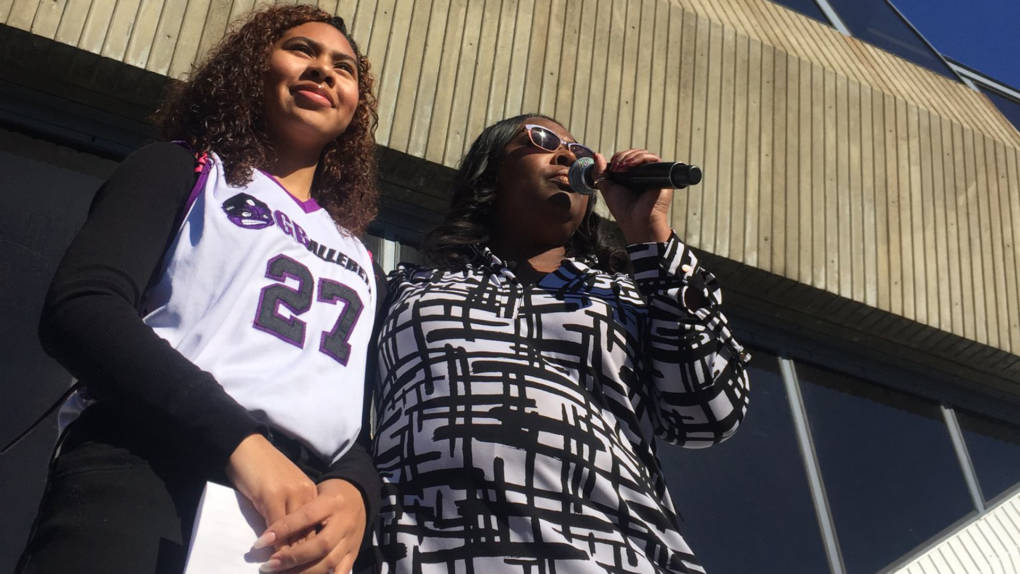
"caption": "Oscar Grant’s daughter Tatiana Grant (left) and mother Wanda Johnson (right) speaking at the Fruitvale Station vigil to mark a decade since Oscar was shot and killed by a BART police officer.",
"description": "Oscar Grant’s daughter Tatiana Grant (left) and mother Wanda Johnson (right) speaking at the Fruitvale Station vigil to mark a decade since Oscar was shot and killed by a BART police officer.",
"title": "Jan1_Sandhya_COVER",
"credit": "Sandhya Dirks/KQED",
"status": "inherit",
"isLoading": false,
"fetchFailed": false
},
"arts_13847910": {
"type": "attachments",
"id": "arts_13847910",
"meta": {
"index": "attachments_1716263798",
"site": "arts",
"id": "13847910",
"found": true
},
"parent": 13847871,
"imgSizes": {
"twentyfourteen-full-width": {
"file": "https://ww2.kqed.org/app/uploads/sites/2/2018/12/Pen.Grant_.MAIN_-1038x576.jpg",
"width": 1038,
"mimeType": "image/jpeg",
"height": 576
},
"thumbnail": {
"file": "https://ww2.kqed.org/app/uploads/sites/2/2018/12/Pen.Grant_.MAIN_-160x90.jpg",
"width": 160,
"mimeType": "image/jpeg",
"height": 90
},
"post-thumbnail": {
"file": "https://ww2.kqed.org/app/uploads/sites/2/2018/12/Pen.Grant_.MAIN_-672x372.jpg",
"width": 672,
"mimeType": "image/jpeg",
"height": 372
},
"kqedFullSize": {
"file": "https://ww2.kqed.org/app/uploads/sites/2/2018/12/Pen.Grant_.MAIN_.jpg",
"width": 1920,
"height": 1080
},
"large": {
"file": "https://ww2.kqed.org/app/uploads/sites/2/2018/12/Pen.Grant_.MAIN_-1020x574.jpg",
"width": 1020,
"mimeType": "image/jpeg",
"height": 574
},
"complete_open_graph": {
"file": "https://ww2.kqed.org/app/uploads/sites/2/2018/12/Pen.Grant_.MAIN_-1200x675.jpg",
"width": 1200,
"mimeType": "image/jpeg",
"height": 675
},
"guest-author-50": {
"file": "https://ww2.kqed.org/app/uploads/sites/2/2018/12/Pen.Grant_.MAIN_-50x50.jpg",
"width": 50,
"mimeType": "image/jpeg",
"height": 50
},
"guest-author-96": {
"file": "https://ww2.kqed.org/app/uploads/sites/2/2018/12/Pen.Grant_.MAIN_-96x96.jpg",
"width": 96,
"mimeType": "image/jpeg",
"height": 96
},
"medium": {
"file": "https://ww2.kqed.org/app/uploads/sites/2/2018/12/Pen.Grant_.MAIN_-800x450.jpg",
"width": 800,
"mimeType": "image/jpeg",
"height": 450
},
"guest-author-64": {
"file": "https://ww2.kqed.org/app/uploads/sites/2/2018/12/Pen.Grant_.MAIN_-64x64.jpg",
"width": 64,
"mimeType": "image/jpeg",
"height": 64
},
"guest-author-32": {
"file": "https://ww2.kqed.org/app/uploads/sites/2/2018/12/Pen.Grant_.MAIN_-32x32.jpg",
"width": 32,
"mimeType": "image/jpeg",
"height": 32
},
"full-width": {
"file": "https://ww2.kqed.org/app/uploads/sites/2/2018/12/Pen.Grant_.MAIN_-1920x1080.jpg",
"width": 1920,
"mimeType": "image/jpeg",
"height": 1080
},
"detail": {
"file": "https://ww2.kqed.org/app/uploads/sites/2/2018/12/Pen.Grant_.MAIN_-150x150.jpg",
"width": 150,
"mimeType": "image/jpeg",
"height": 150
},
"medium_large": {
"file": "https://ww2.kqed.org/app/uploads/sites/2/2018/12/Pen.Grant_.MAIN_-768x432.jpg",
"width": 768,
"mimeType": "image/jpeg",
"height": 432
},
"guest-author-128": {
"file": "https://ww2.kqed.org/app/uploads/sites/2/2018/12/Pen.Grant_.MAIN_-128x128.jpg",
"width": 128,
"mimeType": "image/jpeg",
"height": 128
}
},
"publishDate": 1546320191,
"modified": 1546320768,
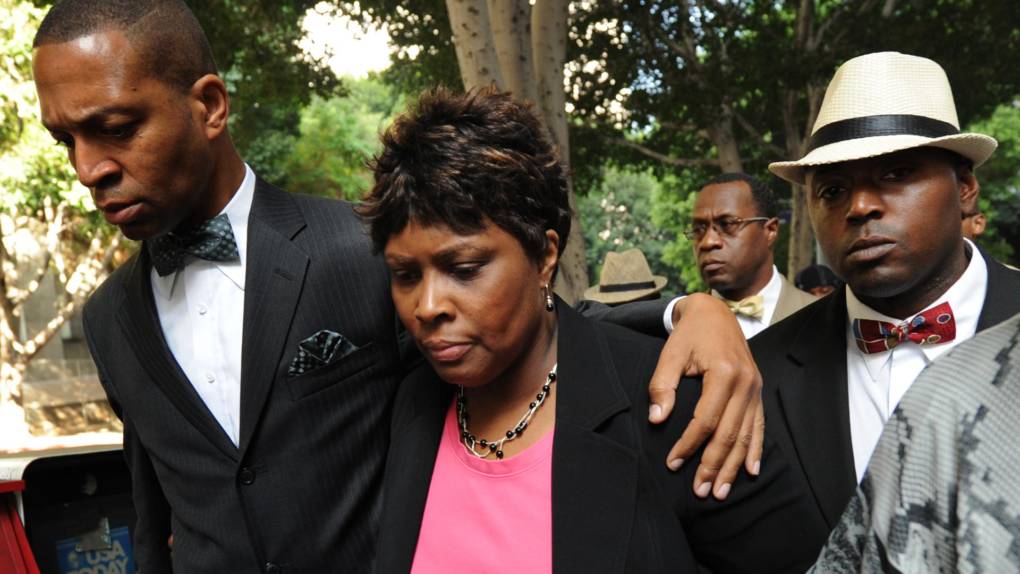
"caption": "Wanda Johnson (center), the mother of Oscar J. Grant III, walks with supporters as they leave the Los Angeles Superior Court after the involuntary manslaughter verdict against former Bay Area Rapid Transit (BART) officer Johannes Mehserle, in Los Angeles on July 8, 2010.",
"description": "Wanda Johnson (center), the mother of Oscar J. Grant III, walks with supporters as they leave the Los Angeles Superior Court after the involuntary manslaughter verdict against former Bay Area Rapid Transit (BART) officer Johannes Mehserle, in Los Angeles on July 8, 2010.",
"title": "Pen.Grant.MAIN",
"credit": "MARK RALSTON/AFP/Getty Images",
"status": "inherit",
"isLoading": false,
"fetchFailed": false
},
"arts_13847493": {
"type": "attachments",
"id": "arts_13847493",
"meta": {
"index": "attachments_1716263798",
"site": "arts",
"id": "13847493",
"found": true
},
"parent": 13847457,
"imgSizes": {
"thumbnail": {
"file": "https://ww2.kqed.org/app/uploads/sites/2/2018/12/airballin-160x90.jpg",
"width": 160,
"mimeType": "image/jpeg",
"height": 90
},
"post-thumbnail": {
"file": "https://ww2.kqed.org/app/uploads/sites/2/2018/12/airballin-672x372.jpg",
"width": 672,
"mimeType": "image/jpeg",
"height": 372
},
"kqedFullSize": {
"file": "https://ww2.kqed.org/app/uploads/sites/2/2018/12/airballin.jpg",
"width": 750,
"height": 422
},
"guest-author-50": {
"file": "https://ww2.kqed.org/app/uploads/sites/2/2018/12/airballin-50x50.jpg",
"width": 50,
"mimeType": "image/jpeg",
"height": 50
},
"guest-author-96": {
"file": "https://ww2.kqed.org/app/uploads/sites/2/2018/12/airballin-96x96.jpg",
"width": 96,
"mimeType": "image/jpeg",
"height": 96
},
"guest-author-64": {
"file": "https://ww2.kqed.org/app/uploads/sites/2/2018/12/airballin-64x64.jpg",
"width": 64,
"mimeType": "image/jpeg",
"height": 64
},
"detail": {
"file": "https://ww2.kqed.org/app/uploads/sites/2/2018/12/airballin-150x150.jpg",
"width": 150,
"mimeType": "image/jpeg",
"height": 150
},
"guest-author-32": {
"file": "https://ww2.kqed.org/app/uploads/sites/2/2018/12/airballin-32x32.jpg",
"width": 32,
"mimeType": "image/jpeg",
"height": 32
},
"guest-author-128": {
"file": "https://ww2.kqed.org/app/uploads/sites/2/2018/12/airballin-128x128.jpg",
"width": 128,
"mimeType": "image/jpeg",
"height": 128
}
},
"publishDate": 1545353995,
"modified": 1545354032,
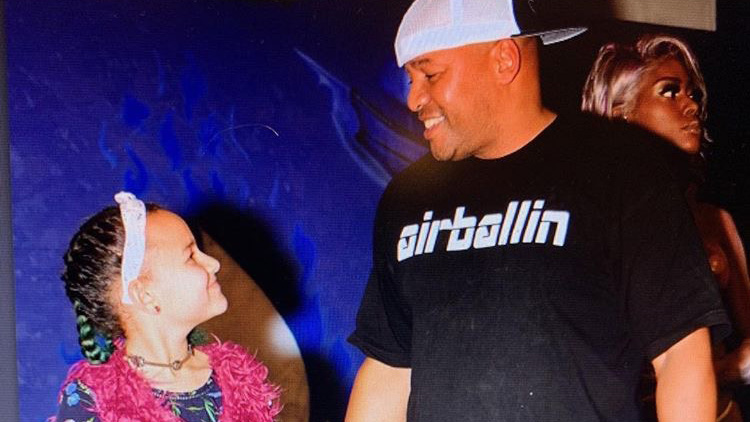
"caption": "Artist De Andre \"Airballin\" Drake with daughter Kaya. ",
"description": "Artist De Andre \"Airballin\" Drake with daughter Kaya. ",
"title": "airballin",
"credit": "Lionel Seals",
"status": "inherit",
"isLoading": false,
"fetchFailed": false
},
"arts_13847422": {
"type": "attachments",
"id": "arts_13847422",
"meta": {
"index": "attachments_1716263798",
"site": "arts",
"id": "13847422",
"found": true
},
"parent": 13847418,
"imgSizes": {
"twentyfourteen-full-width": {
"file": "https://ww2.kqed.org/app/uploads/sites/2/2018/12/GettyImages-84291239_COVER-1038x576.jpg",
"width": 1038,
"mimeType": "image/jpeg",
"height": 576
},
"thumbnail": {
"file": "https://ww2.kqed.org/app/uploads/sites/2/2018/12/GettyImages-84291239_COVER-160x90.jpg",
"width": 160,
"mimeType": "image/jpeg",
"height": 90
},
"post-thumbnail": {
"file": "https://ww2.kqed.org/app/uploads/sites/2/2018/12/GettyImages-84291239_COVER-672x372.jpg",
"width": 672,
"mimeType": "image/jpeg",
"height": 372
},
"kqedFullSize": {
"file": "https://ww2.kqed.org/app/uploads/sites/2/2018/12/GettyImages-84291239_COVER.jpg",
"width": 1920,
"height": 1080
},
"large": {
"file": "https://ww2.kqed.org/app/uploads/sites/2/2018/12/GettyImages-84291239_COVER-1020x574.jpg",
"width": 1020,
"mimeType": "image/jpeg",
"height": 574
},
"complete_open_graph": {
"file": "https://ww2.kqed.org/app/uploads/sites/2/2018/12/GettyImages-84291239_COVER-1200x675.jpg",
"width": 1200,
"mimeType": "image/jpeg",
"height": 675
},
"guest-author-50": {
"file": "https://ww2.kqed.org/app/uploads/sites/2/2018/12/GettyImages-84291239_COVER-50x50.jpg",
"width": 50,
"mimeType": "image/jpeg",
"height": 50
},
"guest-author-96": {
"file": "https://ww2.kqed.org/app/uploads/sites/2/2018/12/GettyImages-84291239_COVER-96x96.jpg",
"width": 96,
"mimeType": "image/jpeg",
"height": 96
},
"medium": {
"file": "https://ww2.kqed.org/app/uploads/sites/2/2018/12/GettyImages-84291239_COVER-800x450.jpg",
"width": 800,
"mimeType": "image/jpeg",
"height": 450
},
"guest-author-64": {
"file": "https://ww2.kqed.org/app/uploads/sites/2/2018/12/GettyImages-84291239_COVER-64x64.jpg",
"width": 64,
"mimeType": "image/jpeg",
"height": 64
},
"guest-author-32": {
"file": "https://ww2.kqed.org/app/uploads/sites/2/2018/12/GettyImages-84291239_COVER-32x32.jpg",
"width": 32,
"mimeType": "image/jpeg",
"height": 32
},
"full-width": {
"file": "https://ww2.kqed.org/app/uploads/sites/2/2018/12/GettyImages-84291239_COVER-1920x1080.jpg",
"width": 1920,
"mimeType": "image/jpeg",
"height": 1080
},
"detail": {
"file": "https://ww2.kqed.org/app/uploads/sites/2/2018/12/GettyImages-84291239_COVER-150x150.jpg",
"width": 150,
"mimeType": "image/jpeg",
"height": 150
},
"medium_large": {
"file": "https://ww2.kqed.org/app/uploads/sites/2/2018/12/GettyImages-84291239_COVER-768x432.jpg",
"width": 768,
"mimeType": "image/jpeg",
"height": 432
},
"guest-author-128": {
"file": "https://ww2.kqed.org/app/uploads/sites/2/2018/12/GettyImages-84291239_COVER-128x128.jpg",
"width": 128,
"mimeType": "image/jpeg",
"height": 128
}
},
"publishDate": 1545250380,
"modified": 1545250499,
"caption": "Protesters hold hands as they pray during a demonstration for slain 22-year-old Oscar Grant III on Jan. 14, 2009 in Oakland, California.",
"description": "Protesters hold hands as they pray during a demonstration for slain 22-year-old Oscar Grant III on Jan. 14, 2009 in Oakland, California.",
"title": "Protestors Continue To Demonstrate Against Police Shooting Of Oscar Grant",
"credit": "Photo by Justin Sullivan/Getty Images",
"status": "inherit",
"isLoading": false,
"fetchFailed": false
},
"arts_13846588": {
"type": "attachments",
"id": "arts_13846588",
"meta": {
"index": "attachments_1716263798",
"site": "arts",
"id": "13846588",
"found": true
},
"parent": 13846535,
"imgSizes": {
"small": {
"file": "https://ww2.kqed.org/app/uploads/sites/2/2018/12/EsaPekka.MAINREV-520x293.jpg",
"width": 520,
"mimeType": "image/jpeg",
"height": 293
},
"twentyfourteen-full-width": {
"file": "https://ww2.kqed.org/app/uploads/sites/2/2018/12/EsaPekka.MAINREV-1038x576.jpg",
"width": 1038,
"mimeType": "image/jpeg",
"height": 576
},
"thumbnail": {
"file": "https://ww2.kqed.org/app/uploads/sites/2/2018/12/EsaPekka.MAINREV-160x90.jpg",
"width": 160,
"mimeType": "image/jpeg",
"height": 90
},
"fd-sm": {
"file": "https://ww2.kqed.org/app/uploads/sites/2/2018/12/EsaPekka.MAINREV-960x540.jpg",
"width": 960,
"mimeType": "image/jpeg",
"height": 540
},
"post-thumbnail": {
"file": "https://ww2.kqed.org/app/uploads/sites/2/2018/12/EsaPekka.MAINREV-672x372.jpg",
"width": 672,
"mimeType": "image/jpeg",
"height": 372
},
"xsmall": {
"file": "https://ww2.kqed.org/app/uploads/sites/2/2018/12/EsaPekka.MAINREV-375x211.jpg",
"width": 375,
"mimeType": "image/jpeg",
"height": 211
},
"kqedFullSize": {
"file": "https://ww2.kqed.org/app/uploads/sites/2/2018/12/EsaPekka.MAINREV.jpg",
"width": 1920,
"height": 1080
},
"large": {
"file": "https://ww2.kqed.org/app/uploads/sites/2/2018/12/EsaPekka.MAINREV-1020x574.jpg",
"width": 1020,
"mimeType": "image/jpeg",
"height": 574
},
"xlarge": {
"file": "https://ww2.kqed.org/app/uploads/sites/2/2018/12/EsaPekka.MAINREV-1180x664.jpg",
"width": 1180,
"mimeType": "image/jpeg",
"height": 664
},
"complete_open_graph": {
"file": "https://ww2.kqed.org/app/uploads/sites/2/2018/12/EsaPekka.MAINREV-1200x675.jpg",
"width": 1200,
"mimeType": "image/jpeg",
"height": 675
},
"guest-author-50": {
"file": "https://ww2.kqed.org/app/uploads/sites/2/2018/12/EsaPekka.MAINREV-50x50.jpg",
"width": 50,
"mimeType": "image/jpeg",
"height": 50
},
"guest-author-96": {
"file": "https://ww2.kqed.org/app/uploads/sites/2/2018/12/EsaPekka.MAINREV-96x96.jpg",
"width": 96,
"mimeType": "image/jpeg",
"height": 96
},
"medium": {
"file": "https://ww2.kqed.org/app/uploads/sites/2/2018/12/EsaPekka.MAINREV-800x450.jpg",
"width": 800,
"mimeType": "image/jpeg",
"height": 450
},
"guest-author-64": {
"file": "https://ww2.kqed.org/app/uploads/sites/2/2018/12/EsaPekka.MAINREV-64x64.jpg",
"width": 64,
"mimeType": "image/jpeg",
"height": 64
},
"guest-author-32": {
"file": "https://ww2.kqed.org/app/uploads/sites/2/2018/12/EsaPekka.MAINREV-32x32.jpg",
"width": 32,
"mimeType": "image/jpeg",
"height": 32
},
"fd-lrg": {
"file": "https://ww2.kqed.org/app/uploads/sites/2/2018/12/EsaPekka.MAINREV-1920x1080.jpg",
"width": 1920,
"mimeType": "image/jpeg",
"height": 1080
},
"fd-med": {
"file": "https://ww2.kqed.org/app/uploads/sites/2/2018/12/EsaPekka.MAINREV-1180x664.jpg",
"width": 1180,
"mimeType": "image/jpeg",
"height": 664
},
"full-width": {
"file": "https://ww2.kqed.org/app/uploads/sites/2/2018/12/EsaPekka.MAINREV-1920x1080.jpg",
"width": 1920,
"mimeType": "image/jpeg",
"height": 1080
},
"detail": {
"file": "https://ww2.kqed.org/app/uploads/sites/2/2018/12/EsaPekka.MAINREV-150x150.jpg",
"width": 150,
"mimeType": "image/jpeg",
"height": 150
},
"medium_large": {
"file": "https://ww2.kqed.org/app/uploads/sites/2/2018/12/EsaPekka.MAINREV-768x432.jpg",
"width": 768,
"mimeType": "image/jpeg",
"height": 432
},
"guest-author-128": {
"file": "https://ww2.kqed.org/app/uploads/sites/2/2018/12/EsaPekka.MAINREV-128x128.jpg",
"width": 128,
"mimeType": "image/jpeg",
"height": 128
},
"xxsmall": {
"file": "https://ww2.kqed.org/app/uploads/sites/2/2018/12/EsaPekka.MAINREV-240x135.jpg",
"width": 240,
"mimeType": "image/jpeg",
"height": 135
}
},
"publishDate": 1544143454,
"modified": 1544143487,
"caption": "Esa-Pekka Salonen accepts his appointment as new Music Director of the San Francisco Symphony at a welcome party, Dec. 5, 2018.",
"description": "Esa-Pekka Salonen accepts his appointment as new Music Director of the San Francisco Symphony at a welcome party, Dec. 5, 2018.",
"title": "EsaPekka.MAINREV",
"credit": "Gabe Meline/KQED",
"status": "inherit",
"isLoading": false,
"fetchFailed": false
},
"arts_13846269": {
"type": "attachments",
"id": "arts_13846269",
"meta": {
"index": "attachments_1716263798",
"site": "arts",
"id": "13846269",
"found": true
},
"parent": 13846175,
"imgSizes": {
"twentyfourteen-full-width": {
"file": "https://ww2.kqed.org/app/uploads/sites/2/2018/12/IanKellyMAIN-1038x576.jpg",
"width": 1038,
"mimeType": "image/jpeg",
"height": 576
},
"thumbnail": {
"file": "https://ww2.kqed.org/app/uploads/sites/2/2018/12/IanKellyMAIN-160x100.jpg",
"width": 160,
"mimeType": "image/jpeg",
"height": 100
},
"post-thumbnail": {
"file": "https://ww2.kqed.org/app/uploads/sites/2/2018/12/IanKellyMAIN-672x372.jpg",
"width": 672,
"mimeType": "image/jpeg",
"height": 372
},
"kqedFullSize": {
"file": "https://ww2.kqed.org/app/uploads/sites/2/2018/12/IanKellyMAIN.jpg",
"width": 1334,
"height": 834
},
"large": {
"file": "https://ww2.kqed.org/app/uploads/sites/2/2018/12/IanKellyMAIN-1020x638.jpg",
"width": 1020,
"mimeType": "image/jpeg",
"height": 638
},
"complete_open_graph": {
"file": "https://ww2.kqed.org/app/uploads/sites/2/2018/12/IanKellyMAIN-1200x750.jpg",
"width": 1200,
"mimeType": "image/jpeg",
"height": 750
},
"guest-author-50": {
"file": "https://ww2.kqed.org/app/uploads/sites/2/2018/12/IanKellyMAIN-50x50.jpg",
"width": 50,
"mimeType": "image/jpeg",
"height": 50
},
"guest-author-96": {
"file": "https://ww2.kqed.org/app/uploads/sites/2/2018/12/IanKellyMAIN-96x96.jpg",
"width": 96,
"mimeType": "image/jpeg",
"height": 96
},
"medium": {
"file": "https://ww2.kqed.org/app/uploads/sites/2/2018/12/IanKellyMAIN-800x500.jpg",
"width": 800,
"mimeType": "image/jpeg",
"height": 500
},
"guest-author-64": {
"file": "https://ww2.kqed.org/app/uploads/sites/2/2018/12/IanKellyMAIN-64x64.jpg",
"width": 64,
"mimeType": "image/jpeg",
"height": 64
},
"guest-author-32": {
"file": "https://ww2.kqed.org/app/uploads/sites/2/2018/12/IanKellyMAIN-32x32.jpg",
"width": 32,
"mimeType": "image/jpeg",
"height": 32
},
"detail": {
"file": "https://ww2.kqed.org/app/uploads/sites/2/2018/12/IanKellyMAIN-150x150.jpg",
"width": 150,
"mimeType": "image/jpeg",
"height": 150
},
"medium_large": {
"file": "https://ww2.kqed.org/app/uploads/sites/2/2018/12/IanKellyMAIN-768x480.jpg",
"width": 768,
"mimeType": "image/jpeg",
"height": 480
},
"guest-author-128": {
"file": "https://ww2.kqed.org/app/uploads/sites/2/2018/12/IanKellyMAIN-128x128.jpg",
"width": 128,
"mimeType": "image/jpeg",
"height": 128
}
},
"publishDate": 1543905720,
"modified": 1543905831,
"caption": "Ian Kelly's new album 'ChampIan' chronicles dubious deeds, romantic overtures, and raises the question: where is home?",
"description": "Ian Kelly's new album 'ChampIan' chronicles dubious deeds, romantic overtures, and raises the question: where is home?",
"title": "IanKellyMAIN",
"credit": "Anshil Popli and Daniel Lint",
"status": "inherit",
"isLoading": false,
"fetchFailed": false
},
"arts_13845887": {
"type": "attachments",
"id": "arts_13845887",
"meta": {
"index": "attachments_1716263798",
"site": "arts",
"id": "13845887",
"found": true
},
"parent": 13845883,
"imgSizes": {
"twentyfourteen-full-width": {
"file": "https://ww2.kqed.org/app/uploads/sites/2/2018/11/Dear-Evan-Hansen_Photo-by-Matthew-Murphy.-1038x576.jpeg",
"width": 1038,
"mimeType": "image/jpeg",
"height": 576
},
"thumbnail": {
"file": "https://ww2.kqed.org/app/uploads/sites/2/2018/11/Dear-Evan-Hansen_Photo-by-Matthew-Murphy.-160x91.jpeg",
"width": 160,
"mimeType": "image/jpeg",
"height": 91
},
"post-thumbnail": {
"file": "https://ww2.kqed.org/app/uploads/sites/2/2018/11/Dear-Evan-Hansen_Photo-by-Matthew-Murphy.-672x372.jpeg",
"width": 672,
"mimeType": "image/jpeg",
"height": 372
},
"kqedFullSize": {
"file": "https://ww2.kqed.org/app/uploads/sites/2/2018/11/Dear-Evan-Hansen_Photo-by-Matthew-Murphy..jpeg",
"width": 2000,
"height": 1134
},
"large": {
"file": "https://ww2.kqed.org/app/uploads/sites/2/2018/11/Dear-Evan-Hansen_Photo-by-Matthew-Murphy.-1020x578.jpeg",
"width": 1020,
"mimeType": "image/jpeg",
"height": 578
},
"complete_open_graph": {
"file": "https://ww2.kqed.org/app/uploads/sites/2/2018/11/Dear-Evan-Hansen_Photo-by-Matthew-Murphy.-1200x680.jpeg",
"width": 1200,
"mimeType": "image/jpeg",
"height": 680
},
"guest-author-50": {
"file": "https://ww2.kqed.org/app/uploads/sites/2/2018/11/Dear-Evan-Hansen_Photo-by-Matthew-Murphy.-50x50.jpeg",
"width": 50,
"mimeType": "image/jpeg",
"height": 50
},
"guest-author-96": {
"file": "https://ww2.kqed.org/app/uploads/sites/2/2018/11/Dear-Evan-Hansen_Photo-by-Matthew-Murphy.-96x96.jpeg",
"width": 96,
"mimeType": "image/jpeg",
"height": 96
},
"medium": {
"file": "https://ww2.kqed.org/app/uploads/sites/2/2018/11/Dear-Evan-Hansen_Photo-by-Matthew-Murphy.-800x454.jpeg",
"width": 800,
"mimeType": "image/jpeg",
"height": 454
},
"guest-author-64": {
"file": "https://ww2.kqed.org/app/uploads/sites/2/2018/11/Dear-Evan-Hansen_Photo-by-Matthew-Murphy.-64x64.jpeg",
"width": 64,
"mimeType": "image/jpeg",
"height": 64
},
"guest-author-32": {
"file": "https://ww2.kqed.org/app/uploads/sites/2/2018/11/Dear-Evan-Hansen_Photo-by-Matthew-Murphy.-32x32.jpeg",
"width": 32,
"mimeType": "image/jpeg",
"height": 32
},
"full-width": {
"file": "https://ww2.kqed.org/app/uploads/sites/2/2018/11/Dear-Evan-Hansen_Photo-by-Matthew-Murphy.-1920x1089.jpeg",
"width": 1920,
"mimeType": "image/jpeg",
"height": 1089
},
"detail": {
"file": "https://ww2.kqed.org/app/uploads/sites/2/2018/11/Dear-Evan-Hansen_Photo-by-Matthew-Murphy.-150x150.jpeg",
"width": 150,
"mimeType": "image/jpeg",
"height": 150
},
"medium_large": {
"file": "https://ww2.kqed.org/app/uploads/sites/2/2018/11/Dear-Evan-Hansen_Photo-by-Matthew-Murphy.-768x435.jpeg",
"width": 768,
"mimeType": "image/jpeg",
"height": 435
},
"guest-author-128": {
"file": "https://ww2.kqed.org/app/uploads/sites/2/2018/11/Dear-Evan-Hansen_Photo-by-Matthew-Murphy.-128x128.jpeg",
"width": 128,
"mimeType": "image/jpeg",
"height": 128
}
},
"publishDate": 1543429142,
"modified": 1543883309,
"caption": "The 'Dear Evan Hansen' National Tour cast.",
"description": "The 'Dear Evan Hansen' National Tour cast.",
"title": "Dear Evan Hansen_Photo by Matthew Murphy.",
"credit": "Matthew Murphy",
"status": "inherit",
"isLoading": false,
"fetchFailed": false
},
"arts_13846003": {
"type": "attachments",
"id": "arts_13846003",
"meta": {
"index": "attachments_1716263798",
"site": "arts",
"id": "13846003",
"found": true
},
"parent": 0,
"imgSizes": {
"twentyfourteen-full-width": {
"file": "https://ww2.kqed.org/app/uploads/sites/2/2018/11/QingQi.1920.MAIN_-1038x576.jpg",
"width": 1038,
"mimeType": "image/jpeg",
"height": 576
},
"thumbnail": {
"file": "https://ww2.kqed.org/app/uploads/sites/2/2018/11/QingQi.1920.MAIN_-160x90.jpg",
"width": 160,
"mimeType": "image/jpeg",
"height": 90
},
"post-thumbnail": {
"file": "https://ww2.kqed.org/app/uploads/sites/2/2018/11/QingQi.1920.MAIN_-672x372.jpg",
"width": 672,
"mimeType": "image/jpeg",
"height": 372
},
"kqedFullSize": {
"file": "https://ww2.kqed.org/app/uploads/sites/2/2018/11/QingQi.1920.MAIN_.jpg",
"width": 1920,
"height": 1080
},
"large": {
"file": "https://ww2.kqed.org/app/uploads/sites/2/2018/11/QingQi.1920.MAIN_-1020x574.jpg",
"width": 1020,
"mimeType": "image/jpeg",
"height": 574
},
"complete_open_graph": {
"file": "https://ww2.kqed.org/app/uploads/sites/2/2018/11/QingQi.1920.MAIN_-1200x675.jpg",
"width": 1200,
"mimeType": "image/jpeg",
"height": 675
},
"guest-author-50": {
"file": "https://ww2.kqed.org/app/uploads/sites/2/2018/11/QingQi.1920.MAIN_-50x50.jpg",
"width": 50,
"mimeType": "image/jpeg",
"height": 50
},
"guest-author-96": {
"file": "https://ww2.kqed.org/app/uploads/sites/2/2018/11/QingQi.1920.MAIN_-96x96.jpg",
"width": 96,
"mimeType": "image/jpeg",
"height": 96
},
"medium": {
"file": "https://ww2.kqed.org/app/uploads/sites/2/2018/11/QingQi.1920.MAIN_-800x450.jpg",
"width": 800,
"mimeType": "image/jpeg",
"height": 450
},
"guest-author-64": {
"file": "https://ww2.kqed.org/app/uploads/sites/2/2018/11/QingQi.1920.MAIN_-64x64.jpg",
"width": 64,
"mimeType": "image/jpeg",
"height": 64
},
"guest-author-32": {
"file": "https://ww2.kqed.org/app/uploads/sites/2/2018/11/QingQi.1920.MAIN_-32x32.jpg",
"width": 32,
"mimeType": "image/jpeg",
"height": 32
},
"full-width": {
"file": "https://ww2.kqed.org/app/uploads/sites/2/2018/11/QingQi.1920.MAIN_-1920x1080.jpg",
"width": 1920,
"mimeType": "image/jpeg",
"height": 1080
},
"detail": {
"file": "https://ww2.kqed.org/app/uploads/sites/2/2018/11/QingQi.1920.MAIN_-150x150.jpg",
"width": 150,
"mimeType": "image/jpeg",
"height": 150
},
"medium_large": {
"file": "https://ww2.kqed.org/app/uploads/sites/2/2018/11/QingQi.1920.MAIN_-768x432.jpg",
"width": 768,
"mimeType": "image/jpeg",
"height": 432
},
"guest-author-128": {
"file": "https://ww2.kqed.org/app/uploads/sites/2/2018/11/QingQi.1920.MAIN_-128x128.jpg",
"width": 128,
"mimeType": "image/jpeg",
"height": 128
}
},
"publishDate": 1543540057,
"modified": 1543540137,
"caption": "Rapper Qing Qi on camera for 'That's My Word,' which she co-hosted with DNas.",
"description": "Rapper Qing Qi on camera for 'That's My Word,' which she co-hosted with DNas.",
"title": "QingQi.1920.MAIN",
"credit": "Thizzler on the Roof",
"status": "inherit",
"isLoading": false,
"fetchFailed": false
}
},
"audioPlayerReducer": {
"postId": "stream_live",
"isPaused": true,
"isPlaying": false,
"pfsActive": false,
"pledgeModalIsOpen": true,
"playerDrawerIsOpen": false,
"liveAudioPlayStartedAt": 0,
"liveAudioPlayContext": ""
},
"authorsReducer": {
"shotchkiss": {
"type": "authors",
"id": "61",
"meta": {
"index": "authors_1716337520",
"id": "61",
"found": true
},
"name": "Sarah Hotchkiss",
"firstName": "Sarah",
"lastName": "Hotchkiss",
"slug": "shotchkiss",
"email": "shotchkiss@kqed.org",
"display_author_email": true,
"staff_mastheads": [
"arts"
],
"title": "Senior Editor",
"bio": "Sarah Hotchkiss is a San Francisco \u003ca href=\"http://www.sarahhotchkiss.com\">artist\u003c/a> and arts writer. In 2019, she received the Dorothea & Leo Rabkin Foundation grant for visual art journalism and in 2020 she received a Society of Professional Journalists, Northern California award for excellence in arts and culture reporting.",
"avatar": "https://secure.gravatar.com/avatar/bc662df144b3d27fd8b1b6f1c2a420d34e91e53154d411bb7ad353cc8b6cea8d?s=600&d=blank&r=g",
"twitter": null,
"bluesky": null,
"facebook": null,
"instagram": null,
"linkedin": null,
"sites": [
{
"site": "",
"roles": [
"editor"
]
},
{
"site": "arts",
"roles": [
"Contributor",
"administrator"
]
},
{
"site": "artschool",
"roles": [
"administrator"
]
},
{
"site": "news",
"roles": [
"editor"
]
},
{
"site": "pop",
"roles": [
"administrator"
]
},
{
"site": "bayareabites",
"roles": [
"editor"
]
},
{
"site": "spark",
"roles": [
"editor"
]
},
{
"site": "checkplease",
"roles": [
"editor"
]
}
],
"headData": {
"title": "Sarah Hotchkiss | KQED",
"description": "Senior Editor",
"ogImgSrc": "https://secure.gravatar.com/avatar/bc662df144b3d27fd8b1b6f1c2a420d34e91e53154d411bb7ad353cc8b6cea8d?s=600&d=blank&r=g",
"twImgSrc": "https://secure.gravatar.com/avatar/bc662df144b3d27fd8b1b6f1c2a420d34e91e53154d411bb7ad353cc8b6cea8d?s=600&d=blank&r=g"
},
"isLoading": false,
"link": "/author/shotchkiss"
},
"kqedarts": {
"type": "authors",
"id": "92",
"meta": {
"index": "authors_1716337520",
"id": "92",
"found": true
},
"name": "KQED Arts",
"firstName": "KQED",
"lastName": "Arts",
"slug": "kqedarts",
"email": "arts@kqed.org",
"display_author_email": false,
"staff_mastheads": [],
"title": "KQED Staff",
"bio": null,
"avatar": "https://secure.gravatar.com/avatar/321c9ebfeb7736f9e55366a6d3399ab0?s=600&d=blank&r=g",
"twitter": null,
"facebook": null,
"instagram": "https://www.instagram.com/kqed_arts/",
"linkedin": null,
"sites": [
{
"site": "arts",
"roles": [
"contributor"
]
},
{
"site": "pop",
"roles": [
"contributor"
]
},
{
"site": "science",
"roles": [
"author"
]
},
{
"site": "food",
"roles": [
"contributor"
]
}
],
"headData": {
"title": "KQED Arts | KQED",
"description": "KQED Staff",
"ogImgSrc": "https://secure.gravatar.com/avatar/321c9ebfeb7736f9e55366a6d3399ab0?s=600&d=blank&r=g",
"twImgSrc": "https://secure.gravatar.com/avatar/321c9ebfeb7736f9e55366a6d3399ab0?s=600&d=blank&r=g"
},
"isLoading": false,
"link": "/author/kqedarts"
},
"gmeline": {
"type": "authors",
"id": "185",
"meta": {
"index": "authors_1716337520",
"id": "185",
"found": true
},
"name": "Gabe Meline",
"firstName": "Gabe",
"lastName": "Meline",
"slug": "gmeline",
"email": "gmeline@kqed.org",
"display_author_email": true,
"staff_mastheads": [
"arts"
],
"title": "Senior Editor, KQED Arts & Culture",
"bio": "Gabe Meline entered journalism at age 15 making photocopied zines, and has since earned awards from the Edward R. Murrow Awards, the Society for Professional Journalists, the Online Journalism Awards, the Association of Alternative Newsweeklies and the California Newspaper Publishers Association. Prior to KQED, he was the editor of the \u003cem>North Bay Bohemian\u003c/em> and a touring musician. He lives with his wife and daughter in his hometown of Santa Rosa, CA.",
"avatar": "https://secure.gravatar.com/avatar/5bebe57be0d8bc2dd318934feb47299e2d2d10cba28d09d8d7afb389a2ce2bdd?s=600&d=blank&r=g",
"twitter": null,
"bluesky": null,
"facebook": null,
"instagram": null,
"linkedin": null,
"sites": [
{
"site": "",
"roles": [
"editor"
]
},
{
"site": "arts",
"roles": [
"administrator"
]
},
{
"site": "artschool",
"roles": [
"editor"
]
},
{
"site": "news",
"roles": [
"author"
]
},
{
"site": "pop",
"roles": [
"editor"
]
},
{
"site": "bayareabites",
"roles": [
"editor"
]
},
{
"site": "food",
"roles": [
"editor"
]
},
{
"site": "forum",
"roles": [
"administrator"
]
},
{
"site": "liveblog",
"roles": [
"editor"
]
},
{
"site": "hiphop",
"roles": [
"editor"
]
}
],
"headData": {
"title": "Gabe Meline | KQED",
"description": "Senior Editor, KQED Arts & Culture",
"ogImgSrc": "https://secure.gravatar.com/avatar/5bebe57be0d8bc2dd318934feb47299e2d2d10cba28d09d8d7afb389a2ce2bdd?s=600&d=blank&r=g",
"twImgSrc": "https://secure.gravatar.com/avatar/5bebe57be0d8bc2dd318934feb47299e2d2d10cba28d09d8d7afb389a2ce2bdd?s=600&d=blank&r=g"
},
"isLoading": false,
"link": "/author/gmeline"
},
"esilvers": {
"type": "authors",
"id": "7237",
"meta": {
"index": "authors_1716337520",
"id": "7237",
"found": true
},
"name": "Emma Silvers",
"firstName": "Emma",
"lastName": "Silvers",
"slug": "esilvers",
"email": "esilvers@kqed.org",
"display_author_email": false,
"staff_mastheads": [],
"title": "KQED Contributor",
"bio": "Emma Silvers is an editor at KQED Arts and a former digital producer at KQED News. Born and raised in the Bay Area, she has previously been an arts and entertainment editor at the \u003cem>San Francisco Chronicle\u003c/em>, \u003cem>SF Weekly\u003c/em> and the \u003cem>San Francisco Bay Guardian.\u003c/em> \u003ca href=\"https://www.emmasilvers.com\">Her work\u003c/a> has also appeared in \u003cem>Rolling Stone\u003c/em>, Pitchfork and \u003cem>Mother Jones\u003c/em>. In 2017 she was the recipient of the Society of Professional Journalists-Northern California's award for arts and culture reporting. In 1993 she \u003ca href=\"https://www.kqed.org/pop/16759/wait-what-my-coworker-was-a-voice-over-hyperventilator-for-jurassic-park\">hyperventilated in \u003cem>Jurassic Park\u003c/em>\u003c/a>.",
"avatar": "https://secure.gravatar.com/avatar/247beada39b88ea5759db1f51dba05cf?s=600&d=blank&r=g",
"twitter": "emmaruthless",
"facebook": null,
"instagram": null,
"linkedin": null,
"sites": [
{
"site": "arts",
"roles": [
"editor"
]
},
{
"site": "news",
"roles": [
"editor"
]
},
{
"site": "pop",
"roles": [
"contributor"
]
},
{
"site": "bayareabites",
"roles": [
"editor"
]
},
{
"site": "food",
"roles": [
"contributor"
]
},
{
"site": "liveblog",
"roles": [
"editor"
]
}
],
"headData": {
"title": "Emma Silvers | KQED",
"description": "KQED Contributor",
"ogImgSrc": "https://secure.gravatar.com/avatar/247beada39b88ea5759db1f51dba05cf?s=600&d=blank&r=g",
"twImgSrc": "https://secure.gravatar.com/avatar/247beada39b88ea5759db1f51dba05cf?s=600&d=blank&r=g"
},
"isLoading": false,
"link": "/author/esilvers"
},
"lblanco": {
"type": "authors",
"id": "11357",
"meta": {
"index": "authors_1716337520",
"id": "11357",
"found": true
},
"name": "Lina Blanco",
"firstName": "Lina",
"lastName": "Blanco",
"slug": "lblanco",
"email": "lblanco@kqed.org",
"display_author_email": false,
"staff_mastheads": [],
"title": null,
"bio": "Lina was a Senior Engagement Platforms Manager for KQED News, producing engagement strategies on social media at \u003ca href=\"https://twitter.com/KQEDnews\">@KQEDNews, \u003c/a>via \u003ca href=\"https://www.kqed.org/about/newsletters/\">KQED's daily newsletter\u003c/a> as well as texting campaigns with KQED readers and listeners. She also co-produces for KQED's bilingual news hub \u003ca href=\"https://www.instagram.com/kqedenespanol/\">KQED en Español\u003c/a>.\r\n\r\nLina previously worked for \u003ca href=\"https://kqed.org/arts\">KQED Arts\u003c/a> — supporting audience engagement efforts on the weekly \u003ca href=\"https://www.kqed.org/podcasts/rightnowish\">\u003cem>Rightnowish\u003c/em> \u003c/a>podcast, Webby-winning video series \u003ca href=\"https://www.kqed.org/if-cities-could-dance\">\u003cem>If Cities Could Dance\u003c/em>\u003c/a>, and daily Arts & Culture reporting. She won a \u003ca href=\"https://www.kqed.org/pressroom/10884/murrow\">National 2019 Edward R. Murrow Award for Excellence in Social Media\u003c/a> for KQED's series \u003cem>The Hustle\u003c/em>.\r\n\r\nBefore KQED, Lina worked as a graphic designer and digital storytelling facilitator at the \u003ca href=\"https://www.nativehealth.org/\">Native American Health Center\u003c/a>.\r\n\r\nShe's mom to a senior Chihuahua (plus one black cat) and lives in West Sonoma County on a small farmstead.",
"avatar": "https://secure.gravatar.com/avatar/77ec326d67223c38a436b87bcfd2a2e8?s=600&d=mm&r=g",
"twitter": "LinaBlanco",
"facebook": null,
"instagram": null,
"linkedin": null,
"sites": [
{
"site": "arts",
"roles": [
"subscriber"
]
},
{
"site": "news",
"roles": [
"subscriber"
]
},
{
"site": "pop",
"roles": [
"administrator"
]
},
{
"site": "about",
"roles": [
"administrator"
]
},
{
"site": "bayareabites",
"roles": [
"editor"
]
},
{
"site": "science",
"roles": [
"editor"
]
},
{
"site": "checkplease",
"roles": [
"editor"
]
},
{
"site": "food",
"roles": []
},
{
"site": "perspectives",
"roles": [
"editor"
]
}
],
"headData": {
"title": "Lina Blanco | KQED",
"description": null,
"ogImgSrc": "https://secure.gravatar.com/avatar/77ec326d67223c38a436b87bcfd2a2e8?s=600&d=mm&r=g",
"twImgSrc": "https://secure.gravatar.com/avatar/77ec326d67223c38a436b87bcfd2a2e8?s=600&d=mm&r=g"
},
"isLoading": false,
"link": "/author/lblanco"
},
"nvoynovskaya": {
"type": "authors",
"id": "11387",
"meta": {
"index": "authors_1716337520",
"id": "11387",
"found": true
},
"name": "Nastia Voynovskaya",
"firstName": "Nastia",
"lastName": "Voynovskaya",
"slug": "nvoynovskaya",
"email": "nvoynovskaya@kqed.org",
"display_author_email": false,
"staff_mastheads": [
"arts"
],
"title": "Editor and reporter",
"bio": "Nastia Voynovskaya is a reporter, editor and host at KQED Arts & Culture. She's been covering the arts in the Bay Area for over a decade, with a focus on music, queer culture, labor issues and grassroots organizing. She has edited KQED story series such as Trans Bay: A History of San Francisco's Gender-Diverse Community, and co-created KQED's Bay Area hip-hop history project, That's My Word. Nastia's work has been recognized by the Society of Professional Journalists and San Francisco Press Club. She regularly appears on podcasts and radio programs, including NPR's All Songs Considered, and hosts live events where music, culture and conversation meet.",
"avatar": "https://secure.gravatar.com/avatar/5025ee460e5a85d69ca20ea6c6f2f80d7e17795c828f61ea3aecfcd924e9042e?s=600&d=blank&r=g",
"twitter": null,
"bluesky": null,
"facebook": null,
"instagram": "https://www.instagram.com/nananastia/",
"linkedin": null,
"sites": [
{
"site": "",
"roles": [
"editor"
]
},
{
"site": "arts",
"roles": [
"administrator"
]
},
{
"site": "news",
"roles": [
"editor"
]
},
{
"site": "pop",
"roles": [
"administrator"
]
},
{
"site": "bayareabites",
"roles": [
"editor"
]
},
{
"site": "podcasts",
"roles": [
"editor"
]
},
{
"site": "hiphop",
"roles": [
"editor"
]
}
],
"headData": {
"title": "Nastia Voynovskaya | KQED",
"description": "Editor and reporter",
"ogImgSrc": "https://secure.gravatar.com/avatar/5025ee460e5a85d69ca20ea6c6f2f80d7e17795c828f61ea3aecfcd924e9042e?s=600&d=blank&r=g",
"twImgSrc": "https://secure.gravatar.com/avatar/5025ee460e5a85d69ca20ea6c6f2f80d7e17795c828f61ea3aecfcd924e9042e?s=600&d=blank&r=g"
},
"isLoading": false,
"link": "/author/nvoynovskaya"
},
"ogpenn": {
"type": "authors",
"id": "11491",
"meta": {
"index": "authors_1716337520",
"id": "11491",
"found": true
},
"name": "Pendarvis Harshaw",
"firstName": "Pendarvis",
"lastName": "Harshaw",
"slug": "ogpenn",
"email": "ogpenn@gmail.com",
"display_author_email": false,
"staff_mastheads": [
"arts"
],
"title": "Community Engagement Reporter",
"bio": "Pendarvis Harshaw is an educator, host and writer with KQED Arts.",
"avatar": "https://secure.gravatar.com/avatar/972b77ee8e3f346ae2b00622661187fbfabd059b5693bbdc1475ea7a722fd4cd?s=600&d=blank&r=g",
"twitter": null,
"bluesky": null,
"facebook": null,
"instagram": "ogpenn",
"linkedin": null,
"sites": [
{
"site": "arts",
"roles": [
"administrator"
]
},
{
"site": "news",
"roles": [
"editor"
]
},
{
"site": "bayareabites",
"roles": [
"author"
]
},
{
"site": "hiphop",
"roles": [
"editor"
]
}
],
"headData": {
"title": "Pendarvis Harshaw | KQED",
"description": "Community Engagement Reporter",
"ogImgSrc": "https://secure.gravatar.com/avatar/972b77ee8e3f346ae2b00622661187fbfabd059b5693bbdc1475ea7a722fd4cd?s=600&d=blank&r=g",
"twImgSrc": "https://secure.gravatar.com/avatar/972b77ee8e3f346ae2b00622661187fbfabd059b5693bbdc1475ea7a722fd4cd?s=600&d=blank&r=g"
},
"isLoading": false,
"link": "/author/ogpenn"
},
"ngluckstern": {
"type": "authors",
"id": "11497",
"meta": {
"index": "authors_1716337520",
"id": "11497",
"found": true
},
"name": "Nicole Gluckstern",
"firstName": "Nicole",
"lastName": "Gluckstern",
"slug": "ngluckstern",
"email": "gluckstern.nicole@gmail.com",
"display_author_email": false,
"staff_mastheads": [],
"title": "KQED Contributor",
"bio": null,
"avatar": "https://secure.gravatar.com/avatar/2c3d593194017bfe811a998ad03140909de330b22abebf4889e1a564ce5b3495?s=600&d=blank&r=g",
"twitter": null,
"bluesky": null,
"facebook": null,
"instagram": null,
"linkedin": null,
"sites": [
{
"site": "arts",
"roles": [
"contributor"
]
}
],
"headData": {
"title": "Nicole Gluckstern | KQED",
"description": "KQED Contributor",
"ogImgSrc": "https://secure.gravatar.com/avatar/2c3d593194017bfe811a998ad03140909de330b22abebf4889e1a564ce5b3495?s=600&d=blank&r=g",
"twImgSrc": "https://secure.gravatar.com/avatar/2c3d593194017bfe811a998ad03140909de330b22abebf4889e1a564ce5b3495?s=600&d=blank&r=g"
},
"isLoading": false,
"link": "/author/ngluckstern"
}
},
"pagesReducer": {
"arts_tag_commentary": {
"type": "terms",
"id": "arts_2767",
"meta": {
"index": "terms_1716263798",
"site": "arts",
"id": "2767",
"score": 8.794562
},
"featImg": null,
"name": "commentary",
"description": null,
"taxonomy": "tag",
"headData": {
"twImgId": null,
"twTitle": null,
"ogTitle": null,
"ogImgId": null,
"twDescription": null,
"description": null,
"title": "commentary Archives | KQED Arts",
"ogDescription": null
},
"ttid": 2779,
"slug": "commentary",
"isLoading": false,
"title": "commentary",
"pageMeta": {
"site": "arts",
"WpPageTemplate": "page-topic-editorial",
"currentPage": 25
},
"blocks": [
{
"blockName": "kqed/post-list",
"attrs": {
"layout": "cardArticle2",
"query": "posts/arts?tag=commentary",
"seeMore": false,
"paginated": true,
"page": 25
}
},
{
"blockName": "kqed/ad"
}
]
}
},
"pfsSessionReducer": {},
"postsReducer": {
"stream_live": {
"type": "live",
"id": "stream_live",
"audioUrl": "https://streams.kqed.org/kqedradio",
"title": "Live Stream",
"excerpt": "Live Stream information currently unavailable.",
"link": "/radio",
"featImg": "",
"label": {
"name": "KQED Live",
"link": "/"
}
},
"stream_kqedNewscast": {
"type": "posts",
"id": "stream_kqedNewscast",
"audioUrl": "https://www.kqed.org/.stream/anon/radio/RDnews/newscast.mp3?_=1",
"title": "KQED Newscast",
"featImg": "",
"label": {
"name": "88.5 FM",
"link": "/"
}
},
"arts_13849005": {
"type": "posts",
"id": "arts_13849005",
"meta": {
"index": "posts_1716263798",
"site": "arts",
"id": "13849005",
"score": null,
"sort": [
1547848027000
]
},
"parent": 0,
"labelTerm": {
"site": "arts"
},
"blocks": [],
"publishDate": 1547848027,
"format": "image",
"title": "Ariana Grande's '7 Rings' Sounds An Awful Lot Like This Princess Nokia Track",
"headTitle": "Ariana Grande’s ‘7 Rings’ Sounds An Awful Lot Like This Princess Nokia Track | KQED",
"content": "\u003cp>\u003cem>\u003cstrong>Update:\u003c/strong> Princess Nokia deleted her original tweet calling out Ariana Grande after accusations surfaced of her \u003ca href=\"https://twitter.com/ElvisSuljevic/status/1086411470882127872\" target=\"_blank\" rel=\"noopener noreferrer\">plagiarizing Kali Uchis\u003c/a> and \u003ca href=\"https://twitter.com/producedbyKrs/status/1086404623957741568?ref_src=twsrc%5Etfw%7Ctwcamp%5Etweetembed%7Ctwterm%5E1086404623957741568&ref_url=https%3A%2F%2Fbossip.com%2F1694524%2Fshouldve-just-sat-there-producer-accuses-princess-nokia-of-jacking-song-she-originally-accused-ariana-grande-of-stealing%2F\" target=\"_blank\" rel=\"noopener noreferrer\">producedbykrs\u003c/a>.\u003c/em>\u003c/p>\n\u003cp>Since her Pharrell-produced album \u003cem>Sweetener \u003c/em>and chart-topping surprise single “thank u, next,” Ariana Grande has enjoyed one of the most successful pop star rebrands of the last several years, attracting a new fanbase that admires her vulnerable yet empowered new approach.\u003c/p>\n\u003cp>But some listeners are starting to side-eye the singer as she edges into cultural-appropriation territory. The latest criticism comes for Grande’s new single and music video for “7 Rings,” including the catchy refrain “You like my hair? / Gee thanks, just bought it,” which she raps in a staccato flow reminiscent of Soulja Boy’s “Pretty Boy Swag.”\u003c/p>\n\u003cp>Ostensibly referring to Grande’s famously long ponytail extensions, the lyrics also sound strikingly similar to the hook of Princess Nokia’s track “Mine,” an outspoken celebration of wigs, weaves, extensions, afros and other various ways black and brown women choose to wear their hair. In the vein of Solange’s “Don’t Touch My Hair,” Nokia tells white onlookers that how she chooses to style herself is her business and her business only. “It’s mine, I bought it / It’s mine, I bought it,” Nokia rhymes over a pop trap beat not unlike that of Grande’s “7 Rings.”\u003c/p>\n\u003cp>“Ain’t that the little song I made about brown women and their hair? Hmmm. Sounds about white,” Princess Nokia said in a Twitter video of herself listening to the songs side by side.\u003c/p>\n\u003cp>[ad fullwidth]\u003c/p>\n\u003cp>https://twitter.com/princessnokia/status/1086316612511322113\u003c/p>\n\u003cp>While Nokia didn’t invent the flow or beat (trap and pop have intermingled for years now), Grande’s alleged copycatting seems in particularly poor taste because of the content of both songs. “Mine” counters longstanding social stigmas about black and brown women’s hair, while “7 Rings” doesn’t seem to say much other than “I’m white, rich and can have whatever I want.”\u003c/p>\n\u003cp>Coupled with the fact that Ariana Grande sports a very drastic fake tan—to the point that many fans and industry figures have assumed she’s Latina instead of white—this raises red flags of \u003ca href=\"https://jezebel.com/the-making-and-unmaking-of-iggy-azalea-1797030869\" target=\"_blank\" rel=\"noopener noreferrer\">Iggy Azalea-like appropriation\u003c/a>.\u003c/p>\n\u003cp>Listen to both songs below and hear for yourself.\u003c/p>\n\u003cp>[soundcloud url=”https://api.soundcloud.com/tracks/332475642″ params=”color=#ff5500&auto_play=false&hide_related=false&show_comments=true&show_user=true&show_reposts=false&show_teaser=true” width=”100%” height=”166″ iframe=”true” /]\u003c/p>\n\u003cp>\u003c/p>\n\u003cp>https://youtu.be/QYh6mYIJG2Y\u003c/p>\n\n",
"stats": {
"hasVideo": false,
"hasChartOrMap": false,
"hasAudio": false,
"hasPolis": false,
"wordCount": 477,
"hasGoogleForm": false,
"hasGallery": false,
"hasHearkenModule": false,
"iframeSrcs": [],
"paragraphCount": 11
},
"modified": 1705026727,
"excerpt": "Princess Nokia's \"Mine\" celebrates black and brown women's hair—and Grande's \"7 Rings\" sounds a lot like it. ",
"headData": {
"twImgId": "",
"twTitle": "",
"ogTitle": "",
"ogImgId": "",
"twDescription": "",
"description": "Princess Nokia's "Mine" celebrates black and brown women's hair—and Grande's "7 Rings" sounds a lot like it. ",
"title": "Ariana Grande's '7 Rings' Sounds An Awful Lot Like This Princess Nokia Track | KQED",
"ogDescription": "",
"schema": {
"@context": "https://schema.org",
"@type": "Article",
"headline": "Ariana Grande's '7 Rings' Sounds An Awful Lot Like This Princess Nokia Track",
"datePublished": "2019-01-18T13:47:07-08:00",
"dateModified": "2024-01-11T18:32:07-08:00",
"image": "https://cdn.kqed.org/wp-content/uploads/2020/02/KQED-OG-Image@1x.png"
}
},
"guestAuthors": [],
"slug": "ariana-grandes-7-rings-sounds-an-awful-lot-like-this-princess-nokia-track",
"status": "publish",
"excludeFromSiteSearch": "Include",
"sticky": false,
"articleAge": "0",
"path": "/arts/13849005/ariana-grandes-7-rings-sounds-an-awful-lot-like-this-princess-nokia-track",
"audioTrackLength": null,
"parsedContent": [
{
"type": "contentString",
"content": "\u003cdiv class=\"post-body\">\u003cp>\u003cp>\u003cem>\u003cstrong>Update:\u003c/strong> Princess Nokia deleted her original tweet calling out Ariana Grande after accusations surfaced of her \u003ca href=\"https://twitter.com/ElvisSuljevic/status/1086411470882127872\" target=\"_blank\" rel=\"noopener noreferrer\">plagiarizing Kali Uchis\u003c/a> and \u003ca href=\"https://twitter.com/producedbyKrs/status/1086404623957741568?ref_src=twsrc%5Etfw%7Ctwcamp%5Etweetembed%7Ctwterm%5E1086404623957741568&ref_url=https%3A%2F%2Fbossip.com%2F1694524%2Fshouldve-just-sat-there-producer-accuses-princess-nokia-of-jacking-song-she-originally-accused-ariana-grande-of-stealing%2F\" target=\"_blank\" rel=\"noopener noreferrer\">producedbykrs\u003c/a>.\u003c/em>\u003c/p>\n\u003cp>Since her Pharrell-produced album \u003cem>Sweetener \u003c/em>and chart-topping surprise single “thank u, next,” Ariana Grande has enjoyed one of the most successful pop star rebrands of the last several years, attracting a new fanbase that admires her vulnerable yet empowered new approach.\u003c/p>\n\u003cp>But some listeners are starting to side-eye the singer as she edges into cultural-appropriation territory. The latest criticism comes for Grande’s new single and music video for “7 Rings,” including the catchy refrain “You like my hair? / Gee thanks, just bought it,” which she raps in a staccato flow reminiscent of Soulja Boy’s “Pretty Boy Swag.”\u003c/p>\n\u003cp>Ostensibly referring to Grande’s famously long ponytail extensions, the lyrics also sound strikingly similar to the hook of Princess Nokia’s track “Mine,” an outspoken celebration of wigs, weaves, extensions, afros and other various ways black and brown women choose to wear their hair. In the vein of Solange’s “Don’t Touch My Hair,” Nokia tells white onlookers that how she chooses to style herself is her business and her business only. “It’s mine, I bought it / It’s mine, I bought it,” Nokia rhymes over a pop trap beat not unlike that of Grande’s “7 Rings.”\u003c/p>\n\u003cp>“Ain’t that the little song I made about brown women and their hair? Hmmm. Sounds about white,” Princess Nokia said in a Twitter video of herself listening to the songs side by side.\u003c/p>\n\u003cp>\u003c/p>\u003c/div>",
"attributes": {
"named": {},
"numeric": []
}
},
{
"type": "component",
"content": "",
"name": "ad",
"attributes": {
"named": {
"label": "fullwidth"
},
"numeric": [
"fullwidth"
]
}
},
{
"type": "contentString",
"content": "\u003cdiv class=\"post-body\">\u003cp>\u003c/p>\u003c/p>\u003c/div>",
"attributes": {
"named": {},
"numeric": []
}
},
{
"type": "component",
"content": "",
"name": "singleTwitterStatus",
"attributes": {
"named": {
"id": "1086316612511322113"
},
"numeric": []
}
},
{
"type": "contentString",
"content": "\u003cdiv class=\"post-body\">\u003cp>\n\u003cp>While Nokia didn’t invent the flow or beat (trap and pop have intermingled for years now), Grande’s alleged copycatting seems in particularly poor taste because of the content of both songs. “Mine” counters longstanding social stigmas about black and brown women’s hair, while “7 Rings” doesn’t seem to say much other than “I’m white, rich and can have whatever I want.”\u003c/p>\n\u003cp>Coupled with the fact that Ariana Grande sports a very drastic fake tan—to the point that many fans and industry figures have assumed she’s Latina instead of white—this raises red flags of \u003ca href=\"https://jezebel.com/the-making-and-unmaking-of-iggy-azalea-1797030869\" target=\"_blank\" rel=\"noopener noreferrer\">Iggy Azalea-like appropriation\u003c/a>.\u003c/p>\n\u003cp>Listen to both songs below and hear for yourself.\u003c/p>\n\u003cp>\u003c/p>\u003cp>\u003cdiv class='utils-parseShortcode-shortcodes-__shortcodes__shortcodeWrapper'>\n \u003ciframe width='”100%”' height='”166″'\n scrolling='no' frameborder='no'\n src='https://w.soundcloud.com/player/?url=”https://api.soundcloud.com/tracks/332475642″&visual=true&”color=#ff5500&auto_play=false&hide_related=false&show_comments=true&show_user=true&show_reposts=false&show_teaser=true”'\n title='”https://api.soundcloud.com/tracks/332475642″'>\n \u003c/iframe>\n \u003c/div>\u003c/p>\u003cp>\u003c/p>\n\u003cp>\u003c/p>\u003c/p>\u003cp>\u003cspan class='utils-parseShortcode-shortcodes-__youtubeShortcode__embedYoutube'>\n \u003cspan class='utils-parseShortcode-shortcodes-__youtubeShortcode__embedYoutubeInside'>\n \u003ciframe\n loading='lazy'\n class='utils-parseShortcode-shortcodes-__youtubeShortcode__youtubePlayer'\n type='text/html'\n src='//www.youtube.com/embed/QYh6mYIJG2Y'\n title='//www.youtube.com/embed/QYh6mYIJG2Y'\n allowfullscreen='true'\n style='border:0;'>\u003c/iframe>\n \u003c/span>\n \u003c/span>\u003c/p>\u003cp>\n\u003c/div>\u003c/p>",
"attributes": {
"named": {},
"numeric": []
}
}
],
"link": "/arts/13849005/ariana-grandes-7-rings-sounds-an-awful-lot-like-this-princess-nokia-track",
"authors": [
"11387"
],
"categories": [
"arts_2303",
"arts_69"
],
"tags": [
"arts_2767",
"arts_1118",
"arts_831",
"arts_6012",
"arts_3652"
],
"featImg": "arts_13849017",
"label": "arts"
},
"arts_13848980": {
"type": "posts",
"id": "arts_13848980",
"meta": {
"index": "posts_1716263798",
"site": "arts",
"id": "13848980",
"score": null,
"sort": [
1547841793000
]
},
"guestAuthors": [],
"slug": "what-took-sony-music-so-long-to-drop-r-kelly",
"title": "What Took Sony Music So Long to Drop R. Kelly?",
"publishDate": 1547841793,
"format": "image",
"headTitle": "What Took Sony Music So Long to Drop R. Kelly? | KQED",
"labelTerm": {
"site": "arts"
},
"content": "\u003cp>Though allegations of abuse against R. Kelly have been public for two decades, it took dream hampton’s six-part Lifetime docuseries \u003cem>Surviving R. Kelly\u003c/em>—and the subsequent public outrage, including a \u003ca href=\"https://www.npr.org/2019/01/16/685912752/the-muterkelly-movement-takes-its-protest-to-the-steps-of-his-record-label\" target=\"_blank\" rel=\"noopener noreferrer\">protest\u003c/a> at Sony headquarters—to get the music industry to do anything about it.\u003c/p>\n\u003cp>\u003ca href=\"https://variety.com/2019/biz/news/r-kelly-dropped-sony-music-1203106180/\" target=\"_blank\" rel=\"noopener noreferrer\">\u003cem>Variety\u003c/em>\u003c/a> published a scoop today that R. Kelly’s label RCA (a subsidiary of Sony Music) has cut ties with the singer, according to a source inside the company. R. Kelly’s name has been removed from the artist roster on RCA’s website, though his back catalog will remain with the label.\u003c/p>\n\u003cp>What took Sony Music so long? According to an entertainment lawyer quoted in the \u003cem>Variety\u003c/em> article, most labels have a clause in their contracts which specifies that they may terminate an artist if they are \u003cem>convicted\u003c/em> of a crime of moral turpitude. [contextly_sidebar id=”0pBWHWRLjWflRXNkYJQyjBTbATdBa7vP”]\u003c/p>\n\u003cp>Though R. Kelly went to court on child pornography charges in 2000, he was acquitted in 2008. And despite several accusers who’ve brought \u003ca href=\"https://www.spin.com/2017/07/r-kelly-sexual-misconduct-allegations-timeline/\" target=\"_blank\" rel=\"noopener noreferrer\">civil suits\u003c/a> against R. Kelly to recoup damages for alleged abuse—and the numerous women who’ve gone public with stories about R. Kelly’s alleged \u003ca href=\"https://www.buzzfeednews.com/article/jimderogatis/parents-told-police-r-kelly-is-keeping-women-in-a-cult#.umLpRYlMDl\" target=\"_blank\" rel=\"noopener noreferrer\">sex cults\u003c/a> and predilection for underage girls—the music industry has, until \u003cem>Surviving R. Kelly\u003c/em>, proceeded with business as usual.\u003c/p>\n\u003cp>Many of these accusations have been known for over 20 years, which is why the industry’s belated response feels like too little, too late to many advocates of women’s rights. Lady Gaga, for instance, \u003ca href=\"https://www.rollingstone.com/music/music-features/r-kelly-lady-gaga-chance-rapper-apology-777782/\" target=\"_blank\" rel=\"noopener noreferrer\">came under fire\u003c/a> this week for collaborating with Kelly in 2013; she removed the track from streaming platforms only after \u003cem>Surviving R. Kelly\u003c/em>‘s release. (Gaga has since apologized.) Meanwhile, Chance the Rapper incensed many of his fans when he bluntly explained of collaborating with R. Kelly in 2015, “Maybe I didn’t care because I didn’t value the accusers’ stories, because they were black women.” [contextly_sidebar id=”DtMQmNl1MpuVNFurjbdwBvYApyjNhQeH”]\u003c/p>\n\u003cp>Chance’s admission, though jarring, speaks to the big-picture reasons for why the hip-hop and R&B worlds have been slow to oust abusers and advocate for alleged victims amid the ongoing #MeToo movement.\u003c/p>\n\u003cp>As cultural critic Sylvia O’Bell writes in her excellent BuzzFeed essay, “\u003ca href=\"https://www.buzzfeednews.com/article/sylviaobell/times-up-metoo-abusive-men-hip-hop\" target=\"_blank\" rel=\"noopener noreferrer\">Will Time Ever Be Up for Abusive Men in Hip-Hop?\u003c/a>“: “It is fair to deduce that these alleged predators face fewer consequences because the majority of their victims are black women who are, as Malcolm X accurately noted, ‘the most unprotected person in America.’ Would R. Kelly have gotten away with decades of allegations of illegal sexual relationships with underage girls and keeping a ‘cult’ of young women away from their families if they were all white? Would record labels and radio stations continue to support Chris Brown’s career if it had been Taylor Swift’s beat-up face in those pictures?”\u003c/p>\n\u003cp>These factors, O’Bell notes, and the desire to protect powerful black men from a racist criminal justice system are the reasons people like R. Kelly often go unchecked.\u003c/p>\n\u003cp>The #MeToo movement is redefining how we as a society view domestic violence and sexual assault, and dispelling myths about how victims should behave in order to be believed (for instance, the notion that victims aren’t credible if they take years to come forward due to trauma). Though the industry’s lack of action about R. Kelly might be appalling in retrospect, the impact \u003cem>Surviving R. Kelly\u003c/em> has had, and continues to have, is a hopeful sign of a growing culture shift.\u003c/p>\n\u003cp>[ad fullwidth]\u003c/p>\n\u003cp>\u003c/p>\n",
"blocks": [],
"excerpt": "Despite decades of allegations, it took Lifetime's 'Surviving R. Kelly' to shame the industry into action.",
"status": "publish",
"parent": 0,
"modified": 1782406612,
"stats": {
"hasAudio": false,
"hasVideo": false,
"hasChartOrMap": false,
"iframeSrcs": [],
"hasGoogleForm": false,
"hasGallery": false,
"hasHearkenModule": false,
"hasPolis": false,
"paragraphCount": 11,
"wordCount": 630
},
"headData": {
"title": "What Took Sony Music So Long to Drop R. Kelly? | KQED",
"description": "Despite decades of allegations, it took Lifetime's 'Surviving R. Kelly' to shame the industry into action.",
"ogTitle": "",
"ogDescription": "",
"ogImgId": "",
"twTitle": "",
"twDescription": "",
"twImgId": "",
"schema": {
"@context": "https://schema.org",
"@type": "Article",
"headline": "What Took Sony Music So Long to Drop R. Kelly?",
"datePublished": "2019-01-18T12:03:13-08:00",
"dateModified": "2026-06-25T09:56:52-07:00",
"image": "https://cdn.kqed.org/wp-content/uploads/2020/02/KQED-OG-Image@1x.png"
}
},
"primaryCategory": {
"termId": 2303,
"slug": "commentary",
"name": "Commentary"
},
"sticky": false,
"excludeFromSiteSearch": "Include",
"articleAge": "0",
"path": "/arts/13848980/what-took-sony-music-so-long-to-drop-r-kelly",
"audioTrackLength": null,
"parsedContent": [
{
"type": "contentString",
"content": "\u003cdiv class=\"post-body\">\u003cp>\u003cp>Though allegations of abuse against R. Kelly have been public for two decades, it took dream hampton’s six-part Lifetime docuseries \u003cem>Surviving R. Kelly\u003c/em>—and the subsequent public outrage, including a \u003ca href=\"https://www.npr.org/2019/01/16/685912752/the-muterkelly-movement-takes-its-protest-to-the-steps-of-his-record-label\" target=\"_blank\" rel=\"noopener noreferrer\">protest\u003c/a> at Sony headquarters—to get the music industry to do anything about it.\u003c/p>\n\u003cp>\u003ca href=\"https://variety.com/2019/biz/news/r-kelly-dropped-sony-music-1203106180/\" target=\"_blank\" rel=\"noopener noreferrer\">\u003cem>Variety\u003c/em>\u003c/a> published a scoop today that R. Kelly’s label RCA (a subsidiary of Sony Music) has cut ties with the singer, according to a source inside the company. R. Kelly’s name has been removed from the artist roster on RCA’s website, though his back catalog will remain with the label.\u003c/p>\n\u003cp>What took Sony Music so long? According to an entertainment lawyer quoted in the \u003cem>Variety\u003c/em> article, most labels have a clause in their contracts which specifies that they may terminate an artist if they are \u003cem>convicted\u003c/em> of a crime of moral turpitude. \u003c/p>\u003cp>\u003c/p>\u003cp>\u003c/p>\n\u003cp>Though R. Kelly went to court on child pornography charges in 2000, he was acquitted in 2008. And despite several accusers who’ve brought \u003ca href=\"https://www.spin.com/2017/07/r-kelly-sexual-misconduct-allegations-timeline/\" target=\"_blank\" rel=\"noopener noreferrer\">civil suits\u003c/a> against R. Kelly to recoup damages for alleged abuse—and the numerous women who’ve gone public with stories about R. Kelly’s alleged \u003ca href=\"https://www.buzzfeednews.com/article/jimderogatis/parents-told-police-r-kelly-is-keeping-women-in-a-cult#.umLpRYlMDl\" target=\"_blank\" rel=\"noopener noreferrer\">sex cults\u003c/a> and predilection for underage girls—the music industry has, until \u003cem>Surviving R. Kelly\u003c/em>, proceeded with business as usual.\u003c/p>\n\u003cp>Many of these accusations have been known for over 20 years, which is why the industry’s belated response feels like too little, too late to many advocates of women’s rights. Lady Gaga, for instance, \u003ca href=\"https://www.rollingstone.com/music/music-features/r-kelly-lady-gaga-chance-rapper-apology-777782/\" target=\"_blank\" rel=\"noopener noreferrer\">came under fire\u003c/a> this week for collaborating with Kelly in 2013; she removed the track from streaming platforms only after \u003cem>Surviving R. Kelly\u003c/em>‘s release. (Gaga has since apologized.) Meanwhile, Chance the Rapper incensed many of his fans when he bluntly explained of collaborating with R. Kelly in 2015, “Maybe I didn’t care because I didn’t value the accusers’ stories, because they were black women.” \u003c/p>\u003cp>\u003c/p>\u003cp>\u003c/p>\n\u003cp>Chance’s admission, though jarring, speaks to the big-picture reasons for why the hip-hop and R&B worlds have been slow to oust abusers and advocate for alleged victims amid the ongoing #MeToo movement.\u003c/p>\n\u003cp>As cultural critic Sylvia O’Bell writes in her excellent BuzzFeed essay, “\u003ca href=\"https://www.buzzfeednews.com/article/sylviaobell/times-up-metoo-abusive-men-hip-hop\" target=\"_blank\" rel=\"noopener noreferrer\">Will Time Ever Be Up for Abusive Men in Hip-Hop?\u003c/a>“: “It is fair to deduce that these alleged predators face fewer consequences because the majority of their victims are black women who are, as Malcolm X accurately noted, ‘the most unprotected person in America.’ Would R. Kelly have gotten away with decades of allegations of illegal sexual relationships with underage girls and keeping a ‘cult’ of young women away from their families if they were all white? Would record labels and radio stations continue to support Chris Brown’s career if it had been Taylor Swift’s beat-up face in those pictures?”\u003c/p>\n\u003cp>These factors, O’Bell notes, and the desire to protect powerful black men from a racist criminal justice system are the reasons people like R. Kelly often go unchecked.\u003c/p>\n\u003cp>The #MeToo movement is redefining how we as a society view domestic violence and sexual assault, and dispelling myths about how victims should behave in order to be believed (for instance, the notion that victims aren’t credible if they take years to come forward due to trauma). Though the industry’s lack of action about R. Kelly might be appalling in retrospect, the impact \u003cem>Surviving R. Kelly\u003c/em> has had, and continues to have, is a hopeful sign of a growing culture shift.\u003c/p>\n\u003cp>\u003c/p>\u003c/div>",
"attributes": {
"named": {},
"numeric": []
}
},
{
"type": "component",
"content": "",
"name": "ad",
"attributes": {
"named": {
"label": "fullwidth"
},
"numeric": [
"fullwidth"
]
}
},
{
"type": "contentString",
"content": "\u003cdiv class=\"post-body\">\u003cp>\u003c/p>\n\u003cp>\u003c/p>\n\u003c/div>\u003c/p>",
"attributes": {
"named": {},
"numeric": []
}
}
],
"link": "/arts/13848980/what-took-sony-music-so-long-to-drop-r-kelly",
"authors": [
"11387"
],
"categories": [
"arts_2303",
"arts_69"
],
"tags": [
"arts_2798",
"arts_2767",
"arts_2455",
"arts_1118",
"arts_2461",
"arts_2462",
"arts_6443"
],
"featImg": "arts_13848279",
"label": "arts"
},
"arts_13848369": {
"type": "posts",
"id": "arts_13848369",
"meta": {
"index": "posts_1716263798",
"site": "arts",
"id": "13848369",
"score": null,
"sort": [
1547161217000
]
},
"guestAuthors": [],
"slug": "this-isan-appreciation-postabout-patti-smithsinstagram",
"title": "This isan Appreciation Post AboutPatti Smith's Instagram",
"publishDate": 1547161217,
"format": "standard",
"headTitle": "This isan Appreciation Post AboutPatti Smith’s Instagram | KQED",
"labelTerm": {
"site": "arts"
},
"content": "\u003cp>\u003cspan style=\"font-size: 4.6875em;float: left;line-height: 0.733em;padding: 0.05em 0.1em 0 0;font-family: times, serif, georgia\">I\u003c/span>f we bracket for a moment the Kanyes of the world, celebrity social media accounts tend to fall into a few categories: there are beloved celebs whose posts simply confirm their delightfulness (\u003ca href=\"https://www.nytimes.com/2018/02/13/fashion/leslie-jones-olympics-twitter.html\" target=\"_blank\" rel=\"noopener noreferrer\">Leslie Jones\u003c/a>, the magic that is \u003ca href=\"https://www.kqed.org/pop/33466/celebrity-gram-appreciation-corner-tom-hanks\" target=\"_blank\" rel=\"noopener noreferrer\">Tom Hanks’ stray gloves, signed with “Hanx”\u003c/a>). There are people we might have otherwise assumed were pretty but boring who turn out to be actually very clever, funny and pretty (\u003ca href=\"https://www.instagram.com/chrissyteigen/?hl=en\" target=\"_blank\" rel=\"noopener noreferrer\">Chrissy Teigen\u003c/a>, \u003ca href=\"https://www.instagram.com/vancityreynolds/?hl=en\" target=\"_blank\" rel=\"noopener noreferrer\">Ryan Reynolds\u003c/a>). And there are people to whom we might have never given a second thought—people who, upon the public assessing their public-facing content, turn out to be undeniable racists or homophobes (for the latter: hi, \u003ca href=\"https://www.kqed.org/pop/107973/kevin-hart-bows-out-as-oscars-host-amid-backlash-over-past-tweets\" target=\"_blank\" rel=\"noopener noreferrer\">Kevin Hart\u003c/a>).\u003c/p>\n\u003cp>But actual impact on a person’s stock aside, the purpose of most social media accounts is self-promotion. This is true for the famous and the non-famous. It is true whether you’re hawking \u003ca href=\"https://metro.co.uk/2018/08/01/kylie-jenner-promotes-detox-tea-after-kim-kardashians-weight-loss-controversy-7782598/\" target=\"_blank\" rel=\"noopener noreferrer\">a bullshit detox tea\u003c/a> or posting pics of the show you played last night or self-deprecating jokes about being an old lady for staying home on a Saturday or finding the best angle for your engagement ring or car.\u003c/p>\n\u003cp>And then there’s Patti Smith.\u003c/p>\n\u003cfigure id=\"attachment_13848523\" class=\"wp-caption aligncenter\" style=\"max-width: 800px\">\u003cimg loading=\"lazy\" decoding=\"async\" class=\"size-medium wp-image-13848523\" src=\"https://ww2.kqed.org/arts/wp-content/uploads/sites/2/2019/01/pattiphone-800x586.jpg\" alt=\"Patti Smith's desk at a hotel in London, posted on her Instagram.\" width=\"800\" height=\"586\" srcset=\"https://cdn.kqed.org/wp-content/uploads/sites/2/2019/01/pattiphone-800x586.jpg 800w, https://cdn.kqed.org/wp-content/uploads/sites/2/2019/01/pattiphone-160x117.jpg 160w, https://cdn.kqed.org/wp-content/uploads/sites/2/2019/01/pattiphone-768x562.jpg 768w, https://cdn.kqed.org/wp-content/uploads/sites/2/2019/01/pattiphone-1020x747.jpg 1020w, https://cdn.kqed.org/wp-content/uploads/sites/2/2019/01/pattiphone.jpg 1080w\" sizes=\"(max-width: 800px) 100vw, 800px\">\u003cfigcaption class=\"wp-caption-text\">Patti Smith’s desk at a hotel in London, posted on her Instagram. \u003ccite>(Patti Smith)\u003c/cite>\u003c/figcaption>\u003c/figure>\n\u003cp>\u003cspan style=\"font-size: 4.6875em;float: left;line-height: 0.733em;padding: 0.05em 0.1em 0 0;font-family: times, serif, georgia\">P\u003c/span>atti Smith doesn’t need to tell you how great she is, and hopefully, you don’t need me to tell you either. The Godmother of Punk’s music, poetry and visual art have shaped the American landscape for a solid half-century now; people like Madonna, Morrissey, and Michael Stipe all point to her and her seminal record \u003cem>Horses\u003c/em> as a starting spark for their careers. Courtney Love once told VH1 that she first heard Smith’s music while Love was a teenager, in juvenile hall, and “realized that you could do something that was completely subversive that didn’t involve violence [or] felonies. I stopped making trouble.”\u003c/p>\n\u003cp>Smith’s 2010 memoir \u003cem>Just Kids\u003c/em> won the National Book Award. She’s an elder stateswoman, to be sure—but she also really liked \u003cem>Aqua Teen Hunger Force\u003c/em>, as evidenced by her \u003ca href=\"https://www.youtube.com/watch?v=deXk8xuUHWQ\" target=\"_blank\" rel=\"noopener noreferrer\">elegy for the show\u003c/a> upon its series finale in 2015. (Show of hands for who else can think of no better dream date than an evening of getting stoned with Patti Smith and watching ATHF? I thought so.)\u003c/p>\n\u003cp>[ad fullwidth]\u003c/p>\n\u003cp>Simply put: at 72, the woman’s far from ready to be treated like a museum piece. Those who have never seen her live and have $50 lying around should absolutely see for themselves this coming weekend, when she plays \u003ca href=\"http://thefillmore.com/event/patti-smith-band/\" target=\"_blank\" rel=\"noopener noreferrer\">back-to-back nights at The Fillmore Jan. 11 and 12\u003c/a>. (There’s also\u003ca href=\"https://www.sfai.edu/exhibitions-public-events/detail/wing-an-exhibition-of-photographs-by-patti-smith\" target=\"_blank\" rel=\"noopener noreferrer\"> a collection of her photographs on display Jan. 14-19 at the San Francisco Art Institute\u003c/a>, work that explores her connection to Frida Kahlo and Diego Rivera.)\u003c/p>\n\u003cp>For everyone else, there’s her Instagram.\u003c/p>\n\u003cfigure id=\"attachment_13848520\" class=\"wp-caption aligncenter\" style=\"max-width: 800px\">\u003cimg loading=\"lazy\" decoding=\"async\" class=\"size-medium wp-image-13848520\" src=\"https://ww2.kqed.org/arts/wp-content/uploads/sites/2/2019/01/patti.leaf_-800x624.jpg\" alt=\"A leaf, posted to Patti Smith's Instagram.\" width=\"800\" height=\"624\" srcset=\"https://cdn.kqed.org/wp-content/uploads/sites/2/2019/01/patti.leaf_.jpg 800w, https://cdn.kqed.org/wp-content/uploads/sites/2/2019/01/patti.leaf_-160x125.jpg 160w, https://cdn.kqed.org/wp-content/uploads/sites/2/2019/01/patti.leaf_-768x599.jpg 768w\" sizes=\"(max-width: 800px) 100vw, 800px\">\u003cfigcaption class=\"wp-caption-text\">A leaf, posted to Patti Smith’s Instagram. \u003ccite>(Patti Smith)\u003c/cite>\u003c/figcaption>\u003c/figure>\n\u003cp>\u003cspan style=\"font-size: 4.6875em;float: left;line-height: 0.733em;padding: 0.05em 0.1em 0 0;font-family: times, serif, georgia\">I\u003c/span> don’t recall exactly when I first became aware of the oddly soothing, terrifically weird, refreshingly intimate yet thoroughly non-promotional photograph collection that is Patti Smith’s Instagram account. But I do know that it’s improved my life in a more tangible way than just about anything else on social media. There she is, hair loose, strolling an elegant hallway next to \u003ca href=\"https://www.instagram.com/p/BsNR7w8BAeA/\" target=\"_blank\" rel=\"noopener noreferrer\">her pal Michael Stipe\u003c/a>. There she is with famed \u003ca href=\"https://www.instagram.com/p/Bqp7hkTByzd/\" target=\"_blank\" rel=\"noopener noreferrer\">film director Bernardo Bertolucci,\u003c/a> cool as always in black and white. Her children feature prominently, as do \u003ca href=\"https://www.instagram.com/p/BpjNLXtBgKi/\" target=\"_blank\" rel=\"noopener noreferrer\">notebooks\u003c/a> and desks and hotel rooms.\u003c/p>\n\u003cp>But the best Patti Smith Instagrams are the everyday objects. A recent favorite, accompanying a photo of a leaf, above, that has apparently been run over by something with a wheel:\u003c/p>\n\u003cp>She writes:\u003c/p>\n\u003cblockquote>\u003cp>This is\u003cbr>\na leaf, that experienced much in\u003cbr>\nits brief life.It felt the propulsion\u003cbr>\nof its entrance into the world\u003cbr>\nfrom a budding branch. It felt\u003cbr>\nthe sun’s warmth as it drew its\u003cbr>\nnutrients. It heard an admiring\u003cbr>\nword from a passerby. It was\u003cbr>\nilluminated by the full moon,\u003cbr>\nand rained upon. It felt the\u003cbr>\nwind and a tearing away and\u003cbr>\nthe strange motion of falling.\u003cbr>\nIt felt the trampling of small\u003cbr>\nfeet and heavy boots. It felt\u003cbr>\nits colors drain away as it\u003cbr>\nsuccumbed, becoming one\u003cbr>\nwith the dust and gravel,\u003cbr>\nbeneath a welcoming sky.\u003c/p>\u003c/blockquote>\n\u003cp>I love so many things here. I love that her captions always start with “This is.” I love that she has the patience of Job when it comes to wishing people a happy birthday—literally, every single one of her photos contains at least one commenter announcing that it’s their birthday (or their neighbor’s mom’s cat’s birthday) and Smith, with nary a sign of exasperation, responds in kind.\u003c/p>\n\u003cp>But most of all, I love the window into the mind of a person who’s such a legend, such a poet, so seemingly untouchable—until she isn’t. Whose creativity seems innate, whose artistry seems baked in, whose work seems to have arrived fully formed—until \u003ca href=\"https://www.instagram.com/p/BsQnbywhr4i/\" target=\"_blank\" rel=\"noopener noreferrer\">we see her rough drafts\u003c/a>, and it clearly didn’t.\u003c/p>\n\u003cfigure id=\"attachment_13848478\" class=\"wp-caption aligncenter\" style=\"max-width: 800px\">\u003cimg loading=\"lazy\" decoding=\"async\" class=\"size-medium wp-image-13848478\" src=\"https://ww2.kqed.org/arts/wp-content/uploads/sites/2/2019/01/PattiSmith.Featured1-800x450.jpg\" alt=\"Patti Smith.\" width=\"800\" height=\"450\" srcset=\"https://cdn.kqed.org/wp-content/uploads/sites/2/2019/01/PattiSmith.Featured1-800x450.jpg 800w, https://cdn.kqed.org/wp-content/uploads/sites/2/2019/01/PattiSmith.Featured1-160x90.jpg 160w, https://cdn.kqed.org/wp-content/uploads/sites/2/2019/01/PattiSmith.Featured1-768x432.jpg 768w, https://cdn.kqed.org/wp-content/uploads/sites/2/2019/01/PattiSmith.Featured1-1020x574.jpg 1020w, https://cdn.kqed.org/wp-content/uploads/sites/2/2019/01/PattiSmith.Featured1.jpg 1100w\" sizes=\"(max-width: 800px) 100vw, 800px\">\u003cfigcaption class=\"wp-caption-text\">Patti Smith. \u003ccite>(via Instagram)\u003c/cite>\u003c/figcaption>\u003c/figure>\n\u003cp>It’s a bit played out at this point—and by played out I of course mean beaten to death on social media—to discuss the “energy” one is bringing into 2019. But like many internet-addicted people I know, one goal I have is to spend less time on any platform that makes me feel like I have to perform. Call it the new Millennial American Dream: get off the requisite hamster wheel of self-promotion. Most days I’m more than ready to throw the whole damn internet away if it’ll help.\u003c/p>\n\u003cp>But other days, Patti Smith posts a photo \u003ca href=\"https://www.instagram.com/p/BkaXkmRl9m8/\" target=\"_blank\" rel=\"noopener noreferrer\">of her coffee\u003c/a> and says she got some work done. And that the morning is now turning into afternoon, and that she just wanted to appreciate the moment.\u003c/p>\n\u003cp>And I think, if Patti Smith can do that—\u003cem>and\u003c/em> still find the time to wish everyone a happy birthday—maybe I can too.\u003c/p>\n\u003cp>\u003cimg loading=\"lazy\" decoding=\"async\" class=\"aligncenter size-medium wp-image-12127869\" src=\"https://ww2.kqed.org/arts/wp-content/uploads/sites/2/2016/09/Q.Logo_.Break_-800x78.jpg\" alt=\"\" width=\"800\" height=\"78\" srcset=\"https://cdn.kqed.org/wp-content/uploads/sites/2/2016/09/Q.Logo_.Break_.jpg 800w, https://cdn.kqed.org/wp-content/uploads/sites/2/2016/09/Q.Logo_.Break_-400x39.jpg 400w, https://cdn.kqed.org/wp-content/uploads/sites/2/2016/09/Q.Logo_.Break_-768x75.jpg 768w\" sizes=\"(max-width: 800px) 100vw, 800px\">\u003c/p>\n\u003cp>\u003cem>Patti Smith and Her Band perform at The Fillmore in San Francisco at 8 p.m. on Friday, Jan. 11 and Saturday, Jan. 12. \u003ca href=\"http://thefillmore.com/event/patti-smith-band/\" target=\"_blank\" rel=\"noopener noreferrer\">Details here\u003c/a>.\u003c/em>\u003c/p>\n\u003cp>[ad floatright]\u003c/p>\n\u003cp>\u003cem>Patti Smith also exhibits a collection of her photographs Jan. 14-19 at the San Francisco Art Institute. \u003ca href=\"https://www.sfai.edu/exhibitions-public-events/detail/wing-an-exhibition-of-photographs-by-patti-smith\" target=\"_blank\" rel=\"noopener noreferrer\">Details here.\u003c/a>\u003c/em>\u003c/p>\n\n",
"blocks": [],
"excerpt": "Ahead of the Godmother of Punk's visit to the Bay Area, we examine her weirdly delightful social media presence.",
"status": "publish",
"parent": 0,
"modified": 1726767427,
"stats": {
"hasAudio": false,
"hasVideo": false,
"hasChartOrMap": false,
"iframeSrcs": [],
"hasGoogleForm": false,
"hasGallery": false,
"hasHearkenModule": false,
"hasPolis": false,
"paragraphCount": 21,
"wordCount": 1097
},
"headData": {
"title": "This isan Appreciation Post AboutPatti Smith's Instagram | KQED",
"description": "Ahead of the Godmother of Punk's visit to the Bay Area, we examine her weirdly delightful social media presence.",
"ogTitle": "",
"ogDescription": "",
"ogImgId": "",
"twTitle": "",
"twDescription": "",
"twImgId": "",
"schema": {
"@context": "https://schema.org",
"@type": "Article",
"headline": "This isan Appreciation Post AboutPatti Smith's Instagram",
"datePublished": "2019-01-10T15:00:17-08:00",
"dateModified": "2024-09-19T10:37:07-07:00",
"image": "https://cdn.kqed.org/wp-content/uploads/2020/02/KQED-OG-Image@1x.png"
}
},
"sticky": false,
"excludeFromSiteSearch": "Include",
"articleAge": "0",
"path": "/arts/13848369/this-isan-appreciation-postabout-patti-smithsinstagram",
"audioTrackLength": null,
"parsedContent": [
{
"type": "contentString",
"content": "\u003cdiv class=\"post-body\">\u003cp>\u003cp>\u003cspan style=\"font-size: 4.6875em;float: left;line-height: 0.733em;padding: 0.05em 0.1em 0 0;font-family: times, serif, georgia\">I\u003c/span>f we bracket for a moment the Kanyes of the world, celebrity social media accounts tend to fall into a few categories: there are beloved celebs whose posts simply confirm their delightfulness (\u003ca href=\"https://www.nytimes.com/2018/02/13/fashion/leslie-jones-olympics-twitter.html\" target=\"_blank\" rel=\"noopener noreferrer\">Leslie Jones\u003c/a>, the magic that is \u003ca href=\"https://www.kqed.org/pop/33466/celebrity-gram-appreciation-corner-tom-hanks\" target=\"_blank\" rel=\"noopener noreferrer\">Tom Hanks’ stray gloves, signed with “Hanx”\u003c/a>). There are people we might have otherwise assumed were pretty but boring who turn out to be actually very clever, funny and pretty (\u003ca href=\"https://www.instagram.com/chrissyteigen/?hl=en\" target=\"_blank\" rel=\"noopener noreferrer\">Chrissy Teigen\u003c/a>, \u003ca href=\"https://www.instagram.com/vancityreynolds/?hl=en\" target=\"_blank\" rel=\"noopener noreferrer\">Ryan Reynolds\u003c/a>). And there are people to whom we might have never given a second thought—people who, upon the public assessing their public-facing content, turn out to be undeniable racists or homophobes (for the latter: hi, \u003ca href=\"https://www.kqed.org/pop/107973/kevin-hart-bows-out-as-oscars-host-amid-backlash-over-past-tweets\" target=\"_blank\" rel=\"noopener noreferrer\">Kevin Hart\u003c/a>).\u003c/p>\n\u003cp>But actual impact on a person’s stock aside, the purpose of most social media accounts is self-promotion. This is true for the famous and the non-famous. It is true whether you’re hawking \u003ca href=\"https://metro.co.uk/2018/08/01/kylie-jenner-promotes-detox-tea-after-kim-kardashians-weight-loss-controversy-7782598/\" target=\"_blank\" rel=\"noopener noreferrer\">a bullshit detox tea\u003c/a> or posting pics of the show you played last night or self-deprecating jokes about being an old lady for staying home on a Saturday or finding the best angle for your engagement ring or car.\u003c/p>\n\u003cp>And then there’s Patti Smith.\u003c/p>\n\u003cfigure id=\"attachment_13848523\" class=\"wp-caption aligncenter\" style=\"max-width: 800px\">\u003cimg loading=\"lazy\" decoding=\"async\" class=\"size-medium wp-image-13848523\" src=\"https://ww2.kqed.org/arts/wp-content/uploads/sites/2/2019/01/pattiphone-800x586.jpg\" alt=\"Patti Smith's desk at a hotel in London, posted on her Instagram.\" width=\"800\" height=\"586\" srcset=\"https://cdn.kqed.org/wp-content/uploads/sites/2/2019/01/pattiphone-800x586.jpg 800w, https://cdn.kqed.org/wp-content/uploads/sites/2/2019/01/pattiphone-160x117.jpg 160w, https://cdn.kqed.org/wp-content/uploads/sites/2/2019/01/pattiphone-768x562.jpg 768w, https://cdn.kqed.org/wp-content/uploads/sites/2/2019/01/pattiphone-1020x747.jpg 1020w, https://cdn.kqed.org/wp-content/uploads/sites/2/2019/01/pattiphone.jpg 1080w\" sizes=\"(max-width: 800px) 100vw, 800px\">\u003cfigcaption class=\"wp-caption-text\">Patti Smith’s desk at a hotel in London, posted on her Instagram. \u003ccite>(Patti Smith)\u003c/cite>\u003c/figcaption>\u003c/figure>\n\u003cp>\u003cspan style=\"font-size: 4.6875em;float: left;line-height: 0.733em;padding: 0.05em 0.1em 0 0;font-family: times, serif, georgia\">P\u003c/span>atti Smith doesn’t need to tell you how great she is, and hopefully, you don’t need me to tell you either. The Godmother of Punk’s music, poetry and visual art have shaped the American landscape for a solid half-century now; people like Madonna, Morrissey, and Michael Stipe all point to her and her seminal record \u003cem>Horses\u003c/em> as a starting spark for their careers. Courtney Love once told VH1 that she first heard Smith’s music while Love was a teenager, in juvenile hall, and “realized that you could do something that was completely subversive that didn’t involve violence [or] felonies. I stopped making trouble.”\u003c/p>\n\u003cp>Smith’s 2010 memoir \u003cem>Just Kids\u003c/em> won the National Book Award. She’s an elder stateswoman, to be sure—but she also really liked \u003cem>Aqua Teen Hunger Force\u003c/em>, as evidenced by her \u003ca href=\"https://www.youtube.com/watch?v=deXk8xuUHWQ\" target=\"_blank\" rel=\"noopener noreferrer\">elegy for the show\u003c/a> upon its series finale in 2015. (Show of hands for who else can think of no better dream date than an evening of getting stoned with Patti Smith and watching ATHF? I thought so.)\u003c/p>\n\u003cp>\u003c/p>\u003c/div>",
"attributes": {
"named": {},
"numeric": []
}
},
{
"type": "component",
"content": "",
"name": "ad",
"attributes": {
"named": {
"label": "fullwidth"
},
"numeric": [
"fullwidth"
]
}
},
{
"type": "contentString",
"content": "\u003cdiv class=\"post-body\">\u003cp>\u003c/p>\n\u003cp>Simply put: at 72, the woman’s far from ready to be treated like a museum piece. Those who have never seen her live and have $50 lying around should absolutely see for themselves this coming weekend, when she plays \u003ca href=\"http://thefillmore.com/event/patti-smith-band/\" target=\"_blank\" rel=\"noopener noreferrer\">back-to-back nights at The Fillmore Jan. 11 and 12\u003c/a>. (There’s also\u003ca href=\"https://www.sfai.edu/exhibitions-public-events/detail/wing-an-exhibition-of-photographs-by-patti-smith\" target=\"_blank\" rel=\"noopener noreferrer\"> a collection of her photographs on display Jan. 14-19 at the San Francisco Art Institute\u003c/a>, work that explores her connection to Frida Kahlo and Diego Rivera.)\u003c/p>\n\u003cp>For everyone else, there’s her Instagram.\u003c/p>\n\u003cfigure id=\"attachment_13848520\" class=\"wp-caption aligncenter\" style=\"max-width: 800px\">\u003cimg loading=\"lazy\" decoding=\"async\" class=\"size-medium wp-image-13848520\" src=\"https://ww2.kqed.org/arts/wp-content/uploads/sites/2/2019/01/patti.leaf_-800x624.jpg\" alt=\"A leaf, posted to Patti Smith's Instagram.\" width=\"800\" height=\"624\" srcset=\"https://cdn.kqed.org/wp-content/uploads/sites/2/2019/01/patti.leaf_.jpg 800w, https://cdn.kqed.org/wp-content/uploads/sites/2/2019/01/patti.leaf_-160x125.jpg 160w, https://cdn.kqed.org/wp-content/uploads/sites/2/2019/01/patti.leaf_-768x599.jpg 768w\" sizes=\"(max-width: 800px) 100vw, 800px\">\u003cfigcaption class=\"wp-caption-text\">A leaf, posted to Patti Smith’s Instagram. \u003ccite>(Patti Smith)\u003c/cite>\u003c/figcaption>\u003c/figure>\n\u003cp>\u003cspan style=\"font-size: 4.6875em;float: left;line-height: 0.733em;padding: 0.05em 0.1em 0 0;font-family: times, serif, georgia\">I\u003c/span> don’t recall exactly when I first became aware of the oddly soothing, terrifically weird, refreshingly intimate yet thoroughly non-promotional photograph collection that is Patti Smith’s Instagram account. But I do know that it’s improved my life in a more tangible way than just about anything else on social media. There she is, hair loose, strolling an elegant hallway next to \u003ca href=\"https://www.instagram.com/p/BsNR7w8BAeA/\" target=\"_blank\" rel=\"noopener noreferrer\">her pal Michael Stipe\u003c/a>. There she is with famed \u003ca href=\"https://www.instagram.com/p/Bqp7hkTByzd/\" target=\"_blank\" rel=\"noopener noreferrer\">film director Bernardo Bertolucci,\u003c/a> cool as always in black and white. Her children feature prominently, as do \u003ca href=\"https://www.instagram.com/p/BpjNLXtBgKi/\" target=\"_blank\" rel=\"noopener noreferrer\">notebooks\u003c/a> and desks and hotel rooms.\u003c/p>\n\u003cp>But the best Patti Smith Instagrams are the everyday objects. A recent favorite, accompanying a photo of a leaf, above, that has apparently been run over by something with a wheel:\u003c/p>\n\u003cp>She writes:\u003c/p>\n\u003cblockquote>\u003cp>This is\u003cbr>\na leaf, that experienced much in\u003cbr>\nits brief life.It felt the propulsion\u003cbr>\nof its entrance into the world\u003cbr>\nfrom a budding branch. It felt\u003cbr>\nthe sun’s warmth as it drew its\u003cbr>\nnutrients. It heard an admiring\u003cbr>\nword from a passerby. It was\u003cbr>\nilluminated by the full moon,\u003cbr>\nand rained upon. It felt the\u003cbr>\nwind and a tearing away and\u003cbr>\nthe strange motion of falling.\u003cbr>\nIt felt the trampling of small\u003cbr>\nfeet and heavy boots. It felt\u003cbr>\nits colors drain away as it\u003cbr>\nsuccumbed, becoming one\u003cbr>\nwith the dust and gravel,\u003cbr>\nbeneath a welcoming sky.\u003c/p>\u003c/blockquote>\n\u003cp>I love so many things here. I love that her captions always start with “This is.” I love that she has the patience of Job when it comes to wishing people a happy birthday—literally, every single one of her photos contains at least one commenter announcing that it’s their birthday (or their neighbor’s mom’s cat’s birthday) and Smith, with nary a sign of exasperation, responds in kind.\u003c/p>\n\u003cp>But most of all, I love the window into the mind of a person who’s such a legend, such a poet, so seemingly untouchable—until she isn’t. Whose creativity seems innate, whose artistry seems baked in, whose work seems to have arrived fully formed—until \u003ca href=\"https://www.instagram.com/p/BsQnbywhr4i/\" target=\"_blank\" rel=\"noopener noreferrer\">we see her rough drafts\u003c/a>, and it clearly didn’t.\u003c/p>\n\u003cfigure id=\"attachment_13848478\" class=\"wp-caption aligncenter\" style=\"max-width: 800px\">\u003cimg loading=\"lazy\" decoding=\"async\" class=\"size-medium wp-image-13848478\" src=\"https://ww2.kqed.org/arts/wp-content/uploads/sites/2/2019/01/PattiSmith.Featured1-800x450.jpg\" alt=\"Patti Smith.\" width=\"800\" height=\"450\" srcset=\"https://cdn.kqed.org/wp-content/uploads/sites/2/2019/01/PattiSmith.Featured1-800x450.jpg 800w, https://cdn.kqed.org/wp-content/uploads/sites/2/2019/01/PattiSmith.Featured1-160x90.jpg 160w, https://cdn.kqed.org/wp-content/uploads/sites/2/2019/01/PattiSmith.Featured1-768x432.jpg 768w, https://cdn.kqed.org/wp-content/uploads/sites/2/2019/01/PattiSmith.Featured1-1020x574.jpg 1020w, https://cdn.kqed.org/wp-content/uploads/sites/2/2019/01/PattiSmith.Featured1.jpg 1100w\" sizes=\"(max-width: 800px) 100vw, 800px\">\u003cfigcaption class=\"wp-caption-text\">Patti Smith. \u003ccite>(via Instagram)\u003c/cite>\u003c/figcaption>\u003c/figure>\n\u003cp>It’s a bit played out at this point—and by played out I of course mean beaten to death on social media—to discuss the “energy” one is bringing into 2019. But like many internet-addicted people I know, one goal I have is to spend less time on any platform that makes me feel like I have to perform. Call it the new Millennial American Dream: get off the requisite hamster wheel of self-promotion. Most days I’m more than ready to throw the whole damn internet away if it’ll help.\u003c/p>\n\u003cp>But other days, Patti Smith posts a photo \u003ca href=\"https://www.instagram.com/p/BkaXkmRl9m8/\" target=\"_blank\" rel=\"noopener noreferrer\">of her coffee\u003c/a> and says she got some work done. And that the morning is now turning into afternoon, and that she just wanted to appreciate the moment.\u003c/p>\n\u003cp>And I think, if Patti Smith can do that—\u003cem>and\u003c/em> still find the time to wish everyone a happy birthday—maybe I can too.\u003c/p>\n\u003cp>\u003cimg loading=\"lazy\" decoding=\"async\" class=\"aligncenter size-medium wp-image-12127869\" src=\"https://ww2.kqed.org/arts/wp-content/uploads/sites/2/2016/09/Q.Logo_.Break_-800x78.jpg\" alt=\"\" width=\"800\" height=\"78\" srcset=\"https://cdn.kqed.org/wp-content/uploads/sites/2/2016/09/Q.Logo_.Break_.jpg 800w, https://cdn.kqed.org/wp-content/uploads/sites/2/2016/09/Q.Logo_.Break_-400x39.jpg 400w, https://cdn.kqed.org/wp-content/uploads/sites/2/2016/09/Q.Logo_.Break_-768x75.jpg 768w\" sizes=\"(max-width: 800px) 100vw, 800px\">\u003c/p>\n\u003cp>\u003cem>Patti Smith and Her Band perform at The Fillmore in San Francisco at 8 p.m. on Friday, Jan. 11 and Saturday, Jan. 12. \u003ca href=\"http://thefillmore.com/event/patti-smith-band/\" target=\"_blank\" rel=\"noopener noreferrer\">Details here\u003c/a>.\u003c/em>\u003c/p>\n\u003cp>\u003c/p>\u003c/div>",
"attributes": {
"named": {},
"numeric": []
}
},
{
"type": "component",
"content": "",
"name": "ad",
"attributes": {
"named": {
"label": "floatright"
},
"numeric": [
"floatright"
]
}
},
{
"type": "contentString",
"content": "\u003cdiv class=\"post-body\">\u003cp>\u003c/p>\n\u003cp>\u003cem>Patti Smith also exhibits a collection of her photographs Jan. 14-19 at the San Francisco Art Institute. \u003ca href=\"https://www.sfai.edu/exhibitions-public-events/detail/wing-an-exhibition-of-photographs-by-patti-smith\" target=\"_blank\" rel=\"noopener noreferrer\">Details here.\u003c/a>\u003c/em>\u003c/p>\n\n\u003c/div>\u003c/p>",
"attributes": {
"named": {},
"numeric": []
}
}
],
"link": "/arts/13848369/this-isan-appreciation-postabout-patti-smithsinstagram",
"authors": [
"7237"
],
"categories": [
"arts_2303",
"arts_69",
"arts_70"
],
"tags": [
"arts_2767",
"arts_1118",
"arts_2098",
"arts_596",
"arts_905",
"arts_2137"
],
"featImg": "arts_13848517",
"label": "arts"
},
"arts_13848020": {
"type": "posts",
"id": "arts_13848020",
"meta": {
"index": "posts_1716263798",
"site": "arts",
"id": "13848020",
"score": null,
"sort": [
1546617654000
]
},
"guestAuthors": [],
"slug": "dear-oscar-grant-in-your-words",
"title": "Dear Oscar Grant: In Your Words",
"publishDate": 1546617654,
"format": "standard",
"headTitle": "Dear Oscar Grant: In Your Words | KQED",
"labelTerm": {
"site": "arts"
},
"content": "\u003cp>\u003cem>To commemorate the 10th anniversary of Oscar Grant’s death, KQED \u003ca href=\"https://www.kqed.org/arts/13847179/dear-oscar-grant\" target=\"_blank\" rel=\"noopener noreferrer\">asked\u003c/a> you to look back on Grant’s life and legacy. What would you say to Oscar Grant today? What changes have you seen in your community over the past decade? What hopes do you have for the future?\u003c/em>\u003c/p>\n\u003cp>The response was overwhelming. Here, we present a selection of your responses—the things you’d tell Oscar Grant if you had the chance. Read them below, and see the rest of our \u003ca href=\"https://www.kqed.org/arts/series/oscar-grant-10-years\" target=\"_blank\" rel=\"noopener noreferrer\">Oscar Grant 10 Years Later\u003c/a> coverage \u003ca href=\"https://www.kqed.org/arts/series/oscar-grant-10-years\" target=\"_blank\" rel=\"noopener noreferrer\">here\u003c/a>.\u003c/p>\n\u003chr />\n\u003cp>Dear Oscar Grant,\u003c/p>\n\u003cp>My first job as a teenager was working with you and your cousin John in the meat market of Farmer Joe’s, our local grocery store. You were always quick to make a joke or flash a smile. Your enthusiasm helped pass countless hours at a job that wasn’t exactly glamorous. I’ll never forget the pit in my stomach I felt when I saw your face in that morning’s paper. Hoping you’re in a better place.\u003c/p>\n\u003cp>Take care O.\u003c/p>\n\u003cp>\u003cem>—Rafi Ronquillo, Oakland\u003c/em>\u003c/p>\n\u003chr />\n\u003cp>Dear Oscar Grant,\u003c/p>\n\u003cp>I was a freshman in college, fresh off the euphoria of working to get Barack Obama elected. I remember contemplating taking time off school to organize, and being reminded that the work to create a more perfect, fair, and inclusive union is far from finished. Rest in power.\u003c/p>\n\u003cp>\u003cem>—Michael Tubbs, Mayor of Stockton\u003c/em>\u003c/p>\n\u003chr />\n\u003cp>Dear Oscar Grant,\u003c/p>\n\u003cp>Brother, I was 18 years old and your murder was the firsthand experience my grandmother had always told me about. She used to tell me that as a black man I had to stay aware of my surroundings and be careful of the law. Growing up, I had been harassed by the police and thought it was just something they did to black and brown males routinely. Your murder opened my eyes and helped me realize it is possible I could be murdered by law officials with no type of accommodation or justice. Nothing can ever replace your life.\u003c/p>\n\u003cp>\u003cem>—Drakkar Noir, Berkeley\u003c/em>\u003c/p>\n\u003chr />\n\u003cp>[contextly_sidebar id=”A31JO9bXZcTeCW2A8bsHO4ivdur00AQx”]\u003c/p>\n\u003cp>Dear Oscar Grant,\u003c/p>\n\u003cp>As I craft this message on a southbound BART train that’s pulling into West Oakland, there’s not a single trip through Fruitvale where I don’t remember your name. Leave it up to me, and that station would be renamed after you.\u003c/p>\n\u003cp>\u003cem>—Andrew, San Jose, CA\u003c/em>\u003c/p>\n\u003chr />\n\u003cp>Dear Oscar Grant,\u003c/p>\n\u003cp>You know those days when everything moves in slow motion, and you notice each moment? I had one of those days at the grocery store once when you cut me some beautiful salmon at the deli. I remember you making the cuts and watching the pink of the fish. While I never knew you, I felt the loss of you, as one does when a community member is taken.\u003c/p>\n\u003cp>\u003cem>—Frances Fortini, San Francisco\u003c/em>\u003c/p>\n\u003chr />\n\u003cp>Dear Oscar Grant,\u003c/p>\n\u003cp>We went to church together at Palma Ceia Baptist Church in Hayward. Although you were a few years older than me, we both grew up in that church. You and I even played on the basketball team sponsored by Palma Ceia; those were some of my most enjoyable times playing the game. I distinctly remember watching you play and lead the 13-15 team. I looked up to you on the court as somebody who went hard, respected his teammates, and played with a love for the game that was apparent.\u003c/p>\n\u003cp>It was these moments at Palma Ceia that made your unjust and untimely demise hard to take in. To see someone that I’ve shared experiences with get cut down in such a violent and indifferent manner let me know that it could happen to me—and anyone like me.\u003c/p>\n\u003cp>Oscar, you were a value in life and you are still a value. What happened to you galvanized the Town and black people around the nation. It ushered in a new era of resistance to state violence and drove home for a new generation the urgency of eradicating structural racism. I know this will never fill the hole left in your family’s heart, but you should know you did not die in vain.\u003c/p>\n\u003cp>Rest in Peace Brother.\u003c/p>\n\u003cp>\u003cem>—J. Turner, San Diego\u003c/em>\u003c/p>\n\u003cp>[contextly_sidebar id=”DAyIbpeMPfqyXNn1MfW6eb5hb9uk88cv”]\u003c/p>\n\u003chr />\n\u003cp>Dear Oscar Grant,\u003c/p>\n\u003cp>They took you away just as you were bringing new life to yourself and your family. We fight for you in the hope that it never happens again.\u003c/p>\n\u003cp>\u003cem>—Semhar, California\u003c/em>\u003c/p>\n\u003chr />\n\u003cp>Dear Oscar Grant,\u003c/p>\n\u003cp>I live five minutes away from where you died, and when I’m on the same BART platform, I ask myself: What happens to all of that potential and energy? What about the communal grief and rage? When precious life is squandered, how much light and life and love is lost, do we lose our own humanity?\u003c/p>\n\u003cp>Your death sparked protests, activists in the streets, and continued through the grief and criminal trial, because your life matters. You are loved, you are missed, you will never be forgotten.\u003c/p>\n\u003cp>Rest In Peace, Oscar Grant.\u003c/p>\n\u003cp>\u003cem>—Kristy Higares, Oakland\u003c/em>\u003c/p>\n\u003chr />\n\u003cp>Dear Oscar Grant,\u003c/p>\n\u003cp>If I could tell you to stay home with your family, I would. If I could tell you to always watch out for your surroundings, I would. What I can’t tell you is that police brutality will end, because it won’t. What I can’t say is the color of your skin wasn’t your fault, because it was. This world has been so disgusting and I am sorry you had to get stuck in the middle of their stupidity and cowardliness.\u003c/p>\n\u003cp>Your family and friends stand by to keep you in our memories. Your life was worth more than to be taken away at a BART station for doing nothing. Your life was worth so much more than an object that those in a higher power feel they can control. You \u003cem>are\u003c/em> so much more, and your life and story will live on to show the oppression many of us people of color have to face.\u003c/p>\n\u003cp>\u003cem>—Jocelyn Alcala, student at Arise High School, Oakland\u003c/em>\u003c/p>\n\u003chr />\n\u003cp>[contextly_sidebar id=”zsXdmfeg8EMh5ojNWti4rd02ZJ66lYlr”]\u003c/p>\n\u003cp>Dear Oscar Grant,\u003c/p>\n\u003cp>I want to tell you that you have one of the strongest mothers in the world. She nurtures other mothers and families that don’t know how to deal with losing their children and loved ones. She saves lives by witnessing and standing behind them in a time of need. She has started a basketball team, she gives scholarships, she does backpack drives, she travels on the regular to speak and hold seminars about violence. She has became an activist, and spokeswoman, and she is your voice.\u003c/p>\n\u003cp>One thing that I will say is that “I AM OSCAR GRANT.” Rest easy, baby boy. I never got a chance to meet you, but I know you. Forever Fruitvale Station.\u003c/p>\n\u003cp>\u003cem>—Lakisha Carmon, Stockton\u003c/em>\u003c/p>\n\u003chr />\n\u003cp>Dear Oscar Grant,\u003c/p>\n\u003cp>It’s been 10 years. I went into labor that night. My daughter turns 10 on Jan. 2. I often ask myself: How was I bringing life into this world, when someone was stealing life from you?\u003c/p>\n\u003cp>You deserve to be here. I still drive down the streets of Oakland wondering who you would’ve become. The potential that left with you that night. The daughter who had to be told that daddy wasn’t coming home.\u003c/p>\n\u003cp>Your story is one that Oakland will never be able to hide. Oakland changed in a way we didn’t know was possible after your death. I want to say we grew stronger because of you. I want to say we see each other through different eyes because of you. I want to say that I’m sorry that your life ending had to be the thing to bring us closer together. What would Oakland look like through your eyes after these 10 years?\u003c/p>\n\u003cp>\u003cem>—Deema, Oakland\u003c/em>\u003c/p>\n\u003chr />\n\u003cp>Dear Oscar Grant,\u003c/p>\n\u003cp>I first heard about you 10 years ago. I was only seven years old, but I still managed to understand the injustice that occurred to you. It’s something that horribly became common in our world, and it shouldn’t have.\u003c/p>\n\u003cp>You were a fellow member of our community in Oakland, a son, a father, an uncle, a friend, and so much in that day. Oscar Grant, you are someone that is greatly remembered, and you were able to open many people’s eyes. You opened my eyes. Don’t give up on us. Don’t give up on Oakland.\u003c/p>\n\u003cp>\u003cem>—Ariana Perfino, student at Arise High School, Oakland\u003c/em>\u003c/p>\n\u003chr />\n\u003cp>[contextly_sidebar id=”PAHpEzOVBWXfXeVcMO02T36kweluOQiL”]\u003c/p>\n\u003cp>Dear Oscar Grant,\u003c/p>\n\u003cp>In 2009, I was living in Los Angeles, where I was born and raised, and working for a nonprofit downtown. In 2009, I was trying to figure out what I wanted to do with my life, thinking about getting a law degree or a masters in public policy.\u003c/p>\n\u003cp>In 2009, your life was taken. I felt so much sadness and outrage when I learned about what had happened to you, and when I watched the video of how you were treated. I felt so helpless. When the trial was moved to Los Angeles, I went to the courthouse to protest police brutality. It was how my grief manifested. It didn’t feel good enough.\u003c/p>\n\u003cp>Shortly after, I decided to apply for grad school. I wanted to be in Oakland. I didn’t know much about the Bay Area, I’d never lived anywhere but LA. But seeing how the community came together to expose the systemic issues that led to that event made me want to be in the Bay, even if it was only for two years.\u003c/p>\n\u003cp>Now, eight years later, I’m still in Oakland. I try my best to be a champion of equity, to be a positive change in my community. For four years, I rode BART from Fruitvale into San Francisco for work. I thought about you often and still do.\u003c/p>\n\u003cp>I wish I could tell you that lots has changed since 2009, but I think the challenges have only gotten greater. I write this to you only to let you know that you had a huge impact on my life. I hope one day we’ll be able to say what happened to you would never happen in this day and age.\u003c/p>\n\u003cp>\u003cem>—Susan, Oakland\u003c/em>\u003c/p>\n\u003chr />\n\u003cp>Dear Oscar Grant,\u003c/p>\n\u003cp>As an African American male myself, my grandmother used to always be afraid for me to go out on New Year’s Eve, the Fourth of July and other holidays. It used to always annoy me, and I remember when your tragic situation happened. It basically reaffirmed everything she was afraid of.\u003c/p>\n\u003cp>Every time I go by Fruitvale Station, I call it Grant Station in your honor.\u003c/p>\n\u003cp>Your life and your death taught me that you can die any day. What you do in life is not measured by how many years you live, it’s about the impact when you’re here. I feel bad, almost, for feeling bad for myself. The times when I’m down, the times when I’m sad, I think about those people who aren’t here today to live life, and I try to be appreciative of the fact of just living life.\u003c/p>\n\u003cp>I’m leaving this voicemail at 2:04am after a frustrating day, but I had to make a comment because life is fragile and the best way to handle it is by living it to the fullest every day. Rest in peace.\u003c/p>\n\u003cp>\u003cem>—Amechi, Oakland\u003c/em>\u003c/p>\n\u003chr />\n\u003cp>[contextly_sidebar id=”D0TuKgIAJbCpcve5sMimDYyEHtthocI4″]\u003c/p>\n\u003cp>Dear Oscar Grant,\u003c/p>\n\u003cp>I’m sorry that you had to be the one to open people’s eyes to police brutality. I was six when you passed away. I didn’t understand what had happened because I was so young, but growing up in Oakland, I heard your story and analyzed it. Your death caused many people from our community great pain and concerns about safety. Your death also brought people together to teach and show others about the issues between people of color and the police.\u003c/p>\n\u003cp>I am afraid of the police. I am afraid of being pulled over for a stop-and-frisk due to my racial identity. I am afraid of walking too fast down the street and being followed. Nothing has changed since you passed away. Young black men are still being killed by police. Your story made headlines and still, nothing has changed.\u003c/p>\n\u003cp>We don’t need any more Trayvon Martins or Eric Garners. We need more people standing up—not only for us, but for those that have died at the hands of white police without justice.\u003c/p>\n\u003cp>\u003cem>—Paula Ortiz, student at Arise High School, Oakland\u003c/em>\u003c/p>\n\u003chr />\n\u003cp>Dear Oscar Grant,\u003c/p>\n\u003cp>I didn’t know you personally, but we had mutual friends. For so many, your face was a picture of their son, a brother, someone’s father, a friend.\u003c/p>\n\u003cp>I’m not doing so good today, I’m struggling, actually. Every year on New Year’s Eve I remember where I was. I argued with my now ex-boyfriend, who didn’t want to go out because it wasn’t safe, because anything could happen. We went to bed early that night and woke up the next morning to the news of what would forever be recorded as the tragic last few moments of your life.\u003c/p>\n\u003cp>I’m struggling today because I’m alone, or more importantly I’m lonely; I go through bouts of crippling anxiety and depression that nobody knows about. I’m not suicidal, but I often evaluate my existence and wonder what I’m doing, where I’m going, and why I’m here. Today, for me, your life serves as a reminder: no matter how lonely or alone I feel, I’m alive. I’m alive and get to make the choice to live, a choice that you were not only denied but was forcibly taken from you.\u003c/p>\n\u003cp>I just want to thank you, Oscar Grant. Thank you for your contribution to society, to community, to culture, to life. Your impact on my life is a reason to get up today and live. I honestly can’t think of any more significant an impact, and for that I’m truly grateful.\u003c/p>\n\u003cp>Dear Oscar Grant, you may have saved my life.\u003c/p>\n\u003cp>\u003cem>—Anonymous, Pleasanton\u003c/em>\u003c/p>\n\u003cp>\u003cimg loading=\"lazy\" decoding=\"async\" class=\"aligncenter size-medium wp-image-12127869\" src=\"https://ww2.kqed.org/arts/wp-content/uploads/sites/2/2016/09/Q.Logo_.Break_-800x78.jpg\" alt=\"\" width=\"800\" height=\"78\" srcset=\"https://cdn.kqed.org/wp-content/uploads/sites/2/2016/09/Q.Logo_.Break_.jpg 800w, https://cdn.kqed.org/wp-content/uploads/sites/2/2016/09/Q.Logo_.Break_-400x39.jpg 400w, https://cdn.kqed.org/wp-content/uploads/sites/2/2016/09/Q.Logo_.Break_-768x75.jpg 768w\" sizes=\"(max-width: 800px) 100vw, 800px\" />\u003c/p>\n",
"blocks": [],
"excerpt": "We asked, you responded—see what KQED listeners would tell Oscar Grant today if they had the chance.",
"status": "publish",
"parent": 0,
"modified": 1726770860,
"stats": {
"hasAudio": false,
"hasVideo": false,
"hasChartOrMap": false,
"iframeSrcs": [],
"hasGoogleForm": false,
"hasGallery": false,
"hasHearkenModule": false,
"hasPolis": false,
"paragraphCount": 80,
"wordCount": 2413
},
"headData": {
"title": "Dear Oscar Grant: In Your Words | KQED",
"description": "We asked, you responded—see what KQED listeners would tell Oscar Grant today if they had the chance.",
"ogTitle": "",
"ogDescription": "",
"ogImgId": "",
"twTitle": "",
"twDescription": "",
"twImgId": "",
"schema": {
"@context": "https://schema.org",
"@type": "Article",
"headline": "Dear Oscar Grant: In Your Words",
"datePublished": "2019-01-04T08:00:54-08:00",
"dateModified": "2024-09-19T11:34:20-07:00",
"image": "https://cdn.kqed.org/wp-content/uploads/2020/02/KQED-OG-Image@1x.png"
}
},
"sticky": false,
"excludeFromSiteSearch": "Include",
"articleAge": "0",
"path": "/arts/13848020/dear-oscar-grant-in-your-words",
"audioTrackLength": null,
"parsedContent": [
{
"type": "contentString",
"content": "\u003cdiv class=\"post-body\">\u003cp>\u003cp>\u003cem>To commemorate the 10th anniversary of Oscar Grant’s death, KQED \u003ca href=\"https://www.kqed.org/arts/13847179/dear-oscar-grant\" target=\"_blank\" rel=\"noopener noreferrer\">asked\u003c/a> you to look back on Grant’s life and legacy. What would you say to Oscar Grant today? What changes have you seen in your community over the past decade? What hopes do you have for the future?\u003c/em>\u003c/p>\n\u003cp>The response was overwhelming. Here, we present a selection of your responses—the things you’d tell Oscar Grant if you had the chance. Read them below, and see the rest of our \u003ca href=\"https://www.kqed.org/arts/series/oscar-grant-10-years\" target=\"_blank\" rel=\"noopener noreferrer\">Oscar Grant 10 Years Later\u003c/a> coverage \u003ca href=\"https://www.kqed.org/arts/series/oscar-grant-10-years\" target=\"_blank\" rel=\"noopener noreferrer\">here\u003c/a>.\u003c/p>\n\u003chr />\n\u003cp>Dear Oscar Grant,\u003c/p>\n\u003cp>My first job as a teenager was working with you and your cousin John in the meat market of Farmer Joe’s, our local grocery store. You were always quick to make a joke or flash a smile. Your enthusiasm helped pass countless hours at a job that wasn’t exactly glamorous. I’ll never forget the pit in my stomach I felt when I saw your face in that morning’s paper. Hoping you’re in a better place.\u003c/p>\n\u003cp>Take care O.\u003c/p>\n\u003cp>\u003cem>—Rafi Ronquillo, Oakland\u003c/em>\u003c/p>\n\u003chr />\n\u003cp>Dear Oscar Grant,\u003c/p>\n\u003cp>I was a freshman in college, fresh off the euphoria of working to get Barack Obama elected. I remember contemplating taking time off school to organize, and being reminded that the work to create a more perfect, fair, and inclusive union is far from finished. Rest in power.\u003c/p>\n\u003cp>\u003cem>—Michael Tubbs, Mayor of Stockton\u003c/em>\u003c/p>\n\u003chr />\n\u003cp>Dear Oscar Grant,\u003c/p>\n\u003cp>Brother, I was 18 years old and your murder was the firsthand experience my grandmother had always told me about. She used to tell me that as a black man I had to stay aware of my surroundings and be careful of the law. Growing up, I had been harassed by the police and thought it was just something they did to black and brown males routinely. Your murder opened my eyes and helped me realize it is possible I could be murdered by law officials with no type of accommodation or justice. Nothing can ever replace your life.\u003c/p>\n\u003cp>\u003cem>—Drakkar Noir, Berkeley\u003c/em>\u003c/p>\n\u003chr />\n\u003cp>\u003c/p>\u003cp>\u003c/p>\u003cp>\u003c/p>\n\u003cp>Dear Oscar Grant,\u003c/p>\n\u003cp>As I craft this message on a southbound BART train that’s pulling into West Oakland, there’s not a single trip through Fruitvale where I don’t remember your name. Leave it up to me, and that station would be renamed after you.\u003c/p>\n\u003cp>\u003cem>—Andrew, San Jose, CA\u003c/em>\u003c/p>\n\u003chr />\n\u003cp>Dear Oscar Grant,\u003c/p>\n\u003cp>You know those days when everything moves in slow motion, and you notice each moment? I had one of those days at the grocery store once when you cut me some beautiful salmon at the deli. I remember you making the cuts and watching the pink of the fish. While I never knew you, I felt the loss of you, as one does when a community member is taken.\u003c/p>\n\u003cp>\u003cem>—Frances Fortini, San Francisco\u003c/em>\u003c/p>\n\u003chr />\n\u003cp>Dear Oscar Grant,\u003c/p>\n\u003cp>We went to church together at Palma Ceia Baptist Church in Hayward. Although you were a few years older than me, we both grew up in that church. You and I even played on the basketball team sponsored by Palma Ceia; those were some of my most enjoyable times playing the game. I distinctly remember watching you play and lead the 13-15 team. I looked up to you on the court as somebody who went hard, respected his teammates, and played with a love for the game that was apparent.\u003c/p>\n\u003cp>It was these moments at Palma Ceia that made your unjust and untimely demise hard to take in. To see someone that I’ve shared experiences with get cut down in such a violent and indifferent manner let me know that it could happen to me—and anyone like me.\u003c/p>\n\u003cp>Oscar, you were a value in life and you are still a value. What happened to you galvanized the Town and black people around the nation. It ushered in a new era of resistance to state violence and drove home for a new generation the urgency of eradicating structural racism. I know this will never fill the hole left in your family’s heart, but you should know you did not die in vain.\u003c/p>\n\u003cp>Rest in Peace Brother.\u003c/p>\n\u003cp>\u003cem>—J. Turner, San Diego\u003c/em>\u003c/p>\n\u003cp>\u003c/p>\u003cp>\u003c/p>\u003cp>\u003c/p>\n\u003chr />\n\u003cp>Dear Oscar Grant,\u003c/p>\n\u003cp>They took you away just as you were bringing new life to yourself and your family. We fight for you in the hope that it never happens again.\u003c/p>\n\u003cp>\u003cem>—Semhar, California\u003c/em>\u003c/p>\n\u003chr />\n\u003cp>Dear Oscar Grant,\u003c/p>\n\u003cp>I live five minutes away from where you died, and when I’m on the same BART platform, I ask myself: What happens to all of that potential and energy? What about the communal grief and rage? When precious life is squandered, how much light and life and love is lost, do we lose our own humanity?\u003c/p>\n\u003cp>Your death sparked protests, activists in the streets, and continued through the grief and criminal trial, because your life matters. You are loved, you are missed, you will never be forgotten.\u003c/p>\n\u003cp>Rest In Peace, Oscar Grant.\u003c/p>\n\u003cp>\u003cem>—Kristy Higares, Oakland\u003c/em>\u003c/p>\n\u003chr />\n\u003cp>Dear Oscar Grant,\u003c/p>\n\u003cp>If I could tell you to stay home with your family, I would. If I could tell you to always watch out for your surroundings, I would. What I can’t tell you is that police brutality will end, because it won’t. What I can’t say is the color of your skin wasn’t your fault, because it was. This world has been so disgusting and I am sorry you had to get stuck in the middle of their stupidity and cowardliness.\u003c/p>\n\u003cp>Your family and friends stand by to keep you in our memories. Your life was worth more than to be taken away at a BART station for doing nothing. Your life was worth so much more than an object that those in a higher power feel they can control. You \u003cem>are\u003c/em> so much more, and your life and story will live on to show the oppression many of us people of color have to face.\u003c/p>\n\u003cp>\u003cem>—Jocelyn Alcala, student at Arise High School, Oakland\u003c/em>\u003c/p>\n\u003chr />\n\u003cp>\u003c/p>\u003cp>\u003c/p>\u003cp>\u003c/p>\n\u003cp>Dear Oscar Grant,\u003c/p>\n\u003cp>I want to tell you that you have one of the strongest mothers in the world. She nurtures other mothers and families that don’t know how to deal with losing their children and loved ones. She saves lives by witnessing and standing behind them in a time of need. She has started a basketball team, she gives scholarships, she does backpack drives, she travels on the regular to speak and hold seminars about violence. She has became an activist, and spokeswoman, and she is your voice.\u003c/p>\n\u003cp>One thing that I will say is that “I AM OSCAR GRANT.” Rest easy, baby boy. I never got a chance to meet you, but I know you. Forever Fruitvale Station.\u003c/p>\n\u003cp>\u003cem>—Lakisha Carmon, Stockton\u003c/em>\u003c/p>\n\u003chr />\n\u003cp>Dear Oscar Grant,\u003c/p>\n\u003cp>It’s been 10 years. I went into labor that night. My daughter turns 10 on Jan. 2. I often ask myself: How was I bringing life into this world, when someone was stealing life from you?\u003c/p>\n\u003cp>You deserve to be here. I still drive down the streets of Oakland wondering who you would’ve become. The potential that left with you that night. The daughter who had to be told that daddy wasn’t coming home.\u003c/p>\n\u003cp>Your story is one that Oakland will never be able to hide. Oakland changed in a way we didn’t know was possible after your death. I want to say we grew stronger because of you. I want to say we see each other through different eyes because of you. I want to say that I’m sorry that your life ending had to be the thing to bring us closer together. What would Oakland look like through your eyes after these 10 years?\u003c/p>\n\u003cp>\u003cem>—Deema, Oakland\u003c/em>\u003c/p>\n\u003chr />\n\u003cp>Dear Oscar Grant,\u003c/p>\n\u003cp>I first heard about you 10 years ago. I was only seven years old, but I still managed to understand the injustice that occurred to you. It’s something that horribly became common in our world, and it shouldn’t have.\u003c/p>\n\u003cp>You were a fellow member of our community in Oakland, a son, a father, an uncle, a friend, and so much in that day. Oscar Grant, you are someone that is greatly remembered, and you were able to open many people’s eyes. You opened my eyes. Don’t give up on us. Don’t give up on Oakland.\u003c/p>\n\u003cp>\u003cem>—Ariana Perfino, student at Arise High School, Oakland\u003c/em>\u003c/p>\n\u003chr />\n\u003cp>\u003c/p>\u003cp>\u003c/p>\u003cp>\u003c/p>\n\u003cp>Dear Oscar Grant,\u003c/p>\n\u003cp>In 2009, I was living in Los Angeles, where I was born and raised, and working for a nonprofit downtown. In 2009, I was trying to figure out what I wanted to do with my life, thinking about getting a law degree or a masters in public policy.\u003c/p>\n\u003cp>In 2009, your life was taken. I felt so much sadness and outrage when I learned about what had happened to you, and when I watched the video of how you were treated. I felt so helpless. When the trial was moved to Los Angeles, I went to the courthouse to protest police brutality. It was how my grief manifested. It didn’t feel good enough.\u003c/p>\n\u003cp>Shortly after, I decided to apply for grad school. I wanted to be in Oakland. I didn’t know much about the Bay Area, I’d never lived anywhere but LA. But seeing how the community came together to expose the systemic issues that led to that event made me want to be in the Bay, even if it was only for two years.\u003c/p>\n\u003cp>Now, eight years later, I’m still in Oakland. I try my best to be a champion of equity, to be a positive change in my community. For four years, I rode BART from Fruitvale into San Francisco for work. I thought about you often and still do.\u003c/p>\n\u003cp>I wish I could tell you that lots has changed since 2009, but I think the challenges have only gotten greater. I write this to you only to let you know that you had a huge impact on my life. I hope one day we’ll be able to say what happened to you would never happen in this day and age.\u003c/p>\n\u003cp>\u003cem>—Susan, Oakland\u003c/em>\u003c/p>\n\u003chr />\n\u003cp>Dear Oscar Grant,\u003c/p>\n\u003cp>As an African American male myself, my grandmother used to always be afraid for me to go out on New Year’s Eve, the Fourth of July and other holidays. It used to always annoy me, and I remember when your tragic situation happened. It basically reaffirmed everything she was afraid of.\u003c/p>\n\u003cp>Every time I go by Fruitvale Station, I call it Grant Station in your honor.\u003c/p>\n\u003cp>Your life and your death taught me that you can die any day. What you do in life is not measured by how many years you live, it’s about the impact when you’re here. I feel bad, almost, for feeling bad for myself. The times when I’m down, the times when I’m sad, I think about those people who aren’t here today to live life, and I try to be appreciative of the fact of just living life.\u003c/p>\n\u003cp>I’m leaving this voicemail at 2:04am after a frustrating day, but I had to make a comment because life is fragile and the best way to handle it is by living it to the fullest every day. Rest in peace.\u003c/p>\n\u003cp>\u003cem>—Amechi, Oakland\u003c/em>\u003c/p>\n\u003chr />\n\u003cp>\u003c/p>\u003cp>\u003c/p>\u003cp>\u003c/p>\n\u003cp>Dear Oscar Grant,\u003c/p>\n\u003cp>I’m sorry that you had to be the one to open people’s eyes to police brutality. I was six when you passed away. I didn’t understand what had happened because I was so young, but growing up in Oakland, I heard your story and analyzed it. Your death caused many people from our community great pain and concerns about safety. Your death also brought people together to teach and show others about the issues between people of color and the police.\u003c/p>\n\u003cp>I am afraid of the police. I am afraid of being pulled over for a stop-and-frisk due to my racial identity. I am afraid of walking too fast down the street and being followed. Nothing has changed since you passed away. Young black men are still being killed by police. Your story made headlines and still, nothing has changed.\u003c/p>\n\u003cp>We don’t need any more Trayvon Martins or Eric Garners. We need more people standing up—not only for us, but for those that have died at the hands of white police without justice.\u003c/p>\n\u003cp>\u003cem>—Paula Ortiz, student at Arise High School, Oakland\u003c/em>\u003c/p>\n\u003chr />\n\u003cp>Dear Oscar Grant,\u003c/p>\n\u003cp>I didn’t know you personally, but we had mutual friends. For so many, your face was a picture of their son, a brother, someone’s father, a friend.\u003c/p>\n\u003cp>I’m not doing so good today, I’m struggling, actually. Every year on New Year’s Eve I remember where I was. I argued with my now ex-boyfriend, who didn’t want to go out because it wasn’t safe, because anything could happen. We went to bed early that night and woke up the next morning to the news of what would forever be recorded as the tragic last few moments of your life.\u003c/p>\n\u003cp>I’m struggling today because I’m alone, or more importantly I’m lonely; I go through bouts of crippling anxiety and depression that nobody knows about. I’m not suicidal, but I often evaluate my existence and wonder what I’m doing, where I’m going, and why I’m here. Today, for me, your life serves as a reminder: no matter how lonely or alone I feel, I’m alive. I’m alive and get to make the choice to live, a choice that you were not only denied but was forcibly taken from you.\u003c/p>\n\u003cp>I just want to thank you, Oscar Grant. Thank you for your contribution to society, to community, to culture, to life. Your impact on my life is a reason to get up today and live. I honestly can’t think of any more significant an impact, and for that I’m truly grateful.\u003c/p>\n\u003cp>Dear Oscar Grant, you may have saved my life.\u003c/p>\n\u003cp>\u003cem>—Anonymous, Pleasanton\u003c/em>\u003c/p>\n\u003cp>\u003cimg loading=\"lazy\" decoding=\"async\" class=\"aligncenter size-medium wp-image-12127869\" src=\"https://ww2.kqed.org/arts/wp-content/uploads/sites/2/2016/09/Q.Logo_.Break_-800x78.jpg\" alt=\"\" width=\"800\" height=\"78\" srcset=\"https://cdn.kqed.org/wp-content/uploads/sites/2/2016/09/Q.Logo_.Break_.jpg 800w, https://cdn.kqed.org/wp-content/uploads/sites/2/2016/09/Q.Logo_.Break_-400x39.jpg 400w, https://cdn.kqed.org/wp-content/uploads/sites/2/2016/09/Q.Logo_.Break_-768x75.jpg 768w\" sizes=\"(max-width: 800px) 100vw, 800px\" />\u003c/p>\n\u003c/div>\u003c/p>",
"attributes": {
"named": {},
"numeric": []
}
}
],
"link": "/arts/13848020/dear-oscar-grant-in-your-words",
"authors": [
"11357",
"92"
],
"categories": [
"arts_2303",
"arts_235"
],
"tags": [
"arts_5814",
"arts_2767",
"arts_1118",
"arts_12322",
"arts_596",
"arts_1143",
"arts_6252"
],
"featImg": "arts_13848021",
"label": "arts"
},
"arts_13847899": {
"type": "posts",
"id": "arts_13847899",
"meta": {
"index": "posts_1716263798",
"site": "arts",
"id": "13847899",
"score": null,
"sort": [
1546531204000
]
},
"guestAuthors": [],
"slug": "dear-oscar-grant-artists-activists-and-family-reflect",
"title": "Dear Oscar Grant: Artists, Activists and Family Reflect",
"publishDate": 1546531204,
"format": "image",
"headTitle": "Dear Oscar Grant: Artists, Activists and Family Reflect | KQED",
"labelTerm": {
"site": "arts"
},
"content": "\u003cp>\u003ci>To commemorate the tenth anniversary of Oscar Grant’s death, KQED asked artists, activists and family members to look back on Grant’s life and legacy. What would they say to him today? What changes have they seen in their own communities over the past decade? What hopes do they have for the future? You can submit your own “Dear Oscar Grant” message by \u003ca href=\"https://www.kqed.org/arts/13847179/dear-oscar-grant\" target=\"_blank\" rel=\"noopener noreferrer\">clicking here\u003c/a>.\u003c/i>\u003c/p>\n\u003ch2>Chantay Moore\u003c/h2>\n\u003cp>\u003cstrong>Oscar Grant’s sister\u003c/strong>\u003c/p>\n\u003cp>There’s not a day that I don’t think of you. I miss you each and every day. Time hasn’t made this any easier. Ten years have passed so fast, I remember each detail of receiving the call when they said you had gotten shot. If only I could go back and change the outcome. God knew what he was doing and it was your time, but of course, I wasn’t ready. I love you and will forever keep your memory alive.\u003c/p>\n\u003cfigure id=\"attachment_13847966\" class=\"wp-caption aligncenter\" style=\"max-width: 1200px\">\u003cimg loading=\"lazy\" decoding=\"async\" class=\"size-full wp-image-13847966\" src=\"https://ww2.kqed.org/arts/wp-content/uploads/sites/2/2019/01/AliciaGarza_1200.jpg\" alt=\"Alicia Garza speaks during the Women's March on Jan. 21, 2018, in Las Vegas, Nevada.\" width=\"1200\" height=\"800\" srcset=\"https://cdn.kqed.org/wp-content/uploads/sites/2/2019/01/AliciaGarza_1200.jpg 1200w, https://cdn.kqed.org/wp-content/uploads/sites/2/2019/01/AliciaGarza_1200-160x107.jpg 160w, https://cdn.kqed.org/wp-content/uploads/sites/2/2019/01/AliciaGarza_1200-800x533.jpg 800w, https://cdn.kqed.org/wp-content/uploads/sites/2/2019/01/AliciaGarza_1200-768x512.jpg 768w, https://cdn.kqed.org/wp-content/uploads/sites/2/2019/01/AliciaGarza_1200-1020x680.jpg 1020w, https://cdn.kqed.org/wp-content/uploads/sites/2/2019/01/AliciaGarza_1200-1180x787.jpg 1180w, https://cdn.kqed.org/wp-content/uploads/sites/2/2019/01/AliciaGarza_1200-960x640.jpg 960w, https://cdn.kqed.org/wp-content/uploads/sites/2/2019/01/AliciaGarza_1200-240x160.jpg 240w, https://cdn.kqed.org/wp-content/uploads/sites/2/2019/01/AliciaGarza_1200-375x250.jpg 375w, https://cdn.kqed.org/wp-content/uploads/sites/2/2019/01/AliciaGarza_1200-520x347.jpg 520w\" sizes=\"(max-width: 1200px) 100vw, 1200px\" />\u003cfigcaption class=\"wp-caption-text\">Alicia Garza speaks during the Women’s March on Jan. 21, 2018, in Las Vegas, Nevada. \u003ccite>(Sam Morris/Getty Images)\u003c/cite>\u003c/figcaption>\u003c/figure>\n\u003ch2>Alicia Garza\u003c/h2>\n\u003cp>\u003cstrong>Co-founder, \u003ca href=\"https://blacklivesmatter.com/\" target=\"_blank\" rel=\"noopener noreferrer\">Black Lives Matter\u003c/a>\u003c/strong>\u003c/p>\n\u003cp>When people tell the story of Black Lives Matter they either start it in 2014 with Michael Brown, or they start it in 2013, which is where we started it, with Trayvon Martin. But I would say for us, for those of us who created Black Lives Matter, it really does start with Oscar Grant…\u003c/p>\n\u003cp>We’re still fighting. I didn’t know Oscar and a lot of people who got involved in this fight didn’t know Oscar. There was an iconization of him that I wonder a lot about. But ultimately, I’m grateful people came together to accomplish what felt impossible then and that people haven’t stopped… There’s a lot of work to do, and what I’d say to Oscar if I knew him and he was alive is: We’re not done.\u003c/p>\n\u003ch2>Rev. Dereca Blackmon\u003c/h2>\n\u003cp>\u003cb>Spiritual activist; assistant vice provost, Stanford\u003c/b>\u003c/p>\n\u003cp>This was this moment when art said, “Oh no, we have real lives and we matter and we are human beings.” And Mistah F.A.B. did that and Favianna Rodriguez did that. There were so many people who created art from this moment who opened the doors for other people to make it. There is no Pulitzer Prize for Kendrick Lamar until hip hop was allowed to make these political statements. But people like Mistah F.A.B. didn’t wait to be allowed, they used their platform and they just did. And that is how something is a grassroots movement.\u003c/p>\n\u003cfigure id=\"attachment_13848017\" class=\"wp-caption aligncenter\" style=\"max-width: 1200px\">\u003cimg loading=\"lazy\" decoding=\"async\" class=\"size-full wp-image-13848017\" src=\"https://ww2.kqed.org/arts/wp-content/uploads/sites/2/2019/01/Gorjestani_1200.jpg\" alt=\"Filmmaker Mohammad Gorjestani.\" width=\"1200\" height=\"796\" srcset=\"https://cdn.kqed.org/wp-content/uploads/sites/2/2019/01/Gorjestani_1200.jpg 1200w, https://cdn.kqed.org/wp-content/uploads/sites/2/2019/01/Gorjestani_1200-160x106.jpg 160w, https://cdn.kqed.org/wp-content/uploads/sites/2/2019/01/Gorjestani_1200-800x531.jpg 800w, https://cdn.kqed.org/wp-content/uploads/sites/2/2019/01/Gorjestani_1200-768x509.jpg 768w, https://cdn.kqed.org/wp-content/uploads/sites/2/2019/01/Gorjestani_1200-1020x677.jpg 1020w, https://cdn.kqed.org/wp-content/uploads/sites/2/2019/01/Gorjestani_1200-1180x783.jpg 1180w, https://cdn.kqed.org/wp-content/uploads/sites/2/2019/01/Gorjestani_1200-960x637.jpg 960w, https://cdn.kqed.org/wp-content/uploads/sites/2/2019/01/Gorjestani_1200-240x159.jpg 240w, https://cdn.kqed.org/wp-content/uploads/sites/2/2019/01/Gorjestani_1200-375x249.jpg 375w, https://cdn.kqed.org/wp-content/uploads/sites/2/2019/01/Gorjestani_1200-520x345.jpg 520w\" sizes=\"(max-width: 1200px) 100vw, 1200px\" />\u003cfigcaption class=\"wp-caption-text\">Filmmaker Mohammad Gorjestani. \u003ccite>(Courtesy of the artist)\u003c/cite>\u003c/figcaption>\u003c/figure>\n\u003ch2>Mohammad Gorjestani\u003c/h2>\n\u003cp>\u003cstrong>Director, ‘\u003ca href=\"https://vimeo.com/127217499\" target=\"_blank\" rel=\"noopener noreferrer\">Happy Birthday Oscar Grant, Love Mom\u003c/a>‘\u003c/strong>\u003c/p>\n\u003cp>He should be someone no one knew about because he should be living—or if people knew about him, it should be for a different reason. He should be living among us right now. I would say that I’m really sorry that happened to you, and I hope you know that that tragedy has activated a generation of people who want to make sure that no other mother, no other father, no other friend has to experience what he and his family experienced on New Year’s Eve.\u003c/p>\n\u003cfigure id=\"attachment_13847993\" class=\"wp-caption aligncenter\" style=\"max-width: 800px\">\u003cimg loading=\"lazy\" decoding=\"async\" class=\"size-full wp-image-13847993\" src=\"https://ww2.kqed.org/arts/wp-content/uploads/sites/2/2019/01/YoungGully-1.jpg\" alt=\"Young Gully.\" width=\"800\" height=\"512\" srcset=\"https://cdn.kqed.org/wp-content/uploads/sites/2/2019/01/YoungGully-1.jpg 800w, https://cdn.kqed.org/wp-content/uploads/sites/2/2019/01/YoungGully-1-160x102.jpg 160w, https://cdn.kqed.org/wp-content/uploads/sites/2/2019/01/YoungGully-1-768x492.jpg 768w, https://cdn.kqed.org/wp-content/uploads/sites/2/2019/01/YoungGully-1-240x154.jpg 240w, https://cdn.kqed.org/wp-content/uploads/sites/2/2019/01/YoungGully-1-375x240.jpg 375w, https://cdn.kqed.org/wp-content/uploads/sites/2/2019/01/YoungGully-1-520x333.jpg 520w\" sizes=\"(max-width: 800px) 100vw, 800px\" />\u003cfigcaption class=\"wp-caption-text\">Young Gully. \u003ccite>(Courtesy of the artist)\u003c/cite>\u003c/figcaption>\u003c/figure>\n\u003ch2>Young Gully\u003c/h2>\n\u003cp>\u003cstrong>Rap artist, ‘\u003ca href=\"https://younggullyyh.bandcamp.com/album/the-grant-station-project\" target=\"_blank\" rel=\"noopener noreferrer\">The Grant Station Project\u003c/a>‘\u003c/strong>\u003c/p>\n\u003cp>I hope that he’s looking down, smiling from all the support that he got. I still love him even though I didn’t know him, and I was happy to meet his family. We’re still fighting for you.\u003c/p>\n\u003cfigure id=\"attachment_13807489\" class=\"wp-caption aligncenter\" style=\"max-width: 1920px\">\u003cimg loading=\"lazy\" decoding=\"async\" class=\"size-full wp-image-13807489\" src=\"https://ww2.kqed.org/arts/wp-content/uploads/sites/2/2017/09/DSC_0225.jpg\" alt=\"Mistah F.A.B. performs at Hiero Day 2017.\" width=\"1920\" height=\"1280\" srcset=\"https://cdn.kqed.org/wp-content/uploads/sites/2/2017/09/DSC_0225.jpg 1920w, https://cdn.kqed.org/wp-content/uploads/sites/2/2017/09/DSC_0225-160x107.jpg 160w, https://cdn.kqed.org/wp-content/uploads/sites/2/2017/09/DSC_0225-800x533.jpg 800w, https://cdn.kqed.org/wp-content/uploads/sites/2/2017/09/DSC_0225-768x512.jpg 768w, https://cdn.kqed.org/wp-content/uploads/sites/2/2017/09/DSC_0225-1020x680.jpg 1020w, https://cdn.kqed.org/wp-content/uploads/sites/2/2017/09/DSC_0225-1180x787.jpg 1180w, https://cdn.kqed.org/wp-content/uploads/sites/2/2017/09/DSC_0225-960x640.jpg 960w, https://cdn.kqed.org/wp-content/uploads/sites/2/2017/09/DSC_0225-240x160.jpg 240w, https://cdn.kqed.org/wp-content/uploads/sites/2/2017/09/DSC_0225-375x250.jpg 375w, https://cdn.kqed.org/wp-content/uploads/sites/2/2017/09/DSC_0225-520x347.jpg 520w\" sizes=\"(max-width: 1920px) 100vw, 1920px\" />\u003cfigcaption class=\"wp-caption-text\">Mistah F.A.B. performs at Hiero Day 2017. \u003ccite>(Nastia Voynovskaya)\u003c/cite>\u003c/figcaption>\u003c/figure>\n\u003ch2>Mistah F.A.B.\u003c/h2>\n\u003cp>\u003cb>Rap artist, “\u003ca href=\"https://mistahfab.bandcamp.com/album/oscar-grant\" target=\"_blank\" rel=\"noopener noreferrer\">My Life (Oscar Grant)\u003c/a>“\u003c/b>\u003c/p>\n\u003cp>This isn’t the first time that art has been a reflection of what’s been going on. Music has always been a reflection, and it should always be always a reflection. And I won’t just limit it to musicians. Any kind of art, let’s just continue to utilize that to raise the conscious level and represent for our people. We have to be the rebels that go out and represent for that. The Black Panthers did that and we’re in the home of that. May the revolution live on.\u003c/p>\n\u003ch2>Carvell Wallace\u003c/h2>\n\u003cp>\u003cstrong>\u003ca href=\"http://www.carvellwallace.com/\" target=\"_blank\" rel=\"noopener noreferrer\">Critic\u003c/a>, ‘The New York Times Magazine’\u003c/strong>\u003c/p>\n\u003cp>I just wish he was here. He should be here. He should have the opportunity to grow up and learn whatever else the universe had for him. That’s the main thing.\u003c/p>\n\u003cfigure id=\"attachment_13847981\" class=\"wp-caption aligncenter\" style=\"max-width: 2048px\">\u003cimg loading=\"lazy\" decoding=\"async\" class=\"size-full wp-image-13847981\" src=\"https://ww2.kqed.org/arts/wp-content/uploads/sites/2/2019/01/cat_brooks_campaign_photo.jpg\" alt=\"Cat Brooks during her 2018 campaign for Oakland Mayor.\" width=\"2048\" height=\"1366\" srcset=\"https://cdn.kqed.org/wp-content/uploads/sites/2/2019/01/cat_brooks_campaign_photo.jpg 2048w, https://cdn.kqed.org/wp-content/uploads/sites/2/2019/01/cat_brooks_campaign_photo-160x107.jpg 160w, https://cdn.kqed.org/wp-content/uploads/sites/2/2019/01/cat_brooks_campaign_photo-800x534.jpg 800w, https://cdn.kqed.org/wp-content/uploads/sites/2/2019/01/cat_brooks_campaign_photo-768x512.jpg 768w, https://cdn.kqed.org/wp-content/uploads/sites/2/2019/01/cat_brooks_campaign_photo-1020x680.jpg 1020w, https://cdn.kqed.org/wp-content/uploads/sites/2/2019/01/cat_brooks_campaign_photo-1200x800.jpg 1200w, https://cdn.kqed.org/wp-content/uploads/sites/2/2019/01/cat_brooks_campaign_photo-1920x1281.jpg 1920w\" sizes=\"(max-width: 2048px) 100vw, 2048px\" />\u003cfigcaption class=\"wp-caption-text\">Cat Brooks during her 2018 campaign for Oakland Mayor. \u003ccite>(Courtesy of Cat Brooks)\u003c/cite>\u003c/figcaption>\u003c/figure>\n\u003ch2>Cat Brooks\u003c/h2>\n\u003cp>\u003cb>Former Oakland Mayoral candidate; founder, \u003ca href=\"http://www.antipoliceterrorproject.org/\" target=\"_blank\" rel=\"noopener noreferrer\">Anti-Police Terror Project\u003c/a>\u003c/b>\u003c/p>\n\u003cp>Some things have changed. There are more conversations happening and there are different conversations happening. You cannot ignore the fact that there are law enforcement officers at least being indicted—not very many get convicted—but they’re being indicted. As a result of the movement that was spurred by the murder of Oscar Grant, we have accomplished major transformation in the city of Oakland in terms of our ability to hold law enforcement accountable and make them think twice before they pull the trigger, because they are clear there will be community accountability.\u003c/p>\n\u003ch2>Lateefah Simon\u003c/h2>\n\u003cp>\u003cstrong>President, \u003ca href=\"https://akonadi.org/\" target=\"_blank\" rel=\"noopener noreferrer\">Akonadi Foundation\u003c/a>; BART board member representing District 7\u003c/strong>\u003c/p>\n\u003cp>Every police department in the country knows who this young man was and still is. This tragedy, and the strength of the family and this community, created an arc in policing in this country. Every single time a young black man who is unarmed is murdered, it is front-page news—and for hundreds of years, it was not.\u003c/p>\n\u003cp>And so [because of] Oscar, this community, the outcry of his mother, the coupling of litigation, of social media, of culture, of folks saying, “Actually, our babies are human and the state must not kill them, period”—that has changed.\u003c/p>\n\u003cp>No longer do we have a situation where folks who are sworn to protect can kill in silence. My police force that I work closely with, they’re consistently thinking about how not to repeat what happened ten years ago. We all have a long way to go, but Oscar changed the world.\u003c/p>\n\u003cp>\u003cimg loading=\"lazy\" decoding=\"async\" class=\"aligncenter size-full wp-image-12127869\" src=\"https://ww2.kqed.org/arts/wp-content/uploads/sites/2/2016/09/Q.Logo_.Break_.jpg\" alt=\"\" width=\"800\" height=\"78\" srcset=\"https://cdn.kqed.org/wp-content/uploads/sites/2/2016/09/Q.Logo_.Break_.jpg 800w, https://cdn.kqed.org/wp-content/uploads/sites/2/2016/09/Q.Logo_.Break_-400x39.jpg 400w, https://cdn.kqed.org/wp-content/uploads/sites/2/2016/09/Q.Logo_.Break_-768x75.jpg 768w\" sizes=\"(max-width: 800px) 100vw, 800px\" />\u003c/p>\n",
"blocks": [],
"excerpt": "\"We have a long way to go, but Oscar changed the world,\" says Lateefah Simon.",
"status": "publish",
"parent": 0,
"modified": 1726770861,
"stats": {
"hasAudio": false,
"hasVideo": false,
"hasChartOrMap": false,
"iframeSrcs": [],
"hasGoogleForm": false,
"hasGallery": false,
"hasHearkenModule": false,
"hasPolis": false,
"paragraphCount": 23,
"wordCount": 1053
},
"headData": {
"title": "Dear Oscar Grant: Artists, Activists and Family Reflect | KQED",
"description": ""We have a long way to go, but Oscar changed the world," says Lateefah Simon.",
"ogTitle": "",
"ogDescription": "",
"ogImgId": "",
"twTitle": "",
"twDescription": "",
"twImgId": "",
"schema": {
"@context": "https://schema.org",
"@type": "Article",
"headline": "Dear Oscar Grant: Artists, Activists and Family Reflect",
"datePublished": "2019-01-03T08:00:04-08:00",
"dateModified": "2024-09-19T11:34:21-07:00",
"image": "https://cdn.kqed.org/wp-content/uploads/2020/02/KQED-OG-Image@1x.png"
}
},
"sticky": false,
"excludeFromSiteSearch": "Include",
"articleAge": "0",
"path": "/arts/13847899/dear-oscar-grant-artists-activists-and-family-reflect",
"audioTrackLength": null,
"parsedContent": [
{
"type": "contentString",
"content": "\u003cdiv class=\"post-body\">\u003cp>\u003cp>\u003ci>To commemorate the tenth anniversary of Oscar Grant’s death, KQED asked artists, activists and family members to look back on Grant’s life and legacy. What would they say to him today? What changes have they seen in their own communities over the past decade? What hopes do they have for the future? You can submit your own “Dear Oscar Grant” message by \u003ca href=\"https://www.kqed.org/arts/13847179/dear-oscar-grant\" target=\"_blank\" rel=\"noopener noreferrer\">clicking here\u003c/a>.\u003c/i>\u003c/p>\n\u003ch2>Chantay Moore\u003c/h2>\n\u003cp>\u003cstrong>Oscar Grant’s sister\u003c/strong>\u003c/p>\n\u003cp>There’s not a day that I don’t think of you. I miss you each and every day. Time hasn’t made this any easier. Ten years have passed so fast, I remember each detail of receiving the call when they said you had gotten shot. If only I could go back and change the outcome. God knew what he was doing and it was your time, but of course, I wasn’t ready. I love you and will forever keep your memory alive.\u003c/p>\n\u003cfigure id=\"attachment_13847966\" class=\"wp-caption aligncenter\" style=\"max-width: 1200px\">\u003cimg loading=\"lazy\" decoding=\"async\" class=\"size-full wp-image-13847966\" src=\"https://ww2.kqed.org/arts/wp-content/uploads/sites/2/2019/01/AliciaGarza_1200.jpg\" alt=\"Alicia Garza speaks during the Women's March on Jan. 21, 2018, in Las Vegas, Nevada.\" width=\"1200\" height=\"800\" srcset=\"https://cdn.kqed.org/wp-content/uploads/sites/2/2019/01/AliciaGarza_1200.jpg 1200w, https://cdn.kqed.org/wp-content/uploads/sites/2/2019/01/AliciaGarza_1200-160x107.jpg 160w, https://cdn.kqed.org/wp-content/uploads/sites/2/2019/01/AliciaGarza_1200-800x533.jpg 800w, https://cdn.kqed.org/wp-content/uploads/sites/2/2019/01/AliciaGarza_1200-768x512.jpg 768w, https://cdn.kqed.org/wp-content/uploads/sites/2/2019/01/AliciaGarza_1200-1020x680.jpg 1020w, https://cdn.kqed.org/wp-content/uploads/sites/2/2019/01/AliciaGarza_1200-1180x787.jpg 1180w, https://cdn.kqed.org/wp-content/uploads/sites/2/2019/01/AliciaGarza_1200-960x640.jpg 960w, https://cdn.kqed.org/wp-content/uploads/sites/2/2019/01/AliciaGarza_1200-240x160.jpg 240w, https://cdn.kqed.org/wp-content/uploads/sites/2/2019/01/AliciaGarza_1200-375x250.jpg 375w, https://cdn.kqed.org/wp-content/uploads/sites/2/2019/01/AliciaGarza_1200-520x347.jpg 520w\" sizes=\"(max-width: 1200px) 100vw, 1200px\" />\u003cfigcaption class=\"wp-caption-text\">Alicia Garza speaks during the Women’s March on Jan. 21, 2018, in Las Vegas, Nevada. \u003ccite>(Sam Morris/Getty Images)\u003c/cite>\u003c/figcaption>\u003c/figure>\n\u003ch2>Alicia Garza\u003c/h2>\n\u003cp>\u003cstrong>Co-founder, \u003ca href=\"https://blacklivesmatter.com/\" target=\"_blank\" rel=\"noopener noreferrer\">Black Lives Matter\u003c/a>\u003c/strong>\u003c/p>\n\u003cp>When people tell the story of Black Lives Matter they either start it in 2014 with Michael Brown, or they start it in 2013, which is where we started it, with Trayvon Martin. But I would say for us, for those of us who created Black Lives Matter, it really does start with Oscar Grant…\u003c/p>\n\u003cp>We’re still fighting. I didn’t know Oscar and a lot of people who got involved in this fight didn’t know Oscar. There was an iconization of him that I wonder a lot about. But ultimately, I’m grateful people came together to accomplish what felt impossible then and that people haven’t stopped… There’s a lot of work to do, and what I’d say to Oscar if I knew him and he was alive is: We’re not done.\u003c/p>\n\u003ch2>Rev. Dereca Blackmon\u003c/h2>\n\u003cp>\u003cb>Spiritual activist; assistant vice provost, Stanford\u003c/b>\u003c/p>\n\u003cp>This was this moment when art said, “Oh no, we have real lives and we matter and we are human beings.” And Mistah F.A.B. did that and Favianna Rodriguez did that. There were so many people who created art from this moment who opened the doors for other people to make it. There is no Pulitzer Prize for Kendrick Lamar until hip hop was allowed to make these political statements. But people like Mistah F.A.B. didn’t wait to be allowed, they used their platform and they just did. And that is how something is a grassroots movement.\u003c/p>\n\u003cfigure id=\"attachment_13848017\" class=\"wp-caption aligncenter\" style=\"max-width: 1200px\">\u003cimg loading=\"lazy\" decoding=\"async\" class=\"size-full wp-image-13848017\" src=\"https://ww2.kqed.org/arts/wp-content/uploads/sites/2/2019/01/Gorjestani_1200.jpg\" alt=\"Filmmaker Mohammad Gorjestani.\" width=\"1200\" height=\"796\" srcset=\"https://cdn.kqed.org/wp-content/uploads/sites/2/2019/01/Gorjestani_1200.jpg 1200w, https://cdn.kqed.org/wp-content/uploads/sites/2/2019/01/Gorjestani_1200-160x106.jpg 160w, https://cdn.kqed.org/wp-content/uploads/sites/2/2019/01/Gorjestani_1200-800x531.jpg 800w, https://cdn.kqed.org/wp-content/uploads/sites/2/2019/01/Gorjestani_1200-768x509.jpg 768w, https://cdn.kqed.org/wp-content/uploads/sites/2/2019/01/Gorjestani_1200-1020x677.jpg 1020w, https://cdn.kqed.org/wp-content/uploads/sites/2/2019/01/Gorjestani_1200-1180x783.jpg 1180w, https://cdn.kqed.org/wp-content/uploads/sites/2/2019/01/Gorjestani_1200-960x637.jpg 960w, https://cdn.kqed.org/wp-content/uploads/sites/2/2019/01/Gorjestani_1200-240x159.jpg 240w, https://cdn.kqed.org/wp-content/uploads/sites/2/2019/01/Gorjestani_1200-375x249.jpg 375w, https://cdn.kqed.org/wp-content/uploads/sites/2/2019/01/Gorjestani_1200-520x345.jpg 520w\" sizes=\"(max-width: 1200px) 100vw, 1200px\" />\u003cfigcaption class=\"wp-caption-text\">Filmmaker Mohammad Gorjestani. \u003ccite>(Courtesy of the artist)\u003c/cite>\u003c/figcaption>\u003c/figure>\n\u003ch2>Mohammad Gorjestani\u003c/h2>\n\u003cp>\u003cstrong>Director, ‘\u003ca href=\"https://vimeo.com/127217499\" target=\"_blank\" rel=\"noopener noreferrer\">Happy Birthday Oscar Grant, Love Mom\u003c/a>‘\u003c/strong>\u003c/p>\n\u003cp>He should be someone no one knew about because he should be living—or if people knew about him, it should be for a different reason. He should be living among us right now. I would say that I’m really sorry that happened to you, and I hope you know that that tragedy has activated a generation of people who want to make sure that no other mother, no other father, no other friend has to experience what he and his family experienced on New Year’s Eve.\u003c/p>\n\u003cfigure id=\"attachment_13847993\" class=\"wp-caption aligncenter\" style=\"max-width: 800px\">\u003cimg loading=\"lazy\" decoding=\"async\" class=\"size-full wp-image-13847993\" src=\"https://ww2.kqed.org/arts/wp-content/uploads/sites/2/2019/01/YoungGully-1.jpg\" alt=\"Young Gully.\" width=\"800\" height=\"512\" srcset=\"https://cdn.kqed.org/wp-content/uploads/sites/2/2019/01/YoungGully-1.jpg 800w, https://cdn.kqed.org/wp-content/uploads/sites/2/2019/01/YoungGully-1-160x102.jpg 160w, https://cdn.kqed.org/wp-content/uploads/sites/2/2019/01/YoungGully-1-768x492.jpg 768w, https://cdn.kqed.org/wp-content/uploads/sites/2/2019/01/YoungGully-1-240x154.jpg 240w, https://cdn.kqed.org/wp-content/uploads/sites/2/2019/01/YoungGully-1-375x240.jpg 375w, https://cdn.kqed.org/wp-content/uploads/sites/2/2019/01/YoungGully-1-520x333.jpg 520w\" sizes=\"(max-width: 800px) 100vw, 800px\" />\u003cfigcaption class=\"wp-caption-text\">Young Gully. \u003ccite>(Courtesy of the artist)\u003c/cite>\u003c/figcaption>\u003c/figure>\n\u003ch2>Young Gully\u003c/h2>\n\u003cp>\u003cstrong>Rap artist, ‘\u003ca href=\"https://younggullyyh.bandcamp.com/album/the-grant-station-project\" target=\"_blank\" rel=\"noopener noreferrer\">The Grant Station Project\u003c/a>‘\u003c/strong>\u003c/p>\n\u003cp>I hope that he’s looking down, smiling from all the support that he got. I still love him even though I didn’t know him, and I was happy to meet his family. We’re still fighting for you.\u003c/p>\n\u003cfigure id=\"attachment_13807489\" class=\"wp-caption aligncenter\" style=\"max-width: 1920px\">\u003cimg loading=\"lazy\" decoding=\"async\" class=\"size-full wp-image-13807489\" src=\"https://ww2.kqed.org/arts/wp-content/uploads/sites/2/2017/09/DSC_0225.jpg\" alt=\"Mistah F.A.B. performs at Hiero Day 2017.\" width=\"1920\" height=\"1280\" srcset=\"https://cdn.kqed.org/wp-content/uploads/sites/2/2017/09/DSC_0225.jpg 1920w, https://cdn.kqed.org/wp-content/uploads/sites/2/2017/09/DSC_0225-160x107.jpg 160w, https://cdn.kqed.org/wp-content/uploads/sites/2/2017/09/DSC_0225-800x533.jpg 800w, https://cdn.kqed.org/wp-content/uploads/sites/2/2017/09/DSC_0225-768x512.jpg 768w, https://cdn.kqed.org/wp-content/uploads/sites/2/2017/09/DSC_0225-1020x680.jpg 1020w, https://cdn.kqed.org/wp-content/uploads/sites/2/2017/09/DSC_0225-1180x787.jpg 1180w, https://cdn.kqed.org/wp-content/uploads/sites/2/2017/09/DSC_0225-960x640.jpg 960w, https://cdn.kqed.org/wp-content/uploads/sites/2/2017/09/DSC_0225-240x160.jpg 240w, https://cdn.kqed.org/wp-content/uploads/sites/2/2017/09/DSC_0225-375x250.jpg 375w, https://cdn.kqed.org/wp-content/uploads/sites/2/2017/09/DSC_0225-520x347.jpg 520w\" sizes=\"(max-width: 1920px) 100vw, 1920px\" />\u003cfigcaption class=\"wp-caption-text\">Mistah F.A.B. performs at Hiero Day 2017. \u003ccite>(Nastia Voynovskaya)\u003c/cite>\u003c/figcaption>\u003c/figure>\n\u003ch2>Mistah F.A.B.\u003c/h2>\n\u003cp>\u003cb>Rap artist, “\u003ca href=\"https://mistahfab.bandcamp.com/album/oscar-grant\" target=\"_blank\" rel=\"noopener noreferrer\">My Life (Oscar Grant)\u003c/a>“\u003c/b>\u003c/p>\n\u003cp>This isn’t the first time that art has been a reflection of what’s been going on. Music has always been a reflection, and it should always be always a reflection. And I won’t just limit it to musicians. Any kind of art, let’s just continue to utilize that to raise the conscious level and represent for our people. We have to be the rebels that go out and represent for that. The Black Panthers did that and we’re in the home of that. May the revolution live on.\u003c/p>\n\u003ch2>Carvell Wallace\u003c/h2>\n\u003cp>\u003cstrong>\u003ca href=\"http://www.carvellwallace.com/\" target=\"_blank\" rel=\"noopener noreferrer\">Critic\u003c/a>, ‘The New York Times Magazine’\u003c/strong>\u003c/p>\n\u003cp>I just wish he was here. He should be here. He should have the opportunity to grow up and learn whatever else the universe had for him. That’s the main thing.\u003c/p>\n\u003cfigure id=\"attachment_13847981\" class=\"wp-caption aligncenter\" style=\"max-width: 2048px\">\u003cimg loading=\"lazy\" decoding=\"async\" class=\"size-full wp-image-13847981\" src=\"https://ww2.kqed.org/arts/wp-content/uploads/sites/2/2019/01/cat_brooks_campaign_photo.jpg\" alt=\"Cat Brooks during her 2018 campaign for Oakland Mayor.\" width=\"2048\" height=\"1366\" srcset=\"https://cdn.kqed.org/wp-content/uploads/sites/2/2019/01/cat_brooks_campaign_photo.jpg 2048w, https://cdn.kqed.org/wp-content/uploads/sites/2/2019/01/cat_brooks_campaign_photo-160x107.jpg 160w, https://cdn.kqed.org/wp-content/uploads/sites/2/2019/01/cat_brooks_campaign_photo-800x534.jpg 800w, https://cdn.kqed.org/wp-content/uploads/sites/2/2019/01/cat_brooks_campaign_photo-768x512.jpg 768w, https://cdn.kqed.org/wp-content/uploads/sites/2/2019/01/cat_brooks_campaign_photo-1020x680.jpg 1020w, https://cdn.kqed.org/wp-content/uploads/sites/2/2019/01/cat_brooks_campaign_photo-1200x800.jpg 1200w, https://cdn.kqed.org/wp-content/uploads/sites/2/2019/01/cat_brooks_campaign_photo-1920x1281.jpg 1920w\" sizes=\"(max-width: 2048px) 100vw, 2048px\" />\u003cfigcaption class=\"wp-caption-text\">Cat Brooks during her 2018 campaign for Oakland Mayor. \u003ccite>(Courtesy of Cat Brooks)\u003c/cite>\u003c/figcaption>\u003c/figure>\n\u003ch2>Cat Brooks\u003c/h2>\n\u003cp>\u003cb>Former Oakland Mayoral candidate; founder, \u003ca href=\"http://www.antipoliceterrorproject.org/\" target=\"_blank\" rel=\"noopener noreferrer\">Anti-Police Terror Project\u003c/a>\u003c/b>\u003c/p>\n\u003cp>Some things have changed. There are more conversations happening and there are different conversations happening. You cannot ignore the fact that there are law enforcement officers at least being indicted—not very many get convicted—but they’re being indicted. As a result of the movement that was spurred by the murder of Oscar Grant, we have accomplished major transformation in the city of Oakland in terms of our ability to hold law enforcement accountable and make them think twice before they pull the trigger, because they are clear there will be community accountability.\u003c/p>\n\u003ch2>Lateefah Simon\u003c/h2>\n\u003cp>\u003cstrong>President, \u003ca href=\"https://akonadi.org/\" target=\"_blank\" rel=\"noopener noreferrer\">Akonadi Foundation\u003c/a>; BART board member representing District 7\u003c/strong>\u003c/p>\n\u003cp>Every police department in the country knows who this young man was and still is. This tragedy, and the strength of the family and this community, created an arc in policing in this country. Every single time a young black man who is unarmed is murdered, it is front-page news—and for hundreds of years, it was not.\u003c/p>\n\u003cp>And so [because of] Oscar, this community, the outcry of his mother, the coupling of litigation, of social media, of culture, of folks saying, “Actually, our babies are human and the state must not kill them, period”—that has changed.\u003c/p>\n\u003cp>No longer do we have a situation where folks who are sworn to protect can kill in silence. My police force that I work closely with, they’re consistently thinking about how not to repeat what happened ten years ago. We all have a long way to go, but Oscar changed the world.\u003c/p>\n\u003cp>\u003cimg loading=\"lazy\" decoding=\"async\" class=\"aligncenter size-full wp-image-12127869\" src=\"https://ww2.kqed.org/arts/wp-content/uploads/sites/2/2016/09/Q.Logo_.Break_.jpg\" alt=\"\" width=\"800\" height=\"78\" srcset=\"https://cdn.kqed.org/wp-content/uploads/sites/2/2016/09/Q.Logo_.Break_.jpg 800w, https://cdn.kqed.org/wp-content/uploads/sites/2/2016/09/Q.Logo_.Break_-400x39.jpg 400w, https://cdn.kqed.org/wp-content/uploads/sites/2/2016/09/Q.Logo_.Break_-768x75.jpg 768w\" sizes=\"(max-width: 800px) 100vw, 800px\" />\u003c/p>\n\u003c/div>\u003c/p>",
"attributes": {
"named": {},
"numeric": []
}
}
],
"link": "/arts/13847899/dear-oscar-grant-artists-activists-and-family-reflect",
"authors": [
"61",
"92"
],
"categories": [
"arts_1",
"arts_2303",
"arts_235"
],
"tags": [
"arts_5945",
"arts_2767",
"arts_1118",
"arts_1768",
"arts_6252"
],
"featImg": "arts_13847997",
"label": "arts"
},
"arts_13847871": {
"type": "posts",
"id": "arts_13847871",
"meta": {
"index": "posts_1716263798",
"site": "arts",
"id": "13847871",
"score": null,
"sort": [
1546351225000
]
},
"guestAuthors": [],
"slug": "oscar-grant-and-the-scarcity-of-hope",
"title": "Oscar Grant and the Scarcity of Hope",
"publishDate": 1546351225,
"format": "image",
"headTitle": "Oscar Grant and the Scarcity of Hope | KQED",
"labelTerm": {
"site": "arts"
},
"content": "\u003cp>\u003cspan style=\"font-size: 4.6875em;float: left;line-height: 0.733em;padding: 0.05em 0.1em 0 0;font-family: times, serif, georgia\">I\u003c/span> didn’t vote for Barack Obama in 2008. He ran on the concept of hope and the promise of change, and honestly, as a 21 year-old African American man, I didn’t believe anything in this country would really change. Whenever I saw red and blue lights in my rearview mirror, it didn’t matter who was sitting in the Oval Office. I still feared for my life.\u003c/p>\n\u003cp>\u003cimg loading=\"lazy\" decoding=\"async\" class=\"alignright size-thumbnail wp-image-13833985\" src=\"https://ww2.kqed.org/arts/wp-content/uploads/sites/2/2018/05/OGPenn.Cap_-160x184.jpg\" alt=\"\" width=\"160\" height=\"184\" srcset=\"https://cdn.kqed.org/wp-content/uploads/sites/2/2018/05/OGPenn.Cap_-160x184.jpg 160w, https://cdn.kqed.org/wp-content/uploads/sites/2/2018/05/OGPenn.Cap_.jpg 180w\" sizes=\"(max-width: 160px) 100vw, 160px\">\u003c/p>\n\u003cp>It was supposed to be a “promising” new year in 2009: President Bush was leaving office and President Obama, the nation’s first African American president, was about to be sworn in. And then just a few weeks prior to Obama’s inauguration, Oscar Grant was killed.\u003c/p>\n\u003cp>The \u003ca href=\"https://www.youtube.com/watch?v=Q2LDw5l_yMI\" target=\"_blank\" rel=\"noopener noreferrer\">video\u003c/a> of Grant’s death showed Johannes Mehserle, a white Bay Area Rapid Transit officer, launching a bullet through the back of a defenseless young African American man who lay face down on the train platform at Fruitvale Station in East Oakland. The video spread instantly across the relatively new social media terrain, and was broadcast on local and national news outlets. What a way to start the year.\u003c/p>\n\u003cp>It quickly canceled any notion of a “\u003ca href=\"https://www.npr.org/templates/story/story.php?storyId=18489466\" target=\"_blank\" rel=\"noopener noreferrer\">post-racial America\u003c/a>,” as some folks were calling the era. Ha! To think, I almost had the audacity of hope.\u003c/p>\n\u003cfigure id=\"attachment_13847914\" class=\"wp-caption aligncenter\" style=\"max-width: 800px\">\u003cimg loading=\"lazy\" decoding=\"async\" class=\"size-medium wp-image-13847914\" src=\"https://ww2.kqed.org/arts/wp-content/uploads/sites/2/2018/12/Pen.Grant_.FuneralProgram-800x543.jpg\" alt=\"A mourner holds holds a program during funeral services for twenty two year-old Oscar Grant III at Palma Ceia Baptist Church Jan. 7, 2009 in Hayward.\" width=\"800\" height=\"543\" srcset=\"https://cdn.kqed.org/wp-content/uploads/sites/2/2018/12/Pen.Grant_.FuneralProgram-800x543.jpg 800w, https://cdn.kqed.org/wp-content/uploads/sites/2/2018/12/Pen.Grant_.FuneralProgram-160x109.jpg 160w, https://cdn.kqed.org/wp-content/uploads/sites/2/2018/12/Pen.Grant_.FuneralProgram-768x522.jpg 768w, https://cdn.kqed.org/wp-content/uploads/sites/2/2018/12/Pen.Grant_.FuneralProgram-1020x693.jpg 1020w, https://cdn.kqed.org/wp-content/uploads/sites/2/2018/12/Pen.Grant_.FuneralProgram-1200x815.jpg 1200w, https://cdn.kqed.org/wp-content/uploads/sites/2/2018/12/Pen.Grant_.FuneralProgram.jpg 1920w\" sizes=\"(max-width: 800px) 100vw, 800px\">\u003cfigcaption class=\"wp-caption-text\">A mourner holds holds a program during funeral services for twenty two year-old Oscar Grant III at Palma Ceia Baptist Church Jan. 7, 2009 in Hayward. \u003ccite>(Justin Sullivan/Getty Images)\u003c/cite>\u003c/figcaption>\u003c/figure>\n\u003cp>\u003cspan style=\"font-size: 4.6875em;float: left;line-height: 0.733em;padding: 0.05em 0.1em 0 0;font-family: times, serif, georgia\">I\u003c/span>n 2009, I was in my junior year as a communications student at Howard University; I was just dabbling in journalism. And then I started covering stories related to Oscar Grant’s killing.\u003c/p>\n\u003cp>[ad fullwidth]\u003c/p>\n\u003cp>There’s a whole wave of folks who were impacted by Oscar Grant’s death, so much that it altered their life’s trajectory. I’m one of them. For me, journalism got real.\u003c/p>\n\u003cp>For the first few months, I followed the news from my dorm room. I saw friends and fellow community members take to the streets demanding the arrest of Johannes Mehserle, and in the summer of 2010, I \u003ca href=\"https://www.npr.org/templates/story/story.php?storyId=128220858\" target=\"_blank\" rel=\"noopener noreferrer\">wrote about\u003c/a> the Johannes Mehserle trial for NPR. I remember the trial of Michael Jackson’s doctor Conrad Murray, and the announcement that LeBron James would “take his talents to south beach,” and how they both made Oscar Grant a secondary story.\u003c/p>\n\u003cp>That same summer, I interviewed Oakland’s mayor Ron Dellums about the possibility of renaming Fruitvale Station in Oscar Grant’s honor. (Unrelated to my inquiry, Grant’s family put the question to a \u003ca href=\"https://www.kqed.org/news/11710770/honoring-oscar-grant-gets-political-at-bart-meeting\" target=\"_blank\" rel=\"noopener noreferrer\">formal proposal\u003c/a> this year.)\u003c/p>\n\u003cp>In 2010, I was downtown at Frank Ogawa Plaza when news broke of Mehserle’s verdict: involuntary manslaughter. Although he ultimately only spent eleven months behind bars, it was the first time in California’s history that an officer of the law would do time in jail related to the killing of a civilian.\u003c/p>\n\u003cp>A small win for change.\u003c/p>\n\u003cfigure id=\"attachment_13847912\" class=\"wp-caption aligncenter\" style=\"max-width: 800px\">\u003cimg loading=\"lazy\" decoding=\"async\" class=\"size-medium wp-image-13847912\" src=\"https://ww2.kqed.org/arts/wp-content/uploads/sites/2/2018/12/Pen.Grant_.Mural_-800x551.jpg\" alt=\"Protestors paint a mural of slain 22-year-old Oscar Grant III Jan. 14, 2009 in Oakland.\" width=\"800\" height=\"551\" srcset=\"https://cdn.kqed.org/wp-content/uploads/sites/2/2018/12/Pen.Grant_.Mural_-800x551.jpg 800w, https://cdn.kqed.org/wp-content/uploads/sites/2/2018/12/Pen.Grant_.Mural_-160x110.jpg 160w, https://cdn.kqed.org/wp-content/uploads/sites/2/2018/12/Pen.Grant_.Mural_-768x529.jpg 768w, https://cdn.kqed.org/wp-content/uploads/sites/2/2018/12/Pen.Grant_.Mural_-1020x702.jpg 1020w, https://cdn.kqed.org/wp-content/uploads/sites/2/2018/12/Pen.Grant_.Mural_-1200x826.jpg 1200w, https://cdn.kqed.org/wp-content/uploads/sites/2/2018/12/Pen.Grant_.Mural_.jpg 1920w, https://cdn.kqed.org/wp-content/uploads/sites/2/2018/12/Pen.Grant_.Mural_-1180x812.jpg 1180w, https://cdn.kqed.org/wp-content/uploads/sites/2/2018/12/Pen.Grant_.Mural_-960x661.jpg 960w, https://cdn.kqed.org/wp-content/uploads/sites/2/2018/12/Pen.Grant_.Mural_-240x165.jpg 240w, https://cdn.kqed.org/wp-content/uploads/sites/2/2018/12/Pen.Grant_.Mural_-375x258.jpg 375w, https://cdn.kqed.org/wp-content/uploads/sites/2/2018/12/Pen.Grant_.Mural_-520x358.jpg 520w\" sizes=\"(max-width: 800px) 100vw, 800px\">\u003cfigcaption class=\"wp-caption-text\">Protestors paint a mural of slain 22-year-old Oscar Grant on Jan. 14, 2009 in Oakland. \u003ccite>(Justin Sullivan/Getty Images)\u003c/cite>\u003c/figcaption>\u003c/figure>\n\u003cp>That summer I worked with Young Gully and Jamon Dru to produce \u003cem>\u003ca href=\"https://younggullyyh.bandcamp.com/album/the-grant-station-project\" target=\"_blank\" rel=\"noopener noreferrer\">The Grant Station Project\u003c/a>\u003c/em>, a hip-hop album blending lyrics and audio interviews, all to document the feelings of community members at the time.\u003c/p>\n\u003cp>In 2013, I \u003ca href=\"https://www.huffingtonpost.com/youth-radio-youth-media-international/from-oscar-to-trayvon_b_3659590.html\" target=\"_blank\" rel=\"noopener noreferrer\">wrote about\u003c/a> Trayvon Martin and Oscar Grant for the Huffington Post. That was around the time President Obama, then in his second term, \u003ca href=\"https://www.nbcnews.com/politics/barack-obama/wake-police-shootings-obama-speaks-more-bluntly-about-race-n278616\" target=\"_blank\" rel=\"noopener noreferrer\">finally said something\u003c/a> about police violence. I was happy to see that. I had voted for Obama the second time around—I was starting to accept that the change I was seeking wouldn’t come overnight. I figured the presence of an African American man in the position of president at least symbolized progress.\u003c/p>\n\u003cp>In 2014, I \u003ca href=\"https://story.californiasunday.com/miniseries-the-authorities\" target=\"_blank\" rel=\"noopener noreferrer\">wrote about\u003c/a> Mike Brown, Ferguson and police brutality for \u003cem>California Sunday\u003c/em> magazine. I wrote about the \u003ca href=\"https://splinternews.com/who-has-the-privilege-to-protest-1793844263\" target=\"_blank\" rel=\"noopener noreferrer\">privilege of protesting\u003c/a> and \u003ca href=\"https://splinternews.com/attorney-general-eric-holder-wants-better-data-about-po-1793844769\" target=\"_blank\" rel=\"noopener noreferrer\">lack of a federal database\u003c/a> to document instances of police brutality for Fusion. I even worked on \u003cem>\u003ca href=\"https://itvs.org/films/force\" target=\"_blank\" rel=\"noopener noreferrer\">The Force\u003c/a>\u003c/em>, a documentary about the Oakland Police Department, with Pete Nicks.\u003c/p>\n\u003cp>I tell you all this not to tout my resume, but to explain that over the past 10 years, I’ve become burnt out on the topic of police killing people of color in America, particularly African American men. Burnt out not just because of my professional involvement, but because I’ve personally had to consume so many stories.\u003c/p>\n\u003cp>The tales of Aiyana Jones. Tamir Rice. Eric Garner. Philando Castile. Sandra Bland. Mario Woods. Alex Nieto. So many others. Even in this year, when police in Sacramento shot and killed Stephon Clark, an unarmed father of two. And before that, on Jan. 3, when a BART officer shot and killed Sahleem Tindle in West Oakland.\u003c/p>\n\u003cp>Ten years after Oscar Grant, I’m \u003ca href=\"https://www.kqed.org/arts/13837639/nia-wilson-and-the-war-on-black-women\" target=\"_blank\" rel=\"noopener noreferrer\">still writing about people like Nia Wilson\u003c/a>, who was killed by a white man at a BART station. He may not be an officer of the law, but given what’s transpired at the courts in what could potentially be a mistrial, it sure seems as though the law is on his side.\u003c/p>\n\u003cp>All of it is cause to lose hope.\u003c/p>\n\u003cfigure id=\"attachment_13847915\" class=\"wp-caption aligncenter\" style=\"max-width: 800px\">\u003cimg loading=\"lazy\" decoding=\"async\" class=\"size-medium wp-image-13847915\" src=\"https://ww2.kqed.org/arts/wp-content/uploads/sites/2/2018/12/Pen.Grant_.Protestors-800x545.jpg\" alt=\"Protestors carry signs with a picture of slain 22-year-old Oscar Grant III during a demonstration at Oakland City Hall Jan. 14, 2009 in Oakland.\" width=\"800\" height=\"545\" srcset=\"https://cdn.kqed.org/wp-content/uploads/sites/2/2018/12/Pen.Grant_.Protestors-800x545.jpg 800w, https://cdn.kqed.org/wp-content/uploads/sites/2/2018/12/Pen.Grant_.Protestors-160x109.jpg 160w, https://cdn.kqed.org/wp-content/uploads/sites/2/2018/12/Pen.Grant_.Protestors-768x523.jpg 768w, https://cdn.kqed.org/wp-content/uploads/sites/2/2018/12/Pen.Grant_.Protestors-1020x695.jpg 1020w, https://cdn.kqed.org/wp-content/uploads/sites/2/2018/12/Pen.Grant_.Protestors-1200x818.jpg 1200w, https://cdn.kqed.org/wp-content/uploads/sites/2/2018/12/Pen.Grant_.Protestors.jpg 1920w, https://cdn.kqed.org/wp-content/uploads/sites/2/2018/12/Pen.Grant_.Protestors-1180x804.jpg 1180w, https://cdn.kqed.org/wp-content/uploads/sites/2/2018/12/Pen.Grant_.Protestors-960x654.jpg 960w, https://cdn.kqed.org/wp-content/uploads/sites/2/2018/12/Pen.Grant_.Protestors-240x164.jpg 240w, https://cdn.kqed.org/wp-content/uploads/sites/2/2018/12/Pen.Grant_.Protestors-375x255.jpg 375w, https://cdn.kqed.org/wp-content/uploads/sites/2/2018/12/Pen.Grant_.Protestors-520x354.jpg 520w\" sizes=\"(max-width: 800px) 100vw, 800px\">\u003cfigcaption class=\"wp-caption-text\">Protestors carry signs with a picture of slain 22-year-old Oscar Grant III during a demonstration at Oakland City Hall Jan. 14, 2009 in Oakland. \u003ccite>(Justin Sullivan/Getty Images)\u003c/cite>\u003c/figcaption>\u003c/figure>\n\u003cp>\u003cspan style=\"font-size: 4.6875em;float: left;line-height: 0.733em;padding: 0.05em 0.1em 0 0;font-family: times, serif, georgia\">O\u003c/span>ver the past decade, we’ve seen some alterations, but no deep-rooted, systemic change. There have been numerous adjustments to the entire criminal justice system, including local police officers wearing body cameras, and statewide changes to incarceration, and the most recent federal criminal reform bill. We’ve even seen a few jury trials of police brutality where officers have been found \u003ca href=\"https://en.wikipedia.org/wiki/Murder_of_Laquan_McDonald#Van_Dyke's_trial\" target=\"_blank\" rel=\"noopener noreferrer\">guilty of murder\u003c/a>, as in the Laquan McDonald shooting in Chicago.\u003c/p>\n\u003cp>Much respect to the people who’ve worked for these legislative changes. To the organizers, political figures, artists, and parents who’ve taken time away from their families to do something about this injustice: your efforts do not go unseen. I’ve seen you work for years, often behind a camera, focusing on aperture and lighting, while you focused on fighting the system.\u003c/p>\n\u003cp>This past Sunday, many of the front-line fighters for justice in the name of Oscar Grant stood in the Eastside Arts Alliance community space, celebrating the birthday of Wanda Johnson, Oscar’s mother. If there is any hope for change, it was in that room that evening.\u003c/p>\n\u003cfigure id=\"attachment_13847913\" class=\"wp-caption aligncenter\" style=\"max-width: 800px\">\u003cimg loading=\"lazy\" decoding=\"async\" class=\"size-medium wp-image-13847913\" src=\"https://ww2.kqed.org/arts/wp-content/uploads/sites/2/2018/12/Pen.Grant_.WandaJohnsonatEAA-800x535.jpg\" alt=\"Wanda Johnson (center), mother of Oscar Grant, at a December 2018 event at Eastside Arts Alliance in Oakland.\" width=\"800\" height=\"535\" srcset=\"https://cdn.kqed.org/wp-content/uploads/sites/2/2018/12/Pen.Grant_.WandaJohnsonatEAA.jpg 800w, https://cdn.kqed.org/wp-content/uploads/sites/2/2018/12/Pen.Grant_.WandaJohnsonatEAA-160x107.jpg 160w, https://cdn.kqed.org/wp-content/uploads/sites/2/2018/12/Pen.Grant_.WandaJohnsonatEAA-768x514.jpg 768w\" sizes=\"(max-width: 800px) 100vw, 800px\">\u003cfigcaption class=\"wp-caption-text\">Wanda Johnson (center), mother of Oscar Grant, at a December 2018 event at Eastside Arts Alliance in Oakland. \u003ccite>(Pendarvis Harshaw/KQED)\u003c/cite>\u003c/figcaption>\u003c/figure>\n\u003cp>Am I a pessimist? No. I’m an African American man from Oakland who could’ve easily been Oscar Grant. And I know the underlying theme to this narrative. There’s a reason so many journalists have jobs reporting these kind of injustices.\u003c/p>\n\u003cp>Every day, there’s something in the news about people treated wrongly in prisons, school security guards crossing the line, or people dying in American custody while trying to flee poverty and/or war in their homeland.\u003c/p>\n\u003cp>No, it’s not all directly about police brutality, but it all adds up to dismiss any once-held notion of hope or change. As Donald Glover bleakly said earlier this year, \u003ca href=\"https://www.kqed.org/arts/13831328/on-childish-gambinos-this-is-america-and-our-national-ugliness\" target=\"_blank\" rel=\"noopener noreferrer\">this is America\u003c/a>.\u003c/p>\n\u003cp>So this Jan. 1, as many bank on the potential for a new year’s changes—the prospect of financial growth, or weight loss—I’m resigned to the fact that little, if anything, will change in society for young black men. I’ll still vote, but I’ll also continue to fear for my life when I get pulled over.\u003c/p>\n\u003cp>I am looking forward to one thing this year, the third week in February, around the time of Oscar Grant’s birthday. That’s when former President Barack Obama is scheduled to be in Oakland to speak at a My Brother’s Keeper initiative—an event for African American boys and men.\u003c/p>\n\u003cp>I wonder if he’ll even mention Oscar Grant.\u003c/p>\n\u003cp>[ad floatright]\u003c/p>\n\u003cp>\u003cimg loading=\"lazy\" decoding=\"async\" class=\"aligncenter size-medium wp-image-12127869\" src=\"https://ww2.kqed.org/arts/wp-content/uploads/sites/2/2016/09/Q.Logo_.Break_-800x78.jpg\" alt=\"\" width=\"800\" height=\"78\" srcset=\"https://cdn.kqed.org/wp-content/uploads/sites/2/2016/09/Q.Logo_.Break_.jpg 800w, https://cdn.kqed.org/wp-content/uploads/sites/2/2016/09/Q.Logo_.Break_-400x39.jpg 400w, https://cdn.kqed.org/wp-content/uploads/sites/2/2016/09/Q.Logo_.Break_-768x75.jpg 768w\" sizes=\"(max-width: 800px) 100vw, 800px\">\u003c/p>\n\n",
"blocks": [],
"excerpt": "Ten years after Oscar Grant's death, has anything really changed?",
"status": "publish",
"parent": 0,
"modified": 1726770869,
"stats": {
"hasAudio": false,
"hasVideo": false,
"hasChartOrMap": false,
"iframeSrcs": [],
"hasGoogleForm": false,
"hasGallery": false,
"hasHearkenModule": false,
"hasPolis": false,
"paragraphCount": 30,
"wordCount": 1387
},
"headData": {
"title": "Oscar Grant and the Scarcity of Hope | KQED",
"description": "Ten years after Oscar Grant's death, has anything really changed?",
"ogTitle": "",
"ogDescription": "",
"ogImgId": "",
"twTitle": "",
"twDescription": "",
"twImgId": "",
"schema": {
"@context": "https://schema.org",
"@type": "Article",
"headline": "Oscar Grant and the Scarcity of Hope",
"datePublished": "2019-01-01T06:00:25-08:00",
"dateModified": "2024-09-19T11:34:29-07:00",
"image": "https://cdn.kqed.org/wp-content/uploads/2020/02/KQED-OG-Image@1x.png"
}
},
"sticky": false,
"excludeFromSiteSearch": "Include",
"articleAge": "0",
"path": "/arts/13847871/oscar-grant-and-the-scarcity-of-hope",
"audioTrackLength": null,
"parsedContent": [
{
"type": "contentString",
"content": "\u003cdiv class=\"post-body\">\u003cp>\u003cp>\u003cspan style=\"font-size: 4.6875em;float: left;line-height: 0.733em;padding: 0.05em 0.1em 0 0;font-family: times, serif, georgia\">I\u003c/span> didn’t vote for Barack Obama in 2008. He ran on the concept of hope and the promise of change, and honestly, as a 21 year-old African American man, I didn’t believe anything in this country would really change. Whenever I saw red and blue lights in my rearview mirror, it didn’t matter who was sitting in the Oval Office. I still feared for my life.\u003c/p>\n\u003cp>\u003cimg loading=\"lazy\" decoding=\"async\" class=\"alignright size-thumbnail wp-image-13833985\" src=\"https://ww2.kqed.org/arts/wp-content/uploads/sites/2/2018/05/OGPenn.Cap_-160x184.jpg\" alt=\"\" width=\"160\" height=\"184\" srcset=\"https://cdn.kqed.org/wp-content/uploads/sites/2/2018/05/OGPenn.Cap_-160x184.jpg 160w, https://cdn.kqed.org/wp-content/uploads/sites/2/2018/05/OGPenn.Cap_.jpg 180w\" sizes=\"(max-width: 160px) 100vw, 160px\">\u003c/p>\n\u003cp>It was supposed to be a “promising” new year in 2009: President Bush was leaving office and President Obama, the nation’s first African American president, was about to be sworn in. And then just a few weeks prior to Obama’s inauguration, Oscar Grant was killed.\u003c/p>\n\u003cp>The \u003ca href=\"https://www.youtube.com/watch?v=Q2LDw5l_yMI\" target=\"_blank\" rel=\"noopener noreferrer\">video\u003c/a> of Grant’s death showed Johannes Mehserle, a white Bay Area Rapid Transit officer, launching a bullet through the back of a defenseless young African American man who lay face down on the train platform at Fruitvale Station in East Oakland. The video spread instantly across the relatively new social media terrain, and was broadcast on local and national news outlets. What a way to start the year.\u003c/p>\n\u003cp>It quickly canceled any notion of a “\u003ca href=\"https://www.npr.org/templates/story/story.php?storyId=18489466\" target=\"_blank\" rel=\"noopener noreferrer\">post-racial America\u003c/a>,” as some folks were calling the era. Ha! To think, I almost had the audacity of hope.\u003c/p>\n\u003cfigure id=\"attachment_13847914\" class=\"wp-caption aligncenter\" style=\"max-width: 800px\">\u003cimg loading=\"lazy\" decoding=\"async\" class=\"size-medium wp-image-13847914\" src=\"https://ww2.kqed.org/arts/wp-content/uploads/sites/2/2018/12/Pen.Grant_.FuneralProgram-800x543.jpg\" alt=\"A mourner holds holds a program during funeral services for twenty two year-old Oscar Grant III at Palma Ceia Baptist Church Jan. 7, 2009 in Hayward.\" width=\"800\" height=\"543\" srcset=\"https://cdn.kqed.org/wp-content/uploads/sites/2/2018/12/Pen.Grant_.FuneralProgram-800x543.jpg 800w, https://cdn.kqed.org/wp-content/uploads/sites/2/2018/12/Pen.Grant_.FuneralProgram-160x109.jpg 160w, https://cdn.kqed.org/wp-content/uploads/sites/2/2018/12/Pen.Grant_.FuneralProgram-768x522.jpg 768w, https://cdn.kqed.org/wp-content/uploads/sites/2/2018/12/Pen.Grant_.FuneralProgram-1020x693.jpg 1020w, https://cdn.kqed.org/wp-content/uploads/sites/2/2018/12/Pen.Grant_.FuneralProgram-1200x815.jpg 1200w, https://cdn.kqed.org/wp-content/uploads/sites/2/2018/12/Pen.Grant_.FuneralProgram.jpg 1920w\" sizes=\"(max-width: 800px) 100vw, 800px\">\u003cfigcaption class=\"wp-caption-text\">A mourner holds holds a program during funeral services for twenty two year-old Oscar Grant III at Palma Ceia Baptist Church Jan. 7, 2009 in Hayward. \u003ccite>(Justin Sullivan/Getty Images)\u003c/cite>\u003c/figcaption>\u003c/figure>\n\u003cp>\u003cspan style=\"font-size: 4.6875em;float: left;line-height: 0.733em;padding: 0.05em 0.1em 0 0;font-family: times, serif, georgia\">I\u003c/span>n 2009, I was in my junior year as a communications student at Howard University; I was just dabbling in journalism. And then I started covering stories related to Oscar Grant’s killing.\u003c/p>\n\u003cp>\u003c/p>\u003c/div>",
"attributes": {
"named": {},
"numeric": []
}
},
{
"type": "component",
"content": "",
"name": "ad",
"attributes": {
"named": {
"label": "fullwidth"
},
"numeric": [
"fullwidth"
]
}
},
{
"type": "contentString",
"content": "\u003cdiv class=\"post-body\">\u003cp>\u003c/p>\n\u003cp>There’s a whole wave of folks who were impacted by Oscar Grant’s death, so much that it altered their life’s trajectory. I’m one of them. For me, journalism got real.\u003c/p>\n\u003cp>For the first few months, I followed the news from my dorm room. I saw friends and fellow community members take to the streets demanding the arrest of Johannes Mehserle, and in the summer of 2010, I \u003ca href=\"https://www.npr.org/templates/story/story.php?storyId=128220858\" target=\"_blank\" rel=\"noopener noreferrer\">wrote about\u003c/a> the Johannes Mehserle trial for NPR. I remember the trial of Michael Jackson’s doctor Conrad Murray, and the announcement that LeBron James would “take his talents to south beach,” and how they both made Oscar Grant a secondary story.\u003c/p>\n\u003cp>That same summer, I interviewed Oakland’s mayor Ron Dellums about the possibility of renaming Fruitvale Station in Oscar Grant’s honor. (Unrelated to my inquiry, Grant’s family put the question to a \u003ca href=\"https://www.kqed.org/news/11710770/honoring-oscar-grant-gets-political-at-bart-meeting\" target=\"_blank\" rel=\"noopener noreferrer\">formal proposal\u003c/a> this year.)\u003c/p>\n\u003cp>In 2010, I was downtown at Frank Ogawa Plaza when news broke of Mehserle’s verdict: involuntary manslaughter. Although he ultimately only spent eleven months behind bars, it was the first time in California’s history that an officer of the law would do time in jail related to the killing of a civilian.\u003c/p>\n\u003cp>A small win for change.\u003c/p>\n\u003cfigure id=\"attachment_13847912\" class=\"wp-caption aligncenter\" style=\"max-width: 800px\">\u003cimg loading=\"lazy\" decoding=\"async\" class=\"size-medium wp-image-13847912\" src=\"https://ww2.kqed.org/arts/wp-content/uploads/sites/2/2018/12/Pen.Grant_.Mural_-800x551.jpg\" alt=\"Protestors paint a mural of slain 22-year-old Oscar Grant III Jan. 14, 2009 in Oakland.\" width=\"800\" height=\"551\" srcset=\"https://cdn.kqed.org/wp-content/uploads/sites/2/2018/12/Pen.Grant_.Mural_-800x551.jpg 800w, https://cdn.kqed.org/wp-content/uploads/sites/2/2018/12/Pen.Grant_.Mural_-160x110.jpg 160w, https://cdn.kqed.org/wp-content/uploads/sites/2/2018/12/Pen.Grant_.Mural_-768x529.jpg 768w, https://cdn.kqed.org/wp-content/uploads/sites/2/2018/12/Pen.Grant_.Mural_-1020x702.jpg 1020w, https://cdn.kqed.org/wp-content/uploads/sites/2/2018/12/Pen.Grant_.Mural_-1200x826.jpg 1200w, https://cdn.kqed.org/wp-content/uploads/sites/2/2018/12/Pen.Grant_.Mural_.jpg 1920w, https://cdn.kqed.org/wp-content/uploads/sites/2/2018/12/Pen.Grant_.Mural_-1180x812.jpg 1180w, https://cdn.kqed.org/wp-content/uploads/sites/2/2018/12/Pen.Grant_.Mural_-960x661.jpg 960w, https://cdn.kqed.org/wp-content/uploads/sites/2/2018/12/Pen.Grant_.Mural_-240x165.jpg 240w, https://cdn.kqed.org/wp-content/uploads/sites/2/2018/12/Pen.Grant_.Mural_-375x258.jpg 375w, https://cdn.kqed.org/wp-content/uploads/sites/2/2018/12/Pen.Grant_.Mural_-520x358.jpg 520w\" sizes=\"(max-width: 800px) 100vw, 800px\">\u003cfigcaption class=\"wp-caption-text\">Protestors paint a mural of slain 22-year-old Oscar Grant on Jan. 14, 2009 in Oakland. \u003ccite>(Justin Sullivan/Getty Images)\u003c/cite>\u003c/figcaption>\u003c/figure>\n\u003cp>That summer I worked with Young Gully and Jamon Dru to produce \u003cem>\u003ca href=\"https://younggullyyh.bandcamp.com/album/the-grant-station-project\" target=\"_blank\" rel=\"noopener noreferrer\">The Grant Station Project\u003c/a>\u003c/em>, a hip-hop album blending lyrics and audio interviews, all to document the feelings of community members at the time.\u003c/p>\n\u003cp>In 2013, I \u003ca href=\"https://www.huffingtonpost.com/youth-radio-youth-media-international/from-oscar-to-trayvon_b_3659590.html\" target=\"_blank\" rel=\"noopener noreferrer\">wrote about\u003c/a> Trayvon Martin and Oscar Grant for the Huffington Post. That was around the time President Obama, then in his second term, \u003ca href=\"https://www.nbcnews.com/politics/barack-obama/wake-police-shootings-obama-speaks-more-bluntly-about-race-n278616\" target=\"_blank\" rel=\"noopener noreferrer\">finally said something\u003c/a> about police violence. I was happy to see that. I had voted for Obama the second time around—I was starting to accept that the change I was seeking wouldn’t come overnight. I figured the presence of an African American man in the position of president at least symbolized progress.\u003c/p>\n\u003cp>In 2014, I \u003ca href=\"https://story.californiasunday.com/miniseries-the-authorities\" target=\"_blank\" rel=\"noopener noreferrer\">wrote about\u003c/a> Mike Brown, Ferguson and police brutality for \u003cem>California Sunday\u003c/em> magazine. I wrote about the \u003ca href=\"https://splinternews.com/who-has-the-privilege-to-protest-1793844263\" target=\"_blank\" rel=\"noopener noreferrer\">privilege of protesting\u003c/a> and \u003ca href=\"https://splinternews.com/attorney-general-eric-holder-wants-better-data-about-po-1793844769\" target=\"_blank\" rel=\"noopener noreferrer\">lack of a federal database\u003c/a> to document instances of police brutality for Fusion. I even worked on \u003cem>\u003ca href=\"https://itvs.org/films/force\" target=\"_blank\" rel=\"noopener noreferrer\">The Force\u003c/a>\u003c/em>, a documentary about the Oakland Police Department, with Pete Nicks.\u003c/p>\n\u003cp>I tell you all this not to tout my resume, but to explain that over the past 10 years, I’ve become burnt out on the topic of police killing people of color in America, particularly African American men. Burnt out not just because of my professional involvement, but because I’ve personally had to consume so many stories.\u003c/p>\n\u003cp>The tales of Aiyana Jones. Tamir Rice. Eric Garner. Philando Castile. Sandra Bland. Mario Woods. Alex Nieto. So many others. Even in this year, when police in Sacramento shot and killed Stephon Clark, an unarmed father of two. And before that, on Jan. 3, when a BART officer shot and killed Sahleem Tindle in West Oakland.\u003c/p>\n\u003cp>Ten years after Oscar Grant, I’m \u003ca href=\"https://www.kqed.org/arts/13837639/nia-wilson-and-the-war-on-black-women\" target=\"_blank\" rel=\"noopener noreferrer\">still writing about people like Nia Wilson\u003c/a>, who was killed by a white man at a BART station. He may not be an officer of the law, but given what’s transpired at the courts in what could potentially be a mistrial, it sure seems as though the law is on his side.\u003c/p>\n\u003cp>All of it is cause to lose hope.\u003c/p>\n\u003cfigure id=\"attachment_13847915\" class=\"wp-caption aligncenter\" style=\"max-width: 800px\">\u003cimg loading=\"lazy\" decoding=\"async\" class=\"size-medium wp-image-13847915\" src=\"https://ww2.kqed.org/arts/wp-content/uploads/sites/2/2018/12/Pen.Grant_.Protestors-800x545.jpg\" alt=\"Protestors carry signs with a picture of slain 22-year-old Oscar Grant III during a demonstration at Oakland City Hall Jan. 14, 2009 in Oakland.\" width=\"800\" height=\"545\" srcset=\"https://cdn.kqed.org/wp-content/uploads/sites/2/2018/12/Pen.Grant_.Protestors-800x545.jpg 800w, https://cdn.kqed.org/wp-content/uploads/sites/2/2018/12/Pen.Grant_.Protestors-160x109.jpg 160w, https://cdn.kqed.org/wp-content/uploads/sites/2/2018/12/Pen.Grant_.Protestors-768x523.jpg 768w, https://cdn.kqed.org/wp-content/uploads/sites/2/2018/12/Pen.Grant_.Protestors-1020x695.jpg 1020w, https://cdn.kqed.org/wp-content/uploads/sites/2/2018/12/Pen.Grant_.Protestors-1200x818.jpg 1200w, https://cdn.kqed.org/wp-content/uploads/sites/2/2018/12/Pen.Grant_.Protestors.jpg 1920w, https://cdn.kqed.org/wp-content/uploads/sites/2/2018/12/Pen.Grant_.Protestors-1180x804.jpg 1180w, https://cdn.kqed.org/wp-content/uploads/sites/2/2018/12/Pen.Grant_.Protestors-960x654.jpg 960w, https://cdn.kqed.org/wp-content/uploads/sites/2/2018/12/Pen.Grant_.Protestors-240x164.jpg 240w, https://cdn.kqed.org/wp-content/uploads/sites/2/2018/12/Pen.Grant_.Protestors-375x255.jpg 375w, https://cdn.kqed.org/wp-content/uploads/sites/2/2018/12/Pen.Grant_.Protestors-520x354.jpg 520w\" sizes=\"(max-width: 800px) 100vw, 800px\">\u003cfigcaption class=\"wp-caption-text\">Protestors carry signs with a picture of slain 22-year-old Oscar Grant III during a demonstration at Oakland City Hall Jan. 14, 2009 in Oakland. \u003ccite>(Justin Sullivan/Getty Images)\u003c/cite>\u003c/figcaption>\u003c/figure>\n\u003cp>\u003cspan style=\"font-size: 4.6875em;float: left;line-height: 0.733em;padding: 0.05em 0.1em 0 0;font-family: times, serif, georgia\">O\u003c/span>ver the past decade, we’ve seen some alterations, but no deep-rooted, systemic change. There have been numerous adjustments to the entire criminal justice system, including local police officers wearing body cameras, and statewide changes to incarceration, and the most recent federal criminal reform bill. We’ve even seen a few jury trials of police brutality where officers have been found \u003ca href=\"https://en.wikipedia.org/wiki/Murder_of_Laquan_McDonald#Van_Dyke's_trial\" target=\"_blank\" rel=\"noopener noreferrer\">guilty of murder\u003c/a>, as in the Laquan McDonald shooting in Chicago.\u003c/p>\n\u003cp>Much respect to the people who’ve worked for these legislative changes. To the organizers, political figures, artists, and parents who’ve taken time away from their families to do something about this injustice: your efforts do not go unseen. I’ve seen you work for years, often behind a camera, focusing on aperture and lighting, while you focused on fighting the system.\u003c/p>\n\u003cp>This past Sunday, many of the front-line fighters for justice in the name of Oscar Grant stood in the Eastside Arts Alliance community space, celebrating the birthday of Wanda Johnson, Oscar’s mother. If there is any hope for change, it was in that room that evening.\u003c/p>\n\u003cfigure id=\"attachment_13847913\" class=\"wp-caption aligncenter\" style=\"max-width: 800px\">\u003cimg loading=\"lazy\" decoding=\"async\" class=\"size-medium wp-image-13847913\" src=\"https://ww2.kqed.org/arts/wp-content/uploads/sites/2/2018/12/Pen.Grant_.WandaJohnsonatEAA-800x535.jpg\" alt=\"Wanda Johnson (center), mother of Oscar Grant, at a December 2018 event at Eastside Arts Alliance in Oakland.\" width=\"800\" height=\"535\" srcset=\"https://cdn.kqed.org/wp-content/uploads/sites/2/2018/12/Pen.Grant_.WandaJohnsonatEAA.jpg 800w, https://cdn.kqed.org/wp-content/uploads/sites/2/2018/12/Pen.Grant_.WandaJohnsonatEAA-160x107.jpg 160w, https://cdn.kqed.org/wp-content/uploads/sites/2/2018/12/Pen.Grant_.WandaJohnsonatEAA-768x514.jpg 768w\" sizes=\"(max-width: 800px) 100vw, 800px\">\u003cfigcaption class=\"wp-caption-text\">Wanda Johnson (center), mother of Oscar Grant, at a December 2018 event at Eastside Arts Alliance in Oakland. \u003ccite>(Pendarvis Harshaw/KQED)\u003c/cite>\u003c/figcaption>\u003c/figure>\n\u003cp>Am I a pessimist? No. I’m an African American man from Oakland who could’ve easily been Oscar Grant. And I know the underlying theme to this narrative. There’s a reason so many journalists have jobs reporting these kind of injustices.\u003c/p>\n\u003cp>Every day, there’s something in the news about people treated wrongly in prisons, school security guards crossing the line, or people dying in American custody while trying to flee poverty and/or war in their homeland.\u003c/p>\n\u003cp>No, it’s not all directly about police brutality, but it all adds up to dismiss any once-held notion of hope or change. As Donald Glover bleakly said earlier this year, \u003ca href=\"https://www.kqed.org/arts/13831328/on-childish-gambinos-this-is-america-and-our-national-ugliness\" target=\"_blank\" rel=\"noopener noreferrer\">this is America\u003c/a>.\u003c/p>\n\u003cp>So this Jan. 1, as many bank on the potential for a new year’s changes—the prospect of financial growth, or weight loss—I’m resigned to the fact that little, if anything, will change in society for young black men. I’ll still vote, but I’ll also continue to fear for my life when I get pulled over.\u003c/p>\n\u003cp>I am looking forward to one thing this year, the third week in February, around the time of Oscar Grant’s birthday. That’s when former President Barack Obama is scheduled to be in Oakland to speak at a My Brother’s Keeper initiative—an event for African American boys and men.\u003c/p>\n\u003cp>I wonder if he’ll even mention Oscar Grant.\u003c/p>\n\u003cp>\u003c/p>\u003c/div>",
"attributes": {
"named": {},
"numeric": []
}
},
{
"type": "component",
"content": "",
"name": "ad",
"attributes": {
"named": {
"label": "floatright"
},
"numeric": [
"floatright"
]
}
},
{
"type": "contentString",
"content": "\u003cdiv class=\"post-body\">\u003cp>\u003c/p>\n\u003cp>\u003cimg loading=\"lazy\" decoding=\"async\" class=\"aligncenter size-medium wp-image-12127869\" src=\"https://ww2.kqed.org/arts/wp-content/uploads/sites/2/2016/09/Q.Logo_.Break_-800x78.jpg\" alt=\"\" width=\"800\" height=\"78\" srcset=\"https://cdn.kqed.org/wp-content/uploads/sites/2/2016/09/Q.Logo_.Break_.jpg 800w, https://cdn.kqed.org/wp-content/uploads/sites/2/2016/09/Q.Logo_.Break_-400x39.jpg 400w, https://cdn.kqed.org/wp-content/uploads/sites/2/2016/09/Q.Logo_.Break_-768x75.jpg 768w\" sizes=\"(max-width: 800px) 100vw, 800px\">\u003c/p>\n\n\u003c/div>\u003c/p>",
"attributes": {
"named": {},
"numeric": []
}
}
],
"link": "/arts/13847871/oscar-grant-and-the-scarcity-of-hope",
"authors": [
"11491"
],
"categories": [
"arts_2303"
],
"tags": [
"arts_3675",
"arts_2767",
"arts_1118",
"arts_596",
"arts_2356",
"arts_6252"
],
"featImg": "arts_13847910",
"label": "arts"
},
"arts_13847457": {
"type": "posts",
"id": "arts_13847457",
"meta": {
"index": "posts_1716263798",
"site": "arts",
"id": "13847457",
"score": null,
"sort": [
1545354113000
]
},
"parent": 0,
"labelTerm": {
"site": "arts"
},
"blocks": [],
"publishDate": 1545354113,
"format": "standard",
"title": "The Delicate Art of Adulting During the Holidays",
"headTitle": "The Delicate Art of Adulting During the Holidays | KQED",
"content": "\u003cp>\u003cspan style=\"font-size: 4.6875em;float: left;line-height: 0.733em;padding: 0.05em 0.1em 0 0;font-family: times, serif, georgia\">L\u003c/span>ast Friday night, I was laid out on bathroom floor, on my back like a turned turtle, using my bathmat as a yoga mat. All I wanted to do was stretch in order to get my lower-back out of what felt like vice grips.\u003c/p>\n\u003cp>\u003cimg loading=\"lazy\" decoding=\"async\" class=\"alignright size-thumbnail wp-image-13833985\" src=\"https://ww2.kqed.org/arts/wp-content/uploads/sites/2/2018/05/OGPenn.Cap_-160x184.jpg\" alt=\"\" width=\"160\" height=\"184\" srcset=\"https://cdn.kqed.org/wp-content/uploads/sites/2/2018/05/OGPenn.Cap_-160x184.jpg 160w, https://cdn.kqed.org/wp-content/uploads/sites/2/2018/05/OGPenn.Cap_.jpg 180w\" sizes=\"(max-width: 160px) 100vw, 160px\">\u003c/p>\n\u003cp>It had been a long week.\u003c/p>\n\u003cp>On Tuesday, I called a friend, Joel, to let him know a mutual friend had passed from what appeared to be an overdose. The next day, Joel texted me saying his son was born.\u003c/p>\n\u003cp>That exchange came on the heels of the news that a good friend, former Bay Area radio host Kareem Chadly, lost his son, Damani, to gun violence. Someone texted me a link to the \u003ca href=\"https://www.gofundme.com/support-kareem-as-he-mourns-the-loss-of-his-son\" target=\"_blank\" rel=\"noopener noreferrer\">GoFundMe\u003c/a> page during a company dinner. When I got the message, I lost my appetite.\u003c/p>\n\u003cp>[ad fullwidth]\u003c/p>\n\u003cp>Those stories, and so many others, ran through my head as it rested on the bathroom’s linoleum tiles. As I tried to stretch the stress out of my back, my mind went beyond my translucent shower curtains, through the ceiling and into a world of thoughts about the stress of adulthood during the holiday season.\u003c/p>\n\u003cp>I’m familiar with the data. I’ve read about \u003ca href=\"https://www.theatlantic.com/national/archive/2014/12/the-holiday-spike-in-domestic-abuse/383995/\" target=\"_blank\" rel=\"noopener noreferrer\">higher rates\u003c/a> of domestic abuse during the holidays. I’ve seen the deconstruction of the myth that \u003ca href=\"https://www.cdc.gov/violenceprevention/suicide/holiday.html\" target=\"_blank\" rel=\"noopener noreferrer\">suicide rates\u003c/a> rise during the holidays, and I know the truth about depression during the holidays—some might call it the \u003ca href=\"https://www.usatoday.com/story/news/investigations/2018/12/17/blue-christmas-how-cope-holiday-depression-grief/2303949002/\" target=\"_blank\" rel=\"noopener noreferrer\">Holiday Blues\u003c/a>.\u003c/p>\n\u003cp>According to \u003ca href=\"https://www.alcohol.org/statistics-information/holiday-binge-drinking/\" target=\"_blank\" rel=\"noopener noreferrer\">alcohol.org\u003c/a>, “DUI offenders increased their drinking rates by 33 percent between Thanksgiving and New Year’s Day.” I know all of that drinking isn’t jolly inebriation—\u003cem>I know it isn’t\u003c/em>.\u003c/p>\n\u003cp>We could spit data and numbers all day, but when you’re on your back, occupying the space between the bathtub and the toilet, what comes to mind are the stories of people.\u003c/p>\n\u003cp>I’m thinking of Nia Wilson’s family as they go through their first holiday season without her. Or Oscar Grant’s family as they embark on a decade since he was murdered.\u003c/p>\n\u003cp>I thought about the families of Jerome Grier Wiggins Jr., who passed in October, leaving behind a child, and Brandon “\u003ca href=\"https://www.washingtonpost.com/nation/2018/11/28/rip-legend-what-are-those-viral-meme-creator-dies/?noredirect=on&utm_term=.aabc64fe3ecc\" target=\"_blank\" rel=\"noopener noreferrer\">Young Busco\u003c/a>” Moore, who passed the following month, leaving behind nine children.\u003c/p>\n\u003cp>How do you deal with the deaths of loved ones and the stress of those who are living? I imagine it’s amplified during holiday season.\u003c/p>\n\u003cp>How do you navigate it?\u003c/p>\n\u003cp>\u003cspan style=\"font-size: 4.6875em;float: left;line-height: 0.733em;padding: 0.05em 0.1em 0 0;font-family: times, serif, georgia\">A\u003c/span> couple of weeks ago I pulled up to art show featuring the work of \u003ca href=\"http://www.airballin.com/\" target=\"_blank\" rel=\"noopener noreferrer\">De Andre “Airballin” Drake\u003c/a>, with painted cars, motorcycles, shoes and more. It was a bonanza, capped off by Drake bringing his daughter, Kaya, out to do a live body painting on another young woman.\u003c/p>\n\u003cfigure id=\"attachment_13847494\" class=\"wp-caption alignright\" style=\"max-width: 612px\">\u003cimg loading=\"lazy\" decoding=\"async\" class=\"size-full wp-image-13847494\" src=\"https://ww2.kqed.org/arts/wp-content/uploads/sites/2/2018/12/IMG_2237.jpg\" alt=\"Airballin and Kaya.\" width=\"612\" height=\"816\" srcset=\"https://cdn.kqed.org/wp-content/uploads/sites/2/2018/12/IMG_2237.jpg 612w, https://cdn.kqed.org/wp-content/uploads/sites/2/2018/12/IMG_2237-160x213.jpg 160w\" sizes=\"(max-width: 612px) 100vw, 612px\">\u003cfigcaption class=\"wp-caption-text\">Airballin and Kaya. \u003ccite>(Lionel Seals)\u003c/cite>\u003c/figcaption>\u003c/figure>\n\u003cp>I knew the story of how Airballin mastered his craft during a nine-year stint in prison—where he drew images so realistic that some people called him “Kodak.” I heard that upon his release, Airballin painted everywhere, from the Javahouse on Lakeshore to a storefront on Fruitvale, always applying his hustler mentality. And now, he’s eating off of it.\u003c/p>\n\u003cp>He told me he doesn’t really face too much stress—during the holidays or otherwise. So when it comes to doing something for his daughter, like featuring her in his first solo show, it’s quite simple. “It was an opportunity to let her feel what I feel,” he told me. “It was a chance to give her a lifelong memory as an artist.”\u003c/p>\n\u003cp>I marvel at the way he’s hurdled stress, by taking a negative experience and making a career out of it, “If I wouldn’t have went to prison, I probably wouldn’t have found art,” he told me. “I don’t like to harp on it, but when it comes up I do tell my story—this is how I came to be where I am.”\u003c/p>\n\u003cp>And he does this while inspiring his daughter.\u003c/p>\n\u003cp>He’s adamant that Kaya wanted to be an artist on her own, and I don’t doubt that. But knowingly or unknowingly, Airballin is an example of an adult and parent healing and dealing with their own shit while not creating any further wounds, which is important during the holiday season because those lifelong memories aren’t always sweet.\u003c/p>\n\u003cp>\u003cspan style=\"font-size: 4.6875em;float: left;line-height: 0.733em;padding: 0.05em 0.1em 0 0;font-family: times, serif, georgia\">T\u003c/span>his topic of healing your own wounds is something that a contributing writer for The Nation, Dani McClain, touches upon in her forthcoming book, \u003cem>\u003ca href=\"https://www.amazon.com/We-Live-Political-Power-Motherhood-ebook/dp/B07G8G21K8\" target=\"_blank\" rel=\"noopener noreferrer\">We Live for the We: The Political Power of Black Motherhood\u003c/a>\u003c/em>.\u003c/p>\n\u003cp>When asked her about navigating this time of year as an adult, she told me, “It’s about slowing down, taking deep breaths and taking time to turn inward.”\u003c/p>\n\u003cp>In addition to that that, she said simply acknowledging emotions instead of covering them up is important during the holidays. She calls it “being real with herself,” and it can manifest in a number of ways, including simply not agreeing to too many social obligations.\u003c/p>\n\u003cp>“It’s about being honest with myself with how I feel, and instead of doing things to appease other people,” said McClain.\u003c/p>\n\u003cp>I asked if that could be seen as selfish, she replied, “If I do what I need to do to make myself feel comfortable, then I can be a better mom. If I’m performing some idea of what the ‘holidays’ means, I’m not going to be a good parent.”\u003c/p>\n\u003cp>\u003cspan style=\"font-size: 4.6875em;float: left;line-height: 0.733em;padding: 0.05em 0.1em 0 0;font-family: times, serif, georgia\">T\u003c/span>his holiday season, my heart isn’t just with those who’ve lost a loved one or those of us who are living with wounds, but to all of those who are, as the cool kids on the internet say, “adulting.”\u003c/p>\n\u003cp>Yes, this is a time of year for children’s wonder and old folks’ traditions. But honestly, it’s a lot.\u003c/p>\n\u003cp>It’s enough to ask for some \u003ca href=\"https://twitter.com/OGpenn/status/1074878956564692992\" target=\"_blank\" rel=\"noopener noreferrer\">advice on how to combat depression\u003c/a>, or at least a timeout. But the madness doesn’t stop, not even during the holidays.\u003c/p>\n\u003cp>So, here’s to the art of navigating the holidays as an adult.\u003c/p>\n\u003cp>Those who don’t have kids must deal with relatives asking why not. And to the parents out there hiding presents from her children—as well as the parents who’re hiding the fact they can’t afford presents for her children—I hope you all have the presence of perseverance, prosperity and some mother (lovin’) peace of mind.\u003c/p>\n\u003cp>[ad floatright]\u003c/p>\n\u003cp>This adulthood stuff is hard. I just wanted to let you know that even when you’re laid out on the bathroom floor, you’re not alone.\u003c/p>\n\n",
"stats": {
"hasVideo": false,
"hasChartOrMap": false,
"hasAudio": false,
"hasPolis": false,
"wordCount": 1171,
"hasGoogleForm": false,
"hasGallery": false,
"hasHearkenModule": false,
"iframeSrcs": [],
"paragraphCount": 32
},
"modified": 1705026836,
"excerpt": "You, too, can survive the holidays with a little mindfulness and care. ",
"headData": {
"twImgId": "",
"twTitle": "",
"ogTitle": "",
"ogImgId": "",
"twDescription": "",
"description": "You, too, can survive the holidays with a little mindfulness and care. ",
"title": "The Delicate Art of Adulting During the Holidays | KQED",
"ogDescription": "",
"schema": {
"@context": "https://schema.org",
"@type": "Article",
"headline": "The Delicate Art of Adulting During the Holidays",
"datePublished": "2018-12-20T17:01:53-08:00",
"dateModified": "2024-01-11T18:33:56-08:00",
"image": "https://cdn.kqed.org/wp-content/uploads/2020/02/KQED-OG-Image@1x.png"
}
},
"guestAuthors": [],
"slug": "the-delicate-art-of-adulting-during-the-holidays",
"status": "publish",
"excludeFromSiteSearch": "Include",
"sticky": false,
"articleAge": "0",
"path": "/arts/13847457/the-delicate-art-of-adulting-during-the-holidays",
"audioTrackLength": null,
"parsedContent": [
{
"type": "contentString",
"content": "\u003cdiv class=\"post-body\">\u003cp>\u003cp>\u003cspan style=\"font-size: 4.6875em;float: left;line-height: 0.733em;padding: 0.05em 0.1em 0 0;font-family: times, serif, georgia\">L\u003c/span>ast Friday night, I was laid out on bathroom floor, on my back like a turned turtle, using my bathmat as a yoga mat. All I wanted to do was stretch in order to get my lower-back out of what felt like vice grips.\u003c/p>\n\u003cp>\u003cimg loading=\"lazy\" decoding=\"async\" class=\"alignright size-thumbnail wp-image-13833985\" src=\"https://ww2.kqed.org/arts/wp-content/uploads/sites/2/2018/05/OGPenn.Cap_-160x184.jpg\" alt=\"\" width=\"160\" height=\"184\" srcset=\"https://cdn.kqed.org/wp-content/uploads/sites/2/2018/05/OGPenn.Cap_-160x184.jpg 160w, https://cdn.kqed.org/wp-content/uploads/sites/2/2018/05/OGPenn.Cap_.jpg 180w\" sizes=\"(max-width: 160px) 100vw, 160px\">\u003c/p>\n\u003cp>It had been a long week.\u003c/p>\n\u003cp>On Tuesday, I called a friend, Joel, to let him know a mutual friend had passed from what appeared to be an overdose. The next day, Joel texted me saying his son was born.\u003c/p>\n\u003cp>That exchange came on the heels of the news that a good friend, former Bay Area radio host Kareem Chadly, lost his son, Damani, to gun violence. Someone texted me a link to the \u003ca href=\"https://www.gofundme.com/support-kareem-as-he-mourns-the-loss-of-his-son\" target=\"_blank\" rel=\"noopener noreferrer\">GoFundMe\u003c/a> page during a company dinner. When I got the message, I lost my appetite.\u003c/p>\n\u003cp>\u003c/p>\u003c/div>",
"attributes": {
"named": {},
"numeric": []
}
},
{
"type": "component",
"content": "",
"name": "ad",
"attributes": {
"named": {
"label": "fullwidth"
},
"numeric": [
"fullwidth"
]
}
},
{
"type": "contentString",
"content": "\u003cdiv class=\"post-body\">\u003cp>\u003c/p>\n\u003cp>Those stories, and so many others, ran through my head as it rested on the bathroom’s linoleum tiles. As I tried to stretch the stress out of my back, my mind went beyond my translucent shower curtains, through the ceiling and into a world of thoughts about the stress of adulthood during the holiday season.\u003c/p>\n\u003cp>I’m familiar with the data. I’ve read about \u003ca href=\"https://www.theatlantic.com/national/archive/2014/12/the-holiday-spike-in-domestic-abuse/383995/\" target=\"_blank\" rel=\"noopener noreferrer\">higher rates\u003c/a> of domestic abuse during the holidays. I’ve seen the deconstruction of the myth that \u003ca href=\"https://www.cdc.gov/violenceprevention/suicide/holiday.html\" target=\"_blank\" rel=\"noopener noreferrer\">suicide rates\u003c/a> rise during the holidays, and I know the truth about depression during the holidays—some might call it the \u003ca href=\"https://www.usatoday.com/story/news/investigations/2018/12/17/blue-christmas-how-cope-holiday-depression-grief/2303949002/\" target=\"_blank\" rel=\"noopener noreferrer\">Holiday Blues\u003c/a>.\u003c/p>\n\u003cp>According to \u003ca href=\"https://www.alcohol.org/statistics-information/holiday-binge-drinking/\" target=\"_blank\" rel=\"noopener noreferrer\">alcohol.org\u003c/a>, “DUI offenders increased their drinking rates by 33 percent between Thanksgiving and New Year’s Day.” I know all of that drinking isn’t jolly inebriation—\u003cem>I know it isn’t\u003c/em>.\u003c/p>\n\u003cp>We could spit data and numbers all day, but when you’re on your back, occupying the space between the bathtub and the toilet, what comes to mind are the stories of people.\u003c/p>\n\u003cp>I’m thinking of Nia Wilson’s family as they go through their first holiday season without her. Or Oscar Grant’s family as they embark on a decade since he was murdered.\u003c/p>\n\u003cp>I thought about the families of Jerome Grier Wiggins Jr., who passed in October, leaving behind a child, and Brandon “\u003ca href=\"https://www.washingtonpost.com/nation/2018/11/28/rip-legend-what-are-those-viral-meme-creator-dies/?noredirect=on&utm_term=.aabc64fe3ecc\" target=\"_blank\" rel=\"noopener noreferrer\">Young Busco\u003c/a>” Moore, who passed the following month, leaving behind nine children.\u003c/p>\n\u003cp>How do you deal with the deaths of loved ones and the stress of those who are living? I imagine it’s amplified during holiday season.\u003c/p>\n\u003cp>How do you navigate it?\u003c/p>\n\u003cp>\u003cspan style=\"font-size: 4.6875em;float: left;line-height: 0.733em;padding: 0.05em 0.1em 0 0;font-family: times, serif, georgia\">A\u003c/span> couple of weeks ago I pulled up to art show featuring the work of \u003ca href=\"http://www.airballin.com/\" target=\"_blank\" rel=\"noopener noreferrer\">De Andre “Airballin” Drake\u003c/a>, with painted cars, motorcycles, shoes and more. It was a bonanza, capped off by Drake bringing his daughter, Kaya, out to do a live body painting on another young woman.\u003c/p>\n\u003cfigure id=\"attachment_13847494\" class=\"wp-caption alignright\" style=\"max-width: 612px\">\u003cimg loading=\"lazy\" decoding=\"async\" class=\"size-full wp-image-13847494\" src=\"https://ww2.kqed.org/arts/wp-content/uploads/sites/2/2018/12/IMG_2237.jpg\" alt=\"Airballin and Kaya.\" width=\"612\" height=\"816\" srcset=\"https://cdn.kqed.org/wp-content/uploads/sites/2/2018/12/IMG_2237.jpg 612w, https://cdn.kqed.org/wp-content/uploads/sites/2/2018/12/IMG_2237-160x213.jpg 160w\" sizes=\"(max-width: 612px) 100vw, 612px\">\u003cfigcaption class=\"wp-caption-text\">Airballin and Kaya. \u003ccite>(Lionel Seals)\u003c/cite>\u003c/figcaption>\u003c/figure>\n\u003cp>I knew the story of how Airballin mastered his craft during a nine-year stint in prison—where he drew images so realistic that some people called him “Kodak.” I heard that upon his release, Airballin painted everywhere, from the Javahouse on Lakeshore to a storefront on Fruitvale, always applying his hustler mentality. And now, he’s eating off of it.\u003c/p>\n\u003cp>He told me he doesn’t really face too much stress—during the holidays or otherwise. So when it comes to doing something for his daughter, like featuring her in his first solo show, it’s quite simple. “It was an opportunity to let her feel what I feel,” he told me. “It was a chance to give her a lifelong memory as an artist.”\u003c/p>\n\u003cp>I marvel at the way he’s hurdled stress, by taking a negative experience and making a career out of it, “If I wouldn’t have went to prison, I probably wouldn’t have found art,” he told me. “I don’t like to harp on it, but when it comes up I do tell my story—this is how I came to be where I am.”\u003c/p>\n\u003cp>And he does this while inspiring his daughter.\u003c/p>\n\u003cp>He’s adamant that Kaya wanted to be an artist on her own, and I don’t doubt that. But knowingly or unknowingly, Airballin is an example of an adult and parent healing and dealing with their own shit while not creating any further wounds, which is important during the holiday season because those lifelong memories aren’t always sweet.\u003c/p>\n\u003cp>\u003cspan style=\"font-size: 4.6875em;float: left;line-height: 0.733em;padding: 0.05em 0.1em 0 0;font-family: times, serif, georgia\">T\u003c/span>his topic of healing your own wounds is something that a contributing writer for The Nation, Dani McClain, touches upon in her forthcoming book, \u003cem>\u003ca href=\"https://www.amazon.com/We-Live-Political-Power-Motherhood-ebook/dp/B07G8G21K8\" target=\"_blank\" rel=\"noopener noreferrer\">We Live for the We: The Political Power of Black Motherhood\u003c/a>\u003c/em>.\u003c/p>\n\u003cp>When asked her about navigating this time of year as an adult, she told me, “It’s about slowing down, taking deep breaths and taking time to turn inward.”\u003c/p>\n\u003cp>In addition to that that, she said simply acknowledging emotions instead of covering them up is important during the holidays. She calls it “being real with herself,” and it can manifest in a number of ways, including simply not agreeing to too many social obligations.\u003c/p>\n\u003cp>“It’s about being honest with myself with how I feel, and instead of doing things to appease other people,” said McClain.\u003c/p>\n\u003cp>I asked if that could be seen as selfish, she replied, “If I do what I need to do to make myself feel comfortable, then I can be a better mom. If I’m performing some idea of what the ‘holidays’ means, I’m not going to be a good parent.”\u003c/p>\n\u003cp>\u003cspan style=\"font-size: 4.6875em;float: left;line-height: 0.733em;padding: 0.05em 0.1em 0 0;font-family: times, serif, georgia\">T\u003c/span>his holiday season, my heart isn’t just with those who’ve lost a loved one or those of us who are living with wounds, but to all of those who are, as the cool kids on the internet say, “adulting.”\u003c/p>\n\u003cp>Yes, this is a time of year for children’s wonder and old folks’ traditions. But honestly, it’s a lot.\u003c/p>\n\u003cp>It’s enough to ask for some \u003ca href=\"https://twitter.com/OGpenn/status/1074878956564692992\" target=\"_blank\" rel=\"noopener noreferrer\">advice on how to combat depression\u003c/a>, or at least a timeout. But the madness doesn’t stop, not even during the holidays.\u003c/p>\n\u003cp>So, here’s to the art of navigating the holidays as an adult.\u003c/p>\n\u003cp>Those who don’t have kids must deal with relatives asking why not. And to the parents out there hiding presents from her children—as well as the parents who’re hiding the fact they can’t afford presents for her children—I hope you all have the presence of perseverance, prosperity and some mother (lovin’) peace of mind.\u003c/p>\n\u003cp>\u003c/p>\u003c/div>",
"attributes": {
"named": {},
"numeric": []
}
},
{
"type": "component",
"content": "",
"name": "ad",
"attributes": {
"named": {
"label": "floatright"
},
"numeric": [
"floatright"
]
}
},
{
"type": "contentString",
"content": "\u003cdiv class=\"post-body\">\u003cp>\u003c/p>\n\u003cp>This adulthood stuff is hard. I just wanted to let you know that even when you’re laid out on the bathroom floor, you’re not alone.\u003c/p>\n\n\u003c/div>\u003c/p>",
"attributes": {
"named": {},
"numeric": []
}
}
],
"link": "/arts/13847457/the-delicate-art-of-adulting-during-the-holidays",
"authors": [
"11491"
],
"categories": [
"arts_2303"
],
"tags": [
"arts_820",
"arts_2767",
"arts_1118",
"arts_3247",
"arts_2356",
"arts_6285"
],
"featImg": "arts_13847493",
"label": "arts"
},
"arts_13847418": {
"type": "posts",
"id": "arts_13847418",
"meta": {
"index": "posts_1716263798",
"site": "arts",
"id": "13847418",
"score": null,
"sort": [
1545265856000
]
},
"guestAuthors": [],
"slug": "a-letter-to-oscar-grant",
"title": "A Letter to Oscar Grant",
"publishDate": 1545265856,
"format": "video",
"headTitle": "A Letter to Oscar Grant | KQED",
"labelTerm": {
"site": "arts"
},
"content": "\u003cp>\u003ci>Oscar Grant’s death on Jan. 1, 2009 forever shifted the discourse surrounding police brutality, catalyzing a nationwide movement for racial justice. Below is a letter to Oscar from \u003ca href=\"https://www.kqed.org/author/ogpenn\" target=\"_blank\" rel=\"noopener noreferrer\">Pendarvis Harshaw\u003c/a>, KQED Arts columnist. \u003ca href=\"https://ww2.kqed.org/arts/2018/12/19/dear-oscar-grant/\" target=\"_blank\" rel=\"noopener noreferrer\">Click here\u003c/a> to add your own reflection.\u003c/i>\u003c/p>\n\u003cp>\u003cstrong>Dear Oscar Grant,\u003c/strong>\u003c/p>\n\u003cp>Peace bro.\u003c/p>\n\u003cp>The significance of your life isn’t lost on me.\u003c/p>\n\u003cp>You were a human. A son, father and nephew. And unfortunately, a casualty of an American war.\u003c/p>\n\u003cp>Filed under police brutality somewhere between Rodney King and Mike Brown, your story stood out because social media carried the cell phone footage of you getting gunned down on a platform by a guy in uniform—by far not the first of its form.\u003c/p>\n\u003cp>Something that we all knew went on, but seeing the visual… man, the visual.\u003c/p>\n\u003cp>I saw it 10 years ago, and if I never saw it again, I’d still never forget.\u003c/p>\n\u003cp>It’s disgusting that your life, as well as the lives of so many others before you and after you, were cut short by law enforcement officials of all sorts. A decade later and little, if anything, has changed—including my reverence for your story. It’s a significant piece of this dark and twisted thing we call American history.\u003c/p>\n\u003cp>P.\u003c/p>\n",
"blocks": [],
"excerpt": "Your story is a significant piece of this dark and twisted thing we call American history.",
"status": "publish",
"parent": 0,
"modified": 1726770877,
"stats": {
"hasAudio": false,
"hasVideo": false,
"hasChartOrMap": false,
"iframeSrcs": [],
"hasGoogleForm": false,
"hasGallery": false,
"hasHearkenModule": false,
"hasPolis": false,
"paragraphCount": 10,
"wordCount": 211
},
"headData": {
"title": "A Letter to Oscar Grant | KQED",
"description": "Your story is a significant piece of this dark and twisted thing we call American history.",
"ogTitle": "",
"ogDescription": "",
"ogImgId": "",
"twTitle": "",
"twDescription": "",
"twImgId": "",
"schema": {
"@context": "https://schema.org",
"@type": "Article",
"headline": "A Letter to Oscar Grant",
"datePublished": "2018-12-19T16:30:56-08:00",
"dateModified": "2024-09-19T11:34:37-07:00",
"image": "https://cdn.kqed.org/wp-content/uploads/2020/02/KQED-OG-Image@1x.png"
}
},
"videoEmbed": "https://youtu.be/5UqV1w-vLKk",
"sticky": false,
"excludeFromSiteSearch": "Include",
"articleAge": "0",
"path": "/arts/13847418/a-letter-to-oscar-grant",
"audioTrackLength": null,
"parsedContent": [
{
"type": "contentString",
"content": "\u003cdiv class=\"post-body\">\u003cp>\u003cp>\u003ci>Oscar Grant’s death on Jan. 1, 2009 forever shifted the discourse surrounding police brutality, catalyzing a nationwide movement for racial justice. Below is a letter to Oscar from \u003ca href=\"https://www.kqed.org/author/ogpenn\" target=\"_blank\" rel=\"noopener noreferrer\">Pendarvis Harshaw\u003c/a>, KQED Arts columnist. \u003ca href=\"https://ww2.kqed.org/arts/2018/12/19/dear-oscar-grant/\" target=\"_blank\" rel=\"noopener noreferrer\">Click here\u003c/a> to add your own reflection.\u003c/i>\u003c/p>\n\u003cp>\u003cstrong>Dear Oscar Grant,\u003c/strong>\u003c/p>\n\u003cp>Peace bro.\u003c/p>\n\u003cp>The significance of your life isn’t lost on me.\u003c/p>\n\u003cp>You were a human. A son, father and nephew. And unfortunately, a casualty of an American war.\u003c/p>\n\u003cp>Filed under police brutality somewhere between Rodney King and Mike Brown, your story stood out because social media carried the cell phone footage of you getting gunned down on a platform by a guy in uniform—by far not the first of its form.\u003c/p>\n\u003cp>Something that we all knew went on, but seeing the visual… man, the visual.\u003c/p>\n\u003cp>I saw it 10 years ago, and if I never saw it again, I’d still never forget.\u003c/p>\n\u003cp>It’s disgusting that your life, as well as the lives of so many others before you and after you, were cut short by law enforcement officials of all sorts. A decade later and little, if anything, has changed—including my reverence for your story. It’s a significant piece of this dark and twisted thing we call American history.\u003c/p>\n\u003cp>P.\u003c/p>\n\u003c/div>\u003c/p>",
"attributes": {
"named": {},
"numeric": []
}
}
],
"link": "/arts/13847418/a-letter-to-oscar-grant",
"authors": [
"11491"
],
"categories": [
"arts_2303",
"arts_235",
"arts_1564"
],
"tags": [
"arts_2767",
"arts_1118",
"arts_2356",
"arts_6252"
],
"featImg": "arts_13847422",
"label": "arts"
},
"arts_13846535": {
"type": "posts",
"id": "arts_13846535",
"meta": {
"index": "posts_1716263798",
"site": "arts",
"id": "13846535",
"score": null,
"sort": [
1544144270000
]
},
"parent": 0,
"labelTerm": {
"site": "arts"
},
"blocks": [],
"publishDate": 1544144270,
"format": "image",
"title": "It's Esa-Pekka's City—Eventually",
"headTitle": "It’s Esa-Pekka’s City—Eventually | KQED",
"content": "\u003cp>\u003cspan style=\"font-size: 4.6875em;float: left;line-height: 0.733em;padding: 0.05em 0.1em 0 0;font-family: times, serif, georgia\">E\u003c/span>sa-Pekka Salonen has never had a Mission District burrito, he tells me. Nor has he ever been to a Giants game.\u003c/p>\n\u003cp>But Salonen, who signed his contract as the new Music Director of the San Francisco Symphony just an hour before we met, appears laying in wait to make San Francisco \u003cem>his\u003c/em> city.\u003c/p>\n\u003cp>He’ll keep residence here, he says. He wants to get to know the opera, the museums, the theater in the city.\u003c/p>\n\u003cp>“And I also want to start a dialogue with artists,” he says, “who work more within the sort of anti-establishment part of the arts life.”\u003c/p>\n\u003cp>Courting the anti-establishment is a goal I don’t think I’ve ever heard a conductor utter; many people view the symphony itself as the epitome of “establishment.” And on the surface, Salonen is an establishment choice: he’s an older white man, with a safe, proven track record.\u003c/p>\n\u003cp>[ad fullwidth]\u003c/p>\n\u003cp>But there’s a quiet, almost mischievous vibe about Salonen, one that he chalks up to his Finnish blood, and one that feels ready to explode with radical ideas. He’s just got to get his bearings first.\u003c/p>\n\u003cfigure id=\"attachment_13846583\" class=\"wp-caption aligncenter\" style=\"max-width: 800px\">\u003cimg loading=\"lazy\" decoding=\"async\" class=\"size-medium wp-image-13846583\" src=\"https://ww2.kqed.org/arts/wp-content/uploads/sites/2/2018/12/EsaPekka.Group_-800x566.jpg\" alt=\"(L–R) Christian Reif, Julia Bullock, Esa-Pekka Salonen and Mark Hansen at Salonen's welcome party, Dec. 5, 2018.\" width=\"800\" height=\"566\" srcset=\"https://cdn.kqed.org/wp-content/uploads/sites/2/2018/12/EsaPekka.Group_-800x566.jpg 800w, https://cdn.kqed.org/wp-content/uploads/sites/2/2018/12/EsaPekka.Group_-160x113.jpg 160w, https://cdn.kqed.org/wp-content/uploads/sites/2/2018/12/EsaPekka.Group_-768x544.jpg 768w, https://cdn.kqed.org/wp-content/uploads/sites/2/2018/12/EsaPekka.Group_-1020x722.jpg 1020w, https://cdn.kqed.org/wp-content/uploads/sites/2/2018/12/EsaPekka.Group_-1200x849.jpg 1200w, https://cdn.kqed.org/wp-content/uploads/sites/2/2018/12/EsaPekka.Group_.jpg 1920w\" sizes=\"(max-width: 800px) 100vw, 800px\">\u003cfigcaption class=\"wp-caption-text\">(L–R) Christian Reif, Julia Bullock, Esa-Pekka Salonen and Mark Hansen at Salonen’s welcome party, Dec. 5, 2018. \u003ccite>(Gabe Meline/KQED)\u003c/cite>\u003c/figcaption>\u003c/figure>\n\u003cp>\u003cspan style=\"font-size: 4.6875em;float: left;line-height: 0.733em;padding: 0.05em 0.1em 0 0;font-family: times, serif, georgia\">S\u003c/span>an Francisco is certainly ready to show him around. During his official welcome party last night at SoundBox, a video screened with personalized welcomes from luminaries like Mayor London Breed, Warriors coach Steve Kerr, composer John Adams and SFMOMA director Neal Benezra.\u003c/p>\n\u003cp>Also part of the welcomes was Jerome Guillen, from Tesla. Which brings up one of two big ancillary discussions around Salonen’s appointment, concerning the tech sector and the ways Salonen might engage with it. (No doubt the Symphony’s fundraising team is excited for a tech-leaning director; there’s more money than ever in the Bay Area, but with less of it, proportionally, going to the arts.) The \u003cem>New York Times\u003c/em> headline on his appointment called him a “disrupter,” and later noted that after his appointment he quickly met with Carol Reiley, an AI entrepreneur and roboticist.\u003c/p>\n\u003cp>[contextly_sidebar id=”Mju6mMj1kH2pdm6tqMQ2ResaTNO0P6Sv”]\u003c/p>\n\u003cp>I found Reiley at the welcome party, and asked what the two had up their sleeve. Would we one day walk into Davies Symphony Hall, be handed a virtual reality headset, and listen to robots playing AI-generated compositions while following along on an app?\u003c/p>\n\u003cp>Reiley laughed. “What I \u003cem>don’t\u003c/em> think we want is something that’s gimmicky,” she said. “Something that’s thoughtful, that helps us understand how humans communicate, especially nonverbally. We’re not interested in people’s experiences at the symphony becoming a sideshow.”\u003c/p>\n\u003cfigure id=\"attachment_13846582\" class=\"wp-caption aligncenter\" style=\"max-width: 800px\">\u003cimg loading=\"lazy\" decoding=\"async\" class=\"size-medium wp-image-13846582\" src=\"https://ww2.kqed.org/arts/wp-content/uploads/sites/2/2018/12/CarolReiley-800x533.jpg\" alt=\"Carol Reiley at Esa-Pekka Salonen's welcome party to the San Francisco Symphony, Dec. 5, 2018.\" width=\"800\" height=\"533\" srcset=\"https://cdn.kqed.org/wp-content/uploads/sites/2/2018/12/CarolReiley-800x533.jpg 800w, https://cdn.kqed.org/wp-content/uploads/sites/2/2018/12/CarolReiley-160x107.jpg 160w, https://cdn.kqed.org/wp-content/uploads/sites/2/2018/12/CarolReiley-768x512.jpg 768w, https://cdn.kqed.org/wp-content/uploads/sites/2/2018/12/CarolReiley-1020x680.jpg 1020w, https://cdn.kqed.org/wp-content/uploads/sites/2/2018/12/CarolReiley-1200x800.jpg 1200w, https://cdn.kqed.org/wp-content/uploads/sites/2/2018/12/CarolReiley.jpg 1920w\" sizes=\"(max-width: 800px) 100vw, 800px\">\u003cfigcaption class=\"wp-caption-text\">Carol Reiley at Esa-Pekka Salonen’s welcome party to the San Francisco Symphony, Dec. 5, 2018. \u003ccite>(Gabe Meline/KQED)\u003c/cite>\u003c/figcaption>\u003c/figure>\n\u003cp>Reiley and Salonen had never met until his appointment, when he asked for someone in the Bay Area with AI experience. The San Francisco Symphony would be a willing and able playground for experimentation—one look at their Soundbox series tells you as much. But what that means for performances remains to be seen; Reiley didn’t rule out tech augmenting the physical live performance of music, or being involved with “the data behind music and composing,” which sounds like a delicate balancing act.\u003c/p>\n\u003cp>Onstage last night, Salonen got a laugh when he emphasized his commitment to “live musicians, playing in front of a live audience… conducted by a live conductor, \u003cem>hopefully\u003c/em>.” Mentions of tech and disruption peppered welcome speeches by the Symphony’s executives seated around him.\u003c/p>\n\u003cp>“One interesting thing [Salonen] said when we met was that classical music hasn’t really changed since Beethoven’s day,” Reiley told me, “and then you have this other field of AI, which is disrupting itself every year or two. So how can AI really create the next art movement, or change something fundamental about classical music without changing what is pure?”\u003c/p>\n\u003cfigure id=\"attachment_13846584\" class=\"wp-caption aligncenter\" style=\"max-width: 800px\">\u003cimg loading=\"lazy\" decoding=\"async\" class=\"size-medium wp-image-13846584\" src=\"https://ww2.kqed.org/arts/wp-content/uploads/sites/2/2018/12/EsaPekka.Big_-800x533.jpg\" alt=\"Esa-Pekka Salonen accepts his appointment as new Music Director of the San Francisco Symphony at a welcome party, Dec. 5, 2018.\" width=\"800\" height=\"533\" srcset=\"https://cdn.kqed.org/wp-content/uploads/sites/2/2018/12/EsaPekka.Big_-800x533.jpg 800w, https://cdn.kqed.org/wp-content/uploads/sites/2/2018/12/EsaPekka.Big_-160x107.jpg 160w, https://cdn.kqed.org/wp-content/uploads/sites/2/2018/12/EsaPekka.Big_-768x512.jpg 768w, https://cdn.kqed.org/wp-content/uploads/sites/2/2018/12/EsaPekka.Big_-1020x680.jpg 1020w, https://cdn.kqed.org/wp-content/uploads/sites/2/2018/12/EsaPekka.Big_-1200x800.jpg 1200w, https://cdn.kqed.org/wp-content/uploads/sites/2/2018/12/EsaPekka.Big_.jpg 1920w\" sizes=\"(max-width: 800px) 100vw, 800px\">\u003cfigcaption class=\"wp-caption-text\">Esa-Pekka Salonen accepts his appointment as new Music Director of the San Francisco Symphony at a welcome party, Dec. 5, 2018. \u003ccite>(Gabe Meline/KQED)\u003c/cite>\u003c/figcaption>\u003c/figure>\n\u003cp>\u003cspan style=\"font-size: 4.6875em;float: left;line-height: 0.733em;padding: 0.05em 0.1em 0 0;font-family: times, serif, georgia\">T\u003c/span>he other ancillary conversation around Salonen’s appointment is the fact that the San Francisco Symphony has chosen another older white man to lead the orchestra. This isn’t just uber-woke hysterics; it’s an issue regularly discussed by the country’s leading top classical critics, and by arts leaders in general. The San Francisco Symphony itself even has a diversity committee.\u003c/p>\n\u003cp>When we talked, Salonen openly addressed the issue. “I’m fully aware of the fact that I’m an old, white guy who deals with an art form that has deep European roots and is essentially something that was imported to this country 150 years ago,” said Salonen.\u003c/p>\n\u003cp>As KQED’s Chloe Veltman \u003ca href=\"https://www.kqed.org/arts/13846403/esa-pekka-salonen-appointed-music-director-at-sf-symphony\" target=\"_blank\" rel=\"noopener noreferrer\">reported yesterday\u003c/a>, both Michael Morgan of the Oakland Symphony and Jessica Bejarano of the San Francisco Civic Symphony hailed Salonen’s experience and vision, and expressed that the problem of diversity in the arts is bigger than one orchestra’s selection board or one orchestra’s music director. Morgan, an African American, asked bluntly, “Who would the diverse choice be?”\u003c/p>\n\u003cfigure id=\"attachment_13846585\" class=\"wp-caption aligncenter\" style=\"max-width: 800px\">\u003cimg loading=\"lazy\" decoding=\"async\" class=\"size-medium wp-image-13846585\" src=\"https://ww2.kqed.org/arts/wp-content/uploads/sites/2/2018/12/KaitlynAureliaSmith-800x533.jpg\" alt=\"Kaitlyn Aurelia Smith performs at the San Francisco Symphony's welcome party for Esa-Pekka Salonen, Dec. 5, 2018.\" width=\"800\" height=\"533\" srcset=\"https://cdn.kqed.org/wp-content/uploads/sites/2/2018/12/KaitlynAureliaSmith-800x533.jpg 800w, https://cdn.kqed.org/wp-content/uploads/sites/2/2018/12/KaitlynAureliaSmith-160x107.jpg 160w, https://cdn.kqed.org/wp-content/uploads/sites/2/2018/12/KaitlynAureliaSmith-768x512.jpg 768w, https://cdn.kqed.org/wp-content/uploads/sites/2/2018/12/KaitlynAureliaSmith-1020x680.jpg 1020w, https://cdn.kqed.org/wp-content/uploads/sites/2/2018/12/KaitlynAureliaSmith-1200x800.jpg 1200w, https://cdn.kqed.org/wp-content/uploads/sites/2/2018/12/KaitlynAureliaSmith.jpg 1920w\" sizes=\"(max-width: 800px) 100vw, 800px\">\u003cfigcaption class=\"wp-caption-text\">Kaitlyn Aurelia Smith performs at the San Francisco Symphony’s welcome party for Esa-Pekka Salonen, Dec. 5, 2018. \u003ccite>(Gabe Meline/KQED)\u003c/cite>\u003c/figcaption>\u003c/figure>\n\u003cp>In other words, it’s a systemic pipeline issue in classical music. And one Salonen appears eager to help fix with an eight-member brain trust of collaborative partners he’s assembled—including soprano Julia Bullock and jazz bassist and composer Esperanza Spalding, both African-American women. (Reiley, of Asian descent, is part of the group as well.) When I chatted with newspaper critics, classical radio hosts and fans at the party last night, the consensus was that of the older white men the Symphony could have chosen, Salonen is the most willing to change the system from within.\u003c/p>\n\u003cp>“I’m fully invested in trying to widen the horizon of this organization,” he said in yesterday’s interview, “not only in terms of reaching out to segments of the audience that that haven’t been coming to the concerts frequently, but also trying to develop the actual artistic content of the orchestra and the institution in such a way that the community would feel that the orchestra is doing something more relevant in their lives.”\u003c/p>\n\u003cfigure id=\"attachment_13846594\" class=\"wp-caption aligncenter\" style=\"max-width: 800px\">\u003cimg loading=\"lazy\" decoding=\"async\" class=\"size-medium wp-image-13846594\" src=\"https://ww2.kqed.org/arts/wp-content/uploads/sites/2/2018/12/pekka-800x642.jpg\" alt=\"Esa-Pekka Salonen accepts his appointment as new Music Director of the San Francisco Symphony at a welcome party, Dec. 5, 2018.\" width=\"800\" height=\"642\" srcset=\"https://cdn.kqed.org/wp-content/uploads/sites/2/2018/12/pekka.jpg 800w, https://cdn.kqed.org/wp-content/uploads/sites/2/2018/12/pekka-160x128.jpg 160w, https://cdn.kqed.org/wp-content/uploads/sites/2/2018/12/pekka-768x616.jpg 768w, https://cdn.kqed.org/wp-content/uploads/sites/2/2018/12/pekka-240x193.jpg 240w, https://cdn.kqed.org/wp-content/uploads/sites/2/2018/12/pekka-375x301.jpg 375w, https://cdn.kqed.org/wp-content/uploads/sites/2/2018/12/pekka-520x417.jpg 520w\" sizes=\"(max-width: 800px) 100vw, 800px\">\u003cfigcaption class=\"wp-caption-text\">Esa-Pekka Salonen accepts his appointment as new Music Director of the San Francisco Symphony at a welcome party, Dec. 5, 2018. \u003ccite>(Gabe Meline/KQED)\u003c/cite>\u003c/figcaption>\u003c/figure>\n\u003cp>Salonen has an interesting nature about him, the kind that finds value in wonderment and strength in admitting blind spots. At the announcement party, he said on stage, of leading an orchestra, “I’ve been doing this for a long time, and I still don’t understand how it works, in a physical sense.”\u003c/p>\n\u003cp>That’s the sort of thing outgoing director Michael Tilson Thomas might say for effect, but you can tell Salonen means it. And, as he declared last night, just before raising a gin and tonic to his new position, “I want to have fun… I don’t mind hard work, but I want to have fun too.”\u003c/p>\n\u003cp>Someone, please: take this guy out for a burrito and a baseball game.\u003c/p>\n\u003cp>[ad floatright]\u003c/p>\n\u003cp>\u003cimg loading=\"lazy\" decoding=\"async\" class=\"aligncenter size-medium wp-image-12127869\" src=\"https://ww2.kqed.org/arts/wp-content/uploads/sites/2/2016/09/Q.Logo_.Break_-800x78.jpg\" alt=\"\" width=\"800\" height=\"78\" srcset=\"https://cdn.kqed.org/wp-content/uploads/sites/2/2016/09/Q.Logo_.Break_.jpg 800w, https://cdn.kqed.org/wp-content/uploads/sites/2/2016/09/Q.Logo_.Break_-400x39.jpg 400w, https://cdn.kqed.org/wp-content/uploads/sites/2/2016/09/Q.Logo_.Break_-768x75.jpg 768w\" sizes=\"(max-width: 800px) 100vw, 800px\">\u003c/p>\n\n",
"stats": {
"hasVideo": false,
"hasChartOrMap": false,
"hasAudio": false,
"hasPolis": false,
"wordCount": 1285,
"hasGoogleForm": false,
"hasGallery": false,
"hasHearkenModule": false,
"iframeSrcs": [],
"paragraphCount": 25
},
"modified": 1705026899,
"excerpt": "A new director is brought in at the San Francisco Symphony, with talk of tech and diversity all around.",
"headData": {
"twImgId": "",
"twTitle": "",
"ogTitle": "",
"ogImgId": "",
"twDescription": "",
"description": "A new director is brought in at the San Francisco Symphony, with talk of tech and diversity all around.",
"title": "It's Esa-Pekka's City—Eventually | KQED",
"ogDescription": "",
"schema": {
"@context": "https://schema.org",
"@type": "Article",
"headline": "It's Esa-Pekka's City—Eventually",
"datePublished": "2018-12-06T16:57:50-08:00",
"dateModified": "2024-01-11T18:34:59-08:00",
"image": "https://cdn.kqed.org/wp-content/uploads/2020/02/KQED-OG-Image@1x.png"
}
},
"guestAuthors": [],
"slug": "its-esa-pekkas-city-eventually",
"status": "publish",
"templateType": "standard",
"excludeFromSiteSearch": "Include",
"featuredImageType": "standard",
"sticky": false,
"articleAge": "0",
"path": "/arts/13846535/its-esa-pekkas-city-eventually",
"audioTrackLength": null,
"parsedContent": [
{
"type": "contentString",
"content": "\u003cdiv class=\"post-body\">\u003cp>\u003cp>\u003cspan style=\"font-size: 4.6875em;float: left;line-height: 0.733em;padding: 0.05em 0.1em 0 0;font-family: times, serif, georgia\">E\u003c/span>sa-Pekka Salonen has never had a Mission District burrito, he tells me. Nor has he ever been to a Giants game.\u003c/p>\n\u003cp>But Salonen, who signed his contract as the new Music Director of the San Francisco Symphony just an hour before we met, appears laying in wait to make San Francisco \u003cem>his\u003c/em> city.\u003c/p>\n\u003cp>He’ll keep residence here, he says. He wants to get to know the opera, the museums, the theater in the city.\u003c/p>\n\u003cp>“And I also want to start a dialogue with artists,” he says, “who work more within the sort of anti-establishment part of the arts life.”\u003c/p>\n\u003cp>Courting the anti-establishment is a goal I don’t think I’ve ever heard a conductor utter; many people view the symphony itself as the epitome of “establishment.” And on the surface, Salonen is an establishment choice: he’s an older white man, with a safe, proven track record.\u003c/p>\n\u003cp>\u003c/p>\u003c/div>",
"attributes": {
"named": {},
"numeric": []
}
},
{
"type": "component",
"content": "",
"name": "ad",
"attributes": {
"named": {
"label": "fullwidth"
},
"numeric": [
"fullwidth"
]
}
},
{
"type": "contentString",
"content": "\u003cdiv class=\"post-body\">\u003cp>\u003c/p>\n\u003cp>But there’s a quiet, almost mischievous vibe about Salonen, one that he chalks up to his Finnish blood, and one that feels ready to explode with radical ideas. He’s just got to get his bearings first.\u003c/p>\n\u003cfigure id=\"attachment_13846583\" class=\"wp-caption aligncenter\" style=\"max-width: 800px\">\u003cimg loading=\"lazy\" decoding=\"async\" class=\"size-medium wp-image-13846583\" src=\"https://ww2.kqed.org/arts/wp-content/uploads/sites/2/2018/12/EsaPekka.Group_-800x566.jpg\" alt=\"(L–R) Christian Reif, Julia Bullock, Esa-Pekka Salonen and Mark Hansen at Salonen's welcome party, Dec. 5, 2018.\" width=\"800\" height=\"566\" srcset=\"https://cdn.kqed.org/wp-content/uploads/sites/2/2018/12/EsaPekka.Group_-800x566.jpg 800w, https://cdn.kqed.org/wp-content/uploads/sites/2/2018/12/EsaPekka.Group_-160x113.jpg 160w, https://cdn.kqed.org/wp-content/uploads/sites/2/2018/12/EsaPekka.Group_-768x544.jpg 768w, https://cdn.kqed.org/wp-content/uploads/sites/2/2018/12/EsaPekka.Group_-1020x722.jpg 1020w, https://cdn.kqed.org/wp-content/uploads/sites/2/2018/12/EsaPekka.Group_-1200x849.jpg 1200w, https://cdn.kqed.org/wp-content/uploads/sites/2/2018/12/EsaPekka.Group_.jpg 1920w\" sizes=\"(max-width: 800px) 100vw, 800px\">\u003cfigcaption class=\"wp-caption-text\">(L–R) Christian Reif, Julia Bullock, Esa-Pekka Salonen and Mark Hansen at Salonen’s welcome party, Dec. 5, 2018. \u003ccite>(Gabe Meline/KQED)\u003c/cite>\u003c/figcaption>\u003c/figure>\n\u003cp>\u003cspan style=\"font-size: 4.6875em;float: left;line-height: 0.733em;padding: 0.05em 0.1em 0 0;font-family: times, serif, georgia\">S\u003c/span>an Francisco is certainly ready to show him around. During his official welcome party last night at SoundBox, a video screened with personalized welcomes from luminaries like Mayor London Breed, Warriors coach Steve Kerr, composer John Adams and SFMOMA director Neal Benezra.\u003c/p>\n\u003cp>Also part of the welcomes was Jerome Guillen, from Tesla. Which brings up one of two big ancillary discussions around Salonen’s appointment, concerning the tech sector and the ways Salonen might engage with it. (No doubt the Symphony’s fundraising team is excited for a tech-leaning director; there’s more money than ever in the Bay Area, but with less of it, proportionally, going to the arts.) The \u003cem>New York Times\u003c/em> headline on his appointment called him a “disrupter,” and later noted that after his appointment he quickly met with Carol Reiley, an AI entrepreneur and roboticist.\u003c/p>\n\u003cp>\u003c/p>\u003cp>\u003c/p>\u003cp>\u003c/p>\n\u003cp>I found Reiley at the welcome party, and asked what the two had up their sleeve. Would we one day walk into Davies Symphony Hall, be handed a virtual reality headset, and listen to robots playing AI-generated compositions while following along on an app?\u003c/p>\n\u003cp>Reiley laughed. “What I \u003cem>don’t\u003c/em> think we want is something that’s gimmicky,” she said. “Something that’s thoughtful, that helps us understand how humans communicate, especially nonverbally. We’re not interested in people’s experiences at the symphony becoming a sideshow.”\u003c/p>\n\u003cfigure id=\"attachment_13846582\" class=\"wp-caption aligncenter\" style=\"max-width: 800px\">\u003cimg loading=\"lazy\" decoding=\"async\" class=\"size-medium wp-image-13846582\" src=\"https://ww2.kqed.org/arts/wp-content/uploads/sites/2/2018/12/CarolReiley-800x533.jpg\" alt=\"Carol Reiley at Esa-Pekka Salonen's welcome party to the San Francisco Symphony, Dec. 5, 2018.\" width=\"800\" height=\"533\" srcset=\"https://cdn.kqed.org/wp-content/uploads/sites/2/2018/12/CarolReiley-800x533.jpg 800w, https://cdn.kqed.org/wp-content/uploads/sites/2/2018/12/CarolReiley-160x107.jpg 160w, https://cdn.kqed.org/wp-content/uploads/sites/2/2018/12/CarolReiley-768x512.jpg 768w, https://cdn.kqed.org/wp-content/uploads/sites/2/2018/12/CarolReiley-1020x680.jpg 1020w, https://cdn.kqed.org/wp-content/uploads/sites/2/2018/12/CarolReiley-1200x800.jpg 1200w, https://cdn.kqed.org/wp-content/uploads/sites/2/2018/12/CarolReiley.jpg 1920w\" sizes=\"(max-width: 800px) 100vw, 800px\">\u003cfigcaption class=\"wp-caption-text\">Carol Reiley at Esa-Pekka Salonen’s welcome party to the San Francisco Symphony, Dec. 5, 2018. \u003ccite>(Gabe Meline/KQED)\u003c/cite>\u003c/figcaption>\u003c/figure>\n\u003cp>Reiley and Salonen had never met until his appointment, when he asked for someone in the Bay Area with AI experience. The San Francisco Symphony would be a willing and able playground for experimentation—one look at their Soundbox series tells you as much. But what that means for performances remains to be seen; Reiley didn’t rule out tech augmenting the physical live performance of music, or being involved with “the data behind music and composing,” which sounds like a delicate balancing act.\u003c/p>\n\u003cp>Onstage last night, Salonen got a laugh when he emphasized his commitment to “live musicians, playing in front of a live audience… conducted by a live conductor, \u003cem>hopefully\u003c/em>.” Mentions of tech and disruption peppered welcome speeches by the Symphony’s executives seated around him.\u003c/p>\n\u003cp>“One interesting thing [Salonen] said when we met was that classical music hasn’t really changed since Beethoven’s day,” Reiley told me, “and then you have this other field of AI, which is disrupting itself every year or two. So how can AI really create the next art movement, or change something fundamental about classical music without changing what is pure?”\u003c/p>\n\u003cfigure id=\"attachment_13846584\" class=\"wp-caption aligncenter\" style=\"max-width: 800px\">\u003cimg loading=\"lazy\" decoding=\"async\" class=\"size-medium wp-image-13846584\" src=\"https://ww2.kqed.org/arts/wp-content/uploads/sites/2/2018/12/EsaPekka.Big_-800x533.jpg\" alt=\"Esa-Pekka Salonen accepts his appointment as new Music Director of the San Francisco Symphony at a welcome party, Dec. 5, 2018.\" width=\"800\" height=\"533\" srcset=\"https://cdn.kqed.org/wp-content/uploads/sites/2/2018/12/EsaPekka.Big_-800x533.jpg 800w, https://cdn.kqed.org/wp-content/uploads/sites/2/2018/12/EsaPekka.Big_-160x107.jpg 160w, https://cdn.kqed.org/wp-content/uploads/sites/2/2018/12/EsaPekka.Big_-768x512.jpg 768w, https://cdn.kqed.org/wp-content/uploads/sites/2/2018/12/EsaPekka.Big_-1020x680.jpg 1020w, https://cdn.kqed.org/wp-content/uploads/sites/2/2018/12/EsaPekka.Big_-1200x800.jpg 1200w, https://cdn.kqed.org/wp-content/uploads/sites/2/2018/12/EsaPekka.Big_.jpg 1920w\" sizes=\"(max-width: 800px) 100vw, 800px\">\u003cfigcaption class=\"wp-caption-text\">Esa-Pekka Salonen accepts his appointment as new Music Director of the San Francisco Symphony at a welcome party, Dec. 5, 2018. \u003ccite>(Gabe Meline/KQED)\u003c/cite>\u003c/figcaption>\u003c/figure>\n\u003cp>\u003cspan style=\"font-size: 4.6875em;float: left;line-height: 0.733em;padding: 0.05em 0.1em 0 0;font-family: times, serif, georgia\">T\u003c/span>he other ancillary conversation around Salonen’s appointment is the fact that the San Francisco Symphony has chosen another older white man to lead the orchestra. This isn’t just uber-woke hysterics; it’s an issue regularly discussed by the country’s leading top classical critics, and by arts leaders in general. The San Francisco Symphony itself even has a diversity committee.\u003c/p>\n\u003cp>When we talked, Salonen openly addressed the issue. “I’m fully aware of the fact that I’m an old, white guy who deals with an art form that has deep European roots and is essentially something that was imported to this country 150 years ago,” said Salonen.\u003c/p>\n\u003cp>As KQED’s Chloe Veltman \u003ca href=\"https://www.kqed.org/arts/13846403/esa-pekka-salonen-appointed-music-director-at-sf-symphony\" target=\"_blank\" rel=\"noopener noreferrer\">reported yesterday\u003c/a>, both Michael Morgan of the Oakland Symphony and Jessica Bejarano of the San Francisco Civic Symphony hailed Salonen’s experience and vision, and expressed that the problem of diversity in the arts is bigger than one orchestra’s selection board or one orchestra’s music director. Morgan, an African American, asked bluntly, “Who would the diverse choice be?”\u003c/p>\n\u003cfigure id=\"attachment_13846585\" class=\"wp-caption aligncenter\" style=\"max-width: 800px\">\u003cimg loading=\"lazy\" decoding=\"async\" class=\"size-medium wp-image-13846585\" src=\"https://ww2.kqed.org/arts/wp-content/uploads/sites/2/2018/12/KaitlynAureliaSmith-800x533.jpg\" alt=\"Kaitlyn Aurelia Smith performs at the San Francisco Symphony's welcome party for Esa-Pekka Salonen, Dec. 5, 2018.\" width=\"800\" height=\"533\" srcset=\"https://cdn.kqed.org/wp-content/uploads/sites/2/2018/12/KaitlynAureliaSmith-800x533.jpg 800w, https://cdn.kqed.org/wp-content/uploads/sites/2/2018/12/KaitlynAureliaSmith-160x107.jpg 160w, https://cdn.kqed.org/wp-content/uploads/sites/2/2018/12/KaitlynAureliaSmith-768x512.jpg 768w, https://cdn.kqed.org/wp-content/uploads/sites/2/2018/12/KaitlynAureliaSmith-1020x680.jpg 1020w, https://cdn.kqed.org/wp-content/uploads/sites/2/2018/12/KaitlynAureliaSmith-1200x800.jpg 1200w, https://cdn.kqed.org/wp-content/uploads/sites/2/2018/12/KaitlynAureliaSmith.jpg 1920w\" sizes=\"(max-width: 800px) 100vw, 800px\">\u003cfigcaption class=\"wp-caption-text\">Kaitlyn Aurelia Smith performs at the San Francisco Symphony’s welcome party for Esa-Pekka Salonen, Dec. 5, 2018. \u003ccite>(Gabe Meline/KQED)\u003c/cite>\u003c/figcaption>\u003c/figure>\n\u003cp>In other words, it’s a systemic pipeline issue in classical music. And one Salonen appears eager to help fix with an eight-member brain trust of collaborative partners he’s assembled—including soprano Julia Bullock and jazz bassist and composer Esperanza Spalding, both African-American women. (Reiley, of Asian descent, is part of the group as well.) When I chatted with newspaper critics, classical radio hosts and fans at the party last night, the consensus was that of the older white men the Symphony could have chosen, Salonen is the most willing to change the system from within.\u003c/p>\n\u003cp>“I’m fully invested in trying to widen the horizon of this organization,” he said in yesterday’s interview, “not only in terms of reaching out to segments of the audience that that haven’t been coming to the concerts frequently, but also trying to develop the actual artistic content of the orchestra and the institution in such a way that the community would feel that the orchestra is doing something more relevant in their lives.”\u003c/p>\n\u003cfigure id=\"attachment_13846594\" class=\"wp-caption aligncenter\" style=\"max-width: 800px\">\u003cimg loading=\"lazy\" decoding=\"async\" class=\"size-medium wp-image-13846594\" src=\"https://ww2.kqed.org/arts/wp-content/uploads/sites/2/2018/12/pekka-800x642.jpg\" alt=\"Esa-Pekka Salonen accepts his appointment as new Music Director of the San Francisco Symphony at a welcome party, Dec. 5, 2018.\" width=\"800\" height=\"642\" srcset=\"https://cdn.kqed.org/wp-content/uploads/sites/2/2018/12/pekka.jpg 800w, https://cdn.kqed.org/wp-content/uploads/sites/2/2018/12/pekka-160x128.jpg 160w, https://cdn.kqed.org/wp-content/uploads/sites/2/2018/12/pekka-768x616.jpg 768w, https://cdn.kqed.org/wp-content/uploads/sites/2/2018/12/pekka-240x193.jpg 240w, https://cdn.kqed.org/wp-content/uploads/sites/2/2018/12/pekka-375x301.jpg 375w, https://cdn.kqed.org/wp-content/uploads/sites/2/2018/12/pekka-520x417.jpg 520w\" sizes=\"(max-width: 800px) 100vw, 800px\">\u003cfigcaption class=\"wp-caption-text\">Esa-Pekka Salonen accepts his appointment as new Music Director of the San Francisco Symphony at a welcome party, Dec. 5, 2018. \u003ccite>(Gabe Meline/KQED)\u003c/cite>\u003c/figcaption>\u003c/figure>\n\u003cp>Salonen has an interesting nature about him, the kind that finds value in wonderment and strength in admitting blind spots. At the announcement party, he said on stage, of leading an orchestra, “I’ve been doing this for a long time, and I still don’t understand how it works, in a physical sense.”\u003c/p>\n\u003cp>That’s the sort of thing outgoing director Michael Tilson Thomas might say for effect, but you can tell Salonen means it. And, as he declared last night, just before raising a gin and tonic to his new position, “I want to have fun… I don’t mind hard work, but I want to have fun too.”\u003c/p>\n\u003cp>Someone, please: take this guy out for a burrito and a baseball game.\u003c/p>\n\u003cp>\u003c/p>\u003c/div>",
"attributes": {
"named": {},
"numeric": []
}
},
{
"type": "component",
"content": "",
"name": "ad",
"attributes": {
"named": {
"label": "floatright"
},
"numeric": [
"floatright"
]
}
},
{
"type": "contentString",
"content": "\u003cdiv class=\"post-body\">\u003cp>\u003c/p>\n\u003cp>\u003cimg loading=\"lazy\" decoding=\"async\" class=\"aligncenter size-medium wp-image-12127869\" src=\"https://ww2.kqed.org/arts/wp-content/uploads/sites/2/2016/09/Q.Logo_.Break_-800x78.jpg\" alt=\"\" width=\"800\" height=\"78\" srcset=\"https://cdn.kqed.org/wp-content/uploads/sites/2/2016/09/Q.Logo_.Break_.jpg 800w, https://cdn.kqed.org/wp-content/uploads/sites/2/2016/09/Q.Logo_.Break_-400x39.jpg 400w, https://cdn.kqed.org/wp-content/uploads/sites/2/2016/09/Q.Logo_.Break_-768x75.jpg 768w\" sizes=\"(max-width: 800px) 100vw, 800px\">\u003c/p>\n\n\u003c/div>\u003c/p>",
"attributes": {
"named": {},
"numeric": []
}
}
],
"link": "/arts/13846535/its-esa-pekkas-city-eventually",
"authors": [
"185"
],
"categories": [
"arts_2303",
"arts_69"
],
"tags": [
"arts_15393",
"arts_1312",
"arts_2767",
"arts_6180",
"arts_596",
"arts_1367"
],
"featImg": "arts_13846588",
"label": "arts"
},
"arts_13846175": {
"type": "posts",
"id": "arts_13846175",
"meta": {
"index": "posts_1716263798",
"site": "arts",
"id": "13846175",
"score": null,
"sort": [
1543943143000
]
},
"parent": 0,
"labelTerm": {
"site": "arts"
},
"blocks": [],
"publishDate": 1543943143,
"format": "standard",
"title": "Ian Kelly and the Role of the Bay Area Expatriate",
"headTitle": "Ian Kelly and the Role of the Bay Area Expatriate | KQED",
"content": "\u003cp>\u003cspan style=\"font-size: 4.6875em;float: left;line-height: 0.733em;padding: 0.05em 0.1em 0 0;font-family: times, serif, georgia\">A\u003c/span> few days ago Ian Kelly texted me.\u003c/p>\n\u003cp>\u003cimg loading=\"lazy\" decoding=\"async\" class=\"alignright size-thumbnail wp-image-13833985\" src=\"https://ww2.kqed.org/arts/wp-content/uploads/sites/2/2018/05/OGPenn.Cap_-160x184.jpg\" alt=\"\" width=\"160\" height=\"184\" srcset=\"https://cdn.kqed.org/wp-content/uploads/sites/2/2018/05/OGPenn.Cap_-160x184.jpg 160w, https://cdn.kqed.org/wp-content/uploads/sites/2/2018/05/OGPenn.Cap_.jpg 180w\" sizes=\"(max-width: 160px) 100vw, 160px\">\u003c/p>\n\u003cp>“Bruh I actually wanted to pick your brain about this,” he wrote. “So I got signed to Jamla Records, a label \u003ca href=\"https://twitter.com/jamlarecords?lang=en\" target=\"_blank\" rel=\"noopener noreferrer\">started\u003c/a> by 9th Wonder, and have been featured on \u003ca href=\"https://www.amazon.com/9th-Wonder-Presents-Jamla-Explicit/dp/B07KBCLHWM\" target=\"_blank\" rel=\"noopener noreferrer\">an album\u003c/a> with the likes of Cole and Busta Rhymes. Why do you think back home doesn’t show as much love?”\u003c/p>\n\u003cp>A valid question from someone who came up in the Bay and recently moved away. He followed up to clarify. “Also I’m not speaking from a tone of entitlement,” he texted. “I’m very much understanding I could be doing something wrong too.”\u003c/p>\n\u003cp>It got me thinking about the dichotomy of the rap game. On one hand, a major part of hip-hop is representing where you’re from—of course, along with representing it, you have to \u003cem>actually\u003c/em> be there. On the other hand, as an artist, you \u003cem>have\u003c/em> to get out and see the world in order for the world to see you.\u003c/p>\n\u003cp>[ad fullwidth]\u003c/p>\n\u003cp>How can you do both?\u003c/p>\n\u003cfigure id=\"attachment_13846180\" class=\"wp-caption alignnone\" style=\"max-width: 800px\">\u003cimg loading=\"lazy\" decoding=\"async\" class=\"size-medium wp-image-13846180\" src=\"https://ww2.kqed.org/arts/wp-content/uploads/sites/2/2018/12/IMG_7859-800x800.jpg\" alt=\"Cover art for Ian Kelly's Champian album ( by Anshil Popli)\" width=\"800\" height=\"800\" srcset=\"https://cdn.kqed.org/wp-content/uploads/sites/2/2018/12/IMG_7859-800x800.jpg 800w, https://cdn.kqed.org/wp-content/uploads/sites/2/2018/12/IMG_7859-160x160.jpg 160w, https://cdn.kqed.org/wp-content/uploads/sites/2/2018/12/IMG_7859-768x768.jpg 768w, https://cdn.kqed.org/wp-content/uploads/sites/2/2018/12/IMG_7859-1020x1020.jpg 1020w, https://cdn.kqed.org/wp-content/uploads/sites/2/2018/12/IMG_7859-1200x1200.jpg 1200w, https://cdn.kqed.org/wp-content/uploads/sites/2/2018/12/IMG_7859-1920x1920.jpg 1920w, https://cdn.kqed.org/wp-content/uploads/sites/2/2018/12/IMG_7859-32x32.jpg 32w, https://cdn.kqed.org/wp-content/uploads/sites/2/2018/12/IMG_7859-50x50.jpg 50w, https://cdn.kqed.org/wp-content/uploads/sites/2/2018/12/IMG_7859-64x64.jpg 64w, https://cdn.kqed.org/wp-content/uploads/sites/2/2018/12/IMG_7859-96x96.jpg 96w, https://cdn.kqed.org/wp-content/uploads/sites/2/2018/12/IMG_7859-128x128.jpg 128w, https://cdn.kqed.org/wp-content/uploads/sites/2/2018/12/IMG_7859-150x150.jpg 150w, https://cdn.kqed.org/wp-content/uploads/sites/2/2018/12/IMG_7859.jpg 2000w\" sizes=\"(max-width: 800px) 100vw, 800px\">\u003cfigcaption class=\"wp-caption-text\">Cover art for Ian Kelly’s ‘ChampIan’ album. (Anshil Popli and Daniel Lint)\u003c/figcaption>\u003c/figure>\n\u003cp>\u003cspan style=\"font-size: 4.6875em;float: left;line-height: 0.733em;padding: 0.05em 0.1em 0 0;font-family: times, serif, georgia\">O\u003c/span>n Dec. 7, Ian Kelly drops his album, \u003cem>ChampIan\u003c/em>, his first for Jamla Records. It’s also his first project since he relocated to North Carolina 18 months ago.\u003c/p>\n\u003cp>I remember when Ian told me he was going to move, and how his mother didn’t necessarily approve of him quitting his job and pursuing a rap career. I knew he’d be OK. I mean, I’ve known Kelly for over a decade, and I’ve seen him go (and grow) through a number of transitions.\u003c/p>\n\u003cp>When our common friend Aaron Harris passed in 2013, Kelly hit a low and then grew from that; only for Kelly’s father to pass the same year. Nonetheless, he persevered and continued to make music, often honoring their memory in his lyrics.\u003c/p>\n\u003cp>Hell, I was even there when Kelly learned to maneuver through Howard University’s campus in 2008. I was a resident assistant in the dorm where he resided, but he never really needed much assistance.\u003c/p>\n\u003cp>Kelly, who turns 29 on Dec. 4, is a natural sponge, and he has no problem regurgitating necessary information in story form. His ability to describe situations and paint pictures has always been his strongpoint, evident throughout \u003cem>ChampIan\u003c/em>. The song ‘Story Tellin’ is probably the best example, allowing the listener to stare at the speaker and be fully engulfed in a tale of dubious deeds. On another track called ‘Better,’ he takes his storytelling to the world of romance, showing his versatility.\u003c/p>\n\u003cp>Kelly’s only downfall is that he kind of sounds like this guy named Kendrick Lamar. But if you’re going to be compared to anyone, why not him, right?\u003c/p>\n\u003cp>I don’t know if it’s the Kendrick comparison or what, but Kelly didn’t see his rap career flourishing out here. So he took a leap of faith and ended up under the tutelage of producer \u003ca href=\"https://en.wikipedia.org/wiki/9th_Wonder\" target=\"_blank\" rel=\"noopener noreferrer\">9th Wonder\u003c/a>, Rapsody and Oakland’s GQ while living in North Carolina.\u003c/p>\n\u003cp>“Honestly, being out here it kind of helped me gain a peace of mind,” Kelly told me. “Back home, I feel like a lot of things go on and I feel like I lose focus. But being out here I was able to center myself, and grow as an artist.”\u003c/p>\n\u003cp>I could relate to finding clarity in new spaces. The same thing happened for me when I went away to college at Howard in D.C. Or even in high school, when I lived in Danville for a semester while attending the Athenian boarding school. I fell deeper in love with writing. I gained focus and confidence. I mean, I had bad case of FOMO, and I really missed Oakland. Damn, now that I think about it, I missed a lot of things while I was away.\u003c/p>\n\u003cp>I asked Kelly if he’d experienced any setbacks being away from the Town.\u003c/p>\n\u003cp>“A month ago or two months ago, I’d say yeah. But now, I see it as another stepping stone,” Kelly said. “The way you have to move as an artist: wherever my heart is, is really home.”\u003c/p>\n\u003cp>I sat with that comment. It brought to mind all the other artists I know who’ve relocated, been sent to prison for long periods of time, moved away for family reasons, or left because they couldn’t afford rent. I even thought about the artists who are constantly on the road, sharing their art with the world. Don’t they miss home?\u003c/p>\n\u003cfigure id=\"attachment_13846178\" class=\"wp-caption alignnone\" style=\"max-width: 800px\">\u003cimg loading=\"lazy\" decoding=\"async\" class=\"size-medium wp-image-13846178\" src=\"https://ww2.kqed.org/arts/wp-content/uploads/sites/2/2018/12/IMG_7865-800x450.jpg\" alt=\"Ian Kelly posted up (photo by Anshil Popli)\" width=\"800\" height=\"450\" srcset=\"https://cdn.kqed.org/wp-content/uploads/sites/2/2018/12/IMG_7865-800x450.jpg 800w, https://cdn.kqed.org/wp-content/uploads/sites/2/2018/12/IMG_7865-160x90.jpg 160w, https://cdn.kqed.org/wp-content/uploads/sites/2/2018/12/IMG_7865-768x432.jpg 768w, https://cdn.kqed.org/wp-content/uploads/sites/2/2018/12/IMG_7865-1020x573.jpg 1020w, https://cdn.kqed.org/wp-content/uploads/sites/2/2018/12/IMG_7865-1200x675.jpg 1200w, https://cdn.kqed.org/wp-content/uploads/sites/2/2018/12/IMG_7865.jpg 1334w\" sizes=\"(max-width: 800px) 100vw, 800px\">\u003cfigcaption class=\"wp-caption-text\">Ian Kelly posted up. (Anshil Popli)\u003c/figcaption>\u003c/figure>\n\u003cp>\u003cspan style=\"font-size: 4.6875em;float: left;line-height: 0.733em;padding: 0.05em 0.1em 0 0;font-family: times, serif, georgia\">A\u003c/span>neesa Strings, who Kelly introduced me to earlier this year, is \u003ca href=\"http://www.aneesastrings.com\" target=\"_blank\" rel=\"noopener noreferrer\">a bassist and vocalist\u003c/a> who grew up in Oakland. She was a part of a band that played NPR’s \u003ca href=\"https://www.youtube.com/watch?v=OXPfeg09IOE\">Tiny Desk Concert\u003c/a> with Ill Camille earlier this year. And she’s currently on a European tour with Duckwrth.\u003c/p>\n\u003cp>Somewhere between Switzerland and Vienna, she responded to my inquiry about an artists’ need to travel. “Most people have to leave the comforts of their own hometown to get nationwide recognition,” she said. She then paraphrased the Book of Matthew: “A hero isn’t without honor except for in his own country, in his own home.”\u003c/p>\n\u003cp>She ended by writing, “The Bay isn’t any different, except that it’s not LA or NY, which are entertainment capitals of the world. You have to leave the Bay to have access to the star-makers. Music is a worldwide territory, so if an artist wants their music to go all over the world, so do they.”\u003c/p>\n\u003cp>That’s kind of what well-known tour manager Tim House said when I called him to ask how an artist should balance time spent at home versus being out in the world.\u003c/p>\n\u003cp>“Infrastructure, that’s what’s missing in the Bay,” House told me as he was on tour, somewhere between Orlando and Miami. “I can’t tell you how many people from the Bay in the industry—not just artists—have moved to LA or New York for work.”\u003c/p>\n\u003cp>House, who’s bounced back and forth between the LA and the Bay his whole life, made sure to mention that there are some examples of people building their own infrastructure here in the Bay—namely E-40. “But even E-40 went to school in the South,” House said.\u003c/p>\n\u003cp>Along with the lack of industry infrastructure, another major variable artists consider before leaving the Bay is the cost of housing.\u003c/p>\n\u003cp>“Music money will only get you so much in the Bay Area,” House told me. “You can get a nice spot in LA, but still be 30 minutes outside of downtown. You could get something nice in New York, but you wouldn’t have a yard. In Atlanta, you could get a really nice house with a moat!”\u003c/p>\n\u003cp>After a slight laugh, House brought up a serious point I hadn’t considered: the vacancies created by artists leaving the Bay Area to seek greener pastures create an opportunity for others to move in and dictate the culture.\u003c/p>\n\u003cp>And I’ve seen it. I could name a bunch of artists who’ve moved here, and have found a way to flourish on a local scale. Not a good or bad thing in my opinion, it’s just a thing to note.\u003c/p>\n\u003cp>Nonetheless, the question remains: How do you go and chase your dream, while still holding it down for the home team?\u003c/p>\n\u003cfigure id=\"attachment_13846179\" class=\"wp-caption alignnone\" style=\"max-width: 800px\">\u003cimg loading=\"lazy\" decoding=\"async\" class=\"size-medium wp-image-13846179\" src=\"https://ww2.kqed.org/arts/wp-content/uploads/sites/2/2018/12/IMG_7867-800x450.jpg\" alt=\"Ian Kelly in the Town (photo by Anshil Popli)\" width=\"800\" height=\"450\" srcset=\"https://cdn.kqed.org/wp-content/uploads/sites/2/2018/12/IMG_7867-800x450.jpg 800w, https://cdn.kqed.org/wp-content/uploads/sites/2/2018/12/IMG_7867-160x90.jpg 160w, https://cdn.kqed.org/wp-content/uploads/sites/2/2018/12/IMG_7867-768x432.jpg 768w, https://cdn.kqed.org/wp-content/uploads/sites/2/2018/12/IMG_7867-1020x573.jpg 1020w, https://cdn.kqed.org/wp-content/uploads/sites/2/2018/12/IMG_7867-1200x675.jpg 1200w, https://cdn.kqed.org/wp-content/uploads/sites/2/2018/12/IMG_7867.jpg 1334w\" sizes=\"(max-width: 800px) 100vw, 800px\">\u003cfigcaption class=\"wp-caption-text\">Ian Kelly in the Town. (Anshil Popli) \u003ccite>(Anshil Popli)\u003c/cite>\u003c/figcaption>\u003c/figure>\n\u003cp>\u003cspan style=\"font-size: 4.6875em;float: left;line-height: 0.733em;padding: 0.05em 0.1em 0 0;font-family: times, serif, georgia\">T\u003c/span>here are so many rap lyrics that address this issue:\u003c/p>\n\u003cp>“I’m hardly home, but always repping,” said Drake.\u003c/p>\n\u003cp>“They said I couldn’t go back home, you know when I heard that? When I was back home,” said Jay-Z.\u003c/p>\n\u003cp>“I heard it’s not where you from, but where you pay rent/ then I heard it’s not how much you make, but how much you spent/ you got me bent, like elbows,” said Big Boi of Outkast.\u003c/p>\n\u003cp>The debate isn’t new. And I don’t think there’s a real answer. There’s no way to be two places at once. But Ian Kelly might’ve been on to something when he said, \u003cem>“The way you have to move as an artist: wherever my heart is, is really home.”\u003c/em>\u003c/p>\n\u003cp>[ad floatright]\u003c/p>\n\u003cp>\u003cimg loading=\"lazy\" decoding=\"async\" class=\"aligncenter size-medium wp-image-12127869\" src=\"https://ww2.kqed.org/arts/wp-content/uploads/sites/2/2016/09/Q.Logo_.Break_-800x78.jpg\" alt=\"\" width=\"800\" height=\"78\" srcset=\"https://cdn.kqed.org/wp-content/uploads/sites/2/2016/09/Q.Logo_.Break_.jpg 800w, https://cdn.kqed.org/wp-content/uploads/sites/2/2016/09/Q.Logo_.Break_-400x39.jpg 400w, https://cdn.kqed.org/wp-content/uploads/sites/2/2016/09/Q.Logo_.Break_-768x75.jpg 768w\" sizes=\"(max-width: 800px) 100vw, 800px\">\u003c/p>\n\n",
"stats": {
"hasVideo": false,
"hasChartOrMap": false,
"hasAudio": false,
"hasPolis": false,
"wordCount": 1493,
"hasGoogleForm": false,
"hasGallery": false,
"hasHearkenModule": false,
"iframeSrcs": [],
"paragraphCount": 37
},
"modified": 1705026927,
"excerpt": "A hip-hop artist asks what's gained and what's lost for artists who move out of the Bay Area.",
"headData": {
"twImgId": "",
"twTitle": "",
"ogTitle": "",
"ogImgId": "",
"twDescription": "",
"description": "A hip-hop artist asks what's gained and what's lost for artists who move out of the Bay Area.",
"title": "Ian Kelly and the Role of the Bay Area Expatriate | KQED",
"ogDescription": "",
"schema": {
"@context": "https://schema.org",
"@type": "Article",
"headline": "Ian Kelly and the Role of the Bay Area Expatriate",
"datePublished": "2018-12-04T09:05:43-08:00",
"dateModified": "2024-01-11T18:35:27-08:00",
"image": "https://cdn.kqed.org/wp-content/uploads/2020/02/KQED-OG-Image@1x.png"
}
},
"guestAuthors": [],
"slug": "ian-kelly-and-the-role-of-the-bay-area-expatriate",
"status": "publish",
"excludeFromSiteSearch": "Include",
"sticky": false,
"articleAge": "0",
"path": "/arts/13846175/ian-kelly-and-the-role-of-the-bay-area-expatriate",
"audioTrackLength": null,
"parsedContent": [
{
"type": "contentString",
"content": "\u003cdiv class=\"post-body\">\u003cp>\u003cp>\u003cspan style=\"font-size: 4.6875em;float: left;line-height: 0.733em;padding: 0.05em 0.1em 0 0;font-family: times, serif, georgia\">A\u003c/span> few days ago Ian Kelly texted me.\u003c/p>\n\u003cp>\u003cimg loading=\"lazy\" decoding=\"async\" class=\"alignright size-thumbnail wp-image-13833985\" src=\"https://ww2.kqed.org/arts/wp-content/uploads/sites/2/2018/05/OGPenn.Cap_-160x184.jpg\" alt=\"\" width=\"160\" height=\"184\" srcset=\"https://cdn.kqed.org/wp-content/uploads/sites/2/2018/05/OGPenn.Cap_-160x184.jpg 160w, https://cdn.kqed.org/wp-content/uploads/sites/2/2018/05/OGPenn.Cap_.jpg 180w\" sizes=\"(max-width: 160px) 100vw, 160px\">\u003c/p>\n\u003cp>“Bruh I actually wanted to pick your brain about this,” he wrote. “So I got signed to Jamla Records, a label \u003ca href=\"https://twitter.com/jamlarecords?lang=en\" target=\"_blank\" rel=\"noopener noreferrer\">started\u003c/a> by 9th Wonder, and have been featured on \u003ca href=\"https://www.amazon.com/9th-Wonder-Presents-Jamla-Explicit/dp/B07KBCLHWM\" target=\"_blank\" rel=\"noopener noreferrer\">an album\u003c/a> with the likes of Cole and Busta Rhymes. Why do you think back home doesn’t show as much love?”\u003c/p>\n\u003cp>A valid question from someone who came up in the Bay and recently moved away. He followed up to clarify. “Also I’m not speaking from a tone of entitlement,” he texted. “I’m very much understanding I could be doing something wrong too.”\u003c/p>\n\u003cp>It got me thinking about the dichotomy of the rap game. On one hand, a major part of hip-hop is representing where you’re from—of course, along with representing it, you have to \u003cem>actually\u003c/em> be there. On the other hand, as an artist, you \u003cem>have\u003c/em> to get out and see the world in order for the world to see you.\u003c/p>\n\u003cp>\u003c/p>\u003c/div>",
"attributes": {
"named": {},
"numeric": []
}
},
{
"type": "component",
"content": "",
"name": "ad",
"attributes": {
"named": {
"label": "fullwidth"
},
"numeric": [
"fullwidth"
]
}
},
{
"type": "contentString",
"content": "\u003cdiv class=\"post-body\">\u003cp>\u003c/p>\n\u003cp>How can you do both?\u003c/p>\n\u003cfigure id=\"attachment_13846180\" class=\"wp-caption alignnone\" style=\"max-width: 800px\">\u003cimg loading=\"lazy\" decoding=\"async\" class=\"size-medium wp-image-13846180\" src=\"https://ww2.kqed.org/arts/wp-content/uploads/sites/2/2018/12/IMG_7859-800x800.jpg\" alt=\"Cover art for Ian Kelly's Champian album ( by Anshil Popli)\" width=\"800\" height=\"800\" srcset=\"https://cdn.kqed.org/wp-content/uploads/sites/2/2018/12/IMG_7859-800x800.jpg 800w, https://cdn.kqed.org/wp-content/uploads/sites/2/2018/12/IMG_7859-160x160.jpg 160w, https://cdn.kqed.org/wp-content/uploads/sites/2/2018/12/IMG_7859-768x768.jpg 768w, https://cdn.kqed.org/wp-content/uploads/sites/2/2018/12/IMG_7859-1020x1020.jpg 1020w, https://cdn.kqed.org/wp-content/uploads/sites/2/2018/12/IMG_7859-1200x1200.jpg 1200w, https://cdn.kqed.org/wp-content/uploads/sites/2/2018/12/IMG_7859-1920x1920.jpg 1920w, https://cdn.kqed.org/wp-content/uploads/sites/2/2018/12/IMG_7859-32x32.jpg 32w, https://cdn.kqed.org/wp-content/uploads/sites/2/2018/12/IMG_7859-50x50.jpg 50w, https://cdn.kqed.org/wp-content/uploads/sites/2/2018/12/IMG_7859-64x64.jpg 64w, https://cdn.kqed.org/wp-content/uploads/sites/2/2018/12/IMG_7859-96x96.jpg 96w, https://cdn.kqed.org/wp-content/uploads/sites/2/2018/12/IMG_7859-128x128.jpg 128w, https://cdn.kqed.org/wp-content/uploads/sites/2/2018/12/IMG_7859-150x150.jpg 150w, https://cdn.kqed.org/wp-content/uploads/sites/2/2018/12/IMG_7859.jpg 2000w\" sizes=\"(max-width: 800px) 100vw, 800px\">\u003cfigcaption class=\"wp-caption-text\">Cover art for Ian Kelly’s ‘ChampIan’ album. (Anshil Popli and Daniel Lint)\u003c/figcaption>\u003c/figure>\n\u003cp>\u003cspan style=\"font-size: 4.6875em;float: left;line-height: 0.733em;padding: 0.05em 0.1em 0 0;font-family: times, serif, georgia\">O\u003c/span>n Dec. 7, Ian Kelly drops his album, \u003cem>ChampIan\u003c/em>, his first for Jamla Records. It’s also his first project since he relocated to North Carolina 18 months ago.\u003c/p>\n\u003cp>I remember when Ian told me he was going to move, and how his mother didn’t necessarily approve of him quitting his job and pursuing a rap career. I knew he’d be OK. I mean, I’ve known Kelly for over a decade, and I’ve seen him go (and grow) through a number of transitions.\u003c/p>\n\u003cp>When our common friend Aaron Harris passed in 2013, Kelly hit a low and then grew from that; only for Kelly’s father to pass the same year. Nonetheless, he persevered and continued to make music, often honoring their memory in his lyrics.\u003c/p>\n\u003cp>Hell, I was even there when Kelly learned to maneuver through Howard University’s campus in 2008. I was a resident assistant in the dorm where he resided, but he never really needed much assistance.\u003c/p>\n\u003cp>Kelly, who turns 29 on Dec. 4, is a natural sponge, and he has no problem regurgitating necessary information in story form. His ability to describe situations and paint pictures has always been his strongpoint, evident throughout \u003cem>ChampIan\u003c/em>. The song ‘Story Tellin’ is probably the best example, allowing the listener to stare at the speaker and be fully engulfed in a tale of dubious deeds. On another track called ‘Better,’ he takes his storytelling to the world of romance, showing his versatility.\u003c/p>\n\u003cp>Kelly’s only downfall is that he kind of sounds like this guy named Kendrick Lamar. But if you’re going to be compared to anyone, why not him, right?\u003c/p>\n\u003cp>I don’t know if it’s the Kendrick comparison or what, but Kelly didn’t see his rap career flourishing out here. So he took a leap of faith and ended up under the tutelage of producer \u003ca href=\"https://en.wikipedia.org/wiki/9th_Wonder\" target=\"_blank\" rel=\"noopener noreferrer\">9th Wonder\u003c/a>, Rapsody and Oakland’s GQ while living in North Carolina.\u003c/p>\n\u003cp>“Honestly, being out here it kind of helped me gain a peace of mind,” Kelly told me. “Back home, I feel like a lot of things go on and I feel like I lose focus. But being out here I was able to center myself, and grow as an artist.”\u003c/p>\n\u003cp>I could relate to finding clarity in new spaces. The same thing happened for me when I went away to college at Howard in D.C. Or even in high school, when I lived in Danville for a semester while attending the Athenian boarding school. I fell deeper in love with writing. I gained focus and confidence. I mean, I had bad case of FOMO, and I really missed Oakland. Damn, now that I think about it, I missed a lot of things while I was away.\u003c/p>\n\u003cp>I asked Kelly if he’d experienced any setbacks being away from the Town.\u003c/p>\n\u003cp>“A month ago or two months ago, I’d say yeah. But now, I see it as another stepping stone,” Kelly said. “The way you have to move as an artist: wherever my heart is, is really home.”\u003c/p>\n\u003cp>I sat with that comment. It brought to mind all the other artists I know who’ve relocated, been sent to prison for long periods of time, moved away for family reasons, or left because they couldn’t afford rent. I even thought about the artists who are constantly on the road, sharing their art with the world. Don’t they miss home?\u003c/p>\n\u003cfigure id=\"attachment_13846178\" class=\"wp-caption alignnone\" style=\"max-width: 800px\">\u003cimg loading=\"lazy\" decoding=\"async\" class=\"size-medium wp-image-13846178\" src=\"https://ww2.kqed.org/arts/wp-content/uploads/sites/2/2018/12/IMG_7865-800x450.jpg\" alt=\"Ian Kelly posted up (photo by Anshil Popli)\" width=\"800\" height=\"450\" srcset=\"https://cdn.kqed.org/wp-content/uploads/sites/2/2018/12/IMG_7865-800x450.jpg 800w, https://cdn.kqed.org/wp-content/uploads/sites/2/2018/12/IMG_7865-160x90.jpg 160w, https://cdn.kqed.org/wp-content/uploads/sites/2/2018/12/IMG_7865-768x432.jpg 768w, https://cdn.kqed.org/wp-content/uploads/sites/2/2018/12/IMG_7865-1020x573.jpg 1020w, https://cdn.kqed.org/wp-content/uploads/sites/2/2018/12/IMG_7865-1200x675.jpg 1200w, https://cdn.kqed.org/wp-content/uploads/sites/2/2018/12/IMG_7865.jpg 1334w\" sizes=\"(max-width: 800px) 100vw, 800px\">\u003cfigcaption class=\"wp-caption-text\">Ian Kelly posted up. (Anshil Popli)\u003c/figcaption>\u003c/figure>\n\u003cp>\u003cspan style=\"font-size: 4.6875em;float: left;line-height: 0.733em;padding: 0.05em 0.1em 0 0;font-family: times, serif, georgia\">A\u003c/span>neesa Strings, who Kelly introduced me to earlier this year, is \u003ca href=\"http://www.aneesastrings.com\" target=\"_blank\" rel=\"noopener noreferrer\">a bassist and vocalist\u003c/a> who grew up in Oakland. She was a part of a band that played NPR’s \u003ca href=\"https://www.youtube.com/watch?v=OXPfeg09IOE\">Tiny Desk Concert\u003c/a> with Ill Camille earlier this year. And she’s currently on a European tour with Duckwrth.\u003c/p>\n\u003cp>Somewhere between Switzerland and Vienna, she responded to my inquiry about an artists’ need to travel. “Most people have to leave the comforts of their own hometown to get nationwide recognition,” she said. She then paraphrased the Book of Matthew: “A hero isn’t without honor except for in his own country, in his own home.”\u003c/p>\n\u003cp>She ended by writing, “The Bay isn’t any different, except that it’s not LA or NY, which are entertainment capitals of the world. You have to leave the Bay to have access to the star-makers. Music is a worldwide territory, so if an artist wants their music to go all over the world, so do they.”\u003c/p>\n\u003cp>That’s kind of what well-known tour manager Tim House said when I called him to ask how an artist should balance time spent at home versus being out in the world.\u003c/p>\n\u003cp>“Infrastructure, that’s what’s missing in the Bay,” House told me as he was on tour, somewhere between Orlando and Miami. “I can’t tell you how many people from the Bay in the industry—not just artists—have moved to LA or New York for work.”\u003c/p>\n\u003cp>House, who’s bounced back and forth between the LA and the Bay his whole life, made sure to mention that there are some examples of people building their own infrastructure here in the Bay—namely E-40. “But even E-40 went to school in the South,” House said.\u003c/p>\n\u003cp>Along with the lack of industry infrastructure, another major variable artists consider before leaving the Bay is the cost of housing.\u003c/p>\n\u003cp>“Music money will only get you so much in the Bay Area,” House told me. “You can get a nice spot in LA, but still be 30 minutes outside of downtown. You could get something nice in New York, but you wouldn’t have a yard. In Atlanta, you could get a really nice house with a moat!”\u003c/p>\n\u003cp>After a slight laugh, House brought up a serious point I hadn’t considered: the vacancies created by artists leaving the Bay Area to seek greener pastures create an opportunity for others to move in and dictate the culture.\u003c/p>\n\u003cp>And I’ve seen it. I could name a bunch of artists who’ve moved here, and have found a way to flourish on a local scale. Not a good or bad thing in my opinion, it’s just a thing to note.\u003c/p>\n\u003cp>Nonetheless, the question remains: How do you go and chase your dream, while still holding it down for the home team?\u003c/p>\n\u003cfigure id=\"attachment_13846179\" class=\"wp-caption alignnone\" style=\"max-width: 800px\">\u003cimg loading=\"lazy\" decoding=\"async\" class=\"size-medium wp-image-13846179\" src=\"https://ww2.kqed.org/arts/wp-content/uploads/sites/2/2018/12/IMG_7867-800x450.jpg\" alt=\"Ian Kelly in the Town (photo by Anshil Popli)\" width=\"800\" height=\"450\" srcset=\"https://cdn.kqed.org/wp-content/uploads/sites/2/2018/12/IMG_7867-800x450.jpg 800w, https://cdn.kqed.org/wp-content/uploads/sites/2/2018/12/IMG_7867-160x90.jpg 160w, https://cdn.kqed.org/wp-content/uploads/sites/2/2018/12/IMG_7867-768x432.jpg 768w, https://cdn.kqed.org/wp-content/uploads/sites/2/2018/12/IMG_7867-1020x573.jpg 1020w, https://cdn.kqed.org/wp-content/uploads/sites/2/2018/12/IMG_7867-1200x675.jpg 1200w, https://cdn.kqed.org/wp-content/uploads/sites/2/2018/12/IMG_7867.jpg 1334w\" sizes=\"(max-width: 800px) 100vw, 800px\">\u003cfigcaption class=\"wp-caption-text\">Ian Kelly in the Town. (Anshil Popli) \u003ccite>(Anshil Popli)\u003c/cite>\u003c/figcaption>\u003c/figure>\n\u003cp>\u003cspan style=\"font-size: 4.6875em;float: left;line-height: 0.733em;padding: 0.05em 0.1em 0 0;font-family: times, serif, georgia\">T\u003c/span>here are so many rap lyrics that address this issue:\u003c/p>\n\u003cp>“I’m hardly home, but always repping,” said Drake.\u003c/p>\n\u003cp>“They said I couldn’t go back home, you know when I heard that? When I was back home,” said Jay-Z.\u003c/p>\n\u003cp>“I heard it’s not where you from, but where you pay rent/ then I heard it’s not how much you make, but how much you spent/ you got me bent, like elbows,” said Big Boi of Outkast.\u003c/p>\n\u003cp>The debate isn’t new. And I don’t think there’s a real answer. There’s no way to be two places at once. But Ian Kelly might’ve been on to something when he said, \u003cem>“The way you have to move as an artist: wherever my heart is, is really home.”\u003c/em>\u003c/p>\n\u003cp>\u003c/p>\u003c/div>",
"attributes": {
"named": {},
"numeric": []
}
},
{
"type": "component",
"content": "",
"name": "ad",
"attributes": {
"named": {
"label": "floatright"
},
"numeric": [
"floatright"
]
}
},
{
"type": "contentString",
"content": "\u003cdiv class=\"post-body\">\u003cp>\u003c/p>\n\u003cp>\u003cimg loading=\"lazy\" decoding=\"async\" class=\"aligncenter size-medium wp-image-12127869\" src=\"https://ww2.kqed.org/arts/wp-content/uploads/sites/2/2016/09/Q.Logo_.Break_-800x78.jpg\" alt=\"\" width=\"800\" height=\"78\" srcset=\"https://cdn.kqed.org/wp-content/uploads/sites/2/2016/09/Q.Logo_.Break_.jpg 800w, https://cdn.kqed.org/wp-content/uploads/sites/2/2016/09/Q.Logo_.Break_-400x39.jpg 400w, https://cdn.kqed.org/wp-content/uploads/sites/2/2016/09/Q.Logo_.Break_-768x75.jpg 768w\" sizes=\"(max-width: 800px) 100vw, 800px\">\u003c/p>\n\n\u003c/div>\u003c/p>",
"attributes": {
"named": {},
"numeric": []
}
}
],
"link": "/arts/13846175/ian-kelly-and-the-role-of-the-bay-area-expatriate",
"authors": [
"11491"
],
"categories": [
"arts_2303",
"arts_69"
],
"tags": [
"arts_2767",
"arts_1118",
"arts_6129",
"arts_1420",
"arts_596",
"arts_1143",
"arts_2356"
],
"featImg": "arts_13846269",
"label": "arts"
},
"arts_13845883": {
"type": "posts",
"id": "arts_13845883",
"meta": {
"index": "posts_1716263798",
"site": "arts",
"id": "13845883",
"score": null,
"sort": [
1543883216000
]
},
"parent": 0,
"labelTerm": {
"site": "arts"
},
"blocks": [],
"publishDate": 1543883216,
"format": "standard",
"title": "The Curran at a Crossroads",
"headTitle": "The Curran at a Crossroads | KQED",
"content": "\u003cp>When the Curran Theater reopened in early 2017 after two years of renovation, owner Carole Shorenstein Hays declared her vision to create an innovative arts space in San Francisco.\u003c/p>\n\u003cp>Even before the Curran was able to open for full productions, it made do—and made headlines—in 2015 with a series of experimental and off-kilter works called \u003cem>Curran: Under Construction\u003c/em>. Entering through a side door and sitting directly on the stage, theatergoers witnessed a staging of David Greig’s provocative Edinburgh Fringe hit, \u003cem>The Events\u003c/em>, Dave Malloy’s experiential \u003cem>Ghost Quartet\u003c/em>, and even a workshopped version of what would become Taylor Mac’s sumptuous \u003cem>A 24-Decade History of Popular Music\u003c/em>.\u003c/p>\n\u003cp>It set a tone, and heralded a sea change from the usual “Best of Broadway” touring fare such as \u003cem>Phantom of the Opera\u003c/em>, which ran at the pre-renovated Curran for five years in the ’90s.\u003c/p>\n\u003cfigure id=\"attachment_13845888\" class=\"wp-caption aligncenter\" style=\"max-width: 800px\">\u003cimg loading=\"lazy\" decoding=\"async\" class=\"size-medium wp-image-13845888\" src=\"https://ww2.kqed.org/arts/wp-content/uploads/sites/2/2018/11/TaylorMac_audience_credit_LittleFangPhotography-800x534.jpeg\" alt=\"\" width=\"800\" height=\"534\" srcset=\"https://cdn.kqed.org/wp-content/uploads/sites/2/2018/11/TaylorMac_audience_credit_LittleFangPhotography-800x534.jpeg 800w, https://cdn.kqed.org/wp-content/uploads/sites/2/2018/11/TaylorMac_audience_credit_LittleFangPhotography-160x107.jpeg 160w, https://cdn.kqed.org/wp-content/uploads/sites/2/2018/11/TaylorMac_audience_credit_LittleFangPhotography-768x512.jpeg 768w, https://cdn.kqed.org/wp-content/uploads/sites/2/2018/11/TaylorMac_audience_credit_LittleFangPhotography-960x640.jpeg 960w, https://cdn.kqed.org/wp-content/uploads/sites/2/2018/11/TaylorMac_audience_credit_LittleFangPhotography-240x160.jpeg 240w, https://cdn.kqed.org/wp-content/uploads/sites/2/2018/11/TaylorMac_audience_credit_LittleFangPhotography-375x250.jpeg 375w, https://cdn.kqed.org/wp-content/uploads/sites/2/2018/11/TaylorMac_audience_credit_LittleFangPhotography-520x347.jpeg 520w, https://cdn.kqed.org/wp-content/uploads/sites/2/2018/11/TaylorMac_audience_credit_LittleFangPhotography.jpeg 1000w\" sizes=\"(max-width: 800px) 100vw, 800px\">\u003cfigcaption class=\"wp-caption-text\">Taylor Mac busting through the fourth wall in ‘A 24-Decade History of Popular Music.’ \u003ccite>(Little Fang Photography)\u003c/cite>\u003c/figcaption>\u003c/figure>\n\u003cp>This vision came to grand fruition in September 2017, with a full staging of Taylor Mac’s \u003cem>A 24-Decade History of Popular Music\u003c/em>. Enlisting dozens of local performers and the extravagant costuming abilities of a designer whose preferred moniker “Machine Dazzle” would fit right into a work of utopian fiction, \u003cem>A 24-Decade History of Popular Music \u003c/em>challenged the notion that in order for theater to be impactful it must be “serious.” For Mac’s happy band of misfits, the weirdly static theatrical norms were simply thrown out the window. The fourth wall didn’t exist. Audiences were given a place on the stage, fed soup, and urged to recreate community-building in the aisles.\u003c/p>\n\u003cp>There was glitter. There were tears. There were monumental costume changes. And there were 246 songs, each one meticulously researched and carefully chosen to represent a moment in the history. It was a grand, queer sendoff for 2017, a year that desperately called out for some queering.\u003c/p>\n\u003cp>[ad fullwidth]\u003c/p>\n\u003cp>But after that heady inauguration, the Curran’s 2018 season has been decidedly less audacious, mainly dedicated to musicals that have continued to stray from the Curran’s trail of innovation. There was the futuristic \u003cem>Soft Power\u003c/em>, by David Henry Hwang and Jeanne Tesori, followed by the fantasy-forward Go-Go’s jukebox musical \u003cem>Head Over Heels\u003c/em>. November saw the welcome return of Taylor Mac with \u003cem>Holiday Sauce\u003c/em>, a season-specific coda to his triumphal 2017 tour.\u003c/p>\n\u003cp>Now, with the \u003ca href=\"https://datebook.sfchronicle.com/theater/judge-denies-injunction-to-stop-dear-evan-hansen-at-curran-in-sf\" target=\"_blank\" rel=\"noopener noreferrer\">dust settled last week on a legal battle\u003c/a>, the Curran is at an artistic crossroads.\u003c/p>\n\u003cfigure id=\"attachment_13845894\" class=\"wp-caption aligncenter\" style=\"max-width: 800px\">\u003cimg loading=\"lazy\" decoding=\"async\" class=\"size-medium wp-image-13845894\" src=\"https://ww2.kqed.org/arts/wp-content/uploads/sites/2/2018/11/Ben-Levi-Ross_Aaron-Lazar_Christiane-Noll_Maggie-McKenna_Dear-Evan-Hansen_credit_Matthew-Murphy-800x534.jpeg\" alt=\"\" width=\"800\" height=\"534\" srcset=\"https://cdn.kqed.org/wp-content/uploads/sites/2/2018/11/Ben-Levi-Ross_Aaron-Lazar_Christiane-Noll_Maggie-McKenna_Dear-Evan-Hansen_credit_Matthew-Murphy-800x534.jpeg 800w, https://cdn.kqed.org/wp-content/uploads/sites/2/2018/11/Ben-Levi-Ross_Aaron-Lazar_Christiane-Noll_Maggie-McKenna_Dear-Evan-Hansen_credit_Matthew-Murphy-160x107.jpeg 160w, https://cdn.kqed.org/wp-content/uploads/sites/2/2018/11/Ben-Levi-Ross_Aaron-Lazar_Christiane-Noll_Maggie-McKenna_Dear-Evan-Hansen_credit_Matthew-Murphy-768x512.jpeg 768w, https://cdn.kqed.org/wp-content/uploads/sites/2/2018/11/Ben-Levi-Ross_Aaron-Lazar_Christiane-Noll_Maggie-McKenna_Dear-Evan-Hansen_credit_Matthew-Murphy.jpeg 1000w\" sizes=\"(max-width: 800px) 100vw, 800px\">\u003cfigcaption class=\"wp-caption-text\">Ben Levi Ross, Aaron Lazar, Christiane Noll, and Maggie McKenna from the National tour of ‘Dear Evan Hansen.’ \u003ccite>(Matthew Murphy)\u003c/cite>\u003c/figcaption>\u003c/figure>\n\u003cp>First, about that legal battle: last Friday, a judge shot down a request by Nederlander of San Francisco, a.k.a. San Francisco theater company SHN, to block Hays from producing \u003cem>Dear Evan Hansen\u003c/em>, which opens this week, and \u003cem>Harry Potter and the Cursed Child\u003c/em>, scheduled to open in the fall of 2019.\u003c/p>\n\u003cp>Both are the types of commercially attractive productions SHN is known to present at the two theaters it operates in San Francisco, the Orpheum and the Golden Gate. SHN had argued that Hays’ booking of the shows violated a noncompete clause. The judge, noting that both shows are touring productions with an open bidding process, ruled in Hays’ favor.\u003c/p>\n\u003cp>For years, Hays and Robert Nederlander were powerhouse theater presenters together under the SHN name. Hays stepped down from the SHN board in 2014, recusing herself from any active decision-making. But she is still a co-owner of SHN, adding another layer of messy to the already awkward professional rivalry under which \u003cem>Dear Evan Hansen\u003c/em> opens this week.\u003c/p>\n\u003cp>While \u003cem>Dear Evan Hansen \u003c/em>is certainly well-regarded, winning numerous Tony awards in 2017 and a Grammy in 2018, it sits solidly in the mainstream of musical theater. Like \u003cem>Fun Home\u003c/em>, which opened the 2017 season at the Curran, \u003cem>Dear Evan Hansen\u003c/em>’s socially-awkward teenage protagonist has resonated deeply with a younger generation of theater-goers who may have left their high school years behind, but have not forgotten the special angst of adolescence. \u003cem>Dear Evan Hansen\u003c/em> should prove to be a lucrative and popular choice for the Curran, as will the 2019-scheduled \u003cem>Harry Potter and the Cursed Child\u003c/em> (also included in the Nederlander suit).\u003c/p>\n\u003cfigure id=\"attachment_13845886\" class=\"wp-caption aligncenter\" style=\"max-width: 800px\">\u003cimg loading=\"lazy\" decoding=\"async\" class=\"size-medium wp-image-13845886\" src=\"https://ww2.kqed.org/arts/wp-content/uploads/sites/2/2018/11/FunHome_KarenEilbacher_AbbyCorrigan_credit_JoanMarcus-800x532.jpeg\" alt=\"\" width=\"800\" height=\"532\" srcset=\"https://cdn.kqed.org/wp-content/uploads/sites/2/2018/11/FunHome_KarenEilbacher_AbbyCorrigan_credit_JoanMarcus-800x532.jpeg 800w, https://cdn.kqed.org/wp-content/uploads/sites/2/2018/11/FunHome_KarenEilbacher_AbbyCorrigan_credit_JoanMarcus-160x106.jpeg 160w, https://cdn.kqed.org/wp-content/uploads/sites/2/2018/11/FunHome_KarenEilbacher_AbbyCorrigan_credit_JoanMarcus-768x511.jpeg 768w, https://cdn.kqed.org/wp-content/uploads/sites/2/2018/11/FunHome_KarenEilbacher_AbbyCorrigan_credit_JoanMarcus.jpeg 1000w\" sizes=\"(max-width: 800px) 100vw, 800px\">\u003cfigcaption class=\"wp-caption-text\">‘Fun Home’ opened the 2017 season at the Curran Theater. Pictured are Karen Eilbacher (lying down) and Abby Corrigan (standing). \u003ccite>(Joan Marcus)\u003c/cite>\u003c/figcaption>\u003c/figure>\n\u003cp>But lucrative and popular doesn’t necessarily translate to groundbreaking. Furthermore, as \u003ca href=\"https://www.nytimes.com/2018/12/01/theater/judge-allows-harry-potter-and-evan-hansen-in-san-francisco.html\">reported in the \u003cem>New York Times\u003c/em> on Saturday\u003c/a>, the ruling revealed that \u003cem>Harry Potter\u003c/em> is intended to run at the Curran for three years, with the possibility of an extension. (Publicists for the Curran did not respond to a request for confirmation of the length of the show’s run.) It’s beginning to seem as if the Curran’s grand ambitions to create an “artistic hub” of “bold, daring work” may already be coming to an end.\u003c/p>\n\u003cp>For Hays’ vision of innovation to stick, the Curran will need to find a show as generous in spirit and perspective-shifting in execution as Mac’s 2017 \u003cem>tour de force\u003c/em> to take center stage between \u003cem>Evan Hansen\u003c/em> and \u003cem>Harry Potter\u003c/em>. No doubt Hays feels some pressure too, before she mounts a long-running commercial success based on one of the highest-grossing movie franchises of all time.\u003c/p>\n\u003cfigure id=\"attachment_13845885\" class=\"wp-caption aligncenter\" style=\"max-width: 800px\">\u003cimg loading=\"lazy\" decoding=\"async\" class=\"size-medium wp-image-13845885\" src=\"https://ww2.kqed.org/arts/wp-content/uploads/sites/2/2018/11/TaylorMaconstage_photocredit_LittleFangPhotography-800x534.jpeg\" alt=\"Taylor Mac and players in 'A 24-Decade History of Popular Music.'\" width=\"800\" height=\"534\" srcset=\"https://cdn.kqed.org/wp-content/uploads/sites/2/2018/11/TaylorMaconstage_photocredit_LittleFangPhotography-800x534.jpeg 800w, https://cdn.kqed.org/wp-content/uploads/sites/2/2018/11/TaylorMaconstage_photocredit_LittleFangPhotography-160x107.jpeg 160w, https://cdn.kqed.org/wp-content/uploads/sites/2/2018/11/TaylorMaconstage_photocredit_LittleFangPhotography-768x512.jpeg 768w, https://cdn.kqed.org/wp-content/uploads/sites/2/2018/11/TaylorMaconstage_photocredit_LittleFangPhotography-960x640.jpeg 960w, https://cdn.kqed.org/wp-content/uploads/sites/2/2018/11/TaylorMaconstage_photocredit_LittleFangPhotography-240x160.jpeg 240w, https://cdn.kqed.org/wp-content/uploads/sites/2/2018/11/TaylorMaconstage_photocredit_LittleFangPhotography-375x250.jpeg 375w, https://cdn.kqed.org/wp-content/uploads/sites/2/2018/11/TaylorMaconstage_photocredit_LittleFangPhotography-520x347.jpeg 520w, https://cdn.kqed.org/wp-content/uploads/sites/2/2018/11/TaylorMaconstage_photocredit_LittleFangPhotography.jpeg 1000w\" sizes=\"(max-width: 800px) 100vw, 800px\">\u003cfigcaption class=\"wp-caption-text\">Taylor Mac and players in ‘A 24-Decade History of Popular Music.’ \u003ccite>(Little Fang Photography)\u003c/cite>\u003c/figcaption>\u003c/figure>\n\u003cp>The Curran’s 2019 season has not been announced yet. In a statement to KQED, Hays was vague about what San Francisco audiences can expect next after \u003cem>Dear Evan Hansen\u003c/em>. “In 2019, and before \u003cem>Harry Potter\u003c/em>, the Curran will be home to an extraordinary theater event, the kind of work that I’ve been most honored to present over the years, and the kind of theater that is essential to our community.”\u003c/p>\n\u003cp>It bears noting that as a Broadway producer, Hays acquired her first Tony in 1987 backing August Wilson’s \u003cem>Fences\u003c/em> (an award she won again in 2010 with the revival), and that her taste for more unconventional work contributed to her desire to acquire and operate the Curran in the first place. It remains to be seen whether the Curran will serve the same purpose it did in years past—as a tourist destination producing the hits \u003cem>du jour\u003c/em> for years-long engagements—or as the embodiment of a more forward-thinking artistic imperative.\u003c/p>\n\u003cp>[ad floatright]\u003c/p>\n\u003cp>I know which direction I’d like to see the trail blazed.\u003c/p>\n\n",
"stats": {
"hasVideo": false,
"hasChartOrMap": false,
"hasAudio": false,
"hasPolis": false,
"wordCount": 1146,
"hasGoogleForm": false,
"hasGallery": false,
"hasHearkenModule": false,
"iframeSrcs": [],
"paragraphCount": 18
},
"modified": 1705026930,
"excerpt": "As a judge clears the way for the Curran Theater to produce 'Dear Evan Hansen' and 'Harry Potter and the Cursed Child,' its artistic vision remains undefined.",
"headData": {
"twImgId": "",
"twTitle": "",
"ogTitle": "",
"ogImgId": "",
"twDescription": "",
"description": "As a judge clears the way for the Curran Theater to produce 'Dear Evan Hansen' and 'Harry Potter and the Cursed Child,' its artistic vision remains undefined.",
"title": "The Curran at a Crossroads | KQED",
"ogDescription": "",
"schema": {
"@context": "https://schema.org",
"@type": "Article",
"headline": "The Curran at a Crossroads",
"datePublished": "2018-12-03T16:26:56-08:00",
"dateModified": "2024-01-11T18:35:30-08:00",
"image": "https://cdn.kqed.org/wp-content/uploads/2020/02/KQED-OG-Image@1x.png"
}
},
"guestAuthors": [],
"slug": "the-curran-at-a-crossroads",
"status": "publish",
"excludeFromSiteSearch": "Include",
"sticky": false,
"articleAge": "0",
"path": "/arts/13845883/the-curran-at-a-crossroads",
"audioTrackLength": null,
"parsedContent": [
{
"type": "contentString",
"content": "\u003cdiv class=\"post-body\">\u003cp>\u003cp>When the Curran Theater reopened in early 2017 after two years of renovation, owner Carole Shorenstein Hays declared her vision to create an innovative arts space in San Francisco.\u003c/p>\n\u003cp>Even before the Curran was able to open for full productions, it made do—and made headlines—in 2015 with a series of experimental and off-kilter works called \u003cem>Curran: Under Construction\u003c/em>. Entering through a side door and sitting directly on the stage, theatergoers witnessed a staging of David Greig’s provocative Edinburgh Fringe hit, \u003cem>The Events\u003c/em>, Dave Malloy’s experiential \u003cem>Ghost Quartet\u003c/em>, and even a workshopped version of what would become Taylor Mac’s sumptuous \u003cem>A 24-Decade History of Popular Music\u003c/em>.\u003c/p>\n\u003cp>It set a tone, and heralded a sea change from the usual “Best of Broadway” touring fare such as \u003cem>Phantom of the Opera\u003c/em>, which ran at the pre-renovated Curran for five years in the ’90s.\u003c/p>\n\u003cfigure id=\"attachment_13845888\" class=\"wp-caption aligncenter\" style=\"max-width: 800px\">\u003cimg loading=\"lazy\" decoding=\"async\" class=\"size-medium wp-image-13845888\" src=\"https://ww2.kqed.org/arts/wp-content/uploads/sites/2/2018/11/TaylorMac_audience_credit_LittleFangPhotography-800x534.jpeg\" alt=\"\" width=\"800\" height=\"534\" srcset=\"https://cdn.kqed.org/wp-content/uploads/sites/2/2018/11/TaylorMac_audience_credit_LittleFangPhotography-800x534.jpeg 800w, https://cdn.kqed.org/wp-content/uploads/sites/2/2018/11/TaylorMac_audience_credit_LittleFangPhotography-160x107.jpeg 160w, https://cdn.kqed.org/wp-content/uploads/sites/2/2018/11/TaylorMac_audience_credit_LittleFangPhotography-768x512.jpeg 768w, https://cdn.kqed.org/wp-content/uploads/sites/2/2018/11/TaylorMac_audience_credit_LittleFangPhotography-960x640.jpeg 960w, https://cdn.kqed.org/wp-content/uploads/sites/2/2018/11/TaylorMac_audience_credit_LittleFangPhotography-240x160.jpeg 240w, https://cdn.kqed.org/wp-content/uploads/sites/2/2018/11/TaylorMac_audience_credit_LittleFangPhotography-375x250.jpeg 375w, https://cdn.kqed.org/wp-content/uploads/sites/2/2018/11/TaylorMac_audience_credit_LittleFangPhotography-520x347.jpeg 520w, https://cdn.kqed.org/wp-content/uploads/sites/2/2018/11/TaylorMac_audience_credit_LittleFangPhotography.jpeg 1000w\" sizes=\"(max-width: 800px) 100vw, 800px\">\u003cfigcaption class=\"wp-caption-text\">Taylor Mac busting through the fourth wall in ‘A 24-Decade History of Popular Music.’ \u003ccite>(Little Fang Photography)\u003c/cite>\u003c/figcaption>\u003c/figure>\n\u003cp>This vision came to grand fruition in September 2017, with a full staging of Taylor Mac’s \u003cem>A 24-Decade History of Popular Music\u003c/em>. Enlisting dozens of local performers and the extravagant costuming abilities of a designer whose preferred moniker “Machine Dazzle” would fit right into a work of utopian fiction, \u003cem>A 24-Decade History of Popular Music \u003c/em>challenged the notion that in order for theater to be impactful it must be “serious.” For Mac’s happy band of misfits, the weirdly static theatrical norms were simply thrown out the window. The fourth wall didn’t exist. Audiences were given a place on the stage, fed soup, and urged to recreate community-building in the aisles.\u003c/p>\n\u003cp>There was glitter. There were tears. There were monumental costume changes. And there were 246 songs, each one meticulously researched and carefully chosen to represent a moment in the history. It was a grand, queer sendoff for 2017, a year that desperately called out for some queering.\u003c/p>\n\u003cp>\u003c/p>\u003c/div>",
"attributes": {
"named": {},
"numeric": []
}
},
{
"type": "component",
"content": "",
"name": "ad",
"attributes": {
"named": {
"label": "fullwidth"
},
"numeric": [
"fullwidth"
]
}
},
{
"type": "contentString",
"content": "\u003cdiv class=\"post-body\">\u003cp>\u003c/p>\n\u003cp>But after that heady inauguration, the Curran’s 2018 season has been decidedly less audacious, mainly dedicated to musicals that have continued to stray from the Curran’s trail of innovation. There was the futuristic \u003cem>Soft Power\u003c/em>, by David Henry Hwang and Jeanne Tesori, followed by the fantasy-forward Go-Go’s jukebox musical \u003cem>Head Over Heels\u003c/em>. November saw the welcome return of Taylor Mac with \u003cem>Holiday Sauce\u003c/em>, a season-specific coda to his triumphal 2017 tour.\u003c/p>\n\u003cp>Now, with the \u003ca href=\"https://datebook.sfchronicle.com/theater/judge-denies-injunction-to-stop-dear-evan-hansen-at-curran-in-sf\" target=\"_blank\" rel=\"noopener noreferrer\">dust settled last week on a legal battle\u003c/a>, the Curran is at an artistic crossroads.\u003c/p>\n\u003cfigure id=\"attachment_13845894\" class=\"wp-caption aligncenter\" style=\"max-width: 800px\">\u003cimg loading=\"lazy\" decoding=\"async\" class=\"size-medium wp-image-13845894\" src=\"https://ww2.kqed.org/arts/wp-content/uploads/sites/2/2018/11/Ben-Levi-Ross_Aaron-Lazar_Christiane-Noll_Maggie-McKenna_Dear-Evan-Hansen_credit_Matthew-Murphy-800x534.jpeg\" alt=\"\" width=\"800\" height=\"534\" srcset=\"https://cdn.kqed.org/wp-content/uploads/sites/2/2018/11/Ben-Levi-Ross_Aaron-Lazar_Christiane-Noll_Maggie-McKenna_Dear-Evan-Hansen_credit_Matthew-Murphy-800x534.jpeg 800w, https://cdn.kqed.org/wp-content/uploads/sites/2/2018/11/Ben-Levi-Ross_Aaron-Lazar_Christiane-Noll_Maggie-McKenna_Dear-Evan-Hansen_credit_Matthew-Murphy-160x107.jpeg 160w, https://cdn.kqed.org/wp-content/uploads/sites/2/2018/11/Ben-Levi-Ross_Aaron-Lazar_Christiane-Noll_Maggie-McKenna_Dear-Evan-Hansen_credit_Matthew-Murphy-768x512.jpeg 768w, https://cdn.kqed.org/wp-content/uploads/sites/2/2018/11/Ben-Levi-Ross_Aaron-Lazar_Christiane-Noll_Maggie-McKenna_Dear-Evan-Hansen_credit_Matthew-Murphy.jpeg 1000w\" sizes=\"(max-width: 800px) 100vw, 800px\">\u003cfigcaption class=\"wp-caption-text\">Ben Levi Ross, Aaron Lazar, Christiane Noll, and Maggie McKenna from the National tour of ‘Dear Evan Hansen.’ \u003ccite>(Matthew Murphy)\u003c/cite>\u003c/figcaption>\u003c/figure>\n\u003cp>First, about that legal battle: last Friday, a judge shot down a request by Nederlander of San Francisco, a.k.a. San Francisco theater company SHN, to block Hays from producing \u003cem>Dear Evan Hansen\u003c/em>, which opens this week, and \u003cem>Harry Potter and the Cursed Child\u003c/em>, scheduled to open in the fall of 2019.\u003c/p>\n\u003cp>Both are the types of commercially attractive productions SHN is known to present at the two theaters it operates in San Francisco, the Orpheum and the Golden Gate. SHN had argued that Hays’ booking of the shows violated a noncompete clause. The judge, noting that both shows are touring productions with an open bidding process, ruled in Hays’ favor.\u003c/p>\n\u003cp>For years, Hays and Robert Nederlander were powerhouse theater presenters together under the SHN name. Hays stepped down from the SHN board in 2014, recusing herself from any active decision-making. But she is still a co-owner of SHN, adding another layer of messy to the already awkward professional rivalry under which \u003cem>Dear Evan Hansen\u003c/em> opens this week.\u003c/p>\n\u003cp>While \u003cem>Dear Evan Hansen \u003c/em>is certainly well-regarded, winning numerous Tony awards in 2017 and a Grammy in 2018, it sits solidly in the mainstream of musical theater. Like \u003cem>Fun Home\u003c/em>, which opened the 2017 season at the Curran, \u003cem>Dear Evan Hansen\u003c/em>’s socially-awkward teenage protagonist has resonated deeply with a younger generation of theater-goers who may have left their high school years behind, but have not forgotten the special angst of adolescence. \u003cem>Dear Evan Hansen\u003c/em> should prove to be a lucrative and popular choice for the Curran, as will the 2019-scheduled \u003cem>Harry Potter and the Cursed Child\u003c/em> (also included in the Nederlander suit).\u003c/p>\n\u003cfigure id=\"attachment_13845886\" class=\"wp-caption aligncenter\" style=\"max-width: 800px\">\u003cimg loading=\"lazy\" decoding=\"async\" class=\"size-medium wp-image-13845886\" src=\"https://ww2.kqed.org/arts/wp-content/uploads/sites/2/2018/11/FunHome_KarenEilbacher_AbbyCorrigan_credit_JoanMarcus-800x532.jpeg\" alt=\"\" width=\"800\" height=\"532\" srcset=\"https://cdn.kqed.org/wp-content/uploads/sites/2/2018/11/FunHome_KarenEilbacher_AbbyCorrigan_credit_JoanMarcus-800x532.jpeg 800w, https://cdn.kqed.org/wp-content/uploads/sites/2/2018/11/FunHome_KarenEilbacher_AbbyCorrigan_credit_JoanMarcus-160x106.jpeg 160w, https://cdn.kqed.org/wp-content/uploads/sites/2/2018/11/FunHome_KarenEilbacher_AbbyCorrigan_credit_JoanMarcus-768x511.jpeg 768w, https://cdn.kqed.org/wp-content/uploads/sites/2/2018/11/FunHome_KarenEilbacher_AbbyCorrigan_credit_JoanMarcus.jpeg 1000w\" sizes=\"(max-width: 800px) 100vw, 800px\">\u003cfigcaption class=\"wp-caption-text\">‘Fun Home’ opened the 2017 season at the Curran Theater. Pictured are Karen Eilbacher (lying down) and Abby Corrigan (standing). \u003ccite>(Joan Marcus)\u003c/cite>\u003c/figcaption>\u003c/figure>\n\u003cp>But lucrative and popular doesn’t necessarily translate to groundbreaking. Furthermore, as \u003ca href=\"https://www.nytimes.com/2018/12/01/theater/judge-allows-harry-potter-and-evan-hansen-in-san-francisco.html\">reported in the \u003cem>New York Times\u003c/em> on Saturday\u003c/a>, the ruling revealed that \u003cem>Harry Potter\u003c/em> is intended to run at the Curran for three years, with the possibility of an extension. (Publicists for the Curran did not respond to a request for confirmation of the length of the show’s run.) It’s beginning to seem as if the Curran’s grand ambitions to create an “artistic hub” of “bold, daring work” may already be coming to an end.\u003c/p>\n\u003cp>For Hays’ vision of innovation to stick, the Curran will need to find a show as generous in spirit and perspective-shifting in execution as Mac’s 2017 \u003cem>tour de force\u003c/em> to take center stage between \u003cem>Evan Hansen\u003c/em> and \u003cem>Harry Potter\u003c/em>. No doubt Hays feels some pressure too, before she mounts a long-running commercial success based on one of the highest-grossing movie franchises of all time.\u003c/p>\n\u003cfigure id=\"attachment_13845885\" class=\"wp-caption aligncenter\" style=\"max-width: 800px\">\u003cimg loading=\"lazy\" decoding=\"async\" class=\"size-medium wp-image-13845885\" src=\"https://ww2.kqed.org/arts/wp-content/uploads/sites/2/2018/11/TaylorMaconstage_photocredit_LittleFangPhotography-800x534.jpeg\" alt=\"Taylor Mac and players in 'A 24-Decade History of Popular Music.'\" width=\"800\" height=\"534\" srcset=\"https://cdn.kqed.org/wp-content/uploads/sites/2/2018/11/TaylorMaconstage_photocredit_LittleFangPhotography-800x534.jpeg 800w, https://cdn.kqed.org/wp-content/uploads/sites/2/2018/11/TaylorMaconstage_photocredit_LittleFangPhotography-160x107.jpeg 160w, https://cdn.kqed.org/wp-content/uploads/sites/2/2018/11/TaylorMaconstage_photocredit_LittleFangPhotography-768x512.jpeg 768w, https://cdn.kqed.org/wp-content/uploads/sites/2/2018/11/TaylorMaconstage_photocredit_LittleFangPhotography-960x640.jpeg 960w, https://cdn.kqed.org/wp-content/uploads/sites/2/2018/11/TaylorMaconstage_photocredit_LittleFangPhotography-240x160.jpeg 240w, https://cdn.kqed.org/wp-content/uploads/sites/2/2018/11/TaylorMaconstage_photocredit_LittleFangPhotography-375x250.jpeg 375w, https://cdn.kqed.org/wp-content/uploads/sites/2/2018/11/TaylorMaconstage_photocredit_LittleFangPhotography-520x347.jpeg 520w, https://cdn.kqed.org/wp-content/uploads/sites/2/2018/11/TaylorMaconstage_photocredit_LittleFangPhotography.jpeg 1000w\" sizes=\"(max-width: 800px) 100vw, 800px\">\u003cfigcaption class=\"wp-caption-text\">Taylor Mac and players in ‘A 24-Decade History of Popular Music.’ \u003ccite>(Little Fang Photography)\u003c/cite>\u003c/figcaption>\u003c/figure>\n\u003cp>The Curran’s 2019 season has not been announced yet. In a statement to KQED, Hays was vague about what San Francisco audiences can expect next after \u003cem>Dear Evan Hansen\u003c/em>. “In 2019, and before \u003cem>Harry Potter\u003c/em>, the Curran will be home to an extraordinary theater event, the kind of work that I’ve been most honored to present over the years, and the kind of theater that is essential to our community.”\u003c/p>\n\u003cp>It bears noting that as a Broadway producer, Hays acquired her first Tony in 1987 backing August Wilson’s \u003cem>Fences\u003c/em> (an award she won again in 2010 with the revival), and that her taste for more unconventional work contributed to her desire to acquire and operate the Curran in the first place. It remains to be seen whether the Curran will serve the same purpose it did in years past—as a tourist destination producing the hits \u003cem>du jour\u003c/em> for years-long engagements—or as the embodiment of a more forward-thinking artistic imperative.\u003c/p>\n\u003cp>\u003c/p>\u003c/div>",
"attributes": {
"named": {},
"numeric": []
}
},
{
"type": "component",
"content": "",
"name": "ad",
"attributes": {
"named": {
"label": "floatright"
},
"numeric": [
"floatright"
]
}
},
{
"type": "contentString",
"content": "\u003cdiv class=\"post-body\">\u003cp>\u003c/p>\n\u003cp>I know which direction I’d like to see the trail blazed.\u003c/p>\n\n\u003c/div>\u003c/p>",
"attributes": {
"named": {},
"numeric": []
}
}
],
"link": "/arts/13845883/the-curran-at-a-crossroads",
"authors": [
"11497"
],
"categories": [
"arts_2303",
"arts_967"
],
"tags": [
"arts_2767",
"arts_1789",
"arts_1118",
"arts_1376",
"arts_596",
"arts_3129",
"arts_1072"
],
"featImg": "arts_13845887",
"label": "arts"
},
"arts_13845940": {
"type": "posts",
"id": "arts_13845940",
"meta": {
"index": "posts_1716263798",
"site": "arts",
"id": "13845940",
"score": null,
"sort": [
1543541873000
]
},
"parent": 0,
"labelTerm": {
"site": "arts"
},
"blocks": [],
"publishDate": 1543541873,
"format": "image",
"title": "After a High-Speed Police Chase, A Female Rapper Endures Rap's Double Standard",
"headTitle": "After a High-Speed Police Chase, A Female Rapper Endures Rap’s Double Standard | KQED",
"content": "\u003cp>In \u003cem>The Autobiography of Gucci Mane\u003c/em>, the Atlanta rap star details his numerous stints in DeKalb County Jail and how they bolstered his street cred. When the Bay Area’s Mac Dre was locked up for conspiracy to commit robbery in 1992, he recorded an album over the jail phone that became legendary. This past year, Brooklyn rapper 6ix9ine’s various legal troubles—including a guilty plea for a child sex crime, and an arrest for firearms—propelled him into the Billboard Hot 100 and brought collaborations with Kanye West and Nicki Minaj.\u003c/p>\n\u003cp>But the reaction was noticeably different when Oakland rapper \u003ca href=\"https://www.kqed.org/arts/13832451/qing-qi-rapper-and-thizzler-host-calls-out-scrubs-takes-no-prisoners\" target=\"_blank\" rel=\"noopener noreferrer\">Qing Qi\u003c/a> (Nikia Durgin) was booked in Nevada County Jail last week for an alleged burglary and high-speed getaway chase from police.\u003c/p>\n\u003cp>[contextly_sidebar id=”F6piqvMX5hkxFHGwhGJArqCagQfzxmOr”]\u003c/p>\n\u003cp>According to police, Qing Qi sped off at 120 miles per hour with her headlights off after officers stopped her on suspicion of burglarizing a CVS in Grass Valley. She nearly got away, but crashed in nearby Auburn, and was caught attempting to hail an Uber back to Oakland. \u003cem>The Union\u003c/em> \u003ca href=\"https://www.theunion.com/news/local-news/burglary-suspects-accused-of-fleeing-officers-wrecking-in-auburn-out-on-bond/\" target=\"_blank\" rel=\"noopener noreferrer\">reported\u003c/a> that officers found several thousand dollars of hair-care products and makeup in her car.\u003c/p>\n\u003cp>Qing Qi now faces two felony counts of second-degree burglary, one felony count of evading a peace officer and one misdemeanor count of obstructing a peace officer. Pending sentencing, she could spend up to nine years in jail.\u003c/p>\n\u003cp>All of which would ordinarily mean, by the rap rulebook, a surge in a rapper’s career. Except when Qing Qi’s mugshot appeared on the homepage of \u003ca href=\"https://www.kron4.com/news/bay-area/san-francisco-women-arrested-for-burglary-after-high-speed-pursuit/1604372781\" target=\"_blank\" rel=\"noopener noreferrer\">KRON4\u003c/a> on Nov. 17 and spread through Bay Area social media, the local rap community didn’t celebrate her outlaw status. Nor was there the type of sympathy that’s usually expressed for male rappers who get caught and put behind bars. Instead, the majority of the \u003ca href=\"https://www.instagram.com/p/BqT8dODDE-J/\" target=\"_blank\" rel=\"noopener noreferrer\">comments\u003c/a> took jabs at Qing Qi’s hair and weight.\u003c/p>\n\u003cfigure id=\"attachment_13845979\" class=\"wp-caption alignright\" style=\"max-width: 750px\">\u003cimg loading=\"lazy\" decoding=\"async\" class=\"size-full wp-image-13845979\" src=\"https://ww2.kqed.org/arts/wp-content/uploads/sites/2/2018/11/IMG_4648.jpg\" alt=\"A screen shot of a screen shot of Mozzy's Instagram post with Qing Qi's mugshot. \" width=\"750\" height=\"1334\" srcset=\"https://cdn.kqed.org/wp-content/uploads/sites/2/2018/11/IMG_4648.jpg 750w, https://cdn.kqed.org/wp-content/uploads/sites/2/2018/11/IMG_4648-160x285.jpg 160w, https://cdn.kqed.org/wp-content/uploads/sites/2/2018/11/IMG_4648-675x1200.jpg 675w\" sizes=\"(max-width: 750px) 100vw, 750px\" />\u003cfigcaption class=\"wp-caption-text\">A screen shot of a screen shot of Mozzy’s Instagram post with Qing Qi’s mugshot. \u003ccite>(@allhailtheqing/Instagram)\u003c/cite>\u003c/figcaption>\u003c/figure>\n\u003cp>Reactions escalated when Sacramento rapper \u003ca href=\"https://www.kqed.org/arts/13842545/mozzy-on-gangland-landlord-kendrick-and-how-a-persistent-grind-pays-off\" target=\"_blank\" rel=\"noopener noreferrer\">Mozzy\u003c/a>, who has over 828,000 Instagram followers (and, ironically, is Qing Qi’s labelmate on San Francisco imprint \u003ca href=\"https://www.empi.re/\" target=\"_blank\" rel=\"noopener noreferrer\">Empire\u003c/a>), posted her and her alleged accomplice’s mugshots with the caption “Lil petty thievery n thingz” and numerous laugh-cry emojis. (The post has since been deleted.)\u003c/p>\n\u003cp>Following Mozzy’s lead, his followers responded with taunts, many commenting that she deserved arrest after dissing Sacramento during her time as co-host of Thizzler’s YouTube talk show, \u003cem>That’s My Word.\u003c/em> (While \u003ca href=\"https://youtu.be/aC-6QSiQz7E?t=8\" target=\"_blank\" rel=\"noopener noreferrer\">debating\u003c/a> whether Sacramento is culturally part of the Bay Area, Qing Qi quipped that “Sacramento people are weird,” to which her co-host DNas replied, “They’re 2005 Oakland,” implying that Sacramento is behind the times.)\u003c/p>\n\u003cp>Mozzy’s manager, DavO, told KQED through a publicist that Mozzy was trying to make a point. “He just wanted to show people how things can quickly turn around for you,” he wrote in an email, adding that Mozzy had planned to post Qing Qi’s bond, “just to show you that the same people who you put down, that you do not know from a can of paint, can be the same ones that you may need later in life. He deleted [his post] because he didn’t want to humiliate her.” (Qing Qi’s rap crew, Pu Tang Clan, posted her bond before Mozzy had the opportunity.)\u003c/p>\n\u003cp>[ad fullwidth]\u003c/p>\n\u003cp>Still, regardless of Mozzy’s intentions, his Instagram post provided a springboard for thousands of followers to mock Qing Qi’s misfortune and appearance. Other prominent Bay Area artists, including \u003ca href=\"https://www.kqed.org/arts/13825052/kamaiyah-surprises-hayward-high-school-with-black-panther-tickets\" target=\"_blank\" rel=\"noopener noreferrer\">Kamaiyah\u003c/a>, \u003ca href=\"https://www.kqed.org/arts/13838218/on-the-ranch-with-nef-the-pharaoh\" target=\"_blank\" rel=\"noopener noreferrer\">Nef the Pharaoh\u003c/a> and \u003ca href=\"https://www.kqed.org/arts/13811392/behind-the-beats-p-lo\" target=\"_blank\" rel=\"noopener noreferrer\">P-Lo\u003c/a>, appeared to laugh along in the comments.\u003c/p>\n\u003cp>Such response was markedly different than the hero worship lavished on Los Angeles rapper \u003ca href=\"https://www.latimes.com/entertainment/music/la-et-ms-03greedo-20180617-story.html\" target=\"_blank\" rel=\"noopener noreferrer\">03 Greedo\u003c/a>, for example, when he was sentenced to 20 years for trafficking meth this summer. Other than the other female rappers in Qing Qi’s Pu Tang Clan, few people stuck their necks out to \u003ca href=\"https://www.instagram.com/p/BqV54MOAY5l/\" target=\"_blank\" rel=\"noopener noreferrer\">defend her\u003c/a>.\u003c/p>\n\u003cp>Reached by phone, Qing Qi’s Thizzler co-host DNas addressed the double standard.\u003c/p>\n\u003cp>“If anything happens to anybody else, we ain’t makin’ these jokes,” he said, adding that he himself hasn’t gotten nearly as much backlash for his Sacramento comments as Qing Qi. “I’m supporting Qi.”\u003c/p>\n\u003cfigure id=\"attachment_13846004\" class=\"wp-caption alignright\" style=\"max-width: 800px\">\u003cimg loading=\"lazy\" decoding=\"async\" class=\"size-medium wp-image-13846004\" src=\"https://ww2.kqed.org/arts/wp-content/uploads/sites/2/2018/11/MG_5390-qing-qi-800x1266.jpeg\" alt=\"\" width=\"800\" height=\"1266\" srcset=\"https://cdn.kqed.org/wp-content/uploads/sites/2/2018/11/MG_5390-qing-qi-800x1266.jpeg 800w, https://cdn.kqed.org/wp-content/uploads/sites/2/2018/11/MG_5390-qing-qi-160x253.jpeg 160w, https://cdn.kqed.org/wp-content/uploads/sites/2/2018/11/MG_5390-qing-qi-768x1215.jpeg 768w, https://cdn.kqed.org/wp-content/uploads/sites/2/2018/11/MG_5390-qing-qi-758x1200.jpeg 758w, https://cdn.kqed.org/wp-content/uploads/sites/2/2018/11/MG_5390-qing-qi.jpeg 809w\" sizes=\"(max-width: 800px) 100vw, 800px\" />\u003cfigcaption class=\"wp-caption-text\">Qing Qi.\u003c/figcaption>\u003c/figure>\n\u003cp>In a phone interview a week after her arrest, Qi acknowledged that, as an outspoken woman who is far from the narrow, socially acceptable mold of what a female rapper should be, her charges were received differently.\u003c/p>\n\u003cp>“For some reason, people are really upset by me. There are so many people, rappers, who have mugshots for bipping,” Qing Qi told me, using a slang term for breaking car windows. “But when I do something, they put it everywhere and everybody has to talk about it.”\u003c/p>\n\u003cp>Indeed, Qing Qi does rub some people the wrong way. She’s a single mom who raps about her sexuality, she’s full-figured and wears lingerie with her belly out, she often wears an afro, and she’s brashly outspoken about gender inequality in her music. Her 2018 mixtape \u003cem>\u003ca href=\"https://soundcloud.com/qingqi/sets/if-the-niggah-aint-shit-play-this-for-his-bitch\" target=\"_blank\" rel=\"noopener noreferrer\">ITNASPTFHB\u003c/a>\u003c/em> calls out male entitlement with hilarious punchlines that undoubtedly bruise some men’s egos.\u003c/p>\n\u003cp>In other words, if you’re a man with any amount of insecurity, she’s easy to hate.\u003c/p>\n\u003cp>“I think I’m very scary. If what I’m trying to do, and the music I’m trying to push and the image I’m trying to push is successful, I think it would bother a lot of people because it would change things drastically,” Qing Qi told me. “Because then you wouldn’t have to be skinny to show your stomach in a music video, or wear a lot of makeup, or get a long-ass weave to go to an interview.”\u003c/p>\n\u003cp>[ad floatright]\u003c/p>\n\u003cp>Qing Qi’s court case is ongoing, and at press time, her public defender Tamara Zaromskis wasn’t sure when the case would go to trial—only that her plea, entered Thursday, would not be a guilty plea. But Qing Qi is optimistic. Upon her release, she put out a diss track called “\u003ca href=\"https://soundcloud.com/qingqi/tangy-qing-qi-pu-tang-clan\" target=\"_blank\" rel=\"noopener noreferrer\">Tangy\u003c/a>” to the beat of Kelis’ “Bossy”: “I got way too much shit goin’ on to be concerned with you weird internet thugs,” she raps.\u003c/p>\n\u003cp>As she summed it up in our interview: “It seems like controversy is my biggest ally.”\u003c/p>\n\u003cp>\u003cimg loading=\"lazy\" decoding=\"async\" class=\"aligncenter size-medium wp-image-12127869\" src=\"https://ww2.kqed.org/arts/wp-content/uploads/sites/2/2016/09/Q.Logo_.Break_-800x78.jpg\" alt=\"\" width=\"800\" height=\"78\" srcset=\"https://cdn.kqed.org/wp-content/uploads/sites/2/2016/09/Q.Logo_.Break_.jpg 800w, https://cdn.kqed.org/wp-content/uploads/sites/2/2016/09/Q.Logo_.Break_-400x39.jpg 400w, https://cdn.kqed.org/wp-content/uploads/sites/2/2016/09/Q.Logo_.Break_-768x75.jpg 768w\" sizes=\"(max-width: 800px) 100vw, 800px\" />\u003c/p>\n\u003cp>\u003cem>Correction: This article originally attributed the quote from Mozzy’s manager DavO to his publicist Aishah White, who passed along the information.\u003c/em>\u003c/p>\n",
"stats": {
"hasVideo": false,
"hasChartOrMap": false,
"hasAudio": false,
"hasPolis": false,
"wordCount": 1154,
"hasGoogleForm": false,
"hasGallery": false,
"hasHearkenModule": false,
"iframeSrcs": [],
"paragraphCount": 24
},
"modified": 1705026940,
"excerpt": "Qing Qi's troubles with the law would elevate any male rapper's career. Instead, she now faces mockery and scorn.",
"headData": {
"twImgId": "",
"twTitle": "",
"ogTitle": "",
"ogImgId": "",
"twDescription": "",
"description": "Qing Qi's troubles with the law would elevate any male rapper's career. Instead, she now faces mockery and scorn.",
"title": "After a High-Speed Police Chase, A Female Rapper Endures Rap's Double Standard | KQED",
"ogDescription": "",
"schema": {
"@context": "https://schema.org",
"@type": "Article",
"headline": "After a High-Speed Police Chase, A Female Rapper Endures Rap's Double Standard",
"datePublished": "2018-11-29T17:37:53-08:00",
"dateModified": "2024-01-11T18:35:40-08:00",
"image": "https://cdn.kqed.org/wp-content/uploads/2020/02/KQED-OG-Image@1x.png"
}
},
"guestAuthors": [],
"slug": "after-a-high-speed-police-chase-a-female-rapper-endures-raps-double-standard",
"status": "publish",
"excludeFromSiteSearch": "Include",
"sticky": false,
"articleAge": "0",
"path": "/arts/13845940/after-a-high-speed-police-chase-a-female-rapper-endures-raps-double-standard",
"audioTrackLength": null,
"parsedContent": [
{
"type": "contentString",
"content": "\u003cdiv class=\"post-body\">\u003cp>\u003cp>In \u003cem>The Autobiography of Gucci Mane\u003c/em>, the Atlanta rap star details his numerous stints in DeKalb County Jail and how they bolstered his street cred. When the Bay Area’s Mac Dre was locked up for conspiracy to commit robbery in 1992, he recorded an album over the jail phone that became legendary. This past year, Brooklyn rapper 6ix9ine’s various legal troubles—including a guilty plea for a child sex crime, and an arrest for firearms—propelled him into the Billboard Hot 100 and brought collaborations with Kanye West and Nicki Minaj.\u003c/p>\n\u003cp>But the reaction was noticeably different when Oakland rapper \u003ca href=\"https://www.kqed.org/arts/13832451/qing-qi-rapper-and-thizzler-host-calls-out-scrubs-takes-no-prisoners\" target=\"_blank\" rel=\"noopener noreferrer\">Qing Qi\u003c/a> (Nikia Durgin) was booked in Nevada County Jail last week for an alleged burglary and high-speed getaway chase from police.\u003c/p>\n\u003cp>\u003c/p>\u003cp>\u003c/p>\u003cp>\u003c/p>\n\u003cp>According to police, Qing Qi sped off at 120 miles per hour with her headlights off after officers stopped her on suspicion of burglarizing a CVS in Grass Valley. She nearly got away, but crashed in nearby Auburn, and was caught attempting to hail an Uber back to Oakland. \u003cem>The Union\u003c/em> \u003ca href=\"https://www.theunion.com/news/local-news/burglary-suspects-accused-of-fleeing-officers-wrecking-in-auburn-out-on-bond/\" target=\"_blank\" rel=\"noopener noreferrer\">reported\u003c/a> that officers found several thousand dollars of hair-care products and makeup in her car.\u003c/p>\n\u003cp>Qing Qi now faces two felony counts of second-degree burglary, one felony count of evading a peace officer and one misdemeanor count of obstructing a peace officer. Pending sentencing, she could spend up to nine years in jail.\u003c/p>\n\u003cp>All of which would ordinarily mean, by the rap rulebook, a surge in a rapper’s career. Except when Qing Qi’s mugshot appeared on the homepage of \u003ca href=\"https://www.kron4.com/news/bay-area/san-francisco-women-arrested-for-burglary-after-high-speed-pursuit/1604372781\" target=\"_blank\" rel=\"noopener noreferrer\">KRON4\u003c/a> on Nov. 17 and spread through Bay Area social media, the local rap community didn’t celebrate her outlaw status. Nor was there the type of sympathy that’s usually expressed for male rappers who get caught and put behind bars. Instead, the majority of the \u003ca href=\"https://www.instagram.com/p/BqT8dODDE-J/\" target=\"_blank\" rel=\"noopener noreferrer\">comments\u003c/a> took jabs at Qing Qi’s hair and weight.\u003c/p>\n\u003cfigure id=\"attachment_13845979\" class=\"wp-caption alignright\" style=\"max-width: 750px\">\u003cimg loading=\"lazy\" decoding=\"async\" class=\"size-full wp-image-13845979\" src=\"https://ww2.kqed.org/arts/wp-content/uploads/sites/2/2018/11/IMG_4648.jpg\" alt=\"A screen shot of a screen shot of Mozzy's Instagram post with Qing Qi's mugshot. \" width=\"750\" height=\"1334\" srcset=\"https://cdn.kqed.org/wp-content/uploads/sites/2/2018/11/IMG_4648.jpg 750w, https://cdn.kqed.org/wp-content/uploads/sites/2/2018/11/IMG_4648-160x285.jpg 160w, https://cdn.kqed.org/wp-content/uploads/sites/2/2018/11/IMG_4648-675x1200.jpg 675w\" sizes=\"(max-width: 750px) 100vw, 750px\" />\u003cfigcaption class=\"wp-caption-text\">A screen shot of a screen shot of Mozzy’s Instagram post with Qing Qi’s mugshot. \u003ccite>(@allhailtheqing/Instagram)\u003c/cite>\u003c/figcaption>\u003c/figure>\n\u003cp>Reactions escalated when Sacramento rapper \u003ca href=\"https://www.kqed.org/arts/13842545/mozzy-on-gangland-landlord-kendrick-and-how-a-persistent-grind-pays-off\" target=\"_blank\" rel=\"noopener noreferrer\">Mozzy\u003c/a>, who has over 828,000 Instagram followers (and, ironically, is Qing Qi’s labelmate on San Francisco imprint \u003ca href=\"https://www.empi.re/\" target=\"_blank\" rel=\"noopener noreferrer\">Empire\u003c/a>), posted her and her alleged accomplice’s mugshots with the caption “Lil petty thievery n thingz” and numerous laugh-cry emojis. (The post has since been deleted.)\u003c/p>\n\u003cp>Following Mozzy’s lead, his followers responded with taunts, many commenting that she deserved arrest after dissing Sacramento during her time as co-host of Thizzler’s YouTube talk show, \u003cem>That’s My Word.\u003c/em> (While \u003ca href=\"https://youtu.be/aC-6QSiQz7E?t=8\" target=\"_blank\" rel=\"noopener noreferrer\">debating\u003c/a> whether Sacramento is culturally part of the Bay Area, Qing Qi quipped that “Sacramento people are weird,” to which her co-host DNas replied, “They’re 2005 Oakland,” implying that Sacramento is behind the times.)\u003c/p>\n\u003cp>Mozzy’s manager, DavO, told KQED through a publicist that Mozzy was trying to make a point. “He just wanted to show people how things can quickly turn around for you,” he wrote in an email, adding that Mozzy had planned to post Qing Qi’s bond, “just to show you that the same people who you put down, that you do not know from a can of paint, can be the same ones that you may need later in life. He deleted [his post] because he didn’t want to humiliate her.” (Qing Qi’s rap crew, Pu Tang Clan, posted her bond before Mozzy had the opportunity.)\u003c/p>\n\u003cp>\u003c/p>\u003c/div>",
"attributes": {
"named": {},
"numeric": []
}
},
{
"type": "component",
"content": "",
"name": "ad",
"attributes": {
"named": {
"label": "fullwidth"
},
"numeric": [
"fullwidth"
]
}
},
{
"type": "contentString",
"content": "\u003cdiv class=\"post-body\">\u003cp>\u003c/p>\n\u003cp>Still, regardless of Mozzy’s intentions, his Instagram post provided a springboard for thousands of followers to mock Qing Qi’s misfortune and appearance. Other prominent Bay Area artists, including \u003ca href=\"https://www.kqed.org/arts/13825052/kamaiyah-surprises-hayward-high-school-with-black-panther-tickets\" target=\"_blank\" rel=\"noopener noreferrer\">Kamaiyah\u003c/a>, \u003ca href=\"https://www.kqed.org/arts/13838218/on-the-ranch-with-nef-the-pharaoh\" target=\"_blank\" rel=\"noopener noreferrer\">Nef the Pharaoh\u003c/a> and \u003ca href=\"https://www.kqed.org/arts/13811392/behind-the-beats-p-lo\" target=\"_blank\" rel=\"noopener noreferrer\">P-Lo\u003c/a>, appeared to laugh along in the comments.\u003c/p>\n\u003cp>Such response was markedly different than the hero worship lavished on Los Angeles rapper \u003ca href=\"https://www.latimes.com/entertainment/music/la-et-ms-03greedo-20180617-story.html\" target=\"_blank\" rel=\"noopener noreferrer\">03 Greedo\u003c/a>, for example, when he was sentenced to 20 years for trafficking meth this summer. Other than the other female rappers in Qing Qi’s Pu Tang Clan, few people stuck their necks out to \u003ca href=\"https://www.instagram.com/p/BqV54MOAY5l/\" target=\"_blank\" rel=\"noopener noreferrer\">defend her\u003c/a>.\u003c/p>\n\u003cp>Reached by phone, Qing Qi’s Thizzler co-host DNas addressed the double standard.\u003c/p>\n\u003cp>“If anything happens to anybody else, we ain’t makin’ these jokes,” he said, adding that he himself hasn’t gotten nearly as much backlash for his Sacramento comments as Qing Qi. “I’m supporting Qi.”\u003c/p>\n\u003cfigure id=\"attachment_13846004\" class=\"wp-caption alignright\" style=\"max-width: 800px\">\u003cimg loading=\"lazy\" decoding=\"async\" class=\"size-medium wp-image-13846004\" src=\"https://ww2.kqed.org/arts/wp-content/uploads/sites/2/2018/11/MG_5390-qing-qi-800x1266.jpeg\" alt=\"\" width=\"800\" height=\"1266\" srcset=\"https://cdn.kqed.org/wp-content/uploads/sites/2/2018/11/MG_5390-qing-qi-800x1266.jpeg 800w, https://cdn.kqed.org/wp-content/uploads/sites/2/2018/11/MG_5390-qing-qi-160x253.jpeg 160w, https://cdn.kqed.org/wp-content/uploads/sites/2/2018/11/MG_5390-qing-qi-768x1215.jpeg 768w, https://cdn.kqed.org/wp-content/uploads/sites/2/2018/11/MG_5390-qing-qi-758x1200.jpeg 758w, https://cdn.kqed.org/wp-content/uploads/sites/2/2018/11/MG_5390-qing-qi.jpeg 809w\" sizes=\"(max-width: 800px) 100vw, 800px\" />\u003cfigcaption class=\"wp-caption-text\">Qing Qi.\u003c/figcaption>\u003c/figure>\n\u003cp>In a phone interview a week after her arrest, Qi acknowledged that, as an outspoken woman who is far from the narrow, socially acceptable mold of what a female rapper should be, her charges were received differently.\u003c/p>\n\u003cp>“For some reason, people are really upset by me. There are so many people, rappers, who have mugshots for bipping,” Qing Qi told me, using a slang term for breaking car windows. “But when I do something, they put it everywhere and everybody has to talk about it.”\u003c/p>\n\u003cp>Indeed, Qing Qi does rub some people the wrong way. She’s a single mom who raps about her sexuality, she’s full-figured and wears lingerie with her belly out, she often wears an afro, and she’s brashly outspoken about gender inequality in her music. Her 2018 mixtape \u003cem>\u003ca href=\"https://soundcloud.com/qingqi/sets/if-the-niggah-aint-shit-play-this-for-his-bitch\" target=\"_blank\" rel=\"noopener noreferrer\">ITNASPTFHB\u003c/a>\u003c/em> calls out male entitlement with hilarious punchlines that undoubtedly bruise some men’s egos.\u003c/p>\n\u003cp>In other words, if you’re a man with any amount of insecurity, she’s easy to hate.\u003c/p>\n\u003cp>“I think I’m very scary. If what I’m trying to do, and the music I’m trying to push and the image I’m trying to push is successful, I think it would bother a lot of people because it would change things drastically,” Qing Qi told me. “Because then you wouldn’t have to be skinny to show your stomach in a music video, or wear a lot of makeup, or get a long-ass weave to go to an interview.”\u003c/p>\n\u003cp>\u003c/p>\u003c/div>",
"attributes": {
"named": {},
"numeric": []
}
},
{
"type": "component",
"content": "",
"name": "ad",
"attributes": {
"named": {
"label": "floatright"
},
"numeric": [
"floatright"
]
}
},
{
"type": "contentString",
"content": "\u003cdiv class=\"post-body\">\u003cp>\u003c/p>\n\u003cp>Qing Qi’s court case is ongoing, and at press time, her public defender Tamara Zaromskis wasn’t sure when the case would go to trial—only that her plea, entered Thursday, would not be a guilty plea. But Qing Qi is optimistic. Upon her release, she put out a diss track called “\u003ca href=\"https://soundcloud.com/qingqi/tangy-qing-qi-pu-tang-clan\" target=\"_blank\" rel=\"noopener noreferrer\">Tangy\u003c/a>” to the beat of Kelis’ “Bossy”: “I got way too much shit goin’ on to be concerned with you weird internet thugs,” she raps.\u003c/p>\n\u003cp>As she summed it up in our interview: “It seems like controversy is my biggest ally.”\u003c/p>\n\u003cp>\u003cimg loading=\"lazy\" decoding=\"async\" class=\"aligncenter size-medium wp-image-12127869\" src=\"https://ww2.kqed.org/arts/wp-content/uploads/sites/2/2016/09/Q.Logo_.Break_-800x78.jpg\" alt=\"\" width=\"800\" height=\"78\" srcset=\"https://cdn.kqed.org/wp-content/uploads/sites/2/2016/09/Q.Logo_.Break_.jpg 800w, https://cdn.kqed.org/wp-content/uploads/sites/2/2016/09/Q.Logo_.Break_-400x39.jpg 400w, https://cdn.kqed.org/wp-content/uploads/sites/2/2016/09/Q.Logo_.Break_-768x75.jpg 768w\" sizes=\"(max-width: 800px) 100vw, 800px\" />\u003c/p>\n\u003cp>\u003cem>Correction: This article originally attributed the quote from Mozzy’s manager DavO to his publicist Aishah White, who passed along the information.\u003c/em>\u003c/p>\n\u003c/div>\u003c/p>",
"attributes": {
"named": {},
"numeric": []
}
}
],
"link": "/arts/13845940/after-a-high-speed-police-chase-a-female-rapper-endures-raps-double-standard",
"authors": [
"11387"
],
"categories": [
"arts_2303",
"arts_69"
],
"tags": [
"arts_5397",
"arts_2767",
"arts_1118",
"arts_831",
"arts_1558",
"arts_3798",
"arts_3420",
"arts_596",
"arts_1803",
"arts_974"
],
"featImg": "arts_13846003",
"label": "arts"
}
},
"podcastsReducer": {
"isFetching": false,
"fetchFailed": false,
"hasFetched": false,
"podcasts": {}
},
"radioProgramsReducer": {
"isFetching": false,
"fetchFailed": false,
"hasFetched": false,
"radioPrograms": {}
},
"radioSearchSegmentsReducer": {},
"programsReducer": {
"all-things-considered": {
"id": "all-things-considered",
"title": "All Things Considered",
"info": "Every weekday, \u003cem>All Things Considered\u003c/em> hosts Robert Siegel, Audie Cornish, Ari Shapiro, and Kelly McEvers present the program's trademark mix of news, interviews, commentaries, reviews, and offbeat features. Michel Martin hosts on the weekends.",
"airtime": "MON-FRI 1pm-2pm, 4:30pm-6:30pm\u003cbr />SAT-SUN 5pm-6pm",
"imageSrc": "https://cdn.kqed.org/wp-content/uploads/2024/04/All-Things-Considered-Podcast-Tile-360x360-1.jpg",
"officialWebsiteLink": "https://www.npr.org/programs/all-things-considered/",
"meta": {
"site": "news",
"source": "npr"
},
"link": "/radio/program/all-things-considered"
},
"american-suburb-podcast": {
"id": "american-suburb-podcast",
"title": "American Suburb: The Podcast",
"tagline": "The flip side of gentrification, told through one town",
"info": "Gentrification is changing cities across America, forcing people from neighborhoods they have long called home. Call them the displaced. Now those priced out of the Bay Area are looking for a better life in an unlikely place. American Suburb follows this migration to one California town along the Delta, 45 miles from San Francisco. But is this once sleepy suburb ready for them?",
"imageSrc": "https://cdn.kqed.org/wp-content/uploads/2024/04/American-Suburb-Podcast-Tile-703x703-1.jpg",
"officialWebsiteLink": "/news/series/american-suburb-podcast",
"meta": {
"site": "news",
"source": "kqed",
"order": 19
},
"link": "/news/series/american-suburb-podcast/",
"subscribe": {
"npr": "https://rpb3r.app.goo.gl/RBrW",
"apple": "https://itunes.apple.com/WebObjects/MZStore.woa/wa/viewPodcast?mt=2&id=1287748328",
"tuneIn": "https://tunein.com/radio/American-Suburb-p1086805/",
"rss": "https://ww2.kqed.org/news/series/american-suburb-podcast/feed/podcast",
"google": "https://podcasts.google.com/feed/aHR0cHM6Ly9mZWVkcy5tZWdhcGhvbmUuZm0vS1FJTkMzMDExODgxNjA5"
}
},
"baycurious": {
"id": "baycurious",
"title": "Bay Curious",
"tagline": "Exploring the Bay Area, one question at a time",
"info": "KQED’s new podcast, Bay Curious, gets to the bottom of the mysteries — both profound and peculiar — that give the Bay Area its unique identity. And we’ll do it with your help! You ask the questions. You decide what Bay Curious investigates. And you join us on the journey to find the answers.",
"imageSrc": "https://cdn.kqed.org/wp-content/uploads/2024/04/Bay-Curious-Podcast-Tile-703x703-1.jpg",
"imageAlt": "KQED Bay Curious",
"officialWebsiteLink": "/news/series/baycurious",
"meta": {
"site": "news",
"source": "kqed",
"order": 3
},
"link": "/podcasts/baycurious",
"subscribe": {
"apple": "https://podcasts.apple.com/us/podcast/bay-curious/id1172473406",
"npr": "https://www.npr.org/podcasts/500557090/bay-curious",
"rss": "https://ww2.kqed.org/news/category/bay-curious-podcast/feed/podcast",
"amazon": "https://music.amazon.com/podcasts/9a90d476-aa04-455d-9a4c-0871ed6216d4/bay-curious",
"stitcher": "https://www.stitcher.com/podcast/kqed/bay-curious",
"spotify": "https://open.spotify.com/show/6O76IdmhixfijmhTZLIJ8k"
}
},
"bbc-world-service": {
"id": "bbc-world-service",
"title": "BBC World Service",
"info": "The day's top stories from BBC News compiled twice daily in the week, once at weekends.",
"airtime": "MON-FRI 9pm-10pm, TUE-FRI 1am-2am",
"imageSrc": "https://cdn.kqed.org/wp-content/uploads/2024/04/BBC-World-Service-Podcast-Tile-360x360-1.jpg",
"officialWebsiteLink": "https://www.bbc.co.uk/sounds/play/live:bbc_world_service",
"meta": {
"site": "news",
"source": "BBC World Service"
},
"link": "/radio/program/bbc-world-service",
"subscribe": {
"apple": "https://itunes.apple.com/us/podcast/global-news-podcast/id135067274?mt=2",
"tuneIn": "https://tunein.com/radio/BBC-World-Service-p455581/",
"rss": "https://podcasts.files.bbci.co.uk/p02nq0gn.rss"
}
},
"californiareport": {
"id": "californiareport",
"title": "The California Report",
"tagline": "California, day by day",
"info": "KQED’s statewide radio news program providing daily coverage of issues, trends and public policy decisions.",
"imageSrc": "https://cdn.kqed.org/wp-content/uploads/2024/04/The-California-Report-Podcast-Tile-703x703-1.jpg",
"imageAlt": "KQED The California Report",
"officialWebsiteLink": "/californiareport",
"meta": {
"site": "news",
"source": "kqed",
"order": 8
},
"link": "/californiareport",
"subscribe": {
"apple": "https://podcasts.apple.com/us/podcast/kqeds-the-california-report/id79681292",
"amazon": "https://music.amazon.com/podcasts/26099305-72af-4542-9dde-ac1807fe36d5/kqed-s-the-california-report",
"npr": "https://www.npr.org/podcasts/432285393/the-california-report",
"stitcher": "https://www.stitcher.com/podcast/kqedfm-kqeds-the-california-report-podcast-8838",
"rss": "https://ww2.kqed.org/news/tag/tcram/feed/podcast"
}
},
"californiareportmagazine": {
"id": "californiareportmagazine",
"title": "The California Report Magazine",
"tagline": "Your state, your stories",
"info": "Every week, The California Report Magazine takes you on a road trip for the ears: to visit the places and meet the people who make California unique. The in-depth storytelling podcast from the California Report.",
"airtime": "FRI 4:30pm-5pm, 6:30pm-7pm, 11pm-11:30pm",
"imageSrc": "https://cdn.kqed.org/wp-content/uploads/2024/04/The-California-Report-Magazine-Podcast-Tile-703x703-1.jpg",
"imageAlt": "KQED The California Report Magazine",
"officialWebsiteLink": "/californiareportmagazine",
"meta": {
"site": "news",
"source": "kqed",
"order": 10
},
"link": "/californiareportmagazine",
"subscribe": {
"apple": "https://podcasts.apple.com/us/podcast/the-california-report-magazine/id1314750545",
"google": "https://podcasts.google.com/feed/aHR0cHM6Ly9mZWVkcy5tZWdhcGhvbmUuZm0vS1FJTkM3NjkwNjk1OTAz",
"npr": "https://www.npr.org/podcasts/564733126/the-california-report-magazine",
"stitcher": "https://www.stitcher.com/podcast/kqed/the-california-report-magazine",
"rss": "https://ww2.kqed.org/news/tag/tcrmag/feed/podcast"
}
},
"city-arts": {
"id": "city-arts",
"title": "City Arts & Lectures",
"info": "A one-hour radio program to hear celebrated writers, artists and thinkers address contemporary ideas and values, often discussing the creative process. Please note: tapes or transcripts are not available",
"imageSrc": "https://ww2.kqed.org/radio/wp-content/uploads/sites/50/2018/05/cityartsandlecture-300x300.jpg",
"officialWebsiteLink": "https://www.cityarts.net/",
"airtime": "SUN 1pm-2pm, TUE 10pm, WED 1am",
"meta": {
"site": "news",
"source": "City Arts & Lectures"
},
"link": "https://www.cityarts.net",
"subscribe": {
"tuneIn": "https://tunein.com/radio/City-Arts-and-Lectures-p692/",
"rss": "https://www.cityarts.net/feed/"
}
},
"closealltabs": {
"id": "closealltabs",
"title": "Close All Tabs",
"tagline": "Your irreverent guide to the trends redefining our world",
"info": "Close All Tabs breaks down how digital culture shapes our world through thoughtful insights and irreverent humor.",
"imageSrc": "https://cdn.kqed.org/wp-content/uploads/2025/02/CAT_2_Tile-scaled.jpg",
"imageAlt": "KQED Close All Tabs",
"officialWebsiteLink": "/podcasts/closealltabs",
"meta": {
"site": "news",
"source": "kqed",
"order": 1
},
"link": "/podcasts/closealltabs",
"subscribe": {
"apple": "https://podcasts.apple.com/us/podcast/close-all-tabs/id214663465",
"rss": "https://feeds.megaphone.fm/KQINC6993880386",
"amazon": "https://music.amazon.com/podcasts/92d9d4ac-67a3-4eed-b10a-fb45d45b1ef2/close-all-tabs",
"spotify": "https://open.spotify.com/show/6LAJFHnGK1pYXYzv6SIol6?si=deb0cae19813417c"
}
},
"code-switch-life-kit": {
"id": "code-switch-life-kit",
"title": "Code Switch / Life Kit",
"info": "\u003cem>Code Switch\u003c/em>, which listeners will hear in the first part of the hour, has fearless and much-needed conversations about race. Hosted by journalists of color, the show tackles the subject of race head-on, exploring how it impacts every part of society — from politics and pop culture to history, sports and more.\u003cbr />\u003cbr />\u003cem>Life Kit\u003c/em>, which will be in the second part of the hour, guides you through spaces and feelings no one prepares you for — from finances to mental health, from workplace microaggressions to imposter syndrome, from relationships to parenting. The show features experts with real world experience and shares their knowledge. Because everyone needs a little help being human.\u003cbr />\u003cbr />\u003ca href=\"https://www.npr.org/podcasts/510312/codeswitch\">\u003cem>Code Switch\u003c/em> offical site and podcast\u003c/a>\u003cbr />\u003ca href=\"https://www.npr.org/lifekit\">\u003cem>Life Kit\u003c/em> offical site and podcast\u003c/a>\u003cbr />",
"airtime": "SUN 9pm-10pm",
"imageSrc": "https://cdn.kqed.org/wp-content/uploads/2024/04/Code-Switch-Life-Kit-Podcast-Tile-360x360-1.jpg",
"meta": {
"site": "radio",
"source": "npr"
},
"link": "/radio/program/code-switch-life-kit",
"subscribe": {
"apple": "https://podcasts.apple.com/podcast/1112190608?mt=2&at=11l79Y&ct=nprdirectory",
"google": "https://podcasts.google.com/feed/aHR0cHM6Ly93d3cubnByLm9yZy9yc3MvcG9kY2FzdC5waHA_aWQ9NTEwMzEy",
"spotify": "https://open.spotify.com/show/3bExJ9JQpkwNhoHvaIIuyV",
"rss": "https://feeds.npr.org/510312/podcast.xml"
}
},
"commonwealth-club": {
"id": "commonwealth-club",
"title": "Commonwealth Club of California Podcast",
"info": "The Commonwealth Club of California is the nation's oldest and largest public affairs forum. As a non-partisan forum, The Club brings to the public airwaves diverse viewpoints on important topics. The Club's weekly radio broadcast - the oldest in the U.S., dating back to 1924 - is carried across the nation on public radio stations and is now podcasting. Our website archive features audio of our recent programs, as well as selected speeches from our long and distinguished history. This podcast feed is usually updated twice a week and is always un-edited.",
"airtime": "THU 10pm, FRI 1am",
"imageSrc": "https://cdn.kqed.org/wp-content/uploads/2024/04/Commonwealth-Club-Podcast-Tile-360x360-1.jpg",
"officialWebsiteLink": "https://www.commonwealthclub.org/podcasts",
"meta": {
"site": "news",
"source": "Commonwealth Club of California"
},
"link": "/radio/program/commonwealth-club",
"subscribe": {
"apple": "https://itunes.apple.com/us/podcast/commonwealth-club-of-california-podcast/id976334034?mt=2",
"google": "https://podcasts.google.com/feed/aHR0cDovL3d3dy5jb21tb253ZWFsdGhjbHViLm9yZy9hdWRpby9wb2RjYXN0L3dlZWtseS54bWw",
"tuneIn": "https://tunein.com/radio/Commonwealth-Club-of-California-p1060/"
}
},
"forum": {
"id": "forum",
"title": "Forum",
"tagline": "The conversation starts here",
"info": "KQED’s live call-in program discussing local, state, national and international issues, as well as in-depth interviews.",
"airtime": "MON-FRI 9am-11am, 10pm-11pm",
"imageSrc": "https://cdn.kqed.org/wp-content/uploads/2024/04/Forum-Podcast-Tile-703x703-1.jpg",
"imageAlt": "KQED Forum with Mina Kim and Alexis Madrigal",
"officialWebsiteLink": "/forum",
"meta": {
"site": "news",
"source": "kqed",
"order": 9
},
"link": "/forum",
"subscribe": {
"apple": "https://podcasts.apple.com/us/podcast/kqeds-forum/id73329719",
"google": "https://podcasts.google.com/feed/aHR0cHM6Ly9mZWVkcy5tZWdhcGhvbmUuZm0vS1FJTkM5NTU3MzgxNjMz",
"npr": "https://www.npr.org/podcasts/432307980/forum",
"stitcher": "https://www.stitcher.com/podcast/kqedfm-kqeds-forum-podcast",
"rss": "https://feeds.megaphone.fm/KQINC9557381633"
}
},
"freakonomics-radio": {
"id": "freakonomics-radio",
"title": "Freakonomics Radio",
"info": "Freakonomics Radio is a one-hour award-winning podcast and public-radio project hosted by Stephen Dubner, with co-author Steve Levitt as a regular guest. It is produced in partnership with WNYC.",
"imageSrc": "https://ww2.kqed.org/news/wp-content/uploads/sites/10/2018/05/freakonomicsRadio.png",
"officialWebsiteLink": "http://freakonomics.com/",
"airtime": "SUN 1am-2am, SAT 3pm-4pm",
"meta": {
"site": "radio",
"source": "WNYC"
},
"link": "/radio/program/freakonomics-radio",
"subscribe": {
"npr": "https://rpb3r.app.goo.gl/4s8b",
"apple": "https://itunes.apple.com/us/podcast/freakonomics-radio/id354668519",
"tuneIn": "https://tunein.com/podcasts/WNYC-Podcasts/Freakonomics-Radio-p272293/",
"rss": "https://feeds.feedburner.com/freakonomicsradio"
}
},
"fresh-air": {
"id": "fresh-air",
"title": "Fresh Air",
"info": "Hosted by Terry Gross, \u003cem>Fresh Air from WHYY\u003c/em> is the Peabody Award-winning weekday magazine of contemporary arts and issues. One of public radio's most popular programs, Fresh Air features intimate conversations with today's biggest luminaries.",
"airtime": "MON-FRI 7pm-8pm",
"imageSrc": "https://cdn.kqed.org/wp-content/uploads/2024/04/Fresh-Air-Podcast-Tile-360x360-1.jpg",
"officialWebsiteLink": "https://www.npr.org/programs/fresh-air/",
"meta": {
"site": "radio",
"source": "npr"
},
"link": "/radio/program/fresh-air",
"subscribe": {
"npr": "https://rpb3r.app.goo.gl/4s8b",
"apple": "https://itunes.apple.com/WebObjects/MZStore.woa/wa/viewPodcast?s=143441&mt=2&id=214089682&at=11l79Y&ct=nprdirectory",
"tuneIn": "https://tunein.com/radio/Fresh-Air-p17/",
"rss": "https://feeds.npr.org/381444908/podcast.xml"
}
},
"here-and-now": {
"id": "here-and-now",
"title": "Here & Now",
"info": "A live production of NPR and WBUR Boston, in collaboration with stations across the country, Here & Now reflects the fluid world of news as it's happening in the middle of the day, with timely, in-depth news, interviews and conversation. Hosted by Robin Young, Jeremy Hobson and Tonya Mosley.",
"airtime": "MON-THU 11am-12pm",
"imageSrc": "https://cdn.kqed.org/wp-content/uploads/2024/04/Here-And-Now-Podcast-Tile-360x360-1.jpg",
"officialWebsiteLink": "http://www.wbur.org/hereandnow",
"meta": {
"site": "news",
"source": "npr"
},
"link": "/radio/program/here-and-now",
"subsdcribe": {
"apple": "https://itunes.apple.com/WebObjects/MZStore.woa/wa/viewPodcast?mt=2&id=426698661",
"tuneIn": "https://tunein.com/radio/Here--Now-p211/",
"rss": "https://feeds.npr.org/510051/podcast.xml"
}
},
"hidden-brain": {
"id": "hidden-brain",
"title": "Hidden Brain",
"info": "Shankar Vedantam uses science and storytelling to reveal the unconscious patterns that drive human behavior, shape our choices and direct our relationships.",
"imageSrc": "https://ww2.kqed.org/radio/wp-content/uploads/sites/50/2018/05/hiddenbrain.jpg",
"officialWebsiteLink": "https://www.npr.org/series/423302056/hidden-brain",
"airtime": "SUN 7pm-8pm",
"meta": {
"site": "news",
"source": "NPR"
},
"link": "/radio/program/hidden-brain",
"subscribe": {
"apple": "https://itunes.apple.com/us/podcast/hidden-brain/id1028908750?mt=2",
"tuneIn": "https://tunein.com/podcasts/Science-Podcasts/Hidden-Brain-p787503/",
"rss": "https://feeds.npr.org/510308/podcast.xml"
}
},
"how-i-built-this": {
"id": "how-i-built-this",
"title": "How I Built This with Guy Raz",
"info": "Guy Raz dives into the stories behind some of the world's best known companies. How I Built This weaves a narrative journey about innovators, entrepreneurs and idealists—and the movements they built.",
"imageSrc": "https://ww2.kqed.org/news/wp-content/uploads/sites/10/2018/05/howIBuiltThis.png",
"officialWebsiteLink": "https://www.npr.org/podcasts/510313/how-i-built-this",
"airtime": "SUN 7:30pm-8pm",
"meta": {
"site": "news",
"source": "npr"
},
"link": "/radio/program/how-i-built-this",
"subscribe": {
"npr": "https://rpb3r.app.goo.gl/3zxy",
"apple": "https://itunes.apple.com/us/podcast/how-i-built-this-with-guy-raz/id1150510297?mt=2",
"tuneIn": "https://tunein.com/podcasts/Arts--Culture-Podcasts/How-I-Built-This-p910896/",
"rss": "https://feeds.npr.org/510313/podcast.xml"
}
},
"hyphenacion": {
"id": "hyphenacion",
"title": "Hyphenación",
"tagline": "Where conversation and cultura meet",
"info": "What kind of no sabo word is Hyphenación? For us, it’s about living within a hyphenation. Like being a third-gen Mexican-American from the Texas border now living that Bay Area Chicano life. Like Xorje! Each week we bring together a couple of hyphenated Latinos to talk all about personal life choices: family, careers, relationships, belonging … everything is on the table. ",
"imageSrc": "https://cdn.kqed.org/wp-content/uploads/2025/03/Hyphenacion_FinalAssets_PodcastTile.png",
"imageAlt": "KQED Hyphenación",
"officialWebsiteLink": "/podcasts/hyphenacion",
"meta": {
"site": "news",
"source": "kqed",
"order": 15
},
"link": "/podcasts/hyphenacion",
"subscribe": {
"apple": "https://podcasts.apple.com/us/podcast/hyphenaci%C3%B3n/id1191591838",
"spotify": "https://open.spotify.com/show/2p3Fifq96nw9BPcmFdIq0o?si=39209f7b25774f38",
"youtube": "https://www.youtube.com/c/kqedarts",
"amazon": "https://music.amazon.com/podcasts/6c3dd23c-93fb-4aab-97ba-1725fa6315f1/hyphenaci%C3%B3n",
"rss": "https://feeds.megaphone.fm/KQINC2275451163"
}
},
"jerrybrown": {
"id": "jerrybrown",
"title": "The Political Mind of Jerry Brown",
"tagline": "Lessons from a lifetime in politics",
"info": "The Political Mind of Jerry Brown brings listeners the wisdom of the former Governor, Mayor, and presidential candidate. Scott Shafer interviewed Brown for more than 40 hours, covering the former governor's life and half-century in the political game – and Brown has some lessons he'd like to share. ",
"imageSrc": "https://cdn.kqed.org/wp-content/uploads/2024/04/The-Political-Mind-of-Jerry-Brown-Podcast-Tile-703x703-1.jpg",
"imageAlt": "KQED The Political Mind of Jerry Brown",
"officialWebsiteLink": "/podcasts/jerrybrown",
"meta": {
"site": "news",
"source": "kqed",
"order": 18
},
"link": "/podcasts/jerrybrown",
"subscribe": {
"npr": "https://www.npr.org/podcasts/790253322/the-political-mind-of-jerry-brown",
"apple": "https://itunes.apple.com/us/podcast/id1492194549",
"rss": "https://ww2.kqed.org/news/series/jerrybrown/feed/podcast/",
"tuneIn": "http://tun.in/pjGcK",
"stitcher": "https://www.stitcher.com/podcast/kqed/the-political-mind-of-jerry-brown",
"spotify": "https://open.spotify.com/show/54C1dmuyFyKMFttY6X2j6r?si=K8SgRCoISNK6ZbjpXrX5-w",
"amazon": "https://music.amazon.com/podcasts/44420f75-3b0e-4301-ab3b-16da6b09e543/the-political-mind-of-jerry-brown"
}
},
"latino-usa": {
"id": "latino-usa",
"title": "Latino USA",
"airtime": "MON 1am-2am, SUN 6pm-7pm",
"info": "Latino USA, the radio journal of news and culture, is the only national, English-language radio program produced from a Latino perspective.",
"imageSrc": "https://ww2.kqed.org/radio/wp-content/uploads/sites/50/2018/04/latinoUsa.jpg",
"officialWebsiteLink": "http://latinousa.org/",
"meta": {
"site": "news",
"source": "npr"
},
"link": "/radio/program/latino-usa",
"subscribe": {
"npr": "https://rpb3r.app.goo.gl/xtTd",
"apple": "https://itunes.apple.com/WebObjects/MZStore.woa/wa/viewPodcast?s=143441&mt=2&id=79681317&at=11l79Y&ct=nprdirectory",
"tuneIn": "https://tunein.com/radio/Latino-USA-p621/",
"rss": "https://feeds.npr.org/510016/podcast.xml"
}
},
"marketplace": {
"id": "marketplace",
"title": "Marketplace",
"info": "Our flagship program, helmed by Kai Ryssdal, examines what the day in money delivered, through stories, conversations, newsworthy numbers and more. Updated Monday through Friday at about 3:30 p.m. PT.",
"airtime": "MON-FRI 4pm-4:30pm, MON-WED 6:30pm-7pm",
"imageSrc": "https://cdn.kqed.org/wp-content/uploads/2024/04/Marketplace-Podcast-Tile-360x360-1.jpg",
"officialWebsiteLink": "https://www.marketplace.org/",
"meta": {
"site": "news",
"source": "American Public Media"
},
"link": "/radio/program/marketplace",
"subscribe": {
"apple": "https://itunes.apple.com/WebObjects/MZStore.woa/wa/viewPodcast?s=143441&mt=2&id=201853034&at=11l79Y&ct=nprdirectory",
"tuneIn": "https://tunein.com/radio/APM-Marketplace-p88/",
"rss": "https://feeds.publicradio.org/public_feeds/marketplace-pm/rss/rss"
}
},
"masters-of-scale": {
"id": "masters-of-scale",
"title": "Masters of Scale",
"info": "Masters of Scale is an original podcast in which LinkedIn co-founder and Greylock Partner Reid Hoffman sets out to describe and prove theories that explain how great entrepreneurs take their companies from zero to a gazillion in ingenious fashion.",
"airtime": "Every other Wednesday June 12 through October 16 at 8pm (repeats Thursdays at 2am)",
"imageSrc": "https://cdn.kqed.org/wp-content/uploads/2024/04/Masters-of-Scale-Podcast-Tile-360x360-1.jpg",
"officialWebsiteLink": "https://mastersofscale.com/",
"meta": {
"site": "radio",
"source": "WaitWhat"
},
"link": "/radio/program/masters-of-scale",
"subscribe": {
"apple": "http://mastersofscale.app.link/",
"rss": "https://rss.art19.com/masters-of-scale"
}
},
"mindshift": {
"id": "mindshift",
"title": "MindShift",
"tagline": "A podcast about the future of learning and how we raise our kids",
"info": "The MindShift podcast explores the innovations in education that are shaping how kids learn. Hosts Ki Sung and Katrina Schwartz introduce listeners to educators, researchers, parents and students who are developing effective ways to improve how kids learn. We cover topics like how fed-up administrators are developing surprising tactics to deal with classroom disruptions; how listening to podcasts are helping kids develop reading skills; the consequences of overparenting; and why interdisciplinary learning can engage students on all ends of the traditional achievement spectrum. This podcast is part of the MindShift education site, a division of KQED News. KQED is an NPR/PBS member station based in San Francisco. You can also visit the MindShift website for episodes and supplemental blog posts or tweet us \u003ca href=\"https://twitter.com/MindShiftKQED\">@MindShiftKQED\u003c/a> or visit us at \u003ca href=\"/mindshift\">MindShift.KQED.org\u003c/a>",
"imageSrc": "https://cdn.kqed.org/wp-content/uploads/2024/04/Mindshift-Podcast-Tile-703x703-1.jpg",
"imageAlt": "KQED MindShift: How We Will Learn",
"officialWebsiteLink": "/mindshift/",
"meta": {
"site": "news",
"source": "kqed",
"order": 12
},
"link": "/podcasts/mindshift",
"subscribe": {
"apple": "https://podcasts.apple.com/us/podcast/mindshift-podcast/id1078765985",
"google": "https://podcasts.google.com/feed/aHR0cHM6Ly9mZWVkcy5tZWdhcGhvbmUuZm0vS1FJTkM1NzY0NjAwNDI5",
"npr": "https://www.npr.org/podcasts/464615685/mind-shift-podcast",
"stitcher": "https://www.stitcher.com/podcast/kqed/stories-teachers-share",
"spotify": "https://open.spotify.com/show/0MxSpNYZKNprFLCl7eEtyx"
}
},
"morning-edition": {
"id": "morning-edition",
"title": "Morning Edition",
"info": "\u003cem>Morning Edition\u003c/em> takes listeners around the country and the world with multi-faceted stories and commentaries every weekday. Hosts Steve Inskeep, David Greene and Rachel Martin bring you the latest breaking news and features to prepare you for the day.",
"airtime": "MON-FRI 3am-9am",
"imageSrc": "https://cdn.kqed.org/wp-content/uploads/2024/04/Morning-Edition-Podcast-Tile-360x360-1.jpg",
"officialWebsiteLink": "https://www.npr.org/programs/morning-edition/",
"meta": {
"site": "news",
"source": "npr"
},
"link": "/radio/program/morning-edition"
},
"onourwatch": {
"id": "onourwatch",
"title": "On Our Watch",
"tagline": "Deeply-reported investigative journalism",
"info": "For decades, the process for how police police themselves has been inconsistent – if not opaque. In some states, like California, these proceedings were completely hidden. After a new police transparency law unsealed scores of internal affairs files, our reporters set out to examine these cases and the shadow world of police discipline. On Our Watch brings listeners into the rooms where officers are questioned and witnesses are interrogated to find out who this system is really protecting. Is it the officers, or the public they've sworn to serve?",
"imageSrc": "https://cdn.kqed.org/wp-content/uploads/2024/04/On-Our-Watch-Podcast-Tile-703x703-1.jpg",
"imageAlt": "On Our Watch from NPR and KQED",
"officialWebsiteLink": "/podcasts/onourwatch",
"meta": {
"site": "news",
"source": "kqed",
"order": 11
},
"link": "/podcasts/onourwatch",
"subscribe": {
"apple": "https://podcasts.apple.com/podcast/id1567098962",
"google": "https://podcasts.google.com/feed/aHR0cHM6Ly9mZWVkcy5ucHIub3JnLzUxMDM2MC9wb2RjYXN0LnhtbD9zYz1nb29nbGVwb2RjYXN0cw",
"npr": "https://rpb3r.app.goo.gl/onourwatch",
"spotify": "https://open.spotify.com/show/0OLWoyizopu6tY1XiuX70x",
"tuneIn": "https://tunein.com/radio/On-Our-Watch-p1436229/",
"stitcher": "https://www.stitcher.com/show/on-our-watch",
"rss": "https://feeds.npr.org/510360/podcast.xml"
}
},
"on-the-media": {
"id": "on-the-media",
"title": "On The Media",
"info": "Our weekly podcast explores how the media 'sausage' is made, casts an incisive eye on fluctuations in the marketplace of ideas, and examines threats to the freedom of information and expression in America and abroad. For one hour a week, the show tries to lift the veil from the process of \"making media,\" especially news media, because it's through that lens that we see the world and the world sees us",
"airtime": "SUN 2pm-3pm, MON 12am-1am",
"imageSrc": "https://ww2.kqed.org/radio/wp-content/uploads/sites/50/2018/04/onTheMedia.png",
"officialWebsiteLink": "https://www.wnycstudios.org/shows/otm",
"meta": {
"site": "news",
"source": "wnyc"
},
"link": "/radio/program/on-the-media",
"subscribe": {
"apple": "https://itunes.apple.com/us/podcast/on-the-media/id73330715?mt=2",
"tuneIn": "https://tunein.com/radio/On-the-Media-p69/",
"rss": "http://feeds.wnyc.org/onthemedia"
}
},
"pbs-newshour": {
"id": "pbs-newshour",
"title": "PBS NewsHour",
"info": "Analysis, background reports and updates from the PBS NewsHour putting today's news in context.",
"airtime": "MON-FRI 3pm-4pm",
"imageSrc": "https://cdn.kqed.org/wp-content/uploads/2024/04/PBS-News-Hour-Podcast-Tile-360x360-1.jpg",
"officialWebsiteLink": "https://www.pbs.org/newshour/",
"meta": {
"site": "news",
"source": "pbs"
},
"link": "/radio/program/pbs-newshour",
"subscribe": {
"apple": "https://itunes.apple.com/us/podcast/pbs-newshour-full-show/id394432287?mt=2",
"tuneIn": "https://tunein.com/radio/PBS-NewsHour---Full-Show-p425698/",
"rss": "https://www.pbs.org/newshour/feeds/rss/podcasts/show"
}
},
"perspectives": {
"id": "perspectives",
"title": "Perspectives",
"tagline": "KQED's series of daily listener commentaries since 1991",
"info": "KQED's series of daily listener commentaries since 1991.",
"imageSrc": "https://cdn.kqed.org/wp-content/uploads/2025/01/Perspectives_Tile_Final.jpg",
"imageAlt": "KQED Perspectives",
"officialWebsiteLink": "/perspectives/",
"meta": {
"site": "radio",
"source": "kqed",
"order": 14
},
"link": "/perspectives",
"subscribe": {
"apple": "https://podcasts.apple.com/us/podcast/id73801135",
"npr": "https://www.npr.org/podcasts/432309616/perspectives",
"rss": "https://ww2.kqed.org/perspectives/category/perspectives/feed/",
"google": "https://podcasts.google.com/feed/aHR0cHM6Ly93dzIua3FlZC5vcmcvcGVyc3BlY3RpdmVzL2NhdGVnb3J5L3BlcnNwZWN0aXZlcy9mZWVkLw"
}
},
"planet-money": {
"id": "planet-money",
"title": "Planet Money",
"info": "The economy explained. Imagine you could call up a friend and say, Meet me at the bar and tell me what's going on with the economy. Now imagine that's actually a fun evening.",
"airtime": "SUN 3pm-4pm",
"imageSrc": "https://ww2.kqed.org/radio/wp-content/uploads/sites/50/2018/04/planetmoney.jpg",
"officialWebsiteLink": "https://www.npr.org/sections/money/",
"meta": {
"site": "news",
"source": "npr"
},
"link": "/radio/program/planet-money",
"subscribe": {
"npr": "https://rpb3r.app.goo.gl/M4f5",
"apple": "https://itunes.apple.com/us/podcast/planet-money/id290783428?mt=2",
"tuneIn": "https://tunein.com/podcasts/Business--Economics-Podcasts/Planet-Money-p164680/",
"rss": "https://feeds.npr.org/510289/podcast.xml"
}
},
"politicalbreakdown": {
"id": "politicalbreakdown",
"title": "Political Breakdown",
"tagline": "Politics from a personal perspective",
"info": "Political Breakdown is a new series that explores the political intersection of California and the nation. Each week hosts Scott Shafer and Marisa Lagos are joined with a new special guest to unpack politics -- with personality — and offer an insider’s glimpse at how politics happens.",
"airtime": "THU 6:30pm-7pm",
"imageSrc": "https://cdn.kqed.org/wp-content/uploads/2024/04/Political-Breakdown-2024-Podcast-Tile-703x703-1.jpg",
"imageAlt": "KQED Political Breakdown",
"officialWebsiteLink": "/podcasts/politicalbreakdown",
"meta": {
"site": "radio",
"source": "kqed",
"order": 5
},
"link": "/podcasts/politicalbreakdown",
"subscribe": {
"apple": "https://podcasts.apple.com/us/podcast/political-breakdown/id1327641087",
"amazon": "https://music.amazon.com/podcasts/e0c2d153-ad36-4c8d-901d-f1da6a724824/political-breakdown",
"npr": "https://www.npr.org/podcasts/572155894/political-breakdown",
"stitcher": "https://www.stitcher.com/podcast/kqed/political-breakdown",
"spotify": "https://open.spotify.com/show/07RVyIjIdk2WDuVehvBMoN",
"rss": "https://ww2.kqed.org/news/tag/political-breakdown/feed/podcast"
}
},
"possible": {
"id": "possible",
"title": "Possible",
"info": "Possible is hosted by entrepreneur Reid Hoffman and writer Aria Finger. Together in Possible, Hoffman and Finger lead enlightening discussions about building a brighter collective future. The show features interviews with visionary guests like Trevor Noah, Sam Altman and Janette Sadik-Khan. Possible paints an optimistic portrait of the world we can create through science, policy, business, art and our shared humanity. It asks: What if everything goes right for once? How can we get there? Each episode also includes a short fiction story generated by advanced AI GPT-4, serving as a thought-provoking springboard to speculate how humanity could leverage technology for good.",
"airtime": "SUN 2pm",
"imageSrc": "https://cdn.kqed.org/wp-content/uploads/2024/04/Possible-Podcast-Tile-360x360-1.jpg",
"officialWebsiteLink": "https://www.possible.fm/",
"meta": {
"site": "news",
"source": "Possible"
},
"link": "/radio/program/possible",
"subscribe": {
"apple": "https://podcasts.apple.com/us/podcast/possible/id1677184070",
"spotify": "https://open.spotify.com/show/730YpdUSNlMyPQwNnyjp4k"
}
},
"pri-the-world": {
"id": "pri-the-world",
"title": "PRI's The World: Latest Edition",
"info": "Each weekday, host Marco Werman and his team of producers bring you the world's most interesting stories in an hour of radio that reminds us just how small our planet really is.",
"airtime": "MON-FRI 2pm-3pm",
"imageSrc": "https://cdn.kqed.org/wp-content/uploads/2024/04/The-World-Podcast-Tile-360x360-1.jpg",
"officialWebsiteLink": "https://www.pri.org/programs/the-world",
"meta": {
"site": "news",
"source": "PRI"
},
"link": "/radio/program/pri-the-world",
"subscribe": {
"apple": "https://itunes.apple.com/us/podcast/pris-the-world-latest-edition/id278196007?mt=2",
"tuneIn": "https://tunein.com/podcasts/News--Politics-Podcasts/PRIs-The-World-p24/",
"rss": "http://feeds.feedburner.com/pri/theworld"
}
},
"radiolab": {
"id": "radiolab",
"title": "Radiolab",
"info": "A two-time Peabody Award-winner, Radiolab is an investigation told through sounds and stories, and centered around one big idea. In the Radiolab world, information sounds like music and science and culture collide. Hosted by Jad Abumrad and Robert Krulwich, the show is designed for listeners who demand skepticism, but appreciate wonder. WNYC Studios is the producer of other leading podcasts including Freakonomics Radio, Death, Sex & Money, On the Media and many more.",
"airtime": "SUN 12am-1am, SAT 2pm-3pm",
"imageSrc": "https://ww2.kqed.org/radio/wp-content/uploads/sites/50/2018/04/radiolab1400.png",
"officialWebsiteLink": "https://www.wnycstudios.org/shows/radiolab/",
"meta": {
"site": "science",
"source": "WNYC"
},
"link": "/radio/program/radiolab",
"subscribe": {
"apple": "https://itunes.apple.com/us/podcast/radiolab/id152249110?mt=2",
"tuneIn": "https://tunein.com/radio/RadioLab-p68032/",
"rss": "https://feeds.wnyc.org/radiolab"
}
},
"reveal": {
"id": "reveal",
"title": "Reveal",
"info": "Created by The Center for Investigative Reporting and PRX, Reveal is public radios first one-hour weekly radio show and podcast dedicated to investigative reporting. Credible, fact based and without a partisan agenda, Reveal combines the power and artistry of driveway moment storytelling with data-rich reporting on critically important issues. The result is stories that inform and inspire, arming our listeners with information to right injustices, hold the powerful accountable and improve lives.Reveal is hosted by Al Letson and showcases the award-winning work of CIR and newsrooms large and small across the nation. In a radio and podcast market crowded with choices, Reveal focuses on important and often surprising stories that illuminate the world for our listeners.",
"airtime": "SAT 4pm-5pm",
"imageSrc": "https://ww2.kqed.org/radio/wp-content/uploads/sites/50/2018/04/reveal300px.png",
"officialWebsiteLink": "https://www.revealnews.org/episodes/",
"meta": {
"site": "news",
"source": "npr"
},
"link": "/radio/program/reveal",
"subscribe": {
"apple": "https://itunes.apple.com/us/podcast/reveal/id886009669",
"tuneIn": "https://tunein.com/radio/Reveal-p679597/",
"rss": "http://feeds.revealradio.org/revealpodcast"
}
},
"rightnowish": {
"id": "rightnowish",
"title": "Rightnowish",
"tagline": "Art is where you find it",
"info": "Rightnowish digs into life in the Bay Area right now… ish. Journalist Pendarvis Harshaw takes us to galleries painted on the sides of liquor stores in West Oakland. We'll dance in warehouses in the Bayview, make smoothies with kids in South Berkeley, and listen to classical music in a 1984 Cutlass Supreme in Richmond. Every week, Pen talks to movers and shakers about how the Bay Area shapes what they create, and how they shape the place we call home.",
"imageSrc": "https://cdn.kqed.org/wp-content/uploads/2024/04/Rightnowish-Podcast-Tile-500x500-1.jpg",
"imageAlt": "KQED Rightnowish with Pendarvis Harshaw",
"officialWebsiteLink": "/podcasts/rightnowish",
"meta": {
"site": "arts",
"source": "kqed",
"order": 16
},
"link": "/podcasts/rightnowish",
"subscribe": {
"npr": "https://www.npr.org/podcasts/721590300/rightnowish",
"rss": "https://ww2.kqed.org/arts/programs/rightnowish/feed/podcast",
"apple": "https://podcasts.apple.com/us/podcast/rightnowish/id1482187648",
"stitcher": "https://www.stitcher.com/podcast/kqed/rightnowish",
"google": "https://podcasts.google.com/feed/aHR0cHM6Ly9mZWVkcy5tZWdhcGhvbmUuZm0vS1FJTkMxMjU5MTY3NDc4",
"spotify": "https://open.spotify.com/show/7kEJuafTzTVan7B78ttz1I"
}
},
"science-friday": {
"id": "science-friday",
"title": "Science Friday",
"info": "Science Friday is a weekly science talk show, broadcast live over public radio stations nationwide. Each week, the show focuses on science topics that are in the news and tries to bring an educated, balanced discussion to bear on the scientific issues at hand. Panels of expert guests join host Ira Flatow, a veteran science journalist, to discuss science and to take questions from listeners during the call-in portion of the program.",
"airtime": "FRI 11am-1pm",
"imageSrc": "https://cdn.kqed.org/wp-content/uploads/2024/04/Science-Friday-Podcast-Tile-360x360-1.jpg",
"officialWebsiteLink": "https://www.wnycstudios.org/shows/science-friday",
"meta": {
"site": "news",
"source": "npr"
},
"link": "/radio/program/science-friday",
"subscribe": {
"apple": "https://itunes.apple.com/WebObjects/MZStore.woa/wa/viewPodcast?s=143441&mt=2&id=73329284&at=11l79Y&ct=nprdirectory",
"tuneIn": "https://tunein.com/radio/Science-Friday-p394/",
"rss": "http://feeds.wnyc.org/science-friday"
}
},
"snap-judgment": {
"id": "snap-judgment",
"title": "Snap Judgment",
"tagline": "Real stories with killer beats",
"info": "The Snap Judgment radio show and podcast mixes real stories with killer beats to produce cinematic, dramatic radio. Snap's musical brand of storytelling dares listeners to see the world through the eyes of another. This is storytelling... with a BEAT!! Snap first aired on public radio stations nationwide in July 2010. Today, Snap Judgment airs on over 450 public radio stations and is brought to the airwaves by KQED & PRX.",
"airtime": "SAT 1pm-2pm, 9pm-10pm",
"imageSrc": "https://cdn.kqed.org/wp-content/uploads/2024/05/Snap-Judgment-Podcast-Tile-703x703-1.jpg",
"imageAlt": "KQED Snap Judgment",
"officialWebsiteLink": "https://snapjudgment.org",
"meta": {
"site": "arts",
"source": "kqed",
"order": 4
},
"link": "https://snapjudgment.org",
"subscribe": {
"apple": "https://podcasts.apple.com/us/podcast/snap-judgment/id283657561",
"npr": "https://www.npr.org/podcasts/449018144/snap-judgment",
"stitcher": "https://www.pandora.com/podcast/snap-judgment/PC:241?source=stitcher-sunset",
"spotify": "https://open.spotify.com/show/3Cct7ZWmxHNAtLgBTqjC5v",
"rss": "https://snap.feed.snapjudgment.org/"
}
},
"soldout": {
"id": "soldout",
"title": "SOLD OUT: Rethinking Housing in America",
"tagline": "A new future for housing",
"info": "Sold Out: Rethinking Housing in America",
"imageSrc": "https://cdn.kqed.org/wp-content/uploads/2024/04/Sold-Out-Podcast-Tile-703x703-1.jpg",
"imageAlt": "KQED Sold Out: Rethinking Housing in America",
"officialWebsiteLink": "/podcasts/soldout",
"meta": {
"site": "news",
"source": "kqed",
"order": 13
},
"link": "/podcasts/soldout",
"subscribe": {
"npr": "https://www.npr.org/podcasts/911586047/s-o-l-d-o-u-t-a-new-future-for-housing",
"apple": "https://podcasts.apple.com/us/podcast/introducing-sold-out-rethinking-housing-in-america/id1531354937",
"rss": "https://feeds.megaphone.fm/soldout",
"spotify": "https://open.spotify.com/show/38dTBSk2ISFoPiyYNoKn1X",
"stitcher": "https://www.stitcher.com/podcast/kqed/sold-out-rethinking-housing-in-america",
"tunein": "https://tunein.com/radio/SOLD-OUT-Rethinking-Housing-in-America-p1365871/"
}
},
"spooked": {
"id": "spooked",
"title": "Spooked",
"tagline": "True-life supernatural stories",
"info": "",
"imageSrc": "https://cdn.kqed.org/wp-content/uploads/2024/10/Spooked-Podcast-Tile-703x703-1.jpg",
"imageAlt": "KQED Spooked",
"officialWebsiteLink": "https://spookedpodcast.org/",
"meta": {
"site": "news",
"source": "kqed",
"order": 7
},
"link": "https://spookedpodcast.org/",
"subscribe": {
"apple": "https://podcasts.apple.com/us/podcast/spooked/id1279361017",
"npr": "https://www.npr.org/podcasts/549547848/snap-judgment-presents-spooked",
"spotify": "https://open.spotify.com/show/76571Rfl3m7PLJQZKQIGCT",
"rss": "https://feeds.simplecast.com/TBotaapn"
}
},
"tech-nation": {
"id": "tech-nation",
"title": "Tech Nation Radio Podcast",
"info": "Tech Nation is a weekly public radio program, hosted by Dr. Moira Gunn. Founded in 1993, it has grown from a simple interview show to a multi-faceted production, featuring conversations with noted technology and science leaders, and a weekly science and technology-related commentary.",
"airtime": "FRI 10pm",
"imageSrc": "https://cdn.kqed.org/wp-content/uploads/2024/04/Tech-Nation-Radio-Podcast-Tile-360x360-1.jpg",
"officialWebsiteLink": "http://technation.podomatic.com/",
"meta": {
"site": "science",
"source": "Tech Nation Media"
},
"link": "/radio/program/tech-nation",
"subscribe": {
"rss": "https://technation.podomatic.com/rss2.xml"
}
},
"ted-radio-hour": {
"id": "ted-radio-hour",
"title": "TED Radio Hour",
"info": "The TED Radio Hour is a journey through fascinating ideas, astonishing inventions, fresh approaches to old problems, and new ways to think and create.",
"airtime": "SUN 3pm-4pm, SAT 10pm-11pm",
"imageSrc": "https://ww2.kqed.org/radio/wp-content/uploads/sites/50/2018/04/tedRadioHour.jpg",
"officialWebsiteLink": "https://www.npr.org/programs/ted-radio-hour/?showDate=2018-06-22",
"meta": {
"site": "news",
"source": "npr"
},
"link": "/radio/program/ted-radio-hour",
"subscribe": {
"npr": "https://rpb3r.app.goo.gl/8vsS",
"apple": "https://itunes.apple.com/WebObjects/MZStore.woa/wa/viewPodcast?s=143441&mt=2&id=523121474&at=11l79Y&ct=nprdirectory",
"tuneIn": "https://tunein.com/radio/TED-Radio-Hour-p418021/",
"rss": "https://feeds.npr.org/510298/podcast.xml"
}
},
"thebay": {
"id": "thebay",
"title": "The Bay",
"tagline": "Local news to keep you rooted",
"info": "Host Devin Katayama walks you through the biggest story of the day with reporters and newsmakers.",
"imageSrc": "https://cdn.kqed.org/wp-content/uploads/2024/04/The-Bay-Podcast-Tile-703x703-1.jpg",
"imageAlt": "KQED The Bay",
"officialWebsiteLink": "/podcasts/thebay",
"meta": {
"site": "radio",
"source": "kqed",
"order": 2
},
"link": "/podcasts/thebay",
"subscribe": {
"apple": "https://podcasts.apple.com/us/podcast/the-bay/id1350043452",
"amazon": "https://music.amazon.com/podcasts/d800ea4c-7a2c-42f2-b861-edaf78a5db0b/the-bay",
"npr": "https://www.npr.org/podcasts/586725995/the-bay",
"stitcher": "https://www.stitcher.com/podcast/kqed/the-bay",
"spotify": "https://open.spotify.com/show/4BIKBKIujizLHlIlBNaAqQ",
"rss": "https://feeds.megaphone.fm/KQINC8259786327"
}
},
"thelatest": {
"id": "thelatest",
"title": "The Latest",
"tagline": "Trusted local news in real time",
"info": "",
"imageSrc": "https://cdn.kqed.org/wp-content/uploads/2025/05/The-Latest-2025-Podcast-Tile-703x703-1.jpg",
"imageAlt": "KQED The Latest",
"officialWebsiteLink": "/thelatest",
"meta": {
"site": "news",
"source": "kqed",
"order": 6
},
"link": "/thelatest",
"subscribe": {
"apple": "https://podcasts.apple.com/us/podcast/the-latest-from-kqed/id1197721799",
"npr": "https://www.npr.org/podcasts/1257949365/the-latest-from-k-q-e-d",
"spotify": "https://open.spotify.com/show/5KIIXMgM9GTi5AepwOYvIZ?si=bd3053fec7244dba",
"rss": "https://feeds.megaphone.fm/KQINC9137121918"
}
},
"theleap": {
"id": "theleap",
"title": "The Leap",
"tagline": "What if you closed your eyes, and jumped?",
"info": "Stories about people making dramatic, risky changes, told by award-winning public radio reporter Judy Campbell.",
"imageSrc": "https://cdn.kqed.org/wp-content/uploads/2024/04/The-Leap-Podcast-Tile-703x703-1.jpg",
"imageAlt": "KQED The Leap",
"officialWebsiteLink": "/podcasts/theleap",
"meta": {
"site": "news",
"source": "kqed",
"order": 17
},
"link": "/podcasts/theleap",
"subscribe": {
"apple": "https://podcasts.apple.com/us/podcast/the-leap/id1046668171",
"npr": "https://www.npr.org/podcasts/447248267/the-leap",
"stitcher": "https://www.stitcher.com/podcast/kqed/the-leap",
"spotify": "https://open.spotify.com/show/3sSlVHHzU0ytLwuGs1SD1U",
"rss": "https://ww2.kqed.org/news/programs/the-leap/feed/podcast"
}
},
"the-moth-radio-hour": {
"id": "the-moth-radio-hour",
"title": "The Moth Radio Hour",
"info": "Since its launch in 1997, The Moth has presented thousands of true stories, told live and without notes, to standing-room-only crowds worldwide. Moth storytellers stand alone, under a spotlight, with only a microphone and a roomful of strangers. The storyteller and the audience embark on a high-wire act of shared experience which is both terrifying and exhilarating. Since 2008, The Moth podcast has featured many of our favorite stories told live on Moth stages around the country. For information on all of our programs and live events, visit themoth.org.",
"airtime": "SAT 8pm-9pm and SUN 11am-12pm",
"imageSrc": "https://ww2.kqed.org/radio/wp-content/uploads/sites/50/2018/04/theMoth.jpg",
"officialWebsiteLink": "https://themoth.org/",
"meta": {
"site": "arts",
"source": "prx"
},
"link": "/radio/program/the-moth-radio-hour",
"subscribe": {
"apple": "https://itunes.apple.com/us/podcast/the-moth-podcast/id275699983?mt=2",
"tuneIn": "https://tunein.com/radio/The-Moth-p273888/",
"rss": "http://feeds.themoth.org/themothpodcast"
}
},
"the-new-yorker-radio-hour": {
"id": "the-new-yorker-radio-hour",
"title": "The New Yorker Radio Hour",
"info": "The New Yorker Radio Hour is a weekly program presented by the magazine's editor, David Remnick, and produced by WNYC Studios and The New Yorker. Each episode features a diverse mix of interviews, profiles, storytelling, and an occasional burst of humor inspired by the magazine, and shaped by its writers, artists, and editors. This isn't a radio version of a magazine, but something all its own, reflecting the rich possibilities of audio storytelling and conversation. Theme music for the show was composed and performed by Merrill Garbus of tUnE-YArDs.",
"airtime": "SAT 10am-11am",
"imageSrc": "https://cdn.kqed.org/wp-content/uploads/2024/04/The-New-Yorker-Podcast-Tile-360x360-1.jpg",
"officialWebsiteLink": "https://www.wnycstudios.org/shows/tnyradiohour",
"meta": {
"site": "arts",
"source": "WNYC"
},
"link": "/radio/program/the-new-yorker-radio-hour",
"subscribe": {
"apple": "https://itunes.apple.com/us/podcast/id1050430296",
"tuneIn": "https://tunein.com/podcasts/WNYC-Podcasts/New-Yorker-Radio-Hour-p803804/",
"rss": "https://feeds.feedburner.com/newyorkerradiohour"
}
},
"the-sam-sanders-show": {
"id": "the-sam-sanders-show",
"title": "The Sam Sanders Show",
"info": "One of public radio's most dynamic voices, Sam Sanders helped launch The NPR Politics Podcast and hosted NPR's hit show It's Been A Minute. Now, the award-winning host returns with something brand new, The Sam Sanders Show. Every week, Sam Sanders and friends dig into the culture that shapes our lives: what's driving the biggest trends, how artists really think, and even the memes you can't stop scrolling past. Sam is beloved for his way of unpacking the world and bringing you up close to fresh currents and engaging conversations. The Sam Sanders Show is smart, funny and always a good time.",
"airtime": "FRI 12-1pm AND SAT 11am-12pm",
"imageSrc": "https://cdn.kqed.org/wp-content/uploads/2025/11/The-Sam-Sanders-Show-Podcast-Tile-400x400-1.jpg",
"officialWebsiteLink": "https://www.kcrw.com/shows/the-sam-sanders-show/latest",
"meta": {
"site": "arts",
"source": "KCRW"
},
"link": "https://www.kcrw.com/shows/the-sam-sanders-show/latest",
"subscribe": {
"rss": "https://feed.cdnstream1.com/zjb/feed/download/ac/28/59/ac28594c-e1d0-4231-8728-61865cdc80e8.xml"
}
},
"the-splendid-table": {
"id": "the-splendid-table",
"title": "The Splendid Table",
"info": "\u003cem>The Splendid Table\u003c/em> hosts our nation's conversations about cooking, sustainability and food culture.",
"imageSrc": "https://cdn.kqed.org/wp-content/uploads/2024/04/The-Splendid-Table-Podcast-Tile-360x360-1.jpg",
"officialWebsiteLink": "https://www.splendidtable.org/",
"airtime": "SUN 10-11 pm",
"meta": {
"site": "radio",
"source": "npr"
},
"link": "/radio/program/the-splendid-table"
},
"this-american-life": {
"id": "this-american-life",
"title": "This American Life",
"info": "This American Life is a weekly public radio show, heard by 2.2 million people on more than 500 stations. Another 2.5 million people download the weekly podcast. It is hosted by Ira Glass, produced in collaboration with Chicago Public Media, delivered to stations by PRX The Public Radio Exchange, and has won all of the major broadcasting awards.",
"airtime": "SAT 12pm-1pm, 7pm-8pm",
"imageSrc": "https://ww2.kqed.org/radio/wp-content/uploads/sites/50/2018/04/thisAmericanLife.png",
"officialWebsiteLink": "https://www.thisamericanlife.org/",
"meta": {
"site": "news",
"source": "wbez"
},
"link": "/radio/program/this-american-life",
"subscribe": {
"apple": "https://itunes.apple.com/WebObjects/MZStore.woa/wa/viewPodcast?s=143441&mt=2&id=201671138&at=11l79Y&ct=nprdirectory",
"rss": "https://www.thisamericanlife.org/podcast/rss.xml"
}
},
"tinydeskradio": {
"id": "tinydeskradio",
"title": "Tiny Desk Radio",
"info": "We're bringing the best of Tiny Desk to the airwaves, only on public radio.",
"airtime": "SUN 8pm and SAT 9pm",
"imageSrc": "https://cdn.kqed.org/wp-content/uploads/2025/04/300x300-For-Member-Station-Logo-Tiny-Desk-Radio-@2x.png",
"officialWebsiteLink": "https://www.npr.org/series/g-s1-52030/tiny-desk-radio",
"meta": {
"site": "news",
"source": "npr"
},
"link": "/radio/program/tinydeskradio",
"subscribe": {
"rss": "https://feeds.npr.org/g-s1-52030/rss.xml"
}
},
"wait-wait-dont-tell-me": {
"id": "wait-wait-dont-tell-me",
"title": "Wait Wait... Don't Tell Me!",
"info": "Peter Sagal and Bill Kurtis host the weekly NPR News quiz show alongside some of the best and brightest news and entertainment personalities.",
"airtime": "SUN 10am-11am, SAT 11am-12pm, SAT 6pm-7pm",
"imageSrc": "https://cdn.kqed.org/wp-content/uploads/2024/04/Wait-Wait-Podcast-Tile-300x300-1.jpg",
"officialWebsiteLink": "https://www.npr.org/programs/wait-wait-dont-tell-me/",
"meta": {
"site": "news",
"source": "npr"
},
"link": "/radio/program/wait-wait-dont-tell-me",
"subscribe": {
"npr": "https://rpb3r.app.goo.gl/Xogv",
"apple": "https://itunes.apple.com/WebObjects/MZStore.woa/wa/viewPodcast?s=143441&mt=2&id=121493804&at=11l79Y&ct=nprdirectory",
"tuneIn": "https://tunein.com/radio/Wait-Wait-Dont-Tell-Me-p46/",
"rss": "https://feeds.npr.org/344098539/podcast.xml"
}
},
"weekend-edition-saturday": {
"id": "weekend-edition-saturday",
"title": "Weekend Edition Saturday",
"info": "Weekend Edition Saturday wraps up the week's news and offers a mix of analysis and features on a wide range of topics, including arts, sports, entertainment, and human interest stories. The two-hour program is hosted by NPR's Peabody Award-winning Scott Simon.",
"airtime": "SAT 5am-10am",
"imageSrc": "https://cdn.kqed.org/wp-content/uploads/2024/04/Weekend-Edition-Podcast-Tile-360x360-1.jpg",
"officialWebsiteLink": "https://www.npr.org/programs/weekend-edition-saturday/",
"meta": {
"site": "news",
"source": "npr"
},
"link": "/radio/program/weekend-edition-saturday"
},
"weekend-edition-sunday": {
"id": "weekend-edition-sunday",
"title": "Weekend Edition Sunday",
"info": "Weekend Edition Sunday features interviews with newsmakers, artists, scientists, politicians, musicians, writers, theologians and historians. The program has covered news events from Nelson Mandela's 1990 release from a South African prison to the capture of Saddam Hussein.",
"airtime": "SUN 5am-10am",
"imageSrc": "https://cdn.kqed.org/wp-content/uploads/2024/04/Weekend-Edition-Podcast-Tile-360x360-1.jpg",
"officialWebsiteLink": "https://www.npr.org/programs/weekend-edition-sunday/",
"meta": {
"site": "news",
"source": "npr"
},
"link": "/radio/program/weekend-edition-sunday"
}
},
"racesReducer": {},
"racesGenElectionReducer": {},
"racesGenElection2026Reducer": {},
"radioSchedulesReducer": {},
"listsReducer": {
"posts/arts?tag=commentary": {
"isFetching": false,
"latestQuery": {
"from": 288,
"size": 12
},
"vitalsOnly": false,
"totalRequested": 12,
"isLoading": false,
"isLoadingMore": true,
"total": {
"value": 376,
"relation": "eq"
},
"items": [
"arts_13849005",
"arts_13848980",
"arts_13848369",
"arts_13848020",
"arts_13847899",
"arts_13847871",
"arts_13847457",
"arts_13847418",
"arts_13846535",
"arts_13846175",
"arts_13845883",
"arts_13845940"
],
"complete": true
}
},
"recallGuideReducer": {
"intros": {},
"policy": {},
"candidates": {}
},
"savedArticleReducer": {
"articles": [],
"status": {}
},
"newslettersReducer": {
"isFetching": false,
"fetchFailed": false,
"hasFetched": false,
"newsletters": {},
"isSubscribing": false,
"isUnsubscribing": false,
"subscribedNewsletters": {}
},
"termsReducer": {
"about": {
"name": "About",
"type": "terms",
"id": "about",
"slug": "about",
"link": "/about",
"taxonomy": "site"
},
"arts": {
"name": "Arts & Culture",
"grouping": [
"arts",
"pop",
"trulyca"
],
"description": "KQED Arts provides daily in-depth coverage of the Bay Area's music, art, film, performing arts, literature and arts news, as well as cultural commentary and criticism.",
"type": "terms",
"id": "arts",
"slug": "arts",
"link": "/arts",
"taxonomy": "site"
},
"artschool": {
"name": "Art School",
"parent": "arts",
"type": "terms",
"id": "artschool",
"slug": "artschool",
"link": "/artschool",
"taxonomy": "site"
},
"bayareabites": {
"name": "KQED food",
"grouping": [
"food",
"bayareabites",
"checkplease"
],
"parent": "food",
"type": "terms",
"id": "bayareabites",
"slug": "bayareabites",
"link": "/food",
"taxonomy": "site"
},
"bayareahiphop": {
"name": "Bay Area Hiphop",
"type": "terms",
"id": "bayareahiphop",
"slug": "bayareahiphop",
"link": "/bayareahiphop",
"taxonomy": "site"
},
"campaign21": {
"name": "Campaign 21",
"type": "terms",
"id": "campaign21",
"slug": "campaign21",
"link": "/campaign21",
"taxonomy": "site"
},
"careers": {
"name": "Careers",
"type": "terms",
"id": "careers",
"slug": "careers",
"link": "/careers",
"taxonomy": "site"
},
"checkplease": {
"name": "KQED food",
"grouping": [
"food",
"bayareabites",
"checkplease"
],
"parent": "food",
"type": "terms",
"id": "checkplease",
"slug": "checkplease",
"link": "/food",
"taxonomy": "site"
},
"education": {
"name": "Education",
"grouping": [
"education"
],
"type": "terms",
"id": "education",
"slug": "education",
"link": "/education",
"taxonomy": "site"
},
"elections": {
"name": "Elections",
"type": "terms",
"id": "elections",
"slug": "elections",
"link": "/elections",
"taxonomy": "site"
},
"events": {
"name": "Events",
"type": "terms",
"id": "events",
"slug": "events",
"link": "/events",
"taxonomy": "site"
},
"event": {
"name": "Event",
"alias": "events",
"type": "terms",
"id": "event",
"slug": "event",
"link": "/event",
"taxonomy": "site"
},
"filmschoolshorts": {
"name": "Film School Shorts",
"type": "terms",
"id": "filmschoolshorts",
"slug": "filmschoolshorts",
"link": "/filmschoolshorts",
"taxonomy": "site"
},
"food": {
"name": "KQED food",
"grouping": [
"food",
"bayareabites",
"checkplease"
],
"type": "terms",
"id": "food",
"slug": "food",
"link": "/food",
"taxonomy": "site"
},
"forum": {
"name": "Forum",
"relatedContentQuery": "posts/forum?",
"parent": "news",
"type": "terms",
"id": "forum",
"slug": "forum",
"link": "/forum",
"taxonomy": "site"
},
"futureofyou": {
"name": "Future of You",
"grouping": [
"science",
"futureofyou"
],
"parent": "science",
"type": "terms",
"id": "futureofyou",
"slug": "futureofyou",
"link": "/futureofyou",
"taxonomy": "site"
},
"jpepinheart": {
"name": "KQED food",
"relatedContentQuery": "posts/food,bayareabites,checkplease",
"parent": "food",
"type": "terms",
"id": "jpepinheart",
"slug": "jpepinheart",
"link": "/food",
"taxonomy": "site"
},
"liveblog": {
"name": "Live Blog",
"type": "terms",
"id": "liveblog",
"slug": "liveblog",
"link": "/liveblog",
"taxonomy": "site"
},
"livetv": {
"name": "Live TV",
"parent": "tv",
"type": "terms",
"id": "livetv",
"slug": "livetv",
"link": "/livetv",
"taxonomy": "site"
},
"lowdown": {
"name": "The Lowdown",
"relatedContentQuery": "posts/lowdown?",
"parent": "news",
"type": "terms",
"id": "lowdown",
"slug": "lowdown",
"link": "/lowdown",
"taxonomy": "site"
},
"mindshift": {
"name": "Mindshift",
"parent": "news",
"description": "MindShift explores the future of education by highlighting the innovative – and sometimes counterintuitive – ways educators and parents are helping all children succeed.",
"type": "terms",
"id": "mindshift",
"slug": "mindshift",
"link": "/mindshift",
"taxonomy": "site"
},
"news": {
"name": "News",
"grouping": [
"news",
"forum"
],
"type": "terms",
"id": "news",
"slug": "news",
"link": "/news",
"taxonomy": "site"
},
"newsletters": {
"name": "newsletters",
"type": "terms",
"id": "newsletters",
"slug": "newsletters",
"link": "/newsletters",
"taxonomy": "site"
},
"perspectives": {
"name": "Perspectives",
"parent": "radio",
"type": "terms",
"id": "perspectives",
"slug": "perspectives",
"link": "/perspectives",
"taxonomy": "site"
},
"podcasts": {
"name": "Podcasts",
"type": "terms",
"id": "podcasts",
"slug": "podcasts",
"link": "/podcasts",
"taxonomy": "site"
},
"pop": {
"name": "Pop",
"parent": "arts",
"type": "terms",
"id": "pop",
"slug": "pop",
"link": "/pop",
"taxonomy": "site"
},
"pressroom": {
"name": "Pressroom",
"type": "terms",
"id": "pressroom",
"slug": "pressroom",
"link": "/pressroom",
"taxonomy": "site"
},
"quest": {
"name": "Quest",
"parent": "science",
"type": "terms",
"id": "quest",
"slug": "quest",
"link": "/quest",
"taxonomy": "site"
},
"radio": {
"name": "Radio",
"grouping": [
"forum",
"perspectives"
],
"description": "Listen to KQED Public Radio – home of Forum and The California Report – on 88.5 FM in San Francisco, 89.3 FM in Sacramento, 88.3 FM in Santa Rosa and 88.1 FM in Martinez.",
"type": "terms",
"id": "radio",
"slug": "radio",
"link": "/radio",
"taxonomy": "site"
},
"root": {
"name": "KQED",
"image": "https://ww2.kqed.org/app/uploads/2020/02/KQED-OG-Image@1x.png",
"imageWidth": 1200,
"imageHeight": 630,
"headData": {
"title": "KQED | News, Radio, Podcasts, TV | Public Media for Northern California",
"description": "KQED provides public radio, television, and independent reporting on issues that matter to the Bay Area. We’re the NPR and PBS member station for Northern California."
},
"type": "terms",
"id": "root",
"slug": "root",
"link": "/root",
"taxonomy": "site"
},
"science": {
"name": "Science",
"grouping": [
"science",
"futureofyou"
],
"description": "KQED Science brings you award-winning science and environment coverage from the Bay Area and beyond.",
"type": "terms",
"id": "science",
"slug": "science",
"link": "/science",
"taxonomy": "site"
},
"stateofhealth": {
"name": "State of Health",
"parent": "science",
"type": "terms",
"id": "stateofhealth",
"slug": "stateofhealth",
"link": "/stateofhealth",
"taxonomy": "site"
},
"support": {
"name": "Support",
"type": "terms",
"id": "support",
"slug": "support",
"link": "/support",
"taxonomy": "site"
},
"thedolist": {
"name": "The Do List",
"parent": "arts",
"type": "terms",
"id": "thedolist",
"slug": "thedolist",
"link": "/thedolist",
"taxonomy": "site"
},
"trulyca": {
"name": "Truly CA",
"grouping": [
"arts",
"pop",
"trulyca"
],
"parent": "arts",
"type": "terms",
"id": "trulyca",
"slug": "trulyca",
"link": "/trulyca",
"taxonomy": "site"
},
"tv": {
"name": "TV",
"type": "terms",
"id": "tv",
"slug": "tv",
"link": "/tv",
"taxonomy": "site"
},
"voterguide": {
"name": "Voter Guide",
"parent": "elections",
"alias": "elections",
"type": "terms",
"id": "voterguide",
"slug": "voterguide",
"link": "/voterguide",
"taxonomy": "site"
},
"guiaelectoral": {
"name": "Guia Electoral",
"parent": "elections",
"alias": "elections",
"type": "terms",
"id": "guiaelectoral",
"slug": "guiaelectoral",
"link": "/guiaelectoral",
"taxonomy": "site"
},
"arts_tag_commentary": {
"isLoading": true
},
"arts_2767": {
"type": "terms",
"id": "arts_2767",
"meta": {
"index": "terms_1716263798",
"site": "arts",
"id": "2767",
"found": true
},
"relationships": {},
"featImg": null,
"name": "commentary",
"description": null,
"taxonomy": "tag",
"headData": {
"twImgId": null,
"twTitle": null,
"ogTitle": null,
"ogImgId": null,
"twDescription": null,
"description": null,
"title": "commentary Archives | KQED Arts",
"ogDescription": null
},
"ttid": 2779,
"slug": "commentary",
"isLoading": false,
"link": "/arts/tag/commentary"
},
"arts_2303": {
"type": "terms",
"id": "arts_2303",
"meta": {
"index": "terms_1716263798",
"site": "arts",
"id": "2303",
"found": true
},
"relationships": {},
"featImg": null,
"name": "Commentary",
"description": null,
"taxonomy": "category",
"headData": {
"twImgId": null,
"twTitle": null,
"ogTitle": null,
"ogImgId": null,
"twDescription": null,
"description": null,
"title": "Commentary Archives | KQED Arts",
"ogDescription": null
},
"ttid": 2315,
"slug": "commentary",
"isLoading": false,
"link": "/arts/category/commentary"
},
"arts_69": {
"type": "terms",
"id": "arts_69",
"meta": {
"index": "terms_1716263798",
"site": "arts",
"id": "69",
"found": true
},
"relationships": {},
"featImg": null,
"name": "Music",
"description": null,
"taxonomy": "category",
"headData": {
"twImgId": null,
"twTitle": null,
"ogTitle": null,
"ogImgId": null,
"twDescription": null,
"description": null,
"title": "Music Archives | KQED Arts",
"ogDescription": null
},
"ttid": 70,
"slug": "music",
"isLoading": false,
"link": "/arts/category/music"
},
"arts_1118": {
"type": "terms",
"id": "arts_1118",
"meta": {
"index": "terms_1716263798",
"site": "arts",
"id": "1118",
"found": true
},
"relationships": {},
"featImg": null,
"name": "featured",
"description": null,
"taxonomy": "tag",
"headData": {
"twImgId": null,
"twTitle": null,
"ogTitle": null,
"ogImgId": null,
"twDescription": null,
"description": null,
"title": "featured Archives | KQED Arts",
"ogDescription": null
},
"ttid": 1135,
"slug": "featured",
"isLoading": false,
"link": "/arts/tag/featured"
},
"arts_831": {
"type": "terms",
"id": "arts_831",
"meta": {
"index": "terms_1716263798",
"site": "arts",
"id": "831",
"found": true
},
"relationships": {},
"featImg": null,
"name": "Hip Hop",
"description": null,
"taxonomy": "tag",
"headData": {
"twImgId": null,
"twTitle": null,
"socialTitle": "Fresh Off the Streets: Get Amped by the Bay's Hottest Hip-Hop Stories",
"ogTitle": null,
"ogImgId": null,
"twDescription": null,
"description": "Discover rising stars, hidden gems, and live events that'll keep your head nodding. Find your next favorite local hip hop artist right here.",
"metaRobotsNoIndex": "index",
"title": "Fresh Off the Streets: Get Amped by the Bay's Hottest Hip-Hop Stories",
"ogDescription": null
},
"ttid": 849,
"slug": "hip-hop",
"isLoading": false,
"link": "/arts/tag/hip-hop"
},
"arts_6012": {
"type": "terms",
"id": "arts_6012",
"meta": {
"index": "terms_1716263798",
"site": "arts",
"id": "6012",
"found": true
},
"relationships": {},
"featImg": null,
"name": "pop music",
"description": null,
"taxonomy": "tag",
"headData": {
"twImgId": null,
"twTitle": null,
"ogTitle": null,
"ogImgId": null,
"twDescription": null,
"description": null,
"title": "pop music Archives | KQED Arts",
"ogDescription": null
},
"ttid": 6024,
"slug": "pop-music",
"isLoading": false,
"link": "/arts/tag/pop-music"
},
"arts_3652": {
"type": "terms",
"id": "arts_3652",
"meta": {
"index": "terms_1716263798",
"site": "arts",
"id": "3652",
"found": true
},
"relationships": {},
"featImg": null,
"name": "racism",
"description": null,
"taxonomy": "tag",
"headData": {
"twImgId": null,
"twTitle": null,
"ogTitle": null,
"ogImgId": null,
"twDescription": null,
"description": null,
"title": "racism Archives | KQED Arts",
"ogDescription": null
},
"ttid": 3664,
"slug": "racism",
"isLoading": false,
"link": "/arts/tag/racism"
},
"arts_2798": {
"type": "terms",
"id": "arts_2798",
"meta": {
"index": "terms_1716263798",
"site": "arts",
"id": "2798",
"found": true
},
"relationships": {},
"name": "#MeToo",
"slug": "metoo",
"taxonomy": "tag",
"description": null,
"featImg": null,
"headData": {
"title": "#MeToo | KQED Arts",
"description": null,
"ogTitle": null,
"ogDescription": null,
"ogImgId": null,
"twTitle": null,
"twDescription": null,
"twImgId": null
},
"ttid": 2810,
"isLoading": false,
"link": "/arts/tag/metoo"
},
"arts_2455": {
"type": "terms",
"id": "arts_2455",
"meta": {
"index": "terms_1716263798",
"site": "arts",
"id": "2455",
"found": true
},
"relationships": {},
"featImg": null,
"name": "domestic violence",
"description": null,
"taxonomy": "tag",
"headData": {
"twImgId": null,
"twTitle": null,
"ogTitle": null,
"ogImgId": null,
"twDescription": null,
"description": null,
"title": "domestic violence Archives | KQED Arts",
"ogDescription": null
},
"ttid": 2467,
"slug": "domestic-violence",
"isLoading": false,
"link": "/arts/tag/domestic-violence"
},
"arts_2461": {
"type": "terms",
"id": "arts_2461",
"meta": {
"index": "terms_1716263798",
"site": "arts",
"id": "2461",
"found": true
},
"relationships": {},
"featImg": null,
"name": "R. Kelly",
"description": null,
"taxonomy": "tag",
"headData": {
"twImgId": null,
"twTitle": null,
"ogTitle": null,
"ogImgId": null,
"twDescription": null,
"description": null,
"title": "R. Kelly Archives | KQED Arts",
"ogDescription": null
},
"ttid": 2473,
"slug": "r-kelly",
"isLoading": false,
"link": "/arts/tag/r-kelly"
},
"arts_2462": {
"type": "terms",
"id": "arts_2462",
"meta": {
"index": "terms_1716263798",
"site": "arts",
"id": "2462",
"found": true
},
"relationships": {},
"featImg": null,
"name": "sexual assault",
"description": null,
"taxonomy": "tag",
"headData": {
"twImgId": null,
"twTitle": null,
"ogTitle": null,
"ogImgId": null,
"twDescription": null,
"description": null,
"title": "sexual assault Archives | KQED Arts",
"ogDescription": null
},
"ttid": 2474,
"slug": "sexual-assault",
"isLoading": false,
"link": "/arts/tag/sexual-assault"
},
"arts_6443": {
"type": "terms",
"id": "arts_6443",
"meta": {
"index": "terms_1716263798",
"site": "arts",
"id": "6443",
"found": true
},
"relationships": {},
"featImg": null,
"name": "surviving r. kelly",
"description": null,
"taxonomy": "tag",
"headData": {
"twImgId": null,
"twTitle": null,
"ogTitle": null,
"ogImgId": null,
"twDescription": null,
"description": null,
"title": "surviving r. kelly Archives | KQED Arts",
"ogDescription": null
},
"ttid": 6455,
"slug": "surviving-r-kelly",
"isLoading": false,
"link": "/arts/tag/surviving-r-kelly"
},
"arts_70": {
"type": "terms",
"id": "arts_70",
"meta": {
"index": "terms_1716263798",
"site": "arts",
"id": "70",
"found": true
},
"relationships": {},
"featImg": null,
"name": "Visual Arts",
"description": null,
"taxonomy": "category",
"headData": {
"twImgId": null,
"twTitle": null,
"ogTitle": null,
"ogImgId": null,
"twDescription": null,
"description": null,
"title": "Visual Arts Archives | KQED Arts",
"ogDescription": null
},
"ttid": 71,
"slug": "visualarts",
"isLoading": false,
"link": "/arts/category/visualarts"
},
"arts_2098": {
"type": "terms",
"id": "arts_2098",
"meta": {
"index": "terms_1716263798",
"site": "arts",
"id": "2098",
"found": true
},
"relationships": {},
"featImg": null,
"name": "instagram",
"description": null,
"taxonomy": "tag",
"headData": {
"twImgId": null,
"twTitle": null,
"ogTitle": null,
"ogImgId": null,
"twDescription": null,
"description": null,
"title": "instagram Archives | KQED Arts",
"ogDescription": null
},
"ttid": 2110,
"slug": "instagram",
"isLoading": false,
"link": "/arts/tag/instagram"
},
"arts_596": {
"type": "terms",
"id": "arts_596",
"meta": {
"index": "terms_1716263798",
"site": "arts",
"id": "596",
"found": true
},
"relationships": {},
"featImg": null,
"name": "ntv",
"description": null,
"taxonomy": "tag",
"headData": {
"twImgId": null,
"twTitle": null,
"ogTitle": null,
"ogImgId": null,
"twDescription": null,
"description": null,
"title": "ntv Archives | KQED Arts",
"ogDescription": null
},
"ttid": 602,
"slug": "ntv",
"isLoading": false,
"link": "/arts/tag/ntv"
},
"arts_905": {
"type": "terms",
"id": "arts_905",
"meta": {
"index": "terms_1716263798",
"site": "arts",
"id": "905",
"found": true
},
"relationships": {},
"featImg": null,
"name": "rock",
"description": null,
"taxonomy": "tag",
"headData": {
"twImgId": null,
"twTitle": null,
"ogTitle": null,
"ogImgId": null,
"twDescription": null,
"description": null,
"title": "rock Archives | KQED Arts",
"ogDescription": null
},
"ttid": 923,
"slug": "rock",
"isLoading": false,
"link": "/arts/tag/rock"
},
"arts_2137": {
"type": "terms",
"id": "arts_2137",
"meta": {
"index": "terms_1716263798",
"site": "arts",
"id": "2137",
"found": true
},
"relationships": {},
"featImg": null,
"name": "social media",
"description": null,
"taxonomy": "tag",
"headData": {
"twImgId": null,
"twTitle": null,
"ogTitle": null,
"ogImgId": null,
"twDescription": null,
"description": null,
"title": "social media Archives | KQED Arts",
"ogDescription": null
},
"ttid": 2149,
"slug": "social-media",
"isLoading": false,
"link": "/arts/tag/social-media"
},
"arts_235": {
"type": "terms",
"id": "arts_235",
"meta": {
"index": "terms_1716263798",
"site": "arts",
"id": "235",
"found": true
},
"relationships": {},
"featImg": null,
"name": "News",
"description": null,
"taxonomy": "category",
"headData": {
"twImgId": null,
"twTitle": null,
"ogTitle": null,
"ogImgId": null,
"twDescription": null,
"description": null,
"title": "News Archives | KQED Arts",
"ogDescription": null
},
"ttid": 236,
"slug": "news",
"isLoading": false,
"link": "/arts/category/news"
},
"arts_5814": {
"type": "terms",
"id": "arts_5814",
"meta": {
"index": "terms_1716263798",
"site": "arts",
"id": "5814",
"found": true
},
"relationships": {},
"featImg": null,
"name": "BART",
"description": null,
"taxonomy": "tag",
"headData": {
"twImgId": null,
"twTitle": null,
"ogTitle": null,
"ogImgId": null,
"twDescription": null,
"description": null,
"title": "BART Archives | KQED Arts",
"ogDescription": null
},
"ttid": 5826,
"slug": "bart",
"isLoading": false,
"link": "/arts/tag/bart"
},
"arts_12322": {
"type": "terms",
"id": "arts_12322",
"meta": {
"index": "terms_1716263798",
"site": "arts",
"id": "12322",
"found": true
},
"relationships": {},
"featImg": null,
"name": "films",
"description": null,
"taxonomy": "tag",
"headData": {
"twImgId": null,
"twTitle": null,
"ogTitle": null,
"ogImgId": null,
"twDescription": null,
"description": null,
"title": "films Archives | KQED Arts",
"ogDescription": null
},
"ttid": 12334,
"slug": "films",
"isLoading": false,
"link": "/arts/tag/films"
},
"arts_1143": {
"type": "terms",
"id": "arts_1143",
"meta": {
"index": "terms_1716263798",
"site": "arts",
"id": "1143",
"found": true
},
"relationships": {},
"featImg": null,
"name": "Oakland",
"description": null,
"taxonomy": "tag",
"headData": {
"twImgId": null,
"twTitle": null,
"ogTitle": null,
"ogImgId": null,
"twDescription": null,
"description": null,
"title": "Oakland Archives | KQED Arts",
"ogDescription": null
},
"ttid": 692,
"slug": "oakland",
"isLoading": false,
"link": "/arts/tag/oakland"
},
"arts_6252": {
"type": "terms",
"id": "arts_6252",
"meta": {
"index": "terms_1716263798",
"site": "arts",
"id": "6252",
"found": true
},
"relationships": {},
"featImg": null,
"name": "oscar grant",
"description": null,
"taxonomy": "tag",
"headData": {
"twImgId": null,
"twTitle": null,
"ogTitle": null,
"ogImgId": null,
"twDescription": null,
"description": null,
"title": "oscar grant Archives | KQED Arts",
"ogDescription": null
},
"ttid": 6264,
"slug": "oscar-grant",
"isLoading": false,
"link": "/arts/tag/oscar-grant"
},
"arts_1": {
"type": "terms",
"id": "arts_1",
"meta": {
"index": "terms_1716263798",
"site": "arts",
"id": "1",
"found": true
},
"relationships": {},
"featImg": null,
"name": "Arts",
"description": null,
"taxonomy": "category",
"headData": {
"twImgId": null,
"twTitle": null,
"ogTitle": null,
"ogImgId": null,
"twDescription": null,
"description": null,
"title": "Arts Archives | KQED Arts",
"ogDescription": null
},
"ttid": 1,
"slug": "arts",
"isLoading": false,
"link": "/arts/category/arts"
},
"arts_5945": {
"type": "terms",
"id": "arts_5945",
"meta": {
"index": "terms_1716263798",
"site": "arts",
"id": "5945",
"found": true
},
"relationships": {},
"featImg": null,
"name": "cat brooks",
"description": null,
"taxonomy": "tag",
"headData": {
"twImgId": null,
"twTitle": null,
"ogTitle": null,
"ogImgId": null,
"twDescription": null,
"description": null,
"title": "cat brooks Archives | KQED Arts",
"ogDescription": null
},
"ttid": 5957,
"slug": "cat-brooks",
"isLoading": false,
"link": "/arts/tag/cat-brooks"
},
"arts_1768": {
"type": "terms",
"id": "arts_1768",
"meta": {
"index": "terms_1716263798",
"site": "arts",
"id": "1768",
"found": true
},
"relationships": {},
"featImg": null,
"name": "mistah fab",
"description": null,
"taxonomy": "tag",
"headData": {
"twImgId": null,
"twTitle": null,
"ogTitle": null,
"ogImgId": null,
"twDescription": null,
"description": null,
"title": "mistah fab Archives | KQED Arts",
"ogDescription": null
},
"ttid": 1780,
"slug": "mistah-fab",
"isLoading": false,
"link": "/arts/tag/mistah-fab"
},
"arts_3675": {
"type": "terms",
"id": "arts_3675",
"meta": {
"index": "terms_1716263798",
"site": "arts",
"id": "3675",
"found": true
},
"relationships": {},
"featImg": null,
"name": "barack obama",
"description": null,
"taxonomy": "tag",
"headData": {
"twImgId": null,
"twTitle": null,
"ogTitle": null,
"ogImgId": null,
"twDescription": null,
"description": null,
"title": "barack obama Archives | KQED Arts",
"ogDescription": null
},
"ttid": 3687,
"slug": "barack-obama",
"isLoading": false,
"link": "/arts/tag/barack-obama"
},
"arts_2356": {
"type": "terms",
"id": "arts_2356",
"meta": {
"index": "terms_1716263798",
"site": "arts",
"id": "2356",
"found": true
},
"relationships": {},
"featImg": null,
"name": "ogpenn",
"description": null,
"taxonomy": "tag",
"headData": {
"twImgId": null,
"twTitle": null,
"ogTitle": null,
"ogImgId": null,
"twDescription": null,
"description": null,
"title": "ogpenn Archives | KQED Arts",
"ogDescription": null
},
"ttid": 2368,
"slug": "ogpenn",
"isLoading": false,
"link": "/arts/tag/ogpenn"
},
"arts_820": {
"type": "terms",
"id": "arts_820",
"meta": {
"index": "terms_1716263798",
"site": "arts",
"id": "820",
"found": true
},
"relationships": {},
"featImg": null,
"name": "art",
"description": null,
"taxonomy": "tag",
"headData": {
"twImgId": null,
"twTitle": null,
"ogTitle": null,
"ogImgId": null,
"twDescription": null,
"description": null,
"title": "art Archives | KQED Arts",
"ogDescription": null
},
"ttid": 838,
"slug": "art",
"isLoading": false,
"link": "/arts/tag/art"
},
"arts_3247": {
"type": "terms",
"id": "arts_3247",
"meta": {
"index": "terms_1716263798",
"site": "arts",
"id": "3247",
"found": true
},
"relationships": {},
"featImg": null,
"name": "holidays",
"description": null,
"taxonomy": "tag",
"headData": {
"twImgId": null,
"twTitle": null,
"ogTitle": null,
"ogImgId": null,
"twDescription": null,
"description": null,
"title": "holidays Archives | KQED Arts",
"ogDescription": null
},
"ttid": 3259,
"slug": "holidays",
"isLoading": false,
"link": "/arts/tag/holidays"
},
"arts_6285": {
"type": "terms",
"id": "arts_6285",
"meta": {
"index": "terms_1716263798",
"site": "arts",
"id": "6285",
"found": true
},
"relationships": {},
"featImg": null,
"name": "Parenthood",
"description": null,
"taxonomy": "tag",
"headData": {
"twImgId": null,
"twTitle": null,
"ogTitle": null,
"ogImgId": null,
"twDescription": null,
"description": null,
"title": "Parenthood Archives | KQED Arts",
"ogDescription": null
},
"ttid": 6297,
"slug": "parenthood",
"isLoading": false,
"link": "/arts/tag/parenthood"
},
"arts_1564": {
"type": "terms",
"id": "arts_1564",
"meta": {
"index": "terms_1716263798",
"site": "arts",
"id": "1564",
"found": true
},
"relationships": {},
"featImg": null,
"name": "Remembrance",
"description": null,
"taxonomy": "category",
"headData": {
"twImgId": null,
"twTitle": null,
"ogTitle": null,
"ogImgId": null,
"twDescription": null,
"description": null,
"title": "Remembrance Archives | KQED Arts",
"ogDescription": null
},
"ttid": 1576,
"slug": "remembrance",
"isLoading": false,
"link": "/arts/category/remembrance"
},
"arts_15393": {
"type": "terms",
"id": "arts_15393",
"meta": {
"index": "terms_1716263798",
"site": "arts",
"id": "15393",
"found": true
},
"relationships": {},
"featImg": null,
"name": "classical",
"description": null,
"taxonomy": "tag",
"headData": {
"twImgId": null,
"twTitle": null,
"ogTitle": null,
"ogImgId": null,
"twDescription": null,
"description": null,
"title": "classical Archives | KQED Arts",
"ogDescription": null
},
"ttid": 15405,
"slug": "classical",
"isLoading": false,
"link": "/arts/tag/classical"
},
"arts_1312": {
"type": "terms",
"id": "arts_1312",
"meta": {
"index": "terms_1716263798",
"site": "arts",
"id": "1312",
"found": true
},
"relationships": {},
"featImg": null,
"name": "classical music",
"description": null,
"taxonomy": "tag",
"headData": {
"twImgId": null,
"twTitle": null,
"socialTitle": "From Symphony Hall to Hidden Gems: Bay Area's Classical Music Stories",
"ogTitle": null,
"ogImgId": null,
"twDescription": null,
"description": "Immerse yourself in the Bay Area's rich classical music world! KQED brings you news, educational resources, and event listings.",
"metaRobotsNoIndex": "index",
"title": "From Symphony Hall to Hidden Gems: Bay Area's Classical Music Stories",
"ogDescription": null
},
"ttid": 1324,
"slug": "classical-music",
"isLoading": false,
"link": "/arts/tag/classical-music"
},
"arts_6180": {
"type": "terms",
"id": "arts_6180",
"meta": {
"index": "terms_1716263798",
"site": "arts",
"id": "6180",
"found": true
},
"relationships": {},
"featImg": null,
"name": "esa-pekka salonen",
"description": null,
"taxonomy": "tag",
"headData": {
"twImgId": null,
"twTitle": null,
"ogTitle": null,
"ogImgId": null,
"twDescription": null,
"description": null,
"title": "esa-pekka salonen Archives | KQED Arts",
"ogDescription": null
},
"ttid": 6192,
"slug": "esa-pekka-salonen",
"isLoading": false,
"link": "/arts/tag/esa-pekka-salonen"
},
"arts_1367": {
"type": "terms",
"id": "arts_1367",
"meta": {
"index": "terms_1716263798",
"site": "arts",
"id": "1367",
"found": true
},
"relationships": {},
"featImg": null,
"name": "San Francisco Symphony",
"description": null,
"taxonomy": "tag",
"headData": {
"twImgId": null,
"twTitle": null,
"ogTitle": null,
"ogImgId": null,
"twDescription": null,
"description": null,
"title": "San Francisco Symphony Archives | KQED Arts",
"ogDescription": null
},
"ttid": 1379,
"slug": "san-francisco-symphony",
"isLoading": false,
"link": "/arts/tag/san-francisco-symphony"
},
"arts_6129": {
"type": "terms",
"id": "arts_6129",
"meta": {
"index": "terms_1716263798",
"site": "arts",
"id": "6129",
"found": true
},
"relationships": {},
"featImg": null,
"name": "Ian Kelly",
"description": null,
"taxonomy": "tag",
"headData": {
"twImgId": null,
"twTitle": null,
"ogTitle": null,
"ogImgId": null,
"twDescription": null,
"description": null,
"title": "Ian Kelly Archives | KQED Arts",
"ogDescription": null
},
"ttid": 6141,
"slug": "ian-kelly",
"isLoading": false,
"link": "/arts/tag/ian-kelly"
},
"arts_1420": {
"type": "terms",
"id": "arts_1420",
"meta": {
"index": "terms_1716263798",
"site": "arts",
"id": "1420",
"found": true
},
"relationships": {},
"featImg": null,
"name": "jazz",
"description": null,
"taxonomy": "tag",
"headData": {
"twImgId": null,
"twTitle": null,
"ogTitle": null,
"ogImgId": null,
"twDescription": null,
"description": null,
"title": "jazz Archives | KQED Arts",
"ogDescription": null
},
"ttid": 1432,
"slug": "jazz",
"isLoading": false,
"link": "/arts/tag/jazz"
},
"arts_967": {
"type": "terms",
"id": "arts_967",
"meta": {
"index": "terms_1716263798",
"site": "arts",
"id": "967",
"found": true
},
"relationships": {},
"featImg": null,
"name": "Theater",
"description": null,
"taxonomy": "category",
"headData": {
"twImgId": null,
"twTitle": null,
"ogTitle": null,
"ogImgId": null,
"twDescription": null,
"description": null,
"title": "Theater Archives | KQED Arts",
"ogDescription": null
},
"ttid": 985,
"slug": "theater",
"isLoading": false,
"link": "/arts/category/theater"
},
"arts_1789": {
"type": "terms",
"id": "arts_1789",
"meta": {
"index": "terms_1716263798",
"site": "arts",
"id": "1789",
"found": true
},
"relationships": {},
"featImg": null,
"name": "curran theater",
"description": null,
"taxonomy": "tag",
"headData": {
"twImgId": null,
"twTitle": null,
"ogTitle": null,
"ogImgId": null,
"twDescription": null,
"description": null,
"title": "curran theater Archives | KQED Arts",
"ogDescription": null
},
"ttid": 1801,
"slug": "curran-theater",
"isLoading": false,
"link": "/arts/tag/curran-theater"
},
"arts_1376": {
"type": "terms",
"id": "arts_1376",
"meta": {
"index": "terms_1716263798",
"site": "arts",
"id": "1376",
"found": true
},
"relationships": {},
"featImg": null,
"name": "Harry Potter",
"description": null,
"taxonomy": "tag",
"headData": {
"twImgId": null,
"twTitle": null,
"ogTitle": null,
"ogImgId": null,
"twDescription": null,
"description": null,
"title": "Harry Potter Archives | KQED Arts",
"ogDescription": null
},
"ttid": 1388,
"slug": "harry-potter",
"isLoading": false,
"link": "/arts/tag/harry-potter"
},
"arts_3129": {
"type": "terms",
"id": "arts_3129",
"meta": {
"index": "terms_1716263798",
"site": "arts",
"id": "3129",
"found": true
},
"relationships": {},
"featImg": null,
"name": "SHN",
"description": null,
"taxonomy": "tag",
"headData": {
"twImgId": null,
"twTitle": null,
"ogTitle": null,
"ogImgId": null,
"twDescription": null,
"description": null,
"title": "SHN Archives | KQED Arts",
"ogDescription": null
},
"ttid": 3141,
"slug": "shn",
"isLoading": false,
"link": "/arts/tag/shn"
},
"arts_1072": {
"type": "terms",
"id": "arts_1072",
"meta": {
"index": "terms_1716263798",
"site": "arts",
"id": "1072",
"found": true
},
"relationships": {},
"featImg": null,
"name": "theater",
"description": null,
"taxonomy": "tag",
"headData": {
"twImgId": null,
"twTitle": null,
"ogTitle": null,
"ogImgId": null,
"twDescription": null,
"description": null,
"title": "theater Archives | KQED Arts",
"ogDescription": null
},
"ttid": 1089,
"slug": "theater",
"isLoading": false,
"link": "/arts/tag/theater"
},
"arts_5397": {
"type": "terms",
"id": "arts_5397",
"meta": {
"index": "terms_1716263798",
"site": "arts",
"id": "5397",
"found": true
},
"relationships": {},
"featImg": null,
"name": "bay area rap",
"description": null,
"taxonomy": "tag",
"headData": {
"twImgId": null,
"twTitle": null,
"ogTitle": null,
"ogImgId": null,
"twDescription": null,
"description": null,
"title": "bay area rap Archives | KQED Arts",
"ogDescription": null
},
"ttid": 5409,
"slug": "bay-area-rap",
"isLoading": false,
"link": "/arts/tag/bay-area-rap"
},
"arts_1558": {
"type": "terms",
"id": "arts_1558",
"meta": {
"index": "terms_1716263798",
"site": "arts",
"id": "1558",
"found": true
},
"relationships": {},
"featImg": null,
"name": "kamaiyah",
"description": null,
"taxonomy": "tag",
"headData": {
"twImgId": null,
"twTitle": null,
"ogTitle": null,
"ogImgId": null,
"twDescription": null,
"description": null,
"title": "kamaiyah Archives | KQED Arts",
"ogDescription": null
},
"ttid": 1570,
"slug": "kamaiyah",
"isLoading": false,
"link": "/arts/tag/kamaiyah"
},
"arts_3798": {
"type": "terms",
"id": "arts_3798",
"meta": {
"index": "terms_1716263798",
"site": "arts",
"id": "3798",
"found": true
},
"relationships": {},
"featImg": null,
"name": "mozzy",
"description": null,
"taxonomy": "tag",
"headData": {
"twImgId": null,
"twTitle": null,
"ogTitle": null,
"ogImgId": null,
"twDescription": null,
"description": null,
"title": "mozzy Archives | KQED Arts",
"ogDescription": null
},
"ttid": 3810,
"slug": "mozzy",
"isLoading": false,
"link": "/arts/tag/mozzy"
},
"arts_3420": {
"type": "terms",
"id": "arts_3420",
"meta": {
"index": "terms_1716263798",
"site": "arts",
"id": "3420",
"found": true
},
"relationships": {},
"featImg": null,
"name": "Nef the Pharaoh",
"description": null,
"taxonomy": "tag",
"headData": {
"twImgId": null,
"twTitle": null,
"ogTitle": null,
"ogImgId": null,
"twDescription": null,
"description": null,
"title": "Nef the Pharaoh Archives | KQED Arts",
"ogDescription": null
},
"ttid": 3432,
"slug": "nef-the-pharaoh",
"isLoading": false,
"link": "/arts/tag/nef-the-pharaoh"
},
"arts_1803": {
"type": "terms",
"id": "arts_1803",
"meta": {
"index": "terms_1716263798",
"site": "arts",
"id": "1803",
"found": true
},
"relationships": {},
"name": "P-Lo",
"slug": "p-lo",
"taxonomy": "tag",
"description": null,
"featImg": null,
"headData": {
"title": "P-Lo | KQED Arts",
"description": null,
"ogTitle": null,
"ogDescription": null,
"ogImgId": null,
"twTitle": null,
"twDescription": null,
"twImgId": null
},
"ttid": 1815,
"isLoading": false,
"link": "/arts/tag/p-lo"
},
"arts_974": {
"type": "terms",
"id": "arts_974",
"meta": {
"index": "terms_1716263798",
"site": "arts",
"id": "974",
"found": true
},
"relationships": {},
"featImg": null,
"name": "rap",
"description": null,
"taxonomy": "tag",
"headData": {
"twImgId": null,
"twTitle": null,
"ogTitle": null,
"ogImgId": null,
"twDescription": null,
"description": null,
"title": "rap Archives | KQED Arts",
"ogDescription": null
},
"ttid": 992,
"slug": "rap",
"isLoading": false,
"link": "/arts/tag/rap"
}
},
"userPermissionsReducer": {
"wpLoggedIn": false
},
"eventsReducer": {},
"fssReducer": {},
"tvDailyScheduleReducer": {},
"tvWeeklyScheduleReducer": {},
"tvPrimetimeScheduleReducer": {},
"tvMonthlyScheduleReducer": {},
"userAccountReducer": {
"user": {
"email": null,
"emailStatus": "EMAIL_UNVALIDATED",
"loggedStatus": "LOGGED_OUT",
"loggingChecked": false,
"articles": [],
"firstName": null,
"lastName": null,
"phoneNumber": null,
"fetchingMembership": false,
"membershipError": false,
"memberships": [
{
"id": null,
"startDate": null,
"firstName": null,
"lastName": null,
"familyNumber": null,
"memberNumber": null,
"memberSince": null,
"expirationDate": null,
"pfsEligible": false,
"isSustaining": false,
"membershipLevel": "Prospect",
"membershipStatus": "Non Member",
"lastGiftDate": null,
"renewalDate": null,
"lastDonationAmount": null
}
]
},
"authModal": {
"isOpen": false,
"view": "LANDING_VIEW"
},
"error": null
},
"youthMediaReducer": {},
"checkPleaseReducer": {
"filterData": {
"region": {
"key": "Restaurant Region",
"filters": [
"Any Region"
]
},
"cuisine": {
"key": "Restaurant Cuisine",
"filters": [
"Any Cuisine"
]
}
},
"restaurantDataById": {},
"restaurantIdsSorted": [],
"error": null
},
"userAgentReducer": {
"userAgent": "Mozilla/5.0 AppleWebKit/537.36 (KHTML, like Gecko; compatible; ClaudeBot/1.0; +claudebot@anthropic.com)",
"isBot": true
},
"requestOutcomesReducer": {
"notFound": []
}
}