window.__IS_SSR__=true
window.__INITIAL_STATE__={
"attachmentsReducer": {
"audio_0": {
"type": "attachments",
"id": "audio_0",
"imgSizes": {
"kqedFullSize": {
"file": "https://ww2.kqed.org/news/wp-content/themes/KQED-unified/img/audio_bgs/background0.jpg"
}
}
},
"audio_1": {
"type": "attachments",
"id": "audio_1",
"imgSizes": {
"kqedFullSize": {
"file": "https://ww2.kqed.org/news/wp-content/themes/KQED-unified/img/audio_bgs/background1.jpg"
}
}
},
"audio_2": {
"type": "attachments",
"id": "audio_2",
"imgSizes": {
"kqedFullSize": {
"file": "https://ww2.kqed.org/news/wp-content/themes/KQED-unified/img/audio_bgs/background2.jpg"
}
}
},
"audio_3": {
"type": "attachments",
"id": "audio_3",
"imgSizes": {
"kqedFullSize": {
"file": "https://ww2.kqed.org/news/wp-content/themes/KQED-unified/img/audio_bgs/background3.jpg"
}
}
},
"audio_4": {
"type": "attachments",
"id": "audio_4",
"imgSizes": {
"kqedFullSize": {
"file": "https://ww2.kqed.org/news/wp-content/themes/KQED-unified/img/audio_bgs/background4.jpg"
}
}
},
"placeholder": {
"type": "attachments",
"id": "placeholder",
"imgSizes": {
"thumbnail": {
"file": "https://cdn.kqed.org/wp-content/uploads/2024/12/KQED-Default-Image-816638274-2000x1333-1-160x107.jpg",
"width": 160,
"height": 107,
"mimeType": "image/jpeg"
},
"medium": {
"file": "https://cdn.kqed.org/wp-content/uploads/2024/12/KQED-Default-Image-816638274-2000x1333-1-800x533.jpg",
"width": 800,
"height": 533,
"mimeType": "image/jpeg"
},
"medium_large": {
"file": "https://cdn.kqed.org/wp-content/uploads/2024/12/KQED-Default-Image-816638274-2000x1333-1-768x512.jpg",
"width": 768,
"height": 512,
"mimeType": "image/jpeg"
},
"large": {
"file": "https://cdn.kqed.org/wp-content/uploads/2024/12/KQED-Default-Image-816638274-2000x1333-1-1020x680.jpg",
"width": 1020,
"height": 680,
"mimeType": "image/jpeg"
},
"1536x1536": {
"file": "https://cdn.kqed.org/wp-content/uploads/2024/12/KQED-Default-Image-816638274-2000x1333-1-1536x1024.jpg",
"width": 1536,
"height": 1024,
"mimeType": "image/jpeg"
},
"fd-lrg": {
"file": "https://cdn.kqed.org/wp-content/uploads/2024/12/KQED-Default-Image-816638274-2000x1333-1-1536x1024.jpg",
"width": 1536,
"height": 1024,
"mimeType": "image/jpeg"
},
"fd-med": {
"file": "https://cdn.kqed.org/wp-content/uploads/2024/12/KQED-Default-Image-816638274-2000x1333-1-1020x680.jpg",
"width": 1020,
"height": 680,
"mimeType": "image/jpeg"
},
"fd-sm": {
"file": "https://cdn.kqed.org/wp-content/uploads/2024/12/KQED-Default-Image-816638274-2000x1333-1-800x533.jpg",
"width": 800,
"height": 533,
"mimeType": "image/jpeg"
},
"post-thumbnail": {
"file": "https://cdn.kqed.org/wp-content/uploads/2024/12/KQED-Default-Image-816638274-2000x1333-1-672x372.jpg",
"width": 672,
"height": 372,
"mimeType": "image/jpeg"
},
"twentyfourteen-full-width": {
"file": "https://cdn.kqed.org/wp-content/uploads/2024/12/KQED-Default-Image-816638274-2000x1333-1-1038x576.jpg",
"width": 1038,
"height": 576,
"mimeType": "image/jpeg"
},
"xxsmall": {
"file": "https://cdn.kqed.org/wp-content/uploads/2024/12/KQED-Default-Image-816638274-2000x1333-1-160x107.jpg",
"width": 160,
"height": 107,
"mimeType": "image/jpeg"
},
"xsmall": {
"file": "https://cdn.kqed.org/wp-content/uploads/2024/12/KQED-Default-Image-816638274-2000x1333-1-672x372.jpg",
"width": 672,
"height": 372,
"mimeType": "image/jpeg"
},
"small": {
"file": "https://cdn.kqed.org/wp-content/uploads/2024/12/KQED-Default-Image-816638274-2000x1333-1-672x372.jpg",
"width": 672,
"height": 372,
"mimeType": "image/jpeg"
},
"xlarge": {
"file": "https://cdn.kqed.org/wp-content/uploads/2024/12/KQED-Default-Image-816638274-2000x1333-1-1020x680.jpg",
"width": 1020,
"height": 680,
"mimeType": "image/jpeg"
},
"full-width": {
"file": "https://cdn.kqed.org/wp-content/uploads/2024/12/KQED-Default-Image-816638274-2000x1333-1-1920x1280.jpg",
"width": 1920,
"height": 1280,
"mimeType": "image/jpeg"
},
"guest-author-32": {
"file": "https://cdn.kqed.org/wp-content/uploads/2025/01/KQED-Default-Image-816638274-1333x1333-1-160x160.jpg",
"width": 32,
"height": 32,
"mimeType": "image/jpeg"
},
"guest-author-50": {
"file": "https://cdn.kqed.org/wp-content/uploads/2025/01/KQED-Default-Image-816638274-1333x1333-1-160x160.jpg",
"width": 50,
"height": 50,
"mimeType": "image/jpeg"
},
"guest-author-64": {
"file": "https://cdn.kqed.org/wp-content/uploads/2025/01/KQED-Default-Image-816638274-1333x1333-1-160x160.jpg",
"width": 64,
"height": 64,
"mimeType": "image/jpeg"
},
"guest-author-96": {
"file": "https://cdn.kqed.org/wp-content/uploads/2025/01/KQED-Default-Image-816638274-1333x1333-1-160x160.jpg",
"width": 96,
"height": 96,
"mimeType": "image/jpeg"
},
"guest-author-128": {
"file": "https://cdn.kqed.org/wp-content/uploads/2025/01/KQED-Default-Image-816638274-1333x1333-1-160x160.jpg",
"width": 128,
"height": 128,
"mimeType": "image/jpeg"
},
"detail": {
"file": "https://cdn.kqed.org/wp-content/uploads/2025/01/KQED-Default-Image-816638274-1333x1333-1-160x160.jpg",
"width": 160,
"height": 160,
"mimeType": "image/jpeg"
},
"kqedFullSize": {
"file": "https://cdn.kqed.org/wp-content/uploads/2024/12/KQED-Default-Image-816638274-2000x1333-1.jpg",
"width": 2000,
"height": 1333
}
}
},
"arts_13971498": {
"type": "attachments",
"id": "arts_13971498",
"meta": {
"index": "attachments_1716263798",
"site": "arts",
"id": "13971498",
"found": true
},
"title": "DeMareonGipson.16x9",
"publishDate": 1738882152,
"status": "inherit",
"parent": 13970936,
"modified": 1738882209,
"caption": "DeMareon Gipson, published author and Berkeley Public Library employee, holds up a copy of Sly and the Family Stone's \"There's A Riot Goin' On\" album while sitting in front of Berkeley Public Library's large record collection. ",
"credit": "Jaylin Williams",
"altTag": null,
"description": null,
"imgSizes": {
"medium": {
"file": "https://cdn.kqed.org/wp-content/uploads/sites/2/2025/02/DeMareonGipson.16x9-800x450.jpg",
"width": 800,
"height": 450,
"mimeType": "image/jpeg"
},
"thumbnail": {
"file": "https://cdn.kqed.org/wp-content/uploads/sites/2/2025/02/DeMareonGipson.16x9-160x90.jpg",
"width": 160,
"height": 90,
"mimeType": "image/jpeg"
},
"medium_large": {
"file": "https://cdn.kqed.org/wp-content/uploads/sites/2/2025/02/DeMareonGipson.16x9-768x432.jpg",
"width": 768,
"height": 432,
"mimeType": "image/jpeg"
},
"post-thumbnail": {
"file": "https://cdn.kqed.org/wp-content/uploads/sites/2/2025/02/DeMareonGipson.16x9-672x372.jpg",
"width": 672,
"height": 372,
"mimeType": "image/jpeg"
},
"kqedFullSize": {
"file": "https://cdn.kqed.org/wp-content/uploads/sites/2/2025/02/DeMareonGipson.16x9.jpg",
"width": 1020,
"height": 574
}
},
"isLoading": false,
"fetchFailed": false
},
"arts_13971373": {
"type": "attachments",
"id": "arts_13971373",
"meta": {
"index": "attachments_1716263798",
"site": "arts",
"id": "13971373",
"found": true
},
"title": "lise.davidsen.main",
"publishDate": 1738784730,
"status": "inherit",
"parent": 13971370,
"modified": 1738784851,
"caption": "Pianist Malcolm Martineau and soprano Lise Davidsen perform at Zellerbach Hall in Berkeley on Feb. 4, 2025.",
"credit": "Katie Ravas for Drew Alitzer Photography",
"altTag": "A woman in a charcoal floor length dress sings while a man in silhouette plays a grand piano",
"description": null,
"imgSizes": {
"medium": {
"file": "https://cdn.kqed.org/wp-content/uploads/sites/2/2025/02/lise.davidsen.main_-800x450.jpg",
"width": 800,
"height": 450,
"mimeType": "image/jpeg"
},
"large": {
"file": "https://cdn.kqed.org/wp-content/uploads/sites/2/2025/02/lise.davidsen.main_-1020x574.jpg",
"width": 1020,
"height": 574,
"mimeType": "image/jpeg"
},
"thumbnail": {
"file": "https://cdn.kqed.org/wp-content/uploads/sites/2/2025/02/lise.davidsen.main_-160x90.jpg",
"width": 160,
"height": 90,
"mimeType": "image/jpeg"
},
"medium_large": {
"file": "https://cdn.kqed.org/wp-content/uploads/sites/2/2025/02/lise.davidsen.main_-768x432.jpg",
"width": 768,
"height": 432,
"mimeType": "image/jpeg"
},
"1536x1536": {
"file": "https://cdn.kqed.org/wp-content/uploads/sites/2/2025/02/lise.davidsen.main_-1536x864.jpg",
"width": 1536,
"height": 864,
"mimeType": "image/jpeg"
},
"post-thumbnail": {
"file": "https://cdn.kqed.org/wp-content/uploads/sites/2/2025/02/lise.davidsen.main_-672x372.jpg",
"width": 672,
"height": 372,
"mimeType": "image/jpeg"
},
"twentyfourteen-full-width": {
"file": "https://cdn.kqed.org/wp-content/uploads/sites/2/2025/02/lise.davidsen.main_-1038x576.jpg",
"width": 1038,
"height": 576,
"mimeType": "image/jpeg"
},
"full-width": {
"file": "https://cdn.kqed.org/wp-content/uploads/sites/2/2025/02/lise.davidsen.main_-1920x1080.jpg",
"width": 1920,
"height": 1080,
"mimeType": "image/jpeg"
},
"kqedFullSize": {
"file": "https://cdn.kqed.org/wp-content/uploads/sites/2/2025/02/lise.davidsen.main_.jpg",
"width": 2000,
"height": 1125
}
},
"isLoading": false,
"fetchFailed": false
},
"arts_13970057": {
"type": "attachments",
"id": "arts_13970057",
"meta": {
"index": "attachments_1716263798",
"site": "arts",
"id": "13970057",
"found": true
},
"title": "Ford_Searchers_004",
"publishDate": 1736382219,
"status": "inherit",
"parent": 13970047,
"modified": 1736382321,
"caption": "John Wayne in 'The Searchers,' screening Jan. 10 and Jan. 25 at BAMPFA with an introduction by Leila Weefur.",
"credit": "Warner Bros.",
"altTag": "A man in a cowboy hat stands astride a horse against the red rock of the American desert",
"description": null,
"imgSizes": {
"medium": {
"file": "https://cdn.kqed.org/wp-content/uploads/sites/2/2025/01/Ford_Searchers_004-800x521.jpg",
"width": 800,
"height": 521,
"mimeType": "image/jpeg"
},
"large": {
"file": "https://cdn.kqed.org/wp-content/uploads/sites/2/2025/01/Ford_Searchers_004-1020x665.jpg",
"width": 1020,
"height": 665,
"mimeType": "image/jpeg"
},
"thumbnail": {
"file": "https://cdn.kqed.org/wp-content/uploads/sites/2/2025/01/Ford_Searchers_004-160x104.jpg",
"width": 160,
"height": 104,
"mimeType": "image/jpeg"
},
"medium_large": {
"file": "https://cdn.kqed.org/wp-content/uploads/sites/2/2025/01/Ford_Searchers_004-768x500.jpg",
"width": 768,
"height": 500,
"mimeType": "image/jpeg"
},
"1536x1536": {
"file": "https://cdn.kqed.org/wp-content/uploads/sites/2/2025/01/Ford_Searchers_004-1536x1001.jpg",
"width": 1536,
"height": 1001,
"mimeType": "image/jpeg"
},
"post-thumbnail": {
"file": "https://cdn.kqed.org/wp-content/uploads/sites/2/2025/01/Ford_Searchers_004-672x372.jpg",
"width": 672,
"height": 372,
"mimeType": "image/jpeg"
},
"twentyfourteen-full-width": {
"file": "https://cdn.kqed.org/wp-content/uploads/sites/2/2025/01/Ford_Searchers_004-1038x576.jpg",
"width": 1038,
"height": 576,
"mimeType": "image/jpeg"
},
"full-width": {
"file": "https://cdn.kqed.org/wp-content/uploads/sites/2/2025/01/Ford_Searchers_004-1920x1251.jpg",
"width": 1920,
"height": 1251,
"mimeType": "image/jpeg"
},
"kqedFullSize": {
"file": "https://cdn.kqed.org/wp-content/uploads/sites/2/2025/01/Ford_Searchers_004.jpg",
"width": 2000,
"height": 1303
}
},
"isLoading": false,
"fetchFailed": false
},
"arts_13969619": {
"type": "attachments",
"id": "arts_13969619",
"meta": {
"index": "attachments_1716263798",
"site": "arts",
"id": "13969619",
"found": true
},
"title": "Berkley Art Center - 6x4",
"publishDate": 1734553137,
"status": "inherit",
"parent": 13969616,
"modified": 1734627626,
"caption": "The Berkeley Art Center, founded in 1967, occupies a city-owned building in North Berkeley's Live Oak Park.",
"credit": "Berkeley Art Center",
"altTag": "dark wooden structure with name of art center over door, trees in background",
"description": null,
"imgSizes": {
"medium": {
"file": "https://cdn.kqed.org/wp-content/uploads/sites/2/2024/12/Berkley-Art-Center-6x4-1-800x533.jpg",
"width": 800,
"height": 533,
"mimeType": "image/jpeg"
},
"large": {
"file": "https://cdn.kqed.org/wp-content/uploads/sites/2/2024/12/Berkley-Art-Center-6x4-1-1020x680.jpg",
"width": 1020,
"height": 680,
"mimeType": "image/jpeg"
},
"thumbnail": {
"file": "https://cdn.kqed.org/wp-content/uploads/sites/2/2024/12/Berkley-Art-Center-6x4-1-160x107.jpg",
"width": 160,
"height": 107,
"mimeType": "image/jpeg"
},
"medium_large": {
"file": "https://cdn.kqed.org/wp-content/uploads/sites/2/2024/12/Berkley-Art-Center-6x4-1-768x512.jpg",
"width": 768,
"height": 512,
"mimeType": "image/jpeg"
},
"1536x1536": {
"file": "https://cdn.kqed.org/wp-content/uploads/sites/2/2024/12/Berkley-Art-Center-6x4-1-1536x1024.jpg",
"width": 1536,
"height": 1024,
"mimeType": "image/jpeg"
},
"post-thumbnail": {
"file": "https://cdn.kqed.org/wp-content/uploads/sites/2/2024/12/Berkley-Art-Center-6x4-1-672x372.jpg",
"width": 672,
"height": 372,
"mimeType": "image/jpeg"
},
"twentyfourteen-full-width": {
"file": "https://cdn.kqed.org/wp-content/uploads/sites/2/2024/12/Berkley-Art-Center-6x4-1-1038x576.jpg",
"width": 1038,
"height": 576,
"mimeType": "image/jpeg"
},
"kqedFullSize": {
"file": "https://cdn.kqed.org/wp-content/uploads/sites/2/2024/12/Berkley-Art-Center-6x4-1.jpg",
"width": 1800,
"height": 1200
}
},
"isLoading": false,
"fetchFailed": false
},
"arts_13969329": {
"type": "attachments",
"id": "arts_13969329",
"meta": {
"index": "attachments_1716263798",
"site": "arts",
"id": "13969329",
"found": true
},
"title": "30_20241207_JazzConservatory_Middleton_256",
"publishDate": 1733934854,
"status": "inherit",
"parent": 0,
"modified": 1733953701,
"caption": "Simon Keyser Petty, center, Jazzschool Community Music School professor of funk, on stage at the California Jazz Conservatory’s concert hall in Berkeley, Calif., on Saturday, Dec. 7, 2024, with students Tobey Palathingal, 15, left, and Rea Horgan, 15, before their performance begins. With its degree program ending, the organization is turning its attention to the Jazzschool, a community education program.",
"credit": "Florence Middleton for KQED",
"altTag": "A man in sunglasses and a beard, center, talks with young students holding horns",
"description": null,
"imgSizes": {
"medium": {
"file": "https://cdn.kqed.org/wp-content/uploads/sites/2/2024/12/30_20241207_JazzConservatory_Middleton_256-1-800x450.jpg",
"width": 800,
"height": 450,
"mimeType": "image/jpeg"
},
"large": {
"file": "https://cdn.kqed.org/wp-content/uploads/sites/2/2024/12/30_20241207_JazzConservatory_Middleton_256-1-1020x574.jpg",
"width": 1020,
"height": 574,
"mimeType": "image/jpeg"
},
"thumbnail": {
"file": "https://cdn.kqed.org/wp-content/uploads/sites/2/2024/12/30_20241207_JazzConservatory_Middleton_256-1-160x90.jpg",
"width": 160,
"height": 90,
"mimeType": "image/jpeg"
},
"medium_large": {
"file": "https://cdn.kqed.org/wp-content/uploads/sites/2/2024/12/30_20241207_JazzConservatory_Middleton_256-1-768x432.jpg",
"width": 768,
"height": 432,
"mimeType": "image/jpeg"
},
"1536x1536": {
"file": "https://cdn.kqed.org/wp-content/uploads/sites/2/2024/12/30_20241207_JazzConservatory_Middleton_256-1-1536x864.jpg",
"width": 1536,
"height": 864,
"mimeType": "image/jpeg"
},
"post-thumbnail": {
"file": "https://cdn.kqed.org/wp-content/uploads/sites/2/2024/12/30_20241207_JazzConservatory_Middleton_256-1-672x372.jpg",
"width": 672,
"height": 372,
"mimeType": "image/jpeg"
},
"twentyfourteen-full-width": {
"file": "https://cdn.kqed.org/wp-content/uploads/sites/2/2024/12/30_20241207_JazzConservatory_Middleton_256-1-1038x576.jpg",
"width": 1038,
"height": 576,
"mimeType": "image/jpeg"
},
"full-width": {
"file": "https://cdn.kqed.org/wp-content/uploads/sites/2/2024/12/30_20241207_JazzConservatory_Middleton_256-1-1920x1080.jpg",
"width": 1920,
"height": 1080,
"mimeType": "image/jpeg"
},
"kqedFullSize": {
"file": "https://cdn.kqed.org/wp-content/uploads/sites/2/2024/12/30_20241207_JazzConservatory_Middleton_256-1.jpg",
"width": 2000,
"height": 1125
}
},
"isLoading": false,
"fetchFailed": false
},
"arts_13968881": {
"type": "attachments",
"id": "arts_13968881",
"meta": {
"index": "attachments_1716263798",
"site": "arts",
"id": "13968881",
"found": true
},
"title": "9780867199277 Hail Murray sampler_Page_03",
"publishDate": 1733170931,
"status": "inherit",
"parent": 13968840,
"modified": 1733332403,
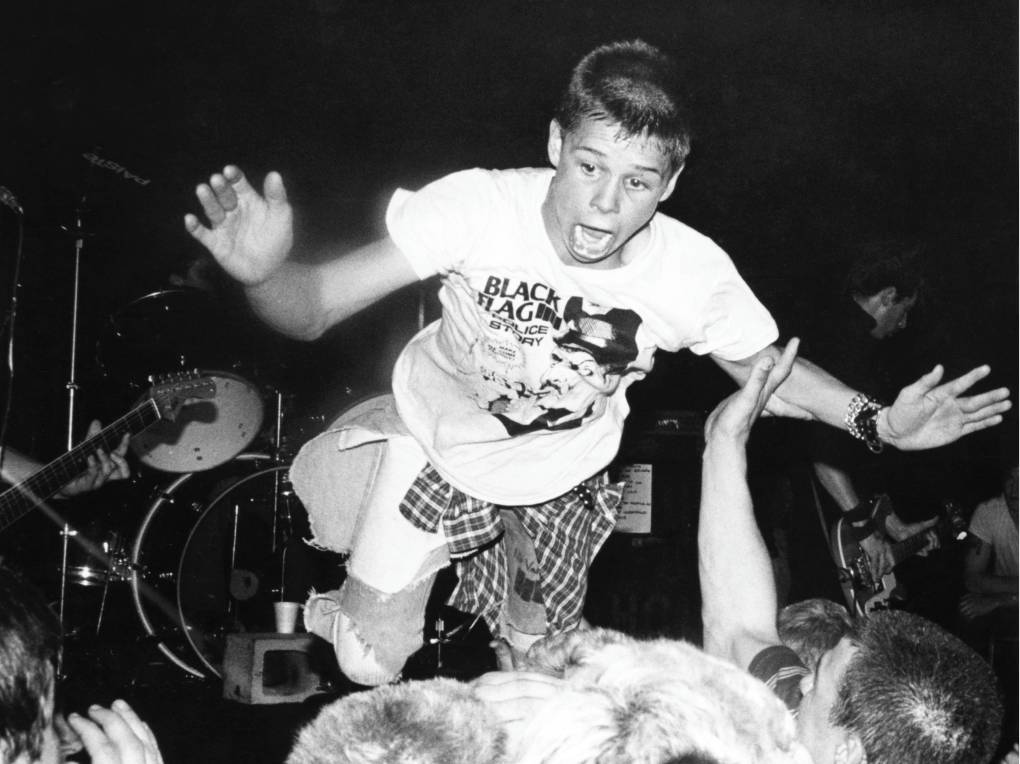
"caption": "Hundreds of photos are collected in ‘Hail Murray!: The Bay Area Punk Photography of Murray Bowles, 1982–1995.’ Above, a show at the On Broadway, San Francisco, 1983.",
"credit": "Murray Bowles",
"altTag": null,
"description": null,
"imgSizes": {
"medium": {
"file": "https://cdn.kqed.org/wp-content/uploads/sites/2/2024/12/9780867199277-Hail-Murray-sampler_Page_03-800x599.jpg",
"width": 800,
"height": 599,
"mimeType": "image/jpeg"
},
"large": {
"file": "https://cdn.kqed.org/wp-content/uploads/sites/2/2024/12/9780867199277-Hail-Murray-sampler_Page_03-1020x764.jpg",
"width": 1020,
"height": 764,
"mimeType": "image/jpeg"
},
"thumbnail": {
"file": "https://cdn.kqed.org/wp-content/uploads/sites/2/2024/12/9780867199277-Hail-Murray-sampler_Page_03-160x120.jpg",
"width": 160,
"height": 120,
"mimeType": "image/jpeg"
},
"medium_large": {
"file": "https://cdn.kqed.org/wp-content/uploads/sites/2/2024/12/9780867199277-Hail-Murray-sampler_Page_03-768x575.jpg",
"width": 768,
"height": 575,
"mimeType": "image/jpeg"
},
"1536x1536": {
"file": "https://cdn.kqed.org/wp-content/uploads/sites/2/2024/12/9780867199277-Hail-Murray-sampler_Page_03-1536x1150.jpg",
"width": 1536,
"height": 1150,
"mimeType": "image/jpeg"
},
"2048x2048": {
"file": "https://cdn.kqed.org/wp-content/uploads/sites/2/2024/12/9780867199277-Hail-Murray-sampler_Page_03-2048x1534.jpg",
"width": 2048,
"height": 1534,
"mimeType": "image/jpeg"
},
"post-thumbnail": {
"file": "https://cdn.kqed.org/wp-content/uploads/sites/2/2024/12/9780867199277-Hail-Murray-sampler_Page_03-672x372.jpg",
"width": 672,
"height": 372,
"mimeType": "image/jpeg"
},
"twentyfourteen-full-width": {
"file": "https://cdn.kqed.org/wp-content/uploads/sites/2/2024/12/9780867199277-Hail-Murray-sampler_Page_03-1038x576.jpg",
"width": 1038,
"height": 576,
"mimeType": "image/jpeg"
},
"full-width": {
"file": "https://cdn.kqed.org/wp-content/uploads/sites/2/2024/12/9780867199277-Hail-Murray-sampler_Page_03-1920x1438.jpg",
"width": 1920,
"height": 1438,
"mimeType": "image/jpeg"
},
"kqedFullSize": {
"file": "https://cdn.kqed.org/wp-content/uploads/sites/2/2024/12/9780867199277-Hail-Murray-sampler_Page_03-scaled.jpg",
"width": 2560,
"height": 1917
}
},
"isLoading": false,
"fetchFailed": false
},
"arts_13968588": {
"type": "attachments",
"id": "arts_13968588",
"meta": {
"index": "attachments_1716263798",
"site": "arts",
"id": "13968588",
"found": true
},
"title": "10-Lauren-Andrei-Garcia-as-Jenny-nic-feliciano-as-Stage-Directions-Soren-Santos-as-David",
"publishDate": 1732518584,
"status": "inherit",
"parent": 13968580,
"modified": 1732518784,
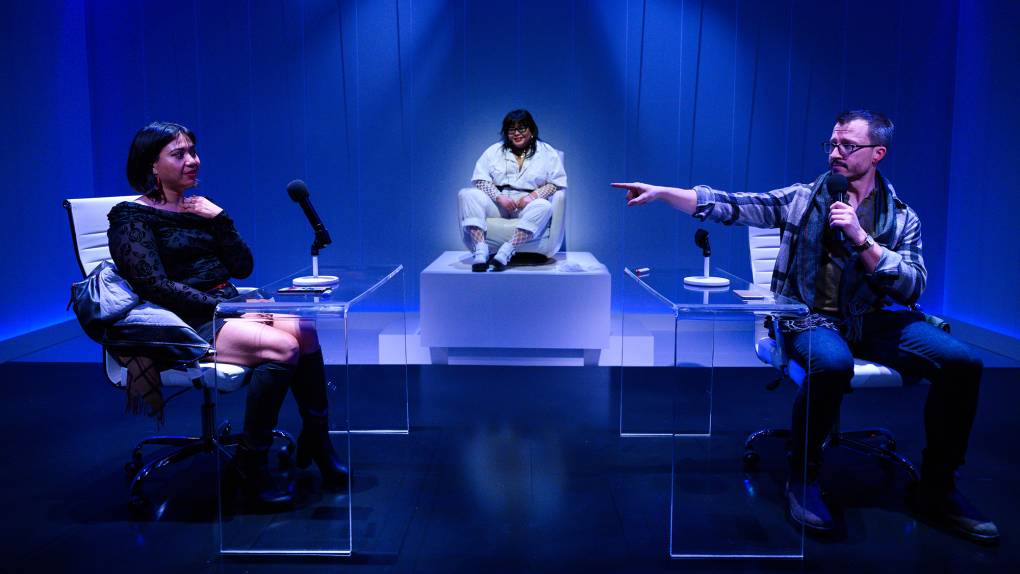
"caption": "Lauren Andrei Garcia as Jenny, nic feliciano as Stage Directions and Soren Santos as David in ‘Thirty-Six’ at Shotgun Players. ",
"credit": "Ben Krantz",
"altTag": null,
"description": null,
"imgSizes": {
"medium": {
"file": "https://cdn.kqed.org/wp-content/uploads/sites/2/2024/11/10-Lauren-Andrei-Garcia-as-Jenny-nic-feliciano-as-Stage-Directions-Soren-Santos-as-David-1-800x450.jpg",
"width": 800,
"height": 450,
"mimeType": "image/jpeg"
},
"large": {
"file": "https://cdn.kqed.org/wp-content/uploads/sites/2/2024/11/10-Lauren-Andrei-Garcia-as-Jenny-nic-feliciano-as-Stage-Directions-Soren-Santos-as-David-1-1020x574.jpg",
"width": 1020,
"height": 574,
"mimeType": "image/jpeg"
},
"thumbnail": {
"file": "https://cdn.kqed.org/wp-content/uploads/sites/2/2024/11/10-Lauren-Andrei-Garcia-as-Jenny-nic-feliciano-as-Stage-Directions-Soren-Santos-as-David-1-160x90.jpg",
"width": 160,
"height": 90,
"mimeType": "image/jpeg"
},
"medium_large": {
"file": "https://cdn.kqed.org/wp-content/uploads/sites/2/2024/11/10-Lauren-Andrei-Garcia-as-Jenny-nic-feliciano-as-Stage-Directions-Soren-Santos-as-David-1-768x432.jpg",
"width": 768,
"height": 432,
"mimeType": "image/jpeg"
},
"1536x1536": {
"file": "https://cdn.kqed.org/wp-content/uploads/sites/2/2024/11/10-Lauren-Andrei-Garcia-as-Jenny-nic-feliciano-as-Stage-Directions-Soren-Santos-as-David-1-1536x864.jpg",
"width": 1536,
"height": 864,
"mimeType": "image/jpeg"
},
"post-thumbnail": {
"file": "https://cdn.kqed.org/wp-content/uploads/sites/2/2024/11/10-Lauren-Andrei-Garcia-as-Jenny-nic-feliciano-as-Stage-Directions-Soren-Santos-as-David-1-672x372.jpg",
"width": 672,
"height": 372,
"mimeType": "image/jpeg"
},
"twentyfourteen-full-width": {
"file": "https://cdn.kqed.org/wp-content/uploads/sites/2/2024/11/10-Lauren-Andrei-Garcia-as-Jenny-nic-feliciano-as-Stage-Directions-Soren-Santos-as-David-1-1038x576.jpg",
"width": 1038,
"height": 576,
"mimeType": "image/jpeg"
},
"full-width": {
"file": "https://cdn.kqed.org/wp-content/uploads/sites/2/2024/11/10-Lauren-Andrei-Garcia-as-Jenny-nic-feliciano-as-Stage-Directions-Soren-Santos-as-David-1-1920x1080.jpg",
"width": 1920,
"height": 1080,
"mimeType": "image/jpeg"
},
"kqedFullSize": {
"file": "https://cdn.kqed.org/wp-content/uploads/sites/2/2024/11/10-Lauren-Andrei-Garcia-as-Jenny-nic-feliciano-as-Stage-Directions-Soren-Santos-as-David-1.jpg",
"width": 2000,
"height": 1125
}
},
"isLoading": false,
"fetchFailed": false
},
"arts_13968295": {
"type": "attachments",
"id": "arts_13968295",
"meta": {
"index": "attachments_1716263798",
"site": "arts",
"id": "13968295",
"found": true
},
"title": "UCTheater.16x9.MAIN",
"publishDate": 1732033850,
"status": "inherit",
"parent": 0,
"modified": 1732033986,
"caption": null,
"credit": "Briana Loewinsohn",
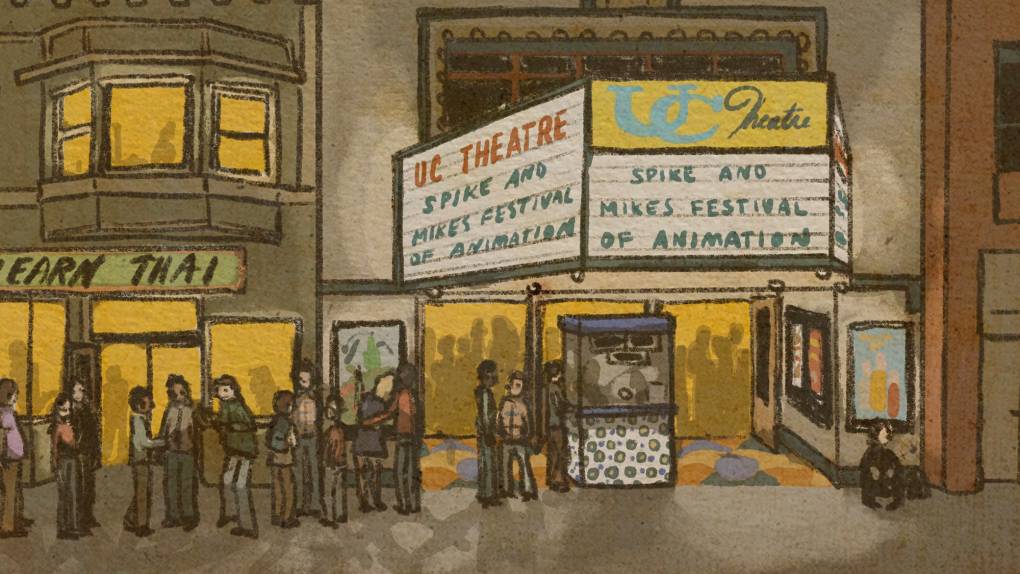
"altTag": "A line forms outside a movie theater box office at night, with a thai restauramt next door and a marquee advertising 'spike and mike's festival of animation.'",
"description": null,
"imgSizes": {
"medium": {
"file": "https://cdn.kqed.org/wp-content/uploads/sites/2/2024/11/UCTheater.16x9.MAIN_-800x450.jpg",
"width": 800,
"height": 450,
"mimeType": "image/jpeg"
},
"large": {
"file": "https://cdn.kqed.org/wp-content/uploads/sites/2/2024/11/UCTheater.16x9.MAIN_-1020x574.jpg",
"width": 1020,
"height": 574,
"mimeType": "image/jpeg"
},
"thumbnail": {
"file": "https://cdn.kqed.org/wp-content/uploads/sites/2/2024/11/UCTheater.16x9.MAIN_-160x90.jpg",
"width": 160,
"height": 90,
"mimeType": "image/jpeg"
},
"medium_large": {
"file": "https://cdn.kqed.org/wp-content/uploads/sites/2/2024/11/UCTheater.16x9.MAIN_-768x432.jpg",
"width": 768,
"height": 432,
"mimeType": "image/jpeg"
},
"1536x1536": {
"file": "https://cdn.kqed.org/wp-content/uploads/sites/2/2024/11/UCTheater.16x9.MAIN_-1536x864.jpg",
"width": 1536,
"height": 864,
"mimeType": "image/jpeg"
},
"post-thumbnail": {
"file": "https://cdn.kqed.org/wp-content/uploads/sites/2/2024/11/UCTheater.16x9.MAIN_-672x372.jpg",
"width": 672,
"height": 372,
"mimeType": "image/jpeg"
},
"twentyfourteen-full-width": {
"file": "https://cdn.kqed.org/wp-content/uploads/sites/2/2024/11/UCTheater.16x9.MAIN_-1038x576.jpg",
"width": 1038,
"height": 576,
"mimeType": "image/jpeg"
},
"full-width": {
"file": "https://cdn.kqed.org/wp-content/uploads/sites/2/2024/11/UCTheater.16x9.MAIN_-1920x1080.jpg",
"width": 1920,
"height": 1080,
"mimeType": "image/jpeg"
},
"kqedFullSize": {
"file": "https://cdn.kqed.org/wp-content/uploads/sites/2/2024/11/UCTheater.16x9.MAIN_.jpg",
"width": 2000,
"height": 1125
}
},
"isLoading": false,
"fetchFailed": false
},
"arts_13968237": {
"type": "attachments",
"id": "arts_13968237",
"meta": {
"index": "attachments_1716263798",
"site": "arts",
"id": "13968237",
"found": true
},
"title": "UA.16x9.MAIN",
"publishDate": 1731967993,
"status": "inherit",
"parent": 13968236,
"modified": 1731968553,
"caption": null,
"credit": "Briana Loewinsohn",
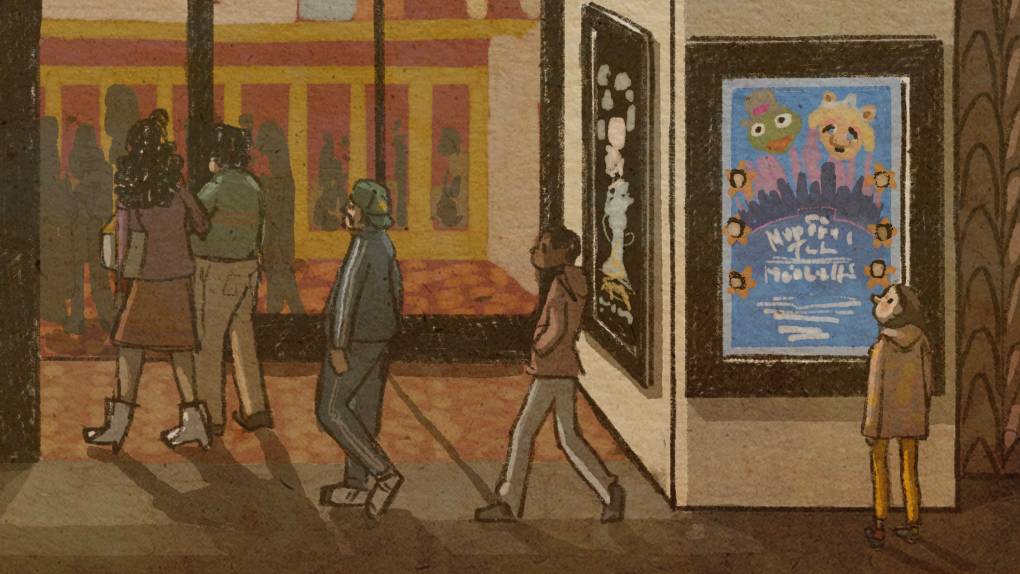
"altTag": "An illustration of a movie theater exterior, with young girl looking up at a poster for 'The Muppets Take Manhattan' in a display frame.",
"description": null,
"imgSizes": {
"medium": {
"file": "https://cdn.kqed.org/wp-content/uploads/sites/2/2024/11/UA.16x9.MAIN_-800x450.jpg",
"width": 800,
"height": 450,
"mimeType": "image/jpeg"
},
"large": {
"file": "https://cdn.kqed.org/wp-content/uploads/sites/2/2024/11/UA.16x9.MAIN_-1020x574.jpg",
"width": 1020,
"height": 574,
"mimeType": "image/jpeg"
},
"thumbnail": {
"file": "https://cdn.kqed.org/wp-content/uploads/sites/2/2024/11/UA.16x9.MAIN_-160x90.jpg",
"width": 160,
"height": 90,
"mimeType": "image/jpeg"
},
"medium_large": {
"file": "https://cdn.kqed.org/wp-content/uploads/sites/2/2024/11/UA.16x9.MAIN_-768x432.jpg",
"width": 768,
"height": 432,
"mimeType": "image/jpeg"
},
"1536x1536": {
"file": "https://cdn.kqed.org/wp-content/uploads/sites/2/2024/11/UA.16x9.MAIN_-1536x864.jpg",
"width": 1536,
"height": 864,
"mimeType": "image/jpeg"
},
"post-thumbnail": {
"file": "https://cdn.kqed.org/wp-content/uploads/sites/2/2024/11/UA.16x9.MAIN_-672x372.jpg",
"width": 672,
"height": 372,
"mimeType": "image/jpeg"
},
"twentyfourteen-full-width": {
"file": "https://cdn.kqed.org/wp-content/uploads/sites/2/2024/11/UA.16x9.MAIN_-1038x576.jpg",
"width": 1038,
"height": 576,
"mimeType": "image/jpeg"
},
"full-width": {
"file": "https://cdn.kqed.org/wp-content/uploads/sites/2/2024/11/UA.16x9.MAIN_-1920x1080.jpg",
"width": 1920,
"height": 1080,
"mimeType": "image/jpeg"
},
"kqedFullSize": {
"file": "https://cdn.kqed.org/wp-content/uploads/sites/2/2024/11/UA.16x9.MAIN_.jpg",
"width": 2000,
"height": 1125
}
},
"isLoading": false,
"fetchFailed": false
},
"arts_13968204": {
"type": "attachments",
"id": "arts_13968204",
"meta": {
"index": "attachments_1716263798",
"site": "arts",
"id": "13968204",
"found": true
},
"title": "California.16x9.MAIN",
"publishDate": 1731908309,
"status": "inherit",
"parent": 13968201,
"modified": 1731908398,
"caption": null,
"credit": "Briana Loewinsohn",
"altTag": "A movie theater marquee with the word \"California\" in cursive, advertising the movies Pulp Fiction and Airheads",
"description": null,
"imgSizes": {
"medium": {
"file": "https://cdn.kqed.org/wp-content/uploads/sites/2/2024/11/California.16x9.MAIN_-800x450.jpg",
"width": 800,
"height": 450,
"mimeType": "image/jpeg"
},
"large": {
"file": "https://cdn.kqed.org/wp-content/uploads/sites/2/2024/11/California.16x9.MAIN_-1020x574.jpg",
"width": 1020,
"height": 574,
"mimeType": "image/jpeg"
},
"thumbnail": {
"file": "https://cdn.kqed.org/wp-content/uploads/sites/2/2024/11/California.16x9.MAIN_-160x90.jpg",
"width": 160,
"height": 90,
"mimeType": "image/jpeg"
},
"medium_large": {
"file": "https://cdn.kqed.org/wp-content/uploads/sites/2/2024/11/California.16x9.MAIN_-768x432.jpg",
"width": 768,
"height": 432,
"mimeType": "image/jpeg"
},
"1536x1536": {
"file": "https://cdn.kqed.org/wp-content/uploads/sites/2/2024/11/California.16x9.MAIN_-1536x864.jpg",
"width": 1536,
"height": 864,
"mimeType": "image/jpeg"
},
"post-thumbnail": {
"file": "https://cdn.kqed.org/wp-content/uploads/sites/2/2024/11/California.16x9.MAIN_-672x372.jpg",
"width": 672,
"height": 372,
"mimeType": "image/jpeg"
},
"twentyfourteen-full-width": {
"file": "https://cdn.kqed.org/wp-content/uploads/sites/2/2024/11/California.16x9.MAIN_-1038x576.jpg",
"width": 1038,
"height": 576,
"mimeType": "image/jpeg"
},
"full-width": {
"file": "https://cdn.kqed.org/wp-content/uploads/sites/2/2024/11/California.16x9.MAIN_-1920x1080.jpg",
"width": 1920,
"height": 1080,
"mimeType": "image/jpeg"
},
"kqedFullSize": {
"file": "https://cdn.kqed.org/wp-content/uploads/sites/2/2024/11/California.16x9.MAIN_.jpg",
"width": 2000,
"height": 1125
}
},
"isLoading": false,
"fetchFailed": false
},
"arts_13967249": {
"type": "attachments",
"id": "arts_13967249",
"meta": {
"index": "attachments_1716263798",
"site": "arts",
"id": "13967249",
"found": true
},
"title": "el garage quesabirria crop",
"publishDate": 1729798567,
"status": "inherit",
"parent": 13967236,
"modified": 1729798649,
"caption": "El Garage was one of the first pop-ups and taquerias to help popularize quesabirria in the Bay Area.",
"credit": "Luke Tsai/KQED",
"altTag": "Two tacos topped with beef birria and melted cheese, with sliced cucumbers and radishes on the side.",
"description": null,
"imgSizes": {
"medium": {
"file": "https://cdn.kqed.org/wp-content/uploads/sites/2/2024/10/el-garage-quesabirria-crop-800x450.jpg",
"width": 800,
"height": 450,
"mimeType": "image/jpeg"
},
"large": {
"file": "https://cdn.kqed.org/wp-content/uploads/sites/2/2024/10/el-garage-quesabirria-crop-1020x574.jpg",
"width": 1020,
"height": 574,
"mimeType": "image/jpeg"
},
"thumbnail": {
"file": "https://cdn.kqed.org/wp-content/uploads/sites/2/2024/10/el-garage-quesabirria-crop-160x90.jpg",
"width": 160,
"height": 90,
"mimeType": "image/jpeg"
},
"medium_large": {
"file": "https://cdn.kqed.org/wp-content/uploads/sites/2/2024/10/el-garage-quesabirria-crop-768x432.jpg",
"width": 768,
"height": 432,
"mimeType": "image/jpeg"
},
"1536x1536": {
"file": "https://cdn.kqed.org/wp-content/uploads/sites/2/2024/10/el-garage-quesabirria-crop-1536x864.jpg",
"width": 1536,
"height": 864,
"mimeType": "image/jpeg"
},
"post-thumbnail": {
"file": "https://cdn.kqed.org/wp-content/uploads/sites/2/2024/10/el-garage-quesabirria-crop-672x372.jpg",
"width": 672,
"height": 372,
"mimeType": "image/jpeg"
},
"twentyfourteen-full-width": {
"file": "https://cdn.kqed.org/wp-content/uploads/sites/2/2024/10/el-garage-quesabirria-crop-1038x576.jpg",
"width": 1038,
"height": 576,
"mimeType": "image/jpeg"
},
"full-width": {
"file": "https://cdn.kqed.org/wp-content/uploads/sites/2/2024/10/el-garage-quesabirria-crop-1920x1080.jpg",
"width": 1920,
"height": 1080,
"mimeType": "image/jpeg"
},
"kqedFullSize": {
"file": "https://cdn.kqed.org/wp-content/uploads/sites/2/2024/10/el-garage-quesabirria-crop.jpg",
"width": 2000,
"height": 1125
}
},
"isLoading": false,
"fetchFailed": false
},
"arts_13966177": {
"type": "attachments",
"id": "arts_13966177",
"meta": {
"index": "attachments_1716263798",
"site": "arts",
"id": "13966177",
"found": true
},
"title": "_006William-Schmidt-as-Pharus-with-Choir-Boy-Ensemble",
"publishDate": 1728323479,
"status": "inherit",
"parent": 13966174,
"modified": 1728323985,
"caption": "William Schmidt (center) as Pharus in Shotgun Players’ production of Tarell Alvin McCraney’s ‘Choir Boy.’",
"credit": "Ben Krantz/Courtesy Shotgun Players",
"altTag": "A young Black male student in a blue private school uniform with a red striped tie sings in front of a backing choir of four, similarly dressed.",
"description": null,
"imgSizes": {
"medium": {
"file": "https://cdn.kqed.org/wp-content/uploads/sites/2/2024/10/006William-Schmidt-as-Pharus-with-Choir-Boy-Ensemble-800x532.jpg",
"width": 800,
"height": 532,
"mimeType": "image/jpeg"
},
"large": {
"file": "https://cdn.kqed.org/wp-content/uploads/sites/2/2024/10/006William-Schmidt-as-Pharus-with-Choir-Boy-Ensemble-1020x679.jpg",
"width": 1020,
"height": 679,
"mimeType": "image/jpeg"
},
"thumbnail": {
"file": "https://cdn.kqed.org/wp-content/uploads/sites/2/2024/10/006William-Schmidt-as-Pharus-with-Choir-Boy-Ensemble-160x106.jpg",
"width": 160,
"height": 106,
"mimeType": "image/jpeg"
},
"medium_large": {
"file": "https://cdn.kqed.org/wp-content/uploads/sites/2/2024/10/006William-Schmidt-as-Pharus-with-Choir-Boy-Ensemble-768x511.jpg",
"width": 768,
"height": 511,
"mimeType": "image/jpeg"
},
"1536x1536": {
"file": "https://cdn.kqed.org/wp-content/uploads/sites/2/2024/10/006William-Schmidt-as-Pharus-with-Choir-Boy-Ensemble-1536x1022.jpg",
"width": 1536,
"height": 1022,
"mimeType": "image/jpeg"
},
"post-thumbnail": {
"file": "https://cdn.kqed.org/wp-content/uploads/sites/2/2024/10/006William-Schmidt-as-Pharus-with-Choir-Boy-Ensemble-672x372.jpg",
"width": 672,
"height": 372,
"mimeType": "image/jpeg"
},
"twentyfourteen-full-width": {
"file": "https://cdn.kqed.org/wp-content/uploads/sites/2/2024/10/006William-Schmidt-as-Pharus-with-Choir-Boy-Ensemble-1038x576.jpg",
"width": 1038,
"height": 576,
"mimeType": "image/jpeg"
},
"full-width": {
"file": "https://cdn.kqed.org/wp-content/uploads/sites/2/2024/10/006William-Schmidt-as-Pharus-with-Choir-Boy-Ensemble-1920x1278.jpg",
"width": 1920,
"height": 1278,
"mimeType": "image/jpeg"
},
"kqedFullSize": {
"file": "https://cdn.kqed.org/wp-content/uploads/sites/2/2024/10/006William-Schmidt-as-Pharus-with-Choir-Boy-Ensemble.jpg",
"width": 2000,
"height": 1331
}
},
"isLoading": false,
"fetchFailed": false
}
},
"audioPlayerReducer": {
"postId": "stream_live",
"isPaused": true,
"isPlaying": false,
"pfsActive": false,
"pledgeModalIsOpen": true,
"playerDrawerIsOpen": false,
"liveAudioPlayStartedAt": 0,
"liveAudioPlayContext": ""
},
"authorsReducer": {
"shotchkiss": {
"type": "authors",
"id": "61",
"meta": {
"index": "authors_1716337520",
"id": "61",
"found": true
},
"name": "Sarah Hotchkiss",
"firstName": "Sarah",
"lastName": "Hotchkiss",
"slug": "shotchkiss",
"email": "shotchkiss@kqed.org",
"display_author_email": true,
"staff_mastheads": [
"arts"
],
"title": "Senior Editor",
"bio": "Sarah Hotchkiss is a San Francisco \u003ca href=\"http://www.sarahhotchkiss.com\">artist\u003c/a> and arts writer. In 2019, she received the Dorothea & Leo Rabkin Foundation grant for visual art journalism and in 2020 she received a Society of Professional Journalists, Northern California award for excellence in arts and culture reporting.",
"avatar": "https://secure.gravatar.com/avatar/bc662df144b3d27fd8b1b6f1c2a420d34e91e53154d411bb7ad353cc8b6cea8d?s=600&d=blank&r=g",
"twitter": null,
"bluesky": null,
"facebook": null,
"instagram": null,
"linkedin": null,
"sites": [
{
"site": "",
"roles": [
"editor"
]
},
{
"site": "arts",
"roles": [
"Contributor",
"administrator"
]
},
{
"site": "artschool",
"roles": [
"administrator"
]
},
{
"site": "news",
"roles": [
"editor"
]
},
{
"site": "pop",
"roles": [
"administrator"
]
},
{
"site": "bayareabites",
"roles": [
"editor"
]
},
{
"site": "spark",
"roles": [
"editor"
]
},
{
"site": "checkplease",
"roles": [
"editor"
]
}
],
"headData": {
"title": "Sarah Hotchkiss | KQED",
"description": "Senior Editor",
"ogImgSrc": "https://secure.gravatar.com/avatar/bc662df144b3d27fd8b1b6f1c2a420d34e91e53154d411bb7ad353cc8b6cea8d?s=600&d=blank&r=g",
"twImgSrc": "https://secure.gravatar.com/avatar/bc662df144b3d27fd8b1b6f1c2a420d34e91e53154d411bb7ad353cc8b6cea8d?s=600&d=blank&r=g"
},
"isLoading": false,
"link": "/author/shotchkiss"
},
"gmeline": {
"type": "authors",
"id": "185",
"meta": {
"index": "authors_1716337520",
"id": "185",
"found": true
},
"name": "Gabe Meline",
"firstName": "Gabe",
"lastName": "Meline",
"slug": "gmeline",
"email": "gmeline@kqed.org",
"display_author_email": true,
"staff_mastheads": [
"arts"
],
"title": "Senior Editor, KQED Arts & Culture",
"bio": "Gabe Meline entered journalism at age 15 making photocopied zines, and has since earned awards from the Edward R. Murrow Awards, the Society for Professional Journalists, the Online Journalism Awards, the Association of Alternative Newsweeklies and the California Newspaper Publishers Association. Prior to KQED, he was the editor of the \u003cem>North Bay Bohemian\u003c/em> and a touring musician. He lives with his wife and daughter in his hometown of Santa Rosa, CA.",
"avatar": "https://secure.gravatar.com/avatar/5bebe57be0d8bc2dd318934feb47299e2d2d10cba28d09d8d7afb389a2ce2bdd?s=600&d=blank&r=g",
"twitter": null,
"bluesky": null,
"facebook": null,
"instagram": null,
"linkedin": null,
"sites": [
{
"site": "",
"roles": [
"editor"
]
},
{
"site": "arts",
"roles": [
"administrator"
]
},
{
"site": "artschool",
"roles": [
"editor"
]
},
{
"site": "news",
"roles": [
"author"
]
},
{
"site": "pop",
"roles": [
"editor"
]
},
{
"site": "bayareabites",
"roles": [
"editor"
]
},
{
"site": "food",
"roles": [
"editor"
]
},
{
"site": "forum",
"roles": [
"administrator"
]
},
{
"site": "liveblog",
"roles": [
"editor"
]
},
{
"site": "hiphop",
"roles": [
"editor"
]
}
],
"headData": {
"title": "Gabe Meline | KQED",
"description": "Senior Editor, KQED Arts & Culture",
"ogImgSrc": "https://secure.gravatar.com/avatar/5bebe57be0d8bc2dd318934feb47299e2d2d10cba28d09d8d7afb389a2ce2bdd?s=600&d=blank&r=g",
"twImgSrc": "https://secure.gravatar.com/avatar/5bebe57be0d8bc2dd318934feb47299e2d2d10cba28d09d8d7afb389a2ce2bdd?s=600&d=blank&r=g"
},
"isLoading": false,
"link": "/author/gmeline"
},
"jhesig": {
"type": "authors",
"id": "11333",
"meta": {
"index": "authors_1716337520",
"id": "11333",
"found": true
},
"name": "Janelle Hessig",
"firstName": "Janelle",
"lastName": "Hessig",
"slug": "jhesig",
"email": "jhessig@kqed.org",
"display_author_email": false,
"staff_mastheads": [],
"title": "KQED Contributor",
"bio": null,
"avatar": "https://secure.gravatar.com/avatar/27dd6e3cd88f82541593bd6d8f2aec4a?s=600&d=mm&r=g",
"twitter": null,
"facebook": null,
"instagram": null,
"linkedin": null,
"sites": [
{
"site": "arts",
"roles": []
},
{
"site": "food",
"roles": []
},
{
"site": "filmschoolshorts",
"roles": [
"editor"
]
}
],
"headData": {
"title": "Janelle Hessig | KQED",
"description": "KQED Contributor",
"ogImgSrc": "https://secure.gravatar.com/avatar/27dd6e3cd88f82541593bd6d8f2aec4a?s=600&d=mm&r=g",
"twImgSrc": "https://secure.gravatar.com/avatar/27dd6e3cd88f82541593bd6d8f2aec4a?s=600&d=mm&r=g"
},
"isLoading": false,
"link": "/author/jhesig"
},
"ogpenn": {
"type": "authors",
"id": "11491",
"meta": {
"index": "authors_1716337520",
"id": "11491",
"found": true
},
"name": "Pendarvis Harshaw",
"firstName": "Pendarvis",
"lastName": "Harshaw",
"slug": "ogpenn",
"email": "ogpenn@gmail.com",
"display_author_email": false,
"staff_mastheads": [
"arts"
],
"title": "Community Engagement Reporter",
"bio": "Pendarvis Harshaw is an educator, host and writer with KQED Arts.",
"avatar": "https://secure.gravatar.com/avatar/972b77ee8e3f346ae2b00622661187fbfabd059b5693bbdc1475ea7a722fd4cd?s=600&d=blank&r=g",
"twitter": null,
"bluesky": null,
"facebook": null,
"instagram": "ogpenn",
"linkedin": null,
"sites": [
{
"site": "arts",
"roles": [
"administrator"
]
},
{
"site": "news",
"roles": [
"editor"
]
},
{
"site": "bayareabites",
"roles": [
"author"
]
},
{
"site": "hiphop",
"roles": [
"editor"
]
}
],
"headData": {
"title": "Pendarvis Harshaw | KQED",
"description": "Community Engagement Reporter",
"ogImgSrc": "https://secure.gravatar.com/avatar/972b77ee8e3f346ae2b00622661187fbfabd059b5693bbdc1475ea7a722fd4cd?s=600&d=blank&r=g",
"twImgSrc": "https://secure.gravatar.com/avatar/972b77ee8e3f346ae2b00622661187fbfabd059b5693bbdc1475ea7a722fd4cd?s=600&d=blank&r=g"
},
"isLoading": false,
"link": "/author/ogpenn"
},
"ngluckstern": {
"type": "authors",
"id": "11497",
"meta": {
"index": "authors_1716337520",
"id": "11497",
"found": true
},
"name": "Nicole Gluckstern",
"firstName": "Nicole",
"lastName": "Gluckstern",
"slug": "ngluckstern",
"email": "gluckstern.nicole@gmail.com",
"display_author_email": false,
"staff_mastheads": [],
"title": "KQED Contributor",
"bio": null,
"avatar": "https://secure.gravatar.com/avatar/2c3d593194017bfe811a998ad03140909de330b22abebf4889e1a564ce5b3495?s=600&d=blank&r=g",
"twitter": null,
"bluesky": null,
"facebook": null,
"instagram": null,
"linkedin": null,
"sites": [
{
"site": "arts",
"roles": [
"contributor"
]
}
],
"headData": {
"title": "Nicole Gluckstern | KQED",
"description": "KQED Contributor",
"ogImgSrc": "https://secure.gravatar.com/avatar/2c3d593194017bfe811a998ad03140909de330b22abebf4889e1a564ce5b3495?s=600&d=blank&r=g",
"twImgSrc": "https://secure.gravatar.com/avatar/2c3d593194017bfe811a998ad03140909de330b22abebf4889e1a564ce5b3495?s=600&d=blank&r=g"
},
"isLoading": false,
"link": "/author/ngluckstern"
},
"hmcdede": {
"type": "authors",
"id": "11635",
"meta": {
"index": "authors_1716337520",
"id": "11635",
"found": true
},
"name": "Holly McDede",
"firstName": "Holly",
"lastName": "McDede",
"slug": "hmcdede",
"email": "hmcdede@KQED.org",
"display_author_email": false,
"staff_mastheads": [],
"title": "KQED Contributor",
"bio": null,
"avatar": "https://secure.gravatar.com/avatar/999d9bf31bb3a2f0511932d99526cb3e?s=600&d=blank&r=g",
"twitter": null,
"facebook": null,
"instagram": null,
"linkedin": null,
"sites": [
{
"site": "arts",
"roles": [
"editor"
]
},
{
"site": "news",
"roles": [
"edit_others_posts",
"editor"
]
},
{
"site": "science",
"roles": [
"editor"
]
},
{
"site": "forum",
"roles": [
"editor"
]
},
{
"site": "perspectives",
"roles": [
"administrator"
]
}
],
"headData": {
"title": "Holly McDede | KQED",
"description": "KQED Contributor",
"ogImgSrc": "https://secure.gravatar.com/avatar/999d9bf31bb3a2f0511932d99526cb3e?s=600&d=blank&r=g",
"twImgSrc": "https://secure.gravatar.com/avatar/999d9bf31bb3a2f0511932d99526cb3e?s=600&d=blank&r=g"
},
"isLoading": false,
"link": "/author/hmcdede"
},
"ltsai": {
"type": "authors",
"id": "11743",
"meta": {
"index": "authors_1716337520",
"id": "11743",
"found": true
},
"name": "Luke Tsai",
"firstName": "Luke",
"lastName": "Tsai",
"slug": "ltsai",
"email": "ltsai@kqed.org",
"display_author_email": true,
"staff_mastheads": [
"arts"
],
"title": "Food Editor",
"bio": "Luke Tsai is KQED's food editor and resident stinky tofu connoisseur. Prior to KQED, he was an editor at Eater SF, \u003cem>San Francisco \u003c/em>magazine, and the \u003cem>East Bay Express\u003c/em>, and his work has also appeared in TASTE, the \u003cem>San Francisco Chronicle\u003c/em>, and the \u003cem>Best Food Writing\u003c/em> anthology. When he isn't writing or editing, you'll find him eating most everything he can get his hands on.",
"avatar": "https://secure.gravatar.com/avatar/1e59b45bf191526e7339d6ba46e33a57b2030d25c27660ecc64ea3cb863e34f7?s=600&d=blank&r=g",
"twitter": "theluketsai",
"bluesky": null,
"facebook": null,
"instagram": null,
"linkedin": null,
"sites": [
{
"site": "",
"roles": [
"editor"
]
},
{
"site": "arts",
"roles": [
"administrator"
]
},
{
"site": "news",
"roles": [
"editor",
"contributor"
]
},
{
"site": "bayareabites",
"roles": [
"editor"
]
},
{
"site": "food",
"roles": [
"editor"
]
}
],
"headData": {
"title": "Luke Tsai | KQED",
"description": "Food Editor",
"ogImgSrc": "https://secure.gravatar.com/avatar/1e59b45bf191526e7339d6ba46e33a57b2030d25c27660ecc64ea3cb863e34f7?s=600&d=blank&r=g",
"twImgSrc": "https://secure.gravatar.com/avatar/1e59b45bf191526e7339d6ba46e33a57b2030d25c27660ecc64ea3cb863e34f7?s=600&d=blank&r=g"
},
"isLoading": false,
"link": "/author/ltsai"
},
"bloewinsohn": {
"type": "authors",
"id": "11904",
"meta": {
"index": "authors_1716337520",
"id": "11904",
"found": true
},
"name": "Briana Loewinsohn",
"firstName": "Briana",
"lastName": "Loewinsohn",
"slug": "bloewinsohn",
"email": "brianabreaks@gmail.com",
"display_author_email": false,
"staff_mastheads": [],
"title": "KQED Contributor",
"bio": null,
"avatar": "https://secure.gravatar.com/avatar/939d84e992d1263b5df583828709edae706c0bba1db57ec593f24f34274ef0ec?s=600&d=blank&r=g",
"twitter": null,
"bluesky": null,
"facebook": null,
"instagram": null,
"linkedin": null,
"sites": [
{
"site": "arts",
"roles": [
"contributor"
]
}
],
"headData": {
"title": "Briana Loewinsohn | KQED",
"description": "KQED Contributor",
"ogImgSrc": "https://secure.gravatar.com/avatar/939d84e992d1263b5df583828709edae706c0bba1db57ec593f24f34274ef0ec?s=600&d=blank&r=g",
"twImgSrc": "https://secure.gravatar.com/avatar/939d84e992d1263b5df583828709edae706c0bba1db57ec593f24f34274ef0ec?s=600&d=blank&r=g"
},
"isLoading": false,
"link": "/author/bloewinsohn"
},
"djchavez": {
"type": "authors",
"id": "11905",
"meta": {
"index": "authors_1716337520",
"id": "11905",
"found": true
},
"name": "David John Chávez",
"firstName": "David John",
"lastName": "Chávez",
"slug": "djchavez",
"email": "theatrechavez@gmail.com",
"display_author_email": false,
"staff_mastheads": [],
"title": "KQED Contributor",
"bio": "Based in San José, David is a theater critic and reporter who who served as Executive Chair of the American Theatre Critics/Journalists Association (’22-’25), as well as a regular theater contributor to The Mercury News, San Francisco Chronicle, American Theatre Magazine and KQED, among other publications. He is a two-time juror for the Pulitzer Prize for Drama (’22-’23) and a 2020 fellow of the Eugene O'Neill National Critics Institute.",
"avatar": "https://secure.gravatar.com/avatar/5eaa3ce994228213820907c390795c28f7b97165c2b575f46d15fc9273a132b7?s=600&d=blank&r=g",
"twitter": null,
"bluesky": null,
"facebook": "https://www.facebook.com/bydavidjchavez",
"instagram": "https://www.instagram.com/davidjchavez/",
"linkedin": null,
"sites": [
{
"site": "arts",
"roles": [
"contributor"
]
}
],
"headData": {
"title": "David John Chávez | KQED",
"description": "KQED Contributor",
"ogImgSrc": "https://secure.gravatar.com/avatar/5eaa3ce994228213820907c390795c28f7b97165c2b575f46d15fc9273a132b7?s=600&d=blank&r=g",
"twImgSrc": "https://secure.gravatar.com/avatar/5eaa3ce994228213820907c390795c28f7b97165c2b575f46d15fc9273a132b7?s=600&d=blank&r=g"
},
"isLoading": false,
"link": "/author/djchavez"
}
},
"pagesReducer": {
"arts_tag_berkeley": {
"type": "terms",
"id": "arts_1270",
"meta": {
"index": "terms_1716263798",
"site": "arts",
"id": "1270",
"score": 6.9273148
},
"featImg": null,
"name": "Berkeley",
"description": null,
"taxonomy": "tag",
"headData": {
"twImgId": null,
"twTitle": null,
"ogTitle": null,
"ogImgId": null,
"twDescription": null,
"description": null,
"title": "Berkeley Archives | KQED Arts",
"ogDescription": null
},
"ttid": 1282,
"slug": "berkeley",
"isLoading": false,
"title": "Berkeley",
"pageMeta": {
"site": "arts",
"WpPageTemplate": "page-topic-editorial",
"currentPage": 5
},
"blocks": [
{
"blockName": "kqed/post-list",
"attrs": {
"layout": "cardArticle2",
"query": "posts/arts?tag=berkeley",
"seeMore": false,
"paginated": true,
"page": 5
}
},
{
"blockName": "kqed/ad"
}
]
}
},
"pfsSessionReducer": {},
"postsReducer": {
"stream_live": {
"type": "live",
"id": "stream_live",
"audioUrl": "https://streams.kqed.org/kqedradio",
"title": "Live Stream",
"excerpt": "Live Stream information currently unavailable.",
"link": "/radio",
"featImg": "",
"label": {
"name": "KQED Live",
"link": "/"
}
},
"stream_kqedNewscast": {
"type": "posts",
"id": "stream_kqedNewscast",
"audioUrl": "https://www.kqed.org/.stream/anon/radio/RDnews/newscast.mp3?_=1",
"title": "KQED Newscast",
"featImg": "",
"label": {
"name": "88.5 FM",
"link": "/"
}
},
"arts_13970936": {
"type": "posts",
"id": "arts_13970936",
"meta": {
"index": "posts_1716263798",
"site": "arts",
"id": "13970936",
"score": null,
"sort": [
1738883420000
]
},
"guestAuthors": [],
"slug": "funk-music-bellbottoms-mothership-connection-south-berkeley-library",
"title": "Lessons in Funk Music and Bellbottom-Making at the South Berkeley Library",
"publishDate": 1738883420,
"format": "aside",
"headTitle": "Lessons in Funk Music and Bellbottom-Making at the South Berkeley Library | KQED",
"labelTerm": {
"term": 140,
"site": "arts"
},
"content": "\u003cfigure id=\"attachment_13971344\" class=\"wp-caption aligncenter\" style=\"max-width: 2560px\">\u003cimg loading=\"lazy\" decoding=\"async\" class=\"size-full wp-image-13971344\" src=\"https://cdn.kqed.org/wp-content/uploads/sites/2/2025/02/IMG_6776-scaled.jpg\" alt=\"A black and white photo of a man holding a record while sitting in a room with a bunch of other records on the wall.\" width=\"2560\" height=\"1707\" srcset=\"https://cdn.kqed.org/wp-content/uploads/sites/2/2025/02/IMG_6776-scaled.jpg 2560w, https://cdn.kqed.org/wp-content/uploads/sites/2/2025/02/IMG_6776-800x533.jpg 800w, https://cdn.kqed.org/wp-content/uploads/sites/2/2025/02/IMG_6776-1020x680.jpg 1020w, https://cdn.kqed.org/wp-content/uploads/sites/2/2025/02/IMG_6776-160x107.jpg 160w, https://cdn.kqed.org/wp-content/uploads/sites/2/2025/02/IMG_6776-768x512.jpg 768w, https://cdn.kqed.org/wp-content/uploads/sites/2/2025/02/IMG_6776-1536x1024.jpg 1536w, https://cdn.kqed.org/wp-content/uploads/sites/2/2025/02/IMG_6776-2048x1365.jpg 2048w, https://cdn.kqed.org/wp-content/uploads/sites/2/2025/02/IMG_6776-1920x1280.jpg 1920w\" sizes=\"auto, (max-width: 2560px) 100vw, 2560px\">\u003cfigcaption class=\"wp-caption-text\">DeMareon Gipson, published author and Berkeley Public Library employee, holds up a copy of Sly and the Family Stone’s ‘There’s A Riot Goin’ On’ album flanked by Berkeley Public Library’s large record collection. \u003ccite>(Jaylin Williams)\u003c/cite>\u003c/figcaption>\u003c/figure>\n\u003cp>We’re used to decades-old funk songs being sampled in hip-hop and R&B, and clothing once considered fashionable making a comeback a generation or two later. It’s clear that history moves in cycles.\u003c/p>\n\u003cp>But a few East Bay creatives believe it also moves in “upcycles.”\u003c/p>\n\u003cp>That’s the concept behind \u003ca href=\"https://www.berkeleypubliclibrary.org/events/berkeley-record-club-mothership-connection\" target=\"_blank\" rel=\"noopener\">Mothership Connection\u003c/a>, a Feb. 27 event at the Tarea Hall Pittman South Berkeley Branch of the Berkeley Public Library.\u003c/p>\n\u003cfigure id=\"attachment_13971325\" class=\"wp-caption aligncenter\" style=\"max-width: 800px\">\u003cimg loading=\"lazy\" decoding=\"async\" class=\"wp-image-13971325 size-medium\" src=\"https://cdn.kqed.org/wp-content/uploads/sites/2/2025/02/DSC08873-800x1200.jpg\" alt=\"An older woman in glasses stands over the shoulder of a little girl as both of them use a sewing machine. \" width=\"800\" height=\"1200\" srcset=\"https://cdn.kqed.org/wp-content/uploads/sites/2/2025/02/DSC08873-800x1200.jpg 800w, https://cdn.kqed.org/wp-content/uploads/sites/2/2025/02/DSC08873-1020x1530.jpg 1020w, https://cdn.kqed.org/wp-content/uploads/sites/2/2025/02/DSC08873-160x240.jpg 160w, https://cdn.kqed.org/wp-content/uploads/sites/2/2025/02/DSC08873-768x1152.jpg 768w, https://cdn.kqed.org/wp-content/uploads/sites/2/2025/02/DSC08873-1024x1536.jpg 1024w, https://cdn.kqed.org/wp-content/uploads/sites/2/2025/02/DSC08873-1365x2048.jpg 1365w, https://cdn.kqed.org/wp-content/uploads/sites/2/2025/02/DSC08873.jpg 1536w\" sizes=\"auto, (max-width: 800px) 100vw, 800px\">\u003cfigcaption class=\"wp-caption-text\">Antioch’s Deborah Marchland stands over the shoulder of a young student to demonstrate proper use of a sewing machine. \u003ccite>( Sabira Williams)\u003c/cite>\u003c/figcaption>\u003c/figure>\n\u003cp>Hosted by the Berkeley Record Club in association with Oakland-based nonprofit \u003ca href=\"https://www.communityfits.com/\" target=\"_blank\" rel=\"noopener\">Community Fits\u003c/a>, the free, all-ages event gives attendees a chance to explore the Berkeley Public Library’s collection of funk albums and to discuss their cultural impact.\u003c/p>\n\u003cp>People will also have the opportunity to upcycle their old jeans, making them look like pants from yesteryear — on par with the latest fashion.\u003c/p>\n\u003cp>[ad fullwidth]\u003c/p>\n\u003cp>“Wider jeans and bellbottoms are coming back in style,” says Brittani Kaigler, founder and director of \u003ca href=\"https://www.instagram.com/communityfits_/\" target=\"_blank\" rel=\"noopener\">Community Fits.\u003c/a>\u003c/p>\n\u003cp>Kaigler, who will lead a sewing machine tutorial at the event, is asking community members to bring their own pair of pants so they can cut slits into them, add fabric and turn them into bellbottoms.\u003c/p>\n\u003cp>It’s a potentially time-intensive process, so those who don’t finish at the event will be able to stop by her organization’s headquarters during one of their open studio sessions.\u003c/p>\n\u003cfigure id=\"attachment_13971324\" class=\"wp-caption aligncenter\" style=\"max-width: 800px\">\u003cimg loading=\"lazy\" decoding=\"async\" class=\"size-medium wp-image-13971324\" src=\"https://cdn.kqed.org/wp-content/uploads/sites/2/2025/01/DSC08918-800x533.jpg\" alt=\"A woman teaches a young boy how to use a sewing machine.\" width=\"800\" height=\"533\" srcset=\"https://cdn.kqed.org/wp-content/uploads/sites/2/2025/01/DSC08918-800x533.jpg 800w, https://cdn.kqed.org/wp-content/uploads/sites/2/2025/01/DSC08918-1020x680.jpg 1020w, https://cdn.kqed.org/wp-content/uploads/sites/2/2025/01/DSC08918-160x107.jpg 160w, https://cdn.kqed.org/wp-content/uploads/sites/2/2025/01/DSC08918-768x512.jpg 768w, https://cdn.kqed.org/wp-content/uploads/sites/2/2025/01/DSC08918-1536x1024.jpg 1536w, https://cdn.kqed.org/wp-content/uploads/sites/2/2025/01/DSC08918-2048x1365.jpg 2048w, https://cdn.kqed.org/wp-content/uploads/sites/2/2025/01/DSC08918-1920x1280.jpg 1920w\" sizes=\"auto, (max-width: 800px) 100vw, 800px\">\u003cfigcaption class=\"wp-caption-text\">Brittani Kaigler leans in as she teaches a young student how to use a sewing machine. \u003ccite>( Sabira Williams)\u003c/cite>\u003c/figcaption>\u003c/figure>\n\u003cp>“We provide free programing for youth from marginalized communities,” says Kaigler of Community Fits. “And then we fund everything through adult classes,” Kaigler says, adding that the monthly schedule of classes covers a wide variety of textile arts.\u003c/p>\n\u003cp>Through those classes, Kaigler’s witnessed changes in fashion firsthand. “A lot of things that are coming back now were around when I was in middle school and high school,” says Kaigler, now in her mid-30s. “It all repeats itself. It just comes back in a modernized way.”\u003c/p>\n\u003cp>[aside postID='arts_13924126']After two years of running Community Fits, Kaigler has learned that the work isn’t just about fashion. “It’s really about providing culturally relevant programming to the community I’m serving,” Kaigler says, referring to the the long history of quilt-making and sewing in the African American community.\u003c/p>\n\u003cp>Pairing sewing with music, then, just made sense. “Funk music is distinctly Black,” says event co-organizer \u003ca href=\"https://www.instagram.com/gipson.fwd/\" target=\"_blank\" rel=\"noopener\">DeMareon Gipson\u003c/a>, “but its influence hasn’t been properly explored.”\u003c/p>\n\u003cp>Funk has been “a backbone genre” that’s served generations of Black people, Gipson says. He cites jazz artists that changed their sound due to funk’s influence, as well as R&B and hip-hop artists who’ve stood on the shoulders of the funk movement. “It’s Black History Month, so we’re celebrating a cornerstone of Black music,” he says.\u003c/p>\n\u003cfigure id=\"attachment_13971345\" class=\"wp-caption aligncenter\" style=\"max-width: 800px\">\u003cimg loading=\"lazy\" decoding=\"async\" class=\"size-medium wp-image-13971345\" src=\"https://cdn.kqed.org/wp-content/uploads/sites/2/2025/02/IMG_6783-800x533.jpg\" alt=\"A black and white photo of a man holding a vinyl record, pointing to the image on the album's cover. \" width=\"800\" height=\"533\" srcset=\"https://cdn.kqed.org/wp-content/uploads/sites/2/2025/02/IMG_6783-800x533.jpg 800w, https://cdn.kqed.org/wp-content/uploads/sites/2/2025/02/IMG_6783-1020x680.jpg 1020w, https://cdn.kqed.org/wp-content/uploads/sites/2/2025/02/IMG_6783-160x107.jpg 160w, https://cdn.kqed.org/wp-content/uploads/sites/2/2025/02/IMG_6783-768x512.jpg 768w, https://cdn.kqed.org/wp-content/uploads/sites/2/2025/02/IMG_6783-1536x1024.jpg 1536w, https://cdn.kqed.org/wp-content/uploads/sites/2/2025/02/IMG_6783-2048x1365.jpg 2048w, https://cdn.kqed.org/wp-content/uploads/sites/2/2025/02/IMG_6783-1920x1280.jpg 1920w\" sizes=\"auto, (max-width: 800px) 100vw, 800px\">\u003cfigcaption class=\"wp-caption-text\">The back cover of Sly and the Family Stone’s album ‘There’s a Riot Goin’ On.’ \u003ccite>(Jaylin Williams)\u003c/cite>\u003c/figcaption>\u003c/figure>\n\u003cp>At the event, Gipson, along with co-organizer Nico Ledwith, will spin songs on both vinyl and CD that shaped funk music. During the final 30 minutes of the two-hour event, attendees are invited to play songs from some of their own favorite funk albums.\u003c/p>\n\u003cp>“Plus there’ll be a raffle at the end,” says Gipson, noting that someone will leave with a new record to add to their collection.\u003c/p>\n\u003chr>\n\u003cp>\u003cem>‘Mothership Connection’ gets up for the down stroke on Thursday, Feb. 27, at the South Berkeley branch of the Berkeley Public Library. \u003ca href=\"https://www.berkeleypubliclibrary.org/events/berkeley-record-club-mothership-connection\" target=\"_blank\" rel=\"noopener\">Details here\u003c/a>. \u003c/em>\u003c/p>\n\u003cp>\u003c/p>\n\u003cp> \u003c/p>\n\n",
"blocks": [],
"excerpt": "Vinyl LPs and sewing machines converge for an educational public event about Black traditions.",
"status": "publish",
"parent": 0,
"modified": 1738902728,
"stats": {
"hasAudio": false,
"hasVideo": false,
"hasChartOrMap": false,
"iframeSrcs": [],
"hasGoogleForm": false,
"hasGallery": false,
"hasHearkenModule": false,
"hasPolis": false,
"paragraphCount": 18,
"wordCount": 709
},
"headData": {
"title": "Lessons in Funk Music and Bellbottom-Making at the South Berkeley Library | KQED",
"description": "Vinyl LPs and sewing machines converge for an educational public event about Black traditions.",
"ogTitle": "",
"ogDescription": "",
"ogImgId": "",
"twTitle": "",
"twDescription": "",
"twImgId": "",
"schema": {
"@context": "https://schema.org",
"@type": "Article",
"headline": "Lessons in Funk Music and Bellbottom-Making at the South Berkeley Library",
"datePublished": "2025-02-06T15:10:20-08:00",
"dateModified": "2025-02-06T20:32:08-08:00",
"image": "https://cdn.kqed.org/wp-content/uploads/2020/02/KQED-OG-Image@1x.png"
}
},
"sticky": false,
"nprStoryId": "kqed-13970936",
"templateType": "standard",
"featuredImageType": "standard",
"excludeFromSiteSearch": "Include",
"articleAge": "0",
"path": "/arts/13970936/funk-music-bellbottoms-mothership-connection-south-berkeley-library",
"audioTrackLength": null,
"parsedContent": [
{
"type": "contentString",
"content": "\u003cdiv class=\"post-body\">\u003cp>\u003cfigure id=\"attachment_13971344\" class=\"wp-caption aligncenter\" style=\"max-width: 2560px\">\u003cimg loading=\"lazy\" decoding=\"async\" class=\"size-full wp-image-13971344\" src=\"https://cdn.kqed.org/wp-content/uploads/sites/2/2025/02/IMG_6776-scaled.jpg\" alt=\"A black and white photo of a man holding a record while sitting in a room with a bunch of other records on the wall.\" width=\"2560\" height=\"1707\" srcset=\"https://cdn.kqed.org/wp-content/uploads/sites/2/2025/02/IMG_6776-scaled.jpg 2560w, https://cdn.kqed.org/wp-content/uploads/sites/2/2025/02/IMG_6776-800x533.jpg 800w, https://cdn.kqed.org/wp-content/uploads/sites/2/2025/02/IMG_6776-1020x680.jpg 1020w, https://cdn.kqed.org/wp-content/uploads/sites/2/2025/02/IMG_6776-160x107.jpg 160w, https://cdn.kqed.org/wp-content/uploads/sites/2/2025/02/IMG_6776-768x512.jpg 768w, https://cdn.kqed.org/wp-content/uploads/sites/2/2025/02/IMG_6776-1536x1024.jpg 1536w, https://cdn.kqed.org/wp-content/uploads/sites/2/2025/02/IMG_6776-2048x1365.jpg 2048w, https://cdn.kqed.org/wp-content/uploads/sites/2/2025/02/IMG_6776-1920x1280.jpg 1920w\" sizes=\"auto, (max-width: 2560px) 100vw, 2560px\">\u003cfigcaption class=\"wp-caption-text\">DeMareon Gipson, published author and Berkeley Public Library employee, holds up a copy of Sly and the Family Stone’s ‘There’s A Riot Goin’ On’ album flanked by Berkeley Public Library’s large record collection. \u003ccite>(Jaylin Williams)\u003c/cite>\u003c/figcaption>\u003c/figure>\n\u003cp>We’re used to decades-old funk songs being sampled in hip-hop and R&B, and clothing once considered fashionable making a comeback a generation or two later. It’s clear that history moves in cycles.\u003c/p>\n\u003cp>But a few East Bay creatives believe it also moves in “upcycles.”\u003c/p>\n\u003cp>That’s the concept behind \u003ca href=\"https://www.berkeleypubliclibrary.org/events/berkeley-record-club-mothership-connection\" target=\"_blank\" rel=\"noopener\">Mothership Connection\u003c/a>, a Feb. 27 event at the Tarea Hall Pittman South Berkeley Branch of the Berkeley Public Library.\u003c/p>\n\u003cfigure id=\"attachment_13971325\" class=\"wp-caption aligncenter\" style=\"max-width: 800px\">\u003cimg loading=\"lazy\" decoding=\"async\" class=\"wp-image-13971325 size-medium\" src=\"https://cdn.kqed.org/wp-content/uploads/sites/2/2025/02/DSC08873-800x1200.jpg\" alt=\"An older woman in glasses stands over the shoulder of a little girl as both of them use a sewing machine. \" width=\"800\" height=\"1200\" srcset=\"https://cdn.kqed.org/wp-content/uploads/sites/2/2025/02/DSC08873-800x1200.jpg 800w, https://cdn.kqed.org/wp-content/uploads/sites/2/2025/02/DSC08873-1020x1530.jpg 1020w, https://cdn.kqed.org/wp-content/uploads/sites/2/2025/02/DSC08873-160x240.jpg 160w, https://cdn.kqed.org/wp-content/uploads/sites/2/2025/02/DSC08873-768x1152.jpg 768w, https://cdn.kqed.org/wp-content/uploads/sites/2/2025/02/DSC08873-1024x1536.jpg 1024w, https://cdn.kqed.org/wp-content/uploads/sites/2/2025/02/DSC08873-1365x2048.jpg 1365w, https://cdn.kqed.org/wp-content/uploads/sites/2/2025/02/DSC08873.jpg 1536w\" sizes=\"auto, (max-width: 800px) 100vw, 800px\">\u003cfigcaption class=\"wp-caption-text\">Antioch’s Deborah Marchland stands over the shoulder of a young student to demonstrate proper use of a sewing machine. \u003ccite>( Sabira Williams)\u003c/cite>\u003c/figcaption>\u003c/figure>\n\u003cp>Hosted by the Berkeley Record Club in association with Oakland-based nonprofit \u003ca href=\"https://www.communityfits.com/\" target=\"_blank\" rel=\"noopener\">Community Fits\u003c/a>, the free, all-ages event gives attendees a chance to explore the Berkeley Public Library’s collection of funk albums and to discuss their cultural impact.\u003c/p>\n\u003cp>People will also have the opportunity to upcycle their old jeans, making them look like pants from yesteryear — on par with the latest fashion.\u003c/p>\n\u003cp>\u003c/p>\u003c/div>",
"attributes": {
"named": {},
"numeric": []
}
},
{
"type": "component",
"content": "",
"name": "ad",
"attributes": {
"named": {
"label": "fullwidth"
},
"numeric": [
"fullwidth"
]
}
},
{
"type": "contentString",
"content": "\u003cdiv class=\"post-body\">\u003cp>\u003c/p>\n\u003cp>“Wider jeans and bellbottoms are coming back in style,” says Brittani Kaigler, founder and director of \u003ca href=\"https://www.instagram.com/communityfits_/\" target=\"_blank\" rel=\"noopener\">Community Fits.\u003c/a>\u003c/p>\n\u003cp>Kaigler, who will lead a sewing machine tutorial at the event, is asking community members to bring their own pair of pants so they can cut slits into them, add fabric and turn them into bellbottoms.\u003c/p>\n\u003cp>It’s a potentially time-intensive process, so those who don’t finish at the event will be able to stop by her organization’s headquarters during one of their open studio sessions.\u003c/p>\n\u003cfigure id=\"attachment_13971324\" class=\"wp-caption aligncenter\" style=\"max-width: 800px\">\u003cimg loading=\"lazy\" decoding=\"async\" class=\"size-medium wp-image-13971324\" src=\"https://cdn.kqed.org/wp-content/uploads/sites/2/2025/01/DSC08918-800x533.jpg\" alt=\"A woman teaches a young boy how to use a sewing machine.\" width=\"800\" height=\"533\" srcset=\"https://cdn.kqed.org/wp-content/uploads/sites/2/2025/01/DSC08918-800x533.jpg 800w, https://cdn.kqed.org/wp-content/uploads/sites/2/2025/01/DSC08918-1020x680.jpg 1020w, https://cdn.kqed.org/wp-content/uploads/sites/2/2025/01/DSC08918-160x107.jpg 160w, https://cdn.kqed.org/wp-content/uploads/sites/2/2025/01/DSC08918-768x512.jpg 768w, https://cdn.kqed.org/wp-content/uploads/sites/2/2025/01/DSC08918-1536x1024.jpg 1536w, https://cdn.kqed.org/wp-content/uploads/sites/2/2025/01/DSC08918-2048x1365.jpg 2048w, https://cdn.kqed.org/wp-content/uploads/sites/2/2025/01/DSC08918-1920x1280.jpg 1920w\" sizes=\"auto, (max-width: 800px) 100vw, 800px\">\u003cfigcaption class=\"wp-caption-text\">Brittani Kaigler leans in as she teaches a young student how to use a sewing machine. \u003ccite>( Sabira Williams)\u003c/cite>\u003c/figcaption>\u003c/figure>\n\u003cp>“We provide free programing for youth from marginalized communities,” says Kaigler of Community Fits. “And then we fund everything through adult classes,” Kaigler says, adding that the monthly schedule of classes covers a wide variety of textile arts.\u003c/p>\n\u003cp>Through those classes, Kaigler’s witnessed changes in fashion firsthand. “A lot of things that are coming back now were around when I was in middle school and high school,” says Kaigler, now in her mid-30s. “It all repeats itself. It just comes back in a modernized way.”\u003c/p>\n\u003cp>\u003c/p>\u003c/div>",
"attributes": {
"named": {},
"numeric": []
}
},
{
"type": "component",
"content": "",
"name": "aside",
"attributes": {
"named": {
"postid": "arts_13924126",
"label": ""
},
"numeric": []
}
},
{
"type": "contentString",
"content": "\u003cdiv class=\"post-body\">\u003cp>After two years of running Community Fits, Kaigler has learned that the work isn’t just about fashion. “It’s really about providing culturally relevant programming to the community I’m serving,” Kaigler says, referring to the the long history of quilt-making and sewing in the African American community.\u003c/p>\n\u003cp>Pairing sewing with music, then, just made sense. “Funk music is distinctly Black,” says event co-organizer \u003ca href=\"https://www.instagram.com/gipson.fwd/\" target=\"_blank\" rel=\"noopener\">DeMareon Gipson\u003c/a>, “but its influence hasn’t been properly explored.”\u003c/p>\n\u003cp>Funk has been “a backbone genre” that’s served generations of Black people, Gipson says. He cites jazz artists that changed their sound due to funk’s influence, as well as R&B and hip-hop artists who’ve stood on the shoulders of the funk movement. “It’s Black History Month, so we’re celebrating a cornerstone of Black music,” he says.\u003c/p>\n\u003cfigure id=\"attachment_13971345\" class=\"wp-caption aligncenter\" style=\"max-width: 800px\">\u003cimg loading=\"lazy\" decoding=\"async\" class=\"size-medium wp-image-13971345\" src=\"https://cdn.kqed.org/wp-content/uploads/sites/2/2025/02/IMG_6783-800x533.jpg\" alt=\"A black and white photo of a man holding a vinyl record, pointing to the image on the album's cover. \" width=\"800\" height=\"533\" srcset=\"https://cdn.kqed.org/wp-content/uploads/sites/2/2025/02/IMG_6783-800x533.jpg 800w, https://cdn.kqed.org/wp-content/uploads/sites/2/2025/02/IMG_6783-1020x680.jpg 1020w, https://cdn.kqed.org/wp-content/uploads/sites/2/2025/02/IMG_6783-160x107.jpg 160w, https://cdn.kqed.org/wp-content/uploads/sites/2/2025/02/IMG_6783-768x512.jpg 768w, https://cdn.kqed.org/wp-content/uploads/sites/2/2025/02/IMG_6783-1536x1024.jpg 1536w, https://cdn.kqed.org/wp-content/uploads/sites/2/2025/02/IMG_6783-2048x1365.jpg 2048w, https://cdn.kqed.org/wp-content/uploads/sites/2/2025/02/IMG_6783-1920x1280.jpg 1920w\" sizes=\"auto, (max-width: 800px) 100vw, 800px\">\u003cfigcaption class=\"wp-caption-text\">The back cover of Sly and the Family Stone’s album ‘There’s a Riot Goin’ On.’ \u003ccite>(Jaylin Williams)\u003c/cite>\u003c/figcaption>\u003c/figure>\n\u003cp>At the event, Gipson, along with co-organizer Nico Ledwith, will spin songs on both vinyl and CD that shaped funk music. During the final 30 minutes of the two-hour event, attendees are invited to play songs from some of their own favorite funk albums.\u003c/p>\n\u003cp>“Plus there’ll be a raffle at the end,” says Gipson, noting that someone will leave with a new record to add to their collection.\u003c/p>\n\u003chr>\n\u003cp>\u003cem>‘Mothership Connection’ gets up for the down stroke on Thursday, Feb. 27, at the South Berkeley branch of the Berkeley Public Library. \u003ca href=\"https://www.berkeleypubliclibrary.org/events/berkeley-record-club-mothership-connection\" target=\"_blank\" rel=\"noopener\">Details here\u003c/a>. \u003c/em>\u003c/p>\n\u003cp>\u003c/p>\n\u003cp> \u003c/p>\n\n\u003c/div>\u003c/p>",
"attributes": {
"named": {},
"numeric": []
}
}
],
"link": "/arts/13970936/funk-music-bellbottoms-mothership-connection-south-berkeley-library",
"authors": [
"11491"
],
"programs": [
"arts_140"
],
"categories": [
"arts_1",
"arts_76",
"arts_69",
"arts_22313"
],
"tags": [
"arts_1270",
"arts_22402",
"arts_9646",
"arts_585",
"arts_3741"
],
"featImg": "arts_13971498",
"label": "arts_140"
},
"arts_13971370": {
"type": "posts",
"id": "arts_13971370",
"meta": {
"index": "posts_1716263798",
"site": "arts",
"id": "13971370",
"score": null,
"sort": [
1738787189000
]
},
"guestAuthors": [],
"slug": "review-lise-davidsen-berkeley-zellerbach-hall",
"title": "Soprano Lise Davidsen Delivers Transcendence in Her Bay Area Debut",
"publishDate": 1738787189,
"format": "standard",
"headTitle": "Soprano Lise Davidsen Delivers Transcendence in Her Bay Area Debut | KQED",
"labelTerm": {
"site": "arts"
},
"content": "\u003cp>\u003cem>One day, my thoughts, you shall be at peace.\u003c/em>\u003c/p>\n\u003cp>It was a day that, during a takeover of federal spending by the richest man in the world, the president motioned to relocate Palestinians and develop Gaza into a resort. I read about this latest assault on human sanity just before Lise Davidsen’s recital at Zellerbach Hall on Tuesday night, weary of the way that we as a country are being \u003ca href=\"https://en.wikipedia.org/wiki/Denial-of-service_attack\">DDoS\u003c/a>’ed, and facing the familiar dilemma: to scream, or to unplug? \u003c/p>\n\u003cp>\u003cem>One day, my thoughts, you shall be at peace.\u003c/em> These were the first lines sung by Davidsen in her Bay Area debut on Tuesday night, from Grieg’s \u003ca href=\"https://www.youtube.com/watch?v=R0A9yug8sNo\">Dereinst, Gedanke mein\u003c/a>, setting the tone for the next two hours. “Transportative” is the word I’m looking for, in this week of all weeks.\u003c/p>\n\u003cfigure id=\"attachment_13971375\" class=\"wp-caption aligncenter\" style=\"max-width: 2000px\">\u003cimg loading=\"lazy\" decoding=\"async\" src=\"https://cdn.kqed.org/wp-content/uploads/sites/2/2025/02/lise.davidsen.floral.jpg\" alt=\"\" width=\"2000\" height=\"1334\" class=\"size-full wp-image-13971375\" srcset=\"https://cdn.kqed.org/wp-content/uploads/sites/2/2025/02/lise.davidsen.floral.jpg 2000w, https://cdn.kqed.org/wp-content/uploads/sites/2/2025/02/lise.davidsen.floral-800x534.jpg 800w, https://cdn.kqed.org/wp-content/uploads/sites/2/2025/02/lise.davidsen.floral-1020x680.jpg 1020w, https://cdn.kqed.org/wp-content/uploads/sites/2/2025/02/lise.davidsen.floral-160x107.jpg 160w, https://cdn.kqed.org/wp-content/uploads/sites/2/2025/02/lise.davidsen.floral-768x512.jpg 768w, https://cdn.kqed.org/wp-content/uploads/sites/2/2025/02/lise.davidsen.floral-1536x1025.jpg 1536w, https://cdn.kqed.org/wp-content/uploads/sites/2/2025/02/lise.davidsen.floral-1920x1281.jpg 1920w\" sizes=\"auto, (max-width: 2000px) 100vw, 2000px\">\u003cfigcaption class=\"wp-caption-text\">Lise Davidsen with pianist Malcolm Martineau at Zellerbach Hall in Berkeley on Feb. 4, 2025. \u003ccite>(Katie Ravas for Drew Alitzer Photography)\u003c/cite>\u003c/figcaption>\u003c/figure>\n\u003cp>It’s fair to say that Davidsen, 37, is a phenomenon in the opera world. The daughter of an electrician and a caretaker, she’s risen to be lauded as “the greatest soprano in the world right now” (\u003cem>The Telegraph\u003c/em>) and to receive a rare solo recital invitation from the Met in 2023 for a performance that \u003ca href=\"https://www.nytimes.com/2023/09/15/arts/music/lise-davidsen-recital-metropolitan-opera.html\">dazzled critics and fans alike\u003c/a>. She’s filmed \u003ca href=\"https://www.youtube.com/watch?v=TR2hG7ke2YQ\">a Tiny Desk Concert\u003c/a>. I know at least one person scrambling to see her next month in New York before she \u003ca href=\"https://apnews.com/article/lise-davidsen-pregnant-cancellations-opera-c02535bca7eaca739ef728668538d3e5\">takes a break to give birth to twins\u003c/a>. \u003c/p>\n\u003cp>“It’s always a bit nerve-racking to come to a place for the first time,” Davidsen said onstage Tuesday, joking that she’d worried no one would show up. (The hall was nearly sold out.)\u003c/p>\n\u003cp>[ad fullwidth]\u003c/p>\n\u003cp>And then, that range, that timbre, that \u003cem>voice\u003c/em>. In a floral print dress, singing Dido’s Lament by Purcell, Davidsen seemed to invent new vowels out of thin air. In the solo measures of Verdi’s “Tu che le vanità,” which brought several fans to their feet, I heard sounds I’ve never heard from a human throat. \u003c/p>\n\u003cfigure id=\"attachment_13971374\" class=\"wp-caption aligncenter\" style=\"max-width: 2000px\">\u003cimg loading=\"lazy\" decoding=\"async\" src=\"https://cdn.kqed.org/wp-content/uploads/sites/2/2025/02/lise.davidsen.call_.jpg\" alt=\"\" width=\"2000\" height=\"1334\" class=\"size-full wp-image-13971374\" srcset=\"https://cdn.kqed.org/wp-content/uploads/sites/2/2025/02/lise.davidsen.call_.jpg 2000w, https://cdn.kqed.org/wp-content/uploads/sites/2/2025/02/lise.davidsen.call_-800x534.jpg 800w, https://cdn.kqed.org/wp-content/uploads/sites/2/2025/02/lise.davidsen.call_-1020x680.jpg 1020w, https://cdn.kqed.org/wp-content/uploads/sites/2/2025/02/lise.davidsen.call_-160x107.jpg 160w, https://cdn.kqed.org/wp-content/uploads/sites/2/2025/02/lise.davidsen.call_-768x512.jpg 768w, https://cdn.kqed.org/wp-content/uploads/sites/2/2025/02/lise.davidsen.call_-1536x1025.jpg 1536w, https://cdn.kqed.org/wp-content/uploads/sites/2/2025/02/lise.davidsen.call_-1920x1281.jpg 1920w\" sizes=\"auto, (max-width: 2000px) 100vw, 2000px\">\u003cfigcaption class=\"wp-caption-text\">Lise Davidsen with pianist Malcolm Martineau at Zellerbach Hall in Berkeley on Feb. 4, 2025. \u003ccite>(Katie Ravas for Drew Alitzer Photography)\u003c/cite>\u003c/figcaption>\u003c/figure>\n\u003cp>Davidsen has for years been in conversation with Richard Strauss’ work, which followed Verdi and showcased Davidsen’s full theatrical nature. After an intermission, and a wardrobe change to a floor-length charcoal dress, she sang a set of Schubert, including a crowd-pleasing “Ave Maria.” \u003c/p>\n\u003cp>Accompanied throughout the evening by pianist Malcolm Martineau, Davidsen closed the program with Wagner, including “Allmächtige Jungfrau” from \u003cem>Tannhäuser\u003c/em> and two songs from \u003cem>Wesendonck Lieder\u003c/em>. Then came one she’d never performed publicly before: “Liebestod,” from \u003cem>Tristan und Isolde\u003c/em>. Following Davidsen’s assured “Träume,” which Wagner wrote as a study for \u003cem>Tristan\u003c/em>, what it perhaps lacked in confidence it made up for in enunciation, tone and emotion, building to the piece’s transcendent climax.\u003c/p>\n\u003cp>\u003c/p>\n\u003cp>We talk about transcendence in music a little too liberally, I think. But true transcendence, like that from Davidsen — when the concert hall’s ceiling seems to open wide and something divine whisks a transfixed audience to another place — I tell you, when it happens, it feels like it’s the only thing that’s gonna get us through.\u003c/p>\n\n",
"blocks": [],
"excerpt": "The Norwegian soprano dazzled the Zellerbach Hall audience with Verdi, Grieg, Schubert and more.",
"status": "publish",
"parent": 0,
"modified": 1738943574,
"stats": {
"hasAudio": false,
"hasVideo": false,
"hasChartOrMap": false,
"iframeSrcs": [],
"hasGoogleForm": false,
"hasGallery": false,
"hasHearkenModule": false,
"hasPolis": false,
"paragraphCount": 11,
"wordCount": 592
},
"headData": {
"title": "Lise Davidsen Delivers Transcendence in Bay Area Debut | KQED",
"description": "The Norwegian soprano dazzled the Zellerbach Hall audience with Verdi, Grieg, Schubert and more.",
"ogTitle": "Soprano Lise Davidsen Delivers Transcendence in Her Bay Area Debut",
"ogDescription": "",
"ogImgId": "",
"twTitle": "Soprano Lise Davidsen Delivers Transcendence in Her Bay Area Debut",
"twDescription": "",
"twImgId": "",
"socialTitle": "Lise Davidsen Delivers Transcendence in Bay Area Debut %%page%% %%sep%% KQED",
"schema": {
"@context": "https://schema.org",
"@type": "Article",
"headline": "Soprano Lise Davidsen Delivers Transcendence in Her Bay Area Debut",
"datePublished": "2025-02-05T12:26:29-08:00",
"dateModified": "2025-02-07T07:52:54-08:00",
"image": "https://cdn.kqed.org/wp-content/uploads/2020/02/KQED-OG-Image@1x.png"
}
},
"sticky": false,
"nprStoryId": "kqed-13971370",
"templateType": "standard",
"featuredImageType": "standard",
"excludeFromSiteSearch": "Include",
"articleAge": "0",
"path": "/arts/13971370/review-lise-davidsen-berkeley-zellerbach-hall",
"audioTrackLength": null,
"parsedContent": [
{
"type": "contentString",
"content": "\u003cdiv class=\"post-body\">\u003cp>\u003cp>\u003cem>One day, my thoughts, you shall be at peace.\u003c/em>\u003c/p>\n\u003cp>It was a day that, during a takeover of federal spending by the richest man in the world, the president motioned to relocate Palestinians and develop Gaza into a resort. I read about this latest assault on human sanity just before Lise Davidsen’s recital at Zellerbach Hall on Tuesday night, weary of the way that we as a country are being \u003ca href=\"https://en.wikipedia.org/wiki/Denial-of-service_attack\">DDoS\u003c/a>’ed, and facing the familiar dilemma: to scream, or to unplug? \u003c/p>\n\u003cp>\u003cem>One day, my thoughts, you shall be at peace.\u003c/em> These were the first lines sung by Davidsen in her Bay Area debut on Tuesday night, from Grieg’s \u003ca href=\"https://www.youtube.com/watch?v=R0A9yug8sNo\">Dereinst, Gedanke mein\u003c/a>, setting the tone for the next two hours. “Transportative” is the word I’m looking for, in this week of all weeks.\u003c/p>\n\u003cfigure id=\"attachment_13971375\" class=\"wp-caption aligncenter\" style=\"max-width: 2000px\">\u003cimg loading=\"lazy\" decoding=\"async\" src=\"https://cdn.kqed.org/wp-content/uploads/sites/2/2025/02/lise.davidsen.floral.jpg\" alt=\"\" width=\"2000\" height=\"1334\" class=\"size-full wp-image-13971375\" srcset=\"https://cdn.kqed.org/wp-content/uploads/sites/2/2025/02/lise.davidsen.floral.jpg 2000w, https://cdn.kqed.org/wp-content/uploads/sites/2/2025/02/lise.davidsen.floral-800x534.jpg 800w, https://cdn.kqed.org/wp-content/uploads/sites/2/2025/02/lise.davidsen.floral-1020x680.jpg 1020w, https://cdn.kqed.org/wp-content/uploads/sites/2/2025/02/lise.davidsen.floral-160x107.jpg 160w, https://cdn.kqed.org/wp-content/uploads/sites/2/2025/02/lise.davidsen.floral-768x512.jpg 768w, https://cdn.kqed.org/wp-content/uploads/sites/2/2025/02/lise.davidsen.floral-1536x1025.jpg 1536w, https://cdn.kqed.org/wp-content/uploads/sites/2/2025/02/lise.davidsen.floral-1920x1281.jpg 1920w\" sizes=\"auto, (max-width: 2000px) 100vw, 2000px\">\u003cfigcaption class=\"wp-caption-text\">Lise Davidsen with pianist Malcolm Martineau at Zellerbach Hall in Berkeley on Feb. 4, 2025. \u003ccite>(Katie Ravas for Drew Alitzer Photography)\u003c/cite>\u003c/figcaption>\u003c/figure>\n\u003cp>It’s fair to say that Davidsen, 37, is a phenomenon in the opera world. The daughter of an electrician and a caretaker, she’s risen to be lauded as “the greatest soprano in the world right now” (\u003cem>The Telegraph\u003c/em>) and to receive a rare solo recital invitation from the Met in 2023 for a performance that \u003ca href=\"https://www.nytimes.com/2023/09/15/arts/music/lise-davidsen-recital-metropolitan-opera.html\">dazzled critics and fans alike\u003c/a>. She’s filmed \u003ca href=\"https://www.youtube.com/watch?v=TR2hG7ke2YQ\">a Tiny Desk Concert\u003c/a>. I know at least one person scrambling to see her next month in New York before she \u003ca href=\"https://apnews.com/article/lise-davidsen-pregnant-cancellations-opera-c02535bca7eaca739ef728668538d3e5\">takes a break to give birth to twins\u003c/a>. \u003c/p>\n\u003cp>“It’s always a bit nerve-racking to come to a place for the first time,” Davidsen said onstage Tuesday, joking that she’d worried no one would show up. (The hall was nearly sold out.)\u003c/p>\n\u003cp>\u003c/p>\u003c/div>",
"attributes": {
"named": {},
"numeric": []
}
},
{
"type": "component",
"content": "",
"name": "ad",
"attributes": {
"named": {
"label": "fullwidth"
},
"numeric": [
"fullwidth"
]
}
},
{
"type": "contentString",
"content": "\u003cdiv class=\"post-body\">\u003cp>\u003c/p>\n\u003cp>And then, that range, that timbre, that \u003cem>voice\u003c/em>. In a floral print dress, singing Dido’s Lament by Purcell, Davidsen seemed to invent new vowels out of thin air. In the solo measures of Verdi’s “Tu che le vanità,” which brought several fans to their feet, I heard sounds I’ve never heard from a human throat. \u003c/p>\n\u003cfigure id=\"attachment_13971374\" class=\"wp-caption aligncenter\" style=\"max-width: 2000px\">\u003cimg loading=\"lazy\" decoding=\"async\" src=\"https://cdn.kqed.org/wp-content/uploads/sites/2/2025/02/lise.davidsen.call_.jpg\" alt=\"\" width=\"2000\" height=\"1334\" class=\"size-full wp-image-13971374\" srcset=\"https://cdn.kqed.org/wp-content/uploads/sites/2/2025/02/lise.davidsen.call_.jpg 2000w, https://cdn.kqed.org/wp-content/uploads/sites/2/2025/02/lise.davidsen.call_-800x534.jpg 800w, https://cdn.kqed.org/wp-content/uploads/sites/2/2025/02/lise.davidsen.call_-1020x680.jpg 1020w, https://cdn.kqed.org/wp-content/uploads/sites/2/2025/02/lise.davidsen.call_-160x107.jpg 160w, https://cdn.kqed.org/wp-content/uploads/sites/2/2025/02/lise.davidsen.call_-768x512.jpg 768w, https://cdn.kqed.org/wp-content/uploads/sites/2/2025/02/lise.davidsen.call_-1536x1025.jpg 1536w, https://cdn.kqed.org/wp-content/uploads/sites/2/2025/02/lise.davidsen.call_-1920x1281.jpg 1920w\" sizes=\"auto, (max-width: 2000px) 100vw, 2000px\">\u003cfigcaption class=\"wp-caption-text\">Lise Davidsen with pianist Malcolm Martineau at Zellerbach Hall in Berkeley on Feb. 4, 2025. \u003ccite>(Katie Ravas for Drew Alitzer Photography)\u003c/cite>\u003c/figcaption>\u003c/figure>\n\u003cp>Davidsen has for years been in conversation with Richard Strauss’ work, which followed Verdi and showcased Davidsen’s full theatrical nature. After an intermission, and a wardrobe change to a floor-length charcoal dress, she sang a set of Schubert, including a crowd-pleasing “Ave Maria.” \u003c/p>\n\u003cp>Accompanied throughout the evening by pianist Malcolm Martineau, Davidsen closed the program with Wagner, including “Allmächtige Jungfrau” from \u003cem>Tannhäuser\u003c/em> and two songs from \u003cem>Wesendonck Lieder\u003c/em>. Then came one she’d never performed publicly before: “Liebestod,” from \u003cem>Tristan und Isolde\u003c/em>. Following Davidsen’s assured “Träume,” which Wagner wrote as a study for \u003cem>Tristan\u003c/em>, what it perhaps lacked in confidence it made up for in enunciation, tone and emotion, building to the piece’s transcendent climax.\u003c/p>\n\u003cp>\u003c/p>\n\u003cp>We talk about transcendence in music a little too liberally, I think. But true transcendence, like that from Davidsen — when the concert hall’s ceiling seems to open wide and something divine whisks a transfixed audience to another place — I tell you, when it happens, it feels like it’s the only thing that’s gonna get us through.\u003c/p>\n\n\u003c/div>\u003c/p>",
"attributes": {
"named": {},
"numeric": []
}
}
],
"link": "/arts/13971370/review-lise-davidsen-berkeley-zellerbach-hall",
"authors": [
"185"
],
"categories": [
"arts_1",
"arts_69"
],
"tags": [
"arts_1270",
"arts_2435",
"arts_10278",
"arts_763",
"arts_769",
"arts_2880"
],
"featImg": "arts_13971373",
"label": "arts"
},
"arts_13970047": {
"type": "posts",
"id": "arts_13970047",
"meta": {
"index": "posts_1716263798",
"site": "arts",
"id": "13970047",
"score": null,
"sort": [
1736385313000
]
},
"guestAuthors": [],
"slug": "western-film-bampfa-leila-weefur",
"title": "A BAMPFA Film Series Reconsiders the American Western",
"publishDate": 1736385313,
"format": "standard",
"headTitle": "A BAMPFA Film Series Reconsiders the American Western | KQED",
"labelTerm": {
"term": 140,
"site": "arts"
},
"content": "\u003cp>Leila Weefur started to notice a shift about five years ago. \u003c/p>\n\u003cp>Conservative culture was on the rise. Conservative politics were, too. Before long, Weefur watched while archetypes in popular culture followed suit: \u003cem>Yellowstone\u003c/em> was a hit. Louis Vuitton released a wild-west collection. Pop stars like Beyoncé and Post Malone went country. \u003c/p>\n\u003cp>Weefur, a Stanford lecturer and member of \u003ca href=\"https://www.theblkaesthetic.com/team/\">The Black Aesthetic\u003c/a> collective, began reflecting on being raised in Oakland by a Black Panther mother, who’d often call a young Weefur to her side during climactic scenes in Western movies on TV. For her, American Westerns weren’t just entertainment, but ways of seeing into America’s complex history.\u003c/p>\n\u003cfigure id=\"attachment_13970054\" class=\"wp-caption aligncenter\" style=\"max-width: 2000px\">\u003cimg loading=\"lazy\" decoding=\"async\" src=\"https://cdn.kqed.org/wp-content/uploads/sites/2/2025/01/Poitier_Buck-and-the-Preacher_004.jpg\" alt=\"\" width=\"2000\" height=\"1125\" class=\"size-full wp-image-13970054\" srcset=\"https://cdn.kqed.org/wp-content/uploads/sites/2/2025/01/Poitier_Buck-and-the-Preacher_004.jpg 2000w, https://cdn.kqed.org/wp-content/uploads/sites/2/2025/01/Poitier_Buck-and-the-Preacher_004-800x450.jpg 800w, https://cdn.kqed.org/wp-content/uploads/sites/2/2025/01/Poitier_Buck-and-the-Preacher_004-1020x574.jpg 1020w, https://cdn.kqed.org/wp-content/uploads/sites/2/2025/01/Poitier_Buck-and-the-Preacher_004-160x90.jpg 160w, https://cdn.kqed.org/wp-content/uploads/sites/2/2025/01/Poitier_Buck-and-the-Preacher_004-768x432.jpg 768w, https://cdn.kqed.org/wp-content/uploads/sites/2/2025/01/Poitier_Buck-and-the-Preacher_004-1536x864.jpg 1536w, https://cdn.kqed.org/wp-content/uploads/sites/2/2025/01/Poitier_Buck-and-the-Preacher_004-1920x1080.jpg 1920w\" sizes=\"auto, (max-width: 2000px) 100vw, 2000px\">\u003cfigcaption class=\"wp-caption-text\">Sidney Poitier in ‘Buck and the Preacher.’ \u003ccite>(Columbia Pictures)\u003c/cite>\u003c/figcaption>\u003c/figure>\n\u003cp>With the upcoming film series \u003cem>\u003ca href=\"https://bampfa.org/program/landscapes-myth-westerns-after-searchers\">Landscapes of Myth: Westerns After ‘The Searchers’\u003c/a>\u003c/em> at the Berkeley Art Museum and Pacific Film Archive, now it’s Weefur’s turn, as curator, to show others what they’ve been missing. And if you’re surprised to see a John Wayne film (\u003cem>The Searchers\u003c/em>) at a Bay Area museum — with its racist main character and depiction of Native Americans — you’re not alone. \u003c/p>\n\u003cp>“Some people have had questions around why I’m showing one of the most difficult and troubling Westerns to observe,” Weefur tells KQED. “And it’s because we really needed it to stand in contrast to everything that came after it.” \u003c/p>\n\u003cp>[ad fullwidth]\u003c/p>\n\u003cp>\u003ci>The Searchers\u003c/i>’ inclusion is perhaps emblematic of another cultural shift in the arts: a willingness to acknowledge and sit with what some might dismiss as “problematic” art.\u003c/p>\n\u003cp>“We really dampen, or cancel, or try to bury a lot of dark history — to pretend like we have moved on, or like we’ve emerged as a society,” Weefur says. The truth is, we haven’t.\u003c/p>\n\u003cfigure id=\"attachment_13970055\" class=\"wp-caption aligncenter\" style=\"max-width: 2000px\">\u003cimg loading=\"lazy\" decoding=\"async\" src=\"https://cdn.kqed.org/wp-content/uploads/sites/2/2025/01/Collaboration_Gaucho-Gaucho_005.jpg\" alt=\"\" width=\"2000\" height=\"836\" class=\"size-full wp-image-13970055\" srcset=\"https://cdn.kqed.org/wp-content/uploads/sites/2/2025/01/Collaboration_Gaucho-Gaucho_005.jpg 2000w, https://cdn.kqed.org/wp-content/uploads/sites/2/2025/01/Collaboration_Gaucho-Gaucho_005-800x334.jpg 800w, https://cdn.kqed.org/wp-content/uploads/sites/2/2025/01/Collaboration_Gaucho-Gaucho_005-1020x426.jpg 1020w, https://cdn.kqed.org/wp-content/uploads/sites/2/2025/01/Collaboration_Gaucho-Gaucho_005-160x67.jpg 160w, https://cdn.kqed.org/wp-content/uploads/sites/2/2025/01/Collaboration_Gaucho-Gaucho_005-768x321.jpg 768w, https://cdn.kqed.org/wp-content/uploads/sites/2/2025/01/Collaboration_Gaucho-Gaucho_005-1536x642.jpg 1536w, https://cdn.kqed.org/wp-content/uploads/sites/2/2025/01/Collaboration_Gaucho-Gaucho_005-1920x803.jpg 1920w\" sizes=\"auto, (max-width: 2000px) 100vw, 2000px\">\u003cfigcaption class=\"wp-caption-text\">A still from the Argentinian western ‘Gaucho Gaucho.’ \u003ccite>(Impact Partners)\u003c/cite>\u003c/figcaption>\u003c/figure>\n\u003cp>After opening with \u003cem>The Searchers\u003c/em>, \u003cem>Landscapes of Myth\u003c/em> features lesser-known movies like Zacharias Kunuk’s \u003cem>Maliglutit\u003c/em> (“a reclamation of the troubling representation of Indigenous folks in John Ford’s films,” Weefur says) along with award-winning titles like Quentin Tarantino’s \u003cem>The Hateful Eight\u003c/em> and Jane Campion’s \u003cem>The Power of the Dog\u003c/em>. \u003c/p>\n\u003cp>Weefur is especially excited to show two short films: \u003cem>The Horse\u003c/em>, about a rural Black boy tending to his horse, and \u003cem>Gaucho Gaucho\u003c/em>, from Argentina, with its poetic, black-and-white cinematography. Other highlights include \u003cem>Buck and the Preacher\u003c/em> (Sidney Poitier, 1972), \u003cem>McCabe and Mrs. Miller\u003c/em> (Robert Altman, 1971) and \u003cem>Meek’s Cutoff\u003c/em> (Kelly Reichardt, 2010).\u003c/p>\n\u003cp>A constant through each is the big, gorgeous, expansive land, which fulfills a leading role of its own in any good Western. In \u003ca href=\"https://mailchi.mp/544b7b4d5a4b/landscapes-of-myth-westerns-after-the-searchers-at-bampfa\">a curatorial statement\u003c/a>, Weefur refers to Western landscapes as “a feminine presence, vast and unconquerable, standing in defiance of this rigid masculinity.” \u003c/p>\n\u003cp>For seven weeks in Berkeley, at least, the vast and unconquerable draws a little more near.\u003c/p>\n\u003chr>\n\u003cp>\u003c/p>\n\u003cp>\u003cem>‘\u003ca href=\"https://bampfa.org/program/landscapes-myth-westerns-after-searchers\">Landscapes of Myth: American Westerns After ‘The Searchers’\u003c/a>’ runs Jan. 10–Feb. 28, 2025, at the Berkeley Art Museum and Pacific Film Archive.\u003c/em>\u003c/p>\n\n",
"blocks": [],
"excerpt": "At BAMPFA, a seven-week film series assesses the uncomfortable history of the American West on screen.",
"status": "publish",
"parent": 0,
"modified": 1736385313,
"stats": {
"hasAudio": false,
"hasVideo": false,
"hasChartOrMap": false,
"iframeSrcs": [],
"hasGoogleForm": false,
"hasGallery": false,
"hasHearkenModule": false,
"hasPolis": false,
"paragraphCount": 14,
"wordCount": 544
},
"headData": {
"title": "John Wayne, and All That Followed, In BAMPFA Film Series | KQED",
"description": "At BAMPFA, a seven-week film series assesses the uncomfortable history of the American West on screen.",
"ogTitle": "",
"ogDescription": "",
"ogImgId": "",
"twTitle": "",
"twDescription": "",
"twImgId": "",
"socialTitle": "John Wayne, and All That Followed, In BAMPFA Film Series %%page%% %%sep%% KQED",
"schema": {
"@context": "https://schema.org",
"@type": "Article",
"headline": "A BAMPFA Film Series Reconsiders the American Western",
"datePublished": "2025-01-08T17:15:13-08:00",
"dateModified": "2025-01-08T17:15:13-08:00",
"image": "https://cdn.kqed.org/wp-content/uploads/2020/02/KQED-OG-Image@1x.png"
}
},
"sticky": false,
"WpOldSlug": "western-films-john-wayne-bampfa-leila-weefur",
"nprStoryId": "kqed-13970047",
"templateType": "standard",
"featuredImageType": "standard",
"excludeFromSiteSearch": "Include",
"articleAge": "0",
"path": "/arts/13970047/western-film-bampfa-leila-weefur",
"audioTrackLength": null,
"parsedContent": [
{
"type": "contentString",
"content": "\u003cdiv class=\"post-body\">\u003cp>\u003cp>Leila Weefur started to notice a shift about five years ago. \u003c/p>\n\u003cp>Conservative culture was on the rise. Conservative politics were, too. Before long, Weefur watched while archetypes in popular culture followed suit: \u003cem>Yellowstone\u003c/em> was a hit. Louis Vuitton released a wild-west collection. Pop stars like Beyoncé and Post Malone went country. \u003c/p>\n\u003cp>Weefur, a Stanford lecturer and member of \u003ca href=\"https://www.theblkaesthetic.com/team/\">The Black Aesthetic\u003c/a> collective, began reflecting on being raised in Oakland by a Black Panther mother, who’d often call a young Weefur to her side during climactic scenes in Western movies on TV. For her, American Westerns weren’t just entertainment, but ways of seeing into America’s complex history.\u003c/p>\n\u003cfigure id=\"attachment_13970054\" class=\"wp-caption aligncenter\" style=\"max-width: 2000px\">\u003cimg loading=\"lazy\" decoding=\"async\" src=\"https://cdn.kqed.org/wp-content/uploads/sites/2/2025/01/Poitier_Buck-and-the-Preacher_004.jpg\" alt=\"\" width=\"2000\" height=\"1125\" class=\"size-full wp-image-13970054\" srcset=\"https://cdn.kqed.org/wp-content/uploads/sites/2/2025/01/Poitier_Buck-and-the-Preacher_004.jpg 2000w, https://cdn.kqed.org/wp-content/uploads/sites/2/2025/01/Poitier_Buck-and-the-Preacher_004-800x450.jpg 800w, https://cdn.kqed.org/wp-content/uploads/sites/2/2025/01/Poitier_Buck-and-the-Preacher_004-1020x574.jpg 1020w, https://cdn.kqed.org/wp-content/uploads/sites/2/2025/01/Poitier_Buck-and-the-Preacher_004-160x90.jpg 160w, https://cdn.kqed.org/wp-content/uploads/sites/2/2025/01/Poitier_Buck-and-the-Preacher_004-768x432.jpg 768w, https://cdn.kqed.org/wp-content/uploads/sites/2/2025/01/Poitier_Buck-and-the-Preacher_004-1536x864.jpg 1536w, https://cdn.kqed.org/wp-content/uploads/sites/2/2025/01/Poitier_Buck-and-the-Preacher_004-1920x1080.jpg 1920w\" sizes=\"auto, (max-width: 2000px) 100vw, 2000px\">\u003cfigcaption class=\"wp-caption-text\">Sidney Poitier in ‘Buck and the Preacher.’ \u003ccite>(Columbia Pictures)\u003c/cite>\u003c/figcaption>\u003c/figure>\n\u003cp>With the upcoming film series \u003cem>\u003ca href=\"https://bampfa.org/program/landscapes-myth-westerns-after-searchers\">Landscapes of Myth: Westerns After ‘The Searchers’\u003c/a>\u003c/em> at the Berkeley Art Museum and Pacific Film Archive, now it’s Weefur’s turn, as curator, to show others what they’ve been missing. And if you’re surprised to see a John Wayne film (\u003cem>The Searchers\u003c/em>) at a Bay Area museum — with its racist main character and depiction of Native Americans — you’re not alone. \u003c/p>\n\u003cp>“Some people have had questions around why I’m showing one of the most difficult and troubling Westerns to observe,” Weefur tells KQED. “And it’s because we really needed it to stand in contrast to everything that came after it.” \u003c/p>\n\u003cp>\u003c/p>\u003c/div>",
"attributes": {
"named": {},
"numeric": []
}
},
{
"type": "component",
"content": "",
"name": "ad",
"attributes": {
"named": {
"label": "fullwidth"
},
"numeric": [
"fullwidth"
]
}
},
{
"type": "contentString",
"content": "\u003cdiv class=\"post-body\">\u003cp>\u003c/p>\n\u003cp>\u003ci>The Searchers\u003c/i>’ inclusion is perhaps emblematic of another cultural shift in the arts: a willingness to acknowledge and sit with what some might dismiss as “problematic” art.\u003c/p>\n\u003cp>“We really dampen, or cancel, or try to bury a lot of dark history — to pretend like we have moved on, or like we’ve emerged as a society,” Weefur says. The truth is, we haven’t.\u003c/p>\n\u003cfigure id=\"attachment_13970055\" class=\"wp-caption aligncenter\" style=\"max-width: 2000px\">\u003cimg loading=\"lazy\" decoding=\"async\" src=\"https://cdn.kqed.org/wp-content/uploads/sites/2/2025/01/Collaboration_Gaucho-Gaucho_005.jpg\" alt=\"\" width=\"2000\" height=\"836\" class=\"size-full wp-image-13970055\" srcset=\"https://cdn.kqed.org/wp-content/uploads/sites/2/2025/01/Collaboration_Gaucho-Gaucho_005.jpg 2000w, https://cdn.kqed.org/wp-content/uploads/sites/2/2025/01/Collaboration_Gaucho-Gaucho_005-800x334.jpg 800w, https://cdn.kqed.org/wp-content/uploads/sites/2/2025/01/Collaboration_Gaucho-Gaucho_005-1020x426.jpg 1020w, https://cdn.kqed.org/wp-content/uploads/sites/2/2025/01/Collaboration_Gaucho-Gaucho_005-160x67.jpg 160w, https://cdn.kqed.org/wp-content/uploads/sites/2/2025/01/Collaboration_Gaucho-Gaucho_005-768x321.jpg 768w, https://cdn.kqed.org/wp-content/uploads/sites/2/2025/01/Collaboration_Gaucho-Gaucho_005-1536x642.jpg 1536w, https://cdn.kqed.org/wp-content/uploads/sites/2/2025/01/Collaboration_Gaucho-Gaucho_005-1920x803.jpg 1920w\" sizes=\"auto, (max-width: 2000px) 100vw, 2000px\">\u003cfigcaption class=\"wp-caption-text\">A still from the Argentinian western ‘Gaucho Gaucho.’ \u003ccite>(Impact Partners)\u003c/cite>\u003c/figcaption>\u003c/figure>\n\u003cp>After opening with \u003cem>The Searchers\u003c/em>, \u003cem>Landscapes of Myth\u003c/em> features lesser-known movies like Zacharias Kunuk’s \u003cem>Maliglutit\u003c/em> (“a reclamation of the troubling representation of Indigenous folks in John Ford’s films,” Weefur says) along with award-winning titles like Quentin Tarantino’s \u003cem>The Hateful Eight\u003c/em> and Jane Campion’s \u003cem>The Power of the Dog\u003c/em>. \u003c/p>\n\u003cp>Weefur is especially excited to show two short films: \u003cem>The Horse\u003c/em>, about a rural Black boy tending to his horse, and \u003cem>Gaucho Gaucho\u003c/em>, from Argentina, with its poetic, black-and-white cinematography. Other highlights include \u003cem>Buck and the Preacher\u003c/em> (Sidney Poitier, 1972), \u003cem>McCabe and Mrs. Miller\u003c/em> (Robert Altman, 1971) and \u003cem>Meek’s Cutoff\u003c/em> (Kelly Reichardt, 2010).\u003c/p>\n\u003cp>A constant through each is the big, gorgeous, expansive land, which fulfills a leading role of its own in any good Western. In \u003ca href=\"https://mailchi.mp/544b7b4d5a4b/landscapes-of-myth-westerns-after-the-searchers-at-bampfa\">a curatorial statement\u003c/a>, Weefur refers to Western landscapes as “a feminine presence, vast and unconquerable, standing in defiance of this rigid masculinity.” \u003c/p>\n\u003cp>For seven weeks in Berkeley, at least, the vast and unconquerable draws a little more near.\u003c/p>\n\u003chr>\n\u003cp>\u003c/p>\n\u003cp>\u003cem>‘\u003ca href=\"https://bampfa.org/program/landscapes-myth-westerns-after-searchers\">Landscapes of Myth: American Westerns After ‘The Searchers’\u003c/a>’ runs Jan. 10–Feb. 28, 2025, at the Berkeley Art Museum and Pacific Film Archive.\u003c/em>\u003c/p>\n\n\u003c/div>\u003c/p>",
"attributes": {
"named": {},
"numeric": []
}
}
],
"link": "/arts/13970047/western-film-bampfa-leila-weefur",
"authors": [
"185"
],
"programs": [
"arts_140"
],
"categories": [
"arts_1",
"arts_74",
"arts_22313"
],
"tags": [
"arts_2227",
"arts_1270",
"arts_10278",
"arts_585"
],
"featImg": "arts_13970057",
"label": "arts_140"
},
"arts_13969616": {
"type": "posts",
"id": "arts_13969616",
"meta": {
"index": "posts_1716263798",
"site": "arts",
"id": "13969616",
"score": null,
"sort": [
1734556711000
]
},
"guestAuthors": [],
"slug": "berkeley-art-center-slashes-budget-search-new-director",
"title": "Berkeley Art Center Slashes Budget, Launches Search for New Director",
"publishDate": 1734556711,
"format": "standard",
"headTitle": "Berkeley Art Center Slashes Budget, Launches Search for New Director | KQED",
"labelTerm": {
"site": "arts"
},
"content": "\u003cp>The \u003ca href=\"https://www.berkeleyartcenter.org/\">Berkeley Art Center\u003c/a>, a 57-year-old nonprofit arts space in North Berkeley’s Live Oak Park, announced on Dec. 13 the departure of co-directors Kimberley Acebo Arteche and Elena Gross. Arteche left the organization in August; Gross left in November. The search for a new executive director has now begun.\u003c/p>\n\u003cp>Like many nonprofits in the Bay Area, the Berkeley Art Center has struggled financially in the wake of the pandemic. In a Nov. 12 appeal to the Berkeley City Council for a \u003ca href=\"https://berkeleyca.gov/sites/default/files/documents/2024-11-12%20Item%2010%20Budget%20Referral%20and%20Technical%20Support.pdf\">$100,000 one-time emergency grant\u003c/a>, Councilmember Sophie Hahn explained the nonprofit’s “significant financial hardship” was a result of “the end of COVID-19 relief funds, a reduced donor base, and more.”\u003c/p>\n\u003cp>Berkeley Art Center Board President Kerri Hurtado confirmed to KQED that Arteche and Gross’ departure was a financial decision made by the board. The art center will now rely on volunteers, board members and a gallery manager — the lone paid staff member — until a new executive director comes on.\u003c/p>\n\u003cp>“We can financially support a single executive director,” Hurtado told KQED, as opposed to their previous co-director structure. “We’re really looking for someone who can help us strategically think about how to have a model that is really sustainable for a small organization like ourselves, where we do need multiple staff people and we want to be able to pay those people a living wage, a good wage.”\u003c/p>\n\u003cfigure id=\"attachment_13969620\" class=\"wp-caption aligncenter\" style=\"max-width: 2000px\">\u003cimg loading=\"lazy\" decoding=\"async\" class=\"size-full wp-image-13969620\" src=\"https://cdn.kqed.org/wp-content/uploads/sites/2/2024/12/web-4489.jpg\" alt=\"paintings on walls and living room set-up with couches and shelves in gallery\" width=\"2000\" height=\"1333\" srcset=\"https://cdn.kqed.org/wp-content/uploads/sites/2/2024/12/web-4489.jpg 2000w, https://cdn.kqed.org/wp-content/uploads/sites/2/2024/12/web-4489-800x533.jpg 800w, https://cdn.kqed.org/wp-content/uploads/sites/2/2024/12/web-4489-1020x680.jpg 1020w, https://cdn.kqed.org/wp-content/uploads/sites/2/2024/12/web-4489-160x107.jpg 160w, https://cdn.kqed.org/wp-content/uploads/sites/2/2024/12/web-4489-768x512.jpg 768w, https://cdn.kqed.org/wp-content/uploads/sites/2/2024/12/web-4489-1536x1024.jpg 1536w, https://cdn.kqed.org/wp-content/uploads/sites/2/2024/12/web-4489-1920x1280.jpg 1920w\" sizes=\"auto, (max-width: 2000px) 100vw, 2000px\">\u003cfigcaption class=\"wp-caption-text\">Installation view of ‘Painting Ourselves Into Society,’ curated by Orlando Smith and Rahsaan Thomas, at the Berkeley Art Center. \u003ccite>(Francis Baker Photography)\u003c/cite>\u003c/figcaption>\u003c/figure>\n\u003cp>Berkeley Art Center’s most recent tax filings show an operating budget of around $370,000. The nonprofit prides itself on paying artists and curators for their participation in shows, at three to seven times the rate recommended by \u003ca href=\"https://wageforwork.com/\">Working Artists and the Greater Economy\u003c/a> (W.A.G.E.), which establishes payment standards for artists working with nonprofits.\u003c/p>\n\u003cp>[ad fullwidth]\u003c/p>\n\u003cp>And while they have been successful in securing funding for exhibitions and programs, Hurtado said, that doesn’t pay for workaday things like salaries or the cost of maintaining their building. (The city of Berkeley owns the heptagonal structure and the Berkeley Art Center occupies the space for free, but is responsible for its upkeep.)\u003c/p>\n\u003cp>“It’s just been really hard to secure general operating funds, especially from private foundations,” Hurtado said. “The philanthropic landscape has also been very challenging recently.”\u003c/p>\n\u003cp>Indeed, inflation and shifting funding priorities have created a perfect storm for arts nonprofits of all sizes.\u003c/p>\n\u003cp>[aside postid='arts_13968003']Berkeley Art Center’s announcement came just two days before the Contemporary Jewish Museum, a much larger nonprofit in San Francisco’s Yerba Buena arts district, \u003ca href=\"https://www.kqed.org/arts/13968003/contemporary-jewish-museum-closing-galleries-layoffs\">closed its doors for at least a year\u003c/a> to restructure and hopefully stave off permanent closure.\u003c/p>\n\u003cp>Despite their slimmed-down operations, Berkeley Art Center will remain open and free to the public. Their current show, \u003ci>\u003ca href=\"https://www.berkeleyartcenter.org/painting-ourselves-into-society\">Painting Ourselves into Society\u003c/a>\u003c/i>, featuring the work of eight currently and formerly incarcerated artists, will be on view through Jan. 12, 2025.\u003c/p>\n\u003cp>Arteche, a talented artist in her own right, first took on the role of co-director in 2021, alongside Daniel Nevers. Gross, who has an impressive background in curation and arts writing, joined Arteche in 2022. Together, the co-directors grew and diversified Berkeley Art Center’s membership.\u003c/p>\n\u003cp>They also did remarkable grant-writing and curatorial work, Hurtado said — which is why Berkeley Art Center has exhibitions scheduled through 2025. In February, the art center will open \u003ci>Archives Yet to Come\u003c/i>, a group show curated by artist \u003ca href=\"https://www.kqed.org/arts/13903617/bay-area-artist-hannah-waiters-profile\">Hannah Waiters\u003c/a>. The annual juried member’s exhibition will take place in the summer. And toward the end of the year, a Creative Work Fund grant will support \u003ci>\u003ca href=\"https://creativeworkfund.org/?portfolio=berkeley-art-center-and-torreya-cummings\">Black Point Reinterpretive Site\u003c/a>\u003c/i>, an installation by Torreya Cummings and Sarah Lowe.\u003c/p>\n\u003cp>\u003c/p>\n\u003cp>It’s telling, though, that most grants are project-specific, and don’t cover general operating expenses — like the salaries of the staff members who worked to secure those funds. “We’re not the only ones going through a crisis like this,” Hurtado said.\u003c/p>\n\n",
"blocks": [],
"excerpt": "The small nonprofit arts space has slimmed down operations to one paid staff member.",
"status": "publish",
"parent": 0,
"modified": 1734627703,
"stats": {
"hasAudio": false,
"hasVideo": false,
"hasChartOrMap": false,
"iframeSrcs": [],
"hasGoogleForm": false,
"hasGallery": false,
"hasHearkenModule": false,
"hasPolis": false,
"paragraphCount": 15,
"wordCount": 708
},
"headData": {
"title": "Berkeley Art Center Launches Search for New Director | KQED",
"description": "The small nonprofit arts space has slimmed down operations to one paid staff member.",
"ogTitle": "Berkeley Art Center Slashes Budget, Launches Search for New Director",
"ogDescription": "",
"ogImgId": "",
"twTitle": "Berkeley Art Center Slashes Budget, Launches Search for New Director",
"twDescription": "",
"twImgId": "",
"socialTitle": "Berkeley Art Center Launches Search for New Director %%page%% %%sep%% KQED",
"schema": {
"@context": "https://schema.org",
"@type": "Article",
"headline": "Berkeley Art Center Slashes Budget, Launches Search for New Director",
"datePublished": "2024-12-18T13:18:31-08:00",
"dateModified": "2024-12-19T09:01:43-08:00",
"image": "https://cdn.kqed.org/wp-content/uploads/2020/02/KQED-OG-Image@1x.png"
}
},
"sticky": false,
"nprStoryId": "kqed-13969616",
"templateType": "standard",
"featuredImageType": "standard",
"excludeFromSiteSearch": "Include",
"articleAge": "0",
"path": "/arts/13969616/berkeley-art-center-slashes-budget-search-new-director",
"audioTrackLength": null,
"parsedContent": [
{
"type": "contentString",
"content": "\u003cdiv class=\"post-body\">\u003cp>\u003cp>The \u003ca href=\"https://www.berkeleyartcenter.org/\">Berkeley Art Center\u003c/a>, a 57-year-old nonprofit arts space in North Berkeley’s Live Oak Park, announced on Dec. 13 the departure of co-directors Kimberley Acebo Arteche and Elena Gross. Arteche left the organization in August; Gross left in November. The search for a new executive director has now begun.\u003c/p>\n\u003cp>Like many nonprofits in the Bay Area, the Berkeley Art Center has struggled financially in the wake of the pandemic. In a Nov. 12 appeal to the Berkeley City Council for a \u003ca href=\"https://berkeleyca.gov/sites/default/files/documents/2024-11-12%20Item%2010%20Budget%20Referral%20and%20Technical%20Support.pdf\">$100,000 one-time emergency grant\u003c/a>, Councilmember Sophie Hahn explained the nonprofit’s “significant financial hardship” was a result of “the end of COVID-19 relief funds, a reduced donor base, and more.”\u003c/p>\n\u003cp>Berkeley Art Center Board President Kerri Hurtado confirmed to KQED that Arteche and Gross’ departure was a financial decision made by the board. The art center will now rely on volunteers, board members and a gallery manager — the lone paid staff member — until a new executive director comes on.\u003c/p>\n\u003cp>“We can financially support a single executive director,” Hurtado told KQED, as opposed to their previous co-director structure. “We’re really looking for someone who can help us strategically think about how to have a model that is really sustainable for a small organization like ourselves, where we do need multiple staff people and we want to be able to pay those people a living wage, a good wage.”\u003c/p>\n\u003cfigure id=\"attachment_13969620\" class=\"wp-caption aligncenter\" style=\"max-width: 2000px\">\u003cimg loading=\"lazy\" decoding=\"async\" class=\"size-full wp-image-13969620\" src=\"https://cdn.kqed.org/wp-content/uploads/sites/2/2024/12/web-4489.jpg\" alt=\"paintings on walls and living room set-up with couches and shelves in gallery\" width=\"2000\" height=\"1333\" srcset=\"https://cdn.kqed.org/wp-content/uploads/sites/2/2024/12/web-4489.jpg 2000w, https://cdn.kqed.org/wp-content/uploads/sites/2/2024/12/web-4489-800x533.jpg 800w, https://cdn.kqed.org/wp-content/uploads/sites/2/2024/12/web-4489-1020x680.jpg 1020w, https://cdn.kqed.org/wp-content/uploads/sites/2/2024/12/web-4489-160x107.jpg 160w, https://cdn.kqed.org/wp-content/uploads/sites/2/2024/12/web-4489-768x512.jpg 768w, https://cdn.kqed.org/wp-content/uploads/sites/2/2024/12/web-4489-1536x1024.jpg 1536w, https://cdn.kqed.org/wp-content/uploads/sites/2/2024/12/web-4489-1920x1280.jpg 1920w\" sizes=\"auto, (max-width: 2000px) 100vw, 2000px\">\u003cfigcaption class=\"wp-caption-text\">Installation view of ‘Painting Ourselves Into Society,’ curated by Orlando Smith and Rahsaan Thomas, at the Berkeley Art Center. \u003ccite>(Francis Baker Photography)\u003c/cite>\u003c/figcaption>\u003c/figure>\n\u003cp>Berkeley Art Center’s most recent tax filings show an operating budget of around $370,000. The nonprofit prides itself on paying artists and curators for their participation in shows, at three to seven times the rate recommended by \u003ca href=\"https://wageforwork.com/\">Working Artists and the Greater Economy\u003c/a> (W.A.G.E.), which establishes payment standards for artists working with nonprofits.\u003c/p>\n\u003cp>\u003c/p>\u003c/div>",
"attributes": {
"named": {},
"numeric": []
}
},
{
"type": "component",
"content": "",
"name": "ad",
"attributes": {
"named": {
"label": "fullwidth"
},
"numeric": [
"fullwidth"
]
}
},
{
"type": "contentString",
"content": "\u003cdiv class=\"post-body\">\u003cp>\u003c/p>\n\u003cp>And while they have been successful in securing funding for exhibitions and programs, Hurtado said, that doesn’t pay for workaday things like salaries or the cost of maintaining their building. (The city of Berkeley owns the heptagonal structure and the Berkeley Art Center occupies the space for free, but is responsible for its upkeep.)\u003c/p>\n\u003cp>“It’s just been really hard to secure general operating funds, especially from private foundations,” Hurtado said. “The philanthropic landscape has also been very challenging recently.”\u003c/p>\n\u003cp>Indeed, inflation and shifting funding priorities have created a perfect storm for arts nonprofits of all sizes.\u003c/p>\n\u003cp>\u003c/p>\u003c/div>",
"attributes": {
"named": {},
"numeric": []
}
},
{
"type": "component",
"content": "",
"name": "aside",
"attributes": {
"named": {
"postid": "arts_13968003",
"label": ""
},
"numeric": []
}
},
{
"type": "contentString",
"content": "\u003cdiv class=\"post-body\">\u003cp>Berkeley Art Center’s announcement came just two days before the Contemporary Jewish Museum, a much larger nonprofit in San Francisco’s Yerba Buena arts district, \u003ca href=\"https://www.kqed.org/arts/13968003/contemporary-jewish-museum-closing-galleries-layoffs\">closed its doors for at least a year\u003c/a> to restructure and hopefully stave off permanent closure.\u003c/p>\n\u003cp>Despite their slimmed-down operations, Berkeley Art Center will remain open and free to the public. Their current show, \u003ci>\u003ca href=\"https://www.berkeleyartcenter.org/painting-ourselves-into-society\">Painting Ourselves into Society\u003c/a>\u003c/i>, featuring the work of eight currently and formerly incarcerated artists, will be on view through Jan. 12, 2025.\u003c/p>\n\u003cp>Arteche, a talented artist in her own right, first took on the role of co-director in 2021, alongside Daniel Nevers. Gross, who has an impressive background in curation and arts writing, joined Arteche in 2022. Together, the co-directors grew and diversified Berkeley Art Center’s membership.\u003c/p>\n\u003cp>They also did remarkable grant-writing and curatorial work, Hurtado said — which is why Berkeley Art Center has exhibitions scheduled through 2025. In February, the art center will open \u003ci>Archives Yet to Come\u003c/i>, a group show curated by artist \u003ca href=\"https://www.kqed.org/arts/13903617/bay-area-artist-hannah-waiters-profile\">Hannah Waiters\u003c/a>. The annual juried member’s exhibition will take place in the summer. And toward the end of the year, a Creative Work Fund grant will support \u003ci>\u003ca href=\"https://creativeworkfund.org/?portfolio=berkeley-art-center-and-torreya-cummings\">Black Point Reinterpretive Site\u003c/a>\u003c/i>, an installation by Torreya Cummings and Sarah Lowe.\u003c/p>\n\u003cp>\u003c/p>\n\u003cp>It’s telling, though, that most grants are project-specific, and don’t cover general operating expenses — like the salaries of the staff members who worked to secure those funds. “We’re not the only ones going through a crisis like this,” Hurtado said.\u003c/p>\n\n\u003c/div>\u003c/p>",
"attributes": {
"named": {},
"numeric": []
}
}
],
"link": "/arts/13969616/berkeley-art-center-slashes-budget-search-new-director",
"authors": [
"61"
],
"categories": [
"arts_1",
"arts_70"
],
"tags": [
"arts_1270",
"arts_22385",
"arts_10278"
],
"featImg": "arts_13969619",
"label": "arts"
},
"arts_13969281": {
"type": "posts",
"id": "arts_13969281",
"meta": {
"index": "posts_1716263798",
"site": "arts",
"id": "13969281",
"score": null,
"sort": [
1733939822000
]
},
"guestAuthors": [],
"slug": "california-jazz-conservatory-degree-program-ending",
"title": "The California Jazz Conservatory’s Degree Program Comes to an End",
"publishDate": 1733939822,
"format": "aside",
"headTitle": "The California Jazz Conservatory’s Degree Program Comes to an End | KQED",
"labelTerm": {
"site": "arts"
},
"content": "\u003cfigure id=\"attachment_13969326\" class=\"wp-caption aligncenter\" style=\"max-width: 2000px\">\u003cimg loading=\"lazy\" decoding=\"async\" class=\"size-full wp-image-13969326\" src=\"https://cdn.kqed.org/wp-content/uploads/sites/2/2024/12/30_20241207_JazzConservatory_Middleton_256.jpg\" alt=\"\" width=\"2000\" height=\"1332\" srcset=\"https://cdn.kqed.org/wp-content/uploads/sites/2/2024/12/30_20241207_JazzConservatory_Middleton_256.jpg 2000w, https://cdn.kqed.org/wp-content/uploads/sites/2/2024/12/30_20241207_JazzConservatory_Middleton_256-800x533.jpg 800w, https://cdn.kqed.org/wp-content/uploads/sites/2/2024/12/30_20241207_JazzConservatory_Middleton_256-1020x679.jpg 1020w, https://cdn.kqed.org/wp-content/uploads/sites/2/2024/12/30_20241207_JazzConservatory_Middleton_256-160x107.jpg 160w, https://cdn.kqed.org/wp-content/uploads/sites/2/2024/12/30_20241207_JazzConservatory_Middleton_256-768x511.jpg 768w, https://cdn.kqed.org/wp-content/uploads/sites/2/2024/12/30_20241207_JazzConservatory_Middleton_256-1536x1023.jpg 1536w, https://cdn.kqed.org/wp-content/uploads/sites/2/2024/12/30_20241207_JazzConservatory_Middleton_256-1920x1279.jpg 1920w\" sizes=\"auto, (max-width: 2000px) 100vw, 2000px\">\u003cfigcaption class=\"wp-caption-text\">Simon Keyser Petty, center, Jazzschool Community Music School professor of funk, on stage at the California Jazz Conservatory’s concert hall in Berkeley, Calif., on Saturday, Dec. 7, 2024, with students Tobey Palathingal, 15, left, and Rea Horgan, 15, before their performance begins. With its degree program ending, the organization is turning its attention to the Jazzschool, a community education program. \u003ccite>(Florence Middleton for KQED)\u003c/cite>\u003c/figcaption>\u003c/figure>\n\u003cp>Trí Phạm, a 26-year-old guitar player from Vietnam, was falling more and more in love with jazz, and knew he wanted to move to the United States.\u003c/p>\n\u003cp>Other musicians might have been lured to the jazz scene of New York, but Phạm chose Berkeley, home to the California Jazz Conservatory (CJC). His dream came true when he landed a scholarship to study there, and enrolled this fall.\u003c/p>\n\u003cp>“My true love is jazz. I wanted to play it and study it more, but the jazz scene in Vietnam is very, very new. So I felt a bit lonely there,” Phạm said. “All of my musical heroes, they all come from the Bay.”\u003c/p>\n\u003cfigure id=\"attachment_13969324\" class=\"wp-caption aligncenter\" style=\"max-width: 2000px\">\u003ca href=\"https://cdn.kqed.org/wp-content/uploads/sites/2/2024/12/15_20241207_JazzConservatory_Middleton_166.jpg\">\u003cimg loading=\"lazy\" decoding=\"async\" class=\"size-full wp-image-13969324\" src=\"https://cdn.kqed.org/wp-content/uploads/sites/2/2024/12/15_20241207_JazzConservatory_Middleton_166.jpg\" alt='the front of a building is seen from the outside with the word \"jazz\" illuminated' width=\"2000\" height=\"1332\" srcset=\"https://cdn.kqed.org/wp-content/uploads/sites/2/2024/12/15_20241207_JazzConservatory_Middleton_166.jpg 2000w, https://cdn.kqed.org/wp-content/uploads/sites/2/2024/12/15_20241207_JazzConservatory_Middleton_166-800x533.jpg 800w, https://cdn.kqed.org/wp-content/uploads/sites/2/2024/12/15_20241207_JazzConservatory_Middleton_166-1020x679.jpg 1020w, https://cdn.kqed.org/wp-content/uploads/sites/2/2024/12/15_20241207_JazzConservatory_Middleton_166-160x107.jpg 160w, https://cdn.kqed.org/wp-content/uploads/sites/2/2024/12/15_20241207_JazzConservatory_Middleton_166-768x511.jpg 768w, https://cdn.kqed.org/wp-content/uploads/sites/2/2024/12/15_20241207_JazzConservatory_Middleton_166-1536x1023.jpg 1536w, https://cdn.kqed.org/wp-content/uploads/sites/2/2024/12/15_20241207_JazzConservatory_Middleton_166-1920x1279.jpg 1920w\" sizes=\"auto, (max-width: 2000px) 100vw, 2000px\">\u003c/a>\u003cfigcaption class=\"wp-caption-text\">The California Jazz Conservatory in Berkeley, Calif., on Saturday, Dec. 7, 2024. The conservatory is the only private, accredited institution in the country dedicated exclusively to the study of jazz. After this fall semester, the conservatory is permanently closing its degree program. \u003ccite>(Florence Middleton/for KQED)\u003c/cite>\u003c/figcaption>\u003c/figure>\n\u003cp>But Phạm’s first semester will also be his last. Because of declining enrollment, the degree programs at the CJC are ending. Phạm and his cohort will mark the end of their musical journey at CJC during \u003ca href=\"https://concerts.cjc.edu/cjc-degree-program-student-performances\">final concerts on Dec. 16 and 17\u003c/a>.\u003c/p>\n\u003cp>“It’s totally heartbreaking,” Phạm said. “It’s hard to accept because the school is amazing, the program is amazing.”\u003c/p>\n\u003cp>[ad fullwidth]\u003c/p>\n\u003cp>Pham loves the school so much that he enrolled in as many classes as he could, from theory to bebop to jazz history. He’s learned from musicians he admires at the school, including Jeff Denson, Gerald Cleaver, and Mimi Fox, one of his favorite guitarists.\u003c/p>\n\u003cfigure id=\"attachment_13969319\" class=\"wp-caption aligncenter\" style=\"max-width: 2000px\">\u003ca href=\"https://cdn.kqed.org/wp-content/uploads/sites/2/2024/12/21_20241207_JazzConservatory_Middleton_530_tri.jpg\">\u003cimg loading=\"lazy\" decoding=\"async\" class=\"size-full wp-image-13969319\" src=\"https://cdn.kqed.org/wp-content/uploads/sites/2/2024/12/21_20241207_JazzConservatory_Middleton_530_tri.jpg\" alt=\"four students playing instruments\" width=\"2000\" height=\"1334\" srcset=\"https://cdn.kqed.org/wp-content/uploads/sites/2/2024/12/21_20241207_JazzConservatory_Middleton_530_tri.jpg 2000w, https://cdn.kqed.org/wp-content/uploads/sites/2/2024/12/21_20241207_JazzConservatory_Middleton_530_tri-800x534.jpg 800w, https://cdn.kqed.org/wp-content/uploads/sites/2/2024/12/21_20241207_JazzConservatory_Middleton_530_tri-1020x680.jpg 1020w, https://cdn.kqed.org/wp-content/uploads/sites/2/2024/12/21_20241207_JazzConservatory_Middleton_530_tri-160x107.jpg 160w, https://cdn.kqed.org/wp-content/uploads/sites/2/2024/12/21_20241207_JazzConservatory_Middleton_530_tri-768x512.jpg 768w, https://cdn.kqed.org/wp-content/uploads/sites/2/2024/12/21_20241207_JazzConservatory_Middleton_530_tri-1536x1025.jpg 1536w, https://cdn.kqed.org/wp-content/uploads/sites/2/2024/12/21_20241207_JazzConservatory_Middleton_530_tri-1920x1281.jpg 1920w\" sizes=\"auto, (max-width: 2000px) 100vw, 2000px\">\u003c/a>\u003cfigcaption class=\"wp-caption-text\">(clockwise from top left) Nolan Kim, 18, plays the trombone, Ansha Anant, 14, plays the alto saxophone, and Kemet Albasiel, 17, and Jasper Chan, 16, play the tenor saxophone during a rehearsal with the Jazzschool Community Music School youth funk ensemble class before they perform in the California Jazz Conservatory’s concert hall in Berkeley on Dec. 7, 2024. \u003ccite>(Florence Middleton/for KQED)\u003c/cite>\u003c/figcaption>\u003c/figure>\n\u003cp>Students and alumni say the CJC gave them the chance to build a foundation in jazz, play alongside talented faculty, and grow into the musicians they are today.\u003c/p>\n\u003cp>The opportunity to earn a degree at a place like the CJC is rare. The institution is the only private music conservatory in the country solely devoted to the study and performance of jazz. The school, which gained accreditation in 2013, is the vision of Susan Muscarella, an educator and pianist who has sought to establish “the Juilliard of jazz on the West Coast.”\u003c/p>\n\u003cp>But the COVID-19 pandemic lockdowns caused a major dip in enrollment, said Nick Phillips, who became president of the California Jazz Conservatory in October of 2023. The high cost of living in the Bay Area also makes it difficult to recruit students to a smaller California school offering only jazz.\u003c/p>\n\u003cfigure id=\"attachment_13969321\" class=\"wp-caption aligncenter\" style=\"max-width: 2000px\">\u003ca href=\"https://cdn.kqed.org/wp-content/uploads/sites/2/2024/12/43_20241207_JazzConservatory_Middleton_374.jpg\">\u003cimg loading=\"lazy\" decoding=\"async\" class=\"size-full wp-image-13969321\" src=\"https://cdn.kqed.org/wp-content/uploads/sites/2/2024/12/43_20241207_JazzConservatory_Middleton_374.jpg\" alt=\"young people with instruments\" width=\"2000\" height=\"1332\" srcset=\"https://cdn.kqed.org/wp-content/uploads/sites/2/2024/12/43_20241207_JazzConservatory_Middleton_374.jpg 2000w, https://cdn.kqed.org/wp-content/uploads/sites/2/2024/12/43_20241207_JazzConservatory_Middleton_374-800x533.jpg 800w, https://cdn.kqed.org/wp-content/uploads/sites/2/2024/12/43_20241207_JazzConservatory_Middleton_374-1020x679.jpg 1020w, https://cdn.kqed.org/wp-content/uploads/sites/2/2024/12/43_20241207_JazzConservatory_Middleton_374-160x107.jpg 160w, https://cdn.kqed.org/wp-content/uploads/sites/2/2024/12/43_20241207_JazzConservatory_Middleton_374-768x511.jpg 768w, https://cdn.kqed.org/wp-content/uploads/sites/2/2024/12/43_20241207_JazzConservatory_Middleton_374-1536x1023.jpg 1536w, https://cdn.kqed.org/wp-content/uploads/sites/2/2024/12/43_20241207_JazzConservatory_Middleton_374-1920x1279.jpg 1920w\" sizes=\"auto, (max-width: 2000px) 100vw, 2000px\">\u003c/a>\u003cfigcaption class=\"wp-caption-text\">From left, Nolan Kim, 18, Wilder Kagay, 17, Alexander Furber, 17, and Jasper Chan, 16, walk off stage with their Jazzschool Community Music School youth funk ensemble class after they performed in the California Jazz Conservatory’s concert hall in Berkeley on Dec. 7, 2024. \u003ccite>(Florence Middleton/for KQED)\u003c/cite>\u003c/figcaption>\u003c/figure>\n\u003cp>Phillips said in 2014, about 70 students were enrolled in CJC’s degree program. By the fall of 2023, that number had dropped to 20 students.\u003c/p>\n\u003cp>“For a degree program to be sustainable, you need to have students enrolled in it. That’s just the bottom line,” said Phillips.\u003c/p>\n\u003cp>About one university or college per week on average this year has announced that it will close or merge, according to an April report from the Hechinger Report, a nonprofit, independent news organization focused on inequality and innovation in education.\u003c/p>\n\u003cfigure id=\"attachment_13969323\" class=\"wp-caption aligncenter\" style=\"max-width: 1334px\">\u003ca href=\"https://cdn.kqed.org/wp-content/uploads/sites/2/2024/12/06_20241207_JazzConservatory_Middleton_424.jpg\">\u003cimg loading=\"lazy\" decoding=\"async\" class=\"size-full wp-image-13969323\" src=\"https://cdn.kqed.org/wp-content/uploads/sites/2/2024/12/06_20241207_JazzConservatory_Middleton_424.jpg\" alt=\"\" width=\"1334\" height=\"2000\" srcset=\"https://cdn.kqed.org/wp-content/uploads/sites/2/2024/12/06_20241207_JazzConservatory_Middleton_424.jpg 1334w, https://cdn.kqed.org/wp-content/uploads/sites/2/2024/12/06_20241207_JazzConservatory_Middleton_424-800x1199.jpg 800w, https://cdn.kqed.org/wp-content/uploads/sites/2/2024/12/06_20241207_JazzConservatory_Middleton_424-1020x1529.jpg 1020w, https://cdn.kqed.org/wp-content/uploads/sites/2/2024/12/06_20241207_JazzConservatory_Middleton_424-160x240.jpg 160w, https://cdn.kqed.org/wp-content/uploads/sites/2/2024/12/06_20241207_JazzConservatory_Middleton_424-768x1151.jpg 768w, https://cdn.kqed.org/wp-content/uploads/sites/2/2024/12/06_20241207_JazzConservatory_Middleton_424-1025x1536.jpg 1025w\" sizes=\"auto, (max-width: 1334px) 100vw, 1334px\">\u003c/a>\u003cfigcaption class=\"wp-caption-text\">Wilder Kagay, 17, plays the bass during a rehearsal with his California Jazz Conservatory youth funk ensemble class before they perform in the conservatory’s concert hall in Berkeley. \u003ccite>(Florence Middleton/for KQED)\u003c/cite>\u003c/figcaption>\u003c/figure>\n\u003cp>The CJC announced the end of the degree programs in July, but made the decision to offer it one final semester to give students and faculty enough notice. The school is also helping students transfer credits.\u003c/p>\n\u003cp>The organization is also turning its attention to the Jazzschool, the CJC’s community education program, where enrollment numbers are rebounding.\u003c/p>\n\u003cp>“A place where people can explore and learn jazz — that’s what we want to continue,” Phillips said.\u003c/p>\n\u003ch2>The legacy of the jazz program\u003c/h2>\n\u003cp>As the CJC transitions into its next chapter, students and alumni are reflecting on how the degree program shaped their lives as musicians. Ruthie Dineen, a pianist, composer, and the executive director of the East Bay Center for the Performing Arts, was part of the school’s first graduating class.\u003c/p>\n\u003cfigure id=\"attachment_13969318\" class=\"wp-caption aligncenter\" style=\"max-width: 2000px\">\u003ca href=\"https://cdn.kqed.org/wp-content/uploads/sites/2/2024/12/241205-CaliforniaJazzConservatory-08-BL.jpg\">\u003cimg loading=\"lazy\" decoding=\"async\" class=\"size-full wp-image-13969318\" src=\"https://cdn.kqed.org/wp-content/uploads/sites/2/2024/12/241205-CaliforniaJazzConservatory-08-BL.jpg\" alt=\"a woman in a black leather jacket plays the keyboard\" width=\"2000\" height=\"1333\" srcset=\"https://cdn.kqed.org/wp-content/uploads/sites/2/2024/12/241205-CaliforniaJazzConservatory-08-BL.jpg 2000w, https://cdn.kqed.org/wp-content/uploads/sites/2/2024/12/241205-CaliforniaJazzConservatory-08-BL-800x533.jpg 800w, https://cdn.kqed.org/wp-content/uploads/sites/2/2024/12/241205-CaliforniaJazzConservatory-08-BL-1020x680.jpg 1020w, https://cdn.kqed.org/wp-content/uploads/sites/2/2024/12/241205-CaliforniaJazzConservatory-08-BL-160x107.jpg 160w, https://cdn.kqed.org/wp-content/uploads/sites/2/2024/12/241205-CaliforniaJazzConservatory-08-BL-768x512.jpg 768w, https://cdn.kqed.org/wp-content/uploads/sites/2/2024/12/241205-CaliforniaJazzConservatory-08-BL-1536x1024.jpg 1536w, https://cdn.kqed.org/wp-content/uploads/sites/2/2024/12/241205-CaliforniaJazzConservatory-08-BL-1920x1280.jpg 1920w\" sizes=\"auto, (max-width: 2000px) 100vw, 2000px\">\u003c/a>\u003cfigcaption class=\"wp-caption-text\">Ruthie Dineen, executive director for East Bay Center for the Performing Arts, practices with the band Bululú before a KQED live event in San Francisco on Dec. 5, 2024. \u003ccite>(Beth LaBerge/KQED)\u003c/cite>\u003c/figcaption>\u003c/figure>\n\u003cp>“I think about the Bay Area music scene as one large band. I feel like I’m still finding my voice, but that was really how I became part of it,” Dineen said.\u003c/p>\n\u003cp>The CJC made jazz education accessible for students like Dineen. She remembered being awestruck as a kid seeing Berkeley High’s jazz band perform.\u003c/p>\n\u003cp>“The group was so diverse. I vividly remember that, because as a young girl coming from a family from El Salvador, none of this seemed very accessible,” Dineen said. “My mom was a nurse, my dad was a firefighter. So it’s just a whole other world.”\u003c/p>\n\u003cfigure id=\"attachment_13969320\" class=\"wp-caption aligncenter\" style=\"max-width: 2000px\">\u003ca href=\"https://cdn.kqed.org/wp-content/uploads/sites/2/2024/12/22_20241207_JazzConservatory_Middleton_535_duo.jpg\">\u003cimg loading=\"lazy\" decoding=\"async\" class=\"size-full wp-image-13969320\" src=\"https://cdn.kqed.org/wp-content/uploads/sites/2/2024/12/22_20241207_JazzConservatory_Middleton_535_duo.jpg\" alt=\"\" width=\"2000\" height=\"666\" srcset=\"https://cdn.kqed.org/wp-content/uploads/sites/2/2024/12/22_20241207_JazzConservatory_Middleton_535_duo.jpg 2000w, https://cdn.kqed.org/wp-content/uploads/sites/2/2024/12/22_20241207_JazzConservatory_Middleton_535_duo-800x266.jpg 800w, https://cdn.kqed.org/wp-content/uploads/sites/2/2024/12/22_20241207_JazzConservatory_Middleton_535_duo-1020x340.jpg 1020w, https://cdn.kqed.org/wp-content/uploads/sites/2/2024/12/22_20241207_JazzConservatory_Middleton_535_duo-160x53.jpg 160w, https://cdn.kqed.org/wp-content/uploads/sites/2/2024/12/22_20241207_JazzConservatory_Middleton_535_duo-768x256.jpg 768w, https://cdn.kqed.org/wp-content/uploads/sites/2/2024/12/22_20241207_JazzConservatory_Middleton_535_duo-1536x511.jpg 1536w, https://cdn.kqed.org/wp-content/uploads/sites/2/2024/12/22_20241207_JazzConservatory_Middleton_535_duo-1920x639.jpg 1920w\" sizes=\"auto, (max-width: 2000px) 100vw, 2000px\">\u003c/a>\u003cfigcaption class=\"wp-caption-text\">Rea Horgan, 15, plays the bass during a rehearsal with her Jazzschool Community Music School youth funk ensemble class before they perform in the California Jazz Conservatory’s concert hall in Berkeley. \u003ccite>(Florence Middleton/for KQED)\u003c/cite>\u003c/figcaption>\u003c/figure>\n\u003cp>Around 2009, Susan Muscarella asked Dineen if she would attend the new jazz degree program she was starting up in Berkeley.\u003c/p>\n\u003cp>The school offered Dineen a scholarship. She enrolled, taking private piano lessons with Susan, who pushed her hard.\u003c/p>\n\u003cp>“I cared so much about Susan, and I was so grateful to her in particular for providing that education to me,” Dineen said.\u003c/p>\n\u003ch2>Out with a bang\u003c/h2>\n\u003cp>Now the remaining students at the CJC are preparing for their final concerts and next chapters. Phạm, the international student from Vietnam, plans to continue studying in the United States, and wants to be a teacher one day.\u003c/p>\n\u003cp>His classmate, pianist Abner Robles, is determined to go out with a bang. He’s also an apprentice at Callahan Piano Service, a shop offering piano care, tuning, and rebuilding. He’s living the life of a tradesman, a musician and — for now — a student.\u003c/p>\n\u003cfigure id=\"attachment_13969315\" class=\"wp-caption aligncenter\" style=\"max-width: 2000px\">\u003ca href=\"https://cdn.kqed.org/wp-content/uploads/sites/2/2024/12/20241210-CaliforniaJazzConservatory-JY-010.jpg\">\u003cimg loading=\"lazy\" decoding=\"async\" class=\"size-full wp-image-13969315\" src=\"https://cdn.kqed.org/wp-content/uploads/sites/2/2024/12/20241210-CaliforniaJazzConservatory-JY-010.jpg\" alt=\"a young man plays the piano\" width=\"2000\" height=\"1332\" srcset=\"https://cdn.kqed.org/wp-content/uploads/sites/2/2024/12/20241210-CaliforniaJazzConservatory-JY-010.jpg 2000w, https://cdn.kqed.org/wp-content/uploads/sites/2/2024/12/20241210-CaliforniaJazzConservatory-JY-010-800x533.jpg 800w, https://cdn.kqed.org/wp-content/uploads/sites/2/2024/12/20241210-CaliforniaJazzConservatory-JY-010-1020x679.jpg 1020w, https://cdn.kqed.org/wp-content/uploads/sites/2/2024/12/20241210-CaliforniaJazzConservatory-JY-010-160x107.jpg 160w, https://cdn.kqed.org/wp-content/uploads/sites/2/2024/12/20241210-CaliforniaJazzConservatory-JY-010-768x511.jpg 768w, https://cdn.kqed.org/wp-content/uploads/sites/2/2024/12/20241210-CaliforniaJazzConservatory-JY-010-1536x1023.jpg 1536w, https://cdn.kqed.org/wp-content/uploads/sites/2/2024/12/20241210-CaliforniaJazzConservatory-JY-010-1920x1279.jpg 1920w\" sizes=\"auto, (max-width: 2000px) 100vw, 2000px\">\u003c/a>\u003cfigcaption class=\"wp-caption-text\">California Jazz Conservatory student Abner Robles behind the piano. \u003ccite>(Juliana Yamada/KQED)\u003c/cite>\u003c/figcaption>\u003c/figure>\n\u003cp>Robles grew up singing in church choir, and discovered jazz during the pandemic after hanging around musicians in Sacramento who loved to improvise.\u003c/p>\n\u003cp>“Improvising doesn’t have to mean that it’s this crazy advanced thing that only the chosen ones can do. You can boil it down to the simplest thing ever,” Robles said.\u003c/p>\n\u003cp>He has no regrets about taking the leap to study at the CJC.\u003c/p>\n\u003cp>“I knew I wanted to be in a Hogwarts of music,” Robles said. “I enjoy this semester more than the other ones because with the professors, all their focus is on us, and they want to build us up. Now is as intense as it gets and as cool as it gets.”\u003c/p>\n\u003cp>He knows attracting students is a challenge, especially when so many aspiring jazz musicians want to move to New York. But he’s proud he got the chance to study in Berkeley.\u003c/p>\n\u003cp>“What I have learned up to this point, and people that I’ve met, I wouldn’t trade that for anything,” he said. “I have a lot of love for that school.”\u003c/p>\n\u003cp>He’s looking at other schools now, like the San Francisco Conservatory of Music. His friends at CJC are doing the same.\u003c/p>\n\u003cp>Like any good jazz musician, these students know how to improvise.\u003c/p>\n\u003chr>\n\u003cp>[ad floatright]\u003c/p>\n\u003cp>\u003cem>The end-of-semester degree performances are scheduled for Dec. 16 and 17, 2024 at 8 p.m. at the California Jazz Conservatory (2040 Addison St., Berkeley). \u003ca href=\"https://concerts.cjc.edu/cjc-degree-program-student-performances\">Details here\u003c/a>.\u003c/em>\u003c/p>\n\n",
"blocks": [],
"excerpt": "Berkeley’s private music conservatory, dedicated to jazz, will focus on community education.",
"status": "publish",
"parent": 0,
"modified": 1734556653,
"stats": {
"hasAudio": false,
"hasVideo": false,
"hasChartOrMap": false,
"iframeSrcs": [],
"hasGoogleForm": false,
"hasGallery": false,
"hasHearkenModule": false,
"hasPolis": false,
"paragraphCount": 35,
"wordCount": 1501
},
"headData": {
"title": "The California Jazz Conservatory’s Degree Program Comes to an End | KQED",
"description": "Berkeley’s private music conservatory, dedicated to jazz, will focus on community education.",
"ogTitle": "",
"ogDescription": "",
"ogImgId": "",
"twTitle": "",
"twDescription": "",
"twImgId": "",
"schema": {
"@context": "https://schema.org",
"@type": "Article",
"headline": "The California Jazz Conservatory’s Degree Program Comes to an End",
"datePublished": "2024-12-11T09:57:02-08:00",
"dateModified": "2024-12-18T13:17:33-08:00",
"image": "https://cdn.kqed.org/wp-content/uploads/2020/02/KQED-OG-Image@1x.png"
}
},
"audioUrl": "https://traffic.omny.fm/d/clips/0af137ef-751e-4b19-a055-aaef00d2d578/ffca7e9f-6831-41c5-bcaf-aaef00f5a073/84d01c04-31b1-4518-a066-b248011321b2/audio.mp3",
"sticky": false,
"nprStoryId": "kqed-13969281",
"templateType": "standard",
"featuredImageType": "standard",
"excludeFromSiteSearch": "Include",
"articleAge": "0",
"path": "/arts/13969281/california-jazz-conservatory-degree-program-ending",
"audioTrackLength": null,
"parsedContent": [
{
"type": "contentString",
"content": "\u003cdiv class=\"post-body\">\u003cp>\u003cfigure id=\"attachment_13969326\" class=\"wp-caption aligncenter\" style=\"max-width: 2000px\">\u003cimg loading=\"lazy\" decoding=\"async\" class=\"size-full wp-image-13969326\" src=\"https://cdn.kqed.org/wp-content/uploads/sites/2/2024/12/30_20241207_JazzConservatory_Middleton_256.jpg\" alt=\"\" width=\"2000\" height=\"1332\" srcset=\"https://cdn.kqed.org/wp-content/uploads/sites/2/2024/12/30_20241207_JazzConservatory_Middleton_256.jpg 2000w, https://cdn.kqed.org/wp-content/uploads/sites/2/2024/12/30_20241207_JazzConservatory_Middleton_256-800x533.jpg 800w, https://cdn.kqed.org/wp-content/uploads/sites/2/2024/12/30_20241207_JazzConservatory_Middleton_256-1020x679.jpg 1020w, https://cdn.kqed.org/wp-content/uploads/sites/2/2024/12/30_20241207_JazzConservatory_Middleton_256-160x107.jpg 160w, https://cdn.kqed.org/wp-content/uploads/sites/2/2024/12/30_20241207_JazzConservatory_Middleton_256-768x511.jpg 768w, https://cdn.kqed.org/wp-content/uploads/sites/2/2024/12/30_20241207_JazzConservatory_Middleton_256-1536x1023.jpg 1536w, https://cdn.kqed.org/wp-content/uploads/sites/2/2024/12/30_20241207_JazzConservatory_Middleton_256-1920x1279.jpg 1920w\" sizes=\"auto, (max-width: 2000px) 100vw, 2000px\">\u003cfigcaption class=\"wp-caption-text\">Simon Keyser Petty, center, Jazzschool Community Music School professor of funk, on stage at the California Jazz Conservatory’s concert hall in Berkeley, Calif., on Saturday, Dec. 7, 2024, with students Tobey Palathingal, 15, left, and Rea Horgan, 15, before their performance begins. With its degree program ending, the organization is turning its attention to the Jazzschool, a community education program. \u003ccite>(Florence Middleton for KQED)\u003c/cite>\u003c/figcaption>\u003c/figure>\n\u003cp>Trí Phạm, a 26-year-old guitar player from Vietnam, was falling more and more in love with jazz, and knew he wanted to move to the United States.\u003c/p>\n\u003cp>Other musicians might have been lured to the jazz scene of New York, but Phạm chose Berkeley, home to the California Jazz Conservatory (CJC). His dream came true when he landed a scholarship to study there, and enrolled this fall.\u003c/p>\n\u003cp>“My true love is jazz. I wanted to play it and study it more, but the jazz scene in Vietnam is very, very new. So I felt a bit lonely there,” Phạm said. “All of my musical heroes, they all come from the Bay.”\u003c/p>\n\u003cfigure id=\"attachment_13969324\" class=\"wp-caption aligncenter\" style=\"max-width: 2000px\">\u003ca href=\"https://cdn.kqed.org/wp-content/uploads/sites/2/2024/12/15_20241207_JazzConservatory_Middleton_166.jpg\">\u003cimg loading=\"lazy\" decoding=\"async\" class=\"size-full wp-image-13969324\" src=\"https://cdn.kqed.org/wp-content/uploads/sites/2/2024/12/15_20241207_JazzConservatory_Middleton_166.jpg\" alt='the front of a building is seen from the outside with the word \"jazz\" illuminated' width=\"2000\" height=\"1332\" srcset=\"https://cdn.kqed.org/wp-content/uploads/sites/2/2024/12/15_20241207_JazzConservatory_Middleton_166.jpg 2000w, https://cdn.kqed.org/wp-content/uploads/sites/2/2024/12/15_20241207_JazzConservatory_Middleton_166-800x533.jpg 800w, https://cdn.kqed.org/wp-content/uploads/sites/2/2024/12/15_20241207_JazzConservatory_Middleton_166-1020x679.jpg 1020w, https://cdn.kqed.org/wp-content/uploads/sites/2/2024/12/15_20241207_JazzConservatory_Middleton_166-160x107.jpg 160w, https://cdn.kqed.org/wp-content/uploads/sites/2/2024/12/15_20241207_JazzConservatory_Middleton_166-768x511.jpg 768w, https://cdn.kqed.org/wp-content/uploads/sites/2/2024/12/15_20241207_JazzConservatory_Middleton_166-1536x1023.jpg 1536w, https://cdn.kqed.org/wp-content/uploads/sites/2/2024/12/15_20241207_JazzConservatory_Middleton_166-1920x1279.jpg 1920w\" sizes=\"auto, (max-width: 2000px) 100vw, 2000px\">\u003c/a>\u003cfigcaption class=\"wp-caption-text\">The California Jazz Conservatory in Berkeley, Calif., on Saturday, Dec. 7, 2024. The conservatory is the only private, accredited institution in the country dedicated exclusively to the study of jazz. After this fall semester, the conservatory is permanently closing its degree program. \u003ccite>(Florence Middleton/for KQED)\u003c/cite>\u003c/figcaption>\u003c/figure>\n\u003cp>But Phạm’s first semester will also be his last. Because of declining enrollment, the degree programs at the CJC are ending. Phạm and his cohort will mark the end of their musical journey at CJC during \u003ca href=\"https://concerts.cjc.edu/cjc-degree-program-student-performances\">final concerts on Dec. 16 and 17\u003c/a>.\u003c/p>\n\u003cp>“It’s totally heartbreaking,” Phạm said. “It’s hard to accept because the school is amazing, the program is amazing.”\u003c/p>\n\u003cp>\u003c/p>\u003c/div>",
"attributes": {
"named": {},
"numeric": []
}
},
{
"type": "component",
"content": "",
"name": "ad",
"attributes": {
"named": {
"label": "fullwidth"
},
"numeric": [
"fullwidth"
]
}
},
{
"type": "contentString",
"content": "\u003cdiv class=\"post-body\">\u003cp>\u003c/p>\n\u003cp>Pham loves the school so much that he enrolled in as many classes as he could, from theory to bebop to jazz history. He’s learned from musicians he admires at the school, including Jeff Denson, Gerald Cleaver, and Mimi Fox, one of his favorite guitarists.\u003c/p>\n\u003cfigure id=\"attachment_13969319\" class=\"wp-caption aligncenter\" style=\"max-width: 2000px\">\u003ca href=\"https://cdn.kqed.org/wp-content/uploads/sites/2/2024/12/21_20241207_JazzConservatory_Middleton_530_tri.jpg\">\u003cimg loading=\"lazy\" decoding=\"async\" class=\"size-full wp-image-13969319\" src=\"https://cdn.kqed.org/wp-content/uploads/sites/2/2024/12/21_20241207_JazzConservatory_Middleton_530_tri.jpg\" alt=\"four students playing instruments\" width=\"2000\" height=\"1334\" srcset=\"https://cdn.kqed.org/wp-content/uploads/sites/2/2024/12/21_20241207_JazzConservatory_Middleton_530_tri.jpg 2000w, https://cdn.kqed.org/wp-content/uploads/sites/2/2024/12/21_20241207_JazzConservatory_Middleton_530_tri-800x534.jpg 800w, https://cdn.kqed.org/wp-content/uploads/sites/2/2024/12/21_20241207_JazzConservatory_Middleton_530_tri-1020x680.jpg 1020w, https://cdn.kqed.org/wp-content/uploads/sites/2/2024/12/21_20241207_JazzConservatory_Middleton_530_tri-160x107.jpg 160w, https://cdn.kqed.org/wp-content/uploads/sites/2/2024/12/21_20241207_JazzConservatory_Middleton_530_tri-768x512.jpg 768w, https://cdn.kqed.org/wp-content/uploads/sites/2/2024/12/21_20241207_JazzConservatory_Middleton_530_tri-1536x1025.jpg 1536w, https://cdn.kqed.org/wp-content/uploads/sites/2/2024/12/21_20241207_JazzConservatory_Middleton_530_tri-1920x1281.jpg 1920w\" sizes=\"auto, (max-width: 2000px) 100vw, 2000px\">\u003c/a>\u003cfigcaption class=\"wp-caption-text\">(clockwise from top left) Nolan Kim, 18, plays the trombone, Ansha Anant, 14, plays the alto saxophone, and Kemet Albasiel, 17, and Jasper Chan, 16, play the tenor saxophone during a rehearsal with the Jazzschool Community Music School youth funk ensemble class before they perform in the California Jazz Conservatory’s concert hall in Berkeley on Dec. 7, 2024. \u003ccite>(Florence Middleton/for KQED)\u003c/cite>\u003c/figcaption>\u003c/figure>\n\u003cp>Students and alumni say the CJC gave them the chance to build a foundation in jazz, play alongside talented faculty, and grow into the musicians they are today.\u003c/p>\n\u003cp>The opportunity to earn a degree at a place like the CJC is rare. The institution is the only private music conservatory in the country solely devoted to the study and performance of jazz. The school, which gained accreditation in 2013, is the vision of Susan Muscarella, an educator and pianist who has sought to establish “the Juilliard of jazz on the West Coast.”\u003c/p>\n\u003cp>But the COVID-19 pandemic lockdowns caused a major dip in enrollment, said Nick Phillips, who became president of the California Jazz Conservatory in October of 2023. The high cost of living in the Bay Area also makes it difficult to recruit students to a smaller California school offering only jazz.\u003c/p>\n\u003cfigure id=\"attachment_13969321\" class=\"wp-caption aligncenter\" style=\"max-width: 2000px\">\u003ca href=\"https://cdn.kqed.org/wp-content/uploads/sites/2/2024/12/43_20241207_JazzConservatory_Middleton_374.jpg\">\u003cimg loading=\"lazy\" decoding=\"async\" class=\"size-full wp-image-13969321\" src=\"https://cdn.kqed.org/wp-content/uploads/sites/2/2024/12/43_20241207_JazzConservatory_Middleton_374.jpg\" alt=\"young people with instruments\" width=\"2000\" height=\"1332\" srcset=\"https://cdn.kqed.org/wp-content/uploads/sites/2/2024/12/43_20241207_JazzConservatory_Middleton_374.jpg 2000w, https://cdn.kqed.org/wp-content/uploads/sites/2/2024/12/43_20241207_JazzConservatory_Middleton_374-800x533.jpg 800w, https://cdn.kqed.org/wp-content/uploads/sites/2/2024/12/43_20241207_JazzConservatory_Middleton_374-1020x679.jpg 1020w, https://cdn.kqed.org/wp-content/uploads/sites/2/2024/12/43_20241207_JazzConservatory_Middleton_374-160x107.jpg 160w, https://cdn.kqed.org/wp-content/uploads/sites/2/2024/12/43_20241207_JazzConservatory_Middleton_374-768x511.jpg 768w, https://cdn.kqed.org/wp-content/uploads/sites/2/2024/12/43_20241207_JazzConservatory_Middleton_374-1536x1023.jpg 1536w, https://cdn.kqed.org/wp-content/uploads/sites/2/2024/12/43_20241207_JazzConservatory_Middleton_374-1920x1279.jpg 1920w\" sizes=\"auto, (max-width: 2000px) 100vw, 2000px\">\u003c/a>\u003cfigcaption class=\"wp-caption-text\">From left, Nolan Kim, 18, Wilder Kagay, 17, Alexander Furber, 17, and Jasper Chan, 16, walk off stage with their Jazzschool Community Music School youth funk ensemble class after they performed in the California Jazz Conservatory’s concert hall in Berkeley on Dec. 7, 2024. \u003ccite>(Florence Middleton/for KQED)\u003c/cite>\u003c/figcaption>\u003c/figure>\n\u003cp>Phillips said in 2014, about 70 students were enrolled in CJC’s degree program. By the fall of 2023, that number had dropped to 20 students.\u003c/p>\n\u003cp>“For a degree program to be sustainable, you need to have students enrolled in it. That’s just the bottom line,” said Phillips.\u003c/p>\n\u003cp>About one university or college per week on average this year has announced that it will close or merge, according to an April report from the Hechinger Report, a nonprofit, independent news organization focused on inequality and innovation in education.\u003c/p>\n\u003cfigure id=\"attachment_13969323\" class=\"wp-caption aligncenter\" style=\"max-width: 1334px\">\u003ca href=\"https://cdn.kqed.org/wp-content/uploads/sites/2/2024/12/06_20241207_JazzConservatory_Middleton_424.jpg\">\u003cimg loading=\"lazy\" decoding=\"async\" class=\"size-full wp-image-13969323\" src=\"https://cdn.kqed.org/wp-content/uploads/sites/2/2024/12/06_20241207_JazzConservatory_Middleton_424.jpg\" alt=\"\" width=\"1334\" height=\"2000\" srcset=\"https://cdn.kqed.org/wp-content/uploads/sites/2/2024/12/06_20241207_JazzConservatory_Middleton_424.jpg 1334w, https://cdn.kqed.org/wp-content/uploads/sites/2/2024/12/06_20241207_JazzConservatory_Middleton_424-800x1199.jpg 800w, https://cdn.kqed.org/wp-content/uploads/sites/2/2024/12/06_20241207_JazzConservatory_Middleton_424-1020x1529.jpg 1020w, https://cdn.kqed.org/wp-content/uploads/sites/2/2024/12/06_20241207_JazzConservatory_Middleton_424-160x240.jpg 160w, https://cdn.kqed.org/wp-content/uploads/sites/2/2024/12/06_20241207_JazzConservatory_Middleton_424-768x1151.jpg 768w, https://cdn.kqed.org/wp-content/uploads/sites/2/2024/12/06_20241207_JazzConservatory_Middleton_424-1025x1536.jpg 1025w\" sizes=\"auto, (max-width: 1334px) 100vw, 1334px\">\u003c/a>\u003cfigcaption class=\"wp-caption-text\">Wilder Kagay, 17, plays the bass during a rehearsal with his California Jazz Conservatory youth funk ensemble class before they perform in the conservatory’s concert hall in Berkeley. \u003ccite>(Florence Middleton/for KQED)\u003c/cite>\u003c/figcaption>\u003c/figure>\n\u003cp>The CJC announced the end of the degree programs in July, but made the decision to offer it one final semester to give students and faculty enough notice. The school is also helping students transfer credits.\u003c/p>\n\u003cp>The organization is also turning its attention to the Jazzschool, the CJC’s community education program, where enrollment numbers are rebounding.\u003c/p>\n\u003cp>“A place where people can explore and learn jazz — that’s what we want to continue,” Phillips said.\u003c/p>\n\u003ch2>The legacy of the jazz program\u003c/h2>\n\u003cp>As the CJC transitions into its next chapter, students and alumni are reflecting on how the degree program shaped their lives as musicians. Ruthie Dineen, a pianist, composer, and the executive director of the East Bay Center for the Performing Arts, was part of the school’s first graduating class.\u003c/p>\n\u003cfigure id=\"attachment_13969318\" class=\"wp-caption aligncenter\" style=\"max-width: 2000px\">\u003ca href=\"https://cdn.kqed.org/wp-content/uploads/sites/2/2024/12/241205-CaliforniaJazzConservatory-08-BL.jpg\">\u003cimg loading=\"lazy\" decoding=\"async\" class=\"size-full wp-image-13969318\" src=\"https://cdn.kqed.org/wp-content/uploads/sites/2/2024/12/241205-CaliforniaJazzConservatory-08-BL.jpg\" alt=\"a woman in a black leather jacket plays the keyboard\" width=\"2000\" height=\"1333\" srcset=\"https://cdn.kqed.org/wp-content/uploads/sites/2/2024/12/241205-CaliforniaJazzConservatory-08-BL.jpg 2000w, https://cdn.kqed.org/wp-content/uploads/sites/2/2024/12/241205-CaliforniaJazzConservatory-08-BL-800x533.jpg 800w, https://cdn.kqed.org/wp-content/uploads/sites/2/2024/12/241205-CaliforniaJazzConservatory-08-BL-1020x680.jpg 1020w, https://cdn.kqed.org/wp-content/uploads/sites/2/2024/12/241205-CaliforniaJazzConservatory-08-BL-160x107.jpg 160w, https://cdn.kqed.org/wp-content/uploads/sites/2/2024/12/241205-CaliforniaJazzConservatory-08-BL-768x512.jpg 768w, https://cdn.kqed.org/wp-content/uploads/sites/2/2024/12/241205-CaliforniaJazzConservatory-08-BL-1536x1024.jpg 1536w, https://cdn.kqed.org/wp-content/uploads/sites/2/2024/12/241205-CaliforniaJazzConservatory-08-BL-1920x1280.jpg 1920w\" sizes=\"auto, (max-width: 2000px) 100vw, 2000px\">\u003c/a>\u003cfigcaption class=\"wp-caption-text\">Ruthie Dineen, executive director for East Bay Center for the Performing Arts, practices with the band Bululú before a KQED live event in San Francisco on Dec. 5, 2024. \u003ccite>(Beth LaBerge/KQED)\u003c/cite>\u003c/figcaption>\u003c/figure>\n\u003cp>“I think about the Bay Area music scene as one large band. I feel like I’m still finding my voice, but that was really how I became part of it,” Dineen said.\u003c/p>\n\u003cp>The CJC made jazz education accessible for students like Dineen. She remembered being awestruck as a kid seeing Berkeley High’s jazz band perform.\u003c/p>\n\u003cp>“The group was so diverse. I vividly remember that, because as a young girl coming from a family from El Salvador, none of this seemed very accessible,” Dineen said. “My mom was a nurse, my dad was a firefighter. So it’s just a whole other world.”\u003c/p>\n\u003cfigure id=\"attachment_13969320\" class=\"wp-caption aligncenter\" style=\"max-width: 2000px\">\u003ca href=\"https://cdn.kqed.org/wp-content/uploads/sites/2/2024/12/22_20241207_JazzConservatory_Middleton_535_duo.jpg\">\u003cimg loading=\"lazy\" decoding=\"async\" class=\"size-full wp-image-13969320\" src=\"https://cdn.kqed.org/wp-content/uploads/sites/2/2024/12/22_20241207_JazzConservatory_Middleton_535_duo.jpg\" alt=\"\" width=\"2000\" height=\"666\" srcset=\"https://cdn.kqed.org/wp-content/uploads/sites/2/2024/12/22_20241207_JazzConservatory_Middleton_535_duo.jpg 2000w, https://cdn.kqed.org/wp-content/uploads/sites/2/2024/12/22_20241207_JazzConservatory_Middleton_535_duo-800x266.jpg 800w, https://cdn.kqed.org/wp-content/uploads/sites/2/2024/12/22_20241207_JazzConservatory_Middleton_535_duo-1020x340.jpg 1020w, https://cdn.kqed.org/wp-content/uploads/sites/2/2024/12/22_20241207_JazzConservatory_Middleton_535_duo-160x53.jpg 160w, https://cdn.kqed.org/wp-content/uploads/sites/2/2024/12/22_20241207_JazzConservatory_Middleton_535_duo-768x256.jpg 768w, https://cdn.kqed.org/wp-content/uploads/sites/2/2024/12/22_20241207_JazzConservatory_Middleton_535_duo-1536x511.jpg 1536w, https://cdn.kqed.org/wp-content/uploads/sites/2/2024/12/22_20241207_JazzConservatory_Middleton_535_duo-1920x639.jpg 1920w\" sizes=\"auto, (max-width: 2000px) 100vw, 2000px\">\u003c/a>\u003cfigcaption class=\"wp-caption-text\">Rea Horgan, 15, plays the bass during a rehearsal with her Jazzschool Community Music School youth funk ensemble class before they perform in the California Jazz Conservatory’s concert hall in Berkeley. \u003ccite>(Florence Middleton/for KQED)\u003c/cite>\u003c/figcaption>\u003c/figure>\n\u003cp>Around 2009, Susan Muscarella asked Dineen if she would attend the new jazz degree program she was starting up in Berkeley.\u003c/p>\n\u003cp>The school offered Dineen a scholarship. She enrolled, taking private piano lessons with Susan, who pushed her hard.\u003c/p>\n\u003cp>“I cared so much about Susan, and I was so grateful to her in particular for providing that education to me,” Dineen said.\u003c/p>\n\u003ch2>Out with a bang\u003c/h2>\n\u003cp>Now the remaining students at the CJC are preparing for their final concerts and next chapters. Phạm, the international student from Vietnam, plans to continue studying in the United States, and wants to be a teacher one day.\u003c/p>\n\u003cp>His classmate, pianist Abner Robles, is determined to go out with a bang. He’s also an apprentice at Callahan Piano Service, a shop offering piano care, tuning, and rebuilding. He’s living the life of a tradesman, a musician and — for now — a student.\u003c/p>\n\u003cfigure id=\"attachment_13969315\" class=\"wp-caption aligncenter\" style=\"max-width: 2000px\">\u003ca href=\"https://cdn.kqed.org/wp-content/uploads/sites/2/2024/12/20241210-CaliforniaJazzConservatory-JY-010.jpg\">\u003cimg loading=\"lazy\" decoding=\"async\" class=\"size-full wp-image-13969315\" src=\"https://cdn.kqed.org/wp-content/uploads/sites/2/2024/12/20241210-CaliforniaJazzConservatory-JY-010.jpg\" alt=\"a young man plays the piano\" width=\"2000\" height=\"1332\" srcset=\"https://cdn.kqed.org/wp-content/uploads/sites/2/2024/12/20241210-CaliforniaJazzConservatory-JY-010.jpg 2000w, https://cdn.kqed.org/wp-content/uploads/sites/2/2024/12/20241210-CaliforniaJazzConservatory-JY-010-800x533.jpg 800w, https://cdn.kqed.org/wp-content/uploads/sites/2/2024/12/20241210-CaliforniaJazzConservatory-JY-010-1020x679.jpg 1020w, https://cdn.kqed.org/wp-content/uploads/sites/2/2024/12/20241210-CaliforniaJazzConservatory-JY-010-160x107.jpg 160w, https://cdn.kqed.org/wp-content/uploads/sites/2/2024/12/20241210-CaliforniaJazzConservatory-JY-010-768x511.jpg 768w, https://cdn.kqed.org/wp-content/uploads/sites/2/2024/12/20241210-CaliforniaJazzConservatory-JY-010-1536x1023.jpg 1536w, https://cdn.kqed.org/wp-content/uploads/sites/2/2024/12/20241210-CaliforniaJazzConservatory-JY-010-1920x1279.jpg 1920w\" sizes=\"auto, (max-width: 2000px) 100vw, 2000px\">\u003c/a>\u003cfigcaption class=\"wp-caption-text\">California Jazz Conservatory student Abner Robles behind the piano. \u003ccite>(Juliana Yamada/KQED)\u003c/cite>\u003c/figcaption>\u003c/figure>\n\u003cp>Robles grew up singing in church choir, and discovered jazz during the pandemic after hanging around musicians in Sacramento who loved to improvise.\u003c/p>\n\u003cp>“Improvising doesn’t have to mean that it’s this crazy advanced thing that only the chosen ones can do. You can boil it down to the simplest thing ever,” Robles said.\u003c/p>\n\u003cp>He has no regrets about taking the leap to study at the CJC.\u003c/p>\n\u003cp>“I knew I wanted to be in a Hogwarts of music,” Robles said. “I enjoy this semester more than the other ones because with the professors, all their focus is on us, and they want to build us up. Now is as intense as it gets and as cool as it gets.”\u003c/p>\n\u003cp>He knows attracting students is a challenge, especially when so many aspiring jazz musicians want to move to New York. But he’s proud he got the chance to study in Berkeley.\u003c/p>\n\u003cp>“What I have learned up to this point, and people that I’ve met, I wouldn’t trade that for anything,” he said. “I have a lot of love for that school.”\u003c/p>\n\u003cp>He’s looking at other schools now, like the San Francisco Conservatory of Music. His friends at CJC are doing the same.\u003c/p>\n\u003cp>Like any good jazz musician, these students know how to improvise.\u003c/p>\n\u003chr>\n\u003cp>\u003c/p>\u003c/div>",
"attributes": {
"named": {},
"numeric": []
}
},
{
"type": "component",
"content": "",
"name": "ad",
"attributes": {
"named": {
"label": "floatright"
},
"numeric": [
"floatright"
]
}
},
{
"type": "contentString",
"content": "\u003cdiv class=\"post-body\">\u003cp>\u003c/p>\n\u003cp>\u003cem>The end-of-semester degree performances are scheduled for Dec. 16 and 17, 2024 at 8 p.m. at the California Jazz Conservatory (2040 Addison St., Berkeley). \u003ca href=\"https://concerts.cjc.edu/cjc-degree-program-student-performances\">Details here\u003c/a>.\u003c/em>\u003c/p>\n\n\u003c/div>\u003c/p>",
"attributes": {
"named": {},
"numeric": []
}
}
],
"link": "/arts/13969281/california-jazz-conservatory-degree-program-ending",
"authors": [
"11635"
],
"categories": [
"arts_1",
"arts_69",
"arts_235"
],
"tags": [
"arts_1270",
"arts_1420"
],
"featImg": "arts_13969329",
"label": "arts"
},
"arts_13968840": {
"type": "posts",
"id": "arts_13968840",
"meta": {
"index": "posts_1716263798",
"site": "arts",
"id": "13968840",
"score": null,
"sort": [
1733328015000
]
},
"guestAuthors": [],
"slug": "murray-bowles-punk-photography-book-hail-murray",
"title": "No One Is a Spectator in Murray Bowles’ Punk Photography",
"publishDate": 1733328015,
"format": "standard",
"headTitle": "No One Is a Spectator in Murray Bowles’ Punk Photography | KQED",
"labelTerm": {
"site": "arts"
},
"content": "\u003cp>Stand at the back of a punk club like Berkeley’s \u003ca href=\"https://www.kqed.org/arts/tag/924-gilman\">924 Gilman\u003c/a> nowadays, and the entire crowd will invariably be lit up with a hundred little screens, all recording a moment in time to share online later. But at the primordial 924 Gilman of yesteryear, there was often just a single camera in the crowd, held in Murray Bowles’ hand flicking out far above his head, followed by a quick flash.\u003c/p>\n\u003cfigure id=\"attachment_13968871\" class=\"wp-caption aligncenter\" style=\"max-width: 2560px\">\u003cimg loading=\"lazy\" decoding=\"async\" class=\"size-full wp-image-13968871\" src=\"https://cdn.kqed.org/wp-content/uploads/sites/2/2024/12/9780867199277-Hail-Murray-sampler_Page_02-scaled.jpg\" alt=\"A black and white crowd shot at a punk show. Photographer Murray Bowles, a bearded white man in a flannel shirt, is featured mid-frame with his camera raised above his head.\" width=\"2560\" height=\"1917\" srcset=\"https://cdn.kqed.org/wp-content/uploads/sites/2/2024/12/9780867199277-Hail-Murray-sampler_Page_02-scaled.jpg 2560w, https://cdn.kqed.org/wp-content/uploads/sites/2/2024/12/9780867199277-Hail-Murray-sampler_Page_02-800x599.jpg 800w, https://cdn.kqed.org/wp-content/uploads/sites/2/2024/12/9780867199277-Hail-Murray-sampler_Page_02-1020x764.jpg 1020w, https://cdn.kqed.org/wp-content/uploads/sites/2/2024/12/9780867199277-Hail-Murray-sampler_Page_02-160x120.jpg 160w, https://cdn.kqed.org/wp-content/uploads/sites/2/2024/12/9780867199277-Hail-Murray-sampler_Page_02-768x575.jpg 768w, https://cdn.kqed.org/wp-content/uploads/sites/2/2024/12/9780867199277-Hail-Murray-sampler_Page_02-1536x1150.jpg 1536w, https://cdn.kqed.org/wp-content/uploads/sites/2/2024/12/9780867199277-Hail-Murray-sampler_Page_02-2048x1534.jpg 2048w, https://cdn.kqed.org/wp-content/uploads/sites/2/2024/12/9780867199277-Hail-Murray-sampler_Page_02-1920x1438.jpg 1920w\" sizes=\"(max-width: 2560px) 100vw, 2560px\">\u003cfigcaption class=\"wp-caption-text\">Murray Bowles’ signature ‘Hail Mary’ shooting style. \u003ccite>(Christian Larsen)\u003c/cite>\u003c/figcaption>\u003c/figure>\n\u003cp>\u003ca href=\"https://lastgasp.com/products/hail-murray\">\u003ci>Hail Murray!: The Bay Area Punk Photography of Murray Bowles, 1982–1995\u003c/i>\u003c/a> (Last Gasp; $39.95) is a sprawling, 270-page monograph of black and white photos representing a wildly creative and supercharged era of local underground music. If you attended any \u003ca href=\"https://www.kqed.org/arts/tag/punk\">Bay Area punk\u003c/a> shows from the 1980s through the 1990s, you likely crossed paths with Murray, its de facto chronicler. Wrapped in a decidedly civilian package — an older man with floppy brown hair, bearded, and bespectacled — he looked more like a computer programmer than a punk (and, unbeknownst to many, he actually \u003ci>was\u003c/i> a programmer of note in early Silicon Valley). At first glance, one might be surprised to learn that this understated character was an essential contributor to the chaotic music scene that birthed bands like Operation Ivy, Blatz and Green Day.\u003c/p>\n\u003cfigure id=\"attachment_13968865\" class=\"wp-caption aligncenter\" style=\"max-width: 1600px\">\u003cimg loading=\"lazy\" decoding=\"async\" class=\"size-full wp-image-13968865\" src=\"https://cdn.kqed.org/wp-content/uploads/sites/2/2024/12/9780867199277-Hail-Murray-sampler_Page_01.jpg\" alt=\"A book cover featuring a black and white crowd photo of punk dancing at an outside show. The book title Hail Murray is in red font at the top.\" width=\"1600\" height=\"1200\" srcset=\"https://cdn.kqed.org/wp-content/uploads/sites/2/2024/12/9780867199277-Hail-Murray-sampler_Page_01.jpg 1600w, https://cdn.kqed.org/wp-content/uploads/sites/2/2024/12/9780867199277-Hail-Murray-sampler_Page_01-800x600.jpg 800w, https://cdn.kqed.org/wp-content/uploads/sites/2/2024/12/9780867199277-Hail-Murray-sampler_Page_01-1020x765.jpg 1020w, https://cdn.kqed.org/wp-content/uploads/sites/2/2024/12/9780867199277-Hail-Murray-sampler_Page_01-160x120.jpg 160w, https://cdn.kqed.org/wp-content/uploads/sites/2/2024/12/9780867199277-Hail-Murray-sampler_Page_01-768x576.jpg 768w, https://cdn.kqed.org/wp-content/uploads/sites/2/2024/12/9780867199277-Hail-Murray-sampler_Page_01-1536x1152.jpg 1536w\" sizes=\"(max-width: 1600px) 100vw, 1600px\">\u003cfigcaption class=\"wp-caption-text\">‘Hail Murray!: The Punk Photography of Murray Bowles, 1982-1995.’ \u003ccite>(Murray Bowles)\u003c/cite>\u003c/figcaption>\u003c/figure>\n\u003cp>After the show had ended, while everyone else slept off their hangovers or rotted all night at the 24-hour donut shop, Murray would be hunkered down in the makeshift darkroom set up in his kitchen, spending hours developing pictures of bands. He would later gather up all of the prints and shove them into a shoebox to bring to shows to share and sell for 15¢ a piece, the cost of the paper. (This was later raised to a quarter. Inflation, y’all.) While rifling through Murray’s shoebox, eager eyeballs went on the lookout for pictures of favorite bands or secret crushes, but more than anything else, people were hoping to find a photo of themselves. Being captured in a Murray picture was a stamp of approval. It was a confirmation that you had indeed been there. That you belonged.\u003c/p>\n\u003cp>That manifestation of belonging takes on various forms in the punk scene. It doesn’t matter how shy a person is, or how lacking in musical ability. Everyone has a role. And while bands have always enjoyed the spotlight, they’re just one part of a complex ecosystem. There are zine editors, promoters, the people who feed and house the touring bands, \u003ca href=\"https://www.kqed.org/arts/13830408/going-strong-since-1990-this-low-budget-newsletter-is-a-punk-institution\">Steve List\u003c/a>, the volunteers who sweep the floors and clean the toilets. These often unsung community heroes are the reason the punk scene has been able to function and evolve.\u003c/p>\n\u003cfigure id=\"attachment_13968882\" class=\"wp-caption alignnone\" style=\"max-width: 800px\">\u003cimg loading=\"lazy\" decoding=\"async\" class=\"wp-image-13968882 size-medium\" src=\"https://cdn.kqed.org/wp-content/uploads/sites/2/2024/12/9780867199277-Hail-Murray-sampler_Page_11-800x599.jpg\" alt=\"A young white girl with long brown hair plays a Gibson guitar\" width=\"800\" height=\"599\" srcset=\"https://cdn.kqed.org/wp-content/uploads/sites/2/2024/12/9780867199277-Hail-Murray-sampler_Page_11-800x599.jpg 800w, https://cdn.kqed.org/wp-content/uploads/sites/2/2024/12/9780867199277-Hail-Murray-sampler_Page_11-1020x764.jpg 1020w, https://cdn.kqed.org/wp-content/uploads/sites/2/2024/12/9780867199277-Hail-Murray-sampler_Page_11-160x120.jpg 160w, https://cdn.kqed.org/wp-content/uploads/sites/2/2024/12/9780867199277-Hail-Murray-sampler_Page_11-768x575.jpg 768w, https://cdn.kqed.org/wp-content/uploads/sites/2/2024/12/9780867199277-Hail-Murray-sampler_Page_11-1536x1150.jpg 1536w, https://cdn.kqed.org/wp-content/uploads/sites/2/2024/12/9780867199277-Hail-Murray-sampler_Page_11-2048x1534.jpg 2048w, https://cdn.kqed.org/wp-content/uploads/sites/2/2024/12/9780867199277-Hail-Murray-sampler_Page_11-1920x1438.jpg 1920w\" sizes=\"(max-width: 800px) 100vw, 800px\">\u003cfigcaption class=\"wp-caption-text\">Squat, Nightbreak, San Francisco, 1995. \u003ccite>(Murray Bowles)\u003c/cite>\u003c/figcaption>\u003c/figure>\n\u003cp>Why do this work that is neither glamorous nor rewarded? Sometimes community service is a calling. As Murray famously said, “I wanted to be more than just a spectator.” There are those people who see something that needs to be done and are compelled to do it. Surely no one embodies this more than Anna Brown, teacher, longtime East Bay punk, and Murray’s most bulldogged advocate, the person who consented to take on the monumental task of compiling, designing, and editing \u003ci>Hail Murray!\u003c/i>\u003c/p>\n\u003cp>[ad fullwidth]\u003c/p>\n\u003cp>Anna first met Murray at a show in 1987; the next thing she knew, she was a regular passenger in his Rabbit Cabriolet, on the way to film screenings, art openings, punk shows and hikes. Murray was notoriously inscrutable, and didn’t often talk about himself. Anna, on the other hand, was articulate, outgoing and tough. Their personalities complementing each other, they became lifelong friends.\u003c/p>\n\u003cfigure id=\"attachment_13968961\" class=\"wp-caption aligncenter\" style=\"max-width: 1277px\">\u003cimg loading=\"lazy\" decoding=\"async\" class=\"size-full wp-image-13968961\" src=\"https://cdn.kqed.org/wp-content/uploads/sites/2/2024/12/Anna.Aaron_.1993.MurrayBowles.jpg\" alt=\"\" width=\"1277\" height=\"800\" srcset=\"https://cdn.kqed.org/wp-content/uploads/sites/2/2024/12/Anna.Aaron_.1993.MurrayBowles.jpg 1277w, https://cdn.kqed.org/wp-content/uploads/sites/2/2024/12/Anna.Aaron_.1993.MurrayBowles-800x501.jpg 800w, https://cdn.kqed.org/wp-content/uploads/sites/2/2024/12/Anna.Aaron_.1993.MurrayBowles-1020x639.jpg 1020w, https://cdn.kqed.org/wp-content/uploads/sites/2/2024/12/Anna.Aaron_.1993.MurrayBowles-160x100.jpg 160w, https://cdn.kqed.org/wp-content/uploads/sites/2/2024/12/Anna.Aaron_.1993.MurrayBowles-768x481.jpg 768w\" sizes=\"(max-width: 1277px) 100vw, 1277px\">\u003cfigcaption class=\"wp-caption-text\">Anna Brown with friend Aaron, 1993. \u003ccite>(Murray Bowles)\u003c/cite>\u003c/figcaption>\u003c/figure>\n\u003cp>When I ask Anna how long she’s been working on this book, she gets a faraway look in her eye. “I’d always wanted to make this book, ever since I was a teenager,” she tells me. “Murray was into the idea but he was very passive in general.”\u003c/p>\n\u003cp>Around 2010, the two began to tackle the project, mind-boggling in its scope. Murray took dozens of photos, every single weekend, for almost 40 years. What would a body of work of that magnitude look like? How could you even begin to catalog and curate it? They caught a break in 2017 when the documentary team behind \u003ci>\u003ca href=\"https://www.kqed.org/arts/13239750/the-definitive-documentary-on-east-bay-punk-is-coming-pit-warning\">Turn It Around: The Story of East Bay Punk\u003c/a>\u003c/i> digitized thousands of Murray’s photos, but that still left thousands \u003cem>more\u003c/em> to sift through.\u003c/p>\n\u003cp>[aside postid='arts_13938024']Then in 2019, Murray Bowles died unexpectedly.\u003c/p>\n\u003cp>“When he died, I felt super guilty because we had this whole plan,” Anna tells me. The two friends had planned to spend Murray’s retirement years going around the country doing book tours and gallery shows, the culmination of a life’s work.\u003c/p>\n\u003cp>“I felt really bad that he didn’t get a chance to do any of that stuff, or to see the book,” Anna says. “So I became extremely determined.”\u003c/p>\n\u003cfigure id=\"attachment_13968952\" class=\"wp-caption aligncenter\" style=\"max-width: 1428px\">\u003cimg loading=\"lazy\" decoding=\"async\" class=\"size-full wp-image-13968952\" src=\"https://cdn.kqed.org/wp-content/uploads/sites/2/2024/12/Hail-Murray-sampler_Page_06.OpIvy_.jpg\" alt=\"\" width=\"1428\" height=\"906\" srcset=\"https://cdn.kqed.org/wp-content/uploads/sites/2/2024/12/Hail-Murray-sampler_Page_06.OpIvy_.jpg 1428w, https://cdn.kqed.org/wp-content/uploads/sites/2/2024/12/Hail-Murray-sampler_Page_06.OpIvy_-800x508.jpg 800w, https://cdn.kqed.org/wp-content/uploads/sites/2/2024/12/Hail-Murray-sampler_Page_06.OpIvy_-1020x647.jpg 1020w, https://cdn.kqed.org/wp-content/uploads/sites/2/2024/12/Hail-Murray-sampler_Page_06.OpIvy_-160x102.jpg 160w, https://cdn.kqed.org/wp-content/uploads/sites/2/2024/12/Hail-Murray-sampler_Page_06.OpIvy_-768x487.jpg 768w\" sizes=\"(max-width: 1428px) 100vw, 1428px\">\u003cfigcaption class=\"wp-caption-text\">Operation Ivy, Gilman Street, Berkeley, 1988. \u003ccite>(Murray Bowles)\u003c/cite>\u003c/figcaption>\u003c/figure>\n\u003cp>Anna transcribed interviews, received feedback, taught herself Photoshop and InDesign, solicited funding and found a publisher. Along the way, she experimented with different layouts, and how to best encapsulate the life’s work of her friend.\u003c/p>\n\u003cp>“I felt a lot of anxiety about these pictures that are sacred to our people,” she explains. “They mean so much to everyone. It felt like I was handling an incredibly fragile, delicate thing. I knew that everyone was going to have their own ideas about how they wanted the book to be.”\u003c/p>\n\u003cp>[aside postID='arts_13871151']In the end, Anna decided that Bowles’ aesthetic would be best captured as a monograph. Punk may be messy, but \u003cem>Hail Murray!\u003c/em> is impeccably clean and gorgeous. Each 12” x 9” landscape page is devoted to a single black and white photograph, giving it ample space to breathe.\u003c/p>\n\u003cp>Though there’s a multitude of band photos in the book — from lesser-known entities like thrash band Sluglords to well-known groups like Rancid — many of its most compelling images are moments captured between friends. Young people sprawled on the hoods of cars, friends drinking beer on couches or hunkered down in a stairwell, girls carrying other girls through the pit, inexplicable configurations of body parts at a crowded house show where you’re not even sure where one person ends and the next person begins. There is an implied intimacy to the work, underscored by a minimalist approach to titles and descriptions.\u003c/p>\n\u003cfigure id=\"attachment_13968877\" class=\"wp-caption alignnone\" style=\"max-width: 800px\">\u003cimg loading=\"lazy\" decoding=\"async\" class=\"wp-image-13968877 size-medium\" src=\"https://cdn.kqed.org/wp-content/uploads/sites/2/2024/12/9780867199277-Hail-Murray-sampler_Page_04-800x599.jpg\" alt=\"Punk band Special Forces plays at UC Berkeley's Sproul Plaza. Orlando, a tall Black man with a mohawk, stands in front with a microphone.\" width=\"800\" height=\"599\" srcset=\"https://cdn.kqed.org/wp-content/uploads/sites/2/2024/12/9780867199277-Hail-Murray-sampler_Page_04-800x599.jpg 800w, https://cdn.kqed.org/wp-content/uploads/sites/2/2024/12/9780867199277-Hail-Murray-sampler_Page_04-1020x764.jpg 1020w, https://cdn.kqed.org/wp-content/uploads/sites/2/2024/12/9780867199277-Hail-Murray-sampler_Page_04-160x120.jpg 160w, https://cdn.kqed.org/wp-content/uploads/sites/2/2024/12/9780867199277-Hail-Murray-sampler_Page_04-768x575.jpg 768w, https://cdn.kqed.org/wp-content/uploads/sites/2/2024/12/9780867199277-Hail-Murray-sampler_Page_04-1536x1150.jpg 1536w, https://cdn.kqed.org/wp-content/uploads/sites/2/2024/12/9780867199277-Hail-Murray-sampler_Page_04-2048x1534.jpg 2048w, https://cdn.kqed.org/wp-content/uploads/sites/2/2024/12/9780867199277-Hail-Murray-sampler_Page_04-1920x1438.jpg 1920w\" sizes=\"(max-width: 800px) 100vw, 800px\">\u003cfigcaption class=\"wp-caption-text\">Special Forces, Sproul Plaza, UC Berkeley, 1985. \u003ccite>(Murray Bowles)\u003c/cite>\u003c/figcaption>\u003c/figure>\n\u003cp>In the absence of elaborate captions or other explicit context cues, one might ask how \u003cem>Hail Murray!\u003c/em> will be perceived by those outside of the community it chronicles. For punks, part of the excitement was digging through Murray’s photo box, scanning the faces in the crowd and wondering: “Am I in here?” But outsiders to the punk scene may be surprised to see themselves here, too, reflected in the universal quest for fun and belonging.\u003c/p>\n\u003cp>“If Murray’s work is ‘about’ anything, it’s about the joy of punk,” Anna says. “Going through his archives, you come away feeling that Murray’s mission, in simplest terms, was to celebrate the feeling of being there on any given night or afternoon — the collective energy of a singular moment.”\u003c/p>\n\u003chr>\n\u003cp>[ad floatright]\u003c/p>\n\u003cp>\u003cem>‘Hail Murray!: The Bay Area Punk Photography of Murray Bowles 1982–1995’ is celebrated in a release party with live music by Smokers and Nasty World on Sunday, Dec. 8, at 111 Minna Gallery in San Francisco. 4pm–9pm. \u003ca href=\"https://111minnagallery.com/event/hail-murray-book-party/\">Details here\u003c/a>.\u003c/em>\u003c/p>\n\n",
"blocks": [],
"excerpt": "The new book ‘Hail Murray!’ collects hundreds of Murray Bowles’ photos of the Bay Area punk scene.",
"status": "publish",
"parent": 0,
"modified": 1733435781,
"stats": {
"hasAudio": false,
"hasVideo": false,
"hasChartOrMap": false,
"iframeSrcs": [],
"hasGoogleForm": false,
"hasGallery": false,
"hasHearkenModule": false,
"hasPolis": false,
"paragraphCount": 20,
"wordCount": 1340
},
"headData": {
"title": "Finally, a Book of Murray Bowles’ Bay Area Punk Photography | KQED",
"description": "‘Hail Murray!’ collects hundreds of Murray Bowles’ photos of bands, people and shows across 14 years of Bay Area punk.",
"ogTitle": "",
"ogDescription": "",
"ogImgId": "",
"twTitle": "",
"twDescription": "",
"twImgId": "",
"socialTitle": "Finally, a Book of Murray Bowles’ Bay Area Punk Photography %%page%% %%sep%% KQED",
"socialDescription": "‘Hail Murray!’ collects hundreds of Murray Bowles’ photos of bands, people and shows across 14 years of Bay Area punk.",
"schema": {
"@context": "https://schema.org",
"@type": "Article",
"headline": "No One Is a Spectator in Murray Bowles’ Punk Photography",
"datePublished": "2024-12-04T08:00:15-08:00",
"dateModified": "2024-12-05T13:56:21-08:00",
"image": "https://cdn.kqed.org/wp-content/uploads/2020/02/KQED-OG-Image@1x.png"
}
},
"sticky": false,
"nprStoryId": "kqed-13968840",
"templateType": "standard",
"featuredImageType": "standard",
"excludeFromSiteSearch": "Include",
"articleAge": "0",
"path": "/arts/13968840/murray-bowles-punk-photography-book-hail-murray",
"audioTrackLength": null,
"parsedContent": [
{
"type": "contentString",
"content": "\u003cdiv class=\"post-body\">\u003cp>\u003cp>Stand at the back of a punk club like Berkeley’s \u003ca href=\"https://www.kqed.org/arts/tag/924-gilman\">924 Gilman\u003c/a> nowadays, and the entire crowd will invariably be lit up with a hundred little screens, all recording a moment in time to share online later. But at the primordial 924 Gilman of yesteryear, there was often just a single camera in the crowd, held in Murray Bowles’ hand flicking out far above his head, followed by a quick flash.\u003c/p>\n\u003cfigure id=\"attachment_13968871\" class=\"wp-caption aligncenter\" style=\"max-width: 2560px\">\u003cimg loading=\"lazy\" decoding=\"async\" class=\"size-full wp-image-13968871\" src=\"https://cdn.kqed.org/wp-content/uploads/sites/2/2024/12/9780867199277-Hail-Murray-sampler_Page_02-scaled.jpg\" alt=\"A black and white crowd shot at a punk show. Photographer Murray Bowles, a bearded white man in a flannel shirt, is featured mid-frame with his camera raised above his head.\" width=\"2560\" height=\"1917\" srcset=\"https://cdn.kqed.org/wp-content/uploads/sites/2/2024/12/9780867199277-Hail-Murray-sampler_Page_02-scaled.jpg 2560w, https://cdn.kqed.org/wp-content/uploads/sites/2/2024/12/9780867199277-Hail-Murray-sampler_Page_02-800x599.jpg 800w, https://cdn.kqed.org/wp-content/uploads/sites/2/2024/12/9780867199277-Hail-Murray-sampler_Page_02-1020x764.jpg 1020w, https://cdn.kqed.org/wp-content/uploads/sites/2/2024/12/9780867199277-Hail-Murray-sampler_Page_02-160x120.jpg 160w, https://cdn.kqed.org/wp-content/uploads/sites/2/2024/12/9780867199277-Hail-Murray-sampler_Page_02-768x575.jpg 768w, https://cdn.kqed.org/wp-content/uploads/sites/2/2024/12/9780867199277-Hail-Murray-sampler_Page_02-1536x1150.jpg 1536w, https://cdn.kqed.org/wp-content/uploads/sites/2/2024/12/9780867199277-Hail-Murray-sampler_Page_02-2048x1534.jpg 2048w, https://cdn.kqed.org/wp-content/uploads/sites/2/2024/12/9780867199277-Hail-Murray-sampler_Page_02-1920x1438.jpg 1920w\" sizes=\"(max-width: 2560px) 100vw, 2560px\">\u003cfigcaption class=\"wp-caption-text\">Murray Bowles’ signature ‘Hail Mary’ shooting style. \u003ccite>(Christian Larsen)\u003c/cite>\u003c/figcaption>\u003c/figure>\n\u003cp>\u003ca href=\"https://lastgasp.com/products/hail-murray\">\u003ci>Hail Murray!: The Bay Area Punk Photography of Murray Bowles, 1982–1995\u003c/i>\u003c/a> (Last Gasp; $39.95) is a sprawling, 270-page monograph of black and white photos representing a wildly creative and supercharged era of local underground music. If you attended any \u003ca href=\"https://www.kqed.org/arts/tag/punk\">Bay Area punk\u003c/a> shows from the 1980s through the 1990s, you likely crossed paths with Murray, its de facto chronicler. Wrapped in a decidedly civilian package — an older man with floppy brown hair, bearded, and bespectacled — he looked more like a computer programmer than a punk (and, unbeknownst to many, he actually \u003ci>was\u003c/i> a programmer of note in early Silicon Valley). At first glance, one might be surprised to learn that this understated character was an essential contributor to the chaotic music scene that birthed bands like Operation Ivy, Blatz and Green Day.\u003c/p>\n\u003cfigure id=\"attachment_13968865\" class=\"wp-caption aligncenter\" style=\"max-width: 1600px\">\u003cimg loading=\"lazy\" decoding=\"async\" class=\"size-full wp-image-13968865\" src=\"https://cdn.kqed.org/wp-content/uploads/sites/2/2024/12/9780867199277-Hail-Murray-sampler_Page_01.jpg\" alt=\"A book cover featuring a black and white crowd photo of punk dancing at an outside show. The book title Hail Murray is in red font at the top.\" width=\"1600\" height=\"1200\" srcset=\"https://cdn.kqed.org/wp-content/uploads/sites/2/2024/12/9780867199277-Hail-Murray-sampler_Page_01.jpg 1600w, https://cdn.kqed.org/wp-content/uploads/sites/2/2024/12/9780867199277-Hail-Murray-sampler_Page_01-800x600.jpg 800w, https://cdn.kqed.org/wp-content/uploads/sites/2/2024/12/9780867199277-Hail-Murray-sampler_Page_01-1020x765.jpg 1020w, https://cdn.kqed.org/wp-content/uploads/sites/2/2024/12/9780867199277-Hail-Murray-sampler_Page_01-160x120.jpg 160w, https://cdn.kqed.org/wp-content/uploads/sites/2/2024/12/9780867199277-Hail-Murray-sampler_Page_01-768x576.jpg 768w, https://cdn.kqed.org/wp-content/uploads/sites/2/2024/12/9780867199277-Hail-Murray-sampler_Page_01-1536x1152.jpg 1536w\" sizes=\"(max-width: 1600px) 100vw, 1600px\">\u003cfigcaption class=\"wp-caption-text\">‘Hail Murray!: The Punk Photography of Murray Bowles, 1982-1995.’ \u003ccite>(Murray Bowles)\u003c/cite>\u003c/figcaption>\u003c/figure>\n\u003cp>After the show had ended, while everyone else slept off their hangovers or rotted all night at the 24-hour donut shop, Murray would be hunkered down in the makeshift darkroom set up in his kitchen, spending hours developing pictures of bands. He would later gather up all of the prints and shove them into a shoebox to bring to shows to share and sell for 15¢ a piece, the cost of the paper. (This was later raised to a quarter. Inflation, y’all.) While rifling through Murray’s shoebox, eager eyeballs went on the lookout for pictures of favorite bands or secret crushes, but more than anything else, people were hoping to find a photo of themselves. Being captured in a Murray picture was a stamp of approval. It was a confirmation that you had indeed been there. That you belonged.\u003c/p>\n\u003cp>That manifestation of belonging takes on various forms in the punk scene. It doesn’t matter how shy a person is, or how lacking in musical ability. Everyone has a role. And while bands have always enjoyed the spotlight, they’re just one part of a complex ecosystem. There are zine editors, promoters, the people who feed and house the touring bands, \u003ca href=\"https://www.kqed.org/arts/13830408/going-strong-since-1990-this-low-budget-newsletter-is-a-punk-institution\">Steve List\u003c/a>, the volunteers who sweep the floors and clean the toilets. These often unsung community heroes are the reason the punk scene has been able to function and evolve.\u003c/p>\n\u003cfigure id=\"attachment_13968882\" class=\"wp-caption alignnone\" style=\"max-width: 800px\">\u003cimg loading=\"lazy\" decoding=\"async\" class=\"wp-image-13968882 size-medium\" src=\"https://cdn.kqed.org/wp-content/uploads/sites/2/2024/12/9780867199277-Hail-Murray-sampler_Page_11-800x599.jpg\" alt=\"A young white girl with long brown hair plays a Gibson guitar\" width=\"800\" height=\"599\" srcset=\"https://cdn.kqed.org/wp-content/uploads/sites/2/2024/12/9780867199277-Hail-Murray-sampler_Page_11-800x599.jpg 800w, https://cdn.kqed.org/wp-content/uploads/sites/2/2024/12/9780867199277-Hail-Murray-sampler_Page_11-1020x764.jpg 1020w, https://cdn.kqed.org/wp-content/uploads/sites/2/2024/12/9780867199277-Hail-Murray-sampler_Page_11-160x120.jpg 160w, https://cdn.kqed.org/wp-content/uploads/sites/2/2024/12/9780867199277-Hail-Murray-sampler_Page_11-768x575.jpg 768w, https://cdn.kqed.org/wp-content/uploads/sites/2/2024/12/9780867199277-Hail-Murray-sampler_Page_11-1536x1150.jpg 1536w, https://cdn.kqed.org/wp-content/uploads/sites/2/2024/12/9780867199277-Hail-Murray-sampler_Page_11-2048x1534.jpg 2048w, https://cdn.kqed.org/wp-content/uploads/sites/2/2024/12/9780867199277-Hail-Murray-sampler_Page_11-1920x1438.jpg 1920w\" sizes=\"(max-width: 800px) 100vw, 800px\">\u003cfigcaption class=\"wp-caption-text\">Squat, Nightbreak, San Francisco, 1995. \u003ccite>(Murray Bowles)\u003c/cite>\u003c/figcaption>\u003c/figure>\n\u003cp>Why do this work that is neither glamorous nor rewarded? Sometimes community service is a calling. As Murray famously said, “I wanted to be more than just a spectator.” There are those people who see something that needs to be done and are compelled to do it. Surely no one embodies this more than Anna Brown, teacher, longtime East Bay punk, and Murray’s most bulldogged advocate, the person who consented to take on the monumental task of compiling, designing, and editing \u003ci>Hail Murray!\u003c/i>\u003c/p>\n\u003cp>\u003c/p>\u003c/div>",
"attributes": {
"named": {},
"numeric": []
}
},
{
"type": "component",
"content": "",
"name": "ad",
"attributes": {
"named": {
"label": "fullwidth"
},
"numeric": [
"fullwidth"
]
}
},
{
"type": "contentString",
"content": "\u003cdiv class=\"post-body\">\u003cp>\u003c/p>\n\u003cp>Anna first met Murray at a show in 1987; the next thing she knew, she was a regular passenger in his Rabbit Cabriolet, on the way to film screenings, art openings, punk shows and hikes. Murray was notoriously inscrutable, and didn’t often talk about himself. Anna, on the other hand, was articulate, outgoing and tough. Their personalities complementing each other, they became lifelong friends.\u003c/p>\n\u003cfigure id=\"attachment_13968961\" class=\"wp-caption aligncenter\" style=\"max-width: 1277px\">\u003cimg loading=\"lazy\" decoding=\"async\" class=\"size-full wp-image-13968961\" src=\"https://cdn.kqed.org/wp-content/uploads/sites/2/2024/12/Anna.Aaron_.1993.MurrayBowles.jpg\" alt=\"\" width=\"1277\" height=\"800\" srcset=\"https://cdn.kqed.org/wp-content/uploads/sites/2/2024/12/Anna.Aaron_.1993.MurrayBowles.jpg 1277w, https://cdn.kqed.org/wp-content/uploads/sites/2/2024/12/Anna.Aaron_.1993.MurrayBowles-800x501.jpg 800w, https://cdn.kqed.org/wp-content/uploads/sites/2/2024/12/Anna.Aaron_.1993.MurrayBowles-1020x639.jpg 1020w, https://cdn.kqed.org/wp-content/uploads/sites/2/2024/12/Anna.Aaron_.1993.MurrayBowles-160x100.jpg 160w, https://cdn.kqed.org/wp-content/uploads/sites/2/2024/12/Anna.Aaron_.1993.MurrayBowles-768x481.jpg 768w\" sizes=\"(max-width: 1277px) 100vw, 1277px\">\u003cfigcaption class=\"wp-caption-text\">Anna Brown with friend Aaron, 1993. \u003ccite>(Murray Bowles)\u003c/cite>\u003c/figcaption>\u003c/figure>\n\u003cp>When I ask Anna how long she’s been working on this book, she gets a faraway look in her eye. “I’d always wanted to make this book, ever since I was a teenager,” she tells me. “Murray was into the idea but he was very passive in general.”\u003c/p>\n\u003cp>Around 2010, the two began to tackle the project, mind-boggling in its scope. Murray took dozens of photos, every single weekend, for almost 40 years. What would a body of work of that magnitude look like? How could you even begin to catalog and curate it? They caught a break in 2017 when the documentary team behind \u003ci>\u003ca href=\"https://www.kqed.org/arts/13239750/the-definitive-documentary-on-east-bay-punk-is-coming-pit-warning\">Turn It Around: The Story of East Bay Punk\u003c/a>\u003c/i> digitized thousands of Murray’s photos, but that still left thousands \u003cem>more\u003c/em> to sift through.\u003c/p>\n\u003cp>\u003c/p>\u003c/div>",
"attributes": {
"named": {},
"numeric": []
}
},
{
"type": "component",
"content": "",
"name": "aside",
"attributes": {
"named": {
"postid": "arts_13938024",
"label": ""
},
"numeric": []
}
},
{
"type": "contentString",
"content": "\u003cdiv class=\"post-body\">\u003cp>Then in 2019, Murray Bowles died unexpectedly.\u003c/p>\n\u003cp>“When he died, I felt super guilty because we had this whole plan,” Anna tells me. The two friends had planned to spend Murray’s retirement years going around the country doing book tours and gallery shows, the culmination of a life’s work.\u003c/p>\n\u003cp>“I felt really bad that he didn’t get a chance to do any of that stuff, or to see the book,” Anna says. “So I became extremely determined.”\u003c/p>\n\u003cfigure id=\"attachment_13968952\" class=\"wp-caption aligncenter\" style=\"max-width: 1428px\">\u003cimg loading=\"lazy\" decoding=\"async\" class=\"size-full wp-image-13968952\" src=\"https://cdn.kqed.org/wp-content/uploads/sites/2/2024/12/Hail-Murray-sampler_Page_06.OpIvy_.jpg\" alt=\"\" width=\"1428\" height=\"906\" srcset=\"https://cdn.kqed.org/wp-content/uploads/sites/2/2024/12/Hail-Murray-sampler_Page_06.OpIvy_.jpg 1428w, https://cdn.kqed.org/wp-content/uploads/sites/2/2024/12/Hail-Murray-sampler_Page_06.OpIvy_-800x508.jpg 800w, https://cdn.kqed.org/wp-content/uploads/sites/2/2024/12/Hail-Murray-sampler_Page_06.OpIvy_-1020x647.jpg 1020w, https://cdn.kqed.org/wp-content/uploads/sites/2/2024/12/Hail-Murray-sampler_Page_06.OpIvy_-160x102.jpg 160w, https://cdn.kqed.org/wp-content/uploads/sites/2/2024/12/Hail-Murray-sampler_Page_06.OpIvy_-768x487.jpg 768w\" sizes=\"(max-width: 1428px) 100vw, 1428px\">\u003cfigcaption class=\"wp-caption-text\">Operation Ivy, Gilman Street, Berkeley, 1988. \u003ccite>(Murray Bowles)\u003c/cite>\u003c/figcaption>\u003c/figure>\n\u003cp>Anna transcribed interviews, received feedback, taught herself Photoshop and InDesign, solicited funding and found a publisher. Along the way, she experimented with different layouts, and how to best encapsulate the life’s work of her friend.\u003c/p>\n\u003cp>“I felt a lot of anxiety about these pictures that are sacred to our people,” she explains. “They mean so much to everyone. It felt like I was handling an incredibly fragile, delicate thing. I knew that everyone was going to have their own ideas about how they wanted the book to be.”\u003c/p>\n\u003cp>\u003c/p>\u003c/div>",
"attributes": {
"named": {},
"numeric": []
}
},
{
"type": "component",
"content": "",
"name": "aside",
"attributes": {
"named": {
"postid": "arts_13871151",
"label": ""
},
"numeric": []
}
},
{
"type": "contentString",
"content": "\u003cdiv class=\"post-body\">\u003cp>In the end, Anna decided that Bowles’ aesthetic would be best captured as a monograph. Punk may be messy, but \u003cem>Hail Murray!\u003c/em> is impeccably clean and gorgeous. Each 12” x 9” landscape page is devoted to a single black and white photograph, giving it ample space to breathe.\u003c/p>\n\u003cp>Though there’s a multitude of band photos in the book — from lesser-known entities like thrash band Sluglords to well-known groups like Rancid — many of its most compelling images are moments captured between friends. Young people sprawled on the hoods of cars, friends drinking beer on couches or hunkered down in a stairwell, girls carrying other girls through the pit, inexplicable configurations of body parts at a crowded house show where you’re not even sure where one person ends and the next person begins. There is an implied intimacy to the work, underscored by a minimalist approach to titles and descriptions.\u003c/p>\n\u003cfigure id=\"attachment_13968877\" class=\"wp-caption alignnone\" style=\"max-width: 800px\">\u003cimg loading=\"lazy\" decoding=\"async\" class=\"wp-image-13968877 size-medium\" src=\"https://cdn.kqed.org/wp-content/uploads/sites/2/2024/12/9780867199277-Hail-Murray-sampler_Page_04-800x599.jpg\" alt=\"Punk band Special Forces plays at UC Berkeley's Sproul Plaza. Orlando, a tall Black man with a mohawk, stands in front with a microphone.\" width=\"800\" height=\"599\" srcset=\"https://cdn.kqed.org/wp-content/uploads/sites/2/2024/12/9780867199277-Hail-Murray-sampler_Page_04-800x599.jpg 800w, https://cdn.kqed.org/wp-content/uploads/sites/2/2024/12/9780867199277-Hail-Murray-sampler_Page_04-1020x764.jpg 1020w, https://cdn.kqed.org/wp-content/uploads/sites/2/2024/12/9780867199277-Hail-Murray-sampler_Page_04-160x120.jpg 160w, https://cdn.kqed.org/wp-content/uploads/sites/2/2024/12/9780867199277-Hail-Murray-sampler_Page_04-768x575.jpg 768w, https://cdn.kqed.org/wp-content/uploads/sites/2/2024/12/9780867199277-Hail-Murray-sampler_Page_04-1536x1150.jpg 1536w, https://cdn.kqed.org/wp-content/uploads/sites/2/2024/12/9780867199277-Hail-Murray-sampler_Page_04-2048x1534.jpg 2048w, https://cdn.kqed.org/wp-content/uploads/sites/2/2024/12/9780867199277-Hail-Murray-sampler_Page_04-1920x1438.jpg 1920w\" sizes=\"(max-width: 800px) 100vw, 800px\">\u003cfigcaption class=\"wp-caption-text\">Special Forces, Sproul Plaza, UC Berkeley, 1985. \u003ccite>(Murray Bowles)\u003c/cite>\u003c/figcaption>\u003c/figure>\n\u003cp>In the absence of elaborate captions or other explicit context cues, one might ask how \u003cem>Hail Murray!\u003c/em> will be perceived by those outside of the community it chronicles. For punks, part of the excitement was digging through Murray’s photo box, scanning the faces in the crowd and wondering: “Am I in here?” But outsiders to the punk scene may be surprised to see themselves here, too, reflected in the universal quest for fun and belonging.\u003c/p>\n\u003cp>“If Murray’s work is ‘about’ anything, it’s about the joy of punk,” Anna says. “Going through his archives, you come away feeling that Murray’s mission, in simplest terms, was to celebrate the feeling of being there on any given night or afternoon — the collective energy of a singular moment.”\u003c/p>\n\u003chr>\n\u003cp>\u003c/p>\u003c/div>",
"attributes": {
"named": {},
"numeric": []
}
},
{
"type": "component",
"content": "",
"name": "ad",
"attributes": {
"named": {
"label": "floatright"
},
"numeric": [
"floatright"
]
}
},
{
"type": "contentString",
"content": "\u003cdiv class=\"post-body\">\u003cp>\u003c/p>\n\u003cp>\u003cem>‘Hail Murray!: The Bay Area Punk Photography of Murray Bowles 1982–1995’ is celebrated in a release party with live music by Smokers and Nasty World on Sunday, Dec. 8, at 111 Minna Gallery in San Francisco. 4pm–9pm. \u003ca href=\"https://111minnagallery.com/event/hail-murray-book-party/\">Details here\u003c/a>.\u003c/em>\u003c/p>\n\n\u003c/div>\u003c/p>",
"attributes": {
"named": {},
"numeric": []
}
}
],
"link": "/arts/13968840/murray-bowles-punk-photography-book-hail-murray",
"authors": [
"11333"
],
"categories": [
"arts_1",
"arts_73",
"arts_69"
],
"tags": [
"arts_21795",
"arts_1270",
"arts_10342",
"arts_10278",
"arts_822",
"arts_913",
"arts_769"
],
"featImg": "arts_13968881",
"label": "arts"
},
"arts_13968580": {
"type": "posts",
"id": "arts_13968580",
"meta": {
"index": "posts_1716263798",
"site": "arts",
"id": "13968580",
"score": null,
"sort": [
1732554038000
]
},
"guestAuthors": [],
"slug": "thirty-six-shotgun-players-review",
"title": "How Do People Fall In Love? In ‘Thirty-Six,’ It’s Not So Simple",
"publishDate": 1732554038,
"format": "standard",
"headTitle": "How Do People Fall In Love? In ‘Thirty-Six,’ It’s Not So Simple | KQED",
"labelTerm": {
"site": "arts"
},
"content": "\u003cp>One of the many endearing characteristics of the East Bay’s Shotgun Players is their commitment to holiday season shows with zero holiday content, but nonetheless lean heavily into the capricious landscape of human emotion. In other words: the feels. And \u003cem>Thirty-Six\u003c/em>, by Leah Nanako Winkler, is rife with feelings, following two strangers who meet-not-quite-cute on an app and embark on a whirlwind first not-quite-date, accompanied by the hilariously laconic voice of the stage directions (nic feliciano). \u003c/p>\n\u003cp>In her script, Winkler appealingly captures the loaded subtext of such encounters, where every sentence uttered leaves two more unspoken. With so many conflicting sets of cookie-cutter, magazine-published “rules” for modern dating, simply figuring out which ones are in play can be a laborious process. This may explain the initial buzz surrounding Mandy Lee Catron’s 2015 \u003cem>New York Times\u003c/em> article “To Fall in Love With Anyone, Do This,” which introduced psychologist Arthur Aron’s “36 Questions That Lead to Love” to a wider audience. The questions bypass the typical first-date tips and tricks about who pays for what, and which topics are off-limits, and cut straight to the emotional jugular with questions designed to create a sense of intimacy between participants — a way to jumpstart or reinforce a personal connection.\u003c/p>\n\u003cfigure id=\"attachment_13968584\" class=\"wp-caption aligncenter\" style=\"max-width: 1401px\">\u003cimg loading=\"lazy\" decoding=\"async\" src=\"https://cdn.kqed.org/wp-content/uploads/sites/2/2024/11/9-Lauren-Andrei-Garcia-as-Jenny.jpg\" alt=\"\" width=\"1401\" height=\"2000\" class=\"size-full wp-image-13968584\" srcset=\"https://cdn.kqed.org/wp-content/uploads/sites/2/2024/11/9-Lauren-Andrei-Garcia-as-Jenny.jpg 1401w, https://cdn.kqed.org/wp-content/uploads/sites/2/2024/11/9-Lauren-Andrei-Garcia-as-Jenny-800x1142.jpg 800w, https://cdn.kqed.org/wp-content/uploads/sites/2/2024/11/9-Lauren-Andrei-Garcia-as-Jenny-1020x1456.jpg 1020w, https://cdn.kqed.org/wp-content/uploads/sites/2/2024/11/9-Lauren-Andrei-Garcia-as-Jenny-160x228.jpg 160w, https://cdn.kqed.org/wp-content/uploads/sites/2/2024/11/9-Lauren-Andrei-Garcia-as-Jenny-768x1096.jpg 768w, https://cdn.kqed.org/wp-content/uploads/sites/2/2024/11/9-Lauren-Andrei-Garcia-as-Jenny-1076x1536.jpg 1076w\" sizes=\"auto, (max-width: 1401px) 100vw, 1401px\">\u003cfigcaption class=\"wp-caption-text\">Lauren Andrei Garcia as Jenny in ‘Thirty-Six’ at Shotgun Players. \u003ccite>(Ben Krantz)\u003c/cite>\u003c/figcaption>\u003c/figure>\n\u003cp>That’s David’s (Soren Santos) hope when his date Jenny (Lauren Andrei Garcia) arrives at the quiet New York bistro where they’ve agreed to meet. A transplant from Kentucky (like Winkler), he loves the \u003cem>New York Times\u003c/em>, cheerfully admitting that it forms a cornerstone of his personality. He proposes they give the 36 Questions a shot. She almost immediately declares she’s only here to get laid. “I don’t want to give you depth, and I need you to respect that,” she asserts crisply. Despite their mismatched expectations, David soon winds up at Jenny’s “extremely nice” apartment, and the rest of the evening unfolds apace.\u003c/p>\n\u003cp>There’s a static quality to the staging of \u003cem>Thirty-Six\u003c/em> that enhances its unflinching post-modernity. Paneled white walls — designed by Randy Wong-Westbooke — frame the action like an Instagram reel. Matching clear lucite tables and rolling office chairs are the only furniture, easily transforming from bistro interior to apartment décor to subway seating by the power of suggestion. Table mics on stands, worthy of a podcast studio, pin the actors to their seats during their most intimate moments, allowing that same power of suggestion (and a nod to ASMR) to illustrate a far more ribald encounter than the chastely garbed performers seated on opposite sides of the stage would otherwise suggest. Kudos to director Michelle Talgarow, and intimacy choreographer Natalie Greene, for finding ways to create heat and connection between the actors using technology as a scene partner rather than an obstacle. \u003c/p>\n\u003cfigure id=\"attachment_13968586\" class=\"wp-caption aligncenter\" style=\"max-width: 2000px\">\u003cimg loading=\"lazy\" decoding=\"async\" src=\"https://cdn.kqed.org/wp-content/uploads/sites/2/2024/11/11-nic-feliciano-as-Stage-Directions-smiling.jpg\" alt=\"\" width=\"2000\" height=\"1331\" class=\"size-full wp-image-13968586\" srcset=\"https://cdn.kqed.org/wp-content/uploads/sites/2/2024/11/11-nic-feliciano-as-Stage-Directions-smiling.jpg 2000w, https://cdn.kqed.org/wp-content/uploads/sites/2/2024/11/11-nic-feliciano-as-Stage-Directions-smiling-800x532.jpg 800w, https://cdn.kqed.org/wp-content/uploads/sites/2/2024/11/11-nic-feliciano-as-Stage-Directions-smiling-1020x679.jpg 1020w, https://cdn.kqed.org/wp-content/uploads/sites/2/2024/11/11-nic-feliciano-as-Stage-Directions-smiling-160x106.jpg 160w, https://cdn.kqed.org/wp-content/uploads/sites/2/2024/11/11-nic-feliciano-as-Stage-Directions-smiling-768x511.jpg 768w, https://cdn.kqed.org/wp-content/uploads/sites/2/2024/11/11-nic-feliciano-as-Stage-Directions-smiling-1536x1022.jpg 1536w, https://cdn.kqed.org/wp-content/uploads/sites/2/2024/11/11-nic-feliciano-as-Stage-Directions-smiling-1920x1278.jpg 1920w\" sizes=\"auto, (max-width: 2000px) 100vw, 2000px\">\u003cfigcaption class=\"wp-caption-text\">nic feliciano as Stage Directions in ‘Thirty-Six’ at Shotgun Players. \u003ccite>(Ben Krantz)\u003c/cite>\u003c/figcaption>\u003c/figure>\n\u003cp>As Jenny, Garcia presents convincingly as a no-nonsense, bluntly honest Millennial Miss on the prowl. She ricochets frenetically between self-assurance and self-doubt — sometimes spoken, sometimes implied by what’s left unsaid. Santos, as David, cultivates a gentler persona, down to his forgettable attire and unguarded facial expressions that speak volumes, whether telegraphing delight or scrunched up in disgust. As a world premiere production, there were some evident opening-night line stumbles, particularly from Garcia, but nothing that stalled the overall momentum.\u003c/p>\n\u003cp>[ad fullwidth]\u003c/p>\n\u003cp>By design, the play often feels like an exercise in eavesdropping, even surveillance, following the two leads around New York City. Anonymous bars and bistros are full of connection-seekers meeting for the first time, and playing “Will they make it to round two?” is a not-unusual pastime for the bystanders they draw briefly into their orbit. David is the man who masks his romantic insecurities by learning to give great head, and Jenny, the woman who savvily uses words like “respect,” “consent” and “social construct,” not-so-secretly longs for the simplicity of a more traditional kind of attachment. But while the 36 questions they pepper each other with do lead to further revelation, and even occasional glimpses of profundity, the stakes never feel particularly urgent. Will they make it to round two? Who knows? Who cares? \u003c/p>\n\u003cfigure id=\"attachment_13968587\" class=\"wp-caption aligncenter\" style=\"max-width: 2000px\">\u003cimg loading=\"lazy\" decoding=\"async\" src=\"https://cdn.kqed.org/wp-content/uploads/sites/2/2024/11/6-Soren-Santos-as-David.jpg\" alt=\"\" width=\"2000\" height=\"1351\" class=\"size-full wp-image-13968587\" srcset=\"https://cdn.kqed.org/wp-content/uploads/sites/2/2024/11/6-Soren-Santos-as-David.jpg 2000w, https://cdn.kqed.org/wp-content/uploads/sites/2/2024/11/6-Soren-Santos-as-David-800x540.jpg 800w, https://cdn.kqed.org/wp-content/uploads/sites/2/2024/11/6-Soren-Santos-as-David-1020x689.jpg 1020w, https://cdn.kqed.org/wp-content/uploads/sites/2/2024/11/6-Soren-Santos-as-David-160x108.jpg 160w, https://cdn.kqed.org/wp-content/uploads/sites/2/2024/11/6-Soren-Santos-as-David-768x519.jpg 768w, https://cdn.kqed.org/wp-content/uploads/sites/2/2024/11/6-Soren-Santos-as-David-1536x1038.jpg 1536w, https://cdn.kqed.org/wp-content/uploads/sites/2/2024/11/6-Soren-Santos-as-David-1920x1297.jpg 1920w\" sizes=\"auto, (max-width: 2000px) 100vw, 2000px\">\u003cfigcaption class=\"wp-caption-text\">Soren Santos as David in ‘Thirty-Six’ at Shotgun Players. \u003ccite>(Ben Krantz)\u003c/cite>\u003c/figcaption>\u003c/figure>\n\u003cp>Regardless, as a rom-com with an irreverent streak, \u003cem>Thirty-Six\u003c/em> is a fun, flirty, occasionally dirty romp. Maybe bring a date. You’ll definitely learn something about each other by the end of the evening — even if it’s just how the other reacts to the play’s more humorous forays into kink, and the rare gift that Winkler bestows the actors in the final moments of the piece.\u003c/p>\n\u003chr>\n\u003cp>\u003c/p>\n\u003cp>\u003cem>‘Thirty-Six’ runs through Dec. 29 at the Ashby Stage in Berkeley. \u003ca href=\"http://shotgunplayers.org/online/article/thirty-six\">Details here\u003c/a>.\u003c/em> \u003c/p>\n\n",
"blocks": [],
"excerpt": "At Shotgun Players, Leah Nanako Winkler‘s riff on the New York Times’ famous ‘36 Questions’ is flirty, voyeuristic fun.",
"status": "publish",
"parent": 0,
"modified": 1733988539,
"stats": {
"hasAudio": false,
"hasVideo": false,
"hasChartOrMap": false,
"iframeSrcs": [],
"hasGoogleForm": false,
"hasGallery": false,
"hasHearkenModule": false,
"hasPolis": false,
"paragraphCount": 10,
"wordCount": 865
},
"headData": {
"title": "Review: ‘Thirty-Six’ at Shotgun Players Explores the 36 Questions That Lead to Love | KQED",
"description": "Leah Nanako Winkler‘s riff on the New York Times’ famous ‘36 Questions’ is flirty, voyeuristic fun.",
"ogTitle": "How Do People Fall In Love? In ‘Thirty-Six,’ It’s Not So Simple",
"ogDescription": "At Shotgun Players, Leah Nanako Winkler‘s riff on the New York Times’ famous ‘36 Questions’ is flirty, voyeuristic fun.",
"ogImgId": "",
"twTitle": "How Do People Fall In Love? In ‘Thirty-Six,’ It’s Not So Simple",
"twDescription": "At Shotgun Players, Leah Nanako Winkler‘s riff on the New York Times’ famous ‘36 Questions’ is flirty, voyeuristic fun.",
"twImgId": "",
"socialTitle": "Review: ‘Thirty-Six’ at Shotgun Players Explores the 36 Questions That Lead to Love %%page%% %%sep%% KQED",
"socialDescription": "Leah Nanako Winkler‘s riff on the New York Times’ famous ‘36 Questions’ is flirty, voyeuristic fun.",
"schema": {
"@context": "https://schema.org",
"@type": "Article",
"headline": "How Do People Fall In Love? In ‘Thirty-Six,’ It’s Not So Simple",
"datePublished": "2024-11-25T09:00:38-08:00",
"dateModified": "2024-12-11T23:28:59-08:00",
"image": "https://cdn.kqed.org/wp-content/uploads/2020/02/KQED-OG-Image@1x.png"
}
},
"sticky": false,
"nprStoryId": "kqed-13968580",
"templateType": "standard",
"featuredImageType": "standard",
"excludeFromSiteSearch": "Include",
"articleAge": "0",
"path": "/arts/13968580/thirty-six-shotgun-players-review",
"audioTrackLength": null,
"parsedContent": [
{
"type": "contentString",
"content": "\u003cdiv class=\"post-body\">\u003cp>\u003cp>One of the many endearing characteristics of the East Bay’s Shotgun Players is their commitment to holiday season shows with zero holiday content, but nonetheless lean heavily into the capricious landscape of human emotion. In other words: the feels. And \u003cem>Thirty-Six\u003c/em>, by Leah Nanako Winkler, is rife with feelings, following two strangers who meet-not-quite-cute on an app and embark on a whirlwind first not-quite-date, accompanied by the hilariously laconic voice of the stage directions (nic feliciano). \u003c/p>\n\u003cp>In her script, Winkler appealingly captures the loaded subtext of such encounters, where every sentence uttered leaves two more unspoken. With so many conflicting sets of cookie-cutter, magazine-published “rules” for modern dating, simply figuring out which ones are in play can be a laborious process. This may explain the initial buzz surrounding Mandy Lee Catron’s 2015 \u003cem>New York Times\u003c/em> article “To Fall in Love With Anyone, Do This,” which introduced psychologist Arthur Aron’s “36 Questions That Lead to Love” to a wider audience. The questions bypass the typical first-date tips and tricks about who pays for what, and which topics are off-limits, and cut straight to the emotional jugular with questions designed to create a sense of intimacy between participants — a way to jumpstart or reinforce a personal connection.\u003c/p>\n\u003cfigure id=\"attachment_13968584\" class=\"wp-caption aligncenter\" style=\"max-width: 1401px\">\u003cimg loading=\"lazy\" decoding=\"async\" src=\"https://cdn.kqed.org/wp-content/uploads/sites/2/2024/11/9-Lauren-Andrei-Garcia-as-Jenny.jpg\" alt=\"\" width=\"1401\" height=\"2000\" class=\"size-full wp-image-13968584\" srcset=\"https://cdn.kqed.org/wp-content/uploads/sites/2/2024/11/9-Lauren-Andrei-Garcia-as-Jenny.jpg 1401w, https://cdn.kqed.org/wp-content/uploads/sites/2/2024/11/9-Lauren-Andrei-Garcia-as-Jenny-800x1142.jpg 800w, https://cdn.kqed.org/wp-content/uploads/sites/2/2024/11/9-Lauren-Andrei-Garcia-as-Jenny-1020x1456.jpg 1020w, https://cdn.kqed.org/wp-content/uploads/sites/2/2024/11/9-Lauren-Andrei-Garcia-as-Jenny-160x228.jpg 160w, https://cdn.kqed.org/wp-content/uploads/sites/2/2024/11/9-Lauren-Andrei-Garcia-as-Jenny-768x1096.jpg 768w, https://cdn.kqed.org/wp-content/uploads/sites/2/2024/11/9-Lauren-Andrei-Garcia-as-Jenny-1076x1536.jpg 1076w\" sizes=\"auto, (max-width: 1401px) 100vw, 1401px\">\u003cfigcaption class=\"wp-caption-text\">Lauren Andrei Garcia as Jenny in ‘Thirty-Six’ at Shotgun Players. \u003ccite>(Ben Krantz)\u003c/cite>\u003c/figcaption>\u003c/figure>\n\u003cp>That’s David’s (Soren Santos) hope when his date Jenny (Lauren Andrei Garcia) arrives at the quiet New York bistro where they’ve agreed to meet. A transplant from Kentucky (like Winkler), he loves the \u003cem>New York Times\u003c/em>, cheerfully admitting that it forms a cornerstone of his personality. He proposes they give the 36 Questions a shot. She almost immediately declares she’s only here to get laid. “I don’t want to give you depth, and I need you to respect that,” she asserts crisply. Despite their mismatched expectations, David soon winds up at Jenny’s “extremely nice” apartment, and the rest of the evening unfolds apace.\u003c/p>\n\u003cp>There’s a static quality to the staging of \u003cem>Thirty-Six\u003c/em> that enhances its unflinching post-modernity. Paneled white walls — designed by Randy Wong-Westbooke — frame the action like an Instagram reel. Matching clear lucite tables and rolling office chairs are the only furniture, easily transforming from bistro interior to apartment décor to subway seating by the power of suggestion. Table mics on stands, worthy of a podcast studio, pin the actors to their seats during their most intimate moments, allowing that same power of suggestion (and a nod to ASMR) to illustrate a far more ribald encounter than the chastely garbed performers seated on opposite sides of the stage would otherwise suggest. Kudos to director Michelle Talgarow, and intimacy choreographer Natalie Greene, for finding ways to create heat and connection between the actors using technology as a scene partner rather than an obstacle. \u003c/p>\n\u003cfigure id=\"attachment_13968586\" class=\"wp-caption aligncenter\" style=\"max-width: 2000px\">\u003cimg loading=\"lazy\" decoding=\"async\" src=\"https://cdn.kqed.org/wp-content/uploads/sites/2/2024/11/11-nic-feliciano-as-Stage-Directions-smiling.jpg\" alt=\"\" width=\"2000\" height=\"1331\" class=\"size-full wp-image-13968586\" srcset=\"https://cdn.kqed.org/wp-content/uploads/sites/2/2024/11/11-nic-feliciano-as-Stage-Directions-smiling.jpg 2000w, https://cdn.kqed.org/wp-content/uploads/sites/2/2024/11/11-nic-feliciano-as-Stage-Directions-smiling-800x532.jpg 800w, https://cdn.kqed.org/wp-content/uploads/sites/2/2024/11/11-nic-feliciano-as-Stage-Directions-smiling-1020x679.jpg 1020w, https://cdn.kqed.org/wp-content/uploads/sites/2/2024/11/11-nic-feliciano-as-Stage-Directions-smiling-160x106.jpg 160w, https://cdn.kqed.org/wp-content/uploads/sites/2/2024/11/11-nic-feliciano-as-Stage-Directions-smiling-768x511.jpg 768w, https://cdn.kqed.org/wp-content/uploads/sites/2/2024/11/11-nic-feliciano-as-Stage-Directions-smiling-1536x1022.jpg 1536w, https://cdn.kqed.org/wp-content/uploads/sites/2/2024/11/11-nic-feliciano-as-Stage-Directions-smiling-1920x1278.jpg 1920w\" sizes=\"auto, (max-width: 2000px) 100vw, 2000px\">\u003cfigcaption class=\"wp-caption-text\">nic feliciano as Stage Directions in ‘Thirty-Six’ at Shotgun Players. \u003ccite>(Ben Krantz)\u003c/cite>\u003c/figcaption>\u003c/figure>\n\u003cp>As Jenny, Garcia presents convincingly as a no-nonsense, bluntly honest Millennial Miss on the prowl. She ricochets frenetically between self-assurance and self-doubt — sometimes spoken, sometimes implied by what’s left unsaid. Santos, as David, cultivates a gentler persona, down to his forgettable attire and unguarded facial expressions that speak volumes, whether telegraphing delight or scrunched up in disgust. As a world premiere production, there were some evident opening-night line stumbles, particularly from Garcia, but nothing that stalled the overall momentum.\u003c/p>\n\u003cp>\u003c/p>\u003c/div>",
"attributes": {
"named": {},
"numeric": []
}
},
{
"type": "component",
"content": "",
"name": "ad",
"attributes": {
"named": {
"label": "fullwidth"
},
"numeric": [
"fullwidth"
]
}
},
{
"type": "contentString",
"content": "\u003cdiv class=\"post-body\">\u003cp>\u003c/p>\n\u003cp>By design, the play often feels like an exercise in eavesdropping, even surveillance, following the two leads around New York City. Anonymous bars and bistros are full of connection-seekers meeting for the first time, and playing “Will they make it to round two?” is a not-unusual pastime for the bystanders they draw briefly into their orbit. David is the man who masks his romantic insecurities by learning to give great head, and Jenny, the woman who savvily uses words like “respect,” “consent” and “social construct,” not-so-secretly longs for the simplicity of a more traditional kind of attachment. But while the 36 questions they pepper each other with do lead to further revelation, and even occasional glimpses of profundity, the stakes never feel particularly urgent. Will they make it to round two? Who knows? Who cares? \u003c/p>\n\u003cfigure id=\"attachment_13968587\" class=\"wp-caption aligncenter\" style=\"max-width: 2000px\">\u003cimg loading=\"lazy\" decoding=\"async\" src=\"https://cdn.kqed.org/wp-content/uploads/sites/2/2024/11/6-Soren-Santos-as-David.jpg\" alt=\"\" width=\"2000\" height=\"1351\" class=\"size-full wp-image-13968587\" srcset=\"https://cdn.kqed.org/wp-content/uploads/sites/2/2024/11/6-Soren-Santos-as-David.jpg 2000w, https://cdn.kqed.org/wp-content/uploads/sites/2/2024/11/6-Soren-Santos-as-David-800x540.jpg 800w, https://cdn.kqed.org/wp-content/uploads/sites/2/2024/11/6-Soren-Santos-as-David-1020x689.jpg 1020w, https://cdn.kqed.org/wp-content/uploads/sites/2/2024/11/6-Soren-Santos-as-David-160x108.jpg 160w, https://cdn.kqed.org/wp-content/uploads/sites/2/2024/11/6-Soren-Santos-as-David-768x519.jpg 768w, https://cdn.kqed.org/wp-content/uploads/sites/2/2024/11/6-Soren-Santos-as-David-1536x1038.jpg 1536w, https://cdn.kqed.org/wp-content/uploads/sites/2/2024/11/6-Soren-Santos-as-David-1920x1297.jpg 1920w\" sizes=\"auto, (max-width: 2000px) 100vw, 2000px\">\u003cfigcaption class=\"wp-caption-text\">Soren Santos as David in ‘Thirty-Six’ at Shotgun Players. \u003ccite>(Ben Krantz)\u003c/cite>\u003c/figcaption>\u003c/figure>\n\u003cp>Regardless, as a rom-com with an irreverent streak, \u003cem>Thirty-Six\u003c/em> is a fun, flirty, occasionally dirty romp. Maybe bring a date. You’ll definitely learn something about each other by the end of the evening — even if it’s just how the other reacts to the play’s more humorous forays into kink, and the rare gift that Winkler bestows the actors in the final moments of the piece.\u003c/p>\n\u003chr>\n\u003cp>\u003c/p>\n\u003cp>\u003cem>‘Thirty-Six’ runs through Dec. 29 at the Ashby Stage in Berkeley. \u003ca href=\"http://shotgunplayers.org/online/article/thirty-six\">Details here\u003c/a>.\u003c/em> \u003c/p>\n\n\u003c/div>\u003c/p>",
"attributes": {
"named": {},
"numeric": []
}
}
],
"link": "/arts/13968580/thirty-six-shotgun-players-review",
"authors": [
"11497"
],
"categories": [
"arts_1",
"arts_967"
],
"tags": [
"arts_1270",
"arts_10278",
"arts_3931",
"arts_769",
"arts_3930",
"arts_2360"
],
"featImg": "arts_13968588",
"label": "arts"
},
"arts_13968300": {
"type": "posts",
"id": "arts_13968300",
"meta": {
"index": "posts_1716263798",
"site": "arts",
"id": "13968300",
"score": null,
"sort": [
1732201200000
]
},
"guestAuthors": [],
"slug": "movie-theaters-closed-uc-theatre-berkeley",
"title": "‘Movie Theaters We Have Lost’: The UC Theatre in Berkeley",
"publishDate": 1732201200,
"format": "aside",
"headTitle": "‘Movie Theaters We Have Lost’: The UC Theatre in Berkeley | KQED",
"labelTerm": {
"site": "arts"
},
"content": "\u003cp>\u003cem>This week, KQED is proud to present \u003c/em>\u003ca href=\"https://www.kqed.org/arts/tag/movie-theaters-we-have-lost\">Movie Theaters We Have Lost\u003c/a>\u003cem> by Briana Loewinsohn, a cartoonist, teacher and author of the upcoming graphic memoir \u003c/em>\u003ca href=\"https://www.fantagraphics.com/collections/briana-loewinsohn/products/raised-by-ghosts\">Raised By Ghosts\u003c/a>\u003cem>, about growing up in the East Bay.\u003c/em>\u003c/p>\n\u003cp>\u003cem>At a time of \u003ca href=\"https://www.kqed.org/forum/2010101893696/the-pandemic-took-a-number-of-bay-area-movie-theaters-whats-working-for-the-theaters-that-survived\">unprecedented movie theater closures\u003c/a>, Briana illustrates her memories of shuttered East Bay theaters, and the ways they adorned our lives. Today’s installment is the UC Theatre in Berkeley, which is \u003ca href=\"https://theuctheatre.org/\">now a live music venue\u003c/a>.\u003c/em>\u003c/p>\n\u003cp>\u003cimg loading=\"lazy\" decoding=\"async\" src=\"https://cdn.kqed.org/wp-content/uploads/sites/2/2024/11/UC_Theater_0.jpg\" alt=\"\" width=\"2000\" height=\"2000\" class=\"aligncenter size-full wp-image-13968290\" srcset=\"https://cdn.kqed.org/wp-content/uploads/sites/2/2024/11/UC_Theater_0.jpg 2000w, https://cdn.kqed.org/wp-content/uploads/sites/2/2024/11/UC_Theater_0-800x800.jpg 800w, https://cdn.kqed.org/wp-content/uploads/sites/2/2024/11/UC_Theater_0-1020x1020.jpg 1020w, https://cdn.kqed.org/wp-content/uploads/sites/2/2024/11/UC_Theater_0-160x160.jpg 160w, https://cdn.kqed.org/wp-content/uploads/sites/2/2024/11/UC_Theater_0-768x768.jpg 768w, https://cdn.kqed.org/wp-content/uploads/sites/2/2024/11/UC_Theater_0-1536x1536.jpg 1536w, https://cdn.kqed.org/wp-content/uploads/sites/2/2024/11/UC_Theater_0-1920x1920.jpg 1920w\" sizes=\"(max-width: 2000px) 100vw, 2000px\">\u003c/p>\n\u003cp>\u003cimg loading=\"lazy\" decoding=\"async\" src=\"https://cdn.kqed.org/wp-content/uploads/sites/2/2024/11/UC_Theater_1.jpg\" alt=\"\" width=\"2000\" height=\"2000\" class=\"aligncenter size-full wp-image-13968298\" srcset=\"https://cdn.kqed.org/wp-content/uploads/sites/2/2024/11/UC_Theater_1.jpg 2000w, https://cdn.kqed.org/wp-content/uploads/sites/2/2024/11/UC_Theater_1-800x800.jpg 800w, https://cdn.kqed.org/wp-content/uploads/sites/2/2024/11/UC_Theater_1-1020x1020.jpg 1020w, https://cdn.kqed.org/wp-content/uploads/sites/2/2024/11/UC_Theater_1-160x160.jpg 160w, https://cdn.kqed.org/wp-content/uploads/sites/2/2024/11/UC_Theater_1-768x768.jpg 768w, https://cdn.kqed.org/wp-content/uploads/sites/2/2024/11/UC_Theater_1-1536x1536.jpg 1536w, https://cdn.kqed.org/wp-content/uploads/sites/2/2024/11/UC_Theater_1-1920x1920.jpg 1920w\" sizes=\"(max-width: 2000px) 100vw, 2000px\">\u003c/p>\n\u003cp>\u003cimg loading=\"lazy\" decoding=\"async\" src=\"https://cdn.kqed.org/wp-content/uploads/sites/2/2024/11/UC_Theater_2.jpg\" alt=\"\" width=\"2000\" height=\"2000\" class=\"aligncenter size-full wp-image-13968293\" srcset=\"https://cdn.kqed.org/wp-content/uploads/sites/2/2024/11/UC_Theater_2.jpg 2000w, https://cdn.kqed.org/wp-content/uploads/sites/2/2024/11/UC_Theater_2-800x800.jpg 800w, https://cdn.kqed.org/wp-content/uploads/sites/2/2024/11/UC_Theater_2-1020x1020.jpg 1020w, https://cdn.kqed.org/wp-content/uploads/sites/2/2024/11/UC_Theater_2-160x160.jpg 160w, https://cdn.kqed.org/wp-content/uploads/sites/2/2024/11/UC_Theater_2-768x768.jpg 768w, https://cdn.kqed.org/wp-content/uploads/sites/2/2024/11/UC_Theater_2-1536x1536.jpg 1536w, https://cdn.kqed.org/wp-content/uploads/sites/2/2024/11/UC_Theater_2-1920x1920.jpg 1920w\" sizes=\"(max-width: 2000px) 100vw, 2000px\">\u003c/p>\n\u003cp>[ad fullwidth]\u003c/p>\n\u003cp>\u003cimg loading=\"lazy\" decoding=\"async\" src=\"https://cdn.kqed.org/wp-content/uploads/sites/2/2024/11/UC_Theater_3.jpg\" alt=\"\" width=\"2000\" height=\"2000\" class=\"aligncenter size-full wp-image-13968294\" srcset=\"https://cdn.kqed.org/wp-content/uploads/sites/2/2024/11/UC_Theater_3.jpg 2000w, https://cdn.kqed.org/wp-content/uploads/sites/2/2024/11/UC_Theater_3-800x800.jpg 800w, https://cdn.kqed.org/wp-content/uploads/sites/2/2024/11/UC_Theater_3-1020x1020.jpg 1020w, https://cdn.kqed.org/wp-content/uploads/sites/2/2024/11/UC_Theater_3-160x160.jpg 160w, https://cdn.kqed.org/wp-content/uploads/sites/2/2024/11/UC_Theater_3-768x768.jpg 768w, https://cdn.kqed.org/wp-content/uploads/sites/2/2024/11/UC_Theater_3-1536x1536.jpg 1536w, https://cdn.kqed.org/wp-content/uploads/sites/2/2024/11/UC_Theater_3-1920x1920.jpg 1920w\" sizes=\"(max-width: 2000px) 100vw, 2000px\">\u003c/p>\n\u003cp>\u003cimg loading=\"lazy\" decoding=\"async\" src=\"https://cdn.kqed.org/wp-content/uploads/sites/2/2024/11/UC_Theater_4.jpg\" alt=\"\" width=\"2000\" height=\"2000\" class=\"aligncenter size-full wp-image-13968299\" srcset=\"https://cdn.kqed.org/wp-content/uploads/sites/2/2024/11/UC_Theater_4.jpg 2000w, https://cdn.kqed.org/wp-content/uploads/sites/2/2024/11/UC_Theater_4-800x800.jpg 800w, https://cdn.kqed.org/wp-content/uploads/sites/2/2024/11/UC_Theater_4-1020x1020.jpg 1020w, https://cdn.kqed.org/wp-content/uploads/sites/2/2024/11/UC_Theater_4-160x160.jpg 160w, https://cdn.kqed.org/wp-content/uploads/sites/2/2024/11/UC_Theater_4-768x768.jpg 768w, https://cdn.kqed.org/wp-content/uploads/sites/2/2024/11/UC_Theater_4-1536x1536.jpg 1536w, https://cdn.kqed.org/wp-content/uploads/sites/2/2024/11/UC_Theater_4-1920x1920.jpg 1920w\" sizes=\"(max-width: 2000px) 100vw, 2000px\">\u003c/p>\n\u003cp>\u003cimg loading=\"lazy\" decoding=\"async\" src=\"https://cdn.kqed.org/wp-content/uploads/sites/2/2024/11/UC_Theater_5.jpg\" alt=\"\" width=\"2000\" height=\"2000\" class=\"aligncenter size-full wp-image-13968292\" srcset=\"https://cdn.kqed.org/wp-content/uploads/sites/2/2024/11/UC_Theater_5.jpg 2000w, https://cdn.kqed.org/wp-content/uploads/sites/2/2024/11/UC_Theater_5-800x800.jpg 800w, https://cdn.kqed.org/wp-content/uploads/sites/2/2024/11/UC_Theater_5-1020x1020.jpg 1020w, https://cdn.kqed.org/wp-content/uploads/sites/2/2024/11/UC_Theater_5-160x160.jpg 160w, https://cdn.kqed.org/wp-content/uploads/sites/2/2024/11/UC_Theater_5-768x768.jpg 768w, https://cdn.kqed.org/wp-content/uploads/sites/2/2024/11/UC_Theater_5-1536x1536.jpg 1536w, https://cdn.kqed.org/wp-content/uploads/sites/2/2024/11/UC_Theater_5-1920x1920.jpg 1920w\" sizes=\"(max-width: 2000px) 100vw, 2000px\">\u003c/p>\n\u003cp>\u003cimg loading=\"lazy\" decoding=\"async\" src=\"https://cdn.kqed.org/wp-content/uploads/sites/2/2024/11/UC_Theater_6.jpg\" alt=\"\" width=\"2000\" height=\"2000\" class=\"aligncenter size-full wp-image-13968297\" srcset=\"https://cdn.kqed.org/wp-content/uploads/sites/2/2024/11/UC_Theater_6.jpg 2000w, https://cdn.kqed.org/wp-content/uploads/sites/2/2024/11/UC_Theater_6-800x800.jpg 800w, https://cdn.kqed.org/wp-content/uploads/sites/2/2024/11/UC_Theater_6-1020x1020.jpg 1020w, https://cdn.kqed.org/wp-content/uploads/sites/2/2024/11/UC_Theater_6-160x160.jpg 160w, https://cdn.kqed.org/wp-content/uploads/sites/2/2024/11/UC_Theater_6-768x768.jpg 768w, https://cdn.kqed.org/wp-content/uploads/sites/2/2024/11/UC_Theater_6-1536x1536.jpg 1536w, https://cdn.kqed.org/wp-content/uploads/sites/2/2024/11/UC_Theater_6-1920x1920.jpg 1920w\" sizes=\"(max-width: 2000px) 100vw, 2000px\">\u003c/p>\n\u003cp>\u003cimg loading=\"lazy\" decoding=\"async\" src=\"https://cdn.kqed.org/wp-content/uploads/sites/2/2024/11/UC_Theater_7.jpg\" alt=\"\" width=\"2000\" height=\"2000\" class=\"aligncenter size-full wp-image-13968289\" srcset=\"https://cdn.kqed.org/wp-content/uploads/sites/2/2024/11/UC_Theater_7.jpg 2000w, https://cdn.kqed.org/wp-content/uploads/sites/2/2024/11/UC_Theater_7-800x800.jpg 800w, https://cdn.kqed.org/wp-content/uploads/sites/2/2024/11/UC_Theater_7-1020x1020.jpg 1020w, https://cdn.kqed.org/wp-content/uploads/sites/2/2024/11/UC_Theater_7-160x160.jpg 160w, https://cdn.kqed.org/wp-content/uploads/sites/2/2024/11/UC_Theater_7-768x768.jpg 768w, https://cdn.kqed.org/wp-content/uploads/sites/2/2024/11/UC_Theater_7-1536x1536.jpg 1536w, https://cdn.kqed.org/wp-content/uploads/sites/2/2024/11/UC_Theater_7-1920x1920.jpg 1920w\" sizes=\"(max-width: 2000px) 100vw, 2000px\">\u003c/p>\n\u003cp>\u003cimg loading=\"lazy\" decoding=\"async\" src=\"https://cdn.kqed.org/wp-content/uploads/sites/2/2024/11/UC_Theater_8.jpg\" alt=\"\" width=\"2000\" height=\"2000\" class=\"aligncenter size-full wp-image-13968291\" srcset=\"https://cdn.kqed.org/wp-content/uploads/sites/2/2024/11/UC_Theater_8.jpg 2000w, https://cdn.kqed.org/wp-content/uploads/sites/2/2024/11/UC_Theater_8-800x800.jpg 800w, https://cdn.kqed.org/wp-content/uploads/sites/2/2024/11/UC_Theater_8-1020x1020.jpg 1020w, https://cdn.kqed.org/wp-content/uploads/sites/2/2024/11/UC_Theater_8-160x160.jpg 160w, https://cdn.kqed.org/wp-content/uploads/sites/2/2024/11/UC_Theater_8-768x768.jpg 768w, https://cdn.kqed.org/wp-content/uploads/sites/2/2024/11/UC_Theater_8-1536x1536.jpg 1536w, https://cdn.kqed.org/wp-content/uploads/sites/2/2024/11/UC_Theater_8-1920x1920.jpg 1920w\" sizes=\"(max-width: 2000px) 100vw, 2000px\">\u003c/p>\n\u003cp>\u003c/p>\n\u003cp>\u003cimg loading=\"lazy\" decoding=\"async\" src=\"https://cdn.kqed.org/wp-content/uploads/sites/2/2024/11/UC_Theatre_Note.jpg\" alt=\"\" width=\"2000\" height=\"2000\" class=\"aligncenter size-full wp-image-13968296\" srcset=\"https://cdn.kqed.org/wp-content/uploads/sites/2/2024/11/UC_Theatre_Note.jpg 2000w, https://cdn.kqed.org/wp-content/uploads/sites/2/2024/11/UC_Theatre_Note-800x800.jpg 800w, https://cdn.kqed.org/wp-content/uploads/sites/2/2024/11/UC_Theatre_Note-1020x1020.jpg 1020w, https://cdn.kqed.org/wp-content/uploads/sites/2/2024/11/UC_Theatre_Note-160x160.jpg 160w, https://cdn.kqed.org/wp-content/uploads/sites/2/2024/11/UC_Theatre_Note-768x768.jpg 768w, https://cdn.kqed.org/wp-content/uploads/sites/2/2024/11/UC_Theatre_Note-1536x1536.jpg 1536w, https://cdn.kqed.org/wp-content/uploads/sites/2/2024/11/UC_Theatre_Note-1920x1920.jpg 1920w\" sizes=\"(max-width: 2000px) 100vw, 2000px\">\u003c/p>\n\n",
"blocks": [],
"excerpt": "Now a live music venue, the UC Theatre showed a robust schedule of movies, illustrated by Briana Loewinsohn.",
"status": "publish",
"parent": 0,
"modified": 1732034982,
"stats": {
"hasAudio": false,
"hasVideo": false,
"hasChartOrMap": false,
"iframeSrcs": [],
"hasGoogleForm": false,
"hasGallery": false,
"hasHearkenModule": false,
"hasPolis": false,
"paragraphCount": 14,
"wordCount": 78
},
"headData": {
"title": "Remembering Movies at the UC Theatre in Berkeley | KQED",
"description": "Now a live music venue, the UC Theatre showed a robust schedule of movies, illustrated by Briana Loewinsohn.",
"ogTitle": "Remembering Movies at the UC Theatre in Berkeley",
"ogDescription": "Now a live music venue, the UC Theatre showed a robust schedule of movies, illustrated by Briana Loewinsohn.",
"ogImgId": "",
"twTitle": "Remembering Movies at the UC Theatre in Berkeley",
"twDescription": "Now a live music venue, the UC Theatre showed a robust schedule of movies, illustrated by Briana Loewinsohn.",
"twImgId": "",
"socialTitle": "Remembering Movies at the UC Theatre in Berkeley %%page%% %%sep%% KQED",
"socialDescription": "Now a live music venue, the UC Theatre showed a robust schedule of movies, illustrated by Briana Loewinsohn.",
"schema": {
"@context": "https://schema.org",
"@type": "Article",
"headline": "‘Movie Theaters We Have Lost’: The UC Theatre in Berkeley",
"datePublished": "2024-11-21T07:00:00-08:00",
"dateModified": "2024-11-19T08:49:42-08:00",
"image": "https://cdn.kqed.org/wp-content/uploads/2020/02/KQED-OG-Image@1x.png"
}
},
"sticky": false,
"templateType": "standard",
"featuredImageType": "standard",
"excludeFromSiteSearch": "Include",
"articleAge": "0",
"path": "/arts/13968300/movie-theaters-closed-uc-theatre-berkeley",
"audioTrackLength": null,
"parsedContent": [
{
"type": "contentString",
"content": "\u003cdiv class=\"post-body\">\u003cp>\u003cp>\u003cem>This week, KQED is proud to present \u003c/em>\u003ca href=\"https://www.kqed.org/arts/tag/movie-theaters-we-have-lost\">Movie Theaters We Have Lost\u003c/a>\u003cem> by Briana Loewinsohn, a cartoonist, teacher and author of the upcoming graphic memoir \u003c/em>\u003ca href=\"https://www.fantagraphics.com/collections/briana-loewinsohn/products/raised-by-ghosts\">Raised By Ghosts\u003c/a>\u003cem>, about growing up in the East Bay.\u003c/em>\u003c/p>\n\u003cp>\u003cem>At a time of \u003ca href=\"https://www.kqed.org/forum/2010101893696/the-pandemic-took-a-number-of-bay-area-movie-theaters-whats-working-for-the-theaters-that-survived\">unprecedented movie theater closures\u003c/a>, Briana illustrates her memories of shuttered East Bay theaters, and the ways they adorned our lives. Today’s installment is the UC Theatre in Berkeley, which is \u003ca href=\"https://theuctheatre.org/\">now a live music venue\u003c/a>.\u003c/em>\u003c/p>\n\u003cp>\u003cimg loading=\"lazy\" decoding=\"async\" src=\"https://cdn.kqed.org/wp-content/uploads/sites/2/2024/11/UC_Theater_0.jpg\" alt=\"\" width=\"2000\" height=\"2000\" class=\"aligncenter size-full wp-image-13968290\" srcset=\"https://cdn.kqed.org/wp-content/uploads/sites/2/2024/11/UC_Theater_0.jpg 2000w, https://cdn.kqed.org/wp-content/uploads/sites/2/2024/11/UC_Theater_0-800x800.jpg 800w, https://cdn.kqed.org/wp-content/uploads/sites/2/2024/11/UC_Theater_0-1020x1020.jpg 1020w, https://cdn.kqed.org/wp-content/uploads/sites/2/2024/11/UC_Theater_0-160x160.jpg 160w, https://cdn.kqed.org/wp-content/uploads/sites/2/2024/11/UC_Theater_0-768x768.jpg 768w, https://cdn.kqed.org/wp-content/uploads/sites/2/2024/11/UC_Theater_0-1536x1536.jpg 1536w, https://cdn.kqed.org/wp-content/uploads/sites/2/2024/11/UC_Theater_0-1920x1920.jpg 1920w\" sizes=\"(max-width: 2000px) 100vw, 2000px\">\u003c/p>\n\u003cp>\u003cimg loading=\"lazy\" decoding=\"async\" src=\"https://cdn.kqed.org/wp-content/uploads/sites/2/2024/11/UC_Theater_1.jpg\" alt=\"\" width=\"2000\" height=\"2000\" class=\"aligncenter size-full wp-image-13968298\" srcset=\"https://cdn.kqed.org/wp-content/uploads/sites/2/2024/11/UC_Theater_1.jpg 2000w, https://cdn.kqed.org/wp-content/uploads/sites/2/2024/11/UC_Theater_1-800x800.jpg 800w, https://cdn.kqed.org/wp-content/uploads/sites/2/2024/11/UC_Theater_1-1020x1020.jpg 1020w, https://cdn.kqed.org/wp-content/uploads/sites/2/2024/11/UC_Theater_1-160x160.jpg 160w, https://cdn.kqed.org/wp-content/uploads/sites/2/2024/11/UC_Theater_1-768x768.jpg 768w, https://cdn.kqed.org/wp-content/uploads/sites/2/2024/11/UC_Theater_1-1536x1536.jpg 1536w, https://cdn.kqed.org/wp-content/uploads/sites/2/2024/11/UC_Theater_1-1920x1920.jpg 1920w\" sizes=\"(max-width: 2000px) 100vw, 2000px\">\u003c/p>\n\u003cp>\u003cimg loading=\"lazy\" decoding=\"async\" src=\"https://cdn.kqed.org/wp-content/uploads/sites/2/2024/11/UC_Theater_2.jpg\" alt=\"\" width=\"2000\" height=\"2000\" class=\"aligncenter size-full wp-image-13968293\" srcset=\"https://cdn.kqed.org/wp-content/uploads/sites/2/2024/11/UC_Theater_2.jpg 2000w, https://cdn.kqed.org/wp-content/uploads/sites/2/2024/11/UC_Theater_2-800x800.jpg 800w, https://cdn.kqed.org/wp-content/uploads/sites/2/2024/11/UC_Theater_2-1020x1020.jpg 1020w, https://cdn.kqed.org/wp-content/uploads/sites/2/2024/11/UC_Theater_2-160x160.jpg 160w, https://cdn.kqed.org/wp-content/uploads/sites/2/2024/11/UC_Theater_2-768x768.jpg 768w, https://cdn.kqed.org/wp-content/uploads/sites/2/2024/11/UC_Theater_2-1536x1536.jpg 1536w, https://cdn.kqed.org/wp-content/uploads/sites/2/2024/11/UC_Theater_2-1920x1920.jpg 1920w\" sizes=\"(max-width: 2000px) 100vw, 2000px\">\u003c/p>\n\u003cp>\u003c/p>\u003c/div>",
"attributes": {
"named": {},
"numeric": []
}
},
{
"type": "component",
"content": "",
"name": "ad",
"attributes": {
"named": {
"label": "fullwidth"
},
"numeric": [
"fullwidth"
]
}
},
{
"type": "contentString",
"content": "\u003cdiv class=\"post-body\">\u003cp>\u003c/p>\n\u003cp>\u003cimg loading=\"lazy\" decoding=\"async\" src=\"https://cdn.kqed.org/wp-content/uploads/sites/2/2024/11/UC_Theater_3.jpg\" alt=\"\" width=\"2000\" height=\"2000\" class=\"aligncenter size-full wp-image-13968294\" srcset=\"https://cdn.kqed.org/wp-content/uploads/sites/2/2024/11/UC_Theater_3.jpg 2000w, https://cdn.kqed.org/wp-content/uploads/sites/2/2024/11/UC_Theater_3-800x800.jpg 800w, https://cdn.kqed.org/wp-content/uploads/sites/2/2024/11/UC_Theater_3-1020x1020.jpg 1020w, https://cdn.kqed.org/wp-content/uploads/sites/2/2024/11/UC_Theater_3-160x160.jpg 160w, https://cdn.kqed.org/wp-content/uploads/sites/2/2024/11/UC_Theater_3-768x768.jpg 768w, https://cdn.kqed.org/wp-content/uploads/sites/2/2024/11/UC_Theater_3-1536x1536.jpg 1536w, https://cdn.kqed.org/wp-content/uploads/sites/2/2024/11/UC_Theater_3-1920x1920.jpg 1920w\" sizes=\"(max-width: 2000px) 100vw, 2000px\">\u003c/p>\n\u003cp>\u003cimg loading=\"lazy\" decoding=\"async\" src=\"https://cdn.kqed.org/wp-content/uploads/sites/2/2024/11/UC_Theater_4.jpg\" alt=\"\" width=\"2000\" height=\"2000\" class=\"aligncenter size-full wp-image-13968299\" srcset=\"https://cdn.kqed.org/wp-content/uploads/sites/2/2024/11/UC_Theater_4.jpg 2000w, https://cdn.kqed.org/wp-content/uploads/sites/2/2024/11/UC_Theater_4-800x800.jpg 800w, https://cdn.kqed.org/wp-content/uploads/sites/2/2024/11/UC_Theater_4-1020x1020.jpg 1020w, https://cdn.kqed.org/wp-content/uploads/sites/2/2024/11/UC_Theater_4-160x160.jpg 160w, https://cdn.kqed.org/wp-content/uploads/sites/2/2024/11/UC_Theater_4-768x768.jpg 768w, https://cdn.kqed.org/wp-content/uploads/sites/2/2024/11/UC_Theater_4-1536x1536.jpg 1536w, https://cdn.kqed.org/wp-content/uploads/sites/2/2024/11/UC_Theater_4-1920x1920.jpg 1920w\" sizes=\"(max-width: 2000px) 100vw, 2000px\">\u003c/p>\n\u003cp>\u003cimg loading=\"lazy\" decoding=\"async\" src=\"https://cdn.kqed.org/wp-content/uploads/sites/2/2024/11/UC_Theater_5.jpg\" alt=\"\" width=\"2000\" height=\"2000\" class=\"aligncenter size-full wp-image-13968292\" srcset=\"https://cdn.kqed.org/wp-content/uploads/sites/2/2024/11/UC_Theater_5.jpg 2000w, https://cdn.kqed.org/wp-content/uploads/sites/2/2024/11/UC_Theater_5-800x800.jpg 800w, https://cdn.kqed.org/wp-content/uploads/sites/2/2024/11/UC_Theater_5-1020x1020.jpg 1020w, https://cdn.kqed.org/wp-content/uploads/sites/2/2024/11/UC_Theater_5-160x160.jpg 160w, https://cdn.kqed.org/wp-content/uploads/sites/2/2024/11/UC_Theater_5-768x768.jpg 768w, https://cdn.kqed.org/wp-content/uploads/sites/2/2024/11/UC_Theater_5-1536x1536.jpg 1536w, https://cdn.kqed.org/wp-content/uploads/sites/2/2024/11/UC_Theater_5-1920x1920.jpg 1920w\" sizes=\"(max-width: 2000px) 100vw, 2000px\">\u003c/p>\n\u003cp>\u003cimg loading=\"lazy\" decoding=\"async\" src=\"https://cdn.kqed.org/wp-content/uploads/sites/2/2024/11/UC_Theater_6.jpg\" alt=\"\" width=\"2000\" height=\"2000\" class=\"aligncenter size-full wp-image-13968297\" srcset=\"https://cdn.kqed.org/wp-content/uploads/sites/2/2024/11/UC_Theater_6.jpg 2000w, https://cdn.kqed.org/wp-content/uploads/sites/2/2024/11/UC_Theater_6-800x800.jpg 800w, https://cdn.kqed.org/wp-content/uploads/sites/2/2024/11/UC_Theater_6-1020x1020.jpg 1020w, https://cdn.kqed.org/wp-content/uploads/sites/2/2024/11/UC_Theater_6-160x160.jpg 160w, https://cdn.kqed.org/wp-content/uploads/sites/2/2024/11/UC_Theater_6-768x768.jpg 768w, https://cdn.kqed.org/wp-content/uploads/sites/2/2024/11/UC_Theater_6-1536x1536.jpg 1536w, https://cdn.kqed.org/wp-content/uploads/sites/2/2024/11/UC_Theater_6-1920x1920.jpg 1920w\" sizes=\"(max-width: 2000px) 100vw, 2000px\">\u003c/p>\n\u003cp>\u003cimg loading=\"lazy\" decoding=\"async\" src=\"https://cdn.kqed.org/wp-content/uploads/sites/2/2024/11/UC_Theater_7.jpg\" alt=\"\" width=\"2000\" height=\"2000\" class=\"aligncenter size-full wp-image-13968289\" srcset=\"https://cdn.kqed.org/wp-content/uploads/sites/2/2024/11/UC_Theater_7.jpg 2000w, https://cdn.kqed.org/wp-content/uploads/sites/2/2024/11/UC_Theater_7-800x800.jpg 800w, https://cdn.kqed.org/wp-content/uploads/sites/2/2024/11/UC_Theater_7-1020x1020.jpg 1020w, https://cdn.kqed.org/wp-content/uploads/sites/2/2024/11/UC_Theater_7-160x160.jpg 160w, https://cdn.kqed.org/wp-content/uploads/sites/2/2024/11/UC_Theater_7-768x768.jpg 768w, https://cdn.kqed.org/wp-content/uploads/sites/2/2024/11/UC_Theater_7-1536x1536.jpg 1536w, https://cdn.kqed.org/wp-content/uploads/sites/2/2024/11/UC_Theater_7-1920x1920.jpg 1920w\" sizes=\"(max-width: 2000px) 100vw, 2000px\">\u003c/p>\n\u003cp>\u003cimg loading=\"lazy\" decoding=\"async\" src=\"https://cdn.kqed.org/wp-content/uploads/sites/2/2024/11/UC_Theater_8.jpg\" alt=\"\" width=\"2000\" height=\"2000\" class=\"aligncenter size-full wp-image-13968291\" srcset=\"https://cdn.kqed.org/wp-content/uploads/sites/2/2024/11/UC_Theater_8.jpg 2000w, https://cdn.kqed.org/wp-content/uploads/sites/2/2024/11/UC_Theater_8-800x800.jpg 800w, https://cdn.kqed.org/wp-content/uploads/sites/2/2024/11/UC_Theater_8-1020x1020.jpg 1020w, https://cdn.kqed.org/wp-content/uploads/sites/2/2024/11/UC_Theater_8-160x160.jpg 160w, https://cdn.kqed.org/wp-content/uploads/sites/2/2024/11/UC_Theater_8-768x768.jpg 768w, https://cdn.kqed.org/wp-content/uploads/sites/2/2024/11/UC_Theater_8-1536x1536.jpg 1536w, https://cdn.kqed.org/wp-content/uploads/sites/2/2024/11/UC_Theater_8-1920x1920.jpg 1920w\" sizes=\"(max-width: 2000px) 100vw, 2000px\">\u003c/p>\n\u003cp>\u003c/p>\n\u003cp>\u003cimg loading=\"lazy\" decoding=\"async\" src=\"https://cdn.kqed.org/wp-content/uploads/sites/2/2024/11/UC_Theatre_Note.jpg\" alt=\"\" width=\"2000\" height=\"2000\" class=\"aligncenter size-full wp-image-13968296\" srcset=\"https://cdn.kqed.org/wp-content/uploads/sites/2/2024/11/UC_Theatre_Note.jpg 2000w, https://cdn.kqed.org/wp-content/uploads/sites/2/2024/11/UC_Theatre_Note-800x800.jpg 800w, https://cdn.kqed.org/wp-content/uploads/sites/2/2024/11/UC_Theatre_Note-1020x1020.jpg 1020w, https://cdn.kqed.org/wp-content/uploads/sites/2/2024/11/UC_Theatre_Note-160x160.jpg 160w, https://cdn.kqed.org/wp-content/uploads/sites/2/2024/11/UC_Theatre_Note-768x768.jpg 768w, https://cdn.kqed.org/wp-content/uploads/sites/2/2024/11/UC_Theatre_Note-1536x1536.jpg 1536w, https://cdn.kqed.org/wp-content/uploads/sites/2/2024/11/UC_Theatre_Note-1920x1920.jpg 1920w\" sizes=\"(max-width: 2000px) 100vw, 2000px\">\u003c/p>\n\n\u003c/div>\u003c/p>",
"attributes": {
"named": {},
"numeric": []
}
}
],
"link": "/arts/13968300/movie-theaters-closed-uc-theatre-berkeley",
"authors": [
"11904"
],
"categories": [
"arts_1",
"arts_74",
"arts_1564",
"arts_70"
],
"tags": [
"arts_1270",
"arts_10331",
"arts_10278",
"arts_5544",
"arts_22368"
],
"featImg": "arts_13968295",
"label": "arts"
},
"arts_13968236": {
"type": "posts",
"id": "arts_13968236",
"meta": {
"index": "posts_1716263798",
"site": "arts",
"id": "13968236",
"score": null,
"sort": [
1732028446000
]
},
"guestAuthors": [],
"slug": "closed-movie-theaters-united-artists-ua-downtown-berkeley",
"title": "‘Movie Theaters We Have Lost’: United Artists in Berkeley",
"publishDate": 1732028446,
"format": "aside",
"headTitle": "‘Movie Theaters We Have Lost’: United Artists in Berkeley | KQED",
"labelTerm": {
"site": "arts"
},
"content": "\u003cp>\u003cem>This week, KQED is proud to present \u003c/em>\u003ca href=\"https://www.kqed.org/arts/tag/movie-theaters-we-have-lost\">Movie Theaters We Have Lost\u003c/a>\u003cem> by Briana Loewinsohn, a cartoonist, teacher and author of the upcoming graphic memoir \u003c/em>\u003ca href=\"https://www.fantagraphics.com/collections/briana-loewinsohn/products/raised-by-ghosts\">Raised By Ghosts\u003c/a>\u003cem>, about growing up in the East Bay.\u003c/em>\u003c/p>\n\u003cp>\u003cem>At a time of \u003ca href=\"https://www.kqed.org/forum/2010101893696/the-pandemic-took-a-number-of-bay-area-movie-theaters-whats-working-for-the-theaters-that-survived\">unprecedented movie theater closures\u003c/a>, Briana illustrates her memories of shuttered East Bay theaters, and the ways they adorned our lives. Today’s installment is the United Artists theater in Berkeley (“the UA”), which closed in 2023.\u003c/em>\u003c/p>\n\u003cp>\u003cimg loading=\"lazy\" decoding=\"async\" src=\"https://cdn.kqed.org/wp-content/uploads/sites/2/2024/11/UA_0.jpg\" alt=\"\" width=\"2000\" height=\"2000\" class=\"aligncenter size-full wp-image-13968240\" srcset=\"https://cdn.kqed.org/wp-content/uploads/sites/2/2024/11/UA_0.jpg 2000w, https://cdn.kqed.org/wp-content/uploads/sites/2/2024/11/UA_0-800x800.jpg 800w, https://cdn.kqed.org/wp-content/uploads/sites/2/2024/11/UA_0-1020x1020.jpg 1020w, https://cdn.kqed.org/wp-content/uploads/sites/2/2024/11/UA_0-160x160.jpg 160w, https://cdn.kqed.org/wp-content/uploads/sites/2/2024/11/UA_0-768x768.jpg 768w, https://cdn.kqed.org/wp-content/uploads/sites/2/2024/11/UA_0-1536x1536.jpg 1536w, https://cdn.kqed.org/wp-content/uploads/sites/2/2024/11/UA_0-1920x1920.jpg 1920w\" sizes=\"(max-width: 2000px) 100vw, 2000px\">\u003c/p>\n\u003cp>\u003cimg loading=\"lazy\" decoding=\"async\" src=\"https://cdn.kqed.org/wp-content/uploads/sites/2/2024/11/UA_1.jpg\" alt=\"\" width=\"2000\" height=\"2000\" class=\"aligncenter size-full wp-image-13968245\" srcset=\"https://cdn.kqed.org/wp-content/uploads/sites/2/2024/11/UA_1.jpg 2000w, https://cdn.kqed.org/wp-content/uploads/sites/2/2024/11/UA_1-800x800.jpg 800w, https://cdn.kqed.org/wp-content/uploads/sites/2/2024/11/UA_1-1020x1020.jpg 1020w, https://cdn.kqed.org/wp-content/uploads/sites/2/2024/11/UA_1-160x160.jpg 160w, https://cdn.kqed.org/wp-content/uploads/sites/2/2024/11/UA_1-768x768.jpg 768w, https://cdn.kqed.org/wp-content/uploads/sites/2/2024/11/UA_1-1536x1536.jpg 1536w, https://cdn.kqed.org/wp-content/uploads/sites/2/2024/11/UA_1-1920x1920.jpg 1920w\" sizes=\"(max-width: 2000px) 100vw, 2000px\">\u003c/p>\n\u003cp>\u003cimg loading=\"lazy\" decoding=\"async\" src=\"https://cdn.kqed.org/wp-content/uploads/sites/2/2024/11/UA_2.jpg\" alt=\"\" width=\"2000\" height=\"2000\" class=\"aligncenter size-full wp-image-13968246\" srcset=\"https://cdn.kqed.org/wp-content/uploads/sites/2/2024/11/UA_2.jpg 2000w, https://cdn.kqed.org/wp-content/uploads/sites/2/2024/11/UA_2-800x800.jpg 800w, https://cdn.kqed.org/wp-content/uploads/sites/2/2024/11/UA_2-1020x1020.jpg 1020w, https://cdn.kqed.org/wp-content/uploads/sites/2/2024/11/UA_2-160x160.jpg 160w, https://cdn.kqed.org/wp-content/uploads/sites/2/2024/11/UA_2-768x768.jpg 768w, https://cdn.kqed.org/wp-content/uploads/sites/2/2024/11/UA_2-1536x1536.jpg 1536w, https://cdn.kqed.org/wp-content/uploads/sites/2/2024/11/UA_2-1920x1920.jpg 1920w\" sizes=\"(max-width: 2000px) 100vw, 2000px\">\u003c/p>\n\u003cp>[ad fullwidth]\u003c/p>\n\u003cp>\u003cimg loading=\"lazy\" decoding=\"async\" src=\"https://cdn.kqed.org/wp-content/uploads/sites/2/2024/11/UA_3.jpg\" alt=\"\" width=\"2000\" height=\"2000\" class=\"aligncenter size-full wp-image-13968247\" srcset=\"https://cdn.kqed.org/wp-content/uploads/sites/2/2024/11/UA_3.jpg 2000w, https://cdn.kqed.org/wp-content/uploads/sites/2/2024/11/UA_3-800x800.jpg 800w, https://cdn.kqed.org/wp-content/uploads/sites/2/2024/11/UA_3-1020x1020.jpg 1020w, https://cdn.kqed.org/wp-content/uploads/sites/2/2024/11/UA_3-160x160.jpg 160w, https://cdn.kqed.org/wp-content/uploads/sites/2/2024/11/UA_3-768x768.jpg 768w, https://cdn.kqed.org/wp-content/uploads/sites/2/2024/11/UA_3-1536x1536.jpg 1536w, https://cdn.kqed.org/wp-content/uploads/sites/2/2024/11/UA_3-1920x1920.jpg 1920w\" sizes=\"(max-width: 2000px) 100vw, 2000px\">\u003c/p>\n\u003cp>\u003cimg loading=\"lazy\" decoding=\"async\" src=\"https://cdn.kqed.org/wp-content/uploads/sites/2/2024/11/UA_4.jpg\" alt=\"\" width=\"2000\" height=\"2000\" class=\"aligncenter size-full wp-image-13968244\" srcset=\"https://cdn.kqed.org/wp-content/uploads/sites/2/2024/11/UA_4.jpg 2000w, https://cdn.kqed.org/wp-content/uploads/sites/2/2024/11/UA_4-800x800.jpg 800w, https://cdn.kqed.org/wp-content/uploads/sites/2/2024/11/UA_4-1020x1020.jpg 1020w, https://cdn.kqed.org/wp-content/uploads/sites/2/2024/11/UA_4-160x160.jpg 160w, https://cdn.kqed.org/wp-content/uploads/sites/2/2024/11/UA_4-768x768.jpg 768w, https://cdn.kqed.org/wp-content/uploads/sites/2/2024/11/UA_4-1536x1536.jpg 1536w, https://cdn.kqed.org/wp-content/uploads/sites/2/2024/11/UA_4-1920x1920.jpg 1920w\" sizes=\"(max-width: 2000px) 100vw, 2000px\">\u003c/p>\n\u003cp>\u003cimg loading=\"lazy\" decoding=\"async\" src=\"https://cdn.kqed.org/wp-content/uploads/sites/2/2024/11/UA_5.jpg\" alt=\"\" width=\"2000\" height=\"2000\" class=\"aligncenter size-full wp-image-13968238\" srcset=\"https://cdn.kqed.org/wp-content/uploads/sites/2/2024/11/UA_5.jpg 2000w, https://cdn.kqed.org/wp-content/uploads/sites/2/2024/11/UA_5-800x800.jpg 800w, https://cdn.kqed.org/wp-content/uploads/sites/2/2024/11/UA_5-1020x1020.jpg 1020w, https://cdn.kqed.org/wp-content/uploads/sites/2/2024/11/UA_5-160x160.jpg 160w, https://cdn.kqed.org/wp-content/uploads/sites/2/2024/11/UA_5-768x768.jpg 768w, https://cdn.kqed.org/wp-content/uploads/sites/2/2024/11/UA_5-1536x1536.jpg 1536w, https://cdn.kqed.org/wp-content/uploads/sites/2/2024/11/UA_5-1920x1920.jpg 1920w\" sizes=\"(max-width: 2000px) 100vw, 2000px\">\u003c/p>\n\u003cp>\u003cimg loading=\"lazy\" decoding=\"async\" src=\"https://cdn.kqed.org/wp-content/uploads/sites/2/2024/11/UA_6.jpg\" alt=\"\" width=\"2000\" height=\"2000\" class=\"aligncenter size-full wp-image-13968239\" srcset=\"https://cdn.kqed.org/wp-content/uploads/sites/2/2024/11/UA_6.jpg 2000w, https://cdn.kqed.org/wp-content/uploads/sites/2/2024/11/UA_6-800x800.jpg 800w, https://cdn.kqed.org/wp-content/uploads/sites/2/2024/11/UA_6-1020x1020.jpg 1020w, https://cdn.kqed.org/wp-content/uploads/sites/2/2024/11/UA_6-160x160.jpg 160w, https://cdn.kqed.org/wp-content/uploads/sites/2/2024/11/UA_6-768x768.jpg 768w, https://cdn.kqed.org/wp-content/uploads/sites/2/2024/11/UA_6-1536x1536.jpg 1536w, https://cdn.kqed.org/wp-content/uploads/sites/2/2024/11/UA_6-1920x1920.jpg 1920w\" sizes=\"(max-width: 2000px) 100vw, 2000px\">\u003c/p>\n\u003cp>\u003cimg loading=\"lazy\" decoding=\"async\" src=\"https://cdn.kqed.org/wp-content/uploads/sites/2/2024/11/UA_7.jpg\" alt=\"\" width=\"2000\" height=\"2000\" class=\"aligncenter size-full wp-image-13968242\" srcset=\"https://cdn.kqed.org/wp-content/uploads/sites/2/2024/11/UA_7.jpg 2000w, https://cdn.kqed.org/wp-content/uploads/sites/2/2024/11/UA_7-800x800.jpg 800w, https://cdn.kqed.org/wp-content/uploads/sites/2/2024/11/UA_7-1020x1020.jpg 1020w, https://cdn.kqed.org/wp-content/uploads/sites/2/2024/11/UA_7-160x160.jpg 160w, https://cdn.kqed.org/wp-content/uploads/sites/2/2024/11/UA_7-768x768.jpg 768w, https://cdn.kqed.org/wp-content/uploads/sites/2/2024/11/UA_7-1536x1536.jpg 1536w, https://cdn.kqed.org/wp-content/uploads/sites/2/2024/11/UA_7-1920x1920.jpg 1920w\" sizes=\"(max-width: 2000px) 100vw, 2000px\">\u003c/p>\n\u003cp>\u003cimg loading=\"lazy\" decoding=\"async\" src=\"https://cdn.kqed.org/wp-content/uploads/sites/2/2024/11/UA_8.jpg\" alt=\"\" width=\"2000\" height=\"2000\" class=\"aligncenter size-full wp-image-13968243\" srcset=\"https://cdn.kqed.org/wp-content/uploads/sites/2/2024/11/UA_8.jpg 2000w, https://cdn.kqed.org/wp-content/uploads/sites/2/2024/11/UA_8-800x800.jpg 800w, https://cdn.kqed.org/wp-content/uploads/sites/2/2024/11/UA_8-1020x1020.jpg 1020w, https://cdn.kqed.org/wp-content/uploads/sites/2/2024/11/UA_8-160x160.jpg 160w, https://cdn.kqed.org/wp-content/uploads/sites/2/2024/11/UA_8-768x768.jpg 768w, https://cdn.kqed.org/wp-content/uploads/sites/2/2024/11/UA_8-1536x1536.jpg 1536w, https://cdn.kqed.org/wp-content/uploads/sites/2/2024/11/UA_8-1920x1920.jpg 1920w\" sizes=\"(max-width: 2000px) 100vw, 2000px\">\u003c/p>\n\u003cp>\u003c/p>\n\u003cp>\u003cimg loading=\"lazy\" decoding=\"async\" src=\"https://cdn.kqed.org/wp-content/uploads/sites/2/2024/11/UA_Note.jpg\" alt=\"\" width=\"2000\" height=\"2000\" class=\"aligncenter size-full wp-image-13968241\" srcset=\"https://cdn.kqed.org/wp-content/uploads/sites/2/2024/11/UA_Note.jpg 2000w, https://cdn.kqed.org/wp-content/uploads/sites/2/2024/11/UA_Note-800x800.jpg 800w, https://cdn.kqed.org/wp-content/uploads/sites/2/2024/11/UA_Note-1020x1020.jpg 1020w, https://cdn.kqed.org/wp-content/uploads/sites/2/2024/11/UA_Note-160x160.jpg 160w, https://cdn.kqed.org/wp-content/uploads/sites/2/2024/11/UA_Note-768x768.jpg 768w, https://cdn.kqed.org/wp-content/uploads/sites/2/2024/11/UA_Note-1536x1536.jpg 1536w, https://cdn.kqed.org/wp-content/uploads/sites/2/2024/11/UA_Note-1920x1920.jpg 1920w\" sizes=\"(max-width: 2000px) 100vw, 2000px\">\u003c/p>\n\n",
"blocks": [],
"excerpt": "Briana Loewinsohn illustrates her first moviegoing experience: seeing ‘Purple Rain’ at the UA, now closed.",
"status": "publish",
"parent": 0,
"modified": 1731971535,
"stats": {
"hasAudio": false,
"hasVideo": false,
"hasChartOrMap": false,
"iframeSrcs": [],
"hasGoogleForm": false,
"hasGallery": false,
"hasHearkenModule": false,
"hasPolis": false,
"paragraphCount": 14,
"wordCount": 80
},
"headData": {
"title": "Remembering the United Artists Movie Theater in Berkeley | KQED",
"description": "Briana Loewinsohn illustrates her first-ever moviegoing experience: seeing ‘Purple Rain’ at the UA.",
"ogTitle": "",
"ogDescription": "",
"ogImgId": "",
"twTitle": "",
"twDescription": "",
"twImgId": "",
"socialTitle": "Remembering the United Artists Movie Theater in Berkeley %%page%% %%sep%% KQED",
"socialDescription": "Briana Loewinsohn illustrates her first-ever moviegoing experience: seeing ‘Purple Rain’ at the UA.",
"schema": {
"@context": "https://schema.org",
"@type": "Article",
"headline": "‘Movie Theaters We Have Lost’: United Artists in Berkeley",
"datePublished": "2024-11-19T07:00:46-08:00",
"dateModified": "2024-11-18T15:12:15-08:00",
"image": "https://cdn.kqed.org/wp-content/uploads/2020/02/KQED-OG-Image@1x.png"
}
},
"sticky": false,
"templateType": "standard",
"featuredImageType": "standard",
"excludeFromSiteSearch": "Include",
"articleAge": "0",
"path": "/arts/13968236/closed-movie-theaters-united-artists-ua-downtown-berkeley",
"audioTrackLength": null,
"parsedContent": [
{
"type": "contentString",
"content": "\u003cdiv class=\"post-body\">\u003cp>\u003cp>\u003cem>This week, KQED is proud to present \u003c/em>\u003ca href=\"https://www.kqed.org/arts/tag/movie-theaters-we-have-lost\">Movie Theaters We Have Lost\u003c/a>\u003cem> by Briana Loewinsohn, a cartoonist, teacher and author of the upcoming graphic memoir \u003c/em>\u003ca href=\"https://www.fantagraphics.com/collections/briana-loewinsohn/products/raised-by-ghosts\">Raised By Ghosts\u003c/a>\u003cem>, about growing up in the East Bay.\u003c/em>\u003c/p>\n\u003cp>\u003cem>At a time of \u003ca href=\"https://www.kqed.org/forum/2010101893696/the-pandemic-took-a-number-of-bay-area-movie-theaters-whats-working-for-the-theaters-that-survived\">unprecedented movie theater closures\u003c/a>, Briana illustrates her memories of shuttered East Bay theaters, and the ways they adorned our lives. Today’s installment is the United Artists theater in Berkeley (“the UA”), which closed in 2023.\u003c/em>\u003c/p>\n\u003cp>\u003cimg loading=\"lazy\" decoding=\"async\" src=\"https://cdn.kqed.org/wp-content/uploads/sites/2/2024/11/UA_0.jpg\" alt=\"\" width=\"2000\" height=\"2000\" class=\"aligncenter size-full wp-image-13968240\" srcset=\"https://cdn.kqed.org/wp-content/uploads/sites/2/2024/11/UA_0.jpg 2000w, https://cdn.kqed.org/wp-content/uploads/sites/2/2024/11/UA_0-800x800.jpg 800w, https://cdn.kqed.org/wp-content/uploads/sites/2/2024/11/UA_0-1020x1020.jpg 1020w, https://cdn.kqed.org/wp-content/uploads/sites/2/2024/11/UA_0-160x160.jpg 160w, https://cdn.kqed.org/wp-content/uploads/sites/2/2024/11/UA_0-768x768.jpg 768w, https://cdn.kqed.org/wp-content/uploads/sites/2/2024/11/UA_0-1536x1536.jpg 1536w, https://cdn.kqed.org/wp-content/uploads/sites/2/2024/11/UA_0-1920x1920.jpg 1920w\" sizes=\"(max-width: 2000px) 100vw, 2000px\">\u003c/p>\n\u003cp>\u003cimg loading=\"lazy\" decoding=\"async\" src=\"https://cdn.kqed.org/wp-content/uploads/sites/2/2024/11/UA_1.jpg\" alt=\"\" width=\"2000\" height=\"2000\" class=\"aligncenter size-full wp-image-13968245\" srcset=\"https://cdn.kqed.org/wp-content/uploads/sites/2/2024/11/UA_1.jpg 2000w, https://cdn.kqed.org/wp-content/uploads/sites/2/2024/11/UA_1-800x800.jpg 800w, https://cdn.kqed.org/wp-content/uploads/sites/2/2024/11/UA_1-1020x1020.jpg 1020w, https://cdn.kqed.org/wp-content/uploads/sites/2/2024/11/UA_1-160x160.jpg 160w, https://cdn.kqed.org/wp-content/uploads/sites/2/2024/11/UA_1-768x768.jpg 768w, https://cdn.kqed.org/wp-content/uploads/sites/2/2024/11/UA_1-1536x1536.jpg 1536w, https://cdn.kqed.org/wp-content/uploads/sites/2/2024/11/UA_1-1920x1920.jpg 1920w\" sizes=\"(max-width: 2000px) 100vw, 2000px\">\u003c/p>\n\u003cp>\u003cimg loading=\"lazy\" decoding=\"async\" src=\"https://cdn.kqed.org/wp-content/uploads/sites/2/2024/11/UA_2.jpg\" alt=\"\" width=\"2000\" height=\"2000\" class=\"aligncenter size-full wp-image-13968246\" srcset=\"https://cdn.kqed.org/wp-content/uploads/sites/2/2024/11/UA_2.jpg 2000w, https://cdn.kqed.org/wp-content/uploads/sites/2/2024/11/UA_2-800x800.jpg 800w, https://cdn.kqed.org/wp-content/uploads/sites/2/2024/11/UA_2-1020x1020.jpg 1020w, https://cdn.kqed.org/wp-content/uploads/sites/2/2024/11/UA_2-160x160.jpg 160w, https://cdn.kqed.org/wp-content/uploads/sites/2/2024/11/UA_2-768x768.jpg 768w, https://cdn.kqed.org/wp-content/uploads/sites/2/2024/11/UA_2-1536x1536.jpg 1536w, https://cdn.kqed.org/wp-content/uploads/sites/2/2024/11/UA_2-1920x1920.jpg 1920w\" sizes=\"(max-width: 2000px) 100vw, 2000px\">\u003c/p>\n\u003cp>\u003c/p>\u003c/div>",
"attributes": {
"named": {},
"numeric": []
}
},
{
"type": "component",
"content": "",
"name": "ad",
"attributes": {
"named": {
"label": "fullwidth"
},
"numeric": [
"fullwidth"
]
}
},
{
"type": "contentString",
"content": "\u003cdiv class=\"post-body\">\u003cp>\u003c/p>\n\u003cp>\u003cimg loading=\"lazy\" decoding=\"async\" src=\"https://cdn.kqed.org/wp-content/uploads/sites/2/2024/11/UA_3.jpg\" alt=\"\" width=\"2000\" height=\"2000\" class=\"aligncenter size-full wp-image-13968247\" srcset=\"https://cdn.kqed.org/wp-content/uploads/sites/2/2024/11/UA_3.jpg 2000w, https://cdn.kqed.org/wp-content/uploads/sites/2/2024/11/UA_3-800x800.jpg 800w, https://cdn.kqed.org/wp-content/uploads/sites/2/2024/11/UA_3-1020x1020.jpg 1020w, https://cdn.kqed.org/wp-content/uploads/sites/2/2024/11/UA_3-160x160.jpg 160w, https://cdn.kqed.org/wp-content/uploads/sites/2/2024/11/UA_3-768x768.jpg 768w, https://cdn.kqed.org/wp-content/uploads/sites/2/2024/11/UA_3-1536x1536.jpg 1536w, https://cdn.kqed.org/wp-content/uploads/sites/2/2024/11/UA_3-1920x1920.jpg 1920w\" sizes=\"(max-width: 2000px) 100vw, 2000px\">\u003c/p>\n\u003cp>\u003cimg loading=\"lazy\" decoding=\"async\" src=\"https://cdn.kqed.org/wp-content/uploads/sites/2/2024/11/UA_4.jpg\" alt=\"\" width=\"2000\" height=\"2000\" class=\"aligncenter size-full wp-image-13968244\" srcset=\"https://cdn.kqed.org/wp-content/uploads/sites/2/2024/11/UA_4.jpg 2000w, https://cdn.kqed.org/wp-content/uploads/sites/2/2024/11/UA_4-800x800.jpg 800w, https://cdn.kqed.org/wp-content/uploads/sites/2/2024/11/UA_4-1020x1020.jpg 1020w, https://cdn.kqed.org/wp-content/uploads/sites/2/2024/11/UA_4-160x160.jpg 160w, https://cdn.kqed.org/wp-content/uploads/sites/2/2024/11/UA_4-768x768.jpg 768w, https://cdn.kqed.org/wp-content/uploads/sites/2/2024/11/UA_4-1536x1536.jpg 1536w, https://cdn.kqed.org/wp-content/uploads/sites/2/2024/11/UA_4-1920x1920.jpg 1920w\" sizes=\"(max-width: 2000px) 100vw, 2000px\">\u003c/p>\n\u003cp>\u003cimg loading=\"lazy\" decoding=\"async\" src=\"https://cdn.kqed.org/wp-content/uploads/sites/2/2024/11/UA_5.jpg\" alt=\"\" width=\"2000\" height=\"2000\" class=\"aligncenter size-full wp-image-13968238\" srcset=\"https://cdn.kqed.org/wp-content/uploads/sites/2/2024/11/UA_5.jpg 2000w, https://cdn.kqed.org/wp-content/uploads/sites/2/2024/11/UA_5-800x800.jpg 800w, https://cdn.kqed.org/wp-content/uploads/sites/2/2024/11/UA_5-1020x1020.jpg 1020w, https://cdn.kqed.org/wp-content/uploads/sites/2/2024/11/UA_5-160x160.jpg 160w, https://cdn.kqed.org/wp-content/uploads/sites/2/2024/11/UA_5-768x768.jpg 768w, https://cdn.kqed.org/wp-content/uploads/sites/2/2024/11/UA_5-1536x1536.jpg 1536w, https://cdn.kqed.org/wp-content/uploads/sites/2/2024/11/UA_5-1920x1920.jpg 1920w\" sizes=\"(max-width: 2000px) 100vw, 2000px\">\u003c/p>\n\u003cp>\u003cimg loading=\"lazy\" decoding=\"async\" src=\"https://cdn.kqed.org/wp-content/uploads/sites/2/2024/11/UA_6.jpg\" alt=\"\" width=\"2000\" height=\"2000\" class=\"aligncenter size-full wp-image-13968239\" srcset=\"https://cdn.kqed.org/wp-content/uploads/sites/2/2024/11/UA_6.jpg 2000w, https://cdn.kqed.org/wp-content/uploads/sites/2/2024/11/UA_6-800x800.jpg 800w, https://cdn.kqed.org/wp-content/uploads/sites/2/2024/11/UA_6-1020x1020.jpg 1020w, https://cdn.kqed.org/wp-content/uploads/sites/2/2024/11/UA_6-160x160.jpg 160w, https://cdn.kqed.org/wp-content/uploads/sites/2/2024/11/UA_6-768x768.jpg 768w, https://cdn.kqed.org/wp-content/uploads/sites/2/2024/11/UA_6-1536x1536.jpg 1536w, https://cdn.kqed.org/wp-content/uploads/sites/2/2024/11/UA_6-1920x1920.jpg 1920w\" sizes=\"(max-width: 2000px) 100vw, 2000px\">\u003c/p>\n\u003cp>\u003cimg loading=\"lazy\" decoding=\"async\" src=\"https://cdn.kqed.org/wp-content/uploads/sites/2/2024/11/UA_7.jpg\" alt=\"\" width=\"2000\" height=\"2000\" class=\"aligncenter size-full wp-image-13968242\" srcset=\"https://cdn.kqed.org/wp-content/uploads/sites/2/2024/11/UA_7.jpg 2000w, https://cdn.kqed.org/wp-content/uploads/sites/2/2024/11/UA_7-800x800.jpg 800w, https://cdn.kqed.org/wp-content/uploads/sites/2/2024/11/UA_7-1020x1020.jpg 1020w, https://cdn.kqed.org/wp-content/uploads/sites/2/2024/11/UA_7-160x160.jpg 160w, https://cdn.kqed.org/wp-content/uploads/sites/2/2024/11/UA_7-768x768.jpg 768w, https://cdn.kqed.org/wp-content/uploads/sites/2/2024/11/UA_7-1536x1536.jpg 1536w, https://cdn.kqed.org/wp-content/uploads/sites/2/2024/11/UA_7-1920x1920.jpg 1920w\" sizes=\"(max-width: 2000px) 100vw, 2000px\">\u003c/p>\n\u003cp>\u003cimg loading=\"lazy\" decoding=\"async\" src=\"https://cdn.kqed.org/wp-content/uploads/sites/2/2024/11/UA_8.jpg\" alt=\"\" width=\"2000\" height=\"2000\" class=\"aligncenter size-full wp-image-13968243\" srcset=\"https://cdn.kqed.org/wp-content/uploads/sites/2/2024/11/UA_8.jpg 2000w, https://cdn.kqed.org/wp-content/uploads/sites/2/2024/11/UA_8-800x800.jpg 800w, https://cdn.kqed.org/wp-content/uploads/sites/2/2024/11/UA_8-1020x1020.jpg 1020w, https://cdn.kqed.org/wp-content/uploads/sites/2/2024/11/UA_8-160x160.jpg 160w, https://cdn.kqed.org/wp-content/uploads/sites/2/2024/11/UA_8-768x768.jpg 768w, https://cdn.kqed.org/wp-content/uploads/sites/2/2024/11/UA_8-1536x1536.jpg 1536w, https://cdn.kqed.org/wp-content/uploads/sites/2/2024/11/UA_8-1920x1920.jpg 1920w\" sizes=\"(max-width: 2000px) 100vw, 2000px\">\u003c/p>\n\u003cp>\u003c/p>\n\u003cp>\u003cimg loading=\"lazy\" decoding=\"async\" src=\"https://cdn.kqed.org/wp-content/uploads/sites/2/2024/11/UA_Note.jpg\" alt=\"\" width=\"2000\" height=\"2000\" class=\"aligncenter size-full wp-image-13968241\" srcset=\"https://cdn.kqed.org/wp-content/uploads/sites/2/2024/11/UA_Note.jpg 2000w, https://cdn.kqed.org/wp-content/uploads/sites/2/2024/11/UA_Note-800x800.jpg 800w, https://cdn.kqed.org/wp-content/uploads/sites/2/2024/11/UA_Note-1020x1020.jpg 1020w, https://cdn.kqed.org/wp-content/uploads/sites/2/2024/11/UA_Note-160x160.jpg 160w, https://cdn.kqed.org/wp-content/uploads/sites/2/2024/11/UA_Note-768x768.jpg 768w, https://cdn.kqed.org/wp-content/uploads/sites/2/2024/11/UA_Note-1536x1536.jpg 1536w, https://cdn.kqed.org/wp-content/uploads/sites/2/2024/11/UA_Note-1920x1920.jpg 1920w\" sizes=\"(max-width: 2000px) 100vw, 2000px\">\u003c/p>\n\n\u003c/div>\u003c/p>",
"attributes": {
"named": {},
"numeric": []
}
}
],
"link": "/arts/13968236/closed-movie-theaters-united-artists-ua-downtown-berkeley",
"authors": [
"11904"
],
"categories": [
"arts_1",
"arts_74",
"arts_1564",
"arts_70"
],
"tags": [
"arts_1270",
"arts_10331",
"arts_10278",
"arts_5544",
"arts_22368",
"arts_1424"
],
"featImg": "arts_13968237",
"label": "arts"
},
"arts_13968201": {
"type": "posts",
"id": "arts_13968201",
"meta": {
"index": "posts_1716263798",
"site": "arts",
"id": "13968201",
"score": null,
"sort": [
1731942712000
]
},
"guestAuthors": [],
"slug": "closed-movie-theaters-california-theater-berkeley",
"title": "‘Movie Theaters We Have Lost’: The California Theater in Berkeley",
"publishDate": 1731942712,
"format": "aside",
"headTitle": "‘Movie Theaters We Have Lost’: The California Theater in Berkeley | KQED",
"labelTerm": {
"site": "arts"
},
"content": "\u003cp>\u003cem>This week, KQED is proud to present \u003c/em>\u003ca href=\"https://www.kqed.org/arts/tag/movie-theaters-we-have-lost\">Movie Theaters We Have Lost\u003c/a>\u003cem> by Briana Loewinsohn, a cartoonist, teacher and author of the upcoming graphic memoir \u003c/em>\u003ca href=\"https://www.fantagraphics.com/collections/briana-loewinsohn/products/raised-by-ghosts\">Raised By Ghosts\u003c/a>\u003cem>, about growing up in the East Bay.\u003c/em>\u003c/p>\n\u003cp>\u003cem>At a time of \u003ca href=\"https://www.kqed.org/forum/2010101893696/the-pandemic-took-a-number-of-bay-area-movie-theaters-whats-working-for-the-theaters-that-survived\">unprecedented movie theater closures\u003c/a>, Briana illustrates her memories of shuttered East Bay theaters, and the ways they adorned our lives. Today’s installment is the California Theater in Berkeley, which closed in 2020.\u003c/em>\u003c/p>\n\u003cp>\u003cimg loading=\"lazy\" decoding=\"async\" src=\"https://cdn.kqed.org/wp-content/uploads/sites/2/2024/11/California_3_0.jpg\" alt=\"\" width=\"2000\" height=\"2000\" class=\"aligncenter size-full wp-image-13968210\" srcset=\"https://cdn.kqed.org/wp-content/uploads/sites/2/2024/11/California_3_0.jpg 2000w, https://cdn.kqed.org/wp-content/uploads/sites/2/2024/11/California_3_0-800x800.jpg 800w, https://cdn.kqed.org/wp-content/uploads/sites/2/2024/11/California_3_0-1020x1020.jpg 1020w, https://cdn.kqed.org/wp-content/uploads/sites/2/2024/11/California_3_0-160x160.jpg 160w, https://cdn.kqed.org/wp-content/uploads/sites/2/2024/11/California_3_0-768x768.jpg 768w, https://cdn.kqed.org/wp-content/uploads/sites/2/2024/11/California_3_0-1536x1536.jpg 1536w, https://cdn.kqed.org/wp-content/uploads/sites/2/2024/11/California_3_0-1920x1920.jpg 1920w\" sizes=\"(max-width: 2000px) 100vw, 2000px\">\u003c/p>\n\u003cp>\u003cimg loading=\"lazy\" decoding=\"async\" src=\"https://cdn.kqed.org/wp-content/uploads/sites/2/2024/11/California_3_1.jpg\" alt=\"\" width=\"2000\" height=\"2000\" class=\"aligncenter size-full wp-image-13968206\" srcset=\"https://cdn.kqed.org/wp-content/uploads/sites/2/2024/11/California_3_1.jpg 2000w, https://cdn.kqed.org/wp-content/uploads/sites/2/2024/11/California_3_1-800x800.jpg 800w, https://cdn.kqed.org/wp-content/uploads/sites/2/2024/11/California_3_1-1020x1020.jpg 1020w, https://cdn.kqed.org/wp-content/uploads/sites/2/2024/11/California_3_1-160x160.jpg 160w, https://cdn.kqed.org/wp-content/uploads/sites/2/2024/11/California_3_1-768x768.jpg 768w, https://cdn.kqed.org/wp-content/uploads/sites/2/2024/11/California_3_1-1536x1536.jpg 1536w, https://cdn.kqed.org/wp-content/uploads/sites/2/2024/11/California_3_1-1920x1920.jpg 1920w\" sizes=\"(max-width: 2000px) 100vw, 2000px\">\u003c/p>\n\u003cp>\u003cimg loading=\"lazy\" decoding=\"async\" src=\"https://cdn.kqed.org/wp-content/uploads/sites/2/2024/11/California_3_2.jpg\" alt=\"\" width=\"2000\" height=\"2000\" class=\"aligncenter size-full wp-image-13968205\" srcset=\"https://cdn.kqed.org/wp-content/uploads/sites/2/2024/11/California_3_2.jpg 2000w, https://cdn.kqed.org/wp-content/uploads/sites/2/2024/11/California_3_2-800x800.jpg 800w, https://cdn.kqed.org/wp-content/uploads/sites/2/2024/11/California_3_2-1020x1020.jpg 1020w, https://cdn.kqed.org/wp-content/uploads/sites/2/2024/11/California_3_2-160x160.jpg 160w, https://cdn.kqed.org/wp-content/uploads/sites/2/2024/11/California_3_2-768x768.jpg 768w, https://cdn.kqed.org/wp-content/uploads/sites/2/2024/11/California_3_2-1536x1536.jpg 1536w, https://cdn.kqed.org/wp-content/uploads/sites/2/2024/11/California_3_2-1920x1920.jpg 1920w\" sizes=\"(max-width: 2000px) 100vw, 2000px\">\u003c/p>\n\u003cp>[ad fullwidth]\u003c/p>\n\u003cp>\u003cimg loading=\"lazy\" decoding=\"async\" src=\"https://cdn.kqed.org/wp-content/uploads/sites/2/2024/11/California_3_3.jpg\" alt=\"\" width=\"2000\" height=\"2000\" class=\"aligncenter size-full wp-image-13968207\" srcset=\"https://cdn.kqed.org/wp-content/uploads/sites/2/2024/11/California_3_3.jpg 2000w, https://cdn.kqed.org/wp-content/uploads/sites/2/2024/11/California_3_3-800x800.jpg 800w, https://cdn.kqed.org/wp-content/uploads/sites/2/2024/11/California_3_3-1020x1020.jpg 1020w, https://cdn.kqed.org/wp-content/uploads/sites/2/2024/11/California_3_3-160x160.jpg 160w, https://cdn.kqed.org/wp-content/uploads/sites/2/2024/11/California_3_3-768x768.jpg 768w, https://cdn.kqed.org/wp-content/uploads/sites/2/2024/11/California_3_3-1536x1536.jpg 1536w, https://cdn.kqed.org/wp-content/uploads/sites/2/2024/11/California_3_3-1920x1920.jpg 1920w\" sizes=\"(max-width: 2000px) 100vw, 2000px\">\u003c/p>\n\u003cp>\u003cimg loading=\"lazy\" decoding=\"async\" src=\"https://cdn.kqed.org/wp-content/uploads/sites/2/2024/11/California_3_4.jpg\" alt=\"\" width=\"2000\" height=\"2000\" class=\"aligncenter size-full wp-image-13968202\" srcset=\"https://cdn.kqed.org/wp-content/uploads/sites/2/2024/11/California_3_4.jpg 2000w, https://cdn.kqed.org/wp-content/uploads/sites/2/2024/11/California_3_4-800x800.jpg 800w, https://cdn.kqed.org/wp-content/uploads/sites/2/2024/11/California_3_4-1020x1020.jpg 1020w, https://cdn.kqed.org/wp-content/uploads/sites/2/2024/11/California_3_4-160x160.jpg 160w, https://cdn.kqed.org/wp-content/uploads/sites/2/2024/11/California_3_4-768x768.jpg 768w, https://cdn.kqed.org/wp-content/uploads/sites/2/2024/11/California_3_4-1536x1536.jpg 1536w, https://cdn.kqed.org/wp-content/uploads/sites/2/2024/11/California_3_4-1920x1920.jpg 1920w\" sizes=\"(max-width: 2000px) 100vw, 2000px\">\u003c/p>\n\u003cp>\u003cimg loading=\"lazy\" decoding=\"async\" src=\"https://cdn.kqed.org/wp-content/uploads/sites/2/2024/11/California_3_5.jpg\" alt=\"\" width=\"2000\" height=\"2000\" class=\"aligncenter size-full wp-image-13968203\" srcset=\"https://cdn.kqed.org/wp-content/uploads/sites/2/2024/11/California_3_5.jpg 2000w, https://cdn.kqed.org/wp-content/uploads/sites/2/2024/11/California_3_5-800x800.jpg 800w, https://cdn.kqed.org/wp-content/uploads/sites/2/2024/11/California_3_5-1020x1020.jpg 1020w, https://cdn.kqed.org/wp-content/uploads/sites/2/2024/11/California_3_5-160x160.jpg 160w, https://cdn.kqed.org/wp-content/uploads/sites/2/2024/11/California_3_5-768x768.jpg 768w, https://cdn.kqed.org/wp-content/uploads/sites/2/2024/11/California_3_5-1536x1536.jpg 1536w, https://cdn.kqed.org/wp-content/uploads/sites/2/2024/11/California_3_5-1920x1920.jpg 1920w\" sizes=\"(max-width: 2000px) 100vw, 2000px\">\u003c/p>\n\u003cp>\u003cimg loading=\"lazy\" decoding=\"async\" src=\"https://cdn.kqed.org/wp-content/uploads/sites/2/2024/11/California_3_6.jpg\" alt=\"\" width=\"2000\" height=\"2000\" class=\"aligncenter size-full wp-image-13968208\" srcset=\"https://cdn.kqed.org/wp-content/uploads/sites/2/2024/11/California_3_6.jpg 2000w, https://cdn.kqed.org/wp-content/uploads/sites/2/2024/11/California_3_6-800x800.jpg 800w, https://cdn.kqed.org/wp-content/uploads/sites/2/2024/11/California_3_6-1020x1020.jpg 1020w, https://cdn.kqed.org/wp-content/uploads/sites/2/2024/11/California_3_6-160x160.jpg 160w, https://cdn.kqed.org/wp-content/uploads/sites/2/2024/11/California_3_6-768x768.jpg 768w, https://cdn.kqed.org/wp-content/uploads/sites/2/2024/11/California_3_6-1536x1536.jpg 1536w, https://cdn.kqed.org/wp-content/uploads/sites/2/2024/11/California_3_6-1920x1920.jpg 1920w\" sizes=\"(max-width: 2000px) 100vw, 2000px\">\u003c/p>\n\u003cp>\u003cimg loading=\"lazy\" decoding=\"async\" src=\"https://cdn.kqed.org/wp-content/uploads/sites/2/2024/11/California_3_7.jpg\" alt=\"\" width=\"2000\" height=\"2000\" class=\"aligncenter size-full wp-image-13968211\" srcset=\"https://cdn.kqed.org/wp-content/uploads/sites/2/2024/11/California_3_7.jpg 2000w, https://cdn.kqed.org/wp-content/uploads/sites/2/2024/11/California_3_7-800x800.jpg 800w, https://cdn.kqed.org/wp-content/uploads/sites/2/2024/11/California_3_7-1020x1020.jpg 1020w, https://cdn.kqed.org/wp-content/uploads/sites/2/2024/11/California_3_7-160x160.jpg 160w, https://cdn.kqed.org/wp-content/uploads/sites/2/2024/11/California_3_7-768x768.jpg 768w, https://cdn.kqed.org/wp-content/uploads/sites/2/2024/11/California_3_7-1536x1536.jpg 1536w, https://cdn.kqed.org/wp-content/uploads/sites/2/2024/11/California_3_7-1920x1920.jpg 1920w\" sizes=\"(max-width: 2000px) 100vw, 2000px\">\u003c/p>\n\u003cp>\u003cimg loading=\"lazy\" decoding=\"async\" src=\"https://cdn.kqed.org/wp-content/uploads/sites/2/2024/11/California_3_8.jpg\" alt=\"\" width=\"2000\" height=\"2000\" class=\"aligncenter size-full wp-image-13968209\" srcset=\"https://cdn.kqed.org/wp-content/uploads/sites/2/2024/11/California_3_8.jpg 2000w, https://cdn.kqed.org/wp-content/uploads/sites/2/2024/11/California_3_8-800x800.jpg 800w, https://cdn.kqed.org/wp-content/uploads/sites/2/2024/11/California_3_8-1020x1020.jpg 1020w, https://cdn.kqed.org/wp-content/uploads/sites/2/2024/11/California_3_8-160x160.jpg 160w, https://cdn.kqed.org/wp-content/uploads/sites/2/2024/11/California_3_8-768x768.jpg 768w, https://cdn.kqed.org/wp-content/uploads/sites/2/2024/11/California_3_8-1536x1536.jpg 1536w, https://cdn.kqed.org/wp-content/uploads/sites/2/2024/11/California_3_8-1920x1920.jpg 1920w\" sizes=\"(max-width: 2000px) 100vw, 2000px\">\u003c/p>\n\u003cp>\u003c/p>\n\u003cp>\u003cimg loading=\"lazy\" decoding=\"async\" src=\"https://cdn.kqed.org/wp-content/uploads/sites/2/2024/11/California_3_Note.jpg\" alt=\"\" width=\"2000\" height=\"2000\" class=\"aligncenter size-full wp-image-13968212\" srcset=\"https://cdn.kqed.org/wp-content/uploads/sites/2/2024/11/California_3_Note.jpg 2000w, https://cdn.kqed.org/wp-content/uploads/sites/2/2024/11/California_3_Note-800x800.jpg 800w, https://cdn.kqed.org/wp-content/uploads/sites/2/2024/11/California_3_Note-1020x1020.jpg 1020w, https://cdn.kqed.org/wp-content/uploads/sites/2/2024/11/California_3_Note-160x160.jpg 160w, https://cdn.kqed.org/wp-content/uploads/sites/2/2024/11/California_3_Note-768x768.jpg 768w, https://cdn.kqed.org/wp-content/uploads/sites/2/2024/11/California_3_Note-1536x1536.jpg 1536w, https://cdn.kqed.org/wp-content/uploads/sites/2/2024/11/California_3_Note-1920x1920.jpg 1920w\" sizes=\"(max-width: 2000px) 100vw, 2000px\">\u003c/p>\n\n",
"blocks": [],
"excerpt": "Briana Loewinsohn illustrates her first visit to Berkeley's California Theater, which closed in 2020.",
"status": "publish",
"parent": 0,
"modified": 1731969741,
"stats": {
"hasAudio": false,
"hasVideo": false,
"hasChartOrMap": false,
"iframeSrcs": [],
"hasGoogleForm": false,
"hasGallery": false,
"hasHearkenModule": false,
"hasPolis": false,
"paragraphCount": 14,
"wordCount": 75
},
"headData": {
"title": "Remembering the California Theater in Berkeley | KQED",
"description": "Briana Loewinsohn illustrates her first visit to Berkeley's California Theater, which closed in 2020.",
"ogTitle": "Remembering the California Theater in Berkeley",
"ogDescription": "Briana Loewinsohn illustrates her memories of Berkeley's California Theater, which closed in 2020.",
"ogImgId": "",
"twTitle": "Remembering the California Theater in Berkeley",
"twDescription": "Briana Loewinsohn illustrates her memories of Berkeley's California Theater, which closed in 2020.",
"twImgId": "",
"socialTitle": "Remembering the California Theater in Berkeley %%page%% %%sep%% KQED",
"socialDescription": "Briana Loewinsohn illustrates her first visit to Berkeley's California Theater, which closed in 2020.",
"schema": {
"@context": "https://schema.org",
"@type": "Article",
"headline": "‘Movie Theaters We Have Lost’: The California Theater in Berkeley",
"datePublished": "2024-11-18T07:11:52-08:00",
"dateModified": "2024-11-18T14:42:21-08:00",
"image": "https://cdn.kqed.org/wp-content/uploads/2020/02/KQED-OG-Image@1x.png"
}
},
"sticky": false,
"nprStoryId": "kqed-13968201",
"templateType": "standard",
"featuredImageType": "standard",
"excludeFromSiteSearch": "Include",
"articleAge": "0",
"path": "/arts/13968201/closed-movie-theaters-california-theater-berkeley",
"audioTrackLength": null,
"parsedContent": [
{
"type": "contentString",
"content": "\u003cdiv class=\"post-body\">\u003cp>\u003cp>\u003cem>This week, KQED is proud to present \u003c/em>\u003ca href=\"https://www.kqed.org/arts/tag/movie-theaters-we-have-lost\">Movie Theaters We Have Lost\u003c/a>\u003cem> by Briana Loewinsohn, a cartoonist, teacher and author of the upcoming graphic memoir \u003c/em>\u003ca href=\"https://www.fantagraphics.com/collections/briana-loewinsohn/products/raised-by-ghosts\">Raised By Ghosts\u003c/a>\u003cem>, about growing up in the East Bay.\u003c/em>\u003c/p>\n\u003cp>\u003cem>At a time of \u003ca href=\"https://www.kqed.org/forum/2010101893696/the-pandemic-took-a-number-of-bay-area-movie-theaters-whats-working-for-the-theaters-that-survived\">unprecedented movie theater closures\u003c/a>, Briana illustrates her memories of shuttered East Bay theaters, and the ways they adorned our lives. Today’s installment is the California Theater in Berkeley, which closed in 2020.\u003c/em>\u003c/p>\n\u003cp>\u003cimg loading=\"lazy\" decoding=\"async\" src=\"https://cdn.kqed.org/wp-content/uploads/sites/2/2024/11/California_3_0.jpg\" alt=\"\" width=\"2000\" height=\"2000\" class=\"aligncenter size-full wp-image-13968210\" srcset=\"https://cdn.kqed.org/wp-content/uploads/sites/2/2024/11/California_3_0.jpg 2000w, https://cdn.kqed.org/wp-content/uploads/sites/2/2024/11/California_3_0-800x800.jpg 800w, https://cdn.kqed.org/wp-content/uploads/sites/2/2024/11/California_3_0-1020x1020.jpg 1020w, https://cdn.kqed.org/wp-content/uploads/sites/2/2024/11/California_3_0-160x160.jpg 160w, https://cdn.kqed.org/wp-content/uploads/sites/2/2024/11/California_3_0-768x768.jpg 768w, https://cdn.kqed.org/wp-content/uploads/sites/2/2024/11/California_3_0-1536x1536.jpg 1536w, https://cdn.kqed.org/wp-content/uploads/sites/2/2024/11/California_3_0-1920x1920.jpg 1920w\" sizes=\"(max-width: 2000px) 100vw, 2000px\">\u003c/p>\n\u003cp>\u003cimg loading=\"lazy\" decoding=\"async\" src=\"https://cdn.kqed.org/wp-content/uploads/sites/2/2024/11/California_3_1.jpg\" alt=\"\" width=\"2000\" height=\"2000\" class=\"aligncenter size-full wp-image-13968206\" srcset=\"https://cdn.kqed.org/wp-content/uploads/sites/2/2024/11/California_3_1.jpg 2000w, https://cdn.kqed.org/wp-content/uploads/sites/2/2024/11/California_3_1-800x800.jpg 800w, https://cdn.kqed.org/wp-content/uploads/sites/2/2024/11/California_3_1-1020x1020.jpg 1020w, https://cdn.kqed.org/wp-content/uploads/sites/2/2024/11/California_3_1-160x160.jpg 160w, https://cdn.kqed.org/wp-content/uploads/sites/2/2024/11/California_3_1-768x768.jpg 768w, https://cdn.kqed.org/wp-content/uploads/sites/2/2024/11/California_3_1-1536x1536.jpg 1536w, https://cdn.kqed.org/wp-content/uploads/sites/2/2024/11/California_3_1-1920x1920.jpg 1920w\" sizes=\"(max-width: 2000px) 100vw, 2000px\">\u003c/p>\n\u003cp>\u003cimg loading=\"lazy\" decoding=\"async\" src=\"https://cdn.kqed.org/wp-content/uploads/sites/2/2024/11/California_3_2.jpg\" alt=\"\" width=\"2000\" height=\"2000\" class=\"aligncenter size-full wp-image-13968205\" srcset=\"https://cdn.kqed.org/wp-content/uploads/sites/2/2024/11/California_3_2.jpg 2000w, https://cdn.kqed.org/wp-content/uploads/sites/2/2024/11/California_3_2-800x800.jpg 800w, https://cdn.kqed.org/wp-content/uploads/sites/2/2024/11/California_3_2-1020x1020.jpg 1020w, https://cdn.kqed.org/wp-content/uploads/sites/2/2024/11/California_3_2-160x160.jpg 160w, https://cdn.kqed.org/wp-content/uploads/sites/2/2024/11/California_3_2-768x768.jpg 768w, https://cdn.kqed.org/wp-content/uploads/sites/2/2024/11/California_3_2-1536x1536.jpg 1536w, https://cdn.kqed.org/wp-content/uploads/sites/2/2024/11/California_3_2-1920x1920.jpg 1920w\" sizes=\"(max-width: 2000px) 100vw, 2000px\">\u003c/p>\n\u003cp>\u003c/p>\u003c/div>",
"attributes": {
"named": {},
"numeric": []
}
},
{
"type": "component",
"content": "",
"name": "ad",
"attributes": {
"named": {
"label": "fullwidth"
},
"numeric": [
"fullwidth"
]
}
},
{
"type": "contentString",
"content": "\u003cdiv class=\"post-body\">\u003cp>\u003c/p>\n\u003cp>\u003cimg loading=\"lazy\" decoding=\"async\" src=\"https://cdn.kqed.org/wp-content/uploads/sites/2/2024/11/California_3_3.jpg\" alt=\"\" width=\"2000\" height=\"2000\" class=\"aligncenter size-full wp-image-13968207\" srcset=\"https://cdn.kqed.org/wp-content/uploads/sites/2/2024/11/California_3_3.jpg 2000w, https://cdn.kqed.org/wp-content/uploads/sites/2/2024/11/California_3_3-800x800.jpg 800w, https://cdn.kqed.org/wp-content/uploads/sites/2/2024/11/California_3_3-1020x1020.jpg 1020w, https://cdn.kqed.org/wp-content/uploads/sites/2/2024/11/California_3_3-160x160.jpg 160w, https://cdn.kqed.org/wp-content/uploads/sites/2/2024/11/California_3_3-768x768.jpg 768w, https://cdn.kqed.org/wp-content/uploads/sites/2/2024/11/California_3_3-1536x1536.jpg 1536w, https://cdn.kqed.org/wp-content/uploads/sites/2/2024/11/California_3_3-1920x1920.jpg 1920w\" sizes=\"(max-width: 2000px) 100vw, 2000px\">\u003c/p>\n\u003cp>\u003cimg loading=\"lazy\" decoding=\"async\" src=\"https://cdn.kqed.org/wp-content/uploads/sites/2/2024/11/California_3_4.jpg\" alt=\"\" width=\"2000\" height=\"2000\" class=\"aligncenter size-full wp-image-13968202\" srcset=\"https://cdn.kqed.org/wp-content/uploads/sites/2/2024/11/California_3_4.jpg 2000w, https://cdn.kqed.org/wp-content/uploads/sites/2/2024/11/California_3_4-800x800.jpg 800w, https://cdn.kqed.org/wp-content/uploads/sites/2/2024/11/California_3_4-1020x1020.jpg 1020w, https://cdn.kqed.org/wp-content/uploads/sites/2/2024/11/California_3_4-160x160.jpg 160w, https://cdn.kqed.org/wp-content/uploads/sites/2/2024/11/California_3_4-768x768.jpg 768w, https://cdn.kqed.org/wp-content/uploads/sites/2/2024/11/California_3_4-1536x1536.jpg 1536w, https://cdn.kqed.org/wp-content/uploads/sites/2/2024/11/California_3_4-1920x1920.jpg 1920w\" sizes=\"(max-width: 2000px) 100vw, 2000px\">\u003c/p>\n\u003cp>\u003cimg loading=\"lazy\" decoding=\"async\" src=\"https://cdn.kqed.org/wp-content/uploads/sites/2/2024/11/California_3_5.jpg\" alt=\"\" width=\"2000\" height=\"2000\" class=\"aligncenter size-full wp-image-13968203\" srcset=\"https://cdn.kqed.org/wp-content/uploads/sites/2/2024/11/California_3_5.jpg 2000w, https://cdn.kqed.org/wp-content/uploads/sites/2/2024/11/California_3_5-800x800.jpg 800w, https://cdn.kqed.org/wp-content/uploads/sites/2/2024/11/California_3_5-1020x1020.jpg 1020w, https://cdn.kqed.org/wp-content/uploads/sites/2/2024/11/California_3_5-160x160.jpg 160w, https://cdn.kqed.org/wp-content/uploads/sites/2/2024/11/California_3_5-768x768.jpg 768w, https://cdn.kqed.org/wp-content/uploads/sites/2/2024/11/California_3_5-1536x1536.jpg 1536w, https://cdn.kqed.org/wp-content/uploads/sites/2/2024/11/California_3_5-1920x1920.jpg 1920w\" sizes=\"(max-width: 2000px) 100vw, 2000px\">\u003c/p>\n\u003cp>\u003cimg loading=\"lazy\" decoding=\"async\" src=\"https://cdn.kqed.org/wp-content/uploads/sites/2/2024/11/California_3_6.jpg\" alt=\"\" width=\"2000\" height=\"2000\" class=\"aligncenter size-full wp-image-13968208\" srcset=\"https://cdn.kqed.org/wp-content/uploads/sites/2/2024/11/California_3_6.jpg 2000w, https://cdn.kqed.org/wp-content/uploads/sites/2/2024/11/California_3_6-800x800.jpg 800w, https://cdn.kqed.org/wp-content/uploads/sites/2/2024/11/California_3_6-1020x1020.jpg 1020w, https://cdn.kqed.org/wp-content/uploads/sites/2/2024/11/California_3_6-160x160.jpg 160w, https://cdn.kqed.org/wp-content/uploads/sites/2/2024/11/California_3_6-768x768.jpg 768w, https://cdn.kqed.org/wp-content/uploads/sites/2/2024/11/California_3_6-1536x1536.jpg 1536w, https://cdn.kqed.org/wp-content/uploads/sites/2/2024/11/California_3_6-1920x1920.jpg 1920w\" sizes=\"(max-width: 2000px) 100vw, 2000px\">\u003c/p>\n\u003cp>\u003cimg loading=\"lazy\" decoding=\"async\" src=\"https://cdn.kqed.org/wp-content/uploads/sites/2/2024/11/California_3_7.jpg\" alt=\"\" width=\"2000\" height=\"2000\" class=\"aligncenter size-full wp-image-13968211\" srcset=\"https://cdn.kqed.org/wp-content/uploads/sites/2/2024/11/California_3_7.jpg 2000w, https://cdn.kqed.org/wp-content/uploads/sites/2/2024/11/California_3_7-800x800.jpg 800w, https://cdn.kqed.org/wp-content/uploads/sites/2/2024/11/California_3_7-1020x1020.jpg 1020w, https://cdn.kqed.org/wp-content/uploads/sites/2/2024/11/California_3_7-160x160.jpg 160w, https://cdn.kqed.org/wp-content/uploads/sites/2/2024/11/California_3_7-768x768.jpg 768w, https://cdn.kqed.org/wp-content/uploads/sites/2/2024/11/California_3_7-1536x1536.jpg 1536w, https://cdn.kqed.org/wp-content/uploads/sites/2/2024/11/California_3_7-1920x1920.jpg 1920w\" sizes=\"(max-width: 2000px) 100vw, 2000px\">\u003c/p>\n\u003cp>\u003cimg loading=\"lazy\" decoding=\"async\" src=\"https://cdn.kqed.org/wp-content/uploads/sites/2/2024/11/California_3_8.jpg\" alt=\"\" width=\"2000\" height=\"2000\" class=\"aligncenter size-full wp-image-13968209\" srcset=\"https://cdn.kqed.org/wp-content/uploads/sites/2/2024/11/California_3_8.jpg 2000w, https://cdn.kqed.org/wp-content/uploads/sites/2/2024/11/California_3_8-800x800.jpg 800w, https://cdn.kqed.org/wp-content/uploads/sites/2/2024/11/California_3_8-1020x1020.jpg 1020w, https://cdn.kqed.org/wp-content/uploads/sites/2/2024/11/California_3_8-160x160.jpg 160w, https://cdn.kqed.org/wp-content/uploads/sites/2/2024/11/California_3_8-768x768.jpg 768w, https://cdn.kqed.org/wp-content/uploads/sites/2/2024/11/California_3_8-1536x1536.jpg 1536w, https://cdn.kqed.org/wp-content/uploads/sites/2/2024/11/California_3_8-1920x1920.jpg 1920w\" sizes=\"(max-width: 2000px) 100vw, 2000px\">\u003c/p>\n\u003cp>\u003c/p>\n\u003cp>\u003cimg loading=\"lazy\" decoding=\"async\" src=\"https://cdn.kqed.org/wp-content/uploads/sites/2/2024/11/California_3_Note.jpg\" alt=\"\" width=\"2000\" height=\"2000\" class=\"aligncenter size-full wp-image-13968212\" srcset=\"https://cdn.kqed.org/wp-content/uploads/sites/2/2024/11/California_3_Note.jpg 2000w, https://cdn.kqed.org/wp-content/uploads/sites/2/2024/11/California_3_Note-800x800.jpg 800w, https://cdn.kqed.org/wp-content/uploads/sites/2/2024/11/California_3_Note-1020x1020.jpg 1020w, https://cdn.kqed.org/wp-content/uploads/sites/2/2024/11/California_3_Note-160x160.jpg 160w, https://cdn.kqed.org/wp-content/uploads/sites/2/2024/11/California_3_Note-768x768.jpg 768w, https://cdn.kqed.org/wp-content/uploads/sites/2/2024/11/California_3_Note-1536x1536.jpg 1536w, https://cdn.kqed.org/wp-content/uploads/sites/2/2024/11/California_3_Note-1920x1920.jpg 1920w\" sizes=\"(max-width: 2000px) 100vw, 2000px\">\u003c/p>\n\n\u003c/div>\u003c/p>",
"attributes": {
"named": {},
"numeric": []
}
}
],
"link": "/arts/13968201/closed-movie-theaters-california-theater-berkeley",
"authors": [
"11904"
],
"categories": [
"arts_1",
"arts_74",
"arts_1564",
"arts_70"
],
"tags": [
"arts_1270",
"arts_10331",
"arts_10278",
"arts_5544",
"arts_22368"
],
"featImg": "arts_13968204",
"label": "arts"
},
"arts_13967236": {
"type": "posts",
"id": "arts_13967236",
"meta": {
"index": "posts_1716263798",
"site": "arts",
"id": "13967236",
"score": null,
"sort": [
1729802050000
]
},
"guestAuthors": [],
"slug": "el-garage-quesabirria-pop-up-dokkabier-berkeley-bowl",
"title": "El Garage Returns to Its Pop-Up Roots",
"publishDate": 1729802050,
"format": "standard",
"headTitle": "El Garage Returns to Its Pop-Up Roots | KQED",
"labelTerm": {},
"content": "\u003cp>These days, it feels like nearly every taco truck and taqueria in the Bay Area is slinging quesabirria — those glistening-red, consomé-soaked tacos with their crispy edges and long pulls of stretchy cheese. But before all that, there was El Garage. In the halcyon pre-pandemic days of 2019, the Richmond pop-up was the \u003ca href=\"https://sf.eater.com/2019/11/21/20937687/el-garage-quesabirria-birria-taco-richmond-instagram\">first quesabirria purveyor to truly blow up\u003c/a> in the Bay, and its success helped bring these Tijuana-by-way-of-L.A. beef birria tacos into the mainstream, paving the way for them to become a fixture of our region’s Mexican American food scene.\u003c/p>\n\u003cp>Then, in August, \u003ca href=\"https://www.instagram.com/p/DA7LNKbyL_6/?hl=en\">El Garage quietly closed\u003c/a> — or at least its brick-and-mortar restaurant in Richmond did, ending a four-year run.\u003c/p>\n\u003cp>But Viviana Montano, who runs the business along with her parents and sisters, says El Garage isn’t going anywhere. Instead, the family will focus once again on pop-ups and catering. They’ve already set up one twice-a-month gig at the \u003ca href=\"https://www.instagram.com/dokkaebier_oakland/?hl=en\">Dokkaebier\u003c/a> taproom in Oakland, and they have several other pop-ups in the works — including a possible regular collaboration with Berkeley Bowl.\u003c/p>\n\u003cfigure id=\"attachment_13967250\" class=\"wp-caption alignnone\" style=\"max-width: 2000px\">\u003cimg loading=\"lazy\" decoding=\"async\" class=\"size-full wp-image-13967250\" src=\"https://cdn.kqed.org/wp-content/uploads/sites/2/2024/10/el-garage-exterior.jpg\" alt=\"Exterior of El Garage taqueria on a sunny day.\" width=\"2000\" height=\"1374\" srcset=\"https://cdn.kqed.org/wp-content/uploads/sites/2/2024/10/el-garage-exterior.jpg 2000w, https://cdn.kqed.org/wp-content/uploads/sites/2/2024/10/el-garage-exterior-800x550.jpg 800w, https://cdn.kqed.org/wp-content/uploads/sites/2/2024/10/el-garage-exterior-1020x701.jpg 1020w, https://cdn.kqed.org/wp-content/uploads/sites/2/2024/10/el-garage-exterior-160x110.jpg 160w, https://cdn.kqed.org/wp-content/uploads/sites/2/2024/10/el-garage-exterior-768x528.jpg 768w, https://cdn.kqed.org/wp-content/uploads/sites/2/2024/10/el-garage-exterior-1536x1055.jpg 1536w, https://cdn.kqed.org/wp-content/uploads/sites/2/2024/10/el-garage-exterior-1920x1319.jpg 1920w\" sizes=\"(max-width: 2000px) 100vw, 2000px\">\u003cfigcaption class=\"wp-caption-text\">The brick-and-mortar restaurant in Richmond never got much foot traffic. \u003ccite>(Luke Tsai/KQED)\u003c/cite>\u003c/figcaption>\u003c/figure>\n\u003cp>According to Montano, closing the restaurant was one the hardest decisions her family has had to make, but it also seemed inevitable for the better part of a year. “We just weren’t bringing enough people in,” she says.\u003c/p>\n\u003cp>Fans of the taqueria might be familiar with the basic outlines of \u003ca href=\"https://sf.eater.com/2019/11/21/20937687/el-garage-quesabirria-birria-taco-richmond-instagram\">El Garage’s story\u003c/a>: It started as a modest driveway operation in a residential neighborhood, went viral on \u003ca href=\"https://www.instagram.com/el_gaaarage/?hl=en\">Instagram\u003c/a> to the point of routinely attracting hour-long lines and eventually, with much fanfare, \u003ca href=\"https://sf.eater.com/2020/7/9/21319032/quesabirria-tacos-el-garage-richmond\">opened a 5,000-square-foot restaurant\u003c/a> a few blocks away from the Richmond BART station. For many Bay Area food lovers, El Garage’s quesabirria wasn’t \u003ci>just\u003c/i> their introduction to a new taco style. It was one the best tacos they’d ever eaten, period.\u003c/p>\n\u003cp>[ad fullwidth]\u003c/p>\n\u003cp>But the brick-and-mortar restaurant just never caught on, even as the Montanos expanded their menu to include other crowdpleasers, like pozole and shrimp taquitos. Part of the problem was that there aren’t really any other notable restaurants or attractions in that particular stretch of Richmond, so foot traffic was minimal. Even at the height of El Garage’s popularity, almost all of the business at the restaurant came from takeout and catering. And even when a handful of dine-in customers did sit down for a meal, the dining room still looked empty and sad because it was so big. It became a sort of self-fulfilling feedback loop.\u003c/p>\n\u003cfigure id=\"attachment_13967251\" class=\"wp-caption alignnone\" style=\"max-width: 2000px\">\u003cimg loading=\"lazy\" decoding=\"async\" class=\"size-full wp-image-13967251\" src=\"https://cdn.kqed.org/wp-content/uploads/sites/2/2024/10/el-garage-shrimp-taquitos.jpg\" alt=\"Shrimp taquitos in a takeout container.\" width=\"2000\" height=\"1500\" srcset=\"https://cdn.kqed.org/wp-content/uploads/sites/2/2024/10/el-garage-shrimp-taquitos.jpg 2000w, https://cdn.kqed.org/wp-content/uploads/sites/2/2024/10/el-garage-shrimp-taquitos-800x600.jpg 800w, https://cdn.kqed.org/wp-content/uploads/sites/2/2024/10/el-garage-shrimp-taquitos-1020x765.jpg 1020w, https://cdn.kqed.org/wp-content/uploads/sites/2/2024/10/el-garage-shrimp-taquitos-160x120.jpg 160w, https://cdn.kqed.org/wp-content/uploads/sites/2/2024/10/el-garage-shrimp-taquitos-768x576.jpg 768w, https://cdn.kqed.org/wp-content/uploads/sites/2/2024/10/el-garage-shrimp-taquitos-1536x1152.jpg 1536w, https://cdn.kqed.org/wp-content/uploads/sites/2/2024/10/el-garage-shrimp-taquitos-1920x1440.jpg 1920w\" sizes=\"(max-width: 2000px) 100vw, 2000px\">\u003cfigcaption class=\"wp-caption-text\">The restaurant introduced new dishes, like this take on shrimp taquitos. \u003ccite>(Luke Tsai/KQED)\u003c/cite>\u003c/figcaption>\u003c/figure>\n\u003cp>“Most of our orders every day would just be DoorDash or UberEats. The restaurant was functioning as a ghost kitchen, essentially,” Montano says. In the end, paying rent for such a giant space just wasn’t sustainable.\u003c/p>\n\u003cp>[aside postID='arts_13963832,arts_13895488']Now that the restaurant is closed, the Montanos are fully focused on doing pop-ups and events — in a sense, going back to their roots as a renegade driveway taco stand. The one regular pop-up they’ve already set up — at Dokkaebier’s Jack London Square taproom — will take place every other Saturday. (The next one is on Oct. 26.) And Montano says she’s also in talks with a restaurant in San Francisco’s Mission District about the possibility of setting up another recurring pop-up there.\u003c/p>\n\u003cp>Perhaps most exciting, Montano says El Garage is currently in the process of scheduling its first pop-up at the cafe at \u003ca href=\"https://www.instagram.com/berkeleybowl/\">Berkeley Bowl West\u003c/a>, probably for sometime in November. If all goes well, that, too, might turn into a regular, long-term gig for as many as two or three days a week.\u003c/p>\n\u003cfigure id=\"attachment_13967253\" class=\"wp-caption alignnone\" style=\"max-width: 2000px\">\u003cimg loading=\"lazy\" decoding=\"async\" class=\"size-full wp-image-13967253\" src=\"https://cdn.kqed.org/wp-content/uploads/sites/2/2024/10/el-garage-original-pop-up.jpg\" alt=\"A cook makes tacos on a flat-top grill set up inside a tent.\" width=\"2000\" height=\"2000\" srcset=\"https://cdn.kqed.org/wp-content/uploads/sites/2/2024/10/el-garage-original-pop-up.jpg 2000w, https://cdn.kqed.org/wp-content/uploads/sites/2/2024/10/el-garage-original-pop-up-800x800.jpg 800w, https://cdn.kqed.org/wp-content/uploads/sites/2/2024/10/el-garage-original-pop-up-1020x1020.jpg 1020w, https://cdn.kqed.org/wp-content/uploads/sites/2/2024/10/el-garage-original-pop-up-160x160.jpg 160w, https://cdn.kqed.org/wp-content/uploads/sites/2/2024/10/el-garage-original-pop-up-768x768.jpg 768w, https://cdn.kqed.org/wp-content/uploads/sites/2/2024/10/el-garage-original-pop-up-1536x1536.jpg 1536w, https://cdn.kqed.org/wp-content/uploads/sites/2/2024/10/el-garage-original-pop-up-1920x1920.jpg 1920w\" sizes=\"(max-width: 2000px) 100vw, 2000px\">\u003cfigcaption class=\"wp-caption-text\">El Garage’s original pop-up (circa 2019) took place inside a tent that was set up in the Montanos’ driveway. \u003ccite>(Luke Tsai/KQED)\u003c/cite>\u003c/figcaption>\u003c/figure>\n\u003cp>In the future, Montano says, El Garage would be open to exploring the possibility of opening a smaller restaurant in a better, more central location. But for now, the family feels much more comfortable with the pop-up model — and they’re confident that their food is good enough, and has big enough of a following, that customers will seek them out.\u003c/p>\n\u003cp>“It’s a less stressful situation than having that 5,000-square-foot restaurant,” Montano says.\u003c/p>\n\u003chr>\n\u003cp>\u003c/p>\n\u003cp>\u003ca href=\"https://www.instagram.com/el_gaaarage/?hl=en\">\u003ci>El Garage\u003c/i>\u003c/a>\u003ci> currently pops up on every second and fourth Saturday of the month at \u003c/i>\u003ca href=\"https://www.instagram.com/dokkaebier_oakland/?hl=en\">\u003ci>Dokkaebier\u003c/i>\u003c/a>\u003ci> (420 3rd St.) in Oakland, 2–7:30 p.m. — the next one will be on Saturday, Oct. 26.\u003c/i>\u003c/p>\n\u003cfigure id=\"attachment_13967254\" class=\"wp-caption alignnone\" style=\"max-width: 2000px\">\u003cimg loading=\"lazy\" decoding=\"async\" class=\"size-full wp-image-13967254\" src=\"https://cdn.kqed.org/wp-content/uploads/sites/2/2024/10/el-garage-quesabirria-closeup.jpg\" alt=\"Closeup of a quesabirria taco, with charred edges on the outside of the tortilla.\" width=\"2000\" height=\"1500\" srcset=\"https://cdn.kqed.org/wp-content/uploads/sites/2/2024/10/el-garage-quesabirria-closeup.jpg 2000w, https://cdn.kqed.org/wp-content/uploads/sites/2/2024/10/el-garage-quesabirria-closeup-800x600.jpg 800w, https://cdn.kqed.org/wp-content/uploads/sites/2/2024/10/el-garage-quesabirria-closeup-1020x765.jpg 1020w, https://cdn.kqed.org/wp-content/uploads/sites/2/2024/10/el-garage-quesabirria-closeup-160x120.jpg 160w, https://cdn.kqed.org/wp-content/uploads/sites/2/2024/10/el-garage-quesabirria-closeup-768x576.jpg 768w, https://cdn.kqed.org/wp-content/uploads/sites/2/2024/10/el-garage-quesabirria-closeup-1536x1152.jpg 1536w, https://cdn.kqed.org/wp-content/uploads/sites/2/2024/10/el-garage-quesabirria-closeup-1920x1440.jpg 1920w\" sizes=\"(max-width: 2000px) 100vw, 2000px\">\u003cfigcaption class=\"wp-caption-text\">Close-up of the cheesy, well-charred goodness. \u003ccite>(Luke Tsai/KQED)\u003c/cite>\u003c/figcaption>\u003c/figure>\n\n",
"blocks": [],
"excerpt": "The quesabirria sensation’s Richmond brick-and-mortar just never really took off.",
"status": "publish",
"parent": 0,
"modified": 1729891824,
"stats": {
"hasAudio": false,
"hasVideo": false,
"hasChartOrMap": false,
"iframeSrcs": [],
"hasGoogleForm": false,
"hasGallery": false,
"hasHearkenModule": false,
"hasPolis": false,
"paragraphCount": 14,
"wordCount": 831
},
"headData": {
"title": "El Garage Returns to Its Pop-Up Roots | KQED",
"description": "The quesabirria sensation’s Richmond brick-and-mortar just never really took off.",
"ogTitle": "",
"ogDescription": "",
"ogImgId": "",
"twTitle": "",
"twDescription": "",
"twImgId": "",
"schema": {
"@context": "https://schema.org",
"@type": "Article",
"headline": "El Garage Returns to Its Pop-Up Roots",
"datePublished": "2024-10-24T13:34:10-07:00",
"dateModified": "2024-10-25T14:30:24-07:00",
"image": "https://cdn.kqed.org/wp-content/uploads/2020/02/KQED-OG-Image@1x.png"
}
},
"source": "Food",
"sourceUrl": "https://www.kqed.org/food",
"sticky": false,
"nprStoryId": "kqed-13967236",
"templateType": "standard",
"featuredImageType": "standard",
"excludeFromSiteSearch": "Include",
"articleAge": "0",
"path": "/arts/13967236/el-garage-quesabirria-pop-up-dokkabier-berkeley-bowl",
"audioTrackLength": null,
"parsedContent": [
{
"type": "contentString",
"content": "\u003cdiv class=\"post-body\">\u003cp>\u003cp>These days, it feels like nearly every taco truck and taqueria in the Bay Area is slinging quesabirria — those glistening-red, consomé-soaked tacos with their crispy edges and long pulls of stretchy cheese. But before all that, there was El Garage. In the halcyon pre-pandemic days of 2019, the Richmond pop-up was the \u003ca href=\"https://sf.eater.com/2019/11/21/20937687/el-garage-quesabirria-birria-taco-richmond-instagram\">first quesabirria purveyor to truly blow up\u003c/a> in the Bay, and its success helped bring these Tijuana-by-way-of-L.A. beef birria tacos into the mainstream, paving the way for them to become a fixture of our region’s Mexican American food scene.\u003c/p>\n\u003cp>Then, in August, \u003ca href=\"https://www.instagram.com/p/DA7LNKbyL_6/?hl=en\">El Garage quietly closed\u003c/a> — or at least its brick-and-mortar restaurant in Richmond did, ending a four-year run.\u003c/p>\n\u003cp>But Viviana Montano, who runs the business along with her parents and sisters, says El Garage isn’t going anywhere. Instead, the family will focus once again on pop-ups and catering. They’ve already set up one twice-a-month gig at the \u003ca href=\"https://www.instagram.com/dokkaebier_oakland/?hl=en\">Dokkaebier\u003c/a> taproom in Oakland, and they have several other pop-ups in the works — including a possible regular collaboration with Berkeley Bowl.\u003c/p>\n\u003cfigure id=\"attachment_13967250\" class=\"wp-caption alignnone\" style=\"max-width: 2000px\">\u003cimg loading=\"lazy\" decoding=\"async\" class=\"size-full wp-image-13967250\" src=\"https://cdn.kqed.org/wp-content/uploads/sites/2/2024/10/el-garage-exterior.jpg\" alt=\"Exterior of El Garage taqueria on a sunny day.\" width=\"2000\" height=\"1374\" srcset=\"https://cdn.kqed.org/wp-content/uploads/sites/2/2024/10/el-garage-exterior.jpg 2000w, https://cdn.kqed.org/wp-content/uploads/sites/2/2024/10/el-garage-exterior-800x550.jpg 800w, https://cdn.kqed.org/wp-content/uploads/sites/2/2024/10/el-garage-exterior-1020x701.jpg 1020w, https://cdn.kqed.org/wp-content/uploads/sites/2/2024/10/el-garage-exterior-160x110.jpg 160w, https://cdn.kqed.org/wp-content/uploads/sites/2/2024/10/el-garage-exterior-768x528.jpg 768w, https://cdn.kqed.org/wp-content/uploads/sites/2/2024/10/el-garage-exterior-1536x1055.jpg 1536w, https://cdn.kqed.org/wp-content/uploads/sites/2/2024/10/el-garage-exterior-1920x1319.jpg 1920w\" sizes=\"(max-width: 2000px) 100vw, 2000px\">\u003cfigcaption class=\"wp-caption-text\">The brick-and-mortar restaurant in Richmond never got much foot traffic. \u003ccite>(Luke Tsai/KQED)\u003c/cite>\u003c/figcaption>\u003c/figure>\n\u003cp>According to Montano, closing the restaurant was one the hardest decisions her family has had to make, but it also seemed inevitable for the better part of a year. “We just weren’t bringing enough people in,” she says.\u003c/p>\n\u003cp>Fans of the taqueria might be familiar with the basic outlines of \u003ca href=\"https://sf.eater.com/2019/11/21/20937687/el-garage-quesabirria-birria-taco-richmond-instagram\">El Garage’s story\u003c/a>: It started as a modest driveway operation in a residential neighborhood, went viral on \u003ca href=\"https://www.instagram.com/el_gaaarage/?hl=en\">Instagram\u003c/a> to the point of routinely attracting hour-long lines and eventually, with much fanfare, \u003ca href=\"https://sf.eater.com/2020/7/9/21319032/quesabirria-tacos-el-garage-richmond\">opened a 5,000-square-foot restaurant\u003c/a> a few blocks away from the Richmond BART station. For many Bay Area food lovers, El Garage’s quesabirria wasn’t \u003ci>just\u003c/i> their introduction to a new taco style. It was one the best tacos they’d ever eaten, period.\u003c/p>\n\u003cp>\u003c/p>\u003c/div>",
"attributes": {
"named": {},
"numeric": []
}
},
{
"type": "component",
"content": "",
"name": "ad",
"attributes": {
"named": {
"label": "fullwidth"
},
"numeric": [
"fullwidth"
]
}
},
{
"type": "contentString",
"content": "\u003cdiv class=\"post-body\">\u003cp>\u003c/p>\n\u003cp>But the brick-and-mortar restaurant just never caught on, even as the Montanos expanded their menu to include other crowdpleasers, like pozole and shrimp taquitos. Part of the problem was that there aren’t really any other notable restaurants or attractions in that particular stretch of Richmond, so foot traffic was minimal. Even at the height of El Garage’s popularity, almost all of the business at the restaurant came from takeout and catering. And even when a handful of dine-in customers did sit down for a meal, the dining room still looked empty and sad because it was so big. It became a sort of self-fulfilling feedback loop.\u003c/p>\n\u003cfigure id=\"attachment_13967251\" class=\"wp-caption alignnone\" style=\"max-width: 2000px\">\u003cimg loading=\"lazy\" decoding=\"async\" class=\"size-full wp-image-13967251\" src=\"https://cdn.kqed.org/wp-content/uploads/sites/2/2024/10/el-garage-shrimp-taquitos.jpg\" alt=\"Shrimp taquitos in a takeout container.\" width=\"2000\" height=\"1500\" srcset=\"https://cdn.kqed.org/wp-content/uploads/sites/2/2024/10/el-garage-shrimp-taquitos.jpg 2000w, https://cdn.kqed.org/wp-content/uploads/sites/2/2024/10/el-garage-shrimp-taquitos-800x600.jpg 800w, https://cdn.kqed.org/wp-content/uploads/sites/2/2024/10/el-garage-shrimp-taquitos-1020x765.jpg 1020w, https://cdn.kqed.org/wp-content/uploads/sites/2/2024/10/el-garage-shrimp-taquitos-160x120.jpg 160w, https://cdn.kqed.org/wp-content/uploads/sites/2/2024/10/el-garage-shrimp-taquitos-768x576.jpg 768w, https://cdn.kqed.org/wp-content/uploads/sites/2/2024/10/el-garage-shrimp-taquitos-1536x1152.jpg 1536w, https://cdn.kqed.org/wp-content/uploads/sites/2/2024/10/el-garage-shrimp-taquitos-1920x1440.jpg 1920w\" sizes=\"(max-width: 2000px) 100vw, 2000px\">\u003cfigcaption class=\"wp-caption-text\">The restaurant introduced new dishes, like this take on shrimp taquitos. \u003ccite>(Luke Tsai/KQED)\u003c/cite>\u003c/figcaption>\u003c/figure>\n\u003cp>“Most of our orders every day would just be DoorDash or UberEats. The restaurant was functioning as a ghost kitchen, essentially,” Montano says. In the end, paying rent for such a giant space just wasn’t sustainable.\u003c/p>\n\u003cp>\u003c/p>\u003c/div>",
"attributes": {
"named": {},
"numeric": []
}
},
{
"type": "component",
"content": "",
"name": "aside",
"attributes": {
"named": {
"postid": "arts_13963832,arts_13895488",
"label": ""
},
"numeric": []
}
},
{
"type": "contentString",
"content": "\u003cdiv class=\"post-body\">\u003cp>Now that the restaurant is closed, the Montanos are fully focused on doing pop-ups and events — in a sense, going back to their roots as a renegade driveway taco stand. The one regular pop-up they’ve already set up — at Dokkaebier’s Jack London Square taproom — will take place every other Saturday. (The next one is on Oct. 26.) And Montano says she’s also in talks with a restaurant in San Francisco’s Mission District about the possibility of setting up another recurring pop-up there.\u003c/p>\n\u003cp>Perhaps most exciting, Montano says El Garage is currently in the process of scheduling its first pop-up at the cafe at \u003ca href=\"https://www.instagram.com/berkeleybowl/\">Berkeley Bowl West\u003c/a>, probably for sometime in November. If all goes well, that, too, might turn into a regular, long-term gig for as many as two or three days a week.\u003c/p>\n\u003cfigure id=\"attachment_13967253\" class=\"wp-caption alignnone\" style=\"max-width: 2000px\">\u003cimg loading=\"lazy\" decoding=\"async\" class=\"size-full wp-image-13967253\" src=\"https://cdn.kqed.org/wp-content/uploads/sites/2/2024/10/el-garage-original-pop-up.jpg\" alt=\"A cook makes tacos on a flat-top grill set up inside a tent.\" width=\"2000\" height=\"2000\" srcset=\"https://cdn.kqed.org/wp-content/uploads/sites/2/2024/10/el-garage-original-pop-up.jpg 2000w, https://cdn.kqed.org/wp-content/uploads/sites/2/2024/10/el-garage-original-pop-up-800x800.jpg 800w, https://cdn.kqed.org/wp-content/uploads/sites/2/2024/10/el-garage-original-pop-up-1020x1020.jpg 1020w, https://cdn.kqed.org/wp-content/uploads/sites/2/2024/10/el-garage-original-pop-up-160x160.jpg 160w, https://cdn.kqed.org/wp-content/uploads/sites/2/2024/10/el-garage-original-pop-up-768x768.jpg 768w, https://cdn.kqed.org/wp-content/uploads/sites/2/2024/10/el-garage-original-pop-up-1536x1536.jpg 1536w, https://cdn.kqed.org/wp-content/uploads/sites/2/2024/10/el-garage-original-pop-up-1920x1920.jpg 1920w\" sizes=\"(max-width: 2000px) 100vw, 2000px\">\u003cfigcaption class=\"wp-caption-text\">El Garage’s original pop-up (circa 2019) took place inside a tent that was set up in the Montanos’ driveway. \u003ccite>(Luke Tsai/KQED)\u003c/cite>\u003c/figcaption>\u003c/figure>\n\u003cp>In the future, Montano says, El Garage would be open to exploring the possibility of opening a smaller restaurant in a better, more central location. But for now, the family feels much more comfortable with the pop-up model — and they’re confident that their food is good enough, and has big enough of a following, that customers will seek them out.\u003c/p>\n\u003cp>“It’s a less stressful situation than having that 5,000-square-foot restaurant,” Montano says.\u003c/p>\n\u003chr>\n\u003cp>\u003c/p>\n\u003cp>\u003ca href=\"https://www.instagram.com/el_gaaarage/?hl=en\">\u003ci>El Garage\u003c/i>\u003c/a>\u003ci> currently pops up on every second and fourth Saturday of the month at \u003c/i>\u003ca href=\"https://www.instagram.com/dokkaebier_oakland/?hl=en\">\u003ci>Dokkaebier\u003c/i>\u003c/a>\u003ci> (420 3rd St.) in Oakland, 2–7:30 p.m. — the next one will be on Saturday, Oct. 26.\u003c/i>\u003c/p>\n\u003cfigure id=\"attachment_13967254\" class=\"wp-caption alignnone\" style=\"max-width: 2000px\">\u003cimg loading=\"lazy\" decoding=\"async\" class=\"size-full wp-image-13967254\" src=\"https://cdn.kqed.org/wp-content/uploads/sites/2/2024/10/el-garage-quesabirria-closeup.jpg\" alt=\"Closeup of a quesabirria taco, with charred edges on the outside of the tortilla.\" width=\"2000\" height=\"1500\" srcset=\"https://cdn.kqed.org/wp-content/uploads/sites/2/2024/10/el-garage-quesabirria-closeup.jpg 2000w, https://cdn.kqed.org/wp-content/uploads/sites/2/2024/10/el-garage-quesabirria-closeup-800x600.jpg 800w, https://cdn.kqed.org/wp-content/uploads/sites/2/2024/10/el-garage-quesabirria-closeup-1020x765.jpg 1020w, https://cdn.kqed.org/wp-content/uploads/sites/2/2024/10/el-garage-quesabirria-closeup-160x120.jpg 160w, https://cdn.kqed.org/wp-content/uploads/sites/2/2024/10/el-garage-quesabirria-closeup-768x576.jpg 768w, https://cdn.kqed.org/wp-content/uploads/sites/2/2024/10/el-garage-quesabirria-closeup-1536x1152.jpg 1536w, https://cdn.kqed.org/wp-content/uploads/sites/2/2024/10/el-garage-quesabirria-closeup-1920x1440.jpg 1920w\" sizes=\"(max-width: 2000px) 100vw, 2000px\">\u003cfigcaption class=\"wp-caption-text\">Close-up of the cheesy, well-charred goodness. \u003ccite>(Luke Tsai/KQED)\u003c/cite>\u003c/figcaption>\u003c/figure>\n\n\u003c/div>\u003c/p>",
"attributes": {
"named": {},
"numeric": []
}
}
],
"link": "/arts/13967236/el-garage-quesabirria-pop-up-dokkabier-berkeley-bowl",
"authors": [
"11743"
],
"programs": [
"arts_140"
],
"categories": [
"arts_1",
"arts_12276",
"arts_22313"
],
"tags": [
"arts_1270",
"arts_10278",
"arts_1297",
"arts_14089",
"arts_14062",
"arts_2479",
"arts_14984",
"arts_585"
],
"featImg": "arts_13967249",
"label": "source_arts_13967236"
},
"arts_13966174": {
"type": "posts",
"id": "arts_13966174",
"meta": {
"index": "posts_1716263798",
"site": "arts",
"id": "13966174",
"score": null,
"sort": [
1728325594000
]
},
"guestAuthors": [],
"slug": "review-choir-boy-shotgun-players-berkeley",
"title": "‘Choir Boy’ Sings to the Heavens at Shotgun Players",
"publishDate": 1728325594,
"format": "standard",
"headTitle": "‘Choir Boy’ Sings to the Heavens at Shotgun Players | KQED",
"labelTerm": {
"term": 140,
"site": "arts"
},
"content": "\u003cp>Pharus Jonathan Young is gifted beyond measure, and affirms that fact every time he opens his mouth to sing. \u003c/p>\n\u003cp>You see, there’s a sheen on his pipes, informed by his ancestry, the self-assured values of his theology and the knowledge that he, and no one else, needs to be the centerpiece of the choir at Charles R. Drew Preparatory School for Boys.\u003c/p>\n\u003cp>But young men who aren’t terribly masculine-presenting don’t get the privilege of being themselves. While Pharus’ quick and sly tongue matches his perfect pitch, every note he sings with persuasion is a threat to the other young Black men at the school.\u003c/p>\n\u003cfigure id=\"attachment_13966179\" class=\"wp-caption aligncenter\" style=\"max-width: 2000px\">\u003cimg loading=\"lazy\" decoding=\"async\" src=\"https://cdn.kqed.org/wp-content/uploads/sites/2/2024/10/221_Miles_Meckling_Lockeroom.jpg\" alt=\"\" width=\"2000\" height=\"1331\" class=\"size-full wp-image-13966179\" srcset=\"https://cdn.kqed.org/wp-content/uploads/sites/2/2024/10/221_Miles_Meckling_Lockeroom.jpg 2000w, https://cdn.kqed.org/wp-content/uploads/sites/2/2024/10/221_Miles_Meckling_Lockeroom-800x532.jpg 800w, https://cdn.kqed.org/wp-content/uploads/sites/2/2024/10/221_Miles_Meckling_Lockeroom-1020x679.jpg 1020w, https://cdn.kqed.org/wp-content/uploads/sites/2/2024/10/221_Miles_Meckling_Lockeroom-160x106.jpg 160w, https://cdn.kqed.org/wp-content/uploads/sites/2/2024/10/221_Miles_Meckling_Lockeroom-768x511.jpg 768w, https://cdn.kqed.org/wp-content/uploads/sites/2/2024/10/221_Miles_Meckling_Lockeroom-1536x1022.jpg 1536w, https://cdn.kqed.org/wp-content/uploads/sites/2/2024/10/221_Miles_Meckling_Lockeroom-1920x1278.jpg 1920w\" sizes=\"(max-width: 2000px) 100vw, 2000px\">\u003cfigcaption class=\"wp-caption-text\">Miles Meckling as Bobby in Shotgun Players’ production of Tarell Alvin McCraney’s ‘Choir Boy.’ \u003ccite>(Ben Krantz/Courtesy Shotgun Players)\u003c/cite>\u003c/figcaption>\u003c/figure>\n\u003cp>In Shotgun Players’ tension-rich production of Tarell Alvin McCraney’s \u003cem>Choir Boy\u003c/em>, a young, effeminate teen faces self-imposed pressure. But the weight he creates for himself can’t compare to the heaviness placed on him by others. \u003c/p>\n\u003cp>With a voice built and blessed by the Lord, Pharus (William Schmidt) is a high school junior who is chosen to lead the choir at commencement exercises. Yet after Pharus decides to react onstage to a homophobic slur quietly delivered mid-song by Bobby (Miles Meckling), Headmaster Marrow (Fred Pitts) must take punitive action. After all, the audience had been loaded with well-connected Drew men, and words like “honor” and “integrity” are bandied about constantly at Drew, issued to students as a way of life.\u003c/p>\n\u003cp>[ad fullwidth]\u003c/p>\n\u003cp>While the headmaster demands answers, Pharus’ commitment to being all-Drew through and through means that outing the homophobe isn’t an option. \u003c/p>\n\u003cp>It is too simplistic to suggest Choir Boy is a coming-of-age tale, but the nuances of similar plays about teens navigating very specific challenges are present in McCraney’s story. Director Darryl V. Jones implements an insightful staging that allows the flow of information and ideas to move smoothly through 110 consecutive minutes, even with a fair share of different locations. And while at times the acting can be uneven, even a little hokey, the devices that tell the story are implemented with a keen, sharp eye. \u003c/p>\n\u003cfigure id=\"attachment_13966178\" class=\"wp-caption aligncenter\" style=\"max-width: 2000px\">\u003cimg loading=\"lazy\" decoding=\"async\" src=\"https://cdn.kqed.org/wp-content/uploads/sites/2/2024/10/122_BoysDancing.jpg\" alt=\"\" width=\"2000\" height=\"1185\" class=\"size-full wp-image-13966178\" srcset=\"https://cdn.kqed.org/wp-content/uploads/sites/2/2024/10/122_BoysDancing.jpg 2000w, https://cdn.kqed.org/wp-content/uploads/sites/2/2024/10/122_BoysDancing-800x474.jpg 800w, https://cdn.kqed.org/wp-content/uploads/sites/2/2024/10/122_BoysDancing-1020x604.jpg 1020w, https://cdn.kqed.org/wp-content/uploads/sites/2/2024/10/122_BoysDancing-160x95.jpg 160w, https://cdn.kqed.org/wp-content/uploads/sites/2/2024/10/122_BoysDancing-768x455.jpg 768w, https://cdn.kqed.org/wp-content/uploads/sites/2/2024/10/122_BoysDancing-1536x910.jpg 1536w, https://cdn.kqed.org/wp-content/uploads/sites/2/2024/10/122_BoysDancing-1920x1138.jpg 1920w\" sizes=\"(max-width: 2000px) 100vw, 2000px\">\u003cfigcaption class=\"wp-caption-text\">(L–R) William Schmidt as Pharus, Omar Stewart as David, Wesley Barker as AJ, Brandon DiPaola – Ensemble, Miles Meckling as Bobby and Chachi Delgado as Junior in Shotgun Players’ production of Tarell Alvin McCraney’s ‘Choir Boy.’ \u003ccite>(Ben Krantz/Courtesy Shotgun Players)\u003c/cite>\u003c/figcaption>\u003c/figure>\n\u003cp>A highlight is how music and dance is built to express the richness of the story, and its intersection of religion and sexuality. Luscious harmonies are carefully crafted by music director Daniel Alley, and recordings of multiple numbers, brilliantly engineered by Michael Kelly, create a smoking-hot fusion of sound that houses many surprises expressed through Ashby Stage’s speakers. The stepping in the show, driven home with a thunderous, authoritative boom, is masterful in the hands of choreographer AeJay Anotonis Marquis.\u003c/p>\n\u003cp>The strength of McCraney’s script, as well as Jones implementing his specific vision, is found in the fact that stock characteristics of teenage students do not dominate the storytelling. The students have piercing conversations about a variety of topics: how honor and trust applies in real time, gospel’s true role during chattel slavery, how to live an authentic life while not asking and not telling. Their brittle hearts break with each new discovery that shapes their future worldview, but those same hearts soar when the clouds of adolescence part for even the briefest of moments. \u003c/p>\n\u003cp>The unsung hero is AJ (Wesley Barker), who feels no threat by having a roommate many others would never allow in their presence. AJ is playful, handsome and deep. With AJ, Pharus can embrace his full self, accepting the soft in his dorm room as he deals constantly with the rough everywhere else. Barker advocates beautifully for AJ in a perceptive performance.\u003c/p>\n\u003cfigure id=\"attachment_13966180\" class=\"wp-caption aligncenter\" style=\"max-width: 2000px\">\u003cimg loading=\"lazy\" decoding=\"async\" src=\"https://cdn.kqed.org/wp-content/uploads/sites/2/2024/10/076Wesley_Barker_as_AJ.jpg\" alt=\"\" width=\"2000\" height=\"1408\" class=\"size-full wp-image-13966180\" srcset=\"https://cdn.kqed.org/wp-content/uploads/sites/2/2024/10/076Wesley_Barker_as_AJ.jpg 2000w, https://cdn.kqed.org/wp-content/uploads/sites/2/2024/10/076Wesley_Barker_as_AJ-800x563.jpg 800w, https://cdn.kqed.org/wp-content/uploads/sites/2/2024/10/076Wesley_Barker_as_AJ-1020x718.jpg 1020w, https://cdn.kqed.org/wp-content/uploads/sites/2/2024/10/076Wesley_Barker_as_AJ-160x113.jpg 160w, https://cdn.kqed.org/wp-content/uploads/sites/2/2024/10/076Wesley_Barker_as_AJ-768x541.jpg 768w, https://cdn.kqed.org/wp-content/uploads/sites/2/2024/10/076Wesley_Barker_as_AJ-1536x1081.jpg 1536w, https://cdn.kqed.org/wp-content/uploads/sites/2/2024/10/076Wesley_Barker_as_AJ-1920x1352.jpg 1920w\" sizes=\"(max-width: 2000px) 100vw, 2000px\">\u003cfigcaption class=\"wp-caption-text\">Wesley Barker as AJ in Shotgun Players’ production of Tarell Alvin McCraney’s ‘Choir Boy.’ \u003ccite>(Ben Krantz/Courtesy Shotgun Players)\u003c/cite>\u003c/figcaption>\u003c/figure>\n\u003cp>Others round out the cast swimmingly. David (Omar Stewart) carries a mysterious bent, harboring secrets of his own, with Stewart keeping his David on the periphery of fuller engagement. Yet his voice is unmistakable, each note coming from a darker and more guttural place that ultimately leads to his brutal gut punch.\u003c/p>\n\u003cp>As Mr. Pendleton, the only white character, Malcolm B. Rodgers is able to offer the cringiest cringe while still assuring that his turn as the bumbling teacher has some depth. And as the headmaster, Pitts nicely portrays conflicts that so many carry when reckoning with the issues of authority, morality and tolerance. \u003c/p>\n\u003cp>In one of the play’s tenderest and most poignant moments, AJ invites Pharus into his bed at the end of a long day. It turns out, with the weight of the world on Pharus’ broad, suffocated shoulders, the offer of a shared pillow and some sweet bonding over a good night’s sleep is the most beautiful gift one friend can offer the other.\u003c/p>\n\u003chr>\n\u003cp>\u003c/p>\n\u003cp>\u003cem>‘Choir Boy’ runs through Oct. 26 at Shotgun Players’ Ashby Stage in Berkeley. \u003ca href=\"https://shotgunplayers.org/Online/default.asp\">Details here\u003c/a>.\u003c/em> \u003c/p>\n\n",
"blocks": [],
"excerpt": "Terrell Alvin McCraney's play about an effeminate singer at a rigorous preparatory school runs through Oct. 26 in Berkeley.",
"status": "publish",
"parent": 0,
"modified": 1728325594,
"stats": {
"hasAudio": false,
"hasVideo": false,
"hasChartOrMap": false,
"iframeSrcs": [],
"hasGoogleForm": false,
"hasGallery": false,
"hasHearkenModule": false,
"hasPolis": false,
"paragraphCount": 16,
"wordCount": 896
},
"headData": {
"title": "Review: ‘Choir Boy’ Sings to the Heavens at Shotgun Players | KQED",
"description": "Terrell Alvin McCraney's play about an effeminate singer at a rigorous preparatory school runs through Oct. 26 in Berkeley.",
"ogTitle": "‘Choir Boy’ Sings to the Heavens at Shotgun Players",
"ogDescription": "",
"ogImgId": "",
"twTitle": "Review: ‘Choir Boy’ Sings to the Heavens at Shotgun Players",
"twDescription": "",
"twImgId": "",
"socialTitle": "Review: ‘Choir Boy’ Sings to the Heavens at Shotgun Players %%page%% %%sep%% KQED",
"schema": {
"@context": "https://schema.org",
"@type": "Article",
"headline": "‘Choir Boy’ Sings to the Heavens at Shotgun Players",
"datePublished": "2024-10-07T11:26:34-07:00",
"dateModified": "2024-10-07T11:26:34-07:00",
"image": "https://cdn.kqed.org/wp-content/uploads/2020/02/KQED-OG-Image@1x.png"
}
},
"sticky": false,
"nprStoryId": "kqed-13966174",
"templateType": "standard",
"featuredImageType": "standard",
"excludeFromSiteSearch": "Include",
"articleAge": "0",
"path": "/arts/13966174/review-choir-boy-shotgun-players-berkeley",
"audioTrackLength": null,
"parsedContent": [
{
"type": "contentString",
"content": "\u003cdiv class=\"post-body\">\u003cp>\u003cp>Pharus Jonathan Young is gifted beyond measure, and affirms that fact every time he opens his mouth to sing. \u003c/p>\n\u003cp>You see, there’s a sheen on his pipes, informed by his ancestry, the self-assured values of his theology and the knowledge that he, and no one else, needs to be the centerpiece of the choir at Charles R. Drew Preparatory School for Boys.\u003c/p>\n\u003cp>But young men who aren’t terribly masculine-presenting don’t get the privilege of being themselves. While Pharus’ quick and sly tongue matches his perfect pitch, every note he sings with persuasion is a threat to the other young Black men at the school.\u003c/p>\n\u003cfigure id=\"attachment_13966179\" class=\"wp-caption aligncenter\" style=\"max-width: 2000px\">\u003cimg loading=\"lazy\" decoding=\"async\" src=\"https://cdn.kqed.org/wp-content/uploads/sites/2/2024/10/221_Miles_Meckling_Lockeroom.jpg\" alt=\"\" width=\"2000\" height=\"1331\" class=\"size-full wp-image-13966179\" srcset=\"https://cdn.kqed.org/wp-content/uploads/sites/2/2024/10/221_Miles_Meckling_Lockeroom.jpg 2000w, https://cdn.kqed.org/wp-content/uploads/sites/2/2024/10/221_Miles_Meckling_Lockeroom-800x532.jpg 800w, https://cdn.kqed.org/wp-content/uploads/sites/2/2024/10/221_Miles_Meckling_Lockeroom-1020x679.jpg 1020w, https://cdn.kqed.org/wp-content/uploads/sites/2/2024/10/221_Miles_Meckling_Lockeroom-160x106.jpg 160w, https://cdn.kqed.org/wp-content/uploads/sites/2/2024/10/221_Miles_Meckling_Lockeroom-768x511.jpg 768w, https://cdn.kqed.org/wp-content/uploads/sites/2/2024/10/221_Miles_Meckling_Lockeroom-1536x1022.jpg 1536w, https://cdn.kqed.org/wp-content/uploads/sites/2/2024/10/221_Miles_Meckling_Lockeroom-1920x1278.jpg 1920w\" sizes=\"(max-width: 2000px) 100vw, 2000px\">\u003cfigcaption class=\"wp-caption-text\">Miles Meckling as Bobby in Shotgun Players’ production of Tarell Alvin McCraney’s ‘Choir Boy.’ \u003ccite>(Ben Krantz/Courtesy Shotgun Players)\u003c/cite>\u003c/figcaption>\u003c/figure>\n\u003cp>In Shotgun Players’ tension-rich production of Tarell Alvin McCraney’s \u003cem>Choir Boy\u003c/em>, a young, effeminate teen faces self-imposed pressure. But the weight he creates for himself can’t compare to the heaviness placed on him by others. \u003c/p>\n\u003cp>With a voice built and blessed by the Lord, Pharus (William Schmidt) is a high school junior who is chosen to lead the choir at commencement exercises. Yet after Pharus decides to react onstage to a homophobic slur quietly delivered mid-song by Bobby (Miles Meckling), Headmaster Marrow (Fred Pitts) must take punitive action. After all, the audience had been loaded with well-connected Drew men, and words like “honor” and “integrity” are bandied about constantly at Drew, issued to students as a way of life.\u003c/p>\n\u003cp>\u003c/p>\u003c/div>",
"attributes": {
"named": {},
"numeric": []
}
},
{
"type": "component",
"content": "",
"name": "ad",
"attributes": {
"named": {
"label": "fullwidth"
},
"numeric": [
"fullwidth"
]
}
},
{
"type": "contentString",
"content": "\u003cdiv class=\"post-body\">\u003cp>\u003c/p>\n\u003cp>While the headmaster demands answers, Pharus’ commitment to being all-Drew through and through means that outing the homophobe isn’t an option. \u003c/p>\n\u003cp>It is too simplistic to suggest Choir Boy is a coming-of-age tale, but the nuances of similar plays about teens navigating very specific challenges are present in McCraney’s story. Director Darryl V. Jones implements an insightful staging that allows the flow of information and ideas to move smoothly through 110 consecutive minutes, even with a fair share of different locations. And while at times the acting can be uneven, even a little hokey, the devices that tell the story are implemented with a keen, sharp eye. \u003c/p>\n\u003cfigure id=\"attachment_13966178\" class=\"wp-caption aligncenter\" style=\"max-width: 2000px\">\u003cimg loading=\"lazy\" decoding=\"async\" src=\"https://cdn.kqed.org/wp-content/uploads/sites/2/2024/10/122_BoysDancing.jpg\" alt=\"\" width=\"2000\" height=\"1185\" class=\"size-full wp-image-13966178\" srcset=\"https://cdn.kqed.org/wp-content/uploads/sites/2/2024/10/122_BoysDancing.jpg 2000w, https://cdn.kqed.org/wp-content/uploads/sites/2/2024/10/122_BoysDancing-800x474.jpg 800w, https://cdn.kqed.org/wp-content/uploads/sites/2/2024/10/122_BoysDancing-1020x604.jpg 1020w, https://cdn.kqed.org/wp-content/uploads/sites/2/2024/10/122_BoysDancing-160x95.jpg 160w, https://cdn.kqed.org/wp-content/uploads/sites/2/2024/10/122_BoysDancing-768x455.jpg 768w, https://cdn.kqed.org/wp-content/uploads/sites/2/2024/10/122_BoysDancing-1536x910.jpg 1536w, https://cdn.kqed.org/wp-content/uploads/sites/2/2024/10/122_BoysDancing-1920x1138.jpg 1920w\" sizes=\"(max-width: 2000px) 100vw, 2000px\">\u003cfigcaption class=\"wp-caption-text\">(L–R) William Schmidt as Pharus, Omar Stewart as David, Wesley Barker as AJ, Brandon DiPaola – Ensemble, Miles Meckling as Bobby and Chachi Delgado as Junior in Shotgun Players’ production of Tarell Alvin McCraney’s ‘Choir Boy.’ \u003ccite>(Ben Krantz/Courtesy Shotgun Players)\u003c/cite>\u003c/figcaption>\u003c/figure>\n\u003cp>A highlight is how music and dance is built to express the richness of the story, and its intersection of religion and sexuality. Luscious harmonies are carefully crafted by music director Daniel Alley, and recordings of multiple numbers, brilliantly engineered by Michael Kelly, create a smoking-hot fusion of sound that houses many surprises expressed through Ashby Stage’s speakers. The stepping in the show, driven home with a thunderous, authoritative boom, is masterful in the hands of choreographer AeJay Anotonis Marquis.\u003c/p>\n\u003cp>The strength of McCraney’s script, as well as Jones implementing his specific vision, is found in the fact that stock characteristics of teenage students do not dominate the storytelling. The students have piercing conversations about a variety of topics: how honor and trust applies in real time, gospel’s true role during chattel slavery, how to live an authentic life while not asking and not telling. Their brittle hearts break with each new discovery that shapes their future worldview, but those same hearts soar when the clouds of adolescence part for even the briefest of moments. \u003c/p>\n\u003cp>The unsung hero is AJ (Wesley Barker), who feels no threat by having a roommate many others would never allow in their presence. AJ is playful, handsome and deep. With AJ, Pharus can embrace his full self, accepting the soft in his dorm room as he deals constantly with the rough everywhere else. Barker advocates beautifully for AJ in a perceptive performance.\u003c/p>\n\u003cfigure id=\"attachment_13966180\" class=\"wp-caption aligncenter\" style=\"max-width: 2000px\">\u003cimg loading=\"lazy\" decoding=\"async\" src=\"https://cdn.kqed.org/wp-content/uploads/sites/2/2024/10/076Wesley_Barker_as_AJ.jpg\" alt=\"\" width=\"2000\" height=\"1408\" class=\"size-full wp-image-13966180\" srcset=\"https://cdn.kqed.org/wp-content/uploads/sites/2/2024/10/076Wesley_Barker_as_AJ.jpg 2000w, https://cdn.kqed.org/wp-content/uploads/sites/2/2024/10/076Wesley_Barker_as_AJ-800x563.jpg 800w, https://cdn.kqed.org/wp-content/uploads/sites/2/2024/10/076Wesley_Barker_as_AJ-1020x718.jpg 1020w, https://cdn.kqed.org/wp-content/uploads/sites/2/2024/10/076Wesley_Barker_as_AJ-160x113.jpg 160w, https://cdn.kqed.org/wp-content/uploads/sites/2/2024/10/076Wesley_Barker_as_AJ-768x541.jpg 768w, https://cdn.kqed.org/wp-content/uploads/sites/2/2024/10/076Wesley_Barker_as_AJ-1536x1081.jpg 1536w, https://cdn.kqed.org/wp-content/uploads/sites/2/2024/10/076Wesley_Barker_as_AJ-1920x1352.jpg 1920w\" sizes=\"(max-width: 2000px) 100vw, 2000px\">\u003cfigcaption class=\"wp-caption-text\">Wesley Barker as AJ in Shotgun Players’ production of Tarell Alvin McCraney’s ‘Choir Boy.’ \u003ccite>(Ben Krantz/Courtesy Shotgun Players)\u003c/cite>\u003c/figcaption>\u003c/figure>\n\u003cp>Others round out the cast swimmingly. David (Omar Stewart) carries a mysterious bent, harboring secrets of his own, with Stewart keeping his David on the periphery of fuller engagement. Yet his voice is unmistakable, each note coming from a darker and more guttural place that ultimately leads to his brutal gut punch.\u003c/p>\n\u003cp>As Mr. Pendleton, the only white character, Malcolm B. Rodgers is able to offer the cringiest cringe while still assuring that his turn as the bumbling teacher has some depth. And as the headmaster, Pitts nicely portrays conflicts that so many carry when reckoning with the issues of authority, morality and tolerance. \u003c/p>\n\u003cp>In one of the play’s tenderest and most poignant moments, AJ invites Pharus into his bed at the end of a long day. It turns out, with the weight of the world on Pharus’ broad, suffocated shoulders, the offer of a shared pillow and some sweet bonding over a good night’s sleep is the most beautiful gift one friend can offer the other.\u003c/p>\n\u003chr>\n\u003cp>\u003c/p>\n\u003cp>\u003cem>‘Choir Boy’ runs through Oct. 26 at Shotgun Players’ Ashby Stage in Berkeley. \u003ca href=\"https://shotgunplayers.org/Online/default.asp\">Details here\u003c/a>.\u003c/em> \u003c/p>\n\n\u003c/div>\u003c/p>",
"attributes": {
"named": {},
"numeric": []
}
}
],
"link": "/arts/13966174/review-choir-boy-shotgun-players-berkeley",
"authors": [
"11905"
],
"programs": [
"arts_140"
],
"categories": [
"arts_1",
"arts_22313",
"arts_967"
],
"tags": [
"arts_1270",
"arts_10278",
"arts_3226",
"arts_769",
"arts_2360",
"arts_585"
],
"featImg": "arts_13966177",
"label": "arts_140"
}
},
"podcastsReducer": {
"isFetching": false,
"fetchFailed": false,
"hasFetched": false,
"podcasts": {}
},
"radioProgramsReducer": {
"isFetching": false,
"fetchFailed": false,
"hasFetched": false,
"radioPrograms": {}
},
"radioSearchSegmentsReducer": {},
"programsReducer": {
"all-things-considered": {
"id": "all-things-considered",
"title": "All Things Considered",
"info": "Every weekday, \u003cem>All Things Considered\u003c/em> hosts Robert Siegel, Audie Cornish, Ari Shapiro, and Kelly McEvers present the program's trademark mix of news, interviews, commentaries, reviews, and offbeat features. Michel Martin hosts on the weekends.",
"airtime": "MON-FRI 1pm-2pm, 4:30pm-6:30pm\u003cbr />SAT-SUN 5pm-6pm",
"imageSrc": "https://cdn.kqed.org/wp-content/uploads/2024/04/All-Things-Considered-Podcast-Tile-360x360-1.jpg",
"officialWebsiteLink": "https://www.npr.org/programs/all-things-considered/",
"meta": {
"site": "news",
"source": "npr"
},
"link": "/radio/program/all-things-considered"
},
"american-suburb-podcast": {
"id": "american-suburb-podcast",
"title": "American Suburb: The Podcast",
"tagline": "The flip side of gentrification, told through one town",
"info": "Gentrification is changing cities across America, forcing people from neighborhoods they have long called home. Call them the displaced. Now those priced out of the Bay Area are looking for a better life in an unlikely place. American Suburb follows this migration to one California town along the Delta, 45 miles from San Francisco. But is this once sleepy suburb ready for them?",
"imageSrc": "https://cdn.kqed.org/wp-content/uploads/2024/04/American-Suburb-Podcast-Tile-703x703-1.jpg",
"officialWebsiteLink": "/news/series/american-suburb-podcast",
"meta": {
"site": "news",
"source": "kqed",
"order": 19
},
"link": "/news/series/american-suburb-podcast/",
"subscribe": {
"npr": "https://rpb3r.app.goo.gl/RBrW",
"apple": "https://itunes.apple.com/WebObjects/MZStore.woa/wa/viewPodcast?mt=2&id=1287748328",
"tuneIn": "https://tunein.com/radio/American-Suburb-p1086805/",
"rss": "https://ww2.kqed.org/news/series/american-suburb-podcast/feed/podcast",
"google": "https://podcasts.google.com/feed/aHR0cHM6Ly9mZWVkcy5tZWdhcGhvbmUuZm0vS1FJTkMzMDExODgxNjA5"
}
},
"baycurious": {
"id": "baycurious",
"title": "Bay Curious",
"tagline": "Exploring the Bay Area, one question at a time",
"info": "KQED’s new podcast, Bay Curious, gets to the bottom of the mysteries — both profound and peculiar — that give the Bay Area its unique identity. And we’ll do it with your help! You ask the questions. You decide what Bay Curious investigates. And you join us on the journey to find the answers.",
"imageSrc": "https://cdn.kqed.org/wp-content/uploads/2024/04/Bay-Curious-Podcast-Tile-703x703-1.jpg",
"imageAlt": "KQED Bay Curious",
"officialWebsiteLink": "/news/series/baycurious",
"meta": {
"site": "news",
"source": "kqed",
"order": 3
},
"link": "/podcasts/baycurious",
"subscribe": {
"apple": "https://podcasts.apple.com/us/podcast/bay-curious/id1172473406",
"npr": "https://www.npr.org/podcasts/500557090/bay-curious",
"rss": "https://ww2.kqed.org/news/category/bay-curious-podcast/feed/podcast",
"amazon": "https://music.amazon.com/podcasts/9a90d476-aa04-455d-9a4c-0871ed6216d4/bay-curious",
"stitcher": "https://www.stitcher.com/podcast/kqed/bay-curious",
"spotify": "https://open.spotify.com/show/6O76IdmhixfijmhTZLIJ8k"
}
},
"bbc-world-service": {
"id": "bbc-world-service",
"title": "BBC World Service",
"info": "The day's top stories from BBC News compiled twice daily in the week, once at weekends.",
"airtime": "MON-FRI 9pm-10pm, TUE-FRI 1am-2am",
"imageSrc": "https://cdn.kqed.org/wp-content/uploads/2024/04/BBC-World-Service-Podcast-Tile-360x360-1.jpg",
"officialWebsiteLink": "https://www.bbc.co.uk/sounds/play/live:bbc_world_service",
"meta": {
"site": "news",
"source": "BBC World Service"
},
"link": "/radio/program/bbc-world-service",
"subscribe": {
"apple": "https://itunes.apple.com/us/podcast/global-news-podcast/id135067274?mt=2",
"tuneIn": "https://tunein.com/radio/BBC-World-Service-p455581/",
"rss": "https://podcasts.files.bbci.co.uk/p02nq0gn.rss"
}
},
"californiareport": {
"id": "californiareport",
"title": "The California Report",
"tagline": "California, day by day",
"info": "KQED’s statewide radio news program providing daily coverage of issues, trends and public policy decisions.",
"imageSrc": "https://cdn.kqed.org/wp-content/uploads/2024/04/The-California-Report-Podcast-Tile-703x703-1.jpg",
"imageAlt": "KQED The California Report",
"officialWebsiteLink": "/californiareport",
"meta": {
"site": "news",
"source": "kqed",
"order": 8
},
"link": "/californiareport",
"subscribe": {
"apple": "https://podcasts.apple.com/us/podcast/kqeds-the-california-report/id79681292",
"amazon": "https://music.amazon.com/podcasts/26099305-72af-4542-9dde-ac1807fe36d5/kqed-s-the-california-report",
"npr": "https://www.npr.org/podcasts/432285393/the-california-report",
"stitcher": "https://www.stitcher.com/podcast/kqedfm-kqeds-the-california-report-podcast-8838",
"rss": "https://ww2.kqed.org/news/tag/tcram/feed/podcast"
}
},
"californiareportmagazine": {
"id": "californiareportmagazine",
"title": "The California Report Magazine",
"tagline": "Your state, your stories",
"info": "Every week, The California Report Magazine takes you on a road trip for the ears: to visit the places and meet the people who make California unique. The in-depth storytelling podcast from the California Report.",
"airtime": "FRI 4:30pm-5pm, 6:30pm-7pm, 11pm-11:30pm",
"imageSrc": "https://cdn.kqed.org/wp-content/uploads/2024/04/The-California-Report-Magazine-Podcast-Tile-703x703-1.jpg",
"imageAlt": "KQED The California Report Magazine",
"officialWebsiteLink": "/californiareportmagazine",
"meta": {
"site": "news",
"source": "kqed",
"order": 10
},
"link": "/californiareportmagazine",
"subscribe": {
"apple": "https://podcasts.apple.com/us/podcast/the-california-report-magazine/id1314750545",
"google": "https://podcasts.google.com/feed/aHR0cHM6Ly9mZWVkcy5tZWdhcGhvbmUuZm0vS1FJTkM3NjkwNjk1OTAz",
"npr": "https://www.npr.org/podcasts/564733126/the-california-report-magazine",
"stitcher": "https://www.stitcher.com/podcast/kqed/the-california-report-magazine",
"rss": "https://ww2.kqed.org/news/tag/tcrmag/feed/podcast"
}
},
"city-arts": {
"id": "city-arts",
"title": "City Arts & Lectures",
"info": "A one-hour radio program to hear celebrated writers, artists and thinkers address contemporary ideas and values, often discussing the creative process. Please note: tapes or transcripts are not available",
"imageSrc": "https://ww2.kqed.org/radio/wp-content/uploads/sites/50/2018/05/cityartsandlecture-300x300.jpg",
"officialWebsiteLink": "https://www.cityarts.net/",
"airtime": "SUN 1pm-2pm, TUE 10pm, WED 1am",
"meta": {
"site": "news",
"source": "City Arts & Lectures"
},
"link": "https://www.cityarts.net",
"subscribe": {
"tuneIn": "https://tunein.com/radio/City-Arts-and-Lectures-p692/",
"rss": "https://www.cityarts.net/feed/"
}
},
"closealltabs": {
"id": "closealltabs",
"title": "Close All Tabs",
"tagline": "Your irreverent guide to the trends redefining our world",
"info": "Close All Tabs breaks down how digital culture shapes our world through thoughtful insights and irreverent humor.",
"imageSrc": "https://cdn.kqed.org/wp-content/uploads/2025/02/CAT_2_Tile-scaled.jpg",
"imageAlt": "KQED Close All Tabs",
"officialWebsiteLink": "/podcasts/closealltabs",
"meta": {
"site": "news",
"source": "kqed",
"order": 1
},
"link": "/podcasts/closealltabs",
"subscribe": {
"apple": "https://podcasts.apple.com/us/podcast/close-all-tabs/id214663465",
"rss": "https://feeds.megaphone.fm/KQINC6993880386",
"amazon": "https://music.amazon.com/podcasts/92d9d4ac-67a3-4eed-b10a-fb45d45b1ef2/close-all-tabs",
"spotify": "https://open.spotify.com/show/6LAJFHnGK1pYXYzv6SIol6?si=deb0cae19813417c"
}
},
"code-switch-life-kit": {
"id": "code-switch-life-kit",
"title": "Code Switch / Life Kit",
"info": "\u003cem>Code Switch\u003c/em>, which listeners will hear in the first part of the hour, has fearless and much-needed conversations about race. Hosted by journalists of color, the show tackles the subject of race head-on, exploring how it impacts every part of society — from politics and pop culture to history, sports and more.\u003cbr />\u003cbr />\u003cem>Life Kit\u003c/em>, which will be in the second part of the hour, guides you through spaces and feelings no one prepares you for — from finances to mental health, from workplace microaggressions to imposter syndrome, from relationships to parenting. The show features experts with real world experience and shares their knowledge. Because everyone needs a little help being human.\u003cbr />\u003cbr />\u003ca href=\"https://www.npr.org/podcasts/510312/codeswitch\">\u003cem>Code Switch\u003c/em> offical site and podcast\u003c/a>\u003cbr />\u003ca href=\"https://www.npr.org/lifekit\">\u003cem>Life Kit\u003c/em> offical site and podcast\u003c/a>\u003cbr />",
"airtime": "SUN 9pm-10pm",
"imageSrc": "https://cdn.kqed.org/wp-content/uploads/2024/04/Code-Switch-Life-Kit-Podcast-Tile-360x360-1.jpg",
"meta": {
"site": "radio",
"source": "npr"
},
"link": "/radio/program/code-switch-life-kit",
"subscribe": {
"apple": "https://podcasts.apple.com/podcast/1112190608?mt=2&at=11l79Y&ct=nprdirectory",
"google": "https://podcasts.google.com/feed/aHR0cHM6Ly93d3cubnByLm9yZy9yc3MvcG9kY2FzdC5waHA_aWQ9NTEwMzEy",
"spotify": "https://open.spotify.com/show/3bExJ9JQpkwNhoHvaIIuyV",
"rss": "https://feeds.npr.org/510312/podcast.xml"
}
},
"commonwealth-club": {
"id": "commonwealth-club",
"title": "Commonwealth Club of California Podcast",
"info": "The Commonwealth Club of California is the nation's oldest and largest public affairs forum. As a non-partisan forum, The Club brings to the public airwaves diverse viewpoints on important topics. The Club's weekly radio broadcast - the oldest in the U.S., dating back to 1924 - is carried across the nation on public radio stations and is now podcasting. Our website archive features audio of our recent programs, as well as selected speeches from our long and distinguished history. This podcast feed is usually updated twice a week and is always un-edited.",
"airtime": "THU 10pm, FRI 1am",
"imageSrc": "https://cdn.kqed.org/wp-content/uploads/2024/04/Commonwealth-Club-Podcast-Tile-360x360-1.jpg",
"officialWebsiteLink": "https://www.commonwealthclub.org/podcasts",
"meta": {
"site": "news",
"source": "Commonwealth Club of California"
},
"link": "/radio/program/commonwealth-club",
"subscribe": {
"apple": "https://itunes.apple.com/us/podcast/commonwealth-club-of-california-podcast/id976334034?mt=2",
"google": "https://podcasts.google.com/feed/aHR0cDovL3d3dy5jb21tb253ZWFsdGhjbHViLm9yZy9hdWRpby9wb2RjYXN0L3dlZWtseS54bWw",
"tuneIn": "https://tunein.com/radio/Commonwealth-Club-of-California-p1060/"
}
},
"forum": {
"id": "forum",
"title": "Forum",
"tagline": "The conversation starts here",
"info": "KQED’s live call-in program discussing local, state, national and international issues, as well as in-depth interviews.",
"airtime": "MON-FRI 9am-11am, 10pm-11pm",
"imageSrc": "https://cdn.kqed.org/wp-content/uploads/2024/04/Forum-Podcast-Tile-703x703-1.jpg",
"imageAlt": "KQED Forum with Mina Kim and Alexis Madrigal",
"officialWebsiteLink": "/forum",
"meta": {
"site": "news",
"source": "kqed",
"order": 9
},
"link": "/forum",
"subscribe": {
"apple": "https://podcasts.apple.com/us/podcast/kqeds-forum/id73329719",
"google": "https://podcasts.google.com/feed/aHR0cHM6Ly9mZWVkcy5tZWdhcGhvbmUuZm0vS1FJTkM5NTU3MzgxNjMz",
"npr": "https://www.npr.org/podcasts/432307980/forum",
"stitcher": "https://www.stitcher.com/podcast/kqedfm-kqeds-forum-podcast",
"rss": "https://feeds.megaphone.fm/KQINC9557381633"
}
},
"freakonomics-radio": {
"id": "freakonomics-radio",
"title": "Freakonomics Radio",
"info": "Freakonomics Radio is a one-hour award-winning podcast and public-radio project hosted by Stephen Dubner, with co-author Steve Levitt as a regular guest. It is produced in partnership with WNYC.",
"imageSrc": "https://ww2.kqed.org/news/wp-content/uploads/sites/10/2018/05/freakonomicsRadio.png",
"officialWebsiteLink": "http://freakonomics.com/",
"airtime": "SUN 1am-2am, SAT 3pm-4pm",
"meta": {
"site": "radio",
"source": "WNYC"
},
"link": "/radio/program/freakonomics-radio",
"subscribe": {
"npr": "https://rpb3r.app.goo.gl/4s8b",
"apple": "https://itunes.apple.com/us/podcast/freakonomics-radio/id354668519",
"tuneIn": "https://tunein.com/podcasts/WNYC-Podcasts/Freakonomics-Radio-p272293/",
"rss": "https://feeds.feedburner.com/freakonomicsradio"
}
},
"fresh-air": {
"id": "fresh-air",
"title": "Fresh Air",
"info": "Hosted by Terry Gross, \u003cem>Fresh Air from WHYY\u003c/em> is the Peabody Award-winning weekday magazine of contemporary arts and issues. One of public radio's most popular programs, Fresh Air features intimate conversations with today's biggest luminaries.",
"airtime": "MON-FRI 7pm-8pm",
"imageSrc": "https://cdn.kqed.org/wp-content/uploads/2024/04/Fresh-Air-Podcast-Tile-360x360-1.jpg",
"officialWebsiteLink": "https://www.npr.org/programs/fresh-air/",
"meta": {
"site": "radio",
"source": "npr"
},
"link": "/radio/program/fresh-air",
"subscribe": {
"npr": "https://rpb3r.app.goo.gl/4s8b",
"apple": "https://itunes.apple.com/WebObjects/MZStore.woa/wa/viewPodcast?s=143441&mt=2&id=214089682&at=11l79Y&ct=nprdirectory",
"tuneIn": "https://tunein.com/radio/Fresh-Air-p17/",
"rss": "https://feeds.npr.org/381444908/podcast.xml"
}
},
"here-and-now": {
"id": "here-and-now",
"title": "Here & Now",
"info": "A live production of NPR and WBUR Boston, in collaboration with stations across the country, Here & Now reflects the fluid world of news as it's happening in the middle of the day, with timely, in-depth news, interviews and conversation. Hosted by Robin Young, Jeremy Hobson and Tonya Mosley.",
"airtime": "MON-THU 11am-12pm",
"imageSrc": "https://cdn.kqed.org/wp-content/uploads/2024/04/Here-And-Now-Podcast-Tile-360x360-1.jpg",
"officialWebsiteLink": "http://www.wbur.org/hereandnow",
"meta": {
"site": "news",
"source": "npr"
},
"link": "/radio/program/here-and-now",
"subsdcribe": {
"apple": "https://itunes.apple.com/WebObjects/MZStore.woa/wa/viewPodcast?mt=2&id=426698661",
"tuneIn": "https://tunein.com/radio/Here--Now-p211/",
"rss": "https://feeds.npr.org/510051/podcast.xml"
}
},
"hidden-brain": {
"id": "hidden-brain",
"title": "Hidden Brain",
"info": "Shankar Vedantam uses science and storytelling to reveal the unconscious patterns that drive human behavior, shape our choices and direct our relationships.",
"imageSrc": "https://ww2.kqed.org/radio/wp-content/uploads/sites/50/2018/05/hiddenbrain.jpg",
"officialWebsiteLink": "https://www.npr.org/series/423302056/hidden-brain",
"airtime": "SUN 7pm-8pm",
"meta": {
"site": "news",
"source": "NPR"
},
"link": "/radio/program/hidden-brain",
"subscribe": {
"apple": "https://itunes.apple.com/us/podcast/hidden-brain/id1028908750?mt=2",
"tuneIn": "https://tunein.com/podcasts/Science-Podcasts/Hidden-Brain-p787503/",
"rss": "https://feeds.npr.org/510308/podcast.xml"
}
},
"how-i-built-this": {
"id": "how-i-built-this",
"title": "How I Built This with Guy Raz",
"info": "Guy Raz dives into the stories behind some of the world's best known companies. How I Built This weaves a narrative journey about innovators, entrepreneurs and idealists—and the movements they built.",
"imageSrc": "https://ww2.kqed.org/news/wp-content/uploads/sites/10/2018/05/howIBuiltThis.png",
"officialWebsiteLink": "https://www.npr.org/podcasts/510313/how-i-built-this",
"airtime": "SUN 7:30pm-8pm",
"meta": {
"site": "news",
"source": "npr"
},
"link": "/radio/program/how-i-built-this",
"subscribe": {
"npr": "https://rpb3r.app.goo.gl/3zxy",
"apple": "https://itunes.apple.com/us/podcast/how-i-built-this-with-guy-raz/id1150510297?mt=2",
"tuneIn": "https://tunein.com/podcasts/Arts--Culture-Podcasts/How-I-Built-This-p910896/",
"rss": "https://feeds.npr.org/510313/podcast.xml"
}
},
"hyphenacion": {
"id": "hyphenacion",
"title": "Hyphenación",
"tagline": "Where conversation and cultura meet",
"info": "What kind of no sabo word is Hyphenación? For us, it’s about living within a hyphenation. Like being a third-gen Mexican-American from the Texas border now living that Bay Area Chicano life. Like Xorje! Each week we bring together a couple of hyphenated Latinos to talk all about personal life choices: family, careers, relationships, belonging … everything is on the table. ",
"imageSrc": "https://cdn.kqed.org/wp-content/uploads/2025/03/Hyphenacion_FinalAssets_PodcastTile.png",
"imageAlt": "KQED Hyphenación",
"officialWebsiteLink": "/podcasts/hyphenacion",
"meta": {
"site": "news",
"source": "kqed",
"order": 15
},
"link": "/podcasts/hyphenacion",
"subscribe": {
"apple": "https://podcasts.apple.com/us/podcast/hyphenaci%C3%B3n/id1191591838",
"spotify": "https://open.spotify.com/show/2p3Fifq96nw9BPcmFdIq0o?si=39209f7b25774f38",
"youtube": "https://www.youtube.com/c/kqedarts",
"amazon": "https://music.amazon.com/podcasts/6c3dd23c-93fb-4aab-97ba-1725fa6315f1/hyphenaci%C3%B3n",
"rss": "https://feeds.megaphone.fm/KQINC2275451163"
}
},
"jerrybrown": {
"id": "jerrybrown",
"title": "The Political Mind of Jerry Brown",
"tagline": "Lessons from a lifetime in politics",
"info": "The Political Mind of Jerry Brown brings listeners the wisdom of the former Governor, Mayor, and presidential candidate. Scott Shafer interviewed Brown for more than 40 hours, covering the former governor's life and half-century in the political game – and Brown has some lessons he'd like to share. ",
"imageSrc": "https://cdn.kqed.org/wp-content/uploads/2024/04/The-Political-Mind-of-Jerry-Brown-Podcast-Tile-703x703-1.jpg",
"imageAlt": "KQED The Political Mind of Jerry Brown",
"officialWebsiteLink": "/podcasts/jerrybrown",
"meta": {
"site": "news",
"source": "kqed",
"order": 18
},
"link": "/podcasts/jerrybrown",
"subscribe": {
"npr": "https://www.npr.org/podcasts/790253322/the-political-mind-of-jerry-brown",
"apple": "https://itunes.apple.com/us/podcast/id1492194549",
"rss": "https://ww2.kqed.org/news/series/jerrybrown/feed/podcast/",
"tuneIn": "http://tun.in/pjGcK",
"stitcher": "https://www.stitcher.com/podcast/kqed/the-political-mind-of-jerry-brown",
"spotify": "https://open.spotify.com/show/54C1dmuyFyKMFttY6X2j6r?si=K8SgRCoISNK6ZbjpXrX5-w",
"amazon": "https://music.amazon.com/podcasts/44420f75-3b0e-4301-ab3b-16da6b09e543/the-political-mind-of-jerry-brown"
}
},
"latino-usa": {
"id": "latino-usa",
"title": "Latino USA",
"airtime": "MON 1am-2am, SUN 6pm-7pm",
"info": "Latino USA, the radio journal of news and culture, is the only national, English-language radio program produced from a Latino perspective.",
"imageSrc": "https://ww2.kqed.org/radio/wp-content/uploads/sites/50/2018/04/latinoUsa.jpg",
"officialWebsiteLink": "http://latinousa.org/",
"meta": {
"site": "news",
"source": "npr"
},
"link": "/radio/program/latino-usa",
"subscribe": {
"npr": "https://rpb3r.app.goo.gl/xtTd",
"apple": "https://itunes.apple.com/WebObjects/MZStore.woa/wa/viewPodcast?s=143441&mt=2&id=79681317&at=11l79Y&ct=nprdirectory",
"tuneIn": "https://tunein.com/radio/Latino-USA-p621/",
"rss": "https://feeds.npr.org/510016/podcast.xml"
}
},
"marketplace": {
"id": "marketplace",
"title": "Marketplace",
"info": "Our flagship program, helmed by Kai Ryssdal, examines what the day in money delivered, through stories, conversations, newsworthy numbers and more. Updated Monday through Friday at about 3:30 p.m. PT.",
"airtime": "MON-FRI 4pm-4:30pm, MON-WED 6:30pm-7pm",
"imageSrc": "https://cdn.kqed.org/wp-content/uploads/2024/04/Marketplace-Podcast-Tile-360x360-1.jpg",
"officialWebsiteLink": "https://www.marketplace.org/",
"meta": {
"site": "news",
"source": "American Public Media"
},
"link": "/radio/program/marketplace",
"subscribe": {
"apple": "https://itunes.apple.com/WebObjects/MZStore.woa/wa/viewPodcast?s=143441&mt=2&id=201853034&at=11l79Y&ct=nprdirectory",
"tuneIn": "https://tunein.com/radio/APM-Marketplace-p88/",
"rss": "https://feeds.publicradio.org/public_feeds/marketplace-pm/rss/rss"
}
},
"masters-of-scale": {
"id": "masters-of-scale",
"title": "Masters of Scale",
"info": "Masters of Scale is an original podcast in which LinkedIn co-founder and Greylock Partner Reid Hoffman sets out to describe and prove theories that explain how great entrepreneurs take their companies from zero to a gazillion in ingenious fashion.",
"airtime": "Every other Wednesday June 12 through October 16 at 8pm (repeats Thursdays at 2am)",
"imageSrc": "https://cdn.kqed.org/wp-content/uploads/2024/04/Masters-of-Scale-Podcast-Tile-360x360-1.jpg",
"officialWebsiteLink": "https://mastersofscale.com/",
"meta": {
"site": "radio",
"source": "WaitWhat"
},
"link": "/radio/program/masters-of-scale",
"subscribe": {
"apple": "http://mastersofscale.app.link/",
"rss": "https://rss.art19.com/masters-of-scale"
}
},
"mindshift": {
"id": "mindshift",
"title": "MindShift",
"tagline": "A podcast about the future of learning and how we raise our kids",
"info": "The MindShift podcast explores the innovations in education that are shaping how kids learn. Hosts Ki Sung and Katrina Schwartz introduce listeners to educators, researchers, parents and students who are developing effective ways to improve how kids learn. We cover topics like how fed-up administrators are developing surprising tactics to deal with classroom disruptions; how listening to podcasts are helping kids develop reading skills; the consequences of overparenting; and why interdisciplinary learning can engage students on all ends of the traditional achievement spectrum. This podcast is part of the MindShift education site, a division of KQED News. KQED is an NPR/PBS member station based in San Francisco. You can also visit the MindShift website for episodes and supplemental blog posts or tweet us \u003ca href=\"https://twitter.com/MindShiftKQED\">@MindShiftKQED\u003c/a> or visit us at \u003ca href=\"/mindshift\">MindShift.KQED.org\u003c/a>",
"imageSrc": "https://cdn.kqed.org/wp-content/uploads/2024/04/Mindshift-Podcast-Tile-703x703-1.jpg",
"imageAlt": "KQED MindShift: How We Will Learn",
"officialWebsiteLink": "/mindshift/",
"meta": {
"site": "news",
"source": "kqed",
"order": 12
},
"link": "/podcasts/mindshift",
"subscribe": {
"apple": "https://podcasts.apple.com/us/podcast/mindshift-podcast/id1078765985",
"google": "https://podcasts.google.com/feed/aHR0cHM6Ly9mZWVkcy5tZWdhcGhvbmUuZm0vS1FJTkM1NzY0NjAwNDI5",
"npr": "https://www.npr.org/podcasts/464615685/mind-shift-podcast",
"stitcher": "https://www.stitcher.com/podcast/kqed/stories-teachers-share",
"spotify": "https://open.spotify.com/show/0MxSpNYZKNprFLCl7eEtyx"
}
},
"morning-edition": {
"id": "morning-edition",
"title": "Morning Edition",
"info": "\u003cem>Morning Edition\u003c/em> takes listeners around the country and the world with multi-faceted stories and commentaries every weekday. Hosts Steve Inskeep, David Greene and Rachel Martin bring you the latest breaking news and features to prepare you for the day.",
"airtime": "MON-FRI 3am-9am",
"imageSrc": "https://cdn.kqed.org/wp-content/uploads/2024/04/Morning-Edition-Podcast-Tile-360x360-1.jpg",
"officialWebsiteLink": "https://www.npr.org/programs/morning-edition/",
"meta": {
"site": "news",
"source": "npr"
},
"link": "/radio/program/morning-edition"
},
"onourwatch": {
"id": "onourwatch",
"title": "On Our Watch",
"tagline": "Deeply-reported investigative journalism",
"info": "For decades, the process for how police police themselves has been inconsistent – if not opaque. In some states, like California, these proceedings were completely hidden. After a new police transparency law unsealed scores of internal affairs files, our reporters set out to examine these cases and the shadow world of police discipline. On Our Watch brings listeners into the rooms where officers are questioned and witnesses are interrogated to find out who this system is really protecting. Is it the officers, or the public they've sworn to serve?",
"imageSrc": "https://cdn.kqed.org/wp-content/uploads/2024/04/On-Our-Watch-Podcast-Tile-703x703-1.jpg",
"imageAlt": "On Our Watch from NPR and KQED",
"officialWebsiteLink": "/podcasts/onourwatch",
"meta": {
"site": "news",
"source": "kqed",
"order": 11
},
"link": "/podcasts/onourwatch",
"subscribe": {
"apple": "https://podcasts.apple.com/podcast/id1567098962",
"google": "https://podcasts.google.com/feed/aHR0cHM6Ly9mZWVkcy5ucHIub3JnLzUxMDM2MC9wb2RjYXN0LnhtbD9zYz1nb29nbGVwb2RjYXN0cw",
"npr": "https://rpb3r.app.goo.gl/onourwatch",
"spotify": "https://open.spotify.com/show/0OLWoyizopu6tY1XiuX70x",
"tuneIn": "https://tunein.com/radio/On-Our-Watch-p1436229/",
"stitcher": "https://www.stitcher.com/show/on-our-watch",
"rss": "https://feeds.npr.org/510360/podcast.xml"
}
},
"on-the-media": {
"id": "on-the-media",
"title": "On The Media",
"info": "Our weekly podcast explores how the media 'sausage' is made, casts an incisive eye on fluctuations in the marketplace of ideas, and examines threats to the freedom of information and expression in America and abroad. For one hour a week, the show tries to lift the veil from the process of \"making media,\" especially news media, because it's through that lens that we see the world and the world sees us",
"airtime": "SUN 2pm-3pm, MON 12am-1am",
"imageSrc": "https://ww2.kqed.org/radio/wp-content/uploads/sites/50/2018/04/onTheMedia.png",
"officialWebsiteLink": "https://www.wnycstudios.org/shows/otm",
"meta": {
"site": "news",
"source": "wnyc"
},
"link": "/radio/program/on-the-media",
"subscribe": {
"apple": "https://itunes.apple.com/us/podcast/on-the-media/id73330715?mt=2",
"tuneIn": "https://tunein.com/radio/On-the-Media-p69/",
"rss": "http://feeds.wnyc.org/onthemedia"
}
},
"pbs-newshour": {
"id": "pbs-newshour",
"title": "PBS NewsHour",
"info": "Analysis, background reports and updates from the PBS NewsHour putting today's news in context.",
"airtime": "MON-FRI 3pm-4pm",
"imageSrc": "https://cdn.kqed.org/wp-content/uploads/2024/04/PBS-News-Hour-Podcast-Tile-360x360-1.jpg",
"officialWebsiteLink": "https://www.pbs.org/newshour/",
"meta": {
"site": "news",
"source": "pbs"
},
"link": "/radio/program/pbs-newshour",
"subscribe": {
"apple": "https://itunes.apple.com/us/podcast/pbs-newshour-full-show/id394432287?mt=2",
"tuneIn": "https://tunein.com/radio/PBS-NewsHour---Full-Show-p425698/",
"rss": "https://www.pbs.org/newshour/feeds/rss/podcasts/show"
}
},
"perspectives": {
"id": "perspectives",
"title": "Perspectives",
"tagline": "KQED's series of daily listener commentaries since 1991",
"info": "KQED's series of daily listener commentaries since 1991.",
"imageSrc": "https://cdn.kqed.org/wp-content/uploads/2025/01/Perspectives_Tile_Final.jpg",
"imageAlt": "KQED Perspectives",
"officialWebsiteLink": "/perspectives/",
"meta": {
"site": "radio",
"source": "kqed",
"order": 14
},
"link": "/perspectives",
"subscribe": {
"apple": "https://podcasts.apple.com/us/podcast/id73801135",
"npr": "https://www.npr.org/podcasts/432309616/perspectives",
"rss": "https://ww2.kqed.org/perspectives/category/perspectives/feed/",
"google": "https://podcasts.google.com/feed/aHR0cHM6Ly93dzIua3FlZC5vcmcvcGVyc3BlY3RpdmVzL2NhdGVnb3J5L3BlcnNwZWN0aXZlcy9mZWVkLw"
}
},
"planet-money": {
"id": "planet-money",
"title": "Planet Money",
"info": "The economy explained. Imagine you could call up a friend and say, Meet me at the bar and tell me what's going on with the economy. Now imagine that's actually a fun evening.",
"airtime": "SUN 3pm-4pm",
"imageSrc": "https://ww2.kqed.org/radio/wp-content/uploads/sites/50/2018/04/planetmoney.jpg",
"officialWebsiteLink": "https://www.npr.org/sections/money/",
"meta": {
"site": "news",
"source": "npr"
},
"link": "/radio/program/planet-money",
"subscribe": {
"npr": "https://rpb3r.app.goo.gl/M4f5",
"apple": "https://itunes.apple.com/us/podcast/planet-money/id290783428?mt=2",
"tuneIn": "https://tunein.com/podcasts/Business--Economics-Podcasts/Planet-Money-p164680/",
"rss": "https://feeds.npr.org/510289/podcast.xml"
}
},
"politicalbreakdown": {
"id": "politicalbreakdown",
"title": "Political Breakdown",
"tagline": "Politics from a personal perspective",
"info": "Political Breakdown is a new series that explores the political intersection of California and the nation. Each week hosts Scott Shafer and Marisa Lagos are joined with a new special guest to unpack politics -- with personality — and offer an insider’s glimpse at how politics happens.",
"airtime": "THU 6:30pm-7pm",
"imageSrc": "https://cdn.kqed.org/wp-content/uploads/2024/04/Political-Breakdown-2024-Podcast-Tile-703x703-1.jpg",
"imageAlt": "KQED Political Breakdown",
"officialWebsiteLink": "/podcasts/politicalbreakdown",
"meta": {
"site": "radio",
"source": "kqed",
"order": 5
},
"link": "/podcasts/politicalbreakdown",
"subscribe": {
"apple": "https://podcasts.apple.com/us/podcast/political-breakdown/id1327641087",
"amazon": "https://music.amazon.com/podcasts/e0c2d153-ad36-4c8d-901d-f1da6a724824/political-breakdown",
"npr": "https://www.npr.org/podcasts/572155894/political-breakdown",
"stitcher": "https://www.stitcher.com/podcast/kqed/political-breakdown",
"spotify": "https://open.spotify.com/show/07RVyIjIdk2WDuVehvBMoN",
"rss": "https://ww2.kqed.org/news/tag/political-breakdown/feed/podcast"
}
},
"possible": {
"id": "possible",
"title": "Possible",
"info": "Possible is hosted by entrepreneur Reid Hoffman and writer Aria Finger. Together in Possible, Hoffman and Finger lead enlightening discussions about building a brighter collective future. The show features interviews with visionary guests like Trevor Noah, Sam Altman and Janette Sadik-Khan. Possible paints an optimistic portrait of the world we can create through science, policy, business, art and our shared humanity. It asks: What if everything goes right for once? How can we get there? Each episode also includes a short fiction story generated by advanced AI GPT-4, serving as a thought-provoking springboard to speculate how humanity could leverage technology for good.",
"airtime": "SUN 2pm",
"imageSrc": "https://cdn.kqed.org/wp-content/uploads/2024/04/Possible-Podcast-Tile-360x360-1.jpg",
"officialWebsiteLink": "https://www.possible.fm/",
"meta": {
"site": "news",
"source": "Possible"
},
"link": "/radio/program/possible",
"subscribe": {
"apple": "https://podcasts.apple.com/us/podcast/possible/id1677184070",
"spotify": "https://open.spotify.com/show/730YpdUSNlMyPQwNnyjp4k"
}
},
"pri-the-world": {
"id": "pri-the-world",
"title": "PRI's The World: Latest Edition",
"info": "Each weekday, host Marco Werman and his team of producers bring you the world's most interesting stories in an hour of radio that reminds us just how small our planet really is.",
"airtime": "MON-FRI 2pm-3pm",
"imageSrc": "https://cdn.kqed.org/wp-content/uploads/2024/04/The-World-Podcast-Tile-360x360-1.jpg",
"officialWebsiteLink": "https://www.pri.org/programs/the-world",
"meta": {
"site": "news",
"source": "PRI"
},
"link": "/radio/program/pri-the-world",
"subscribe": {
"apple": "https://itunes.apple.com/us/podcast/pris-the-world-latest-edition/id278196007?mt=2",
"tuneIn": "https://tunein.com/podcasts/News--Politics-Podcasts/PRIs-The-World-p24/",
"rss": "http://feeds.feedburner.com/pri/theworld"
}
},
"radiolab": {
"id": "radiolab",
"title": "Radiolab",
"info": "A two-time Peabody Award-winner, Radiolab is an investigation told through sounds and stories, and centered around one big idea. In the Radiolab world, information sounds like music and science and culture collide. Hosted by Jad Abumrad and Robert Krulwich, the show is designed for listeners who demand skepticism, but appreciate wonder. WNYC Studios is the producer of other leading podcasts including Freakonomics Radio, Death, Sex & Money, On the Media and many more.",
"airtime": "SUN 12am-1am, SAT 2pm-3pm",
"imageSrc": "https://ww2.kqed.org/radio/wp-content/uploads/sites/50/2018/04/radiolab1400.png",
"officialWebsiteLink": "https://www.wnycstudios.org/shows/radiolab/",
"meta": {
"site": "science",
"source": "WNYC"
},
"link": "/radio/program/radiolab",
"subscribe": {
"apple": "https://itunes.apple.com/us/podcast/radiolab/id152249110?mt=2",
"tuneIn": "https://tunein.com/radio/RadioLab-p68032/",
"rss": "https://feeds.wnyc.org/radiolab"
}
},
"reveal": {
"id": "reveal",
"title": "Reveal",
"info": "Created by The Center for Investigative Reporting and PRX, Reveal is public radios first one-hour weekly radio show and podcast dedicated to investigative reporting. Credible, fact based and without a partisan agenda, Reveal combines the power and artistry of driveway moment storytelling with data-rich reporting on critically important issues. The result is stories that inform and inspire, arming our listeners with information to right injustices, hold the powerful accountable and improve lives.Reveal is hosted by Al Letson and showcases the award-winning work of CIR and newsrooms large and small across the nation. In a radio and podcast market crowded with choices, Reveal focuses on important and often surprising stories that illuminate the world for our listeners.",
"airtime": "SAT 4pm-5pm",
"imageSrc": "https://ww2.kqed.org/radio/wp-content/uploads/sites/50/2018/04/reveal300px.png",
"officialWebsiteLink": "https://www.revealnews.org/episodes/",
"meta": {
"site": "news",
"source": "npr"
},
"link": "/radio/program/reveal",
"subscribe": {
"apple": "https://itunes.apple.com/us/podcast/reveal/id886009669",
"tuneIn": "https://tunein.com/radio/Reveal-p679597/",
"rss": "http://feeds.revealradio.org/revealpodcast"
}
},
"rightnowish": {
"id": "rightnowish",
"title": "Rightnowish",
"tagline": "Art is where you find it",
"info": "Rightnowish digs into life in the Bay Area right now… ish. Journalist Pendarvis Harshaw takes us to galleries painted on the sides of liquor stores in West Oakland. We'll dance in warehouses in the Bayview, make smoothies with kids in South Berkeley, and listen to classical music in a 1984 Cutlass Supreme in Richmond. Every week, Pen talks to movers and shakers about how the Bay Area shapes what they create, and how they shape the place we call home.",
"imageSrc": "https://cdn.kqed.org/wp-content/uploads/2024/04/Rightnowish-Podcast-Tile-500x500-1.jpg",
"imageAlt": "KQED Rightnowish with Pendarvis Harshaw",
"officialWebsiteLink": "/podcasts/rightnowish",
"meta": {
"site": "arts",
"source": "kqed",
"order": 16
},
"link": "/podcasts/rightnowish",
"subscribe": {
"npr": "https://www.npr.org/podcasts/721590300/rightnowish",
"rss": "https://ww2.kqed.org/arts/programs/rightnowish/feed/podcast",
"apple": "https://podcasts.apple.com/us/podcast/rightnowish/id1482187648",
"stitcher": "https://www.stitcher.com/podcast/kqed/rightnowish",
"google": "https://podcasts.google.com/feed/aHR0cHM6Ly9mZWVkcy5tZWdhcGhvbmUuZm0vS1FJTkMxMjU5MTY3NDc4",
"spotify": "https://open.spotify.com/show/7kEJuafTzTVan7B78ttz1I"
}
},
"science-friday": {
"id": "science-friday",
"title": "Science Friday",
"info": "Science Friday is a weekly science talk show, broadcast live over public radio stations nationwide. Each week, the show focuses on science topics that are in the news and tries to bring an educated, balanced discussion to bear on the scientific issues at hand. Panels of expert guests join host Ira Flatow, a veteran science journalist, to discuss science and to take questions from listeners during the call-in portion of the program.",
"airtime": "FRI 11am-1pm",
"imageSrc": "https://cdn.kqed.org/wp-content/uploads/2024/04/Science-Friday-Podcast-Tile-360x360-1.jpg",
"officialWebsiteLink": "https://www.wnycstudios.org/shows/science-friday",
"meta": {
"site": "news",
"source": "npr"
},
"link": "/radio/program/science-friday",
"subscribe": {
"apple": "https://itunes.apple.com/WebObjects/MZStore.woa/wa/viewPodcast?s=143441&mt=2&id=73329284&at=11l79Y&ct=nprdirectory",
"tuneIn": "https://tunein.com/radio/Science-Friday-p394/",
"rss": "http://feeds.wnyc.org/science-friday"
}
},
"snap-judgment": {
"id": "snap-judgment",
"title": "Snap Judgment",
"tagline": "Real stories with killer beats",
"info": "The Snap Judgment radio show and podcast mixes real stories with killer beats to produce cinematic, dramatic radio. Snap's musical brand of storytelling dares listeners to see the world through the eyes of another. This is storytelling... with a BEAT!! Snap first aired on public radio stations nationwide in July 2010. Today, Snap Judgment airs on over 450 public radio stations and is brought to the airwaves by KQED & PRX.",
"airtime": "SAT 1pm-2pm, 9pm-10pm",
"imageSrc": "https://cdn.kqed.org/wp-content/uploads/2024/05/Snap-Judgment-Podcast-Tile-703x703-1.jpg",
"imageAlt": "KQED Snap Judgment",
"officialWebsiteLink": "https://snapjudgment.org",
"meta": {
"site": "arts",
"source": "kqed",
"order": 4
},
"link": "https://snapjudgment.org",
"subscribe": {
"apple": "https://podcasts.apple.com/us/podcast/snap-judgment/id283657561",
"npr": "https://www.npr.org/podcasts/449018144/snap-judgment",
"stitcher": "https://www.pandora.com/podcast/snap-judgment/PC:241?source=stitcher-sunset",
"spotify": "https://open.spotify.com/show/3Cct7ZWmxHNAtLgBTqjC5v",
"rss": "https://snap.feed.snapjudgment.org/"
}
},
"soldout": {
"id": "soldout",
"title": "SOLD OUT: Rethinking Housing in America",
"tagline": "A new future for housing",
"info": "Sold Out: Rethinking Housing in America",
"imageSrc": "https://cdn.kqed.org/wp-content/uploads/2024/04/Sold-Out-Podcast-Tile-703x703-1.jpg",
"imageAlt": "KQED Sold Out: Rethinking Housing in America",
"officialWebsiteLink": "/podcasts/soldout",
"meta": {
"site": "news",
"source": "kqed",
"order": 13
},
"link": "/podcasts/soldout",
"subscribe": {
"npr": "https://www.npr.org/podcasts/911586047/s-o-l-d-o-u-t-a-new-future-for-housing",
"apple": "https://podcasts.apple.com/us/podcast/introducing-sold-out-rethinking-housing-in-america/id1531354937",
"rss": "https://feeds.megaphone.fm/soldout",
"spotify": "https://open.spotify.com/show/38dTBSk2ISFoPiyYNoKn1X",
"stitcher": "https://www.stitcher.com/podcast/kqed/sold-out-rethinking-housing-in-america",
"tunein": "https://tunein.com/radio/SOLD-OUT-Rethinking-Housing-in-America-p1365871/"
}
},
"spooked": {
"id": "spooked",
"title": "Spooked",
"tagline": "True-life supernatural stories",
"info": "",
"imageSrc": "https://cdn.kqed.org/wp-content/uploads/2024/10/Spooked-Podcast-Tile-703x703-1.jpg",
"imageAlt": "KQED Spooked",
"officialWebsiteLink": "https://spookedpodcast.org/",
"meta": {
"site": "news",
"source": "kqed",
"order": 7
},
"link": "https://spookedpodcast.org/",
"subscribe": {
"apple": "https://podcasts.apple.com/us/podcast/spooked/id1279361017",
"npr": "https://www.npr.org/podcasts/549547848/snap-judgment-presents-spooked",
"spotify": "https://open.spotify.com/show/76571Rfl3m7PLJQZKQIGCT",
"rss": "https://feeds.simplecast.com/TBotaapn"
}
},
"tech-nation": {
"id": "tech-nation",
"title": "Tech Nation Radio Podcast",
"info": "Tech Nation is a weekly public radio program, hosted by Dr. Moira Gunn. Founded in 1993, it has grown from a simple interview show to a multi-faceted production, featuring conversations with noted technology and science leaders, and a weekly science and technology-related commentary.",
"airtime": "FRI 10pm",
"imageSrc": "https://cdn.kqed.org/wp-content/uploads/2024/04/Tech-Nation-Radio-Podcast-Tile-360x360-1.jpg",
"officialWebsiteLink": "http://technation.podomatic.com/",
"meta": {
"site": "science",
"source": "Tech Nation Media"
},
"link": "/radio/program/tech-nation",
"subscribe": {
"rss": "https://technation.podomatic.com/rss2.xml"
}
},
"ted-radio-hour": {
"id": "ted-radio-hour",
"title": "TED Radio Hour",
"info": "The TED Radio Hour is a journey through fascinating ideas, astonishing inventions, fresh approaches to old problems, and new ways to think and create.",
"airtime": "SUN 3pm-4pm, SAT 10pm-11pm",
"imageSrc": "https://ww2.kqed.org/radio/wp-content/uploads/sites/50/2018/04/tedRadioHour.jpg",
"officialWebsiteLink": "https://www.npr.org/programs/ted-radio-hour/?showDate=2018-06-22",
"meta": {
"site": "news",
"source": "npr"
},
"link": "/radio/program/ted-radio-hour",
"subscribe": {
"npr": "https://rpb3r.app.goo.gl/8vsS",
"apple": "https://itunes.apple.com/WebObjects/MZStore.woa/wa/viewPodcast?s=143441&mt=2&id=523121474&at=11l79Y&ct=nprdirectory",
"tuneIn": "https://tunein.com/radio/TED-Radio-Hour-p418021/",
"rss": "https://feeds.npr.org/510298/podcast.xml"
}
},
"thebay": {
"id": "thebay",
"title": "The Bay",
"tagline": "Local news to keep you rooted",
"info": "Host Devin Katayama walks you through the biggest story of the day with reporters and newsmakers.",
"imageSrc": "https://cdn.kqed.org/wp-content/uploads/2024/04/The-Bay-Podcast-Tile-703x703-1.jpg",
"imageAlt": "KQED The Bay",
"officialWebsiteLink": "/podcasts/thebay",
"meta": {
"site": "radio",
"source": "kqed",
"order": 2
},
"link": "/podcasts/thebay",
"subscribe": {
"apple": "https://podcasts.apple.com/us/podcast/the-bay/id1350043452",
"amazon": "https://music.amazon.com/podcasts/d800ea4c-7a2c-42f2-b861-edaf78a5db0b/the-bay",
"npr": "https://www.npr.org/podcasts/586725995/the-bay",
"stitcher": "https://www.stitcher.com/podcast/kqed/the-bay",
"spotify": "https://open.spotify.com/show/4BIKBKIujizLHlIlBNaAqQ",
"rss": "https://feeds.megaphone.fm/KQINC8259786327"
}
},
"thelatest": {
"id": "thelatest",
"title": "The Latest",
"tagline": "Trusted local news in real time",
"info": "",
"imageSrc": "https://cdn.kqed.org/wp-content/uploads/2025/05/The-Latest-2025-Podcast-Tile-703x703-1.jpg",
"imageAlt": "KQED The Latest",
"officialWebsiteLink": "/thelatest",
"meta": {
"site": "news",
"source": "kqed",
"order": 6
},
"link": "/thelatest",
"subscribe": {
"apple": "https://podcasts.apple.com/us/podcast/the-latest-from-kqed/id1197721799",
"npr": "https://www.npr.org/podcasts/1257949365/the-latest-from-k-q-e-d",
"spotify": "https://open.spotify.com/show/5KIIXMgM9GTi5AepwOYvIZ?si=bd3053fec7244dba",
"rss": "https://feeds.megaphone.fm/KQINC9137121918"
}
},
"theleap": {
"id": "theleap",
"title": "The Leap",
"tagline": "What if you closed your eyes, and jumped?",
"info": "Stories about people making dramatic, risky changes, told by award-winning public radio reporter Judy Campbell.",
"imageSrc": "https://cdn.kqed.org/wp-content/uploads/2024/04/The-Leap-Podcast-Tile-703x703-1.jpg",
"imageAlt": "KQED The Leap",
"officialWebsiteLink": "/podcasts/theleap",
"meta": {
"site": "news",
"source": "kqed",
"order": 17
},
"link": "/podcasts/theleap",
"subscribe": {
"apple": "https://podcasts.apple.com/us/podcast/the-leap/id1046668171",
"npr": "https://www.npr.org/podcasts/447248267/the-leap",
"stitcher": "https://www.stitcher.com/podcast/kqed/the-leap",
"spotify": "https://open.spotify.com/show/3sSlVHHzU0ytLwuGs1SD1U",
"rss": "https://ww2.kqed.org/news/programs/the-leap/feed/podcast"
}
},
"the-moth-radio-hour": {
"id": "the-moth-radio-hour",
"title": "The Moth Radio Hour",
"info": "Since its launch in 1997, The Moth has presented thousands of true stories, told live and without notes, to standing-room-only crowds worldwide. Moth storytellers stand alone, under a spotlight, with only a microphone and a roomful of strangers. The storyteller and the audience embark on a high-wire act of shared experience which is both terrifying and exhilarating. Since 2008, The Moth podcast has featured many of our favorite stories told live on Moth stages around the country. For information on all of our programs and live events, visit themoth.org.",
"airtime": "SAT 8pm-9pm and SUN 11am-12pm",
"imageSrc": "https://ww2.kqed.org/radio/wp-content/uploads/sites/50/2018/04/theMoth.jpg",
"officialWebsiteLink": "https://themoth.org/",
"meta": {
"site": "arts",
"source": "prx"
},
"link": "/radio/program/the-moth-radio-hour",
"subscribe": {
"apple": "https://itunes.apple.com/us/podcast/the-moth-podcast/id275699983?mt=2",
"tuneIn": "https://tunein.com/radio/The-Moth-p273888/",
"rss": "http://feeds.themoth.org/themothpodcast"
}
},
"the-new-yorker-radio-hour": {
"id": "the-new-yorker-radio-hour",
"title": "The New Yorker Radio Hour",
"info": "The New Yorker Radio Hour is a weekly program presented by the magazine's editor, David Remnick, and produced by WNYC Studios and The New Yorker. Each episode features a diverse mix of interviews, profiles, storytelling, and an occasional burst of humor inspired by the magazine, and shaped by its writers, artists, and editors. This isn't a radio version of a magazine, but something all its own, reflecting the rich possibilities of audio storytelling and conversation. Theme music for the show was composed and performed by Merrill Garbus of tUnE-YArDs.",
"airtime": "SAT 10am-11am",
"imageSrc": "https://cdn.kqed.org/wp-content/uploads/2024/04/The-New-Yorker-Podcast-Tile-360x360-1.jpg",
"officialWebsiteLink": "https://www.wnycstudios.org/shows/tnyradiohour",
"meta": {
"site": "arts",
"source": "WNYC"
},
"link": "/radio/program/the-new-yorker-radio-hour",
"subscribe": {
"apple": "https://itunes.apple.com/us/podcast/id1050430296",
"tuneIn": "https://tunein.com/podcasts/WNYC-Podcasts/New-Yorker-Radio-Hour-p803804/",
"rss": "https://feeds.feedburner.com/newyorkerradiohour"
}
},
"the-sam-sanders-show": {
"id": "the-sam-sanders-show",
"title": "The Sam Sanders Show",
"info": "One of public radio's most dynamic voices, Sam Sanders helped launch The NPR Politics Podcast and hosted NPR's hit show It's Been A Minute. Now, the award-winning host returns with something brand new, The Sam Sanders Show. Every week, Sam Sanders and friends dig into the culture that shapes our lives: what's driving the biggest trends, how artists really think, and even the memes you can't stop scrolling past. Sam is beloved for his way of unpacking the world and bringing you up close to fresh currents and engaging conversations. The Sam Sanders Show is smart, funny and always a good time.",
"airtime": "FRI 12-1pm AND SAT 11am-12pm",
"imageSrc": "https://cdn.kqed.org/wp-content/uploads/2025/11/The-Sam-Sanders-Show-Podcast-Tile-400x400-1.jpg",
"officialWebsiteLink": "https://www.kcrw.com/shows/the-sam-sanders-show/latest",
"meta": {
"site": "arts",
"source": "KCRW"
},
"link": "https://www.kcrw.com/shows/the-sam-sanders-show/latest",
"subscribe": {
"rss": "https://feed.cdnstream1.com/zjb/feed/download/ac/28/59/ac28594c-e1d0-4231-8728-61865cdc80e8.xml"
}
},
"the-splendid-table": {
"id": "the-splendid-table",
"title": "The Splendid Table",
"info": "\u003cem>The Splendid Table\u003c/em> hosts our nation's conversations about cooking, sustainability and food culture.",
"imageSrc": "https://cdn.kqed.org/wp-content/uploads/2024/04/The-Splendid-Table-Podcast-Tile-360x360-1.jpg",
"officialWebsiteLink": "https://www.splendidtable.org/",
"airtime": "SUN 10-11 pm",
"meta": {
"site": "radio",
"source": "npr"
},
"link": "/radio/program/the-splendid-table"
},
"this-american-life": {
"id": "this-american-life",
"title": "This American Life",
"info": "This American Life is a weekly public radio show, heard by 2.2 million people on more than 500 stations. Another 2.5 million people download the weekly podcast. It is hosted by Ira Glass, produced in collaboration with Chicago Public Media, delivered to stations by PRX The Public Radio Exchange, and has won all of the major broadcasting awards.",
"airtime": "SAT 12pm-1pm, 7pm-8pm",
"imageSrc": "https://ww2.kqed.org/radio/wp-content/uploads/sites/50/2018/04/thisAmericanLife.png",
"officialWebsiteLink": "https://www.thisamericanlife.org/",
"meta": {
"site": "news",
"source": "wbez"
},
"link": "/radio/program/this-american-life",
"subscribe": {
"apple": "https://itunes.apple.com/WebObjects/MZStore.woa/wa/viewPodcast?s=143441&mt=2&id=201671138&at=11l79Y&ct=nprdirectory",
"rss": "https://www.thisamericanlife.org/podcast/rss.xml"
}
},
"tinydeskradio": {
"id": "tinydeskradio",
"title": "Tiny Desk Radio",
"info": "We're bringing the best of Tiny Desk to the airwaves, only on public radio.",
"airtime": "SUN 8pm and SAT 9pm",
"imageSrc": "https://cdn.kqed.org/wp-content/uploads/2025/04/300x300-For-Member-Station-Logo-Tiny-Desk-Radio-@2x.png",
"officialWebsiteLink": "https://www.npr.org/series/g-s1-52030/tiny-desk-radio",
"meta": {
"site": "news",
"source": "npr"
},
"link": "/radio/program/tinydeskradio",
"subscribe": {
"rss": "https://feeds.npr.org/g-s1-52030/rss.xml"
}
},
"wait-wait-dont-tell-me": {
"id": "wait-wait-dont-tell-me",
"title": "Wait Wait... Don't Tell Me!",
"info": "Peter Sagal and Bill Kurtis host the weekly NPR News quiz show alongside some of the best and brightest news and entertainment personalities.",
"airtime": "SUN 10am-11am, SAT 11am-12pm, SAT 6pm-7pm",
"imageSrc": "https://cdn.kqed.org/wp-content/uploads/2024/04/Wait-Wait-Podcast-Tile-300x300-1.jpg",
"officialWebsiteLink": "https://www.npr.org/programs/wait-wait-dont-tell-me/",
"meta": {
"site": "news",
"source": "npr"
},
"link": "/radio/program/wait-wait-dont-tell-me",
"subscribe": {
"npr": "https://rpb3r.app.goo.gl/Xogv",
"apple": "https://itunes.apple.com/WebObjects/MZStore.woa/wa/viewPodcast?s=143441&mt=2&id=121493804&at=11l79Y&ct=nprdirectory",
"tuneIn": "https://tunein.com/radio/Wait-Wait-Dont-Tell-Me-p46/",
"rss": "https://feeds.npr.org/344098539/podcast.xml"
}
},
"weekend-edition-saturday": {
"id": "weekend-edition-saturday",
"title": "Weekend Edition Saturday",
"info": "Weekend Edition Saturday wraps up the week's news and offers a mix of analysis and features on a wide range of topics, including arts, sports, entertainment, and human interest stories. The two-hour program is hosted by NPR's Peabody Award-winning Scott Simon.",
"airtime": "SAT 5am-10am",
"imageSrc": "https://cdn.kqed.org/wp-content/uploads/2024/04/Weekend-Edition-Podcast-Tile-360x360-1.jpg",
"officialWebsiteLink": "https://www.npr.org/programs/weekend-edition-saturday/",
"meta": {
"site": "news",
"source": "npr"
},
"link": "/radio/program/weekend-edition-saturday"
},
"weekend-edition-sunday": {
"id": "weekend-edition-sunday",
"title": "Weekend Edition Sunday",
"info": "Weekend Edition Sunday features interviews with newsmakers, artists, scientists, politicians, musicians, writers, theologians and historians. The program has covered news events from Nelson Mandela's 1990 release from a South African prison to the capture of Saddam Hussein.",
"airtime": "SUN 5am-10am",
"imageSrc": "https://cdn.kqed.org/wp-content/uploads/2024/04/Weekend-Edition-Podcast-Tile-360x360-1.jpg",
"officialWebsiteLink": "https://www.npr.org/programs/weekend-edition-sunday/",
"meta": {
"site": "news",
"source": "npr"
},
"link": "/radio/program/weekend-edition-sunday"
}
},
"racesReducer": {},
"racesGenElectionReducer": {},
"racesGenElection2026Reducer": {},
"radioSchedulesReducer": {},
"listsReducer": {
"posts/arts?tag=berkeley": {
"isFetching": false,
"latestQuery": {
"from": 48,
"size": 12
},
"vitalsOnly": false,
"totalRequested": 12,
"isLoading": false,
"isLoadingMore": true,
"total": {
"value": 177,
"relation": "eq"
},
"items": [
"arts_13970936",
"arts_13971370",
"arts_13970047",
"arts_13969616",
"arts_13969281",
"arts_13968840",
"arts_13968580",
"arts_13968300",
"arts_13968236",
"arts_13968201",
"arts_13967236",
"arts_13966174"
],
"complete": true
}
},
"recallGuideReducer": {
"intros": {},
"policy": {},
"candidates": {}
},
"savedArticleReducer": {
"articles": [],
"status": {}
},
"newslettersReducer": {
"isFetching": false,
"fetchFailed": false,
"hasFetched": false,
"newsletters": {},
"isSubscribing": false,
"isUnsubscribing": false,
"subscribedNewsletters": {}
},
"termsReducer": {
"about": {
"name": "About",
"type": "terms",
"id": "about",
"slug": "about",
"link": "/about",
"taxonomy": "site"
},
"arts": {
"name": "Arts & Culture",
"grouping": [
"arts",
"pop",
"trulyca"
],
"description": "KQED Arts provides daily in-depth coverage of the Bay Area's music, art, film, performing arts, literature and arts news, as well as cultural commentary and criticism.",
"type": "terms",
"id": "arts",
"slug": "arts",
"link": "/arts",
"taxonomy": "site"
},
"artschool": {
"name": "Art School",
"parent": "arts",
"type": "terms",
"id": "artschool",
"slug": "artschool",
"link": "/artschool",
"taxonomy": "site"
},
"bayareabites": {
"name": "KQED food",
"grouping": [
"food",
"bayareabites",
"checkplease"
],
"parent": "food",
"type": "terms",
"id": "bayareabites",
"slug": "bayareabites",
"link": "/food",
"taxonomy": "site"
},
"bayareahiphop": {
"name": "Bay Area Hiphop",
"type": "terms",
"id": "bayareahiphop",
"slug": "bayareahiphop",
"link": "/bayareahiphop",
"taxonomy": "site"
},
"campaign21": {
"name": "Campaign 21",
"type": "terms",
"id": "campaign21",
"slug": "campaign21",
"link": "/campaign21",
"taxonomy": "site"
},
"careers": {
"name": "Careers",
"type": "terms",
"id": "careers",
"slug": "careers",
"link": "/careers",
"taxonomy": "site"
},
"checkplease": {
"name": "KQED food",
"grouping": [
"food",
"bayareabites",
"checkplease"
],
"parent": "food",
"type": "terms",
"id": "checkplease",
"slug": "checkplease",
"link": "/food",
"taxonomy": "site"
},
"education": {
"name": "Education",
"grouping": [
"education"
],
"type": "terms",
"id": "education",
"slug": "education",
"link": "/education",
"taxonomy": "site"
},
"elections": {
"name": "Elections",
"type": "terms",
"id": "elections",
"slug": "elections",
"link": "/elections",
"taxonomy": "site"
},
"events": {
"name": "Events",
"type": "terms",
"id": "events",
"slug": "events",
"link": "/events",
"taxonomy": "site"
},
"event": {
"name": "Event",
"alias": "events",
"type": "terms",
"id": "event",
"slug": "event",
"link": "/event",
"taxonomy": "site"
},
"filmschoolshorts": {
"name": "Film School Shorts",
"type": "terms",
"id": "filmschoolshorts",
"slug": "filmschoolshorts",
"link": "/filmschoolshorts",
"taxonomy": "site"
},
"food": {
"name": "KQED food",
"grouping": [
"food",
"bayareabites",
"checkplease"
],
"type": "terms",
"id": "food",
"slug": "food",
"link": "/food",
"taxonomy": "site"
},
"forum": {
"name": "Forum",
"relatedContentQuery": "posts/forum?",
"parent": "news",
"type": "terms",
"id": "forum",
"slug": "forum",
"link": "/forum",
"taxonomy": "site"
},
"futureofyou": {
"name": "Future of You",
"grouping": [
"science",
"futureofyou"
],
"parent": "science",
"type": "terms",
"id": "futureofyou",
"slug": "futureofyou",
"link": "/futureofyou",
"taxonomy": "site"
},
"jpepinheart": {
"name": "KQED food",
"relatedContentQuery": "posts/food,bayareabites,checkplease",
"parent": "food",
"type": "terms",
"id": "jpepinheart",
"slug": "jpepinheart",
"link": "/food",
"taxonomy": "site"
},
"liveblog": {
"name": "Live Blog",
"type": "terms",
"id": "liveblog",
"slug": "liveblog",
"link": "/liveblog",
"taxonomy": "site"
},
"livetv": {
"name": "Live TV",
"parent": "tv",
"type": "terms",
"id": "livetv",
"slug": "livetv",
"link": "/livetv",
"taxonomy": "site"
},
"lowdown": {
"name": "The Lowdown",
"relatedContentQuery": "posts/lowdown?",
"parent": "news",
"type": "terms",
"id": "lowdown",
"slug": "lowdown",
"link": "/lowdown",
"taxonomy": "site"
},
"mindshift": {
"name": "Mindshift",
"parent": "news",
"description": "MindShift explores the future of education by highlighting the innovative – and sometimes counterintuitive – ways educators and parents are helping all children succeed.",
"type": "terms",
"id": "mindshift",
"slug": "mindshift",
"link": "/mindshift",
"taxonomy": "site"
},
"news": {
"name": "News",
"grouping": [
"news",
"forum"
],
"type": "terms",
"id": "news",
"slug": "news",
"link": "/news",
"taxonomy": "site"
},
"newsletters": {
"name": "newsletters",
"type": "terms",
"id": "newsletters",
"slug": "newsletters",
"link": "/newsletters",
"taxonomy": "site"
},
"perspectives": {
"name": "Perspectives",
"parent": "radio",
"type": "terms",
"id": "perspectives",
"slug": "perspectives",
"link": "/perspectives",
"taxonomy": "site"
},
"podcasts": {
"name": "Podcasts",
"type": "terms",
"id": "podcasts",
"slug": "podcasts",
"link": "/podcasts",
"taxonomy": "site"
},
"pop": {
"name": "Pop",
"parent": "arts",
"type": "terms",
"id": "pop",
"slug": "pop",
"link": "/pop",
"taxonomy": "site"
},
"pressroom": {
"name": "Pressroom",
"type": "terms",
"id": "pressroom",
"slug": "pressroom",
"link": "/pressroom",
"taxonomy": "site"
},
"quest": {
"name": "Quest",
"parent": "science",
"type": "terms",
"id": "quest",
"slug": "quest",
"link": "/quest",
"taxonomy": "site"
},
"radio": {
"name": "Radio",
"grouping": [
"forum",
"perspectives"
],
"description": "Listen to KQED Public Radio – home of Forum and The California Report – on 88.5 FM in San Francisco, 89.3 FM in Sacramento, 88.3 FM in Santa Rosa and 88.1 FM in Martinez.",
"type": "terms",
"id": "radio",
"slug": "radio",
"link": "/radio",
"taxonomy": "site"
},
"root": {
"name": "KQED",
"image": "https://ww2.kqed.org/app/uploads/2020/02/KQED-OG-Image@1x.png",
"imageWidth": 1200,
"imageHeight": 630,
"headData": {
"title": "KQED | News, Radio, Podcasts, TV | Public Media for Northern California",
"description": "KQED provides public radio, television, and independent reporting on issues that matter to the Bay Area. We’re the NPR and PBS member station for Northern California."
},
"type": "terms",
"id": "root",
"slug": "root",
"link": "/root",
"taxonomy": "site"
},
"science": {
"name": "Science",
"grouping": [
"science",
"futureofyou"
],
"description": "KQED Science brings you award-winning science and environment coverage from the Bay Area and beyond.",
"type": "terms",
"id": "science",
"slug": "science",
"link": "/science",
"taxonomy": "site"
},
"stateofhealth": {
"name": "State of Health",
"parent": "science",
"type": "terms",
"id": "stateofhealth",
"slug": "stateofhealth",
"link": "/stateofhealth",
"taxonomy": "site"
},
"support": {
"name": "Support",
"type": "terms",
"id": "support",
"slug": "support",
"link": "/support",
"taxonomy": "site"
},
"thedolist": {
"name": "The Do List",
"parent": "arts",
"type": "terms",
"id": "thedolist",
"slug": "thedolist",
"link": "/thedolist",
"taxonomy": "site"
},
"trulyca": {
"name": "Truly CA",
"grouping": [
"arts",
"pop",
"trulyca"
],
"parent": "arts",
"type": "terms",
"id": "trulyca",
"slug": "trulyca",
"link": "/trulyca",
"taxonomy": "site"
},
"tv": {
"name": "TV",
"type": "terms",
"id": "tv",
"slug": "tv",
"link": "/tv",
"taxonomy": "site"
},
"voterguide": {
"name": "Voter Guide",
"parent": "elections",
"alias": "elections",
"type": "terms",
"id": "voterguide",
"slug": "voterguide",
"link": "/voterguide",
"taxonomy": "site"
},
"guiaelectoral": {
"name": "Guia Electoral",
"parent": "elections",
"alias": "elections",
"type": "terms",
"id": "guiaelectoral",
"slug": "guiaelectoral",
"link": "/guiaelectoral",
"taxonomy": "site"
},
"arts_tag_berkeley": {
"isLoading": true
},
"arts_1270": {
"type": "terms",
"id": "arts_1270",
"meta": {
"index": "terms_1716263798",
"site": "arts",
"id": "1270",
"found": true
},
"relationships": {},
"featImg": null,
"name": "Berkeley",
"description": null,
"taxonomy": "tag",
"headData": {
"twImgId": null,
"twTitle": null,
"ogTitle": null,
"ogImgId": null,
"twDescription": null,
"description": null,
"title": "Berkeley Archives | KQED Arts",
"ogDescription": null
},
"ttid": 1282,
"slug": "berkeley",
"isLoading": false,
"link": "/arts/tag/berkeley"
},
"source_arts_13967236": {
"type": "terms",
"id": "source_arts_13967236",
"meta": {
"override": true
},
"name": "Food",
"link": "https://www.kqed.org/food",
"isLoading": false
},
"arts_140": {
"type": "terms",
"id": "arts_140",
"meta": {
"index": "terms_1716263798",
"site": "arts",
"id": "140",
"found": true
},
"relationships": {},
"name": "The Do List",
"slug": "the-do-list",
"taxonomy": "program",
"description": null,
"featImg": "https://cdn.kqed.org/wp-content/uploads/sites/2/2015/11/The-Do-LIst-logo-2014-horizontal-015.png",
"headData": {
"title": "The Do List Archives | KQED Arts",
"description": null,
"ogTitle": null,
"ogDescription": null,
"ogImgId": null,
"twTitle": null,
"twDescription": null,
"twImgId": null
},
"ttid": 141,
"isLoading": false,
"link": "/arts/program/the-do-list"
},
"arts_1": {
"type": "terms",
"id": "arts_1",
"meta": {
"index": "terms_1716263798",
"site": "arts",
"id": "1",
"found": true
},
"relationships": {},
"featImg": null,
"name": "Arts",
"description": null,
"taxonomy": "category",
"headData": {
"twImgId": null,
"twTitle": null,
"ogTitle": null,
"ogImgId": null,
"twDescription": null,
"description": null,
"title": "Arts Archives | KQED Arts",
"ogDescription": null
},
"ttid": 1,
"slug": "arts",
"isLoading": false,
"link": "/arts/category/arts"
},
"arts_76": {
"type": "terms",
"id": "arts_76",
"meta": {
"index": "terms_1716263798",
"site": "arts",
"id": "76",
"found": true
},
"relationships": {},
"featImg": null,
"name": "Fashion/Design",
"description": null,
"taxonomy": "category",
"headData": {
"twImgId": null,
"twTitle": null,
"ogTitle": null,
"ogImgId": null,
"twDescription": null,
"description": null,
"title": "Fashion/Design Archives | KQED Arts",
"ogDescription": null
},
"ttid": 77,
"slug": "design",
"isLoading": false,
"link": "/arts/category/design"
},
"arts_69": {
"type": "terms",
"id": "arts_69",
"meta": {
"index": "terms_1716263798",
"site": "arts",
"id": "69",
"found": true
},
"relationships": {},
"featImg": null,
"name": "Music",
"description": null,
"taxonomy": "category",
"headData": {
"twImgId": null,
"twTitle": null,
"ogTitle": null,
"ogImgId": null,
"twDescription": null,
"description": null,
"title": "Music Archives | KQED Arts",
"ogDescription": null
},
"ttid": 70,
"slug": "music",
"isLoading": false,
"link": "/arts/category/music"
},
"arts_22313": {
"type": "terms",
"id": "arts_22313",
"meta": {
"index": "terms_1716263798",
"site": "arts",
"id": "22313",
"found": true
},
"relationships": {},
"name": "The Do List",
"slug": "the-do-list",
"taxonomy": "category",
"description": null,
"featImg": null,
"headData": {
"title": "The Do List | KQED Arts",
"description": null,
"ogTitle": null,
"ogDescription": null,
"ogImgId": null,
"twTitle": null,
"twDescription": null,
"twImgId": null
},
"ttid": 22325,
"isLoading": false,
"link": "/arts/category/the-do-list"
},
"arts_22402": {
"type": "terms",
"id": "arts_22402",
"meta": {
"index": "terms_1716263798",
"site": "arts",
"id": "22402",
"found": true
},
"relationships": {},
"name": "funk music",
"slug": "funk-music",
"taxonomy": "tag",
"description": null,
"featImg": null,
"headData": {
"title": "funk music | KQED Arts",
"description": null,
"ogTitle": null,
"ogDescription": null,
"ogImgId": null,
"twTitle": null,
"twDescription": null,
"twImgId": null
},
"ttid": 22414,
"isLoading": false,
"link": "/arts/tag/funk-music"
},
"arts_9646": {
"type": "terms",
"id": "arts_9646",
"meta": {
"index": "terms_1716263798",
"site": "arts",
"id": "9646",
"found": true
},
"relationships": {},
"featImg": null,
"name": "libraries",
"description": null,
"taxonomy": "tag",
"headData": {
"twImgId": null,
"twTitle": null,
"ogTitle": null,
"ogImgId": null,
"twDescription": null,
"description": null,
"title": "libraries Archives | KQED Arts",
"ogDescription": null
},
"ttid": 9658,
"slug": "libraries",
"isLoading": false,
"link": "/arts/tag/libraries"
},
"arts_585": {
"type": "terms",
"id": "arts_585",
"meta": {
"index": "terms_1716263798",
"site": "arts",
"id": "585",
"found": true
},
"relationships": {},
"featImg": null,
"name": "thedolist",
"description": null,
"taxonomy": "tag",
"headData": {
"twImgId": null,
"twTitle": null,
"ogTitle": null,
"ogImgId": null,
"twDescription": null,
"description": null,
"title": "thedolist Archives | KQED Arts",
"ogDescription": null
},
"ttid": 590,
"slug": "thedolist",
"isLoading": false,
"link": "/arts/tag/thedolist"
},
"arts_3741": {
"type": "terms",
"id": "arts_3741",
"meta": {
"index": "terms_1716263798",
"site": "arts",
"id": "3741",
"found": true
},
"relationships": {},
"featImg": null,
"name": "Vinyl",
"description": null,
"taxonomy": "tag",
"headData": {
"twImgId": null,
"twTitle": null,
"ogTitle": null,
"ogImgId": null,
"twDescription": null,
"description": null,
"title": "Vinyl Archives | KQED Arts",
"ogDescription": null
},
"ttid": 3753,
"slug": "vinyl",
"isLoading": false,
"link": "/arts/tag/vinyl"
},
"arts_21866": {
"type": "terms",
"id": "arts_21866",
"meta": {
"index": "terms_1716263798",
"site": "arts",
"id": "21866",
"found": true
},
"relationships": {},
"featImg": null,
"name": "Arts and Culture",
"description": null,
"taxonomy": "interest",
"headData": {
"twImgId": null,
"twTitle": null,
"ogTitle": null,
"ogImgId": null,
"twDescription": null,
"description": null,
"title": "Arts and Culture Archives | KQED Arts",
"ogDescription": null
},
"ttid": 21878,
"slug": "arts-and-culture",
"isLoading": false,
"link": "/arts/interest/arts-and-culture"
},
"arts_21872": {
"type": "terms",
"id": "arts_21872",
"meta": {
"index": "terms_1716263798",
"site": "arts",
"id": "21872",
"found": true
},
"relationships": {},
"featImg": null,
"name": "Berkeley",
"description": null,
"taxonomy": "interest",
"headData": {
"twImgId": null,
"twTitle": null,
"ogTitle": null,
"ogImgId": null,
"twDescription": null,
"description": null,
"title": "Berkeley Archives | KQED Arts",
"ogDescription": null
},
"ttid": 21884,
"slug": "berkeley",
"isLoading": false,
"link": "/arts/interest/berkeley"
},
"arts_21871": {
"type": "terms",
"id": "arts_21871",
"meta": {
"index": "terms_1716263798",
"site": "arts",
"id": "21871",
"found": true
},
"relationships": {},
"featImg": null,
"name": "East Bay",
"description": null,
"taxonomy": "interest",
"headData": {
"twImgId": null,
"twTitle": null,
"ogTitle": null,
"ogImgId": null,
"twDescription": null,
"description": null,
"title": "East Bay Archives | KQED Arts",
"ogDescription": null
},
"ttid": 21883,
"slug": "east-bay",
"isLoading": false,
"link": "/arts/interest/east-bay"
},
"arts_21870": {
"type": "terms",
"id": "arts_21870",
"meta": {
"index": "terms_1716263798",
"site": "arts",
"id": "21870",
"found": true
},
"relationships": {},
"featImg": null,
"name": "Events",
"description": null,
"taxonomy": "interest",
"headData": {
"twImgId": null,
"twTitle": null,
"ogTitle": null,
"ogImgId": null,
"twDescription": null,
"description": null,
"title": "Events Archives | KQED Arts",
"ogDescription": null
},
"ttid": 21882,
"slug": "events",
"isLoading": false,
"link": "/arts/interest/events"
},
"arts_2435": {
"type": "terms",
"id": "arts_2435",
"meta": {
"index": "terms_1716263798",
"site": "arts",
"id": "2435",
"found": true
},
"relationships": {},
"featImg": null,
"name": "Cal Performances",
"description": null,
"taxonomy": "tag",
"headData": {
"twImgId": null,
"twTitle": null,
"ogTitle": null,
"ogImgId": null,
"twDescription": null,
"description": null,
"title": "Cal Performances Archives | KQED Arts",
"ogDescription": null
},
"ttid": 2447,
"slug": "cal-performances",
"isLoading": false,
"link": "/arts/tag/cal-performances"
},
"arts_10278": {
"type": "terms",
"id": "arts_10278",
"meta": {
"index": "terms_1716263798",
"site": "arts",
"id": "10278",
"found": true
},
"relationships": {},
"featImg": null,
"name": "featured-arts",
"description": null,
"taxonomy": "tag",
"headData": {
"twImgId": null,
"twTitle": null,
"ogTitle": null,
"ogImgId": null,
"twDescription": null,
"description": null,
"title": "featured-arts Archives | KQED Arts",
"ogDescription": null
},
"ttid": 10290,
"slug": "featured-arts",
"isLoading": false,
"link": "/arts/tag/featured-arts"
},
"arts_763": {
"type": "terms",
"id": "arts_763",
"meta": {
"index": "terms_1716263798",
"site": "arts",
"id": "763",
"found": true
},
"relationships": {},
"featImg": null,
"name": "Opera",
"description": null,
"taxonomy": "tag",
"headData": {
"twImgId": null,
"twTitle": null,
"ogTitle": null,
"ogImgId": null,
"twDescription": null,
"description": null,
"title": "Opera Archives | KQED Arts",
"ogDescription": null
},
"ttid": 781,
"slug": "opera",
"isLoading": false,
"link": "/arts/tag/opera"
},
"arts_769": {
"type": "terms",
"id": "arts_769",
"meta": {
"index": "terms_1716263798",
"site": "arts",
"id": "769",
"found": true
},
"relationships": {},
"featImg": null,
"name": "review",
"description": null,
"taxonomy": "tag",
"headData": {
"twImgId": null,
"twTitle": null,
"ogTitle": null,
"ogImgId": null,
"twDescription": null,
"description": null,
"title": "review Archives | KQED Arts",
"ogDescription": null
},
"ttid": 787,
"slug": "review",
"isLoading": false,
"link": "/arts/tag/review"
},
"arts_2880": {
"type": "terms",
"id": "arts_2880",
"meta": {
"index": "terms_1716263798",
"site": "arts",
"id": "2880",
"found": true
},
"relationships": {},
"featImg": null,
"name": "Zellerbach Hall",
"description": null,
"taxonomy": "tag",
"headData": {
"twImgId": null,
"twTitle": null,
"ogTitle": null,
"ogImgId": null,
"twDescription": null,
"description": null,
"title": "Zellerbach Hall Archives | KQED Arts",
"ogDescription": null
},
"ttid": 2892,
"slug": "zellerbach-hall",
"isLoading": false,
"link": "/arts/tag/zellerbach-hall"
},
"arts_74": {
"type": "terms",
"id": "arts_74",
"meta": {
"index": "terms_1716263798",
"site": "arts",
"id": "74",
"found": true
},
"relationships": {},
"featImg": null,
"name": "Movies",
"description": null,
"taxonomy": "category",
"headData": {
"twImgId": null,
"twTitle": null,
"ogTitle": null,
"ogImgId": null,
"twDescription": null,
"description": null,
"title": "Movies Archives | KQED Arts",
"ogDescription": null
},
"ttid": 75,
"slug": "movies",
"isLoading": false,
"link": "/arts/category/movies"
},
"arts_2227": {
"type": "terms",
"id": "arts_2227",
"meta": {
"index": "terms_1716263798",
"site": "arts",
"id": "2227",
"found": true
},
"relationships": {},
"featImg": null,
"name": "BAMPFA",
"description": null,
"taxonomy": "tag",
"headData": {
"twImgId": null,
"twTitle": null,
"ogTitle": null,
"ogImgId": null,
"twDescription": null,
"description": null,
"title": "BAMPFA Archives | KQED Arts",
"ogDescription": null
},
"ttid": 2239,
"slug": "bampfa",
"isLoading": false,
"link": "/arts/tag/bampfa"
},
"arts_21879": {
"type": "terms",
"id": "arts_21879",
"meta": {
"index": "terms_1716263798",
"site": "arts",
"id": "21879",
"found": true
},
"relationships": {},
"featImg": null,
"name": "Entertainment",
"description": null,
"taxonomy": "interest",
"headData": {
"twImgId": null,
"twTitle": null,
"ogTitle": null,
"ogImgId": null,
"twDescription": null,
"description": null,
"title": "Entertainment Archives | KQED Arts",
"ogDescription": null
},
"ttid": 21891,
"slug": "entertainment",
"isLoading": false,
"link": "/arts/interest/entertainment"
},
"arts_70": {
"type": "terms",
"id": "arts_70",
"meta": {
"index": "terms_1716263798",
"site": "arts",
"id": "70",
"found": true
},
"relationships": {},
"featImg": null,
"name": "Visual Arts",
"description": null,
"taxonomy": "category",
"headData": {
"twImgId": null,
"twTitle": null,
"ogTitle": null,
"ogImgId": null,
"twDescription": null,
"description": null,
"title": "Visual Arts Archives | KQED Arts",
"ogDescription": null
},
"ttid": 71,
"slug": "visualarts",
"isLoading": false,
"link": "/arts/category/visualarts"
},
"arts_22385": {
"type": "terms",
"id": "arts_22385",
"meta": {
"index": "terms_1716263798",
"site": "arts",
"id": "22385",
"found": true
},
"relationships": {},
"name": "berkeley art center",
"slug": "berkeley-art-center",
"taxonomy": "tag",
"description": null,
"featImg": null,
"headData": {
"title": "berkeley art center | KQED Arts",
"description": null,
"ogTitle": null,
"ogDescription": null,
"ogImgId": null,
"twTitle": null,
"twDescription": null,
"twImgId": null
},
"ttid": 22397,
"isLoading": false,
"link": "/arts/tag/berkeley-art-center"
},
"arts_235": {
"type": "terms",
"id": "arts_235",
"meta": {
"index": "terms_1716263798",
"site": "arts",
"id": "235",
"found": true
},
"relationships": {},
"featImg": null,
"name": "News",
"description": null,
"taxonomy": "category",
"headData": {
"twImgId": null,
"twTitle": null,
"ogTitle": null,
"ogImgId": null,
"twDescription": null,
"description": null,
"title": "News Archives | KQED Arts",
"ogDescription": null
},
"ttid": 236,
"slug": "news",
"isLoading": false,
"link": "/arts/category/news"
},
"arts_1420": {
"type": "terms",
"id": "arts_1420",
"meta": {
"index": "terms_1716263798",
"site": "arts",
"id": "1420",
"found": true
},
"relationships": {},
"featImg": null,
"name": "jazz",
"description": null,
"taxonomy": "tag",
"headData": {
"twImgId": null,
"twTitle": null,
"ogTitle": null,
"ogImgId": null,
"twDescription": null,
"description": null,
"title": "jazz Archives | KQED Arts",
"ogDescription": null
},
"ttid": 1432,
"slug": "jazz",
"isLoading": false,
"link": "/arts/tag/jazz"
},
"arts_21876": {
"type": "terms",
"id": "arts_21876",
"meta": {
"index": "terms_1716263798",
"site": "arts",
"id": "21876",
"found": true
},
"relationships": {},
"featImg": null,
"name": "Education",
"description": null,
"taxonomy": "interest",
"headData": {
"twImgId": null,
"twTitle": null,
"ogTitle": null,
"ogImgId": null,
"twDescription": null,
"description": null,
"title": "Education Archives | KQED Arts",
"ogDescription": null
},
"ttid": 21888,
"slug": "education",
"isLoading": false,
"link": "/arts/interest/education"
},
"arts_21863": {
"type": "terms",
"id": "arts_21863",
"meta": {
"index": "terms_1716263798",
"site": "arts",
"id": "21863",
"found": true
},
"relationships": {},
"featImg": null,
"name": "News",
"description": null,
"taxonomy": "interest",
"headData": {
"twImgId": null,
"twTitle": null,
"ogTitle": null,
"ogImgId": null,
"twDescription": null,
"description": null,
"title": "News Archives | KQED Arts",
"ogDescription": null
},
"ttid": 21875,
"slug": "news",
"isLoading": false,
"link": "/arts/interest/news"
},
"arts_73": {
"type": "terms",
"id": "arts_73",
"meta": {
"index": "terms_1716263798",
"site": "arts",
"id": "73",
"found": true
},
"relationships": {},
"featImg": null,
"name": "Books",
"description": null,
"taxonomy": "category",
"headData": {
"twImgId": null,
"twTitle": null,
"ogTitle": null,
"ogImgId": null,
"twDescription": null,
"description": null,
"title": "Books Archives | KQED Arts",
"ogDescription": null
},
"ttid": 74,
"slug": "literature",
"isLoading": false,
"link": "/arts/category/literature"
},
"arts_21795": {
"type": "terms",
"id": "arts_21795",
"meta": {
"index": "terms_1716263798",
"site": "arts",
"id": "21795",
"found": true
},
"relationships": {},
"featImg": null,
"name": "924 gilman",
"description": null,
"taxonomy": "tag",
"headData": {
"twImgId": null,
"twTitle": null,
"ogTitle": null,
"ogImgId": null,
"twDescription": null,
"description": null,
"title": "924 gilman Archives | KQED Arts",
"ogDescription": null
},
"ttid": 21807,
"slug": "924-gilman",
"isLoading": false,
"link": "/arts/tag/924-gilman"
},
"arts_10342": {
"type": "terms",
"id": "arts_10342",
"meta": {
"index": "terms_1716263798",
"site": "arts",
"id": "10342",
"found": true
},
"relationships": {},
"featImg": null,
"name": "editorspick",
"description": null,
"taxonomy": "tag",
"headData": {
"twImgId": null,
"twTitle": null,
"ogTitle": null,
"ogImgId": null,
"twDescription": null,
"description": null,
"title": "editorspick Archives | KQED Arts",
"ogDescription": null
},
"ttid": 10354,
"slug": "editorspick",
"isLoading": false,
"link": "/arts/tag/editorspick"
},
"arts_822": {
"type": "terms",
"id": "arts_822",
"meta": {
"index": "terms_1716263798",
"site": "arts",
"id": "822",
"found": true
},
"relationships": {},
"featImg": null,
"name": "photography",
"description": null,
"taxonomy": "tag",
"headData": {
"twImgId": null,
"twTitle": null,
"ogTitle": null,
"ogImgId": null,
"twDescription": null,
"description": null,
"title": "photography Archives | KQED Arts",
"ogDescription": null
},
"ttid": 840,
"slug": "photography",
"isLoading": false,
"link": "/arts/tag/photography"
},
"arts_913": {
"type": "terms",
"id": "arts_913",
"meta": {
"index": "terms_1716263798",
"site": "arts",
"id": "913",
"found": true
},
"relationships": {},
"featImg": null,
"name": "punk",
"description": null,
"taxonomy": "tag",
"headData": {
"twImgId": null,
"twTitle": null,
"ogTitle": null,
"ogImgId": null,
"twDescription": null,
"description": null,
"title": "punk Archives | KQED Arts",
"ogDescription": null
},
"ttid": 931,
"slug": "punk",
"isLoading": false,
"link": "/arts/tag/punk"
},
"arts_967": {
"type": "terms",
"id": "arts_967",
"meta": {
"index": "terms_1716263798",
"site": "arts",
"id": "967",
"found": true
},
"relationships": {},
"featImg": null,
"name": "Theater",
"description": null,
"taxonomy": "category",
"headData": {
"twImgId": null,
"twTitle": null,
"ogTitle": null,
"ogImgId": null,
"twDescription": null,
"description": null,
"title": "Theater Archives | KQED Arts",
"ogDescription": null
},
"ttid": 985,
"slug": "theater",
"isLoading": false,
"link": "/arts/category/theater"
},
"arts_3931": {
"type": "terms",
"id": "arts_3931",
"meta": {
"index": "terms_1716263798",
"site": "arts",
"id": "3931",
"found": true
},
"relationships": {},
"featImg": null,
"name": "love",
"description": null,
"taxonomy": "tag",
"headData": {
"twImgId": null,
"twTitle": null,
"ogTitle": null,
"ogImgId": null,
"twDescription": null,
"description": null,
"title": "love Archives | KQED Arts",
"ogDescription": null
},
"ttid": 3943,
"slug": "love",
"isLoading": false,
"link": "/arts/tag/love"
},
"arts_3930": {
"type": "terms",
"id": "arts_3930",
"meta": {
"index": "terms_1716263798",
"site": "arts",
"id": "3930",
"found": true
},
"relationships": {},
"featImg": null,
"name": "romance",
"description": null,
"taxonomy": "tag",
"headData": {
"twImgId": null,
"twTitle": null,
"ogTitle": null,
"ogImgId": null,
"twDescription": null,
"description": null,
"title": "romance Archives | KQED Arts",
"ogDescription": null
},
"ttid": 3942,
"slug": "romance",
"isLoading": false,
"link": "/arts/tag/romance"
},
"arts_2360": {
"type": "terms",
"id": "arts_2360",
"meta": {
"index": "terms_1716263798",
"site": "arts",
"id": "2360",
"found": true
},
"relationships": {},
"featImg": null,
"name": "Shotgun Players",
"description": null,
"taxonomy": "tag",
"headData": {
"twImgId": null,
"twTitle": null,
"socialTitle": "Experience Raw & Daring Theatre: Shotgun Players, Berkeley's Gem",
"ogTitle": null,
"ogImgId": null,
"twDescription": null,
"description": "Dive into the electrifying world of Shotgun Players, Berkeley's acclaimed theatre company. Discover immersive productions & intimate experiences.",
"metaRobotsNoIndex": "index",
"title": "Experience Raw & Daring Theatre: Shotgun Players, Berkeley's Gem",
"ogDescription": null
},
"ttid": 2372,
"slug": "shotgun-players",
"isLoading": false,
"link": "/arts/tag/shotgun-players"
},
"arts_1564": {
"type": "terms",
"id": "arts_1564",
"meta": {
"index": "terms_1716263798",
"site": "arts",
"id": "1564",
"found": true
},
"relationships": {},
"featImg": null,
"name": "Remembrance",
"description": null,
"taxonomy": "category",
"headData": {
"twImgId": null,
"twTitle": null,
"ogTitle": null,
"ogImgId": null,
"twDescription": null,
"description": null,
"title": "Remembrance Archives | KQED Arts",
"ogDescription": null
},
"ttid": 1576,
"slug": "remembrance",
"isLoading": false,
"link": "/arts/category/remembrance"
},
"arts_10331": {
"type": "terms",
"id": "arts_10331",
"meta": {
"index": "terms_1716263798",
"site": "arts",
"id": "10331",
"found": true
},
"relationships": {},
"featImg": null,
"name": "closures",
"description": null,
"taxonomy": "tag",
"headData": {
"twImgId": null,
"twTitle": null,
"ogTitle": null,
"ogImgId": null,
"twDescription": null,
"description": null,
"title": "closures Archives | KQED Arts",
"ogDescription": null
},
"ttid": 10343,
"slug": "closures",
"isLoading": false,
"link": "/arts/tag/closures"
},
"arts_5544": {
"type": "terms",
"id": "arts_5544",
"meta": {
"index": "terms_1716263798",
"site": "arts",
"id": "5544",
"found": true
},
"relationships": {},
"featImg": null,
"name": "movie theaters",
"description": null,
"taxonomy": "tag",
"headData": {
"twImgId": null,
"twTitle": null,
"ogTitle": null,
"ogImgId": null,
"twDescription": null,
"description": null,
"title": "movie theaters Archives | KQED Arts",
"ogDescription": null
},
"ttid": 5556,
"slug": "movie-theaters",
"isLoading": false,
"link": "/arts/tag/movie-theaters"
},
"arts_22368": {
"type": "terms",
"id": "arts_22368",
"meta": {
"index": "terms_1716263798",
"site": "arts",
"id": "22368",
"found": true
},
"relationships": {},
"name": "Movie Theaters We Have Lost",
"slug": "movie-theaters-we-have-lost",
"taxonomy": "tag",
"description": null,
"featImg": null,
"headData": {
"title": "Movie Theaters We Have Lost | KQED Arts",
"description": null,
"ogTitle": null,
"ogDescription": null,
"ogImgId": null,
"twTitle": null,
"twDescription": null,
"twImgId": null
},
"ttid": 22380,
"isLoading": false,
"link": "/arts/tag/movie-theaters-we-have-lost"
},
"arts_1424": {
"type": "terms",
"id": "arts_1424",
"meta": {
"index": "terms_1716263798",
"site": "arts",
"id": "1424",
"found": true
},
"relationships": {},
"featImg": null,
"name": "Prince",
"description": null,
"taxonomy": "tag",
"headData": {
"twImgId": null,
"twTitle": null,
"ogTitle": null,
"ogImgId": null,
"twDescription": null,
"description": null,
"title": "Prince Archives | KQED Arts",
"ogDescription": null
},
"ttid": 1436,
"slug": "prince",
"isLoading": false,
"link": "/arts/tag/prince"
},
"arts_12276": {
"type": "terms",
"id": "arts_12276",
"meta": {
"index": "terms_1716263798",
"site": "arts",
"id": "12276",
"found": true
},
"relationships": {},
"featImg": null,
"name": "Food",
"description": null,
"taxonomy": "category",
"headData": {
"twImgId": null,
"twTitle": null,
"ogTitle": null,
"ogImgId": null,
"twDescription": null,
"description": "Explore the Bay Area culinary scene through KQED's food stories, recipes, dining experiences, and stories from the diverse tastemakers that define the Bay's cuisines.",
"title": "Bay Area Food Archives, Articles, News, and Reviews | KQED",
"ogDescription": null
},
"ttid": 12288,
"slug": "food",
"isLoading": false,
"link": "/arts/category/food"
},
"arts_1297": {
"type": "terms",
"id": "arts_1297",
"meta": {
"index": "terms_1716263798",
"site": "arts",
"id": "1297",
"found": true
},
"relationships": {},
"featImg": null,
"name": "food",
"description": null,
"taxonomy": "tag",
"headData": {
"twImgId": null,
"twTitle": null,
"ogTitle": null,
"ogImgId": null,
"twDescription": null,
"description": null,
"title": "food Archives | KQED Arts",
"ogDescription": null
},
"ttid": 1309,
"slug": "food",
"isLoading": false,
"link": "/arts/tag/food"
},
"arts_14089": {
"type": "terms",
"id": "arts_14089",
"meta": {
"index": "terms_1716263798",
"site": "arts",
"id": "14089",
"found": true
},
"relationships": {},
"featImg": null,
"name": "pop-up",
"description": null,
"taxonomy": "tag",
"headData": {
"twImgId": null,
"twTitle": null,
"ogTitle": null,
"ogImgId": null,
"twDescription": null,
"description": null,
"title": "pop-up Archives | KQED Arts",
"ogDescription": null
},
"ttid": 14101,
"slug": "pop-up",
"isLoading": false,
"link": "/arts/tag/pop-up"
},
"arts_14062": {
"type": "terms",
"id": "arts_14062",
"meta": {
"index": "terms_1716263798",
"site": "arts",
"id": "14062",
"found": true
},
"relationships": {},
"featImg": null,
"name": "quesabirria",
"description": null,
"taxonomy": "tag",
"headData": {
"twImgId": null,
"twTitle": null,
"ogTitle": null,
"ogImgId": null,
"twDescription": null,
"description": null,
"title": "quesabirria Archives | KQED Arts",
"ogDescription": null
},
"ttid": 14074,
"slug": "quesabirria",
"isLoading": false,
"link": "/arts/tag/quesabirria"
},
"arts_2479": {
"type": "terms",
"id": "arts_2479",
"meta": {
"index": "terms_1716263798",
"site": "arts",
"id": "2479",
"found": true
},
"relationships": {},
"featImg": null,
"name": "Richmond",
"description": null,
"taxonomy": "tag",
"headData": {
"twImgId": null,
"twTitle": null,
"ogTitle": null,
"ogImgId": null,
"twDescription": null,
"description": null,
"title": "Richmond Archives | KQED Arts",
"ogDescription": null
},
"ttid": 2491,
"slug": "richmond",
"isLoading": false,
"link": "/arts/tag/richmond"
},
"arts_14984": {
"type": "terms",
"id": "arts_14984",
"meta": {
"index": "terms_1716263798",
"site": "arts",
"id": "14984",
"found": true
},
"relationships": {},
"featImg": null,
"name": "tacos",
"description": null,
"taxonomy": "tag",
"headData": {
"twImgId": null,
"twTitle": null,
"ogTitle": null,
"ogImgId": null,
"twDescription": null,
"description": null,
"title": "tacos Archives | KQED Arts",
"ogDescription": null
},
"ttid": 14996,
"slug": "tacos",
"isLoading": false,
"link": "/arts/tag/tacos"
},
"arts_21865": {
"type": "terms",
"id": "arts_21865",
"meta": {
"index": "terms_1716263798",
"site": "arts",
"id": "21865",
"found": true
},
"relationships": {},
"featImg": null,
"name": "Food and Drink",
"description": null,
"taxonomy": "interest",
"headData": {
"twImgId": null,
"twTitle": null,
"ogTitle": null,
"ogImgId": null,
"twDescription": null,
"description": null,
"title": "Food and Drink Archives | KQED Arts",
"ogDescription": null
},
"ttid": 21877,
"slug": "food-and-drink",
"isLoading": false,
"link": "/arts/interest/food-and-drink"
},
"arts_21860": {
"type": "terms",
"id": "arts_21860",
"meta": {
"index": "terms_1716263798",
"site": "arts",
"id": "21860",
"found": true
},
"relationships": {},
"featImg": null,
"name": "Oakland",
"description": null,
"taxonomy": "interest",
"headData": {
"twImgId": null,
"twTitle": null,
"ogTitle": null,
"ogImgId": null,
"twDescription": null,
"description": null,
"title": "Oakland Archives | KQED Arts",
"ogDescription": null
},
"ttid": 21872,
"slug": "oakland",
"isLoading": false,
"link": "/arts/interest/oakland"
},
"arts_3226": {
"type": "terms",
"id": "arts_3226",
"meta": {
"index": "terms_1716263798",
"site": "arts",
"id": "3226",
"found": true
},
"relationships": {},
"name": "LGBTQ+",
"slug": "lgbtq",
"taxonomy": "tag",
"description": null,
"featImg": null,
"headData": {
"title": "LGBTQ+ | KQED Arts",
"description": null,
"ogTitle": null,
"ogDescription": null,
"ogImgId": null,
"twTitle": null,
"twDescription": null,
"twImgId": null
},
"ttid": 3238,
"isLoading": false,
"link": "/arts/tag/lgbtq"
}
},
"userPermissionsReducer": {
"wpLoggedIn": false
},
"eventsReducer": {},
"fssReducer": {},
"tvDailyScheduleReducer": {},
"tvWeeklyScheduleReducer": {},
"tvPrimetimeScheduleReducer": {},
"tvMonthlyScheduleReducer": {},
"userAccountReducer": {
"user": {
"email": null,
"emailStatus": "EMAIL_UNVALIDATED",
"loggedStatus": "LOGGED_OUT",
"loggingChecked": false,
"articles": [],
"firstName": null,
"lastName": null,
"phoneNumber": null,
"fetchingMembership": false,
"membershipError": false,
"memberships": [
{
"id": null,
"startDate": null,
"firstName": null,
"lastName": null,
"familyNumber": null,
"memberNumber": null,
"memberSince": null,
"expirationDate": null,
"pfsEligible": false,
"isSustaining": false,
"membershipLevel": "Prospect",
"membershipStatus": "Non Member",
"lastGiftDate": null,
"renewalDate": null,
"lastDonationAmount": null
}
]
},
"authModal": {
"isOpen": false,
"view": "LANDING_VIEW"
},
"error": null
},
"youthMediaReducer": {},
"checkPleaseReducer": {
"filterData": {
"region": {
"key": "Restaurant Region",
"filters": [
"Any Region"
]
},
"cuisine": {
"key": "Restaurant Cuisine",
"filters": [
"Any Cuisine"
]
}
},
"restaurantDataById": {},
"restaurantIdsSorted": [],
"error": null
},
"userAgentReducer": {
"userAgent": "Mozilla/5.0 AppleWebKit/537.36 (KHTML, like Gecko; compatible; ClaudeBot/1.0; +claudebot@anthropic.com)",
"isBot": true
},
"requestOutcomesReducer": {
"notFound": []
}
}