window.__IS_SSR__=true
window.__INITIAL_STATE__={
"attachmentsReducer": {
"audio_0": {
"type": "attachments",
"id": "audio_0",
"imgSizes": {
"kqedFullSize": {
"file": "https://ww2.kqed.org/news/wp-content/themes/KQED-unified/img/audio_bgs/background0.jpg"
}
}
},
"audio_1": {
"type": "attachments",
"id": "audio_1",
"imgSizes": {
"kqedFullSize": {
"file": "https://ww2.kqed.org/news/wp-content/themes/KQED-unified/img/audio_bgs/background1.jpg"
}
}
},
"audio_2": {
"type": "attachments",
"id": "audio_2",
"imgSizes": {
"kqedFullSize": {
"file": "https://ww2.kqed.org/news/wp-content/themes/KQED-unified/img/audio_bgs/background2.jpg"
}
}
},
"audio_3": {
"type": "attachments",
"id": "audio_3",
"imgSizes": {
"kqedFullSize": {
"file": "https://ww2.kqed.org/news/wp-content/themes/KQED-unified/img/audio_bgs/background3.jpg"
}
}
},
"audio_4": {
"type": "attachments",
"id": "audio_4",
"imgSizes": {
"kqedFullSize": {
"file": "https://ww2.kqed.org/news/wp-content/themes/KQED-unified/img/audio_bgs/background4.jpg"
}
}
},
"placeholder": {
"type": "attachments",
"id": "placeholder",
"imgSizes": {
"thumbnail": {
"file": "https://cdn.kqed.org/wp-content/uploads/2024/12/KQED-Default-Image-816638274-2000x1333-1-160x107.jpg",
"width": 160,
"height": 107,
"mimeType": "image/jpeg"
},
"medium": {
"file": "https://cdn.kqed.org/wp-content/uploads/2024/12/KQED-Default-Image-816638274-2000x1333-1-800x533.jpg",
"width": 800,
"height": 533,
"mimeType": "image/jpeg"
},
"medium_large": {
"file": "https://cdn.kqed.org/wp-content/uploads/2024/12/KQED-Default-Image-816638274-2000x1333-1-768x512.jpg",
"width": 768,
"height": 512,
"mimeType": "image/jpeg"
},
"large": {
"file": "https://cdn.kqed.org/wp-content/uploads/2024/12/KQED-Default-Image-816638274-2000x1333-1-1020x680.jpg",
"width": 1020,
"height": 680,
"mimeType": "image/jpeg"
},
"1536x1536": {
"file": "https://cdn.kqed.org/wp-content/uploads/2024/12/KQED-Default-Image-816638274-2000x1333-1-1536x1024.jpg",
"width": 1536,
"height": 1024,
"mimeType": "image/jpeg"
},
"fd-lrg": {
"file": "https://cdn.kqed.org/wp-content/uploads/2024/12/KQED-Default-Image-816638274-2000x1333-1-1536x1024.jpg",
"width": 1536,
"height": 1024,
"mimeType": "image/jpeg"
},
"fd-med": {
"file": "https://cdn.kqed.org/wp-content/uploads/2024/12/KQED-Default-Image-816638274-2000x1333-1-1020x680.jpg",
"width": 1020,
"height": 680,
"mimeType": "image/jpeg"
},
"fd-sm": {
"file": "https://cdn.kqed.org/wp-content/uploads/2024/12/KQED-Default-Image-816638274-2000x1333-1-800x533.jpg",
"width": 800,
"height": 533,
"mimeType": "image/jpeg"
},
"post-thumbnail": {
"file": "https://cdn.kqed.org/wp-content/uploads/2024/12/KQED-Default-Image-816638274-2000x1333-1-672x372.jpg",
"width": 672,
"height": 372,
"mimeType": "image/jpeg"
},
"twentyfourteen-full-width": {
"file": "https://cdn.kqed.org/wp-content/uploads/2024/12/KQED-Default-Image-816638274-2000x1333-1-1038x576.jpg",
"width": 1038,
"height": 576,
"mimeType": "image/jpeg"
},
"xxsmall": {
"file": "https://cdn.kqed.org/wp-content/uploads/2024/12/KQED-Default-Image-816638274-2000x1333-1-160x107.jpg",
"width": 160,
"height": 107,
"mimeType": "image/jpeg"
},
"xsmall": {
"file": "https://cdn.kqed.org/wp-content/uploads/2024/12/KQED-Default-Image-816638274-2000x1333-1-672x372.jpg",
"width": 672,
"height": 372,
"mimeType": "image/jpeg"
},
"small": {
"file": "https://cdn.kqed.org/wp-content/uploads/2024/12/KQED-Default-Image-816638274-2000x1333-1-672x372.jpg",
"width": 672,
"height": 372,
"mimeType": "image/jpeg"
},
"xlarge": {
"file": "https://cdn.kqed.org/wp-content/uploads/2024/12/KQED-Default-Image-816638274-2000x1333-1-1020x680.jpg",
"width": 1020,
"height": 680,
"mimeType": "image/jpeg"
},
"full-width": {
"file": "https://cdn.kqed.org/wp-content/uploads/2024/12/KQED-Default-Image-816638274-2000x1333-1-1920x1280.jpg",
"width": 1920,
"height": 1280,
"mimeType": "image/jpeg"
},
"guest-author-32": {
"file": "https://cdn.kqed.org/wp-content/uploads/2025/01/KQED-Default-Image-816638274-1333x1333-1-160x160.jpg",
"width": 32,
"height": 32,
"mimeType": "image/jpeg"
},
"guest-author-50": {
"file": "https://cdn.kqed.org/wp-content/uploads/2025/01/KQED-Default-Image-816638274-1333x1333-1-160x160.jpg",
"width": 50,
"height": 50,
"mimeType": "image/jpeg"
},
"guest-author-64": {
"file": "https://cdn.kqed.org/wp-content/uploads/2025/01/KQED-Default-Image-816638274-1333x1333-1-160x160.jpg",
"width": 64,
"height": 64,
"mimeType": "image/jpeg"
},
"guest-author-96": {
"file": "https://cdn.kqed.org/wp-content/uploads/2025/01/KQED-Default-Image-816638274-1333x1333-1-160x160.jpg",
"width": 96,
"height": 96,
"mimeType": "image/jpeg"
},
"guest-author-128": {
"file": "https://cdn.kqed.org/wp-content/uploads/2025/01/KQED-Default-Image-816638274-1333x1333-1-160x160.jpg",
"width": 128,
"height": 128,
"mimeType": "image/jpeg"
},
"detail": {
"file": "https://cdn.kqed.org/wp-content/uploads/2025/01/KQED-Default-Image-816638274-1333x1333-1-160x160.jpg",
"width": 160,
"height": 160,
"mimeType": "image/jpeg"
},
"kqedFullSize": {
"file": "https://cdn.kqed.org/wp-content/uploads/2024/12/KQED-Default-Image-816638274-2000x1333-1.jpg",
"width": 2000,
"height": 1333
}
}
},
"arts_13938954": {
"type": "attachments",
"id": "arts_13938954",
"meta": {
"index": "attachments_1716263798",
"site": "arts",
"id": "13938954",
"found": true
},
"parent": 13938947,
"imgSizes": {
"twentyfourteen-full-width": {
"file": "https://cdn.kqed.org/wp-content/uploads/sites/2/2023/12/IMG_0901-1038x576.jpeg",
"width": 1038,
"mimeType": "image/jpeg",
"height": 576
},
"thumbnail": {
"file": "https://cdn.kqed.org/wp-content/uploads/sites/2/2023/12/IMG_0901-160x99.jpeg",
"width": 160,
"mimeType": "image/jpeg",
"height": 99
},
"post-thumbnail": {
"file": "https://cdn.kqed.org/wp-content/uploads/sites/2/2023/12/IMG_0901-672x372.jpeg",
"width": 672,
"mimeType": "image/jpeg",
"height": 372
},
"kqedFullSize": {
"file": "https://cdn.kqed.org/wp-content/uploads/sites/2/2023/12/IMG_0901-scaled.jpeg",
"width": 2560,
"height": 1589
},
"2048x2048": {
"file": "https://cdn.kqed.org/wp-content/uploads/sites/2/2023/12/IMG_0901-2048x1271.jpeg",
"width": 2048,
"mimeType": "image/jpeg",
"height": 1271
},
"large": {
"file": "https://cdn.kqed.org/wp-content/uploads/sites/2/2023/12/IMG_0901-1020x633.jpeg",
"width": 1020,
"mimeType": "image/jpeg",
"height": 633
},
"1536x1536": {
"file": "https://cdn.kqed.org/wp-content/uploads/sites/2/2023/12/IMG_0901-1536x953.jpeg",
"width": 1536,
"mimeType": "image/jpeg",
"height": 953
},
"full-width": {
"file": "https://cdn.kqed.org/wp-content/uploads/sites/2/2023/12/IMG_0901-1920x1191.jpeg",
"width": 1920,
"mimeType": "image/jpeg",
"height": 1191
},
"medium": {
"file": "https://cdn.kqed.org/wp-content/uploads/sites/2/2023/12/IMG_0901-800x496.jpeg",
"width": 800,
"mimeType": "image/jpeg",
"height": 496
},
"medium_large": {
"file": "https://cdn.kqed.org/wp-content/uploads/sites/2/2023/12/IMG_0901-768x477.jpeg",
"width": 768,
"mimeType": "image/jpeg",
"height": 477
}
},
"publishDate": 1701819063,
"modified": 1701819224,
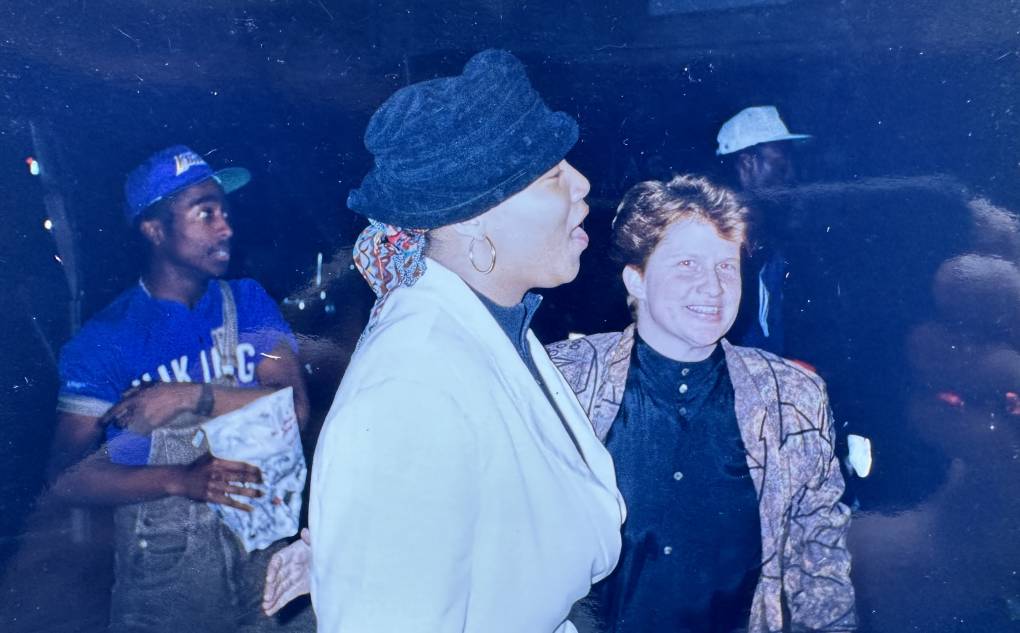
"caption": "Tupac, Queen Latifah and Page Hodel at Hodel's LGBTQ+ party, The Box, in the early '90s.",
"description": null,
"title": "IMG_0901",
"credit": "Courtesy of Page Hodel",
"status": "inherit",
"altTag": null,
"isLoading": false,
"fetchFailed": false
},
"arts_13938799": {
"type": "attachments",
"id": "arts_13938799",
"meta": {
"index": "attachments_1716263798",
"site": "arts",
"id": "13938799",
"found": true
},
"parent": 13938795,
"imgSizes": {
"twentyfourteen-full-width": {
"file": "https://ww2.kqed.org/app/uploads/sites/2/2023/12/Screenshot-2023-12-01-at-11.52.00-AM-copy-1038x576.png",
"width": 1038,
"mimeType": "image/png",
"height": 576
},
"thumbnail": {
"file": "https://ww2.kqed.org/app/uploads/sites/2/2023/12/Screenshot-2023-12-01-at-11.52.00-AM-copy-160x89.png",
"width": 160,
"mimeType": "image/png",
"height": 89
},
"post-thumbnail": {
"file": "https://ww2.kqed.org/app/uploads/sites/2/2023/12/Screenshot-2023-12-01-at-11.52.00-AM-copy-672x372.png",
"width": 672,
"mimeType": "image/png",
"height": 372
},
"kqedFullSize": {
"file": "https://ww2.kqed.org/app/uploads/sites/2/2023/12/Screenshot-2023-12-01-at-11.52.00-AM-copy.png",
"width": 1046,
"height": 584
},
"large": {
"file": "https://ww2.kqed.org/app/uploads/sites/2/2023/12/Screenshot-2023-12-01-at-11.52.00-AM-copy-1020x569.png",
"width": 1020,
"mimeType": "image/png",
"height": 569
},
"medium": {
"file": "https://ww2.kqed.org/app/uploads/sites/2/2023/12/Screenshot-2023-12-01-at-11.52.00-AM-copy-800x447.png",
"width": 800,
"mimeType": "image/png",
"height": 447
},
"medium_large": {
"file": "https://ww2.kqed.org/app/uploads/sites/2/2023/12/Screenshot-2023-12-01-at-11.52.00-AM-copy-768x429.png",
"width": 768,
"mimeType": "image/png",
"height": 429
}
},
"publishDate": 1701460409,
"modified": 1701460454,
"caption": "Marcus, the winner of KQED's Bay Area hip-hop game show, onstage on Nov. 30, 2023.",
"description": null,
"title": "Screenshot 2023-12-01 at 11.52.00 AM copy",
"credit": "KQED",
"status": "inherit",
"altTag": null,
"isLoading": false,
"fetchFailed": false
},
"arts_13938030": {
"type": "attachments",
"id": "arts_13938030",
"meta": {
"index": "attachments_1716263798",
"site": "arts",
"id": "13938030",
"found": true
},
"parent": 13938026,
"imgSizes": {
"twentyfourteen-full-width": {
"file": "https://ww2.kqed.org/app/uploads/sites/2/2023/11/HBKGang.MAIN_.CROP_-746x576.jpg",
"width": 746,
"mimeType": "image/jpeg",
"height": 576
},
"thumbnail": {
"file": "https://ww2.kqed.org/app/uploads/sites/2/2023/11/HBKGang.MAIN_.CROP_-160x160.jpg",
"width": 160,
"mimeType": "image/jpeg",
"height": 160
},
"post-thumbnail": {
"file": "https://ww2.kqed.org/app/uploads/sites/2/2023/11/HBKGang.MAIN_.CROP_-672x372.jpg",
"width": 672,
"mimeType": "image/jpeg",
"height": 372
},
"kqedFullSize": {
"file": "https://ww2.kqed.org/app/uploads/sites/2/2023/11/HBKGang.MAIN_.CROP_.jpg",
"width": 746,
"height": 746
}
},
"publishDate": 1700000383,
"modified": 1700000763,
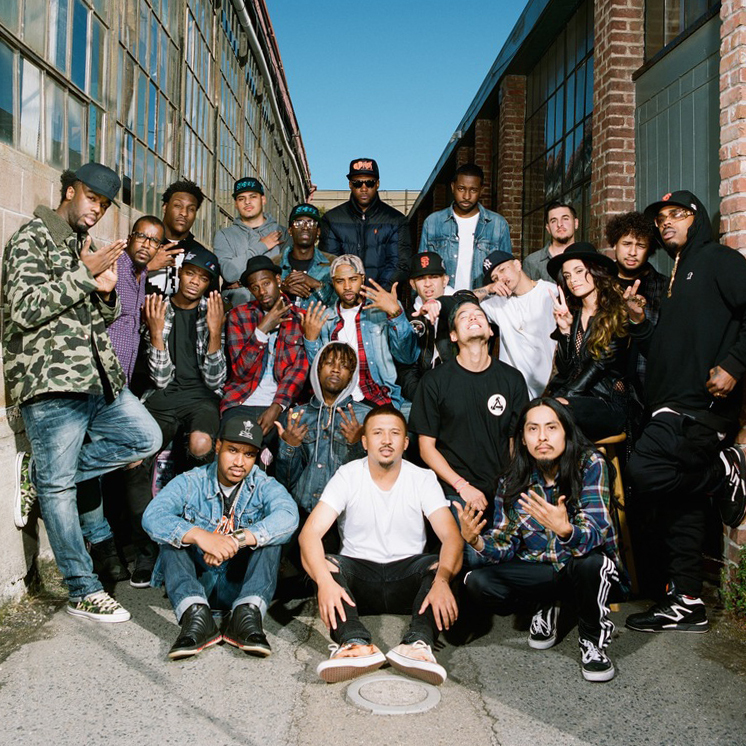
"caption": "HBK Gang reigned the Bay Area rap scene in the 2010s, and evolved the region's hyphy sound into positive party music with mainstream appeal.",
"description": null,
"title": "HBKGang.MAIN.CROP",
"credit": "Arturo Torres",
"status": "inherit",
"altTag": "A large crew of rappers and producers poses in an alleyway.",
"isLoading": false,
"fetchFailed": false
},
"arts_13938031": {
"type": "attachments",
"id": "arts_13938031",
"meta": {
"index": "attachments_1716263798",
"site": "arts",
"id": "13938031",
"found": true
},
"parent": 13938026,
"imgSizes": {
"thumbnail": {
"file": "https://ww2.kqed.org/app/uploads/sites/2/2023/11/HBKGang.16x9-160x90.jpg",
"width": 160,
"mimeType": "image/jpeg",
"height": 90
},
"post-thumbnail": {
"file": "https://ww2.kqed.org/app/uploads/sites/2/2023/11/HBKGang.16x9-672x372.jpg",
"width": 672,
"mimeType": "image/jpeg",
"height": 372
},
"kqedFullSize": {
"file": "https://ww2.kqed.org/app/uploads/sites/2/2023/11/HBKGang.16x9.jpg",
"width": 962,
"height": 541
},
"medium": {
"file": "https://ww2.kqed.org/app/uploads/sites/2/2023/11/HBKGang.16x9-800x450.jpg",
"width": 800,
"mimeType": "image/jpeg",
"height": 450
},
"medium_large": {
"file": "https://ww2.kqed.org/app/uploads/sites/2/2023/11/HBKGang.16x9-768x432.jpg",
"width": 768,
"mimeType": "image/jpeg",
"height": 432
}
},
"publishDate": 1700000782,
"modified": 1700000948,
"caption": "HBK Gang reigned the Bay Area rap scene in the 2010s, and evolved the region's hyphy sound into positive party music with mainstream appeal.",
"description": null,
"title": "HBKGang.16x9",
"credit": "Arturo Torres",
"status": "inherit",
"altTag": "A large crew of rappers and producers poses in an alleyway.",
"isLoading": false,
"fetchFailed": false
},
"arts_13937774": {
"type": "attachments",
"id": "arts_13937774",
"meta": {
"index": "attachments_1716263798",
"site": "arts",
"id": "13937774",
"found": true
},
"parent": 13937489,
"imgSizes": {
"twentyfourteen-full-width": {
"file": "https://ww2.kqed.org/app/uploads/sites/2/2023/11/Turntablism_COVERfinal.REV_-1038x576.jpg",
"width": 1038,
"mimeType": "image/jpeg",
"height": 576
},
"thumbnail": {
"file": "https://ww2.kqed.org/app/uploads/sites/2/2023/11/Turntablism_COVERfinal.REV_-160x90.jpg",
"width": 160,
"mimeType": "image/jpeg",
"height": 90
},
"post-thumbnail": {
"file": "https://ww2.kqed.org/app/uploads/sites/2/2023/11/Turntablism_COVERfinal.REV_-672x372.jpg",
"width": 672,
"mimeType": "image/jpeg",
"height": 372
},
"kqedFullSize": {
"file": "https://ww2.kqed.org/app/uploads/sites/2/2023/11/Turntablism_COVERfinal.REV_.jpg",
"width": 1920,
"height": 1080
},
"large": {
"file": "https://ww2.kqed.org/app/uploads/sites/2/2023/11/Turntablism_COVERfinal.REV_-1020x574.jpg",
"width": 1020,
"mimeType": "image/jpeg",
"height": 574
},
"1536x1536": {
"file": "https://ww2.kqed.org/app/uploads/sites/2/2023/11/Turntablism_COVERfinal.REV_-1536x864.jpg",
"width": 1536,
"mimeType": "image/jpeg",
"height": 864
},
"medium": {
"file": "https://ww2.kqed.org/app/uploads/sites/2/2023/11/Turntablism_COVERfinal.REV_-800x450.jpg",
"width": 800,
"mimeType": "image/jpeg",
"height": 450
},
"medium_large": {
"file": "https://ww2.kqed.org/app/uploads/sites/2/2023/11/Turntablism_COVERfinal.REV_-768x432.jpg",
"width": 768,
"mimeType": "image/jpeg",
"height": 432
}
},
"publishDate": 1699468053,
"modified": 1699468080,
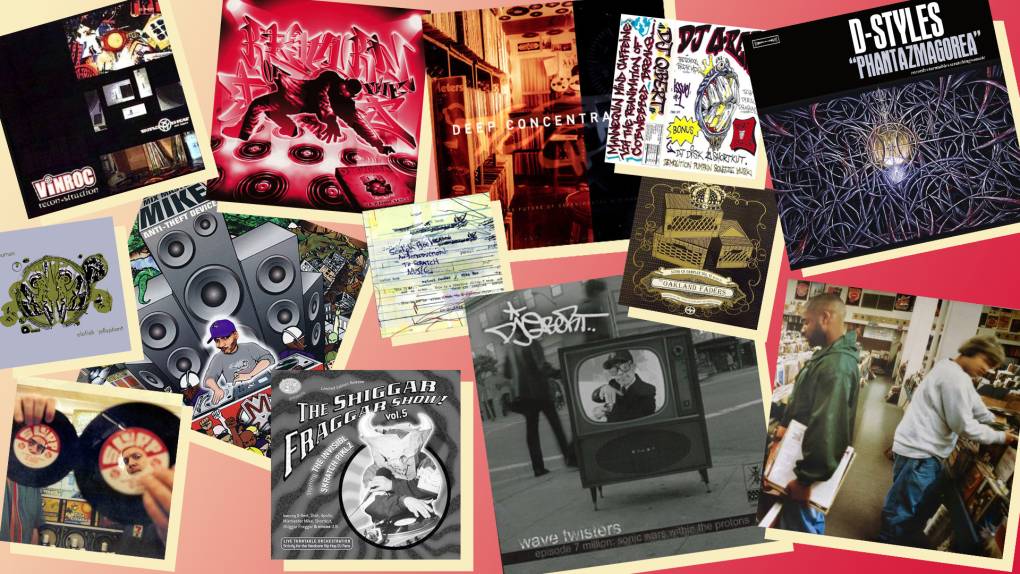
"caption": "Turntablism by nature thrives in the live setting, but a handful of Bay Area DJs have captured its essence on wax in landmark recordings. ",
"description": null,
"title": "Turntablism_COVERfinal.REV",
"credit": "Collage by Sarah Hotchkiss/KQED",
"status": "inherit",
"altTag": "A collage of turntablism album covers against a pink and yellow gradient background",
"isLoading": false,
"fetchFailed": false
},
"arts_13937625": {
"type": "attachments",
"id": "arts_13937625",
"meta": {
"index": "attachments_1716263798",
"site": "arts",
"id": "13937625",
"found": true
},
"parent": 13939056,
"imgSizes": {
"twentyfourteen-full-width": {
"file": "https://cdn.kqed.org/wp-content/uploads/sites/2/2023/11/231103-TupakShakurWay-27-BL-qut-1038x576.jpg",
"width": 1038,
"mimeType": "image/jpeg",
"height": 576
},
"thumbnail": {
"file": "https://cdn.kqed.org/wp-content/uploads/sites/2/2023/11/231103-TupakShakurWay-27-BL-qut-160x107.jpg",
"width": 160,
"mimeType": "image/jpeg",
"height": 107
},
"post-thumbnail": {
"file": "https://cdn.kqed.org/wp-content/uploads/sites/2/2023/11/231103-TupakShakurWay-27-BL-qut-672x372.jpg",
"width": 672,
"mimeType": "image/jpeg",
"height": 372
},
"kqedFullSize": {
"file": "https://cdn.kqed.org/wp-content/uploads/sites/2/2023/11/231103-TupakShakurWay-27-BL-qut.jpg",
"width": 1920,
"height": 1280
},
"large": {
"file": "https://cdn.kqed.org/wp-content/uploads/sites/2/2023/11/231103-TupakShakurWay-27-BL-qut-1020x680.jpg",
"width": 1020,
"mimeType": "image/jpeg",
"height": 680
},
"1536x1536": {
"file": "https://cdn.kqed.org/wp-content/uploads/sites/2/2023/11/231103-TupakShakurWay-27-BL-qut-1536x1024.jpg",
"width": 1536,
"mimeType": "image/jpeg",
"height": 1024
},
"medium": {
"file": "https://cdn.kqed.org/wp-content/uploads/sites/2/2023/11/231103-TupakShakurWay-27-BL-qut-800x533.jpg",
"width": 800,
"mimeType": "image/jpeg",
"height": 533
},
"medium_large": {
"file": "https://cdn.kqed.org/wp-content/uploads/sites/2/2023/11/231103-TupakShakurWay-27-BL-qut-768x512.jpg",
"width": 768,
"mimeType": "image/jpeg",
"height": 512
}
},
"publishDate": 1699058081,
"modified": 1702015952,
"caption": "The sign for 'Tupac Shakur Way' is unveiled during a renaming ceremony in Oakland, Calif., on Nov. 3, 2023.",
"description": null,
"title": "231103-Tupac.Shakur.Way-27-BL-qut",
"credit": "Beth LaBerge/KQED",
"status": "inherit",
"altTag": null,
"isLoading": false,
"fetchFailed": false
},
"arts_13937580": {
"type": "attachments",
"id": "arts_13937580",
"meta": {
"index": "attachments_1716263798",
"site": "arts",
"id": "13937580",
"found": true
},
"parent": 0,
"imgSizes": {
"twentyfourteen-full-width": {
"file": "https://ww2.kqed.org/app/uploads/sites/2/2023/11/BL1_1453-1038x576.jpg",
"width": 1038,
"mimeType": "image/jpeg",
"height": 576
},
"thumbnail": {
"file": "https://ww2.kqed.org/app/uploads/sites/2/2023/11/BL1_1453-160x107.jpg",
"width": 160,
"mimeType": "image/jpeg",
"height": 107
},
"post-thumbnail": {
"file": "https://ww2.kqed.org/app/uploads/sites/2/2023/11/BL1_1453-672x372.jpg",
"width": 672,
"mimeType": "image/jpeg",
"height": 372
},
"kqedFullSize": {
"file": "https://ww2.kqed.org/app/uploads/sites/2/2023/11/BL1_1453.jpg",
"width": 2359,
"height": 1573
},
"2048x2048": {
"file": "https://ww2.kqed.org/app/uploads/sites/2/2023/11/BL1_1453-2048x1366.jpg",
"width": 2048,
"mimeType": "image/jpeg",
"height": 1366
},
"large": {
"file": "https://ww2.kqed.org/app/uploads/sites/2/2023/11/BL1_1453-1020x680.jpg",
"width": 1020,
"mimeType": "image/jpeg",
"height": 680
},
"1536x1536": {
"file": "https://ww2.kqed.org/app/uploads/sites/2/2023/11/BL1_1453-1536x1024.jpg",
"width": 1536,
"mimeType": "image/jpeg",
"height": 1024
},
"full-width": {
"file": "https://ww2.kqed.org/app/uploads/sites/2/2023/11/BL1_1453-1920x1280.jpg",
"width": 1920,
"mimeType": "image/jpeg",
"height": 1280
},
"medium": {
"file": "https://ww2.kqed.org/app/uploads/sites/2/2023/11/BL1_1453-800x533.jpg",
"width": 800,
"mimeType": "image/jpeg",
"height": 533
},
"medium_large": {
"file": "https://ww2.kqed.org/app/uploads/sites/2/2023/11/BL1_1453-768x512.jpg",
"width": 768,
"mimeType": "image/jpeg",
"height": 512
}
},
"publishDate": 1699042996,
"modified": 1699043419,
"caption": "'Tupac Shakur Way' was unveiled in a ceremony on Friday. Nov. 3, in Oakland. ",
"description": null,
"title": "BL1_1453",
"credit": "Beth LaBerge/KQED",
"status": "inherit",
"altTag": null,
"isLoading": false,
"fetchFailed": false
},
"arts_13937060": {
"type": "attachments",
"id": "arts_13937060",
"meta": {
"index": "attachments_1716263798",
"site": "arts",
"id": "13937060",
"found": true
},
"parent": 13936387,
"imgSizes": {
"twentyfourteen-full-width": {
"file": "https://ww2.kqed.org/app/uploads/sites/2/2023/10/epa_tapes_cover-1038x576.jpg",
"width": 1038,
"mimeType": "image/jpeg",
"height": 576
},
"thumbnail": {
"file": "https://ww2.kqed.org/app/uploads/sites/2/2023/10/epa_tapes_cover-160x90.jpg",
"width": 160,
"mimeType": "image/jpeg",
"height": 90
},
"post-thumbnail": {
"file": "https://ww2.kqed.org/app/uploads/sites/2/2023/10/epa_tapes_cover-672x372.jpg",
"width": 672,
"mimeType": "image/jpeg",
"height": 372
},
"kqedFullSize": {
"file": "https://ww2.kqed.org/app/uploads/sites/2/2023/10/epa_tapes_cover.jpg",
"width": 1920,
"height": 1080
},
"large": {
"file": "https://ww2.kqed.org/app/uploads/sites/2/2023/10/epa_tapes_cover-1020x574.jpg",
"width": 1020,
"mimeType": "image/jpeg",
"height": 574
},
"1536x1536": {
"file": "https://ww2.kqed.org/app/uploads/sites/2/2023/10/epa_tapes_cover-1536x864.jpg",
"width": 1536,
"mimeType": "image/jpeg",
"height": 864
},
"medium": {
"file": "https://ww2.kqed.org/app/uploads/sites/2/2023/10/epa_tapes_cover-800x450.jpg",
"width": 800,
"mimeType": "image/jpeg",
"height": 450
},
"medium_large": {
"file": "https://ww2.kqed.org/app/uploads/sites/2/2023/10/epa_tapes_cover-768x432.jpg",
"width": 768,
"mimeType": "image/jpeg",
"height": 432
}
},
"publishDate": 1698356460,
"modified": 1698383020,
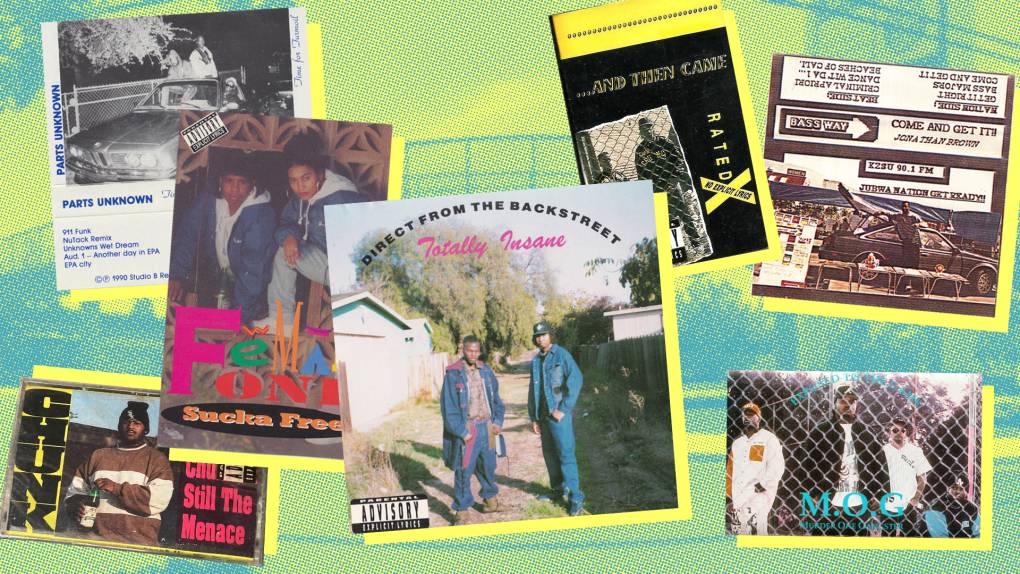
"caption": "In the 1980s and 1990s, dozens of cassettes were released by independent artists in the small, under-resourced triangle of East Palo Alto.",
"description": null,
"title": "epa_tapes_cover",
"credit": "Collage by Sarah Hotchkiss",
"status": "inherit",
"altTag": null,
"isLoading": false,
"fetchFailed": false
},
"arts_13936743": {
"type": "attachments",
"id": "arts_13936743",
"meta": {
"index": "attachments_1716263798",
"site": "arts",
"id": "13936743",
"found": true
},
"parent": 13936739,
"imgSizes": {
"twentyfourteen-full-width": {
"file": "https://ww2.kqed.org/app/uploads/sites/2/2023/10/Mall.BlackC.MAIN_.fornow-1038x576.png",
"width": 1038,
"mimeType": "image/png",
"height": 576
},
"thumbnail": {
"file": "https://ww2.kqed.org/app/uploads/sites/2/2023/10/Mall.BlackC.MAIN_.fornow-160x89.png",
"width": 160,
"mimeType": "image/png",
"height": 89
},
"post-thumbnail": {
"file": "https://ww2.kqed.org/app/uploads/sites/2/2023/10/Mall.BlackC.MAIN_.fornow-672x372.png",
"width": 672,
"mimeType": "image/png",
"height": 372
},
"kqedFullSize": {
"file": "https://ww2.kqed.org/app/uploads/sites/2/2023/10/Mall.BlackC.MAIN_.fornow.png",
"width": 2028,
"height": 1130
},
"large": {
"file": "https://ww2.kqed.org/app/uploads/sites/2/2023/10/Mall.BlackC.MAIN_.fornow-1020x568.png",
"width": 1020,
"mimeType": "image/png",
"height": 568
},
"1536x1536": {
"file": "https://ww2.kqed.org/app/uploads/sites/2/2023/10/Mall.BlackC.MAIN_.fornow-1536x856.png",
"width": 1536,
"mimeType": "image/png",
"height": 856
},
"full-width": {
"file": "https://ww2.kqed.org/app/uploads/sites/2/2023/10/Mall.BlackC.MAIN_.fornow-1920x1070.png",
"width": 1920,
"mimeType": "image/png",
"height": 1070
},
"medium": {
"file": "https://ww2.kqed.org/app/uploads/sites/2/2023/10/Mall.BlackC.MAIN_.fornow-800x446.png",
"width": 800,
"mimeType": "image/png",
"height": 446
},
"medium_large": {
"file": "https://ww2.kqed.org/app/uploads/sites/2/2023/10/Mall.BlackC.MAIN_.fornow-768x428.png",
"width": 768,
"mimeType": "image/png",
"height": 428
}
},
"publishDate": 1697816004,
"modified": 1697816073,
"caption": "(L–R) Black C and Mac Mall onstage at the Commons at KQED, Oct. 19, 2023.",
"description": null,
"title": "Mall.BlackC.MAIN.fornow",
"credit": null,
"status": "inherit",
"altTag": null,
"isLoading": false,
"fetchFailed": false
},
"arts_13920337": {
"type": "attachments",
"id": "arts_13920337",
"meta": {
"index": "attachments_1716263798",
"site": "arts",
"id": "13920337",
"found": true
},
"parent": 13920320,
"imgSizes": {
"twentyfourteen-full-width": {
"file": "https://ww2.kqed.org/app/uploads/sites/2/2022/10/DSC04450-1038x576.jpg",
"width": 1038,
"mimeType": "image/jpeg",
"height": 576
},
"thumbnail": {
"file": "https://ww2.kqed.org/app/uploads/sites/2/2022/10/DSC04450-160x107.jpg",
"width": 160,
"mimeType": "image/jpeg",
"height": 107
},
"post-thumbnail": {
"file": "https://ww2.kqed.org/app/uploads/sites/2/2022/10/DSC04450-672x372.jpg",
"width": 672,
"mimeType": "image/jpeg",
"height": 372
},
"kqedFullSize": {
"file": "https://ww2.kqed.org/app/uploads/sites/2/2022/10/DSC04450.jpg",
"width": 1616,
"height": 1080
},
"large": {
"file": "https://ww2.kqed.org/app/uploads/sites/2/2022/10/DSC04450-1020x682.jpg",
"width": 1020,
"mimeType": "image/jpeg",
"height": 682
},
"1536x1536": {
"file": "https://ww2.kqed.org/app/uploads/sites/2/2022/10/DSC04450-1536x1027.jpg",
"width": 1536,
"mimeType": "image/jpeg",
"height": 1027
},
"medium": {
"file": "https://ww2.kqed.org/app/uploads/sites/2/2022/10/DSC04450-800x535.jpg",
"width": 800,
"mimeType": "image/jpeg",
"height": 535
},
"medium_large": {
"file": "https://ww2.kqed.org/app/uploads/sites/2/2022/10/DSC04450-768x513.jpg",
"width": 768,
"mimeType": "image/jpeg",
"height": 513
}
},
"publishDate": 1665686152,
"modified": 1665686270,
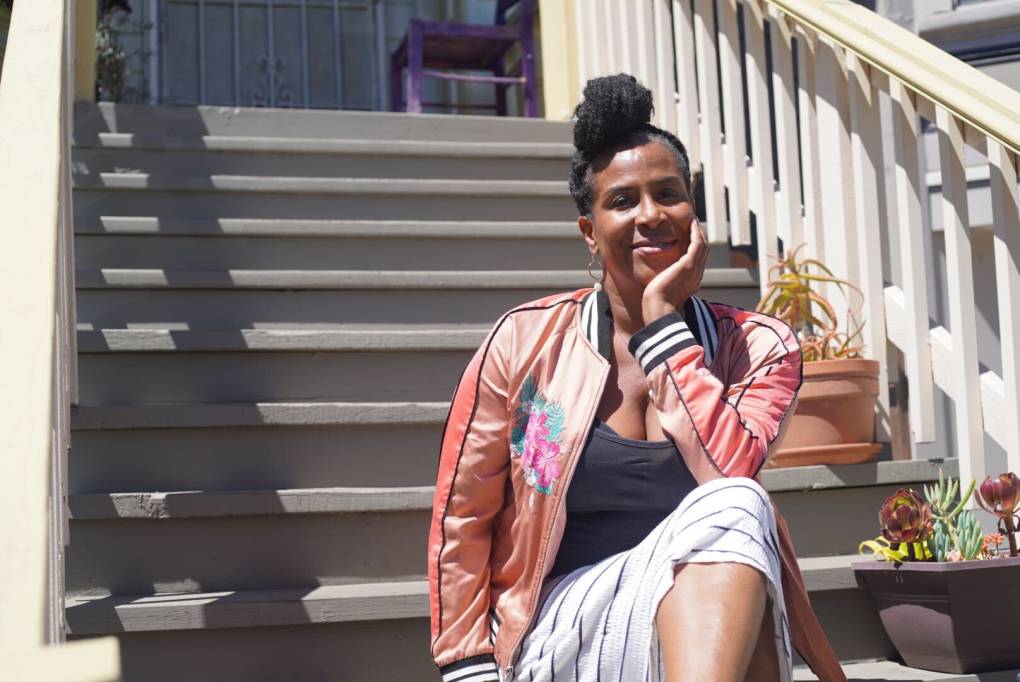
"caption": "Traci Bartlow, owner of B-Love's Guesthouse, sits on the porch of her property in West Oakland. ",
"description": "Traci Bartlow, owner of B-Love's Guesthouse, sits on the porch of her property in West Oakland. ",
"title": "Traci Bartlow, owner of B-Love's Guesthouse, sits on the porch of her property in West Oakland.",
"credit": "Pendarvis Harshaw",
"status": "inherit",
"altTag": "Traci Bartlow, owner of B-Love's Guesthouse, sits on the porch of her property in West Oakland.",
"isLoading": false,
"fetchFailed": false
},
"arts_13936281": {
"type": "attachments",
"id": "arts_13936281",
"meta": {
"index": "attachments_1716263798",
"site": "arts",
"id": "13936281",
"found": true
},
"parent": 13936224,
"imgSizes": {
"twentyfourteen-full-width": {
"file": "https://ww2.kqed.org/app/uploads/sites/2/2023/10/Light-Photograph-8-1038x576.png",
"width": 1038,
"mimeType": "image/png",
"height": 576
},
"thumbnail": {
"file": "https://ww2.kqed.org/app/uploads/sites/2/2023/10/Light-Photograph-8-160x90.png",
"width": 160,
"mimeType": "image/png",
"height": 90
},
"post-thumbnail": {
"file": "https://ww2.kqed.org/app/uploads/sites/2/2023/10/Light-Photograph-8-672x372.png",
"width": 672,
"mimeType": "image/png",
"height": 372
},
"kqedFullSize": {
"file": "https://ww2.kqed.org/app/uploads/sites/2/2023/10/Light-Photograph-8.png",
"width": 1920,
"height": 1080
},
"large": {
"file": "https://ww2.kqed.org/app/uploads/sites/2/2023/10/Light-Photograph-8-1020x574.png",
"width": 1020,
"mimeType": "image/png",
"height": 574
},
"1536x1536": {
"file": "https://ww2.kqed.org/app/uploads/sites/2/2023/10/Light-Photograph-8-1536x864.png",
"width": 1536,
"mimeType": "image/png",
"height": 864
},
"medium": {
"file": "https://ww2.kqed.org/app/uploads/sites/2/2023/10/Light-Photograph-8-800x450.png",
"width": 800,
"mimeType": "image/png",
"height": 450
},
"medium_large": {
"file": "https://ww2.kqed.org/app/uploads/sites/2/2023/10/Light-Photograph-8-768x432.png",
"width": 768,
"mimeType": "image/png",
"height": 432
}
},
"publishDate": 1697066140,
"modified": 1697066885,
"caption": "Tyrone “Baybe Champ” Stevenson, scraper bike king. ",
"description": "Man wearing blue jeans and long sleeved shirt, faces the camera while riding a light blue and purple colored, adult tricycle, with a large speaker in its cargo rack.",
"title": "Light Photograph (8)",
"credit": " D-Ray.",
"status": "inherit",
"altTag": "Man wearing blue jeans and long sleeved shirt, faces the camera while riding a light blue and purple colored, adult tricycle, with a large speaker in its cargo rack.",
"isLoading": false,
"fetchFailed": false
},
"arts_13935866": {
"type": "attachments",
"id": "arts_13935866",
"meta": {
"index": "attachments_1716263798",
"site": "arts",
"id": "13935866",
"found": true
},
"parent": 13935842,
"imgSizes": {
"twentyfourteen-full-width": {
"file": "https://ww2.kqed.org/app/uploads/sites/2/2023/10/Dark-Photograph-7-1038x576.png",
"width": 1038,
"mimeType": "image/png",
"height": 576
},
"thumbnail": {
"file": "https://ww2.kqed.org/app/uploads/sites/2/2023/10/Dark-Photograph-7-160x90.png",
"width": 160,
"mimeType": "image/png",
"height": 90
},
"post-thumbnail": {
"file": "https://ww2.kqed.org/app/uploads/sites/2/2023/10/Dark-Photograph-7-672x372.png",
"width": 672,
"mimeType": "image/png",
"height": 372
},
"kqedFullSize": {
"file": "https://ww2.kqed.org/app/uploads/sites/2/2023/10/Dark-Photograph-7.png",
"width": 1920,
"height": 1080
},
"large": {
"file": "https://ww2.kqed.org/app/uploads/sites/2/2023/10/Dark-Photograph-7-1020x574.png",
"width": 1020,
"mimeType": "image/png",
"height": 574
},
"1536x1536": {
"file": "https://ww2.kqed.org/app/uploads/sites/2/2023/10/Dark-Photograph-7-1536x864.png",
"width": 1536,
"mimeType": "image/png",
"height": 864
},
"medium": {
"file": "https://ww2.kqed.org/app/uploads/sites/2/2023/10/Dark-Photograph-7-800x450.png",
"width": 800,
"mimeType": "image/png",
"height": 450
},
"medium_large": {
"file": "https://ww2.kqed.org/app/uploads/sites/2/2023/10/Dark-Photograph-7-768x432.png",
"width": 768,
"mimeType": "image/png",
"height": 432
}
},
"publishDate": 1696461771,
"modified": 1696476620,
"caption": "Rapper Too $hort drives a drop-top old school car as MTV host Sway Calloway sits in the passenger seat and a film crew sits in the back recording an episode of MTV My Block: The Bay in 2006.",
"description": "Rapper Too $hort drives a drop-top old school car as MTV host Sway Calloway sits in the passenger seat and a film crew sits in the back recording an episode of MTV My Block: The Bay in 2006.",
"title": "Rapper Too $hort drives a drop-top old school car as MTV host Sway Calloway sits in the passenger seat and a film crew sits in the back recording an episode of MTV My Block: The Bay in 2006.",
"credit": "D-Ray",
"status": "inherit",
"altTag": "Rapper Too $hort drives a drop-top old school car as MTV host Sway Calloway sits in the passenger seat and a film crew sits in the back recording an episode of MTV My Block: The Bay in 2006.",
"isLoading": false,
"fetchFailed": false
},
"arts_13935522": {
"type": "attachments",
"id": "arts_13935522",
"meta": {
"index": "attachments_1716263798",
"site": "arts",
"id": "13935522",
"found": true
},
"parent": 13935467,
"imgSizes": {
"twentyfourteen-full-width": {
"file": "https://ww2.kqed.org/app/uploads/sites/2/2023/09/BHHM_46-sq-1038x576.jpg",
"width": 1038,
"mimeType": "image/jpeg",
"height": 576
},
"thumbnail": {
"file": "https://ww2.kqed.org/app/uploads/sites/2/2023/09/BHHM_46-sq-160x160.jpg",
"width": 160,
"mimeType": "image/jpeg",
"height": 160
},
"post-thumbnail": {
"file": "https://ww2.kqed.org/app/uploads/sites/2/2023/09/BHHM_46-sq-672x372.jpg",
"width": 672,
"mimeType": "image/jpeg",
"height": 372
},
"kqedFullSize": {
"file": "https://ww2.kqed.org/app/uploads/sites/2/2023/09/BHHM_46-sq.jpg",
"width": 2094,
"height": 2094
},
"2048x2048": {
"file": "https://ww2.kqed.org/app/uploads/sites/2/2023/09/BHHM_46-sq-2048x2048.jpg",
"width": 2048,
"mimeType": "image/jpeg",
"height": 2048
},
"large": {
"file": "https://ww2.kqed.org/app/uploads/sites/2/2023/09/BHHM_46-sq-1020x1020.jpg",
"width": 1020,
"mimeType": "image/jpeg",
"height": 1020
},
"1536x1536": {
"file": "https://ww2.kqed.org/app/uploads/sites/2/2023/09/BHHM_46-sq-1536x1536.jpg",
"width": 1536,
"mimeType": "image/jpeg",
"height": 1536
},
"full-width": {
"file": "https://ww2.kqed.org/app/uploads/sites/2/2023/09/BHHM_46-sq-1920x1920.jpg",
"width": 1920,
"mimeType": "image/jpeg",
"height": 1920
},
"medium": {
"file": "https://ww2.kqed.org/app/uploads/sites/2/2023/09/BHHM_46-sq-800x800.jpg",
"width": 800,
"mimeType": "image/jpeg",
"height": 800
},
"medium_large": {
"file": "https://ww2.kqed.org/app/uploads/sites/2/2023/09/BHHM_46-sq-768x768.jpg",
"width": 768,
"mimeType": "image/jpeg",
"height": 768
}
},
"publishDate": 1695939547,
"modified": 1695939889,
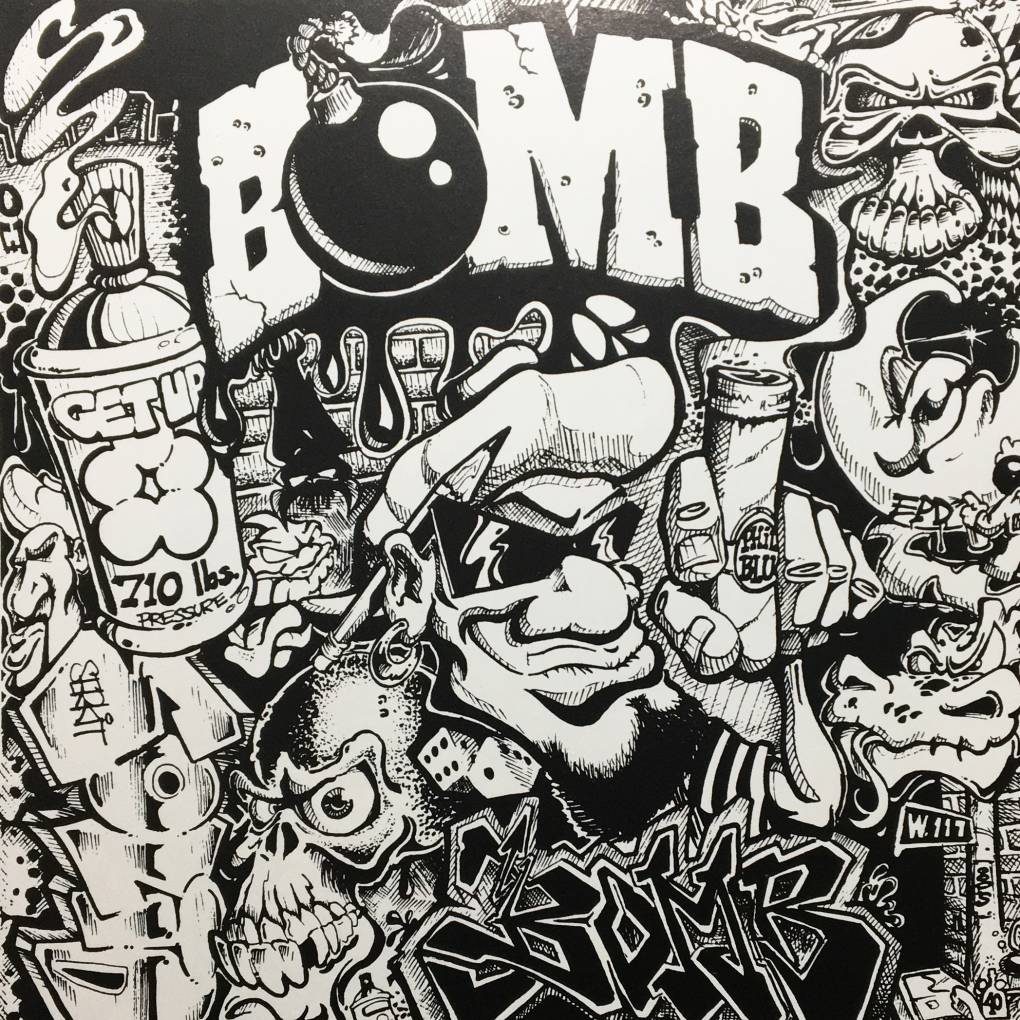
"caption": "The cover 'The Bomb Hip-Hop Magazine' issue N0. 46, illustrated by Serkit. ",
"description": null,
"title": "BHHM_46-sq",
"credit": "Courtesy of Dave Paul",
"status": "inherit",
"altTag": "A black-and-white illustration features graffiti characters with exaggerated features, spray cans and other details.",
"isLoading": false,
"fetchFailed": false
},
"arts_13935534": {
"type": "attachments",
"id": "arts_13935534",
"meta": {
"index": "attachments_1716263798",
"site": "arts",
"id": "13935534",
"found": true
},
"parent": 13935467,
"imgSizes": {
"twentyfourteen-full-width": {
"file": "https://ww2.kqed.org/app/uploads/sites/2/2023/09/BHHM_46-cropped-1038x576.jpg",
"width": 1038,
"mimeType": "image/jpeg",
"height": 576
},
"thumbnail": {
"file": "https://ww2.kqed.org/app/uploads/sites/2/2023/09/BHHM_46-cropped-160x90.jpg",
"width": 160,
"mimeType": "image/jpeg",
"height": 90
},
"post-thumbnail": {
"file": "https://ww2.kqed.org/app/uploads/sites/2/2023/09/BHHM_46-cropped-672x372.jpg",
"width": 672,
"mimeType": "image/jpeg",
"height": 372
},
"kqedFullSize": {
"file": "https://ww2.kqed.org/app/uploads/sites/2/2023/09/BHHM_46-cropped.jpg",
"width": 1472,
"height": 828
},
"large": {
"file": "https://ww2.kqed.org/app/uploads/sites/2/2023/09/BHHM_46-cropped-1020x574.jpg",
"width": 1020,
"mimeType": "image/jpeg",
"height": 574
},
"medium": {
"file": "https://ww2.kqed.org/app/uploads/sites/2/2023/09/BHHM_46-cropped-800x450.jpg",
"width": 800,
"mimeType": "image/jpeg",
"height": 450
},
"medium_large": {
"file": "https://ww2.kqed.org/app/uploads/sites/2/2023/09/BHHM_46-cropped-768x432.jpg",
"width": 768,
"mimeType": "image/jpeg",
"height": 432
}
},
"publishDate": 1695942574,
"modified": 1695942621,
"caption": "The cover 'The Bomb Hip-Hop Magazine' issue N0. 46, illustrated by Serkit. ",
"description": null,
"title": "BHHM_46-cropped",
"credit": "Courtesy of Dave Paul",
"status": "inherit",
"altTag": "Illustrated graffiti letters read 'BOMB.'",
"isLoading": false,
"fetchFailed": false
},
"arts_13935477": {
"type": "attachments",
"id": "arts_13935477",
"meta": {
"index": "attachments_1716263798",
"site": "arts",
"id": "13935477",
"found": true
},
"parent": 13935408,
"imgSizes": {
"twentyfourteen-full-width": {
"file": "https://ww2.kqed.org/app/uploads/sites/2/2023/09/HKGT-part-2-web-image-1038x576.png",
"width": 1038,
"mimeType": "image/png",
"height": 576
},
"thumbnail": {
"file": "https://ww2.kqed.org/app/uploads/sites/2/2023/09/HKGT-part-2-web-image-160x90.png",
"width": 160,
"mimeType": "image/png",
"height": 90
},
"post-thumbnail": {
"file": "https://ww2.kqed.org/app/uploads/sites/2/2023/09/HKGT-part-2-web-image-672x372.png",
"width": 672,
"mimeType": "image/png",
"height": 372
},
"kqedFullSize": {
"file": "https://ww2.kqed.org/app/uploads/sites/2/2023/09/HKGT-part-2-web-image.png",
"width": 1920,
"height": 1080
},
"large": {
"file": "https://ww2.kqed.org/app/uploads/sites/2/2023/09/HKGT-part-2-web-image-1020x574.png",
"width": 1020,
"mimeType": "image/png",
"height": 574
},
"1536x1536": {
"file": "https://ww2.kqed.org/app/uploads/sites/2/2023/09/HKGT-part-2-web-image-1536x864.png",
"width": 1536,
"mimeType": "image/png",
"height": 864
},
"medium": {
"file": "https://ww2.kqed.org/app/uploads/sites/2/2023/09/HKGT-part-2-web-image-800x450.png",
"width": 800,
"mimeType": "image/png",
"height": 450
},
"medium_large": {
"file": "https://ww2.kqed.org/app/uploads/sites/2/2023/09/HKGT-part-2-web-image-768x432.png",
"width": 768,
"mimeType": "image/png",
"height": 432
}
},
"publishDate": 1695857676,
"modified": 1695917028,
"caption": "Legendary Vallejo rapper E-40 with three dancers on a purple Buick 'scraper' during the filming of the 'Tell Me When To Go' music video in Deep East Oakland, circa 2006.",
"description": "Legendary Vallejo rapper E-40 stands in front of a purple Buick \"scraper\" as three young folks dance atop the vehicle during the filming of the video for the song, \"Tell Me When To Go\" in Deep East Oakland back in 2006.",
"title": "Legendary Vallejo rapper E-40 stands in front of a purple Buick \"scraper\" as three young folks dance atop the vehicle during the filming of the video for the song, \"Tell Me When To Go\" in Deep East Oakland back in 2006.",
"credit": "D-Ray",
"status": "inherit",
"altTag": "Legendary Vallejo rapper E-40 stands in front of a purple Buick \"scraper\" as three young folks dance atop the vehicle during the filming of the video for the song, \"Tell Me When To Go\" in Deep East Oakland back in 2006.",
"isLoading": false,
"fetchFailed": false
}
},
"audioPlayerReducer": {
"postId": "stream_live",
"isPaused": true,
"isPlaying": false,
"pfsActive": false,
"pledgeModalIsOpen": true,
"playerDrawerIsOpen": false,
"liveAudioPlayStartedAt": 0,
"liveAudioPlayContext": ""
},
"authorsReducer": {
"byline_arts_13936387": {
"type": "authors",
"id": "byline_arts_13936387",
"meta": {
"override": true
},
"slug": "byline_arts_13936387",
"name": "J. Darrah ",
"isLoading": false
},
"gmeline": {
"type": "authors",
"id": "185",
"meta": {
"index": "authors_1716337520",
"id": "185",
"found": true
},
"name": "Gabe Meline",
"firstName": "Gabe",
"lastName": "Meline",
"slug": "gmeline",
"email": "gmeline@kqed.org",
"display_author_email": true,
"staff_mastheads": [
"arts"
],
"title": "Senior Editor, KQED Arts & Culture",
"bio": "Gabe Meline entered journalism at age 15 making photocopied zines, and has since earned awards from the Edward R. Murrow Awards, the Society for Professional Journalists, the Online Journalism Awards, the Association of Alternative Newsweeklies and the California Newspaper Publishers Association. Prior to KQED, he was the editor of the \u003cem>North Bay Bohemian\u003c/em> and a touring musician. He lives with his wife and daughter in his hometown of Santa Rosa, CA.",
"avatar": "https://secure.gravatar.com/avatar/5bebe57be0d8bc2dd318934feb47299e2d2d10cba28d09d8d7afb389a2ce2bdd?s=600&d=blank&r=g",
"twitter": null,
"bluesky": null,
"facebook": null,
"instagram": null,
"linkedin": null,
"sites": [
{
"site": "",
"roles": [
"editor"
]
},
{
"site": "arts",
"roles": [
"administrator"
]
},
{
"site": "artschool",
"roles": [
"editor"
]
},
{
"site": "news",
"roles": [
"author"
]
},
{
"site": "pop",
"roles": [
"editor"
]
},
{
"site": "bayareabites",
"roles": [
"editor"
]
},
{
"site": "food",
"roles": [
"editor"
]
},
{
"site": "forum",
"roles": [
"administrator"
]
},
{
"site": "liveblog",
"roles": [
"editor"
]
},
{
"site": "hiphop",
"roles": [
"editor"
]
}
],
"headData": {
"title": "Gabe Meline | KQED",
"description": "Senior Editor, KQED Arts & Culture",
"ogImgSrc": "https://secure.gravatar.com/avatar/5bebe57be0d8bc2dd318934feb47299e2d2d10cba28d09d8d7afb389a2ce2bdd?s=600&d=blank&r=g",
"twImgSrc": "https://secure.gravatar.com/avatar/5bebe57be0d8bc2dd318934feb47299e2d2d10cba28d09d8d7afb389a2ce2bdd?s=600&d=blank&r=g"
},
"isLoading": false,
"link": "/author/gmeline"
},
"tamarapalmer": {
"type": "authors",
"id": "5111",
"meta": {
"index": "authors_1716337520",
"id": "5111",
"found": true
},
"name": "Tamara Palmer",
"firstName": "Tamara",
"lastName": "Palmer",
"slug": "tamarapalmer",
"email": "countryfriedsoul@gmail.com",
"display_author_email": false,
"staff_mastheads": [],
"title": "KQED Contributor",
"bio": "I'm a professional DJ, freelance writer, recipe developer and independent publisher of zines about music and food. You'll find my byline in a wide range of news, tech and entertainment publications. My first book \u003ci>Country Fried Soul: Adventures in Dirty South Hip-Hop\u003c/i> was published in 2005, and a more personal West Coast anthology called \u003ci>California Love\u003c/i> is planned for 2023.",
"avatar": "https://secure.gravatar.com/avatar/c8befc278d4c9854b7bbbaa2b9b37a3acb2a834e69d071b638644f0a1739362d?s=600&d=blank&r=g",
"twitter": null,
"bluesky": null,
"facebook": null,
"instagram": null,
"linkedin": null,
"sites": [
{
"site": "arts",
"roles": [
"contributor"
]
},
{
"site": "bayareabites",
"roles": [
"subscriber"
]
}
],
"headData": {
"title": "Tamara Palmer | KQED",
"description": "KQED Contributor",
"ogImgSrc": "https://secure.gravatar.com/avatar/c8befc278d4c9854b7bbbaa2b9b37a3acb2a834e69d071b638644f0a1739362d?s=600&d=blank&r=g",
"twImgSrc": "https://secure.gravatar.com/avatar/c8befc278d4c9854b7bbbaa2b9b37a3acb2a834e69d071b638644f0a1739362d?s=600&d=blank&r=g"
},
"isLoading": false,
"link": "/author/tamarapalmer"
},
"nvoynovskaya": {
"type": "authors",
"id": "11387",
"meta": {
"index": "authors_1716337520",
"id": "11387",
"found": true
},
"name": "Nastia Voynovskaya",
"firstName": "Nastia",
"lastName": "Voynovskaya",
"slug": "nvoynovskaya",
"email": "nvoynovskaya@kqed.org",
"display_author_email": false,
"staff_mastheads": [
"arts"
],
"title": "Editor and reporter",
"bio": "Nastia Voynovskaya is a reporter, editor and host at KQED Arts & Culture. She's been covering the arts in the Bay Area for over a decade, with a focus on music, queer culture, labor issues and grassroots organizing. She has edited KQED story series such as Trans Bay: A History of San Francisco's Gender-Diverse Community, and co-created KQED's Bay Area hip-hop history project, That's My Word. Nastia's work has been recognized by the Society of Professional Journalists and San Francisco Press Club. She regularly appears on podcasts and radio programs, including NPR's All Songs Considered, and hosts live events where music, culture and conversation meet.",
"avatar": "https://secure.gravatar.com/avatar/5025ee460e5a85d69ca20ea6c6f2f80d7e17795c828f61ea3aecfcd924e9042e?s=600&d=blank&r=g",
"twitter": null,
"bluesky": null,
"facebook": null,
"instagram": "https://www.instagram.com/nananastia/",
"linkedin": null,
"sites": [
{
"site": "",
"roles": [
"editor"
]
},
{
"site": "arts",
"roles": [
"administrator"
]
},
{
"site": "news",
"roles": [
"editor"
]
},
{
"site": "pop",
"roles": [
"administrator"
]
},
{
"site": "bayareabites",
"roles": [
"editor"
]
},
{
"site": "podcasts",
"roles": [
"editor"
]
},
{
"site": "hiphop",
"roles": [
"editor"
]
}
],
"headData": {
"title": "Nastia Voynovskaya | KQED",
"description": "Editor and reporter",
"ogImgSrc": "https://secure.gravatar.com/avatar/5025ee460e5a85d69ca20ea6c6f2f80d7e17795c828f61ea3aecfcd924e9042e?s=600&d=blank&r=g",
"twImgSrc": "https://secure.gravatar.com/avatar/5025ee460e5a85d69ca20ea6c6f2f80d7e17795c828f61ea3aecfcd924e9042e?s=600&d=blank&r=g"
},
"isLoading": false,
"link": "/author/nvoynovskaya"
},
"ogpenn": {
"type": "authors",
"id": "11491",
"meta": {
"index": "authors_1716337520",
"id": "11491",
"found": true
},
"name": "Pendarvis Harshaw",
"firstName": "Pendarvis",
"lastName": "Harshaw",
"slug": "ogpenn",
"email": "ogpenn@gmail.com",
"display_author_email": false,
"staff_mastheads": [
"arts"
],
"title": "Community Engagement Reporter",
"bio": "Pendarvis Harshaw is an educator, host and writer with KQED Arts.",
"avatar": "https://secure.gravatar.com/avatar/972b77ee8e3f346ae2b00622661187fbfabd059b5693bbdc1475ea7a722fd4cd?s=600&d=blank&r=g",
"twitter": null,
"bluesky": null,
"facebook": null,
"instagram": "ogpenn",
"linkedin": null,
"sites": [
{
"site": "arts",
"roles": [
"administrator"
]
},
{
"site": "news",
"roles": [
"editor"
]
},
{
"site": "bayareabites",
"roles": [
"author"
]
},
{
"site": "hiphop",
"roles": [
"editor"
]
}
],
"headData": {
"title": "Pendarvis Harshaw | KQED",
"description": "Community Engagement Reporter",
"ogImgSrc": "https://secure.gravatar.com/avatar/972b77ee8e3f346ae2b00622661187fbfabd059b5693bbdc1475ea7a722fd4cd?s=600&d=blank&r=g",
"twImgSrc": "https://secure.gravatar.com/avatar/972b77ee8e3f346ae2b00622661187fbfabd059b5693bbdc1475ea7a722fd4cd?s=600&d=blank&r=g"
},
"isLoading": false,
"link": "/author/ogpenn"
},
"mmedina": {
"type": "authors",
"id": "11528",
"meta": {
"index": "authors_1716337520",
"id": "11528",
"found": true
},
"name": "Marisol Medina-Cadena",
"firstName": "Marisol",
"lastName": "Medina-Cadena",
"slug": "mmedina",
"email": "mmedina@KQED.org",
"display_author_email": true,
"staff_mastheads": [],
"title": "Producer, Rightnowish Podcast",
"bio": "Marisol Medina-Cadena is a radio reporter and podcast producer. Before working at KQED, she produced for PBS member station, KCET, in Los Angeles. In 2017, Marisol won an Emmy Award for her work on the televised documentary, \u003cem>City Rising\u003c/em>, examining California's affordable housing crisis and the historical roots of gentrification.",
"avatar": "https://secure.gravatar.com/avatar/6c3db46a1cabb5e1fe9a365b5f4e681e?s=600&d=blank&r=g",
"twitter": "marisolreports",
"facebook": null,
"instagram": null,
"linkedin": null,
"sites": [
{
"site": "arts",
"roles": []
},
{
"site": "news",
"roles": [
"edit_others_posts"
]
}
],
"headData": {
"title": "Marisol Medina-Cadena | KQED",
"description": "Producer, Rightnowish Podcast",
"ogImgSrc": "https://secure.gravatar.com/avatar/6c3db46a1cabb5e1fe9a365b5f4e681e?s=600&d=blank&r=g",
"twImgSrc": "https://secure.gravatar.com/avatar/6c3db46a1cabb5e1fe9a365b5f4e681e?s=600&d=blank&r=g"
},
"isLoading": false,
"link": "/author/mmedina"
},
"achazaro": {
"type": "authors",
"id": "11748",
"meta": {
"index": "authors_1716337520",
"id": "11748",
"found": true
},
"name": "Alan Chazaro",
"firstName": "Alan",
"lastName": "Chazaro",
"slug": "achazaro",
"email": "agchazaro@gmail.com",
"display_author_email": true,
"staff_mastheads": [],
"title": "Food Writer and Reporter",
"bio": "Alan Chazaro is the author of \u003cem>This Is Not a Frank Ocean Cover Album\u003c/em> (Black Lawrence Press, 2019), \u003cem>Piñata Theory\u003c/em> (Black Lawrence Press, 2020), and \u003cem>Notes from the Eastern Span of the Bay Bridge\u003c/em> (Ghost City Press, 2021). He is a graduate of June Jordan’s Poetry for the People program at UC Berkeley and a former Lawrence Ferlinghetti Fellow at the University of San Francisco. He writes about sports, food, art, music, education, and culture while repping the Bay on \u003ca href=\"https://twitter.com/alan_chazaro\">Twitter\u003c/a> and \u003ca href=\"https://www.instagram.com/alan_chazaro/?hl=en\">Instagram\u003c/a> at @alan_chazaro.",
"avatar": "https://secure.gravatar.com/avatar/ea8b6dd970fc5c29e7a188e7d5861df7?s=600&d=blank&r=g",
"twitter": "alan_chazaro",
"facebook": null,
"instagram": null,
"linkedin": null,
"sites": [
{
"site": "arts",
"roles": [
"contributor"
]
},
{
"site": "news",
"roles": [
"editor"
]
}
],
"headData": {
"title": "Alan Chazaro | KQED",
"description": "Food Writer and Reporter",
"ogImgSrc": "https://secure.gravatar.com/avatar/ea8b6dd970fc5c29e7a188e7d5861df7?s=600&d=blank&r=g",
"twImgSrc": "https://secure.gravatar.com/avatar/ea8b6dd970fc5c29e7a188e7d5861df7?s=600&d=blank&r=g"
},
"isLoading": false,
"link": "/author/achazaro"
},
"mreeves": {
"type": "authors",
"id": "11855",
"meta": {
"index": "authors_1716337520",
"id": "11855",
"found": true
},
"name": "Mosi Reeves",
"firstName": "Mosi",
"lastName": "Reeves",
"slug": "mreeves",
"email": "infamous30@gmail.com",
"display_author_email": false,
"staff_mastheads": [],
"title": "KQED Contributor",
"bio": "Mosi Reeves is a journalist and cultural critic based in Oakland, California. In addition to KQED, his work has appeared in \u003cem>Rolling Stone\u003c/em>, \u003cem>The Wire\u003c/em>, Pitchfork, \u003cem>Billboard\u003c/em>, and Grammy.com.",
"avatar": "https://secure.gravatar.com/avatar/6f376003ca1cf7a873edc107f5f331f1?s=600&d=blank&r=g",
"twitter": null,
"facebook": null,
"instagram": null,
"linkedin": null,
"sites": [
{
"site": "arts",
"roles": [
"contributor"
]
},
{
"site": "pop",
"roles": [
"contributor"
]
}
],
"headData": {
"title": "Mosi Reeves | KQED",
"description": "KQED Contributor",
"ogImgSrc": "https://secure.gravatar.com/avatar/6f376003ca1cf7a873edc107f5f331f1?s=600&d=blank&r=g",
"twImgSrc": "https://secure.gravatar.com/avatar/6f376003ca1cf7a873edc107f5f331f1?s=600&d=blank&r=g"
},
"isLoading": false,
"link": "/author/mreeves"
}
},
"pagesReducer": {
"arts_series_thats-my-word": {
"type": "terms",
"id": "arts_22314",
"meta": {
"index": "terms_1716263798",
"site": "arts",
"id": "22314",
"score": 14.901979
},
"name": "That’s My Word",
"slug": "thats-my-word",
"taxonomy": "series",
"description": null,
"featImg": null,
"headData": {
"title": "That’s My Word | KQED Arts",
"description": null,
"ogTitle": null,
"ogDescription": null,
"ogImgId": null,
"twTitle": null,
"twDescription": null,
"twImgId": null
},
"ttid": 22326,
"isLoading": false,
"title": "That’s My Word",
"pageMeta": {
"site": "arts",
"WpPageTemplate": "page-topic-editorial",
"currentPage": 2
},
"blocks": [
{
"blockName": "kqed/post-list",
"attrs": {
"layout": "cardArticle2",
"query": "posts/arts?series=thats-my-word",
"seeMore": false,
"paginated": true,
"page": 2
}
},
{
"blockName": "kqed/ad"
}
]
}
},
"pfsSessionReducer": {},
"postsReducer": {
"stream_live": {
"type": "live",
"id": "stream_live",
"audioUrl": "https://streams.kqed.org/kqedradio",
"title": "Live Stream",
"excerpt": "Live Stream information currently unavailable.",
"link": "/radio",
"featImg": "",
"label": {
"name": "KQED Live",
"link": "/"
}
},
"stream_kqedNewscast": {
"type": "posts",
"id": "stream_kqedNewscast",
"audioUrl": "https://www.kqed.org/.stream/anon/radio/RDnews/newscast.mp3?_=1",
"title": "KQED Newscast",
"featImg": "",
"label": {
"name": "88.5 FM",
"link": "/"
}
},
"arts_13938947": {
"type": "posts",
"id": "arts_13938947",
"meta": {
"index": "posts_1716263798",
"site": "arts",
"id": "13938947",
"score": null,
"sort": [
1701888312000
]
},
"guestAuthors": [],
"slug": "lgbtq-hip-hop-history-bay-area",
"title": "How LGBTQ+ Hip-Hop Artists Found Their Voices and Changed Culture",
"publishDate": 1701888312,
"format": "standard",
"headTitle": "How LGBTQ+ Hip-Hop Artists Found Their Voices and Changed Culture | KQED",
"labelTerm": {},
"content": "\u003cp>\u003cem>Editor’s note: This story is part of \u003c/em>\u003ca href=\"https://www.kqed.org/bayareahiphop\">That’s My Word\u003c/a>\u003cem>, KQED’s year-long exploration of \u003ca href=\"https://www.kqed.org/bayareahiphop\">Bay Area hip-hop\u003c/a> history.\u003c/em>\u003c/p>\n\u003cp>[dropcap]I[/dropcap]n 1990, three years before she asked the world “Who you callin’ a bitch?” on her breakout hit “\u003ca href=\"https://youtu.be/f8cHxydDb7o?si=SSNs9T3NAUHv8B2B\">U.N.I.T.Y.\u003c/a>,” Queen Latifah was an up-and-coming artist signed to Tommy Boy Records. Her labelmates, Oakland’s Digital Underground, had a smash hit with “The Humpty Dance,” and Latifah joined them on a national tour.\u003c/p>\n\u003cp>That year, Latifah had the chance to play her first major headlining show — finally, a gig that would pay her more than $10,000. It was a New Year’s Eve celebration at “this cool gay club in San Francisco,” she recalled in a \u003ca href=\"https://youtu.be/ao26pluo36I?si=Y_45Kj6iQP-MKvmn\">2022 interview with \u003ci>Hot Ones\u003c/i>\u003c/a>. She called up her friend, Digital Underground roadie-turned-rapper Tupac, and told him to meet her there. “They went crazy in there!,” she remembers.\u003c/p>\n\u003cp>“I was like, ‘They’re gonna tear you out your clothes,’” she remembered telling Tupac. “He took his shirt off anyway. We had so. Much. Fun.”\u003c/p>\n\u003cp>That party? The Box, the boundary-breaking club spearheaded by San Francisco DJ and promoter Page Hodel. Though Queen Latifah \u003ca href=\"https://www.lgbtqnation.com/2021/06/queen-latifah-officially-sends-love-partner-son-bet-awards-ceremony/\">didn’t publicly speak of having same-sex partners\u003c/a> until 2021, The Box clearly had a big enough draw that the rewards of performing in a queer space outweighed the potential risks of being outed.\u003c/p>\n\u003cfigure id=\"attachment_13938996\" class=\"wp-caption aligncenter\" style=\"max-width: 2560px\">\u003cimg loading=\"lazy\" decoding=\"async\" class=\"size-full wp-image-13938996\" src=\"https://cdn.kqed.org/wp-content/uploads/sites/2/2023/12/juba-with-exodus-williams-scaled.jpg\" alt=\"An artist on stage speaking into a microphone.\" width=\"2560\" height=\"2101\" srcset=\"https://cdn.kqed.org/wp-content/uploads/sites/2/2023/12/juba-with-exodus-williams-scaled.jpg 2560w, https://cdn.kqed.org/wp-content/uploads/sites/2/2023/12/juba-with-exodus-williams-800x657.jpg 800w, https://cdn.kqed.org/wp-content/uploads/sites/2/2023/12/juba-with-exodus-williams-1020x837.jpg 1020w, https://cdn.kqed.org/wp-content/uploads/sites/2/2023/12/juba-with-exodus-williams-160x131.jpg 160w, https://cdn.kqed.org/wp-content/uploads/sites/2/2023/12/juba-with-exodus-williams-768x630.jpg 768w, https://cdn.kqed.org/wp-content/uploads/sites/2/2023/12/juba-with-exodus-williams-1536x1261.jpg 1536w, https://cdn.kqed.org/wp-content/uploads/sites/2/2023/12/juba-with-exodus-williams-2048x1681.jpg 2048w, https://cdn.kqed.org/wp-content/uploads/sites/2/2023/12/juba-with-exodus-williams-1920x1576.jpg 1920w\" sizes=\"(max-width: 2560px) 100vw, 2560px\">\u003cfigcaption class=\"wp-caption-text\">Juba Kalamka (left) of Oakland queer hip-hop group Deep Dickollective with poet Exodus Williams in the early 2000s. \u003ccite>(Courtesy of Juba Kalamka)\u003c/cite>\u003c/figcaption>\u003c/figure>\n\u003cp>The late ’80s and early ’90s were a fraught time for LGBTQ+ hip-hop artists. In the male-dominated genre, \u003ca href=\"https://www.kqed.org/arts/13914311/rono-tse-disposable-heroes-hiphoprisy-michael-franti\">homophobic lyrics were common\u003c/a>, even as the \u003ca href=\"https://www.kqed.org/arts/13858167/queer-nation-lgbtq-activism-90s\">AIDS crisis raged on\u003c/a>. Although many influential golden-era female rappers such as Latifah, \u003ca href=\"https://variety.com/2020/music/features/da-brat-coming-out-dish-nation-1234623270/\">Da Brat\u003c/a> and Special One of Oakland’s \u003ca href=\"https://www.kqed.org/arts/13925177/the-conscious-daughters-raps-sucka-free-thelma-and-louise-rewrote-the-rules\">the Conscious Daughters\u003c/a> eventually came out as lesbian or bisexual, the LGBTQ+ artists of rap largely had to keep their sexuality private to appeal to straight fans and have a chance at major-label success.\u003c/p>\n\u003cp>[ad fullwidth]\u003c/p>\n\u003cp>Making matters more complicated was that the \u003ca href=\"https://www.kqed.org/arts/13914457/rightnowish-searching-for-a-kiki-sfs-first-black-owned-gay-bar\">gay scene in San Francisco wasn’t as inclusive\u003c/a> as one would expect from the nation’s LGBTQ+ mecca. Gay clubs regularly discriminated against Black and Brown patrons. LGBTQ+ hip-hop artists in the ’80s and ’90s found themselves squeezed between racism, sexism and homophobia — rendered close to invisible.\u003c/p>\n\u003cp>Still, across the Bay Area, a multicultural groundswell of DJs, rappers and promoters refused to be sidelined, and worked hard to create inclusive spaces that pushed the music and culture forward. Not everyone agreed on the same definition of inclusivity; even this small community had its tensions. But — as we can see now with the success of LGBTQ+ artists like Lil Nas X, Cardi B, Big Freedia, Saucy Santana and Young M.A., as well as hip-hop’s central role in Pride celebrations around the country — these ongoing, collective efforts created profound ripple effects through the music industry and culture as a whole.\u003c/p>\n\u003ch2>In the ’80s, hip-hop enters gay clubs\u003c/h2>\n\u003cp>When she started The Box at the Kennel Club in 1988 — before it became popular enough to attract the likes of Queen Latifah and Tupac — Page Hodel took a risk. Most of San Francisco’s LGBTQ+ nightlife catered to gay men. But in the late ’80s, Hodel launched two events: her women’s party, Club Q, and the Box, a rare space where all LGBTQ+ identities could mingle.\u003c/p>\n\u003cfigure id=\"attachment_13938993\" class=\"wp-caption aligncenter\" style=\"max-width: 1596px\">\u003cimg loading=\"lazy\" decoding=\"async\" class=\"size-full wp-image-13938993\" src=\"https://cdn.kqed.org/wp-content/uploads/sites/2/2023/12/IMG_0418-1.jpeg\" alt=\"A black-and-white flyer features diverse female dancers.\" width=\"1596\" height=\"2064\" srcset=\"https://cdn.kqed.org/wp-content/uploads/sites/2/2023/12/IMG_0418-1.jpeg 1596w, https://cdn.kqed.org/wp-content/uploads/sites/2/2023/12/IMG_0418-1-800x1035.jpeg 800w, https://cdn.kqed.org/wp-content/uploads/sites/2/2023/12/IMG_0418-1-1020x1319.jpeg 1020w, https://cdn.kqed.org/wp-content/uploads/sites/2/2023/12/IMG_0418-1-160x207.jpeg 160w, https://cdn.kqed.org/wp-content/uploads/sites/2/2023/12/IMG_0418-1-768x993.jpeg 768w, https://cdn.kqed.org/wp-content/uploads/sites/2/2023/12/IMG_0418-1-1188x1536.jpeg 1188w, https://cdn.kqed.org/wp-content/uploads/sites/2/2023/12/IMG_0418-1-1584x2048.jpeg 1584w\" sizes=\"(max-width: 1596px) 100vw, 1596px\">\u003cfigcaption class=\"wp-caption-text\">A Club Q flyer from 1989. \u003ccite>(Courtesy of Page Hodel)\u003c/cite>\u003c/figcaption>\u003c/figure>\n\u003cp>Hodel had been a hip-hop fan since the genre’s inception. She came of age in the ’70s during the early days of the LGBTQ+ and second-wave feminist movements, at the height of the folk-driven \u003ca href=\"https://www.kqed.org/arts/13926121/barbara-higbie-teresa-trull-olivia-records\">women’s music scene\u003c/a>. But Hodel, who is white and from Marin County, went in a different direction and joined a multiracial funk band in the East Bay.\u003c/p>\n\u003cp>Even before “Rapper’s Delight” hit the airwaves in 1979, Hodel had sold her guitar for turntables and began playing funk and soul records. (Eventually, she became one of the first women in the country to do a mix show on a major radio station, spinning at KSOL, KMEL and Live 105.) A birthday party of hers in San Francisco attracted so many women that venues began hiring her to DJ. Getting paid to play records and watch cute girls dance? For Hodel, it was a win-win. [aside postid='arts_13914457']\u003c/p>\n\u003cp>The first Club Q was held at a space called the Warehouse, on 11th Street, in the industrial South of Market district. “It was this totally cool, very industrial, open space with catwalks around,” she says. “It was just fabulous.”\u003c/p>\n\u003cp>By the ’90s, Club Q was so popular that it attracted 1,500 women to destinations like Club Townsend and other venues each month. Hodel ran it until 2003, and the Box until 1999. She recruited go-go dancers of every body type, and flyers from both parties show young, diverse attendees dancing, hugging and beaming.\u003c/p>\n\u003cp>“I wanted everybody to feel perfect and beautiful,” Hodel says. “And so I made sure to put the messaging out into the world on the flyers. The flyers had people of all sizes and all shapes and colors and abilities, and it was like, ‘This is who we really are. This is the community.’”\u003c/p>\n\u003cp>“At that time, things were very divided in terms of where you would find who,” said Richelle Donigan, a Club Q regular and choreographer, in the 2003 documentary \u003ca href=\"https://vimeo.com/329925529\">\u003cem>Club Q, The Legendary Dance Party for Women\u003c/em>\u003c/a>. “Everything was like white, straight, gay — the Black girls hang out over here, the Hispanic and Latino women [here]. … What was really cool about Page was that there was no divide for her.”\u003c/p>\n\u003cfigure id=\"attachment_13938955\" class=\"wp-caption aligncenter\" style=\"max-width: 2560px\">\u003cimg loading=\"lazy\" decoding=\"async\" class=\"size-full wp-image-13938955\" src=\"https://cdn.kqed.org/wp-content/uploads/sites/2/2023/12/IMG_3688-scaled.jpeg\" alt=\"A black-and-white photo of a diverse group of women posing together. \" width=\"2560\" height=\"1920\" srcset=\"https://cdn.kqed.org/wp-content/uploads/sites/2/2023/12/IMG_3688-scaled.jpeg 2560w, https://cdn.kqed.org/wp-content/uploads/sites/2/2023/12/IMG_3688-800x600.jpeg 800w, https://cdn.kqed.org/wp-content/uploads/sites/2/2023/12/IMG_3688-1020x765.jpeg 1020w, https://cdn.kqed.org/wp-content/uploads/sites/2/2023/12/IMG_3688-160x120.jpeg 160w, https://cdn.kqed.org/wp-content/uploads/sites/2/2023/12/IMG_3688-768x576.jpeg 768w, https://cdn.kqed.org/wp-content/uploads/sites/2/2023/12/IMG_3688-1536x1152.jpeg 1536w, https://cdn.kqed.org/wp-content/uploads/sites/2/2023/12/IMG_3688-2048x1536.jpeg 2048w, https://cdn.kqed.org/wp-content/uploads/sites/2/2023/12/IMG_3688-1920x1440.jpeg 1920w\" sizes=\"(max-width: 2560px) 100vw, 2560px\">\u003cfigcaption class=\"wp-caption-text\">Club Q partygoers with Page Hodel (fourth from right) in the early ’90s. \u003ccite>(Courtesy of Page Hodel)\u003c/cite>\u003c/figcaption>\u003c/figure>\n\u003cp>The music selection at Club Q was just as diverse as the people on the dance floor. Hodel — who had spent a few years in the ’80s living in a renovated school bus named Roxanne, after Roxanne Shanté, one of the first prominent female MCs — played a mix of Top 40 and underground music to appeal to the different kinds of dancers. And she kept hip-hop in rotation, which earned her fans outside the LGBTQ+ scene.\u003c/p>\n\u003cp>“In the ’80s, if you wanted to hear good hip-hop, you went to where Page and the lesbians were,” said radio host and San Francisco State University Professor David “Davey D” Cook \u003ca href=\"https://www.sfgate.com/music/article/pioneer-female-dj-page-hodel-has-marched-to-her-5341381.php\">in a 2014 interview\u003c/a>. “Straight people and hip-hop people went to her clubs, because she had respect; she played hardcore things like 2 Live Crew.”\u003c/p>\n\u003ch2>Caught between -isms, Black queer people create their own spaces\u003c/h2>\n\u003cp>As rap climbed the charts, it also experienced a national backlash. During the ’90s tough-on-crime era, politicians spoke of artists like \u003ca href=\"https://www.washingtonpost.com/archive/lifestyle/style/1992/09/20/music-to-kill-cops-by-rap-song-blamed-in-texas-troopers-death/20b49755-7835-4cb0-a53a-d78ccf65f9a7/\">Tupac\u003c/a> and \u003ca href=\"https://www.vice.com/en/article/paye7y/talking-cop-killer-with-body-counts-ice-t\">Ice T\u003c/a> as bogeymen, and used them as foils to conservative, white American values. And while sexism and homophobia were social problems that crossed racial lines, critics tended to single out hip-hop as if it were uniquely problematic.\u003c/p>\n\u003cp>Black, an Oakland DJ, sensed condescension towards the genre even within the LGBTQ+ nightlife circuit. “[People] thought it was going to be a phase. It was going to go away. It would never exist beyond the urban scene,” she recalls.\u003c/p>\n\u003cp>Shortly after high school in Houston, Black moved to San Francisco. While spending time with family in Oakland’s Acorn Projects, she became immersed in the music of local rappers like \u003ca href=\"https://www.kqed.org/arts/13922616/too-short-way-street-sign-unveiled-oakland\">Too Short\u003c/a> and \u003ca href=\"https://www.kqed.org/arts/13923766/rbl-posse-a-lesson-to-be-learned-album-cover\">RBL Posse\u003c/a>, along with East Coast artists like De La Soul, the Fugees and Wu-Tang Clan.\u003c/p>\n\u003cp>There was misogyny in some of the lyrics, to be sure. But Black was gripped by songs that addressed real issues in her community: civic neglect, addiction and mass incarceration. “The music was moving a generation of folks who were dissatisfied with the way things were going,” she says.\u003c/p>\n\u003cfigure id=\"attachment_13899476\" class=\"wp-caption aligncenter\" style=\"max-width: 1920px\">\u003cimg loading=\"lazy\" decoding=\"async\" class=\"size-full wp-image-13899476\" src=\"https://cdn.kqed.org/wp-content/uploads/sites/2/2021/06/012_SanFrancisco_PeoplesMarch_06272021.jpg\" alt=\"\" width=\"1920\" height=\"1278\" srcset=\"https://cdn.kqed.org/wp-content/uploads/sites/2/2021/06/012_SanFrancisco_PeoplesMarch_06272021.jpg 1920w, https://cdn.kqed.org/wp-content/uploads/sites/2/2021/06/012_SanFrancisco_PeoplesMarch_06272021-800x533.jpg 800w, https://cdn.kqed.org/wp-content/uploads/sites/2/2021/06/012_SanFrancisco_PeoplesMarch_06272021-1020x679.jpg 1020w, https://cdn.kqed.org/wp-content/uploads/sites/2/2021/06/012_SanFrancisco_PeoplesMarch_06272021-160x107.jpg 160w, https://cdn.kqed.org/wp-content/uploads/sites/2/2021/06/012_SanFrancisco_PeoplesMarch_06272021-768x511.jpg 768w, https://cdn.kqed.org/wp-content/uploads/sites/2/2021/06/012_SanFrancisco_PeoplesMarch_06272021-1536x1022.jpg 1536w\" sizes=\"(max-width: 1920px) 100vw, 1920px\">\u003cfigcaption class=\"wp-caption-text\">Black plays music from a bus during the People’s March and Rally on Polk Street heading toward City Hall in San Francisco on June 27, 2021. \u003ccite>(Beth LaBerge/KQED)\u003c/cite>\u003c/figcaption>\u003c/figure>\n\u003cp>Eventually, Black would become a mentor to countless Bay Area DJs and open for major acts like Erykah Badu and The Roots. When she started out in hip-hop, she at one point harbored ambitions of becoming an MC herself, but decided to lean into DJing after watching Dominique DiPrima interview the Coup’s Pam the Funkstress at a live taping of her hip-hop cultural affairs show, \u003ci>Home Turf\u003c/i>, on KRON.\u003c/p>\n\u003cp>Black yearned for a women’s party that didn’t just include hip-hop, but \u003ci>centered\u003c/i> it — a party for and by queer women of color. “In the early ’90s, I felt like, ‘How can you have this many people of color come to a club and not support a genre of music?’” she says.\u003c/p>\n\u003cp>So Black took matters into her own hands. With the help of her DJ friends, Nadeeah, Saun Toy, Tei, Lauren, RaheNi and Ananda, she started the Bay Area’s first hip-hop party for women. On a stoned evening, they named it A.B.L.U.N.T.: Asians, Blacks and Latins Uniting New Tribes. [aside postid='arts_13915614']\u003c/p>\n\u003cp>Long before social media, Black had to be strategic when it came to promotion. “We had to hit the clubs that we knew that people of color would go to, and hand out flyers — not to white folks,” she says, noting that her methods sometimes drew accusations of discrimination.\u003c/p>\n\u003cp>She’d shoot back: “How am I being racist? Y’all have a whole entire white club right here that you would go into.”\u003c/p>\n\u003ch2>For some rappers, coming out is complicated\u003c/h2>\n\u003cp>Around the time A.B.L.U.N.T. was taking shape, one of the nation’s few prominent LGBTQ+ rappers of the ’90s made her debut: the late Karryl “Special One” Smith of the Conscious Daughters, an Oakland duo whose groundbreaking debut \u003ci>Ear to the Street\u003c/i> arrived in 1993.\u003c/p>\n\u003cp>Backed by their mentor Paris, the militantly political rapper who’d been \u003ca href=\"https://www.latimes.com/archives/la-xpm-1992-11-29-ca-2551-story.html\">dropped by Time Warner\u003c/a> because of his song “Bush Killa,” the Daughters traveled in hardcore rap circles where they went toe-to-toe with straight men in cyphers. Though Special One wasn’t yet out within the music scene, she didn’t hide her love of women in her private life. In fact, she and Black became friends because both of their girlfriends lived in the same apartment complex. “There’s no words to describe how incredible of a human being she was, and how solid — she was there for you,” Black remembers.\u003c/p>\n\u003cp>Along with Queen Latifah in New York, the Conscious Daughters became part of a national wave of female rappers lyrically challenging sexism, and addressing topics like domestic violence with a gangster twist. “It was such a great combination of us being street and somewhat knowledgeable and conscious, and uplifting women, Black women — all underprivileged people,” says Carla “CMG” Green, the surviving member of the Conscious Daughters.\u003c/p>\n\u003cfigure id=\"attachment_13925185\" class=\"wp-caption aligncenter\" style=\"max-width: 599px\">\u003cimg loading=\"lazy\" decoding=\"async\" class=\"size-full wp-image-13925185\" src=\"https://cdn.kqed.org/wp-content/uploads/sites/2/2023/02/ConsciousDaughters.jpg\" alt=\"A black-and-white promotional photo of the Conscious Daughters, two young women who look up at the camera with serious expressions. \" width=\"599\" height=\"750\" srcset=\"https://cdn.kqed.org/wp-content/uploads/sites/2/2023/02/ConsciousDaughters.jpg 599w, https://cdn.kqed.org/wp-content/uploads/sites/2/2023/02/ConsciousDaughters-160x200.jpg 160w\" sizes=\"(max-width: 599px) 100vw, 599px\">\u003cfigcaption class=\"wp-caption-text\">Karryl “Special One” Smith (left) and Carla “CMG” Green (right) of the Conscious Daughters in the 1990s. \u003ccite>(Priority Records)\u003c/cite>\u003c/figcaption>\u003c/figure>\n\u003cp>With the hit singles “Somethin’ To Ride To (Fonky Expedition)” and “We Roll Deep,” \u003ci>Ear to the Street\u003c/i> hit No. 25 on Billboard’s R&B/Hip-Hop Albums Chart, and the Daughters were on their way to stardom: they toured with A Tribe Called Quest and Outkast, and Jay-Z opened for them long before he was a household name.\u003c/p>\n\u003cp>Many female rappers in the early ’90s had a tough, “just-one-of-the-guys” image, but it was less acceptable for them to like women. By the mid-’90s, record labels began to shift resources toward female MCs with feminine, sexy images, and the Daughters hit a ceiling. It was during this time that Special One started being more public about her sexuality, despite an expectation in the music industry to fly under the radar.\u003c/p>\n\u003cp>https://youtu.be/PyA9hn-YOZg?si=UQw65HX4zMkkPJAU\u003c/p>\n\u003cp>“When she came out of the closet, one of our friends was like, ‘Tell Karryl to stay out of the gay club,’ because it wasn’t cool to be gay then,” CMG recalls. “So she was like, ‘Oh, fuck it, I’m gay. And Darlene’s my girlfriend.’ She pointed to this girl.”\u003c/p>\n\u003cp>Though supportive of her friend, even CMG, who is straight, experienced a momentary panic: As an underground female duo, the Conscious Daughters already faced slim chances of mainstream success. Now, they could be marginalized even further. “We all started crying,” she shares with regret. “I was like, ‘People are going to think I’m gay.’ It was this whole scenario.”\u003c/p>\n\u003cp>But CMG quickly realized that, above all, she needed to have her best friend’s back. The two remained close and continued to collaborate until Special One’s death in 2011.\u003c/p>\n\u003cp>“Turns out all the women now look just like her,” CMG says with pride. “She was so ahead of her time, her dressing — she dressed like Ellen back then, with the fly shoes and the vests. She was really a trendsetter. But we had no idea that she was going to be the future, you know?” [aside postid='arts_13925177']\u003c/p>\n\u003cp>Indeed, only a couple years later, in 1997, Brooklyn’s Queen Pen — who shot up the Billboard charts as a featured artist on Blackstreet’s “No Diggity” in 1996 — made history with her song “\u003ca href=\"https://youtu.be/7Yb39SmAWMk?si=5cUD81kG732-Zf3R\">Girlfriend\u003c/a>,” featuring Meshell Ndegeocello, where Pen raps to a man, threatening to steal his girl.\u003c/p>\n\u003cp>Though she dodged reporters’ questions about how she identified, she \u003ca href=\"https://www.nytimes.com/1998/01/18/arts/pop-jazz-a-feisty-female-rapper-breaks-a-hip-hop-taboo.html\">told \u003ci>The New York Times\u003c/i>\u003c/a> in 1998 that “two or three years from now, people will say Queen Pen was the first female to bring the lesbian life to light on wax.”\u003c/p>\n\u003cp>Super-producer Teddy Riley, who worked on the song, heralded it as a sign of progress. “She is teaching women to be what they want to be,” he said at the time. “It’s another level for the rap game.”\u003c/p>\n\u003cp>Still, Riley correctly speculated that it would take many years for a gay or bisexual male rapper to break through to the mainstream. It was easy for rap’s straight, male audience to fantasize about two women together. But when it came to desire between two men, “I can only tell you the street mentality,” he said. “It’s all right for a woman. But a man?”\u003c/p>\n\u003cp>https://youtu.be/7Yb39SmAWMk?si=_rp8P99dXj_llvi6\u003c/p>\n\u003ch2>The queer hip-hop party circuit expands\u003c/h2>\n\u003cp>By the mid-’90s, more queer hip-hop parties began to spring up, including San Francisco’s Club Red, created by Jamaican American \u003ca href=\"https://www.ebar.com/story.php?ch=news&id=240470\">promoter Chantal Salkey\u003c/a>. Salkey, who died in 2010, was passionate about giving a platform to queer women of color DJs including Black and Olga T, who identified as a lesbian at the time, but now identifies as trans masculine and uses he/him pronouns.\u003c/p>\n\u003cp>“Suddenly lesbians are loving hip-hop,” says Olga, who had learned to DJ during the ’90s Club Q era as Page Hodel’s apprentice. Though originally a house music head, Olga made a name for himself while spinning hip-hop at Club Red. The same event producers went on to create \u003ca href=\"https://www.instagram.com/mangosf/?hl=en\">Mango\u003c/a>, the ongoing, popular hip-hop and Latin music party for women and their friends that Olga has headlined for the past 27 years at El Rio in San Francisco.\u003c/p>\n\u003cfigure id=\"attachment_13938957\" class=\"wp-caption aligncenter\" style=\"max-width: 1072px\">\u003cimg loading=\"lazy\" decoding=\"async\" class=\"size-full wp-image-13938957\" src=\"https://cdn.kqed.org/wp-content/uploads/sites/2/2023/12/Olga-T-Dyke-March.jpg\" alt=\"A DJ beat-matches two records on turntables. \" width=\"1072\" height=\"720\" srcset=\"https://cdn.kqed.org/wp-content/uploads/sites/2/2023/12/Olga-T-Dyke-March.jpg 1072w, https://cdn.kqed.org/wp-content/uploads/sites/2/2023/12/Olga-T-Dyke-March-800x537.jpg 800w, https://cdn.kqed.org/wp-content/uploads/sites/2/2023/12/Olga-T-Dyke-March-1020x685.jpg 1020w, https://cdn.kqed.org/wp-content/uploads/sites/2/2023/12/Olga-T-Dyke-March-160x107.jpg 160w, https://cdn.kqed.org/wp-content/uploads/sites/2/2023/12/Olga-T-Dyke-March-768x516.jpg 768w\" sizes=\"(max-width: 1072px) 100vw, 1072px\">\u003cfigcaption class=\"wp-caption-text\">Olga T spins at the Dyke March in San Francisco in 1996. \u003ccite>(Courtesy of Olga T)\u003c/cite>\u003c/figcaption>\u003c/figure>\n\u003cp>In the early 2000s, on the other side of the bridge in Oakland, \u003ca href=\"https://www.ebar.com/story.php?ch=news&sc=pride&id=248574\">promoter Christiana Remington\u003c/a> began throwing a monthly women’s hip-hop party called Butta, where Special One was a regular, and would sometimes even get on the mic. Though it attracted hundreds of mostly Black and Brown women each month, Remington ran into some of the same discriminatory attitudes that Black did when she started A.B.L.U.N.T. in the early ’90s.\u003c/p>\n\u003cp>People called it a “ghetto party,” \u003ca href=\"https://www.ebar.com/story.php?ch=news&sc=pride&id=248574\">Remington told LGBTQ+ newspaper \u003ci>Bay Area Reporter\u003c/i>\u003c/a> in 2011. “It just hurt me so much because it was just a beautiful party,” she said. “Just because it’s predominantly more of one color there doesn’t mean that it’s that. … It’s unfortunate that we have that in our own community.”\u003c/p>\n\u003cp>Despite these harsh judgments, Butta became a major support for queer women in hip-hop. “I got my break from Christiana Remington,” says \u003ca href=\"https://femmedeadlyvenoms.bandcamp.com/album/femmenomenon\">Femme Deadly Venoms\u003c/a> rapper Aima the Dreamer, who currently produces another long-running party for queer people of color, \u003ca href=\"https://www.instagram.com/wearesoulovely/?hl=en\">Soulovely\u003c/a>, with house music DJ Emancipation and Lady Ryan, another star of the local hip-hop scene.\u003c/p>\n\u003cp>https://youtu.be/ts-af254sxY?si=p8ZTIiziX1Gp1l6B\u003c/p>\n\u003cp>After moving to the Bay Area from Hawai’i as a young adult in 2001, Aima came up in the straight-leaning spoken word and conscious hip-hop scenes. In LGBTQ+ nightlife, Aima struggled to be taken seriously as a rapper because of their femme appearance. Their glitter, flowers in their hair and seven-inch platforms didn’t match the masculine presentation of most lesbian rappers.\u003c/p>\n\u003cp>“You saw these masc MCs who came in and and they were emulating the toxic masculinity of hip-hop, and talking about all the women that they had and the alcohol that they drink and all this stuff,” Aima says. “And here I came in talking about social justice and what it would be like if we healed our trauma.”\u003c/p>\n\u003cp>As a rapper, Aima later found success touring internationally with groups like Jazz Mafia and J Boogie’s Dubtronic Science. “I also got to have the experience of being a very out, loud and proud queer MC in these very straight spaces,” says Aima, who now identifies as nonbinary. “Pretty much like nine times out of ten after I got off stage, there would be other queer people in the space who would be like, ‘Wow, thank you. I’m queer too, and I exist in this space and I often feel alone, or unseen, or a token.’”\u003c/p>\n\u003cfigure id=\"attachment_13915644\" class=\"wp-caption aligncenter\" style=\"max-width: 414px\">\u003cimg loading=\"lazy\" decoding=\"async\" class=\"size-full wp-image-13915644\" src=\"https://cdn.kqed.org/wp-content/uploads/sites/2/2022/06/herstory.jpg\" alt=\"\" width=\"414\" height=\"414\" srcset=\"https://cdn.kqed.org/wp-content/uploads/sites/2/2022/06/herstory.jpg 414w, https://cdn.kqed.org/wp-content/uploads/sites/2/2022/06/herstory-160x160.jpg 160w\" sizes=\"(max-width: 414px) 100vw, 414px\">\u003cfigcaption class=\"wp-caption-text\">The HERstory crew circa 2002. Top row, left to right: Shanta, Aza, Hobbs, Samantha (Sister Squid), Black, Dovanna, Boyuyaka, Amalia. Bottom row: Jessica, Loushana Rosa, Sandra, Leema, Tiffany, Aima the Dreamer. \u003ccite>(Courtesy of Black)\u003c/cite>\u003c/figcaption>\u003c/figure>\n\u003ch2>‘Homo-hop’ finds its voice in the underground\u003c/h2>\n\u003cp>While a small number of queer rappers found footholds in straight rap spaces, the price of admission for many was downplaying or altogether hiding their sexuality. Meanwhile, a contingent of artists rebelled against the status quo and created a queer movement in the underground: homo-hop.\u003c/p>\n\u003cp>The experimental hip-hop group Rainbow Flava emerged from San Francisco in 1997, and one of the members, Dutchboy, launched \u003ca href=\"http://www.phat-family.org/family.html\">Phat Family\u003c/a>, an online community and email listserv that allowed queer hip-hop artists and fans from all over the world to connect for the first time. In 1998, Phat Family became a record label, and featured national and international LGBTQ+ rappers like LA hardcore rapper \u003ca href=\"https://youtu.be/1RadNGFRk3c?si=f5NIuO3Cj_k-0joh\">Deadlee\u003c/a>, Chicago battle rapper El Don and Maasen from Stockholm, Sweden. Other email listservs and message boards, like the now-defunct, London-based GayHipHop.com, soon followed.\u003c/p>\n\u003cfigure id=\"attachment_13938962\" class=\"wp-caption aligncenter\" style=\"max-width: 1556px\">\u003cimg loading=\"lazy\" decoding=\"async\" class=\"size-full wp-image-13938962\" src=\"https://cdn.kqed.org/wp-content/uploads/sites/2/2023/12/RainbowFlava2_Spring2000.jpg\" alt=\"A four-person rap group stares into the camera. \" width=\"1556\" height=\"962\" srcset=\"https://cdn.kqed.org/wp-content/uploads/sites/2/2023/12/RainbowFlava2_Spring2000.jpg 1556w, https://cdn.kqed.org/wp-content/uploads/sites/2/2023/12/RainbowFlava2_Spring2000-800x495.jpg 800w, https://cdn.kqed.org/wp-content/uploads/sites/2/2023/12/RainbowFlava2_Spring2000-1020x631.jpg 1020w, https://cdn.kqed.org/wp-content/uploads/sites/2/2023/12/RainbowFlava2_Spring2000-160x99.jpg 160w, https://cdn.kqed.org/wp-content/uploads/sites/2/2023/12/RainbowFlava2_Spring2000-768x475.jpg 768w, https://cdn.kqed.org/wp-content/uploads/sites/2/2023/12/RainbowFlava2_Spring2000-1536x950.jpg 1536w\" sizes=\"(max-width: 1556px) 100vw, 1556px\">\u003cfigcaption class=\"wp-caption-text\">Rainbow Flava in 2000. \u003ccite>(Courtesy of Joey Magazine)\u003c/cite>\u003c/figcaption>\u003c/figure>\n\u003cp>“There were people communicating; there were people communing. Even if the opportunities to perform in a club were few and far between,” says former Rainbow Flava member Juba Kalamka, noting that LGBTQ+ parties that played mainstream rap records didn’t typically book local live performers.\u003c/p>\n\u003cp>After moving to the Bay Area from Chicago in 1999, Kalamka — then known as Pointfivefag — joined Rainbow Flava with Dutchboy, DJ Monkey, Reh-Shawn, Tori Fixx and N.I.Double-K.I. Concurrently, he started the hip-hop group Deep Dickollective with 25Percenter (Tim’m T. West) and LSP the Lightskindid Phil/osopher (Phillip Atiba Goff).\u003c/p>\n\u003cp>Deep Dickollective (D/DC) emerged from spoken word and academic circles; West and Goff had met as Stanford PhD students, and the group’s name took inspiration from another radical performance group called the \u003ca href=\"https://www.youtube.com/watch?v=6XXeR5HoFeI\">Punany Poets\u003c/a>. On their 2001 debut album, \u003cem>BourgieBohoPostPomoAfroHomo\u003c/em>, D/DC’s style is cerebral and jarring, with rapid-fire, tongue-twisting rhymes and lyrics that reclaim homophobic slurs. They sounded nothing like the trunk-rattling, funky mobb music the Bay Area was known for — and they didn’t need to. D/DC were creating their own lane, and giving new meaning to the phrase “\u003ca href=\"https://youtu.be/E0iFnysP7Bs?si=pytadppX7ASzQbP1\">We Out\u003c/a>.”\u003c/p>\n\u003cp>“I understood at that time we were out, post-grad, Black — a couple of us HIV positive and out about it — and fat and weirdos. We were not grist for the mainstream mill, if you will,” Kalamka says. “And I didn’t have any delusions about that, so I just felt like the whole point of us doing what we were doing was to say what we wanted to say and just be straight up about it.”\u003c/p>\n\u003cp style=\"text-align: center\">\n\u003c!-- iframe plugin v.4.3 wordpress.org/plugins/iframe/ -->\u003cbr>\n\u003ciframe loading=\"lazy\" style=\"border: 0; width: 350px; height: 470px;\" src=\"https://bandcamp.com/EmbeddedPlayer/album=195042532/size=large/bgcol=ffffff/linkcol=0687f5/tracklist=false/transparent=true/\" width=\"100%\" height=\"500\" scrolling=\"yes\" class=\"iframe-class\" frameborder=\"0\">\u003c/iframe>\n\u003c/p>\n\u003cp>D/DC ran their own label, Sugartruck Recordings. And in 2001, Kalamka launched another important platform: the PeaceOUT World Homo Hop Festival, which took place during East Bay Pride.\u003c/p>\n\u003cp>“If the Phat Family listserv was where people got to know each other existed, PeaceOUT was where people got to meet each other,” Kalamka says.\u003c/p>\n\u003cp>The first PeaceOUT was at Oakland’s Preservation Park. The audience was small, but hungry to hear rap that spoke to their life experience instead of using it as a punchline. “There were maybe 50 people who showed up for that. But you thought there were 500 people in the room,” Kalamka recalls. “It was just — it was wild.”\u003c/p>\n\u003cfigure id=\"attachment_13938963\" class=\"wp-caption aligncenter\" style=\"max-width: 2020px\">\u003cimg loading=\"lazy\" decoding=\"async\" class=\"size-full wp-image-13938963\" src=\"https://cdn.kqed.org/wp-content/uploads/sites/2/2023/12/PeaceOUT2002_Backside.jpg\" alt=\"A yellow and black text flyer advertises three days of shows from Aug. 30-Sept. 1, 2002, with acts such as Deadlee, Deep Dickollective, the Conscious Daughters and Rainbow Flava. \" width=\"2020\" height=\"1444\" srcset=\"https://cdn.kqed.org/wp-content/uploads/sites/2/2023/12/PeaceOUT2002_Backside.jpg 2020w, https://cdn.kqed.org/wp-content/uploads/sites/2/2023/12/PeaceOUT2002_Backside-800x572.jpg 800w, https://cdn.kqed.org/wp-content/uploads/sites/2/2023/12/PeaceOUT2002_Backside-1020x729.jpg 1020w, https://cdn.kqed.org/wp-content/uploads/sites/2/2023/12/PeaceOUT2002_Backside-160x114.jpg 160w, https://cdn.kqed.org/wp-content/uploads/sites/2/2023/12/PeaceOUT2002_Backside-768x549.jpg 768w, https://cdn.kqed.org/wp-content/uploads/sites/2/2023/12/PeaceOUT2002_Backside-1536x1098.jpg 1536w, https://cdn.kqed.org/wp-content/uploads/sites/2/2023/12/PeaceOUT2002_Backside-1920x1373.jpg 1920w\" sizes=\"(max-width: 2020px) 100vw, 2020px\">\u003cfigcaption class=\"wp-caption-text\">A PeaceOUT World Homo Hop Festival flyer from 2002. \u003ccite>(Courtesy of Juba Kalamka)\u003c/cite>\u003c/figcaption>\u003c/figure>\n\u003cp>The festival eventually expanded into a three-day affair, and continued annually until 2007 at underground venues like the Oakland Metro Operahouse and 21 Grand. It featured notable acts like the Conscious Daughters, God-des and JenRo.\u003c/p>\n\u003cp>Several PeaceOUT artists were the focus of a 2006 homo-hop documentary called \u003ca href=\"http://pickupthemic.com/Pick_Up_The_Mic/Artists.html\">\u003cem>Pick Up the Mic\u003c/em>\u003c/a>, which screened at festivals around the country. Many of them had stories of being shut out of rap battles or denied bookings because straight, male artists didn’t want to share the stage with them.\u003c/p>\n\u003cp>“Hip-hop fights against oppression, but at the same time it takes on the role of the oppressor by mirroring society at large: male-centered, patriarchal and classist,” Kalamka told the \u003ci>San Francisco Chronicle\u003c/i> in 2003.\u003c/p>\n\u003cp>JenRo, who was 20 years old when she first performed at PeaceOUT, struggled with that dynamic. Though she earned respect from straight, male peers for winning rap battles, independent labels that saw her talent had doubts that she would succeed as an out lesbian. Some went as far as asking her to change her lyrics.\u003c/p>\n\u003cp>“I even had some labels like try to switch me up,” she says. “You know, maybe if I femme things up a bit or girly things up a bit, you can expand your audience. I think at the end of the day, I wanted to be comfortable; I wanted to be me.”\u003c/p>\n\u003cfigure id=\"attachment_13938964\" class=\"wp-caption aligncenter\" style=\"max-width: 1054px\">\u003cimg loading=\"lazy\" decoding=\"async\" class=\"size-full wp-image-13938964\" src=\"https://cdn.kqed.org/wp-content/uploads/sites/2/2023/12/ddc-first-show-scaled.jpg\" alt='A pink flyer with black text advertises \"A homo hop/spoken weird xtravaganza!\"' width=\"1054\" height=\"2560\" srcset=\"https://cdn.kqed.org/wp-content/uploads/sites/2/2023/12/ddc-first-show-scaled.jpg 1054w, https://cdn.kqed.org/wp-content/uploads/sites/2/2023/12/ddc-first-show-800x1943.jpg 800w, https://cdn.kqed.org/wp-content/uploads/sites/2/2023/12/ddc-first-show-1020x2478.jpg 1020w, https://cdn.kqed.org/wp-content/uploads/sites/2/2023/12/ddc-first-show-160x389.jpg 160w, https://cdn.kqed.org/wp-content/uploads/sites/2/2023/12/ddc-first-show-768x1865.jpg 768w, https://cdn.kqed.org/wp-content/uploads/sites/2/2023/12/ddc-first-show-632x1536.jpg 632w, https://cdn.kqed.org/wp-content/uploads/sites/2/2023/12/ddc-first-show-843x2048.jpg 843w\" sizes=\"(max-width: 1054px) 100vw, 1054px\">\u003cfigcaption class=\"wp-caption-text\">A flyer for Deep Dickollective’s first show in 2000. \u003ccite>(Courtesy of Juba Kalamka)\u003c/cite>\u003c/figcaption>\u003c/figure>\n\u003ch2>‘Where my gay bitches at?’\u003c/h2>\n\u003cp>Today, JenRo is still going for her musical dreams, and unabashedly making music for women who love women: Last year, her seductive song “Drip Wet” was featured in an episode of the hit series \u003ci>P Valley\u003c/i>. Though she took many professional risks by being out from the beginning, she now takes pride in having helped to open up space for more people to be themselves.\u003c/p>\n\u003cp>“When I see other LGBT artists out, doing their thing, I’m like, ‘Yes!’ It’s a movement,” she says.\u003c/p>\n\u003cfigure id=\"attachment_13938958\" class=\"wp-caption aligncenter\" style=\"max-width: 2322px\">\u003cimg loading=\"lazy\" decoding=\"async\" class=\"size-full wp-image-13938958\" src=\"https://cdn.kqed.org/wp-content/uploads/sites/2/2023/12/jenro.png\" alt=\"A masculine female rapper in baggy pants raps next to a male dancer wearing a shirt airbrushed with her name.\" width=\"2322\" height=\"1562\" srcset=\"https://cdn.kqed.org/wp-content/uploads/sites/2/2023/12/jenro.png 2322w, https://cdn.kqed.org/wp-content/uploads/sites/2/2023/12/jenro-800x538.png 800w, https://cdn.kqed.org/wp-content/uploads/sites/2/2023/12/jenro-1020x686.png 1020w, https://cdn.kqed.org/wp-content/uploads/sites/2/2023/12/jenro-160x108.png 160w, https://cdn.kqed.org/wp-content/uploads/sites/2/2023/12/jenro-768x517.png 768w, https://cdn.kqed.org/wp-content/uploads/sites/2/2023/12/jenro-1536x1033.png 1536w, https://cdn.kqed.org/wp-content/uploads/sites/2/2023/12/jenro-2048x1378.png 2048w, https://cdn.kqed.org/wp-content/uploads/sites/2/2023/12/jenro-1920x1292.png 1920w\" sizes=\"(max-width: 2322px) 100vw, 2322px\">\u003cfigcaption class=\"wp-caption-text\">JenRo performs in San Francisco circa 2012. \u003ccite>(Courtesy of JenRo)\u003c/cite>\u003c/figcaption>\u003c/figure>\n\u003cp>Until a few years ago, LGBTQ+ hip-hop artists had the choice of either hiding or performing for mostly gay audiences at small clubs and the occasional Pride parade. But recently, that’s begun to change — both because of some big-name artists coming out, and because queer and trans artists can now attract large audiences on social media.\u003c/p>\n\u003cp>Big Freedia transcended the New Orleans bounce music scene through early success on YouTube, and is now a household name who’s collaborated with Beyoncé. With numerous viral hits on TikTok, Saucy Santana — who entered hip-hop as City Girls’ makeup artist — has worked with some the biggest it girls of rap, including Latto and Flo Milli. “I came in gay, and I came in swinging,” Saucy Santana \u003ca href=\"https://abcnews.go.com/Entertainment/lgbtq-hip-hop-artists-spotlight-express-queer-joy/story?id=101716136\">told ABC News\u003c/a> earlier this year.\u003c/p>\n\u003cp>But Kalamka warns that these barrier-breaking artists’ success isn’t necessarily a sign that straight, cisgender male music industry gatekeepers have become more inclusive. (Indeed, some have only \u003ca href=\"https://www.npr.org/2023/04/20/1171021029/the-new-conservative-bent-of-rap-media-plus-the-sweetness-of-somebody-somewhere\">gotten more conservative\u003c/a>.) “The tools exist now for people to clap back and to sustain the clap in a way that they could not previously,” Kalamka says.\u003c/p>\n\u003cp>“You have a paradigm that exists now where people are inclined and have the ability to make their own communities, to make their own economies around their music, around their art,” he adds, noting that it’s significant that record-breaking queer rapper Lil Nas X came out \u003ci>after\u003c/i> “Old Town Road” had already reached No. 1 on Billboard in 2019.\u003c/p>\n\u003cp>Still, some popular artists like Oakland-raised R&B star Kehlani have never hidden their queer identities — which the singer discussed publicly as early as 2015, when they got their first\u003ca href=\"https://www.thefader.com/2015/08/04/kehlani-cover-story-interview\"> \u003ci>FADER\u003c/i> cover story\u003c/a>. Collaborations with superstars like Justin Bieber and Cardi B followed. And in 2021, Kehlani prompted tens of thousands of fans to cheer when they asked the crowd, “Where my gay bitches at?” before performing their 2017 queer love song, “Honey,” at San Francisco’s Outside Lands festival.\u003c/p>\n\u003cp>https://youtu.be/KbHCNlblcnY?si=RHNcWUijOtgHkR3t\u003c/p>\n\u003cp>Oakland’s Kamaiyah — who has collaborated with major stars like Drake and YG — now raps about same-sex love interests: “Is she gay? / Or is she straight? / I’m a hoe,” she declares on her latest single, “\u003ca href=\"https://youtu.be/KbHCNlblcnY?si=1rXFmGB63sA6IVAn\">Groupies\u003c/a>.” And San Jose-raised, bilingual artist Snow tha Product flaunts her love of women, which hasn’t stopped her international rise as a face of \u003ca href=\"https://www.instagram.com/p/Cv5m8R_OlfJ/?hl=en\">Spotify’s 2023 hip-hop campaign in Mexico\u003c/a>.\u003c/p>\n\u003cp>Still, we’re a long way from mainstream America embracing a full spectrum of queerness — or an expansion of gender roles in general. But with Gen Z rising up as the \u003ca href=\"https://www.them.us/story/gen-z-millennials-queerest-generation-gallup-poll\">queerest generation in the nation’s history\u003c/a>, it’s only a matter of time before rap — and the music industry as a whole — shifts further, along with the rest of culture.\u003c/p>\n\u003cp>“I think the more that we are authentic and tell our stories and tell our truths through our music,” as Aima the Dreamer says, “the more room you make for people to do the same.”\u003c/p>\n\u003cp>[ad floatright]\u003c/p>\n\u003cp>\u003cimg loading=\"lazy\" decoding=\"async\" class=\"aligncenter size-full wp-image-11687704\" src=\"https://cdn.kqed.org/wp-content/uploads/sites/2/2016/06/Turntable.Break_.jpg\" alt=\"\" width=\"800\" height=\"60\" srcset=\"https://cdn.kqed.org/wp-content/uploads/sites/2/2016/06/Turntable.Break_.jpg 800w, https://cdn.kqed.org/wp-content/uploads/sites/2/2016/06/Turntable.Break_-400x30.jpg 400w, https://cdn.kqed.org/wp-content/uploads/sites/2/2016/06/Turntable.Break_-768x58.jpg 768w\" sizes=\"(max-width: 800px) 100vw, 800px\">\u003c/p>\n\n",
"blocks": [],
"excerpt": "Since the ’80s, queer Bay Area DJs, MCs and promoters have fought to create inclusive spaces and be heard. ",
"status": "publish",
"parent": 0,
"modified": 1726790355,
"stats": {
"hasAudio": false,
"hasVideo": false,
"hasChartOrMap": true,
"iframeSrcs": [
"https://bandcamp.com/EmbeddedPlayer/album=195042532/size=large/bgcol=ffffff/linkcol=0687f5/tracklist=false/transparent=true/"
],
"hasGoogleForm": false,
"hasGallery": false,
"hasHearkenModule": false,
"hasPolis": false,
"paragraphCount": 74,
"wordCount": 4777
},
"headData": {
"title": "How LGBTQ+ Hip-Hop Artists Found Their Voices and Changed Culture | KQED",
"description": "Since the ’80s, queer Bay Area DJs, MCs and promoters have fought to create inclusive spaces and be heard. ",
"ogTitle": "",
"ogDescription": "",
"ogImgId": "",
"twTitle": "",
"twDescription": "",
"twImgId": "",
"schema": {
"@context": "https://schema.org",
"@type": "Article",
"headline": "How LGBTQ+ Hip-Hop Artists Found Their Voices and Changed Culture",
"datePublished": "2023-12-06T10:45:12-08:00",
"dateModified": "2024-09-19T16:59:15-07:00",
"image": "https://cdn.kqed.org/wp-content/uploads/2020/02/KQED-OG-Image@1x.png"
}
},
"source": "That's My Word",
"sourceUrl": "http://kqed.org/bayareahiphop",
"audioUrl": "https://traffic.omny.fm/d/clips/0af137ef-751e-4b19-a055-aaef00d2d578/ffca7e9f-6831-41c5-bcaf-aaef00f5a073/4edd907e-043b-4967-92c8-b0d8010cadab/audio.mp3",
"sticky": false,
"templateType": "standard",
"featuredImageType": "standard",
"excludeFromSiteSearch": "Include",
"articleAge": "0",
"path": "/arts/13938947/lgbtq-hip-hop-history-bay-area",
"audioTrackLength": null,
"parsedContent": [
{
"type": "contentString",
"content": "\u003cdiv class=\"post-body\">\u003cp>\u003cp>\u003cem>Editor’s note: This story is part of \u003c/em>\u003ca href=\"https://www.kqed.org/bayareahiphop\">That’s My Word\u003c/a>\u003cem>, KQED’s year-long exploration of \u003ca href=\"https://www.kqed.org/bayareahiphop\">Bay Area hip-hop\u003c/a> history.\u003c/em>\u003c/p>\n\u003cp>\u003c/p>\u003cp>\u003cspan class=\"utils-parseShortcode-shortcodes-__dropcapShortcode__dropcap\">I\u003c/span>\u003c/p>\u003cp>n 1990, three years before she asked the world “Who you callin’ a bitch?” on her breakout hit “\u003ca href=\"https://youtu.be/f8cHxydDb7o?si=SSNs9T3NAUHv8B2B\">U.N.I.T.Y.\u003c/a>,” Queen Latifah was an up-and-coming artist signed to Tommy Boy Records. Her labelmates, Oakland’s Digital Underground, had a smash hit with “The Humpty Dance,” and Latifah joined them on a national tour.\u003c/p>\n\u003cp>That year, Latifah had the chance to play her first major headlining show — finally, a gig that would pay her more than $10,000. It was a New Year’s Eve celebration at “this cool gay club in San Francisco,” she recalled in a \u003ca href=\"https://youtu.be/ao26pluo36I?si=Y_45Kj6iQP-MKvmn\">2022 interview with \u003ci>Hot Ones\u003c/i>\u003c/a>. She called up her friend, Digital Underground roadie-turned-rapper Tupac, and told him to meet her there. “They went crazy in there!,” she remembers.\u003c/p>\n\u003cp>“I was like, ‘They’re gonna tear you out your clothes,’” she remembered telling Tupac. “He took his shirt off anyway. We had so. Much. Fun.”\u003c/p>\n\u003cp>That party? The Box, the boundary-breaking club spearheaded by San Francisco DJ and promoter Page Hodel. Though Queen Latifah \u003ca href=\"https://www.lgbtqnation.com/2021/06/queen-latifah-officially-sends-love-partner-son-bet-awards-ceremony/\">didn’t publicly speak of having same-sex partners\u003c/a> until 2021, The Box clearly had a big enough draw that the rewards of performing in a queer space outweighed the potential risks of being outed.\u003c/p>\n\u003cfigure id=\"attachment_13938996\" class=\"wp-caption aligncenter\" style=\"max-width: 2560px\">\u003cimg loading=\"lazy\" decoding=\"async\" class=\"size-full wp-image-13938996\" src=\"https://cdn.kqed.org/wp-content/uploads/sites/2/2023/12/juba-with-exodus-williams-scaled.jpg\" alt=\"An artist on stage speaking into a microphone.\" width=\"2560\" height=\"2101\" srcset=\"https://cdn.kqed.org/wp-content/uploads/sites/2/2023/12/juba-with-exodus-williams-scaled.jpg 2560w, https://cdn.kqed.org/wp-content/uploads/sites/2/2023/12/juba-with-exodus-williams-800x657.jpg 800w, https://cdn.kqed.org/wp-content/uploads/sites/2/2023/12/juba-with-exodus-williams-1020x837.jpg 1020w, https://cdn.kqed.org/wp-content/uploads/sites/2/2023/12/juba-with-exodus-williams-160x131.jpg 160w, https://cdn.kqed.org/wp-content/uploads/sites/2/2023/12/juba-with-exodus-williams-768x630.jpg 768w, https://cdn.kqed.org/wp-content/uploads/sites/2/2023/12/juba-with-exodus-williams-1536x1261.jpg 1536w, https://cdn.kqed.org/wp-content/uploads/sites/2/2023/12/juba-with-exodus-williams-2048x1681.jpg 2048w, https://cdn.kqed.org/wp-content/uploads/sites/2/2023/12/juba-with-exodus-williams-1920x1576.jpg 1920w\" sizes=\"(max-width: 2560px) 100vw, 2560px\">\u003cfigcaption class=\"wp-caption-text\">Juba Kalamka (left) of Oakland queer hip-hop group Deep Dickollective with poet Exodus Williams in the early 2000s. \u003ccite>(Courtesy of Juba Kalamka)\u003c/cite>\u003c/figcaption>\u003c/figure>\n\u003cp>The late ’80s and early ’90s were a fraught time for LGBTQ+ hip-hop artists. In the male-dominated genre, \u003ca href=\"https://www.kqed.org/arts/13914311/rono-tse-disposable-heroes-hiphoprisy-michael-franti\">homophobic lyrics were common\u003c/a>, even as the \u003ca href=\"https://www.kqed.org/arts/13858167/queer-nation-lgbtq-activism-90s\">AIDS crisis raged on\u003c/a>. Although many influential golden-era female rappers such as Latifah, \u003ca href=\"https://variety.com/2020/music/features/da-brat-coming-out-dish-nation-1234623270/\">Da Brat\u003c/a> and Special One of Oakland’s \u003ca href=\"https://www.kqed.org/arts/13925177/the-conscious-daughters-raps-sucka-free-thelma-and-louise-rewrote-the-rules\">the Conscious Daughters\u003c/a> eventually came out as lesbian or bisexual, the LGBTQ+ artists of rap largely had to keep their sexuality private to appeal to straight fans and have a chance at major-label success.\u003c/p>\n\u003cp>\u003c/p>\u003c/div>",
"attributes": {
"named": {},
"numeric": []
}
},
{
"type": "component",
"content": "",
"name": "ad",
"attributes": {
"named": {
"label": "fullwidth"
},
"numeric": [
"fullwidth"
]
}
},
{
"type": "contentString",
"content": "\u003cdiv class=\"post-body\">\u003cp>\u003c/p>\n\u003cp>Making matters more complicated was that the \u003ca href=\"https://www.kqed.org/arts/13914457/rightnowish-searching-for-a-kiki-sfs-first-black-owned-gay-bar\">gay scene in San Francisco wasn’t as inclusive\u003c/a> as one would expect from the nation’s LGBTQ+ mecca. Gay clubs regularly discriminated against Black and Brown patrons. LGBTQ+ hip-hop artists in the ’80s and ’90s found themselves squeezed between racism, sexism and homophobia — rendered close to invisible.\u003c/p>\n\u003cp>Still, across the Bay Area, a multicultural groundswell of DJs, rappers and promoters refused to be sidelined, and worked hard to create inclusive spaces that pushed the music and culture forward. Not everyone agreed on the same definition of inclusivity; even this small community had its tensions. But — as we can see now with the success of LGBTQ+ artists like Lil Nas X, Cardi B, Big Freedia, Saucy Santana and Young M.A., as well as hip-hop’s central role in Pride celebrations around the country — these ongoing, collective efforts created profound ripple effects through the music industry and culture as a whole.\u003c/p>\n\u003ch2>In the ’80s, hip-hop enters gay clubs\u003c/h2>\n\u003cp>When she started The Box at the Kennel Club in 1988 — before it became popular enough to attract the likes of Queen Latifah and Tupac — Page Hodel took a risk. Most of San Francisco’s LGBTQ+ nightlife catered to gay men. But in the late ’80s, Hodel launched two events: her women’s party, Club Q, and the Box, a rare space where all LGBTQ+ identities could mingle.\u003c/p>\n\u003cfigure id=\"attachment_13938993\" class=\"wp-caption aligncenter\" style=\"max-width: 1596px\">\u003cimg loading=\"lazy\" decoding=\"async\" class=\"size-full wp-image-13938993\" src=\"https://cdn.kqed.org/wp-content/uploads/sites/2/2023/12/IMG_0418-1.jpeg\" alt=\"A black-and-white flyer features diverse female dancers.\" width=\"1596\" height=\"2064\" srcset=\"https://cdn.kqed.org/wp-content/uploads/sites/2/2023/12/IMG_0418-1.jpeg 1596w, https://cdn.kqed.org/wp-content/uploads/sites/2/2023/12/IMG_0418-1-800x1035.jpeg 800w, https://cdn.kqed.org/wp-content/uploads/sites/2/2023/12/IMG_0418-1-1020x1319.jpeg 1020w, https://cdn.kqed.org/wp-content/uploads/sites/2/2023/12/IMG_0418-1-160x207.jpeg 160w, https://cdn.kqed.org/wp-content/uploads/sites/2/2023/12/IMG_0418-1-768x993.jpeg 768w, https://cdn.kqed.org/wp-content/uploads/sites/2/2023/12/IMG_0418-1-1188x1536.jpeg 1188w, https://cdn.kqed.org/wp-content/uploads/sites/2/2023/12/IMG_0418-1-1584x2048.jpeg 1584w\" sizes=\"(max-width: 1596px) 100vw, 1596px\">\u003cfigcaption class=\"wp-caption-text\">A Club Q flyer from 1989. \u003ccite>(Courtesy of Page Hodel)\u003c/cite>\u003c/figcaption>\u003c/figure>\n\u003cp>Hodel had been a hip-hop fan since the genre’s inception. She came of age in the ’70s during the early days of the LGBTQ+ and second-wave feminist movements, at the height of the folk-driven \u003ca href=\"https://www.kqed.org/arts/13926121/barbara-higbie-teresa-trull-olivia-records\">women’s music scene\u003c/a>. But Hodel, who is white and from Marin County, went in a different direction and joined a multiracial funk band in the East Bay.\u003c/p>\n\u003cp>Even before “Rapper’s Delight” hit the airwaves in 1979, Hodel had sold her guitar for turntables and began playing funk and soul records. (Eventually, she became one of the first women in the country to do a mix show on a major radio station, spinning at KSOL, KMEL and Live 105.) A birthday party of hers in San Francisco attracted so many women that venues began hiring her to DJ. Getting paid to play records and watch cute girls dance? For Hodel, it was a win-win. \u003c/p>\u003c/div>",
"attributes": {
"named": {},
"numeric": []
}
},
{
"type": "component",
"content": "",
"name": "aside",
"attributes": {
"named": {
"postid": "arts_13914457",
"label": ""
},
"numeric": []
}
},
{
"type": "contentString",
"content": "\u003cdiv class=\"post-body\">\u003cp>\u003c/p>\n\u003cp>The first Club Q was held at a space called the Warehouse, on 11th Street, in the industrial South of Market district. “It was this totally cool, very industrial, open space with catwalks around,” she says. “It was just fabulous.”\u003c/p>\n\u003cp>By the ’90s, Club Q was so popular that it attracted 1,500 women to destinations like Club Townsend and other venues each month. Hodel ran it until 2003, and the Box until 1999. She recruited go-go dancers of every body type, and flyers from both parties show young, diverse attendees dancing, hugging and beaming.\u003c/p>\n\u003cp>“I wanted everybody to feel perfect and beautiful,” Hodel says. “And so I made sure to put the messaging out into the world on the flyers. The flyers had people of all sizes and all shapes and colors and abilities, and it was like, ‘This is who we really are. This is the community.’”\u003c/p>\n\u003cp>“At that time, things were very divided in terms of where you would find who,” said Richelle Donigan, a Club Q regular and choreographer, in the 2003 documentary \u003ca href=\"https://vimeo.com/329925529\">\u003cem>Club Q, The Legendary Dance Party for Women\u003c/em>\u003c/a>. “Everything was like white, straight, gay — the Black girls hang out over here, the Hispanic and Latino women [here]. … What was really cool about Page was that there was no divide for her.”\u003c/p>\n\u003cfigure id=\"attachment_13938955\" class=\"wp-caption aligncenter\" style=\"max-width: 2560px\">\u003cimg loading=\"lazy\" decoding=\"async\" class=\"size-full wp-image-13938955\" src=\"https://cdn.kqed.org/wp-content/uploads/sites/2/2023/12/IMG_3688-scaled.jpeg\" alt=\"A black-and-white photo of a diverse group of women posing together. \" width=\"2560\" height=\"1920\" srcset=\"https://cdn.kqed.org/wp-content/uploads/sites/2/2023/12/IMG_3688-scaled.jpeg 2560w, https://cdn.kqed.org/wp-content/uploads/sites/2/2023/12/IMG_3688-800x600.jpeg 800w, https://cdn.kqed.org/wp-content/uploads/sites/2/2023/12/IMG_3688-1020x765.jpeg 1020w, https://cdn.kqed.org/wp-content/uploads/sites/2/2023/12/IMG_3688-160x120.jpeg 160w, https://cdn.kqed.org/wp-content/uploads/sites/2/2023/12/IMG_3688-768x576.jpeg 768w, https://cdn.kqed.org/wp-content/uploads/sites/2/2023/12/IMG_3688-1536x1152.jpeg 1536w, https://cdn.kqed.org/wp-content/uploads/sites/2/2023/12/IMG_3688-2048x1536.jpeg 2048w, https://cdn.kqed.org/wp-content/uploads/sites/2/2023/12/IMG_3688-1920x1440.jpeg 1920w\" sizes=\"(max-width: 2560px) 100vw, 2560px\">\u003cfigcaption class=\"wp-caption-text\">Club Q partygoers with Page Hodel (fourth from right) in the early ’90s. \u003ccite>(Courtesy of Page Hodel)\u003c/cite>\u003c/figcaption>\u003c/figure>\n\u003cp>The music selection at Club Q was just as diverse as the people on the dance floor. Hodel — who had spent a few years in the ’80s living in a renovated school bus named Roxanne, after Roxanne Shanté, one of the first prominent female MCs — played a mix of Top 40 and underground music to appeal to the different kinds of dancers. And she kept hip-hop in rotation, which earned her fans outside the LGBTQ+ scene.\u003c/p>\n\u003cp>“In the ’80s, if you wanted to hear good hip-hop, you went to where Page and the lesbians were,” said radio host and San Francisco State University Professor David “Davey D” Cook \u003ca href=\"https://www.sfgate.com/music/article/pioneer-female-dj-page-hodel-has-marched-to-her-5341381.php\">in a 2014 interview\u003c/a>. “Straight people and hip-hop people went to her clubs, because she had respect; she played hardcore things like 2 Live Crew.”\u003c/p>\n\u003ch2>Caught between -isms, Black queer people create their own spaces\u003c/h2>\n\u003cp>As rap climbed the charts, it also experienced a national backlash. During the ’90s tough-on-crime era, politicians spoke of artists like \u003ca href=\"https://www.washingtonpost.com/archive/lifestyle/style/1992/09/20/music-to-kill-cops-by-rap-song-blamed-in-texas-troopers-death/20b49755-7835-4cb0-a53a-d78ccf65f9a7/\">Tupac\u003c/a> and \u003ca href=\"https://www.vice.com/en/article/paye7y/talking-cop-killer-with-body-counts-ice-t\">Ice T\u003c/a> as bogeymen, and used them as foils to conservative, white American values. And while sexism and homophobia were social problems that crossed racial lines, critics tended to single out hip-hop as if it were uniquely problematic.\u003c/p>\n\u003cp>Black, an Oakland DJ, sensed condescension towards the genre even within the LGBTQ+ nightlife circuit. “[People] thought it was going to be a phase. It was going to go away. It would never exist beyond the urban scene,” she recalls.\u003c/p>\n\u003cp>Shortly after high school in Houston, Black moved to San Francisco. While spending time with family in Oakland’s Acorn Projects, she became immersed in the music of local rappers like \u003ca href=\"https://www.kqed.org/arts/13922616/too-short-way-street-sign-unveiled-oakland\">Too Short\u003c/a> and \u003ca href=\"https://www.kqed.org/arts/13923766/rbl-posse-a-lesson-to-be-learned-album-cover\">RBL Posse\u003c/a>, along with East Coast artists like De La Soul, the Fugees and Wu-Tang Clan.\u003c/p>\n\u003cp>There was misogyny in some of the lyrics, to be sure. But Black was gripped by songs that addressed real issues in her community: civic neglect, addiction and mass incarceration. “The music was moving a generation of folks who were dissatisfied with the way things were going,” she says.\u003c/p>\n\u003cfigure id=\"attachment_13899476\" class=\"wp-caption aligncenter\" style=\"max-width: 1920px\">\u003cimg loading=\"lazy\" decoding=\"async\" class=\"size-full wp-image-13899476\" src=\"https://cdn.kqed.org/wp-content/uploads/sites/2/2021/06/012_SanFrancisco_PeoplesMarch_06272021.jpg\" alt=\"\" width=\"1920\" height=\"1278\" srcset=\"https://cdn.kqed.org/wp-content/uploads/sites/2/2021/06/012_SanFrancisco_PeoplesMarch_06272021.jpg 1920w, https://cdn.kqed.org/wp-content/uploads/sites/2/2021/06/012_SanFrancisco_PeoplesMarch_06272021-800x533.jpg 800w, https://cdn.kqed.org/wp-content/uploads/sites/2/2021/06/012_SanFrancisco_PeoplesMarch_06272021-1020x679.jpg 1020w, https://cdn.kqed.org/wp-content/uploads/sites/2/2021/06/012_SanFrancisco_PeoplesMarch_06272021-160x107.jpg 160w, https://cdn.kqed.org/wp-content/uploads/sites/2/2021/06/012_SanFrancisco_PeoplesMarch_06272021-768x511.jpg 768w, https://cdn.kqed.org/wp-content/uploads/sites/2/2021/06/012_SanFrancisco_PeoplesMarch_06272021-1536x1022.jpg 1536w\" sizes=\"(max-width: 1920px) 100vw, 1920px\">\u003cfigcaption class=\"wp-caption-text\">Black plays music from a bus during the People’s March and Rally on Polk Street heading toward City Hall in San Francisco on June 27, 2021. \u003ccite>(Beth LaBerge/KQED)\u003c/cite>\u003c/figcaption>\u003c/figure>\n\u003cp>Eventually, Black would become a mentor to countless Bay Area DJs and open for major acts like Erykah Badu and The Roots. When she started out in hip-hop, she at one point harbored ambitions of becoming an MC herself, but decided to lean into DJing after watching Dominique DiPrima interview the Coup’s Pam the Funkstress at a live taping of her hip-hop cultural affairs show, \u003ci>Home Turf\u003c/i>, on KRON.\u003c/p>\n\u003cp>Black yearned for a women’s party that didn’t just include hip-hop, but \u003ci>centered\u003c/i> it — a party for and by queer women of color. “In the early ’90s, I felt like, ‘How can you have this many people of color come to a club and not support a genre of music?’” she says.\u003c/p>\n\u003cp>So Black took matters into her own hands. With the help of her DJ friends, Nadeeah, Saun Toy, Tei, Lauren, RaheNi and Ananda, she started the Bay Area’s first hip-hop party for women. On a stoned evening, they named it A.B.L.U.N.T.: Asians, Blacks and Latins Uniting New Tribes. \u003c/p>\u003c/div>",
"attributes": {
"named": {},
"numeric": []
}
},
{
"type": "component",
"content": "",
"name": "aside",
"attributes": {
"named": {
"postid": "arts_13915614",
"label": ""
},
"numeric": []
}
},
{
"type": "contentString",
"content": "\u003cdiv class=\"post-body\">\u003cp>\u003c/p>\n\u003cp>Long before social media, Black had to be strategic when it came to promotion. “We had to hit the clubs that we knew that people of color would go to, and hand out flyers — not to white folks,” she says, noting that her methods sometimes drew accusations of discrimination.\u003c/p>\n\u003cp>She’d shoot back: “How am I being racist? Y’all have a whole entire white club right here that you would go into.”\u003c/p>\n\u003ch2>For some rappers, coming out is complicated\u003c/h2>\n\u003cp>Around the time A.B.L.U.N.T. was taking shape, one of the nation’s few prominent LGBTQ+ rappers of the ’90s made her debut: the late Karryl “Special One” Smith of the Conscious Daughters, an Oakland duo whose groundbreaking debut \u003ci>Ear to the Street\u003c/i> arrived in 1993.\u003c/p>\n\u003cp>Backed by their mentor Paris, the militantly political rapper who’d been \u003ca href=\"https://www.latimes.com/archives/la-xpm-1992-11-29-ca-2551-story.html\">dropped by Time Warner\u003c/a> because of his song “Bush Killa,” the Daughters traveled in hardcore rap circles where they went toe-to-toe with straight men in cyphers. Though Special One wasn’t yet out within the music scene, she didn’t hide her love of women in her private life. In fact, she and Black became friends because both of their girlfriends lived in the same apartment complex. “There’s no words to describe how incredible of a human being she was, and how solid — she was there for you,” Black remembers.\u003c/p>\n\u003cp>Along with Queen Latifah in New York, the Conscious Daughters became part of a national wave of female rappers lyrically challenging sexism, and addressing topics like domestic violence with a gangster twist. “It was such a great combination of us being street and somewhat knowledgeable and conscious, and uplifting women, Black women — all underprivileged people,” says Carla “CMG” Green, the surviving member of the Conscious Daughters.\u003c/p>\n\u003cfigure id=\"attachment_13925185\" class=\"wp-caption aligncenter\" style=\"max-width: 599px\">\u003cimg loading=\"lazy\" decoding=\"async\" class=\"size-full wp-image-13925185\" src=\"https://cdn.kqed.org/wp-content/uploads/sites/2/2023/02/ConsciousDaughters.jpg\" alt=\"A black-and-white promotional photo of the Conscious Daughters, two young women who look up at the camera with serious expressions. \" width=\"599\" height=\"750\" srcset=\"https://cdn.kqed.org/wp-content/uploads/sites/2/2023/02/ConsciousDaughters.jpg 599w, https://cdn.kqed.org/wp-content/uploads/sites/2/2023/02/ConsciousDaughters-160x200.jpg 160w\" sizes=\"(max-width: 599px) 100vw, 599px\">\u003cfigcaption class=\"wp-caption-text\">Karryl “Special One” Smith (left) and Carla “CMG” Green (right) of the Conscious Daughters in the 1990s. \u003ccite>(Priority Records)\u003c/cite>\u003c/figcaption>\u003c/figure>\n\u003cp>With the hit singles “Somethin’ To Ride To (Fonky Expedition)” and “We Roll Deep,” \u003ci>Ear to the Street\u003c/i> hit No. 25 on Billboard’s R&B/Hip-Hop Albums Chart, and the Daughters were on their way to stardom: they toured with A Tribe Called Quest and Outkast, and Jay-Z opened for them long before he was a household name.\u003c/p>\n\u003cp>Many female rappers in the early ’90s had a tough, “just-one-of-the-guys” image, but it was less acceptable for them to like women. By the mid-’90s, record labels began to shift resources toward female MCs with feminine, sexy images, and the Daughters hit a ceiling. It was during this time that Special One started being more public about her sexuality, despite an expectation in the music industry to fly under the radar.\u003c/p>\u003c/p>\u003cp>\u003cspan class='utils-parseShortcode-shortcodes-__youtubeShortcode__embedYoutube'>\n \u003cspan class='utils-parseShortcode-shortcodes-__youtubeShortcode__embedYoutubeInside'>\n \u003ciframe\n loading='lazy'\n class='utils-parseShortcode-shortcodes-__youtubeShortcode__youtubePlayer'\n type='text/html'\n src='//www.youtube.com/embed/PyA9hn-YOZg'\n title='//www.youtube.com/embed/PyA9hn-YOZg'\n allowfullscreen='true'\n style='border:0;'>\u003c/iframe>\n \u003c/span>\n \u003c/span>\u003c/p>\u003cp>\u003cp>“When she came out of the closet, one of our friends was like, ‘Tell Karryl to stay out of the gay club,’ because it wasn’t cool to be gay then,” CMG recalls. “So she was like, ‘Oh, fuck it, I’m gay. And Darlene’s my girlfriend.’ She pointed to this girl.”\u003c/p>\n\u003cp>Though supportive of her friend, even CMG, who is straight, experienced a momentary panic: As an underground female duo, the Conscious Daughters already faced slim chances of mainstream success. Now, they could be marginalized even further. “We all started crying,” she shares with regret. “I was like, ‘People are going to think I’m gay.’ It was this whole scenario.”\u003c/p>\n\u003cp>But CMG quickly realized that, above all, she needed to have her best friend’s back. The two remained close and continued to collaborate until Special One’s death in 2011.\u003c/p>\n\u003cp>“Turns out all the women now look just like her,” CMG says with pride. “She was so ahead of her time, her dressing — she dressed like Ellen back then, with the fly shoes and the vests. She was really a trendsetter. But we had no idea that she was going to be the future, you know?” \u003c/p>\u003c/div>",
"attributes": {
"named": {},
"numeric": []
}
},
{
"type": "component",
"content": "",
"name": "aside",
"attributes": {
"named": {
"postid": "arts_13925177",
"label": ""
},
"numeric": []
}
},
{
"type": "contentString",
"content": "\u003cdiv class=\"post-body\">\u003cp>\u003c/p>\n\u003cp>Indeed, only a couple years later, in 1997, Brooklyn’s Queen Pen — who shot up the Billboard charts as a featured artist on Blackstreet’s “No Diggity” in 1996 — made history with her song “\u003ca href=\"https://youtu.be/7Yb39SmAWMk?si=5cUD81kG732-Zf3R\">Girlfriend\u003c/a>,” featuring Meshell Ndegeocello, where Pen raps to a man, threatening to steal his girl.\u003c/p>\n\u003cp>Though she dodged reporters’ questions about how she identified, she \u003ca href=\"https://www.nytimes.com/1998/01/18/arts/pop-jazz-a-feisty-female-rapper-breaks-a-hip-hop-taboo.html\">told \u003ci>The New York Times\u003c/i>\u003c/a> in 1998 that “two or three years from now, people will say Queen Pen was the first female to bring the lesbian life to light on wax.”\u003c/p>\n\u003cp>Super-producer Teddy Riley, who worked on the song, heralded it as a sign of progress. “She is teaching women to be what they want to be,” he said at the time. “It’s another level for the rap game.”\u003c/p>\n\u003cp>Still, Riley correctly speculated that it would take many years for a gay or bisexual male rapper to break through to the mainstream. It was easy for rap’s straight, male audience to fantasize about two women together. But when it came to desire between two men, “I can only tell you the street mentality,” he said. “It’s all right for a woman. But a man?”\u003c/p>\u003c/p>\u003cp>\u003cspan class='utils-parseShortcode-shortcodes-__youtubeShortcode__embedYoutube'>\n \u003cspan class='utils-parseShortcode-shortcodes-__youtubeShortcode__embedYoutubeInside'>\n \u003ciframe\n loading='lazy'\n class='utils-parseShortcode-shortcodes-__youtubeShortcode__youtubePlayer'\n type='text/html'\n src='//www.youtube.com/embed/7Yb39SmAWMk'\n title='//www.youtube.com/embed/7Yb39SmAWMk'\n allowfullscreen='true'\n style='border:0;'>\u003c/iframe>\n \u003c/span>\n \u003c/span>\u003c/p>\u003cp>\u003ch2>The queer hip-hop party circuit expands\u003c/h2>\n\u003cp>By the mid-’90s, more queer hip-hop parties began to spring up, including San Francisco’s Club Red, created by Jamaican American \u003ca href=\"https://www.ebar.com/story.php?ch=news&id=240470\">promoter Chantal Salkey\u003c/a>. Salkey, who died in 2010, was passionate about giving a platform to queer women of color DJs including Black and Olga T, who identified as a lesbian at the time, but now identifies as trans masculine and uses he/him pronouns.\u003c/p>\n\u003cp>“Suddenly lesbians are loving hip-hop,” says Olga, who had learned to DJ during the ’90s Club Q era as Page Hodel’s apprentice. Though originally a house music head, Olga made a name for himself while spinning hip-hop at Club Red. The same event producers went on to create \u003ca href=\"https://www.instagram.com/mangosf/?hl=en\">Mango\u003c/a>, the ongoing, popular hip-hop and Latin music party for women and their friends that Olga has headlined for the past 27 years at El Rio in San Francisco.\u003c/p>\n\u003cfigure id=\"attachment_13938957\" class=\"wp-caption aligncenter\" style=\"max-width: 1072px\">\u003cimg loading=\"lazy\" decoding=\"async\" class=\"size-full wp-image-13938957\" src=\"https://cdn.kqed.org/wp-content/uploads/sites/2/2023/12/Olga-T-Dyke-March.jpg\" alt=\"A DJ beat-matches two records on turntables. \" width=\"1072\" height=\"720\" srcset=\"https://cdn.kqed.org/wp-content/uploads/sites/2/2023/12/Olga-T-Dyke-March.jpg 1072w, https://cdn.kqed.org/wp-content/uploads/sites/2/2023/12/Olga-T-Dyke-March-800x537.jpg 800w, https://cdn.kqed.org/wp-content/uploads/sites/2/2023/12/Olga-T-Dyke-March-1020x685.jpg 1020w, https://cdn.kqed.org/wp-content/uploads/sites/2/2023/12/Olga-T-Dyke-March-160x107.jpg 160w, https://cdn.kqed.org/wp-content/uploads/sites/2/2023/12/Olga-T-Dyke-March-768x516.jpg 768w\" sizes=\"(max-width: 1072px) 100vw, 1072px\">\u003cfigcaption class=\"wp-caption-text\">Olga T spins at the Dyke March in San Francisco in 1996. \u003ccite>(Courtesy of Olga T)\u003c/cite>\u003c/figcaption>\u003c/figure>\n\u003cp>In the early 2000s, on the other side of the bridge in Oakland, \u003ca href=\"https://www.ebar.com/story.php?ch=news&sc=pride&id=248574\">promoter Christiana Remington\u003c/a> began throwing a monthly women’s hip-hop party called Butta, where Special One was a regular, and would sometimes even get on the mic. Though it attracted hundreds of mostly Black and Brown women each month, Remington ran into some of the same discriminatory attitudes that Black did when she started A.B.L.U.N.T. in the early ’90s.\u003c/p>\n\u003cp>People called it a “ghetto party,” \u003ca href=\"https://www.ebar.com/story.php?ch=news&sc=pride&id=248574\">Remington told LGBTQ+ newspaper \u003ci>Bay Area Reporter\u003c/i>\u003c/a> in 2011. “It just hurt me so much because it was just a beautiful party,” she said. “Just because it’s predominantly more of one color there doesn’t mean that it’s that. … It’s unfortunate that we have that in our own community.”\u003c/p>\n\u003cp>Despite these harsh judgments, Butta became a major support for queer women in hip-hop. “I got my break from Christiana Remington,” says \u003ca href=\"https://femmedeadlyvenoms.bandcamp.com/album/femmenomenon\">Femme Deadly Venoms\u003c/a> rapper Aima the Dreamer, who currently produces another long-running party for queer people of color, \u003ca href=\"https://www.instagram.com/wearesoulovely/?hl=en\">Soulovely\u003c/a>, with house music DJ Emancipation and Lady Ryan, another star of the local hip-hop scene.\u003c/p>\u003c/p>\u003cp>\u003cspan class='utils-parseShortcode-shortcodes-__youtubeShortcode__embedYoutube'>\n \u003cspan class='utils-parseShortcode-shortcodes-__youtubeShortcode__embedYoutubeInside'>\n \u003ciframe\n loading='lazy'\n class='utils-parseShortcode-shortcodes-__youtubeShortcode__youtubePlayer'\n type='text/html'\n src='//www.youtube.com/embed/ts-af254sxY'\n title='//www.youtube.com/embed/ts-af254sxY'\n allowfullscreen='true'\n style='border:0;'>\u003c/iframe>\n \u003c/span>\n \u003c/span>\u003c/p>\u003cp>\u003cp>After moving to the Bay Area from Hawai’i as a young adult in 2001, Aima came up in the straight-leaning spoken word and conscious hip-hop scenes. In LGBTQ+ nightlife, Aima struggled to be taken seriously as a rapper because of their femme appearance. Their glitter, flowers in their hair and seven-inch platforms didn’t match the masculine presentation of most lesbian rappers.\u003c/p>\n\u003cp>“You saw these masc MCs who came in and and they were emulating the toxic masculinity of hip-hop, and talking about all the women that they had and the alcohol that they drink and all this stuff,” Aima says. “And here I came in talking about social justice and what it would be like if we healed our trauma.”\u003c/p>\n\u003cp>As a rapper, Aima later found success touring internationally with groups like Jazz Mafia and J Boogie’s Dubtronic Science. “I also got to have the experience of being a very out, loud and proud queer MC in these very straight spaces,” says Aima, who now identifies as nonbinary. “Pretty much like nine times out of ten after I got off stage, there would be other queer people in the space who would be like, ‘Wow, thank you. I’m queer too, and I exist in this space and I often feel alone, or unseen, or a token.’”\u003c/p>\n\u003cfigure id=\"attachment_13915644\" class=\"wp-caption aligncenter\" style=\"max-width: 414px\">\u003cimg loading=\"lazy\" decoding=\"async\" class=\"size-full wp-image-13915644\" src=\"https://cdn.kqed.org/wp-content/uploads/sites/2/2022/06/herstory.jpg\" alt=\"\" width=\"414\" height=\"414\" srcset=\"https://cdn.kqed.org/wp-content/uploads/sites/2/2022/06/herstory.jpg 414w, https://cdn.kqed.org/wp-content/uploads/sites/2/2022/06/herstory-160x160.jpg 160w\" sizes=\"(max-width: 414px) 100vw, 414px\">\u003cfigcaption class=\"wp-caption-text\">The HERstory crew circa 2002. Top row, left to right: Shanta, Aza, Hobbs, Samantha (Sister Squid), Black, Dovanna, Boyuyaka, Amalia. Bottom row: Jessica, Loushana Rosa, Sandra, Leema, Tiffany, Aima the Dreamer. \u003ccite>(Courtesy of Black)\u003c/cite>\u003c/figcaption>\u003c/figure>\n\u003ch2>‘Homo-hop’ finds its voice in the underground\u003c/h2>\n\u003cp>While a small number of queer rappers found footholds in straight rap spaces, the price of admission for many was downplaying or altogether hiding their sexuality. Meanwhile, a contingent of artists rebelled against the status quo and created a queer movement in the underground: homo-hop.\u003c/p>\n\u003cp>The experimental hip-hop group Rainbow Flava emerged from San Francisco in 1997, and one of the members, Dutchboy, launched \u003ca href=\"http://www.phat-family.org/family.html\">Phat Family\u003c/a>, an online community and email listserv that allowed queer hip-hop artists and fans from all over the world to connect for the first time. In 1998, Phat Family became a record label, and featured national and international LGBTQ+ rappers like LA hardcore rapper \u003ca href=\"https://youtu.be/1RadNGFRk3c?si=f5NIuO3Cj_k-0joh\">Deadlee\u003c/a>, Chicago battle rapper El Don and Maasen from Stockholm, Sweden. Other email listservs and message boards, like the now-defunct, London-based GayHipHop.com, soon followed.\u003c/p>\n\u003cfigure id=\"attachment_13938962\" class=\"wp-caption aligncenter\" style=\"max-width: 1556px\">\u003cimg loading=\"lazy\" decoding=\"async\" class=\"size-full wp-image-13938962\" src=\"https://cdn.kqed.org/wp-content/uploads/sites/2/2023/12/RainbowFlava2_Spring2000.jpg\" alt=\"A four-person rap group stares into the camera. \" width=\"1556\" height=\"962\" srcset=\"https://cdn.kqed.org/wp-content/uploads/sites/2/2023/12/RainbowFlava2_Spring2000.jpg 1556w, https://cdn.kqed.org/wp-content/uploads/sites/2/2023/12/RainbowFlava2_Spring2000-800x495.jpg 800w, https://cdn.kqed.org/wp-content/uploads/sites/2/2023/12/RainbowFlava2_Spring2000-1020x631.jpg 1020w, https://cdn.kqed.org/wp-content/uploads/sites/2/2023/12/RainbowFlava2_Spring2000-160x99.jpg 160w, https://cdn.kqed.org/wp-content/uploads/sites/2/2023/12/RainbowFlava2_Spring2000-768x475.jpg 768w, https://cdn.kqed.org/wp-content/uploads/sites/2/2023/12/RainbowFlava2_Spring2000-1536x950.jpg 1536w\" sizes=\"(max-width: 1556px) 100vw, 1556px\">\u003cfigcaption class=\"wp-caption-text\">Rainbow Flava in 2000. \u003ccite>(Courtesy of Joey Magazine)\u003c/cite>\u003c/figcaption>\u003c/figure>\n\u003cp>“There were people communicating; there were people communing. Even if the opportunities to perform in a club were few and far between,” says former Rainbow Flava member Juba Kalamka, noting that LGBTQ+ parties that played mainstream rap records didn’t typically book local live performers.\u003c/p>\n\u003cp>After moving to the Bay Area from Chicago in 1999, Kalamka — then known as Pointfivefag — joined Rainbow Flava with Dutchboy, DJ Monkey, Reh-Shawn, Tori Fixx and N.I.Double-K.I. Concurrently, he started the hip-hop group Deep Dickollective with 25Percenter (Tim’m T. West) and LSP the Lightskindid Phil/osopher (Phillip Atiba Goff).\u003c/p>\n\u003cp>Deep Dickollective (D/DC) emerged from spoken word and academic circles; West and Goff had met as Stanford PhD students, and the group’s name took inspiration from another radical performance group called the \u003ca href=\"https://www.youtube.com/watch?v=6XXeR5HoFeI\">Punany Poets\u003c/a>. On their 2001 debut album, \u003cem>BourgieBohoPostPomoAfroHomo\u003c/em>, D/DC’s style is cerebral and jarring, with rapid-fire, tongue-twisting rhymes and lyrics that reclaim homophobic slurs. They sounded nothing like the trunk-rattling, funky mobb music the Bay Area was known for — and they didn’t need to. D/DC were creating their own lane, and giving new meaning to the phrase “\u003ca href=\"https://youtu.be/E0iFnysP7Bs?si=pytadppX7ASzQbP1\">We Out\u003c/a>.”\u003c/p>\n\u003cp>“I understood at that time we were out, post-grad, Black — a couple of us HIV positive and out about it — and fat and weirdos. We were not grist for the mainstream mill, if you will,” Kalamka says. “And I didn’t have any delusions about that, so I just felt like the whole point of us doing what we were doing was to say what we wanted to say and just be straight up about it.”\u003c/p>\n\u003cp style=\"text-align: center\">\n\u003c!-- iframe plugin v.4.3 wordpress.org/plugins/iframe/ -->\u003cbr>\n\u003ciframe loading=\"lazy\" style=\"border: 0; width: 350px; height: 470px;\" src=\"https://bandcamp.com/EmbeddedPlayer/album=195042532/size=large/bgcol=ffffff/linkcol=0687f5/tracklist=false/transparent=true/\" width=\"100%\" height=\"500\" scrolling=\"yes\" class=\"iframe-class\" frameborder=\"0\">\u003c/iframe>\n\u003c/p>\n\u003cp>D/DC ran their own label, Sugartruck Recordings. And in 2001, Kalamka launched another important platform: the PeaceOUT World Homo Hop Festival, which took place during East Bay Pride.\u003c/p>\n\u003cp>“If the Phat Family listserv was where people got to know each other existed, PeaceOUT was where people got to meet each other,” Kalamka says.\u003c/p>\n\u003cp>The first PeaceOUT was at Oakland’s Preservation Park. The audience was small, but hungry to hear rap that spoke to their life experience instead of using it as a punchline. “There were maybe 50 people who showed up for that. But you thought there were 500 people in the room,” Kalamka recalls. “It was just — it was wild.”\u003c/p>\n\u003cfigure id=\"attachment_13938963\" class=\"wp-caption aligncenter\" style=\"max-width: 2020px\">\u003cimg loading=\"lazy\" decoding=\"async\" class=\"size-full wp-image-13938963\" src=\"https://cdn.kqed.org/wp-content/uploads/sites/2/2023/12/PeaceOUT2002_Backside.jpg\" alt=\"A yellow and black text flyer advertises three days of shows from Aug. 30-Sept. 1, 2002, with acts such as Deadlee, Deep Dickollective, the Conscious Daughters and Rainbow Flava. \" width=\"2020\" height=\"1444\" srcset=\"https://cdn.kqed.org/wp-content/uploads/sites/2/2023/12/PeaceOUT2002_Backside.jpg 2020w, https://cdn.kqed.org/wp-content/uploads/sites/2/2023/12/PeaceOUT2002_Backside-800x572.jpg 800w, https://cdn.kqed.org/wp-content/uploads/sites/2/2023/12/PeaceOUT2002_Backside-1020x729.jpg 1020w, https://cdn.kqed.org/wp-content/uploads/sites/2/2023/12/PeaceOUT2002_Backside-160x114.jpg 160w, https://cdn.kqed.org/wp-content/uploads/sites/2/2023/12/PeaceOUT2002_Backside-768x549.jpg 768w, https://cdn.kqed.org/wp-content/uploads/sites/2/2023/12/PeaceOUT2002_Backside-1536x1098.jpg 1536w, https://cdn.kqed.org/wp-content/uploads/sites/2/2023/12/PeaceOUT2002_Backside-1920x1373.jpg 1920w\" sizes=\"(max-width: 2020px) 100vw, 2020px\">\u003cfigcaption class=\"wp-caption-text\">A PeaceOUT World Homo Hop Festival flyer from 2002. \u003ccite>(Courtesy of Juba Kalamka)\u003c/cite>\u003c/figcaption>\u003c/figure>\n\u003cp>The festival eventually expanded into a three-day affair, and continued annually until 2007 at underground venues like the Oakland Metro Operahouse and 21 Grand. It featured notable acts like the Conscious Daughters, God-des and JenRo.\u003c/p>\n\u003cp>Several PeaceOUT artists were the focus of a 2006 homo-hop documentary called \u003ca href=\"http://pickupthemic.com/Pick_Up_The_Mic/Artists.html\">\u003cem>Pick Up the Mic\u003c/em>\u003c/a>, which screened at festivals around the country. Many of them had stories of being shut out of rap battles or denied bookings because straight, male artists didn’t want to share the stage with them.\u003c/p>\n\u003cp>“Hip-hop fights against oppression, but at the same time it takes on the role of the oppressor by mirroring society at large: male-centered, patriarchal and classist,” Kalamka told the \u003ci>San Francisco Chronicle\u003c/i> in 2003.\u003c/p>\n\u003cp>JenRo, who was 20 years old when she first performed at PeaceOUT, struggled with that dynamic. Though she earned respect from straight, male peers for winning rap battles, independent labels that saw her talent had doubts that she would succeed as an out lesbian. Some went as far as asking her to change her lyrics.\u003c/p>\n\u003cp>“I even had some labels like try to switch me up,” she says. “You know, maybe if I femme things up a bit or girly things up a bit, you can expand your audience. I think at the end of the day, I wanted to be comfortable; I wanted to be me.”\u003c/p>\n\u003cfigure id=\"attachment_13938964\" class=\"wp-caption aligncenter\" style=\"max-width: 1054px\">\u003cimg loading=\"lazy\" decoding=\"async\" class=\"size-full wp-image-13938964\" src=\"https://cdn.kqed.org/wp-content/uploads/sites/2/2023/12/ddc-first-show-scaled.jpg\" alt='A pink flyer with black text advertises \"A homo hop/spoken weird xtravaganza!\"' width=\"1054\" height=\"2560\" srcset=\"https://cdn.kqed.org/wp-content/uploads/sites/2/2023/12/ddc-first-show-scaled.jpg 1054w, https://cdn.kqed.org/wp-content/uploads/sites/2/2023/12/ddc-first-show-800x1943.jpg 800w, https://cdn.kqed.org/wp-content/uploads/sites/2/2023/12/ddc-first-show-1020x2478.jpg 1020w, https://cdn.kqed.org/wp-content/uploads/sites/2/2023/12/ddc-first-show-160x389.jpg 160w, https://cdn.kqed.org/wp-content/uploads/sites/2/2023/12/ddc-first-show-768x1865.jpg 768w, https://cdn.kqed.org/wp-content/uploads/sites/2/2023/12/ddc-first-show-632x1536.jpg 632w, https://cdn.kqed.org/wp-content/uploads/sites/2/2023/12/ddc-first-show-843x2048.jpg 843w\" sizes=\"(max-width: 1054px) 100vw, 1054px\">\u003cfigcaption class=\"wp-caption-text\">A flyer for Deep Dickollective’s first show in 2000. \u003ccite>(Courtesy of Juba Kalamka)\u003c/cite>\u003c/figcaption>\u003c/figure>\n\u003ch2>‘Where my gay bitches at?’\u003c/h2>\n\u003cp>Today, JenRo is still going for her musical dreams, and unabashedly making music for women who love women: Last year, her seductive song “Drip Wet” was featured in an episode of the hit series \u003ci>P Valley\u003c/i>. Though she took many professional risks by being out from the beginning, she now takes pride in having helped to open up space for more people to be themselves.\u003c/p>\n\u003cp>“When I see other LGBT artists out, doing their thing, I’m like, ‘Yes!’ It’s a movement,” she says.\u003c/p>\n\u003cfigure id=\"attachment_13938958\" class=\"wp-caption aligncenter\" style=\"max-width: 2322px\">\u003cimg loading=\"lazy\" decoding=\"async\" class=\"size-full wp-image-13938958\" src=\"https://cdn.kqed.org/wp-content/uploads/sites/2/2023/12/jenro.png\" alt=\"A masculine female rapper in baggy pants raps next to a male dancer wearing a shirt airbrushed with her name.\" width=\"2322\" height=\"1562\" srcset=\"https://cdn.kqed.org/wp-content/uploads/sites/2/2023/12/jenro.png 2322w, https://cdn.kqed.org/wp-content/uploads/sites/2/2023/12/jenro-800x538.png 800w, https://cdn.kqed.org/wp-content/uploads/sites/2/2023/12/jenro-1020x686.png 1020w, https://cdn.kqed.org/wp-content/uploads/sites/2/2023/12/jenro-160x108.png 160w, https://cdn.kqed.org/wp-content/uploads/sites/2/2023/12/jenro-768x517.png 768w, https://cdn.kqed.org/wp-content/uploads/sites/2/2023/12/jenro-1536x1033.png 1536w, https://cdn.kqed.org/wp-content/uploads/sites/2/2023/12/jenro-2048x1378.png 2048w, https://cdn.kqed.org/wp-content/uploads/sites/2/2023/12/jenro-1920x1292.png 1920w\" sizes=\"(max-width: 2322px) 100vw, 2322px\">\u003cfigcaption class=\"wp-caption-text\">JenRo performs in San Francisco circa 2012. \u003ccite>(Courtesy of JenRo)\u003c/cite>\u003c/figcaption>\u003c/figure>\n\u003cp>Until a few years ago, LGBTQ+ hip-hop artists had the choice of either hiding or performing for mostly gay audiences at small clubs and the occasional Pride parade. But recently, that’s begun to change — both because of some big-name artists coming out, and because queer and trans artists can now attract large audiences on social media.\u003c/p>\n\u003cp>Big Freedia transcended the New Orleans bounce music scene through early success on YouTube, and is now a household name who’s collaborated with Beyoncé. With numerous viral hits on TikTok, Saucy Santana — who entered hip-hop as City Girls’ makeup artist — has worked with some the biggest it girls of rap, including Latto and Flo Milli. “I came in gay, and I came in swinging,” Saucy Santana \u003ca href=\"https://abcnews.go.com/Entertainment/lgbtq-hip-hop-artists-spotlight-express-queer-joy/story?id=101716136\">told ABC News\u003c/a> earlier this year.\u003c/p>\n\u003cp>But Kalamka warns that these barrier-breaking artists’ success isn’t necessarily a sign that straight, cisgender male music industry gatekeepers have become more inclusive. (Indeed, some have only \u003ca href=\"https://www.npr.org/2023/04/20/1171021029/the-new-conservative-bent-of-rap-media-plus-the-sweetness-of-somebody-somewhere\">gotten more conservative\u003c/a>.) “The tools exist now for people to clap back and to sustain the clap in a way that they could not previously,” Kalamka says.\u003c/p>\n\u003cp>“You have a paradigm that exists now where people are inclined and have the ability to make their own communities, to make their own economies around their music, around their art,” he adds, noting that it’s significant that record-breaking queer rapper Lil Nas X came out \u003ci>after\u003c/i> “Old Town Road” had already reached No. 1 on Billboard in 2019.\u003c/p>\n\u003cp>Still, some popular artists like Oakland-raised R&B star Kehlani have never hidden their queer identities — which the singer discussed publicly as early as 2015, when they got their first\u003ca href=\"https://www.thefader.com/2015/08/04/kehlani-cover-story-interview\"> \u003ci>FADER\u003c/i> cover story\u003c/a>. Collaborations with superstars like Justin Bieber and Cardi B followed. And in 2021, Kehlani prompted tens of thousands of fans to cheer when they asked the crowd, “Where my gay bitches at?” before performing their 2017 queer love song, “Honey,” at San Francisco’s Outside Lands festival.\u003c/p>\u003c/p>\u003cp>\u003cspan class='utils-parseShortcode-shortcodes-__youtubeShortcode__embedYoutube'>\n \u003cspan class='utils-parseShortcode-shortcodes-__youtubeShortcode__embedYoutubeInside'>\n \u003ciframe\n loading='lazy'\n class='utils-parseShortcode-shortcodes-__youtubeShortcode__youtubePlayer'\n type='text/html'\n src='//www.youtube.com/embed/KbHCNlblcnY'\n title='//www.youtube.com/embed/KbHCNlblcnY'\n allowfullscreen='true'\n style='border:0;'>\u003c/iframe>\n \u003c/span>\n \u003c/span>\u003c/p>\u003cp>\u003cp>Oakland’s Kamaiyah — who has collaborated with major stars like Drake and YG — now raps about same-sex love interests: “Is she gay? / Or is she straight? / I’m a hoe,” she declares on her latest single, “\u003ca href=\"https://youtu.be/KbHCNlblcnY?si=1rXFmGB63sA6IVAn\">Groupies\u003c/a>.” And San Jose-raised, bilingual artist Snow tha Product flaunts her love of women, which hasn’t stopped her international rise as a face of \u003ca href=\"https://www.instagram.com/p/Cv5m8R_OlfJ/?hl=en\">Spotify’s 2023 hip-hop campaign in Mexico\u003c/a>.\u003c/p>\n\u003cp>Still, we’re a long way from mainstream America embracing a full spectrum of queerness — or an expansion of gender roles in general. But with Gen Z rising up as the \u003ca href=\"https://www.them.us/story/gen-z-millennials-queerest-generation-gallup-poll\">queerest generation in the nation’s history\u003c/a>, it’s only a matter of time before rap — and the music industry as a whole — shifts further, along with the rest of culture.\u003c/p>\n\u003cp>“I think the more that we are authentic and tell our stories and tell our truths through our music,” as Aima the Dreamer says, “the more room you make for people to do the same.”\u003c/p>\n\u003cp>\u003c/p>\u003c/div>",
"attributes": {
"named": {},
"numeric": []
}
},
{
"type": "component",
"content": "",
"name": "ad",
"attributes": {
"named": {
"label": "floatright"
},
"numeric": [
"floatright"
]
}
},
{
"type": "contentString",
"content": "\u003cdiv class=\"post-body\">\u003cp>\u003c/p>\n\u003cp>\u003cimg loading=\"lazy\" decoding=\"async\" class=\"aligncenter size-full wp-image-11687704\" src=\"https://cdn.kqed.org/wp-content/uploads/sites/2/2016/06/Turntable.Break_.jpg\" alt=\"\" width=\"800\" height=\"60\" srcset=\"https://cdn.kqed.org/wp-content/uploads/sites/2/2016/06/Turntable.Break_.jpg 800w, https://cdn.kqed.org/wp-content/uploads/sites/2/2016/06/Turntable.Break_-400x30.jpg 400w, https://cdn.kqed.org/wp-content/uploads/sites/2/2016/06/Turntable.Break_-768x58.jpg 768w\" sizes=\"(max-width: 800px) 100vw, 800px\">\u003c/p>\n\n\u003c/div>\u003c/p>",
"attributes": {
"named": {},
"numeric": []
}
}
],
"link": "/arts/13938947/lgbtq-hip-hop-history-bay-area",
"authors": [
"11387"
],
"series": [
"arts_22314"
],
"categories": [
"arts_1",
"arts_69"
],
"tags": [
"arts_10278",
"arts_831",
"arts_3226",
"arts_19347"
],
"featImg": "arts_13938954",
"label": "source_arts_13938947"
},
"arts_13938795": {
"type": "posts",
"id": "arts_13938795",
"meta": {
"index": "posts_1716263798",
"site": "arts",
"id": "13938795",
"score": null,
"sort": [
1701460859000
]
},
"guestAuthors": [],
"slug": "bay-area-hip-hop-game-show-thats-my-word",
"title": "Watch a Bay Area Hip-Hop Game Show",
"publishDate": 1701460859,
"format": "video",
"headTitle": "Watch a Bay Area Hip-Hop Game Show | KQED",
"labelTerm": {},
"content": "\u003cp>It started as an improbable idea: What if KQED hosted a game show about Bay Area hip-hop? What if we pulled contestants out of the crowd to test their knowledge on Mac Dre, Andre Nickatina and Too Short? Like \u003cem>Jeopardy\u003c/em> meets \u003cem>Name That Tune\u003c/em>, but make it player? \u003c/p>\n\u003cp>[aside postID='arts_13923938']The result was \u003cem>That’s My Word: A Bay Area Hip-Hop Game Night\u003c/em>, starting \u003ca href=\"https://www.youtube.com/live/yEWJftAAhwI?si=XmnxQ_WcguRZv36W&t=1413\">at about 23:30\u003c/a> in the video above. The competition included heated trivia questions, rapping on the mic, thizz dancing and airhorns (and also, one of the only times “fresh ass bitch” has been part of an event from the same station that brought you \u003cem>Sesame Street\u003c/em>.)\u003c/p>\n\u003cp>By night’s end, first-place winner Marcus took home a $100 gift certificate to Amoeba Music; runners up Kevin, Antoine and DJ Madre each received $50 gift certificates. Shout out to host \u003ca href=\"https://www.instagram.com/trackademicks/?hl=en\">Trackademicks\u003c/a>, special guest \u003ca href=\"https://www.instagram.com/dregs_one/?hl=en\">Dregs One\u003c/a>, and the Bay’s own \u003ca href=\"https://www.instagram.com/ceo_nump_beastmobile/\">Nump\u003c/a>, who closed the night out in style with a high-energy set. \u003c/p>\n\u003cp>\u003cem>Want more Bay Area hip-hop? Check out \u003ca href=\"https://www.kqed.org/bayareahiphop\">That’s My Word\u003c/a>, KQED’s year-long series on \u003ca href=\"https://www.bayareahiphop.com\">Bay Area hip-hop\u003c/a> history. \u003c/em>\u003c/p>\n\u003cp>[ad fullwidth]\u003c/p>\u003cp>\u003c/p>\n",
"blocks": [],
"excerpt": "Contestants put their knowledge of Mac Dre, Andre Nickatina and Too Short to the ultimate test at KQED's hip-hop game night. ",
"status": "publish",
"parent": 0,
"modified": 1726790357,
"stats": {
"hasAudio": false,
"hasVideo": false,
"hasChartOrMap": false,
"iframeSrcs": [],
"hasGoogleForm": false,
"hasGallery": false,
"hasHearkenModule": false,
"hasPolis": false,
"paragraphCount": 6,
"wordCount": 202
},
"headData": {
"title": "Watch a Bay Area Hip-Hop Game Show | KQED",
"description": "Contestants put their knowledge of Mac Dre, Andre Nickatina and Too Short to the ultimate test at KQED's hip-hop game night.",
"ogTitle": "",
"ogDescription": "",
"ogImgId": "",
"twTitle": "",
"twDescription": "",
"twImgId": "",
"socialTitle": "Watch a Bay Area Hip-Hop Game Show %%page%% %%sep%% KQED",
"socialDescription": "Contestants put their knowledge of Mac Dre, Andre Nickatina and Too Short to the ultimate test at KQED's hip-hop game night.",
"schema": {
"@context": "https://schema.org",
"@type": "Article",
"headline": "Watch a Bay Area Hip-Hop Game Show",
"datePublished": "2023-12-01T12:00:59-08:00",
"dateModified": "2024-09-19T16:59:17-07:00",
"image": "https://cdn.kqed.org/wp-content/uploads/2020/02/KQED-OG-Image@1x.png"
}
},
"videoEmbed": "https://www.youtube.com/watch?v=yEWJftAAhwI",
"source": "That's My Word",
"sourceUrl": "https://www.kqed.org/bayareahiphop",
"sticky": false,
"templateType": "standard",
"featuredImageType": "standard",
"excludeFromSiteSearch": "Include",
"articleAge": "0",
"path": "/arts/13938795/bay-area-hip-hop-game-show-thats-my-word",
"audioTrackLength": null,
"parsedContent": [
{
"type": "contentString",
"content": "\u003cdiv class=\"post-body\">\u003cp>\u003cp>It started as an improbable idea: What if KQED hosted a game show about Bay Area hip-hop? What if we pulled contestants out of the crowd to test their knowledge on Mac Dre, Andre Nickatina and Too Short? Like \u003cem>Jeopardy\u003c/em> meets \u003cem>Name That Tune\u003c/em>, but make it player? \u003c/p>\n\u003cp>\u003c/p>\u003c/div>",
"attributes": {
"named": {},
"numeric": []
}
},
{
"type": "component",
"content": "",
"name": "aside",
"attributes": {
"named": {
"postid": "arts_13923938",
"label": ""
},
"numeric": []
}
},
{
"type": "contentString",
"content": "\u003cdiv class=\"post-body\">\u003cp>The result was \u003cem>That’s My Word: A Bay Area Hip-Hop Game Night\u003c/em>, starting \u003ca href=\"https://www.youtube.com/live/yEWJftAAhwI?si=XmnxQ_WcguRZv36W&t=1413\">at about 23:30\u003c/a> in the video above. The competition included heated trivia questions, rapping on the mic, thizz dancing and airhorns (and also, one of the only times “fresh ass bitch” has been part of an event from the same station that brought you \u003cem>Sesame Street\u003c/em>.)\u003c/p>\n\u003cp>By night’s end, first-place winner Marcus took home a $100 gift certificate to Amoeba Music; runners up Kevin, Antoine and DJ Madre each received $50 gift certificates. Shout out to host \u003ca href=\"https://www.instagram.com/trackademicks/?hl=en\">Trackademicks\u003c/a>, special guest \u003ca href=\"https://www.instagram.com/dregs_one/?hl=en\">Dregs One\u003c/a>, and the Bay’s own \u003ca href=\"https://www.instagram.com/ceo_nump_beastmobile/\">Nump\u003c/a>, who closed the night out in style with a high-energy set. \u003c/p>\n\u003cp>\u003cem>Want more Bay Area hip-hop? Check out \u003ca href=\"https://www.kqed.org/bayareahiphop\">That’s My Word\u003c/a>, KQED’s year-long series on \u003ca href=\"https://www.bayareahiphop.com\">Bay Area hip-hop\u003c/a> history. \u003c/em>\u003c/p>\n\u003cp>\u003c/p>\u003c/div>",
"attributes": {
"named": {},
"numeric": []
}
},
{
"type": "component",
"content": "",
"name": "ad",
"attributes": {
"named": {
"label": "fullwidth"
},
"numeric": [
"fullwidth"
]
}
},
{
"type": "contentString",
"content": "\u003cdiv class=\"post-body\">\u003cp>\u003c/p>\u003cp>\u003c/p>\n\u003c/div>\u003c/p>",
"attributes": {
"named": {},
"numeric": []
}
}
],
"link": "/arts/13938795/bay-area-hip-hop-game-show-thats-my-word",
"authors": [
"185"
],
"series": [
"arts_22314"
],
"categories": [
"arts_1",
"arts_69"
],
"tags": [
"arts_19347"
],
"featImg": "arts_13938799",
"label": "source_arts_13938795"
},
"arts_13938026": {
"type": "posts",
"id": "arts_13938026",
"meta": {
"index": "posts_1716263798",
"site": "arts",
"id": "13938026",
"score": null,
"sort": [
1700071180000
]
},
"guestAuthors": [],
"slug": "hbk-gang-iamsu-jay-anthony-p-lo-sage-gemini",
"title": "HBK Gang Defined Bay Area Rap During the Social Media Boom",
"publishDate": 1700071180,
"format": "aside",
"headTitle": "HBK Gang Defined Bay Area Rap During the Social Media Boom | KQED",
"labelTerm": {},
"content": "\u003cfigure id=\"attachment_13938031\" class=\"wp-caption aligncenter\" style=\"max-width: 962px\">\u003cimg loading=\"lazy\" decoding=\"async\" class=\"size-full wp-image-13938031\" src=\"https://ww2.kqed.org/app/uploads/sites/2/2023/11/HBKGang.16x9.jpg\" alt=\"A large crew of rappers and producers poses in an alleyway.\" width=\"962\" height=\"541\" srcset=\"https://cdn.kqed.org/wp-content/uploads/sites/2/2023/11/HBKGang.16x9.jpg 962w, https://cdn.kqed.org/wp-content/uploads/sites/2/2023/11/HBKGang.16x9-800x450.jpg 800w, https://cdn.kqed.org/wp-content/uploads/sites/2/2023/11/HBKGang.16x9-160x90.jpg 160w, https://cdn.kqed.org/wp-content/uploads/sites/2/2023/11/HBKGang.16x9-768x432.jpg 768w\" sizes=\"(max-width: 962px) 100vw, 962px\">\u003cfigcaption class=\"wp-caption-text\">HBK Gang reigned the Bay Area rap scene in the 2010s, and took their party anthems to the mainstream. \u003ccite>(Arturo Torres)\u003c/cite>\u003c/figcaption>\u003c/figure>\n\u003cp>\u003cem>Editor’s note: This story is part of \u003c/em>\u003ca href=\"https://www.kqed.org/bayareahiphop\">That’s My Word\u003c/a>\u003cem>, KQED’s year-long exploration of \u003ca href=\"https://www.kqed.org/bayareahiphop\">Bay Area hip-hop\u003c/a> history.\u003c/em>\u003c/p>\n\u003cp>In the early 2010s, we watched viral videos on Vine, not TikTok, and Instagram and Twitter were brand new. DatPiff hosted the latest rap mixtapes, and Spotify was just a European start-up. Most people still had CD players in their cars, and “aux cord” wasn’t yet part of mainstream vocabulary.\u003c/p>\n\u003cp>Locally, the hyphy movement had fizzled, leaving a disjointed and uninspired vacuum in its wake. But soon, that would all change.\u003c/p>\n\u003cp>At the dawn of this social media boom, a group of high school and college friends came together as a collective that defined the next decade of Bay Area rap culture. That crew? \u003ca href=\"https://www.hbkgangmusic.com/\">HBK\u003c/a>, or Heartbreak Gang.\u003c/p>\n\u003cp>“We wanted to create our own identity,” says \u003ca href=\"https://www.hbkiamsu.com/\">IAMSU!\u003c/a>, one of HBK’s co-founders. “We felt like it was a new time in the Bay.”\u003c/p>\n\u003cp>[ad fullwidth]\u003c/p>\n\u003cp>The eclectic crew included rappers, producers and singers: P-Lo, Sage the Gemini, Kehlani, Jay Ant, Kool John, Skipper, CJ, Azure, Dave Steezy, Kuya, Chief and an ever-expanding spectrum of collaborators — over 20 artists at HBK’s peak. The squad built on the \u003ca href=\"https://www.kqed.org/arts/13934874/hyphy-kids-got-trauma\">hyphy movement’s momentum\u003c/a>, and turned its chaotic energy into glossy, sleek party music that appealed to suburban internet addicts and city-dwelling hustlers alike. They sold out major venues like the Warfield; collaborated with streetwear brands; toured with Wiz Khalifa; and made hits — like Sage the Gemini’s “Gas Pedal” — that continue to slap on today’s dance floors.\u003c/p>\n\u003cp>“I really associate HBK in my memory with early internet culture, around the time the Warriors were starting to win more and housing prices were really starting to skyrocket,” says HBK’s former touring manager, Tim House, who’s worked with Bay Area rap veterans like Hieroglyphics and Zion I. “Even though it was only a decade ago, the scene feels wildly different today.”\u003c/p>\n\u003cp>During a surging \u003ca href=\"https://www.kqed.org/ourturbulentdecade\">digital decade\u003c/a>, HBK flooded stages and phone screens, all while propelling the Bay Area forward. Their imprint on the culture has remained ever since.\u003c/p>\n\u003cp>https://youtu.be/X8LUd51IuiA?si=ukxJ4ej0YxiUQuDl\u003c/p>\n\u003cp> \u003c/p>\n\u003ch2>HBK’s East Bay origins\u003c/h2>\n\u003cp>HBK initially came together in the mid-2000s, when most of the members were high school students in Richmond and Pinole. IAMSU! was doing numbers on MySpace as a member of \u003ca href=\"https://www.eastbaytimes.com/2010/06/29/meet-the-bay-areas-top-10-young-rappers/\">the Go-Gettaz\u003c/a>, and Jay Anthony (then known as Jay Ant) was part of \u003ca href=\"https://diligentz.bandcamp.com/album/fresh-impression-2-uh-we-made-some-more-music\">Diligentz\u003c/a>, a group active in \u003ca href=\"https://www.youtube.com/watch?v=uzAlkff2PSM\">the teenage, alternative “punk-rock” rap scene\u003c/a> that included Berkeley’s The Pack.\u003c/p>\n\u003cp>It wasn’t long before the friends — IAMSU!, P-Lo, Kuya Beats, Jay Ant and Chief — started meeting up after class to make music at Chief’s house as The Invasion. Eventually, a friend’s older brother hooked them up with access to a professional studio, and their producer group became the core of HBK, which officially formed in 2007.\u003c/p>\n\u003cfigure id=\"attachment_13938033\" class=\"wp-caption aligncenter\" style=\"max-width: 1242px\">\u003cimg loading=\"lazy\" decoding=\"async\" class=\"size-full wp-image-13938033\" src=\"https://ww2.kqed.org/app/uploads/sites/2/2023/11/HBK2.jpg\" alt=\"A photo from 10 years ago of a young crew of rappers and producers.\" width=\"1242\" height=\"824\" srcset=\"https://cdn.kqed.org/wp-content/uploads/sites/2/2023/11/HBK2.jpg 1242w, https://cdn.kqed.org/wp-content/uploads/sites/2/2023/11/HBK2-800x531.jpg 800w, https://cdn.kqed.org/wp-content/uploads/sites/2/2023/11/HBK2-1020x677.jpg 1020w, https://cdn.kqed.org/wp-content/uploads/sites/2/2023/11/HBK2-160x106.jpg 160w, https://cdn.kqed.org/wp-content/uploads/sites/2/2023/11/HBK2-768x510.jpg 768w\" sizes=\"(max-width: 1242px) 100vw, 1242px\">\u003cfigcaption class=\"wp-caption-text\">Rossi, Sage the Gemini, IAMSU!, Skipper, P-Lo, Kool John (left to right) formed the early core of HBK Gang. \u003ccite>(Daghe)\u003c/cite>\u003c/figcaption>\u003c/figure>\n\u003cp>“My first beats were industry-sounding. Scott Storch, Dr. Dre. That kind of stuff,” IAMSU! admits. “I had to get educated on what the Bay sound truly was. It was all organic ’cause it’s our home, so I soaked the game up and took it on one from there.”\u003c/p>\n\u003cp>For HBK, The Pack was a foundational influence. “I started with Young L type beats,” IAMSU! says. “Then we made our own sound from that.” (Jay Anthony doubled down by saying the crew followed “a \u003ca href=\"https://eastbayexpress.com/communing-with-the-based-god-2-1/\">Based God lineage\u003c/a>.”)\u003c/p>\n\u003cp>HBK members eventually went on to collaborate with Wiz Khalifa, Yo Gotti, B.o.B and Ty Dolla $ign. But the crew’s first taste of mainstream success was LoveRance’s 2011 hit “Up!,” which includes a featured verse and production by IAMSU! Its hypnotic, minimalist beat and lyrics about late-night mischief defined HBK’s trademark style: quick, two-chord progressions, repetitive loops, heavy bass and rich synth — all at around 100 beats per minute.\u003c/p>\n\u003cp>With the help of nascent social media platforms, the song exploded from a regional hit into a national radio single, and wrangled an official, Interscope-released remix featuring 50 Cent.\u003c/p>\n\u003cp>https://youtu.be/q93F03BhbXg?si=nPoIh1hALLHPBMNn\u003c/p>\n\u003cp> \u003c/p>\n\u003cp>“This is the pre-streaming era, a weird time — I didn’t know how it would all change, but I knew the consumption of music was changing,” says Chioke “Stretch” McCoy, who managed HBK in their early days along with Will Bronson and David Ali.\u003c/p>\n\u003cp>While illegal downloads posed a problem for record labels, IAMSU! says HBK parlayed them to gain more fans. “LimeLinx and MediaFire was going crazy at the time,” IAMSU! says. “We had over a million downloads on there. That’s how LoveRance got his record deal [with Interscope]. That connected us with 50, Chris Brown, Jeezy, T.I. It was all up from there.”\u003c/p>\n\u003cp>The crew also embraced Vine and early Twitter in a time when it wasn’t the norm. “HBK was ahead of the digital age,” says Stretch, who previously worked with other influential Northern California artists, including Mac Dre, Mistah F.A.B. and Erk tha Jerk.\u003c/p>\n\u003cp>[pullquote size='large' citation='IAMSU!']‘We wanted to create our own identity. We felt like it was a new time in the Bay.’[/pullquote]\u003c/p>\n\u003cp>Another key to HBK’s success was how they softened the Bay Area’s signature hyphy sound into positive music with mainstream appeal. Underneath its joyful expressions, hyphy reflected the trauma and chaos of gun violence and street activities in the mid-2000s. And as it became more commercialized, drug-induced partying became its biggest selling point. HBK capitalized on that upbeat energy with their money-chasing, swirling tie-dye attitude. [aside postid='forum_2010101895012']\u003c/p>\n\u003cp>“No one really dies or gets robbed in an HBK record,” says House. “They make feel-good music.”\u003c/p>\n\u003cp>Jay Anthony considers HBK’s early work a “reset” for the Bay Area. “At the tail end of ’06, people were getting mugged at parties,” he says. “There was no smiling. Baggy Girbaud [jeans]. The Jacka is on. You will get punched in here. But we were about fun — popular shit. We’re from Richmond so it could go different ways, but just know we’re just trying to have a good time.”\u003c/p>\n\u003ch2>‘My click finna blow up’\u003c/h2>\n\u003cp>After “Up!,” HBK only gained speed. IAMSU! was incredibly prolific, releasing a godly amount of free mixtapes from 2011 to 2013: \u003cem>Young California\u003c/em>, \u003cem>KILT\u003c/em>, \u003cem>Stoopid\u003c/em>, \u003cem>Million Dollar Afro\u003c/em>, \u003cem>Suzy 6 Speed\u003c/em> — the list kept growing.\u003c/p>\n\u003cp>HBK earned crucial support from Bay Area veterans like E-40, Too $hort and J. Stalin. In 2012, IAMSU! scored another hit feature on E-40’s “Function” alongside Compton’s YG and Problem. The track was a show of California unity, and Su gassed on his verse in a moment when the Bay seemed to lack any established young talent.\u003c/p>\n\u003cp>https://youtu.be/DsDyZNIkO6Q?si=3mweJ6FWth6s2jx7\u003c/p>\n\u003cp> \u003c/p>\n\u003cp>The following year, in 2013, HBK struck gold again with Sage the Gemini’s napalm-hot singles “Red Nose” and “Gas Pedal” (featuring IAMSU!), both of which dominated the Billboard Hot 100 for over 20 weeks. P-Lo, who emerged as a solo artist with his \u003cem>MBMGC\u003c/em> mixtapes, further proved himself as one of the crew’s most sought-after producers with Yo Gotti’s hit “\u003ca href=\"https://youtu.be/8HYXw1vADFQ?si=Kp0yJDN3hdrANxT9\">Act Right\u003c/a>.”\u003c/p>\n\u003cp>At the same time, HBK’s standout vocalist \u003ca href=\"https://www.kqed.org/arts/tag/kehlani\">Kehlani\u003c/a> single-handedly broke the internet with their debut mixtape \u003cem>Cloud 19\u003c/em> in 2014, the same year IAMSU! released his Warner Brothers-backed debut studio album, \u003cem>Sincerely Yours\u003c/em> — which included a few of the Bay’s most anthemic releases during that era, and was one of the last CDs I ever purchased at a Best Buy.\u003c/p>\n\u003cp>And though he wasn’t an official member, HBK collaborator G-Eazy benefited from the cresting tide on his way to major-label stardom. But arguably no one better represented HBK’s internet apotheosis more than IAMSU!\u003c/p>\n\u003cp>“We were just some kids from the Rich putting music out. I spammed my mixtapes all over the internet and people just started playing it until it reached other cities,” he says. “People in Louisiana and Boston were hitting me up. I was like, ‘Huh?’ The music spread hella quick.”\u003c/p>\n\u003cp>https://youtu.be/RSsw5yv2Ry4?si=bbfIvjGeH_53BQAV\u003c/p>\n\u003cp> \u003c/p>\n\u003cp>But the internet wasn’t the only way HBK took their music beyond the Bay. “Importantly, they hit the road too, and didn’t just sit at the home,” says Stretch.\u003c/p>\n\u003cp>In 2014, IAMSU! and Sage the Gemini went on tour with Wiz Khalifa, whose Under the Influence of Music Tour featured rappers representing almost every major market — Jeezy and Rich Homie Quan from Atlanta, Tyga from LA, Mack Wilds from New York and \u003cem>Gangsta Grillz\u003c/em> mixtape impresario DJ Drama.\u003c/p>\n\u003cp>HBK’s palpable hype attracted young fans from everywhere to experience it in person. “It was a wave,” IAMSU! recalls, reminiscing about his performances at The FADER Fort during South by Southwest in Austin.\u003c/p>\n\u003cp>As sneakerhead and hypebeast culture grew in the 2010s, HBK worked hard to align their party music with streetwear brands to increase their radius. HBK Day, a massively popular free concert in 2015, featured exclusive merch drops from popular Bay Area brands like True SF, and was sponsored by Pink Dolphin. Taking a cue from veteran Oakland rap crew \u003ca href=\"https://www.kqed.org/arts/tag/hieroglyphics\">Hieroglyphics\u003c/a> and their iconic three-eyed logo, HBK looked to the previous generation for how to create a community offline. [aside postid='arts_10489213']\u003c/p>\n\u003cp>“They have an iconic logo. They have longevity. Their merch game is on lock,” IAMSU! says of Hiero. “They wasn’t all ice and chains. They were more about the craft. I respect that a whole lot. And more so than just their music, it was about their process and business strategy in branding. They’re a tribe. That’s how we wanted to mob.”\u003c/p>\n\u003cp>HBK’s pixelated, broken heart design and Kool John’s $HMOPLIFE smiley face became emblems for a generation of internet-age, hip-hop-loving hippies and skaters. Along with brands like HUF and Diamond Supply Co., their merch could be seen at house parties, on BART trains and in bike mobs all over the Bay throughout the 2010s.\u003c/p>\n\u003cfigure id=\"attachment_13938034\" class=\"wp-caption aligncenter\" style=\"max-width: 640px\">\u003cimg loading=\"lazy\" decoding=\"async\" class=\"size-full wp-image-13938034\" src=\"https://ww2.kqed.org/app/uploads/sites/2/2023/11/HBK5.jpg\" alt=\"\" width=\"640\" height=\"427\" srcset=\"https://cdn.kqed.org/wp-content/uploads/sites/2/2023/11/HBK5.jpg 640w, https://cdn.kqed.org/wp-content/uploads/sites/2/2023/11/HBK5-160x107.jpg 160w\" sizes=\"(max-width: 640px) 100vw, 640px\">\u003cfigcaption class=\"wp-caption-text\">IAMSU! at a meet and greet. \u003ccite>(Daghe)\u003c/cite>\u003c/figcaption>\u003c/figure>\n\u003cp>“People at my high school who were big fans like me would deadass ditch class and go to HBK’s pop-ups,” says \u003ca href=\"https://shotsbysydney.com/\">Sydney Welch\u003c/a>, a music photographer from Fremont. “Seeing that impact on the whole culture here, their interactions with fans. Their style and sense of family really made a big difference in our lives.”\u003c/p>\n\u003cp>“HBK changed my perspective on life and made me feel I could be myself fully,” says \u003ca href=\"https://www.kqed.org/arts/13908844/rightnowish-big-love-seriespage\">Oopz All Berriez\u003c/a>, a local entrepreneur in the cannabis industry who considers himself a mascot for $HMOPLIFE. “They influenced me to think outside the box and be different. They are the modern-day Wu-Tang of the West.”\u003c/p>\n\u003ch2>HBK’s lasting influence\u003c/h2>\n\u003cp>Like many large crews from the era — A$AP Mob and Odd Future included — HBK members eventually went on to focus on their solo careers, and collective efforts tapered off.\u003c/p>\n\u003cp>Still, if you scan the culture in the Bay Area and beyond, HBK’s impact remains, and most of the members are currently active. Kehlani has nearly 16 million followers on Instagram, a Grey Goose sponsorship and two Grammy nominations. P-Lo keeps dropping \u003ca href=\"https://www.youtube.com/watch?v=9ZQ5F8myiW0\">singles\u003c/a> and his own Wingstop commercial, all while wrapping up an international food tour. Sage the Gemini is \u003ca href=\"https://www.google.com/search?q=sage+the+gemini+sacramento&oq=sage+the+gemini+sacrm&gs_lcrp=EgZjaHJvbWUqCQgBECEYChigATIGCAAQRRg5MgkIARAhGAoYoAEyCQgCECEYChigATIJCAMQIRgKGKAB0gEINzQ4NmowajmoAgCwAgA&sourceid=chrome&ie=UTF-8&ibp=htl;events&rciv=evn&sa=X&ved=2ahUKEwizwqX4y8SCAxUfNEQIHd8tA0QQ5bwDegQITRAB#fpstate=tldetail&htidocid=L2F1dGhvcml0eS9ob3Jpem9uL2NsdXN0ZXJlZF9ldmVudC8yMDIzLTEyLTA5fDE4MTczMzY3OTM2NjgxODEyNzk%3D&htivrt=events&mid=/g/11v4m1mklm\">performing in arenas\u003c/a>. Jay Anthony is steadily evolving his sound in LA. And IAMSU! — who is releasing his latest mixtape, \u003cem>1-833-HBK-GANG,\u003c/em> this week — gathered a handful of members for a reunion \u003ca href=\"https://www.kqed.org/arts/13932209/bay-area-hip-hop-beneath-the-rollercoasters\">IAMSUMMER\u003c/a> concert in August.\u003c/p>\n\u003cfigure id=\"attachment_13938035\" class=\"wp-caption aligncenter\" style=\"max-width: 900px\">\u003cimg loading=\"lazy\" decoding=\"async\" class=\"size-full wp-image-13938035\" src=\"https://ww2.kqed.org/app/uploads/sites/2/2023/11/HBK3.jpg\" alt=\"\" width=\"900\" height=\"597\" srcset=\"https://cdn.kqed.org/wp-content/uploads/sites/2/2023/11/HBK3.jpg 900w, https://cdn.kqed.org/wp-content/uploads/sites/2/2023/11/HBK3-800x531.jpg 800w, https://cdn.kqed.org/wp-content/uploads/sites/2/2023/11/HBK3-160x106.jpg 160w, https://cdn.kqed.org/wp-content/uploads/sites/2/2023/11/HBK3-768x509.jpg 768w\" sizes=\"(max-width: 900px) 100vw, 900px\">\u003cfigcaption class=\"wp-caption-text\">IAMSU! and Kendrick Lamar. \u003ccite>(Daghe)\u003c/cite>\u003c/figcaption>\u003c/figure>\n\u003cp>When HBK came together, during the early days of smartphones, social media’s potential felt limitless and democratic — before big tech became increasingly associated with gentrification and disinformation. Emerging artists could circumvent record labels, forge grassroots brands with direct access to consumers and relish in the limitless exchange of free files.\u003c/p>\n\u003cp>But the same tools that propelled HBK’s rise have undercut artists’ ability to \u003ca href=\"https://www.kqed.org/forum/2010101893314/how-musicians-are-navigating-streaming-algorithms-ai-and-automation\">make a living off recorded music\u003c/a>, and, some argue, have made the culture more homogeneous. “Today when a trend goes viral online and everyone starts doing it, it feels like everyone is doing the same thing at the same time,” IAMSU! laments. “But we definitely wanted to keep the Bay Area vibe alive back then.” [aside postid='arts_13932887']\u003c/p>\n\u003cp>With \u003ca href=\"https://pitchfork.com/thepitch/regional-rap-classics-are-slowly-disappearing-from-the-internet/\">regional rap classics slowly fading from the internet\u003c/a>, I’ve been popping in my old HBK CDs to remember what the Bay sounded like a decade ago. Nowadays, listening to their throwback hits instantly transports me high above the Bay Bridge to a simpler time, when a few East Bay kids on the internet could show you how to float and glide through it all. For many of us, it represents a golden era unto itself.\u003c/p>\n\u003cp>“Some of us moved away, some of us have kids now, girlfriends, all that. It’s life,” says IAMSU! “It was a completely different era. It feels like a different lifetime. It was a beautiful time though, I ain’t gon’ lie.”\u003c/p>\n\u003cp>[ad floatright]\u003c/p>\n\u003cp>\u003cimg loading=\"lazy\" decoding=\"async\" class=\"aligncenter size-full wp-image-11687704\" src=\"https://ww2.kqed.org/app/uploads/sites/2/2016/06/Turntable.Break_.jpg\" alt=\"\" width=\"800\" height=\"60\" srcset=\"https://cdn.kqed.org/wp-content/uploads/sites/2/2016/06/Turntable.Break_.jpg 800w, https://cdn.kqed.org/wp-content/uploads/sites/2/2016/06/Turntable.Break_-400x30.jpg 400w, https://cdn.kqed.org/wp-content/uploads/sites/2/2016/06/Turntable.Break_-768x58.jpg 768w\" sizes=\"(max-width: 800px) 100vw, 800px\">\u003c/p>\n\n",
"blocks": [],
"excerpt": "A decade ago, a young crew capitalized on new platforms and took their Bay Area party anthems to the mainstream.",
"status": "publish",
"parent": 0,
"modified": 1726790360,
"stats": {
"hasAudio": false,
"hasVideo": false,
"hasChartOrMap": false,
"iframeSrcs": [],
"hasGoogleForm": false,
"hasGallery": false,
"hasHearkenModule": false,
"hasPolis": false,
"paragraphCount": 44,
"wordCount": 2396
},
"headData": {
"title": "HBK Gang Defined Bay Area Rap During the Social Media Boom | KQED",
"description": "A decade ago, a young crew capitalized on new platforms and took their Bay Area party anthems to the mainstream.",
"ogTitle": "",
"ogDescription": "",
"ogImgId": "arts_13938031",
"twTitle": "",
"twDescription": "",
"twImgId": "arts_13938031",
"schema": {
"@context": "https://schema.org",
"@type": "Article",
"headline": "HBK Gang Defined Bay Area Rap During the Social Media Boom",
"datePublished": "2023-11-15T09:59:40-08:00",
"dateModified": "2024-09-19T16:59:20-07:00",
"image": "https://cdn.kqed.org/wp-content/uploads/2020/02/KQED-OG-Image@1x.png"
}
},
"source": "That's My Word",
"sourceUrl": "http://kqed.org/bayareahiphop",
"sticky": false,
"templateType": "standard",
"featuredImageType": "standard",
"excludeFromSiteSearch": "Include",
"articleAge": "0",
"path": "/arts/13938026/hbk-gang-iamsu-jay-anthony-p-lo-sage-gemini",
"audioTrackLength": null,
"parsedContent": [
{
"type": "contentString",
"content": "\u003cdiv class=\"post-body\">\u003cp>\u003cfigure id=\"attachment_13938031\" class=\"wp-caption aligncenter\" style=\"max-width: 962px\">\u003cimg loading=\"lazy\" decoding=\"async\" class=\"size-full wp-image-13938031\" src=\"https://ww2.kqed.org/app/uploads/sites/2/2023/11/HBKGang.16x9.jpg\" alt=\"A large crew of rappers and producers poses in an alleyway.\" width=\"962\" height=\"541\" srcset=\"https://cdn.kqed.org/wp-content/uploads/sites/2/2023/11/HBKGang.16x9.jpg 962w, https://cdn.kqed.org/wp-content/uploads/sites/2/2023/11/HBKGang.16x9-800x450.jpg 800w, https://cdn.kqed.org/wp-content/uploads/sites/2/2023/11/HBKGang.16x9-160x90.jpg 160w, https://cdn.kqed.org/wp-content/uploads/sites/2/2023/11/HBKGang.16x9-768x432.jpg 768w\" sizes=\"(max-width: 962px) 100vw, 962px\">\u003cfigcaption class=\"wp-caption-text\">HBK Gang reigned the Bay Area rap scene in the 2010s, and took their party anthems to the mainstream. \u003ccite>(Arturo Torres)\u003c/cite>\u003c/figcaption>\u003c/figure>\n\u003cp>\u003cem>Editor’s note: This story is part of \u003c/em>\u003ca href=\"https://www.kqed.org/bayareahiphop\">That’s My Word\u003c/a>\u003cem>, KQED’s year-long exploration of \u003ca href=\"https://www.kqed.org/bayareahiphop\">Bay Area hip-hop\u003c/a> history.\u003c/em>\u003c/p>\n\u003cp>In the early 2010s, we watched viral videos on Vine, not TikTok, and Instagram and Twitter were brand new. DatPiff hosted the latest rap mixtapes, and Spotify was just a European start-up. Most people still had CD players in their cars, and “aux cord” wasn’t yet part of mainstream vocabulary.\u003c/p>\n\u003cp>Locally, the hyphy movement had fizzled, leaving a disjointed and uninspired vacuum in its wake. But soon, that would all change.\u003c/p>\n\u003cp>At the dawn of this social media boom, a group of high school and college friends came together as a collective that defined the next decade of Bay Area rap culture. That crew? \u003ca href=\"https://www.hbkgangmusic.com/\">HBK\u003c/a>, or Heartbreak Gang.\u003c/p>\n\u003cp>“We wanted to create our own identity,” says \u003ca href=\"https://www.hbkiamsu.com/\">IAMSU!\u003c/a>, one of HBK’s co-founders. “We felt like it was a new time in the Bay.”\u003c/p>\n\u003cp>\u003c/p>\u003c/div>",
"attributes": {
"named": {},
"numeric": []
}
},
{
"type": "component",
"content": "",
"name": "ad",
"attributes": {
"named": {
"label": "fullwidth"
},
"numeric": [
"fullwidth"
]
}
},
{
"type": "contentString",
"content": "\u003cdiv class=\"post-body\">\u003cp>\u003c/p>\n\u003cp>The eclectic crew included rappers, producers and singers: P-Lo, Sage the Gemini, Kehlani, Jay Ant, Kool John, Skipper, CJ, Azure, Dave Steezy, Kuya, Chief and an ever-expanding spectrum of collaborators — over 20 artists at HBK’s peak. The squad built on the \u003ca href=\"https://www.kqed.org/arts/13934874/hyphy-kids-got-trauma\">hyphy movement’s momentum\u003c/a>, and turned its chaotic energy into glossy, sleek party music that appealed to suburban internet addicts and city-dwelling hustlers alike. They sold out major venues like the Warfield; collaborated with streetwear brands; toured with Wiz Khalifa; and made hits — like Sage the Gemini’s “Gas Pedal” — that continue to slap on today’s dance floors.\u003c/p>\n\u003cp>“I really associate HBK in my memory with early internet culture, around the time the Warriors were starting to win more and housing prices were really starting to skyrocket,” says HBK’s former touring manager, Tim House, who’s worked with Bay Area rap veterans like Hieroglyphics and Zion I. “Even though it was only a decade ago, the scene feels wildly different today.”\u003c/p>\n\u003cp>During a surging \u003ca href=\"https://www.kqed.org/ourturbulentdecade\">digital decade\u003c/a>, HBK flooded stages and phone screens, all while propelling the Bay Area forward. Their imprint on the culture has remained ever since.\u003c/p>\u003c/p>\u003cp>\u003cspan class='utils-parseShortcode-shortcodes-__youtubeShortcode__embedYoutube'>\n \u003cspan class='utils-parseShortcode-shortcodes-__youtubeShortcode__embedYoutubeInside'>\n \u003ciframe\n loading='lazy'\n class='utils-parseShortcode-shortcodes-__youtubeShortcode__youtubePlayer'\n type='text/html'\n src='//www.youtube.com/embed/X8LUd51IuiA'\n title='//www.youtube.com/embed/X8LUd51IuiA'\n allowfullscreen='true'\n style='border:0;'>\u003c/iframe>\n \u003c/span>\n \u003c/span>\u003c/p>\u003cp>\u003cp> \u003c/p>\n\u003ch2>HBK’s East Bay origins\u003c/h2>\n\u003cp>HBK initially came together in the mid-2000s, when most of the members were high school students in Richmond and Pinole. IAMSU! was doing numbers on MySpace as a member of \u003ca href=\"https://www.eastbaytimes.com/2010/06/29/meet-the-bay-areas-top-10-young-rappers/\">the Go-Gettaz\u003c/a>, and Jay Anthony (then known as Jay Ant) was part of \u003ca href=\"https://diligentz.bandcamp.com/album/fresh-impression-2-uh-we-made-some-more-music\">Diligentz\u003c/a>, a group active in \u003ca href=\"https://www.youtube.com/watch?v=uzAlkff2PSM\">the teenage, alternative “punk-rock” rap scene\u003c/a> that included Berkeley’s The Pack.\u003c/p>\n\u003cp>It wasn’t long before the friends — IAMSU!, P-Lo, Kuya Beats, Jay Ant and Chief — started meeting up after class to make music at Chief’s house as The Invasion. Eventually, a friend’s older brother hooked them up with access to a professional studio, and their producer group became the core of HBK, which officially formed in 2007.\u003c/p>\n\u003cfigure id=\"attachment_13938033\" class=\"wp-caption aligncenter\" style=\"max-width: 1242px\">\u003cimg loading=\"lazy\" decoding=\"async\" class=\"size-full wp-image-13938033\" src=\"https://ww2.kqed.org/app/uploads/sites/2/2023/11/HBK2.jpg\" alt=\"A photo from 10 years ago of a young crew of rappers and producers.\" width=\"1242\" height=\"824\" srcset=\"https://cdn.kqed.org/wp-content/uploads/sites/2/2023/11/HBK2.jpg 1242w, https://cdn.kqed.org/wp-content/uploads/sites/2/2023/11/HBK2-800x531.jpg 800w, https://cdn.kqed.org/wp-content/uploads/sites/2/2023/11/HBK2-1020x677.jpg 1020w, https://cdn.kqed.org/wp-content/uploads/sites/2/2023/11/HBK2-160x106.jpg 160w, https://cdn.kqed.org/wp-content/uploads/sites/2/2023/11/HBK2-768x510.jpg 768w\" sizes=\"(max-width: 1242px) 100vw, 1242px\">\u003cfigcaption class=\"wp-caption-text\">Rossi, Sage the Gemini, IAMSU!, Skipper, P-Lo, Kool John (left to right) formed the early core of HBK Gang. \u003ccite>(Daghe)\u003c/cite>\u003c/figcaption>\u003c/figure>\n\u003cp>“My first beats were industry-sounding. Scott Storch, Dr. Dre. That kind of stuff,” IAMSU! admits. “I had to get educated on what the Bay sound truly was. It was all organic ’cause it’s our home, so I soaked the game up and took it on one from there.”\u003c/p>\n\u003cp>For HBK, The Pack was a foundational influence. “I started with Young L type beats,” IAMSU! says. “Then we made our own sound from that.” (Jay Anthony doubled down by saying the crew followed “a \u003ca href=\"https://eastbayexpress.com/communing-with-the-based-god-2-1/\">Based God lineage\u003c/a>.”)\u003c/p>\n\u003cp>HBK members eventually went on to collaborate with Wiz Khalifa, Yo Gotti, B.o.B and Ty Dolla $ign. But the crew’s first taste of mainstream success was LoveRance’s 2011 hit “Up!,” which includes a featured verse and production by IAMSU! Its hypnotic, minimalist beat and lyrics about late-night mischief defined HBK’s trademark style: quick, two-chord progressions, repetitive loops, heavy bass and rich synth — all at around 100 beats per minute.\u003c/p>\n\u003cp>With the help of nascent social media platforms, the song exploded from a regional hit into a national radio single, and wrangled an official, Interscope-released remix featuring 50 Cent.\u003c/p>\u003c/p>\u003cp>\u003cspan class='utils-parseShortcode-shortcodes-__youtubeShortcode__embedYoutube'>\n \u003cspan class='utils-parseShortcode-shortcodes-__youtubeShortcode__embedYoutubeInside'>\n \u003ciframe\n loading='lazy'\n class='utils-parseShortcode-shortcodes-__youtubeShortcode__youtubePlayer'\n type='text/html'\n src='//www.youtube.com/embed/q93F03BhbXg'\n title='//www.youtube.com/embed/q93F03BhbXg'\n allowfullscreen='true'\n style='border:0;'>\u003c/iframe>\n \u003c/span>\n \u003c/span>\u003c/p>\u003cp>\u003cp> \u003c/p>\n\u003cp>“This is the pre-streaming era, a weird time — I didn’t know how it would all change, but I knew the consumption of music was changing,” says Chioke “Stretch” McCoy, who managed HBK in their early days along with Will Bronson and David Ali.\u003c/p>\n\u003cp>While illegal downloads posed a problem for record labels, IAMSU! says HBK parlayed them to gain more fans. “LimeLinx and MediaFire was going crazy at the time,” IAMSU! says. “We had over a million downloads on there. That’s how LoveRance got his record deal [with Interscope]. That connected us with 50, Chris Brown, Jeezy, T.I. It was all up from there.”\u003c/p>\n\u003cp>The crew also embraced Vine and early Twitter in a time when it wasn’t the norm. “HBK was ahead of the digital age,” says Stretch, who previously worked with other influential Northern California artists, including Mac Dre, Mistah F.A.B. and Erk tha Jerk.\u003c/p>\n\u003cp>\u003c/p>\u003c/div>",
"attributes": {
"named": {},
"numeric": []
}
},
{
"type": "component",
"content": "‘We wanted to create our own identity. We felt like it was a new time in the Bay.’",
"name": "pullquote",
"attributes": {
"named": {
"size": "large",
"citation": "IAMSU!",
"label": ""
},
"numeric": []
}
},
{
"type": "contentString",
"content": "\u003cdiv class=\"post-body\">\u003cp>\u003c/p>\n\u003cp>Another key to HBK’s success was how they softened the Bay Area’s signature hyphy sound into positive music with mainstream appeal. Underneath its joyful expressions, hyphy reflected the trauma and chaos of gun violence and street activities in the mid-2000s. And as it became more commercialized, drug-induced partying became its biggest selling point. HBK capitalized on that upbeat energy with their money-chasing, swirling tie-dye attitude. \u003c/p>\u003c/div>",
"attributes": {
"named": {},
"numeric": []
}
},
{
"type": "component",
"content": "",
"name": "aside",
"attributes": {
"named": {
"postid": "forum_2010101895012",
"label": ""
},
"numeric": []
}
},
{
"type": "contentString",
"content": "\u003cdiv class=\"post-body\">\u003cp>\u003c/p>\n\u003cp>“No one really dies or gets robbed in an HBK record,” says House. “They make feel-good music.”\u003c/p>\n\u003cp>Jay Anthony considers HBK’s early work a “reset” for the Bay Area. “At the tail end of ’06, people were getting mugged at parties,” he says. “There was no smiling. Baggy Girbaud [jeans]. The Jacka is on. You will get punched in here. But we were about fun — popular shit. We’re from Richmond so it could go different ways, but just know we’re just trying to have a good time.”\u003c/p>\n\u003ch2>‘My click finna blow up’\u003c/h2>\n\u003cp>After “Up!,” HBK only gained speed. IAMSU! was incredibly prolific, releasing a godly amount of free mixtapes from 2011 to 2013: \u003cem>Young California\u003c/em>, \u003cem>KILT\u003c/em>, \u003cem>Stoopid\u003c/em>, \u003cem>Million Dollar Afro\u003c/em>, \u003cem>Suzy 6 Speed\u003c/em> — the list kept growing.\u003c/p>\n\u003cp>HBK earned crucial support from Bay Area veterans like E-40, Too $hort and J. Stalin. In 2012, IAMSU! scored another hit feature on E-40’s “Function” alongside Compton’s YG and Problem. The track was a show of California unity, and Su gassed on his verse in a moment when the Bay seemed to lack any established young talent.\u003c/p>\u003c/p>\u003cp>\u003cspan class='utils-parseShortcode-shortcodes-__youtubeShortcode__embedYoutube'>\n \u003cspan class='utils-parseShortcode-shortcodes-__youtubeShortcode__embedYoutubeInside'>\n \u003ciframe\n loading='lazy'\n class='utils-parseShortcode-shortcodes-__youtubeShortcode__youtubePlayer'\n type='text/html'\n src='//www.youtube.com/embed/DsDyZNIkO6Q'\n title='//www.youtube.com/embed/DsDyZNIkO6Q'\n allowfullscreen='true'\n style='border:0;'>\u003c/iframe>\n \u003c/span>\n \u003c/span>\u003c/p>\u003cp>\u003cp> \u003c/p>\n\u003cp>The following year, in 2013, HBK struck gold again with Sage the Gemini’s napalm-hot singles “Red Nose” and “Gas Pedal” (featuring IAMSU!), both of which dominated the Billboard Hot 100 for over 20 weeks. P-Lo, who emerged as a solo artist with his \u003cem>MBMGC\u003c/em> mixtapes, further proved himself as one of the crew’s most sought-after producers with Yo Gotti’s hit “\u003ca href=\"https://youtu.be/8HYXw1vADFQ?si=Kp0yJDN3hdrANxT9\">Act Right\u003c/a>.”\u003c/p>\n\u003cp>At the same time, HBK’s standout vocalist \u003ca href=\"https://www.kqed.org/arts/tag/kehlani\">Kehlani\u003c/a> single-handedly broke the internet with their debut mixtape \u003cem>Cloud 19\u003c/em> in 2014, the same year IAMSU! released his Warner Brothers-backed debut studio album, \u003cem>Sincerely Yours\u003c/em> — which included a few of the Bay’s most anthemic releases during that era, and was one of the last CDs I ever purchased at a Best Buy.\u003c/p>\n\u003cp>And though he wasn’t an official member, HBK collaborator G-Eazy benefited from the cresting tide on his way to major-label stardom. But arguably no one better represented HBK’s internet apotheosis more than IAMSU!\u003c/p>\n\u003cp>“We were just some kids from the Rich putting music out. I spammed my mixtapes all over the internet and people just started playing it until it reached other cities,” he says. “People in Louisiana and Boston were hitting me up. I was like, ‘Huh?’ The music spread hella quick.”\u003c/p>\u003c/p>\u003cp>\u003cspan class='utils-parseShortcode-shortcodes-__youtubeShortcode__embedYoutube'>\n \u003cspan class='utils-parseShortcode-shortcodes-__youtubeShortcode__embedYoutubeInside'>\n \u003ciframe\n loading='lazy'\n class='utils-parseShortcode-shortcodes-__youtubeShortcode__youtubePlayer'\n type='text/html'\n src='//www.youtube.com/embed/RSsw5yv2Ry4'\n title='//www.youtube.com/embed/RSsw5yv2Ry4'\n allowfullscreen='true'\n style='border:0;'>\u003c/iframe>\n \u003c/span>\n \u003c/span>\u003c/p>\u003cp>\u003cp> \u003c/p>\n\u003cp>But the internet wasn’t the only way HBK took their music beyond the Bay. “Importantly, they hit the road too, and didn’t just sit at the home,” says Stretch.\u003c/p>\n\u003cp>In 2014, IAMSU! and Sage the Gemini went on tour with Wiz Khalifa, whose Under the Influence of Music Tour featured rappers representing almost every major market — Jeezy and Rich Homie Quan from Atlanta, Tyga from LA, Mack Wilds from New York and \u003cem>Gangsta Grillz\u003c/em> mixtape impresario DJ Drama.\u003c/p>\n\u003cp>HBK’s palpable hype attracted young fans from everywhere to experience it in person. “It was a wave,” IAMSU! recalls, reminiscing about his performances at The FADER Fort during South by Southwest in Austin.\u003c/p>\n\u003cp>As sneakerhead and hypebeast culture grew in the 2010s, HBK worked hard to align their party music with streetwear brands to increase their radius. HBK Day, a massively popular free concert in 2015, featured exclusive merch drops from popular Bay Area brands like True SF, and was sponsored by Pink Dolphin. Taking a cue from veteran Oakland rap crew \u003ca href=\"https://www.kqed.org/arts/tag/hieroglyphics\">Hieroglyphics\u003c/a> and their iconic three-eyed logo, HBK looked to the previous generation for how to create a community offline. \u003c/p>\u003c/div>",
"attributes": {
"named": {},
"numeric": []
}
},
{
"type": "component",
"content": "",
"name": "aside",
"attributes": {
"named": {
"postid": "arts_10489213",
"label": ""
},
"numeric": []
}
},
{
"type": "contentString",
"content": "\u003cdiv class=\"post-body\">\u003cp>\u003c/p>\n\u003cp>“They have an iconic logo. They have longevity. Their merch game is on lock,” IAMSU! says of Hiero. “They wasn’t all ice and chains. They were more about the craft. I respect that a whole lot. And more so than just their music, it was about their process and business strategy in branding. They’re a tribe. That’s how we wanted to mob.”\u003c/p>\n\u003cp>HBK’s pixelated, broken heart design and Kool John’s $HMOPLIFE smiley face became emblems for a generation of internet-age, hip-hop-loving hippies and skaters. Along with brands like HUF and Diamond Supply Co., their merch could be seen at house parties, on BART trains and in bike mobs all over the Bay throughout the 2010s.\u003c/p>\n\u003cfigure id=\"attachment_13938034\" class=\"wp-caption aligncenter\" style=\"max-width: 640px\">\u003cimg loading=\"lazy\" decoding=\"async\" class=\"size-full wp-image-13938034\" src=\"https://ww2.kqed.org/app/uploads/sites/2/2023/11/HBK5.jpg\" alt=\"\" width=\"640\" height=\"427\" srcset=\"https://cdn.kqed.org/wp-content/uploads/sites/2/2023/11/HBK5.jpg 640w, https://cdn.kqed.org/wp-content/uploads/sites/2/2023/11/HBK5-160x107.jpg 160w\" sizes=\"(max-width: 640px) 100vw, 640px\">\u003cfigcaption class=\"wp-caption-text\">IAMSU! at a meet and greet. \u003ccite>(Daghe)\u003c/cite>\u003c/figcaption>\u003c/figure>\n\u003cp>“People at my high school who were big fans like me would deadass ditch class and go to HBK’s pop-ups,” says \u003ca href=\"https://shotsbysydney.com/\">Sydney Welch\u003c/a>, a music photographer from Fremont. “Seeing that impact on the whole culture here, their interactions with fans. Their style and sense of family really made a big difference in our lives.”\u003c/p>\n\u003cp>“HBK changed my perspective on life and made me feel I could be myself fully,” says \u003ca href=\"https://www.kqed.org/arts/13908844/rightnowish-big-love-seriespage\">Oopz All Berriez\u003c/a>, a local entrepreneur in the cannabis industry who considers himself a mascot for $HMOPLIFE. “They influenced me to think outside the box and be different. They are the modern-day Wu-Tang of the West.”\u003c/p>\n\u003ch2>HBK’s lasting influence\u003c/h2>\n\u003cp>Like many large crews from the era — A$AP Mob and Odd Future included — HBK members eventually went on to focus on their solo careers, and collective efforts tapered off.\u003c/p>\n\u003cp>Still, if you scan the culture in the Bay Area and beyond, HBK’s impact remains, and most of the members are currently active. Kehlani has nearly 16 million followers on Instagram, a Grey Goose sponsorship and two Grammy nominations. P-Lo keeps dropping \u003ca href=\"https://www.youtube.com/watch?v=9ZQ5F8myiW0\">singles\u003c/a> and his own Wingstop commercial, all while wrapping up an international food tour. Sage the Gemini is \u003ca href=\"https://www.google.com/search?q=sage+the+gemini+sacramento&oq=sage+the+gemini+sacrm&gs_lcrp=EgZjaHJvbWUqCQgBECEYChigATIGCAAQRRg5MgkIARAhGAoYoAEyCQgCECEYChigATIJCAMQIRgKGKAB0gEINzQ4NmowajmoAgCwAgA&sourceid=chrome&ie=UTF-8&ibp=htl;events&rciv=evn&sa=X&ved=2ahUKEwizwqX4y8SCAxUfNEQIHd8tA0QQ5bwDegQITRAB#fpstate=tldetail&htidocid=L2F1dGhvcml0eS9ob3Jpem9uL2NsdXN0ZXJlZF9ldmVudC8yMDIzLTEyLTA5fDE4MTczMzY3OTM2NjgxODEyNzk%3D&htivrt=events&mid=/g/11v4m1mklm\">performing in arenas\u003c/a>. Jay Anthony is steadily evolving his sound in LA. And IAMSU! — who is releasing his latest mixtape, \u003cem>1-833-HBK-GANG,\u003c/em> this week — gathered a handful of members for a reunion \u003ca href=\"https://www.kqed.org/arts/13932209/bay-area-hip-hop-beneath-the-rollercoasters\">IAMSUMMER\u003c/a> concert in August.\u003c/p>\n\u003cfigure id=\"attachment_13938035\" class=\"wp-caption aligncenter\" style=\"max-width: 900px\">\u003cimg loading=\"lazy\" decoding=\"async\" class=\"size-full wp-image-13938035\" src=\"https://ww2.kqed.org/app/uploads/sites/2/2023/11/HBK3.jpg\" alt=\"\" width=\"900\" height=\"597\" srcset=\"https://cdn.kqed.org/wp-content/uploads/sites/2/2023/11/HBK3.jpg 900w, https://cdn.kqed.org/wp-content/uploads/sites/2/2023/11/HBK3-800x531.jpg 800w, https://cdn.kqed.org/wp-content/uploads/sites/2/2023/11/HBK3-160x106.jpg 160w, https://cdn.kqed.org/wp-content/uploads/sites/2/2023/11/HBK3-768x509.jpg 768w\" sizes=\"(max-width: 900px) 100vw, 900px\">\u003cfigcaption class=\"wp-caption-text\">IAMSU! and Kendrick Lamar. \u003ccite>(Daghe)\u003c/cite>\u003c/figcaption>\u003c/figure>\n\u003cp>When HBK came together, during the early days of smartphones, social media’s potential felt limitless and democratic — before big tech became increasingly associated with gentrification and disinformation. Emerging artists could circumvent record labels, forge grassroots brands with direct access to consumers and relish in the limitless exchange of free files.\u003c/p>\n\u003cp>But the same tools that propelled HBK’s rise have undercut artists’ ability to \u003ca href=\"https://www.kqed.org/forum/2010101893314/how-musicians-are-navigating-streaming-algorithms-ai-and-automation\">make a living off recorded music\u003c/a>, and, some argue, have made the culture more homogeneous. “Today when a trend goes viral online and everyone starts doing it, it feels like everyone is doing the same thing at the same time,” IAMSU! laments. “But we definitely wanted to keep the Bay Area vibe alive back then.” \u003c/p>\u003c/div>",
"attributes": {
"named": {},
"numeric": []
}
},
{
"type": "component",
"content": "",
"name": "aside",
"attributes": {
"named": {
"postid": "arts_13932887",
"label": ""
},
"numeric": []
}
},
{
"type": "contentString",
"content": "\u003cdiv class=\"post-body\">\u003cp>\u003c/p>\n\u003cp>With \u003ca href=\"https://pitchfork.com/thepitch/regional-rap-classics-are-slowly-disappearing-from-the-internet/\">regional rap classics slowly fading from the internet\u003c/a>, I’ve been popping in my old HBK CDs to remember what the Bay sounded like a decade ago. Nowadays, listening to their throwback hits instantly transports me high above the Bay Bridge to a simpler time, when a few East Bay kids on the internet could show you how to float and glide through it all. For many of us, it represents a golden era unto itself.\u003c/p>\n\u003cp>“Some of us moved away, some of us have kids now, girlfriends, all that. It’s life,” says IAMSU! “It was a completely different era. It feels like a different lifetime. It was a beautiful time though, I ain’t gon’ lie.”\u003c/p>\n\u003cp>\u003c/p>\u003c/div>",
"attributes": {
"named": {},
"numeric": []
}
},
{
"type": "component",
"content": "",
"name": "ad",
"attributes": {
"named": {
"label": "floatright"
},
"numeric": [
"floatright"
]
}
},
{
"type": "contentString",
"content": "\u003cdiv class=\"post-body\">\u003cp>\u003c/p>\n\u003cp>\u003cimg loading=\"lazy\" decoding=\"async\" class=\"aligncenter size-full wp-image-11687704\" src=\"https://ww2.kqed.org/app/uploads/sites/2/2016/06/Turntable.Break_.jpg\" alt=\"\" width=\"800\" height=\"60\" srcset=\"https://cdn.kqed.org/wp-content/uploads/sites/2/2016/06/Turntable.Break_.jpg 800w, https://cdn.kqed.org/wp-content/uploads/sites/2/2016/06/Turntable.Break_-400x30.jpg 400w, https://cdn.kqed.org/wp-content/uploads/sites/2/2016/06/Turntable.Break_-768x58.jpg 768w\" sizes=\"(max-width: 800px) 100vw, 800px\">\u003c/p>\n\n\u003c/div>\u003c/p>",
"attributes": {
"named": {},
"numeric": []
}
}
],
"link": "/arts/13938026/hbk-gang-iamsu-jay-anthony-p-lo-sage-gemini",
"authors": [
"11748"
],
"series": [
"arts_22314"
],
"categories": [
"arts_1",
"arts_69",
"arts_21759"
],
"tags": [
"arts_8505",
"arts_10278",
"arts_20220",
"arts_21738",
"arts_1803",
"arts_19347"
],
"featImg": "arts_13938030",
"label": "source_arts_13938026"
},
"arts_13937489": {
"type": "posts",
"id": "arts_13937489",
"meta": {
"index": "posts_1716263798",
"site": "arts",
"id": "13937489",
"score": null,
"sort": [
1699470992000
]
},
"guestAuthors": [],
"slug": "best-bay-area-turntablism-scratch-dj-albums",
"title": "13 of the Bay Area's Best Turntablism Albums",
"publishDate": 1699470992,
"format": "standard",
"headTitle": "13 of the Bay Area’s Best Turntablism Albums | KQED",
"labelTerm": {},
"content": "\u003cp>It’s debatable who came up with the term “turntablism” — it could have been Daly City’s DJ Disk, or the more widely credited DJ Babu, from Los Angeles. But everyone can agree that the term proliferated in the late ’90s, when turntablism became shorthand for the much-buzzed-about art of playing a turntable as if it were an instrument.\u003c/p>\n\u003cp>[aside postID='arts_13923938']In its heyday, practitioners of turntablism claimed Bronx hip-hop pioneers like Grandmaster Flash and Grand Wizard Theodore as spiritual progenitors, and eschewed digital technology like CD-J players. The movement centered around global competitions like the DMC World DJ Championships and the now-defunct International Turntablist Federation (ITF) competitions. But its spiritual home was the Bay Area, where some of the era’s greatest events and innovations took place.\u003c/p>\n\u003cp>For those few heady years in the late ’90s and early aughts, sales of Technics turntables soared as fans attempted to mimic DMC and ITF all-stars like local heroes Invisibl Skratch Piklz, New York’s X-Men a.k.a. X-ecutioners, Miami’s DJ Craze, New York’s DJ Eclipse and Toronto prodigy A-Trak. Like the Bay Area’s jam-band scene, turntablism was best experienced live, where fans could fully appreciate the difficulty of crafting complex routines out of unsteady turntable needles and vinyl prone to skipping out of place.\u003c/p>\n\u003cp>[aside postID='arts_13812554']Few turntablists managed to capture that sense of excitement in traditional audio recordings — where far too often, all that scratching could turn into a noisy blur. Yet for those who enjoy instrumental hip-hop, this sample of crucial turntablism recordings offer plenty of unusual delights.\u003c/p>\n\u003cp>https://www.youtube.com/watch?v=CKI5UxYnEbU\u003c/p>\n\u003cp>[ad fullwidth]\u003c/p>\n\u003cp> \u003c/p>\n\u003ch2>DJ Qbert, ‘Demolition Pumpkin Squeeze Muzik’ (Dirt Style Records) (1994)\u003c/h2>\n\u003cp>In the early ’90s, DJ Qbert was a DMC champion and a party-rocker capable of toggling between funky breaks and rap 12-inches garlanded with orbitals, flares, and transformer cuts. Among turntablism advocates, \u003cem>Demolition Pumpkin Squeeze Muzik\u003c/em> is a classic example of his early style before he became the avatar of “skratch.” He threads the hour-long session with outtakes from the 1983 graffiti documentary Style Wars and includes routines from Rock Steady members DJ Disk and Shortkut. The original 1994 cassette tape of \u003cem>Demolition\u003c/em> is hard to find now, but you can find streams of it on YouTube.\u003c/p>\n\u003cp>https://www.youtube.com/watch?v=uC8Z8O3sZKE\u003c/p>\n\u003cp> \u003c/p>\n\u003ch2>‘Return of the DJ’ (Bomb Hip-Hop) (1995)\u003c/h2>\n\u003cp>Compiled by San Francisco DJ, events promoter, and \u003cem>Bomb\u003c/em> magazine publisher Dave Paul, \u003cem>Return of the DJ\u003c/em> arguably kicked off the turntablism era. It’s an international survey of the scene with contributions from Rob Swift of New York crew the X-Men/X-ecutioners, DJ Babu from L.A. unit the Beat Junkies, Japan’s ASAP Productions, future Phoenix star DJ Z-Trip, and L.A.’s Cut Chemist; as well as Daly City’s Invisibl Skratch Piklz and Mixmaster Mike. But \u003cem>Return of the DJ\u003c/em>’s finest moment arguably belongs to San Francisco producer Peanut Butter Wolf: inspired by Common’s “I Used to Love H.E.R.,” his “The Chronicles (I Will Always Love H.E.R.)” resonates as a melancholy tribute to a culture then reeling from street violence and untimely deaths. Thanks to widespread acclaim — in 1999, Spin magazine named it one of the best albums of the decade — Paul issued four more volumes of \u003cem>Return of the DJ\u003c/em> as well as other compilations that catalogued the global turntablism movement.\u003c/p>\n\u003cp>https://www.youtube.com/watch?v=HORLJvUMs08\u003c/p>\n\u003cp> \u003c/p>\n\u003ch2>DJ Shadow, ‘Endtroducing’ (MoWax/ffrr) (1996)\u003c/h2>\n\u003cp>Let’s not relitigate the once-heated debate over whether DJ Shadow’s classic album is “trip-hop” and “electronica.” The Bay Area DJ and producer was very much a part of the local hip-hop scene, a member of Solesides a.k.a. Quannum who contributed guest mixes to KMEL-FM and self-released cassettes like \u003cem>Hip-Hop Reconstruction from the Ground Up\u003c/em>. After a handful of EPs for terminally cool British label Mo Wax, Shadow offered \u003cem>Endtroducing\u003c/em>, a mood piece that’s indebted to David Axelrod’s instrumental jazz-rock as well as DJ Steinski’s cut-and-paste mashups. But close listeners will notice that Shadow utilizes turntable scratches, too, and he loops drum breaks underneath his compositions as if he were beat juggling them.\u003c/p>\n\u003cp>https://www.youtube.com/watch?v=dVtEUxQzOfU\u003c/p>\n\u003cp> \u003c/p>\n\u003ch2>Mix Master Mike, ‘Anti-Theft Device’ (Asphodel) (1998)\u003c/h2>\n\u003cp>Mix Master Mike’s formal debut after years of b-boy-focused mixtapes like \u003cem>Rescue 916\u003c/em> — the area code for Sacramento, where he lived for a few years — divided fans and critics upon its release. Few expected the Invisibl Skratch Pikl and newly named Beastie Boys DJ to issue a moody collaboration with electronic dub composer and Asphodel owner Mark “Naut Humon” Sprague. Heard today, it sounds like an ambitious attempt to thrust turntablism beyond the scratch-happy funk typical of the form. Mike excels as a rhythmic scratcher, and a close listen will find him subtly muddying Naut Humon’s quirky electro instrumentals. Still, \u003cem>Anti-Theft Device\u003c/em> was inevitably overshadowed by Mike’s star turn on Beastie Boys’ world-conquering album \u003cem>Hello Nasty\u003c/em>, which makes it ripe for rediscovery.\u003c/p>\n\u003cp>https://www.youtube.com/watch?v=JDFLo7_NTi8\u003c/p>\n\u003cp> \u003c/p>\n\u003ch2>Qbert, ‘Wave Twisters – Episode 7 Million: Sonic Wars Within the Protons’ (Galactic Butt Hair) (1998)\u003c/h2>\n\u003cp>Dave Paul once said that turntablism ultimately didn’t work as a recording genre because after Qbert released the best turntablism album ever, no one could top it. Indeed, \u003cem>Wave Twisters\u003c/em> works as a brilliant conceptual piece filled with the kind of pop arcana that fueled the scene: early ’80s old-school hip-hop, cheesy science-fiction movies, juvenile sex jokes, and Japanese anime. Yet Qbert, who in 1996 had worked on the classic Dr. Octagon album with rapper Kool Keith and producer Dan “the Automator” Nakamura, is also the Jimi Hendrix of turntable scratching. He can construct fanciful music out of percussive noise in a way that, in others’ hands, often seemed unlistenable. In 2001, he turned \u003cem>Wave Twisters\u003c/em> into a surreal animated film directed by Doug “Dug One” Cunningham.\u003c/p>\n\u003cp>https://www.youtube.com/watch?v=WWh4MzaioAw\u003c/p>\n\u003cp> \u003c/p>\n\u003ch2>‘The Shiggar Fraggar Show! Vols. 5-1’ (Hip Hop Slam) (1998-2000)\u003c/h2>\n\u003cp>Despite burgeoning global fame as the best hip-hop DJ crew on the planet, the Invisibl Skratch Piklz never recorded a proper full-length album before splitting up in 2000. (However, they issued several showcases on DVD and VHS such as \u003cem>Turntable TV\u003c/em>.) Their only official EP, a routine from Shortkut, Qbert, and Mix Master Mike titled \u003cem>Invisibl Skratch Piklz vs. Da Klamz Uv Death\u003c/em>, drew a mixed fan reception upon release in 1996. All that makes these sessions recorded for Oakland radio DJ, journalist, and iconoclast Billy Jam’s “Pirate Fuckin’ Radio” broadcasts the best documents of their legendary prowess. Made between 1995 and 1996, \u003cem>The Shiggar Fraggar Show\u003c/em> found the above trio, DJ Disk, DJ Apollo, DJ 8-Ball, MC U.B., and the mysterious Shiggar Fraggar transitioning between cutting up rap 12-inches like LL Cool J’s “I’m Bad” and unfurling their pioneering all-skratching style. With characteristic cheekiness, Billy Jam issued the five sessions on his Hip-Hop Slam imprint in reverse order, with Vol. 5 appearing first in 1998.\u003c/p>\n\u003cp>https://www.youtube.com/watch?v=m7LTQa0MZ1c\u003c/p>\n\u003cp> \u003c/p>\n\u003ch2>Vinroc, ‘Recon-struction’ (self-released) (1998)\u003c/h2>\n\u003cp>Raised in Jersey City and an award-winning member of the New York crew 5th Platoon before relocating to the Bay Area, Vinroc became an advocate for the roots of hip-hop DJ’ing as a party-rocking artform and eschewed the global boom in scratch-centered turntablism. On his breakout mixtape, \u003cem>Recon-struction\u003c/em>, he elegantly blends crucial numbers by A Tribe Called Quest, Brand Nubian, Public Enemy, and several other golden-age rap heroes. The beat never flags as he displays techniques that seem deceptively simple but, well, are not. Vinroc later formed the DJ crew Triple Threat with Shortkut and DJ Apollo, and they released the 2003 album \u003cem>Many Styles\u003c/em> while earning fans for their blends of rap, soulful R&B, and dancehall reggae.\u003c/p>\n\u003cp>https://www.youtube.com/watch?v=m4-iYnZtJcI\u003c/p>\n\u003cp> \u003c/p>\n\u003ch2>DJ Shadow & Cut Chemist, ‘Brainfreeze’ (Sixty7 Recordings) (1999)\u003c/h2>\n\u003cp>In 1999, DJ Shadow and Cut Chemist headlined one of S.F. promoter Mark Herlihy’s Future Primitive events at the Justice League nightclub. They also sold copies of \u003cem>Brainfreeze\u003c/em>, a classic mix themed around 7-Eleven Slurpees. Utilizing four turntables, Shadow and Cut Chemist blended rare 7-inches by the Mohawks and Rufus Thomas with select raps like Grandmaster Flash & the Furious Five’s “Flash It to the Beat” and, of course, “Unified Rebelution” by Chemist’s group Jurassic 5. As \u003cem>Brainfreeze\u003c/em> became emblematic of a cultural shift towards deep funk and soul from the ’60s and ’70s (also see the Daptone Records label and Amy Winehouse’s \u003cem>Back to Black\u003c/em>), the duo reprised their partnership for subsequent tours and DJs mixes like 2001’s \u003cem>Product Placement\u003c/em> and 2007’s \u003cem>The Hard Sell\u003c/em>.\u003c/p>\n\u003cp>https://www.youtube.com/watch?v=1q0MMravXk0\u003c/p>\n\u003cp> \u003c/p>\n\u003ch2>D-Styles, ‘Phantazmagorea’ (Beat Junkie Sound) (2002)\u003c/h2>\n\u003cp>Released at the tail end of the turntablism era, D-Styles’ \u003cem>Phantazmagorea\u003c/em> is impressively hard and Gothic. As a member of several crews, including Beat Junkies and Invisibl Skratch Piklz, the South Bay DJ earned a reputation for mixing turntable scratches with pungent vibes evocative of mobb music producers like Studio Ton and Black C. (His work with the rap group Third Sight, particularly 1998’s \u003cem>The Golden Shower Hour\u003c/em>, is worth seeking out.) Others like Mix Master Mike and DJ Disk flirted with that distinctly Bay Area bass sound, but D-Styles pushes it to an extreme on \u003cem>Phantazmagorea\u003c/em>, creating an ominous splatter-movie tone that’s hardly mirthful.\u003c/p>\n\u003ch3>Honorable Mentions:\u003c/h3>\n\u003cp>\u003cimg loading=\"lazy\" decoding=\"async\" class=\"alignleft size-thumbnail wp-image-13937750\" src=\"https://ww2.kqed.org/app/uploads/sites/2/2023/11/DeepConcentration-160x160.jpg\" alt=\"\" width=\"160\" height=\"160\" srcset=\"https://cdn.kqed.org/wp-content/uploads/sites/2/2023/11/DeepConcentration-160x160.jpg 160w, https://cdn.kqed.org/wp-content/uploads/sites/2/2023/11/DeepConcentration.jpg 600w\" sizes=\"(max-width: 160px) 100vw, 160px\">\u003cbr>\n\u003cstrong>‘Deep Concentration’ (Om Records) (1998)\u003c/strong>\u003c/p>\n\u003cp>Thanks to then-new San Francisco electronic label Om Records, \u003cem>Deep Concentration\u003c/em> drew a lot of national attention for surveying trends in turntablism and downtempo music. The compilation includes locals such as Eddie Def, Peanut Butter Wolf, and rappers Lyrics Born and Lateef the Truthspeaker.\u003c/p>\n\u003cp>\u003cimg loading=\"lazy\" decoding=\"async\" class=\"alignleft size-thumbnail wp-image-13937754\" src=\"https://ww2.kqed.org/app/uploads/sites/2/2023/11/LiveHuman-160x160.jpg\" alt=\"\" width=\"160\" height=\"160\" srcset=\"https://cdn.kqed.org/wp-content/uploads/sites/2/2023/11/LiveHuman-160x160.jpg 160w, https://cdn.kqed.org/wp-content/uploads/sites/2/2023/11/LiveHuman.jpg 700w\" sizes=\"(max-width: 160px) 100vw, 160px\">\u003cbr>\n\u003cstrong>Live Human, ‘Elefish Jellyfant’ (Matador) (2000)\u003c/strong>\u003c/p>\n\u003cp>This collaboration between DJ Quest of Bullet Proof Scratch Hamsters a.k.a. Space Travelers, drummer Albert Mathias, and bassist Andrew Kushin brought scratch techniques to the Bay’s long-running bohemian jazz scene.\u003c/p>\n\u003cp>\u003cimg loading=\"lazy\" decoding=\"async\" class=\"alignleft size-thumbnail wp-image-13937752\" src=\"https://ww2.kqed.org/app/uploads/sites/2/2023/11/RicciRuckerMikeBoo-160x160.jpg\" alt=\"\" width=\"160\" height=\"160\" srcset=\"https://cdn.kqed.org/wp-content/uploads/sites/2/2023/11/RicciRuckerMikeBoo-160x160.jpg 160w, https://cdn.kqed.org/wp-content/uploads/sites/2/2023/11/RicciRuckerMikeBoo.jpg 720w\" sizes=\"(max-width: 160px) 100vw, 160px\">\u003cbr>\n\u003cstrong>Ricci Rucker & Mike Boo, ‘Scetchbook: An Introduction to Scratch Music’ (2002)\u003c/strong>\u003c/p>\n\u003cp>On \u003cem>Scetchbook\u003c/em>, Ricci Rucker and Mike Boo split the difference between scratch routines and moody downtempo instrumentals a la DJ Shadow. Their loop of a Prince electric guitar solo is an album highlight.\u003c/p>\n\u003cp>\u003cimg loading=\"lazy\" decoding=\"async\" class=\"alignleft size-thumbnail wp-image-13937751\" src=\"https://ww2.kqed.org/app/uploads/sites/2/2023/11/OaklandFaders-160x160.jpg\" alt=\"\" width=\"160\" height=\"160\" srcset=\"https://cdn.kqed.org/wp-content/uploads/sites/2/2023/11/OaklandFaders-160x160.jpg 160w, https://cdn.kqed.org/wp-content/uploads/sites/2/2023/11/OaklandFaders-800x800.jpg 800w, https://cdn.kqed.org/wp-content/uploads/sites/2/2023/11/OaklandFaders-1020x1020.jpg 1020w, https://cdn.kqed.org/wp-content/uploads/sites/2/2023/11/OaklandFaders-768x768.jpg 768w, https://cdn.kqed.org/wp-content/uploads/sites/2/2023/11/OaklandFaders.jpg 1087w\" sizes=\"(max-width: 160px) 100vw, 160px\">\u003cbr>\n\u003cstrong>Oakland Faders, ‘Scion CD Sampler Vol. 12’ (2005)\u003c/strong>\u003c/p>\n\u003cp>As the winners of Toyota brand Scion’s 2004 “Free Up Your Mix” competition, the Oakland Faders crew — DJ Platurn, DJ Spair, DJ Mere, Joe Quixx and DJ Ammbush — as well as guest DJ Icewater created a noteworthy look at the brightly melodic sounds that defined Bay Area hip-hop in the aughts.\u003c/p>\n\u003cp>[ad floatright]\u003c/p>\n\u003cp>\u003cimg loading=\"lazy\" decoding=\"async\" src=\"https://ww2.kqed.org/app/uploads/sites/2/2016/06/Turntable.Break_.jpg\" alt=\"\" width=\"800\" height=\"60\" class=\"aligncenter size-full wp-image-11687704\" srcset=\"https://cdn.kqed.org/wp-content/uploads/sites/2/2016/06/Turntable.Break_.jpg 800w, https://cdn.kqed.org/wp-content/uploads/sites/2/2016/06/Turntable.Break_-400x30.jpg 400w, https://cdn.kqed.org/wp-content/uploads/sites/2/2016/06/Turntable.Break_-768x58.jpg 768w\" sizes=\"(max-width: 800px) 100vw, 800px\">\u003c/p>\n\n",
"blocks": [],
"excerpt": "The imagination and skill of Bay Area DJs using the turntable as an instrument is on full display in these essential recordings.",
"status": "publish",
"parent": 0,
"modified": 1726790361,
"stats": {
"hasAudio": false,
"hasVideo": true,
"hasChartOrMap": false,
"iframeSrcs": [],
"hasGoogleForm": false,
"hasGallery": false,
"hasHearkenModule": false,
"hasPolis": false,
"paragraphCount": 24,
"wordCount": 1953
},
"headData": {
"title": "13 of the Bay Area's Best Turntablism Albums | KQED",
"description": "The imagination and skill of Bay Area DJs using the turntable as an instrument is on full display in these essential recordings.",
"ogTitle": "",
"ogDescription": "",
"ogImgId": "",
"twTitle": "",
"twDescription": "",
"twImgId": "",
"schema": {
"@context": "https://schema.org",
"@type": "Article",
"headline": "13 of the Bay Area's Best Turntablism Albums",
"datePublished": "2023-11-08T11:16:32-08:00",
"dateModified": "2024-09-19T16:59:21-07:00",
"image": "https://cdn.kqed.org/wp-content/uploads/2020/02/KQED-OG-Image@1x.png"
}
},
"source": "That's My Word ",
"sourceUrl": "https://www.kqed.org/bayareahiphop",
"sticky": false,
"templateType": "standard",
"featuredImageType": "standard",
"excludeFromSiteSearch": "Include",
"articleAge": "0",
"path": "/arts/13937489/best-bay-area-turntablism-scratch-dj-albums",
"audioTrackLength": null,
"parsedContent": [
{
"type": "contentString",
"content": "\u003cdiv class=\"post-body\">\u003cp>\u003cp>It’s debatable who came up with the term “turntablism” — it could have been Daly City’s DJ Disk, or the more widely credited DJ Babu, from Los Angeles. But everyone can agree that the term proliferated in the late ’90s, when turntablism became shorthand for the much-buzzed-about art of playing a turntable as if it were an instrument.\u003c/p>\n\u003cp>\u003c/p>\u003c/div>",
"attributes": {
"named": {},
"numeric": []
}
},
{
"type": "component",
"content": "",
"name": "aside",
"attributes": {
"named": {
"postid": "arts_13923938",
"label": ""
},
"numeric": []
}
},
{
"type": "contentString",
"content": "\u003cdiv class=\"post-body\">\u003cp>In its heyday, practitioners of turntablism claimed Bronx hip-hop pioneers like Grandmaster Flash and Grand Wizard Theodore as spiritual progenitors, and eschewed digital technology like CD-J players. The movement centered around global competitions like the DMC World DJ Championships and the now-defunct International Turntablist Federation (ITF) competitions. But its spiritual home was the Bay Area, where some of the era’s greatest events and innovations took place.\u003c/p>\n\u003cp>For those few heady years in the late ’90s and early aughts, sales of Technics turntables soared as fans attempted to mimic DMC and ITF all-stars like local heroes Invisibl Skratch Piklz, New York’s X-Men a.k.a. X-ecutioners, Miami’s DJ Craze, New York’s DJ Eclipse and Toronto prodigy A-Trak. Like the Bay Area’s jam-band scene, turntablism was best experienced live, where fans could fully appreciate the difficulty of crafting complex routines out of unsteady turntable needles and vinyl prone to skipping out of place.\u003c/p>\n\u003cp>\u003c/p>\u003c/div>",
"attributes": {
"named": {},
"numeric": []
}
},
{
"type": "component",
"content": "",
"name": "aside",
"attributes": {
"named": {
"postid": "arts_13812554",
"label": ""
},
"numeric": []
}
},
{
"type": "contentString",
"content": "\u003cdiv class=\"post-body\">\u003cp>Few turntablists managed to capture that sense of excitement in traditional audio recordings — where far too often, all that scratching could turn into a noisy blur. Yet for those who enjoy instrumental hip-hop, this sample of crucial turntablism recordings offer plenty of unusual delights.\u003c/p>\u003c/p>\u003cp>\u003cspan class='utils-parseShortcode-shortcodes-__youtubeShortcode__embedYoutube'>\n \u003cspan class='utils-parseShortcode-shortcodes-__youtubeShortcode__embedYoutubeInside'>\n \u003ciframe\n loading='lazy'\n class='utils-parseShortcode-shortcodes-__youtubeShortcode__youtubePlayer'\n type='text/html'\n src='//www.youtube.com/embed/CKI5UxYnEbU'\n title='//www.youtube.com/embed/CKI5UxYnEbU'\n allowfullscreen='true'\n style='border:0;'>\u003c/iframe>\n \u003c/span>\n \u003c/span>\u003c/p>\u003cp>\u003cp>\u003c/p>\u003c/div>",
"attributes": {
"named": {},
"numeric": []
}
},
{
"type": "component",
"content": "",
"name": "ad",
"attributes": {
"named": {
"label": "fullwidth"
},
"numeric": [
"fullwidth"
]
}
},
{
"type": "contentString",
"content": "\u003cdiv class=\"post-body\">\u003cp>\u003c/p>\n\u003cp> \u003c/p>\n\u003ch2>DJ Qbert, ‘Demolition Pumpkin Squeeze Muzik’ (Dirt Style Records) (1994)\u003c/h2>\n\u003cp>In the early ’90s, DJ Qbert was a DMC champion and a party-rocker capable of toggling between funky breaks and rap 12-inches garlanded with orbitals, flares, and transformer cuts. Among turntablism advocates, \u003cem>Demolition Pumpkin Squeeze Muzik\u003c/em> is a classic example of his early style before he became the avatar of “skratch.” He threads the hour-long session with outtakes from the 1983 graffiti documentary Style Wars and includes routines from Rock Steady members DJ Disk and Shortkut. The original 1994 cassette tape of \u003cem>Demolition\u003c/em> is hard to find now, but you can find streams of it on YouTube.\u003c/p>\u003c/p>\u003cp>\u003cspan class='utils-parseShortcode-shortcodes-__youtubeShortcode__embedYoutube'>\n \u003cspan class='utils-parseShortcode-shortcodes-__youtubeShortcode__embedYoutubeInside'>\n \u003ciframe\n loading='lazy'\n class='utils-parseShortcode-shortcodes-__youtubeShortcode__youtubePlayer'\n type='text/html'\n src='//www.youtube.com/embed/uC8Z8O3sZKE'\n title='//www.youtube.com/embed/uC8Z8O3sZKE'\n allowfullscreen='true'\n style='border:0;'>\u003c/iframe>\n \u003c/span>\n \u003c/span>\u003c/p>\u003cp>\u003cp> \u003c/p>\n\u003ch2>‘Return of the DJ’ (Bomb Hip-Hop) (1995)\u003c/h2>\n\u003cp>Compiled by San Francisco DJ, events promoter, and \u003cem>Bomb\u003c/em> magazine publisher Dave Paul, \u003cem>Return of the DJ\u003c/em> arguably kicked off the turntablism era. It’s an international survey of the scene with contributions from Rob Swift of New York crew the X-Men/X-ecutioners, DJ Babu from L.A. unit the Beat Junkies, Japan’s ASAP Productions, future Phoenix star DJ Z-Trip, and L.A.’s Cut Chemist; as well as Daly City’s Invisibl Skratch Piklz and Mixmaster Mike. But \u003cem>Return of the DJ\u003c/em>’s finest moment arguably belongs to San Francisco producer Peanut Butter Wolf: inspired by Common’s “I Used to Love H.E.R.,” his “The Chronicles (I Will Always Love H.E.R.)” resonates as a melancholy tribute to a culture then reeling from street violence and untimely deaths. Thanks to widespread acclaim — in 1999, Spin magazine named it one of the best albums of the decade — Paul issued four more volumes of \u003cem>Return of the DJ\u003c/em> as well as other compilations that catalogued the global turntablism movement.\u003c/p>\u003c/p>\u003cp>\u003cspan class='utils-parseShortcode-shortcodes-__youtubeShortcode__embedYoutube'>\n \u003cspan class='utils-parseShortcode-shortcodes-__youtubeShortcode__embedYoutubeInside'>\n \u003ciframe\n loading='lazy'\n class='utils-parseShortcode-shortcodes-__youtubeShortcode__youtubePlayer'\n type='text/html'\n src='//www.youtube.com/embed/HORLJvUMs08'\n title='//www.youtube.com/embed/HORLJvUMs08'\n allowfullscreen='true'\n style='border:0;'>\u003c/iframe>\n \u003c/span>\n \u003c/span>\u003c/p>\u003cp>\u003cp> \u003c/p>\n\u003ch2>DJ Shadow, ‘Endtroducing’ (MoWax/ffrr) (1996)\u003c/h2>\n\u003cp>Let’s not relitigate the once-heated debate over whether DJ Shadow’s classic album is “trip-hop” and “electronica.” The Bay Area DJ and producer was very much a part of the local hip-hop scene, a member of Solesides a.k.a. Quannum who contributed guest mixes to KMEL-FM and self-released cassettes like \u003cem>Hip-Hop Reconstruction from the Ground Up\u003c/em>. After a handful of EPs for terminally cool British label Mo Wax, Shadow offered \u003cem>Endtroducing\u003c/em>, a mood piece that’s indebted to David Axelrod’s instrumental jazz-rock as well as DJ Steinski’s cut-and-paste mashups. But close listeners will notice that Shadow utilizes turntable scratches, too, and he loops drum breaks underneath his compositions as if he were beat juggling them.\u003c/p>\u003c/p>\u003cp>\u003cspan class='utils-parseShortcode-shortcodes-__youtubeShortcode__embedYoutube'>\n \u003cspan class='utils-parseShortcode-shortcodes-__youtubeShortcode__embedYoutubeInside'>\n \u003ciframe\n loading='lazy'\n class='utils-parseShortcode-shortcodes-__youtubeShortcode__youtubePlayer'\n type='text/html'\n src='//www.youtube.com/embed/dVtEUxQzOfU'\n title='//www.youtube.com/embed/dVtEUxQzOfU'\n allowfullscreen='true'\n style='border:0;'>\u003c/iframe>\n \u003c/span>\n \u003c/span>\u003c/p>\u003cp>\u003cp> \u003c/p>\n\u003ch2>Mix Master Mike, ‘Anti-Theft Device’ (Asphodel) (1998)\u003c/h2>\n\u003cp>Mix Master Mike’s formal debut after years of b-boy-focused mixtapes like \u003cem>Rescue 916\u003c/em> — the area code for Sacramento, where he lived for a few years — divided fans and critics upon its release. Few expected the Invisibl Skratch Pikl and newly named Beastie Boys DJ to issue a moody collaboration with electronic dub composer and Asphodel owner Mark “Naut Humon” Sprague. Heard today, it sounds like an ambitious attempt to thrust turntablism beyond the scratch-happy funk typical of the form. Mike excels as a rhythmic scratcher, and a close listen will find him subtly muddying Naut Humon’s quirky electro instrumentals. Still, \u003cem>Anti-Theft Device\u003c/em> was inevitably overshadowed by Mike’s star turn on Beastie Boys’ world-conquering album \u003cem>Hello Nasty\u003c/em>, which makes it ripe for rediscovery.\u003c/p>\u003c/p>\u003cp>\u003cspan class='utils-parseShortcode-shortcodes-__youtubeShortcode__embedYoutube'>\n \u003cspan class='utils-parseShortcode-shortcodes-__youtubeShortcode__embedYoutubeInside'>\n \u003ciframe\n loading='lazy'\n class='utils-parseShortcode-shortcodes-__youtubeShortcode__youtubePlayer'\n type='text/html'\n src='//www.youtube.com/embed/JDFLo7_NTi8'\n title='//www.youtube.com/embed/JDFLo7_NTi8'\n allowfullscreen='true'\n style='border:0;'>\u003c/iframe>\n \u003c/span>\n \u003c/span>\u003c/p>\u003cp>\u003cp> \u003c/p>\n\u003ch2>Qbert, ‘Wave Twisters – Episode 7 Million: Sonic Wars Within the Protons’ (Galactic Butt Hair) (1998)\u003c/h2>\n\u003cp>Dave Paul once said that turntablism ultimately didn’t work as a recording genre because after Qbert released the best turntablism album ever, no one could top it. Indeed, \u003cem>Wave Twisters\u003c/em> works as a brilliant conceptual piece filled with the kind of pop arcana that fueled the scene: early ’80s old-school hip-hop, cheesy science-fiction movies, juvenile sex jokes, and Japanese anime. Yet Qbert, who in 1996 had worked on the classic Dr. Octagon album with rapper Kool Keith and producer Dan “the Automator” Nakamura, is also the Jimi Hendrix of turntable scratching. He can construct fanciful music out of percussive noise in a way that, in others’ hands, often seemed unlistenable. In 2001, he turned \u003cem>Wave Twisters\u003c/em> into a surreal animated film directed by Doug “Dug One” Cunningham.\u003c/p>\u003c/p>\u003cp>\u003cspan class='utils-parseShortcode-shortcodes-__youtubeShortcode__embedYoutube'>\n \u003cspan class='utils-parseShortcode-shortcodes-__youtubeShortcode__embedYoutubeInside'>\n \u003ciframe\n loading='lazy'\n class='utils-parseShortcode-shortcodes-__youtubeShortcode__youtubePlayer'\n type='text/html'\n src='//www.youtube.com/embed/WWh4MzaioAw'\n title='//www.youtube.com/embed/WWh4MzaioAw'\n allowfullscreen='true'\n style='border:0;'>\u003c/iframe>\n \u003c/span>\n \u003c/span>\u003c/p>\u003cp>\u003cp> \u003c/p>\n\u003ch2>‘The Shiggar Fraggar Show! Vols. 5-1’ (Hip Hop Slam) (1998-2000)\u003c/h2>\n\u003cp>Despite burgeoning global fame as the best hip-hop DJ crew on the planet, the Invisibl Skratch Piklz never recorded a proper full-length album before splitting up in 2000. (However, they issued several showcases on DVD and VHS such as \u003cem>Turntable TV\u003c/em>.) Their only official EP, a routine from Shortkut, Qbert, and Mix Master Mike titled \u003cem>Invisibl Skratch Piklz vs. Da Klamz Uv Death\u003c/em>, drew a mixed fan reception upon release in 1996. All that makes these sessions recorded for Oakland radio DJ, journalist, and iconoclast Billy Jam’s “Pirate Fuckin’ Radio” broadcasts the best documents of their legendary prowess. Made between 1995 and 1996, \u003cem>The Shiggar Fraggar Show\u003c/em> found the above trio, DJ Disk, DJ Apollo, DJ 8-Ball, MC U.B., and the mysterious Shiggar Fraggar transitioning between cutting up rap 12-inches like LL Cool J’s “I’m Bad” and unfurling their pioneering all-skratching style. With characteristic cheekiness, Billy Jam issued the five sessions on his Hip-Hop Slam imprint in reverse order, with Vol. 5 appearing first in 1998.\u003c/p>\u003c/p>\u003cp>\u003cspan class='utils-parseShortcode-shortcodes-__youtubeShortcode__embedYoutube'>\n \u003cspan class='utils-parseShortcode-shortcodes-__youtubeShortcode__embedYoutubeInside'>\n \u003ciframe\n loading='lazy'\n class='utils-parseShortcode-shortcodes-__youtubeShortcode__youtubePlayer'\n type='text/html'\n src='//www.youtube.com/embed/m7LTQa0MZ1c'\n title='//www.youtube.com/embed/m7LTQa0MZ1c'\n allowfullscreen='true'\n style='border:0;'>\u003c/iframe>\n \u003c/span>\n \u003c/span>\u003c/p>\u003cp>\u003cp> \u003c/p>\n\u003ch2>Vinroc, ‘Recon-struction’ (self-released) (1998)\u003c/h2>\n\u003cp>Raised in Jersey City and an award-winning member of the New York crew 5th Platoon before relocating to the Bay Area, Vinroc became an advocate for the roots of hip-hop DJ’ing as a party-rocking artform and eschewed the global boom in scratch-centered turntablism. On his breakout mixtape, \u003cem>Recon-struction\u003c/em>, he elegantly blends crucial numbers by A Tribe Called Quest, Brand Nubian, Public Enemy, and several other golden-age rap heroes. The beat never flags as he displays techniques that seem deceptively simple but, well, are not. Vinroc later formed the DJ crew Triple Threat with Shortkut and DJ Apollo, and they released the 2003 album \u003cem>Many Styles\u003c/em> while earning fans for their blends of rap, soulful R&B, and dancehall reggae.\u003c/p>\u003c/p>\u003cp>\u003cspan class='utils-parseShortcode-shortcodes-__youtubeShortcode__embedYoutube'>\n \u003cspan class='utils-parseShortcode-shortcodes-__youtubeShortcode__embedYoutubeInside'>\n \u003ciframe\n loading='lazy'\n class='utils-parseShortcode-shortcodes-__youtubeShortcode__youtubePlayer'\n type='text/html'\n src='//www.youtube.com/embed/m4-iYnZtJcI'\n title='//www.youtube.com/embed/m4-iYnZtJcI'\n allowfullscreen='true'\n style='border:0;'>\u003c/iframe>\n \u003c/span>\n \u003c/span>\u003c/p>\u003cp>\u003cp> \u003c/p>\n\u003ch2>DJ Shadow & Cut Chemist, ‘Brainfreeze’ (Sixty7 Recordings) (1999)\u003c/h2>\n\u003cp>In 1999, DJ Shadow and Cut Chemist headlined one of S.F. promoter Mark Herlihy’s Future Primitive events at the Justice League nightclub. They also sold copies of \u003cem>Brainfreeze\u003c/em>, a classic mix themed around 7-Eleven Slurpees. Utilizing four turntables, Shadow and Cut Chemist blended rare 7-inches by the Mohawks and Rufus Thomas with select raps like Grandmaster Flash & the Furious Five’s “Flash It to the Beat” and, of course, “Unified Rebelution” by Chemist’s group Jurassic 5. As \u003cem>Brainfreeze\u003c/em> became emblematic of a cultural shift towards deep funk and soul from the ’60s and ’70s (also see the Daptone Records label and Amy Winehouse’s \u003cem>Back to Black\u003c/em>), the duo reprised their partnership for subsequent tours and DJs mixes like 2001’s \u003cem>Product Placement\u003c/em> and 2007’s \u003cem>The Hard Sell\u003c/em>.\u003c/p>\u003c/p>\u003cp>\u003cspan class='utils-parseShortcode-shortcodes-__youtubeShortcode__embedYoutube'>\n \u003cspan class='utils-parseShortcode-shortcodes-__youtubeShortcode__embedYoutubeInside'>\n \u003ciframe\n loading='lazy'\n class='utils-parseShortcode-shortcodes-__youtubeShortcode__youtubePlayer'\n type='text/html'\n src='//www.youtube.com/embed/1q0MMravXk0'\n title='//www.youtube.com/embed/1q0MMravXk0'\n allowfullscreen='true'\n style='border:0;'>\u003c/iframe>\n \u003c/span>\n \u003c/span>\u003c/p>\u003cp>\u003cp> \u003c/p>\n\u003ch2>D-Styles, ‘Phantazmagorea’ (Beat Junkie Sound) (2002)\u003c/h2>\n\u003cp>Released at the tail end of the turntablism era, D-Styles’ \u003cem>Phantazmagorea\u003c/em> is impressively hard and Gothic. As a member of several crews, including Beat Junkies and Invisibl Skratch Piklz, the South Bay DJ earned a reputation for mixing turntable scratches with pungent vibes evocative of mobb music producers like Studio Ton and Black C. (His work with the rap group Third Sight, particularly 1998’s \u003cem>The Golden Shower Hour\u003c/em>, is worth seeking out.) Others like Mix Master Mike and DJ Disk flirted with that distinctly Bay Area bass sound, but D-Styles pushes it to an extreme on \u003cem>Phantazmagorea\u003c/em>, creating an ominous splatter-movie tone that’s hardly mirthful.\u003c/p>\n\u003ch3>Honorable Mentions:\u003c/h3>\n\u003cp>\u003cimg loading=\"lazy\" decoding=\"async\" class=\"alignleft size-thumbnail wp-image-13937750\" src=\"https://ww2.kqed.org/app/uploads/sites/2/2023/11/DeepConcentration-160x160.jpg\" alt=\"\" width=\"160\" height=\"160\" srcset=\"https://cdn.kqed.org/wp-content/uploads/sites/2/2023/11/DeepConcentration-160x160.jpg 160w, https://cdn.kqed.org/wp-content/uploads/sites/2/2023/11/DeepConcentration.jpg 600w\" sizes=\"(max-width: 160px) 100vw, 160px\">\u003cbr>\n\u003cstrong>‘Deep Concentration’ (Om Records) (1998)\u003c/strong>\u003c/p>\n\u003cp>Thanks to then-new San Francisco electronic label Om Records, \u003cem>Deep Concentration\u003c/em> drew a lot of national attention for surveying trends in turntablism and downtempo music. The compilation includes locals such as Eddie Def, Peanut Butter Wolf, and rappers Lyrics Born and Lateef the Truthspeaker.\u003c/p>\n\u003cp>\u003cimg loading=\"lazy\" decoding=\"async\" class=\"alignleft size-thumbnail wp-image-13937754\" src=\"https://ww2.kqed.org/app/uploads/sites/2/2023/11/LiveHuman-160x160.jpg\" alt=\"\" width=\"160\" height=\"160\" srcset=\"https://cdn.kqed.org/wp-content/uploads/sites/2/2023/11/LiveHuman-160x160.jpg 160w, https://cdn.kqed.org/wp-content/uploads/sites/2/2023/11/LiveHuman.jpg 700w\" sizes=\"(max-width: 160px) 100vw, 160px\">\u003cbr>\n\u003cstrong>Live Human, ‘Elefish Jellyfant’ (Matador) (2000)\u003c/strong>\u003c/p>\n\u003cp>This collaboration between DJ Quest of Bullet Proof Scratch Hamsters a.k.a. Space Travelers, drummer Albert Mathias, and bassist Andrew Kushin brought scratch techniques to the Bay’s long-running bohemian jazz scene.\u003c/p>\n\u003cp>\u003cimg loading=\"lazy\" decoding=\"async\" class=\"alignleft size-thumbnail wp-image-13937752\" src=\"https://ww2.kqed.org/app/uploads/sites/2/2023/11/RicciRuckerMikeBoo-160x160.jpg\" alt=\"\" width=\"160\" height=\"160\" srcset=\"https://cdn.kqed.org/wp-content/uploads/sites/2/2023/11/RicciRuckerMikeBoo-160x160.jpg 160w, https://cdn.kqed.org/wp-content/uploads/sites/2/2023/11/RicciRuckerMikeBoo.jpg 720w\" sizes=\"(max-width: 160px) 100vw, 160px\">\u003cbr>\n\u003cstrong>Ricci Rucker & Mike Boo, ‘Scetchbook: An Introduction to Scratch Music’ (2002)\u003c/strong>\u003c/p>\n\u003cp>On \u003cem>Scetchbook\u003c/em>, Ricci Rucker and Mike Boo split the difference between scratch routines and moody downtempo instrumentals a la DJ Shadow. Their loop of a Prince electric guitar solo is an album highlight.\u003c/p>\n\u003cp>\u003cimg loading=\"lazy\" decoding=\"async\" class=\"alignleft size-thumbnail wp-image-13937751\" src=\"https://ww2.kqed.org/app/uploads/sites/2/2023/11/OaklandFaders-160x160.jpg\" alt=\"\" width=\"160\" height=\"160\" srcset=\"https://cdn.kqed.org/wp-content/uploads/sites/2/2023/11/OaklandFaders-160x160.jpg 160w, https://cdn.kqed.org/wp-content/uploads/sites/2/2023/11/OaklandFaders-800x800.jpg 800w, https://cdn.kqed.org/wp-content/uploads/sites/2/2023/11/OaklandFaders-1020x1020.jpg 1020w, https://cdn.kqed.org/wp-content/uploads/sites/2/2023/11/OaklandFaders-768x768.jpg 768w, https://cdn.kqed.org/wp-content/uploads/sites/2/2023/11/OaklandFaders.jpg 1087w\" sizes=\"(max-width: 160px) 100vw, 160px\">\u003cbr>\n\u003cstrong>Oakland Faders, ‘Scion CD Sampler Vol. 12’ (2005)\u003c/strong>\u003c/p>\n\u003cp>As the winners of Toyota brand Scion’s 2004 “Free Up Your Mix” competition, the Oakland Faders crew — DJ Platurn, DJ Spair, DJ Mere, Joe Quixx and DJ Ammbush — as well as guest DJ Icewater created a noteworthy look at the brightly melodic sounds that defined Bay Area hip-hop in the aughts.\u003c/p>\n\u003cp>\u003c/p>\u003c/div>",
"attributes": {
"named": {},
"numeric": []
}
},
{
"type": "component",
"content": "",
"name": "ad",
"attributes": {
"named": {
"label": "floatright"
},
"numeric": [
"floatright"
]
}
},
{
"type": "contentString",
"content": "\u003cdiv class=\"post-body\">\u003cp>\u003c/p>\n\u003cp>\u003cimg loading=\"lazy\" decoding=\"async\" src=\"https://ww2.kqed.org/app/uploads/sites/2/2016/06/Turntable.Break_.jpg\" alt=\"\" width=\"800\" height=\"60\" class=\"aligncenter size-full wp-image-11687704\" srcset=\"https://cdn.kqed.org/wp-content/uploads/sites/2/2016/06/Turntable.Break_.jpg 800w, https://cdn.kqed.org/wp-content/uploads/sites/2/2016/06/Turntable.Break_-400x30.jpg 400w, https://cdn.kqed.org/wp-content/uploads/sites/2/2016/06/Turntable.Break_-768x58.jpg 768w\" sizes=\"(max-width: 800px) 100vw, 800px\">\u003c/p>\n\n\u003c/div>\u003c/p>",
"attributes": {
"named": {},
"numeric": []
}
}
],
"link": "/arts/13937489/best-bay-area-turntablism-scratch-dj-albums",
"authors": [
"11855"
],
"series": [
"arts_22314"
],
"categories": [
"arts_1",
"arts_69"
],
"tags": [
"arts_8505",
"arts_21712",
"arts_21713",
"arts_10278",
"arts_17218",
"arts_19347",
"arts_21711",
"arts_3741"
],
"featImg": "arts_13937774",
"label": "source_arts_13937489"
},
"arts_13937563": {
"type": "posts",
"id": "arts_13937563",
"meta": {
"index": "posts_1716263798",
"site": "arts",
"id": "13937563",
"score": null,
"sort": [
1699040051000
]
},
"guestAuthors": [],
"slug": "tupac-shakur-way-oakland-street-renaming",
"title": "'Tupac Shakur Way' Unveiled in Oakland as Rap Icon Gets His Own Street",
"publishDate": 1699040051,
"format": "standard",
"headTitle": "‘Tupac Shakur Way’ Unveiled in Oakland as Rap Icon Gets His Own Street | KQED",
"labelTerm": {},
"content": "\u003cp>The City of Oakland has officially honored \u003ca href=\"https://www.kqed.org/arts/tag/tupac-shakur\">Tupac Shakur\u003c/a>, one of the most paramount figures in hip-hop history, with his own street.\u003c/p>\n\u003cp>In a star-studded ceremony on Friday, Nov. 3, “Tupac Shakur Way” was unveiled near Lake Merritt along a portion of MacArthur Boulevard, where the superstar lived in the early 1990s, in front of enthusiastic family members, former collaborators and fans.\u003c/p>\n\u003cp>Attendees of the event included Bay Area icons like \u003ca href=\"https://www.kqed.org/arts/tag/e-40\">E-40\u003c/a>, \u003ca href=\"https://www.kqed.org/arts/tag/mc-hammer\">MC Hammer\u003c/a>, Spice 1, Money B, Richie Rich, B-Legit, \u003ca href=\"https://www.kqed.org/arts/tag/davey-d\">Davey D\u003c/a> and \u003ca href=\"https://www.kqed.org/arts/tag/sway-calloway\">Sway Calloway\u003c/a>. Shakur’s siblings Mopreme and Sekyiwa, his earliest manager Atron Gregory, and various community representatives were also present, including members of the Black Panther Party.\u003c/p>\n\u003cfigure id=\"attachment_13937626\" class=\"wp-caption aligncenter\" style=\"max-width: 1920px\">\u003cimg loading=\"lazy\" decoding=\"async\" class=\"size-full wp-image-13937626\" src=\"https://ww2.kqed.org/app/uploads/sites/2/2023/11/231103-Tupac.Shakur.Way-Group-21-BL-qut.jpg\" alt=\"\" width=\"1920\" height=\"1280\" srcset=\"https://cdn.kqed.org/wp-content/uploads/sites/2/2023/11/231103-Tupac.Shakur.Way-Group-21-BL-qut.jpg 1920w, https://cdn.kqed.org/wp-content/uploads/sites/2/2023/11/231103-Tupac.Shakur.Way-Group-21-BL-qut-800x533.jpg 800w, https://cdn.kqed.org/wp-content/uploads/sites/2/2023/11/231103-Tupac.Shakur.Way-Group-21-BL-qut-1020x680.jpg 1020w, https://cdn.kqed.org/wp-content/uploads/sites/2/2023/11/231103-Tupac.Shakur.Way-Group-21-BL-qut-160x107.jpg 160w, https://cdn.kqed.org/wp-content/uploads/sites/2/2023/11/231103-Tupac.Shakur.Way-Group-21-BL-qut-768x512.jpg 768w, https://cdn.kqed.org/wp-content/uploads/sites/2/2023/11/231103-Tupac.Shakur.Way-Group-21-BL-qut-1536x1024.jpg 1536w\" sizes=\"(max-width: 1920px) 100vw, 1920px\">\u003cfigcaption class=\"wp-caption-text\">Sekyiwa Shakur, joined by Ray Luv, E-40, Money B, MC Hammer, Sway Calloway, Fred Hampton Jr. and others, speaks onstage during a ceremony honoring her brother Tupac Shakur in Oakland, Calif., on Nov. 3, 2023. \u003ccite>(Beth LaBerge/KQED)\u003c/cite>\u003c/figcaption>\u003c/figure>\n\u003cp>As Shakur’s music played from large speakers to a head-nodding audience, numerous icons who knew him closely spoke about his influence and time in Oakland.\u003c/p>\n\u003cp>Money B, who recorded and performed alongside Shakur in \u003ca href=\"https://www.kqed.org/arts/tag/digital-underground\">Digital Underground\u003c/a>, said that Shakur’s apartment on MacArthur was “the first set of keys Tupac ever had to anything. Him and Big D created most of the music for \u003cem>2Pacalypse Now\u003c/em> right there. It was like a [music] factory.”\u003c/p>\n\u003cp>[ad fullwidth]\u003c/p>\n\u003cp>Calloway, host of Sway’s Universe, told the crowd that “Tupac confirmed to me what my role would be in the culture. We started spreading what we do in the Bay Area to the rest of the world. He stood ten toes down for us.”\u003c/p>\n\u003cp>[aside postID='arts_13922616']Some spoke of Shakur’s fun-loving nature. E-40 recalled the origin of one of his many nicknames when Shakur “told me he was Makaveli. And I’m like, ‘Well, I’m Fonzarelli.” Richie Rich said that when Shakur called the house, his mom mistakenly thought his name was “tube socks.”\u003c/p>\n\u003cp>But a recurring theme was Shakur’s importance not only to Oakland but to hip-hop culture at large. Oakland councilmember \u003ca href=\"https://www.oaklandca.gov/news/2023/press-release-the-renaming-of-tupac-shakur-way\">Carroll Fife\u003c/a> said, “This is to preserve what Tupac was trying to tell us. Pouring into solutions. What he stood for.”\u003c/p>\n\u003cfigure id=\"attachment_13937618\" class=\"wp-caption aligncenter\" style=\"max-width: 1920px\">\u003cimg loading=\"lazy\" decoding=\"async\" class=\"size-full wp-image-13937618\" src=\"https://ww2.kqed.org/app/uploads/sites/2/2023/11/231103-TupakShakurWay-03-BL-qut.jpg\" alt=\"\" width=\"1920\" height=\"1280\" srcset=\"https://cdn.kqed.org/wp-content/uploads/sites/2/2023/11/231103-TupakShakurWay-03-BL-qut.jpg 1920w, https://cdn.kqed.org/wp-content/uploads/sites/2/2023/11/231103-TupakShakurWay-03-BL-qut-800x533.jpg 800w, https://cdn.kqed.org/wp-content/uploads/sites/2/2023/11/231103-TupakShakurWay-03-BL-qut-1020x680.jpg 1020w, https://cdn.kqed.org/wp-content/uploads/sites/2/2023/11/231103-TupakShakurWay-03-BL-qut-160x107.jpg 160w, https://cdn.kqed.org/wp-content/uploads/sites/2/2023/11/231103-TupakShakurWay-03-BL-qut-768x512.jpg 768w, https://cdn.kqed.org/wp-content/uploads/sites/2/2023/11/231103-TupakShakurWay-03-BL-qut-1536x1024.jpg 1536w\" sizes=\"(max-width: 1920px) 100vw, 1920px\">\u003cfigcaption class=\"wp-caption-text\">(From left) Sekyiwa Shakur, Mopreme Shakur and Mutulu Shakur, members of Tupac Shakur’s family, attend a street renaming ceremony for ‘Tupac Shakur Way’ in Oakland, Calif., on Nov. 3, 2023. \u003ccite>(Beth LaBerge/KQED)\u003c/cite>\u003c/figcaption>\u003c/figure>\n\u003cp>The street naming was largely spearheaded by Shakur’s sister Sekyiwa, councilmember Fife, hip-hop historian \u003ca href=\"https://ny1.com/nyc/all-boroughs/nyer-of-the-week/2023/08/05/new-yorker-of-the-week--leroy-mccarthy--hip-hop-historian\">Leroy McCarthy\u003c/a> and one of Shakur’s closest friends, rapper \u003ca href=\"https://www.instagram.com/therealrayluv/\">Ray Luv\u003c/a>.\u003c/p>\n\u003cp>“There are streets in this country named after slave owners. Those aren’t people you should be naming streets after,” said Ray Luv, a member of \u003ca href=\"http://www.kqed.org/bayareahiphop/timeline#tupac-moves-to-santa-rosa-attends-the-poetry-circle-and-forms-strictly-dope\">Shakur’s early group Strictly Dope\u003c/a>, in a phone interview before the event. “With this street naming, I just wanted to make sure my friend is represented properly.”\u003c/p>\n\u003cp>[aside postID='arts_13927810']Friday’s renaming follows a succession of beloved hip-hop legends being honored in recent years — from \u003ca href=\"https://www.kqed.org/arts/13936776/e-40-gets-the-key-to-the-city-of-vallejo-and-a-street-named-in-his-honor\">E-40 in Vallejo\u003c/a> and \u003ca href=\"https://www.kqed.org/arts/13922616/too-short-way-street-sign-unveiled-oakland\">Too $hort in East Oakland\u003c/a> to the Notorious B.I.G in Brooklyn and the Wu-Tang Clan in Staten Island.\u003c/p>\n\u003cp>In his 25 years, Shakur lived in numerous cities, including New York City (where he was born), Baltimore, Marin City, Santa Rosa, Richmond and Los Angeles. But it’s in Oakland where, in \u003ca href=\"https://www.youtube.com/watch?v=hPASfhfK8jM\">a candid interview\u003c/a>, the rapper said he learned “game.”\u003c/p>\n\u003cp>“I saw [the game] living in Oakland, I saw it thriving in Oakland,” Shakur said. “That was in no other city I lived in. So I give all my love to Oakland. If I’ma claim somewhere, I’ma claim Oakland.”\u003c/p>\n\u003cfigure id=\"attachment_13937620\" class=\"wp-caption aligncenter\" style=\"max-width: 1920px\">\u003cimg loading=\"lazy\" decoding=\"async\" class=\"size-full wp-image-13937620\" src=\"https://ww2.kqed.org/app/uploads/sites/2/2023/11/231103-TupakShakurWay-14-BL-qut.jpg\" alt=\"\" width=\"1920\" height=\"1280\" srcset=\"https://cdn.kqed.org/wp-content/uploads/sites/2/2023/11/231103-TupakShakurWay-14-BL-qut.jpg 1920w, https://cdn.kqed.org/wp-content/uploads/sites/2/2023/11/231103-TupakShakurWay-14-BL-qut-800x533.jpg 800w, https://cdn.kqed.org/wp-content/uploads/sites/2/2023/11/231103-TupakShakurWay-14-BL-qut-1020x680.jpg 1020w, https://cdn.kqed.org/wp-content/uploads/sites/2/2023/11/231103-TupakShakurWay-14-BL-qut-160x107.jpg 160w, https://cdn.kqed.org/wp-content/uploads/sites/2/2023/11/231103-TupakShakurWay-14-BL-qut-768x512.jpg 768w, https://cdn.kqed.org/wp-content/uploads/sites/2/2023/11/231103-TupakShakurWay-14-BL-qut-1536x1024.jpg 1536w\" sizes=\"(max-width: 1920px) 100vw, 1920px\">\u003cfigcaption class=\"wp-caption-text\">MC Hammer speaks during a street renaming ceremony for Tupac Shakur Way in Oakland, Calif., on Nov. 3, 2023. \u003ccite>(Beth LaBerge/KQED)\u003c/cite>\u003c/figcaption>\u003c/figure>\n\u003ch2>Oakland’s Influence on Tupac\u003c/h2>\n\u003cp>According to Ray Luv, Oakland had a huge influence on Shakur’s artistic development and political mindset.\u003c/p>\n\u003cp>“The birth of hip-hop [for us] was based right here in Oakland, around Digital Underground,” he said. “Oakland was the perfect place. It was culturally diverse, but also musically rich. Trying to find a sound and build a brand, it was the best place we could’ve hoped to launch from.”\u003c/p>\n\u003cp>Even as teenagers living together in the North Bay, the two would often record at a studio on 45th Street in North Oakland, and spend nights with Ray Luv’s uncle, who lived on 66th Avenue in East Oakland. Soon after, Shakur would move into his own apartment on MacArthur.\u003c/p>\n\u003cfigure id=\"attachment_13937617\" class=\"wp-caption aligncenter\" style=\"max-width: 1920px\">\u003cimg loading=\"lazy\" decoding=\"async\" class=\"size-full wp-image-13937617\" src=\"https://ww2.kqed.org/app/uploads/sites/2/2023/11/231103-TupakShakurWay-02-BL-qut.jpg\" alt=\"\" width=\"1920\" height=\"1280\" srcset=\"https://cdn.kqed.org/wp-content/uploads/sites/2/2023/11/231103-TupakShakurWay-02-BL-qut.jpg 1920w, https://cdn.kqed.org/wp-content/uploads/sites/2/2023/11/231103-TupakShakurWay-02-BL-qut-800x533.jpg 800w, https://cdn.kqed.org/wp-content/uploads/sites/2/2023/11/231103-TupakShakurWay-02-BL-qut-1020x680.jpg 1020w, https://cdn.kqed.org/wp-content/uploads/sites/2/2023/11/231103-TupakShakurWay-02-BL-qut-160x107.jpg 160w, https://cdn.kqed.org/wp-content/uploads/sites/2/2023/11/231103-TupakShakurWay-02-BL-qut-768x512.jpg 768w, https://cdn.kqed.org/wp-content/uploads/sites/2/2023/11/231103-TupakShakurWay-02-BL-qut-1536x1024.jpg 1536w\" sizes=\"(max-width: 1920px) 100vw, 1920px\">\u003cfigcaption class=\"wp-caption-text\">Ray Luv (center left) and Money B sit on stage near a sign unveiling for ‘Tupac Shakur Way’ in Oakland, Calif., on Nov. 3, 2023. \u003ccite>(Beth LaBerge/KQED)\u003c/cite>\u003c/figcaption>\u003c/figure>\n\u003cp>By that time, the city was an established hub for artistry and activism. Within Oakland rap circles, Ray Luv credits Too $hort, Richie Rich, MC Hammer, Shock G, Money B, Chopmaster J and DJ Fuze as those who identified potential in Strictly Dope, and provided the group with encouragement and support.\u003c/p>\n\u003cp>[aside postID='arts_13927349']Oakland is also where Shakur’s sister Sekyiwa would eventually donate her time and resources to Roses in Concrete, a school named after a Tupac poem. And it’s in Oakland where the lasting influence of the Black Panther Party — of which Shakur’s mother, Afeni, was a member — permeated the community and infused Shakur’s spirit and lyrics. (Fred Hampton Jr., son of assassinated Black Panther deputy chairman Fred Hampton, attended Friday’s ceremony.)\u003c/p>\n\u003cp>Shakur often sprinkled local references throughout his songs and videos, including “\u003ca href=\"https://www.kqed.org/arts/13927810/brendas-got-a-baby-tupac-shakur-ethel-love\">Brenda’s Got a Baby\u003c/a>,” which was \u003ca href=\"https://www.kqed.org/arts/13927810/brendas-got-a-baby-tupac-shakur-ethel-love\">filmed in a downtown Oakland alley\u003c/a>. In the 1993 film \u003cem>Poetic Justice\u003c/em>, costarring Janet Jackson, Shakur plays a disillusioned postal worker who aspires to become a musician. In the semi-autobiographical narrative, he ditches a rote life elsewhere in order to pursue his creative dreams in Oakland.\u003c/p>\n\u003cfigure id=\"attachment_13937619\" class=\"wp-caption aligncenter\" style=\"max-width: 1920px\">\u003cimg loading=\"lazy\" decoding=\"async\" class=\"size-full wp-image-13937619\" src=\"https://ww2.kqed.org/app/uploads/sites/2/2023/11/231103-TupakShakurWay-11-BL-qut.jpg\" alt=\"\" width=\"1920\" height=\"1280\" srcset=\"https://cdn.kqed.org/wp-content/uploads/sites/2/2023/11/231103-TupakShakurWay-11-BL-qut.jpg 1920w, https://cdn.kqed.org/wp-content/uploads/sites/2/2023/11/231103-TupakShakurWay-11-BL-qut-800x533.jpg 800w, https://cdn.kqed.org/wp-content/uploads/sites/2/2023/11/231103-TupakShakurWay-11-BL-qut-1020x680.jpg 1020w, https://cdn.kqed.org/wp-content/uploads/sites/2/2023/11/231103-TupakShakurWay-11-BL-qut-160x107.jpg 160w, https://cdn.kqed.org/wp-content/uploads/sites/2/2023/11/231103-TupakShakurWay-11-BL-qut-768x512.jpg 768w, https://cdn.kqed.org/wp-content/uploads/sites/2/2023/11/231103-TupakShakurWay-11-BL-qut-1536x1024.jpg 1536w\" sizes=\"(max-width: 1920px) 100vw, 1920px\">\u003cfigcaption class=\"wp-caption-text\">E-40 speaks during a street renaming ceremony for Tupac Shakur Way in Oakland, Calif., on Nov. 3, 2023. \u003ccite>(Beth LaBerge/KQED)\u003c/cite>\u003c/figcaption>\u003c/figure>\n\u003ch2>The Evolution of Tupac’s Legacy\u003c/h2>\n\u003cp>In the past year, Shakur’s legacy has been repeatedly revisited. The Emmy-nominated Hulu series \u003cem>Dear Mama\u003c/em> chronicled Shakur’s relationship with his mother, \u003ca href=\"https://www.kqed.org/pop/23762/you-cant-kill-the-revolution-davey-d-on-tupacs-mother-afeni-shakur\">Afeni Shakur\u003c/a>, and multiple events commemorating the 50th anniversary of hip-hop, including \u003ca href=\"https://thegrio.com/2023/09/15/rep-kamlager-dove-celebrates-50-years-of-hip-hop-on-anniversary-of-tupac-shakurs-death/\">congressional recognition\u003c/a>, have elevated Shakur’s importance.\u003c/p>\n\u003cp>[aside postID='arts_11696060']This year’s most seismic development, however, is the Sep. 29 arrest of Duane Keith Davis, the lead suspect accused in Shakur’s 1996 murder. On Nov. 2, \u003ca href=\"https://www.cnn.com/2023/11/02/us/tupac-murder-suspect-duane-davis-court-appearance/index.html\">Davis pleaded not guilty in a Las Vegas courtroom\u003c/a>, and at the time of this writing, the outcome is yet to be determined.\u003c/p>\n\u003cp>The shooting is one of modern music’s biggest unsolved cases, further adding to the complexity of Shakur’s life.\u003c/p>\n\u003cp>“Tupac’s mother and family definitely want justice on his behalf. I want justice on his behalf,” Ray Luv said. “I hope they get the culprits and give us the story.”\u003c/p>\n\u003cfigure id=\"attachment_13937624\" class=\"wp-caption aligncenter\" style=\"max-width: 1920px\">\u003cimg loading=\"lazy\" decoding=\"async\" class=\"size-full wp-image-13937624\" src=\"https://ww2.kqed.org/app/uploads/sites/2/2023/11/231103-TupakShakurWay-25-BL-qut.jpg\" alt=\"\" width=\"1920\" height=\"1280\" srcset=\"https://cdn.kqed.org/wp-content/uploads/sites/2/2023/11/231103-TupakShakurWay-25-BL-qut.jpg 1920w, https://cdn.kqed.org/wp-content/uploads/sites/2/2023/11/231103-TupakShakurWay-25-BL-qut-800x533.jpg 800w, https://cdn.kqed.org/wp-content/uploads/sites/2/2023/11/231103-TupakShakurWay-25-BL-qut-1020x680.jpg 1020w, https://cdn.kqed.org/wp-content/uploads/sites/2/2023/11/231103-TupakShakurWay-25-BL-qut-160x107.jpg 160w, https://cdn.kqed.org/wp-content/uploads/sites/2/2023/11/231103-TupakShakurWay-25-BL-qut-768x512.jpg 768w, https://cdn.kqed.org/wp-content/uploads/sites/2/2023/11/231103-TupakShakurWay-25-BL-qut-1536x1024.jpg 1536w\" sizes=\"(max-width: 1920px) 100vw, 1920px\">\u003cfigcaption class=\"wp-caption-text\">Fatima Adcock poses for a selfie in front of the ‘Tupac Shakur Way’ in Oakland, Calif., after an unveiling ceremony on Nov. 3, 2023. \u003ccite>(Beth LaBerge/KQED)\u003c/cite>\u003c/figcaption>\u003c/figure>\n\u003cp>As was evident at Friday’s ceremony, despite his gangster image and oft-misinterpreted “T.H.U.G L.I.F.E” adage, Shakur regularly spoke about brotherly love, unity and peace — something for which Ray Luv and others hope he is equally remembered.\u003c/p>\n\u003cp>“We want [Tupac Shakur Way] to be a safe space for women, children, human beings. We want to lead with that message of peace,” Ray Luv said.\u003c/p>\n\u003cp>[ad floatright]\u003c/p>\n\u003cp>“Oakland is a great place to have a message like this from someone like Tupac.”\u003c/p>\n\n",
"blocks": [],
"excerpt": "The ceremony included E-40, MC Hammer and other hip-hop luminaries speaking on Shakur's lasting influence.",
"status": "publish",
"parent": 0,
"modified": 1726790363,
"stats": {
"hasAudio": false,
"hasVideo": false,
"hasChartOrMap": false,
"iframeSrcs": [],
"hasGoogleForm": false,
"hasGallery": false,
"hasHearkenModule": false,
"hasPolis": false,
"paragraphCount": 28,
"wordCount": 1366
},
"headData": {
"title": "'Tupac Shakur Way' Unveiled in Oakland as Rap Icon Gets His Own Street | KQED",
"description": "The ceremony included E-40, MC Hammer and other hip-hop luminaries speaking on Shakur's lasting influence.",
"ogTitle": "",
"ogDescription": "",
"ogImgId": "",
"twTitle": "",
"twDescription": "",
"twImgId": "arts_13937580",
"schema": {
"@context": "https://schema.org",
"@type": "Article",
"headline": "'Tupac Shakur Way' Unveiled in Oakland as Rap Icon Gets His Own Street",
"datePublished": "2023-11-03T12:34:11-07:00",
"dateModified": "2024-09-19T16:59:23-07:00",
"image": "https://cdn.kqed.org/wp-content/uploads/2020/02/KQED-OG-Image@1x.png"
}
},
"source": "That's My Word",
"sourceUrl": "https://www.kqed.org/bayareahiphop",
"sticky": false,
"templateType": "standard",
"featuredImageType": "standard",
"excludeFromSiteSearch": "Include",
"articleAge": "0",
"path": "/arts/13937563/tupac-shakur-way-oakland-street-renaming",
"audioTrackLength": null,
"parsedContent": [
{
"type": "contentString",
"content": "\u003cdiv class=\"post-body\">\u003cp>\u003cp>The City of Oakland has officially honored \u003ca href=\"https://www.kqed.org/arts/tag/tupac-shakur\">Tupac Shakur\u003c/a>, one of the most paramount figures in hip-hop history, with his own street.\u003c/p>\n\u003cp>In a star-studded ceremony on Friday, Nov. 3, “Tupac Shakur Way” was unveiled near Lake Merritt along a portion of MacArthur Boulevard, where the superstar lived in the early 1990s, in front of enthusiastic family members, former collaborators and fans.\u003c/p>\n\u003cp>Attendees of the event included Bay Area icons like \u003ca href=\"https://www.kqed.org/arts/tag/e-40\">E-40\u003c/a>, \u003ca href=\"https://www.kqed.org/arts/tag/mc-hammer\">MC Hammer\u003c/a>, Spice 1, Money B, Richie Rich, B-Legit, \u003ca href=\"https://www.kqed.org/arts/tag/davey-d\">Davey D\u003c/a> and \u003ca href=\"https://www.kqed.org/arts/tag/sway-calloway\">Sway Calloway\u003c/a>. Shakur’s siblings Mopreme and Sekyiwa, his earliest manager Atron Gregory, and various community representatives were also present, including members of the Black Panther Party.\u003c/p>\n\u003cfigure id=\"attachment_13937626\" class=\"wp-caption aligncenter\" style=\"max-width: 1920px\">\u003cimg loading=\"lazy\" decoding=\"async\" class=\"size-full wp-image-13937626\" src=\"https://ww2.kqed.org/app/uploads/sites/2/2023/11/231103-Tupac.Shakur.Way-Group-21-BL-qut.jpg\" alt=\"\" width=\"1920\" height=\"1280\" srcset=\"https://cdn.kqed.org/wp-content/uploads/sites/2/2023/11/231103-Tupac.Shakur.Way-Group-21-BL-qut.jpg 1920w, https://cdn.kqed.org/wp-content/uploads/sites/2/2023/11/231103-Tupac.Shakur.Way-Group-21-BL-qut-800x533.jpg 800w, https://cdn.kqed.org/wp-content/uploads/sites/2/2023/11/231103-Tupac.Shakur.Way-Group-21-BL-qut-1020x680.jpg 1020w, https://cdn.kqed.org/wp-content/uploads/sites/2/2023/11/231103-Tupac.Shakur.Way-Group-21-BL-qut-160x107.jpg 160w, https://cdn.kqed.org/wp-content/uploads/sites/2/2023/11/231103-Tupac.Shakur.Way-Group-21-BL-qut-768x512.jpg 768w, https://cdn.kqed.org/wp-content/uploads/sites/2/2023/11/231103-Tupac.Shakur.Way-Group-21-BL-qut-1536x1024.jpg 1536w\" sizes=\"(max-width: 1920px) 100vw, 1920px\">\u003cfigcaption class=\"wp-caption-text\">Sekyiwa Shakur, joined by Ray Luv, E-40, Money B, MC Hammer, Sway Calloway, Fred Hampton Jr. and others, speaks onstage during a ceremony honoring her brother Tupac Shakur in Oakland, Calif., on Nov. 3, 2023. \u003ccite>(Beth LaBerge/KQED)\u003c/cite>\u003c/figcaption>\u003c/figure>\n\u003cp>As Shakur’s music played from large speakers to a head-nodding audience, numerous icons who knew him closely spoke about his influence and time in Oakland.\u003c/p>\n\u003cp>Money B, who recorded and performed alongside Shakur in \u003ca href=\"https://www.kqed.org/arts/tag/digital-underground\">Digital Underground\u003c/a>, said that Shakur’s apartment on MacArthur was “the first set of keys Tupac ever had to anything. Him and Big D created most of the music for \u003cem>2Pacalypse Now\u003c/em> right there. It was like a [music] factory.”\u003c/p>\n\u003cp>\u003c/p>\u003c/div>",
"attributes": {
"named": {},
"numeric": []
}
},
{
"type": "component",
"content": "",
"name": "ad",
"attributes": {
"named": {
"label": "fullwidth"
},
"numeric": [
"fullwidth"
]
}
},
{
"type": "contentString",
"content": "\u003cdiv class=\"post-body\">\u003cp>\u003c/p>\n\u003cp>Calloway, host of Sway’s Universe, told the crowd that “Tupac confirmed to me what my role would be in the culture. We started spreading what we do in the Bay Area to the rest of the world. He stood ten toes down for us.”\u003c/p>\n\u003cp>\u003c/p>\u003c/div>",
"attributes": {
"named": {},
"numeric": []
}
},
{
"type": "component",
"content": "",
"name": "aside",
"attributes": {
"named": {
"postid": "arts_13922616",
"label": ""
},
"numeric": []
}
},
{
"type": "contentString",
"content": "\u003cdiv class=\"post-body\">\u003cp>Some spoke of Shakur’s fun-loving nature. E-40 recalled the origin of one of his many nicknames when Shakur “told me he was Makaveli. And I’m like, ‘Well, I’m Fonzarelli.” Richie Rich said that when Shakur called the house, his mom mistakenly thought his name was “tube socks.”\u003c/p>\n\u003cp>But a recurring theme was Shakur’s importance not only to Oakland but to hip-hop culture at large. Oakland councilmember \u003ca href=\"https://www.oaklandca.gov/news/2023/press-release-the-renaming-of-tupac-shakur-way\">Carroll Fife\u003c/a> said, “This is to preserve what Tupac was trying to tell us. Pouring into solutions. What he stood for.”\u003c/p>\n\u003cfigure id=\"attachment_13937618\" class=\"wp-caption aligncenter\" style=\"max-width: 1920px\">\u003cimg loading=\"lazy\" decoding=\"async\" class=\"size-full wp-image-13937618\" src=\"https://ww2.kqed.org/app/uploads/sites/2/2023/11/231103-TupakShakurWay-03-BL-qut.jpg\" alt=\"\" width=\"1920\" height=\"1280\" srcset=\"https://cdn.kqed.org/wp-content/uploads/sites/2/2023/11/231103-TupakShakurWay-03-BL-qut.jpg 1920w, https://cdn.kqed.org/wp-content/uploads/sites/2/2023/11/231103-TupakShakurWay-03-BL-qut-800x533.jpg 800w, https://cdn.kqed.org/wp-content/uploads/sites/2/2023/11/231103-TupakShakurWay-03-BL-qut-1020x680.jpg 1020w, https://cdn.kqed.org/wp-content/uploads/sites/2/2023/11/231103-TupakShakurWay-03-BL-qut-160x107.jpg 160w, https://cdn.kqed.org/wp-content/uploads/sites/2/2023/11/231103-TupakShakurWay-03-BL-qut-768x512.jpg 768w, https://cdn.kqed.org/wp-content/uploads/sites/2/2023/11/231103-TupakShakurWay-03-BL-qut-1536x1024.jpg 1536w\" sizes=\"(max-width: 1920px) 100vw, 1920px\">\u003cfigcaption class=\"wp-caption-text\">(From left) Sekyiwa Shakur, Mopreme Shakur and Mutulu Shakur, members of Tupac Shakur’s family, attend a street renaming ceremony for ‘Tupac Shakur Way’ in Oakland, Calif., on Nov. 3, 2023. \u003ccite>(Beth LaBerge/KQED)\u003c/cite>\u003c/figcaption>\u003c/figure>\n\u003cp>The street naming was largely spearheaded by Shakur’s sister Sekyiwa, councilmember Fife, hip-hop historian \u003ca href=\"https://ny1.com/nyc/all-boroughs/nyer-of-the-week/2023/08/05/new-yorker-of-the-week--leroy-mccarthy--hip-hop-historian\">Leroy McCarthy\u003c/a> and one of Shakur’s closest friends, rapper \u003ca href=\"https://www.instagram.com/therealrayluv/\">Ray Luv\u003c/a>.\u003c/p>\n\u003cp>“There are streets in this country named after slave owners. Those aren’t people you should be naming streets after,” said Ray Luv, a member of \u003ca href=\"http://www.kqed.org/bayareahiphop/timeline#tupac-moves-to-santa-rosa-attends-the-poetry-circle-and-forms-strictly-dope\">Shakur’s early group Strictly Dope\u003c/a>, in a phone interview before the event. “With this street naming, I just wanted to make sure my friend is represented properly.”\u003c/p>\n\u003cp>\u003c/p>\u003c/div>",
"attributes": {
"named": {},
"numeric": []
}
},
{
"type": "component",
"content": "",
"name": "aside",
"attributes": {
"named": {
"postid": "arts_13927810",
"label": ""
},
"numeric": []
}
},
{
"type": "contentString",
"content": "\u003cdiv class=\"post-body\">\u003cp>Friday’s renaming follows a succession of beloved hip-hop legends being honored in recent years — from \u003ca href=\"https://www.kqed.org/arts/13936776/e-40-gets-the-key-to-the-city-of-vallejo-and-a-street-named-in-his-honor\">E-40 in Vallejo\u003c/a> and \u003ca href=\"https://www.kqed.org/arts/13922616/too-short-way-street-sign-unveiled-oakland\">Too $hort in East Oakland\u003c/a> to the Notorious B.I.G in Brooklyn and the Wu-Tang Clan in Staten Island.\u003c/p>\n\u003cp>In his 25 years, Shakur lived in numerous cities, including New York City (where he was born), Baltimore, Marin City, Santa Rosa, Richmond and Los Angeles. But it’s in Oakland where, in \u003ca href=\"https://www.youtube.com/watch?v=hPASfhfK8jM\">a candid interview\u003c/a>, the rapper said he learned “game.”\u003c/p>\n\u003cp>“I saw [the game] living in Oakland, I saw it thriving in Oakland,” Shakur said. “That was in no other city I lived in. So I give all my love to Oakland. If I’ma claim somewhere, I’ma claim Oakland.”\u003c/p>\n\u003cfigure id=\"attachment_13937620\" class=\"wp-caption aligncenter\" style=\"max-width: 1920px\">\u003cimg loading=\"lazy\" decoding=\"async\" class=\"size-full wp-image-13937620\" src=\"https://ww2.kqed.org/app/uploads/sites/2/2023/11/231103-TupakShakurWay-14-BL-qut.jpg\" alt=\"\" width=\"1920\" height=\"1280\" srcset=\"https://cdn.kqed.org/wp-content/uploads/sites/2/2023/11/231103-TupakShakurWay-14-BL-qut.jpg 1920w, https://cdn.kqed.org/wp-content/uploads/sites/2/2023/11/231103-TupakShakurWay-14-BL-qut-800x533.jpg 800w, https://cdn.kqed.org/wp-content/uploads/sites/2/2023/11/231103-TupakShakurWay-14-BL-qut-1020x680.jpg 1020w, https://cdn.kqed.org/wp-content/uploads/sites/2/2023/11/231103-TupakShakurWay-14-BL-qut-160x107.jpg 160w, https://cdn.kqed.org/wp-content/uploads/sites/2/2023/11/231103-TupakShakurWay-14-BL-qut-768x512.jpg 768w, https://cdn.kqed.org/wp-content/uploads/sites/2/2023/11/231103-TupakShakurWay-14-BL-qut-1536x1024.jpg 1536w\" sizes=\"(max-width: 1920px) 100vw, 1920px\">\u003cfigcaption class=\"wp-caption-text\">MC Hammer speaks during a street renaming ceremony for Tupac Shakur Way in Oakland, Calif., on Nov. 3, 2023. \u003ccite>(Beth LaBerge/KQED)\u003c/cite>\u003c/figcaption>\u003c/figure>\n\u003ch2>Oakland’s Influence on Tupac\u003c/h2>\n\u003cp>According to Ray Luv, Oakland had a huge influence on Shakur’s artistic development and political mindset.\u003c/p>\n\u003cp>“The birth of hip-hop [for us] was based right here in Oakland, around Digital Underground,” he said. “Oakland was the perfect place. It was culturally diverse, but also musically rich. Trying to find a sound and build a brand, it was the best place we could’ve hoped to launch from.”\u003c/p>\n\u003cp>Even as teenagers living together in the North Bay, the two would often record at a studio on 45th Street in North Oakland, and spend nights with Ray Luv’s uncle, who lived on 66th Avenue in East Oakland. Soon after, Shakur would move into his own apartment on MacArthur.\u003c/p>\n\u003cfigure id=\"attachment_13937617\" class=\"wp-caption aligncenter\" style=\"max-width: 1920px\">\u003cimg loading=\"lazy\" decoding=\"async\" class=\"size-full wp-image-13937617\" src=\"https://ww2.kqed.org/app/uploads/sites/2/2023/11/231103-TupakShakurWay-02-BL-qut.jpg\" alt=\"\" width=\"1920\" height=\"1280\" srcset=\"https://cdn.kqed.org/wp-content/uploads/sites/2/2023/11/231103-TupakShakurWay-02-BL-qut.jpg 1920w, https://cdn.kqed.org/wp-content/uploads/sites/2/2023/11/231103-TupakShakurWay-02-BL-qut-800x533.jpg 800w, https://cdn.kqed.org/wp-content/uploads/sites/2/2023/11/231103-TupakShakurWay-02-BL-qut-1020x680.jpg 1020w, https://cdn.kqed.org/wp-content/uploads/sites/2/2023/11/231103-TupakShakurWay-02-BL-qut-160x107.jpg 160w, https://cdn.kqed.org/wp-content/uploads/sites/2/2023/11/231103-TupakShakurWay-02-BL-qut-768x512.jpg 768w, https://cdn.kqed.org/wp-content/uploads/sites/2/2023/11/231103-TupakShakurWay-02-BL-qut-1536x1024.jpg 1536w\" sizes=\"(max-width: 1920px) 100vw, 1920px\">\u003cfigcaption class=\"wp-caption-text\">Ray Luv (center left) and Money B sit on stage near a sign unveiling for ‘Tupac Shakur Way’ in Oakland, Calif., on Nov. 3, 2023. \u003ccite>(Beth LaBerge/KQED)\u003c/cite>\u003c/figcaption>\u003c/figure>\n\u003cp>By that time, the city was an established hub for artistry and activism. Within Oakland rap circles, Ray Luv credits Too $hort, Richie Rich, MC Hammer, Shock G, Money B, Chopmaster J and DJ Fuze as those who identified potential in Strictly Dope, and provided the group with encouragement and support.\u003c/p>\n\u003cp>\u003c/p>\u003c/div>",
"attributes": {
"named": {},
"numeric": []
}
},
{
"type": "component",
"content": "",
"name": "aside",
"attributes": {
"named": {
"postid": "arts_13927349",
"label": ""
},
"numeric": []
}
},
{
"type": "contentString",
"content": "\u003cdiv class=\"post-body\">\u003cp>Oakland is also where Shakur’s sister Sekyiwa would eventually donate her time and resources to Roses in Concrete, a school named after a Tupac poem. And it’s in Oakland where the lasting influence of the Black Panther Party — of which Shakur’s mother, Afeni, was a member — permeated the community and infused Shakur’s spirit and lyrics. (Fred Hampton Jr., son of assassinated Black Panther deputy chairman Fred Hampton, attended Friday’s ceremony.)\u003c/p>\n\u003cp>Shakur often sprinkled local references throughout his songs and videos, including “\u003ca href=\"https://www.kqed.org/arts/13927810/brendas-got-a-baby-tupac-shakur-ethel-love\">Brenda’s Got a Baby\u003c/a>,” which was \u003ca href=\"https://www.kqed.org/arts/13927810/brendas-got-a-baby-tupac-shakur-ethel-love\">filmed in a downtown Oakland alley\u003c/a>. In the 1993 film \u003cem>Poetic Justice\u003c/em>, costarring Janet Jackson, Shakur plays a disillusioned postal worker who aspires to become a musician. In the semi-autobiographical narrative, he ditches a rote life elsewhere in order to pursue his creative dreams in Oakland.\u003c/p>\n\u003cfigure id=\"attachment_13937619\" class=\"wp-caption aligncenter\" style=\"max-width: 1920px\">\u003cimg loading=\"lazy\" decoding=\"async\" class=\"size-full wp-image-13937619\" src=\"https://ww2.kqed.org/app/uploads/sites/2/2023/11/231103-TupakShakurWay-11-BL-qut.jpg\" alt=\"\" width=\"1920\" height=\"1280\" srcset=\"https://cdn.kqed.org/wp-content/uploads/sites/2/2023/11/231103-TupakShakurWay-11-BL-qut.jpg 1920w, https://cdn.kqed.org/wp-content/uploads/sites/2/2023/11/231103-TupakShakurWay-11-BL-qut-800x533.jpg 800w, https://cdn.kqed.org/wp-content/uploads/sites/2/2023/11/231103-TupakShakurWay-11-BL-qut-1020x680.jpg 1020w, https://cdn.kqed.org/wp-content/uploads/sites/2/2023/11/231103-TupakShakurWay-11-BL-qut-160x107.jpg 160w, https://cdn.kqed.org/wp-content/uploads/sites/2/2023/11/231103-TupakShakurWay-11-BL-qut-768x512.jpg 768w, https://cdn.kqed.org/wp-content/uploads/sites/2/2023/11/231103-TupakShakurWay-11-BL-qut-1536x1024.jpg 1536w\" sizes=\"(max-width: 1920px) 100vw, 1920px\">\u003cfigcaption class=\"wp-caption-text\">E-40 speaks during a street renaming ceremony for Tupac Shakur Way in Oakland, Calif., on Nov. 3, 2023. \u003ccite>(Beth LaBerge/KQED)\u003c/cite>\u003c/figcaption>\u003c/figure>\n\u003ch2>The Evolution of Tupac’s Legacy\u003c/h2>\n\u003cp>In the past year, Shakur’s legacy has been repeatedly revisited. The Emmy-nominated Hulu series \u003cem>Dear Mama\u003c/em> chronicled Shakur’s relationship with his mother, \u003ca href=\"https://www.kqed.org/pop/23762/you-cant-kill-the-revolution-davey-d-on-tupacs-mother-afeni-shakur\">Afeni Shakur\u003c/a>, and multiple events commemorating the 50th anniversary of hip-hop, including \u003ca href=\"https://thegrio.com/2023/09/15/rep-kamlager-dove-celebrates-50-years-of-hip-hop-on-anniversary-of-tupac-shakurs-death/\">congressional recognition\u003c/a>, have elevated Shakur’s importance.\u003c/p>\n\u003cp>\u003c/p>\u003c/div>",
"attributes": {
"named": {},
"numeric": []
}
},
{
"type": "component",
"content": "",
"name": "aside",
"attributes": {
"named": {
"postid": "arts_11696060",
"label": ""
},
"numeric": []
}
},
{
"type": "contentString",
"content": "\u003cdiv class=\"post-body\">\u003cp>This year’s most seismic development, however, is the Sep. 29 arrest of Duane Keith Davis, the lead suspect accused in Shakur’s 1996 murder. On Nov. 2, \u003ca href=\"https://www.cnn.com/2023/11/02/us/tupac-murder-suspect-duane-davis-court-appearance/index.html\">Davis pleaded not guilty in a Las Vegas courtroom\u003c/a>, and at the time of this writing, the outcome is yet to be determined.\u003c/p>\n\u003cp>The shooting is one of modern music’s biggest unsolved cases, further adding to the complexity of Shakur’s life.\u003c/p>\n\u003cp>“Tupac’s mother and family definitely want justice on his behalf. I want justice on his behalf,” Ray Luv said. “I hope they get the culprits and give us the story.”\u003c/p>\n\u003cfigure id=\"attachment_13937624\" class=\"wp-caption aligncenter\" style=\"max-width: 1920px\">\u003cimg loading=\"lazy\" decoding=\"async\" class=\"size-full wp-image-13937624\" src=\"https://ww2.kqed.org/app/uploads/sites/2/2023/11/231103-TupakShakurWay-25-BL-qut.jpg\" alt=\"\" width=\"1920\" height=\"1280\" srcset=\"https://cdn.kqed.org/wp-content/uploads/sites/2/2023/11/231103-TupakShakurWay-25-BL-qut.jpg 1920w, https://cdn.kqed.org/wp-content/uploads/sites/2/2023/11/231103-TupakShakurWay-25-BL-qut-800x533.jpg 800w, https://cdn.kqed.org/wp-content/uploads/sites/2/2023/11/231103-TupakShakurWay-25-BL-qut-1020x680.jpg 1020w, https://cdn.kqed.org/wp-content/uploads/sites/2/2023/11/231103-TupakShakurWay-25-BL-qut-160x107.jpg 160w, https://cdn.kqed.org/wp-content/uploads/sites/2/2023/11/231103-TupakShakurWay-25-BL-qut-768x512.jpg 768w, https://cdn.kqed.org/wp-content/uploads/sites/2/2023/11/231103-TupakShakurWay-25-BL-qut-1536x1024.jpg 1536w\" sizes=\"(max-width: 1920px) 100vw, 1920px\">\u003cfigcaption class=\"wp-caption-text\">Fatima Adcock poses for a selfie in front of the ‘Tupac Shakur Way’ in Oakland, Calif., after an unveiling ceremony on Nov. 3, 2023. \u003ccite>(Beth LaBerge/KQED)\u003c/cite>\u003c/figcaption>\u003c/figure>\n\u003cp>As was evident at Friday’s ceremony, despite his gangster image and oft-misinterpreted “T.H.U.G L.I.F.E” adage, Shakur regularly spoke about brotherly love, unity and peace — something for which Ray Luv and others hope he is equally remembered.\u003c/p>\n\u003cp>“We want [Tupac Shakur Way] to be a safe space for women, children, human beings. We want to lead with that message of peace,” Ray Luv said.\u003c/p>\n\u003cp>\u003c/p>\u003c/div>",
"attributes": {
"named": {},
"numeric": []
}
},
{
"type": "component",
"content": "",
"name": "ad",
"attributes": {
"named": {
"label": "floatright"
},
"numeric": [
"floatright"
]
}
},
{
"type": "contentString",
"content": "\u003cdiv class=\"post-body\">\u003cp>\u003c/p>\n\u003cp>“Oakland is a great place to have a message like this from someone like Tupac.”\u003c/p>\n\n\u003c/div>\u003c/p>",
"attributes": {
"named": {},
"numeric": []
}
}
],
"link": "/arts/13937563/tupac-shakur-way-oakland-street-renaming",
"authors": [
"11748"
],
"series": [
"arts_22314"
],
"categories": [
"arts_1",
"arts_69",
"arts_235"
],
"tags": [
"arts_8505",
"arts_10342",
"arts_10278",
"arts_10422",
"arts_1143",
"arts_19347",
"arts_4269"
],
"featImg": "arts_13937625",
"label": "source_arts_13937563"
},
"arts_13936387": {
"type": "posts",
"id": "arts_13936387",
"meta": {
"index": "posts_1716263798",
"site": "arts",
"id": "13936387",
"score": null,
"sort": [
1698424243000
]
},
"guestAuthors": [],
"slug": "east-palo-alto-rap-tapes",
"title": "10 East Palo Alto Rap Tapes You’ve (Probably) Never Heard Before",
"publishDate": 1698424243,
"format": "standard",
"headTitle": "10 East Palo Alto Rap Tapes You’ve (Probably) Never Heard Before | KQED",
"labelTerm": {},
"content": "\u003cp>\u003cem>\u003cstrong>Editor’s note\u003c/strong>: This story is part of \u003c/em>\u003ca href=\"https://www.kqed.org/bayareahiphop\">That’s My Word\u003c/a>\u003cem>, KQED’s year-long exploration of \u003ca href=\"https://www.kqed.org/bayareahiphop\">Bay Area hip-hop\u003c/a> history.\u003c/em>\u003c/p>\n\u003cp>\u003cem>An obsessive collector of underground Bay Area rap cassettes, J. Darrah has chronicled \u003ca href=\"https://12manrambotapes.blogspot.com/\">over 500 Northern California hip-hop tapes from 1985–2000\u003c/a> on his blog, \u003ca href=\"https://12manrambotapes.blogspot.com/\">12ManRambo\u003c/a>. Here, he shares 10 standout tracks from his archive by lesser-known East Palo Alto rap artists.\u003c/em>\u003c/p>\n\u003cp>[dropcap]F[/dropcap]or its small size, the city of East Palo Alto has contributed immensely to underground Bay Area rap, and its influence goes much deeper than most people know. In fact, when a group of young men from the Fillmore ran into the Beastie Boys on the street in 1992, \u003ca href=\"https://www.youtube.com/watch?v=nYeTat_PB78&ab_channel=Porkys1982\">they got out their boomboxes and played Totally Insane’s East Palo Alto classic \u003cem>Direct From the Backstreet\u003c/em>\u003c/a> to show the Beasties what the hottest Bay Area rap was sounding like at the time.\u003c/p>\n\u003cfigure id=\"attachment_13937089\" class=\"wp-caption aligncenter\" style=\"max-width: 1008px\">\u003cimg loading=\"lazy\" decoding=\"async\" src=\"https://ww2.kqed.org/app/uploads/sites/2/2023/10/totallyinsane.jpg\" alt=\"\" width=\"1008\" height=\"1407\" class=\"size-full wp-image-13937089\" srcset=\"https://cdn.kqed.org/wp-content/uploads/sites/2/2023/10/totallyinsane.jpg 1008w, https://cdn.kqed.org/wp-content/uploads/sites/2/2023/10/totallyinsane-800x1117.jpg 800w, https://cdn.kqed.org/wp-content/uploads/sites/2/2023/10/totallyinsane-160x223.jpg 160w, https://cdn.kqed.org/wp-content/uploads/sites/2/2023/10/totallyinsane-768x1072.jpg 768w\" sizes=\"(max-width: 1008px) 100vw, 1008px\">\u003cfigcaption class=\"wp-caption-text\">Totally Insane, from East Palo Alto, pictured in 1991. \u003ccite>(In-A-Minute Records)\u003c/cite>\u003c/figcaption>\u003c/figure>\n\u003cp>Much of that credit goes to master producer Tomie Witherspoon, a.k.a. \u003ca href=\"https://www.discogs.com/artist/329739-TC-8\">T.C.\u003c/a>, a major factor in East Palo Alto who linked Totally Insane’s Ad Kapone and Mac-10 up with the likes of I.M.P., RBL Posse, Dre Dog and other San Francisco artists starting to bubble. At the time, it marked a rare cross-pollination between cities; up to that point (the 1988 \u003ca href=\"https://www.discogs.com/master/172622-The-Dangerous-Crew-Dangerous-Crew\">Dangerous Crew compilation\u003c/a> notwithstanding), rap in the Bay Area was largely hyper-regional. \u003c/p>\n\u003cp>[aside postID='arts_13923938']But something was different with this new EPA/SF connection, something which led to \u003ca href=\"https://www.youtube.com/watch?v=yveN6O38pgg\">countless rap compilations from the mid-’90s\u003c/a> spanning artists from virtually every pocket of the Bay — whereas just a few years prior, it was every artist for themself, struggling to be heard outside of their neighborhood (back)street.\u003c/p>\n\u003cp>[ad fullwidth]\u003c/p>\n\u003cp>The story that these 10 tracks tell isn’t one about how a small town had to assimilate into a larger city in order to gain acceptance. It’s about that smaller town coming fully formed from the get-go, with their own style and lingo, and letting their light shine through the whole Bay Area — showing that true “\u003ca href=\"https://www.urbandictionary.com/define.php?term=rogue&page=2\">rogues\u003c/a>” always get their piece of the pie.\u003c/p>\n\u003cp>https://www.youtube.com/watch?v=4EG5lWCt1ng\u003c/p>\n\u003ch2>1. Members Only Crew, ‘Rock Your Body’ (1985)\u003c/h2>\n\u003cp>Responsible for what’s likely the very first rap record out of Silicon Valley, the \u003ca href=\"https://www.youtube.com/watch?v=RiU_ysKjoyc\">Members Only Crew\u003c/a> were a group of young Stanford students who essentially created hip-hop radio as a format on campus station \u003ca href=\"https://kzsu.stanford.edu/\">KZSU 90.1 FM\u003c/a>. The two prominent crew members were DJ Kevvy Kev and Jonathan Brown. In addition to establishing \u003cem>The Drum\u003c/em> on KZSU — the longest-running hip-hop radio show in the country — \u003ca href=\"http://trueskool.com/page/dj-kevvy-kev\">Kevvy Kev\u003c/a> was a founding member of Sway & Tech’s \u003ca href=\"https://www.youtube.com/watch?v=HraCuAkZlBU&ab_channel=SWAY%27SUNIVERSE\">Wake Up Show\u003c/a> and later served as tour DJ to the RZA. \u003ca href=\"https://www.discogs.com/artist/248247-Jonathan-Brown\">Jonathan Brown\u003c/a>, a Tulsa transplant turned late ’80s/’90s EPA resident, is an endlessly prolific DJ, producer and MC who created his own eccentric, auteur-like musical universe via his \u003ca href=\"https://www.youtube.com/watch?v=iQgdn5i35uI\">Bass Way International\u003c/a> and \u003ca href=\"https://www.discogs.com/label/32556-Jubwa-Nation-Records\">Jubwa Nation\u003c/a> monikers.\u003c/p>\n\u003cp>Before there was even anything clearly defined as “EPA rap,” the influence of the Members Only Crew on the general region’s street scene was undeniable. Witness the final track of their 1985 four-song EP on their very own Cold Fresh label: the talk box-laced B-boy jam “Rock Your Body,” which showcases Jonathan Brown’s Egyptian Lover-esque freaky flow on each verse and foreshadows his solo “\u003ca href=\"https://www.youtube.com/watch?v=wEuMgpw5j6M&ab_channel=TorstenWolf\">Bass Creator\u003c/a>” sound to come. \u003c/p>\n\u003cp>https://www.youtube.com/watch?v=N_Two3MYH3U\u003c/p>\n\u003ch2>2. Rated X, ‘Be Cool To Your Girl’ (1990)\u003c/h2>\n\u003cp>Rated X were a group outta Midtown consisting of Cool Breeze, DJ Ajax and Captain Crunch, aka \u003ca href=\"https://www.discogs.com/artist/174133-C-Funk\">C-Funk\u003c/a>, who was a major factor in EPA rap while racking up production credits for Conscious Daughters, Rappin’ 4-Tay, Daz and Kurupt from the Dogg Pound and more. \u003c/p>\n\u003cp>“Be Cool To Your Girl” was a local hit, released on the well funded and Cameron Paul-associated label \u003ca href=\"https://www.discogs.com/label/39569-Tandem-Records?sort=year&sort_order=asc\">Tandem Records\u003c/a> (based out of the very un-‘urban’ peninsula town of Burlingame), and was the first of its kind to be played on mainstream radio. Utilizing a jazzy, deceptively rugged sample of Mel & Tim’s “\u003ca href=\"https://www.youtube.com/watch?v=nToIwbn3GJQ\">Keep The Faith\u003c/a>” (much later sampled by the likes of DJ Premier and Madlib), the song was a voice of compassion towards female companions which, \u003ca href=\"https://www.youtube.com/watch?v=Ts4ePdVAQP4\">in an era of heavy bitch ’n hoe raps\u003c/a>, was a breath of fresh air. But it was also a perfect target — whether due to jealousy, or simply to point fingers at a sucker ‘Captain Save a Hoe’ type — for an immediate backlash.\u003c/p>\n\u003cp>Cue Parts Unknown.\u003c/p>\n\u003cp>https://www.youtube.com/watch?v=Ylq1ejZwpDI\u003c/p>\n\u003ch2>3. Parts Unknown, ‘Another Day In EPA’ (1990)\u003c/h2>\n\u003cp>Released solely on cassette, \u003cem>Time For Turmoil\u003c/em> was essentially a raw, low-budget compilation of rap acts from ‘The Ville,’ The Village, who had a rivalry with Midtown and who finally made their voices heard after a couple years of anonymity. The whole tape starts with the above-mentioned Rated X’s regional hit \u003ca href=\"https://www.youtube.com/watch?v=4EVVaGp6QfQ\">promptly being scraped off the turntable\u003c/a>, and main rapper Kilo G boldly stating “FUCK CRUNCH” after each of his verses, stating “…Crunch has got an attitude / Girls approach him and they find his manner’s plenty rude” — implying that, in reality, the Rated X frontman may not have been so cool to his girls.\u003c/p>\n\u003cp>The tape’s centerpiece is “Another Day In EPA,” a long-winded piece of murderous street storytelling that doubles as an early roll call of fellow Village street stars and rappers. Young Mack and K-9, who went on to form \u003ca href=\"https://www.discogs.com/artist/365346-SIC-4\">S.I.C. (Sic Insane Criminals)\u003c/a>, rhyme over a beat that magically turns Soul II Soul’s “\u003ca href=\"https://www.youtube.com/watch?v=ZVooz47WUOE\">Keep On Movin’\u003c/a>” into mobbed-out menace. Mixed with \u003cem>Ultimate Breaks & Beats\u003c/em> sample staples like James Brown’s “Big Payback” and Esther Williams’ phone-ringing hit “Last Night Changed It All,” the track finds Young Mack cuttin’ town getting “a room at the ‘Cozy'” and later jumpin’ on the “‘Way Way’ to go chill with the n-ggas down in P.A.”\u003c/p>\n\u003cp>https://www.youtube.com/watch?v=qUQJ648MMfQ\u003c/p>\n\u003ch2>4. EPA’s Own Parental Advisory, ‘A N-gga Named Dopestyle’ (1990)\u003c/h2>\n\u003cp>A cassette-only project spearheaded by \u003ca href=\"https://www.discogs.com/artist/219951-MC-Dopestyle\">MC Dopestyle\u003c/a> outta The Gardens, \u003cem>The Cum Song\u003c/em> EP was an all-out assault on rap music and perhaps just music in general. Think the Cold Crush Brothers’ “\u003ca href=\"https://www.youtube.com/watch?v=f3Ze773VqLM\">Punk Rock Rap\u003c/a>” flipped on its head — or “Ultramagnetic MCs on steroids,” as a friend once described it — driving much harder into the essence of punk as utter rebellion rather than just a flashy look or surface sound. Dopestyle seeked to destroy. You can hear his frustration and total defiance on “A N-gga Named Dopestyle,” “gunning meatheads down with vocab,” a “pro-Black n-gga” who “drink(s) Clorox” and whose “shit I write is really Black literature.” This man was a true rogue, full of glorious contradictions.\u003c/p>\n\u003cp>https://www.youtube.com/watch?v=BxxbFJLfhCg\u003c/p>\n\u003ch2>5. Totally Insane, ‘What Ya Know’ (1991)\u003c/h2>\n\u003cp>Chances are you \u003cem>have\u003c/em> heard this one. Considered by many to be \u003cem>the\u003c/em> crown rulers of EPA Rap, Totally Insane consisted of rappers Ad Kapone and Mac-10, featuring supremely solid production — and a connection to San Francisco giants I.M.P., Dre Dog and RBL Posse — via official member \u003ca href=\"https://www.discogs.com/artist/329739-TC-8\">T.C.\u003c/a>\u003c/p>\n\u003cp>On “What Ya Know,” Ad Kapone, in his signature laid-back flow, schools us on his fateful meeting with neighborhood kingpin \u003ca href=\"https://www.discogs.com/artist/8817445\">Mike D. Washington\u003c/a>, who funded much of the group’s early activity. As Ad Kapone explains in his second verse, Washington “Jumped out his drop Benz like a Black god / He stepped to me and pulled out a fat-ass wad / He said ‘With this you will kick the gangster shit, Ad’ / I called up Mac-10 and Mac wasn’t even mad.”\u003c/p>\n\u003cp>With the track’s luxurious gangster flip of Idris Muhammad’s “\u003ca href=\"https://www.youtube.com/watch?v=3GB2w1J8FyY\">Power Of Soul\u003c/a>” that conjures grandiose images of pyramids in the EPA backstreets, it’s no wonder Totally Insane attained such status in the region, and to this day are held in the highest regard.\u003c/p>\n\u003cp>https://www.youtube.com/watch?v=luOXxmygtOs\u003c/p>\n\u003ch2>6. Chunk, ‘What Waz I To Do?’ (1992)\u003c/h2>\n\u003cp>A prolific artist who made three full-length albums in the span of just two years on the Tandem label, Chunk was a Midtown rapper graced mainly with classic C-Funk production before hooking up with the mighty \u003ca href=\"https://www.discogs.com/artist/362683-Sean-T-2\">Sean T\u003c/a> in 1993 and signing with \u003ca href=\"https://www.discogs.com/label/59339-Murder-One-Records\">Murder One Records\u003c/a>. Before going solo, Chunk was in a group called Reality with \u003ca href=\"https://www.discogs.com/artist/5038924-Doc-Loui\">Doc Loui\u003c/a> and Ad Kapone of Totally Insane. As Ad recently explained in \u003ca href=\"https://youtu.be/YxGYB18foZ0?si=91YlZiVWdIOGCdIO&t=1279\">a recent interview with Dregs One\u003c/a>, he had to stop making music with them due to the intense rivalry between Midtown and The Ville (Doc Loui was from the latter part of town), with a shootout at the local talent show proving just how heated the funk had gotten.\u003c/p>\n\u003cp>If there was ever a hit single from Chunk, “What Waz I To Do?” was it. Busting hardcore lyrics over a smooth \u003ca href=\"https://www.youtube.com/watch?v=LKFqciMVpI8\">Lonnie Liston Smith sample\u003c/a>, the perfect blend of “street” and “cosmic” is achieved as Chunk runs through the trials and tribulations of growing up in the EPA streets backed by a hopeful soundtrack.\u003c/p>\n\u003cp>https://www.youtube.com/watch?v=IrJhFnVjVaY\u003c/p>\n\u003ch2>7. Funk Lab All Stars, ‘La Da Da’ (1991)\u003c/h2>\n\u003cp>A heavily P-Funk-inspired project reminiscent of Oakland’s Digital Underground, Funk Lab All Stars were led by C-Funk and included a young \u003ca href=\"https://www.kqed.org/arts/13818092/pam-the-funkstress-pioneering-bay-area-dj-passes-away\">Pam The Funkstress\u003c/a> on the turntables. Boots Riley of The Coup once \u003ca href=\"https://m.facebook.com/story.php/?id=520078663&story_fbid=10155969256363664\">told of seeing Pam DJ for Funk Lab in 1992\u003c/a> and being dead-set on hiring her for his own group; she became The Coup’s DJ shortly afterward.\u003c/p>\n\u003cp>“La Da Da” is a silly but playful track and video, and the Funk Lab All Stars’ sole album \u003cem>Music From A Motion Picture Funktrack\u003c/em> is worth checking out for a fun late-night weekend party.\u003c/p>\n\u003cp>https://www.youtube.com/watch?v=Ngnmhkb_jJA\u003c/p>\n\u003ch2>8. Money Marc, Ad Kapone, Doc Loui & … – Demo Track (1991)\u003c/h2>\n\u003cp>When first unearthed, this was thought to be a lost track from Totally Insane’s \u003cem>Crazy Shit\u003c/em> album, which was scrapped due to Mike D. Washington passing away. But after a few listens, it became evident that it’s simply another slammin’-ass track that just never saw a proper release, likely recorded not too long after the release of Totally Insane’s classic \u003cem>Direct From The Backstreets\u003c/em>. Found on an old Maxell cassette, it’s being uploaded for the first time here.\u003c/p>\n\u003cp>The first MC to bat on this buried gem is Money Marc of \u003ca href=\"https://www.discogs.com/artist/785633-Neva-Legal\">Neva Legal\u003c/a>, a group that didn’t have a proper full-length release until 1998. The track is definitely rough and unfinished, as evidenced by the gritty, slightly slap-backed delay on Ad Kapone’s vocals on the second verse, sonically inconsistent with the other rappers’ sound. Ad slays the track, rhyming “test a ‘G'” with “recipe,” and the third verse features an pre-pubescent sounding Doc Loui rapping about the “first day in my life as a gangster,” during which he robs a local bank with his posse and makes a quick getaway from the cops “cuz they just too slow.” \u003c/p>\n\u003cp>The intro’s impression of then-president George Bush Sr. is comedy gold, claiming that those awful East Palo Alto Guys “are pulling too many jacks, and uhhh selling too many sacks…and it’s just uhhh ruining the nation.”\u003c/p>\n\u003cp>https://www.youtube.com/watch?v=vpN-KWPBc98\u003c/p>\n\u003ch2>9. M.O.G. – P.A. Thang (1992)\u003c/h2>\n\u003cp>While helping lead the Bay Area into a new era of mobb music with less samples and more live instrumentation, Sean T of M.O.G. (\u003ca href=\"https://www.discogs.com/artist/2914416\">Murder One Gangster\u003c/a>) gained massive cred blessing \u003ca href=\"https://www.discogs.com/artist/362683-Sean-T-2?superFilter=Credits\">artists from all around the Bay\u003c/a> with his unforeseen levels of musical talent. (Ever witnessed the club go crazy to Mac Dre’s “Feelin’ Myself”? That’s Sean T’s beat, right there.)\u003c/p>\n\u003cp>Along with G-Man Stan — the guitarist, engineer, producer and head of the Oakland-based \u003ca href=\"https://www.discogs.com/label/414121-Find-A-Way-Studios\">Find A Way Studios\u003c/a> — Sean T went on to define the EPA sound of the mid-’90s. The two formed \u003ca href=\"https://www.discogs.com/label/56694-Young-Gotti-Records\">Young Gotti Records\u003c/a> in 1996 and released Sean’s classic LP \u003ca href=\"https://www.discogs.com/release/2958772-Sean-T-Pimp-Lyrics-Dollar-Signs\">Pimp Lyrics & Dollar Signs\u003c/a>, among many others. \u003c/p>\n\u003cp>“P.A. Thang” is a slow-rolling, pimped-out track, with Sean and his groupmates Top Dog and Kaos narrating what it’s like to live and die in the EPA streets.\u003c/p>\n\u003cp>https://www.youtube.com/watch?v=ieS77wvQOcQ\u003c/p>\n\u003ch2>10. Female Fonk – Sucka Free\u003c/h2>\n\u003cp>Responsible for perhaps the first rap to turn Juicy’s “\u003ca href=\"https://www.youtube.com/watch?v=lHLCxviD7oY\">Sugar Free\u003c/a>” into a play on words, \u003ca href=\"https://www.discogs.com/artist/981327-Female-Fonk\">Female Fonk\u003c/a> were the duo of Ju Boo and Pam The Funkstress, signed to \u003ca href=\"https://www.discogs.com/label/97700-Buck-Fifty-Records\">Buck Fifty Records\u003c/a>.\u003c/p>\n\u003cp>[ad floatright]\u003c/p>\n\u003cp>With labelmates like Rappin’ 4-Tay and San Quinn, it’s a wonder that these two didn’t do more damage than a cassette-only release. But Pam was quickly snatched up by Boots Riley of The Coup, and the rest is history. RIP Pam The Funkstress. \u003c/p>\n\n",
"blocks": [],
"excerpt": "These 10 tracks prove that, for its size, East Palo Alto has contributed immensely to Bay Area rap.",
"status": "publish",
"parent": 0,
"modified": 1726790365,
"stats": {
"hasAudio": false,
"hasVideo": true,
"hasChartOrMap": false,
"iframeSrcs": [],
"hasGoogleForm": false,
"hasGallery": false,
"hasHearkenModule": false,
"hasPolis": false,
"paragraphCount": 31,
"wordCount": 2368
},
"headData": {
"title": "10 East Palo Alto Rap Tapes You’ve (Probably) Never Heard Before | KQED",
"description": "These 10 tracks prove that, for its size, East Palo Alto has contributed immensely to Bay Area rap.",
"ogTitle": "",
"ogDescription": "",
"ogImgId": "",
"twTitle": "",
"twDescription": "",
"twImgId": "",
"schema": {
"@context": "https://schema.org",
"@type": "Article",
"headline": "10 East Palo Alto Rap Tapes You’ve (Probably) Never Heard Before",
"datePublished": "2023-10-27T09:30:43-07:00",
"dateModified": "2024-09-19T16:59:25-07:00",
"image": "https://cdn.kqed.org/wp-content/uploads/2020/02/KQED-OG-Image@1x.png"
}
},
"source": "That's My Word",
"sourceUrl": "https://www.kqed.org/bayareahiphop",
"sticky": false,
"nprByline": "J. Darrah ",
"templateType": "standard",
"featuredImageType": "standard",
"excludeFromSiteSearch": "Include",
"showOnAuthorArchivePages": "No",
"articleAge": "0",
"path": "/arts/13936387/east-palo-alto-rap-tapes",
"audioTrackLength": null,
"parsedContent": [
{
"type": "contentString",
"content": "\u003cdiv class=\"post-body\">\u003cp>\u003cp>\u003cem>\u003cstrong>Editor’s note\u003c/strong>: This story is part of \u003c/em>\u003ca href=\"https://www.kqed.org/bayareahiphop\">That’s My Word\u003c/a>\u003cem>, KQED’s year-long exploration of \u003ca href=\"https://www.kqed.org/bayareahiphop\">Bay Area hip-hop\u003c/a> history.\u003c/em>\u003c/p>\n\u003cp>\u003cem>An obsessive collector of underground Bay Area rap cassettes, J. Darrah has chronicled \u003ca href=\"https://12manrambotapes.blogspot.com/\">over 500 Northern California hip-hop tapes from 1985–2000\u003c/a> on his blog, \u003ca href=\"https://12manrambotapes.blogspot.com/\">12ManRambo\u003c/a>. Here, he shares 10 standout tracks from his archive by lesser-known East Palo Alto rap artists.\u003c/em>\u003c/p>\n\u003cp>\u003c/p>\u003cp>\u003cspan class=\"utils-parseShortcode-shortcodes-__dropcapShortcode__dropcap\">F\u003c/span>\u003c/p>\u003cp>or its small size, the city of East Palo Alto has contributed immensely to underground Bay Area rap, and its influence goes much deeper than most people know. In fact, when a group of young men from the Fillmore ran into the Beastie Boys on the street in 1992, \u003ca href=\"https://www.youtube.com/watch?v=nYeTat_PB78&ab_channel=Porkys1982\">they got out their boomboxes and played Totally Insane’s East Palo Alto classic \u003cem>Direct From the Backstreet\u003c/em>\u003c/a> to show the Beasties what the hottest Bay Area rap was sounding like at the time.\u003c/p>\n\u003cfigure id=\"attachment_13937089\" class=\"wp-caption aligncenter\" style=\"max-width: 1008px\">\u003cimg loading=\"lazy\" decoding=\"async\" src=\"https://ww2.kqed.org/app/uploads/sites/2/2023/10/totallyinsane.jpg\" alt=\"\" width=\"1008\" height=\"1407\" class=\"size-full wp-image-13937089\" srcset=\"https://cdn.kqed.org/wp-content/uploads/sites/2/2023/10/totallyinsane.jpg 1008w, https://cdn.kqed.org/wp-content/uploads/sites/2/2023/10/totallyinsane-800x1117.jpg 800w, https://cdn.kqed.org/wp-content/uploads/sites/2/2023/10/totallyinsane-160x223.jpg 160w, https://cdn.kqed.org/wp-content/uploads/sites/2/2023/10/totallyinsane-768x1072.jpg 768w\" sizes=\"(max-width: 1008px) 100vw, 1008px\">\u003cfigcaption class=\"wp-caption-text\">Totally Insane, from East Palo Alto, pictured in 1991. \u003ccite>(In-A-Minute Records)\u003c/cite>\u003c/figcaption>\u003c/figure>\n\u003cp>Much of that credit goes to master producer Tomie Witherspoon, a.k.a. \u003ca href=\"https://www.discogs.com/artist/329739-TC-8\">T.C.\u003c/a>, a major factor in East Palo Alto who linked Totally Insane’s Ad Kapone and Mac-10 up with the likes of I.M.P., RBL Posse, Dre Dog and other San Francisco artists starting to bubble. At the time, it marked a rare cross-pollination between cities; up to that point (the 1988 \u003ca href=\"https://www.discogs.com/master/172622-The-Dangerous-Crew-Dangerous-Crew\">Dangerous Crew compilation\u003c/a> notwithstanding), rap in the Bay Area was largely hyper-regional. \u003c/p>\n\u003cp>\u003c/p>\u003c/div>",
"attributes": {
"named": {},
"numeric": []
}
},
{
"type": "component",
"content": "",
"name": "aside",
"attributes": {
"named": {
"postid": "arts_13923938",
"label": ""
},
"numeric": []
}
},
{
"type": "contentString",
"content": "\u003cdiv class=\"post-body\">\u003cp>But something was different with this new EPA/SF connection, something which led to \u003ca href=\"https://www.youtube.com/watch?v=yveN6O38pgg\">countless rap compilations from the mid-’90s\u003c/a> spanning artists from virtually every pocket of the Bay — whereas just a few years prior, it was every artist for themself, struggling to be heard outside of their neighborhood (back)street.\u003c/p>\n\u003cp>\u003c/p>\u003c/div>",
"attributes": {
"named": {},
"numeric": []
}
},
{
"type": "component",
"content": "",
"name": "ad",
"attributes": {
"named": {
"label": "fullwidth"
},
"numeric": [
"fullwidth"
]
}
},
{
"type": "contentString",
"content": "\u003cdiv class=\"post-body\">\u003cp>\u003c/p>\n\u003cp>The story that these 10 tracks tell isn’t one about how a small town had to assimilate into a larger city in order to gain acceptance. It’s about that smaller town coming fully formed from the get-go, with their own style and lingo, and letting their light shine through the whole Bay Area — showing that true “\u003ca href=\"https://www.urbandictionary.com/define.php?term=rogue&page=2\">rogues\u003c/a>” always get their piece of the pie.\u003c/p>\u003c/p>\u003cp>\u003cspan class='utils-parseShortcode-shortcodes-__youtubeShortcode__embedYoutube'>\n \u003cspan class='utils-parseShortcode-shortcodes-__youtubeShortcode__embedYoutubeInside'>\n \u003ciframe\n loading='lazy'\n class='utils-parseShortcode-shortcodes-__youtubeShortcode__youtubePlayer'\n type='text/html'\n src='//www.youtube.com/embed/4EG5lWCt1ng'\n title='//www.youtube.com/embed/4EG5lWCt1ng'\n allowfullscreen='true'\n style='border:0;'>\u003c/iframe>\n \u003c/span>\n \u003c/span>\u003c/p>\u003cp>\u003ch2>1. Members Only Crew, ‘Rock Your Body’ (1985)\u003c/h2>\n\u003cp>Responsible for what’s likely the very first rap record out of Silicon Valley, the \u003ca href=\"https://www.youtube.com/watch?v=RiU_ysKjoyc\">Members Only Crew\u003c/a> were a group of young Stanford students who essentially created hip-hop radio as a format on campus station \u003ca href=\"https://kzsu.stanford.edu/\">KZSU 90.1 FM\u003c/a>. The two prominent crew members were DJ Kevvy Kev and Jonathan Brown. In addition to establishing \u003cem>The Drum\u003c/em> on KZSU — the longest-running hip-hop radio show in the country — \u003ca href=\"http://trueskool.com/page/dj-kevvy-kev\">Kevvy Kev\u003c/a> was a founding member of Sway & Tech’s \u003ca href=\"https://www.youtube.com/watch?v=HraCuAkZlBU&ab_channel=SWAY%27SUNIVERSE\">Wake Up Show\u003c/a> and later served as tour DJ to the RZA. \u003ca href=\"https://www.discogs.com/artist/248247-Jonathan-Brown\">Jonathan Brown\u003c/a>, a Tulsa transplant turned late ’80s/’90s EPA resident, is an endlessly prolific DJ, producer and MC who created his own eccentric, auteur-like musical universe via his \u003ca href=\"https://www.youtube.com/watch?v=iQgdn5i35uI\">Bass Way International\u003c/a> and \u003ca href=\"https://www.discogs.com/label/32556-Jubwa-Nation-Records\">Jubwa Nation\u003c/a> monikers.\u003c/p>\n\u003cp>Before there was even anything clearly defined as “EPA rap,” the influence of the Members Only Crew on the general region’s street scene was undeniable. Witness the final track of their 1985 four-song EP on their very own Cold Fresh label: the talk box-laced B-boy jam “Rock Your Body,” which showcases Jonathan Brown’s Egyptian Lover-esque freaky flow on each verse and foreshadows his solo “\u003ca href=\"https://www.youtube.com/watch?v=wEuMgpw5j6M&ab_channel=TorstenWolf\">Bass Creator\u003c/a>” sound to come. \u003c/p>\u003c/p>\u003cp>\u003cspan class='utils-parseShortcode-shortcodes-__youtubeShortcode__embedYoutube'>\n \u003cspan class='utils-parseShortcode-shortcodes-__youtubeShortcode__embedYoutubeInside'>\n \u003ciframe\n loading='lazy'\n class='utils-parseShortcode-shortcodes-__youtubeShortcode__youtubePlayer'\n type='text/html'\n src='//www.youtube.com/embed/N_Two3MYH3U'\n title='//www.youtube.com/embed/N_Two3MYH3U'\n allowfullscreen='true'\n style='border:0;'>\u003c/iframe>\n \u003c/span>\n \u003c/span>\u003c/p>\u003cp>\u003ch2>2. Rated X, ‘Be Cool To Your Girl’ (1990)\u003c/h2>\n\u003cp>Rated X were a group outta Midtown consisting of Cool Breeze, DJ Ajax and Captain Crunch, aka \u003ca href=\"https://www.discogs.com/artist/174133-C-Funk\">C-Funk\u003c/a>, who was a major factor in EPA rap while racking up production credits for Conscious Daughters, Rappin’ 4-Tay, Daz and Kurupt from the Dogg Pound and more. \u003c/p>\n\u003cp>“Be Cool To Your Girl” was a local hit, released on the well funded and Cameron Paul-associated label \u003ca href=\"https://www.discogs.com/label/39569-Tandem-Records?sort=year&sort_order=asc\">Tandem Records\u003c/a> (based out of the very un-‘urban’ peninsula town of Burlingame), and was the first of its kind to be played on mainstream radio. Utilizing a jazzy, deceptively rugged sample of Mel & Tim’s “\u003ca href=\"https://www.youtube.com/watch?v=nToIwbn3GJQ\">Keep The Faith\u003c/a>” (much later sampled by the likes of DJ Premier and Madlib), the song was a voice of compassion towards female companions which, \u003ca href=\"https://www.youtube.com/watch?v=Ts4ePdVAQP4\">in an era of heavy bitch ’n hoe raps\u003c/a>, was a breath of fresh air. But it was also a perfect target — whether due to jealousy, or simply to point fingers at a sucker ‘Captain Save a Hoe’ type — for an immediate backlash.\u003c/p>\n\u003cp>Cue Parts Unknown.\u003c/p>\u003c/p>\u003cp>\u003cspan class='utils-parseShortcode-shortcodes-__youtubeShortcode__embedYoutube'>\n \u003cspan class='utils-parseShortcode-shortcodes-__youtubeShortcode__embedYoutubeInside'>\n \u003ciframe\n loading='lazy'\n class='utils-parseShortcode-shortcodes-__youtubeShortcode__youtubePlayer'\n type='text/html'\n src='//www.youtube.com/embed/Ylq1ejZwpDI'\n title='//www.youtube.com/embed/Ylq1ejZwpDI'\n allowfullscreen='true'\n style='border:0;'>\u003c/iframe>\n \u003c/span>\n \u003c/span>\u003c/p>\u003cp>\u003ch2>3. Parts Unknown, ‘Another Day In EPA’ (1990)\u003c/h2>\n\u003cp>Released solely on cassette, \u003cem>Time For Turmoil\u003c/em> was essentially a raw, low-budget compilation of rap acts from ‘The Ville,’ The Village, who had a rivalry with Midtown and who finally made their voices heard after a couple years of anonymity. The whole tape starts with the above-mentioned Rated X’s regional hit \u003ca href=\"https://www.youtube.com/watch?v=4EVVaGp6QfQ\">promptly being scraped off the turntable\u003c/a>, and main rapper Kilo G boldly stating “FUCK CRUNCH” after each of his verses, stating “…Crunch has got an attitude / Girls approach him and they find his manner’s plenty rude” — implying that, in reality, the Rated X frontman may not have been so cool to his girls.\u003c/p>\n\u003cp>The tape’s centerpiece is “Another Day In EPA,” a long-winded piece of murderous street storytelling that doubles as an early roll call of fellow Village street stars and rappers. Young Mack and K-9, who went on to form \u003ca href=\"https://www.discogs.com/artist/365346-SIC-4\">S.I.C. (Sic Insane Criminals)\u003c/a>, rhyme over a beat that magically turns Soul II Soul’s “\u003ca href=\"https://www.youtube.com/watch?v=ZVooz47WUOE\">Keep On Movin’\u003c/a>” into mobbed-out menace. Mixed with \u003cem>Ultimate Breaks & Beats\u003c/em> sample staples like James Brown’s “Big Payback” and Esther Williams’ phone-ringing hit “Last Night Changed It All,” the track finds Young Mack cuttin’ town getting “a room at the ‘Cozy'” and later jumpin’ on the “‘Way Way’ to go chill with the n-ggas down in P.A.”\u003c/p>\u003c/p>\u003cp>\u003cspan class='utils-parseShortcode-shortcodes-__youtubeShortcode__embedYoutube'>\n \u003cspan class='utils-parseShortcode-shortcodes-__youtubeShortcode__embedYoutubeInside'>\n \u003ciframe\n loading='lazy'\n class='utils-parseShortcode-shortcodes-__youtubeShortcode__youtubePlayer'\n type='text/html'\n src='//www.youtube.com/embed/qUQJ648MMfQ'\n title='//www.youtube.com/embed/qUQJ648MMfQ'\n allowfullscreen='true'\n style='border:0;'>\u003c/iframe>\n \u003c/span>\n \u003c/span>\u003c/p>\u003cp>\u003ch2>4. EPA’s Own Parental Advisory, ‘A N-gga Named Dopestyle’ (1990)\u003c/h2>\n\u003cp>A cassette-only project spearheaded by \u003ca href=\"https://www.discogs.com/artist/219951-MC-Dopestyle\">MC Dopestyle\u003c/a> outta The Gardens, \u003cem>The Cum Song\u003c/em> EP was an all-out assault on rap music and perhaps just music in general. Think the Cold Crush Brothers’ “\u003ca href=\"https://www.youtube.com/watch?v=f3Ze773VqLM\">Punk Rock Rap\u003c/a>” flipped on its head — or “Ultramagnetic MCs on steroids,” as a friend once described it — driving much harder into the essence of punk as utter rebellion rather than just a flashy look or surface sound. Dopestyle seeked to destroy. You can hear his frustration and total defiance on “A N-gga Named Dopestyle,” “gunning meatheads down with vocab,” a “pro-Black n-gga” who “drink(s) Clorox” and whose “shit I write is really Black literature.” This man was a true rogue, full of glorious contradictions.\u003c/p>\u003c/p>\u003cp>\u003cspan class='utils-parseShortcode-shortcodes-__youtubeShortcode__embedYoutube'>\n \u003cspan class='utils-parseShortcode-shortcodes-__youtubeShortcode__embedYoutubeInside'>\n \u003ciframe\n loading='lazy'\n class='utils-parseShortcode-shortcodes-__youtubeShortcode__youtubePlayer'\n type='text/html'\n src='//www.youtube.com/embed/BxxbFJLfhCg'\n title='//www.youtube.com/embed/BxxbFJLfhCg'\n allowfullscreen='true'\n style='border:0;'>\u003c/iframe>\n \u003c/span>\n \u003c/span>\u003c/p>\u003cp>\u003ch2>5. Totally Insane, ‘What Ya Know’ (1991)\u003c/h2>\n\u003cp>Chances are you \u003cem>have\u003c/em> heard this one. Considered by many to be \u003cem>the\u003c/em> crown rulers of EPA Rap, Totally Insane consisted of rappers Ad Kapone and Mac-10, featuring supremely solid production — and a connection to San Francisco giants I.M.P., Dre Dog and RBL Posse — via official member \u003ca href=\"https://www.discogs.com/artist/329739-TC-8\">T.C.\u003c/a>\u003c/p>\n\u003cp>On “What Ya Know,” Ad Kapone, in his signature laid-back flow, schools us on his fateful meeting with neighborhood kingpin \u003ca href=\"https://www.discogs.com/artist/8817445\">Mike D. Washington\u003c/a>, who funded much of the group’s early activity. As Ad Kapone explains in his second verse, Washington “Jumped out his drop Benz like a Black god / He stepped to me and pulled out a fat-ass wad / He said ‘With this you will kick the gangster shit, Ad’ / I called up Mac-10 and Mac wasn’t even mad.”\u003c/p>\n\u003cp>With the track’s luxurious gangster flip of Idris Muhammad’s “\u003ca href=\"https://www.youtube.com/watch?v=3GB2w1J8FyY\">Power Of Soul\u003c/a>” that conjures grandiose images of pyramids in the EPA backstreets, it’s no wonder Totally Insane attained such status in the region, and to this day are held in the highest regard.\u003c/p>\u003c/p>\u003cp>\u003cspan class='utils-parseShortcode-shortcodes-__youtubeShortcode__embedYoutube'>\n \u003cspan class='utils-parseShortcode-shortcodes-__youtubeShortcode__embedYoutubeInside'>\n \u003ciframe\n loading='lazy'\n class='utils-parseShortcode-shortcodes-__youtubeShortcode__youtubePlayer'\n type='text/html'\n src='//www.youtube.com/embed/luOXxmygtOs'\n title='//www.youtube.com/embed/luOXxmygtOs'\n allowfullscreen='true'\n style='border:0;'>\u003c/iframe>\n \u003c/span>\n \u003c/span>\u003c/p>\u003cp>\u003ch2>6. Chunk, ‘What Waz I To Do?’ (1992)\u003c/h2>\n\u003cp>A prolific artist who made three full-length albums in the span of just two years on the Tandem label, Chunk was a Midtown rapper graced mainly with classic C-Funk production before hooking up with the mighty \u003ca href=\"https://www.discogs.com/artist/362683-Sean-T-2\">Sean T\u003c/a> in 1993 and signing with \u003ca href=\"https://www.discogs.com/label/59339-Murder-One-Records\">Murder One Records\u003c/a>. Before going solo, Chunk was in a group called Reality with \u003ca href=\"https://www.discogs.com/artist/5038924-Doc-Loui\">Doc Loui\u003c/a> and Ad Kapone of Totally Insane. As Ad recently explained in \u003ca href=\"https://youtu.be/YxGYB18foZ0?si=91YlZiVWdIOGCdIO&t=1279\">a recent interview with Dregs One\u003c/a>, he had to stop making music with them due to the intense rivalry between Midtown and The Ville (Doc Loui was from the latter part of town), with a shootout at the local talent show proving just how heated the funk had gotten.\u003c/p>\n\u003cp>If there was ever a hit single from Chunk, “What Waz I To Do?” was it. Busting hardcore lyrics over a smooth \u003ca href=\"https://www.youtube.com/watch?v=LKFqciMVpI8\">Lonnie Liston Smith sample\u003c/a>, the perfect blend of “street” and “cosmic” is achieved as Chunk runs through the trials and tribulations of growing up in the EPA streets backed by a hopeful soundtrack.\u003c/p>\u003c/p>\u003cp>\u003cspan class='utils-parseShortcode-shortcodes-__youtubeShortcode__embedYoutube'>\n \u003cspan class='utils-parseShortcode-shortcodes-__youtubeShortcode__embedYoutubeInside'>\n \u003ciframe\n loading='lazy'\n class='utils-parseShortcode-shortcodes-__youtubeShortcode__youtubePlayer'\n type='text/html'\n src='//www.youtube.com/embed/IrJhFnVjVaY'\n title='//www.youtube.com/embed/IrJhFnVjVaY'\n allowfullscreen='true'\n style='border:0;'>\u003c/iframe>\n \u003c/span>\n \u003c/span>\u003c/p>\u003cp>\u003ch2>7. Funk Lab All Stars, ‘La Da Da’ (1991)\u003c/h2>\n\u003cp>A heavily P-Funk-inspired project reminiscent of Oakland’s Digital Underground, Funk Lab All Stars were led by C-Funk and included a young \u003ca href=\"https://www.kqed.org/arts/13818092/pam-the-funkstress-pioneering-bay-area-dj-passes-away\">Pam The Funkstress\u003c/a> on the turntables. Boots Riley of The Coup once \u003ca href=\"https://m.facebook.com/story.php/?id=520078663&story_fbid=10155969256363664\">told of seeing Pam DJ for Funk Lab in 1992\u003c/a> and being dead-set on hiring her for his own group; she became The Coup’s DJ shortly afterward.\u003c/p>\n\u003cp>“La Da Da” is a silly but playful track and video, and the Funk Lab All Stars’ sole album \u003cem>Music From A Motion Picture Funktrack\u003c/em> is worth checking out for a fun late-night weekend party.\u003c/p>\u003c/p>\u003cp>\u003cspan class='utils-parseShortcode-shortcodes-__youtubeShortcode__embedYoutube'>\n \u003cspan class='utils-parseShortcode-shortcodes-__youtubeShortcode__embedYoutubeInside'>\n \u003ciframe\n loading='lazy'\n class='utils-parseShortcode-shortcodes-__youtubeShortcode__youtubePlayer'\n type='text/html'\n src='//www.youtube.com/embed/Ngnmhkb_jJA'\n title='//www.youtube.com/embed/Ngnmhkb_jJA'\n allowfullscreen='true'\n style='border:0;'>\u003c/iframe>\n \u003c/span>\n \u003c/span>\u003c/p>\u003cp>\u003ch2>8. Money Marc, Ad Kapone, Doc Loui & … – Demo Track (1991)\u003c/h2>\n\u003cp>When first unearthed, this was thought to be a lost track from Totally Insane’s \u003cem>Crazy Shit\u003c/em> album, which was scrapped due to Mike D. Washington passing away. But after a few listens, it became evident that it’s simply another slammin’-ass track that just never saw a proper release, likely recorded not too long after the release of Totally Insane’s classic \u003cem>Direct From The Backstreets\u003c/em>. Found on an old Maxell cassette, it’s being uploaded for the first time here.\u003c/p>\n\u003cp>The first MC to bat on this buried gem is Money Marc of \u003ca href=\"https://www.discogs.com/artist/785633-Neva-Legal\">Neva Legal\u003c/a>, a group that didn’t have a proper full-length release until 1998. The track is definitely rough and unfinished, as evidenced by the gritty, slightly slap-backed delay on Ad Kapone’s vocals on the second verse, sonically inconsistent with the other rappers’ sound. Ad slays the track, rhyming “test a ‘G'” with “recipe,” and the third verse features an pre-pubescent sounding Doc Loui rapping about the “first day in my life as a gangster,” during which he robs a local bank with his posse and makes a quick getaway from the cops “cuz they just too slow.” \u003c/p>\n\u003cp>The intro’s impression of then-president George Bush Sr. is comedy gold, claiming that those awful East Palo Alto Guys “are pulling too many jacks, and uhhh selling too many sacks…and it’s just uhhh ruining the nation.”\u003c/p>\u003c/p>\u003cp>\u003cspan class='utils-parseShortcode-shortcodes-__youtubeShortcode__embedYoutube'>\n \u003cspan class='utils-parseShortcode-shortcodes-__youtubeShortcode__embedYoutubeInside'>\n \u003ciframe\n loading='lazy'\n class='utils-parseShortcode-shortcodes-__youtubeShortcode__youtubePlayer'\n type='text/html'\n src='//www.youtube.com/embed/vpN-KWPBc98'\n title='//www.youtube.com/embed/vpN-KWPBc98'\n allowfullscreen='true'\n style='border:0;'>\u003c/iframe>\n \u003c/span>\n \u003c/span>\u003c/p>\u003cp>\u003ch2>9. M.O.G. – P.A. Thang (1992)\u003c/h2>\n\u003cp>While helping lead the Bay Area into a new era of mobb music with less samples and more live instrumentation, Sean T of M.O.G. (\u003ca href=\"https://www.discogs.com/artist/2914416\">Murder One Gangster\u003c/a>) gained massive cred blessing \u003ca href=\"https://www.discogs.com/artist/362683-Sean-T-2?superFilter=Credits\">artists from all around the Bay\u003c/a> with his unforeseen levels of musical talent. (Ever witnessed the club go crazy to Mac Dre’s “Feelin’ Myself”? That’s Sean T’s beat, right there.)\u003c/p>\n\u003cp>Along with G-Man Stan — the guitarist, engineer, producer and head of the Oakland-based \u003ca href=\"https://www.discogs.com/label/414121-Find-A-Way-Studios\">Find A Way Studios\u003c/a> — Sean T went on to define the EPA sound of the mid-’90s. The two formed \u003ca href=\"https://www.discogs.com/label/56694-Young-Gotti-Records\">Young Gotti Records\u003c/a> in 1996 and released Sean’s classic LP \u003ca href=\"https://www.discogs.com/release/2958772-Sean-T-Pimp-Lyrics-Dollar-Signs\">Pimp Lyrics & Dollar Signs\u003c/a>, among many others. \u003c/p>\n\u003cp>“P.A. Thang” is a slow-rolling, pimped-out track, with Sean and his groupmates Top Dog and Kaos narrating what it’s like to live and die in the EPA streets.\u003c/p>\u003c/p>\u003cp>\u003cspan class='utils-parseShortcode-shortcodes-__youtubeShortcode__embedYoutube'>\n \u003cspan class='utils-parseShortcode-shortcodes-__youtubeShortcode__embedYoutubeInside'>\n \u003ciframe\n loading='lazy'\n class='utils-parseShortcode-shortcodes-__youtubeShortcode__youtubePlayer'\n type='text/html'\n src='//www.youtube.com/embed/ieS77wvQOcQ'\n title='//www.youtube.com/embed/ieS77wvQOcQ'\n allowfullscreen='true'\n style='border:0;'>\u003c/iframe>\n \u003c/span>\n \u003c/span>\u003c/p>\u003cp>\u003ch2>10. Female Fonk – Sucka Free\u003c/h2>\n\u003cp>Responsible for perhaps the first rap to turn Juicy’s “\u003ca href=\"https://www.youtube.com/watch?v=lHLCxviD7oY\">Sugar Free\u003c/a>” into a play on words, \u003ca href=\"https://www.discogs.com/artist/981327-Female-Fonk\">Female Fonk\u003c/a> were the duo of Ju Boo and Pam The Funkstress, signed to \u003ca href=\"https://www.discogs.com/label/97700-Buck-Fifty-Records\">Buck Fifty Records\u003c/a>.\u003c/p>\n\u003cp>\u003c/p>\u003c/div>",
"attributes": {
"named": {},
"numeric": []
}
},
{
"type": "component",
"content": "",
"name": "ad",
"attributes": {
"named": {
"label": "floatright"
},
"numeric": [
"floatright"
]
}
},
{
"type": "contentString",
"content": "\u003cdiv class=\"post-body\">\u003cp>\u003c/p>\n\u003cp>With labelmates like Rappin’ 4-Tay and San Quinn, it’s a wonder that these two didn’t do more damage than a cassette-only release. But Pam was quickly snatched up by Boots Riley of The Coup, and the rest is history. RIP Pam The Funkstress. \u003c/p>\n\n\u003c/div>\u003c/p>",
"attributes": {
"named": {},
"numeric": []
}
}
],
"link": "/arts/13936387/east-palo-alto-rap-tapes",
"authors": [
"byline_arts_13936387"
],
"series": [
"arts_22314"
],
"categories": [
"arts_1",
"arts_69"
],
"tags": [
"arts_8505",
"arts_3315",
"arts_10278",
"arts_4355",
"arts_19347"
],
"featImg": "arts_13937060",
"label": "source_arts_13936387"
},
"arts_13936739": {
"type": "posts",
"id": "arts_13936739",
"meta": {
"index": "posts_1716263798",
"site": "arts",
"id": "13936739",
"score": null,
"sort": [
1697818901000
]
},
"guestAuthors": [],
"slug": "in-conversation-black-c-and-mac-mall-books-bay-area-rap",
"title": "In Conversation: Black C and Mac Mall on Their Bay Area Rap Memoirs",
"publishDate": 1697818901,
"format": "video",
"headTitle": "In Conversation: Black C and Mac Mall on Their Bay Area Rap Memoirs | KQED",
"labelTerm": {},
"content": "\u003cp>\u003cem>\u003cstrong>Editor’s note\u003c/strong>: This story is part of \u003c/em>\u003ca href=\"https://www.kqed.org/bayareahiphop\">That’s My Word\u003c/a>\u003cem>, KQED’s year-long exploration of \u003ca href=\"https://www.kqed.org/bayareahiphop\">Bay Area hip-hop\u003c/a> history.\u003c/em>\u003c/p>\n\u003cp>On Thursday night, \u003ca href=\"https://www.kqed.org/arts/13924167/mac-mall-illegal-business-my-opinion-excerpt\">Mac Mall\u003c/a> and RBL Posse’s \u003ca href=\"https://www.kqed.org/arts/13923766/rbl-posse-a-lesson-to-be-learned-album-cover\">Black C\u003c/a> came to KQED’s stage to discuss their published autobiographies live and in person. Representing a golden era for Bay Area rap, the two shared stories from their books about growing up in Vallejo and Hunters Point; surviving gang wars and shootings; scraping together resources to record classic debut albums; and prospering against all odds to stand as legends.\u003c/p>\n\u003cp>Watch above to see the discussion (starts at 21:00), co-presented by \u003ca href=\"https://www.litquake.org/\">Litquake\u003c/a>, with bonus performances of RBL Posse’s “A Part of Survival” and “Don’t Give Me No Bammer Weed,” and Mac Mall’s “Get Right,” “Sic Wit Tis” and “Wide Open.”\u003c/p>\n\u003cp>[ad fullwidth]\u003c/p>\u003cp>\u003c/p>\n",
"blocks": [],
"excerpt": "The legends from Vallejo and Hunters Point talk growing up, gang wars and rap anthems from the golden era.",
"status": "publish",
"parent": 0,
"modified": 1726790367,
"stats": {
"hasAudio": false,
"hasVideo": false,
"hasChartOrMap": false,
"iframeSrcs": [],
"hasGoogleForm": false,
"hasGallery": false,
"hasHearkenModule": false,
"hasPolis": false,
"paragraphCount": 5,
"wordCount": 158
},
"headData": {
"title": "In Conversation: Black C and Mac Mall on Their Bay Area Rap Memoirs | KQED",
"description": "The legends from Vallejo and Hunters Point talk growing up, gang wars and rap anthems from the golden era.",
"ogTitle": "",
"ogDescription": "",
"ogImgId": "",
"twTitle": "",
"twDescription": "",
"twImgId": "",
"schema": {
"@context": "https://schema.org",
"@type": "Article",
"headline": "In Conversation: Black C and Mac Mall on Their Bay Area Rap Memoirs",
"datePublished": "2023-10-20T09:21:41-07:00",
"dateModified": "2024-09-19T16:59:27-07:00",
"image": "https://cdn.kqed.org/wp-content/uploads/2020/02/KQED-OG-Image@1x.png"
}
},
"videoEmbed": "https://www.youtube.com/embed/lNow1_zoEzs?si=yiuq3SD4yo35ZofN",
"source": "That's My Word",
"sourceUrl": "http://kqed.org/bayareahiphop",
"sticky": false,
"templateType": "standard",
"featuredImageType": "standard",
"excludeFromSiteSearch": "Include",
"articleAge": "0",
"path": "/arts/13936739/in-conversation-black-c-and-mac-mall-books-bay-area-rap",
"audioTrackLength": null,
"parsedContent": [
{
"type": "contentString",
"content": "\u003cdiv class=\"post-body\">\u003cp>\u003cp>\u003cem>\u003cstrong>Editor’s note\u003c/strong>: This story is part of \u003c/em>\u003ca href=\"https://www.kqed.org/bayareahiphop\">That’s My Word\u003c/a>\u003cem>, KQED’s year-long exploration of \u003ca href=\"https://www.kqed.org/bayareahiphop\">Bay Area hip-hop\u003c/a> history.\u003c/em>\u003c/p>\n\u003cp>On Thursday night, \u003ca href=\"https://www.kqed.org/arts/13924167/mac-mall-illegal-business-my-opinion-excerpt\">Mac Mall\u003c/a> and RBL Posse’s \u003ca href=\"https://www.kqed.org/arts/13923766/rbl-posse-a-lesson-to-be-learned-album-cover\">Black C\u003c/a> came to KQED’s stage to discuss their published autobiographies live and in person. Representing a golden era for Bay Area rap, the two shared stories from their books about growing up in Vallejo and Hunters Point; surviving gang wars and shootings; scraping together resources to record classic debut albums; and prospering against all odds to stand as legends.\u003c/p>\n\u003cp>Watch above to see the discussion (starts at 21:00), co-presented by \u003ca href=\"https://www.litquake.org/\">Litquake\u003c/a>, with bonus performances of RBL Posse’s “A Part of Survival” and “Don’t Give Me No Bammer Weed,” and Mac Mall’s “Get Right,” “Sic Wit Tis” and “Wide Open.”\u003c/p>\n\u003cp>\u003c/p>\u003c/div>",
"attributes": {
"named": {},
"numeric": []
}
},
{
"type": "component",
"content": "",
"name": "ad",
"attributes": {
"named": {
"label": "fullwidth"
},
"numeric": [
"fullwidth"
]
}
},
{
"type": "contentString",
"content": "\u003cdiv class=\"post-body\">\u003cp>\u003c/p>\u003cp>\u003c/p>\n\u003c/div>\u003c/p>",
"attributes": {
"named": {},
"numeric": []
}
}
],
"link": "/arts/13936739/in-conversation-black-c-and-mac-mall-books-bay-area-rap",
"authors": [
"185"
],
"series": [
"arts_22314"
],
"categories": [
"arts_1",
"arts_73",
"arts_69"
],
"tags": [
"arts_8505",
"arts_5397",
"arts_10278",
"arts_19496",
"arts_4355",
"arts_19347"
],
"featImg": "arts_13936743",
"label": "source_arts_13936739"
},
"arts_13936457": {
"type": "posts",
"id": "arts_13936457",
"meta": {
"index": "posts_1716263798",
"site": "arts",
"id": "13936457",
"score": null,
"sort": [
1697709602000
]
},
"guestAuthors": [],
"slug": "the-hip-hop-photographer-who-makes-guests-feel-at-home",
"title": "The Hip-Hop Photographer Who Makes Guests Feel At Home",
"publishDate": 1697709602,
"format": "audio",
"headTitle": "The Hip-Hop Photographer Who Makes Guests Feel At Home | KQED",
"labelTerm": {},
"content": "\u003cp>\u003ca href=\"#episode-transcript\">\u003cem>View the full episode transcript.\u003c/em>\u003c/a>\u003c/p>\n\u003cp>Inside of a classic Queen Anne Victorian in West Oakland, photographer \u003ca href=\"https://www.instagram.com/tracibartlow/\" target=\"_blank\" rel=\"noopener noreferrer\">Traci Bartlow\u003c/a> displays beautifully framed images of the people who shaped hip-hop culture here in the Bay Area, and across the nation.\u003c/p>\n\u003cp>Her exhibition, \u003cem>Oakland Picture Lady: Tales of the 90’s Girl\u003c/em>, features photos of Outkast and Queen Latifah, Busta Rhymes and ODB, alongside images of the Luniz and Shock-G, as well as E-40 and The Click.\u003c/p>\n\u003cp>While the photos tell a story about what life was like in growing up in Oakland, it’s her house that tells \u003ca href=\"https://www.instagram.com/p/CxjCC5Uv62l/?utm_source=ig_web_copy_link&igshid=MzRlODBiNWFlZA==\">the complex story of multiple generations of Black folks\u003c/a>, land ownership and community appreciation.\u003c/p>\n\u003cp>Traci is the owner of \u003ca href=\"https://www.b-lovesguesthouse.com/\" target=\"_blank\" rel=\"noopener noreferrer\">B-Love’s Guesthouse\u003c/a>, which is a photography museum and a boutique hotel. With its picturesque front porch and flourishing garden in the back, the building features seven different rooms that folks can rent.\u003c/p>\n\u003cfigure id=\"attachment_13920339\" class=\"wp-caption aligncenter\" style=\"max-width: 800px\">\u003cimg loading=\"lazy\" decoding=\"async\" class=\"size-medium wp-image-13920339\" src=\"https://ww2.kqed.org/app/uploads/sites/2/2022/10/DSC04426-800x535.jpg\" alt=\"Traci Bartlow holds up an image of the wash house her mother once owned in East Oakland. \" width=\"800\" height=\"535\" srcset=\"https://cdn.kqed.org/wp-content/uploads/sites/2/2022/10/DSC04426-800x535.jpg 800w, https://cdn.kqed.org/wp-content/uploads/sites/2/2022/10/DSC04426-1020x682.jpg 1020w, https://cdn.kqed.org/wp-content/uploads/sites/2/2022/10/DSC04426-160x107.jpg 160w, https://cdn.kqed.org/wp-content/uploads/sites/2/2022/10/DSC04426-768x513.jpg 768w, https://cdn.kqed.org/wp-content/uploads/sites/2/2022/10/DSC04426-1536x1027.jpg 1536w, https://cdn.kqed.org/wp-content/uploads/sites/2/2022/10/DSC04426.jpg 1616w\" sizes=\"(max-width: 800px) 100vw, 800px\">\u003cfigcaption class=\"wp-caption-text\">Traci Bartlow holds up an image of the washhouse her mother once owned in East Oakland. \u003ccite>(Pendarvis Harshaw)\u003c/cite>\u003c/figcaption>\u003c/figure>\n\u003cp>An \u003ca href=\"https://www.alvinailey.org/school\">Ailey School\u003c/a> graduate turned \u003ca href=\"https://www.youtube.com/watch?v=LjBa6yqRau4\">Emmy-winning dancer\u003c/a> and choreographer, Traci fell in love with the arts through what she experienced in her neighborhood as a child. Block parties and family functions introduced her to her love of dance.\u003c/p>\n\u003cp>Born and raised in East Oakland, she also saw firsthand the importance of a neighborhood hub by watching the multiple ways people would use her mother’s washhouse. It wasn’t just a laundromat but a corner store, a place to get your prom dress made or pick up your Avon order.\u003c/p>\n\u003cp>She acquired her current home from the late Eddie Mae Holmes, a Black woman who once owned multiple properties in West Oakland. And Traci envisioned using the space for the purposes of artistic expression and community gatherings, including showcasing her work. Now B-Love’s Guesthouse stands as a home for hip-hop history and a safe haven for folks to come together.\u003c/p>\n\u003cfigure id=\"attachment_13920342\" class=\"wp-caption aligncenter\" style=\"max-width: 800px\">\u003cimg loading=\"lazy\" decoding=\"async\" class=\"wp-image-13920342 size-medium\" src=\"https://ww2.kqed.org/app/uploads/sites/2/2022/10/DSC04446-800x535.jpg\" alt=\"Traci Bartlow.\" width=\"800\" height=\"535\" srcset=\"https://cdn.kqed.org/wp-content/uploads/sites/2/2022/10/DSC04446-800x535.jpg 800w, https://cdn.kqed.org/wp-content/uploads/sites/2/2022/10/DSC04446-1020x682.jpg 1020w, https://cdn.kqed.org/wp-content/uploads/sites/2/2022/10/DSC04446-160x107.jpg 160w, https://cdn.kqed.org/wp-content/uploads/sites/2/2022/10/DSC04446-768x513.jpg 768w, https://cdn.kqed.org/wp-content/uploads/sites/2/2022/10/DSC04446-1536x1027.jpg 1536w, https://cdn.kqed.org/wp-content/uploads/sites/2/2022/10/DSC04446.jpg 1616w\" sizes=\"(max-width: 800px) 100vw, 800px\">\u003cfigcaption class=\"wp-caption-text\">Traci Bartlow sits on the stairwell of her Queen Ann Victorian home in West Oakland \u003ccite>(Pendarvis Harshaw)\u003c/cite>\u003c/figcaption>\u003c/figure>\n\u003cp> \u003c/p>\n\u003cp>\u003c!-- iframe plugin v.4.3 wordpress.org/plugins/iframe/ -->\u003cbr>\n\u003ciframe loading=\"lazy\" frameborder=\"0\" height=\"200\" scrolling=\"no\" src=\"https://playlist.megaphone.fm/?e=KQINC3179587234&light=true\" width=\"100%\" class=\"iframe-class\">\u003c/iframe>\u003c/p>\n\u003cp>\u003cem>This episode originally aired on October 14, 2022 .\u003c/em>\u003c/p>\n\u003ch2 id=\"episode-transcript\">Episode Transcript\u003c/h2>\n\u003cp>\u003ci>\u003cspan style=\"font-weight: 400\">This is a computer-generated transcript. While our team has reviewed it, there may be errors.\u003c/span>\u003c/i>\u003c/p>\n\u003cp>\u003cb>Marisol Medina-Cadena, Producer: \u003c/b>\u003cspan style=\"font-weight: 400\">Hey Rightnowish listeners, it’s Marisol Medina-Cadena. As we continue to honor 50 Years of Hip-Hop, we’re bringing you an episode from our archive featuring dancer and photographer Traci Bartlow.\u003c/span>\u003c/p>\n\u003cp>\u003cspan style=\"font-weight: 400\">Traci documented Bay Area dancers, rappers, and dj’s in the 90’s and still hasn’t put the camera down. \u003c/span>\u003cspan style=\"font-weight: 400\">This summer, the inaugural Bay Area Hip Hop Archives honored Traci Bartlow for her contributions to the region’s Hip Hop scene. \u003c/span>\u003cspan style=\"font-weight: 400\">And Pendarvis Harshaw is gonna take it from here, enjoy. \u003c/span>\u003cspan style=\"font-weight: 400\"> \u003c/span>\u003cspan style=\"font-weight: 400\"> \u003c/span>\u003c/p>\n\u003cp>\u003cspan style=\"font-weight: 400\">[\u003c/span>\u003ci>\u003cspan style=\"font-weight: 400\">Music\u003c/span>\u003c/i>\u003cspan style=\"font-weight: 400\">] \u003c/span>\u003cspan style=\"font-weight: 400\">\u003cbr>\n\u003c/span>\u003cb>\u003c/b>\u003c/p>\n\u003cp>\u003cb>Pendarvis Harshaw, host:\u003c/b>\u003cspan style=\"font-weight: 400\"> Mic, mic check one, mic check two. Are we here? All right we’re here…Rightnowish. \u003c/span>\u003c/p>\n\u003cp>\u003ci>\u003cspan style=\"font-weight: 400\">[Street ambience ]\u003c/span>\u003c/i>\u003c/p>\n\u003cp>\u003cb>Pendarvis Harshaw:\u003c/b>\u003cspan style=\"font-weight: 400\"> Do you know what type of tree it is?\u003c/span>\u003c/p>\n\u003cp>\u003cb>Traci Bartlow, guest:\u003c/b>\u003cspan style=\"font-weight: 400\"> It’s called a bottle brush tree.Usually it’s full of these bright red flowers with skinny pistils and the hummingbirds love it. \u003c/span>\u003c/p>\n\u003cp>\u003cb>Pendarvis Harshaw: \u003c/b>\u003cspan style=\"font-weight: 400\"> Why start here on your tour? \u003c/span>\u003c/p>\n\u003cp>\u003cb>Traci Bartlow:\u003c/b>\u003cspan style=\"font-weight: 400\"> It’s in the shade and it’s a moment to get a feel for the house and the neighborhood. \u003c/span>\u003c/p>\n\u003cp>\u003ci>\u003cspan style=\"font-weight: 400\">[Music]\u003c/span>\u003c/i>\u003c/p>\n\u003cp>\u003cb>Pendarvis Harshaw:\u003c/b>\u003cspan style=\"font-weight: 400\"> Hey y’all, what’s happening? You’re listening to Rightnowish, a podcast about arts and culture in the bay area. I’m your partna Pen…Pendarvis Harshaw. And today, we’re gonna spend some time in West Oakland. \u003c/span>\u003c/p>\n\u003cp>\u003cspan style=\"font-weight: 400\">The neighborhood looks hella different than it did when I was coming up, but all is not lost. There’s still places and people that have weathered the market forces to maintain the character of the area. \u003c/span>\u003cspan style=\"font-weight: 400\">Like this Victorian house I’m standing in front of with today’s guest, Traci Bartlow. \u003c/span>\u003c/p>\n\u003cp>\u003cb>Traci Bartlow:\u003c/b>\u003cspan style=\"font-weight: 400\"> This is a Queen Anne Victorian house and it was built in 1895. \u003c/span>\u003cspan style=\"font-weight: 400\"> \u003c/span>\u003c/p>\n\u003cp>\u003cb>Pendarvis Harshaw:\u003c/b>\u003cspan style=\"font-weight: 400\"> It’s painted white with a mix of soft yellow and sky blue accents. Potted roses and succulents line the stairwell.. and it’s got this half arch that extends from the porch and frames the door, almost like a house you’d see in a storybook. \u003c/span>\u003c/p>\n\u003cp>\u003cb>Traci Bartlow:\u003c/b>\u003cspan style=\"font-weight: 400\"> It seems like they wanted to make it look like a castle! You know, like with the high ceilings, this beautiful arc, all of this really unique molding on the house. Everything is really grand. \u003c/span>\u003c/p>\n\u003cp>\u003cb>Pendarvis Harshaw:\u003c/b>\u003cspan style=\"font-weight: 400\"> Traci’s home is also a boutique hotel called B-Love’s Guesthouse, where you can rent a room for a day or two. \u003c/span>\u003c/p>\n\u003cp>\u003cb>Traci Bartlow:\u003c/b>\u003cspan style=\"font-weight: 400\"> B-Love’s Guesthouse has served as a healing space and a respite in many different ways. \u003c/span>\u003c/p>\n\u003cp>\u003cb>Pendarvis Harshaw:\u003c/b>\u003cspan style=\"font-weight: 400\"> It’s also a photography museum where you could spend an hour or two just soaking up the rich history. This month, Traci is exhibiting photos she shot of the Town, including images that graced the pages of historic magazines like The Source and Rap Pages.\u003c/span>\u003c/p>\n\u003cp>\u003cb>Traci Bartlow:\u003c/b>\u003cspan style=\"font-weight: 400\"> This image here is the Hobo Junction. And I love this image because they’re selling their tapes out of a box on Telegraph Avenue. In front of the record store! That’s how we did in the nineties.\u003c/span>\u003c/p>\n\u003cp>\u003cb>Pendarvis Harshaw:\u003c/b>\u003cspan style=\"font-weight: 400\"> She had a front row seat to the artists who shaped both the Bay Area hip hop scene and the national hip hop scene. \u003c/span>\u003c/p>\n\u003cp>\u003cb>Traci Bartlow: \u003c/b>\u003cspan style=\"font-weight: 400\">These pictures are fun! Busta Rhymes and ODB. This was on the set of Busta’s music video. “Woo-ha! Got You All In Check.” \u003c/span>\u003c/p>\n\u003cp>\u003cb>Pendarvis Harshaw:\u003c/b>\u003cspan style=\"font-weight: 400\"> Okay yeah.. \u003c/span>\u003c/p>\n\u003cp>\u003cb>Traci Bartlow:\u003c/b>\u003cspan style=\"font-weight: 400\"> Yes, so he shot the video in \u003c/span>\u003ci>\u003cspan style=\"font-weight: 400\"> \u003c/span>\u003c/i>\u003cspan style=\"font-weight: 400\">San Francisco, and so I came out to capture photographs and… \u003c/span>\u003c/p>\n\u003cp>\u003cb>Pendarvis Harshaw:\u003c/b>\u003cspan style=\"font-weight: 400\"> What?\u003c/span> \u003cspan style=\"font-weight: 400\">That’s tight as hell. I didn’t know that.. \u003c/span>\u003ci>\u003cspan style=\"font-weight: 400\"> \u003c/span>\u003c/i>\u003c/p>\n\u003cp>\u003cb>Traci Bartlow:\u003c/b>\u003cspan style=\"font-weight: 400\"> Yep! \u003c/span>\u003c/p>\n\u003cp>\u003cb>Pendarvis Harshaw:\u003c/b>\u003cspan style=\"font-weight: 400\"> That’s Isha B doing ODB’s hair?! \u003c/span>\u003c/p>\n\u003cp>\u003cb>Traci Bartlow:\u003c/b>\u003cspan style=\"font-weight: 400\"> Yes! \u003c/span>\u003ci>\u003cspan style=\"font-weight: 400\">[laughs]\u003c/span>\u003c/i>\u003c/p>\n\u003cp>\u003cb>Pendarvis Harshaw: \u003c/b>\u003cspan style=\"font-weight: 400\">Isha B did ODB’s hair?? What?? That’s crazy!\u003c/span>\u003c/p>\n\u003cp>\u003cb>Traci Bartlow:\u003c/b> \u003ci>\u003cspan style=\"font-weight: 400\">[laughs]\u003c/span>\u003c/i>\u003cspan style=\"font-weight: 400\"> Yep, classic history!\u003c/span>\u003c/p>\n\u003cp>\u003cb>Pendarvis Harshaw:\u003c/b>\u003cspan style=\"font-weight: 400\"> Woah, okay. \u003c/span>\u003c/p>\n\u003cp>\u003cspan style=\"font-weight: 400\">So, today we’re focused on Traci Bartlow’s dope photo archive and the story behind the place where these photos are housed. \u003c/span>\u003c/p>\n\u003cp>\u003cspan style=\"font-weight: 400\">So wipe your kicks at the door, hang up your coat, relax your shoulders,\u003c/span> \u003cspan style=\"font-weight: 400\">and take a deep breath: we’re posting up at B-Love’s Guesthouse. Right after this…\u003c/span>\u003c/p>\n\u003cp>\u003ci>\u003cspan style=\"font-weight: 400\"> [Outdoor Ambience]\u003c/span>\u003c/i>\u003c/p>\n\u003cp>\u003cb>Pendarvis Harshaw:\u003c/b>\u003cspan style=\"font-weight: 400\"> Just a few blocks from the women of the Black Panther Party mural and west Oakland Bart station is Traci Bartlow’s home and hotel. It’s a residential street with lots of history… \u003c/span>\u003c/p>\n\u003cp>\u003cb>Traci Bartlow:\u003c/b>\u003cspan style=\"font-weight: 400\"> I acquired this house in 2007 and I acquired the house from a team of people that would buy houses, flip them, and then sell them. They bought the house from a woman named Eddie Mae Holmes. And Ms. Holmes was an African-American woman that came to West Oakland when she was 14 years old. And, um, through her family ownership, she acquired this house, the house I now own, this house on the corner. And in 1965, she had that apartment building around the corner built and on the lower level of the apartment building, she had Holmes Barber Shop. So Ms.Holmes is one of those black women in the community that was providing in so many different ways for everyone. \u003c/span>\u003c/p>\n\u003cp>\u003cspan style=\"font-weight: 400\">Ms. Holmes was my friend! I used to make ginger tea and go sit in the kitchen in her house and we would watch The View in the mornings. \u003c/span>\u003c/p>\n\u003cp>\u003cb>Pendarvis Harshaw:\u003c/b> \u003cem>\u003cspan style=\"font-weight: 400\">[Laughs\u003c/span>\u003c/em>\u003cspan style=\"font-weight: 400\">\u003cem>]\u003c/em> Okay! \u003c/span>\u003c/p>\n\u003cp>\u003cb>Traci Bartlow:\u003c/b>\u003cspan style=\"font-weight: 400\"> She was my partna! And she was just really amazed by me like, ‘Oh, this is who bought the house?’ And so she was really encouraging to me as a property owner. \u003c/span>\u003c/p>\n\u003cp>\u003cb>Pendarvis Harshaw: \u003c/b>\u003cspan style=\"font-weight: 400\">About 15 years ago, Traci converted her home into a guesthouse. People can choose from one of seven rooms for an overnight stay. And at the same time, folks can enjoy the framed photos from Traci’s archives. \u003c/span>\u003c/p>\n\u003cp>\u003cb>Traci Bartlow:\u003c/b>\u003cspan style=\"font-weight: 400\"> Okay here is B-Love’s Guesthouse.\u003c/span>\u003c/p>\n\u003cp>\u003cb>Pendarvis Harshaw:\u003c/b>\u003cspan style=\"font-weight: 400\"> Traci leads me to the kitchenette of the downstairs guest house. Above a small dining room table they’re framed black and white images of kids. I see little girls with barrettes in their hair. In another image, the camera is pointed toward a window sill where a boy with a D.A.R.E. t-shirt is joined by family members, as he looks directly into the camera while eating his cup of noodles. In the background of these images are the streets and structures of the houses in East Oakland– they too are featured characters in the composition of these images. \u003c/span>\u003c/p>\n\u003cp>\u003cb>Pendarvis Harshaw:\u003c/b>\u003cspan style=\"font-weight: 400\"> This photo collection. Ah, this all from the neighborhood? \u003c/span>\u003c/p>\n\u003cp>\u003cb>Traci Bartlow:\u003c/b>\u003cspan style=\"font-weight: 400\"> These are from my neighborhood.\u003c/span>\u003c/p>\n\u003cp>\u003cb>Pendarvis Harshaw:\u003c/b>\u003cspan style=\"font-weight: 400\"> The brick cell phone? \u003c/span>\u003c/p>\n\u003cp>\u003cb>Traci Bartlow:\u003c/b>\u003cspan style=\"font-weight: 400\"> Yes!\u003c/span>\u003c/p>\n\u003cp>\u003cb>Pendarvis Harshaw:\u003c/b>\u003cspan style=\"font-weight: 400\"> I mean, the hairdo, of course, in the fashion. But the brick cell phone and the leaning like “Talk to me and Imma talk back.” That’s what she looks like. \u003c/span>\u003c/p>\n\u003cp>\u003cb>Traci Bartlow: \u003c/b>\u003cspan style=\"font-weight: 400\">[\u003c/span>\u003ci>\u003cspan style=\"font-weight: 400\">laughs\u003c/span>\u003c/i>\u003cspan style=\"font-weight: 400\">]\u003c/span>\u003c/p>\n\u003cp>\u003cb>Pendarvis Harshaw:\u003c/b>\u003cspan style=\"font-weight: 400\"> This one. This one as well with the cross colors and then this Benz and even the Lack behind it\u003c/span>\u003c/p>\n\u003cp>\u003ci>\u003cspan style=\"font-weight: 400\"> [Music] \u003c/span>\u003c/i>\u003c/p>\n\u003cp>\u003cb>Pendarvis Harshaw:\u003c/b>\u003cspan style=\"font-weight: 400\"> The photos are a time machine, instantly transporting me back to the East Oakland that I knew as a youth. Outfits that my sister used to rock. And facial expressions looking like kids I used to kick it with. Squinting, I look for a familiar face or two.\u003c/span>\u003c/p>\n\u003cp>\u003cb>Traci Bartlow:\u003c/b>\u003cspan style=\"font-weight: 400\"> These are people that I grew up with. You know, we went to middle school and high school together. My mother owned the laundromat on 98th and Birch, and so everyone would come and do their laundry at my mom’s laundromat. And her business wasn’t just where you can do your laundry. It was like a community center \u003c/span>\u003ci>\u003cspan style=\"font-weight: 400\">[laughs]\u003c/span>\u003c/i>\u003cspan style=\"font-weight: 400\"> where my mom had a sewing machine in the corner and she would do alterations and she would make prom dresses and make outfits for people. \u003c/span>\u003c/p>\n\u003cp>\u003cb>Pendarvis Harshaw:\u003c/b>\u003cspan style=\"font-weight: 400\"> She also sold Avon, and um we had a little store in the back where you could buy candy and chips and sandwiches, and I would make homemade cookies and we would have those ghetto Icees, you know, like Kool-Aid in a cup. So people were always coming to the laundromat. They were like, Miss Bartlow, did you? Can you hem the skirt? And is my Avon ready? \u003c/span>\u003c/p>\n\u003cp>\u003cb>Pendarvis Harshaw: \u003c/b>\u003cspan style=\"font-weight: 400\">Taken by the beauty of her community and the joy of capturing it on film, Traci started a photography business, shooting people’s portraits and printing them for $2. \u003c/span>\u003c/p>\n\u003cp>\u003cb>Traci Bartlow:\u003c/b>\u003cspan style=\"font-weight: 400\"> And if I didn’t see people in the neighborhood, when I would bring them, I would be like, ‘Oh, stop by the wash house and pick up your order of photos.’ \u003c/span>\u003c/p>\n\u003cp>\u003cb>Pendarvis Harshaw:\u003c/b>\u003cspan style=\"font-weight: 400\"> Even before she got into photography, Traci was already into the arts. At age 19, Traci was awarded a scholarship to study dance at New York’s Alvin Ailey Dance Center. A dancer since a kid, she was inspired by both the entertainers she saw on TV and the way folks moved in her community– the family gatherings and community kickbacks–so, this was a dream come true. \u003c/span>\u003c/p>\n\u003cp>\u003cb>Traci Bartlow:\u003c/b>\u003cspan style=\"font-weight: 400\"> This is a picture of my mom escorting me to audition for the Alvin Ailey School when I was 19 years old. We’re at the 34th Street Station in New York City. \u003c/span>\u003c/p>\n\u003cp>\u003cb>Pendarvis Harshaw:\u003c/b>\u003cspan style=\"font-weight: 400\"> And she’s beaming. \u003c/span>\u003c/p>\n\u003cp>\u003cb>Traci Bartlow:\u003c/b>\u003cspan style=\"font-weight: 400\"> She’s beaming! Yes! My mom was very supportive of my dance career.\u003c/span>\u003c/p>\n\u003cp>\u003cb>Pendarvis Harshaw:\u003c/b>\u003cspan style=\"font-weight: 400\"> After finishing the two year professional dance training program, she took performing gigs across the globe. One thing led to another and Traci dabbled in modeling before picking up the camera herself. \u003c/span>\u003c/p>\n\u003cp>\u003cb>Traci Bartlow:\u003c/b>\u003cspan style=\"font-weight: 400\"> I would also find myself at modeling shoots and just be like, ‘What kind of light is that? Oh, that’s a diffuser? What does that do?’ So I was interested in the hardware of photography. \u003c/span>\u003c/p>\n\u003cp>\u003ci>\u003cspan style=\"font-weight: 400\">[Music]\u003c/span>\u003c/i>\u003c/p>\n\u003cp>\u003cb>Traci Bartlow:\u003c/b>\u003cspan style=\"font-weight: 400\"> It was just like this natural progression of me knowing about photography and wanting to learn more and also the way I would study magazine layouts. Then I had this eye for how I wanted to capture a photograph. \u003c/span>\u003c/p>\n\u003cp>\u003cb>Pendarvis Harshaw:\u003c/b>\u003cspan style=\"font-weight: 400\"> Traci made her way back to Oakland and this time she \u003c/span>\u003ci>\u003cspan style=\"font-weight: 400\">really\u003c/span>\u003c/i>\u003cspan style=\"font-weight: 400\"> picked up the film camera. She saw the beauty and life in her neighbors and wanted to document that with the same eye and artfulness that fashion magazine photographers did. \u003c/span>\u003c/p>\n\u003cp>\u003cb>Traci Bartlow:\u003c/b>\u003cspan style=\"font-weight: 400\"> My neighbors were amused with me. \u003c/span>\u003cspan style=\"font-weight: 400\">Like, ‘You’ve been living in New York City. Oh you want us to pose?’ Like, so I would always have my camera. \u003c/span>\u003ci>\u003cspan style=\"font-weight: 400\"> \u003c/span>\u003c/i>\u003cspan style=\"font-weight: 400\">If it was a holiday, a cook, a cookout, kind of holiday. Memorial Day, 4th of July. I would just come outside and take pictures and hang out. So when they saw me, they’re like, ‘Heyyyy! \u003c/span>\u003cspan style=\"font-weight: 400\">Picture time! Yeah, here come the photo lady, l\u003c/span>\u003cspan style=\"font-weight: 400\">et’s get ready. She’s going to take our picture!’ \u003c/span>\u003c/p>\n\u003cp>\u003cb>Pendarvis Harshaw:\u003c/b>\u003cspan style=\"font-weight: 400\"> Traci’s background in dance soon became the focus of her photography. \u003c/span>\u003c/p>\n\u003cp>\u003cb>Traci Bartlow:\u003c/b>\u003cspan style=\"font-weight: 400\"> I’m self-taught, so I started photographing other dancers. And you’ll see many images from this photo shoot, because this was an assignment I gave myself to practice with high speed film. \u003c/span>\u003c/p>\n\u003cp>\u003cb>Pendarvis Harshaw:\u003c/b>\u003cspan style=\"font-weight: 400\"> We make our way from guest room to guest room, photos hung everywhere. \u003c/span>\u003c/p>\n\u003cp>\u003ci>\u003cspan style=\"font-weight: 400\">[Music]\u003c/span>\u003c/i>\u003c/p>\n\u003cp>\u003cspan style=\"font-weight: 400\">There’s this one black and white image of teenage b-boy dancers in throwback gear: one is rocking a visor, another in a pair of Marvin the martian shorts– just dripping with youthful 90s flavor. \u003c/span>\u003c/p>\n\u003cp>\u003cspan style=\"font-weight: 400\">In front of a brick wall, one guy is doing a crazy handstand and the other is seen jumping 3 feet off the ground hitting a pose. In spite of all the movement, everything is captured in crisp detail, no blur. \u003c/span>\u003c/p>\n\u003cp>\u003cb>Traci Bartlow:\u003c/b>\u003cspan style=\"font-weight: 400\"> And the dancers are two of the members of Housing Authority. And Housing Authority was this bad ass crew of all male dancers from Oakland and Richmond, Black and brown men. And they were running things in the nineties. \u003c/span>\u003c/p>\n\u003cp>\u003cb>Pendarvis Harshaw:\u003c/b>\u003cspan style=\"font-weight: 400\"> One of the dancers in the photo is Fly Styles who went on to be a successful backup dancer and choreographer for musicians like Usher and Missy Elliot. Same goes for other Town folks that Traci has photographed in the 90s. Most are now thriving in the entertainment world or powerhouses in the local arts and culture scene. \u003c/span>\u003c/p>\n\u003cp>\u003cb>Traci Bartlow:\u003c/b>\u003cspan style=\"font-weight: 400\"> This is Aisha Bilal, Layla Jenkins, Asha Karima and Ingrid Best. We were at \u003c/span>\u003cspan style=\"font-weight: 400\">DeFremery Park \u003c/span>\u003cspan style=\"font-weight: 400\">at an event there. This is 1997. We were having a conversation. And in that moment, I just stepped back from the cipher and leaned down and captured this photograph of them. \u003c/span>\u003c/p>\n\u003cp>\u003cb>Pendarvis Harshaw:\u003c/b>\u003cspan style=\"font-weight: 400\"> Black and white, the posture, arms across, you know, like stoic for the most part and angled up. You’re like looking up at them. \u003c/span>\u003c/p>\n\u003cp>\u003ci>\u003cspan style=\"font-weight: 400\">[Music] \u003c/span>\u003c/i>\u003c/p>\n\u003cp>\u003cb>Traci Bartlow:\u003c/b>\u003cspan style=\"font-weight: 400\"> My tentative title for this one is “Giant” because of how larger than life these women are, not only in the photograph, but in real life. They have all been just very powerful and dynamic in their lives, in their families, in their communities, in business. It’s really amazing just to see who these women are even today. \u003c/span>\u003c/p>\n\u003cp>\u003cb>Pendarvis Harshaw:\u003c/b>\u003cspan style=\"font-weight: 400\"> Look, she really has a house full of anecdotal stories about artists at every turn. \u003c/span>\u003c/p>\n\u003cp>\u003cb>Traci Bartlow:\u003c/b>\u003cspan style=\"font-weight: 400\"> Here we are… \u003c/span>\u003c/p>\n\u003cp>\u003cb>Pendarvis Harshaw: \u003c/b>\u003cspan style=\"font-weight: 400\">Entering the next room. \u003c/span>\u003ci>\u003cspan style=\"font-weight: 400\"> \u003c/span>\u003c/i>\u003c/p>\n\u003cp>\u003ci>\u003cspan style=\"font-weight: 400\">[Music] \u003c/span>\u003c/i>\u003c/p>\n\u003cp>\u003cb>Traci Bartlow:\u003c/b>\u003cspan style=\"font-weight: 400\"> So this is one of the rooms that I rent out for B-Love’s Guesthouse, and people are just, like, rejuvenated and just excited to have a good night’s rest in this comfortable plush queen bed surrounded by all this art, these high ceilings, chandelier, and just this big picture window that brings so much morning sunlight into the room.\u003c/span>\u003ci>\u003cspan style=\"font-weight: 400\"> \u003c/span>\u003c/i>\u003c/p>\n\u003cp>\u003cb>Pendarvis Harshaw:\u003c/b>\u003cspan style=\"font-weight: 400\"> You’ve got some legends in here. Like, that’s a portrait of Shock G, the late. And this is the Luniz it looks like. That’s fresh out of high school Luniz. \u003c/span>\u003ci>\u003cspan style=\"font-weight: 400\"> \u003c/span>\u003c/i>\u003c/p>\n\u003cp>\u003cb>Traci Bartlow:\u003c/b> \u003ci>\u003cspan style=\"font-weight: 400\"> [laughs] \u003c/span>\u003c/i>\u003cspan style=\"font-weight: 400\">That picture was taken backstage as Summer Jam… mhmmm \u003c/span>\u003ci>\u003cspan style=\"font-weight: 400\"> \u003c/span>\u003c/i>\u003c/p>\n\u003cp>\u003cb>Pendarvis Harshaw:\u003c/b> \u003cspan style=\"font-weight: 400\"> This is ’97. So this is yeah, post “I Got Five On It.”\u003c/span>\u003ci>\u003cspan style=\"font-weight: 400\"> \u003c/span>\u003c/i>\u003c/p>\n\u003cp>\u003cb>Traci Bartlow: \u003c/b>\u003cspan style=\"font-weight: 400\">Yeah. \u003c/span>\u003c/p>\n\u003cp>\u003cb>Pendarvis Harshaw:\u003c/b>\u003cspan style=\"font-weight: 400\"> They are still riding that wave. \u003c/span>\u003c/p>\n\u003cp>\u003cb>Traci Bartlow:\u003c/b> \u003cspan style=\"font-weight: 400\">Mm. Mm mm.\u003c/span>\u003ci>\u003cspan style=\"font-weight: 400\"> O\u003c/span>\u003c/i>\u003cspan style=\"font-weight: 400\">ne of the things I would do as a photographer in starting out and being self-taught is, I would get a great photo of an artist. I would look on the liner notes of their album and find out who the management was, send them the photo with the cover letter and introduce myself. Sometimes I would write with a ballpoint pen on the back of the photo, like “photo by Tracy Barlow. Copyright 1994.” \u003c/span>\u003ci>\u003cspan style=\"font-weight: 400\"> \u003c/span>\u003c/i>\u003c/p>\n\u003cp>\u003ci>\u003cspan style=\"font-weight: 400\">[Music]\u003c/span>\u003c/i>\u003c/p>\n\u003cp>\u003cb>Pendarvis Harshaw:\u003c/b>\u003cspan style=\"font-weight: 400\"> To break into the industry, Traci had to put herself out there. And with all those portraits that she shot of her neighbors, dancer friends, and hip hop artists on the rise– that became her portfolio of work that she carried with her in a Walgreens photo album just waiting for that right moment when she’d have to pull it out.\u003c/span>\u003c/p>\n\u003cp>\u003cb>Traci Bartlow:\u003c/b>\u003cspan style=\"font-weight: 400\"> And so I talked my way into Chi Modu’s office! \u003c/span>\u003c/p>\n\u003cp>\u003cb>Pendarvis Harshaw:\u003c/b>\u003cspan style=\"font-weight: 400\"> The late Chi Modu is \u003c/span>\u003ci>\u003cspan style=\"font-weight: 400\">thee\u003c/span>\u003c/i>\u003cspan style=\"font-weight: 400\"> late ‘90s hip-hop photographer. He famously photographed Biggie, Eazy-E, Mobb Deep, Nas, members of the Wu Tang Clan, and Tupac. His artwork is culture visualized. \u003c/span>\u003c/p>\n\u003cp>\u003cb>Traci Bartlow:\u003c/b>\u003cspan style=\"font-weight: 400\"> And I said, ‘I’m from Oakland, and if I get pictures of the scene in Oakland, then maybe you could publish them in your magazine?’\u003c/span>\u003c/p>\n\u003cp>\u003cspan style=\"font-weight: 400\">And he looked at this portfolio with all these faces from deep East Oakland, and he was like, ‘You have a good eye.’ He said, ‘Let’s do it. You capture photos of the scene. Maybe we’ll publish them.’ And the first photo that was published was this image of Hiero at Hip Hop on the Green, and this was published in the Source Magazine. \u003c/span>\u003c/p>\n\u003cp>\u003ci>\u003cspan style=\"font-weight: 400\">[Music ] \u003c/span>\u003c/i>\u003c/p>\n\u003cp>\u003cb>Pendarvis Harshaw:\u003c/b>\u003cspan style=\"font-weight: 400\">Hip Hop On the Green was this dope outdoor concert that was held in the East Bay throughout the 90s. And Traci was there to document it! Her photos of the event helped spread awareness of Bay Area Hip Hop Culture to the rest of the country. \u003c/span>\u003c/p>\n\u003cp>\u003cb>Traci Bartlow:\u003c/b>\u003cspan style=\"font-weight: 400\">From Hip Hop On the Green…look at E-40. \u003c/span>\u003c/p>\n\u003cp>\u003cb>Pendarvis Harshaw:\u003c/b>\u003cspan style=\"font-weight: 400\"> Oh, Mail Man time. \u003c/span>\u003c/p>\n\u003cp>\u003cb>Traci Bartlow:\u003c/b>\u003cspan style=\"font-weight: 400\">Yes. \u003c/span>\u003c/p>\n\u003cp>\u003cb>Pendarvis Harshaw: \u003c/b>\u003cspan style=\"font-weight: 400\">Mail Man! Okay, Slurricane. \u003c/span>\u003c/p>\n\u003cp>\u003cb>Traci Bartlow:\u003c/b>\u003cspan style=\"font-weight: 400\"> Yeah, the Mossie. B-legit.\u003c/span> \u003cspan style=\"font-weight: 400\">Suga-T\u003c/span>\u003ci>\u003cspan style=\"font-weight: 400\">. \u003c/span>\u003c/i>\u003c/p>\n\u003cp>\u003cb>Pendarvis Harshaw:\u003c/b>\u003cspan style=\"font-weight: 400\">Oooh, look at the finger waves. \u003c/span>\u003c/p>\n\u003cp>\u003cb>Traci Bartlow:\u003c/b>\u003cspan style=\"font-weight: 400\"> Yes and the Cross Colours. \u003c/span>\u003ci>\u003cspan style=\"font-weight: 400\"> \u003c/span>\u003c/i>\u003c/p>\n\u003cp>\u003cb>Pendarvis Harshaw:\u003c/b>\u003cspan style=\"font-weight: 400\"> Nice! \u003c/span>\u003c/p>\n\u003cp>\u003cspan style=\"font-weight: 400\">It should be noted that while Traci is fully in community with folks, she’s largely doing this on her own: Her photos. Her home. Her idea. And her actualization. She’s not waiting around for someone to give her a platform or to recognize her contributions to the culture, she’s just doing it herself.\u003c/span>\u003c/p>\n\u003cp>\u003cspan style=\"font-weight: 400\">And in a place where Black folks have been under-resourced, overpoliced, locked-up and pushed out of the Town for decades, for her to hold space for herself, her work and her community? Cmon, man, we’ve gotta recognize the power in that. \u003c/span>\u003c/p>\n\u003cp>\u003ci>\u003cspan style=\"font-weight: 400\">[Music]\u003c/span>\u003c/i>\u003c/p>\n\u003cp>\u003cb>Traci Bartlow:\u003c/b> \u003cspan style=\"font-weight: 400\">I’m amazed that I survived foreclosure. There was many moments of just the spirit of detachment. This may not work out. \u003c/span>\u003c/p>\n\u003cp>\u003cb>Pendarvis Harshaw:\u003c/b>\u003cspan style=\"font-weight: 400\"> Yeah.\u003c/span>\u003c/p>\n\u003cp>\u003cb>Traci Bartlow:\u003c/b>\u003cspan style=\"font-weight: 400\"> I would come home. Those notices were posted on my front door. This house is up for auction on the county courthouse steps at 6 a.m.\u003c/span>\u003ci>\u003cspan style=\"font-weight: 400\"> \u003c/span>\u003c/i>\u003c/p>\n\u003cp>\u003cb>Pendarvis Harshaw:\u003c/b>\u003cspan style=\"font-weight: 400\"> After surviving foreclosure, Traci opened up her space, allowing people to rent out rooms. The guests? It started with her network of artist friends… \u003c/span>\u003c/p>\n\u003cp>\u003cb>Traci Bartlow: \u003c/b>\u003cspan style=\"font-weight: 400\">And I was like, Well, I think I’m going to start renting out rooms to people that I know that are coming to town for residencies, for conferences, for events, for direct actions. Like these are people that I know come to the Bay Area for these different things. I know all the African dance festivals. I know the B Boys, I know the film festivals, I know the National Poetry Slams. Like, that’s my life! Artists and activism is my life. \u003c/span>\u003c/p>\n\u003cp>\u003ci>\u003cspan style=\"font-weight: 400\">[Music]\u003c/span>\u003c/i>\u003c/p>\n\u003cp>\u003cb>Pendarvis Harshaw:\u003c/b> \u003ci>\u003cspan style=\"font-weight: 400\"> \u003c/span>\u003c/i>\u003cspan style=\"font-weight: 400\">That’s beautiful… to have it come almost naturally, like from your experience is poured into you and also it benefits the larger community. \u003c/span>\u003c/p>\n\u003cp>\u003cb>Traci Bartlow:\u003c/b>\u003cspan style=\"font-weight: 400\"> Yeah, there are people in this neighborhood that have been here for a long time, as well as a mix of new people that are coming in. So to honor this history of the black experience in West Oakland is really important to me. \u003c/span>\u003c/p>\n\u003cp>\u003cb>Pendarvis Harshaw:\u003c/b>\u003cspan style=\"font-weight: 400\"> The house itself is preserving history. And then within the house you have history on the walls. And it’s not all historical, it’s forward moving, like you have people coming through in real time\u003c/span>\u003ci>\u003cspan style=\"font-weight: 400\">…who are \u003c/span>\u003c/i>\u003cspan style=\"font-weight: 400\">culture makers, people, cultural icons, you know. And so I just wanted to get a sense of some of the people who’ve come through here.\u003c/span>\u003c/p>\n\u003cp>\u003cb>Traci Bartlow:\u003c/b>\u003cspan style=\"font-weight: 400\"> Yes!!! Norma Miller, the queen of swing! The Lindy Hop champion! \u003c/span>\u003ci>\u003cspan style=\"font-weight: 400\"> \u003c/span>\u003c/i>\u003ci>\u003cspan style=\"font-weight: 400\">S\u003c/span>\u003c/i>\u003cspan style=\"font-weight: 400\">he’ll be like,’ Nope, I don’t want to be at the Marriott.’ She’s like, ‘I want to be at B-Love’s Guesthouse.’\u003c/span>\u003cspan style=\"font-weight: 400\"> Because it was like she wanted to be immersed in Black culture.\u003c/span>\u003c/p>\n\u003cp>\u003cspan style=\"font-weight: 400\">B-Girl FaTara from New York. She came out for a breaking event here in Oakland. And she said, ‘I’ve stayed at so many AirBnbs, but this is like a Black house, like the incense you have burning, the beans you got cooking, like it smells and feels like the house of an African American person.’\u003c/span> \u003cspan style=\"font-weight: 400\">So people are coming here and they may be in this gentrified neighborhood, but they’re like, Oh, but this is I, this is the Black lady’s house! \u003c/span>\u003ci>\u003cspan style=\"font-weight: 400\">[laughs] \u003c/span>\u003c/i>\u003c/p>\n\u003cp>\u003ci>\u003cspan style=\"font-weight: 400\">[Music]\u003c/span>\u003c/i>\u003c/p>\n\u003cp>\u003cb>Pendarvis Harshaw:\u003c/b>\u003cspan style=\"font-weight: 400\"> ‘Thank you’ doesn’t do justice, man. I want to offer my sincere appreciation to Traci Bartlow. Thank you for your art, your hospitality and for your time. Also, thanks for being a pleasant community member, just a delightful person to see at an event and around the Town. Thank you. \u003c/span>\u003c/p>\n\u003cp>\u003cspan style=\"font-weight: 400\">You can find more information at b-lovesguesthouse.com or \u003c/span>\u003ca href=\"https://www.instagram.com/blovesguesthouse/#\">\u003cspan style=\"font-weight: 400\">blovesguesthouse on Instagram. \u003c/span>\u003c/a>\u003c/p>\n\u003cp>\u003cspan style=\"font-weight: 400\">Traci’s instagram is tracibartlow and we’ll add a link to more information on her photo exhibit to the show notes. \u003c/span>\u003c/p>\n\u003cp>\u003cspan style=\"font-weight: 400\">Time to give credit where it’s due:\u003c/span>\u003cspan style=\"font-weight: 400\">\u003cbr>\n\u003c/span>\u003c/p>\n\u003cp>\u003cspan style=\"font-weight: 400\">Marisol Medina-Cadena came with me and Traci on this tour, and then produced this joint. Thank you Marisol. \u003c/span>\u003cspan style=\"font-weight: 400\">\u003cbr>\n\u003c/span>\u003cspan style=\"font-weight: 400\">\u003cbr>\n\u003c/span>\u003cspan style=\"font-weight: 400\">Suzie Racho and Jen Chien edited this one, \u003c/span>\u003cspan style=\"font-weight: 400\">Christopher Beal engineered this one. \u003c/span>\u003cspan style=\"font-weight: 400\">Ryce Stoughtenborough is our engagement intern and Justin Ebramehimi and Ria Garewal are the engagement leads. \u003c/span>\u003cspan style=\"font-weight: 400\">Ethan Toven Lindsey, Jen Chien and Holly Kernan are the KQED execs. \u003c/span>\u003c/p>\n\u003cp>\u003cspan style=\"font-weight: 400\">I’m your host Pendarvis Harshaw! \u003c/span>\u003c/p>\n\u003cp>\u003cspan style=\"font-weight: 400\">Thanks! Much love and peace to you. Till’ next time.\u003c/span>\u003c/p>\n\u003cp>\u003cspan style=\"font-weight: 400\">Rightnowish is a KQED production \u003c/span>\u003cspan style=\"font-weight: 400\"> \u003c/span>\u003c/p>\n\u003cp>\u003cimg loading=\"lazy\" decoding=\"async\" class=\"aligncenter size-full wp-image-12127869\" src=\"https://ww2.kqed.org/app/uploads/sites/2/2016/09/Q.Logo_.Break_.jpg\" alt=\"\" width=\"800\" height=\"78\" srcset=\"https://cdn.kqed.org/wp-content/uploads/sites/2/2016/09/Q.Logo_.Break_.jpg 800w, https://cdn.kqed.org/wp-content/uploads/sites/2/2016/09/Q.Logo_.Break_-400x39.jpg 400w, https://cdn.kqed.org/wp-content/uploads/sites/2/2016/09/Q.Logo_.Break_-768x75.jpg 768w\" sizes=\"(max-width: 800px) 100vw, 800px\">\u003c/p>\n\u003cp>\u003cstrong>\u003cem>Rightnowish is an arts and culture podcast produced at KQED. Listen to it wherever you get your podcasts or click the play button at the top of this page and subscribe to the show on \u003ca href=\"https://www.npr.org/podcasts/721590300/rightnowish\">NPR One\u003c/a>, \u003ca href=\"https://open.spotify.com/show/7kEJuafTzTVan7B78ttz1I\">Spotify\u003c/a>, \u003ca href=\"https://podcasts.apple.com/us/podcast/rightnowish/id1482187648\">Apple Podcasts\u003c/a>, \u003ca href=\"https://tunein.com/podcasts/Arts--Culture-Podcasts/Rightnowish-p1258245/\">TuneIn\u003c/a>, \u003ca href=\"https://www.stitcher.com/podcast/kqed/rightnowish\">Stitcher\u003c/a> or wherever you get your podcasts. \u003c/em>\u003c/strong>\u003c/p>\n\u003cp>[ad fullwidth]\u003c/p>\n\u003cp>[ad floatright]\u003c/p>\n",
"blocks": [],
"excerpt": "Traci Bartlow's home is a showcase for her work and holds the history of her West Oakland neighborhood.",
"status": "publish",
"parent": 0,
"modified": 1726790368,
"stats": {
"hasAudio": true,
"hasVideo": false,
"hasChartOrMap": false,
"iframeSrcs": [],
"hasGoogleForm": false,
"hasGallery": false,
"hasHearkenModule": false,
"hasPolis": false,
"paragraphCount": 139,
"wordCount": 4202
},
"headData": {
"title": "The Hip-Hop Photographer Who Makes Guests Feel At Home | KQED",
"description": "Inside of a classic Queen Anne Victorian in West Oakland, photographer Traci Bartlow displays beautifully framed images of the people who shaped hip-hop culture here in the Bay Area, and across the nation. While the photos tell a story about what life was like in growing up in Oakland, it's her house, which is a photography museum and a boutique hotel, that tells the complex story of multiple generations of Black folks, land ownership and community appreciation.",
"ogTitle": "",
"ogDescription": "",
"ogImgId": "",
"twTitle": "",
"twDescription": "",
"twImgId": "",
"socialDescription": "Inside of a classic Queen Anne Victorian in West Oakland, photographer Traci Bartlow displays beautifully framed images of the people who shaped hip-hop culture here in the Bay Area, and across the nation. While the photos tell a story about what life was like in growing up in Oakland, it's her house, which is a photography museum and a boutique hotel, that tells the complex story of multiple generations of Black folks, land ownership and community appreciation.",
"schema": {
"@context": "https://schema.org",
"@type": "Article",
"headline": "The Hip-Hop Photographer Who Makes Guests Feel At Home",
"datePublished": "2023-10-19T03:00:02-07:00",
"dateModified": "2024-09-19T16:59:28-07:00",
"image": "https://cdn.kqed.org/wp-content/uploads/2020/02/KQED-OG-Image@1x.png"
}
},
"source": "Rightnowish ",
"sourceUrl": "https://www.kqed.org/podcasts/rightnowish",
"audioUrl": "https://www.podtrac.com/pts/redirect.mp3/chrt.fm/track/G6C7C3/traffic.megaphone.fm/KQINC3179587234.mp3?updated=1697420969",
"sticky": false,
"WpOldSlug": "the-hip-hop-photojournalist-who-makes-guests-feel-at-home",
"templateType": "standard",
"featuredImageType": "standard",
"excludeFromSiteSearch": "Include",
"articleAge": "0",
"path": "/arts/13936457/the-hip-hop-photographer-who-makes-guests-feel-at-home",
"audioTrackLength": null,
"parsedContent": [
{
"type": "contentString",
"content": "\u003cdiv class=\"post-body\">\u003cp>\u003cp>\u003ca href=\"#episode-transcript\">\u003cem>View the full episode transcript.\u003c/em>\u003c/a>\u003c/p>\n\u003cp>Inside of a classic Queen Anne Victorian in West Oakland, photographer \u003ca href=\"https://www.instagram.com/tracibartlow/\" target=\"_blank\" rel=\"noopener noreferrer\">Traci Bartlow\u003c/a> displays beautifully framed images of the people who shaped hip-hop culture here in the Bay Area, and across the nation.\u003c/p>\n\u003cp>Her exhibition, \u003cem>Oakland Picture Lady: Tales of the 90’s Girl\u003c/em>, features photos of Outkast and Queen Latifah, Busta Rhymes and ODB, alongside images of the Luniz and Shock-G, as well as E-40 and The Click.\u003c/p>\n\u003cp>While the photos tell a story about what life was like in growing up in Oakland, it’s her house that tells \u003ca href=\"https://www.instagram.com/p/CxjCC5Uv62l/?utm_source=ig_web_copy_link&igshid=MzRlODBiNWFlZA==\">the complex story of multiple generations of Black folks\u003c/a>, land ownership and community appreciation.\u003c/p>\n\u003cp>Traci is the owner of \u003ca href=\"https://www.b-lovesguesthouse.com/\" target=\"_blank\" rel=\"noopener noreferrer\">B-Love’s Guesthouse\u003c/a>, which is a photography museum and a boutique hotel. With its picturesque front porch and flourishing garden in the back, the building features seven different rooms that folks can rent.\u003c/p>\n\u003cfigure id=\"attachment_13920339\" class=\"wp-caption aligncenter\" style=\"max-width: 800px\">\u003cimg loading=\"lazy\" decoding=\"async\" class=\"size-medium wp-image-13920339\" src=\"https://ww2.kqed.org/app/uploads/sites/2/2022/10/DSC04426-800x535.jpg\" alt=\"Traci Bartlow holds up an image of the wash house her mother once owned in East Oakland. \" width=\"800\" height=\"535\" srcset=\"https://cdn.kqed.org/wp-content/uploads/sites/2/2022/10/DSC04426-800x535.jpg 800w, https://cdn.kqed.org/wp-content/uploads/sites/2/2022/10/DSC04426-1020x682.jpg 1020w, https://cdn.kqed.org/wp-content/uploads/sites/2/2022/10/DSC04426-160x107.jpg 160w, https://cdn.kqed.org/wp-content/uploads/sites/2/2022/10/DSC04426-768x513.jpg 768w, https://cdn.kqed.org/wp-content/uploads/sites/2/2022/10/DSC04426-1536x1027.jpg 1536w, https://cdn.kqed.org/wp-content/uploads/sites/2/2022/10/DSC04426.jpg 1616w\" sizes=\"(max-width: 800px) 100vw, 800px\">\u003cfigcaption class=\"wp-caption-text\">Traci Bartlow holds up an image of the washhouse her mother once owned in East Oakland. \u003ccite>(Pendarvis Harshaw)\u003c/cite>\u003c/figcaption>\u003c/figure>\n\u003cp>An \u003ca href=\"https://www.alvinailey.org/school\">Ailey School\u003c/a> graduate turned \u003ca href=\"https://www.youtube.com/watch?v=LjBa6yqRau4\">Emmy-winning dancer\u003c/a> and choreographer, Traci fell in love with the arts through what she experienced in her neighborhood as a child. Block parties and family functions introduced her to her love of dance.\u003c/p>\n\u003cp>Born and raised in East Oakland, she also saw firsthand the importance of a neighborhood hub by watching the multiple ways people would use her mother’s washhouse. It wasn’t just a laundromat but a corner store, a place to get your prom dress made or pick up your Avon order.\u003c/p>\n\u003cp>She acquired her current home from the late Eddie Mae Holmes, a Black woman who once owned multiple properties in West Oakland. And Traci envisioned using the space for the purposes of artistic expression and community gatherings, including showcasing her work. Now B-Love’s Guesthouse stands as a home for hip-hop history and a safe haven for folks to come together.\u003c/p>\n\u003cfigure id=\"attachment_13920342\" class=\"wp-caption aligncenter\" style=\"max-width: 800px\">\u003cimg loading=\"lazy\" decoding=\"async\" class=\"wp-image-13920342 size-medium\" src=\"https://ww2.kqed.org/app/uploads/sites/2/2022/10/DSC04446-800x535.jpg\" alt=\"Traci Bartlow.\" width=\"800\" height=\"535\" srcset=\"https://cdn.kqed.org/wp-content/uploads/sites/2/2022/10/DSC04446-800x535.jpg 800w, https://cdn.kqed.org/wp-content/uploads/sites/2/2022/10/DSC04446-1020x682.jpg 1020w, https://cdn.kqed.org/wp-content/uploads/sites/2/2022/10/DSC04446-160x107.jpg 160w, https://cdn.kqed.org/wp-content/uploads/sites/2/2022/10/DSC04446-768x513.jpg 768w, https://cdn.kqed.org/wp-content/uploads/sites/2/2022/10/DSC04446-1536x1027.jpg 1536w, https://cdn.kqed.org/wp-content/uploads/sites/2/2022/10/DSC04446.jpg 1616w\" sizes=\"(max-width: 800px) 100vw, 800px\">\u003cfigcaption class=\"wp-caption-text\">Traci Bartlow sits on the stairwell of her Queen Ann Victorian home in West Oakland \u003ccite>(Pendarvis Harshaw)\u003c/cite>\u003c/figcaption>\u003c/figure>\n\u003cp> \u003c/p>\n\u003cp>\u003c!-- iframe plugin v.4.3 wordpress.org/plugins/iframe/ -->\u003cbr>\n\u003ciframe loading=\"lazy\" frameborder=\"0\" height=\"200\" scrolling=\"no\" src=\"https://playlist.megaphone.fm/?e=KQINC3179587234&light=true\" width=\"100%\" class=\"iframe-class\">\u003c/iframe>\u003c/p>\n\u003cp>\u003cem>This episode originally aired on October 14, 2022 .\u003c/em>\u003c/div>",
"attributes": {
"named": {},
"numeric": []
}
},
{
"type": "contentString",
"content": "\u003cdiv class=\"post-content post-body\">\u003ch2 id=\"episode-transcript\">Episode Transcript\u003c/h2>\n\u003cp>\u003ci>\u003cspan style=\"font-weight: 400\">This is a computer-generated transcript. While our team has reviewed it, there may be errors.\u003c/span>\u003c/i>\u003c/p>\n\u003cp>\u003cb>Marisol Medina-Cadena, Producer: \u003c/b>\u003cspan style=\"font-weight: 400\">Hey Rightnowish listeners, it’s Marisol Medina-Cadena. As we continue to honor 50 Years of Hip-Hop, we’re bringing you an episode from our archive featuring dancer and photographer Traci Bartlow.\u003c/span>\u003c/p>\n\u003cp>\u003cspan style=\"font-weight: 400\">Traci documented Bay Area dancers, rappers, and dj’s in the 90’s and still hasn’t put the camera down. \u003c/span>\u003cspan style=\"font-weight: 400\">This summer, the inaugural Bay Area Hip Hop Archives honored Traci Bartlow for her contributions to the region’s Hip Hop scene. \u003c/span>\u003cspan style=\"font-weight: 400\">And Pendarvis Harshaw is gonna take it from here, enjoy. \u003c/span>\u003cspan style=\"font-weight: 400\"> \u003c/span>\u003cspan style=\"font-weight: 400\"> \u003c/span>\u003c/p>\n\u003cp>\u003cspan style=\"font-weight: 400\">[\u003c/span>\u003ci>\u003cspan style=\"font-weight: 400\">Music\u003c/span>\u003c/i>\u003cspan style=\"font-weight: 400\">] \u003c/span>\u003cspan style=\"font-weight: 400\">\u003cbr>\n\u003c/span>\u003cb>\u003c/b>\u003c/p>\n\u003cp>\u003cb>Pendarvis Harshaw, host:\u003c/b>\u003cspan style=\"font-weight: 400\"> Mic, mic check one, mic check two. Are we here? All right we’re here…Rightnowish. \u003c/span>\u003c/p>\n\u003cp>\u003ci>\u003cspan style=\"font-weight: 400\">[Street ambience ]\u003c/span>\u003c/i>\u003c/p>\n\u003cp>\u003cb>Pendarvis Harshaw:\u003c/b>\u003cspan style=\"font-weight: 400\"> Do you know what type of tree it is?\u003c/span>\u003c/p>\n\u003cp>\u003cb>Traci Bartlow, guest:\u003c/b>\u003cspan style=\"font-weight: 400\"> It’s called a bottle brush tree.Usually it’s full of these bright red flowers with skinny pistils and the hummingbirds love it. \u003c/span>\u003c/p>\n\u003cp>\u003cb>Pendarvis Harshaw: \u003c/b>\u003cspan style=\"font-weight: 400\"> Why start here on your tour? \u003c/span>\u003c/p>\n\u003cp>\u003cb>Traci Bartlow:\u003c/b>\u003cspan style=\"font-weight: 400\"> It’s in the shade and it’s a moment to get a feel for the house and the neighborhood. \u003c/span>\u003c/p>\n\u003cp>\u003ci>\u003cspan style=\"font-weight: 400\">[Music]\u003c/span>\u003c/i>\u003c/p>\n\u003cp>\u003cb>Pendarvis Harshaw:\u003c/b>\u003cspan style=\"font-weight: 400\"> Hey y’all, what’s happening? You’re listening to Rightnowish, a podcast about arts and culture in the bay area. I’m your partna Pen…Pendarvis Harshaw. And today, we’re gonna spend some time in West Oakland. \u003c/span>\u003c/p>\n\u003cp>\u003cspan style=\"font-weight: 400\">The neighborhood looks hella different than it did when I was coming up, but all is not lost. There’s still places and people that have weathered the market forces to maintain the character of the area. \u003c/span>\u003cspan style=\"font-weight: 400\">Like this Victorian house I’m standing in front of with today’s guest, Traci Bartlow. \u003c/span>\u003c/p>\n\u003cp>\u003cb>Traci Bartlow:\u003c/b>\u003cspan style=\"font-weight: 400\"> This is a Queen Anne Victorian house and it was built in 1895. \u003c/span>\u003cspan style=\"font-weight: 400\"> \u003c/span>\u003c/p>\n\u003cp>\u003cb>Pendarvis Harshaw:\u003c/b>\u003cspan style=\"font-weight: 400\"> It’s painted white with a mix of soft yellow and sky blue accents. Potted roses and succulents line the stairwell.. and it’s got this half arch that extends from the porch and frames the door, almost like a house you’d see in a storybook. \u003c/span>\u003c/p>\n\u003cp>\u003cb>Traci Bartlow:\u003c/b>\u003cspan style=\"font-weight: 400\"> It seems like they wanted to make it look like a castle! You know, like with the high ceilings, this beautiful arc, all of this really unique molding on the house. Everything is really grand. \u003c/span>\u003c/p>\n\u003cp>\u003cb>Pendarvis Harshaw:\u003c/b>\u003cspan style=\"font-weight: 400\"> Traci’s home is also a boutique hotel called B-Love’s Guesthouse, where you can rent a room for a day or two. \u003c/span>\u003c/p>\n\u003cp>\u003cb>Traci Bartlow:\u003c/b>\u003cspan style=\"font-weight: 400\"> B-Love’s Guesthouse has served as a healing space and a respite in many different ways. \u003c/span>\u003c/p>\n\u003cp>\u003cb>Pendarvis Harshaw:\u003c/b>\u003cspan style=\"font-weight: 400\"> It’s also a photography museum where you could spend an hour or two just soaking up the rich history. This month, Traci is exhibiting photos she shot of the Town, including images that graced the pages of historic magazines like The Source and Rap Pages.\u003c/span>\u003c/p>\n\u003cp>\u003cb>Traci Bartlow:\u003c/b>\u003cspan style=\"font-weight: 400\"> This image here is the Hobo Junction. And I love this image because they’re selling their tapes out of a box on Telegraph Avenue. In front of the record store! That’s how we did in the nineties.\u003c/span>\u003c/p>\n\u003cp>\u003cb>Pendarvis Harshaw:\u003c/b>\u003cspan style=\"font-weight: 400\"> She had a front row seat to the artists who shaped both the Bay Area hip hop scene and the national hip hop scene. \u003c/span>\u003c/p>\n\u003cp>\u003cb>Traci Bartlow: \u003c/b>\u003cspan style=\"font-weight: 400\">These pictures are fun! Busta Rhymes and ODB. This was on the set of Busta’s music video. “Woo-ha! Got You All In Check.” \u003c/span>\u003c/p>\n\u003cp>\u003cb>Pendarvis Harshaw:\u003c/b>\u003cspan style=\"font-weight: 400\"> Okay yeah.. \u003c/span>\u003c/p>\n\u003cp>\u003cb>Traci Bartlow:\u003c/b>\u003cspan style=\"font-weight: 400\"> Yes, so he shot the video in \u003c/span>\u003ci>\u003cspan style=\"font-weight: 400\"> \u003c/span>\u003c/i>\u003cspan style=\"font-weight: 400\">San Francisco, and so I came out to capture photographs and… \u003c/span>\u003c/p>\n\u003cp>\u003cb>Pendarvis Harshaw:\u003c/b>\u003cspan style=\"font-weight: 400\"> What?\u003c/span> \u003cspan style=\"font-weight: 400\">That’s tight as hell. I didn’t know that.. \u003c/span>\u003ci>\u003cspan style=\"font-weight: 400\"> \u003c/span>\u003c/i>\u003c/p>\n\u003cp>\u003cb>Traci Bartlow:\u003c/b>\u003cspan style=\"font-weight: 400\"> Yep! \u003c/span>\u003c/p>\n\u003cp>\u003cb>Pendarvis Harshaw:\u003c/b>\u003cspan style=\"font-weight: 400\"> That’s Isha B doing ODB’s hair?! \u003c/span>\u003c/p>\n\u003cp>\u003cb>Traci Bartlow:\u003c/b>\u003cspan style=\"font-weight: 400\"> Yes! \u003c/span>\u003ci>\u003cspan style=\"font-weight: 400\">[laughs]\u003c/span>\u003c/i>\u003c/p>\n\u003cp>\u003cb>Pendarvis Harshaw: \u003c/b>\u003cspan style=\"font-weight: 400\">Isha B did ODB’s hair?? What?? That’s crazy!\u003c/span>\u003c/p>\n\u003cp>\u003cb>Traci Bartlow:\u003c/b> \u003ci>\u003cspan style=\"font-weight: 400\">[laughs]\u003c/span>\u003c/i>\u003cspan style=\"font-weight: 400\"> Yep, classic history!\u003c/span>\u003c/p>\n\u003cp>\u003cb>Pendarvis Harshaw:\u003c/b>\u003cspan style=\"font-weight: 400\"> Woah, okay. \u003c/span>\u003c/p>\n\u003cp>\u003cspan style=\"font-weight: 400\">So, today we’re focused on Traci Bartlow’s dope photo archive and the story behind the place where these photos are housed. \u003c/span>\u003c/p>\n\u003cp>\u003cspan style=\"font-weight: 400\">So wipe your kicks at the door, hang up your coat, relax your shoulders,\u003c/span> \u003cspan style=\"font-weight: 400\">and take a deep breath: we’re posting up at B-Love’s Guesthouse. Right after this…\u003c/span>\u003c/p>\n\u003cp>\u003ci>\u003cspan style=\"font-weight: 400\"> [Outdoor Ambience]\u003c/span>\u003c/i>\u003c/p>\n\u003cp>\u003cb>Pendarvis Harshaw:\u003c/b>\u003cspan style=\"font-weight: 400\"> Just a few blocks from the women of the Black Panther Party mural and west Oakland Bart station is Traci Bartlow’s home and hotel. It’s a residential street with lots of history… \u003c/span>\u003c/p>\n\u003cp>\u003cb>Traci Bartlow:\u003c/b>\u003cspan style=\"font-weight: 400\"> I acquired this house in 2007 and I acquired the house from a team of people that would buy houses, flip them, and then sell them. They bought the house from a woman named Eddie Mae Holmes. And Ms. Holmes was an African-American woman that came to West Oakland when she was 14 years old. And, um, through her family ownership, she acquired this house, the house I now own, this house on the corner. And in 1965, she had that apartment building around the corner built and on the lower level of the apartment building, she had Holmes Barber Shop. So Ms.Holmes is one of those black women in the community that was providing in so many different ways for everyone. \u003c/span>\u003c/p>\n\u003cp>\u003cspan style=\"font-weight: 400\">Ms. Holmes was my friend! I used to make ginger tea and go sit in the kitchen in her house and we would watch The View in the mornings. \u003c/span>\u003c/p>\n\u003cp>\u003cb>Pendarvis Harshaw:\u003c/b> \u003cem>\u003cspan style=\"font-weight: 400\">[Laughs\u003c/span>\u003c/em>\u003cspan style=\"font-weight: 400\">\u003cem>]\u003c/em> Okay! \u003c/span>\u003c/p>\n\u003cp>\u003cb>Traci Bartlow:\u003c/b>\u003cspan style=\"font-weight: 400\"> She was my partna! And she was just really amazed by me like, ‘Oh, this is who bought the house?’ And so she was really encouraging to me as a property owner. \u003c/span>\u003c/p>\n\u003cp>\u003cb>Pendarvis Harshaw: \u003c/b>\u003cspan style=\"font-weight: 400\">About 15 years ago, Traci converted her home into a guesthouse. People can choose from one of seven rooms for an overnight stay. And at the same time, folks can enjoy the framed photos from Traci’s archives. \u003c/span>\u003c/p>\n\u003cp>\u003cb>Traci Bartlow:\u003c/b>\u003cspan style=\"font-weight: 400\"> Okay here is B-Love’s Guesthouse.\u003c/span>\u003c/p>\n\u003cp>\u003cb>Pendarvis Harshaw:\u003c/b>\u003cspan style=\"font-weight: 400\"> Traci leads me to the kitchenette of the downstairs guest house. Above a small dining room table they’re framed black and white images of kids. I see little girls with barrettes in their hair. In another image, the camera is pointed toward a window sill where a boy with a D.A.R.E. t-shirt is joined by family members, as he looks directly into the camera while eating his cup of noodles. In the background of these images are the streets and structures of the houses in East Oakland– they too are featured characters in the composition of these images. \u003c/span>\u003c/p>\n\u003cp>\u003cb>Pendarvis Harshaw:\u003c/b>\u003cspan style=\"font-weight: 400\"> This photo collection. Ah, this all from the neighborhood? \u003c/span>\u003c/p>\n\u003cp>\u003cb>Traci Bartlow:\u003c/b>\u003cspan style=\"font-weight: 400\"> These are from my neighborhood.\u003c/span>\u003c/p>\n\u003cp>\u003cb>Pendarvis Harshaw:\u003c/b>\u003cspan style=\"font-weight: 400\"> The brick cell phone? \u003c/span>\u003c/p>\n\u003cp>\u003cb>Traci Bartlow:\u003c/b>\u003cspan style=\"font-weight: 400\"> Yes!\u003c/span>\u003c/p>\n\u003cp>\u003cb>Pendarvis Harshaw:\u003c/b>\u003cspan style=\"font-weight: 400\"> I mean, the hairdo, of course, in the fashion. But the brick cell phone and the leaning like “Talk to me and Imma talk back.” That’s what she looks like. \u003c/span>\u003c/p>\n\u003cp>\u003cb>Traci Bartlow: \u003c/b>\u003cspan style=\"font-weight: 400\">[\u003c/span>\u003ci>\u003cspan style=\"font-weight: 400\">laughs\u003c/span>\u003c/i>\u003cspan style=\"font-weight: 400\">]\u003c/span>\u003c/p>\n\u003cp>\u003cb>Pendarvis Harshaw:\u003c/b>\u003cspan style=\"font-weight: 400\"> This one. This one as well with the cross colors and then this Benz and even the Lack behind it\u003c/span>\u003c/p>\n\u003cp>\u003ci>\u003cspan style=\"font-weight: 400\"> [Music] \u003c/span>\u003c/i>\u003c/p>\n\u003cp>\u003cb>Pendarvis Harshaw:\u003c/b>\u003cspan style=\"font-weight: 400\"> The photos are a time machine, instantly transporting me back to the East Oakland that I knew as a youth. Outfits that my sister used to rock. And facial expressions looking like kids I used to kick it with. Squinting, I look for a familiar face or two.\u003c/span>\u003c/p>\n\u003cp>\u003cb>Traci Bartlow:\u003c/b>\u003cspan style=\"font-weight: 400\"> These are people that I grew up with. You know, we went to middle school and high school together. My mother owned the laundromat on 98th and Birch, and so everyone would come and do their laundry at my mom’s laundromat. And her business wasn’t just where you can do your laundry. It was like a community center \u003c/span>\u003ci>\u003cspan style=\"font-weight: 400\">[laughs]\u003c/span>\u003c/i>\u003cspan style=\"font-weight: 400\"> where my mom had a sewing machine in the corner and she would do alterations and she would make prom dresses and make outfits for people. \u003c/span>\u003c/p>\n\u003cp>\u003cb>Pendarvis Harshaw:\u003c/b>\u003cspan style=\"font-weight: 400\"> She also sold Avon, and um we had a little store in the back where you could buy candy and chips and sandwiches, and I would make homemade cookies and we would have those ghetto Icees, you know, like Kool-Aid in a cup. So people were always coming to the laundromat. They were like, Miss Bartlow, did you? Can you hem the skirt? And is my Avon ready? \u003c/span>\u003c/p>\n\u003cp>\u003cb>Pendarvis Harshaw: \u003c/b>\u003cspan style=\"font-weight: 400\">Taken by the beauty of her community and the joy of capturing it on film, Traci started a photography business, shooting people’s portraits and printing them for $2. \u003c/span>\u003c/p>\n\u003cp>\u003cb>Traci Bartlow:\u003c/b>\u003cspan style=\"font-weight: 400\"> And if I didn’t see people in the neighborhood, when I would bring them, I would be like, ‘Oh, stop by the wash house and pick up your order of photos.’ \u003c/span>\u003c/p>\n\u003cp>\u003cb>Pendarvis Harshaw:\u003c/b>\u003cspan style=\"font-weight: 400\"> Even before she got into photography, Traci was already into the arts. At age 19, Traci was awarded a scholarship to study dance at New York’s Alvin Ailey Dance Center. A dancer since a kid, she was inspired by both the entertainers she saw on TV and the way folks moved in her community– the family gatherings and community kickbacks–so, this was a dream come true. \u003c/span>\u003c/p>\n\u003cp>\u003cb>Traci Bartlow:\u003c/b>\u003cspan style=\"font-weight: 400\"> This is a picture of my mom escorting me to audition for the Alvin Ailey School when I was 19 years old. We’re at the 34th Street Station in New York City. \u003c/span>\u003c/p>\n\u003cp>\u003cb>Pendarvis Harshaw:\u003c/b>\u003cspan style=\"font-weight: 400\"> And she’s beaming. \u003c/span>\u003c/p>\n\u003cp>\u003cb>Traci Bartlow:\u003c/b>\u003cspan style=\"font-weight: 400\"> She’s beaming! Yes! My mom was very supportive of my dance career.\u003c/span>\u003c/p>\n\u003cp>\u003cb>Pendarvis Harshaw:\u003c/b>\u003cspan style=\"font-weight: 400\"> After finishing the two year professional dance training program, she took performing gigs across the globe. One thing led to another and Traci dabbled in modeling before picking up the camera herself. \u003c/span>\u003c/p>\n\u003cp>\u003cb>Traci Bartlow:\u003c/b>\u003cspan style=\"font-weight: 400\"> I would also find myself at modeling shoots and just be like, ‘What kind of light is that? Oh, that’s a diffuser? What does that do?’ So I was interested in the hardware of photography. \u003c/span>\u003c/p>\n\u003cp>\u003ci>\u003cspan style=\"font-weight: 400\">[Music]\u003c/span>\u003c/i>\u003c/p>\n\u003cp>\u003cb>Traci Bartlow:\u003c/b>\u003cspan style=\"font-weight: 400\"> It was just like this natural progression of me knowing about photography and wanting to learn more and also the way I would study magazine layouts. Then I had this eye for how I wanted to capture a photograph. \u003c/span>\u003c/p>\n\u003cp>\u003cb>Pendarvis Harshaw:\u003c/b>\u003cspan style=\"font-weight: 400\"> Traci made her way back to Oakland and this time she \u003c/span>\u003ci>\u003cspan style=\"font-weight: 400\">really\u003c/span>\u003c/i>\u003cspan style=\"font-weight: 400\"> picked up the film camera. She saw the beauty and life in her neighbors and wanted to document that with the same eye and artfulness that fashion magazine photographers did. \u003c/span>\u003c/p>\n\u003cp>\u003cb>Traci Bartlow:\u003c/b>\u003cspan style=\"font-weight: 400\"> My neighbors were amused with me. \u003c/span>\u003cspan style=\"font-weight: 400\">Like, ‘You’ve been living in New York City. Oh you want us to pose?’ Like, so I would always have my camera. \u003c/span>\u003ci>\u003cspan style=\"font-weight: 400\"> \u003c/span>\u003c/i>\u003cspan style=\"font-weight: 400\">If it was a holiday, a cook, a cookout, kind of holiday. Memorial Day, 4th of July. I would just come outside and take pictures and hang out. So when they saw me, they’re like, ‘Heyyyy! \u003c/span>\u003cspan style=\"font-weight: 400\">Picture time! Yeah, here come the photo lady, l\u003c/span>\u003cspan style=\"font-weight: 400\">et’s get ready. She’s going to take our picture!’ \u003c/span>\u003c/p>\n\u003cp>\u003cb>Pendarvis Harshaw:\u003c/b>\u003cspan style=\"font-weight: 400\"> Traci’s background in dance soon became the focus of her photography. \u003c/span>\u003c/p>\n\u003cp>\u003cb>Traci Bartlow:\u003c/b>\u003cspan style=\"font-weight: 400\"> I’m self-taught, so I started photographing other dancers. And you’ll see many images from this photo shoot, because this was an assignment I gave myself to practice with high speed film. \u003c/span>\u003c/p>\n\u003cp>\u003cb>Pendarvis Harshaw:\u003c/b>\u003cspan style=\"font-weight: 400\"> We make our way from guest room to guest room, photos hung everywhere. \u003c/span>\u003c/p>\n\u003cp>\u003ci>\u003cspan style=\"font-weight: 400\">[Music]\u003c/span>\u003c/i>\u003c/p>\n\u003cp>\u003cspan style=\"font-weight: 400\">There’s this one black and white image of teenage b-boy dancers in throwback gear: one is rocking a visor, another in a pair of Marvin the martian shorts– just dripping with youthful 90s flavor. \u003c/span>\u003c/p>\n\u003cp>\u003cspan style=\"font-weight: 400\">In front of a brick wall, one guy is doing a crazy handstand and the other is seen jumping 3 feet off the ground hitting a pose. In spite of all the movement, everything is captured in crisp detail, no blur. \u003c/span>\u003c/p>\n\u003cp>\u003cb>Traci Bartlow:\u003c/b>\u003cspan style=\"font-weight: 400\"> And the dancers are two of the members of Housing Authority. And Housing Authority was this bad ass crew of all male dancers from Oakland and Richmond, Black and brown men. And they were running things in the nineties. \u003c/span>\u003c/p>\n\u003cp>\u003cb>Pendarvis Harshaw:\u003c/b>\u003cspan style=\"font-weight: 400\"> One of the dancers in the photo is Fly Styles who went on to be a successful backup dancer and choreographer for musicians like Usher and Missy Elliot. Same goes for other Town folks that Traci has photographed in the 90s. Most are now thriving in the entertainment world or powerhouses in the local arts and culture scene. \u003c/span>\u003c/p>\n\u003cp>\u003cb>Traci Bartlow:\u003c/b>\u003cspan style=\"font-weight: 400\"> This is Aisha Bilal, Layla Jenkins, Asha Karima and Ingrid Best. We were at \u003c/span>\u003cspan style=\"font-weight: 400\">DeFremery Park \u003c/span>\u003cspan style=\"font-weight: 400\">at an event there. This is 1997. We were having a conversation. And in that moment, I just stepped back from the cipher and leaned down and captured this photograph of them. \u003c/span>\u003c/p>\n\u003cp>\u003cb>Pendarvis Harshaw:\u003c/b>\u003cspan style=\"font-weight: 400\"> Black and white, the posture, arms across, you know, like stoic for the most part and angled up. You’re like looking up at them. \u003c/span>\u003c/p>\n\u003cp>\u003ci>\u003cspan style=\"font-weight: 400\">[Music] \u003c/span>\u003c/i>\u003c/p>\n\u003cp>\u003cb>Traci Bartlow:\u003c/b>\u003cspan style=\"font-weight: 400\"> My tentative title for this one is “Giant” because of how larger than life these women are, not only in the photograph, but in real life. They have all been just very powerful and dynamic in their lives, in their families, in their communities, in business. It’s really amazing just to see who these women are even today. \u003c/span>\u003c/p>\n\u003cp>\u003cb>Pendarvis Harshaw:\u003c/b>\u003cspan style=\"font-weight: 400\"> Look, she really has a house full of anecdotal stories about artists at every turn. \u003c/span>\u003c/p>\n\u003cp>\u003cb>Traci Bartlow:\u003c/b>\u003cspan style=\"font-weight: 400\"> Here we are… \u003c/span>\u003c/p>\n\u003cp>\u003cb>Pendarvis Harshaw: \u003c/b>\u003cspan style=\"font-weight: 400\">Entering the next room. \u003c/span>\u003ci>\u003cspan style=\"font-weight: 400\"> \u003c/span>\u003c/i>\u003c/p>\n\u003cp>\u003ci>\u003cspan style=\"font-weight: 400\">[Music] \u003c/span>\u003c/i>\u003c/p>\n\u003cp>\u003cb>Traci Bartlow:\u003c/b>\u003cspan style=\"font-weight: 400\"> So this is one of the rooms that I rent out for B-Love’s Guesthouse, and people are just, like, rejuvenated and just excited to have a good night’s rest in this comfortable plush queen bed surrounded by all this art, these high ceilings, chandelier, and just this big picture window that brings so much morning sunlight into the room.\u003c/span>\u003ci>\u003cspan style=\"font-weight: 400\"> \u003c/span>\u003c/i>\u003c/p>\n\u003cp>\u003cb>Pendarvis Harshaw:\u003c/b>\u003cspan style=\"font-weight: 400\"> You’ve got some legends in here. Like, that’s a portrait of Shock G, the late. And this is the Luniz it looks like. That’s fresh out of high school Luniz. \u003c/span>\u003ci>\u003cspan style=\"font-weight: 400\"> \u003c/span>\u003c/i>\u003c/p>\n\u003cp>\u003cb>Traci Bartlow:\u003c/b> \u003ci>\u003cspan style=\"font-weight: 400\"> [laughs] \u003c/span>\u003c/i>\u003cspan style=\"font-weight: 400\">That picture was taken backstage as Summer Jam… mhmmm \u003c/span>\u003ci>\u003cspan style=\"font-weight: 400\"> \u003c/span>\u003c/i>\u003c/p>\n\u003cp>\u003cb>Pendarvis Harshaw:\u003c/b> \u003cspan style=\"font-weight: 400\"> This is ’97. So this is yeah, post “I Got Five On It.”\u003c/span>\u003ci>\u003cspan style=\"font-weight: 400\"> \u003c/span>\u003c/i>\u003c/p>\n\u003cp>\u003cb>Traci Bartlow: \u003c/b>\u003cspan style=\"font-weight: 400\">Yeah. \u003c/span>\u003c/p>\n\u003cp>\u003cb>Pendarvis Harshaw:\u003c/b>\u003cspan style=\"font-weight: 400\"> They are still riding that wave. \u003c/span>\u003c/p>\n\u003cp>\u003cb>Traci Bartlow:\u003c/b> \u003cspan style=\"font-weight: 400\">Mm. Mm mm.\u003c/span>\u003ci>\u003cspan style=\"font-weight: 400\"> O\u003c/span>\u003c/i>\u003cspan style=\"font-weight: 400\">ne of the things I would do as a photographer in starting out and being self-taught is, I would get a great photo of an artist. I would look on the liner notes of their album and find out who the management was, send them the photo with the cover letter and introduce myself. Sometimes I would write with a ballpoint pen on the back of the photo, like “photo by Tracy Barlow. Copyright 1994.” \u003c/span>\u003ci>\u003cspan style=\"font-weight: 400\"> \u003c/span>\u003c/i>\u003c/p>\n\u003cp>\u003ci>\u003cspan style=\"font-weight: 400\">[Music]\u003c/span>\u003c/i>\u003c/p>\n\u003cp>\u003cb>Pendarvis Harshaw:\u003c/b>\u003cspan style=\"font-weight: 400\"> To break into the industry, Traci had to put herself out there. And with all those portraits that she shot of her neighbors, dancer friends, and hip hop artists on the rise– that became her portfolio of work that she carried with her in a Walgreens photo album just waiting for that right moment when she’d have to pull it out.\u003c/span>\u003c/p>\n\u003cp>\u003cb>Traci Bartlow:\u003c/b>\u003cspan style=\"font-weight: 400\"> And so I talked my way into Chi Modu’s office! \u003c/span>\u003c/p>\n\u003cp>\u003cb>Pendarvis Harshaw:\u003c/b>\u003cspan style=\"font-weight: 400\"> The late Chi Modu is \u003c/span>\u003ci>\u003cspan style=\"font-weight: 400\">thee\u003c/span>\u003c/i>\u003cspan style=\"font-weight: 400\"> late ‘90s hip-hop photographer. He famously photographed Biggie, Eazy-E, Mobb Deep, Nas, members of the Wu Tang Clan, and Tupac. His artwork is culture visualized. \u003c/span>\u003c/p>\n\u003cp>\u003cb>Traci Bartlow:\u003c/b>\u003cspan style=\"font-weight: 400\"> And I said, ‘I’m from Oakland, and if I get pictures of the scene in Oakland, then maybe you could publish them in your magazine?’\u003c/span>\u003c/p>\n\u003cp>\u003cspan style=\"font-weight: 400\">And he looked at this portfolio with all these faces from deep East Oakland, and he was like, ‘You have a good eye.’ He said, ‘Let’s do it. You capture photos of the scene. Maybe we’ll publish them.’ And the first photo that was published was this image of Hiero at Hip Hop on the Green, and this was published in the Source Magazine. \u003c/span>\u003c/p>\n\u003cp>\u003ci>\u003cspan style=\"font-weight: 400\">[Music ] \u003c/span>\u003c/i>\u003c/p>\n\u003cp>\u003cb>Pendarvis Harshaw:\u003c/b>\u003cspan style=\"font-weight: 400\">Hip Hop On the Green was this dope outdoor concert that was held in the East Bay throughout the 90s. And Traci was there to document it! Her photos of the event helped spread awareness of Bay Area Hip Hop Culture to the rest of the country. \u003c/span>\u003c/p>\n\u003cp>\u003cb>Traci Bartlow:\u003c/b>\u003cspan style=\"font-weight: 400\">From Hip Hop On the Green…look at E-40. \u003c/span>\u003c/p>\n\u003cp>\u003cb>Pendarvis Harshaw:\u003c/b>\u003cspan style=\"font-weight: 400\"> Oh, Mail Man time. \u003c/span>\u003c/p>\n\u003cp>\u003cb>Traci Bartlow:\u003c/b>\u003cspan style=\"font-weight: 400\">Yes. \u003c/span>\u003c/p>\n\u003cp>\u003cb>Pendarvis Harshaw: \u003c/b>\u003cspan style=\"font-weight: 400\">Mail Man! Okay, Slurricane. \u003c/span>\u003c/p>\n\u003cp>\u003cb>Traci Bartlow:\u003c/b>\u003cspan style=\"font-weight: 400\"> Yeah, the Mossie. B-legit.\u003c/span> \u003cspan style=\"font-weight: 400\">Suga-T\u003c/span>\u003ci>\u003cspan style=\"font-weight: 400\">. \u003c/span>\u003c/i>\u003c/p>\n\u003cp>\u003cb>Pendarvis Harshaw:\u003c/b>\u003cspan style=\"font-weight: 400\">Oooh, look at the finger waves. \u003c/span>\u003c/p>\n\u003cp>\u003cb>Traci Bartlow:\u003c/b>\u003cspan style=\"font-weight: 400\"> Yes and the Cross Colours. \u003c/span>\u003ci>\u003cspan style=\"font-weight: 400\"> \u003c/span>\u003c/i>\u003c/p>\n\u003cp>\u003cb>Pendarvis Harshaw:\u003c/b>\u003cspan style=\"font-weight: 400\"> Nice! \u003c/span>\u003c/p>\n\u003cp>\u003cspan style=\"font-weight: 400\">It should be noted that while Traci is fully in community with folks, she’s largely doing this on her own: Her photos. Her home. Her idea. And her actualization. She’s not waiting around for someone to give her a platform or to recognize her contributions to the culture, she’s just doing it herself.\u003c/span>\u003c/p>\n\u003cp>\u003cspan style=\"font-weight: 400\">And in a place where Black folks have been under-resourced, overpoliced, locked-up and pushed out of the Town for decades, for her to hold space for herself, her work and her community? Cmon, man, we’ve gotta recognize the power in that. \u003c/span>\u003c/p>\n\u003cp>\u003ci>\u003cspan style=\"font-weight: 400\">[Music]\u003c/span>\u003c/i>\u003c/p>\n\u003cp>\u003cb>Traci Bartlow:\u003c/b> \u003cspan style=\"font-weight: 400\">I’m amazed that I survived foreclosure. There was many moments of just the spirit of detachment. This may not work out. \u003c/span>\u003c/p>\n\u003cp>\u003cb>Pendarvis Harshaw:\u003c/b>\u003cspan style=\"font-weight: 400\"> Yeah.\u003c/span>\u003c/p>\n\u003cp>\u003cb>Traci Bartlow:\u003c/b>\u003cspan style=\"font-weight: 400\"> I would come home. Those notices were posted on my front door. This house is up for auction on the county courthouse steps at 6 a.m.\u003c/span>\u003ci>\u003cspan style=\"font-weight: 400\"> \u003c/span>\u003c/i>\u003c/p>\n\u003cp>\u003cb>Pendarvis Harshaw:\u003c/b>\u003cspan style=\"font-weight: 400\"> After surviving foreclosure, Traci opened up her space, allowing people to rent out rooms. The guests? It started with her network of artist friends… \u003c/span>\u003c/p>\n\u003cp>\u003cb>Traci Bartlow: \u003c/b>\u003cspan style=\"font-weight: 400\">And I was like, Well, I think I’m going to start renting out rooms to people that I know that are coming to town for residencies, for conferences, for events, for direct actions. Like these are people that I know come to the Bay Area for these different things. I know all the African dance festivals. I know the B Boys, I know the film festivals, I know the National Poetry Slams. Like, that’s my life! Artists and activism is my life. \u003c/span>\u003c/p>\n\u003cp>\u003ci>\u003cspan style=\"font-weight: 400\">[Music]\u003c/span>\u003c/i>\u003c/p>\n\u003cp>\u003cb>Pendarvis Harshaw:\u003c/b> \u003ci>\u003cspan style=\"font-weight: 400\"> \u003c/span>\u003c/i>\u003cspan style=\"font-weight: 400\">That’s beautiful… to have it come almost naturally, like from your experience is poured into you and also it benefits the larger community. \u003c/span>\u003c/p>\n\u003cp>\u003cb>Traci Bartlow:\u003c/b>\u003cspan style=\"font-weight: 400\"> Yeah, there are people in this neighborhood that have been here for a long time, as well as a mix of new people that are coming in. So to honor this history of the black experience in West Oakland is really important to me. \u003c/span>\u003c/p>\n\u003cp>\u003cb>Pendarvis Harshaw:\u003c/b>\u003cspan style=\"font-weight: 400\"> The house itself is preserving history. And then within the house you have history on the walls. And it’s not all historical, it’s forward moving, like you have people coming through in real time\u003c/span>\u003ci>\u003cspan style=\"font-weight: 400\">…who are \u003c/span>\u003c/i>\u003cspan style=\"font-weight: 400\">culture makers, people, cultural icons, you know. And so I just wanted to get a sense of some of the people who’ve come through here.\u003c/span>\u003c/p>\n\u003cp>\u003cb>Traci Bartlow:\u003c/b>\u003cspan style=\"font-weight: 400\"> Yes!!! Norma Miller, the queen of swing! The Lindy Hop champion! \u003c/span>\u003ci>\u003cspan style=\"font-weight: 400\"> \u003c/span>\u003c/i>\u003ci>\u003cspan style=\"font-weight: 400\">S\u003c/span>\u003c/i>\u003cspan style=\"font-weight: 400\">he’ll be like,’ Nope, I don’t want to be at the Marriott.’ She’s like, ‘I want to be at B-Love’s Guesthouse.’\u003c/span>\u003cspan style=\"font-weight: 400\"> Because it was like she wanted to be immersed in Black culture.\u003c/span>\u003c/p>\n\u003cp>\u003cspan style=\"font-weight: 400\">B-Girl FaTara from New York. She came out for a breaking event here in Oakland. And she said, ‘I’ve stayed at so many AirBnbs, but this is like a Black house, like the incense you have burning, the beans you got cooking, like it smells and feels like the house of an African American person.’\u003c/span> \u003cspan style=\"font-weight: 400\">So people are coming here and they may be in this gentrified neighborhood, but they’re like, Oh, but this is I, this is the Black lady’s house! \u003c/span>\u003ci>\u003cspan style=\"font-weight: 400\">[laughs] \u003c/span>\u003c/i>\u003c/p>\n\u003cp>\u003ci>\u003cspan style=\"font-weight: 400\">[Music]\u003c/span>\u003c/i>\u003c/p>\n\u003cp>\u003cb>Pendarvis Harshaw:\u003c/b>\u003cspan style=\"font-weight: 400\"> ‘Thank you’ doesn’t do justice, man. I want to offer my sincere appreciation to Traci Bartlow. Thank you for your art, your hospitality and for your time. Also, thanks for being a pleasant community member, just a delightful person to see at an event and around the Town. Thank you. \u003c/span>\u003c/p>\n\u003cp>\u003cspan style=\"font-weight: 400\">You can find more information at b-lovesguesthouse.com or \u003c/span>\u003ca href=\"https://www.instagram.com/blovesguesthouse/#\">\u003cspan style=\"font-weight: 400\">blovesguesthouse on Instagram. \u003c/span>\u003c/a>\u003c/p>\n\u003cp>\u003cspan style=\"font-weight: 400\">Traci’s instagram is tracibartlow and we’ll add a link to more information on her photo exhibit to the show notes. \u003c/span>\u003c/p>\n\u003cp>\u003cspan style=\"font-weight: 400\">Time to give credit where it’s due:\u003c/span>\u003cspan style=\"font-weight: 400\">\u003cbr>\n\u003c/span>\u003c/p>\n\u003cp>\u003cspan style=\"font-weight: 400\">Marisol Medina-Cadena came with me and Traci on this tour, and then produced this joint. Thank you Marisol. \u003c/span>\u003cspan style=\"font-weight: 400\">\u003cbr>\n\u003c/span>\u003cspan style=\"font-weight: 400\">\u003cbr>\n\u003c/span>\u003cspan style=\"font-weight: 400\">Suzie Racho and Jen Chien edited this one, \u003c/span>\u003cspan style=\"font-weight: 400\">Christopher Beal engineered this one. \u003c/span>\u003cspan style=\"font-weight: 400\">Ryce Stoughtenborough is our engagement intern and Justin Ebramehimi and Ria Garewal are the engagement leads. \u003c/span>\u003cspan style=\"font-weight: 400\">Ethan Toven Lindsey, Jen Chien and Holly Kernan are the KQED execs. \u003c/span>\u003c/p>\n\u003cp>\u003cspan style=\"font-weight: 400\">I’m your host Pendarvis Harshaw! \u003c/span>\u003c/p>\n\u003cp>\u003cspan style=\"font-weight: 400\">Thanks! Much love and peace to you. Till’ next time.\u003c/span>\u003c/p>\n\u003cp>\u003cspan style=\"font-weight: 400\">Rightnowish is a KQED production \u003c/span>\u003cspan style=\"font-weight: 400\"> \u003c/span>\u003c/p>\n\u003cp>\u003cimg loading=\"lazy\" decoding=\"async\" class=\"aligncenter size-full wp-image-12127869\" src=\"https://ww2.kqed.org/app/uploads/sites/2/2016/09/Q.Logo_.Break_.jpg\" alt=\"\" width=\"800\" height=\"78\" srcset=\"https://cdn.kqed.org/wp-content/uploads/sites/2/2016/09/Q.Logo_.Break_.jpg 800w, https://cdn.kqed.org/wp-content/uploads/sites/2/2016/09/Q.Logo_.Break_-400x39.jpg 400w, https://cdn.kqed.org/wp-content/uploads/sites/2/2016/09/Q.Logo_.Break_-768x75.jpg 768w\" sizes=\"(max-width: 800px) 100vw, 800px\">\u003c/p>\n\u003cp>\u003cstrong>\u003cem>Rightnowish is an arts and culture podcast produced at KQED. Listen to it wherever you get your podcasts or click the play button at the top of this page and subscribe to the show on \u003ca href=\"https://www.npr.org/podcasts/721590300/rightnowish\">NPR One\u003c/a>, \u003ca href=\"https://open.spotify.com/show/7kEJuafTzTVan7B78ttz1I\">Spotify\u003c/a>, \u003ca href=\"https://podcasts.apple.com/us/podcast/rightnowish/id1482187648\">Apple Podcasts\u003c/a>, \u003ca href=\"https://tunein.com/podcasts/Arts--Culture-Podcasts/Rightnowish-p1258245/\">TuneIn\u003c/a>, \u003ca href=\"https://www.stitcher.com/podcast/kqed/rightnowish\">Stitcher\u003c/a> or wherever you get your podcasts. \u003c/em>\u003c/strong>\u003c/p>\n\u003cp>\u003c/p>\n\u003cp>\u003c/p>\n\u003c/div>"
}
],
"link": "/arts/13936457/the-hip-hop-photographer-who-makes-guests-feel-at-home",
"authors": [
"11491",
"11528"
],
"programs": [
"arts_8720"
],
"series": [
"arts_22314"
],
"categories": [
"arts_1",
"arts_7862",
"arts_21759",
"arts_70"
],
"tags": [
"arts_18829",
"arts_4097",
"arts_831",
"arts_2640",
"arts_1143",
"arts_822",
"arts_19347",
"arts_2533"
],
"featImg": "arts_13920337",
"label": "source_arts_13936457"
},
"arts_13936224": {
"type": "posts",
"id": "arts_13936224",
"meta": {
"index": "posts_1716263798",
"site": "arts",
"id": "13936224",
"score": null,
"sort": [
1697104832000
]
},
"guestAuthors": [],
"slug": "hyphy-kids-got-trauma-pt-4-my-generations-report-card",
"title": "Hyphy Kids Got Trauma Pt. 4, ‘My Generation's Report Card’",
"publishDate": 1697104832,
"format": "audio",
"headTitle": "Hyphy Kids Got Trauma Pt. 4, ‘My Generation’s Report Card’ | KQED",
"labelTerm": {
"term": 8720,
"site": "arts"
},
"content": "\u003cp style=\"text-align: left\">\u003ca href=\"#episode-transcript\">View the full episode transcript.\u003c/a>\u003c/p>\n\u003cp style=\"text-align: left\">Despite the uptempo party music and the perception of free-spirited fun, it’s clear that 2006 was a violent year in my Northern Californian community. But until recently, I hadn’t stopped to consider the bigger picture.\u003c/p>\n\u003cp>By stepping back and looking at the issues impacting the kids of the Bay Area in the early 2000s, during the hyphy movement, I realized two things:\u003c/p>\n\u003cp>First, those issues– violence and crime, as well as poverty, sexism, racism, and other forms of discrimination– are no different from the issues we’re facing today. Secondly, if you look closely enough, you’ll see that these issues are rooted in capitalism and imperialism.\u003c/p>\n\u003cp>In this episode we talk to \u003ca href=\"https://lee.house.gov/\" target=\"_blank\" rel=\"noopener\">Congresswoman Barbara Lee\u003c/a>, who represents the East Bay, about her history of dealing with these issues while serving this community for the past 25 years.\u003c/p>\n\u003cp>We hear from \u003ca href=\"https://www.instagram.com/rich_iyala/?hl=en\" target=\"_blank\" rel=\"noopener\">Rich Iyala,\u003c/a> a younger San Francisco based artist who grew up in the shadow of the hyphy movement and wrote a song that inspired multiple aerosol artists to write tags that read, “\u003ca href=\"https://www.instagram.com/p/BhDq8RwhU7z/?utm_source=ig_web_copy_link\" target=\"_blank\" rel=\"noopener\">hyphy children got trauma(s)\u003c/a>” and “\u003ca href=\"https://www.instagram.com/p/BwkH97cH-nZ/\" target=\"_blank\" rel=\"noopener\">hyphy kids got trauma\u003c/a>.”\u003c/p>\n\u003cp>We also hear from a senior at Oakland’s Fremont High school, T’Jon, who was born in 2006. During a recent interview with filmmaker Boots Riley for KDOL’s show \u003ca href=\"https://www.instagram.com/thetowntalks/\" target=\"_blank\" rel=\"noopener\">The Town Talks\u003c/a>, T’Jon shares his thoughts about the power of art, culture and community, as exemplified by the hyphy movement.\u003c/p>\n\u003cp>\u003c!-- iframe plugin v.4.3 wordpress.org/plugins/iframe/ -->\u003cbr>\n\u003ciframe loading=\"lazy\" frameborder=\"0\" height=\"200\" scrolling=\"no\" src=\"https://playlist.megaphone.fm/?e=KQINC6098869655&light=true\" width=\"100%\" class=\"iframe-class\">\u003c/iframe>\u003c/p>\n\u003ch2 id=\"episode-transcript\">Episode Transcript\u003c/h2>\n\u003cp>\u003cb>Pendarvis Harshaw, host:\u003c/b>\u003cspan style=\"font-weight: 400\"> Heads up, this podcast contains explicit language.\u003c/span>\u003c/p>\n\u003cp>\u003ci>\u003cspan style=\"font-weight: 400\">[Music]\u003c/span>\u003c/i>\u003c/p>\n\u003cp>\u003cb>Pendarvis Harshaw: \u003c/b>\u003cspan style=\"font-weight: 400\">All throughout my life, even before becoming a journalist, I’ve kept a journal. I still have every single notebook, and there’s over 60 of ‘em. Hella chicken scratch on yellow legal pads, little windows into my mindstate and notes on what was going on around me. \u003c/span>\u003c/p>\n\u003cp>\u003cspan style=\"font-weight: 400\">While working on this project, I looked back a few from 2006. An entry from July of that year reads,\u003c/span>\u003c/p>\n\u003cp>\u003cspan style=\"font-weight: 400\">“Hyphy/ Metros/ Purple/ Jordans/ And Bathing Ape Hoodies/ Bootleg movies/ Turf Dancers/ speakers in the grill of scrapers/ cut the dreads off/ return to fading/ faded. Dark liquor and shit/ bus fare is $1.10/ and that 10 cents kills it/ Rather do it that way/ than to put $3.00 a gallon/ in the tank/ unless you got candy paint and dubs on yo thang/ don’t even come out to play/ I mean I mean, the word is geese/ geeks/ smirkish streets/ clean = wet/ O.G. thers = Vet/ stay safe = you blessed/ So many laid to rest, I done seen RIP on every piece of clothing except a prom dress…”\u003c/span>\u003c/p>\n\u003cp>\u003cspan style=\"font-weight: 400\">Between these little scribbles were phone numbers and doodles– a bunch of crude self portraits drawn in pen. And there’s even a “To Do list” I wrote just before leaving Oakland, for Howard University. \u003c/span>\u003c/p>\n\u003cp>\u003ci>\u003cspan style=\"font-weight: 400\">[Muffled sounds of shuffling paper] “\u003c/span>\u003c/i>\u003cspan style=\"font-weight: 400\">Before I leave for Washington, D.C: Finish the Zeus DVD, go to a baseball game, get three fitted caps, two pair of jeans…”\u003c/span>\u003c/p>\n\u003cp>\u003ci>\u003cspan style=\"font-weight: 400\">[sounds of distant and lively chatter outdoors]\u003c/span>\u003c/i>\u003c/p>\n\u003cp>\u003ci>\u003cspan style=\"font-weight: 400\">[Music]\u003c/span>\u003c/i>\u003c/p>\n\u003cp>\u003cb>Pendarvis Harshaw:\u003c/b>\u003cspan style=\"font-weight: 400\"> I spent the fall of 2006 in Washington D.C., adjusting to the weather and the social climate of the east coast. \u003c/span>\u003c/p>\n\u003cp>\u003cspan style=\"font-weight: 400\">I loved the diversity within the Black community on campus. There’s nothing like attending an HBCU. Dudes with gold ones and locs, pursuing their PhDs. Women in business suits, with Wall Street connections and fly hairdos. Weedheads who didn’t do anything but sit on the same bench stoned every day. \u003c/span>\u003c/p>\n\u003cp>\u003cspan style=\"font-weight: 400\">I was cool with em all, as well as the Cali club crew, a few D.C. folks and the poets, but I was still going through culture shock. I was hella far away from the Bay. \u003c/span>\u003c/p>\n\u003cp>\u003cspan style=\"font-weight: 400\">At one party I got laughed at for wearing glasses with no lenses, and in class, folks looked at me weird for rocking a hoodie with a picture of my deceased friend’s face on it. I grew homesick, and I left school and took an extended Thanksgiving break back in the Bay. \u003c/span>\u003c/p>\n\u003cp>\u003cspan style=\"font-weight: 400\">Covered in hugs from the people I love, I was happy to be home. But toward the end of my trip, I was walking out of my mom’s house, as I closed the gate, looked down the street, and saw police lights and yellow tape. \u003c/span>\u003c/p>\n\u003cp>\u003cspan style=\"font-weight: 400\">By the time I got to my cousin’s house, a five minute drive if you catch every green light, word had spread: Marcel Campbell, a friend who we called Cell, had been killed.\u003c/span>\u003c/p>\n\u003cp>\u003ci>\u003cspan style=\"font-weight: 400\">[Music]\u003c/span>\u003c/i>\u003c/p>\n\u003cp>\u003cb>Pendarvis Harshaw: \u003c/b>\u003cspan style=\"font-weight: 400\">Considered a young OG, Cell was more mature than his age,\u003c/span>\u003cspan style=\"font-weight: 400\"> both through his fashion – peacoats and casual shoes, as well as through his temperament – ever cool. A short brotha with long locs, he’d share wisdom through jokes, shaking your hand while talking to you — simultaneous conversation and affirmation. He was yet another young person gone too soon. \u003c/span>\u003c/p>\n\u003cp>\u003cspan style=\"font-weight: 400\">I didn’t get to attend Cell’s memorial. I had to head back to school soon after we got the news of his passing. \u003c/span>\u003c/p>\n\u003cp>\u003cspan style=\"font-weight: 400\">I left the streets of the East Bay, headed back to the east coast for those final weeks of 2006. Looking out the airplane window and scribbling in my journal, I wrote a poem using the idea of a bridge as a metaphor for the shaky grounds my community was standing on. \u003c/span>\u003c/p>\n\u003cp>\u003ci>\u003cspan style=\"font-weight: 400\">[Music]\u003c/span>\u003c/i>\u003c/p>\n\u003cp>\u003cb>Pendarvis Harshaw:\u003c/b>\u003c/p>\n\u003cp>\u003cspan style=\"font-weight: 400\">Some would say never burn a bridge\u003c/span>\u003c/p>\n\u003cp>\u003cspan style=\"font-weight: 400\">But they never tell you to check on it/ make sure that it holds\u003c/span>\u003c/p>\n\u003cp>\u003cspan style=\"font-weight: 400\">The wind, the rain/ the heat and the snow\u003c/span>\u003c/p>\n\u003cp>\u003cspan style=\"font-weight: 400\">The moment I know\u003c/span>\u003c/p>\n\u003cp>\u003cspan style=\"font-weight: 400\">This infrastructure isn’t conducting\u003c/span>\u003c/p>\n\u003cp>\u003cspan style=\"font-weight: 400\">The reason why it was constructed\u003c/span>\u003c/p>\n\u003cp>\u003cspan style=\"font-weight: 400\">The bolts loosen/ the poles start to rust and\u003c/span>\u003c/p>\n\u003cp>\u003cspan style=\"font-weight: 400\">Weak links in the chain\u003c/span>\u003c/p>\n\u003cp>\u003cspan style=\"font-weight: 400\">The bridge ain’t standing the same\u003c/span>\u003c/p>\n\u003cp>\u003cspan style=\"font-weight: 400\">Lord forbid/ this bridge/ fall back into the Bay\u003c/span>\u003c/p>\n\u003cp> \u003c/p>\n\u003cp>\u003cspan style=\"font-weight: 400\">I’m Pendarvis Harshaw, and this is \u003c/span>\u003ci>\u003cspan style=\"font-weight: 400\">Hyphy Kids Got Trauma\u003c/span>\u003c/i>\u003cspan style=\"font-weight: 400\">. \u003c/span>\u003c/p>\n\u003cp>\u003cspan style=\"font-weight: 400\">While taking classes at Howard, I saw that Washington D.C. – almost three-thousand miles away from Oakland – was a world removed from scraper bikes and hyphy trains. By stepping outside of my Bay Area bubble, I was exposed to broader issues impacting the world. \u003c/span>\u003c/p>\n\u003cp>\u003cspan style=\"font-weight: 400\">And being in the nation’s capital, I was also closer to the elected officials who are in the seat of power in this country.\u003c/span>\u003c/p>\n\u003cp>\u003cspan style=\"font-weight: 400\">Not far from my dorm room there was someone else from Oakland who was also thinking about the bigger issues impacting this \u003c/span>\u003cspan style=\"font-weight: 400\">\u003cbr>\n\u003c/span>\u003cspan style=\"font-weight: 400\">generation, with a special focus on the people from the East Bay… \u003c/span>\u003c/p>\n\u003cp>\u003ci>\u003cspan style=\"font-weight: 400\">[Music]\u003c/span>\u003c/i>\u003c/p>\n\u003cp>\u003cb>Congresswoman Barbara Lee, guest:\u003c/b>\u003cspan style=\"font-weight: 400\"> I am Congresswoman Barbara Lee and I represent the 12th Congressional District.\u003c/span>\u003ci>\u003cspan style=\"font-weight: 400\"> \u003c/span>\u003c/i>\u003c/p>\n\u003cp>\u003cb>Pendarvis Harshaw: \u003c/b>\u003cspan style=\"font-weight: 400\">Rep. Lee’s district is in Alameda county, which includes the East Bay cities of Oakland, Berkeley, and more. She tells me that she appreciates what hip-hop artists have done for the region. \u003c/span>\u003c/p>\n\u003cp>\u003cb>Rep. Barbara Lee: \u003c/b>\u003cspan style=\"font-weight: 400\">It’s a really cool culture in Oakland\u003c/span>\u003ci>\u003cspan style=\"font-weight: 400\">… \u003c/span>\u003c/i>\u003c/p>\n\u003cp>\u003cb>Pendarvis Harshaw: \u003c/b>\u003cspan style=\"font-weight: 400\">And she sees how legislation has impacted the way of life for a generation of kids from the region she represents. \u003c/span>\u003c/p>\n\u003cp>\u003cb>Rep. Barbara Lee:\u003c/b>\u003cspan style=\"font-weight: 400\"> It’s really sad because this is the Bay Area and we shouldn’t have policies that allow for gentrification, but that… that happened.\u003c/span>\u003ci>\u003cspan style=\"font-weight: 400\"> \u003c/span>\u003c/i>\u003c/p>\n\u003cp>\u003cb>Pendarvis Harshaw: \u003c/b>\u003cspan style=\"font-weight: 400\">When Congresswoman Lee entered office in April of 1998, Black folks accounted for \u003c/span>\u003ca href=\"http://www.bayareacensus.ca.gov/cities/Oakland.htm\">\u003cspan style=\"font-weight: 400\">nearly 40% of Oakland’s population\u003c/span>\u003c/a>\u003cspan style=\"font-weight: 400\">. The most recent Census reports that Oakland’s Black population is down to about 20%. \u003c/span>\u003c/p>\n\u003cp>\u003cspan style=\"font-weight: 400\">Back at the turn of the millennium, when I was a teen living in the wake of the 9/11 attacks on the U.S., it was Representative Lee’s vote – the sole ballot cast against going to war in Afghanistan – that introduced me to her work.\u003c/span>\u003c/p>\n\u003cp>\u003cspan style=\"font-weight: 400\">Over the years, I’ve watched as she’s championed reproductive health and combated racism. She’s fought for the rights of Black folks here and abroad, and represented her region at every turn. \u003c/span>\u003c/p>\n\u003cp>\u003cspan style=\"font-weight: 400\">While no person – especially a politician – is perfect, I’ve appreciated how she’s been critical of systemic racism and imperialism. She’s pushed for low-income housing, organized against air pollutants, and fought against the hyper-policing of Black people. \u003c/span>\u003c/p>\n\u003cp>\u003cspan style=\"font-weight: 400\">And even with these efforts over the years, Rep. Lee realizes that all of these layers of issues created a world where it’s damn near impossible for people to walk around unscathed. \u003c/span>\u003c/p>\n\u003cp>\u003cb>Rep. Barbara Lee:\u003c/b>\u003cspan style=\"font-weight: 400\"> I can understand the environment and the context of what was taking place during that time. In terms of the political environment, that causes a lot of anxiety. And a lot of, I don’t want to say depression, but quite a bit of pessimism, and uncertainty about where this country and where the world is going. Just like now.\u003c/span>\u003c/p>\n\u003cp>\u003cb>Pendarvis Harshaw: \u003c/b>\u003cspan style=\"font-weight: 400\">Before even considering stats and numerical breakdowns of crime, poverty and the like, we have to start with the mindstate of folks at the time we’re talking about, 2006. \u003c/span>\u003c/p>\n\u003cp>\u003cspan style=\"font-weight: 400\">These hyphy teenagers, myself included, we were stepping into the world with so much pessimism that it toed the line of nihilism. \u003c/span>\u003c/p>\n\u003cp>\u003cspan style=\"font-weight: 400\">We were told to go out there and make a living while the unemployment rate was soaring. It jumped from \u003c/span>\u003cspan style=\"font-weight: 400\">about \u003c/span>\u003ca href=\"https://www.cdc.gov/mmwr/preview/mmwrhtml/su6203a5.htm#:~:text=According%20to%20the%20Bureau%20of,million%20unemployed%20persons%20(11).\">\u003cspan style=\"font-weight: 400\">5% in the year 2006 to nearly 10% in the year 2010\u003c/span>\u003c/a>\u003cspan style=\"font-weight: 400\">. \u003c/span>\u003c/p>\n\u003cp>\u003cspan style=\"font-weight: 400\">No wonder after years of a downward trend, national crime reportedly had an uptick around that same period. \u003c/span>\u003cspan style=\"font-weight: 400\">To be clear, I’m not blaming the unemployed, not even the small-time criminals. Nah, I’m looking at the system that creates this environment. \u003c/span>\u003c/p>\n\u003cp>\u003cspan style=\"font-weight: 400\">Congresswoman Barbara Lee says that this country’s philosophy on violence has laid the foundation for my generation – and many generations of Americans. A lot of us think that violence is how we should solve our problems.\u003c/span>\u003c/p>\n\u003cp>\u003ci>\u003cspan style=\"font-weight: 400\">[Music]\u003c/span>\u003c/i>\u003c/p>\n\u003cp>\u003cb>Rep. Barbara Lee: \u003c/b>\u003cspan style=\"font-weight: 400\">I’ve been very involved in trying to prevent wars and trying to hold these presidents accountable for starting wars. And what the impact has been, I think, especially on young people, maybe like violence, you know, the government uses violence, so what’s the problem? You know, when I said the violence should not be an option, well, why does the government engage in violence? Why are there so many guns on the street? Why can’t you do something about stopping this kind of violence? \u003c/span>\u003c/p>\n\u003cp>\u003cb>Pendarvis Harshaw: \u003c/b>\u003cspan style=\"font-weight: 400\">Stop the violence? Yeah right. Despite the many anti-violence initiatives and peace movements I’ve seen, this country is entrenched in violence. \u003c/span>\u003c/p>\n\u003cp>\u003cspan style=\"font-weight: 400\">I’ve gotten used to mass shootings happening on the regular, and videos of police killings circulate with the morning news. It’s a common thing, unfortunately. \u003c/span>\u003c/p>\n\u003cp>\u003cb>Rep. Barbara Lee: \u003c/b>\u003cspan style=\"font-weight: 400\">I think the trauma and some of the political aspects of that time and now are very concerning to me \u003c/span>\u003c/p>\n\u003cp>\u003cb>Pendarvis Harshaw: \u003c/b>\u003cspan style=\"font-weight: 400\">Man, I was concerned too, but most of my focus was on the issue of homicides, and other blatant examples of violence. I hadn’t stepped back and looked at the bigger picture of this nation. How violence is at its core; that’s how we’re governed.\u003c/span>\u003c/p>\n\u003cp>\u003cspan style=\"font-weight: 400\">Prisons are violent and oppressive by nature. And that’s only compounded when you consider the inadequate living conditions behind bars, and the unjust system that lands folks there in the first place. \u003c/span>\u003c/p>\n\u003cp>\u003cspan style=\"font-weight: 400\">Schools, through racist curriculum and social hierarchies, can be both emotionally and physically violent.\u003c/span>\u003c/p>\n\u003cp>\u003cspan style=\"font-weight: 400\">Housing – from redlining to gentrification – violent. As a person who faced a few evictions and stints of homelessness as a kid, I can tell you, there are few things more violent than losing your home.\u003c/span>\u003c/p>\n\u003cp>\u003cspan style=\"font-weight: 400\">Even our relationships with one another – especially those that are thought to be romantic – they have issues with violence being intertwined in everything from the way we communicate to the way we treat each other sexually. \u003c/span>\u003c/p>\n\u003cp>\u003cspan style=\"font-weight: 400\">And, if you look close enough, at the root of many of the issues I’ve mentioned are violent systems of capitalism and imperialism.\u003c/span>\u003c/p>\n\u003cp>\u003cspan style=\"font-weight: 400\">Here’s Congresswoman Lee again. \u003c/span>\u003c/p>\n\u003cp>\u003cb>Rep. Barbara Lee: \u003c/b>\u003cspan style=\"font-weight: 400\">To sort through all of this, is- is pretty difficult when you’re just trying to survive and make ends meet and trying to make a life for yourself and your family.\u003c/span>\u003c/p>\n\u003cp>\u003cb>Pendarvis Harshaw: \u003c/b>\u003cspan style=\"font-weight: 400\">We’re a generation who was constantly shown that violence \u003c/span>\u003ci>\u003cspan style=\"font-weight: 400\">is\u003c/span>\u003c/i>\u003cspan style=\"font-weight: 400\"> the answer, it’s no wonder that we’d find it completely rational to choose malicious ways to solve our problems. It provides a release. And back then, in 2006, that was just part of the culture.\u003c/span>\u003c/p>\n\u003cp>\u003cb>Rich Iyala, guest: \u003c/b>\u003cspan style=\"font-weight: 400\">At that time, our particular generation, we would stomp your hood and we would fuck your car up and do all kind of crazy shit because we wanted to. \u003c/span>\u003c/p>\n\u003cp>\u003cb>Pendarvis Harshaw: \u003c/b>\u003cspan style=\"font-weight: 400\">That’s Rich Iyala, a San Francisco-bred hip-hop artist who has been making music for over a decade. He can make hyphy blaps, political tracks or use agile lyrics over funky horns and cool drum patterns. \u003c/span>\u003c/p>\n\u003cp>\u003cspan style=\"font-weight: 400\">At the start of this podcast, I mentioned a piece of graffiti I saw on a wall near an underpass, on 27th street in West Oakland that read, “Hyphy Kids Got Trauma” \u003c/span>\u003c/p>\n\u003cp>\u003cspan style=\"font-weight: 400\">Those words were inspired by a more recent song from Rich Iyala, the lyrics went a little something like this:\u003c/span>\u003c/p>\n\u003cp>\u003cb>Rich Iyala: \u003c/b>\u003cspan style=\"font-weight: 400\">Hyphy children got trauma and I put that on mommas. Hyphy children got trauma and I put that on mommas… It turned into a chant. \u003c/span>\u003c/p>\n\u003cp>\u003cb>Pendarvis Harshaw: \u003c/b>\u003cspan style=\"font-weight: 400\">The song, in its entirety, is about kids going to school and having to step over drug-addicted adults who are laid out on the street. \u003c/span>\u003c/p>\n\u003cp>\u003cb>Rich Iyala\u003c/b>\u003cb>:\u003c/b> \u003cspan style=\"font-weight: 400\">PTSD from the choppa got me shaking like maracas. Thought my patna went to college. Why I seen him on the block again?\u003c/span>\u003c/p>\n\u003cp>\u003cb>Pendarvis Harshaw: \u003c/b>\u003cspan style=\"font-weight: 400\">Rich has never recorded the song, he’s only done live performances of it. And evidently it resonates with folks.\u003c/span>\u003c/p>\n\u003cp>\u003cb>Rich Iyala:\u003c/b>\u003cspan style=\"font-weight: 400\"> It’s kind of like very sad. And I cracked my voice intentionally to kind of show pain. And that’s like a thing I do in a lot of my other songs to, like, convey a very close, raw emotion, like emotionality hyphy children got trauma, you know, kind of like I cry it out and I always see that it has people have a reaction, like all throughout the crowd.\u003c/span>\u003c/p>\n\u003cp>\u003cb>Pendarvis Harshaw: \u003c/b>\u003cspan style=\"font-weight: 400\">Even with seeing how people reacted to it, Rich was completely blown away when he saw his words in graffiti written on a wall in West Oakland.\u003c/span>\u003cspan style=\"font-weight: 400\"> \u003c/span>\u003c/p>\n\u003cp>\u003cb>Rich Iyala: \u003c/b>\u003cspan style=\"font-weight: 400\">It was news to me, as much as it was to anybody else, for a while I was like, Wow. Like, what is this? Or why is why is this happening? \u003c/span>\u003c/p>\n\u003cp>\u003cb>Pendarvis Harshaw: \u003c/b>\u003cspan style=\"font-weight: 400\">He knew why: people were feeling it. But the thing is, he didn’t know how many people were feeling it.\u003c/span>\u003c/p>\n\u003cp>\u003cspan style=\"font-weight: 400\">At the time, I saw a few posts on different social media platforms, photos taken of the words scrawled in different locations around town.\u003c/span>\u003c/p>\n\u003cp>\u003cspan style=\"font-weight: 400\">The artist who painted the one I saw, a graffiti writer who goes by Nasty, told me that Rich’s lyrics were the inspiration. And Nasty, he did a few tags, but he didn’t do all of ‘em. Others followed. \u003c/span>\u003c/p>\n\u003cp>\u003cspan style=\"font-weight: 400\">And Rich saw it spread. \u003c/span>\u003c/p>\n\u003cp>\u003ci>\u003cspan style=\"font-weight: 400\">[Music]\u003c/span>\u003c/i>\u003c/p>\n\u003cp>\u003cb>Rich Iyala:\u003c/b> \u003cspan style=\"font-weight: 400\">It was funny because I looked up and I was like, What the hell is this? And then I went downtown and somebody else tagged it there. They were taking up whole walls. They were taking up like bus stops. Like trash cans, all kind of shit\u003c/span>\u003ci>\u003cspan style=\"font-weight: 400\">.\u003c/span>\u003c/i>\u003c/p>\n\u003cp>\u003cb>Pendarvis Harshaw: \u003c/b>\u003cspan style=\"font-weight: 400\">Four simple words that eloquently and succinctly speak to a wave of folks from West Oakland to East Palo Alto, the north side of Vallejo to South San Francisco. Ask anyone, who was in the Bay Area in 2006 and was into hip-hop–a fan of hyphy music or not– I bet you they’ll have a story to tell. And many folks are just now finding the words to tell it. \u003c/span>\u003c/p>\n\u003cp>\u003cb>Rich Iyala:\u003c/b> \u003cspan style=\"font-weight: 400\">we’re a generation now where a lot of us, we were able to look back now and Iike, see traumas, and we’re able to articulate traumas\u003c/span>\u003c/p>\n\u003cp>\u003cb>Pendarvis Harshaw: \u003c/b>\u003cspan style=\"font-weight: 400\">Adults now, the kids who grew up in that era, might’ve metaphorically burned some rubber [tires screech] while trying to gain traction on the road of life, but eventually a lot of us got around that learning curve.\u003c/span>\u003c/p>\n\u003cp>\u003cspan style=\"font-weight: 400\">I know I had to crashout a few times before I learned. It took years to process the idea that constantly smoking and drinking was my way of masking pain, and that “we ain’t listening” mentality isn’t always the way.\u003c/span>\u003c/p>\n\u003cp>\u003cspan style=\"font-weight: 400\">I had to unlearn habits that were personally abusive in order to be in better community, and relationship with others. Misogynistic ideas of what male/ female interactions look like had to be processed. And I had to learn self-worth outside of a job or accomplishments, but just for simply being human. \u003c/span>\u003c/p>\n\u003cp>\u003cspan style=\"font-weight: 400\">Shit, I had to dig deep to even appreciate my culture as a reputable part of this thing we call hip-hop. If I didn’t, I wouldn’t have been able to make this podcast. And still, there’s more work to do… Lots more. \u003c/span>\u003c/p>\n\u003cp>\u003cspan style=\"font-weight: 400\">But I’ll admit, it’s wild seeing the kids who used to dance on top of cars, now running non-profit organizations. Much respect to the folks who’ve been intentional about working through their traumas. \u003c/span>\u003c/p>\n\u003cp>\u003cspan style=\"font-weight: 400\">Here’s Rich again. \u003c/span>\u003c/p>\n\u003cp>\u003cb>Rich Iyala: \u003c/b>\u003cspan style=\"font-weight: 400\">There is a dope resurgence of like Black therapy popping off in the Bay, you know, and like ask, you know, I’m sure a lot of Black therapists in the Bay, they’ll tell you in a minute that hyphy shit it was crazy.\u003c/span>\u003c/p>\n\u003cp>\u003ci>\u003cspan style=\"font-weight: 400\">[Music]\u003c/span>\u003c/i>\u003c/p>\n\u003cp>\u003cb>Pendarvis Harshaw: \u003c/b>\u003cspan style=\"font-weight: 400\">You don’t need to be a licensed mental health professional to look back at that time period in this region, and know that the kids of the era were heavily impacted by what was going on. And in response, we made art that helped us deal with it all. \u003c/span>\u003c/p>\n\u003cp>\u003cspan style=\"font-weight: 400\"> \u003c/span>\u003cspan style=\"font-weight: 400\">But, c’mon man, we’re talking about Black folks, Brown folks, Children of immigrants and working class folks in the United States. There’s nothing new about making art to overcome hard times.\u003c/span>\u003c/p>\n\u003cp>\u003cspan style=\"font-weight: 400\">Today in the Town the same issues exist: there’s still community violence and economic disparities. Problems with the police, schools, the media, and elected officials. As of right now, in Oakland this year, \u003c/span>\u003ca href=\"https://cityofoakland2.app.box.com/s/sjiq7usfy27gy9dfe51hp8arz5l1ixad/file/1317068327070\">\u003cspan style=\"font-weight: 400\">over 90\u003c/span>\u003c/a>\u003cspan style=\"font-weight: 400\"> people have been killed. \u003c/span>\u003c/p>\n\u003cp>\u003cspan style=\"font-weight: 400\">And, if we were to step back and look at the bigger picture, we’d see that the issues we’re facing are very much bred from capitalist exploitation, imperialism, and systemic racism that have been fueling this country, the same issues, just remixed for today’s environment. And just like us, young folks today are finding ways of dealing with it all, while enjoying art, culture and community. \u003c/span>\u003c/p>\n\u003cp>\u003cspan style=\"font-weight: 400\">Just days before this podcast series dropped, I stopped by Oakland’s Fremont High School. Inside of a studio in the school’s media center, a handful of students were on stage, as they were in conversation with filmmaker and hip-hop artist, Boots Riley. This was for a video series produced by KDOL called \u003c/span>\u003cspan style=\"font-weight: 400\">The Town Talks\u003c/span>\u003cspan style=\"font-weight: 400\">.\u003c/span>\u003c/p>\n\u003cp>\u003cspan style=\"font-weight: 400\">My ears perked up and I sat forward in my seat, listening to the second question of the evening come in from a young man wearing a Bathing Ape shirt, stylish ripped jeans and some black Jordans: \u003c/span>\u003c/p>\n\u003cp>\u003cb>T’Jon: \u003c/b>Hello, m\u003cspan style=\"font-weight: 400\">y name is T’Jon, and my question is, what excites you about music?\u003c/span>\u003c/p>\n\u003cp>\u003cb>Pendarvis Harshaw: \u003c/b>\u003cspan style=\"font-weight: 400\">Boots Riley, wearing red jogger sweats and a green jacket, as his trademark porkchop sideburns poked out of hat, responded. \u003c/span>\u003c/p>\n\u003cp>\u003cb>Boots Riley: \u003c/b>\u003cspan style=\"font-weight: 400\">Mmmm. There’s an energy… you know, I like music that makes you feel alive, and um, you know, makes you feel the contradictions of the world around you, like there’s something pressing against the way things are. There’s nothing wrong with it, but I’m not necessarily a fan of music that’s supposed to be in the background. \u003c/span>\u003c/p>\n\u003cp>\u003cb>Pendarvis Harshaw: \u003c/b>\u003cspan style=\"font-weight: 400\">At that point, my head nearly exploded. For the past year I’d been writing about the contradictions of art and society, as well as music that can’t be relegated to the background. Boots wasn’t talking specifically about hyphy music, but when the question was turned around, and T’Jon was asked what he likes about music– the teenager with the fresh outfit mentioned the hyphy era. \u003c/span>\u003c/p>\n\u003cp>\u003cb>T’Jon:\u003c/b>\u003cspan style=\"font-weight: 400\"> It gets everybody together, like, everybody has the energy. Just like, like the hyphy movement, like everybody, it was a whole movement- like everybody in the whole city just felt it, you just could feel the vibe. It’s like, when you vibe to music it’s good. Like, you can tell it’s good. Good energy and stuff.\u003c/span>\u003c/p>\n\u003cp>\u003cb>Pendarvis Harshaw: \u003c/b>\u003cspan style=\"font-weight: 400\">T’Jon was born on April 20th of 2006 – a 4/20 I’ll never forget. His dad is one of my best friends, we’ve known each other since the age of four. I was at the hospital to greet the family just after T’Jon was born.\u003c/span>\u003c/p>\n\u003cp>\u003cspan style=\"font-weight: 400\">Now, nearly 18 years later, this young man was reminding me about the power of the music that came out when I was his age. \u003c/span>\u003c/p>\n\u003cp>\u003ci>\u003cspan style=\"font-weight: 400\">[Music]\u003c/span>\u003c/i>\u003c/p>\n\u003cp>\u003cb>Pendarvis Harshaw: \u003c/b>\u003cspan style=\"font-weight: 400\">My generation of Bay Area folks had so little, and literally did the most. We took empty parking lots where grocery stores once fed our families, and used the pavement to feed our need for entertainment. We took our trauma, put it on 22 inch rims and covered it with candy paint jobs. \u003c/span>\u003c/p>\n\u003cp>\u003cspan style=\"font-weight: 400\">The hip-hop scene went years without getting national media attention, and when the cameras came we didn’t smile. Nope, we hit ‘em with a Thizz Face and showed ‘em a dance they’d never seen. \u003c/span>\u003c/p>\n\u003cp>\u003cspan style=\"font-weight: 400\">The Bay Area created something significant out of nothing, and did so in the face of adversity – and we made it look fun. \u003c/span>\u003c/p>\n\u003cp>\u003cb>Pendarvis Harshaw: \u003c/b>\u003cspan style=\"font-weight: 400\">After hearing T’Jon’s reflections, I walked away thinking about the actual hyphy kids – the babies. The young folks born in that era who are teenagers now. How can we assist them as they navigate today’s climate? \u003c/span>\u003c/p>\n\u003cp>\u003cspan style=\"font-weight: 400\">Beyond fighting for systemic changes and holding elected officials accountable, there’s a few simple things we can do. \u003c/span>\u003c/p>\n\u003cp>\u003cspan style=\"font-weight: 400\">First and foremost: listen to the young folks. Slap their music, read their poetry, appreciate their art. It’ll do wonders in uplifting their spirits, and it’ll assist us older folks in understanding their plight. \u003c/span>\u003c/p>\n\u003cp>\u003cspan style=\"font-weight: 400\">Secondly, give them space to vent. It’s hard out here for all of us, and room to process things– safe spaces– are hard to come by. \u003c/span>\u003c/p>\n\u003cp>\u003cspan style=\"font-weight: 400\">Lastly, as adults, it’s on us to work as hard as we can on ourselves, so we don’t pass down our trauma to the next generation.\u003c/span>\u003c/p>\n\u003cp>\u003cspan style=\"font-weight: 400\">And if all else fails, when the world doesn’t make sense, show ‘em how to go dumb wit it, yeah.\u003c/span>\u003c/p>\n\u003cp>\u003cspan style=\"font-weight: 400\">This is Hyphy kids Got Trauma. \u003c/span>\u003c/p>\n\u003cp>\u003cspan style=\"font-weight: 400\">Hosted by me, Pendarvis Harshaw\u003c/span>\u003c/p>\n\u003cp>\u003cspan style=\"font-weight: 400\">Produced by Maya Cueva\u003c/span>\u003c/p>\n\u003cp>\u003cspan style=\"font-weight: 400\">Edited by Chris Hambrick\u003c/span>\u003c/p>\n\u003cp>\u003cspan style=\"font-weight: 400\">Sound design and original music by\u003c/span>\u003cspan style=\"font-weight: 400\"> Trackademics\u003c/span>\u003c/p>\n\u003cp>\u003cspan style=\"font-weight: 400\">With support from \u003c/span>\u003cspan style=\"font-weight: 400\">Eric Arnold, \u003c/span>\u003cspan style=\"font-weight: 400\">Sheree Bishop, \u003c/span>\u003cspan style=\"font-weight: 400\">Jen Chien, \u003c/span>\u003cspan style=\"font-weight: 400\">Holly Kernan, \u003c/span>\u003cspan style=\"font-weight: 400\">Victoria Mauleon, \u003c/span>\u003cspan style=\"font-weight: 400\">Marisol Medina-Cadena, \u003c/span>\u003cspan style=\"font-weight: 400\">Gabe Meline, \u003c/span>\u003cspan style=\"font-weight: 400\">Xorje Olivares, \u003c/span>\u003cspan style=\"font-weight: 400\">Delency Parham, \u003c/span>\u003cspan style=\"font-weight: 400\">Cesar Saldaña, \u003c/span>\u003cspan style=\"font-weight: 400\">Sayre Quevedo, \u003c/span>\u003cspan style=\"font-weight: 400\">Katie Sprenger, \u003c/span>\u003cspan style=\"font-weight: 400\">Nastia Voynovskaya, \u003c/span>\u003cspan style=\"font-weight: 400\">and Ryce Stoughtenborough. \u003c/span>\u003c/p>\n\u003cp>\u003cspan style=\"font-weight: 400\">This project was produced with support from PRX and is made possible, in part, by a grant from the John S. and James L. Knight Foundation. \u003c/span>\u003c/p>\n\u003cp>\u003cspan style=\"font-weight: 400\">And this is a part of KQED’s That’s My Word project, a year-long exploration of Bay Area Hip-Hop history. Find more at \u003ca href=\"https://www.kqed.org/bayareahiphop\">BayAreaHipHop.com\u003c/a>\u003c/span>\u003c/p>\n\u003cp>\u003cspan style=\"font-weight: 400\">RIP to Marcel Campbell, and so many more. \u003c/span>\u003c/p>\n\u003cp>\u003cspan style=\"font-weight: 400\">Until next time, peace. \u003c/span>\u003c/p>\n\u003cp>\u003cimg loading=\"lazy\" decoding=\"async\" class=\"aligncenter size-full wp-image-12127869\" src=\"https://ww2.kqed.org/app/uploads/sites/2/2016/09/Q.Logo_.Break_.jpg\" alt=\"\" width=\"800\" height=\"78\" srcset=\"https://cdn.kqed.org/wp-content/uploads/sites/2/2016/09/Q.Logo_.Break_.jpg 800w, https://cdn.kqed.org/wp-content/uploads/sites/2/2016/09/Q.Logo_.Break_-400x39.jpg 400w, https://cdn.kqed.org/wp-content/uploads/sites/2/2016/09/Q.Logo_.Break_-768x75.jpg 768w\" sizes=\"(max-width: 800px) 100vw, 800px\">\u003c/p>\n\u003cp>\u003cstrong>\u003cem>Rightnowish is an arts and culture podcast produced at KQED. Listen to it wherever you get your podcasts or click the play button at the top of this page and subscribe to the show on \u003ca href=\"https://www.npr.org/podcasts/721590300/rightnowish\">NPR One\u003c/a>, \u003ca href=\"https://open.spotify.com/show/7kEJuafTzTVan7B78ttz1I\">Spotify\u003c/a>, \u003ca href=\"https://podcasts.apple.com/us/podcast/rightnowish/id1482187648\">Apple Podcasts\u003c/a>, \u003ca href=\"https://tunein.com/podcasts/Arts--Culture-Podcasts/Rightnowish-p1258245/\">TuneIn\u003c/a>, \u003ca href=\"https://www.stitcher.com/podcast/kqed/rightnowish\">Stitcher\u003c/a> or wherever you get your podcasts. \u003c/em>\u003c/strong>\u003c/p>\n\u003cp>[ad fullwidth]=\u003c/p>\n\u003cp>[ad floatright]\u003c/p>\n",
"blocks": [],
"excerpt": "Looking at the bigger picture of the issues impacting the kids of the Bay Area during the hyphy movement.",
"status": "publish",
"parent": 0,
"modified": 1726790371,
"stats": {
"hasAudio": true,
"hasVideo": false,
"hasChartOrMap": false,
"iframeSrcs": [],
"hasGoogleForm": false,
"hasGallery": false,
"hasHearkenModule": false,
"hasPolis": false,
"paragraphCount": 135,
"wordCount": 4304
},
"headData": {
"title": "Hyphy Kids Got Trauma Pt. 4, ‘My Generation's Report Card’ | KQED",
"description": "In the final episode of the podcast series, host Pendarvis Harshaw considers the bigger picture of the issues impacting kids growing up in the Bay Area in the early 2000s, during the hyphy movement.",
"ogTitle": "",
"ogDescription": "",
"ogImgId": "",
"twTitle": "",
"twDescription": "",
"twImgId": "",
"socialDescription": "In the final episode of the podcast series, host Pendarvis Harshaw considers the bigger picture of the issues impacting kids growing up in the Bay Area in the early 2000s, during the hyphy movement.",
"schema": {
"@context": "https://schema.org",
"@type": "Article",
"headline": "Hyphy Kids Got Trauma Pt. 4, ‘My Generation's Report Card’",
"datePublished": "2023-10-12T03:00:32-07:00",
"dateModified": "2024-09-19T16:59:31-07:00",
"image": "https://cdn.kqed.org/wp-content/uploads/2020/02/KQED-OG-Image@1x.png"
}
},
"audioUrl": "https://www.podtrac.com/pts/redirect.mp3/chrt.fm/track/G6C7C3/traffic.megaphone.fm/KQINC6098869655.mp3?updated=1697094395",
"sticky": false,
"templateType": "standard",
"featuredImageType": "standard",
"excludeFromSiteSearch": "Include",
"articleAge": "0",
"path": "/arts/13936224/hyphy-kids-got-trauma-pt-4-my-generations-report-card",
"audioTrackLength": null,
"parsedContent": [
{
"type": "contentString",
"content": "\u003cdiv class=\"post-body\">\u003cp>\u003cp style=\"text-align: left\">\u003ca href=\"#episode-transcript\">View the full episode transcript.\u003c/a>\u003c/p>\n\u003cp style=\"text-align: left\">Despite the uptempo party music and the perception of free-spirited fun, it’s clear that 2006 was a violent year in my Northern Californian community. But until recently, I hadn’t stopped to consider the bigger picture.\u003c/p>\n\u003cp>By stepping back and looking at the issues impacting the kids of the Bay Area in the early 2000s, during the hyphy movement, I realized two things:\u003c/p>\n\u003cp>First, those issues– violence and crime, as well as poverty, sexism, racism, and other forms of discrimination– are no different from the issues we’re facing today. Secondly, if you look closely enough, you’ll see that these issues are rooted in capitalism and imperialism.\u003c/p>\n\u003cp>In this episode we talk to \u003ca href=\"https://lee.house.gov/\" target=\"_blank\" rel=\"noopener\">Congresswoman Barbara Lee\u003c/a>, who represents the East Bay, about her history of dealing with these issues while serving this community for the past 25 years.\u003c/p>\n\u003cp>We hear from \u003ca href=\"https://www.instagram.com/rich_iyala/?hl=en\" target=\"_blank\" rel=\"noopener\">Rich Iyala,\u003c/a> a younger San Francisco based artist who grew up in the shadow of the hyphy movement and wrote a song that inspired multiple aerosol artists to write tags that read, “\u003ca href=\"https://www.instagram.com/p/BhDq8RwhU7z/?utm_source=ig_web_copy_link\" target=\"_blank\" rel=\"noopener\">hyphy children got trauma(s)\u003c/a>” and “\u003ca href=\"https://www.instagram.com/p/BwkH97cH-nZ/\" target=\"_blank\" rel=\"noopener\">hyphy kids got trauma\u003c/a>.”\u003c/p>\n\u003cp>We also hear from a senior at Oakland’s Fremont High school, T’Jon, who was born in 2006. During a recent interview with filmmaker Boots Riley for KDOL’s show \u003ca href=\"https://www.instagram.com/thetowntalks/\" target=\"_blank\" rel=\"noopener\">The Town Talks\u003c/a>, T’Jon shares his thoughts about the power of art, culture and community, as exemplified by the hyphy movement.\u003c/p>\n\u003cp>\u003c!-- iframe plugin v.4.3 wordpress.org/plugins/iframe/ -->\u003cbr>\n\u003ciframe loading=\"lazy\" frameborder=\"0\" height=\"200\" scrolling=\"no\" src=\"https://playlist.megaphone.fm/?e=KQINC6098869655&light=true\" width=\"100%\" class=\"iframe-class\">\u003c/iframe>\u003c/div>",
"attributes": {
"named": {},
"numeric": []
}
},
{
"type": "contentString",
"content": "\u003cdiv class=\"post-content post-body\">\u003ch2 id=\"episode-transcript\">Episode Transcript\u003c/h2>\n\u003cp>\u003cb>Pendarvis Harshaw, host:\u003c/b>\u003cspan style=\"font-weight: 400\"> Heads up, this podcast contains explicit language.\u003c/span>\u003c/p>\n\u003cp>\u003ci>\u003cspan style=\"font-weight: 400\">[Music]\u003c/span>\u003c/i>\u003c/p>\n\u003cp>\u003cb>Pendarvis Harshaw: \u003c/b>\u003cspan style=\"font-weight: 400\">All throughout my life, even before becoming a journalist, I’ve kept a journal. I still have every single notebook, and there’s over 60 of ‘em. Hella chicken scratch on yellow legal pads, little windows into my mindstate and notes on what was going on around me. \u003c/span>\u003c/p>\n\u003cp>\u003cspan style=\"font-weight: 400\">While working on this project, I looked back a few from 2006. An entry from July of that year reads,\u003c/span>\u003c/p>\n\u003cp>\u003cspan style=\"font-weight: 400\">“Hyphy/ Metros/ Purple/ Jordans/ And Bathing Ape Hoodies/ Bootleg movies/ Turf Dancers/ speakers in the grill of scrapers/ cut the dreads off/ return to fading/ faded. Dark liquor and shit/ bus fare is $1.10/ and that 10 cents kills it/ Rather do it that way/ than to put $3.00 a gallon/ in the tank/ unless you got candy paint and dubs on yo thang/ don’t even come out to play/ I mean I mean, the word is geese/ geeks/ smirkish streets/ clean = wet/ O.G. thers = Vet/ stay safe = you blessed/ So many laid to rest, I done seen RIP on every piece of clothing except a prom dress…”\u003c/span>\u003c/p>\n\u003cp>\u003cspan style=\"font-weight: 400\">Between these little scribbles were phone numbers and doodles– a bunch of crude self portraits drawn in pen. And there’s even a “To Do list” I wrote just before leaving Oakland, for Howard University. \u003c/span>\u003c/p>\n\u003cp>\u003ci>\u003cspan style=\"font-weight: 400\">[Muffled sounds of shuffling paper] “\u003c/span>\u003c/i>\u003cspan style=\"font-weight: 400\">Before I leave for Washington, D.C: Finish the Zeus DVD, go to a baseball game, get three fitted caps, two pair of jeans…”\u003c/span>\u003c/p>\n\u003cp>\u003ci>\u003cspan style=\"font-weight: 400\">[sounds of distant and lively chatter outdoors]\u003c/span>\u003c/i>\u003c/p>\n\u003cp>\u003ci>\u003cspan style=\"font-weight: 400\">[Music]\u003c/span>\u003c/i>\u003c/p>\n\u003cp>\u003cb>Pendarvis Harshaw:\u003c/b>\u003cspan style=\"font-weight: 400\"> I spent the fall of 2006 in Washington D.C., adjusting to the weather and the social climate of the east coast. \u003c/span>\u003c/p>\n\u003cp>\u003cspan style=\"font-weight: 400\">I loved the diversity within the Black community on campus. There’s nothing like attending an HBCU. Dudes with gold ones and locs, pursuing their PhDs. Women in business suits, with Wall Street connections and fly hairdos. Weedheads who didn’t do anything but sit on the same bench stoned every day. \u003c/span>\u003c/p>\n\u003cp>\u003cspan style=\"font-weight: 400\">I was cool with em all, as well as the Cali club crew, a few D.C. folks and the poets, but I was still going through culture shock. I was hella far away from the Bay. \u003c/span>\u003c/p>\n\u003cp>\u003cspan style=\"font-weight: 400\">At one party I got laughed at for wearing glasses with no lenses, and in class, folks looked at me weird for rocking a hoodie with a picture of my deceased friend’s face on it. I grew homesick, and I left school and took an extended Thanksgiving break back in the Bay. \u003c/span>\u003c/p>\n\u003cp>\u003cspan style=\"font-weight: 400\">Covered in hugs from the people I love, I was happy to be home. But toward the end of my trip, I was walking out of my mom’s house, as I closed the gate, looked down the street, and saw police lights and yellow tape. \u003c/span>\u003c/p>\n\u003cp>\u003cspan style=\"font-weight: 400\">By the time I got to my cousin’s house, a five minute drive if you catch every green light, word had spread: Marcel Campbell, a friend who we called Cell, had been killed.\u003c/span>\u003c/p>\n\u003cp>\u003ci>\u003cspan style=\"font-weight: 400\">[Music]\u003c/span>\u003c/i>\u003c/p>\n\u003cp>\u003cb>Pendarvis Harshaw: \u003c/b>\u003cspan style=\"font-weight: 400\">Considered a young OG, Cell was more mature than his age,\u003c/span>\u003cspan style=\"font-weight: 400\"> both through his fashion – peacoats and casual shoes, as well as through his temperament – ever cool. A short brotha with long locs, he’d share wisdom through jokes, shaking your hand while talking to you — simultaneous conversation and affirmation. He was yet another young person gone too soon. \u003c/span>\u003c/p>\n\u003cp>\u003cspan style=\"font-weight: 400\">I didn’t get to attend Cell’s memorial. I had to head back to school soon after we got the news of his passing. \u003c/span>\u003c/p>\n\u003cp>\u003cspan style=\"font-weight: 400\">I left the streets of the East Bay, headed back to the east coast for those final weeks of 2006. Looking out the airplane window and scribbling in my journal, I wrote a poem using the idea of a bridge as a metaphor for the shaky grounds my community was standing on. \u003c/span>\u003c/p>\n\u003cp>\u003ci>\u003cspan style=\"font-weight: 400\">[Music]\u003c/span>\u003c/i>\u003c/p>\n\u003cp>\u003cb>Pendarvis Harshaw:\u003c/b>\u003c/p>\n\u003cp>\u003cspan style=\"font-weight: 400\">Some would say never burn a bridge\u003c/span>\u003c/p>\n\u003cp>\u003cspan style=\"font-weight: 400\">But they never tell you to check on it/ make sure that it holds\u003c/span>\u003c/p>\n\u003cp>\u003cspan style=\"font-weight: 400\">The wind, the rain/ the heat and the snow\u003c/span>\u003c/p>\n\u003cp>\u003cspan style=\"font-weight: 400\">The moment I know\u003c/span>\u003c/p>\n\u003cp>\u003cspan style=\"font-weight: 400\">This infrastructure isn’t conducting\u003c/span>\u003c/p>\n\u003cp>\u003cspan style=\"font-weight: 400\">The reason why it was constructed\u003c/span>\u003c/p>\n\u003cp>\u003cspan style=\"font-weight: 400\">The bolts loosen/ the poles start to rust and\u003c/span>\u003c/p>\n\u003cp>\u003cspan style=\"font-weight: 400\">Weak links in the chain\u003c/span>\u003c/p>\n\u003cp>\u003cspan style=\"font-weight: 400\">The bridge ain’t standing the same\u003c/span>\u003c/p>\n\u003cp>\u003cspan style=\"font-weight: 400\">Lord forbid/ this bridge/ fall back into the Bay\u003c/span>\u003c/p>\n\u003cp> \u003c/p>\n\u003cp>\u003cspan style=\"font-weight: 400\">I’m Pendarvis Harshaw, and this is \u003c/span>\u003ci>\u003cspan style=\"font-weight: 400\">Hyphy Kids Got Trauma\u003c/span>\u003c/i>\u003cspan style=\"font-weight: 400\">. \u003c/span>\u003c/p>\n\u003cp>\u003cspan style=\"font-weight: 400\">While taking classes at Howard, I saw that Washington D.C. – almost three-thousand miles away from Oakland – was a world removed from scraper bikes and hyphy trains. By stepping outside of my Bay Area bubble, I was exposed to broader issues impacting the world. \u003c/span>\u003c/p>\n\u003cp>\u003cspan style=\"font-weight: 400\">And being in the nation’s capital, I was also closer to the elected officials who are in the seat of power in this country.\u003c/span>\u003c/p>\n\u003cp>\u003cspan style=\"font-weight: 400\">Not far from my dorm room there was someone else from Oakland who was also thinking about the bigger issues impacting this \u003c/span>\u003cspan style=\"font-weight: 400\">\u003cbr>\n\u003c/span>\u003cspan style=\"font-weight: 400\">generation, with a special focus on the people from the East Bay… \u003c/span>\u003c/p>\n\u003cp>\u003ci>\u003cspan style=\"font-weight: 400\">[Music]\u003c/span>\u003c/i>\u003c/p>\n\u003cp>\u003cb>Congresswoman Barbara Lee, guest:\u003c/b>\u003cspan style=\"font-weight: 400\"> I am Congresswoman Barbara Lee and I represent the 12th Congressional District.\u003c/span>\u003ci>\u003cspan style=\"font-weight: 400\"> \u003c/span>\u003c/i>\u003c/p>\n\u003cp>\u003cb>Pendarvis Harshaw: \u003c/b>\u003cspan style=\"font-weight: 400\">Rep. Lee’s district is in Alameda county, which includes the East Bay cities of Oakland, Berkeley, and more. She tells me that she appreciates what hip-hop artists have done for the region. \u003c/span>\u003c/p>\n\u003cp>\u003cb>Rep. Barbara Lee: \u003c/b>\u003cspan style=\"font-weight: 400\">It’s a really cool culture in Oakland\u003c/span>\u003ci>\u003cspan style=\"font-weight: 400\">… \u003c/span>\u003c/i>\u003c/p>\n\u003cp>\u003cb>Pendarvis Harshaw: \u003c/b>\u003cspan style=\"font-weight: 400\">And she sees how legislation has impacted the way of life for a generation of kids from the region she represents. \u003c/span>\u003c/p>\n\u003cp>\u003cb>Rep. Barbara Lee:\u003c/b>\u003cspan style=\"font-weight: 400\"> It’s really sad because this is the Bay Area and we shouldn’t have policies that allow for gentrification, but that… that happened.\u003c/span>\u003ci>\u003cspan style=\"font-weight: 400\"> \u003c/span>\u003c/i>\u003c/p>\n\u003cp>\u003cb>Pendarvis Harshaw: \u003c/b>\u003cspan style=\"font-weight: 400\">When Congresswoman Lee entered office in April of 1998, Black folks accounted for \u003c/span>\u003ca href=\"http://www.bayareacensus.ca.gov/cities/Oakland.htm\">\u003cspan style=\"font-weight: 400\">nearly 40% of Oakland’s population\u003c/span>\u003c/a>\u003cspan style=\"font-weight: 400\">. The most recent Census reports that Oakland’s Black population is down to about 20%. \u003c/span>\u003c/p>\n\u003cp>\u003cspan style=\"font-weight: 400\">Back at the turn of the millennium, when I was a teen living in the wake of the 9/11 attacks on the U.S., it was Representative Lee’s vote – the sole ballot cast against going to war in Afghanistan – that introduced me to her work.\u003c/span>\u003c/p>\n\u003cp>\u003cspan style=\"font-weight: 400\">Over the years, I’ve watched as she’s championed reproductive health and combated racism. She’s fought for the rights of Black folks here and abroad, and represented her region at every turn. \u003c/span>\u003c/p>\n\u003cp>\u003cspan style=\"font-weight: 400\">While no person – especially a politician – is perfect, I’ve appreciated how she’s been critical of systemic racism and imperialism. She’s pushed for low-income housing, organized against air pollutants, and fought against the hyper-policing of Black people. \u003c/span>\u003c/p>\n\u003cp>\u003cspan style=\"font-weight: 400\">And even with these efforts over the years, Rep. Lee realizes that all of these layers of issues created a world where it’s damn near impossible for people to walk around unscathed. \u003c/span>\u003c/p>\n\u003cp>\u003cb>Rep. Barbara Lee:\u003c/b>\u003cspan style=\"font-weight: 400\"> I can understand the environment and the context of what was taking place during that time. In terms of the political environment, that causes a lot of anxiety. And a lot of, I don’t want to say depression, but quite a bit of pessimism, and uncertainty about where this country and where the world is going. Just like now.\u003c/span>\u003c/p>\n\u003cp>\u003cb>Pendarvis Harshaw: \u003c/b>\u003cspan style=\"font-weight: 400\">Before even considering stats and numerical breakdowns of crime, poverty and the like, we have to start with the mindstate of folks at the time we’re talking about, 2006. \u003c/span>\u003c/p>\n\u003cp>\u003cspan style=\"font-weight: 400\">These hyphy teenagers, myself included, we were stepping into the world with so much pessimism that it toed the line of nihilism. \u003c/span>\u003c/p>\n\u003cp>\u003cspan style=\"font-weight: 400\">We were told to go out there and make a living while the unemployment rate was soaring. It jumped from \u003c/span>\u003cspan style=\"font-weight: 400\">about \u003c/span>\u003ca href=\"https://www.cdc.gov/mmwr/preview/mmwrhtml/su6203a5.htm#:~:text=According%20to%20the%20Bureau%20of,million%20unemployed%20persons%20(11).\">\u003cspan style=\"font-weight: 400\">5% in the year 2006 to nearly 10% in the year 2010\u003c/span>\u003c/a>\u003cspan style=\"font-weight: 400\">. \u003c/span>\u003c/p>\n\u003cp>\u003cspan style=\"font-weight: 400\">No wonder after years of a downward trend, national crime reportedly had an uptick around that same period. \u003c/span>\u003cspan style=\"font-weight: 400\">To be clear, I’m not blaming the unemployed, not even the small-time criminals. Nah, I’m looking at the system that creates this environment. \u003c/span>\u003c/p>\n\u003cp>\u003cspan style=\"font-weight: 400\">Congresswoman Barbara Lee says that this country’s philosophy on violence has laid the foundation for my generation – and many generations of Americans. A lot of us think that violence is how we should solve our problems.\u003c/span>\u003c/p>\n\u003cp>\u003ci>\u003cspan style=\"font-weight: 400\">[Music]\u003c/span>\u003c/i>\u003c/p>\n\u003cp>\u003cb>Rep. Barbara Lee: \u003c/b>\u003cspan style=\"font-weight: 400\">I’ve been very involved in trying to prevent wars and trying to hold these presidents accountable for starting wars. And what the impact has been, I think, especially on young people, maybe like violence, you know, the government uses violence, so what’s the problem? You know, when I said the violence should not be an option, well, why does the government engage in violence? Why are there so many guns on the street? Why can’t you do something about stopping this kind of violence? \u003c/span>\u003c/p>\n\u003cp>\u003cb>Pendarvis Harshaw: \u003c/b>\u003cspan style=\"font-weight: 400\">Stop the violence? Yeah right. Despite the many anti-violence initiatives and peace movements I’ve seen, this country is entrenched in violence. \u003c/span>\u003c/p>\n\u003cp>\u003cspan style=\"font-weight: 400\">I’ve gotten used to mass shootings happening on the regular, and videos of police killings circulate with the morning news. It’s a common thing, unfortunately. \u003c/span>\u003c/p>\n\u003cp>\u003cb>Rep. Barbara Lee: \u003c/b>\u003cspan style=\"font-weight: 400\">I think the trauma and some of the political aspects of that time and now are very concerning to me \u003c/span>\u003c/p>\n\u003cp>\u003cb>Pendarvis Harshaw: \u003c/b>\u003cspan style=\"font-weight: 400\">Man, I was concerned too, but most of my focus was on the issue of homicides, and other blatant examples of violence. I hadn’t stepped back and looked at the bigger picture of this nation. How violence is at its core; that’s how we’re governed.\u003c/span>\u003c/p>\n\u003cp>\u003cspan style=\"font-weight: 400\">Prisons are violent and oppressive by nature. And that’s only compounded when you consider the inadequate living conditions behind bars, and the unjust system that lands folks there in the first place. \u003c/span>\u003c/p>\n\u003cp>\u003cspan style=\"font-weight: 400\">Schools, through racist curriculum and social hierarchies, can be both emotionally and physically violent.\u003c/span>\u003c/p>\n\u003cp>\u003cspan style=\"font-weight: 400\">Housing – from redlining to gentrification – violent. As a person who faced a few evictions and stints of homelessness as a kid, I can tell you, there are few things more violent than losing your home.\u003c/span>\u003c/p>\n\u003cp>\u003cspan style=\"font-weight: 400\">Even our relationships with one another – especially those that are thought to be romantic – they have issues with violence being intertwined in everything from the way we communicate to the way we treat each other sexually. \u003c/span>\u003c/p>\n\u003cp>\u003cspan style=\"font-weight: 400\">And, if you look close enough, at the root of many of the issues I’ve mentioned are violent systems of capitalism and imperialism.\u003c/span>\u003c/p>\n\u003cp>\u003cspan style=\"font-weight: 400\">Here’s Congresswoman Lee again. \u003c/span>\u003c/p>\n\u003cp>\u003cb>Rep. Barbara Lee: \u003c/b>\u003cspan style=\"font-weight: 400\">To sort through all of this, is- is pretty difficult when you’re just trying to survive and make ends meet and trying to make a life for yourself and your family.\u003c/span>\u003c/p>\n\u003cp>\u003cb>Pendarvis Harshaw: \u003c/b>\u003cspan style=\"font-weight: 400\">We’re a generation who was constantly shown that violence \u003c/span>\u003ci>\u003cspan style=\"font-weight: 400\">is\u003c/span>\u003c/i>\u003cspan style=\"font-weight: 400\"> the answer, it’s no wonder that we’d find it completely rational to choose malicious ways to solve our problems. It provides a release. And back then, in 2006, that was just part of the culture.\u003c/span>\u003c/p>\n\u003cp>\u003cb>Rich Iyala, guest: \u003c/b>\u003cspan style=\"font-weight: 400\">At that time, our particular generation, we would stomp your hood and we would fuck your car up and do all kind of crazy shit because we wanted to. \u003c/span>\u003c/p>\n\u003cp>\u003cb>Pendarvis Harshaw: \u003c/b>\u003cspan style=\"font-weight: 400\">That’s Rich Iyala, a San Francisco-bred hip-hop artist who has been making music for over a decade. He can make hyphy blaps, political tracks or use agile lyrics over funky horns and cool drum patterns. \u003c/span>\u003c/p>\n\u003cp>\u003cspan style=\"font-weight: 400\">At the start of this podcast, I mentioned a piece of graffiti I saw on a wall near an underpass, on 27th street in West Oakland that read, “Hyphy Kids Got Trauma” \u003c/span>\u003c/p>\n\u003cp>\u003cspan style=\"font-weight: 400\">Those words were inspired by a more recent song from Rich Iyala, the lyrics went a little something like this:\u003c/span>\u003c/p>\n\u003cp>\u003cb>Rich Iyala: \u003c/b>\u003cspan style=\"font-weight: 400\">Hyphy children got trauma and I put that on mommas. Hyphy children got trauma and I put that on mommas… It turned into a chant. \u003c/span>\u003c/p>\n\u003cp>\u003cb>Pendarvis Harshaw: \u003c/b>\u003cspan style=\"font-weight: 400\">The song, in its entirety, is about kids going to school and having to step over drug-addicted adults who are laid out on the street. \u003c/span>\u003c/p>\n\u003cp>\u003cb>Rich Iyala\u003c/b>\u003cb>:\u003c/b> \u003cspan style=\"font-weight: 400\">PTSD from the choppa got me shaking like maracas. Thought my patna went to college. Why I seen him on the block again?\u003c/span>\u003c/p>\n\u003cp>\u003cb>Pendarvis Harshaw: \u003c/b>\u003cspan style=\"font-weight: 400\">Rich has never recorded the song, he’s only done live performances of it. And evidently it resonates with folks.\u003c/span>\u003c/p>\n\u003cp>\u003cb>Rich Iyala:\u003c/b>\u003cspan style=\"font-weight: 400\"> It’s kind of like very sad. And I cracked my voice intentionally to kind of show pain. And that’s like a thing I do in a lot of my other songs to, like, convey a very close, raw emotion, like emotionality hyphy children got trauma, you know, kind of like I cry it out and I always see that it has people have a reaction, like all throughout the crowd.\u003c/span>\u003c/p>\n\u003cp>\u003cb>Pendarvis Harshaw: \u003c/b>\u003cspan style=\"font-weight: 400\">Even with seeing how people reacted to it, Rich was completely blown away when he saw his words in graffiti written on a wall in West Oakland.\u003c/span>\u003cspan style=\"font-weight: 400\"> \u003c/span>\u003c/p>\n\u003cp>\u003cb>Rich Iyala: \u003c/b>\u003cspan style=\"font-weight: 400\">It was news to me, as much as it was to anybody else, for a while I was like, Wow. Like, what is this? Or why is why is this happening? \u003c/span>\u003c/p>\n\u003cp>\u003cb>Pendarvis Harshaw: \u003c/b>\u003cspan style=\"font-weight: 400\">He knew why: people were feeling it. But the thing is, he didn’t know how many people were feeling it.\u003c/span>\u003c/p>\n\u003cp>\u003cspan style=\"font-weight: 400\">At the time, I saw a few posts on different social media platforms, photos taken of the words scrawled in different locations around town.\u003c/span>\u003c/p>\n\u003cp>\u003cspan style=\"font-weight: 400\">The artist who painted the one I saw, a graffiti writer who goes by Nasty, told me that Rich’s lyrics were the inspiration. And Nasty, he did a few tags, but he didn’t do all of ‘em. Others followed. \u003c/span>\u003c/p>\n\u003cp>\u003cspan style=\"font-weight: 400\">And Rich saw it spread. \u003c/span>\u003c/p>\n\u003cp>\u003ci>\u003cspan style=\"font-weight: 400\">[Music]\u003c/span>\u003c/i>\u003c/p>\n\u003cp>\u003cb>Rich Iyala:\u003c/b> \u003cspan style=\"font-weight: 400\">It was funny because I looked up and I was like, What the hell is this? And then I went downtown and somebody else tagged it there. They were taking up whole walls. They were taking up like bus stops. Like trash cans, all kind of shit\u003c/span>\u003ci>\u003cspan style=\"font-weight: 400\">.\u003c/span>\u003c/i>\u003c/p>\n\u003cp>\u003cb>Pendarvis Harshaw: \u003c/b>\u003cspan style=\"font-weight: 400\">Four simple words that eloquently and succinctly speak to a wave of folks from West Oakland to East Palo Alto, the north side of Vallejo to South San Francisco. Ask anyone, who was in the Bay Area in 2006 and was into hip-hop–a fan of hyphy music or not– I bet you they’ll have a story to tell. And many folks are just now finding the words to tell it. \u003c/span>\u003c/p>\n\u003cp>\u003cb>Rich Iyala:\u003c/b> \u003cspan style=\"font-weight: 400\">we’re a generation now where a lot of us, we were able to look back now and Iike, see traumas, and we’re able to articulate traumas\u003c/span>\u003c/p>\n\u003cp>\u003cb>Pendarvis Harshaw: \u003c/b>\u003cspan style=\"font-weight: 400\">Adults now, the kids who grew up in that era, might’ve metaphorically burned some rubber [tires screech] while trying to gain traction on the road of life, but eventually a lot of us got around that learning curve.\u003c/span>\u003c/p>\n\u003cp>\u003cspan style=\"font-weight: 400\">I know I had to crashout a few times before I learned. It took years to process the idea that constantly smoking and drinking was my way of masking pain, and that “we ain’t listening” mentality isn’t always the way.\u003c/span>\u003c/p>\n\u003cp>\u003cspan style=\"font-weight: 400\">I had to unlearn habits that were personally abusive in order to be in better community, and relationship with others. Misogynistic ideas of what male/ female interactions look like had to be processed. And I had to learn self-worth outside of a job or accomplishments, but just for simply being human. \u003c/span>\u003c/p>\n\u003cp>\u003cspan style=\"font-weight: 400\">Shit, I had to dig deep to even appreciate my culture as a reputable part of this thing we call hip-hop. If I didn’t, I wouldn’t have been able to make this podcast. And still, there’s more work to do… Lots more. \u003c/span>\u003c/p>\n\u003cp>\u003cspan style=\"font-weight: 400\">But I’ll admit, it’s wild seeing the kids who used to dance on top of cars, now running non-profit organizations. Much respect to the folks who’ve been intentional about working through their traumas. \u003c/span>\u003c/p>\n\u003cp>\u003cspan style=\"font-weight: 400\">Here’s Rich again. \u003c/span>\u003c/p>\n\u003cp>\u003cb>Rich Iyala: \u003c/b>\u003cspan style=\"font-weight: 400\">There is a dope resurgence of like Black therapy popping off in the Bay, you know, and like ask, you know, I’m sure a lot of Black therapists in the Bay, they’ll tell you in a minute that hyphy shit it was crazy.\u003c/span>\u003c/p>\n\u003cp>\u003ci>\u003cspan style=\"font-weight: 400\">[Music]\u003c/span>\u003c/i>\u003c/p>\n\u003cp>\u003cb>Pendarvis Harshaw: \u003c/b>\u003cspan style=\"font-weight: 400\">You don’t need to be a licensed mental health professional to look back at that time period in this region, and know that the kids of the era were heavily impacted by what was going on. And in response, we made art that helped us deal with it all. \u003c/span>\u003c/p>\n\u003cp>\u003cspan style=\"font-weight: 400\"> \u003c/span>\u003cspan style=\"font-weight: 400\">But, c’mon man, we’re talking about Black folks, Brown folks, Children of immigrants and working class folks in the United States. There’s nothing new about making art to overcome hard times.\u003c/span>\u003c/p>\n\u003cp>\u003cspan style=\"font-weight: 400\">Today in the Town the same issues exist: there’s still community violence and economic disparities. Problems with the police, schools, the media, and elected officials. As of right now, in Oakland this year, \u003c/span>\u003ca href=\"https://cityofoakland2.app.box.com/s/sjiq7usfy27gy9dfe51hp8arz5l1ixad/file/1317068327070\">\u003cspan style=\"font-weight: 400\">over 90\u003c/span>\u003c/a>\u003cspan style=\"font-weight: 400\"> people have been killed. \u003c/span>\u003c/p>\n\u003cp>\u003cspan style=\"font-weight: 400\">And, if we were to step back and look at the bigger picture, we’d see that the issues we’re facing are very much bred from capitalist exploitation, imperialism, and systemic racism that have been fueling this country, the same issues, just remixed for today’s environment. And just like us, young folks today are finding ways of dealing with it all, while enjoying art, culture and community. \u003c/span>\u003c/p>\n\u003cp>\u003cspan style=\"font-weight: 400\">Just days before this podcast series dropped, I stopped by Oakland’s Fremont High School. Inside of a studio in the school’s media center, a handful of students were on stage, as they were in conversation with filmmaker and hip-hop artist, Boots Riley. This was for a video series produced by KDOL called \u003c/span>\u003cspan style=\"font-weight: 400\">The Town Talks\u003c/span>\u003cspan style=\"font-weight: 400\">.\u003c/span>\u003c/p>\n\u003cp>\u003cspan style=\"font-weight: 400\">My ears perked up and I sat forward in my seat, listening to the second question of the evening come in from a young man wearing a Bathing Ape shirt, stylish ripped jeans and some black Jordans: \u003c/span>\u003c/p>\n\u003cp>\u003cb>T’Jon: \u003c/b>Hello, m\u003cspan style=\"font-weight: 400\">y name is T’Jon, and my question is, what excites you about music?\u003c/span>\u003c/p>\n\u003cp>\u003cb>Pendarvis Harshaw: \u003c/b>\u003cspan style=\"font-weight: 400\">Boots Riley, wearing red jogger sweats and a green jacket, as his trademark porkchop sideburns poked out of hat, responded. \u003c/span>\u003c/p>\n\u003cp>\u003cb>Boots Riley: \u003c/b>\u003cspan style=\"font-weight: 400\">Mmmm. There’s an energy… you know, I like music that makes you feel alive, and um, you know, makes you feel the contradictions of the world around you, like there’s something pressing against the way things are. There’s nothing wrong with it, but I’m not necessarily a fan of music that’s supposed to be in the background. \u003c/span>\u003c/p>\n\u003cp>\u003cb>Pendarvis Harshaw: \u003c/b>\u003cspan style=\"font-weight: 400\">At that point, my head nearly exploded. For the past year I’d been writing about the contradictions of art and society, as well as music that can’t be relegated to the background. Boots wasn’t talking specifically about hyphy music, but when the question was turned around, and T’Jon was asked what he likes about music– the teenager with the fresh outfit mentioned the hyphy era. \u003c/span>\u003c/p>\n\u003cp>\u003cb>T’Jon:\u003c/b>\u003cspan style=\"font-weight: 400\"> It gets everybody together, like, everybody has the energy. Just like, like the hyphy movement, like everybody, it was a whole movement- like everybody in the whole city just felt it, you just could feel the vibe. It’s like, when you vibe to music it’s good. Like, you can tell it’s good. Good energy and stuff.\u003c/span>\u003c/p>\n\u003cp>\u003cb>Pendarvis Harshaw: \u003c/b>\u003cspan style=\"font-weight: 400\">T’Jon was born on April 20th of 2006 – a 4/20 I’ll never forget. His dad is one of my best friends, we’ve known each other since the age of four. I was at the hospital to greet the family just after T’Jon was born.\u003c/span>\u003c/p>\n\u003cp>\u003cspan style=\"font-weight: 400\">Now, nearly 18 years later, this young man was reminding me about the power of the music that came out when I was his age. \u003c/span>\u003c/p>\n\u003cp>\u003ci>\u003cspan style=\"font-weight: 400\">[Music]\u003c/span>\u003c/i>\u003c/p>\n\u003cp>\u003cb>Pendarvis Harshaw: \u003c/b>\u003cspan style=\"font-weight: 400\">My generation of Bay Area folks had so little, and literally did the most. We took empty parking lots where grocery stores once fed our families, and used the pavement to feed our need for entertainment. We took our trauma, put it on 22 inch rims and covered it with candy paint jobs. \u003c/span>\u003c/p>\n\u003cp>\u003cspan style=\"font-weight: 400\">The hip-hop scene went years without getting national media attention, and when the cameras came we didn’t smile. Nope, we hit ‘em with a Thizz Face and showed ‘em a dance they’d never seen. \u003c/span>\u003c/p>\n\u003cp>\u003cspan style=\"font-weight: 400\">The Bay Area created something significant out of nothing, and did so in the face of adversity – and we made it look fun. \u003c/span>\u003c/p>\n\u003cp>\u003cb>Pendarvis Harshaw: \u003c/b>\u003cspan style=\"font-weight: 400\">After hearing T’Jon’s reflections, I walked away thinking about the actual hyphy kids – the babies. The young folks born in that era who are teenagers now. How can we assist them as they navigate today’s climate? \u003c/span>\u003c/p>\n\u003cp>\u003cspan style=\"font-weight: 400\">Beyond fighting for systemic changes and holding elected officials accountable, there’s a few simple things we can do. \u003c/span>\u003c/p>\n\u003cp>\u003cspan style=\"font-weight: 400\">First and foremost: listen to the young folks. Slap their music, read their poetry, appreciate their art. It’ll do wonders in uplifting their spirits, and it’ll assist us older folks in understanding their plight. \u003c/span>\u003c/p>\n\u003cp>\u003cspan style=\"font-weight: 400\">Secondly, give them space to vent. It’s hard out here for all of us, and room to process things– safe spaces– are hard to come by. \u003c/span>\u003c/p>\n\u003cp>\u003cspan style=\"font-weight: 400\">Lastly, as adults, it’s on us to work as hard as we can on ourselves, so we don’t pass down our trauma to the next generation.\u003c/span>\u003c/p>\n\u003cp>\u003cspan style=\"font-weight: 400\">And if all else fails, when the world doesn’t make sense, show ‘em how to go dumb wit it, yeah.\u003c/span>\u003c/p>\n\u003cp>\u003cspan style=\"font-weight: 400\">This is Hyphy kids Got Trauma. \u003c/span>\u003c/p>\n\u003cp>\u003cspan style=\"font-weight: 400\">Hosted by me, Pendarvis Harshaw\u003c/span>\u003c/p>\n\u003cp>\u003cspan style=\"font-weight: 400\">Produced by Maya Cueva\u003c/span>\u003c/p>\n\u003cp>\u003cspan style=\"font-weight: 400\">Edited by Chris Hambrick\u003c/span>\u003c/p>\n\u003cp>\u003cspan style=\"font-weight: 400\">Sound design and original music by\u003c/span>\u003cspan style=\"font-weight: 400\"> Trackademics\u003c/span>\u003c/p>\n\u003cp>\u003cspan style=\"font-weight: 400\">With support from \u003c/span>\u003cspan style=\"font-weight: 400\">Eric Arnold, \u003c/span>\u003cspan style=\"font-weight: 400\">Sheree Bishop, \u003c/span>\u003cspan style=\"font-weight: 400\">Jen Chien, \u003c/span>\u003cspan style=\"font-weight: 400\">Holly Kernan, \u003c/span>\u003cspan style=\"font-weight: 400\">Victoria Mauleon, \u003c/span>\u003cspan style=\"font-weight: 400\">Marisol Medina-Cadena, \u003c/span>\u003cspan style=\"font-weight: 400\">Gabe Meline, \u003c/span>\u003cspan style=\"font-weight: 400\">Xorje Olivares, \u003c/span>\u003cspan style=\"font-weight: 400\">Delency Parham, \u003c/span>\u003cspan style=\"font-weight: 400\">Cesar Saldaña, \u003c/span>\u003cspan style=\"font-weight: 400\">Sayre Quevedo, \u003c/span>\u003cspan style=\"font-weight: 400\">Katie Sprenger, \u003c/span>\u003cspan style=\"font-weight: 400\">Nastia Voynovskaya, \u003c/span>\u003cspan style=\"font-weight: 400\">and Ryce Stoughtenborough. \u003c/span>\u003c/p>\n\u003cp>\u003cspan style=\"font-weight: 400\">This project was produced with support from PRX and is made possible, in part, by a grant from the John S. and James L. Knight Foundation. \u003c/span>\u003c/p>\n\u003cp>\u003cspan style=\"font-weight: 400\">And this is a part of KQED’s That’s My Word project, a year-long exploration of Bay Area Hip-Hop history. Find more at \u003ca href=\"https://www.kqed.org/bayareahiphop\">BayAreaHipHop.com\u003c/a>\u003c/span>\u003c/p>\n\u003cp>\u003cspan style=\"font-weight: 400\">RIP to Marcel Campbell, and so many more. \u003c/span>\u003c/p>\n\u003cp>\u003cspan style=\"font-weight: 400\">Until next time, peace. \u003c/span>\u003c/p>\n\u003cp>\u003cimg loading=\"lazy\" decoding=\"async\" class=\"aligncenter size-full wp-image-12127869\" src=\"https://ww2.kqed.org/app/uploads/sites/2/2016/09/Q.Logo_.Break_.jpg\" alt=\"\" width=\"800\" height=\"78\" srcset=\"https://cdn.kqed.org/wp-content/uploads/sites/2/2016/09/Q.Logo_.Break_.jpg 800w, https://cdn.kqed.org/wp-content/uploads/sites/2/2016/09/Q.Logo_.Break_-400x39.jpg 400w, https://cdn.kqed.org/wp-content/uploads/sites/2/2016/09/Q.Logo_.Break_-768x75.jpg 768w\" sizes=\"(max-width: 800px) 100vw, 800px\">\u003c/p>\n\u003cp>\u003cstrong>\u003cem>Rightnowish is an arts and culture podcast produced at KQED. Listen to it wherever you get your podcasts or click the play button at the top of this page and subscribe to the show on \u003ca href=\"https://www.npr.org/podcasts/721590300/rightnowish\">NPR One\u003c/a>, \u003ca href=\"https://open.spotify.com/show/7kEJuafTzTVan7B78ttz1I\">Spotify\u003c/a>, \u003ca href=\"https://podcasts.apple.com/us/podcast/rightnowish/id1482187648\">Apple Podcasts\u003c/a>, \u003ca href=\"https://tunein.com/podcasts/Arts--Culture-Podcasts/Rightnowish-p1258245/\">TuneIn\u003c/a>, \u003ca href=\"https://www.stitcher.com/podcast/kqed/rightnowish\">Stitcher\u003c/a> or wherever you get your podcasts. \u003c/em>\u003c/strong>\u003c/p>\n\u003cp>=\u003c/p>\n\u003cp>\u003c/p>\n\u003c/div>"
}
],
"link": "/arts/13936224/hyphy-kids-got-trauma-pt-4-my-generations-report-card",
"authors": [
"11491"
],
"programs": [
"arts_8720"
],
"series": [
"arts_22314"
],
"categories": [
"arts_1",
"arts_69",
"arts_21759"
],
"tags": [
"arts_10278",
"arts_6975",
"arts_21568",
"arts_5826",
"arts_19347"
],
"featImg": "arts_13936281",
"label": "arts_8720"
},
"arts_13935842": {
"type": "posts",
"id": "arts_13935842",
"meta": {
"index": "posts_1716263798",
"site": "arts",
"id": "13935842",
"score": null,
"sort": [
1696500013000
]
},
"guestAuthors": [],
"slug": "hyphy-kids-got-trauma-pt-3-from-dvds-to-mtv",
"title": "Hyphy Kids Got Trauma Pt. 3, ‘From DVDs to MTV’",
"publishDate": 1696500013,
"format": "audio",
"headTitle": "Hyphy Kids Got Trauma Pt. 3, ‘From DVDs to MTV’ | KQED",
"labelTerm": {
"term": 8720,
"site": "arts"
},
"content": "\u003cp>\u003ca href=\"#episode-transcript\">\u003ci>\u003cspan style=\"font-weight: 400\">View the full episode transcript.\u003c/span>\u003c/i>\u003c/a>\u003c/p>\n\u003cp>\u003cspan style=\"font-weight: 400\">In the early 2000s, the underground DVD business was a major conduit of culture. Through films I purchased from my neighborhood independent DVD retailer, I got insight into the backstory of hip-hop artists and street culture all across the United States.\u003c/span>\u003c/p>\n\u003cp>\u003cspan style=\"font-weight: 400\">One of the films that showcased some of the overlooked inner-city Black communities of this country during that time period, \u003cem>\u003ca href=\"https://www.imdb.com/title/tt3952526/\" target=\"_blank\" rel=\"noopener\">Hood 2 Hood: The Blockumentary\u003c/a>\u003c/em>, also included an early depiction of hyphy culture as I knew it to be — hyper aggressive.\u003c/span>\u003c/p>\n\u003cp>As the “hyphy movement” spread in years to come, the way the culture was shown deviated drastically from the origins of the term. It was made palatable for mainstream audiences and sellable for record labels. A lot of people outside of the region, and even people within the Bay Area, grew to think of hyphy as more comical than militant. And with that, some of the artists began to cater to that image, almost becoming caricatures themselves.\u003c/p>\n\u003cp>As an avid Bay Area hip-hop consumer, this impacted me directly. But the people who were working behind the scenes, making media and contributing to the culture, were hit even harder.\u003c/p>\n\u003cp>In this episode, filmmaker \u003ca href=\"https://www.instagram.com/cashoutrichkid/\" target=\"_blank\" rel=\"noopener\">Aquis “Cash Out Quis” Bryant\u003c/a> discusses the era before hyphy went nationwide. Mac Dre’s former manager \u003ca href=\"https://www.instagram.com/seasidestretch/\" target=\"_blank\" rel=\"noopener\">Chioke “Seaside Stretch” McCoy\u003c/a> shares insight on how Dre’s murder pushed the culture into the spotlight; and how the industry subsequently took the “hyphy movement” and ran with it. And \u003ca href=\"https://www.instagram.com/ritaforte/\" target=\"_blank\" rel=\"noopener\">Rita Forte\u003c/a>, a former radio host known as DJ Backside, opens up about the highs of taking the hyphy sound around the world, and the lows of seeing her DJ career come crashing down after a bad experience working for a local radio station.\u003c/p>\n\u003cp>\u003c!-- iframe plugin v.4.3 wordpress.org/plugins/iframe/ -->\u003cbr>\n\u003ciframe loading=\"lazy\" frameborder=\"0\" height=\"200\" scrolling=\"no\" src=\"https://playlist.megaphone.fm/?e=KQINC3978396932&light=true\" width=\"100%\" class=\"iframe-class\">\u003c/iframe>\u003cbr>\n \u003c/p>\n\u003ch2 id=\"episode-transcript\">Episode Transcript\u003c/h2>\n\u003cp>\u003cb>Pendarvis Harshaw, host: \u003c/b>\u003cspan style=\"font-weight: 400\">Heads up, this podcast contains explicit language.\u003c/span>\u003c/p>\n\u003cp>\u003ci>\u003cspan style=\"font-weight: 400\">[Music]\u003c/span>\u003c/i>\u003c/p>\n\u003cp>\u003cb>Pendarvis Harshaw: \u003c/b>\u003cspan style=\"font-weight: 400\">Back in the early 2000s, the “Independent” DVD business was booming, discs were being sold in barbershops and train stations around the country. I’d get mine from a set of twin brothers who used to slang burnt CDs and DVDs on the corner of Alcatraz and Market street in North Oakland.\u003c/span>\u003c/p>\n\u003cp>\u003cspan style=\"font-weight: 400\">All I needed was a few bucks and I could purchase anything they had– animated children’s movies, raunchy adult flicks or even blockbuster films. But what caught my attention were the underground documentaries about hip-hop and the streets of America. \u003c/span>\u003c/p>\n\u003cp>\u003cspan style=\"font-weight: 400\">Locally, there were joints like Go Dumb USA, Oakland Gone Wild, and High Side’N 1 & 2. These films took viewers to a world not readily shown in the mainstream or silver screen, which gave insight to stories of street culture in America. I loved that kind of media. \u003c/span>\u003c/p>\n\u003cp>\u003cspan style=\"font-weight: 400\">But, as a young journalist, that wasn’t the kind of media I was making. \u003c/span>\u003cspan style=\"font-weight: 400\">Even if I was talking about similar topics, my work was a little more, um, mainstream. \u003c/span>\u003c/p>\n\u003cp>In 2006, through Oakland’s Youth Radio, I wrote and published an audio commentary for National Public Radio. It was about the cycle of birth and death.\u003c/p>\n\u003cp>\u003cb>Radio Announcer:\u003c/b>\u003cspan style=\"font-weight: 400\"> Youth Radio’s Pendarvis Harshaw says the problems are all related.\u003c/span>\u003c/p>\n\u003cp>\u003cb>Pendarvis Harshaw: \u003c/b>\u003cspan style=\"font-weight: 400\">My commentary was partially inspired by my friend Willie Clay, who had been killed in January of that year. \u003c/span>\u003c/p>\n\u003cp>\u003cb>Clip of Pendarvis Harshaw:\u003c/b>\u003cspan style=\"font-weight: 400\"> Will was my boy, and to be putting on a button-up and these hard-bottom shoes to put him in a casket, it just didn’t seem real.\u003c/span>\u003c/p>\n\u003cp>\u003cspan style=\"font-weight: 400\">\u003cb>Pendarvis Harshaw: \u003c/b>I was proud to honor a friend’s story on national airwaves. And, at the same time, I was hella frustrated: none of the homies were going to hear it. You’d be farfetched to find a group of teenage Black men riding around slappin’ their local NPR station. I felt confined. \u003c/span>\u003c/p>\n\u003cp>\u003ci>\u003cspan style=\"font-weight: 400\">[Music]\u003c/span>\u003c/i>\u003c/p>\n\u003cp>\u003cb>Pendarvis Harshaw: \u003c/b>\u003cspan style=\"font-weight: 400\">I was doing stories about my community, but they were being made palatable for predominantly white middle class audiences. I wanted to tell stories that would be on the local hip-hop radio station, or on BET. I wanted to make a hood classic, like the bootleg DVDs people were selling. \u003c/span>\u003c/p>\n\u003cp>\u003cspan style=\"font-weight: 400\">But, I didn’t have a lane for that. So, I was using what channels I had to tell stories of what I was experiencing. And I was just one of the many folks in my circle trying to make note of what was happening around us. \u003c/span>\u003c/p>\n\u003cp>\u003cspan style=\"font-weight: 400\">Back then some of my Youth Radio folks did a piece for NPR all about the Hyphy Movement. This one featured my longtime friend, well-known Oakland-based educator and event host, Leon Sykes:\u003c/span>\u003c/p>\n\u003cp>\u003cb>Leon Sykes, in clip\u003c/b>\u003cspan style=\"font-weight: 400\">: The hyphy movement is an act of free living. It’s like having the Holy Ghost. Something just comes over you. \u003c/span>\u003c/p>\n\u003cp>\u003cb>Pendarvis Harshaw: \u003c/b>\u003cspan style=\"font-weight: 400\">Yeah, Leon talked about the spirit and… some of that goofy stuff too. \u003c/span>\u003c/p>\n\u003cp>\u003cb>Leon Sykes, in clip: \u003c/b>\u003cspan style=\"font-weight: 400\">You can’t stop, you hear a song, we get hyphy to Mary Had a Little Lamb,\u003c/span>\u003c/p>\n\u003cp>\u003ci>\u003cspan style=\"font-weight: 400\">[Mary Had a Little Lamb plays for a few seconds, before being interrupted by a record scratch]\u003c/span>\u003c/i>\u003c/p>\n\u003cp>\u003cb>Pendarvis Harshaw: \u003c/b>\u003cspan style=\"font-weight: 400\">Yeah, a lil comical. But it was dope to hear my patnas talk about an aspect of our region’s hip-hop culture on a national program. \u003c/span>\u003c/p>\n\u003cp>\u003cspan style=\"font-weight: 400\">And that story was one of a handful of pieces that came from national outlets– from your MTVs and BETs, to print publications like XXL, USA Today, The Los Angeles Times and The Guardian– they all did specials on the hyphy movement. \u003c/span>\u003c/p>\n\u003cp>\u003ci>\u003cspan style=\"font-weight: 400\">[Music]\u003c/span>\u003c/i>\u003c/p>\n\u003cp>\u003cb>Pendarvis Harshaw: \u003c/b>\u003cspan style=\"font-weight: 400\">After years of neglect and underreporting from major media platforms, the Bay Area’s hip-hop scene was once again in the limelight. \u003c/span>\u003c/p>\n\u003cp>\u003cspan style=\"font-weight: 400\">But when the hyphy movement went mainstream, it changed things. \u003c/span>\u003cspan style=\"font-weight: 400\">And that’s what capitalism does to culture, right? \u003c/span>\u003c/p>\n\u003cp>\u003cspan style=\"font-weight: 400\">I’m Pendarvis Harshaw, and this is Hyphy Kids Got Trauma. \u003c/span>\u003c/p>\n\u003cp>\u003ci>\u003cspan style=\"font-weight: 400\">[Music]\u003c/span>\u003c/i>\u003c/p>\n\u003cp>\u003cb>Pendarvis Harshaw:\u003c/b>\u003cspan style=\"font-weight: 400\"> First time I saw “hyphy” in the media was on those hood DVDs from the early 2000s, and it looked a lot different than the national depiction. There was a film series that originally debuted in 2004 named Hood 2 Hood: The Blockumentary. \u003c/span>\u003c/p>\n\u003cp>\u003ci>\u003cspan style=\"font-weight: 400\">[Clip from \u003c/span>\u003c/i>\u003ca href=\"https://www.youtube.com/watch?v=ez2F9H0Vrcs&t=4648s\">\u003ci>\u003cspan style=\"font-weight: 400\">Hood 2 Hood\u003c/span>\u003c/i>\u003c/a>\u003ci>\u003cspan style=\"font-weight: 400\"> plays]\u003c/span>\u003c/i>\u003c/p>\n\u003cp>\u003cb>Quis Bryant, in clip: \u003c/b>\u003cspan style=\"font-weight: 400\">America is a cold place, everywhere you go, it’s the same. The only thing that changes is the slang a muthafucka talks and the weather a muthafucka’s getting money in. Coast to coast, street to street, projects to projects. War to war, zone to zone, side to side, hood to hood this is the blockumentary.”\u003c/span>\u003c/p>\n\u003cp>\u003ci>\u003cspan style=\"font-weight: 400\">[Music]\u003c/span>\u003c/i>\u003c/p>\n\u003cp>\u003cb>Pendarvis Harshaw: \u003c/b>\u003cspan style=\"font-weight: 400\">The movies featured the grimiest hoods, the biggest guns, and the heaviest regional accents. There was rapping, fashion, cars, drugs, and more.\u003c/span>\u003c/p>\n\u003cp>\u003cspan style=\"font-weight: 400\">Hood 2 Hood changed everything for me. \u003c/span>\u003c/p>\n\u003cp>\u003cspan style=\"font-weight: 400\">In addition to showing me what was happening in the neighborhoods all around this country, the footage on the double disc DVD showed the streets of the Bay Area as I knew them to be: fast, hyperactive, and enticingly dangerous.\u003c/span>\u003c/p>\n\u003cp>\u003cspan style=\"font-weight: 400\">I was so juiced when I found out this film, a portal into what was going on in pockets of Milwaukee, Baltimore, Memphis and more, was created by someone from the Bay Area. \u003c/span>\u003c/p>\n\u003cp>\u003cb>Quis Bryant, guest:\u003c/b>\u003cspan style=\"font-weight: 400\"> I was going to Black neighborhoods. I was going to low income neighborhoods. I was going to the highest crime rated neighborhoods.\u003c/span>\u003c/p>\n\u003cp>\u003cb>Pendarvis Harshaw: \u003c/b>\u003cspan style=\"font-weight: 400\">That’s filmmaker Aquis Bryant, aka Cash Out Quis.\u003c/span>\u003c/p>\n\u003cp>\u003cspan style=\"font-weight: 400\">He’s a stocky brown brotha, who’s bald with low-cut facial hair, raised on the west coast of the United States in the mighty town of Vallejo, California.\u003c/span>\u003c/p>\n\u003cp>\u003cspan style=\"font-weight: 400\"> \u003c/span>\u003cspan style=\"font-weight: 400\">Quis tells me during a recent phone call, that back in the day when he was making this film, he didn’t really have a goal beyond just trying to see how people were \u003c/span>\u003ci>\u003cspan style=\"font-weight: 400\">getting it\u003c/span>\u003c/i>\u003cspan style=\"font-weight: 400\"> all across the United States. \u003c/span>\u003c/p>\n\u003cp>\u003cb>Quis Bryant:\u003c/b>\u003cspan style=\"font-weight: 400\"> The only way you could see how a person was living was to actually go there and see with your own two eyes. It was where, back then, you know, each different region, each different city, everybody had their own particular fashion and slang because the Internet wasn’t merging things. \u003c/span>\u003c/p>\n\u003cp>\u003cb>Pendarvis Harshaw: \u003c/b>\u003cspan style=\"font-weight: 400\">So Quis left Northern California to document what was really happening in working class Black communities around the country. And people let their guard down and showed him things that were going on in their hoods, And Quis captured it on camera,while carrying our region with him.\u003c/span>\u003c/p>\n\u003cp>\u003cb>Quis Bryant:\u003c/b>\u003cspan style=\"font-weight: 400\"> Man bringing that Bay Area flag, I was received well, for the simple fact that, you know, the Bay Area is one of the only, like regions in the United States of America that’s not gang banging, as far as like Bloods and Crips.\u003c/span>\u003c/p>\n\u003cp>\u003cspan style=\"font-weight: 400\">I slid around the country neutral, you know what I’m saying. I didn’t have any ties to anything that could have been opposing. You know what I mean? Then on top of that, I kept me a nice sized sack of that California weed, that was, you know what I’m saying, is a plus\u003c/span>\u003c/p>\n\u003cp>\u003cspan style=\"font-weight: 400\">At that time, you know, purple was hot. \u003c/span>\u003c/p>\n\u003cp>\u003cb>Pendarvis Harshaw: \u003c/b>\u003cspan style=\"font-weight: 400\">Yeah, speaking of weed, the content of the films: drugs, guns and all of that, it toed the line of self incrimination. But in reality, Quis was simply going to places where cameras aren’t often rolling, and people were eager to show him how they were living. \u003c/span>\u003cb> \u003c/b>\u003c/p>\n\u003cp>\u003ci>\u003cspan style=\"font-weight: 400\">[Clip from Hood 2 Hood]\u003c/span>\u003c/i>\u003c/p>\n\u003cp>\u003cb>Quis Bryant, in clip: \u003c/b>\u003cspan style=\"font-weight: 400\">Hell yeah, here ya’ll from man?\u003c/span>\u003c/p>\n\u003cp>\u003cb>Person 1, in clip: \u003c/b>\u003cspan style=\"font-weight: 400\">Check this out mayne, this is yo number one player, Ed Lover from Milton Street. \u003c/span>\u003c/p>\n\u003cp>\u003cb>Person 2, in clip: \u003c/b>\u003cspan style=\"font-weight: 400\">Respect it or accept it, cause you ain’t gon’ check it. On my momma. Three fingers. You see it. \u003c/span>\u003cb> \u003c/b>\u003c/p>\n\u003cp>\u003cb>Quis Bryant: \u003c/b>\u003cspan style=\"font-weight: 400\">It was like a first of its kind since it was pre YouTube. It was like a whole, like, generation of people that that was their first time traveling out of their areas \u003c/span>\u003c/p>\n\u003cp>\u003cb>Pendarvis Harshaw: \u003c/b>\u003cspan style=\"font-weight: 400\">I personally needed to see those other neighborhoods. Through this documentary I saw glimpses of spots like Little Rock, Omaha and Gary, Indiana, locations I’d heard about, but I couldn’t tell you anything about. It made me feel connected. Like, their hood is just like our hood. And their stories aren’t getting widely told either. And the Bay isn’t the only slept on region. \u003c/span>\u003c/p>\n\u003cp>\u003cspan style=\"font-weight: 400\">Even if it was a bit sensational, it was dope to see my area mentioned as a part of this bigger story of hip-hop and street culture in America. \u003c/span>\u003c/p>\n\u003cp>\u003ci>\u003cspan style=\"font-weight: 400\">[Music]\u003c/span>\u003c/i>\u003c/p>\n\u003cp>\u003cb>Pendarvis Harshaw: \u003c/b>\u003cspan style=\"font-weight: 400\">The first of Quis’ three-part Hood 2 Hood documentary series was filmed a few years prior to the explosion of the quote “hyphy movement.” \u003c/span>\u003c/p>\n\u003cp>\u003cspan style=\"font-weight: 400\">It shows what “hyphy” was before it became mainstream enough to be mentioned on NPR. And unfortunately, like many things in popular culture, it took a tragic incident to get the hyphy movement on the national map… \u003c/span>\u003c/p>\n\u003cp>\u003cspan style=\"font-weight: 400\">On Halloween night 2004, Andre Hicks, beloved rapper known to fans and loved ones as Mac Dre, was killed after performing at a show in Kansas City, Missouri. \u003c/span>\u003c/p>\n\u003cp>\u003cspan style=\"font-weight: 400\">His death led to him becoming the patron saint of the hyphy movement.\u003c/span>\u003c/p>\n\u003cp>\u003ci>\u003cspan style=\"font-weight: 400\">[Music – Thizzle Dance by Mac Dre]\u003c/span>\u003c/i>\u003c/p>\n\u003cp>\u003cspan style=\"font-weight: 400\">To this day, when his music comes on, people turn hands to form T’s and Thizz dance in his honor. “Do it for Mac Dre,” is a battle cry.\u003c/span>\u003c/p>\n\u003cp>\u003cspan style=\"font-weight: 400\">His life’s story is legendary: after achieving early stardom as a rapper in the late 80s and early 90s, he was sent to prison for conspiracy to rob a bank. He didn’t budge when pushed to snitch on his comrades. And after he was released, he reinvented himself and made music that impacted a generation of kids of all races from this region. \u003c/span>\u003c/p>\n\u003cp>\u003cspan style=\"font-weight: 400\">Quis says Dre’s passing kicked off a new chapter in the story of the Bay. \u003c/span>\u003c/p>\n\u003cp>\u003cb>Quis Bryant:\u003c/b>\u003cspan style=\"font-weight: 400\"> The hyphy stuff really starts like we had been doing it, but it didn’t really get on like a national, national scene until like after Dre died, it was picking up steam… \u003c/span>\u003c/p>\n\u003cp>\u003cb>Pendarvis Harshaw: \u003c/b>\u003cspan style=\"font-weight: 400\">Mac Dre’s music was foundational. And the photos and videos his Thizz Nation camp produced gave visuals to culture of the Bay Area. \u003c/span>\u003c/p>\n\u003cp>\u003cspan style=\"font-weight: 400\">Quis looks at Mac Dre’s Treal TV 1 and Treal TV 2 as landmark films of that era.\u003c/span>\u003c/p>\n\u003cp>\u003cb>Quis Bryant: \u003c/b>\u003cspan style=\"font-weight: 400\">Yeah man, it was just a build up and then, you know, it start like, bringing our culture to, like, the forefront.you know what I mean?\u003c/span>\u003c/p>\n\u003cp>\u003ci>\u003cspan style=\"font-weight: 400\">[Music]\u003c/span>\u003c/i>\u003c/p>\n\u003cp>\u003cb>Pendarvis Harshaw: \u003c/b>\u003cspan style=\"font-weight: 400\">The news of Mac Dre’s death sent a wave of grief through the Bay, but no one felt it like the folks inside of Dre’s camp. \u003c/span>\u003c/p>\n\u003cp>\u003cb>Seaside Stretch, guest:\u003c/b>\u003cspan style=\"font-weight: 400\"> Mac Dre, before his passing, it was just– he was, he was releasing music at a different pace than everybody else.\u003c/span>\u003c/p>\n\u003cp>\u003cb>Pendarvis Harshaw: \u003c/b>\u003cspan style=\"font-weight: 400\">That’s Chioke McCoy, aka Seaside Stretch, a promoter and manager who’s worked with a little bit of everybody, from San Francisco’s pop star 24k Goldn to one of Atlanta’s coldest lyricists and political activists, Killer Mike. \u003c/span>\u003c/p>\n\u003cp>\u003cspan style=\"font-weight: 400\">But Stretch started off working with Mac Dre after a chance meeting on a flight from Vegas back to the Bay. The two linked there, but didn’t become formal partners until a few years later. \u003c/span>\u003c/p>\n\u003cp>\u003cb>Seaside Stretch: \u003c/b>\u003cspan style=\"font-weight: 400\">It was literally when Thizz entertainment started. So that was somewhere around – formerly working with him – somewhere around like 2002, 2003.\u003c/span>\u003c/p>\n\u003cp>\u003cb>Pendarvis Harshaw: \u003c/b>\u003cspan style=\"font-weight: 400\">Stretch started with promoting for Mac Dre, and over the years he’s worked with the motherload of artists from Northern California. In 2006, Stretch was focused on working with North Oakland’s Mistah F.A.B. \u003c/span>\u003c/p>\n\u003cp>\u003cspan style=\"font-weight: 400\">Things were active in the Bay musically back then, but Stretch says the culture didn’t make sense to outsiders. \u003c/span>\u003c/p>\n\u003cp>\u003cb>Seaside Stretch:\u003c/b>\u003cspan style=\"font-weight: 400\"> I think that at the time everybody felt as if the bay was being ignored, blackballed, hated on, or whatever. But in reality, the Bay Area was just going to its own beat of its own drum, didn’t play by anybody else’s rules, didn’t kiss no ass, didn’t do any of the things that other people would do to get on. Meaning that like Bay artists weren’t moving to New York or moving to L.A. or like Atlanta. They wasn’t doing none of that. They was waiting for people to come to the Bay. And I think that at the time it was like, ‘well, if they don’t fuck with us, then we’ll just do our own thing.’ So I think the 2006 was a culmination of doing your own thing and it paying off where you were not not concerned with what was going on on the outside.\u003c/span>\u003c/p>\n\u003cp>\u003cb>Pendarvis Harshaw: \u003c/b>\u003cspan style=\"font-weight: 400\">But Stretch says that the term “hyphy”, commercially, wasn’t reflective of what was happening in neighborhoods across Northern California. \u003c/span>\u003c/p>\n\u003cp>\u003cb>Seaside Stretch:\u003c/b>\u003cspan style=\"font-weight: 400\"> It was presented in a way that would be more friendly to everybody. You know what I mean? Just the term “hyphy,” was, it meant something completely different than what it was commercialized as. You know what I mean? It it wasn’t a good thing, you know what I’m saying? Like, they didn’t say like, ‘Oh, them kids is hyphy, and that meant that they were just dancing around having a good time.’ No, that meant that they were destructive and violent, you know what I am saying? So, I think that, you know, it was marketed in the way that, you know, that corporations do to sell a product, which was the music so… That’s the results of what people seen and what people lived were two different things. But I think it became a self-fulfilling prophecy where the people who were a part of the culture ended up changing things to fit what was sellable.\u003c/span>\u003c/p>\n\u003cp>\u003cb>Pendarvis Harshaw: \u003c/b>\u003cspan style=\"font-weight: 400\">Stretch says the first time he even heard the term “hyphy movement” was through a marketing scheme Warner Brothers put together for the Fairfield-based group, The Federation. And the next time Stretch heard the term was also through the media.\u003c/span>\u003c/p>\n\u003cp>\u003cb>Seaside Stretch:\u003c/b>\u003cspan style=\"font-weight: 400\"> It was like a little doc called \u003c/span>\u003ci>\u003cspan style=\"font-weight: 400\">The Hype on Hyphy\u003c/span>\u003c/i>\u003cspan style=\"font-weight: 400\">. And it was dubbed “the Hyphy movement” and they were trying to put it in context. I think it was on BET or something to kind of show everybody what this new big thing is, because at the time there was also the snap movement that was going on in Atlanta, which was very successful and very commercially successful. And you can kind of, you know, that was being exposed to the world already. You also had what was going on in Houston, which was being exposed to the world already. So this was, oh a prepackaged, another movement we can put together and get behind, show the world, you know what I’m saying, and capitalize off. And that’s the first time I heard the term “hyphy movement.” You know what I mean?\u003c/span>\u003c/p>\n\u003cp>\u003ci>\u003cspan style=\"font-weight: 400\">[Music]\u003c/span>\u003c/i>\u003c/p>\n\u003cp>\u003cb>Pendarvis Harshaw: \u003c/b>\u003cspan style=\"font-weight: 400\">“Prepackaged movement.” “Capitalize off it.” Yeah. \u003c/span>\u003c/p>\n\u003cp>\u003cspan style=\"font-weight: 400\">I recall the BET documentary, as well as the Rap City series BET did, where they highlighted Hyphy for a week. Mixed emotions: while our lifestyle was in the limelight, the story wasn’t quite right. \u003c/span>\u003c/p>\n\u003cp>\u003cspan style=\"font-weight: 400\">A more accurate depiction came from Oakland’s Sway Calloway, as he hosted a special on the Bay for MTV’s My Block.\u003c/span>\u003c/p>\n\u003cp>\u003cspan style=\"font-weight: 400\">The episode starts with a nod to historical hip-hop figures, with cameos from MC Hammer and members of the Almighty Hieroglyphics. They were posted in the Dubs, a couple blocks from where my friend Will was killed. \u003c/span>\u003c/p>\n\u003cp>\u003cb>Clip of Sway Calloway: \u003c/b>\u003cspan style=\"font-weight: 400\">What’s up world, welcome to My Block: The Bay, now this show is extremely important to me because this is literally my block, East Oakland 23rd Ave. \u003c/span>\u003c/p>\n\u003cp>\u003cb>Pendarvis Harshaw: \u003c/b>\u003cspan style=\"font-weight: 400\">They do segments with E-40 and Too Short, as well as Zion-I and Nump. At one point, San Francisco’s San Quinn tells Sway, “I’m part of the hyphy movement, but my raps ain’t funny.” \u003c/span>\u003c/p>\n\u003cp>\u003cspan style=\"font-weight: 400\">In another segment Keak Da Sneak explains how Hyphy is another way of saying hyperactive. Stretch, who had seen “hyphy” become commodified, also looked to Keak for the origins of the term.\u003c/span>\u003c/p>\n\u003cp>\u003ci>\u003cspan style=\"font-weight: 400\">[Music – That’s My Word by Keak Da Sneak]\u003c/span>\u003c/i>\u003c/p>\n\u003cp>\u003ci>\u003cspan style=\"font-weight: 400\">“…doing hella shit at one time,\u003c/span>\u003c/i>\u003c/p>\n\u003cp>\u003ci>\u003cspan style=\"font-weight: 400\">my definition of hyphy is Thizzing and sniffing lines.” \u003c/span>\u003c/i>\u003c/p>\n\u003cp>\u003cb>Seaside Stretch:\u003c/b>\u003cspan style=\"font-weight: 400\"> Arguably one of the biggest hyphy songs, That’s My Word, he says, “doing hella shit at one time. My definition of hyphy is Thizzing and sniffing lines.” [laugh] \u003c/span>\u003c/p>\n\u003cp>\u003cspan style=\"font-weight: 400\">So the Godfather of hyphy, gave you his definition of what it was. As somebody from East Oakland, I think that he would probably be qualified to define what hyphy was. \u003c/span>\u003c/p>\n\u003cp>\u003ci>\u003cspan style=\"font-weight: 400\">[Music – T-shirts, Blue Jeans, and Nikes by Keak Da Sneak]\u003c/span>\u003c/i>\u003c/p>\n\u003cp>\u003cb>Pendarvis Harshaw: \u003c/b>\u003cspan style=\"font-weight: 400\">On a sunny Saturday afternoon in the early 2000s, you could drive through East Oakland, bank a right on Bancroft and hear this Keak Da Sneak song blappin’ out of the speakers in front of a record store and cultural hub, named Moses Music.\u003c/span>\u003c/p>\n\u003cp>\u003cspan style=\"font-weight: 400\">And the person on the ones and twos was probably Rita Forte– formerly known as DJ Backside. \u003c/span>\u003c/p>\n\u003cp>\u003cb>Rita Forte, guest: \u003c/b>\u003cspan style=\"font-weight: 400\">I literally asked the owner, who’s- his name was Moses, could I set up my turntables and just come on a Saturday and just DJ right outside, like for the public, just for free. Just so that people can see me. \u003c/span>\u003c/p>\n\u003cp>\u003cb>Pendarvis Harshaw: \u003c/b>\u003cspan style=\"font-weight: 400\">In addition to spinning at the record store and breaking local artists’ records, Rita used to spin at parties and functions I attended. \u003c/span>\u003c/p>\n\u003cp>\u003cspan style=\"font-weight: 400\">She has locs now, but back then Rita, a taller brown-skinned sista would often wear her hair straightened to shoulder length or rock a baseball hat. She’d also wear these shirts that read “Got Bay?” with a question mark, a play off the old school Got Milk? Commercial. And she had a mixtape series of the same name.\u003c/span>\u003c/p>\n\u003cp>\u003cspan style=\"font-weight: 400\">Back then Rita was also traveling around the country, taking the Town with her. \u003c/span>\u003c/p>\n\u003cp>\u003ci>\u003cspan style=\"font-weight: 400\">[Music]\u003c/span>\u003c/i>\u003c/p>\n\u003cp>\u003cb>Rita Forte:\u003c/b>\u003cspan style=\"font-weight: 400\"> Different cities would want me to come to their city and play a Hyphy set. You know, at first I didn’t catch on. I thought they just wanted to hire me. I don’t know, sometimes I’m that naive, but when they sent me the flier, it would say like Hyphy set by DJ Backside. I was like, Oh, you know.\u003c/span>\u003c/p>\n\u003cp>\u003cb>Pendarvis Harshaw: \u003c/b>\u003cspan style=\"font-weight: 400\">And it worked for her, taking Rita from spinning records in East Oakland to spinning the globe. \u003c/span>\u003cb> \u003c/b>\u003c/p>\n\u003cp>\u003cb>Rita Forte: \u003c/b>\u003cspan style=\"font-weight: 400\">I got to travel internationally. I got to travel to Taiwan and to Germany, and those gigs definitely, they wanted me to play the Hyphy set. \u003c/span>\u003c/p>\n\u003cp>\u003cb>Pendarvis Harshaw: \u003c/b>\u003cspan style=\"font-weight: 400\">So when you went to Germany and you were playing like white Ts, blue jeans and Nike’s.\u003c/span>\u003c/p>\n\u003cp>\u003cb>Rita Forte:\u003c/b>\u003cspan style=\"font-weight: 400\"> Yeah it was great.\u003c/span>\u003c/p>\n\u003cp>\u003cb>Pendarvis Harshaw:\u003c/b>\u003cspan style=\"font-weight: 400\"> What was that like? \u003c/span>\u003c/p>\n\u003cp>\u003cb>Rita Forte: \u003c/b>\u003cspan style=\"font-weight: 400\">They were rocking to it. I mean, they knew that what I was coming to play. So there was definitely people in the crowd who knew it. There were people in the crowd who were, as I remember, you know, requesting certain songs, ‘Play that um E-40’ or whatever. You know, sometimes it would be a song that I would just be like, ‘For real? You know that?’ I mean, Hyphy– it stretched. \u003c/span>\u003c/p>\n\u003cp>\u003cb>Pendarvis Harshaw: \u003c/b>\u003cspan style=\"font-weight: 400\">Hyphy stretched but it was also confining. Through her travels, Rita saw the limitations as it was a regional sound that was different than most other hip-hop at the time, especially on the East Coast. \u003c/span>\u003c/p>\n\u003cp>\u003cb>Rita Forte: \u003c/b>\u003cspan style=\"font-weight: 400\">Anytime I would go to New York, I would like drop by like probably at least five or six different record labels. It was a lot of kind of executives that I think we’re kind of like, you know, I don’t know if I would say hating, but just like being ‘what is this hyphy thing?’ And to be honest, I still think a lot of them still, you know, wonder what hyphy was, to this day. I feel like I had a recent conversation with someone and they were like,\u003c/span>\u003c/p>\n\u003cp>\u003cspan style=\"font-weight: 400\">‘Yeah, I never really understood it. I mean, are you guys still hyphy?’\u003c/span>\u003c/p>\n\u003cp>\u003cspan style=\"font-weight: 400\">‘Yeah’\u003c/span>\u003c/p>\n\u003cp>\u003cspan style=\"font-weight: 400\">‘Never really got it,’ \u003c/span>\u003c/p>\n\u003cp>\u003cspan style=\"font-weight: 400\">You know? So when I hear that, I’m not too surprised because I don’t think we were the best translators of the movement.\u003c/span>\u003c/p>\n\u003cp>\u003cb>Pendarvis Harshaw: \u003c/b>\u003cspan style=\"font-weight: 400\">So Rita, she tried taking that into her own hands.\u003c/span>\u003c/p>\n\u003cp>\u003cb>Rita Forte: \u003c/b>\u003cspan style=\"font-weight: 400\">I would come back to the Bay, I’d be like, ‘Yo, Keak, this is what you know, you need to do this in your video,’ or FAB or, you know, Too $hort, whatever. Just any time I could have like, \u003c/span>\u003cspan style=\"font-weight: 400\">a little word or conversation with any of the artists, I’m like, ‘You need to make a video for this.’ You know what I mean? ‘You need to show.’ There’s so many hyphy songs that did not get videos, that was hugely a downfall.\u003c/span>\u003c/p>\n\u003cp>\u003ci>\u003cspan style=\"font-weight: 400\">[Music]\u003c/span>\u003c/i>\u003c/p>\n\u003cp>\u003cb>Pendarvis Harshaw: \u003c/b>\u003cspan style=\"font-weight: 400\">Rita’s efforts to push the Bay’s culture also led to her getting a show on air as a DJ and host with 106.1 KMEL, the Bay Area’s leading hip-hop station. \u003c/span>\u003c/p>\n\u003cp>\u003cspan style=\"font-weight: 400\">Having her own slot as a DJ and host on KMEL was huge for Rita’s career. \u003c/span>\u003cspan style=\"font-weight: 400\">But she felt like they were short-changing her with the time slot they offered. \u003c/span>\u003c/p>\n\u003cp>\u003cb>Rita Forte: \u003c/b>\u003cspan style=\"font-weight: 400\">I thought that was kind of odd uh just hearing it. I was like 12 to 2 am, who am I gonna– on a Friday night? Like, what? Y’all can’t give me something, you know, in the daytime or something? You know that’s, that’s definitely what I was thinking.\u003c/span>\u003c/p>\n\u003cp>\u003cb>Pendarvis Harshaw: \u003c/b>\u003cspan style=\"font-weight: 400\">Rita eventually took the gig, working from midnight Friday night until 2am Saturday morning. And it worked for her. \u003c/span>\u003c/p>\n\u003cp>\u003cb>Rita Forte:\u003c/b>\u003cspan style=\"font-weight: 400\"> I was on there every week, you know, at that time slot. And it turned out to be a cool timeslot, to be honest with you. People was getting out the club on a Friday night and they was turning me on, you know? So it was good. So I don’t know if they thought about that or what, but like it turned out to be an excellent timeslot.\u003c/span>\u003c/p>\n\u003cp>\u003cspan style=\"font-weight: 400\">And so KMEL definitely did that for me. It definitely elevated my career as a DJ, my success. I got opportunities, like I was saying, traveling, being on BET, working with all the artists in the Bay, working with artists outside of the Bay. And my show, not only was I a DJ, I was also an on air personality, so I also got to speak. So I would do interviews and everything like that. And I mean, that is some… that is some power. \u003c/span>\u003c/p>\n\u003cp>\u003cb>Pendarvis Harshaw: \u003c/b>\u003cspan style=\"font-weight: 400\">When Rita joined KMEL, the station was going through some \u003c/span>\u003ca href=\"http://www.daveyd.com/articleradiosucks.html\">\u003cspan style=\"font-weight: 400\">turbulent times.\u003c/span>\u003c/a>\u003cspan style=\"font-weight: 400\"> In the years prior, it had been absorbed by the major media conglomerate, Clear Channel. Then, Management fired some very well-liked on-air hosts. Local artists were upset that the place known as “The People’s Station” wasn’t playing local music as much anymore. And\u003c/span>\u003ca href=\"https://www.sfgate.com/bayarea/article/kmel-tunes-into-cry-for-community-input-2677235.php\">\u003cspan style=\"font-weight: 400\"> community organizers\u003c/span>\u003c/a> \u003cspan style=\"font-weight: 400\">met with station reps to discuss the station’s content, amongst other things. Plus, there were competing hip-hop stations in the same market that were growing in popularity.\u003c/span>\u003c/p>\n\u003cp>\u003cb>Rita Forte:\u003c/b>\u003cspan style=\"font-weight: 400\"> I didn’t really understand that whole thing to the depth that I think I should have. Umm, You know, I’ll say the word, you know, cause eventually, maybe like six or eight months later, you know, I think someone said the word to me. They were like, yeah, like ‘You were like a pawn. You know, you were a chess piece.’ You know, you know, ‘You were used in this situation” and really, like putting it that clear to me. I was like, Ohhhhhh.\u003c/span>\u003c/p>\n\u003cp>\u003ci>\u003cspan style=\"font-weight: 400\">[Music]\u003c/span>\u003c/i>\u003c/p>\n\u003cp>\u003cb>Pendarvis Harshaw: \u003c/b>\u003cspan style=\"font-weight: 400\">Rita felt like her hiring was a part of the station’s attempt to show the community’s involvement. And then when she wasn’t needed anymore, things shifted. \u003c/span>\u003c/p>\n\u003cp>\u003cspan style=\"font-weight: 400\">Rita’s timeslot got moved back one hour and shortened. She was now on from 2am-3am on Saturday mornings, a relatively dead time. She took the change in stride, even took to Myspace to encourage her followers to tune in to her new and improved time of 2am. \u003c/span>\u003c/p>\n\u003cp>\u003cspan style=\"font-weight: 400\">She also changed her personal schedule, she’d go to clubs or events before her radio show. Or sometimes just pull up to the station and sleep out front in her car until it was time to go on air.\u003c/span>\u003c/p>\n\u003cp>\u003cb>Rita Forte: \u003c/b>\u003cspan style=\"font-weight: 400\">One night I was in my car, sleeping, and I overslept. And I woke up, I remember, I woke up at three, at three, like on the dot, right after when my show was ending. And I was just like, [sigh] I just, I just knew it. I was like, that’s it. They’re going to use this. This is the end. And that’s exactly what happened.\u003c/span>\u003c/p>\n\u003cp>\u003cb>Pendarvis Harshaw: \u003c/b>\u003cspan style=\"font-weight: 400\">Rita was let go from KMEL after she missed her DJ slot, and she never worked in radio again. She feels like she was blackballed back then, and to this day she still feels the weight of that time. After all that she did for the hyphy movement, she didn’t really get that in return. \u003c/span>\u003c/p>\n\u003cp>\u003cb>Rita Forte:\u003c/b>\u003cspan style=\"font-weight: 400\"> The fact that I was one of the biggest proponents of the hyphy movement. Again, I was traveling, I was getting hired outside. You know, I was one of the very few DJs doing that, like on large scales, like BET, like wearing my “Got bay?” shirt, you know, on TV, you know, shouting out these artists. Turf Talk, I remember when I came back from BET, Turf Talk was like, ‘Man, you shouted me out on BET!’ Like it was a big deal, you know. So I was out there campaigning for hyphy. \u003c/span>\u003cspan style=\"font-weight: 400\">It was just hard to really figure out like, what was real and what wasn’t and who had my back and who didn’t. \u003c/span>\u003c/p>\n\u003cp>\u003cb>Pendarvis Harshaw: \u003c/b>\u003cspan style=\"font-weight: 400\">As an avid consumer of Bay Area hip-hop, man, I had no idea this was happening behind the scenes. But As I talk to folks about this era, it’s clear Rita’s story of the highs and lows of that period aren’t rare. Lots of people had career changing experiences back then. Numerous artists had projects shelved and contracts fall through. Clubs where shootings occurred were shut down. Rappers, dancers and models got caught up in fast money and drugs, things that didn’t last long. But for some folks like Rita, the dreams that didn’t pan out then, led to new opportunities today. \u003c/span>\u003c/p>\n\u003cp>\u003cspan style=\"font-weight: 400\">Looking back at it now, do you feel like that incident led to your career trajectory changing? \u003c/span>\u003c/p>\n\u003cp>\u003cb>Rita Forte: \u003c/b>\u003cspan style=\"font-weight: 400\"> Absolutely. I mean, we’re sitting in the career trajectory change right now. \u003c/span>\u003c/p>\n\u003cp>\u003cb>Pendarvis Harshaw: \u003c/b>\u003cspan style=\"font-weight: 400\">We were sitting in the office of her graphic design and T-shirt printing company, The Olive Street Agency. \u003c/span>\u003c/p>\n\u003cp>\u003cb>Rita Forte: \u003c/b>\u003cspan style=\"font-weight: 400\">After being DJ Backside for for 10-11 years, I learned a lot about choosing a name because that name was ooh spicy! So I really wanted to take the time of choosing a name for this next endeavor, the Olive Street Agency. \u003c/span>\u003c/p>\n\u003cp>\u003cb>Pendarvis Harshaw:\u003c/b>\u003cspan style=\"font-weight: 400\"> Olive Street in East Oakland is where Rita’s family has owned property for three generartions.And through her family, Rita’s developed a deep religious devotion and a sincere appreciation for the stories in the Bible. \u003c/span>\u003c/p>\n\u003cp>\u003cb>Rita Forte: \u003c/b>\u003cspan style=\"font-weight: 400\">One of my faves, though, of course, is the story of Noah and the Arc, and specifically the part of that story where, you know, they’re out there, it’s raining, pouring, and Noah sends out a dove and the dove comes back with a olive branch in it’s mouth signifying that there’s hope, there’s land out there, there’s a tree out there, and to keep going.\u003c/span>\u003c/p>\n\u003cp>\u003cb>Pendarvis Harshaw: \u003c/b>\u003cspan style=\"font-weight: 400\">Even though Rita is no longer spinning records or interviewing hip-hop artists live on the radio, some of the people she met back then are clients of her printing company. They use shirts to campaign for office, memorialize loved ones, or promote an upcoming project – I guess that’s storytelling on a different scale.\u003c/span>\u003c/p>\n\u003cp>\u003cspan style=\"font-weight: 400\">And Rita herself is still channeling the spirit of the soil and telling the story of a kid from East Oakland. But now it’s through an entity that she owns.\u003c/span>\u003c/p>\n\u003cp>\u003cspan style=\"font-weight: 400\">While capitalism can corrupt culture, you’re never gonna stop the independent entrepreneurs from telling their story. Especially out here, the home of slangin’ tapes out the trunk. \u003c/span>\u003c/p>\n\u003cp>\u003ci>\u003cspan style=\"font-weight: 400\">[Music]\u003c/span>\u003c/i>\u003c/p>\n\u003cp>\u003cb>Pendarvis Harshaw:\u003c/b>\u003cspan style=\"font-weight: 400\"> Next time, on the final episode of Hyphy Kids Got Trauma, we discuss this generation as a whole, and the philosophy written in graffiti that inspired this project:\u003c/span>\u003c/p>\n\u003cp>\u003cb>Rich Iyala, guest:\u003c/b>\u003cspan style=\"font-weight: 400\"> Hyphy children got trauma and I put that on mommas. Hyphy children got trauma and I put that on mommas… Pretty much, it turned into a chant. \u003c/span>\u003c/p>\n\u003cp>\u003cb>Pendarvis Harshaw:\u003c/b>\u003cspan style=\"font-weight: 400\"> This is Hyphy Kids Got Trauma. Hosted by me, Pendarvis Harshaw\u003c/span>\u003c/p>\n\u003cp>\u003cspan style=\"font-weight: 400\">Produced by Maya Cueva\u003c/span>\u003c/p>\n\u003cp>\u003cspan style=\"font-weight: 400\">Edited by Chris Hambrick\u003c/span>\u003c/p>\n\u003cp>\u003cspan style=\"font-weight: 400\">Sound design and original music by Trackademics\u003c/span>\u003c/p>\n\u003cp>\u003cspan style=\"font-weight: 400\">With support from Eric Arnold, Sheree Bishop, Jen Chien, Holly Kernan, Victoria Mauleon, Marisol Medina-Cadena, Gabe Meline, Xorje Olivares, Delency Parham, \u003c/span>\u003c/p>\n\u003cp>\u003cspan style=\"font-weight: 400\">Sayre Quevedo, Cesar Saldaña, Katie Sprenger, Ryce Stoughtenborough and Nastia Voynovskaya. \u003c/span>\u003c/p>\n\u003cp>\u003cspan style=\"font-weight: 400\">This project was produced with support from PRX and is made possible in part by a grant from the John S. and James L. Knight Foundation. \u003c/span>\u003c/p>\n\u003cp>\u003cspan style=\"font-weight: 400\">And it’s a part of KQED’s That’s My Word project, a year-long exploration of Bay Area Hip-Hop history. Find more at BayAreaHipHop.com\u003c/span>\u003c/p>\n\u003cp>\u003cspan style=\"font-weight: 400\">RIP Andre “Mac Dre” Hicks, and so many more. Keep it lit, peace. \u003c/span>\u003cimg loading=\"lazy\" decoding=\"async\" class=\"aligncenter size-full wp-image-12127869\" src=\"https://ww2.kqed.org/app/uploads/sites/2/2016/09/Q.Logo_.Break_.jpg\" alt=\"\" width=\"800\" height=\"78\" srcset=\"https://cdn.kqed.org/wp-content/uploads/sites/2/2016/09/Q.Logo_.Break_.jpg 800w, https://cdn.kqed.org/wp-content/uploads/sites/2/2016/09/Q.Logo_.Break_-400x39.jpg 400w, https://cdn.kqed.org/wp-content/uploads/sites/2/2016/09/Q.Logo_.Break_-768x75.jpg 768w\" sizes=\"(max-width: 800px) 100vw, 800px\">\u003c/p>\n\u003cp>\u003cstrong>\u003cem>Rightnowish is an arts and culture podcast produced at KQED. Listen to it wherever you get your podcasts or click the play button at the top of this page and subscribe to the show on \u003ca href=\"https://www.npr.org/podcasts/721590300/rightnowish\">NPR One\u003c/a>, \u003ca href=\"https://open.spotify.com/show/7kEJuafTzTVan7B78ttz1I\">Spotify\u003c/a>, \u003ca href=\"https://podcasts.apple.com/us/podcast/rightnowish/id1482187648\">Apple Podcasts\u003c/a>, \u003ca href=\"https://tunein.com/podcasts/Arts--Culture-Podcasts/Rightnowish-p1258245/\">TuneIn\u003c/a>, \u003ca href=\"https://www.stitcher.com/podcast/kqed/rightnowish\">Stitcher\u003c/a> or wherever you get your podcasts. \u003c/em>\u003c/strong>\u003c/p>\n\u003cp>[ad fullwidth]=\u003c/p>\n\u003cp>[ad floatright]\u003c/p>\n",
"blocks": [],
"excerpt": "With filmmaker Aquis Bryant, Mac Dre's former manager Chioke McCoy, and Rita Forte (DJ Backside).",
"status": "publish",
"parent": 0,
"modified": 1726790373,
"stats": {
"hasAudio": true,
"hasVideo": false,
"hasChartOrMap": false,
"iframeSrcs": [],
"hasGoogleForm": false,
"hasGallery": false,
"hasHearkenModule": false,
"hasPolis": false,
"paragraphCount": 160,
"wordCount": 5746
},
"headData": {
"title": "Hyphy Kids Got Trauma Pt. 3, ‘From DVDs to MTV’ | KQED",
"description": "In this episode, filmmaker Aquis "Cash Out Quis" Bryant discusses the era before hyphy went nationwide. Mac Dre's former manager, Chioke "Seaside Stretch" McCoy shares insight on how Dre's murder pushed the culture into the spotlight; and how the industry subsequently took the "hyphy movement" and ran with it. And Rita Forte, a former radio host known as DJ Backside, opens up about the highs of taking the hyphy sound around the world, and the lows of seeing her DJ career come crashing down after bad experience while working for a local radio station.",
"ogTitle": "",
"ogDescription": "",
"ogImgId": "",
"twTitle": "",
"twDescription": "",
"twImgId": "",
"socialDescription": "In this episode, filmmaker Aquis "Cash Out Quis" Bryant discusses the era before hyphy went nationwide. Mac Dre's former manager, Chioke "Seaside Stretch" McCoy shares insight on how Dre's murder pushed the culture into the spotlight; and how the industry subsequently took the "hyphy movement" and ran with it. And Rita Forte, a former radio host known as DJ Backside, opens up about the highs of taking the hyphy sound around the world, and the lows of seeing her DJ career come crashing down after bad experience while working for a local radio station.",
"schema": {
"@context": "https://schema.org",
"@type": "Article",
"headline": "Hyphy Kids Got Trauma Pt. 3, ‘From DVDs to MTV’",
"datePublished": "2023-10-05T03:00:13-07:00",
"dateModified": "2024-09-19T16:59:33-07:00",
"image": "https://cdn.kqed.org/wp-content/uploads/2020/02/KQED-OG-Image@1x.png"
}
},
"audioUrl": "https://www.podtrac.com/pts/redirect.mp3/chrt.fm/track/G6C7C3/traffic.megaphone.fm/KQINC3978396932.mp3?updated=1696479925",
"sticky": false,
"templateType": "standard",
"featuredImageType": "standard",
"excludeFromSiteSearch": "Include",
"articleAge": "0",
"path": "/arts/13935842/hyphy-kids-got-trauma-pt-3-from-dvds-to-mtv",
"audioTrackLength": null,
"parsedContent": [
{
"type": "contentString",
"content": "\u003cdiv class=\"post-body\">\u003cp>\u003cp>\u003ca href=\"#episode-transcript\">\u003ci>\u003cspan style=\"font-weight: 400\">View the full episode transcript.\u003c/span>\u003c/i>\u003c/a>\u003c/p>\n\u003cp>\u003cspan style=\"font-weight: 400\">In the early 2000s, the underground DVD business was a major conduit of culture. Through films I purchased from my neighborhood independent DVD retailer, I got insight into the backstory of hip-hop artists and street culture all across the United States.\u003c/span>\u003c/p>\n\u003cp>\u003cspan style=\"font-weight: 400\">One of the films that showcased some of the overlooked inner-city Black communities of this country during that time period, \u003cem>\u003ca href=\"https://www.imdb.com/title/tt3952526/\" target=\"_blank\" rel=\"noopener\">Hood 2 Hood: The Blockumentary\u003c/a>\u003c/em>, also included an early depiction of hyphy culture as I knew it to be — hyper aggressive.\u003c/span>\u003c/p>\n\u003cp>As the “hyphy movement” spread in years to come, the way the culture was shown deviated drastically from the origins of the term. It was made palatable for mainstream audiences and sellable for record labels. A lot of people outside of the region, and even people within the Bay Area, grew to think of hyphy as more comical than militant. And with that, some of the artists began to cater to that image, almost becoming caricatures themselves.\u003c/p>\n\u003cp>As an avid Bay Area hip-hop consumer, this impacted me directly. But the people who were working behind the scenes, making media and contributing to the culture, were hit even harder.\u003c/p>\n\u003cp>In this episode, filmmaker \u003ca href=\"https://www.instagram.com/cashoutrichkid/\" target=\"_blank\" rel=\"noopener\">Aquis “Cash Out Quis” Bryant\u003c/a> discusses the era before hyphy went nationwide. Mac Dre’s former manager \u003ca href=\"https://www.instagram.com/seasidestretch/\" target=\"_blank\" rel=\"noopener\">Chioke “Seaside Stretch” McCoy\u003c/a> shares insight on how Dre’s murder pushed the culture into the spotlight; and how the industry subsequently took the “hyphy movement” and ran with it. And \u003ca href=\"https://www.instagram.com/ritaforte/\" target=\"_blank\" rel=\"noopener\">Rita Forte\u003c/a>, a former radio host known as DJ Backside, opens up about the highs of taking the hyphy sound around the world, and the lows of seeing her DJ career come crashing down after a bad experience working for a local radio station.\u003c/p>\n\u003cp>\u003c!-- iframe plugin v.4.3 wordpress.org/plugins/iframe/ -->\u003cbr>\n\u003ciframe loading=\"lazy\" frameborder=\"0\" height=\"200\" scrolling=\"no\" src=\"https://playlist.megaphone.fm/?e=KQINC3978396932&light=true\" width=\"100%\" class=\"iframe-class\">\u003c/iframe>\u003cbr>\n \u003c/div>",
"attributes": {
"named": {},
"numeric": []
}
},
{
"type": "contentString",
"content": "\u003cdiv class=\"post-content post-body\">\u003ch2 id=\"episode-transcript\">Episode Transcript\u003c/h2>\n\u003cp>\u003cb>Pendarvis Harshaw, host: \u003c/b>\u003cspan style=\"font-weight: 400\">Heads up, this podcast contains explicit language.\u003c/span>\u003c/p>\n\u003cp>\u003ci>\u003cspan style=\"font-weight: 400\">[Music]\u003c/span>\u003c/i>\u003c/p>\n\u003cp>\u003cb>Pendarvis Harshaw: \u003c/b>\u003cspan style=\"font-weight: 400\">Back in the early 2000s, the “Independent” DVD business was booming, discs were being sold in barbershops and train stations around the country. I’d get mine from a set of twin brothers who used to slang burnt CDs and DVDs on the corner of Alcatraz and Market street in North Oakland.\u003c/span>\u003c/p>\n\u003cp>\u003cspan style=\"font-weight: 400\">All I needed was a few bucks and I could purchase anything they had– animated children’s movies, raunchy adult flicks or even blockbuster films. But what caught my attention were the underground documentaries about hip-hop and the streets of America. \u003c/span>\u003c/p>\n\u003cp>\u003cspan style=\"font-weight: 400\">Locally, there were joints like Go Dumb USA, Oakland Gone Wild, and High Side’N 1 & 2. These films took viewers to a world not readily shown in the mainstream or silver screen, which gave insight to stories of street culture in America. I loved that kind of media. \u003c/span>\u003c/p>\n\u003cp>\u003cspan style=\"font-weight: 400\">But, as a young journalist, that wasn’t the kind of media I was making. \u003c/span>\u003cspan style=\"font-weight: 400\">Even if I was talking about similar topics, my work was a little more, um, mainstream. \u003c/span>\u003c/p>\n\u003cp>In 2006, through Oakland’s Youth Radio, I wrote and published an audio commentary for National Public Radio. It was about the cycle of birth and death.\u003c/p>\n\u003cp>\u003cb>Radio Announcer:\u003c/b>\u003cspan style=\"font-weight: 400\"> Youth Radio’s Pendarvis Harshaw says the problems are all related.\u003c/span>\u003c/p>\n\u003cp>\u003cb>Pendarvis Harshaw: \u003c/b>\u003cspan style=\"font-weight: 400\">My commentary was partially inspired by my friend Willie Clay, who had been killed in January of that year. \u003c/span>\u003c/p>\n\u003cp>\u003cb>Clip of Pendarvis Harshaw:\u003c/b>\u003cspan style=\"font-weight: 400\"> Will was my boy, and to be putting on a button-up and these hard-bottom shoes to put him in a casket, it just didn’t seem real.\u003c/span>\u003c/p>\n\u003cp>\u003cspan style=\"font-weight: 400\">\u003cb>Pendarvis Harshaw: \u003c/b>I was proud to honor a friend’s story on national airwaves. And, at the same time, I was hella frustrated: none of the homies were going to hear it. You’d be farfetched to find a group of teenage Black men riding around slappin’ their local NPR station. I felt confined. \u003c/span>\u003c/p>\n\u003cp>\u003ci>\u003cspan style=\"font-weight: 400\">[Music]\u003c/span>\u003c/i>\u003c/p>\n\u003cp>\u003cb>Pendarvis Harshaw: \u003c/b>\u003cspan style=\"font-weight: 400\">I was doing stories about my community, but they were being made palatable for predominantly white middle class audiences. I wanted to tell stories that would be on the local hip-hop radio station, or on BET. I wanted to make a hood classic, like the bootleg DVDs people were selling. \u003c/span>\u003c/p>\n\u003cp>\u003cspan style=\"font-weight: 400\">But, I didn’t have a lane for that. So, I was using what channels I had to tell stories of what I was experiencing. And I was just one of the many folks in my circle trying to make note of what was happening around us. \u003c/span>\u003c/p>\n\u003cp>\u003cspan style=\"font-weight: 400\">Back then some of my Youth Radio folks did a piece for NPR all about the Hyphy Movement. This one featured my longtime friend, well-known Oakland-based educator and event host, Leon Sykes:\u003c/span>\u003c/p>\n\u003cp>\u003cb>Leon Sykes, in clip\u003c/b>\u003cspan style=\"font-weight: 400\">: The hyphy movement is an act of free living. It’s like having the Holy Ghost. Something just comes over you. \u003c/span>\u003c/p>\n\u003cp>\u003cb>Pendarvis Harshaw: \u003c/b>\u003cspan style=\"font-weight: 400\">Yeah, Leon talked about the spirit and… some of that goofy stuff too. \u003c/span>\u003c/p>\n\u003cp>\u003cb>Leon Sykes, in clip: \u003c/b>\u003cspan style=\"font-weight: 400\">You can’t stop, you hear a song, we get hyphy to Mary Had a Little Lamb,\u003c/span>\u003c/p>\n\u003cp>\u003ci>\u003cspan style=\"font-weight: 400\">[Mary Had a Little Lamb plays for a few seconds, before being interrupted by a record scratch]\u003c/span>\u003c/i>\u003c/p>\n\u003cp>\u003cb>Pendarvis Harshaw: \u003c/b>\u003cspan style=\"font-weight: 400\">Yeah, a lil comical. But it was dope to hear my patnas talk about an aspect of our region’s hip-hop culture on a national program. \u003c/span>\u003c/p>\n\u003cp>\u003cspan style=\"font-weight: 400\">And that story was one of a handful of pieces that came from national outlets– from your MTVs and BETs, to print publications like XXL, USA Today, The Los Angeles Times and The Guardian– they all did specials on the hyphy movement. \u003c/span>\u003c/p>\n\u003cp>\u003ci>\u003cspan style=\"font-weight: 400\">[Music]\u003c/span>\u003c/i>\u003c/p>\n\u003cp>\u003cb>Pendarvis Harshaw: \u003c/b>\u003cspan style=\"font-weight: 400\">After years of neglect and underreporting from major media platforms, the Bay Area’s hip-hop scene was once again in the limelight. \u003c/span>\u003c/p>\n\u003cp>\u003cspan style=\"font-weight: 400\">But when the hyphy movement went mainstream, it changed things. \u003c/span>\u003cspan style=\"font-weight: 400\">And that’s what capitalism does to culture, right? \u003c/span>\u003c/p>\n\u003cp>\u003cspan style=\"font-weight: 400\">I’m Pendarvis Harshaw, and this is Hyphy Kids Got Trauma. \u003c/span>\u003c/p>\n\u003cp>\u003ci>\u003cspan style=\"font-weight: 400\">[Music]\u003c/span>\u003c/i>\u003c/p>\n\u003cp>\u003cb>Pendarvis Harshaw:\u003c/b>\u003cspan style=\"font-weight: 400\"> First time I saw “hyphy” in the media was on those hood DVDs from the early 2000s, and it looked a lot different than the national depiction. There was a film series that originally debuted in 2004 named Hood 2 Hood: The Blockumentary. \u003c/span>\u003c/p>\n\u003cp>\u003ci>\u003cspan style=\"font-weight: 400\">[Clip from \u003c/span>\u003c/i>\u003ca href=\"https://www.youtube.com/watch?v=ez2F9H0Vrcs&t=4648s\">\u003ci>\u003cspan style=\"font-weight: 400\">Hood 2 Hood\u003c/span>\u003c/i>\u003c/a>\u003ci>\u003cspan style=\"font-weight: 400\"> plays]\u003c/span>\u003c/i>\u003c/p>\n\u003cp>\u003cb>Quis Bryant, in clip: \u003c/b>\u003cspan style=\"font-weight: 400\">America is a cold place, everywhere you go, it’s the same. The only thing that changes is the slang a muthafucka talks and the weather a muthafucka’s getting money in. Coast to coast, street to street, projects to projects. War to war, zone to zone, side to side, hood to hood this is the blockumentary.”\u003c/span>\u003c/p>\n\u003cp>\u003ci>\u003cspan style=\"font-weight: 400\">[Music]\u003c/span>\u003c/i>\u003c/p>\n\u003cp>\u003cb>Pendarvis Harshaw: \u003c/b>\u003cspan style=\"font-weight: 400\">The movies featured the grimiest hoods, the biggest guns, and the heaviest regional accents. There was rapping, fashion, cars, drugs, and more.\u003c/span>\u003c/p>\n\u003cp>\u003cspan style=\"font-weight: 400\">Hood 2 Hood changed everything for me. \u003c/span>\u003c/p>\n\u003cp>\u003cspan style=\"font-weight: 400\">In addition to showing me what was happening in the neighborhoods all around this country, the footage on the double disc DVD showed the streets of the Bay Area as I knew them to be: fast, hyperactive, and enticingly dangerous.\u003c/span>\u003c/p>\n\u003cp>\u003cspan style=\"font-weight: 400\">I was so juiced when I found out this film, a portal into what was going on in pockets of Milwaukee, Baltimore, Memphis and more, was created by someone from the Bay Area. \u003c/span>\u003c/p>\n\u003cp>\u003cb>Quis Bryant, guest:\u003c/b>\u003cspan style=\"font-weight: 400\"> I was going to Black neighborhoods. I was going to low income neighborhoods. I was going to the highest crime rated neighborhoods.\u003c/span>\u003c/p>\n\u003cp>\u003cb>Pendarvis Harshaw: \u003c/b>\u003cspan style=\"font-weight: 400\">That’s filmmaker Aquis Bryant, aka Cash Out Quis.\u003c/span>\u003c/p>\n\u003cp>\u003cspan style=\"font-weight: 400\">He’s a stocky brown brotha, who’s bald with low-cut facial hair, raised on the west coast of the United States in the mighty town of Vallejo, California.\u003c/span>\u003c/p>\n\u003cp>\u003cspan style=\"font-weight: 400\"> \u003c/span>\u003cspan style=\"font-weight: 400\">Quis tells me during a recent phone call, that back in the day when he was making this film, he didn’t really have a goal beyond just trying to see how people were \u003c/span>\u003ci>\u003cspan style=\"font-weight: 400\">getting it\u003c/span>\u003c/i>\u003cspan style=\"font-weight: 400\"> all across the United States. \u003c/span>\u003c/p>\n\u003cp>\u003cb>Quis Bryant:\u003c/b>\u003cspan style=\"font-weight: 400\"> The only way you could see how a person was living was to actually go there and see with your own two eyes. It was where, back then, you know, each different region, each different city, everybody had their own particular fashion and slang because the Internet wasn’t merging things. \u003c/span>\u003c/p>\n\u003cp>\u003cb>Pendarvis Harshaw: \u003c/b>\u003cspan style=\"font-weight: 400\">So Quis left Northern California to document what was really happening in working class Black communities around the country. And people let their guard down and showed him things that were going on in their hoods, And Quis captured it on camera,while carrying our region with him.\u003c/span>\u003c/p>\n\u003cp>\u003cb>Quis Bryant:\u003c/b>\u003cspan style=\"font-weight: 400\"> Man bringing that Bay Area flag, I was received well, for the simple fact that, you know, the Bay Area is one of the only, like regions in the United States of America that’s not gang banging, as far as like Bloods and Crips.\u003c/span>\u003c/p>\n\u003cp>\u003cspan style=\"font-weight: 400\">I slid around the country neutral, you know what I’m saying. I didn’t have any ties to anything that could have been opposing. You know what I mean? Then on top of that, I kept me a nice sized sack of that California weed, that was, you know what I’m saying, is a plus\u003c/span>\u003c/p>\n\u003cp>\u003cspan style=\"font-weight: 400\">At that time, you know, purple was hot. \u003c/span>\u003c/p>\n\u003cp>\u003cb>Pendarvis Harshaw: \u003c/b>\u003cspan style=\"font-weight: 400\">Yeah, speaking of weed, the content of the films: drugs, guns and all of that, it toed the line of self incrimination. But in reality, Quis was simply going to places where cameras aren’t often rolling, and people were eager to show him how they were living. \u003c/span>\u003cb> \u003c/b>\u003c/p>\n\u003cp>\u003ci>\u003cspan style=\"font-weight: 400\">[Clip from Hood 2 Hood]\u003c/span>\u003c/i>\u003c/p>\n\u003cp>\u003cb>Quis Bryant, in clip: \u003c/b>\u003cspan style=\"font-weight: 400\">Hell yeah, here ya’ll from man?\u003c/span>\u003c/p>\n\u003cp>\u003cb>Person 1, in clip: \u003c/b>\u003cspan style=\"font-weight: 400\">Check this out mayne, this is yo number one player, Ed Lover from Milton Street. \u003c/span>\u003c/p>\n\u003cp>\u003cb>Person 2, in clip: \u003c/b>\u003cspan style=\"font-weight: 400\">Respect it or accept it, cause you ain’t gon’ check it. On my momma. Three fingers. You see it. \u003c/span>\u003cb> \u003c/b>\u003c/p>\n\u003cp>\u003cb>Quis Bryant: \u003c/b>\u003cspan style=\"font-weight: 400\">It was like a first of its kind since it was pre YouTube. It was like a whole, like, generation of people that that was their first time traveling out of their areas \u003c/span>\u003c/p>\n\u003cp>\u003cb>Pendarvis Harshaw: \u003c/b>\u003cspan style=\"font-weight: 400\">I personally needed to see those other neighborhoods. Through this documentary I saw glimpses of spots like Little Rock, Omaha and Gary, Indiana, locations I’d heard about, but I couldn’t tell you anything about. It made me feel connected. Like, their hood is just like our hood. And their stories aren’t getting widely told either. And the Bay isn’t the only slept on region. \u003c/span>\u003c/p>\n\u003cp>\u003cspan style=\"font-weight: 400\">Even if it was a bit sensational, it was dope to see my area mentioned as a part of this bigger story of hip-hop and street culture in America. \u003c/span>\u003c/p>\n\u003cp>\u003ci>\u003cspan style=\"font-weight: 400\">[Music]\u003c/span>\u003c/i>\u003c/p>\n\u003cp>\u003cb>Pendarvis Harshaw: \u003c/b>\u003cspan style=\"font-weight: 400\">The first of Quis’ three-part Hood 2 Hood documentary series was filmed a few years prior to the explosion of the quote “hyphy movement.” \u003c/span>\u003c/p>\n\u003cp>\u003cspan style=\"font-weight: 400\">It shows what “hyphy” was before it became mainstream enough to be mentioned on NPR. And unfortunately, like many things in popular culture, it took a tragic incident to get the hyphy movement on the national map… \u003c/span>\u003c/p>\n\u003cp>\u003cspan style=\"font-weight: 400\">On Halloween night 2004, Andre Hicks, beloved rapper known to fans and loved ones as Mac Dre, was killed after performing at a show in Kansas City, Missouri. \u003c/span>\u003c/p>\n\u003cp>\u003cspan style=\"font-weight: 400\">His death led to him becoming the patron saint of the hyphy movement.\u003c/span>\u003c/p>\n\u003cp>\u003ci>\u003cspan style=\"font-weight: 400\">[Music – Thizzle Dance by Mac Dre]\u003c/span>\u003c/i>\u003c/p>\n\u003cp>\u003cspan style=\"font-weight: 400\">To this day, when his music comes on, people turn hands to form T’s and Thizz dance in his honor. “Do it for Mac Dre,” is a battle cry.\u003c/span>\u003c/p>\n\u003cp>\u003cspan style=\"font-weight: 400\">His life’s story is legendary: after achieving early stardom as a rapper in the late 80s and early 90s, he was sent to prison for conspiracy to rob a bank. He didn’t budge when pushed to snitch on his comrades. And after he was released, he reinvented himself and made music that impacted a generation of kids of all races from this region. \u003c/span>\u003c/p>\n\u003cp>\u003cspan style=\"font-weight: 400\">Quis says Dre’s passing kicked off a new chapter in the story of the Bay. \u003c/span>\u003c/p>\n\u003cp>\u003cb>Quis Bryant:\u003c/b>\u003cspan style=\"font-weight: 400\"> The hyphy stuff really starts like we had been doing it, but it didn’t really get on like a national, national scene until like after Dre died, it was picking up steam… \u003c/span>\u003c/p>\n\u003cp>\u003cb>Pendarvis Harshaw: \u003c/b>\u003cspan style=\"font-weight: 400\">Mac Dre’s music was foundational. And the photos and videos his Thizz Nation camp produced gave visuals to culture of the Bay Area. \u003c/span>\u003c/p>\n\u003cp>\u003cspan style=\"font-weight: 400\">Quis looks at Mac Dre’s Treal TV 1 and Treal TV 2 as landmark films of that era.\u003c/span>\u003c/p>\n\u003cp>\u003cb>Quis Bryant: \u003c/b>\u003cspan style=\"font-weight: 400\">Yeah man, it was just a build up and then, you know, it start like, bringing our culture to, like, the forefront.you know what I mean?\u003c/span>\u003c/p>\n\u003cp>\u003ci>\u003cspan style=\"font-weight: 400\">[Music]\u003c/span>\u003c/i>\u003c/p>\n\u003cp>\u003cb>Pendarvis Harshaw: \u003c/b>\u003cspan style=\"font-weight: 400\">The news of Mac Dre’s death sent a wave of grief through the Bay, but no one felt it like the folks inside of Dre’s camp. \u003c/span>\u003c/p>\n\u003cp>\u003cb>Seaside Stretch, guest:\u003c/b>\u003cspan style=\"font-weight: 400\"> Mac Dre, before his passing, it was just– he was, he was releasing music at a different pace than everybody else.\u003c/span>\u003c/p>\n\u003cp>\u003cb>Pendarvis Harshaw: \u003c/b>\u003cspan style=\"font-weight: 400\">That’s Chioke McCoy, aka Seaside Stretch, a promoter and manager who’s worked with a little bit of everybody, from San Francisco’s pop star 24k Goldn to one of Atlanta’s coldest lyricists and political activists, Killer Mike. \u003c/span>\u003c/p>\n\u003cp>\u003cspan style=\"font-weight: 400\">But Stretch started off working with Mac Dre after a chance meeting on a flight from Vegas back to the Bay. The two linked there, but didn’t become formal partners until a few years later. \u003c/span>\u003c/p>\n\u003cp>\u003cb>Seaside Stretch: \u003c/b>\u003cspan style=\"font-weight: 400\">It was literally when Thizz entertainment started. So that was somewhere around – formerly working with him – somewhere around like 2002, 2003.\u003c/span>\u003c/p>\n\u003cp>\u003cb>Pendarvis Harshaw: \u003c/b>\u003cspan style=\"font-weight: 400\">Stretch started with promoting for Mac Dre, and over the years he’s worked with the motherload of artists from Northern California. In 2006, Stretch was focused on working with North Oakland’s Mistah F.A.B. \u003c/span>\u003c/p>\n\u003cp>\u003cspan style=\"font-weight: 400\">Things were active in the Bay musically back then, but Stretch says the culture didn’t make sense to outsiders. \u003c/span>\u003c/p>\n\u003cp>\u003cb>Seaside Stretch:\u003c/b>\u003cspan style=\"font-weight: 400\"> I think that at the time everybody felt as if the bay was being ignored, blackballed, hated on, or whatever. But in reality, the Bay Area was just going to its own beat of its own drum, didn’t play by anybody else’s rules, didn’t kiss no ass, didn’t do any of the things that other people would do to get on. Meaning that like Bay artists weren’t moving to New York or moving to L.A. or like Atlanta. They wasn’t doing none of that. They was waiting for people to come to the Bay. And I think that at the time it was like, ‘well, if they don’t fuck with us, then we’ll just do our own thing.’ So I think the 2006 was a culmination of doing your own thing and it paying off where you were not not concerned with what was going on on the outside.\u003c/span>\u003c/p>\n\u003cp>\u003cb>Pendarvis Harshaw: \u003c/b>\u003cspan style=\"font-weight: 400\">But Stretch says that the term “hyphy”, commercially, wasn’t reflective of what was happening in neighborhoods across Northern California. \u003c/span>\u003c/p>\n\u003cp>\u003cb>Seaside Stretch:\u003c/b>\u003cspan style=\"font-weight: 400\"> It was presented in a way that would be more friendly to everybody. You know what I mean? Just the term “hyphy,” was, it meant something completely different than what it was commercialized as. You know what I mean? It it wasn’t a good thing, you know what I’m saying? Like, they didn’t say like, ‘Oh, them kids is hyphy, and that meant that they were just dancing around having a good time.’ No, that meant that they were destructive and violent, you know what I am saying? So, I think that, you know, it was marketed in the way that, you know, that corporations do to sell a product, which was the music so… That’s the results of what people seen and what people lived were two different things. But I think it became a self-fulfilling prophecy where the people who were a part of the culture ended up changing things to fit what was sellable.\u003c/span>\u003c/p>\n\u003cp>\u003cb>Pendarvis Harshaw: \u003c/b>\u003cspan style=\"font-weight: 400\">Stretch says the first time he even heard the term “hyphy movement” was through a marketing scheme Warner Brothers put together for the Fairfield-based group, The Federation. And the next time Stretch heard the term was also through the media.\u003c/span>\u003c/p>\n\u003cp>\u003cb>Seaside Stretch:\u003c/b>\u003cspan style=\"font-weight: 400\"> It was like a little doc called \u003c/span>\u003ci>\u003cspan style=\"font-weight: 400\">The Hype on Hyphy\u003c/span>\u003c/i>\u003cspan style=\"font-weight: 400\">. And it was dubbed “the Hyphy movement” and they were trying to put it in context. I think it was on BET or something to kind of show everybody what this new big thing is, because at the time there was also the snap movement that was going on in Atlanta, which was very successful and very commercially successful. And you can kind of, you know, that was being exposed to the world already. You also had what was going on in Houston, which was being exposed to the world already. So this was, oh a prepackaged, another movement we can put together and get behind, show the world, you know what I’m saying, and capitalize off. And that’s the first time I heard the term “hyphy movement.” You know what I mean?\u003c/span>\u003c/p>\n\u003cp>\u003ci>\u003cspan style=\"font-weight: 400\">[Music]\u003c/span>\u003c/i>\u003c/p>\n\u003cp>\u003cb>Pendarvis Harshaw: \u003c/b>\u003cspan style=\"font-weight: 400\">“Prepackaged movement.” “Capitalize off it.” Yeah. \u003c/span>\u003c/p>\n\u003cp>\u003cspan style=\"font-weight: 400\">I recall the BET documentary, as well as the Rap City series BET did, where they highlighted Hyphy for a week. Mixed emotions: while our lifestyle was in the limelight, the story wasn’t quite right. \u003c/span>\u003c/p>\n\u003cp>\u003cspan style=\"font-weight: 400\">A more accurate depiction came from Oakland’s Sway Calloway, as he hosted a special on the Bay for MTV’s My Block.\u003c/span>\u003c/p>\n\u003cp>\u003cspan style=\"font-weight: 400\">The episode starts with a nod to historical hip-hop figures, with cameos from MC Hammer and members of the Almighty Hieroglyphics. They were posted in the Dubs, a couple blocks from where my friend Will was killed. \u003c/span>\u003c/p>\n\u003cp>\u003cb>Clip of Sway Calloway: \u003c/b>\u003cspan style=\"font-weight: 400\">What’s up world, welcome to My Block: The Bay, now this show is extremely important to me because this is literally my block, East Oakland 23rd Ave. \u003c/span>\u003c/p>\n\u003cp>\u003cb>Pendarvis Harshaw: \u003c/b>\u003cspan style=\"font-weight: 400\">They do segments with E-40 and Too Short, as well as Zion-I and Nump. At one point, San Francisco’s San Quinn tells Sway, “I’m part of the hyphy movement, but my raps ain’t funny.” \u003c/span>\u003c/p>\n\u003cp>\u003cspan style=\"font-weight: 400\">In another segment Keak Da Sneak explains how Hyphy is another way of saying hyperactive. Stretch, who had seen “hyphy” become commodified, also looked to Keak for the origins of the term.\u003c/span>\u003c/p>\n\u003cp>\u003ci>\u003cspan style=\"font-weight: 400\">[Music – That’s My Word by Keak Da Sneak]\u003c/span>\u003c/i>\u003c/p>\n\u003cp>\u003ci>\u003cspan style=\"font-weight: 400\">“…doing hella shit at one time,\u003c/span>\u003c/i>\u003c/p>\n\u003cp>\u003ci>\u003cspan style=\"font-weight: 400\">my definition of hyphy is Thizzing and sniffing lines.” \u003c/span>\u003c/i>\u003c/p>\n\u003cp>\u003cb>Seaside Stretch:\u003c/b>\u003cspan style=\"font-weight: 400\"> Arguably one of the biggest hyphy songs, That’s My Word, he says, “doing hella shit at one time. My definition of hyphy is Thizzing and sniffing lines.” [laugh] \u003c/span>\u003c/p>\n\u003cp>\u003cspan style=\"font-weight: 400\">So the Godfather of hyphy, gave you his definition of what it was. As somebody from East Oakland, I think that he would probably be qualified to define what hyphy was. \u003c/span>\u003c/p>\n\u003cp>\u003ci>\u003cspan style=\"font-weight: 400\">[Music – T-shirts, Blue Jeans, and Nikes by Keak Da Sneak]\u003c/span>\u003c/i>\u003c/p>\n\u003cp>\u003cb>Pendarvis Harshaw: \u003c/b>\u003cspan style=\"font-weight: 400\">On a sunny Saturday afternoon in the early 2000s, you could drive through East Oakland, bank a right on Bancroft and hear this Keak Da Sneak song blappin’ out of the speakers in front of a record store and cultural hub, named Moses Music.\u003c/span>\u003c/p>\n\u003cp>\u003cspan style=\"font-weight: 400\">And the person on the ones and twos was probably Rita Forte– formerly known as DJ Backside. \u003c/span>\u003c/p>\n\u003cp>\u003cb>Rita Forte, guest: \u003c/b>\u003cspan style=\"font-weight: 400\">I literally asked the owner, who’s- his name was Moses, could I set up my turntables and just come on a Saturday and just DJ right outside, like for the public, just for free. Just so that people can see me. \u003c/span>\u003c/p>\n\u003cp>\u003cb>Pendarvis Harshaw: \u003c/b>\u003cspan style=\"font-weight: 400\">In addition to spinning at the record store and breaking local artists’ records, Rita used to spin at parties and functions I attended. \u003c/span>\u003c/p>\n\u003cp>\u003cspan style=\"font-weight: 400\">She has locs now, but back then Rita, a taller brown-skinned sista would often wear her hair straightened to shoulder length or rock a baseball hat. She’d also wear these shirts that read “Got Bay?” with a question mark, a play off the old school Got Milk? Commercial. And she had a mixtape series of the same name.\u003c/span>\u003c/p>\n\u003cp>\u003cspan style=\"font-weight: 400\">Back then Rita was also traveling around the country, taking the Town with her. \u003c/span>\u003c/p>\n\u003cp>\u003ci>\u003cspan style=\"font-weight: 400\">[Music]\u003c/span>\u003c/i>\u003c/p>\n\u003cp>\u003cb>Rita Forte:\u003c/b>\u003cspan style=\"font-weight: 400\"> Different cities would want me to come to their city and play a Hyphy set. You know, at first I didn’t catch on. I thought they just wanted to hire me. I don’t know, sometimes I’m that naive, but when they sent me the flier, it would say like Hyphy set by DJ Backside. I was like, Oh, you know.\u003c/span>\u003c/p>\n\u003cp>\u003cb>Pendarvis Harshaw: \u003c/b>\u003cspan style=\"font-weight: 400\">And it worked for her, taking Rita from spinning records in East Oakland to spinning the globe. \u003c/span>\u003cb> \u003c/b>\u003c/p>\n\u003cp>\u003cb>Rita Forte: \u003c/b>\u003cspan style=\"font-weight: 400\">I got to travel internationally. I got to travel to Taiwan and to Germany, and those gigs definitely, they wanted me to play the Hyphy set. \u003c/span>\u003c/p>\n\u003cp>\u003cb>Pendarvis Harshaw: \u003c/b>\u003cspan style=\"font-weight: 400\">So when you went to Germany and you were playing like white Ts, blue jeans and Nike’s.\u003c/span>\u003c/p>\n\u003cp>\u003cb>Rita Forte:\u003c/b>\u003cspan style=\"font-weight: 400\"> Yeah it was great.\u003c/span>\u003c/p>\n\u003cp>\u003cb>Pendarvis Harshaw:\u003c/b>\u003cspan style=\"font-weight: 400\"> What was that like? \u003c/span>\u003c/p>\n\u003cp>\u003cb>Rita Forte: \u003c/b>\u003cspan style=\"font-weight: 400\">They were rocking to it. I mean, they knew that what I was coming to play. So there was definitely people in the crowd who knew it. There were people in the crowd who were, as I remember, you know, requesting certain songs, ‘Play that um E-40’ or whatever. You know, sometimes it would be a song that I would just be like, ‘For real? You know that?’ I mean, Hyphy– it stretched. \u003c/span>\u003c/p>\n\u003cp>\u003cb>Pendarvis Harshaw: \u003c/b>\u003cspan style=\"font-weight: 400\">Hyphy stretched but it was also confining. Through her travels, Rita saw the limitations as it was a regional sound that was different than most other hip-hop at the time, especially on the East Coast. \u003c/span>\u003c/p>\n\u003cp>\u003cb>Rita Forte: \u003c/b>\u003cspan style=\"font-weight: 400\">Anytime I would go to New York, I would like drop by like probably at least five or six different record labels. It was a lot of kind of executives that I think we’re kind of like, you know, I don’t know if I would say hating, but just like being ‘what is this hyphy thing?’ And to be honest, I still think a lot of them still, you know, wonder what hyphy was, to this day. I feel like I had a recent conversation with someone and they were like,\u003c/span>\u003c/p>\n\u003cp>\u003cspan style=\"font-weight: 400\">‘Yeah, I never really understood it. I mean, are you guys still hyphy?’\u003c/span>\u003c/p>\n\u003cp>\u003cspan style=\"font-weight: 400\">‘Yeah’\u003c/span>\u003c/p>\n\u003cp>\u003cspan style=\"font-weight: 400\">‘Never really got it,’ \u003c/span>\u003c/p>\n\u003cp>\u003cspan style=\"font-weight: 400\">You know? So when I hear that, I’m not too surprised because I don’t think we were the best translators of the movement.\u003c/span>\u003c/p>\n\u003cp>\u003cb>Pendarvis Harshaw: \u003c/b>\u003cspan style=\"font-weight: 400\">So Rita, she tried taking that into her own hands.\u003c/span>\u003c/p>\n\u003cp>\u003cb>Rita Forte: \u003c/b>\u003cspan style=\"font-weight: 400\">I would come back to the Bay, I’d be like, ‘Yo, Keak, this is what you know, you need to do this in your video,’ or FAB or, you know, Too $hort, whatever. Just any time I could have like, \u003c/span>\u003cspan style=\"font-weight: 400\">a little word or conversation with any of the artists, I’m like, ‘You need to make a video for this.’ You know what I mean? ‘You need to show.’ There’s so many hyphy songs that did not get videos, that was hugely a downfall.\u003c/span>\u003c/p>\n\u003cp>\u003ci>\u003cspan style=\"font-weight: 400\">[Music]\u003c/span>\u003c/i>\u003c/p>\n\u003cp>\u003cb>Pendarvis Harshaw: \u003c/b>\u003cspan style=\"font-weight: 400\">Rita’s efforts to push the Bay’s culture also led to her getting a show on air as a DJ and host with 106.1 KMEL, the Bay Area’s leading hip-hop station. \u003c/span>\u003c/p>\n\u003cp>\u003cspan style=\"font-weight: 400\">Having her own slot as a DJ and host on KMEL was huge for Rita’s career. \u003c/span>\u003cspan style=\"font-weight: 400\">But she felt like they were short-changing her with the time slot they offered. \u003c/span>\u003c/p>\n\u003cp>\u003cb>Rita Forte: \u003c/b>\u003cspan style=\"font-weight: 400\">I thought that was kind of odd uh just hearing it. I was like 12 to 2 am, who am I gonna– on a Friday night? Like, what? Y’all can’t give me something, you know, in the daytime or something? You know that’s, that’s definitely what I was thinking.\u003c/span>\u003c/p>\n\u003cp>\u003cb>Pendarvis Harshaw: \u003c/b>\u003cspan style=\"font-weight: 400\">Rita eventually took the gig, working from midnight Friday night until 2am Saturday morning. And it worked for her. \u003c/span>\u003c/p>\n\u003cp>\u003cb>Rita Forte:\u003c/b>\u003cspan style=\"font-weight: 400\"> I was on there every week, you know, at that time slot. And it turned out to be a cool timeslot, to be honest with you. People was getting out the club on a Friday night and they was turning me on, you know? So it was good. So I don’t know if they thought about that or what, but like it turned out to be an excellent timeslot.\u003c/span>\u003c/p>\n\u003cp>\u003cspan style=\"font-weight: 400\">And so KMEL definitely did that for me. It definitely elevated my career as a DJ, my success. I got opportunities, like I was saying, traveling, being on BET, working with all the artists in the Bay, working with artists outside of the Bay. And my show, not only was I a DJ, I was also an on air personality, so I also got to speak. So I would do interviews and everything like that. And I mean, that is some… that is some power. \u003c/span>\u003c/p>\n\u003cp>\u003cb>Pendarvis Harshaw: \u003c/b>\u003cspan style=\"font-weight: 400\">When Rita joined KMEL, the station was going through some \u003c/span>\u003ca href=\"http://www.daveyd.com/articleradiosucks.html\">\u003cspan style=\"font-weight: 400\">turbulent times.\u003c/span>\u003c/a>\u003cspan style=\"font-weight: 400\"> In the years prior, it had been absorbed by the major media conglomerate, Clear Channel. Then, Management fired some very well-liked on-air hosts. Local artists were upset that the place known as “The People’s Station” wasn’t playing local music as much anymore. And\u003c/span>\u003ca href=\"https://www.sfgate.com/bayarea/article/kmel-tunes-into-cry-for-community-input-2677235.php\">\u003cspan style=\"font-weight: 400\"> community organizers\u003c/span>\u003c/a> \u003cspan style=\"font-weight: 400\">met with station reps to discuss the station’s content, amongst other things. Plus, there were competing hip-hop stations in the same market that were growing in popularity.\u003c/span>\u003c/p>\n\u003cp>\u003cb>Rita Forte:\u003c/b>\u003cspan style=\"font-weight: 400\"> I didn’t really understand that whole thing to the depth that I think I should have. Umm, You know, I’ll say the word, you know, cause eventually, maybe like six or eight months later, you know, I think someone said the word to me. They were like, yeah, like ‘You were like a pawn. You know, you were a chess piece.’ You know, you know, ‘You were used in this situation” and really, like putting it that clear to me. I was like, Ohhhhhh.\u003c/span>\u003c/p>\n\u003cp>\u003ci>\u003cspan style=\"font-weight: 400\">[Music]\u003c/span>\u003c/i>\u003c/p>\n\u003cp>\u003cb>Pendarvis Harshaw: \u003c/b>\u003cspan style=\"font-weight: 400\">Rita felt like her hiring was a part of the station’s attempt to show the community’s involvement. And then when she wasn’t needed anymore, things shifted. \u003c/span>\u003c/p>\n\u003cp>\u003cspan style=\"font-weight: 400\">Rita’s timeslot got moved back one hour and shortened. She was now on from 2am-3am on Saturday mornings, a relatively dead time. She took the change in stride, even took to Myspace to encourage her followers to tune in to her new and improved time of 2am. \u003c/span>\u003c/p>\n\u003cp>\u003cspan style=\"font-weight: 400\">She also changed her personal schedule, she’d go to clubs or events before her radio show. Or sometimes just pull up to the station and sleep out front in her car until it was time to go on air.\u003c/span>\u003c/p>\n\u003cp>\u003cb>Rita Forte: \u003c/b>\u003cspan style=\"font-weight: 400\">One night I was in my car, sleeping, and I overslept. And I woke up, I remember, I woke up at three, at three, like on the dot, right after when my show was ending. And I was just like, [sigh] I just, I just knew it. I was like, that’s it. They’re going to use this. This is the end. And that’s exactly what happened.\u003c/span>\u003c/p>\n\u003cp>\u003cb>Pendarvis Harshaw: \u003c/b>\u003cspan style=\"font-weight: 400\">Rita was let go from KMEL after she missed her DJ slot, and she never worked in radio again. She feels like she was blackballed back then, and to this day she still feels the weight of that time. After all that she did for the hyphy movement, she didn’t really get that in return. \u003c/span>\u003c/p>\n\u003cp>\u003cb>Rita Forte:\u003c/b>\u003cspan style=\"font-weight: 400\"> The fact that I was one of the biggest proponents of the hyphy movement. Again, I was traveling, I was getting hired outside. You know, I was one of the very few DJs doing that, like on large scales, like BET, like wearing my “Got bay?” shirt, you know, on TV, you know, shouting out these artists. Turf Talk, I remember when I came back from BET, Turf Talk was like, ‘Man, you shouted me out on BET!’ Like it was a big deal, you know. So I was out there campaigning for hyphy. \u003c/span>\u003cspan style=\"font-weight: 400\">It was just hard to really figure out like, what was real and what wasn’t and who had my back and who didn’t. \u003c/span>\u003c/p>\n\u003cp>\u003cb>Pendarvis Harshaw: \u003c/b>\u003cspan style=\"font-weight: 400\">As an avid consumer of Bay Area hip-hop, man, I had no idea this was happening behind the scenes. But As I talk to folks about this era, it’s clear Rita’s story of the highs and lows of that period aren’t rare. Lots of people had career changing experiences back then. Numerous artists had projects shelved and contracts fall through. Clubs where shootings occurred were shut down. Rappers, dancers and models got caught up in fast money and drugs, things that didn’t last long. But for some folks like Rita, the dreams that didn’t pan out then, led to new opportunities today. \u003c/span>\u003c/p>\n\u003cp>\u003cspan style=\"font-weight: 400\">Looking back at it now, do you feel like that incident led to your career trajectory changing? \u003c/span>\u003c/p>\n\u003cp>\u003cb>Rita Forte: \u003c/b>\u003cspan style=\"font-weight: 400\"> Absolutely. I mean, we’re sitting in the career trajectory change right now. \u003c/span>\u003c/p>\n\u003cp>\u003cb>Pendarvis Harshaw: \u003c/b>\u003cspan style=\"font-weight: 400\">We were sitting in the office of her graphic design and T-shirt printing company, The Olive Street Agency. \u003c/span>\u003c/p>\n\u003cp>\u003cb>Rita Forte: \u003c/b>\u003cspan style=\"font-weight: 400\">After being DJ Backside for for 10-11 years, I learned a lot about choosing a name because that name was ooh spicy! So I really wanted to take the time of choosing a name for this next endeavor, the Olive Street Agency. \u003c/span>\u003c/p>\n\u003cp>\u003cb>Pendarvis Harshaw:\u003c/b>\u003cspan style=\"font-weight: 400\"> Olive Street in East Oakland is where Rita’s family has owned property for three generartions.And through her family, Rita’s developed a deep religious devotion and a sincere appreciation for the stories in the Bible. \u003c/span>\u003c/p>\n\u003cp>\u003cb>Rita Forte: \u003c/b>\u003cspan style=\"font-weight: 400\">One of my faves, though, of course, is the story of Noah and the Arc, and specifically the part of that story where, you know, they’re out there, it’s raining, pouring, and Noah sends out a dove and the dove comes back with a olive branch in it’s mouth signifying that there’s hope, there’s land out there, there’s a tree out there, and to keep going.\u003c/span>\u003c/p>\n\u003cp>\u003cb>Pendarvis Harshaw: \u003c/b>\u003cspan style=\"font-weight: 400\">Even though Rita is no longer spinning records or interviewing hip-hop artists live on the radio, some of the people she met back then are clients of her printing company. They use shirts to campaign for office, memorialize loved ones, or promote an upcoming project – I guess that’s storytelling on a different scale.\u003c/span>\u003c/p>\n\u003cp>\u003cspan style=\"font-weight: 400\">And Rita herself is still channeling the spirit of the soil and telling the story of a kid from East Oakland. But now it’s through an entity that she owns.\u003c/span>\u003c/p>\n\u003cp>\u003cspan style=\"font-weight: 400\">While capitalism can corrupt culture, you’re never gonna stop the independent entrepreneurs from telling their story. Especially out here, the home of slangin’ tapes out the trunk. \u003c/span>\u003c/p>\n\u003cp>\u003ci>\u003cspan style=\"font-weight: 400\">[Music]\u003c/span>\u003c/i>\u003c/p>\n\u003cp>\u003cb>Pendarvis Harshaw:\u003c/b>\u003cspan style=\"font-weight: 400\"> Next time, on the final episode of Hyphy Kids Got Trauma, we discuss this generation as a whole, and the philosophy written in graffiti that inspired this project:\u003c/span>\u003c/p>\n\u003cp>\u003cb>Rich Iyala, guest:\u003c/b>\u003cspan style=\"font-weight: 400\"> Hyphy children got trauma and I put that on mommas. Hyphy children got trauma and I put that on mommas… Pretty much, it turned into a chant. \u003c/span>\u003c/p>\n\u003cp>\u003cb>Pendarvis Harshaw:\u003c/b>\u003cspan style=\"font-weight: 400\"> This is Hyphy Kids Got Trauma. Hosted by me, Pendarvis Harshaw\u003c/span>\u003c/p>\n\u003cp>\u003cspan style=\"font-weight: 400\">Produced by Maya Cueva\u003c/span>\u003c/p>\n\u003cp>\u003cspan style=\"font-weight: 400\">Edited by Chris Hambrick\u003c/span>\u003c/p>\n\u003cp>\u003cspan style=\"font-weight: 400\">Sound design and original music by Trackademics\u003c/span>\u003c/p>\n\u003cp>\u003cspan style=\"font-weight: 400\">With support from Eric Arnold, Sheree Bishop, Jen Chien, Holly Kernan, Victoria Mauleon, Marisol Medina-Cadena, Gabe Meline, Xorje Olivares, Delency Parham, \u003c/span>\u003c/p>\n\u003cp>\u003cspan style=\"font-weight: 400\">Sayre Quevedo, Cesar Saldaña, Katie Sprenger, Ryce Stoughtenborough and Nastia Voynovskaya. \u003c/span>\u003c/p>\n\u003cp>\u003cspan style=\"font-weight: 400\">This project was produced with support from PRX and is made possible in part by a grant from the John S. and James L. Knight Foundation. \u003c/span>\u003c/p>\n\u003cp>\u003cspan style=\"font-weight: 400\">And it’s a part of KQED’s That’s My Word project, a year-long exploration of Bay Area Hip-Hop history. Find more at BayAreaHipHop.com\u003c/span>\u003c/p>\n\u003cp>\u003cspan style=\"font-weight: 400\">RIP Andre “Mac Dre” Hicks, and so many more. Keep it lit, peace. \u003c/span>\u003cimg loading=\"lazy\" decoding=\"async\" class=\"aligncenter size-full wp-image-12127869\" src=\"https://ww2.kqed.org/app/uploads/sites/2/2016/09/Q.Logo_.Break_.jpg\" alt=\"\" width=\"800\" height=\"78\" srcset=\"https://cdn.kqed.org/wp-content/uploads/sites/2/2016/09/Q.Logo_.Break_.jpg 800w, https://cdn.kqed.org/wp-content/uploads/sites/2/2016/09/Q.Logo_.Break_-400x39.jpg 400w, https://cdn.kqed.org/wp-content/uploads/sites/2/2016/09/Q.Logo_.Break_-768x75.jpg 768w\" sizes=\"(max-width: 800px) 100vw, 800px\">\u003c/p>\n\u003cp>\u003cstrong>\u003cem>Rightnowish is an arts and culture podcast produced at KQED. Listen to it wherever you get your podcasts or click the play button at the top of this page and subscribe to the show on \u003ca href=\"https://www.npr.org/podcasts/721590300/rightnowish\">NPR One\u003c/a>, \u003ca href=\"https://open.spotify.com/show/7kEJuafTzTVan7B78ttz1I\">Spotify\u003c/a>, \u003ca href=\"https://podcasts.apple.com/us/podcast/rightnowish/id1482187648\">Apple Podcasts\u003c/a>, \u003ca href=\"https://tunein.com/podcasts/Arts--Culture-Podcasts/Rightnowish-p1258245/\">TuneIn\u003c/a>, \u003ca href=\"https://www.stitcher.com/podcast/kqed/rightnowish\">Stitcher\u003c/a> or wherever you get your podcasts. \u003c/em>\u003c/strong>\u003c/p>\n\u003cp>=\u003c/p>\n\u003cp>\u003c/p>\n\u003c/div>"
}
],
"link": "/arts/13935842/hyphy-kids-got-trauma-pt-3-from-dvds-to-mtv",
"authors": [
"11491"
],
"programs": [
"arts_8720"
],
"series": [
"arts_22314"
],
"categories": [
"arts_1",
"arts_21759"
],
"tags": [
"arts_1331",
"arts_19561",
"arts_10278",
"arts_6975",
"arts_21568",
"arts_1377",
"arts_1143",
"arts_7899",
"arts_19347"
],
"featImg": "arts_13935866",
"label": "arts_8720"
},
"arts_13935467": {
"type": "posts",
"id": "arts_13935467",
"meta": {
"index": "posts_1716263798",
"site": "arts",
"id": "13935467",
"score": null,
"sort": [
1695999629000
]
},
"guestAuthors": [],
"slug": "the-bomb-magazine-label-san-francisco-turntablism-djs",
"title": "How a Photocopied Zine from San Francisco Helped Turntablism Go Global",
"publishDate": 1695999629,
"format": "standard",
"headTitle": "How a Photocopied Zine from San Francisco Helped Turntablism Go Global | KQED",
"labelTerm": {
"term": 22314,
"site": "arts"
},
"content": "\u003cp>\u003cem>\u003cstrong>Editor’s note:\u003c/strong> This story is part of \u003c/em>\u003ca href=\"https://www.kqed.org/bayareahiphop\">That’s My Word\u003c/a>\u003cem>, KQED’s year-long exploration of \u003ca href=\"https://www.kqed.org/bayareahiphop\">Bay Area hip-hop\u003c/a> history.\u003c/em>\u003c/p>\n\u003cp>[dropcap]B[/dropcap]ack in the ’90s, a free, photocopied hip-hop zine from San Francisco gave rise to a record label that helped further one of the culture’s central elements worldwide. [aside label='More Bay Area Hip-Hop History' postid='arts_13933590,arts_13934676,arts_13935501']\u003c/p>\n\u003cp>\u003ci>The Bomb Hip-Hop Magazine\u003c/i> (1991-1996) and \u003ca href=\"http://www.bombhiphop.com/\">Bomb Hip-Hop Records\u003c/a> (1995-2009) gave dozens of DJs — including Z-Trip, Rob Swift and \u003ca href=\"http://www.kqed.org/bayareahiphop/timeline#peanut-butter-wolfs-vinyl-weighs-a-ton\">Stones Throw Records\u003c/a>’ Peanut Butter Wolf — crucial early support, and launched the careers of numerous writers. If you browse \u003ci>The Bomb\u003c/i>’s \u003ca href=\"http://www.bombhiphop.com/zine.html\">index of issues\u003c/a>, you’ll see interviews with future global stars like Ice Cube and A Tribe Called Quest — plus instructional articles on starting your own label and shooting your own music video.\u003c/p>\n\u003cp>\u003ci>The Bomb\u003c/i>’s creator, DJ Dave Paul, found his calling as a connector at KCSF, the radio station at City College of San Francisco. Through his show and the zine, he met artists and like-minded people, who plied him with demos and promotional records. In 1992, he added show promoter to his resume. He booked local hip-hop acts like \u003ca href=\"https://www.kqed.org/arts/13899416/the-gift-of-gab-5-songs-to-know-by-the-blackalicious-legend\">Blackalicious\u003c/a>, DJ Shadow and global championship-winning DJ crew Invisibl Skratch Piklz, as well as out-of-towners such as House of Pain, Ultramagnetic MCs, The Pharcyde, Masta Ace and the Beat Junkies.\u003c/p>\n\u003cp>“In the early ’90s, college and community radio were mostly the only ones playing rap music, other than late night DJ mix shows and [Los Angeles radio station] KDAY,” Paul recalls. “The club scene in the Bay Area was great at the time — I don’t think we all realized how fun it was until years later.”\u003c/p>\n\u003cp>[ad fullwidth]\u003c/p>\n\u003cp>“\u003ci>The Bomb\u003c/i> is where I learned to write,” reveals Joseph Patel, an Academy Award-winning filmmaker who produced Questlove’s documentary \u003ca href=\"https://www.kqed.org/arts/13899714/summer-of-soul-celebrates-a-1969-black-cultural-festival-eclipsed-by-woodstock\">\u003ci>Summer of Soul\u003c/i>\u003c/a>. Patel was a college student at UC Davis when he started contributing to the zine under his DJ name, Jazzbo. For \u003ci>The Bomb\u003c/i>, he interviewed acts such as Nas, the Fugees, Souls of Mischief and Cypress Hill early in their careers.\u003c/p>\n\u003cfigure id=\"attachment_13935528\" class=\"wp-caption aligncenter\" style=\"max-width: 1978px\">\u003cimg loading=\"lazy\" decoding=\"async\" class=\"size-full wp-image-13935528\" src=\"https://ww2.kqed.org/app/uploads/sites/2/2023/09/BHHM_21-scaled.jpg\" alt=\"A black-and-white, illustrated zine cover features a skull crashing through a brick wall. \" width=\"1978\" height=\"2560\" srcset=\"https://cdn.kqed.org/wp-content/uploads/sites/2/2023/09/BHHM_21-scaled.jpg 1978w, https://cdn.kqed.org/wp-content/uploads/sites/2/2023/09/BHHM_21-800x1036.jpg 800w, https://cdn.kqed.org/wp-content/uploads/sites/2/2023/09/BHHM_21-1020x1320.jpg 1020w, https://cdn.kqed.org/wp-content/uploads/sites/2/2023/09/BHHM_21-160x207.jpg 160w, https://cdn.kqed.org/wp-content/uploads/sites/2/2023/09/BHHM_21-768x994.jpg 768w, https://cdn.kqed.org/wp-content/uploads/sites/2/2023/09/BHHM_21-1187x1536.jpg 1187w, https://cdn.kqed.org/wp-content/uploads/sites/2/2023/09/BHHM_21-1582x2048.jpg 1582w, https://cdn.kqed.org/wp-content/uploads/sites/2/2023/09/BHHM_21-1920x2486.jpg 1920w\" sizes=\"(max-width: 1978px) 100vw, 1978px\">\u003cfigcaption class=\"wp-caption-text\">The cover of ‘The Bomb’ issue No. 21, drawn by Scape One. \u003ccite>(Courtesy of Dave Paul)\u003c/cite>\u003c/figcaption>\u003c/figure>\n\u003cp>“I couldn’t believe I got to interview some of my favorite artists and ask them about the creative process,” Patel says. “And then to see my name in print! It was a dream. That was really the first non-friends-in-high-school publication I wrote for and it ignited my love of writing and desire to ultimately pursue it as a career.”\u003c/p>\n\u003cp>Other illustrious writers in the making who contributed were the late record label boss David “Funken” Klein, Rap Coalition founder Wendy Day, DJ Shadow and Cheo Hodari Coker, a Stanford grad who later became the creator and showrunner of \u003ci>Marvel’s Luke Cage\u003c/i>.\u003c/p>\n\u003cfigure id=\"attachment_13935517\" class=\"wp-caption aligncenter\" style=\"max-width: 564px\">\u003cimg loading=\"lazy\" decoding=\"async\" class=\"wp-image-13935517 size-full\" src=\"https://ww2.kqed.org/app/uploads/sites/2/2023/09/davedj.png\" alt=\"\" width=\"564\" height=\"960\" srcset=\"https://cdn.kqed.org/wp-content/uploads/sites/2/2023/09/davedj.png 564w, https://cdn.kqed.org/wp-content/uploads/sites/2/2023/09/davedj-160x272.png 160w\" sizes=\"(max-width: 564px) 100vw, 564px\">\u003cfigcaption class=\"wp-caption-text\">DJ Dave Paul created ‘The Bomb Hip-Hop Magazine’ in 1991. \u003ccite>(Dirk Wyse )\u003c/cite>\u003c/figcaption>\u003c/figure>\n\u003ch2>Bomb Hip-Hop Records is born\u003c/h2>\n\u003cp>After releasing two \u003ca href=\"https://arstechnica.com/gadgets/2017/04/forgotten-audio-formats-flexi-disc/\">flexi discs\u003c/a> as inserts with his zine, Paul decided to put out more permanent forms of vinyl. He launched Bomb Hip-Hop Records in 1995 with \u003ca href=\"http://www.bombhiphop.com/rotdj.html\">\u003cem>Return of the DJ Vol. 1\u003c/em>\u003c/a>, a compilation that quickly became a calling card for a skilled sector of selectors that would soon be called turntablists. DJs and crews on the compilation included Invisibl Skratch Piklz, Beat Junkies, Peanut Butter Wolf, Cut Chemist, Z-Trip and Rob Swift.\u003c/p>\n\u003cp>“I was bummed that a lot of the rap albums coming out didn’t have that one DJ track anymore like albums used to. So it dawned on me, why not just do a whole album of just DJs scratching?” Paul remembers. “It wasn’t even called turntablism back then, and I remember labeling the project an all-DJ, all-scratching album. I just told contributing DJs to try to not go over five minutes in length and go heavy on the scratching.”\u003c/p>\n\u003cfigure id=\"attachment_13935515\" class=\"wp-caption aligncenter\" style=\"max-width: 1024px\">\u003cimg loading=\"lazy\" decoding=\"async\" class=\"size-full wp-image-13935515\" src=\"https://ww2.kqed.org/app/uploads/sites/2/2023/09/GettyImages-508733732.jpg\" alt=\"Z-Trip DJs on a stage illuminated with his name. \" width=\"1024\" height=\"662\" srcset=\"https://cdn.kqed.org/wp-content/uploads/sites/2/2023/09/GettyImages-508733732.jpg 1024w, https://cdn.kqed.org/wp-content/uploads/sites/2/2023/09/GettyImages-508733732-800x517.jpg 800w, https://cdn.kqed.org/wp-content/uploads/sites/2/2023/09/GettyImages-508733732-1020x659.jpg 1020w, https://cdn.kqed.org/wp-content/uploads/sites/2/2023/09/GettyImages-508733732-160x103.jpg 160w, https://cdn.kqed.org/wp-content/uploads/sites/2/2023/09/GettyImages-508733732-768x497.jpg 768w\" sizes=\"(max-width: 1024px) 100vw, 1024px\">\u003cfigcaption class=\"wp-caption-text\">Z-Trip performs during the “Feel the Bern” fundraiser for Presidential candidate Bernie Sanders at the Ace Theater Downtown LA on February 5, 2016 in Los Angeles, California. \u003ccite>(Scott Dudelson/WireImage)\u003c/cite>\u003c/figcaption>\u003c/figure>\n\u003cp>Paul couldn’t have predicted the worldwide impact on DJs and hip-hop fans that this release would have. The first time Zach Sciacca appeared on vinyl as \u003ca href=\"https://djztrip.com/\">Z-Trip\u003c/a>, it was for \u003cem>Return of the DJ Vol. 1\u003c/em>. At the time, he was beginning to make a name for himself while working at an Arizona location of a long-departed record store chain, The Wherehouse. Today, he tours with LL Cool J.\u003c/p>\n\u003cp>Sciacca is the only DJ to appear on the influential first three volumes of \u003cem>Return of the DJ\u003c/em> (there are seven total if you count the version Paul labeled \u003ci>5.5\u003c/i>), an honor that still means a lot to him. “[They] were all critical and instrumental in getting people to understand what I was doing,” he says.\u003c/p>\n\u003cfigure id=\"attachment_13935526\" class=\"wp-caption aligncenter\" style=\"max-width: 2061px\">\u003cimg loading=\"lazy\" decoding=\"async\" class=\"size-full wp-image-13935526\" src=\"https://ww2.kqed.org/app/uploads/sites/2/2023/09/BHHM_28-scaled.jpg\" alt=\"A black-and-white, illustrated zine cover features a menacing figure in a hoodie, the words "the mag you love to hate," and the title 'The Bomb' in graffiti letters.\" width=\"2061\" height=\"2560\" srcset=\"https://cdn.kqed.org/wp-content/uploads/sites/2/2023/09/BHHM_28-scaled.jpg 2061w, https://cdn.kqed.org/wp-content/uploads/sites/2/2023/09/BHHM_28-800x994.jpg 800w, https://cdn.kqed.org/wp-content/uploads/sites/2/2023/09/BHHM_28-1020x1267.jpg 1020w, https://cdn.kqed.org/wp-content/uploads/sites/2/2023/09/BHHM_28-160x199.jpg 160w, https://cdn.kqed.org/wp-content/uploads/sites/2/2023/09/BHHM_28-768x954.jpg 768w, https://cdn.kqed.org/wp-content/uploads/sites/2/2023/09/BHHM_28-1236x1536.jpg 1236w, https://cdn.kqed.org/wp-content/uploads/sites/2/2023/09/BHHM_28-1649x2048.jpg 1649w, https://cdn.kqed.org/wp-content/uploads/sites/2/2023/09/BHHM_28-1920x2385.jpg 1920w\" sizes=\"(max-width: 2061px) 100vw, 2061px\">\u003cfigcaption class=\"wp-caption-text\">The cover of ‘The Bomb’ issue No. 28, drawn by Dario Sanchez. \u003ccite>(Courtesy of Dave Paul)\u003c/cite>\u003c/figcaption>\u003c/figure>\n\u003cp>But it was his track “\u003ca href=\"https://www.youtube.com/watch?v=yumSfv8JoFY\">Rockstar\u003c/a>” for \u003cem>Vol. 2\u003c/em> that introduced DJ Z-Trip to college radio and the alternative rock world, which helped blow up his career along with his popular mixtapes.\u003c/p>\n\u003cp>“That track ended up standing out to a lot of people because it was completely different from everything else and that’s when, I think, I started getting people really checking me out,” he says.\u003c/p>\n\u003cp>The compilation didn’t sell enough to get a gold or platinum plaque, but it still had outsized influence, says Rob Swift (Rob Aguilar), whose track “\u003ca href=\"https://youtu.be/Ts5lDtUHQ5s?si=zRb49uBS3hF36NmT\">Rob Get’s Busy\u003c/a>” appears in the lineup.\u003c/p>\n\u003cp>“\u003ci>Return of the DJ\u003c/i> may not have achieved mainstream success, but on the underground, people worldwide were moved by the project and supported it,” remembers Swift. He called the album a “benchmark moment for DJs” to be respected and appreciated on their own, not as a backdrop to rappers.\u003c/p>\n\u003ch2>Turntablists carry on\u003c/h2>\n\u003cp>Paul released \u003ci>Return of the DJ\u003c/i> compilations every two years from 1995 to 2009. The Bomb published from 1991 to 1996, with a “comeback issue” in 2003.\u003c/p>\n\u003cp>“The music industry took a fall after the ’90s,” he explains. “Record distributors weren’t paying on monies due, and companies started busting folks for samples. I was in debt from trying to keep the label afloat, so I had to put it to bed.”\u003c/p>\n\u003cfigure id=\"attachment_13933073\" class=\"wp-caption aligncenter\" style=\"max-width: 1920px\">\u003cimg loading=\"lazy\" decoding=\"async\" class=\"size-full wp-image-13933073\" src=\"https://ww2.kqed.org/app/uploads/sites/2/2023/08/Invisibl-Skratch-Piklz-perform-at-Outside-Lands-on-Saturday-Aug.-12-2023.005.jpg\" alt=\"\" width=\"1920\" height=\"1280\" srcset=\"https://cdn.kqed.org/wp-content/uploads/sites/2/2023/08/Invisibl-Skratch-Piklz-perform-at-Outside-Lands-on-Saturday-Aug.-12-2023.005.jpg 1920w, https://cdn.kqed.org/wp-content/uploads/sites/2/2023/08/Invisibl-Skratch-Piklz-perform-at-Outside-Lands-on-Saturday-Aug.-12-2023.005-800x533.jpg 800w, https://cdn.kqed.org/wp-content/uploads/sites/2/2023/08/Invisibl-Skratch-Piklz-perform-at-Outside-Lands-on-Saturday-Aug.-12-2023.005-1020x680.jpg 1020w, https://cdn.kqed.org/wp-content/uploads/sites/2/2023/08/Invisibl-Skratch-Piklz-perform-at-Outside-Lands-on-Saturday-Aug.-12-2023.005-160x107.jpg 160w, https://cdn.kqed.org/wp-content/uploads/sites/2/2023/08/Invisibl-Skratch-Piklz-perform-at-Outside-Lands-on-Saturday-Aug.-12-2023.005-768x512.jpg 768w, https://cdn.kqed.org/wp-content/uploads/sites/2/2023/08/Invisibl-Skratch-Piklz-perform-at-Outside-Lands-on-Saturday-Aug.-12-2023.005-1536x1024.jpg 1536w\" sizes=\"(max-width: 1920px) 100vw, 1920px\">\u003cfigcaption class=\"wp-caption-text\">Invisibl Skratch Piklz perform with Dan the Automator at Outside Lands on Saturday, Aug. 12, 2023. \u003ccite>(Estefany Gonzalez for KQED)\u003c/cite>\u003c/figcaption>\u003c/figure>\n\u003cp>Many of the turntablists \u003ci>The Bomb\u003c/i> championed are still going strong. The Invisibl Skratch Piklz performed to enthusiastic crowds during all three days of Outside Lands in August. They and Mix Master Mike will perform at the \u003ca href=\"https://www.tixr.com/groups/midwaysf/events/2023-technics-dmc-world-dj-finals-78999\">DMC World DJ Finals\u003c/a> at the Midway in San Francisco on Nov. 3.\u003c/p>\n\u003cp>Paul currently maintains a busy schedule of throwing and DJing his \u003ca href=\"https://kingsoftheme.com/\">Kings of Theme\u003c/a> parties across the country, including monthly events held at Madrone Art Bar in San Francisco. He isn’t long on free time, but he may one day make a final, 50th \u003cem>Bomb\u003c/em> issue.\u003c/p>\n\u003cp>“It would make sense to do it since this is the 50th year celebration of hip-hop,” he says. “It’s also been in the back of my mind to do a book, but I should probably get the magazine done first.”\u003c/p>\n\u003cp>[ad floatright]\u003c/p>\n\u003cp>\u003cimg loading=\"lazy\" decoding=\"async\" class=\"aligncenter size-full wp-image-11687704\" src=\"https://ww2.kqed.org/app/uploads/sites/2/2016/06/Turntable.Break_.jpg\" alt=\"\" width=\"800\" height=\"60\" srcset=\"https://cdn.kqed.org/wp-content/uploads/sites/2/2016/06/Turntable.Break_.jpg 800w, https://cdn.kqed.org/wp-content/uploads/sites/2/2016/06/Turntable.Break_-400x30.jpg 400w, https://cdn.kqed.org/wp-content/uploads/sites/2/2016/06/Turntable.Break_-768x58.jpg 768w\" sizes=\"(max-width: 800px) 100vw, 800px\">\u003c/p>\n\n",
"blocks": [],
"excerpt": "'The Bomb' gave crucial early-career support to culture-shaping DJs, MCs and writers. ",
"status": "publish",
"parent": 0,
"modified": 1726790650,
"stats": {
"hasAudio": false,
"hasVideo": false,
"hasChartOrMap": false,
"iframeSrcs": [],
"hasGoogleForm": false,
"hasGallery": false,
"hasHearkenModule": false,
"hasPolis": false,
"paragraphCount": 24,
"wordCount": 1309
},
"headData": {
"title": "How a Photocopied Zine From SF Helped Turntablism Go Global | KQED",
"description": "'The Bomb' gave crucial early-career support to culture-shaping DJs, MCs and writers. ",
"ogTitle": "",
"ogDescription": "",
"ogImgId": "arts_13935534",
"twTitle": "",
"twDescription": "",
"twImgId": "arts_13935534",
"socialTitle": "How a Photocopied Zine From SF Helped Turntablism Go Global %%page%% %%sep%% KQED",
"schema": {
"@context": "https://schema.org",
"@type": "Article",
"headline": "How a Photocopied Zine from San Francisco Helped Turntablism Go Global",
"datePublished": "2023-09-29T08:00:29-07:00",
"dateModified": "2024-09-19T17:04:10-07:00",
"image": "https://cdn.kqed.org/wp-content/uploads/2020/02/KQED-OG-Image@1x.png"
}
},
"sticky": false,
"templateType": "standard",
"featuredImageType": "standard",
"excludeFromSiteSearch": "Include",
"articleAge": "0",
"path": "/arts/13935467/the-bomb-magazine-label-san-francisco-turntablism-djs",
"audioTrackLength": null,
"parsedContent": [
{
"type": "contentString",
"content": "\u003cdiv class=\"post-body\">\u003cp>\u003cp>\u003cem>\u003cstrong>Editor’s note:\u003c/strong> This story is part of \u003c/em>\u003ca href=\"https://www.kqed.org/bayareahiphop\">That’s My Word\u003c/a>\u003cem>, KQED’s year-long exploration of \u003ca href=\"https://www.kqed.org/bayareahiphop\">Bay Area hip-hop\u003c/a> history.\u003c/em>\u003c/p>\n\u003cp>\u003c/p>\u003cp>\u003cspan class=\"utils-parseShortcode-shortcodes-__dropcapShortcode__dropcap\">B\u003c/span>\u003c/p>\u003cp>ack in the ’90s, a free, photocopied hip-hop zine from San Francisco gave rise to a record label that helped further one of the culture’s central elements worldwide. \u003c/p>\u003c/div>",
"attributes": {
"named": {},
"numeric": []
}
},
{
"type": "component",
"content": "",
"name": "aside",
"attributes": {
"named": {
"label": "More Bay Area Hip-Hop History ",
"postid": "arts_13933590,arts_13934676,arts_13935501"
},
"numeric": []
}
},
{
"type": "contentString",
"content": "\u003cdiv class=\"post-body\">\u003cp>\u003c/p>\n\u003cp>\u003ci>The Bomb Hip-Hop Magazine\u003c/i> (1991-1996) and \u003ca href=\"http://www.bombhiphop.com/\">Bomb Hip-Hop Records\u003c/a> (1995-2009) gave dozens of DJs — including Z-Trip, Rob Swift and \u003ca href=\"http://www.kqed.org/bayareahiphop/timeline#peanut-butter-wolfs-vinyl-weighs-a-ton\">Stones Throw Records\u003c/a>’ Peanut Butter Wolf — crucial early support, and launched the careers of numerous writers. If you browse \u003ci>The Bomb\u003c/i>’s \u003ca href=\"http://www.bombhiphop.com/zine.html\">index of issues\u003c/a>, you’ll see interviews with future global stars like Ice Cube and A Tribe Called Quest — plus instructional articles on starting your own label and shooting your own music video.\u003c/p>\n\u003cp>\u003ci>The Bomb\u003c/i>’s creator, DJ Dave Paul, found his calling as a connector at KCSF, the radio station at City College of San Francisco. Through his show and the zine, he met artists and like-minded people, who plied him with demos and promotional records. In 1992, he added show promoter to his resume. He booked local hip-hop acts like \u003ca href=\"https://www.kqed.org/arts/13899416/the-gift-of-gab-5-songs-to-know-by-the-blackalicious-legend\">Blackalicious\u003c/a>, DJ Shadow and global championship-winning DJ crew Invisibl Skratch Piklz, as well as out-of-towners such as House of Pain, Ultramagnetic MCs, The Pharcyde, Masta Ace and the Beat Junkies.\u003c/p>\n\u003cp>“In the early ’90s, college and community radio were mostly the only ones playing rap music, other than late night DJ mix shows and [Los Angeles radio station] KDAY,” Paul recalls. “The club scene in the Bay Area was great at the time — I don’t think we all realized how fun it was until years later.”\u003c/p>\n\u003cp>\u003c/p>\u003c/div>",
"attributes": {
"named": {},
"numeric": []
}
},
{
"type": "component",
"content": "",
"name": "ad",
"attributes": {
"named": {
"label": "fullwidth"
},
"numeric": [
"fullwidth"
]
}
},
{
"type": "contentString",
"content": "\u003cdiv class=\"post-body\">\u003cp>\u003c/p>\n\u003cp>“\u003ci>The Bomb\u003c/i> is where I learned to write,” reveals Joseph Patel, an Academy Award-winning filmmaker who produced Questlove’s documentary \u003ca href=\"https://www.kqed.org/arts/13899714/summer-of-soul-celebrates-a-1969-black-cultural-festival-eclipsed-by-woodstock\">\u003ci>Summer of Soul\u003c/i>\u003c/a>. Patel was a college student at UC Davis when he started contributing to the zine under his DJ name, Jazzbo. For \u003ci>The Bomb\u003c/i>, he interviewed acts such as Nas, the Fugees, Souls of Mischief and Cypress Hill early in their careers.\u003c/p>\n\u003cfigure id=\"attachment_13935528\" class=\"wp-caption aligncenter\" style=\"max-width: 1978px\">\u003cimg loading=\"lazy\" decoding=\"async\" class=\"size-full wp-image-13935528\" src=\"https://ww2.kqed.org/app/uploads/sites/2/2023/09/BHHM_21-scaled.jpg\" alt=\"A black-and-white, illustrated zine cover features a skull crashing through a brick wall. \" width=\"1978\" height=\"2560\" srcset=\"https://cdn.kqed.org/wp-content/uploads/sites/2/2023/09/BHHM_21-scaled.jpg 1978w, https://cdn.kqed.org/wp-content/uploads/sites/2/2023/09/BHHM_21-800x1036.jpg 800w, https://cdn.kqed.org/wp-content/uploads/sites/2/2023/09/BHHM_21-1020x1320.jpg 1020w, https://cdn.kqed.org/wp-content/uploads/sites/2/2023/09/BHHM_21-160x207.jpg 160w, https://cdn.kqed.org/wp-content/uploads/sites/2/2023/09/BHHM_21-768x994.jpg 768w, https://cdn.kqed.org/wp-content/uploads/sites/2/2023/09/BHHM_21-1187x1536.jpg 1187w, https://cdn.kqed.org/wp-content/uploads/sites/2/2023/09/BHHM_21-1582x2048.jpg 1582w, https://cdn.kqed.org/wp-content/uploads/sites/2/2023/09/BHHM_21-1920x2486.jpg 1920w\" sizes=\"(max-width: 1978px) 100vw, 1978px\">\u003cfigcaption class=\"wp-caption-text\">The cover of ‘The Bomb’ issue No. 21, drawn by Scape One. \u003ccite>(Courtesy of Dave Paul)\u003c/cite>\u003c/figcaption>\u003c/figure>\n\u003cp>“I couldn’t believe I got to interview some of my favorite artists and ask them about the creative process,” Patel says. “And then to see my name in print! It was a dream. That was really the first non-friends-in-high-school publication I wrote for and it ignited my love of writing and desire to ultimately pursue it as a career.”\u003c/p>\n\u003cp>Other illustrious writers in the making who contributed were the late record label boss David “Funken” Klein, Rap Coalition founder Wendy Day, DJ Shadow and Cheo Hodari Coker, a Stanford grad who later became the creator and showrunner of \u003ci>Marvel’s Luke Cage\u003c/i>.\u003c/p>\n\u003cfigure id=\"attachment_13935517\" class=\"wp-caption aligncenter\" style=\"max-width: 564px\">\u003cimg loading=\"lazy\" decoding=\"async\" class=\"wp-image-13935517 size-full\" src=\"https://ww2.kqed.org/app/uploads/sites/2/2023/09/davedj.png\" alt=\"\" width=\"564\" height=\"960\" srcset=\"https://cdn.kqed.org/wp-content/uploads/sites/2/2023/09/davedj.png 564w, https://cdn.kqed.org/wp-content/uploads/sites/2/2023/09/davedj-160x272.png 160w\" sizes=\"(max-width: 564px) 100vw, 564px\">\u003cfigcaption class=\"wp-caption-text\">DJ Dave Paul created ‘The Bomb Hip-Hop Magazine’ in 1991. \u003ccite>(Dirk Wyse )\u003c/cite>\u003c/figcaption>\u003c/figure>\n\u003ch2>Bomb Hip-Hop Records is born\u003c/h2>\n\u003cp>After releasing two \u003ca href=\"https://arstechnica.com/gadgets/2017/04/forgotten-audio-formats-flexi-disc/\">flexi discs\u003c/a> as inserts with his zine, Paul decided to put out more permanent forms of vinyl. He launched Bomb Hip-Hop Records in 1995 with \u003ca href=\"http://www.bombhiphop.com/rotdj.html\">\u003cem>Return of the DJ Vol. 1\u003c/em>\u003c/a>, a compilation that quickly became a calling card for a skilled sector of selectors that would soon be called turntablists. DJs and crews on the compilation included Invisibl Skratch Piklz, Beat Junkies, Peanut Butter Wolf, Cut Chemist, Z-Trip and Rob Swift.\u003c/p>\n\u003cp>“I was bummed that a lot of the rap albums coming out didn’t have that one DJ track anymore like albums used to. So it dawned on me, why not just do a whole album of just DJs scratching?” Paul remembers. “It wasn’t even called turntablism back then, and I remember labeling the project an all-DJ, all-scratching album. I just told contributing DJs to try to not go over five minutes in length and go heavy on the scratching.”\u003c/p>\n\u003cfigure id=\"attachment_13935515\" class=\"wp-caption aligncenter\" style=\"max-width: 1024px\">\u003cimg loading=\"lazy\" decoding=\"async\" class=\"size-full wp-image-13935515\" src=\"https://ww2.kqed.org/app/uploads/sites/2/2023/09/GettyImages-508733732.jpg\" alt=\"Z-Trip DJs on a stage illuminated with his name. \" width=\"1024\" height=\"662\" srcset=\"https://cdn.kqed.org/wp-content/uploads/sites/2/2023/09/GettyImages-508733732.jpg 1024w, https://cdn.kqed.org/wp-content/uploads/sites/2/2023/09/GettyImages-508733732-800x517.jpg 800w, https://cdn.kqed.org/wp-content/uploads/sites/2/2023/09/GettyImages-508733732-1020x659.jpg 1020w, https://cdn.kqed.org/wp-content/uploads/sites/2/2023/09/GettyImages-508733732-160x103.jpg 160w, https://cdn.kqed.org/wp-content/uploads/sites/2/2023/09/GettyImages-508733732-768x497.jpg 768w\" sizes=\"(max-width: 1024px) 100vw, 1024px\">\u003cfigcaption class=\"wp-caption-text\">Z-Trip performs during the “Feel the Bern” fundraiser for Presidential candidate Bernie Sanders at the Ace Theater Downtown LA on February 5, 2016 in Los Angeles, California. \u003ccite>(Scott Dudelson/WireImage)\u003c/cite>\u003c/figcaption>\u003c/figure>\n\u003cp>Paul couldn’t have predicted the worldwide impact on DJs and hip-hop fans that this release would have. The first time Zach Sciacca appeared on vinyl as \u003ca href=\"https://djztrip.com/\">Z-Trip\u003c/a>, it was for \u003cem>Return of the DJ Vol. 1\u003c/em>. At the time, he was beginning to make a name for himself while working at an Arizona location of a long-departed record store chain, The Wherehouse. Today, he tours with LL Cool J.\u003c/p>\n\u003cp>Sciacca is the only DJ to appear on the influential first three volumes of \u003cem>Return of the DJ\u003c/em> (there are seven total if you count the version Paul labeled \u003ci>5.5\u003c/i>), an honor that still means a lot to him. “[They] were all critical and instrumental in getting people to understand what I was doing,” he says.\u003c/p>\n\u003cfigure id=\"attachment_13935526\" class=\"wp-caption aligncenter\" style=\"max-width: 2061px\">\u003cimg loading=\"lazy\" decoding=\"async\" class=\"size-full wp-image-13935526\" src=\"https://ww2.kqed.org/app/uploads/sites/2/2023/09/BHHM_28-scaled.jpg\" alt=\"A black-and-white, illustrated zine cover features a menacing figure in a hoodie, the words "the mag you love to hate," and the title 'The Bomb' in graffiti letters.\" width=\"2061\" height=\"2560\" srcset=\"https://cdn.kqed.org/wp-content/uploads/sites/2/2023/09/BHHM_28-scaled.jpg 2061w, https://cdn.kqed.org/wp-content/uploads/sites/2/2023/09/BHHM_28-800x994.jpg 800w, https://cdn.kqed.org/wp-content/uploads/sites/2/2023/09/BHHM_28-1020x1267.jpg 1020w, https://cdn.kqed.org/wp-content/uploads/sites/2/2023/09/BHHM_28-160x199.jpg 160w, https://cdn.kqed.org/wp-content/uploads/sites/2/2023/09/BHHM_28-768x954.jpg 768w, https://cdn.kqed.org/wp-content/uploads/sites/2/2023/09/BHHM_28-1236x1536.jpg 1236w, https://cdn.kqed.org/wp-content/uploads/sites/2/2023/09/BHHM_28-1649x2048.jpg 1649w, https://cdn.kqed.org/wp-content/uploads/sites/2/2023/09/BHHM_28-1920x2385.jpg 1920w\" sizes=\"(max-width: 2061px) 100vw, 2061px\">\u003cfigcaption class=\"wp-caption-text\">The cover of ‘The Bomb’ issue No. 28, drawn by Dario Sanchez. \u003ccite>(Courtesy of Dave Paul)\u003c/cite>\u003c/figcaption>\u003c/figure>\n\u003cp>But it was his track “\u003ca href=\"https://www.youtube.com/watch?v=yumSfv8JoFY\">Rockstar\u003c/a>” for \u003cem>Vol. 2\u003c/em> that introduced DJ Z-Trip to college radio and the alternative rock world, which helped blow up his career along with his popular mixtapes.\u003c/p>\n\u003cp>“That track ended up standing out to a lot of people because it was completely different from everything else and that’s when, I think, I started getting people really checking me out,” he says.\u003c/p>\n\u003cp>The compilation didn’t sell enough to get a gold or platinum plaque, but it still had outsized influence, says Rob Swift (Rob Aguilar), whose track “\u003ca href=\"https://youtu.be/Ts5lDtUHQ5s?si=zRb49uBS3hF36NmT\">Rob Get’s Busy\u003c/a>” appears in the lineup.\u003c/p>\n\u003cp>“\u003ci>Return of the DJ\u003c/i> may not have achieved mainstream success, but on the underground, people worldwide were moved by the project and supported it,” remembers Swift. He called the album a “benchmark moment for DJs” to be respected and appreciated on their own, not as a backdrop to rappers.\u003c/p>\n\u003ch2>Turntablists carry on\u003c/h2>\n\u003cp>Paul released \u003ci>Return of the DJ\u003c/i> compilations every two years from 1995 to 2009. The Bomb published from 1991 to 1996, with a “comeback issue” in 2003.\u003c/p>\n\u003cp>“The music industry took a fall after the ’90s,” he explains. “Record distributors weren’t paying on monies due, and companies started busting folks for samples. I was in debt from trying to keep the label afloat, so I had to put it to bed.”\u003c/p>\n\u003cfigure id=\"attachment_13933073\" class=\"wp-caption aligncenter\" style=\"max-width: 1920px\">\u003cimg loading=\"lazy\" decoding=\"async\" class=\"size-full wp-image-13933073\" src=\"https://ww2.kqed.org/app/uploads/sites/2/2023/08/Invisibl-Skratch-Piklz-perform-at-Outside-Lands-on-Saturday-Aug.-12-2023.005.jpg\" alt=\"\" width=\"1920\" height=\"1280\" srcset=\"https://cdn.kqed.org/wp-content/uploads/sites/2/2023/08/Invisibl-Skratch-Piklz-perform-at-Outside-Lands-on-Saturday-Aug.-12-2023.005.jpg 1920w, https://cdn.kqed.org/wp-content/uploads/sites/2/2023/08/Invisibl-Skratch-Piklz-perform-at-Outside-Lands-on-Saturday-Aug.-12-2023.005-800x533.jpg 800w, https://cdn.kqed.org/wp-content/uploads/sites/2/2023/08/Invisibl-Skratch-Piklz-perform-at-Outside-Lands-on-Saturday-Aug.-12-2023.005-1020x680.jpg 1020w, https://cdn.kqed.org/wp-content/uploads/sites/2/2023/08/Invisibl-Skratch-Piklz-perform-at-Outside-Lands-on-Saturday-Aug.-12-2023.005-160x107.jpg 160w, https://cdn.kqed.org/wp-content/uploads/sites/2/2023/08/Invisibl-Skratch-Piklz-perform-at-Outside-Lands-on-Saturday-Aug.-12-2023.005-768x512.jpg 768w, https://cdn.kqed.org/wp-content/uploads/sites/2/2023/08/Invisibl-Skratch-Piklz-perform-at-Outside-Lands-on-Saturday-Aug.-12-2023.005-1536x1024.jpg 1536w\" sizes=\"(max-width: 1920px) 100vw, 1920px\">\u003cfigcaption class=\"wp-caption-text\">Invisibl Skratch Piklz perform with Dan the Automator at Outside Lands on Saturday, Aug. 12, 2023. \u003ccite>(Estefany Gonzalez for KQED)\u003c/cite>\u003c/figcaption>\u003c/figure>\n\u003cp>Many of the turntablists \u003ci>The Bomb\u003c/i> championed are still going strong. The Invisibl Skratch Piklz performed to enthusiastic crowds during all three days of Outside Lands in August. They and Mix Master Mike will perform at the \u003ca href=\"https://www.tixr.com/groups/midwaysf/events/2023-technics-dmc-world-dj-finals-78999\">DMC World DJ Finals\u003c/a> at the Midway in San Francisco on Nov. 3.\u003c/p>\n\u003cp>Paul currently maintains a busy schedule of throwing and DJing his \u003ca href=\"https://kingsoftheme.com/\">Kings of Theme\u003c/a> parties across the country, including monthly events held at Madrone Art Bar in San Francisco. He isn’t long on free time, but he may one day make a final, 50th \u003cem>Bomb\u003c/em> issue.\u003c/p>\n\u003cp>“It would make sense to do it since this is the 50th year celebration of hip-hop,” he says. “It’s also been in the back of my mind to do a book, but I should probably get the magazine done first.”\u003c/p>\n\u003cp>\u003c/p>\u003c/div>",
"attributes": {
"named": {},
"numeric": []
}
},
{
"type": "component",
"content": "",
"name": "ad",
"attributes": {
"named": {
"label": "floatright"
},
"numeric": [
"floatright"
]
}
},
{
"type": "contentString",
"content": "\u003cdiv class=\"post-body\">\u003cp>\u003c/p>\n\u003cp>\u003cimg loading=\"lazy\" decoding=\"async\" class=\"aligncenter size-full wp-image-11687704\" src=\"https://ww2.kqed.org/app/uploads/sites/2/2016/06/Turntable.Break_.jpg\" alt=\"\" width=\"800\" height=\"60\" srcset=\"https://cdn.kqed.org/wp-content/uploads/sites/2/2016/06/Turntable.Break_.jpg 800w, https://cdn.kqed.org/wp-content/uploads/sites/2/2016/06/Turntable.Break_-400x30.jpg 400w, https://cdn.kqed.org/wp-content/uploads/sites/2/2016/06/Turntable.Break_-768x58.jpg 768w\" sizes=\"(max-width: 800px) 100vw, 800px\">\u003c/p>\n\n\u003c/div>\u003c/p>",
"attributes": {
"named": {},
"numeric": []
}
}
],
"link": "/arts/13935467/the-bomb-magazine-label-san-francisco-turntablism-djs",
"authors": [
"5111"
],
"series": [
"arts_22314"
],
"categories": [
"arts_1"
],
"tags": [
"arts_17218",
"arts_19347"
],
"featImg": "arts_13935522",
"label": "arts_22314"
},
"arts_13935408": {
"type": "posts",
"id": "arts_13935408",
"meta": {
"index": "posts_1716263798",
"site": "arts",
"id": "13935408",
"score": null,
"sort": [
1695895252000
]
},
"guestAuthors": [],
"slug": "hyphy-kids-got-trauma-pt-2-we-dance-different",
"title": "Hyphy Kids Got Trauma Pt. 2, ‘We Dance Different’",
"publishDate": 1695895252,
"format": "audio",
"headTitle": "Hyphy Kids Got Trauma Pt. 2, ‘We Dance Different’ | KQED",
"labelTerm": {
"term": 8720,
"site": "arts"
},
"content": "\u003cp>\u003ca href=\"#episode-transcript\">\u003cspan style=\"font-weight: 400\">\u003ci>View the full episode transcript.\u003c/i>\u003c/span>\u003c/a>\u003c/p>\n\u003cp>\u003cspan style=\"font-weight: 400\">In the spring of 2006, I filmed and posted a video to Youth Radio’s YouTube page titled “\u003ca href=\"https://www.youtube.com/watch?v=zdst63FWSCs\">Stomper Go Dumb\u003c/a>.”\u003c/span>\u003c/p>\n\u003cp>\u003cspan style=\"font-weight: 400\">The video shows the Oakland A’s mascot, a big plush elephant in a baseball jersey and hat, dancing to a song titled “Happy To Be Here,” off of E-40’s \u003c/span>\u003ci>\u003cspan style=\"font-weight: 400\">My Ghetto Report Card\u003c/span>\u003c/i>\u003cspan style=\"font-weight: 400\"> album. \u003c/span>\u003c/p>\n\u003cp>\u003cspan style=\"font-weight: 400\">E-40 delivers lyrics that speak of surviving hard times and losing loved ones along the way. As the music plays, Stomper glides through the parking lot, dancing with the people, one with the letters “RIP” airbrushed on their shirt. A few folks hug each other and smile. This video clip, only a minute in length, is a window into a world where dance and jubilation meet mourning and sadness.\u003c/span>\u003c/p>\n\u003cp>\u003ciframe loading=\"lazy\" title='Youth Radio: Stomper \"Go Dumb\"' width=\"640\" height=\"480\" src=\"https://www.youtube.com/embed/zdst63FWSCs?feature=oembed\" frameborder=\"0\" allow=\"accelerometer; autoplay; clipboard-write; encrypted-media; gyroscope; picture-in-picture; web-share\" referrerpolicy=\"strict-origin-when-cross-origin\" allowfullscreen>\u003c/iframe>\u003c/p>\n\u003cp> \u003c/p>\n\u003cp>\u003cspan style=\"font-weight: 400\">Before the “hyphy movement,” and even prior to having its own name, the style of dance now commonly known as turfin’ or\u003c/span>\u003ca href=\"https://www.kqed.org/arts/13932887/turf-dancing-oakland-street-dance\"> \u003cspan style=\"font-weight: 400\">turf dancing\u003c/span>\u003c/a>\u003cspan style=\"font-weight: 400\"> provided an outlet for young folks in Oakland. They could party to their favorite music, have fun by physically telling stories, and express themselves while\u003c/span>\u003ci>\u003cspan style=\"font-weight: 400\"> taking up room on the floor\u003c/span>\u003c/i>\u003cspan style=\"font-weight: 400\">.\u003c/span>\u003c/p>\n\u003cp>\u003cspan style=\"font-weight: 400\">Through appearances in big-time music videos and participation in dance battles at places like Deep East Oakland’s Youth Uprising Center, young folks not only got to show their moves — they were also able to honor their deceased loved ones.\u003c/span>\u003c/p>\n\u003cp>\u003cspan style=\"font-weight: 400\">In this episode, we talk to \u003ca href=\"https://www.instagram.com/turfinentertainment/?igshid=MzRlODBiNWFlZA%3D%3D\" target=\"_blank\" rel=\"noopener\">Jeriel Bey\u003c/a>, the person credited with coining the term “turfin’,” \u003ca href=\"https://www.instagram.com/jackyj510/\" target=\"_blank\" rel=\"noopener\">Jacky Johnson\u003c/a>, a founding Youth Uprising staff member, and \u003ca href=\"https://www.instagram.com/zeusdadunka/\" target=\"_blank\" rel=\"noopener\">Jesus El, \u003c/a>my longtime friend and a well-known turf dancer. \u003c/span>\u003c/p>\n\u003cfigure id=\"attachment_13935479\" class=\"wp-caption aligncenter\" style=\"max-width: 800px\">\u003cimg loading=\"lazy\" decoding=\"async\" class=\"size-medium wp-image-13935479\" src=\"https://ww2.kqed.org/app/uploads/sites/2/2023/09/GettyImages-1408863565-scaled-1-800x623.jpg\" alt=\"Jeriel Bey teaches Turf Dancing classes at Berkeley High School in 2007.\" width=\"800\" height=\"623\" srcset=\"https://cdn.kqed.org/wp-content/uploads/sites/2/2023/09/GettyImages-1408863565-scaled-1-800x623.jpg 800w, https://cdn.kqed.org/wp-content/uploads/sites/2/2023/09/GettyImages-1408863565-scaled-1-1020x795.jpg 1020w, https://cdn.kqed.org/wp-content/uploads/sites/2/2023/09/GettyImages-1408863565-scaled-1-160x125.jpg 160w, https://cdn.kqed.org/wp-content/uploads/sites/2/2023/09/GettyImages-1408863565-scaled-1-768x599.jpg 768w, https://cdn.kqed.org/wp-content/uploads/sites/2/2023/09/GettyImages-1408863565-scaled-1-1536x1197.jpg 1536w, https://cdn.kqed.org/wp-content/uploads/sites/2/2023/09/GettyImages-1408863565-scaled-1-2048x1596.jpg 2048w, https://cdn.kqed.org/wp-content/uploads/sites/2/2023/09/GettyImages-1408863565-scaled-1-1920x1496.jpg 1920w\" sizes=\"(max-width: 800px) 100vw, 800px\">\u003cfigcaption class=\"wp-caption-text\">Jeriel Bey teaches turf dancing classes at Berkeley High School in 2007. \u003ccite>(Carlos Avila Gonzalez/San Francisco Chronicle/Getty Images )\u003c/cite>\u003c/figcaption>\u003c/figure>\n\u003cp>\u003c!-- iframe plugin v.4.3 wordpress.org/plugins/iframe/ -->\u003cbr>\n\u003ciframe loading=\"lazy\" frameborder=\"0\" height=\"200\" scrolling=\"no\" src=\"https://playlist.megaphone.fm/?e=KQINC4775019711&light=true\" width=\"100%\" class=\"iframe-class\">\u003c/iframe>\u003c/p>\n\u003ch2 id=\"episode-transcript\">Episode Transcript\u003c/h2>\n\u003cp>\u003cb>Pendarvis Harshaw, Host: \u003c/b>\u003cspan style=\"font-weight: 400\">Heads up, this podcast contains explicit language.\u003c/span>\u003c/p>\n\u003cp>\u003cspan style=\"font-weight: 400\">In the spring of 2006, there was this video posted on Youtube titled “Stomper Go Dumb.” \u003c/span>\u003c/p>\n\u003cp>\u003cspan style=\"font-weight: 400\">[chatter, shouting, and cheering from the Stomper Go Dumb video]\u003c/span>\u003c/p>\n\u003cp>\u003cspan style=\"font-weight: 400\">The clip is less than a minute long, but it shows something that’s really important. It’s shot in a parking lot. It’s Stomper, the Oakland A’s mascot– a big gray plush elephant in white pants and a forest green and gold baseball jersey. And he’s out there giggin’ to an E-40 song. Ears flapping, feet sliding, arms waving, Stomper is in full party mode, and so are the folks around him. \u003c/span>\u003c/p>\n\u003cp>\u003cspan style=\"font-weight: 400\">Behind the camera is me. In the footage, Stomper gets close to the camera, daps me up, then he proceeds to glide across the pavement, pausing momentarily to act as if he’s ghostriding the whip, and then he thizz dances. Another guy in an airbrushed white-t stands next to him, giggin’ as well. \u003c/span>\u003c/p>\n\u003cp>\u003cspan style=\"font-weight: 400\">The guy’s shirt has the letters RIP boldly written next to an illegible name. And they’re all dancing to E-40’s “Happy to Be Here.” \u003c/span>\u003c/p>\n\u003cp>\u003ci>\u003cspan style=\"font-weight: 400\">[Happy to be Here by E-40 plays]\u003c/span>\u003c/i>\u003c/p>\n\u003cp>\u003cb>Pendarvis Harshaw: \u003c/b>\u003cspan style=\"font-weight: 400\">The track is off of 40’s \u003c/span>\u003ci>\u003cspan style=\"font-weight: 400\">My Ghetto Report Card \u003c/span>\u003c/i>\u003cspan style=\"font-weight: 400\">album, one of the few slower tracks off of his landmark project, which is chock full of high energy party anthems. \u003c/span>\u003c/p>\n\u003cp>\u003cspan style=\"font-weight: 400\">But in that moment, as we’re posted in front of E-40’s album release party at Tower Records, it’s this song that plays as the A’s mascot is showing off his gigs. \u003c/span>\u003c/p>\n\u003cp>\u003cspan style=\"font-weight: 400\">People are dancing and laughing, embracing each other and celebrating, despite having the letters RIP and their friends’ names written across their chest. \u003c/span>\u003c/p>\n\u003cp>\u003ci>\u003cspan style=\"font-weight: 400\">[Happy to be Here by E-40 fades in]\u003c/span>\u003c/i>\u003c/p>\n\u003cp>\u003ci>\u003cspan style=\"font-weight: 400\">“Oooh; it’s gloomy out here, dark days ahead\u003c/span>\u003c/i>\u003c/p>\n\u003cp>\u003ci>\u003cspan style=\"font-weight: 400\">God got my back but the devil he want my head”\u003c/span>\u003c/i>\u003c/p>\n\u003cp> \u003c/p>\n\u003cp>\u003cb>Pendarvis Harshaw: \u003c/b>\u003cspan style=\"font-weight: 400\">After I shot the video, I posted it to the YouTube page for Youth Radio, now known as YR Media. I was a baby reporter working with them at the time.\u003c/span>\u003c/p>\n\u003cp> \u003c/p>\n\u003cp>\u003cspan style=\"font-weight: 400\">And with this video racking up half a million views, and hella people using this footage as GIFs on social media platforms, it was clear that I’d documented something significant. \u003c/span>\u003c/p>\n\u003cp> \u003c/p>\n\u003cp>\u003cspan style=\"font-weight: 400\">Deeper than a dancing elephant, it was a window into the culture. I’m Pendarvis Harshaw, and this is Hyphy Kids Got Trauma. \u003c/span>\u003c/p>\n\u003cp> \u003c/p>\n\u003cp>\u003ci>\u003cspan style=\"font-weight: 400\">[Music]\u003c/span>\u003c/i>\u003c/p>\n\u003cp> \u003c/p>\n\u003cp>\u003cb>Pendarvis Harshaw: \u003c/b>\u003cspan style=\"font-weight: 400\">In that video of Stomper dancing to an E-40 song, the mascot does a few more dance moves, and then gives an extended embrace to a brotha with cornrows in a black leather jacket. The person inside the Stomper mascot outfit is saying what’s up to my right hand man, Jesus El, Zeus as we call him.\u003c/span>\u003c/p>\n\u003cp> \u003c/p>\n\u003cp>\u003cspan style=\"font-weight: 400\">He’s just a couple inches taller than me, born exactly three weeks before me, and we’re a lot alike. We’re socialites; neither of us can stay away from a party. Oakland proud, we both love the town and constantly get caught up in our own thoughts about how to save it – and the world, for that matter.\u003c/span>\u003c/p>\n\u003cp> \u003c/p>\n\u003cp>\u003cspan style=\"font-weight: 400\">While I chose to sit down and write for a living, Zeus chose to fly. A trained gymnast, for over a decade he worked for the NBA, majority of that time was with the Golden State Warriors as an acro-dunker. \u003c/span>\u003c/p>\n\u003cp> \u003c/p>\n\u003cp>\u003ci>\u003cspan style=\"font-weight: 400\">[hip-hop music echoes inside of stadium with a cheering crowd]\u003c/span>\u003c/i>\u003c/p>\n\u003cp> \u003c/p>\n\u003cp>\u003cb>Pendarvis Harshaw: \u003c/b>\u003cspan style=\"font-weight: 400\">That means that at halftime of a game he’d come out with his crew – the Warriors’ Team Thunder dunk team – and run across the court, bounce off a trampoline, elevate higher than the rim, catch the ball mid-air, wink at the camera, and then dunk the ball before safely returning to earth. Outside of that, he’s also a well-known dancer from West Oakland. \u003c/span>\u003c/p>\n\u003cp> \u003c/p>\n\u003cp>\u003ci>\u003cspan style=\"font-weight: 400\">[Music]\u003c/span>\u003c/i>\u003c/p>\n\u003cp> \u003c/p>\n\u003cp>\u003cb>Pendarvis Harshaw:\u003c/b>\u003cspan style=\"font-weight: 400\"> I got this photo in my text message today. What’s going on here?\u003c/span>\u003c/p>\n\u003cp>\u003cb>Jesus El, guest: \u003c/b>\u003cspan style=\"font-weight: 400\">Oh, man, that’s crazy. That’s a throwback. So this photo is of me dancing at Youth Uprising in a dance battle. Uh, and I look super young and skinny.\u003c/span>\u003c/p>\n\u003cp>\u003cb>Pendarvis Harshaw: \u003c/b>\u003cspan style=\"font-weight: 400\">We grew up in different parts of the Town, and met during a 7th grade summer program– cracking jokes on the back of the bus. And after twenty-plus years, we haven’t stopped cracking jokes since. \u003c/span>\u003c/p>\n\u003cp>\u003cb>Pendarvis Harshaw: \u003c/b>\u003cspan style=\"font-weight: 400\">The jordans – are those the fake Jordans we got? \u003c/span>\u003c/p>\n\u003cp>\u003cb>Jesus El: \u003c/b>\u003cspan style=\"font-weight: 400\">I think those was the fake Jordans.\u003c/span>\u003c/p>\n\u003cp>\u003cb>Pendarvis Harshaw: \u003c/b>\u003cspan style=\"font-weight: 400\">The fake Jordans.\u003c/span>\u003c/p>\n\u003cp>\u003cb>Jesus El:\u003c/b>\u003cspan style=\"font-weight: 400\"> Yours was fakers than mine though.\u003c/span>\u003c/p>\n\u003cp>\u003cb>Pendarvis Harshaw: \u003c/b>\u003cspan style=\"font-weight: 400\">Faker? How they– if they fake, they fake. \u003c/span>\u003c/p>\n\u003cp>\u003cb>Jesus El: \u003c/b>\u003cspan style=\"font-weight: 400\">If they fake they fake, but yours… your Jordan had buttcheeks. Remember that?\u003c/span>\u003c/p>\n\u003cp>\u003cb>Pendarvis Harshaw: \u003c/b>\u003cspan style=\"font-weight: 400\">He was facing the wrong way.\u003c/span>\u003c/p>\n\u003cp>\u003cb>Jesus El: \u003c/b>\u003cspan style=\"font-weight: 400\">He was facing the wrong way and he had the buttcheeks showing. Mine, I could at least, you know, well I was getting away with it.\u003c/span>\u003c/p>\n\u003cp>\u003cb>Pendarvis Harshaw: \u003c/b>\u003cspan style=\"font-weight: 400\">You just gotta pull the jeans down.\u003c/span>\u003c/p>\n\u003cp>\u003cb>Jesus El: \u003c/b>\u003cspan style=\"font-weight: 400\">I had to pull the jeans– yeah, I had to wear the big jeans over him.\u003c/span>\u003c/p>\n\u003cp>\u003ci>\u003cspan style=\"font-weight: 400\">[Music]\u003c/span>\u003c/i>\u003cb>\u003ci> \u003c/i>\u003c/b>\u003c/p>\n\u003cp> \u003c/p>\n\u003cp>\u003cb>Pendarvis Harshaw: \u003c/b>\u003cspan style=\"font-weight: 400\">Back in ‘06 we were broke community college students taking classes at Laney in Oakland. \u003c/span>\u003c/p>\n\u003cp> \u003c/p>\n\u003cp>\u003cspan style=\"font-weight: 400\">Zeus had dreams of becoming an NBA mascot, and was simultaneously developing his own acro-dunking team. I was focused on doing journalism, and had just got accepted to Howard University. \u003c/span>\u003c/p>\n\u003cp> \u003c/p>\n\u003cp>\u003cspan style=\"font-weight: 400\">So while I was spending the year getting ready for college on the east coast and getting my journalism chops up, Zeus was building his own legacy, both in the Town and around the globe. \u003c/span>\u003c/p>\n\u003cp>\u003cb>Jesus El: \u003c/b>\u003cspan style=\"font-weight: 400\">I’ve been to China ten times, been to Italy, um, Rome, Japan, Dubai, Abu Dhabi, Mexico…\u003c/span>\u003c/p>\n\u003cp>\u003cb>Pendarvis Harshaw: \u003c/b>\u003cspan style=\"font-weight: 400\">He adds England, Budapest, and all of North America. He’s performed for Ripley’s Believe It or Not, holds a couple Guinness World Records, and in 2005 he performed in front of some of the biggest names in the business at the NBA All Star game in Denver, Colorado.\u003c/span>\u003c/p>\n\u003cp>\u003cb>Jesus El: \u003c/b>\u003cspan style=\"font-weight: 400\">I met Destiny’s Child. They like, room was right next door to ours. Jay-Z, Chris Tucker, we met so many different people…\u003c/span>\u003c/p>\n\u003cp>\u003cb>Pendarvis Harshaw: \u003c/b>\u003cspan style=\"font-weight: 400\">Zeus got his start after being mentored by the late Sadiki Fuller, the guy who wore the Thunder mascot costume for the Golden State Warriors. And that’s how Zeus got to know other mascots– like Stomper. \u003c/span>\u003c/p>\n\u003cp>\u003cspan style=\"font-weight: 400\">But Zeus’ main inspiration came from superheroes in movies and television shows. In his own way, Zeus was a superhero when he was on the court. And just like any superhero, he’d be treated differently when he took the cape, or um, uniform off. He would leave the old Warriors arena in East Oakland and he’d transition, like Superman to Clark Kent. \u003c/span>\u003c/p>\n\u003cp>\u003cb>Jesus El:\u003c/b>\u003cspan style=\"font-weight: 400\"> I had times where I’m having the day of my life. Like, I just did a new dunk, I’m the first person to do it. I do it in front of people. I make it. I’m feeling like on cloud nine…\u003c/span>\u003c/p>\n\u003cp>\u003ci>\u003cspan style=\"font-weight: 400\">[Music]\u003c/span>\u003c/i>\u003c/p>\n\u003cp>\u003cb>Jesus El:\u003c/b>\u003cspan style=\"font-weight: 400\"> …and then I get back, you know everybody leaving the BART, and uh people don’t have to notice me—I’m not tripping off of that. But then, you know, people clutching they purse or, you know, like, just trying to, like, stand away from me, you know what I mean. I’m like, bruh, you was just clapping for me.\u003c/span>\u003c/p>\n\u003cp>\u003cb>Pendarvis Harshaw:\u003c/b>\u003cspan style=\"font-weight: 400\"> Yeah\u003c/span>\u003c/p>\n\u003cp>\u003cb>Jesus El:\u003c/b>\u003cspan style=\"font-weight: 400\"> Just like that, you was just clapping for me, and now I’m just another nigga that may bring harm your way and that’s trauma within itself.\u003c/span>\u003c/p>\n\u003cp>\u003cb>Pendarvis Harshaw: \u003c/b>\u003cspan style=\"font-weight: 400\">There’s trauma in that duality of physically showing joy, and being celebrated and then getting hit with the weight of reality. \u003c/span>\u003c/p>\n\u003cp>\u003cspan style=\"font-weight: 400\">In order to escape it, Zeus would literally leave. He found solace in seeing the world. But despite the freedom he felt traveling back then, Zeus knew he had to keep his stories close to the chest because of how smirkish people can be. \u003c/span>\u003c/p>\n\u003cp>\u003cb>Jesus El: \u003c/b>\u003cspan style=\"font-weight: 400\">I remember just traveling like, I mean, soon as, aw man, soon as I touch that airplane: Oakland is in Oakland. I’m going global, I’m out. Right?\u003c/span> \u003cspan style=\"font-weight: 400\">And then when I come home, I have to pretend like I’m not that person.\u003c/span>\u003cb> \u003c/b>\u003c/p>\n\u003cp>\u003cb>Pendarvis Harshaw: \u003c/b>\u003cspan style=\"font-weight: 400\">You gotta dumb it down? \u003c/span>\u003c/p>\n\u003cp>\u003cb>Jesus El: \u003c/b>\u003cspan style=\"font-weight: 400\">I gotta dumb it down all the time. Because, one, people… people who speak too highly of themselves are typically the ones who end up shot first, right? \u003c/span>\u003c/p>\n\u003cp>\u003cspan style=\"font-weight: 400\">They typically the ones that people target. It could be jealousy. It could be hate. It could be all kind of stuff. But people who… sometimes you got to just stay under the radar to survive. That’s how we survived this long.\u003c/span>\u003c/p>\n\u003cp>\u003cb>Pendarvis Harshaw:\u003c/b>\u003cspan style=\"font-weight: 400\"> As confining as that might seem, it was kind of the code, still is. The Town is a place where you gotta stay low even as you come up. \u003c/span>\u003c/p>\n\u003cp> \u003c/p>\n\u003cp>\u003cspan style=\"font-weight: 400\">But on the contrary, Zeus was getting his limelight on the hoop courts. And outside of that, he was cutting up on the dancefloor– that’s where he really escaped, specifically, through the art of turf dancing.\u003c/span>\u003c/p>\n\u003cp>\u003cb>Jesus El:\u003c/b>\u003cspan style=\"font-weight: 400\"> Turf Dancing is an acronym called Taking Up Room on the Floor that was coined by Jeriel Bey. \u003c/span>\u003c/p>\n\u003cp>\u003cspan style=\"font-weight: 400\">So turf dancing, it’s a style of dance that derives from Oakland. And it’s storytelling and it’s certain moves that you do, but it’s storytelling. It’s waving, gliding, all of that but it’s a certain swag that comes with it.\u003c/span>\u003c/p>\n\u003cp>\u003cspan style=\"font-weight: 400\">But before it was even called turfing, it was called hitting it or touching it or fucking wit it. Like, ‘fuck wit it bruh’, ya know what im saying? \u003c/span>\u003c/p>\n\u003cp>\u003ci>\u003cspan style=\"font-weight: 400\">[Music]\u003c/span>\u003c/i>\u003c/p>\n\u003cp>\u003cb>Pendarvis Harshaw: \u003c/b>\u003cspan style=\"font-weight: 400\">Jeriel Bey, raised between Oakland and LA, is a marketing minded brother who had turf dancing, lightweight, land on his doorstep.\u003c/span>\u003c/p>\n\u003cp>\u003cb>Jeriel Bey, guest: \u003c/b>\u003cspan style=\"font-weight: 400\">They know me as the godfather of turf dancing. I coined the phrase, a lot of people are like ‘you didn’t coin the phrase!’ But you know coining is something you use before anybody else use it. So I used it in both, in print and on my fliers, you know, my events, you know, just… I knew long ago just from having a lot of internships that, you know, you brand yourself, you know how to brand myself. So I definitely am known for that.\u003c/span>\u003c/p>\n\u003cp>\u003cb>Pendarvis Harshaw: \u003c/b>\u003cspan style=\"font-weight: 400\">Jeriel was a party promoter, who was living in West Oakland and that’s where, two young dudes from the neighborhood, Demtrius Zeigler and Cory Johnson AKA Scooby, would hang around his house.\u003c/span>\u003cb> \u003c/b>\u003c/p>\n\u003cp>\u003cb>Jeriel Bey:\u003c/b>\u003cspan style=\"font-weight: 400\"> Those are the two first kids I met and then those two kids brought every other kid around me. You know, these kids, like, 14, 15, with sawed off shotguns in their backpacks. Like, bad but good kids, they just needed some focus. And the only thing they all knew that they all knew how to do was dance. Guns, and money, drugs and all, they all was coming in front of the house, dancing with me. And so my thing was like, okay, I got to give back and give ’em something to do.\u003c/span>\u003c/p>\n\u003cp>\u003cb>Pendarvis Harshaw: \u003c/b>\u003cspan style=\"font-weight: 400\">The dance sessions brought about dope moves, clean gigs and hyped reactions. The problem was: the dance they were doing didn’t really have a name. There were notable moves: the drop, the airwalk, the old school Brookfield. But the overall dance style was kinda just a part of Oakland culture. That’s how we moved. \u003c/span>\u003c/p>\n\u003cp>\u003cspan style=\"font-weight: 400\">And, at the same time, the terms folks were using to describe the dance style weren’t exactly marketable to the venues Jeriel was looking to work with. \u003c/span>\u003c/p>\n\u003cp>\u003cb>Jeriel Bey: \u003c/b>\u003cspan style=\"font-weight: 400\">I was like man, I can’t sell this as ‘fucking with it’ or ‘giggin’. \u003c/span>\u003c/p>\n\u003cp>\u003cb>Pendarvis Harshaw: \u003c/b>\u003cspan style=\"font-weight: 400\">So Jeriel started brainstorming, and during a conversation with one of his cousins, it all clicked. \u003c/span>\u003c/p>\n\u003cp>\u003cb>Jeriel Bey: \u003c/b>\u003cspan style=\"font-weight: 400\">Man, I got these youngstas in front of the house, you remember Demetrius and Scooby? They be ‘fuckin wit it’ and shit, you know, they all be dance differently: the East Oakland, the West Oakland, you know? They all dance different. Like I said, like different turfs and they all dance different…Man, how does turf dancing sound? He was like, ‘Oh, yeah, that’s it. That’s, that’s it right there!’ \u003c/span>\u003c/p>\n\u003cp>\u003cspan style=\"font-weight: 400\">And so that’s what it was. Everywhere the little homies was going, ‘What ya’ll doing?’ We turf dancing, we turf dancing. And that’s how it stuck. Even when I did community events in the City, I made sure they put it on the fliers, we turf dancing. We’re not “hyphy dancers,” hyphy was kind of like the energy, the spirit, the movement. But, you know, turfing is how we was able to separate ourselves from the energy, you know, we was turf dancing. We wasn’t hyphy dancing. \u003c/span>\u003c/p>\n\u003cp>\u003cb>Pendarvis Harshaw: \u003c/b>\u003cspan style=\"font-weight: 400\">Turf dancing – a mixture of boogaloo, poplock, pantomime, and being player while moving on beat – was something different than just going 18 dummy like some might imagine when we’re talking “hyphy” dancing. I mean, that was a part of it, but it was deeper than just shaking yo’ dreads. \u003c/span>\u003c/p>\n\u003cp>\u003ci>\u003cspan style=\"font-weight: 400\">[Echo of E-40 saying “Shake them dreads.”]\u003c/span>\u003c/i>\u003c/p>\n\u003cp>\u003ci>\u003cspan style=\"font-weight: 400\">[Music]\u003c/span>\u003c/i>\u003c/p>\n\u003cp>\u003cb>Pendarvis Harshaw:\u003c/b>\u003cspan style=\"font-weight: 400\"> It was a world of Bay Area storytelling through dance, complete with signature moves from certain neighborhoods. Hence the name “turf” dancing. \u003c/span>\u003c/p>\n\u003cp>\u003cspan style=\"font-weight: 400\">And people would dance everywhere, at the bus stop, the house party, The candy shop – which was this fake-teenager-club-function thing that didn’t serve alcohol but was somehow still full of faded teenagers. \u003c/span>\u003c/p>\n\u003cp>\u003cspan style=\"font-weight: 400\">We hit it at the sideshow, on a car, in a car. In the school hallway, acting as if you were a car. And, at your local community center, specifically this one called Youth Uprising. \u003c/span>\u003c/p>\n\u003cp>\u003cspan style=\"font-weight: 400\">When Youth Uprising opened in 2005, it was this sleek looking youth center located on 87th and MacArthur in East Oakland. \u003c/span>\u003c/p>\n\u003cp>\u003ci>\u003cspan style=\"font-weight: 400\">[Music]\u003c/span>\u003c/i>\u003c/p>\n\u003cp>\u003cb>Pendarvis Harshaw: \u003c/b>\u003cspan style=\"font-weight: 400\">A huge-freshly painted state of the art building with bright colors that stood in contrast to the surrounding apartment buildings and the adjacent school – Castlemont High School– an institution that had been under-resourced for years, and it showed. \u003c/span>\u003c/p>\n\u003cp>\u003cspan style=\"font-weight: 400\">Inside of Youth Uprising, the building was well-decorated with artwork and photos. They offered healthy meals to teenagers who came from the surrounding community, as well as employment and educational resources. \u003c/span>\u003c/p>\n\u003cp>\u003cspan style=\"font-weight: 400\">I’d go up there and kick it in the music studios or attend discussions about the state of the community. And I’d also hit the dance battles they threw– turf dance battles. Here’s founding Youth Uprising staff member Jacky Johnson. \u003c/span>\u003c/p>\n\u003cp>\u003cspan style=\"font-weight: 400\">[Music]\u003c/span>\u003c/p>\n\u003cp>\u003cb>Jacky Johnson, guest:\u003c/b>\u003cspan style=\"font-weight: 400\"> We stopped publicizing them after a while. We would just like announce the day of we were gonna do it because they would just get so like crazy. Like, our little amphitheater would just be packed. And we would see, like, young people running down the hill across MacArthur from, um, up the hill just run cutting through like, backyards to run over to the center.\u003c/span>\u003c/p>\n\u003cp>\u003cb>Pendarvis Harshaw: \u003c/b>\u003cspan style=\"font-weight: 400\">Jacky is a longtime community advocate who works at the intersection of social justice and entertainment. \u003c/span>\u003c/p>\n\u003cp>\u003cspan style=\"font-weight: 400\">Back in the day, she got her start as a young adult on the staff of Youth Uprising. One of her tasks was to organize and promote the turf dance battle events. And through that, she saw how important dancing was to the culture. \u003c/span>\u003c/p>\n\u003cp>\u003cb>Jacky Johnson:\u003c/b>\u003cspan style=\"font-weight: 400\"> The crowd fueled the dancers. The dancers fueled the crowd. Like it was just this perfect mixture of just a showing of what, um, Oakland, of what the Bay Area’s energy is about. And I just think of that time, I always reflect on, you can’t, you know, I, I hope that young people or, you know, other generations, they’ll have their own moments like that, but that, to me, that just feels like a moment that couldn’t… couldn’t be duplicated.\u003c/span>\u003c/p>\n\u003cp>\u003cb>Pendarvis Harshaw: \u003c/b>\u003cspan style=\"font-weight: 400\">The dance battles would be roughly once a month, and they’d garner all kinds of attention. Makes sense, we didn’t have much else to do. \u003c/span>\u003c/p>\n\u003cp>\u003cspan style=\"font-weight: 400\">A lot of this culture was born out of a void. There weren’t many places in Oakland where folks could congregate for large scale-hip-hop events, and it had been that way. Because of previous conflicts and altercations at shows, hip-hop concerts were constantly under threat of being banned or over-policed in Oakland. \u003c/span>\u003c/p>\n\u003cp>\u003cspan style=\"font-weight: 400\">A lot of artists and promoters would turn to the Bay Area suburbs and central valley to do hip-hop events. But Youth Uprising was one of the venues in Oakland working to connect young fans to the local stars. \u003c/span>\u003c/p>\n\u003cp>\u003cb>Jacky Johnson:\u003c/b>\u003cspan style=\"font-weight: 400\"> A lot of artists would stop through and perform, and I think they loved being able to connect with the young people and be a source of inspiration. And then the young people were excited because they never knew who was gonna stop by and what was gonna happen next.\u003c/span>\u003c/p>\n\u003cp>\u003ci>\u003cspan style=\"font-weight: 400\">[Music]\u003c/span>\u003c/i>\u003c/p>\n\u003cp>\u003cb>Pendarvis Harshaw: \u003c/b>\u003cspan style=\"font-weight: 400\">Yeah, that was me, one of the young folks juiced to be at the center. \u003c/span>\u003c/p>\n\u003cp>\u003cspan style=\"font-weight: 400\">I initially started by catching the bus up there after hearing about it from friends. But when I got my car, this plum colored Chrysler Sebring with a functional sunroof and dysfunctional sound system, I was there. Well, until the transmission died, then I was back on the bus. But either way, I was fasho pulling up. \u003c/span>\u003c/p>\n\u003cp>\u003cspan style=\"font-weight: 400\">And I’d bounce out with the same camcorder I filmed Stomper going dumb with, show love to the security guards, and then, as a young journalist trying to get on, I’d find my way to interviewing folks like E-40, Mistah FAB, Vidal White, Too $hort, The Husalah, The Jacka and later, Oakland Mayor Ron Dellums. I have a few photos from back then, not much video. \u003c/span>\u003c/p>\n\u003cp>\u003cspan style=\"font-weight: 400\">When I look back at the few photos I have of myself from back then? Man, I was in it! \u003c/span>\u003c/p>\n\u003cp>\u003cspan style=\"font-weight: 400\">Specifically this one photo of me sitting in the audience of a dance battle, wearing an oversized t-shirt, baggy jeans, and those knock off Jordans that Zeus roasted me about, while holding on to that camcorder. \u003c/span>\u003c/p>\n\u003cp>\u003cspan style=\"font-weight: 400\">Yeah, I was in it. \u003c/span>\u003c/p>\n\u003cp>\u003cspan style=\"font-weight: 400\">I was one of the many young folks who ascribed to a culture that was having its moment in the sun, despite the ever-present dark clouds. \u003c/span>\u003c/p>\n\u003cp>\u003cspan style=\"font-weight: 400\">Back in the day, Jeriel Bey taught classes at Youth Uprising. In addition to that, he choreographed dances for music videos and performances. He also threw dance events–including battles between cities. \u003c/span>\u003c/p>\n\u003cp>\u003cspan style=\"font-weight: 400\">Right before one event in Los Angeles, Demetrius Zigler, who used to hang out in front of Jeriel’s house, was killed. In response, Jeriel and his dance team, the Architeckz, danced in the battle in Demetrius’ honor. \u003c/span>\u003c/p>\n\u003cp>\u003ci>\u003cspan style=\"font-weight: 400\">[Music]\u003c/span>\u003c/i>\u003c/p>\n\u003cp>\u003cb>Jeriel Bey:\u003c/b>\u003cspan style=\"font-weight: 400\"> I remember us all having this sweater, his picture, like, you know, on the hoodies, which is synonymous with losing someone on the street. So we had him on our hoodies. We drove down to L.A.\u003c/span>\u003c/p>\n\u003cp>\u003cb>Pendarvis Harshaw: \u003c/b>\u003cspan style=\"font-weight: 400\">Jeriel and his team won the battle, but they did so while mourning their friend. Full of mixed emotions, they made the drive back to Northern California.\u003c/span>\u003c/p>\n\u003cp>\u003cb>Jeriel Bey:\u003c/b>\u003cspan style=\"font-weight: 400\"> I’m tired, everybody is sleep in the van. I get a call, I think, from Jacky Johnson. She’s like, ‘Yeah, you know, E-40 heard about your guy being killed, and um and they want to put you on this video called, Tell Me When to Go.’\u003c/span>\u003c/p>\n\u003cp>\u003ci>\u003cspan style=\"font-weight: 400\">[Record scratch]\u003c/span>\u003c/i>\u003c/p>\n\u003cp>\u003cb>Jeriel Bey: \u003c/b>\u003cspan style=\"font-weight: 400\">I said, the song I’d been hearing on the Radio? She goes ‘Yeah. They’re shooting in West Oakland right now.’ I’m like, damn, I live in West Oakland like we’re all by the train station. What? That’s three blocks away from me.\u003c/span>\u003c/p>\n\u003cp>\u003ci>\u003cspan style=\"font-weight: 400\">[Music] \u003c/span>\u003c/i>\u003c/p>\n\u003cp>\u003cb>Jeriel Bey:\u003c/b>\u003cspan style=\"font-weight: 400\"> Cool. I wake up everybody, I’m like a man we finna go shoot a video. ‘What video?’ Tell Me When to Go. ‘What?!’ We smash to West Oakland, we pull up to the house, we take a little hoe baths and shit, wash our faces and shit.\u003c/span>\u003c/p>\n\u003cp>\u003cb>Pendarvis Harshaw: \u003c/b>\u003cspan style=\"font-weight: 400\">They get to the set, and 40, Lil Jon and the production team are moving through scenes. The iconic opening of the video, with a circle of folks going dumb on the ground shaking their dreads? That’s not them. That’s another dance crew. \u003c/span>\u003c/p>\n\u003cp>\u003cspan style=\"font-weight: 400\">After rushing to the set, rehearsing an impromptu routine and getting ready for their light, Jeriel and the Architeckz almost get skipped over. \u003c/span>\u003c/p>\n\u003cp>\u003cb>Jeriel Bey: \u003c/b>\u003cspan style=\"font-weight: 400\">And they was like ‘We gon’ give you one shot, let me see what y’all got.’ And then the rest is history. \u003c/span>\u003c/p>\n\u003cp>\u003cb>Pendarvis Harshaw: \u003c/b>\u003cspan style=\"font-weight: 400\">The black and white footage from the video shows the group forming a semicircle, with the opening facing the camera. They dance aggressively, hittin’ signature turf dance moves as well as shaking their dreads. The majority of them are wearing the hoodies dedicated to Demetrius. Dancing in his honor, they left an impression on the filmmakers. \u003c/span>\u003c/p>\n\u003cp>\u003cb>Jeriel Bey:\u003c/b>\u003cspan style=\"font-weight: 400\"> We shot like three more times after that. And before the video came out, it was, ‘Oh, good job, Architects,’ oh, E-40, people loved us, ‘Oh, ‘Demetrius, rest in peace, Demetrius, aww community community,’ but as soon as that muthafucka hit MTV, it was like, ‘Man them niggas ain’t really from Oakland tho.’ It’s all the hate and then the bullshit came.\u003c/span>\u003c/p>\n\u003cp>\u003cb>Pendarvis Harshaw: \u003c/b>\u003cspan style=\"font-weight: 400\">People were congratulating them on the video set, but were critical once the video came out. Jeriel says that other artists, dancers and people from the Bay Area hip-hop community made comments about the fact that Jeriel is originally from LA, or that the Architeckz weren’t that tight. Jeriel was shocked.\u003c/span>\u003c/p>\n\u003cp>\u003cb>Jeriel Bey: \u003c/b>\u003cspan style=\"font-weight: 400\">That’s when I realized, like, yo, people can love you on the way up, but the envy is a muthafucka. Envy will get you killed out here when people feel like they deserve more than you and I experienced all that shit.\u003c/span>\u003c/p>\n\u003cp>\u003cb>Pendarvis Harshaw: \u003c/b>\u003cspan style=\"font-weight: 400\">Jeriel says people were envious of the Architeckz success. \u003c/span>\u003c/p>\n\u003cp>\u003cspan style=\"font-weight: 400\">And, really it was misguided anger – a byproduct of the lack of resources. If there were more limelight, everyone could shine. \u003c/span>\u003c/p>\n\u003cp>\u003ci>\u003cspan style=\"font-weight: 400\">[Music]\u003c/span>\u003c/i>\u003c/p>\n\u003cp>\u003cb>Pendarvis Harshaw: \u003c/b>\u003cspan style=\"font-weight: 400\">But that video being on MTV, and the media attention that was focused on the hoods of the Bay Area during the Hyphy Movement came on the heels of years of media neglect. So folks were hungry, vying for an opening. \u003c/span>\u003c/p>\n\u003cp>\u003cspan style=\"font-weight: 400\">Some artists were over-promoting this hyphy thing. A few big media platforms, clothing lines, club promoters, even community centers were selling it.\u003c/span>\u003c/p>\n\u003cp>\u003cspan style=\"font-weight: 400\">Here’s Zeus.\u003c/span>\u003c/p>\n\u003cp>\u003cb>Jesus El:\u003c/b>\u003cspan style=\"font-weight: 400\"> Man, to be honest with you, I don’t think Youth Uprising would have been that impactful if it wasn’t for the dance culture, because a lot of people were showing up for the dance culture and staying for the resources, you know what I mean?\u003c/span> \u003cspan style=\"font-weight: 400\"> \u003c/span>\u003c/p>\n\u003cp>\u003cb>Pendarvis Harshaw: \u003c/b>\u003cspan style=\"font-weight: 400\">Jacky saw it differently, and has the same sentiments as Zeus. After the dance battles, how do you connect folks with counseling, healthcare and other resources? \u003c/span>\u003c/p>\n\u003cp>\u003cb>Jacky Johnson:\u003c/b>\u003cspan style=\"font-weight: 400\"> We’re like, okay, well how do we move these young people into our programming? And that would sometimes be a challenge because I think sometimes we felt really- I felt for sure stressed out about like, okay, like are we doing enough if they’re coming here and they’re not going into a, you know, career and education program.\u003c/span>\u003c/p>\n\u003cp>\u003cb>Pendarvis Harshaw: \u003c/b>\u003cspan style=\"font-weight: 400\">The whole situation made Jacky frustrated. \u003c/span>\u003c/p>\n\u003cp>\u003cb>Jacky Johnson: \u003c/b>\u003cspan style=\"font-weight: 400\">You have to hit these deliverables. It’s like, how do you, like, okay, you get this amount of money now go and transform somebody’s life as they’ve, yeah, experienced all this trauma and need all of the- these things, or the fact that we all are going through our own shit.\u003c/span>\u003c/p>\n\u003cp>\u003cb>Pendarvis Harshaw: \u003c/b>\u003cspan style=\"font-weight: 400\">The Youth Uprising center has gone through its ups and downs, but it still stands today. And back when it first opened, even with all of the elements at play, the center was a beacon for kids like me and Zeus.\u003c/span>\u003c/p>\n\u003cp>\u003ci>\u003cspan style=\"font-weight: 400\">[Music]\u003c/span>\u003c/i>\u003c/p>\n\u003cp>\u003ci>\u003cspan style=\"font-weight: 400\">[crowd cheering]\u003c/span>\u003c/i>\u003c/p>\n\u003cp>\u003cb>Jesus El:\u003c/b>\u003cspan style=\"font-weight: 400\"> We on the bus, catching the 57 from West Oakland all the way to 88 and MacArthur, and this is when it was super turfed out. I’m talking about real hood, so we up there battling cats, Like around the stage it was like 300 people, like hanging over, just having hella fun tho. But you would have different people from different sides of the city come out and battle each other. And that’s how you earned your respect. Like with dancing, you earn your respect because you’re \u003c/span>\u003ci>\u003cspan style=\"font-weight: 400\">way\u003c/span>\u003c/i>\u003cspan style=\"font-weight: 400\"> somewhere in somebody else’s hood, and you could be battling they friend. But if you raw, they gon be like you raw bruh. Like I still know people to this day from me meeting them at Youth Uprising.\u003c/span>\u003c/p>\n\u003cp>\u003cb>Pendarvis Harshaw: \u003c/b>\u003cspan style=\"font-weight: 400\">Those experiences. That community. Those intangibles. They don’t show up in a fiscal report. They show up in people’s memories. \u003c/span>\u003c/p>\n\u003cp>\u003cspan style=\"font-weight: 400\">I have mental pictures of audiences going wild after someone hit a backflip during a dance battle, fond memories of meeting a new crush after the conclusion of an event. And I even have one picture from that day that E-40 pulled up for a photo shoot. \u003c/span>\u003c/p>\n\u003cp>\u003cb>Jacky Johnson:\u003c/b>\u003cspan style=\"font-weight: 400\"> We really wanted to create a safe space from the violence, safe space from the police, um, where we kind of held it down and it was just this raw energy. \u003c/span>\u003c/p>\n\u003cp>\u003ci>\u003cspan style=\"font-weight: 400\">[Music]\u003c/span>\u003c/i>\u003c/p>\n\u003cp>\u003cb>Pendarvis Harshaw:\u003c/b>\u003cspan style=\"font-weight: 400\"> Youth Uprising was one of the many nonprofits that both invested in, and benefited from the culture. \u003c/span>\u003c/p>\n\u003cp>\u003cspan style=\"font-weight: 400\">Its location, resources, and connections to big name-artists made it significant. But the youth programs, they were just a Band-Aid in the face of generations of neglected neighborhoods and people living in poverty. \u003c/span>\u003c/p>\n\u003cp>\u003cspan style=\"font-weight: 400\">The trauma that we inherited existed long before we did, and still, we found joy in the middle of all that. Some of the moments turned into photos, others are invisible memories that are stories waiting to be told. \u003c/span>\u003c/p>\n\u003cp>\u003cspan style=\"font-weight: 400\">And the stories – the way they were told, who told them and what stories were not told – well that’s another layer to the trauma. We’ll get into all of that in the next episode.\u003c/span>\u003c/p>\n\u003cp>\u003cb>Seaside Stretch, guest: \u003c/b>\u003cspan style=\"font-weight: 400\">Just the term “hyphy,” was, it meant something completely different to what it was commercialized as. You know what I mean? It it wasn’t a good thing, you know what I’m saying? Like, they didn’t say like, Oh, them kids is hyphy, and that meant that they were just dancing around having a good time. No, that means that they were destructive and violent, you know? \u003c/span>\u003c/p>\n\u003cp>\u003cb>Pendarvis Harshaw: \u003c/b>\u003cspan style=\"font-weight: 400\">This is Hyphy kids Got Trauma. \u003c/span>\u003c/p>\n\u003cp>\u003cspan style=\"font-weight: 400\">Hosted by me, Pendarvis Harshaw\u003c/span>\u003c/p>\n\u003cp>\u003cspan style=\"font-weight: 400\">Produced by Maya Cueva\u003c/span>\u003c/p>\n\u003cp>\u003cspan style=\"font-weight: 400\">Edited by Chris Hambrick\u003c/span>\u003c/p>\n\u003cp>\u003cspan style=\"font-weight: 400\">Sound design and original music by\u003c/span>\u003cspan style=\"font-weight: 400\"> Trackademics\u003c/span>\u003c/p>\n\u003cp>\u003cspan style=\"font-weight: 400\">With support from Eric Arnold, Jen Chien, Holly Kernan, Victoria Mauleon, Marisol Medina-Cadena, Gabe Meline, Xorje Olivares, Delency Parham, Cesar Saldaña, Sayre Quevedo, Katie Sprenger, Nastia Voynovskaya, and Ryce Stoughtenborough. \u003c/span>\u003c/p>\n\u003cp>\u003cspan style=\"font-weight: 400\">This project was produced with support from PRX and is made possible, in part, by a grant from the John S. and James L. Knight Foundation. \u003c/span>\u003c/p>\n\u003cp>\u003cspan style=\"font-weight: 400\">And this is a part of KQED’s That’s My Word project, a year-long exploration of Bay Area Hip-Hop history. Find more at \u003c/span>\u003ca href=\"https://bayareahiphop.com/\">\u003cspan style=\"font-weight: 400\">BayAreaHipHop.Com\u003c/span>\u003c/a>\u003c/p>\n\u003cp>\u003cspan style=\"font-weight: 400\">RIP Demtrius Zigler, and so many more. \u003c/span>\u003c/p>\n\u003cp>\u003cspan style=\"font-weight: 400\">Until next time, peace. \u003c/span>\u003c/p>\n\u003cp>\u003cimg loading=\"lazy\" decoding=\"async\" class=\"aligncenter size-full wp-image-12127869\" src=\"https://ww2.kqed.org/app/uploads/sites/2/2016/09/Q.Logo_.Break_.jpg\" alt=\"\" width=\"800\" height=\"78\" srcset=\"https://cdn.kqed.org/wp-content/uploads/sites/2/2016/09/Q.Logo_.Break_.jpg 800w, https://cdn.kqed.org/wp-content/uploads/sites/2/2016/09/Q.Logo_.Break_-400x39.jpg 400w, https://cdn.kqed.org/wp-content/uploads/sites/2/2016/09/Q.Logo_.Break_-768x75.jpg 768w\" sizes=\"(max-width: 800px) 100vw, 800px\">\u003c/p>\n\u003cp>\u003cstrong>\u003cem>Rightnowish is an arts and culture podcast produced at KQED. Listen to it wherever you get your podcasts or click the play button at the top of this page and subscribe to the show on \u003ca href=\"https://www.npr.org/podcasts/721590300/rightnowish\">NPR One\u003c/a>, \u003ca href=\"https://open.spotify.com/show/7kEJuafTzTVan7B78ttz1I\">Spotify\u003c/a>, \u003ca href=\"https://podcasts.apple.com/us/podcast/rightnowish/id1482187648\">Apple Podcasts\u003c/a>, \u003ca href=\"https://tunein.com/podcasts/Arts--Culture-Podcasts/Rightnowish-p1258245/\">TuneIn\u003c/a>, \u003ca href=\"https://www.stitcher.com/podcast/kqed/rightnowish\">Stitcher\u003c/a> or wherever you get your podcasts. \u003c/em>\u003c/strong>\u003c/p>\n\u003cp>[ad fullwidth]=\u003c/p>\n\u003cp>[ad floatright]\u003c/p>\n",
"blocks": [],
"excerpt": "Host Pendarvis Harshaw takes a look at Turfin' with Jeriel Bey, Jacky Johnson, and Jesus El.",
"status": "publish",
"parent": 0,
"modified": 1726790652,
"stats": {
"hasAudio": true,
"hasVideo": true,
"hasChartOrMap": false,
"iframeSrcs": [],
"hasGoogleForm": false,
"hasGallery": false,
"hasHearkenModule": false,
"hasPolis": false,
"paragraphCount": 164,
"wordCount": 5330
},
"headData": {
"title": "Hyphy Kids Got Trauma Pt. 2, ‘We Dance Different’ | KQED",
"description": "In this episode, we talk to Jeriel Bey, the person credited with coining the term, "Turfin'," Jacky Johnson, a founding Youth Uprising staff member, and Jesus El, my longtime friend and a well-known turf dancer. ",
"ogTitle": "",
"ogDescription": "",
"ogImgId": "",
"twTitle": "",
"twDescription": "",
"twImgId": "",
"socialDescription": "In this episode, we talk to Jeriel Bey, the person credited with coining the term, "Turfin'," Jacky Johnson, a founding Youth Uprising staff member, and Jesus El, my longtime friend and a well-known turf dancer. ",
"schema": {
"@context": "https://schema.org",
"@type": "Article",
"headline": "Hyphy Kids Got Trauma Pt. 2, ‘We Dance Different’",
"datePublished": "2023-09-28T03:00:52-07:00",
"dateModified": "2024-09-19T17:04:12-07:00",
"image": "https://cdn.kqed.org/wp-content/uploads/2020/02/KQED-OG-Image@1x.png"
}
},
"audioUrl": "https://www.podtrac.com/pts/redirect.mp3/chrt.fm/track/G6C7C3/traffic.megaphone.fm/KQINC4775019711.mp3?updated=1695860136",
"sticky": false,
"templateType": "standard",
"featuredImageType": "standard",
"excludeFromSiteSearch": "Include",
"articleAge": "0",
"path": "/arts/13935408/hyphy-kids-got-trauma-pt-2-we-dance-different",
"audioTrackLength": null,
"parsedContent": [
{
"type": "contentString",
"content": "\u003cdiv class=\"post-body\">\u003cp>\u003cp>\u003ca href=\"#episode-transcript\">\u003cspan style=\"font-weight: 400\">\u003ci>View the full episode transcript.\u003c/i>\u003c/span>\u003c/a>\u003c/p>\n\u003cp>\u003cspan style=\"font-weight: 400\">In the spring of 2006, I filmed and posted a video to Youth Radio’s YouTube page titled “\u003ca href=\"https://www.youtube.com/watch?v=zdst63FWSCs\">Stomper Go Dumb\u003c/a>.”\u003c/span>\u003c/p>\n\u003cp>\u003cspan style=\"font-weight: 400\">The video shows the Oakland A’s mascot, a big plush elephant in a baseball jersey and hat, dancing to a song titled “Happy To Be Here,” off of E-40’s \u003c/span>\u003ci>\u003cspan style=\"font-weight: 400\">My Ghetto Report Card\u003c/span>\u003c/i>\u003cspan style=\"font-weight: 400\"> album. \u003c/span>\u003c/p>\n\u003cp>\u003cspan style=\"font-weight: 400\">E-40 delivers lyrics that speak of surviving hard times and losing loved ones along the way. As the music plays, Stomper glides through the parking lot, dancing with the people, one with the letters “RIP” airbrushed on their shirt. A few folks hug each other and smile. This video clip, only a minute in length, is a window into a world where dance and jubilation meet mourning and sadness.\u003c/span>\u003c/p>\n\u003cp>\u003ciframe loading=\"lazy\" title='Youth Radio: Stomper \"Go Dumb\"' width=\"640\" height=\"480\" src=\"https://www.youtube.com/embed/zdst63FWSCs?feature=oembed\" frameborder=\"0\" allow=\"accelerometer; autoplay; clipboard-write; encrypted-media; gyroscope; picture-in-picture; web-share\" referrerpolicy=\"strict-origin-when-cross-origin\" allowfullscreen>\u003c/iframe>\u003c/p>\n\u003cp> \u003c/p>\n\u003cp>\u003cspan style=\"font-weight: 400\">Before the “hyphy movement,” and even prior to having its own name, the style of dance now commonly known as turfin’ or\u003c/span>\u003ca href=\"https://www.kqed.org/arts/13932887/turf-dancing-oakland-street-dance\"> \u003cspan style=\"font-weight: 400\">turf dancing\u003c/span>\u003c/a>\u003cspan style=\"font-weight: 400\"> provided an outlet for young folks in Oakland. They could party to their favorite music, have fun by physically telling stories, and express themselves while\u003c/span>\u003ci>\u003cspan style=\"font-weight: 400\"> taking up room on the floor\u003c/span>\u003c/i>\u003cspan style=\"font-weight: 400\">.\u003c/span>\u003c/p>\n\u003cp>\u003cspan style=\"font-weight: 400\">Through appearances in big-time music videos and participation in dance battles at places like Deep East Oakland’s Youth Uprising Center, young folks not only got to show their moves — they were also able to honor their deceased loved ones.\u003c/span>\u003c/p>\n\u003cp>\u003cspan style=\"font-weight: 400\">In this episode, we talk to \u003ca href=\"https://www.instagram.com/turfinentertainment/?igshid=MzRlODBiNWFlZA%3D%3D\" target=\"_blank\" rel=\"noopener\">Jeriel Bey\u003c/a>, the person credited with coining the term “turfin’,” \u003ca href=\"https://www.instagram.com/jackyj510/\" target=\"_blank\" rel=\"noopener\">Jacky Johnson\u003c/a>, a founding Youth Uprising staff member, and \u003ca href=\"https://www.instagram.com/zeusdadunka/\" target=\"_blank\" rel=\"noopener\">Jesus El, \u003c/a>my longtime friend and a well-known turf dancer. \u003c/span>\u003c/p>\n\u003cfigure id=\"attachment_13935479\" class=\"wp-caption aligncenter\" style=\"max-width: 800px\">\u003cimg loading=\"lazy\" decoding=\"async\" class=\"size-medium wp-image-13935479\" src=\"https://ww2.kqed.org/app/uploads/sites/2/2023/09/GettyImages-1408863565-scaled-1-800x623.jpg\" alt=\"Jeriel Bey teaches Turf Dancing classes at Berkeley High School in 2007.\" width=\"800\" height=\"623\" srcset=\"https://cdn.kqed.org/wp-content/uploads/sites/2/2023/09/GettyImages-1408863565-scaled-1-800x623.jpg 800w, https://cdn.kqed.org/wp-content/uploads/sites/2/2023/09/GettyImages-1408863565-scaled-1-1020x795.jpg 1020w, https://cdn.kqed.org/wp-content/uploads/sites/2/2023/09/GettyImages-1408863565-scaled-1-160x125.jpg 160w, https://cdn.kqed.org/wp-content/uploads/sites/2/2023/09/GettyImages-1408863565-scaled-1-768x599.jpg 768w, https://cdn.kqed.org/wp-content/uploads/sites/2/2023/09/GettyImages-1408863565-scaled-1-1536x1197.jpg 1536w, https://cdn.kqed.org/wp-content/uploads/sites/2/2023/09/GettyImages-1408863565-scaled-1-2048x1596.jpg 2048w, https://cdn.kqed.org/wp-content/uploads/sites/2/2023/09/GettyImages-1408863565-scaled-1-1920x1496.jpg 1920w\" sizes=\"(max-width: 800px) 100vw, 800px\">\u003cfigcaption class=\"wp-caption-text\">Jeriel Bey teaches turf dancing classes at Berkeley High School in 2007. \u003ccite>(Carlos Avila Gonzalez/San Francisco Chronicle/Getty Images )\u003c/cite>\u003c/figcaption>\u003c/figure>\n\u003cp>\u003c!-- iframe plugin v.4.3 wordpress.org/plugins/iframe/ -->\u003cbr>\n\u003ciframe loading=\"lazy\" frameborder=\"0\" height=\"200\" scrolling=\"no\" src=\"https://playlist.megaphone.fm/?e=KQINC4775019711&light=true\" width=\"100%\" class=\"iframe-class\">\u003c/iframe>\u003c/div>",
"attributes": {
"named": {},
"numeric": []
}
},
{
"type": "contentString",
"content": "\u003cdiv class=\"post-content post-body\">\u003ch2 id=\"episode-transcript\">Episode Transcript\u003c/h2>\n\u003cp>\u003cb>Pendarvis Harshaw, Host: \u003c/b>\u003cspan style=\"font-weight: 400\">Heads up, this podcast contains explicit language.\u003c/span>\u003c/p>\n\u003cp>\u003cspan style=\"font-weight: 400\">In the spring of 2006, there was this video posted on Youtube titled “Stomper Go Dumb.” \u003c/span>\u003c/p>\n\u003cp>\u003cspan style=\"font-weight: 400\">[chatter, shouting, and cheering from the Stomper Go Dumb video]\u003c/span>\u003c/p>\n\u003cp>\u003cspan style=\"font-weight: 400\">The clip is less than a minute long, but it shows something that’s really important. It’s shot in a parking lot. It’s Stomper, the Oakland A’s mascot– a big gray plush elephant in white pants and a forest green and gold baseball jersey. And he’s out there giggin’ to an E-40 song. Ears flapping, feet sliding, arms waving, Stomper is in full party mode, and so are the folks around him. \u003c/span>\u003c/p>\n\u003cp>\u003cspan style=\"font-weight: 400\">Behind the camera is me. In the footage, Stomper gets close to the camera, daps me up, then he proceeds to glide across the pavement, pausing momentarily to act as if he’s ghostriding the whip, and then he thizz dances. Another guy in an airbrushed white-t stands next to him, giggin’ as well. \u003c/span>\u003c/p>\n\u003cp>\u003cspan style=\"font-weight: 400\">The guy’s shirt has the letters RIP boldly written next to an illegible name. And they’re all dancing to E-40’s “Happy to Be Here.” \u003c/span>\u003c/p>\n\u003cp>\u003ci>\u003cspan style=\"font-weight: 400\">[Happy to be Here by E-40 plays]\u003c/span>\u003c/i>\u003c/p>\n\u003cp>\u003cb>Pendarvis Harshaw: \u003c/b>\u003cspan style=\"font-weight: 400\">The track is off of 40’s \u003c/span>\u003ci>\u003cspan style=\"font-weight: 400\">My Ghetto Report Card \u003c/span>\u003c/i>\u003cspan style=\"font-weight: 400\">album, one of the few slower tracks off of his landmark project, which is chock full of high energy party anthems. \u003c/span>\u003c/p>\n\u003cp>\u003cspan style=\"font-weight: 400\">But in that moment, as we’re posted in front of E-40’s album release party at Tower Records, it’s this song that plays as the A’s mascot is showing off his gigs. \u003c/span>\u003c/p>\n\u003cp>\u003cspan style=\"font-weight: 400\">People are dancing and laughing, embracing each other and celebrating, despite having the letters RIP and their friends’ names written across their chest. \u003c/span>\u003c/p>\n\u003cp>\u003ci>\u003cspan style=\"font-weight: 400\">[Happy to be Here by E-40 fades in]\u003c/span>\u003c/i>\u003c/p>\n\u003cp>\u003ci>\u003cspan style=\"font-weight: 400\">“Oooh; it’s gloomy out here, dark days ahead\u003c/span>\u003c/i>\u003c/p>\n\u003cp>\u003ci>\u003cspan style=\"font-weight: 400\">God got my back but the devil he want my head”\u003c/span>\u003c/i>\u003c/p>\n\u003cp> \u003c/p>\n\u003cp>\u003cb>Pendarvis Harshaw: \u003c/b>\u003cspan style=\"font-weight: 400\">After I shot the video, I posted it to the YouTube page for Youth Radio, now known as YR Media. I was a baby reporter working with them at the time.\u003c/span>\u003c/p>\n\u003cp> \u003c/p>\n\u003cp>\u003cspan style=\"font-weight: 400\">And with this video racking up half a million views, and hella people using this footage as GIFs on social media platforms, it was clear that I’d documented something significant. \u003c/span>\u003c/p>\n\u003cp> \u003c/p>\n\u003cp>\u003cspan style=\"font-weight: 400\">Deeper than a dancing elephant, it was a window into the culture. I’m Pendarvis Harshaw, and this is Hyphy Kids Got Trauma. \u003c/span>\u003c/p>\n\u003cp> \u003c/p>\n\u003cp>\u003ci>\u003cspan style=\"font-weight: 400\">[Music]\u003c/span>\u003c/i>\u003c/p>\n\u003cp> \u003c/p>\n\u003cp>\u003cb>Pendarvis Harshaw: \u003c/b>\u003cspan style=\"font-weight: 400\">In that video of Stomper dancing to an E-40 song, the mascot does a few more dance moves, and then gives an extended embrace to a brotha with cornrows in a black leather jacket. The person inside the Stomper mascot outfit is saying what’s up to my right hand man, Jesus El, Zeus as we call him.\u003c/span>\u003c/p>\n\u003cp> \u003c/p>\n\u003cp>\u003cspan style=\"font-weight: 400\">He’s just a couple inches taller than me, born exactly three weeks before me, and we’re a lot alike. We’re socialites; neither of us can stay away from a party. Oakland proud, we both love the town and constantly get caught up in our own thoughts about how to save it – and the world, for that matter.\u003c/span>\u003c/p>\n\u003cp> \u003c/p>\n\u003cp>\u003cspan style=\"font-weight: 400\">While I chose to sit down and write for a living, Zeus chose to fly. A trained gymnast, for over a decade he worked for the NBA, majority of that time was with the Golden State Warriors as an acro-dunker. \u003c/span>\u003c/p>\n\u003cp> \u003c/p>\n\u003cp>\u003ci>\u003cspan style=\"font-weight: 400\">[hip-hop music echoes inside of stadium with a cheering crowd]\u003c/span>\u003c/i>\u003c/p>\n\u003cp> \u003c/p>\n\u003cp>\u003cb>Pendarvis Harshaw: \u003c/b>\u003cspan style=\"font-weight: 400\">That means that at halftime of a game he’d come out with his crew – the Warriors’ Team Thunder dunk team – and run across the court, bounce off a trampoline, elevate higher than the rim, catch the ball mid-air, wink at the camera, and then dunk the ball before safely returning to earth. Outside of that, he’s also a well-known dancer from West Oakland. \u003c/span>\u003c/p>\n\u003cp> \u003c/p>\n\u003cp>\u003ci>\u003cspan style=\"font-weight: 400\">[Music]\u003c/span>\u003c/i>\u003c/p>\n\u003cp> \u003c/p>\n\u003cp>\u003cb>Pendarvis Harshaw:\u003c/b>\u003cspan style=\"font-weight: 400\"> I got this photo in my text message today. What’s going on here?\u003c/span>\u003c/p>\n\u003cp>\u003cb>Jesus El, guest: \u003c/b>\u003cspan style=\"font-weight: 400\">Oh, man, that’s crazy. That’s a throwback. So this photo is of me dancing at Youth Uprising in a dance battle. Uh, and I look super young and skinny.\u003c/span>\u003c/p>\n\u003cp>\u003cb>Pendarvis Harshaw: \u003c/b>\u003cspan style=\"font-weight: 400\">We grew up in different parts of the Town, and met during a 7th grade summer program– cracking jokes on the back of the bus. And after twenty-plus years, we haven’t stopped cracking jokes since. \u003c/span>\u003c/p>\n\u003cp>\u003cb>Pendarvis Harshaw: \u003c/b>\u003cspan style=\"font-weight: 400\">The jordans – are those the fake Jordans we got? \u003c/span>\u003c/p>\n\u003cp>\u003cb>Jesus El: \u003c/b>\u003cspan style=\"font-weight: 400\">I think those was the fake Jordans.\u003c/span>\u003c/p>\n\u003cp>\u003cb>Pendarvis Harshaw: \u003c/b>\u003cspan style=\"font-weight: 400\">The fake Jordans.\u003c/span>\u003c/p>\n\u003cp>\u003cb>Jesus El:\u003c/b>\u003cspan style=\"font-weight: 400\"> Yours was fakers than mine though.\u003c/span>\u003c/p>\n\u003cp>\u003cb>Pendarvis Harshaw: \u003c/b>\u003cspan style=\"font-weight: 400\">Faker? How they– if they fake, they fake. \u003c/span>\u003c/p>\n\u003cp>\u003cb>Jesus El: \u003c/b>\u003cspan style=\"font-weight: 400\">If they fake they fake, but yours… your Jordan had buttcheeks. Remember that?\u003c/span>\u003c/p>\n\u003cp>\u003cb>Pendarvis Harshaw: \u003c/b>\u003cspan style=\"font-weight: 400\">He was facing the wrong way.\u003c/span>\u003c/p>\n\u003cp>\u003cb>Jesus El: \u003c/b>\u003cspan style=\"font-weight: 400\">He was facing the wrong way and he had the buttcheeks showing. Mine, I could at least, you know, well I was getting away with it.\u003c/span>\u003c/p>\n\u003cp>\u003cb>Pendarvis Harshaw: \u003c/b>\u003cspan style=\"font-weight: 400\">You just gotta pull the jeans down.\u003c/span>\u003c/p>\n\u003cp>\u003cb>Jesus El: \u003c/b>\u003cspan style=\"font-weight: 400\">I had to pull the jeans– yeah, I had to wear the big jeans over him.\u003c/span>\u003c/p>\n\u003cp>\u003ci>\u003cspan style=\"font-weight: 400\">[Music]\u003c/span>\u003c/i>\u003cb>\u003ci> \u003c/i>\u003c/b>\u003c/p>\n\u003cp> \u003c/p>\n\u003cp>\u003cb>Pendarvis Harshaw: \u003c/b>\u003cspan style=\"font-weight: 400\">Back in ‘06 we were broke community college students taking classes at Laney in Oakland. \u003c/span>\u003c/p>\n\u003cp> \u003c/p>\n\u003cp>\u003cspan style=\"font-weight: 400\">Zeus had dreams of becoming an NBA mascot, and was simultaneously developing his own acro-dunking team. I was focused on doing journalism, and had just got accepted to Howard University. \u003c/span>\u003c/p>\n\u003cp> \u003c/p>\n\u003cp>\u003cspan style=\"font-weight: 400\">So while I was spending the year getting ready for college on the east coast and getting my journalism chops up, Zeus was building his own legacy, both in the Town and around the globe. \u003c/span>\u003c/p>\n\u003cp>\u003cb>Jesus El: \u003c/b>\u003cspan style=\"font-weight: 400\">I’ve been to China ten times, been to Italy, um, Rome, Japan, Dubai, Abu Dhabi, Mexico…\u003c/span>\u003c/p>\n\u003cp>\u003cb>Pendarvis Harshaw: \u003c/b>\u003cspan style=\"font-weight: 400\">He adds England, Budapest, and all of North America. He’s performed for Ripley’s Believe It or Not, holds a couple Guinness World Records, and in 2005 he performed in front of some of the biggest names in the business at the NBA All Star game in Denver, Colorado.\u003c/span>\u003c/p>\n\u003cp>\u003cb>Jesus El: \u003c/b>\u003cspan style=\"font-weight: 400\">I met Destiny’s Child. They like, room was right next door to ours. Jay-Z, Chris Tucker, we met so many different people…\u003c/span>\u003c/p>\n\u003cp>\u003cb>Pendarvis Harshaw: \u003c/b>\u003cspan style=\"font-weight: 400\">Zeus got his start after being mentored by the late Sadiki Fuller, the guy who wore the Thunder mascot costume for the Golden State Warriors. And that’s how Zeus got to know other mascots– like Stomper. \u003c/span>\u003c/p>\n\u003cp>\u003cspan style=\"font-weight: 400\">But Zeus’ main inspiration came from superheroes in movies and television shows. In his own way, Zeus was a superhero when he was on the court. And just like any superhero, he’d be treated differently when he took the cape, or um, uniform off. He would leave the old Warriors arena in East Oakland and he’d transition, like Superman to Clark Kent. \u003c/span>\u003c/p>\n\u003cp>\u003cb>Jesus El:\u003c/b>\u003cspan style=\"font-weight: 400\"> I had times where I’m having the day of my life. Like, I just did a new dunk, I’m the first person to do it. I do it in front of people. I make it. I’m feeling like on cloud nine…\u003c/span>\u003c/p>\n\u003cp>\u003ci>\u003cspan style=\"font-weight: 400\">[Music]\u003c/span>\u003c/i>\u003c/p>\n\u003cp>\u003cb>Jesus El:\u003c/b>\u003cspan style=\"font-weight: 400\"> …and then I get back, you know everybody leaving the BART, and uh people don’t have to notice me—I’m not tripping off of that. But then, you know, people clutching they purse or, you know, like, just trying to, like, stand away from me, you know what I mean. I’m like, bruh, you was just clapping for me.\u003c/span>\u003c/p>\n\u003cp>\u003cb>Pendarvis Harshaw:\u003c/b>\u003cspan style=\"font-weight: 400\"> Yeah\u003c/span>\u003c/p>\n\u003cp>\u003cb>Jesus El:\u003c/b>\u003cspan style=\"font-weight: 400\"> Just like that, you was just clapping for me, and now I’m just another nigga that may bring harm your way and that’s trauma within itself.\u003c/span>\u003c/p>\n\u003cp>\u003cb>Pendarvis Harshaw: \u003c/b>\u003cspan style=\"font-weight: 400\">There’s trauma in that duality of physically showing joy, and being celebrated and then getting hit with the weight of reality. \u003c/span>\u003c/p>\n\u003cp>\u003cspan style=\"font-weight: 400\">In order to escape it, Zeus would literally leave. He found solace in seeing the world. But despite the freedom he felt traveling back then, Zeus knew he had to keep his stories close to the chest because of how smirkish people can be. \u003c/span>\u003c/p>\n\u003cp>\u003cb>Jesus El: \u003c/b>\u003cspan style=\"font-weight: 400\">I remember just traveling like, I mean, soon as, aw man, soon as I touch that airplane: Oakland is in Oakland. I’m going global, I’m out. Right?\u003c/span> \u003cspan style=\"font-weight: 400\">And then when I come home, I have to pretend like I’m not that person.\u003c/span>\u003cb> \u003c/b>\u003c/p>\n\u003cp>\u003cb>Pendarvis Harshaw: \u003c/b>\u003cspan style=\"font-weight: 400\">You gotta dumb it down? \u003c/span>\u003c/p>\n\u003cp>\u003cb>Jesus El: \u003c/b>\u003cspan style=\"font-weight: 400\">I gotta dumb it down all the time. Because, one, people… people who speak too highly of themselves are typically the ones who end up shot first, right? \u003c/span>\u003c/p>\n\u003cp>\u003cspan style=\"font-weight: 400\">They typically the ones that people target. It could be jealousy. It could be hate. It could be all kind of stuff. But people who… sometimes you got to just stay under the radar to survive. That’s how we survived this long.\u003c/span>\u003c/p>\n\u003cp>\u003cb>Pendarvis Harshaw:\u003c/b>\u003cspan style=\"font-weight: 400\"> As confining as that might seem, it was kind of the code, still is. The Town is a place where you gotta stay low even as you come up. \u003c/span>\u003c/p>\n\u003cp> \u003c/p>\n\u003cp>\u003cspan style=\"font-weight: 400\">But on the contrary, Zeus was getting his limelight on the hoop courts. And outside of that, he was cutting up on the dancefloor– that’s where he really escaped, specifically, through the art of turf dancing.\u003c/span>\u003c/p>\n\u003cp>\u003cb>Jesus El:\u003c/b>\u003cspan style=\"font-weight: 400\"> Turf Dancing is an acronym called Taking Up Room on the Floor that was coined by Jeriel Bey. \u003c/span>\u003c/p>\n\u003cp>\u003cspan style=\"font-weight: 400\">So turf dancing, it’s a style of dance that derives from Oakland. And it’s storytelling and it’s certain moves that you do, but it’s storytelling. It’s waving, gliding, all of that but it’s a certain swag that comes with it.\u003c/span>\u003c/p>\n\u003cp>\u003cspan style=\"font-weight: 400\">But before it was even called turfing, it was called hitting it or touching it or fucking wit it. Like, ‘fuck wit it bruh’, ya know what im saying? \u003c/span>\u003c/p>\n\u003cp>\u003ci>\u003cspan style=\"font-weight: 400\">[Music]\u003c/span>\u003c/i>\u003c/p>\n\u003cp>\u003cb>Pendarvis Harshaw: \u003c/b>\u003cspan style=\"font-weight: 400\">Jeriel Bey, raised between Oakland and LA, is a marketing minded brother who had turf dancing, lightweight, land on his doorstep.\u003c/span>\u003c/p>\n\u003cp>\u003cb>Jeriel Bey, guest: \u003c/b>\u003cspan style=\"font-weight: 400\">They know me as the godfather of turf dancing. I coined the phrase, a lot of people are like ‘you didn’t coin the phrase!’ But you know coining is something you use before anybody else use it. So I used it in both, in print and on my fliers, you know, my events, you know, just… I knew long ago just from having a lot of internships that, you know, you brand yourself, you know how to brand myself. So I definitely am known for that.\u003c/span>\u003c/p>\n\u003cp>\u003cb>Pendarvis Harshaw: \u003c/b>\u003cspan style=\"font-weight: 400\">Jeriel was a party promoter, who was living in West Oakland and that’s where, two young dudes from the neighborhood, Demtrius Zeigler and Cory Johnson AKA Scooby, would hang around his house.\u003c/span>\u003cb> \u003c/b>\u003c/p>\n\u003cp>\u003cb>Jeriel Bey:\u003c/b>\u003cspan style=\"font-weight: 400\"> Those are the two first kids I met and then those two kids brought every other kid around me. You know, these kids, like, 14, 15, with sawed off shotguns in their backpacks. Like, bad but good kids, they just needed some focus. And the only thing they all knew that they all knew how to do was dance. Guns, and money, drugs and all, they all was coming in front of the house, dancing with me. And so my thing was like, okay, I got to give back and give ’em something to do.\u003c/span>\u003c/p>\n\u003cp>\u003cb>Pendarvis Harshaw: \u003c/b>\u003cspan style=\"font-weight: 400\">The dance sessions brought about dope moves, clean gigs and hyped reactions. The problem was: the dance they were doing didn’t really have a name. There were notable moves: the drop, the airwalk, the old school Brookfield. But the overall dance style was kinda just a part of Oakland culture. That’s how we moved. \u003c/span>\u003c/p>\n\u003cp>\u003cspan style=\"font-weight: 400\">And, at the same time, the terms folks were using to describe the dance style weren’t exactly marketable to the venues Jeriel was looking to work with. \u003c/span>\u003c/p>\n\u003cp>\u003cb>Jeriel Bey: \u003c/b>\u003cspan style=\"font-weight: 400\">I was like man, I can’t sell this as ‘fucking with it’ or ‘giggin’. \u003c/span>\u003c/p>\n\u003cp>\u003cb>Pendarvis Harshaw: \u003c/b>\u003cspan style=\"font-weight: 400\">So Jeriel started brainstorming, and during a conversation with one of his cousins, it all clicked. \u003c/span>\u003c/p>\n\u003cp>\u003cb>Jeriel Bey: \u003c/b>\u003cspan style=\"font-weight: 400\">Man, I got these youngstas in front of the house, you remember Demetrius and Scooby? They be ‘fuckin wit it’ and shit, you know, they all be dance differently: the East Oakland, the West Oakland, you know? They all dance different. Like I said, like different turfs and they all dance different…Man, how does turf dancing sound? He was like, ‘Oh, yeah, that’s it. That’s, that’s it right there!’ \u003c/span>\u003c/p>\n\u003cp>\u003cspan style=\"font-weight: 400\">And so that’s what it was. Everywhere the little homies was going, ‘What ya’ll doing?’ We turf dancing, we turf dancing. And that’s how it stuck. Even when I did community events in the City, I made sure they put it on the fliers, we turf dancing. We’re not “hyphy dancers,” hyphy was kind of like the energy, the spirit, the movement. But, you know, turfing is how we was able to separate ourselves from the energy, you know, we was turf dancing. We wasn’t hyphy dancing. \u003c/span>\u003c/p>\n\u003cp>\u003cb>Pendarvis Harshaw: \u003c/b>\u003cspan style=\"font-weight: 400\">Turf dancing – a mixture of boogaloo, poplock, pantomime, and being player while moving on beat – was something different than just going 18 dummy like some might imagine when we’re talking “hyphy” dancing. I mean, that was a part of it, but it was deeper than just shaking yo’ dreads. \u003c/span>\u003c/p>\n\u003cp>\u003ci>\u003cspan style=\"font-weight: 400\">[Echo of E-40 saying “Shake them dreads.”]\u003c/span>\u003c/i>\u003c/p>\n\u003cp>\u003ci>\u003cspan style=\"font-weight: 400\">[Music]\u003c/span>\u003c/i>\u003c/p>\n\u003cp>\u003cb>Pendarvis Harshaw:\u003c/b>\u003cspan style=\"font-weight: 400\"> It was a world of Bay Area storytelling through dance, complete with signature moves from certain neighborhoods. Hence the name “turf” dancing. \u003c/span>\u003c/p>\n\u003cp>\u003cspan style=\"font-weight: 400\">And people would dance everywhere, at the bus stop, the house party, The candy shop – which was this fake-teenager-club-function thing that didn’t serve alcohol but was somehow still full of faded teenagers. \u003c/span>\u003c/p>\n\u003cp>\u003cspan style=\"font-weight: 400\">We hit it at the sideshow, on a car, in a car. In the school hallway, acting as if you were a car. And, at your local community center, specifically this one called Youth Uprising. \u003c/span>\u003c/p>\n\u003cp>\u003cspan style=\"font-weight: 400\">When Youth Uprising opened in 2005, it was this sleek looking youth center located on 87th and MacArthur in East Oakland. \u003c/span>\u003c/p>\n\u003cp>\u003ci>\u003cspan style=\"font-weight: 400\">[Music]\u003c/span>\u003c/i>\u003c/p>\n\u003cp>\u003cb>Pendarvis Harshaw: \u003c/b>\u003cspan style=\"font-weight: 400\">A huge-freshly painted state of the art building with bright colors that stood in contrast to the surrounding apartment buildings and the adjacent school – Castlemont High School– an institution that had been under-resourced for years, and it showed. \u003c/span>\u003c/p>\n\u003cp>\u003cspan style=\"font-weight: 400\">Inside of Youth Uprising, the building was well-decorated with artwork and photos. They offered healthy meals to teenagers who came from the surrounding community, as well as employment and educational resources. \u003c/span>\u003c/p>\n\u003cp>\u003cspan style=\"font-weight: 400\">I’d go up there and kick it in the music studios or attend discussions about the state of the community. And I’d also hit the dance battles they threw– turf dance battles. Here’s founding Youth Uprising staff member Jacky Johnson. \u003c/span>\u003c/p>\n\u003cp>\u003cspan style=\"font-weight: 400\">[Music]\u003c/span>\u003c/p>\n\u003cp>\u003cb>Jacky Johnson, guest:\u003c/b>\u003cspan style=\"font-weight: 400\"> We stopped publicizing them after a while. We would just like announce the day of we were gonna do it because they would just get so like crazy. Like, our little amphitheater would just be packed. And we would see, like, young people running down the hill across MacArthur from, um, up the hill just run cutting through like, backyards to run over to the center.\u003c/span>\u003c/p>\n\u003cp>\u003cb>Pendarvis Harshaw: \u003c/b>\u003cspan style=\"font-weight: 400\">Jacky is a longtime community advocate who works at the intersection of social justice and entertainment. \u003c/span>\u003c/p>\n\u003cp>\u003cspan style=\"font-weight: 400\">Back in the day, she got her start as a young adult on the staff of Youth Uprising. One of her tasks was to organize and promote the turf dance battle events. And through that, she saw how important dancing was to the culture. \u003c/span>\u003c/p>\n\u003cp>\u003cb>Jacky Johnson:\u003c/b>\u003cspan style=\"font-weight: 400\"> The crowd fueled the dancers. The dancers fueled the crowd. Like it was just this perfect mixture of just a showing of what, um, Oakland, of what the Bay Area’s energy is about. And I just think of that time, I always reflect on, you can’t, you know, I, I hope that young people or, you know, other generations, they’ll have their own moments like that, but that, to me, that just feels like a moment that couldn’t… couldn’t be duplicated.\u003c/span>\u003c/p>\n\u003cp>\u003cb>Pendarvis Harshaw: \u003c/b>\u003cspan style=\"font-weight: 400\">The dance battles would be roughly once a month, and they’d garner all kinds of attention. Makes sense, we didn’t have much else to do. \u003c/span>\u003c/p>\n\u003cp>\u003cspan style=\"font-weight: 400\">A lot of this culture was born out of a void. There weren’t many places in Oakland where folks could congregate for large scale-hip-hop events, and it had been that way. Because of previous conflicts and altercations at shows, hip-hop concerts were constantly under threat of being banned or over-policed in Oakland. \u003c/span>\u003c/p>\n\u003cp>\u003cspan style=\"font-weight: 400\">A lot of artists and promoters would turn to the Bay Area suburbs and central valley to do hip-hop events. But Youth Uprising was one of the venues in Oakland working to connect young fans to the local stars. \u003c/span>\u003c/p>\n\u003cp>\u003cb>Jacky Johnson:\u003c/b>\u003cspan style=\"font-weight: 400\"> A lot of artists would stop through and perform, and I think they loved being able to connect with the young people and be a source of inspiration. And then the young people were excited because they never knew who was gonna stop by and what was gonna happen next.\u003c/span>\u003c/p>\n\u003cp>\u003ci>\u003cspan style=\"font-weight: 400\">[Music]\u003c/span>\u003c/i>\u003c/p>\n\u003cp>\u003cb>Pendarvis Harshaw: \u003c/b>\u003cspan style=\"font-weight: 400\">Yeah, that was me, one of the young folks juiced to be at the center. \u003c/span>\u003c/p>\n\u003cp>\u003cspan style=\"font-weight: 400\">I initially started by catching the bus up there after hearing about it from friends. But when I got my car, this plum colored Chrysler Sebring with a functional sunroof and dysfunctional sound system, I was there. Well, until the transmission died, then I was back on the bus. But either way, I was fasho pulling up. \u003c/span>\u003c/p>\n\u003cp>\u003cspan style=\"font-weight: 400\">And I’d bounce out with the same camcorder I filmed Stomper going dumb with, show love to the security guards, and then, as a young journalist trying to get on, I’d find my way to interviewing folks like E-40, Mistah FAB, Vidal White, Too $hort, The Husalah, The Jacka and later, Oakland Mayor Ron Dellums. I have a few photos from back then, not much video. \u003c/span>\u003c/p>\n\u003cp>\u003cspan style=\"font-weight: 400\">When I look back at the few photos I have of myself from back then? Man, I was in it! \u003c/span>\u003c/p>\n\u003cp>\u003cspan style=\"font-weight: 400\">Specifically this one photo of me sitting in the audience of a dance battle, wearing an oversized t-shirt, baggy jeans, and those knock off Jordans that Zeus roasted me about, while holding on to that camcorder. \u003c/span>\u003c/p>\n\u003cp>\u003cspan style=\"font-weight: 400\">Yeah, I was in it. \u003c/span>\u003c/p>\n\u003cp>\u003cspan style=\"font-weight: 400\">I was one of the many young folks who ascribed to a culture that was having its moment in the sun, despite the ever-present dark clouds. \u003c/span>\u003c/p>\n\u003cp>\u003cspan style=\"font-weight: 400\">Back in the day, Jeriel Bey taught classes at Youth Uprising. In addition to that, he choreographed dances for music videos and performances. He also threw dance events–including battles between cities. \u003c/span>\u003c/p>\n\u003cp>\u003cspan style=\"font-weight: 400\">Right before one event in Los Angeles, Demetrius Zigler, who used to hang out in front of Jeriel’s house, was killed. In response, Jeriel and his dance team, the Architeckz, danced in the battle in Demetrius’ honor. \u003c/span>\u003c/p>\n\u003cp>\u003ci>\u003cspan style=\"font-weight: 400\">[Music]\u003c/span>\u003c/i>\u003c/p>\n\u003cp>\u003cb>Jeriel Bey:\u003c/b>\u003cspan style=\"font-weight: 400\"> I remember us all having this sweater, his picture, like, you know, on the hoodies, which is synonymous with losing someone on the street. So we had him on our hoodies. We drove down to L.A.\u003c/span>\u003c/p>\n\u003cp>\u003cb>Pendarvis Harshaw: \u003c/b>\u003cspan style=\"font-weight: 400\">Jeriel and his team won the battle, but they did so while mourning their friend. Full of mixed emotions, they made the drive back to Northern California.\u003c/span>\u003c/p>\n\u003cp>\u003cb>Jeriel Bey:\u003c/b>\u003cspan style=\"font-weight: 400\"> I’m tired, everybody is sleep in the van. I get a call, I think, from Jacky Johnson. She’s like, ‘Yeah, you know, E-40 heard about your guy being killed, and um and they want to put you on this video called, Tell Me When to Go.’\u003c/span>\u003c/p>\n\u003cp>\u003ci>\u003cspan style=\"font-weight: 400\">[Record scratch]\u003c/span>\u003c/i>\u003c/p>\n\u003cp>\u003cb>Jeriel Bey: \u003c/b>\u003cspan style=\"font-weight: 400\">I said, the song I’d been hearing on the Radio? She goes ‘Yeah. They’re shooting in West Oakland right now.’ I’m like, damn, I live in West Oakland like we’re all by the train station. What? That’s three blocks away from me.\u003c/span>\u003c/p>\n\u003cp>\u003ci>\u003cspan style=\"font-weight: 400\">[Music] \u003c/span>\u003c/i>\u003c/p>\n\u003cp>\u003cb>Jeriel Bey:\u003c/b>\u003cspan style=\"font-weight: 400\"> Cool. I wake up everybody, I’m like a man we finna go shoot a video. ‘What video?’ Tell Me When to Go. ‘What?!’ We smash to West Oakland, we pull up to the house, we take a little hoe baths and shit, wash our faces and shit.\u003c/span>\u003c/p>\n\u003cp>\u003cb>Pendarvis Harshaw: \u003c/b>\u003cspan style=\"font-weight: 400\">They get to the set, and 40, Lil Jon and the production team are moving through scenes. The iconic opening of the video, with a circle of folks going dumb on the ground shaking their dreads? That’s not them. That’s another dance crew. \u003c/span>\u003c/p>\n\u003cp>\u003cspan style=\"font-weight: 400\">After rushing to the set, rehearsing an impromptu routine and getting ready for their light, Jeriel and the Architeckz almost get skipped over. \u003c/span>\u003c/p>\n\u003cp>\u003cb>Jeriel Bey: \u003c/b>\u003cspan style=\"font-weight: 400\">And they was like ‘We gon’ give you one shot, let me see what y’all got.’ And then the rest is history. \u003c/span>\u003c/p>\n\u003cp>\u003cb>Pendarvis Harshaw: \u003c/b>\u003cspan style=\"font-weight: 400\">The black and white footage from the video shows the group forming a semicircle, with the opening facing the camera. They dance aggressively, hittin’ signature turf dance moves as well as shaking their dreads. The majority of them are wearing the hoodies dedicated to Demetrius. Dancing in his honor, they left an impression on the filmmakers. \u003c/span>\u003c/p>\n\u003cp>\u003cb>Jeriel Bey:\u003c/b>\u003cspan style=\"font-weight: 400\"> We shot like three more times after that. And before the video came out, it was, ‘Oh, good job, Architects,’ oh, E-40, people loved us, ‘Oh, ‘Demetrius, rest in peace, Demetrius, aww community community,’ but as soon as that muthafucka hit MTV, it was like, ‘Man them niggas ain’t really from Oakland tho.’ It’s all the hate and then the bullshit came.\u003c/span>\u003c/p>\n\u003cp>\u003cb>Pendarvis Harshaw: \u003c/b>\u003cspan style=\"font-weight: 400\">People were congratulating them on the video set, but were critical once the video came out. Jeriel says that other artists, dancers and people from the Bay Area hip-hop community made comments about the fact that Jeriel is originally from LA, or that the Architeckz weren’t that tight. Jeriel was shocked.\u003c/span>\u003c/p>\n\u003cp>\u003cb>Jeriel Bey: \u003c/b>\u003cspan style=\"font-weight: 400\">That’s when I realized, like, yo, people can love you on the way up, but the envy is a muthafucka. Envy will get you killed out here when people feel like they deserve more than you and I experienced all that shit.\u003c/span>\u003c/p>\n\u003cp>\u003cb>Pendarvis Harshaw: \u003c/b>\u003cspan style=\"font-weight: 400\">Jeriel says people were envious of the Architeckz success. \u003c/span>\u003c/p>\n\u003cp>\u003cspan style=\"font-weight: 400\">And, really it was misguided anger – a byproduct of the lack of resources. If there were more limelight, everyone could shine. \u003c/span>\u003c/p>\n\u003cp>\u003ci>\u003cspan style=\"font-weight: 400\">[Music]\u003c/span>\u003c/i>\u003c/p>\n\u003cp>\u003cb>Pendarvis Harshaw: \u003c/b>\u003cspan style=\"font-weight: 400\">But that video being on MTV, and the media attention that was focused on the hoods of the Bay Area during the Hyphy Movement came on the heels of years of media neglect. So folks were hungry, vying for an opening. \u003c/span>\u003c/p>\n\u003cp>\u003cspan style=\"font-weight: 400\">Some artists were over-promoting this hyphy thing. A few big media platforms, clothing lines, club promoters, even community centers were selling it.\u003c/span>\u003c/p>\n\u003cp>\u003cspan style=\"font-weight: 400\">Here’s Zeus.\u003c/span>\u003c/p>\n\u003cp>\u003cb>Jesus El:\u003c/b>\u003cspan style=\"font-weight: 400\"> Man, to be honest with you, I don’t think Youth Uprising would have been that impactful if it wasn’t for the dance culture, because a lot of people were showing up for the dance culture and staying for the resources, you know what I mean?\u003c/span> \u003cspan style=\"font-weight: 400\"> \u003c/span>\u003c/p>\n\u003cp>\u003cb>Pendarvis Harshaw: \u003c/b>\u003cspan style=\"font-weight: 400\">Jacky saw it differently, and has the same sentiments as Zeus. After the dance battles, how do you connect folks with counseling, healthcare and other resources? \u003c/span>\u003c/p>\n\u003cp>\u003cb>Jacky Johnson:\u003c/b>\u003cspan style=\"font-weight: 400\"> We’re like, okay, well how do we move these young people into our programming? And that would sometimes be a challenge because I think sometimes we felt really- I felt for sure stressed out about like, okay, like are we doing enough if they’re coming here and they’re not going into a, you know, career and education program.\u003c/span>\u003c/p>\n\u003cp>\u003cb>Pendarvis Harshaw: \u003c/b>\u003cspan style=\"font-weight: 400\">The whole situation made Jacky frustrated. \u003c/span>\u003c/p>\n\u003cp>\u003cb>Jacky Johnson: \u003c/b>\u003cspan style=\"font-weight: 400\">You have to hit these deliverables. It’s like, how do you, like, okay, you get this amount of money now go and transform somebody’s life as they’ve, yeah, experienced all this trauma and need all of the- these things, or the fact that we all are going through our own shit.\u003c/span>\u003c/p>\n\u003cp>\u003cb>Pendarvis Harshaw: \u003c/b>\u003cspan style=\"font-weight: 400\">The Youth Uprising center has gone through its ups and downs, but it still stands today. And back when it first opened, even with all of the elements at play, the center was a beacon for kids like me and Zeus.\u003c/span>\u003c/p>\n\u003cp>\u003ci>\u003cspan style=\"font-weight: 400\">[Music]\u003c/span>\u003c/i>\u003c/p>\n\u003cp>\u003ci>\u003cspan style=\"font-weight: 400\">[crowd cheering]\u003c/span>\u003c/i>\u003c/p>\n\u003cp>\u003cb>Jesus El:\u003c/b>\u003cspan style=\"font-weight: 400\"> We on the bus, catching the 57 from West Oakland all the way to 88 and MacArthur, and this is when it was super turfed out. I’m talking about real hood, so we up there battling cats, Like around the stage it was like 300 people, like hanging over, just having hella fun tho. But you would have different people from different sides of the city come out and battle each other. And that’s how you earned your respect. Like with dancing, you earn your respect because you’re \u003c/span>\u003ci>\u003cspan style=\"font-weight: 400\">way\u003c/span>\u003c/i>\u003cspan style=\"font-weight: 400\"> somewhere in somebody else’s hood, and you could be battling they friend. But if you raw, they gon be like you raw bruh. Like I still know people to this day from me meeting them at Youth Uprising.\u003c/span>\u003c/p>\n\u003cp>\u003cb>Pendarvis Harshaw: \u003c/b>\u003cspan style=\"font-weight: 400\">Those experiences. That community. Those intangibles. They don’t show up in a fiscal report. They show up in people’s memories. \u003c/span>\u003c/p>\n\u003cp>\u003cspan style=\"font-weight: 400\">I have mental pictures of audiences going wild after someone hit a backflip during a dance battle, fond memories of meeting a new crush after the conclusion of an event. And I even have one picture from that day that E-40 pulled up for a photo shoot. \u003c/span>\u003c/p>\n\u003cp>\u003cb>Jacky Johnson:\u003c/b>\u003cspan style=\"font-weight: 400\"> We really wanted to create a safe space from the violence, safe space from the police, um, where we kind of held it down and it was just this raw energy. \u003c/span>\u003c/p>\n\u003cp>\u003ci>\u003cspan style=\"font-weight: 400\">[Music]\u003c/span>\u003c/i>\u003c/p>\n\u003cp>\u003cb>Pendarvis Harshaw:\u003c/b>\u003cspan style=\"font-weight: 400\"> Youth Uprising was one of the many nonprofits that both invested in, and benefited from the culture. \u003c/span>\u003c/p>\n\u003cp>\u003cspan style=\"font-weight: 400\">Its location, resources, and connections to big name-artists made it significant. But the youth programs, they were just a Band-Aid in the face of generations of neglected neighborhoods and people living in poverty. \u003c/span>\u003c/p>\n\u003cp>\u003cspan style=\"font-weight: 400\">The trauma that we inherited existed long before we did, and still, we found joy in the middle of all that. Some of the moments turned into photos, others are invisible memories that are stories waiting to be told. \u003c/span>\u003c/p>\n\u003cp>\u003cspan style=\"font-weight: 400\">And the stories – the way they were told, who told them and what stories were not told – well that’s another layer to the trauma. We’ll get into all of that in the next episode.\u003c/span>\u003c/p>\n\u003cp>\u003cb>Seaside Stretch, guest: \u003c/b>\u003cspan style=\"font-weight: 400\">Just the term “hyphy,” was, it meant something completely different to what it was commercialized as. You know what I mean? It it wasn’t a good thing, you know what I’m saying? Like, they didn’t say like, Oh, them kids is hyphy, and that meant that they were just dancing around having a good time. No, that means that they were destructive and violent, you know? \u003c/span>\u003c/p>\n\u003cp>\u003cb>Pendarvis Harshaw: \u003c/b>\u003cspan style=\"font-weight: 400\">This is Hyphy kids Got Trauma. \u003c/span>\u003c/p>\n\u003cp>\u003cspan style=\"font-weight: 400\">Hosted by me, Pendarvis Harshaw\u003c/span>\u003c/p>\n\u003cp>\u003cspan style=\"font-weight: 400\">Produced by Maya Cueva\u003c/span>\u003c/p>\n\u003cp>\u003cspan style=\"font-weight: 400\">Edited by Chris Hambrick\u003c/span>\u003c/p>\n\u003cp>\u003cspan style=\"font-weight: 400\">Sound design and original music by\u003c/span>\u003cspan style=\"font-weight: 400\"> Trackademics\u003c/span>\u003c/p>\n\u003cp>\u003cspan style=\"font-weight: 400\">With support from Eric Arnold, Jen Chien, Holly Kernan, Victoria Mauleon, Marisol Medina-Cadena, Gabe Meline, Xorje Olivares, Delency Parham, Cesar Saldaña, Sayre Quevedo, Katie Sprenger, Nastia Voynovskaya, and Ryce Stoughtenborough. \u003c/span>\u003c/p>\n\u003cp>\u003cspan style=\"font-weight: 400\">This project was produced with support from PRX and is made possible, in part, by a grant from the John S. and James L. Knight Foundation. \u003c/span>\u003c/p>\n\u003cp>\u003cspan style=\"font-weight: 400\">And this is a part of KQED’s That’s My Word project, a year-long exploration of Bay Area Hip-Hop history. Find more at \u003c/span>\u003ca href=\"https://bayareahiphop.com/\">\u003cspan style=\"font-weight: 400\">BayAreaHipHop.Com\u003c/span>\u003c/a>\u003c/p>\n\u003cp>\u003cspan style=\"font-weight: 400\">RIP Demtrius Zigler, and so many more. \u003c/span>\u003c/p>\n\u003cp>\u003cspan style=\"font-weight: 400\">Until next time, peace. \u003c/span>\u003c/p>\n\u003cp>\u003cimg loading=\"lazy\" decoding=\"async\" class=\"aligncenter size-full wp-image-12127869\" src=\"https://ww2.kqed.org/app/uploads/sites/2/2016/09/Q.Logo_.Break_.jpg\" alt=\"\" width=\"800\" height=\"78\" srcset=\"https://cdn.kqed.org/wp-content/uploads/sites/2/2016/09/Q.Logo_.Break_.jpg 800w, https://cdn.kqed.org/wp-content/uploads/sites/2/2016/09/Q.Logo_.Break_-400x39.jpg 400w, https://cdn.kqed.org/wp-content/uploads/sites/2/2016/09/Q.Logo_.Break_-768x75.jpg 768w\" sizes=\"(max-width: 800px) 100vw, 800px\">\u003c/p>\n\u003cp>\u003cstrong>\u003cem>Rightnowish is an arts and culture podcast produced at KQED. Listen to it wherever you get your podcasts or click the play button at the top of this page and subscribe to the show on \u003ca href=\"https://www.npr.org/podcasts/721590300/rightnowish\">NPR One\u003c/a>, \u003ca href=\"https://open.spotify.com/show/7kEJuafTzTVan7B78ttz1I\">Spotify\u003c/a>, \u003ca href=\"https://podcasts.apple.com/us/podcast/rightnowish/id1482187648\">Apple Podcasts\u003c/a>, \u003ca href=\"https://tunein.com/podcasts/Arts--Culture-Podcasts/Rightnowish-p1258245/\">TuneIn\u003c/a>, \u003ca href=\"https://www.stitcher.com/podcast/kqed/rightnowish\">Stitcher\u003c/a> or wherever you get your podcasts. \u003c/em>\u003c/strong>\u003c/p>\n\u003cp>=\u003c/p>\n\u003cp>\u003c/p>\n\u003c/div>"
}
],
"link": "/arts/13935408/hyphy-kids-got-trauma-pt-2-we-dance-different",
"authors": [
"11491"
],
"programs": [
"arts_8720"
],
"series": [
"arts_22314"
],
"categories": [
"arts_1",
"arts_966",
"arts_21759"
],
"tags": [
"arts_879",
"arts_1601",
"arts_6975",
"arts_21568",
"arts_21424",
"arts_1143",
"arts_19347"
],
"featImg": "arts_13935477",
"label": "arts_8720"
}
},
"podcastsReducer": {
"isFetching": false,
"fetchFailed": false,
"hasFetched": false,
"podcasts": {}
},
"radioProgramsReducer": {
"isFetching": false,
"fetchFailed": false,
"hasFetched": false,
"radioPrograms": {}
},
"radioSearchSegmentsReducer": {},
"programsReducer": {
"all-things-considered": {
"id": "all-things-considered",
"title": "All Things Considered",
"info": "Every weekday, \u003cem>All Things Considered\u003c/em> hosts Robert Siegel, Audie Cornish, Ari Shapiro, and Kelly McEvers present the program's trademark mix of news, interviews, commentaries, reviews, and offbeat features. Michel Martin hosts on the weekends.",
"airtime": "MON-FRI 1pm-2pm, 4:30pm-6:30pm\u003cbr />SAT-SUN 5pm-6pm",
"imageSrc": "https://cdn.kqed.org/wp-content/uploads/2024/04/All-Things-Considered-Podcast-Tile-360x360-1.jpg",
"officialWebsiteLink": "https://www.npr.org/programs/all-things-considered/",
"meta": {
"site": "news",
"source": "npr"
},
"link": "/radio/program/all-things-considered"
},
"american-suburb-podcast": {
"id": "american-suburb-podcast",
"title": "American Suburb: The Podcast",
"tagline": "The flip side of gentrification, told through one town",
"info": "Gentrification is changing cities across America, forcing people from neighborhoods they have long called home. Call them the displaced. Now those priced out of the Bay Area are looking for a better life in an unlikely place. American Suburb follows this migration to one California town along the Delta, 45 miles from San Francisco. But is this once sleepy suburb ready for them?",
"imageSrc": "https://cdn.kqed.org/wp-content/uploads/2024/04/American-Suburb-Podcast-Tile-703x703-1.jpg",
"officialWebsiteLink": "/news/series/american-suburb-podcast",
"meta": {
"site": "news",
"source": "kqed",
"order": 19
},
"link": "/news/series/american-suburb-podcast/",
"subscribe": {
"npr": "https://rpb3r.app.goo.gl/RBrW",
"apple": "https://itunes.apple.com/WebObjects/MZStore.woa/wa/viewPodcast?mt=2&id=1287748328",
"tuneIn": "https://tunein.com/radio/American-Suburb-p1086805/",
"rss": "https://ww2.kqed.org/news/series/american-suburb-podcast/feed/podcast",
"google": "https://podcasts.google.com/feed/aHR0cHM6Ly9mZWVkcy5tZWdhcGhvbmUuZm0vS1FJTkMzMDExODgxNjA5"
}
},
"baycurious": {
"id": "baycurious",
"title": "Bay Curious",
"tagline": "Exploring the Bay Area, one question at a time",
"info": "KQED’s new podcast, Bay Curious, gets to the bottom of the mysteries — both profound and peculiar — that give the Bay Area its unique identity. And we’ll do it with your help! You ask the questions. You decide what Bay Curious investigates. And you join us on the journey to find the answers.",
"imageSrc": "https://cdn.kqed.org/wp-content/uploads/2024/04/Bay-Curious-Podcast-Tile-703x703-1.jpg",
"imageAlt": "KQED Bay Curious",
"officialWebsiteLink": "/news/series/baycurious",
"meta": {
"site": "news",
"source": "kqed",
"order": 3
},
"link": "/podcasts/baycurious",
"subscribe": {
"apple": "https://podcasts.apple.com/us/podcast/bay-curious/id1172473406",
"npr": "https://www.npr.org/podcasts/500557090/bay-curious",
"rss": "https://ww2.kqed.org/news/category/bay-curious-podcast/feed/podcast",
"amazon": "https://music.amazon.com/podcasts/9a90d476-aa04-455d-9a4c-0871ed6216d4/bay-curious",
"stitcher": "https://www.stitcher.com/podcast/kqed/bay-curious",
"spotify": "https://open.spotify.com/show/6O76IdmhixfijmhTZLIJ8k"
}
},
"bbc-world-service": {
"id": "bbc-world-service",
"title": "BBC World Service",
"info": "The day's top stories from BBC News compiled twice daily in the week, once at weekends.",
"airtime": "MON-FRI 9pm-10pm, TUE-FRI 1am-2am",
"imageSrc": "https://cdn.kqed.org/wp-content/uploads/2024/04/BBC-World-Service-Podcast-Tile-360x360-1.jpg",
"officialWebsiteLink": "https://www.bbc.co.uk/sounds/play/live:bbc_world_service",
"meta": {
"site": "news",
"source": "BBC World Service"
},
"link": "/radio/program/bbc-world-service",
"subscribe": {
"apple": "https://itunes.apple.com/us/podcast/global-news-podcast/id135067274?mt=2",
"tuneIn": "https://tunein.com/radio/BBC-World-Service-p455581/",
"rss": "https://podcasts.files.bbci.co.uk/p02nq0gn.rss"
}
},
"californiareport": {
"id": "californiareport",
"title": "The California Report",
"tagline": "California, day by day",
"info": "KQED’s statewide radio news program providing daily coverage of issues, trends and public policy decisions.",
"imageSrc": "https://cdn.kqed.org/wp-content/uploads/2024/04/The-California-Report-Podcast-Tile-703x703-1.jpg",
"imageAlt": "KQED The California Report",
"officialWebsiteLink": "/californiareport",
"meta": {
"site": "news",
"source": "kqed",
"order": 8
},
"link": "/californiareport",
"subscribe": {
"apple": "https://podcasts.apple.com/us/podcast/kqeds-the-california-report/id79681292",
"amazon": "https://music.amazon.com/podcasts/26099305-72af-4542-9dde-ac1807fe36d5/kqed-s-the-california-report",
"npr": "https://www.npr.org/podcasts/432285393/the-california-report",
"stitcher": "https://www.stitcher.com/podcast/kqedfm-kqeds-the-california-report-podcast-8838",
"rss": "https://ww2.kqed.org/news/tag/tcram/feed/podcast"
}
},
"californiareportmagazine": {
"id": "californiareportmagazine",
"title": "The California Report Magazine",
"tagline": "Your state, your stories",
"info": "Every week, The California Report Magazine takes you on a road trip for the ears: to visit the places and meet the people who make California unique. The in-depth storytelling podcast from the California Report.",
"airtime": "FRI 4:30pm-5pm, 6:30pm-7pm, 11pm-11:30pm",
"imageSrc": "https://cdn.kqed.org/wp-content/uploads/2024/04/The-California-Report-Magazine-Podcast-Tile-703x703-1.jpg",
"imageAlt": "KQED The California Report Magazine",
"officialWebsiteLink": "/californiareportmagazine",
"meta": {
"site": "news",
"source": "kqed",
"order": 10
},
"link": "/californiareportmagazine",
"subscribe": {
"apple": "https://podcasts.apple.com/us/podcast/the-california-report-magazine/id1314750545",
"google": "https://podcasts.google.com/feed/aHR0cHM6Ly9mZWVkcy5tZWdhcGhvbmUuZm0vS1FJTkM3NjkwNjk1OTAz",
"npr": "https://www.npr.org/podcasts/564733126/the-california-report-magazine",
"stitcher": "https://www.stitcher.com/podcast/kqed/the-california-report-magazine",
"rss": "https://ww2.kqed.org/news/tag/tcrmag/feed/podcast"
}
},
"city-arts": {
"id": "city-arts",
"title": "City Arts & Lectures",
"info": "A one-hour radio program to hear celebrated writers, artists and thinkers address contemporary ideas and values, often discussing the creative process. Please note: tapes or transcripts are not available",
"imageSrc": "https://ww2.kqed.org/radio/wp-content/uploads/sites/50/2018/05/cityartsandlecture-300x300.jpg",
"officialWebsiteLink": "https://www.cityarts.net/",
"airtime": "SUN 1pm-2pm, TUE 10pm, WED 1am",
"meta": {
"site": "news",
"source": "City Arts & Lectures"
},
"link": "https://www.cityarts.net",
"subscribe": {
"tuneIn": "https://tunein.com/radio/City-Arts-and-Lectures-p692/",
"rss": "https://www.cityarts.net/feed/"
}
},
"closealltabs": {
"id": "closealltabs",
"title": "Close All Tabs",
"tagline": "Your irreverent guide to the trends redefining our world",
"info": "Close All Tabs breaks down how digital culture shapes our world through thoughtful insights and irreverent humor.",
"imageSrc": "https://cdn.kqed.org/wp-content/uploads/2025/02/CAT_2_Tile-scaled.jpg",
"imageAlt": "KQED Close All Tabs",
"officialWebsiteLink": "/podcasts/closealltabs",
"meta": {
"site": "news",
"source": "kqed",
"order": 1
},
"link": "/podcasts/closealltabs",
"subscribe": {
"apple": "https://podcasts.apple.com/us/podcast/close-all-tabs/id214663465",
"rss": "https://feeds.megaphone.fm/KQINC6993880386",
"amazon": "https://music.amazon.com/podcasts/92d9d4ac-67a3-4eed-b10a-fb45d45b1ef2/close-all-tabs",
"spotify": "https://open.spotify.com/show/6LAJFHnGK1pYXYzv6SIol6?si=deb0cae19813417c"
}
},
"code-switch-life-kit": {
"id": "code-switch-life-kit",
"title": "Code Switch / Life Kit",
"info": "\u003cem>Code Switch\u003c/em>, which listeners will hear in the first part of the hour, has fearless and much-needed conversations about race. Hosted by journalists of color, the show tackles the subject of race head-on, exploring how it impacts every part of society — from politics and pop culture to history, sports and more.\u003cbr />\u003cbr />\u003cem>Life Kit\u003c/em>, which will be in the second part of the hour, guides you through spaces and feelings no one prepares you for — from finances to mental health, from workplace microaggressions to imposter syndrome, from relationships to parenting. The show features experts with real world experience and shares their knowledge. Because everyone needs a little help being human.\u003cbr />\u003cbr />\u003ca href=\"https://www.npr.org/podcasts/510312/codeswitch\">\u003cem>Code Switch\u003c/em> offical site and podcast\u003c/a>\u003cbr />\u003ca href=\"https://www.npr.org/lifekit\">\u003cem>Life Kit\u003c/em> offical site and podcast\u003c/a>\u003cbr />",
"airtime": "SUN 9pm-10pm",
"imageSrc": "https://cdn.kqed.org/wp-content/uploads/2024/04/Code-Switch-Life-Kit-Podcast-Tile-360x360-1.jpg",
"meta": {
"site": "radio",
"source": "npr"
},
"link": "/radio/program/code-switch-life-kit",
"subscribe": {
"apple": "https://podcasts.apple.com/podcast/1112190608?mt=2&at=11l79Y&ct=nprdirectory",
"google": "https://podcasts.google.com/feed/aHR0cHM6Ly93d3cubnByLm9yZy9yc3MvcG9kY2FzdC5waHA_aWQ9NTEwMzEy",
"spotify": "https://open.spotify.com/show/3bExJ9JQpkwNhoHvaIIuyV",
"rss": "https://feeds.npr.org/510312/podcast.xml"
}
},
"commonwealth-club": {
"id": "commonwealth-club",
"title": "Commonwealth Club of California Podcast",
"info": "The Commonwealth Club of California is the nation's oldest and largest public affairs forum. As a non-partisan forum, The Club brings to the public airwaves diverse viewpoints on important topics. The Club's weekly radio broadcast - the oldest in the U.S., dating back to 1924 - is carried across the nation on public radio stations and is now podcasting. Our website archive features audio of our recent programs, as well as selected speeches from our long and distinguished history. This podcast feed is usually updated twice a week and is always un-edited.",
"airtime": "THU 10pm, FRI 1am",
"imageSrc": "https://cdn.kqed.org/wp-content/uploads/2024/04/Commonwealth-Club-Podcast-Tile-360x360-1.jpg",
"officialWebsiteLink": "https://www.commonwealthclub.org/podcasts",
"meta": {
"site": "news",
"source": "Commonwealth Club of California"
},
"link": "/radio/program/commonwealth-club",
"subscribe": {
"apple": "https://itunes.apple.com/us/podcast/commonwealth-club-of-california-podcast/id976334034?mt=2",
"google": "https://podcasts.google.com/feed/aHR0cDovL3d3dy5jb21tb253ZWFsdGhjbHViLm9yZy9hdWRpby9wb2RjYXN0L3dlZWtseS54bWw",
"tuneIn": "https://tunein.com/radio/Commonwealth-Club-of-California-p1060/"
}
},
"forum": {
"id": "forum",
"title": "Forum",
"tagline": "The conversation starts here",
"info": "KQED’s live call-in program discussing local, state, national and international issues, as well as in-depth interviews.",
"airtime": "MON-FRI 9am-11am, 10pm-11pm",
"imageSrc": "https://cdn.kqed.org/wp-content/uploads/2024/04/Forum-Podcast-Tile-703x703-1.jpg",
"imageAlt": "KQED Forum with Mina Kim and Alexis Madrigal",
"officialWebsiteLink": "/forum",
"meta": {
"site": "news",
"source": "kqed",
"order": 9
},
"link": "/forum",
"subscribe": {
"apple": "https://podcasts.apple.com/us/podcast/kqeds-forum/id73329719",
"google": "https://podcasts.google.com/feed/aHR0cHM6Ly9mZWVkcy5tZWdhcGhvbmUuZm0vS1FJTkM5NTU3MzgxNjMz",
"npr": "https://www.npr.org/podcasts/432307980/forum",
"stitcher": "https://www.stitcher.com/podcast/kqedfm-kqeds-forum-podcast",
"rss": "https://feeds.megaphone.fm/KQINC9557381633"
}
},
"freakonomics-radio": {
"id": "freakonomics-radio",
"title": "Freakonomics Radio",
"info": "Freakonomics Radio is a one-hour award-winning podcast and public-radio project hosted by Stephen Dubner, with co-author Steve Levitt as a regular guest. It is produced in partnership with WNYC.",
"imageSrc": "https://ww2.kqed.org/news/wp-content/uploads/sites/10/2018/05/freakonomicsRadio.png",
"officialWebsiteLink": "http://freakonomics.com/",
"airtime": "SUN 1am-2am, SAT 3pm-4pm",
"meta": {
"site": "radio",
"source": "WNYC"
},
"link": "/radio/program/freakonomics-radio",
"subscribe": {
"npr": "https://rpb3r.app.goo.gl/4s8b",
"apple": "https://itunes.apple.com/us/podcast/freakonomics-radio/id354668519",
"tuneIn": "https://tunein.com/podcasts/WNYC-Podcasts/Freakonomics-Radio-p272293/",
"rss": "https://feeds.feedburner.com/freakonomicsradio"
}
},
"fresh-air": {
"id": "fresh-air",
"title": "Fresh Air",
"info": "Hosted by Terry Gross, \u003cem>Fresh Air from WHYY\u003c/em> is the Peabody Award-winning weekday magazine of contemporary arts and issues. One of public radio's most popular programs, Fresh Air features intimate conversations with today's biggest luminaries.",
"airtime": "MON-FRI 7pm-8pm",
"imageSrc": "https://cdn.kqed.org/wp-content/uploads/2024/04/Fresh-Air-Podcast-Tile-360x360-1.jpg",
"officialWebsiteLink": "https://www.npr.org/programs/fresh-air/",
"meta": {
"site": "radio",
"source": "npr"
},
"link": "/radio/program/fresh-air",
"subscribe": {
"npr": "https://rpb3r.app.goo.gl/4s8b",
"apple": "https://itunes.apple.com/WebObjects/MZStore.woa/wa/viewPodcast?s=143441&mt=2&id=214089682&at=11l79Y&ct=nprdirectory",
"tuneIn": "https://tunein.com/radio/Fresh-Air-p17/",
"rss": "https://feeds.npr.org/381444908/podcast.xml"
}
},
"here-and-now": {
"id": "here-and-now",
"title": "Here & Now",
"info": "A live production of NPR and WBUR Boston, in collaboration with stations across the country, Here & Now reflects the fluid world of news as it's happening in the middle of the day, with timely, in-depth news, interviews and conversation. Hosted by Robin Young, Jeremy Hobson and Tonya Mosley.",
"airtime": "MON-THU 11am-12pm",
"imageSrc": "https://cdn.kqed.org/wp-content/uploads/2024/04/Here-And-Now-Podcast-Tile-360x360-1.jpg",
"officialWebsiteLink": "http://www.wbur.org/hereandnow",
"meta": {
"site": "news",
"source": "npr"
},
"link": "/radio/program/here-and-now",
"subsdcribe": {
"apple": "https://itunes.apple.com/WebObjects/MZStore.woa/wa/viewPodcast?mt=2&id=426698661",
"tuneIn": "https://tunein.com/radio/Here--Now-p211/",
"rss": "https://feeds.npr.org/510051/podcast.xml"
}
},
"hidden-brain": {
"id": "hidden-brain",
"title": "Hidden Brain",
"info": "Shankar Vedantam uses science and storytelling to reveal the unconscious patterns that drive human behavior, shape our choices and direct our relationships.",
"imageSrc": "https://ww2.kqed.org/radio/wp-content/uploads/sites/50/2018/05/hiddenbrain.jpg",
"officialWebsiteLink": "https://www.npr.org/series/423302056/hidden-brain",
"airtime": "SUN 7pm-8pm",
"meta": {
"site": "news",
"source": "NPR"
},
"link": "/radio/program/hidden-brain",
"subscribe": {
"apple": "https://itunes.apple.com/us/podcast/hidden-brain/id1028908750?mt=2",
"tuneIn": "https://tunein.com/podcasts/Science-Podcasts/Hidden-Brain-p787503/",
"rss": "https://feeds.npr.org/510308/podcast.xml"
}
},
"how-i-built-this": {
"id": "how-i-built-this",
"title": "How I Built This with Guy Raz",
"info": "Guy Raz dives into the stories behind some of the world's best known companies. How I Built This weaves a narrative journey about innovators, entrepreneurs and idealists—and the movements they built.",
"imageSrc": "https://ww2.kqed.org/news/wp-content/uploads/sites/10/2018/05/howIBuiltThis.png",
"officialWebsiteLink": "https://www.npr.org/podcasts/510313/how-i-built-this",
"airtime": "SUN 7:30pm-8pm",
"meta": {
"site": "news",
"source": "npr"
},
"link": "/radio/program/how-i-built-this",
"subscribe": {
"npr": "https://rpb3r.app.goo.gl/3zxy",
"apple": "https://itunes.apple.com/us/podcast/how-i-built-this-with-guy-raz/id1150510297?mt=2",
"tuneIn": "https://tunein.com/podcasts/Arts--Culture-Podcasts/How-I-Built-This-p910896/",
"rss": "https://feeds.npr.org/510313/podcast.xml"
}
},
"hyphenacion": {
"id": "hyphenacion",
"title": "Hyphenación",
"tagline": "Where conversation and cultura meet",
"info": "What kind of no sabo word is Hyphenación? For us, it’s about living within a hyphenation. Like being a third-gen Mexican-American from the Texas border now living that Bay Area Chicano life. Like Xorje! Each week we bring together a couple of hyphenated Latinos to talk all about personal life choices: family, careers, relationships, belonging … everything is on the table. ",
"imageSrc": "https://cdn.kqed.org/wp-content/uploads/2025/03/Hyphenacion_FinalAssets_PodcastTile.png",
"imageAlt": "KQED Hyphenación",
"officialWebsiteLink": "/podcasts/hyphenacion",
"meta": {
"site": "news",
"source": "kqed",
"order": 15
},
"link": "/podcasts/hyphenacion",
"subscribe": {
"apple": "https://podcasts.apple.com/us/podcast/hyphenaci%C3%B3n/id1191591838",
"spotify": "https://open.spotify.com/show/2p3Fifq96nw9BPcmFdIq0o?si=39209f7b25774f38",
"youtube": "https://www.youtube.com/c/kqedarts",
"amazon": "https://music.amazon.com/podcasts/6c3dd23c-93fb-4aab-97ba-1725fa6315f1/hyphenaci%C3%B3n",
"rss": "https://feeds.megaphone.fm/KQINC2275451163"
}
},
"jerrybrown": {
"id": "jerrybrown",
"title": "The Political Mind of Jerry Brown",
"tagline": "Lessons from a lifetime in politics",
"info": "The Political Mind of Jerry Brown brings listeners the wisdom of the former Governor, Mayor, and presidential candidate. Scott Shafer interviewed Brown for more than 40 hours, covering the former governor's life and half-century in the political game – and Brown has some lessons he'd like to share. ",
"imageSrc": "https://cdn.kqed.org/wp-content/uploads/2024/04/The-Political-Mind-of-Jerry-Brown-Podcast-Tile-703x703-1.jpg",
"imageAlt": "KQED The Political Mind of Jerry Brown",
"officialWebsiteLink": "/podcasts/jerrybrown",
"meta": {
"site": "news",
"source": "kqed",
"order": 18
},
"link": "/podcasts/jerrybrown",
"subscribe": {
"npr": "https://www.npr.org/podcasts/790253322/the-political-mind-of-jerry-brown",
"apple": "https://itunes.apple.com/us/podcast/id1492194549",
"rss": "https://ww2.kqed.org/news/series/jerrybrown/feed/podcast/",
"tuneIn": "http://tun.in/pjGcK",
"stitcher": "https://www.stitcher.com/podcast/kqed/the-political-mind-of-jerry-brown",
"spotify": "https://open.spotify.com/show/54C1dmuyFyKMFttY6X2j6r?si=K8SgRCoISNK6ZbjpXrX5-w",
"amazon": "https://music.amazon.com/podcasts/44420f75-3b0e-4301-ab3b-16da6b09e543/the-political-mind-of-jerry-brown"
}
},
"latino-usa": {
"id": "latino-usa",
"title": "Latino USA",
"airtime": "MON 1am-2am, SUN 6pm-7pm",
"info": "Latino USA, the radio journal of news and culture, is the only national, English-language radio program produced from a Latino perspective.",
"imageSrc": "https://ww2.kqed.org/radio/wp-content/uploads/sites/50/2018/04/latinoUsa.jpg",
"officialWebsiteLink": "http://latinousa.org/",
"meta": {
"site": "news",
"source": "npr"
},
"link": "/radio/program/latino-usa",
"subscribe": {
"npr": "https://rpb3r.app.goo.gl/xtTd",
"apple": "https://itunes.apple.com/WebObjects/MZStore.woa/wa/viewPodcast?s=143441&mt=2&id=79681317&at=11l79Y&ct=nprdirectory",
"tuneIn": "https://tunein.com/radio/Latino-USA-p621/",
"rss": "https://feeds.npr.org/510016/podcast.xml"
}
},
"marketplace": {
"id": "marketplace",
"title": "Marketplace",
"info": "Our flagship program, helmed by Kai Ryssdal, examines what the day in money delivered, through stories, conversations, newsworthy numbers and more. Updated Monday through Friday at about 3:30 p.m. PT.",
"airtime": "MON-FRI 4pm-4:30pm, MON-WED 6:30pm-7pm",
"imageSrc": "https://cdn.kqed.org/wp-content/uploads/2024/04/Marketplace-Podcast-Tile-360x360-1.jpg",
"officialWebsiteLink": "https://www.marketplace.org/",
"meta": {
"site": "news",
"source": "American Public Media"
},
"link": "/radio/program/marketplace",
"subscribe": {
"apple": "https://itunes.apple.com/WebObjects/MZStore.woa/wa/viewPodcast?s=143441&mt=2&id=201853034&at=11l79Y&ct=nprdirectory",
"tuneIn": "https://tunein.com/radio/APM-Marketplace-p88/",
"rss": "https://feeds.publicradio.org/public_feeds/marketplace-pm/rss/rss"
}
},
"masters-of-scale": {
"id": "masters-of-scale",
"title": "Masters of Scale",
"info": "Masters of Scale is an original podcast in which LinkedIn co-founder and Greylock Partner Reid Hoffman sets out to describe and prove theories that explain how great entrepreneurs take their companies from zero to a gazillion in ingenious fashion.",
"airtime": "Every other Wednesday June 12 through October 16 at 8pm (repeats Thursdays at 2am)",
"imageSrc": "https://cdn.kqed.org/wp-content/uploads/2024/04/Masters-of-Scale-Podcast-Tile-360x360-1.jpg",
"officialWebsiteLink": "https://mastersofscale.com/",
"meta": {
"site": "radio",
"source": "WaitWhat"
},
"link": "/radio/program/masters-of-scale",
"subscribe": {
"apple": "http://mastersofscale.app.link/",
"rss": "https://rss.art19.com/masters-of-scale"
}
},
"mindshift": {
"id": "mindshift",
"title": "MindShift",
"tagline": "A podcast about the future of learning and how we raise our kids",
"info": "The MindShift podcast explores the innovations in education that are shaping how kids learn. Hosts Ki Sung and Katrina Schwartz introduce listeners to educators, researchers, parents and students who are developing effective ways to improve how kids learn. We cover topics like how fed-up administrators are developing surprising tactics to deal with classroom disruptions; how listening to podcasts are helping kids develop reading skills; the consequences of overparenting; and why interdisciplinary learning can engage students on all ends of the traditional achievement spectrum. This podcast is part of the MindShift education site, a division of KQED News. KQED is an NPR/PBS member station based in San Francisco. You can also visit the MindShift website for episodes and supplemental blog posts or tweet us \u003ca href=\"https://twitter.com/MindShiftKQED\">@MindShiftKQED\u003c/a> or visit us at \u003ca href=\"/mindshift\">MindShift.KQED.org\u003c/a>",
"imageSrc": "https://cdn.kqed.org/wp-content/uploads/2024/04/Mindshift-Podcast-Tile-703x703-1.jpg",
"imageAlt": "KQED MindShift: How We Will Learn",
"officialWebsiteLink": "/mindshift/",
"meta": {
"site": "news",
"source": "kqed",
"order": 12
},
"link": "/podcasts/mindshift",
"subscribe": {
"apple": "https://podcasts.apple.com/us/podcast/mindshift-podcast/id1078765985",
"google": "https://podcasts.google.com/feed/aHR0cHM6Ly9mZWVkcy5tZWdhcGhvbmUuZm0vS1FJTkM1NzY0NjAwNDI5",
"npr": "https://www.npr.org/podcasts/464615685/mind-shift-podcast",
"stitcher": "https://www.stitcher.com/podcast/kqed/stories-teachers-share",
"spotify": "https://open.spotify.com/show/0MxSpNYZKNprFLCl7eEtyx"
}
},
"morning-edition": {
"id": "morning-edition",
"title": "Morning Edition",
"info": "\u003cem>Morning Edition\u003c/em> takes listeners around the country and the world with multi-faceted stories and commentaries every weekday. Hosts Steve Inskeep, David Greene and Rachel Martin bring you the latest breaking news and features to prepare you for the day.",
"airtime": "MON-FRI 3am-9am",
"imageSrc": "https://cdn.kqed.org/wp-content/uploads/2024/04/Morning-Edition-Podcast-Tile-360x360-1.jpg",
"officialWebsiteLink": "https://www.npr.org/programs/morning-edition/",
"meta": {
"site": "news",
"source": "npr"
},
"link": "/radio/program/morning-edition"
},
"onourwatch": {
"id": "onourwatch",
"title": "On Our Watch",
"tagline": "Deeply-reported investigative journalism",
"info": "For decades, the process for how police police themselves has been inconsistent – if not opaque. In some states, like California, these proceedings were completely hidden. After a new police transparency law unsealed scores of internal affairs files, our reporters set out to examine these cases and the shadow world of police discipline. On Our Watch brings listeners into the rooms where officers are questioned and witnesses are interrogated to find out who this system is really protecting. Is it the officers, or the public they've sworn to serve?",
"imageSrc": "https://cdn.kqed.org/wp-content/uploads/2024/04/On-Our-Watch-Podcast-Tile-703x703-1.jpg",
"imageAlt": "On Our Watch from NPR and KQED",
"officialWebsiteLink": "/podcasts/onourwatch",
"meta": {
"site": "news",
"source": "kqed",
"order": 11
},
"link": "/podcasts/onourwatch",
"subscribe": {
"apple": "https://podcasts.apple.com/podcast/id1567098962",
"google": "https://podcasts.google.com/feed/aHR0cHM6Ly9mZWVkcy5ucHIub3JnLzUxMDM2MC9wb2RjYXN0LnhtbD9zYz1nb29nbGVwb2RjYXN0cw",
"npr": "https://rpb3r.app.goo.gl/onourwatch",
"spotify": "https://open.spotify.com/show/0OLWoyizopu6tY1XiuX70x",
"tuneIn": "https://tunein.com/radio/On-Our-Watch-p1436229/",
"stitcher": "https://www.stitcher.com/show/on-our-watch",
"rss": "https://feeds.npr.org/510360/podcast.xml"
}
},
"on-the-media": {
"id": "on-the-media",
"title": "On The Media",
"info": "Our weekly podcast explores how the media 'sausage' is made, casts an incisive eye on fluctuations in the marketplace of ideas, and examines threats to the freedom of information and expression in America and abroad. For one hour a week, the show tries to lift the veil from the process of \"making media,\" especially news media, because it's through that lens that we see the world and the world sees us",
"airtime": "SUN 2pm-3pm, MON 12am-1am",
"imageSrc": "https://ww2.kqed.org/radio/wp-content/uploads/sites/50/2018/04/onTheMedia.png",
"officialWebsiteLink": "https://www.wnycstudios.org/shows/otm",
"meta": {
"site": "news",
"source": "wnyc"
},
"link": "/radio/program/on-the-media",
"subscribe": {
"apple": "https://itunes.apple.com/us/podcast/on-the-media/id73330715?mt=2",
"tuneIn": "https://tunein.com/radio/On-the-Media-p69/",
"rss": "http://feeds.wnyc.org/onthemedia"
}
},
"pbs-newshour": {
"id": "pbs-newshour",
"title": "PBS NewsHour",
"info": "Analysis, background reports and updates from the PBS NewsHour putting today's news in context.",
"airtime": "MON-FRI 3pm-4pm",
"imageSrc": "https://cdn.kqed.org/wp-content/uploads/2024/04/PBS-News-Hour-Podcast-Tile-360x360-1.jpg",
"officialWebsiteLink": "https://www.pbs.org/newshour/",
"meta": {
"site": "news",
"source": "pbs"
},
"link": "/radio/program/pbs-newshour",
"subscribe": {
"apple": "https://itunes.apple.com/us/podcast/pbs-newshour-full-show/id394432287?mt=2",
"tuneIn": "https://tunein.com/radio/PBS-NewsHour---Full-Show-p425698/",
"rss": "https://www.pbs.org/newshour/feeds/rss/podcasts/show"
}
},
"perspectives": {
"id": "perspectives",
"title": "Perspectives",
"tagline": "KQED's series of daily listener commentaries since 1991",
"info": "KQED's series of daily listener commentaries since 1991.",
"imageSrc": "https://cdn.kqed.org/wp-content/uploads/2025/01/Perspectives_Tile_Final.jpg",
"imageAlt": "KQED Perspectives",
"officialWebsiteLink": "/perspectives/",
"meta": {
"site": "radio",
"source": "kqed",
"order": 14
},
"link": "/perspectives",
"subscribe": {
"apple": "https://podcasts.apple.com/us/podcast/id73801135",
"npr": "https://www.npr.org/podcasts/432309616/perspectives",
"rss": "https://ww2.kqed.org/perspectives/category/perspectives/feed/",
"google": "https://podcasts.google.com/feed/aHR0cHM6Ly93dzIua3FlZC5vcmcvcGVyc3BlY3RpdmVzL2NhdGVnb3J5L3BlcnNwZWN0aXZlcy9mZWVkLw"
}
},
"planet-money": {
"id": "planet-money",
"title": "Planet Money",
"info": "The economy explained. Imagine you could call up a friend and say, Meet me at the bar and tell me what's going on with the economy. Now imagine that's actually a fun evening.",
"airtime": "SUN 3pm-4pm",
"imageSrc": "https://ww2.kqed.org/radio/wp-content/uploads/sites/50/2018/04/planetmoney.jpg",
"officialWebsiteLink": "https://www.npr.org/sections/money/",
"meta": {
"site": "news",
"source": "npr"
},
"link": "/radio/program/planet-money",
"subscribe": {
"npr": "https://rpb3r.app.goo.gl/M4f5",
"apple": "https://itunes.apple.com/us/podcast/planet-money/id290783428?mt=2",
"tuneIn": "https://tunein.com/podcasts/Business--Economics-Podcasts/Planet-Money-p164680/",
"rss": "https://feeds.npr.org/510289/podcast.xml"
}
},
"politicalbreakdown": {
"id": "politicalbreakdown",
"title": "Political Breakdown",
"tagline": "Politics from a personal perspective",
"info": "Political Breakdown is a new series that explores the political intersection of California and the nation. Each week hosts Scott Shafer and Marisa Lagos are joined with a new special guest to unpack politics -- with personality — and offer an insider’s glimpse at how politics happens.",
"airtime": "THU 6:30pm-7pm",
"imageSrc": "https://cdn.kqed.org/wp-content/uploads/2024/04/Political-Breakdown-2024-Podcast-Tile-703x703-1.jpg",
"imageAlt": "KQED Political Breakdown",
"officialWebsiteLink": "/podcasts/politicalbreakdown",
"meta": {
"site": "radio",
"source": "kqed",
"order": 5
},
"link": "/podcasts/politicalbreakdown",
"subscribe": {
"apple": "https://podcasts.apple.com/us/podcast/political-breakdown/id1327641087",
"amazon": "https://music.amazon.com/podcasts/e0c2d153-ad36-4c8d-901d-f1da6a724824/political-breakdown",
"npr": "https://www.npr.org/podcasts/572155894/political-breakdown",
"stitcher": "https://www.stitcher.com/podcast/kqed/political-breakdown",
"spotify": "https://open.spotify.com/show/07RVyIjIdk2WDuVehvBMoN",
"rss": "https://ww2.kqed.org/news/tag/political-breakdown/feed/podcast"
}
},
"possible": {
"id": "possible",
"title": "Possible",
"info": "Possible is hosted by entrepreneur Reid Hoffman and writer Aria Finger. Together in Possible, Hoffman and Finger lead enlightening discussions about building a brighter collective future. The show features interviews with visionary guests like Trevor Noah, Sam Altman and Janette Sadik-Khan. Possible paints an optimistic portrait of the world we can create through science, policy, business, art and our shared humanity. It asks: What if everything goes right for once? How can we get there? Each episode also includes a short fiction story generated by advanced AI GPT-4, serving as a thought-provoking springboard to speculate how humanity could leverage technology for good.",
"airtime": "SUN 2pm",
"imageSrc": "https://cdn.kqed.org/wp-content/uploads/2024/04/Possible-Podcast-Tile-360x360-1.jpg",
"officialWebsiteLink": "https://www.possible.fm/",
"meta": {
"site": "news",
"source": "Possible"
},
"link": "/radio/program/possible",
"subscribe": {
"apple": "https://podcasts.apple.com/us/podcast/possible/id1677184070",
"spotify": "https://open.spotify.com/show/730YpdUSNlMyPQwNnyjp4k"
}
},
"pri-the-world": {
"id": "pri-the-world",
"title": "PRI's The World: Latest Edition",
"info": "Each weekday, host Marco Werman and his team of producers bring you the world's most interesting stories in an hour of radio that reminds us just how small our planet really is.",
"airtime": "MON-FRI 2pm-3pm",
"imageSrc": "https://cdn.kqed.org/wp-content/uploads/2024/04/The-World-Podcast-Tile-360x360-1.jpg",
"officialWebsiteLink": "https://www.pri.org/programs/the-world",
"meta": {
"site": "news",
"source": "PRI"
},
"link": "/radio/program/pri-the-world",
"subscribe": {
"apple": "https://itunes.apple.com/us/podcast/pris-the-world-latest-edition/id278196007?mt=2",
"tuneIn": "https://tunein.com/podcasts/News--Politics-Podcasts/PRIs-The-World-p24/",
"rss": "http://feeds.feedburner.com/pri/theworld"
}
},
"radiolab": {
"id": "radiolab",
"title": "Radiolab",
"info": "A two-time Peabody Award-winner, Radiolab is an investigation told through sounds and stories, and centered around one big idea. In the Radiolab world, information sounds like music and science and culture collide. Hosted by Jad Abumrad and Robert Krulwich, the show is designed for listeners who demand skepticism, but appreciate wonder. WNYC Studios is the producer of other leading podcasts including Freakonomics Radio, Death, Sex & Money, On the Media and many more.",
"airtime": "SUN 12am-1am, SAT 2pm-3pm",
"imageSrc": "https://ww2.kqed.org/radio/wp-content/uploads/sites/50/2018/04/radiolab1400.png",
"officialWebsiteLink": "https://www.wnycstudios.org/shows/radiolab/",
"meta": {
"site": "science",
"source": "WNYC"
},
"link": "/radio/program/radiolab",
"subscribe": {
"apple": "https://itunes.apple.com/us/podcast/radiolab/id152249110?mt=2",
"tuneIn": "https://tunein.com/radio/RadioLab-p68032/",
"rss": "https://feeds.wnyc.org/radiolab"
}
},
"reveal": {
"id": "reveal",
"title": "Reveal",
"info": "Created by The Center for Investigative Reporting and PRX, Reveal is public radios first one-hour weekly radio show and podcast dedicated to investigative reporting. Credible, fact based and without a partisan agenda, Reveal combines the power and artistry of driveway moment storytelling with data-rich reporting on critically important issues. The result is stories that inform and inspire, arming our listeners with information to right injustices, hold the powerful accountable and improve lives.Reveal is hosted by Al Letson and showcases the award-winning work of CIR and newsrooms large and small across the nation. In a radio and podcast market crowded with choices, Reveal focuses on important and often surprising stories that illuminate the world for our listeners.",
"airtime": "SAT 4pm-5pm",
"imageSrc": "https://ww2.kqed.org/radio/wp-content/uploads/sites/50/2018/04/reveal300px.png",
"officialWebsiteLink": "https://www.revealnews.org/episodes/",
"meta": {
"site": "news",
"source": "npr"
},
"link": "/radio/program/reveal",
"subscribe": {
"apple": "https://itunes.apple.com/us/podcast/reveal/id886009669",
"tuneIn": "https://tunein.com/radio/Reveal-p679597/",
"rss": "http://feeds.revealradio.org/revealpodcast"
}
},
"rightnowish": {
"id": "rightnowish",
"title": "Rightnowish",
"tagline": "Art is where you find it",
"info": "Rightnowish digs into life in the Bay Area right now… ish. Journalist Pendarvis Harshaw takes us to galleries painted on the sides of liquor stores in West Oakland. We'll dance in warehouses in the Bayview, make smoothies with kids in South Berkeley, and listen to classical music in a 1984 Cutlass Supreme in Richmond. Every week, Pen talks to movers and shakers about how the Bay Area shapes what they create, and how they shape the place we call home.",
"imageSrc": "https://cdn.kqed.org/wp-content/uploads/2024/04/Rightnowish-Podcast-Tile-500x500-1.jpg",
"imageAlt": "KQED Rightnowish with Pendarvis Harshaw",
"officialWebsiteLink": "/podcasts/rightnowish",
"meta": {
"site": "arts",
"source": "kqed",
"order": 16
},
"link": "/podcasts/rightnowish",
"subscribe": {
"npr": "https://www.npr.org/podcasts/721590300/rightnowish",
"rss": "https://ww2.kqed.org/arts/programs/rightnowish/feed/podcast",
"apple": "https://podcasts.apple.com/us/podcast/rightnowish/id1482187648",
"stitcher": "https://www.stitcher.com/podcast/kqed/rightnowish",
"google": "https://podcasts.google.com/feed/aHR0cHM6Ly9mZWVkcy5tZWdhcGhvbmUuZm0vS1FJTkMxMjU5MTY3NDc4",
"spotify": "https://open.spotify.com/show/7kEJuafTzTVan7B78ttz1I"
}
},
"science-friday": {
"id": "science-friday",
"title": "Science Friday",
"info": "Science Friday is a weekly science talk show, broadcast live over public radio stations nationwide. Each week, the show focuses on science topics that are in the news and tries to bring an educated, balanced discussion to bear on the scientific issues at hand. Panels of expert guests join host Ira Flatow, a veteran science journalist, to discuss science and to take questions from listeners during the call-in portion of the program.",
"airtime": "FRI 11am-1pm",
"imageSrc": "https://cdn.kqed.org/wp-content/uploads/2024/04/Science-Friday-Podcast-Tile-360x360-1.jpg",
"officialWebsiteLink": "https://www.wnycstudios.org/shows/science-friday",
"meta": {
"site": "news",
"source": "npr"
},
"link": "/radio/program/science-friday",
"subscribe": {
"apple": "https://itunes.apple.com/WebObjects/MZStore.woa/wa/viewPodcast?s=143441&mt=2&id=73329284&at=11l79Y&ct=nprdirectory",
"tuneIn": "https://tunein.com/radio/Science-Friday-p394/",
"rss": "http://feeds.wnyc.org/science-friday"
}
},
"snap-judgment": {
"id": "snap-judgment",
"title": "Snap Judgment",
"tagline": "Real stories with killer beats",
"info": "The Snap Judgment radio show and podcast mixes real stories with killer beats to produce cinematic, dramatic radio. Snap's musical brand of storytelling dares listeners to see the world through the eyes of another. This is storytelling... with a BEAT!! Snap first aired on public radio stations nationwide in July 2010. Today, Snap Judgment airs on over 450 public radio stations and is brought to the airwaves by KQED & PRX.",
"airtime": "SAT 1pm-2pm, 9pm-10pm",
"imageSrc": "https://cdn.kqed.org/wp-content/uploads/2024/05/Snap-Judgment-Podcast-Tile-703x703-1.jpg",
"imageAlt": "KQED Snap Judgment",
"officialWebsiteLink": "https://snapjudgment.org",
"meta": {
"site": "arts",
"source": "kqed",
"order": 4
},
"link": "https://snapjudgment.org",
"subscribe": {
"apple": "https://podcasts.apple.com/us/podcast/snap-judgment/id283657561",
"npr": "https://www.npr.org/podcasts/449018144/snap-judgment",
"stitcher": "https://www.pandora.com/podcast/snap-judgment/PC:241?source=stitcher-sunset",
"spotify": "https://open.spotify.com/show/3Cct7ZWmxHNAtLgBTqjC5v",
"rss": "https://snap.feed.snapjudgment.org/"
}
},
"soldout": {
"id": "soldout",
"title": "SOLD OUT: Rethinking Housing in America",
"tagline": "A new future for housing",
"info": "Sold Out: Rethinking Housing in America",
"imageSrc": "https://cdn.kqed.org/wp-content/uploads/2024/04/Sold-Out-Podcast-Tile-703x703-1.jpg",
"imageAlt": "KQED Sold Out: Rethinking Housing in America",
"officialWebsiteLink": "/podcasts/soldout",
"meta": {
"site": "news",
"source": "kqed",
"order": 13
},
"link": "/podcasts/soldout",
"subscribe": {
"npr": "https://www.npr.org/podcasts/911586047/s-o-l-d-o-u-t-a-new-future-for-housing",
"apple": "https://podcasts.apple.com/us/podcast/introducing-sold-out-rethinking-housing-in-america/id1531354937",
"rss": "https://feeds.megaphone.fm/soldout",
"spotify": "https://open.spotify.com/show/38dTBSk2ISFoPiyYNoKn1X",
"stitcher": "https://www.stitcher.com/podcast/kqed/sold-out-rethinking-housing-in-america",
"tunein": "https://tunein.com/radio/SOLD-OUT-Rethinking-Housing-in-America-p1365871/"
}
},
"spooked": {
"id": "spooked",
"title": "Spooked",
"tagline": "True-life supernatural stories",
"info": "",
"imageSrc": "https://cdn.kqed.org/wp-content/uploads/2024/10/Spooked-Podcast-Tile-703x703-1.jpg",
"imageAlt": "KQED Spooked",
"officialWebsiteLink": "https://spookedpodcast.org/",
"meta": {
"site": "news",
"source": "kqed",
"order": 7
},
"link": "https://spookedpodcast.org/",
"subscribe": {
"apple": "https://podcasts.apple.com/us/podcast/spooked/id1279361017",
"npr": "https://www.npr.org/podcasts/549547848/snap-judgment-presents-spooked",
"spotify": "https://open.spotify.com/show/76571Rfl3m7PLJQZKQIGCT",
"rss": "https://feeds.simplecast.com/TBotaapn"
}
},
"tech-nation": {
"id": "tech-nation",
"title": "Tech Nation Radio Podcast",
"info": "Tech Nation is a weekly public radio program, hosted by Dr. Moira Gunn. Founded in 1993, it has grown from a simple interview show to a multi-faceted production, featuring conversations with noted technology and science leaders, and a weekly science and technology-related commentary.",
"airtime": "FRI 10pm",
"imageSrc": "https://cdn.kqed.org/wp-content/uploads/2024/04/Tech-Nation-Radio-Podcast-Tile-360x360-1.jpg",
"officialWebsiteLink": "http://technation.podomatic.com/",
"meta": {
"site": "science",
"source": "Tech Nation Media"
},
"link": "/radio/program/tech-nation",
"subscribe": {
"rss": "https://technation.podomatic.com/rss2.xml"
}
},
"ted-radio-hour": {
"id": "ted-radio-hour",
"title": "TED Radio Hour",
"info": "The TED Radio Hour is a journey through fascinating ideas, astonishing inventions, fresh approaches to old problems, and new ways to think and create.",
"airtime": "SUN 3pm-4pm, SAT 10pm-11pm",
"imageSrc": "https://ww2.kqed.org/radio/wp-content/uploads/sites/50/2018/04/tedRadioHour.jpg",
"officialWebsiteLink": "https://www.npr.org/programs/ted-radio-hour/?showDate=2018-06-22",
"meta": {
"site": "news",
"source": "npr"
},
"link": "/radio/program/ted-radio-hour",
"subscribe": {
"npr": "https://rpb3r.app.goo.gl/8vsS",
"apple": "https://itunes.apple.com/WebObjects/MZStore.woa/wa/viewPodcast?s=143441&mt=2&id=523121474&at=11l79Y&ct=nprdirectory",
"tuneIn": "https://tunein.com/radio/TED-Radio-Hour-p418021/",
"rss": "https://feeds.npr.org/510298/podcast.xml"
}
},
"thebay": {
"id": "thebay",
"title": "The Bay",
"tagline": "Local news to keep you rooted",
"info": "Host Devin Katayama walks you through the biggest story of the day with reporters and newsmakers.",
"imageSrc": "https://cdn.kqed.org/wp-content/uploads/2024/04/The-Bay-Podcast-Tile-703x703-1.jpg",
"imageAlt": "KQED The Bay",
"officialWebsiteLink": "/podcasts/thebay",
"meta": {
"site": "radio",
"source": "kqed",
"order": 2
},
"link": "/podcasts/thebay",
"subscribe": {
"apple": "https://podcasts.apple.com/us/podcast/the-bay/id1350043452",
"amazon": "https://music.amazon.com/podcasts/d800ea4c-7a2c-42f2-b861-edaf78a5db0b/the-bay",
"npr": "https://www.npr.org/podcasts/586725995/the-bay",
"stitcher": "https://www.stitcher.com/podcast/kqed/the-bay",
"spotify": "https://open.spotify.com/show/4BIKBKIujizLHlIlBNaAqQ",
"rss": "https://feeds.megaphone.fm/KQINC8259786327"
}
},
"thelatest": {
"id": "thelatest",
"title": "The Latest",
"tagline": "Trusted local news in real time",
"info": "",
"imageSrc": "https://cdn.kqed.org/wp-content/uploads/2025/05/The-Latest-2025-Podcast-Tile-703x703-1.jpg",
"imageAlt": "KQED The Latest",
"officialWebsiteLink": "/thelatest",
"meta": {
"site": "news",
"source": "kqed",
"order": 6
},
"link": "/thelatest",
"subscribe": {
"apple": "https://podcasts.apple.com/us/podcast/the-latest-from-kqed/id1197721799",
"npr": "https://www.npr.org/podcasts/1257949365/the-latest-from-k-q-e-d",
"spotify": "https://open.spotify.com/show/5KIIXMgM9GTi5AepwOYvIZ?si=bd3053fec7244dba",
"rss": "https://feeds.megaphone.fm/KQINC9137121918"
}
},
"theleap": {
"id": "theleap",
"title": "The Leap",
"tagline": "What if you closed your eyes, and jumped?",
"info": "Stories about people making dramatic, risky changes, told by award-winning public radio reporter Judy Campbell.",
"imageSrc": "https://cdn.kqed.org/wp-content/uploads/2024/04/The-Leap-Podcast-Tile-703x703-1.jpg",
"imageAlt": "KQED The Leap",
"officialWebsiteLink": "/podcasts/theleap",
"meta": {
"site": "news",
"source": "kqed",
"order": 17
},
"link": "/podcasts/theleap",
"subscribe": {
"apple": "https://podcasts.apple.com/us/podcast/the-leap/id1046668171",
"npr": "https://www.npr.org/podcasts/447248267/the-leap",
"stitcher": "https://www.stitcher.com/podcast/kqed/the-leap",
"spotify": "https://open.spotify.com/show/3sSlVHHzU0ytLwuGs1SD1U",
"rss": "https://ww2.kqed.org/news/programs/the-leap/feed/podcast"
}
},
"the-moth-radio-hour": {
"id": "the-moth-radio-hour",
"title": "The Moth Radio Hour",
"info": "Since its launch in 1997, The Moth has presented thousands of true stories, told live and without notes, to standing-room-only crowds worldwide. Moth storytellers stand alone, under a spotlight, with only a microphone and a roomful of strangers. The storyteller and the audience embark on a high-wire act of shared experience which is both terrifying and exhilarating. Since 2008, The Moth podcast has featured many of our favorite stories told live on Moth stages around the country. For information on all of our programs and live events, visit themoth.org.",
"airtime": "SAT 8pm-9pm and SUN 11am-12pm",
"imageSrc": "https://ww2.kqed.org/radio/wp-content/uploads/sites/50/2018/04/theMoth.jpg",
"officialWebsiteLink": "https://themoth.org/",
"meta": {
"site": "arts",
"source": "prx"
},
"link": "/radio/program/the-moth-radio-hour",
"subscribe": {
"apple": "https://itunes.apple.com/us/podcast/the-moth-podcast/id275699983?mt=2",
"tuneIn": "https://tunein.com/radio/The-Moth-p273888/",
"rss": "http://feeds.themoth.org/themothpodcast"
}
},
"the-new-yorker-radio-hour": {
"id": "the-new-yorker-radio-hour",
"title": "The New Yorker Radio Hour",
"info": "The New Yorker Radio Hour is a weekly program presented by the magazine's editor, David Remnick, and produced by WNYC Studios and The New Yorker. Each episode features a diverse mix of interviews, profiles, storytelling, and an occasional burst of humor inspired by the magazine, and shaped by its writers, artists, and editors. This isn't a radio version of a magazine, but something all its own, reflecting the rich possibilities of audio storytelling and conversation. Theme music for the show was composed and performed by Merrill Garbus of tUnE-YArDs.",
"airtime": "SAT 10am-11am",
"imageSrc": "https://cdn.kqed.org/wp-content/uploads/2024/04/The-New-Yorker-Podcast-Tile-360x360-1.jpg",
"officialWebsiteLink": "https://www.wnycstudios.org/shows/tnyradiohour",
"meta": {
"site": "arts",
"source": "WNYC"
},
"link": "/radio/program/the-new-yorker-radio-hour",
"subscribe": {
"apple": "https://itunes.apple.com/us/podcast/id1050430296",
"tuneIn": "https://tunein.com/podcasts/WNYC-Podcasts/New-Yorker-Radio-Hour-p803804/",
"rss": "https://feeds.feedburner.com/newyorkerradiohour"
}
},
"the-sam-sanders-show": {
"id": "the-sam-sanders-show",
"title": "The Sam Sanders Show",
"info": "One of public radio's most dynamic voices, Sam Sanders helped launch The NPR Politics Podcast and hosted NPR's hit show It's Been A Minute. Now, the award-winning host returns with something brand new, The Sam Sanders Show. Every week, Sam Sanders and friends dig into the culture that shapes our lives: what's driving the biggest trends, how artists really think, and even the memes you can't stop scrolling past. Sam is beloved for his way of unpacking the world and bringing you up close to fresh currents and engaging conversations. The Sam Sanders Show is smart, funny and always a good time.",
"airtime": "FRI 12-1pm AND SAT 11am-12pm",
"imageSrc": "https://cdn.kqed.org/wp-content/uploads/2025/11/The-Sam-Sanders-Show-Podcast-Tile-400x400-1.jpg",
"officialWebsiteLink": "https://www.kcrw.com/shows/the-sam-sanders-show/latest",
"meta": {
"site": "arts",
"source": "KCRW"
},
"link": "https://www.kcrw.com/shows/the-sam-sanders-show/latest",
"subscribe": {
"rss": "https://feed.cdnstream1.com/zjb/feed/download/ac/28/59/ac28594c-e1d0-4231-8728-61865cdc80e8.xml"
}
},
"the-splendid-table": {
"id": "the-splendid-table",
"title": "The Splendid Table",
"info": "\u003cem>The Splendid Table\u003c/em> hosts our nation's conversations about cooking, sustainability and food culture.",
"imageSrc": "https://cdn.kqed.org/wp-content/uploads/2024/04/The-Splendid-Table-Podcast-Tile-360x360-1.jpg",
"officialWebsiteLink": "https://www.splendidtable.org/",
"airtime": "SUN 10-11 pm",
"meta": {
"site": "radio",
"source": "npr"
},
"link": "/radio/program/the-splendid-table"
},
"this-american-life": {
"id": "this-american-life",
"title": "This American Life",
"info": "This American Life is a weekly public radio show, heard by 2.2 million people on more than 500 stations. Another 2.5 million people download the weekly podcast. It is hosted by Ira Glass, produced in collaboration with Chicago Public Media, delivered to stations by PRX The Public Radio Exchange, and has won all of the major broadcasting awards.",
"airtime": "SAT 12pm-1pm, 7pm-8pm",
"imageSrc": "https://ww2.kqed.org/radio/wp-content/uploads/sites/50/2018/04/thisAmericanLife.png",
"officialWebsiteLink": "https://www.thisamericanlife.org/",
"meta": {
"site": "news",
"source": "wbez"
},
"link": "/radio/program/this-american-life",
"subscribe": {
"apple": "https://itunes.apple.com/WebObjects/MZStore.woa/wa/viewPodcast?s=143441&mt=2&id=201671138&at=11l79Y&ct=nprdirectory",
"rss": "https://www.thisamericanlife.org/podcast/rss.xml"
}
},
"tinydeskradio": {
"id": "tinydeskradio",
"title": "Tiny Desk Radio",
"info": "We're bringing the best of Tiny Desk to the airwaves, only on public radio.",
"airtime": "SUN 8pm and SAT 9pm",
"imageSrc": "https://cdn.kqed.org/wp-content/uploads/2025/04/300x300-For-Member-Station-Logo-Tiny-Desk-Radio-@2x.png",
"officialWebsiteLink": "https://www.npr.org/series/g-s1-52030/tiny-desk-radio",
"meta": {
"site": "news",
"source": "npr"
},
"link": "/radio/program/tinydeskradio",
"subscribe": {
"rss": "https://feeds.npr.org/g-s1-52030/rss.xml"
}
},
"wait-wait-dont-tell-me": {
"id": "wait-wait-dont-tell-me",
"title": "Wait Wait... Don't Tell Me!",
"info": "Peter Sagal and Bill Kurtis host the weekly NPR News quiz show alongside some of the best and brightest news and entertainment personalities.",
"airtime": "SUN 10am-11am, SAT 11am-12pm, SAT 6pm-7pm",
"imageSrc": "https://cdn.kqed.org/wp-content/uploads/2024/04/Wait-Wait-Podcast-Tile-300x300-1.jpg",
"officialWebsiteLink": "https://www.npr.org/programs/wait-wait-dont-tell-me/",
"meta": {
"site": "news",
"source": "npr"
},
"link": "/radio/program/wait-wait-dont-tell-me",
"subscribe": {
"npr": "https://rpb3r.app.goo.gl/Xogv",
"apple": "https://itunes.apple.com/WebObjects/MZStore.woa/wa/viewPodcast?s=143441&mt=2&id=121493804&at=11l79Y&ct=nprdirectory",
"tuneIn": "https://tunein.com/radio/Wait-Wait-Dont-Tell-Me-p46/",
"rss": "https://feeds.npr.org/344098539/podcast.xml"
}
},
"weekend-edition-saturday": {
"id": "weekend-edition-saturday",
"title": "Weekend Edition Saturday",
"info": "Weekend Edition Saturday wraps up the week's news and offers a mix of analysis and features on a wide range of topics, including arts, sports, entertainment, and human interest stories. The two-hour program is hosted by NPR's Peabody Award-winning Scott Simon.",
"airtime": "SAT 5am-10am",
"imageSrc": "https://cdn.kqed.org/wp-content/uploads/2024/04/Weekend-Edition-Podcast-Tile-360x360-1.jpg",
"officialWebsiteLink": "https://www.npr.org/programs/weekend-edition-saturday/",
"meta": {
"site": "news",
"source": "npr"
},
"link": "/radio/program/weekend-edition-saturday"
},
"weekend-edition-sunday": {
"id": "weekend-edition-sunday",
"title": "Weekend Edition Sunday",
"info": "Weekend Edition Sunday features interviews with newsmakers, artists, scientists, politicians, musicians, writers, theologians and historians. The program has covered news events from Nelson Mandela's 1990 release from a South African prison to the capture of Saddam Hussein.",
"airtime": "SUN 5am-10am",
"imageSrc": "https://cdn.kqed.org/wp-content/uploads/2024/04/Weekend-Edition-Podcast-Tile-360x360-1.jpg",
"officialWebsiteLink": "https://www.npr.org/programs/weekend-edition-sunday/",
"meta": {
"site": "news",
"source": "npr"
},
"link": "/radio/program/weekend-edition-sunday"
}
},
"racesReducer": {},
"racesGenElectionReducer": {},
"racesGenElection2026Reducer": {},
"racesGenElection2026PresidentialReducer": {},
"radioSchedulesReducer": {},
"listsReducer": {
"posts/arts?series=thats-my-word": {
"isFetching": false,
"latestQuery": {
"from": 12,
"size": 12
},
"vitalsOnly": false,
"totalRequested": 12,
"isLoading": false,
"isLoadingMore": true,
"total": {
"value": 86,
"relation": "eq"
},
"items": [
"arts_13938947",
"arts_13938795",
"arts_13938026",
"arts_13937489",
"arts_13937563",
"arts_13936387",
"arts_13936739",
"arts_13936457",
"arts_13936224",
"arts_13935842",
"arts_13935467",
"arts_13935408"
],
"complete": true
}
},
"recallGuideReducer": {
"intros": {},
"policy": {},
"candidates": {}
},
"savedArticleReducer": {
"articles": [],
"status": {}
},
"newslettersReducer": {
"isFetching": false,
"fetchFailed": false,
"hasFetched": false,
"newsletters": {},
"isSubscribing": false,
"isUnsubscribing": false,
"subscribedNewsletters": {}
},
"termsReducer": {
"about": {
"name": "About",
"type": "terms",
"id": "about",
"slug": "about",
"link": "/about",
"taxonomy": "site"
},
"arts": {
"name": "Arts & Culture",
"grouping": [
"arts",
"pop",
"trulyca"
],
"description": "KQED Arts provides daily in-depth coverage of the Bay Area's music, art, film, performing arts, literature and arts news, as well as cultural commentary and criticism.",
"type": "terms",
"id": "arts",
"slug": "arts",
"link": "/arts",
"taxonomy": "site"
},
"artschool": {
"name": "Art School",
"parent": "arts",
"type": "terms",
"id": "artschool",
"slug": "artschool",
"link": "/artschool",
"taxonomy": "site"
},
"bayareabites": {
"name": "KQED food",
"grouping": [
"food",
"bayareabites",
"checkplease"
],
"parent": "food",
"type": "terms",
"id": "bayareabites",
"slug": "bayareabites",
"link": "/food",
"taxonomy": "site"
},
"bayareahiphop": {
"name": "Bay Area Hiphop",
"type": "terms",
"id": "bayareahiphop",
"slug": "bayareahiphop",
"link": "/bayareahiphop",
"taxonomy": "site"
},
"campaign21": {
"name": "Campaign 21",
"type": "terms",
"id": "campaign21",
"slug": "campaign21",
"link": "/campaign21",
"taxonomy": "site"
},
"careers": {
"name": "Careers",
"type": "terms",
"id": "careers",
"slug": "careers",
"link": "/careers",
"taxonomy": "site"
},
"checkplease": {
"name": "KQED food",
"grouping": [
"food",
"bayareabites",
"checkplease"
],
"parent": "food",
"type": "terms",
"id": "checkplease",
"slug": "checkplease",
"link": "/food",
"taxonomy": "site"
},
"education": {
"name": "Education",
"grouping": [
"education"
],
"type": "terms",
"id": "education",
"slug": "education",
"link": "/education",
"taxonomy": "site"
},
"elections": {
"name": "Elections",
"type": "terms",
"id": "elections",
"slug": "elections",
"link": "/elections",
"taxonomy": "site"
},
"events": {
"name": "Events",
"type": "terms",
"id": "events",
"slug": "events",
"link": "/events",
"taxonomy": "site"
},
"event": {
"name": "Event",
"alias": "events",
"type": "terms",
"id": "event",
"slug": "event",
"link": "/event",
"taxonomy": "site"
},
"filmschoolshorts": {
"name": "Film School Shorts",
"type": "terms",
"id": "filmschoolshorts",
"slug": "filmschoolshorts",
"link": "/filmschoolshorts",
"taxonomy": "site"
},
"food": {
"name": "KQED food",
"grouping": [
"food",
"bayareabites",
"checkplease"
],
"type": "terms",
"id": "food",
"slug": "food",
"link": "/food",
"taxonomy": "site"
},
"forum": {
"name": "Forum",
"relatedContentQuery": "posts/forum?",
"parent": "news",
"type": "terms",
"id": "forum",
"slug": "forum",
"link": "/forum",
"taxonomy": "site"
},
"futureofyou": {
"name": "Future of You",
"grouping": [
"science",
"futureofyou"
],
"parent": "science",
"type": "terms",
"id": "futureofyou",
"slug": "futureofyou",
"link": "/futureofyou",
"taxonomy": "site"
},
"jpepinheart": {
"name": "KQED food",
"relatedContentQuery": "posts/food,bayareabites,checkplease",
"parent": "food",
"type": "terms",
"id": "jpepinheart",
"slug": "jpepinheart",
"link": "/food",
"taxonomy": "site"
},
"liveblog": {
"name": "Live Blog",
"type": "terms",
"id": "liveblog",
"slug": "liveblog",
"link": "/liveblog",
"taxonomy": "site"
},
"livetv": {
"name": "Live TV",
"parent": "tv",
"type": "terms",
"id": "livetv",
"slug": "livetv",
"link": "/livetv",
"taxonomy": "site"
},
"lowdown": {
"name": "The Lowdown",
"relatedContentQuery": "posts/lowdown?",
"parent": "news",
"type": "terms",
"id": "lowdown",
"slug": "lowdown",
"link": "/lowdown",
"taxonomy": "site"
},
"mindshift": {
"name": "Mindshift",
"parent": "news",
"description": "MindShift explores the future of education by highlighting the innovative – and sometimes counterintuitive – ways educators and parents are helping all children succeed.",
"type": "terms",
"id": "mindshift",
"slug": "mindshift",
"link": "/mindshift",
"taxonomy": "site"
},
"news": {
"name": "News",
"grouping": [
"news",
"forum"
],
"type": "terms",
"id": "news",
"slug": "news",
"link": "/news",
"taxonomy": "site"
},
"newsletters": {
"name": "newsletters",
"type": "terms",
"id": "newsletters",
"slug": "newsletters",
"link": "/newsletters",
"taxonomy": "site"
},
"perspectives": {
"name": "Perspectives",
"parent": "radio",
"type": "terms",
"id": "perspectives",
"slug": "perspectives",
"link": "/perspectives",
"taxonomy": "site"
},
"podcasts": {
"name": "Podcasts",
"type": "terms",
"id": "podcasts",
"slug": "podcasts",
"link": "/podcasts",
"taxonomy": "site"
},
"pop": {
"name": "Pop",
"parent": "arts",
"type": "terms",
"id": "pop",
"slug": "pop",
"link": "/pop",
"taxonomy": "site"
},
"pressroom": {
"name": "Pressroom",
"type": "terms",
"id": "pressroom",
"slug": "pressroom",
"link": "/pressroom",
"taxonomy": "site"
},
"quest": {
"name": "Quest",
"parent": "science",
"type": "terms",
"id": "quest",
"slug": "quest",
"link": "/quest",
"taxonomy": "site"
},
"radio": {
"name": "Radio",
"grouping": [
"forum",
"perspectives"
],
"description": "Listen to KQED Public Radio – home of Forum and The California Report – on 88.5 FM in San Francisco, 89.3 FM in Sacramento, 88.3 FM in Santa Rosa and 88.1 FM in Martinez.",
"type": "terms",
"id": "radio",
"slug": "radio",
"link": "/radio",
"taxonomy": "site"
},
"root": {
"name": "KQED",
"image": "https://ww2.kqed.org/app/uploads/2020/02/KQED-OG-Image@1x.png",
"imageWidth": 1200,
"imageHeight": 630,
"headData": {
"title": "KQED | News, Radio, Podcasts, TV | Public Media for Northern California",
"description": "KQED provides public radio, television, and independent reporting on issues that matter to the Bay Area. We’re the NPR and PBS member station for Northern California."
},
"type": "terms",
"id": "root",
"slug": "root",
"link": "/root",
"taxonomy": "site"
},
"science": {
"name": "Science",
"grouping": [
"science",
"futureofyou"
],
"description": "KQED Science brings you award-winning science and environment coverage from the Bay Area and beyond.",
"type": "terms",
"id": "science",
"slug": "science",
"link": "/science",
"taxonomy": "site"
},
"stateofhealth": {
"name": "State of Health",
"parent": "science",
"type": "terms",
"id": "stateofhealth",
"slug": "stateofhealth",
"link": "/stateofhealth",
"taxonomy": "site"
},
"support": {
"name": "Support",
"type": "terms",
"id": "support",
"slug": "support",
"link": "/support",
"taxonomy": "site"
},
"thedolist": {
"name": "The Do List",
"parent": "arts",
"type": "terms",
"id": "thedolist",
"slug": "thedolist",
"link": "/thedolist",
"taxonomy": "site"
},
"trulyca": {
"name": "Truly CA",
"grouping": [
"arts",
"pop",
"trulyca"
],
"parent": "arts",
"type": "terms",
"id": "trulyca",
"slug": "trulyca",
"link": "/trulyca",
"taxonomy": "site"
},
"tv": {
"name": "TV",
"type": "terms",
"id": "tv",
"slug": "tv",
"link": "/tv",
"taxonomy": "site"
},
"voterguide": {
"name": "Voter Guide",
"parent": "elections",
"alias": "elections",
"type": "terms",
"id": "voterguide",
"slug": "voterguide",
"link": "/voterguide",
"taxonomy": "site"
},
"guiaelectoral": {
"name": "Guia Electoral",
"parent": "elections",
"alias": "elections",
"type": "terms",
"id": "guiaelectoral",
"slug": "guiaelectoral",
"link": "/guiaelectoral",
"taxonomy": "site"
},
"arts_series_thats-my-word": {
"isLoading": true
},
"arts_22314": {
"type": "terms",
"id": "arts_22314",
"meta": {
"index": "terms_1716263798",
"site": "arts",
"id": "22314",
"found": true
},
"relationships": {},
"name": "That’s My Word",
"slug": "thats-my-word",
"taxonomy": "series",
"description": null,
"featImg": null,
"headData": {
"title": "That’s My Word | KQED Arts",
"description": null,
"ogTitle": null,
"ogDescription": null,
"ogImgId": null,
"twTitle": null,
"twDescription": null,
"twImgId": null
},
"ttid": 22326,
"isLoading": false,
"link": "/arts/series/thats-my-word"
},
"source_arts_13938947": {
"type": "terms",
"id": "source_arts_13938947",
"meta": {
"override": true
},
"name": "That's My Word",
"link": "http://kqed.org/bayareahiphop",
"isLoading": false
},
"source_arts_13938795": {
"type": "terms",
"id": "source_arts_13938795",
"meta": {
"override": true
},
"name": "That's My Word",
"link": "https://www.kqed.org/bayareahiphop",
"isLoading": false
},
"source_arts_13938026": {
"type": "terms",
"id": "source_arts_13938026",
"meta": {
"override": true
},
"name": "That's My Word",
"link": "http://kqed.org/bayareahiphop",
"isLoading": false
},
"source_arts_13937489": {
"type": "terms",
"id": "source_arts_13937489",
"meta": {
"override": true
},
"name": "That's My Word ",
"link": "https://www.kqed.org/bayareahiphop",
"isLoading": false
},
"source_arts_13937563": {
"type": "terms",
"id": "source_arts_13937563",
"meta": {
"override": true
},
"name": "That's My Word",
"link": "https://www.kqed.org/bayareahiphop",
"isLoading": false
},
"source_arts_13936387": {
"type": "terms",
"id": "source_arts_13936387",
"meta": {
"override": true
},
"name": "That's My Word",
"link": "https://www.kqed.org/bayareahiphop",
"isLoading": false
},
"source_arts_13936739": {
"type": "terms",
"id": "source_arts_13936739",
"meta": {
"override": true
},
"name": "That's My Word",
"link": "http://kqed.org/bayareahiphop",
"isLoading": false
},
"source_arts_13936457": {
"type": "terms",
"id": "source_arts_13936457",
"meta": {
"override": true
},
"name": "Rightnowish ",
"link": "https://www.kqed.org/podcasts/rightnowish",
"isLoading": false
},
"arts_1": {
"type": "terms",
"id": "arts_1",
"meta": {
"index": "terms_1716263798",
"site": "arts",
"id": "1",
"found": true
},
"relationships": {},
"featImg": null,
"name": "Arts",
"description": null,
"taxonomy": "category",
"headData": {
"twImgId": null,
"twTitle": null,
"ogTitle": null,
"ogImgId": null,
"twDescription": null,
"description": null,
"title": "Arts Archives | KQED Arts",
"ogDescription": null
},
"ttid": 1,
"slug": "arts",
"isLoading": false,
"link": "/arts/category/arts"
},
"arts_69": {
"type": "terms",
"id": "arts_69",
"meta": {
"index": "terms_1716263798",
"site": "arts",
"id": "69",
"found": true
},
"relationships": {},
"featImg": null,
"name": "Music",
"description": null,
"taxonomy": "category",
"headData": {
"twImgId": null,
"twTitle": null,
"ogTitle": null,
"ogImgId": null,
"twDescription": null,
"description": null,
"title": "Music Archives | KQED Arts",
"ogDescription": null
},
"ttid": 70,
"slug": "music",
"isLoading": false,
"link": "/arts/category/music"
},
"arts_10278": {
"type": "terms",
"id": "arts_10278",
"meta": {
"index": "terms_1716263798",
"site": "arts",
"id": "10278",
"found": true
},
"relationships": {},
"featImg": null,
"name": "featured-arts",
"description": null,
"taxonomy": "tag",
"headData": {
"twImgId": null,
"twTitle": null,
"ogTitle": null,
"ogImgId": null,
"twDescription": null,
"description": null,
"title": "featured-arts Archives | KQED Arts",
"ogDescription": null
},
"ttid": 10290,
"slug": "featured-arts",
"isLoading": false,
"link": "/arts/tag/featured-arts"
},
"arts_831": {
"type": "terms",
"id": "arts_831",
"meta": {
"index": "terms_1716263798",
"site": "arts",
"id": "831",
"found": true
},
"relationships": {},
"featImg": null,
"name": "Hip Hop",
"description": null,
"taxonomy": "tag",
"headData": {
"twImgId": null,
"twTitle": null,
"socialTitle": "Fresh Off the Streets: Get Amped by the Bay's Hottest Hip-Hop Stories",
"ogTitle": null,
"ogImgId": null,
"twDescription": null,
"description": "Discover rising stars, hidden gems, and live events that'll keep your head nodding. Find your next favorite local hip hop artist right here.",
"metaRobotsNoIndex": "index",
"title": "Fresh Off the Streets: Get Amped by the Bay's Hottest Hip-Hop Stories",
"ogDescription": null
},
"ttid": 849,
"slug": "hip-hop",
"isLoading": false,
"link": "/arts/tag/hip-hop"
},
"arts_3226": {
"type": "terms",
"id": "arts_3226",
"meta": {
"index": "terms_1716263798",
"site": "arts",
"id": "3226",
"found": true
},
"relationships": {},
"name": "LGBTQ+",
"slug": "lgbtq",
"taxonomy": "tag",
"description": null,
"featImg": null,
"headData": {
"title": "LGBTQ+ | KQED Arts",
"description": null,
"ogTitle": null,
"ogDescription": null,
"ogImgId": null,
"twTitle": null,
"twDescription": null,
"twImgId": null
},
"ttid": 3238,
"isLoading": false,
"link": "/arts/tag/lgbtq"
},
"arts_19347": {
"type": "terms",
"id": "arts_19347",
"meta": {
"index": "terms_1716263798",
"site": "arts",
"id": "19347",
"found": true
},
"relationships": {},
"featImg": null,
"name": "tmw-latest",
"description": null,
"taxonomy": "tag",
"headData": {
"twImgId": null,
"twTitle": null,
"ogTitle": null,
"ogImgId": null,
"twDescription": null,
"description": null,
"title": "tmw-latest Archives | KQED Arts",
"ogDescription": null
},
"ttid": 19359,
"slug": "tmw-latest",
"isLoading": false,
"link": "/arts/tag/tmw-latest"
},
"arts_21759": {
"type": "terms",
"id": "arts_21759",
"meta": {
"index": "terms_1716263798",
"site": "arts",
"id": "21759",
"found": true
},
"relationships": {},
"featImg": null,
"name": "Podcast",
"description": null,
"taxonomy": "category",
"headData": {
"twImgId": null,
"twTitle": null,
"ogTitle": null,
"ogImgId": null,
"twDescription": null,
"description": null,
"title": "Podcast Archives | KQED Arts",
"ogDescription": null
},
"ttid": 21771,
"slug": "podcast",
"isLoading": false,
"link": "/arts/category/podcast"
},
"arts_8505": {
"type": "terms",
"id": "arts_8505",
"meta": {
"index": "terms_1716263798",
"site": "arts",
"id": "8505",
"found": true
},
"relationships": {},
"featImg": null,
"name": "bay area hip-hop",
"description": null,
"taxonomy": "tag",
"headData": {
"twImgId": null,
"twTitle": null,
"ogTitle": null,
"ogImgId": null,
"twDescription": null,
"description": null,
"title": "bay area hip-hop Archives | KQED Arts",
"ogDescription": null
},
"ttid": 8517,
"slug": "bay-area-hip-hop",
"isLoading": false,
"link": "/arts/tag/bay-area-hip-hop"
},
"arts_20220": {
"type": "terms",
"id": "arts_20220",
"meta": {
"index": "terms_1716263798",
"site": "arts",
"id": "20220",
"found": true
},
"relationships": {},
"featImg": null,
"name": "HBK",
"description": null,
"taxonomy": "tag",
"headData": {
"twImgId": null,
"twTitle": null,
"ogTitle": null,
"ogImgId": null,
"twDescription": null,
"description": null,
"title": "HBK Archives | KQED Arts",
"ogDescription": null
},
"ttid": 20232,
"slug": "hbk",
"isLoading": false,
"link": "/arts/tag/hbk"
},
"arts_21738": {
"type": "terms",
"id": "arts_21738",
"meta": {
"index": "terms_1716263798",
"site": "arts",
"id": "21738",
"found": true
},
"relationships": {},
"featImg": null,
"name": "IAMSU!",
"description": null,
"taxonomy": "tag",
"headData": {
"twImgId": null,
"twTitle": null,
"ogTitle": null,
"ogImgId": null,
"twDescription": null,
"description": null,
"title": "IAMSU! Archives | KQED Arts",
"ogDescription": null
},
"ttid": 21750,
"slug": "iamsu",
"isLoading": false,
"link": "/arts/tag/iamsu"
},
"arts_1803": {
"type": "terms",
"id": "arts_1803",
"meta": {
"index": "terms_1716263798",
"site": "arts",
"id": "1803",
"found": true
},
"relationships": {},
"name": "P-Lo",
"slug": "p-lo",
"taxonomy": "tag",
"description": null,
"featImg": null,
"headData": {
"title": "P-Lo | KQED Arts",
"description": null,
"ogTitle": null,
"ogDescription": null,
"ogImgId": null,
"twTitle": null,
"twDescription": null,
"twImgId": null
},
"ttid": 1815,
"isLoading": false,
"link": "/arts/tag/p-lo"
},
"arts_21712": {
"type": "terms",
"id": "arts_21712",
"meta": {
"index": "terms_1716263798",
"site": "arts",
"id": "21712",
"found": true
},
"relationships": {},
"featImg": null,
"name": "dj qbert",
"description": null,
"taxonomy": "tag",
"headData": {
"twImgId": null,
"twTitle": null,
"ogTitle": null,
"ogImgId": null,
"twDescription": null,
"description": null,
"title": "dj qbert Archives | KQED Arts",
"ogDescription": null
},
"ttid": 21724,
"slug": "dj-qbert",
"isLoading": false,
"link": "/arts/tag/dj-qbert"
},
"arts_21713": {
"type": "terms",
"id": "arts_21713",
"meta": {
"index": "terms_1716263798",
"site": "arts",
"id": "21713",
"found": true
},
"relationships": {},
"featImg": null,
"name": "dj shadow",
"description": null,
"taxonomy": "tag",
"headData": {
"twImgId": null,
"twTitle": null,
"ogTitle": null,
"ogImgId": null,
"twDescription": null,
"description": null,
"title": "dj shadow Archives | KQED Arts",
"ogDescription": null
},
"ttid": 21725,
"slug": "dj-shadow",
"isLoading": false,
"link": "/arts/tag/dj-shadow"
},
"arts_17218": {
"type": "terms",
"id": "arts_17218",
"meta": {
"index": "terms_1716263798",
"site": "arts",
"id": "17218",
"found": true
},
"relationships": {},
"featImg": null,
"name": "Invisibl Skratch Piklz",
"description": null,
"taxonomy": "tag",
"headData": {
"twImgId": null,
"twTitle": null,
"ogTitle": null,
"ogImgId": null,
"twDescription": null,
"description": null,
"title": "Invisibl Skratch Piklz Archives | KQED Arts",
"ogDescription": null
},
"ttid": 17230,
"slug": "invisibl-skratch-piklz",
"isLoading": false,
"link": "/arts/tag/invisibl-skratch-piklz"
},
"arts_21711": {
"type": "terms",
"id": "arts_21711",
"meta": {
"index": "terms_1716263798",
"site": "arts",
"id": "21711",
"found": true
},
"relationships": {},
"featImg": null,
"name": "turntablism",
"description": null,
"taxonomy": "tag",
"headData": {
"twImgId": null,
"twTitle": null,
"ogTitle": null,
"ogImgId": null,
"twDescription": null,
"description": null,
"title": "turntablism Archives | KQED Arts",
"ogDescription": null
},
"ttid": 21723,
"slug": "turntablism",
"isLoading": false,
"link": "/arts/tag/turntablism"
},
"arts_3741": {
"type": "terms",
"id": "arts_3741",
"meta": {
"index": "terms_1716263798",
"site": "arts",
"id": "3741",
"found": true
},
"relationships": {},
"featImg": null,
"name": "Vinyl",
"description": null,
"taxonomy": "tag",
"headData": {
"twImgId": null,
"twTitle": null,
"ogTitle": null,
"ogImgId": null,
"twDescription": null,
"description": null,
"title": "Vinyl Archives | KQED Arts",
"ogDescription": null
},
"ttid": 3753,
"slug": "vinyl",
"isLoading": false,
"link": "/arts/tag/vinyl"
},
"arts_235": {
"type": "terms",
"id": "arts_235",
"meta": {
"index": "terms_1716263798",
"site": "arts",
"id": "235",
"found": true
},
"relationships": {},
"featImg": null,
"name": "News",
"description": null,
"taxonomy": "category",
"headData": {
"twImgId": null,
"twTitle": null,
"ogTitle": null,
"ogImgId": null,
"twDescription": null,
"description": null,
"title": "News Archives | KQED Arts",
"ogDescription": null
},
"ttid": 236,
"slug": "news",
"isLoading": false,
"link": "/arts/category/news"
},
"arts_10342": {
"type": "terms",
"id": "arts_10342",
"meta": {
"index": "terms_1716263798",
"site": "arts",
"id": "10342",
"found": true
},
"relationships": {},
"featImg": null,
"name": "editorspick",
"description": null,
"taxonomy": "tag",
"headData": {
"twImgId": null,
"twTitle": null,
"ogTitle": null,
"ogImgId": null,
"twDescription": null,
"description": null,
"title": "editorspick Archives | KQED Arts",
"ogDescription": null
},
"ttid": 10354,
"slug": "editorspick",
"isLoading": false,
"link": "/arts/tag/editorspick"
},
"arts_10422": {
"type": "terms",
"id": "arts_10422",
"meta": {
"index": "terms_1716263798",
"site": "arts",
"id": "10422",
"found": true
},
"relationships": {},
"featImg": null,
"name": "featured-news",
"description": null,
"taxonomy": "tag",
"headData": {
"twImgId": null,
"twTitle": null,
"ogTitle": null,
"ogImgId": null,
"twDescription": null,
"description": null,
"title": "featured-news Archives | KQED Arts",
"ogDescription": null
},
"ttid": 10434,
"slug": "featured-news",
"isLoading": false,
"link": "/arts/tag/featured-news"
},
"arts_1143": {
"type": "terms",
"id": "arts_1143",
"meta": {
"index": "terms_1716263798",
"site": "arts",
"id": "1143",
"found": true
},
"relationships": {},
"featImg": null,
"name": "Oakland",
"description": null,
"taxonomy": "tag",
"headData": {
"twImgId": null,
"twTitle": null,
"ogTitle": null,
"ogImgId": null,
"twDescription": null,
"description": null,
"title": "Oakland Archives | KQED Arts",
"ogDescription": null
},
"ttid": 692,
"slug": "oakland",
"isLoading": false,
"link": "/arts/tag/oakland"
},
"arts_4269": {
"type": "terms",
"id": "arts_4269",
"meta": {
"index": "terms_1716263798",
"site": "arts",
"id": "4269",
"found": true
},
"relationships": {},
"featImg": null,
"name": "tupac shakur",
"description": null,
"taxonomy": "tag",
"headData": {
"twImgId": null,
"twTitle": null,
"ogTitle": null,
"ogImgId": null,
"twDescription": null,
"description": null,
"title": "tupac shakur Archives | KQED Arts",
"ogDescription": null
},
"ttid": 4281,
"slug": "tupac-shakur",
"isLoading": false,
"link": "/arts/tag/tupac-shakur"
},
"arts_3315": {
"type": "terms",
"id": "arts_3315",
"meta": {
"index": "terms_1716263798",
"site": "arts",
"id": "3315",
"found": true
},
"relationships": {},
"featImg": null,
"name": "East Palo Alto",
"description": null,
"taxonomy": "tag",
"headData": {
"twImgId": null,
"twTitle": null,
"ogTitle": null,
"ogImgId": null,
"twDescription": null,
"description": null,
"title": "East Palo Alto Archives | KQED Arts",
"ogDescription": null
},
"ttid": 3327,
"slug": "east-palo-alto",
"isLoading": false,
"link": "/arts/tag/east-palo-alto"
},
"arts_4355": {
"type": "terms",
"id": "arts_4355",
"meta": {
"index": "terms_1716263798",
"site": "arts",
"id": "4355",
"found": true
},
"relationships": {},
"featImg": null,
"name": "rbl posse",
"description": null,
"taxonomy": "tag",
"headData": {
"twImgId": null,
"twTitle": null,
"ogTitle": null,
"ogImgId": null,
"twDescription": null,
"description": null,
"title": "rbl posse Archives | KQED Arts",
"ogDescription": null
},
"ttid": 4367,
"slug": "rbl-posse",
"isLoading": false,
"link": "/arts/tag/rbl-posse"
},
"arts_73": {
"type": "terms",
"id": "arts_73",
"meta": {
"index": "terms_1716263798",
"site": "arts",
"id": "73",
"found": true
},
"relationships": {},
"featImg": null,
"name": "Books",
"description": null,
"taxonomy": "category",
"headData": {
"twImgId": null,
"twTitle": null,
"ogTitle": null,
"ogImgId": null,
"twDescription": null,
"description": null,
"title": "Books Archives | KQED Arts",
"ogDescription": null
},
"ttid": 74,
"slug": "literature",
"isLoading": false,
"link": "/arts/category/literature"
},
"arts_5397": {
"type": "terms",
"id": "arts_5397",
"meta": {
"index": "terms_1716263798",
"site": "arts",
"id": "5397",
"found": true
},
"relationships": {},
"featImg": null,
"name": "bay area rap",
"description": null,
"taxonomy": "tag",
"headData": {
"twImgId": null,
"twTitle": null,
"ogTitle": null,
"ogImgId": null,
"twDescription": null,
"description": null,
"title": "bay area rap Archives | KQED Arts",
"ogDescription": null
},
"ttid": 5409,
"slug": "bay-area-rap",
"isLoading": false,
"link": "/arts/tag/bay-area-rap"
},
"arts_19496": {
"type": "terms",
"id": "arts_19496",
"meta": {
"index": "terms_1716263798",
"site": "arts",
"id": "19496",
"found": true
},
"relationships": {},
"featImg": null,
"name": "mac mall",
"description": null,
"taxonomy": "tag",
"headData": {
"twImgId": null,
"twTitle": null,
"ogTitle": null,
"ogImgId": null,
"twDescription": null,
"description": null,
"title": "mac mall Archives | KQED Arts",
"ogDescription": null
},
"ttid": 19508,
"slug": "mac-mall",
"isLoading": false,
"link": "/arts/tag/mac-mall"
},
"arts_8720": {
"type": "terms",
"id": "arts_8720",
"meta": {
"index": "terms_1716263798",
"site": "arts",
"id": "8720",
"found": true
},
"relationships": {},
"featImg": null,
"name": "Rightnowish",
"description": null,
"taxonomy": "program",
"headData": {
"twImgId": null,
"twTitle": null,
"ogTitle": null,
"ogImgId": null,
"twDescription": null,
"description": null,
"title": "Rightnowish Archives | KQED Arts",
"ogDescription": null
},
"ttid": 8732,
"slug": "rightnowish",
"isLoading": false,
"link": "/arts/program/rightnowish"
},
"arts_7862": {
"type": "terms",
"id": "arts_7862",
"meta": {
"index": "terms_1716263798",
"site": "arts",
"id": "7862",
"found": true
},
"relationships": {},
"featImg": null,
"name": "History",
"description": null,
"taxonomy": "category",
"headData": {
"twImgId": null,
"twTitle": null,
"ogTitle": null,
"ogImgId": null,
"twDescription": null,
"description": null,
"title": "History Archives | KQED Arts",
"ogDescription": null
},
"ttid": 7874,
"slug": "history",
"isLoading": false,
"link": "/arts/category/history"
},
"arts_70": {
"type": "terms",
"id": "arts_70",
"meta": {
"index": "terms_1716263798",
"site": "arts",
"id": "70",
"found": true
},
"relationships": {},
"featImg": null,
"name": "Visual Arts",
"description": null,
"taxonomy": "category",
"headData": {
"twImgId": null,
"twTitle": null,
"ogTitle": null,
"ogImgId": null,
"twDescription": null,
"description": null,
"title": "Visual Arts Archives | KQED Arts",
"ogDescription": null
},
"ttid": 71,
"slug": "visualarts",
"isLoading": false,
"link": "/arts/category/visualarts"
},
"arts_18829": {
"type": "terms",
"id": "arts_18829",
"meta": {
"index": "terms_1716263798",
"site": "arts",
"id": "18829",
"found": true
},
"relationships": {},
"featImg": null,
"name": "B-Love's Guesthouse",
"description": null,
"taxonomy": "tag",
"headData": {
"twImgId": null,
"twTitle": null,
"ogTitle": null,
"ogImgId": null,
"twDescription": null,
"description": null,
"title": "B-Love's Guesthouse Archives | KQED Arts",
"ogDescription": null
},
"ttid": 18841,
"slug": "b-loves-guesthouse",
"isLoading": false,
"link": "/arts/tag/b-loves-guesthouse"
},
"arts_4097": {
"type": "terms",
"id": "arts_4097",
"meta": {
"index": "terms_1716263798",
"site": "arts",
"id": "4097",
"found": true
},
"relationships": {},
"featImg": null,
"name": "black history",
"description": null,
"taxonomy": "tag",
"headData": {
"twImgId": null,
"twTitle": null,
"ogTitle": null,
"ogImgId": null,
"twDescription": null,
"description": null,
"title": "black history Archives | KQED Arts",
"ogDescription": null
},
"ttid": 4109,
"slug": "black-history",
"isLoading": false,
"link": "/arts/tag/black-history"
},
"arts_2640": {
"type": "terms",
"id": "arts_2640",
"meta": {
"index": "terms_1716263798",
"site": "arts",
"id": "2640",
"found": true
},
"relationships": {},
"featImg": null,
"name": "history",
"description": null,
"taxonomy": "tag",
"headData": {
"twImgId": null,
"twTitle": null,
"ogTitle": null,
"ogImgId": null,
"twDescription": null,
"description": null,
"title": "history Archives | KQED Arts",
"ogDescription": null
},
"ttid": 2652,
"slug": "history",
"isLoading": false,
"link": "/arts/tag/history"
},
"arts_822": {
"type": "terms",
"id": "arts_822",
"meta": {
"index": "terms_1716263798",
"site": "arts",
"id": "822",
"found": true
},
"relationships": {},
"featImg": null,
"name": "photography",
"description": null,
"taxonomy": "tag",
"headData": {
"twImgId": null,
"twTitle": null,
"ogTitle": null,
"ogImgId": null,
"twDescription": null,
"description": null,
"title": "photography Archives | KQED Arts",
"ogDescription": null
},
"ttid": 840,
"slug": "photography",
"isLoading": false,
"link": "/arts/tag/photography"
},
"arts_2533": {
"type": "terms",
"id": "arts_2533",
"meta": {
"index": "terms_1716263798",
"site": "arts",
"id": "2533",
"found": true
},
"relationships": {},
"featImg": null,
"name": "West Oakland",
"description": null,
"taxonomy": "tag",
"headData": {
"twImgId": null,
"twTitle": null,
"ogTitle": null,
"ogImgId": null,
"twDescription": null,
"description": null,
"title": "West Oakland Archives | KQED Arts",
"ogDescription": null
},
"ttid": 2545,
"slug": "west-oakland",
"isLoading": false,
"link": "/arts/tag/west-oakland"
},
"arts_6975": {
"type": "terms",
"id": "arts_6975",
"meta": {
"index": "terms_1716263798",
"site": "arts",
"id": "6975",
"found": true
},
"relationships": {},
"featImg": null,
"name": "Hyphy",
"description": null,
"taxonomy": "tag",
"headData": {
"twImgId": null,
"twTitle": null,
"ogTitle": null,
"ogImgId": null,
"twDescription": null,
"description": null,
"title": "Hyphy Archives | KQED Arts",
"ogDescription": null
},
"ttid": 6987,
"slug": "hyphy",
"isLoading": false,
"link": "/arts/tag/hyphy"
},
"arts_21568": {
"type": "terms",
"id": "arts_21568",
"meta": {
"index": "terms_1716263798",
"site": "arts",
"id": "21568",
"found": true
},
"relationships": {},
"featImg": null,
"name": "Hyphy Kids Got Trauma",
"description": null,
"taxonomy": "tag",
"headData": {
"twImgId": null,
"twTitle": null,
"ogTitle": null,
"ogImgId": null,
"twDescription": null,
"description": null,
"title": "Hyphy Kids Got Trauma Archives | KQED Arts",
"ogDescription": null
},
"ttid": 21580,
"slug": "hyphy-kids-got-trauma",
"isLoading": false,
"link": "/arts/tag/hyphy-kids-got-trauma"
},
"arts_5826": {
"type": "terms",
"id": "arts_5826",
"meta": {
"index": "terms_1716263798",
"site": "arts",
"id": "5826",
"found": true
},
"relationships": {},
"featImg": null,
"name": "politics",
"description": null,
"taxonomy": "tag",
"headData": {
"twImgId": null,
"twTitle": null,
"ogTitle": null,
"ogImgId": null,
"twDescription": null,
"description": null,
"title": "politics Archives | KQED Arts",
"ogDescription": null
},
"ttid": 5838,
"slug": "politics",
"isLoading": false,
"link": "/arts/tag/politics"
},
"arts_1331": {
"type": "terms",
"id": "arts_1331",
"meta": {
"index": "terms_1716263798",
"site": "arts",
"id": "1331",
"found": true
},
"relationships": {},
"featImg": null,
"name": "bay area",
"description": null,
"taxonomy": "tag",
"headData": {
"twImgId": null,
"twTitle": null,
"ogTitle": null,
"ogImgId": null,
"twDescription": null,
"description": null,
"title": "bay area Archives | KQED Arts",
"ogDescription": null
},
"ttid": 1343,
"slug": "bay-area",
"isLoading": false,
"link": "/arts/tag/bay-area"
},
"arts_19561": {
"type": "terms",
"id": "arts_19561",
"meta": {
"index": "terms_1716263798",
"site": "arts",
"id": "19561",
"found": true
},
"relationships": {},
"featImg": null,
"name": "D-Ray",
"description": null,
"taxonomy": "tag",
"headData": {
"twImgId": null,
"twTitle": null,
"ogTitle": null,
"ogImgId": null,
"twDescription": null,
"description": null,
"title": "D-Ray Archives | KQED Arts",
"ogDescription": null
},
"ttid": 19573,
"slug": "d-ray",
"isLoading": false,
"link": "/arts/tag/d-ray"
},
"arts_1377": {
"type": "terms",
"id": "arts_1377",
"meta": {
"index": "terms_1716263798",
"site": "arts",
"id": "1377",
"found": true
},
"relationships": {},
"featImg": null,
"name": "NPR",
"description": null,
"taxonomy": "tag",
"headData": {
"twImgId": null,
"twTitle": null,
"ogTitle": null,
"ogImgId": null,
"twDescription": null,
"description": null,
"title": "NPR Archives | KQED Arts",
"ogDescription": null
},
"ttid": 1389,
"slug": "npr",
"isLoading": false,
"link": "/arts/tag/npr"
},
"arts_7899": {
"type": "terms",
"id": "arts_7899",
"meta": {
"index": "terms_1716263798",
"site": "arts",
"id": "7899",
"found": true
},
"relationships": {},
"featImg": null,
"name": "Rita Forte",
"description": null,
"taxonomy": "tag",
"headData": {
"twImgId": null,
"twTitle": null,
"ogTitle": null,
"ogImgId": null,
"twDescription": null,
"description": null,
"title": "Rita Forte Archives | KQED Arts",
"ogDescription": null
},
"ttid": 7911,
"slug": "rita-forte",
"isLoading": false,
"link": "/arts/tag/rita-forte"
},
"arts_966": {
"type": "terms",
"id": "arts_966",
"meta": {
"index": "terms_1716263798",
"site": "arts",
"id": "966",
"found": true
},
"relationships": {},
"featImg": null,
"name": "Dance",
"description": null,
"taxonomy": "category",
"headData": {
"twImgId": null,
"twTitle": null,
"ogTitle": null,
"ogImgId": null,
"twDescription": null,
"description": null,
"title": "Dance Archives | KQED Arts",
"ogDescription": null
},
"ttid": 984,
"slug": "dance",
"isLoading": false,
"link": "/arts/category/dance"
},
"arts_879": {
"type": "terms",
"id": "arts_879",
"meta": {
"index": "terms_1716263798",
"site": "arts",
"id": "879",
"found": true
},
"relationships": {},
"featImg": null,
"name": "dance",
"description": "Covering dance events in the Bay Area and more.",
"taxonomy": "tag",
"headData": {
"twImgId": null,
"twTitle": null,
"ogTitle": null,
"ogImgId": null,
"twDescription": null,
"description": "Covering dance events in the Bay Area and more.",
"title": "dance Archives | KQED Arts",
"ogDescription": null
},
"ttid": 897,
"slug": "dance",
"isLoading": false,
"link": "/arts/tag/dance"
},
"arts_1601": {
"type": "terms",
"id": "arts_1601",
"meta": {
"index": "terms_1716263798",
"site": "arts",
"id": "1601",
"found": true
},
"relationships": {},
"featImg": null,
"name": "E-40",
"description": null,
"taxonomy": "tag",
"headData": {
"twImgId": null,
"twTitle": null,
"ogTitle": null,
"ogImgId": null,
"twDescription": null,
"description": null,
"title": "E-40 Archives | KQED Arts",
"ogDescription": null
},
"ttid": 1613,
"slug": "e-40",
"isLoading": false,
"link": "/arts/tag/e-40"
},
"arts_21424": {
"type": "terms",
"id": "arts_21424",
"meta": {
"index": "terms_1716263798",
"site": "arts",
"id": "21424",
"found": true
},
"relationships": {},
"featImg": null,
"name": "jeriel bey",
"description": null,
"taxonomy": "tag",
"headData": {
"twImgId": null,
"twTitle": null,
"ogTitle": null,
"ogImgId": null,
"twDescription": null,
"description": null,
"title": "jeriel bey Archives | KQED Arts",
"ogDescription": null
},
"ttid": 21436,
"slug": "jeriel-bey",
"isLoading": false,
"link": "/arts/tag/jeriel-bey"
}
},
"userPermissionsReducer": {
"wpLoggedIn": false
},
"eventsReducer": {},
"fssReducer": {},
"tvDailyScheduleReducer": {},
"tvWeeklyScheduleReducer": {},
"tvPrimetimeScheduleReducer": {},
"tvMonthlyScheduleReducer": {},
"userAccountReducer": {
"user": {
"email": null,
"emailStatus": "EMAIL_UNVALIDATED",
"loggedStatus": "LOGGED_OUT",
"loggingChecked": false,
"articles": [],
"firstName": null,
"lastName": null,
"phoneNumber": null,
"fetchingMembership": false,
"membershipError": false,
"memberships": [
{
"id": null,
"startDate": null,
"firstName": null,
"lastName": null,
"familyNumber": null,
"memberNumber": null,
"memberSince": null,
"expirationDate": null,
"pfsEligible": false,
"isSustaining": false,
"membershipLevel": "Prospect",
"membershipStatus": "Non Member",
"lastGiftDate": null,
"renewalDate": null,
"lastDonationAmount": null
}
]
},
"authModal": {
"isOpen": false,
"view": "LANDING_VIEW"
},
"error": null
},
"youthMediaReducer": {},
"checkPleaseReducer": {
"filterData": {
"region": {
"key": "Restaurant Region",
"filters": [
"Any Region"
]
},
"cuisine": {
"key": "Restaurant Cuisine",
"filters": [
"Any Cuisine"
]
}
},
"restaurantDataById": {},
"restaurantIdsSorted": [],
"error": null
},
"userAgentReducer": {
"userAgent": "Mozilla/5.0 AppleWebKit/537.36 (KHTML, like Gecko; compatible; ClaudeBot/1.0; +claudebot@anthropic.com)",
"isBot": true
},
"requestOutcomesReducer": {
"notFound": []
}
}