window.__IS_SSR__=true
window.__INITIAL_STATE__={
"attachmentsReducer": {
"audio_0": {
"type": "attachments",
"id": "audio_0",
"imgSizes": {
"kqedFullSize": {
"file": "https://ww2.kqed.org/news/wp-content/themes/KQED-unified/img/audio_bgs/background0.jpg"
}
}
},
"audio_1": {
"type": "attachments",
"id": "audio_1",
"imgSizes": {
"kqedFullSize": {
"file": "https://ww2.kqed.org/news/wp-content/themes/KQED-unified/img/audio_bgs/background1.jpg"
}
}
},
"audio_2": {
"type": "attachments",
"id": "audio_2",
"imgSizes": {
"kqedFullSize": {
"file": "https://ww2.kqed.org/news/wp-content/themes/KQED-unified/img/audio_bgs/background2.jpg"
}
}
},
"audio_3": {
"type": "attachments",
"id": "audio_3",
"imgSizes": {
"kqedFullSize": {
"file": "https://ww2.kqed.org/news/wp-content/themes/KQED-unified/img/audio_bgs/background3.jpg"
}
}
},
"audio_4": {
"type": "attachments",
"id": "audio_4",
"imgSizes": {
"kqedFullSize": {
"file": "https://ww2.kqed.org/news/wp-content/themes/KQED-unified/img/audio_bgs/background4.jpg"
}
}
},
"placeholder": {
"type": "attachments",
"id": "placeholder",
"imgSizes": {
"thumbnail": {
"file": "https://cdn.kqed.org/wp-content/uploads/2024/12/KQED-Default-Image-816638274-2000x1333-1-160x107.jpg",
"width": 160,
"height": 107,
"mimeType": "image/jpeg"
},
"medium": {
"file": "https://cdn.kqed.org/wp-content/uploads/2024/12/KQED-Default-Image-816638274-2000x1333-1-800x533.jpg",
"width": 800,
"height": 533,
"mimeType": "image/jpeg"
},
"medium_large": {
"file": "https://cdn.kqed.org/wp-content/uploads/2024/12/KQED-Default-Image-816638274-2000x1333-1-768x512.jpg",
"width": 768,
"height": 512,
"mimeType": "image/jpeg"
},
"large": {
"file": "https://cdn.kqed.org/wp-content/uploads/2024/12/KQED-Default-Image-816638274-2000x1333-1-1020x680.jpg",
"width": 1020,
"height": 680,
"mimeType": "image/jpeg"
},
"1536x1536": {
"file": "https://cdn.kqed.org/wp-content/uploads/2024/12/KQED-Default-Image-816638274-2000x1333-1-1536x1024.jpg",
"width": 1536,
"height": 1024,
"mimeType": "image/jpeg"
},
"fd-lrg": {
"file": "https://cdn.kqed.org/wp-content/uploads/2024/12/KQED-Default-Image-816638274-2000x1333-1-1536x1024.jpg",
"width": 1536,
"height": 1024,
"mimeType": "image/jpeg"
},
"fd-med": {
"file": "https://cdn.kqed.org/wp-content/uploads/2024/12/KQED-Default-Image-816638274-2000x1333-1-1020x680.jpg",
"width": 1020,
"height": 680,
"mimeType": "image/jpeg"
},
"fd-sm": {
"file": "https://cdn.kqed.org/wp-content/uploads/2024/12/KQED-Default-Image-816638274-2000x1333-1-800x533.jpg",
"width": 800,
"height": 533,
"mimeType": "image/jpeg"
},
"post-thumbnail": {
"file": "https://cdn.kqed.org/wp-content/uploads/2024/12/KQED-Default-Image-816638274-2000x1333-1-672x372.jpg",
"width": 672,
"height": 372,
"mimeType": "image/jpeg"
},
"twentyfourteen-full-width": {
"file": "https://cdn.kqed.org/wp-content/uploads/2024/12/KQED-Default-Image-816638274-2000x1333-1-1038x576.jpg",
"width": 1038,
"height": 576,
"mimeType": "image/jpeg"
},
"xxsmall": {
"file": "https://cdn.kqed.org/wp-content/uploads/2024/12/KQED-Default-Image-816638274-2000x1333-1-160x107.jpg",
"width": 160,
"height": 107,
"mimeType": "image/jpeg"
},
"xsmall": {
"file": "https://cdn.kqed.org/wp-content/uploads/2024/12/KQED-Default-Image-816638274-2000x1333-1-672x372.jpg",
"width": 672,
"height": 372,
"mimeType": "image/jpeg"
},
"small": {
"file": "https://cdn.kqed.org/wp-content/uploads/2024/12/KQED-Default-Image-816638274-2000x1333-1-672x372.jpg",
"width": 672,
"height": 372,
"mimeType": "image/jpeg"
},
"xlarge": {
"file": "https://cdn.kqed.org/wp-content/uploads/2024/12/KQED-Default-Image-816638274-2000x1333-1-1020x680.jpg",
"width": 1020,
"height": 680,
"mimeType": "image/jpeg"
},
"full-width": {
"file": "https://cdn.kqed.org/wp-content/uploads/2024/12/KQED-Default-Image-816638274-2000x1333-1-1920x1280.jpg",
"width": 1920,
"height": 1280,
"mimeType": "image/jpeg"
},
"guest-author-32": {
"file": "https://cdn.kqed.org/wp-content/uploads/2025/01/KQED-Default-Image-816638274-1333x1333-1-160x160.jpg",
"width": 32,
"height": 32,
"mimeType": "image/jpeg"
},
"guest-author-50": {
"file": "https://cdn.kqed.org/wp-content/uploads/2025/01/KQED-Default-Image-816638274-1333x1333-1-160x160.jpg",
"width": 50,
"height": 50,
"mimeType": "image/jpeg"
},
"guest-author-64": {
"file": "https://cdn.kqed.org/wp-content/uploads/2025/01/KQED-Default-Image-816638274-1333x1333-1-160x160.jpg",
"width": 64,
"height": 64,
"mimeType": "image/jpeg"
},
"guest-author-96": {
"file": "https://cdn.kqed.org/wp-content/uploads/2025/01/KQED-Default-Image-816638274-1333x1333-1-160x160.jpg",
"width": 96,
"height": 96,
"mimeType": "image/jpeg"
},
"guest-author-128": {
"file": "https://cdn.kqed.org/wp-content/uploads/2025/01/KQED-Default-Image-816638274-1333x1333-1-160x160.jpg",
"width": 128,
"height": 128,
"mimeType": "image/jpeg"
},
"detail": {
"file": "https://cdn.kqed.org/wp-content/uploads/2025/01/KQED-Default-Image-816638274-1333x1333-1-160x160.jpg",
"width": 160,
"height": 160,
"mimeType": "image/jpeg"
},
"kqedFullSize": {
"file": "https://cdn.kqed.org/wp-content/uploads/2024/12/KQED-Default-Image-816638274-2000x1333-1.jpg",
"width": 2000,
"height": 1333
}
}
},
"arts_13809248": {
"type": "attachments",
"id": "arts_13809248",
"meta": {
"index": "attachments_1716263798",
"site": "arts",
"id": "13809248",
"found": true
},
"parent": 13809087,
"imgSizes": {
"small": {
"file": "https://ww2.kqed.org/app/uploads/sites/2/2017/09/1120-LINKS-170603_COVER-520x293.jpg",
"width": 520,
"mimeType": "image/jpeg",
"height": 293
},
"twentyfourteen-full-width": {
"file": "https://ww2.kqed.org/app/uploads/sites/2/2017/09/1120-LINKS-170603_COVER-1038x576.jpg",
"width": 1038,
"mimeType": "image/jpeg",
"height": 576
},
"thumbnail": {
"file": "https://ww2.kqed.org/app/uploads/sites/2/2017/09/1120-LINKS-170603_COVER-160x90.jpg",
"width": 160,
"mimeType": "image/jpeg",
"height": 90
},
"fd-sm": {
"file": "https://ww2.kqed.org/app/uploads/sites/2/2017/09/1120-LINKS-170603_COVER-960x540.jpg",
"width": 960,
"mimeType": "image/jpeg",
"height": 540
},
"post-thumbnail": {
"file": "https://ww2.kqed.org/app/uploads/sites/2/2017/09/1120-LINKS-170603_COVER-672x372.jpg",
"width": 672,
"mimeType": "image/jpeg",
"height": 372
},
"xsmall": {
"file": "https://ww2.kqed.org/app/uploads/sites/2/2017/09/1120-LINKS-170603_COVER-375x211.jpg",
"width": 375,
"mimeType": "image/jpeg",
"height": 211
},
"kqedFullSize": {
"file": "https://ww2.kqed.org/app/uploads/sites/2/2017/09/1120-LINKS-170603_COVER.jpg",
"width": 1920,
"height": 1080
},
"large": {
"file": "https://ww2.kqed.org/app/uploads/sites/2/2017/09/1120-LINKS-170603_COVER-1020x574.jpg",
"width": 1020,
"mimeType": "image/jpeg",
"height": 574
},
"xlarge": {
"file": "https://ww2.kqed.org/app/uploads/sites/2/2017/09/1120-LINKS-170603_COVER-1180x664.jpg",
"width": 1180,
"mimeType": "image/jpeg",
"height": 664
},
"guest-author-50": {
"file": "https://ww2.kqed.org/app/uploads/sites/2/2017/09/1120-LINKS-170603_COVER-50x50.jpg",
"width": 50,
"mimeType": "image/jpeg",
"height": 50
},
"guest-author-96": {
"file": "https://ww2.kqed.org/app/uploads/sites/2/2017/09/1120-LINKS-170603_COVER-96x96.jpg",
"width": 96,
"mimeType": "image/jpeg",
"height": 96
},
"medium": {
"file": "https://ww2.kqed.org/app/uploads/sites/2/2017/09/1120-LINKS-170603_COVER-800x450.jpg",
"width": 800,
"mimeType": "image/jpeg",
"height": 450
},
"guest-author-64": {
"file": "https://ww2.kqed.org/app/uploads/sites/2/2017/09/1120-LINKS-170603_COVER-64x64.jpg",
"width": 64,
"mimeType": "image/jpeg",
"height": 64
},
"guest-author-32": {
"file": "https://ww2.kqed.org/app/uploads/sites/2/2017/09/1120-LINKS-170603_COVER-32x32.jpg",
"width": 32,
"mimeType": "image/jpeg",
"height": 32
},
"fd-lrg": {
"file": "https://ww2.kqed.org/app/uploads/sites/2/2017/09/1120-LINKS-170603_COVER-1920x1080.jpg",
"width": 1920,
"mimeType": "image/jpeg",
"height": 1080
},
"fd-med": {
"file": "https://ww2.kqed.org/app/uploads/sites/2/2017/09/1120-LINKS-170603_COVER-1180x664.jpg",
"width": 1180,
"mimeType": "image/jpeg",
"height": 664
},
"full-width": {
"file": "https://ww2.kqed.org/app/uploads/sites/2/2017/09/1120-LINKS-170603_COVER-1920x1080.jpg",
"width": 1920,
"mimeType": "image/jpeg",
"height": 1080
},
"detail": {
"file": "https://ww2.kqed.org/app/uploads/sites/2/2017/09/1120-LINKS-170603_COVER-150x150.jpg",
"width": 150,
"mimeType": "image/jpeg",
"height": 150
},
"medium_large": {
"file": "https://ww2.kqed.org/app/uploads/sites/2/2017/09/1120-LINKS-170603_COVER-768x432.jpg",
"width": 768,
"mimeType": "image/jpeg",
"height": 432
},
"guest-author-128": {
"file": "https://ww2.kqed.org/app/uploads/sites/2/2017/09/1120-LINKS-170603_COVER-128x128.jpg",
"width": 128,
"mimeType": "image/jpeg",
"height": 128
},
"xxsmall": {
"file": "https://ww2.kqed.org/app/uploads/sites/2/2017/09/1120-LINKS-170603_COVER-240x135.jpg",
"width": 240,
"mimeType": "image/jpeg",
"height": 135
}
},
"publishDate": 1506040043,
"modified": 1506041084,
"caption": "Guests viewing work by Thornton Dial, Jr., 'The Slave Ship,' 1988 in 'Revelations: Art from the African American South' at the de Young.",
"description": "Guests viewing work by Thornton Dial, Jr., 'The Slave Ship,' 1988 in 'Revelations: Art from the African American South' at the de Young.",
"title": "'Revelations' Reception Hosted by LINKS",
"credit": "Photo by Drew Altizer Photography; Courtesy of the Fine Arts Museums of San Francisco",
"status": "inherit",
"isLoading": false,
"fetchFailed": false
},
"arts_13809240": {
"type": "attachments",
"id": "arts_13809240",
"meta": {
"index": "attachments_1716263798",
"site": "arts",
"id": "13809240",
"found": true
},
"parent": 13809119,
"imgSizes": {
"small": {
"file": "https://ww2.kqed.org/app/uploads/sites/2/2017/09/Wong-520x349.jpg",
"width": 520,
"mimeType": "image/jpeg",
"height": 349
},
"twentyfourteen-full-width": {
"file": "https://ww2.kqed.org/app/uploads/sites/2/2017/09/Wong-1038x576.jpg",
"width": 1038,
"mimeType": "image/jpeg",
"height": 576
},
"thumbnail": {
"file": "https://ww2.kqed.org/app/uploads/sites/2/2017/09/Wong-160x108.jpg",
"width": 160,
"mimeType": "image/jpeg",
"height": 108
},
"fd-sm": {
"file": "https://ww2.kqed.org/app/uploads/sites/2/2017/09/Wong-960x645.jpg",
"width": 960,
"mimeType": "image/jpeg",
"height": 645
},
"post-thumbnail": {
"file": "https://ww2.kqed.org/app/uploads/sites/2/2017/09/Wong-672x372.jpg",
"width": 672,
"mimeType": "image/jpeg",
"height": 372
},
"xsmall": {
"file": "https://ww2.kqed.org/app/uploads/sites/2/2017/09/Wong-375x252.jpg",
"width": 375,
"mimeType": "image/jpeg",
"height": 252
},
"kqedFullSize": {
"file": "https://ww2.kqed.org/app/uploads/sites/2/2017/09/Wong.jpg",
"width": 1920,
"height": 1290
},
"large": {
"file": "https://ww2.kqed.org/app/uploads/sites/2/2017/09/Wong-1020x685.jpg",
"width": 1020,
"mimeType": "image/jpeg",
"height": 685
},
"xlarge": {
"file": "https://ww2.kqed.org/app/uploads/sites/2/2017/09/Wong-1180x793.jpg",
"width": 1180,
"mimeType": "image/jpeg",
"height": 793
},
"guest-author-50": {
"file": "https://ww2.kqed.org/app/uploads/sites/2/2017/09/Wong-50x50.jpg",
"width": 50,
"mimeType": "image/jpeg",
"height": 50
},
"guest-author-96": {
"file": "https://ww2.kqed.org/app/uploads/sites/2/2017/09/Wong-96x96.jpg",
"width": 96,
"mimeType": "image/jpeg",
"height": 96
},
"medium": {
"file": "https://ww2.kqed.org/app/uploads/sites/2/2017/09/Wong-800x538.jpg",
"width": 800,
"mimeType": "image/jpeg",
"height": 538
},
"guest-author-64": {
"file": "https://ww2.kqed.org/app/uploads/sites/2/2017/09/Wong-64x64.jpg",
"width": 64,
"mimeType": "image/jpeg",
"height": 64
},
"guest-author-32": {
"file": "https://ww2.kqed.org/app/uploads/sites/2/2017/09/Wong-32x32.jpg",
"width": 32,
"mimeType": "image/jpeg",
"height": 32
},
"fd-lrg": {
"file": "https://ww2.kqed.org/app/uploads/sites/2/2017/09/Wong-1920x1290.jpg",
"width": 1920,
"mimeType": "image/jpeg",
"height": 1290
},
"fd-med": {
"file": "https://ww2.kqed.org/app/uploads/sites/2/2017/09/Wong-1180x793.jpg",
"width": 1180,
"mimeType": "image/jpeg",
"height": 793
},
"full-width": {
"file": "https://ww2.kqed.org/app/uploads/sites/2/2017/09/Wong-1920x1290.jpg",
"width": 1920,
"mimeType": "image/jpeg",
"height": 1290
},
"detail": {
"file": "https://ww2.kqed.org/app/uploads/sites/2/2017/09/Wong-150x150.jpg",
"width": 150,
"mimeType": "image/jpeg",
"height": 150
},
"medium_large": {
"file": "https://ww2.kqed.org/app/uploads/sites/2/2017/09/Wong-768x516.jpg",
"width": 768,
"mimeType": "image/jpeg",
"height": 516
},
"guest-author-128": {
"file": "https://ww2.kqed.org/app/uploads/sites/2/2017/09/Wong-128x128.jpg",
"width": 128,
"mimeType": "image/jpeg",
"height": 128
},
"xxsmall": {
"file": "https://ww2.kqed.org/app/uploads/sites/2/2017/09/Wong-240x161.jpg",
"width": 240,
"mimeType": "image/jpeg",
"height": 161
}
},
"publishDate": 1506036437,
"modified": 1506036507,
"caption": "'The Annunciation According to Mikey Piñero (Cupcake and Paco),' by Martin Wong.\n",
"description": "'The Annunciation According to Mikey Piñero (Cupcake and Paco),' by Martin Wong.\n",
"title": "Wong",
"credit": "Syracuse University Art Collection",
"status": "inherit",
"isLoading": false,
"fetchFailed": false
},
"arts_13809193": {
"type": "attachments",
"id": "arts_13809193",
"meta": {
"index": "attachments_1716263798",
"site": "arts",
"id": "13809193",
"found": true
},
"parent": 13809040,
"imgSizes": {
"small": {
"file": "https://ww2.kqed.org/app/uploads/sites/2/2017/09/L.23.115.2017_Under_Pressure_COVER-520x293.jpg",
"width": 520,
"mimeType": "image/jpeg",
"height": 293
},
"twentyfourteen-full-width": {
"file": "https://ww2.kqed.org/app/uploads/sites/2/2017/09/L.23.115.2017_Under_Pressure_COVER-1038x576.jpg",
"width": 1038,
"mimeType": "image/jpeg",
"height": 576
},
"thumbnail": {
"file": "https://ww2.kqed.org/app/uploads/sites/2/2017/09/L.23.115.2017_Under_Pressure_COVER-160x90.jpg",
"width": 160,
"mimeType": "image/jpeg",
"height": 90
},
"fd-sm": {
"file": "https://ww2.kqed.org/app/uploads/sites/2/2017/09/L.23.115.2017_Under_Pressure_COVER-960x540.jpg",
"width": 960,
"mimeType": "image/jpeg",
"height": 540
},
"post-thumbnail": {
"file": "https://ww2.kqed.org/app/uploads/sites/2/2017/09/L.23.115.2017_Under_Pressure_COVER-672x372.jpg",
"width": 672,
"mimeType": "image/jpeg",
"height": 372
},
"xsmall": {
"file": "https://ww2.kqed.org/app/uploads/sites/2/2017/09/L.23.115.2017_Under_Pressure_COVER-375x211.jpg",
"width": 375,
"mimeType": "image/jpeg",
"height": 211
},
"kqedFullSize": {
"file": "https://ww2.kqed.org/app/uploads/sites/2/2017/09/L.23.115.2017_Under_Pressure_COVER.jpg",
"width": 1920,
"height": 1080
},
"large": {
"file": "https://ww2.kqed.org/app/uploads/sites/2/2017/09/L.23.115.2017_Under_Pressure_COVER-1020x574.jpg",
"width": 1020,
"mimeType": "image/jpeg",
"height": 574
},
"xlarge": {
"file": "https://ww2.kqed.org/app/uploads/sites/2/2017/09/L.23.115.2017_Under_Pressure_COVER-1180x664.jpg",
"width": 1180,
"mimeType": "image/jpeg",
"height": 664
},
"guest-author-50": {
"file": "https://ww2.kqed.org/app/uploads/sites/2/2017/09/L.23.115.2017_Under_Pressure_COVER-50x50.jpg",
"width": 50,
"mimeType": "image/jpeg",
"height": 50
},
"guest-author-96": {
"file": "https://ww2.kqed.org/app/uploads/sites/2/2017/09/L.23.115.2017_Under_Pressure_COVER-96x96.jpg",
"width": 96,
"mimeType": "image/jpeg",
"height": 96
},
"medium": {
"file": "https://ww2.kqed.org/app/uploads/sites/2/2017/09/L.23.115.2017_Under_Pressure_COVER-800x450.jpg",
"width": 800,
"mimeType": "image/jpeg",
"height": 450
},
"guest-author-64": {
"file": "https://ww2.kqed.org/app/uploads/sites/2/2017/09/L.23.115.2017_Under_Pressure_COVER-64x64.jpg",
"width": 64,
"mimeType": "image/jpeg",
"height": 64
},
"guest-author-32": {
"file": "https://ww2.kqed.org/app/uploads/sites/2/2017/09/L.23.115.2017_Under_Pressure_COVER-32x32.jpg",
"width": 32,
"mimeType": "image/jpeg",
"height": 32
},
"fd-lrg": {
"file": "https://ww2.kqed.org/app/uploads/sites/2/2017/09/L.23.115.2017_Under_Pressure_COVER-1920x1080.jpg",
"width": 1920,
"mimeType": "image/jpeg",
"height": 1080
},
"fd-med": {
"file": "https://ww2.kqed.org/app/uploads/sites/2/2017/09/L.23.115.2017_Under_Pressure_COVER-1180x664.jpg",
"width": 1180,
"mimeType": "image/jpeg",
"height": 664
},
"full-width": {
"file": "https://ww2.kqed.org/app/uploads/sites/2/2017/09/L.23.115.2017_Under_Pressure_COVER-1920x1080.jpg",
"width": 1920,
"mimeType": "image/jpeg",
"height": 1080
},
"detail": {
"file": "https://ww2.kqed.org/app/uploads/sites/2/2017/09/L.23.115.2017_Under_Pressure_COVER-150x150.jpg",
"width": 150,
"mimeType": "image/jpeg",
"height": 150
},
"medium_large": {
"file": "https://ww2.kqed.org/app/uploads/sites/2/2017/09/L.23.115.2017_Under_Pressure_COVER-768x432.jpg",
"width": 768,
"mimeType": "image/jpeg",
"height": 432
},
"guest-author-128": {
"file": "https://ww2.kqed.org/app/uploads/sites/2/2017/09/L.23.115.2017_Under_Pressure_COVER-128x128.jpg",
"width": 128,
"mimeType": "image/jpeg",
"height": 128
},
"xxsmall": {
"file": "https://ww2.kqed.org/app/uploads/sites/2/2017/09/L.23.115.2017_Under_Pressure_COVER-240x135.jpg",
"width": 240,
"mimeType": "image/jpeg",
"height": 135
}
},
"publishDate": 1506011266,
"modified": 1506011938,
"caption": "Nina Katchadourian, 'Under Pressure,' 2014. From 'Seat Assignment,' 2010- ongoing.",
"description": "Nina Katchadourian, 'Under Pressure,' 2014. From 'Seat Assignment,' 2010- ongoing.",
"title": "L.23.115.2017_Under_Pressure_COVER",
"credit": "Courtesy of the artist and Catharine Clark Gallery",
"status": "inherit",
"isLoading": false,
"fetchFailed": false
},
"arts_13809063": {
"type": "attachments",
"id": "arts_13809063",
"meta": {
"index": "attachments_1716263798",
"site": "arts",
"id": "13809063",
"found": true
},
"parent": 13809060,
"imgSizes": {
"small": {
"file": "https://ww2.kqed.org/app/uploads/sites/2/2017/09/Vallejo-MuralGmaps-520x292.jpg",
"width": 520,
"mimeType": "image/jpeg",
"height": 292
},
"thumbnail": {
"file": "https://ww2.kqed.org/app/uploads/sites/2/2017/09/Vallejo-MuralGmaps-160x90.jpg",
"width": 160,
"mimeType": "image/jpeg",
"height": 90
},
"fd-sm": {
"file": "https://ww2.kqed.org/app/uploads/sites/2/2017/09/Vallejo-MuralGmaps-960x540.jpg",
"width": 960,
"mimeType": "image/jpeg",
"height": 540
},
"post-thumbnail": {
"file": "https://ww2.kqed.org/app/uploads/sites/2/2017/09/Vallejo-MuralGmaps-672x372.jpg",
"width": 672,
"mimeType": "image/jpeg",
"height": 372
},
"xsmall": {
"file": "https://ww2.kqed.org/app/uploads/sites/2/2017/09/Vallejo-MuralGmaps-375x211.jpg",
"width": 375,
"mimeType": "image/jpeg",
"height": 211
},
"kqedFullSize": {
"file": "https://ww2.kqed.org/app/uploads/sites/2/2017/09/Vallejo-MuralGmaps.jpg",
"width": 991,
"height": 557
},
"guest-author-50": {
"file": "https://ww2.kqed.org/app/uploads/sites/2/2017/09/Vallejo-MuralGmaps-50x50.jpg",
"width": 50,
"mimeType": "image/jpeg",
"height": 50
},
"guest-author-96": {
"file": "https://ww2.kqed.org/app/uploads/sites/2/2017/09/Vallejo-MuralGmaps-96x96.jpg",
"width": 96,
"mimeType": "image/jpeg",
"height": 96
},
"medium": {
"file": "https://ww2.kqed.org/app/uploads/sites/2/2017/09/Vallejo-MuralGmaps-800x450.jpg",
"width": 800,
"mimeType": "image/jpeg",
"height": 450
},
"guest-author-64": {
"file": "https://ww2.kqed.org/app/uploads/sites/2/2017/09/Vallejo-MuralGmaps-64x64.jpg",
"width": 64,
"mimeType": "image/jpeg",
"height": 64
},
"guest-author-32": {
"file": "https://ww2.kqed.org/app/uploads/sites/2/2017/09/Vallejo-MuralGmaps-32x32.jpg",
"width": 32,
"mimeType": "image/jpeg",
"height": 32
},
"detail": {
"file": "https://ww2.kqed.org/app/uploads/sites/2/2017/09/Vallejo-MuralGmaps-150x150.jpg",
"width": 150,
"mimeType": "image/jpeg",
"height": 150
},
"medium_large": {
"file": "https://ww2.kqed.org/app/uploads/sites/2/2017/09/Vallejo-MuralGmaps-768x432.jpg",
"width": 768,
"mimeType": "image/jpeg",
"height": 432
},
"guest-author-128": {
"file": "https://ww2.kqed.org/app/uploads/sites/2/2017/09/Vallejo-MuralGmaps-128x128.jpg",
"width": 128,
"mimeType": "image/jpeg",
"height": 128
},
"xxsmall": {
"file": "https://ww2.kqed.org/app/uploads/sites/2/2017/09/Vallejo-MuralGmaps-240x135.jpg",
"width": 240,
"mimeType": "image/jpeg",
"height": 135
}
},
"publishDate": 1505939414,
"modified": 1505942343,
"caption": "Vallejo Rising mural in 2016",
"description": "Vallejo Rising mural in 2016",
"title": "Vallejo MuralGmaps",
"credit": "via \u003ca href=\"https://goo.gl/maps/pSZMtxTPzrS2\" target=\"_blank\">Google Maps\u003c/a>",
"status": "inherit",
"isLoading": false,
"fetchFailed": false
},
"arts_13809117": {
"type": "attachments",
"id": "arts_13809117",
"meta": {
"index": "attachments_1716263798",
"site": "arts",
"id": "13809117",
"found": true
},
"parent": 13809116,
"imgSizes": {
"small": {
"file": "https://ww2.kqed.org/app/uploads/sites/2/2017/09/Wong_Brainwashing-Cult-Cons-Top-TV-Stars_1981_001-520x394.jpg",
"width": 520,
"mimeType": "image/jpeg",
"height": 394
},
"twentyfourteen-full-width": {
"file": "https://ww2.kqed.org/app/uploads/sites/2/2017/09/Wong_Brainwashing-Cult-Cons-Top-TV-Stars_1981_001-1038x576.jpg",
"width": 1038,
"mimeType": "image/jpeg",
"height": 576
},
"thumbnail": {
"file": "https://ww2.kqed.org/app/uploads/sites/2/2017/09/Wong_Brainwashing-Cult-Cons-Top-TV-Stars_1981_001-160x121.jpg",
"width": 160,
"mimeType": "image/jpeg",
"height": 121
},
"fd-sm": {
"file": "https://ww2.kqed.org/app/uploads/sites/2/2017/09/Wong_Brainwashing-Cult-Cons-Top-TV-Stars_1981_001-960x728.jpg",
"width": 960,
"mimeType": "image/jpeg",
"height": 728
},
"post-thumbnail": {
"file": "https://ww2.kqed.org/app/uploads/sites/2/2017/09/Wong_Brainwashing-Cult-Cons-Top-TV-Stars_1981_001-672x372.jpg",
"width": 672,
"mimeType": "image/jpeg",
"height": 372
},
"xsmall": {
"file": "https://ww2.kqed.org/app/uploads/sites/2/2017/09/Wong_Brainwashing-Cult-Cons-Top-TV-Stars_1981_001-375x284.jpg",
"width": 375,
"mimeType": "image/jpeg",
"height": 284
},
"kqedFullSize": {
"file": "https://ww2.kqed.org/app/uploads/sites/2/2017/09/Wong_Brainwashing-Cult-Cons-Top-TV-Stars_1981_001.jpg",
"width": 1200,
"height": 910
},
"large": {
"file": "https://ww2.kqed.org/app/uploads/sites/2/2017/09/Wong_Brainwashing-Cult-Cons-Top-TV-Stars_1981_001-1020x774.jpg",
"width": 1020,
"mimeType": "image/jpeg",
"height": 774
},
"xlarge": {
"file": "https://ww2.kqed.org/app/uploads/sites/2/2017/09/Wong_Brainwashing-Cult-Cons-Top-TV-Stars_1981_001-1180x895.jpg",
"width": 1180,
"mimeType": "image/jpeg",
"height": 895
},
"guest-author-50": {
"file": "https://ww2.kqed.org/app/uploads/sites/2/2017/09/Wong_Brainwashing-Cult-Cons-Top-TV-Stars_1981_001-50x50.jpg",
"width": 50,
"mimeType": "image/jpeg",
"height": 50
},
"guest-author-96": {
"file": "https://ww2.kqed.org/app/uploads/sites/2/2017/09/Wong_Brainwashing-Cult-Cons-Top-TV-Stars_1981_001-96x96.jpg",
"width": 96,
"mimeType": "image/jpeg",
"height": 96
},
"medium": {
"file": "https://ww2.kqed.org/app/uploads/sites/2/2017/09/Wong_Brainwashing-Cult-Cons-Top-TV-Stars_1981_001-800x607.jpg",
"width": 800,
"mimeType": "image/jpeg",
"height": 607
},
"guest-author-64": {
"file": "https://ww2.kqed.org/app/uploads/sites/2/2017/09/Wong_Brainwashing-Cult-Cons-Top-TV-Stars_1981_001-64x64.jpg",
"width": 64,
"mimeType": "image/jpeg",
"height": 64
},
"guest-author-32": {
"file": "https://ww2.kqed.org/app/uploads/sites/2/2017/09/Wong_Brainwashing-Cult-Cons-Top-TV-Stars_1981_001-32x32.jpg",
"width": 32,
"mimeType": "image/jpeg",
"height": 32
},
"fd-med": {
"file": "https://ww2.kqed.org/app/uploads/sites/2/2017/09/Wong_Brainwashing-Cult-Cons-Top-TV-Stars_1981_001-1180x895.jpg",
"width": 1180,
"mimeType": "image/jpeg",
"height": 895
},
"detail": {
"file": "https://ww2.kqed.org/app/uploads/sites/2/2017/09/Wong_Brainwashing-Cult-Cons-Top-TV-Stars_1981_001-150x150.jpg",
"width": 150,
"mimeType": "image/jpeg",
"height": 150
},
"medium_large": {
"file": "https://ww2.kqed.org/app/uploads/sites/2/2017/09/Wong_Brainwashing-Cult-Cons-Top-TV-Stars_1981_001-768x582.jpg",
"width": 768,
"mimeType": "image/jpeg",
"height": 582
},
"guest-author-128": {
"file": "https://ww2.kqed.org/app/uploads/sites/2/2017/09/Wong_Brainwashing-Cult-Cons-Top-TV-Stars_1981_001-128x128.jpg",
"width": 128,
"mimeType": "image/jpeg",
"height": 128
},
"xxsmall": {
"file": "https://ww2.kqed.org/app/uploads/sites/2/2017/09/Wong_Brainwashing-Cult-Cons-Top-TV-Stars_1981_001-240x182.jpg",
"width": 240,
"mimeType": "image/jpeg",
"height": 182
}
},
"publishDate": 1505952478,
"modified": 1505952522,
"caption": "'Brainwashing Cult Cons Top TV Stars,' Martin Wong, 1981.",
"description": "'Brainwashing Cult Cons Top TV Stars,' Martin Wong, 1981.",
"title": "Wong_Brainwashing-Cult-Cons-Top-TV-Stars_1981_001",
"credit": "Bronx Museum of the Arts, gift of JP Morgan Chase",
"status": "inherit",
"isLoading": false,
"fetchFailed": false
},
"arts_13809029": {
"type": "attachments",
"id": "arts_13809029",
"meta": {
"index": "attachments_1716263798",
"site": "arts",
"id": "13809029",
"found": true
},
"parent": 13808739,
"imgSizes": {
"small": {
"file": "https://ww2.kqed.org/app/uploads/sites/2/2017/09/City_Limits_Sofia_Cordova_COVER-520x293.jpg",
"width": 520,
"mimeType": "image/jpeg",
"height": 293
},
"twentyfourteen-full-width": {
"file": "https://ww2.kqed.org/app/uploads/sites/2/2017/09/City_Limits_Sofia_Cordova_COVER-1038x576.jpg",
"width": 1038,
"mimeType": "image/jpeg",
"height": 576
},
"thumbnail": {
"file": "https://ww2.kqed.org/app/uploads/sites/2/2017/09/City_Limits_Sofia_Cordova_COVER-160x90.jpg",
"width": 160,
"mimeType": "image/jpeg",
"height": 90
},
"fd-sm": {
"file": "https://ww2.kqed.org/app/uploads/sites/2/2017/09/City_Limits_Sofia_Cordova_COVER-960x540.jpg",
"width": 960,
"mimeType": "image/jpeg",
"height": 540
},
"post-thumbnail": {
"file": "https://ww2.kqed.org/app/uploads/sites/2/2017/09/City_Limits_Sofia_Cordova_COVER-672x372.jpg",
"width": 672,
"mimeType": "image/jpeg",
"height": 372
},
"xsmall": {
"file": "https://ww2.kqed.org/app/uploads/sites/2/2017/09/City_Limits_Sofia_Cordova_COVER-375x211.jpg",
"width": 375,
"mimeType": "image/jpeg",
"height": 211
},
"kqedFullSize": {
"file": "https://ww2.kqed.org/app/uploads/sites/2/2017/09/City_Limits_Sofia_Cordova_COVER.jpg",
"width": 1920,
"height": 1080
},
"large": {
"file": "https://ww2.kqed.org/app/uploads/sites/2/2017/09/City_Limits_Sofia_Cordova_COVER-1020x574.jpg",
"width": 1020,
"mimeType": "image/jpeg",
"height": 574
},
"xlarge": {
"file": "https://ww2.kqed.org/app/uploads/sites/2/2017/09/City_Limits_Sofia_Cordova_COVER-1180x664.jpg",
"width": 1180,
"mimeType": "image/jpeg",
"height": 664
},
"guest-author-50": {
"file": "https://ww2.kqed.org/app/uploads/sites/2/2017/09/City_Limits_Sofia_Cordova_COVER-50x50.jpg",
"width": 50,
"mimeType": "image/jpeg",
"height": 50
},
"guest-author-96": {
"file": "https://ww2.kqed.org/app/uploads/sites/2/2017/09/City_Limits_Sofia_Cordova_COVER-96x96.jpg",
"width": 96,
"mimeType": "image/jpeg",
"height": 96
},
"medium": {
"file": "https://ww2.kqed.org/app/uploads/sites/2/2017/09/City_Limits_Sofia_Cordova_COVER-800x450.jpg",
"width": 800,
"mimeType": "image/jpeg",
"height": 450
},
"guest-author-64": {
"file": "https://ww2.kqed.org/app/uploads/sites/2/2017/09/City_Limits_Sofia_Cordova_COVER-64x64.jpg",
"width": 64,
"mimeType": "image/jpeg",
"height": 64
},
"guest-author-32": {
"file": "https://ww2.kqed.org/app/uploads/sites/2/2017/09/City_Limits_Sofia_Cordova_COVER-32x32.jpg",
"width": 32,
"mimeType": "image/jpeg",
"height": 32
},
"fd-lrg": {
"file": "https://ww2.kqed.org/app/uploads/sites/2/2017/09/City_Limits_Sofia_Cordova_COVER-1920x1080.jpg",
"width": 1920,
"mimeType": "image/jpeg",
"height": 1080
},
"fd-med": {
"file": "https://ww2.kqed.org/app/uploads/sites/2/2017/09/City_Limits_Sofia_Cordova_COVER-1180x664.jpg",
"width": 1180,
"mimeType": "image/jpeg",
"height": 664
},
"full-width": {
"file": "https://ww2.kqed.org/app/uploads/sites/2/2017/09/City_Limits_Sofia_Cordova_COVER-1920x1080.jpg",
"width": 1920,
"mimeType": "image/jpeg",
"height": 1080
},
"detail": {
"file": "https://ww2.kqed.org/app/uploads/sites/2/2017/09/City_Limits_Sofia_Cordova_COVER-150x150.jpg",
"width": 150,
"mimeType": "image/jpeg",
"height": 150
},
"medium_large": {
"file": "https://ww2.kqed.org/app/uploads/sites/2/2017/09/City_Limits_Sofia_Cordova_COVER-768x432.jpg",
"width": 768,
"mimeType": "image/jpeg",
"height": 432
},
"guest-author-128": {
"file": "https://ww2.kqed.org/app/uploads/sites/2/2017/09/City_Limits_Sofia_Cordova_COVER-128x128.jpg",
"width": 128,
"mimeType": "image/jpeg",
"height": 128
},
"xxsmall": {
"file": "https://ww2.kqed.org/app/uploads/sites/2/2017/09/City_Limits_Sofia_Cordova_COVER-240x135.jpg",
"width": 240,
"mimeType": "image/jpeg",
"height": 135
}
},
"publishDate": 1505887905,
"modified": 1506013013,
"caption": "Installation view of Sofía Córdova's 'The Gentle Voice That Talks To You Won't Talk Forever.'",
"description": "Installation view of Sofía Córdova's 'The Gentle Voice That Talks To You Won't Talk Forever.'",
"title": "City_Limits_Sofia_Cordova_COVER",
"credit": "Courtesy the artist and City Limits Gallery; Photo by Graham Holoch",
"status": "inherit",
"isLoading": false,
"fetchFailed": false
},
"arts_13808628": {
"type": "attachments",
"id": "arts_13808628",
"meta": {
"index": "attachments_1716263798",
"site": "arts",
"id": "13808628",
"found": true
},
"parent": 13808627,
"imgSizes": {
"small": {
"file": "https://ww2.kqed.org/app/uploads/sites/2/2017/09/RS26520_DAVE_SANDERS-2-520x293.jpg",
"width": 520,
"mimeType": "image/jpeg",
"height": 293
},
"twentyfourteen-full-width": {
"file": "https://ww2.kqed.org/app/uploads/sites/2/2017/09/RS26520_DAVE_SANDERS-2-1038x576.jpg",
"width": 1038,
"mimeType": "image/jpeg",
"height": 576
},
"thumbnail": {
"file": "https://ww2.kqed.org/app/uploads/sites/2/2017/09/RS26520_DAVE_SANDERS-2-160x90.jpg",
"width": 160,
"mimeType": "image/jpeg",
"height": 90
},
"fd-sm": {
"file": "https://ww2.kqed.org/app/uploads/sites/2/2017/09/RS26520_DAVE_SANDERS-2-960x540.jpg",
"width": 960,
"mimeType": "image/jpeg",
"height": 540
},
"post-thumbnail": {
"file": "https://ww2.kqed.org/app/uploads/sites/2/2017/09/RS26520_DAVE_SANDERS-2-672x372.jpg",
"width": 672,
"mimeType": "image/jpeg",
"height": 372
},
"xsmall": {
"file": "https://ww2.kqed.org/app/uploads/sites/2/2017/09/RS26520_DAVE_SANDERS-2-375x211.jpg",
"width": 375,
"mimeType": "image/jpeg",
"height": 211
},
"kqedFullSize": {
"file": "https://ww2.kqed.org/app/uploads/sites/2/2017/09/RS26520_DAVE_SANDERS-2.jpg",
"width": 3840,
"height": 2160
},
"large": {
"file": "https://ww2.kqed.org/app/uploads/sites/2/2017/09/RS26520_DAVE_SANDERS-2-1020x574.jpg",
"width": 1020,
"mimeType": "image/jpeg",
"height": 574
},
"xlarge": {
"file": "https://ww2.kqed.org/app/uploads/sites/2/2017/09/RS26520_DAVE_SANDERS-2-1180x664.jpg",
"width": 1180,
"mimeType": "image/jpeg",
"height": 664
},
"guest-author-50": {
"file": "https://ww2.kqed.org/app/uploads/sites/2/2017/09/RS26520_DAVE_SANDERS-2-50x50.jpg",
"width": 50,
"mimeType": "image/jpeg",
"height": 50
},
"guest-author-96": {
"file": "https://ww2.kqed.org/app/uploads/sites/2/2017/09/RS26520_DAVE_SANDERS-2-96x96.jpg",
"width": 96,
"mimeType": "image/jpeg",
"height": 96
},
"medium": {
"file": "https://ww2.kqed.org/app/uploads/sites/2/2017/09/RS26520_DAVE_SANDERS-2-800x450.jpg",
"width": 800,
"mimeType": "image/jpeg",
"height": 450
},
"guest-author-64": {
"file": "https://ww2.kqed.org/app/uploads/sites/2/2017/09/RS26520_DAVE_SANDERS-2-64x64.jpg",
"width": 64,
"mimeType": "image/jpeg",
"height": 64
},
"guest-author-32": {
"file": "https://ww2.kqed.org/app/uploads/sites/2/2017/09/RS26520_DAVE_SANDERS-2-32x32.jpg",
"width": 32,
"mimeType": "image/jpeg",
"height": 32
},
"fd-lrg": {
"file": "https://ww2.kqed.org/app/uploads/sites/2/2017/09/RS26520_DAVE_SANDERS-2-1920x1080.jpg",
"width": 1920,
"mimeType": "image/jpeg",
"height": 1080
},
"fd-med": {
"file": "https://ww2.kqed.org/app/uploads/sites/2/2017/09/RS26520_DAVE_SANDERS-2-1180x664.jpg",
"width": 1180,
"mimeType": "image/jpeg",
"height": 664
},
"full-width": {
"file": "https://ww2.kqed.org/app/uploads/sites/2/2017/09/RS26520_DAVE_SANDERS-2-1920x1080.jpg",
"width": 1920,
"mimeType": "image/jpeg",
"height": 1080
},
"detail": {
"file": "https://ww2.kqed.org/app/uploads/sites/2/2017/09/RS26520_DAVE_SANDERS-2-150x150.jpg",
"width": 150,
"mimeType": "image/jpeg",
"height": 150
},
"medium_large": {
"file": "https://ww2.kqed.org/app/uploads/sites/2/2017/09/RS26520_DAVE_SANDERS-2-768x432.jpg",
"width": 768,
"mimeType": "image/jpeg",
"height": 432
},
"guest-author-128": {
"file": "https://ww2.kqed.org/app/uploads/sites/2/2017/09/RS26520_DAVE_SANDERS-2-128x128.jpg",
"width": 128,
"mimeType": "image/jpeg",
"height": 128
},
"xxsmall": {
"file": "https://ww2.kqed.org/app/uploads/sites/2/2017/09/RS26520_DAVE_SANDERS-2-240x135.jpg",
"width": 240,
"mimeType": "image/jpeg",
"height": 135
}
},
"publishDate": 1505455508,
"modified": 1505455898,
"caption": "Dave Sanders doesn’t regret his willingness to enlist. \"We did what our country wanted - the military portion of our country and the politicians. But, you know, the more I know, the sadder I get.\"",
"description": "Dave Sanders doesn’t regret his willingness to enlist. \"We did what our country wanted - the military portion of our country and the politicians. But, you know, the more I know, the sadder I get.\"",
"title": "RS26520_DAVE_SANDERS-2",
"credit": "Courtesy of Thomas Sanders",
"status": "inherit",
"isLoading": false,
"fetchFailed": false
},
"arts_13808579": {
"type": "attachments",
"id": "arts_13808579",
"meta": {
"index": "attachments_1716263798",
"site": "arts",
"id": "13808579",
"found": true
},
"parent": 13808575,
"imgSizes": {
"small": {
"file": "https://ww2.kqed.org/app/uploads/sites/2/2017/09/COVER-520x293.jpg",
"width": 520,
"mimeType": "image/jpeg",
"height": 293
},
"twentyfourteen-full-width": {
"file": "https://ww2.kqed.org/app/uploads/sites/2/2017/09/COVER-1038x576.jpg",
"width": 1038,
"mimeType": "image/jpeg",
"height": 576
},
"thumbnail": {
"file": "https://ww2.kqed.org/app/uploads/sites/2/2017/09/COVER-160x90.jpg",
"width": 160,
"mimeType": "image/jpeg",
"height": 90
},
"fd-sm": {
"file": "https://ww2.kqed.org/app/uploads/sites/2/2017/09/COVER-960x540.jpg",
"width": 960,
"mimeType": "image/jpeg",
"height": 540
},
"post-thumbnail": {
"file": "https://ww2.kqed.org/app/uploads/sites/2/2017/09/COVER-672x372.jpg",
"width": 672,
"mimeType": "image/jpeg",
"height": 372
},
"xsmall": {
"file": "https://ww2.kqed.org/app/uploads/sites/2/2017/09/COVER-375x211.jpg",
"width": 375,
"mimeType": "image/jpeg",
"height": 211
},
"kqedFullSize": {
"file": "https://ww2.kqed.org/app/uploads/sites/2/2017/09/COVER.jpg",
"width": 1920,
"height": 1080
},
"large": {
"file": "https://ww2.kqed.org/app/uploads/sites/2/2017/09/COVER-1020x574.jpg",
"width": 1020,
"mimeType": "image/jpeg",
"height": 574
},
"xlarge": {
"file": "https://ww2.kqed.org/app/uploads/sites/2/2017/09/COVER-1180x664.jpg",
"width": 1180,
"mimeType": "image/jpeg",
"height": 664
},
"guest-author-50": {
"file": "https://ww2.kqed.org/app/uploads/sites/2/2017/09/COVER-50x50.jpg",
"width": 50,
"mimeType": "image/jpeg",
"height": 50
},
"guest-author-96": {
"file": "https://ww2.kqed.org/app/uploads/sites/2/2017/09/COVER-96x96.jpg",
"width": 96,
"mimeType": "image/jpeg",
"height": 96
},
"medium": {
"file": "https://ww2.kqed.org/app/uploads/sites/2/2017/09/COVER-800x450.jpg",
"width": 800,
"mimeType": "image/jpeg",
"height": 450
},
"guest-author-64": {
"file": "https://ww2.kqed.org/app/uploads/sites/2/2017/09/COVER-64x64.jpg",
"width": 64,
"mimeType": "image/jpeg",
"height": 64
},
"guest-author-32": {
"file": "https://ww2.kqed.org/app/uploads/sites/2/2017/09/COVER-32x32.jpg",
"width": 32,
"mimeType": "image/jpeg",
"height": 32
},
"fd-lrg": {
"file": "https://ww2.kqed.org/app/uploads/sites/2/2017/09/COVER-1920x1080.jpg",
"width": 1920,
"mimeType": "image/jpeg",
"height": 1080
},
"fd-med": {
"file": "https://ww2.kqed.org/app/uploads/sites/2/2017/09/COVER-1180x664.jpg",
"width": 1180,
"mimeType": "image/jpeg",
"height": 664
},
"full-width": {
"file": "https://ww2.kqed.org/app/uploads/sites/2/2017/09/COVER-1920x1080.jpg",
"width": 1920,
"mimeType": "image/jpeg",
"height": 1080
},
"detail": {
"file": "https://ww2.kqed.org/app/uploads/sites/2/2017/09/COVER-150x150.jpg",
"width": 150,
"mimeType": "image/jpeg",
"height": 150
},
"medium_large": {
"file": "https://ww2.kqed.org/app/uploads/sites/2/2017/09/COVER-768x432.jpg",
"width": 768,
"mimeType": "image/jpeg",
"height": 432
},
"guest-author-128": {
"file": "https://ww2.kqed.org/app/uploads/sites/2/2017/09/COVER-128x128.jpg",
"width": 128,
"mimeType": "image/jpeg",
"height": 128
},
"xxsmall": {
"file": "https://ww2.kqed.org/app/uploads/sites/2/2017/09/COVER-240x135.jpg",
"width": 240,
"mimeType": "image/jpeg",
"height": 135
}
},
"publishDate": 1505425163,
"modified": 1505425209,
"caption": "Installation image of 'Touch Move' exhibition at Royal NoneSuch Gallery, with works by Richard\nZimmerman, Emma Spertus, and Bessie Kunath.",
"description": "Installation image of 'Touch Move' exhibition at Royal NoneSuch Gallery, with works by Richard\nZimmerman, Emma Spertus, and Bessie Kunath.",
"title": "COVER",
"credit": "Courtesy of Royal NoneSuch",
"status": "inherit",
"isLoading": false,
"fetchFailed": false
},
"arts_13808549": {
"type": "attachments",
"id": "arts_13808549",
"meta": {
"index": "attachments_1716263798",
"site": "arts",
"id": "13808549",
"found": true
},
"parent": 13808504,
"imgSizes": {
"small": {
"file": "https://ww2.kqed.org/app/uploads/sites/2/2017/09/Headlands.Commons.MAIN_-520x325.jpg",
"width": 520,
"mimeType": "image/jpeg",
"height": 325
},
"twentyfourteen-full-width": {
"file": "https://ww2.kqed.org/app/uploads/sites/2/2017/09/Headlands.Commons.MAIN_-1038x576.jpg",
"width": 1038,
"mimeType": "image/jpeg",
"height": 576
},
"thumbnail": {
"file": "https://ww2.kqed.org/app/uploads/sites/2/2017/09/Headlands.Commons.MAIN_-160x100.jpg",
"width": 160,
"mimeType": "image/jpeg",
"height": 100
},
"fd-sm": {
"file": "https://ww2.kqed.org/app/uploads/sites/2/2017/09/Headlands.Commons.MAIN_-960x600.jpg",
"width": 960,
"mimeType": "image/jpeg",
"height": 600
},
"post-thumbnail": {
"file": "https://ww2.kqed.org/app/uploads/sites/2/2017/09/Headlands.Commons.MAIN_-672x372.jpg",
"width": 672,
"mimeType": "image/jpeg",
"height": 372
},
"xsmall": {
"file": "https://ww2.kqed.org/app/uploads/sites/2/2017/09/Headlands.Commons.MAIN_-375x234.jpg",
"width": 375,
"mimeType": "image/jpeg",
"height": 234
},
"kqedFullSize": {
"file": "https://ww2.kqed.org/app/uploads/sites/2/2017/09/Headlands.Commons.MAIN_.jpg",
"width": 1920,
"height": 1200
},
"large": {
"file": "https://ww2.kqed.org/app/uploads/sites/2/2017/09/Headlands.Commons.MAIN_-1020x638.jpg",
"width": 1020,
"mimeType": "image/jpeg",
"height": 638
},
"xlarge": {
"file": "https://ww2.kqed.org/app/uploads/sites/2/2017/09/Headlands.Commons.MAIN_-1180x738.jpg",
"width": 1180,
"mimeType": "image/jpeg",
"height": 738
},
"guest-author-50": {
"file": "https://ww2.kqed.org/app/uploads/sites/2/2017/09/Headlands.Commons.MAIN_-50x50.jpg",
"width": 50,
"mimeType": "image/jpeg",
"height": 50
},
"guest-author-96": {
"file": "https://ww2.kqed.org/app/uploads/sites/2/2017/09/Headlands.Commons.MAIN_-96x96.jpg",
"width": 96,
"mimeType": "image/jpeg",
"height": 96
},
"medium": {
"file": "https://ww2.kqed.org/app/uploads/sites/2/2017/09/Headlands.Commons.MAIN_-800x500.jpg",
"width": 800,
"mimeType": "image/jpeg",
"height": 500
},
"guest-author-64": {
"file": "https://ww2.kqed.org/app/uploads/sites/2/2017/09/Headlands.Commons.MAIN_-64x64.jpg",
"width": 64,
"mimeType": "image/jpeg",
"height": 64
},
"guest-author-32": {
"file": "https://ww2.kqed.org/app/uploads/sites/2/2017/09/Headlands.Commons.MAIN_-32x32.jpg",
"width": 32,
"mimeType": "image/jpeg",
"height": 32
},
"fd-lrg": {
"file": "https://ww2.kqed.org/app/uploads/sites/2/2017/09/Headlands.Commons.MAIN_-1920x1200.jpg",
"width": 1920,
"mimeType": "image/jpeg",
"height": 1200
},
"fd-med": {
"file": "https://ww2.kqed.org/app/uploads/sites/2/2017/09/Headlands.Commons.MAIN_-1180x738.jpg",
"width": 1180,
"mimeType": "image/jpeg",
"height": 738
},
"full-width": {
"file": "https://ww2.kqed.org/app/uploads/sites/2/2017/09/Headlands.Commons.MAIN_-1920x1200.jpg",
"width": 1920,
"mimeType": "image/jpeg",
"height": 1200
},
"detail": {
"file": "https://ww2.kqed.org/app/uploads/sites/2/2017/09/Headlands.Commons.MAIN_-150x150.jpg",
"width": 150,
"mimeType": "image/jpeg",
"height": 150
},
"medium_large": {
"file": "https://ww2.kqed.org/app/uploads/sites/2/2017/09/Headlands.Commons.MAIN_-768x480.jpg",
"width": 768,
"mimeType": "image/jpeg",
"height": 480
},
"guest-author-128": {
"file": "https://ww2.kqed.org/app/uploads/sites/2/2017/09/Headlands.Commons.MAIN_-128x128.jpg",
"width": 128,
"mimeType": "image/jpeg",
"height": 128
},
"xxsmall": {
"file": "https://ww2.kqed.org/app/uploads/sites/2/2017/09/Headlands.Commons.MAIN_-240x150.jpg",
"width": 240,
"mimeType": "image/jpeg",
"height": 150
}
},
"publishDate": 1505416931,
"modified": 1505416978,
"caption": "Nathan Lynch's 'Doubledrink' in action at Headlands Center for the Arts.",
"description": "Nathan Lynch's 'Doubledrink' in action at Headlands Center for the Arts.",
"title": "Headlands.Commons.MAIN",
"credit": "Robert Herrick",
"status": "inherit",
"isLoading": false,
"fetchFailed": false
},
"arts_13808330": {
"type": "attachments",
"id": "arts_13808330",
"meta": {
"index": "attachments_1716263798",
"site": "arts",
"id": "13808330",
"found": true
},
"parent": 13808329,
"imgSizes": {
"small": {
"file": "https://ww2.kqed.org/app/uploads/sites/2/2017/09/ASGGallery-520x293.jpg",
"width": 520,
"mimeType": "image/jpeg",
"height": 293
},
"twentyfourteen-full-width": {
"file": "https://ww2.kqed.org/app/uploads/sites/2/2017/09/ASGGallery-1038x576.jpg",
"width": 1038,
"mimeType": "image/jpeg",
"height": 576
},
"thumbnail": {
"file": "https://ww2.kqed.org/app/uploads/sites/2/2017/09/ASGGallery-160x90.jpg",
"width": 160,
"mimeType": "image/jpeg",
"height": 90
},
"fd-sm": {
"file": "https://ww2.kqed.org/app/uploads/sites/2/2017/09/ASGGallery-960x540.jpg",
"width": 960,
"mimeType": "image/jpeg",
"height": 540
},
"post-thumbnail": {
"file": "https://ww2.kqed.org/app/uploads/sites/2/2017/09/ASGGallery-672x372.jpg",
"width": 672,
"mimeType": "image/jpeg",
"height": 372
},
"xsmall": {
"file": "https://ww2.kqed.org/app/uploads/sites/2/2017/09/ASGGallery-375x211.jpg",
"width": 375,
"mimeType": "image/jpeg",
"height": 211
},
"kqedFullSize": {
"file": "https://ww2.kqed.org/app/uploads/sites/2/2017/09/ASGGallery.jpg",
"width": 1920,
"height": 1080
},
"large": {
"file": "https://ww2.kqed.org/app/uploads/sites/2/2017/09/ASGGallery-1020x574.jpg",
"width": 1020,
"mimeType": "image/jpeg",
"height": 574
},
"xlarge": {
"file": "https://ww2.kqed.org/app/uploads/sites/2/2017/09/ASGGallery-1180x664.jpg",
"width": 1180,
"mimeType": "image/jpeg",
"height": 664
},
"guest-author-50": {
"file": "https://ww2.kqed.org/app/uploads/sites/2/2017/09/ASGGallery-50x50.jpg",
"width": 50,
"mimeType": "image/jpeg",
"height": 50
},
"guest-author-96": {
"file": "https://ww2.kqed.org/app/uploads/sites/2/2017/09/ASGGallery-96x96.jpg",
"width": 96,
"mimeType": "image/jpeg",
"height": 96
},
"medium": {
"file": "https://ww2.kqed.org/app/uploads/sites/2/2017/09/ASGGallery-800x450.jpg",
"width": 800,
"mimeType": "image/jpeg",
"height": 450
},
"guest-author-64": {
"file": "https://ww2.kqed.org/app/uploads/sites/2/2017/09/ASGGallery-64x64.jpg",
"width": 64,
"mimeType": "image/jpeg",
"height": 64
},
"guest-author-32": {
"file": "https://ww2.kqed.org/app/uploads/sites/2/2017/09/ASGGallery-32x32.jpg",
"width": 32,
"mimeType": "image/jpeg",
"height": 32
},
"fd-lrg": {
"file": "https://ww2.kqed.org/app/uploads/sites/2/2017/09/ASGGallery-1920x1080.jpg",
"width": 1920,
"mimeType": "image/jpeg",
"height": 1080
},
"fd-med": {
"file": "https://ww2.kqed.org/app/uploads/sites/2/2017/09/ASGGallery-1180x664.jpg",
"width": 1180,
"mimeType": "image/jpeg",
"height": 664
},
"full-width": {
"file": "https://ww2.kqed.org/app/uploads/sites/2/2017/09/ASGGallery-1920x1080.jpg",
"width": 1920,
"mimeType": "image/jpeg",
"height": 1080
},
"detail": {
"file": "https://ww2.kqed.org/app/uploads/sites/2/2017/09/ASGGallery-150x150.jpg",
"width": 150,
"mimeType": "image/jpeg",
"height": 150
},
"medium_large": {
"file": "https://ww2.kqed.org/app/uploads/sites/2/2017/09/ASGGallery-768x432.jpg",
"width": 768,
"mimeType": "image/jpeg",
"height": 432
},
"guest-author-128": {
"file": "https://ww2.kqed.org/app/uploads/sites/2/2017/09/ASGGallery-128x128.jpg",
"width": 128,
"mimeType": "image/jpeg",
"height": 128
},
"xxsmall": {
"file": "https://ww2.kqed.org/app/uploads/sites/2/2017/09/ASGGallery-240x135.jpg",
"width": 240,
"mimeType": "image/jpeg",
"height": 135
}
},
"publishDate": 1505284507,
"modified": 1505421793,
"caption": "'Although the Wind,' a video installation by Shirin Abedinirad and Dionne Lee that opens 'Eleven and a Half Hours' at Aggregate Space Gallery.",
"description": "'Although the Wind,' a video installation by Shirin Abedinirad and Dionne Lee that opens 'Eleven and a Half Hours' at Aggregate Space Gallery.",
"title": "ASGGallery",
"credit": "Aaron Rosenstreich",
"status": "inherit",
"isLoading": false,
"fetchFailed": false
},
"arts_13807882": {
"type": "attachments",
"id": "arts_13807882",
"meta": {
"index": "attachments_1716263798",
"site": "arts",
"id": "13807882",
"found": true
},
"parent": 13807881,
"imgSizes": {
"small": {
"file": "https://ww2.kqed.org/app/uploads/sites/2/2017/09/35196939813_a9070b0f39_k-520x257.jpg",
"width": 520,
"mimeType": "image/jpeg",
"height": 257
},
"twentyfourteen-full-width": {
"file": "https://ww2.kqed.org/app/uploads/sites/2/2017/09/35196939813_a9070b0f39_k-1038x576.jpg",
"width": 1038,
"mimeType": "image/jpeg",
"height": 576
},
"thumbnail": {
"file": "https://ww2.kqed.org/app/uploads/sites/2/2017/09/35196939813_a9070b0f39_k-160x79.jpg",
"width": 160,
"mimeType": "image/jpeg",
"height": 79
},
"fd-sm": {
"file": "https://ww2.kqed.org/app/uploads/sites/2/2017/09/35196939813_a9070b0f39_k-960x475.jpg",
"width": 960,
"mimeType": "image/jpeg",
"height": 475
},
"post-thumbnail": {
"file": "https://ww2.kqed.org/app/uploads/sites/2/2017/09/35196939813_a9070b0f39_k-672x372.jpg",
"width": 672,
"mimeType": "image/jpeg",
"height": 372
},
"xsmall": {
"file": "https://ww2.kqed.org/app/uploads/sites/2/2017/09/35196939813_a9070b0f39_k-375x186.jpg",
"width": 375,
"mimeType": "image/jpeg",
"height": 186
},
"kqedFullSize": {
"file": "https://ww2.kqed.org/app/uploads/sites/2/2017/09/35196939813_a9070b0f39_k.jpg",
"width": 2048,
"height": 1014
},
"large": {
"file": "https://ww2.kqed.org/app/uploads/sites/2/2017/09/35196939813_a9070b0f39_k-1020x505.jpg",
"width": 1020,
"mimeType": "image/jpeg",
"height": 505
},
"xlarge": {
"file": "https://ww2.kqed.org/app/uploads/sites/2/2017/09/35196939813_a9070b0f39_k-1180x584.jpg",
"width": 1180,
"mimeType": "image/jpeg",
"height": 584
},
"guest-author-50": {
"file": "https://ww2.kqed.org/app/uploads/sites/2/2017/09/35196939813_a9070b0f39_k-50x50.jpg",
"width": 50,
"mimeType": "image/jpeg",
"height": 50
},
"guest-author-96": {
"file": "https://ww2.kqed.org/app/uploads/sites/2/2017/09/35196939813_a9070b0f39_k-96x96.jpg",
"width": 96,
"mimeType": "image/jpeg",
"height": 96
},
"medium": {
"file": "https://ww2.kqed.org/app/uploads/sites/2/2017/09/35196939813_a9070b0f39_k-800x396.jpg",
"width": 800,
"mimeType": "image/jpeg",
"height": 396
},
"guest-author-64": {
"file": "https://ww2.kqed.org/app/uploads/sites/2/2017/09/35196939813_a9070b0f39_k-64x64.jpg",
"width": 64,
"mimeType": "image/jpeg",
"height": 64
},
"guest-author-32": {
"file": "https://ww2.kqed.org/app/uploads/sites/2/2017/09/35196939813_a9070b0f39_k-32x32.jpg",
"width": 32,
"mimeType": "image/jpeg",
"height": 32
},
"fd-lrg": {
"file": "https://ww2.kqed.org/app/uploads/sites/2/2017/09/35196939813_a9070b0f39_k-1920x951.jpg",
"width": 1920,
"mimeType": "image/jpeg",
"height": 951
},
"fd-med": {
"file": "https://ww2.kqed.org/app/uploads/sites/2/2017/09/35196939813_a9070b0f39_k-1180x584.jpg",
"width": 1180,
"mimeType": "image/jpeg",
"height": 584
},
"full-width": {
"file": "https://ww2.kqed.org/app/uploads/sites/2/2017/09/35196939813_a9070b0f39_k-1920x951.jpg",
"width": 1920,
"mimeType": "image/jpeg",
"height": 951
},
"detail": {
"file": "https://ww2.kqed.org/app/uploads/sites/2/2017/09/35196939813_a9070b0f39_k-150x150.jpg",
"width": 150,
"mimeType": "image/jpeg",
"height": 150
},
"medium_large": {
"file": "https://ww2.kqed.org/app/uploads/sites/2/2017/09/35196939813_a9070b0f39_k-768x380.jpg",
"width": 768,
"mimeType": "image/jpeg",
"height": 380
},
"guest-author-128": {
"file": "https://ww2.kqed.org/app/uploads/sites/2/2017/09/35196939813_a9070b0f39_k-128x128.jpg",
"width": 128,
"mimeType": "image/jpeg",
"height": 128
},
"xxsmall": {
"file": "https://ww2.kqed.org/app/uploads/sites/2/2017/09/35196939813_a9070b0f39_k-240x119.jpg",
"width": 240,
"mimeType": "image/jpeg",
"height": 119
}
},
"publishDate": 1504823424,
"modified": 1505344303,
"caption": "Lisa Anne Auerbach's photo 'Take this Knitting Machine and Shove It'",
"description": "Lisa Anne Auerbach's photo 'Take this Knitting Machine and Shove It'",
"title": "Lisa Anne Auerbach's photo 'Take this Knitting Machine and Shove It'",
"credit": "Photo: Courtesy of Lisa Anne Auerbach and and Gavlak Gallery and LACMA",
"status": "inherit",
"isLoading": false,
"fetchFailed": false
},
"arts_13808134": {
"type": "attachments",
"id": "arts_13808134",
"meta": {
"index": "attachments_1716263798",
"site": "arts",
"id": "13808134",
"found": true
},
"parent": 13808128,
"imgSizes": {
"small": {
"file": "https://ww2.kqed.org/app/uploads/sites/2/2017/09/Bubbles-by-Robin-RussellCrop-520x293.jpg",
"width": 520,
"mimeType": "image/jpeg",
"height": 293
},
"twentyfourteen-full-width": {
"file": "https://ww2.kqed.org/app/uploads/sites/2/2017/09/Bubbles-by-Robin-RussellCrop-1038x576.jpg",
"width": 1038,
"mimeType": "image/jpeg",
"height": 576
},
"thumbnail": {
"file": "https://ww2.kqed.org/app/uploads/sites/2/2017/09/Bubbles-by-Robin-RussellCrop-160x90.jpg",
"width": 160,
"mimeType": "image/jpeg",
"height": 90
},
"fd-sm": {
"file": "https://ww2.kqed.org/app/uploads/sites/2/2017/09/Bubbles-by-Robin-RussellCrop-960x540.jpg",
"width": 960,
"mimeType": "image/jpeg",
"height": 540
},
"post-thumbnail": {
"file": "https://ww2.kqed.org/app/uploads/sites/2/2017/09/Bubbles-by-Robin-RussellCrop-672x372.jpg",
"width": 672,
"mimeType": "image/jpeg",
"height": 372
},
"xsmall": {
"file": "https://ww2.kqed.org/app/uploads/sites/2/2017/09/Bubbles-by-Robin-RussellCrop-375x211.jpg",
"width": 375,
"mimeType": "image/jpeg",
"height": 211
},
"kqedFullSize": {
"file": "https://ww2.kqed.org/app/uploads/sites/2/2017/09/Bubbles-by-Robin-RussellCrop.jpg",
"width": 1920,
"height": 1080
},
"large": {
"file": "https://ww2.kqed.org/app/uploads/sites/2/2017/09/Bubbles-by-Robin-RussellCrop-1020x574.jpg",
"width": 1020,
"mimeType": "image/jpeg",
"height": 574
},
"xlarge": {
"file": "https://ww2.kqed.org/app/uploads/sites/2/2017/09/Bubbles-by-Robin-RussellCrop-1180x664.jpg",
"width": 1180,
"mimeType": "image/jpeg",
"height": 664
},
"guest-author-50": {
"file": "https://ww2.kqed.org/app/uploads/sites/2/2017/09/Bubbles-by-Robin-RussellCrop-50x50.jpg",
"width": 50,
"mimeType": "image/jpeg",
"height": 50
},
"guest-author-96": {
"file": "https://ww2.kqed.org/app/uploads/sites/2/2017/09/Bubbles-by-Robin-RussellCrop-96x96.jpg",
"width": 96,
"mimeType": "image/jpeg",
"height": 96
},
"medium": {
"file": "https://ww2.kqed.org/app/uploads/sites/2/2017/09/Bubbles-by-Robin-RussellCrop-800x450.jpg",
"width": 800,
"mimeType": "image/jpeg",
"height": 450
},
"guest-author-64": {
"file": "https://ww2.kqed.org/app/uploads/sites/2/2017/09/Bubbles-by-Robin-RussellCrop-64x64.jpg",
"width": 64,
"mimeType": "image/jpeg",
"height": 64
},
"guest-author-32": {
"file": "https://ww2.kqed.org/app/uploads/sites/2/2017/09/Bubbles-by-Robin-RussellCrop-32x32.jpg",
"width": 32,
"mimeType": "image/jpeg",
"height": 32
},
"fd-lrg": {
"file": "https://ww2.kqed.org/app/uploads/sites/2/2017/09/Bubbles-by-Robin-RussellCrop-1920x1080.jpg",
"width": 1920,
"mimeType": "image/jpeg",
"height": 1080
},
"fd-med": {
"file": "https://ww2.kqed.org/app/uploads/sites/2/2017/09/Bubbles-by-Robin-RussellCrop-1180x664.jpg",
"width": 1180,
"mimeType": "image/jpeg",
"height": 664
},
"full-width": {
"file": "https://ww2.kqed.org/app/uploads/sites/2/2017/09/Bubbles-by-Robin-RussellCrop-1920x1080.jpg",
"width": 1920,
"mimeType": "image/jpeg",
"height": 1080
},
"detail": {
"file": "https://ww2.kqed.org/app/uploads/sites/2/2017/09/Bubbles-by-Robin-RussellCrop-150x150.jpg",
"width": 150,
"mimeType": "image/jpeg",
"height": 150
},
"medium_large": {
"file": "https://ww2.kqed.org/app/uploads/sites/2/2017/09/Bubbles-by-Robin-RussellCrop-768x432.jpg",
"width": 768,
"mimeType": "image/jpeg",
"height": 432
},
"guest-author-128": {
"file": "https://ww2.kqed.org/app/uploads/sites/2/2017/09/Bubbles-by-Robin-RussellCrop-128x128.jpg",
"width": 128,
"mimeType": "image/jpeg",
"height": 128
},
"xxsmall": {
"file": "https://ww2.kqed.org/app/uploads/sites/2/2017/09/Bubbles-by-Robin-RussellCrop-240x135.jpg",
"width": 240,
"mimeType": "image/jpeg",
"height": 135
}
},
"publishDate": 1505167450,
"modified": 1505167848,
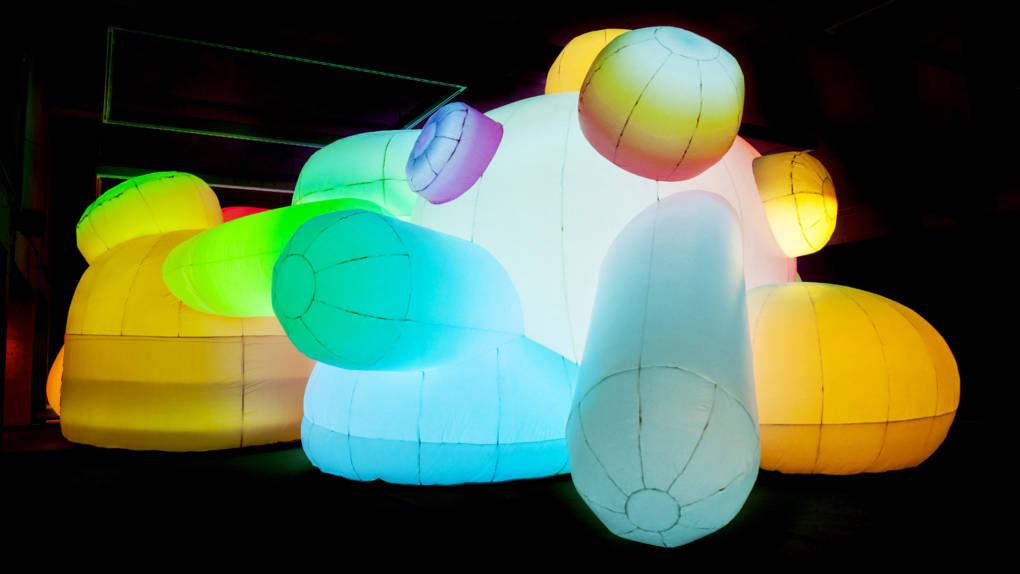
"caption": "Bubbles at Sunset Camp Out 2017",
"description": "Bubbles at Sunset Camp Out 2017",
"title": "Bubbles by Robin RussellCrop",
"credit": "Photo: Robin Russell/Sunset Sound System",
"status": "inherit",
"isLoading": false,
"fetchFailed": false
}
},
"audioPlayerReducer": {
"postId": "stream_live",
"isPaused": true,
"isPlaying": false,
"pfsActive": false,
"pledgeModalIsOpen": true,
"playerDrawerIsOpen": false,
"liveAudioPlayStartedAt": 0,
"liveAudioPlayContext": ""
},
"authorsReducer": {
"byline_arts_13809087": {
"type": "authors",
"id": "byline_arts_13809087",
"meta": {
"override": true
},
"slug": "byline_arts_13809087",
"name": "D. Scot Miller",
"isLoading": false
},
"cmusiker": {
"type": "authors",
"id": "32",
"meta": {
"index": "authors_1716337520",
"id": "32",
"found": true
},
"name": "Cy Musiker",
"firstName": "Cy",
"lastName": "Musiker",
"slug": "cmusiker",
"email": "cmusiker@kqed.org",
"display_author_email": false,
"staff_mastheads": [],
"title": "KQED Contributor",
"bio": "Cy Musiker is a former co-host of The Do List and a former reporter covering the arts for KQED News and The California Report. He loves live performance, especially great theater, jazz, roots music, anything by Mahler. Cy has an MJ from UC Berkeley's School of Journalism, and got his BA from Hampshire College. His work has been recognized by the Society for Professional Journalists with their Sigma Delta Chi Award for Public Service in Journalism. When he can, Cy likes to swim in Tomales Bay, run with his dog in the East Bay Hills, and hike the Sierra.",
"avatar": "https://secure.gravatar.com/avatar/05eaba5c5696ce8f062e4ea2df428a43?s=600&d=blank&r=g",
"twitter": null,
"facebook": null,
"instagram": null,
"linkedin": null,
"sites": [
{
"site": "arts",
"roles": [
"Contributor",
"subscriber"
]
},
{
"site": "news",
"roles": [
"author"
]
},
{
"site": "bayareabites",
"roles": [
"contributor"
]
}
],
"headData": {
"title": "Cy Musiker | KQED",
"description": "KQED Contributor",
"ogImgSrc": "https://secure.gravatar.com/avatar/05eaba5c5696ce8f062e4ea2df428a43?s=600&d=blank&r=g",
"twImgSrc": "https://secure.gravatar.com/avatar/05eaba5c5696ce8f062e4ea2df428a43?s=600&d=blank&r=g"
},
"isLoading": false,
"link": "/author/cmusiker"
},
"shotchkiss": {
"type": "authors",
"id": "61",
"meta": {
"index": "authors_1716337520",
"id": "61",
"found": true
},
"name": "Sarah Hotchkiss",
"firstName": "Sarah",
"lastName": "Hotchkiss",
"slug": "shotchkiss",
"email": "shotchkiss@kqed.org",
"display_author_email": true,
"staff_mastheads": [
"arts"
],
"title": "Senior Editor",
"bio": "Sarah Hotchkiss is a San Francisco \u003ca href=\"http://www.sarahhotchkiss.com\">artist\u003c/a> and arts writer. In 2019, she received the Dorothea & Leo Rabkin Foundation grant for visual art journalism and in 2020 she received a Society of Professional Journalists, Northern California award for excellence in arts and culture reporting.",
"avatar": "https://secure.gravatar.com/avatar/bc662df144b3d27fd8b1b6f1c2a420d34e91e53154d411bb7ad353cc8b6cea8d?s=600&d=blank&r=g",
"twitter": null,
"bluesky": null,
"facebook": null,
"instagram": null,
"linkedin": null,
"sites": [
{
"site": "",
"roles": [
"editor"
]
},
{
"site": "arts",
"roles": [
"Contributor",
"administrator"
]
},
{
"site": "artschool",
"roles": [
"administrator"
]
},
{
"site": "news",
"roles": [
"editor"
]
},
{
"site": "pop",
"roles": [
"administrator"
]
},
{
"site": "bayareabites",
"roles": [
"editor"
]
},
{
"site": "spark",
"roles": [
"editor"
]
},
{
"site": "checkplease",
"roles": [
"editor"
]
}
],
"headData": {
"title": "Sarah Hotchkiss | KQED",
"description": "Senior Editor",
"ogImgSrc": "https://secure.gravatar.com/avatar/bc662df144b3d27fd8b1b6f1c2a420d34e91e53154d411bb7ad353cc8b6cea8d?s=600&d=blank&r=g",
"twImgSrc": "https://secure.gravatar.com/avatar/bc662df144b3d27fd8b1b6f1c2a420d34e91e53154d411bb7ad353cc8b6cea8d?s=600&d=blank&r=g"
},
"isLoading": false,
"link": "/author/shotchkiss"
},
"rseikaly": {
"type": "authors",
"id": "77",
"meta": {
"index": "authors_1716337520",
"id": "77",
"found": true
},
"name": "Roula Seikaly",
"firstName": "Roula",
"lastName": "Seikaly",
"slug": "rseikaly",
"email": "roula@roulaseikaly.com",
"display_author_email": false,
"staff_mastheads": [],
"title": "KQED Contributor",
"bio": "Roula Seikaly in an independent writer and curator based in Berkeley, California, and Senior Editor at \u003ca href=\"http://hafny.org/\">Humble Arts Foundation\u003c/a>. She has curated exhibitions at Colorado Photographic Arts Center, Filter Photo Festival, Blue Sky Gallery, SF Camerawork, SOMArts, and the Utah Museum of Arts. She is a regular contributor to Photograph, Hyerallergic, BOMB Magazine, and KQED Arts.",
"avatar": "https://secure.gravatar.com/avatar/771cde409896af1326a07050f2e4e489?s=600&d=blank&r=g",
"twitter": null,
"facebook": null,
"instagram": null,
"linkedin": null,
"sites": [
{
"site": "arts",
"roles": [
"Contributor",
"contributor"
]
}
],
"headData": {
"title": "Roula Seikaly | KQED",
"description": "KQED Contributor",
"ogImgSrc": "https://secure.gravatar.com/avatar/771cde409896af1326a07050f2e4e489?s=600&d=blank&r=g",
"twImgSrc": "https://secure.gravatar.com/avatar/771cde409896af1326a07050f2e4e489?s=600&d=blank&r=g"
},
"isLoading": false,
"link": "/author/rseikaly"
},
"kjones": {
"type": "authors",
"id": "93",
"meta": {
"index": "authors_1716337520",
"id": "93",
"found": true
},
"name": "Kevin L. Jones",
"firstName": "Kevin",
"lastName": "Jones",
"slug": "kjones",
"email": "kjones@kqed.org",
"display_author_email": false,
"staff_mastheads": [],
"title": null,
"bio": null,
"avatar": "https://secure.gravatar.com/avatar/12c65b5633ed39d0a59bb7f497eff645?s=600&d=blank&r=g",
"twitter": null,
"facebook": null,
"instagram": null,
"linkedin": null,
"sites": [
{
"site": "arts",
"roles": [
"subscriber"
]
},
{
"site": "styleguide",
"roles": [
"contributor"
]
},
{
"site": "artschool",
"roles": [
"subscriber"
]
},
{
"site": "news",
"roles": [
"subscriber"
]
},
{
"site": "pop",
"roles": [
"subscriber"
]
}
],
"headData": {
"title": "Kevin L. Jones | KQED",
"description": null,
"ogImgSrc": "https://secure.gravatar.com/avatar/12c65b5633ed39d0a59bb7f497eff645?s=600&d=blank&r=g",
"twImgSrc": "https://secure.gravatar.com/avatar/12c65b5633ed39d0a59bb7f497eff645?s=600&d=blank&r=g"
},
"isLoading": false,
"link": "/author/kjones"
},
"gmeline": {
"type": "authors",
"id": "185",
"meta": {
"index": "authors_1716337520",
"id": "185",
"found": true
},
"name": "Gabe Meline",
"firstName": "Gabe",
"lastName": "Meline",
"slug": "gmeline",
"email": "gmeline@kqed.org",
"display_author_email": true,
"staff_mastheads": [
"arts"
],
"title": "Senior Editor, KQED Arts & Culture",
"bio": "Gabe Meline entered journalism at age 15 making photocopied zines, and has since earned awards from the Edward R. Murrow Awards, the Society for Professional Journalists, the Online Journalism Awards, the Association of Alternative Newsweeklies and the California Newspaper Publishers Association. Prior to KQED, he was the editor of the \u003cem>North Bay Bohemian\u003c/em> and a touring musician. He lives with his wife and daughter in his hometown of Santa Rosa, CA.",
"avatar": "https://secure.gravatar.com/avatar/5bebe57be0d8bc2dd318934feb47299e2d2d10cba28d09d8d7afb389a2ce2bdd?s=600&d=blank&r=g",
"twitter": null,
"bluesky": null,
"facebook": null,
"instagram": null,
"linkedin": null,
"sites": [
{
"site": "",
"roles": [
"editor"
]
},
{
"site": "arts",
"roles": [
"administrator"
]
},
{
"site": "artschool",
"roles": [
"editor"
]
},
{
"site": "news",
"roles": [
"author"
]
},
{
"site": "pop",
"roles": [
"editor"
]
},
{
"site": "bayareabites",
"roles": [
"editor"
]
},
{
"site": "food",
"roles": [
"editor"
]
},
{
"site": "liveblog",
"roles": [
"editor"
]
},
{
"site": "hiphop",
"roles": [
"editor"
]
}
],
"headData": {
"title": "Gabe Meline | KQED",
"description": "Senior Editor, KQED Arts & Culture",
"ogImgSrc": "https://secure.gravatar.com/avatar/5bebe57be0d8bc2dd318934feb47299e2d2d10cba28d09d8d7afb389a2ce2bdd?s=600&d=blank&r=g",
"twImgSrc": "https://secure.gravatar.com/avatar/5bebe57be0d8bc2dd318934feb47299e2d2d10cba28d09d8d7afb389a2ce2bdd?s=600&d=blank&r=g"
},
"isLoading": false,
"link": "/author/gmeline"
},
"mtedford": {
"type": "authors",
"id": "187",
"meta": {
"index": "authors_1716337520",
"id": "187",
"found": true
},
"name": "Matthew Harrison Tedford",
"firstName": "Matthew Harrison",
"lastName": "Tedford",
"slug": "mtedford",
"email": "mhtedford@gmail.com",
"display_author_email": false,
"staff_mastheads": [],
"title": null,
"bio": "\u003ca href=\"http://www.mhtedford.com\">Matthew Harrison Tedford\u003c/a> is a writer whose work focuses on contemporary art, film, and California history. His writing has appeared in \u003cem id=\"yui_3_17_2_1_1403197832753_7692\">Art Practical\u003c/em>, \u003cem>Daily Serving\u003c/em>, \u003cem>Glance\u003c/em> (California College of the Arts), the \u003cem>Huffington Post\u003c/em>, \u003cem>Oakland Standard\u003c/em> (Oakland Museum of California), \u003cem>Open Space\u003c/em> (SFMOMA), \u003cem>Poor Taste Magazine\u003c/em>, \u003cem>SF Weekly\u003c/em>, and \u003cem>Wilder Quarterly\u003c/em>.",
"avatar": "https://secure.gravatar.com/avatar/f6ae15e4c10b73a2ee9215e669ca0328?s=600&d=blank&r=g",
"twitter": null,
"facebook": null,
"instagram": null,
"linkedin": null,
"sites": [
{
"site": "arts",
"roles": [
"contributor"
]
}
],
"headData": {
"title": "Matthew Harrison Tedford | KQED",
"description": null,
"ogImgSrc": "https://secure.gravatar.com/avatar/f6ae15e4c10b73a2ee9215e669ca0328?s=600&d=blank&r=g",
"twImgSrc": "https://secure.gravatar.com/avatar/f6ae15e4c10b73a2ee9215e669ca0328?s=600&d=blank&r=g"
},
"isLoading": false,
"link": "/author/mtedford"
},
"rachael-myrow": {
"type": "authors",
"id": "251",
"meta": {
"index": "authors_1716337520",
"id": "251",
"found": true
},
"name": "Rachael Myrow",
"firstName": "Rachael",
"lastName": "Myrow",
"slug": "rachael-myrow",
"email": "rmyrow@kqed.org",
"display_author_email": true,
"staff_mastheads": [
"news"
],
"title": "Senior Editor of KQED's Silicon Valley News Desk",
"bio": "• I write and edit stories about how Silicon Valley power and policies shape everyday life in California. I’m also passionate about making Bay Area history and culture more accessible to a broad public. • I’ve been a journalist for most of my life, starting in high school with The Franklin Press in Los Angeles, where I grew up. While earning my first degree in English at UC Berkeley, I got my start in public radio at KALX-FM. After completing a second degree in journalism at Cal, I landed my first professional job at Marketplace, then moved on to KPCC (now LAist), and then KQED, where I hosted The California Report for more than seven years. • My reporting has appeared on NPR, The World, WBUR’s \u003ci>Here & Now\u003c/i>, and the BBC. I also guest host for KQED’s \u003ci>Forum\u003c/i>, as well as the Commonwealth Club in San Francisco. • I speak periodically on media, democracy and technology issues, and do voiceover work for documentaries and educational video projects. • Outside of the studio, you'll find me hiking Bay Area trails and whipping up Insta-ready meals in my kitchen. • I do not accept gifts, money, or favors from anyone connected to my reporting, I don't pay people for information, and I do not support or donate to political causes. • I strive to treat the people I report on with fairness, honesty, and respect. I also recognize there are often multiple sides to a story and work to verify information through multiple sources and documentation. If I get something wrong, I correct it.",
"avatar": "https://secure.gravatar.com/avatar/3ed8a3c5f26025e4a805ba634cda8cd764906b97438a6d9ce216b044e340da4e?s=600&d=blank&r=g",
"twitter": "rachaelmyrow",
"bluesky": null,
"facebook": null,
"instagram": null,
"linkedin": "https://www.linkedin.com/in/rachaelmyrow/",
"sites": [
{
"site": "arts",
"roles": [
"administrator"
]
},
{
"site": "news",
"roles": [
"edit_others_posts",
"editor"
]
},
{
"site": "futureofyou",
"roles": [
"editor"
]
},
{
"site": "bayareabites",
"roles": [
"editor"
]
},
{
"site": "stateofhealth",
"roles": [
"editor"
]
},
{
"site": "science",
"roles": [
"editor"
]
},
{
"site": "food",
"roles": [
"editor"
]
},
{
"site": "forum",
"roles": [
"editor"
]
},
{
"site": "liveblog",
"roles": [
"author"
]
}
],
"headData": {
"title": "Rachael Myrow | KQED",
"description": "Senior Editor of KQED's Silicon Valley News Desk",
"ogImgSrc": "https://secure.gravatar.com/avatar/3ed8a3c5f26025e4a805ba634cda8cd764906b97438a6d9ce216b044e340da4e?s=600&d=blank&r=g",
"twImgSrc": "https://secure.gravatar.com/avatar/3ed8a3c5f26025e4a805ba634cda8cd764906b97438a6d9ce216b044e340da4e?s=600&d=blank&r=g"
},
"isLoading": false,
"link": "/author/rachael-myrow"
},
"edayu": {
"type": "authors",
"id": "11391",
"meta": {
"index": "authors_1716337520",
"id": "11391",
"found": true
},
"name": "Eda Yu",
"firstName": "Eda",
"lastName": "Yu",
"slug": "edayu",
"email": "eda.cyu@gmail.com",
"display_author_email": false,
"staff_mastheads": [],
"title": "KQED Contributor",
"bio": "Eda Yu is a freelance writer and arts and culture journalist born and raised in Los Angeles, California. Her work centers the intersection of culture and identity, and her writing has appeared on platforms like VICE, Paper Magazine, and Complex. Follow her latest on Instagram and Twitter @edacyu.",
"avatar": "https://secure.gravatar.com/avatar/6dac2abe6c01e7b538d29f9c902136eb?s=600&d=blank&r=g",
"twitter": null,
"facebook": null,
"instagram": "https://www.instagram.com/edacyu/",
"linkedin": null,
"sites": [
{
"site": "arts",
"roles": [
"contributor"
]
}
],
"headData": {
"title": "Eda Yu | KQED",
"description": "KQED Contributor",
"ogImgSrc": "https://secure.gravatar.com/avatar/6dac2abe6c01e7b538d29f9c902136eb?s=600&d=blank&r=g",
"twImgSrc": "https://secure.gravatar.com/avatar/6dac2abe6c01e7b538d29f9c902136eb?s=600&d=blank&r=g"
},
"isLoading": false,
"link": "/author/edayu"
}
},
"pagesReducer": {
"arts_category_visualarts": {
"type": "terms",
"id": "arts_70",
"meta": {
"index": "terms_1716263798",
"site": "arts",
"id": "70",
"score": 14.4032
},
"featImg": null,
"name": "Visual Arts",
"description": null,
"taxonomy": "category",
"headData": {
"twImgId": null,
"twTitle": null,
"ogTitle": null,
"ogImgId": null,
"twDescription": null,
"description": null,
"title": "Visual Arts Archives | KQED Arts",
"ogDescription": null
},
"ttid": 71,
"slug": "visualarts",
"isLoading": false,
"title": "Visual Arts",
"pageMeta": {
"site": "arts",
"WpPageTemplate": "page-topic-editorial",
"currentPage": 93
},
"blocks": [
{
"blockName": "kqed/post-list",
"attrs": {
"layout": "cardArticle2",
"query": "posts/arts?category=visualarts",
"seeMore": false,
"paginated": true,
"page": 93
}
},
{
"blockName": "kqed/ad"
}
]
}
},
"pfsSessionReducer": {},
"postsReducer": {
"stream_live": {
"type": "live",
"id": "stream_live",
"audioUrl": "https://streams.kqed.org/kqedradio",
"title": "Live Stream",
"excerpt": "Live Stream information currently unavailable.",
"link": "/radio",
"featImg": "",
"label": {
"name": "KQED Live",
"link": "/"
}
},
"stream_kqedNewscast": {
"type": "posts",
"id": "stream_kqedNewscast",
"audioUrl": "https://www.kqed.org/.stream/anon/radio/RDnews/newscast.mp3?_=1",
"title": "KQED Newscast",
"featImg": "",
"label": {
"name": "88.5 FM",
"link": "/"
}
},
"arts_13809087": {
"type": "posts",
"id": "arts_13809087",
"meta": {
"index": "posts_1716263798",
"site": "arts",
"id": "13809087",
"score": null,
"sort": [
1506366053000
]
},
"guestAuthors": [],
"slug": "de-youngs-revelations-unveils-a-hidden-history-of-black-artistic-resistance",
"title": "de Young’s ‘Revelations’ Unveils a Hidden History of Black Artistic Resistance",
"publishDate": 1506366053,
"format": "image",
"headTitle": "de Young’s ‘Revelations’ Unveils a Hidden History of Black Artistic Resistance | KQED",
"labelTerm": {
"site": "arts"
},
"content": "\u003cp>A black-and-white photo by Jack R. Thornell in the first room of the de Young’s \u003ci>\u003ca href=\"https://deyoung.famsf.org/exhibitions/revelations-art-african-american-south\" target=\"_blank\" rel=\"noopener\">Revelations: Art from the African American South\u003c/a>\u003c/i> is forever burned in my mind’s eye. A black man lies bleeding on the side of a dusty road. A carefully typewritten note affixed to the print reads: “James Meredith lies wounded beside Mississippi highway 51 after he was shot in an ambush. There is no stone marker showing the spot where Meredith was cut down during his march, but every Negro in Hernando knows where it is.”\u003c/p>\n\u003cp>All along U.S. Route 51 and the old highways and byways of the South, where so much black blood has been spilled, such stone markers are sorely needed — especially in these days of falling monuments to segregation and white supremacy, most of which were erected in the 1960s. These monuments were, and continue to be, secret signs and signals of constant oppression and terrorism. Poor black people of the South who have seen these monuments, and have lived under that oppression, understand them as terrorism imposed on their visual field, on their language and memory, and have been fighting back by making monuments of their own. \u003c/p>\n\u003cp>\u003ci>Revelations: Art from the African American South\u003c/i> reveals a hidden history of a hidden people and their art of resistance.\u003c/p>\n\u003cp>That history begins with enslaved Africans new to America’s shores. Their names, language, stories, songs, faiths and customs forbidden, these people in bondage began to preserve what they could remember of their culture — in creations steeped in code. The African trickster spider Anansi became Bre’r Rabbit. Information about the Underground Railroad was transferred through church songs and quilts. And the gods of old were secreted into sculptures and altars composed of junk and detritus, placed in cemeteries and along the roadsides.\u003c/p>\n\u003cp>This was an intentional “covering” — necessary for survival, just like Br’er Rabbit in his briar patch — always hiding in plain sight. Practiced among the sharecroppers and laborers during Reconstruction, this tradition continues well into the 21st century, and the coded language’s complexity reflects that long-standing tradition.\u003c/p>\n\u003cfigure id=\"attachment_13809250\" class=\"wp-caption aligncenter\" style=\"max-width: 1200px\">\u003cimg loading=\"lazy\" decoding=\"async\" src=\"https://ww2.kqed.org/arts/wp-content/uploads/sites/2/2017/09/LH_716R1_57E_1200.jpg\" alt=\"Lonnie Holley, 'Him and Her Hold the Root,' 1994.\" width=\"1200\" height=\"985\" class=\"size-full wp-image-13809250\" srcset=\"https://cdn.kqed.org/wp-content/uploads/sites/2/2017/09/LH_716R1_57E_1200.jpg 1200w, https://cdn.kqed.org/wp-content/uploads/sites/2/2017/09/LH_716R1_57E_1200-160x131.jpg 160w, https://cdn.kqed.org/wp-content/uploads/sites/2/2017/09/LH_716R1_57E_1200-800x657.jpg 800w, https://cdn.kqed.org/wp-content/uploads/sites/2/2017/09/LH_716R1_57E_1200-768x630.jpg 768w, https://cdn.kqed.org/wp-content/uploads/sites/2/2017/09/LH_716R1_57E_1200-1020x837.jpg 1020w, https://cdn.kqed.org/wp-content/uploads/sites/2/2017/09/LH_716R1_57E_1200-1180x969.jpg 1180w, https://cdn.kqed.org/wp-content/uploads/sites/2/2017/09/LH_716R1_57E_1200-960x788.jpg 960w, https://cdn.kqed.org/wp-content/uploads/sites/2/2017/09/LH_716R1_57E_1200-240x197.jpg 240w, https://cdn.kqed.org/wp-content/uploads/sites/2/2017/09/LH_716R1_57E_1200-375x308.jpg 375w, https://cdn.kqed.org/wp-content/uploads/sites/2/2017/09/LH_716R1_57E_1200-520x427.jpg 520w\" sizes=\"auto, (max-width: 1200px) 100vw, 1200px\">\u003cfigcaption class=\"wp-caption-text\">Lonnie Holley, ‘Him and Her Hold the Root,’ 1994. \u003ccite>(Courtesy of the Fine Arts Museums of San Francisco)\u003c/cite>\u003c/figcaption>\u003c/figure>\n\u003cp>Which brings us to \u003ci>Revelations\u003c/i>. In the 1980s, art historian William S. Arnett began to collect the artworks of undiscovered, self-taught African-American artists. He and his three sons compiled the works over 30 years, culminating in an exhibit and book called \u003ci>Souls Grown Deep: African American Vernacular Art of the South\u003c/i>, inspired by the Langston Hughes poem “\u003ca href=\"https://www.poets.org/poetsorg/poem/negro-speaks-rivers\" target=\"_blank\" rel=\"noopener\">The Negro Speaks of Rivers\u003c/a>.”\u003c/p>\n\u003cp>[ad fullwidth]\u003c/p>\n\u003cp>According to the \u003ca href=\"http://www.soulsgrowndeep.org/\" target=\"_blank\" rel=\"noopener\">Souls Grown Deep\u003c/a> foundation website, the Arnetts’ mission was to foster scholarship on previously underappreciated African-American artists, establish those artists’ contributions to American art history within universities and museums, and increase public awareness of the works through exhibitions, publications and programming. \u003c/p>\n\u003cp>The breathtaking display of genius, grit and wit at the de Young shows that the Arnetts’ kept their promise. In February 2017, the Fine Arts Museums of San Francisco \u003ca href=\"https://www.famsf.org/press-room/fine-arts-museums-san-francisco-make-historic-acquisition-62-works-african-american-art\" target=\"_blank\" rel=\"noopener\">announced its acquisition\u003c/a> of 62 works works from from the Souls Grown Deep Foundation (all of which are exhibited in \u003ci>Revelations\u003c/i>), filling a gaping hole in the museums’ collection of American art.\u003c/p>\n\u003cp>For too long, works like those found in \u003ci>Revelations\u003c/i> have been relegated to the category of “outsider art,” but outside of what? Historically, the white supremacist world of contemporary museums, galleries and America itself. \u003c/p>\n\u003cp>So many pieces in the exhibition could easily hold their own next to works by Pablo Picasso or Jasper Johns. In that light, what a waste and tragedy these natural geniuses had to crush their bodies with back-breaking labor instead of being allowed the time, space and resources to create. The artists of \u003ci>Revelations\u003c/i> made their works not for money or recognition, but for soul-saving, to share secrets towards deliverance.\u003c/p>\n\u003cfigure id=\"attachment_13809249\" class=\"wp-caption aligncenter\" style=\"max-width: 1200px\">\u003cimg loading=\"lazy\" decoding=\"async\" src=\"https://ww2.kqed.org/arts/wp-content/uploads/sites/2/2017/09/0191-RDR-170602_1200.jpg\" alt=\"\" width=\"1200\" height=\"799\" class=\"size-full wp-image-13809249\" srcset=\"https://cdn.kqed.org/wp-content/uploads/sites/2/2017/09/0191-RDR-170602_1200.jpg 1200w, https://cdn.kqed.org/wp-content/uploads/sites/2/2017/09/0191-RDR-170602_1200-160x107.jpg 160w, https://cdn.kqed.org/wp-content/uploads/sites/2/2017/09/0191-RDR-170602_1200-800x533.jpg 800w, https://cdn.kqed.org/wp-content/uploads/sites/2/2017/09/0191-RDR-170602_1200-768x511.jpg 768w, https://cdn.kqed.org/wp-content/uploads/sites/2/2017/09/0191-RDR-170602_1200-1020x679.jpg 1020w, https://cdn.kqed.org/wp-content/uploads/sites/2/2017/09/0191-RDR-170602_1200-1180x786.jpg 1180w, https://cdn.kqed.org/wp-content/uploads/sites/2/2017/09/0191-RDR-170602_1200-960x639.jpg 960w, https://cdn.kqed.org/wp-content/uploads/sites/2/2017/09/0191-RDR-170602_1200-240x160.jpg 240w, https://cdn.kqed.org/wp-content/uploads/sites/2/2017/09/0191-RDR-170602_1200-375x250.jpg 375w, https://cdn.kqed.org/wp-content/uploads/sites/2/2017/09/0191-RDR-170602_1200-520x346.jpg 520w\" sizes=\"auto, (max-width: 1200px) 100vw, 1200px\">\u003cfigcaption class=\"wp-caption-text\">Artist Lonnie Holley at the opening of ‘Revelations’ at the de Young. \u003ccite>(Photo by Drew Altizer Photography; Courtesy of the Fine Arts Museums of San Francisco)\u003c/cite>\u003c/figcaption>\u003c/figure>\n\u003cp>Born in Alabama in 1950, \u003ca href=\"http://www.soulsgrowndeep.org/artist/lonnie-holley\" target=\"_blank\" rel=\"noopener\">Lonnie Holley\u003c/a> came into a world of poverty, abuse and neglect. His mother traded the encephalitic six-year old (“My head was so big back then,” Holley says in his bio on the Souls Grown Deep website) for a bottle of whiskey. From there, he was transferred to the home of “Big Daddy,” an alcoholic absentee, and “Big Mama,” who the boy was tasked with feeding every morning. Holley didn’t know what “dead” meant, and so Big Mama’s corpse laid in bed for three days before Big Daddy’s return. The boy was beaten for this, and the beatings escalated. When he attempted to run away, the state always brought him back. \u003c/p>\n\u003cfigure id=\"attachment_13809207\" class=\"wp-caption alignright\" style=\"max-width: 640px\">\u003cimg loading=\"lazy\" decoding=\"async\" src=\"https://ww2.kqed.org/arts/wp-content/uploads/sites/2/2017/09/LH_A_Box_for_Women_594-e1506041855804.jpg\" alt=\"Lonnie Holley, 'A Box For Woman: The Pure White Spirit Trapped In Her Space,' 1989.\" width=\"640\" height=\"802\" class=\"size-full wp-image-13809207\">\u003cfigcaption class=\"wp-caption-text\">Lonnie Holley, ‘A Box For Woman: The Pure White Spirit Trapped In Her Space,’ 1989. \u003ccite>(Photo by Ron Lee/The Silver Factory)\u003c/cite>\u003c/figcaption>\u003c/figure>\n\u003cp>Prison work farms were the first places Holley experienced any sense of liberation in his young life. After 10 years of traveling as a migrant worker up and down Route 51 from New Orleans to Florida, hounded by police and his personal ghosts, he found himself back in Alabama and reconciling with his mother. In the front yard of their anachronistic home (“I found my mother living in a kennel, 1800 settings in the 1970s,” he says), he began to use the art he’d seen so often on his travels to tell his story.\u003c/p>\n\u003cp>Composed of a mouse-trap, a mouse skeleton, other animal bones, syringes, leaves, organic debris, wood and paint, his piece \u003ci>A Box For Woman: The Pure White Spirit Trapped in Her Space\u003c/i> is a heartbreaking meditation on pain, redemption and survival. Holley dedicated this piece to his mother; the small white cross awash in pink is welcoming from a distance, but as you approach it for detail, the signs of hurt and loss emerge. Inside a small frame, there’s a desolate underpinning that begs for introspection and a big heart that demands respect.\u003c/p>\n\u003cp>Holley’s intimate meditations on the endurance of family in the face of great oppression provide a great contrast to the large, sweeping vision of Thornton Dial, Sr.\u003c/p>\n\u003cfigure id=\"attachment_13809251\" class=\"wp-caption aligncenter\" style=\"max-width: 1200px\">\u003cimg loading=\"lazy\" decoding=\"async\" src=\"https://ww2.kqed.org/arts/wp-content/uploads/sites/2/2017/09/LostCows_1200.jpg\" alt=\"Thornton Dial, 'Lost Cows,' 2000-2001.\" width=\"1200\" height=\"1504\" class=\"size-full wp-image-13809251\" srcset=\"https://cdn.kqed.org/wp-content/uploads/sites/2/2017/09/LostCows_1200.jpg 1200w, https://cdn.kqed.org/wp-content/uploads/sites/2/2017/09/LostCows_1200-160x201.jpg 160w, https://cdn.kqed.org/wp-content/uploads/sites/2/2017/09/LostCows_1200-800x1003.jpg 800w, https://cdn.kqed.org/wp-content/uploads/sites/2/2017/09/LostCows_1200-768x963.jpg 768w, https://cdn.kqed.org/wp-content/uploads/sites/2/2017/09/LostCows_1200-1020x1278.jpg 1020w, https://cdn.kqed.org/wp-content/uploads/sites/2/2017/09/LostCows_1200-1180x1479.jpg 1180w, https://cdn.kqed.org/wp-content/uploads/sites/2/2017/09/LostCows_1200-960x1203.jpg 960w, https://cdn.kqed.org/wp-content/uploads/sites/2/2017/09/LostCows_1200-240x301.jpg 240w, https://cdn.kqed.org/wp-content/uploads/sites/2/2017/09/LostCows_1200-375x470.jpg 375w, https://cdn.kqed.org/wp-content/uploads/sites/2/2017/09/LostCows_1200-520x652.jpg 520w\" sizes=\"auto, (max-width: 1200px) 100vw, 1200px\">\u003cfigcaption class=\"wp-caption-text\">Thornton Dial, ‘Lost Cows,’ 2000-2001. \u003ccite>(Courtesy of the Fine Arts Museums of San Francisco)\u003c/cite>\u003c/figcaption>\u003c/figure>\n\u003cp>Like Holley, Dial was no stranger to hard work and heavy lifting. Born on Luther Elliot’s plantation in Bessemer, Alabama in 1928, Dial was living witness to the disguised chattel slavery system of farmwork and back-breaking labor in practice not long after Reconstruction.\u003c/p>\n\u003cp>A big man in mind, body and spirit, Dial’s output reflects the immensity of his vision. “My art is talking about the power,” he says on Souls Grown Deep. “It is talking about the coal mines and the ore mines and the steel mills. It is talking about the government, and the unions, and the people that controls the hills and the mountains. The power of the United States is the fuel that carries the United States on. It carries everything, the mills and factories and stores and houses. I try to show how the Negroes have worked in all these different places and have came to help make the power of the United States what it is today.” \u003c/p>\n\u003cp>The way he approached his art is the way he lived his life, and his \u003ci>Lost Cows\u003c/i> — made of cow skeletons, steel, a golf bag, golf balls, mirrors and underwater epoxy putty — not only evokes allusions to the terror of Ku Klux Klan, but also addresses the questions of who leads and who follows. The scale of this piece alone deserves witness, as it conjures images ranging from the four horsemen of the apocalypse to the impoverished promise of an American dream deferred, as witnessed by Dial over his lifetime. \u003c/p>\n\u003cfigure id=\"attachment_13809253\" class=\"wp-caption aligncenter\" style=\"max-width: 1200px\">\u003cimg loading=\"lazy\" decoding=\"async\" src=\"https://ww2.kqed.org/arts/wp-content/uploads/sites/2/2017/09/Revelations_Press_29_1200.jpg\" alt=\"Gee's Bend quilts in 'Revelations.'\" width=\"1200\" height=\"801\" class=\"size-full wp-image-13809253\" srcset=\"https://cdn.kqed.org/wp-content/uploads/sites/2/2017/09/Revelations_Press_29_1200.jpg 1200w, https://cdn.kqed.org/wp-content/uploads/sites/2/2017/09/Revelations_Press_29_1200-160x107.jpg 160w, https://cdn.kqed.org/wp-content/uploads/sites/2/2017/09/Revelations_Press_29_1200-800x534.jpg 800w, https://cdn.kqed.org/wp-content/uploads/sites/2/2017/09/Revelations_Press_29_1200-768x513.jpg 768w, https://cdn.kqed.org/wp-content/uploads/sites/2/2017/09/Revelations_Press_29_1200-1020x681.jpg 1020w, https://cdn.kqed.org/wp-content/uploads/sites/2/2017/09/Revelations_Press_29_1200-1180x788.jpg 1180w, https://cdn.kqed.org/wp-content/uploads/sites/2/2017/09/Revelations_Press_29_1200-960x641.jpg 960w, https://cdn.kqed.org/wp-content/uploads/sites/2/2017/09/Revelations_Press_29_1200-240x160.jpg 240w, https://cdn.kqed.org/wp-content/uploads/sites/2/2017/09/Revelations_Press_29_1200-375x250.jpg 375w, https://cdn.kqed.org/wp-content/uploads/sites/2/2017/09/Revelations_Press_29_1200-520x347.jpg 520w\" sizes=\"auto, (max-width: 1200px) 100vw, 1200px\">\u003cfigcaption class=\"wp-caption-text\">Gee’s Bend quilts in ‘Revelations.’ \u003ccite>(Courtesy of the Fine Arts Museums of San Francisco)\u003c/cite>\u003c/figcaption>\u003c/figure>\n\u003cp>Alongside the quilts of Gee’s Bend, no other artist in \u003ci>Revelations\u003c/i> exemplifies the aesthetic of the exhibition as much as Bessie Harvey. Her modified, found wooden sculptures seem to create old gods with new faces, or new gods with old ones. Unlike Dial and Holley, Harvey’s primary focus is the way the spirit moves through both us and the world around us.\u003c/p>\n\u003cp>Born with tuberculosis, she spent most of her life working in hospitals, and her work focuses on comforting the afflicted, on faith and the spirits that surround us. “I started doing the little people that [God] allowed me to make,” she says on Souls Grown Deep, “and I could talk to them about my problems, and sometimes I would make one and it would look straight at me, in my eyes, and I would ask it questions like, “Who are you? Where did you come from?”\u003c/p>\n\u003cfigure id=\"attachment_13809205\" class=\"wp-caption alignright\" style=\"max-width: 530px\">\u003cimg loading=\"lazy\" decoding=\"async\" src=\"https://ww2.kqed.org/arts/wp-content/uploads/sites/2/2017/09/image4.jpg\" alt=\"Bessie Harvey, 'The Poison of the Lying Tongues,' 1987.\" width=\"530\" height=\"765\" class=\"size-full wp-image-13809205\" srcset=\"https://cdn.kqed.org/wp-content/uploads/sites/2/2017/09/image4.jpg 530w, https://cdn.kqed.org/wp-content/uploads/sites/2/2017/09/image4-160x231.jpg 160w, https://cdn.kqed.org/wp-content/uploads/sites/2/2017/09/image4-240x346.jpg 240w, https://cdn.kqed.org/wp-content/uploads/sites/2/2017/09/image4-375x541.jpg 375w, https://cdn.kqed.org/wp-content/uploads/sites/2/2017/09/image4-520x751.jpg 520w\" sizes=\"auto, (max-width: 530px) 100vw, 530px\">\u003cfigcaption class=\"wp-caption-text\">Bessie Harvey, ‘The Poison of the Lying Tongues,’ 1987. \u003ccite>(Photo by Ron Lee/The Silver Factory)\u003c/cite>\u003c/figcaption>\u003c/figure>\n\u003cp>She says of her piece \u003ci>The Poison of The Lying Tongue\u003c/i>, “He speaks of the tongue so much of being a thing that will cause us to go down in great sorrow, because the tongue has never been tamed. He speaks that all animals and everything in the earth has been tamed by mankind except the tongue, and it cannot be tamed, tongues coming out of the lying mouth, and it’s saying to the world today, that the tongue can’t be tamed.” \u003c/p>\n\u003cp>Harvey’s \u003ci>Lying Tongue\u003c/i> can be read either as an admonishment or as a riddle. The split-tongue implies this complexity, just as the face is both that of an imaginary friend and a sinister wraith. Harvey captures the spirit world in all its forms, whispered through found wood.\u003c/p>\n\u003cp>Unlike artists of the established arts world, the artists of \u003ci>Revelations: Art From The African American South\u003c/i> all do spirit-work. Some knew they were doing this, some didn’t, but their resilience and resistance shines through regardless. This is the spirit world: wood, scraps of metal, faint scents hiding in the details. The immensity and importance of this exhibit cannot be held in the confines of one essay. This art is not escapist, but it gathers monuments and talismans to aid in the rough journey along the bloody Southern trail. None of us are too far removed from those brutal days and bestial systems that many are trying to force us back into as we speak, which is what makes \u003ci>Revelations\u003c/i> a necessary part of a long-overdue conversation.\u003c/p>\n\u003cp>\u003cimg loading=\"lazy\" decoding=\"async\" src=\"https://ww2.kqed.org/arts/wp-content/uploads/sites/2/2016/09/Q.Logo_.Break_.jpg\" alt=\"\" width=\"800\" height=\"78\" class=\"aligncenter size-full wp-image-12127869\" srcset=\"https://cdn.kqed.org/wp-content/uploads/sites/2/2016/09/Q.Logo_.Break_.jpg 800w, https://cdn.kqed.org/wp-content/uploads/sites/2/2016/09/Q.Logo_.Break_-400x39.jpg 400w, https://cdn.kqed.org/wp-content/uploads/sites/2/2016/09/Q.Logo_.Break_-768x75.jpg 768w\" sizes=\"auto, (max-width: 800px) 100vw, 800px\">\u003c/p>\n\u003cp>[ad floatright]\u003c/p>\n\u003cp>\u003ci>‘Revelations: Art from the African American South’ is on view at the de Young museum in San Francisco through April 1, 2018. For more information, \u003ca href=\"https://deyoung.famsf.org/exhibitions/revelations-art-african-american-south\" target=\"_blank\" rel=\"noopener\">click here\u003c/a>.\u003c/i>\u003c/p>\n\n",
"blocks": [],
"excerpt": "The additions to the museum's permanent collection are a necessary part of a long-overdue conversation.",
"status": "publish",
"parent": 0,
"modified": 1753208808,
"stats": {
"hasAudio": false,
"hasVideo": false,
"hasChartOrMap": false,
"iframeSrcs": [],
"hasGoogleForm": false,
"hasGallery": false,
"hasHearkenModule": false,
"hasPolis": false,
"paragraphCount": 26,
"wordCount": 1851
},
"headData": {
"title": "de Young’s ‘Revelations’ Unveils a Hidden History of Black Artistic Resistance | KQED",
"description": "The additions to the museum's permanent collection are a necessary part of a long-overdue conversation.",
"ogTitle": "",
"ogDescription": "",
"ogImgId": "",
"twTitle": "",
"twDescription": "",
"twImgId": "",
"schema": {
"@context": "https://schema.org",
"@type": "Article",
"headline": "de Young’s ‘Revelations’ Unveils a Hidden History of Black Artistic Resistance",
"datePublished": "2017-09-25T12:00:53-07:00",
"dateModified": "2025-07-22T11:26:48-07:00",
"image": "https://cdn.kqed.org/wp-content/uploads/2020/02/KQED-OG-Image@1x.png"
}
},
"sticky": false,
"nprByline": "D. Scot Miller",
"path": "/arts/13809087/de-youngs-revelations-unveils-a-hidden-history-of-black-artistic-resistance",
"audioTrackLength": null,
"parsedContent": [
{
"type": "contentString",
"content": "\u003cdiv class=\"post-body\">\u003cp>\u003cp>A black-and-white photo by Jack R. Thornell in the first room of the de Young’s \u003ci>\u003ca href=\"https://deyoung.famsf.org/exhibitions/revelations-art-african-american-south\" target=\"_blank\" rel=\"noopener\">Revelations: Art from the African American South\u003c/a>\u003c/i> is forever burned in my mind’s eye. A black man lies bleeding on the side of a dusty road. A carefully typewritten note affixed to the print reads: “James Meredith lies wounded beside Mississippi highway 51 after he was shot in an ambush. There is no stone marker showing the spot where Meredith was cut down during his march, but every Negro in Hernando knows where it is.”\u003c/p>\n\u003cp>All along U.S. Route 51 and the old highways and byways of the South, where so much black blood has been spilled, such stone markers are sorely needed — especially in these days of falling monuments to segregation and white supremacy, most of which were erected in the 1960s. These monuments were, and continue to be, secret signs and signals of constant oppression and terrorism. Poor black people of the South who have seen these monuments, and have lived under that oppression, understand them as terrorism imposed on their visual field, on their language and memory, and have been fighting back by making monuments of their own. \u003c/p>\n\u003cp>\u003ci>Revelations: Art from the African American South\u003c/i> reveals a hidden history of a hidden people and their art of resistance.\u003c/p>\n\u003cp>That history begins with enslaved Africans new to America’s shores. Their names, language, stories, songs, faiths and customs forbidden, these people in bondage began to preserve what they could remember of their culture — in creations steeped in code. The African trickster spider Anansi became Bre’r Rabbit. Information about the Underground Railroad was transferred through church songs and quilts. And the gods of old were secreted into sculptures and altars composed of junk and detritus, placed in cemeteries and along the roadsides.\u003c/p>\n\u003cp>This was an intentional “covering” — necessary for survival, just like Br’er Rabbit in his briar patch — always hiding in plain sight. Practiced among the sharecroppers and laborers during Reconstruction, this tradition continues well into the 21st century, and the coded language’s complexity reflects that long-standing tradition.\u003c/p>\n\u003cfigure id=\"attachment_13809250\" class=\"wp-caption aligncenter\" style=\"max-width: 1200px\">\u003cimg loading=\"lazy\" decoding=\"async\" src=\"https://ww2.kqed.org/arts/wp-content/uploads/sites/2/2017/09/LH_716R1_57E_1200.jpg\" alt=\"Lonnie Holley, 'Him and Her Hold the Root,' 1994.\" width=\"1200\" height=\"985\" class=\"size-full wp-image-13809250\" srcset=\"https://cdn.kqed.org/wp-content/uploads/sites/2/2017/09/LH_716R1_57E_1200.jpg 1200w, https://cdn.kqed.org/wp-content/uploads/sites/2/2017/09/LH_716R1_57E_1200-160x131.jpg 160w, https://cdn.kqed.org/wp-content/uploads/sites/2/2017/09/LH_716R1_57E_1200-800x657.jpg 800w, https://cdn.kqed.org/wp-content/uploads/sites/2/2017/09/LH_716R1_57E_1200-768x630.jpg 768w, https://cdn.kqed.org/wp-content/uploads/sites/2/2017/09/LH_716R1_57E_1200-1020x837.jpg 1020w, https://cdn.kqed.org/wp-content/uploads/sites/2/2017/09/LH_716R1_57E_1200-1180x969.jpg 1180w, https://cdn.kqed.org/wp-content/uploads/sites/2/2017/09/LH_716R1_57E_1200-960x788.jpg 960w, https://cdn.kqed.org/wp-content/uploads/sites/2/2017/09/LH_716R1_57E_1200-240x197.jpg 240w, https://cdn.kqed.org/wp-content/uploads/sites/2/2017/09/LH_716R1_57E_1200-375x308.jpg 375w, https://cdn.kqed.org/wp-content/uploads/sites/2/2017/09/LH_716R1_57E_1200-520x427.jpg 520w\" sizes=\"auto, (max-width: 1200px) 100vw, 1200px\">\u003cfigcaption class=\"wp-caption-text\">Lonnie Holley, ‘Him and Her Hold the Root,’ 1994. \u003ccite>(Courtesy of the Fine Arts Museums of San Francisco)\u003c/cite>\u003c/figcaption>\u003c/figure>\n\u003cp>Which brings us to \u003ci>Revelations\u003c/i>. In the 1980s, art historian William S. Arnett began to collect the artworks of undiscovered, self-taught African-American artists. He and his three sons compiled the works over 30 years, culminating in an exhibit and book called \u003ci>Souls Grown Deep: African American Vernacular Art of the South\u003c/i>, inspired by the Langston Hughes poem “\u003ca href=\"https://www.poets.org/poetsorg/poem/negro-speaks-rivers\" target=\"_blank\" rel=\"noopener\">The Negro Speaks of Rivers\u003c/a>.”\u003c/p>\n\u003cp>\u003c/p>\u003c/div>",
"attributes": {
"named": {},
"numeric": []
}
},
{
"type": "component",
"content": "",
"name": "ad",
"attributes": {
"named": {
"label": "fullwidth"
},
"numeric": [
"fullwidth"
]
}
},
{
"type": "contentString",
"content": "\u003cdiv class=\"post-body\">\u003cp>\u003c/p>\n\u003cp>According to the \u003ca href=\"http://www.soulsgrowndeep.org/\" target=\"_blank\" rel=\"noopener\">Souls Grown Deep\u003c/a> foundation website, the Arnetts’ mission was to foster scholarship on previously underappreciated African-American artists, establish those artists’ contributions to American art history within universities and museums, and increase public awareness of the works through exhibitions, publications and programming. \u003c/p>\n\u003cp>The breathtaking display of genius, grit and wit at the de Young shows that the Arnetts’ kept their promise. In February 2017, the Fine Arts Museums of San Francisco \u003ca href=\"https://www.famsf.org/press-room/fine-arts-museums-san-francisco-make-historic-acquisition-62-works-african-american-art\" target=\"_blank\" rel=\"noopener\">announced its acquisition\u003c/a> of 62 works works from from the Souls Grown Deep Foundation (all of which are exhibited in \u003ci>Revelations\u003c/i>), filling a gaping hole in the museums’ collection of American art.\u003c/p>\n\u003cp>For too long, works like those found in \u003ci>Revelations\u003c/i> have been relegated to the category of “outsider art,” but outside of what? Historically, the white supremacist world of contemporary museums, galleries and America itself. \u003c/p>\n\u003cp>So many pieces in the exhibition could easily hold their own next to works by Pablo Picasso or Jasper Johns. In that light, what a waste and tragedy these natural geniuses had to crush their bodies with back-breaking labor instead of being allowed the time, space and resources to create. The artists of \u003ci>Revelations\u003c/i> made their works not for money or recognition, but for soul-saving, to share secrets towards deliverance.\u003c/p>\n\u003cfigure id=\"attachment_13809249\" class=\"wp-caption aligncenter\" style=\"max-width: 1200px\">\u003cimg loading=\"lazy\" decoding=\"async\" src=\"https://ww2.kqed.org/arts/wp-content/uploads/sites/2/2017/09/0191-RDR-170602_1200.jpg\" alt=\"\" width=\"1200\" height=\"799\" class=\"size-full wp-image-13809249\" srcset=\"https://cdn.kqed.org/wp-content/uploads/sites/2/2017/09/0191-RDR-170602_1200.jpg 1200w, https://cdn.kqed.org/wp-content/uploads/sites/2/2017/09/0191-RDR-170602_1200-160x107.jpg 160w, https://cdn.kqed.org/wp-content/uploads/sites/2/2017/09/0191-RDR-170602_1200-800x533.jpg 800w, https://cdn.kqed.org/wp-content/uploads/sites/2/2017/09/0191-RDR-170602_1200-768x511.jpg 768w, https://cdn.kqed.org/wp-content/uploads/sites/2/2017/09/0191-RDR-170602_1200-1020x679.jpg 1020w, https://cdn.kqed.org/wp-content/uploads/sites/2/2017/09/0191-RDR-170602_1200-1180x786.jpg 1180w, https://cdn.kqed.org/wp-content/uploads/sites/2/2017/09/0191-RDR-170602_1200-960x639.jpg 960w, https://cdn.kqed.org/wp-content/uploads/sites/2/2017/09/0191-RDR-170602_1200-240x160.jpg 240w, https://cdn.kqed.org/wp-content/uploads/sites/2/2017/09/0191-RDR-170602_1200-375x250.jpg 375w, https://cdn.kqed.org/wp-content/uploads/sites/2/2017/09/0191-RDR-170602_1200-520x346.jpg 520w\" sizes=\"auto, (max-width: 1200px) 100vw, 1200px\">\u003cfigcaption class=\"wp-caption-text\">Artist Lonnie Holley at the opening of ‘Revelations’ at the de Young. \u003ccite>(Photo by Drew Altizer Photography; Courtesy of the Fine Arts Museums of San Francisco)\u003c/cite>\u003c/figcaption>\u003c/figure>\n\u003cp>Born in Alabama in 1950, \u003ca href=\"http://www.soulsgrowndeep.org/artist/lonnie-holley\" target=\"_blank\" rel=\"noopener\">Lonnie Holley\u003c/a> came into a world of poverty, abuse and neglect. His mother traded the encephalitic six-year old (“My head was so big back then,” Holley says in his bio on the Souls Grown Deep website) for a bottle of whiskey. From there, he was transferred to the home of “Big Daddy,” an alcoholic absentee, and “Big Mama,” who the boy was tasked with feeding every morning. Holley didn’t know what “dead” meant, and so Big Mama’s corpse laid in bed for three days before Big Daddy’s return. The boy was beaten for this, and the beatings escalated. When he attempted to run away, the state always brought him back. \u003c/p>\n\u003cfigure id=\"attachment_13809207\" class=\"wp-caption alignright\" style=\"max-width: 640px\">\u003cimg loading=\"lazy\" decoding=\"async\" src=\"https://ww2.kqed.org/arts/wp-content/uploads/sites/2/2017/09/LH_A_Box_for_Women_594-e1506041855804.jpg\" alt=\"Lonnie Holley, 'A Box For Woman: The Pure White Spirit Trapped In Her Space,' 1989.\" width=\"640\" height=\"802\" class=\"size-full wp-image-13809207\">\u003cfigcaption class=\"wp-caption-text\">Lonnie Holley, ‘A Box For Woman: The Pure White Spirit Trapped In Her Space,’ 1989. \u003ccite>(Photo by Ron Lee/The Silver Factory)\u003c/cite>\u003c/figcaption>\u003c/figure>\n\u003cp>Prison work farms were the first places Holley experienced any sense of liberation in his young life. After 10 years of traveling as a migrant worker up and down Route 51 from New Orleans to Florida, hounded by police and his personal ghosts, he found himself back in Alabama and reconciling with his mother. In the front yard of their anachronistic home (“I found my mother living in a kennel, 1800 settings in the 1970s,” he says), he began to use the art he’d seen so often on his travels to tell his story.\u003c/p>\n\u003cp>Composed of a mouse-trap, a mouse skeleton, other animal bones, syringes, leaves, organic debris, wood and paint, his piece \u003ci>A Box For Woman: The Pure White Spirit Trapped in Her Space\u003c/i> is a heartbreaking meditation on pain, redemption and survival. Holley dedicated this piece to his mother; the small white cross awash in pink is welcoming from a distance, but as you approach it for detail, the signs of hurt and loss emerge. Inside a small frame, there’s a desolate underpinning that begs for introspection and a big heart that demands respect.\u003c/p>\n\u003cp>Holley’s intimate meditations on the endurance of family in the face of great oppression provide a great contrast to the large, sweeping vision of Thornton Dial, Sr.\u003c/p>\n\u003cfigure id=\"attachment_13809251\" class=\"wp-caption aligncenter\" style=\"max-width: 1200px\">\u003cimg loading=\"lazy\" decoding=\"async\" src=\"https://ww2.kqed.org/arts/wp-content/uploads/sites/2/2017/09/LostCows_1200.jpg\" alt=\"Thornton Dial, 'Lost Cows,' 2000-2001.\" width=\"1200\" height=\"1504\" class=\"size-full wp-image-13809251\" srcset=\"https://cdn.kqed.org/wp-content/uploads/sites/2/2017/09/LostCows_1200.jpg 1200w, https://cdn.kqed.org/wp-content/uploads/sites/2/2017/09/LostCows_1200-160x201.jpg 160w, https://cdn.kqed.org/wp-content/uploads/sites/2/2017/09/LostCows_1200-800x1003.jpg 800w, https://cdn.kqed.org/wp-content/uploads/sites/2/2017/09/LostCows_1200-768x963.jpg 768w, https://cdn.kqed.org/wp-content/uploads/sites/2/2017/09/LostCows_1200-1020x1278.jpg 1020w, https://cdn.kqed.org/wp-content/uploads/sites/2/2017/09/LostCows_1200-1180x1479.jpg 1180w, https://cdn.kqed.org/wp-content/uploads/sites/2/2017/09/LostCows_1200-960x1203.jpg 960w, https://cdn.kqed.org/wp-content/uploads/sites/2/2017/09/LostCows_1200-240x301.jpg 240w, https://cdn.kqed.org/wp-content/uploads/sites/2/2017/09/LostCows_1200-375x470.jpg 375w, https://cdn.kqed.org/wp-content/uploads/sites/2/2017/09/LostCows_1200-520x652.jpg 520w\" sizes=\"auto, (max-width: 1200px) 100vw, 1200px\">\u003cfigcaption class=\"wp-caption-text\">Thornton Dial, ‘Lost Cows,’ 2000-2001. \u003ccite>(Courtesy of the Fine Arts Museums of San Francisco)\u003c/cite>\u003c/figcaption>\u003c/figure>\n\u003cp>Like Holley, Dial was no stranger to hard work and heavy lifting. Born on Luther Elliot’s plantation in Bessemer, Alabama in 1928, Dial was living witness to the disguised chattel slavery system of farmwork and back-breaking labor in practice not long after Reconstruction.\u003c/p>\n\u003cp>A big man in mind, body and spirit, Dial’s output reflects the immensity of his vision. “My art is talking about the power,” he says on Souls Grown Deep. “It is talking about the coal mines and the ore mines and the steel mills. It is talking about the government, and the unions, and the people that controls the hills and the mountains. The power of the United States is the fuel that carries the United States on. It carries everything, the mills and factories and stores and houses. I try to show how the Negroes have worked in all these different places and have came to help make the power of the United States what it is today.” \u003c/p>\n\u003cp>The way he approached his art is the way he lived his life, and his \u003ci>Lost Cows\u003c/i> — made of cow skeletons, steel, a golf bag, golf balls, mirrors and underwater epoxy putty — not only evokes allusions to the terror of Ku Klux Klan, but also addresses the questions of who leads and who follows. The scale of this piece alone deserves witness, as it conjures images ranging from the four horsemen of the apocalypse to the impoverished promise of an American dream deferred, as witnessed by Dial over his lifetime. \u003c/p>\n\u003cfigure id=\"attachment_13809253\" class=\"wp-caption aligncenter\" style=\"max-width: 1200px\">\u003cimg loading=\"lazy\" decoding=\"async\" src=\"https://ww2.kqed.org/arts/wp-content/uploads/sites/2/2017/09/Revelations_Press_29_1200.jpg\" alt=\"Gee's Bend quilts in 'Revelations.'\" width=\"1200\" height=\"801\" class=\"size-full wp-image-13809253\" srcset=\"https://cdn.kqed.org/wp-content/uploads/sites/2/2017/09/Revelations_Press_29_1200.jpg 1200w, https://cdn.kqed.org/wp-content/uploads/sites/2/2017/09/Revelations_Press_29_1200-160x107.jpg 160w, https://cdn.kqed.org/wp-content/uploads/sites/2/2017/09/Revelations_Press_29_1200-800x534.jpg 800w, https://cdn.kqed.org/wp-content/uploads/sites/2/2017/09/Revelations_Press_29_1200-768x513.jpg 768w, https://cdn.kqed.org/wp-content/uploads/sites/2/2017/09/Revelations_Press_29_1200-1020x681.jpg 1020w, https://cdn.kqed.org/wp-content/uploads/sites/2/2017/09/Revelations_Press_29_1200-1180x788.jpg 1180w, https://cdn.kqed.org/wp-content/uploads/sites/2/2017/09/Revelations_Press_29_1200-960x641.jpg 960w, https://cdn.kqed.org/wp-content/uploads/sites/2/2017/09/Revelations_Press_29_1200-240x160.jpg 240w, https://cdn.kqed.org/wp-content/uploads/sites/2/2017/09/Revelations_Press_29_1200-375x250.jpg 375w, https://cdn.kqed.org/wp-content/uploads/sites/2/2017/09/Revelations_Press_29_1200-520x347.jpg 520w\" sizes=\"auto, (max-width: 1200px) 100vw, 1200px\">\u003cfigcaption class=\"wp-caption-text\">Gee’s Bend quilts in ‘Revelations.’ \u003ccite>(Courtesy of the Fine Arts Museums of San Francisco)\u003c/cite>\u003c/figcaption>\u003c/figure>\n\u003cp>Alongside the quilts of Gee’s Bend, no other artist in \u003ci>Revelations\u003c/i> exemplifies the aesthetic of the exhibition as much as Bessie Harvey. Her modified, found wooden sculptures seem to create old gods with new faces, or new gods with old ones. Unlike Dial and Holley, Harvey’s primary focus is the way the spirit moves through both us and the world around us.\u003c/p>\n\u003cp>Born with tuberculosis, she spent most of her life working in hospitals, and her work focuses on comforting the afflicted, on faith and the spirits that surround us. “I started doing the little people that [God] allowed me to make,” she says on Souls Grown Deep, “and I could talk to them about my problems, and sometimes I would make one and it would look straight at me, in my eyes, and I would ask it questions like, “Who are you? Where did you come from?”\u003c/p>\n\u003cfigure id=\"attachment_13809205\" class=\"wp-caption alignright\" style=\"max-width: 530px\">\u003cimg loading=\"lazy\" decoding=\"async\" src=\"https://ww2.kqed.org/arts/wp-content/uploads/sites/2/2017/09/image4.jpg\" alt=\"Bessie Harvey, 'The Poison of the Lying Tongues,' 1987.\" width=\"530\" height=\"765\" class=\"size-full wp-image-13809205\" srcset=\"https://cdn.kqed.org/wp-content/uploads/sites/2/2017/09/image4.jpg 530w, https://cdn.kqed.org/wp-content/uploads/sites/2/2017/09/image4-160x231.jpg 160w, https://cdn.kqed.org/wp-content/uploads/sites/2/2017/09/image4-240x346.jpg 240w, https://cdn.kqed.org/wp-content/uploads/sites/2/2017/09/image4-375x541.jpg 375w, https://cdn.kqed.org/wp-content/uploads/sites/2/2017/09/image4-520x751.jpg 520w\" sizes=\"auto, (max-width: 530px) 100vw, 530px\">\u003cfigcaption class=\"wp-caption-text\">Bessie Harvey, ‘The Poison of the Lying Tongues,’ 1987. \u003ccite>(Photo by Ron Lee/The Silver Factory)\u003c/cite>\u003c/figcaption>\u003c/figure>\n\u003cp>She says of her piece \u003ci>The Poison of The Lying Tongue\u003c/i>, “He speaks of the tongue so much of being a thing that will cause us to go down in great sorrow, because the tongue has never been tamed. He speaks that all animals and everything in the earth has been tamed by mankind except the tongue, and it cannot be tamed, tongues coming out of the lying mouth, and it’s saying to the world today, that the tongue can’t be tamed.” \u003c/p>\n\u003cp>Harvey’s \u003ci>Lying Tongue\u003c/i> can be read either as an admonishment or as a riddle. The split-tongue implies this complexity, just as the face is both that of an imaginary friend and a sinister wraith. Harvey captures the spirit world in all its forms, whispered through found wood.\u003c/p>\n\u003cp>Unlike artists of the established arts world, the artists of \u003ci>Revelations: Art From The African American South\u003c/i> all do spirit-work. Some knew they were doing this, some didn’t, but their resilience and resistance shines through regardless. This is the spirit world: wood, scraps of metal, faint scents hiding in the details. The immensity and importance of this exhibit cannot be held in the confines of one essay. This art is not escapist, but it gathers monuments and talismans to aid in the rough journey along the bloody Southern trail. None of us are too far removed from those brutal days and bestial systems that many are trying to force us back into as we speak, which is what makes \u003ci>Revelations\u003c/i> a necessary part of a long-overdue conversation.\u003c/p>\n\u003cp>\u003cimg loading=\"lazy\" decoding=\"async\" src=\"https://ww2.kqed.org/arts/wp-content/uploads/sites/2/2016/09/Q.Logo_.Break_.jpg\" alt=\"\" width=\"800\" height=\"78\" class=\"aligncenter size-full wp-image-12127869\" srcset=\"https://cdn.kqed.org/wp-content/uploads/sites/2/2016/09/Q.Logo_.Break_.jpg 800w, https://cdn.kqed.org/wp-content/uploads/sites/2/2016/09/Q.Logo_.Break_-400x39.jpg 400w, https://cdn.kqed.org/wp-content/uploads/sites/2/2016/09/Q.Logo_.Break_-768x75.jpg 768w\" sizes=\"auto, (max-width: 800px) 100vw, 800px\">\u003c/p>\n\u003cp>\u003c/p>\u003c/div>",
"attributes": {
"named": {},
"numeric": []
}
},
{
"type": "component",
"content": "",
"name": "ad",
"attributes": {
"named": {
"label": "floatright"
},
"numeric": [
"floatright"
]
}
},
{
"type": "contentString",
"content": "\u003cdiv class=\"post-body\">\u003cp>\u003c/p>\n\u003cp>\u003ci>‘Revelations: Art from the African American South’ is on view at the de Young museum in San Francisco through April 1, 2018. For more information, \u003ca href=\"https://deyoung.famsf.org/exhibitions/revelations-art-african-american-south\" target=\"_blank\" rel=\"noopener\">click here\u003c/a>.\u003c/i>\u003c/p>\n\n\u003c/div>\u003c/p>",
"attributes": {
"named": {},
"numeric": []
}
}
],
"link": "/arts/13809087/de-youngs-revelations-unveils-a-hidden-history-of-black-artistic-resistance",
"authors": [
"byline_arts_13809087"
],
"categories": [
"arts_70"
],
"tags": [
"arts_1210",
"arts_1119",
"arts_1118",
"arts_596",
"arts_769"
],
"featImg": "arts_13809248",
"label": "arts"
},
"arts_13809119": {
"type": "posts",
"id": "arts_13809119",
"meta": {
"index": "posts_1716263798",
"site": "arts",
"id": "13809119",
"score": null,
"sort": [
1506036739000
]
},
"guestAuthors": [],
"slug": "on-the-air-gabe-and-suzies-do-list-picks-for-sept-22-2017",
"title": "On the Air: Gabe and Suzie's Do List Picks for Sept. 22, 2017",
"publishDate": 1506036739,
"format": "audio",
"headTitle": "On the Air: Gabe and Suzie’s Do List Picks for Sept. 22, 2017 | KQED",
"labelTerm": {
"site": "arts"
},
"content": "\u003cp>This week on the Do List, the cat (Cy Musiker) is away, and the mice (Gabe Meline and Suzie Racho) take over! Listen to the picks above, and click through for more details on each show below.\u003c/p>\n\u003cp>\u003cstrong>Now through Dec. 10\u003c/strong>: \u003ca href=\"https://ww2.kqed.org/arts/2017/09/20/martin-wong-bampfa/\" target=\"_blank\" rel=\"noopener\">San Francisco-born painter Martin Wong gets a thorough retrospective of his gritty NYC work at BAMPFA\u003c/a>.\u003c/p>\n\u003cp>\u003cstrong>Sept. 22\u003c/strong>: \u003ca href=\"https://ww2.kqed.org/arts/2017/09/20/turning-ask-a-mexican-into-a-play/\" target=\"_blank\" rel=\"noopener\">Turning the syndicated column “Ask a Mexican” into a play, with a first staged reading in San Jose\u003c/a>.\u003c/p>\n\u003cp>\u003cstrong>Sept. 23\u003c/strong>: \u003ca href=\"https://ww2.kqed.org/arts/2017/09/20/norteno-anthems-for-wine-countrys-harvest-workers/\" target=\"_blank\" rel=\"noopener\">Norteño legends Los Tigres Del Norte play a Sonoma County show in the midst of the wine country’s harvest — fueled, as ever, by immigrant labor\u003c/a>.\u003c/p>\n\u003cp>\u003cstrong>Sept. 24\u003c/strong>: \u003ca href=\"https://ww2.kqed.org/arts/2017/09/20/a-day-of-free-chamber-music-jazz-experimental-music-and-more/\" target=\"_blank\" rel=\"noopener\">A day of free chamber music, jazz, experimental sounds and more at San Francisco Music Day, now in its 10th year\u003c/a>.\u003c/p>\n\u003cp>[ad fullwidth]\u003c/p>\n\u003cp>\u003cstrong>Sept. 28\u003c/strong>: \u003ca href=\"http://www.ticketweb.com/t3/sale/SaleEventDetail?dispatch=loadSelectionData&eventId=7597075&pl=newparish&REFID=clientsitewp\" target=\"_blank\" rel=\"noopener\">Richmond’s own Rayana Jay headlines a night of soul and hip-hop at the New Parish in Oakland\u003c/a>. \u003c/p>\n\u003cp>\u003cstrong>Sept. 30\u003c/strong>: \u003ca href=\"https://ww2.kqed.org/arts/2017/09/20/jimmy-pardo-docs-lab/\" target=\"_blank\" rel=\"noopener\">The \u003cem>Conan\u003c/em> regular and \u003cem>Never Not Funny\u003c/em> host Jimmy Pardo graces the historic North Beach stage\u003c/a>.\u003c/p>\n\u003cp>\u003c/p>\n\u003cp>\u003cimg loading=\"lazy\" decoding=\"async\" src=\"https://ww2.kqed.org/arts/wp-content/uploads/sites/2/2016/09/Q.Logo_.Break_-800x78.jpg\" alt=\"\" width=\"800\" height=\"78\" class=\"aligncenter size-medium wp-image-12127869\" srcset=\"https://cdn.kqed.org/wp-content/uploads/sites/2/2016/09/Q.Logo_.Break_.jpg 800w, https://cdn.kqed.org/wp-content/uploads/sites/2/2016/09/Q.Logo_.Break_-400x39.jpg 400w, https://cdn.kqed.org/wp-content/uploads/sites/2/2016/09/Q.Logo_.Break_-768x75.jpg 768w\" sizes=\"(max-width: 800px) 100vw, 800px\">\u003c/p>\n\n",
"blocks": [],
"excerpt": "This week's picks include Los Tigres del Norte, Martin Wong, 'Ask a Mexican,' Jimmy Pardo, San Francisco Music Day and more.",
"status": "publish",
"parent": 0,
"modified": 1726782045,
"stats": {
"hasAudio": false,
"hasVideo": false,
"hasChartOrMap": false,
"iframeSrcs": [],
"hasGoogleForm": false,
"hasGallery": false,
"hasHearkenModule": false,
"hasPolis": false,
"paragraphCount": 10,
"wordCount": 177
},
"headData": {
"title": "On the Air: Gabe and Suzie's Do List Picks for Sept. 22, 2017 | KQED",
"description": "This week's picks include Los Tigres del Norte, Martin Wong, 'Ask a Mexican,' Jimmy Pardo, San Francisco Music Day and more.",
"ogTitle": "",
"ogDescription": "",
"ogImgId": "",
"twTitle": "",
"twDescription": "",
"twImgId": "",
"schema": {
"@context": "https://schema.org",
"@type": "Article",
"headline": "On the Air: Gabe and Suzie's Do List Picks for Sept. 22, 2017",
"datePublished": "2017-09-21T16:32:19-07:00",
"dateModified": "2024-09-19T14:40:45-07:00",
"image": "https://cdn.kqed.org/wp-content/uploads/2020/02/KQED-OG-Image@1x.png"
}
},
"audioUrl": "https://www.kqed.org/.stream/anon/radio//2017/09/TDL20170922.mp3",
"sticky": false,
"path": "/arts/13809119/on-the-air-gabe-and-suzies-do-list-picks-for-sept-22-2017",
"audioTrackLength": null,
"parsedContent": [
{
"type": "contentString",
"content": "\u003cdiv class=\"post-body\">\u003cp>\u003cp>This week on the Do List, the cat (Cy Musiker) is away, and the mice (Gabe Meline and Suzie Racho) take over! Listen to the picks above, and click through for more details on each show below.\u003c/p>\n\u003cp>\u003cstrong>Now through Dec. 10\u003c/strong>: \u003ca href=\"https://ww2.kqed.org/arts/2017/09/20/martin-wong-bampfa/\" target=\"_blank\" rel=\"noopener\">San Francisco-born painter Martin Wong gets a thorough retrospective of his gritty NYC work at BAMPFA\u003c/a>.\u003c/p>\n\u003cp>\u003cstrong>Sept. 22\u003c/strong>: \u003ca href=\"https://ww2.kqed.org/arts/2017/09/20/turning-ask-a-mexican-into-a-play/\" target=\"_blank\" rel=\"noopener\">Turning the syndicated column “Ask a Mexican” into a play, with a first staged reading in San Jose\u003c/a>.\u003c/p>\n\u003cp>\u003cstrong>Sept. 23\u003c/strong>: \u003ca href=\"https://ww2.kqed.org/arts/2017/09/20/norteno-anthems-for-wine-countrys-harvest-workers/\" target=\"_blank\" rel=\"noopener\">Norteño legends Los Tigres Del Norte play a Sonoma County show in the midst of the wine country’s harvest — fueled, as ever, by immigrant labor\u003c/a>.\u003c/p>\n\u003cp>\u003cstrong>Sept. 24\u003c/strong>: \u003ca href=\"https://ww2.kqed.org/arts/2017/09/20/a-day-of-free-chamber-music-jazz-experimental-music-and-more/\" target=\"_blank\" rel=\"noopener\">A day of free chamber music, jazz, experimental sounds and more at San Francisco Music Day, now in its 10th year\u003c/a>.\u003c/p>\n\u003cp>\u003c/p>\u003c/div>",
"attributes": {
"named": {},
"numeric": []
}
},
{
"type": "component",
"content": "",
"name": "ad",
"attributes": {
"named": {
"label": "fullwidth"
},
"numeric": [
"fullwidth"
]
}
},
{
"type": "contentString",
"content": "\u003cdiv class=\"post-body\">\u003cp>\u003c/p>\n\u003cp>\u003cstrong>Sept. 28\u003c/strong>: \u003ca href=\"http://www.ticketweb.com/t3/sale/SaleEventDetail?dispatch=loadSelectionData&eventId=7597075&pl=newparish&REFID=clientsitewp\" target=\"_blank\" rel=\"noopener\">Richmond’s own Rayana Jay headlines a night of soul and hip-hop at the New Parish in Oakland\u003c/a>. \u003c/p>\n\u003cp>\u003cstrong>Sept. 30\u003c/strong>: \u003ca href=\"https://ww2.kqed.org/arts/2017/09/20/jimmy-pardo-docs-lab/\" target=\"_blank\" rel=\"noopener\">The \u003cem>Conan\u003c/em> regular and \u003cem>Never Not Funny\u003c/em> host Jimmy Pardo graces the historic North Beach stage\u003c/a>.\u003c/p>\n\u003cp>\u003c/p>\n\u003cp>\u003cimg loading=\"lazy\" decoding=\"async\" src=\"https://ww2.kqed.org/arts/wp-content/uploads/sites/2/2016/09/Q.Logo_.Break_-800x78.jpg\" alt=\"\" width=\"800\" height=\"78\" class=\"aligncenter size-medium wp-image-12127869\" srcset=\"https://cdn.kqed.org/wp-content/uploads/sites/2/2016/09/Q.Logo_.Break_.jpg 800w, https://cdn.kqed.org/wp-content/uploads/sites/2/2016/09/Q.Logo_.Break_-400x39.jpg 400w, https://cdn.kqed.org/wp-content/uploads/sites/2/2016/09/Q.Logo_.Break_-768x75.jpg 768w\" sizes=\"(max-width: 800px) 100vw, 800px\">\u003c/p>\n\n\u003c/div>\u003c/p>",
"attributes": {
"named": {},
"numeric": []
}
}
],
"link": "/arts/13809119/on-the-air-gabe-and-suzies-do-list-picks-for-sept-22-2017",
"authors": [
"185"
],
"categories": [
"arts_1",
"arts_968",
"arts_69",
"arts_70"
],
"tags": [
"arts_2227",
"arts_2520",
"arts_2519",
"arts_1723",
"arts_626",
"arts_901"
],
"featImg": "arts_13809240",
"label": "arts"
},
"arts_13809040": {
"type": "posts",
"id": "arts_13809040",
"meta": {
"index": "posts_1716263798",
"site": "arts",
"id": "13809040",
"score": null,
"sort": [
1506006041000
]
},
"parent": 0,
"labelTerm": {
"site": "arts"
},
"blocks": [],
"publishDate": 1506006041,
"format": "standard",
"title": "An Artist Chuckles and the Audience Follows in Cantor's ‘Curiouser’",
"headTitle": "An Artist Chuckles and the Audience Follows in Cantor’s ‘Curiouser’ | KQED",
"content": "\u003cp>What makes Nina Katchadourian laugh?\u003c/p>\n\u003cp>This is the question that has occupied my mind since viewing \u003ca href=\"http://museum.stanford.edu/view/exhibition_sched_new.html\" target=\"_blank\" rel=\"noopener noreferrer\">Curiouser\u003c/a>, Katchadourian’s mid-career retrospective now on view at the Iris & B. Gerald Cantor Center for the Visual Arts. Curated by Veronica Roberts for the Blanton Museum in Austin, the Cantor Center is the only West Coast stop this charming installation will make. For Katchadourian, who was born and raised in Stanford, it is a sort homecoming. For audiences, it is an opportunity to, as the artist does, appreciate the magic that can be found in the mundane.\u003c/p>\n\u003cfigure id=\"attachment_13809194\" class=\"wp-caption alignright\" style=\"max-width: 640px\">\u003cimg loading=\"lazy\" decoding=\"async\" src=\"https://ww2.kqed.org/arts/wp-content/uploads/sites/2/2017/09/L.23.17.2017_Spiderweb_640.jpg\" alt=\"Nina Katchadourian, 'Mended Spiderweb #14 (Spoon Patch),' 1998.\" width=\"640\" height=\"941\" class=\"size-full wp-image-13809194\" srcset=\"https://cdn.kqed.org/wp-content/uploads/sites/2/2017/09/L.23.17.2017_Spiderweb_640.jpg 640w, https://cdn.kqed.org/wp-content/uploads/sites/2/2017/09/L.23.17.2017_Spiderweb_640-160x235.jpg 160w, https://cdn.kqed.org/wp-content/uploads/sites/2/2017/09/L.23.17.2017_Spiderweb_640-240x353.jpg 240w, https://cdn.kqed.org/wp-content/uploads/sites/2/2017/09/L.23.17.2017_Spiderweb_640-375x551.jpg 375w, https://cdn.kqed.org/wp-content/uploads/sites/2/2017/09/L.23.17.2017_Spiderweb_640-520x765.jpg 520w\" sizes=\"(max-width: 640px) 100vw, 640px\">\u003cfigcaption class=\"wp-caption-text\">Nina Katchadourian, ‘Mended Spiderweb #14 (Spoon Patch),’ 1998. \u003ccite>(Courtesy of the artist and Catharine Clark Gallery)\u003c/cite>\u003c/figcaption>\u003c/figure>\n\u003cp>Katchadourian’s wide ranging interests — mapping, translation and public space — are framed by opposing concepts: expanse and limitation. Expanse is the artist’s fertile imagination, the beginnings of which are exposed in the video installation \u003ca href=\"https://cclarkgallery.com/exhibitions/katchadourian-the-recarcassing-ceremony-2017\" target=\"_blank\" rel=\"noopener noreferrer\">\u003ci>The Recarcassing Ceremony\u003c/i>\u003c/a>. \u003c/p>\n\u003cp>Originally commissioned by the Massachusetts Museum of Contemporary Art, the 24-minute single-channel video recounts a childhood game gone astray. The artist and her brother Kai once lost a toy boat and two \u003ca href=\"http://www.playmobil.us/home-show\">Playmobil\u003c/a> figures to unpredictable surf. The film, assembled from family interviews and historical audio recordings, re-enacts a ceremony in which the souls of the lost figurines were transplanted into the bodies of two other plastic figurines.\u003c/p>\n\u003cp>While voicing with all the maturity she can muster the “family members” who help to revive the Lazarus-like characters, Katchadourian’s voice breaks into unrestrained giggles. Those of us in the theater also laughed, because how could we not? By itself, the playfully re-staged ceremony and nostalgic conversations with her parents about ritualistic adolescent play is absorbing. When it pivots unexpectedly to capture a stark existential truth — change, or loss — as her adult sibling recalls the moment when he knew that the days of imaginative adventures with his sister were numbered, the honesty is heart-rending.\u003c/p>\n\u003cfigure id=\"attachment_13809192\" class=\"wp-caption aligncenter\" style=\"max-width: 1200px\">\u003cimg loading=\"lazy\" decoding=\"async\" src=\"https://ww2.kqed.org/arts/wp-content/uploads/sites/2/2017/09/L.23.88.2017_Mountain_Climbers_1200.jpg\" alt=\"Nina Katchadourian, 'Mountain Climbers (Apple),' 2011. From 'Seat Assignment,' 2010-ongoing.\" width=\"1200\" height=\"1607\" class=\"size-full wp-image-13809192\" srcset=\"https://cdn.kqed.org/wp-content/uploads/sites/2/2017/09/L.23.88.2017_Mountain_Climbers_1200.jpg 1200w, https://cdn.kqed.org/wp-content/uploads/sites/2/2017/09/L.23.88.2017_Mountain_Climbers_1200-160x214.jpg 160w, https://cdn.kqed.org/wp-content/uploads/sites/2/2017/09/L.23.88.2017_Mountain_Climbers_1200-800x1071.jpg 800w, https://cdn.kqed.org/wp-content/uploads/sites/2/2017/09/L.23.88.2017_Mountain_Climbers_1200-768x1028.jpg 768w, https://cdn.kqed.org/wp-content/uploads/sites/2/2017/09/L.23.88.2017_Mountain_Climbers_1200-1020x1366.jpg 1020w, https://cdn.kqed.org/wp-content/uploads/sites/2/2017/09/L.23.88.2017_Mountain_Climbers_1200-1180x1580.jpg 1180w, https://cdn.kqed.org/wp-content/uploads/sites/2/2017/09/L.23.88.2017_Mountain_Climbers_1200-960x1286.jpg 960w, https://cdn.kqed.org/wp-content/uploads/sites/2/2017/09/L.23.88.2017_Mountain_Climbers_1200-240x321.jpg 240w, https://cdn.kqed.org/wp-content/uploads/sites/2/2017/09/L.23.88.2017_Mountain_Climbers_1200-375x502.jpg 375w, https://cdn.kqed.org/wp-content/uploads/sites/2/2017/09/L.23.88.2017_Mountain_Climbers_1200-520x696.jpg 520w\" sizes=\"(max-width: 1200px) 100vw, 1200px\">\u003cfigcaption class=\"wp-caption-text\">Nina Katchadourian, ‘Mountain Climbers (Apple),’ 2011. From ‘Seat Assignment,’ 2010-ongoing. \u003ccite>(Courtesy of the artist and Catharine Clark Gallery)\u003c/cite>\u003c/figcaption>\u003c/figure>\n\u003cp>Limitation in Katchadourian’s work is evident throughout her projects. Photographing titles for the series \u003ca href=\"http://ninakatchadourian.com/languagetranslation/sortedbooks.php\">\u003ci>Sorted Books\u003c/i>\u003c/a>, she works only with what’s made accessible by a given collector or institution, and always to poetic and hilarious ends. \u003c/p>\n\u003cp>[ad fullwidth]\u003c/p>\n\u003cp>Staging photographic or video tableaus for \u003ca href=\"http://ninakatchadourian.com/photography/seatassignment.php\">\u003ci>Seat Assignment\u003c/i>\u003c/a> — a multimedia series she initiated as an exercise in disciplined time management and productivity during long domestic and international flights — the artist uses only those props that are immediately available, such as in-flight magazines and snack foods, blankets, and personal items she brings on board. The resulting photographs of magazine pages modified by added food items or mirrored in seatbelt buckle reflections represent what, in Katchadourian’s practice, comes of sustained experimentation within constraints.\u003c/p>\n\u003cp>\u003cem>Seat Assignment\u003c/em> includes three music videos and \u003ca href=\"http://www.ninakatchadourian.com/photography/sa-flemish.php/\" target=\"_blank\" rel=\"noopener noreferrer\">\u003ci>Lavatory Self-Portraits in the Flemish Style\u003c/i>\u003c/a>, which lit up the internet in 2012 after a short \u003ca href=\"http://www.huffingtonpost.com/2012/04/11/nina-katchadourian-artist_n_1418893.html\">Huffington Post\u003c/a> piece was published. \u003c/p>\n\u003cfigure id=\"attachment_13809195\" class=\"wp-caption alignright\" style=\"max-width: 640px\">\u003cimg loading=\"lazy\" decoding=\"async\" src=\"https://ww2.kqed.org/arts/wp-content/uploads/sites/2/2017/09/Katchadourian_Flemish12_640.jpg\" alt=\"Nina Katchadourian, 'Lavatory Self-Portrait in the Flemish Style #12.' From 'Seat Assignment,' 2010–ongoing.\" width=\"640\" height=\"758\" class=\"size-full wp-image-13809195\" srcset=\"https://cdn.kqed.org/wp-content/uploads/sites/2/2017/09/Katchadourian_Flemish12_640.jpg 640w, https://cdn.kqed.org/wp-content/uploads/sites/2/2017/09/Katchadourian_Flemish12_640-160x190.jpg 160w, https://cdn.kqed.org/wp-content/uploads/sites/2/2017/09/Katchadourian_Flemish12_640-240x284.jpg 240w, https://cdn.kqed.org/wp-content/uploads/sites/2/2017/09/Katchadourian_Flemish12_640-375x444.jpg 375w, https://cdn.kqed.org/wp-content/uploads/sites/2/2017/09/Katchadourian_Flemish12_640-520x616.jpg 520w\" sizes=\"(max-width: 640px) 100vw, 640px\">\u003cfigcaption class=\"wp-caption-text\">Nina Katchadourian, ‘Lavatory Self-Portrait\u003cbr>in the Flemish Style #12.’ From ‘Seat Assignment,’\u003cbr>2010–ongoing. \u003ccite>(Courtesy of the artist and Catharine Clark Gallery)\u003c/cite>\u003c/figcaption>\u003c/figure>\n\u003cp>The videos elicited smiles if not a hearty laugh from everyone who watched them — and had me marveling at the artist’s concentration amidst such absurdity. With these and still photographs, Katchadourian imagines what interactions sitters in pendant Flemish portraits may have had if AC/DC’s “You Shook Me” or the Bowie/Queen gem “Under Pressure” was the music of their day. \u003c/p>\n\u003cp>By far Katchadourian’s most well-known work, the self-portraits in which she substitutes paper toilet seat covers for the stiff lace collars worn by wealthy medieval sitters capture the grinding, endurance-test aspect of airline travel, and mass-media’s pervasive influence in identity formation over time.\u003c/p>\n\u003cp>While placing restrictions on creative output could choke if not kill an artist’s practice, Katchadourian treats it as an opportunity to think deeply about and act on ideas that might never come to fruition under more fluid terms. Out of that discipline emerges work that advances close observation of life’s small details and humor as concepts both worthy of sustained artistic exploration. The bodies of work that comprise \u003cem>Curiouser\u003c/em> suggest that though Katchadourian could be satisfied in making herself laugh, the personal and professional triumph comes from helping audiences see joy in even its most subtle forms.\u003c/p>\n\u003cp>\u003cimg loading=\"lazy\" decoding=\"async\" src=\"https://ww2.kqed.org/arts/wp-content/uploads/sites/2/2016/09/Q.Logo_.Break_.jpg\" alt=\"\" width=\"800\" height=\"78\" class=\"aligncenter size-full wp-image-12127869\" srcset=\"https://cdn.kqed.org/wp-content/uploads/sites/2/2016/09/Q.Logo_.Break_.jpg 800w, https://cdn.kqed.org/wp-content/uploads/sites/2/2016/09/Q.Logo_.Break_-400x39.jpg 400w, https://cdn.kqed.org/wp-content/uploads/sites/2/2016/09/Q.Logo_.Break_-768x75.jpg 768w\" sizes=\"(max-width: 800px) 100vw, 800px\">\u003c/p>\n\u003cp>\u003c/p>\n\u003cp>\u003ci>‘Curiouser’ is on view at the Iris & B. Gerald Cantor Center for the Visual Arts at Stanford University through Jan. 7, 2018. For more information, \u003ca href=\"http://museum.stanford.edu/view/exhibition_sched_new.html\" target=\"_blank\" rel=\"noopener\">click here\u003c/a>.\u003c/i>\u003c/p>\n\n",
"stats": {
"hasVideo": false,
"hasChartOrMap": false,
"hasAudio": false,
"hasPolis": false,
"wordCount": 790,
"hasGoogleForm": false,
"hasGallery": false,
"hasHearkenModule": false,
"iframeSrcs": [],
"paragraphCount": 15
},
"modified": 1705029493,
"excerpt": "Nina Katchadourian's mid-career retrospective is an opportunity to appreciate the magic that can be found in the mundane.",
"headData": {
"twImgId": "",
"twTitle": "",
"ogTitle": "",
"ogImgId": "",
"twDescription": "",
"description": "Nina Katchadourian's mid-career retrospective is an opportunity to appreciate the magic that can be found in the mundane.",
"title": "An Artist Chuckles and the Audience Follows in Cantor's ‘Curiouser’ | KQED",
"ogDescription": "",
"schema": {
"@context": "https://schema.org",
"@type": "Article",
"headline": "An Artist Chuckles and the Audience Follows in Cantor's ‘Curiouser’",
"datePublished": "2017-09-21T08:00:41-07:00",
"dateModified": "2024-01-11T19:18:13-08:00",
"image": "https://cdn.kqed.org/wp-content/uploads/2020/02/KQED-OG-Image@1x.png"
}
},
"guestAuthors": [],
"slug": "when-an-artist-chuckles-the-audience-follows-in-nina-katchadourians-curiouser",
"status": "publish",
"sticky": false,
"path": "/arts/13809040/when-an-artist-chuckles-the-audience-follows-in-nina-katchadourians-curiouser",
"audioTrackLength": null,
"parsedContent": [
{
"type": "contentString",
"content": "\u003cdiv class=\"post-body\">\u003cp>\u003cp>What makes Nina Katchadourian laugh?\u003c/p>\n\u003cp>This is the question that has occupied my mind since viewing \u003ca href=\"http://museum.stanford.edu/view/exhibition_sched_new.html\" target=\"_blank\" rel=\"noopener noreferrer\">Curiouser\u003c/a>, Katchadourian’s mid-career retrospective now on view at the Iris & B. Gerald Cantor Center for the Visual Arts. Curated by Veronica Roberts for the Blanton Museum in Austin, the Cantor Center is the only West Coast stop this charming installation will make. For Katchadourian, who was born and raised in Stanford, it is a sort homecoming. For audiences, it is an opportunity to, as the artist does, appreciate the magic that can be found in the mundane.\u003c/p>\n\u003cfigure id=\"attachment_13809194\" class=\"wp-caption alignright\" style=\"max-width: 640px\">\u003cimg loading=\"lazy\" decoding=\"async\" src=\"https://ww2.kqed.org/arts/wp-content/uploads/sites/2/2017/09/L.23.17.2017_Spiderweb_640.jpg\" alt=\"Nina Katchadourian, 'Mended Spiderweb #14 (Spoon Patch),' 1998.\" width=\"640\" height=\"941\" class=\"size-full wp-image-13809194\" srcset=\"https://cdn.kqed.org/wp-content/uploads/sites/2/2017/09/L.23.17.2017_Spiderweb_640.jpg 640w, https://cdn.kqed.org/wp-content/uploads/sites/2/2017/09/L.23.17.2017_Spiderweb_640-160x235.jpg 160w, https://cdn.kqed.org/wp-content/uploads/sites/2/2017/09/L.23.17.2017_Spiderweb_640-240x353.jpg 240w, https://cdn.kqed.org/wp-content/uploads/sites/2/2017/09/L.23.17.2017_Spiderweb_640-375x551.jpg 375w, https://cdn.kqed.org/wp-content/uploads/sites/2/2017/09/L.23.17.2017_Spiderweb_640-520x765.jpg 520w\" sizes=\"(max-width: 640px) 100vw, 640px\">\u003cfigcaption class=\"wp-caption-text\">Nina Katchadourian, ‘Mended Spiderweb #14 (Spoon Patch),’ 1998. \u003ccite>(Courtesy of the artist and Catharine Clark Gallery)\u003c/cite>\u003c/figcaption>\u003c/figure>\n\u003cp>Katchadourian’s wide ranging interests — mapping, translation and public space — are framed by opposing concepts: expanse and limitation. Expanse is the artist’s fertile imagination, the beginnings of which are exposed in the video installation \u003ca href=\"https://cclarkgallery.com/exhibitions/katchadourian-the-recarcassing-ceremony-2017\" target=\"_blank\" rel=\"noopener noreferrer\">\u003ci>The Recarcassing Ceremony\u003c/i>\u003c/a>. \u003c/p>\n\u003cp>Originally commissioned by the Massachusetts Museum of Contemporary Art, the 24-minute single-channel video recounts a childhood game gone astray. The artist and her brother Kai once lost a toy boat and two \u003ca href=\"http://www.playmobil.us/home-show\">Playmobil\u003c/a> figures to unpredictable surf. The film, assembled from family interviews and historical audio recordings, re-enacts a ceremony in which the souls of the lost figurines were transplanted into the bodies of two other plastic figurines.\u003c/p>\n\u003cp>While voicing with all the maturity she can muster the “family members” who help to revive the Lazarus-like characters, Katchadourian’s voice breaks into unrestrained giggles. Those of us in the theater also laughed, because how could we not? By itself, the playfully re-staged ceremony and nostalgic conversations with her parents about ritualistic adolescent play is absorbing. When it pivots unexpectedly to capture a stark existential truth — change, or loss — as her adult sibling recalls the moment when he knew that the days of imaginative adventures with his sister were numbered, the honesty is heart-rending.\u003c/p>\n\u003cfigure id=\"attachment_13809192\" class=\"wp-caption aligncenter\" style=\"max-width: 1200px\">\u003cimg loading=\"lazy\" decoding=\"async\" src=\"https://ww2.kqed.org/arts/wp-content/uploads/sites/2/2017/09/L.23.88.2017_Mountain_Climbers_1200.jpg\" alt=\"Nina Katchadourian, 'Mountain Climbers (Apple),' 2011. From 'Seat Assignment,' 2010-ongoing.\" width=\"1200\" height=\"1607\" class=\"size-full wp-image-13809192\" srcset=\"https://cdn.kqed.org/wp-content/uploads/sites/2/2017/09/L.23.88.2017_Mountain_Climbers_1200.jpg 1200w, https://cdn.kqed.org/wp-content/uploads/sites/2/2017/09/L.23.88.2017_Mountain_Climbers_1200-160x214.jpg 160w, https://cdn.kqed.org/wp-content/uploads/sites/2/2017/09/L.23.88.2017_Mountain_Climbers_1200-800x1071.jpg 800w, https://cdn.kqed.org/wp-content/uploads/sites/2/2017/09/L.23.88.2017_Mountain_Climbers_1200-768x1028.jpg 768w, https://cdn.kqed.org/wp-content/uploads/sites/2/2017/09/L.23.88.2017_Mountain_Climbers_1200-1020x1366.jpg 1020w, https://cdn.kqed.org/wp-content/uploads/sites/2/2017/09/L.23.88.2017_Mountain_Climbers_1200-1180x1580.jpg 1180w, https://cdn.kqed.org/wp-content/uploads/sites/2/2017/09/L.23.88.2017_Mountain_Climbers_1200-960x1286.jpg 960w, https://cdn.kqed.org/wp-content/uploads/sites/2/2017/09/L.23.88.2017_Mountain_Climbers_1200-240x321.jpg 240w, https://cdn.kqed.org/wp-content/uploads/sites/2/2017/09/L.23.88.2017_Mountain_Climbers_1200-375x502.jpg 375w, https://cdn.kqed.org/wp-content/uploads/sites/2/2017/09/L.23.88.2017_Mountain_Climbers_1200-520x696.jpg 520w\" sizes=\"(max-width: 1200px) 100vw, 1200px\">\u003cfigcaption class=\"wp-caption-text\">Nina Katchadourian, ‘Mountain Climbers (Apple),’ 2011. From ‘Seat Assignment,’ 2010-ongoing. \u003ccite>(Courtesy of the artist and Catharine Clark Gallery)\u003c/cite>\u003c/figcaption>\u003c/figure>\n\u003cp>Limitation in Katchadourian’s work is evident throughout her projects. Photographing titles for the series \u003ca href=\"http://ninakatchadourian.com/languagetranslation/sortedbooks.php\">\u003ci>Sorted Books\u003c/i>\u003c/a>, she works only with what’s made accessible by a given collector or institution, and always to poetic and hilarious ends. \u003c/p>\n\u003cp>\u003c/p>\u003c/div>",
"attributes": {
"named": {},
"numeric": []
}
},
{
"type": "component",
"content": "",
"name": "ad",
"attributes": {
"named": {
"label": "fullwidth"
},
"numeric": [
"fullwidth"
]
}
},
{
"type": "contentString",
"content": "\u003cdiv class=\"post-body\">\u003cp>\u003c/p>\n\u003cp>Staging photographic or video tableaus for \u003ca href=\"http://ninakatchadourian.com/photography/seatassignment.php\">\u003ci>Seat Assignment\u003c/i>\u003c/a> — a multimedia series she initiated as an exercise in disciplined time management and productivity during long domestic and international flights — the artist uses only those props that are immediately available, such as in-flight magazines and snack foods, blankets, and personal items she brings on board. The resulting photographs of magazine pages modified by added food items or mirrored in seatbelt buckle reflections represent what, in Katchadourian’s practice, comes of sustained experimentation within constraints.\u003c/p>\n\u003cp>\u003cem>Seat Assignment\u003c/em> includes three music videos and \u003ca href=\"http://www.ninakatchadourian.com/photography/sa-flemish.php/\" target=\"_blank\" rel=\"noopener noreferrer\">\u003ci>Lavatory Self-Portraits in the Flemish Style\u003c/i>\u003c/a>, which lit up the internet in 2012 after a short \u003ca href=\"http://www.huffingtonpost.com/2012/04/11/nina-katchadourian-artist_n_1418893.html\">Huffington Post\u003c/a> piece was published. \u003c/p>\n\u003cfigure id=\"attachment_13809195\" class=\"wp-caption alignright\" style=\"max-width: 640px\">\u003cimg loading=\"lazy\" decoding=\"async\" src=\"https://ww2.kqed.org/arts/wp-content/uploads/sites/2/2017/09/Katchadourian_Flemish12_640.jpg\" alt=\"Nina Katchadourian, 'Lavatory Self-Portrait in the Flemish Style #12.' From 'Seat Assignment,' 2010–ongoing.\" width=\"640\" height=\"758\" class=\"size-full wp-image-13809195\" srcset=\"https://cdn.kqed.org/wp-content/uploads/sites/2/2017/09/Katchadourian_Flemish12_640.jpg 640w, https://cdn.kqed.org/wp-content/uploads/sites/2/2017/09/Katchadourian_Flemish12_640-160x190.jpg 160w, https://cdn.kqed.org/wp-content/uploads/sites/2/2017/09/Katchadourian_Flemish12_640-240x284.jpg 240w, https://cdn.kqed.org/wp-content/uploads/sites/2/2017/09/Katchadourian_Flemish12_640-375x444.jpg 375w, https://cdn.kqed.org/wp-content/uploads/sites/2/2017/09/Katchadourian_Flemish12_640-520x616.jpg 520w\" sizes=\"(max-width: 640px) 100vw, 640px\">\u003cfigcaption class=\"wp-caption-text\">Nina Katchadourian, ‘Lavatory Self-Portrait\u003cbr>in the Flemish Style #12.’ From ‘Seat Assignment,’\u003cbr>2010–ongoing. \u003ccite>(Courtesy of the artist and Catharine Clark Gallery)\u003c/cite>\u003c/figcaption>\u003c/figure>\n\u003cp>The videos elicited smiles if not a hearty laugh from everyone who watched them — and had me marveling at the artist’s concentration amidst such absurdity. With these and still photographs, Katchadourian imagines what interactions sitters in pendant Flemish portraits may have had if AC/DC’s “You Shook Me” or the Bowie/Queen gem “Under Pressure” was the music of their day. \u003c/p>\n\u003cp>By far Katchadourian’s most well-known work, the self-portraits in which she substitutes paper toilet seat covers for the stiff lace collars worn by wealthy medieval sitters capture the grinding, endurance-test aspect of airline travel, and mass-media’s pervasive influence in identity formation over time.\u003c/p>\n\u003cp>While placing restrictions on creative output could choke if not kill an artist’s practice, Katchadourian treats it as an opportunity to think deeply about and act on ideas that might never come to fruition under more fluid terms. Out of that discipline emerges work that advances close observation of life’s small details and humor as concepts both worthy of sustained artistic exploration. The bodies of work that comprise \u003cem>Curiouser\u003c/em> suggest that though Katchadourian could be satisfied in making herself laugh, the personal and professional triumph comes from helping audiences see joy in even its most subtle forms.\u003c/p>\n\u003cp>\u003cimg loading=\"lazy\" decoding=\"async\" src=\"https://ww2.kqed.org/arts/wp-content/uploads/sites/2/2016/09/Q.Logo_.Break_.jpg\" alt=\"\" width=\"800\" height=\"78\" class=\"aligncenter size-full wp-image-12127869\" srcset=\"https://cdn.kqed.org/wp-content/uploads/sites/2/2016/09/Q.Logo_.Break_.jpg 800w, https://cdn.kqed.org/wp-content/uploads/sites/2/2016/09/Q.Logo_.Break_-400x39.jpg 400w, https://cdn.kqed.org/wp-content/uploads/sites/2/2016/09/Q.Logo_.Break_-768x75.jpg 768w\" sizes=\"(max-width: 800px) 100vw, 800px\">\u003c/p>\n\u003cp>\u003c/p>\n\u003cp>\u003ci>‘Curiouser’ is on view at the Iris & B. Gerald Cantor Center for the Visual Arts at Stanford University through Jan. 7, 2018. For more information, \u003ca href=\"http://museum.stanford.edu/view/exhibition_sched_new.html\" target=\"_blank\" rel=\"noopener\">click here\u003c/a>.\u003c/i>\u003c/p>\n\n\u003c/div>\u003c/p>",
"attributes": {
"named": {},
"numeric": []
}
}
],
"link": "/arts/13809040/when-an-artist-chuckles-the-audience-follows-in-nina-katchadourians-curiouser",
"authors": [
"77"
],
"categories": [
"arts_70"
],
"tags": [
"arts_1118",
"arts_3648",
"arts_596",
"arts_769",
"arts_901"
],
"featImg": "arts_13809193",
"label": "arts"
},
"arts_13809060": {
"type": "posts",
"id": "arts_13809060",
"meta": {
"index": "posts_1716263798",
"site": "arts",
"id": "13809060",
"score": null,
"sort": [
1505953235000
]
},
"guestAuthors": [],
"slug": "vallejo-memorial-mural-painted-over-by-crew-for-tranformers-movie",
"title": "Vallejo Memorial Mural Painted Over by Crew for 'Transformers' Movie",
"publishDate": 1505953235,
"format": "standard",
"headTitle": "Vallejo Memorial Mural Painted Over by Crew for ‘Transformers’ Movie | KQED",
"labelTerm": {
"site": "arts"
},
"content": "\u003cp>A Hollywood producer apologized profusely Monday after a film crew shooting in Vallejo painted over a beloved mural earlier this week.\u003c/p>\n\u003cp>Lorenzo di Bonaventura, one of the producers behind \u003ci>Transformers Universe: Bumblebee\u003c/i> told the \u003ca href=\"http://www.eastbaytimes.com/2017/09/19/bumblebee-producers-apologizes-for-painting-over-vallejo-mural/\" target=\"_blank\" rel=\"noopener\">\u003cem>Vallejo Times-Herald\u003c/em>\u003c/a> that a miscommunication led to a crew painting over the Vallejo Rising mural, which memorialized several local residents. \u003c/p>\n\u003cp>“I’m sorry about this,” di Bonaventura told the \u003cem>Times-Herald\u003c/em>, adding that Paramount Pictures, the company making the film, would do what it could to replace the mural. “Our guys didn’t realize the importance of the mural.”\u003c/p>\n\u003cp>Painted in 2012 by local teacher Alvaro Garcia, the mural included depictions of locals tragically killed, such as 12-year-old Joey Tafoya who died after being hit by a garbage truck; and Dewey Tucker, the 24-year-old bassist for Lauryn Hill, Bobby Brown and The Coup, who was murdered while driving on I-80 by a gang member \u003ca href=\"http://www.mercurynews.com/2012/10/26/vallejo-man-convicted-of-murder-in-death-of-musician-dewey-tucker/\" target=\"_blank\" rel=\"noopener\">who thought Tucker was a rival\u003c/a>. \u003c/p>\n\u003cp>Vallejo Mayor Bob Sampayan spoke with representatives from Paramount Monday afternoon and said they were working to rectify the situation. \u003c/p>\n\u003cp>[ad fullwidth]\u003c/p>\n\u003cp>“Paramount has stepped up and they acknowledge that they should have done research, that they should have reached out to the artist and those who were depicted in the mural,” Sampayan told \u003ca href=\"http://sanfrancisco.cbslocal.com/2017/09/19/well-known-vallejo-mural-accidentally-painted-over-by-film-crew/\" target=\"_blank\" rel=\"noopener\">CBS Local\u003c/a>. “They were absolutely mortified that they did this.”\u003c/p>\n\u003cp>Champaygne Tafoya, Joey’s mother, said that she broke down over the loss of the mural, which she hoped “would be there forever.”\u003c/p>\n\u003cp>But Mark Reed, the owner of the building that the mural was painted on, said that he had planned to remove the mural anyway because the wall needed to be repaired. \u003c/p>\n\u003cp>Still, Paramount Pictures reached out to Tafoya and Garcia on Tuesday to discuss painting a new mural.\u003c/p>\n\u003cp>\u003c/p>\n\u003cp>“I’m excited on what we are going to see with the new mural,” Tafoya told the \u003ca href=\"http://www.eastbaytimes.com/2017/09/20/bumblebee-officials-meet-with-mural-artist-mom-in-vallejo/\" target=\"_blank\" rel=\"noopener\">\u003cem>Vallejo Times-Herald\u003c/em>\u003c/a>. \u003c/p>\n\n",
"blocks": [],
"excerpt": "A producer apologized profusely Monday after a film crew shooting in Vallejo painted over a beloved mural.",
"status": "publish",
"parent": 0,
"modified": 1726707086,
"stats": {
"hasAudio": false,
"hasVideo": false,
"hasChartOrMap": false,
"iframeSrcs": [],
"hasGoogleForm": false,
"hasGallery": false,
"hasHearkenModule": false,
"hasPolis": false,
"paragraphCount": 12,
"wordCount": 331
},
"headData": {
"title": "Vallejo Memorial Mural Painted Over by Crew for 'Transformers' Movie | KQED",
"description": "A producer apologized profusely Monday after a film crew shooting in Vallejo painted over a beloved mural.",
"ogTitle": "",
"ogDescription": "",
"ogImgId": "",
"twTitle": "",
"twDescription": "",
"twImgId": "",
"schema": {
"@context": "https://schema.org",
"@type": "Article",
"headline": "Vallejo Memorial Mural Painted Over by Crew for 'Transformers' Movie",
"datePublished": "2017-09-20T17:20:35-07:00",
"dateModified": "2024-09-18T17:51:26-07:00",
"image": "https://cdn.kqed.org/wp-content/uploads/2020/02/KQED-OG-Image@1x.png"
}
},
"sticky": false,
"path": "/arts/13809060/vallejo-memorial-mural-painted-over-by-crew-for-tranformers-movie",
"audioTrackLength": null,
"parsedContent": [
{
"type": "contentString",
"content": "\u003cdiv class=\"post-body\">\u003cp>\u003cp>A Hollywood producer apologized profusely Monday after a film crew shooting in Vallejo painted over a beloved mural earlier this week.\u003c/p>\n\u003cp>Lorenzo di Bonaventura, one of the producers behind \u003ci>Transformers Universe: Bumblebee\u003c/i> told the \u003ca href=\"http://www.eastbaytimes.com/2017/09/19/bumblebee-producers-apologizes-for-painting-over-vallejo-mural/\" target=\"_blank\" rel=\"noopener\">\u003cem>Vallejo Times-Herald\u003c/em>\u003c/a> that a miscommunication led to a crew painting over the Vallejo Rising mural, which memorialized several local residents. \u003c/p>\n\u003cp>“I’m sorry about this,” di Bonaventura told the \u003cem>Times-Herald\u003c/em>, adding that Paramount Pictures, the company making the film, would do what it could to replace the mural. “Our guys didn’t realize the importance of the mural.”\u003c/p>\n\u003cp>Painted in 2012 by local teacher Alvaro Garcia, the mural included depictions of locals tragically killed, such as 12-year-old Joey Tafoya who died after being hit by a garbage truck; and Dewey Tucker, the 24-year-old bassist for Lauryn Hill, Bobby Brown and The Coup, who was murdered while driving on I-80 by a gang member \u003ca href=\"http://www.mercurynews.com/2012/10/26/vallejo-man-convicted-of-murder-in-death-of-musician-dewey-tucker/\" target=\"_blank\" rel=\"noopener\">who thought Tucker was a rival\u003c/a>. \u003c/p>\n\u003cp>Vallejo Mayor Bob Sampayan spoke with representatives from Paramount Monday afternoon and said they were working to rectify the situation. \u003c/p>\n\u003cp>\u003c/p>\u003c/div>",
"attributes": {
"named": {},
"numeric": []
}
},
{
"type": "component",
"content": "",
"name": "ad",
"attributes": {
"named": {
"label": "fullwidth"
},
"numeric": [
"fullwidth"
]
}
},
{
"type": "contentString",
"content": "\u003cdiv class=\"post-body\">\u003cp>\u003c/p>\n\u003cp>“Paramount has stepped up and they acknowledge that they should have done research, that they should have reached out to the artist and those who were depicted in the mural,” Sampayan told \u003ca href=\"http://sanfrancisco.cbslocal.com/2017/09/19/well-known-vallejo-mural-accidentally-painted-over-by-film-crew/\" target=\"_blank\" rel=\"noopener\">CBS Local\u003c/a>. “They were absolutely mortified that they did this.”\u003c/p>\n\u003cp>Champaygne Tafoya, Joey’s mother, said that she broke down over the loss of the mural, which she hoped “would be there forever.”\u003c/p>\n\u003cp>But Mark Reed, the owner of the building that the mural was painted on, said that he had planned to remove the mural anyway because the wall needed to be repaired. \u003c/p>\n\u003cp>Still, Paramount Pictures reached out to Tafoya and Garcia on Tuesday to discuss painting a new mural.\u003c/p>\n\u003cp>\u003c/p>\n\u003cp>“I’m excited on what we are going to see with the new mural,” Tafoya told the \u003ca href=\"http://www.eastbaytimes.com/2017/09/20/bumblebee-officials-meet-with-mural-artist-mom-in-vallejo/\" target=\"_blank\" rel=\"noopener\">\u003cem>Vallejo Times-Herald\u003c/em>\u003c/a>. \u003c/p>\n\n\u003c/div>\u003c/p>",
"attributes": {
"named": {},
"numeric": []
}
}
],
"link": "/arts/13809060/vallejo-memorial-mural-painted-over-by-crew-for-tranformers-movie",
"authors": [
"93"
],
"categories": [
"arts_235",
"arts_70"
],
"tags": [
"arts_1448",
"arts_977",
"arts_596"
],
"featImg": "arts_13809063",
"label": "arts"
},
"arts_13809116": {
"type": "posts",
"id": "arts_13809116",
"meta": {
"index": "posts_1716263798",
"site": "arts",
"id": "13809116",
"score": null,
"sort": [
1505952923000
]
},
"parent": 0,
"labelTerm": {
"site": "arts",
"term": 140
},
"blocks": [],
"publishDate": 1505952923,
"format": "standard",
"title": "From SF to NYC, He Was the 'Human Instamatic'",
"headTitle": "From SF to NYC, He Was the ‘Human Instamatic’ | KQED",
"content": "\u003cp>In 2017, \u003ca href=\"https://www.instagram.com/gmeline/\" target=\"_blank\" rel=\"noopener\">we’re all on Instagram\u003c/a>, but in the late ’70s one man was known as the “Human Instamatic.” That was Martin Wong, whose posthumous exhibit \u003cem>Martin Wong: Human Instamatic\u003c/em> is at BAMPFA through Dec. 10.\u003c/p>\n\u003cp>Wong grew up in Chinatown, and came of age in the Bay Area and Humboldt County. But when you look at his work after 1978, when he moved to New York, it’s incredible: he was living on the Lower East Side, hanging out with Puerto Rican motorcycle riders and early hip-hop graffiti writers, and his paintings capture the look and feeling of the gritty melting pot of the neighborhood.\u003c/p>\n\u003cp>They also provided an outlet for his sexuality — his depictions of firefighters, especially — and it was only when he was diagnosed with AIDS that he moved back to San Francisco. He died here in 1999, but this exhibit keeps his work alive. After a run in the Bronx last year, it’s in the Bay Area for the first time at BAMPFA in Berkeley. \u003ca href=\"https://bampfa.org/program/martin-wong-human-instamatic\" target=\"_blank\" rel=\"noopener\">Details here\u003c/a>.\u003c/p>\n\u003cp>[ad fullwidth]\u003c/p>\u003cp>\u003c/p>\n",
"stats": {
"hasVideo": false,
"hasChartOrMap": false,
"hasAudio": false,
"hasPolis": false,
"wordCount": 184,
"hasGoogleForm": false,
"hasGallery": false,
"hasHearkenModule": false,
"iframeSrcs": [],
"paragraphCount": 5
},
"modified": 1705029496,
"excerpt": "While living on the Lower East Side, Bay Area-raised painter Martin Wong captured the look and feel of the New York neighborhood's gritty melting pot.\r\n",
"headData": {
"twImgId": "",
"twTitle": "",
"ogTitle": "",
"ogImgId": "",
"twDescription": "",
"description": "While living on the Lower East Side, Bay Area-raised painter Martin Wong captured the look and feel of the New York neighborhood's gritty melting pot.\r\n",
"title": "From SF to NYC, He Was the 'Human Instamatic' | KQED",
"ogDescription": "",
"schema": {
"@context": "https://schema.org",
"@type": "Article",
"headline": "From SF to NYC, He Was the 'Human Instamatic'",
"datePublished": "2017-09-20T17:15:23-07:00",
"dateModified": "2024-01-11T19:18:16-08:00",
"image": "https://cdn.kqed.org/wp-content/uploads/2020/02/KQED-OG-Image@1x.png"
}
},
"guestAuthors": [],
"slug": "martin-wong-bampfa",
"status": "publish",
"sticky": false,
"path": "/arts/13809116/martin-wong-bampfa",
"audioTrackLength": null,
"parsedContent": [
{
"type": "contentString",
"content": "\u003cdiv class=\"post-body\">\u003cp>\u003cp>In 2017, \u003ca href=\"https://www.instagram.com/gmeline/\" target=\"_blank\" rel=\"noopener\">we’re all on Instagram\u003c/a>, but in the late ’70s one man was known as the “Human Instamatic.” That was Martin Wong, whose posthumous exhibit \u003cem>Martin Wong: Human Instamatic\u003c/em> is at BAMPFA through Dec. 10.\u003c/p>\n\u003cp>Wong grew up in Chinatown, and came of age in the Bay Area and Humboldt County. But when you look at his work after 1978, when he moved to New York, it’s incredible: he was living on the Lower East Side, hanging out with Puerto Rican motorcycle riders and early hip-hop graffiti writers, and his paintings capture the look and feeling of the gritty melting pot of the neighborhood.\u003c/p>\n\u003cp>They also provided an outlet for his sexuality — his depictions of firefighters, especially — and it was only when he was diagnosed with AIDS that he moved back to San Francisco. He died here in 1999, but this exhibit keeps his work alive. After a run in the Bronx last year, it’s in the Bay Area for the first time at BAMPFA in Berkeley. \u003ca href=\"https://bampfa.org/program/martin-wong-human-instamatic\" target=\"_blank\" rel=\"noopener\">Details here\u003c/a>.\u003c/p>\n\u003cp>\u003c/p>\u003c/div>",
"attributes": {
"named": {},
"numeric": []
}
},
{
"type": "component",
"content": "",
"name": "ad",
"attributes": {
"named": {
"label": "fullwidth"
},
"numeric": [
"fullwidth"
]
}
},
{
"type": "contentString",
"content": "\u003cdiv class=\"post-body\">\u003cp>\u003c/p>\u003cp>\u003c/p>\n\u003c/div>\u003c/p>",
"attributes": {
"named": {},
"numeric": []
}
}
],
"link": "/arts/13809116/martin-wong-bampfa",
"authors": [
"185"
],
"programs": [
"arts_140"
],
"categories": [
"arts_70"
],
"tags": [
"arts_2227",
"arts_596",
"arts_626",
"arts_901"
],
"featImg": "arts_13809117",
"label": "arts_140"
},
"arts_13808739": {
"type": "posts",
"id": "arts_13808739",
"meta": {
"index": "posts_1716263798",
"site": "arts",
"id": "13808739",
"score": null,
"sort": [
1505919624000
]
},
"guestAuthors": [],
"slug": "at-city-limits-sofia-cordova-imagines-life-after-humanity",
"title": "At City Limits, Sofía Córdova Imagines Life After Humanity",
"publishDate": 1505919624,
"format": "standard",
"headTitle": "At City Limits, Sofía Córdova Imagines Life After Humanity | KQED",
"labelTerm": {
"site": "arts"
},
"content": "\u003cp>Scientists who wish to highlight the incredible — and largely destructive — impact humans have had on the planet have proposed the term “Anthropocene” for a new geological epoch. This term has been gaining popularity, but epochs come and go, and if humans have brought about the end of the Holocene so quickly, can we be trusted with our own?\u003c/p>\n\u003cp>The answer is, of course, “no,” and \u003ca href=\"http://www.sofiacordova.com/\" target=\"_blank\" rel=\"noopener noreferrer\">Sofía Córdova\u003c/a>’s \u003ci>The Gentle Voice That Talks To You Won’t Talk Forever\u003c/i> at Oakland’s \u003ca href=\"http://www.citylimitsgallery.com/\" target=\"_blank\" rel=\"noopener noreferrer\">City Limits Gallery\u003c/a> is a look at what might follow the Anthropocene. The outlook isn’t all that bad, but you might have to be non-human to fully appreciate it.\u003c/p>\n\u003cfigure id=\"attachment_13808766\" class=\"wp-caption aligncenter\" style=\"max-width: 3000px\">\u003cimg loading=\"lazy\" decoding=\"async\" src=\"https://ww2.kqed.org/arts/wp-content/uploads/sites/2/2017/09/City_Limits_Sofia_Cordova_7.jpg\" alt=\"Sofía Córdova, 'They Held Dances on the Graves of Those Who Died In The Terror 22 (Seoul Cherry1), 23 (Seoul Cherry2), 26 (Blue Whale),' 2017.\" width=\"3000\" height=\"2000\" class=\"size-full wp-image-13808766\" srcset=\"https://cdn.kqed.org/wp-content/uploads/sites/2/2017/09/City_Limits_Sofia_Cordova_7.jpg 3000w, https://cdn.kqed.org/wp-content/uploads/sites/2/2017/09/City_Limits_Sofia_Cordova_7-160x107.jpg 160w, https://cdn.kqed.org/wp-content/uploads/sites/2/2017/09/City_Limits_Sofia_Cordova_7-800x533.jpg 800w, https://cdn.kqed.org/wp-content/uploads/sites/2/2017/09/City_Limits_Sofia_Cordova_7-768x512.jpg 768w, https://cdn.kqed.org/wp-content/uploads/sites/2/2017/09/City_Limits_Sofia_Cordova_7-1020x680.jpg 1020w, https://cdn.kqed.org/wp-content/uploads/sites/2/2017/09/City_Limits_Sofia_Cordova_7-1920x1280.jpg 1920w, https://cdn.kqed.org/wp-content/uploads/sites/2/2017/09/City_Limits_Sofia_Cordova_7-1180x787.jpg 1180w, https://cdn.kqed.org/wp-content/uploads/sites/2/2017/09/City_Limits_Sofia_Cordova_7-960x640.jpg 960w, https://cdn.kqed.org/wp-content/uploads/sites/2/2017/09/City_Limits_Sofia_Cordova_7-240x160.jpg 240w, https://cdn.kqed.org/wp-content/uploads/sites/2/2017/09/City_Limits_Sofia_Cordova_7-375x250.jpg 375w, https://cdn.kqed.org/wp-content/uploads/sites/2/2017/09/City_Limits_Sofia_Cordova_7-520x347.jpg 520w\" sizes=\"(max-width: 3000px) 100vw, 3000px\">\u003cfigcaption class=\"wp-caption-text\">Sofía Córdova, ‘They Held Dances on the Graves of Those Who Died In The Terror 22 (Seoul Cherry1), 23 (Seoul Cherry2), 26 (Blue Whale),’ 2017. \u003ccite>(Courtesy the artist and City Limits Gallery; Photo by Graham Holoch)\u003c/cite>\u003c/figcaption>\u003c/figure>\n\u003cp>Córdova speculates about a fictitious-yet-likely future in which nature has survived humanity, and though the exhibition doesn’t make the extinction of our young species explicit, it seems like a strong possibility. A three-channel 8mm and digital video lends an air of horror to the exhibition. Two of the flickering black and purple channels record cherry trees in a Seoul park devoid of human figures. Buildings and monuments are sometimes seen through the trees, but the deserted park is eerie. It’s a ghost town in the center of a metropolis. The third channel features the decomposing carcass of a blue whale on a Bolinas beach. Though these scenes are forbidding, they initially clash with the rest of the exhibition.\u003c/p>\n\u003cp>Looking on from the center of the gallery is a pink taxidermied dove perched on a pink rock. The dove rests on a classical column and seems to be holding court. None of the terror and bleakness of the video is present. In fact, whatever changes in the world the video documents seems to have allowed for the dove to reign — for peace to reign. This realization negates the horror in the video; it simply documents a peaceful landscape and the natural process of decay. It’s only from the human perspective that something is wrong; the trees and the birds are fine.\u003c/p>\n\u003cfigure id=\"attachment_13808767\" class=\"wp-caption alignright\" style=\"max-width: 640px\">\u003cimg loading=\"lazy\" decoding=\"async\" src=\"https://ww2.kqed.org/arts/wp-content/uploads/sites/2/2017/09/City_Limits_Sofia_Cordova_20-1020x1528.jpg\" alt=\"Sofía Córdova, 'Dame la mano paloma, para subira tu nido (Give me your hand, dove, so that I may climb into your nest),' 2017. \" width=\"640\" height=\"959\" class=\"size-large wp-image-13808767\" srcset=\"https://cdn.kqed.org/wp-content/uploads/sites/2/2017/09/City_Limits_Sofia_Cordova_20-1020x1528.jpg 1020w, https://cdn.kqed.org/wp-content/uploads/sites/2/2017/09/City_Limits_Sofia_Cordova_20-160x240.jpg 160w, https://cdn.kqed.org/wp-content/uploads/sites/2/2017/09/City_Limits_Sofia_Cordova_20-800x1199.jpg 800w, https://cdn.kqed.org/wp-content/uploads/sites/2/2017/09/City_Limits_Sofia_Cordova_20-768x1151.jpg 768w, https://cdn.kqed.org/wp-content/uploads/sites/2/2017/09/City_Limits_Sofia_Cordova_20-1920x2877.jpg 1920w, https://cdn.kqed.org/wp-content/uploads/sites/2/2017/09/City_Limits_Sofia_Cordova_20-1180x1768.jpg 1180w, https://cdn.kqed.org/wp-content/uploads/sites/2/2017/09/City_Limits_Sofia_Cordova_20-960x1439.jpg 960w, https://cdn.kqed.org/wp-content/uploads/sites/2/2017/09/City_Limits_Sofia_Cordova_20-240x360.jpg 240w, https://cdn.kqed.org/wp-content/uploads/sites/2/2017/09/City_Limits_Sofia_Cordova_20-375x562.jpg 375w, https://cdn.kqed.org/wp-content/uploads/sites/2/2017/09/City_Limits_Sofia_Cordova_20-520x779.jpg 520w, https://cdn.kqed.org/wp-content/uploads/sites/2/2017/09/City_Limits_Sofia_Cordova_20.jpg 2002w\" sizes=\"(max-width: 640px) 100vw, 640px\">\u003cfigcaption class=\"wp-caption-text\">Sofía Córdova, ‘Dame la mano paloma, para subira tu nido (Give me your hand, dove, so that I may climb into your nest),’ 2017. \u003ccite>(Courtesy the artist and City Limits Gallery; Photo by Graham Holoch)\u003c/cite>\u003c/figcaption>\u003c/figure>\n\u003cp>An inspiration for this exhibition is Miharu Takizakura, a 1,000-year-old cherry tree in Fukushima Prefecture, Japan. The tree survived the region’s 2011 earthquake and nuclear disaster and has become a symbol of resilience. Córdova borrows the pale pink of cherry blossoms for nearly everything in the exhibition, including the overhead lights. This vaguely suggests radioactivity but also playfulness or joy, like a post-apocalyptic Instagram-friendly environment in search of participants.\u003c/p>\n\u003cp>[ad fullwidth]\u003c/p>\n\u003cp>The exhibition is presented as an installation, with an ambient soundtrack by Córdova and Matthew Gonzalez Kirkland, shells and artificial coral (all pink, of course), reflective surfaces, a video projection, and hand-painted signs.\u003c/p>\n\u003cp>Many of the works, and especially their titles, refer ambiguously to events and entities, such as “the Psychic Wars” and “the Terror.” One 13-foot-long sign reads “nos comió los dulces” (translated as “she/they ate our candy”); another work is titled \u003ci>All That She Wants\u003c/i>. It is not clear what the history of this future is, or whose sentience is acknowledged in the works. Maybe it’s a sign that human life has survived somewhere, or maybe it merely represents a shift in the kinds of life afforded personhood and pronouns.\u003c/p>\n\u003cp>\u003cem>The Gentle Voice\u003c/em> reads as both a warning and a taunt: The Earth doesn’t need us. But the warning is what’s most urgent. Human-centered thinking should prioritize the preservation of our species and the environments in which we live. But if shortsightedness and instant gratification are central to the human experience, they shape our thinking about the world — hence our current predicaments of potential nuclear war, climate change, drought, deforestation, garbage islands, and artificial earthquakes. Paradoxically, our survival might rely upon our ability to imagine a world without humans and to imagine priorities beyond our own, since ours have proven to be so self-destructive.\u003c/p>\n\u003cp>\u003cimg loading=\"lazy\" decoding=\"async\" class=\"aligncenter size-full wp-image-12127869\" src=\"https://ww2.kqed.org/arts/wp-content/uploads/sites/2/2016/09/Q.Logo_.Break_.jpg\" alt=\"\" width=\"800\" height=\"78\" srcset=\"https://cdn.kqed.org/wp-content/uploads/sites/2/2016/09/Q.Logo_.Break_.jpg 800w, https://cdn.kqed.org/wp-content/uploads/sites/2/2016/09/Q.Logo_.Break_-400x39.jpg 400w, https://cdn.kqed.org/wp-content/uploads/sites/2/2016/09/Q.Logo_.Break_-768x75.jpg 768w\" sizes=\"(max-width: 800px) 100vw, 800px\">\u003c/p>\n\u003cp>\u003c/p>\n\u003cp>\u003ci>‘The Gentle Voice That Talks To You Won’t Talk Forever’ is on view at City Limits Gallery in Oakland through Oct. 22, 2017. For more information, \u003ca href=\"http://www.citylimitsgallery.com/the-gentle-voice-that-talks\" target=\"_blank\" rel=\"noopener\">click here\u003c/a>.\u003c/i>\u003c/p>\n\n",
"blocks": [],
"excerpt": "The outlook isn't all that bad, but you might have to be non-human to fully appreciate it.",
"status": "publish",
"parent": 0,
"modified": 1726704235,
"stats": {
"hasAudio": false,
"hasVideo": false,
"hasChartOrMap": false,
"iframeSrcs": [],
"hasGoogleForm": false,
"hasGallery": false,
"hasHearkenModule": false,
"hasPolis": false,
"paragraphCount": 12,
"wordCount": 806
},
"headData": {
"title": "At City Limits, Sofía Córdova Imagines Life After Humanity | KQED",
"description": "The outlook isn't all that bad, but you might have to be non-human to fully appreciate it.",
"ogTitle": "",
"ogDescription": "",
"ogImgId": "",
"twTitle": "",
"twDescription": "",
"twImgId": "",
"schema": {
"@context": "https://schema.org",
"@type": "Article",
"headline": "At City Limits, Sofía Córdova Imagines Life After Humanity",
"datePublished": "2017-09-20T08:00:24-07:00",
"dateModified": "2024-09-18T17:03:55-07:00",
"image": "https://cdn.kqed.org/wp-content/uploads/2020/02/KQED-OG-Image@1x.png"
}
},
"sticky": false,
"path": "/arts/13808739/at-city-limits-sofia-cordova-imagines-life-after-humanity",
"audioTrackLength": null,
"parsedContent": [
{
"type": "contentString",
"content": "\u003cdiv class=\"post-body\">\u003cp>\u003cp>Scientists who wish to highlight the incredible — and largely destructive — impact humans have had on the planet have proposed the term “Anthropocene” for a new geological epoch. This term has been gaining popularity, but epochs come and go, and if humans have brought about the end of the Holocene so quickly, can we be trusted with our own?\u003c/p>\n\u003cp>The answer is, of course, “no,” and \u003ca href=\"http://www.sofiacordova.com/\" target=\"_blank\" rel=\"noopener noreferrer\">Sofía Córdova\u003c/a>’s \u003ci>The Gentle Voice That Talks To You Won’t Talk Forever\u003c/i> at Oakland’s \u003ca href=\"http://www.citylimitsgallery.com/\" target=\"_blank\" rel=\"noopener noreferrer\">City Limits Gallery\u003c/a> is a look at what might follow the Anthropocene. The outlook isn’t all that bad, but you might have to be non-human to fully appreciate it.\u003c/p>\n\u003cfigure id=\"attachment_13808766\" class=\"wp-caption aligncenter\" style=\"max-width: 3000px\">\u003cimg loading=\"lazy\" decoding=\"async\" src=\"https://ww2.kqed.org/arts/wp-content/uploads/sites/2/2017/09/City_Limits_Sofia_Cordova_7.jpg\" alt=\"Sofía Córdova, 'They Held Dances on the Graves of Those Who Died In The Terror 22 (Seoul Cherry1), 23 (Seoul Cherry2), 26 (Blue Whale),' 2017.\" width=\"3000\" height=\"2000\" class=\"size-full wp-image-13808766\" srcset=\"https://cdn.kqed.org/wp-content/uploads/sites/2/2017/09/City_Limits_Sofia_Cordova_7.jpg 3000w, https://cdn.kqed.org/wp-content/uploads/sites/2/2017/09/City_Limits_Sofia_Cordova_7-160x107.jpg 160w, https://cdn.kqed.org/wp-content/uploads/sites/2/2017/09/City_Limits_Sofia_Cordova_7-800x533.jpg 800w, https://cdn.kqed.org/wp-content/uploads/sites/2/2017/09/City_Limits_Sofia_Cordova_7-768x512.jpg 768w, https://cdn.kqed.org/wp-content/uploads/sites/2/2017/09/City_Limits_Sofia_Cordova_7-1020x680.jpg 1020w, https://cdn.kqed.org/wp-content/uploads/sites/2/2017/09/City_Limits_Sofia_Cordova_7-1920x1280.jpg 1920w, https://cdn.kqed.org/wp-content/uploads/sites/2/2017/09/City_Limits_Sofia_Cordova_7-1180x787.jpg 1180w, https://cdn.kqed.org/wp-content/uploads/sites/2/2017/09/City_Limits_Sofia_Cordova_7-960x640.jpg 960w, https://cdn.kqed.org/wp-content/uploads/sites/2/2017/09/City_Limits_Sofia_Cordova_7-240x160.jpg 240w, https://cdn.kqed.org/wp-content/uploads/sites/2/2017/09/City_Limits_Sofia_Cordova_7-375x250.jpg 375w, https://cdn.kqed.org/wp-content/uploads/sites/2/2017/09/City_Limits_Sofia_Cordova_7-520x347.jpg 520w\" sizes=\"(max-width: 3000px) 100vw, 3000px\">\u003cfigcaption class=\"wp-caption-text\">Sofía Córdova, ‘They Held Dances on the Graves of Those Who Died In The Terror 22 (Seoul Cherry1), 23 (Seoul Cherry2), 26 (Blue Whale),’ 2017. \u003ccite>(Courtesy the artist and City Limits Gallery; Photo by Graham Holoch)\u003c/cite>\u003c/figcaption>\u003c/figure>\n\u003cp>Córdova speculates about a fictitious-yet-likely future in which nature has survived humanity, and though the exhibition doesn’t make the extinction of our young species explicit, it seems like a strong possibility. A three-channel 8mm and digital video lends an air of horror to the exhibition. Two of the flickering black and purple channels record cherry trees in a Seoul park devoid of human figures. Buildings and monuments are sometimes seen through the trees, but the deserted park is eerie. It’s a ghost town in the center of a metropolis. The third channel features the decomposing carcass of a blue whale on a Bolinas beach. Though these scenes are forbidding, they initially clash with the rest of the exhibition.\u003c/p>\n\u003cp>Looking on from the center of the gallery is a pink taxidermied dove perched on a pink rock. The dove rests on a classical column and seems to be holding court. None of the terror and bleakness of the video is present. In fact, whatever changes in the world the video documents seems to have allowed for the dove to reign — for peace to reign. This realization negates the horror in the video; it simply documents a peaceful landscape and the natural process of decay. It’s only from the human perspective that something is wrong; the trees and the birds are fine.\u003c/p>\n\u003cfigure id=\"attachment_13808767\" class=\"wp-caption alignright\" style=\"max-width: 640px\">\u003cimg loading=\"lazy\" decoding=\"async\" src=\"https://ww2.kqed.org/arts/wp-content/uploads/sites/2/2017/09/City_Limits_Sofia_Cordova_20-1020x1528.jpg\" alt=\"Sofía Córdova, 'Dame la mano paloma, para subira tu nido (Give me your hand, dove, so that I may climb into your nest),' 2017. \" width=\"640\" height=\"959\" class=\"size-large wp-image-13808767\" srcset=\"https://cdn.kqed.org/wp-content/uploads/sites/2/2017/09/City_Limits_Sofia_Cordova_20-1020x1528.jpg 1020w, https://cdn.kqed.org/wp-content/uploads/sites/2/2017/09/City_Limits_Sofia_Cordova_20-160x240.jpg 160w, https://cdn.kqed.org/wp-content/uploads/sites/2/2017/09/City_Limits_Sofia_Cordova_20-800x1199.jpg 800w, https://cdn.kqed.org/wp-content/uploads/sites/2/2017/09/City_Limits_Sofia_Cordova_20-768x1151.jpg 768w, https://cdn.kqed.org/wp-content/uploads/sites/2/2017/09/City_Limits_Sofia_Cordova_20-1920x2877.jpg 1920w, https://cdn.kqed.org/wp-content/uploads/sites/2/2017/09/City_Limits_Sofia_Cordova_20-1180x1768.jpg 1180w, https://cdn.kqed.org/wp-content/uploads/sites/2/2017/09/City_Limits_Sofia_Cordova_20-960x1439.jpg 960w, https://cdn.kqed.org/wp-content/uploads/sites/2/2017/09/City_Limits_Sofia_Cordova_20-240x360.jpg 240w, https://cdn.kqed.org/wp-content/uploads/sites/2/2017/09/City_Limits_Sofia_Cordova_20-375x562.jpg 375w, https://cdn.kqed.org/wp-content/uploads/sites/2/2017/09/City_Limits_Sofia_Cordova_20-520x779.jpg 520w, https://cdn.kqed.org/wp-content/uploads/sites/2/2017/09/City_Limits_Sofia_Cordova_20.jpg 2002w\" sizes=\"(max-width: 640px) 100vw, 640px\">\u003cfigcaption class=\"wp-caption-text\">Sofía Córdova, ‘Dame la mano paloma, para subira tu nido (Give me your hand, dove, so that I may climb into your nest),’ 2017. \u003ccite>(Courtesy the artist and City Limits Gallery; Photo by Graham Holoch)\u003c/cite>\u003c/figcaption>\u003c/figure>\n\u003cp>An inspiration for this exhibition is Miharu Takizakura, a 1,000-year-old cherry tree in Fukushima Prefecture, Japan. The tree survived the region’s 2011 earthquake and nuclear disaster and has become a symbol of resilience. Córdova borrows the pale pink of cherry blossoms for nearly everything in the exhibition, including the overhead lights. This vaguely suggests radioactivity but also playfulness or joy, like a post-apocalyptic Instagram-friendly environment in search of participants.\u003c/p>\n\u003cp>\u003c/p>\u003c/div>",
"attributes": {
"named": {},
"numeric": []
}
},
{
"type": "component",
"content": "",
"name": "ad",
"attributes": {
"named": {
"label": "fullwidth"
},
"numeric": [
"fullwidth"
]
}
},
{
"type": "contentString",
"content": "\u003cdiv class=\"post-body\">\u003cp>\u003c/p>\n\u003cp>The exhibition is presented as an installation, with an ambient soundtrack by Córdova and Matthew Gonzalez Kirkland, shells and artificial coral (all pink, of course), reflective surfaces, a video projection, and hand-painted signs.\u003c/p>\n\u003cp>Many of the works, and especially their titles, refer ambiguously to events and entities, such as “the Psychic Wars” and “the Terror.” One 13-foot-long sign reads “nos comió los dulces” (translated as “she/they ate our candy”); another work is titled \u003ci>All That She Wants\u003c/i>. It is not clear what the history of this future is, or whose sentience is acknowledged in the works. Maybe it’s a sign that human life has survived somewhere, or maybe it merely represents a shift in the kinds of life afforded personhood and pronouns.\u003c/p>\n\u003cp>\u003cem>The Gentle Voice\u003c/em> reads as both a warning and a taunt: The Earth doesn’t need us. But the warning is what’s most urgent. Human-centered thinking should prioritize the preservation of our species and the environments in which we live. But if shortsightedness and instant gratification are central to the human experience, they shape our thinking about the world — hence our current predicaments of potential nuclear war, climate change, drought, deforestation, garbage islands, and artificial earthquakes. Paradoxically, our survival might rely upon our ability to imagine a world without humans and to imagine priorities beyond our own, since ours have proven to be so self-destructive.\u003c/p>\n\u003cp>\u003cimg loading=\"lazy\" decoding=\"async\" class=\"aligncenter size-full wp-image-12127869\" src=\"https://ww2.kqed.org/arts/wp-content/uploads/sites/2/2016/09/Q.Logo_.Break_.jpg\" alt=\"\" width=\"800\" height=\"78\" srcset=\"https://cdn.kqed.org/wp-content/uploads/sites/2/2016/09/Q.Logo_.Break_.jpg 800w, https://cdn.kqed.org/wp-content/uploads/sites/2/2016/09/Q.Logo_.Break_-400x39.jpg 400w, https://cdn.kqed.org/wp-content/uploads/sites/2/2016/09/Q.Logo_.Break_-768x75.jpg 768w\" sizes=\"(max-width: 800px) 100vw, 800px\">\u003c/p>\n\u003cp>\u003c/p>\n\u003cp>\u003ci>‘The Gentle Voice That Talks To You Won’t Talk Forever’ is on view at City Limits Gallery in Oakland through Oct. 22, 2017. For more information, \u003ca href=\"http://www.citylimitsgallery.com/the-gentle-voice-that-talks\" target=\"_blank\" rel=\"noopener\">click here\u003c/a>.\u003c/i>\u003c/p>\n\n\u003c/div>\u003c/p>",
"attributes": {
"named": {},
"numeric": []
}
}
],
"link": "/arts/13808739/at-city-limits-sofia-cordova-imagines-life-after-humanity",
"authors": [
"187"
],
"categories": [
"arts_70"
],
"tags": [
"arts_1118",
"arts_3649",
"arts_596",
"arts_769",
"arts_901"
],
"featImg": "arts_13809029",
"label": "arts"
},
"arts_13808627": {
"type": "posts",
"id": "arts_13808627",
"meta": {
"index": "posts_1716263798",
"site": "arts",
"id": "13808627",
"score": null,
"sort": [
1505494810000
]
},
"guestAuthors": [],
"slug": "photographic-portraits-bring-you-face-to-face-with-the-vietnam-war",
"title": "Photographic Portraits Bring You Face to Face With the Vietnam War",
"publishDate": 1505494810,
"format": "image",
"headTitle": "Photographic Portraits Bring You Face to Face With the Vietnam War | KQED",
"labelTerm": {
"site": "arts"
},
"content": "\u003cp>They’re older and grayer now, the men and women who stare unsmiling into the camera. Their figures, shot against a black background, are superimposed on jungle foliage. It looks as if they’ve been surprised, at night, in a private moment: remembering the Vietnam War.\u003c/p>\n\u003cp>That’s the feeling San Francisco Bay Area photographer \u003ca href=\"http://tomsandersphoto.com\" target=\"_blank\" rel=\"noopener noreferrer\">Thomas Sanders\u003c/a> is aiming for. As an undergraduate at Cal Poly San Luis Obispo, he started a series of portraits of World War II veterans that would eventually lead to a book called \u003ca href=\"http://tomsandersphoto.com/portfolio/\" target=\"_blank\" rel=\"noopener noreferrer\">\u003cem>The Last Good War\u003c/em>\u003c/a>. As a graduate student at San Jose State, Sanders launched \u003ca href=\"http://tomsandersphoto.com/vietnam-war/\" target=\"_blank\" rel=\"noopener noreferrer\">something similar\u003c/a> with U.S. veterans of the Vietnam War, as well as South Vietnamese veterans, and other Vietnamese refugees who came to California.\u003c/p>\n\u003cp>“The idea is that the viewer becomes emotionally enthralled by the portrait,” Sanders says. “Then, right next to the photo, is a brief history on that veteran or immigrant, and they get to learn an individual story about them.”\u003c/p>\n\u003cfigure id=\"attachment_13815358\" class=\"wp-caption aligncenter\" style=\"max-width: 800px\">\u003cimg loading=\"lazy\" decoding=\"async\" class=\"size-medium wp-image-13815358\" src=\"https://ww2.kqed.org/arts/wp-content/uploads/sites/2/2017/09/Thuy-B-800x450.jpg\" alt='Thuy B. says she will always miss her home country. During the Vietnam War, her family was forced to flee south to escape the advancing Viet Cong. \"People got panic-stricken. More and more people evacuated every day. My mother also made decision to leave for Saigon. It was a long, exhausting journey full of pain, stress, and fear.\"' width=\"800\" height=\"450\" srcset=\"https://cdn.kqed.org/wp-content/uploads/sites/2/2017/09/Thuy-B.jpg 800w, https://cdn.kqed.org/wp-content/uploads/sites/2/2017/09/Thuy-B-160x90.jpg 160w, https://cdn.kqed.org/wp-content/uploads/sites/2/2017/09/Thuy-B-768x432.jpg 768w, https://cdn.kqed.org/wp-content/uploads/sites/2/2017/09/Thuy-B-240x135.jpg 240w, https://cdn.kqed.org/wp-content/uploads/sites/2/2017/09/Thuy-B-375x211.jpg 375w, https://cdn.kqed.org/wp-content/uploads/sites/2/2017/09/Thuy-B-520x293.jpg 520w\" sizes=\"(max-width: 800px) 100vw, 800px\">\u003cfigcaption class=\"wp-caption-text\">Thuy B. says she will always miss her home country. During the Vietnam War, her family was forced to flee south to escape the advancing Viet Cong. “People got panic-stricken. More and more people evacuated every day. My mother also made decision to leave for Saigon. It was a long, exhausting journey full of pain, stress, and fear.” \u003ccite>(Thomas Sanders)\u003c/cite>\u003c/figcaption>\u003c/figure>\n\u003cp>Sanders has been working with veterans groups and the \u003ca href=\"http://www.sjelks.com/home/\" target=\"_blank\" rel=\"noopener noreferrer\">San Jose Elks Club\u003c/a> to identify people like 69 year-old Dave Sanders — no relation to Thomas — who brought a piece of shrapnel with him to the photo shoot. “From a 122 millimeter rocket that almost got me. Almost!”\u003c/p>\n\u003cp>Dave Sanders doesn’t have any illusions about the war, but he’s proud that he enlisted. He volunteered for military service right out of high school. “All of our friends were being drafted. So the inevitable was coming,” he says.\u003c/p>\n\u003cfigure id=\"attachment_13815359\" class=\"wp-caption alignright\" style=\"max-width: 800px\">\u003cimg loading=\"lazy\" decoding=\"async\" class=\"size-medium wp-image-13815359\" src=\"https://ww2.kqed.org/arts/wp-content/uploads/sites/2/2017/09/Rob-Petty-800x1200.jpg\" alt=\"Ron Petty was a helicopter pilot. The necklace he's holding is the bullet that hit him while he was flying in Vietnam. After medics pulled that bullet out of him, he put it on a chain. Photographer Thomas Sanders says he’s been taken by the fact many of his subjects carry grim mementos. "I think, the Vietnam veterans - some of them carry their war relics with them as a reminder that they’re living," he says.\" width=\"800\" height=\"1200\" srcset=\"https://cdn.kqed.org/wp-content/uploads/sites/2/2017/09/Rob-Petty.jpg 800w, https://cdn.kqed.org/wp-content/uploads/sites/2/2017/09/Rob-Petty-160x240.jpg 160w, https://cdn.kqed.org/wp-content/uploads/sites/2/2017/09/Rob-Petty-768x1152.jpg 768w, https://cdn.kqed.org/wp-content/uploads/sites/2/2017/09/Rob-Petty-240x360.jpg 240w, https://cdn.kqed.org/wp-content/uploads/sites/2/2017/09/Rob-Petty-375x563.jpg 375w, https://cdn.kqed.org/wp-content/uploads/sites/2/2017/09/Rob-Petty-520x780.jpg 520w\" sizes=\"(max-width: 800px) 100vw, 800px\">\u003cfigcaption class=\"wp-caption-text\">Ron Petty was a helicopter pilot. The necklace he’s holding is the bullet that hit him while he was flying in Vietnam. After medics pulled that bullet out of him, he put it on a chain. Photographer Thomas Sanders says he’s been taken by the fact many of his subjects carry grim mementos. “I think, the Vietnam veterans – some of them carry their war relics with them as a reminder that they’re living,” he says. \u003ccite>(Thomas Sanders)\u003c/cite>\u003c/figcaption>\u003c/figure>\n\u003cp>Sanders made it back in one piece from Vietnam after a one -year tour of duty from May of 1967 to May of 1968. He returned home 50 pounds lighter, but carrying the weight of post traumatic stress disorder.\u003c/p>\n\u003cp>[ad fullwidth]\u003c/p>\n\u003cp>“We did what our country wanted – the military portion of our country and the politicians – but, you know, the more I know, the sadder I get,” Sanders reflects. “I really have a lot of hate and discontent in my mind for people like McNamara, Westmoreland: those that sent other people to die.”\u003c/p>\n\u003cp>Army General William Westmoreland commanded U.S. forces from 1964 to 1968. Defense Secretary Robert McNamara was in charge in the administration in Washington , D.C.\u003c/p>\n\u003cp>I ask Dave Sanders, “If you had Robert McNamara sitting in front of you right now, what would you say to him?” He thinks for a moment, gathering himself. Then he says emphatically, “I’d kill the son-of-a-bitch, for the 58,000 guys that we have on a wall.\u003c/p>\n\u003cp>He’s talking about the American service members who died or went missing. Their names are etched on the polished black rock of the \u003ca href=\"https://www.nps.gov/vive/index.htm\" target=\"_blank\" rel=\"noopener noreferrer\">Vietnam Veterans Memorial\u003c/a> in Washington, D.C.\u003c/p>\n\u003cp>Thomas Sanders has photographed about 200 people for the Vietnam project so far, mostly in and around San Jose. The region is home to one of the largest populations of expatriate Vietnamese in the United States.\u003c/p>\n\u003cfigure id=\"attachment_13815357\" class=\"wp-caption aligncenter\" style=\"max-width: 800px\">\u003cimg loading=\"lazy\" decoding=\"async\" class=\"size-medium wp-image-13815357\" src=\"https://ww2.kqed.org/arts/wp-content/uploads/sites/2/2017/09/Vet-photos-Loc-800x450.jpg\" alt='Loc Vu, an 85-year-old retired colonel who served in the Army of the Republic of Vietnam, holds a bust of a South Vietnamese soldier at the Viet Museum in San Jose. \"This is a beautiful work from the museum,\" he says. \"It reminds me of the unknown soldier.\"' width=\"800\" height=\"450\" srcset=\"https://cdn.kqed.org/wp-content/uploads/sites/2/2017/09/Vet-photos-Loc.jpg 800w, https://cdn.kqed.org/wp-content/uploads/sites/2/2017/09/Vet-photos-Loc-160x90.jpg 160w, https://cdn.kqed.org/wp-content/uploads/sites/2/2017/09/Vet-photos-Loc-768x432.jpg 768w, https://cdn.kqed.org/wp-content/uploads/sites/2/2017/09/Vet-photos-Loc-240x135.jpg 240w, https://cdn.kqed.org/wp-content/uploads/sites/2/2017/09/Vet-photos-Loc-375x211.jpg 375w, https://cdn.kqed.org/wp-content/uploads/sites/2/2017/09/Vet-photos-Loc-520x293.jpg 520w\" sizes=\"(max-width: 800px) 100vw, 800px\">\u003cfigcaption class=\"wp-caption-text\">Loc Vu, an 85-year-old retired colonel who served in the Army of the Republic of Vietnam, holds a bust of a South Vietnamese soldier at the Viet Museum in San Jose. “This is a beautiful work from the museum,” he says. “It reminds me of the unknown soldier.” \u003ccite>(Thomas Sanders)\u003c/cite>\u003c/figcaption>\u003c/figure>\n\u003cp>People like Loc Vu, an 85-year-old retired colonel who served in the Army of the Republic of Vietnam, are eager to participate in the project.\u003c/p>\n\u003cp>Vu has a history of taking leadership roles. Not long after he arrived in San Jose in the mid-1970s, Vu took the helm of the \u003ca href=\"https://www.facebook.com/irccsanjose/\" target=\"_blank\" rel=\"noopener noreferrer\">Immigrant Resettlement and Cultural Center\u003c/a>. Now he runs the \u003ca href=\"http://www.mercurynews.com/2007/08/25/san-joses-new-vietnamese-museum-elicits-deep-emotions/\" target=\"_blank\" rel=\"noopener noreferrer\">Viet Museum\u003c/a> in San Jose’s History Park, a modest, re-purposed Victorian house stuffed to the gills with framed photos, maps, artwork, and other mementos from the Vietnam War.\u003c/p>\n\u003cp>[audio src=\"https://www.kqed.org/.stream/anon/radio/tcrmag/2017/09/TCRPM20170915seg2VietnamPortraits.mp3\" title=\"Vietnam Portraits\" program=\"The California Report\" image=\"https://ww2.kqed.org/arts/wp-content/uploads/sites/2/2017/09/RS26520_DAVE_SANDERS-2-1920x1080.jpg\"]\u003c/p>\n\u003cp>Every item, Vu says, tells a story. Four machine guns mounted on the wall, for instance, serve as pointed reminders of multi-national meddling in Vietnam. “One make by France. One make by Russia. One make by [the] Americans. One make by Chinese Communists. Given to the young Vietnamese, North and South, to die in the Vietnam War,” he says.\u003c/p>\n\u003cp>He adds that the concepts of “winning” or “losing” a war mean nothing to those who fight and die in them. “That is the lesson I want to bring to our children,” he says.\u003c/p>\n\u003cp>Vu has been a helpful community liaison for photographer Thomas Sanders, who is too young to have experienced the war, even as a news story.\u003c/p>\n\u003cfigure id=\"attachment_13815361\" class=\"wp-caption alignright\" style=\"max-width: 800px\">\u003cimg loading=\"lazy\" decoding=\"async\" class=\"size-medium wp-image-13815361\" src=\"https://ww2.kqed.org/arts/wp-content/uploads/sites/2/2017/09/Meal-LEtter-800x1200.jpg\" alt=\"Humidity disintegrated paper in the jungles of Vietnam. Resourceful American soldiers used alternatives like the sturdy cardboard wrappers their food rations came in to write letters home to loved ones.\" width=\"800\" height=\"1200\" srcset=\"https://cdn.kqed.org/wp-content/uploads/sites/2/2017/09/Meal-LEtter.jpg 800w, https://cdn.kqed.org/wp-content/uploads/sites/2/2017/09/Meal-LEtter-160x240.jpg 160w, https://cdn.kqed.org/wp-content/uploads/sites/2/2017/09/Meal-LEtter-768x1152.jpg 768w, https://cdn.kqed.org/wp-content/uploads/sites/2/2017/09/Meal-LEtter-240x360.jpg 240w, https://cdn.kqed.org/wp-content/uploads/sites/2/2017/09/Meal-LEtter-375x563.jpg 375w, https://cdn.kqed.org/wp-content/uploads/sites/2/2017/09/Meal-LEtter-520x780.jpg 520w\" sizes=\"(max-width: 800px) 100vw, 800px\">\u003cfigcaption class=\"wp-caption-text\">Humidity disintegrated paper in the jungles of Vietnam. Resourceful American soldiers used alternatives like the sturdy cardboard wrappers their food rations came in to write letters home to loved ones. \u003ccite>(Thomas Sanders)\u003c/cite>\u003c/figcaption>\u003c/figure>\n\u003cp>This project has taught Sanders some of that history.\u003c/p>\n\u003cp>Vu counts that as a personal win. He wants that kind of history lesson for second generation Vietnamese-Americans as well.\u003c/p>\n\u003cp>“I’m very worried our next generation in the United States do not remember why the Vietnamese are here: where they came from, when, and the reasons why,” he says.\u003c/p>\n\u003cp>As for Thomas Sanders, he hopes to publish some of the portraits in a book. He wants them to serve as a document for those too young to remember the war, and a memento for those too old to forget.\u003c/p>\n\u003cp>“It’s important that these Vietnam veterans and the immigrants get the opportunity to tell their story,” he says. “It’s therapeutic. It gives them the opportunity to be honored.”\u003c/p>\n\u003cp>\u003cimg loading=\"lazy\" decoding=\"async\" class=\"alignright size-medium wp-image-12127869\" src=\"https://ww2.kqed.org/arts/wp-content/uploads/sites/2/2016/09/Q.Logo_.Break_-800x78.jpg\" alt=\"\" width=\"800\" height=\"78\" srcset=\"https://cdn.kqed.org/wp-content/uploads/sites/2/2016/09/Q.Logo_.Break_.jpg 800w, https://cdn.kqed.org/wp-content/uploads/sites/2/2016/09/Q.Logo_.Break_-400x39.jpg 400w, https://cdn.kqed.org/wp-content/uploads/sites/2/2016/09/Q.Logo_.Break_-768x75.jpg 768w\" sizes=\"(max-width: 800px) 100vw, 800px\">\u003c/p>\n\u003cp>[ad floatright]\u003c/p>\n\u003cp>\u003cem>To see more stories and photographs from KQED’s series about the impact of the Vietnam War on the Bay Area and other communities in California, visit \u003ca href=\"https://ww2.kqed.org/arts/programs/vietnamwar/\" target=\"_blank\" rel=\"noopener noreferrer\">kqed.org/vietnamwar\u003c/a>. \u003c/em>\u003c/p>\n\n",
"blocks": [],
"excerpt": "Photographer Thomas Sanders is working on a series of portraits of those who survived the Vietnam War.",
"status": "publish",
"parent": 0,
"modified": 1729112024,
"stats": {
"hasAudio": true,
"hasVideo": false,
"hasChartOrMap": false,
"iframeSrcs": [],
"hasGoogleForm": false,
"hasGallery": false,
"hasHearkenModule": false,
"hasPolis": false,
"paragraphCount": 25,
"wordCount": 1210
},
"headData": {
"title": "Photographic Portraits Bring You Face to Face With the Vietnam War | KQED",
"description": "Photographer Thomas Sanders is working on a series of portraits of those who survived the Vietnam War.",
"ogTitle": "",
"ogDescription": "",
"ogImgId": "",
"twTitle": "",
"twDescription": "",
"twImgId": "",
"schema": {
"@context": "https://schema.org",
"@type": "Article",
"headline": "Photographic Portraits Bring You Face to Face With the Vietnam War",
"datePublished": "2017-09-15T10:00:10-07:00",
"dateModified": "2024-10-16T13:53:44-07:00",
"image": "https://cdn.kqed.org/wp-content/uploads/2020/02/KQED-OG-Image@1x.png"
}
},
"audioUrl": "https://www.kqed.org/.stream/anon/radio/tcrmag/2017/09/TCRPM20170915seg2VietnamPortraits.mp3",
"sticky": false,
"path": "/arts/13808627/photographic-portraits-bring-you-face-to-face-with-the-vietnam-war",
"audioDuration": null,
"audioTrackLength": null,
"parsedContent": [
{
"type": "contentString",
"content": "\u003cdiv class=\"post-body\">\u003cp>\u003cp>They’re older and grayer now, the men and women who stare unsmiling into the camera. Their figures, shot against a black background, are superimposed on jungle foliage. It looks as if they’ve been surprised, at night, in a private moment: remembering the Vietnam War.\u003c/p>\n\u003cp>That’s the feeling San Francisco Bay Area photographer \u003ca href=\"http://tomsandersphoto.com\" target=\"_blank\" rel=\"noopener noreferrer\">Thomas Sanders\u003c/a> is aiming for. As an undergraduate at Cal Poly San Luis Obispo, he started a series of portraits of World War II veterans that would eventually lead to a book called \u003ca href=\"http://tomsandersphoto.com/portfolio/\" target=\"_blank\" rel=\"noopener noreferrer\">\u003cem>The Last Good War\u003c/em>\u003c/a>. As a graduate student at San Jose State, Sanders launched \u003ca href=\"http://tomsandersphoto.com/vietnam-war/\" target=\"_blank\" rel=\"noopener noreferrer\">something similar\u003c/a> with U.S. veterans of the Vietnam War, as well as South Vietnamese veterans, and other Vietnamese refugees who came to California.\u003c/p>\n\u003cp>“The idea is that the viewer becomes emotionally enthralled by the portrait,” Sanders says. “Then, right next to the photo, is a brief history on that veteran or immigrant, and they get to learn an individual story about them.”\u003c/p>\n\u003cfigure id=\"attachment_13815358\" class=\"wp-caption aligncenter\" style=\"max-width: 800px\">\u003cimg loading=\"lazy\" decoding=\"async\" class=\"size-medium wp-image-13815358\" src=\"https://ww2.kqed.org/arts/wp-content/uploads/sites/2/2017/09/Thuy-B-800x450.jpg\" alt='Thuy B. says she will always miss her home country. During the Vietnam War, her family was forced to flee south to escape the advancing Viet Cong. \"People got panic-stricken. More and more people evacuated every day. My mother also made decision to leave for Saigon. It was a long, exhausting journey full of pain, stress, and fear.\"' width=\"800\" height=\"450\" srcset=\"https://cdn.kqed.org/wp-content/uploads/sites/2/2017/09/Thuy-B.jpg 800w, https://cdn.kqed.org/wp-content/uploads/sites/2/2017/09/Thuy-B-160x90.jpg 160w, https://cdn.kqed.org/wp-content/uploads/sites/2/2017/09/Thuy-B-768x432.jpg 768w, https://cdn.kqed.org/wp-content/uploads/sites/2/2017/09/Thuy-B-240x135.jpg 240w, https://cdn.kqed.org/wp-content/uploads/sites/2/2017/09/Thuy-B-375x211.jpg 375w, https://cdn.kqed.org/wp-content/uploads/sites/2/2017/09/Thuy-B-520x293.jpg 520w\" sizes=\"(max-width: 800px) 100vw, 800px\">\u003cfigcaption class=\"wp-caption-text\">Thuy B. says she will always miss her home country. During the Vietnam War, her family was forced to flee south to escape the advancing Viet Cong. “People got panic-stricken. More and more people evacuated every day. My mother also made decision to leave for Saigon. It was a long, exhausting journey full of pain, stress, and fear.” \u003ccite>(Thomas Sanders)\u003c/cite>\u003c/figcaption>\u003c/figure>\n\u003cp>Sanders has been working with veterans groups and the \u003ca href=\"http://www.sjelks.com/home/\" target=\"_blank\" rel=\"noopener noreferrer\">San Jose Elks Club\u003c/a> to identify people like 69 year-old Dave Sanders — no relation to Thomas — who brought a piece of shrapnel with him to the photo shoot. “From a 122 millimeter rocket that almost got me. Almost!”\u003c/p>\n\u003cp>Dave Sanders doesn’t have any illusions about the war, but he’s proud that he enlisted. He volunteered for military service right out of high school. “All of our friends were being drafted. So the inevitable was coming,” he says.\u003c/p>\n\u003cfigure id=\"attachment_13815359\" class=\"wp-caption alignright\" style=\"max-width: 800px\">\u003cimg loading=\"lazy\" decoding=\"async\" class=\"size-medium wp-image-13815359\" src=\"https://ww2.kqed.org/arts/wp-content/uploads/sites/2/2017/09/Rob-Petty-800x1200.jpg\" alt=\"Ron Petty was a helicopter pilot. The necklace he's holding is the bullet that hit him while he was flying in Vietnam. After medics pulled that bullet out of him, he put it on a chain. Photographer Thomas Sanders says he’s been taken by the fact many of his subjects carry grim mementos. "I think, the Vietnam veterans - some of them carry their war relics with them as a reminder that they’re living," he says.\" width=\"800\" height=\"1200\" srcset=\"https://cdn.kqed.org/wp-content/uploads/sites/2/2017/09/Rob-Petty.jpg 800w, https://cdn.kqed.org/wp-content/uploads/sites/2/2017/09/Rob-Petty-160x240.jpg 160w, https://cdn.kqed.org/wp-content/uploads/sites/2/2017/09/Rob-Petty-768x1152.jpg 768w, https://cdn.kqed.org/wp-content/uploads/sites/2/2017/09/Rob-Petty-240x360.jpg 240w, https://cdn.kqed.org/wp-content/uploads/sites/2/2017/09/Rob-Petty-375x563.jpg 375w, https://cdn.kqed.org/wp-content/uploads/sites/2/2017/09/Rob-Petty-520x780.jpg 520w\" sizes=\"(max-width: 800px) 100vw, 800px\">\u003cfigcaption class=\"wp-caption-text\">Ron Petty was a helicopter pilot. The necklace he’s holding is the bullet that hit him while he was flying in Vietnam. After medics pulled that bullet out of him, he put it on a chain. Photographer Thomas Sanders says he’s been taken by the fact many of his subjects carry grim mementos. “I think, the Vietnam veterans – some of them carry their war relics with them as a reminder that they’re living,” he says. \u003ccite>(Thomas Sanders)\u003c/cite>\u003c/figcaption>\u003c/figure>\n\u003cp>Sanders made it back in one piece from Vietnam after a one -year tour of duty from May of 1967 to May of 1968. He returned home 50 pounds lighter, but carrying the weight of post traumatic stress disorder.\u003c/p>\n\u003cp>\u003c/p>\u003c/div>",
"attributes": {
"named": {},
"numeric": []
}
},
{
"type": "component",
"content": "",
"name": "ad",
"attributes": {
"named": {
"label": "fullwidth"
},
"numeric": [
"fullwidth"
]
}
},
{
"type": "contentString",
"content": "\u003cdiv class=\"post-body\">\u003cp>\u003c/p>\n\u003cp>“We did what our country wanted – the military portion of our country and the politicians – but, you know, the more I know, the sadder I get,” Sanders reflects. “I really have a lot of hate and discontent in my mind for people like McNamara, Westmoreland: those that sent other people to die.”\u003c/p>\n\u003cp>Army General William Westmoreland commanded U.S. forces from 1964 to 1968. Defense Secretary Robert McNamara was in charge in the administration in Washington , D.C.\u003c/p>\n\u003cp>I ask Dave Sanders, “If you had Robert McNamara sitting in front of you right now, what would you say to him?” He thinks for a moment, gathering himself. Then he says emphatically, “I’d kill the son-of-a-bitch, for the 58,000 guys that we have on a wall.\u003c/p>\n\u003cp>He’s talking about the American service members who died or went missing. Their names are etched on the polished black rock of the \u003ca href=\"https://www.nps.gov/vive/index.htm\" target=\"_blank\" rel=\"noopener noreferrer\">Vietnam Veterans Memorial\u003c/a> in Washington, D.C.\u003c/p>\n\u003cp>Thomas Sanders has photographed about 200 people for the Vietnam project so far, mostly in and around San Jose. The region is home to one of the largest populations of expatriate Vietnamese in the United States.\u003c/p>\n\u003cfigure id=\"attachment_13815357\" class=\"wp-caption aligncenter\" style=\"max-width: 800px\">\u003cimg loading=\"lazy\" decoding=\"async\" class=\"size-medium wp-image-13815357\" src=\"https://ww2.kqed.org/arts/wp-content/uploads/sites/2/2017/09/Vet-photos-Loc-800x450.jpg\" alt='Loc Vu, an 85-year-old retired colonel who served in the Army of the Republic of Vietnam, holds a bust of a South Vietnamese soldier at the Viet Museum in San Jose. \"This is a beautiful work from the museum,\" he says. \"It reminds me of the unknown soldier.\"' width=\"800\" height=\"450\" srcset=\"https://cdn.kqed.org/wp-content/uploads/sites/2/2017/09/Vet-photos-Loc.jpg 800w, https://cdn.kqed.org/wp-content/uploads/sites/2/2017/09/Vet-photos-Loc-160x90.jpg 160w, https://cdn.kqed.org/wp-content/uploads/sites/2/2017/09/Vet-photos-Loc-768x432.jpg 768w, https://cdn.kqed.org/wp-content/uploads/sites/2/2017/09/Vet-photos-Loc-240x135.jpg 240w, https://cdn.kqed.org/wp-content/uploads/sites/2/2017/09/Vet-photos-Loc-375x211.jpg 375w, https://cdn.kqed.org/wp-content/uploads/sites/2/2017/09/Vet-photos-Loc-520x293.jpg 520w\" sizes=\"(max-width: 800px) 100vw, 800px\">\u003cfigcaption class=\"wp-caption-text\">Loc Vu, an 85-year-old retired colonel who served in the Army of the Republic of Vietnam, holds a bust of a South Vietnamese soldier at the Viet Museum in San Jose. “This is a beautiful work from the museum,” he says. “It reminds me of the unknown soldier.” \u003ccite>(Thomas Sanders)\u003c/cite>\u003c/figcaption>\u003c/figure>\n\u003cp>People like Loc Vu, an 85-year-old retired colonel who served in the Army of the Republic of Vietnam, are eager to participate in the project.\u003c/p>\n\u003cp>Vu has a history of taking leadership roles. Not long after he arrived in San Jose in the mid-1970s, Vu took the helm of the \u003ca href=\"https://www.facebook.com/irccsanjose/\" target=\"_blank\" rel=\"noopener noreferrer\">Immigrant Resettlement and Cultural Center\u003c/a>. Now he runs the \u003ca href=\"http://www.mercurynews.com/2007/08/25/san-joses-new-vietnamese-museum-elicits-deep-emotions/\" target=\"_blank\" rel=\"noopener noreferrer\">Viet Museum\u003c/a> in San Jose’s History Park, a modest, re-purposed Victorian house stuffed to the gills with framed photos, maps, artwork, and other mementos from the Vietnam War.\u003c/p>\n\u003cp>\u003c/p>\u003c/div>",
"attributes": {
"named": {},
"numeric": []
}
},
{
"type": "component",
"content": "",
"name": "audio",
"attributes": {
"named": {
"src": "https://www.kqed.org/.stream/anon/radio/tcrmag/2017/09/TCRPM20170915seg2VietnamPortraits.mp3",
"title": "Vietnam Portraits",
"program": "The California Report",
"image": "https://ww2.kqed.org/arts/wp-content/uploads/sites/2/2017/09/RS26520_DAVE_SANDERS-2-1920x1080.jpg",
"label": ""
},
"numeric": []
}
},
{
"type": "contentString",
"content": "\u003cdiv class=\"post-body\">\u003cp>\u003c/p>\n\u003cp>Every item, Vu says, tells a story. Four machine guns mounted on the wall, for instance, serve as pointed reminders of multi-national meddling in Vietnam. “One make by France. One make by Russia. One make by [the] Americans. One make by Chinese Communists. Given to the young Vietnamese, North and South, to die in the Vietnam War,” he says.\u003c/p>\n\u003cp>He adds that the concepts of “winning” or “losing” a war mean nothing to those who fight and die in them. “That is the lesson I want to bring to our children,” he says.\u003c/p>\n\u003cp>Vu has been a helpful community liaison for photographer Thomas Sanders, who is too young to have experienced the war, even as a news story.\u003c/p>\n\u003cfigure id=\"attachment_13815361\" class=\"wp-caption alignright\" style=\"max-width: 800px\">\u003cimg loading=\"lazy\" decoding=\"async\" class=\"size-medium wp-image-13815361\" src=\"https://ww2.kqed.org/arts/wp-content/uploads/sites/2/2017/09/Meal-LEtter-800x1200.jpg\" alt=\"Humidity disintegrated paper in the jungles of Vietnam. Resourceful American soldiers used alternatives like the sturdy cardboard wrappers their food rations came in to write letters home to loved ones.\" width=\"800\" height=\"1200\" srcset=\"https://cdn.kqed.org/wp-content/uploads/sites/2/2017/09/Meal-LEtter.jpg 800w, https://cdn.kqed.org/wp-content/uploads/sites/2/2017/09/Meal-LEtter-160x240.jpg 160w, https://cdn.kqed.org/wp-content/uploads/sites/2/2017/09/Meal-LEtter-768x1152.jpg 768w, https://cdn.kqed.org/wp-content/uploads/sites/2/2017/09/Meal-LEtter-240x360.jpg 240w, https://cdn.kqed.org/wp-content/uploads/sites/2/2017/09/Meal-LEtter-375x563.jpg 375w, https://cdn.kqed.org/wp-content/uploads/sites/2/2017/09/Meal-LEtter-520x780.jpg 520w\" sizes=\"(max-width: 800px) 100vw, 800px\">\u003cfigcaption class=\"wp-caption-text\">Humidity disintegrated paper in the jungles of Vietnam. Resourceful American soldiers used alternatives like the sturdy cardboard wrappers their food rations came in to write letters home to loved ones. \u003ccite>(Thomas Sanders)\u003c/cite>\u003c/figcaption>\u003c/figure>\n\u003cp>This project has taught Sanders some of that history.\u003c/p>\n\u003cp>Vu counts that as a personal win. He wants that kind of history lesson for second generation Vietnamese-Americans as well.\u003c/p>\n\u003cp>“I’m very worried our next generation in the United States do not remember why the Vietnamese are here: where they came from, when, and the reasons why,” he says.\u003c/p>\n\u003cp>As for Thomas Sanders, he hopes to publish some of the portraits in a book. He wants them to serve as a document for those too young to remember the war, and a memento for those too old to forget.\u003c/p>\n\u003cp>“It’s important that these Vietnam veterans and the immigrants get the opportunity to tell their story,” he says. “It’s therapeutic. It gives them the opportunity to be honored.”\u003c/p>\n\u003cp>\u003cimg loading=\"lazy\" decoding=\"async\" class=\"alignright size-medium wp-image-12127869\" src=\"https://ww2.kqed.org/arts/wp-content/uploads/sites/2/2016/09/Q.Logo_.Break_-800x78.jpg\" alt=\"\" width=\"800\" height=\"78\" srcset=\"https://cdn.kqed.org/wp-content/uploads/sites/2/2016/09/Q.Logo_.Break_.jpg 800w, https://cdn.kqed.org/wp-content/uploads/sites/2/2016/09/Q.Logo_.Break_-400x39.jpg 400w, https://cdn.kqed.org/wp-content/uploads/sites/2/2016/09/Q.Logo_.Break_-768x75.jpg 768w\" sizes=\"(max-width: 800px) 100vw, 800px\">\u003c/p>\n\u003cp>\u003c/p>\u003c/div>",
"attributes": {
"named": {},
"numeric": []
}
},
{
"type": "component",
"content": "",
"name": "ad",
"attributes": {
"named": {
"label": "floatright"
},
"numeric": [
"floatright"
]
}
},
{
"type": "contentString",
"content": "\u003cdiv class=\"post-body\">\u003cp>\u003c/p>\n\u003cp>\u003cem>To see more stories and photographs from KQED’s series about the impact of the Vietnam War on the Bay Area and other communities in California, visit \u003ca href=\"https://ww2.kqed.org/arts/programs/vietnamwar/\" target=\"_blank\" rel=\"noopener noreferrer\">kqed.org/vietnamwar\u003c/a>. \u003c/em>\u003c/p>\n\n\u003c/div>\u003c/p>",
"attributes": {
"named": {},
"numeric": []
}
}
],
"link": "/arts/13808627/photographic-portraits-bring-you-face-to-face-with-the-vietnam-war",
"authors": [
"251"
],
"categories": [
"arts_22352",
"arts_235",
"arts_70"
],
"tags": [
"arts_1118",
"arts_1773",
"arts_596",
"arts_822",
"arts_4642",
"arts_1084",
"arts_2475",
"arts_2473"
],
"featImg": "arts_13808628",
"label": "arts"
},
"arts_13808575": {
"type": "posts",
"id": "arts_13808575",
"meta": {
"index": "posts_1716263798",
"site": "arts",
"id": "13808575",
"score": null,
"sort": [
1505426455000
]
},
"parent": 0,
"labelTerm": {
"site": "arts"
},
"blocks": [],
"publishDate": 1505426455,
"format": "standard",
"title": "At Royal NoneSuch, an Artist Talk Gets Lively with Chess and Animation",
"headTitle": "At Royal NoneSuch, an Artist Talk Gets Lively with Chess and Animation | KQED",
"content": "\u003cp>Artist talks are whatever, right? The settings don’t usually help: darkened auditoriums with a 75-percent chance of also being stuffy. The acoustics are often strange, if not terrible. Talks themselves can be hit or miss, but invariably any interesting lines of thought pulled from an artist’s presentation are quickly obliterated by the Q&As that follow. You know how it goes: “This isn’t really a question, but more of an observation…” \u003c/p>\n\u003cp>Thankfully, this Saturday’s artist talk at Oakland’s \u003ca href=\"http://www.royalnonesuchgallery.com/\" target=\"_blank\" rel=\"noopener\">Royal NoneSuch Gallery\u003c/a>, in conjunction with the wonderful group show \u003ci>\u003ca href=\"http://www.royalnonesuchgallery.com/\" target=\"_blank\" rel=\"noopener\">Touch Move\u003c/a>\u003c/i>, takes things to an entirely new level, darkened auditorium be damned. \u003c/p>\n\u003cfigure id=\"attachment_13808581\" class=\"wp-caption alignright\" style=\"max-width: 640px\">\u003cimg loading=\"lazy\" decoding=\"async\" src=\"https://ww2.kqed.org/arts/wp-content/uploads/sites/2/2017/09/IMG_9585-e1505425618224.jpg\" alt=\"Emma Spertus, 'International Distributors,' 2017.\" width=\"640\" height=\"853\" class=\"size-full wp-image-13808581\">\u003cfigcaption class=\"wp-caption-text\">Emma Spertus, ‘International Distributors,’ 2017. \u003ccite>(Sarah Hotchkiss/KQED)\u003c/cite>\u003c/figcaption>\u003c/figure>\n\u003cp>But first, some context. Chances are, if you’re frequent stroller of Telegraph Ave, you’ve noticed a new window dressing along the block, a bright red frame around RNG’s storefront locale. That’s a new piece from artist \u003ca href=\"http://emmaspertus.com/\" target=\"_blank\" rel=\"noopener\">Emma Spertus\u003c/a>, welcoming visitors into a three-person show (\u003ca href=\"http://www.bessiekunath.com/\" target=\"_blank\" rel=\"noopener\">Bessie Kunath\u003c/a> and \u003ca href=\"http://www.richardzimmermanstudio.com/\" target=\"_blank\" rel=\"noopener\">Richard Zimmerman\u003c/a> round out the trio) made via long-distance collaboration. Tied together by experiments in paper, display and scale, \u003ci>Touch Move\u003c/i> is one of the most engaging groups shows I’ve seen this year. \u003c/p>\n\u003cp>For Saturday’s event, Spertus and Kunath join the exhibition’s organizer, artist \u003ca href=\"http://www.lisarcralle.com/\" target=\"_blank\" rel=\"noopener\">Lisa Rybovich Crallé\u003c/a>, for a conversation about their work, which all sounds ordinary enough. But simultaneously, RNG plays host to a timed chess match, to be live-animated by Zimmerman and projected onto the gallery’s street-facing window, outlined by Spertus’ red frame. \u003c/p>\n\u003cfigure id=\"attachment_13808580\" class=\"wp-caption aligncenter\" style=\"max-width: 1200px\">\u003cimg loading=\"lazy\" decoding=\"async\" src=\"https://ww2.kqed.org/arts/wp-content/uploads/sites/2/2017/09/003_1200.jpg\" alt=\"Bessie Kunath, 'Breaking Away,' 2017.\" width=\"1200\" height=\"1319\" class=\"size-full wp-image-13808580\" srcset=\"https://cdn.kqed.org/wp-content/uploads/sites/2/2017/09/003_1200.jpg 1200w, https://cdn.kqed.org/wp-content/uploads/sites/2/2017/09/003_1200-160x176.jpg 160w, https://cdn.kqed.org/wp-content/uploads/sites/2/2017/09/003_1200-800x879.jpg 800w, https://cdn.kqed.org/wp-content/uploads/sites/2/2017/09/003_1200-768x844.jpg 768w, https://cdn.kqed.org/wp-content/uploads/sites/2/2017/09/003_1200-1020x1121.jpg 1020w, https://cdn.kqed.org/wp-content/uploads/sites/2/2017/09/003_1200-1180x1297.jpg 1180w, https://cdn.kqed.org/wp-content/uploads/sites/2/2017/09/003_1200-960x1055.jpg 960w, https://cdn.kqed.org/wp-content/uploads/sites/2/2017/09/003_1200-240x264.jpg 240w, https://cdn.kqed.org/wp-content/uploads/sites/2/2017/09/003_1200-375x412.jpg 375w, https://cdn.kqed.org/wp-content/uploads/sites/2/2017/09/003_1200-520x572.jpg 520w\" sizes=\"(max-width: 1200px) 100vw, 1200px\">\u003cfigcaption class=\"wp-caption-text\">Bessie Kunath, ‘Breaking Away,’ 2017. \u003ccite>(Courtesy of Royal NoneSuch)\u003c/cite>\u003c/figcaption>\u003c/figure>\n\u003cp>That’s right: timed chess, live animation, a three-way conversation \u003ci>and\u003c/i> the backdrop of a fantastic group show. Oh, and the whole event is called “\u003ca href=\"http://www.royalnonesuchgallery.com/special-event/\" target=\"_blank\" rel=\"noopener\">Wood Pushers\u003c/a>,” an insult lobbed at inexperienced (and possibly unimaginative) chess players. Based on my expectations for the liveliness of this experience, it’s a bit of a misnomer, but as far as understatements go, a charming one.\u003c/p>\n\u003cp>[ad fullwidth]\u003c/p>\n\u003cp>\u003cimg loading=\"lazy\" decoding=\"async\" src=\"https://ww2.kqed.org/arts/wp-content/uploads/sites/2/2016/09/Q.Logo_.Break_.jpg\" alt=\"\" width=\"800\" height=\"78\" class=\"aligncenter size-full wp-image-12127869\" srcset=\"https://cdn.kqed.org/wp-content/uploads/sites/2/2016/09/Q.Logo_.Break_.jpg 800w, https://cdn.kqed.org/wp-content/uploads/sites/2/2016/09/Q.Logo_.Break_-400x39.jpg 400w, https://cdn.kqed.org/wp-content/uploads/sites/2/2016/09/Q.Logo_.Break_-768x75.jpg 768w\" sizes=\"(max-width: 800px) 100vw, 800px\">\u003c/p>\n\u003cp>\u003c/p>\n\u003cp>\u003ci>“Wood Pushers” takes place at Oakland’s Royal NoneSuch Gallery (4321 Telegraph Ave.) on Saturday, Sept. 17, 6-7:30pm. For more information, \u003ca href=\"http://www.royalnonesuchgallery.com/special-event/\" target=\"_blank\" rel=\"noopener\">click here\u003c/a>.\u003c/i>\u003c/p>\n\n",
"stats": {
"hasVideo": false,
"hasChartOrMap": false,
"hasAudio": false,
"hasPolis": false,
"wordCount": 389,
"hasGoogleForm": false,
"hasGallery": false,
"hasHearkenModule": false,
"iframeSrcs": [],
"paragraphCount": 9
},
"modified": 1705029536,
"excerpt": "The Oakland gallery hosts a not-to-be-missed one-night-only event in conjunction with their current exhibition, 'Touch Move.'",
"headData": {
"twImgId": "",
"twTitle": "",
"ogTitle": "",
"ogImgId": "",
"twDescription": "",
"description": "The Oakland gallery hosts a not-to-be-missed one-night-only event in conjunction with their current exhibition, 'Touch Move.'",
"title": "At Royal NoneSuch, an Artist Talk Gets Lively with Chess and Animation | KQED",
"ogDescription": "",
"schema": {
"@context": "https://schema.org",
"@type": "Article",
"headline": "At Royal NoneSuch, an Artist Talk Gets Lively with Chess and Animation",
"datePublished": "2017-09-14T15:00:55-07:00",
"dateModified": "2024-01-11T19:18:56-08:00",
"image": "https://cdn.kqed.org/wp-content/uploads/2020/02/KQED-OG-Image@1x.png"
}
},
"guestAuthors": [],
"slug": "an-artist-talk-gets-lively-at-royal-nonesuch-with-chess-and-animation",
"status": "publish",
"sticky": false,
"path": "/arts/13808575/an-artist-talk-gets-lively-at-royal-nonesuch-with-chess-and-animation",
"audioTrackLength": null,
"parsedContent": [
{
"type": "contentString",
"content": "\u003cdiv class=\"post-body\">\u003cp>\u003cp>Artist talks are whatever, right? The settings don’t usually help: darkened auditoriums with a 75-percent chance of also being stuffy. The acoustics are often strange, if not terrible. Talks themselves can be hit or miss, but invariably any interesting lines of thought pulled from an artist’s presentation are quickly obliterated by the Q&As that follow. You know how it goes: “This isn’t really a question, but more of an observation…” \u003c/p>\n\u003cp>Thankfully, this Saturday’s artist talk at Oakland’s \u003ca href=\"http://www.royalnonesuchgallery.com/\" target=\"_blank\" rel=\"noopener\">Royal NoneSuch Gallery\u003c/a>, in conjunction with the wonderful group show \u003ci>\u003ca href=\"http://www.royalnonesuchgallery.com/\" target=\"_blank\" rel=\"noopener\">Touch Move\u003c/a>\u003c/i>, takes things to an entirely new level, darkened auditorium be damned. \u003c/p>\n\u003cfigure id=\"attachment_13808581\" class=\"wp-caption alignright\" style=\"max-width: 640px\">\u003cimg loading=\"lazy\" decoding=\"async\" src=\"https://ww2.kqed.org/arts/wp-content/uploads/sites/2/2017/09/IMG_9585-e1505425618224.jpg\" alt=\"Emma Spertus, 'International Distributors,' 2017.\" width=\"640\" height=\"853\" class=\"size-full wp-image-13808581\">\u003cfigcaption class=\"wp-caption-text\">Emma Spertus, ‘International Distributors,’ 2017. \u003ccite>(Sarah Hotchkiss/KQED)\u003c/cite>\u003c/figcaption>\u003c/figure>\n\u003cp>But first, some context. Chances are, if you’re frequent stroller of Telegraph Ave, you’ve noticed a new window dressing along the block, a bright red frame around RNG’s storefront locale. That’s a new piece from artist \u003ca href=\"http://emmaspertus.com/\" target=\"_blank\" rel=\"noopener\">Emma Spertus\u003c/a>, welcoming visitors into a three-person show (\u003ca href=\"http://www.bessiekunath.com/\" target=\"_blank\" rel=\"noopener\">Bessie Kunath\u003c/a> and \u003ca href=\"http://www.richardzimmermanstudio.com/\" target=\"_blank\" rel=\"noopener\">Richard Zimmerman\u003c/a> round out the trio) made via long-distance collaboration. Tied together by experiments in paper, display and scale, \u003ci>Touch Move\u003c/i> is one of the most engaging groups shows I’ve seen this year. \u003c/p>\n\u003cp>For Saturday’s event, Spertus and Kunath join the exhibition’s organizer, artist \u003ca href=\"http://www.lisarcralle.com/\" target=\"_blank\" rel=\"noopener\">Lisa Rybovich Crallé\u003c/a>, for a conversation about their work, which all sounds ordinary enough. But simultaneously, RNG plays host to a timed chess match, to be live-animated by Zimmerman and projected onto the gallery’s street-facing window, outlined by Spertus’ red frame. \u003c/p>\n\u003cfigure id=\"attachment_13808580\" class=\"wp-caption aligncenter\" style=\"max-width: 1200px\">\u003cimg loading=\"lazy\" decoding=\"async\" src=\"https://ww2.kqed.org/arts/wp-content/uploads/sites/2/2017/09/003_1200.jpg\" alt=\"Bessie Kunath, 'Breaking Away,' 2017.\" width=\"1200\" height=\"1319\" class=\"size-full wp-image-13808580\" srcset=\"https://cdn.kqed.org/wp-content/uploads/sites/2/2017/09/003_1200.jpg 1200w, https://cdn.kqed.org/wp-content/uploads/sites/2/2017/09/003_1200-160x176.jpg 160w, https://cdn.kqed.org/wp-content/uploads/sites/2/2017/09/003_1200-800x879.jpg 800w, https://cdn.kqed.org/wp-content/uploads/sites/2/2017/09/003_1200-768x844.jpg 768w, https://cdn.kqed.org/wp-content/uploads/sites/2/2017/09/003_1200-1020x1121.jpg 1020w, https://cdn.kqed.org/wp-content/uploads/sites/2/2017/09/003_1200-1180x1297.jpg 1180w, https://cdn.kqed.org/wp-content/uploads/sites/2/2017/09/003_1200-960x1055.jpg 960w, https://cdn.kqed.org/wp-content/uploads/sites/2/2017/09/003_1200-240x264.jpg 240w, https://cdn.kqed.org/wp-content/uploads/sites/2/2017/09/003_1200-375x412.jpg 375w, https://cdn.kqed.org/wp-content/uploads/sites/2/2017/09/003_1200-520x572.jpg 520w\" sizes=\"(max-width: 1200px) 100vw, 1200px\">\u003cfigcaption class=\"wp-caption-text\">Bessie Kunath, ‘Breaking Away,’ 2017. \u003ccite>(Courtesy of Royal NoneSuch)\u003c/cite>\u003c/figcaption>\u003c/figure>\n\u003cp>That’s right: timed chess, live animation, a three-way conversation \u003ci>and\u003c/i> the backdrop of a fantastic group show. Oh, and the whole event is called “\u003ca href=\"http://www.royalnonesuchgallery.com/special-event/\" target=\"_blank\" rel=\"noopener\">Wood Pushers\u003c/a>,” an insult lobbed at inexperienced (and possibly unimaginative) chess players. Based on my expectations for the liveliness of this experience, it’s a bit of a misnomer, but as far as understatements go, a charming one.\u003c/p>\n\u003cp>\u003c/p>\u003c/div>",
"attributes": {
"named": {},
"numeric": []
}
},
{
"type": "component",
"content": "",
"name": "ad",
"attributes": {
"named": {
"label": "fullwidth"
},
"numeric": [
"fullwidth"
]
}
},
{
"type": "contentString",
"content": "\u003cdiv class=\"post-body\">\u003cp>\u003c/p>\n\u003cp>\u003cimg loading=\"lazy\" decoding=\"async\" src=\"https://ww2.kqed.org/arts/wp-content/uploads/sites/2/2016/09/Q.Logo_.Break_.jpg\" alt=\"\" width=\"800\" height=\"78\" class=\"aligncenter size-full wp-image-12127869\" srcset=\"https://cdn.kqed.org/wp-content/uploads/sites/2/2016/09/Q.Logo_.Break_.jpg 800w, https://cdn.kqed.org/wp-content/uploads/sites/2/2016/09/Q.Logo_.Break_-400x39.jpg 400w, https://cdn.kqed.org/wp-content/uploads/sites/2/2016/09/Q.Logo_.Break_-768x75.jpg 768w\" sizes=\"(max-width: 800px) 100vw, 800px\">\u003c/p>\n\u003cp>\u003c/p>\n\u003cp>\u003ci>“Wood Pushers” takes place at Oakland’s Royal NoneSuch Gallery (4321 Telegraph Ave.) on Saturday, Sept. 17, 6-7:30pm. For more information, \u003ca href=\"http://www.royalnonesuchgallery.com/special-event/\" target=\"_blank\" rel=\"noopener\">click here\u003c/a>.\u003c/i>\u003c/p>\n\n\u003c/div>\u003c/p>",
"attributes": {
"named": {},
"numeric": []
}
}
],
"link": "/arts/13808575/an-artist-talk-gets-lively-at-royal-nonesuch-with-chess-and-animation",
"authors": [
"61"
],
"categories": [
"arts_70"
],
"tags": [
"arts_1118",
"arts_3649",
"arts_1006",
"arts_596"
],
"featImg": "arts_13808579",
"label": "arts"
},
"arts_13808504": {
"type": "posts",
"id": "arts_13808504",
"meta": {
"index": "posts_1716263798",
"site": "arts",
"id": "13808504",
"score": null,
"sort": [
1505417189000
]
},
"guestAuthors": [],
"slug": "headlands-balances-preservation-and-intervention-with-new-artist-commissions",
"title": "Headlands Balances Preservation and Intervention with New Artist Commissions",
"publishDate": 1505417189,
"format": "image",
"headTitle": "Headlands Balances Preservation and Intervention with New Artist Commissions | KQED",
"labelTerm": {
"site": "arts"
},
"content": "\u003cp>\u003ca href=\"http://www.headlands.org/\" target=\"_blank\" rel=\"noopener noreferrer\">Headlands Center for the Arts\u003c/a> has a new drinking fountain. This is a big deal.\u003c/p>\n\u003cp>Anyone who’s spent time rambling through the Marin Headlands knows sweeping vistas are legion, but drinking fountains are \u003ca href=\"https://ww2.kqed.org/arts/2017/06/15/lets-drink-scenic-water-fountains-and-why-its-radical-to-use-them/\" target=\"_blank\" rel=\"noopener\">few and far between\u003c/a>. Also: this is no ordinary double-spouted bubbler.\u003c/p>\n\u003cp>Made by Bay Area artist \u003ca href=\"http://www.nathanlynch.com/\" target=\"_blank\" rel=\"noopener noreferrer\">Nathan Lynch\u003c/a>, \u003ci>Doubledrink\u003c/i> is a functional sculpture covered in white industrial glaze — as if a Kohler fixture turned oozy and bulbous. \u003ci>Doubledrink\u003c/i> also makes the act of slurping water more awkward than it has ever possibly been.\u003c/p>\n\u003cp>Lynch positioned the spouts in such a way that simultaneous drinking means staring someone straight in the eyes while you make whatever strange expression you make at the drinking fountain. “It’s like a toast,” he says. An intimate, uncomfortable toast that puts you face-to-face with someone in their most vulnerable state.\u003c/p>\n\u003cfigure id=\"attachment_13808506\" class=\"wp-caption aligncenter\" style=\"max-width: 1200px\">\u003cimg loading=\"lazy\" decoding=\"async\" class=\"size-full wp-image-13808506\" src=\"https://ww2.kqed.org/arts/wp-content/uploads/sites/2/2017/09/4_Commons_Plaza_RobertHerrick_1200.jpg\" alt=\"View of The Commons, main plaza at Headlands Center for the Arts.\" width=\"1200\" height=\"901\" srcset=\"https://cdn.kqed.org/wp-content/uploads/sites/2/2017/09/4_Commons_Plaza_RobertHerrick_1200.jpg 1200w, https://cdn.kqed.org/wp-content/uploads/sites/2/2017/09/4_Commons_Plaza_RobertHerrick_1200-160x120.jpg 160w, https://cdn.kqed.org/wp-content/uploads/sites/2/2017/09/4_Commons_Plaza_RobertHerrick_1200-800x601.jpg 800w, https://cdn.kqed.org/wp-content/uploads/sites/2/2017/09/4_Commons_Plaza_RobertHerrick_1200-768x577.jpg 768w, https://cdn.kqed.org/wp-content/uploads/sites/2/2017/09/4_Commons_Plaza_RobertHerrick_1200-1020x766.jpg 1020w, https://cdn.kqed.org/wp-content/uploads/sites/2/2017/09/4_Commons_Plaza_RobertHerrick_1200-1180x886.jpg 1180w, https://cdn.kqed.org/wp-content/uploads/sites/2/2017/09/4_Commons_Plaza_RobertHerrick_1200-960x721.jpg 960w, https://cdn.kqed.org/wp-content/uploads/sites/2/2017/09/4_Commons_Plaza_RobertHerrick_1200-240x180.jpg 240w, https://cdn.kqed.org/wp-content/uploads/sites/2/2017/09/4_Commons_Plaza_RobertHerrick_1200-375x282.jpg 375w, https://cdn.kqed.org/wp-content/uploads/sites/2/2017/09/4_Commons_Plaza_RobertHerrick_1200-520x390.jpg 520w\" sizes=\"(max-width: 1200px) 100vw, 1200px\">\u003cfigcaption class=\"wp-caption-text\">View of The Commons, main plaza at Headlands Center for the Arts. \u003ccite>(Photo by Robert Herrick)\u003c/cite>\u003c/figcaption>\u003c/figure>\n\u003cp>\u003ci>Doubledrink\u003c/i>, along with Dutch artist and designer \u003ca href=\"http://www.chriskabel.com/\" target=\"_blank\" rel=\"noopener noreferrer\">Chris Kabel\u003c/a>’s \u003ci>Wall Space\u003c/i> and Los Angeles-based \u003ca href=\"http://www.ball-nogues.com/\" target=\"_blank\" rel=\"noopener noreferrer\">Ball-Nogues Studio\u003c/a>’s \u003ci>Welcome Terrace East & West\u003c/i>, is a brand new commission created specially for Headlands’ brand new outdoor gathering space, called \u003ca href=\"http://www.headlands.org/the-commons/\" target=\"_blank\" rel=\"noopener noreferrer\">The Commons\u003c/a>. \u003c/p>\n\u003cp>[ad fullwidth]\u003c/p>\n\u003cp>Once a gravelly parking area between Buildings 944 and 945 (home to administrative offices, a project space, the mess hall and artist studios), the Commons is now gracefully landscaped into stairs, seating and jutting concrete vantage points, courtesy of local firm \u003ca href=\"http://www.cmgsite.com\" target=\"_blank\" rel=\"noopener noreferrer\">CMG Landscape Architecture\u003c/a>.\u003c/p>\n\u003cfigure id=\"attachment_13808507\" class=\"wp-caption aligncenter\" style=\"max-width: 1200px\">\u003cimg loading=\"lazy\" decoding=\"async\" class=\"size-full wp-image-13808507\" src=\"https://ww2.kqed.org/arts/wp-content/uploads/sites/2/2017/09/5_Commons_Plaza_aerial_RobertHerrick_1200.jpg\" alt=\"Aerial view of The Commons, main plaza.\" width=\"1200\" height=\"901\" srcset=\"https://cdn.kqed.org/wp-content/uploads/sites/2/2017/09/5_Commons_Plaza_aerial_RobertHerrick_1200.jpg 1200w, https://cdn.kqed.org/wp-content/uploads/sites/2/2017/09/5_Commons_Plaza_aerial_RobertHerrick_1200-160x120.jpg 160w, https://cdn.kqed.org/wp-content/uploads/sites/2/2017/09/5_Commons_Plaza_aerial_RobertHerrick_1200-800x601.jpg 800w, https://cdn.kqed.org/wp-content/uploads/sites/2/2017/09/5_Commons_Plaza_aerial_RobertHerrick_1200-768x577.jpg 768w, https://cdn.kqed.org/wp-content/uploads/sites/2/2017/09/5_Commons_Plaza_aerial_RobertHerrick_1200-1020x766.jpg 1020w, https://cdn.kqed.org/wp-content/uploads/sites/2/2017/09/5_Commons_Plaza_aerial_RobertHerrick_1200-1180x886.jpg 1180w, https://cdn.kqed.org/wp-content/uploads/sites/2/2017/09/5_Commons_Plaza_aerial_RobertHerrick_1200-960x721.jpg 960w, https://cdn.kqed.org/wp-content/uploads/sites/2/2017/09/5_Commons_Plaza_aerial_RobertHerrick_1200-240x180.jpg 240w, https://cdn.kqed.org/wp-content/uploads/sites/2/2017/09/5_Commons_Plaza_aerial_RobertHerrick_1200-375x282.jpg 375w, https://cdn.kqed.org/wp-content/uploads/sites/2/2017/09/5_Commons_Plaza_aerial_RobertHerrick_1200-520x390.jpg 520w\" sizes=\"(max-width: 1200px) 100vw, 1200px\">\u003cfigcaption class=\"wp-caption-text\">Aerial view of The Commons, main plaza. \u003ccite>(Photo by Robert Herrick)\u003c/cite>\u003c/figcaption>\u003c/figure>\n\u003cp>Headlands celebrates the opening of The Commons on Sunday, Sept. 17, 12-5pm with a day of performances, installations, food trucks, family-friendly activities and even a pedal-in (a group bike ride from San Francisco, led by the \u003ca href=\"http://www.studioforurbanprojects.org/projects/pedal-in/\" target=\"_blank\" rel=\"noopener noreferrer\">Studio for Urban Projects\u003c/a>).\u003c/p>\n\u003cp>The $1.8 million project was born out of both practical and artistic desires. “Given our home here in the national park, a big part of our commitment to the park is to take care of the campus,” says Headlands’ executive director, sharon maidenberg. “We felt strongly that we should focus on a project that enhances the space for visitors and makes it more accessible.”\u003c/p>\n\u003cfigure id=\"attachment_13808511\" class=\"wp-caption aligncenter\" style=\"max-width: 1200px\">\u003cimg loading=\"lazy\" decoding=\"async\" class=\"size-full wp-image-13808511\" src=\"https://ww2.kqed.org/arts/wp-content/uploads/sites/2/2017/09/19_Commons_EastWestPromenade_RobertHerrick_1200.jpg\" alt=\"'Welcome Terrace East & West,' a site-specific work by Ball-Nogues Studio.\" width=\"1200\" height=\"901\" srcset=\"https://cdn.kqed.org/wp-content/uploads/sites/2/2017/09/19_Commons_EastWestPromenade_RobertHerrick_1200.jpg 1200w, https://cdn.kqed.org/wp-content/uploads/sites/2/2017/09/19_Commons_EastWestPromenade_RobertHerrick_1200-160x120.jpg 160w, https://cdn.kqed.org/wp-content/uploads/sites/2/2017/09/19_Commons_EastWestPromenade_RobertHerrick_1200-800x601.jpg 800w, https://cdn.kqed.org/wp-content/uploads/sites/2/2017/09/19_Commons_EastWestPromenade_RobertHerrick_1200-768x577.jpg 768w, https://cdn.kqed.org/wp-content/uploads/sites/2/2017/09/19_Commons_EastWestPromenade_RobertHerrick_1200-1020x766.jpg 1020w, https://cdn.kqed.org/wp-content/uploads/sites/2/2017/09/19_Commons_EastWestPromenade_RobertHerrick_1200-1180x886.jpg 1180w, https://cdn.kqed.org/wp-content/uploads/sites/2/2017/09/19_Commons_EastWestPromenade_RobertHerrick_1200-960x721.jpg 960w, https://cdn.kqed.org/wp-content/uploads/sites/2/2017/09/19_Commons_EastWestPromenade_RobertHerrick_1200-240x180.jpg 240w, https://cdn.kqed.org/wp-content/uploads/sites/2/2017/09/19_Commons_EastWestPromenade_RobertHerrick_1200-375x282.jpg 375w, https://cdn.kqed.org/wp-content/uploads/sites/2/2017/09/19_Commons_EastWestPromenade_RobertHerrick_1200-520x390.jpg 520w\" sizes=\"(max-width: 1200px) 100vw, 1200px\">\u003cfigcaption class=\"wp-caption-text\">‘Welcome Terrace East & West,’ a site-specific work by Ball-Nogues Studio. \u003ccite>(Photo by Robert Herrick)\u003c/cite>\u003c/figcaption>\u003c/figure>\n\u003cp>Nothing embodies this balance of preservation and creative improvement quite like the newly flush driveways in front of both main buildings. Inspired by the Japanese art of kintsugi, in which broken pottery is mended with lacquer mixed with powdered gold, silver or platinum, making the site of repair obvious, \u003ci>Welcome Terrace East & West\u003c/i> fills the areas between the old fragments of concrete with brilliant multicolored stripes of terrazzo. The result is archeological and puzzle-like, with islands of gray concrete showing just how much solid ground was missing before Ball-Nogues Studio intervened.\u003c/p>\n\u003cp>Kabel’s \u003ci>Wall Space\u003c/i> is similarly subtle: A system of slim rails on Building 945’s wooden siding supports metal mesh letters — painted the same color as the wall — that can be arranged, movie marquee-style, between the windows of the building’s three stories.\u003c/p>\n\u003cp>“It’s an empty slate that other people can use to express their thoughts,” Kabel says. “I was interested in being as minimal as possible.” Headlands invited San Francisco-based writer \u003ca href=\"https://openspace.sfmoma.org/author/claudialarocco/\" target=\"_blank\" rel=\"noopener noreferrer\">Claudia La Rocco\u003c/a> to curate the first round of texts, which begins with a new poem by \u003ca href=\"https://en.wikipedia.org/wiki/Wendy_Rose\" target=\"_blank\" rel=\"noopener noreferrer\">Wendy Rose\u003c/a>.\u003c/p>\n\u003cfigure id=\"attachment_13808508\" class=\"wp-caption aligncenter\" style=\"max-width: 1200px\">\u003cimg loading=\"lazy\" decoding=\"async\" class=\"size-full wp-image-13808508\" src=\"https://ww2.kqed.org/arts/wp-content/uploads/sites/2/2017/09/9_Commons_Kabel_detail_2_RobertHerrick_1200.jpg\" alt=\"Detail of Chris Kabel's 'Wall Space,' showing a new commissioned poem by Wendy Rose.\" width=\"1200\" height=\"901\" srcset=\"https://cdn.kqed.org/wp-content/uploads/sites/2/2017/09/9_Commons_Kabel_detail_2_RobertHerrick_1200.jpg 1200w, https://cdn.kqed.org/wp-content/uploads/sites/2/2017/09/9_Commons_Kabel_detail_2_RobertHerrick_1200-160x120.jpg 160w, https://cdn.kqed.org/wp-content/uploads/sites/2/2017/09/9_Commons_Kabel_detail_2_RobertHerrick_1200-800x601.jpg 800w, https://cdn.kqed.org/wp-content/uploads/sites/2/2017/09/9_Commons_Kabel_detail_2_RobertHerrick_1200-768x577.jpg 768w, https://cdn.kqed.org/wp-content/uploads/sites/2/2017/09/9_Commons_Kabel_detail_2_RobertHerrick_1200-1020x766.jpg 1020w, https://cdn.kqed.org/wp-content/uploads/sites/2/2017/09/9_Commons_Kabel_detail_2_RobertHerrick_1200-1180x886.jpg 1180w, https://cdn.kqed.org/wp-content/uploads/sites/2/2017/09/9_Commons_Kabel_detail_2_RobertHerrick_1200-960x721.jpg 960w, https://cdn.kqed.org/wp-content/uploads/sites/2/2017/09/9_Commons_Kabel_detail_2_RobertHerrick_1200-240x180.jpg 240w, https://cdn.kqed.org/wp-content/uploads/sites/2/2017/09/9_Commons_Kabel_detail_2_RobertHerrick_1200-375x282.jpg 375w, https://cdn.kqed.org/wp-content/uploads/sites/2/2017/09/9_Commons_Kabel_detail_2_RobertHerrick_1200-520x390.jpg 520w\" sizes=\"(max-width: 1200px) 100vw, 1200px\">\u003cfigcaption class=\"wp-caption-text\">Detail of Chris Kabel’s ‘Wall Space,’ showing a new commissioned poem by Wendy Rose. \u003ccite>(Photo by Robert Herrick)\u003c/cite>\u003c/figcaption>\u003c/figure>\n\u003cp>“Remember invasion / Remember smallpox / Remember captivity,” it reads in part, drawing from Rose’s Hopi and Miwok ancestry to reference a pre-Fort Barry history on a remnant of Fort Barry itself.\u003c/p>\n\u003cp>“I wanted language that would challenge, but also leave room for various interpretations, so that these texts might become site-specific collaborations between single authors and an ever-changing flow of readers,” La Rocco says in her curatorial statement.\u003c/p>\n\u003cp>Back at the drinking fountain, that flow of visitors is met with a welcoming flow of water — a contemporary interpretation of a timeless gathering site. Beyond the slapstick, semi-embarrassing quality of spilling water across one’s face, Lynch is earnest in his desire to foster connection through the act of sharing a water source. “My hope is that this gesture becomes a device for increasing our ability to see one another, whether we share a drink with new friends, lost loves or old enemies,” he says.\u003c/p>\n\u003cfigure id=\"attachment_13808509\" class=\"wp-caption aligncenter\" style=\"max-width: 800px\">\u003cimg loading=\"lazy\" decoding=\"async\" src=\"https://ww2.kqed.org/arts/wp-content/uploads/sites/2/2017/09/14_Commons_DoubleDrink_RobertHerrick_COVER-800x450.jpg\" alt=\"Nathan Lynch's 'Doubledrink' at Headlands Center for the Arts.\" width=\"800\" height=\"450\" class=\"size-medium wp-image-13808509\" srcset=\"https://cdn.kqed.org/wp-content/uploads/sites/2/2017/09/14_Commons_DoubleDrink_RobertHerrick_COVER-800x450.jpg 800w, https://cdn.kqed.org/wp-content/uploads/sites/2/2017/09/14_Commons_DoubleDrink_RobertHerrick_COVER-160x90.jpg 160w, https://cdn.kqed.org/wp-content/uploads/sites/2/2017/09/14_Commons_DoubleDrink_RobertHerrick_COVER-768x432.jpg 768w, https://cdn.kqed.org/wp-content/uploads/sites/2/2017/09/14_Commons_DoubleDrink_RobertHerrick_COVER-1020x574.jpg 1020w, https://cdn.kqed.org/wp-content/uploads/sites/2/2017/09/14_Commons_DoubleDrink_RobertHerrick_COVER.jpg 1920w, https://cdn.kqed.org/wp-content/uploads/sites/2/2017/09/14_Commons_DoubleDrink_RobertHerrick_COVER-1180x664.jpg 1180w, https://cdn.kqed.org/wp-content/uploads/sites/2/2017/09/14_Commons_DoubleDrink_RobertHerrick_COVER-960x540.jpg 960w, https://cdn.kqed.org/wp-content/uploads/sites/2/2017/09/14_Commons_DoubleDrink_RobertHerrick_COVER-240x135.jpg 240w, https://cdn.kqed.org/wp-content/uploads/sites/2/2017/09/14_Commons_DoubleDrink_RobertHerrick_COVER-375x211.jpg 375w, https://cdn.kqed.org/wp-content/uploads/sites/2/2017/09/14_Commons_DoubleDrink_RobertHerrick_COVER-520x293.jpg 520w\" sizes=\"(max-width: 800px) 100vw, 800px\">\u003cfigcaption class=\"wp-caption-text\">Nathan Lynch’s ‘Doubledrink’ at Headlands Center for the Arts. \u003ccite>(Photo by Robert Herrick)\u003c/cite>\u003c/figcaption>\u003c/figure>\n\u003cp>In all my discussions with the artists and administrators behind The Commons, conversation invariably turned to the here and now of 2017 in the United States of America. “This is a surreal year to be contemplating public space, particularly in this country,” La Rocco’s curatorial statement says.\u003c/p>\n\u003cp>The idea of “the commons” as a set of cultural and natural resources free and open to all members of society — or as a place where people meet face to face and exchange ideas — today seems distantly optimistic. And yet maidenberg says the project’s name came early and easily for the gathering space. Right now, maidenberg says, “It feels particularly meaningful to be able to demonstrate our values.”\u003c/p>\n\u003cp>\u003cimg loading=\"lazy\" decoding=\"async\" class=\"aligncenter size-full wp-image-12127869\" src=\"https://ww2.kqed.org/arts/wp-content/uploads/sites/2/2016/09/Q.Logo_.Break_.jpg\" alt=\"\" width=\"800\" height=\"78\" srcset=\"https://cdn.kqed.org/wp-content/uploads/sites/2/2016/09/Q.Logo_.Break_.jpg 800w, https://cdn.kqed.org/wp-content/uploads/sites/2/2016/09/Q.Logo_.Break_-400x39.jpg 400w, https://cdn.kqed.org/wp-content/uploads/sites/2/2016/09/Q.Logo_.Break_-768x75.jpg 768w\" sizes=\"(max-width: 800px) 100vw, 800px\">\u003c/p>\n\u003cp>\u003c/p>\n\u003cp>\u003ci>The Commons opens at Headlands Center for the Arts in Marin on Saturday, Sept. 17, 12-5pm. For more information, click here.\u003c/i>\u003c/p>\n\n",
"blocks": [],
"excerpt": "The Commons, a newly landscaped outdoor space, includes stairs, seats and three new permanent art commissions.",
"status": "publish",
"parent": 0,
"modified": 1726782053,
"stats": {
"hasAudio": false,
"hasVideo": false,
"hasChartOrMap": false,
"iframeSrcs": [],
"hasGoogleForm": false,
"hasGallery": false,
"hasHearkenModule": false,
"hasPolis": false,
"paragraphCount": 20,
"wordCount": 951
},
"headData": {
"title": "Headlands Balances Preservation and Intervention with New Artist Commissions | KQED",
"description": "The Commons, a newly landscaped outdoor space, includes stairs, seats and three new permanent art commissions.",
"ogTitle": "",
"ogDescription": "",
"ogImgId": "",
"twTitle": "",
"twDescription": "",
"twImgId": "",
"schema": {
"@context": "https://schema.org",
"@type": "Article",
"headline": "Headlands Balances Preservation and Intervention with New Artist Commissions",
"datePublished": "2017-09-14T12:26:29-07:00",
"dateModified": "2024-09-19T14:40:53-07:00",
"image": "https://cdn.kqed.org/wp-content/uploads/2020/02/KQED-OG-Image@1x.png"
}
},
"sticky": false,
"path": "/arts/13808504/headlands-balances-preservation-and-intervention-with-new-artist-commissions",
"audioTrackLength": null,
"parsedContent": [
{
"type": "contentString",
"content": "\u003cdiv class=\"post-body\">\u003cp>\u003cp>\u003ca href=\"http://www.headlands.org/\" target=\"_blank\" rel=\"noopener noreferrer\">Headlands Center for the Arts\u003c/a> has a new drinking fountain. This is a big deal.\u003c/p>\n\u003cp>Anyone who’s spent time rambling through the Marin Headlands knows sweeping vistas are legion, but drinking fountains are \u003ca href=\"https://ww2.kqed.org/arts/2017/06/15/lets-drink-scenic-water-fountains-and-why-its-radical-to-use-them/\" target=\"_blank\" rel=\"noopener\">few and far between\u003c/a>. Also: this is no ordinary double-spouted bubbler.\u003c/p>\n\u003cp>Made by Bay Area artist \u003ca href=\"http://www.nathanlynch.com/\" target=\"_blank\" rel=\"noopener noreferrer\">Nathan Lynch\u003c/a>, \u003ci>Doubledrink\u003c/i> is a functional sculpture covered in white industrial glaze — as if a Kohler fixture turned oozy and bulbous. \u003ci>Doubledrink\u003c/i> also makes the act of slurping water more awkward than it has ever possibly been.\u003c/p>\n\u003cp>Lynch positioned the spouts in such a way that simultaneous drinking means staring someone straight in the eyes while you make whatever strange expression you make at the drinking fountain. “It’s like a toast,” he says. An intimate, uncomfortable toast that puts you face-to-face with someone in their most vulnerable state.\u003c/p>\n\u003cfigure id=\"attachment_13808506\" class=\"wp-caption aligncenter\" style=\"max-width: 1200px\">\u003cimg loading=\"lazy\" decoding=\"async\" class=\"size-full wp-image-13808506\" src=\"https://ww2.kqed.org/arts/wp-content/uploads/sites/2/2017/09/4_Commons_Plaza_RobertHerrick_1200.jpg\" alt=\"View of The Commons, main plaza at Headlands Center for the Arts.\" width=\"1200\" height=\"901\" srcset=\"https://cdn.kqed.org/wp-content/uploads/sites/2/2017/09/4_Commons_Plaza_RobertHerrick_1200.jpg 1200w, https://cdn.kqed.org/wp-content/uploads/sites/2/2017/09/4_Commons_Plaza_RobertHerrick_1200-160x120.jpg 160w, https://cdn.kqed.org/wp-content/uploads/sites/2/2017/09/4_Commons_Plaza_RobertHerrick_1200-800x601.jpg 800w, https://cdn.kqed.org/wp-content/uploads/sites/2/2017/09/4_Commons_Plaza_RobertHerrick_1200-768x577.jpg 768w, https://cdn.kqed.org/wp-content/uploads/sites/2/2017/09/4_Commons_Plaza_RobertHerrick_1200-1020x766.jpg 1020w, https://cdn.kqed.org/wp-content/uploads/sites/2/2017/09/4_Commons_Plaza_RobertHerrick_1200-1180x886.jpg 1180w, https://cdn.kqed.org/wp-content/uploads/sites/2/2017/09/4_Commons_Plaza_RobertHerrick_1200-960x721.jpg 960w, https://cdn.kqed.org/wp-content/uploads/sites/2/2017/09/4_Commons_Plaza_RobertHerrick_1200-240x180.jpg 240w, https://cdn.kqed.org/wp-content/uploads/sites/2/2017/09/4_Commons_Plaza_RobertHerrick_1200-375x282.jpg 375w, https://cdn.kqed.org/wp-content/uploads/sites/2/2017/09/4_Commons_Plaza_RobertHerrick_1200-520x390.jpg 520w\" sizes=\"(max-width: 1200px) 100vw, 1200px\">\u003cfigcaption class=\"wp-caption-text\">View of The Commons, main plaza at Headlands Center for the Arts. \u003ccite>(Photo by Robert Herrick)\u003c/cite>\u003c/figcaption>\u003c/figure>\n\u003cp>\u003ci>Doubledrink\u003c/i>, along with Dutch artist and designer \u003ca href=\"http://www.chriskabel.com/\" target=\"_blank\" rel=\"noopener noreferrer\">Chris Kabel\u003c/a>’s \u003ci>Wall Space\u003c/i> and Los Angeles-based \u003ca href=\"http://www.ball-nogues.com/\" target=\"_blank\" rel=\"noopener noreferrer\">Ball-Nogues Studio\u003c/a>’s \u003ci>Welcome Terrace East & West\u003c/i>, is a brand new commission created specially for Headlands’ brand new outdoor gathering space, called \u003ca href=\"http://www.headlands.org/the-commons/\" target=\"_blank\" rel=\"noopener noreferrer\">The Commons\u003c/a>. \u003c/p>\n\u003cp>\u003c/p>\u003c/div>",
"attributes": {
"named": {},
"numeric": []
}
},
{
"type": "component",
"content": "",
"name": "ad",
"attributes": {
"named": {
"label": "fullwidth"
},
"numeric": [
"fullwidth"
]
}
},
{
"type": "contentString",
"content": "\u003cdiv class=\"post-body\">\u003cp>\u003c/p>\n\u003cp>Once a gravelly parking area between Buildings 944 and 945 (home to administrative offices, a project space, the mess hall and artist studios), the Commons is now gracefully landscaped into stairs, seating and jutting concrete vantage points, courtesy of local firm \u003ca href=\"http://www.cmgsite.com\" target=\"_blank\" rel=\"noopener noreferrer\">CMG Landscape Architecture\u003c/a>.\u003c/p>\n\u003cfigure id=\"attachment_13808507\" class=\"wp-caption aligncenter\" style=\"max-width: 1200px\">\u003cimg loading=\"lazy\" decoding=\"async\" class=\"size-full wp-image-13808507\" src=\"https://ww2.kqed.org/arts/wp-content/uploads/sites/2/2017/09/5_Commons_Plaza_aerial_RobertHerrick_1200.jpg\" alt=\"Aerial view of The Commons, main plaza.\" width=\"1200\" height=\"901\" srcset=\"https://cdn.kqed.org/wp-content/uploads/sites/2/2017/09/5_Commons_Plaza_aerial_RobertHerrick_1200.jpg 1200w, https://cdn.kqed.org/wp-content/uploads/sites/2/2017/09/5_Commons_Plaza_aerial_RobertHerrick_1200-160x120.jpg 160w, https://cdn.kqed.org/wp-content/uploads/sites/2/2017/09/5_Commons_Plaza_aerial_RobertHerrick_1200-800x601.jpg 800w, https://cdn.kqed.org/wp-content/uploads/sites/2/2017/09/5_Commons_Plaza_aerial_RobertHerrick_1200-768x577.jpg 768w, https://cdn.kqed.org/wp-content/uploads/sites/2/2017/09/5_Commons_Plaza_aerial_RobertHerrick_1200-1020x766.jpg 1020w, https://cdn.kqed.org/wp-content/uploads/sites/2/2017/09/5_Commons_Plaza_aerial_RobertHerrick_1200-1180x886.jpg 1180w, https://cdn.kqed.org/wp-content/uploads/sites/2/2017/09/5_Commons_Plaza_aerial_RobertHerrick_1200-960x721.jpg 960w, https://cdn.kqed.org/wp-content/uploads/sites/2/2017/09/5_Commons_Plaza_aerial_RobertHerrick_1200-240x180.jpg 240w, https://cdn.kqed.org/wp-content/uploads/sites/2/2017/09/5_Commons_Plaza_aerial_RobertHerrick_1200-375x282.jpg 375w, https://cdn.kqed.org/wp-content/uploads/sites/2/2017/09/5_Commons_Plaza_aerial_RobertHerrick_1200-520x390.jpg 520w\" sizes=\"(max-width: 1200px) 100vw, 1200px\">\u003cfigcaption class=\"wp-caption-text\">Aerial view of The Commons, main plaza. \u003ccite>(Photo by Robert Herrick)\u003c/cite>\u003c/figcaption>\u003c/figure>\n\u003cp>Headlands celebrates the opening of The Commons on Sunday, Sept. 17, 12-5pm with a day of performances, installations, food trucks, family-friendly activities and even a pedal-in (a group bike ride from San Francisco, led by the \u003ca href=\"http://www.studioforurbanprojects.org/projects/pedal-in/\" target=\"_blank\" rel=\"noopener noreferrer\">Studio for Urban Projects\u003c/a>).\u003c/p>\n\u003cp>The $1.8 million project was born out of both practical and artistic desires. “Given our home here in the national park, a big part of our commitment to the park is to take care of the campus,” says Headlands’ executive director, sharon maidenberg. “We felt strongly that we should focus on a project that enhances the space for visitors and makes it more accessible.”\u003c/p>\n\u003cfigure id=\"attachment_13808511\" class=\"wp-caption aligncenter\" style=\"max-width: 1200px\">\u003cimg loading=\"lazy\" decoding=\"async\" class=\"size-full wp-image-13808511\" src=\"https://ww2.kqed.org/arts/wp-content/uploads/sites/2/2017/09/19_Commons_EastWestPromenade_RobertHerrick_1200.jpg\" alt=\"'Welcome Terrace East & West,' a site-specific work by Ball-Nogues Studio.\" width=\"1200\" height=\"901\" srcset=\"https://cdn.kqed.org/wp-content/uploads/sites/2/2017/09/19_Commons_EastWestPromenade_RobertHerrick_1200.jpg 1200w, https://cdn.kqed.org/wp-content/uploads/sites/2/2017/09/19_Commons_EastWestPromenade_RobertHerrick_1200-160x120.jpg 160w, https://cdn.kqed.org/wp-content/uploads/sites/2/2017/09/19_Commons_EastWestPromenade_RobertHerrick_1200-800x601.jpg 800w, https://cdn.kqed.org/wp-content/uploads/sites/2/2017/09/19_Commons_EastWestPromenade_RobertHerrick_1200-768x577.jpg 768w, https://cdn.kqed.org/wp-content/uploads/sites/2/2017/09/19_Commons_EastWestPromenade_RobertHerrick_1200-1020x766.jpg 1020w, https://cdn.kqed.org/wp-content/uploads/sites/2/2017/09/19_Commons_EastWestPromenade_RobertHerrick_1200-1180x886.jpg 1180w, https://cdn.kqed.org/wp-content/uploads/sites/2/2017/09/19_Commons_EastWestPromenade_RobertHerrick_1200-960x721.jpg 960w, https://cdn.kqed.org/wp-content/uploads/sites/2/2017/09/19_Commons_EastWestPromenade_RobertHerrick_1200-240x180.jpg 240w, https://cdn.kqed.org/wp-content/uploads/sites/2/2017/09/19_Commons_EastWestPromenade_RobertHerrick_1200-375x282.jpg 375w, https://cdn.kqed.org/wp-content/uploads/sites/2/2017/09/19_Commons_EastWestPromenade_RobertHerrick_1200-520x390.jpg 520w\" sizes=\"(max-width: 1200px) 100vw, 1200px\">\u003cfigcaption class=\"wp-caption-text\">‘Welcome Terrace East & West,’ a site-specific work by Ball-Nogues Studio. \u003ccite>(Photo by Robert Herrick)\u003c/cite>\u003c/figcaption>\u003c/figure>\n\u003cp>Nothing embodies this balance of preservation and creative improvement quite like the newly flush driveways in front of both main buildings. Inspired by the Japanese art of kintsugi, in which broken pottery is mended with lacquer mixed with powdered gold, silver or platinum, making the site of repair obvious, \u003ci>Welcome Terrace East & West\u003c/i> fills the areas between the old fragments of concrete with brilliant multicolored stripes of terrazzo. The result is archeological and puzzle-like, with islands of gray concrete showing just how much solid ground was missing before Ball-Nogues Studio intervened.\u003c/p>\n\u003cp>Kabel’s \u003ci>Wall Space\u003c/i> is similarly subtle: A system of slim rails on Building 945’s wooden siding supports metal mesh letters — painted the same color as the wall — that can be arranged, movie marquee-style, between the windows of the building’s three stories.\u003c/p>\n\u003cp>“It’s an empty slate that other people can use to express their thoughts,” Kabel says. “I was interested in being as minimal as possible.” Headlands invited San Francisco-based writer \u003ca href=\"https://openspace.sfmoma.org/author/claudialarocco/\" target=\"_blank\" rel=\"noopener noreferrer\">Claudia La Rocco\u003c/a> to curate the first round of texts, which begins with a new poem by \u003ca href=\"https://en.wikipedia.org/wiki/Wendy_Rose\" target=\"_blank\" rel=\"noopener noreferrer\">Wendy Rose\u003c/a>.\u003c/p>\n\u003cfigure id=\"attachment_13808508\" class=\"wp-caption aligncenter\" style=\"max-width: 1200px\">\u003cimg loading=\"lazy\" decoding=\"async\" class=\"size-full wp-image-13808508\" src=\"https://ww2.kqed.org/arts/wp-content/uploads/sites/2/2017/09/9_Commons_Kabel_detail_2_RobertHerrick_1200.jpg\" alt=\"Detail of Chris Kabel's 'Wall Space,' showing a new commissioned poem by Wendy Rose.\" width=\"1200\" height=\"901\" srcset=\"https://cdn.kqed.org/wp-content/uploads/sites/2/2017/09/9_Commons_Kabel_detail_2_RobertHerrick_1200.jpg 1200w, https://cdn.kqed.org/wp-content/uploads/sites/2/2017/09/9_Commons_Kabel_detail_2_RobertHerrick_1200-160x120.jpg 160w, https://cdn.kqed.org/wp-content/uploads/sites/2/2017/09/9_Commons_Kabel_detail_2_RobertHerrick_1200-800x601.jpg 800w, https://cdn.kqed.org/wp-content/uploads/sites/2/2017/09/9_Commons_Kabel_detail_2_RobertHerrick_1200-768x577.jpg 768w, https://cdn.kqed.org/wp-content/uploads/sites/2/2017/09/9_Commons_Kabel_detail_2_RobertHerrick_1200-1020x766.jpg 1020w, https://cdn.kqed.org/wp-content/uploads/sites/2/2017/09/9_Commons_Kabel_detail_2_RobertHerrick_1200-1180x886.jpg 1180w, https://cdn.kqed.org/wp-content/uploads/sites/2/2017/09/9_Commons_Kabel_detail_2_RobertHerrick_1200-960x721.jpg 960w, https://cdn.kqed.org/wp-content/uploads/sites/2/2017/09/9_Commons_Kabel_detail_2_RobertHerrick_1200-240x180.jpg 240w, https://cdn.kqed.org/wp-content/uploads/sites/2/2017/09/9_Commons_Kabel_detail_2_RobertHerrick_1200-375x282.jpg 375w, https://cdn.kqed.org/wp-content/uploads/sites/2/2017/09/9_Commons_Kabel_detail_2_RobertHerrick_1200-520x390.jpg 520w\" sizes=\"(max-width: 1200px) 100vw, 1200px\">\u003cfigcaption class=\"wp-caption-text\">Detail of Chris Kabel’s ‘Wall Space,’ showing a new commissioned poem by Wendy Rose. \u003ccite>(Photo by Robert Herrick)\u003c/cite>\u003c/figcaption>\u003c/figure>\n\u003cp>“Remember invasion / Remember smallpox / Remember captivity,” it reads in part, drawing from Rose’s Hopi and Miwok ancestry to reference a pre-Fort Barry history on a remnant of Fort Barry itself.\u003c/p>\n\u003cp>“I wanted language that would challenge, but also leave room for various interpretations, so that these texts might become site-specific collaborations between single authors and an ever-changing flow of readers,” La Rocco says in her curatorial statement.\u003c/p>\n\u003cp>Back at the drinking fountain, that flow of visitors is met with a welcoming flow of water — a contemporary interpretation of a timeless gathering site. Beyond the slapstick, semi-embarrassing quality of spilling water across one’s face, Lynch is earnest in his desire to foster connection through the act of sharing a water source. “My hope is that this gesture becomes a device for increasing our ability to see one another, whether we share a drink with new friends, lost loves or old enemies,” he says.\u003c/p>\n\u003cfigure id=\"attachment_13808509\" class=\"wp-caption aligncenter\" style=\"max-width: 800px\">\u003cimg loading=\"lazy\" decoding=\"async\" src=\"https://ww2.kqed.org/arts/wp-content/uploads/sites/2/2017/09/14_Commons_DoubleDrink_RobertHerrick_COVER-800x450.jpg\" alt=\"Nathan Lynch's 'Doubledrink' at Headlands Center for the Arts.\" width=\"800\" height=\"450\" class=\"size-medium wp-image-13808509\" srcset=\"https://cdn.kqed.org/wp-content/uploads/sites/2/2017/09/14_Commons_DoubleDrink_RobertHerrick_COVER-800x450.jpg 800w, https://cdn.kqed.org/wp-content/uploads/sites/2/2017/09/14_Commons_DoubleDrink_RobertHerrick_COVER-160x90.jpg 160w, https://cdn.kqed.org/wp-content/uploads/sites/2/2017/09/14_Commons_DoubleDrink_RobertHerrick_COVER-768x432.jpg 768w, https://cdn.kqed.org/wp-content/uploads/sites/2/2017/09/14_Commons_DoubleDrink_RobertHerrick_COVER-1020x574.jpg 1020w, https://cdn.kqed.org/wp-content/uploads/sites/2/2017/09/14_Commons_DoubleDrink_RobertHerrick_COVER.jpg 1920w, https://cdn.kqed.org/wp-content/uploads/sites/2/2017/09/14_Commons_DoubleDrink_RobertHerrick_COVER-1180x664.jpg 1180w, https://cdn.kqed.org/wp-content/uploads/sites/2/2017/09/14_Commons_DoubleDrink_RobertHerrick_COVER-960x540.jpg 960w, https://cdn.kqed.org/wp-content/uploads/sites/2/2017/09/14_Commons_DoubleDrink_RobertHerrick_COVER-240x135.jpg 240w, https://cdn.kqed.org/wp-content/uploads/sites/2/2017/09/14_Commons_DoubleDrink_RobertHerrick_COVER-375x211.jpg 375w, https://cdn.kqed.org/wp-content/uploads/sites/2/2017/09/14_Commons_DoubleDrink_RobertHerrick_COVER-520x293.jpg 520w\" sizes=\"(max-width: 800px) 100vw, 800px\">\u003cfigcaption class=\"wp-caption-text\">Nathan Lynch’s ‘Doubledrink’ at Headlands Center for the Arts. \u003ccite>(Photo by Robert Herrick)\u003c/cite>\u003c/figcaption>\u003c/figure>\n\u003cp>In all my discussions with the artists and administrators behind The Commons, conversation invariably turned to the here and now of 2017 in the United States of America. “This is a surreal year to be contemplating public space, particularly in this country,” La Rocco’s curatorial statement says.\u003c/p>\n\u003cp>The idea of “the commons” as a set of cultural and natural resources free and open to all members of society — or as a place where people meet face to face and exchange ideas — today seems distantly optimistic. And yet maidenberg says the project’s name came early and easily for the gathering space. Right now, maidenberg says, “It feels particularly meaningful to be able to demonstrate our values.”\u003c/p>\n\u003cp>\u003cimg loading=\"lazy\" decoding=\"async\" class=\"aligncenter size-full wp-image-12127869\" src=\"https://ww2.kqed.org/arts/wp-content/uploads/sites/2/2016/09/Q.Logo_.Break_.jpg\" alt=\"\" width=\"800\" height=\"78\" srcset=\"https://cdn.kqed.org/wp-content/uploads/sites/2/2016/09/Q.Logo_.Break_.jpg 800w, https://cdn.kqed.org/wp-content/uploads/sites/2/2016/09/Q.Logo_.Break_-400x39.jpg 400w, https://cdn.kqed.org/wp-content/uploads/sites/2/2016/09/Q.Logo_.Break_-768x75.jpg 768w\" sizes=\"(max-width: 800px) 100vw, 800px\">\u003c/p>\n\u003cp>\u003c/p>\n\u003cp>\u003ci>The Commons opens at Headlands Center for the Arts in Marin on Saturday, Sept. 17, 12-5pm. For more information, click here.\u003c/i>\u003c/p>\n\n\u003c/div>\u003c/p>",
"attributes": {
"named": {},
"numeric": []
}
}
],
"link": "/arts/13808504/headlands-balances-preservation-and-intervention-with-new-artist-commissions",
"authors": [
"61"
],
"categories": [
"arts_76",
"arts_235",
"arts_70"
],
"tags": [
"arts_1119",
"arts_1118",
"arts_2463",
"arts_11661",
"arts_596"
],
"featImg": "arts_13808549",
"label": "arts"
},
"arts_13808329": {
"type": "posts",
"id": "arts_13808329",
"meta": {
"index": "posts_1716263798",
"site": "arts",
"id": "13808329",
"score": null,
"sort": [
1505394041000
]
},
"guestAuthors": [],
"slug": "making-iran-and-oakland-feel-like-the-same-place",
"title": "Making Iran and Oakland Feel Like the Same Place",
"publishDate": 1505394041,
"format": "image",
"headTitle": "Making Iran and Oakland Feel Like the Same Place | KQED",
"labelTerm": {
"site": "arts"
},
"content": "\u003cp>Upon entering the darkness of \u003ca href=\"http://aggregatespacegallery.org/\" target=\"_blank\" rel=\"noopener\">Aggregate Space Gallery\u003c/a> (ASG) in West Oakland, I’m immediately greeted by a bright, LED-lit image of two women’s profiles in a video installation titled “Although the Wind.” No detailed information is given — the two women face one another nearly motionless in a white room — and it feels impossible to discern who or where the artists are. In the video’s still, bare frame, viewers watch as both women blow air in and out of their mouths, cheeks puffed and breath heavy.\u003c/p>\n\u003cp>The piece opens \u003cem>Eleven and a Half Hours\u003c/em>, a ongoing video exhibition at ASG centered on expression of resistance, action, and politics in the everyday lives of two Iranian and American women. A collaboration between Tehran-based artist \u003ca href=\"http://www.shirinabedinirad.com/\" target=\"_blank\" rel=\"noopener\">Shirin Abedinirad\u003c/a> and Oakland-based artist \u003ca href=\"http://www.dionneleestudio.com/\" target=\"_blank\" rel=\"noopener\">Dionne Lee\u003c/a>, \u003cem>Eleven and a Half Hours\u003c/em> focuses on striking similarities between the two women’s everyday lives — despite their difference in location, culture, and race.\u003c/p>\n\u003cfigure id=\"attachment_13808331\" class=\"wp-caption aligncenter\" style=\"max-width: 800px\">\u003cimg loading=\"lazy\" decoding=\"async\" src=\"https://ww2.kqed.org/arts/wp-content/uploads/sites/2/2017/09/A-Use-for-Rope-or-String-D-800x533.jpg\" alt=\"'A Use for Rope or String,' Shirin Abedinirad and Dionne Lee.\" width=\"800\" height=\"533\" class=\"size-medium wp-image-13808331\" srcset=\"https://cdn.kqed.org/wp-content/uploads/sites/2/2017/09/A-Use-for-Rope-or-String-D-800x533.jpg 800w, https://cdn.kqed.org/wp-content/uploads/sites/2/2017/09/A-Use-for-Rope-or-String-D-160x107.jpg 160w, https://cdn.kqed.org/wp-content/uploads/sites/2/2017/09/A-Use-for-Rope-or-String-D-768x512.jpg 768w, https://cdn.kqed.org/wp-content/uploads/sites/2/2017/09/A-Use-for-Rope-or-String-D-1020x680.jpg 1020w, https://cdn.kqed.org/wp-content/uploads/sites/2/2017/09/A-Use-for-Rope-or-String-D.jpg 1920w, https://cdn.kqed.org/wp-content/uploads/sites/2/2017/09/A-Use-for-Rope-or-String-D-1180x787.jpg 1180w, https://cdn.kqed.org/wp-content/uploads/sites/2/2017/09/A-Use-for-Rope-or-String-D-960x640.jpg 960w, https://cdn.kqed.org/wp-content/uploads/sites/2/2017/09/A-Use-for-Rope-or-String-D-240x160.jpg 240w, https://cdn.kqed.org/wp-content/uploads/sites/2/2017/09/A-Use-for-Rope-or-String-D-375x250.jpg 375w, https://cdn.kqed.org/wp-content/uploads/sites/2/2017/09/A-Use-for-Rope-or-String-D-520x347.jpg 520w\" sizes=\"(max-width: 800px) 100vw, 800px\">\u003cfigcaption class=\"wp-caption-text\">‘Sirocco VIII’ by Shirin Abedinirad and ‘A Use for Rope or String,” by Dionne Lee. \u003ccite>(Aaron Rosenstreich)\u003c/cite>\u003c/figcaption>\u003c/figure>\n\u003cp>“I started doing a lot of video installations for my own artistic practice, and for this [exhibit] I wanted to continue that journey,” curator Shaghayegh Cyrous tells me. “I thought, maybe I can create a platform for an Iranian and American [to collaborate], especially after the travel ban. Maybe I can create an opportunity to go deeper into what’s going on in the daily life of two women and artists — two totally different persons.”\u003c/p>\n\u003cp>Cyrous took on the project as a culmination of her participation in ASG’s annual gallery exhibitions internship, a program that trains emerging artists who want to learn about a curatorial practice or expand their understanding of a non-profit/artist-run space. Conrad Meyers, director of ASG, also notes that a key focal point of the exhibit is its confounding of the Iranian and American space.\u003c/p>\n\u003cp>He shares, “A lot of [Cyrous’s] earlier ideas were about blurring lines between the two cultures, and making it feel like a conundrum…making Iran and Oakland feel like the same place. I really responded to that.” \u003c/p>\n\u003cfigure id=\"attachment_13808332\" class=\"wp-caption alignright\" style=\"max-width: 800px\">\u003cimg loading=\"lazy\" decoding=\"async\" src=\"https://ww2.kqed.org/arts/wp-content/uploads/sites/2/2017/09/Before-Getting-on-With-the--800x1200.jpg\" alt=\"'Before Getting On With the World Again,' Shirin Abedinirad and Dionne Lee.\" width=\"800\" height=\"1200\" class=\"size-medium wp-image-13808332\" srcset=\"https://cdn.kqed.org/wp-content/uploads/sites/2/2017/09/Before-Getting-on-With-the--800x1200.jpg 800w, https://cdn.kqed.org/wp-content/uploads/sites/2/2017/09/Before-Getting-on-With-the--160x240.jpg 160w, https://cdn.kqed.org/wp-content/uploads/sites/2/2017/09/Before-Getting-on-With-the--768x1152.jpg 768w, https://cdn.kqed.org/wp-content/uploads/sites/2/2017/09/Before-Getting-on-With-the--1020x1530.jpg 1020w, https://cdn.kqed.org/wp-content/uploads/sites/2/2017/09/Before-Getting-on-With-the--1180x1770.jpg 1180w, https://cdn.kqed.org/wp-content/uploads/sites/2/2017/09/Before-Getting-on-With-the--960x1440.jpg 960w, https://cdn.kqed.org/wp-content/uploads/sites/2/2017/09/Before-Getting-on-With-the--240x360.jpg 240w, https://cdn.kqed.org/wp-content/uploads/sites/2/2017/09/Before-Getting-on-With-the--375x563.jpg 375w, https://cdn.kqed.org/wp-content/uploads/sites/2/2017/09/Before-Getting-on-With-the--520x780.jpg 520w, https://cdn.kqed.org/wp-content/uploads/sites/2/2017/09/Before-Getting-on-With-the-.jpg 1280w\" sizes=\"(max-width: 800px) 100vw, 800px\">\u003cfigcaption class=\"wp-caption-text\">‘Before Getting On With the World Again,’ Shirin Abedinirad and Dionne Lee. \u003ccite>(Aaron Rosenstreich)\u003c/cite>\u003c/figcaption>\u003c/figure>\n\u003cp>Throughout the exhibit, Cyrous also interlaces the law of inertia and how it determines movement — or lack thereof — in the world around us. “Although the Wind,” for instance, was inspired by the act of blowing into a flame, and the two possible consequences — the flame either rising, or dying out. For her, the idea of “stop or go” represented by the piece was a demonstration of Newton’s First Law in the exhibition, especially as it pertains to resistance. \u003c/p>\n\u003cp>[ad fullwidth]\u003c/p>\n\u003cp>“[In a project for Jim Campbell], I was…filming people’s daily lives, researching their movement, and how that movement was created,” she explains. “I thought it was interesting that the law of inertia existed everywhere. Things that are moving stay moving unless a power stops them. So that’s resistance in a different version, I would say.”\u003c/p>\n\u003cp>At a simplistic glance, the exhibit doesn’t necessarily read as overtly political; most pieces in the exhibit feature abstract imagery, such as Abedinirad’s broken reflection of herself in the Caspian Sea. Rather, Cyrous hopes for the juxtaposition of the two artists’ work, side by side, to challenge stereotypes associated with American and Iranian identity.\u003c/p>\n\u003cp>In fact, visitors to ASG are often unable to discern which piece of art came from which artist. Cyrous shares that people actually often mistake Lee’s “A Use for Rope or String” (a repeating film of Lee playing Cat’s Cradle with a string) with Abedinirad’s “Sirocco VIII” (a snippet of Abedinirad’s bare lower legs), since many viewers don’t expect to see an Iranian woman in high heels.\u003c/p>\n\u003cp>Meyers also adds, “I think something that came up very early on was putting a black woman and an Iranian woman that cannot leave her home on video screens — that was a political act [in and of itself]… So, in this case, it was really about creating a sensation that we’re looking at a phenomenon in this exhibition. And that phenomenon is this idea of living with resistance.”\u003c/p>\n\u003cp>\u003cimg loading=\"lazy\" decoding=\"async\" src=\"https://ww2.kqed.org/arts/wp-content/uploads/sites/2/2016/09/Q.Logo_.Break_-800x78.jpg\" alt=\"\" width=\"800\" height=\"78\" class=\"aligncenter size-medium wp-image-12127869\" srcset=\"https://cdn.kqed.org/wp-content/uploads/sites/2/2016/09/Q.Logo_.Break_.jpg 800w, https://cdn.kqed.org/wp-content/uploads/sites/2/2016/09/Q.Logo_.Break_-400x39.jpg 400w, https://cdn.kqed.org/wp-content/uploads/sites/2/2016/09/Q.Logo_.Break_-768x75.jpg 768w\" sizes=\"(max-width: 800px) 100vw, 800px\">\u003c/p>\n\u003cp>\u003c/p>\n\u003cp>\u003cem>‘Eleven and a Half Hours’ is at Aggregate Space Gallery in Oakland through Sept. 23. \u003ca href=\"https://aggregatespacegallery.org/\" target=\"_blank\" rel=\"noopener\">Details here\u003c/a>.\u003c/em>\u003c/p>\n\n",
"blocks": [],
"excerpt": "At Aggregate Space Gallery, Shaghayegh Cyrous curates a synergy of cultures.\r\n",
"status": "publish",
"parent": 0,
"modified": 1726704463,
"stats": {
"hasAudio": false,
"hasVideo": false,
"hasChartOrMap": false,
"iframeSrcs": [],
"hasGoogleForm": false,
"hasGallery": false,
"hasHearkenModule": false,
"hasPolis": false,
"paragraphCount": 14,
"wordCount": 783
},
"headData": {
"title": "Making Iran and Oakland Feel Like the Same Place | KQED",
"description": "At Aggregate Space Gallery, Shaghayegh Cyrous curates a synergy of cultures.\r\n",
"ogTitle": "",
"ogDescription": "",
"ogImgId": "",
"twTitle": "",
"twDescription": "",
"twImgId": "",
"schema": {
"@context": "https://schema.org",
"@type": "Article",
"headline": "Making Iran and Oakland Feel Like the Same Place",
"datePublished": "2017-09-14T06:00:41-07:00",
"dateModified": "2024-09-18T17:07:43-07:00",
"image": "https://cdn.kqed.org/wp-content/uploads/2020/02/KQED-OG-Image@1x.png"
}
},
"sticky": false,
"path": "/arts/13808329/making-iran-and-oakland-feel-like-the-same-place",
"audioTrackLength": null,
"parsedContent": [
{
"type": "contentString",
"content": "\u003cdiv class=\"post-body\">\u003cp>\u003cp>Upon entering the darkness of \u003ca href=\"http://aggregatespacegallery.org/\" target=\"_blank\" rel=\"noopener\">Aggregate Space Gallery\u003c/a> (ASG) in West Oakland, I’m immediately greeted by a bright, LED-lit image of two women’s profiles in a video installation titled “Although the Wind.” No detailed information is given — the two women face one another nearly motionless in a white room — and it feels impossible to discern who or where the artists are. In the video’s still, bare frame, viewers watch as both women blow air in and out of their mouths, cheeks puffed and breath heavy.\u003c/p>\n\u003cp>The piece opens \u003cem>Eleven and a Half Hours\u003c/em>, a ongoing video exhibition at ASG centered on expression of resistance, action, and politics in the everyday lives of two Iranian and American women. A collaboration between Tehran-based artist \u003ca href=\"http://www.shirinabedinirad.com/\" target=\"_blank\" rel=\"noopener\">Shirin Abedinirad\u003c/a> and Oakland-based artist \u003ca href=\"http://www.dionneleestudio.com/\" target=\"_blank\" rel=\"noopener\">Dionne Lee\u003c/a>, \u003cem>Eleven and a Half Hours\u003c/em> focuses on striking similarities between the two women’s everyday lives — despite their difference in location, culture, and race.\u003c/p>\n\u003cfigure id=\"attachment_13808331\" class=\"wp-caption aligncenter\" style=\"max-width: 800px\">\u003cimg loading=\"lazy\" decoding=\"async\" src=\"https://ww2.kqed.org/arts/wp-content/uploads/sites/2/2017/09/A-Use-for-Rope-or-String-D-800x533.jpg\" alt=\"'A Use for Rope or String,' Shirin Abedinirad and Dionne Lee.\" width=\"800\" height=\"533\" class=\"size-medium wp-image-13808331\" srcset=\"https://cdn.kqed.org/wp-content/uploads/sites/2/2017/09/A-Use-for-Rope-or-String-D-800x533.jpg 800w, https://cdn.kqed.org/wp-content/uploads/sites/2/2017/09/A-Use-for-Rope-or-String-D-160x107.jpg 160w, https://cdn.kqed.org/wp-content/uploads/sites/2/2017/09/A-Use-for-Rope-or-String-D-768x512.jpg 768w, https://cdn.kqed.org/wp-content/uploads/sites/2/2017/09/A-Use-for-Rope-or-String-D-1020x680.jpg 1020w, https://cdn.kqed.org/wp-content/uploads/sites/2/2017/09/A-Use-for-Rope-or-String-D.jpg 1920w, https://cdn.kqed.org/wp-content/uploads/sites/2/2017/09/A-Use-for-Rope-or-String-D-1180x787.jpg 1180w, https://cdn.kqed.org/wp-content/uploads/sites/2/2017/09/A-Use-for-Rope-or-String-D-960x640.jpg 960w, https://cdn.kqed.org/wp-content/uploads/sites/2/2017/09/A-Use-for-Rope-or-String-D-240x160.jpg 240w, https://cdn.kqed.org/wp-content/uploads/sites/2/2017/09/A-Use-for-Rope-or-String-D-375x250.jpg 375w, https://cdn.kqed.org/wp-content/uploads/sites/2/2017/09/A-Use-for-Rope-or-String-D-520x347.jpg 520w\" sizes=\"(max-width: 800px) 100vw, 800px\">\u003cfigcaption class=\"wp-caption-text\">‘Sirocco VIII’ by Shirin Abedinirad and ‘A Use for Rope or String,” by Dionne Lee. \u003ccite>(Aaron Rosenstreich)\u003c/cite>\u003c/figcaption>\u003c/figure>\n\u003cp>“I started doing a lot of video installations for my own artistic practice, and for this [exhibit] I wanted to continue that journey,” curator Shaghayegh Cyrous tells me. “I thought, maybe I can create a platform for an Iranian and American [to collaborate], especially after the travel ban. Maybe I can create an opportunity to go deeper into what’s going on in the daily life of two women and artists — two totally different persons.”\u003c/p>\n\u003cp>Cyrous took on the project as a culmination of her participation in ASG’s annual gallery exhibitions internship, a program that trains emerging artists who want to learn about a curatorial practice or expand their understanding of a non-profit/artist-run space. Conrad Meyers, director of ASG, also notes that a key focal point of the exhibit is its confounding of the Iranian and American space.\u003c/p>\n\u003cp>He shares, “A lot of [Cyrous’s] earlier ideas were about blurring lines between the two cultures, and making it feel like a conundrum…making Iran and Oakland feel like the same place. I really responded to that.” \u003c/p>\n\u003cfigure id=\"attachment_13808332\" class=\"wp-caption alignright\" style=\"max-width: 800px\">\u003cimg loading=\"lazy\" decoding=\"async\" src=\"https://ww2.kqed.org/arts/wp-content/uploads/sites/2/2017/09/Before-Getting-on-With-the--800x1200.jpg\" alt=\"'Before Getting On With the World Again,' Shirin Abedinirad and Dionne Lee.\" width=\"800\" height=\"1200\" class=\"size-medium wp-image-13808332\" srcset=\"https://cdn.kqed.org/wp-content/uploads/sites/2/2017/09/Before-Getting-on-With-the--800x1200.jpg 800w, https://cdn.kqed.org/wp-content/uploads/sites/2/2017/09/Before-Getting-on-With-the--160x240.jpg 160w, https://cdn.kqed.org/wp-content/uploads/sites/2/2017/09/Before-Getting-on-With-the--768x1152.jpg 768w, https://cdn.kqed.org/wp-content/uploads/sites/2/2017/09/Before-Getting-on-With-the--1020x1530.jpg 1020w, https://cdn.kqed.org/wp-content/uploads/sites/2/2017/09/Before-Getting-on-With-the--1180x1770.jpg 1180w, https://cdn.kqed.org/wp-content/uploads/sites/2/2017/09/Before-Getting-on-With-the--960x1440.jpg 960w, https://cdn.kqed.org/wp-content/uploads/sites/2/2017/09/Before-Getting-on-With-the--240x360.jpg 240w, https://cdn.kqed.org/wp-content/uploads/sites/2/2017/09/Before-Getting-on-With-the--375x563.jpg 375w, https://cdn.kqed.org/wp-content/uploads/sites/2/2017/09/Before-Getting-on-With-the--520x780.jpg 520w, https://cdn.kqed.org/wp-content/uploads/sites/2/2017/09/Before-Getting-on-With-the-.jpg 1280w\" sizes=\"(max-width: 800px) 100vw, 800px\">\u003cfigcaption class=\"wp-caption-text\">‘Before Getting On With the World Again,’ Shirin Abedinirad and Dionne Lee. \u003ccite>(Aaron Rosenstreich)\u003c/cite>\u003c/figcaption>\u003c/figure>\n\u003cp>Throughout the exhibit, Cyrous also interlaces the law of inertia and how it determines movement — or lack thereof — in the world around us. “Although the Wind,” for instance, was inspired by the act of blowing into a flame, and the two possible consequences — the flame either rising, or dying out. For her, the idea of “stop or go” represented by the piece was a demonstration of Newton’s First Law in the exhibition, especially as it pertains to resistance. \u003c/p>\n\u003cp>\u003c/p>\u003c/div>",
"attributes": {
"named": {},
"numeric": []
}
},
{
"type": "component",
"content": "",
"name": "ad",
"attributes": {
"named": {
"label": "fullwidth"
},
"numeric": [
"fullwidth"
]
}
},
{
"type": "contentString",
"content": "\u003cdiv class=\"post-body\">\u003cp>\u003c/p>\n\u003cp>“[In a project for Jim Campbell], I was…filming people’s daily lives, researching their movement, and how that movement was created,” she explains. “I thought it was interesting that the law of inertia existed everywhere. Things that are moving stay moving unless a power stops them. So that’s resistance in a different version, I would say.”\u003c/p>\n\u003cp>At a simplistic glance, the exhibit doesn’t necessarily read as overtly political; most pieces in the exhibit feature abstract imagery, such as Abedinirad’s broken reflection of herself in the Caspian Sea. Rather, Cyrous hopes for the juxtaposition of the two artists’ work, side by side, to challenge stereotypes associated with American and Iranian identity.\u003c/p>\n\u003cp>In fact, visitors to ASG are often unable to discern which piece of art came from which artist. Cyrous shares that people actually often mistake Lee’s “A Use for Rope or String” (a repeating film of Lee playing Cat’s Cradle with a string) with Abedinirad’s “Sirocco VIII” (a snippet of Abedinirad’s bare lower legs), since many viewers don’t expect to see an Iranian woman in high heels.\u003c/p>\n\u003cp>Meyers also adds, “I think something that came up very early on was putting a black woman and an Iranian woman that cannot leave her home on video screens — that was a political act [in and of itself]… So, in this case, it was really about creating a sensation that we’re looking at a phenomenon in this exhibition. And that phenomenon is this idea of living with resistance.”\u003c/p>\n\u003cp>\u003cimg loading=\"lazy\" decoding=\"async\" src=\"https://ww2.kqed.org/arts/wp-content/uploads/sites/2/2016/09/Q.Logo_.Break_-800x78.jpg\" alt=\"\" width=\"800\" height=\"78\" class=\"aligncenter size-medium wp-image-12127869\" srcset=\"https://cdn.kqed.org/wp-content/uploads/sites/2/2016/09/Q.Logo_.Break_.jpg 800w, https://cdn.kqed.org/wp-content/uploads/sites/2/2016/09/Q.Logo_.Break_-400x39.jpg 400w, https://cdn.kqed.org/wp-content/uploads/sites/2/2016/09/Q.Logo_.Break_-768x75.jpg 768w\" sizes=\"(max-width: 800px) 100vw, 800px\">\u003c/p>\n\u003cp>\u003c/p>\n\u003cp>\u003cem>‘Eleven and a Half Hours’ is at Aggregate Space Gallery in Oakland through Sept. 23. \u003ca href=\"https://aggregatespacegallery.org/\" target=\"_blank\" rel=\"noopener\">Details here\u003c/a>.\u003c/em>\u003c/p>\n\n\u003c/div>\u003c/p>",
"attributes": {
"named": {},
"numeric": []
}
}
],
"link": "/arts/13808329/making-iran-and-oakland-feel-like-the-same-place",
"authors": [
"11391"
],
"categories": [
"arts_70"
],
"tags": [
"arts_2402",
"arts_1118",
"arts_1494",
"arts_596"
],
"featImg": "arts_13808330",
"label": "arts"
},
"arts_13807881": {
"type": "posts",
"id": "arts_13807881",
"meta": {
"index": "posts_1716263798",
"site": "arts",
"id": "13807881",
"score": null,
"sort": [
1505357431000
]
},
"guestAuthors": [],
"slug": "a-museum-show-that-welcomes-selfies",
"title": "A Museum Show That Welcomes Selfies",
"publishDate": 1505357431,
"format": "standard",
"headTitle": "A Museum Show That Welcomes Selfies | KQED",
"labelTerm": {
"term": 140,
"site": "arts"
},
"content": "\u003cp>Museums around the world are split on the selfie, often banning selfie sticks — fearing the damage that a \u003ca href=\"https://www.nytimes.com/2017/07/14/arts/design/oops-a-museum-selfie-gone-wrong-causes-200000-in-damage.html?_r=0\" target=\"_blank\" rel=\"noopener noreferrer\">careless, self-absorbed patron might cause to the artwork\u003c/a> — but encouraging hand-held selfies to entice Instagram-happy millennials. Now comes an exhibit that encourages a more creative approach. \u003cem>This is Not a Selfie\u003c/em>, running through Jan. 14 at the \u003ca href=\"http://sjmusart.org/\" target=\"_blank\" rel=\"noopener noreferrer\">San Jose Museum of Art \u003c/a>, features artists who played with self-portraits long before “selfie” was ever a word: Cindy Sherman, William Wegman, Diane Arbus and many more.\u003c/p>\n\u003cfigure id=\"attachment_13807885\" class=\"wp-caption alignright\" style=\"max-width: 640px\">\u003cimg loading=\"lazy\" decoding=\"async\" src=\"https://ww2.kqed.org/arts/wp-content/uploads/sites/2/2017/09/36007871055_758602c5ec_k-1020x1426.jpg\" alt=\"Nadar (Gaspard-Félix Tournachon), Self-Portrait in Indian Costume, circa 1863 Nadar (Gaspard-Félix Tournachon) Self-Portrait in Indian Costume, circa 1863 Albumen silver print 6 1/8 x 4 1/16 inches Los Angeles County of Art photo @ Museum Associates/LACMA\" width=\"640\" height=\"895\" class=\"size-large wp-image-13807885\" srcset=\"https://cdn.kqed.org/wp-content/uploads/sites/2/2017/09/36007871055_758602c5ec_k-1020x1426.jpg 1020w, https://cdn.kqed.org/wp-content/uploads/sites/2/2017/09/36007871055_758602c5ec_k-160x224.jpg 160w, https://cdn.kqed.org/wp-content/uploads/sites/2/2017/09/36007871055_758602c5ec_k-800x1118.jpg 800w, https://cdn.kqed.org/wp-content/uploads/sites/2/2017/09/36007871055_758602c5ec_k-768x1074.jpg 768w, https://cdn.kqed.org/wp-content/uploads/sites/2/2017/09/36007871055_758602c5ec_k-1180x1650.jpg 1180w, https://cdn.kqed.org/wp-content/uploads/sites/2/2017/09/36007871055_758602c5ec_k-960x1342.jpg 960w, https://cdn.kqed.org/wp-content/uploads/sites/2/2017/09/36007871055_758602c5ec_k-240x336.jpg 240w, https://cdn.kqed.org/wp-content/uploads/sites/2/2017/09/36007871055_758602c5ec_k-375x524.jpg 375w, https://cdn.kqed.org/wp-content/uploads/sites/2/2017/09/36007871055_758602c5ec_k-520x727.jpg 520w, https://cdn.kqed.org/wp-content/uploads/sites/2/2017/09/36007871055_758602c5ec_k.jpg 1465w\" sizes=\"(max-width: 640px) 100vw, 640px\">\u003cfigcaption class=\"wp-caption-text\">Nadar (Gaspard-Félix Tournachon), Self-Portrait in Indian Costume, circa 1863 Nadar (Gaspard-Félix Tournachon) Self-Portrait in Indian Costume, circa 1863 Albumen silver print 6 1/8 x 4 1/16 inches Los Angeles County of Art photo @ Museum Associates/LACMA\u003c/figcaption>\u003c/figure>\n\u003cp>San Jose Museum Associate Curator Rory Padeken notes that the photographers in the show generally created self-portraits that are not a reflection of who they are but how they think about the world. “It moves beyond the artist as the self to talk about things like politics or about gender identity. The artists are sort of using their body to talk about the larger social issues of our time.“ Yet even as the show celebrates these thoughtful self-portraits, it offers a couple of selfie stations where visitors can make their own self-portraits, post them on Instagram, and get them displayed in the exhibit. Art-making has never been this easy. \u003ca href=\"http://sjmusart.org/exhibition/not-selfie-photographic-self-portraits-audrey-and-sydney-irmas-collection\" target=\"_blank\" rel=\"noopener noreferrer\">Details here\u003c/a>.\u003c/p>\n\u003cp> \u003c/p>\n\u003cfigure id=\"attachment_13808356\" class=\"wp-caption aligncenter\" style=\"max-width: 719px\">\u003cimg loading=\"lazy\" decoding=\"async\" class=\"size-full wp-image-13808356\" src=\"https://ww2.kqed.org/arts/wp-content/uploads/sites/2/2017/09/Cys-selfie-at-the-San-Jose-Museum-of-Art-show-This-is-Not-a-Selfie.jpg\" alt=\"Cy's selfie at the San Jose Museum of Art show 'This is Not a Selfie'\" width=\"719\" height=\"445\" srcset=\"https://cdn.kqed.org/wp-content/uploads/sites/2/2017/09/Cys-selfie-at-the-San-Jose-Museum-of-Art-show-This-is-Not-a-Selfie.jpg 719w, https://cdn.kqed.org/wp-content/uploads/sites/2/2017/09/Cys-selfie-at-the-San-Jose-Museum-of-Art-show-This-is-Not-a-Selfie-160x99.jpg 160w, https://cdn.kqed.org/wp-content/uploads/sites/2/2017/09/Cys-selfie-at-the-San-Jose-Museum-of-Art-show-This-is-Not-a-Selfie-240x149.jpg 240w, https://cdn.kqed.org/wp-content/uploads/sites/2/2017/09/Cys-selfie-at-the-San-Jose-Museum-of-Art-show-This-is-Not-a-Selfie-375x232.jpg 375w, https://cdn.kqed.org/wp-content/uploads/sites/2/2017/09/Cys-selfie-at-the-San-Jose-Museum-of-Art-show-This-is-Not-a-Selfie-520x322.jpg 520w\" sizes=\"(max-width: 719px) 100vw, 719px\">\u003cfigcaption class=\"wp-caption-text\">Cy’s selfie at the San Jose Museum of Art show ‘This is Not a Selfie’ \u003ccite>(Photo: Cy Musiker/KQED)\u003c/cite>\u003c/figcaption>\u003c/figure>\n\u003cp>[ad fullwidth]\u003c/p>\u003cp>\u003c/p>\n",
"blocks": [],
"excerpt": "A museum show in San Jose explores the long history of the self-portrait in photography.",
"status": "publish",
"parent": 0,
"modified": 1726782063,
"stats": {
"hasAudio": false,
"hasVideo": false,
"hasChartOrMap": false,
"iframeSrcs": [],
"hasGoogleForm": false,
"hasGallery": false,
"hasHearkenModule": false,
"hasPolis": false,
"paragraphCount": 4,
"wordCount": 284
},
"headData": {
"title": "A Museum Show That Welcomes Selfies | KQED",
"description": "A museum show in San Jose explores the long history of the self-portrait in photography.",
"ogTitle": "",
"ogDescription": "",
"ogImgId": "",
"twTitle": "",
"twDescription": "",
"twImgId": "",
"schema": {
"@context": "https://schema.org",
"@type": "Article",
"headline": "A Museum Show That Welcomes Selfies",
"datePublished": "2017-09-13T19:50:31-07:00",
"dateModified": "2024-09-19T14:41:03-07:00",
"image": "https://cdn.kqed.org/wp-content/uploads/2020/02/KQED-OG-Image@1x.png"
}
},
"sticky": false,
"path": "/arts/13807881/a-museum-show-that-welcomes-selfies",
"audioTrackLength": null,
"parsedContent": [
{
"type": "contentString",
"content": "\u003cdiv class=\"post-body\">\u003cp>\u003cp>Museums around the world are split on the selfie, often banning selfie sticks — fearing the damage that a \u003ca href=\"https://www.nytimes.com/2017/07/14/arts/design/oops-a-museum-selfie-gone-wrong-causes-200000-in-damage.html?_r=0\" target=\"_blank\" rel=\"noopener noreferrer\">careless, self-absorbed patron might cause to the artwork\u003c/a> — but encouraging hand-held selfies to entice Instagram-happy millennials. Now comes an exhibit that encourages a more creative approach. \u003cem>This is Not a Selfie\u003c/em>, running through Jan. 14 at the \u003ca href=\"http://sjmusart.org/\" target=\"_blank\" rel=\"noopener noreferrer\">San Jose Museum of Art \u003c/a>, features artists who played with self-portraits long before “selfie” was ever a word: Cindy Sherman, William Wegman, Diane Arbus and many more.\u003c/p>\n\u003cfigure id=\"attachment_13807885\" class=\"wp-caption alignright\" style=\"max-width: 640px\">\u003cimg loading=\"lazy\" decoding=\"async\" src=\"https://ww2.kqed.org/arts/wp-content/uploads/sites/2/2017/09/36007871055_758602c5ec_k-1020x1426.jpg\" alt=\"Nadar (Gaspard-Félix Tournachon), Self-Portrait in Indian Costume, circa 1863 Nadar (Gaspard-Félix Tournachon) Self-Portrait in Indian Costume, circa 1863 Albumen silver print 6 1/8 x 4 1/16 inches Los Angeles County of Art photo @ Museum Associates/LACMA\" width=\"640\" height=\"895\" class=\"size-large wp-image-13807885\" srcset=\"https://cdn.kqed.org/wp-content/uploads/sites/2/2017/09/36007871055_758602c5ec_k-1020x1426.jpg 1020w, https://cdn.kqed.org/wp-content/uploads/sites/2/2017/09/36007871055_758602c5ec_k-160x224.jpg 160w, https://cdn.kqed.org/wp-content/uploads/sites/2/2017/09/36007871055_758602c5ec_k-800x1118.jpg 800w, https://cdn.kqed.org/wp-content/uploads/sites/2/2017/09/36007871055_758602c5ec_k-768x1074.jpg 768w, https://cdn.kqed.org/wp-content/uploads/sites/2/2017/09/36007871055_758602c5ec_k-1180x1650.jpg 1180w, https://cdn.kqed.org/wp-content/uploads/sites/2/2017/09/36007871055_758602c5ec_k-960x1342.jpg 960w, https://cdn.kqed.org/wp-content/uploads/sites/2/2017/09/36007871055_758602c5ec_k-240x336.jpg 240w, https://cdn.kqed.org/wp-content/uploads/sites/2/2017/09/36007871055_758602c5ec_k-375x524.jpg 375w, https://cdn.kqed.org/wp-content/uploads/sites/2/2017/09/36007871055_758602c5ec_k-520x727.jpg 520w, https://cdn.kqed.org/wp-content/uploads/sites/2/2017/09/36007871055_758602c5ec_k.jpg 1465w\" sizes=\"(max-width: 640px) 100vw, 640px\">\u003cfigcaption class=\"wp-caption-text\">Nadar (Gaspard-Félix Tournachon), Self-Portrait in Indian Costume, circa 1863 Nadar (Gaspard-Félix Tournachon) Self-Portrait in Indian Costume, circa 1863 Albumen silver print 6 1/8 x 4 1/16 inches Los Angeles County of Art photo @ Museum Associates/LACMA\u003c/figcaption>\u003c/figure>\n\u003cp>San Jose Museum Associate Curator Rory Padeken notes that the photographers in the show generally created self-portraits that are not a reflection of who they are but how they think about the world. “It moves beyond the artist as the self to talk about things like politics or about gender identity. The artists are sort of using their body to talk about the larger social issues of our time.“ Yet even as the show celebrates these thoughtful self-portraits, it offers a couple of selfie stations where visitors can make their own self-portraits, post them on Instagram, and get them displayed in the exhibit. Art-making has never been this easy. \u003ca href=\"http://sjmusart.org/exhibition/not-selfie-photographic-self-portraits-audrey-and-sydney-irmas-collection\" target=\"_blank\" rel=\"noopener noreferrer\">Details here\u003c/a>.\u003c/p>\n\u003cp> \u003c/p>\n\u003cfigure id=\"attachment_13808356\" class=\"wp-caption aligncenter\" style=\"max-width: 719px\">\u003cimg loading=\"lazy\" decoding=\"async\" class=\"size-full wp-image-13808356\" src=\"https://ww2.kqed.org/arts/wp-content/uploads/sites/2/2017/09/Cys-selfie-at-the-San-Jose-Museum-of-Art-show-This-is-Not-a-Selfie.jpg\" alt=\"Cy's selfie at the San Jose Museum of Art show 'This is Not a Selfie'\" width=\"719\" height=\"445\" srcset=\"https://cdn.kqed.org/wp-content/uploads/sites/2/2017/09/Cys-selfie-at-the-San-Jose-Museum-of-Art-show-This-is-Not-a-Selfie.jpg 719w, https://cdn.kqed.org/wp-content/uploads/sites/2/2017/09/Cys-selfie-at-the-San-Jose-Museum-of-Art-show-This-is-Not-a-Selfie-160x99.jpg 160w, https://cdn.kqed.org/wp-content/uploads/sites/2/2017/09/Cys-selfie-at-the-San-Jose-Museum-of-Art-show-This-is-Not-a-Selfie-240x149.jpg 240w, https://cdn.kqed.org/wp-content/uploads/sites/2/2017/09/Cys-selfie-at-the-San-Jose-Museum-of-Art-show-This-is-Not-a-Selfie-375x232.jpg 375w, https://cdn.kqed.org/wp-content/uploads/sites/2/2017/09/Cys-selfie-at-the-San-Jose-Museum-of-Art-show-This-is-Not-a-Selfie-520x322.jpg 520w\" sizes=\"(max-width: 719px) 100vw, 719px\">\u003cfigcaption class=\"wp-caption-text\">Cy’s selfie at the San Jose Museum of Art show ‘This is Not a Selfie’ \u003ccite>(Photo: Cy Musiker/KQED)\u003c/cite>\u003c/figcaption>\u003c/figure>\n\u003cp>\u003c/p>\u003c/div>",
"attributes": {
"named": {},
"numeric": []
}
},
{
"type": "component",
"content": "",
"name": "ad",
"attributes": {
"named": {
"label": "fullwidth"
},
"numeric": [
"fullwidth"
]
}
},
{
"type": "contentString",
"content": "\u003cdiv class=\"post-body\">\u003cp>\u003c/p>\u003cp>\u003c/p>\n\u003c/div>\u003c/p>",
"attributes": {
"named": {},
"numeric": []
}
}
],
"link": "/arts/13807881/a-museum-show-that-welcomes-selfies",
"authors": [
"32"
],
"programs": [
"arts_140"
],
"categories": [
"arts_1",
"arts_235",
"arts_75",
"arts_70"
],
"tags": [
"arts_596",
"arts_822",
"arts_626"
],
"featImg": "arts_13807882",
"label": "arts_140"
},
"arts_13808128": {
"type": "posts",
"id": "arts_13808128",
"meta": {
"index": "posts_1716263798",
"site": "arts",
"id": "13808128",
"score": null,
"sort": [
1505175890000
]
},
"guestAuthors": [],
"slug": "death-of-local-character-bubbles-leads-to-investigation-of-strip-club",
"title": "Death of Local Character Bubbles Leads to Investigation of Strip Club",
"publishDate": 1505175890,
"format": "image",
"headTitle": "Death of Local Character Bubbles Leads to Investigation of Strip Club | KQED",
"labelTerm": {
"site": "arts"
},
"content": "\u003cp>San Francisco’s LGBTQ scene was reeling Monday after Bubbles, a local DJ, artist and queer activist was shot to death over the weekend near a Tenderloin strip club. The incident has led one San Francisco Supervisor to call for the club, the New Century theater, to be investigated.\u003c/p>\n\u003cp>San Francisco Police say an unknown assailant shot Bubbles near the New Century theater around 2:50am Saturday morning. Doctors pronounced Bubbles dead at the hospital. \u003c/p>\n\u003cp>Police said on Monday that they believe — so far — that the shooting was not a hate crime.\u003c/p>\n\u003cp>On Sunday, social media lit up with remembrances of the beloved character, known for being a ubiquitous presence in San Francisco’s nightlife with dreadlock wigs, outrageously tight shirts, oversized sunglasses and a handlebar mustache.\u003c/p>\n\u003cp>“My heart is breaking for Bubbles,” wrote LGBT activist Tom Temprano \u003ca href=\"https://www.facebook.com/tom.temprano/posts/10102582909276018\" target=\"_blank\" rel=\"noopener\">on Facebook\u003c/a>. “They brought so much energy and light to our nightlife community and are truly irreplaceable.” \u003c/p>\n\u003cp>[ad fullwidth]\u003c/p>\n\u003cp>Bubbles, 44, was born Anthony Torres but 20 years ago took on the non-gender-conforming alter ego, often going by the pronoun “they.” Bubbles said in an interview that the persona was a product of San Francisco because in the city “you can get away with doing this.” \u003c/p>\n\u003cp>“It’s an escape from every mundane day, and San Francisco allows me to do that,” Bubbles told the \u003ca href=\"http://www.sfgate.com/bayarea/cityexposed/article/In-tight-times-Bubbles-still-comes-out-to-play-3689328.php\" target=\"_blank\" rel=\"noopener\">\u003cem>San Francisco Chronicle\u003c/em> in 2012\u003c/a>.\u003c/p>\n\u003cfigure id=\"attachment_13808141\" class=\"wp-caption aligncenter\" style=\"max-width: 960px\">\u003cimg loading=\"lazy\" decoding=\"async\" src=\"https://ww2.kqed.org/arts/wp-content/uploads/sites/2/2017/09/Bubbles-3.jpg\" alt=\"Bubbles, poolside\" width=\"960\" height=\"540\" class=\"size-full wp-image-13808141\" srcset=\"https://cdn.kqed.org/wp-content/uploads/sites/2/2017/09/Bubbles-3.jpg 960w, https://cdn.kqed.org/wp-content/uploads/sites/2/2017/09/Bubbles-3-160x90.jpg 160w, https://cdn.kqed.org/wp-content/uploads/sites/2/2017/09/Bubbles-3-800x450.jpg 800w, https://cdn.kqed.org/wp-content/uploads/sites/2/2017/09/Bubbles-3-768x432.jpg 768w, https://cdn.kqed.org/wp-content/uploads/sites/2/2017/09/Bubbles-3-240x135.jpg 240w, https://cdn.kqed.org/wp-content/uploads/sites/2/2017/09/Bubbles-3-375x211.jpg 375w, https://cdn.kqed.org/wp-content/uploads/sites/2/2017/09/Bubbles-3-520x293.jpg 520w\" sizes=\"(max-width: 960px) 100vw, 960px\">\u003cfigcaption class=\"wp-caption-text\">Bubbles at a hot springs. \u003ccite>(via Facebook)\u003c/cite>\u003c/figcaption>\u003c/figure>\n\u003cp>48 Hills editor and Bubbles’ former roommate Marke Bieschke says that before the alter ego, Bubbles dressed up only a few nights a week, “satisfied with it as an occasion for dress-up.” But after Bubbles moved out, he resurfaced as the Bubbles the full-time performer.\u003c/p>\n\u003cp>“The defining characteristic of Bubbles was freedom. Everything that you might question yourself doing, Bubbles would immediately go for it,” Bieschke said. “It was exhilarating and shocking and sometimes scary to watch.”\u003c/p>\n\u003cp>But even before he moved to the city, Bubbles was out and fearless. Marcus Wilson, also known as the Seattle-based drag performer Ursula Android, said he grew up with Bubbles in Phoenix, Arizona. The two attended junior high school together, and Wilson says that Bubbles dressed outrageously and never let the predictable bullying bring him down.\u003c/p>\n\u003cp>“Anthony was who I desperately wanted to be, but couldn’t even imagine having the courage to be. Anthony got taunted, chased, beaten up, threatened, and suspended on an almost daily basis, and somehow he really couldn’t care less, even then,” Wilson \u003ca href=\"https://www.facebook.com/marcus.wilson.33633/posts/10155181303126843\" target=\"_blank\" rel=\"noopener\">wrote on Facebook\u003c/a>. “Anthony’s self-confidence and innate belief in theirself was truly awe-inspiring.” \u003c/p>\n\u003cp>In San Francisco, Bubbles became a fixture in the city’s nightlife. They could be seen DJing at a club, selling “\u003ca href=\"http://48hills.org/2017/09/11/tears-and-bubbly-for-bubbles/\" target=\"_blank\" rel=\"noopener\">tranny snow cones\u003c/a>” on the street, or just being a character in the middle of the night. \u003c/p>\n\u003cp>“Someone recently shared a video of Bubbles pretending to vacuum a piece of the Tenderloin at 3am, re-enacting Queen’s ‘\u003ca href=\"https://www.youtube.com/watch?v=f4Mc-NYPHaQ\" target=\"_blank\" rel=\"noopener\">I Want to Break Free\u003c/a>‘ video,” Bieschke said.\u003c/p>\n\u003caside class=\"aligncenter noborder\">\nhttps://www.instagram.com/p/BY32OkdDC8r/\u003cbr>\n\u003c/aside>\n\u003cp>Bubbles once considered leaving San Francisco after \u003ca href=\"https://ripplenews.com/read/san-francisco/we-need-more-bubbles-in-san-francisco-1309srla\" target=\"_blank\" rel=\"noopener\">being gay-bashed in 2008\u003c/a>, but stayed anyway. Yet at the end of September, Bubbles expected to move to Berlin — which captured the longtime San Franciscan’s imagination as a place where “people still partied like we did in the ’90s.”\u003c/p>\n\u003cp>Instead of a going-away party, Bubbles’ friends will hold a moment of silence at this Wednesday’s \u003ca href=\"https://www.facebook.com/events/827822534058795\" target=\"_blank\" rel=\"noopener\">Housepitality,\u003c/a> the weekly dance party Bubbles was most associated with. \u003c/p>\n\u003cp>“We will never forget the amazing art show he produced for us and all the wonderful moments of fun crazyness and weird that he provided us on our dancefloor, outside of our door and in the scene in general,” the promoters of Housepitality wrote. \u003c/p>\n\u003ch3>New Century Investigation\u003c/h3>\n\u003cp>San Francisco Supervisor Jane Kim says she’s investigating the New Century Theater, near where Bubbles’ body was found. Kim believes the strip club may be connected to a fatal shooting this weekend, and she says that residents have told her that the New Century Theater contributes to crime on the block.\u003c/p>\n\u003cp>“They believe that you know they either don’t act as a steward of the block and allow the drug dealing to go on,” Kim said.\u003c/p>\n\u003cp>Kim also said her investigation could lead to the removal of one of New Century’s business permits.\u003c/p>\n\u003cp>\u003cimg loading=\"lazy\" decoding=\"async\" src=\"https://ww2.kqed.org/arts/wp-content/uploads/sites/2/2016/09/Q.Logo_.Break_-800x78.jpg\" alt=\"\" width=\"800\" height=\"78\" class=\"aligncenter size-medium wp-image-12127869\" srcset=\"https://cdn.kqed.org/wp-content/uploads/sites/2/2016/09/Q.Logo_.Break_.jpg 800w, https://cdn.kqed.org/wp-content/uploads/sites/2/2016/09/Q.Logo_.Break_-400x39.jpg 400w, https://cdn.kqed.org/wp-content/uploads/sites/2/2016/09/Q.Logo_.Break_-768x75.jpg 768w\" sizes=\"(max-width: 800px) 100vw, 800px\">\u003c/p>\n\u003cp>\u003c/p>\n\u003cp>\u003ci>Additional reporting provided by Sonja Huston.\u003c/i>\u003c/p>\n\n",
"blocks": [],
"excerpt": "The LGBTQ scene is in mourning and a strip club is being investigated after Tenderloin character Bubbles was killed early Saturday.",
"status": "publish",
"parent": 0,
"modified": 1726782067,
"stats": {
"hasAudio": false,
"hasVideo": false,
"hasChartOrMap": false,
"iframeSrcs": [],
"hasGoogleForm": false,
"hasGallery": false,
"hasHearkenModule": false,
"hasPolis": false,
"paragraphCount": 23,
"wordCount": 782
},
"headData": {
"title": "Death of Local Character Bubbles Leads to Investigation of Strip Club | KQED",
"description": "The LGBTQ scene is in mourning and a strip club is being investigated after Tenderloin character Bubbles was killed early Saturday.",
"ogTitle": "",
"ogDescription": "",
"ogImgId": "",
"twTitle": "",
"twDescription": "",
"twImgId": "",
"schema": {
"@context": "https://schema.org",
"@type": "Article",
"headline": "Death of Local Character Bubbles Leads to Investigation of Strip Club",
"datePublished": "2017-09-11T17:24:50-07:00",
"dateModified": "2024-09-19T14:41:07-07:00",
"image": "https://cdn.kqed.org/wp-content/uploads/2020/02/KQED-OG-Image@1x.png"
}
},
"sticky": false,
"path": "/arts/13808128/death-of-local-character-bubbles-leads-to-investigation-of-strip-club",
"audioTrackLength": null,
"parsedContent": [
{
"type": "contentString",
"content": "\u003cdiv class=\"post-body\">\u003cp>\u003cp>San Francisco’s LGBTQ scene was reeling Monday after Bubbles, a local DJ, artist and queer activist was shot to death over the weekend near a Tenderloin strip club. The incident has led one San Francisco Supervisor to call for the club, the New Century theater, to be investigated.\u003c/p>\n\u003cp>San Francisco Police say an unknown assailant shot Bubbles near the New Century theater around 2:50am Saturday morning. Doctors pronounced Bubbles dead at the hospital. \u003c/p>\n\u003cp>Police said on Monday that they believe — so far — that the shooting was not a hate crime.\u003c/p>\n\u003cp>On Sunday, social media lit up with remembrances of the beloved character, known for being a ubiquitous presence in San Francisco’s nightlife with dreadlock wigs, outrageously tight shirts, oversized sunglasses and a handlebar mustache.\u003c/p>\n\u003cp>“My heart is breaking for Bubbles,” wrote LGBT activist Tom Temprano \u003ca href=\"https://www.facebook.com/tom.temprano/posts/10102582909276018\" target=\"_blank\" rel=\"noopener\">on Facebook\u003c/a>. “They brought so much energy and light to our nightlife community and are truly irreplaceable.” \u003c/p>\n\u003cp>\u003c/p>\u003c/div>",
"attributes": {
"named": {},
"numeric": []
}
},
{
"type": "component",
"content": "",
"name": "ad",
"attributes": {
"named": {
"label": "fullwidth"
},
"numeric": [
"fullwidth"
]
}
},
{
"type": "contentString",
"content": "\u003cdiv class=\"post-body\">\u003cp>\u003c/p>\n\u003cp>Bubbles, 44, was born Anthony Torres but 20 years ago took on the non-gender-conforming alter ego, often going by the pronoun “they.” Bubbles said in an interview that the persona was a product of San Francisco because in the city “you can get away with doing this.” \u003c/p>\n\u003cp>“It’s an escape from every mundane day, and San Francisco allows me to do that,” Bubbles told the \u003ca href=\"http://www.sfgate.com/bayarea/cityexposed/article/In-tight-times-Bubbles-still-comes-out-to-play-3689328.php\" target=\"_blank\" rel=\"noopener\">\u003cem>San Francisco Chronicle\u003c/em> in 2012\u003c/a>.\u003c/p>\n\u003cfigure id=\"attachment_13808141\" class=\"wp-caption aligncenter\" style=\"max-width: 960px\">\u003cimg loading=\"lazy\" decoding=\"async\" src=\"https://ww2.kqed.org/arts/wp-content/uploads/sites/2/2017/09/Bubbles-3.jpg\" alt=\"Bubbles, poolside\" width=\"960\" height=\"540\" class=\"size-full wp-image-13808141\" srcset=\"https://cdn.kqed.org/wp-content/uploads/sites/2/2017/09/Bubbles-3.jpg 960w, https://cdn.kqed.org/wp-content/uploads/sites/2/2017/09/Bubbles-3-160x90.jpg 160w, https://cdn.kqed.org/wp-content/uploads/sites/2/2017/09/Bubbles-3-800x450.jpg 800w, https://cdn.kqed.org/wp-content/uploads/sites/2/2017/09/Bubbles-3-768x432.jpg 768w, https://cdn.kqed.org/wp-content/uploads/sites/2/2017/09/Bubbles-3-240x135.jpg 240w, https://cdn.kqed.org/wp-content/uploads/sites/2/2017/09/Bubbles-3-375x211.jpg 375w, https://cdn.kqed.org/wp-content/uploads/sites/2/2017/09/Bubbles-3-520x293.jpg 520w\" sizes=\"(max-width: 960px) 100vw, 960px\">\u003cfigcaption class=\"wp-caption-text\">Bubbles at a hot springs. \u003ccite>(via Facebook)\u003c/cite>\u003c/figcaption>\u003c/figure>\n\u003cp>48 Hills editor and Bubbles’ former roommate Marke Bieschke says that before the alter ego, Bubbles dressed up only a few nights a week, “satisfied with it as an occasion for dress-up.” But after Bubbles moved out, he resurfaced as the Bubbles the full-time performer.\u003c/p>\n\u003cp>“The defining characteristic of Bubbles was freedom. Everything that you might question yourself doing, Bubbles would immediately go for it,” Bieschke said. “It was exhilarating and shocking and sometimes scary to watch.”\u003c/p>\n\u003cp>But even before he moved to the city, Bubbles was out and fearless. Marcus Wilson, also known as the Seattle-based drag performer Ursula Android, said he grew up with Bubbles in Phoenix, Arizona. The two attended junior high school together, and Wilson says that Bubbles dressed outrageously and never let the predictable bullying bring him down.\u003c/p>\n\u003cp>“Anthony was who I desperately wanted to be, but couldn’t even imagine having the courage to be. Anthony got taunted, chased, beaten up, threatened, and suspended on an almost daily basis, and somehow he really couldn’t care less, even then,” Wilson \u003ca href=\"https://www.facebook.com/marcus.wilson.33633/posts/10155181303126843\" target=\"_blank\" rel=\"noopener\">wrote on Facebook\u003c/a>. “Anthony’s self-confidence and innate belief in theirself was truly awe-inspiring.” \u003c/p>\n\u003cp>In San Francisco, Bubbles became a fixture in the city’s nightlife. They could be seen DJing at a club, selling “\u003ca href=\"http://48hills.org/2017/09/11/tears-and-bubbly-for-bubbles/\" target=\"_blank\" rel=\"noopener\">tranny snow cones\u003c/a>” on the street, or just being a character in the middle of the night. \u003c/p>\n\u003cp>“Someone recently shared a video of Bubbles pretending to vacuum a piece of the Tenderloin at 3am, re-enacting Queen’s ‘\u003ca href=\"https://www.youtube.com/watch?v=f4Mc-NYPHaQ\" target=\"_blank\" rel=\"noopener\">I Want to Break Free\u003c/a>‘ video,” Bieschke said.\u003c/p>\n\u003caside class=\"aligncenter noborder\">\nhttps://www.instagram.com/p/BY32OkdDC8r/\u003cbr>\n\u003c/aside>\n\u003cp>Bubbles once considered leaving San Francisco after \u003ca href=\"https://ripplenews.com/read/san-francisco/we-need-more-bubbles-in-san-francisco-1309srla\" target=\"_blank\" rel=\"noopener\">being gay-bashed in 2008\u003c/a>, but stayed anyway. Yet at the end of September, Bubbles expected to move to Berlin — which captured the longtime San Franciscan’s imagination as a place where “people still partied like we did in the ’90s.”\u003c/p>\n\u003cp>Instead of a going-away party, Bubbles’ friends will hold a moment of silence at this Wednesday’s \u003ca href=\"https://www.facebook.com/events/827822534058795\" target=\"_blank\" rel=\"noopener\">Housepitality,\u003c/a> the weekly dance party Bubbles was most associated with. \u003c/p>\n\u003cp>“We will never forget the amazing art show he produced for us and all the wonderful moments of fun crazyness and weird that he provided us on our dancefloor, outside of our door and in the scene in general,” the promoters of Housepitality wrote. \u003c/p>\n\u003ch3>New Century Investigation\u003c/h3>\n\u003cp>San Francisco Supervisor Jane Kim says she’s investigating the New Century Theater, near where Bubbles’ body was found. Kim believes the strip club may be connected to a fatal shooting this weekend, and she says that residents have told her that the New Century Theater contributes to crime on the block.\u003c/p>\n\u003cp>“They believe that you know they either don’t act as a steward of the block and allow the drug dealing to go on,” Kim said.\u003c/p>\n\u003cp>Kim also said her investigation could lead to the removal of one of New Century’s business permits.\u003c/p>\n\u003cp>\u003cimg loading=\"lazy\" decoding=\"async\" src=\"https://ww2.kqed.org/arts/wp-content/uploads/sites/2/2016/09/Q.Logo_.Break_-800x78.jpg\" alt=\"\" width=\"800\" height=\"78\" class=\"aligncenter size-medium wp-image-12127869\" srcset=\"https://cdn.kqed.org/wp-content/uploads/sites/2/2016/09/Q.Logo_.Break_.jpg 800w, https://cdn.kqed.org/wp-content/uploads/sites/2/2016/09/Q.Logo_.Break_-400x39.jpg 400w, https://cdn.kqed.org/wp-content/uploads/sites/2/2016/09/Q.Logo_.Break_-768x75.jpg 768w\" sizes=\"(max-width: 800px) 100vw, 800px\">\u003c/p>\n\u003cp>\u003c/p>\n\u003cp>\u003ci>Additional reporting provided by Sonja Huston.\u003c/i>\u003c/p>\n\n\u003c/div>\u003c/p>",
"attributes": {
"named": {},
"numeric": []
}
}
],
"link": "/arts/13808128/death-of-local-character-bubbles-leads-to-investigation-of-strip-club",
"authors": [
"93"
],
"categories": [
"arts_69",
"arts_235",
"arts_70"
],
"tags": [
"arts_1448",
"arts_3226",
"arts_596",
"arts_1020"
],
"featImg": "arts_13808134",
"label": "arts"
}
},
"podcastsReducer": {
"isFetching": false,
"fetchFailed": false,
"hasFetched": false,
"podcasts": {}
},
"radioProgramsReducer": {
"isFetching": false,
"fetchFailed": false,
"hasFetched": false,
"radioPrograms": {}
},
"radioSearchSegmentsReducer": {},
"programsReducer": {
"all-things-considered": {
"id": "all-things-considered",
"title": "All Things Considered",
"info": "Every weekday, \u003cem>All Things Considered\u003c/em> hosts Robert Siegel, Audie Cornish, Ari Shapiro, and Kelly McEvers present the program's trademark mix of news, interviews, commentaries, reviews, and offbeat features. Michel Martin hosts on the weekends.",
"airtime": "MON-FRI 1pm-2pm, 4:30pm-6:30pm\u003cbr />SAT-SUN 5pm-6pm",
"imageSrc": "https://cdn.kqed.org/wp-content/uploads/2024/04/All-Things-Considered-Podcast-Tile-360x360-1.jpg",
"officialWebsiteLink": "https://www.npr.org/programs/all-things-considered/",
"meta": {
"site": "news",
"source": "npr"
},
"link": "/radio/program/all-things-considered"
},
"american-suburb-podcast": {
"id": "american-suburb-podcast",
"title": "American Suburb: The Podcast",
"tagline": "The flip side of gentrification, told through one town",
"info": "Gentrification is changing cities across America, forcing people from neighborhoods they have long called home. Call them the displaced. Now those priced out of the Bay Area are looking for a better life in an unlikely place. American Suburb follows this migration to one California town along the Delta, 45 miles from San Francisco. But is this once sleepy suburb ready for them?",
"imageSrc": "https://cdn.kqed.org/wp-content/uploads/2024/04/American-Suburb-Podcast-Tile-703x703-1.jpg",
"officialWebsiteLink": "/news/series/american-suburb-podcast",
"meta": {
"site": "news",
"source": "kqed",
"order": 19
},
"link": "/news/series/american-suburb-podcast/",
"subscribe": {
"npr": "https://rpb3r.app.goo.gl/RBrW",
"apple": "https://itunes.apple.com/WebObjects/MZStore.woa/wa/viewPodcast?mt=2&id=1287748328",
"tuneIn": "https://tunein.com/radio/American-Suburb-p1086805/",
"rss": "https://ww2.kqed.org/news/series/american-suburb-podcast/feed/podcast",
"google": "https://podcasts.google.com/feed/aHR0cHM6Ly9mZWVkcy5tZWdhcGhvbmUuZm0vS1FJTkMzMDExODgxNjA5"
}
},
"baycurious": {
"id": "baycurious",
"title": "Bay Curious",
"tagline": "Exploring the Bay Area, one question at a time",
"info": "KQED’s new podcast, Bay Curious, gets to the bottom of the mysteries — both profound and peculiar — that give the Bay Area its unique identity. And we’ll do it with your help! You ask the questions. You decide what Bay Curious investigates. And you join us on the journey to find the answers.",
"imageSrc": "https://cdn.kqed.org/wp-content/uploads/2024/04/Bay-Curious-Podcast-Tile-703x703-1.jpg",
"imageAlt": "KQED Bay Curious",
"officialWebsiteLink": "/news/series/baycurious",
"meta": {
"site": "news",
"source": "kqed",
"order": 3
},
"link": "/podcasts/baycurious",
"subscribe": {
"apple": "https://podcasts.apple.com/us/podcast/bay-curious/id1172473406",
"npr": "https://www.npr.org/podcasts/500557090/bay-curious",
"rss": "https://ww2.kqed.org/news/category/bay-curious-podcast/feed/podcast",
"amazon": "https://music.amazon.com/podcasts/9a90d476-aa04-455d-9a4c-0871ed6216d4/bay-curious",
"stitcher": "https://www.stitcher.com/podcast/kqed/bay-curious",
"spotify": "https://open.spotify.com/show/6O76IdmhixfijmhTZLIJ8k"
}
},
"bbc-world-service": {
"id": "bbc-world-service",
"title": "BBC World Service",
"info": "The day's top stories from BBC News compiled twice daily in the week, once at weekends.",
"airtime": "MON-FRI 9pm-10pm, TUE-FRI 1am-2am",
"imageSrc": "https://cdn.kqed.org/wp-content/uploads/2024/04/BBC-World-Service-Podcast-Tile-360x360-1.jpg",
"officialWebsiteLink": "https://www.bbc.co.uk/sounds/play/live:bbc_world_service",
"meta": {
"site": "news",
"source": "BBC World Service"
},
"link": "/radio/program/bbc-world-service",
"subscribe": {
"apple": "https://itunes.apple.com/us/podcast/global-news-podcast/id135067274?mt=2",
"tuneIn": "https://tunein.com/radio/BBC-World-Service-p455581/",
"rss": "https://podcasts.files.bbci.co.uk/p02nq0gn.rss"
}
},
"californiareport": {
"id": "californiareport",
"title": "The California Report",
"tagline": "California, day by day",
"info": "KQED’s statewide radio news program providing daily coverage of issues, trends and public policy decisions.",
"imageSrc": "https://cdn.kqed.org/wp-content/uploads/2024/04/The-California-Report-Podcast-Tile-703x703-1.jpg",
"imageAlt": "KQED The California Report",
"officialWebsiteLink": "/californiareport",
"meta": {
"site": "news",
"source": "kqed",
"order": 8
},
"link": "/californiareport",
"subscribe": {
"apple": "https://podcasts.apple.com/us/podcast/kqeds-the-california-report/id79681292",
"amazon": "https://music.amazon.com/podcasts/26099305-72af-4542-9dde-ac1807fe36d5/kqed-s-the-california-report",
"npr": "https://www.npr.org/podcasts/432285393/the-california-report",
"stitcher": "https://www.stitcher.com/podcast/kqedfm-kqeds-the-california-report-podcast-8838",
"rss": "https://ww2.kqed.org/news/tag/tcram/feed/podcast"
}
},
"californiareportmagazine": {
"id": "californiareportmagazine",
"title": "The California Report Magazine",
"tagline": "Your state, your stories",
"info": "Every week, The California Report Magazine takes you on a road trip for the ears: to visit the places and meet the people who make California unique. The in-depth storytelling podcast from the California Report.",
"airtime": "FRI 4:30pm-5pm, 6:30pm-7pm, 11pm-11:30pm",
"imageSrc": "https://cdn.kqed.org/wp-content/uploads/2024/04/The-California-Report-Magazine-Podcast-Tile-703x703-1.jpg",
"imageAlt": "KQED The California Report Magazine",
"officialWebsiteLink": "/californiareportmagazine",
"meta": {
"site": "news",
"source": "kqed",
"order": 10
},
"link": "/californiareportmagazine",
"subscribe": {
"apple": "https://podcasts.apple.com/us/podcast/the-california-report-magazine/id1314750545",
"google": "https://podcasts.google.com/feed/aHR0cHM6Ly9mZWVkcy5tZWdhcGhvbmUuZm0vS1FJTkM3NjkwNjk1OTAz",
"npr": "https://www.npr.org/podcasts/564733126/the-california-report-magazine",
"stitcher": "https://www.stitcher.com/podcast/kqed/the-california-report-magazine",
"rss": "https://ww2.kqed.org/news/tag/tcrmag/feed/podcast"
}
},
"city-arts": {
"id": "city-arts",
"title": "City Arts & Lectures",
"info": "A one-hour radio program to hear celebrated writers, artists and thinkers address contemporary ideas and values, often discussing the creative process. Please note: tapes or transcripts are not available",
"imageSrc": "https://ww2.kqed.org/radio/wp-content/uploads/sites/50/2018/05/cityartsandlecture-300x300.jpg",
"officialWebsiteLink": "https://www.cityarts.net/",
"airtime": "SUN 1pm-2pm, TUE 10pm, WED 1am",
"meta": {
"site": "news",
"source": "City Arts & Lectures"
},
"link": "https://www.cityarts.net",
"subscribe": {
"tuneIn": "https://tunein.com/radio/City-Arts-and-Lectures-p692/",
"rss": "https://www.cityarts.net/feed/"
}
},
"closealltabs": {
"id": "closealltabs",
"title": "Close All Tabs",
"tagline": "Your irreverent guide to the trends redefining our world",
"info": "Close All Tabs breaks down how digital culture shapes our world through thoughtful insights and irreverent humor.",
"imageSrc": "https://cdn.kqed.org/wp-content/uploads/2025/02/CAT_2_Tile-scaled.jpg",
"imageAlt": "KQED Close All Tabs",
"officialWebsiteLink": "/podcasts/closealltabs",
"meta": {
"site": "news",
"source": "kqed",
"order": 1
},
"link": "/podcasts/closealltabs",
"subscribe": {
"apple": "https://podcasts.apple.com/us/podcast/close-all-tabs/id214663465",
"rss": "https://feeds.megaphone.fm/KQINC6993880386",
"amazon": "https://music.amazon.com/podcasts/92d9d4ac-67a3-4eed-b10a-fb45d45b1ef2/close-all-tabs",
"spotify": "https://open.spotify.com/show/6LAJFHnGK1pYXYzv6SIol6?si=deb0cae19813417c"
}
},
"code-switch-life-kit": {
"id": "code-switch-life-kit",
"title": "Code Switch / Life Kit",
"info": "\u003cem>Code Switch\u003c/em>, which listeners will hear in the first part of the hour, has fearless and much-needed conversations about race. Hosted by journalists of color, the show tackles the subject of race head-on, exploring how it impacts every part of society — from politics and pop culture to history, sports and more.\u003cbr />\u003cbr />\u003cem>Life Kit\u003c/em>, which will be in the second part of the hour, guides you through spaces and feelings no one prepares you for — from finances to mental health, from workplace microaggressions to imposter syndrome, from relationships to parenting. The show features experts with real world experience and shares their knowledge. Because everyone needs a little help being human.\u003cbr />\u003cbr />\u003ca href=\"https://www.npr.org/podcasts/510312/codeswitch\">\u003cem>Code Switch\u003c/em> offical site and podcast\u003c/a>\u003cbr />\u003ca href=\"https://www.npr.org/lifekit\">\u003cem>Life Kit\u003c/em> offical site and podcast\u003c/a>\u003cbr />",
"airtime": "SUN 9pm-10pm",
"imageSrc": "https://cdn.kqed.org/wp-content/uploads/2024/04/Code-Switch-Life-Kit-Podcast-Tile-360x360-1.jpg",
"meta": {
"site": "radio",
"source": "npr"
},
"link": "/radio/program/code-switch-life-kit",
"subscribe": {
"apple": "https://podcasts.apple.com/podcast/1112190608?mt=2&at=11l79Y&ct=nprdirectory",
"google": "https://podcasts.google.com/feed/aHR0cHM6Ly93d3cubnByLm9yZy9yc3MvcG9kY2FzdC5waHA_aWQ9NTEwMzEy",
"spotify": "https://open.spotify.com/show/3bExJ9JQpkwNhoHvaIIuyV",
"rss": "https://feeds.npr.org/510312/podcast.xml"
}
},
"commonwealth-club": {
"id": "commonwealth-club",
"title": "Commonwealth Club of California Podcast",
"info": "The Commonwealth Club of California is the nation's oldest and largest public affairs forum. As a non-partisan forum, The Club brings to the public airwaves diverse viewpoints on important topics. The Club's weekly radio broadcast - the oldest in the U.S., dating back to 1924 - is carried across the nation on public radio stations and is now podcasting. Our website archive features audio of our recent programs, as well as selected speeches from our long and distinguished history. This podcast feed is usually updated twice a week and is always un-edited.",
"airtime": "THU 10pm, FRI 1am",
"imageSrc": "https://cdn.kqed.org/wp-content/uploads/2024/04/Commonwealth-Club-Podcast-Tile-360x360-1.jpg",
"officialWebsiteLink": "https://www.commonwealthclub.org/podcasts",
"meta": {
"site": "news",
"source": "Commonwealth Club of California"
},
"link": "/radio/program/commonwealth-club",
"subscribe": {
"apple": "https://itunes.apple.com/us/podcast/commonwealth-club-of-california-podcast/id976334034?mt=2",
"google": "https://podcasts.google.com/feed/aHR0cDovL3d3dy5jb21tb253ZWFsdGhjbHViLm9yZy9hdWRpby9wb2RjYXN0L3dlZWtseS54bWw",
"tuneIn": "https://tunein.com/radio/Commonwealth-Club-of-California-p1060/"
}
},
"forum": {
"id": "forum",
"title": "Forum",
"tagline": "The conversation starts here",
"info": "KQED’s live call-in program discussing local, state, national and international issues, as well as in-depth interviews.",
"airtime": "MON-FRI 9am-11am, 10pm-11pm",
"imageSrc": "https://cdn.kqed.org/wp-content/uploads/2024/04/Forum-Podcast-Tile-703x703-1.jpg",
"imageAlt": "KQED Forum with Mina Kim and Alexis Madrigal",
"officialWebsiteLink": "/forum",
"meta": {
"site": "news",
"source": "kqed",
"order": 9
},
"link": "/forum",
"subscribe": {
"apple": "https://podcasts.apple.com/us/podcast/kqeds-forum/id73329719",
"google": "https://podcasts.google.com/feed/aHR0cHM6Ly9mZWVkcy5tZWdhcGhvbmUuZm0vS1FJTkM5NTU3MzgxNjMz",
"npr": "https://www.npr.org/podcasts/432307980/forum",
"stitcher": "https://www.stitcher.com/podcast/kqedfm-kqeds-forum-podcast",
"rss": "https://feeds.megaphone.fm/KQINC9557381633"
}
},
"freakonomics-radio": {
"id": "freakonomics-radio",
"title": "Freakonomics Radio",
"info": "Freakonomics Radio is a one-hour award-winning podcast and public-radio project hosted by Stephen Dubner, with co-author Steve Levitt as a regular guest. It is produced in partnership with WNYC.",
"imageSrc": "https://ww2.kqed.org/news/wp-content/uploads/sites/10/2018/05/freakonomicsRadio.png",
"officialWebsiteLink": "http://freakonomics.com/",
"airtime": "SUN 1am-2am, SAT 3pm-4pm",
"meta": {
"site": "radio",
"source": "WNYC"
},
"link": "/radio/program/freakonomics-radio",
"subscribe": {
"npr": "https://rpb3r.app.goo.gl/4s8b",
"apple": "https://itunes.apple.com/us/podcast/freakonomics-radio/id354668519",
"tuneIn": "https://tunein.com/podcasts/WNYC-Podcasts/Freakonomics-Radio-p272293/",
"rss": "https://feeds.feedburner.com/freakonomicsradio"
}
},
"fresh-air": {
"id": "fresh-air",
"title": "Fresh Air",
"info": "Hosted by Terry Gross, \u003cem>Fresh Air from WHYY\u003c/em> is the Peabody Award-winning weekday magazine of contemporary arts and issues. One of public radio's most popular programs, Fresh Air features intimate conversations with today's biggest luminaries.",
"airtime": "MON-FRI 7pm-8pm",
"imageSrc": "https://cdn.kqed.org/wp-content/uploads/2024/04/Fresh-Air-Podcast-Tile-360x360-1.jpg",
"officialWebsiteLink": "https://www.npr.org/programs/fresh-air/",
"meta": {
"site": "radio",
"source": "npr"
},
"link": "/radio/program/fresh-air",
"subscribe": {
"npr": "https://rpb3r.app.goo.gl/4s8b",
"apple": "https://itunes.apple.com/WebObjects/MZStore.woa/wa/viewPodcast?s=143441&mt=2&id=214089682&at=11l79Y&ct=nprdirectory",
"tuneIn": "https://tunein.com/radio/Fresh-Air-p17/",
"rss": "https://feeds.npr.org/381444908/podcast.xml"
}
},
"here-and-now": {
"id": "here-and-now",
"title": "Here & Now",
"info": "A live production of NPR and WBUR Boston, in collaboration with stations across the country, Here & Now reflects the fluid world of news as it's happening in the middle of the day, with timely, in-depth news, interviews and conversation. Hosted by Robin Young, Jeremy Hobson and Tonya Mosley.",
"airtime": "MON-THU 11am-12pm",
"imageSrc": "https://cdn.kqed.org/wp-content/uploads/2024/04/Here-And-Now-Podcast-Tile-360x360-1.jpg",
"officialWebsiteLink": "http://www.wbur.org/hereandnow",
"meta": {
"site": "news",
"source": "npr"
},
"link": "/radio/program/here-and-now",
"subsdcribe": {
"apple": "https://itunes.apple.com/WebObjects/MZStore.woa/wa/viewPodcast?mt=2&id=426698661",
"tuneIn": "https://tunein.com/radio/Here--Now-p211/",
"rss": "https://feeds.npr.org/510051/podcast.xml"
}
},
"hidden-brain": {
"id": "hidden-brain",
"title": "Hidden Brain",
"info": "Shankar Vedantam uses science and storytelling to reveal the unconscious patterns that drive human behavior, shape our choices and direct our relationships.",
"imageSrc": "https://ww2.kqed.org/radio/wp-content/uploads/sites/50/2018/05/hiddenbrain.jpg",
"officialWebsiteLink": "https://www.npr.org/series/423302056/hidden-brain",
"airtime": "SUN 7pm-8pm",
"meta": {
"site": "news",
"source": "NPR"
},
"link": "/radio/program/hidden-brain",
"subscribe": {
"apple": "https://itunes.apple.com/us/podcast/hidden-brain/id1028908750?mt=2",
"tuneIn": "https://tunein.com/podcasts/Science-Podcasts/Hidden-Brain-p787503/",
"rss": "https://feeds.npr.org/510308/podcast.xml"
}
},
"how-i-built-this": {
"id": "how-i-built-this",
"title": "How I Built This with Guy Raz",
"info": "Guy Raz dives into the stories behind some of the world's best known companies. How I Built This weaves a narrative journey about innovators, entrepreneurs and idealists—and the movements they built.",
"imageSrc": "https://ww2.kqed.org/news/wp-content/uploads/sites/10/2018/05/howIBuiltThis.png",
"officialWebsiteLink": "https://www.npr.org/podcasts/510313/how-i-built-this",
"airtime": "SUN 7:30pm-8pm",
"meta": {
"site": "news",
"source": "npr"
},
"link": "/radio/program/how-i-built-this",
"subscribe": {
"npr": "https://rpb3r.app.goo.gl/3zxy",
"apple": "https://itunes.apple.com/us/podcast/how-i-built-this-with-guy-raz/id1150510297?mt=2",
"tuneIn": "https://tunein.com/podcasts/Arts--Culture-Podcasts/How-I-Built-This-p910896/",
"rss": "https://feeds.npr.org/510313/podcast.xml"
}
},
"hyphenacion": {
"id": "hyphenacion",
"title": "Hyphenación",
"tagline": "Where conversation and cultura meet",
"info": "What kind of no sabo word is Hyphenación? For us, it’s about living within a hyphenation. Like being a third-gen Mexican-American from the Texas border now living that Bay Area Chicano life. Like Xorje! Each week we bring together a couple of hyphenated Latinos to talk all about personal life choices: family, careers, relationships, belonging … everything is on the table. ",
"imageSrc": "https://cdn.kqed.org/wp-content/uploads/2025/03/Hyphenacion_FinalAssets_PodcastTile.png",
"imageAlt": "KQED Hyphenación",
"officialWebsiteLink": "/podcasts/hyphenacion",
"meta": {
"site": "news",
"source": "kqed",
"order": 15
},
"link": "/podcasts/hyphenacion",
"subscribe": {
"apple": "https://podcasts.apple.com/us/podcast/hyphenaci%C3%B3n/id1191591838",
"spotify": "https://open.spotify.com/show/2p3Fifq96nw9BPcmFdIq0o?si=39209f7b25774f38",
"youtube": "https://www.youtube.com/c/kqedarts",
"amazon": "https://music.amazon.com/podcasts/6c3dd23c-93fb-4aab-97ba-1725fa6315f1/hyphenaci%C3%B3n",
"rss": "https://feeds.megaphone.fm/KQINC2275451163"
}
},
"jerrybrown": {
"id": "jerrybrown",
"title": "The Political Mind of Jerry Brown",
"tagline": "Lessons from a lifetime in politics",
"info": "The Political Mind of Jerry Brown brings listeners the wisdom of the former Governor, Mayor, and presidential candidate. Scott Shafer interviewed Brown for more than 40 hours, covering the former governor's life and half-century in the political game and Brown has some lessons he'd like to share. ",
"imageSrc": "https://cdn.kqed.org/wp-content/uploads/2024/04/The-Political-Mind-of-Jerry-Brown-Podcast-Tile-703x703-1.jpg",
"imageAlt": "KQED The Political Mind of Jerry Brown",
"officialWebsiteLink": "/podcasts/jerrybrown",
"meta": {
"site": "news",
"source": "kqed",
"order": 18
},
"link": "/podcasts/jerrybrown",
"subscribe": {
"npr": "https://www.npr.org/podcasts/790253322/the-political-mind-of-jerry-brown",
"apple": "https://itunes.apple.com/us/podcast/id1492194549",
"rss": "https://ww2.kqed.org/news/series/jerrybrown/feed/podcast/",
"tuneIn": "http://tun.in/pjGcK",
"stitcher": "https://www.stitcher.com/podcast/kqed/the-political-mind-of-jerry-brown",
"spotify": "https://open.spotify.com/show/54C1dmuyFyKMFttY6X2j6r?si=K8SgRCoISNK6ZbjpXrX5-w",
"amazon": "https://music.amazon.com/podcasts/44420f75-3b0e-4301-ab3b-16da6b09e543/the-political-mind-of-jerry-brown"
}
},
"latino-usa": {
"id": "latino-usa",
"title": "Latino USA",
"airtime": "MON 1am-2am, SUN 6pm-7pm",
"info": "Latino USA, the radio journal of news and culture, is the only national, English-language radio program produced from a Latino perspective.",
"imageSrc": "https://ww2.kqed.org/radio/wp-content/uploads/sites/50/2018/04/latinoUsa.jpg",
"officialWebsiteLink": "http://latinousa.org/",
"meta": {
"site": "news",
"source": "npr"
},
"link": "/radio/program/latino-usa",
"subscribe": {
"npr": "https://rpb3r.app.goo.gl/xtTd",
"apple": "https://itunes.apple.com/WebObjects/MZStore.woa/wa/viewPodcast?s=143441&mt=2&id=79681317&at=11l79Y&ct=nprdirectory",
"tuneIn": "https://tunein.com/radio/Latino-USA-p621/",
"rss": "https://feeds.npr.org/510016/podcast.xml"
}
},
"marketplace": {
"id": "marketplace",
"title": "Marketplace",
"info": "Our flagship program, helmed by Kai Ryssdal, examines what the day in money delivered, through stories, conversations, newsworthy numbers and more. Updated Monday through Friday at about 3:30 p.m. PT.",
"airtime": "MON-FRI 4pm-4:30pm, MON-WED 6:30pm-7pm",
"imageSrc": "https://cdn.kqed.org/wp-content/uploads/2024/04/Marketplace-Podcast-Tile-360x360-1.jpg",
"officialWebsiteLink": "https://www.marketplace.org/",
"meta": {
"site": "news",
"source": "American Public Media"
},
"link": "/radio/program/marketplace",
"subscribe": {
"apple": "https://itunes.apple.com/WebObjects/MZStore.woa/wa/viewPodcast?s=143441&mt=2&id=201853034&at=11l79Y&ct=nprdirectory",
"tuneIn": "https://tunein.com/radio/APM-Marketplace-p88/",
"rss": "https://feeds.publicradio.org/public_feeds/marketplace-pm/rss/rss"
}
},
"masters-of-scale": {
"id": "masters-of-scale",
"title": "Masters of Scale",
"info": "Masters of Scale is an original podcast in which LinkedIn co-founder and Greylock Partner Reid Hoffman sets out to describe and prove theories that explain how great entrepreneurs take their companies from zero to a gazillion in ingenious fashion.",
"airtime": "Every other Wednesday June 12 through October 16 at 8pm (repeats Thursdays at 2am)",
"imageSrc": "https://cdn.kqed.org/wp-content/uploads/2024/04/Masters-of-Scale-Podcast-Tile-360x360-1.jpg",
"officialWebsiteLink": "https://mastersofscale.com/",
"meta": {
"site": "radio",
"source": "WaitWhat"
},
"link": "/radio/program/masters-of-scale",
"subscribe": {
"apple": "http://mastersofscale.app.link/",
"rss": "https://rss.art19.com/masters-of-scale"
}
},
"mindshift": {
"id": "mindshift",
"title": "MindShift",
"tagline": "A podcast about the future of learning and how we raise our kids",
"info": "The MindShift podcast explores the innovations in education that are shaping how kids learn. Hosts Ki Sung and Katrina Schwartz introduce listeners to educators, researchers, parents and students who are developing effective ways to improve how kids learn. We cover topics like how fed-up administrators are developing surprising tactics to deal with classroom disruptions; how listening to podcasts are helping kids develop reading skills; the consequences of overparenting; and why interdisciplinary learning can engage students on all ends of the traditional achievement spectrum. This podcast is part of the MindShift education site, a division of KQED News. KQED is an NPR/PBS member station based in San Francisco. You can also visit the MindShift website for episodes and supplemental blog posts or tweet us \u003ca href=\"https://twitter.com/MindShiftKQED\">@MindShiftKQED\u003c/a> or visit us at \u003ca href=\"/mindshift\">MindShift.KQED.org\u003c/a>",
"imageSrc": "https://cdn.kqed.org/wp-content/uploads/2024/04/Mindshift-Podcast-Tile-703x703-1.jpg",
"imageAlt": "KQED MindShift: How We Will Learn",
"officialWebsiteLink": "/mindshift/",
"meta": {
"site": "news",
"source": "kqed",
"order": 12
},
"link": "/podcasts/mindshift",
"subscribe": {
"apple": "https://podcasts.apple.com/us/podcast/mindshift-podcast/id1078765985",
"google": "https://podcasts.google.com/feed/aHR0cHM6Ly9mZWVkcy5tZWdhcGhvbmUuZm0vS1FJTkM1NzY0NjAwNDI5",
"npr": "https://www.npr.org/podcasts/464615685/mind-shift-podcast",
"stitcher": "https://www.stitcher.com/podcast/kqed/stories-teachers-share",
"spotify": "https://open.spotify.com/show/0MxSpNYZKNprFLCl7eEtyx"
}
},
"morning-edition": {
"id": "morning-edition",
"title": "Morning Edition",
"info": "\u003cem>Morning Edition\u003c/em> takes listeners around the country and the world with multi-faceted stories and commentaries every weekday. Hosts Steve Inskeep, David Greene and Rachel Martin bring you the latest breaking news and features to prepare you for the day.",
"airtime": "MON-FRI 3am-9am",
"imageSrc": "https://cdn.kqed.org/wp-content/uploads/2024/04/Morning-Edition-Podcast-Tile-360x360-1.jpg",
"officialWebsiteLink": "https://www.npr.org/programs/morning-edition/",
"meta": {
"site": "news",
"source": "npr"
},
"link": "/radio/program/morning-edition"
},
"onourwatch": {
"id": "onourwatch",
"title": "On Our Watch",
"tagline": "Deeply-reported investigative journalism",
"info": "For decades, the process for how police police themselves has been inconsistent – if not opaque. In some states, like California, these proceedings were completely hidden. After a new police transparency law unsealed scores of internal affairs files, our reporters set out to examine these cases and the shadow world of police discipline. On Our Watch brings listeners into the rooms where officers are questioned and witnesses are interrogated to find out who this system is really protecting. Is it the officers, or the public they've sworn to serve?",
"imageSrc": "https://cdn.kqed.org/wp-content/uploads/2024/04/On-Our-Watch-Podcast-Tile-703x703-1.jpg",
"imageAlt": "On Our Watch from NPR and KQED",
"officialWebsiteLink": "/podcasts/onourwatch",
"meta": {
"site": "news",
"source": "kqed",
"order": 11
},
"link": "/podcasts/onourwatch",
"subscribe": {
"apple": "https://podcasts.apple.com/podcast/id1567098962",
"google": "https://podcasts.google.com/feed/aHR0cHM6Ly9mZWVkcy5ucHIub3JnLzUxMDM2MC9wb2RjYXN0LnhtbD9zYz1nb29nbGVwb2RjYXN0cw",
"npr": "https://rpb3r.app.goo.gl/onourwatch",
"spotify": "https://open.spotify.com/show/0OLWoyizopu6tY1XiuX70x",
"tuneIn": "https://tunein.com/radio/On-Our-Watch-p1436229/",
"stitcher": "https://www.stitcher.com/show/on-our-watch",
"rss": "https://feeds.npr.org/510360/podcast.xml"
}
},
"on-the-media": {
"id": "on-the-media",
"title": "On The Media",
"info": "Our weekly podcast explores how the media 'sausage' is made, casts an incisive eye on fluctuations in the marketplace of ideas, and examines threats to the freedom of information and expression in America and abroad. For one hour a week, the show tries to lift the veil from the process of \"making media,\" especially news media, because it's through that lens that we see the world and the world sees us",
"airtime": "SUN 2pm-3pm, MON 12am-1am",
"imageSrc": "https://ww2.kqed.org/radio/wp-content/uploads/sites/50/2018/04/onTheMedia.png",
"officialWebsiteLink": "https://www.wnycstudios.org/shows/otm",
"meta": {
"site": "news",
"source": "wnyc"
},
"link": "/radio/program/on-the-media",
"subscribe": {
"apple": "https://itunes.apple.com/us/podcast/on-the-media/id73330715?mt=2",
"tuneIn": "https://tunein.com/radio/On-the-Media-p69/",
"rss": "http://feeds.wnyc.org/onthemedia"
}
},
"pbs-newshour": {
"id": "pbs-newshour",
"title": "PBS NewsHour",
"info": "Analysis, background reports and updates from the PBS NewsHour putting today's news in context.",
"airtime": "MON-FRI 3pm-4pm",
"imageSrc": "https://cdn.kqed.org/wp-content/uploads/2024/04/PBS-News-Hour-Podcast-Tile-360x360-1.jpg",
"officialWebsiteLink": "https://www.pbs.org/newshour/",
"meta": {
"site": "news",
"source": "pbs"
},
"link": "/radio/program/pbs-newshour",
"subscribe": {
"apple": "https://itunes.apple.com/us/podcast/pbs-newshour-full-show/id394432287?mt=2",
"tuneIn": "https://tunein.com/radio/PBS-NewsHour---Full-Show-p425698/",
"rss": "https://www.pbs.org/newshour/feeds/rss/podcasts/show"
}
},
"perspectives": {
"id": "perspectives",
"title": "Perspectives",
"tagline": "KQED's series of daily listener commentaries since 1991",
"info": "KQED's series of daily listener commentaries since 1991.",
"imageSrc": "https://cdn.kqed.org/wp-content/uploads/2025/01/Perspectives_Tile_Final.jpg",
"imageAlt": "KQED Perspectives",
"officialWebsiteLink": "/perspectives/",
"meta": {
"site": "radio",
"source": "kqed",
"order": 14
},
"link": "/perspectives",
"subscribe": {
"apple": "https://podcasts.apple.com/us/podcast/id73801135",
"npr": "https://www.npr.org/podcasts/432309616/perspectives",
"rss": "https://ww2.kqed.org/perspectives/category/perspectives/feed/",
"google": "https://podcasts.google.com/feed/aHR0cHM6Ly93dzIua3FlZC5vcmcvcGVyc3BlY3RpdmVzL2NhdGVnb3J5L3BlcnNwZWN0aXZlcy9mZWVkLw"
}
},
"planet-money": {
"id": "planet-money",
"title": "Planet Money",
"info": "The economy explained. Imagine you could call up a friend and say, Meet me at the bar and tell me what's going on with the economy. Now imagine that's actually a fun evening.",
"airtime": "SUN 3pm-4pm",
"imageSrc": "https://ww2.kqed.org/radio/wp-content/uploads/sites/50/2018/04/planetmoney.jpg",
"officialWebsiteLink": "https://www.npr.org/sections/money/",
"meta": {
"site": "news",
"source": "npr"
},
"link": "/radio/program/planet-money",
"subscribe": {
"npr": "https://rpb3r.app.goo.gl/M4f5",
"apple": "https://itunes.apple.com/us/podcast/planet-money/id290783428?mt=2",
"tuneIn": "https://tunein.com/podcasts/Business--Economics-Podcasts/Planet-Money-p164680/",
"rss": "https://feeds.npr.org/510289/podcast.xml"
}
},
"politicalbreakdown": {
"id": "politicalbreakdown",
"title": "Political Breakdown",
"tagline": "Politics from a personal perspective",
"info": "Political Breakdown is a new series that explores the political intersection of California and the nation. Each week hosts Scott Shafer and Marisa Lagos are joined with a new special guest to unpack politics -- with personality — and offer an insider’s glimpse at how politics happens.",
"airtime": "THU 6:30pm-7pm",
"imageSrc": "https://cdn.kqed.org/wp-content/uploads/2024/04/Political-Breakdown-2024-Podcast-Tile-703x703-1.jpg",
"imageAlt": "KQED Political Breakdown",
"officialWebsiteLink": "/podcasts/politicalbreakdown",
"meta": {
"site": "radio",
"source": "kqed",
"order": 5
},
"link": "/podcasts/politicalbreakdown",
"subscribe": {
"apple": "https://podcasts.apple.com/us/podcast/political-breakdown/id1327641087",
"amazon": "https://music.amazon.com/podcasts/e0c2d153-ad36-4c8d-901d-f1da6a724824/political-breakdown",
"npr": "https://www.npr.org/podcasts/572155894/political-breakdown",
"stitcher": "https://www.stitcher.com/podcast/kqed/political-breakdown",
"spotify": "https://open.spotify.com/show/07RVyIjIdk2WDuVehvBMoN",
"rss": "https://ww2.kqed.org/news/tag/political-breakdown/feed/podcast"
}
},
"possible": {
"id": "possible",
"title": "Possible",
"info": "Possible is hosted by entrepreneur Reid Hoffman and writer Aria Finger. Together in Possible, Hoffman and Finger lead enlightening discussions about building a brighter collective future. The show features interviews with visionary guests like Trevor Noah, Sam Altman and Janette Sadik-Khan. Possible paints an optimistic portrait of the world we can create through science, policy, business, art and our shared humanity. It asks: What if everything goes right for once? How can we get there? Each episode also includes a short fiction story generated by advanced AI GPT-4, serving as a thought-provoking springboard to speculate how humanity could leverage technology for good.",
"airtime": "SUN 2pm",
"imageSrc": "https://cdn.kqed.org/wp-content/uploads/2024/04/Possible-Podcast-Tile-360x360-1.jpg",
"officialWebsiteLink": "https://www.possible.fm/",
"meta": {
"site": "news",
"source": "Possible"
},
"link": "/radio/program/possible",
"subscribe": {
"apple": "https://podcasts.apple.com/us/podcast/possible/id1677184070",
"spotify": "https://open.spotify.com/show/730YpdUSNlMyPQwNnyjp4k"
}
},
"pri-the-world": {
"id": "pri-the-world",
"title": "PRI's The World: Latest Edition",
"info": "Each weekday, host Marco Werman and his team of producers bring you the world's most interesting stories in an hour of radio that reminds us just how small our planet really is.",
"airtime": "MON-FRI 2pm-3pm",
"imageSrc": "https://cdn.kqed.org/wp-content/uploads/2024/04/The-World-Podcast-Tile-360x360-1.jpg",
"officialWebsiteLink": "https://www.pri.org/programs/the-world",
"meta": {
"site": "news",
"source": "PRI"
},
"link": "/radio/program/pri-the-world",
"subscribe": {
"apple": "https://itunes.apple.com/us/podcast/pris-the-world-latest-edition/id278196007?mt=2",
"tuneIn": "https://tunein.com/podcasts/News--Politics-Podcasts/PRIs-The-World-p24/",
"rss": "http://feeds.feedburner.com/pri/theworld"
}
},
"radiolab": {
"id": "radiolab",
"title": "Radiolab",
"info": "A two-time Peabody Award-winner, Radiolab is an investigation told through sounds and stories, and centered around one big idea. In the Radiolab world, information sounds like music and science and culture collide. Hosted by Jad Abumrad and Robert Krulwich, the show is designed for listeners who demand skepticism, but appreciate wonder. WNYC Studios is the producer of other leading podcasts including Freakonomics Radio, Death, Sex & Money, On the Media and many more.",
"airtime": "SUN 12am-1am, SAT 2pm-3pm",
"imageSrc": "https://ww2.kqed.org/radio/wp-content/uploads/sites/50/2018/04/radiolab1400.png",
"officialWebsiteLink": "https://www.wnycstudios.org/shows/radiolab/",
"meta": {
"site": "science",
"source": "WNYC"
},
"link": "/radio/program/radiolab",
"subscribe": {
"apple": "https://itunes.apple.com/us/podcast/radiolab/id152249110?mt=2",
"tuneIn": "https://tunein.com/radio/RadioLab-p68032/",
"rss": "https://feeds.wnyc.org/radiolab"
}
},
"reveal": {
"id": "reveal",
"title": "Reveal",
"info": "Created by The Center for Investigative Reporting and PRX, Reveal is public radios first one-hour weekly radio show and podcast dedicated to investigative reporting. Credible, fact based and without a partisan agenda, Reveal combines the power and artistry of driveway moment storytelling with data-rich reporting on critically important issues. The result is stories that inform and inspire, arming our listeners with information to right injustices, hold the powerful accountable and improve lives.Reveal is hosted by Al Letson and showcases the award-winning work of CIR and newsrooms large and small across the nation. In a radio and podcast market crowded with choices, Reveal focuses on important and often surprising stories that illuminate the world for our listeners.",
"airtime": "SAT 4pm-5pm",
"imageSrc": "https://ww2.kqed.org/radio/wp-content/uploads/sites/50/2018/04/reveal300px.png",
"officialWebsiteLink": "https://www.revealnews.org/episodes/",
"meta": {
"site": "news",
"source": "npr"
},
"link": "/radio/program/reveal",
"subscribe": {
"apple": "https://itunes.apple.com/us/podcast/reveal/id886009669",
"tuneIn": "https://tunein.com/radio/Reveal-p679597/",
"rss": "http://feeds.revealradio.org/revealpodcast"
}
},
"rightnowish": {
"id": "rightnowish",
"title": "Rightnowish",
"tagline": "Art is where you find it",
"info": "Rightnowish digs into life in the Bay Area right now… ish. Journalist Pendarvis Harshaw takes us to galleries painted on the sides of liquor stores in West Oakland. We'll dance in warehouses in the Bayview, make smoothies with kids in South Berkeley, and listen to classical music in a 1984 Cutlass Supreme in Richmond. Every week, Pen talks to movers and shakers about how the Bay Area shapes what they create, and how they shape the place we call home.",
"imageSrc": "https://cdn.kqed.org/wp-content/uploads/2024/04/Rightnowish-Podcast-Tile-500x500-1.jpg",
"imageAlt": "KQED Rightnowish with Pendarvis Harshaw",
"officialWebsiteLink": "/podcasts/rightnowish",
"meta": {
"site": "arts",
"source": "kqed",
"order": 16
},
"link": "/podcasts/rightnowish",
"subscribe": {
"npr": "https://www.npr.org/podcasts/721590300/rightnowish",
"rss": "https://ww2.kqed.org/arts/programs/rightnowish/feed/podcast",
"apple": "https://podcasts.apple.com/us/podcast/rightnowish/id1482187648",
"stitcher": "https://www.stitcher.com/podcast/kqed/rightnowish",
"google": "https://podcasts.google.com/feed/aHR0cHM6Ly9mZWVkcy5tZWdhcGhvbmUuZm0vS1FJTkMxMjU5MTY3NDc4",
"spotify": "https://open.spotify.com/show/7kEJuafTzTVan7B78ttz1I"
}
},
"science-friday": {
"id": "science-friday",
"title": "Science Friday",
"info": "Science Friday is a weekly science talk show, broadcast live over public radio stations nationwide. Each week, the show focuses on science topics that are in the news and tries to bring an educated, balanced discussion to bear on the scientific issues at hand. Panels of expert guests join host Ira Flatow, a veteran science journalist, to discuss science and to take questions from listeners during the call-in portion of the program.",
"airtime": "FRI 11am-1pm",
"imageSrc": "https://cdn.kqed.org/wp-content/uploads/2024/04/Science-Friday-Podcast-Tile-360x360-1.jpg",
"officialWebsiteLink": "https://www.wnycstudios.org/shows/science-friday",
"meta": {
"site": "news",
"source": "npr"
},
"link": "/radio/program/science-friday",
"subscribe": {
"apple": "https://itunes.apple.com/WebObjects/MZStore.woa/wa/viewPodcast?s=143441&mt=2&id=73329284&at=11l79Y&ct=nprdirectory",
"tuneIn": "https://tunein.com/radio/Science-Friday-p394/",
"rss": "http://feeds.wnyc.org/science-friday"
}
},
"snap-judgment": {
"id": "snap-judgment",
"title": "Snap Judgment",
"tagline": "Real stories with killer beats",
"info": "The Snap Judgment radio show and podcast mixes real stories with killer beats to produce cinematic, dramatic radio. Snap's musical brand of storytelling dares listeners to see the world through the eyes of another. This is storytelling... with a BEAT!! Snap first aired on public radio stations nationwide in July 2010. Today, Snap Judgment airs on over 450 public radio stations and is brought to the airwaves by KQED & PRX.",
"airtime": "SAT 1pm-2pm, 9pm-10pm",
"imageSrc": "https://cdn.kqed.org/wp-content/uploads/2024/05/Snap-Judgment-Podcast-Tile-703x703-1.jpg",
"imageAlt": "KQED Snap Judgment",
"officialWebsiteLink": "https://snapjudgment.org",
"meta": {
"site": "arts",
"source": "kqed",
"order": 4
},
"link": "https://snapjudgment.org",
"subscribe": {
"apple": "https://podcasts.apple.com/us/podcast/snap-judgment/id283657561",
"npr": "https://www.npr.org/podcasts/449018144/snap-judgment",
"stitcher": "https://www.pandora.com/podcast/snap-judgment/PC:241?source=stitcher-sunset",
"spotify": "https://open.spotify.com/show/3Cct7ZWmxHNAtLgBTqjC5v",
"rss": "https://snap.feed.snapjudgment.org/"
}
},
"soldout": {
"id": "soldout",
"title": "SOLD OUT: Rethinking Housing in America",
"tagline": "A new future for housing",
"info": "Sold Out: Rethinking Housing in America",
"imageSrc": "https://cdn.kqed.org/wp-content/uploads/2024/04/Sold-Out-Podcast-Tile-703x703-1.jpg",
"imageAlt": "KQED Sold Out: Rethinking Housing in America",
"officialWebsiteLink": "/podcasts/soldout",
"meta": {
"site": "news",
"source": "kqed",
"order": 13
},
"link": "/podcasts/soldout",
"subscribe": {
"npr": "https://www.npr.org/podcasts/911586047/s-o-l-d-o-u-t-a-new-future-for-housing",
"apple": "https://podcasts.apple.com/us/podcast/introducing-sold-out-rethinking-housing-in-america/id1531354937",
"rss": "https://feeds.megaphone.fm/soldout",
"spotify": "https://open.spotify.com/show/38dTBSk2ISFoPiyYNoKn1X",
"stitcher": "https://www.stitcher.com/podcast/kqed/sold-out-rethinking-housing-in-america",
"tunein": "https://tunein.com/radio/SOLD-OUT-Rethinking-Housing-in-America-p1365871/"
}
},
"spooked": {
"id": "spooked",
"title": "Spooked",
"tagline": "True-life supernatural stories",
"info": "",
"imageSrc": "https://cdn.kqed.org/wp-content/uploads/2024/10/Spooked-Podcast-Tile-703x703-1.jpg",
"imageAlt": "KQED Spooked",
"officialWebsiteLink": "https://spookedpodcast.org/",
"meta": {
"site": "news",
"source": "kqed",
"order": 7
},
"link": "https://spookedpodcast.org/",
"subscribe": {
"apple": "https://podcasts.apple.com/us/podcast/spooked/id1279361017",
"npr": "https://www.npr.org/podcasts/549547848/snap-judgment-presents-spooked",
"spotify": "https://open.spotify.com/show/76571Rfl3m7PLJQZKQIGCT",
"rss": "https://feeds.simplecast.com/TBotaapn"
}
},
"tech-nation": {
"id": "tech-nation",
"title": "Tech Nation Radio Podcast",
"info": "Tech Nation is a weekly public radio program, hosted by Dr. Moira Gunn. Founded in 1993, it has grown from a simple interview show to a multi-faceted production, featuring conversations with noted technology and science leaders, and a weekly science and technology-related commentary.",
"airtime": "FRI 10pm",
"imageSrc": "https://cdn.kqed.org/wp-content/uploads/2024/04/Tech-Nation-Radio-Podcast-Tile-360x360-1.jpg",
"officialWebsiteLink": "http://technation.podomatic.com/",
"meta": {
"site": "science",
"source": "Tech Nation Media"
},
"link": "/radio/program/tech-nation",
"subscribe": {
"rss": "https://technation.podomatic.com/rss2.xml"
}
},
"ted-radio-hour": {
"id": "ted-radio-hour",
"title": "TED Radio Hour",
"info": "The TED Radio Hour is a journey through fascinating ideas, astonishing inventions, fresh approaches to old problems, and new ways to think and create.",
"airtime": "SUN 3pm-4pm, SAT 10pm-11pm",
"imageSrc": "https://ww2.kqed.org/radio/wp-content/uploads/sites/50/2018/04/tedRadioHour.jpg",
"officialWebsiteLink": "https://www.npr.org/programs/ted-radio-hour/?showDate=2018-06-22",
"meta": {
"site": "news",
"source": "npr"
},
"link": "/radio/program/ted-radio-hour",
"subscribe": {
"npr": "https://rpb3r.app.goo.gl/8vsS",
"apple": "https://itunes.apple.com/WebObjects/MZStore.woa/wa/viewPodcast?s=143441&mt=2&id=523121474&at=11l79Y&ct=nprdirectory",
"tuneIn": "https://tunein.com/radio/TED-Radio-Hour-p418021/",
"rss": "https://feeds.npr.org/510298/podcast.xml"
}
},
"thebay": {
"id": "thebay",
"title": "The Bay",
"tagline": "Local news to keep you rooted",
"info": "Host Devin Katayama walks you through the biggest story of the day with reporters and newsmakers.",
"imageSrc": "https://cdn.kqed.org/wp-content/uploads/2024/04/The-Bay-Podcast-Tile-703x703-1.jpg",
"imageAlt": "KQED The Bay",
"officialWebsiteLink": "/podcasts/thebay",
"meta": {
"site": "radio",
"source": "kqed",
"order": 2
},
"link": "/podcasts/thebay",
"subscribe": {
"apple": "https://podcasts.apple.com/us/podcast/the-bay/id1350043452",
"amazon": "https://music.amazon.com/podcasts/d800ea4c-7a2c-42f2-b861-edaf78a5db0b/the-bay",
"npr": "https://www.npr.org/podcasts/586725995/the-bay",
"stitcher": "https://www.stitcher.com/podcast/kqed/the-bay",
"spotify": "https://open.spotify.com/show/4BIKBKIujizLHlIlBNaAqQ",
"rss": "https://feeds.megaphone.fm/KQINC8259786327"
}
},
"thelatest": {
"id": "thelatest",
"title": "The Latest",
"tagline": "Trusted local news in real time",
"info": "",
"imageSrc": "https://cdn.kqed.org/wp-content/uploads/2025/05/The-Latest-2025-Podcast-Tile-703x703-1.jpg",
"imageAlt": "KQED The Latest",
"officialWebsiteLink": "/thelatest",
"meta": {
"site": "news",
"source": "kqed",
"order": 6
},
"link": "/thelatest",
"subscribe": {
"apple": "https://podcasts.apple.com/us/podcast/the-latest-from-kqed/id1197721799",
"npr": "https://www.npr.org/podcasts/1257949365/the-latest-from-k-q-e-d",
"spotify": "https://open.spotify.com/show/5KIIXMgM9GTi5AepwOYvIZ?si=bd3053fec7244dba",
"rss": "https://feeds.megaphone.fm/KQINC9137121918"
}
},
"theleap": {
"id": "theleap",
"title": "The Leap",
"tagline": "What if you closed your eyes, and jumped?",
"info": "Stories about people making dramatic, risky changes, told by award-winning public radio reporter Judy Campbell.",
"imageSrc": "https://cdn.kqed.org/wp-content/uploads/2024/04/The-Leap-Podcast-Tile-703x703-1.jpg",
"imageAlt": "KQED The Leap",
"officialWebsiteLink": "/podcasts/theleap",
"meta": {
"site": "news",
"source": "kqed",
"order": 17
},
"link": "/podcasts/theleap",
"subscribe": {
"apple": "https://podcasts.apple.com/us/podcast/the-leap/id1046668171",
"npr": "https://www.npr.org/podcasts/447248267/the-leap",
"stitcher": "https://www.stitcher.com/podcast/kqed/the-leap",
"spotify": "https://open.spotify.com/show/3sSlVHHzU0ytLwuGs1SD1U",
"rss": "https://ww2.kqed.org/news/programs/the-leap/feed/podcast"
}
},
"the-moth-radio-hour": {
"id": "the-moth-radio-hour",
"title": "The Moth Radio Hour",
"info": "Since its launch in 1997, The Moth has presented thousands of true stories, told live and without notes, to standing-room-only crowds worldwide. Moth storytellers stand alone, under a spotlight, with only a microphone and a roomful of strangers. The storyteller and the audience embark on a high-wire act of shared experience which is both terrifying and exhilarating. Since 2008, The Moth podcast has featured many of our favorite stories told live on Moth stages around the country. For information on all of our programs and live events, visit themoth.org.",
"airtime": "SAT 8pm-9pm and SUN 11am-12pm",
"imageSrc": "https://ww2.kqed.org/radio/wp-content/uploads/sites/50/2018/04/theMoth.jpg",
"officialWebsiteLink": "https://themoth.org/",
"meta": {
"site": "arts",
"source": "prx"
},
"link": "/radio/program/the-moth-radio-hour",
"subscribe": {
"apple": "https://itunes.apple.com/us/podcast/the-moth-podcast/id275699983?mt=2",
"tuneIn": "https://tunein.com/radio/The-Moth-p273888/",
"rss": "http://feeds.themoth.org/themothpodcast"
}
},
"the-new-yorker-radio-hour": {
"id": "the-new-yorker-radio-hour",
"title": "The New Yorker Radio Hour",
"info": "The New Yorker Radio Hour is a weekly program presented by the magazine's editor, David Remnick, and produced by WNYC Studios and The New Yorker. Each episode features a diverse mix of interviews, profiles, storytelling, and an occasional burst of humor inspired by the magazine, and shaped by its writers, artists, and editors. This isn't a radio version of a magazine, but something all its own, reflecting the rich possibilities of audio storytelling and conversation. Theme music for the show was composed and performed by Merrill Garbus of tUnE-YArDs.",
"airtime": "SAT 10am-11am",
"imageSrc": "https://cdn.kqed.org/wp-content/uploads/2024/04/The-New-Yorker-Podcast-Tile-360x360-1.jpg",
"officialWebsiteLink": "https://www.wnycstudios.org/shows/tnyradiohour",
"meta": {
"site": "arts",
"source": "WNYC"
},
"link": "/radio/program/the-new-yorker-radio-hour",
"subscribe": {
"apple": "https://itunes.apple.com/us/podcast/id1050430296",
"tuneIn": "https://tunein.com/podcasts/WNYC-Podcasts/New-Yorker-Radio-Hour-p803804/",
"rss": "https://feeds.feedburner.com/newyorkerradiohour"
}
},
"the-sam-sanders-show": {
"id": "the-sam-sanders-show",
"title": "The Sam Sanders Show",
"info": "One of public radio's most dynamic voices, Sam Sanders helped launch The NPR Politics Podcast and hosted NPR's hit show It's Been A Minute. Now, the award-winning host returns with something brand new, The Sam Sanders Show. Every week, Sam Sanders and friends dig into the culture that shapes our lives: what's driving the biggest trends, how artists really think, and even the memes you can't stop scrolling past. Sam is beloved for his way of unpacking the world and bringing you up close to fresh currents and engaging conversations. The Sam Sanders Show is smart, funny and always a good time.",
"airtime": "FRI 12-1pm AND SAT 11am-12pm",
"imageSrc": "https://cdn.kqed.org/wp-content/uploads/2025/11/The-Sam-Sanders-Show-Podcast-Tile-400x400-1.jpg",
"officialWebsiteLink": "https://www.kcrw.com/shows/the-sam-sanders-show/latest",
"meta": {
"site": "arts",
"source": "KCRW"
},
"link": "https://www.kcrw.com/shows/the-sam-sanders-show/latest",
"subscribe": {
"rss": "https://feed.cdnstream1.com/zjb/feed/download/ac/28/59/ac28594c-e1d0-4231-8728-61865cdc80e8.xml"
}
},
"the-splendid-table": {
"id": "the-splendid-table",
"title": "The Splendid Table",
"info": "\u003cem>The Splendid Table\u003c/em> hosts our nation's conversations about cooking, sustainability and food culture.",
"imageSrc": "https://cdn.kqed.org/wp-content/uploads/2024/04/The-Splendid-Table-Podcast-Tile-360x360-1.jpg",
"officialWebsiteLink": "https://www.splendidtable.org/",
"airtime": "SUN 10-11 pm",
"meta": {
"site": "radio",
"source": "npr"
},
"link": "/radio/program/the-splendid-table"
},
"this-american-life": {
"id": "this-american-life",
"title": "This American Life",
"info": "This American Life is a weekly public radio show, heard by 2.2 million people on more than 500 stations. Another 2.5 million people download the weekly podcast. It is hosted by Ira Glass, produced in collaboration with Chicago Public Media, delivered to stations by PRX The Public Radio Exchange, and has won all of the major broadcasting awards.",
"airtime": "SAT 12pm-1pm, 7pm-8pm",
"imageSrc": "https://ww2.kqed.org/radio/wp-content/uploads/sites/50/2018/04/thisAmericanLife.png",
"officialWebsiteLink": "https://www.thisamericanlife.org/",
"meta": {
"site": "news",
"source": "wbez"
},
"link": "/radio/program/this-american-life",
"subscribe": {
"apple": "https://itunes.apple.com/WebObjects/MZStore.woa/wa/viewPodcast?s=143441&mt=2&id=201671138&at=11l79Y&ct=nprdirectory",
"rss": "https://www.thisamericanlife.org/podcast/rss.xml"
}
},
"tinydeskradio": {
"id": "tinydeskradio",
"title": "Tiny Desk Radio",
"info": "We're bringing the best of Tiny Desk to the airwaves, only on public radio.",
"airtime": "SUN 8pm and SAT 9pm",
"imageSrc": "https://cdn.kqed.org/wp-content/uploads/2025/04/300x300-For-Member-Station-Logo-Tiny-Desk-Radio-@2x.png",
"officialWebsiteLink": "https://www.npr.org/series/g-s1-52030/tiny-desk-radio",
"meta": {
"site": "news",
"source": "npr"
},
"link": "/radio/program/tinydeskradio",
"subscribe": {
"rss": "https://feeds.npr.org/g-s1-52030/rss.xml"
}
},
"wait-wait-dont-tell-me": {
"id": "wait-wait-dont-tell-me",
"title": "Wait Wait... Don't Tell Me!",
"info": "Peter Sagal and Bill Kurtis host the weekly NPR News quiz show alongside some of the best and brightest news and entertainment personalities.",
"airtime": "SUN 10am-11am, SAT 11am-12pm, SAT 6pm-7pm",
"imageSrc": "https://cdn.kqed.org/wp-content/uploads/2024/04/Wait-Wait-Podcast-Tile-300x300-1.jpg",
"officialWebsiteLink": "https://www.npr.org/programs/wait-wait-dont-tell-me/",
"meta": {
"site": "news",
"source": "npr"
},
"link": "/radio/program/wait-wait-dont-tell-me",
"subscribe": {
"npr": "https://rpb3r.app.goo.gl/Xogv",
"apple": "https://itunes.apple.com/WebObjects/MZStore.woa/wa/viewPodcast?s=143441&mt=2&id=121493804&at=11l79Y&ct=nprdirectory",
"tuneIn": "https://tunein.com/radio/Wait-Wait-Dont-Tell-Me-p46/",
"rss": "https://feeds.npr.org/344098539/podcast.xml"
}
},
"weekend-edition-saturday": {
"id": "weekend-edition-saturday",
"title": "Weekend Edition Saturday",
"info": "Weekend Edition Saturday wraps up the week's news and offers a mix of analysis and features on a wide range of topics, including arts, sports, entertainment, and human interest stories. The two-hour program is hosted by NPR's Peabody Award-winning Scott Simon.",
"airtime": "SAT 5am-10am",
"imageSrc": "https://cdn.kqed.org/wp-content/uploads/2024/04/Weekend-Edition-Podcast-Tile-360x360-1.jpg",
"officialWebsiteLink": "https://www.npr.org/programs/weekend-edition-saturday/",
"meta": {
"site": "news",
"source": "npr"
},
"link": "/radio/program/weekend-edition-saturday"
},
"weekend-edition-sunday": {
"id": "weekend-edition-sunday",
"title": "Weekend Edition Sunday",
"info": "Weekend Edition Sunday features interviews with newsmakers, artists, scientists, politicians, musicians, writers, theologians and historians. The program has covered news events from Nelson Mandela's 1990 release from a South African prison to the capture of Saddam Hussein.",
"airtime": "SUN 5am-10am",
"imageSrc": "https://cdn.kqed.org/wp-content/uploads/2024/04/Weekend-Edition-Podcast-Tile-360x360-1.jpg",
"officialWebsiteLink": "https://www.npr.org/programs/weekend-edition-sunday/",
"meta": {
"site": "news",
"source": "npr"
},
"link": "/radio/program/weekend-edition-sunday"
}
},
"racesReducer": {},
"racesGenElectionReducer": {},
"racesGenElection2026Reducer": {},
"radioSchedulesReducer": {},
"listsReducer": {
"posts/arts?category=visualarts": {
"isFetching": false,
"latestQuery": {
"from": 1104,
"size": 12
},
"vitalsOnly": false,
"totalRequested": 12,
"isLoading": false,
"isLoadingMore": true,
"total": {
"value": 2479,
"relation": "eq"
},
"items": [
"arts_13809087",
"arts_13809119",
"arts_13809040",
"arts_13809060",
"arts_13809116",
"arts_13808739",
"arts_13808627",
"arts_13808575",
"arts_13808504",
"arts_13808329",
"arts_13807881",
"arts_13808128"
],
"complete": true
}
},
"recallGuideReducer": {
"intros": {},
"policy": {},
"candidates": {}
},
"savedArticleReducer": {
"articles": [],
"status": {}
},
"newslettersReducer": {
"isFetching": false,
"fetchFailed": false,
"hasFetched": false,
"newsletters": {},
"isSubscribing": false,
"isUnsubscribing": false,
"subscribedNewsletters": {}
},
"termsReducer": {
"about": {
"name": "About",
"type": "terms",
"id": "about",
"slug": "about",
"link": "/about",
"taxonomy": "site"
},
"arts": {
"name": "Arts & Culture",
"grouping": [
"arts",
"pop",
"trulyca"
],
"description": "KQED Arts provides daily in-depth coverage of the Bay Area's music, art, film, performing arts, literature and arts news, as well as cultural commentary and criticism.",
"type": "terms",
"id": "arts",
"slug": "arts",
"link": "/arts",
"taxonomy": "site"
},
"artschool": {
"name": "Art School",
"parent": "arts",
"type": "terms",
"id": "artschool",
"slug": "artschool",
"link": "/artschool",
"taxonomy": "site"
},
"bayareabites": {
"name": "KQED food",
"grouping": [
"food",
"bayareabites",
"checkplease"
],
"parent": "food",
"type": "terms",
"id": "bayareabites",
"slug": "bayareabites",
"link": "/food",
"taxonomy": "site"
},
"bayareahiphop": {
"name": "Bay Area Hiphop",
"type": "terms",
"id": "bayareahiphop",
"slug": "bayareahiphop",
"link": "/bayareahiphop",
"taxonomy": "site"
},
"campaign21": {
"name": "Campaign 21",
"type": "terms",
"id": "campaign21",
"slug": "campaign21",
"link": "/campaign21",
"taxonomy": "site"
},
"careers": {
"name": "Careers",
"type": "terms",
"id": "careers",
"slug": "careers",
"link": "/careers",
"taxonomy": "site"
},
"checkplease": {
"name": "KQED food",
"grouping": [
"food",
"bayareabites",
"checkplease"
],
"parent": "food",
"type": "terms",
"id": "checkplease",
"slug": "checkplease",
"link": "/food",
"taxonomy": "site"
},
"education": {
"name": "Education",
"grouping": [
"education"
],
"type": "terms",
"id": "education",
"slug": "education",
"link": "/education",
"taxonomy": "site"
},
"elections": {
"name": "Elections",
"type": "terms",
"id": "elections",
"slug": "elections",
"link": "/elections",
"taxonomy": "site"
},
"events": {
"name": "Events",
"type": "terms",
"id": "events",
"slug": "events",
"link": "/events",
"taxonomy": "site"
},
"event": {
"name": "Event",
"alias": "events",
"type": "terms",
"id": "event",
"slug": "event",
"link": "/event",
"taxonomy": "site"
},
"filmschoolshorts": {
"name": "Film School Shorts",
"type": "terms",
"id": "filmschoolshorts",
"slug": "filmschoolshorts",
"link": "/filmschoolshorts",
"taxonomy": "site"
},
"food": {
"name": "KQED food",
"grouping": [
"food",
"bayareabites",
"checkplease"
],
"type": "terms",
"id": "food",
"slug": "food",
"link": "/food",
"taxonomy": "site"
},
"forum": {
"name": "Forum",
"relatedContentQuery": "posts/forum?",
"parent": "news",
"type": "terms",
"id": "forum",
"slug": "forum",
"link": "/forum",
"taxonomy": "site"
},
"futureofyou": {
"name": "Future of You",
"grouping": [
"science",
"futureofyou"
],
"parent": "science",
"type": "terms",
"id": "futureofyou",
"slug": "futureofyou",
"link": "/futureofyou",
"taxonomy": "site"
},
"jpepinheart": {
"name": "KQED food",
"relatedContentQuery": "posts/food,bayareabites,checkplease",
"parent": "food",
"type": "terms",
"id": "jpepinheart",
"slug": "jpepinheart",
"link": "/food",
"taxonomy": "site"
},
"liveblog": {
"name": "Live Blog",
"type": "terms",
"id": "liveblog",
"slug": "liveblog",
"link": "/liveblog",
"taxonomy": "site"
},
"livetv": {
"name": "Live TV",
"parent": "tv",
"type": "terms",
"id": "livetv",
"slug": "livetv",
"link": "/livetv",
"taxonomy": "site"
},
"lowdown": {
"name": "The Lowdown",
"relatedContentQuery": "posts/lowdown?",
"parent": "news",
"type": "terms",
"id": "lowdown",
"slug": "lowdown",
"link": "/lowdown",
"taxonomy": "site"
},
"mindshift": {
"name": "Mindshift",
"parent": "news",
"description": "MindShift explores the future of education by highlighting the innovative – and sometimes counterintuitive – ways educators and parents are helping all children succeed.",
"type": "terms",
"id": "mindshift",
"slug": "mindshift",
"link": "/mindshift",
"taxonomy": "site"
},
"news": {
"name": "News",
"grouping": [
"news",
"forum"
],
"type": "terms",
"id": "news",
"slug": "news",
"link": "/news",
"taxonomy": "site"
},
"newsletters": {
"name": "newsletters",
"type": "terms",
"id": "newsletters",
"slug": "newsletters",
"link": "/newsletters",
"taxonomy": "site"
},
"perspectives": {
"name": "Perspectives",
"parent": "radio",
"type": "terms",
"id": "perspectives",
"slug": "perspectives",
"link": "/perspectives",
"taxonomy": "site"
},
"podcasts": {
"name": "Podcasts",
"type": "terms",
"id": "podcasts",
"slug": "podcasts",
"link": "/podcasts",
"taxonomy": "site"
},
"pop": {
"name": "Pop",
"parent": "arts",
"type": "terms",
"id": "pop",
"slug": "pop",
"link": "/pop",
"taxonomy": "site"
},
"pressroom": {
"name": "Pressroom",
"type": "terms",
"id": "pressroom",
"slug": "pressroom",
"link": "/pressroom",
"taxonomy": "site"
},
"quest": {
"name": "Quest",
"parent": "science",
"type": "terms",
"id": "quest",
"slug": "quest",
"link": "/quest",
"taxonomy": "site"
},
"radio": {
"name": "Radio",
"grouping": [
"forum",
"perspectives"
],
"description": "Listen to KQED Public Radio – home of Forum and The California Report – on 88.5 FM in San Francisco, 89.3 FM in Sacramento, 88.3 FM in Santa Rosa and 88.1 FM in Martinez.",
"type": "terms",
"id": "radio",
"slug": "radio",
"link": "/radio",
"taxonomy": "site"
},
"root": {
"name": "KQED",
"image": "https://ww2.kqed.org/app/uploads/2020/02/KQED-OG-Image@1x.png",
"imageWidth": 1200,
"imageHeight": 630,
"headData": {
"title": "KQED | News, Radio, Podcasts, TV | Public Media for Northern California",
"description": "KQED provides public radio, television, and independent reporting on issues that matter to the Bay Area. We’re the NPR and PBS member station for Northern California."
},
"type": "terms",
"id": "root",
"slug": "root",
"link": "/root",
"taxonomy": "site"
},
"science": {
"name": "Science",
"grouping": [
"science",
"futureofyou"
],
"description": "KQED Science brings you award-winning science and environment coverage from the Bay Area and beyond.",
"type": "terms",
"id": "science",
"slug": "science",
"link": "/science",
"taxonomy": "site"
},
"stateofhealth": {
"name": "State of Health",
"parent": "science",
"type": "terms",
"id": "stateofhealth",
"slug": "stateofhealth",
"link": "/stateofhealth",
"taxonomy": "site"
},
"support": {
"name": "Support",
"type": "terms",
"id": "support",
"slug": "support",
"link": "/support",
"taxonomy": "site"
},
"thedolist": {
"name": "The Do List",
"parent": "arts",
"type": "terms",
"id": "thedolist",
"slug": "thedolist",
"link": "/thedolist",
"taxonomy": "site"
},
"trulyca": {
"name": "Truly CA",
"grouping": [
"arts",
"pop",
"trulyca"
],
"parent": "arts",
"type": "terms",
"id": "trulyca",
"slug": "trulyca",
"link": "/trulyca",
"taxonomy": "site"
},
"tv": {
"name": "TV",
"type": "terms",
"id": "tv",
"slug": "tv",
"link": "/tv",
"taxonomy": "site"
},
"voterguide": {
"name": "Voter Guide",
"parent": "elections",
"alias": "elections",
"type": "terms",
"id": "voterguide",
"slug": "voterguide",
"link": "/voterguide",
"taxonomy": "site"
},
"guiaelectoral": {
"name": "Guia Electoral",
"parent": "elections",
"alias": "elections",
"type": "terms",
"id": "guiaelectoral",
"slug": "guiaelectoral",
"link": "/guiaelectoral",
"taxonomy": "site"
},
"arts_category_visualarts": {
"isLoading": true
},
"arts_70": {
"type": "terms",
"id": "arts_70",
"meta": {
"index": "terms_1716263798",
"site": "arts",
"id": "70",
"found": true
},
"relationships": {},
"featImg": null,
"name": "Visual Arts",
"description": null,
"taxonomy": "category",
"headData": {
"twImgId": null,
"twTitle": null,
"ogTitle": null,
"ogImgId": null,
"twDescription": null,
"description": null,
"title": "Visual Arts Archives | KQED Arts",
"ogDescription": null
},
"ttid": 71,
"slug": "visualarts",
"isLoading": false,
"link": "/arts/category/visualarts"
},
"arts_1210": {
"type": "terms",
"id": "arts_1210",
"meta": {
"index": "terms_1716263798",
"site": "arts",
"id": "1210",
"found": true
},
"relationships": {},
"featImg": null,
"name": "de Young Museum",
"description": null,
"taxonomy": "tag",
"headData": {
"twImgId": null,
"twTitle": null,
"ogTitle": null,
"ogImgId": null,
"twDescription": null,
"description": null,
"title": "de Young Museum Archives | KQED Arts",
"ogDescription": null
},
"ttid": 1222,
"slug": "de-young-museum",
"isLoading": false,
"link": "/arts/tag/de-young-museum"
},
"arts_1119": {
"type": "terms",
"id": "arts_1119",
"meta": {
"index": "terms_1716263798",
"site": "arts",
"id": "1119",
"found": true
},
"relationships": {},
"featImg": null,
"name": "feature",
"description": null,
"taxonomy": "tag",
"headData": {
"twImgId": null,
"twTitle": null,
"ogTitle": null,
"ogImgId": null,
"twDescription": null,
"description": null,
"title": "feature Archives | KQED Arts",
"ogDescription": null
},
"ttid": 1136,
"slug": "feature",
"isLoading": false,
"link": "/arts/tag/feature"
},
"arts_1118": {
"type": "terms",
"id": "arts_1118",
"meta": {
"index": "terms_1716263798",
"site": "arts",
"id": "1118",
"found": true
},
"relationships": {},
"featImg": null,
"name": "featured",
"description": null,
"taxonomy": "tag",
"headData": {
"twImgId": null,
"twTitle": null,
"ogTitle": null,
"ogImgId": null,
"twDescription": null,
"description": null,
"title": "featured Archives | KQED Arts",
"ogDescription": null
},
"ttid": 1135,
"slug": "featured",
"isLoading": false,
"link": "/arts/tag/featured"
},
"arts_596": {
"type": "terms",
"id": "arts_596",
"meta": {
"index": "terms_1716263798",
"site": "arts",
"id": "596",
"found": true
},
"relationships": {},
"featImg": null,
"name": "ntv",
"description": null,
"taxonomy": "tag",
"headData": {
"twImgId": null,
"twTitle": null,
"ogTitle": null,
"ogImgId": null,
"twDescription": null,
"description": null,
"title": "ntv Archives | KQED Arts",
"ogDescription": null
},
"ttid": 602,
"slug": "ntv",
"isLoading": false,
"link": "/arts/tag/ntv"
},
"arts_769": {
"type": "terms",
"id": "arts_769",
"meta": {
"index": "terms_1716263798",
"site": "arts",
"id": "769",
"found": true
},
"relationships": {},
"featImg": null,
"name": "review",
"description": null,
"taxonomy": "tag",
"headData": {
"twImgId": null,
"twTitle": null,
"ogTitle": null,
"ogImgId": null,
"twDescription": null,
"description": null,
"title": "review Archives | KQED Arts",
"ogDescription": null
},
"ttid": 787,
"slug": "review",
"isLoading": false,
"link": "/arts/tag/review"
},
"arts_1": {
"type": "terms",
"id": "arts_1",
"meta": {
"index": "terms_1716263798",
"site": "arts",
"id": "1",
"found": true
},
"relationships": {},
"featImg": null,
"name": "Arts",
"description": null,
"taxonomy": "category",
"headData": {
"twImgId": null,
"twTitle": null,
"ogTitle": null,
"ogImgId": null,
"twDescription": null,
"description": null,
"title": "Arts Archives | KQED Arts",
"ogDescription": null
},
"ttid": 1,
"slug": "arts",
"isLoading": false,
"link": "/arts/category/arts"
},
"arts_968": {
"type": "terms",
"id": "arts_968",
"meta": {
"index": "terms_1716263798",
"site": "arts",
"id": "968",
"found": true
},
"relationships": {},
"featImg": null,
"name": "Comedy",
"description": null,
"taxonomy": "category",
"headData": {
"twImgId": null,
"twTitle": null,
"ogTitle": null,
"ogImgId": null,
"twDescription": null,
"description": null,
"title": "Comedy Archives | KQED Arts",
"ogDescription": null
},
"ttid": 986,
"slug": "comedy",
"isLoading": false,
"link": "/arts/category/comedy"
},
"arts_69": {
"type": "terms",
"id": "arts_69",
"meta": {
"index": "terms_1716263798",
"site": "arts",
"id": "69",
"found": true
},
"relationships": {},
"featImg": null,
"name": "Music",
"description": null,
"taxonomy": "category",
"headData": {
"twImgId": null,
"twTitle": null,
"ogTitle": null,
"ogImgId": null,
"twDescription": null,
"description": null,
"title": "Music Archives | KQED Arts",
"ogDescription": null
},
"ttid": 70,
"slug": "music",
"isLoading": false,
"link": "/arts/category/music"
},
"arts_2227": {
"type": "terms",
"id": "arts_2227",
"meta": {
"index": "terms_1716263798",
"site": "arts",
"id": "2227",
"found": true
},
"relationships": {},
"featImg": null,
"name": "BAMPFA",
"description": null,
"taxonomy": "tag",
"headData": {
"twImgId": null,
"twTitle": null,
"ogTitle": null,
"ogImgId": null,
"twDescription": null,
"description": null,
"title": "BAMPFA Archives | KQED Arts",
"ogDescription": null
},
"ttid": 2239,
"slug": "bampfa",
"isLoading": false,
"link": "/arts/tag/bampfa"
},
"arts_2520": {
"type": "terms",
"id": "arts_2520",
"meta": {
"index": "terms_1716263798",
"site": "arts",
"id": "2520",
"found": true
},
"relationships": {},
"featImg": null,
"name": "green music center",
"description": null,
"taxonomy": "tag",
"headData": {
"twImgId": null,
"twTitle": null,
"ogTitle": null,
"ogImgId": null,
"twDescription": null,
"description": null,
"title": "green music center Archives | KQED Arts",
"ogDescription": null
},
"ttid": 2532,
"slug": "green-music-center",
"isLoading": false,
"link": "/arts/tag/green-music-center"
},
"arts_2519": {
"type": "terms",
"id": "arts_2519",
"meta": {
"index": "terms_1716263798",
"site": "arts",
"id": "2519",
"found": true
},
"relationships": {},
"featImg": null,
"name": "Latin music",
"description": null,
"taxonomy": "tag",
"headData": {
"twImgId": null,
"twTitle": null,
"ogTitle": null,
"ogImgId": null,
"twDescription": null,
"description": null,
"title": "Latin music Archives | KQED Arts",
"ogDescription": null
},
"ttid": 2531,
"slug": "latin-music",
"isLoading": false,
"link": "/arts/tag/latin-music"
},
"arts_1723": {
"type": "terms",
"id": "arts_1723",
"meta": {
"index": "terms_1716263798",
"site": "arts",
"id": "1723",
"found": true
},
"relationships": {},
"featImg": null,
"name": "rayana jay",
"description": null,
"taxonomy": "tag",
"headData": {
"twImgId": null,
"twTitle": null,
"ogTitle": null,
"ogImgId": null,
"twDescription": null,
"description": null,
"title": "rayana jay Archives | KQED Arts",
"ogDescription": null
},
"ttid": 1735,
"slug": "rayana-jay",
"isLoading": false,
"link": "/arts/tag/rayana-jay"
},
"arts_626": {
"type": "terms",
"id": "arts_626",
"meta": {
"index": "terms_1716263798",
"site": "arts",
"id": "626",
"found": true
},
"relationships": {},
"featImg": null,
"name": "the-do-list-featured",
"description": null,
"taxonomy": "tag",
"headData": {
"twImgId": null,
"twTitle": null,
"ogTitle": null,
"ogImgId": null,
"twDescription": null,
"description": null,
"title": "the-do-list-featured Archives | KQED Arts",
"ogDescription": null
},
"ttid": 634,
"slug": "the-do-list-featured",
"isLoading": false,
"link": "/arts/tag/the-do-list-featured"
},
"arts_901": {
"type": "terms",
"id": "arts_901",
"meta": {
"index": "terms_1716263798",
"site": "arts",
"id": "901",
"found": true
},
"relationships": {},
"featImg": null,
"name": "visual art",
"description": null,
"taxonomy": "tag",
"headData": {
"twImgId": null,
"twTitle": null,
"ogTitle": null,
"ogImgId": null,
"twDescription": null,
"description": null,
"title": "visual art Archives | KQED Arts",
"ogDescription": null
},
"ttid": 919,
"slug": "visual-art",
"isLoading": false,
"link": "/arts/tag/visual-art"
},
"arts_3648": {
"type": "terms",
"id": "arts_3648",
"meta": {
"index": "terms_1716263798",
"site": "arts",
"id": "3648",
"found": true
},
"relationships": {},
"featImg": null,
"name": "museums",
"description": null,
"taxonomy": "tag",
"headData": {
"twImgId": null,
"twTitle": null,
"ogTitle": null,
"ogImgId": null,
"twDescription": null,
"description": null,
"title": "museums Archives | KQED Arts",
"ogDescription": null
},
"ttid": 3660,
"slug": "museums",
"isLoading": false,
"link": "/arts/tag/museums"
},
"arts_235": {
"type": "terms",
"id": "arts_235",
"meta": {
"index": "terms_1716263798",
"site": "arts",
"id": "235",
"found": true
},
"relationships": {},
"featImg": null,
"name": "News",
"description": null,
"taxonomy": "category",
"headData": {
"twImgId": null,
"twTitle": null,
"ogTitle": null,
"ogImgId": null,
"twDescription": null,
"description": null,
"title": "News Archives | KQED Arts",
"ogDescription": null
},
"ttid": 236,
"slug": "news",
"isLoading": false,
"link": "/arts/category/news"
},
"arts_1448": {
"type": "terms",
"id": "arts_1448",
"meta": {
"index": "terms_1716263798",
"site": "arts",
"id": "1448",
"found": true
},
"relationships": {},
"featImg": null,
"name": "art wire",
"description": null,
"taxonomy": "tag",
"headData": {
"twImgId": null,
"twTitle": null,
"ogTitle": null,
"ogImgId": null,
"twDescription": null,
"description": null,
"title": "art wire Archives | KQED Arts",
"ogDescription": null
},
"ttid": 1460,
"slug": "art-wire",
"isLoading": false,
"link": "/arts/tag/art-wire"
},
"arts_977": {
"type": "terms",
"id": "arts_977",
"meta": {
"index": "terms_1716263798",
"site": "arts",
"id": "977",
"found": true
},
"relationships": {},
"name": "Film",
"slug": "film",
"taxonomy": "tag",
"description": null,
"featImg": null,
"headData": {
"title": "Film Archives | KQED Arts",
"description": null,
"ogTitle": null,
"ogDescription": null,
"ogImgId": null,
"twTitle": null,
"twDescription": null,
"twImgId": null
},
"ttid": 995,
"isLoading": false,
"link": "/arts/tag/film"
},
"arts_140": {
"type": "terms",
"id": "arts_140",
"meta": {
"index": "terms_1716263798",
"site": "arts",
"id": "140",
"found": true
},
"relationships": {},
"name": "The Do List",
"slug": "the-do-list",
"taxonomy": "program",
"description": null,
"featImg": "https://cdn.kqed.org/wp-content/uploads/sites/2/2015/11/The-Do-LIst-logo-2014-horizontal-015.png",
"headData": {
"title": "The Do List Archives | KQED Arts",
"description": null,
"ogTitle": null,
"ogDescription": null,
"ogImgId": null,
"twTitle": null,
"twDescription": null,
"twImgId": null
},
"ttid": 141,
"isLoading": false,
"link": "/arts/program/the-do-list"
},
"arts_3649": {
"type": "terms",
"id": "arts_3649",
"meta": {
"index": "terms_1716263798",
"site": "arts",
"id": "3649",
"found": true
},
"relationships": {},
"featImg": null,
"name": "galleries",
"description": null,
"taxonomy": "tag",
"headData": {
"twImgId": null,
"twTitle": null,
"ogTitle": null,
"ogImgId": null,
"twDescription": null,
"description": null,
"title": "galleries Archives | KQED Arts",
"ogDescription": null
},
"ttid": 3661,
"slug": "galleries",
"isLoading": false,
"link": "/arts/tag/galleries"
},
"arts_22352": {
"type": "terms",
"id": "arts_22352",
"meta": {
"index": "terms_1716263798",
"site": "arts",
"id": "22352",
"found": true
},
"relationships": {},
"name": "Immigration",
"slug": "immigration",
"taxonomy": "category",
"description": null,
"featImg": null,
"headData": {
"title": "Immigration | KQED Arts",
"description": null,
"ogTitle": null,
"ogDescription": null,
"ogImgId": null,
"twTitle": null,
"twDescription": null,
"twImgId": null
},
"ttid": 22364,
"isLoading": false,
"link": "/arts/category/immigration"
},
"arts_1773": {
"type": "terms",
"id": "arts_1773",
"meta": {
"index": "terms_1716263798",
"site": "arts",
"id": "1773",
"found": true
},
"relationships": {},
"featImg": null,
"name": "immigration",
"description": null,
"taxonomy": "tag",
"headData": {
"twImgId": null,
"twTitle": null,
"ogTitle": null,
"ogImgId": null,
"twDescription": null,
"description": null,
"title": "immigration Archives | KQED Arts",
"ogDescription": null
},
"ttid": 1785,
"slug": "immigration",
"isLoading": false,
"link": "/arts/tag/immigration"
},
"arts_822": {
"type": "terms",
"id": "arts_822",
"meta": {
"index": "terms_1716263798",
"site": "arts",
"id": "822",
"found": true
},
"relationships": {},
"featImg": null,
"name": "photography",
"description": null,
"taxonomy": "tag",
"headData": {
"twImgId": null,
"twTitle": null,
"ogTitle": null,
"ogImgId": null,
"twDescription": null,
"description": null,
"title": "photography Archives | KQED Arts",
"ogDescription": null
},
"ttid": 840,
"slug": "photography",
"isLoading": false,
"link": "/arts/tag/photography"
},
"arts_4642": {
"type": "terms",
"id": "arts_4642",
"meta": {
"index": "terms_1716263798",
"site": "arts",
"id": "4642",
"found": true
},
"relationships": {},
"featImg": null,
"name": "Rachael Myrow",
"description": null,
"taxonomy": "tag",
"headData": {
"twImgId": null,
"twTitle": null,
"ogTitle": null,
"ogImgId": null,
"twDescription": null,
"description": null,
"title": "Rachael Myrow Archives | KQED Arts",
"ogDescription": null
},
"ttid": 4654,
"slug": "rachael-myrow",
"isLoading": false,
"link": "/arts/tag/rachael-myrow"
},
"arts_1084": {
"type": "terms",
"id": "arts_1084",
"meta": {
"index": "terms_1716263798",
"site": "arts",
"id": "1084",
"found": true
},
"relationships": {},
"featImg": null,
"name": "San Jose",
"description": null,
"taxonomy": "tag",
"headData": {
"twImgId": null,
"twTitle": null,
"ogTitle": null,
"ogImgId": null,
"twDescription": null,
"description": null,
"title": "San Jose Archives | KQED Arts",
"ogDescription": null
},
"ttid": 1101,
"slug": "san-jose",
"isLoading": false,
"link": "/arts/tag/san-jose"
},
"arts_2475": {
"type": "terms",
"id": "arts_2475",
"meta": {
"index": "terms_1716263798",
"site": "arts",
"id": "2475",
"found": true
},
"relationships": {},
"featImg": null,
"name": "South Bay",
"description": null,
"taxonomy": "tag",
"headData": {
"twImgId": null,
"twTitle": null,
"ogTitle": null,
"ogImgId": null,
"twDescription": null,
"description": null,
"title": "South Bay Archives | KQED Arts",
"ogDescription": null
},
"ttid": 2487,
"slug": "south-bay",
"isLoading": false,
"link": "/arts/tag/south-bay"
},
"arts_2473": {
"type": "terms",
"id": "arts_2473",
"meta": {
"index": "terms_1716263798",
"site": "arts",
"id": "2473",
"found": true
},
"relationships": {},
"featImg": null,
"name": "Vietnam",
"description": null,
"taxonomy": "tag",
"headData": {
"twImgId": null,
"twTitle": null,
"ogTitle": null,
"ogImgId": null,
"twDescription": null,
"description": null,
"title": "Vietnam Archives | KQED Arts",
"ogDescription": null
},
"ttid": 2485,
"slug": "vietnam",
"isLoading": false,
"link": "/arts/tag/vietnam"
},
"arts_1006": {
"type": "terms",
"id": "arts_1006",
"meta": {
"index": "terms_1716263798",
"site": "arts",
"id": "1006",
"found": true
},
"relationships": {},
"featImg": null,
"name": "guide",
"description": null,
"taxonomy": "tag",
"headData": {
"twImgId": null,
"twTitle": null,
"ogTitle": null,
"ogImgId": null,
"twDescription": null,
"description": null,
"title": "guide Archives | KQED Arts",
"ogDescription": null
},
"ttid": 1023,
"slug": "guide",
"isLoading": false,
"link": "/arts/tag/guide"
},
"arts_76": {
"type": "terms",
"id": "arts_76",
"meta": {
"index": "terms_1716263798",
"site": "arts",
"id": "76",
"found": true
},
"relationships": {},
"featImg": null,
"name": "Fashion/Design",
"description": null,
"taxonomy": "category",
"headData": {
"twImgId": null,
"twTitle": null,
"ogTitle": null,
"ogImgId": null,
"twDescription": null,
"description": null,
"title": "Fashion/Design Archives | KQED Arts",
"ogDescription": null
},
"ttid": 77,
"slug": "design",
"isLoading": false,
"link": "/arts/category/design"
},
"arts_2463": {
"type": "terms",
"id": "arts_2463",
"meta": {
"index": "terms_1716263798",
"site": "arts",
"id": "2463",
"found": true
},
"relationships": {},
"name": "headlands center for the arts",
"slug": "headlands-center-for-the-arts",
"taxonomy": "tag",
"description": null,
"featImg": null,
"headData": {
"title": "headlands center for the arts | KQED Arts",
"description": null,
"ogTitle": null,
"ogDescription": null,
"ogImgId": null,
"twTitle": null,
"twDescription": null,
"twImgId": null
},
"ttid": 2475,
"isLoading": false,
"link": "/arts/tag/headlands-center-for-the-arts"
},
"arts_11661": {
"type": "terms",
"id": "arts_11661",
"meta": {
"index": "terms_1716263798",
"site": "arts",
"id": "11661",
"found": true
},
"relationships": {},
"featImg": null,
"name": "marin county",
"description": null,
"taxonomy": "tag",
"headData": {
"twImgId": null,
"twTitle": null,
"ogTitle": null,
"ogImgId": null,
"twDescription": null,
"description": null,
"title": "marin county Archives | KQED Arts",
"ogDescription": null
},
"ttid": 11673,
"slug": "marin-county",
"isLoading": false,
"link": "/arts/tag/marin-county"
},
"arts_2402": {
"type": "terms",
"id": "arts_2402",
"meta": {
"index": "terms_1716263798",
"site": "arts",
"id": "2402",
"found": true
},
"relationships": {},
"featImg": null,
"name": "aggregate space gallery",
"description": null,
"taxonomy": "tag",
"headData": {
"twImgId": null,
"twTitle": null,
"ogTitle": null,
"ogImgId": null,
"twDescription": null,
"description": null,
"title": "aggregate space gallery Archives | KQED Arts",
"ogDescription": null
},
"ttid": 2414,
"slug": "aggregate-space-gallery",
"isLoading": false,
"link": "/arts/tag/aggregate-space-gallery"
},
"arts_1494": {
"type": "terms",
"id": "arts_1494",
"meta": {
"index": "terms_1716263798",
"site": "arts",
"id": "1494",
"found": true
},
"relationships": {},
"featImg": null,
"name": "Iran",
"description": null,
"taxonomy": "tag",
"headData": {
"twImgId": null,
"twTitle": null,
"ogTitle": null,
"ogImgId": null,
"twDescription": null,
"description": null,
"title": "Iran Archives | KQED Arts",
"ogDescription": null
},
"ttid": 1506,
"slug": "iran",
"isLoading": false,
"link": "/arts/tag/iran"
},
"arts_75": {
"type": "terms",
"id": "arts_75",
"meta": {
"index": "terms_1716263798",
"site": "arts",
"id": "75",
"found": true
},
"relationships": {},
"featImg": null,
"name": "Pop Culture",
"description": null,
"taxonomy": "category",
"headData": {
"twImgId": null,
"twTitle": null,
"ogTitle": null,
"ogImgId": null,
"twDescription": null,
"description": null,
"title": "Pop Culture Archives | KQED Arts",
"ogDescription": null
},
"ttid": 76,
"slug": "popculture",
"isLoading": false,
"link": "/arts/category/popculture"
},
"arts_3226": {
"type": "terms",
"id": "arts_3226",
"meta": {
"index": "terms_1716263798",
"site": "arts",
"id": "3226",
"found": true
},
"relationships": {},
"name": "LGBTQ+",
"slug": "lgbtq",
"taxonomy": "tag",
"description": null,
"featImg": null,
"headData": {
"title": "LGBTQ+ | KQED Arts",
"description": null,
"ogTitle": null,
"ogDescription": null,
"ogImgId": null,
"twTitle": null,
"twDescription": null,
"twImgId": null
},
"ttid": 3238,
"isLoading": false,
"link": "/arts/tag/lgbtq"
},
"arts_1020": {
"type": "terms",
"id": "arts_1020",
"meta": {
"index": "terms_1716263798",
"site": "arts",
"id": "1020",
"found": true
},
"relationships": {},
"featImg": null,
"name": "Tenderloin",
"description": null,
"taxonomy": "tag",
"headData": {
"twImgId": null,
"twTitle": null,
"ogTitle": null,
"ogImgId": null,
"twDescription": null,
"description": null,
"title": "Tenderloin Archives | KQED Arts",
"ogDescription": null
},
"ttid": 1037,
"slug": "tenderloin",
"isLoading": false,
"link": "/arts/tag/tenderloin"
}
},
"userPermissionsReducer": {
"wpLoggedIn": false
},
"eventsReducer": {},
"fssReducer": {},
"tvDailyScheduleReducer": {},
"tvWeeklyScheduleReducer": {},
"tvPrimetimeScheduleReducer": {},
"tvMonthlyScheduleReducer": {},
"userAccountReducer": {
"user": {
"email": null,
"emailStatus": "EMAIL_UNVALIDATED",
"loggedStatus": "LOGGED_OUT",
"loggingChecked": false,
"articles": [],
"firstName": null,
"lastName": null,
"phoneNumber": null,
"fetchingMembership": false,
"membershipError": false,
"memberships": [
{
"id": null,
"startDate": null,
"firstName": null,
"lastName": null,
"familyNumber": null,
"memberNumber": null,
"memberSince": null,
"expirationDate": null,
"pfsEligible": false,
"isSustaining": false,
"membershipLevel": "Prospect",
"membershipStatus": "Non Member",
"lastGiftDate": null,
"renewalDate": null,
"lastDonationAmount": null
}
]
},
"authModal": {
"isOpen": false,
"view": "LANDING_VIEW"
},
"error": null
},
"youthMediaReducer": {},
"checkPleaseReducer": {
"filterData": {
"region": {
"key": "Restaurant Region",
"filters": [
"Any Region"
]
},
"cuisine": {
"key": "Restaurant Cuisine",
"filters": [
"Any Cuisine"
]
}
},
"restaurantDataById": {},
"restaurantIdsSorted": [],
"error": null
},
"userAgentReducer": {
"userAgent": "Mozilla/5.0 AppleWebKit/537.36 (KHTML, like Gecko; compatible; ClaudeBot/1.0; +claudebot@anthropic.com)",
"isBot": true
}
}